Apr 25, 2026 · 6 min read
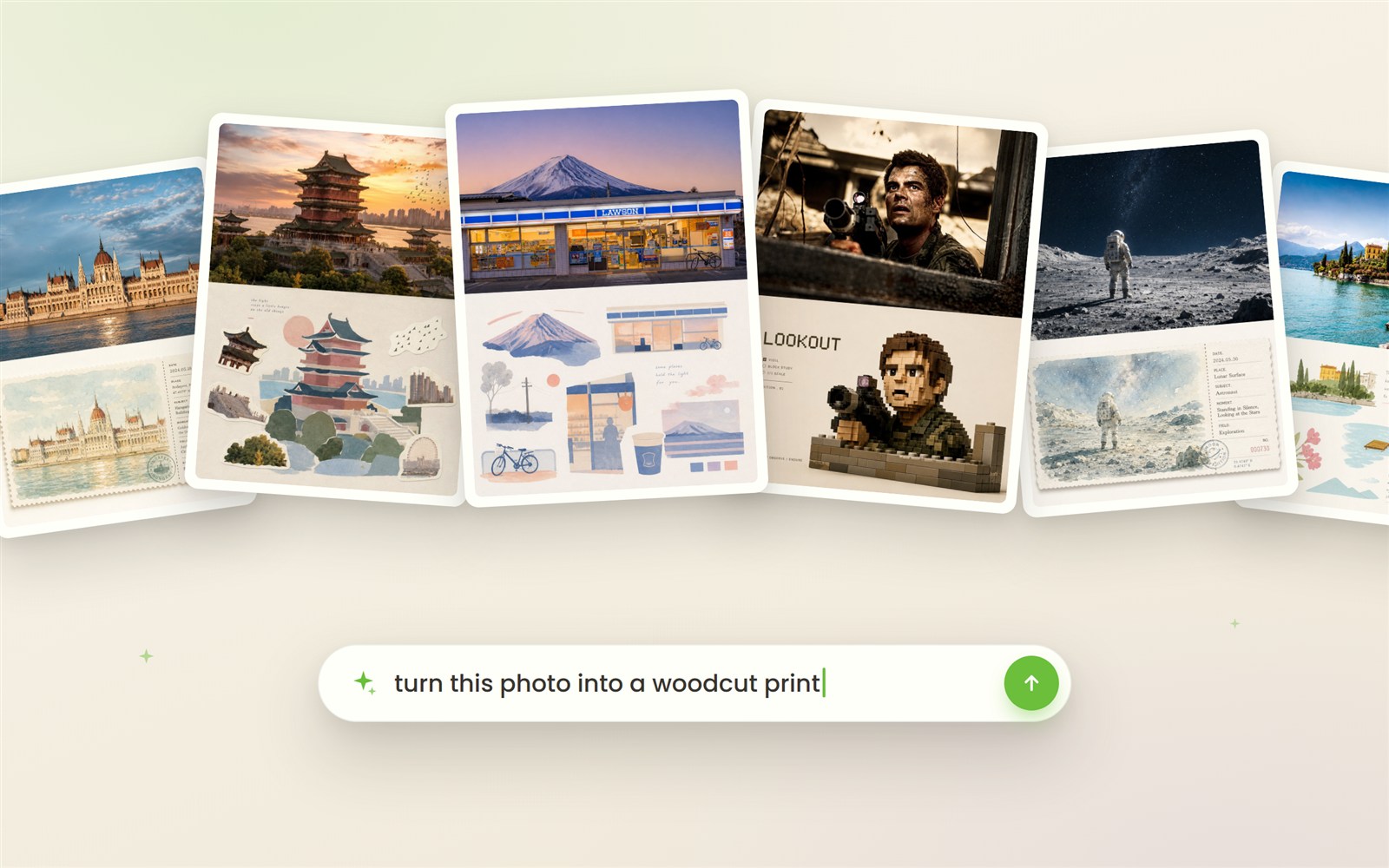
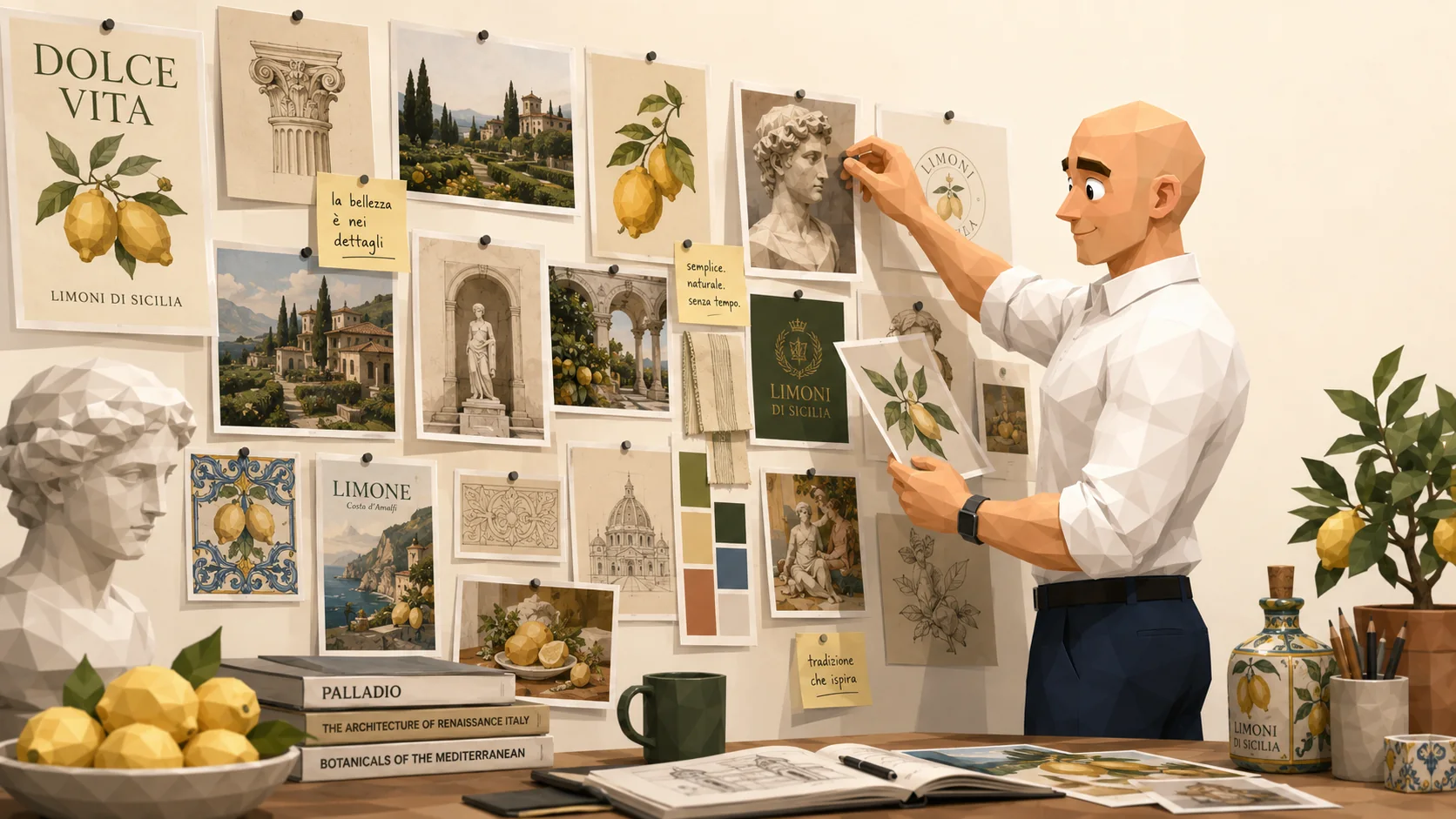
Look at this. And look at the prompt. This is what OpenAI’s new model can do with a babble prompt. Even as an AI hopeful, this wasn’t on my bingo card.
I have been designing for 25 years. It started with a pirated copy of Photoshop to draw rank badges for my gaming clan. (A clan needs badges. Morale is morale.)
But the Dolphin Car above proves:
AI makes generating and editing design dirt cheap and lightning fast.
So that part of my skillset just got commoditized. It’s quite brutal.
Lucky for me, everyone on X tells me taste is the new moat.
Some pro taste arguments




The argument goes like this: now that producing stuff is a commodity, judging stuff is the bottleneck. Execution is free, so taste is king.
It means those who can tell good design from bad design win. I, of course, like this argument. It lets me count 25 years of squinting at pixels as an investment in this “new” skill of judging AI output.
But is it true? Or is it cope?
Why taste could be king
Let’s steelman it first.
You’ve seen the new facts. Production costs for code, copy, images, video all collapsed in about 18 months. One prompt, a thousand options. A designer who shipped one banner a day now ships fifty. A team that hired three writers now runs on one part-time writer plus a model.
When everyone has the same engine, speed is no longer a moat. Curators beat creators.
Paul Graham made the argument 24 years ago, and his essay went viral again this year. He claims:
Taste is not personal preference. It is cultivated judgment.
Your old tastes were not just different from your new ones. They were worse. Taste is a skill, it is trainable, and some people are demonstrably better at it than others.
Research backs it. Taste is memory in disguise. Experts build perceptual libraries of thousands of “chunks” they pattern-match against instantly. A sommelier identifies wine quality because she has tasted 10,000 wines. A designer kills a logo direction in three seconds because he has seen 10,000 logos.
If taste is experience, and experience can be earned, you can earn taste.
Good news for anyone willing to do the work: taste can be earned.
Since I have spent 25 years making images, I presumably have some taste now.
How machines cultivate taste
Julie Zhuo, former head of design at Facebook, wrote a piece last year that made the case nobody wants to make:
Taste is pattern recognition across vast cultural knowledge. And that is exactly what AI does.
AI has vastly more cultural knowledge than any of us. So seen as a prediction engine, human taste is, in her words, far more vulnerable to AI competition than we would like to admit.
Taste is trained. It is expertise. It is built through thousands of hours of exposure plus reflection.
This has been a sport for a decade, by the way. There is a huge incentive to build a taste machine: social media algorithms want your eyeballs on the feed, so they invest serious money in predicting what you will like next. Scroll by. Linger. Tap. Every gesture is an indication of your taste.
Aggregate individual tastes across a billion users and you get something unsettling: a cultural taste model, calibrated in real time, that is better than any single human at predicting what the room wants next.
This is bad news for the taste-is-king crowd.
Machines learn taste the way humans do:
- 1Massive exposure.
- 2Pattern extraction.
- 3Preference feedback.
That’s cultivated judgement on cocaine.
Some contra taste arguments


The real case for taste: consistency
AI is eager like an intern. It drifts.
Ask the same prompt three times. First result: solid. Second result: slightly different pose, same vibe. Third result: different font, subtly different face, a palette that has warmed a shade. Multiply that across 50 assets and 5 people writing the prompts.
Maybe no single output is wrong, wrong. They just drift away from the brand.
Left unattended, brands build by AI will be unrecognizable in six weeks.
The person who catches the drift is doing real work. And that work is testable: does this output match the brand book or does it not? Which leads us to the following hypothesis:
A brand book carries extra weight in the age of AI.
Because the brand book is where taste stops being mystical and becomes measurable. Where the judgments of the founder, the designer, and the strategist are written down, so the next person (or model) coming in cannot drift.
Basically, your brand book is articulated taste.
The old brand book was light. A logo. A palette. A few rules on tone of voice. Enough, because a human designer filled the gaps. A human knows “use the logo on a dark background” without being told to keep the negative space and pick a readable accent color.
An AI does not know this. Or not reliably. Or not three times in a row.
So for an AI-first company, the brand book has to be heavier.
Positive examples (this IS the brand). Negative examples (this is NOT the brand, even though it looks close). For images. For text. For voice.
The more ambiguity you leave, the more drift you get.
The person who guards it is the person doing the taste work. And they are worth the money.
Now notice: We went from “I know what is good” (unfalsifiable) to “I know when we have left the brand” (falsifiable).
This is also, probably, the only honest version of “taste is king.”
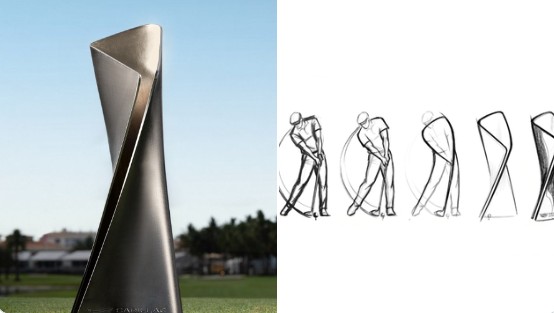
Generated images
The future of the designer
Here is where we land.
The taste-is-moat argument is probably about 30% true and 70% cope.
The 30% human taste is real. It lives somewhere in:
- Strategic decisions on brand direction (saving time in deciding what’s worth making in the first place).
- Translating client wishes.
- Knowing when to push back on AI.
- Judging output to be unique and free of AI clichés.
But most of all: the designer in AI-first companies can be the Guardian of Consistency across the brand.
As AI advances, part of the above will become redundant also. Better models will produce more consistent output with fewer clichés and provide better strategic direction.
For smaller organizations, I can see the Chief Commercial Officer absorbing the Chief Marketing role, because AI has automated most of the day-to-day work.
So when you catch yourself saying “taste is king,” check whether you are making an argument or defending your relevance.
In the meantime, thicken that brand book.