Visuele inspiratie
Promptbibliotheek
Sterke AI-resultaten uit het wild, mét de prompt erbij. Klik op een beeld, kopieer de prompt en maak er iets eigens van.
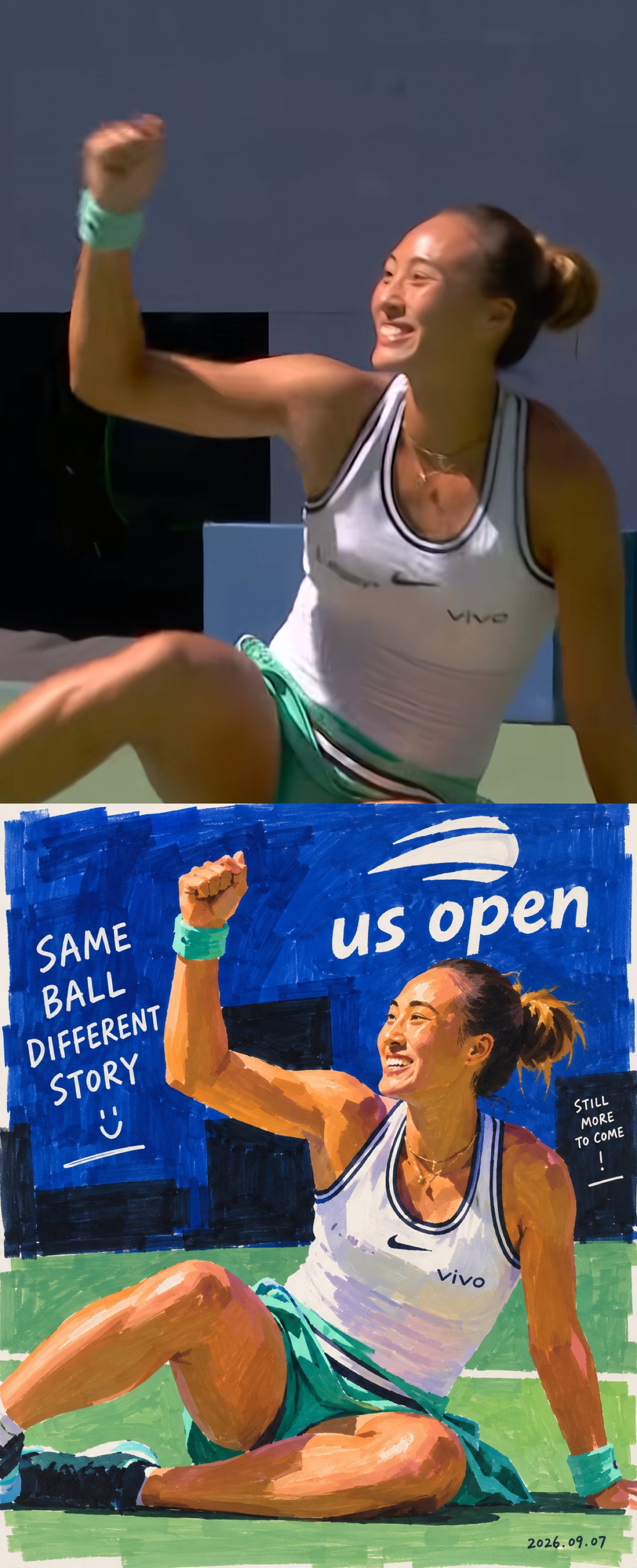
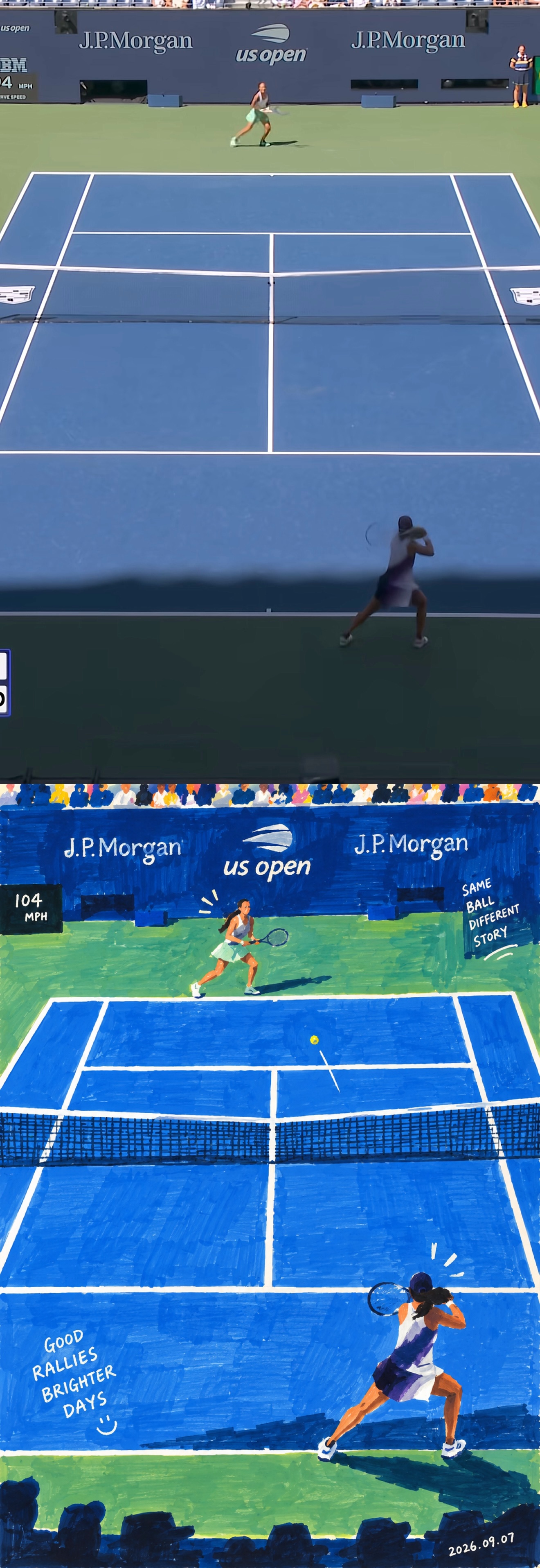
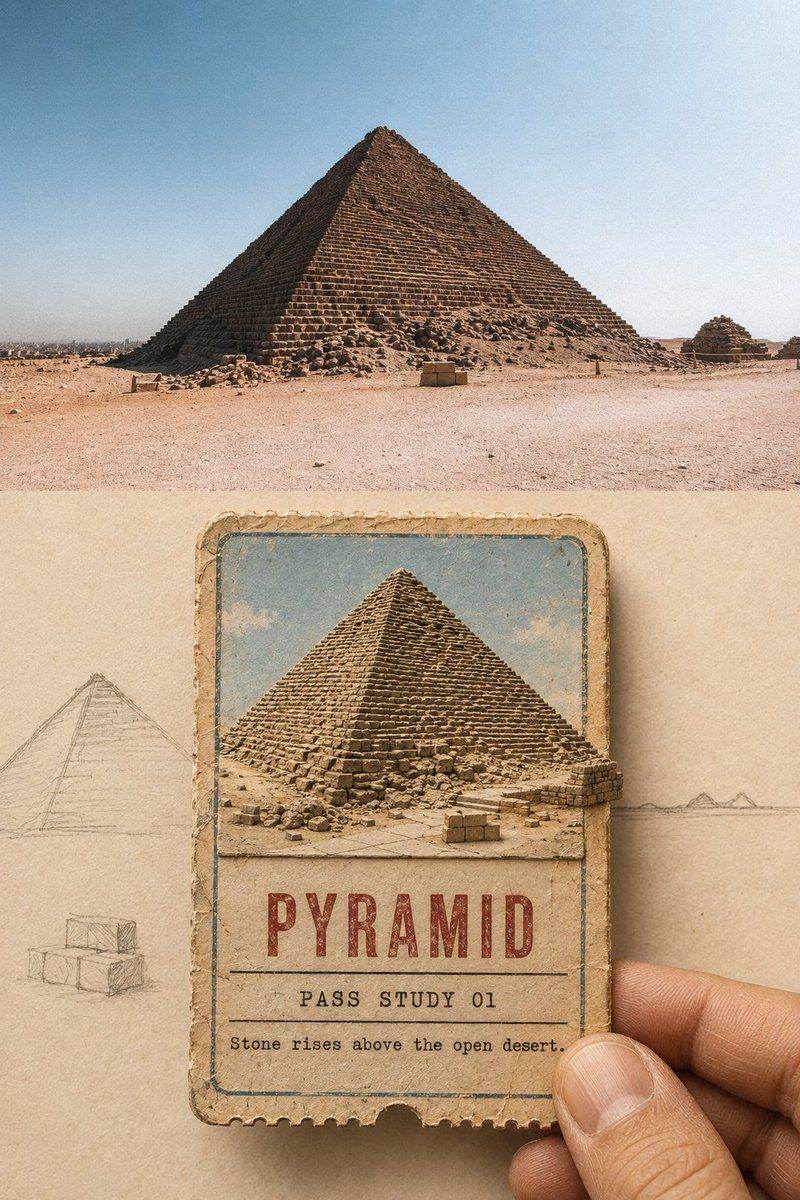
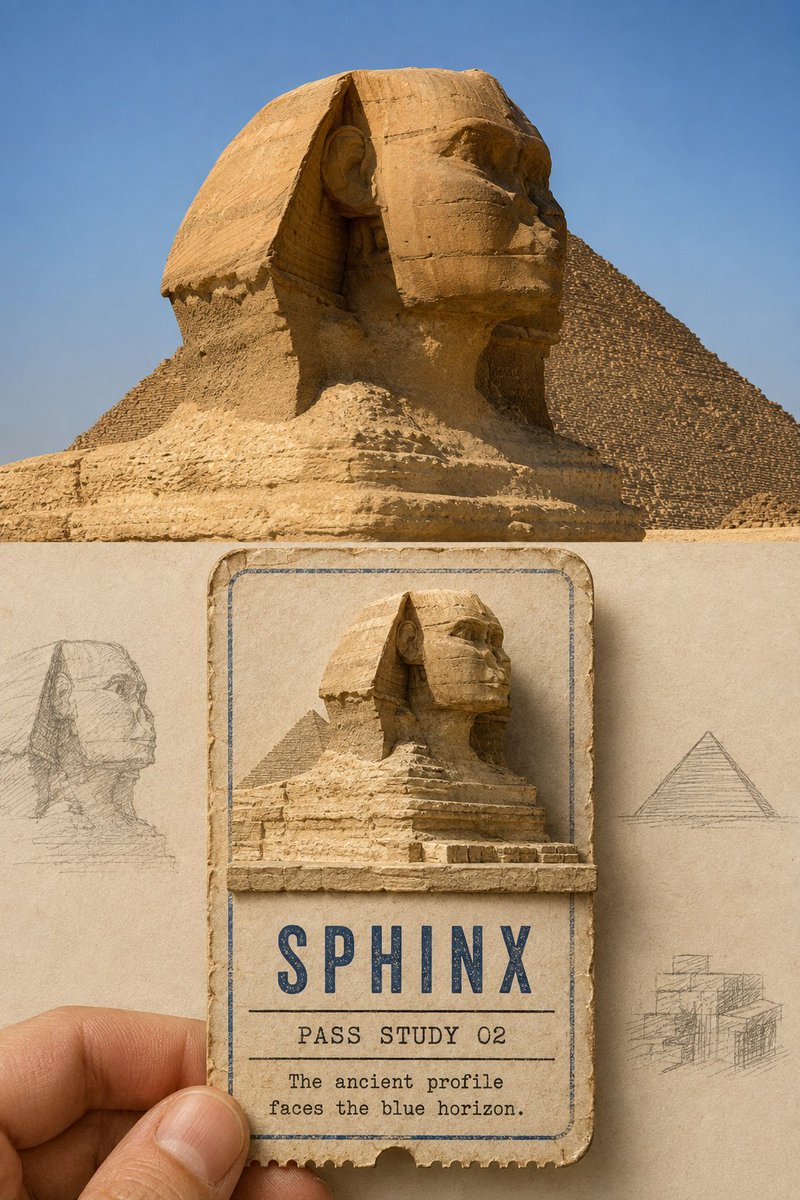
Krijg de prompts die indruk maken
Krijg de prompts die indruk maken
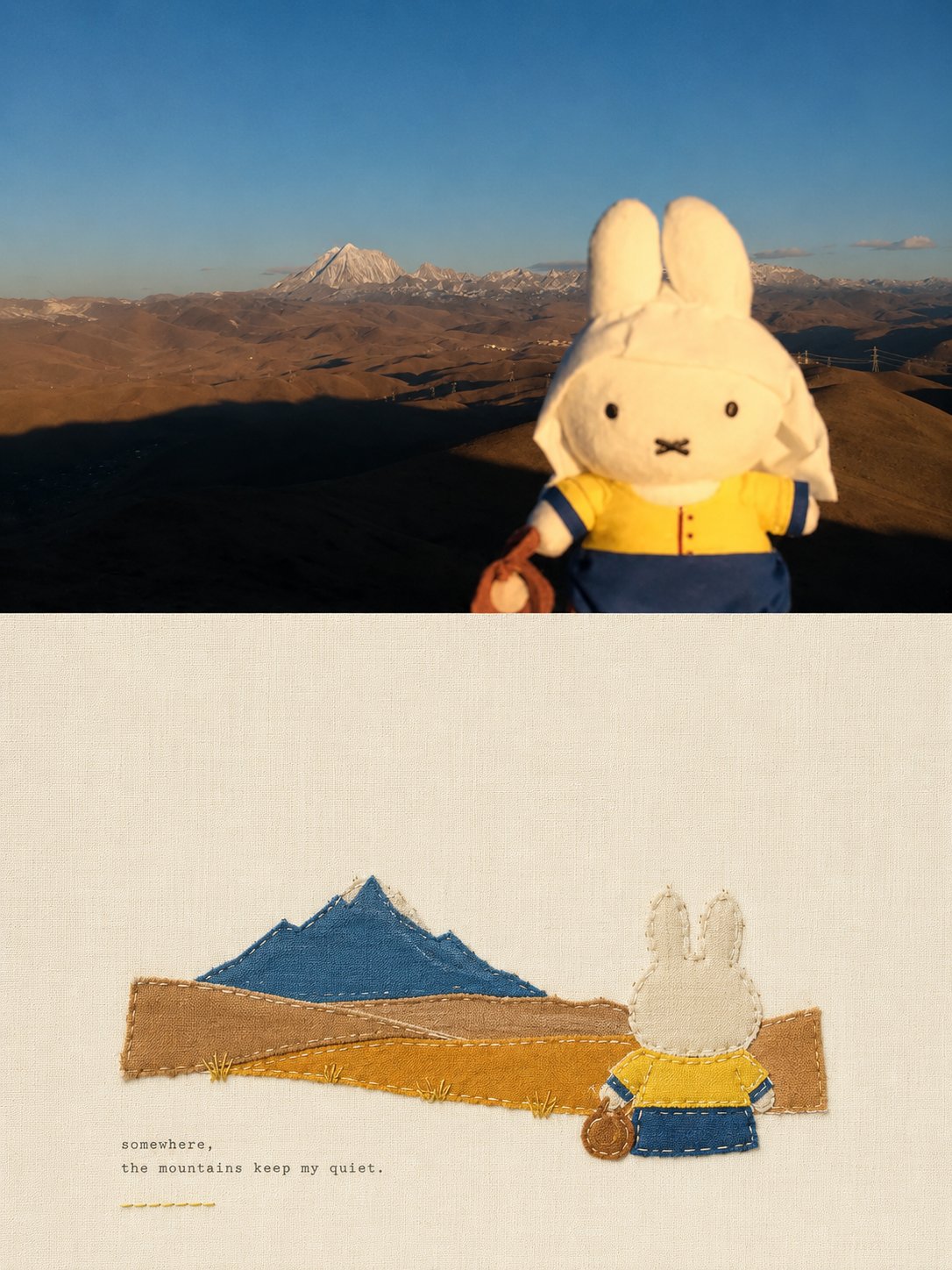
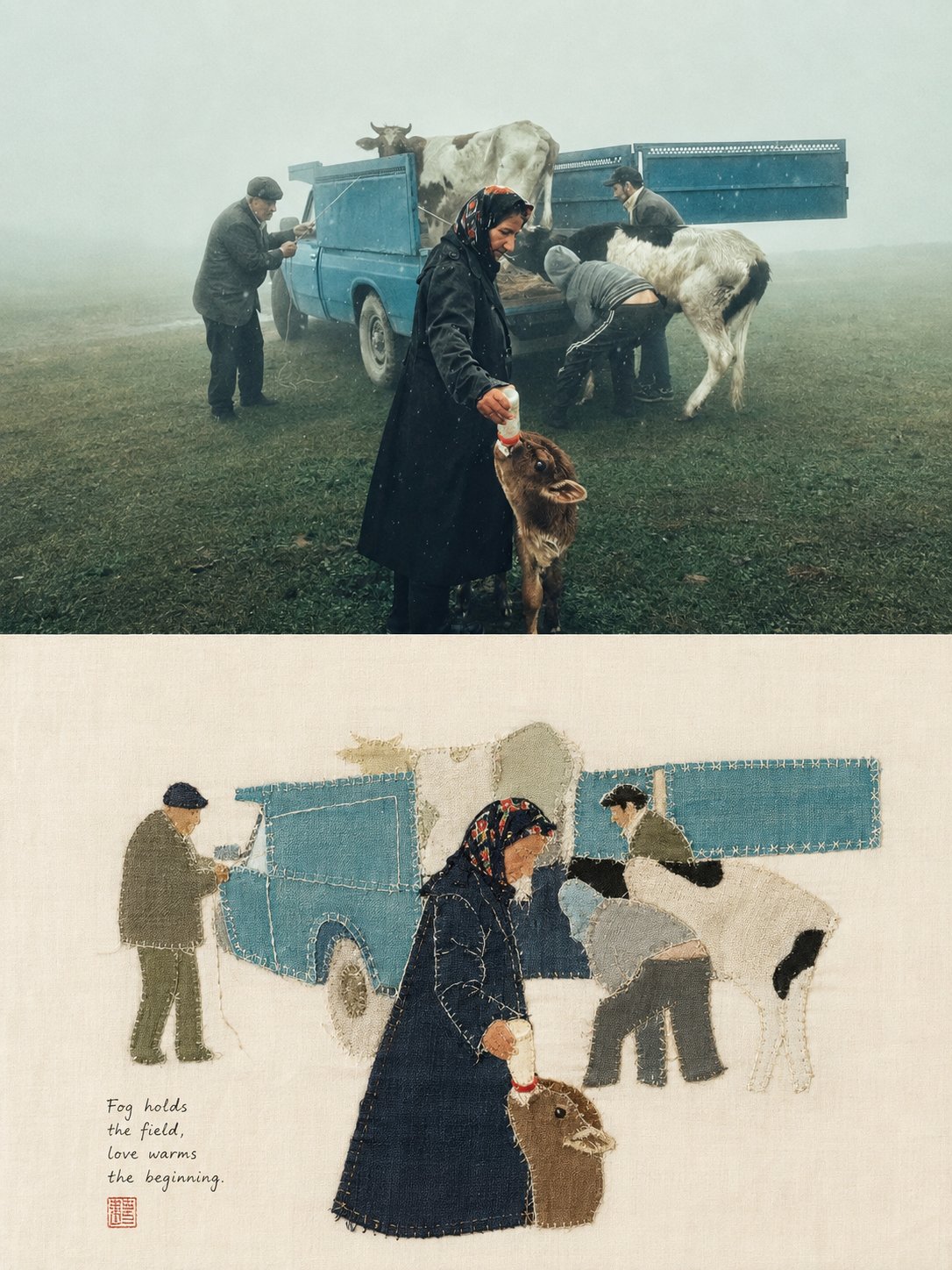
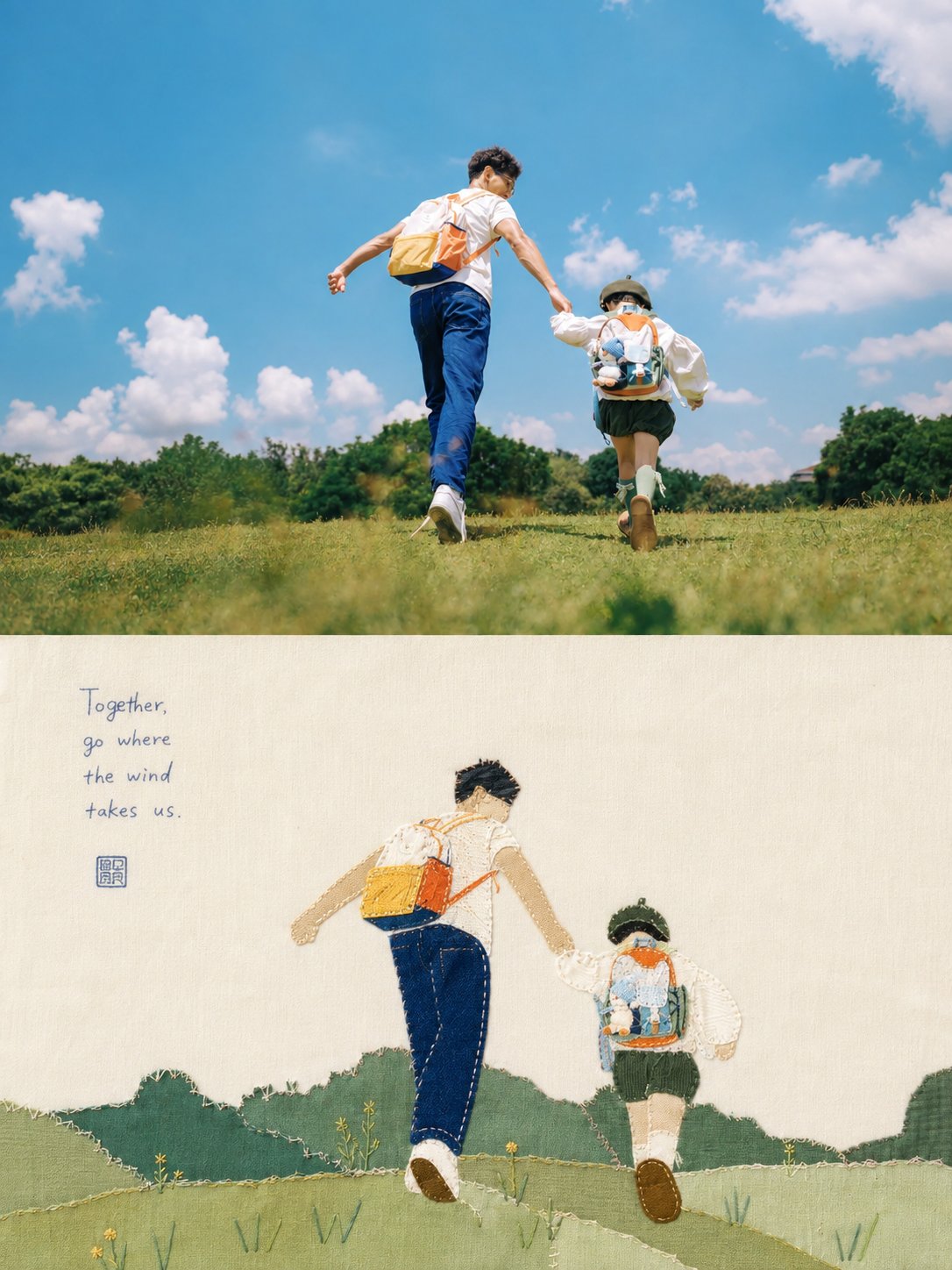
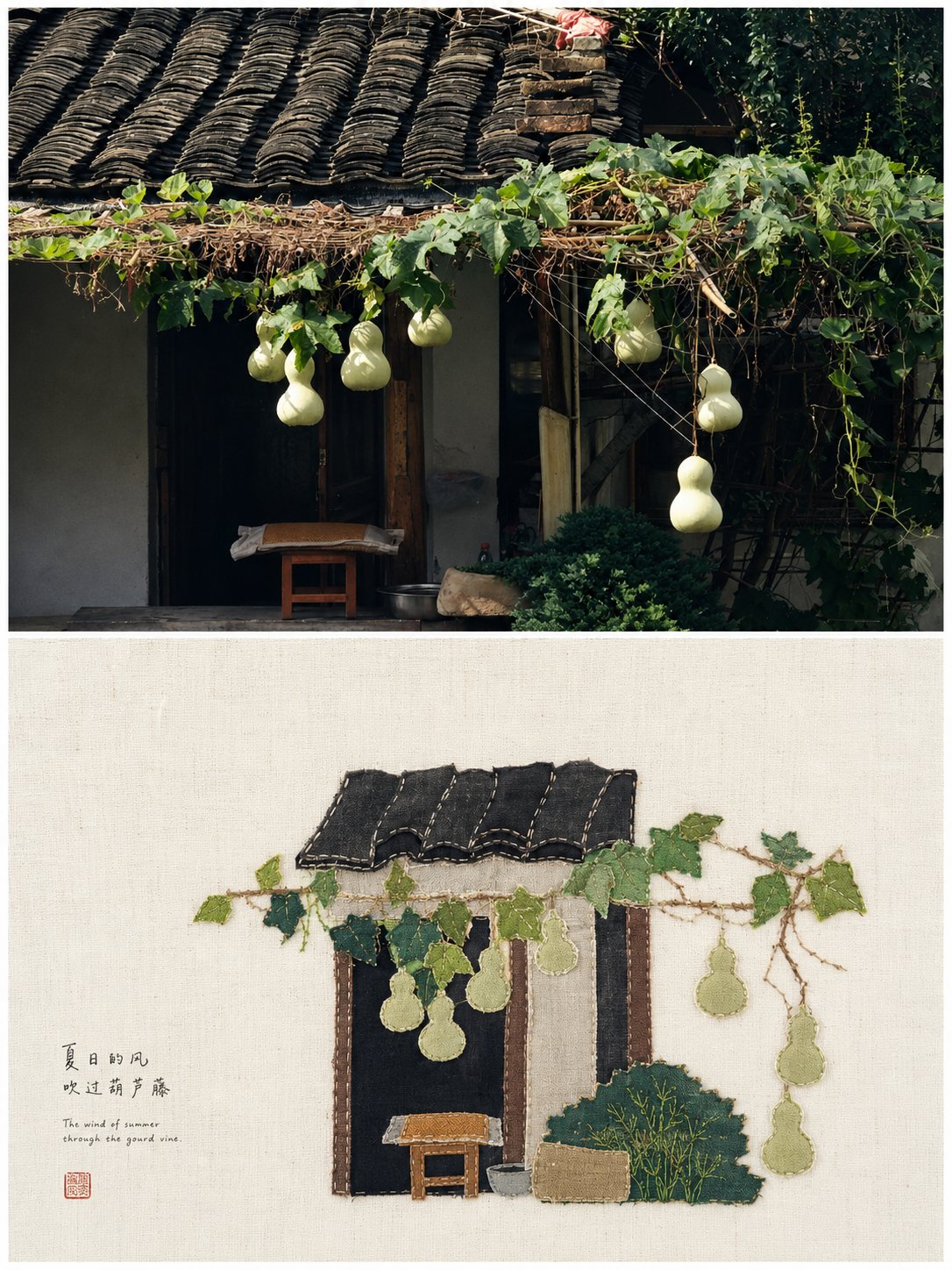
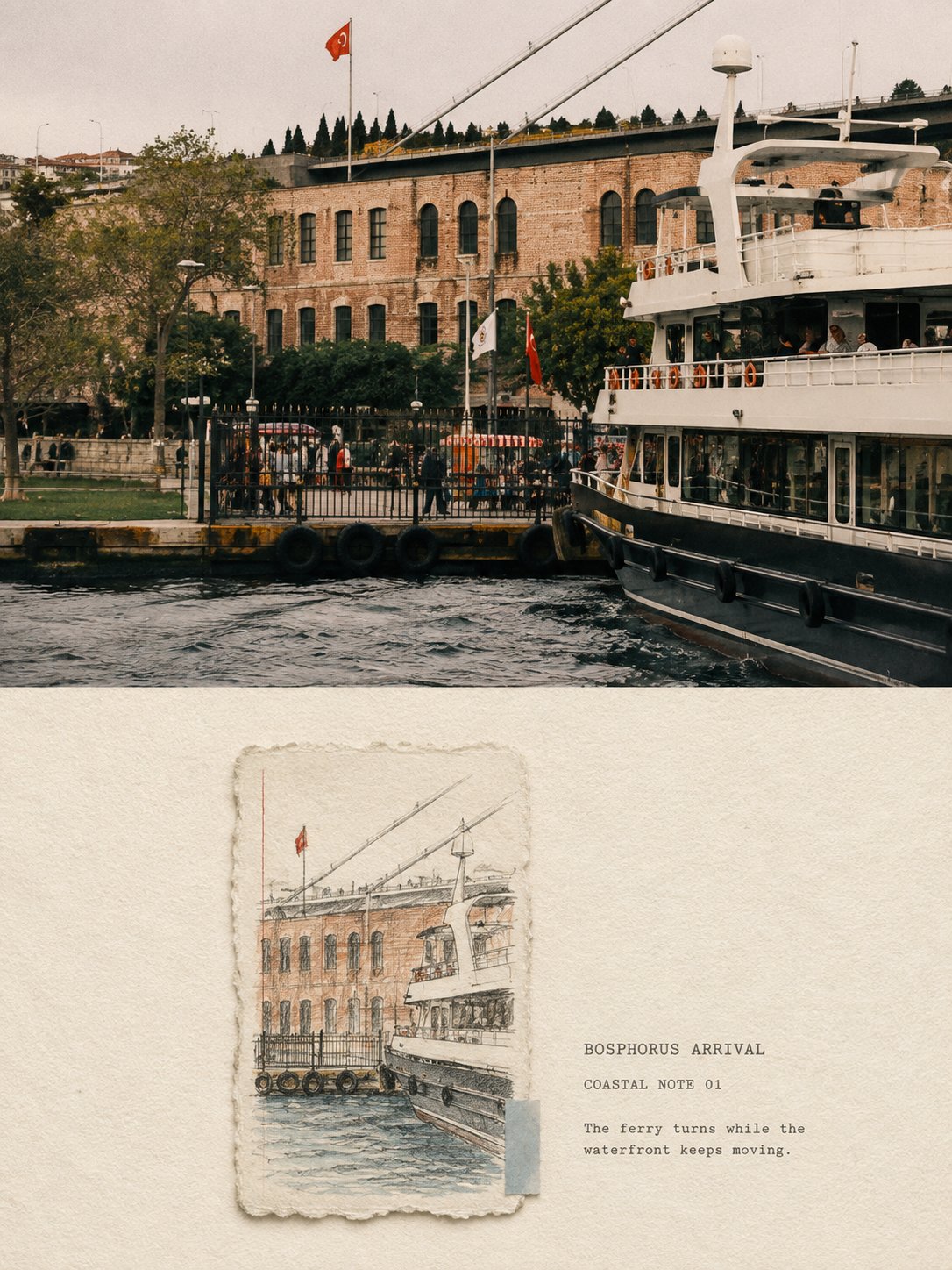
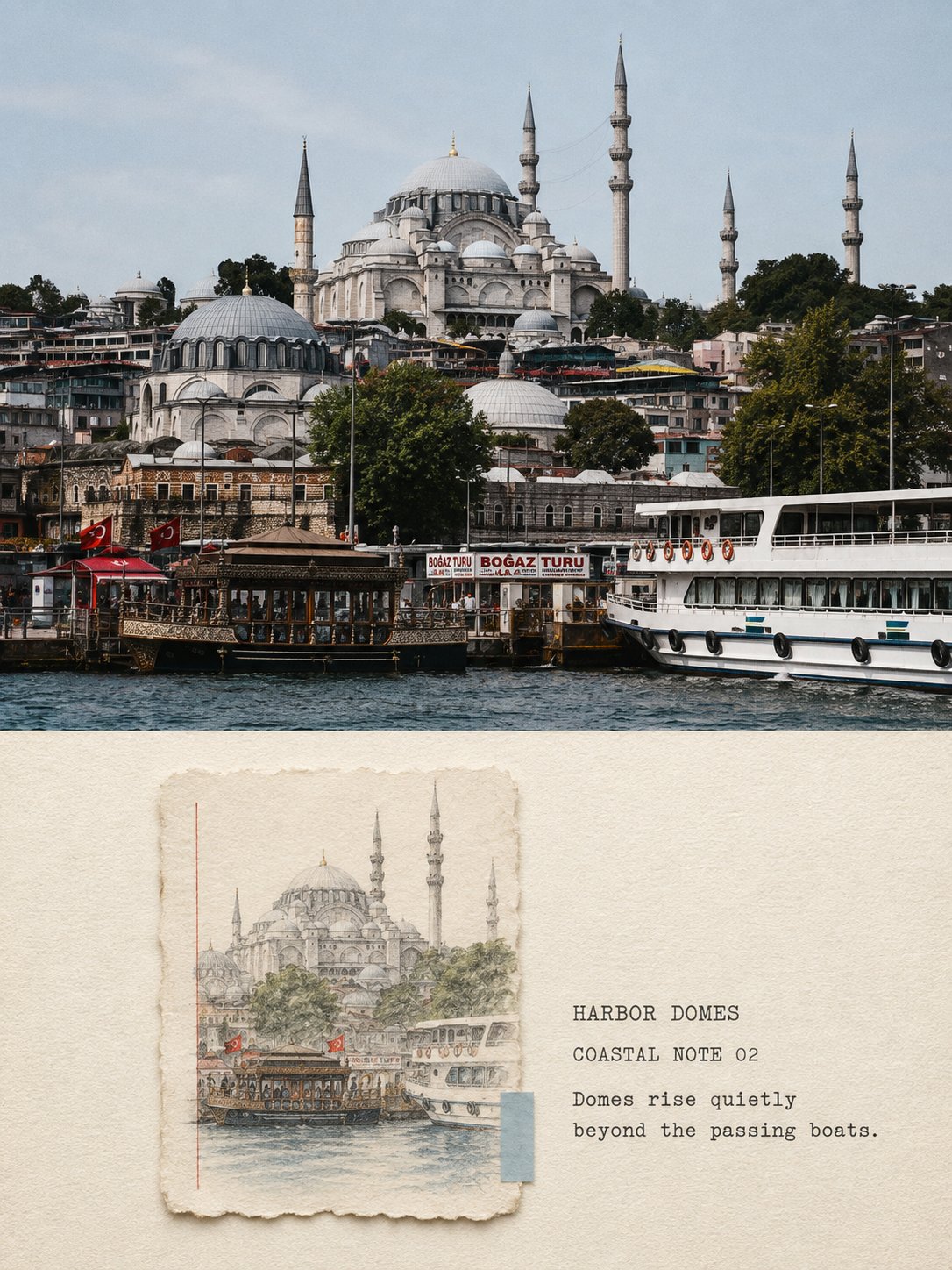
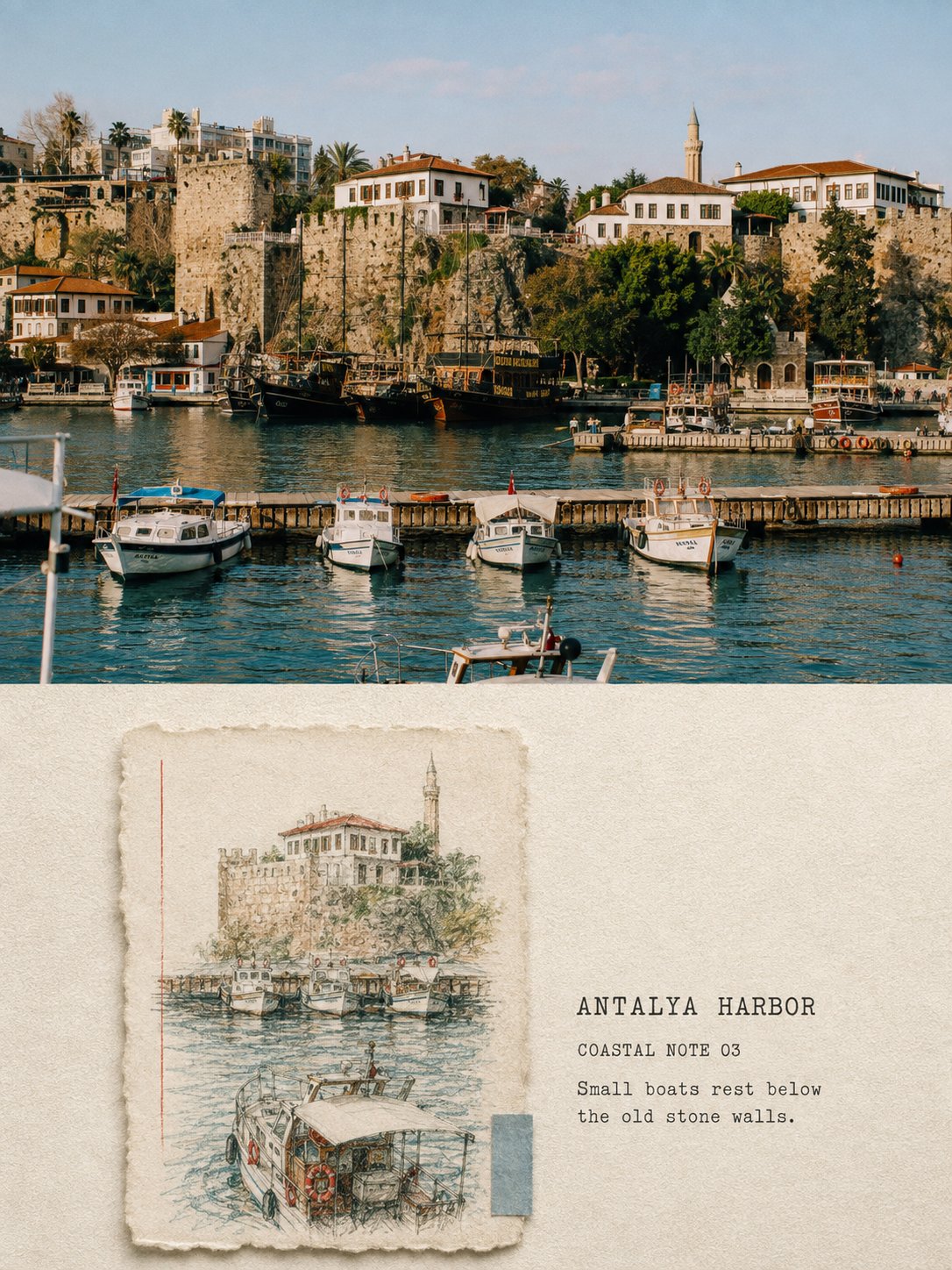
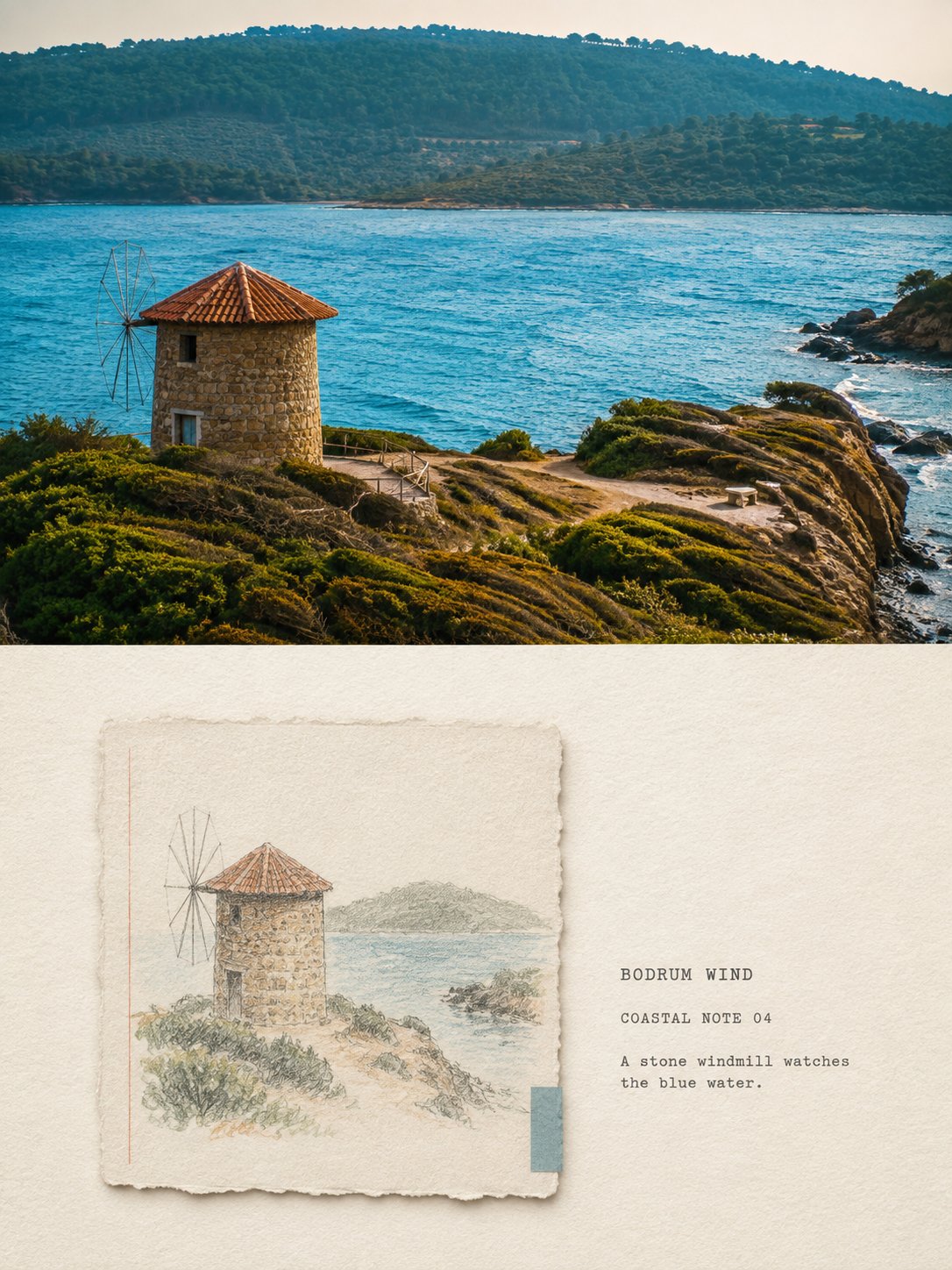
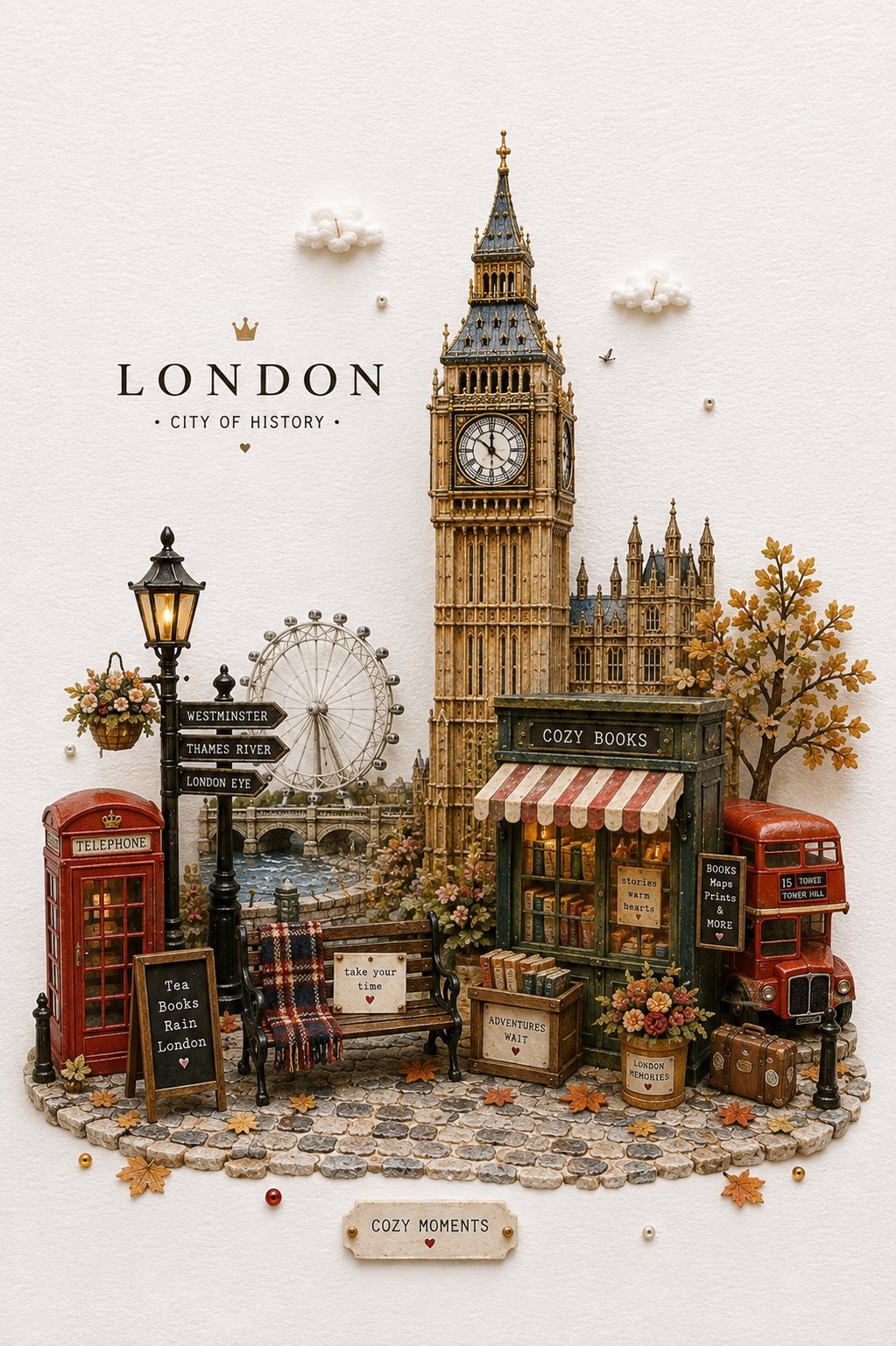
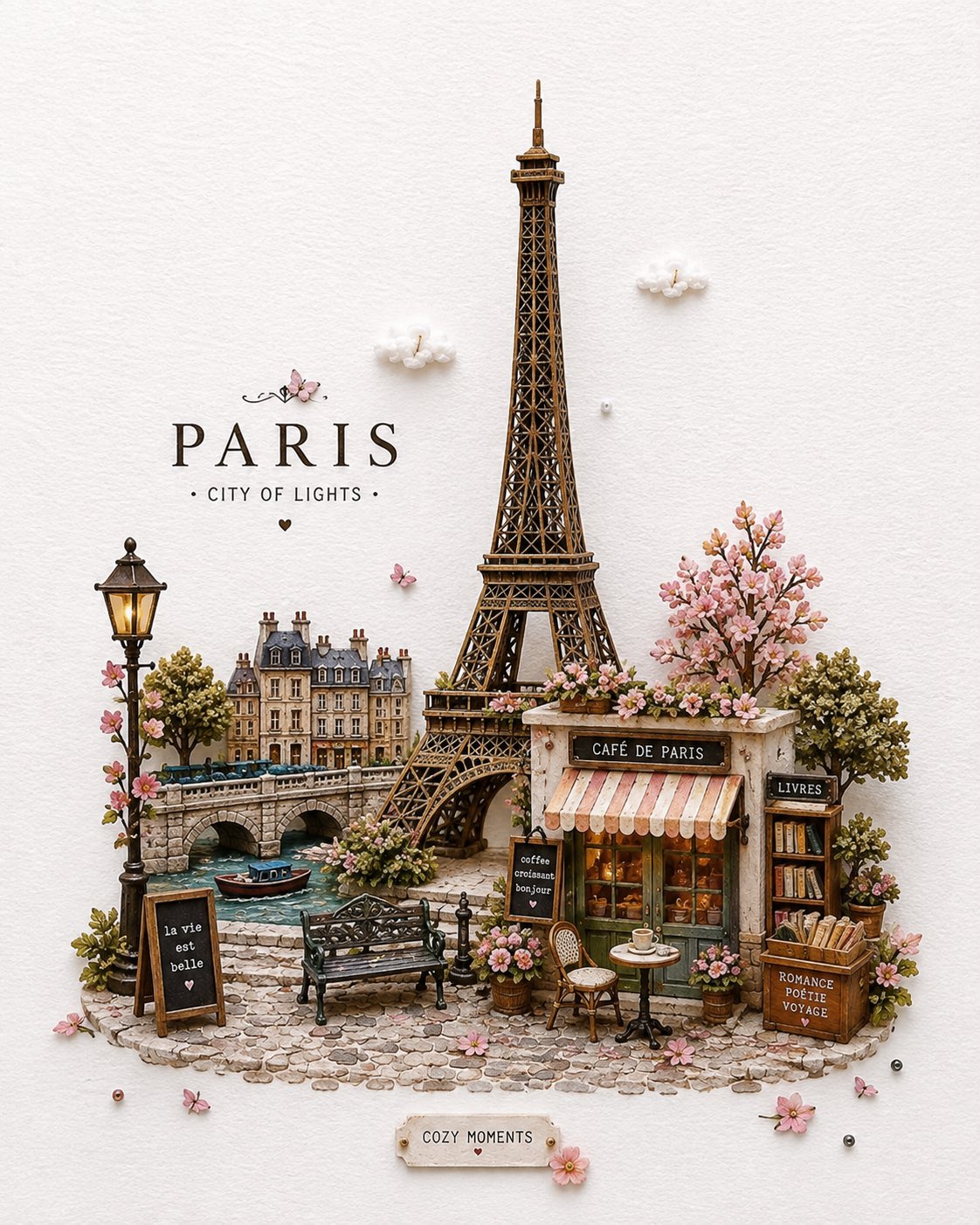
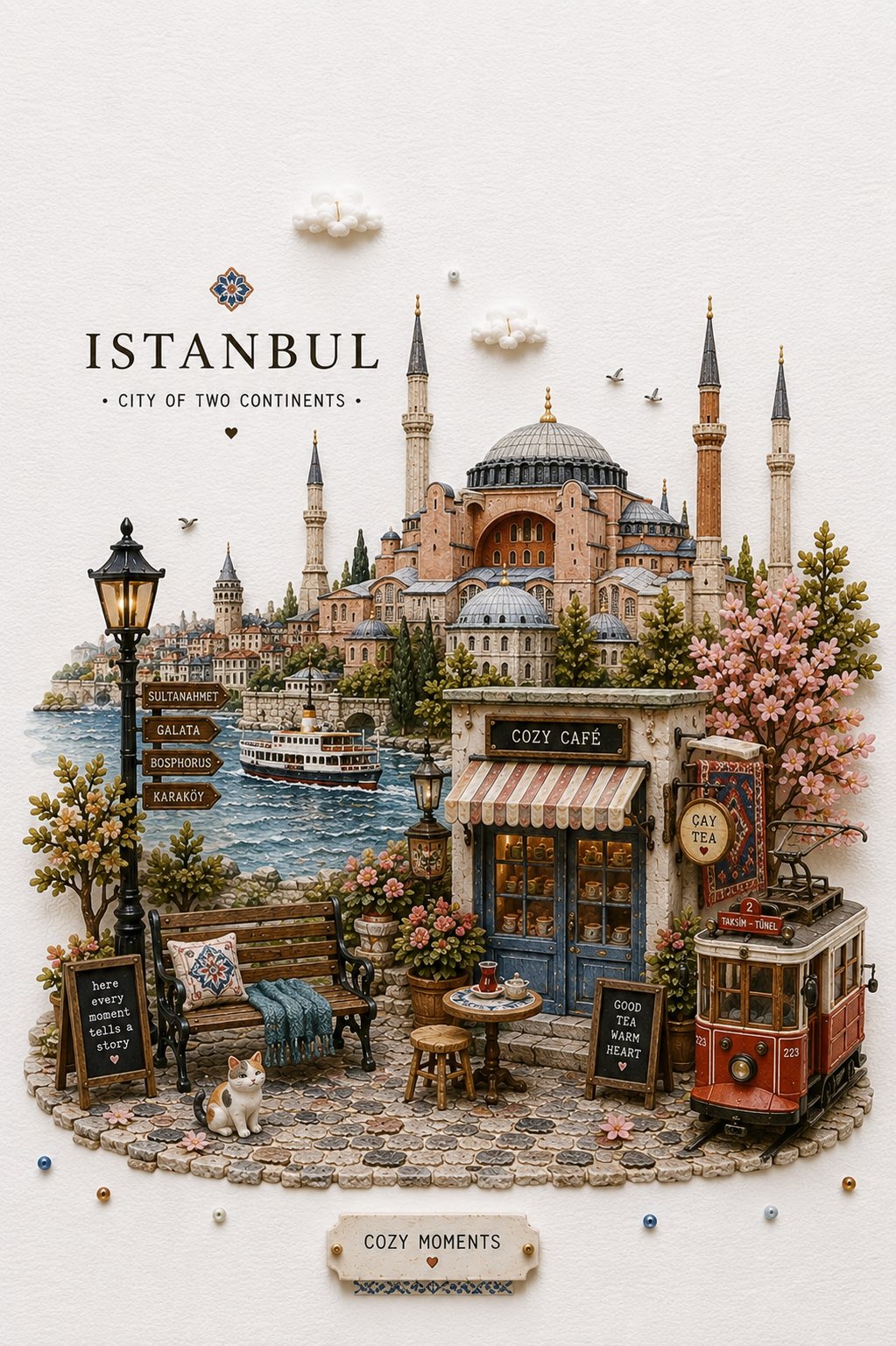
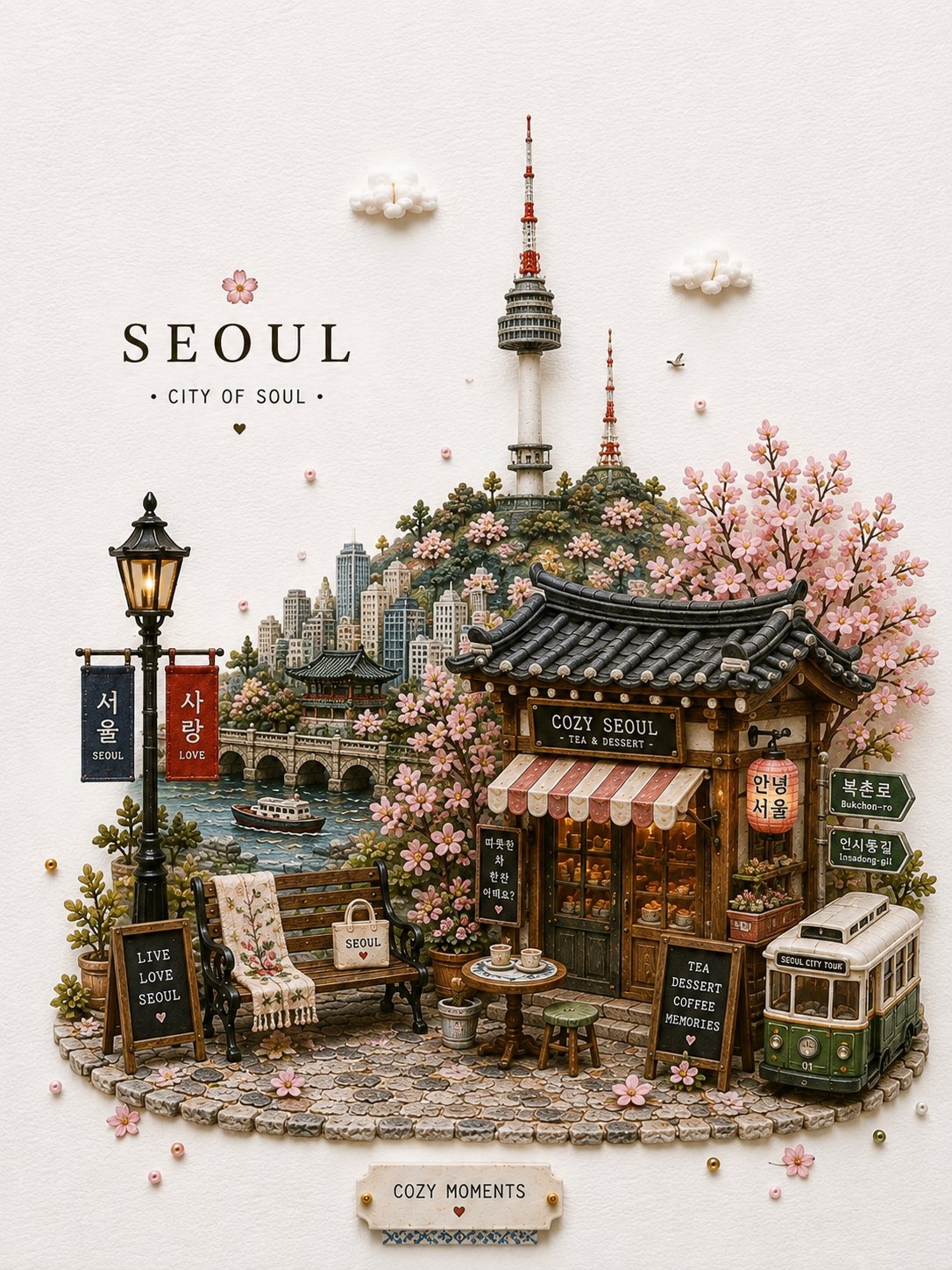
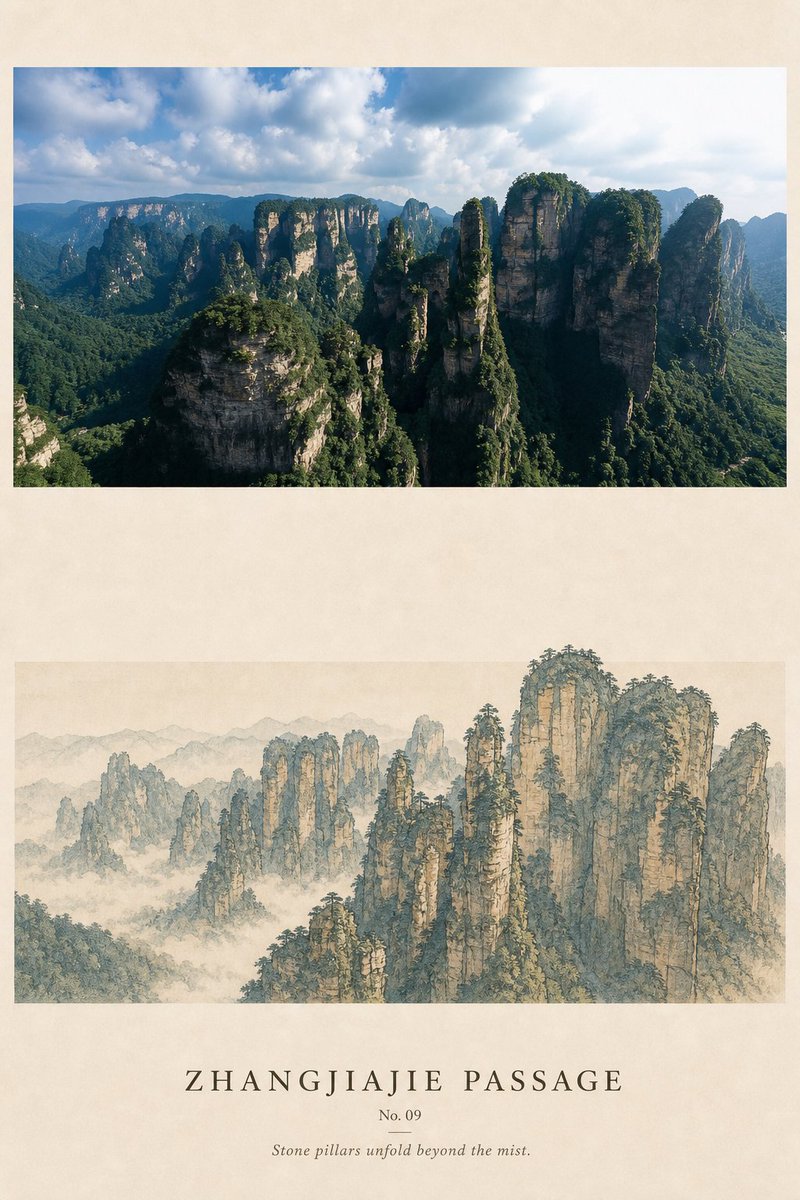
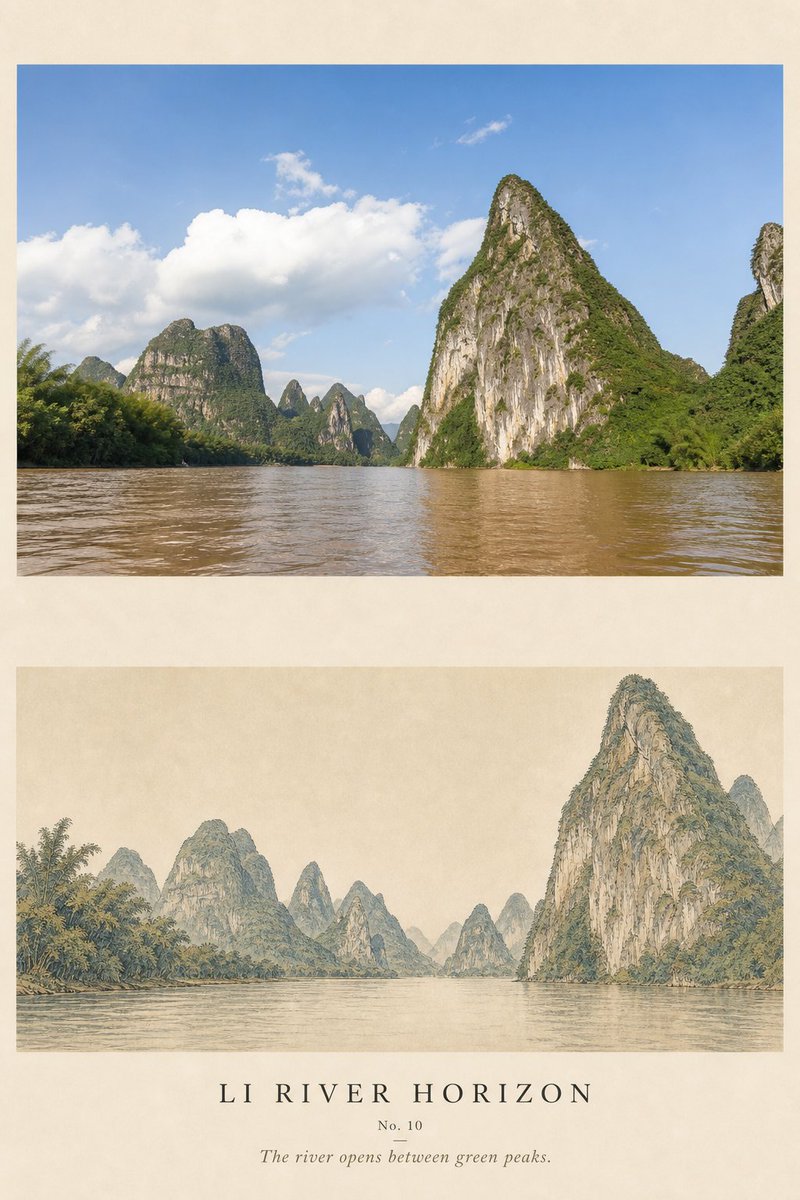
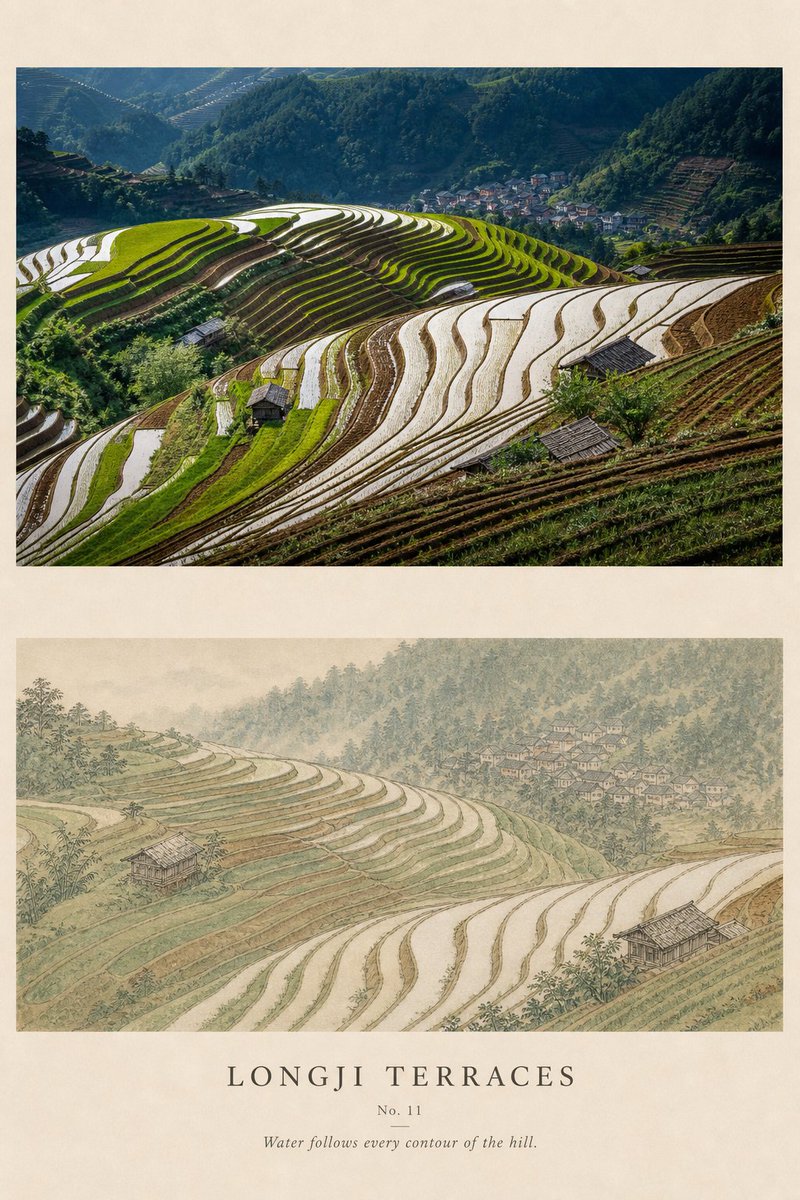
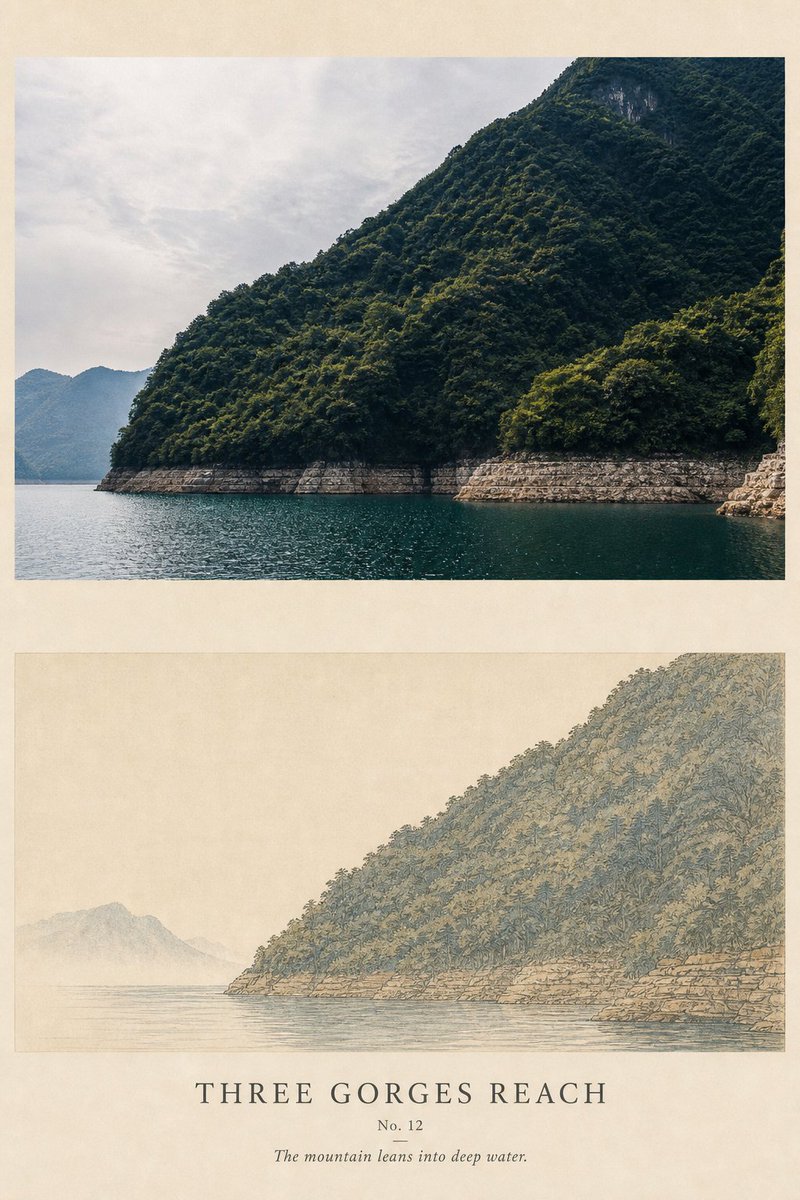
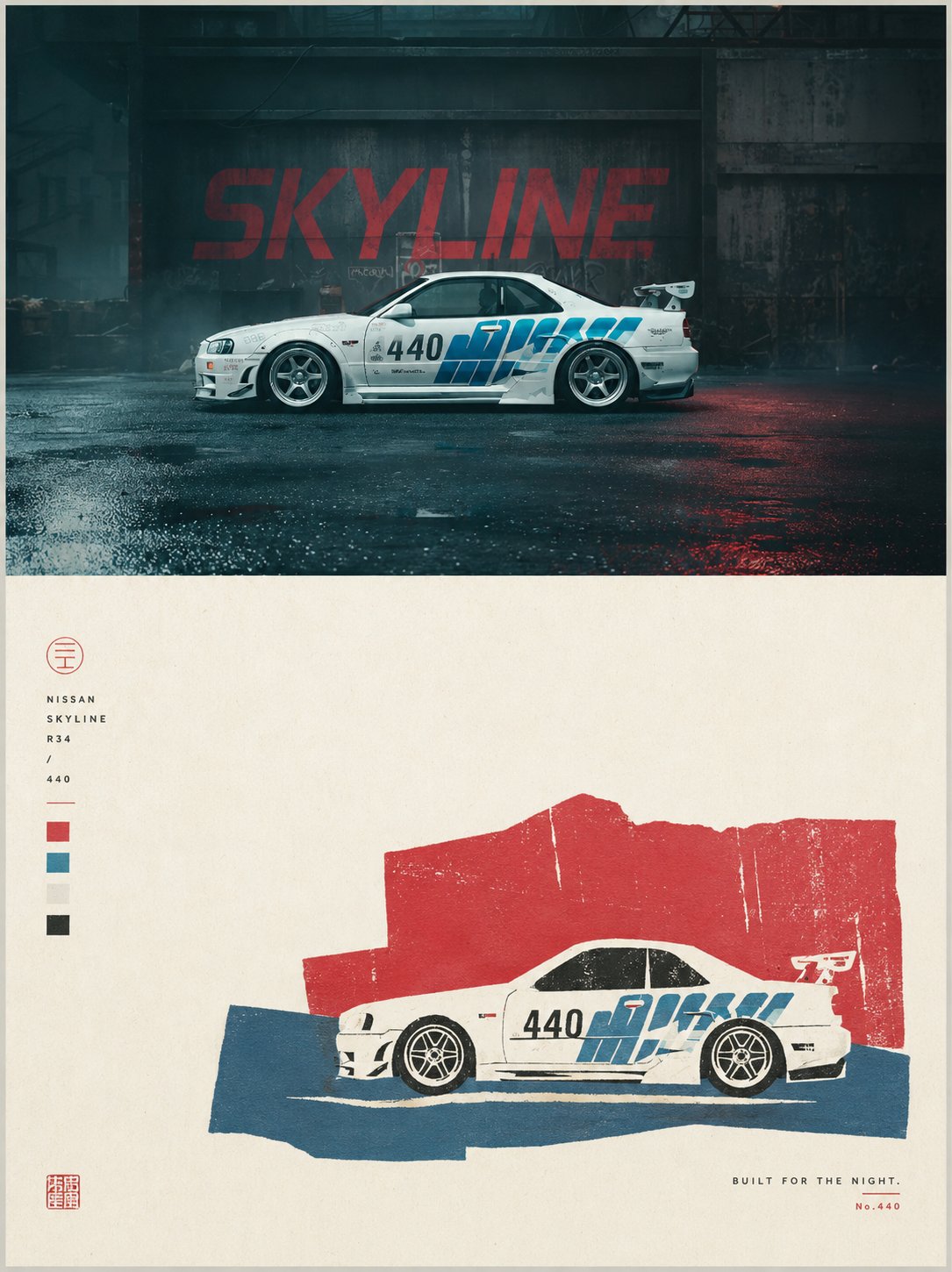
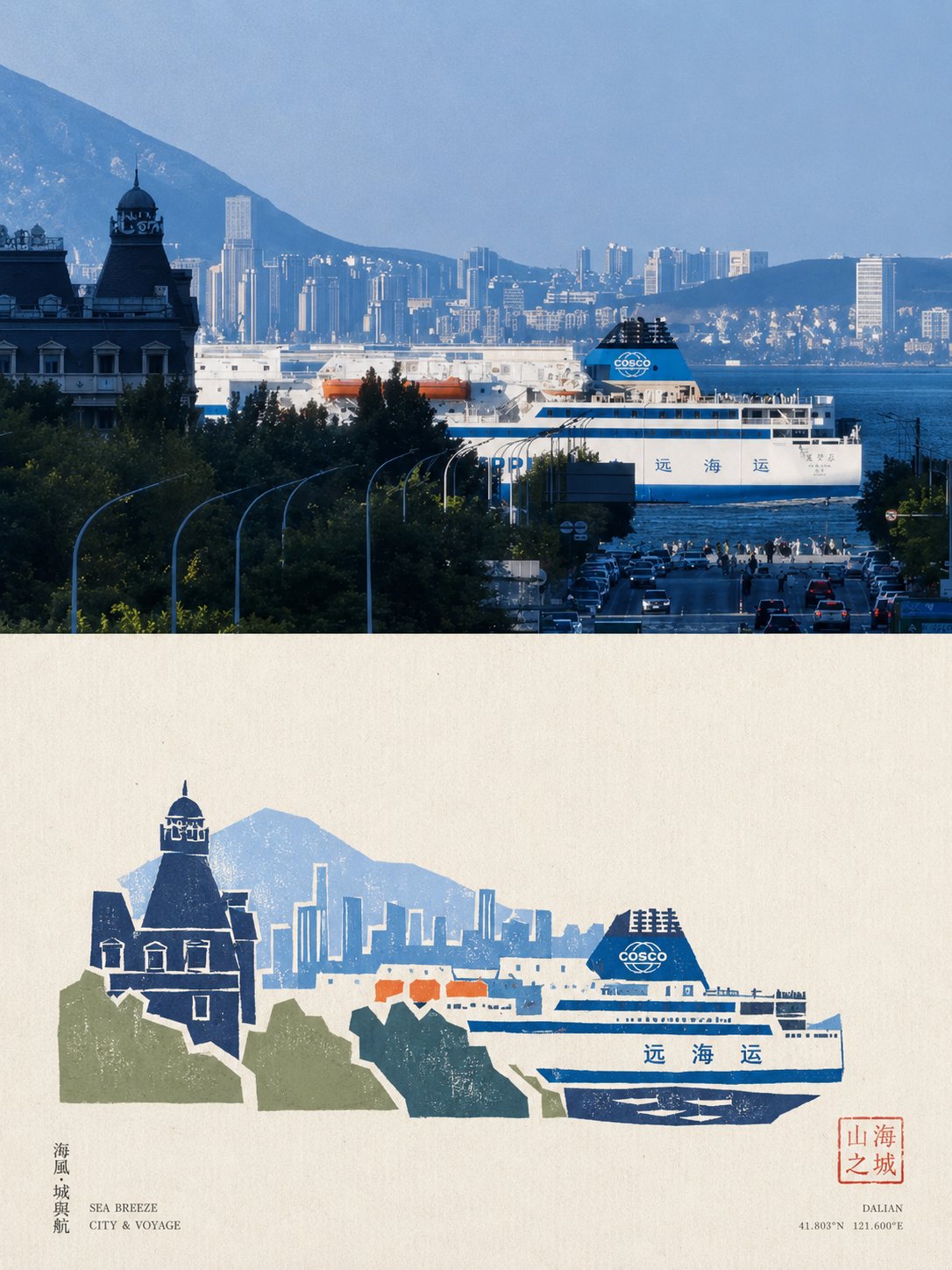
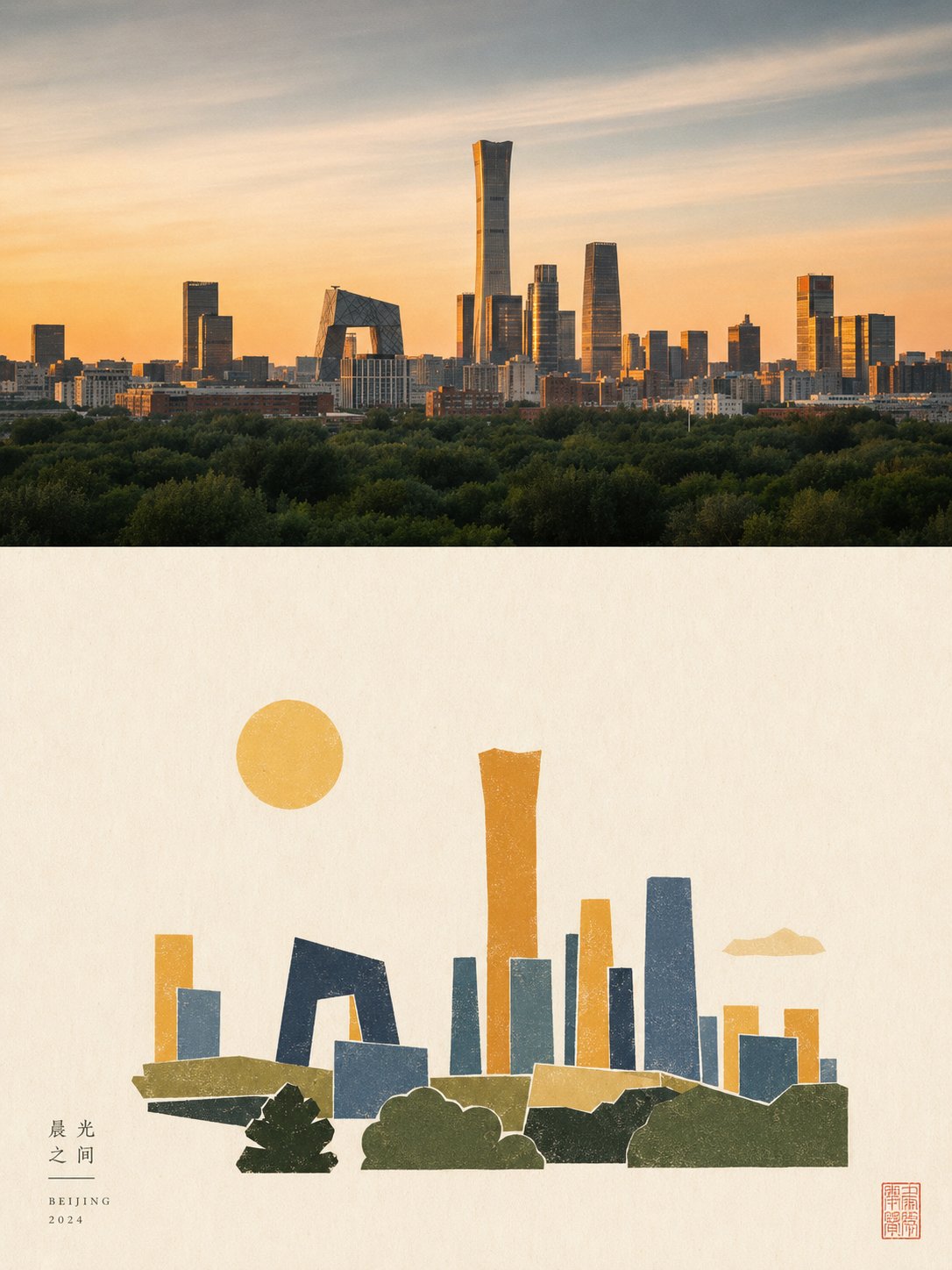
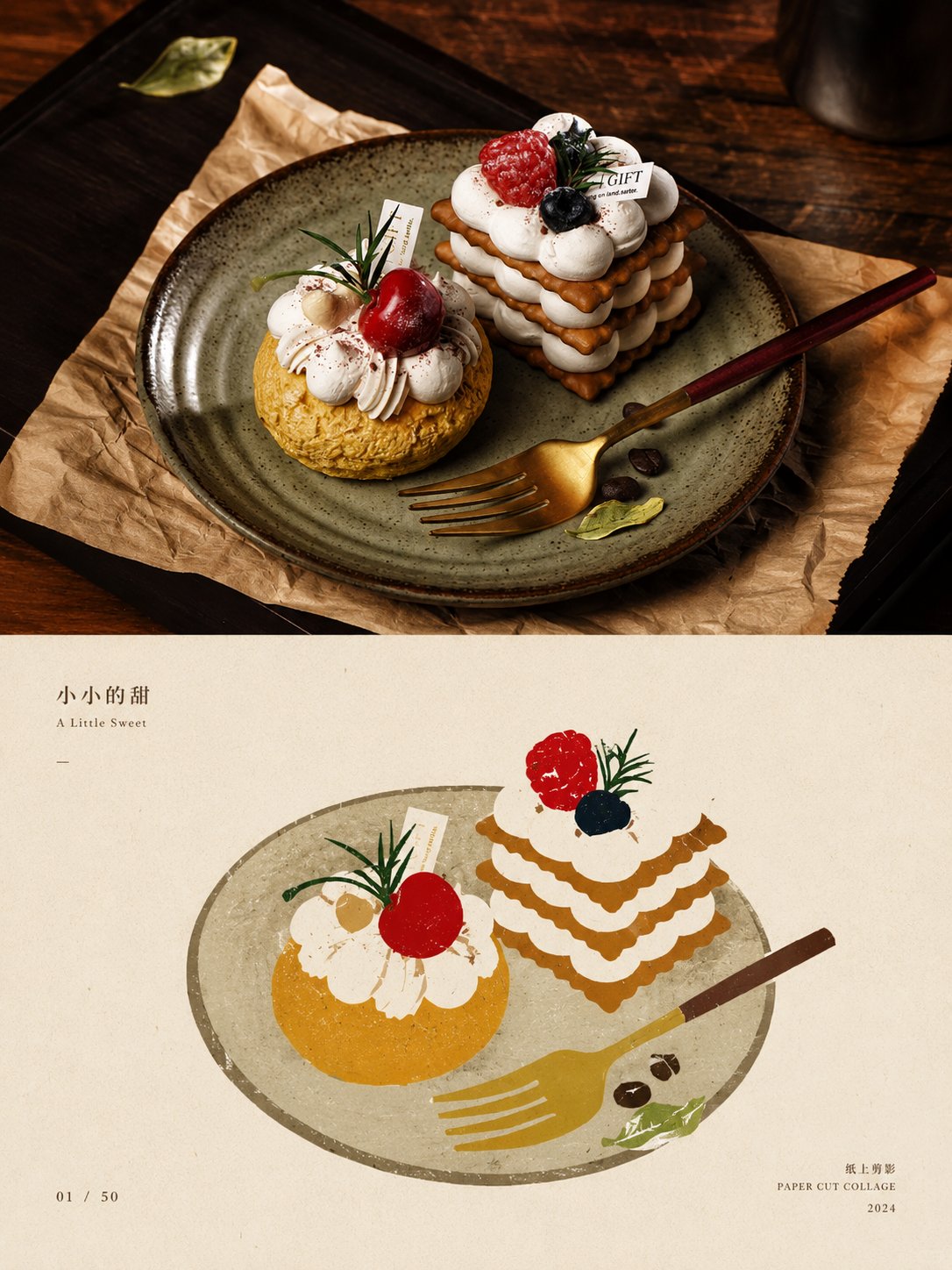
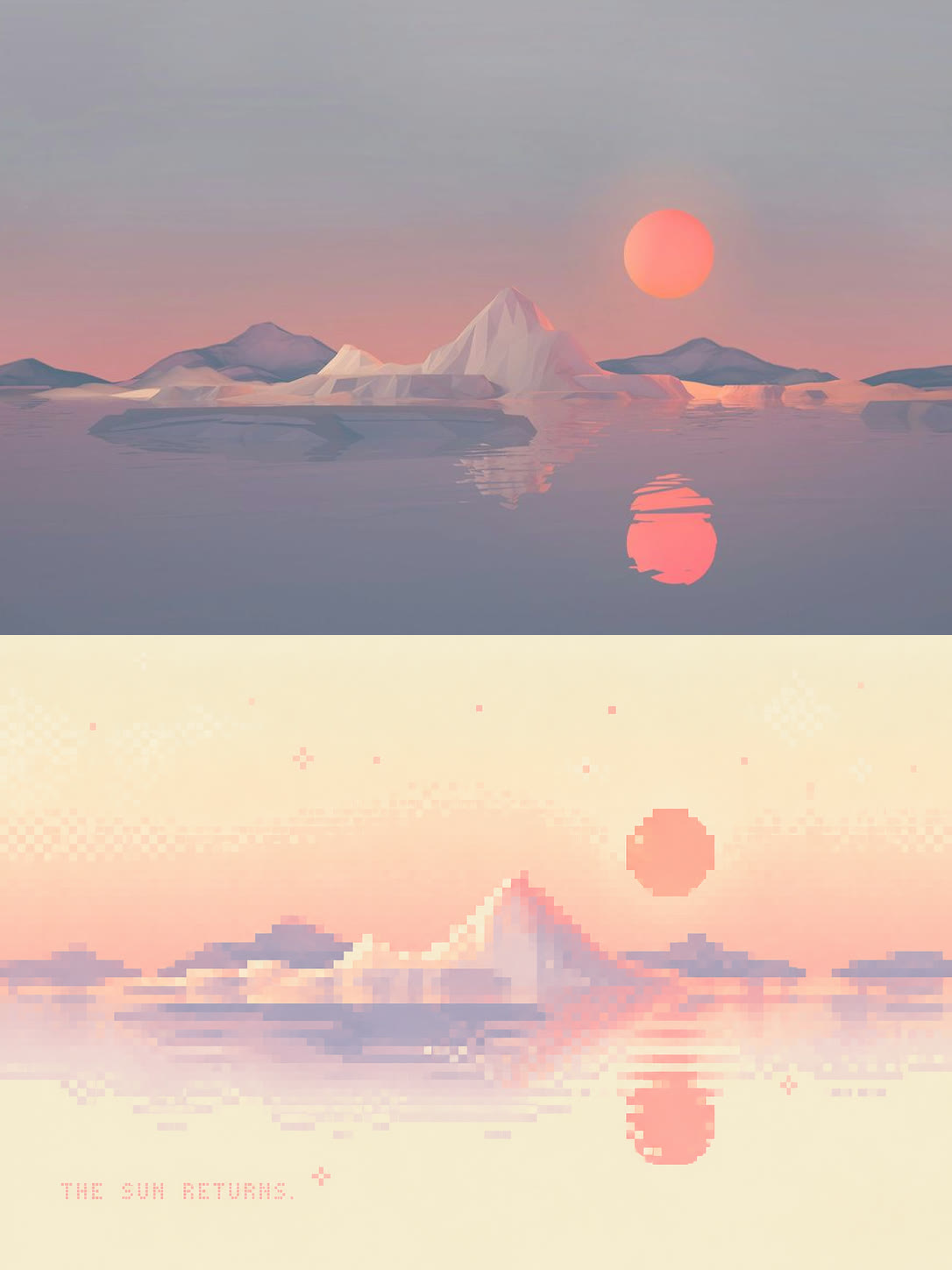
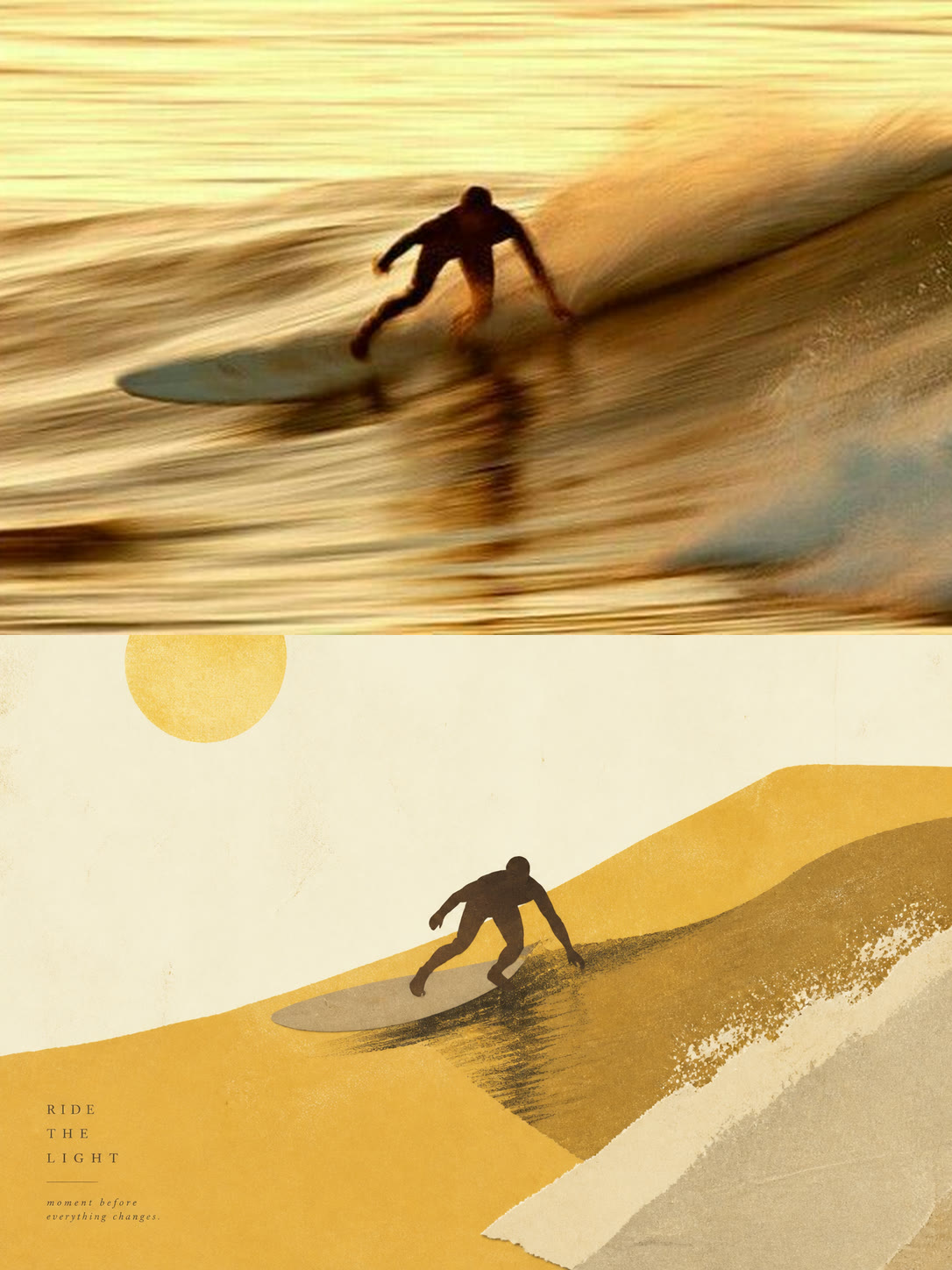
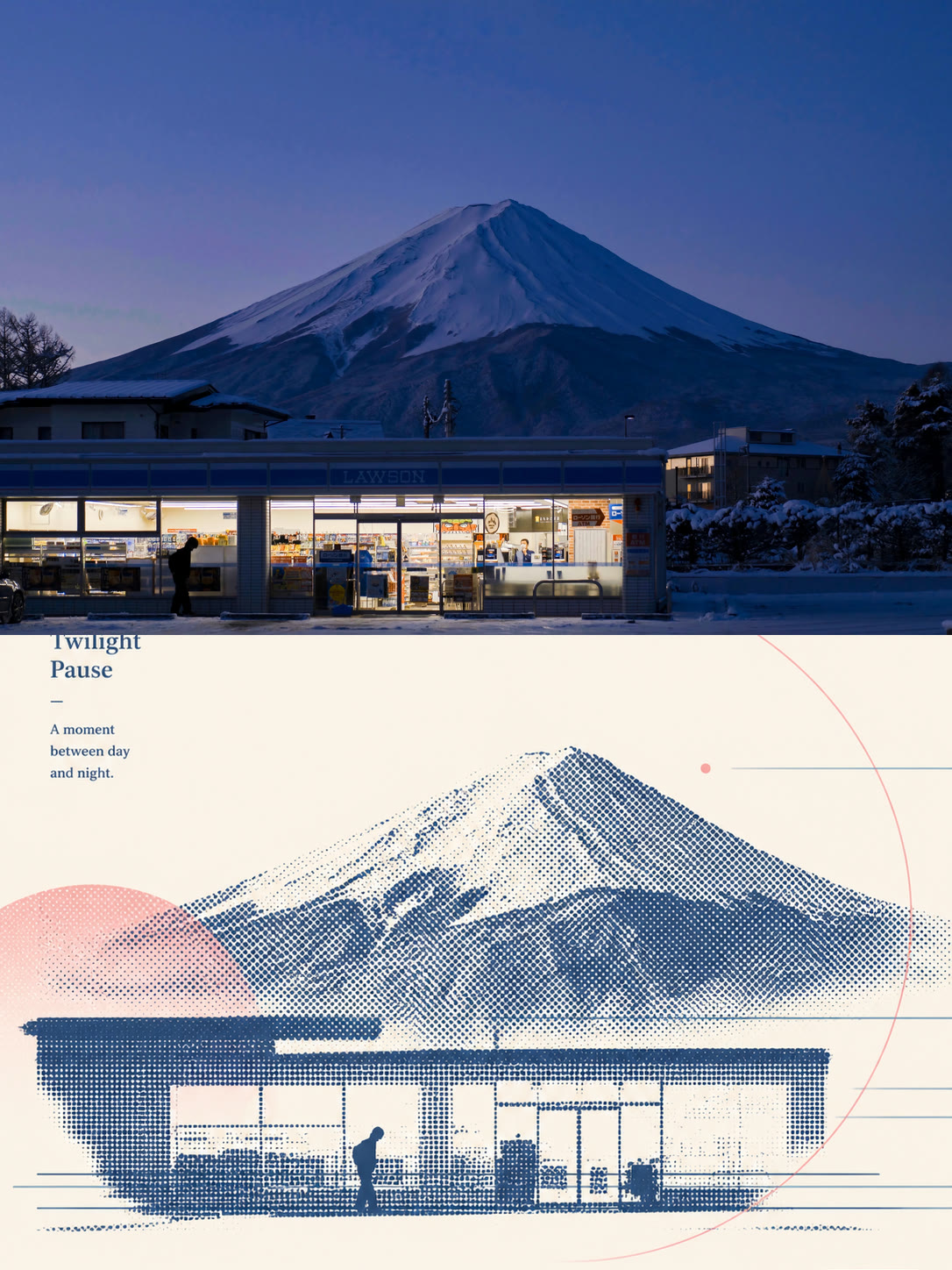
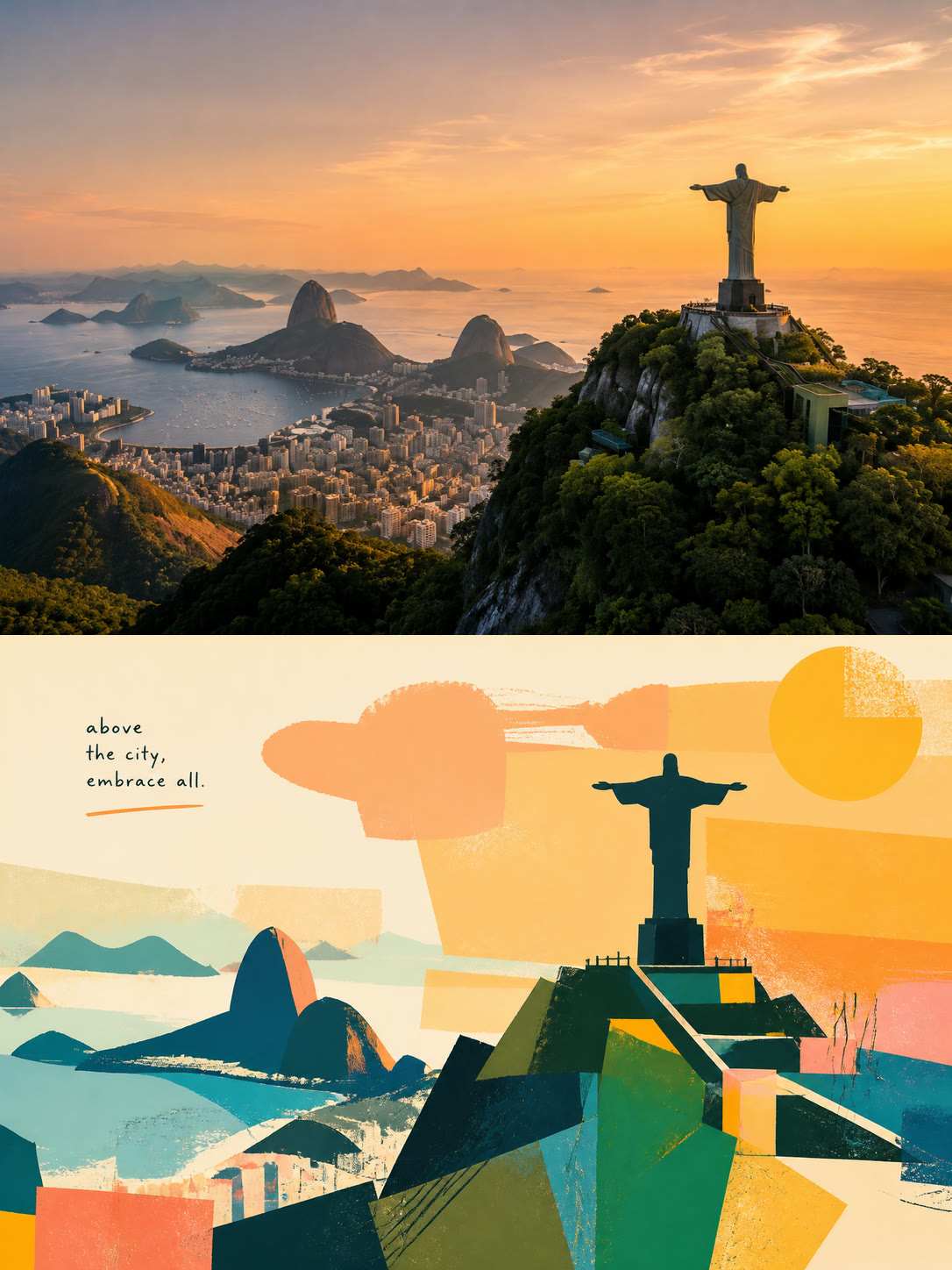
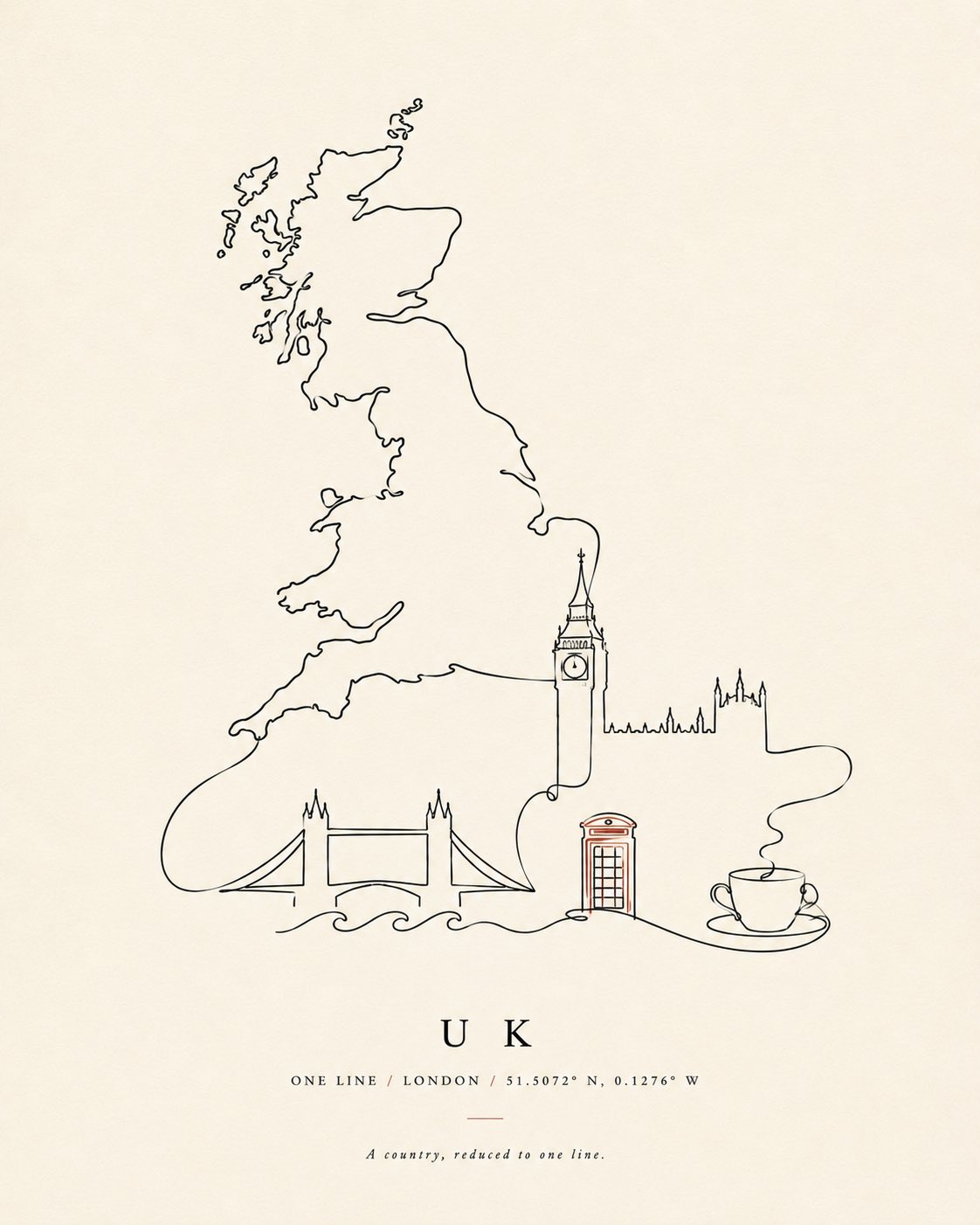
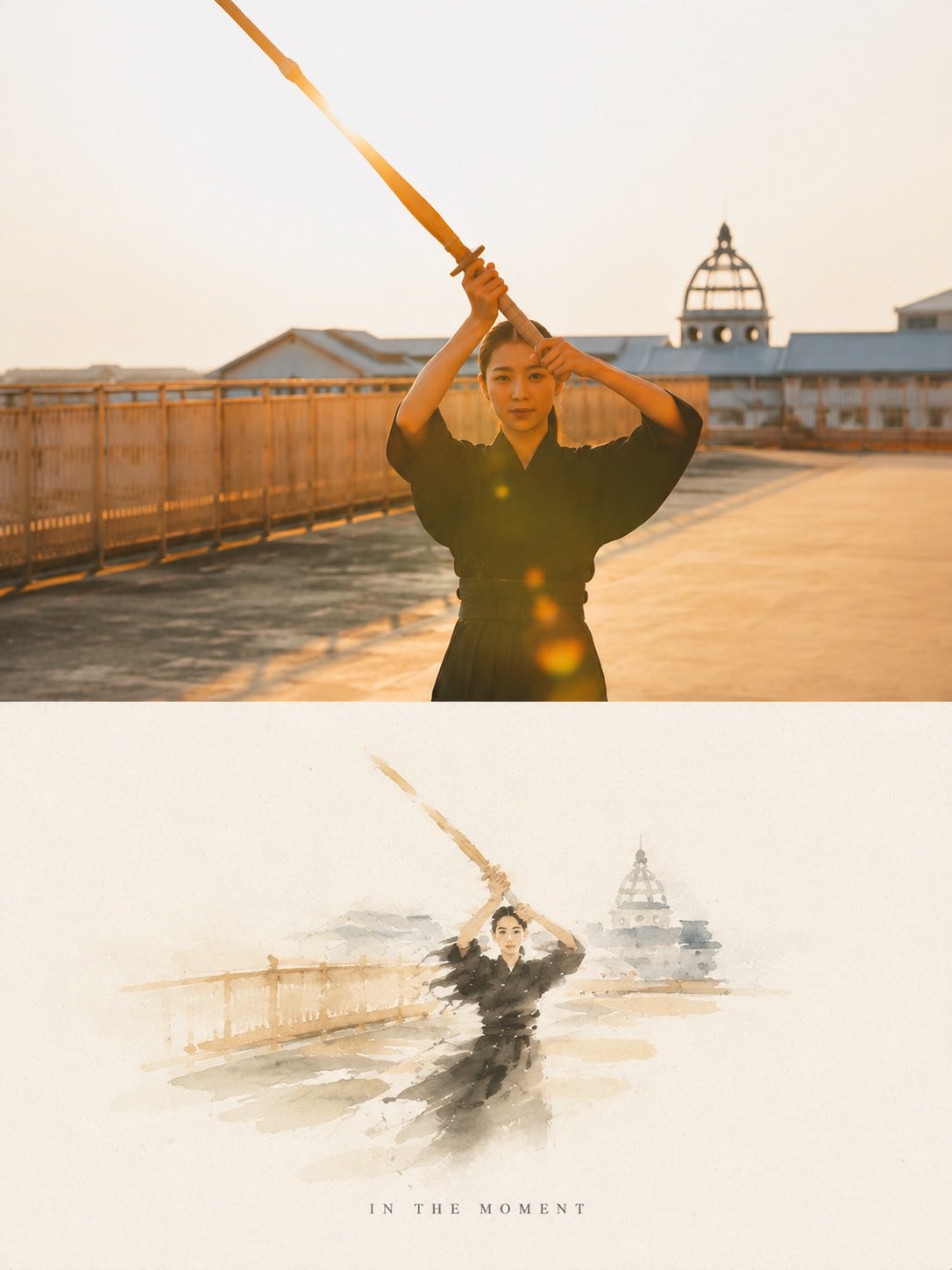
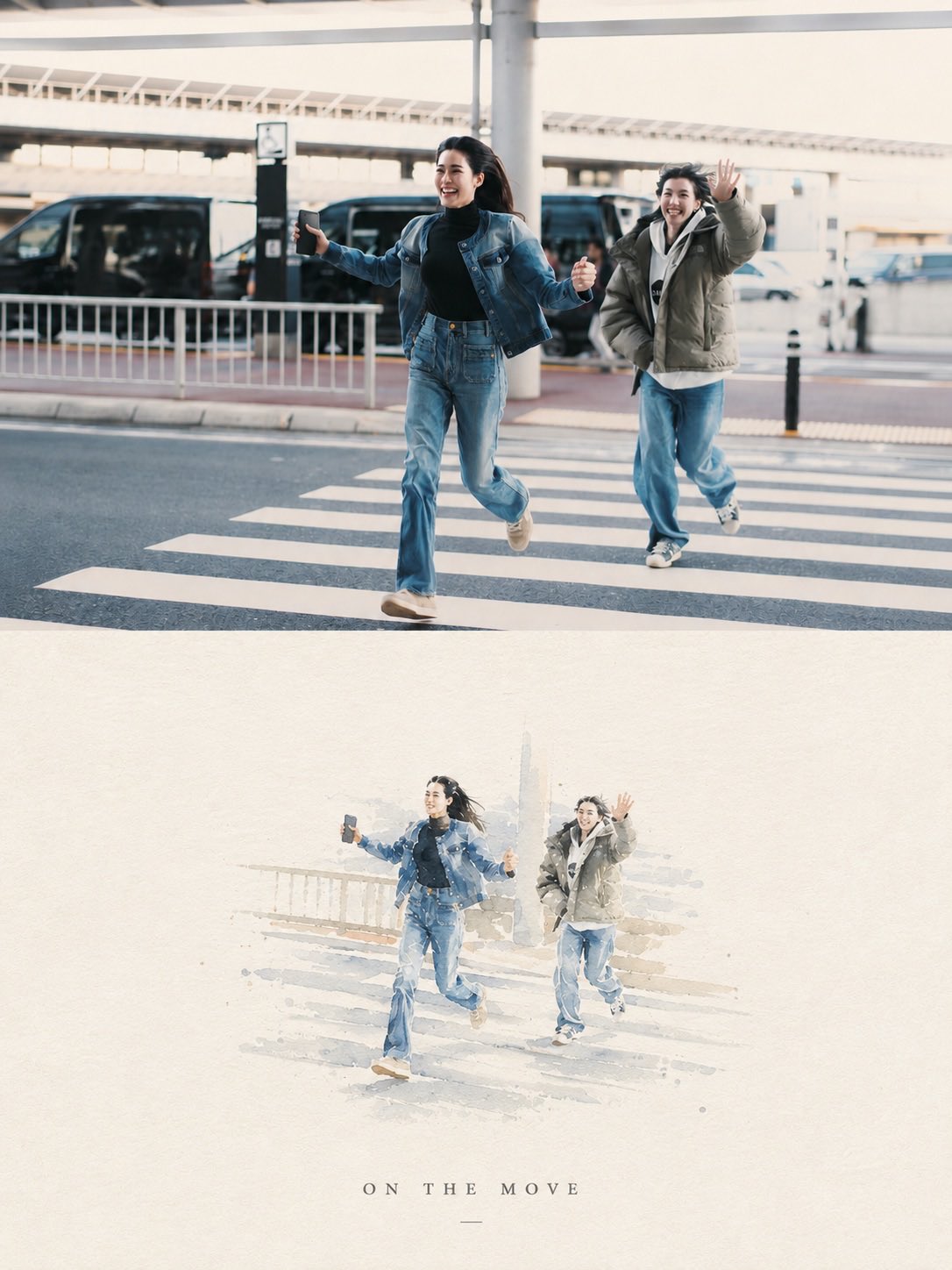
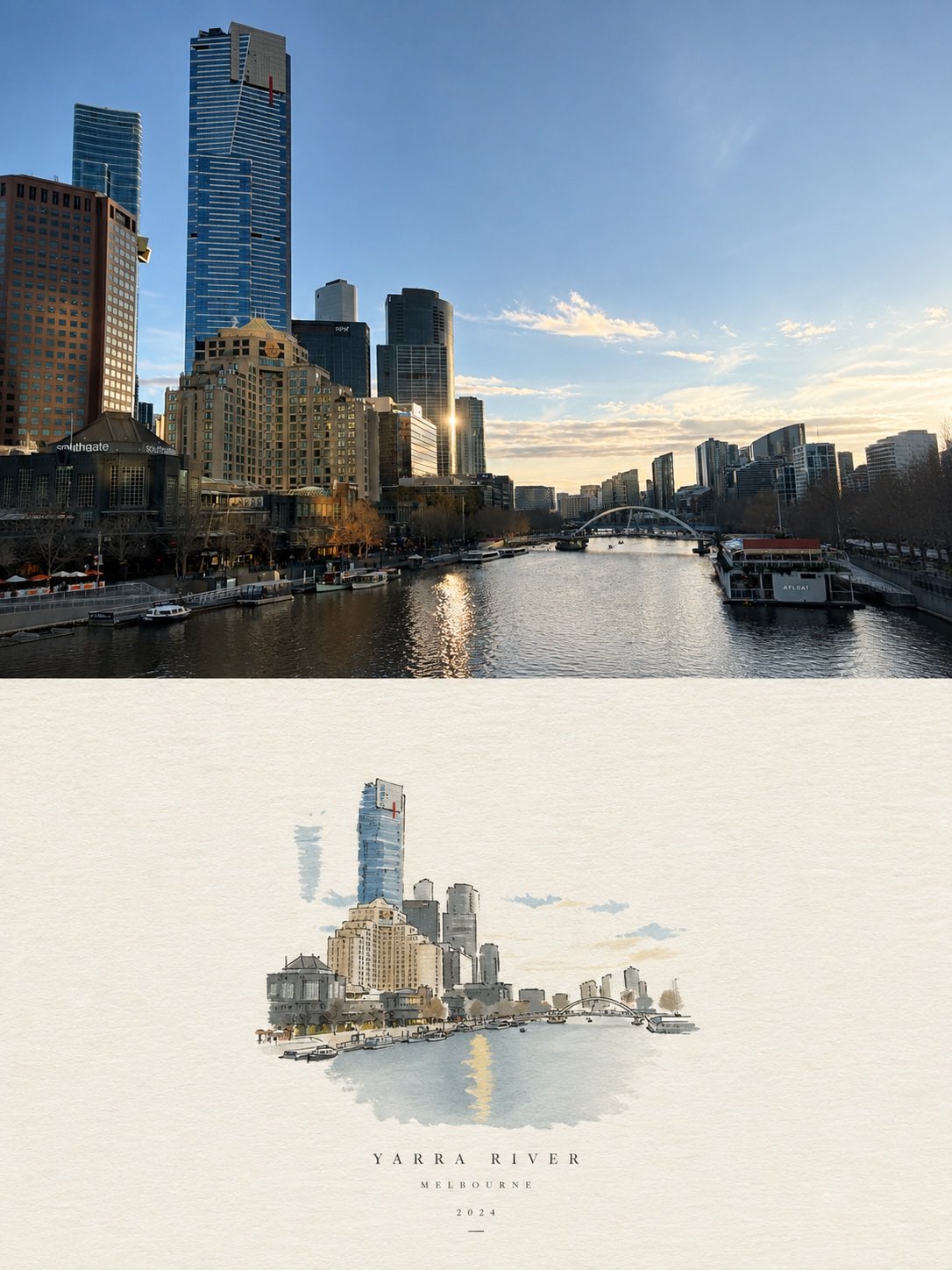
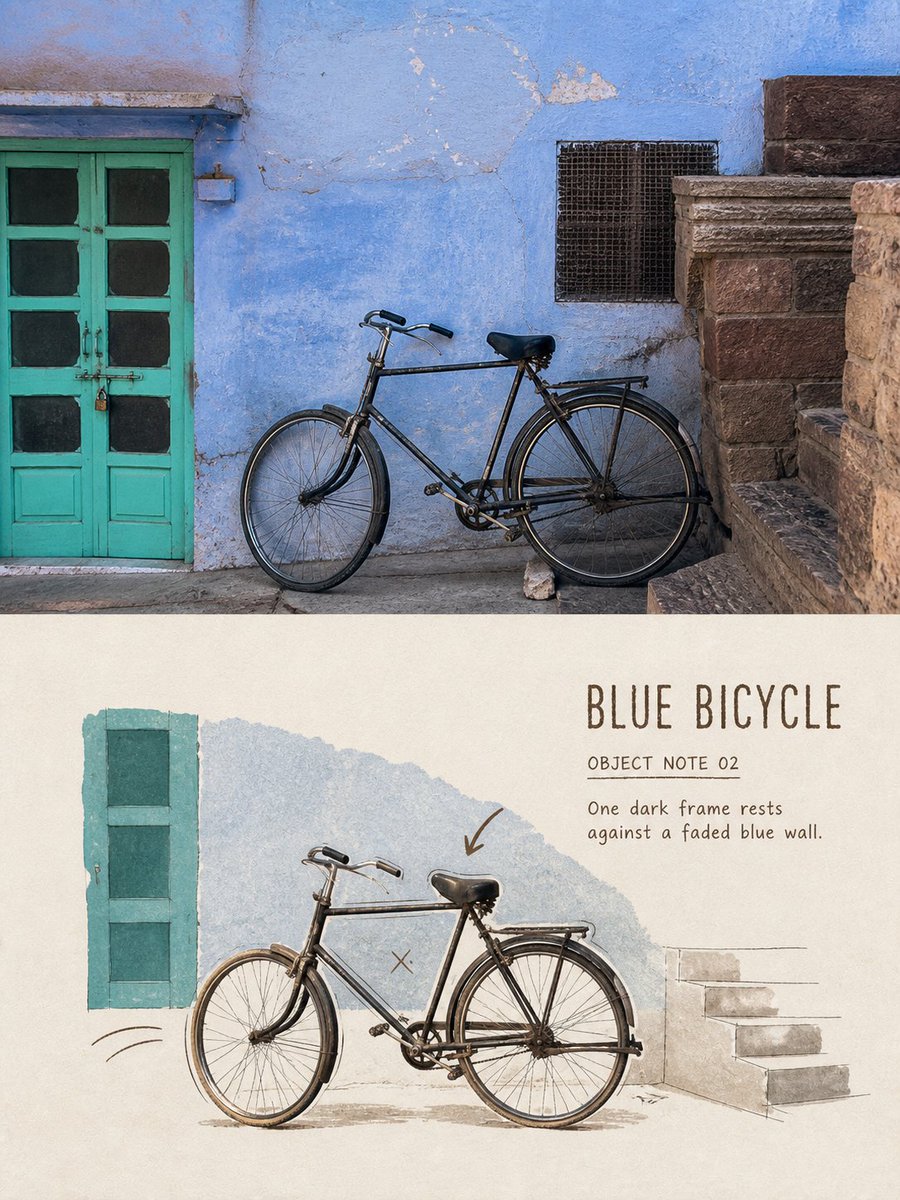
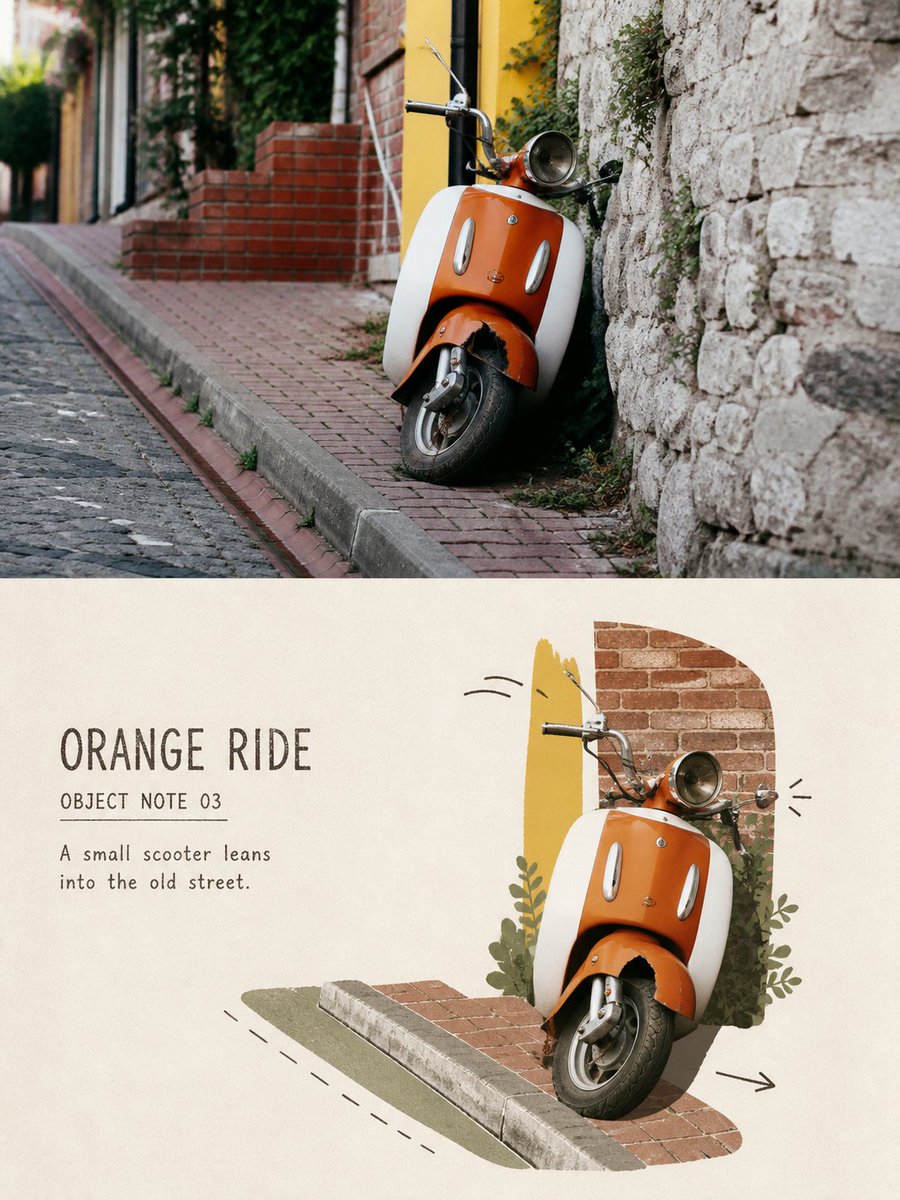
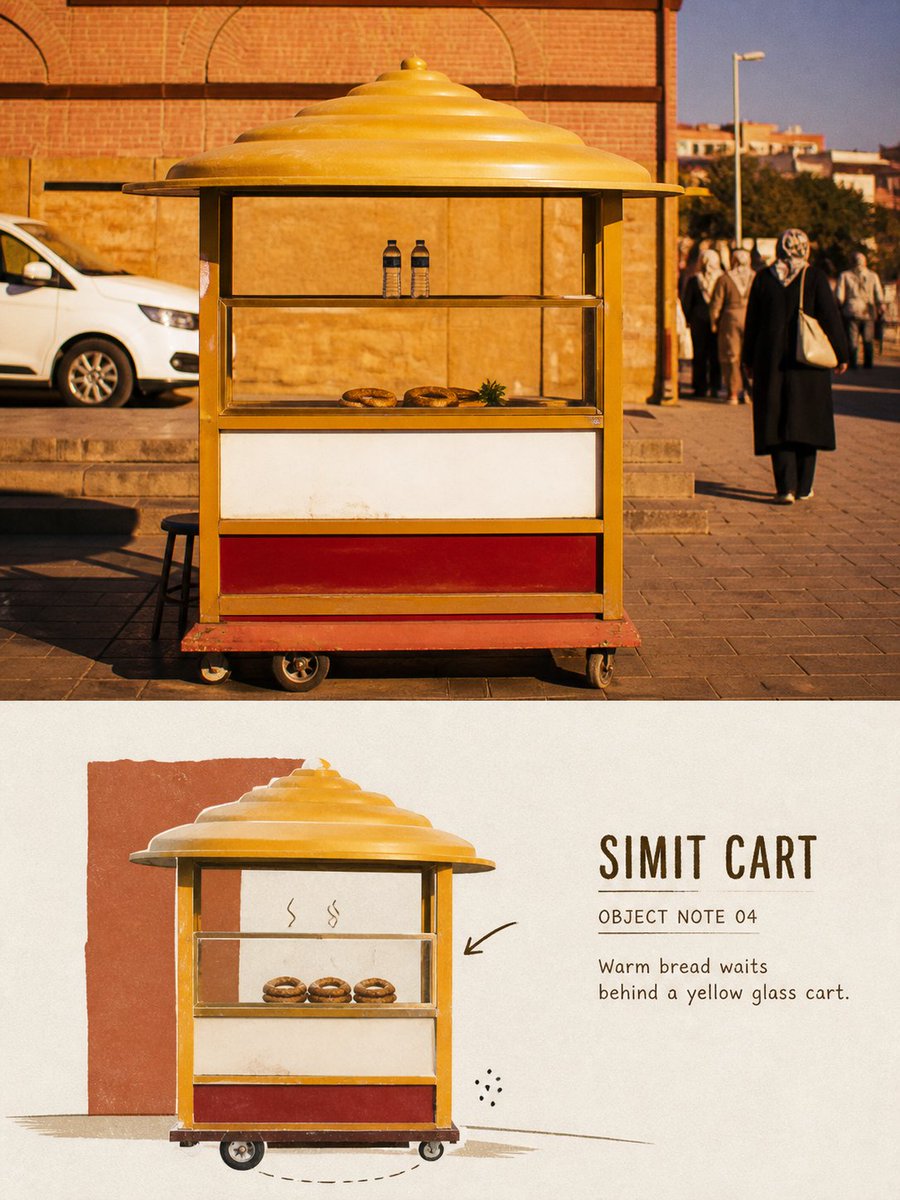
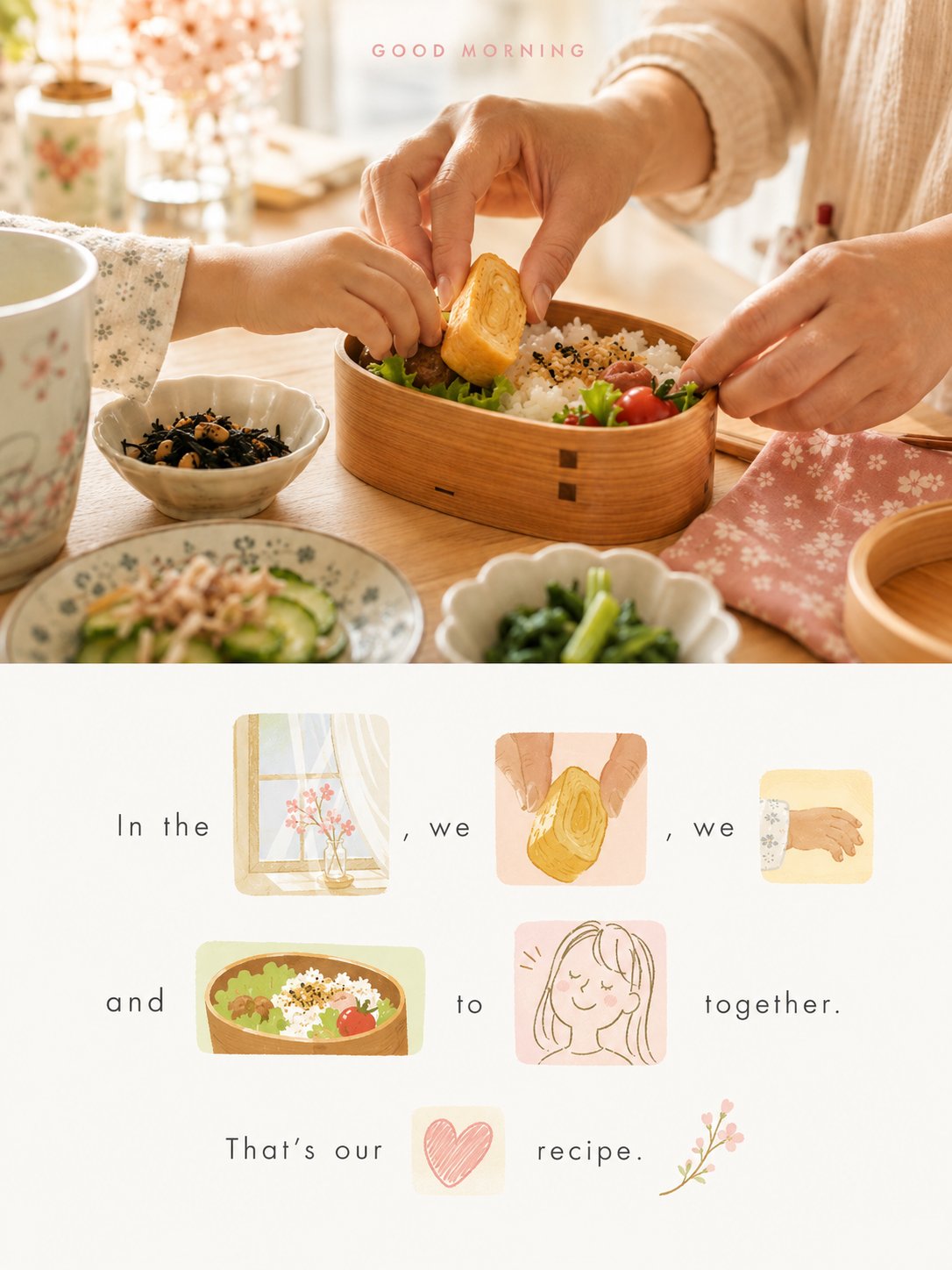
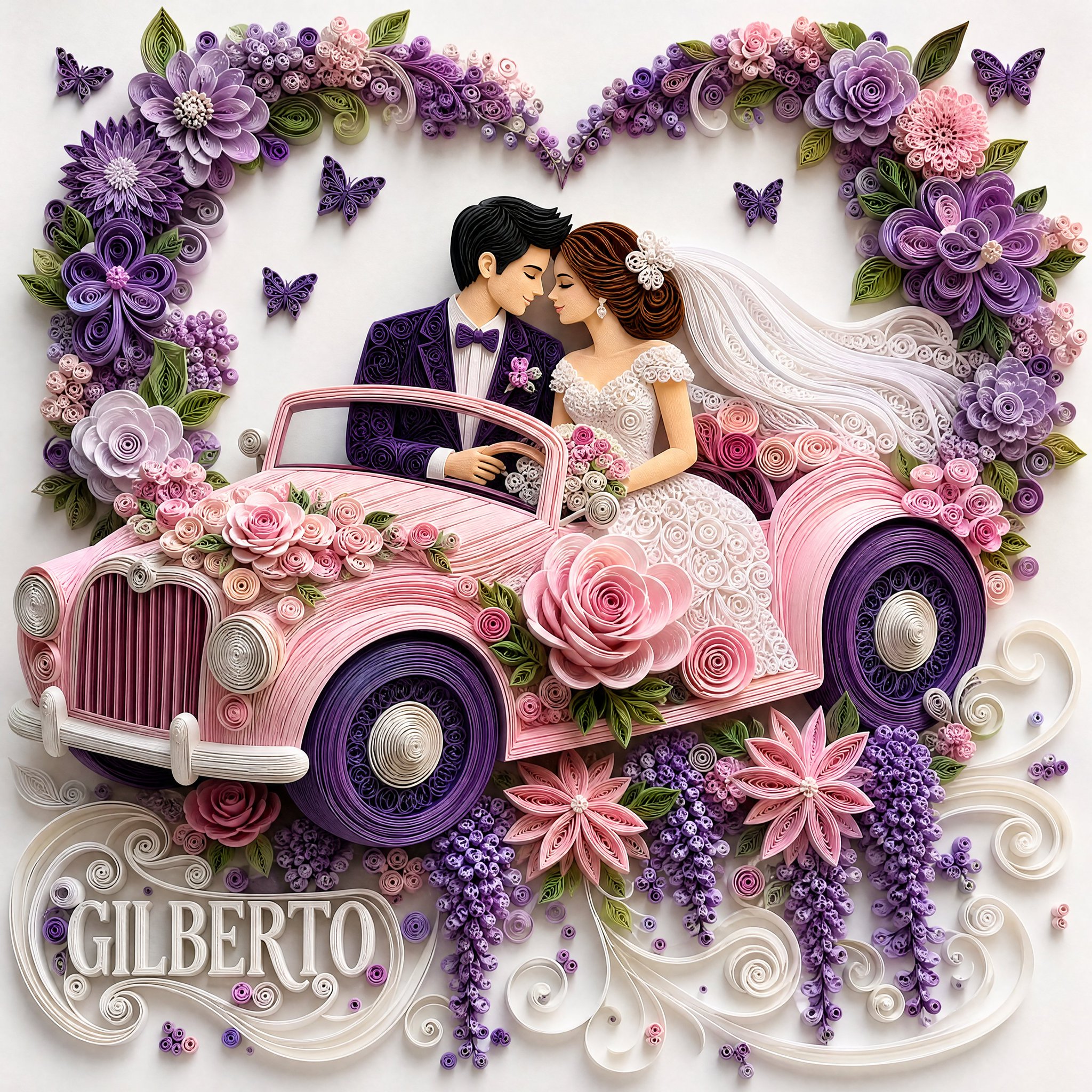
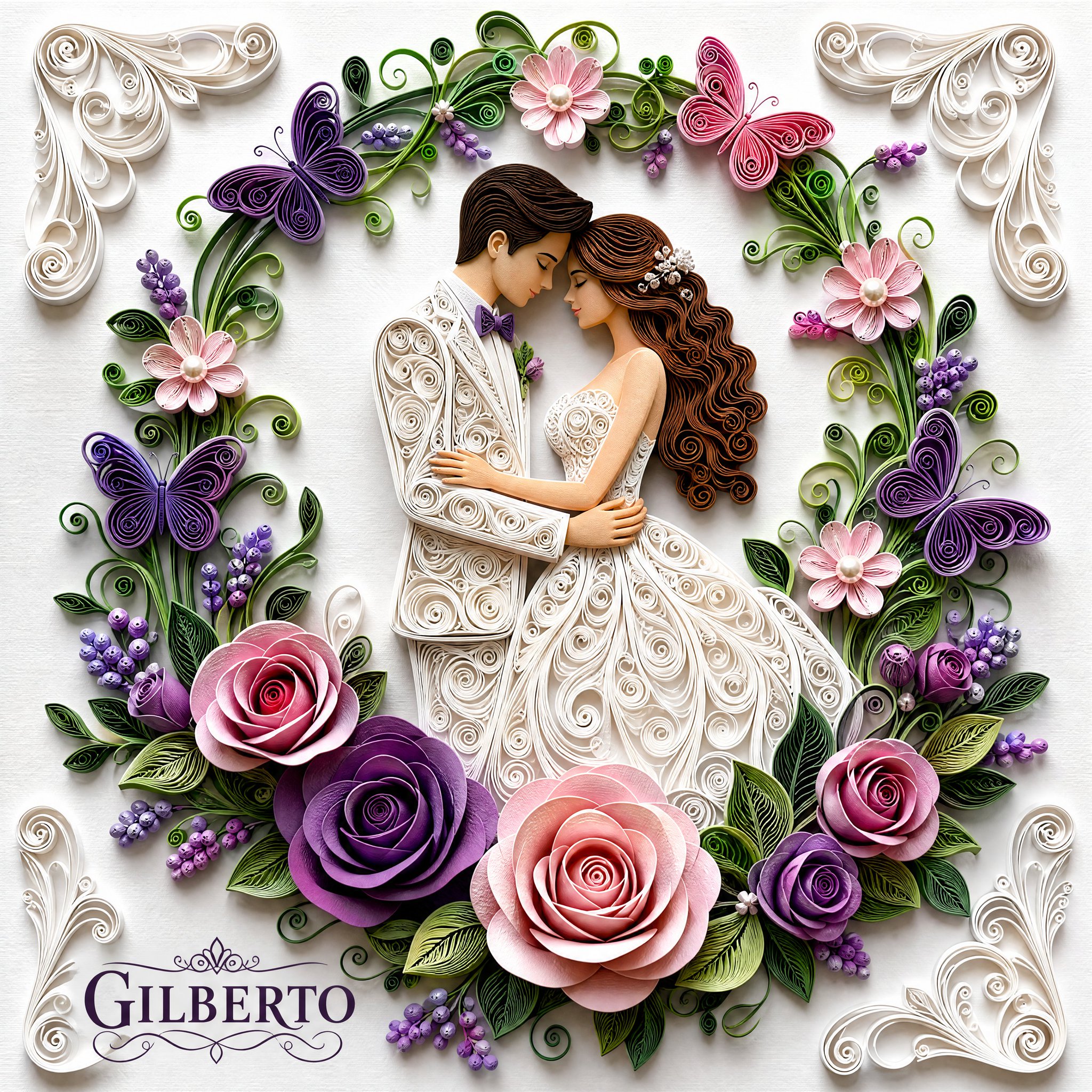
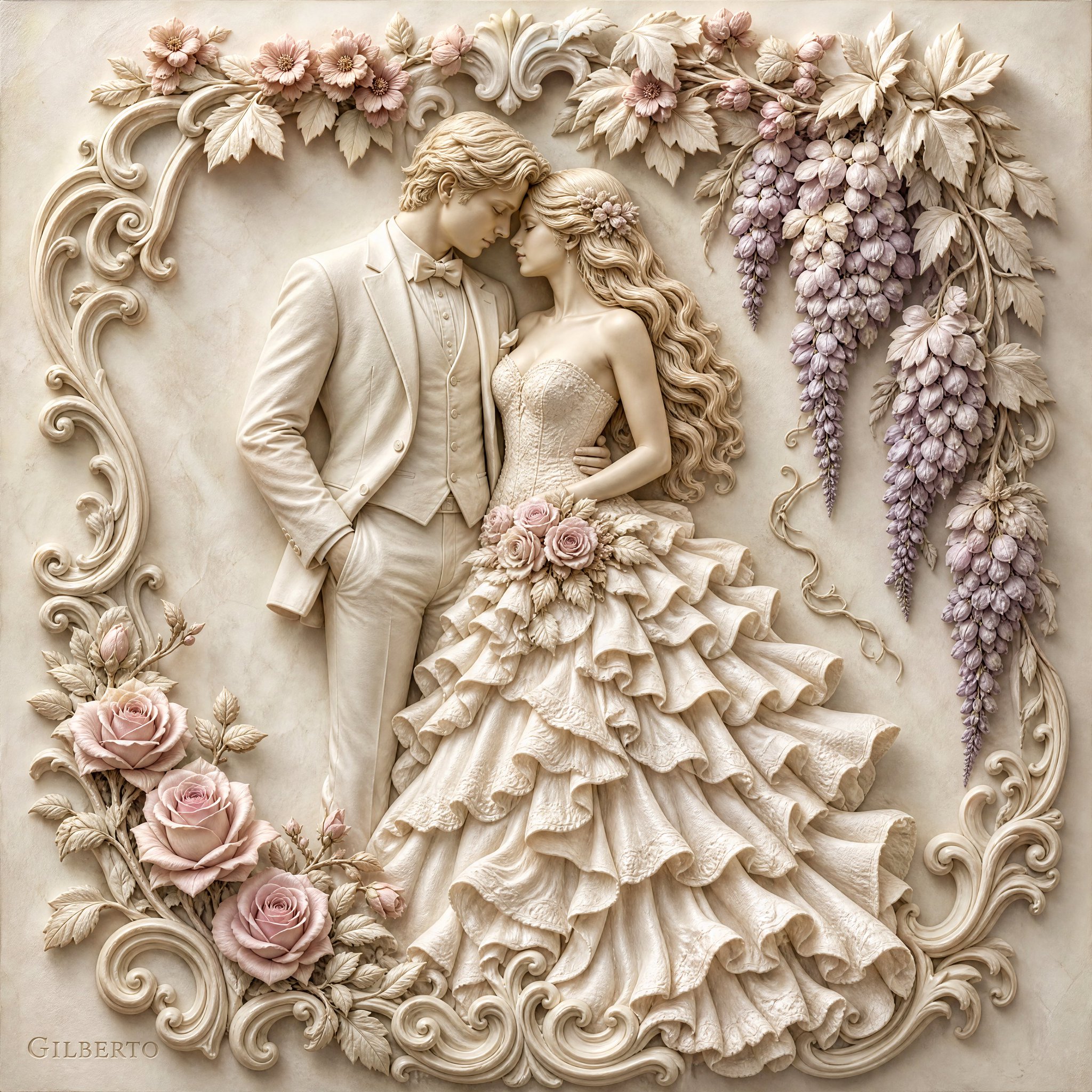
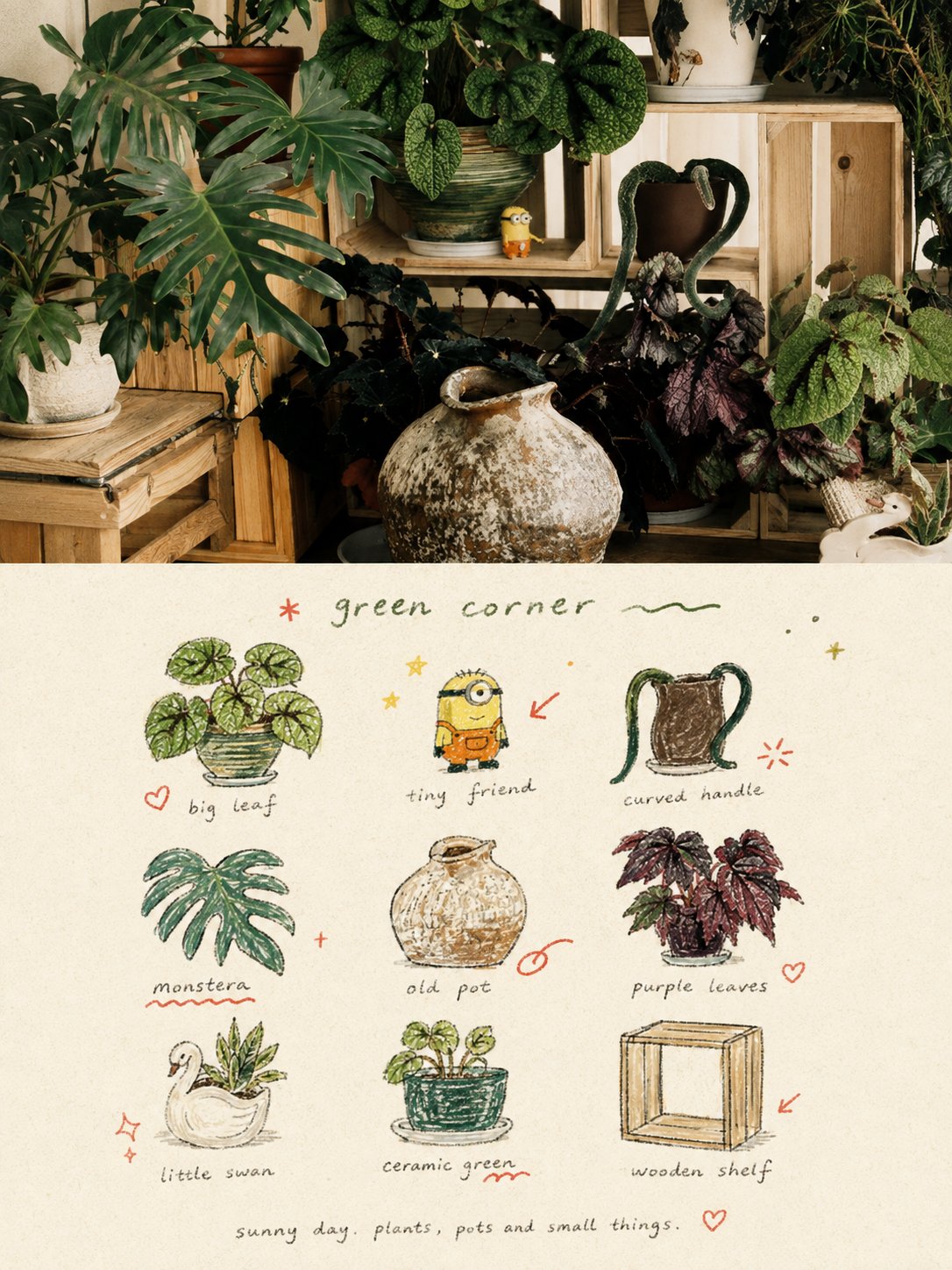
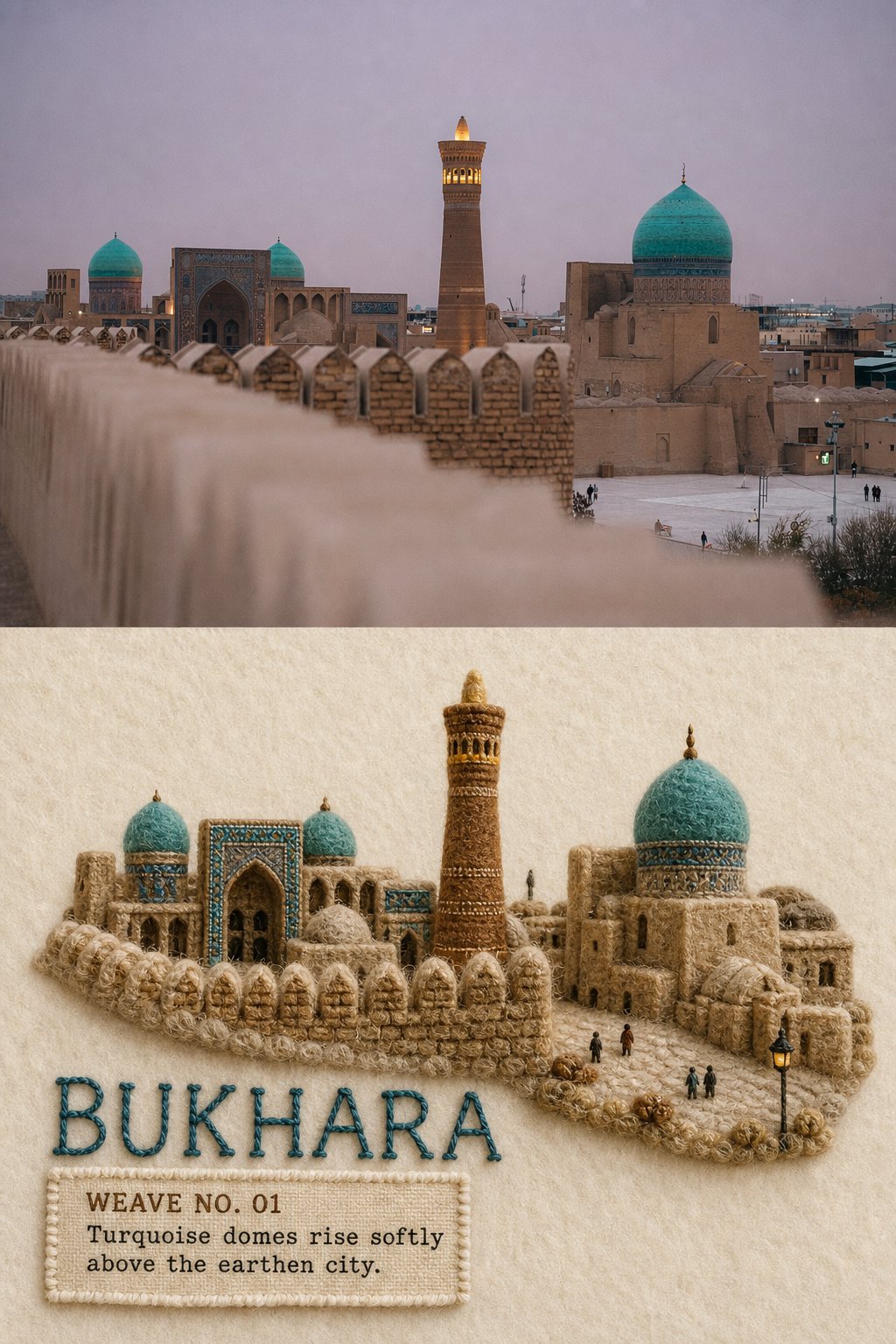
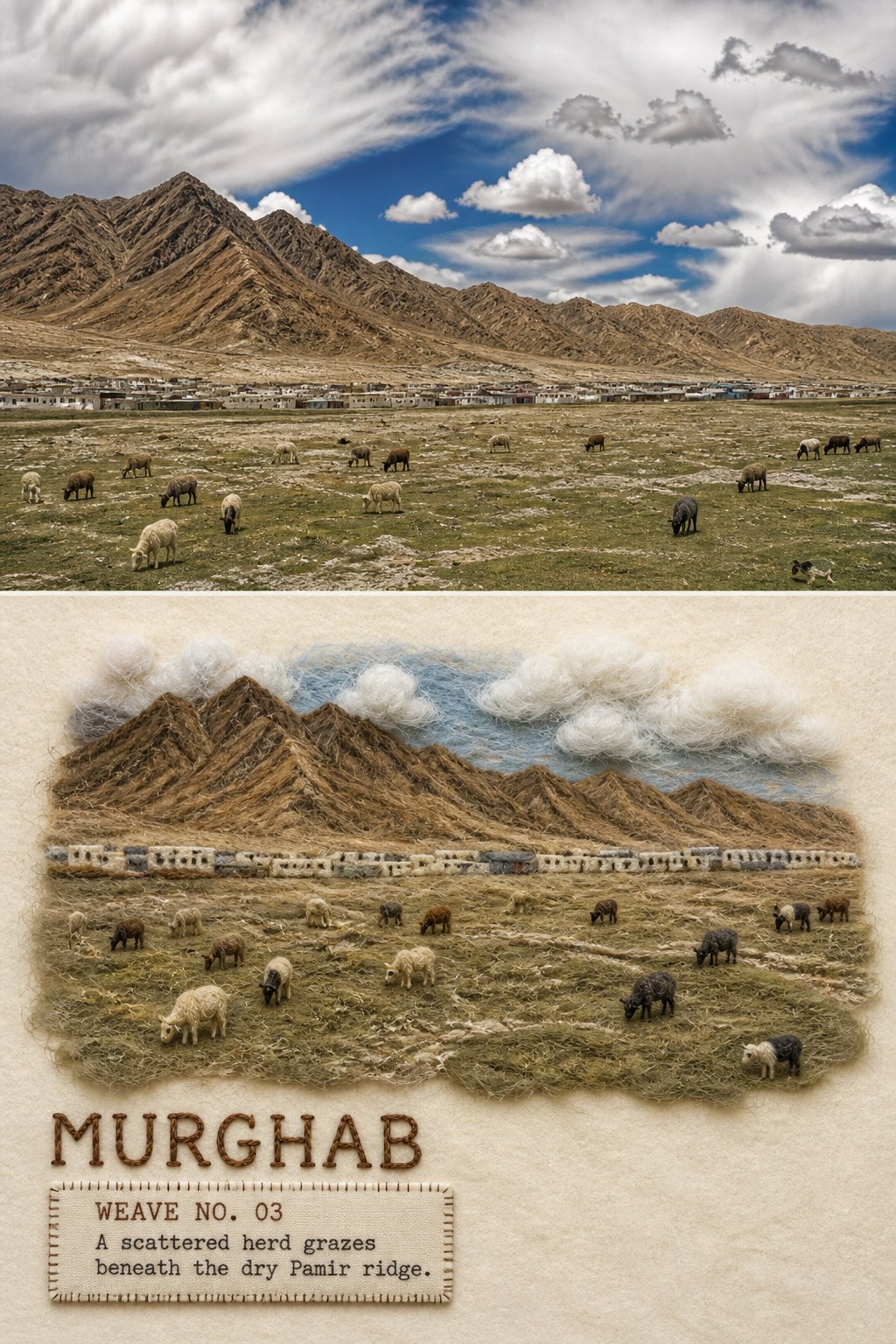
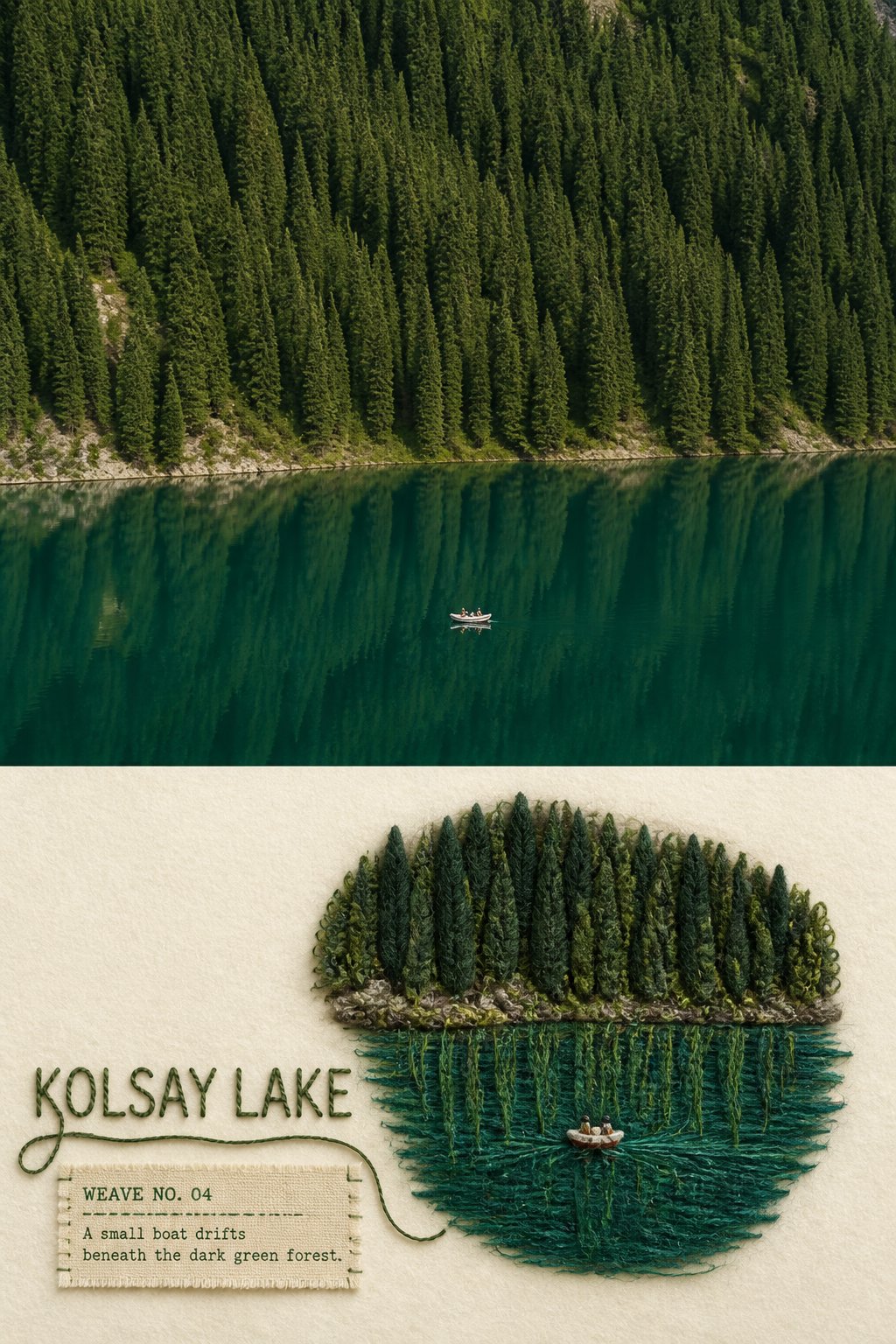
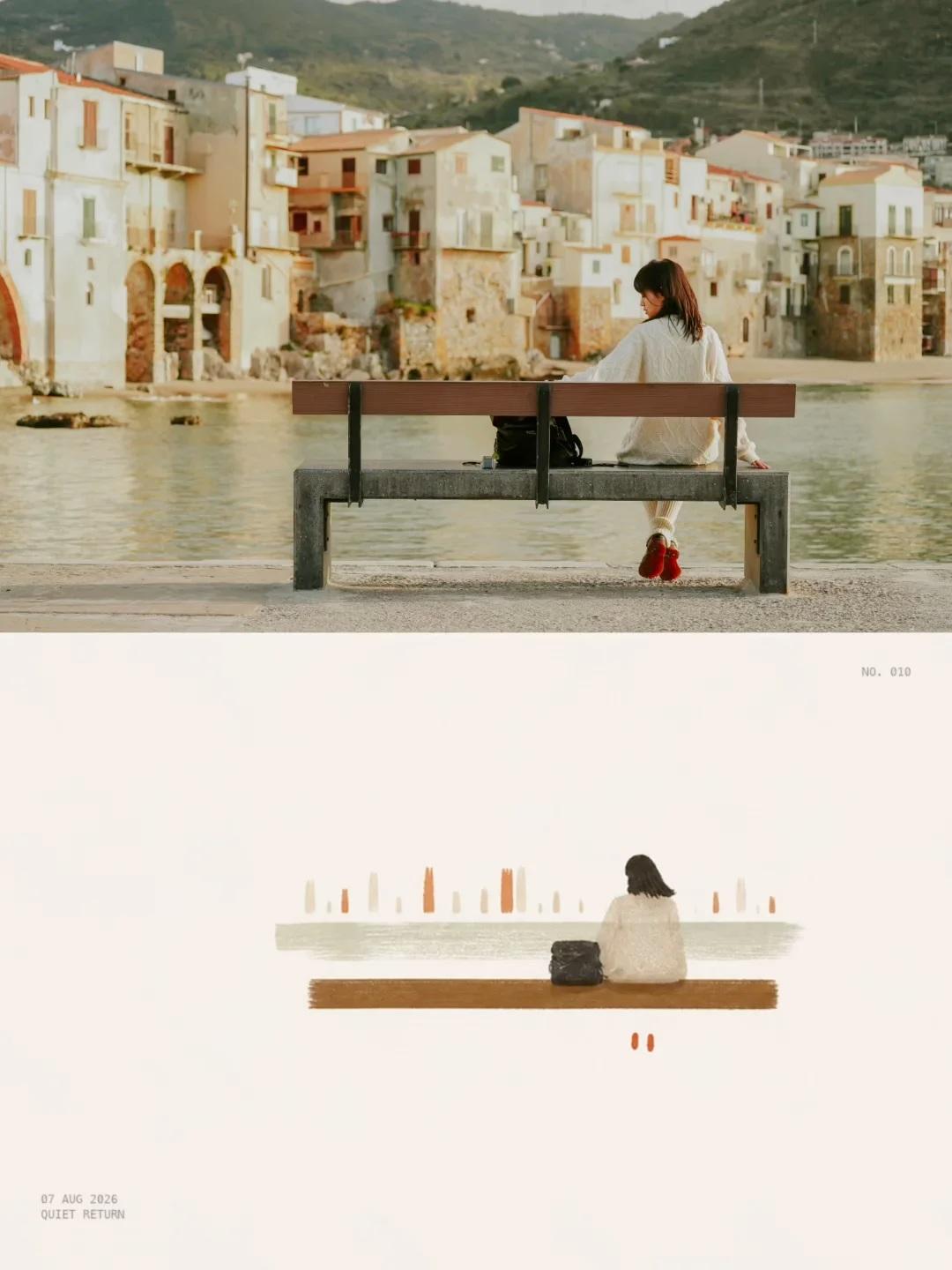
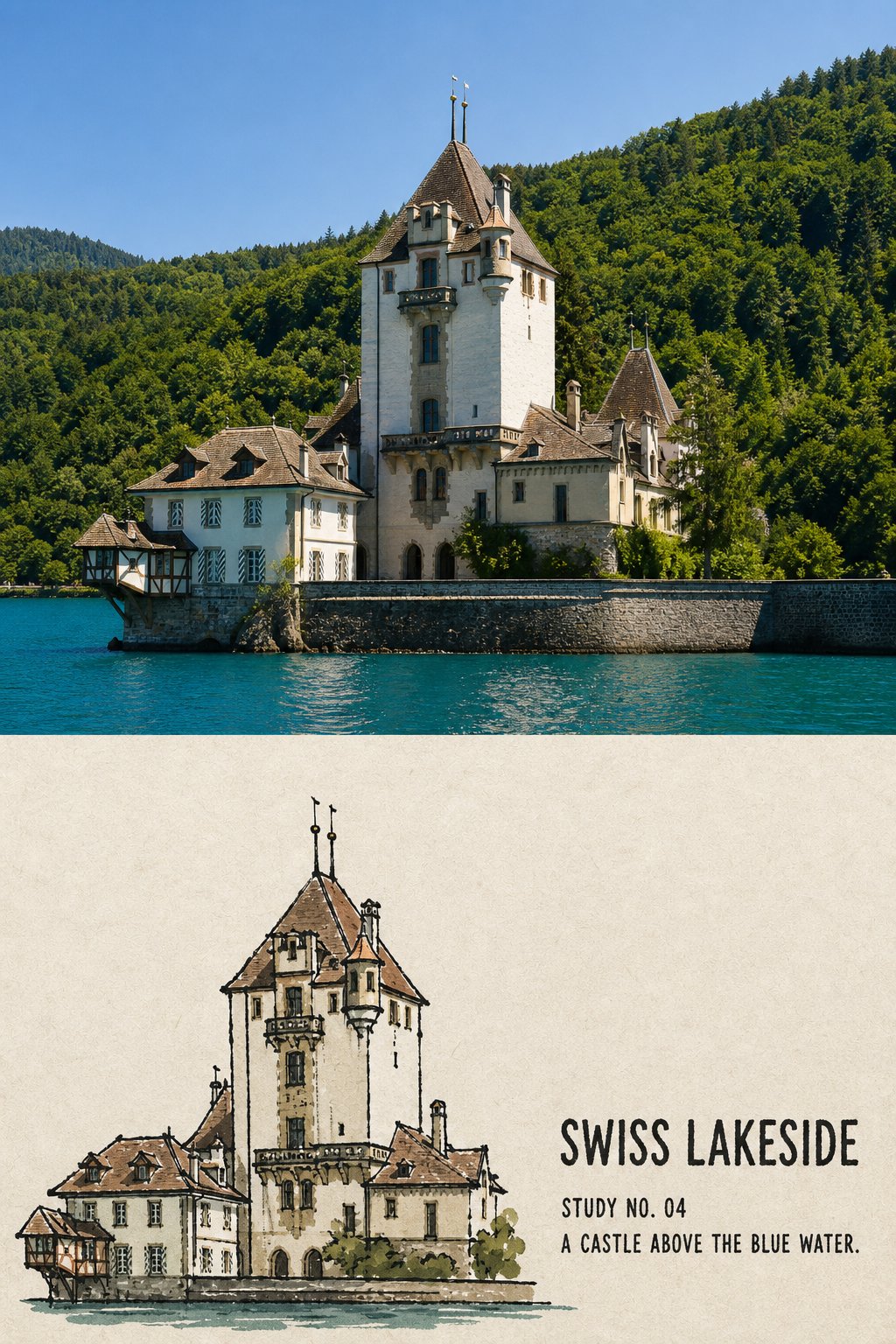
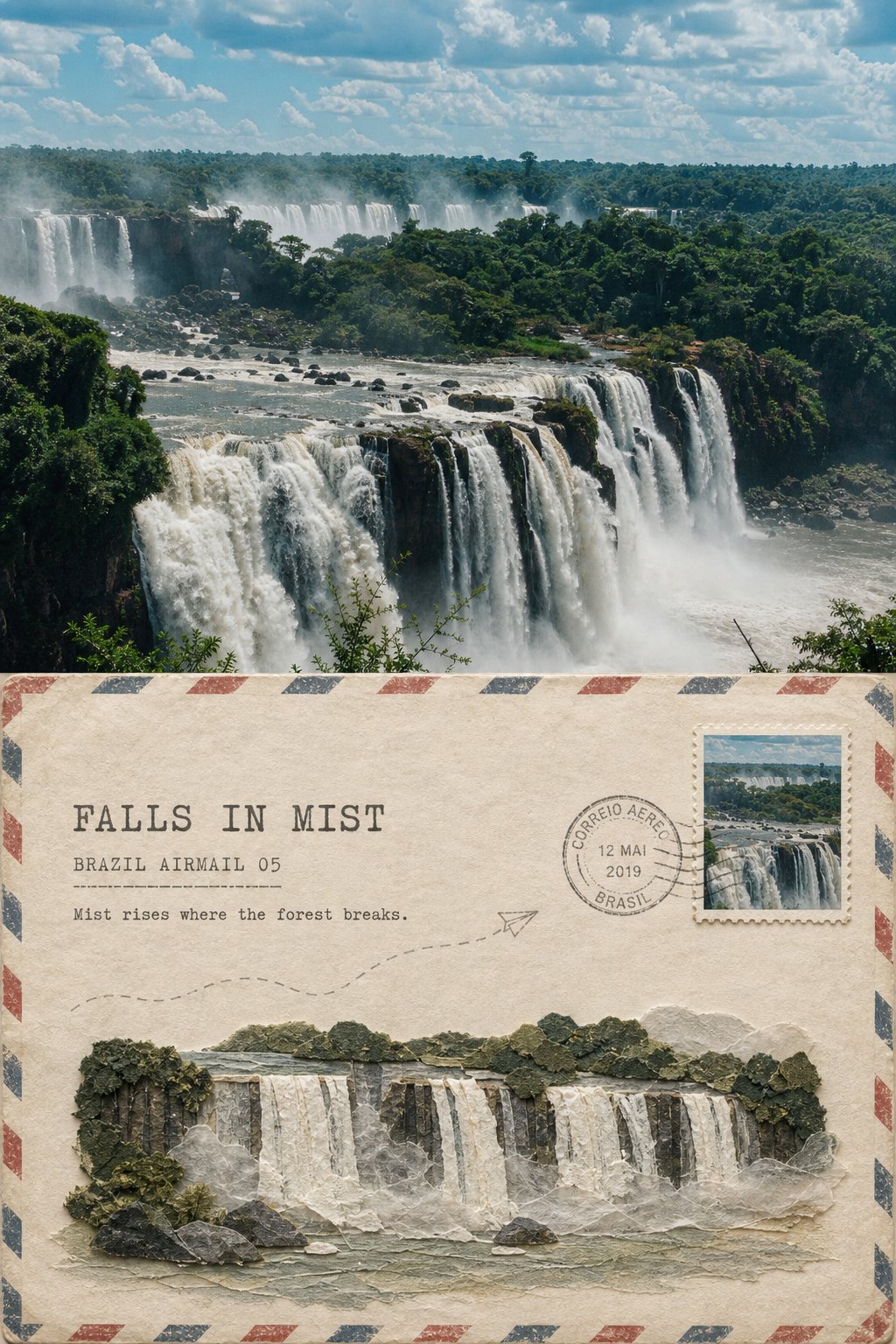
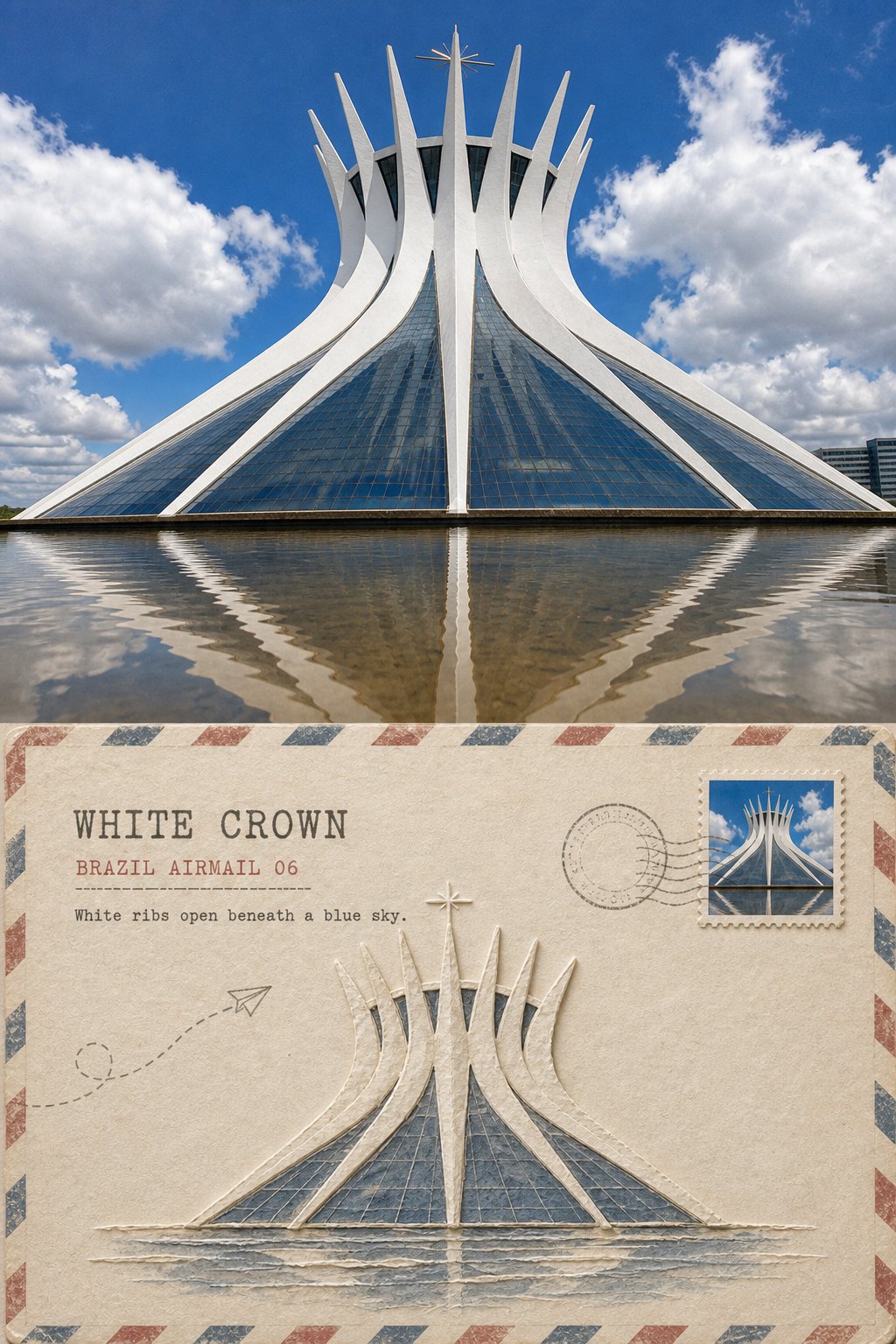
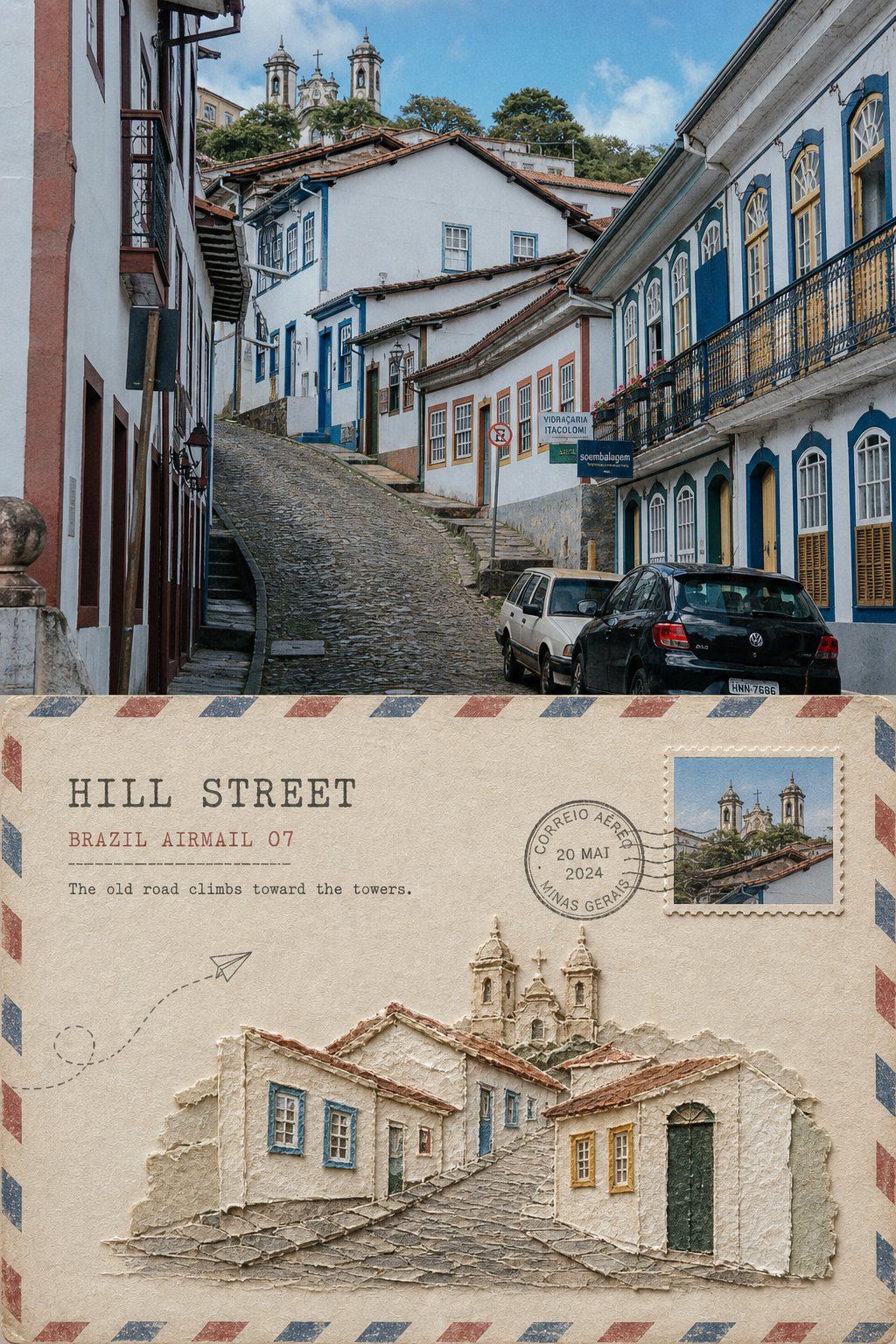
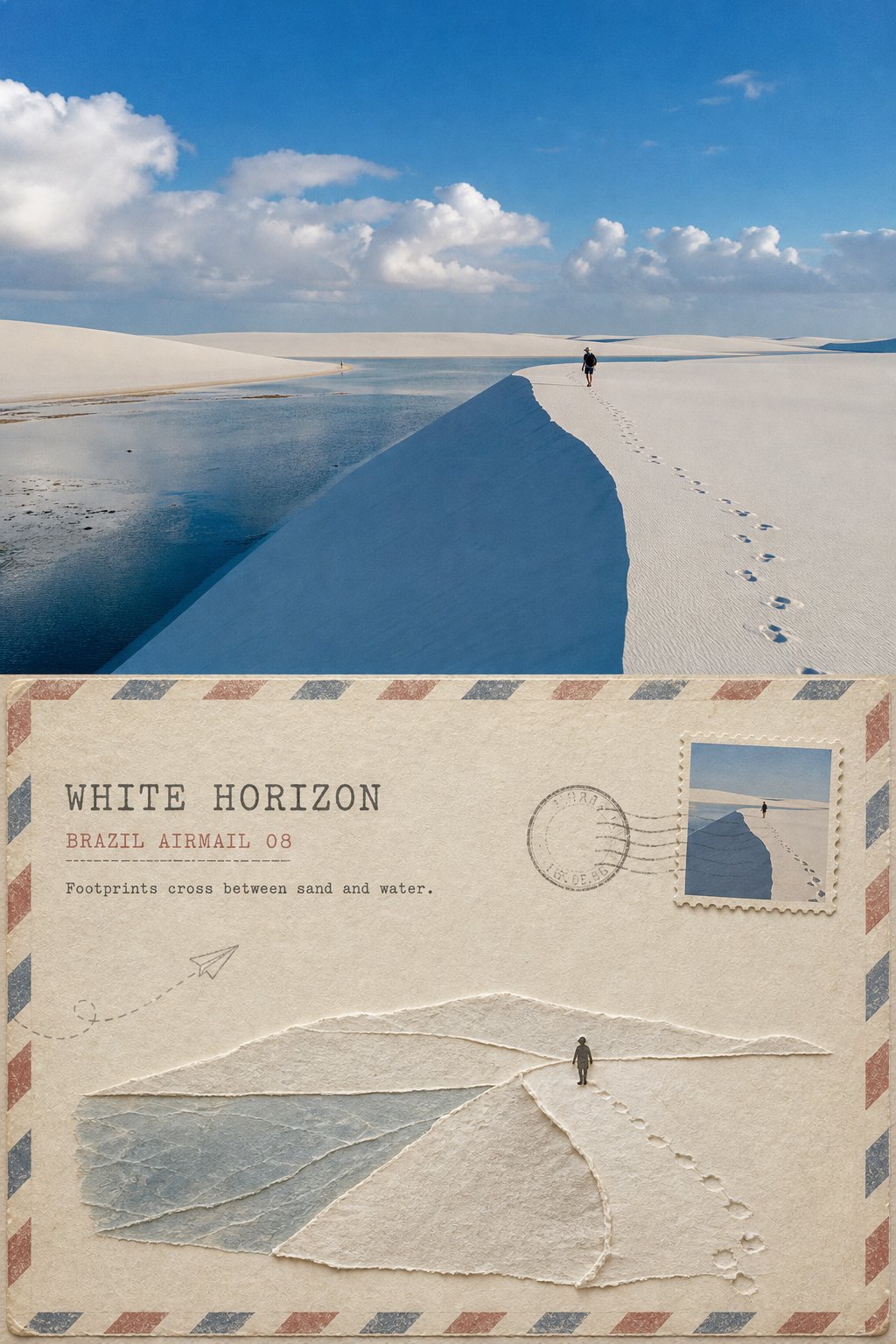
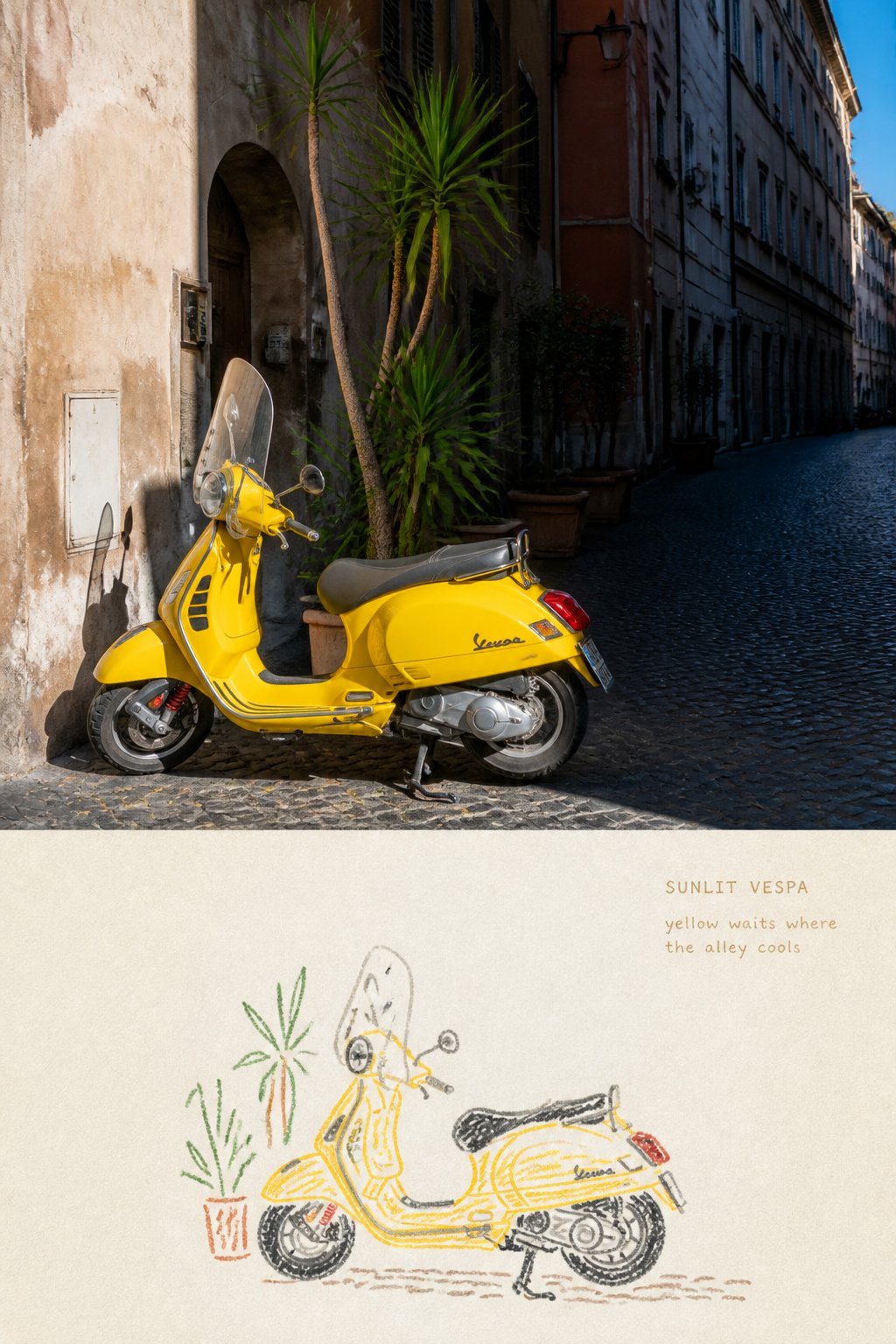
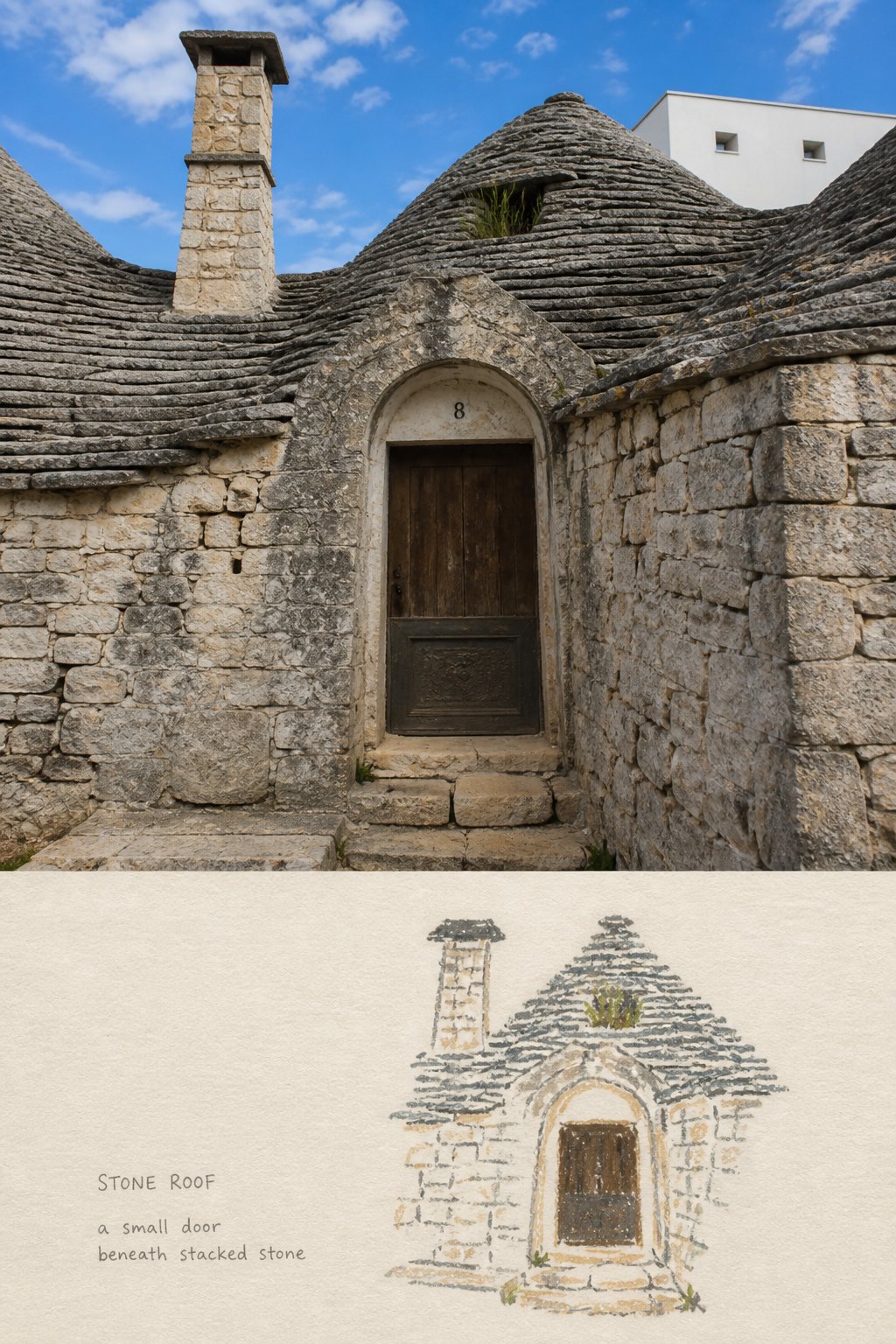
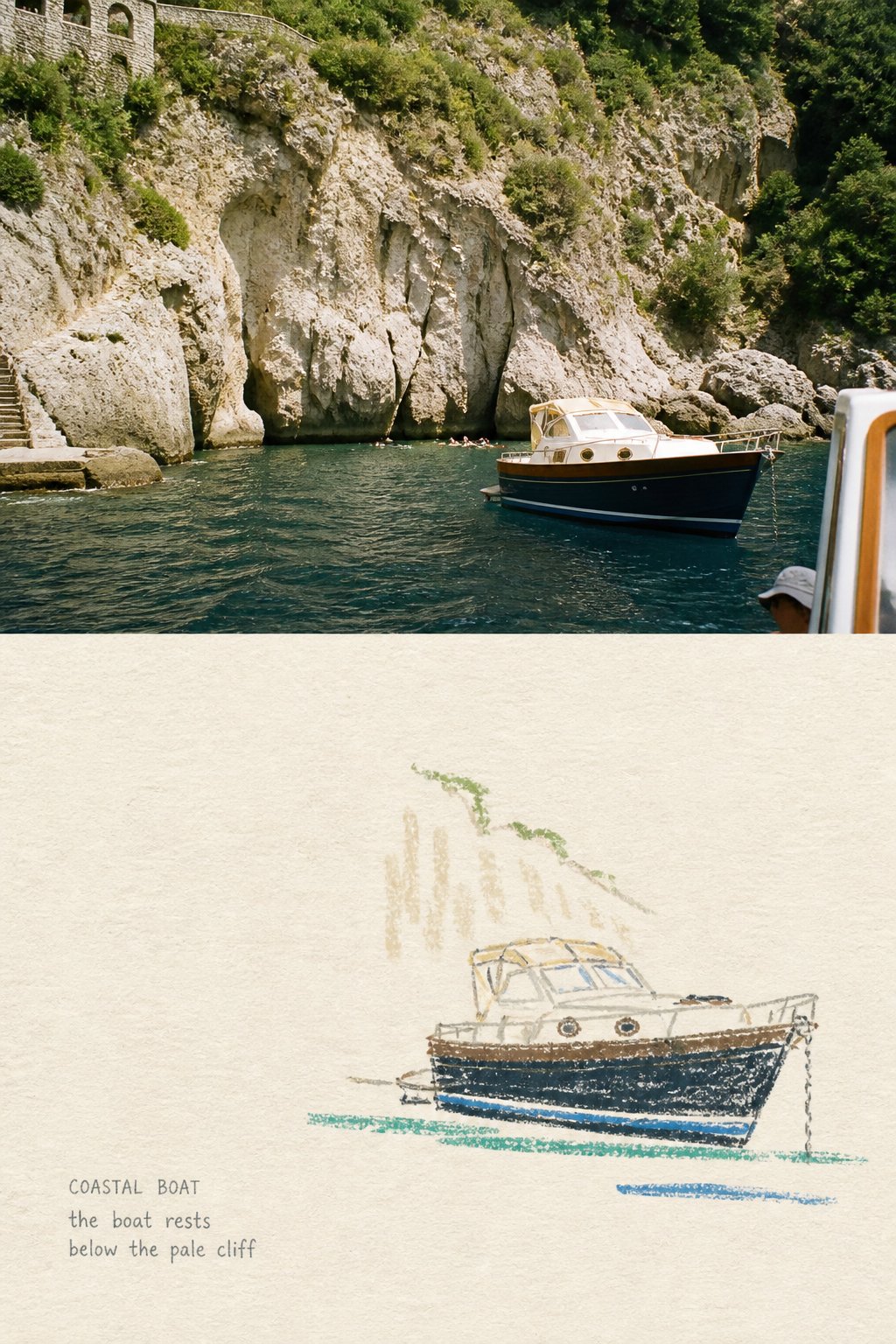
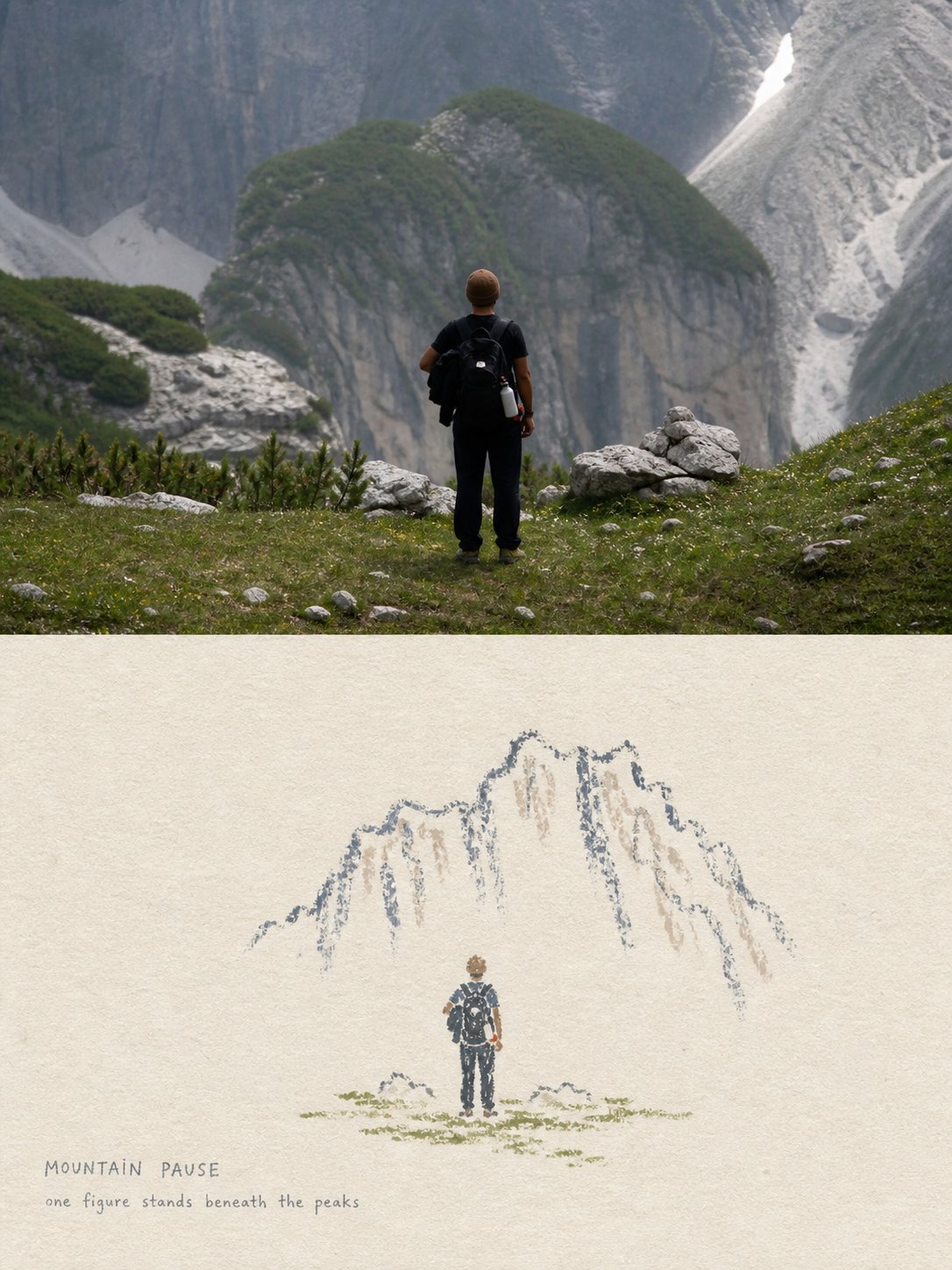
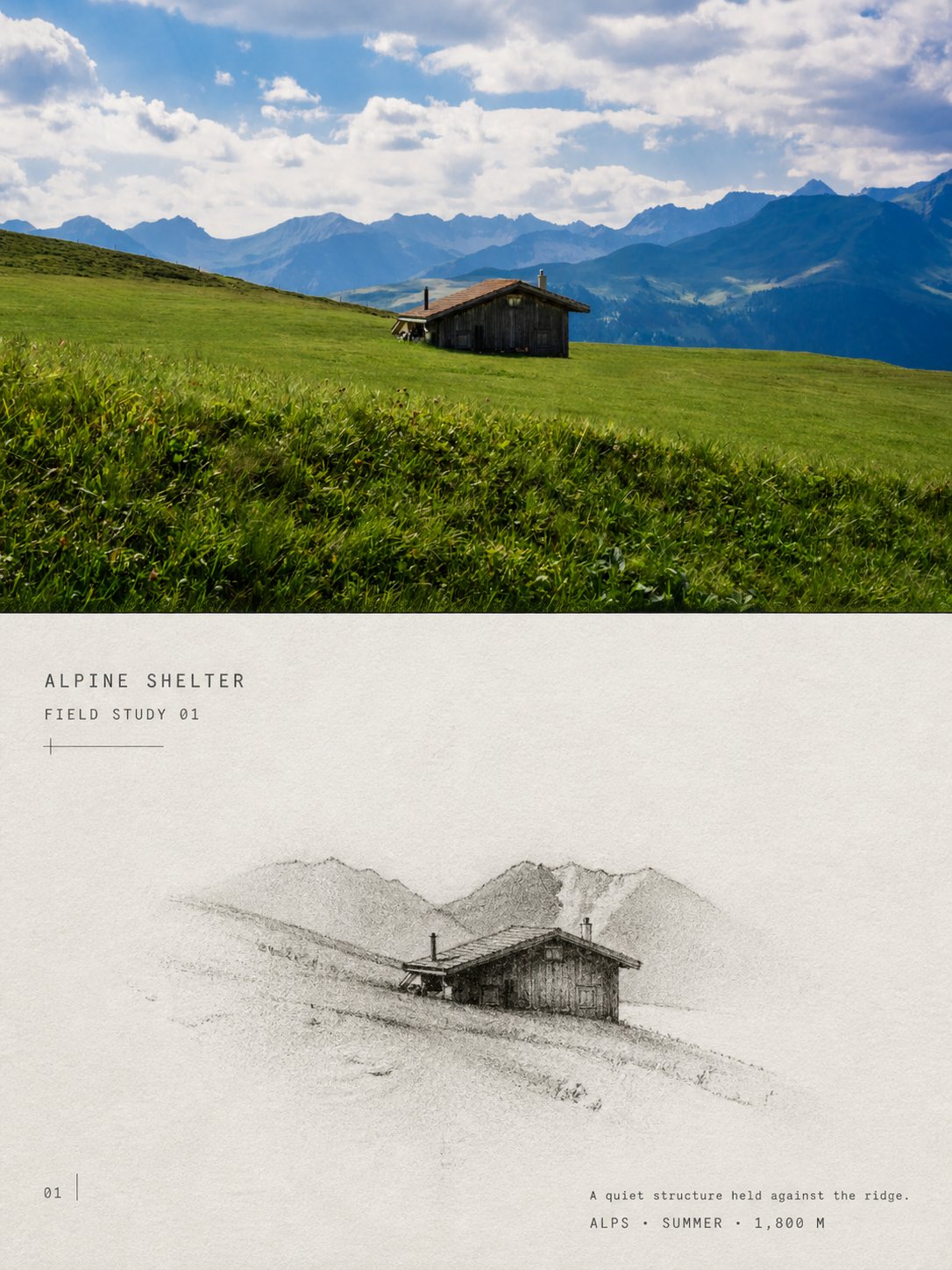
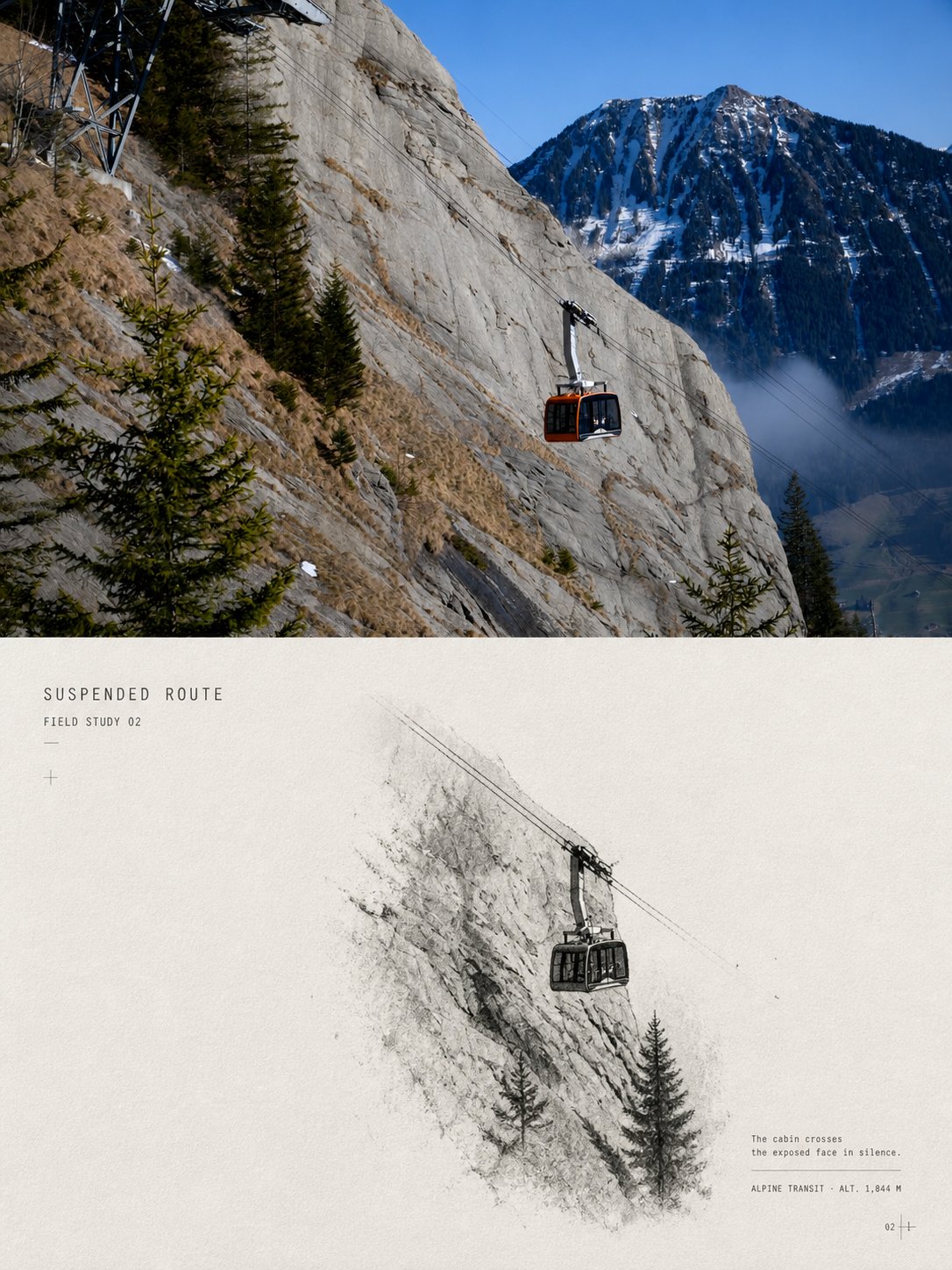
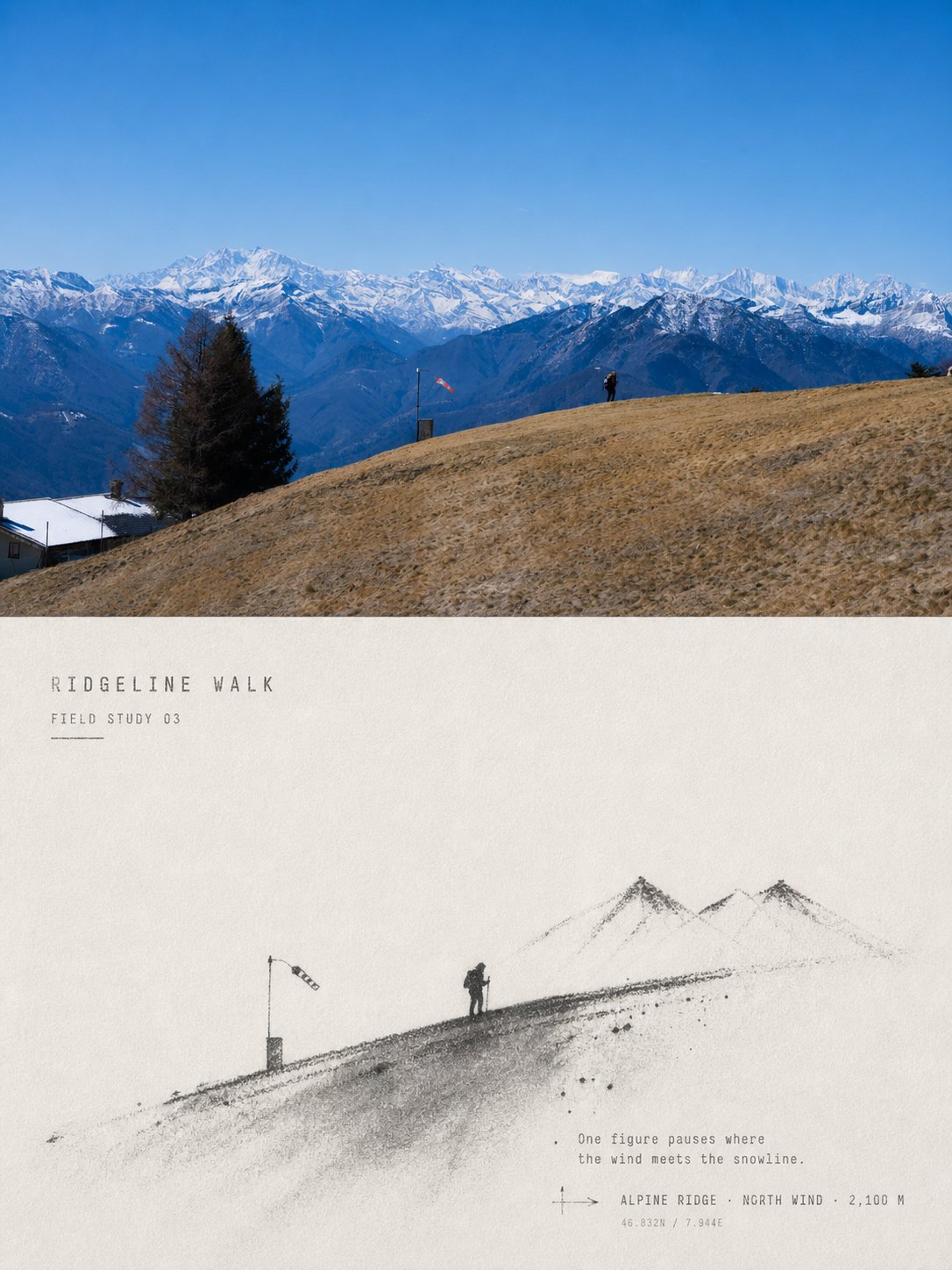
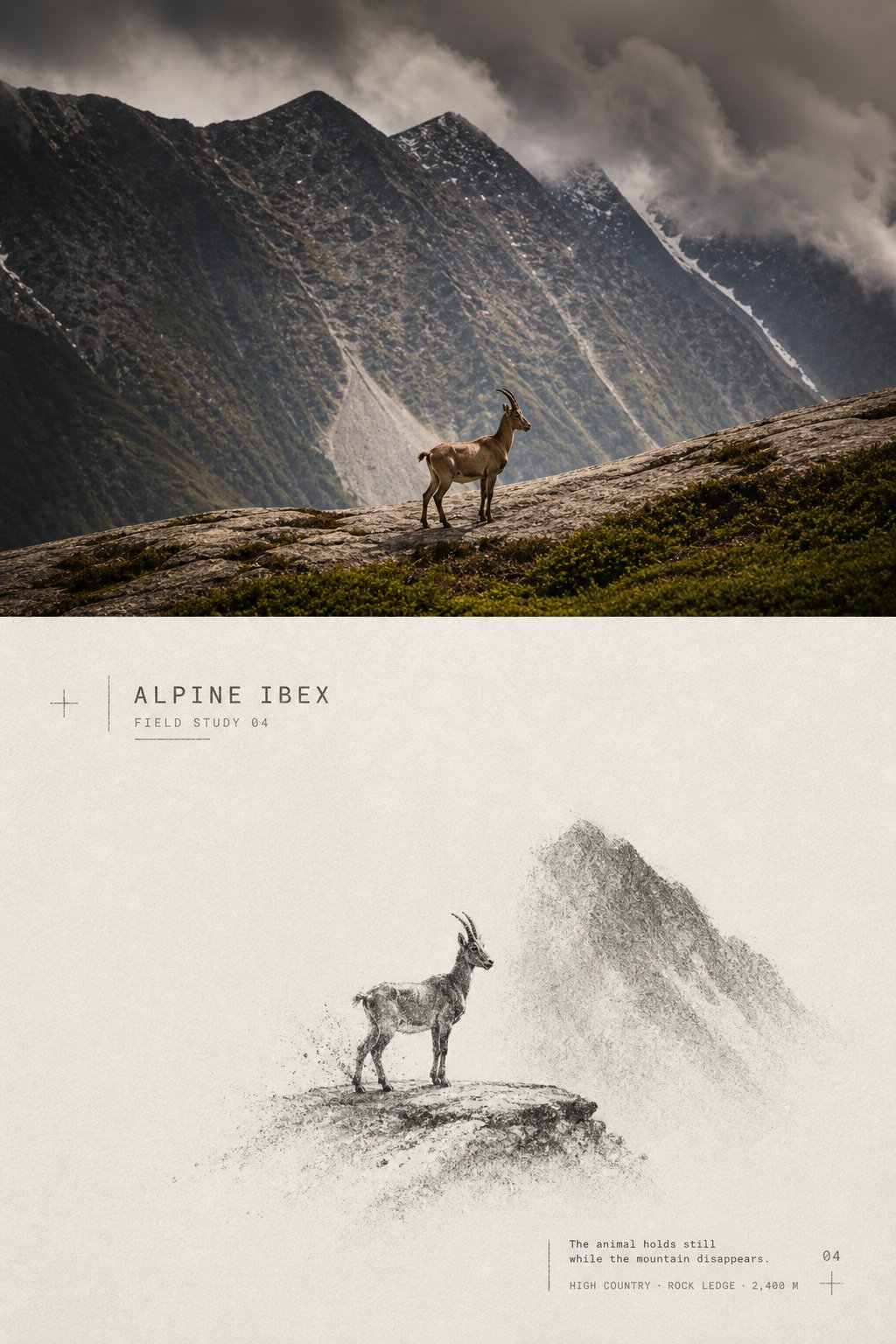
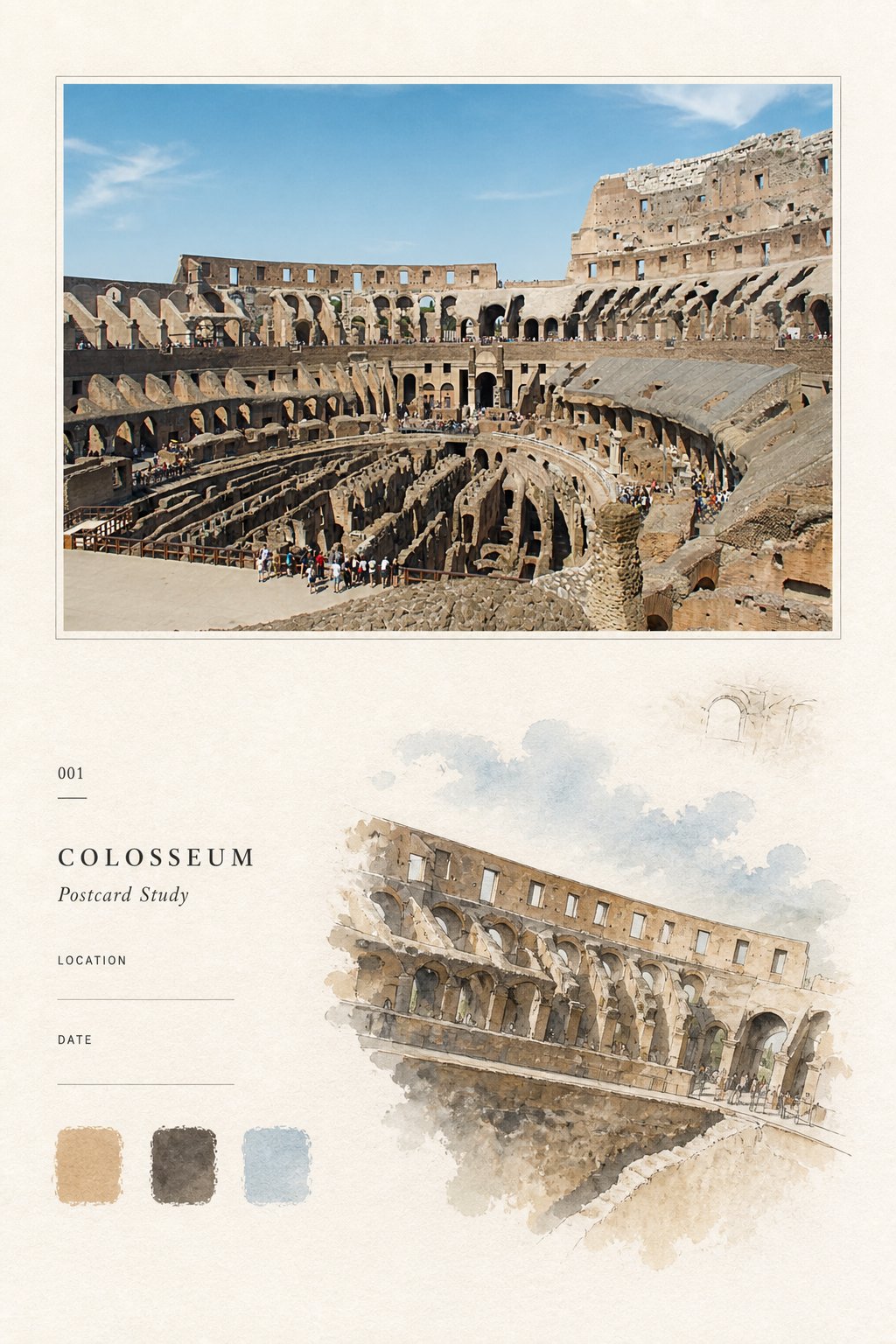
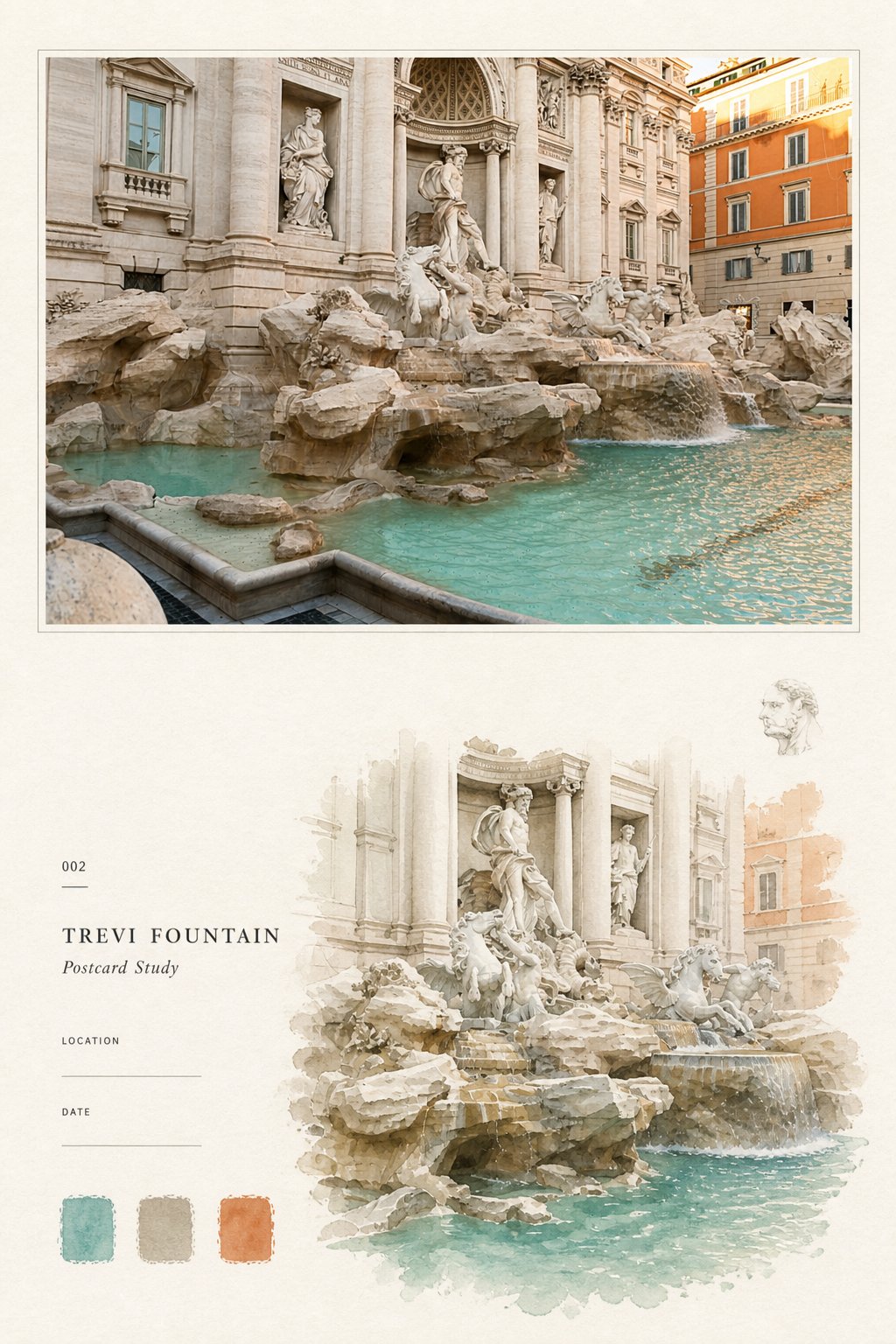
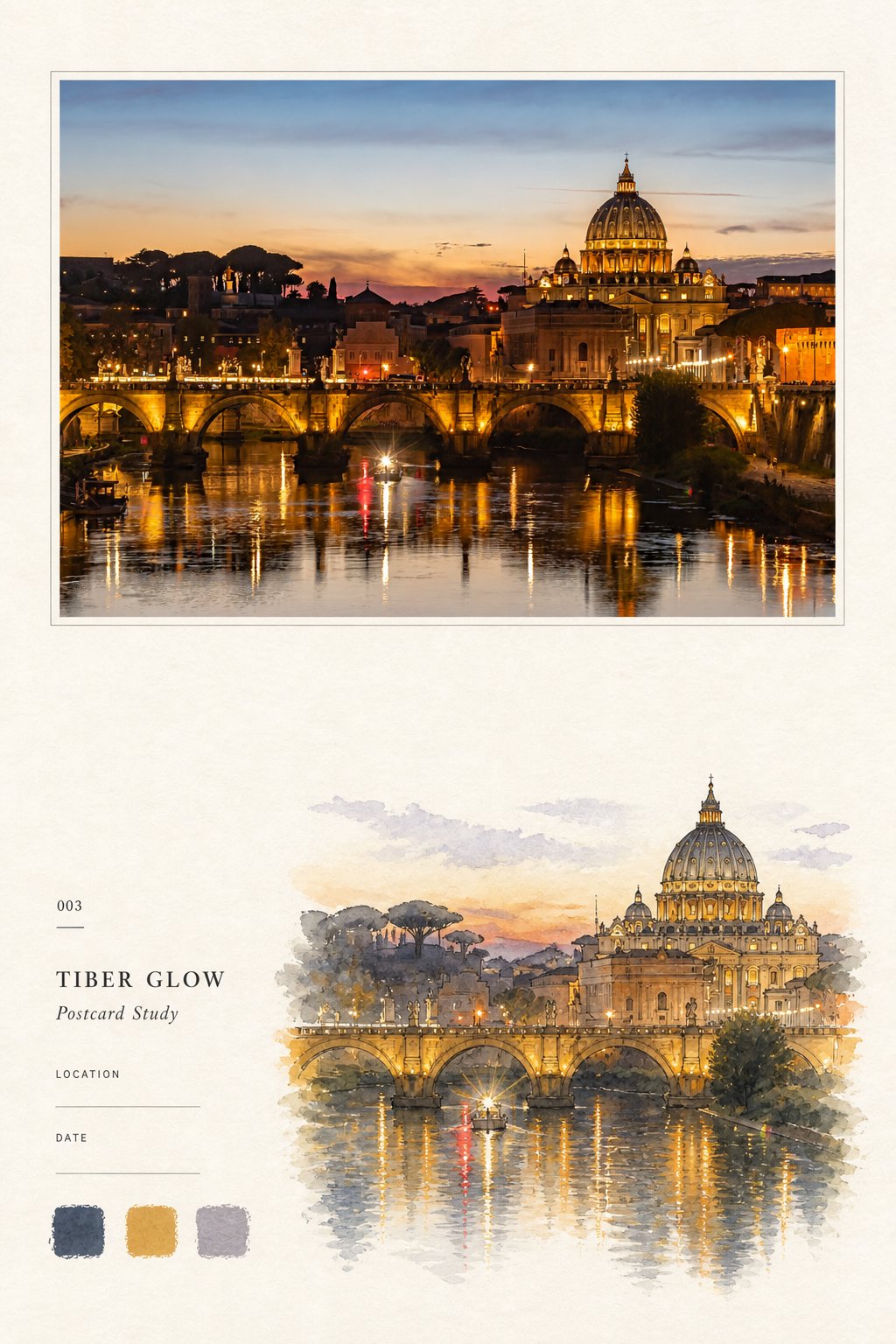
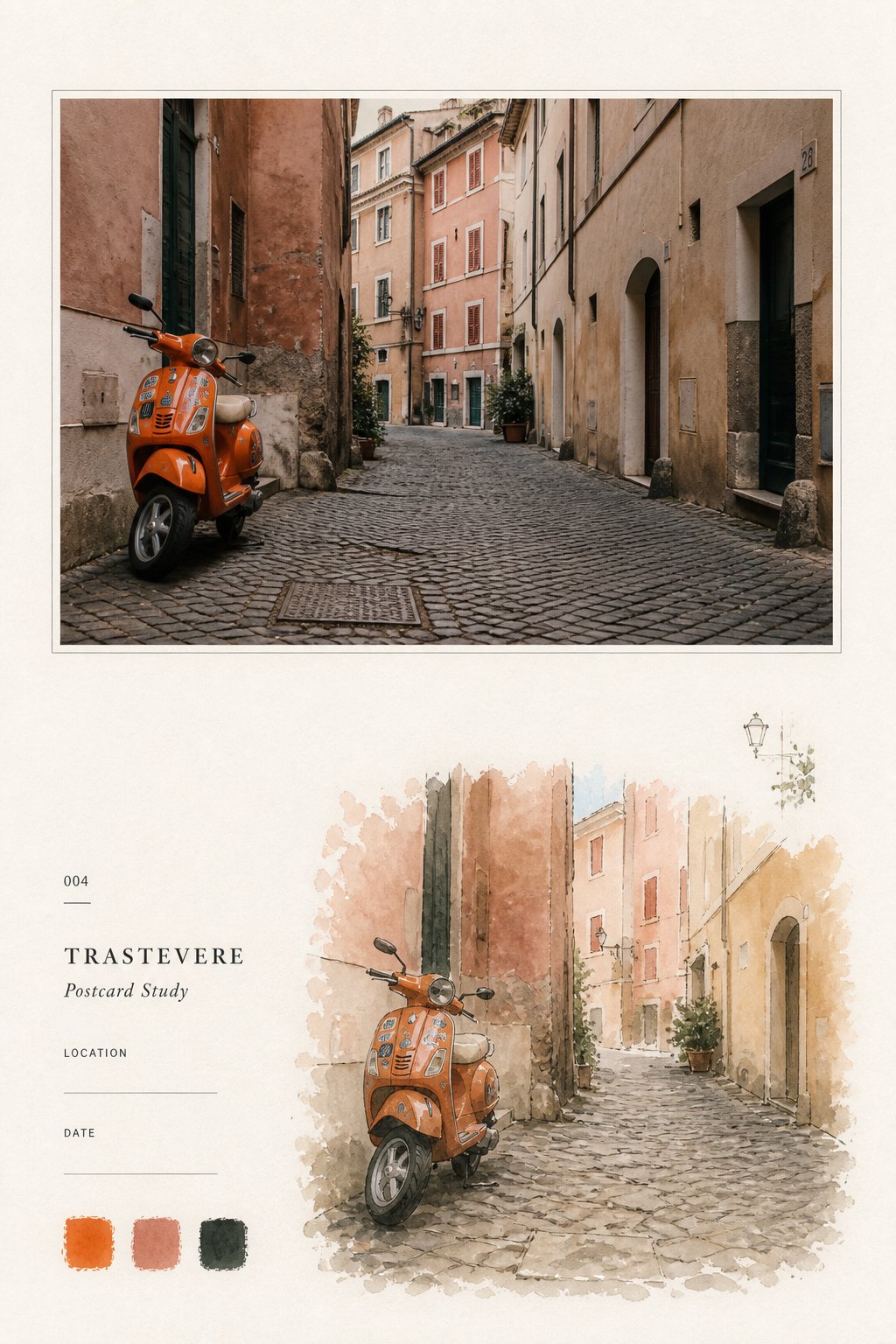
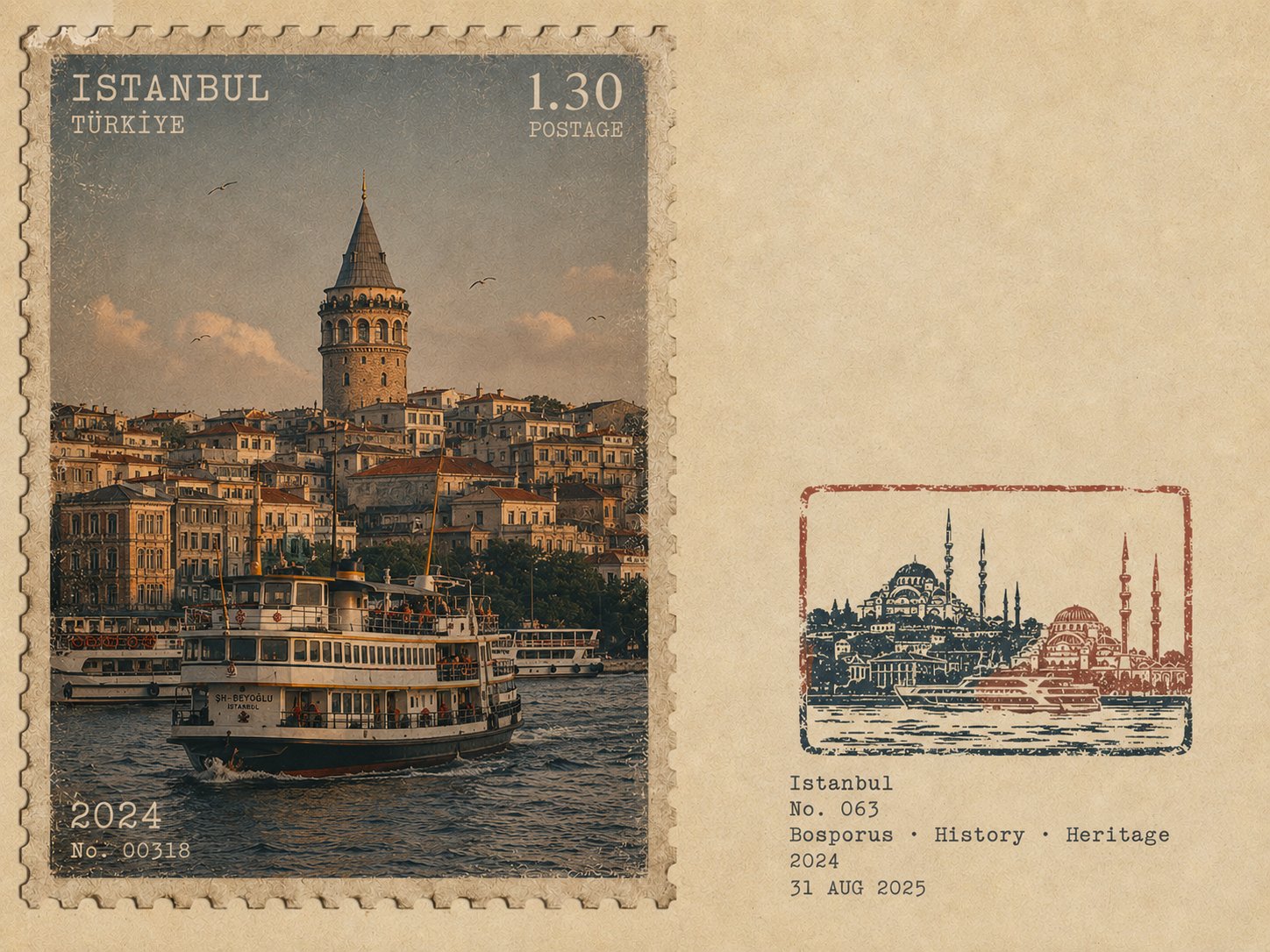
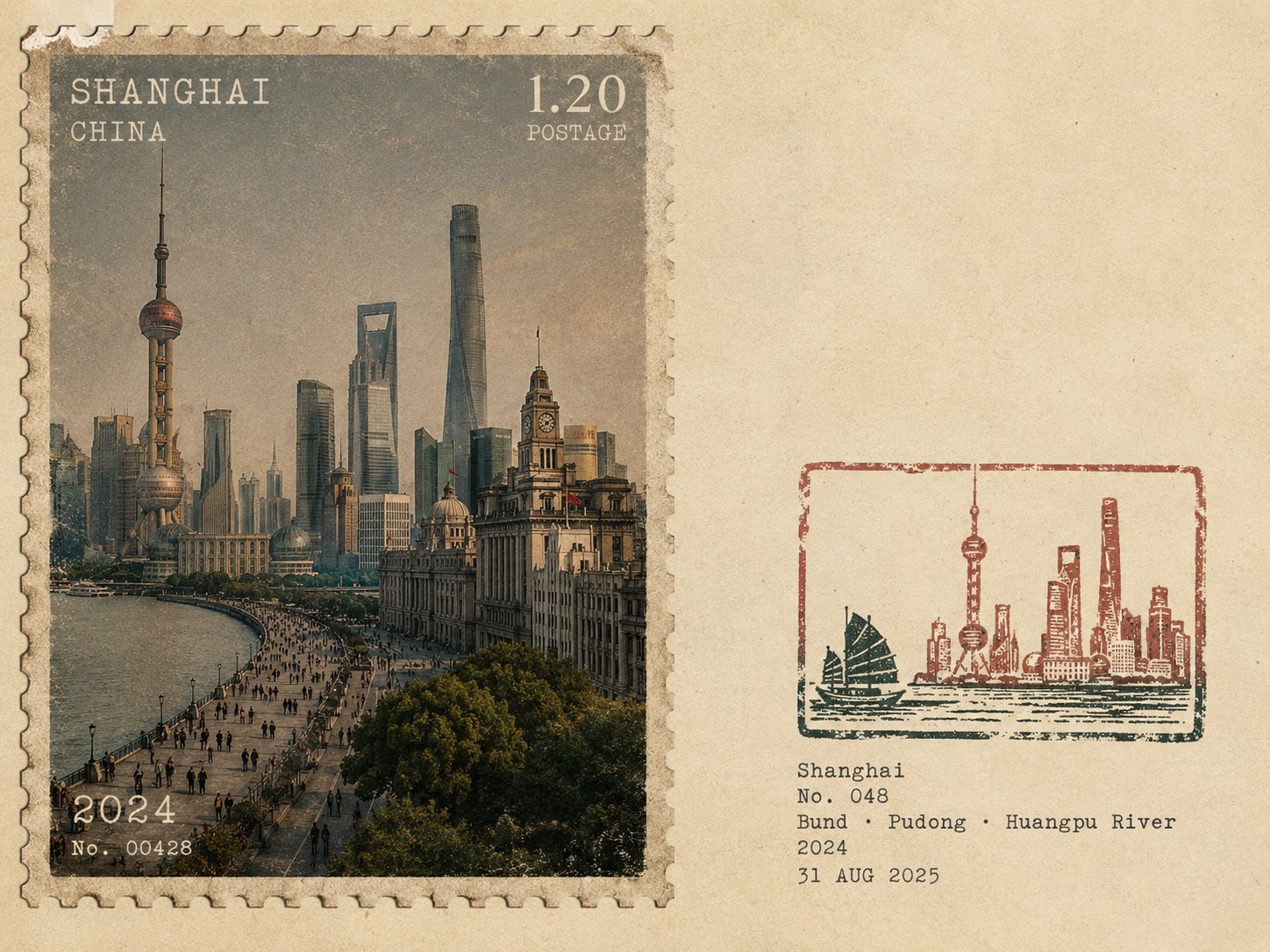
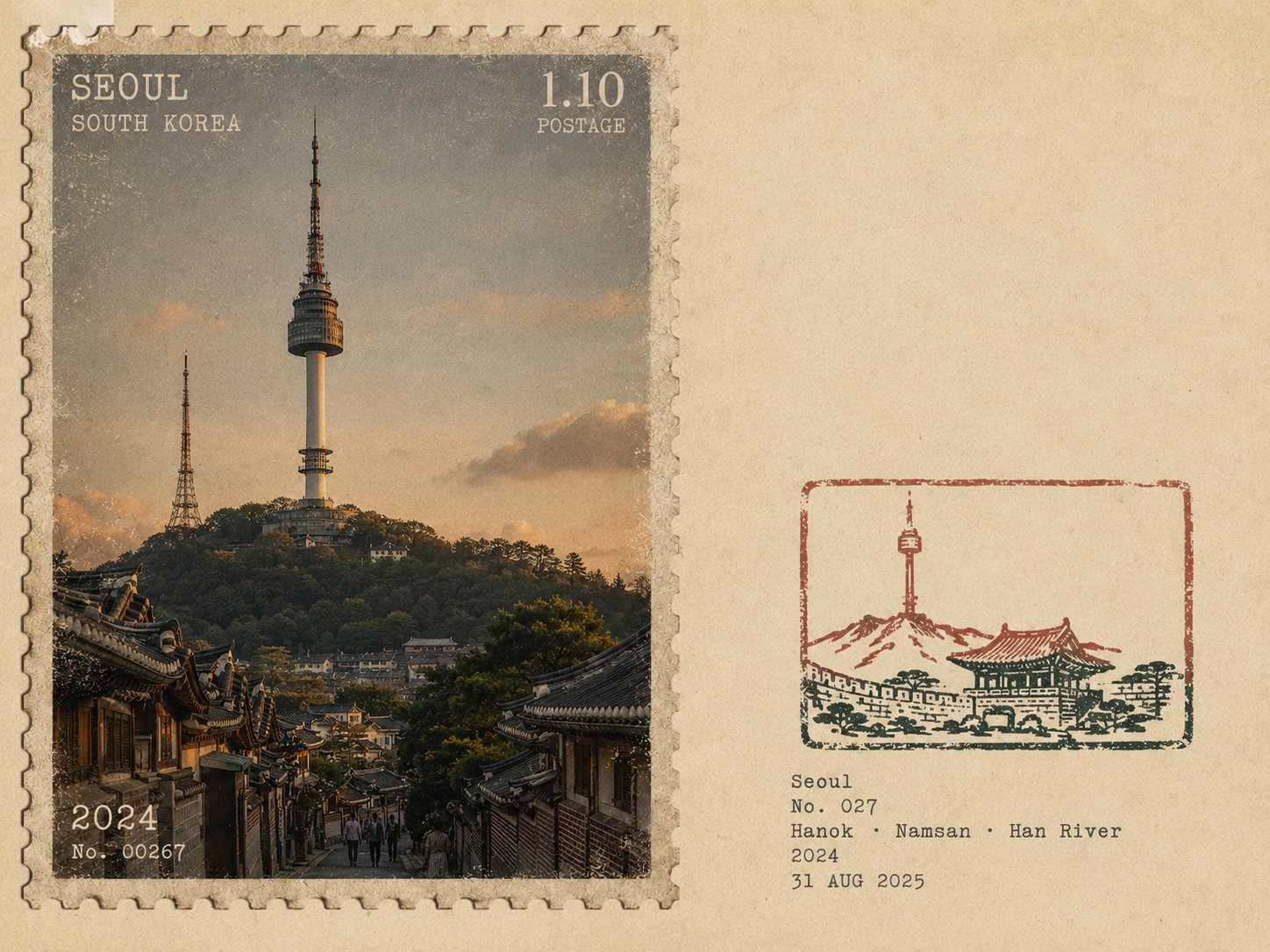
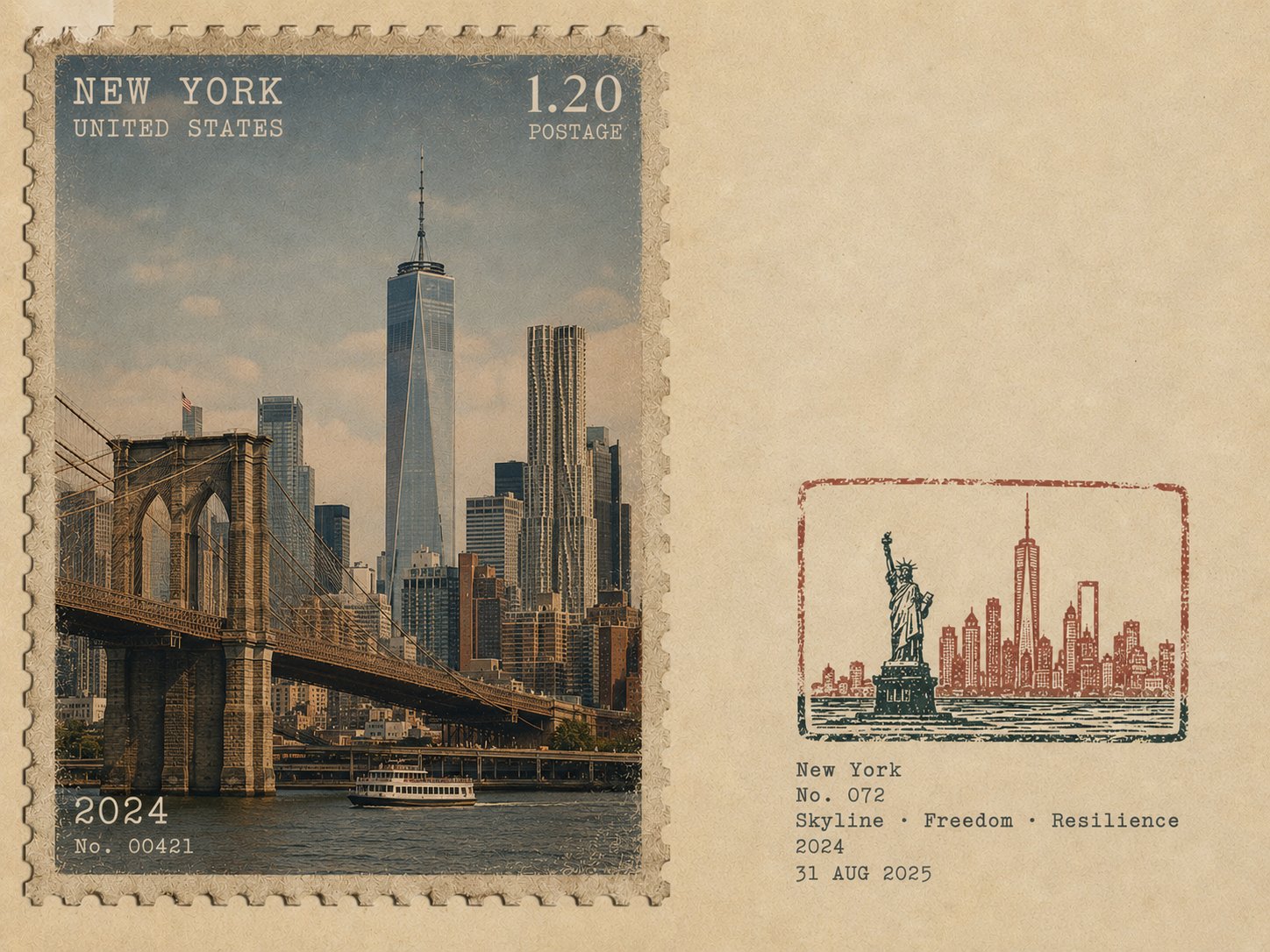
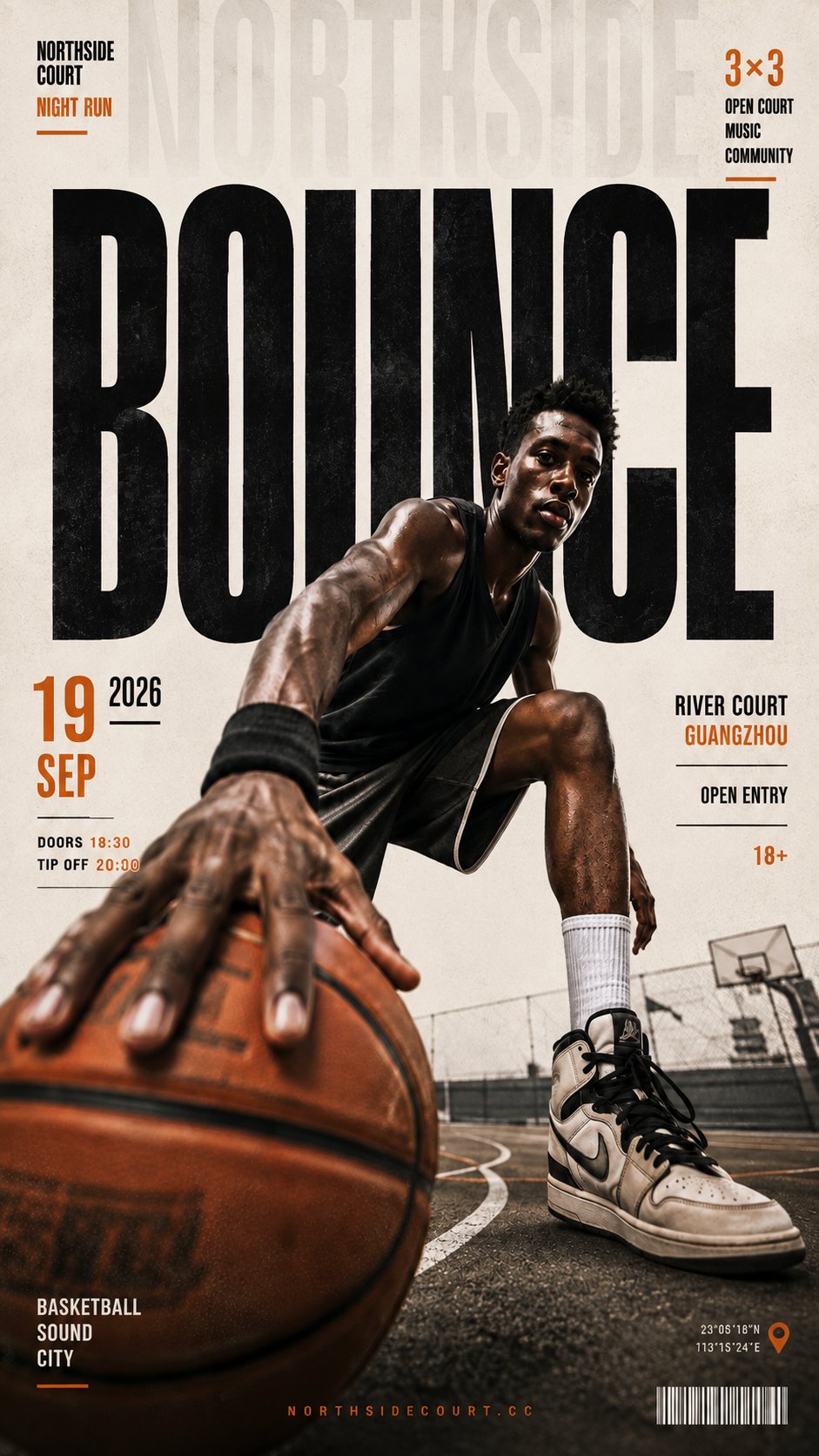
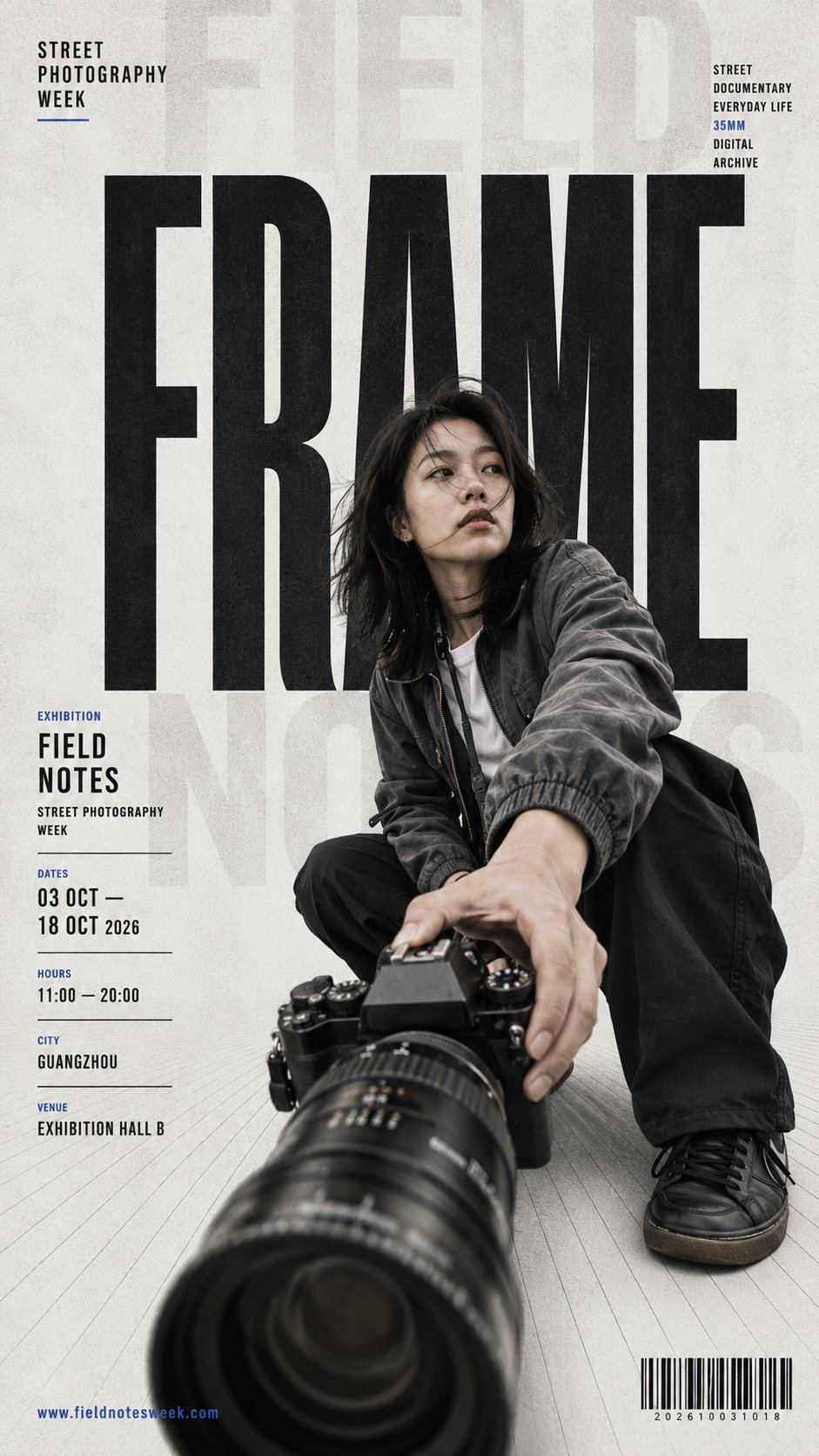
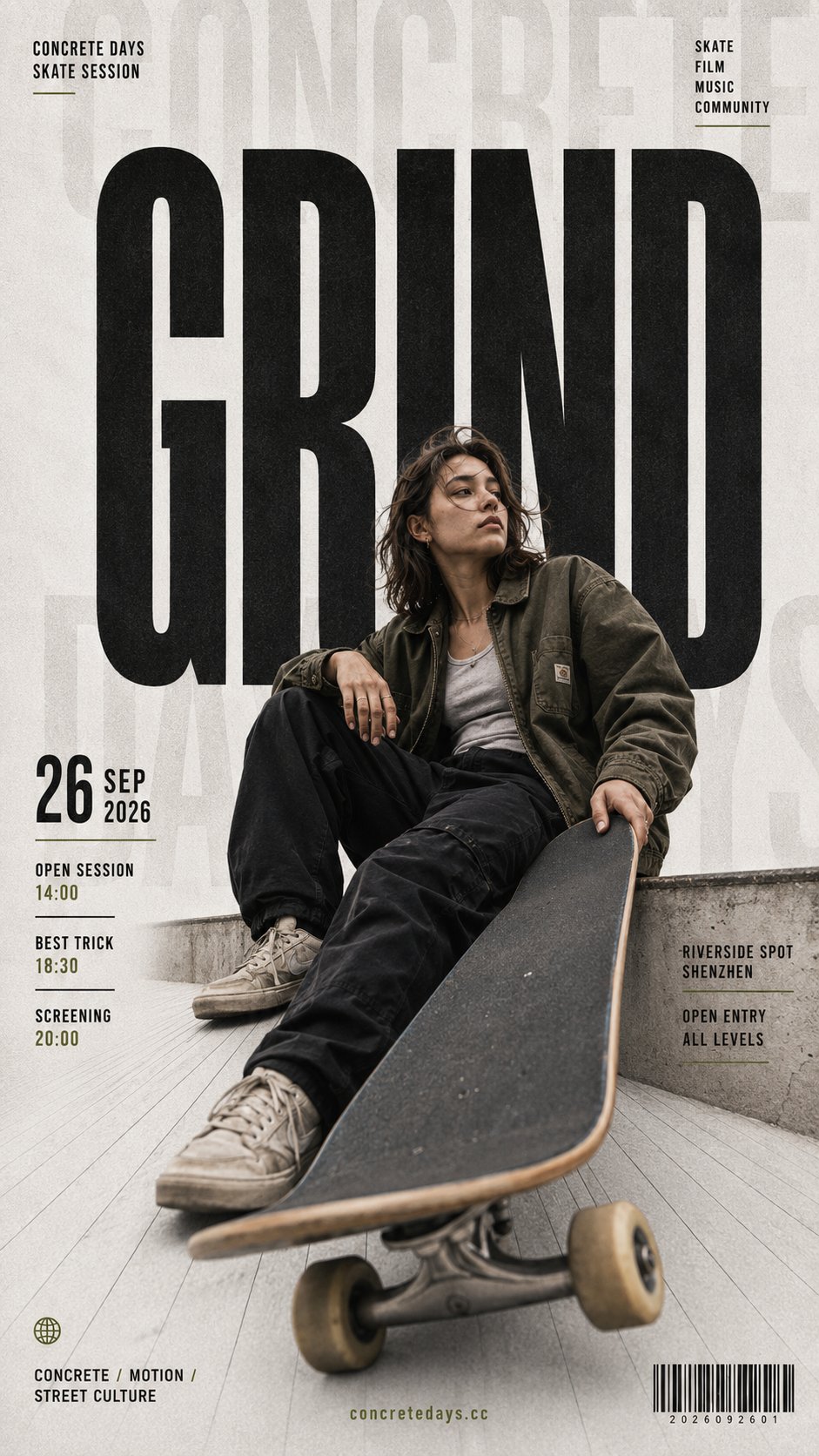
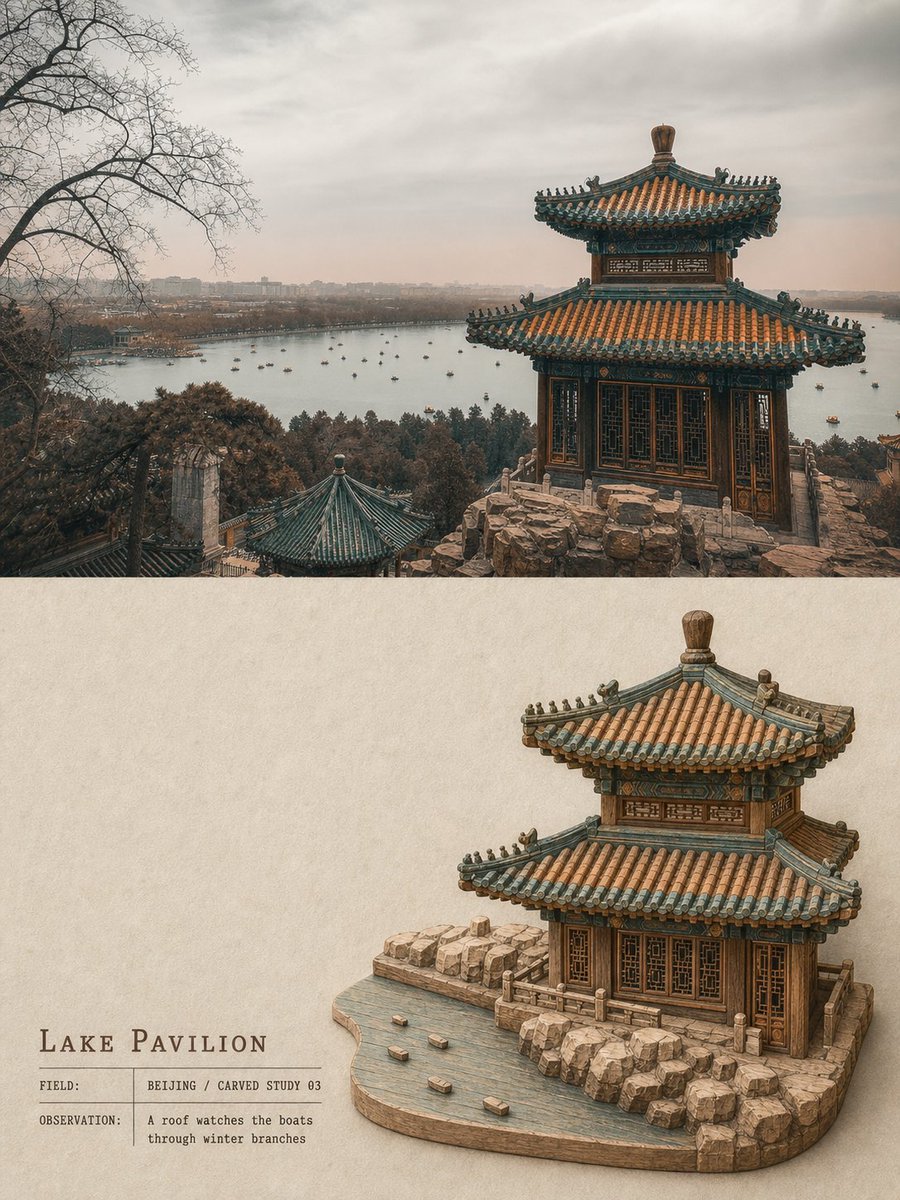
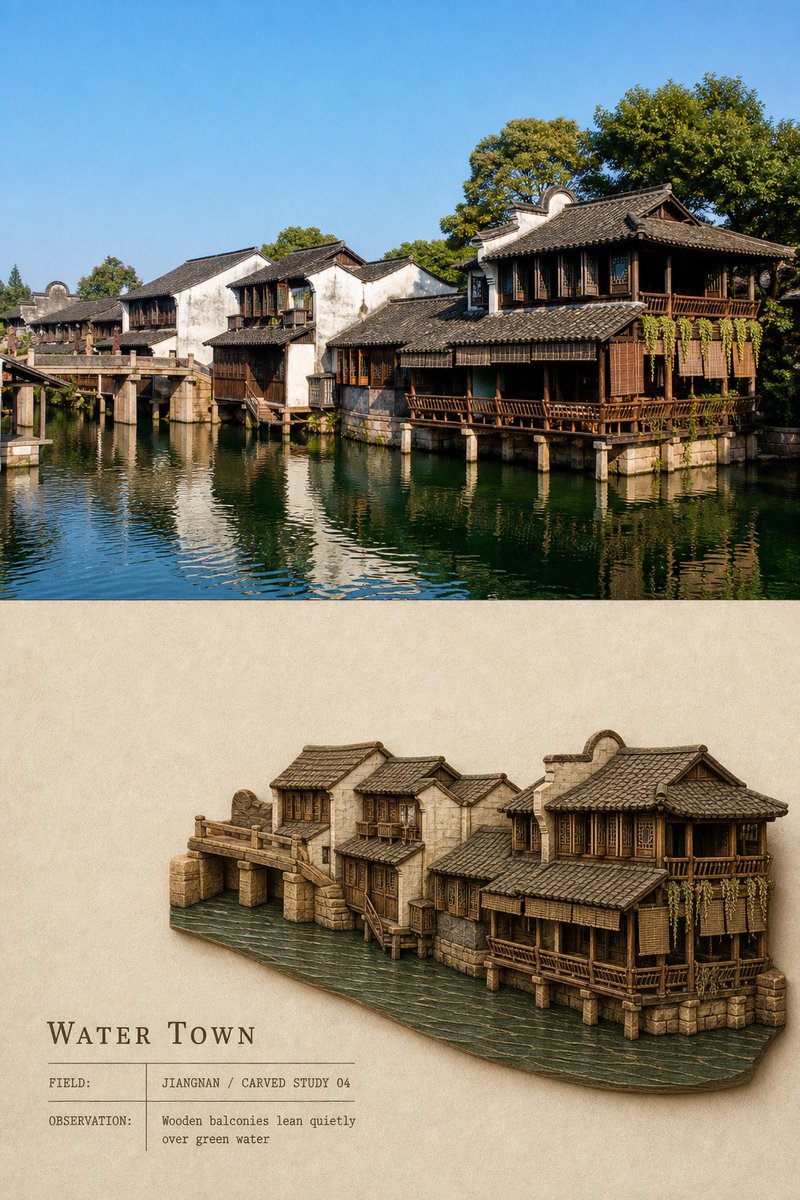
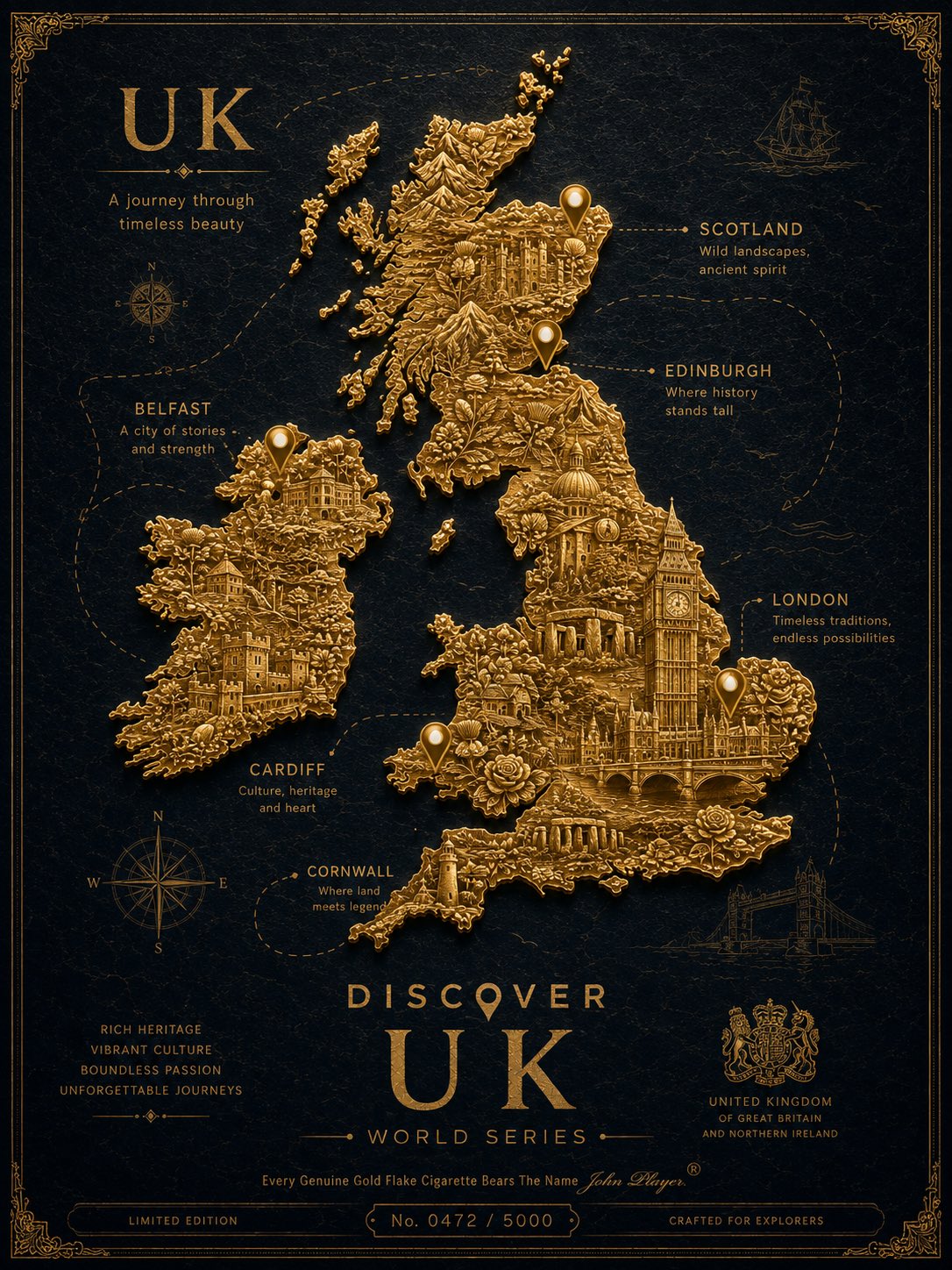
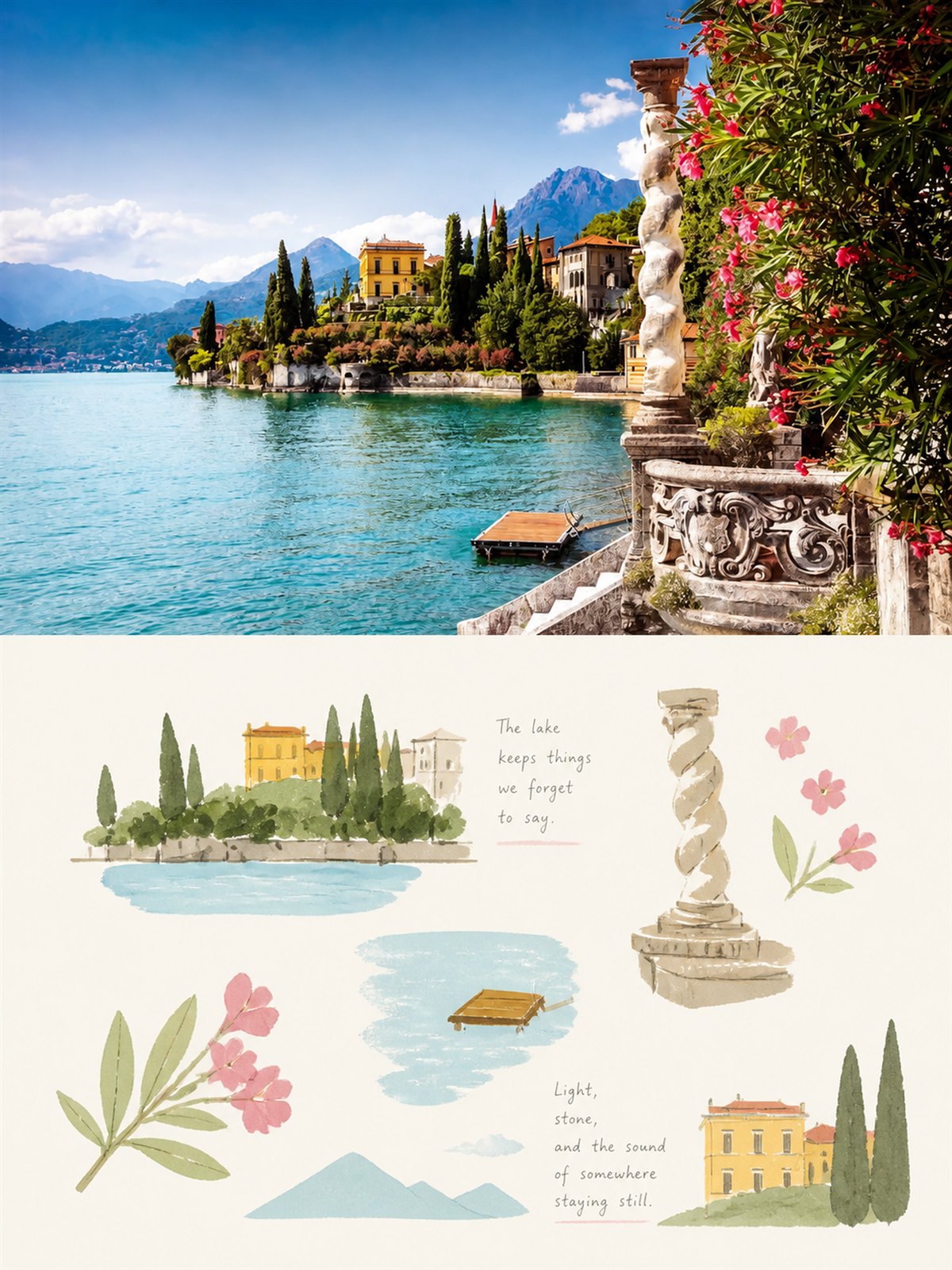
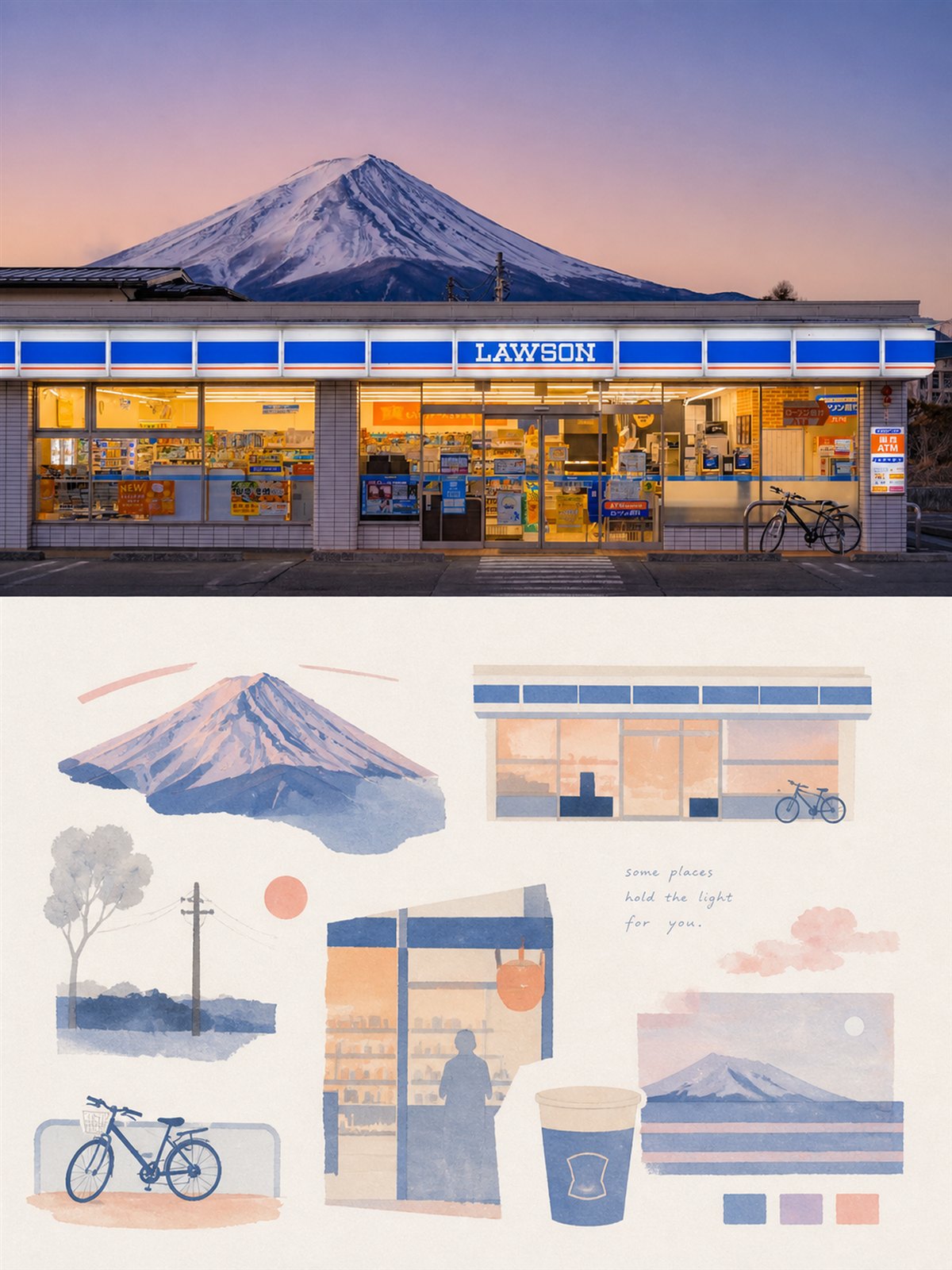
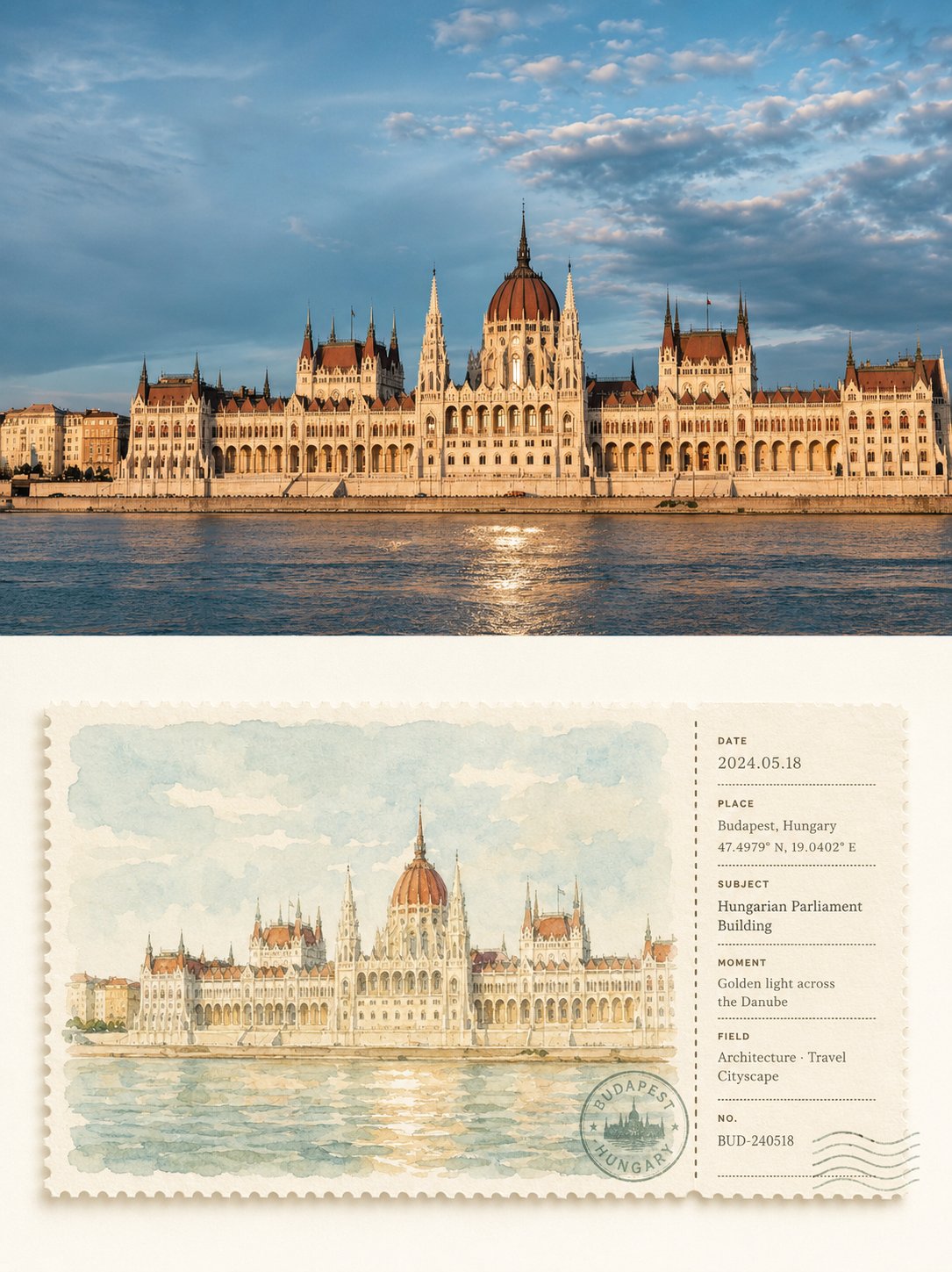
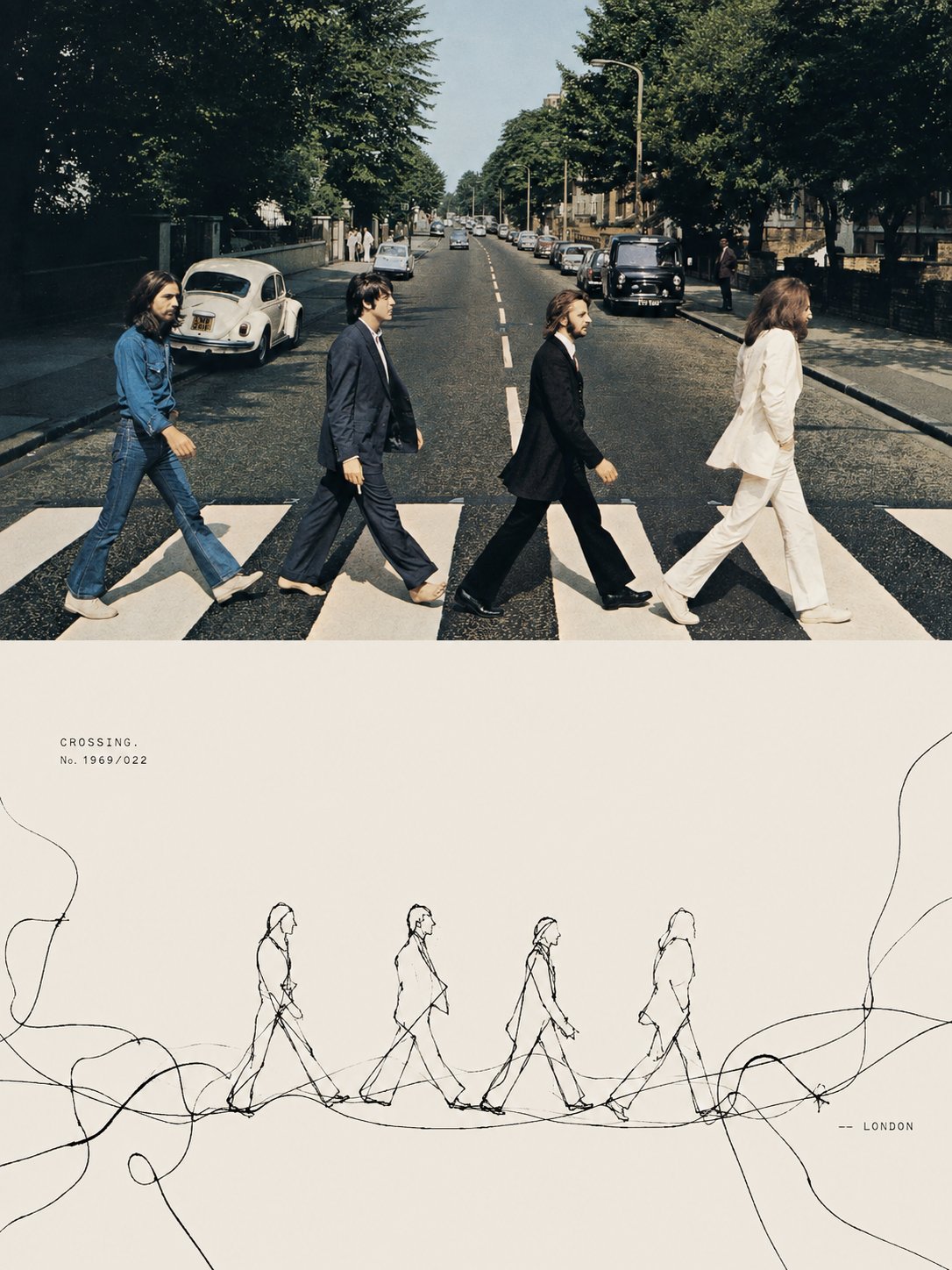
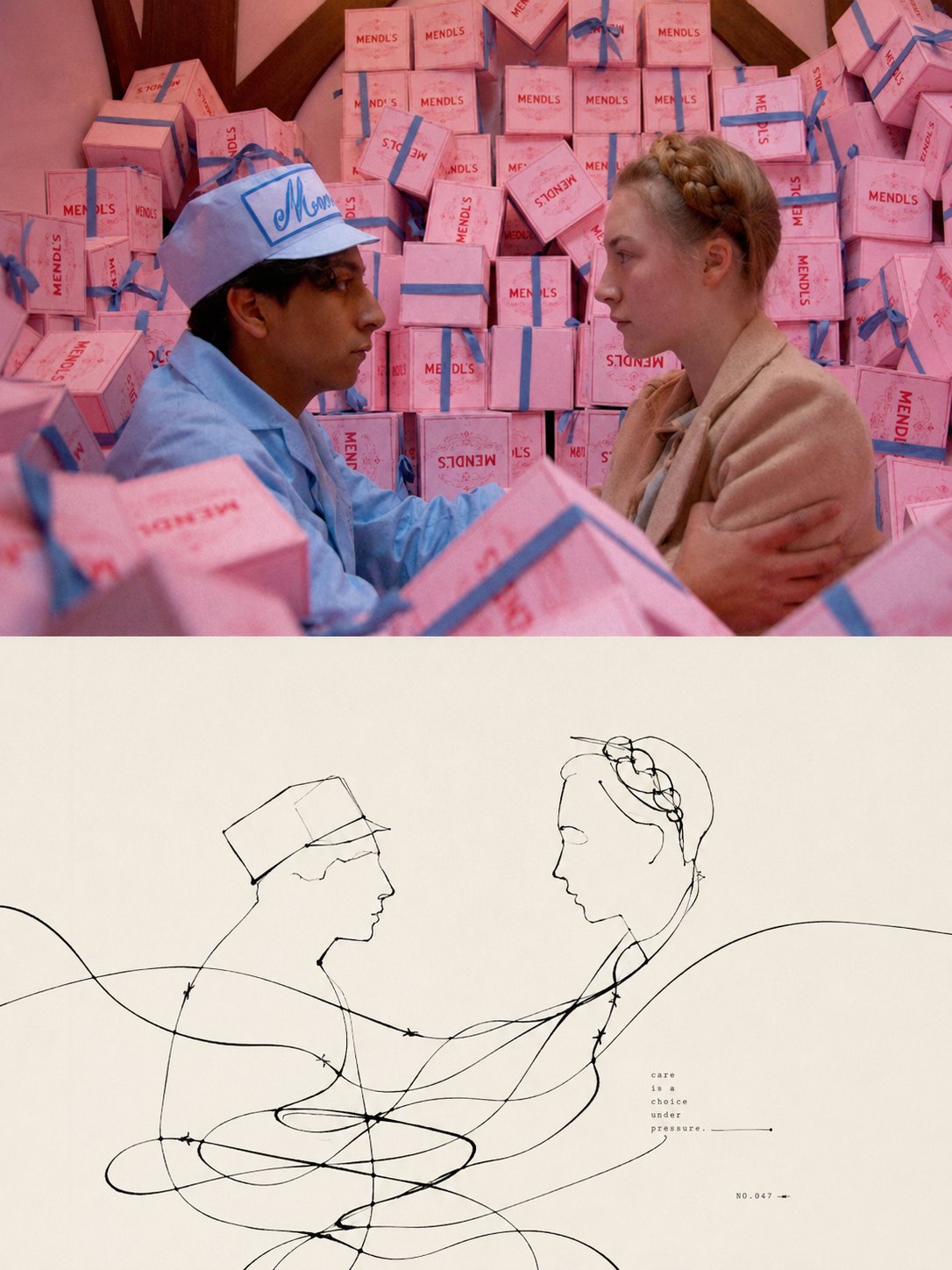
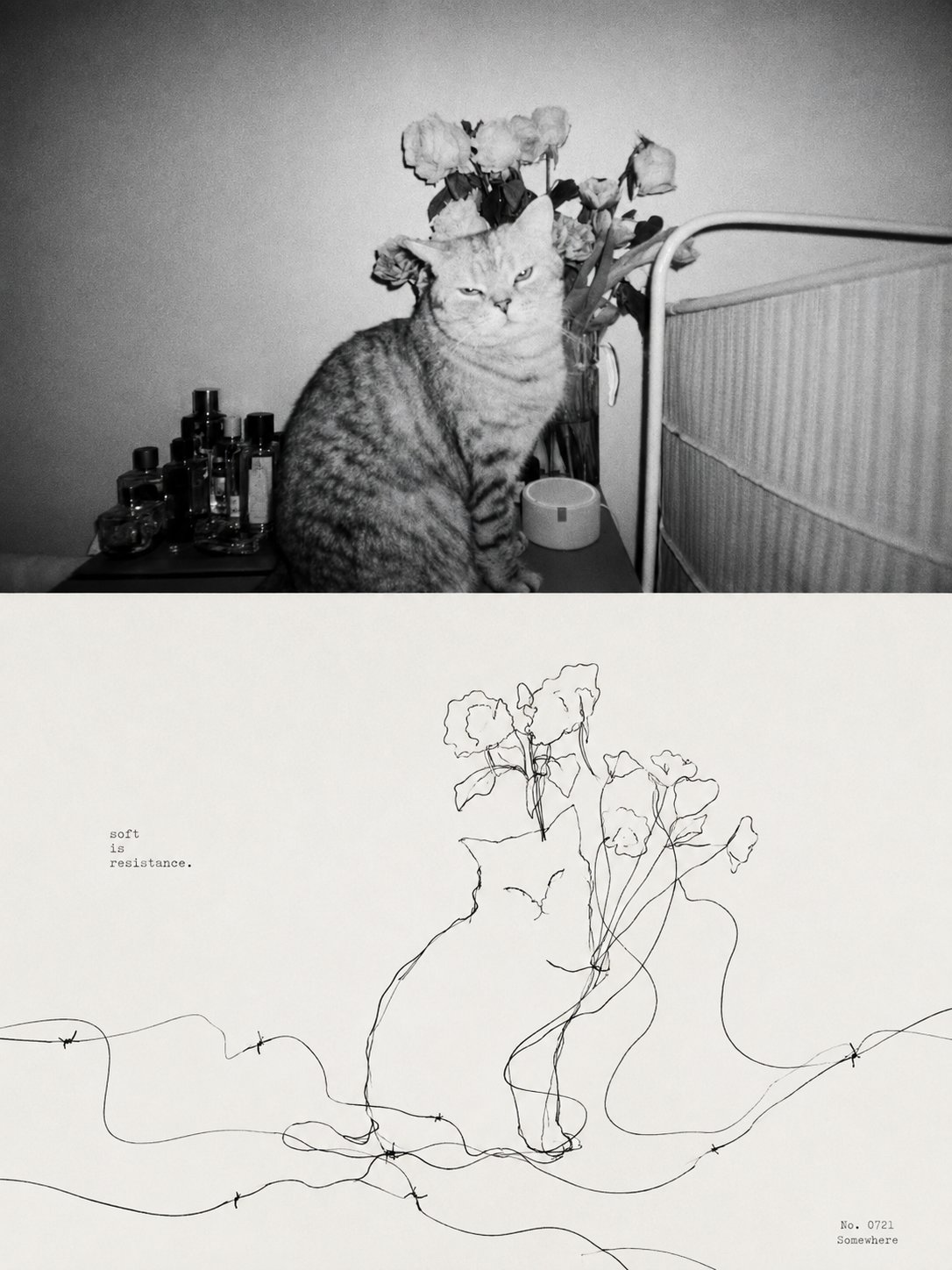
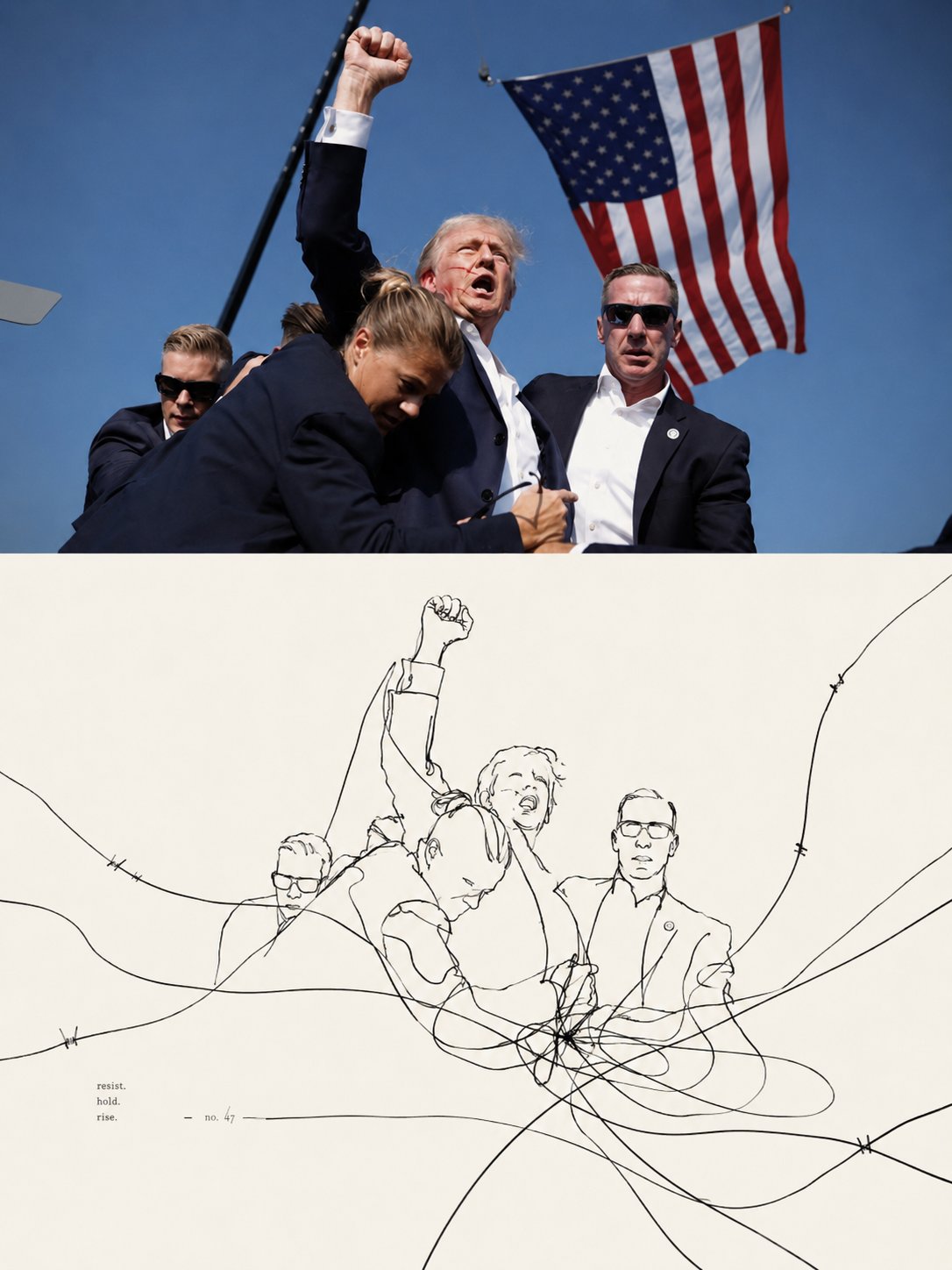
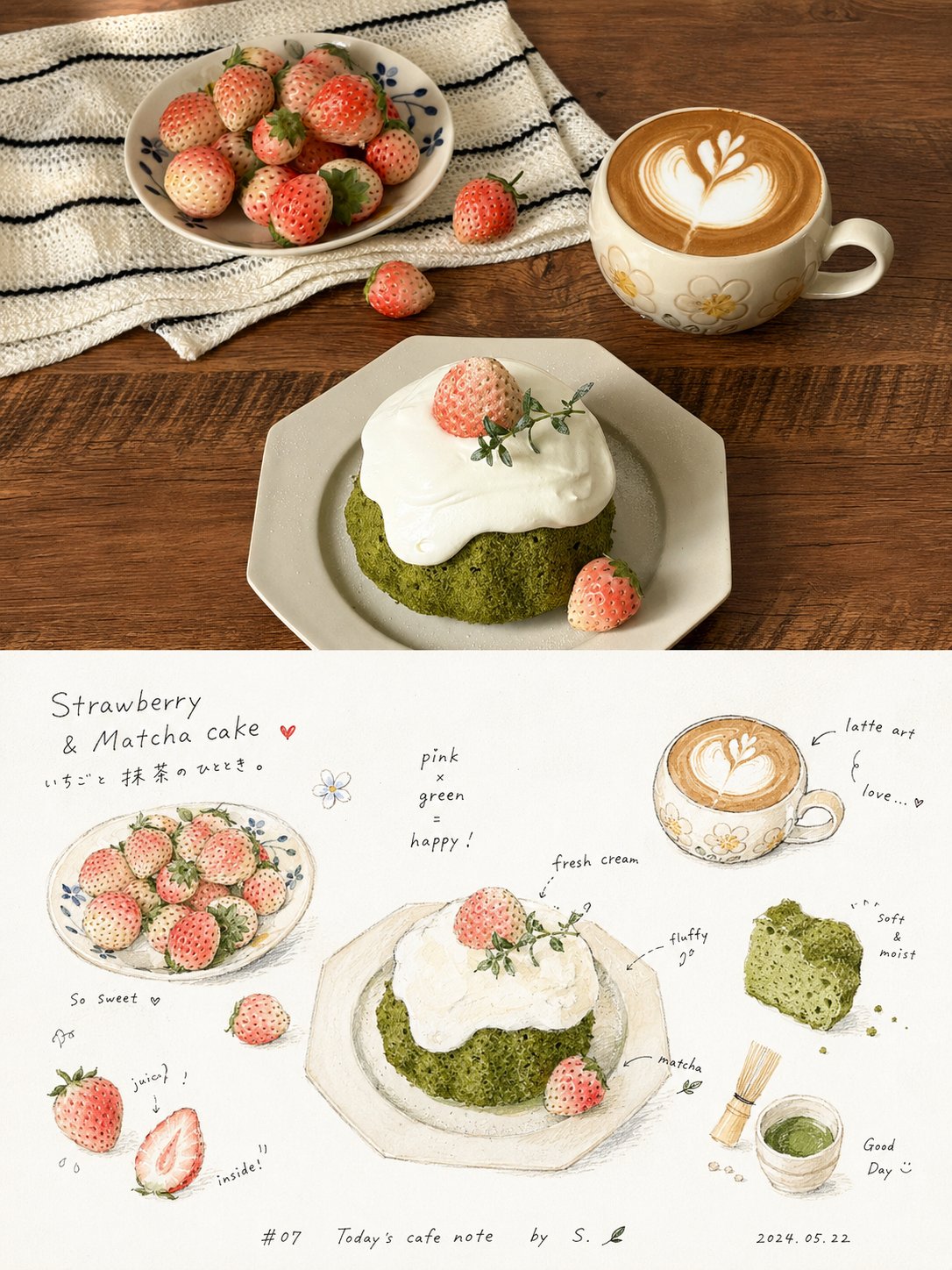
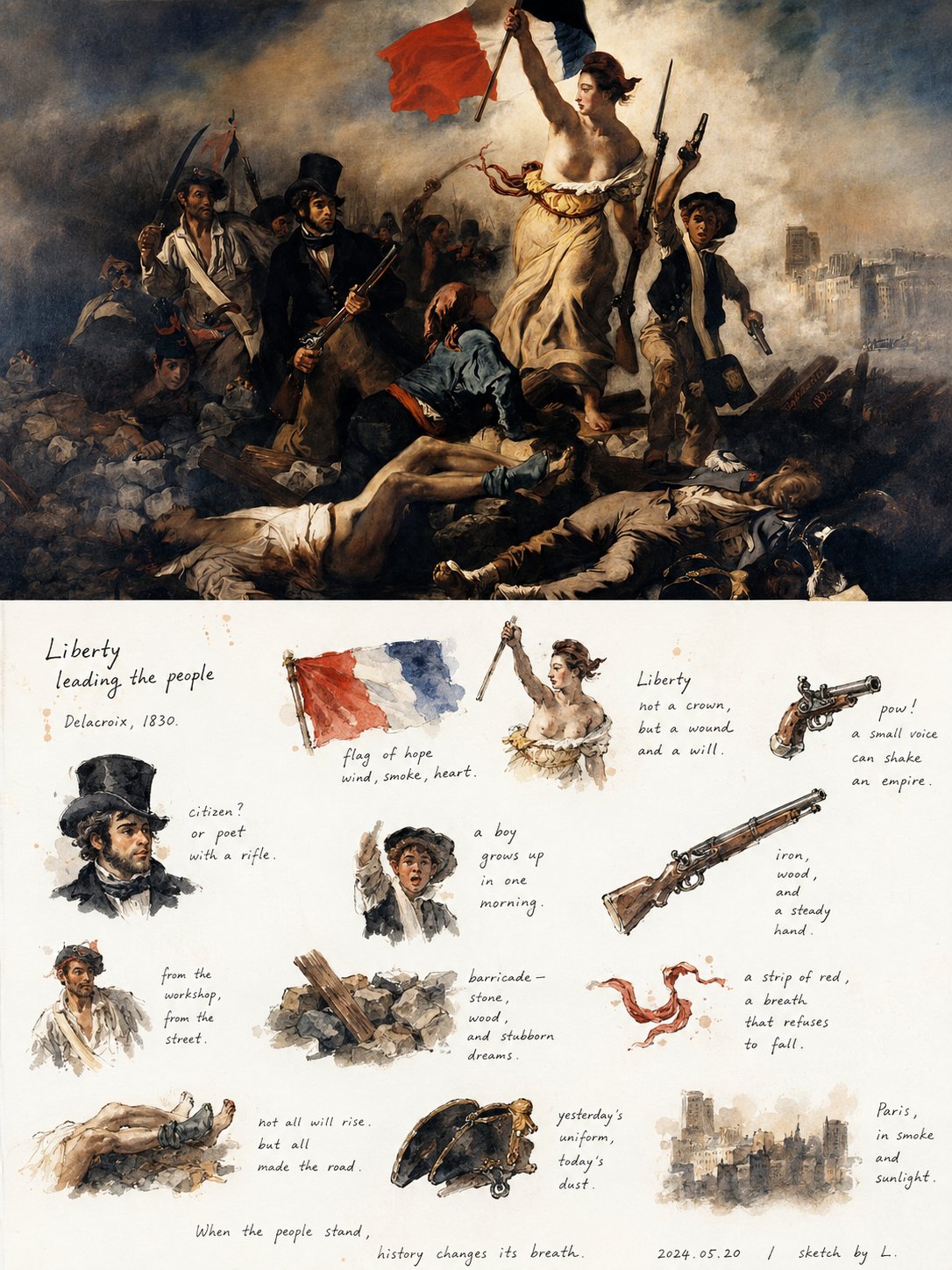
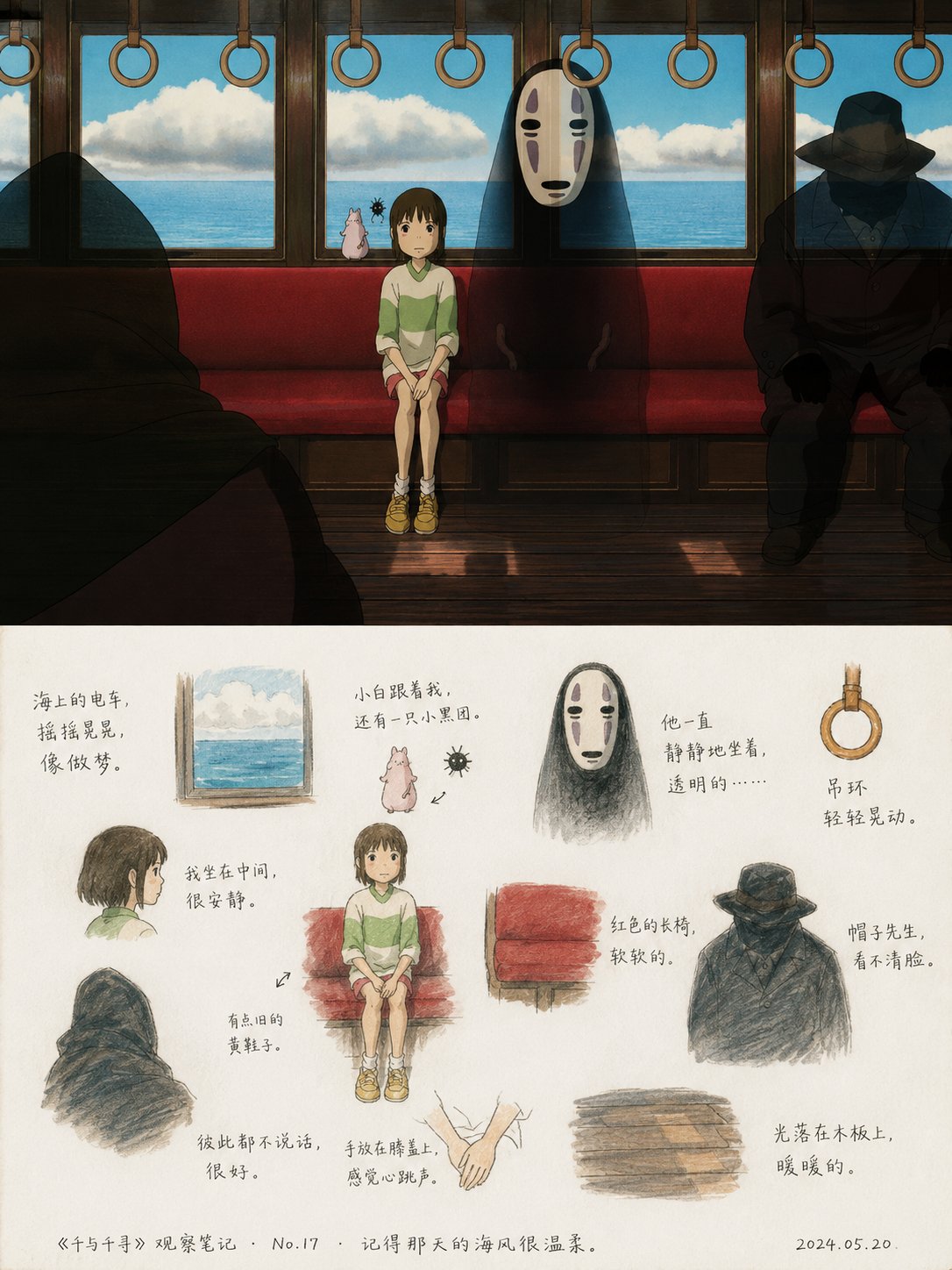
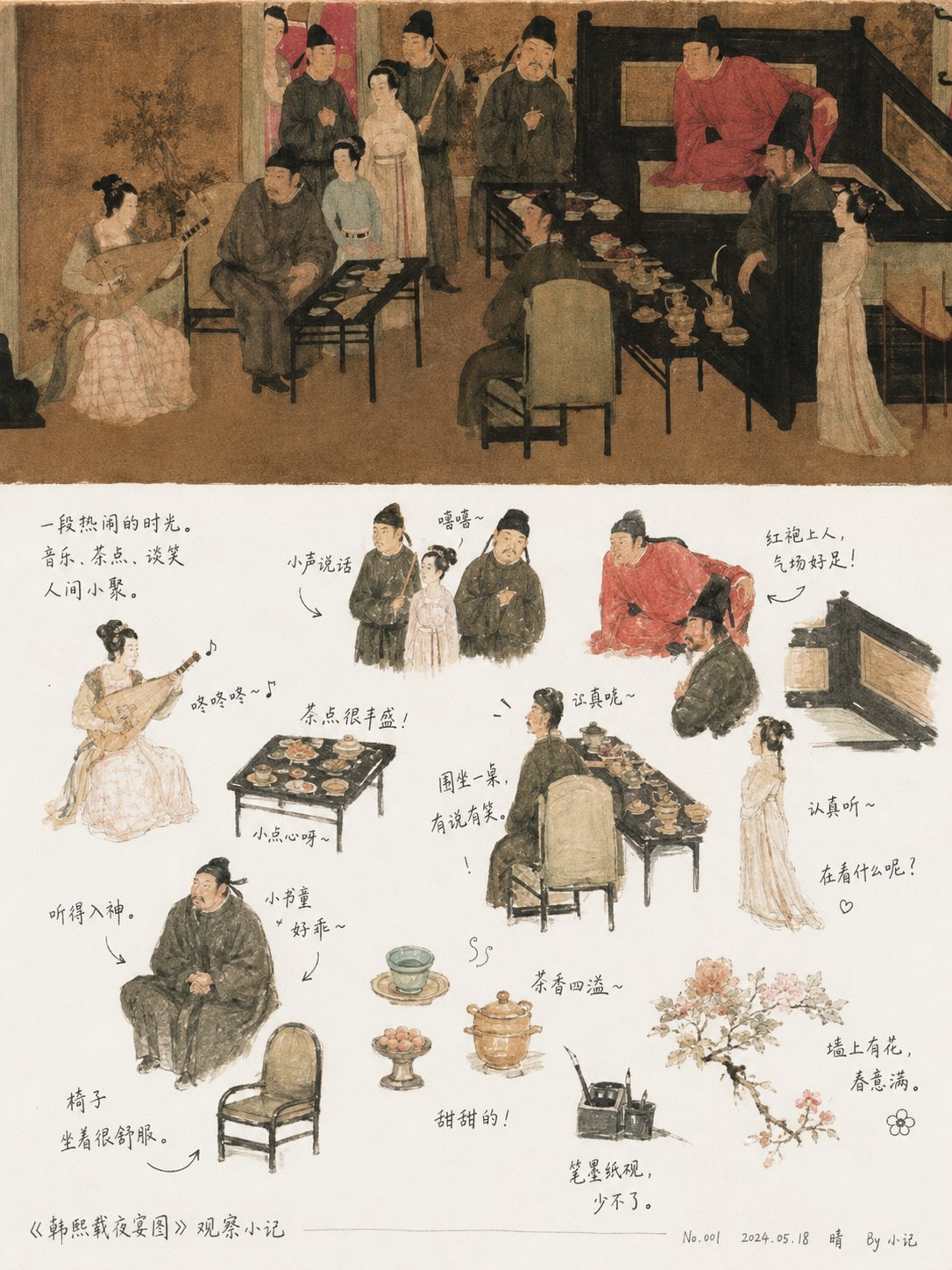
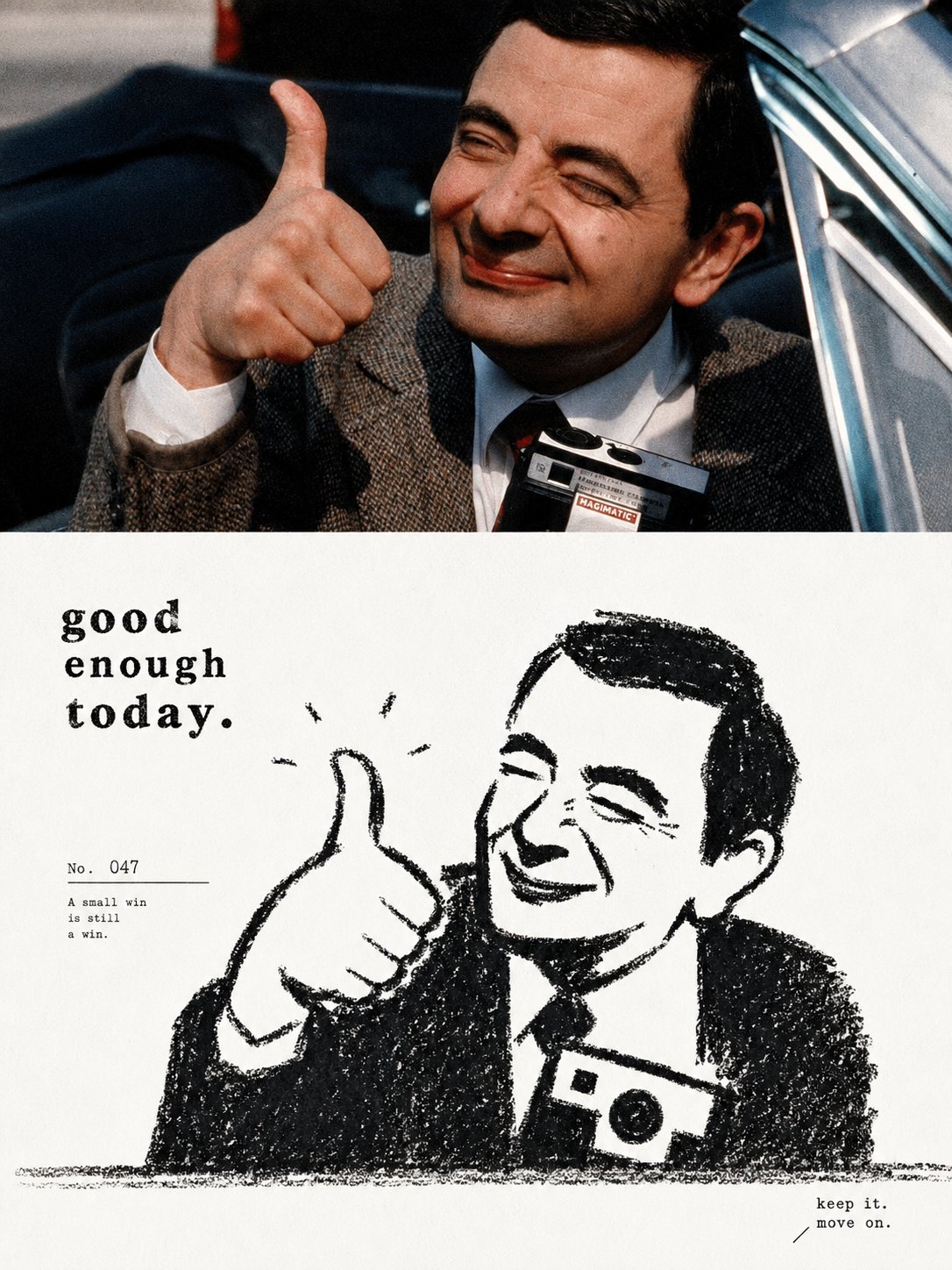
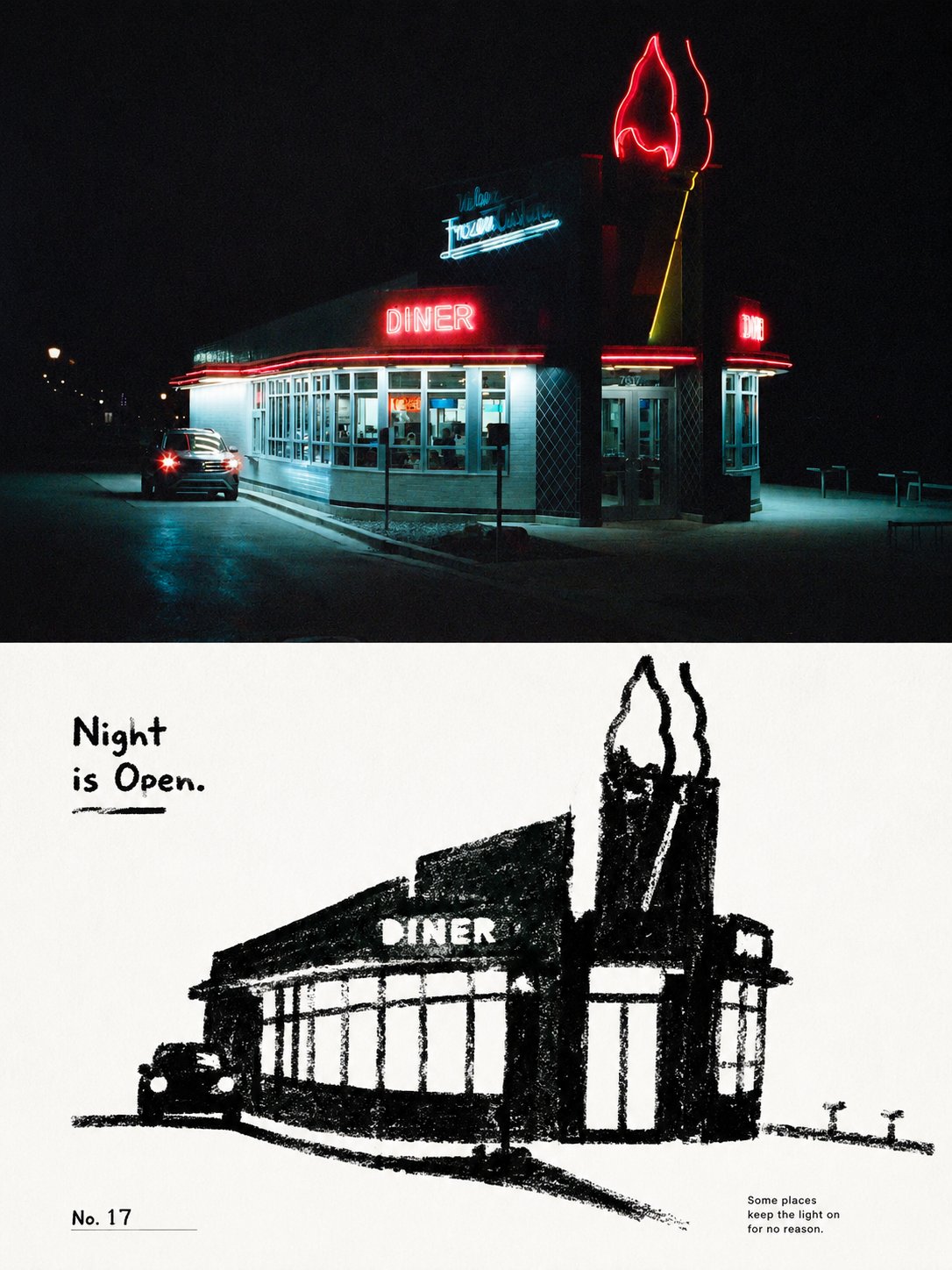
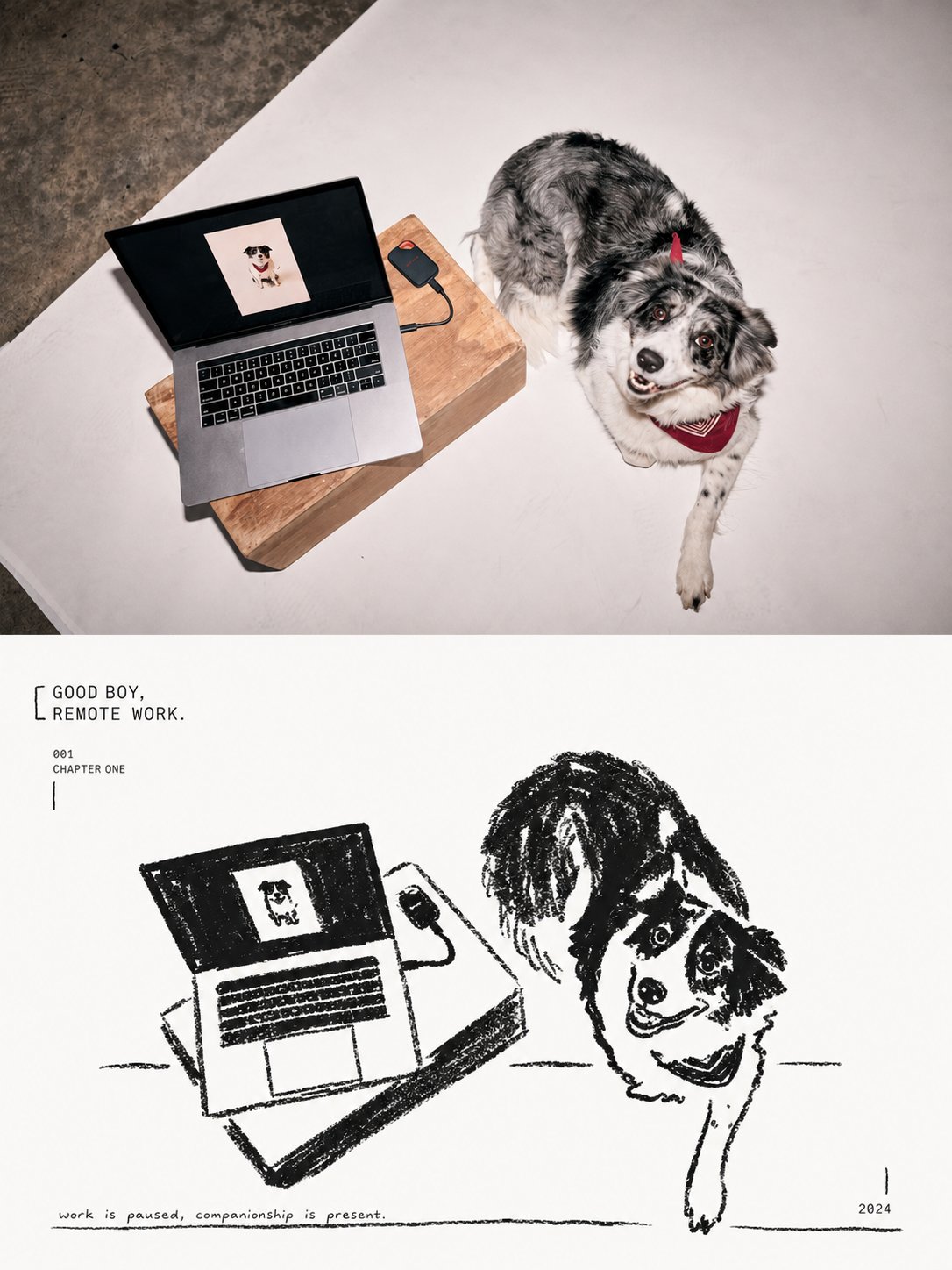
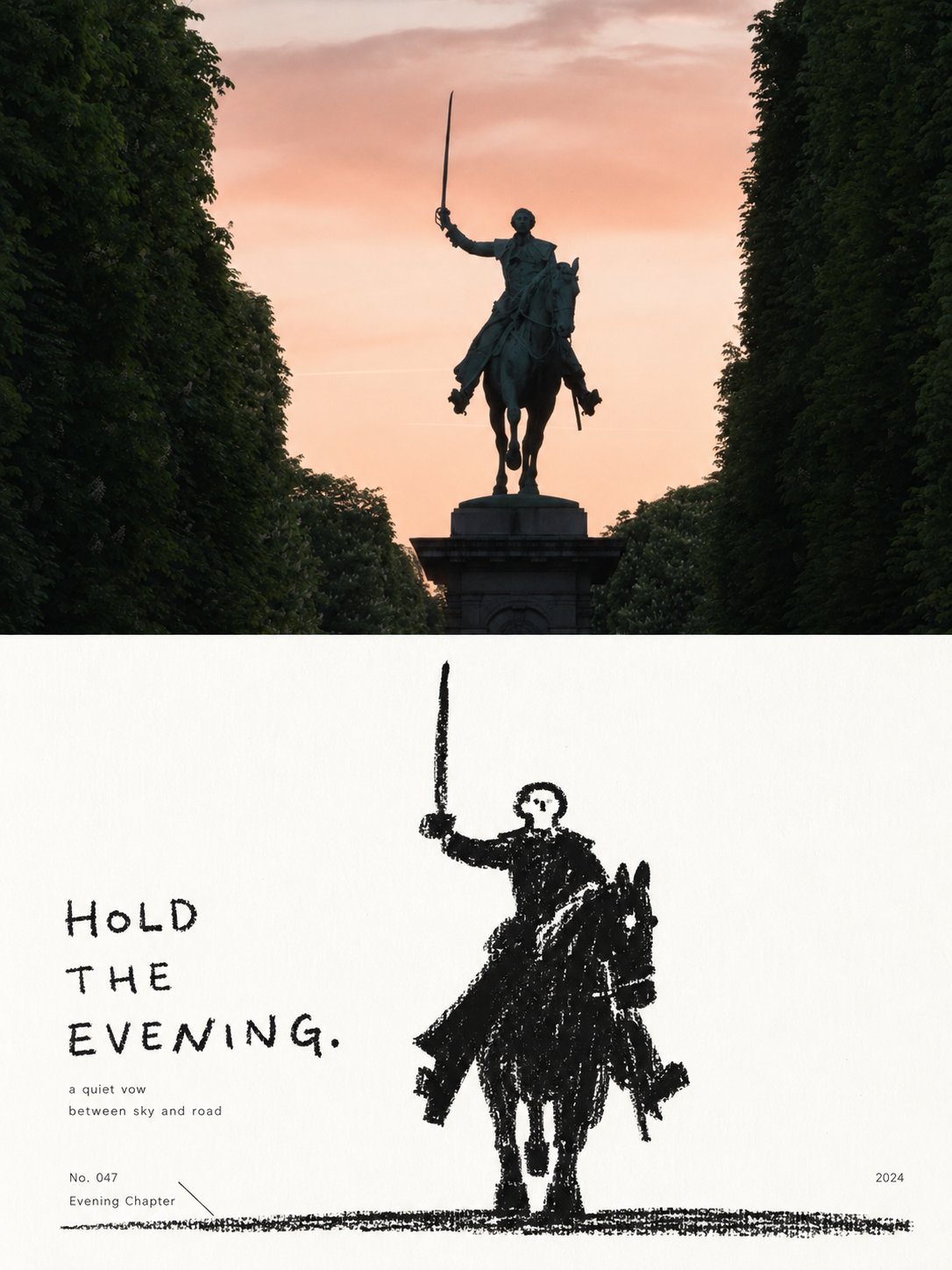
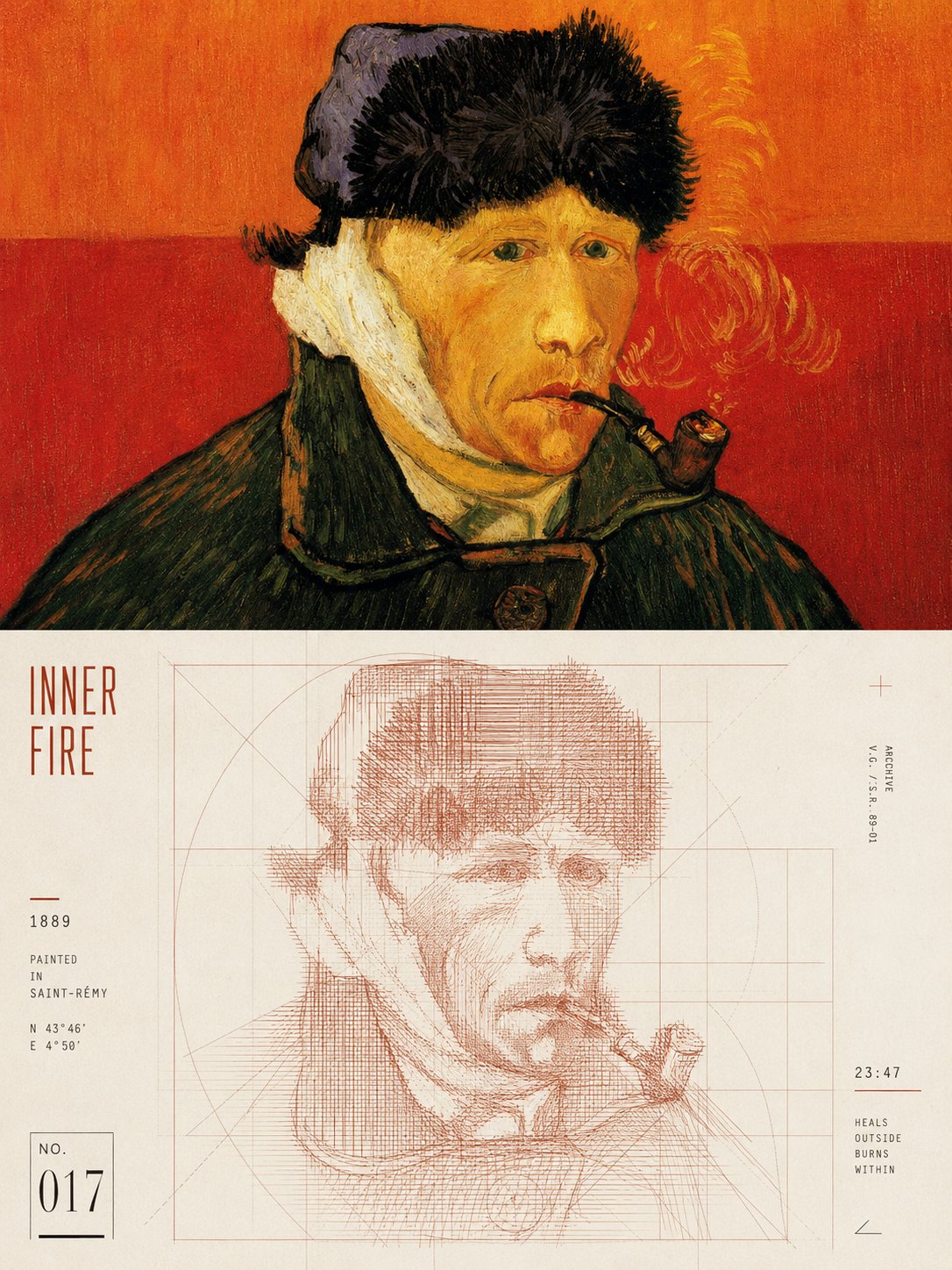
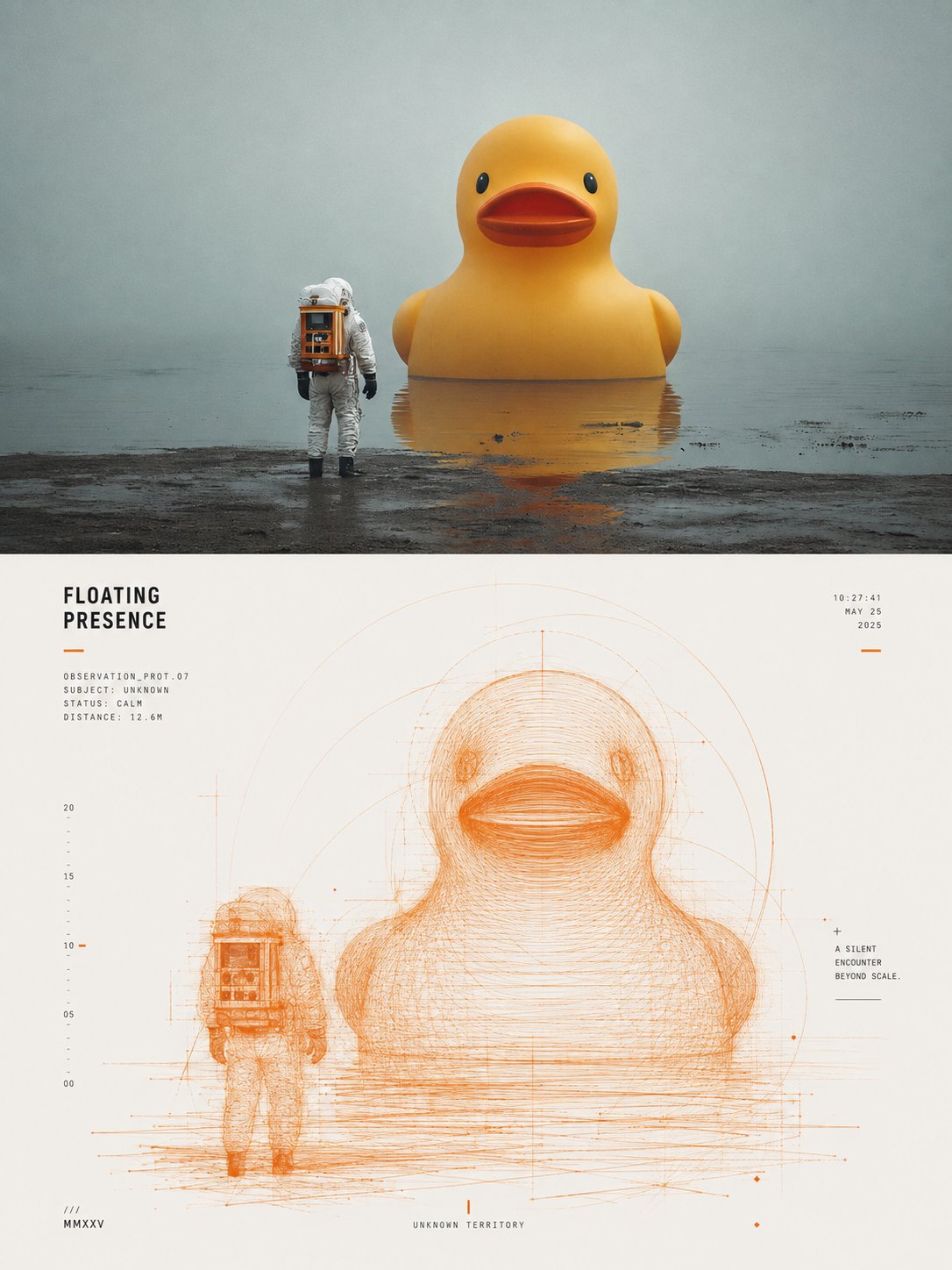
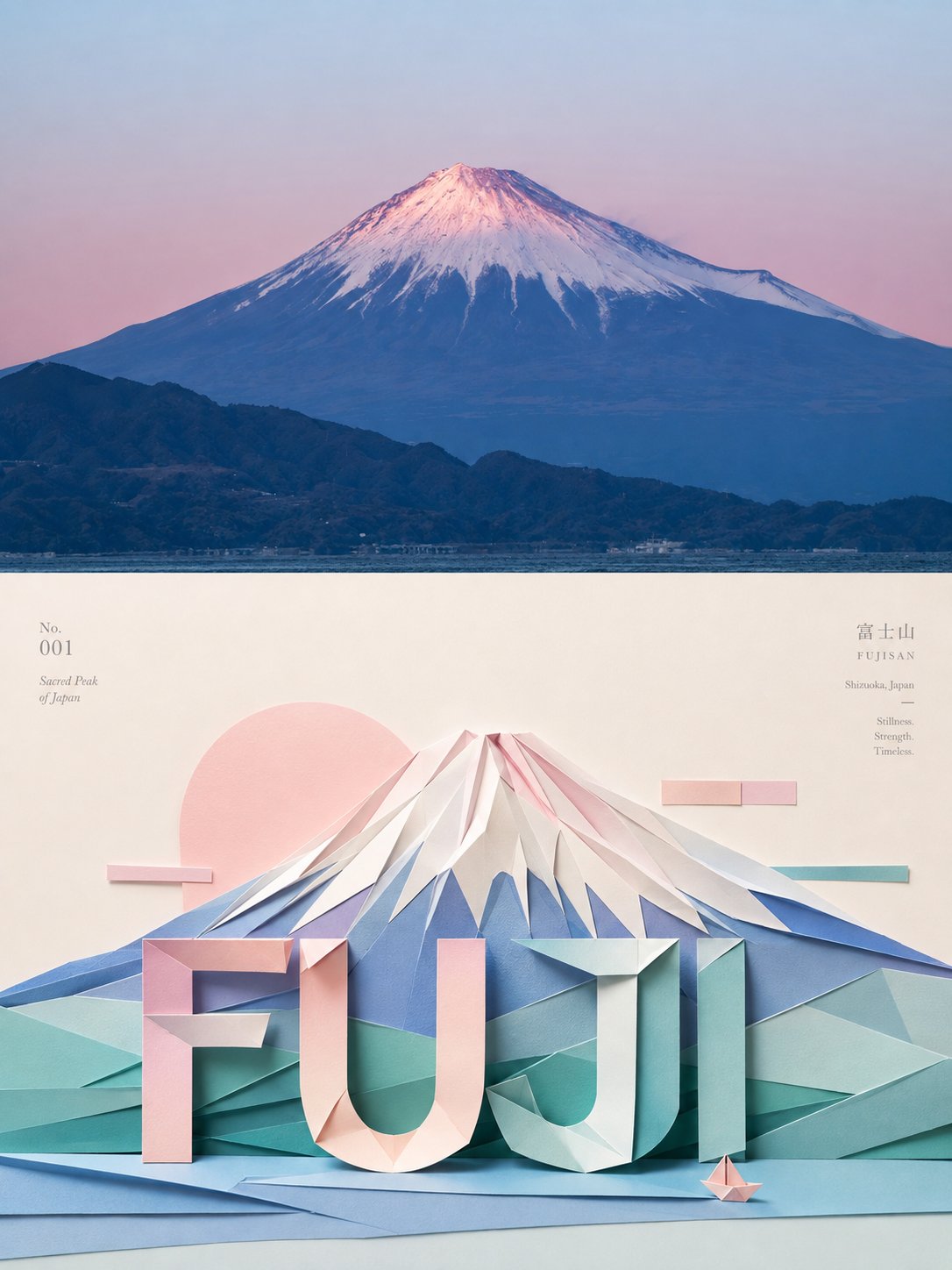
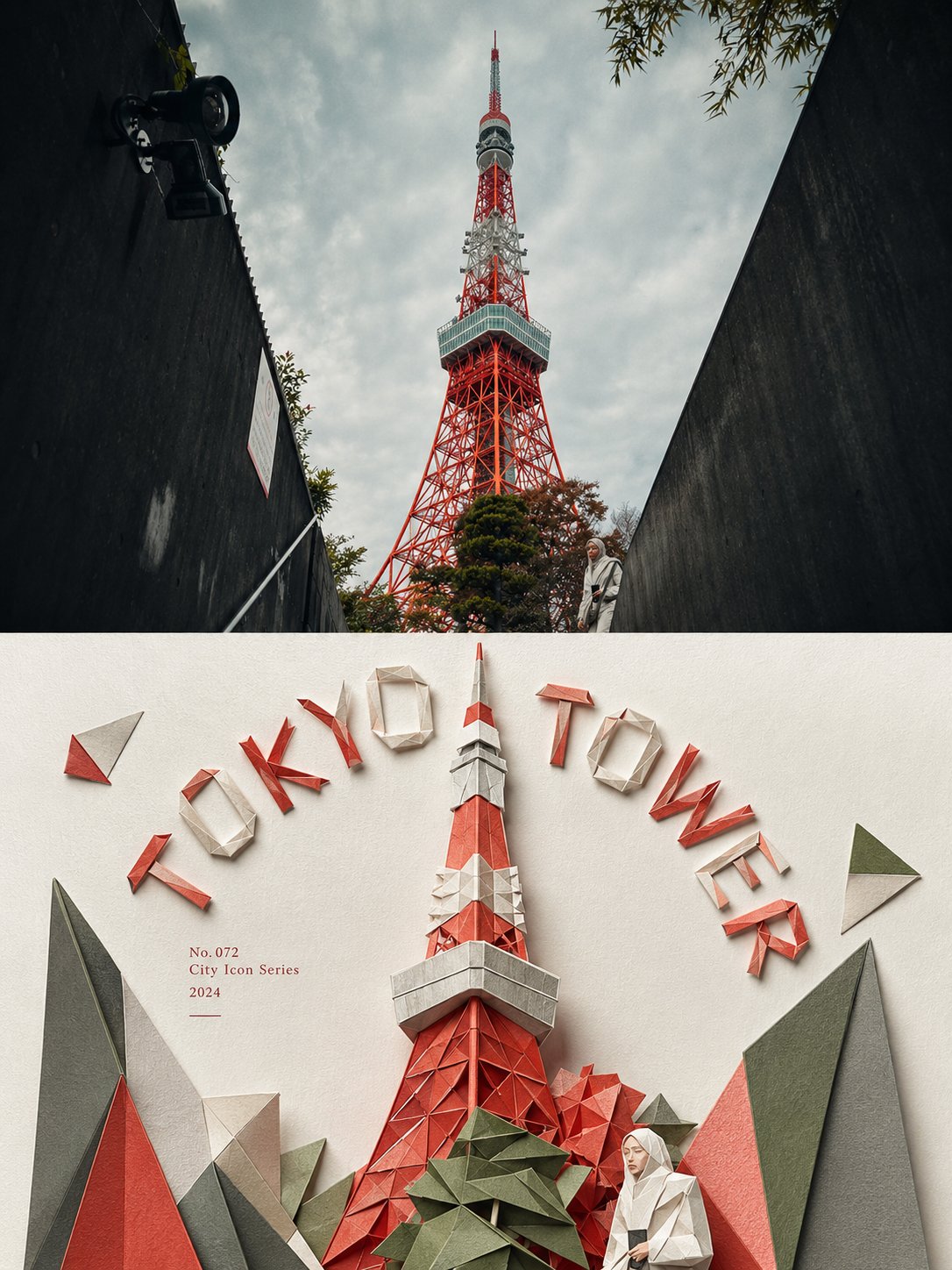
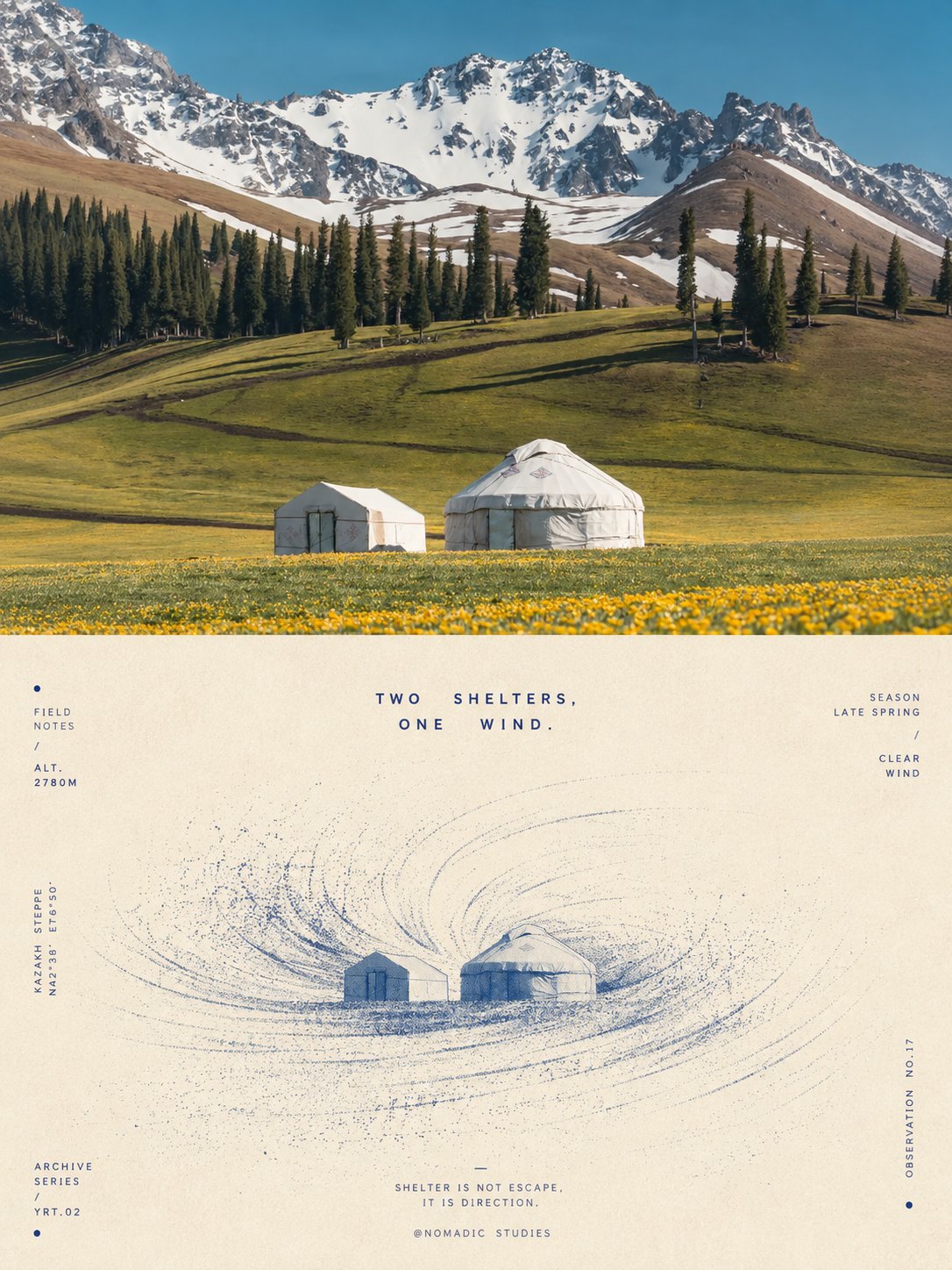
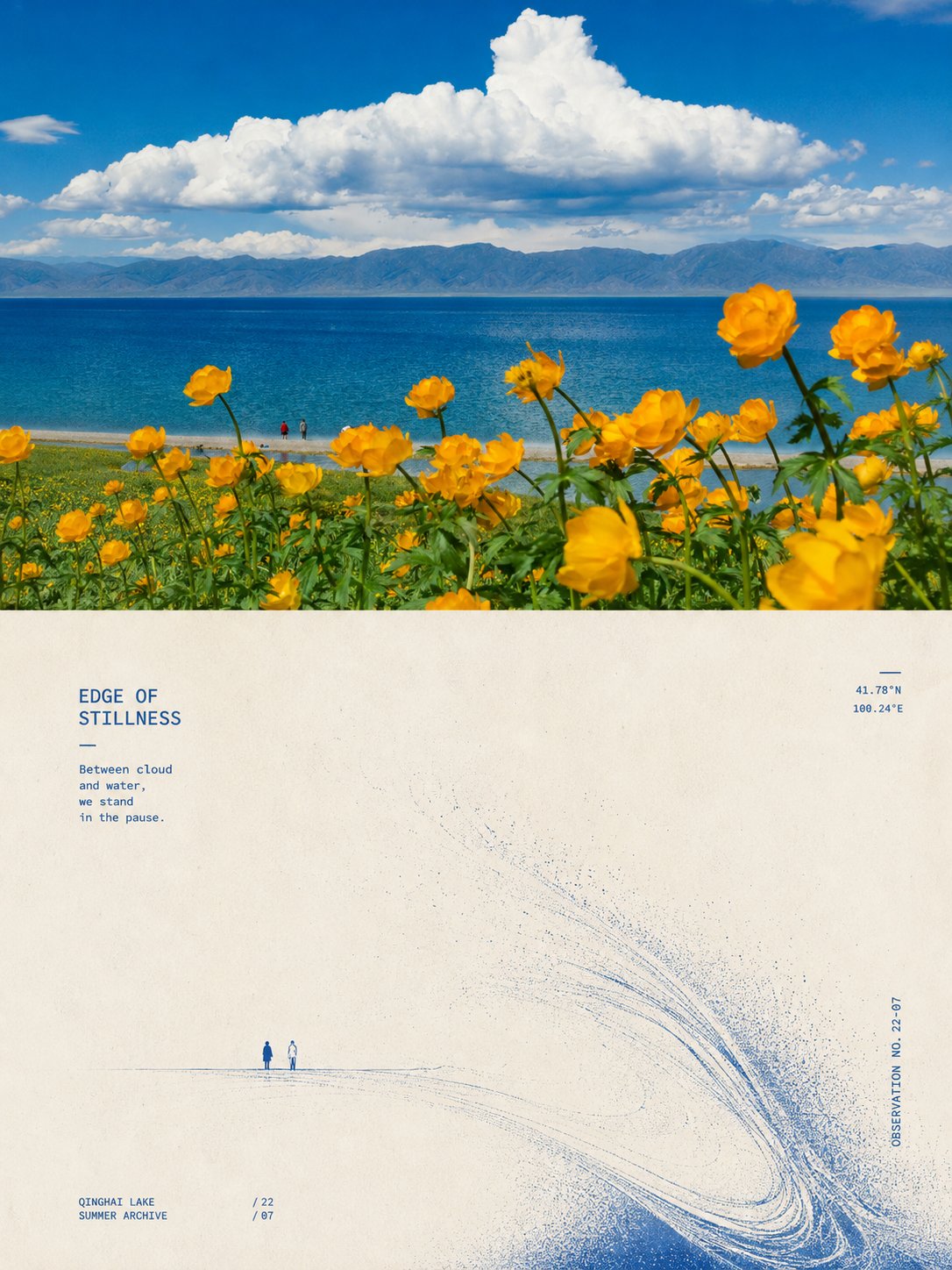
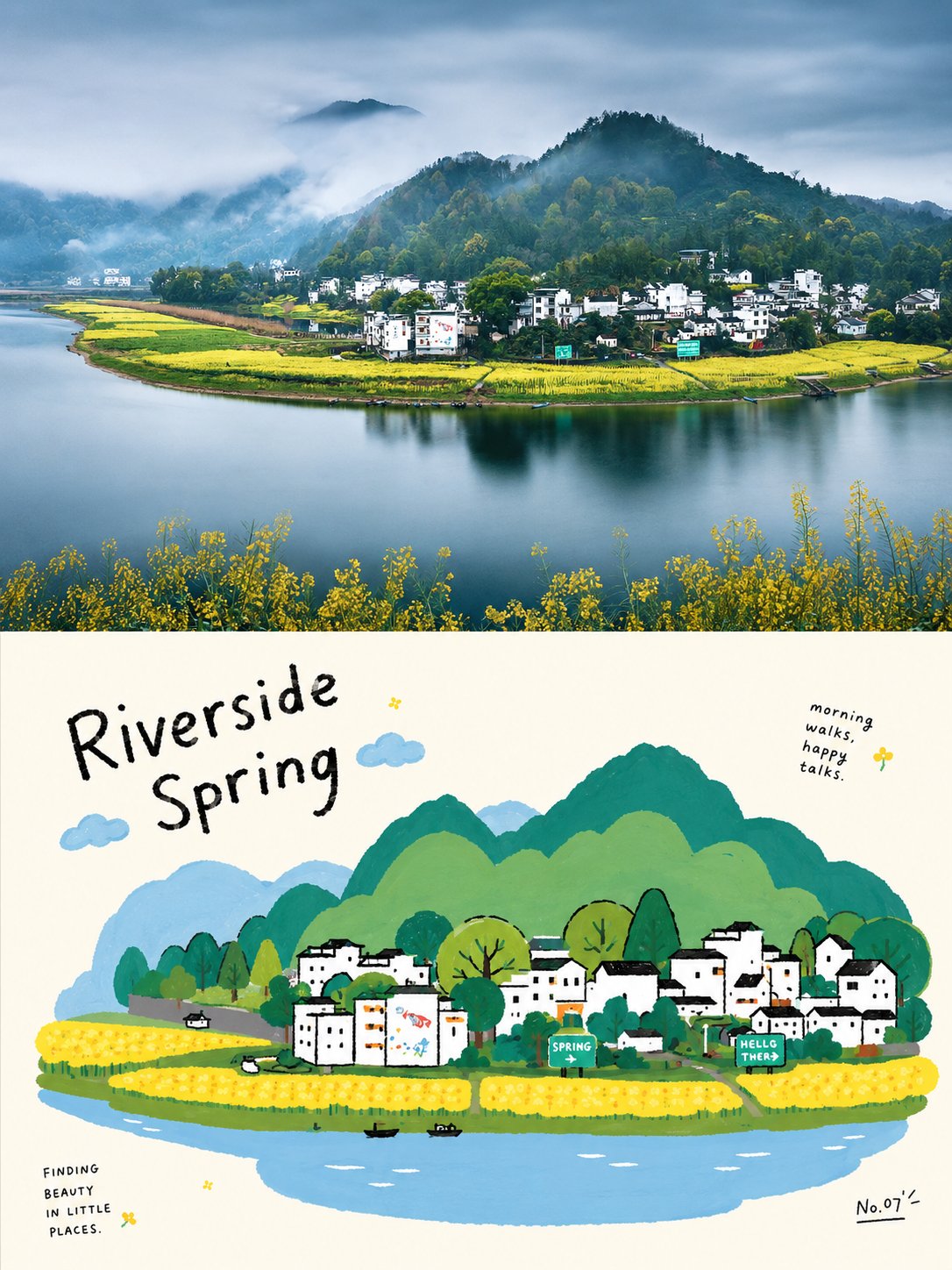
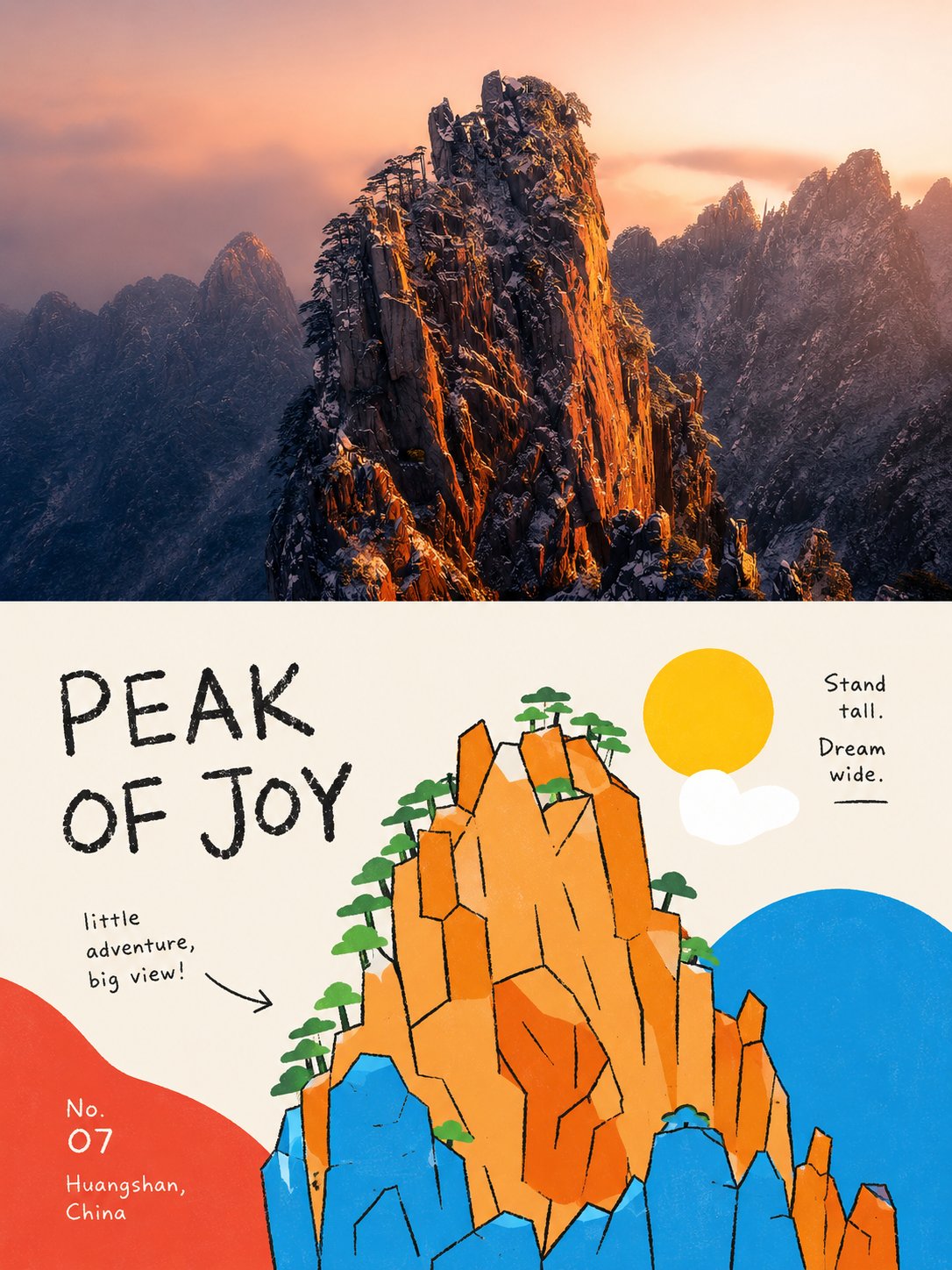
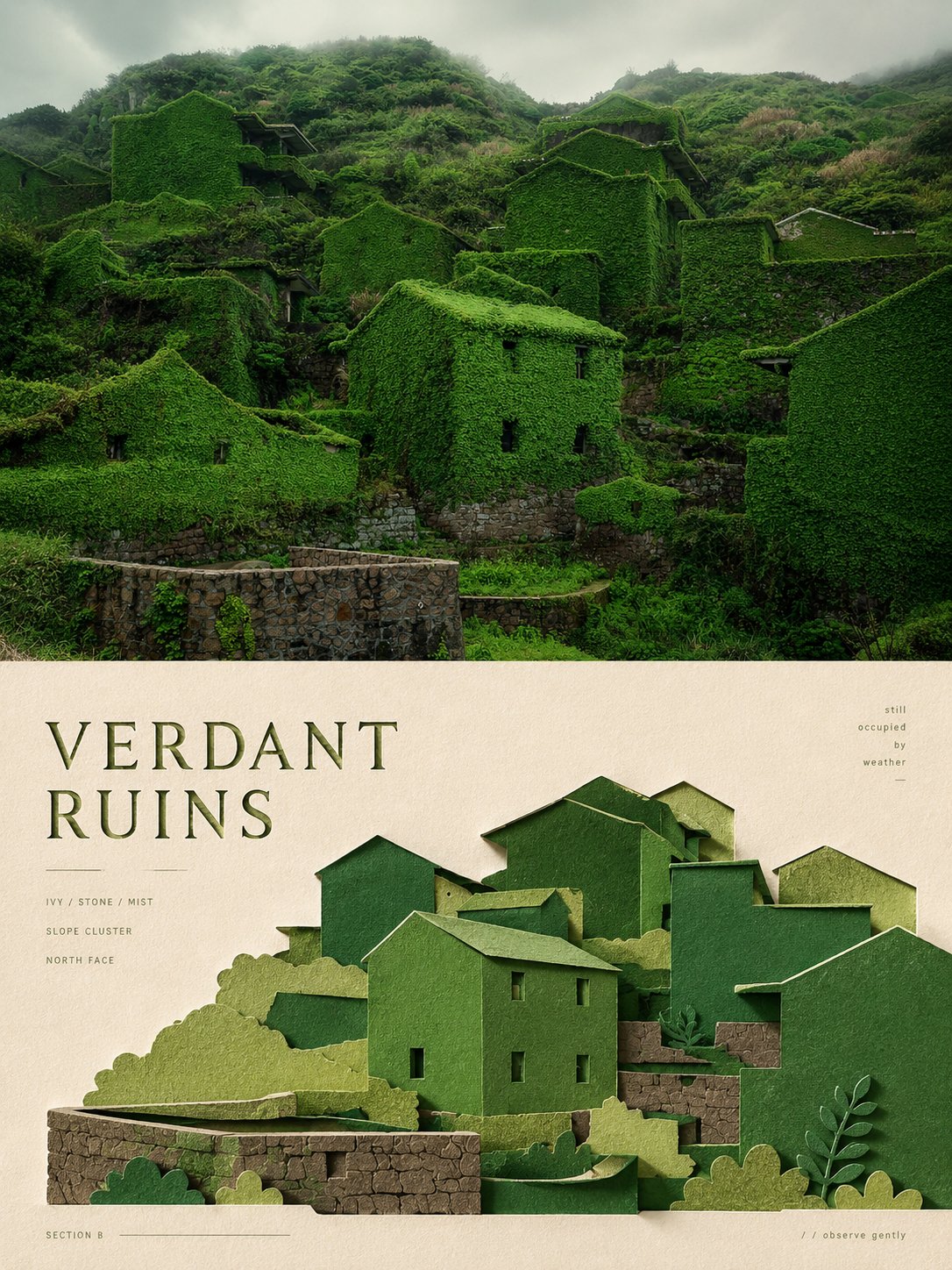
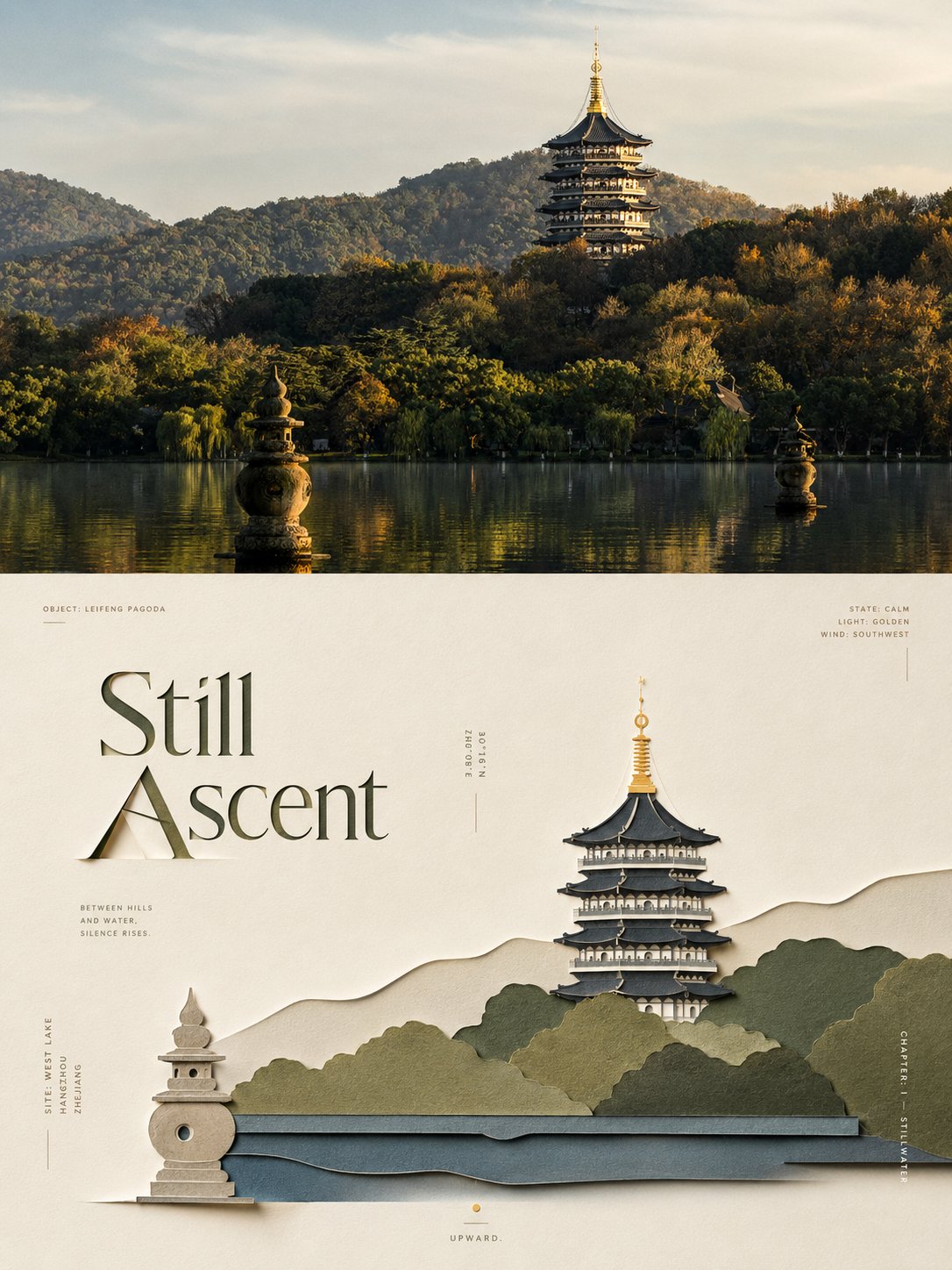
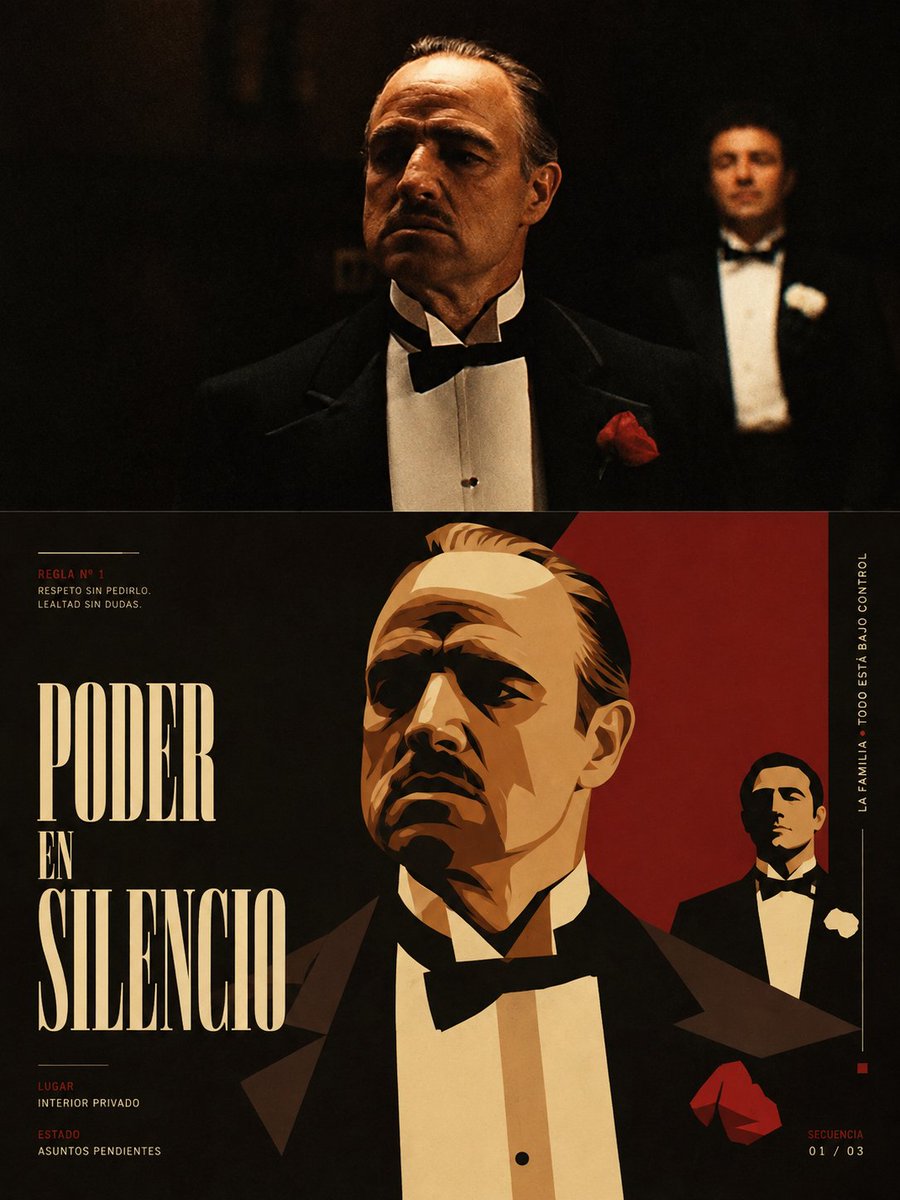
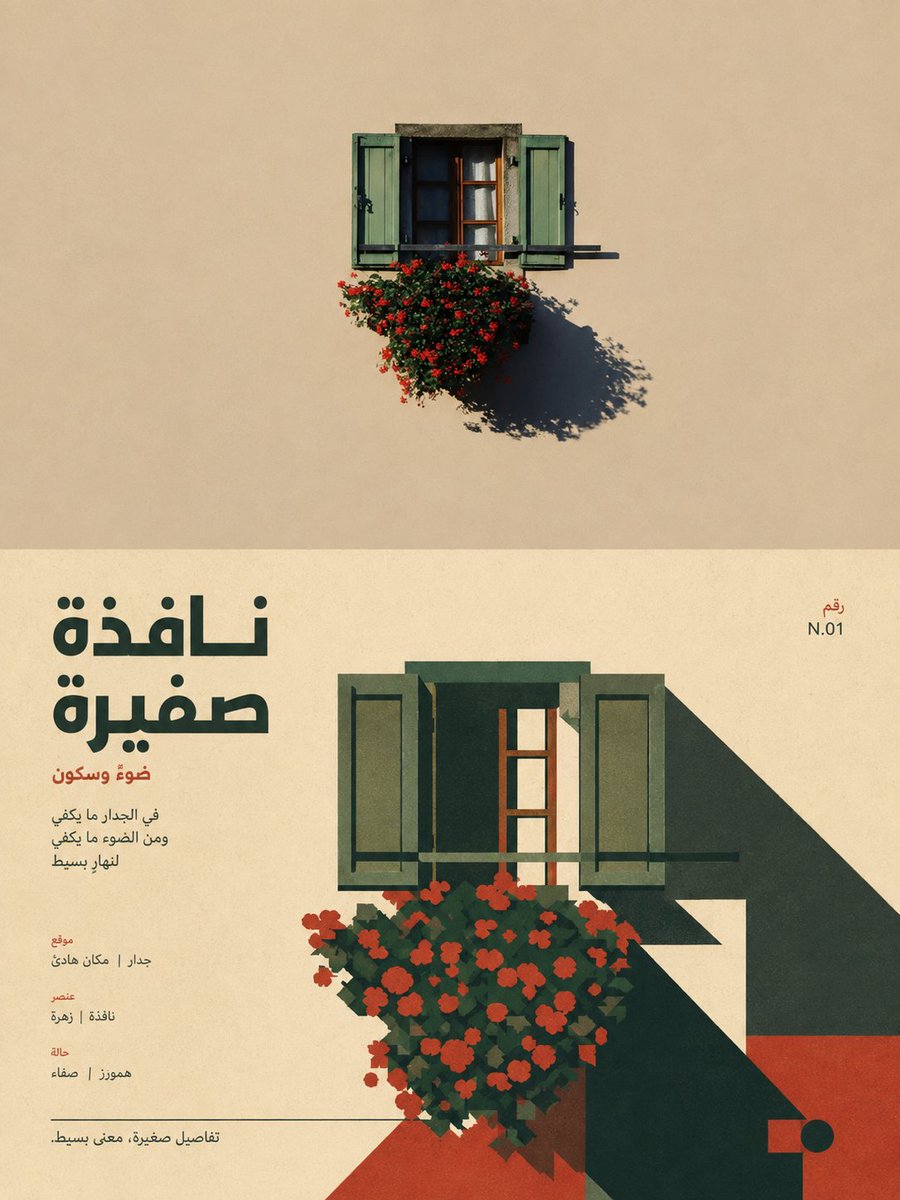
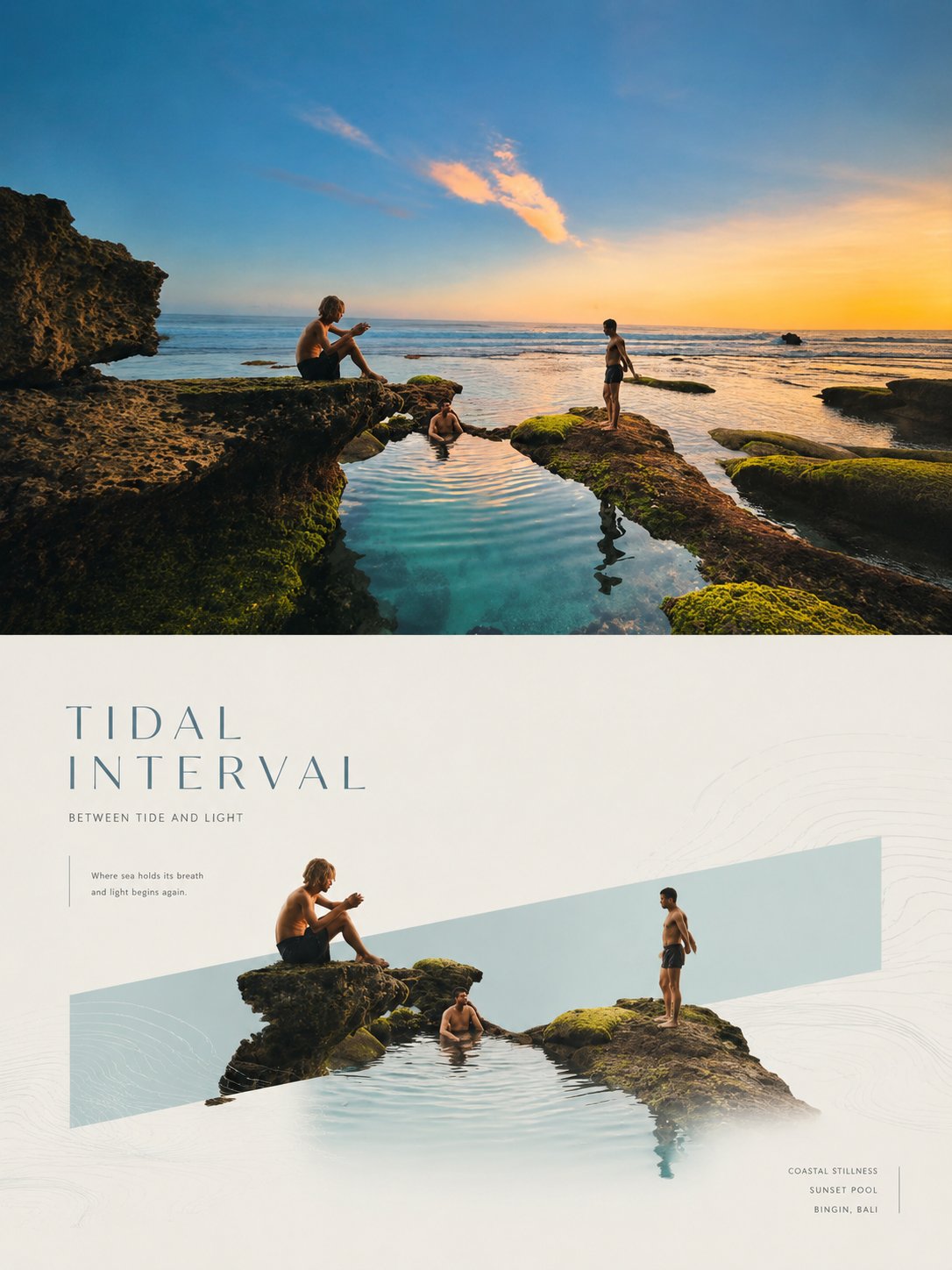
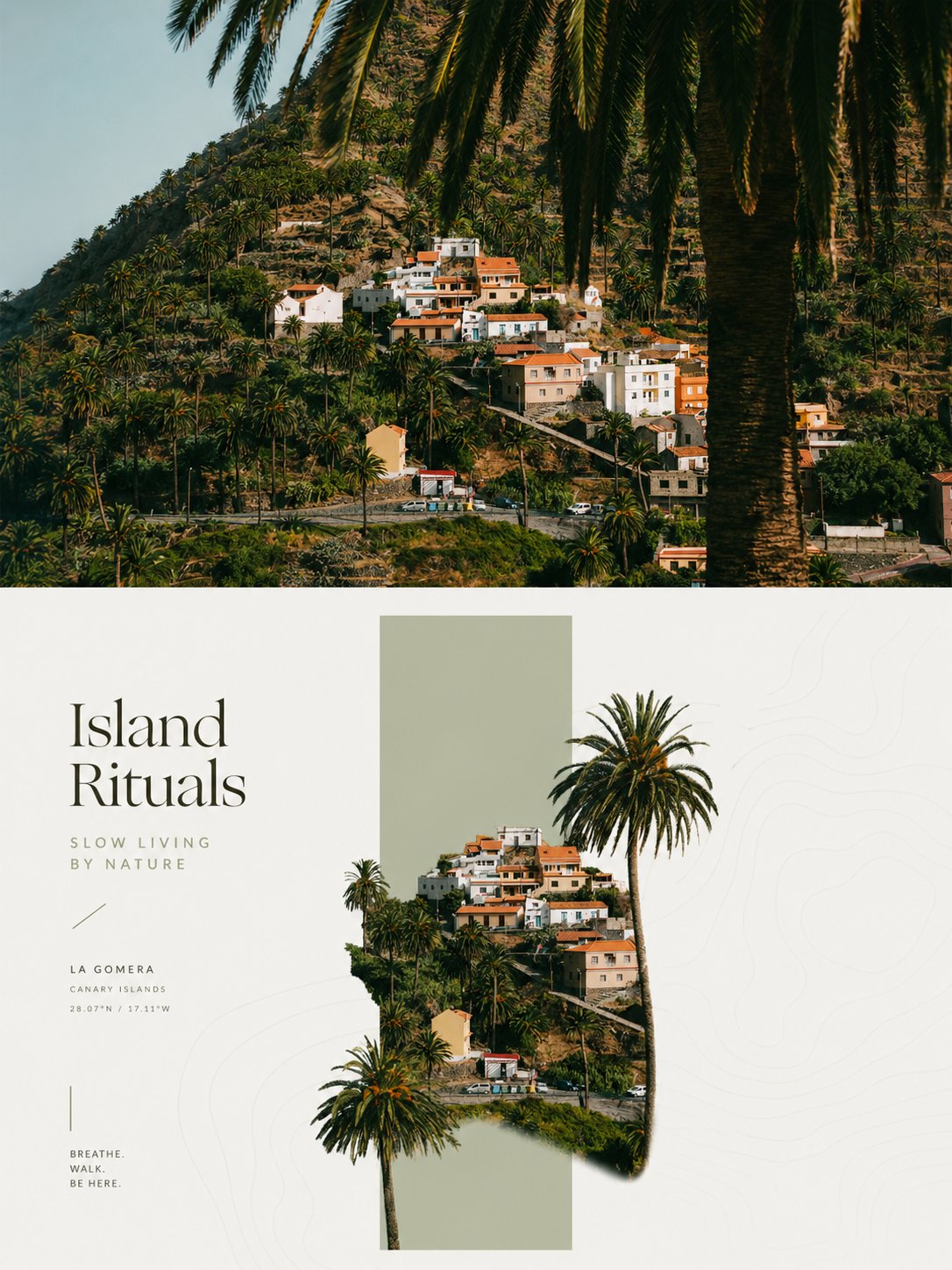
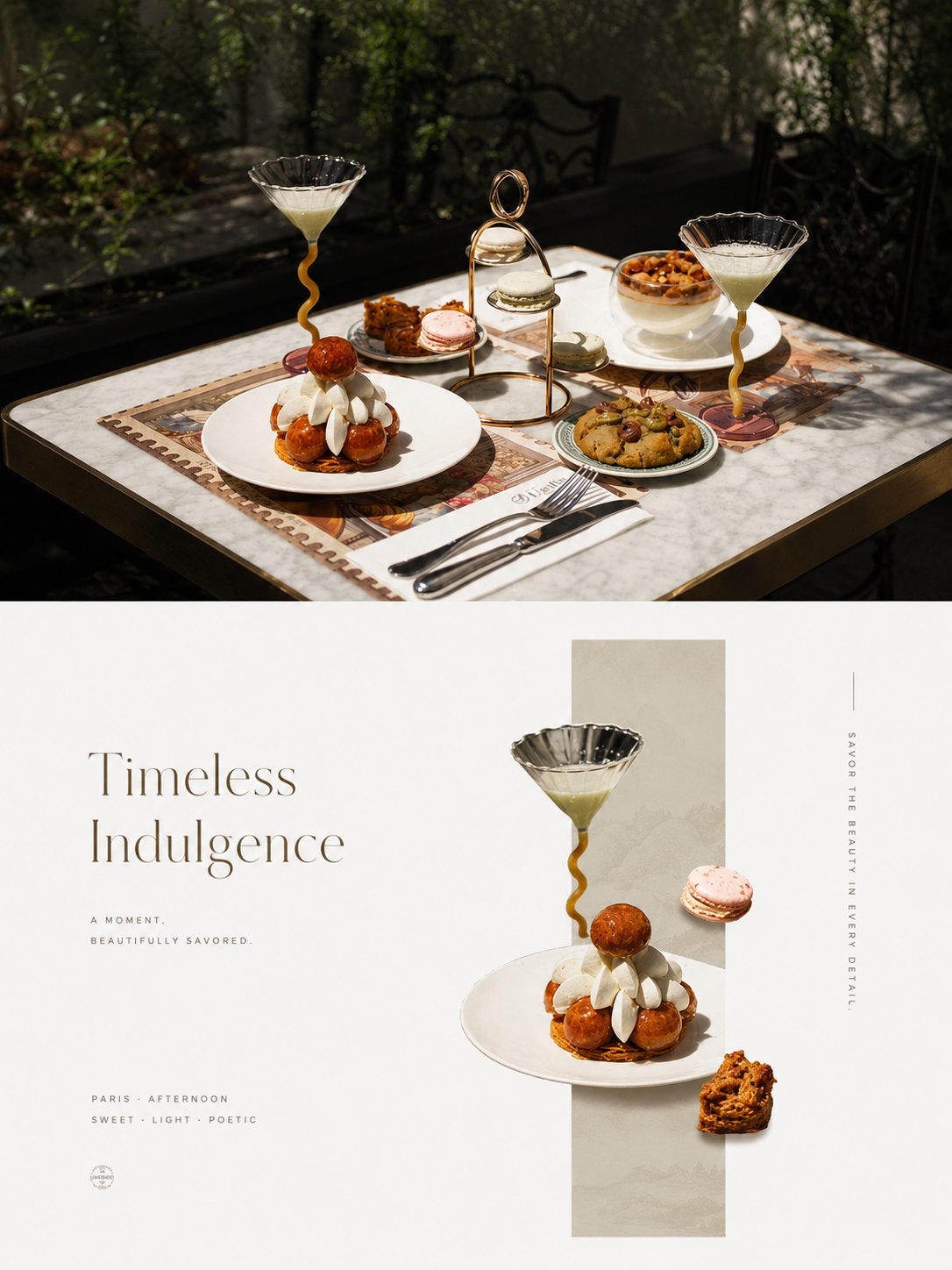
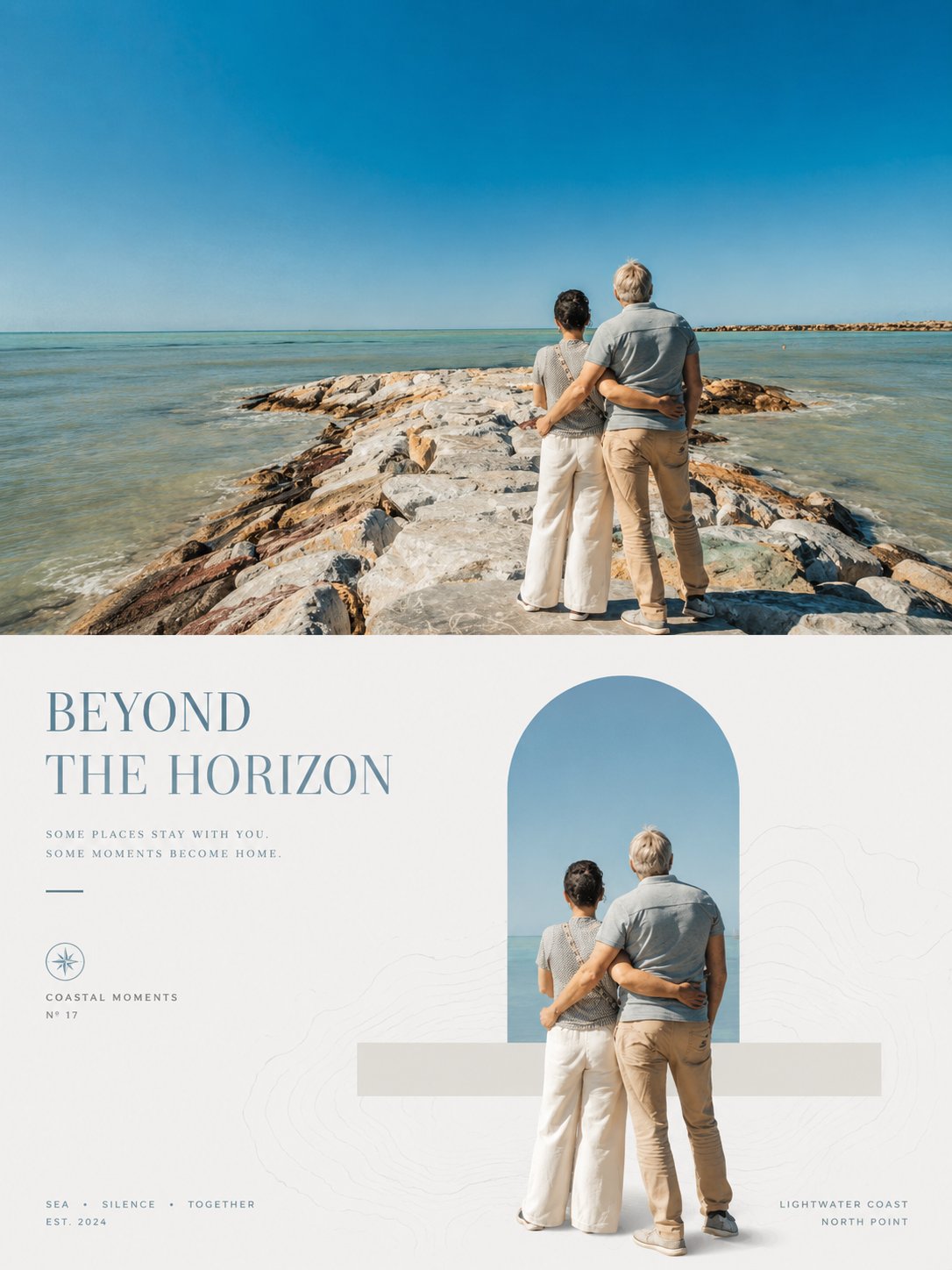
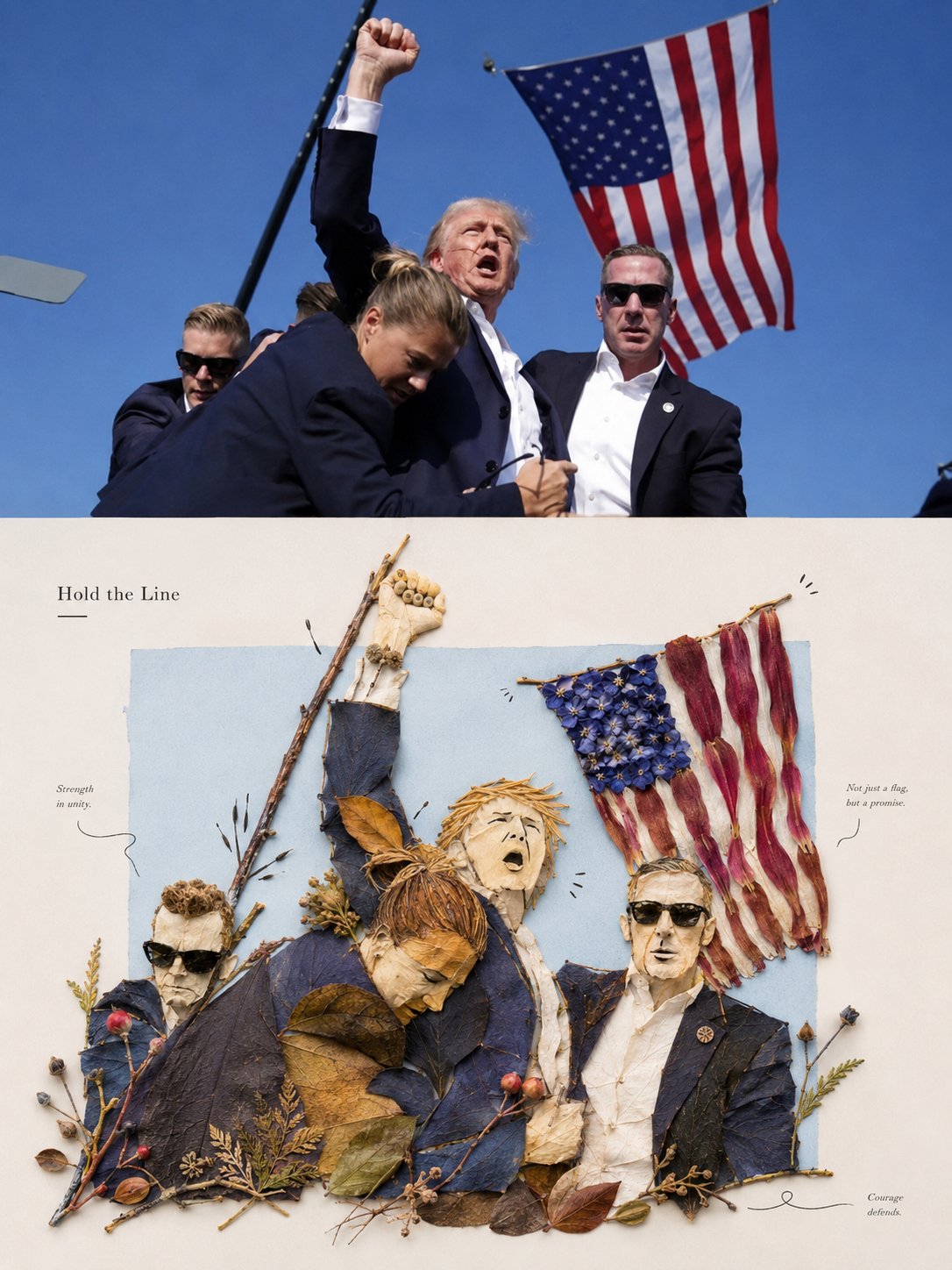
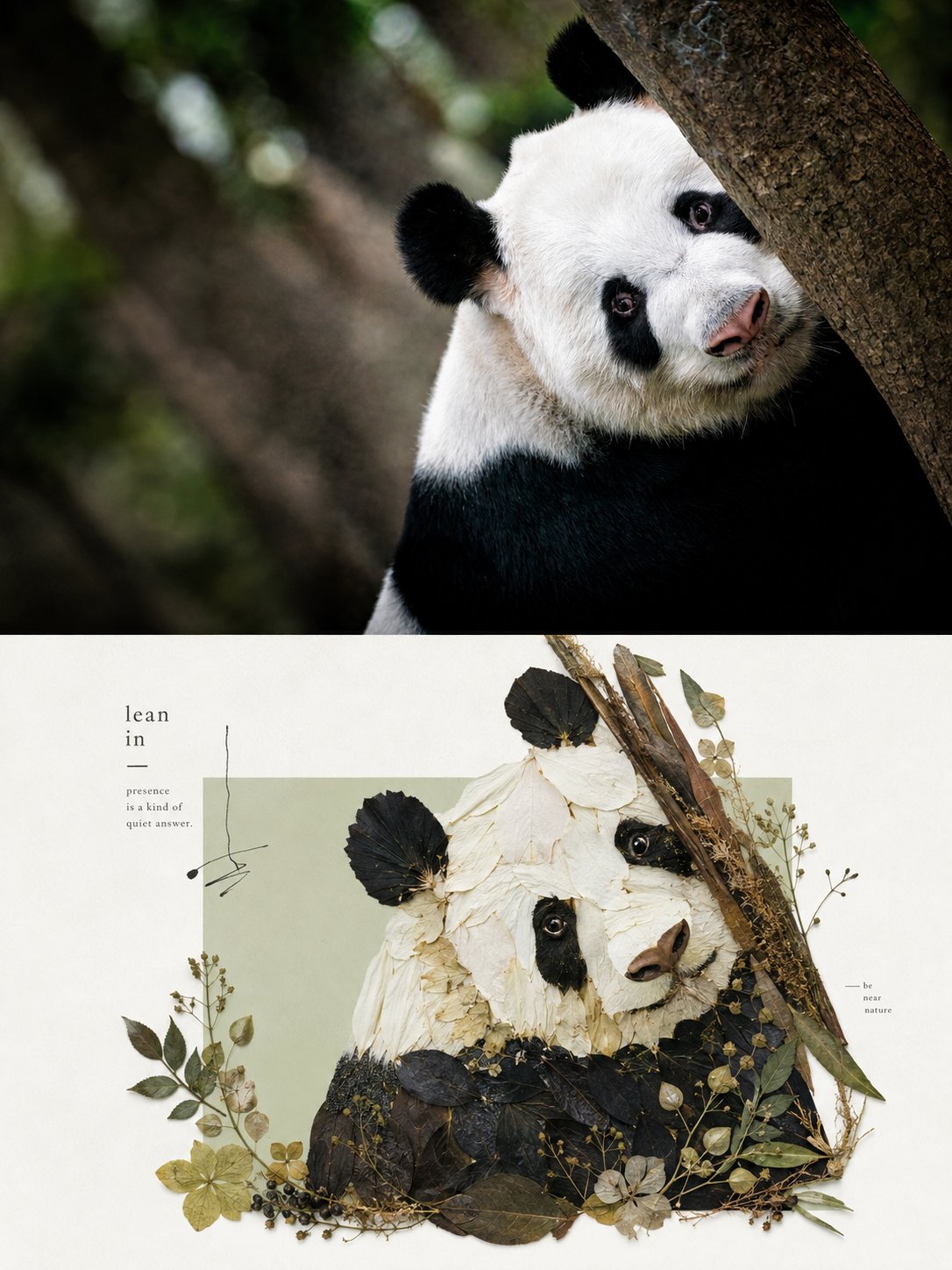
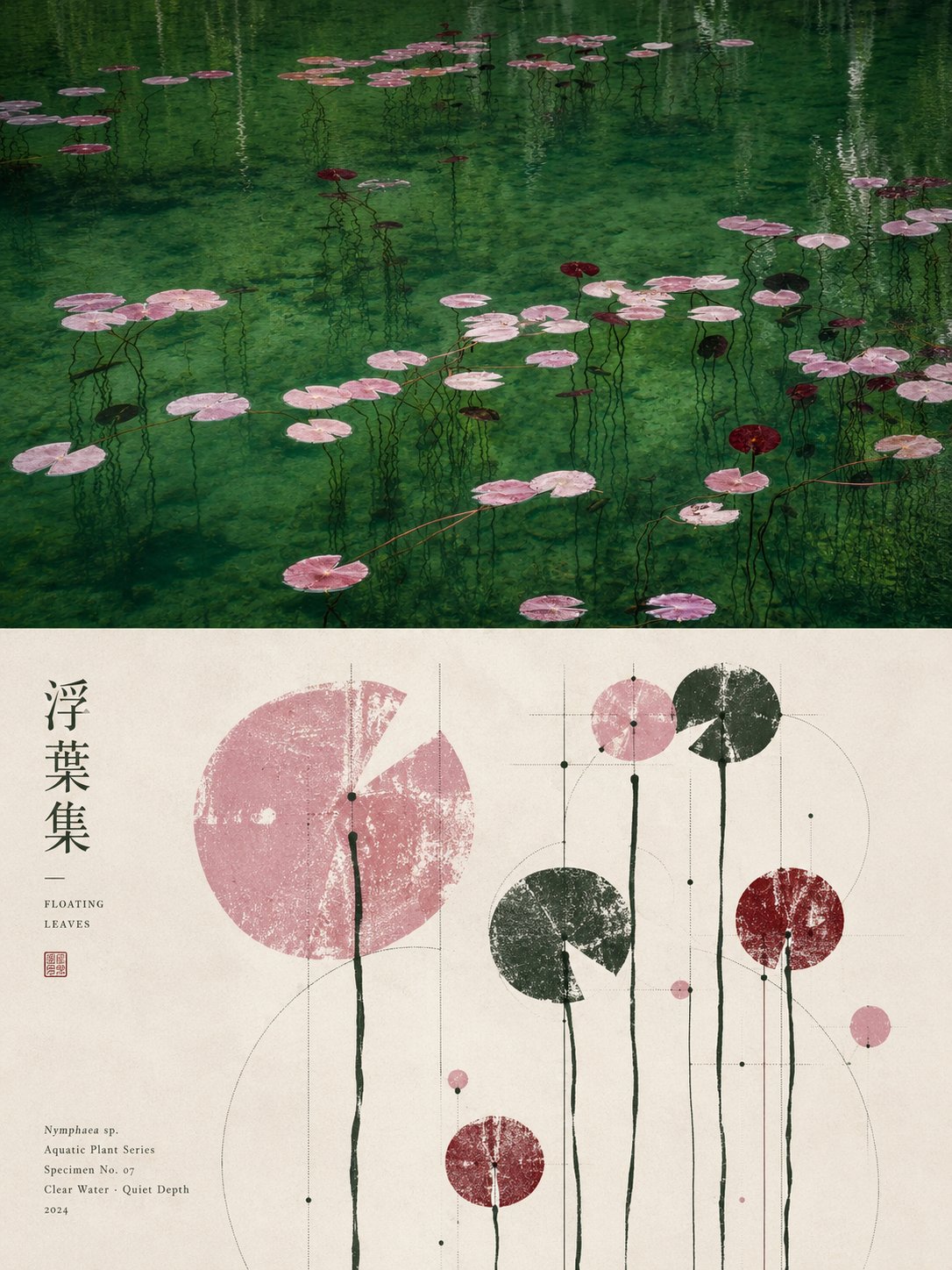
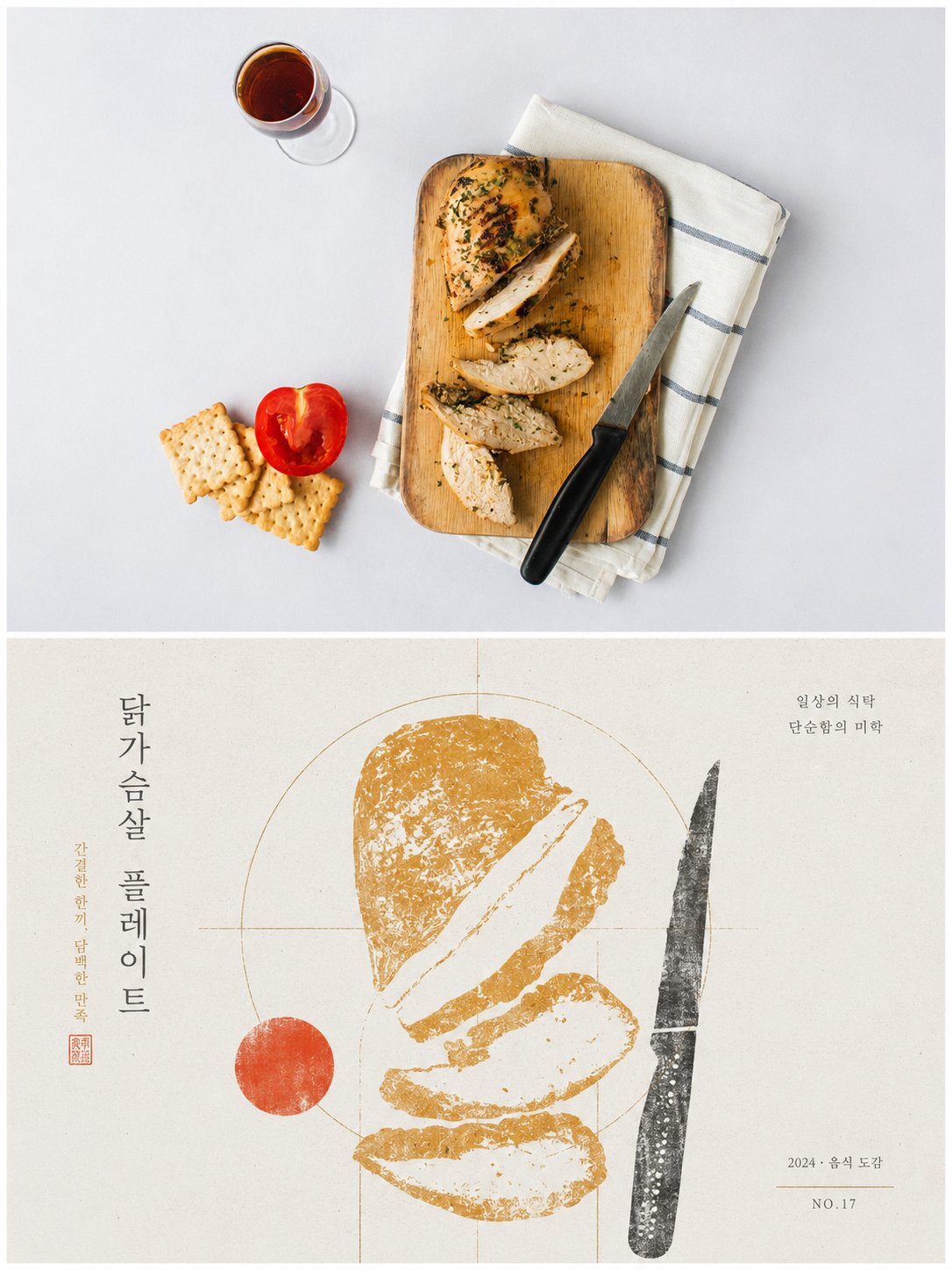
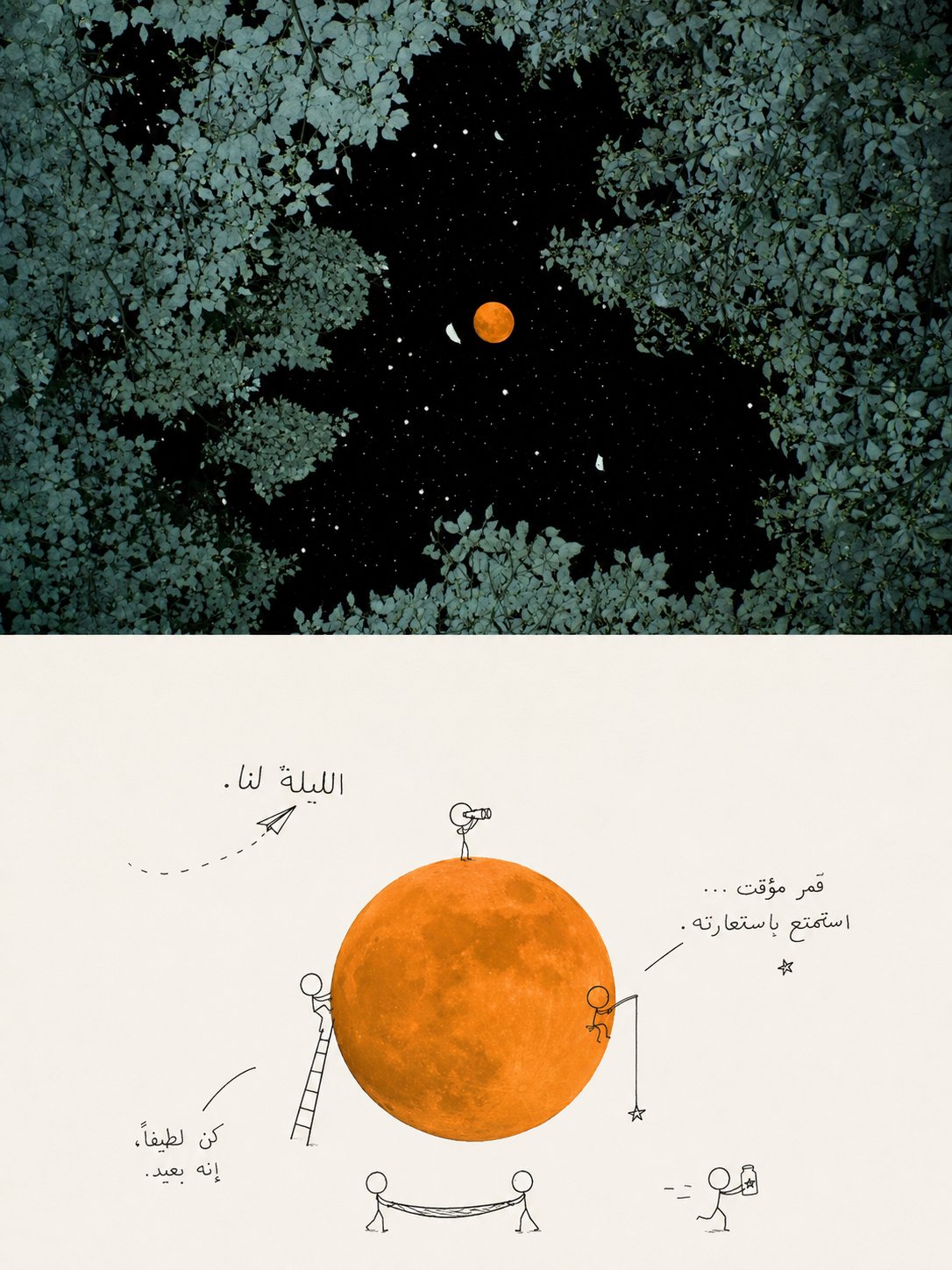
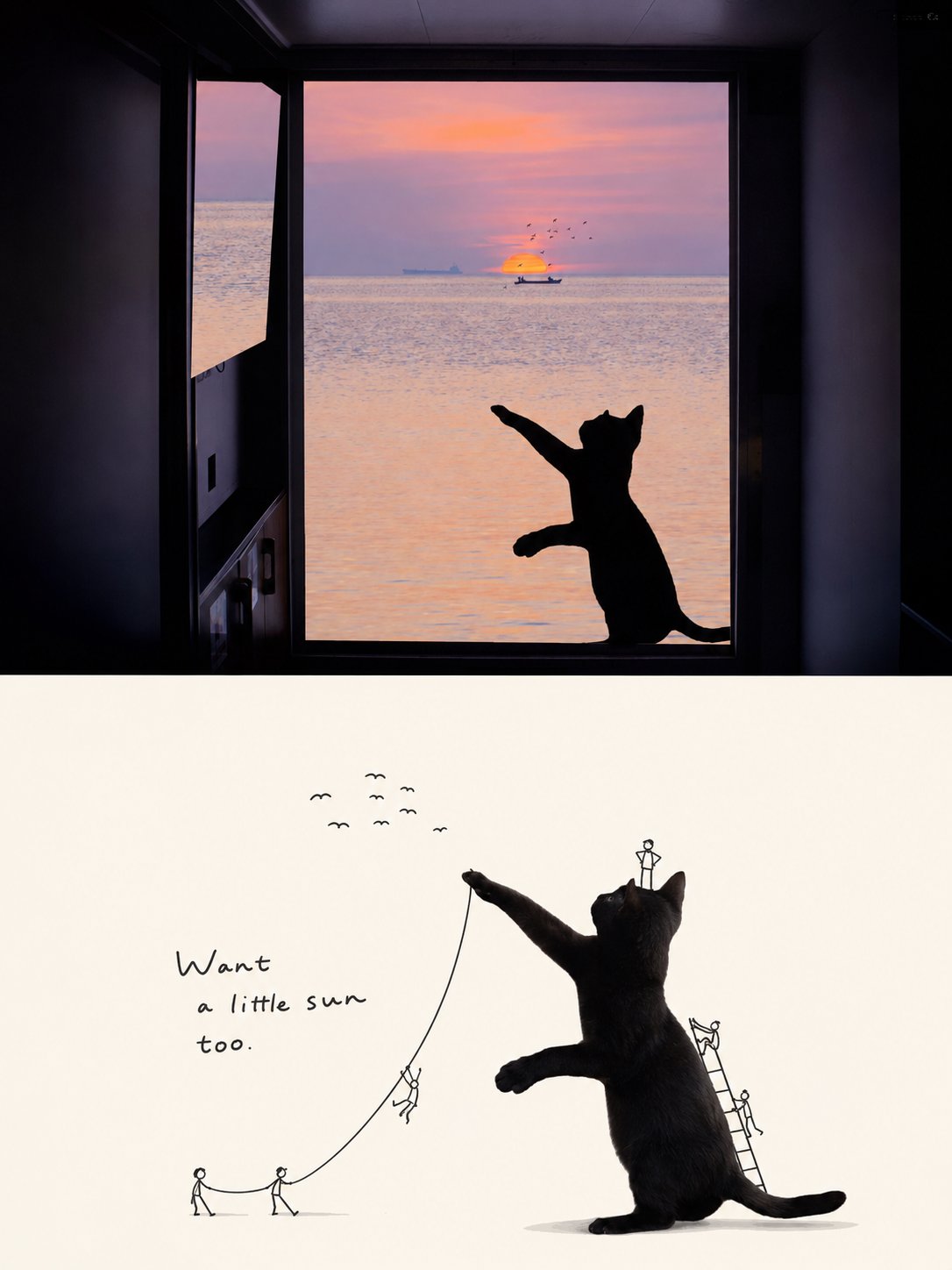
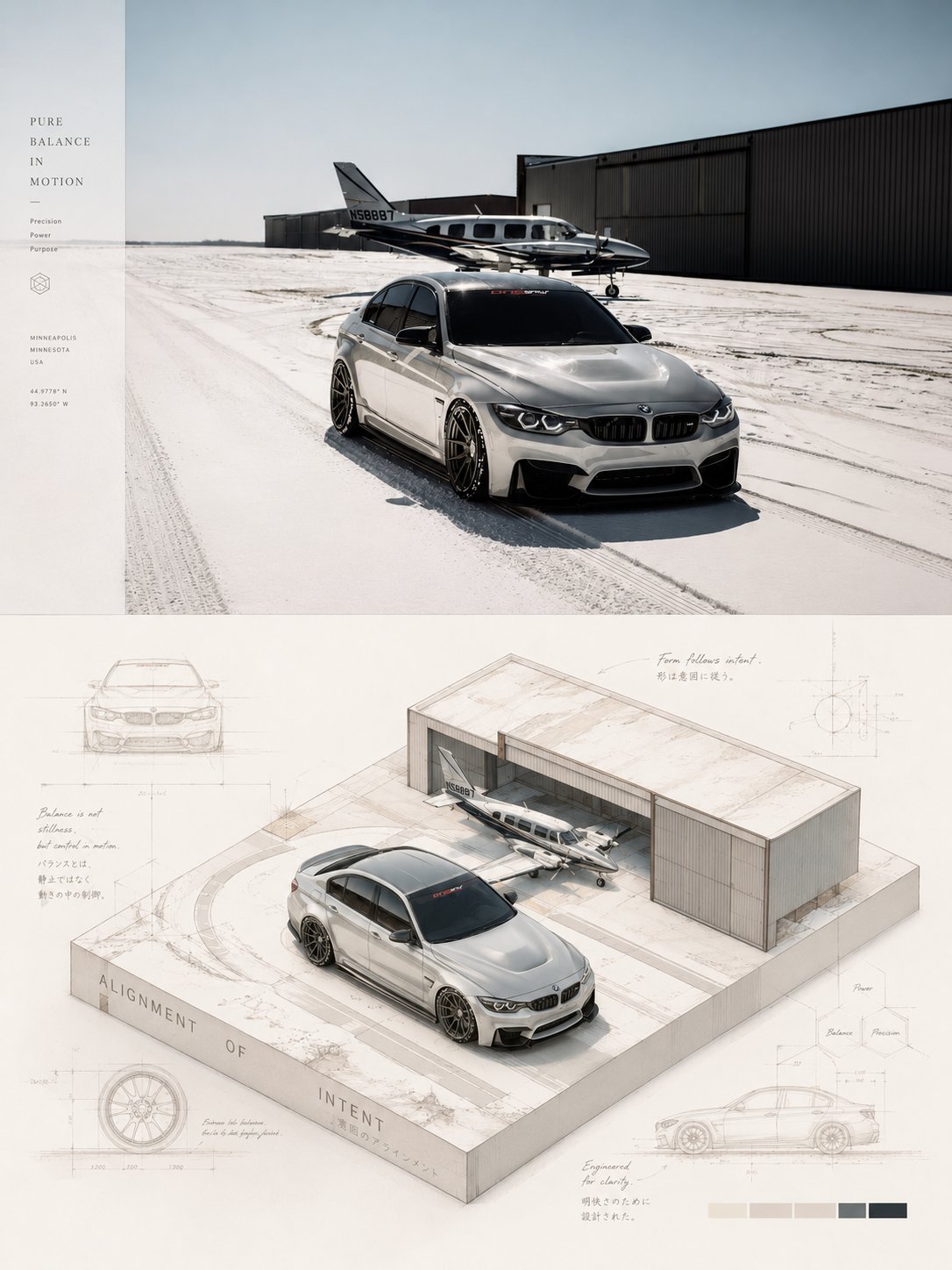
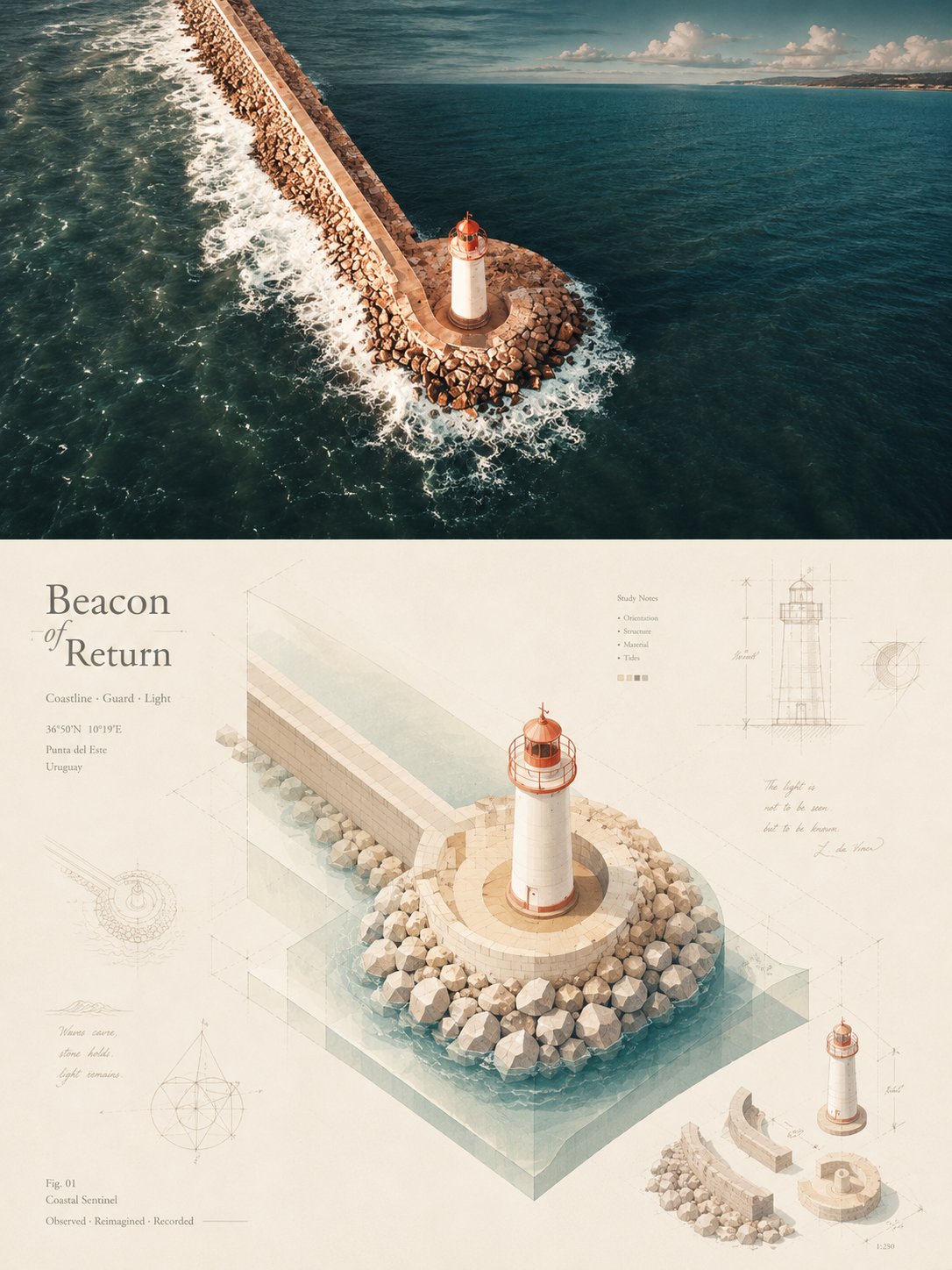
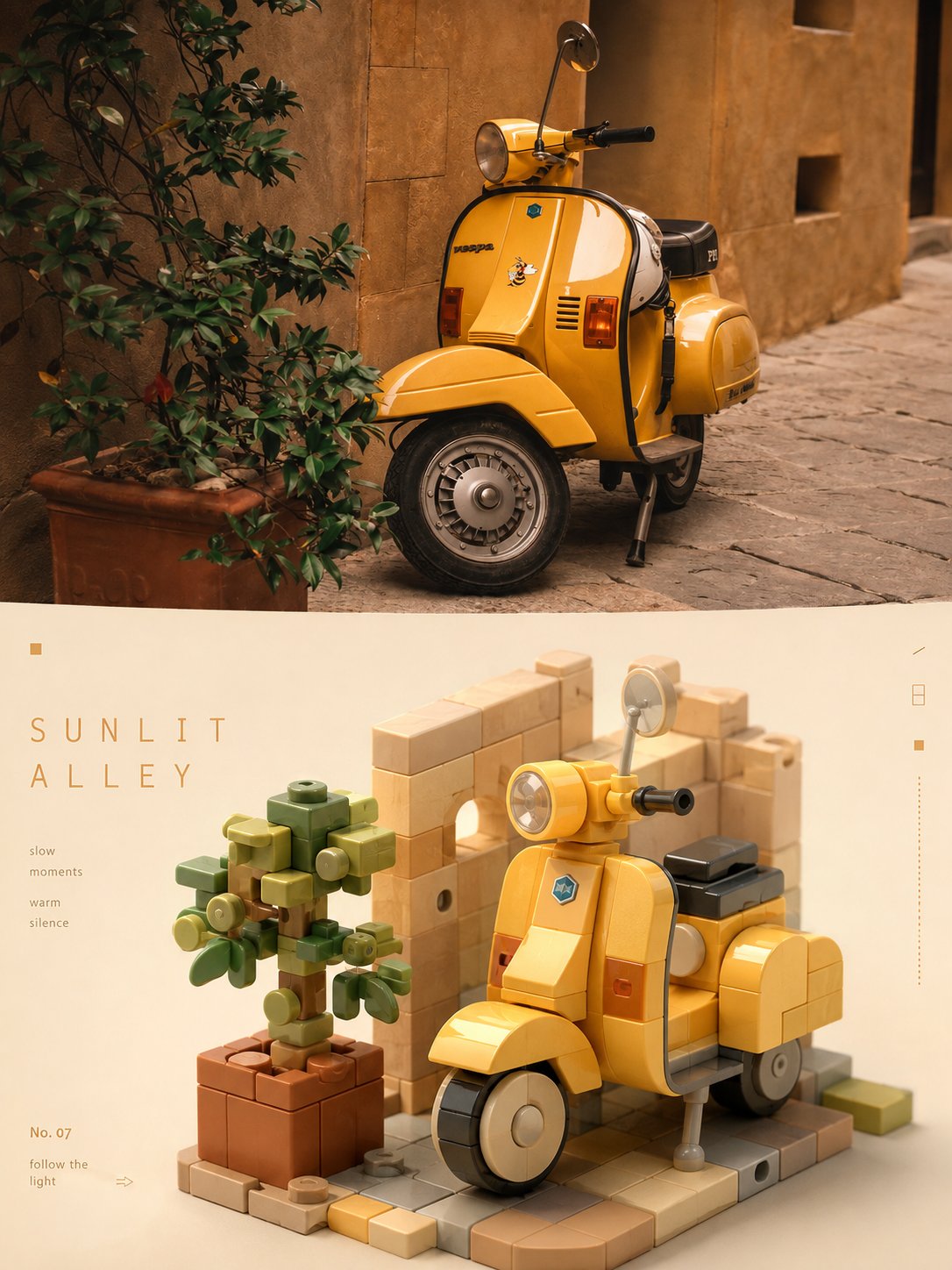
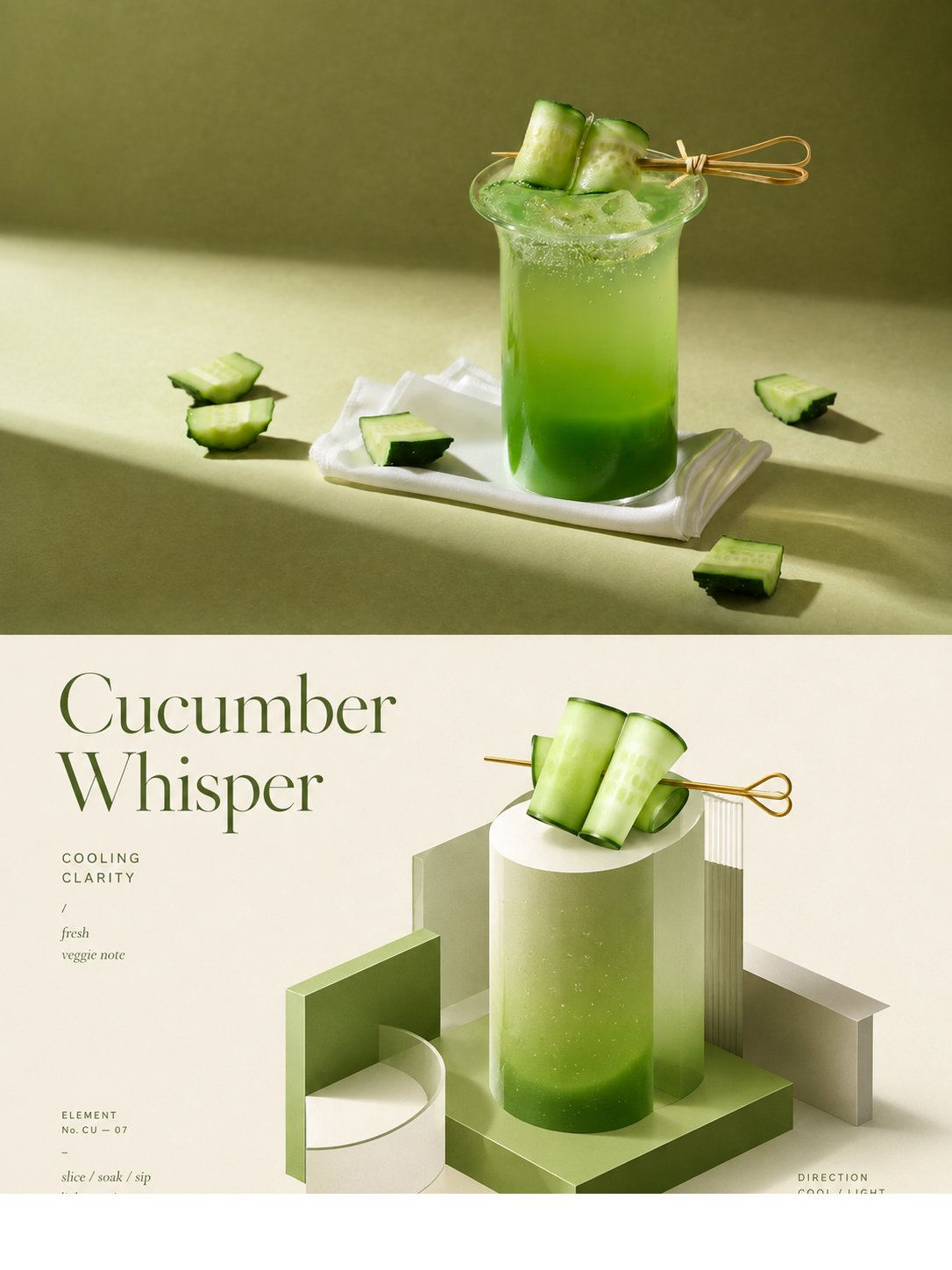
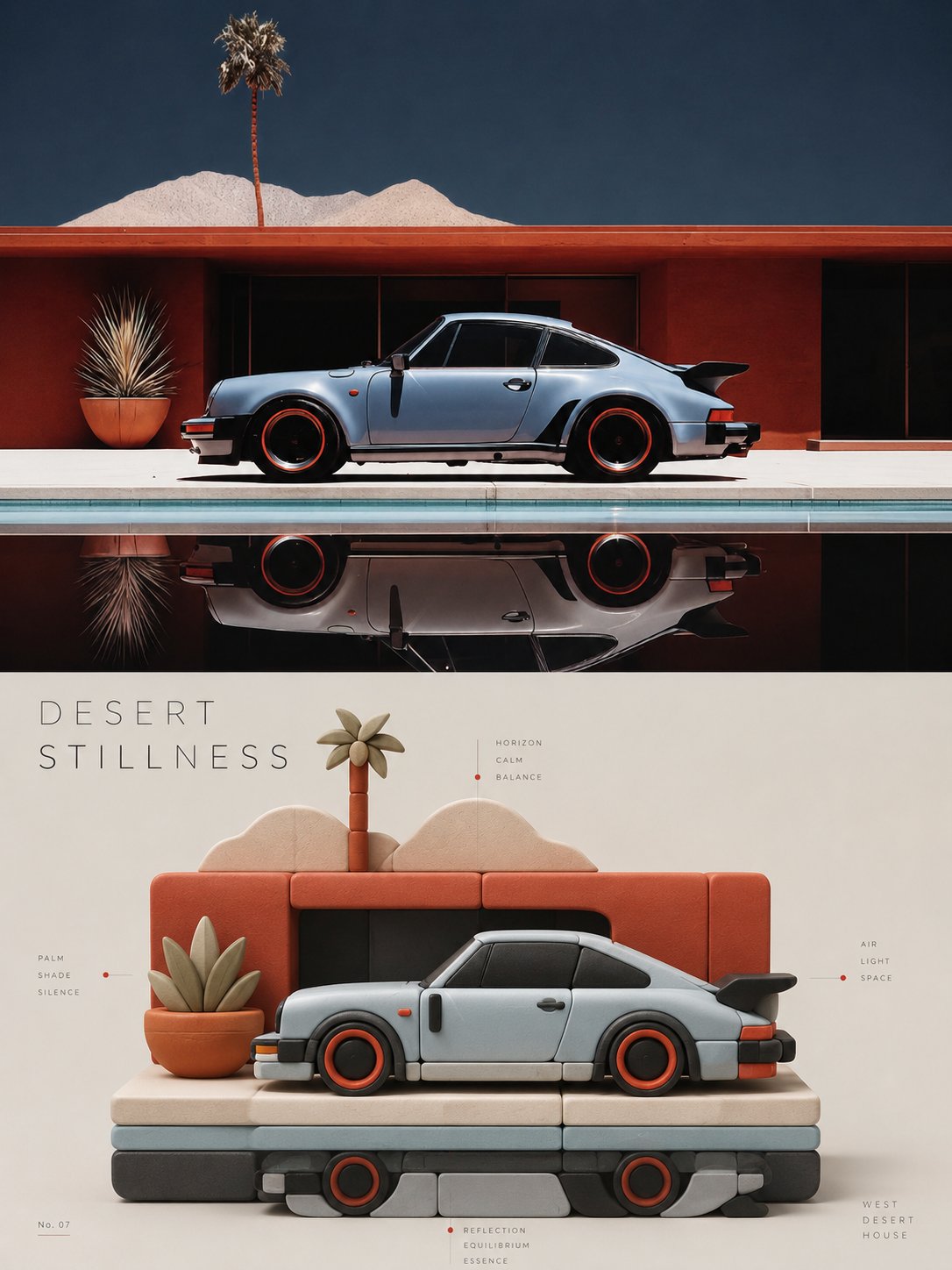
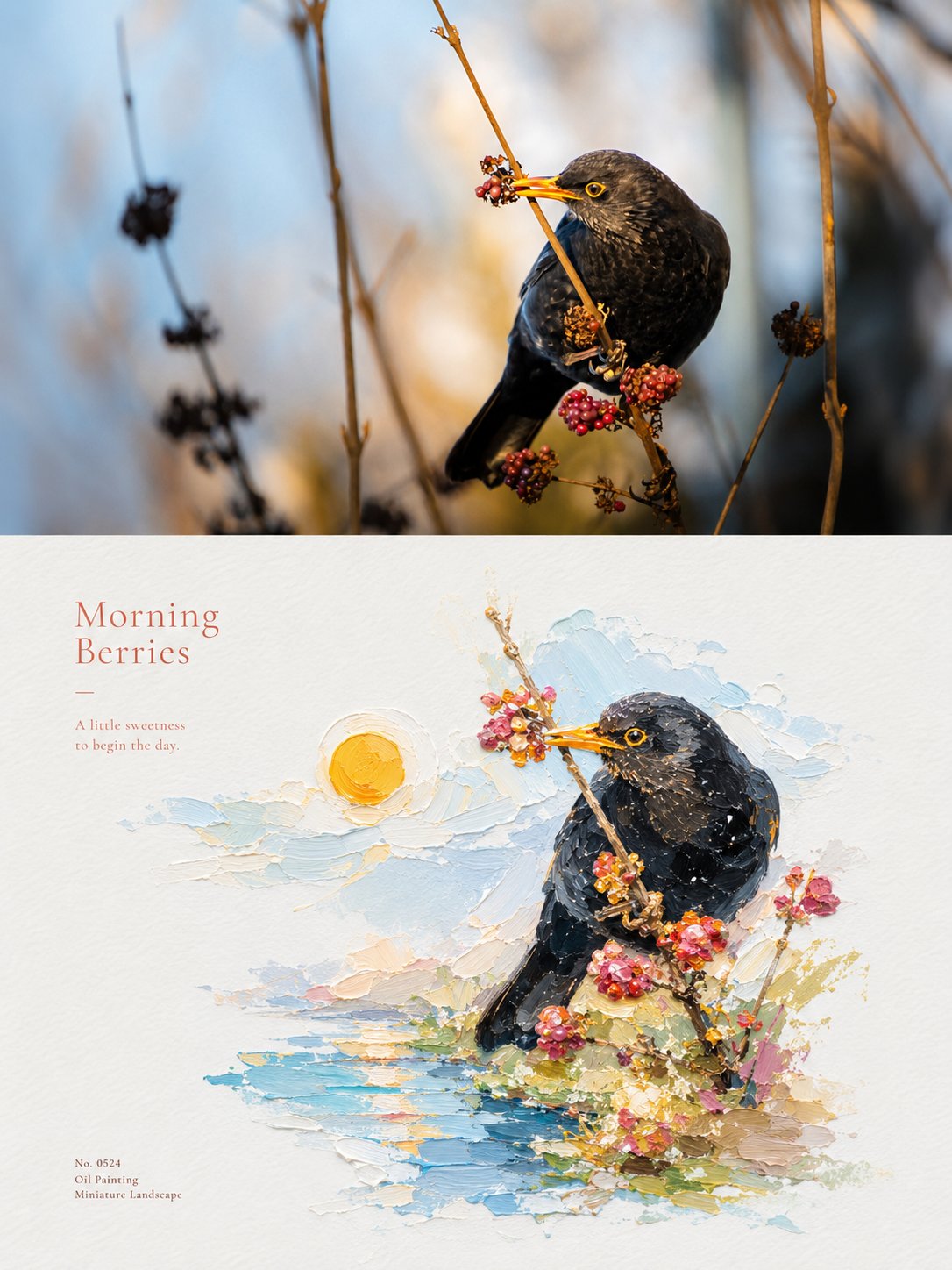
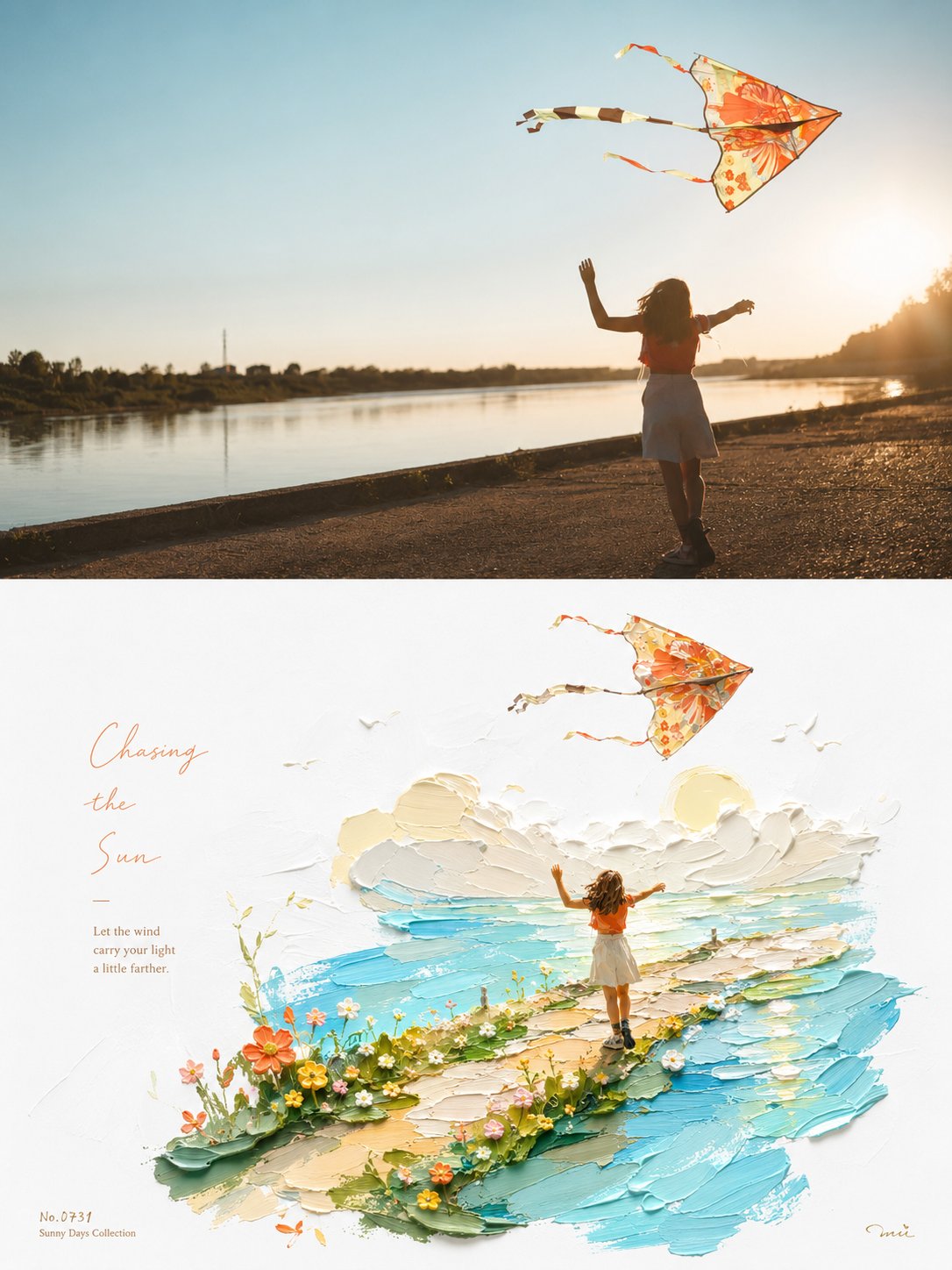
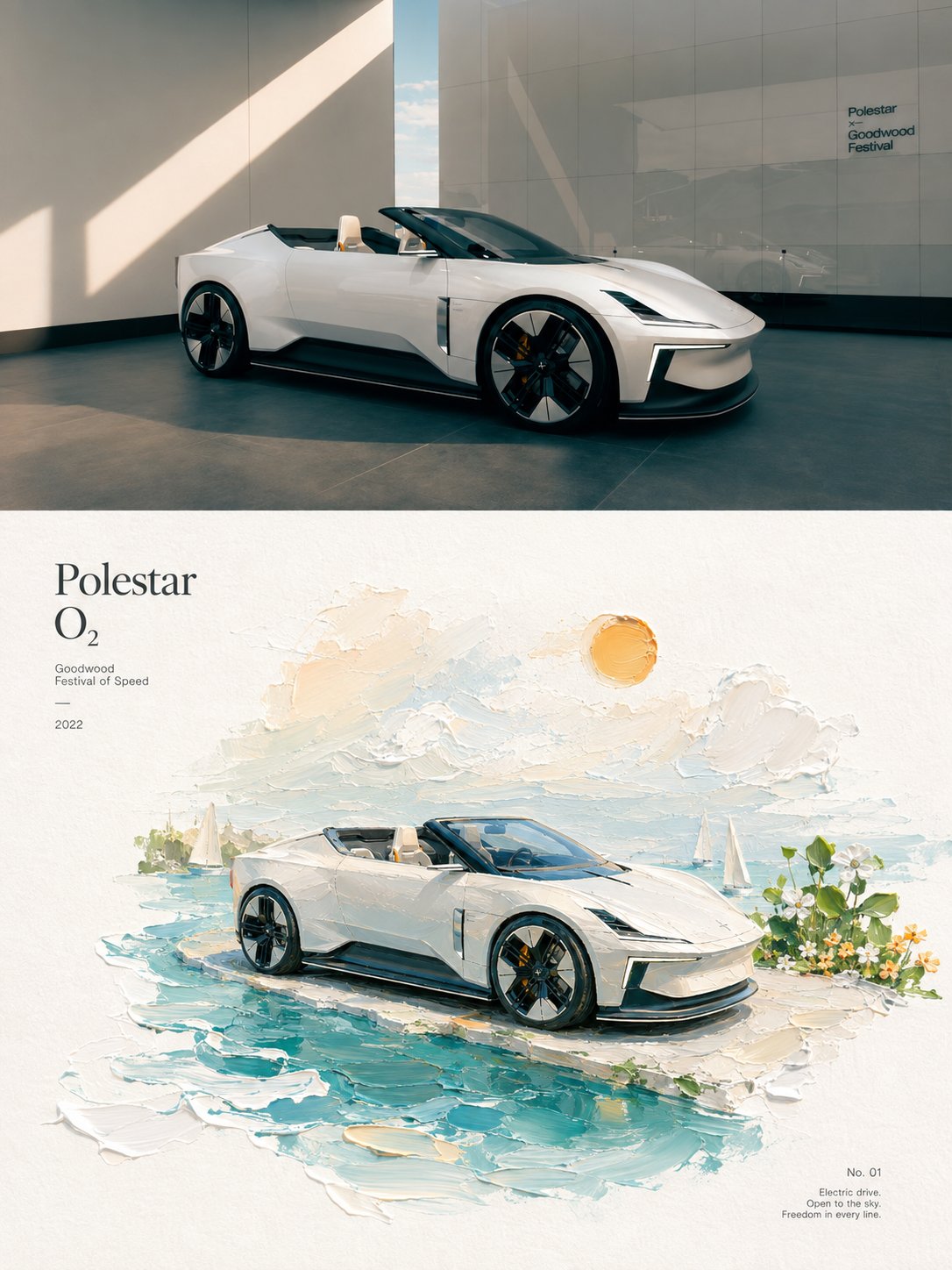
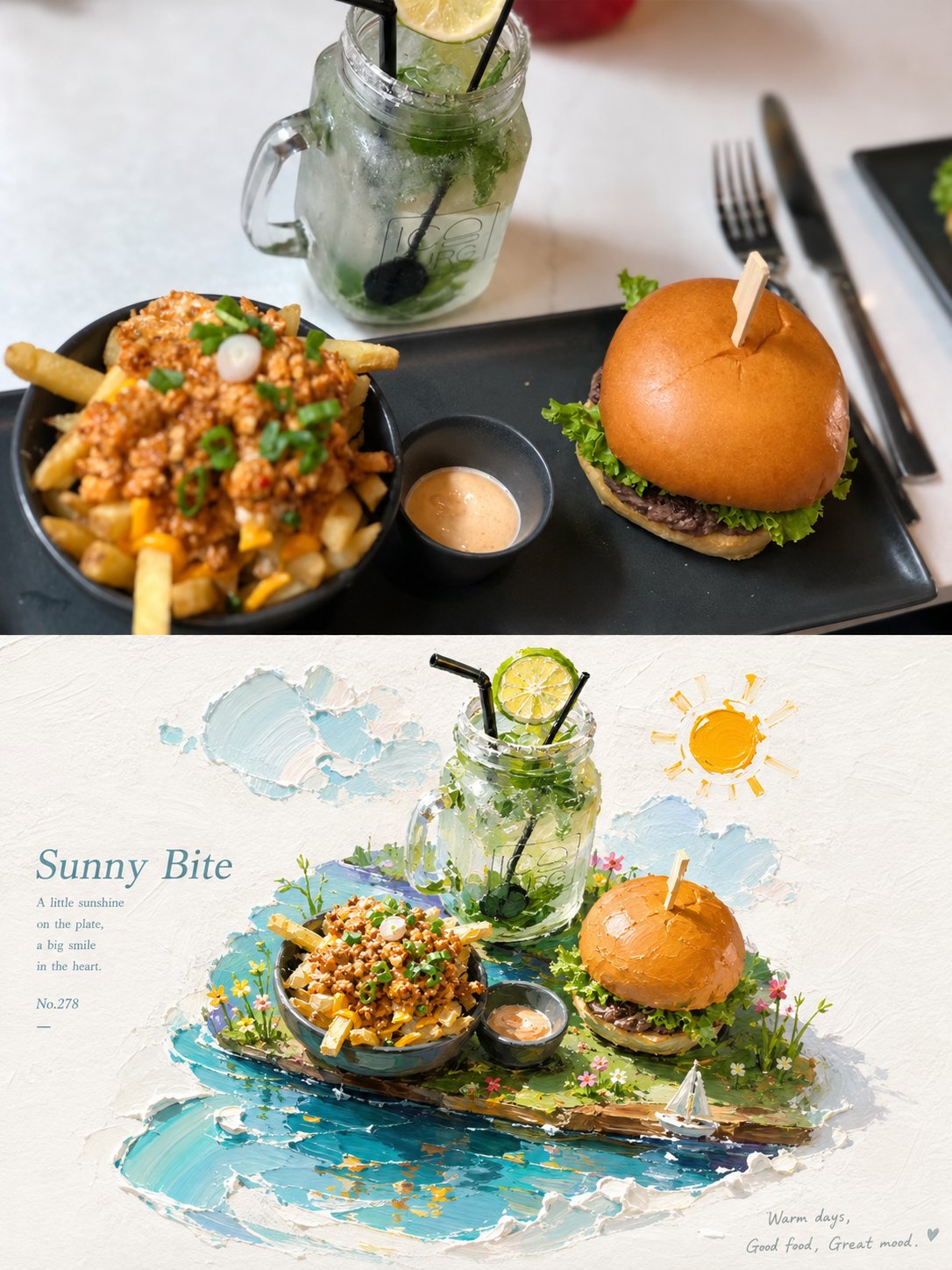
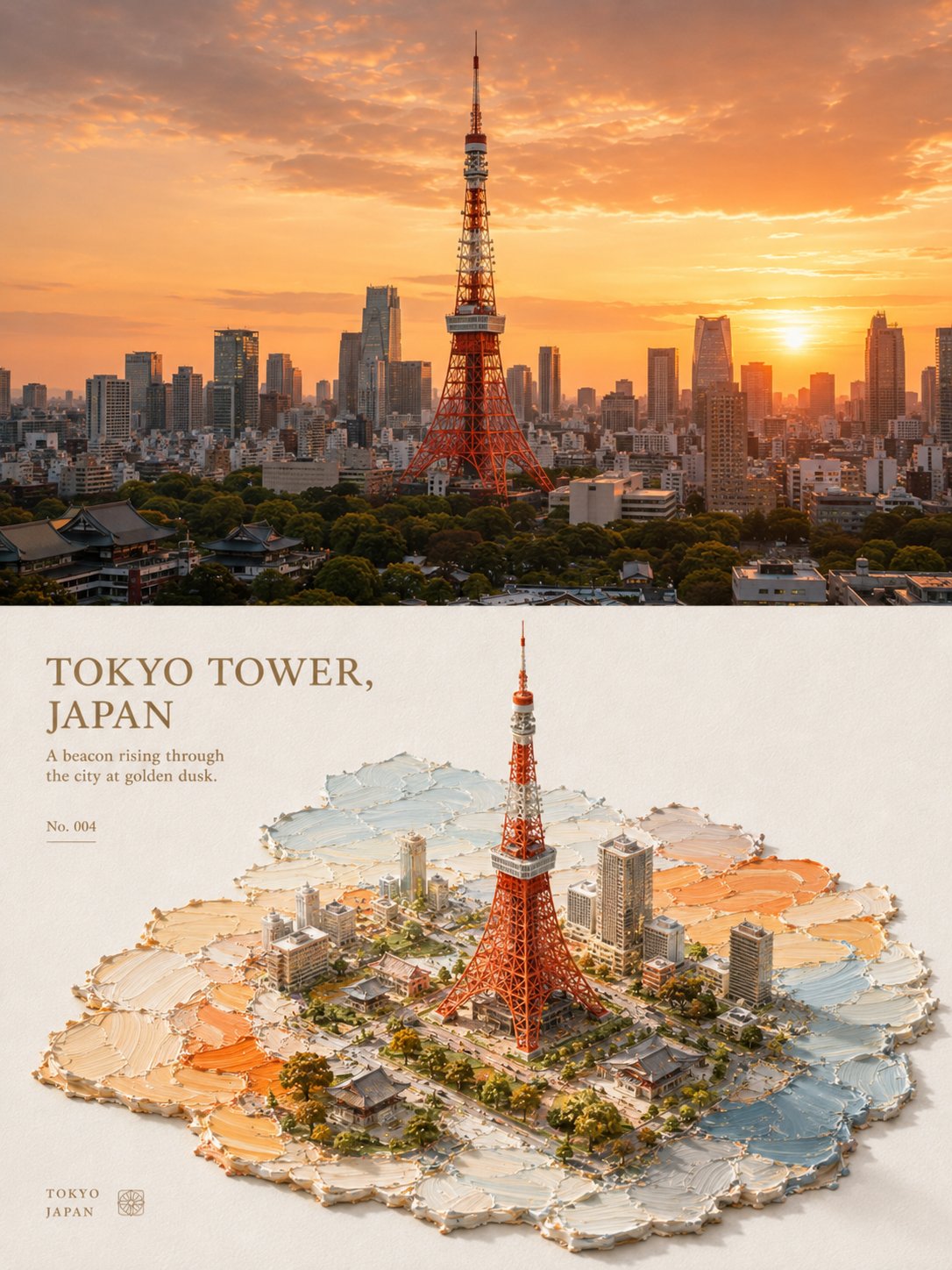
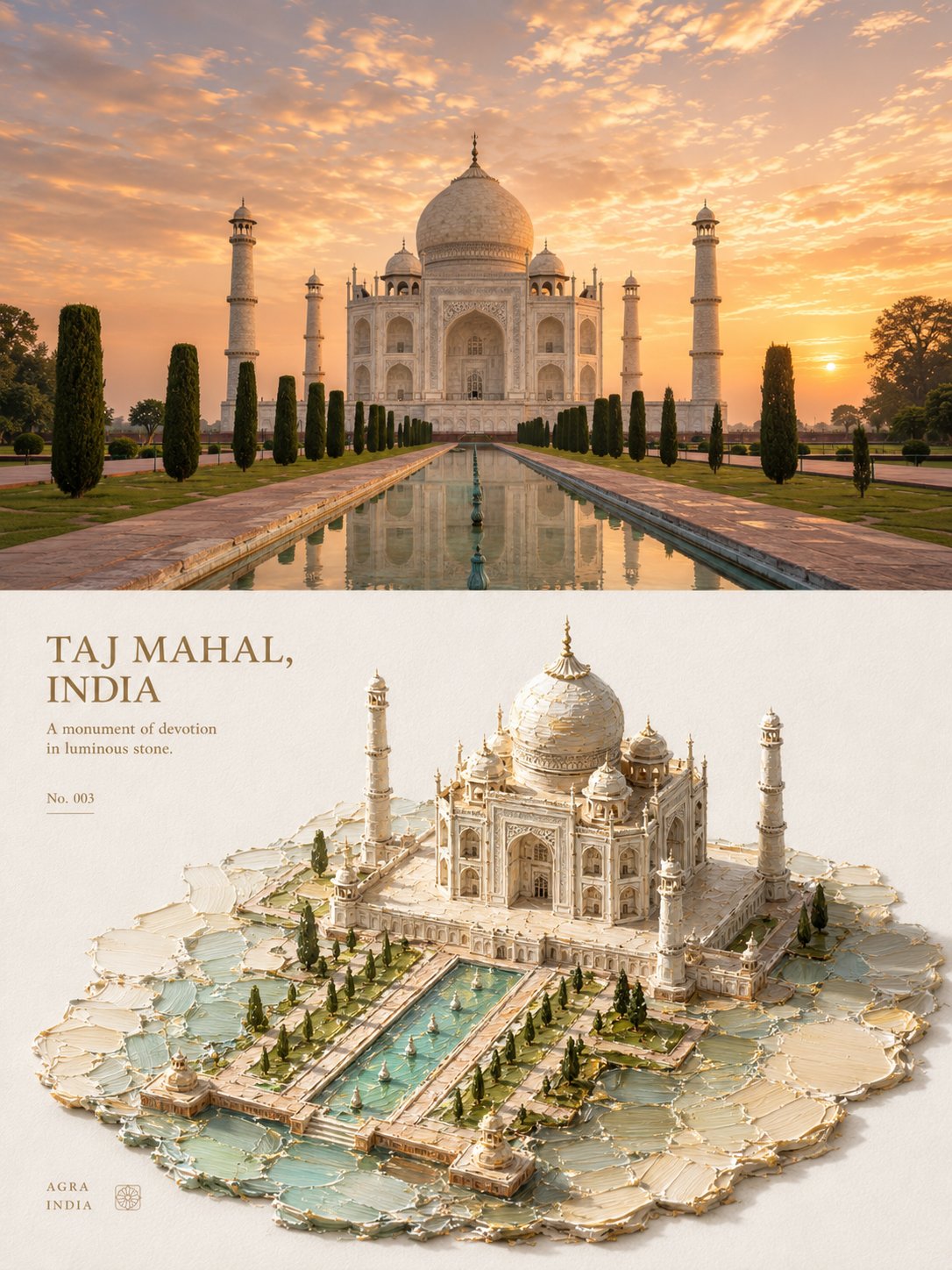
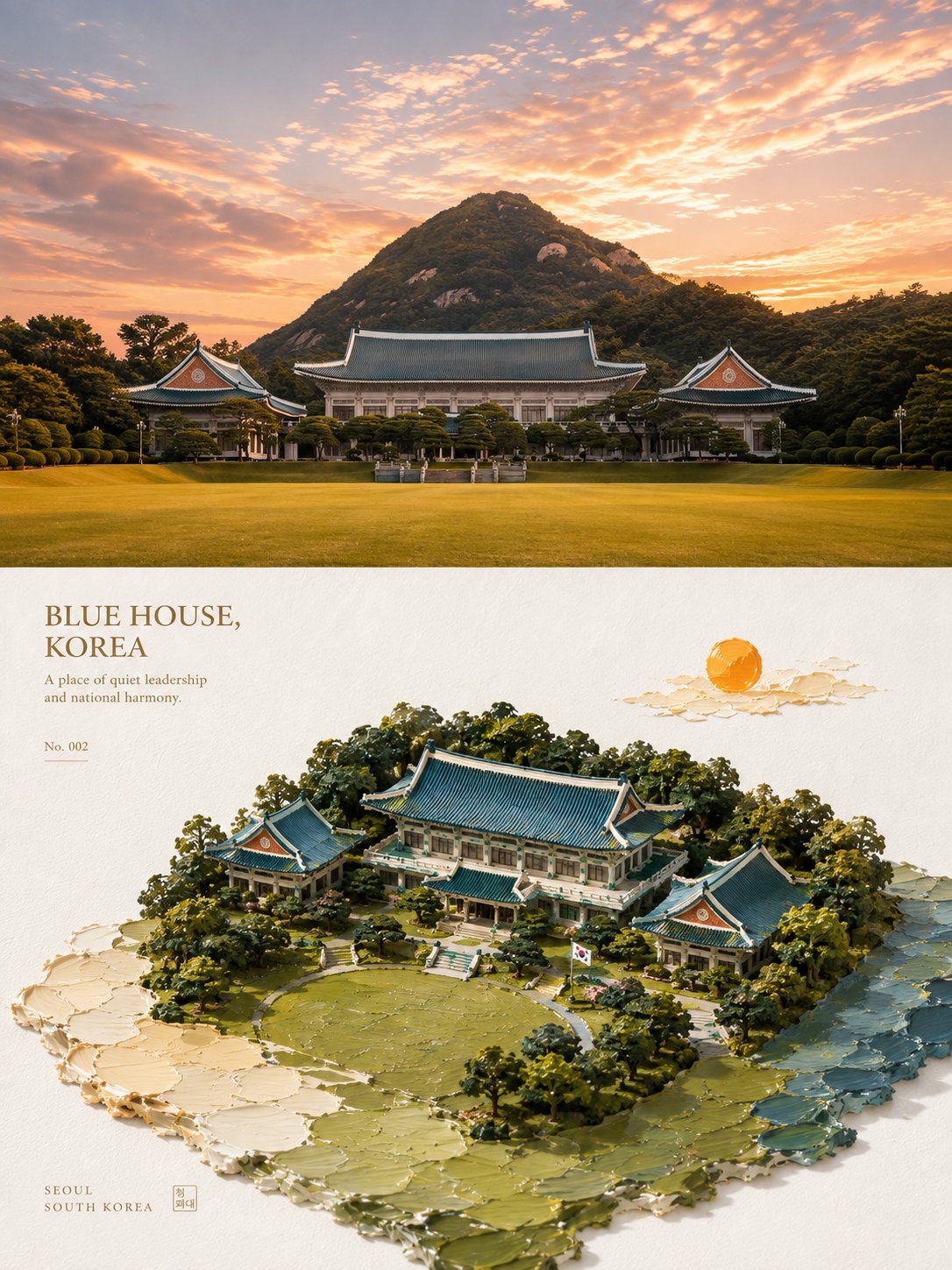
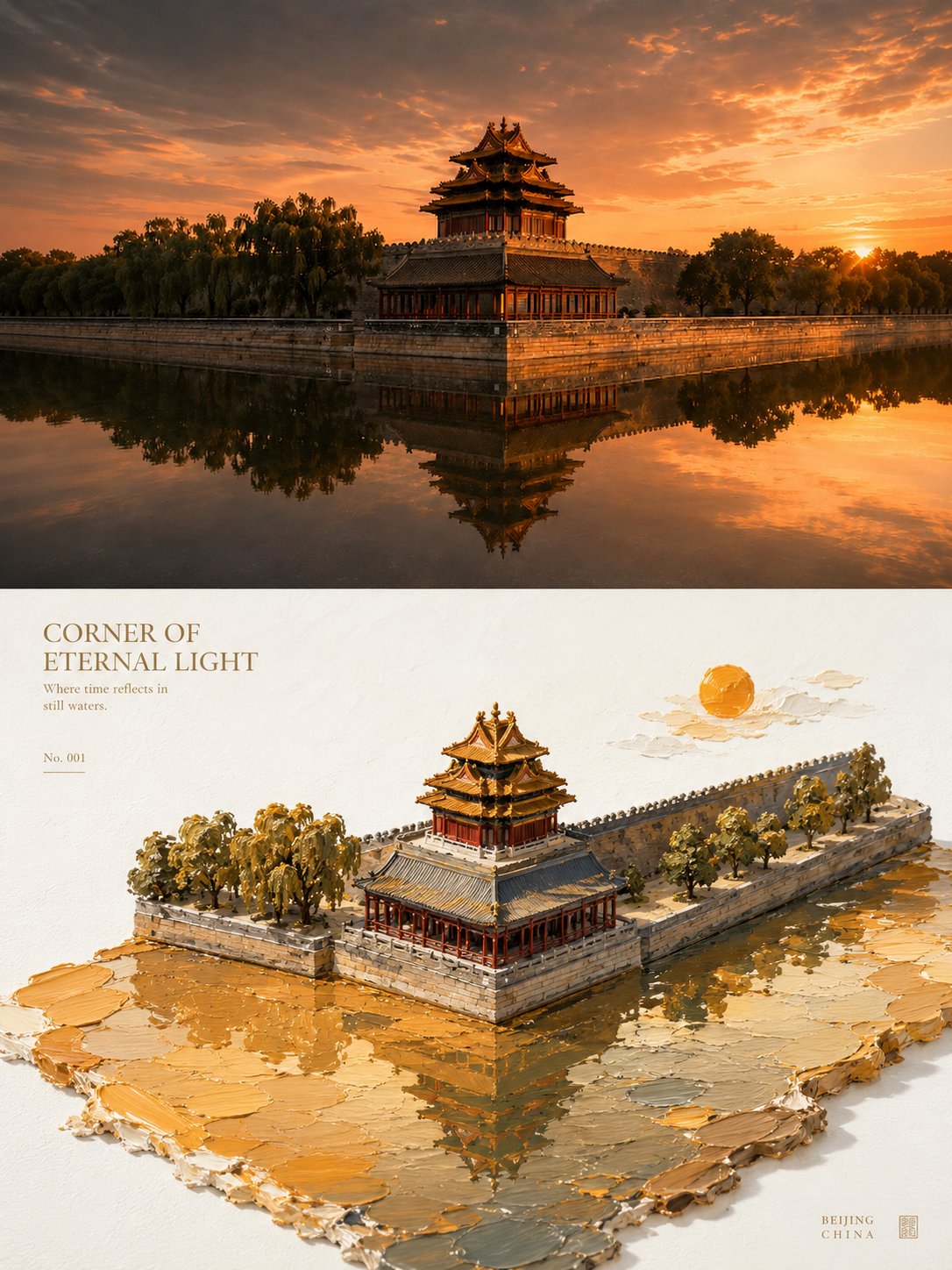
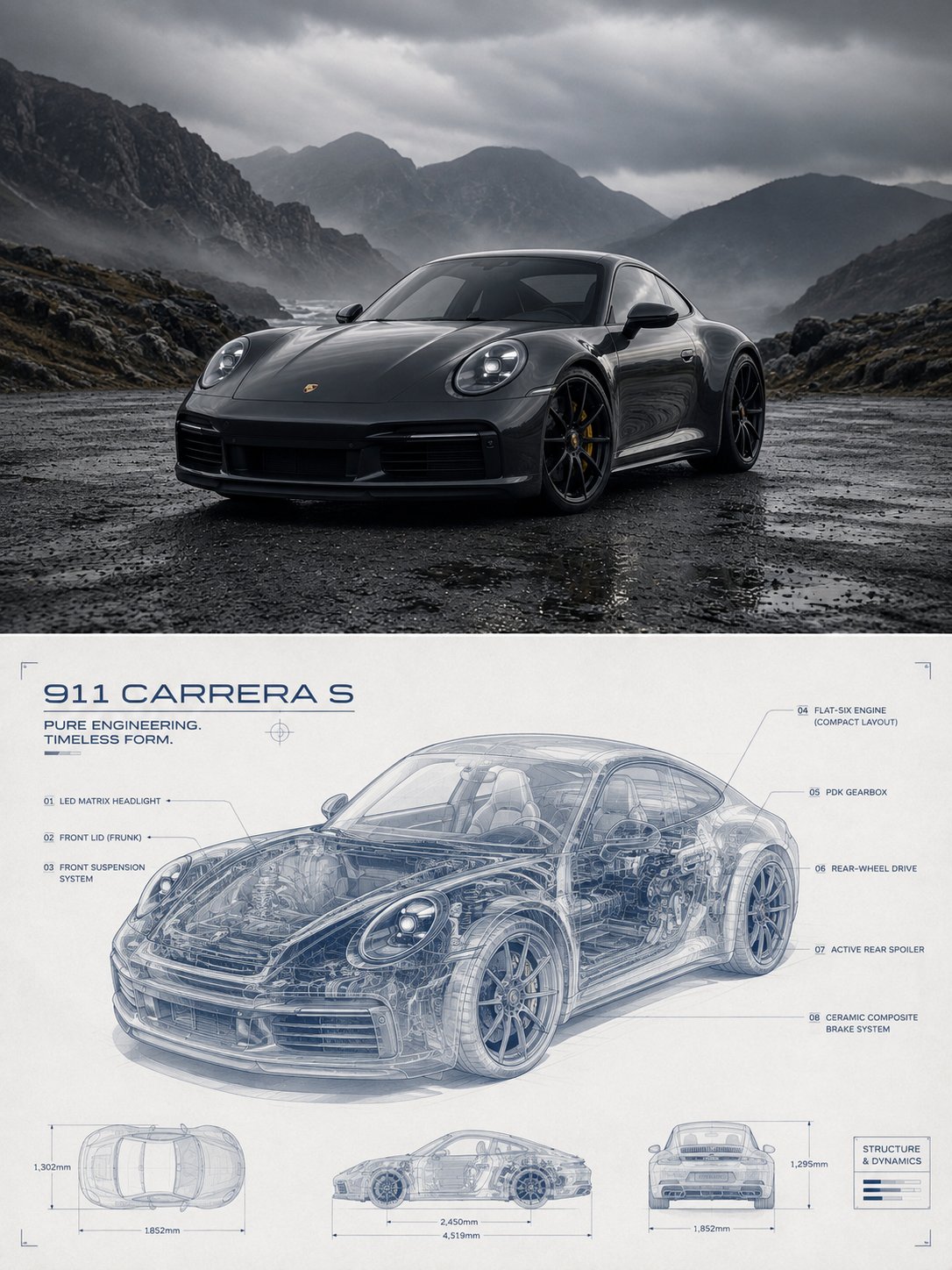
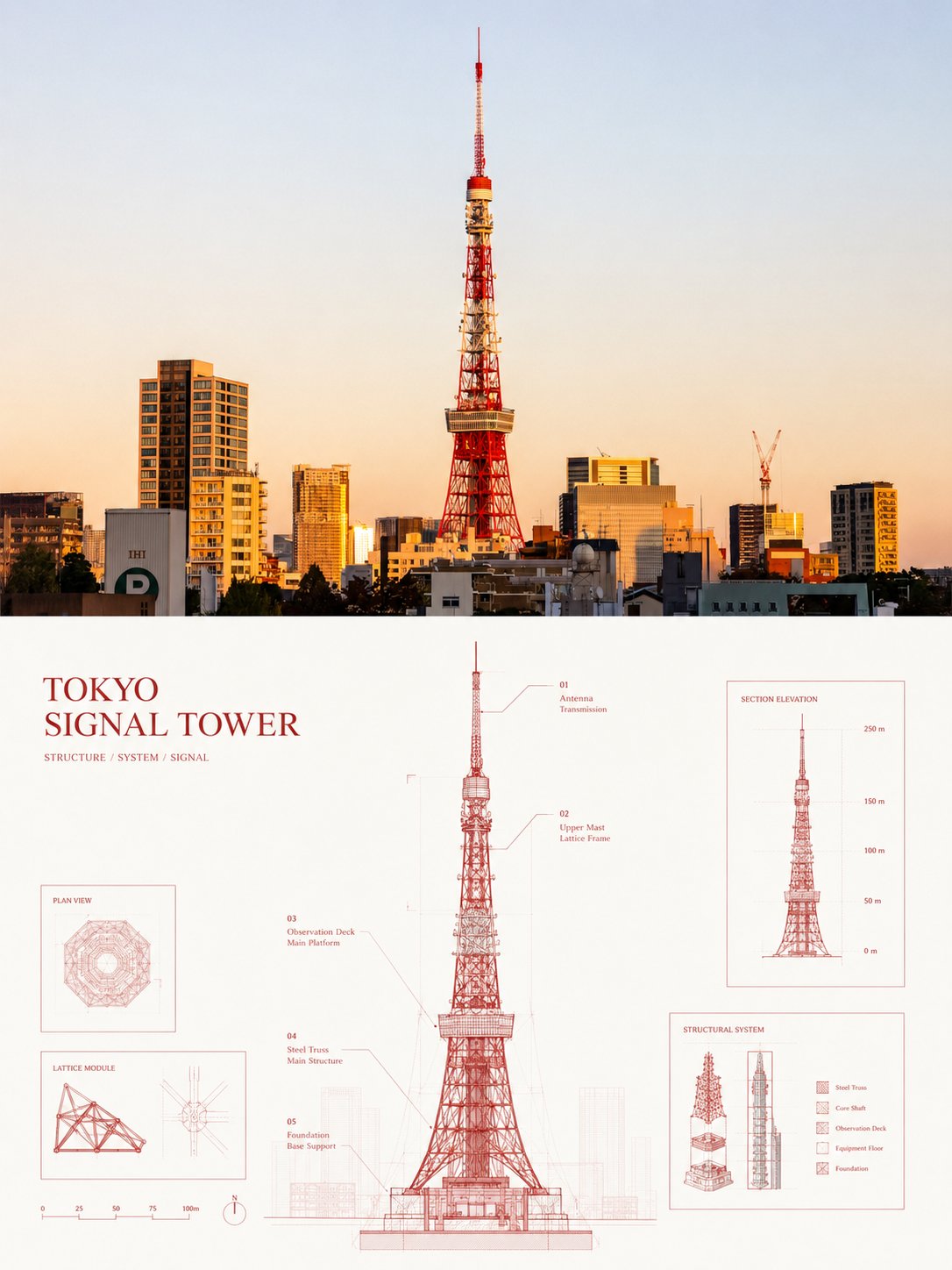
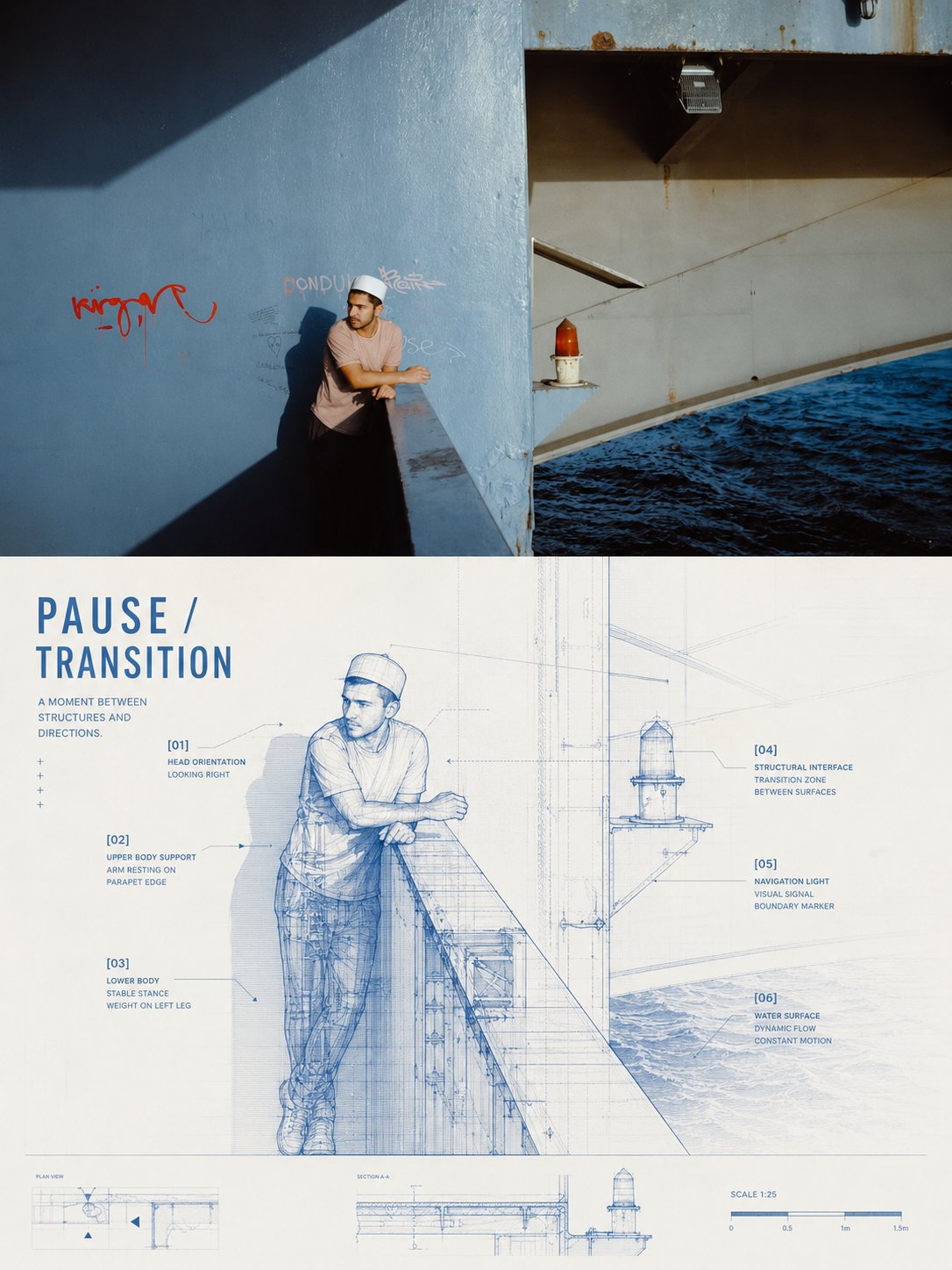
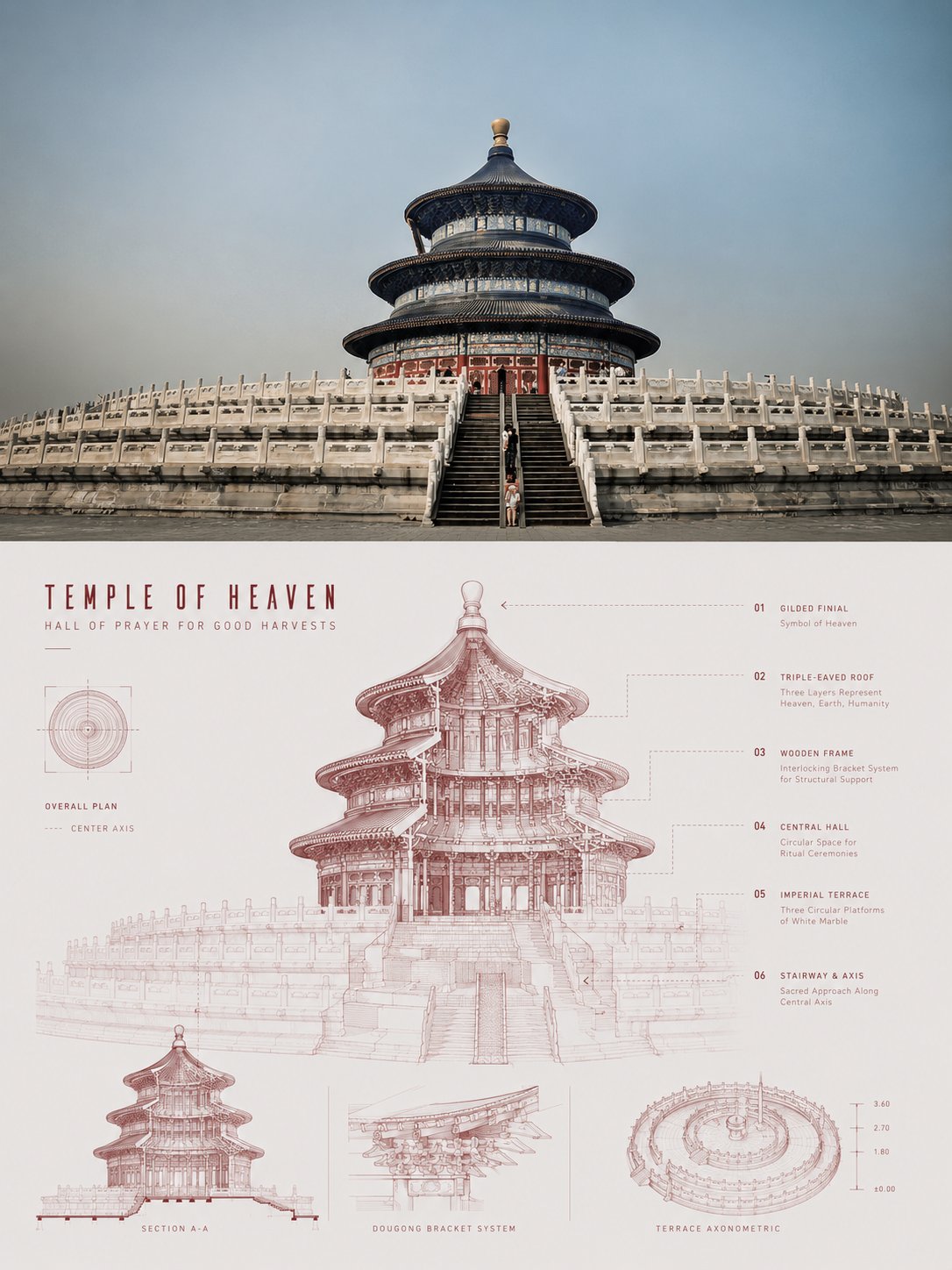
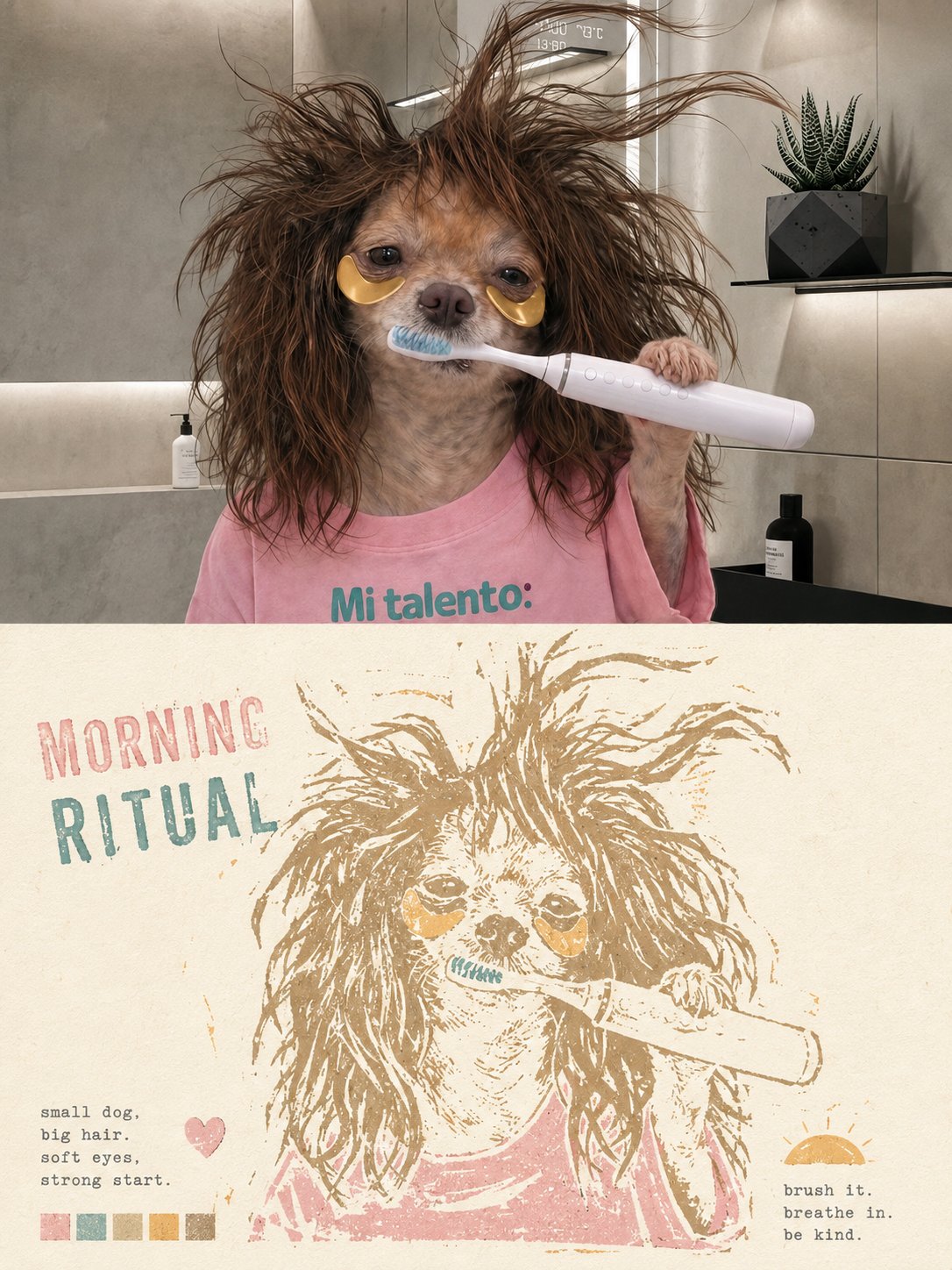
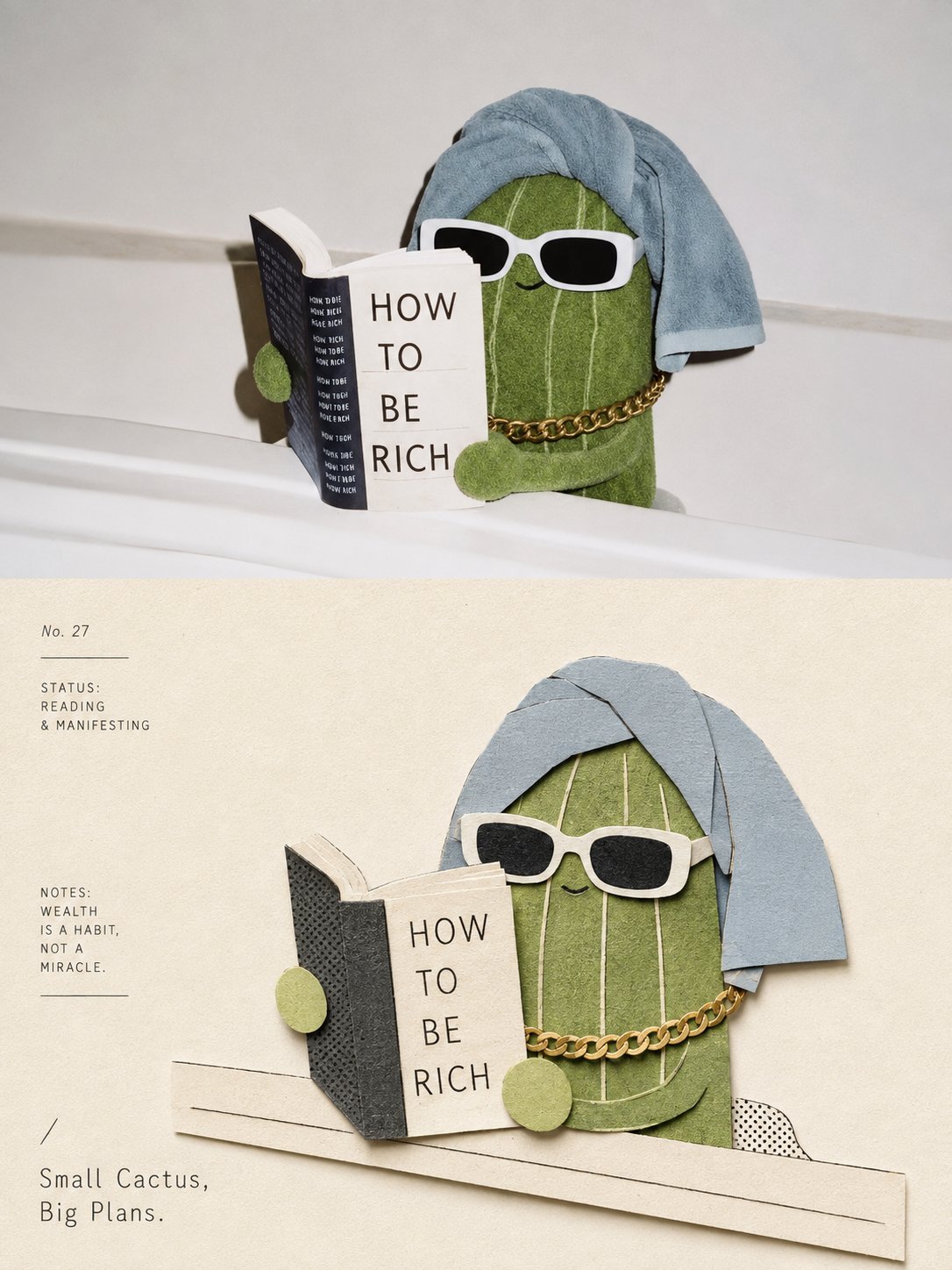
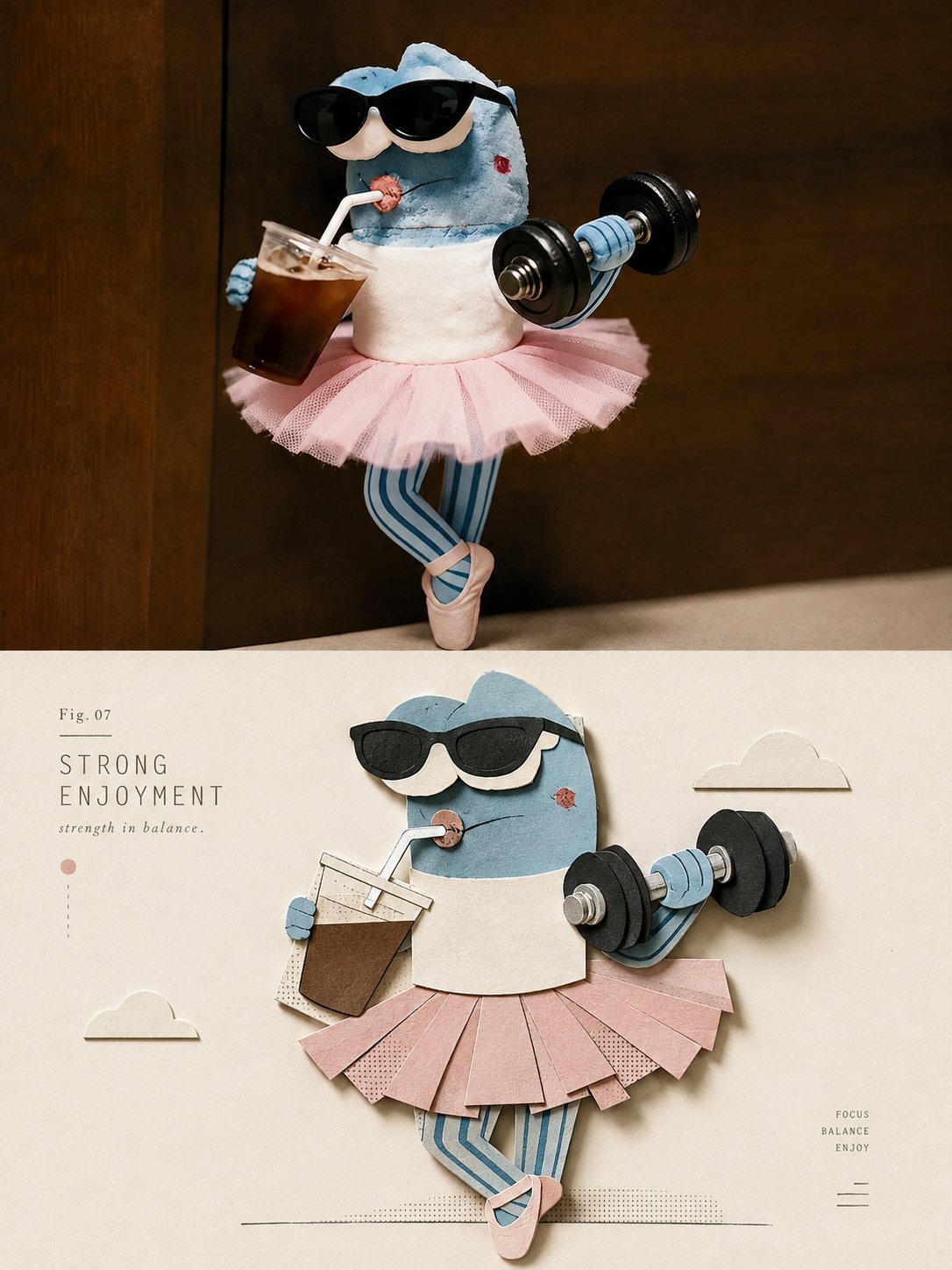
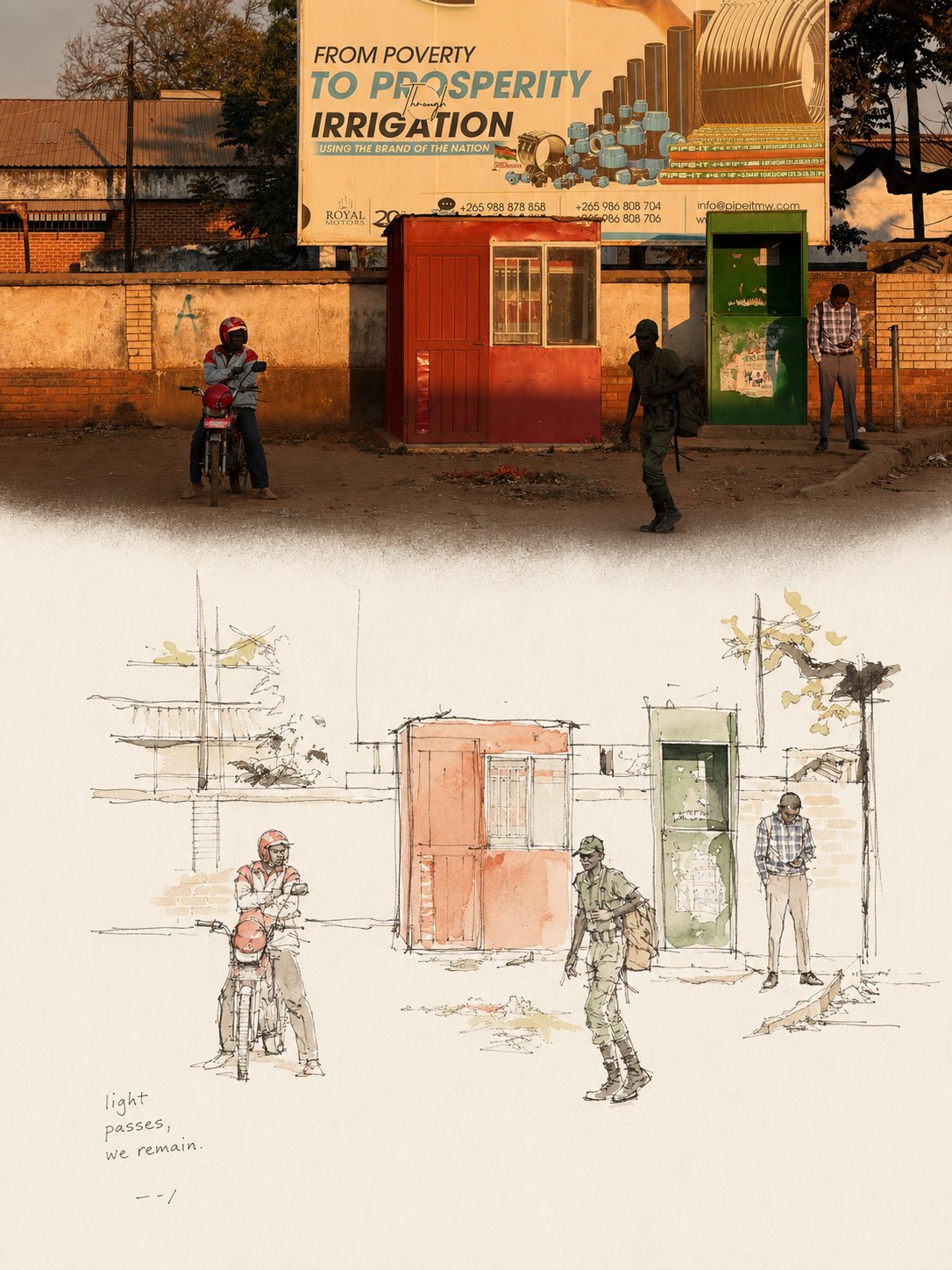
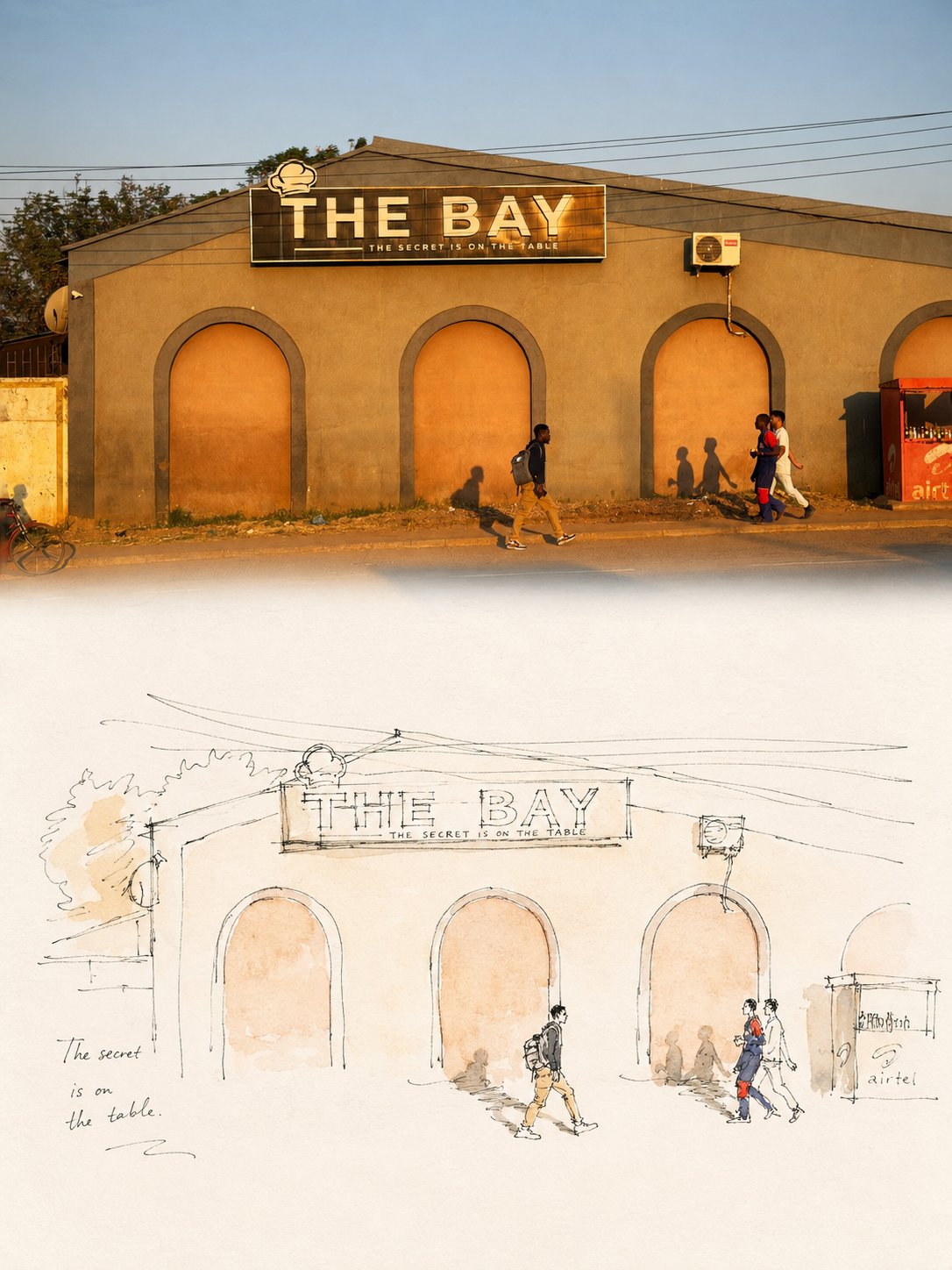
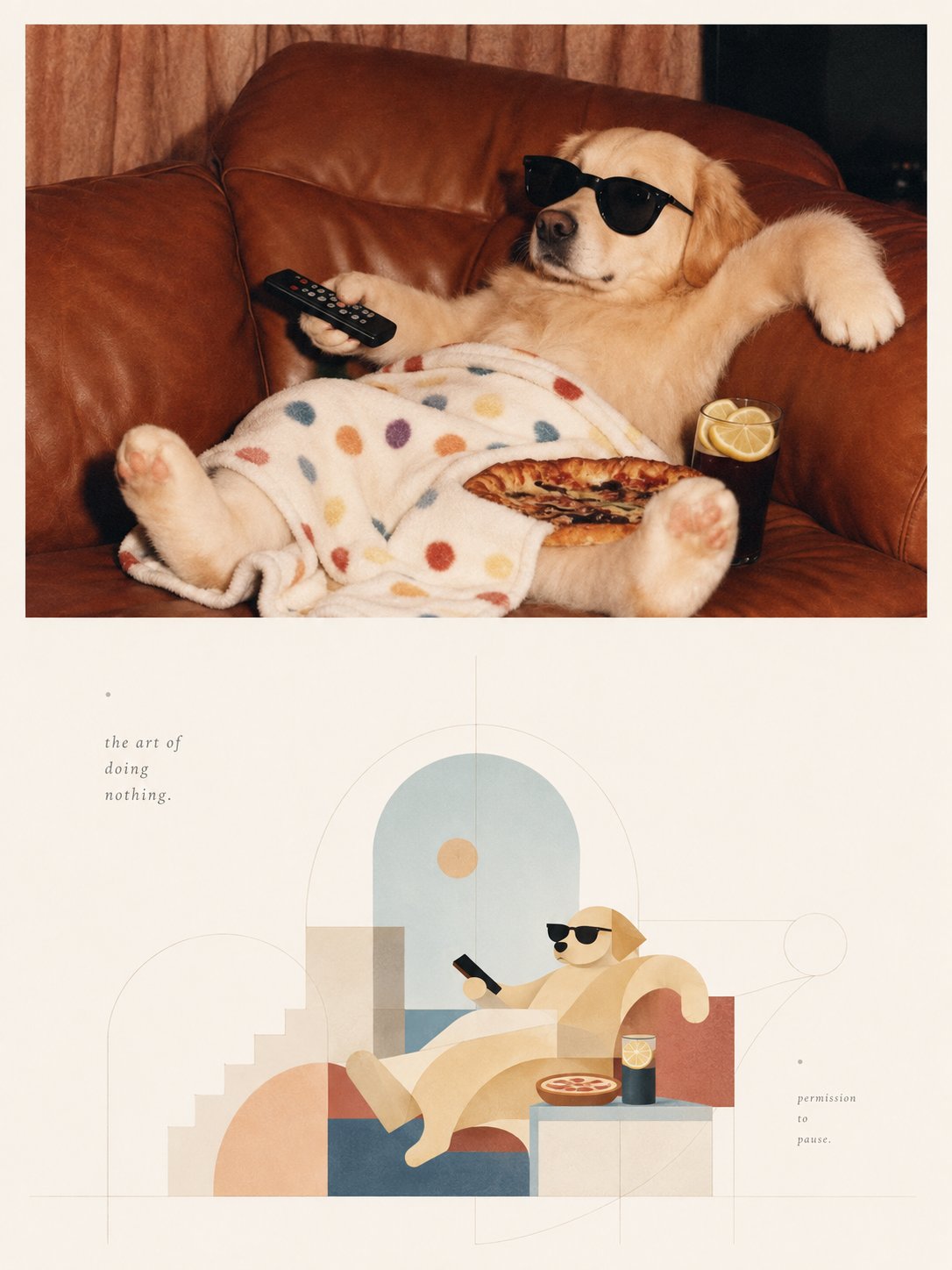
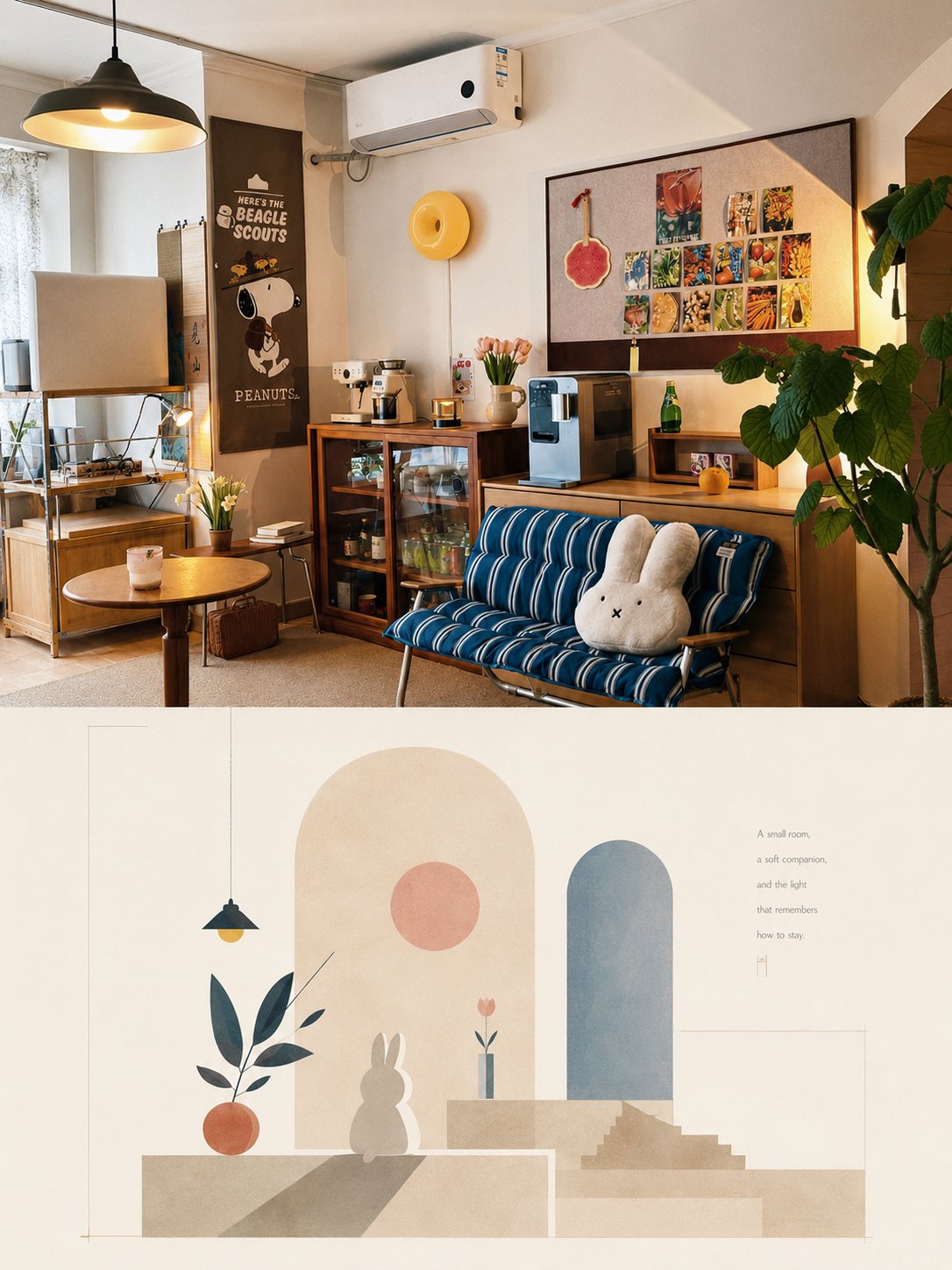
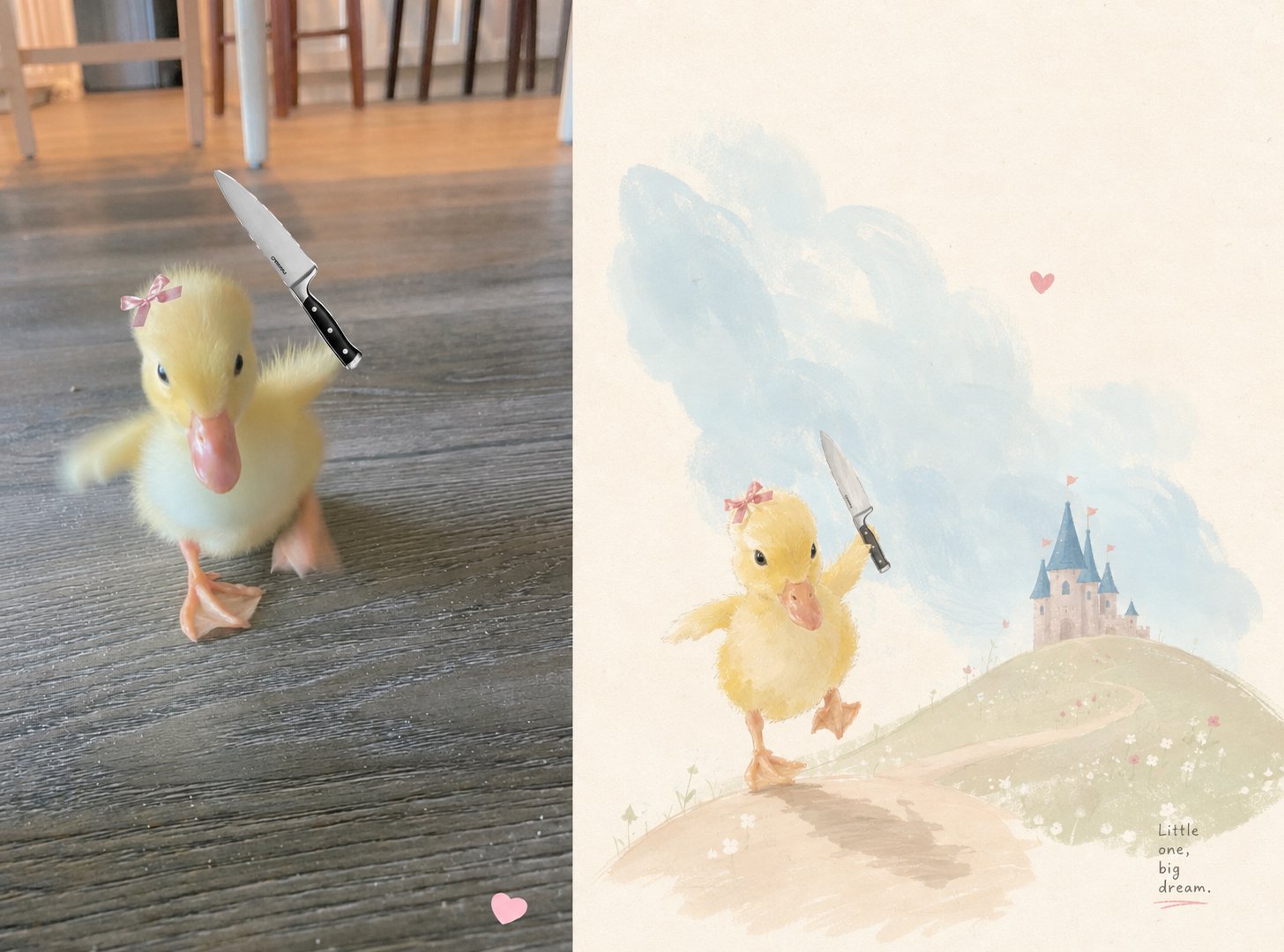
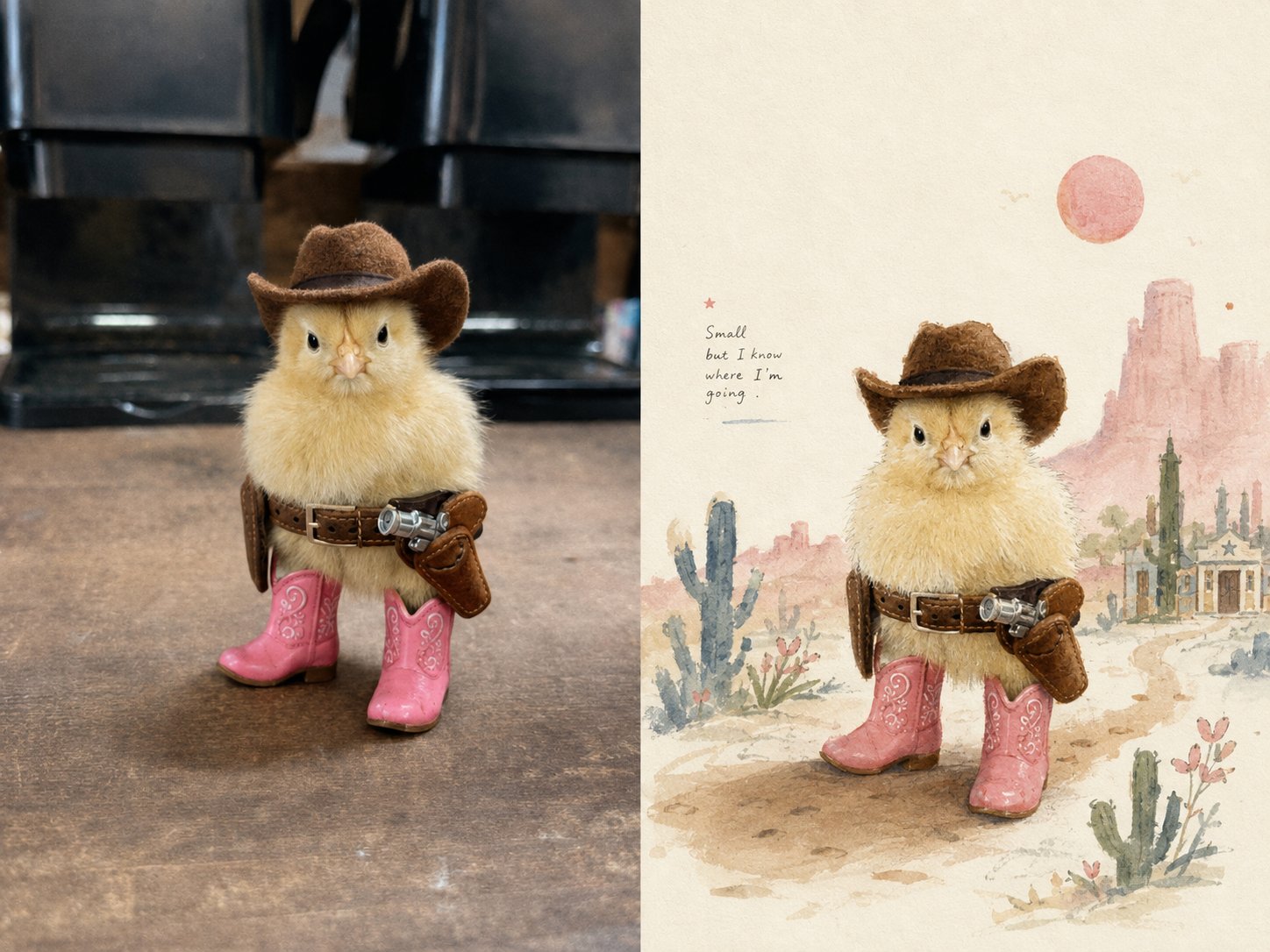
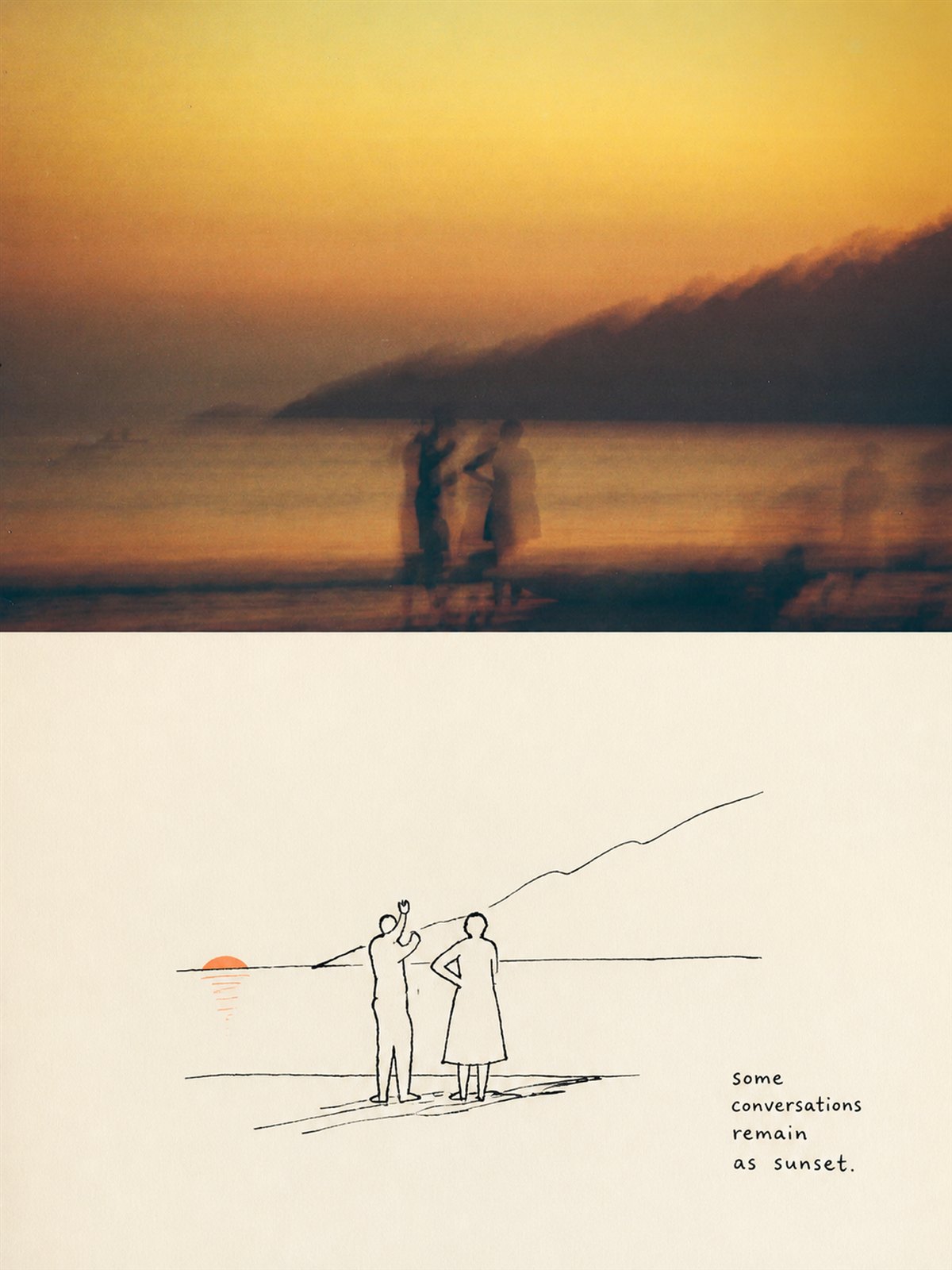
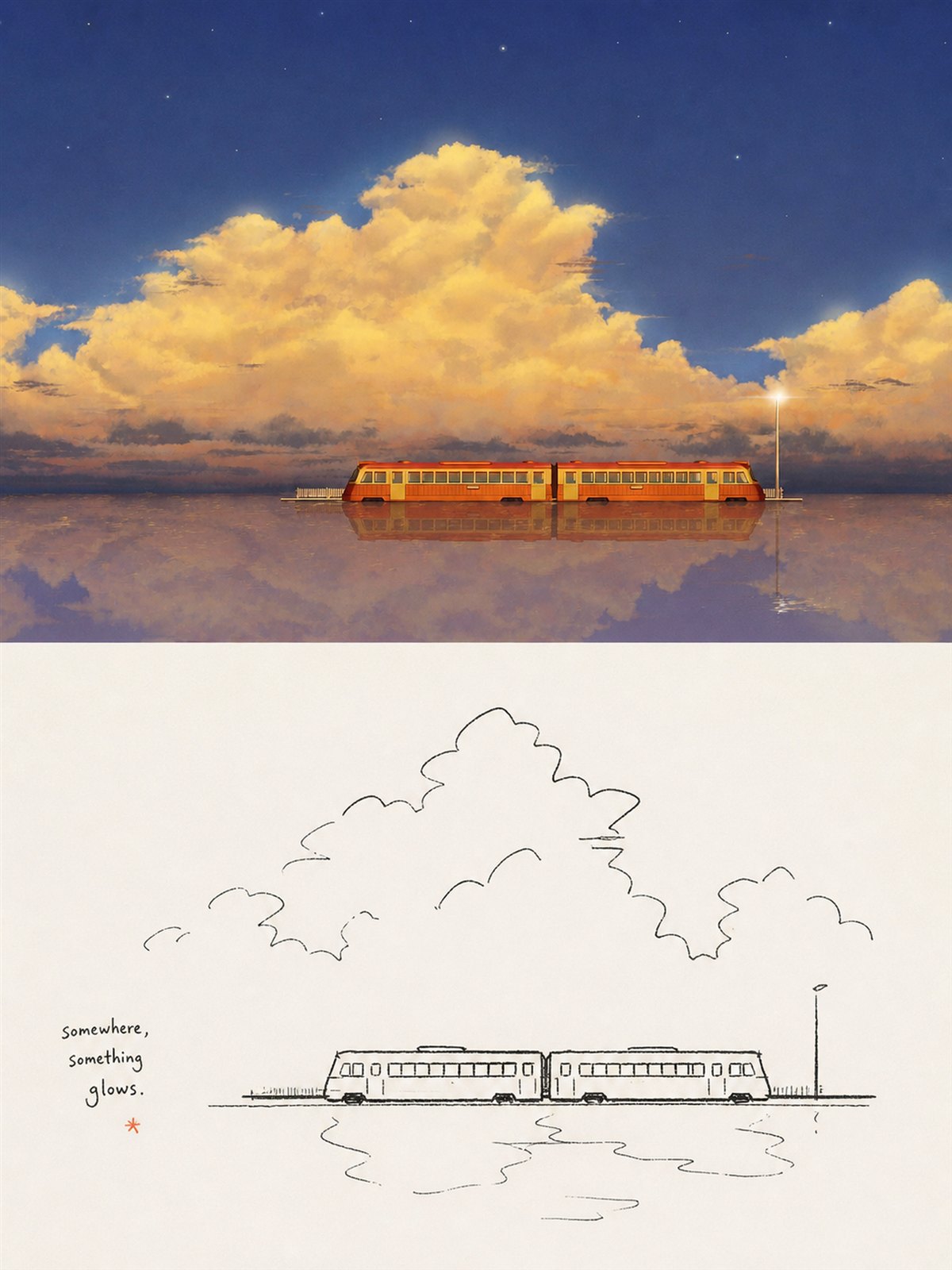
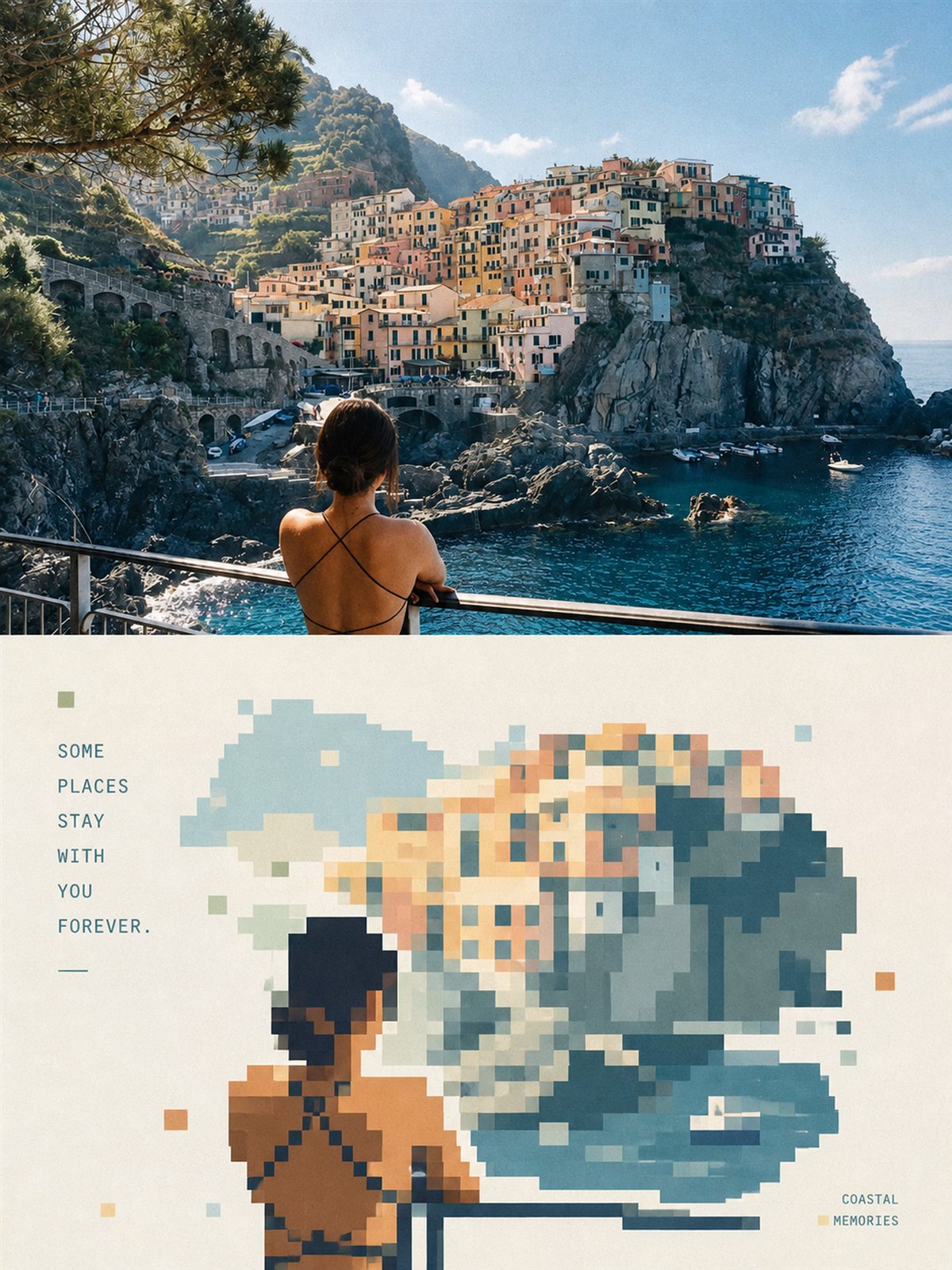
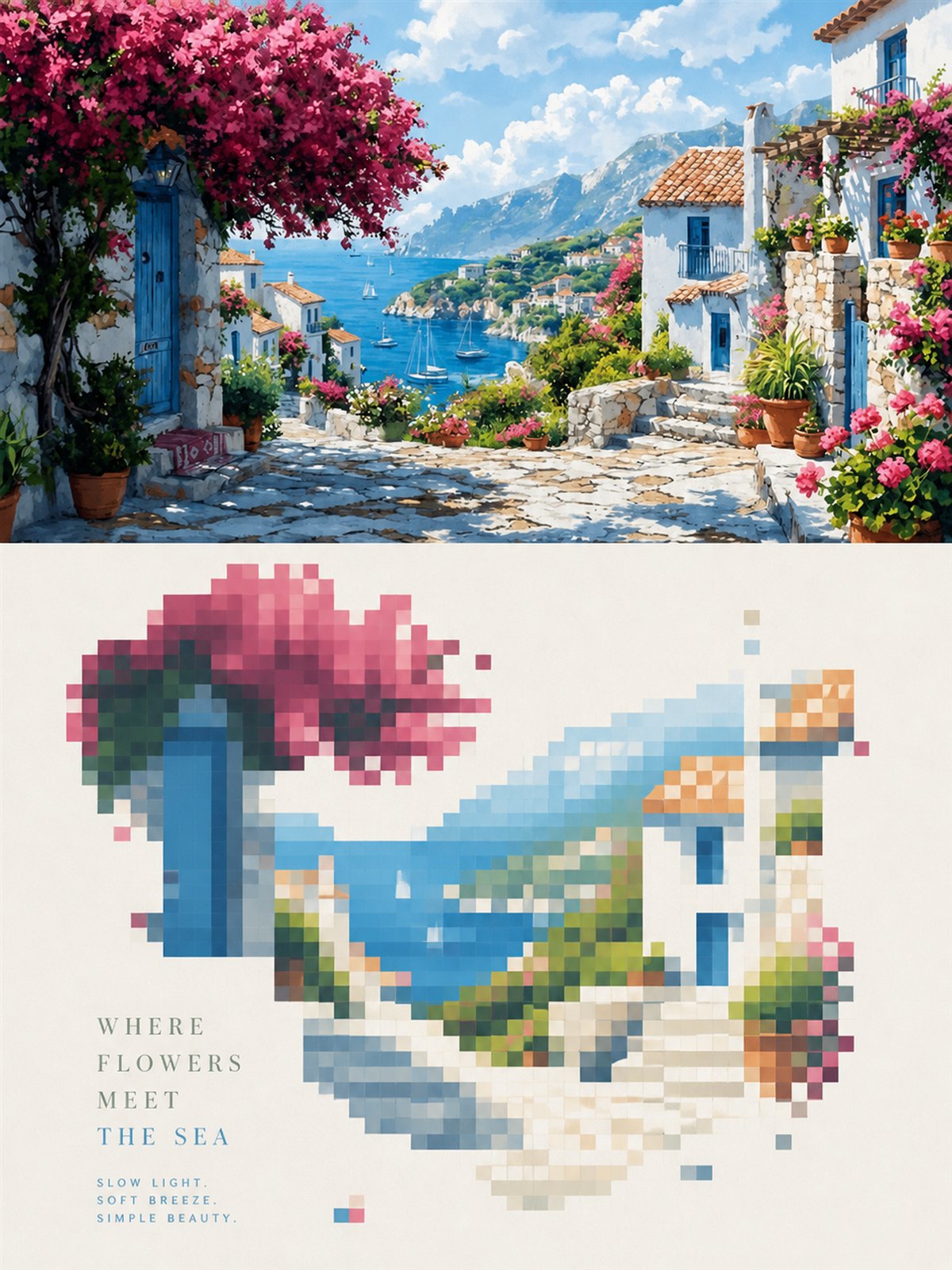
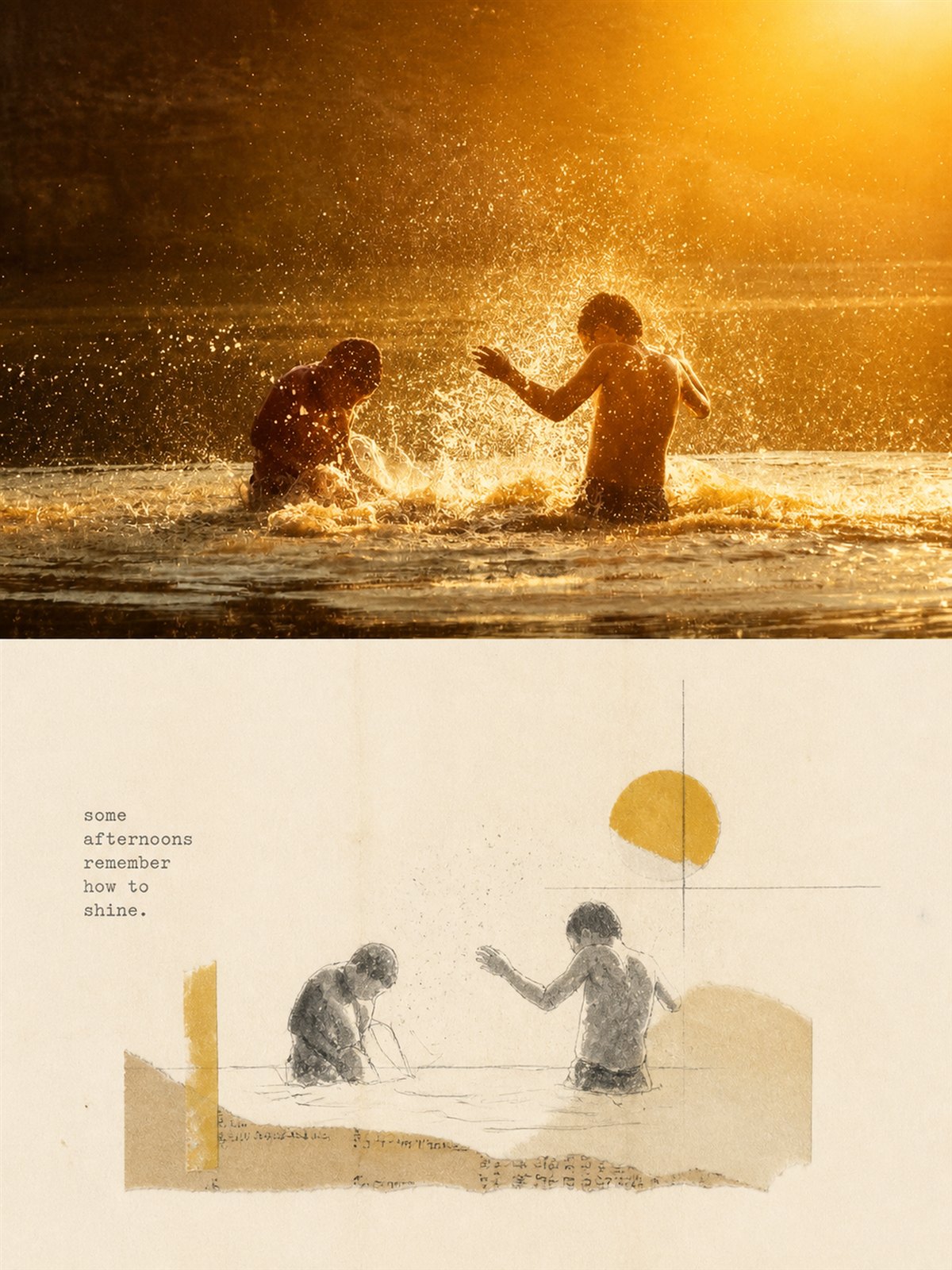
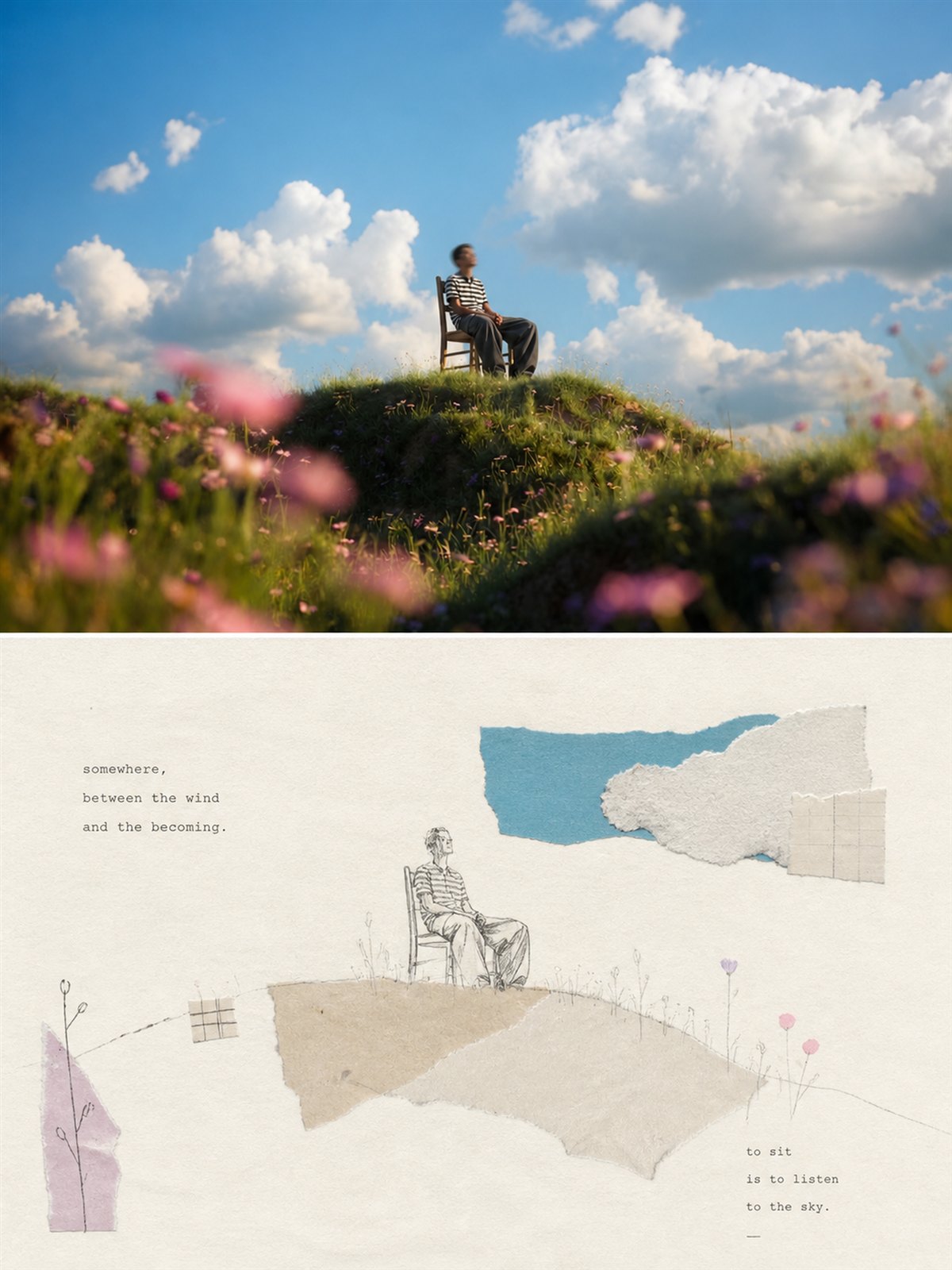
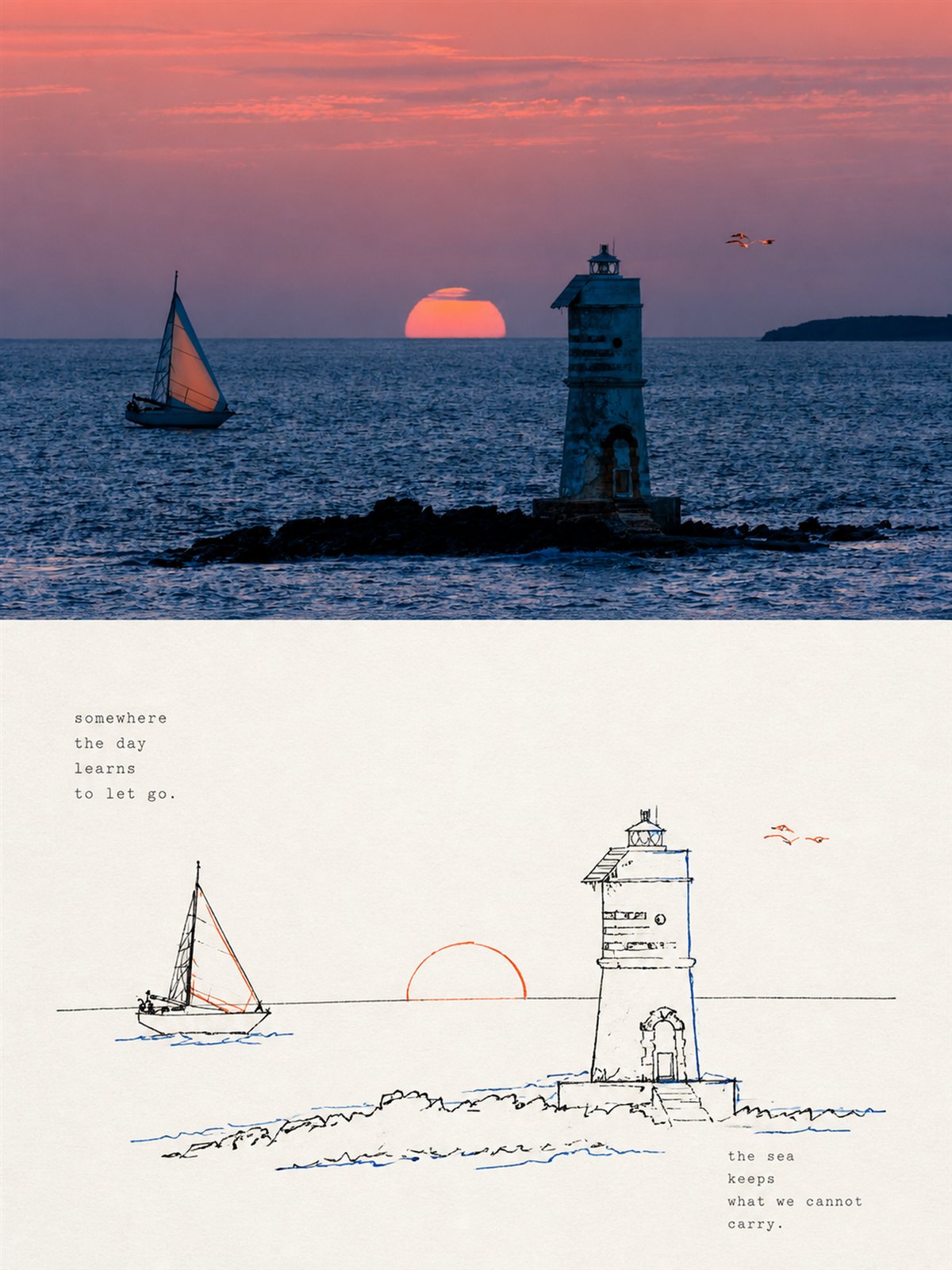
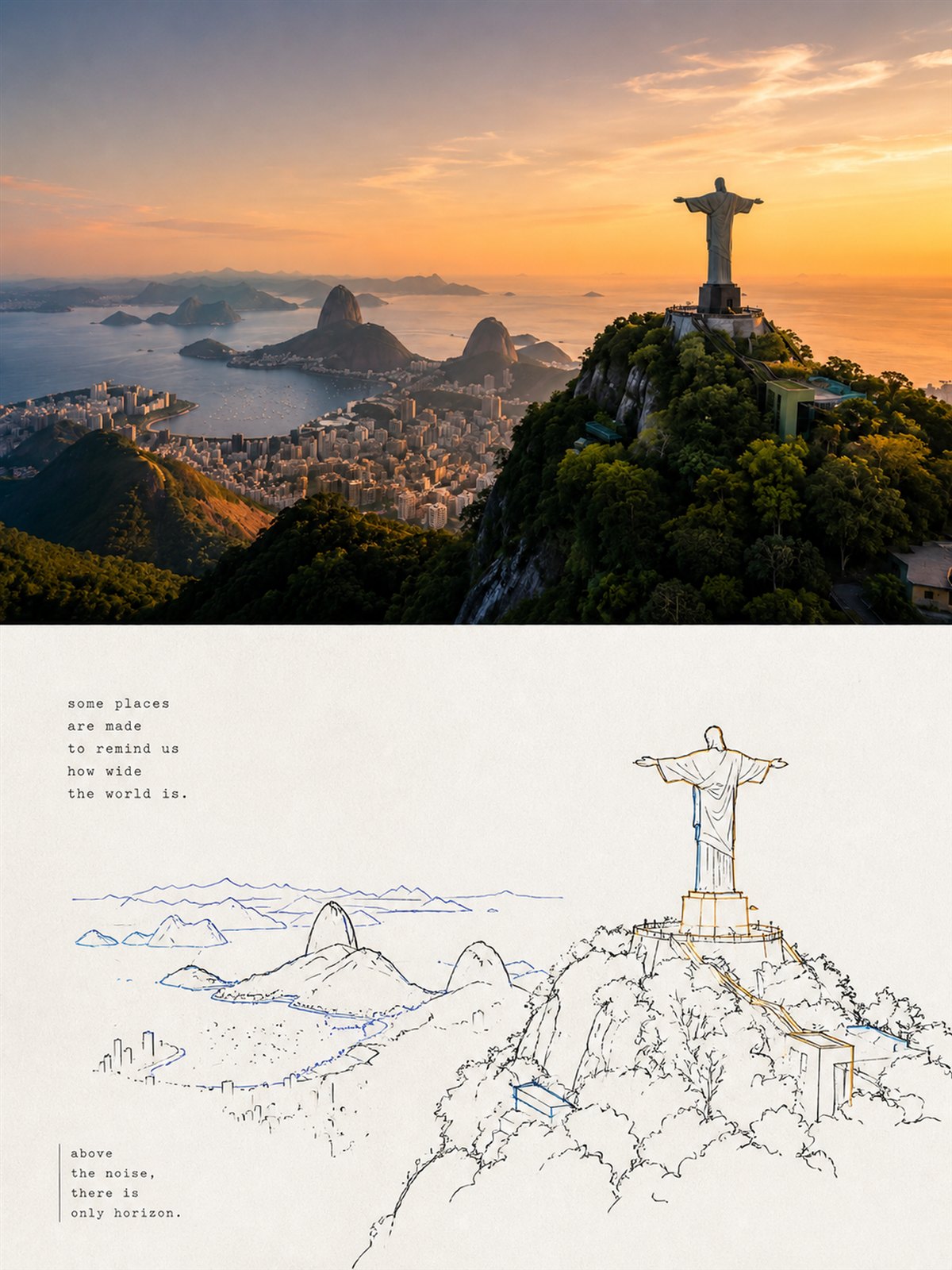
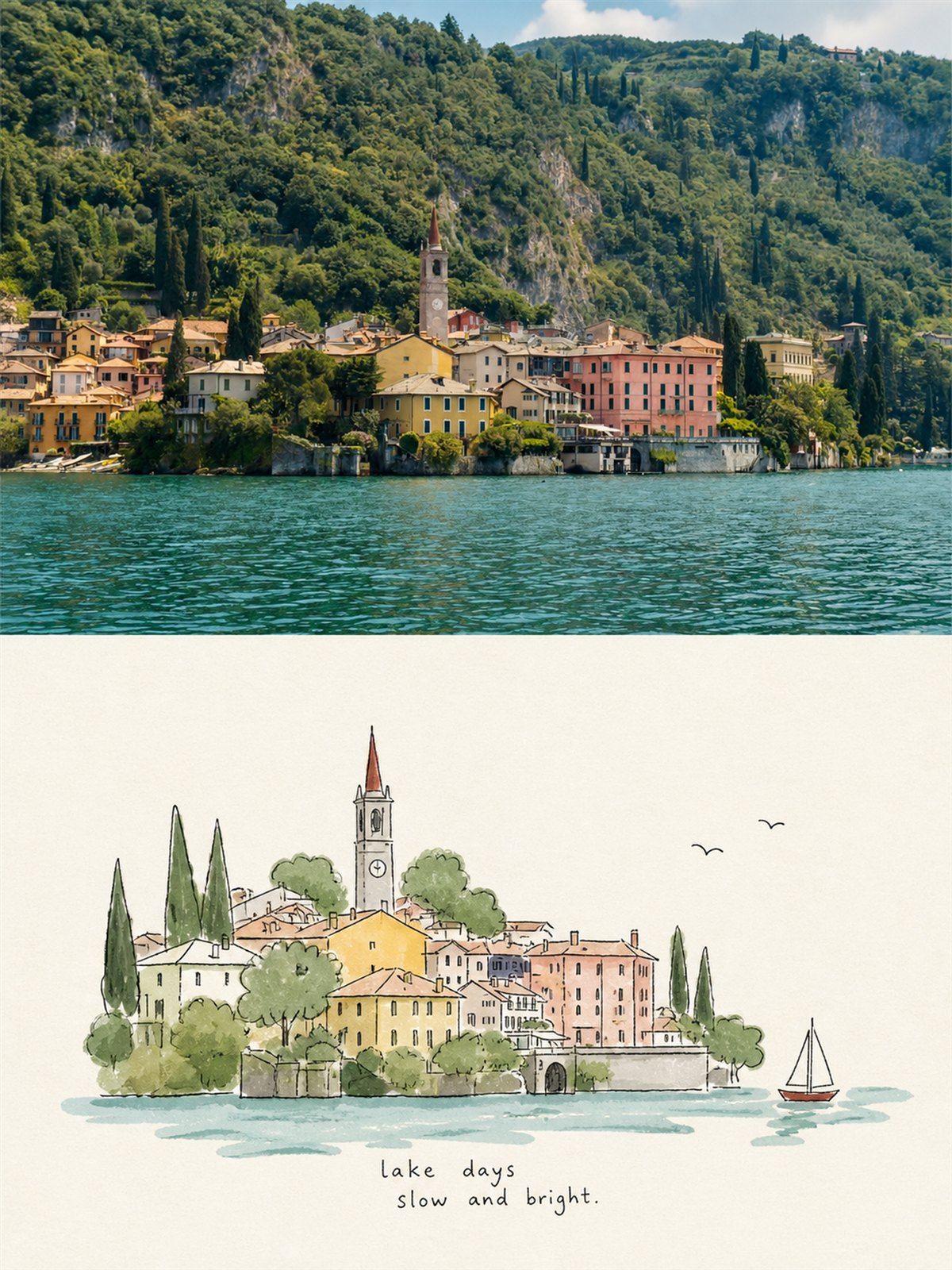
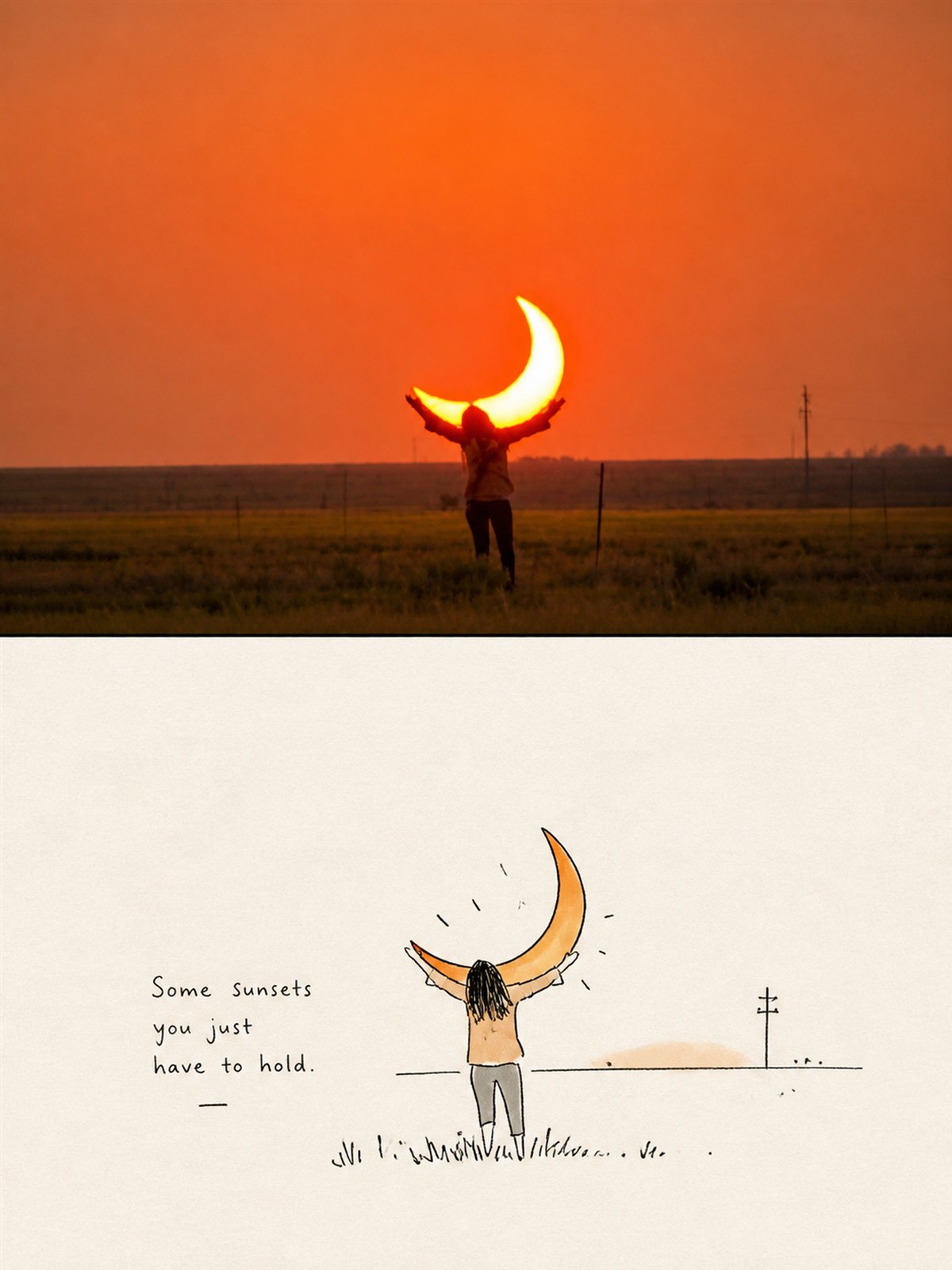
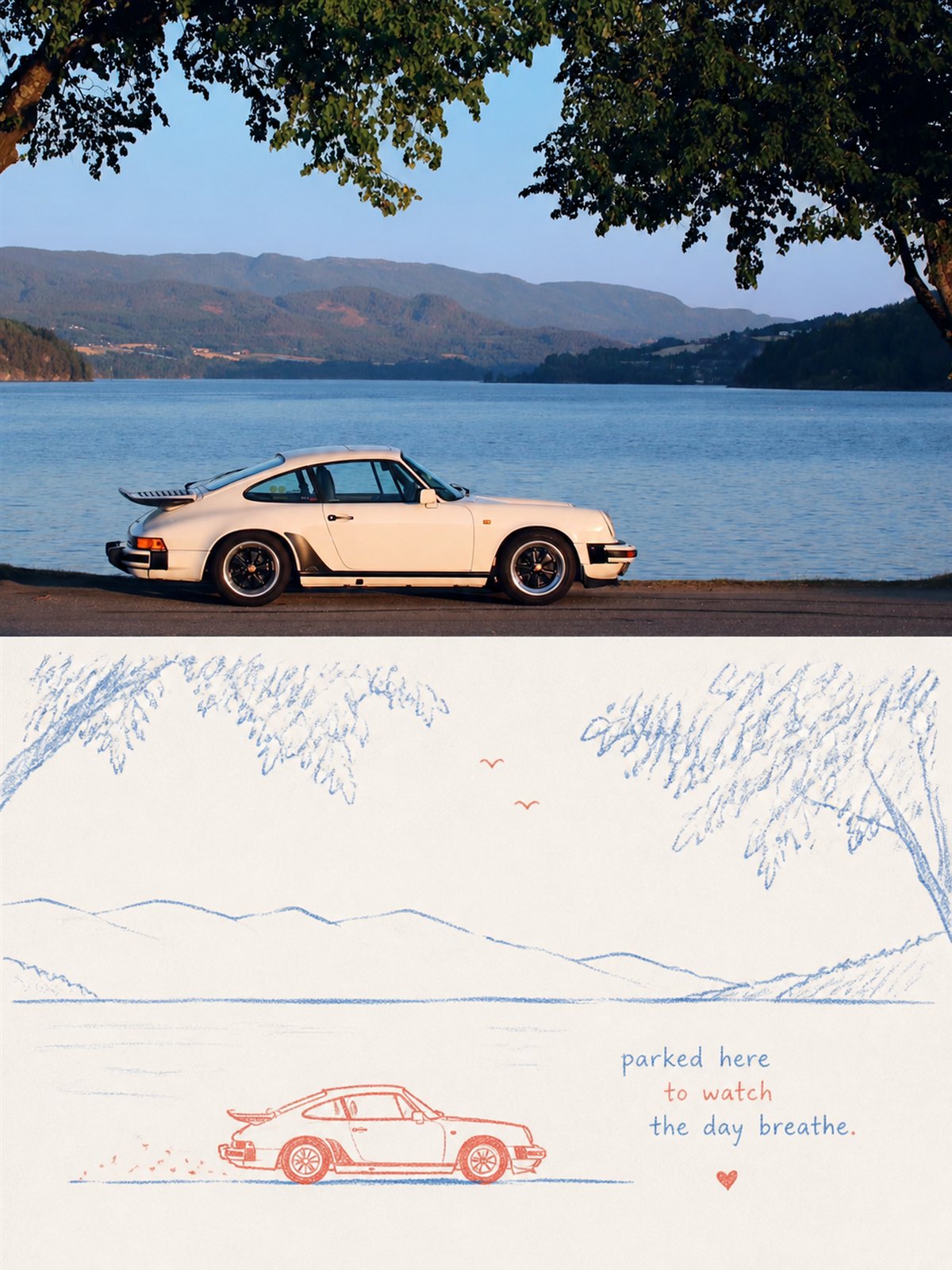
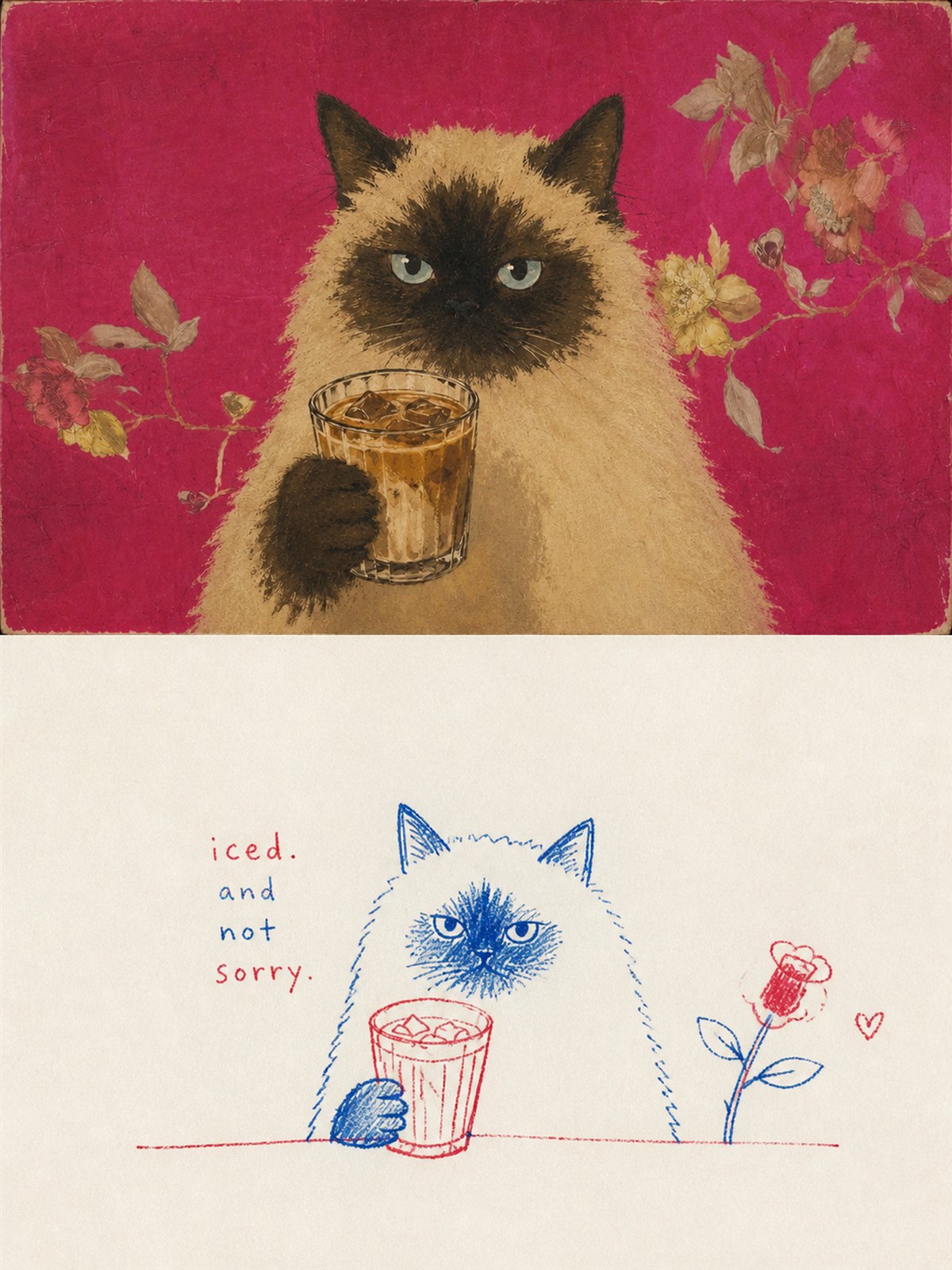
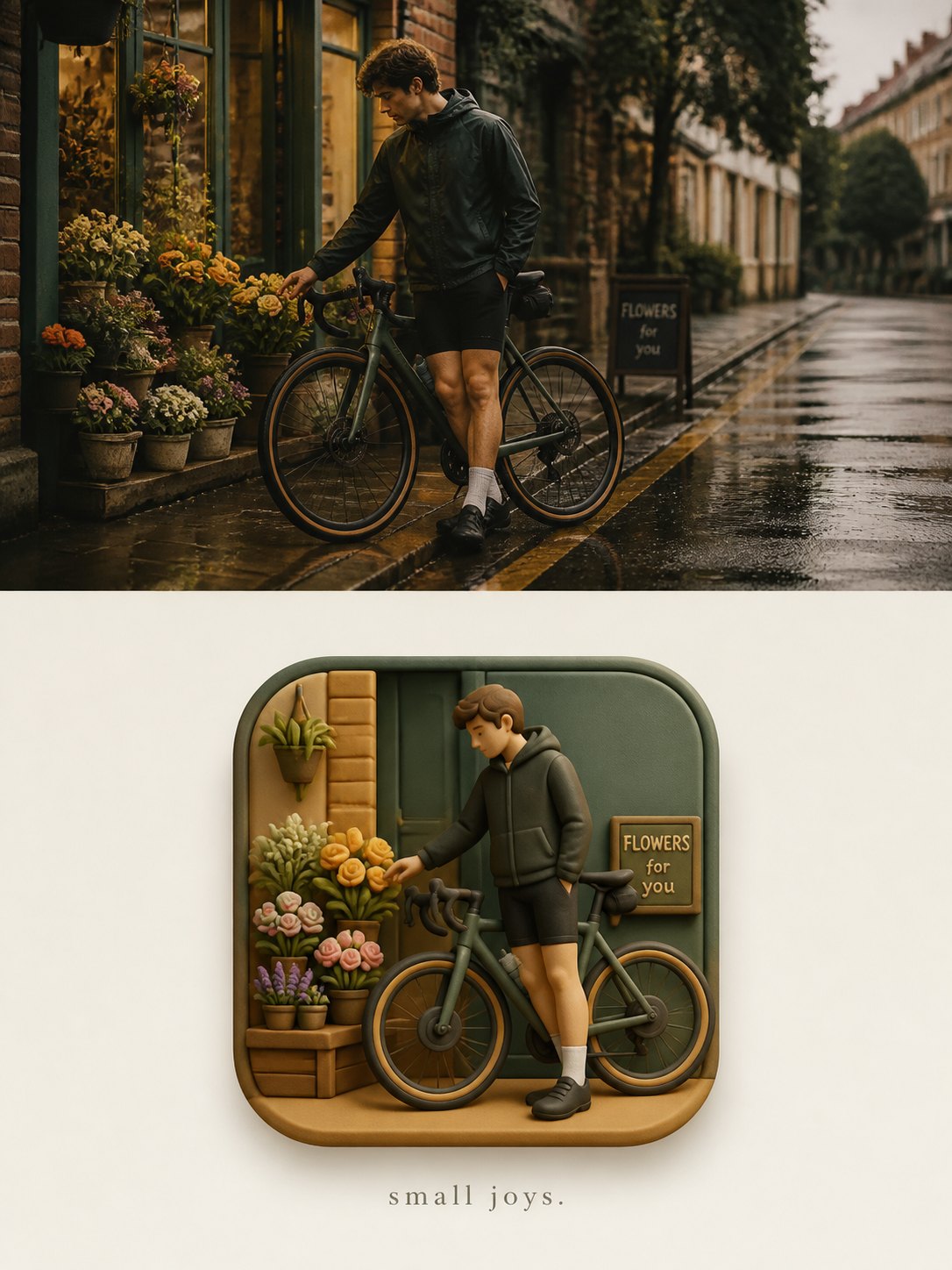
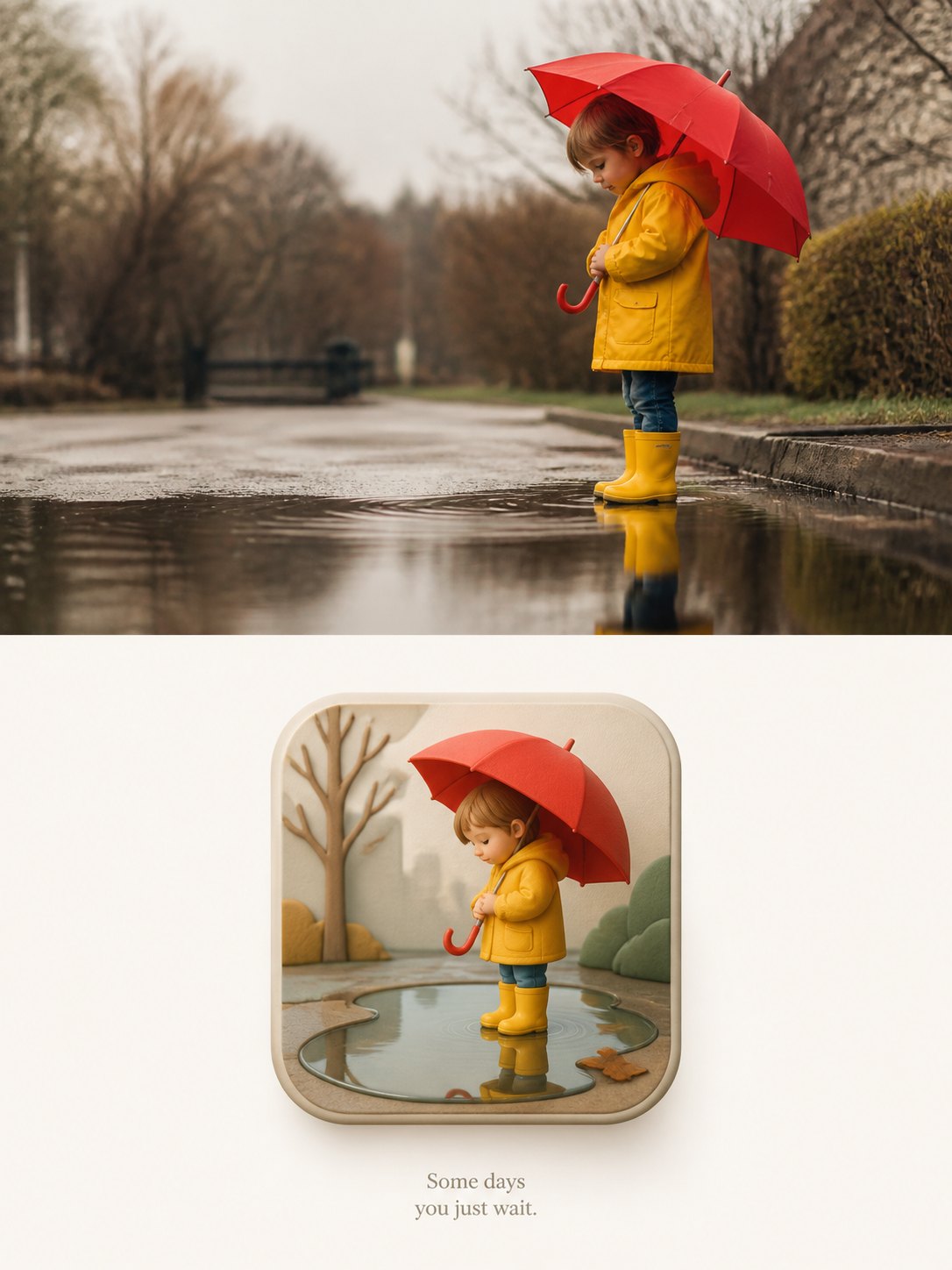
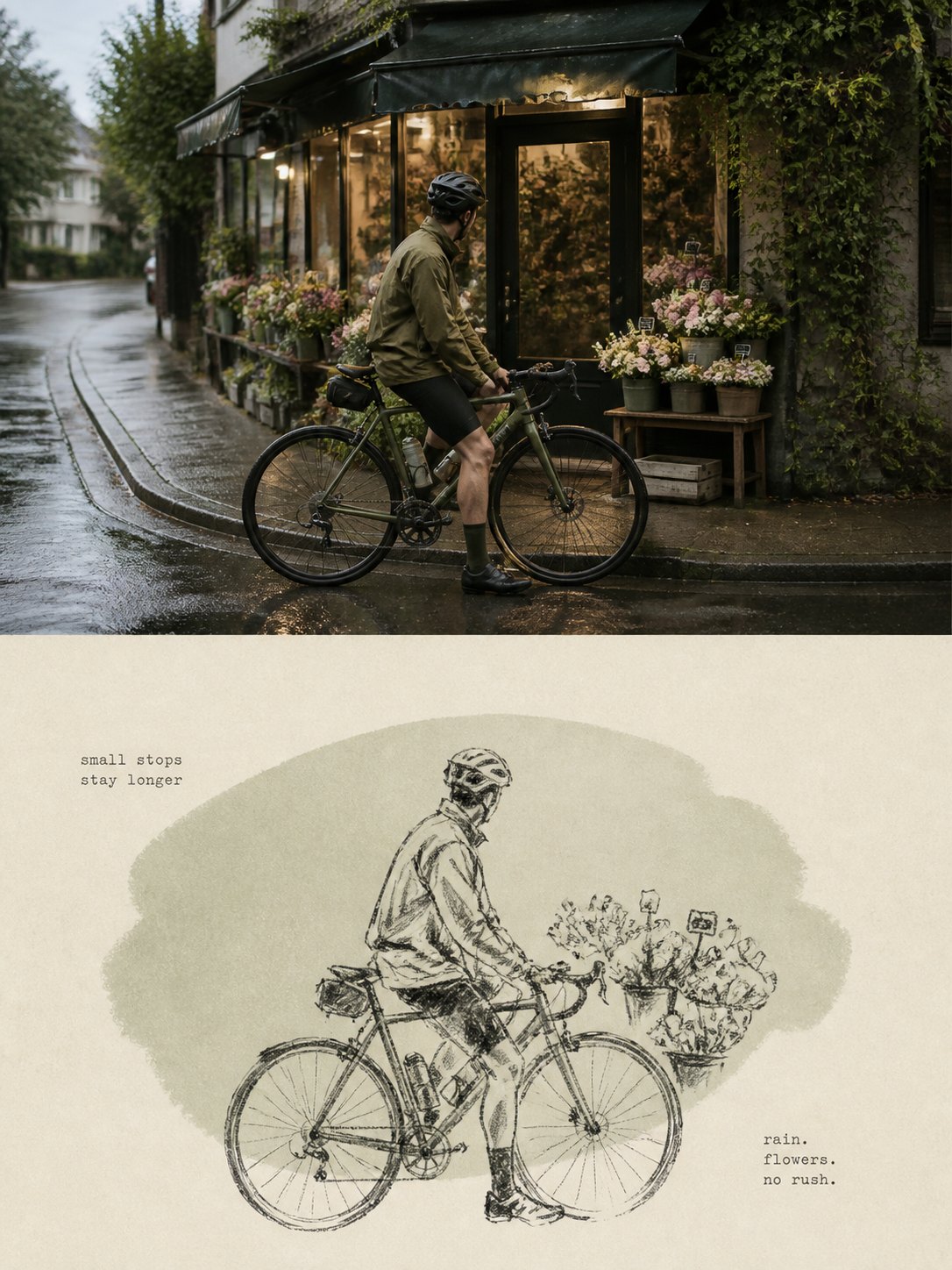
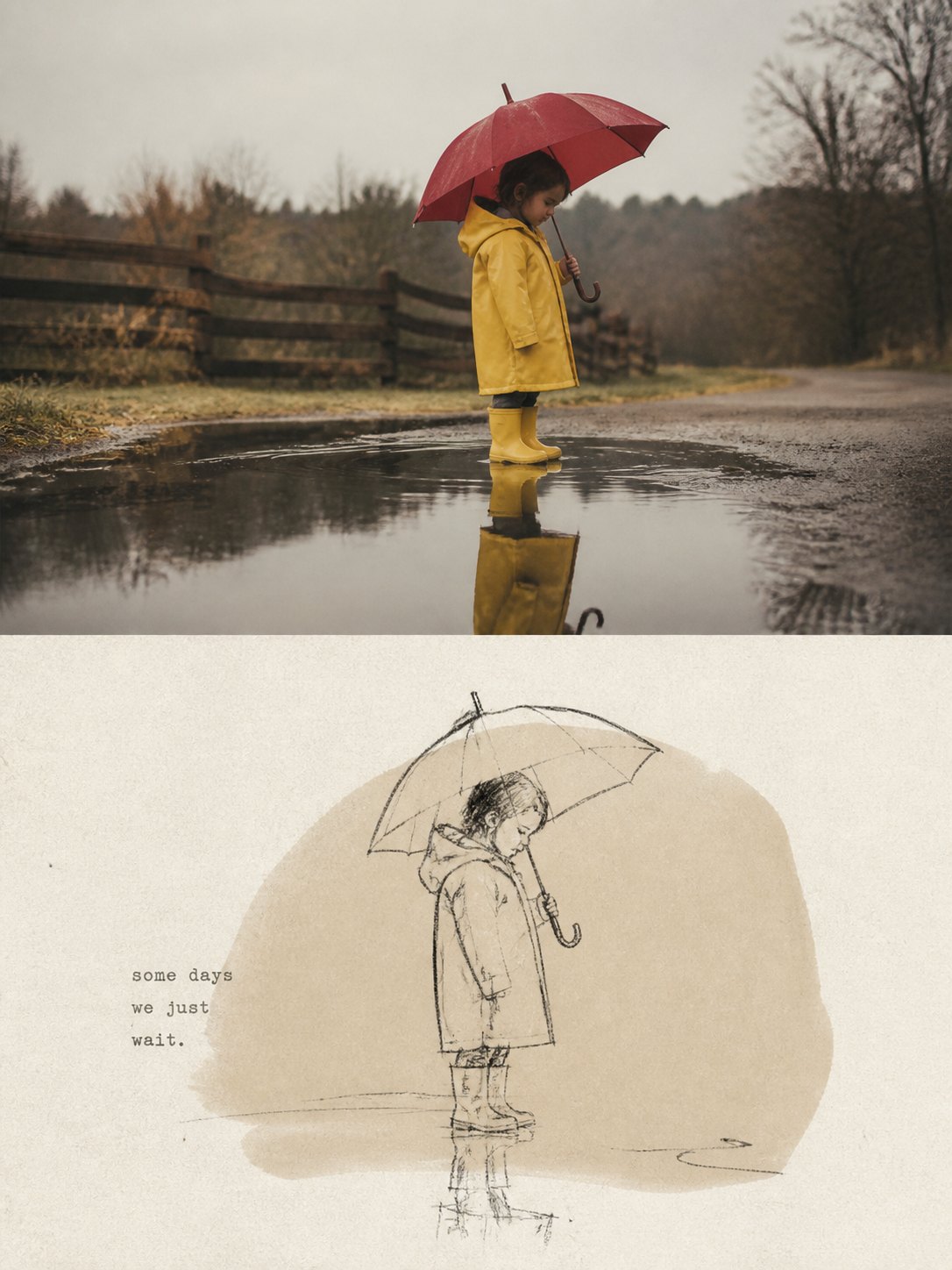
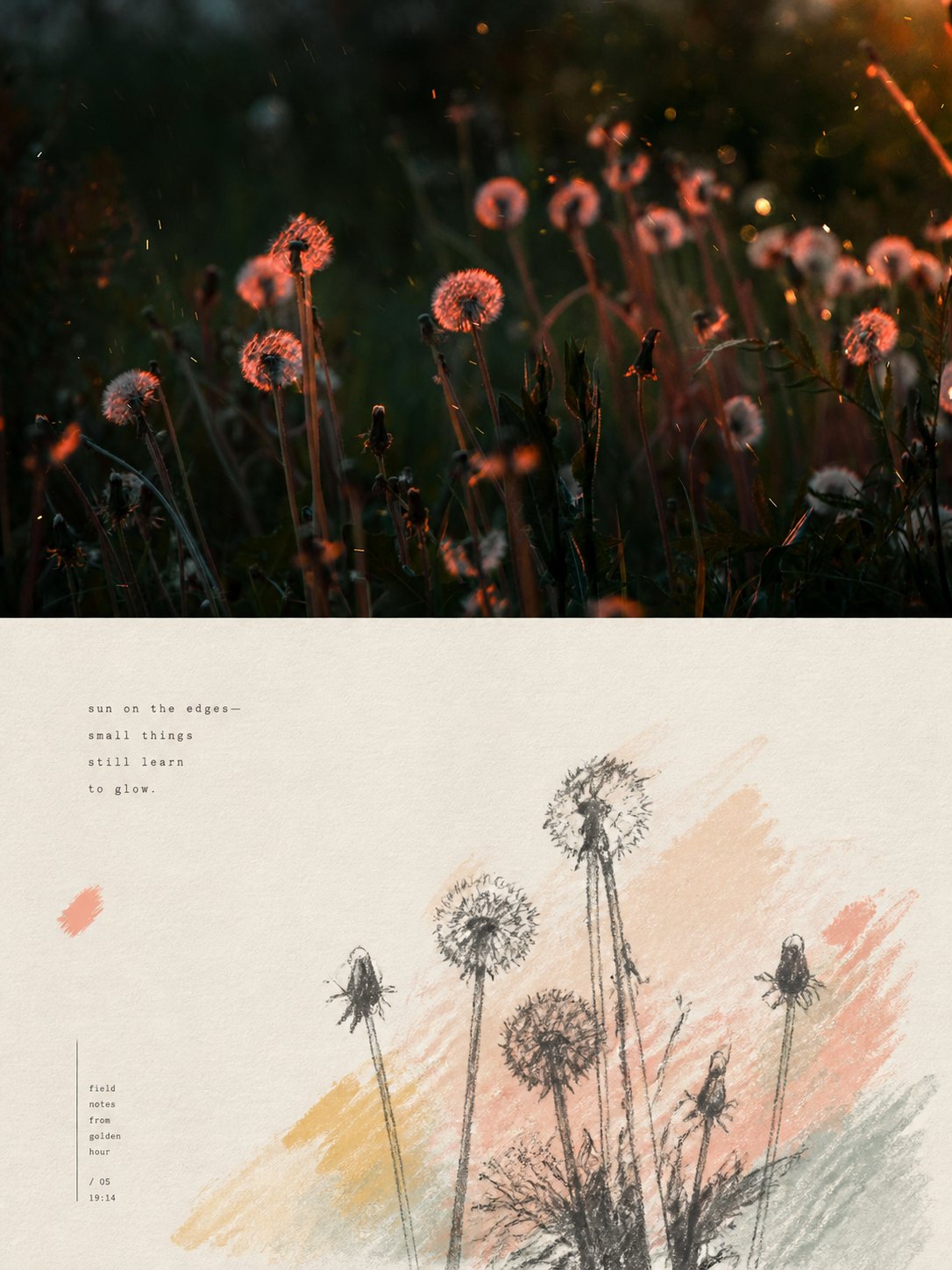
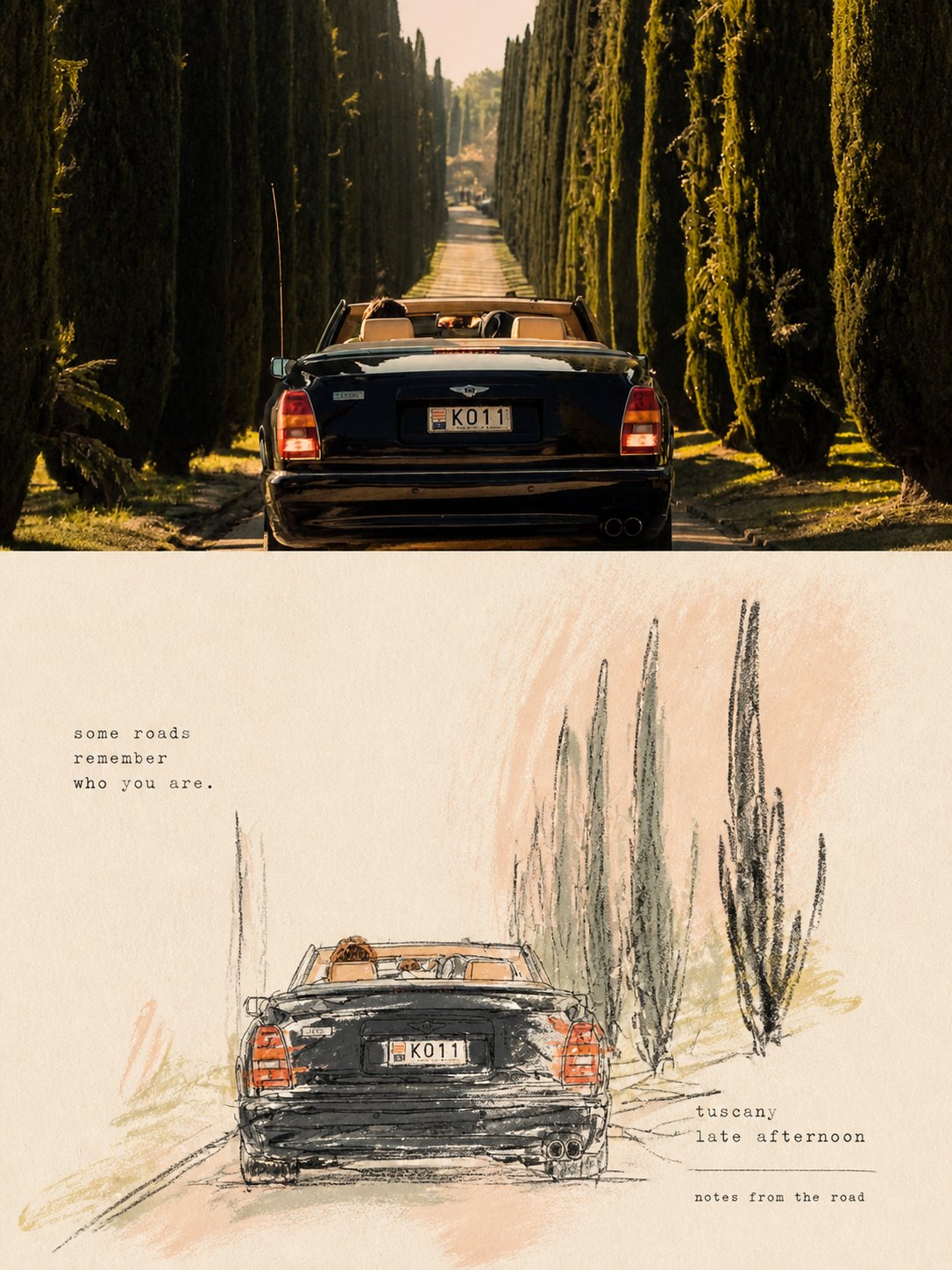
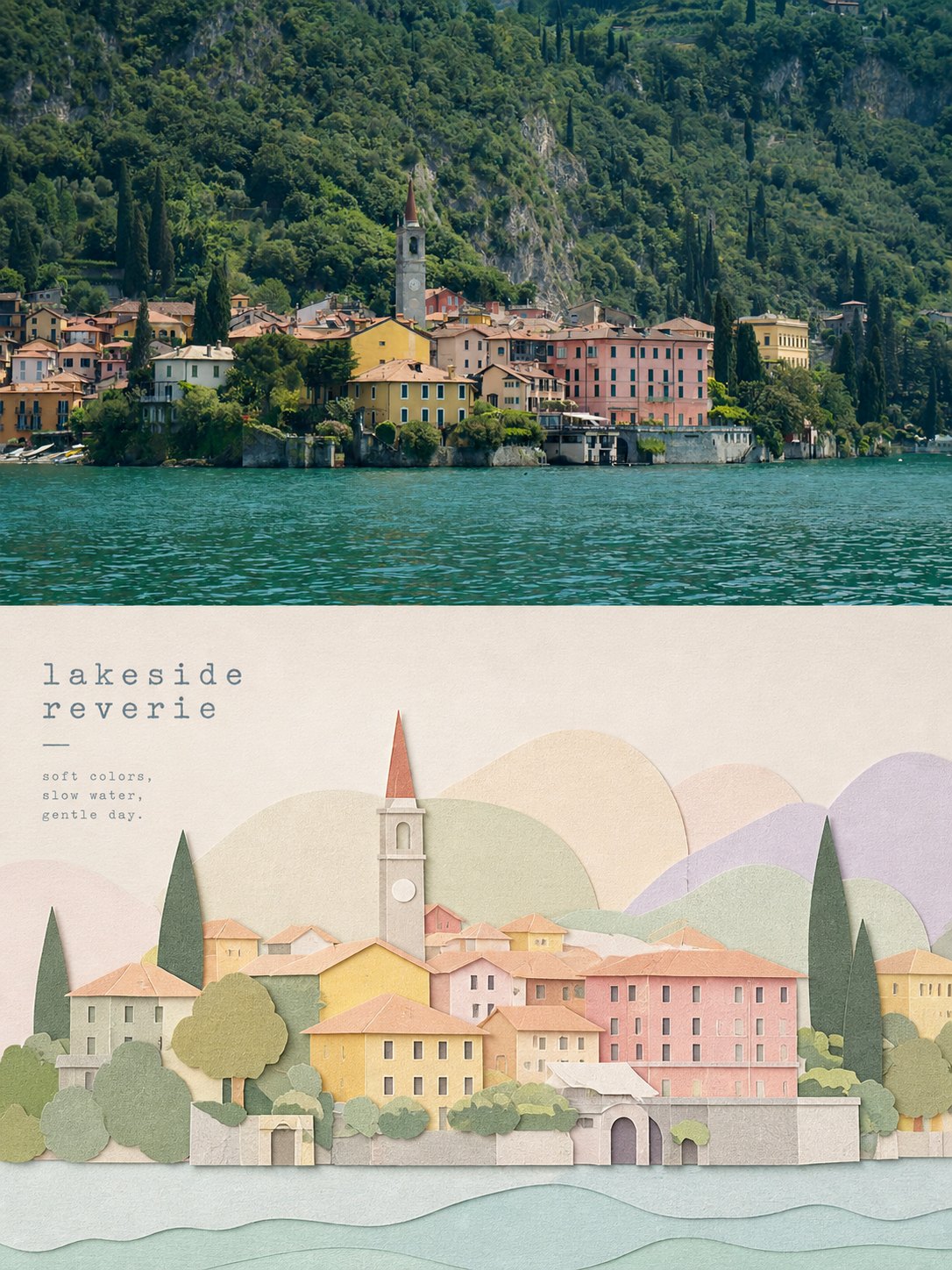
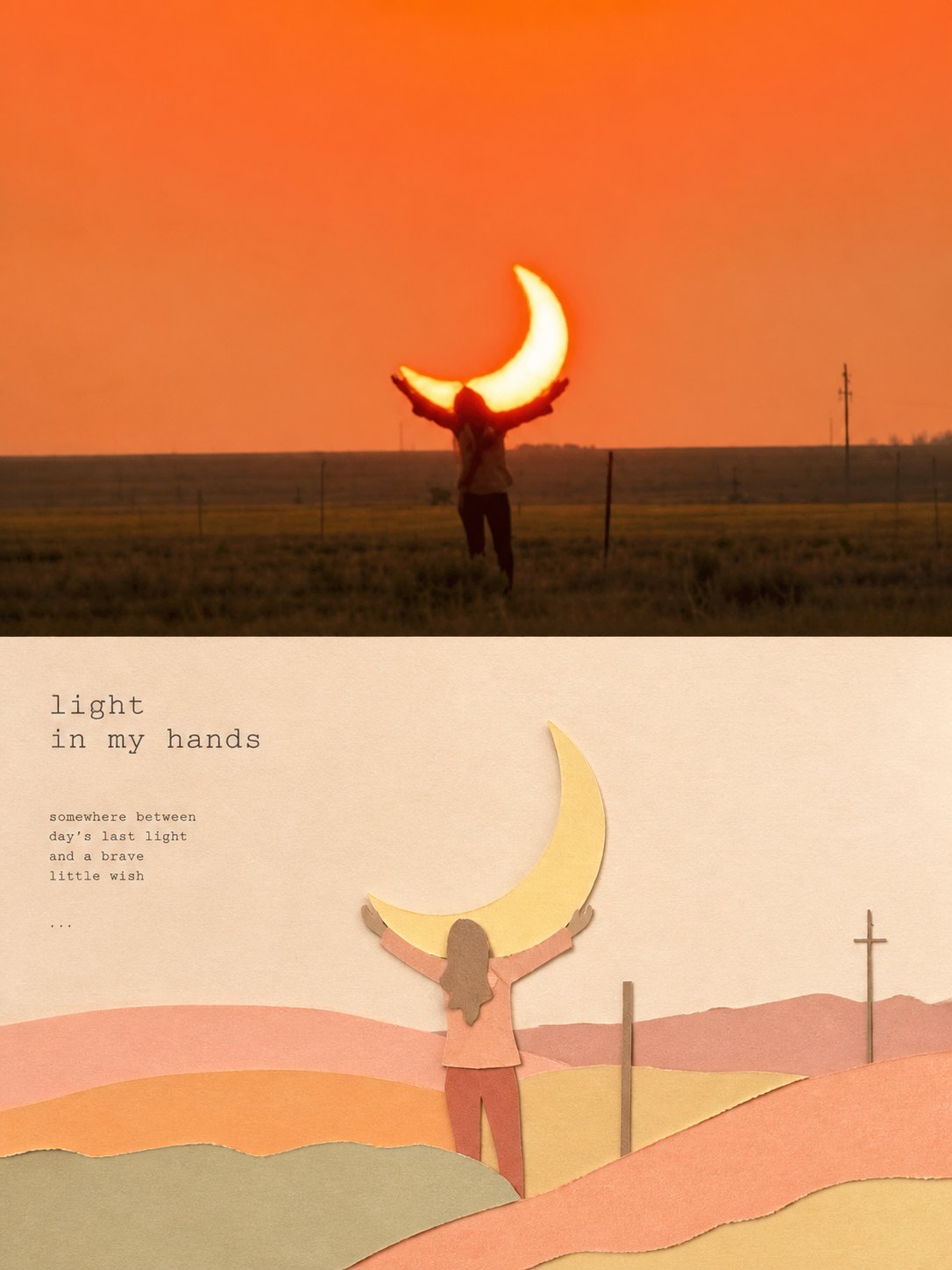
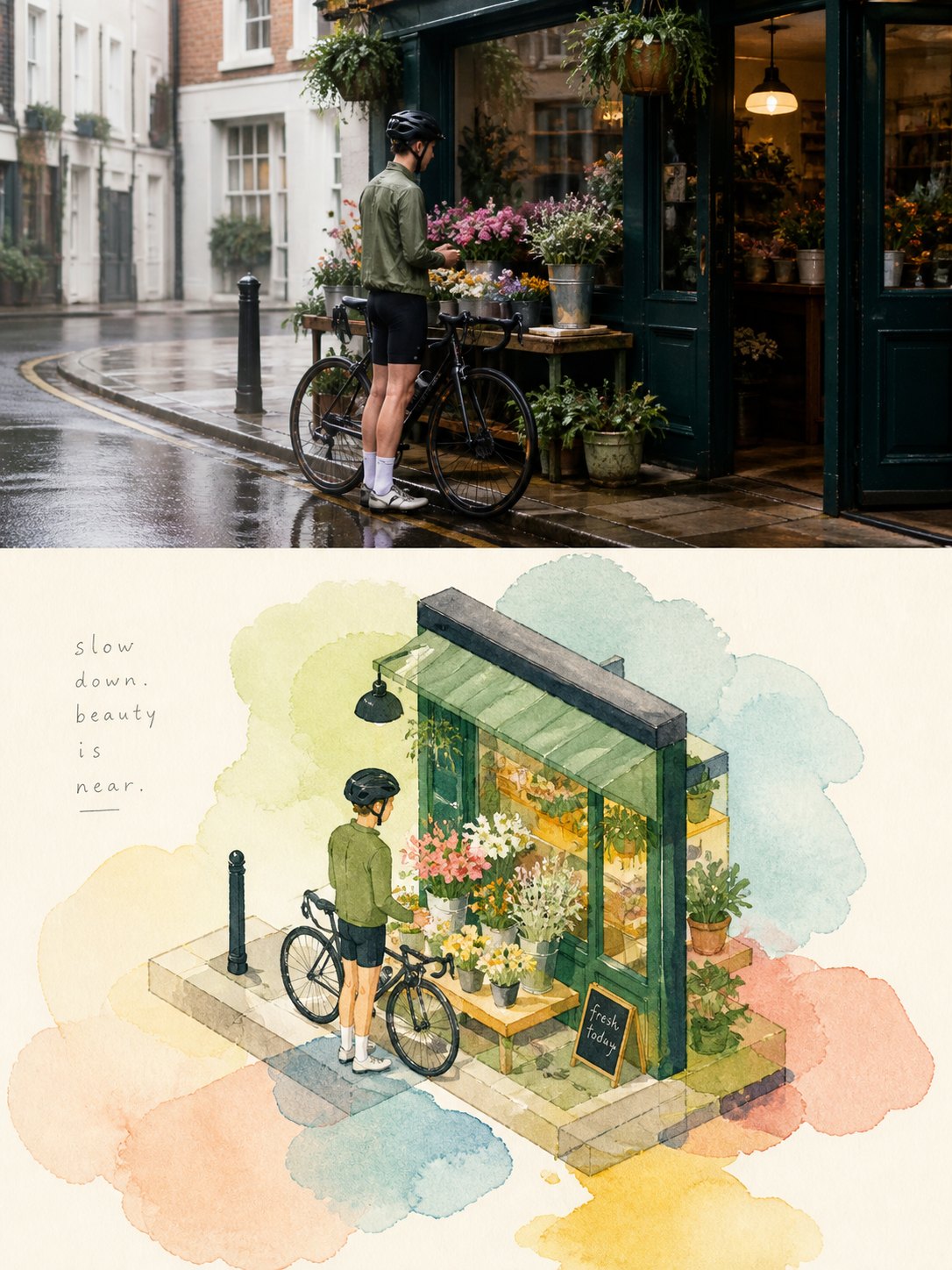
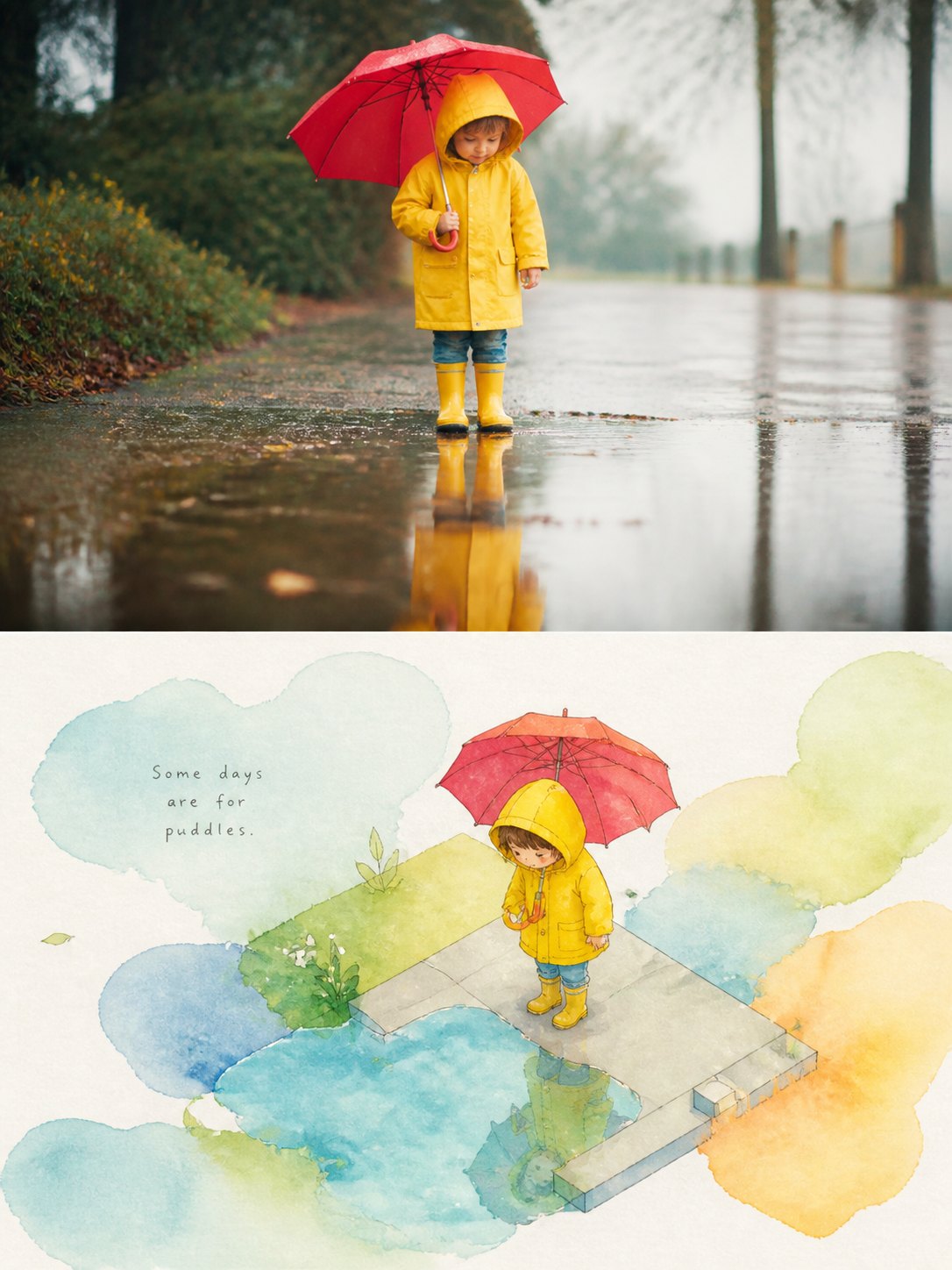
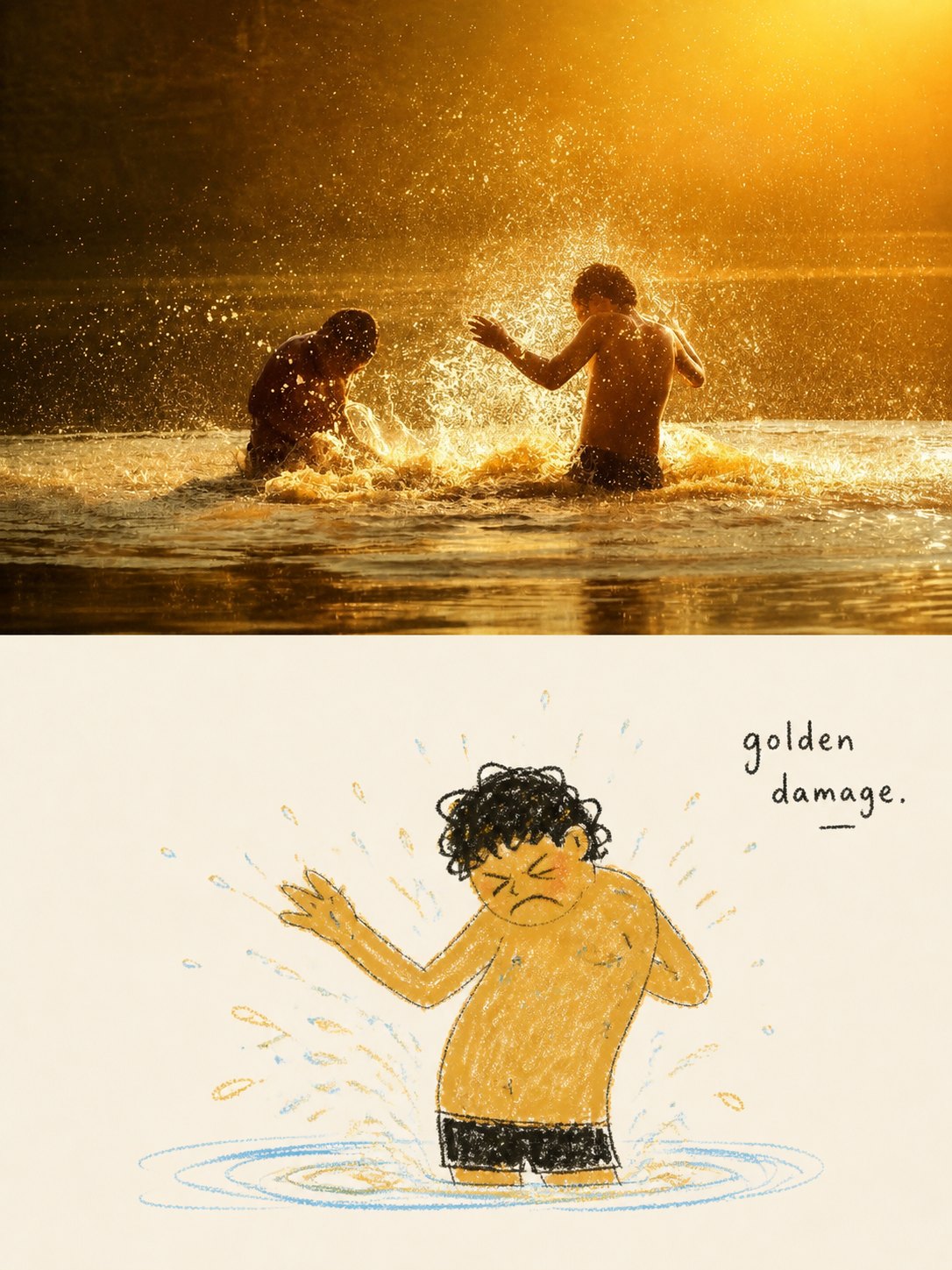
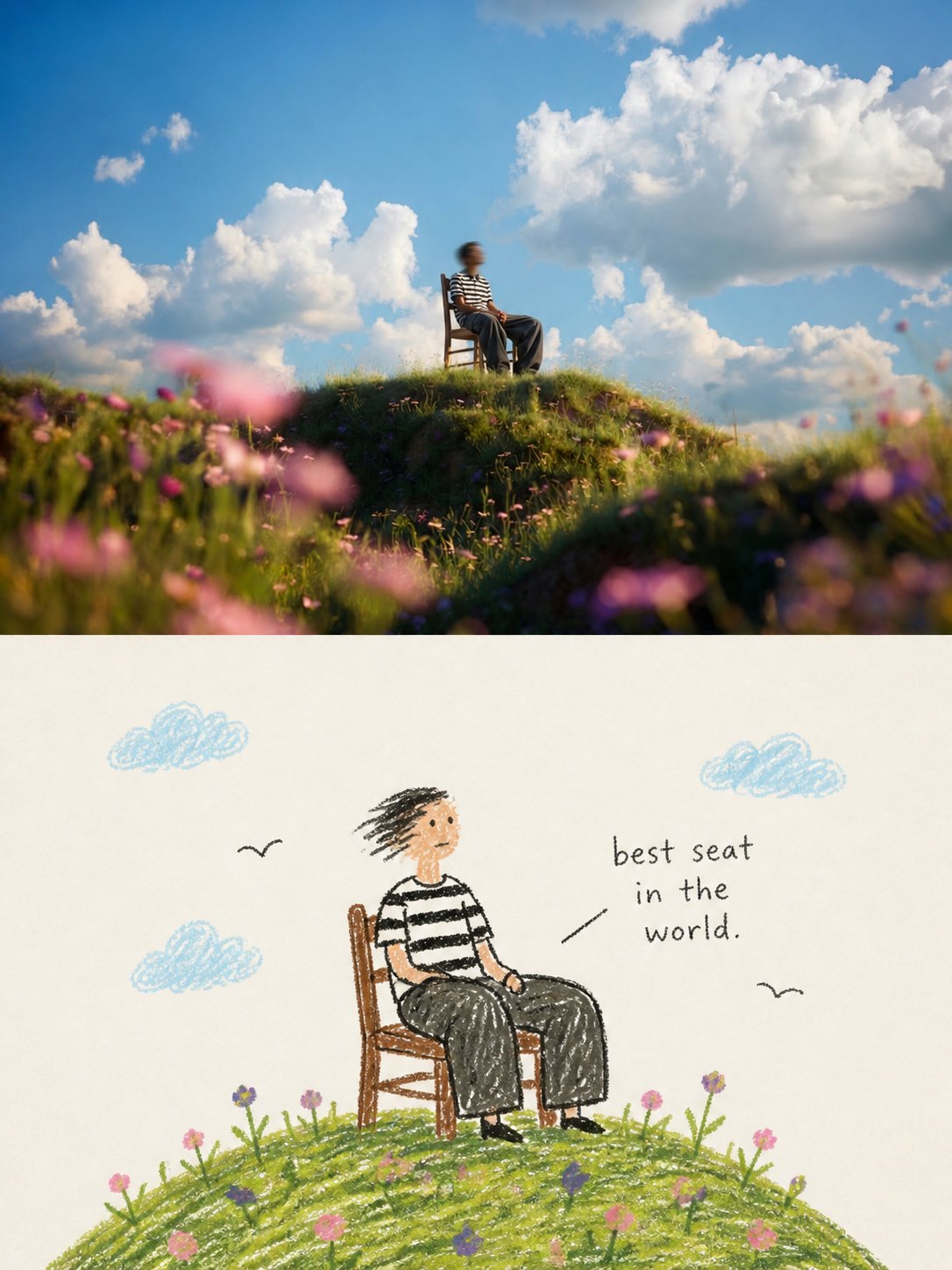
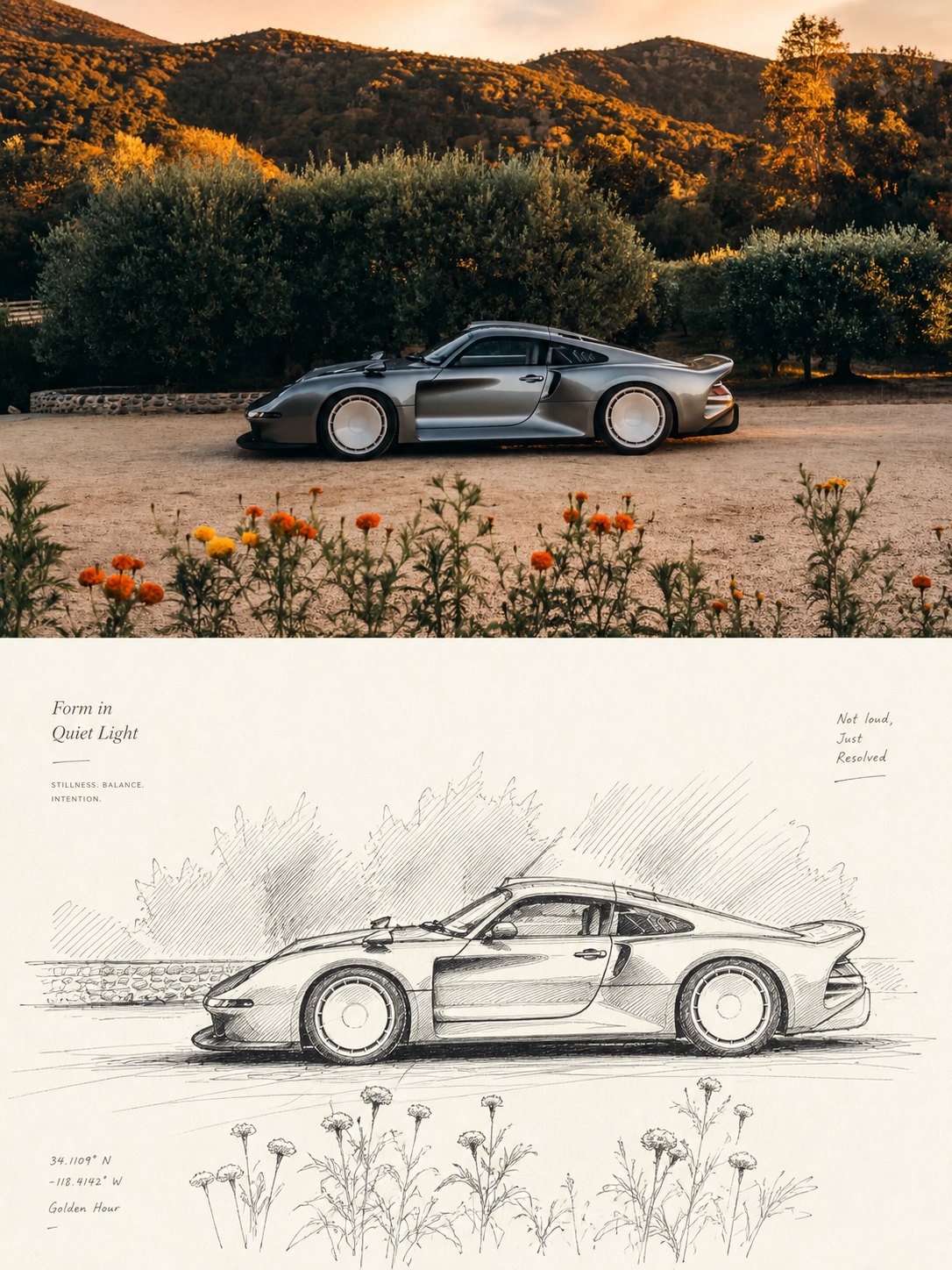
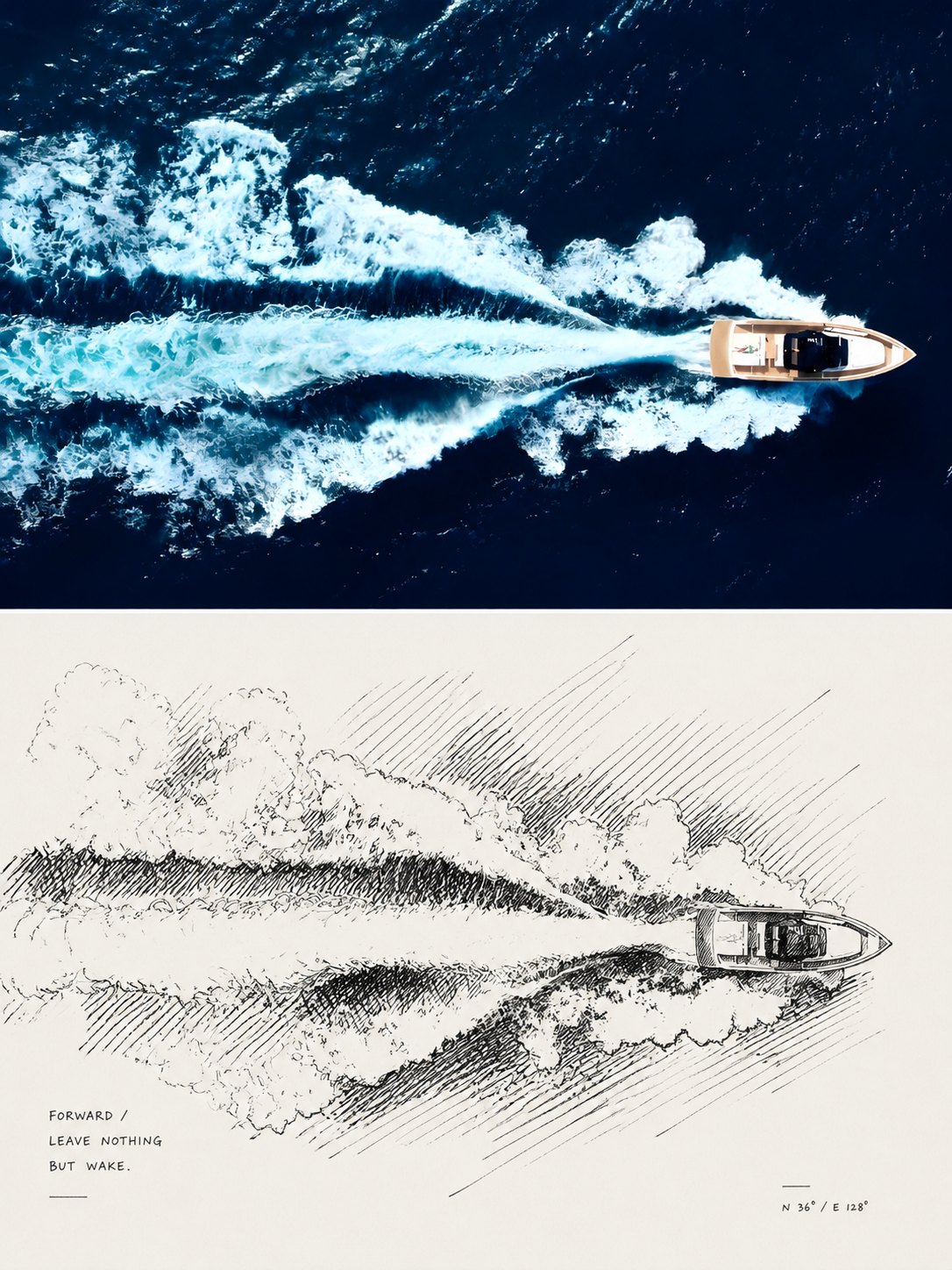
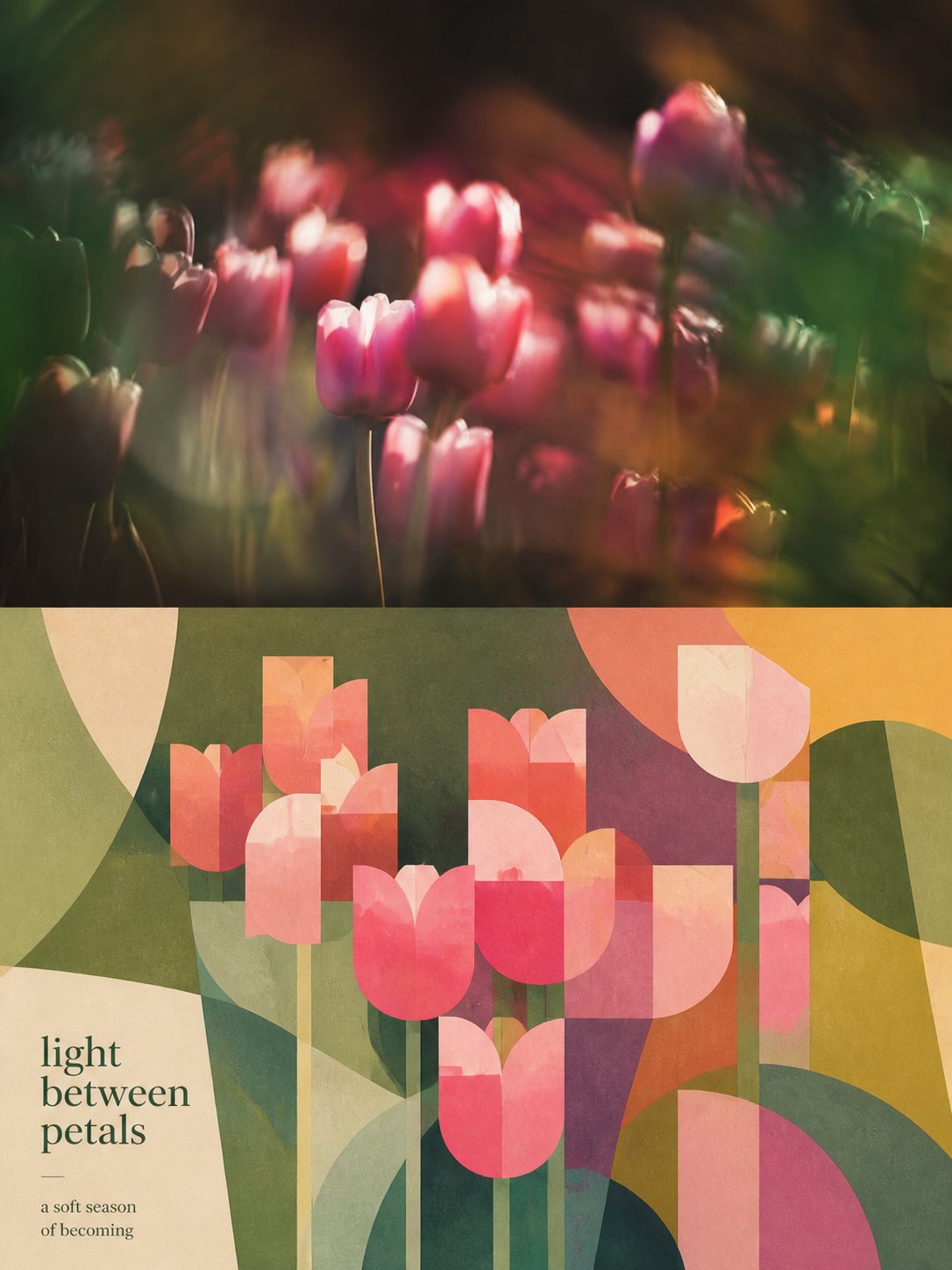
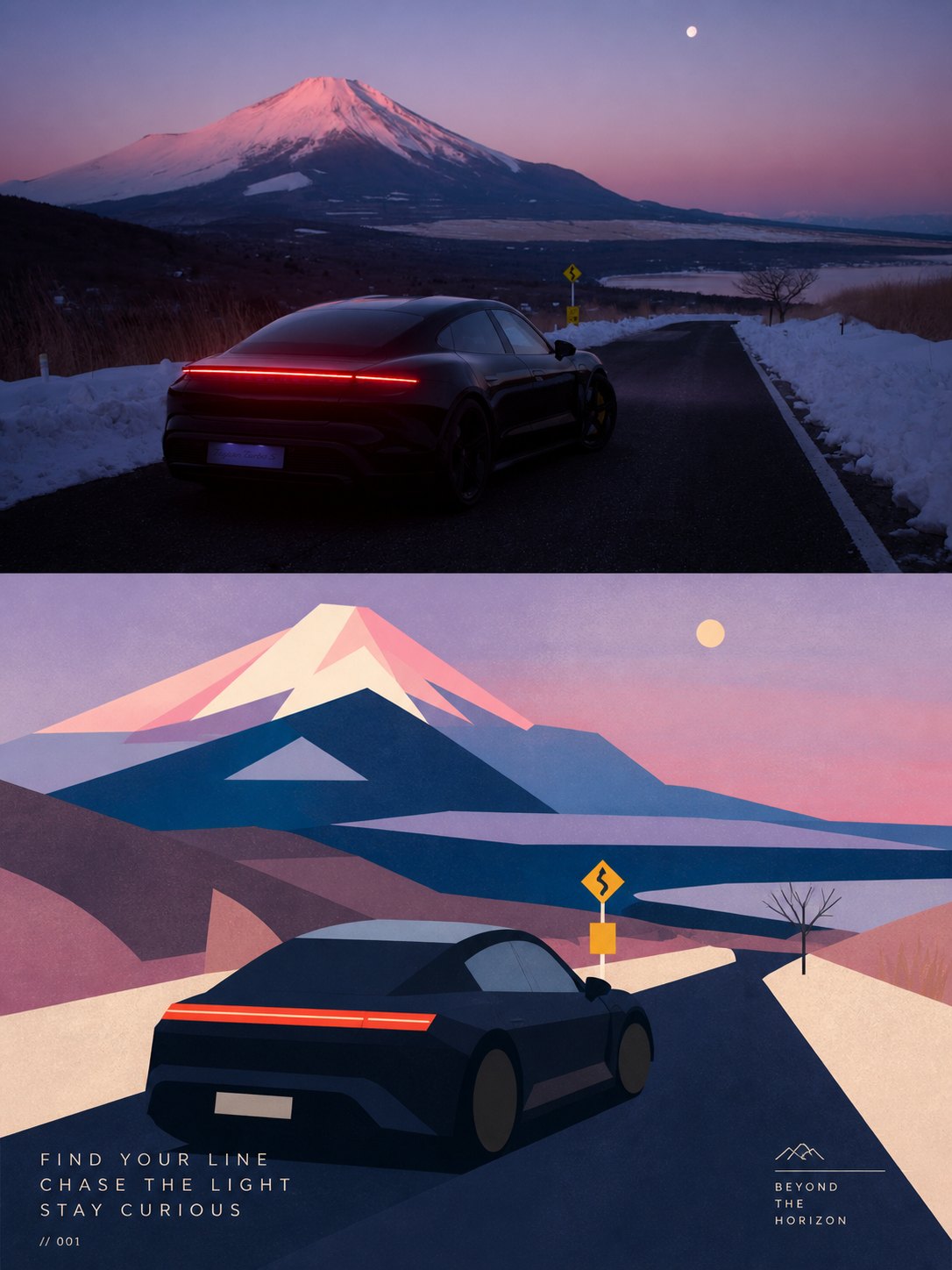
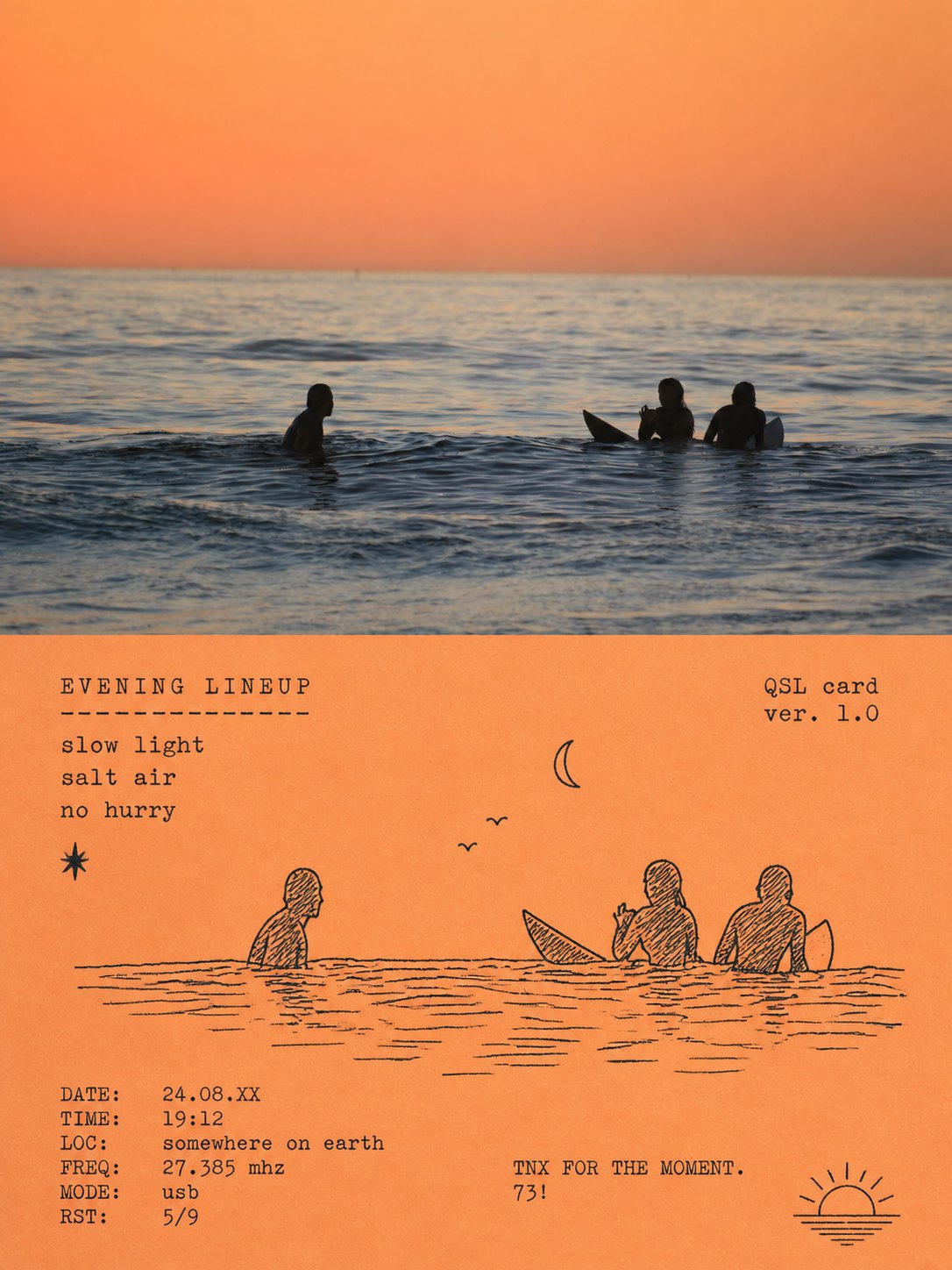
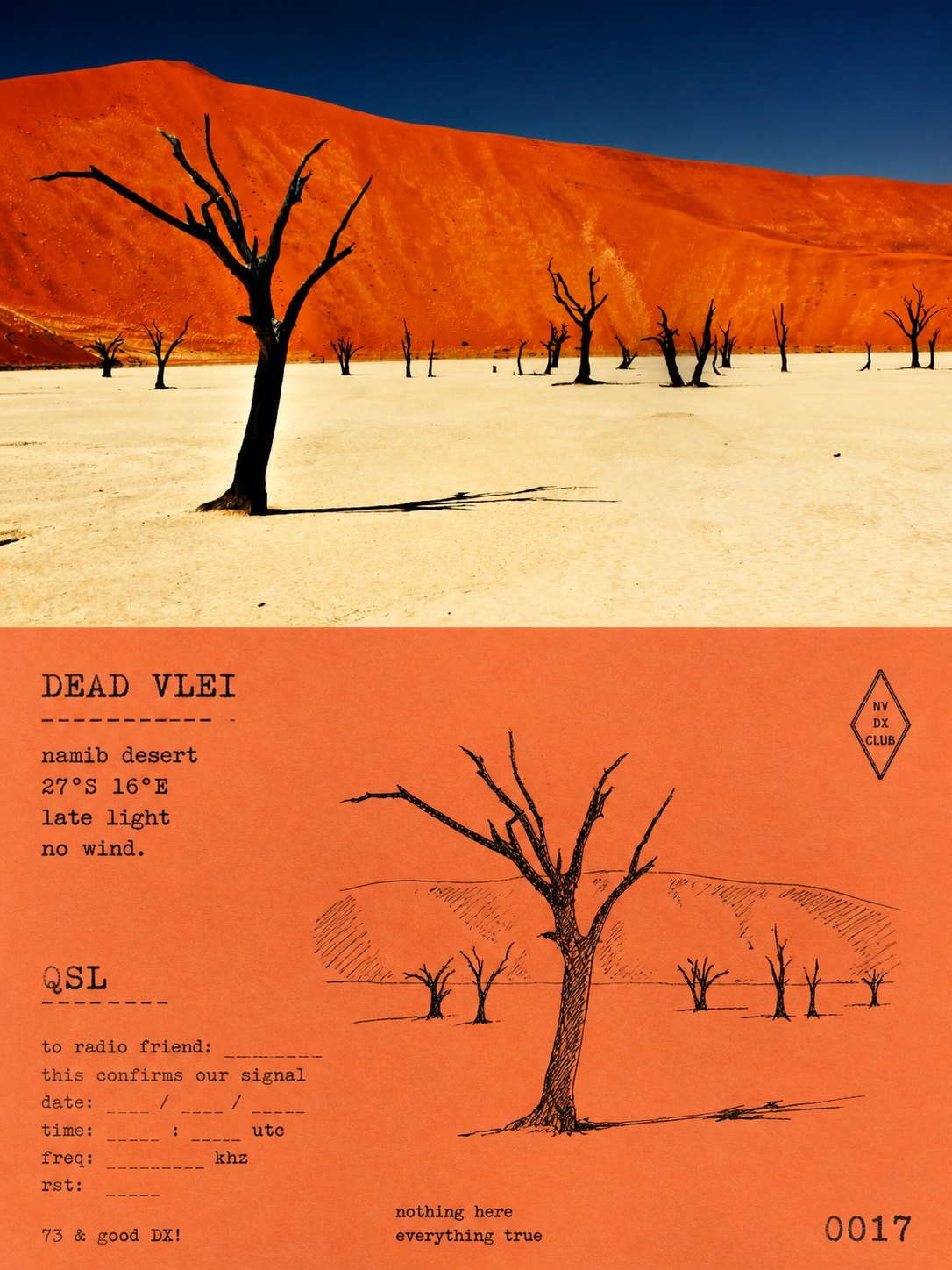
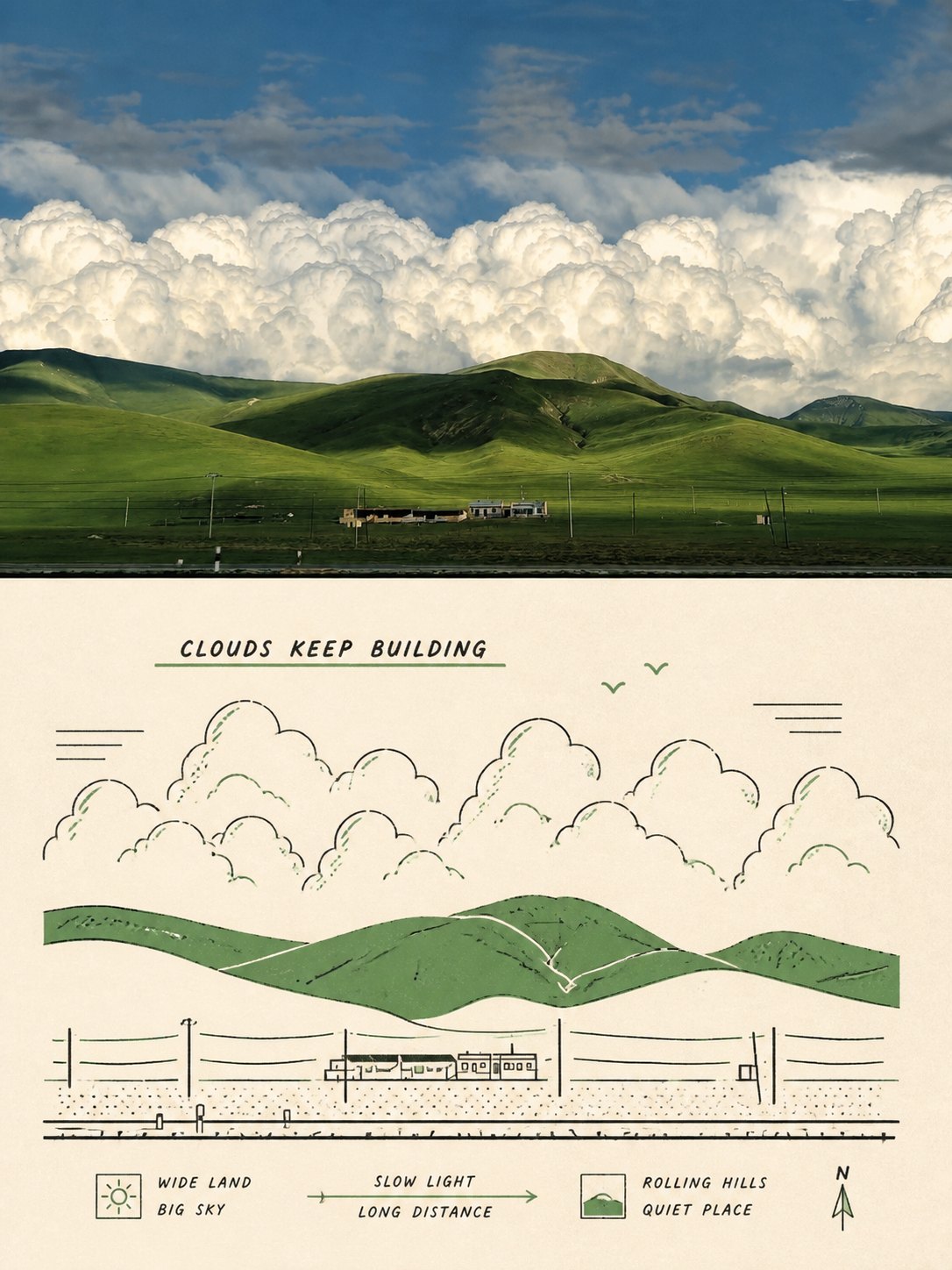
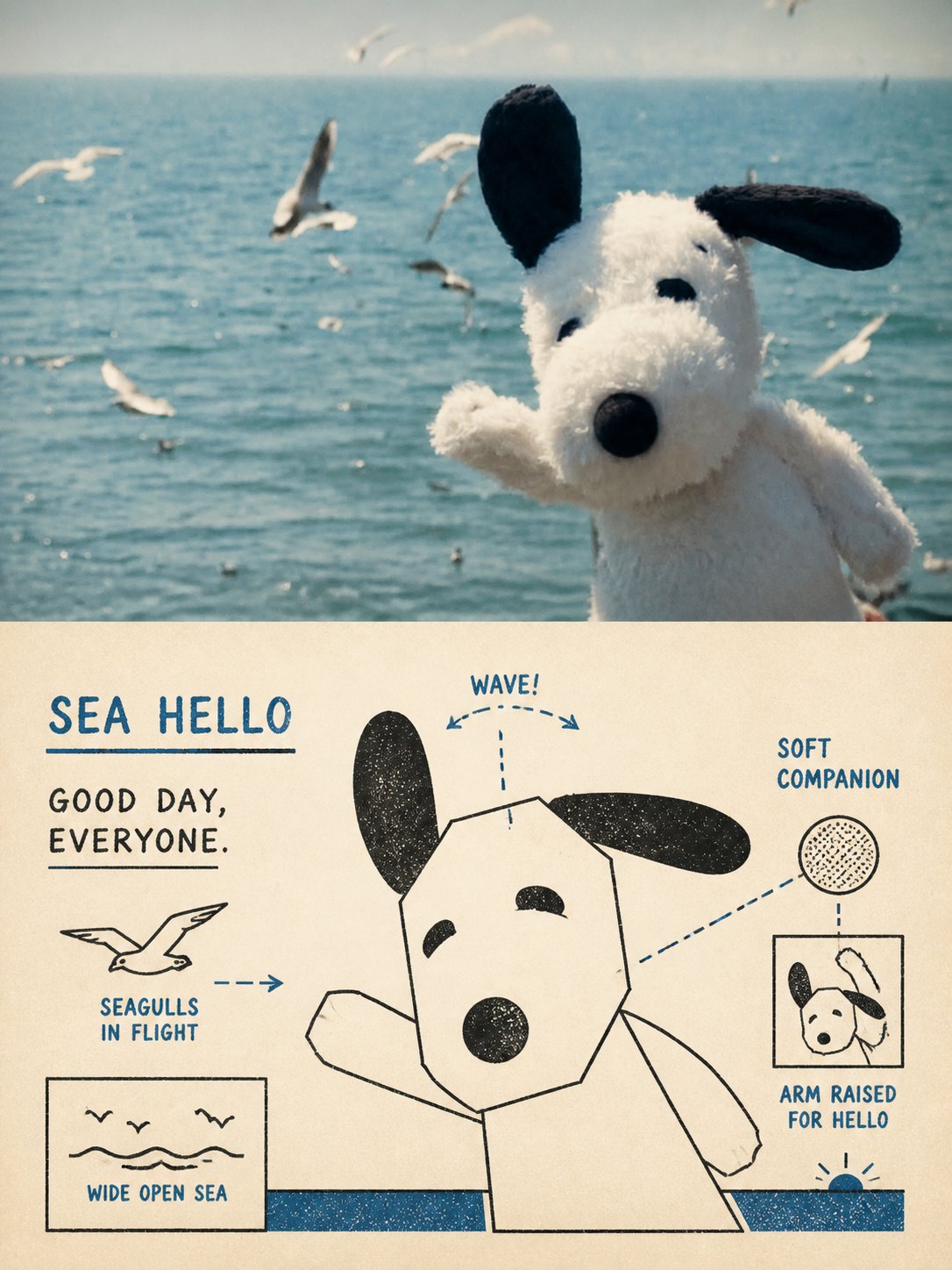
 1 / 4
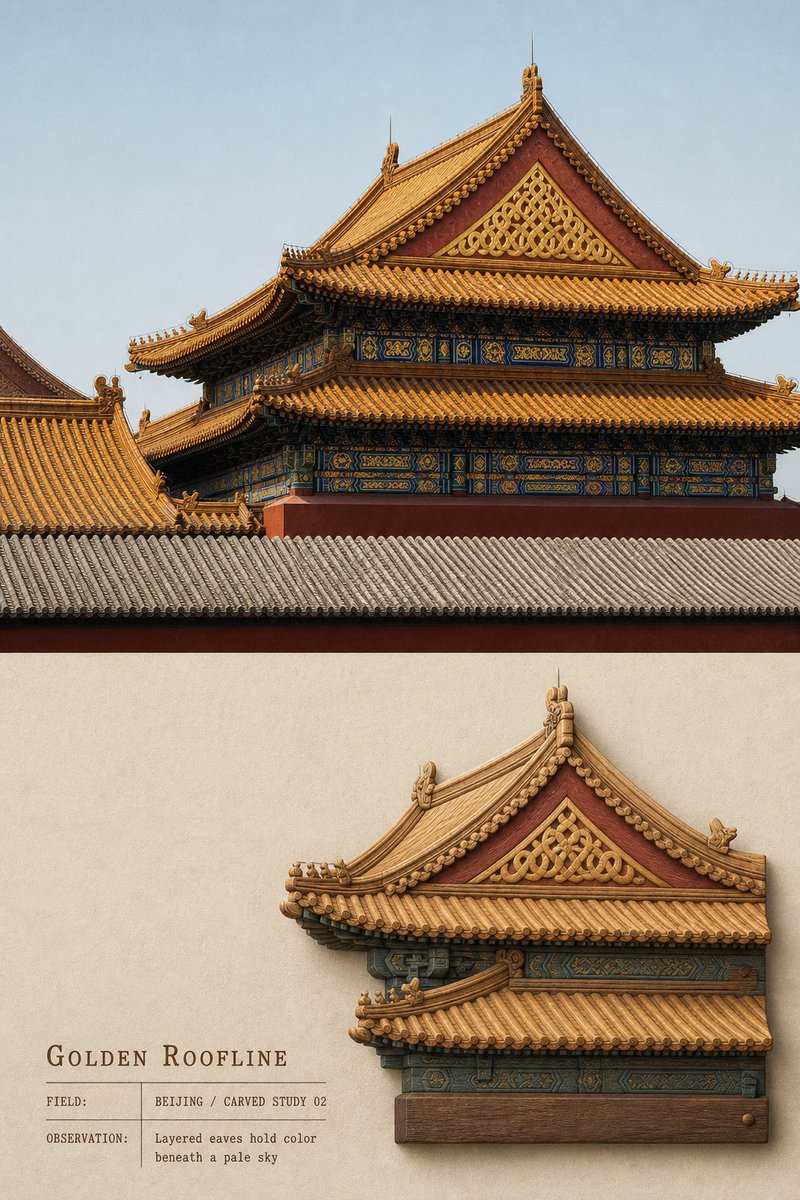
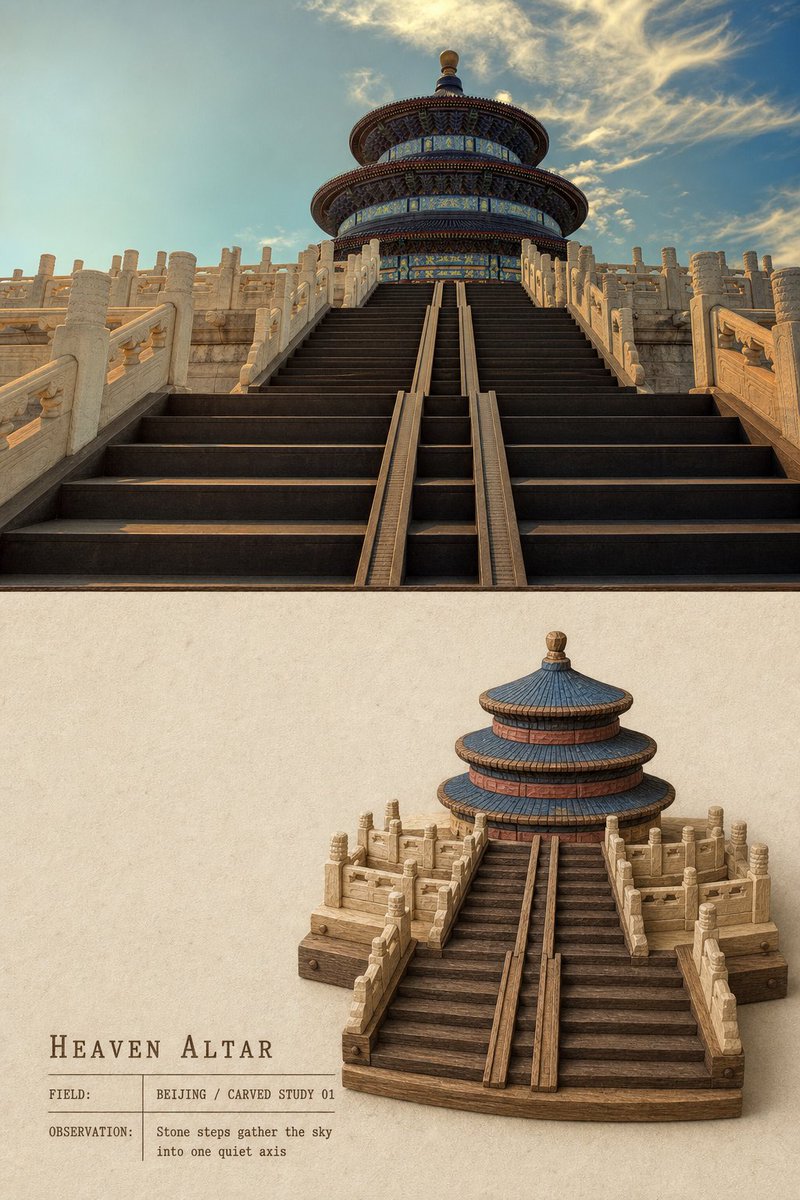
1 / 4Carved wood memory relief
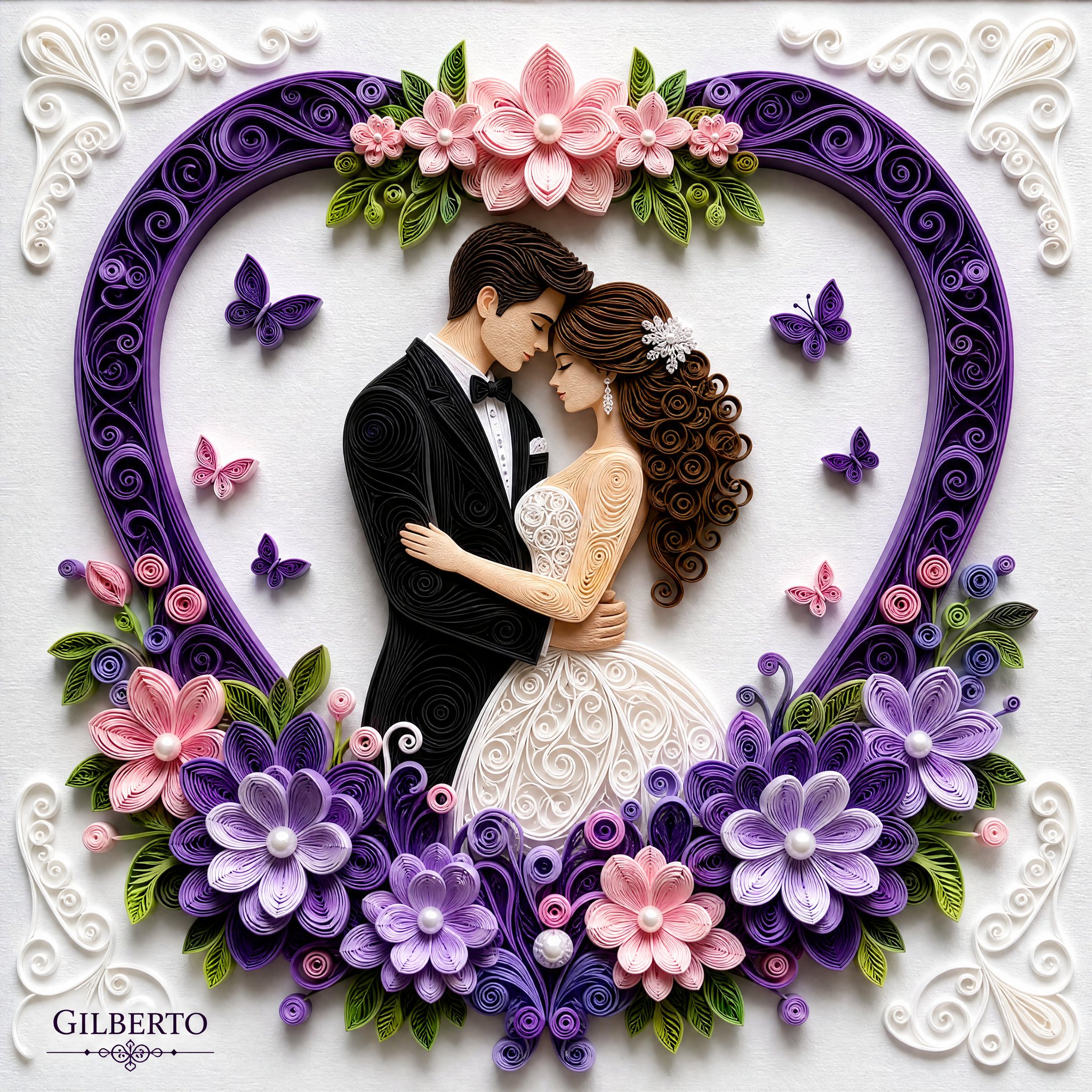
paper craft
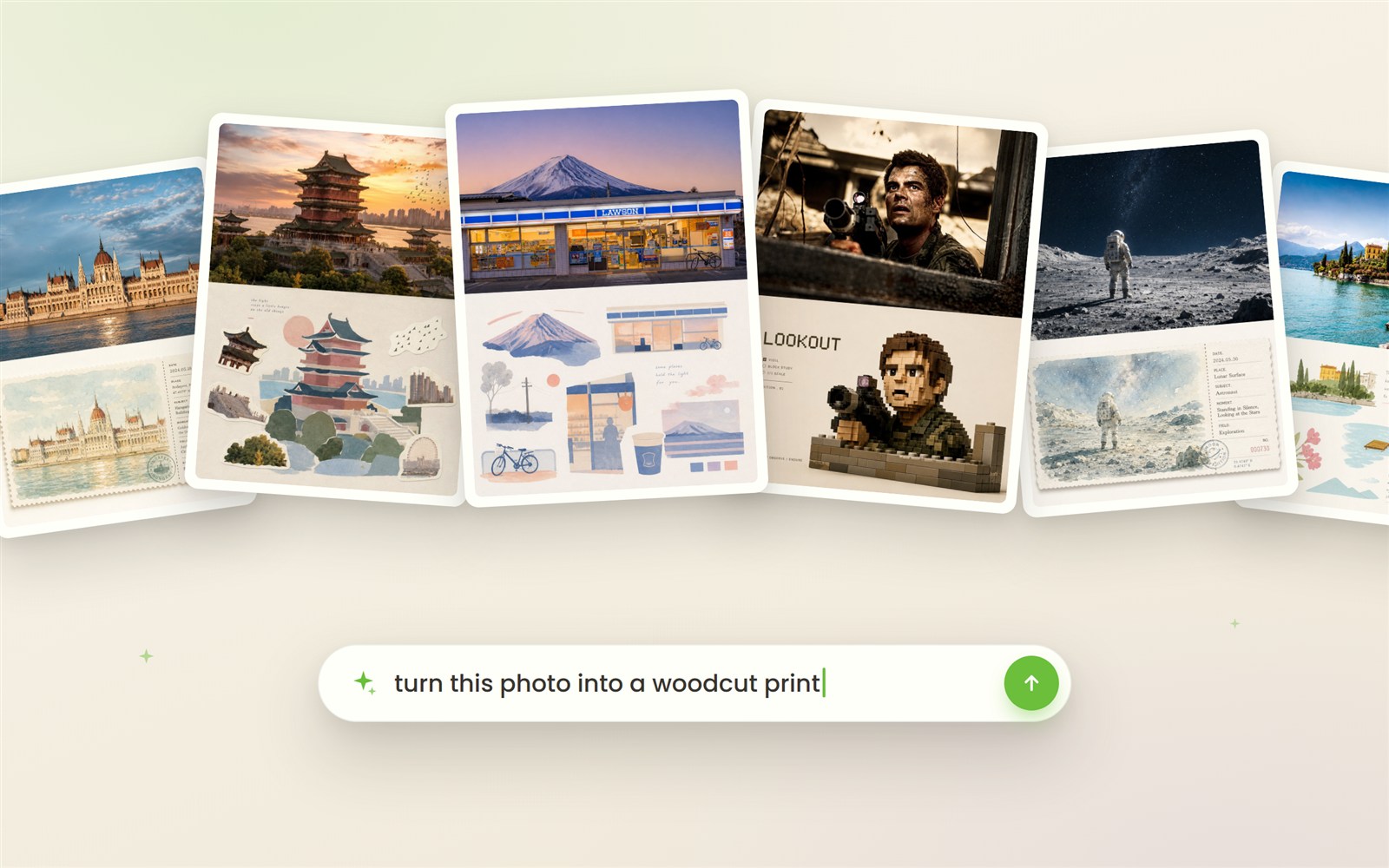
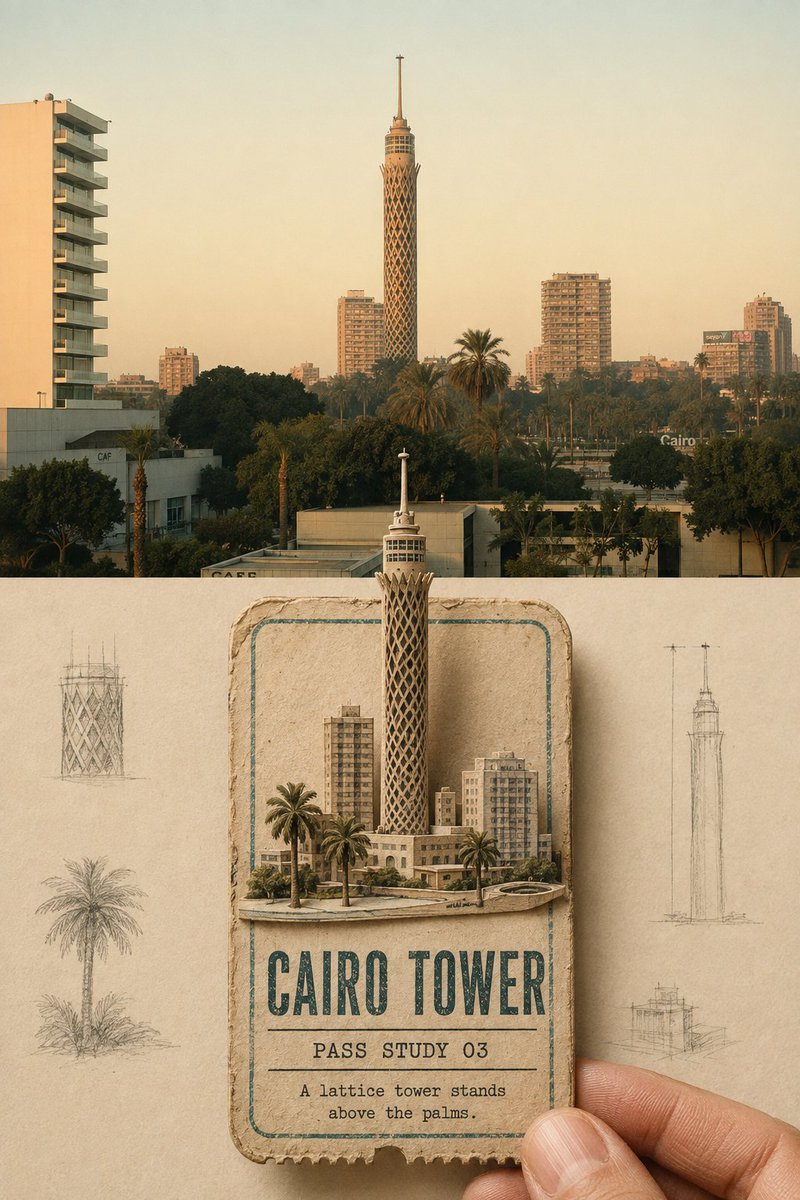
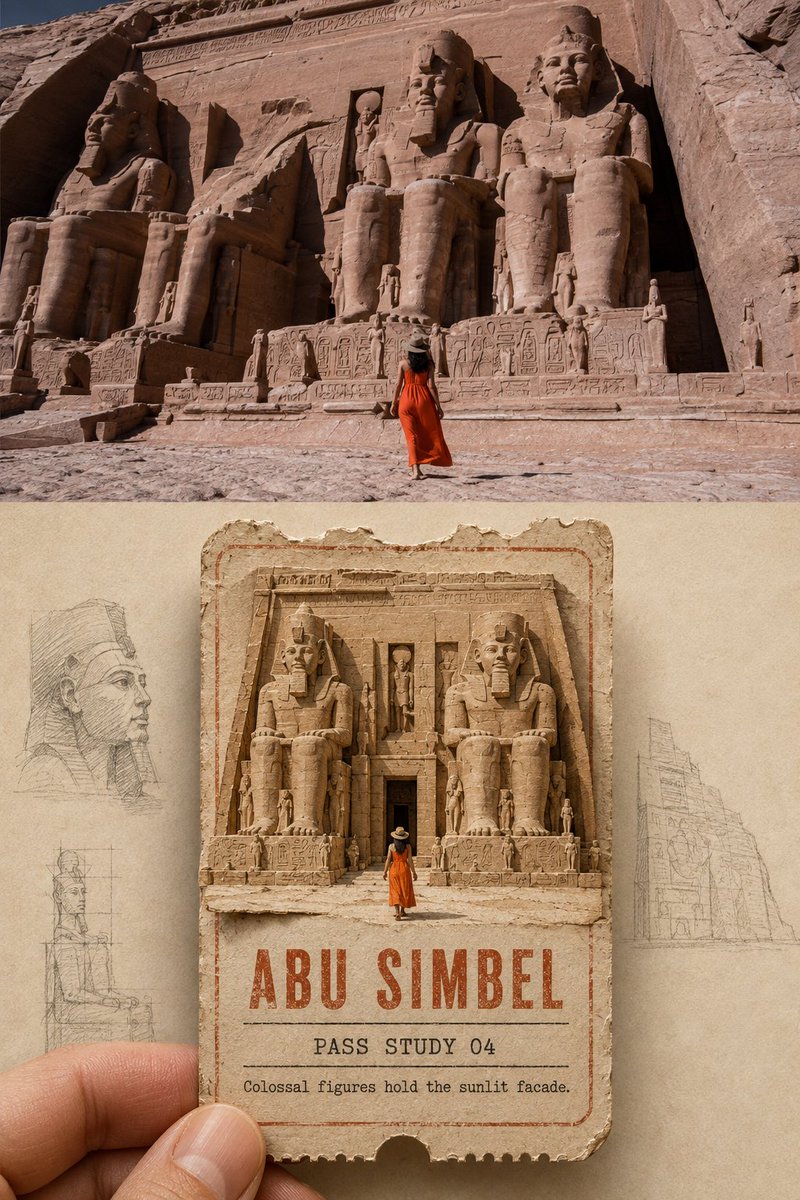
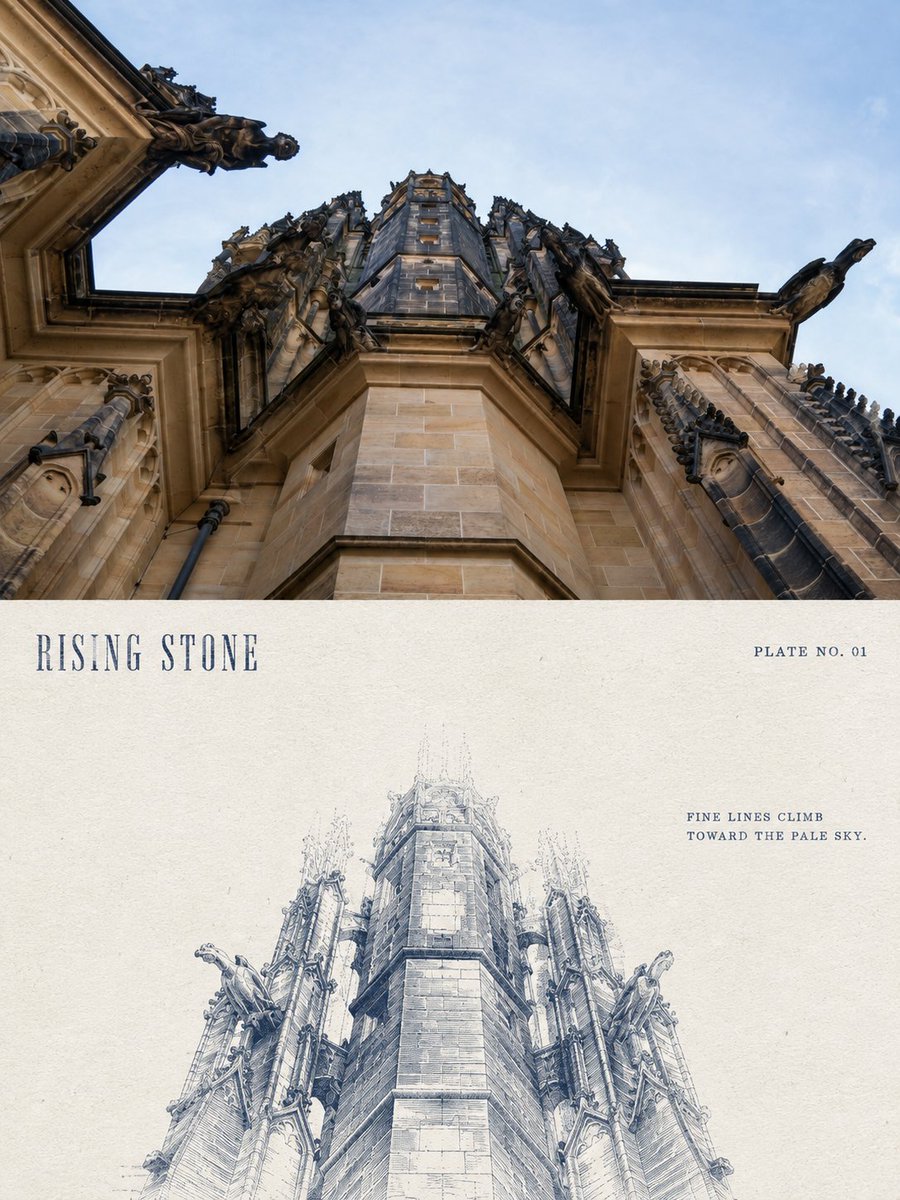
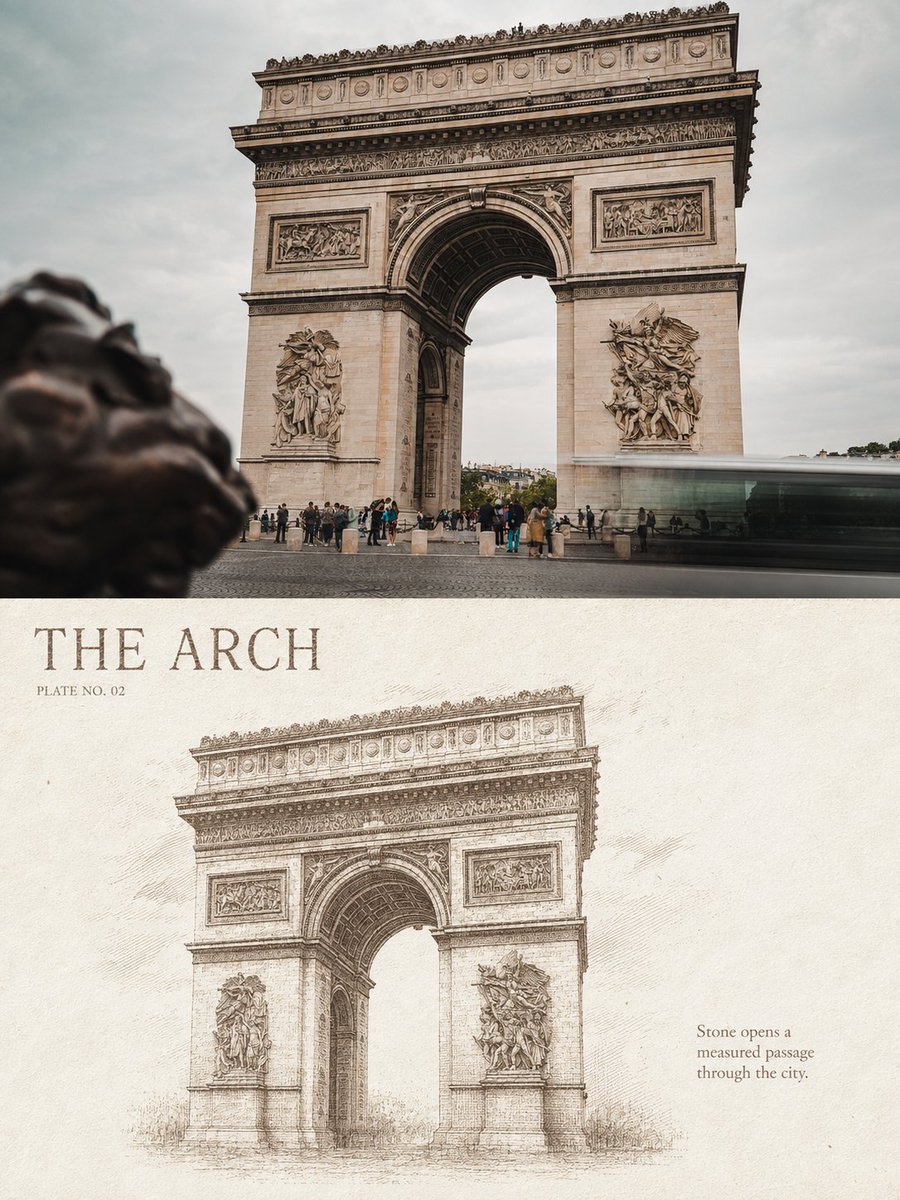
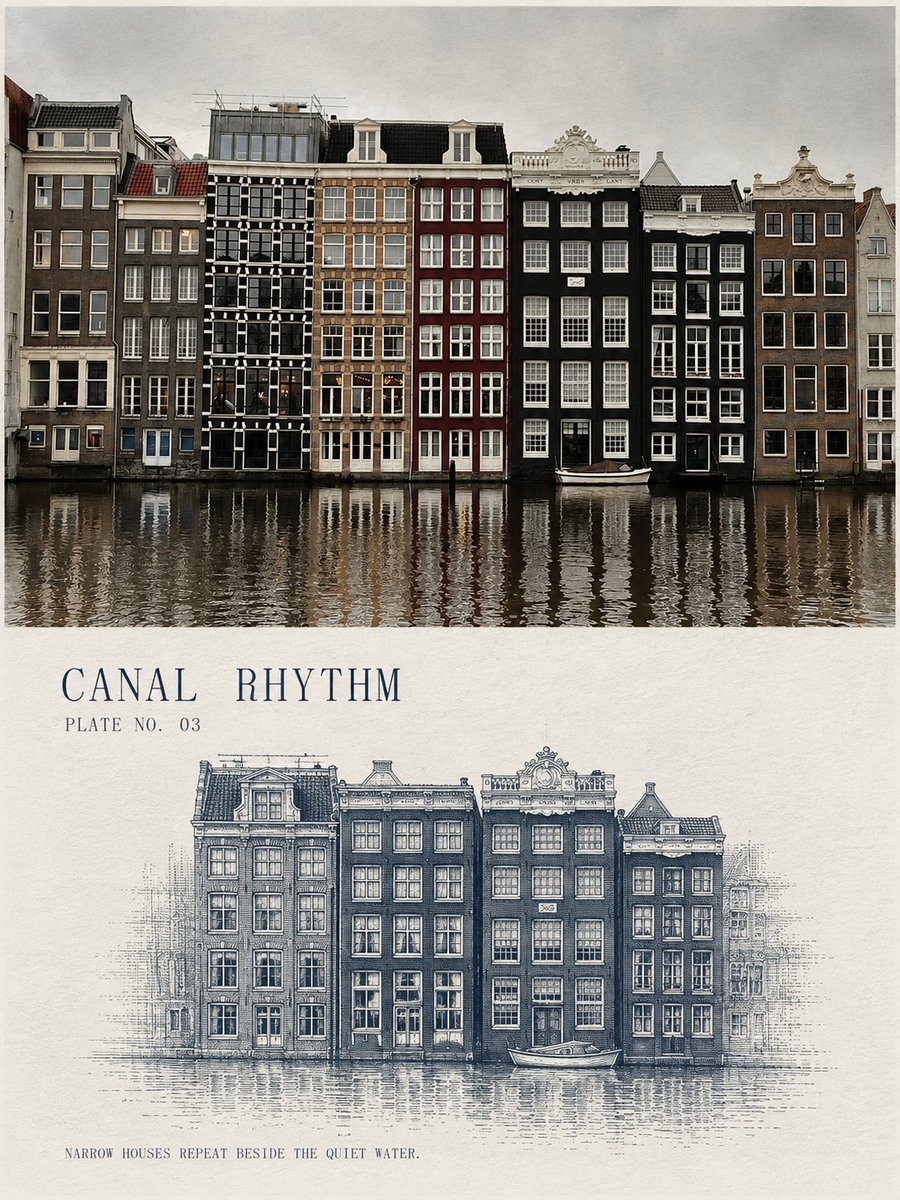
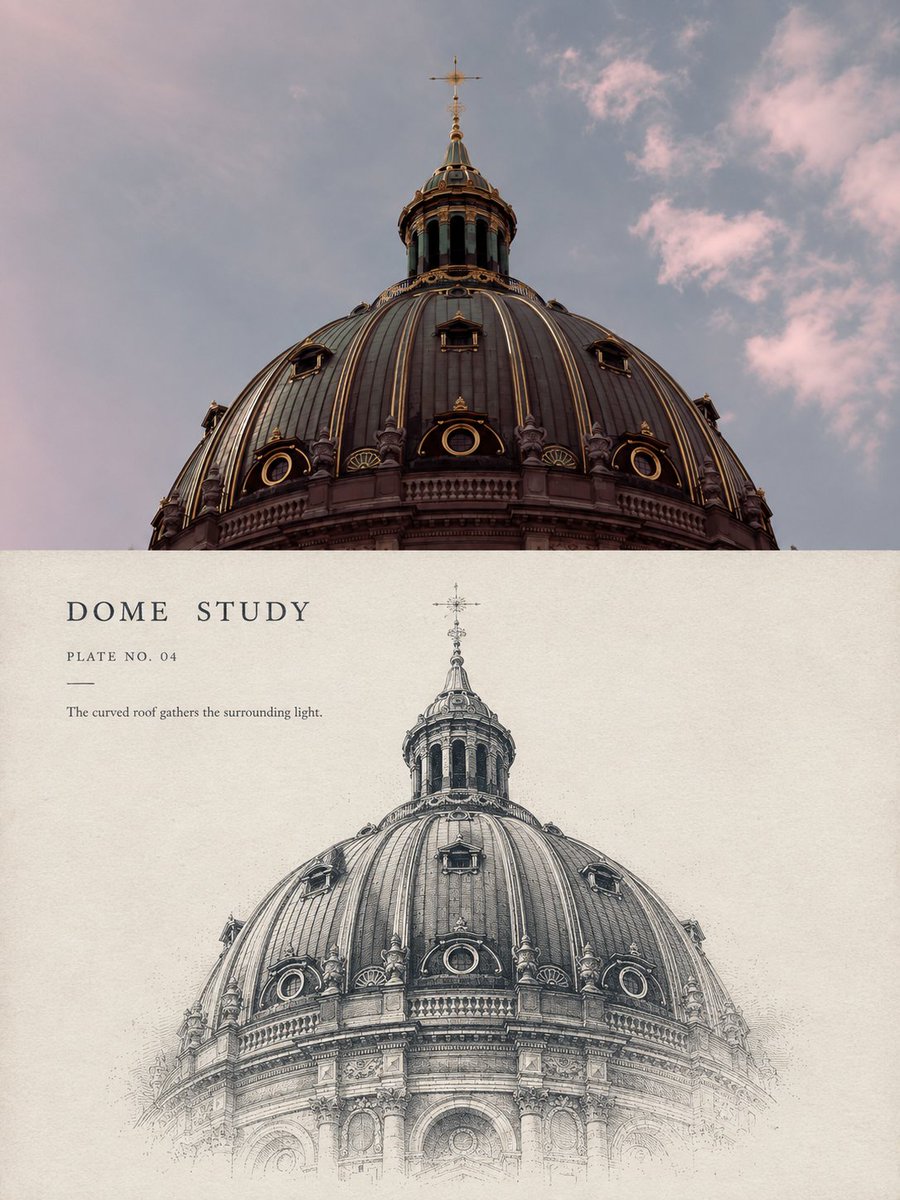
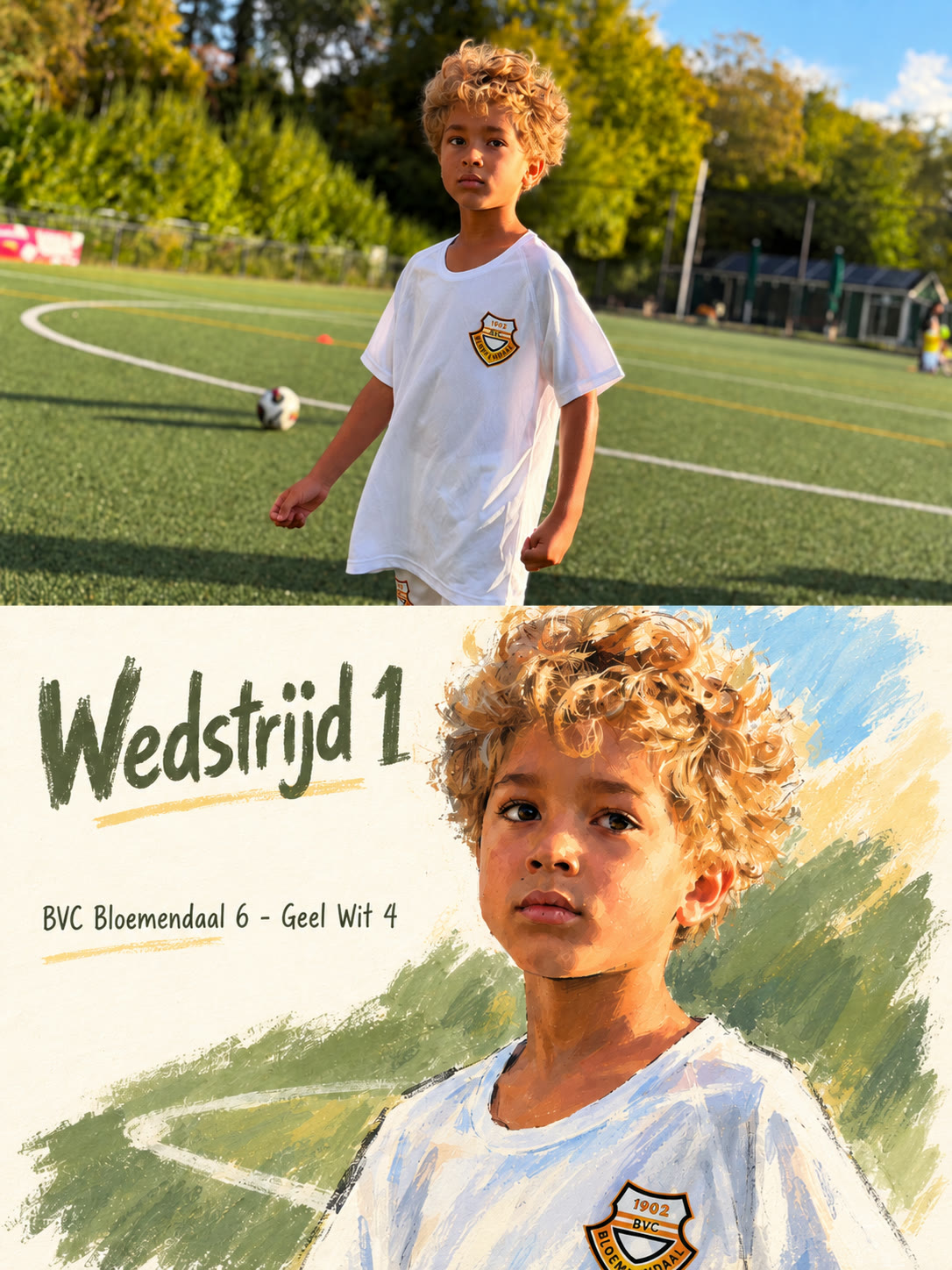
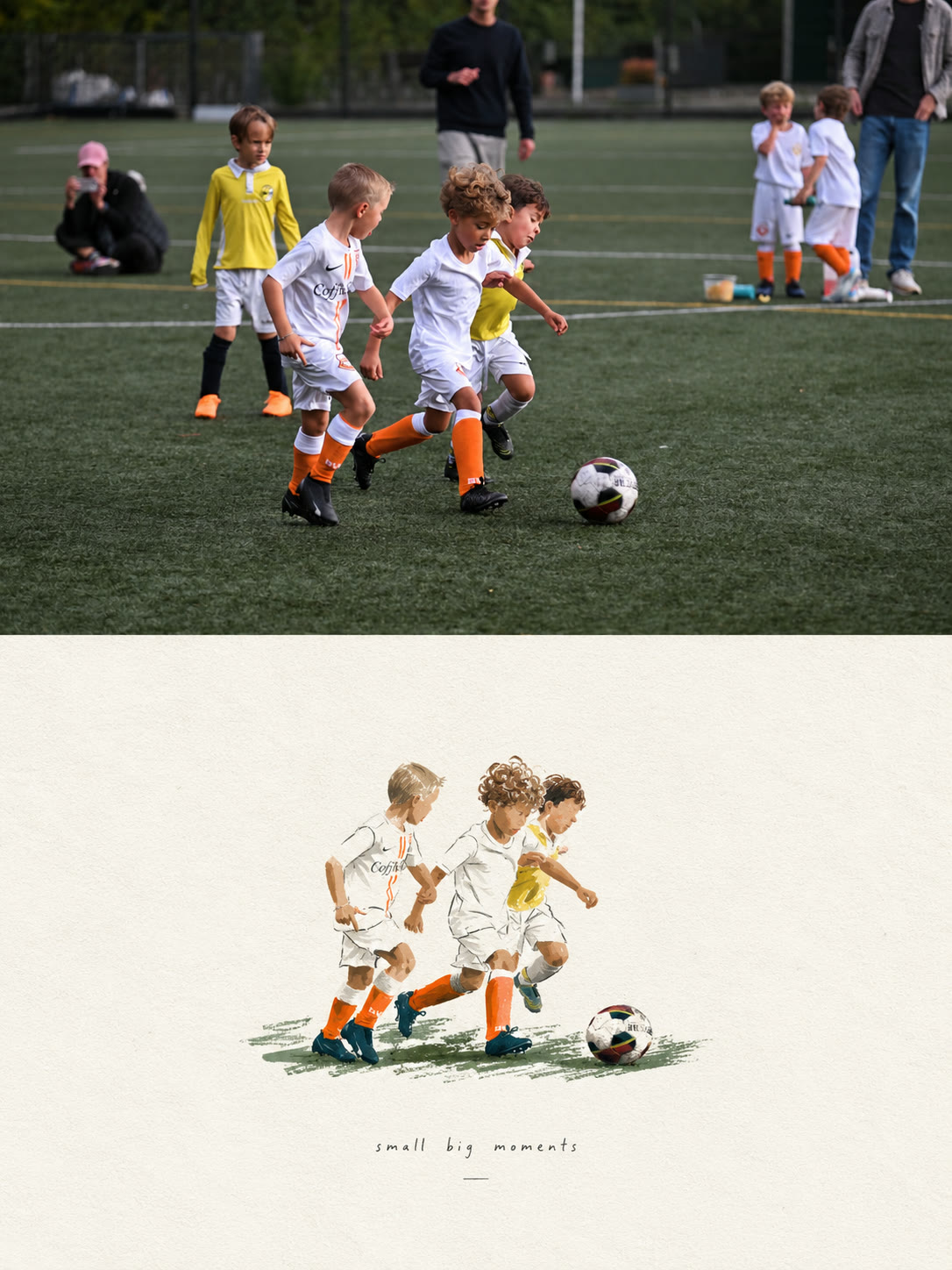
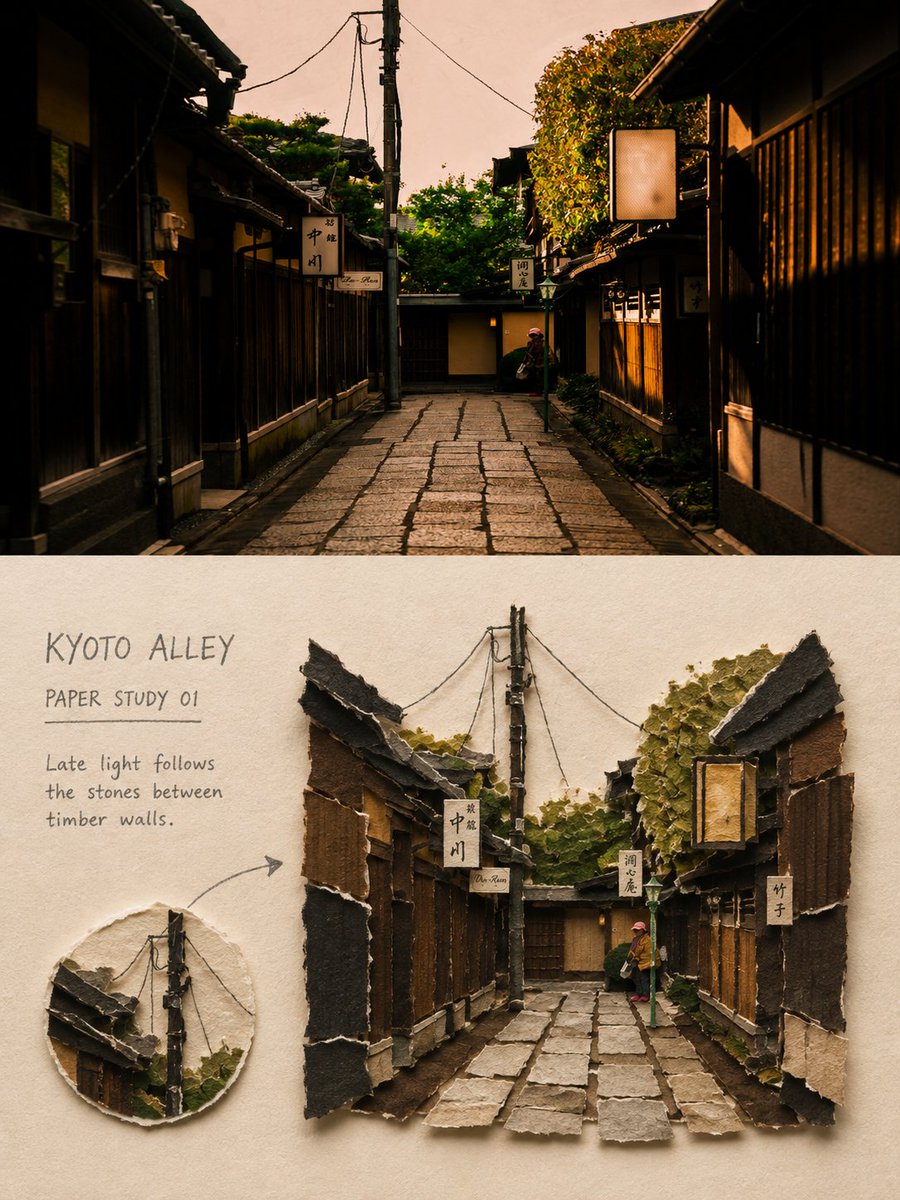
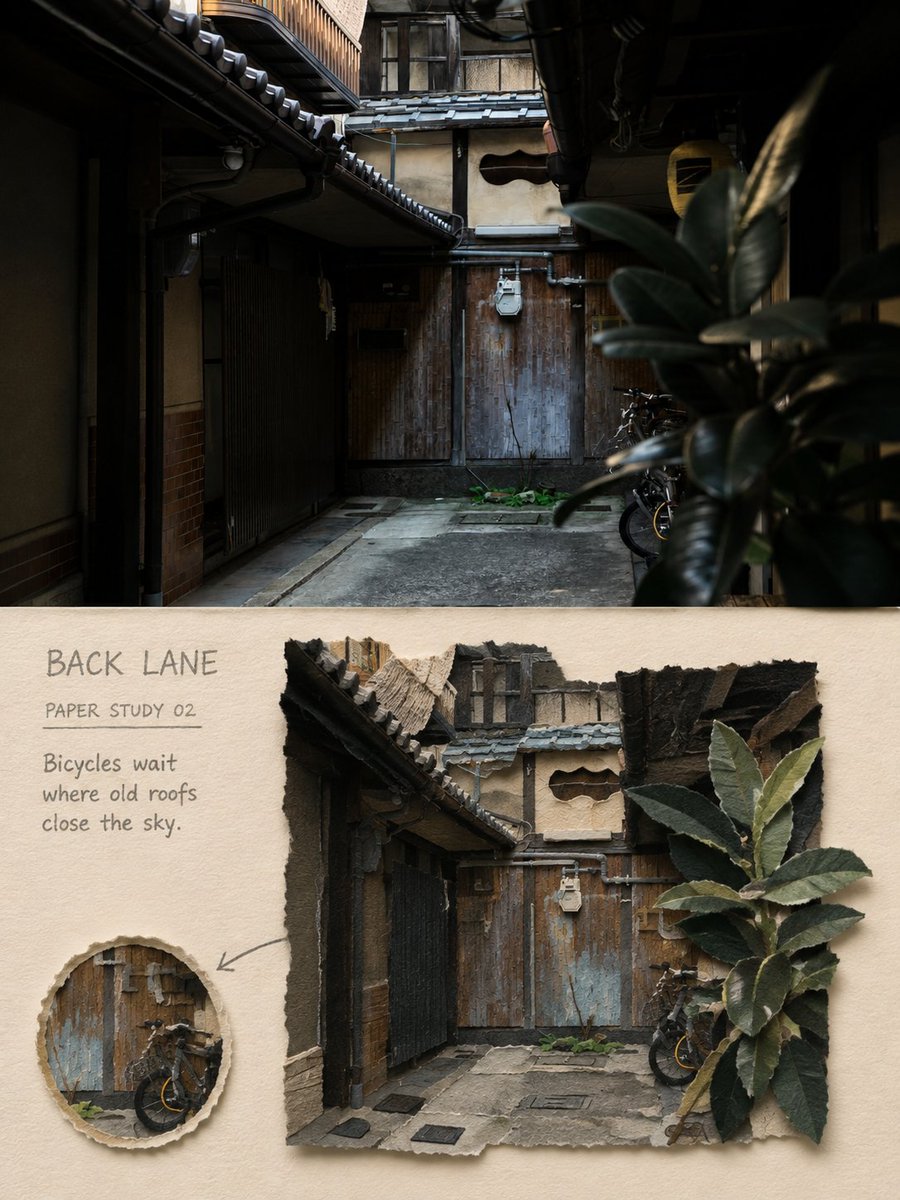
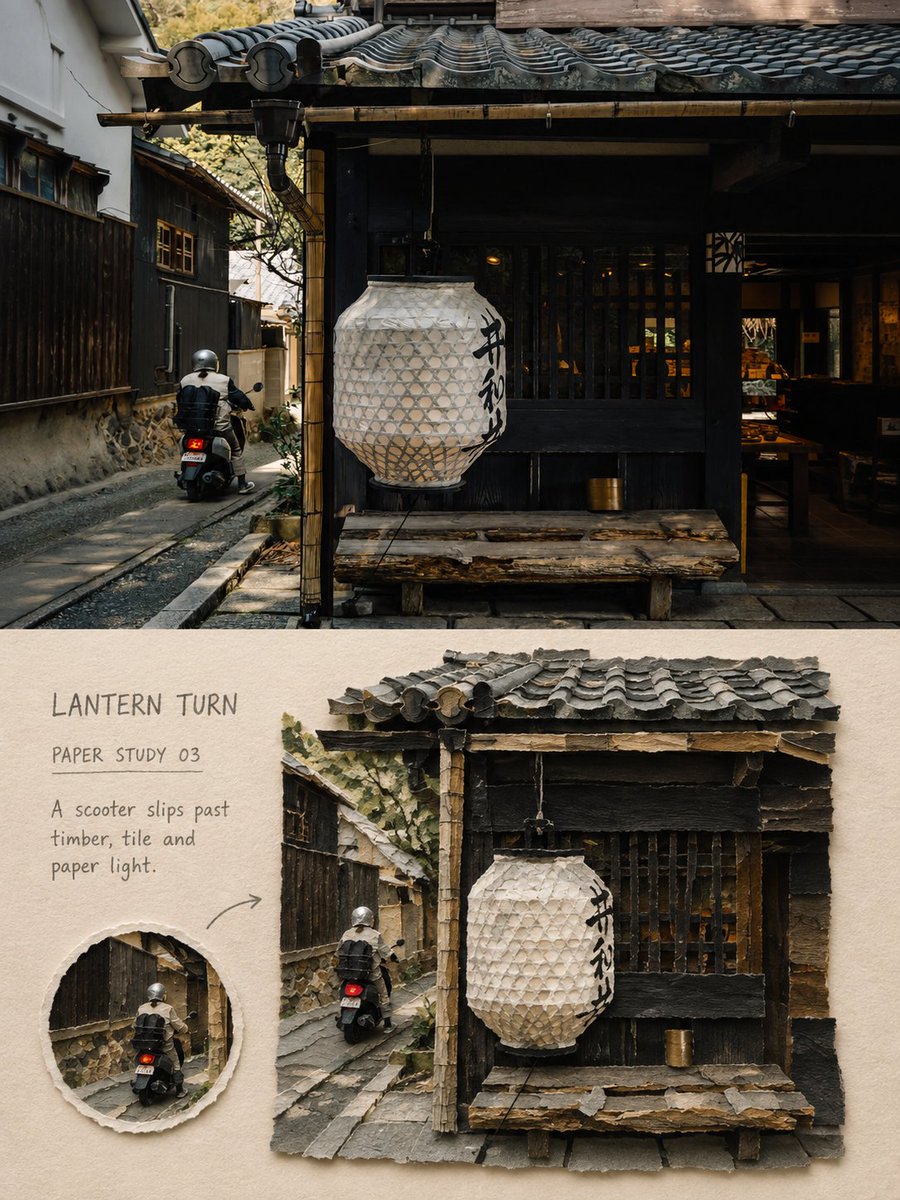
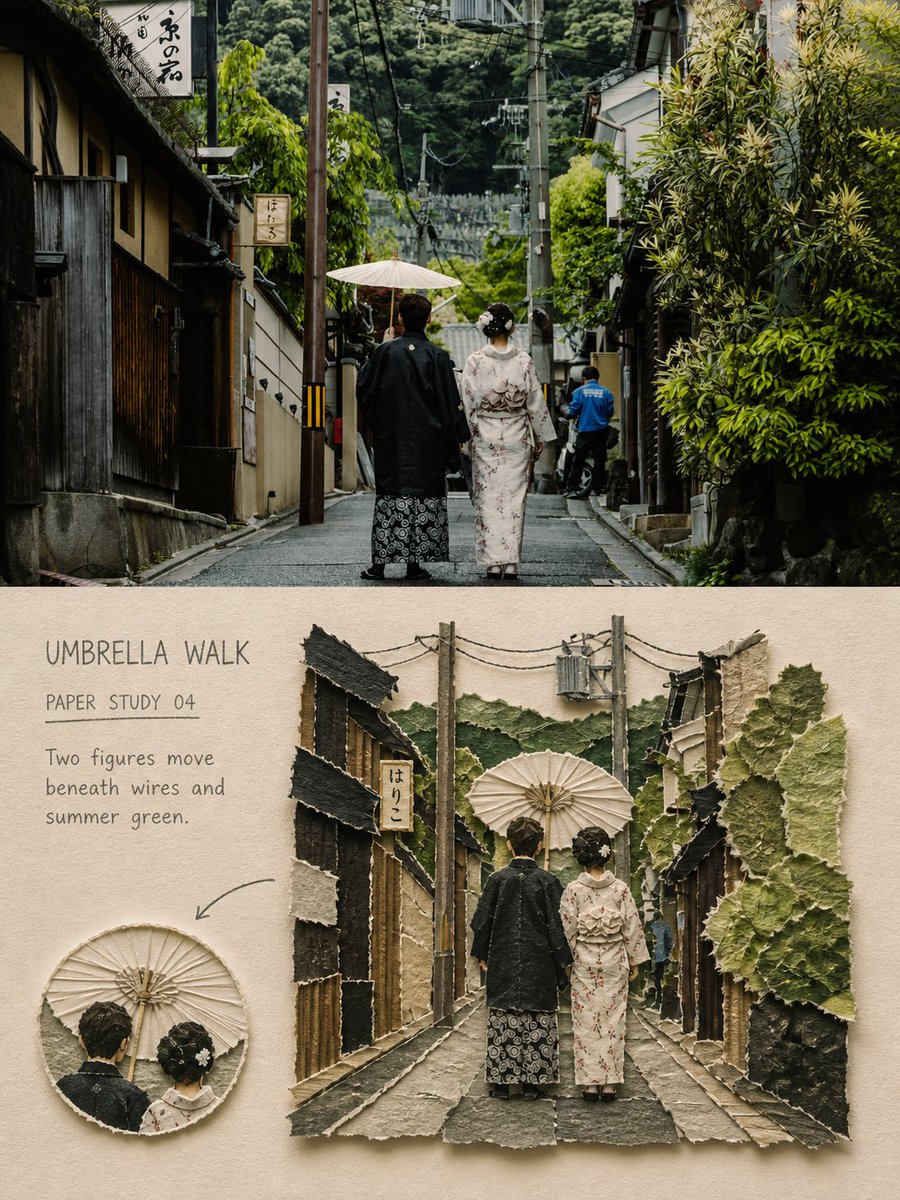
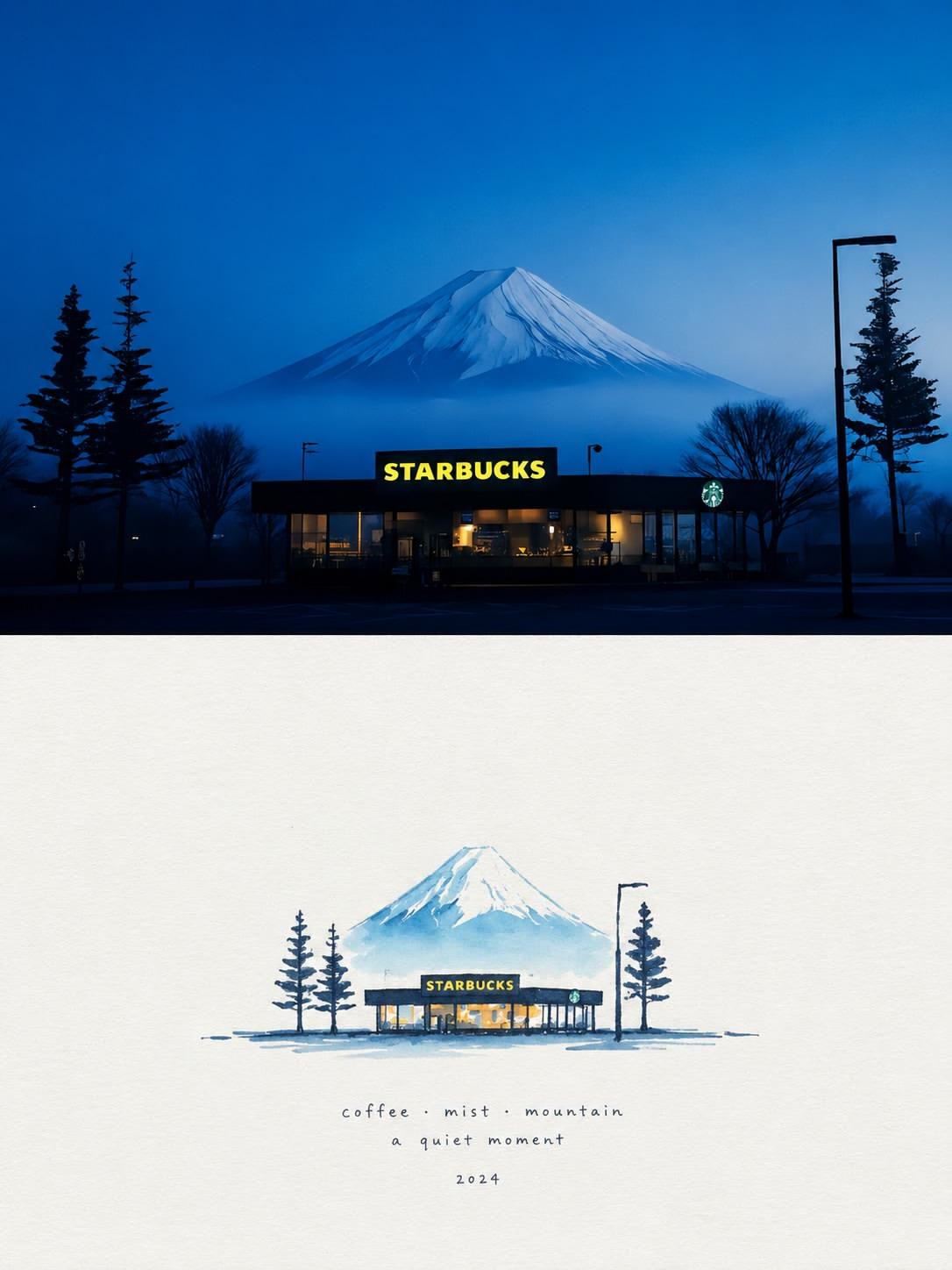
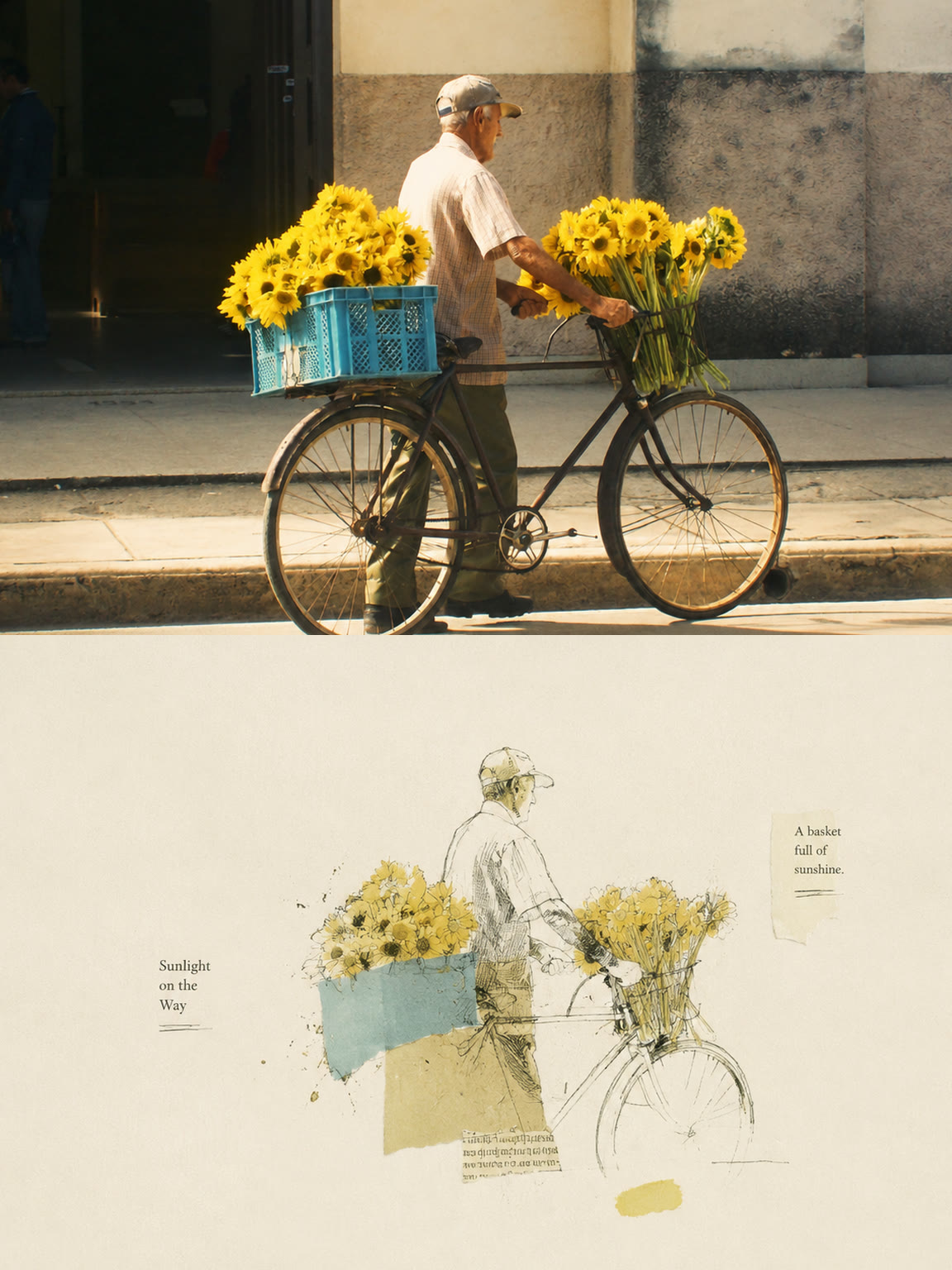
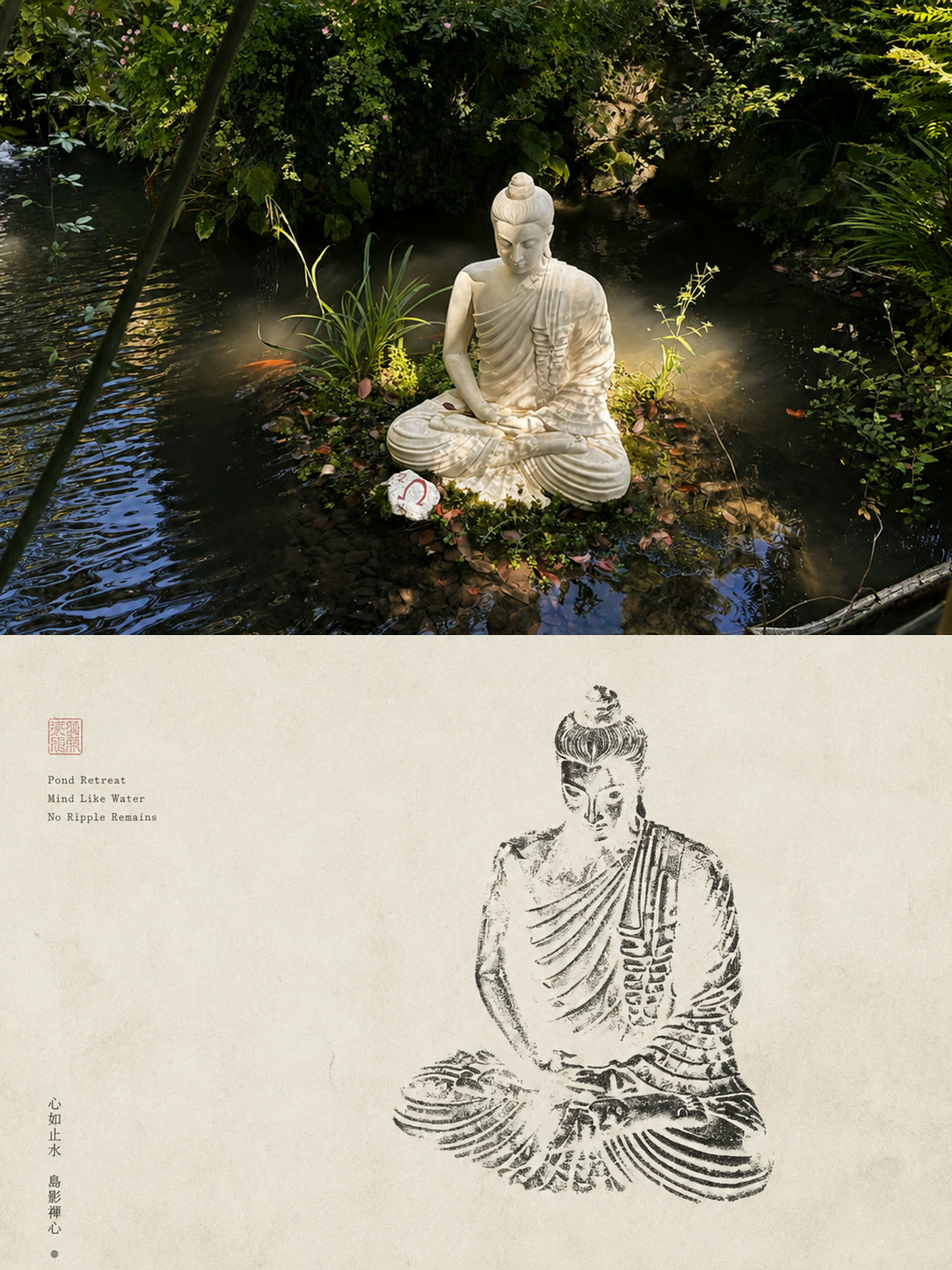
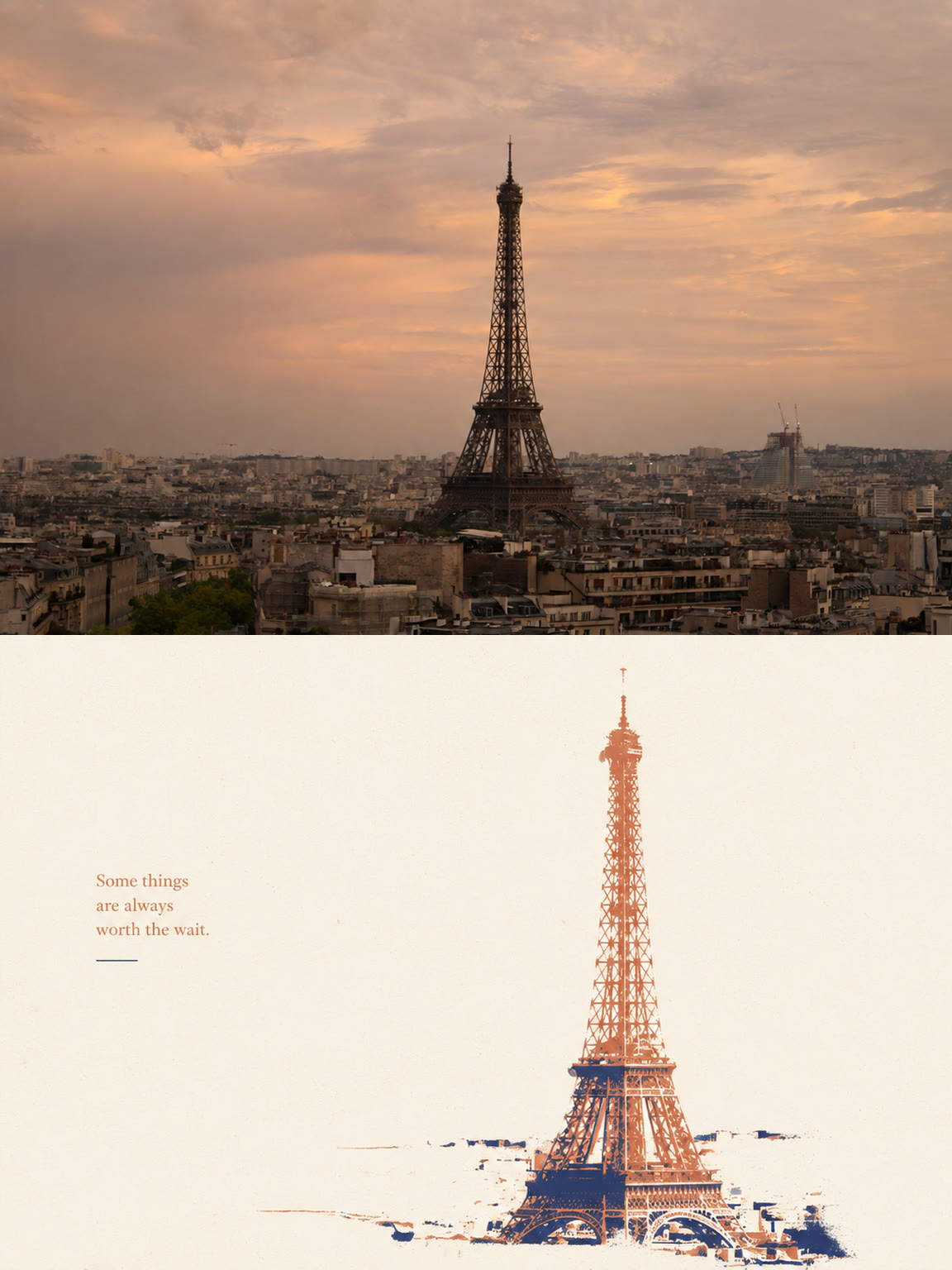
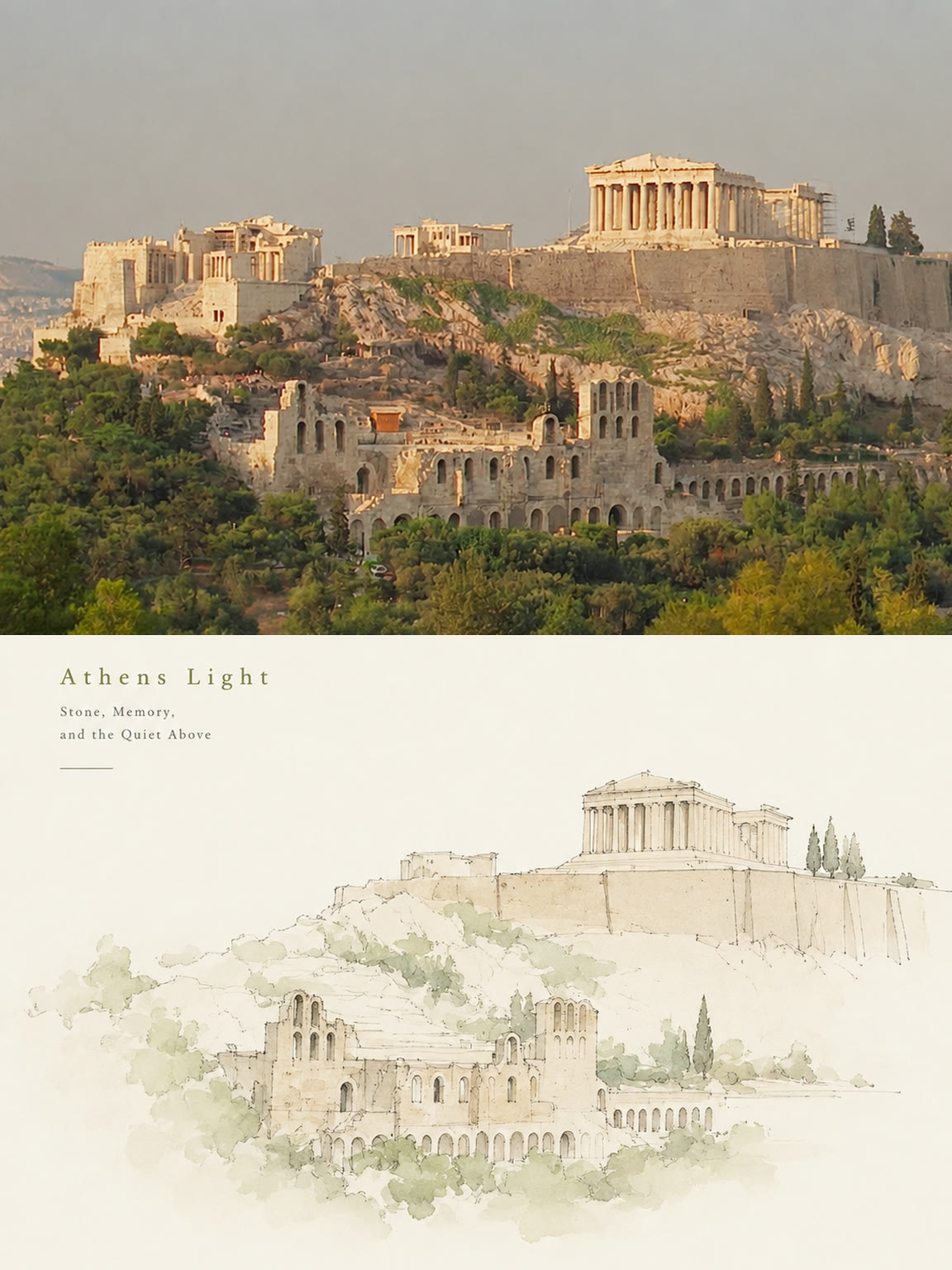
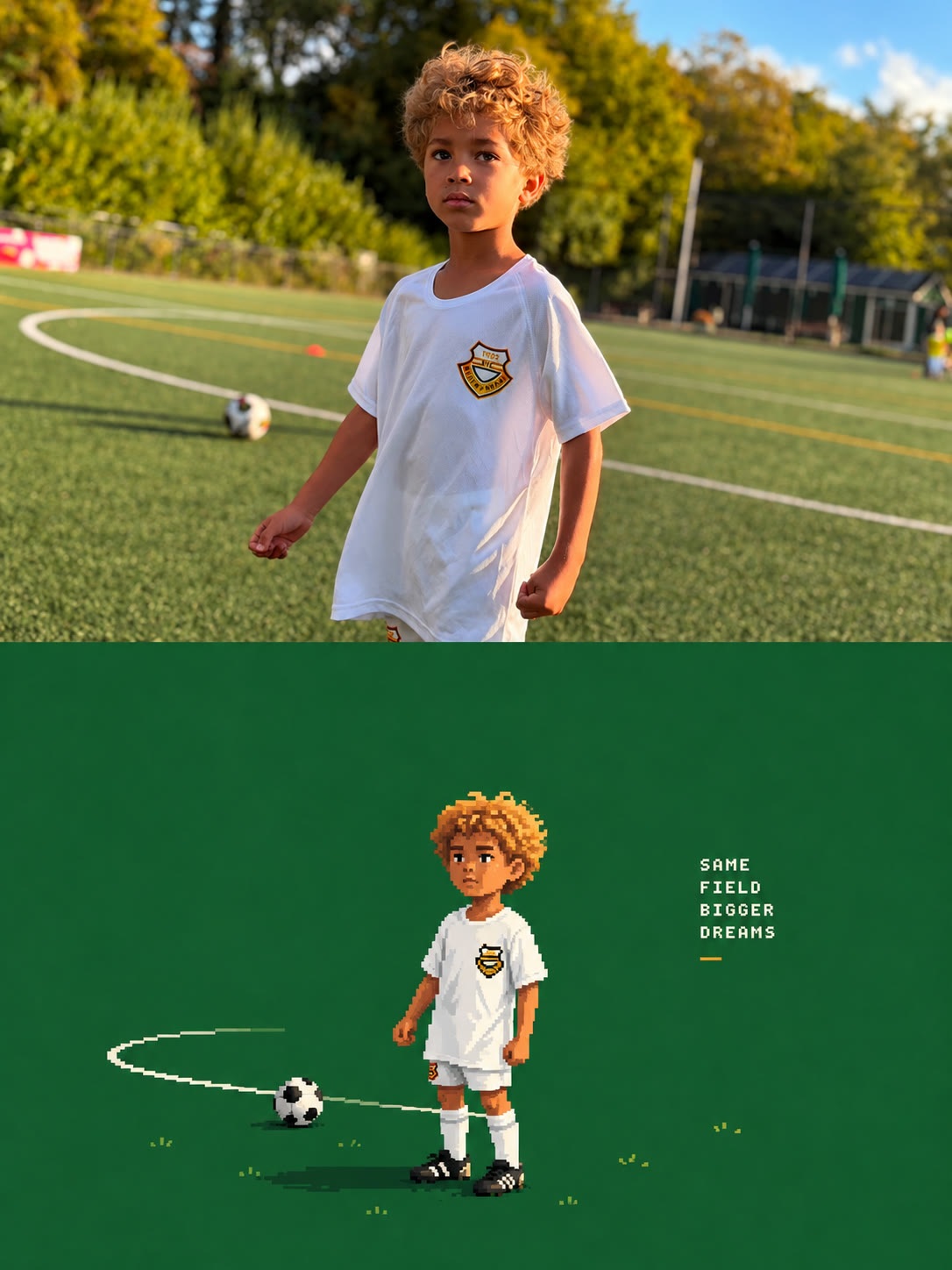
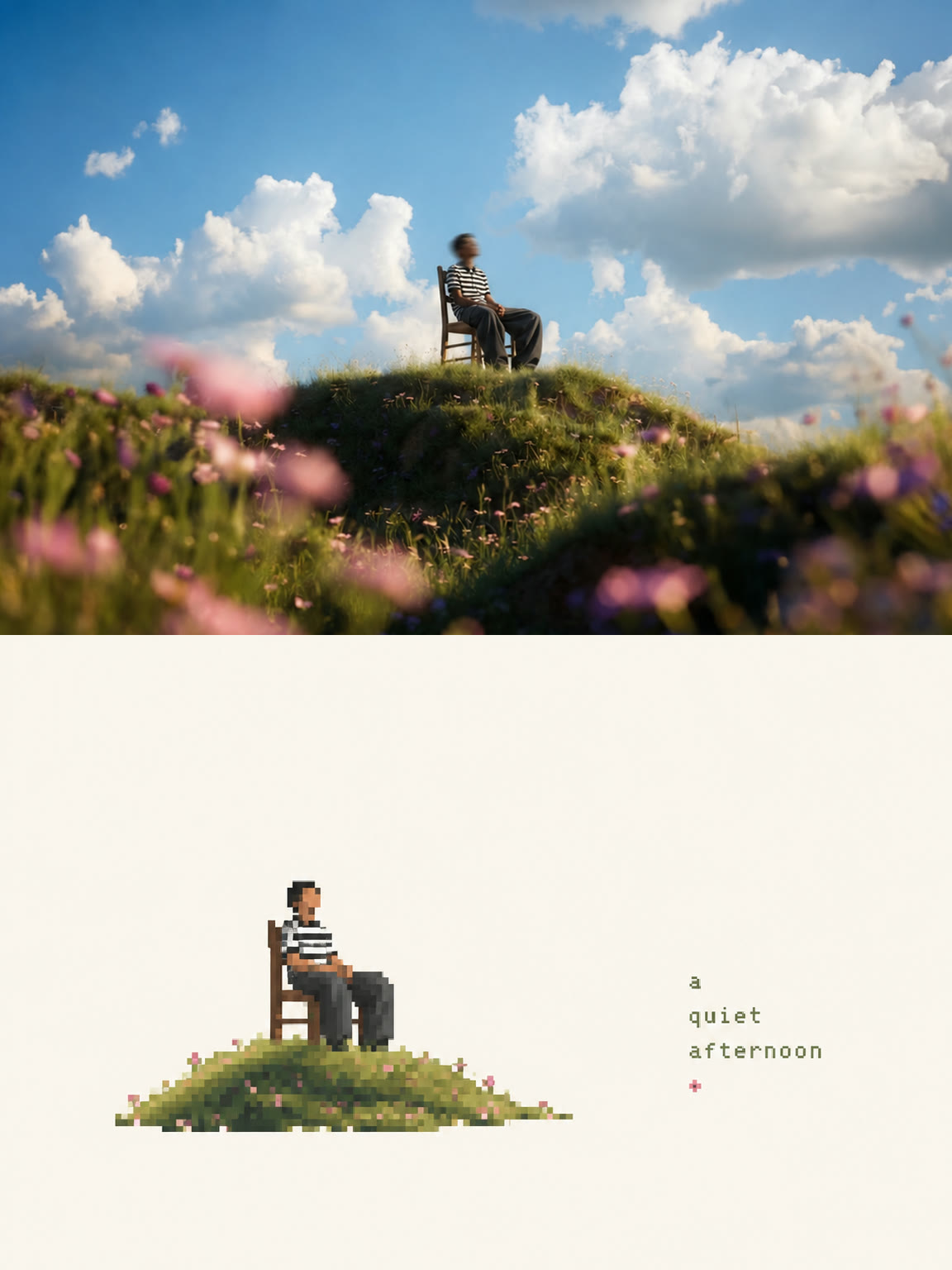
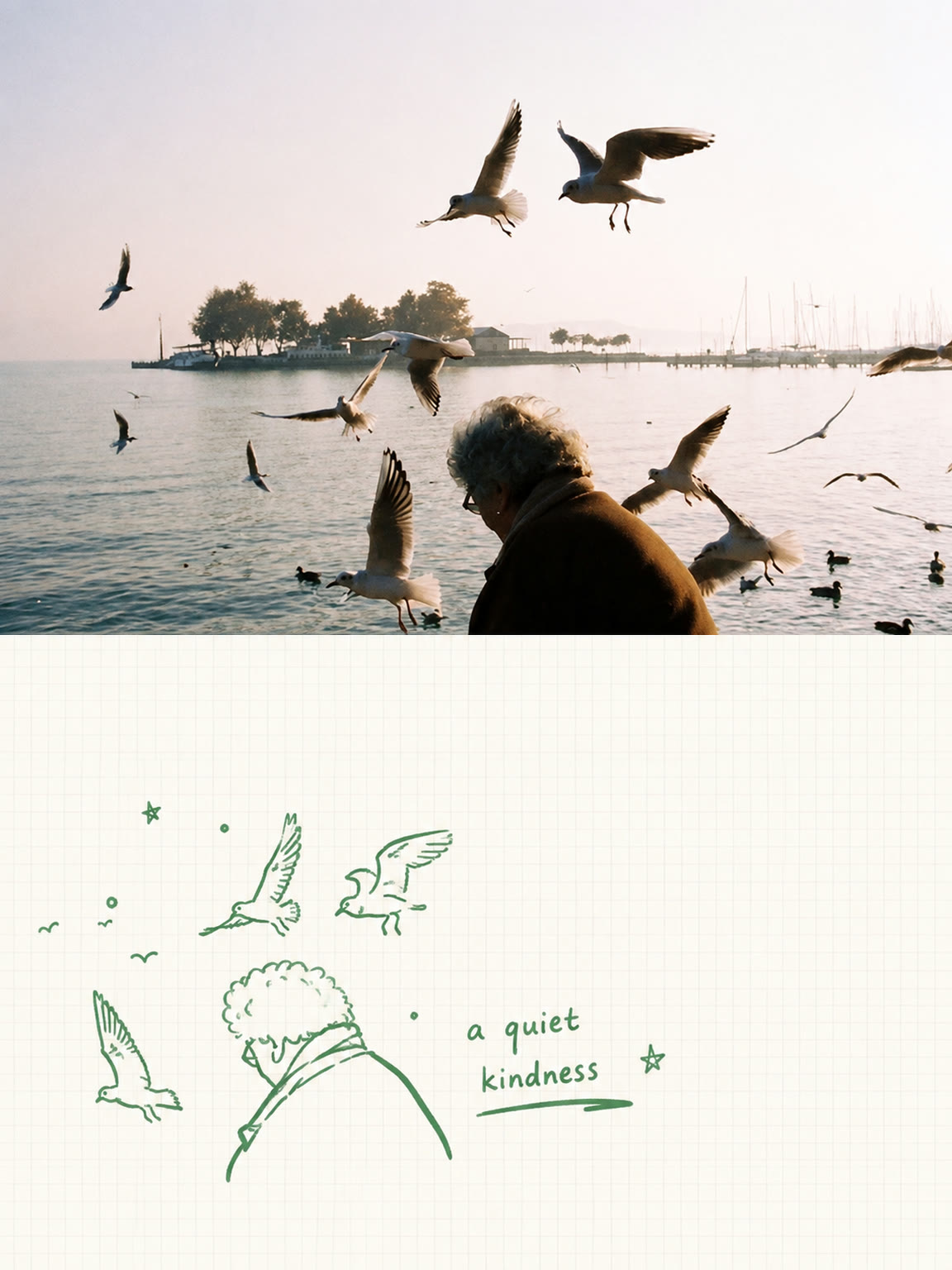
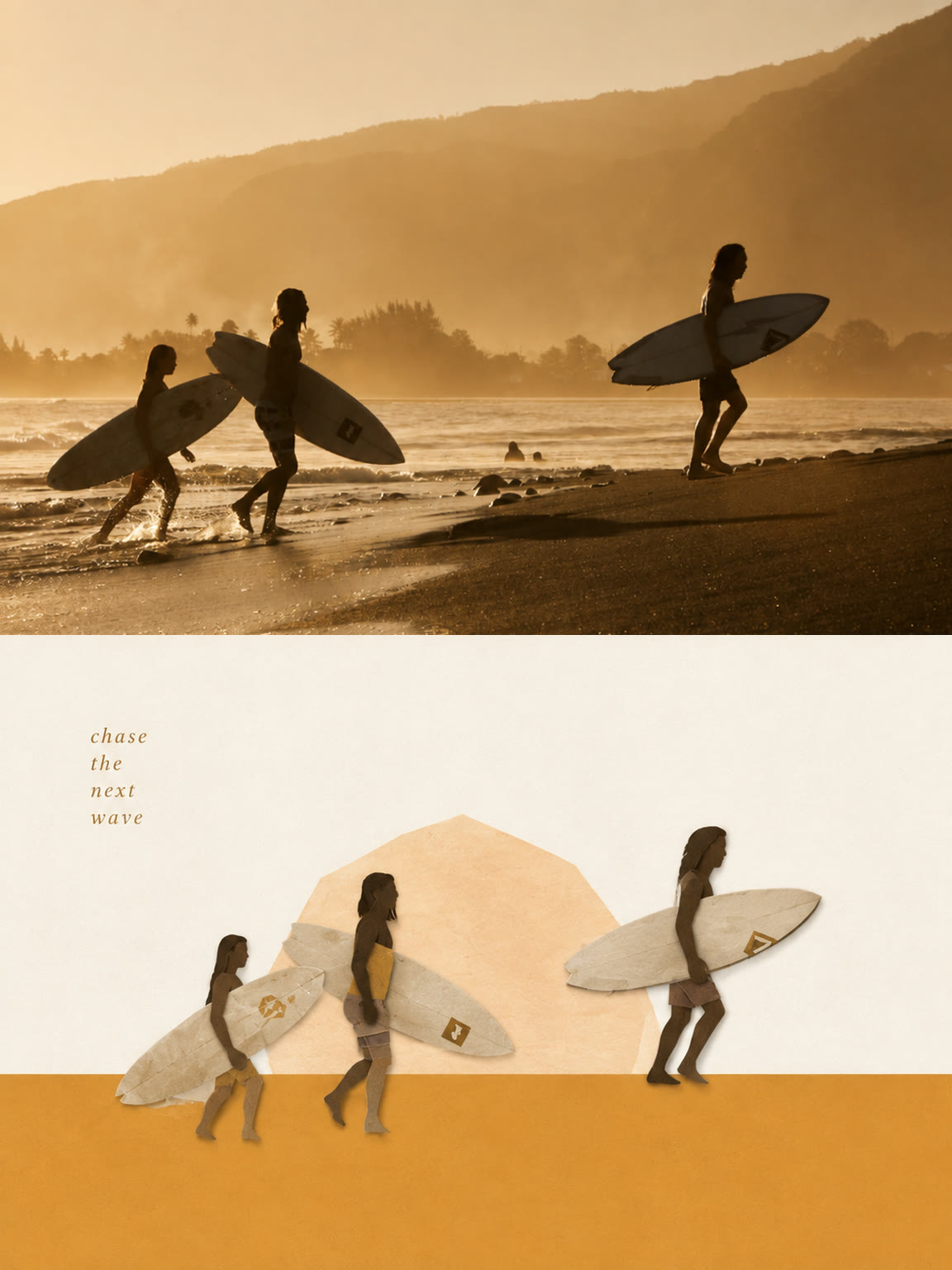
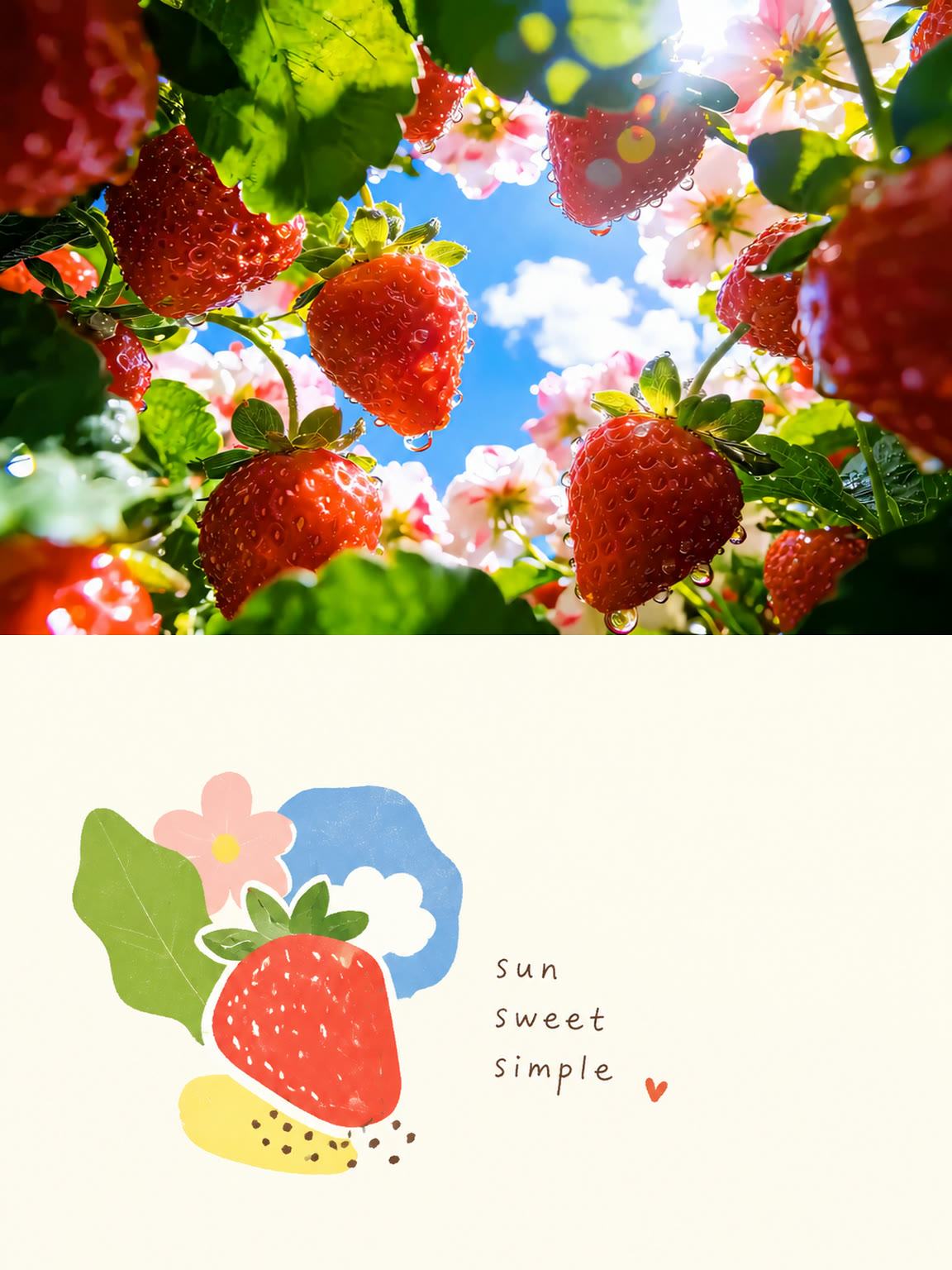
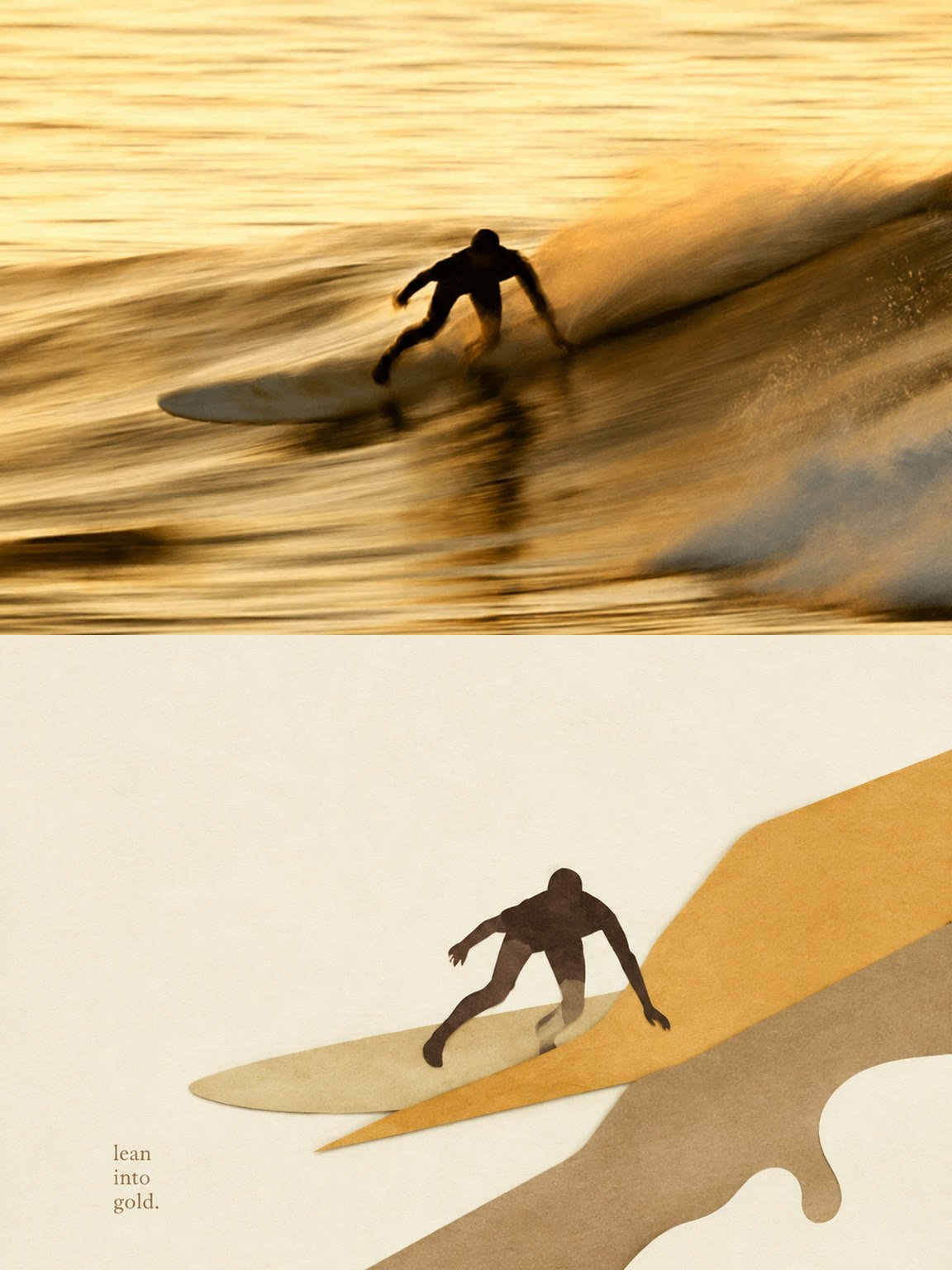
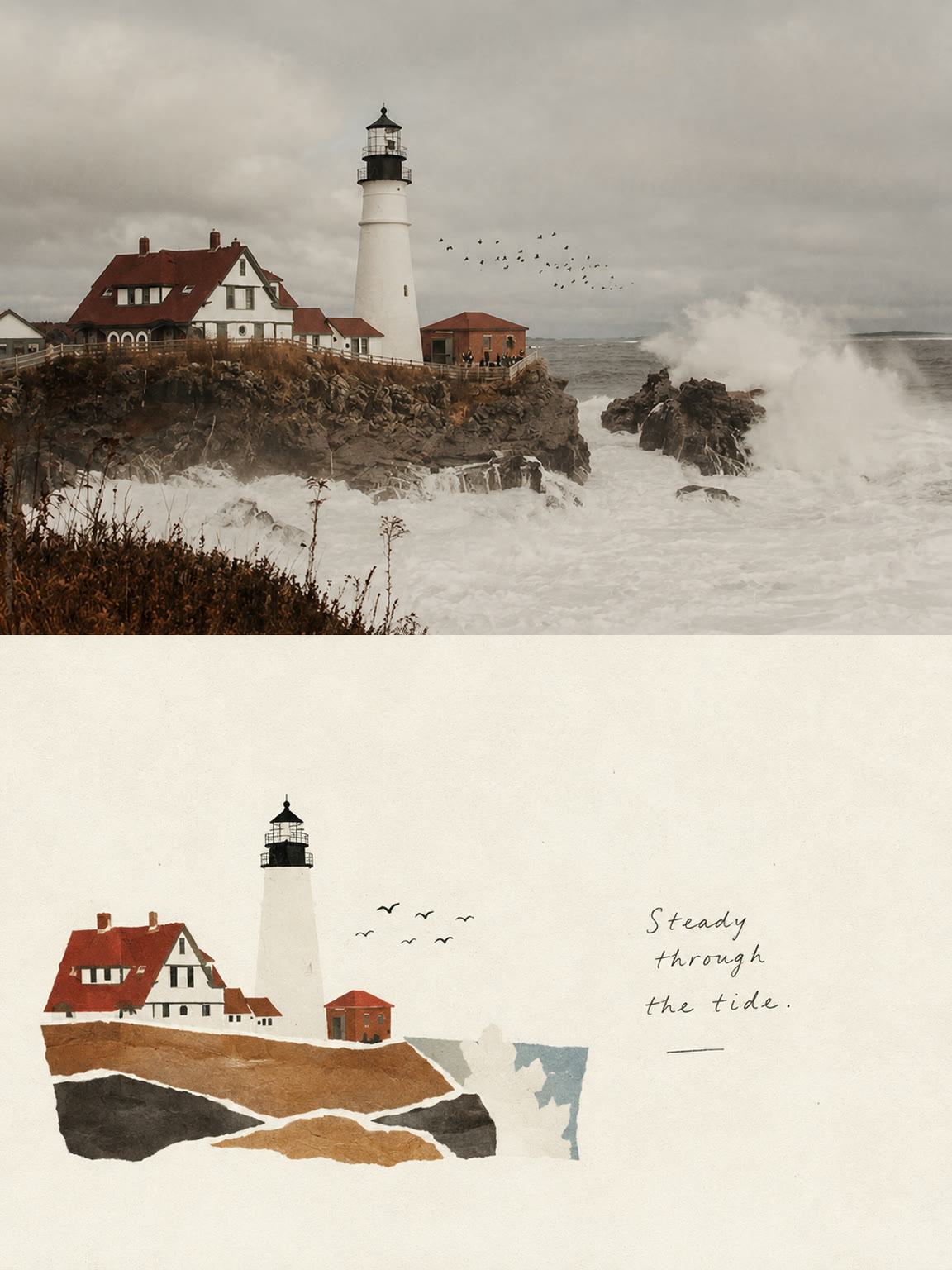
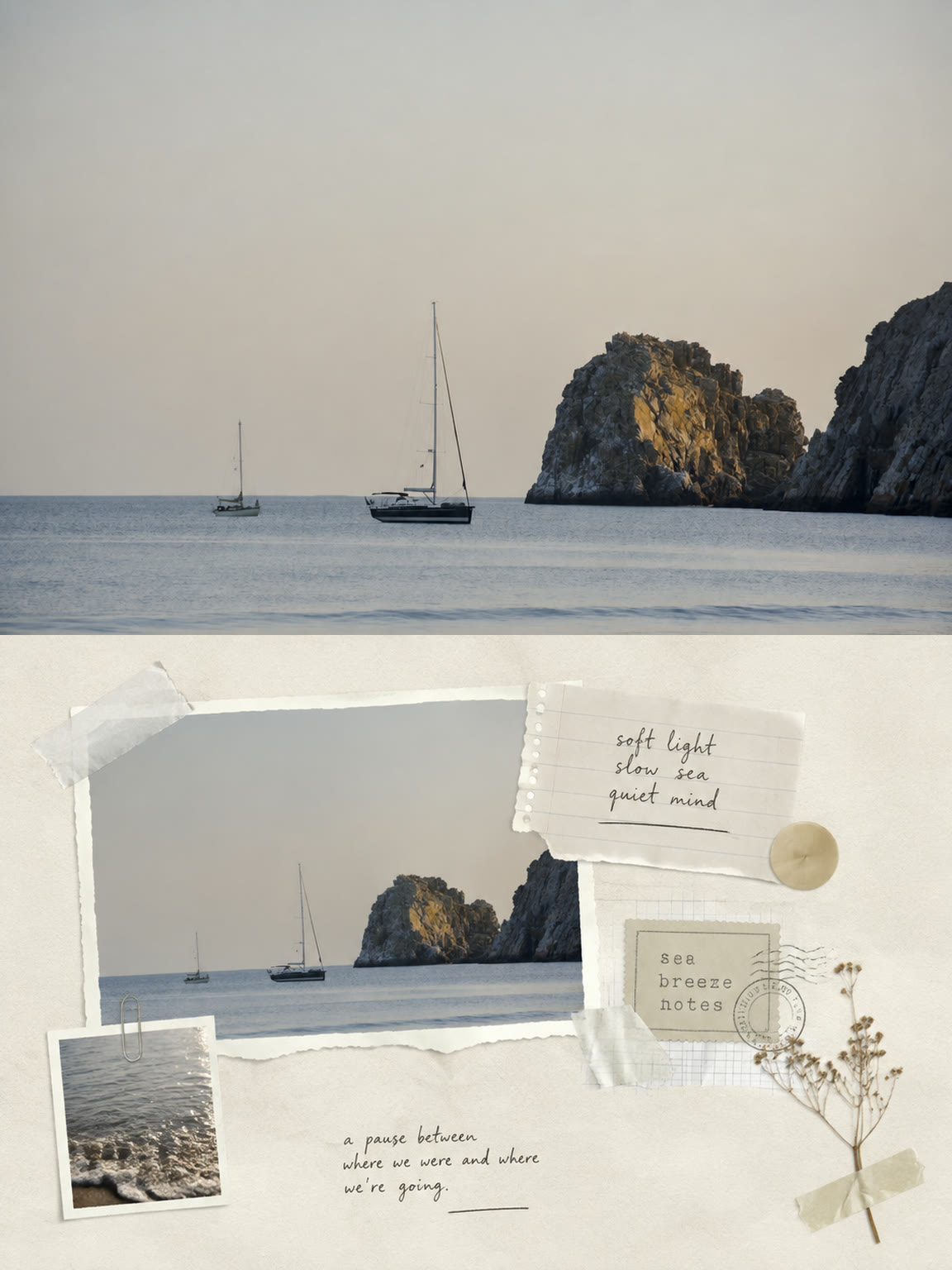
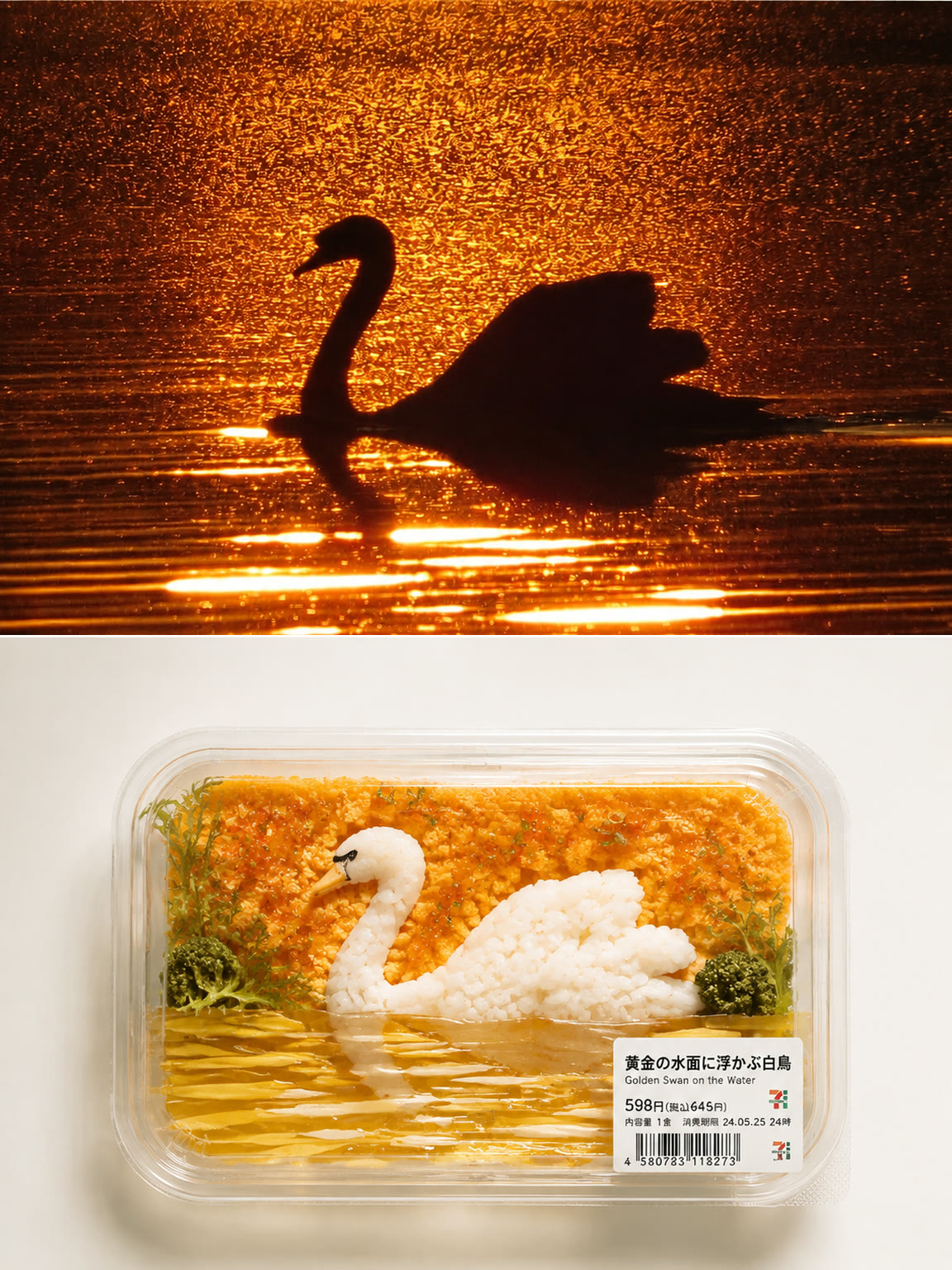
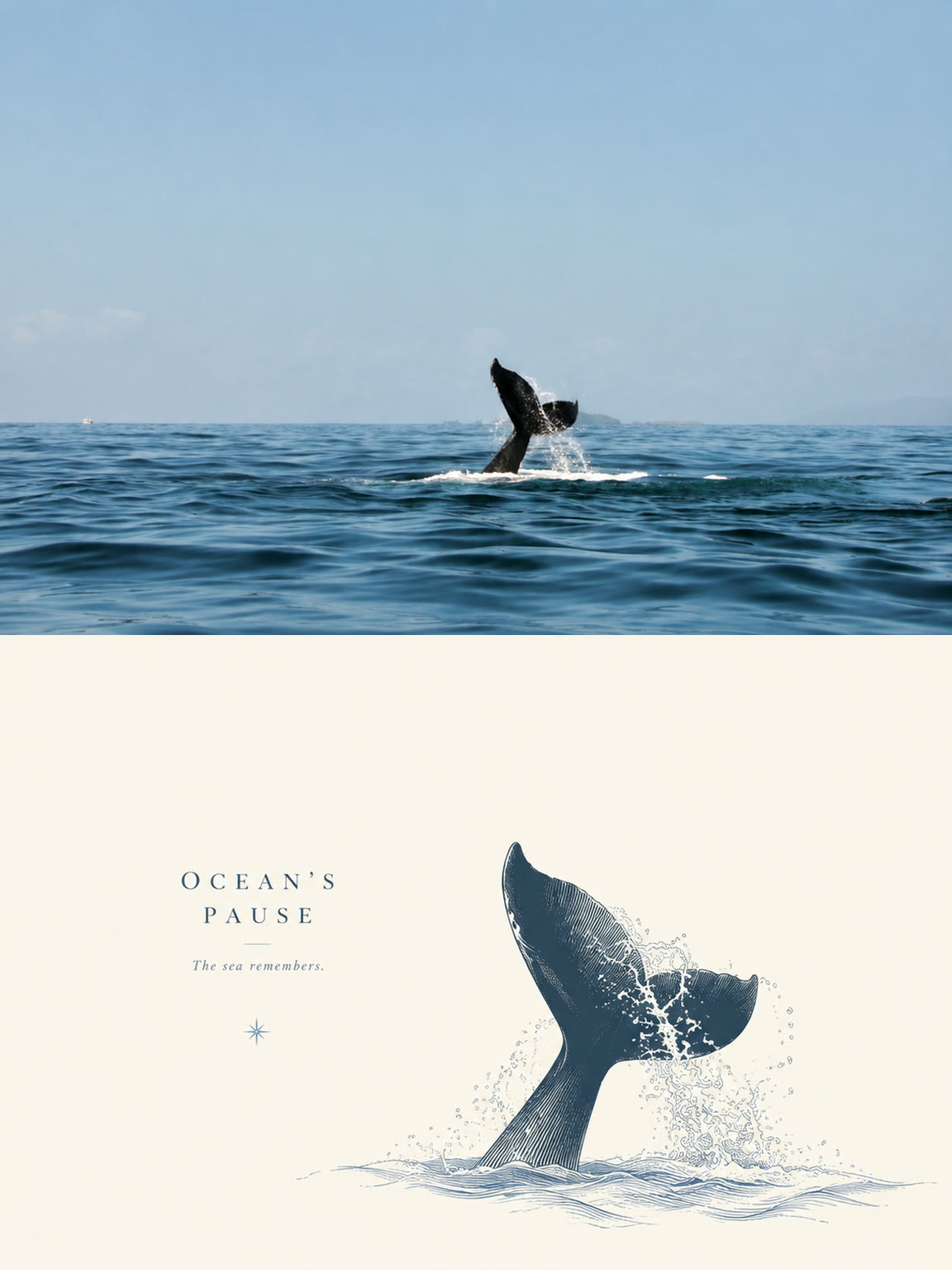
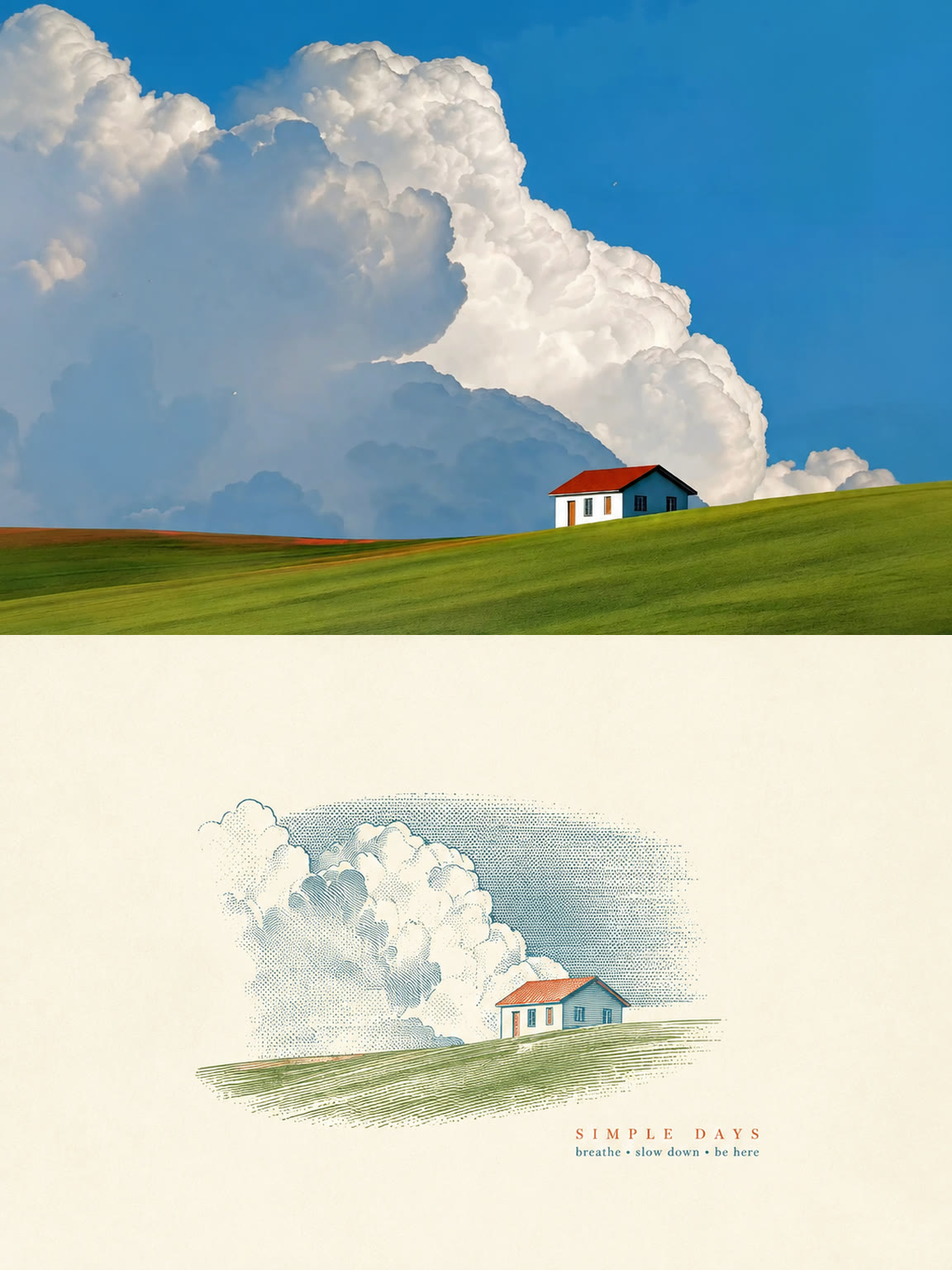
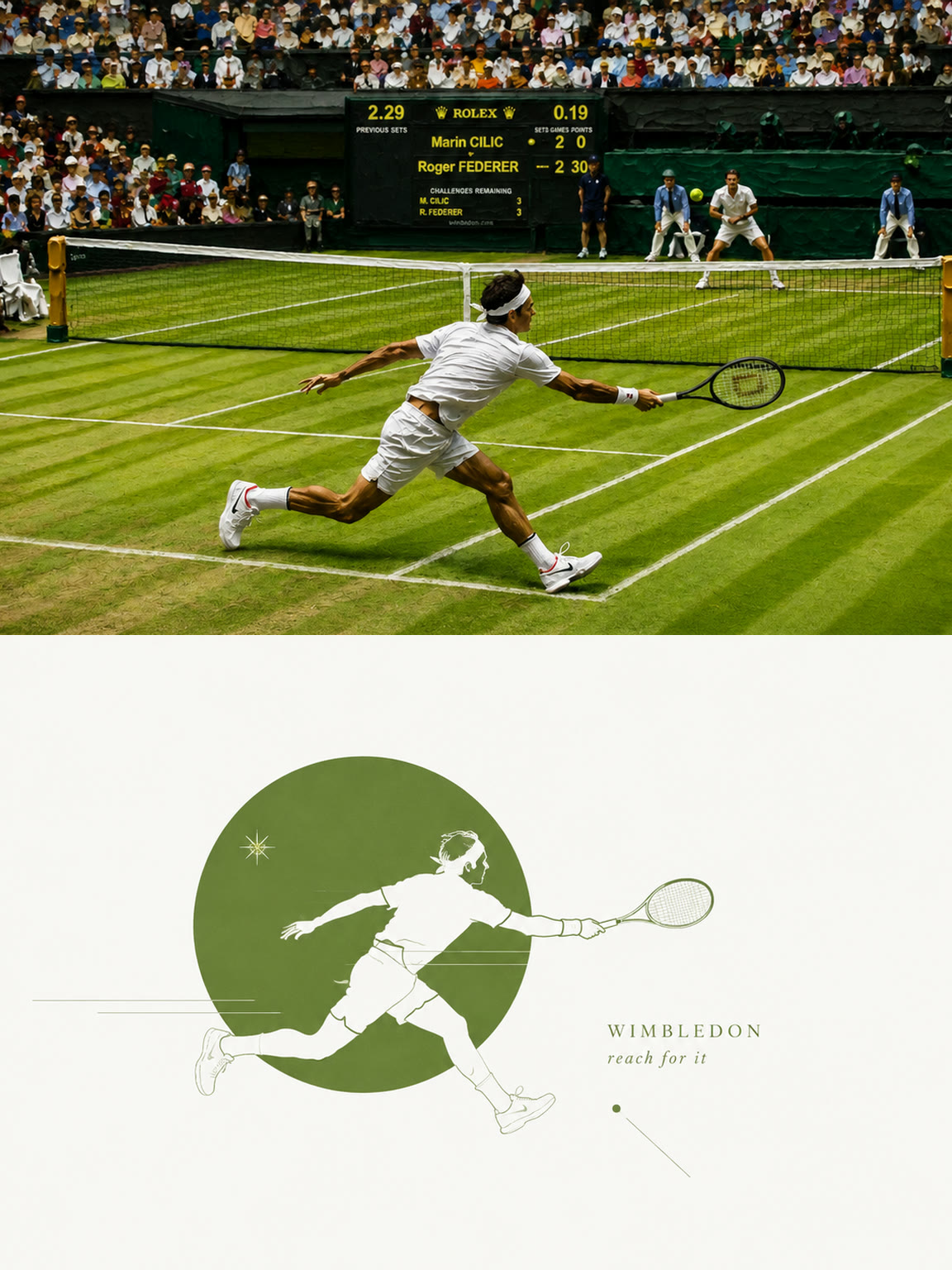
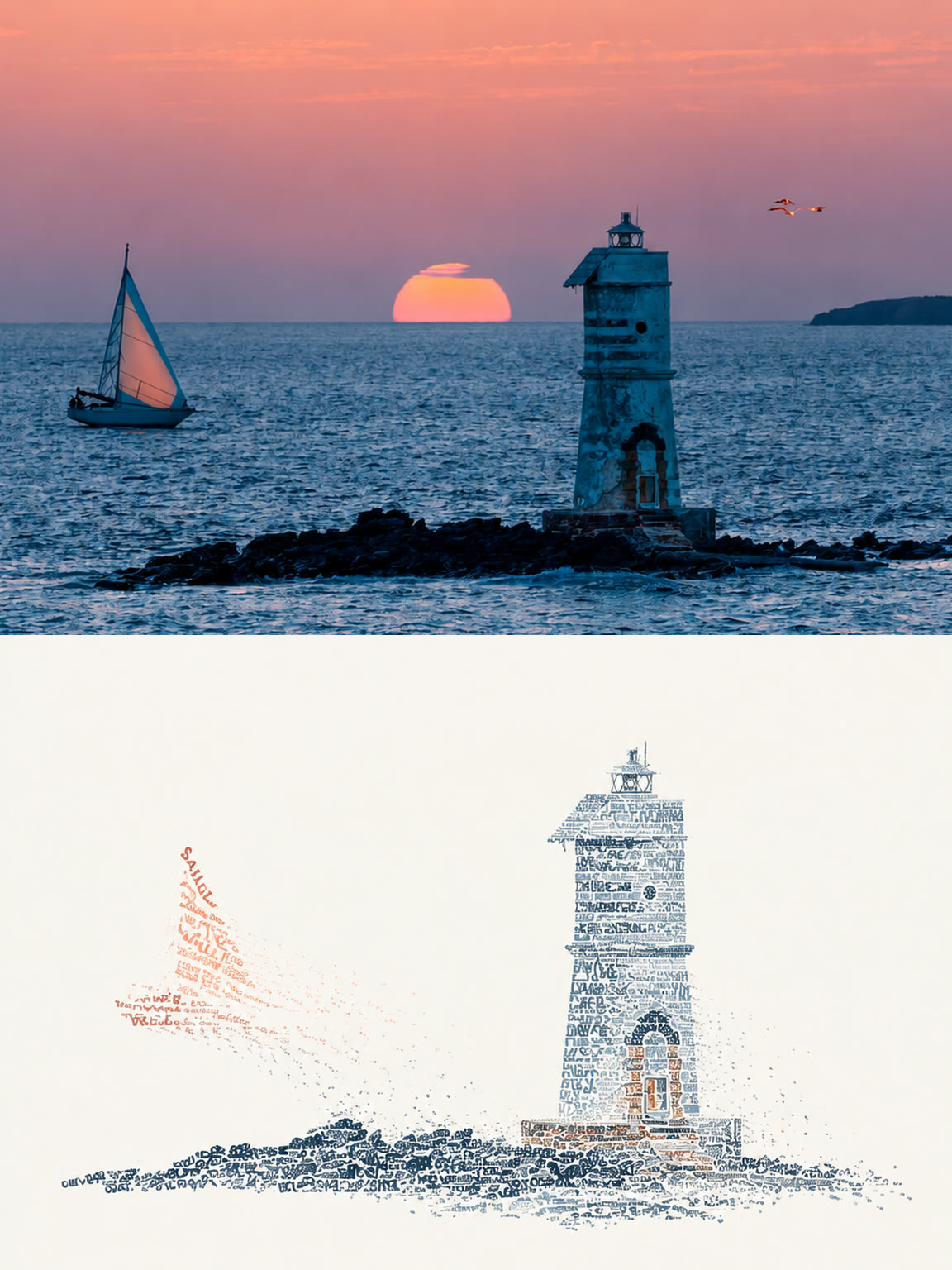
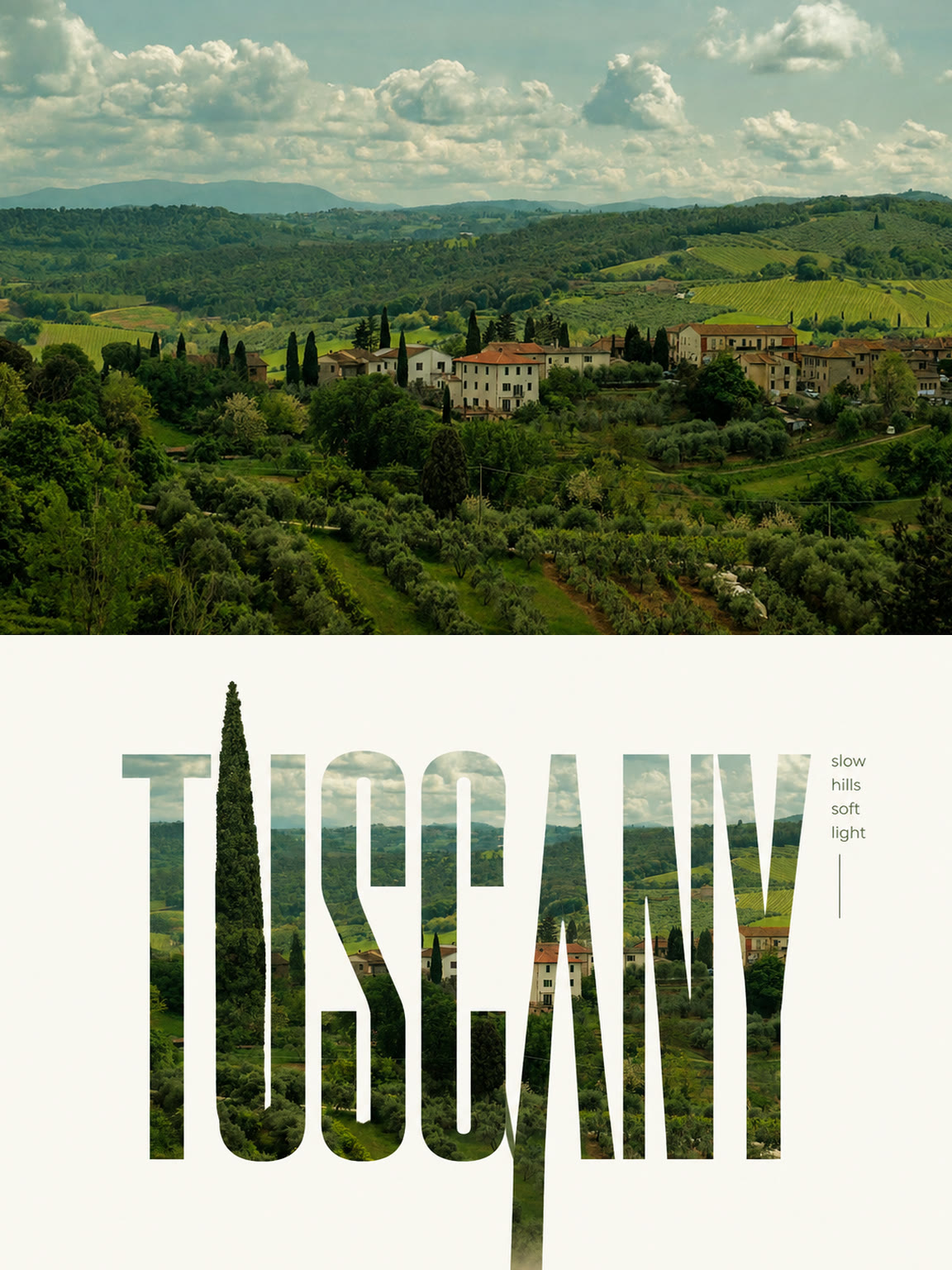
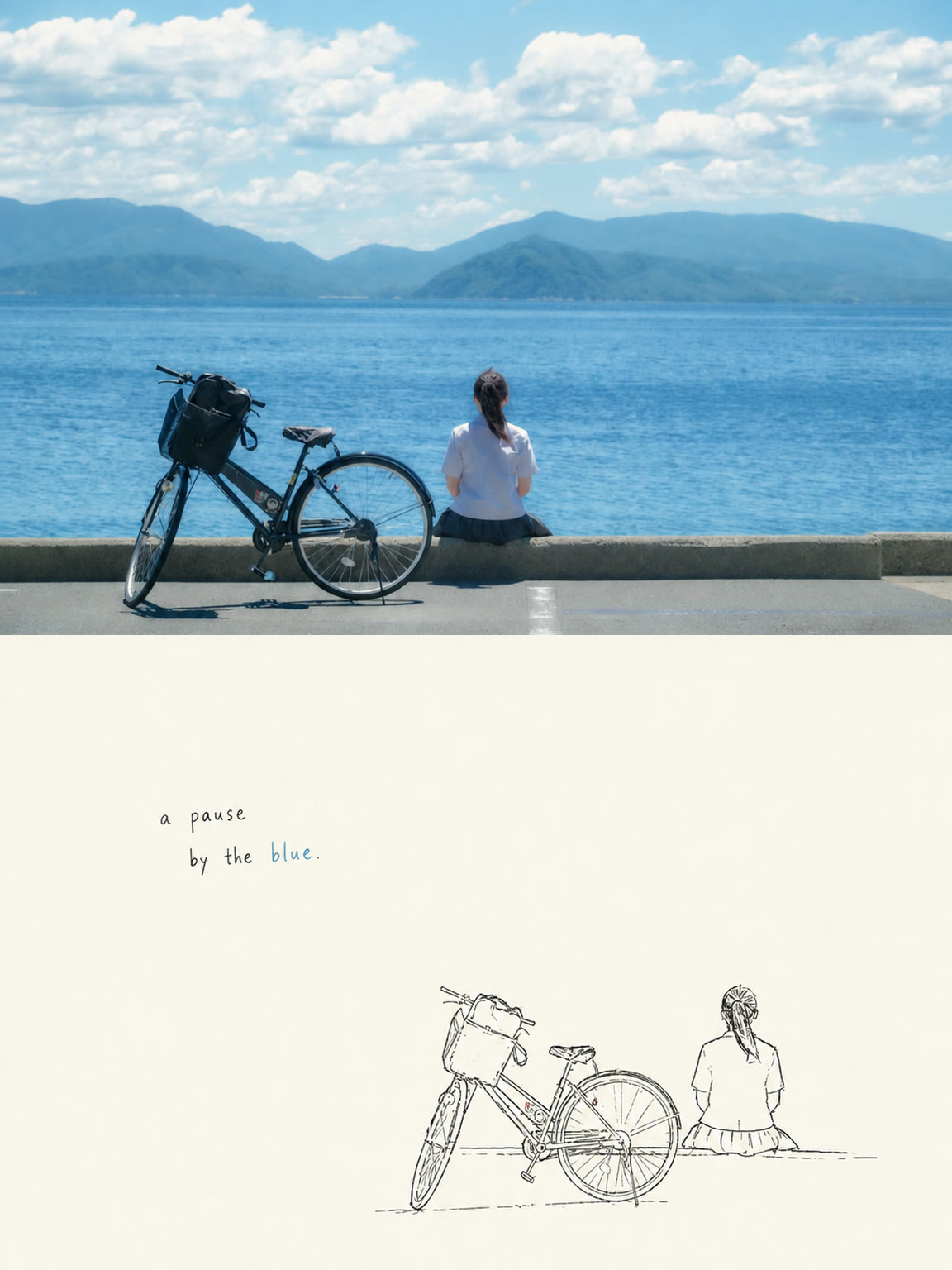
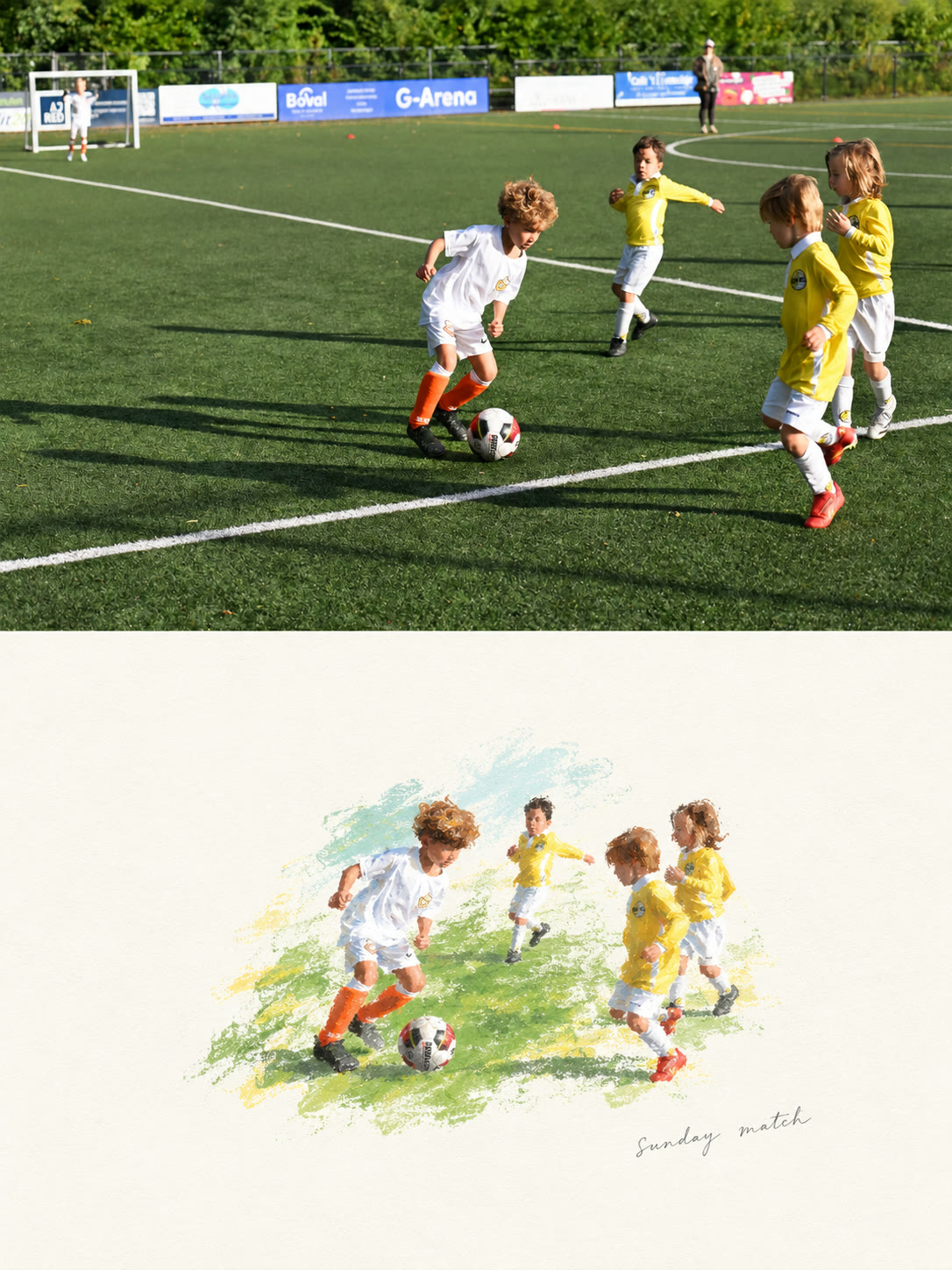
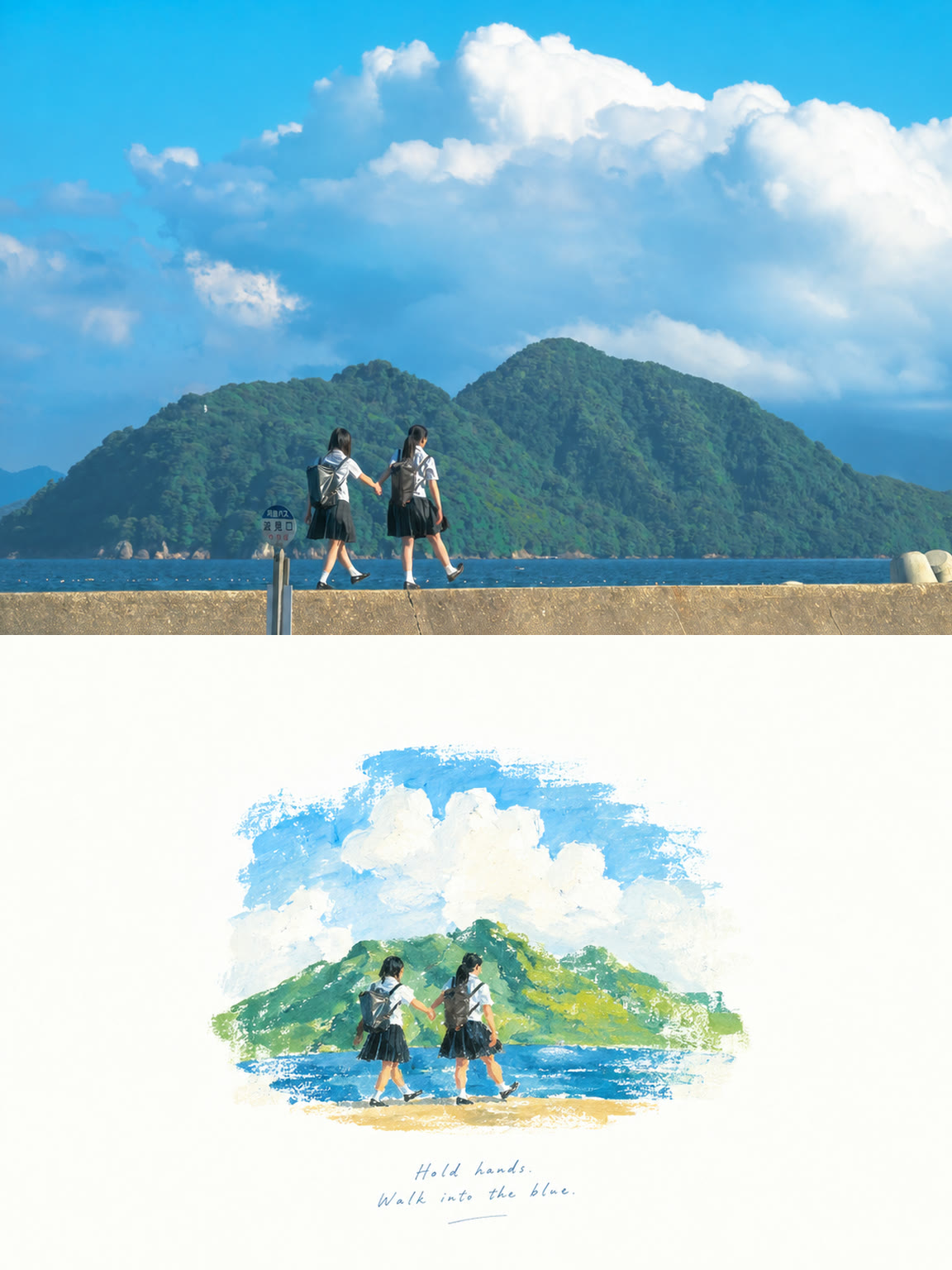
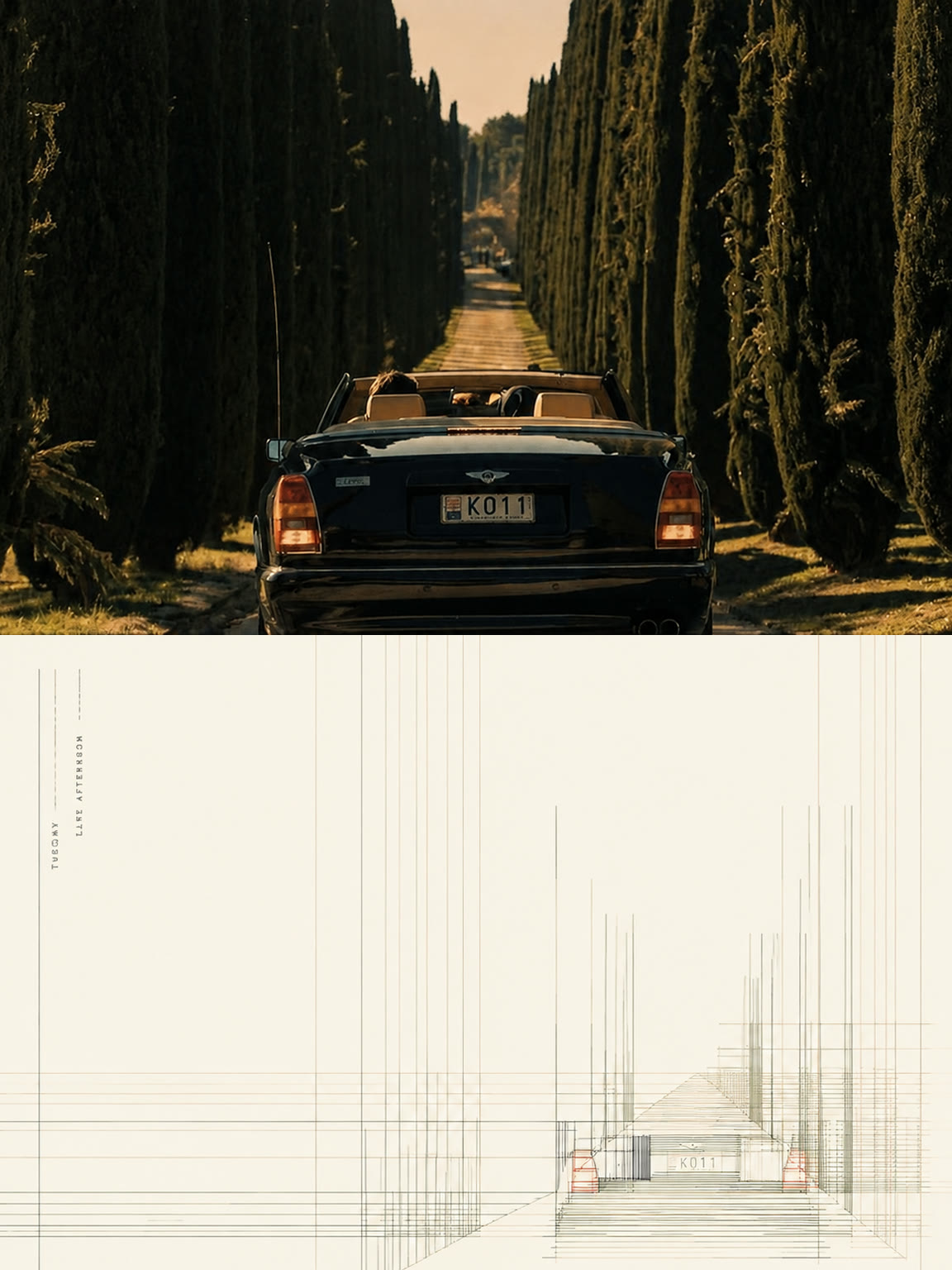
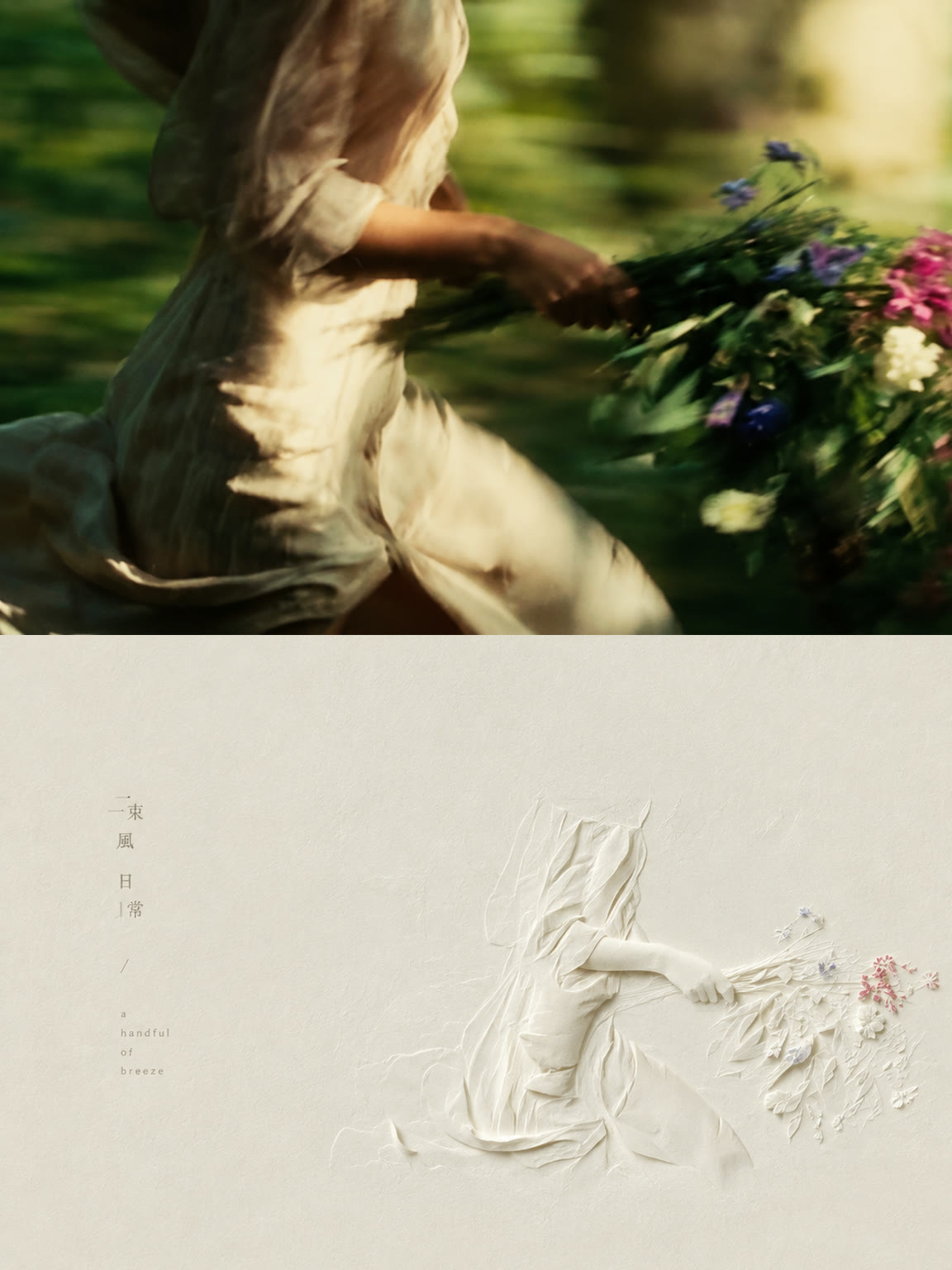
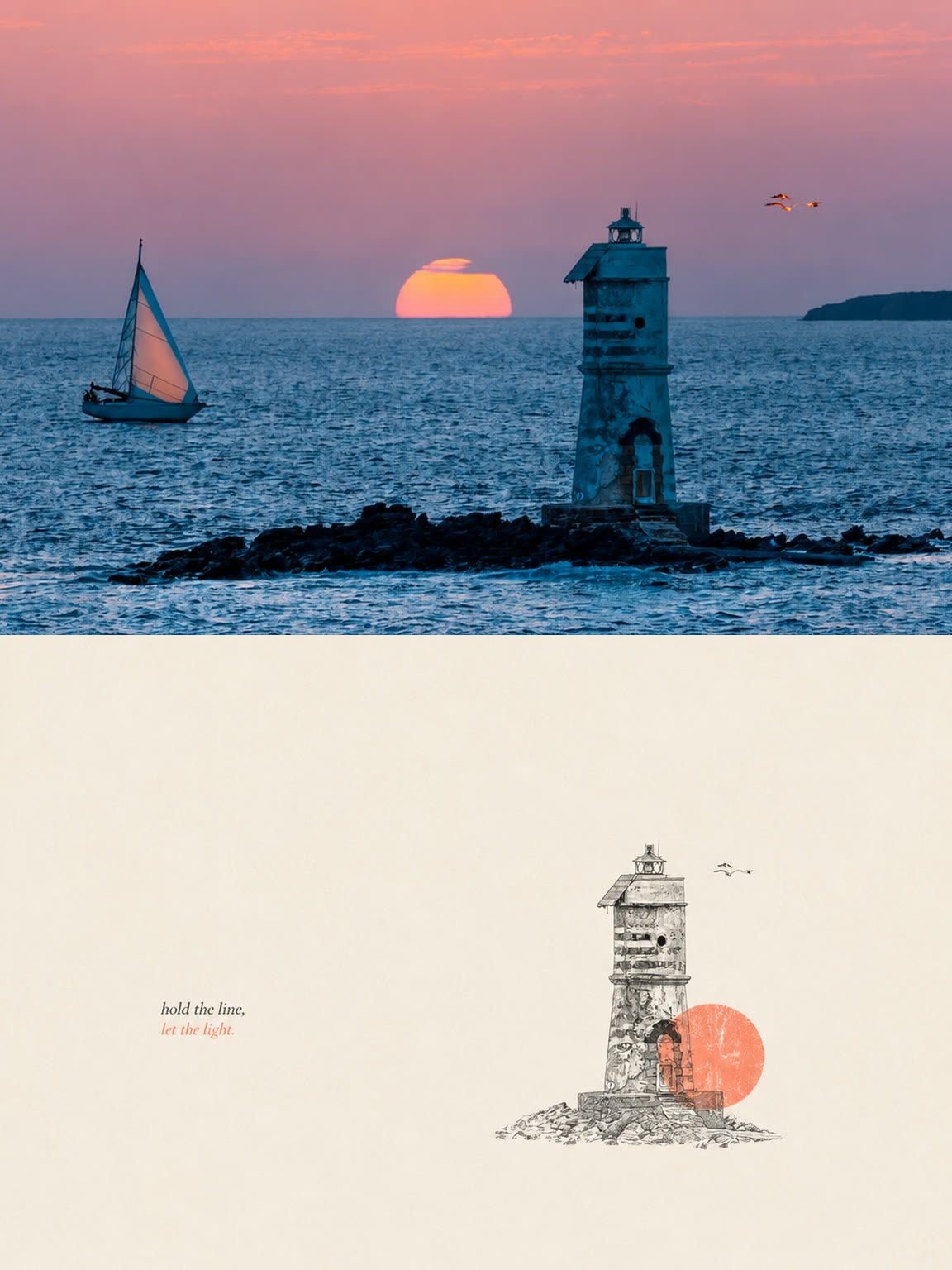
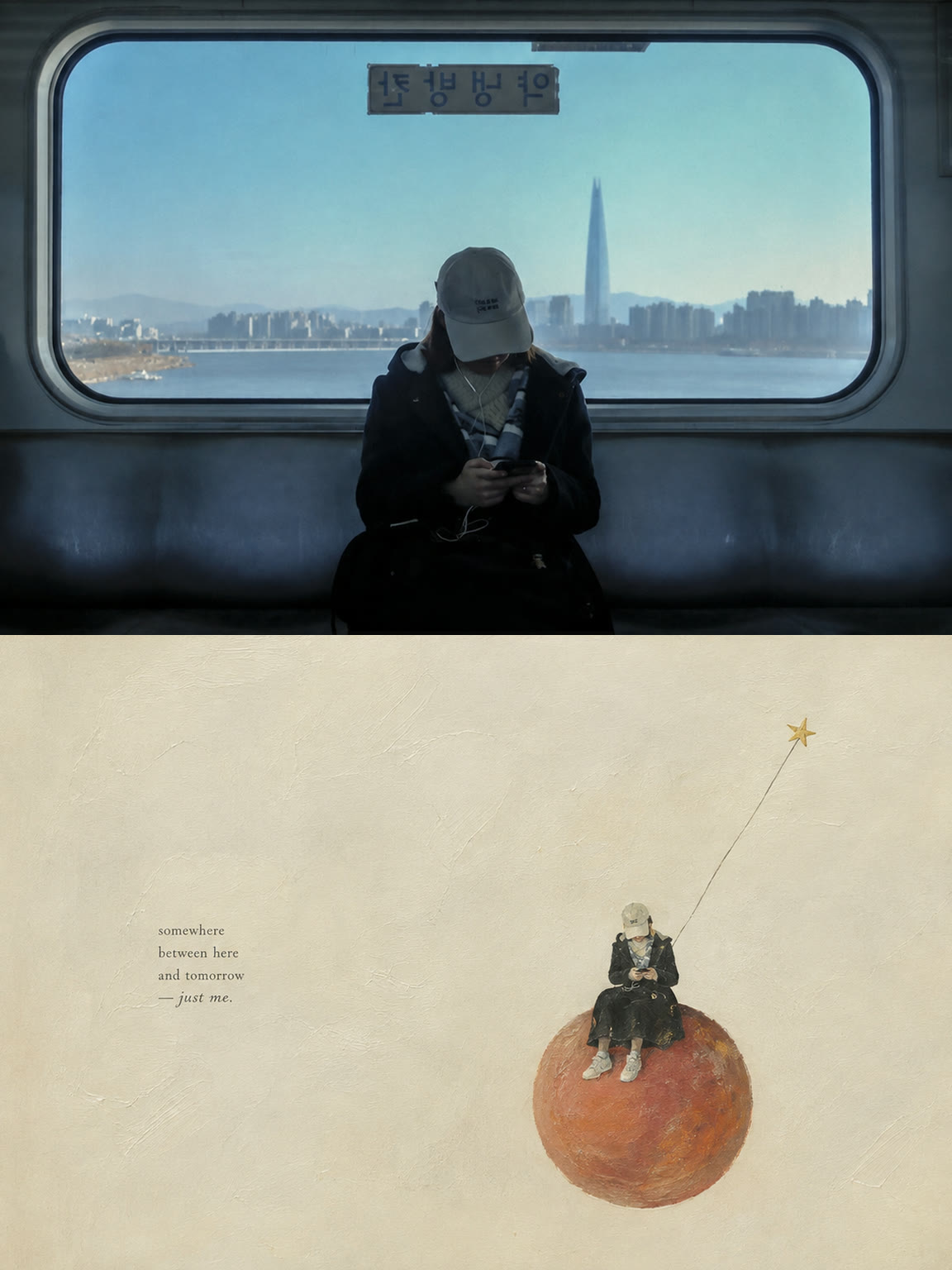
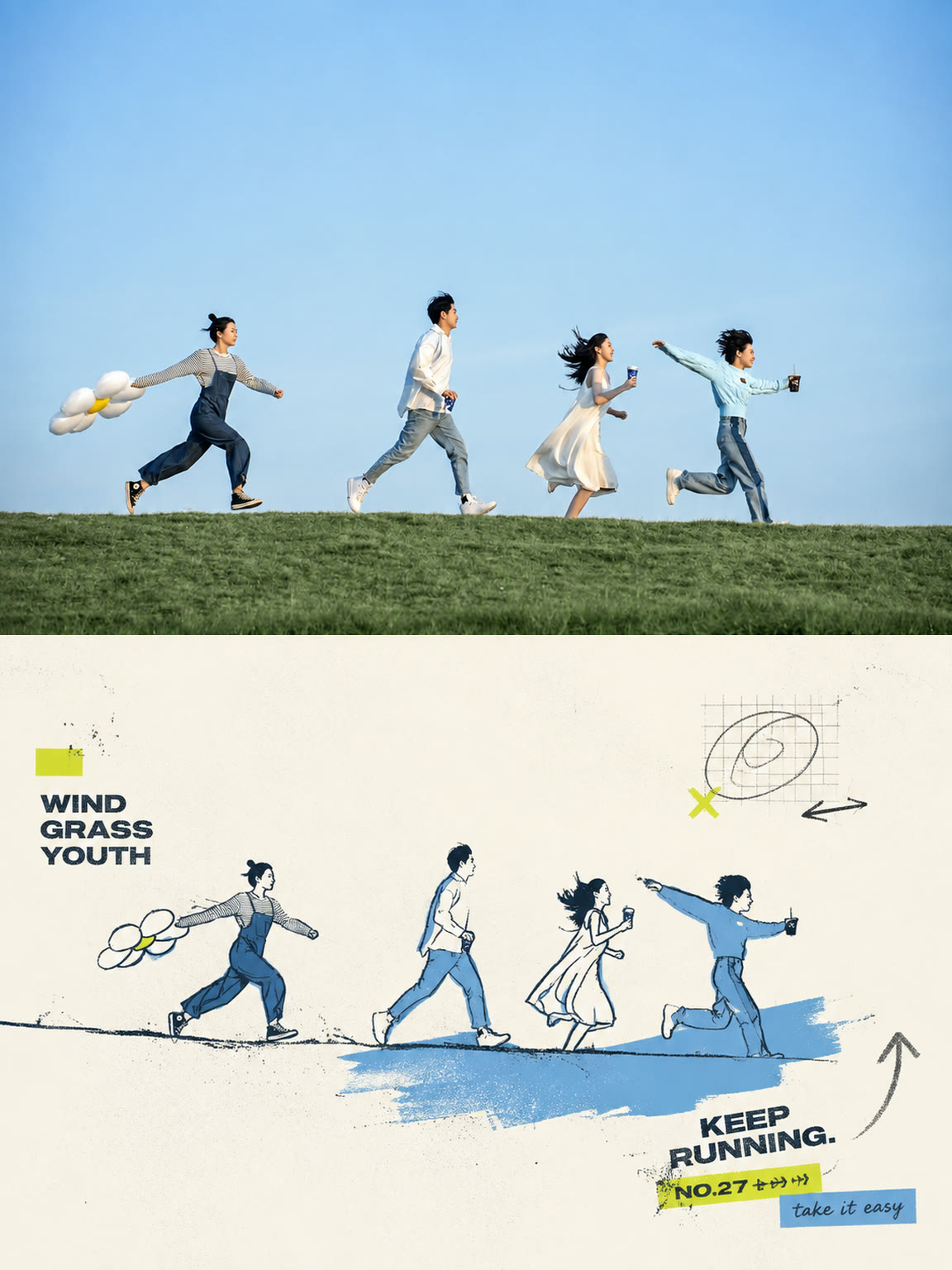
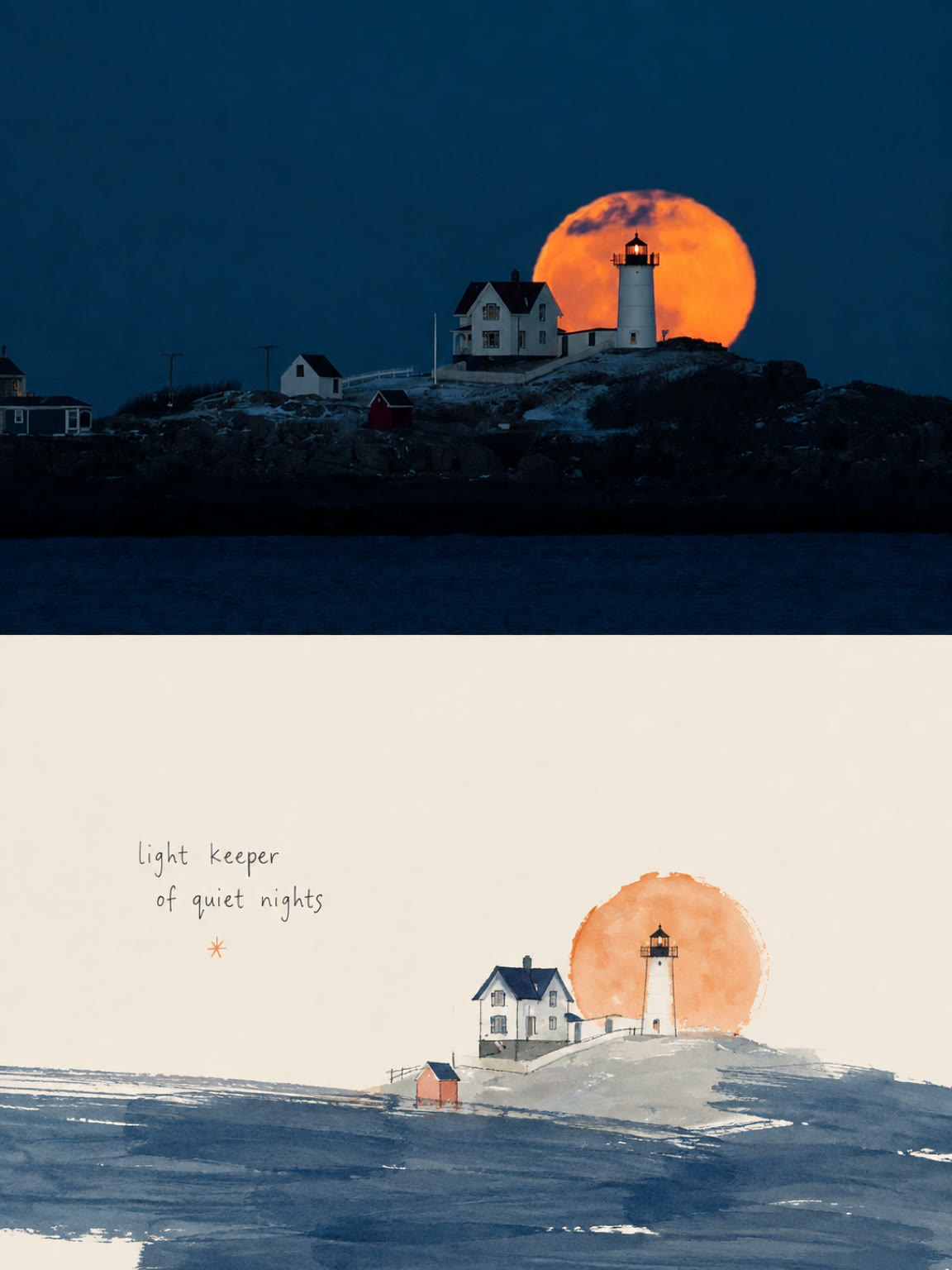
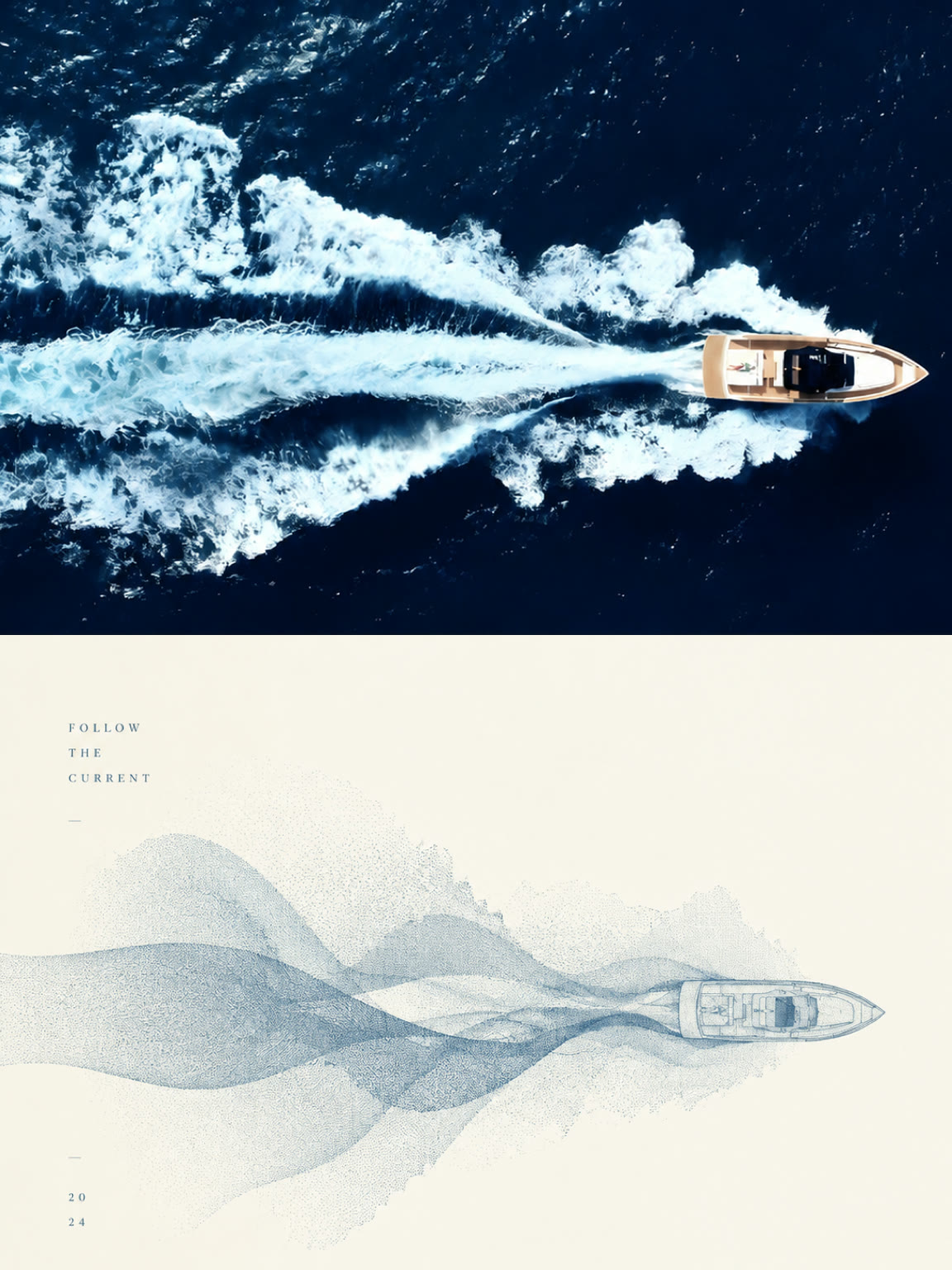
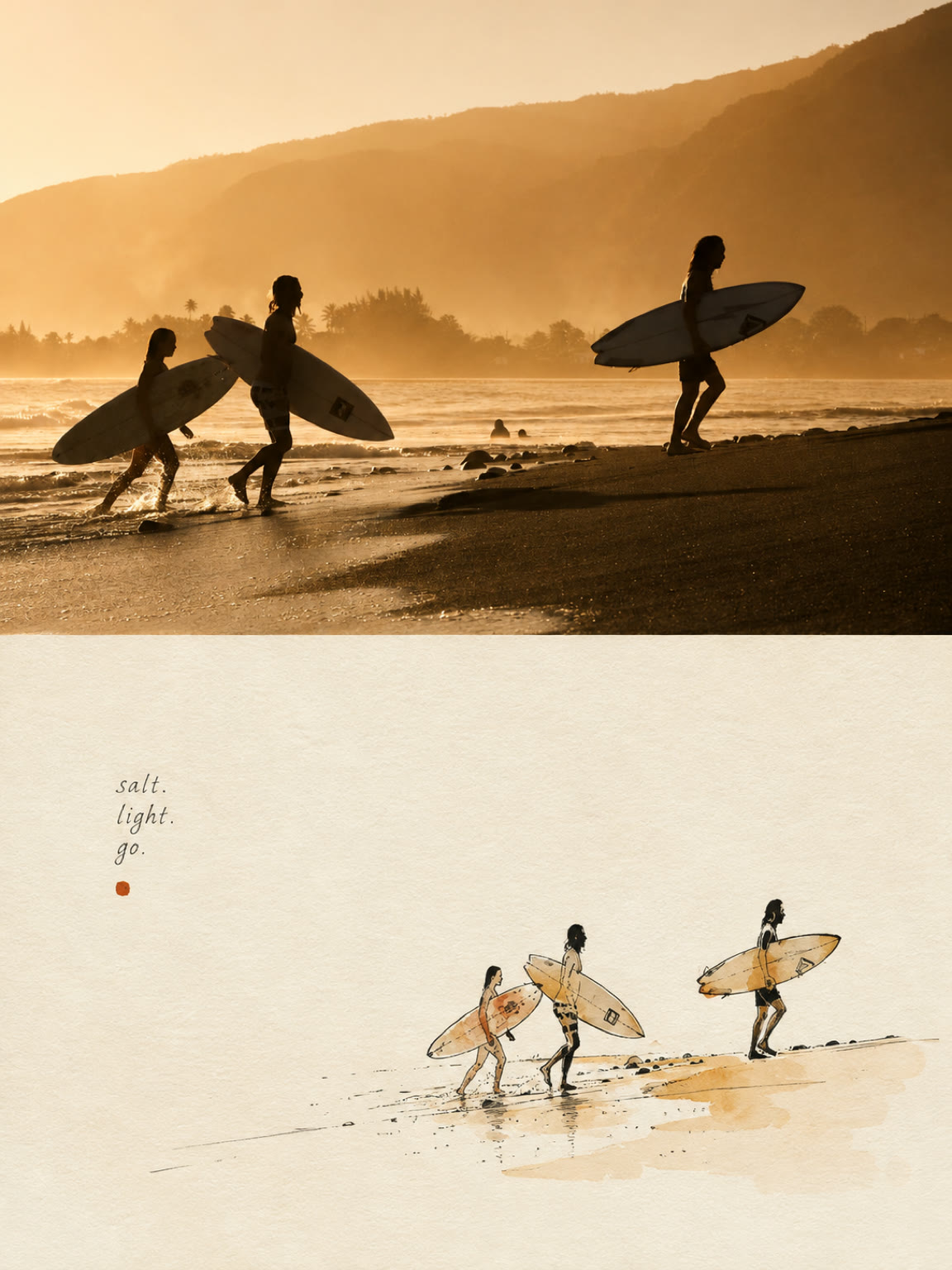
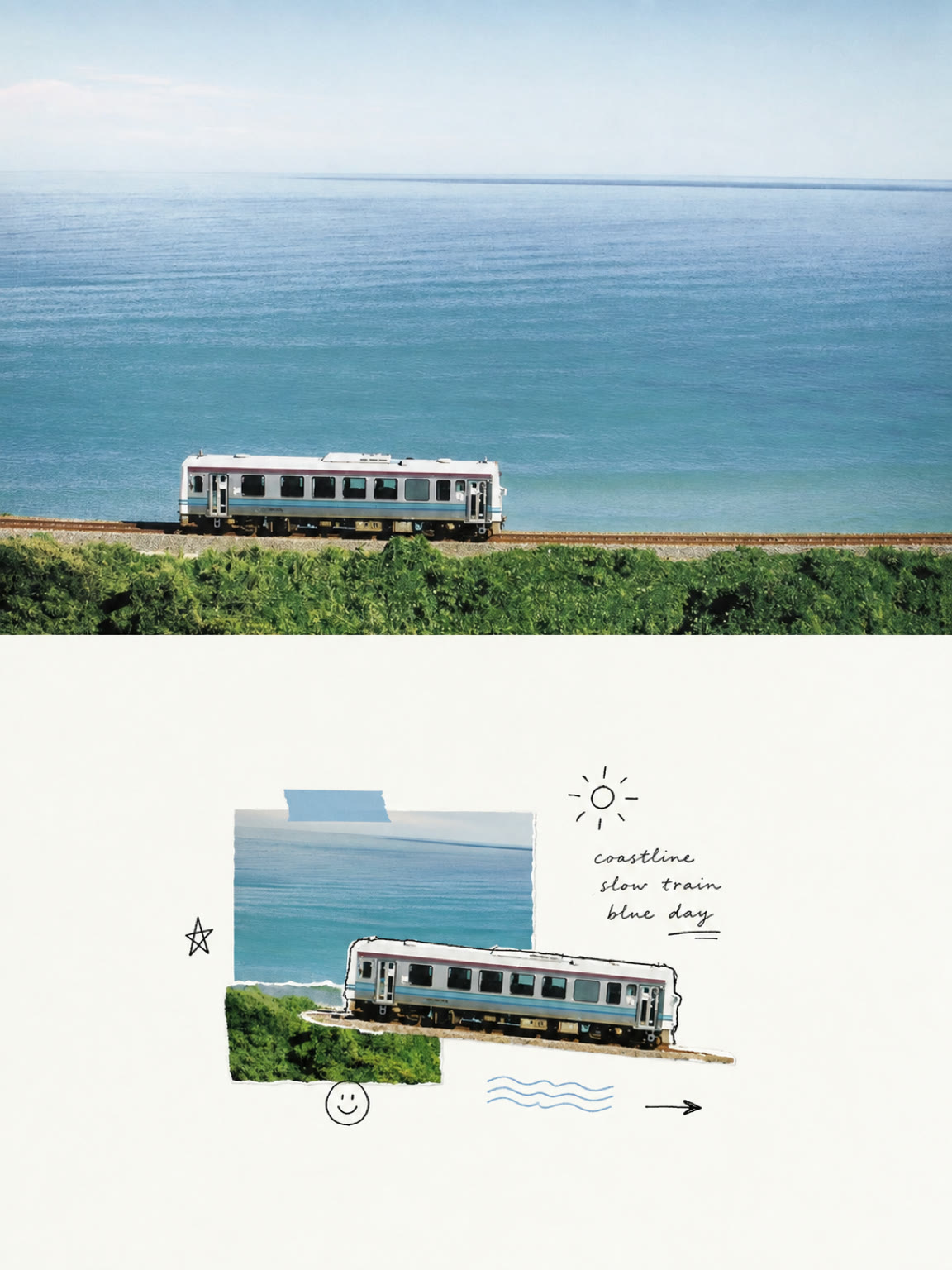
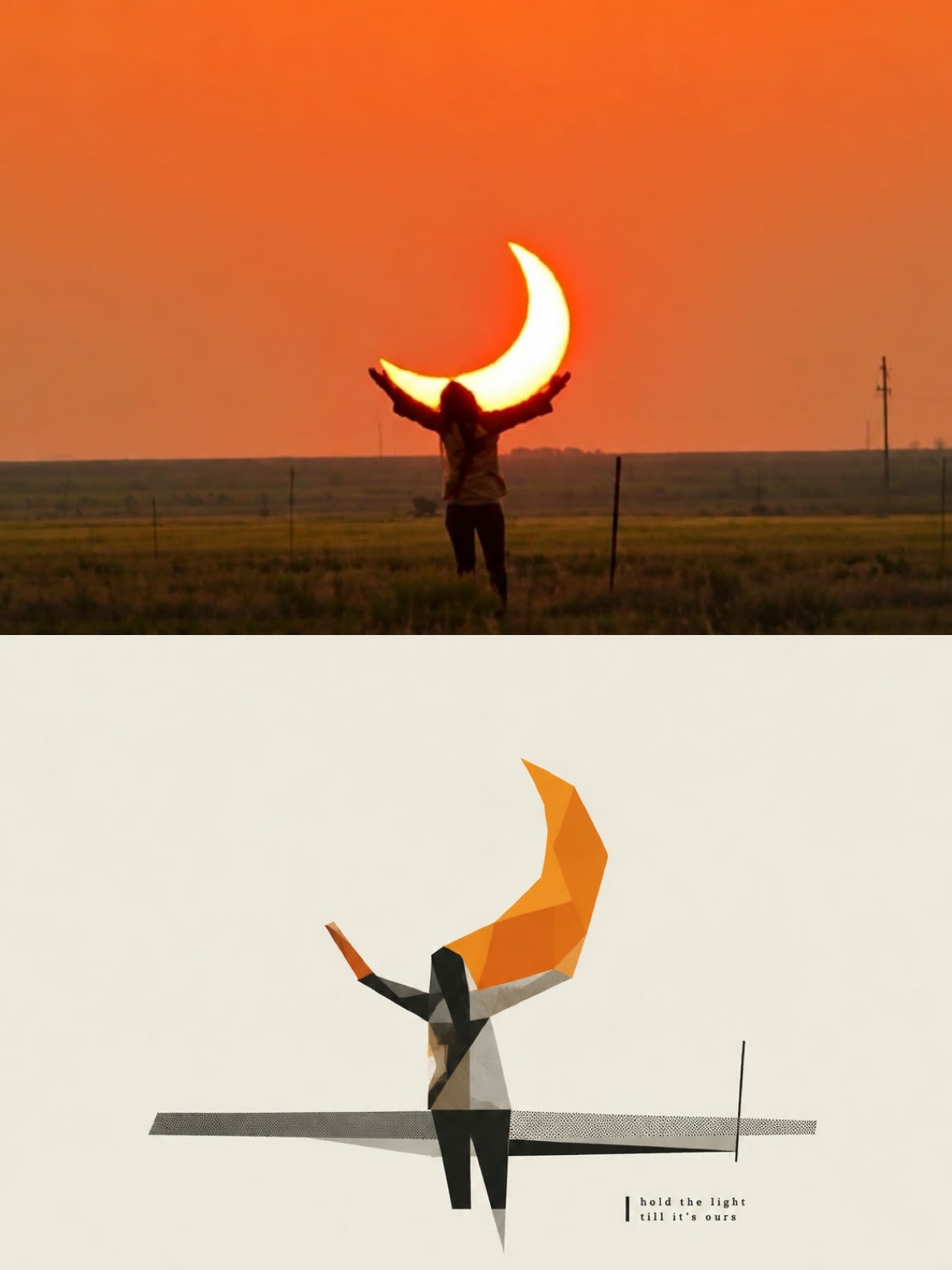
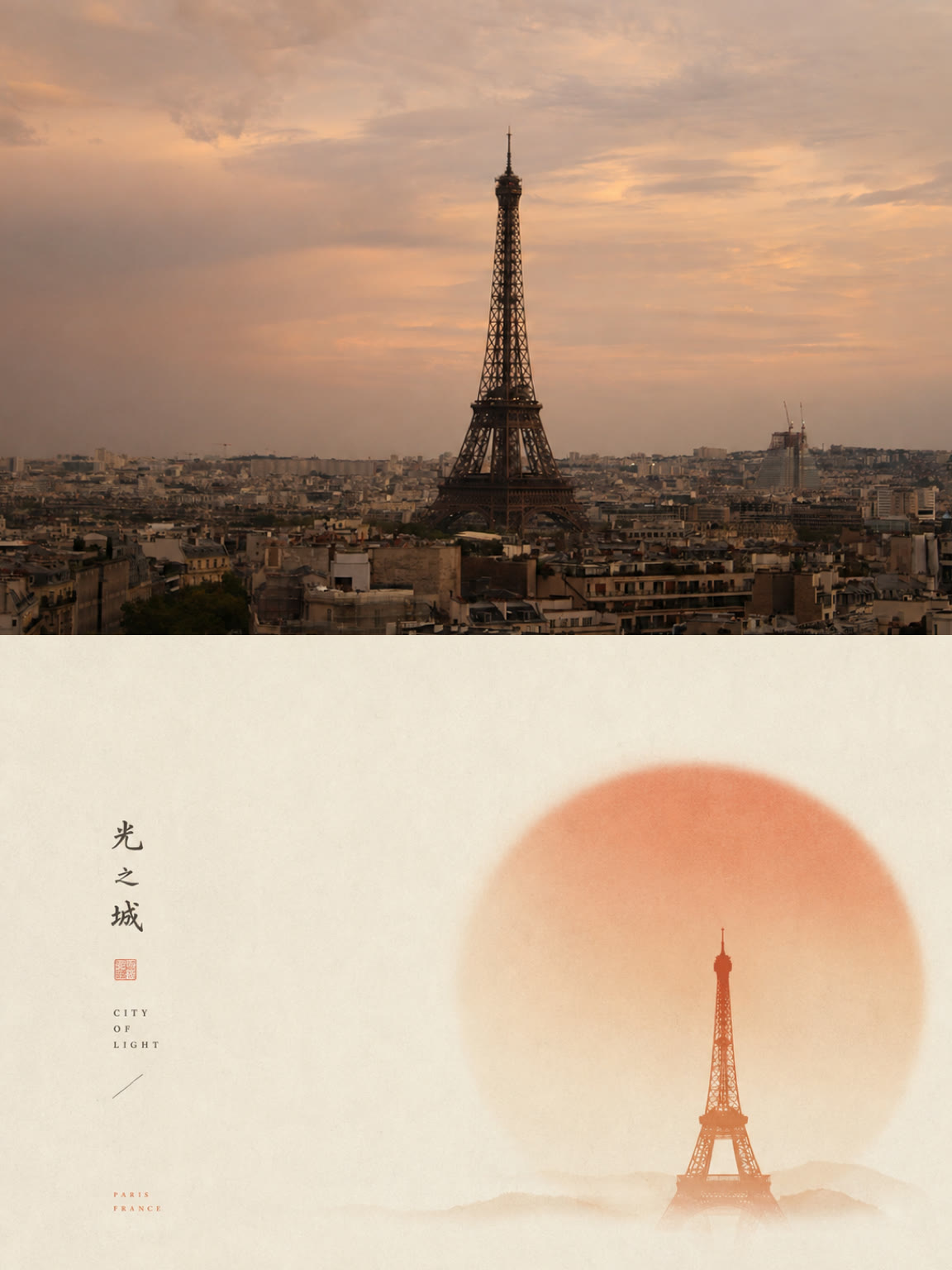
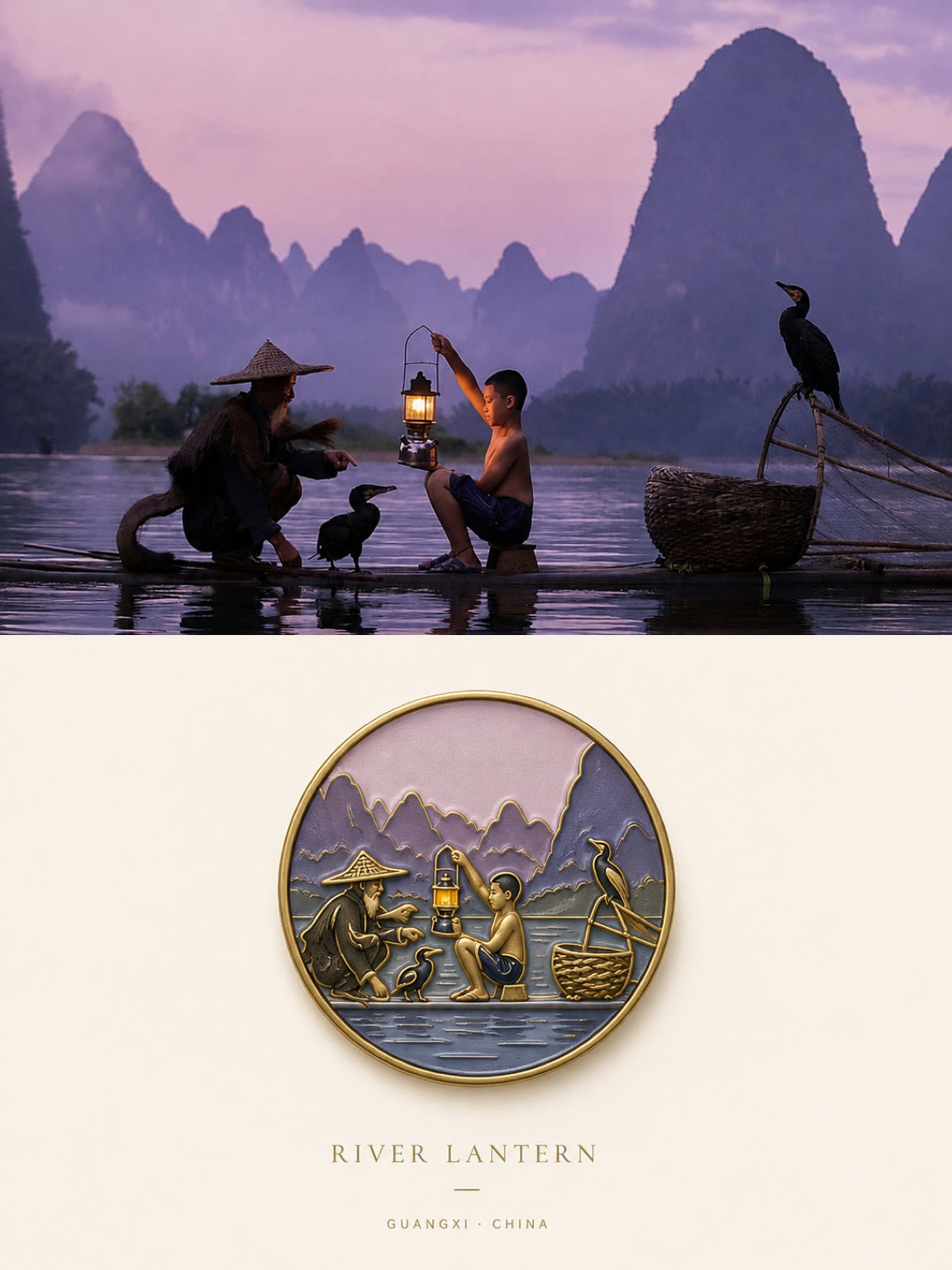
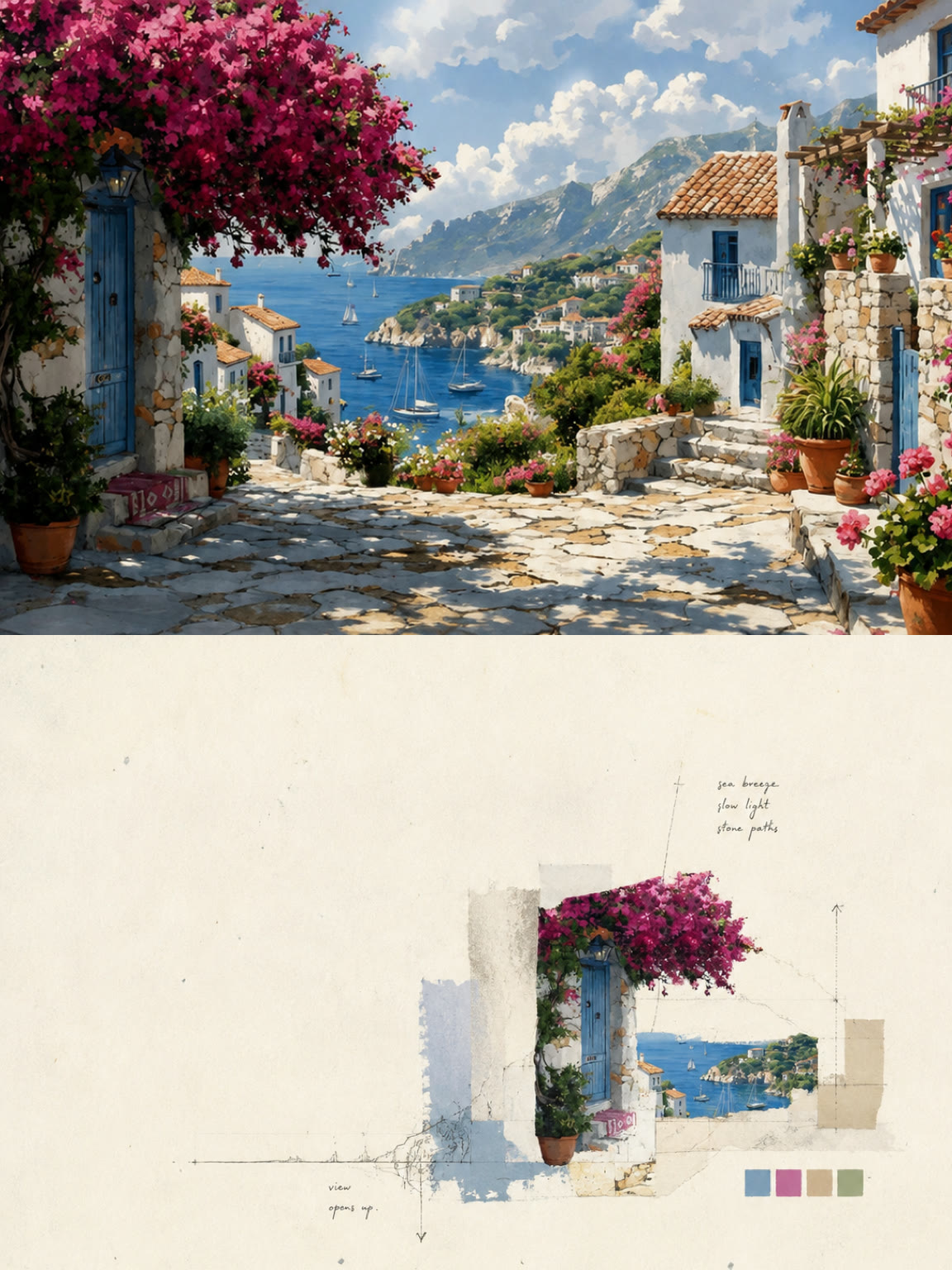
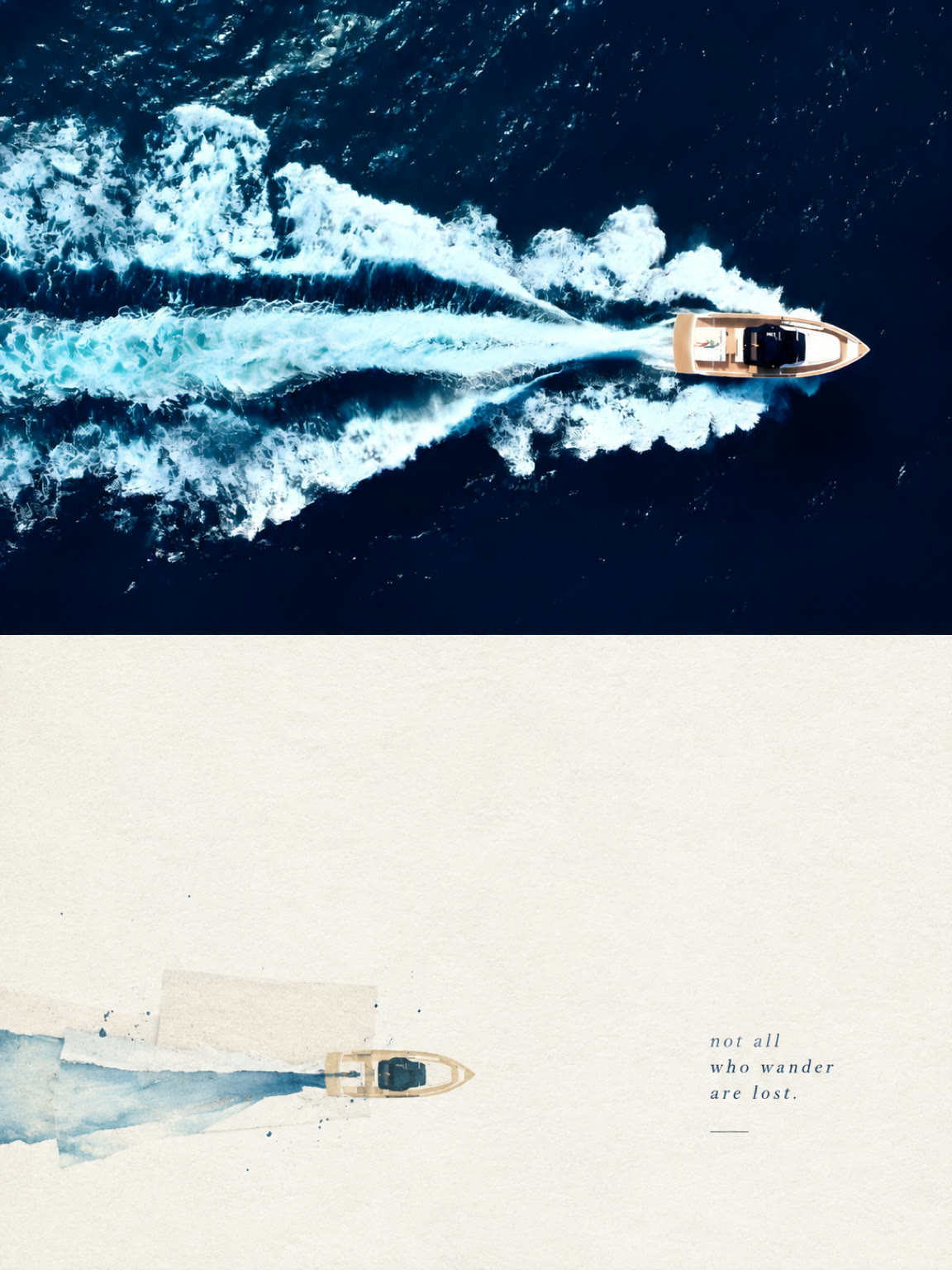
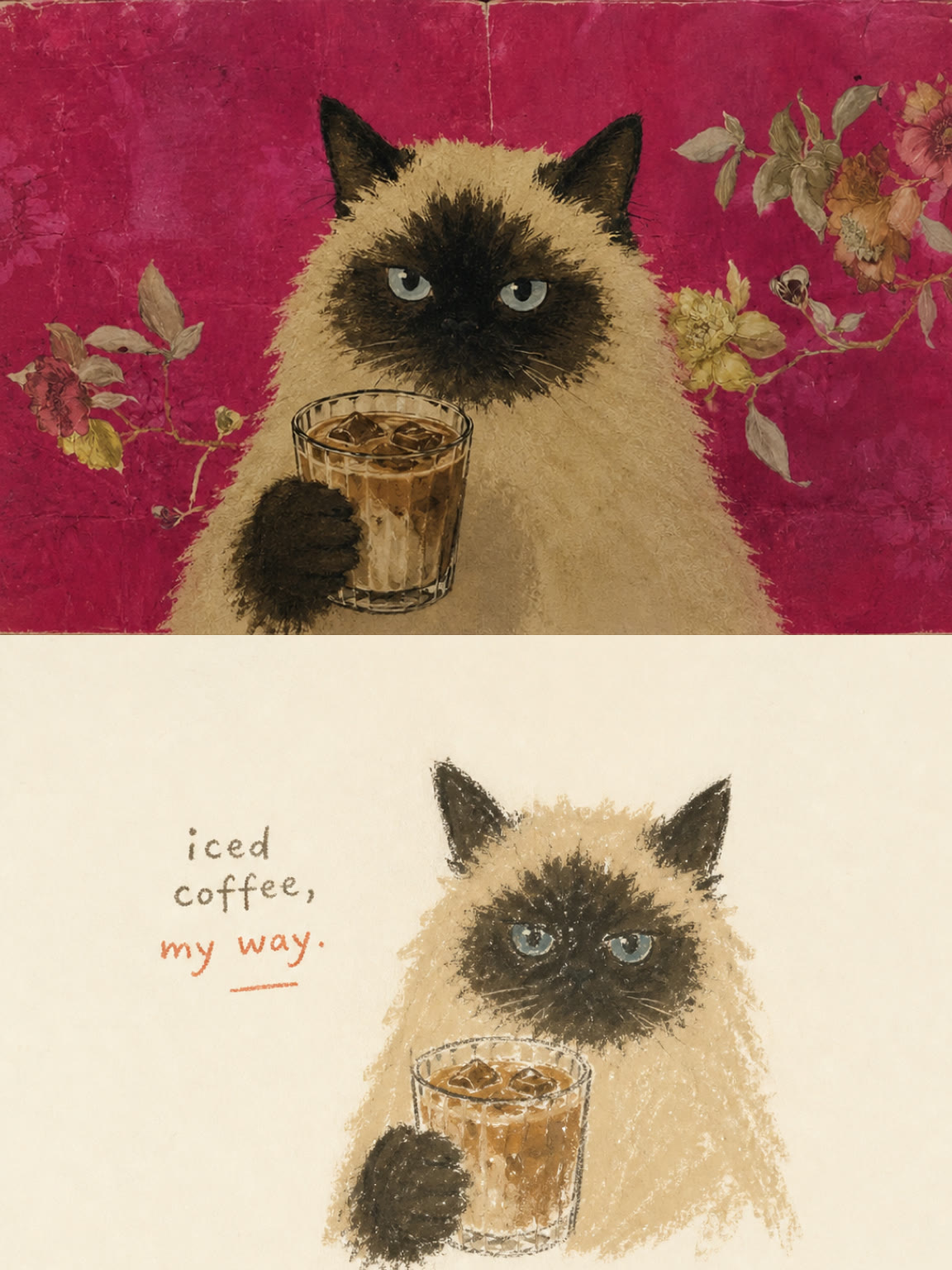
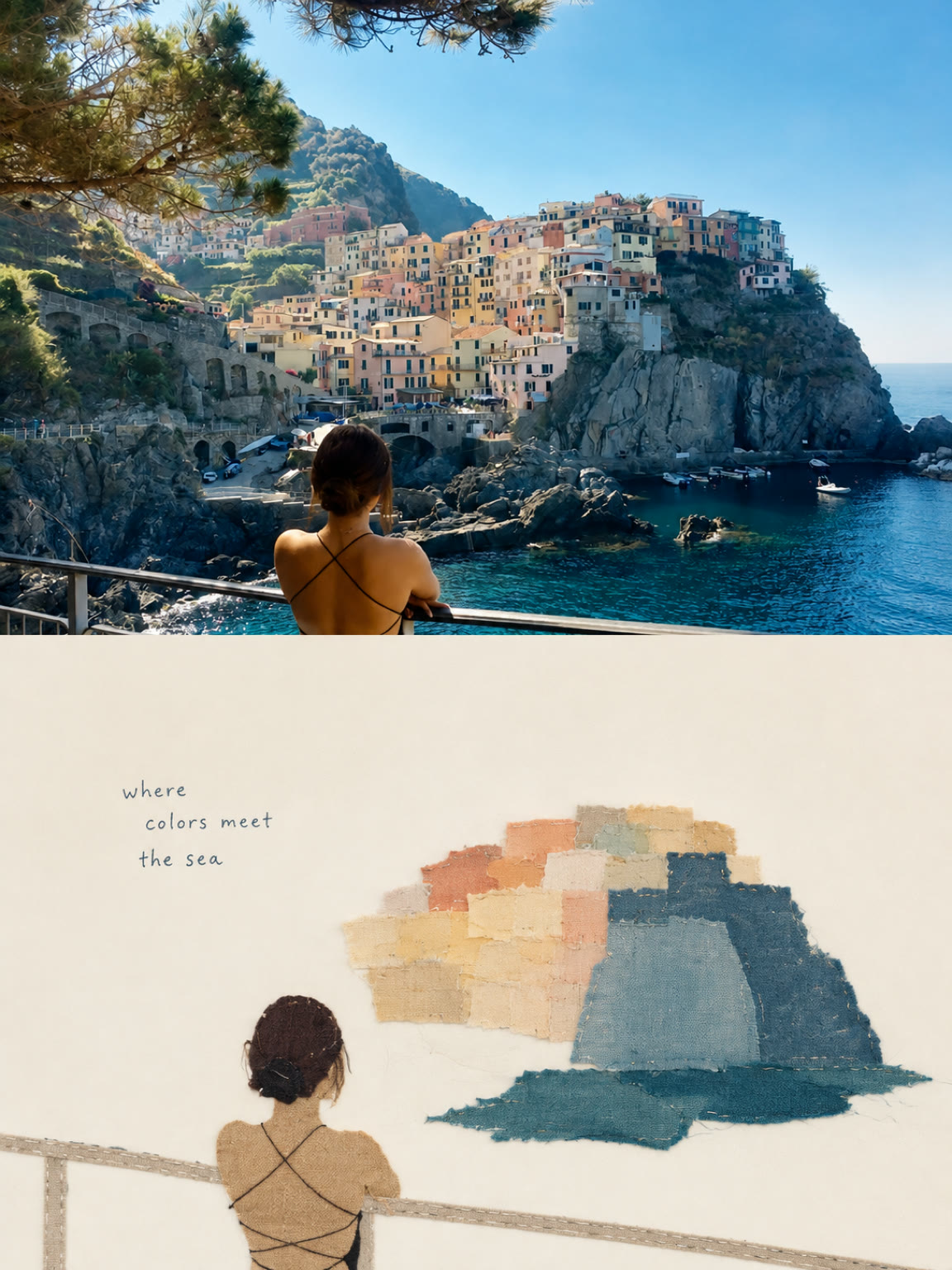
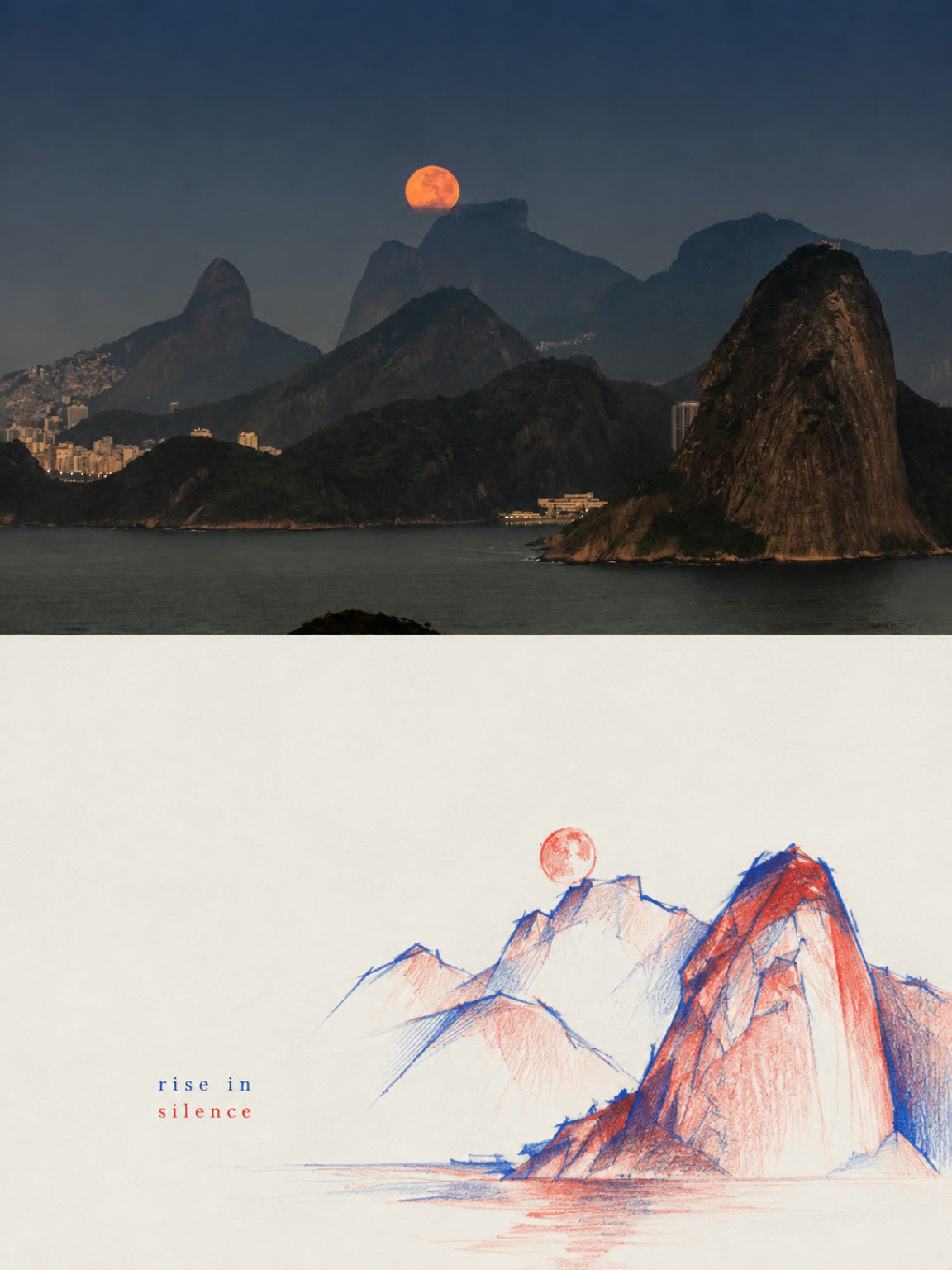
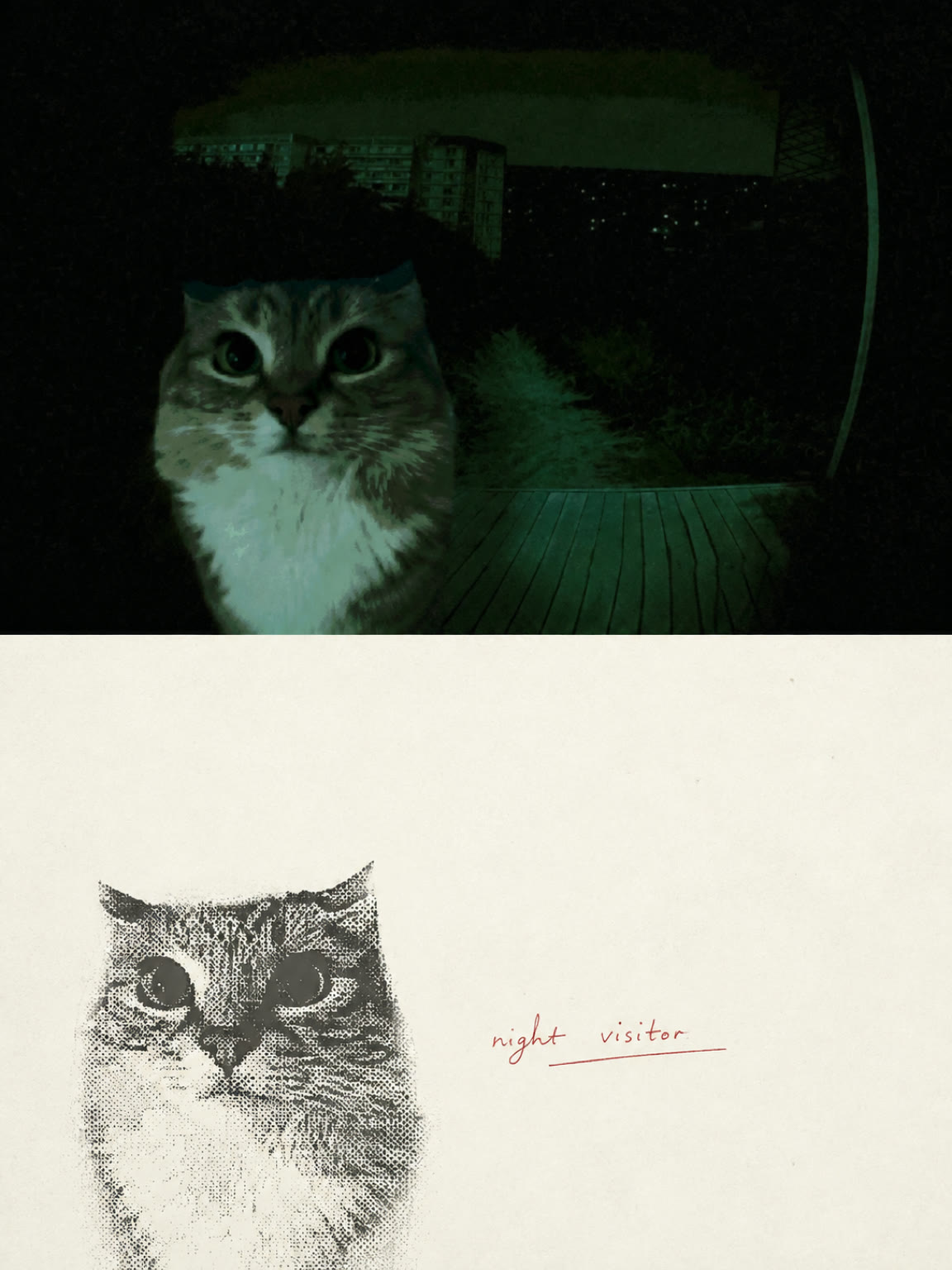
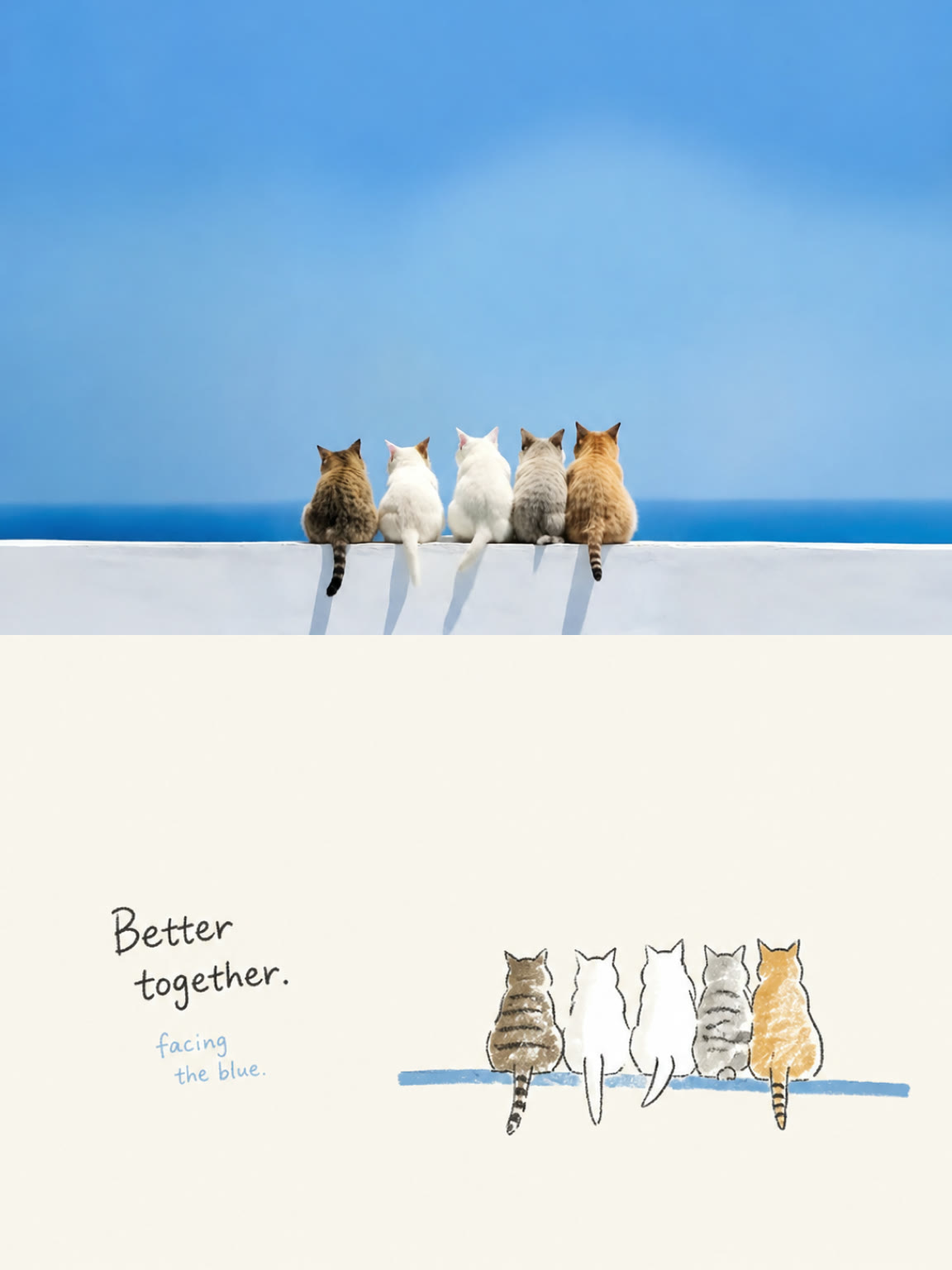
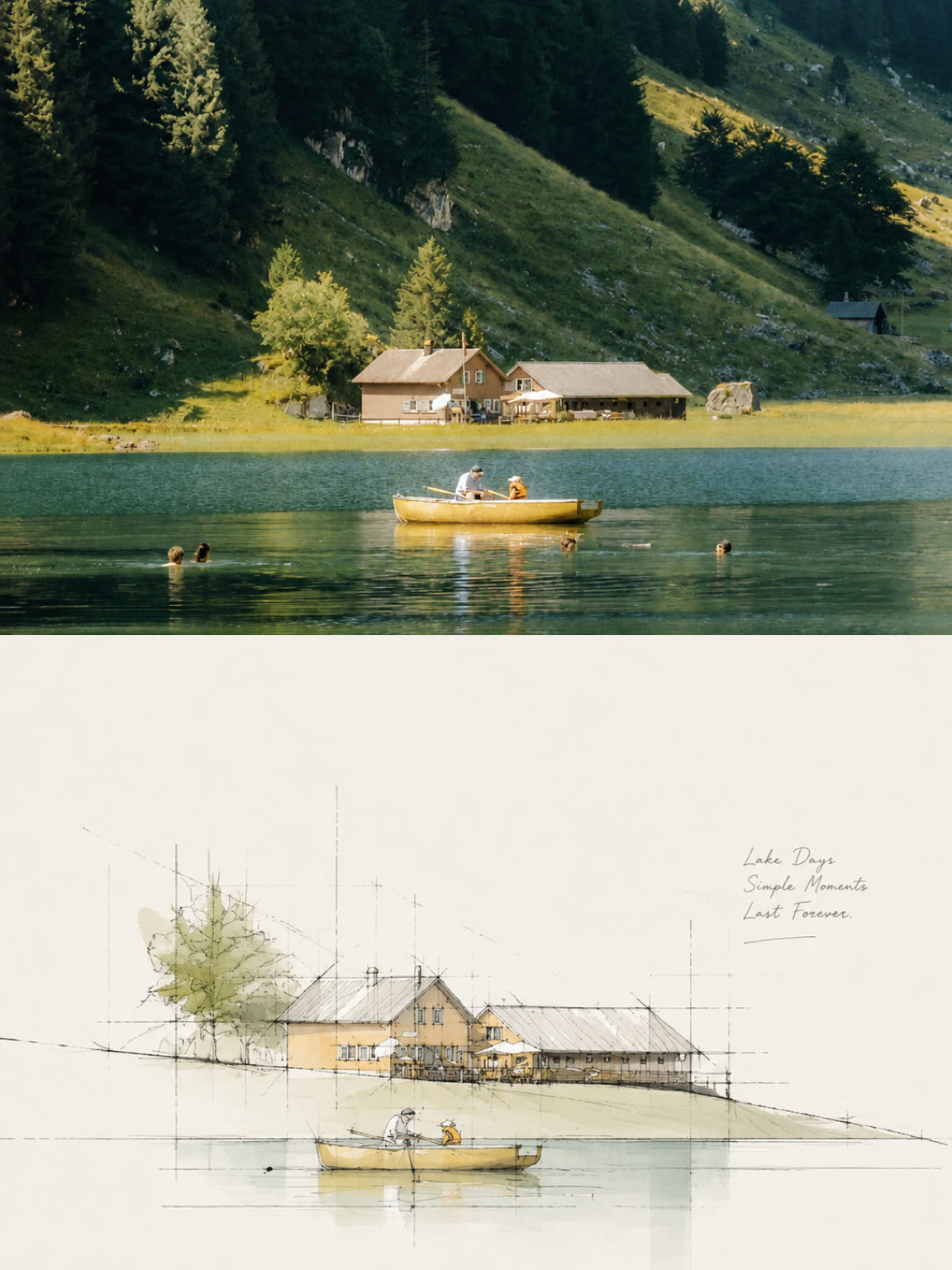
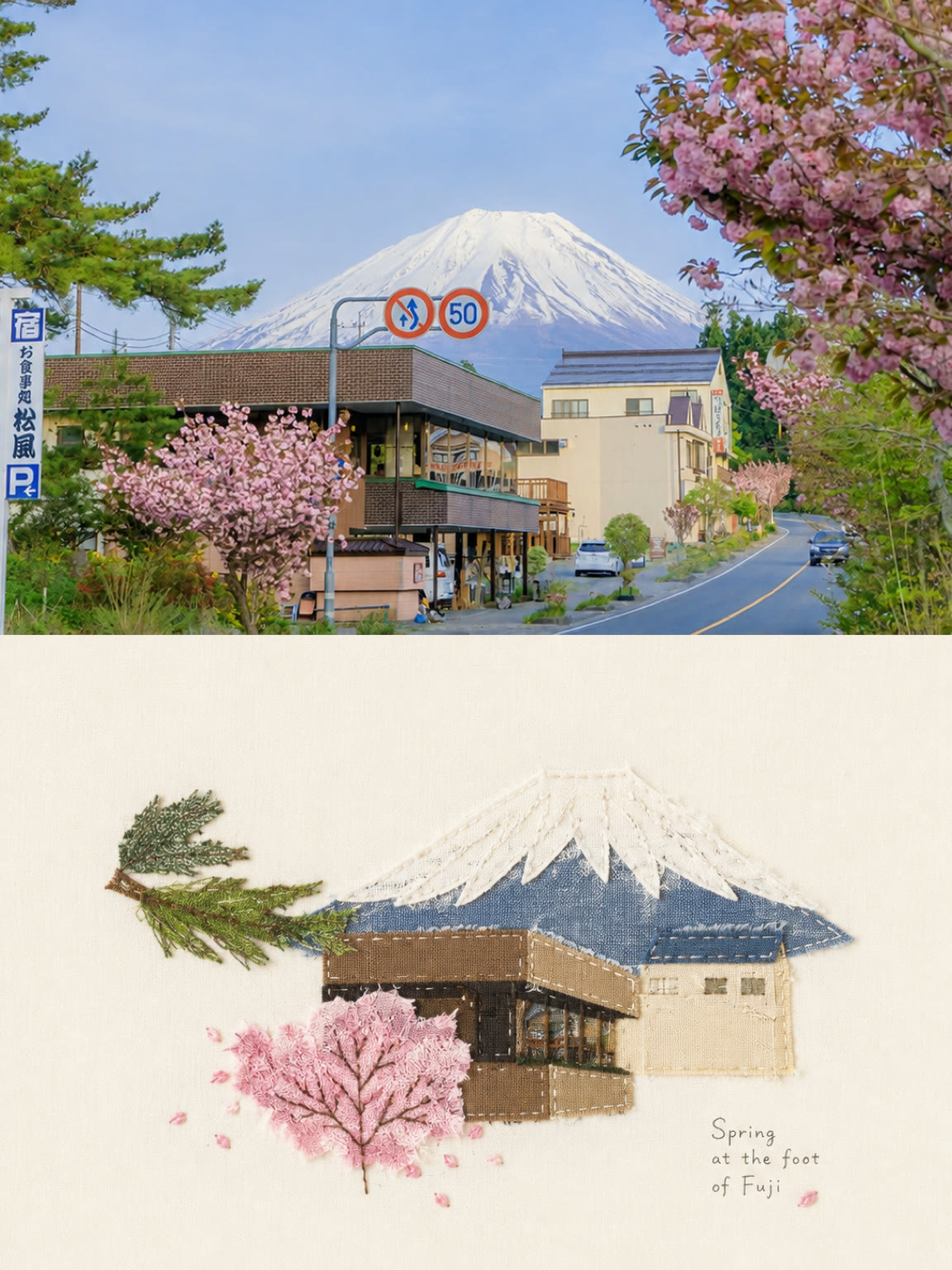
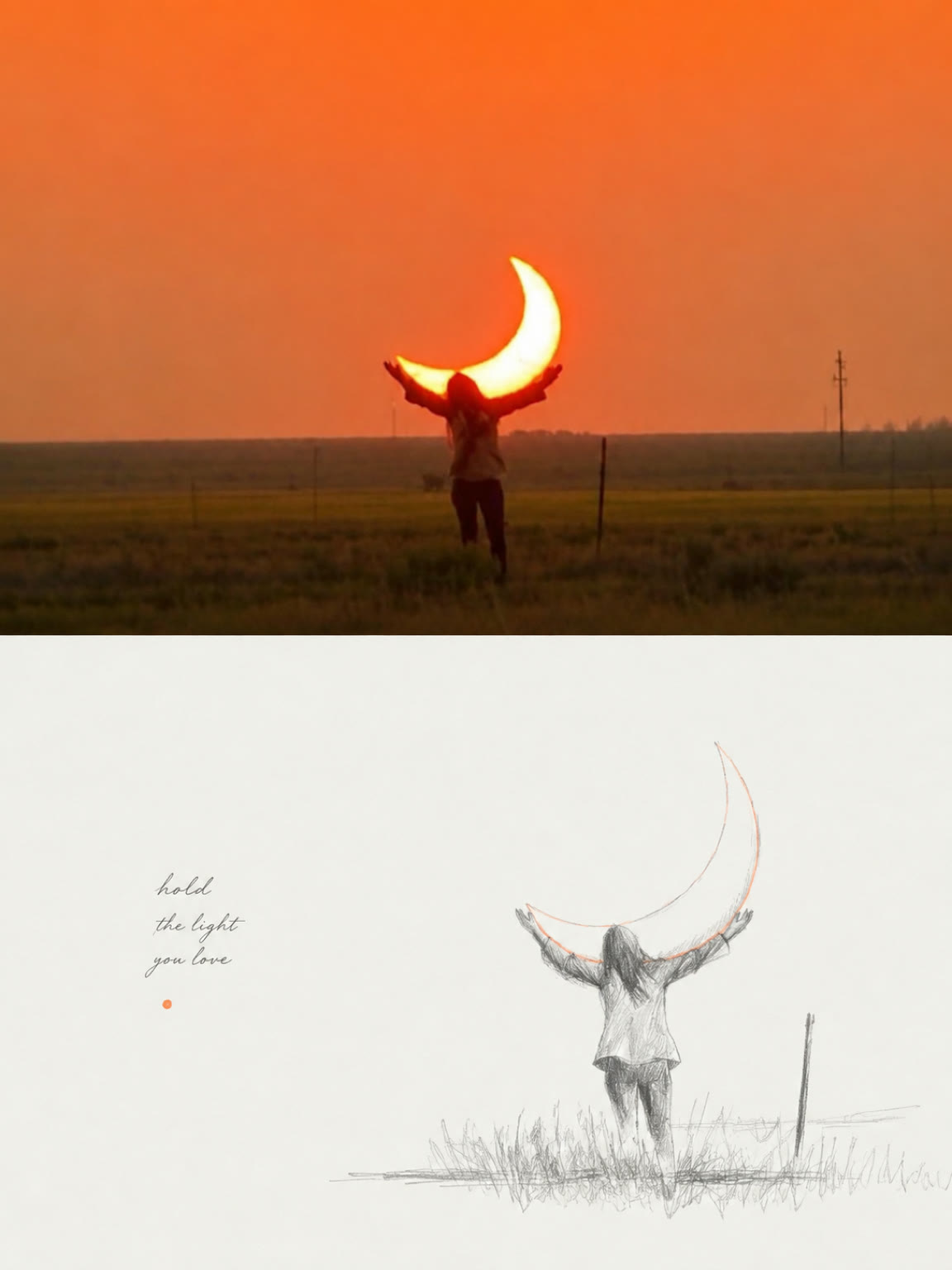
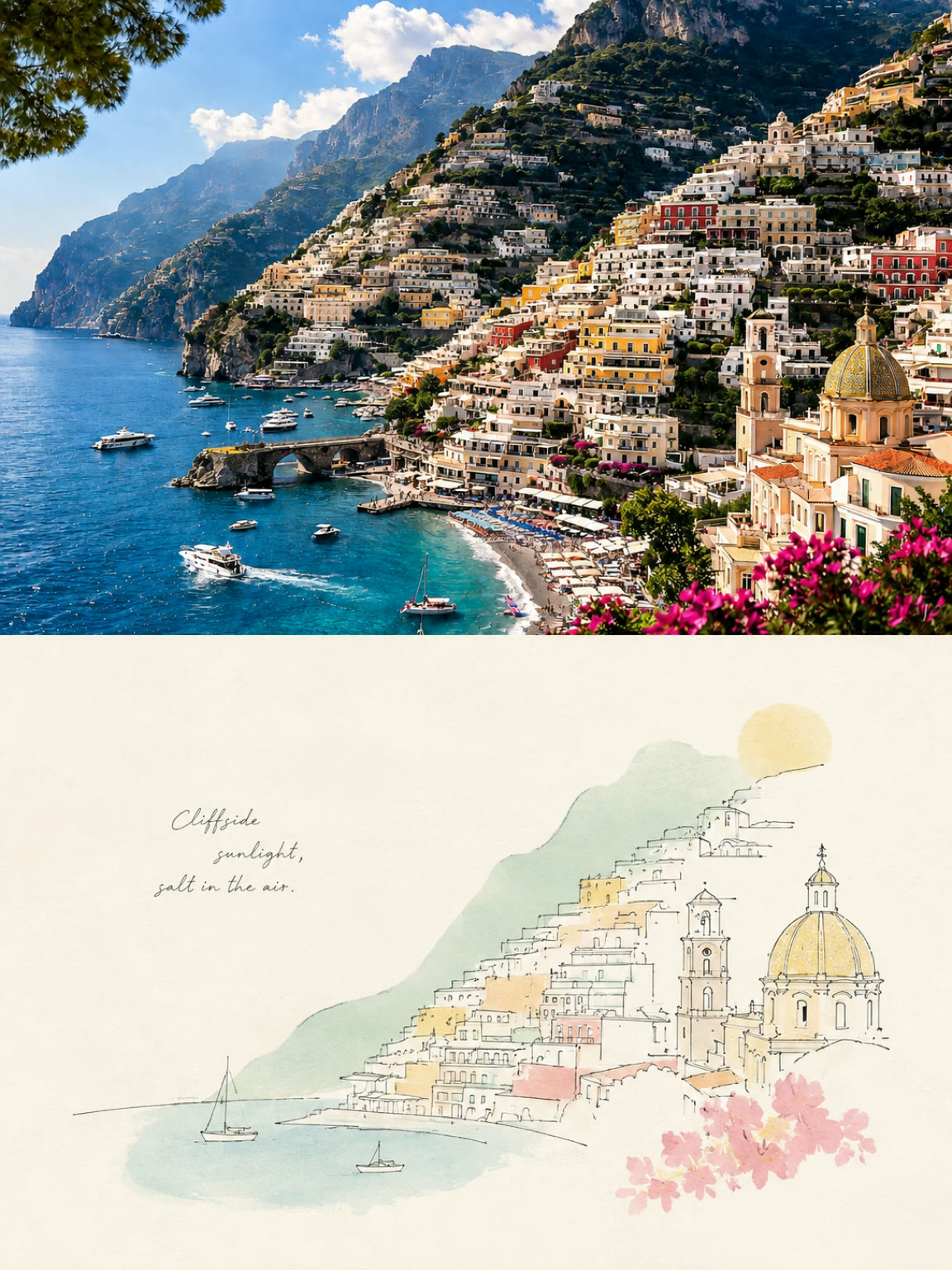
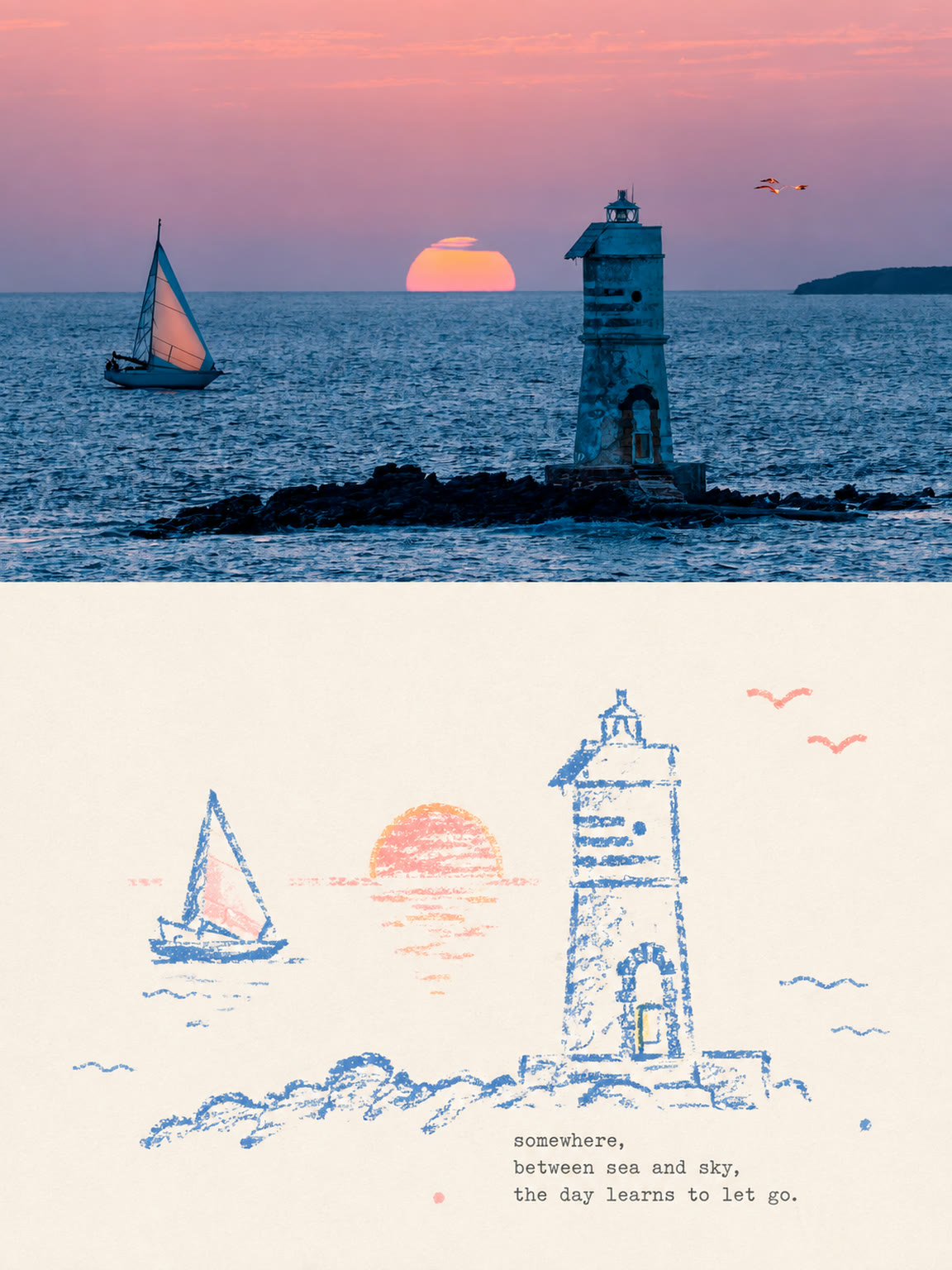
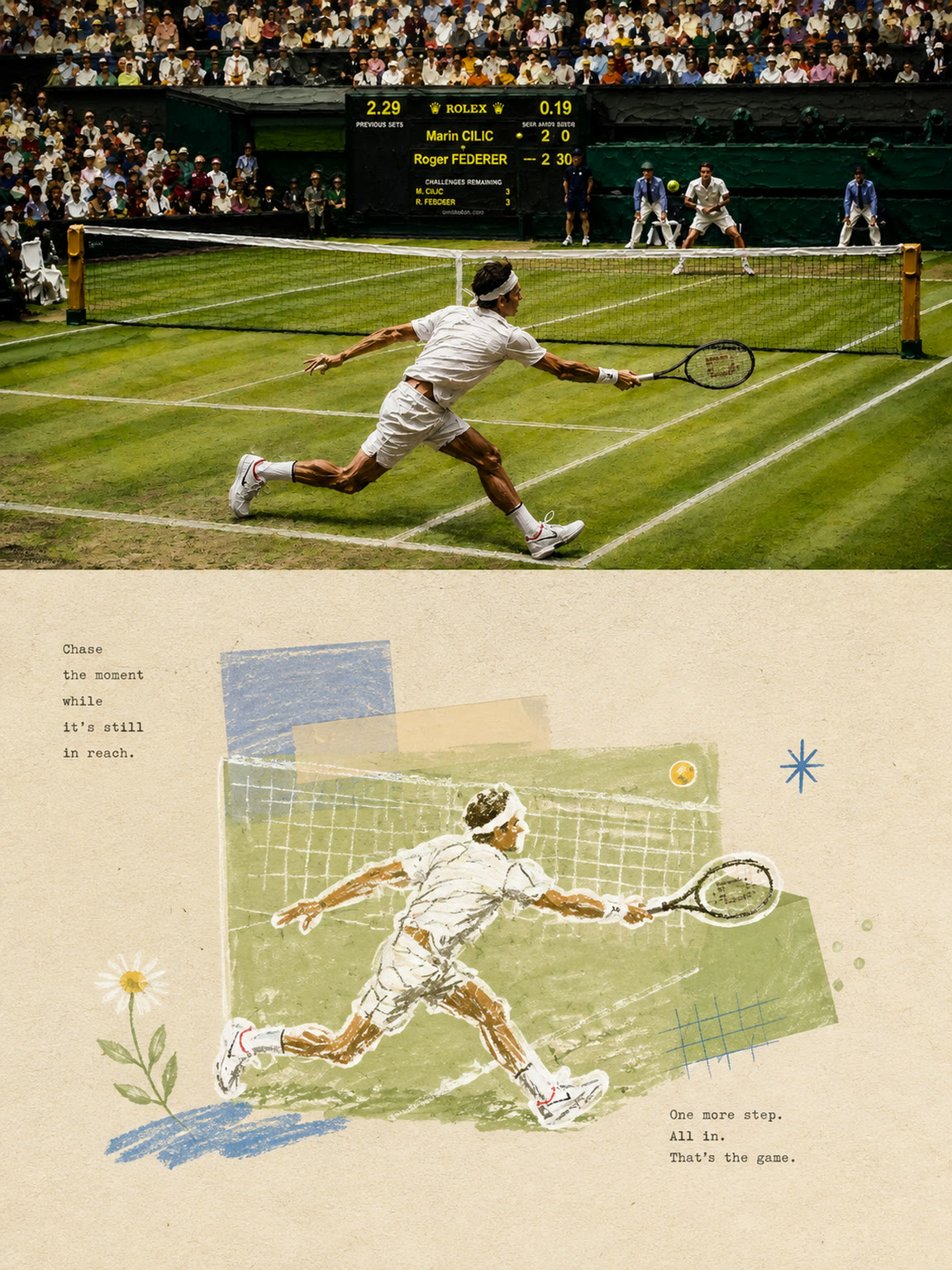
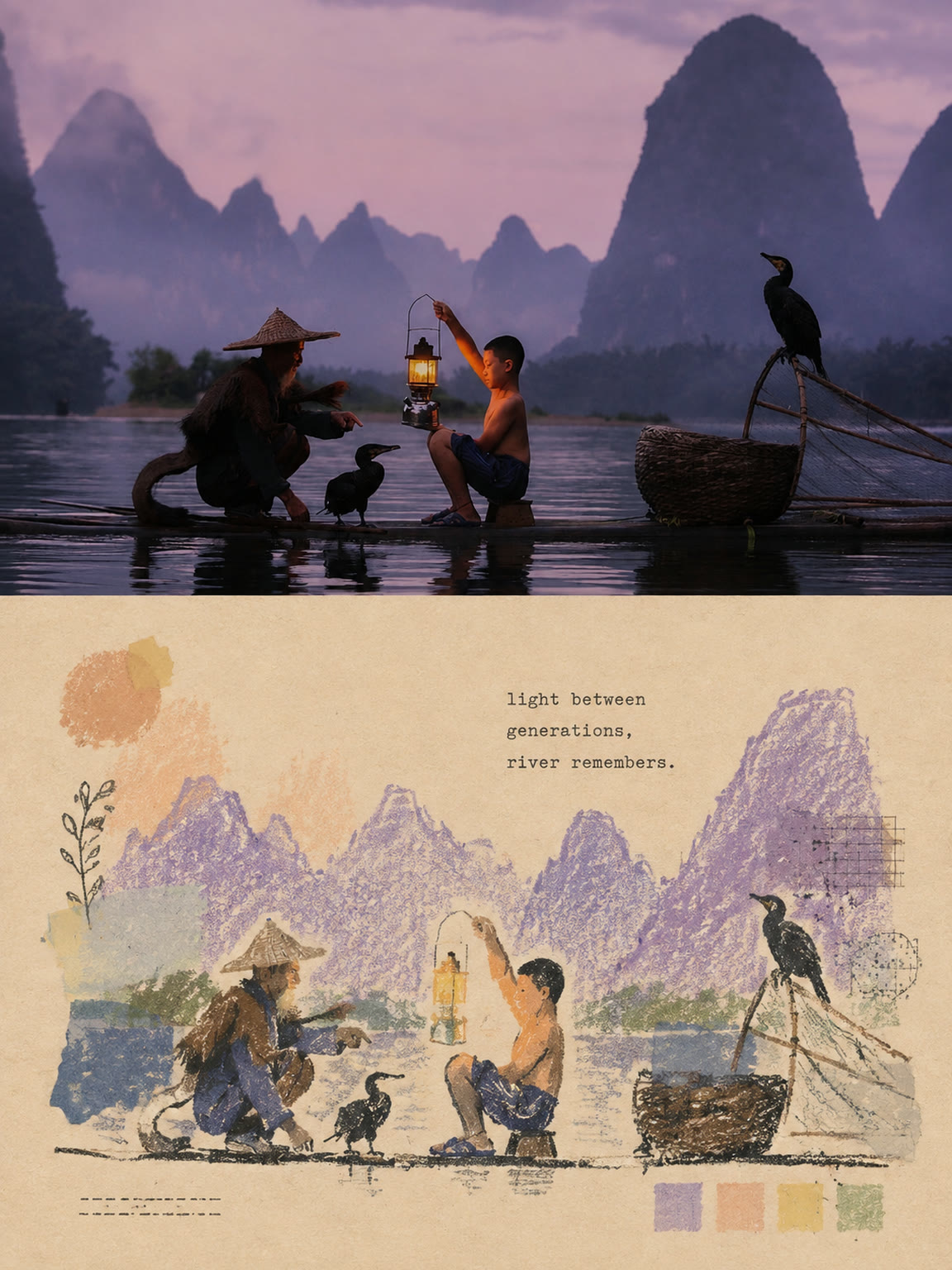
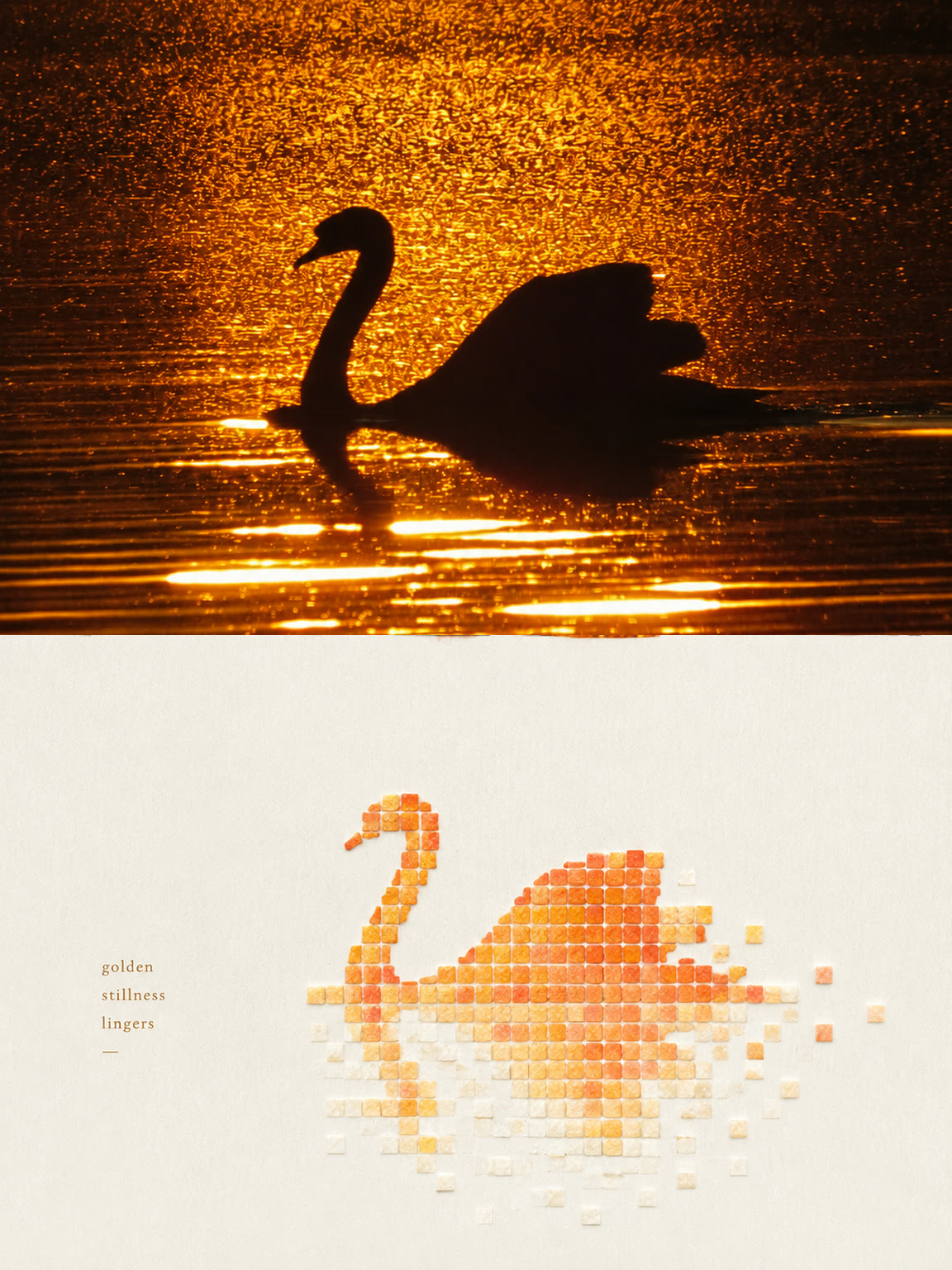
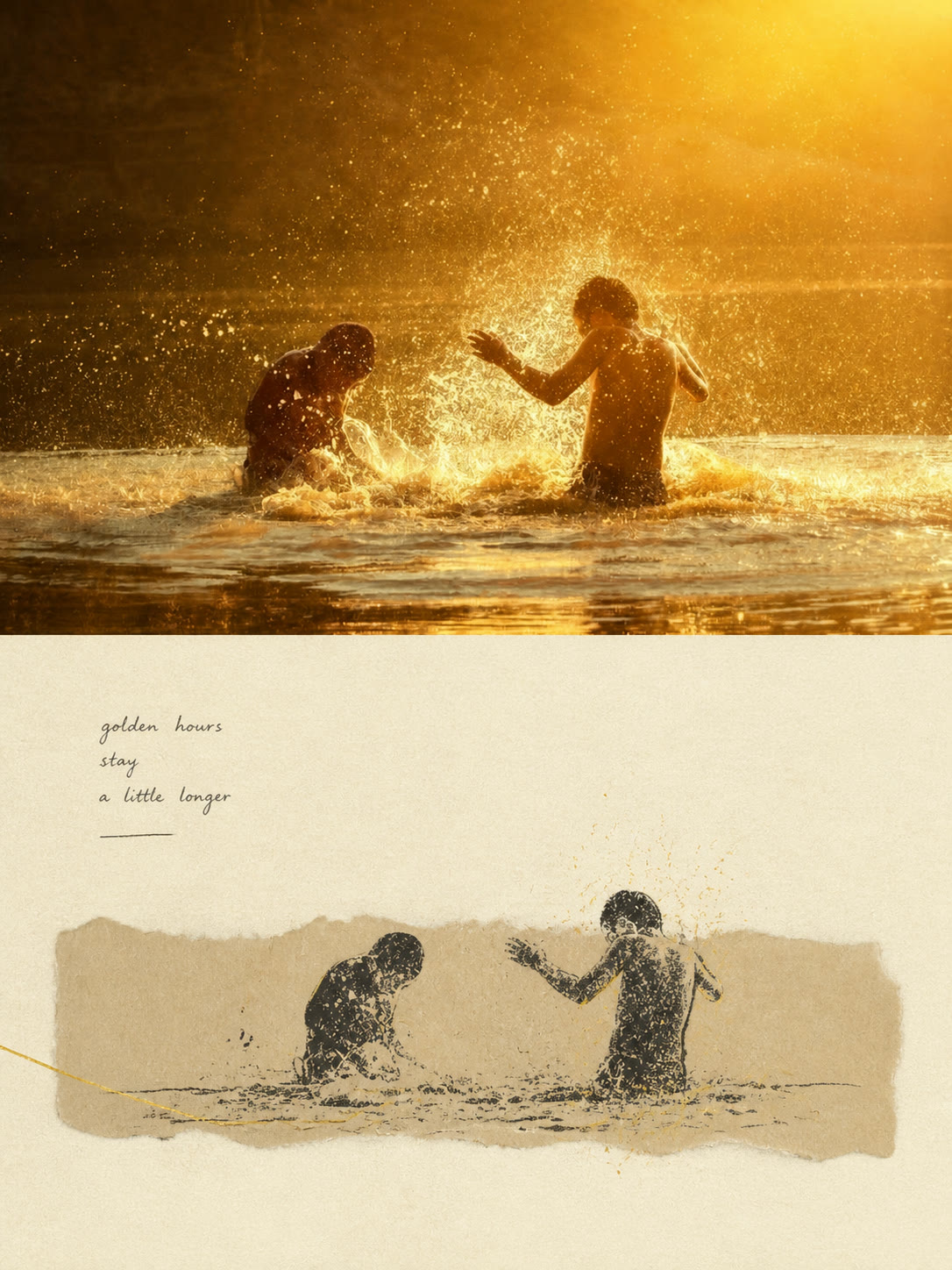
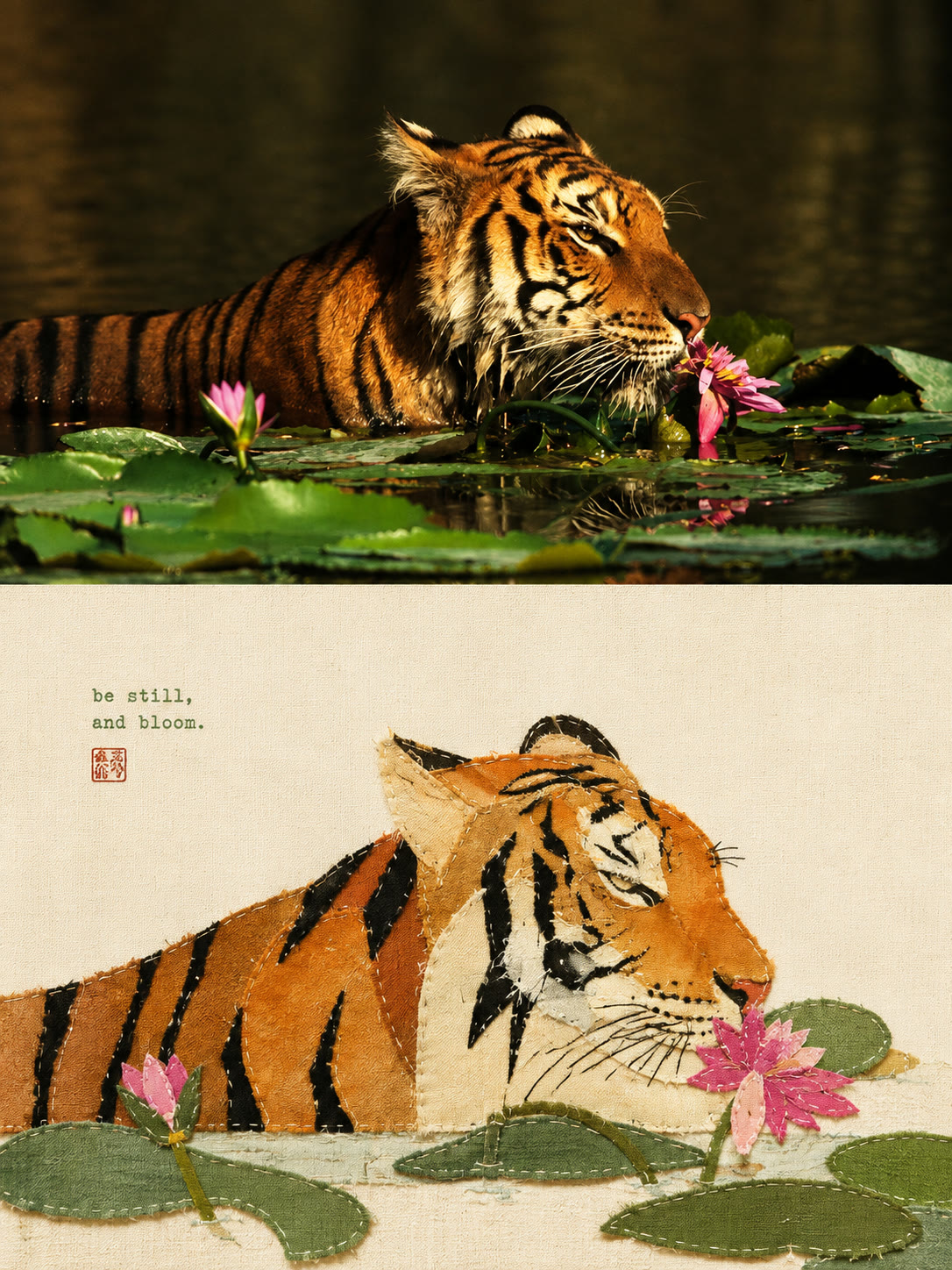
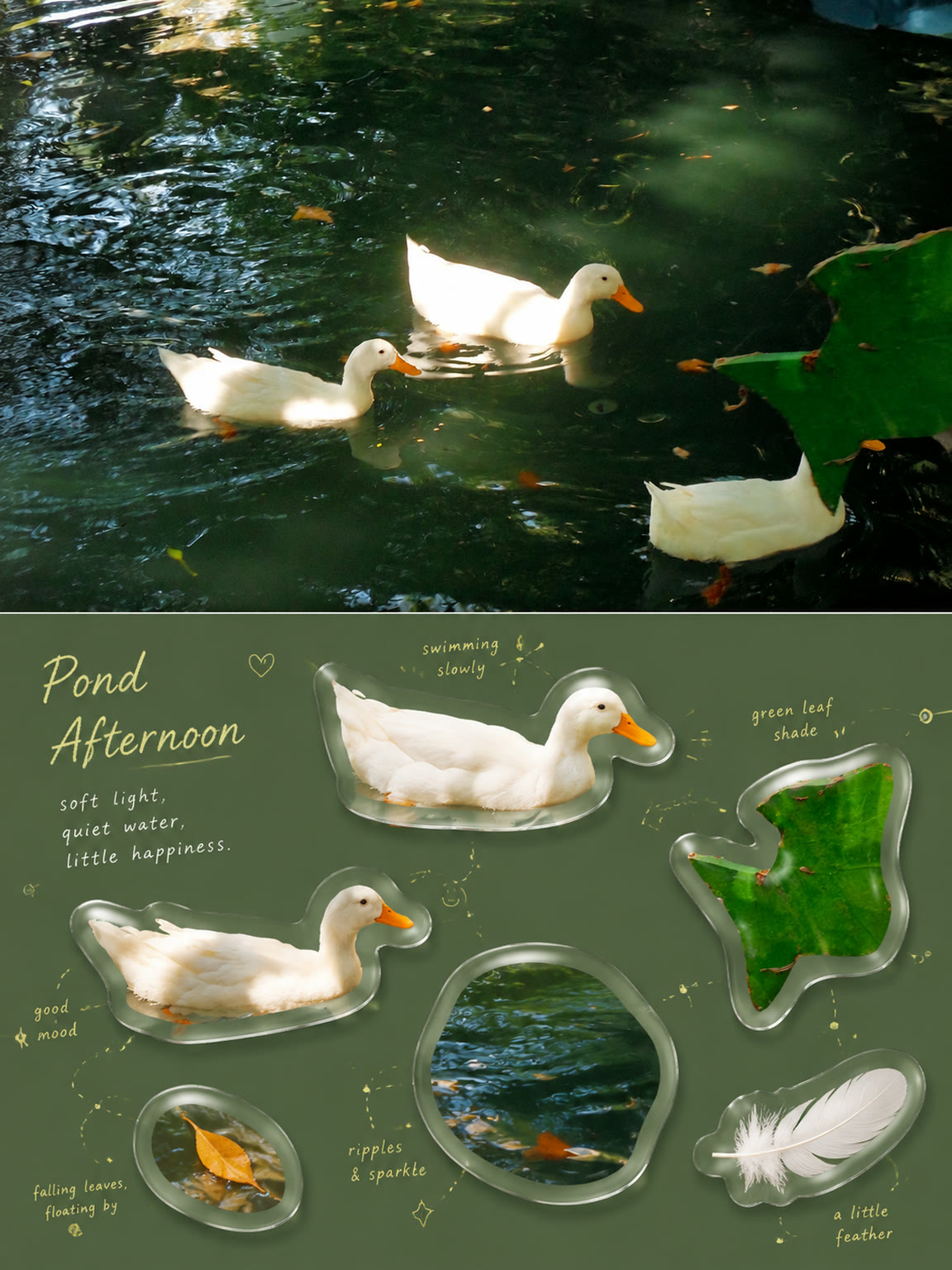
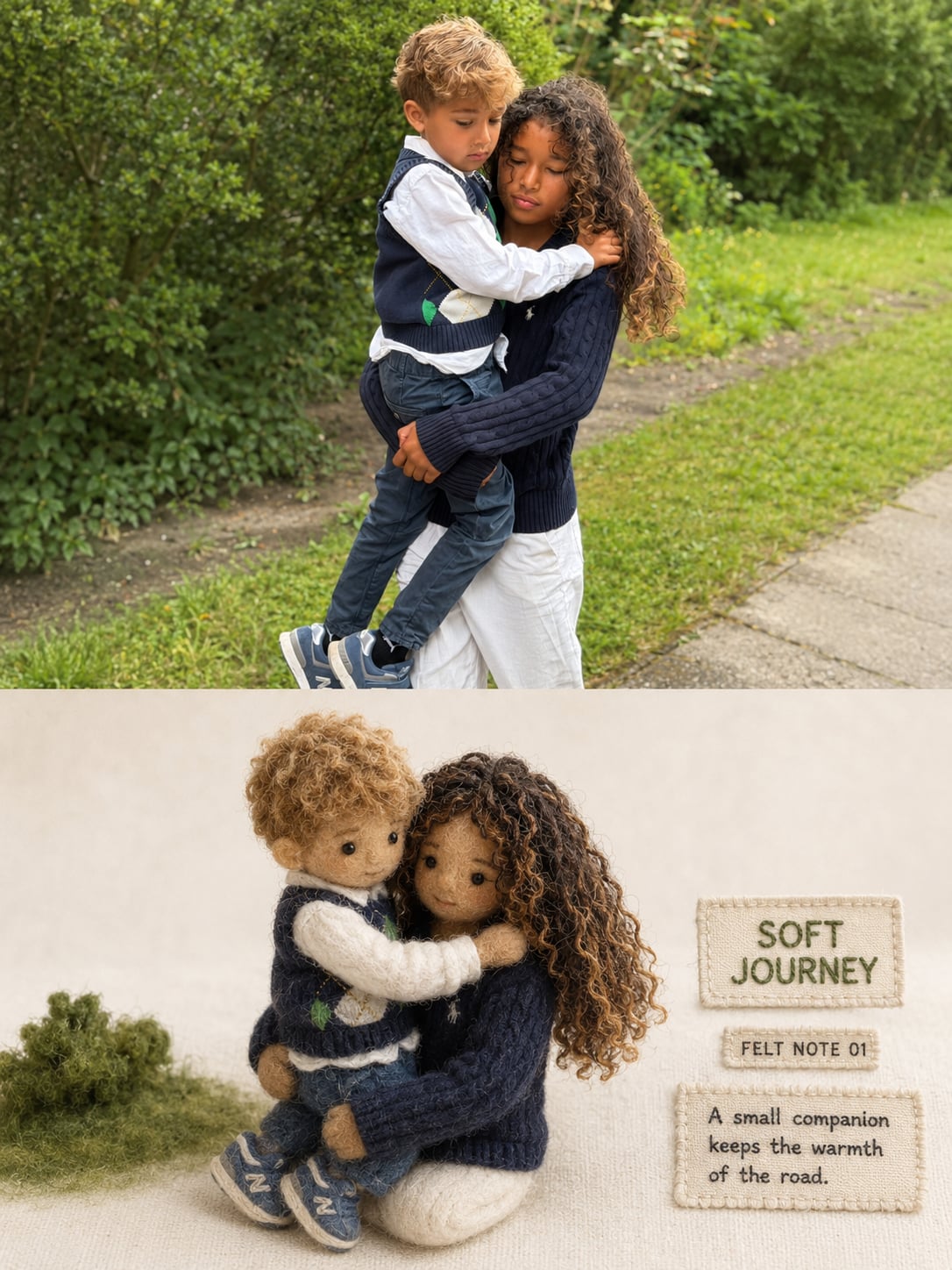
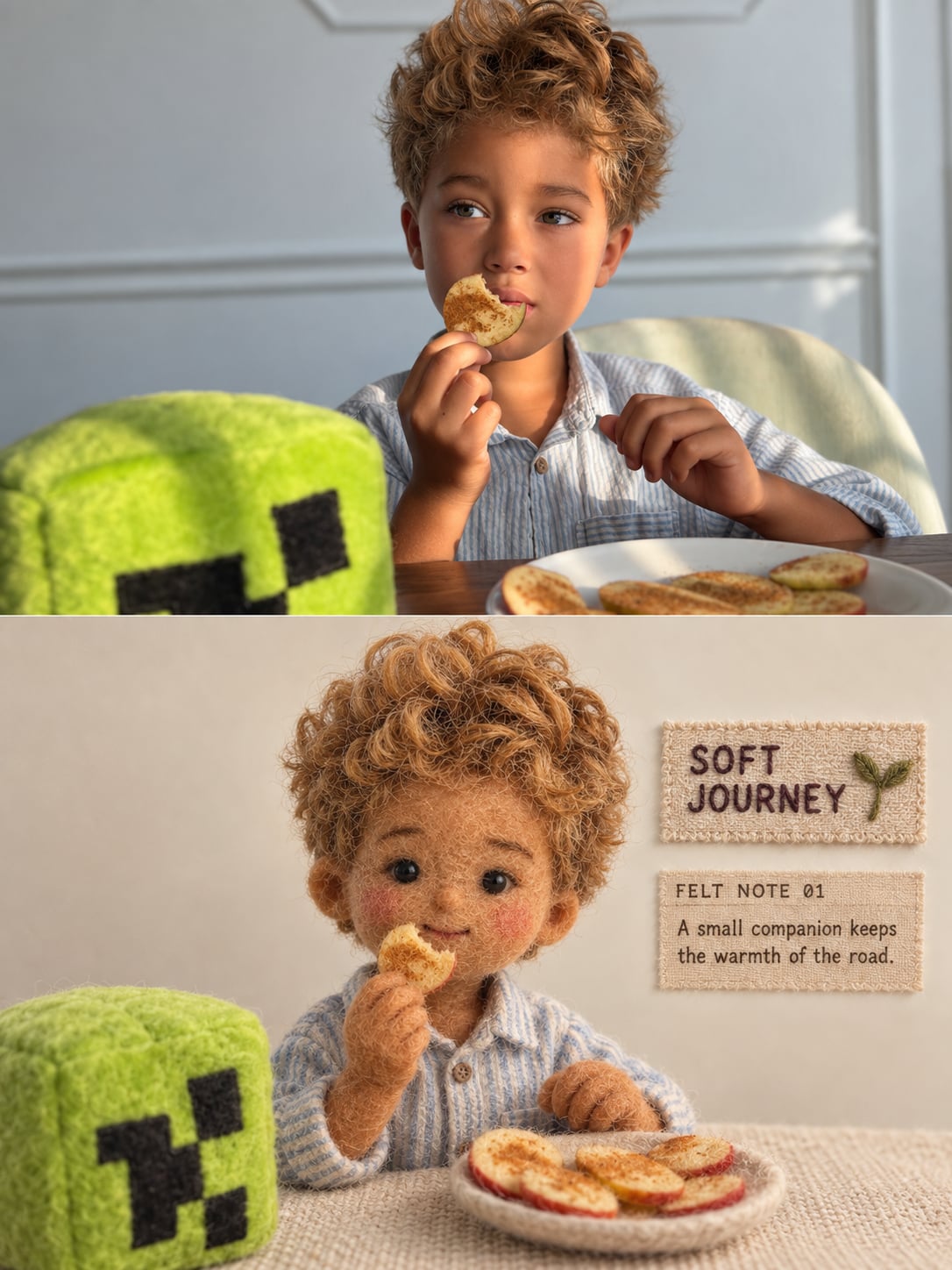
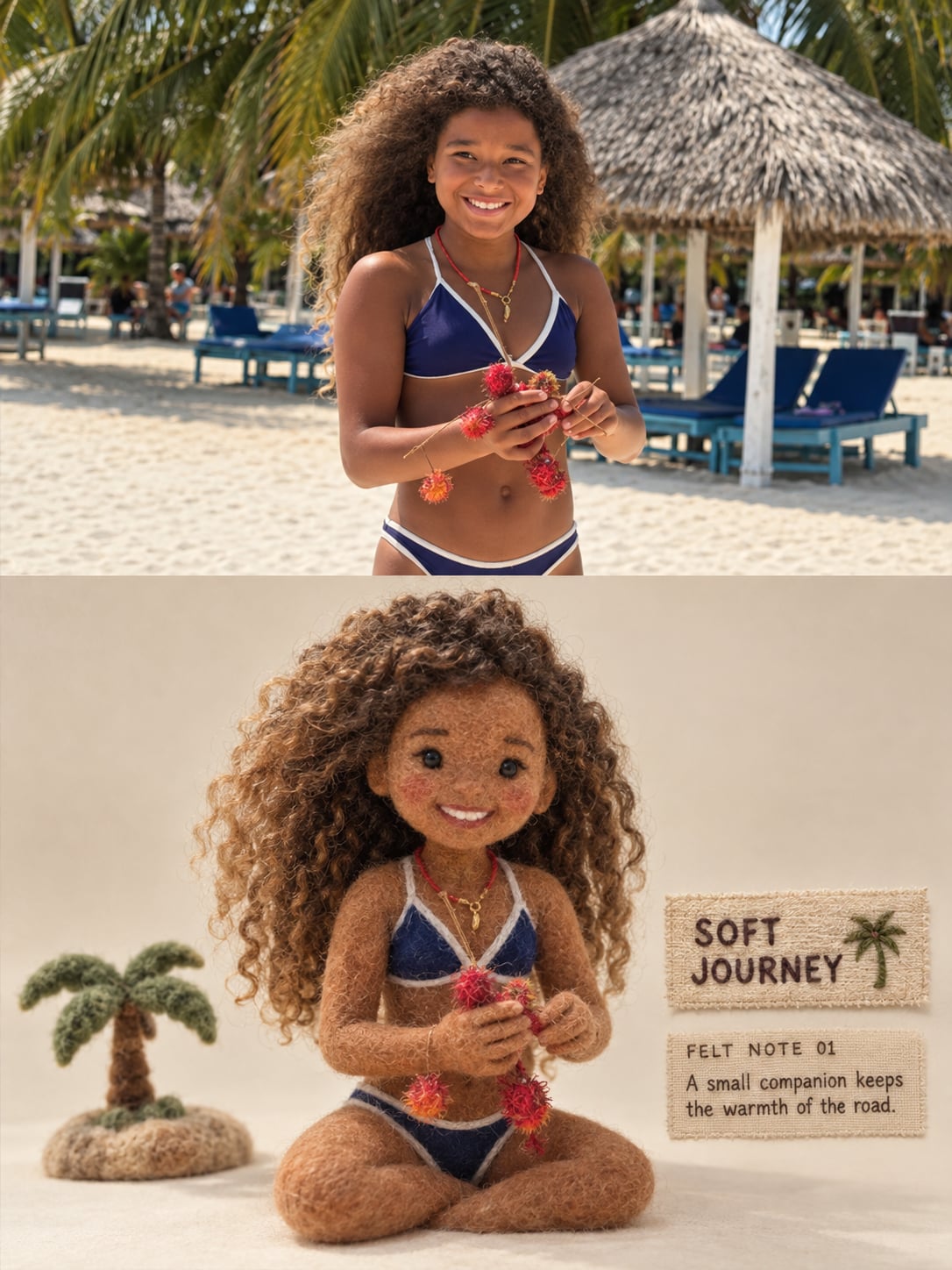
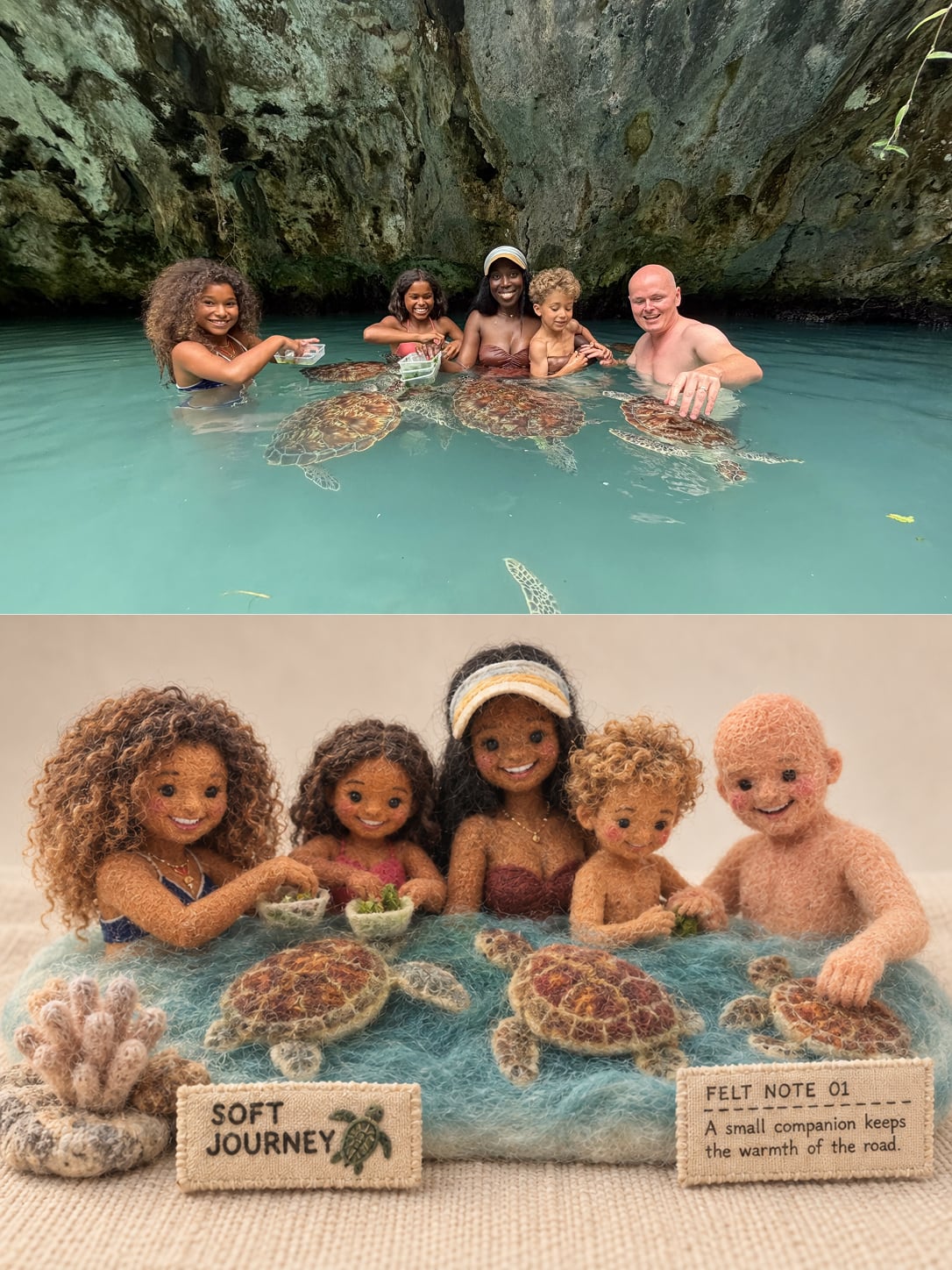
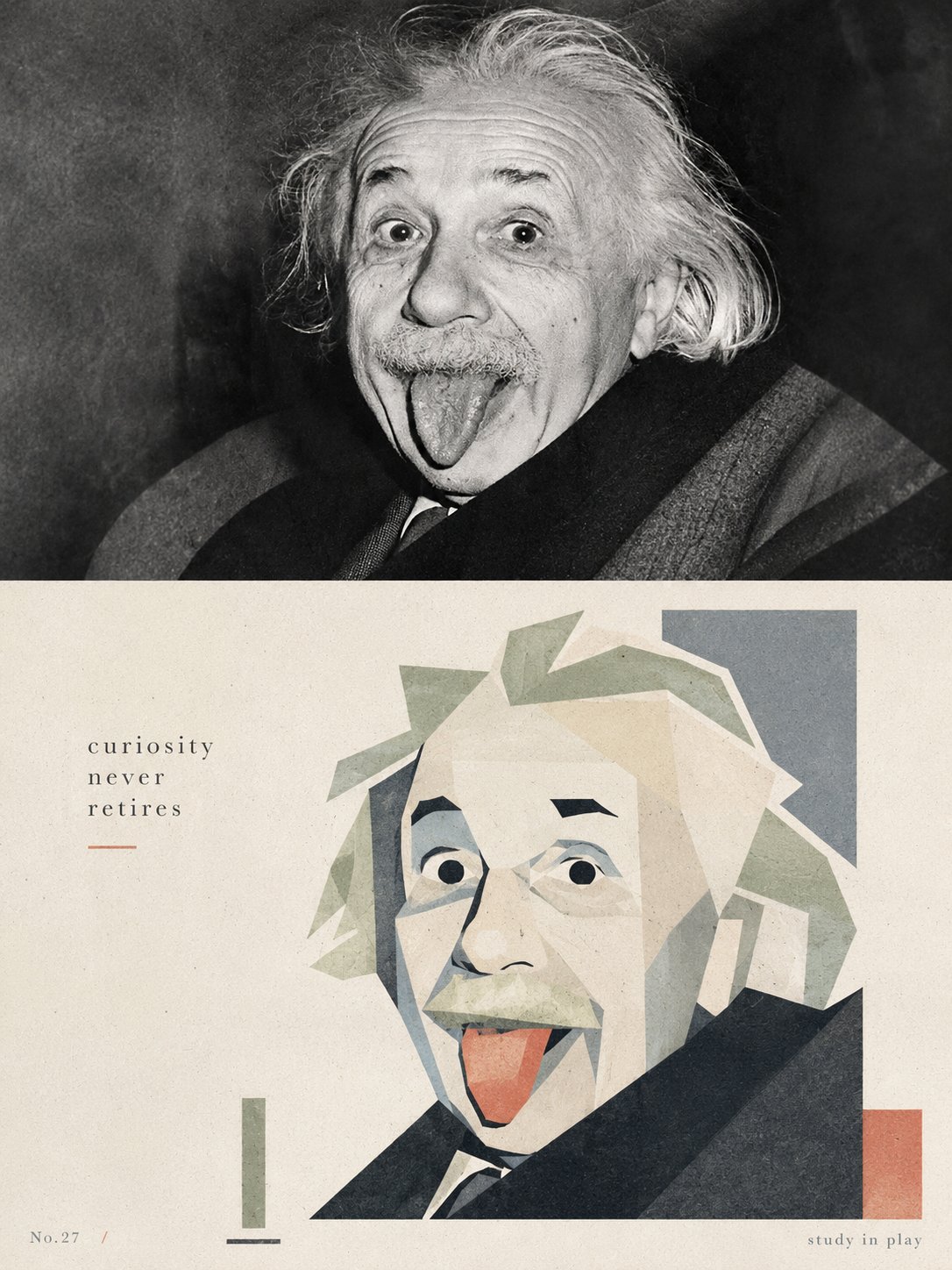
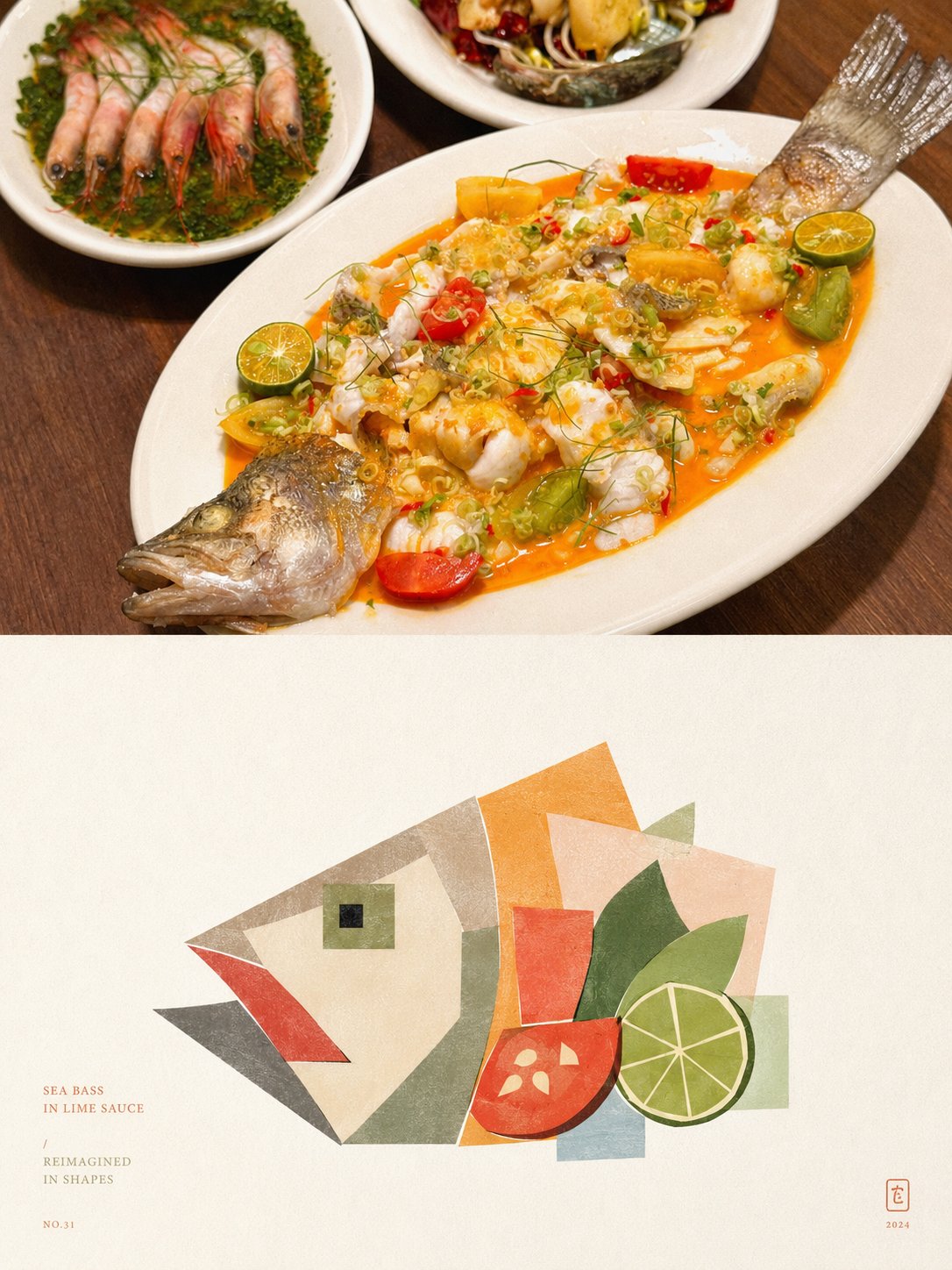
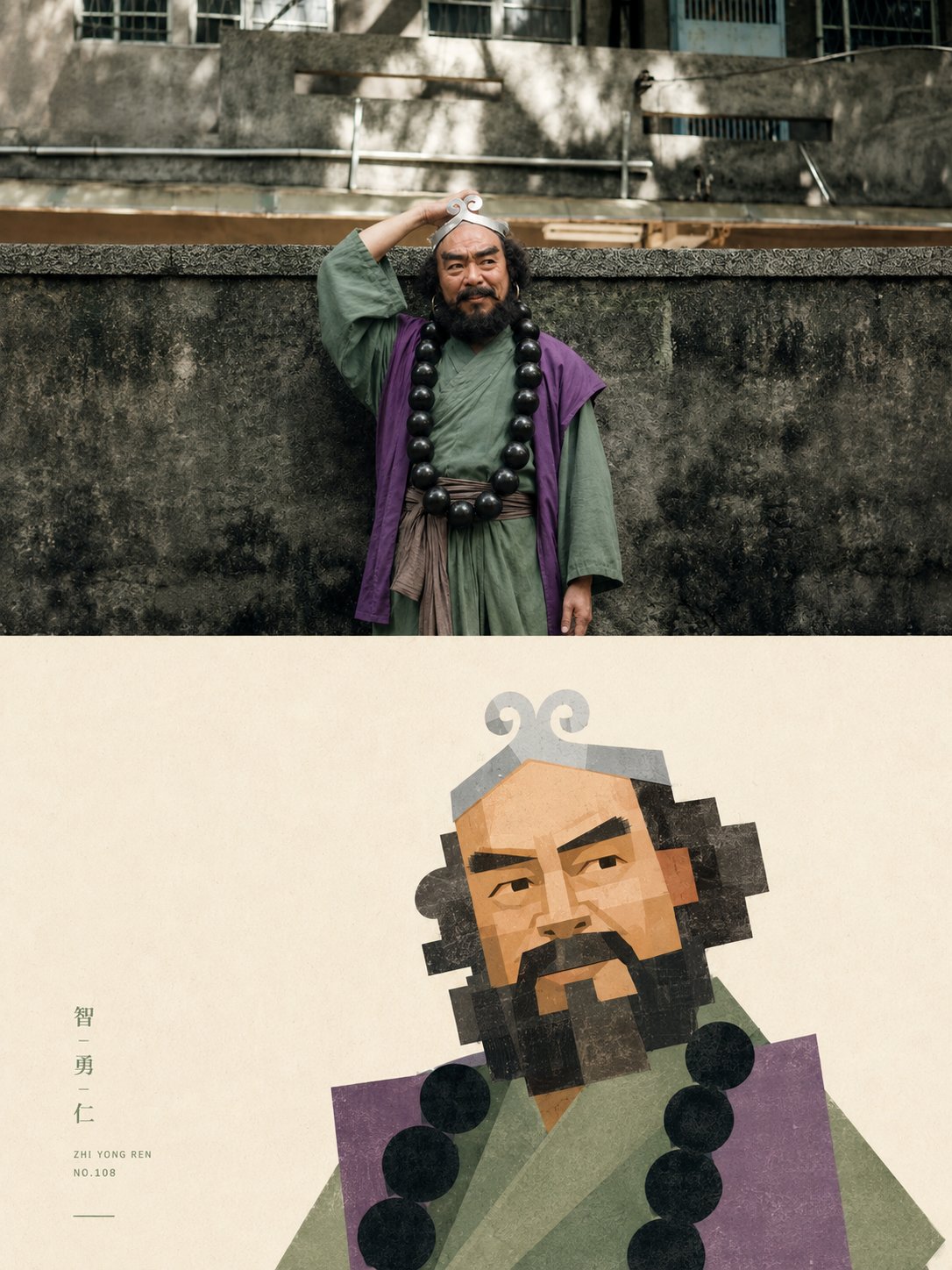
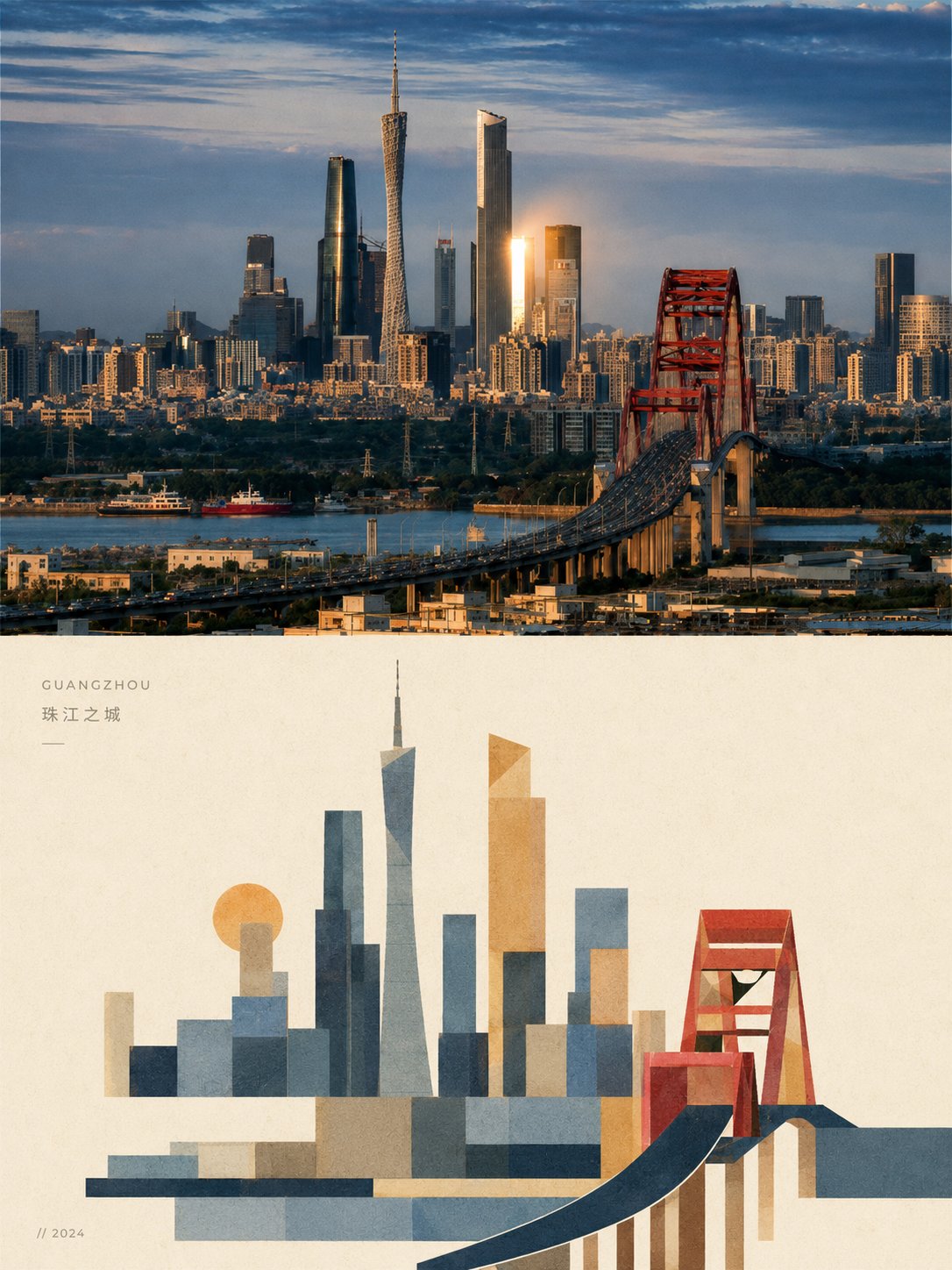
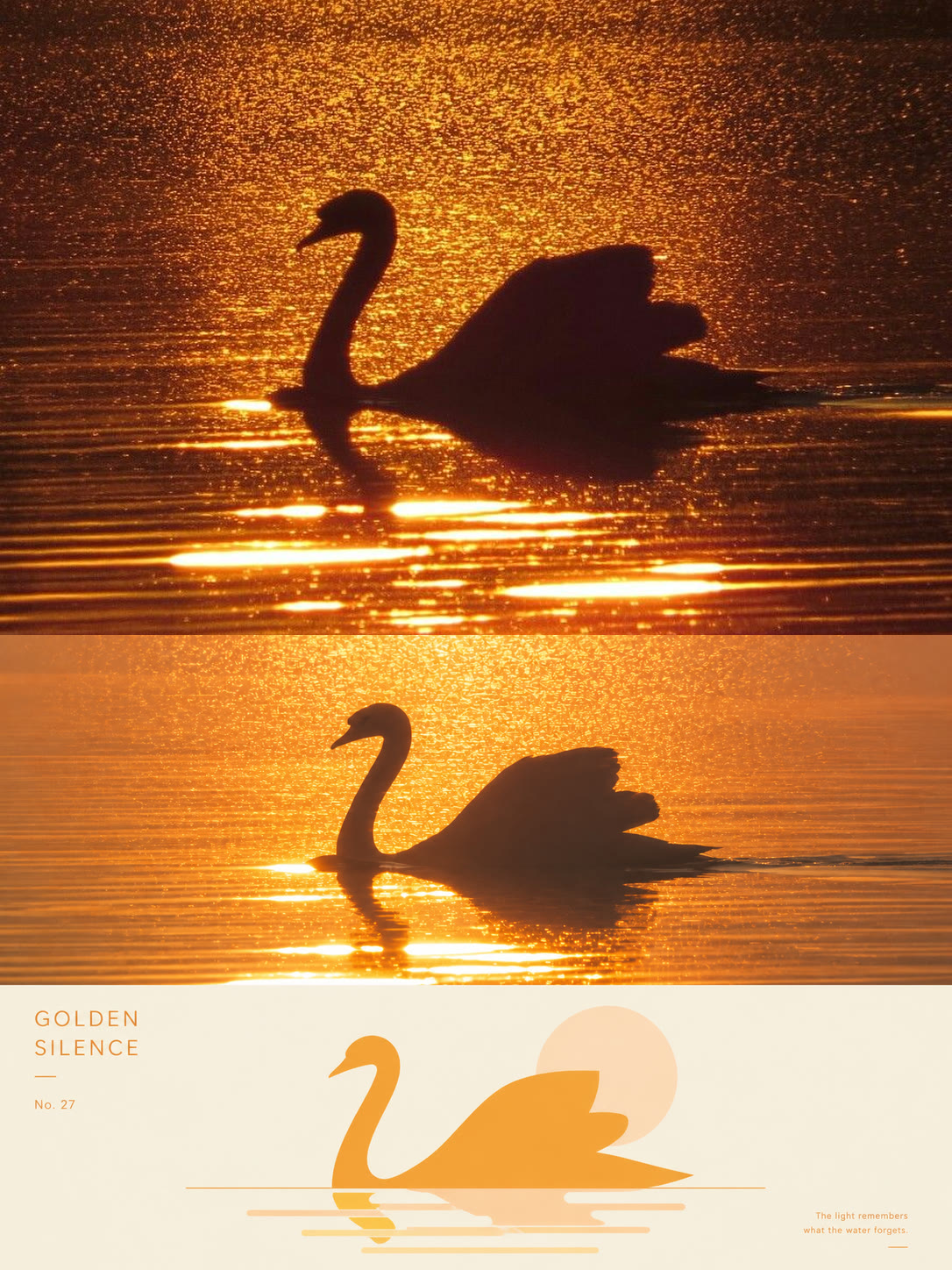
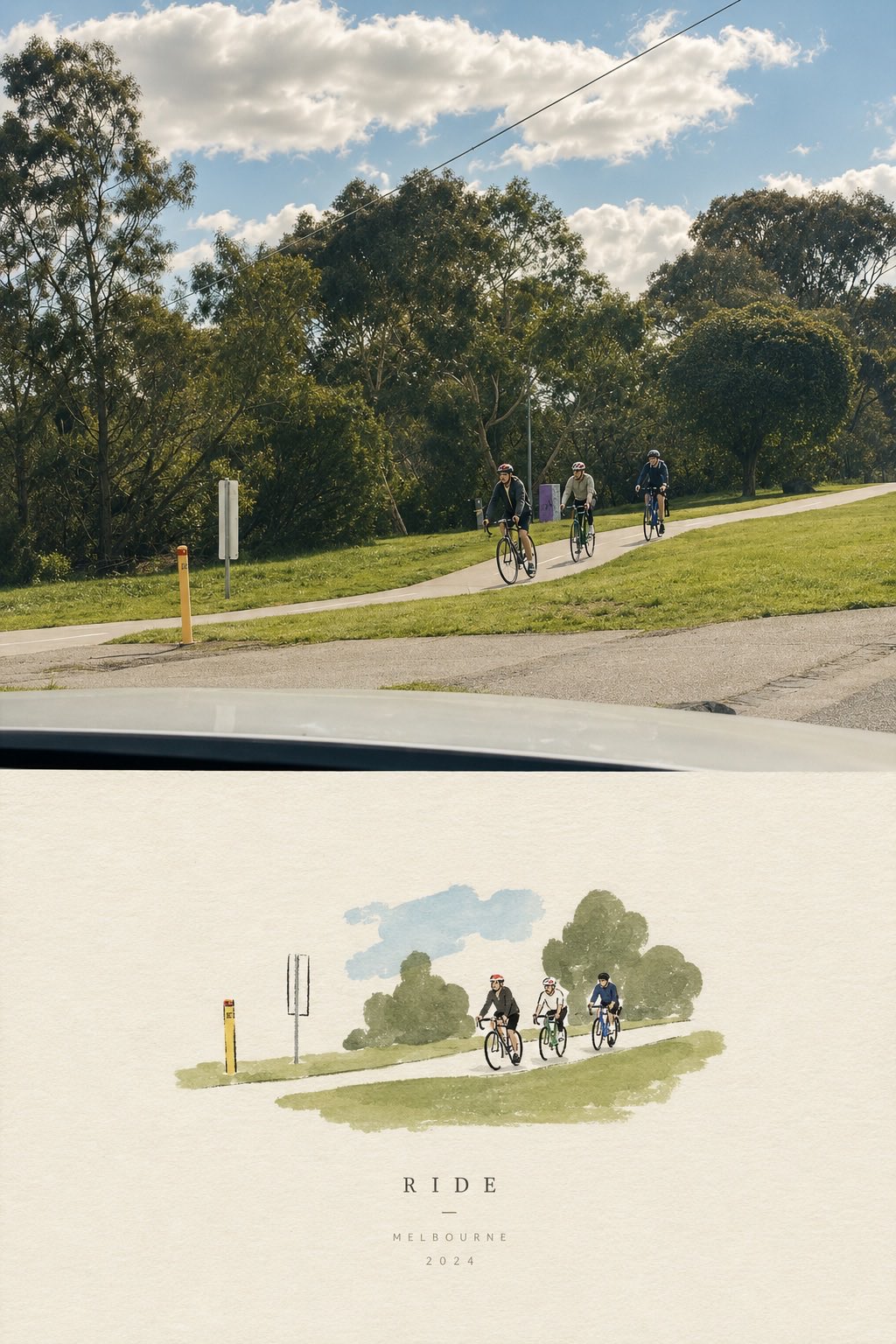
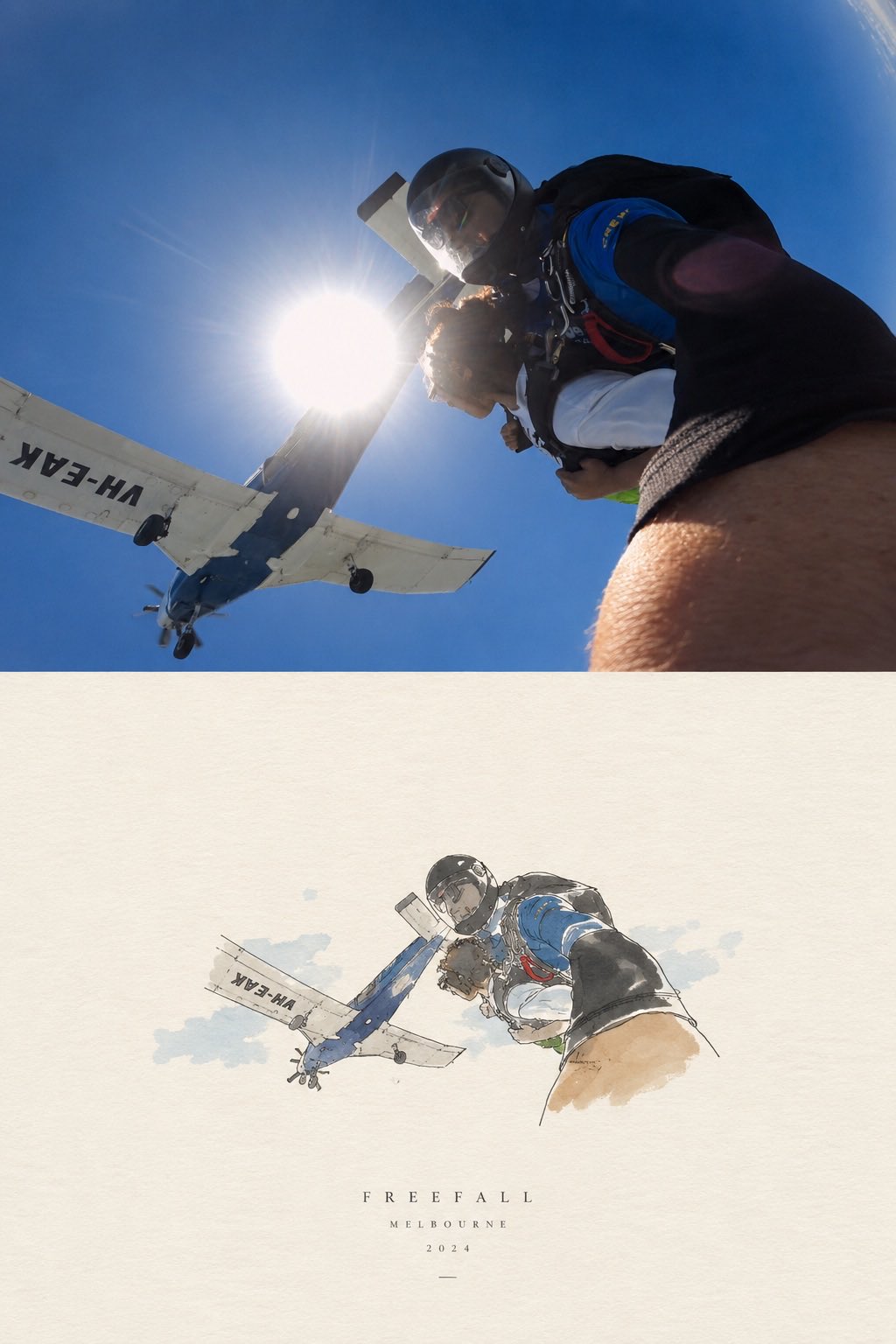
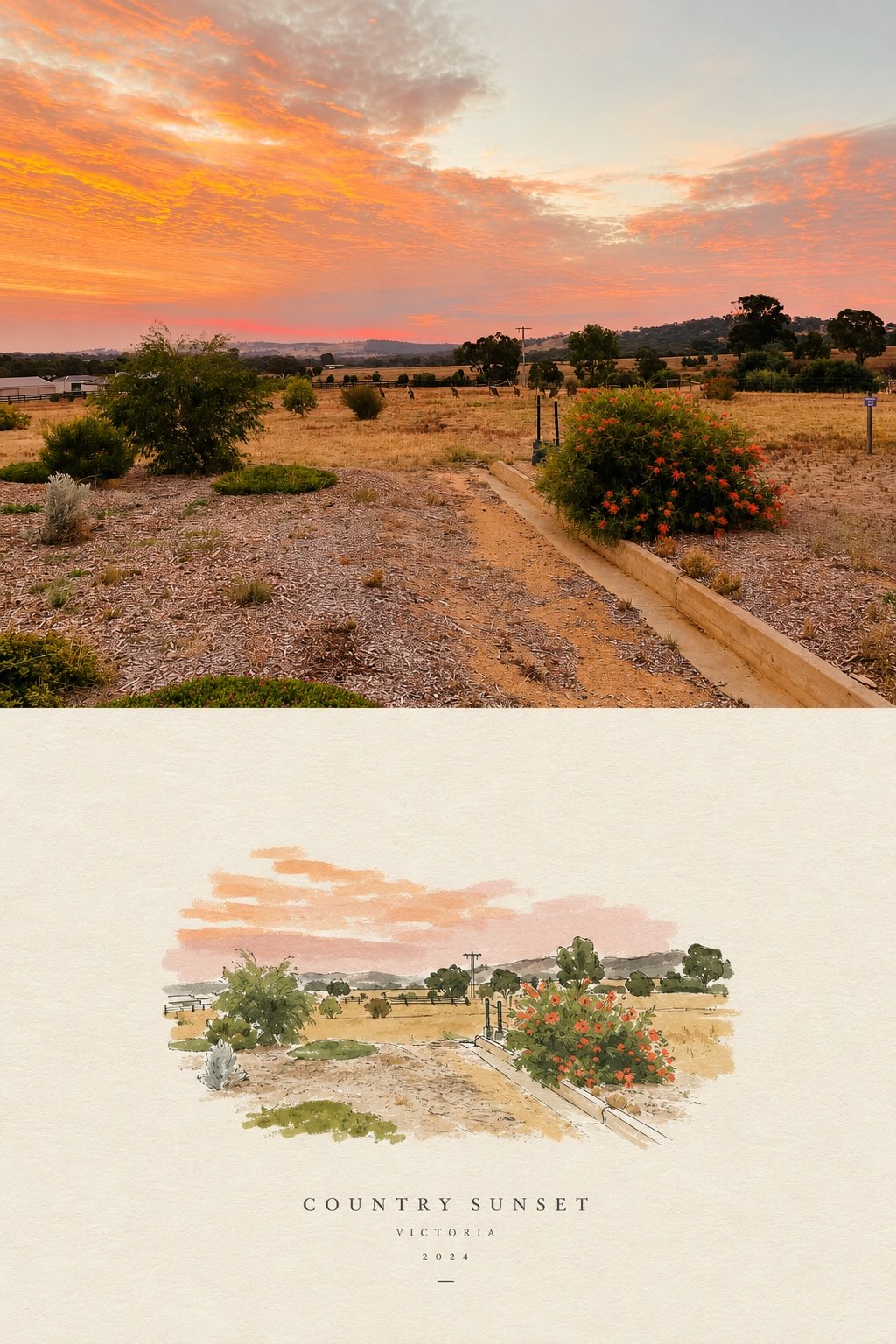
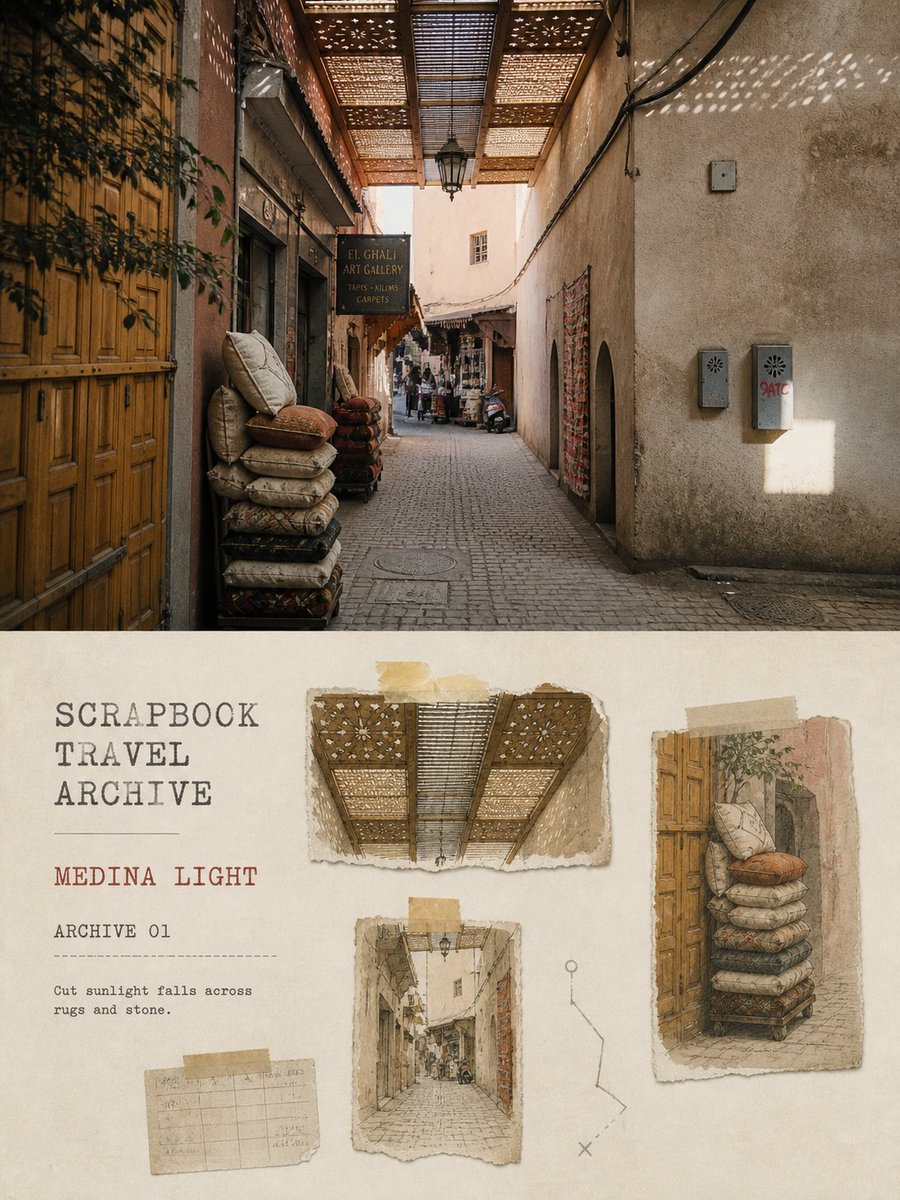
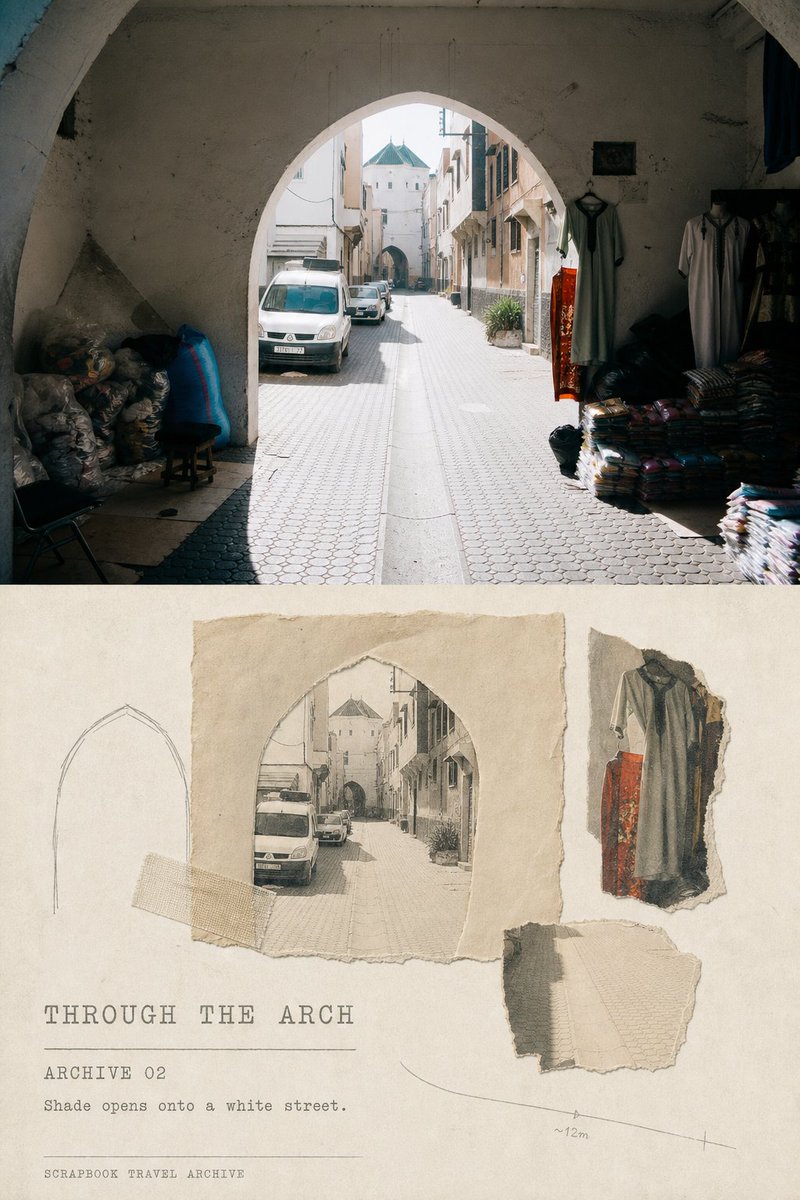
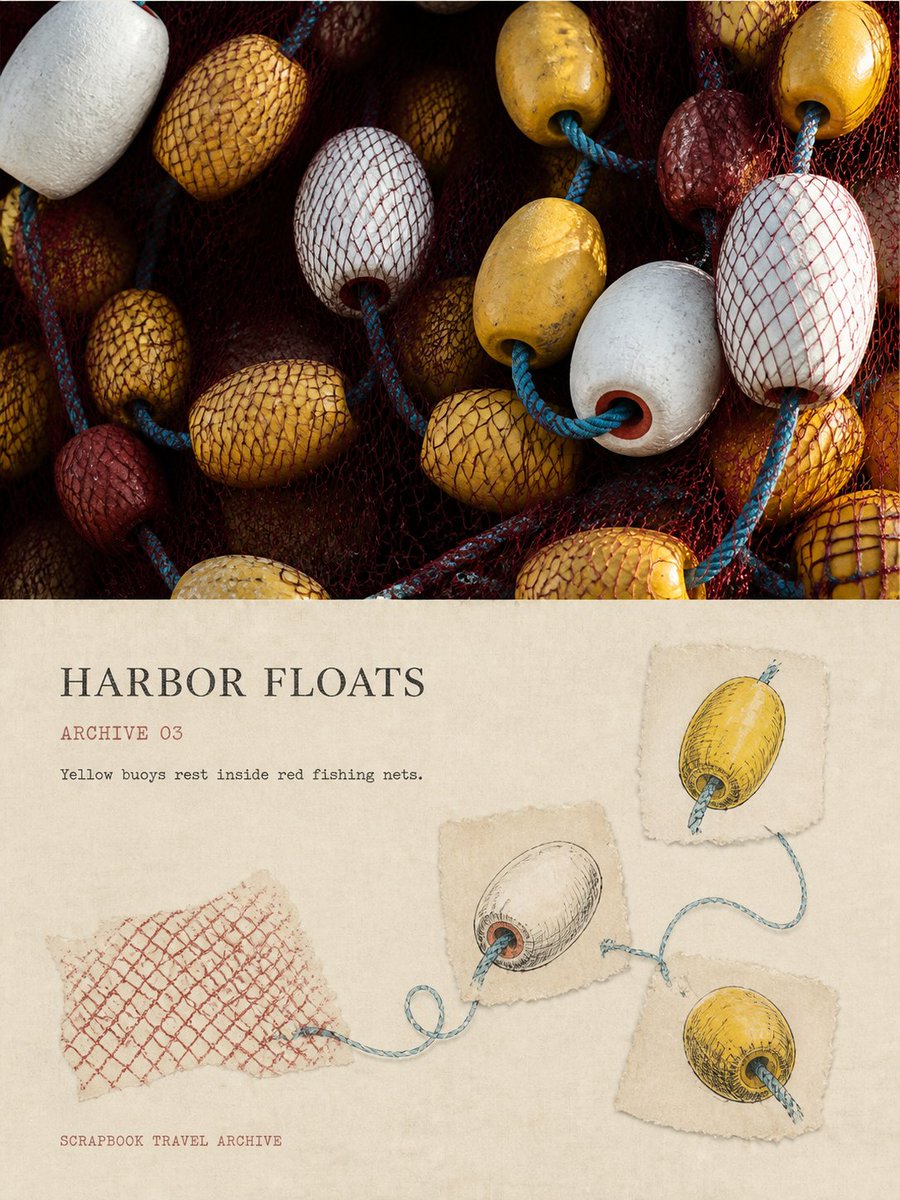
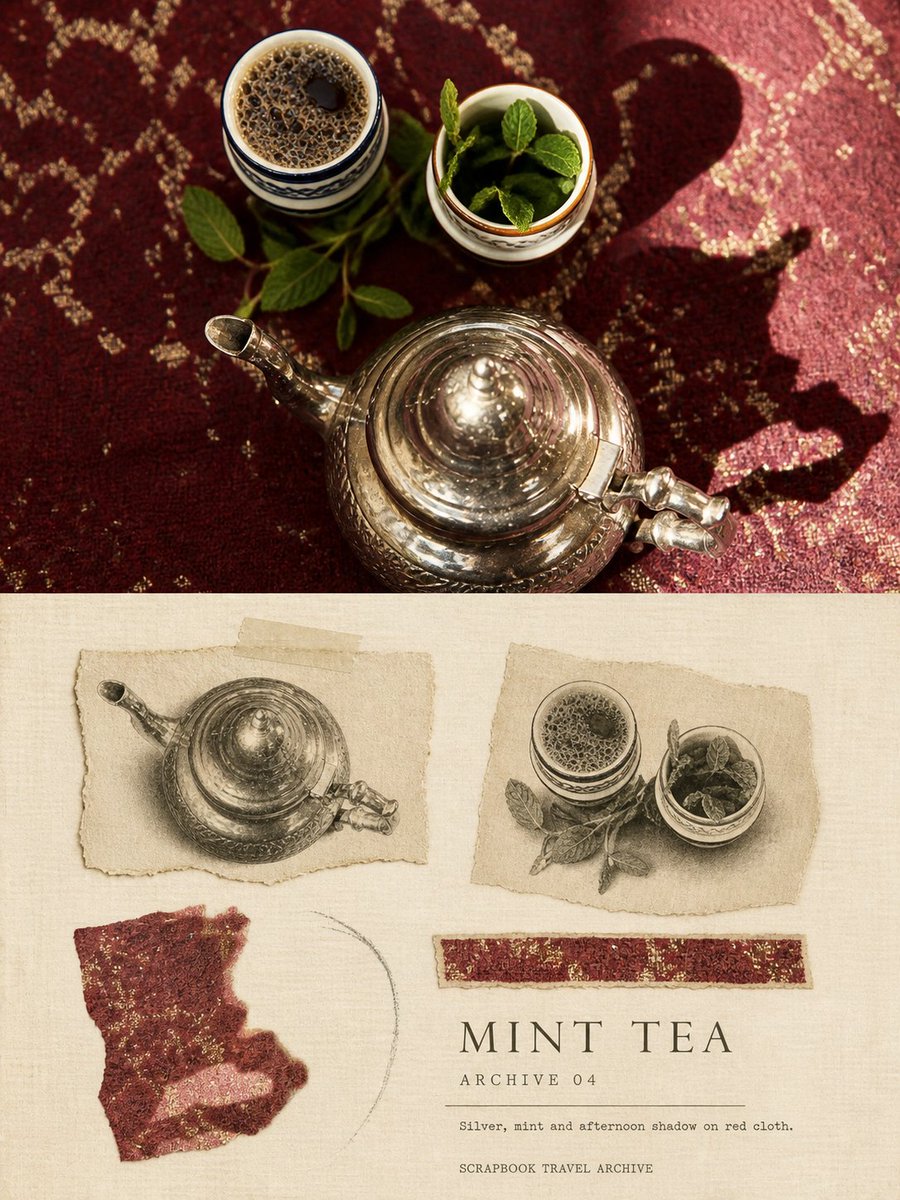
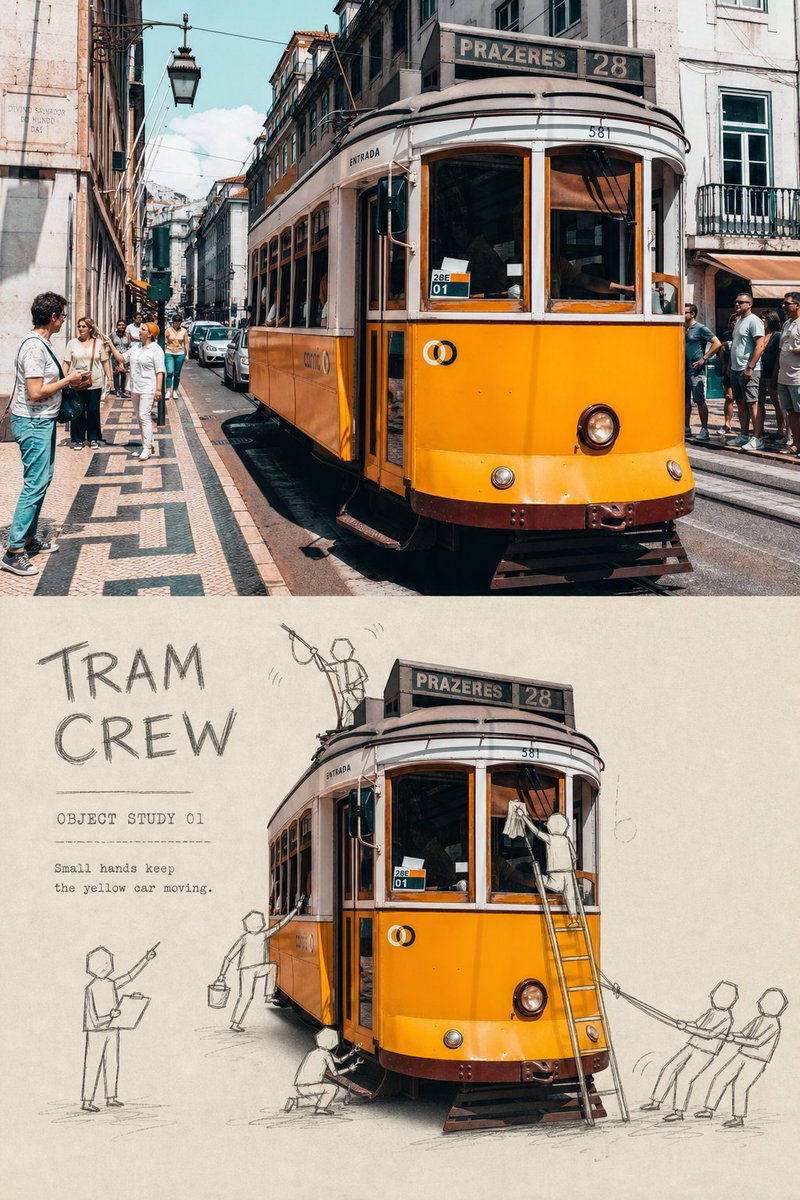
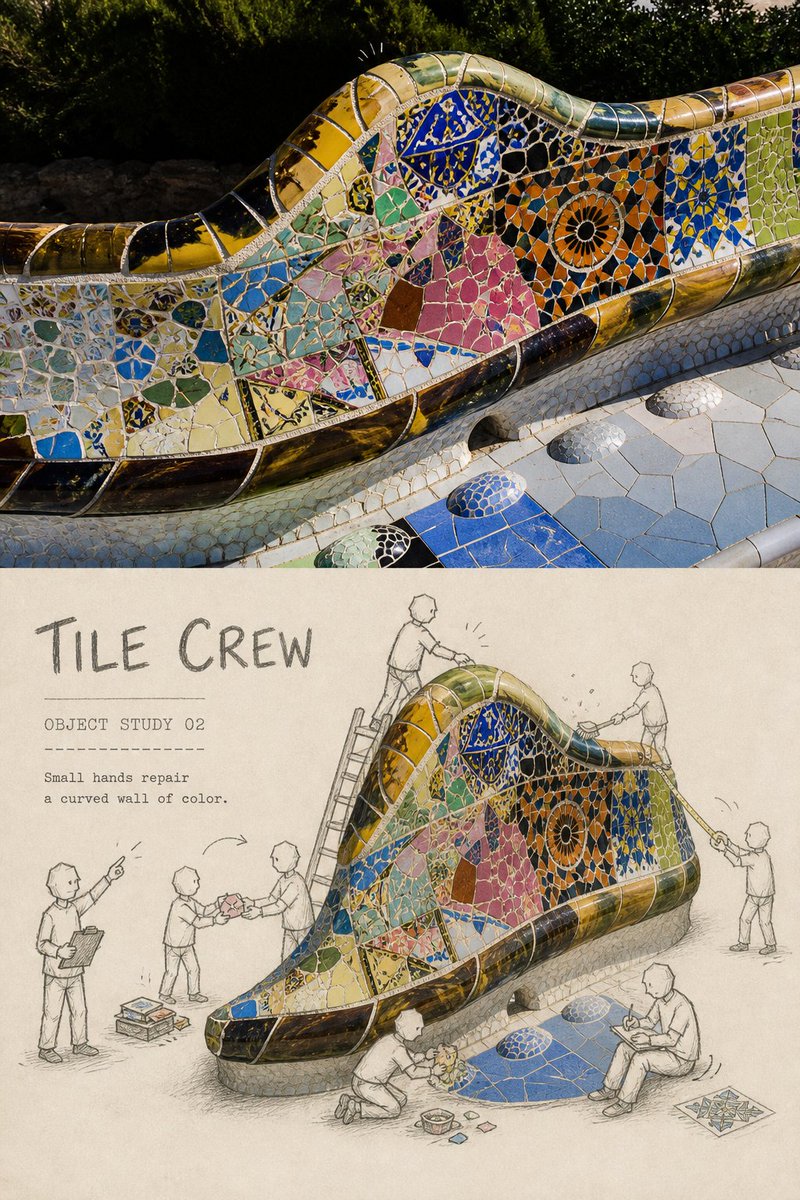
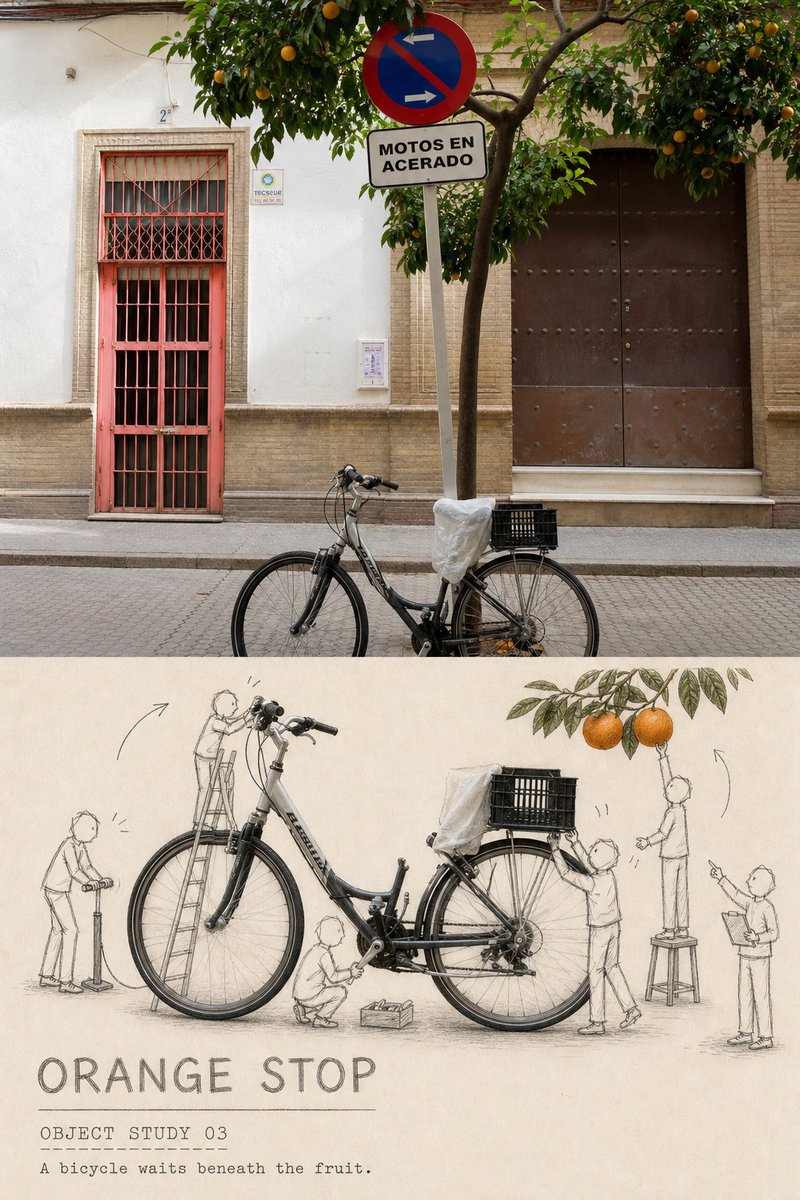
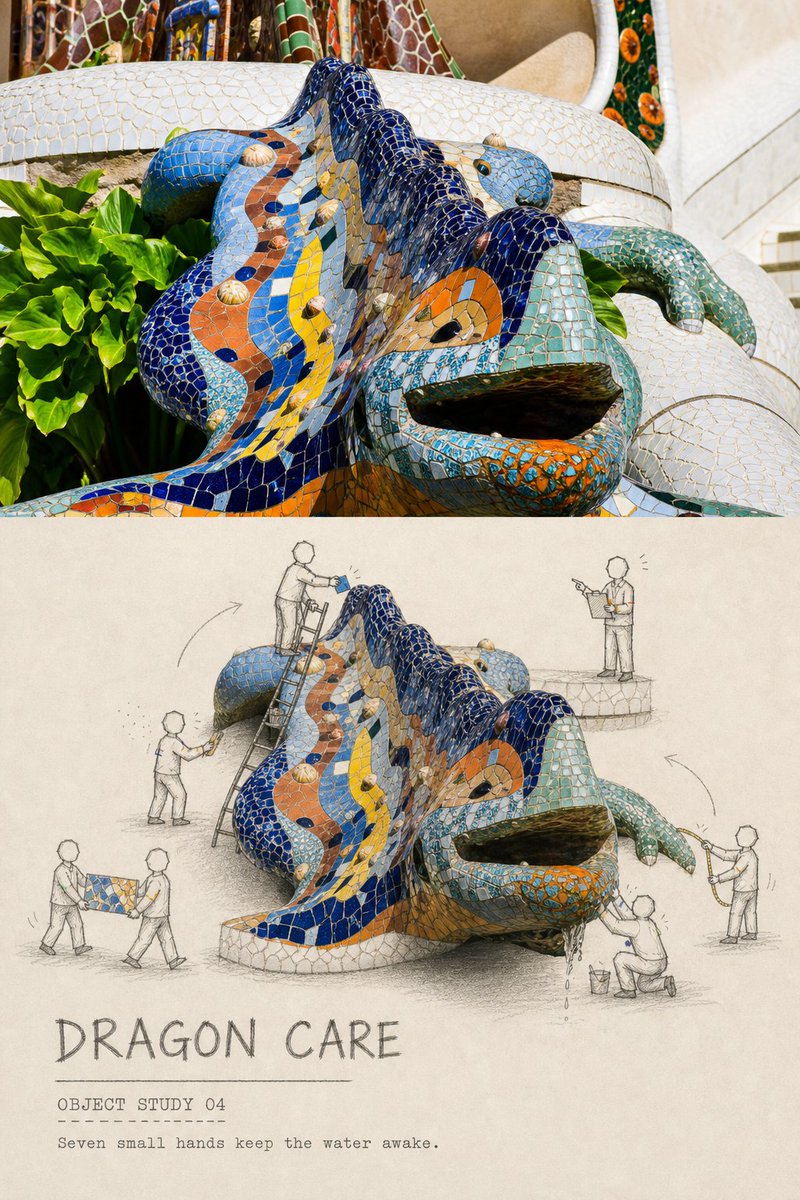
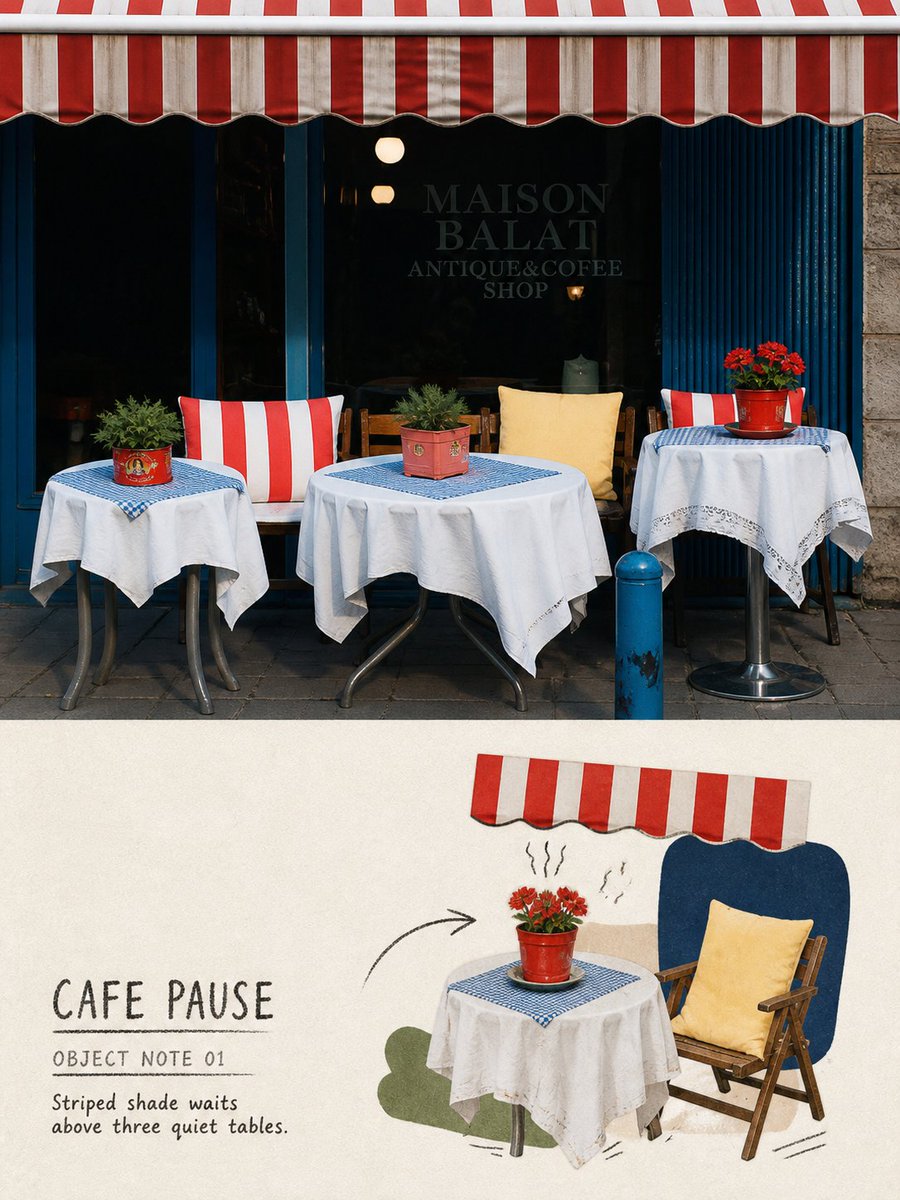
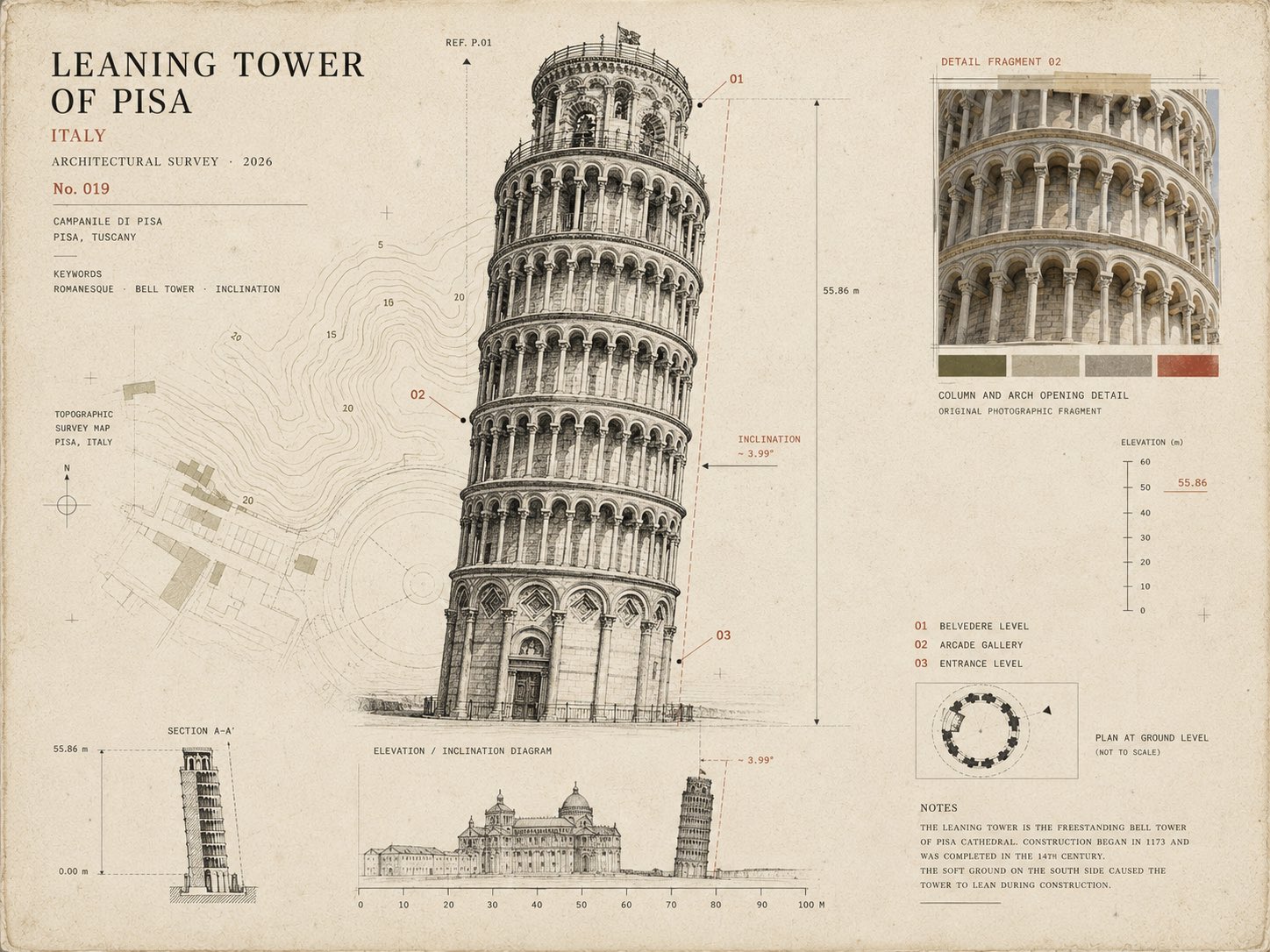
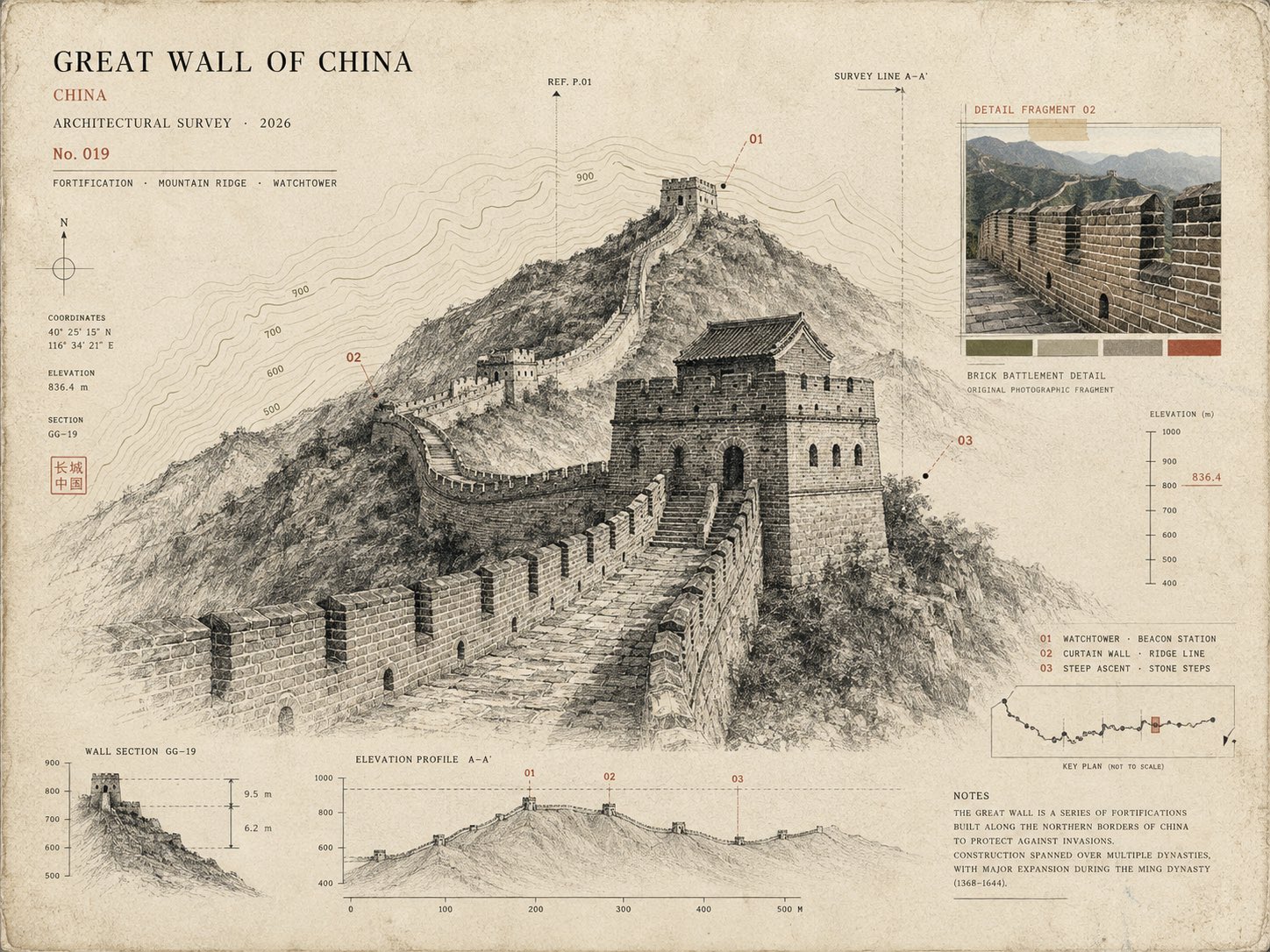
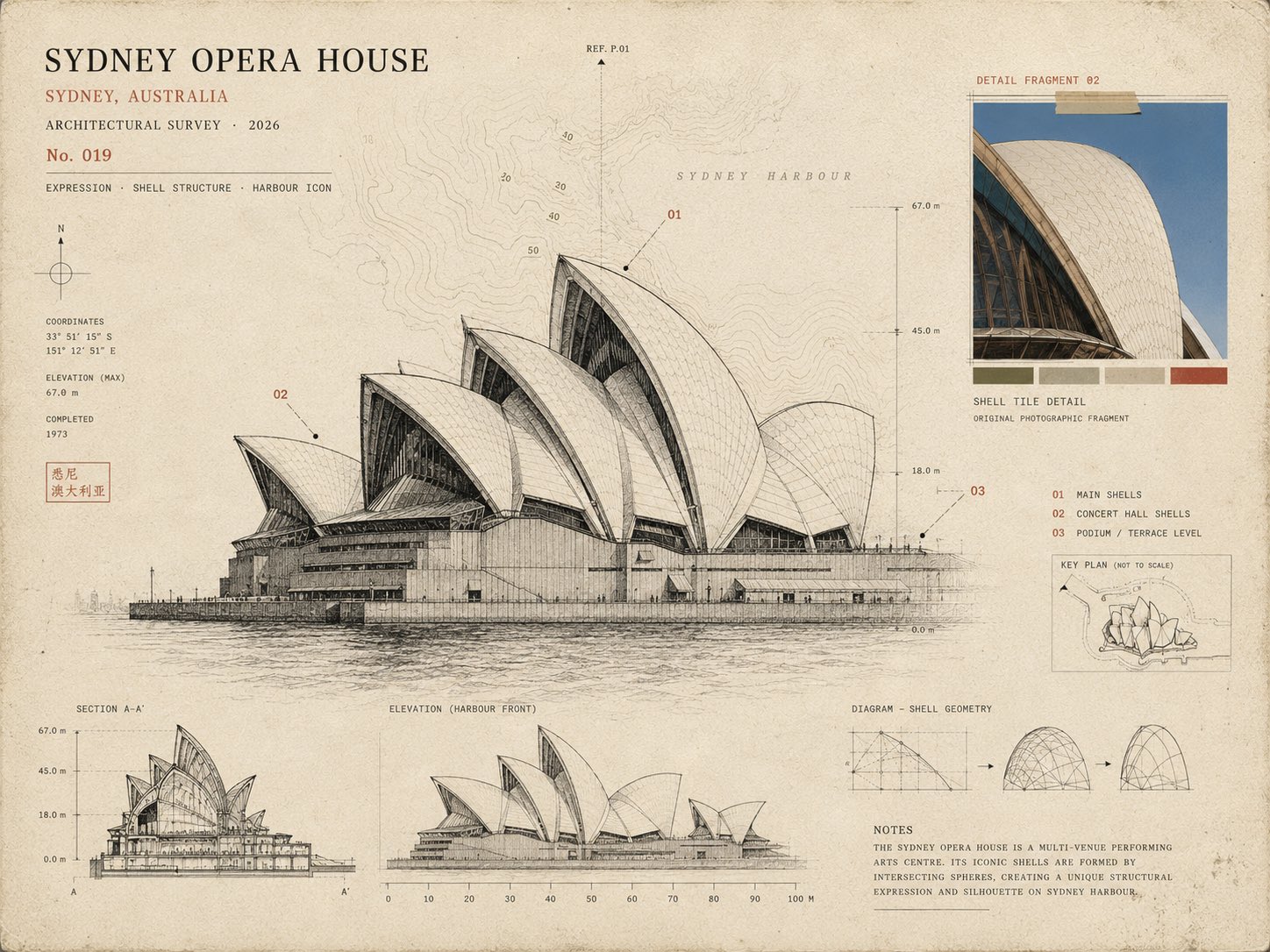
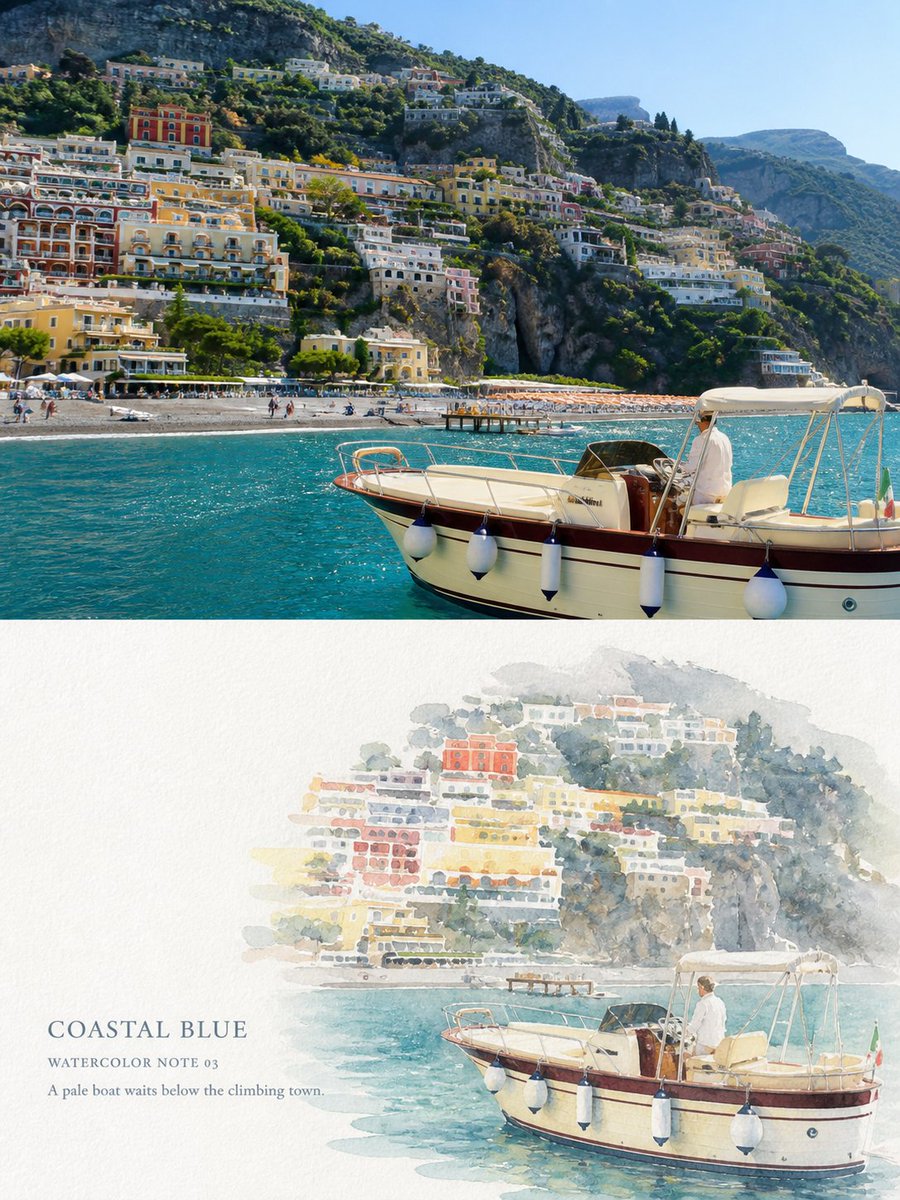
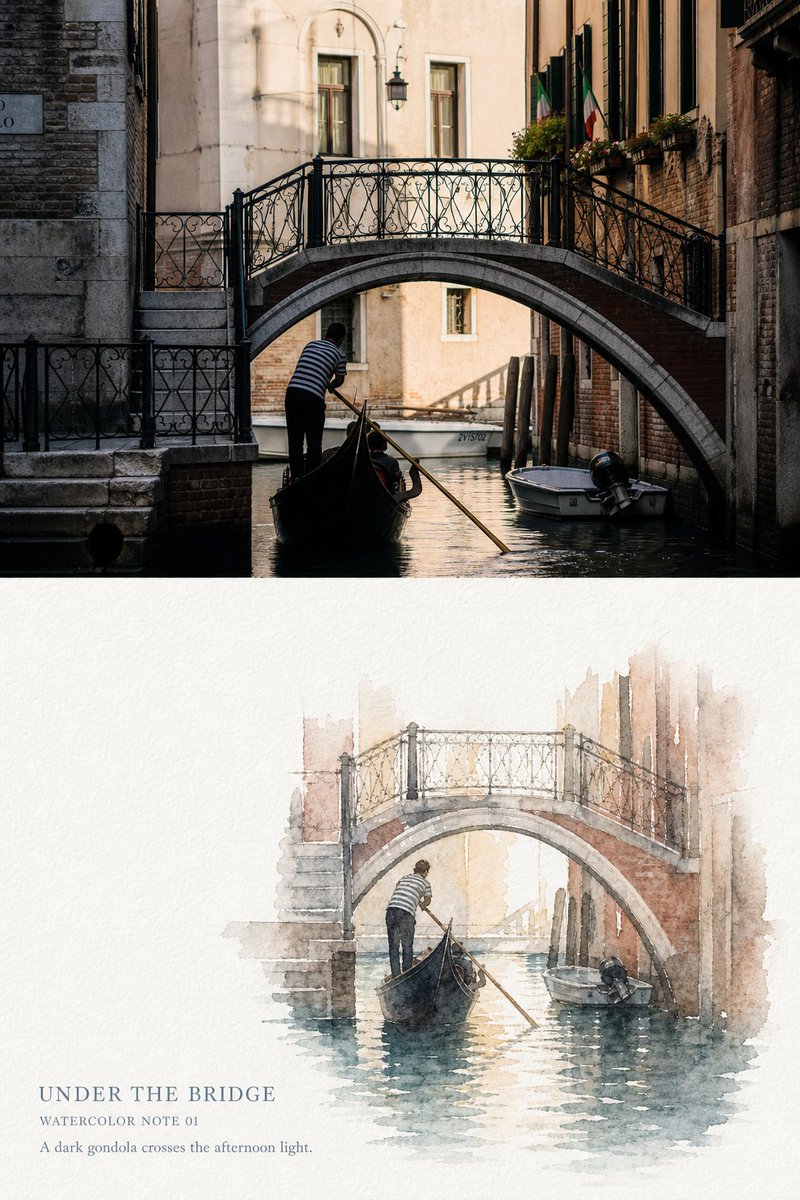
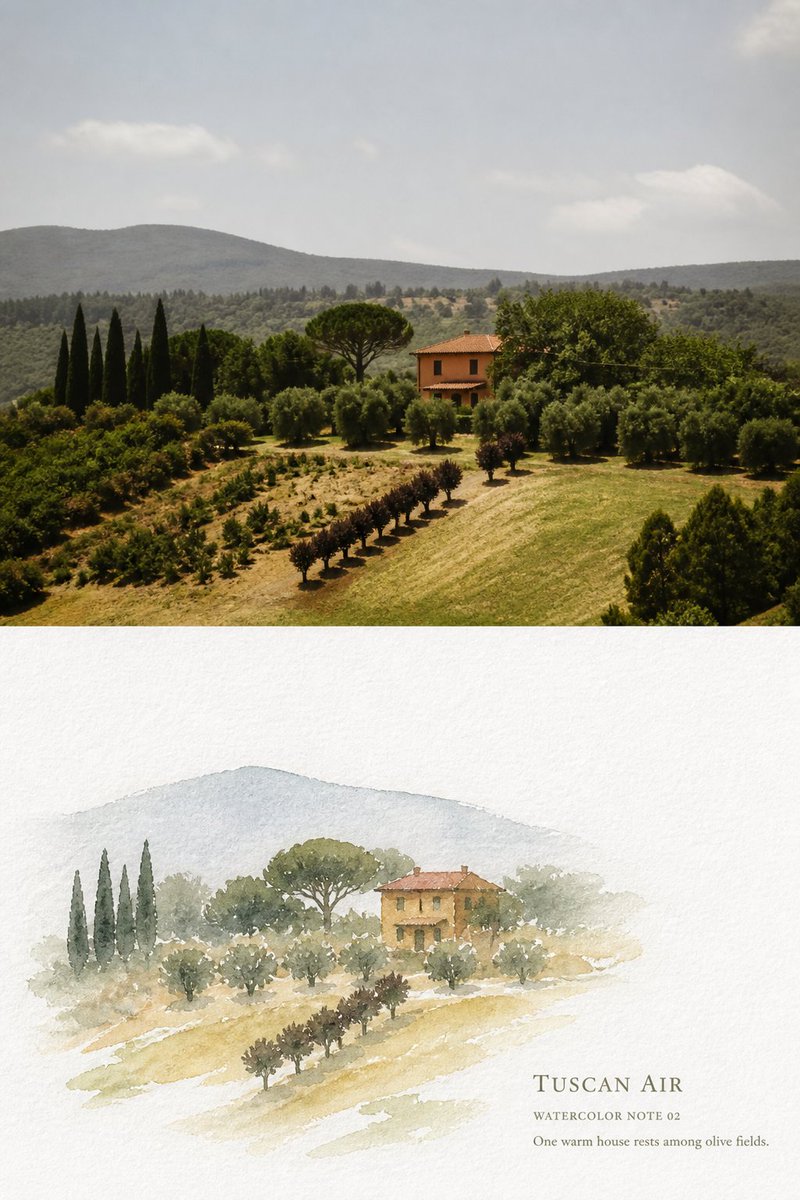
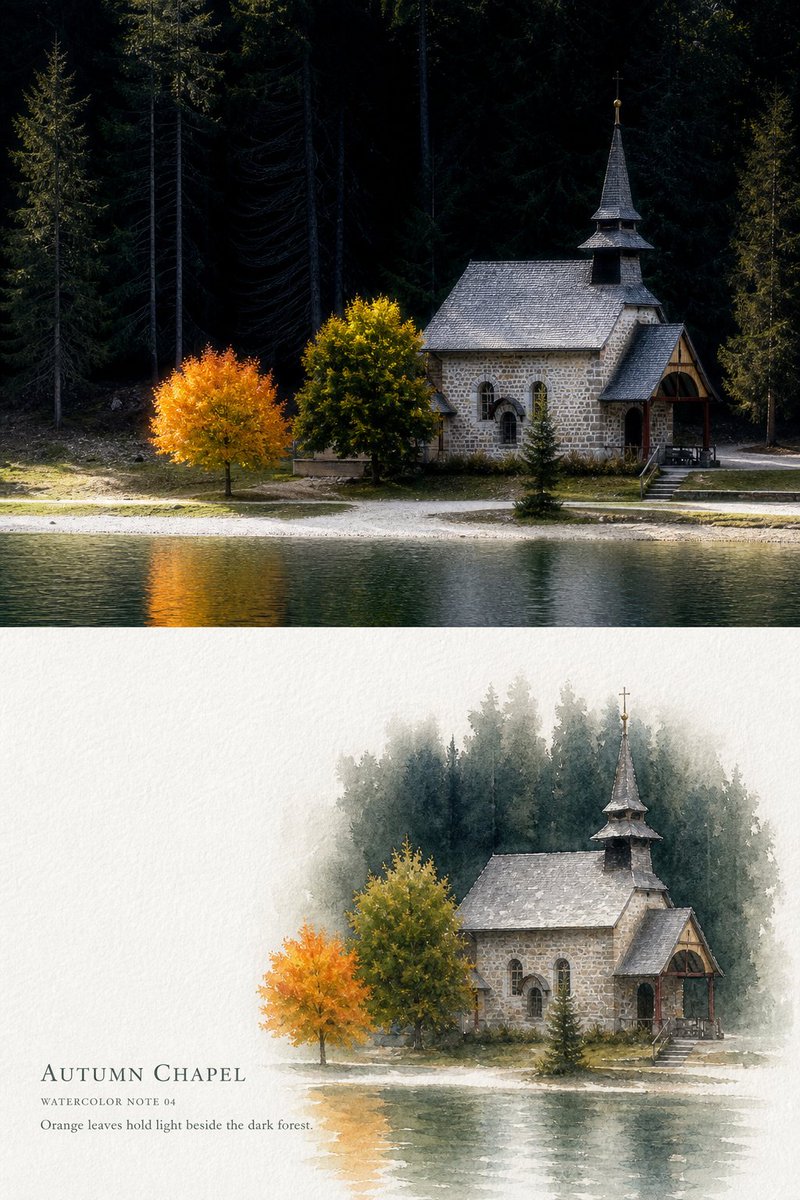
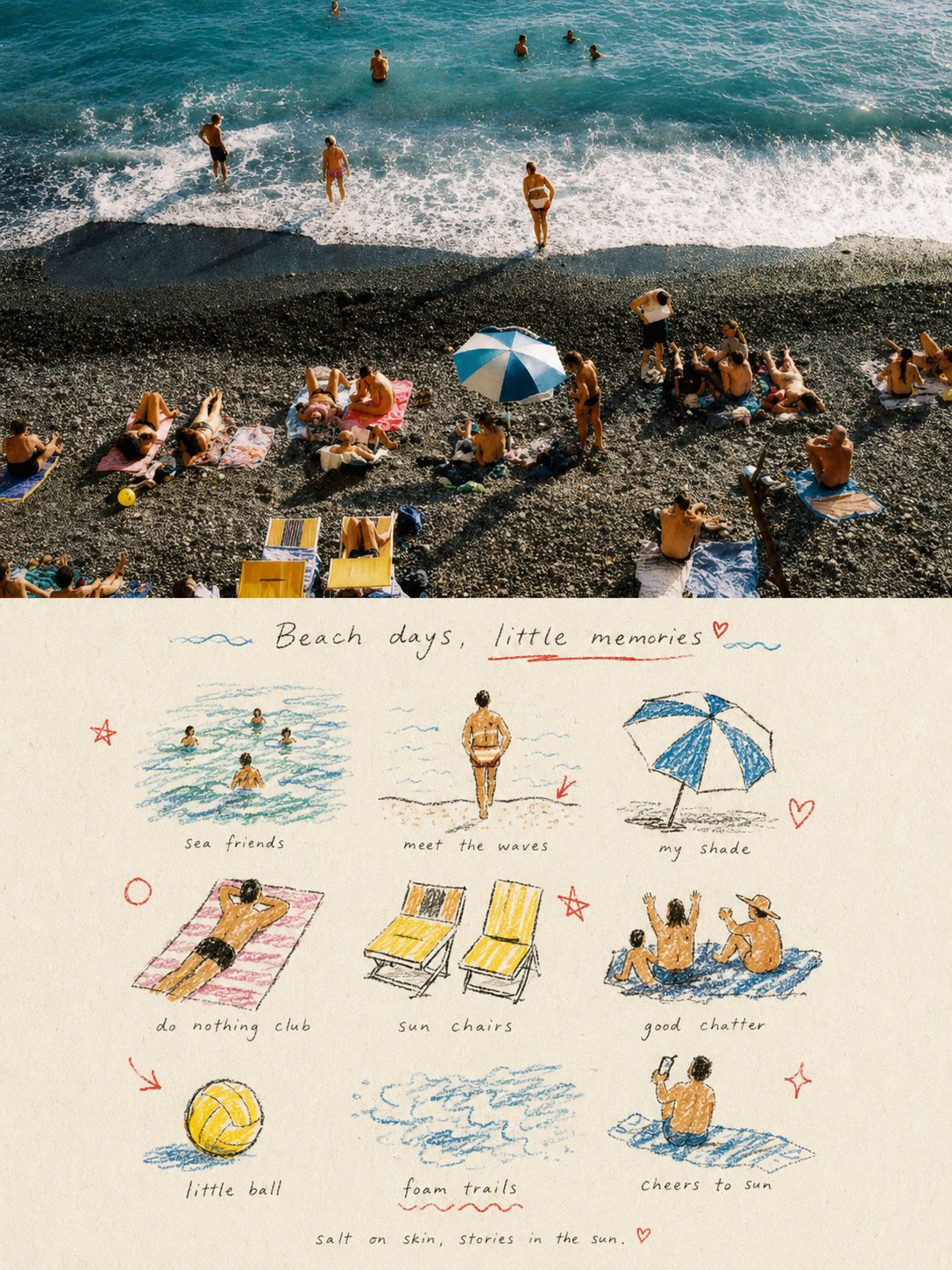
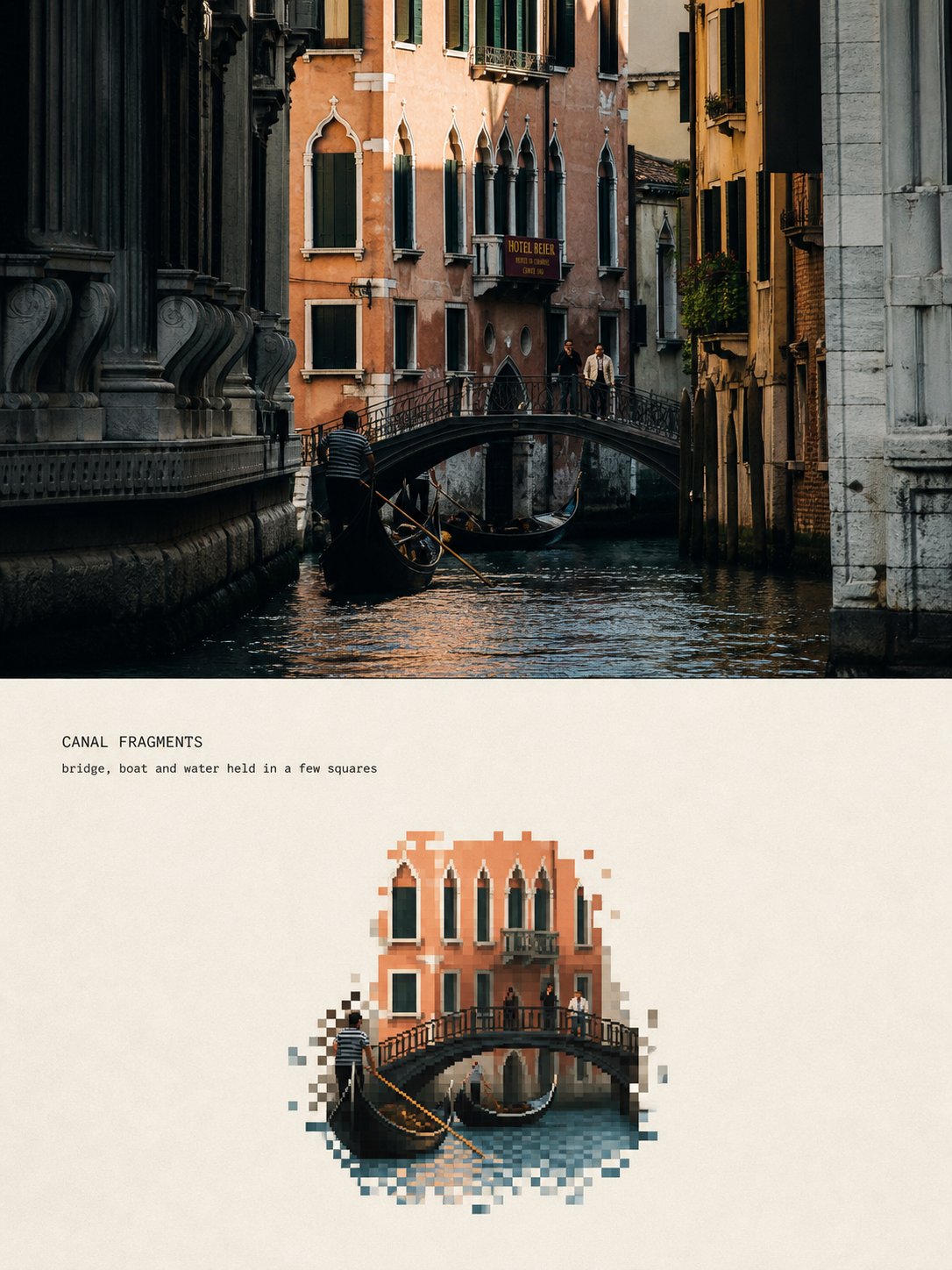
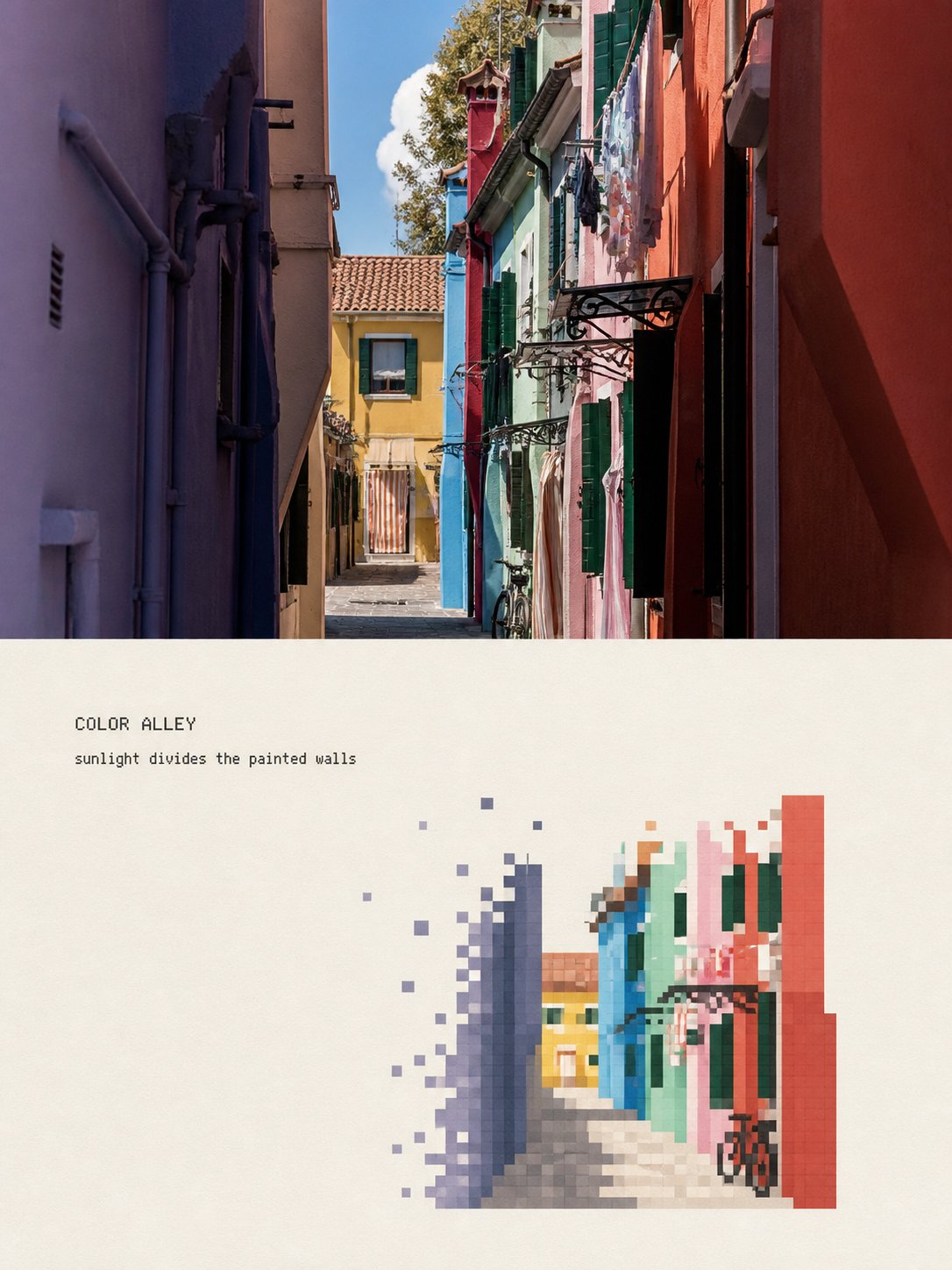
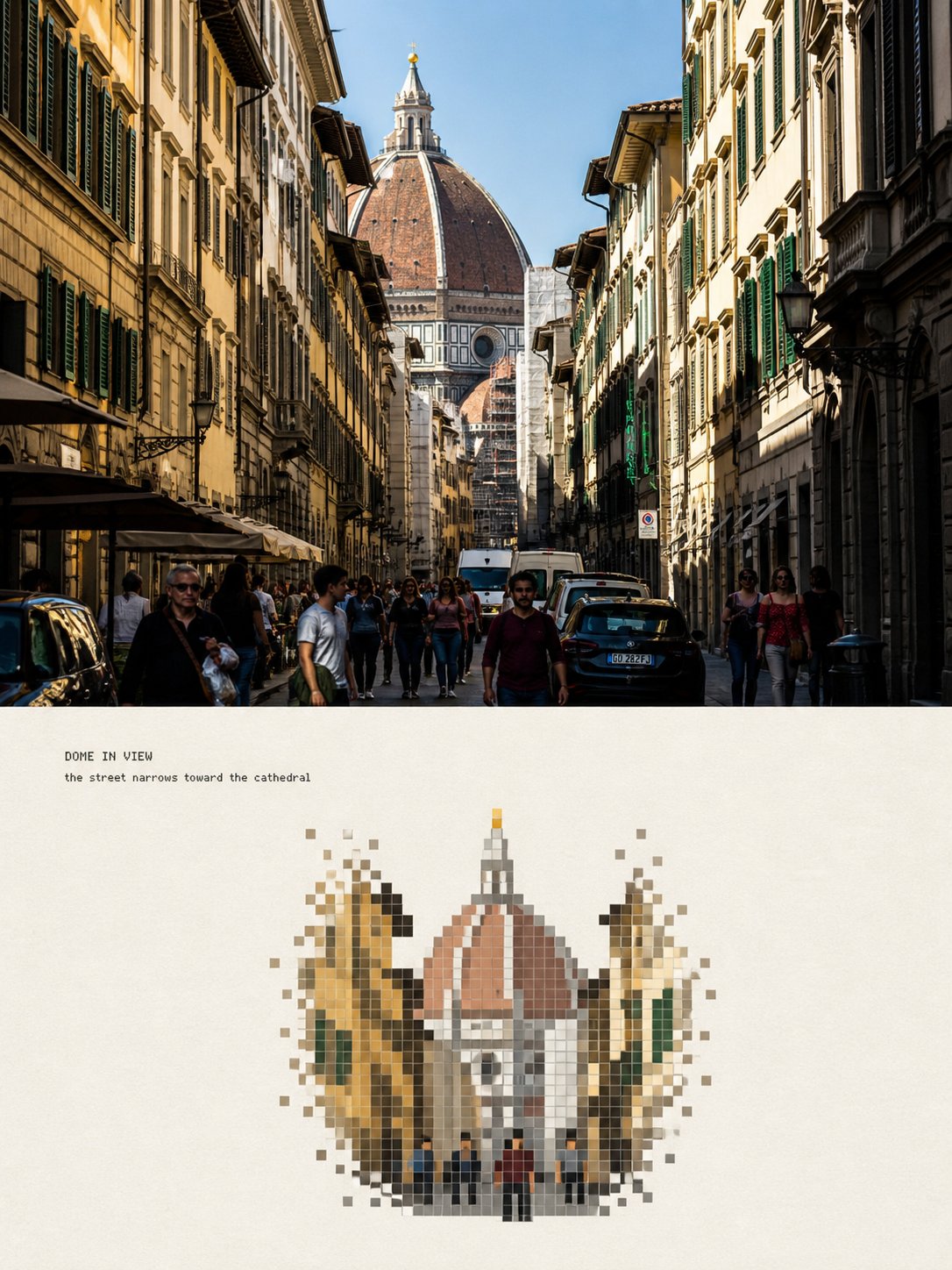
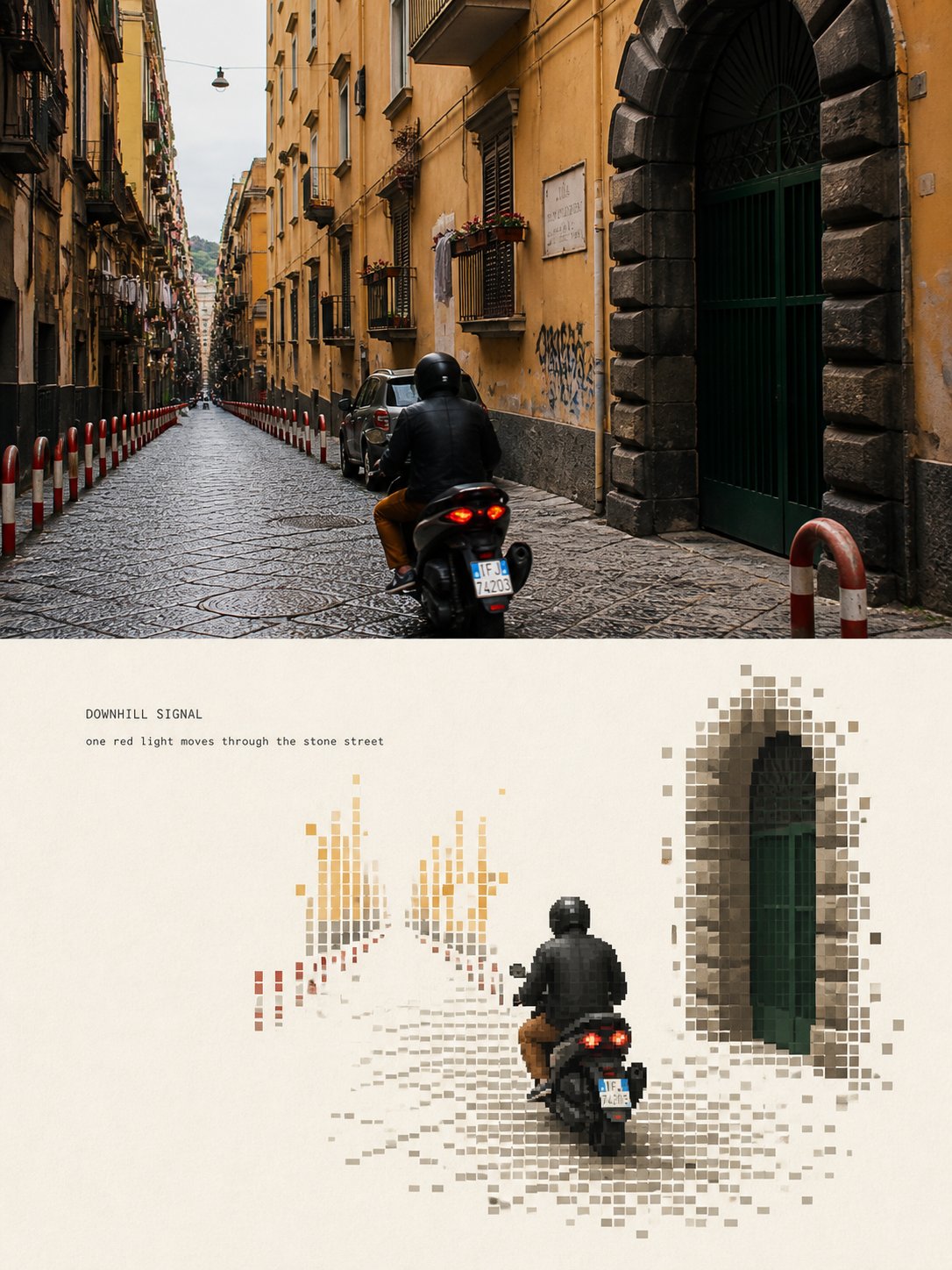
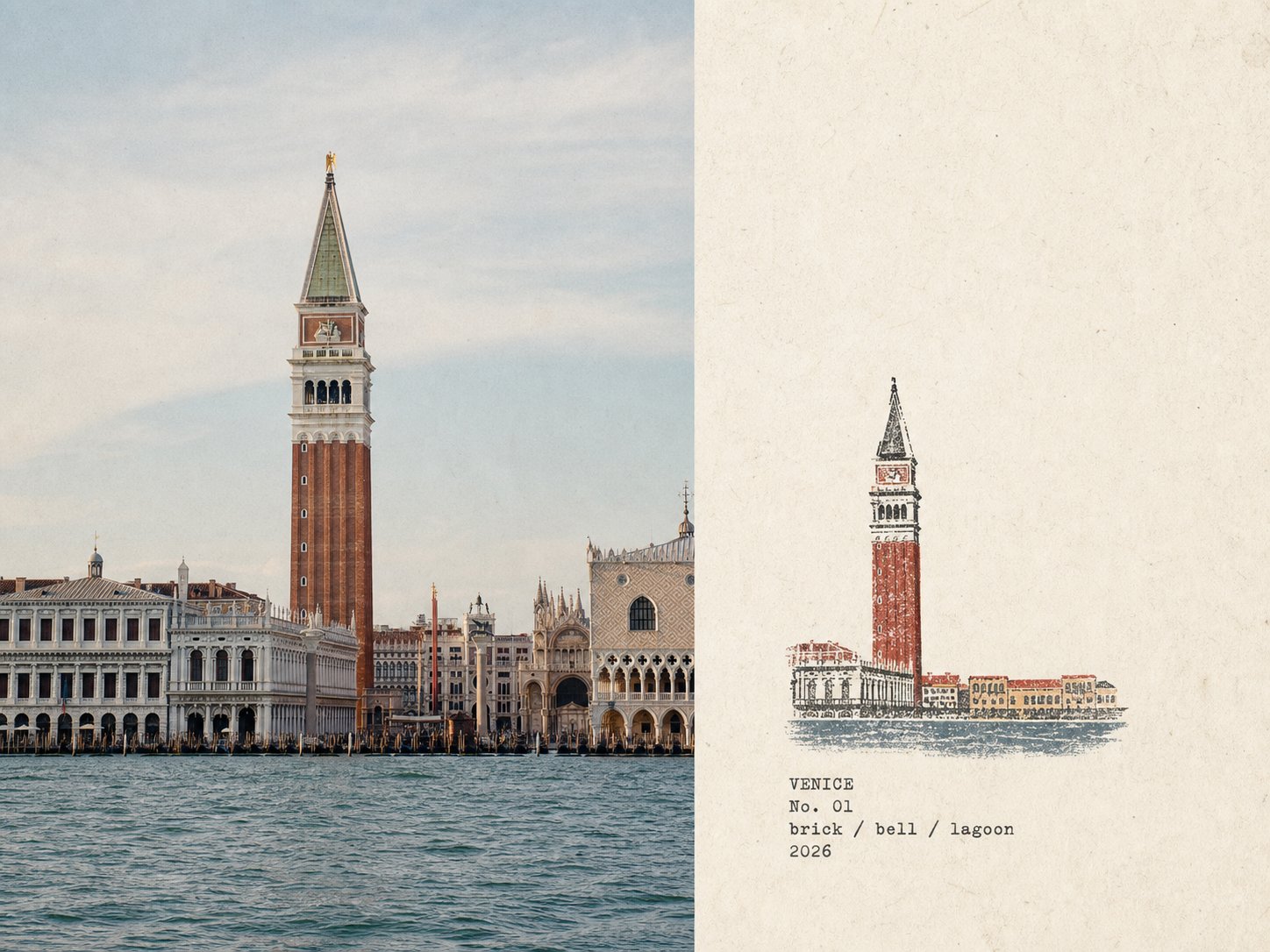
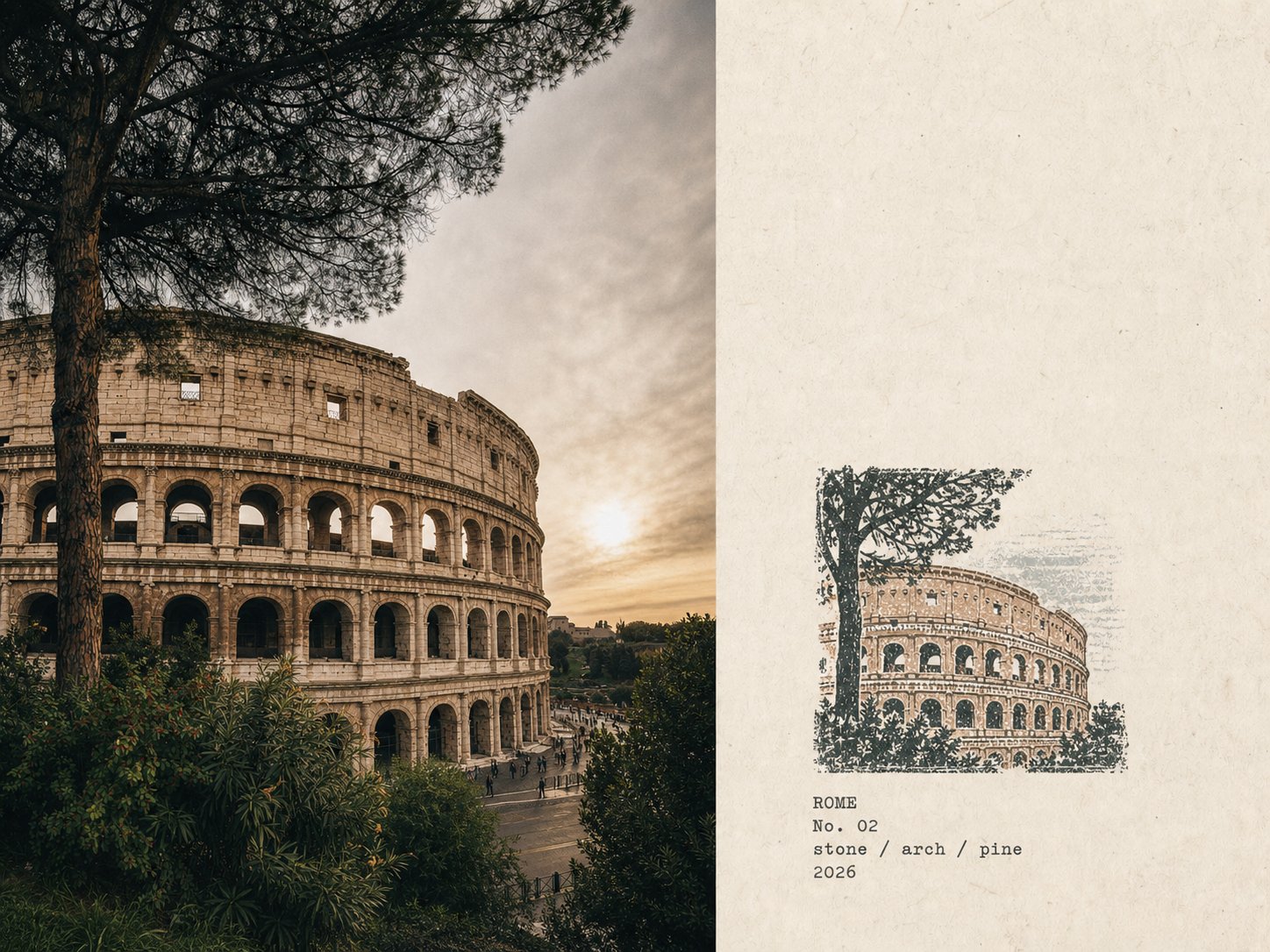
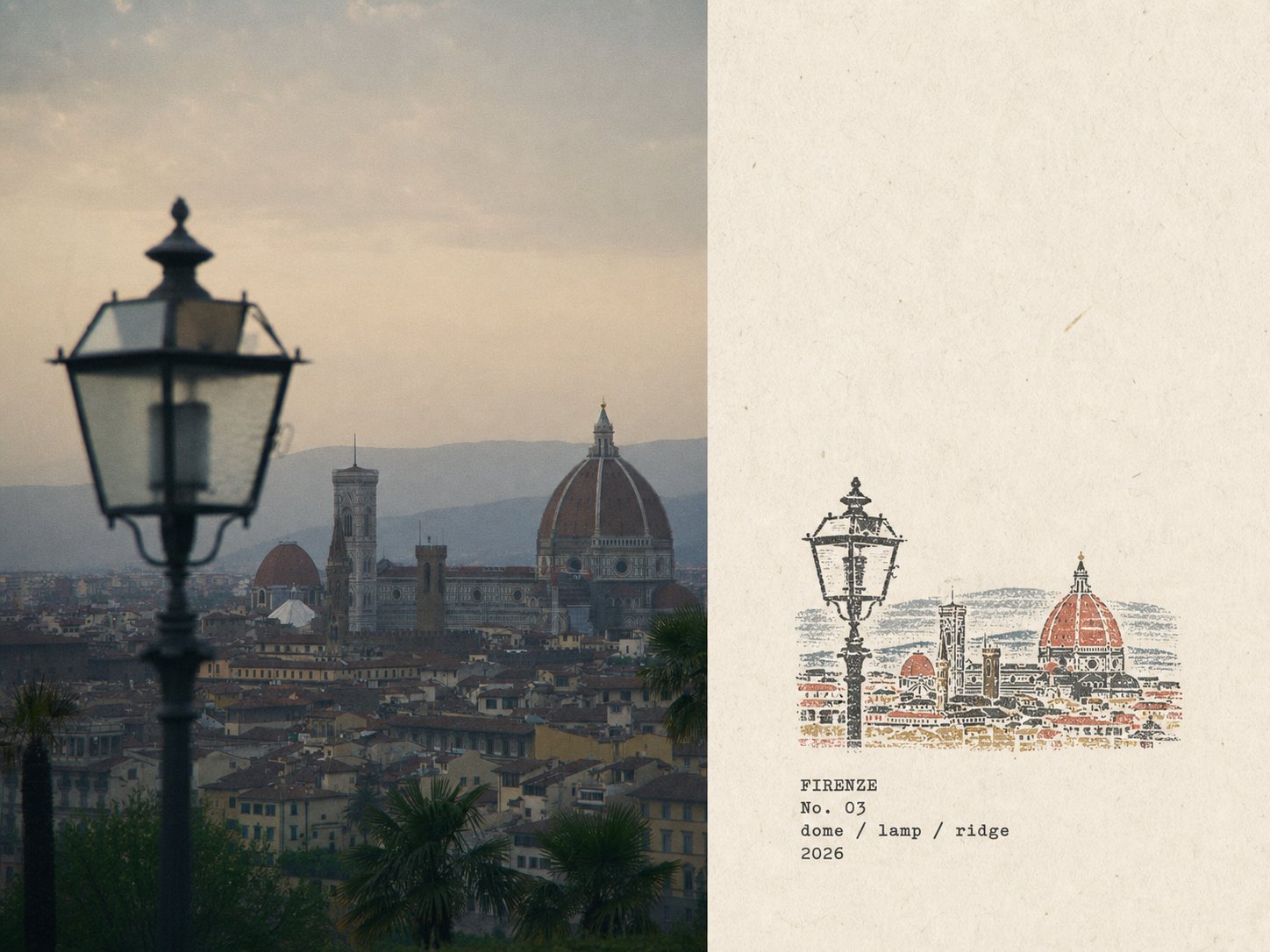
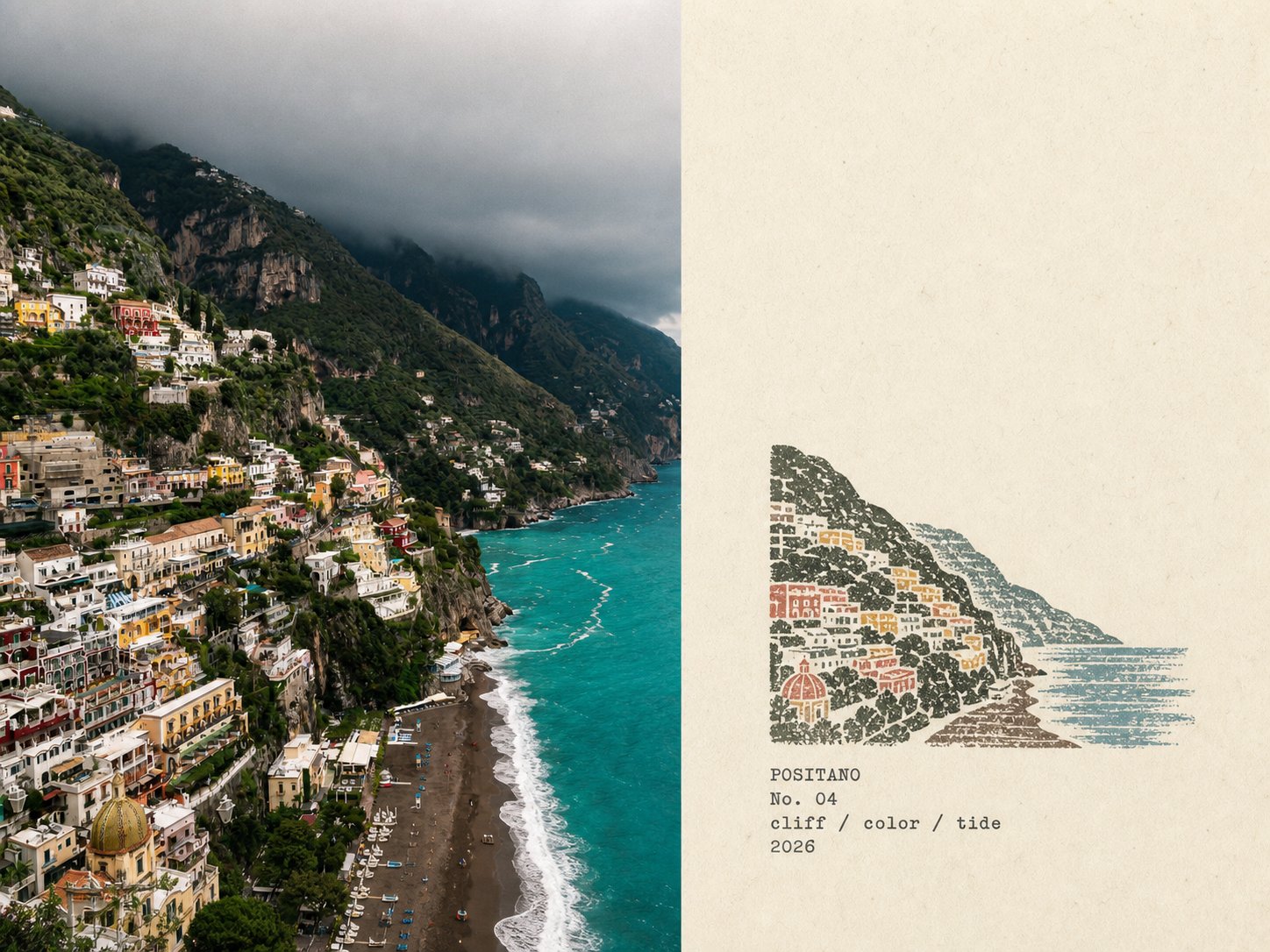
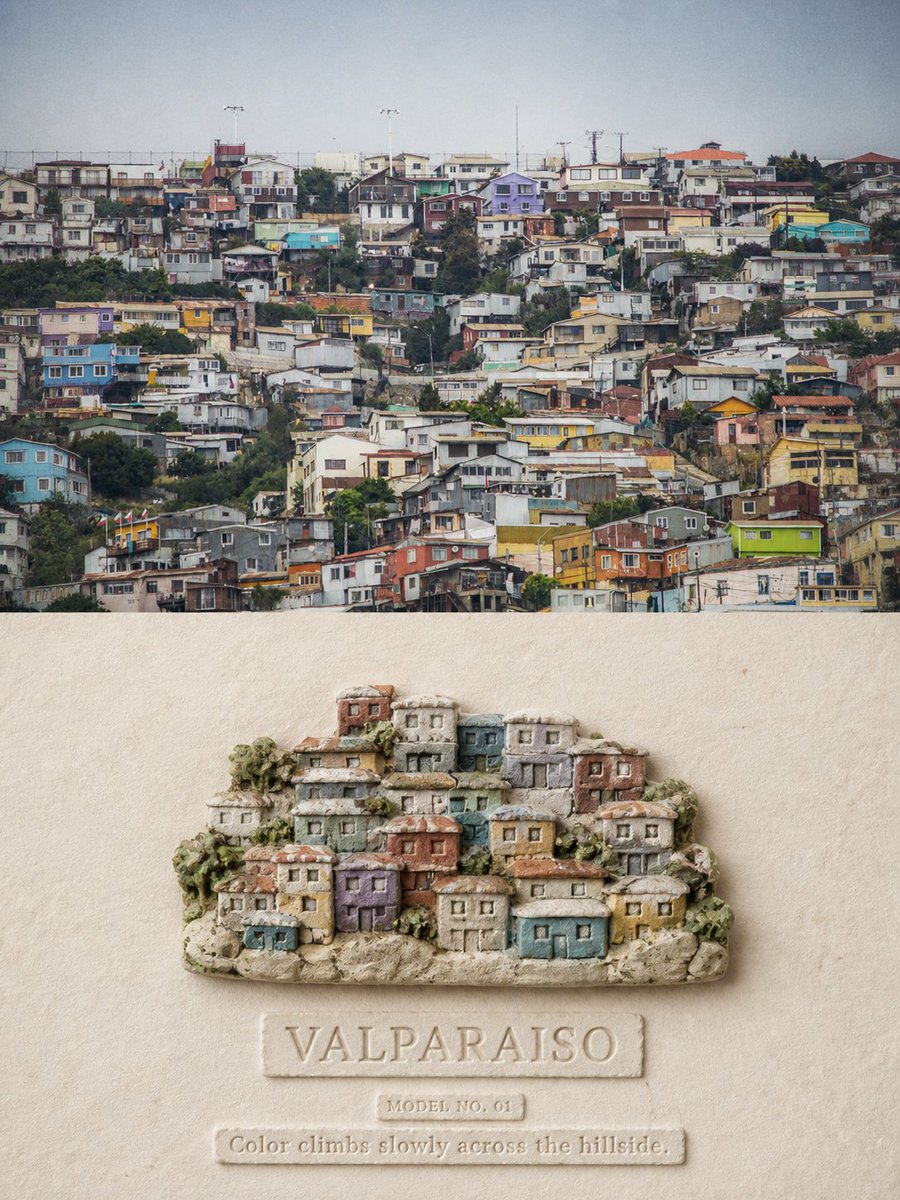
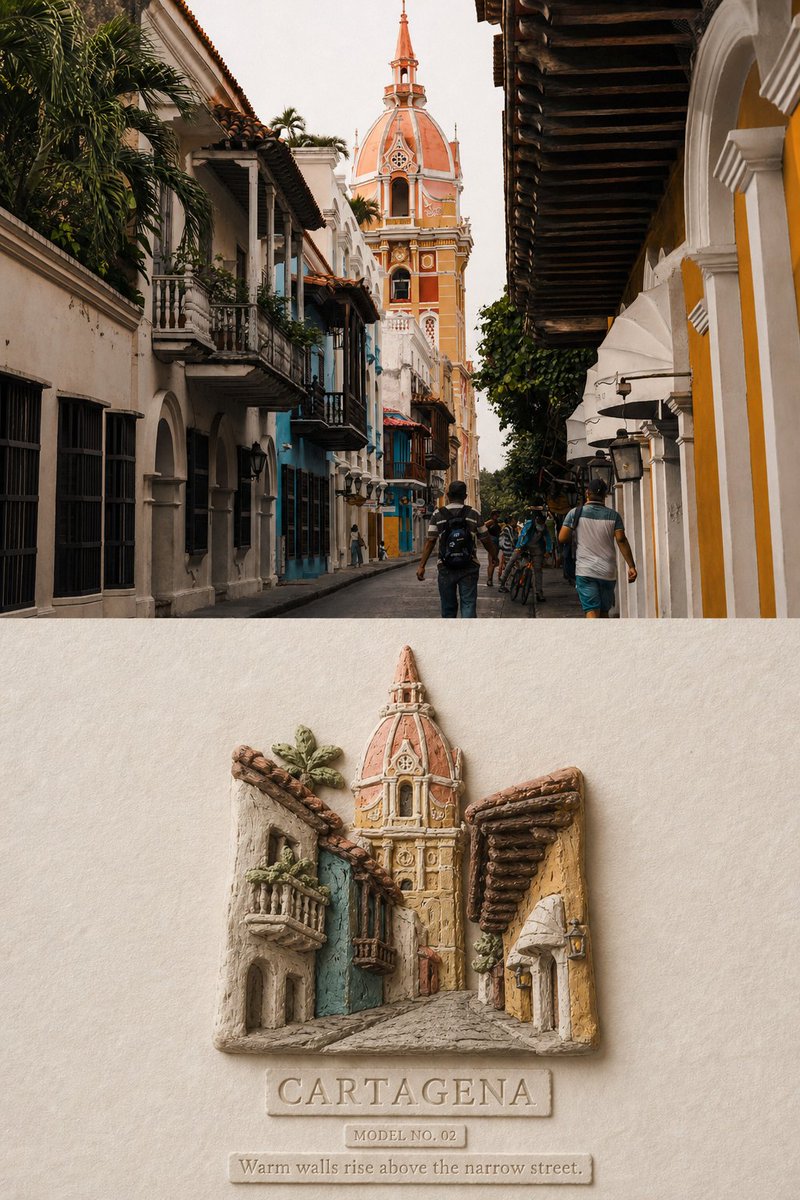
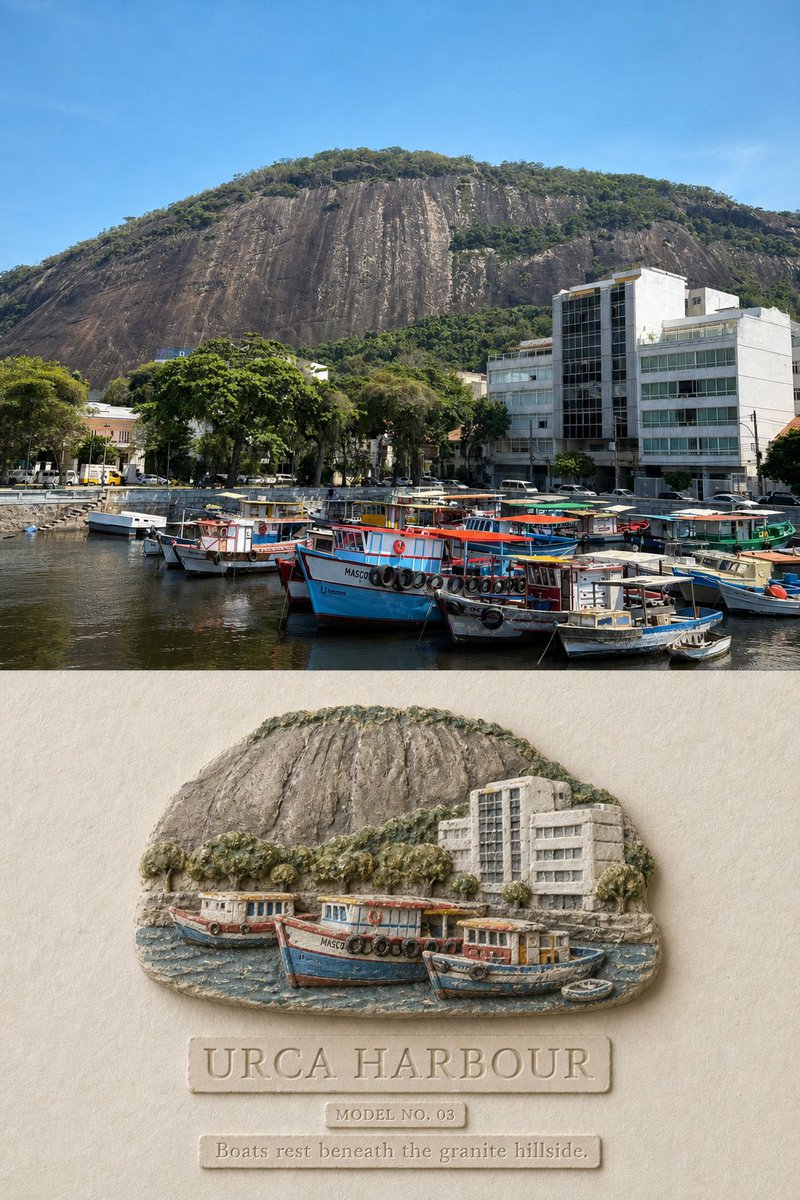
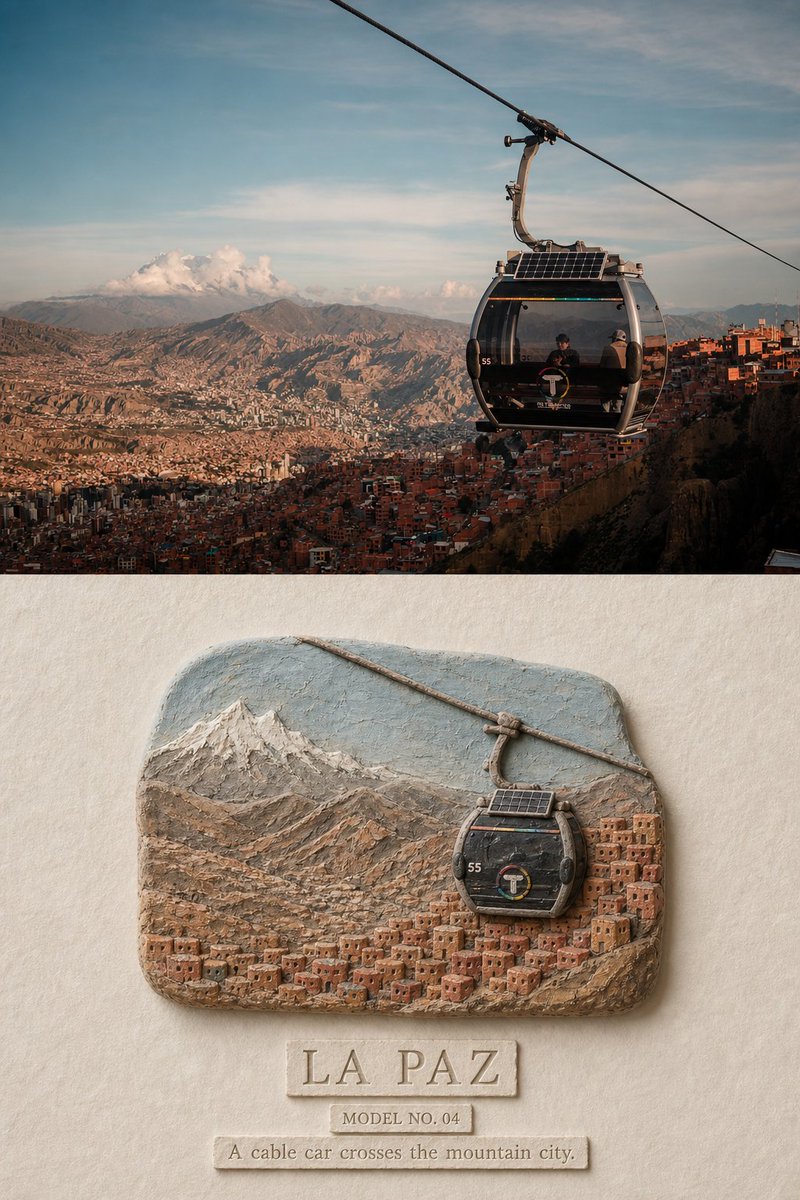
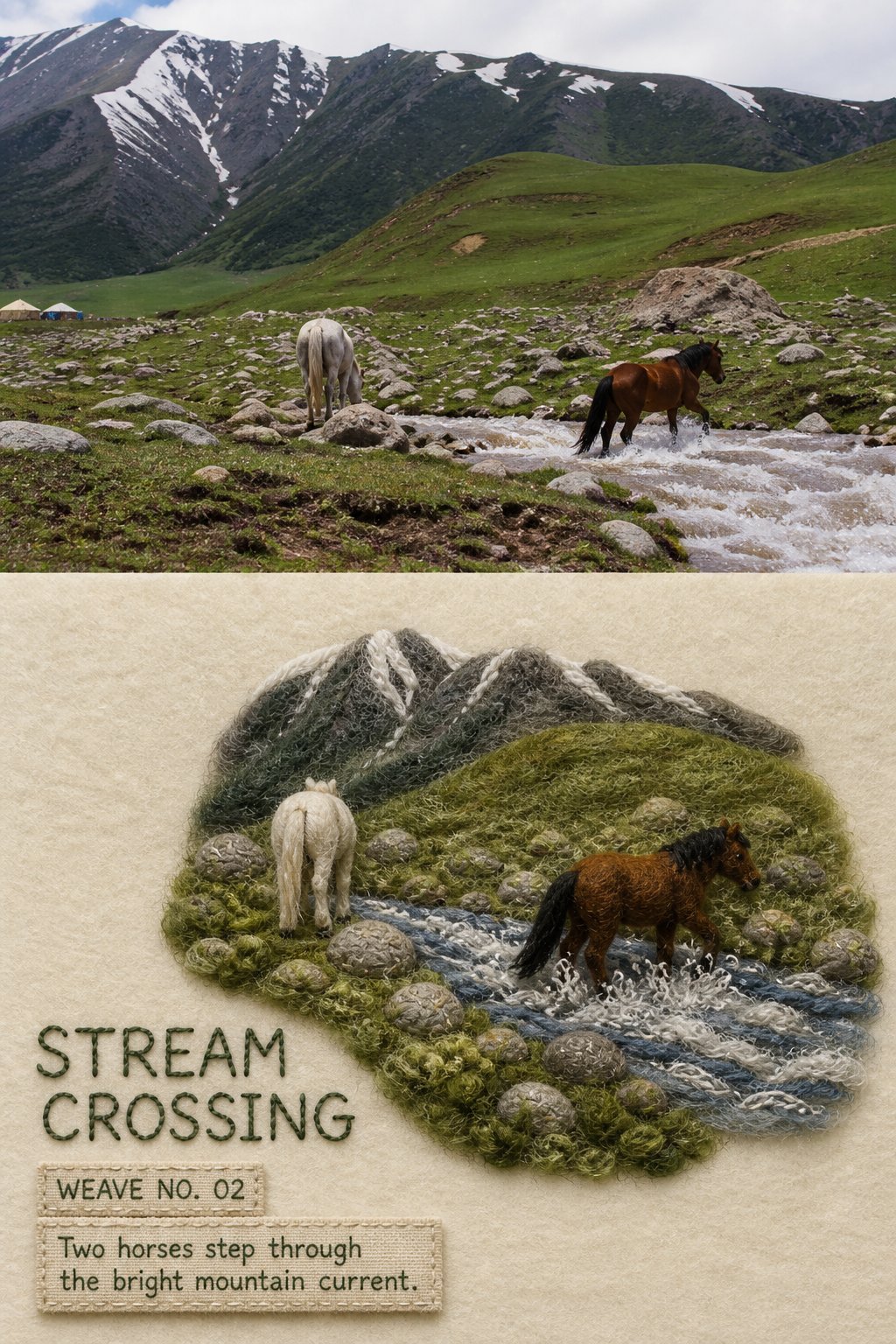
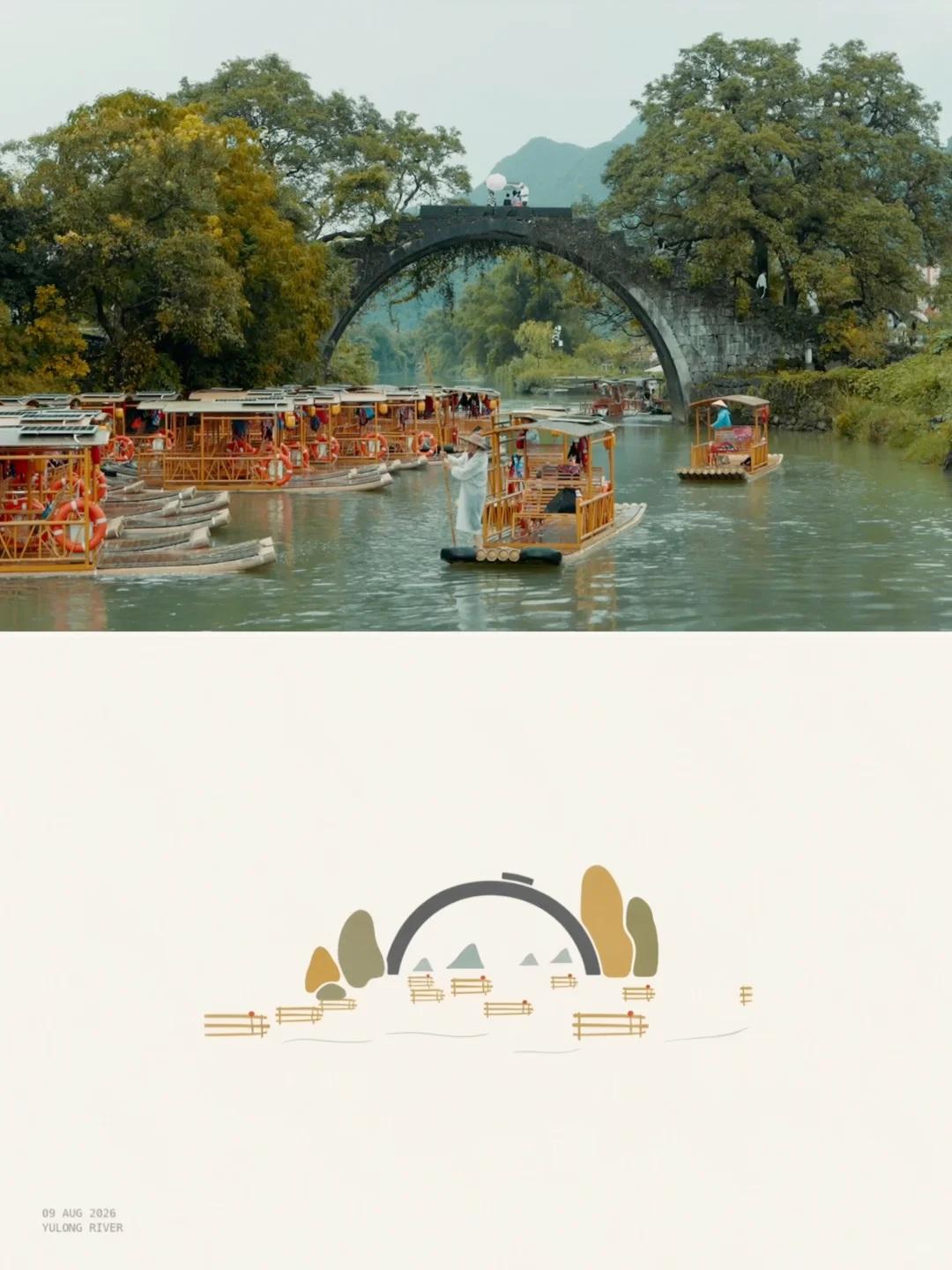
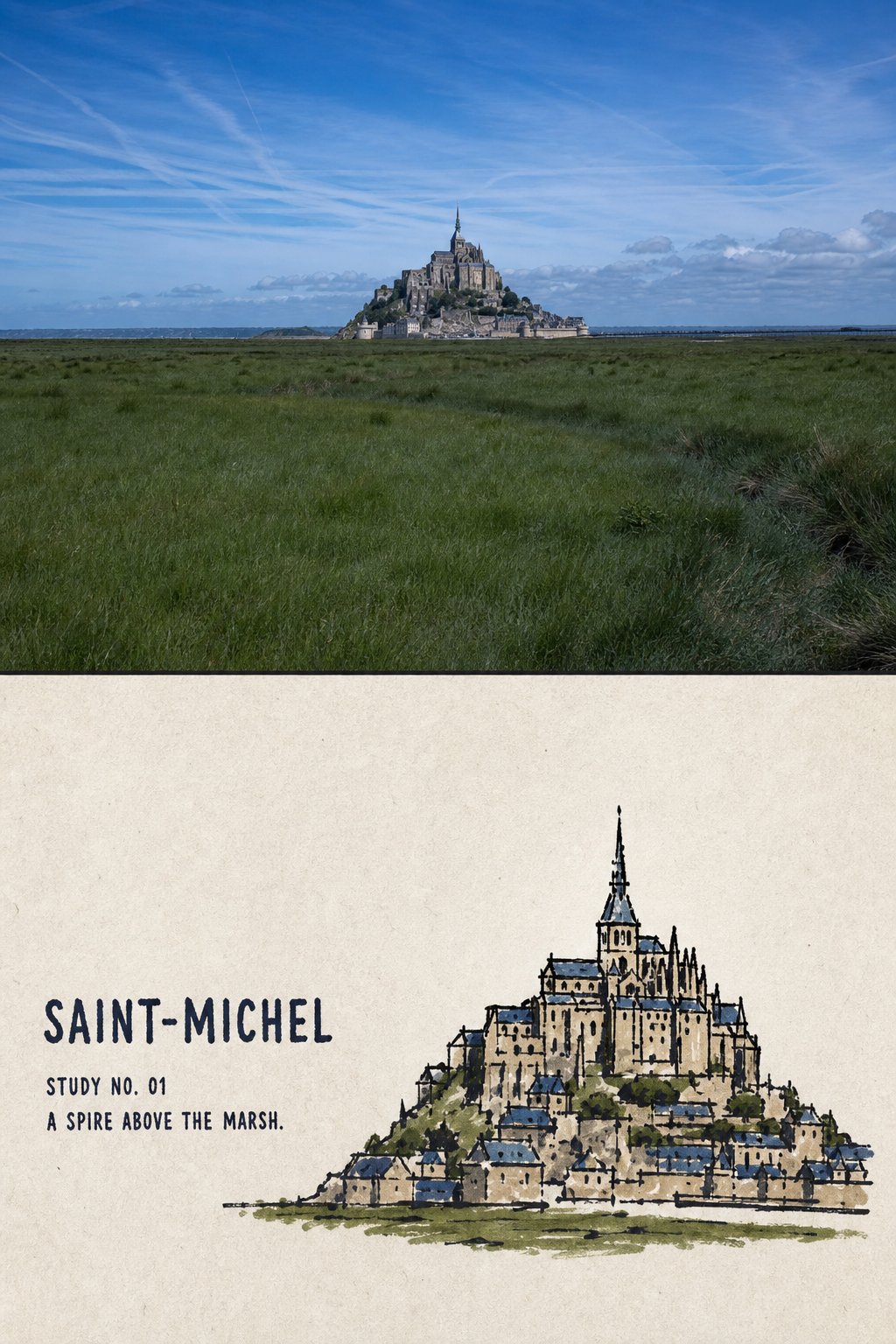
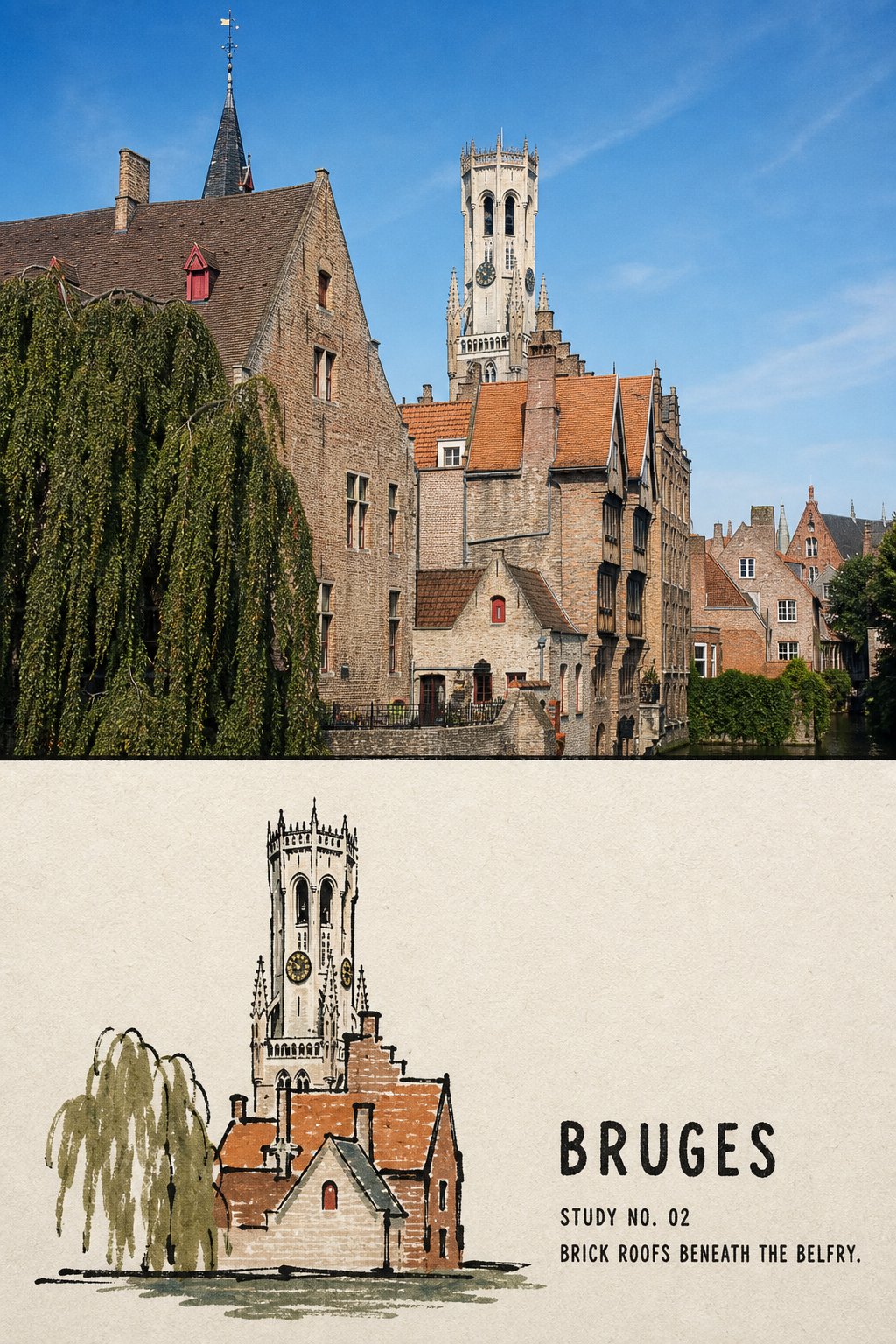
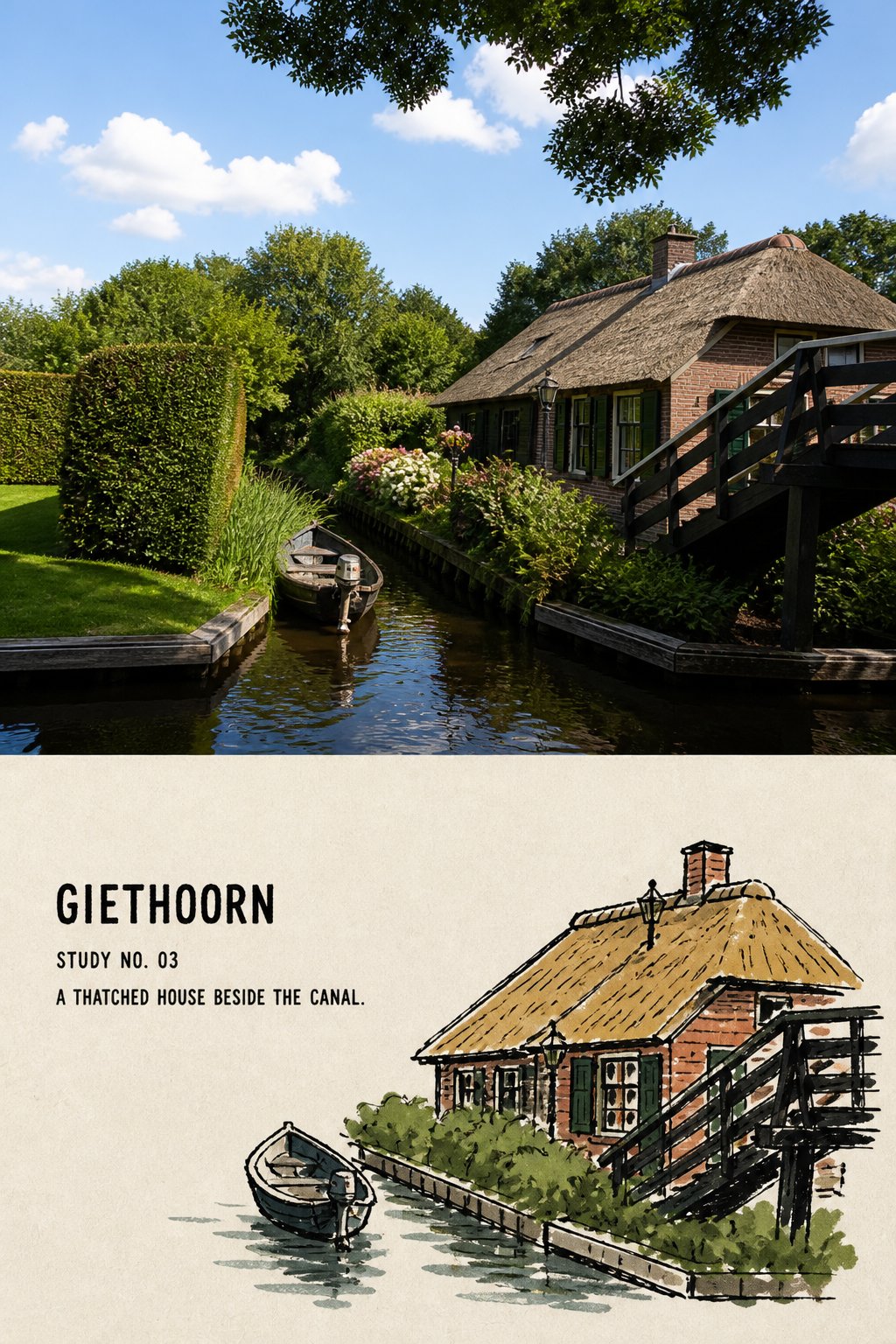
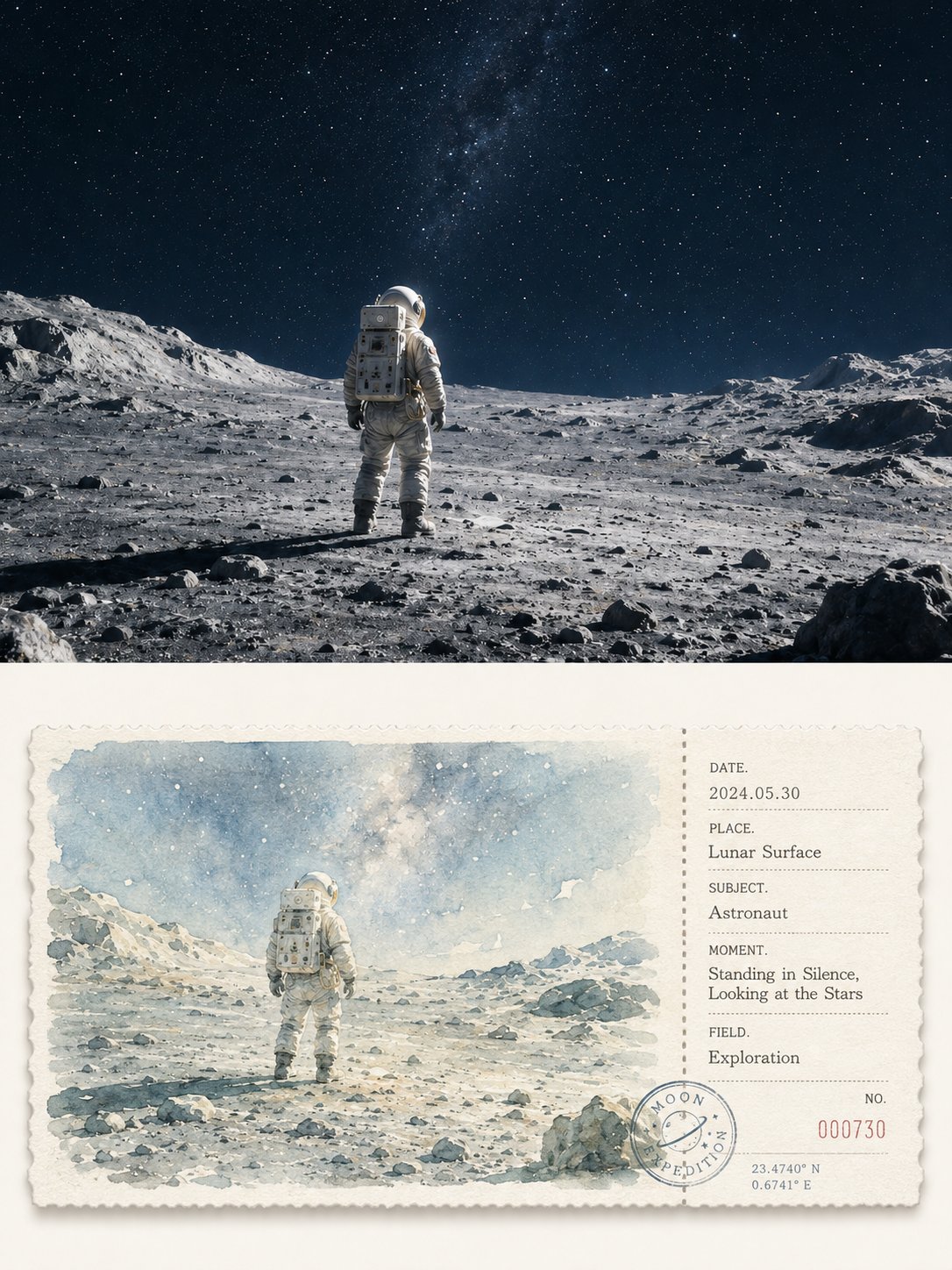
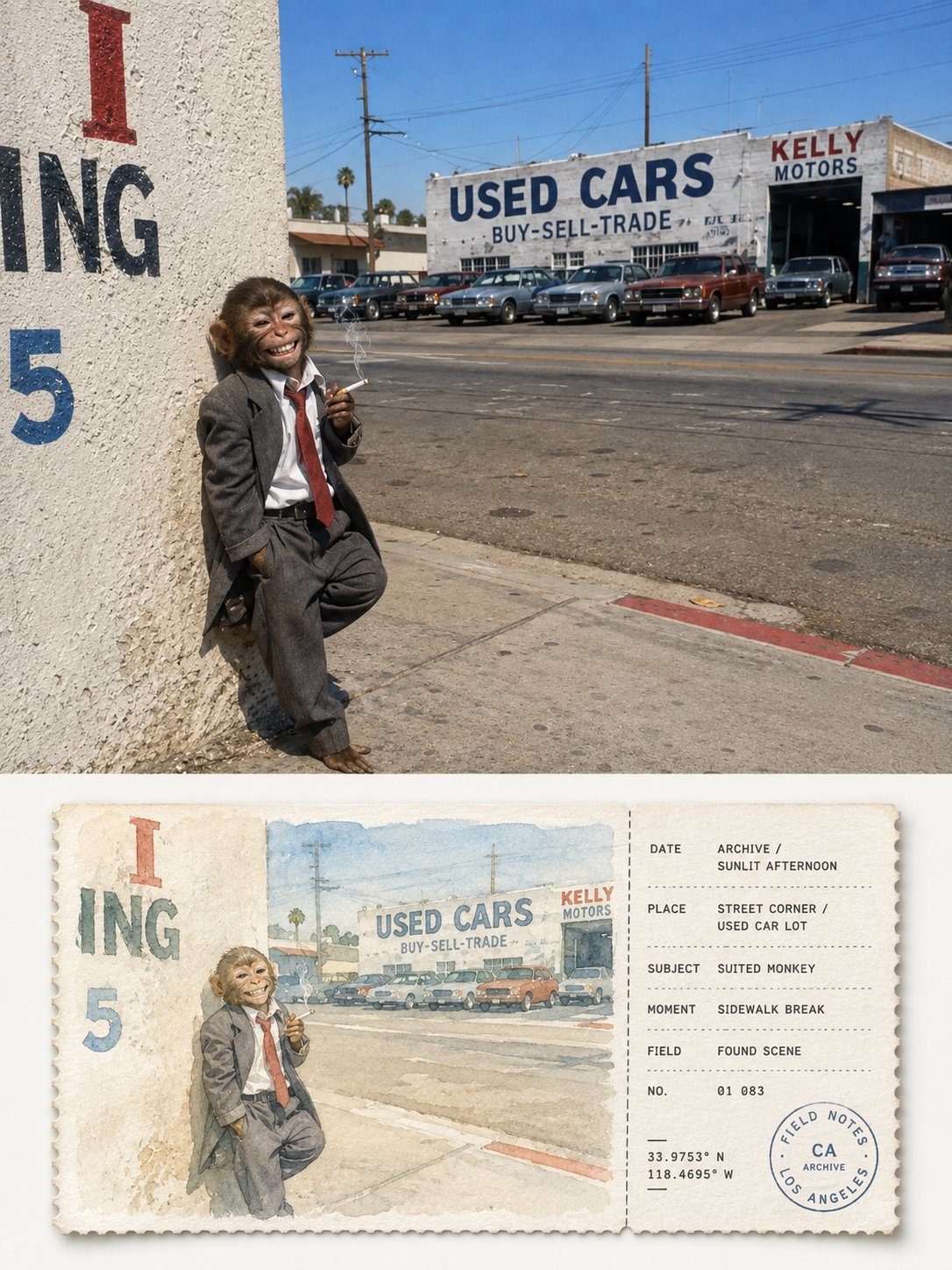
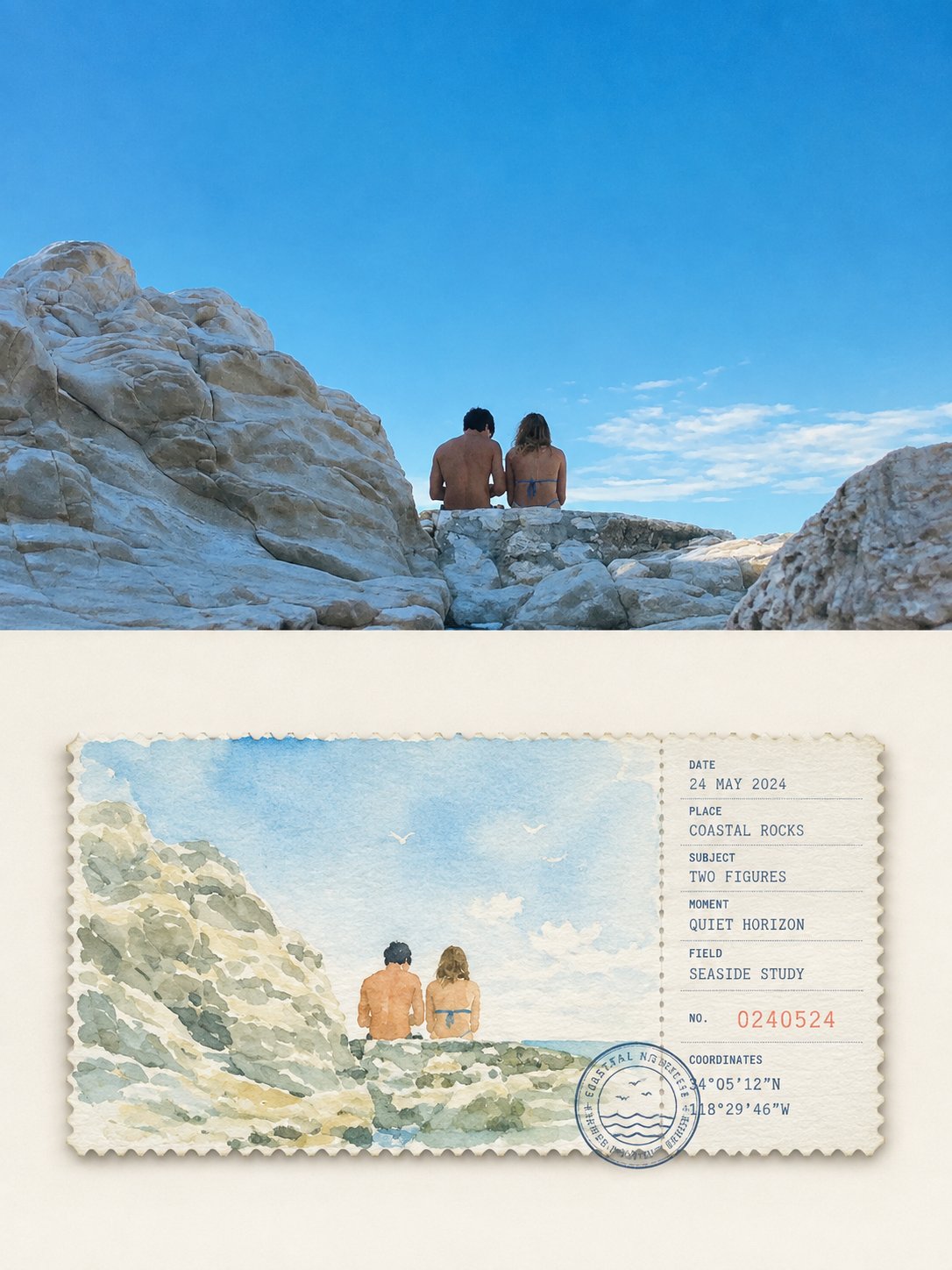
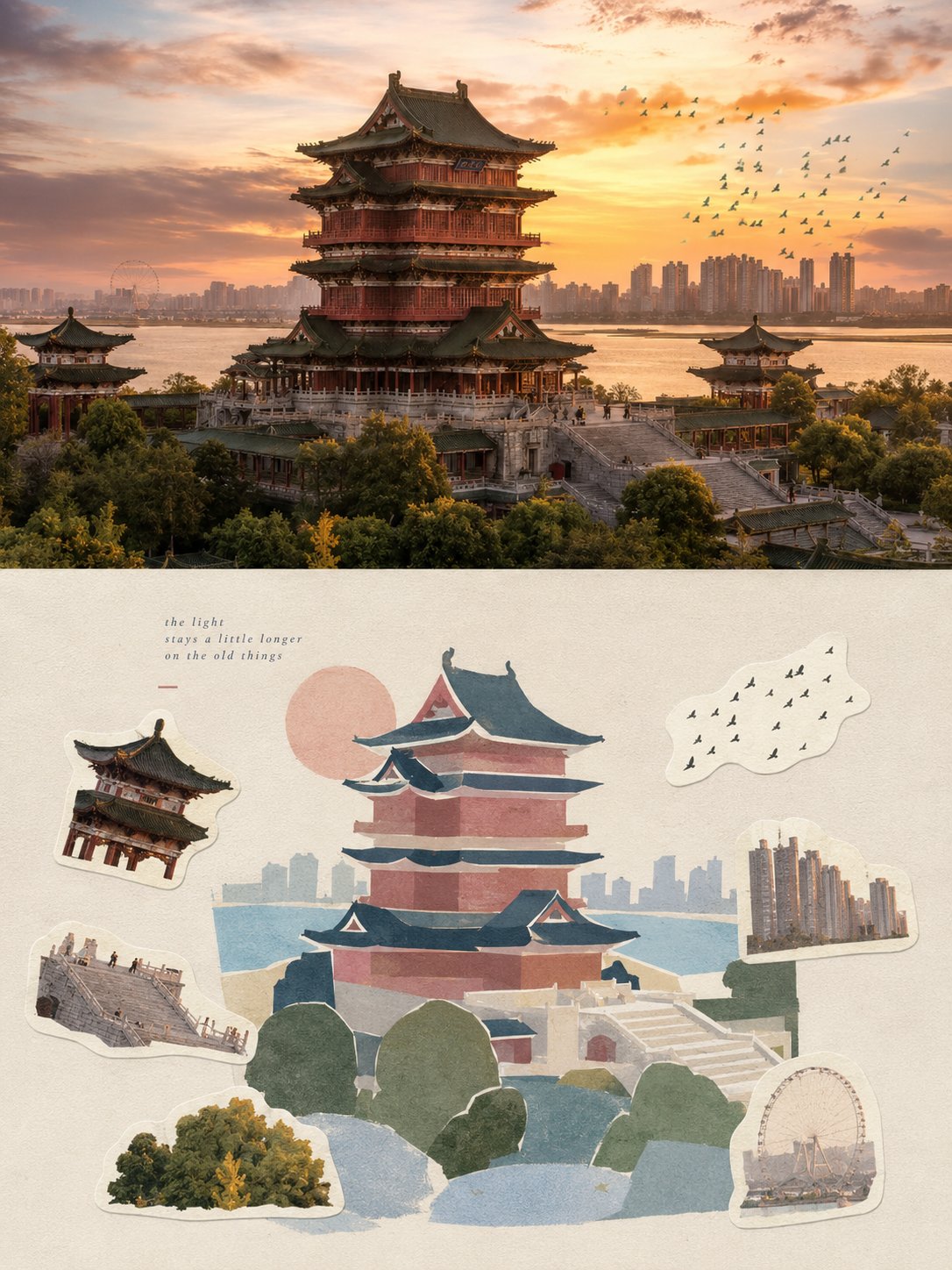
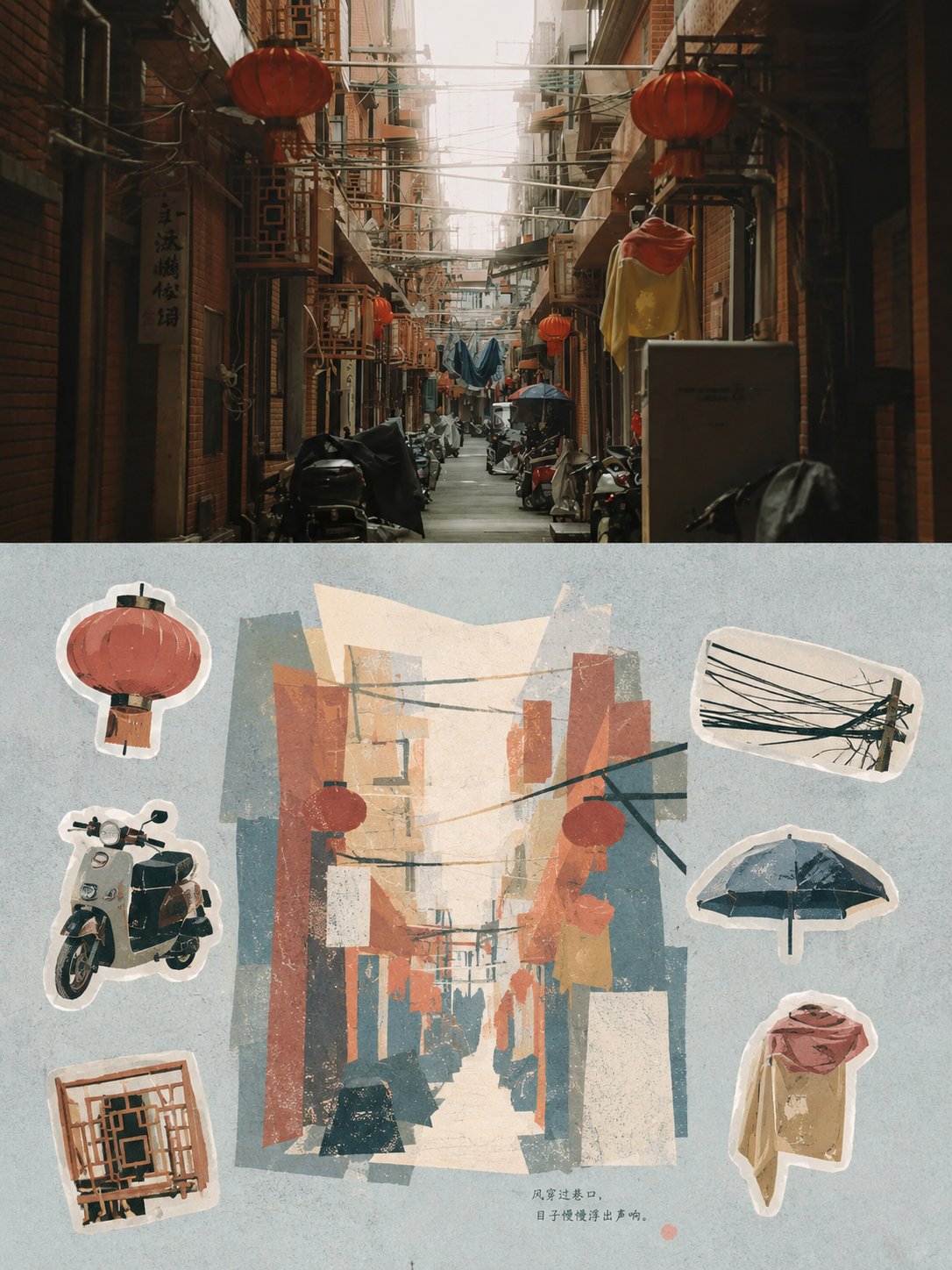
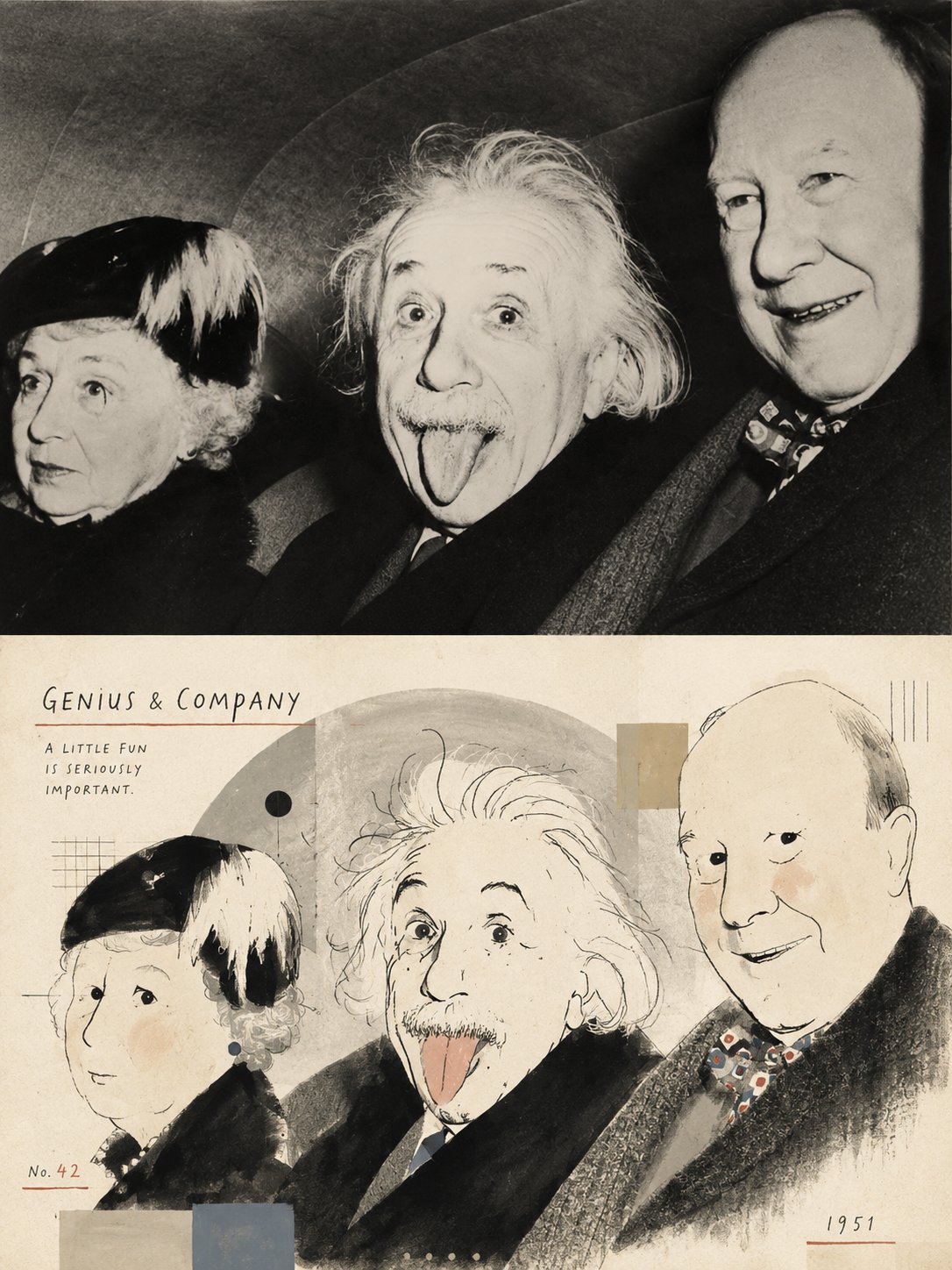
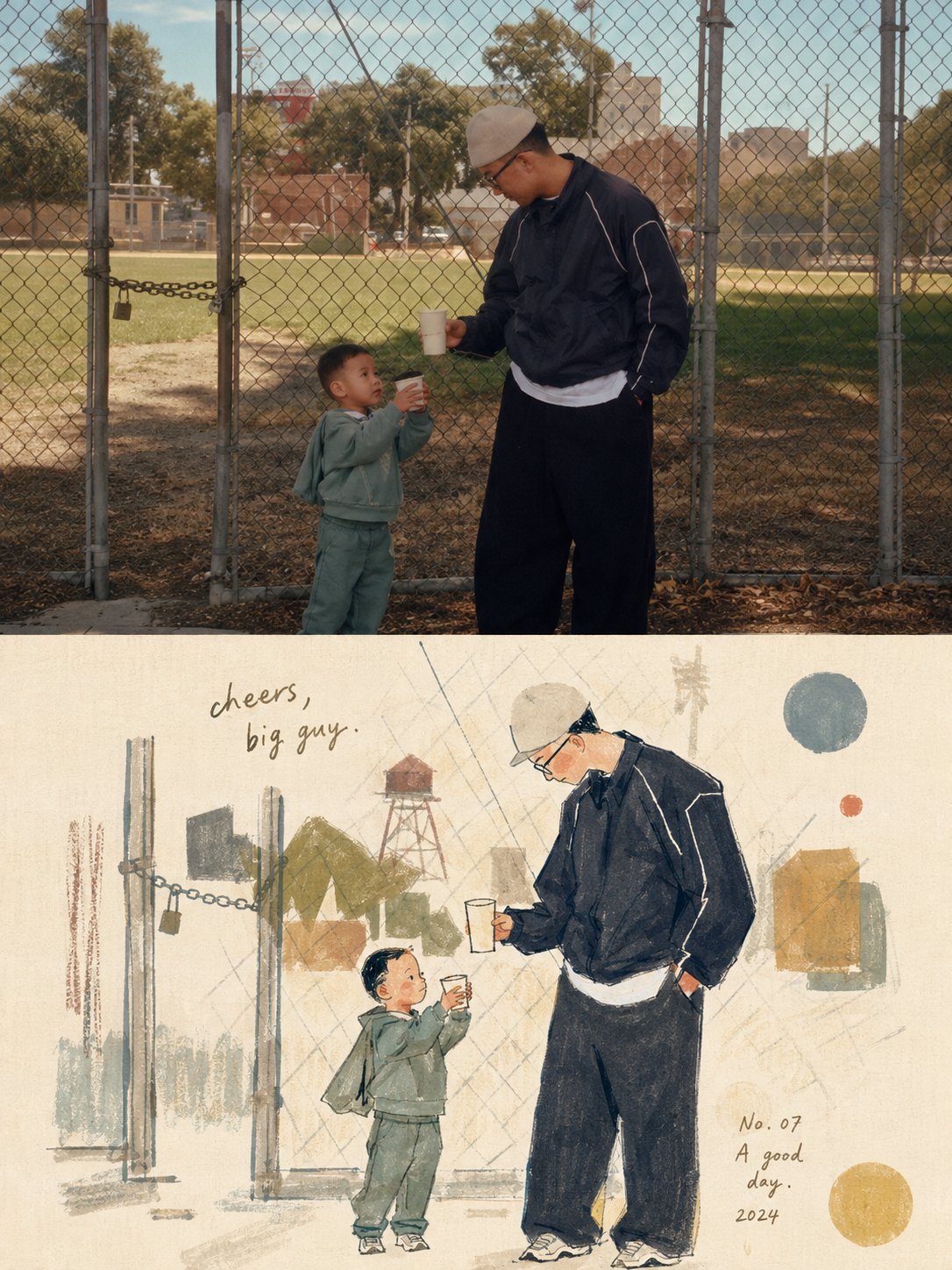
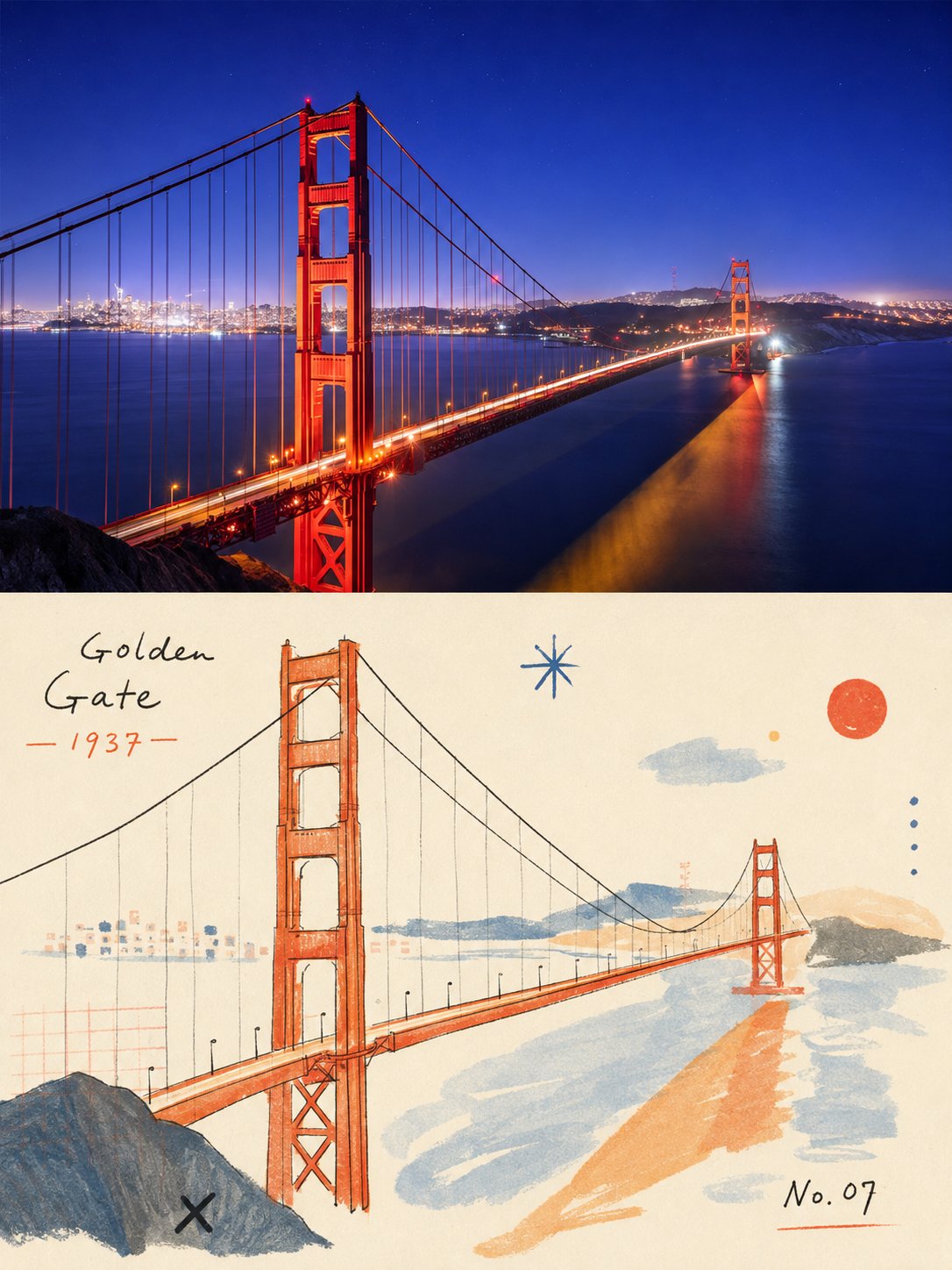
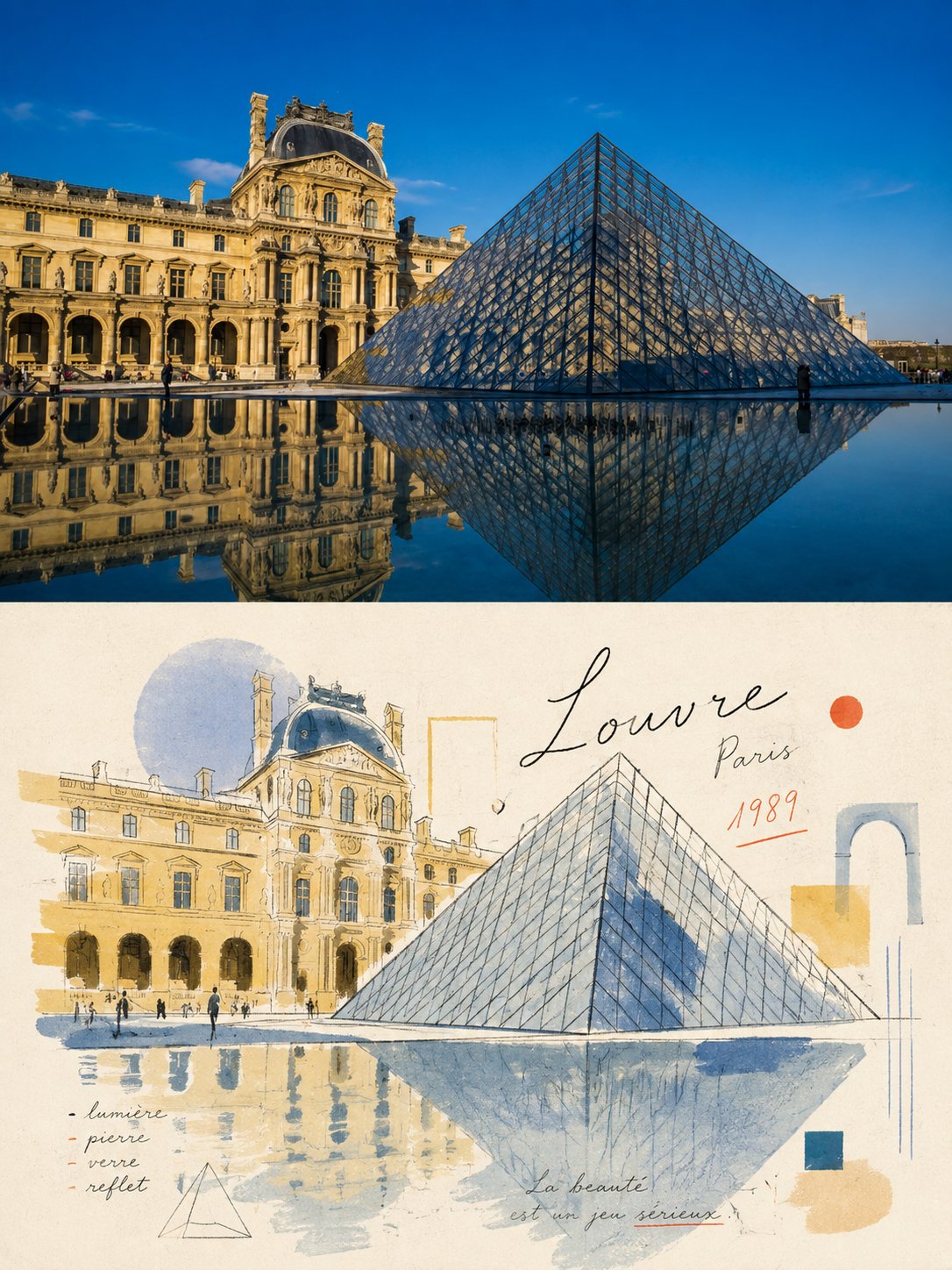
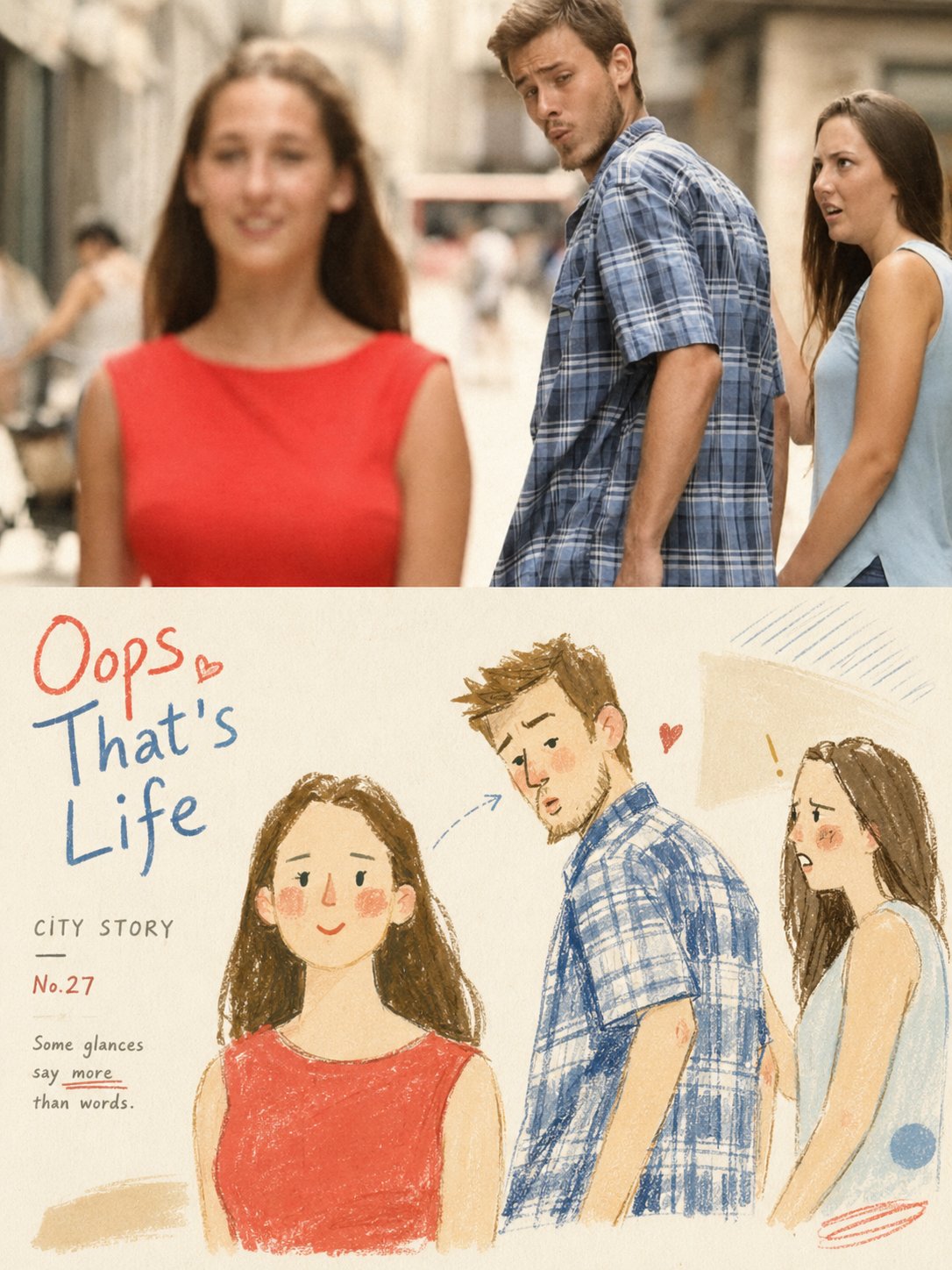
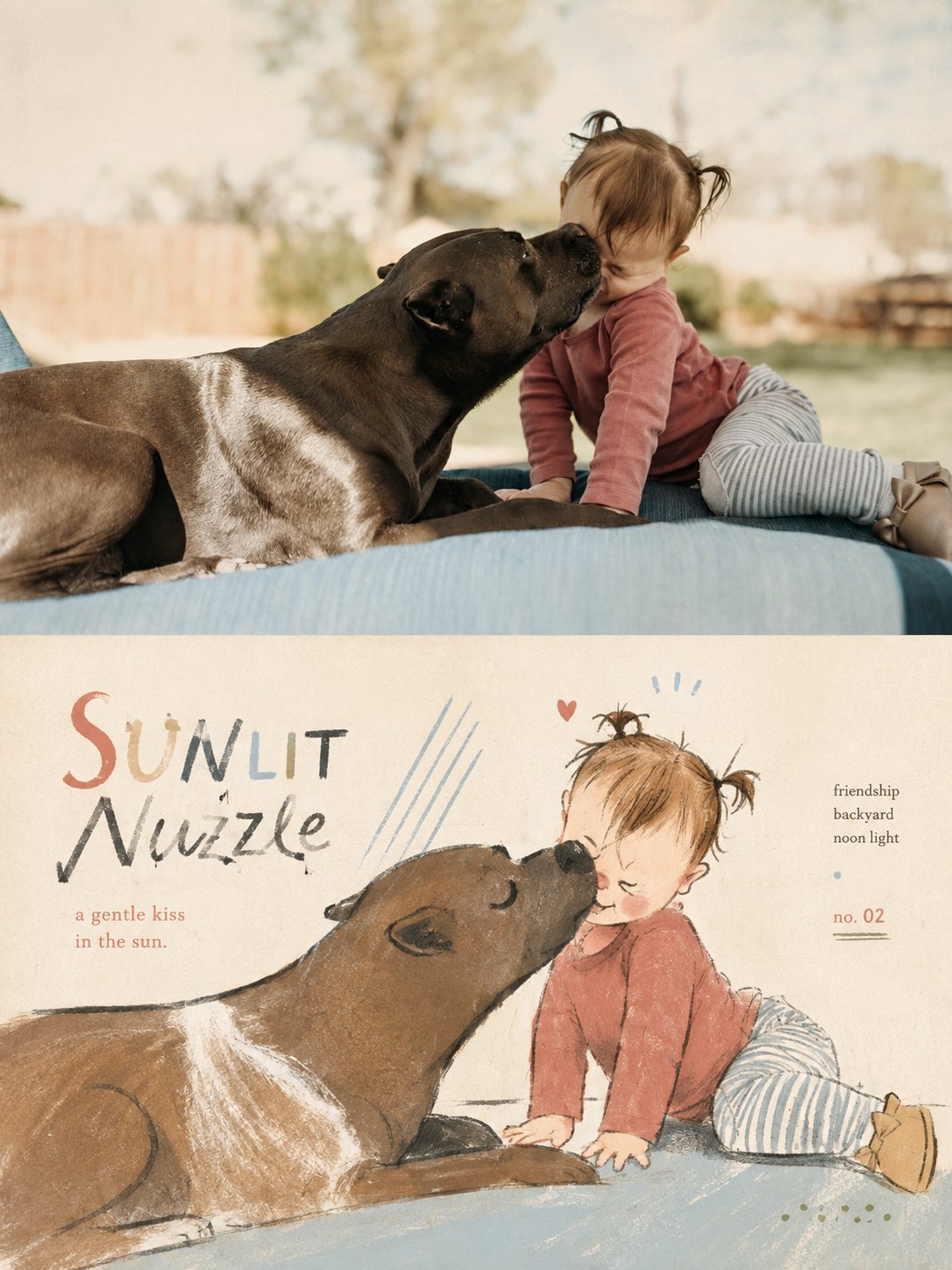
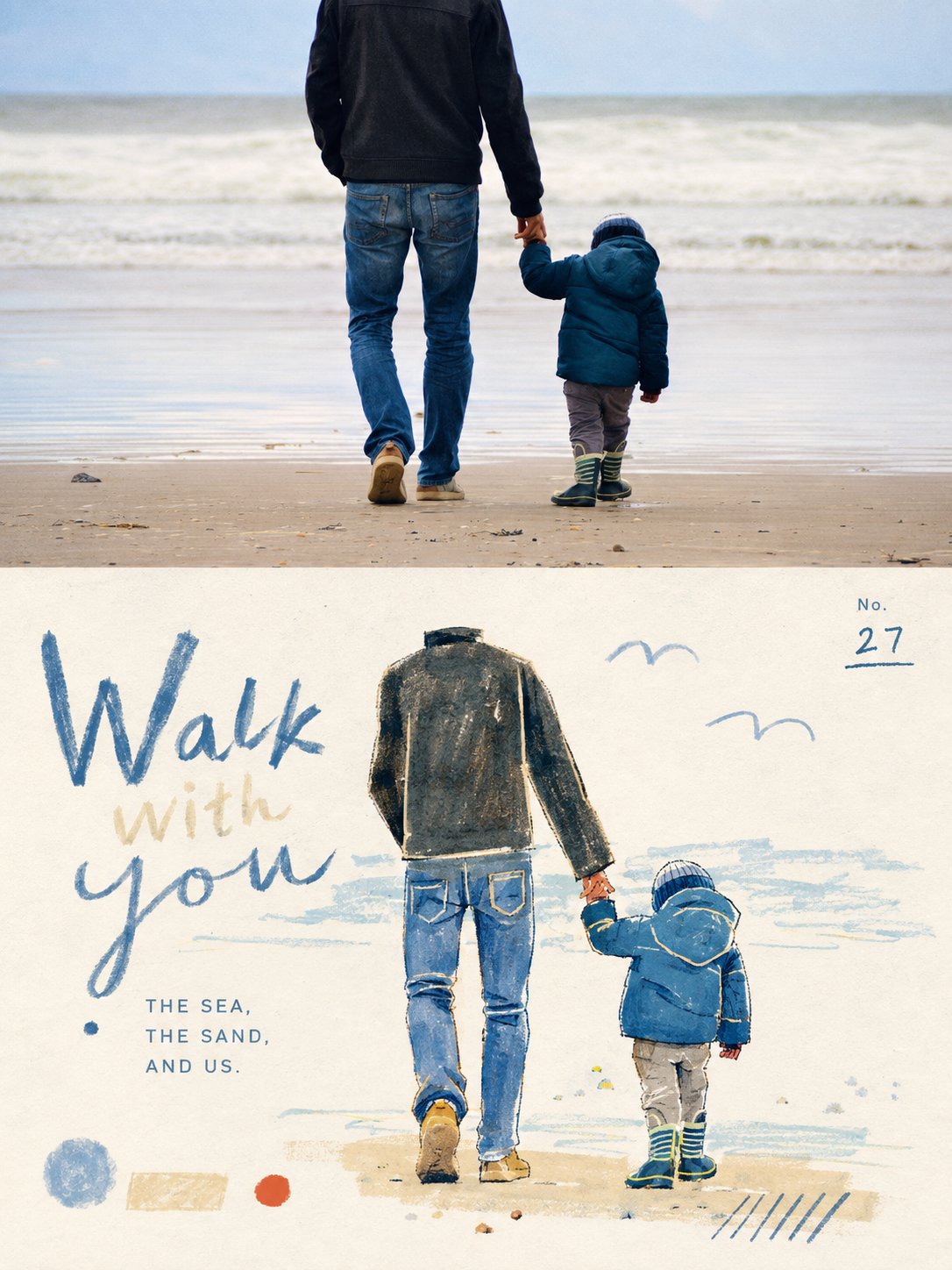
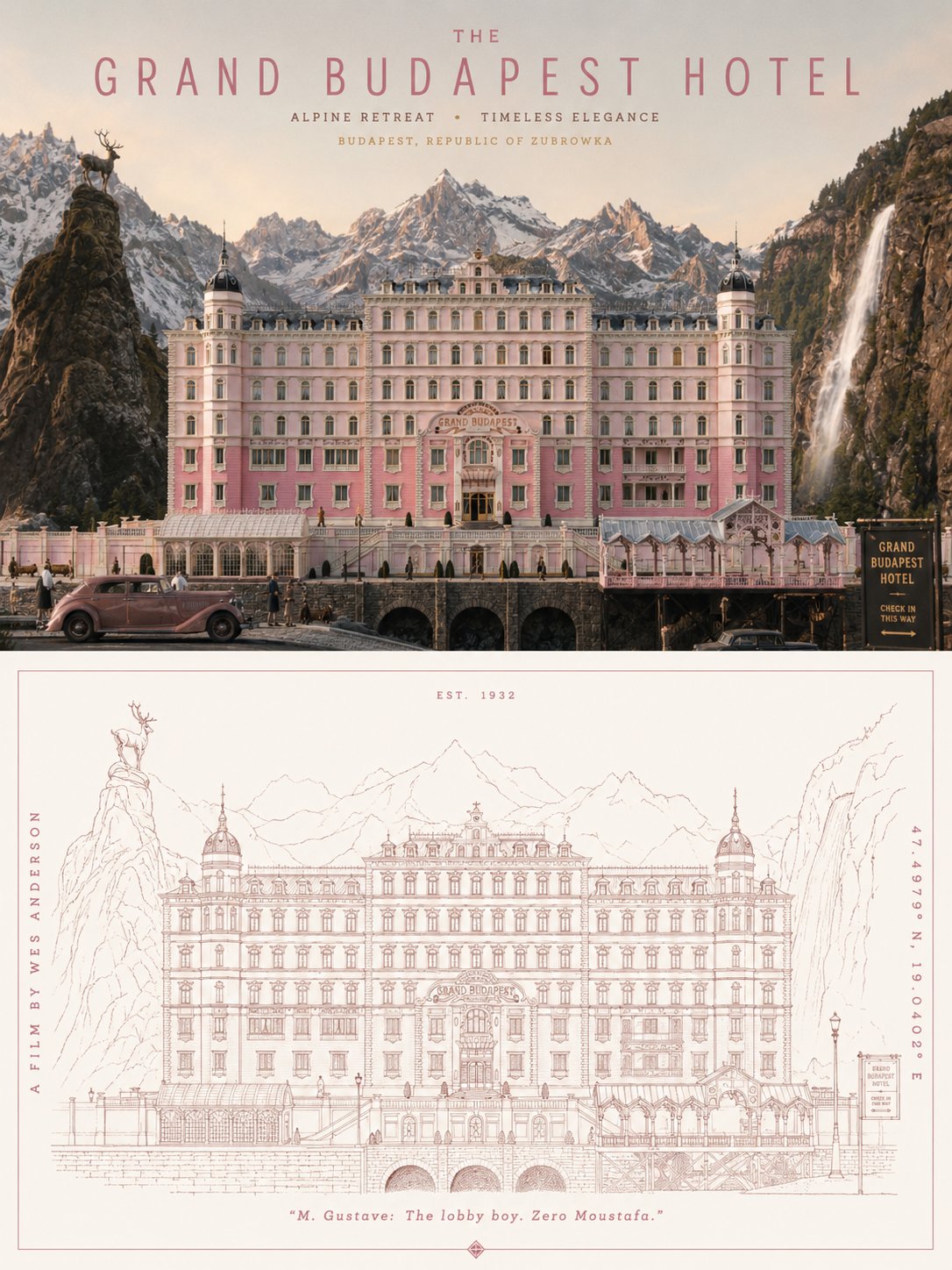
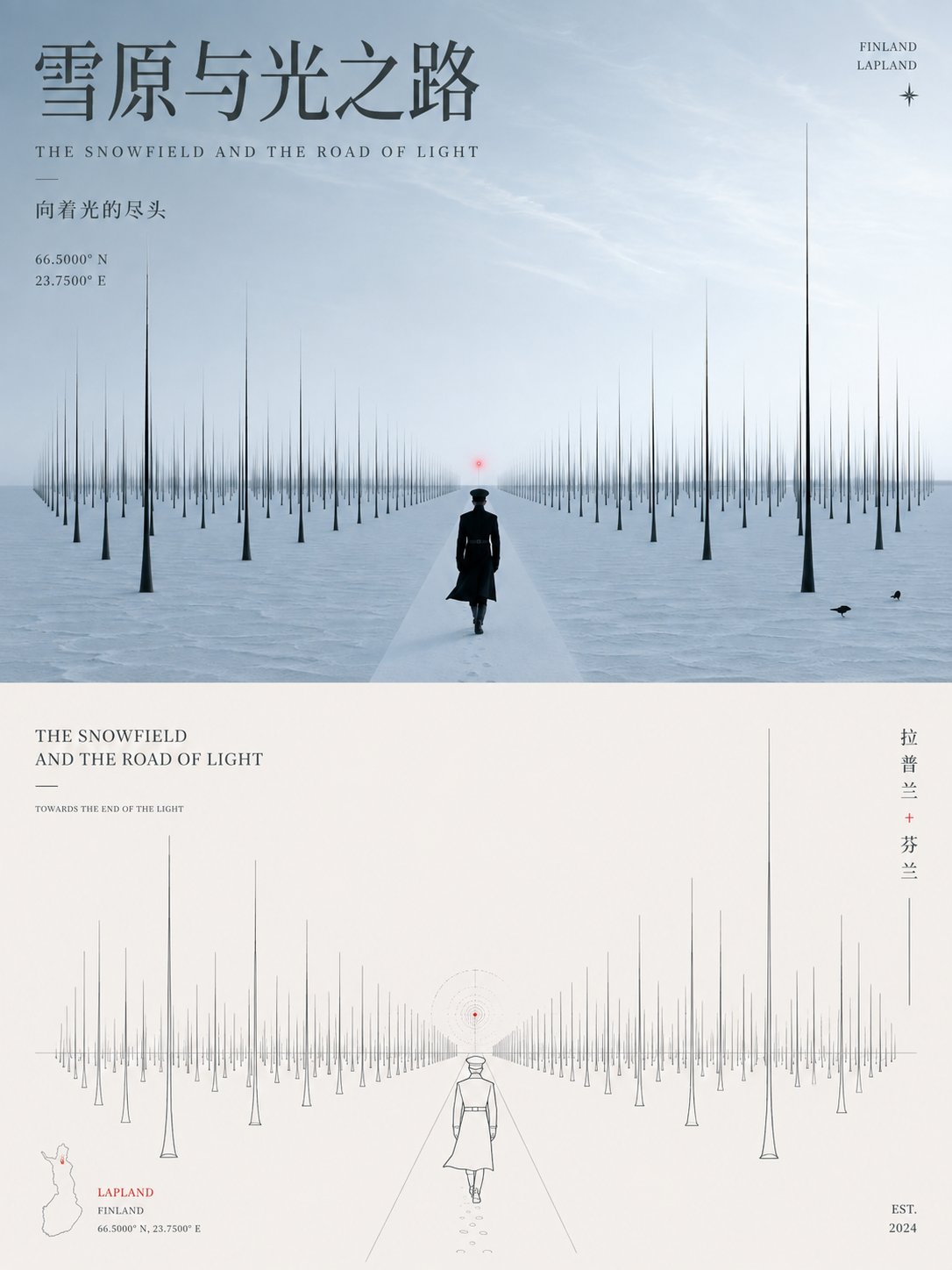
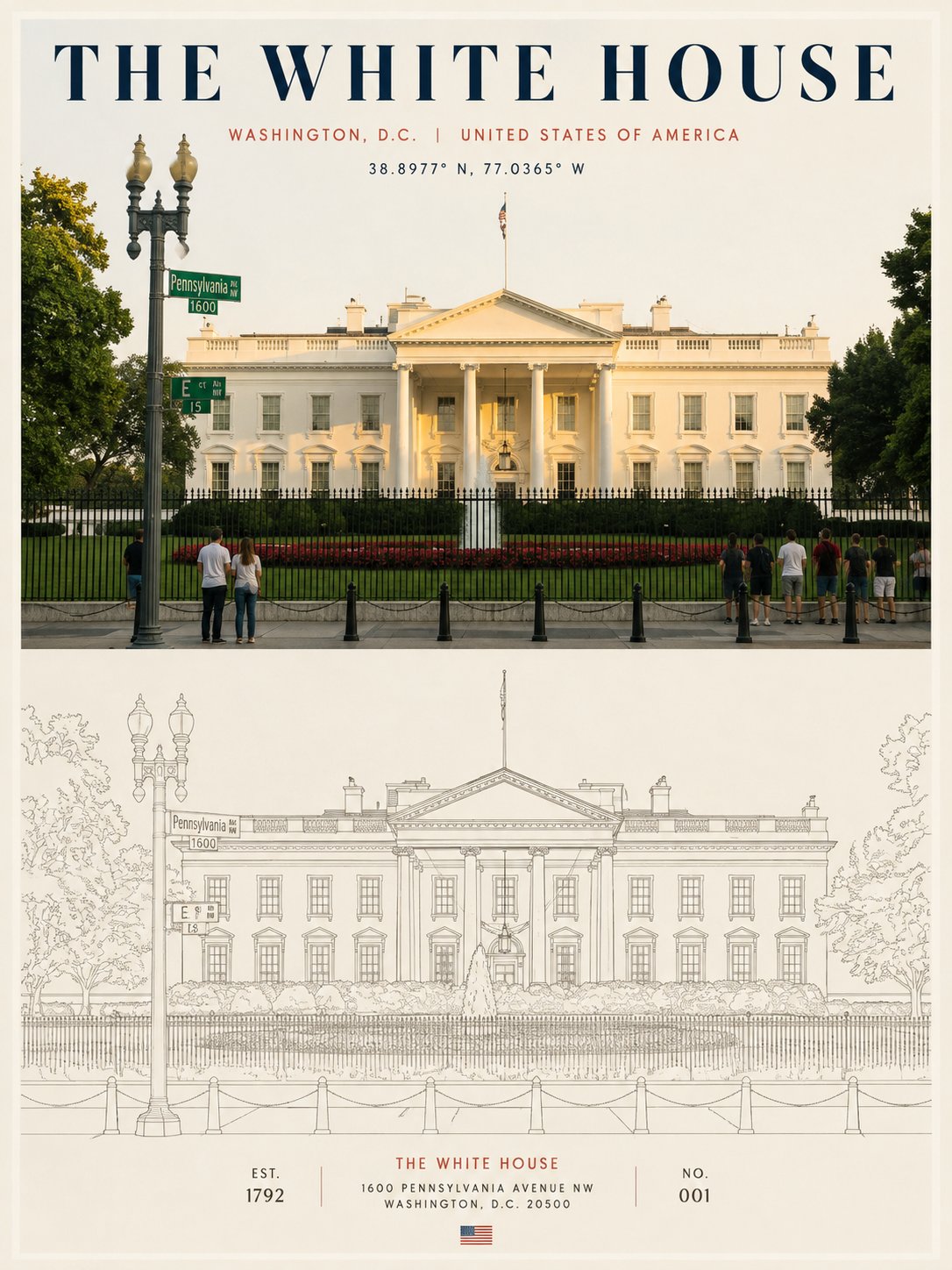
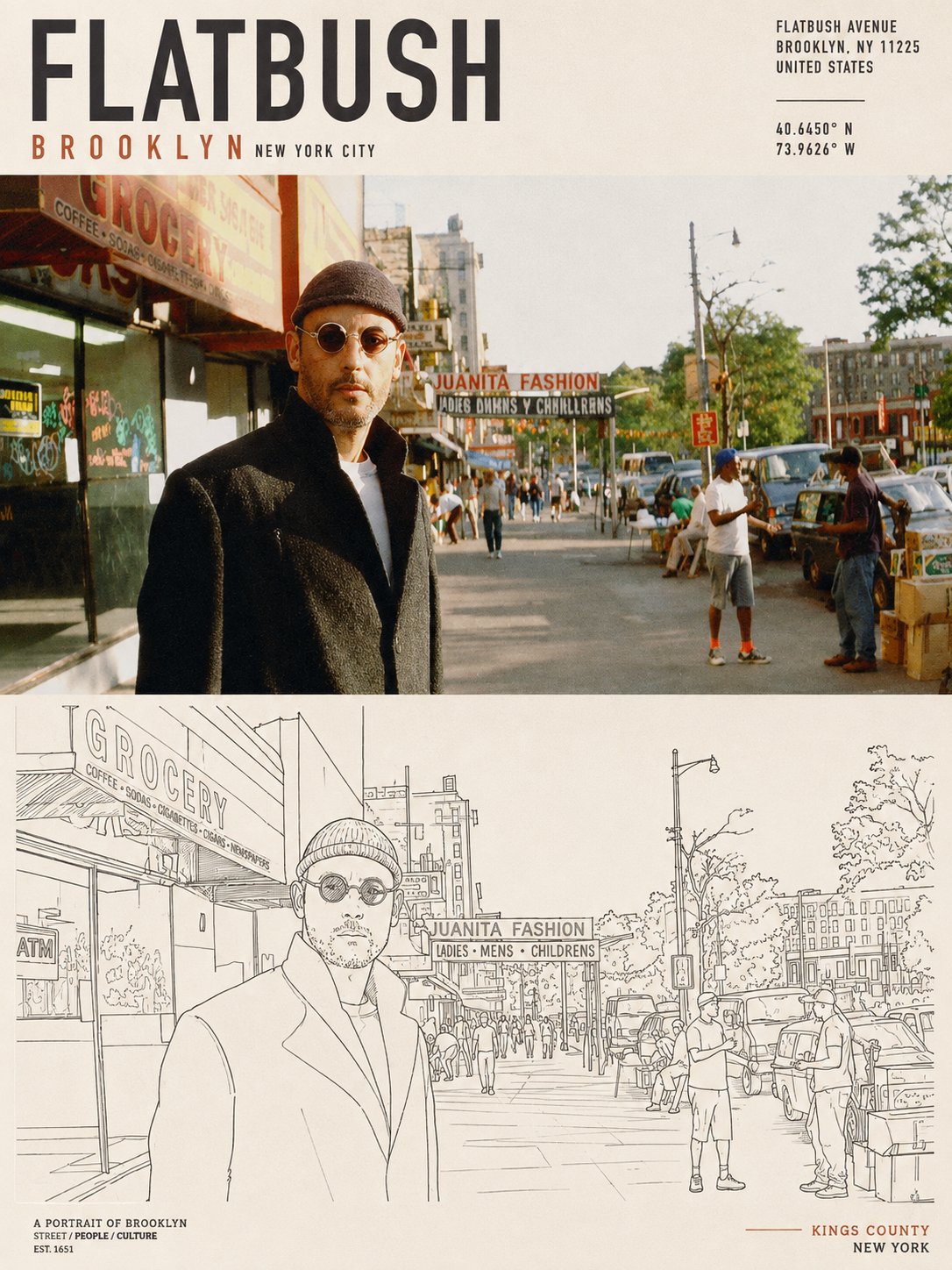
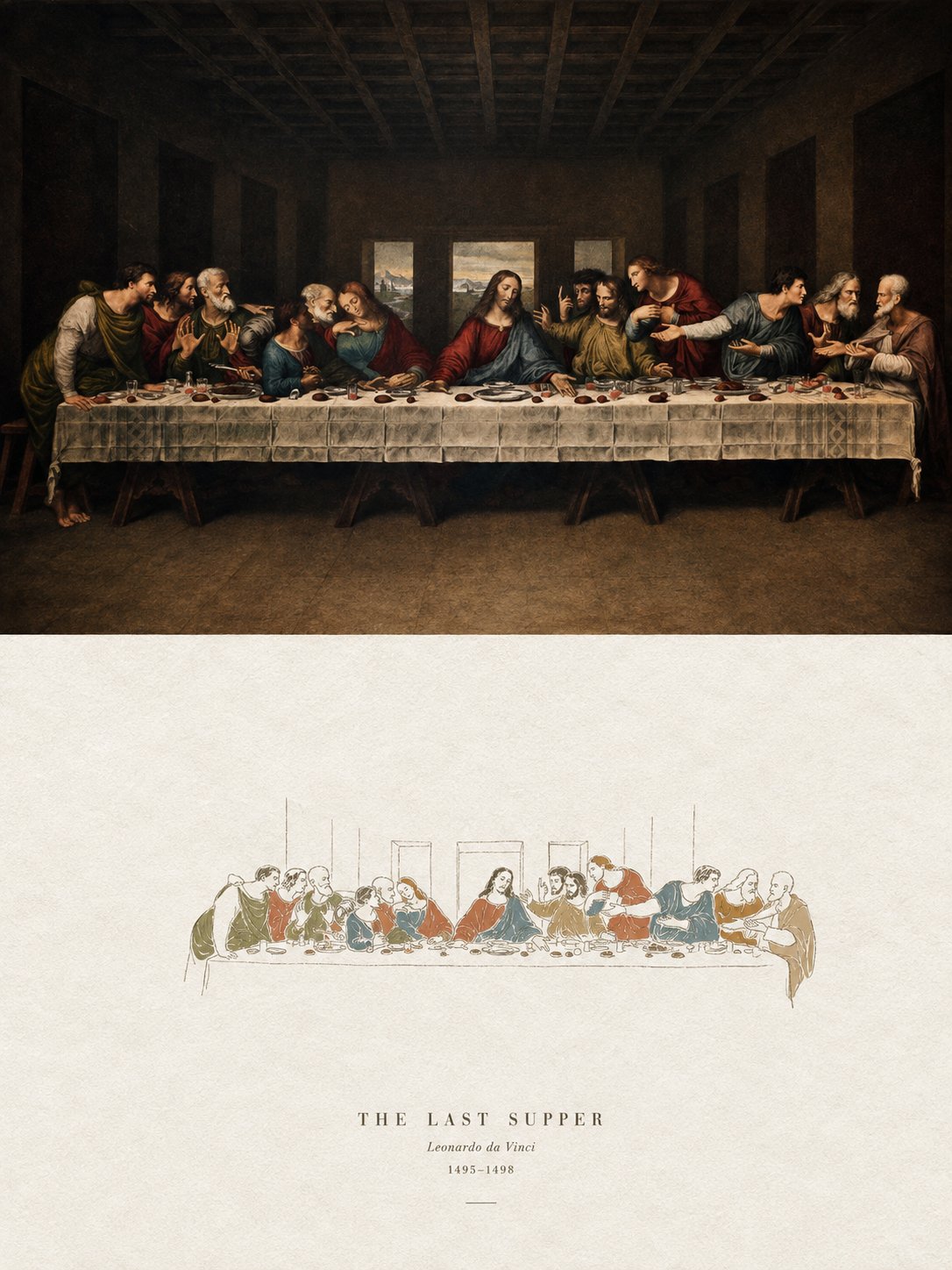
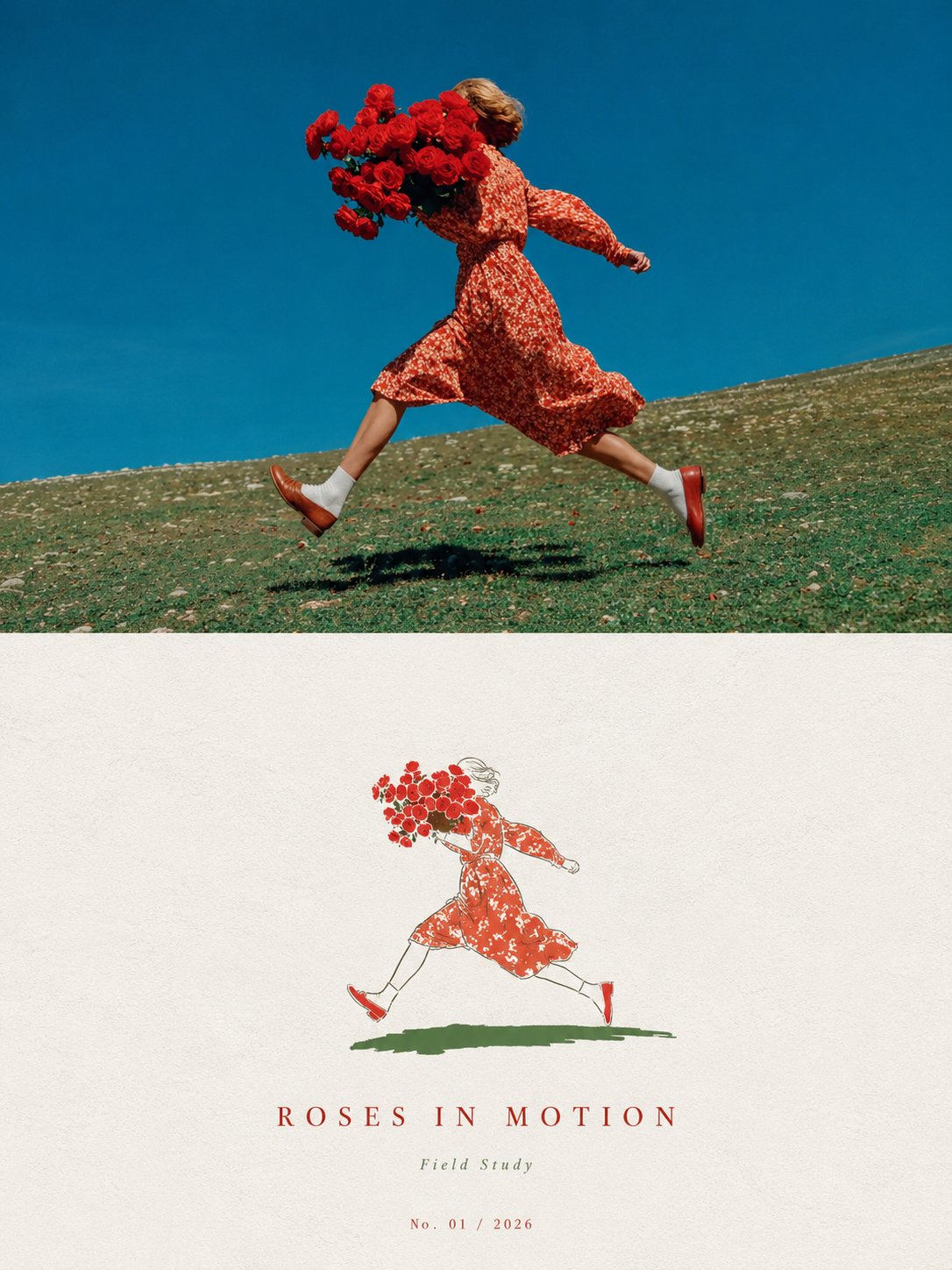
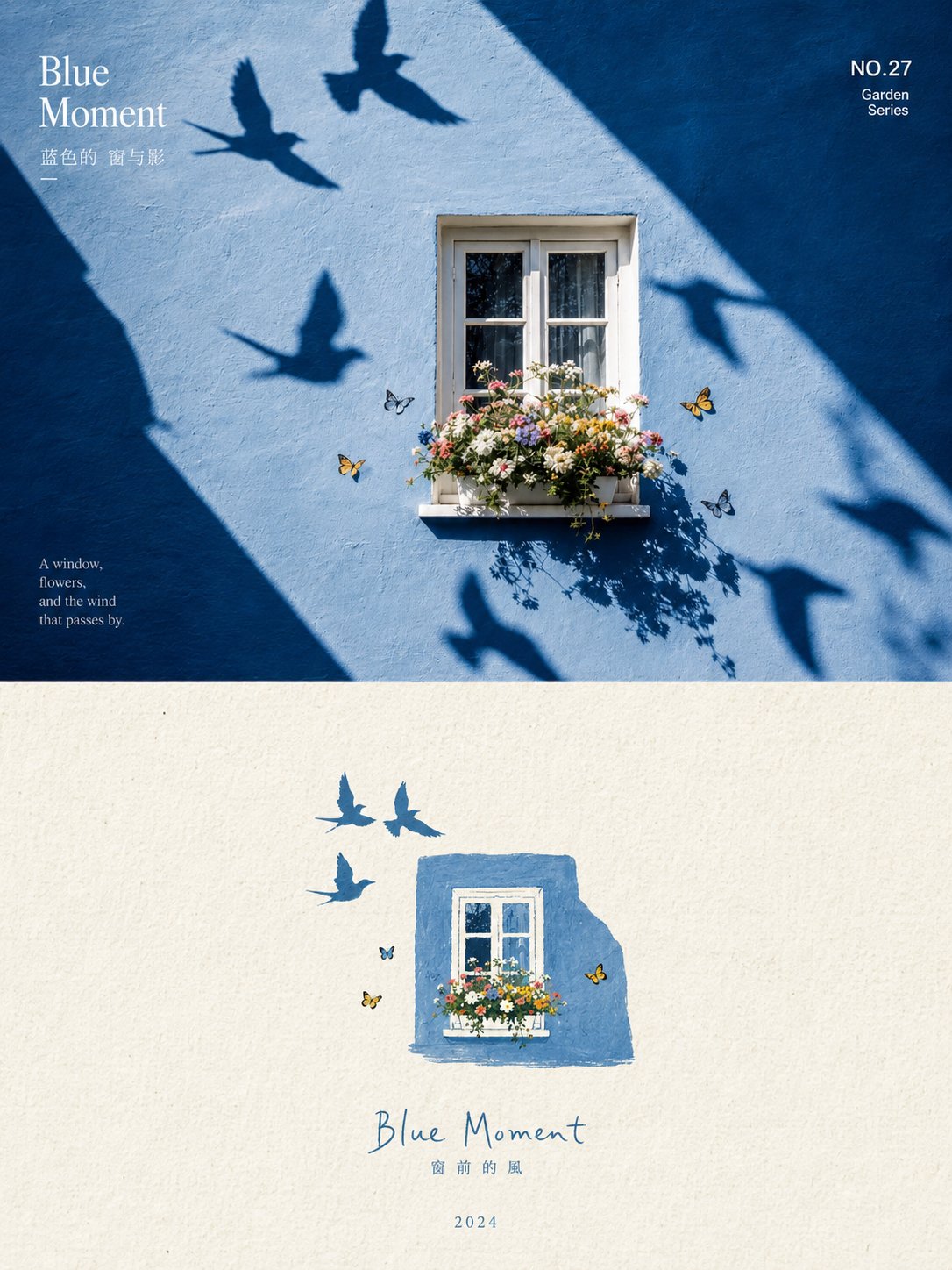
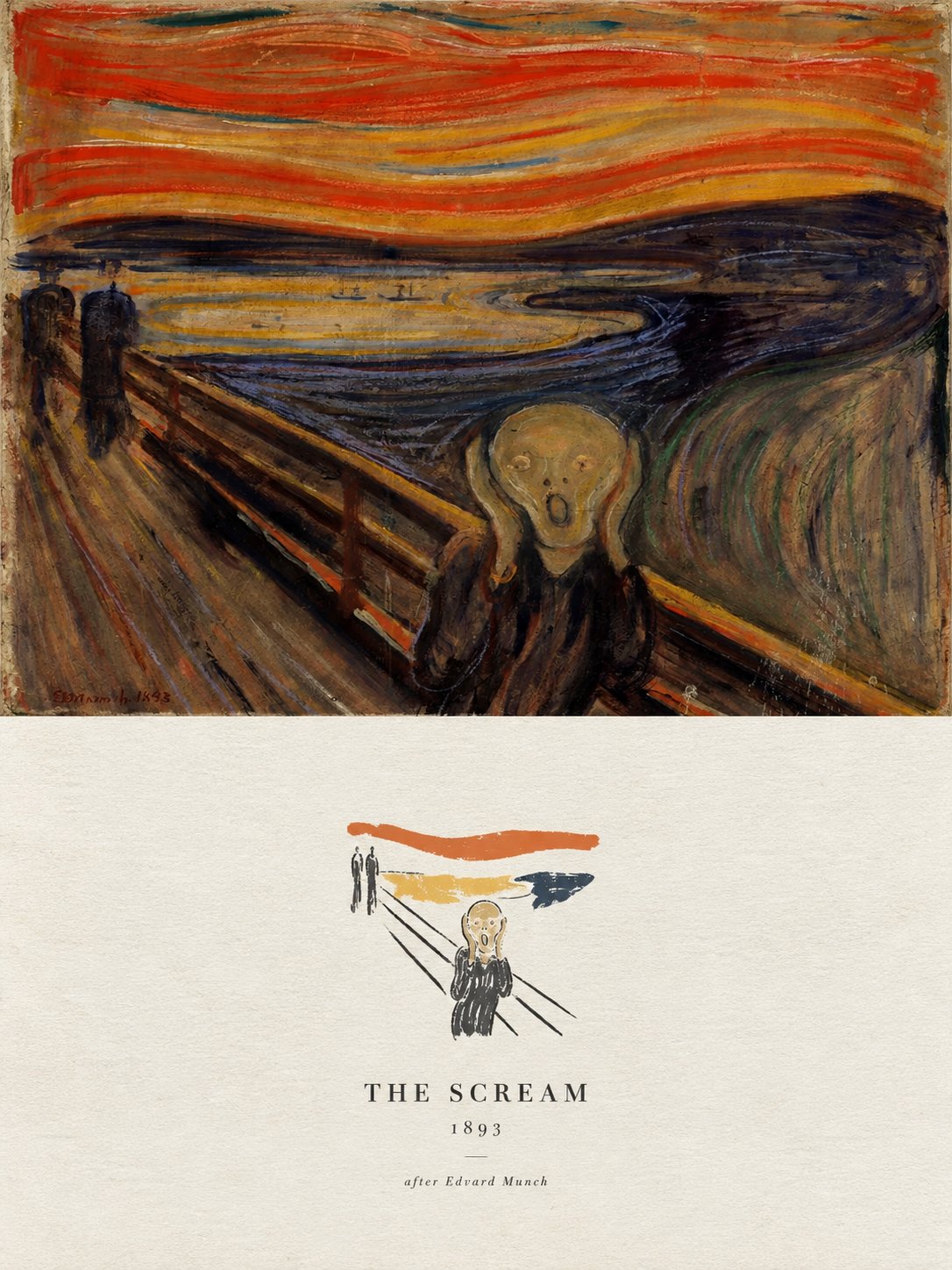
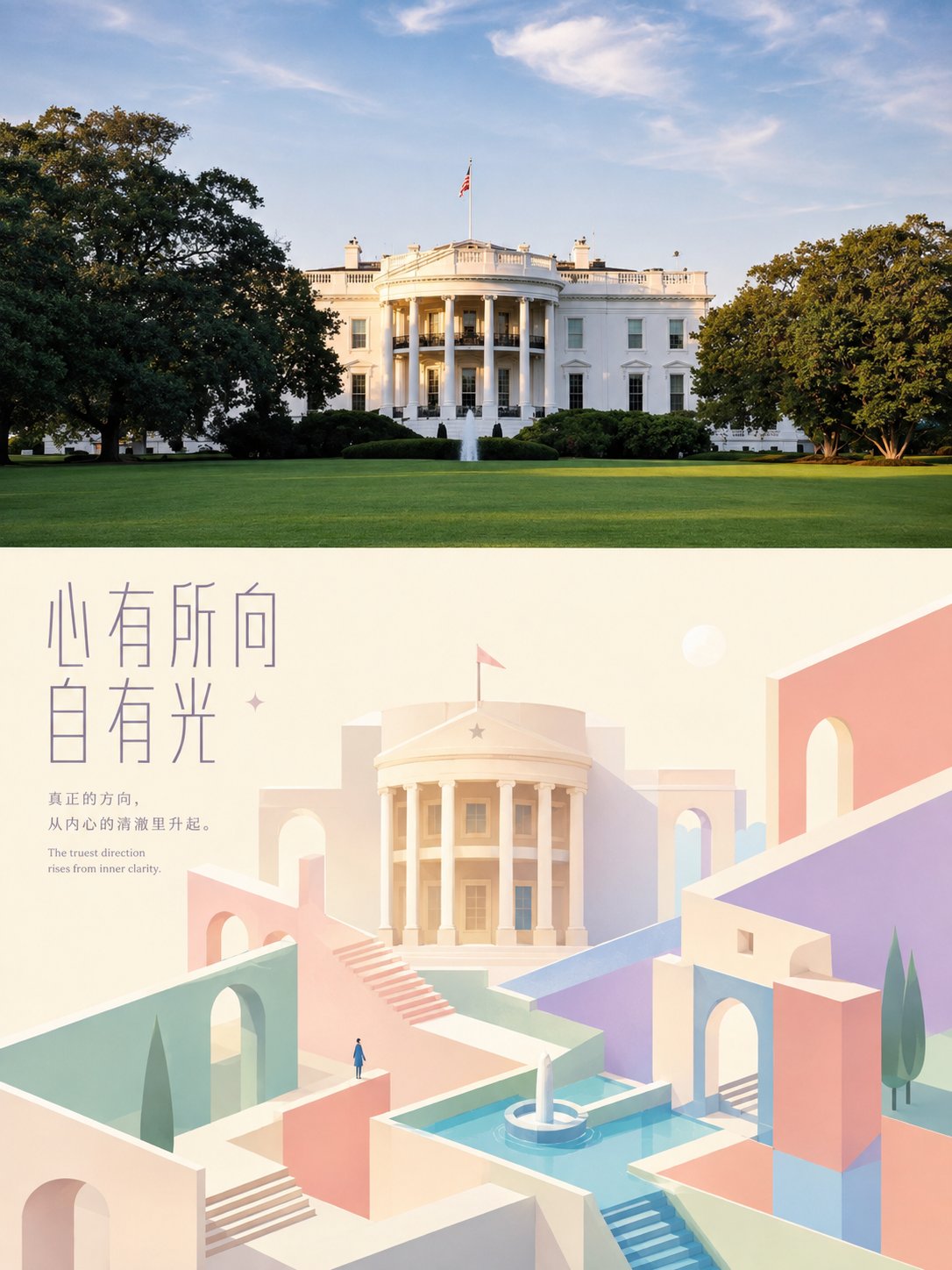
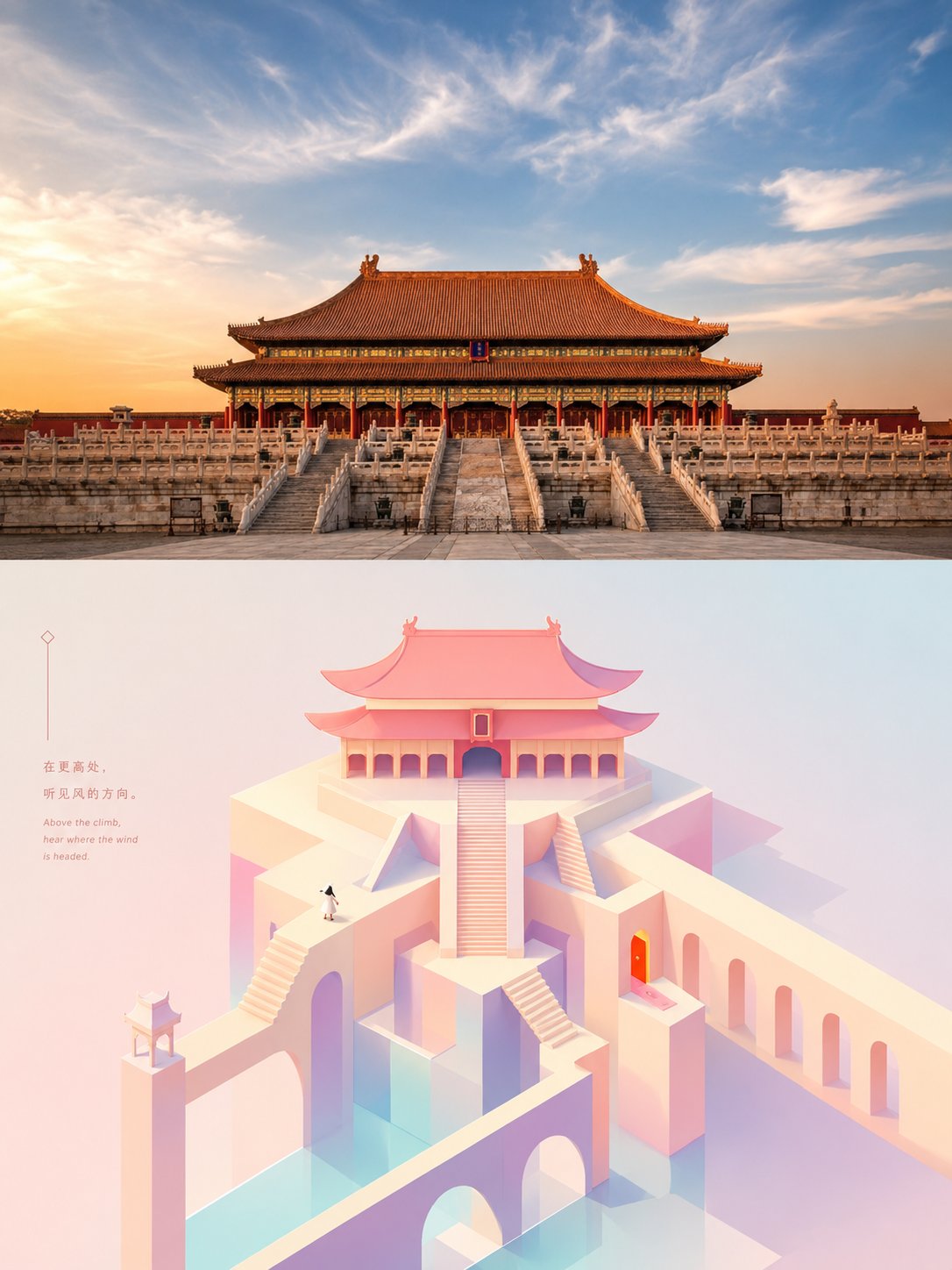
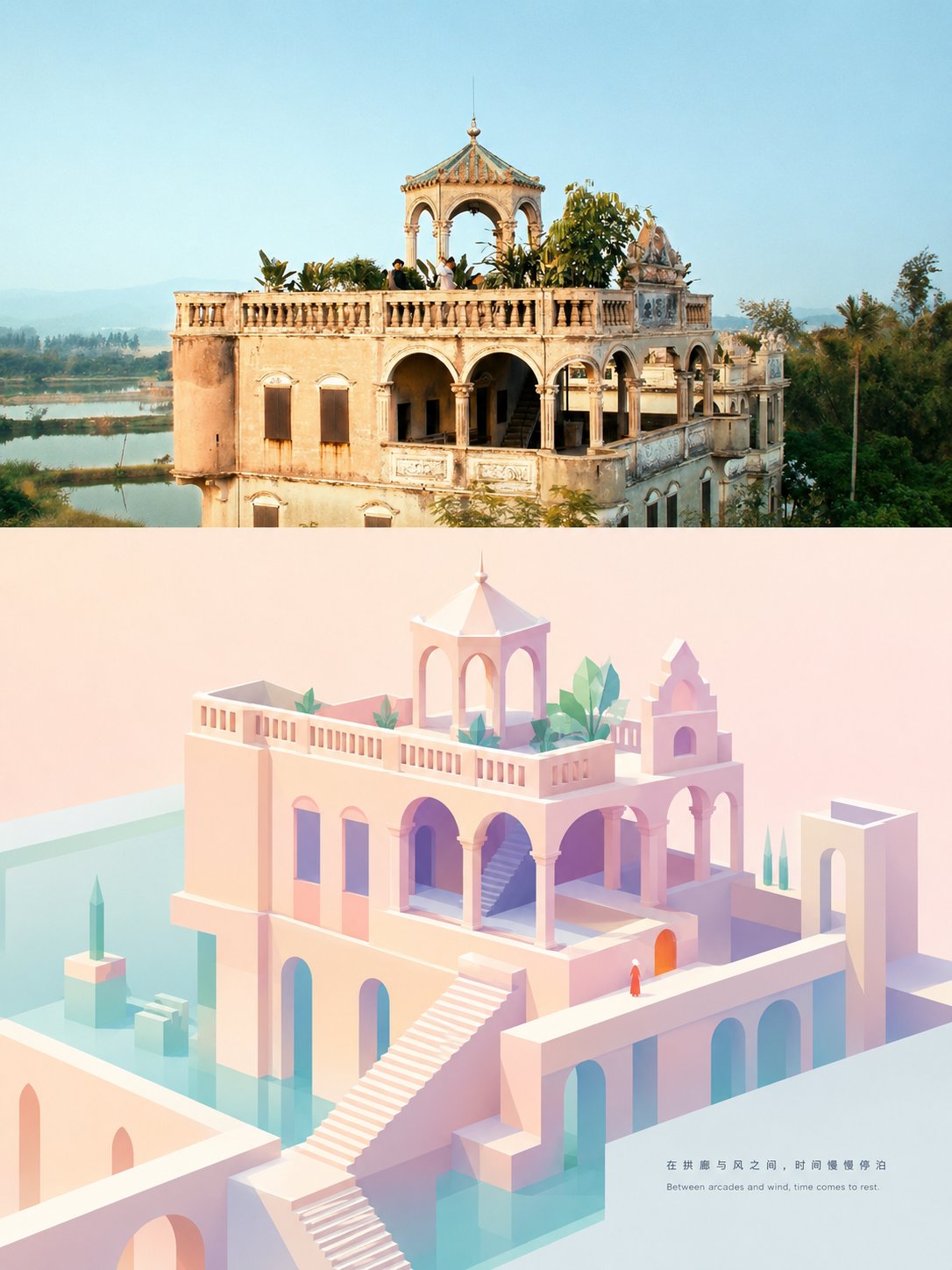
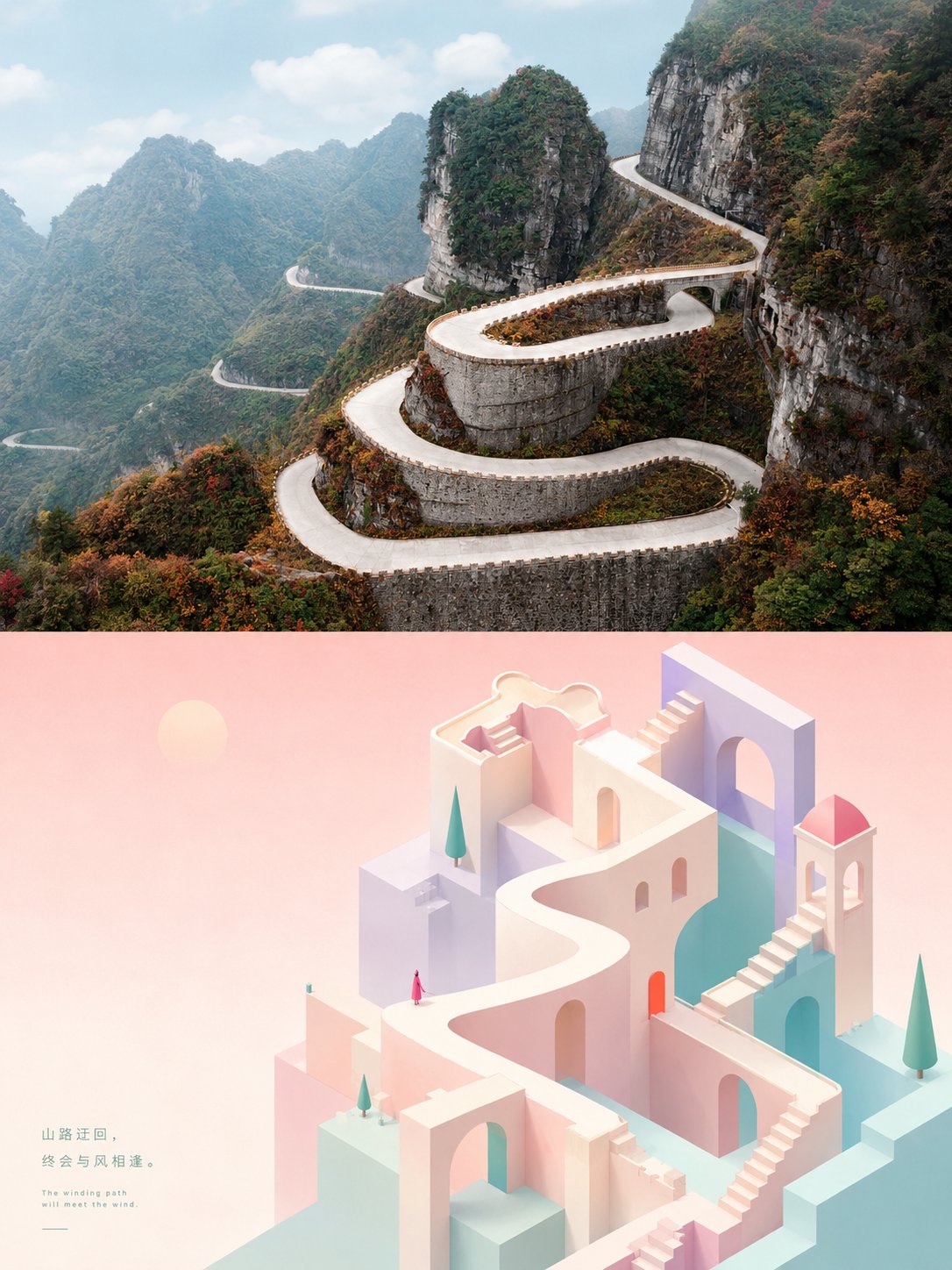
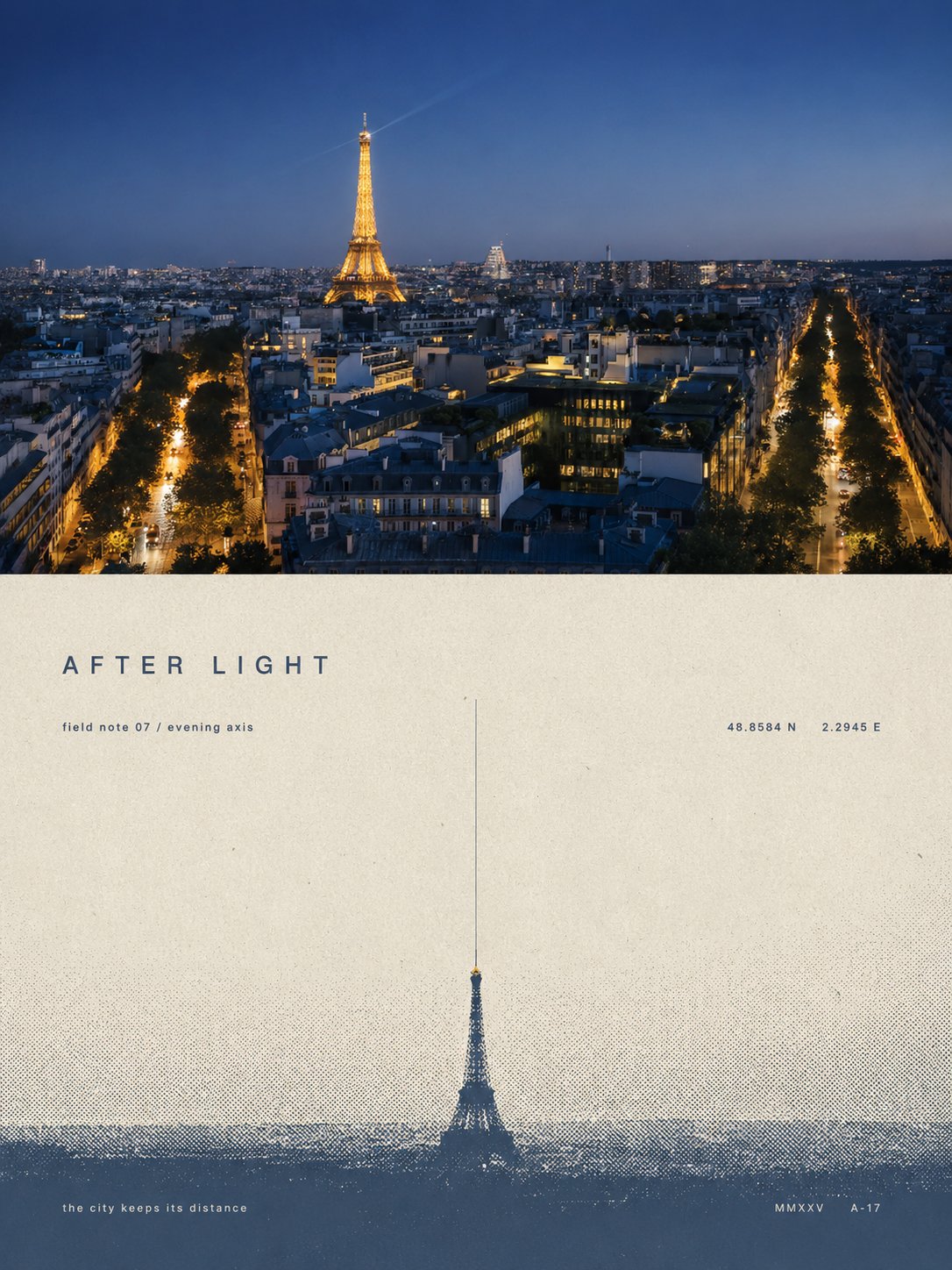
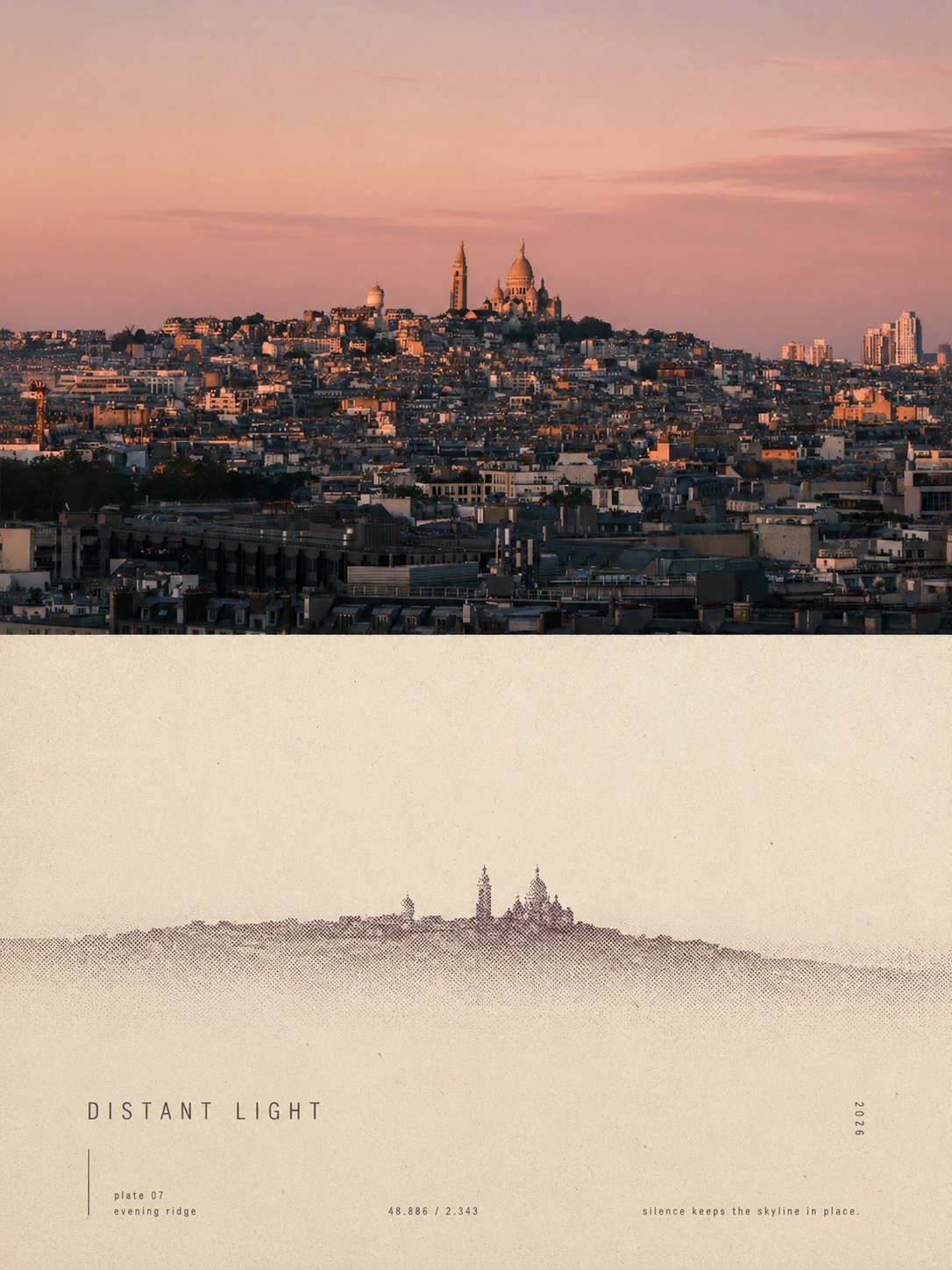
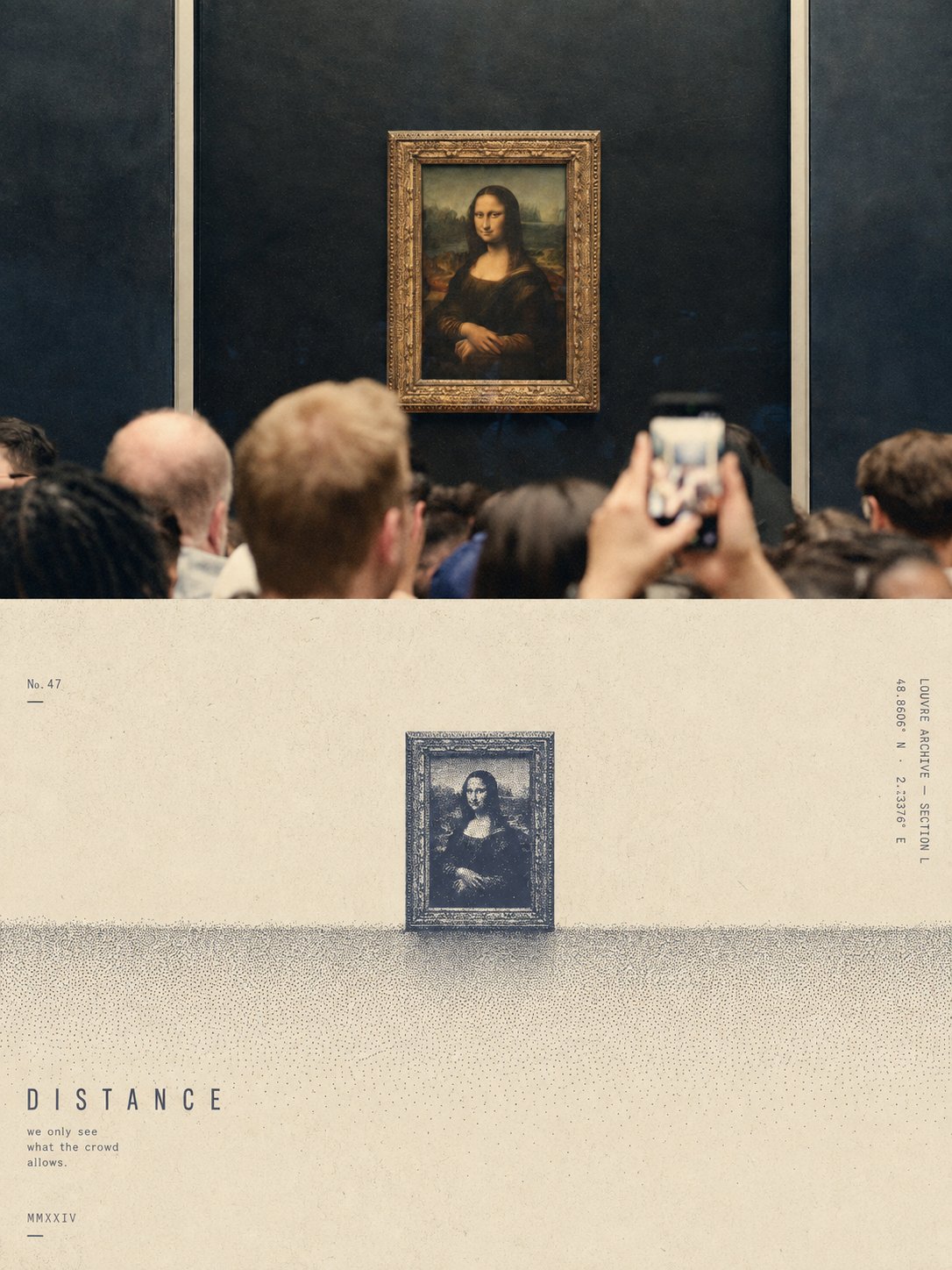
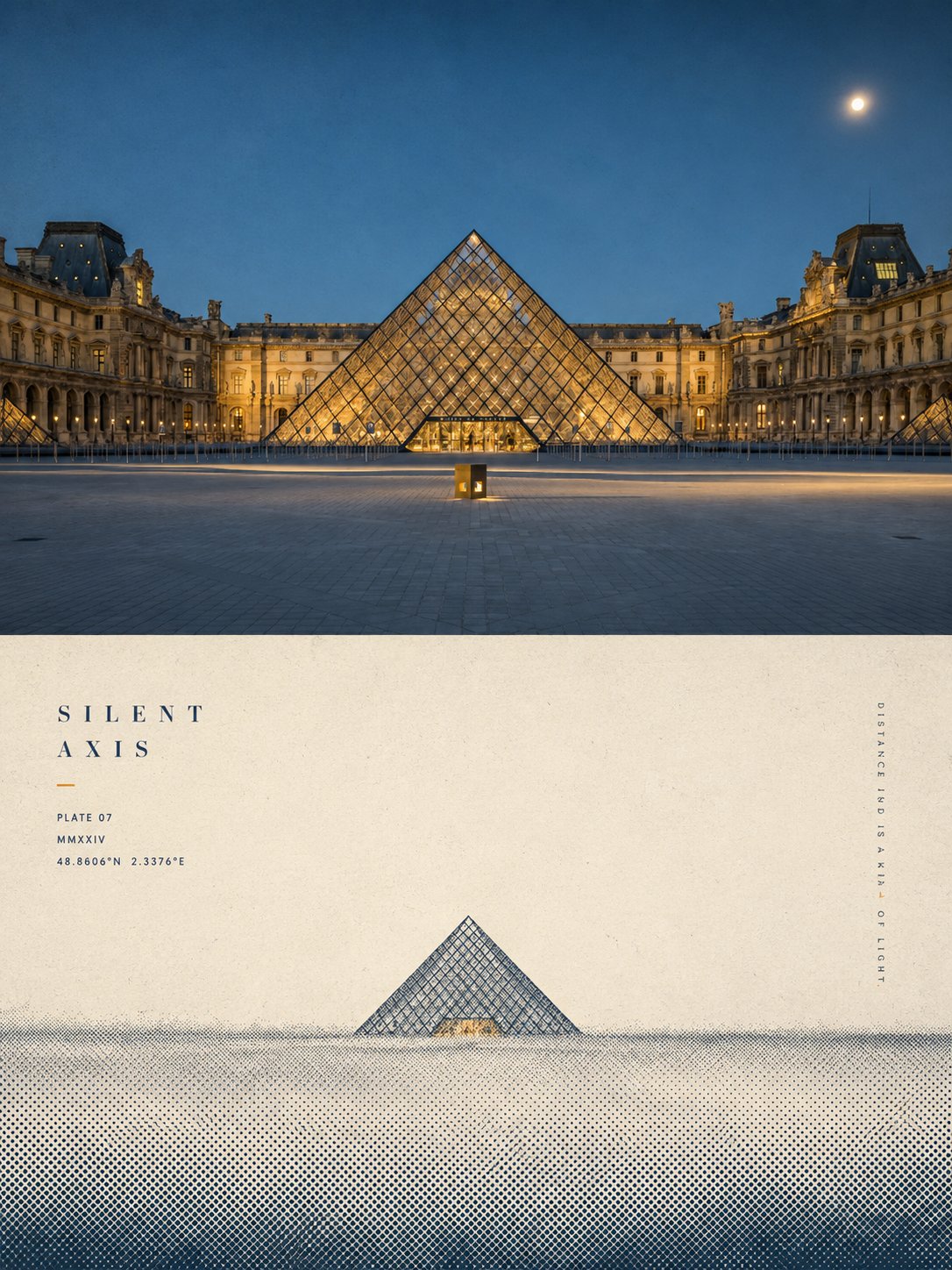
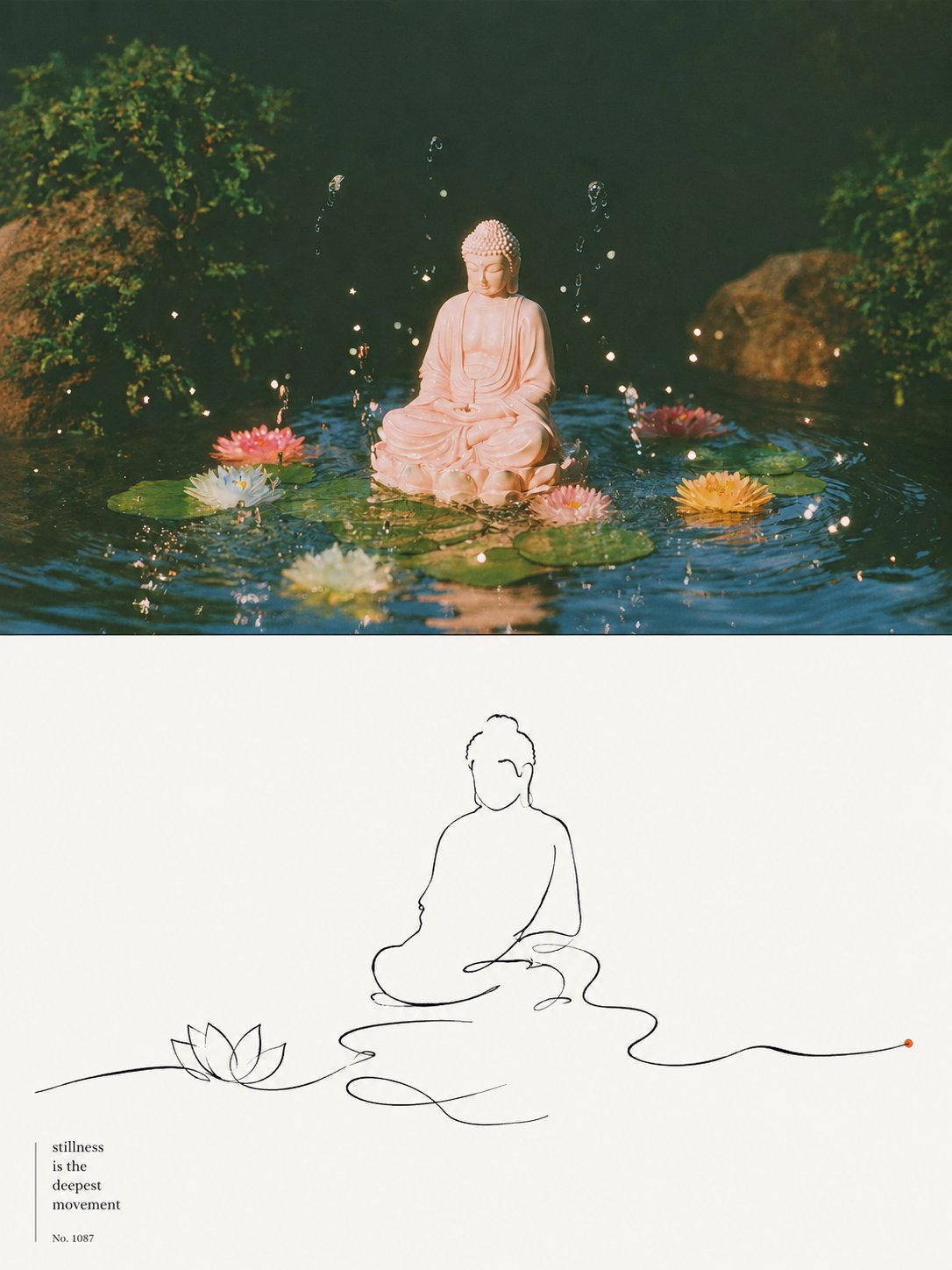
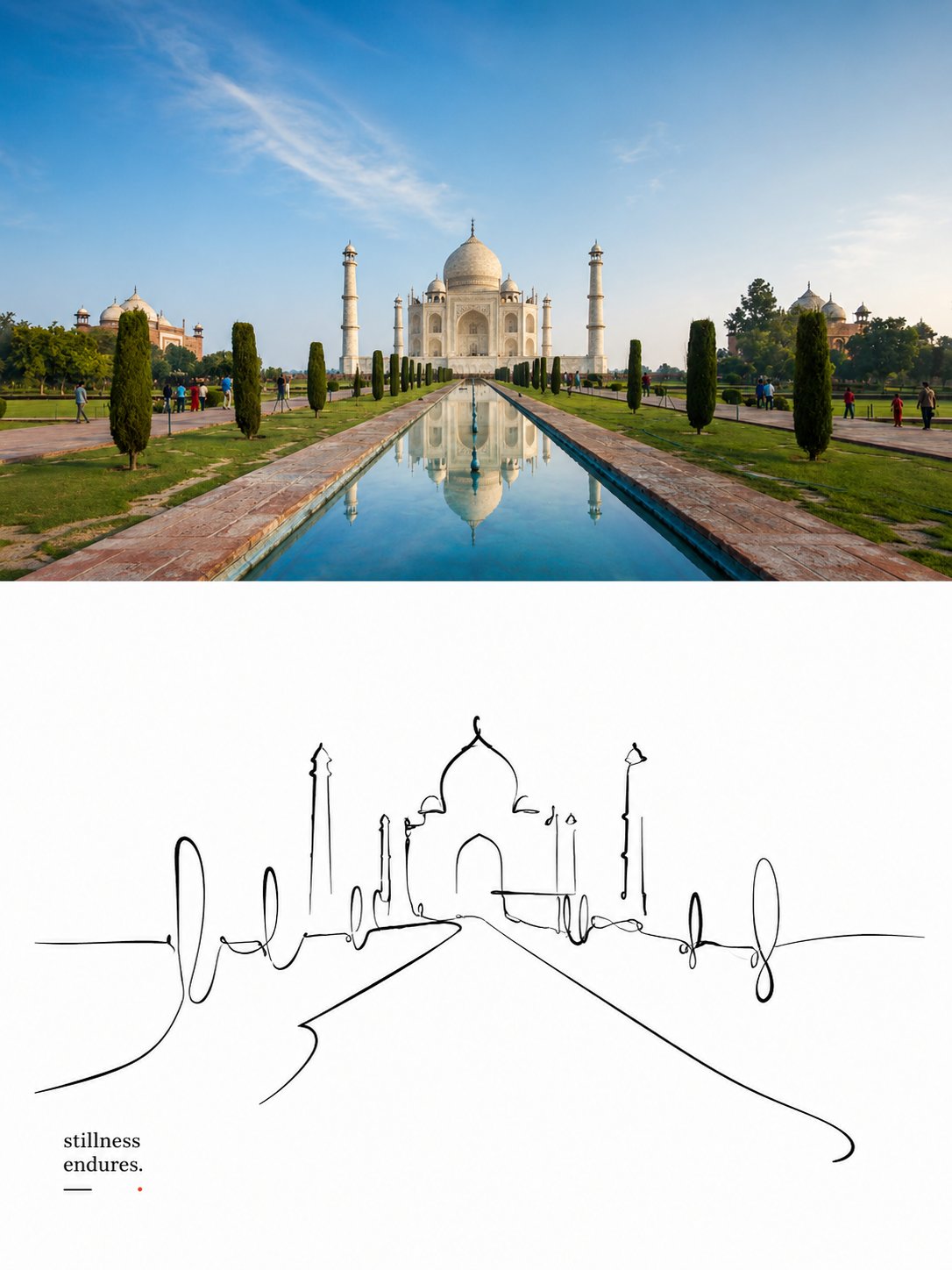
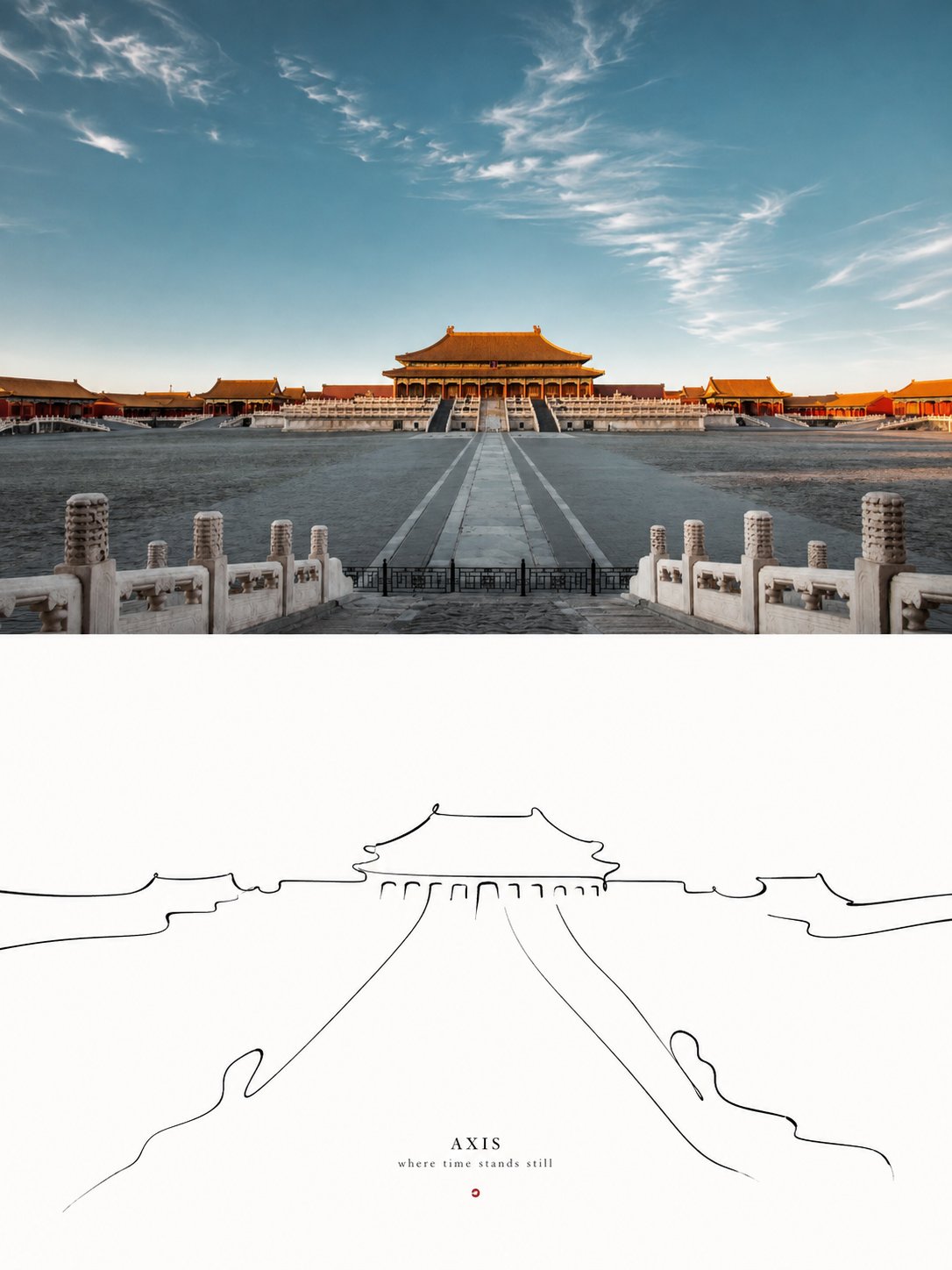
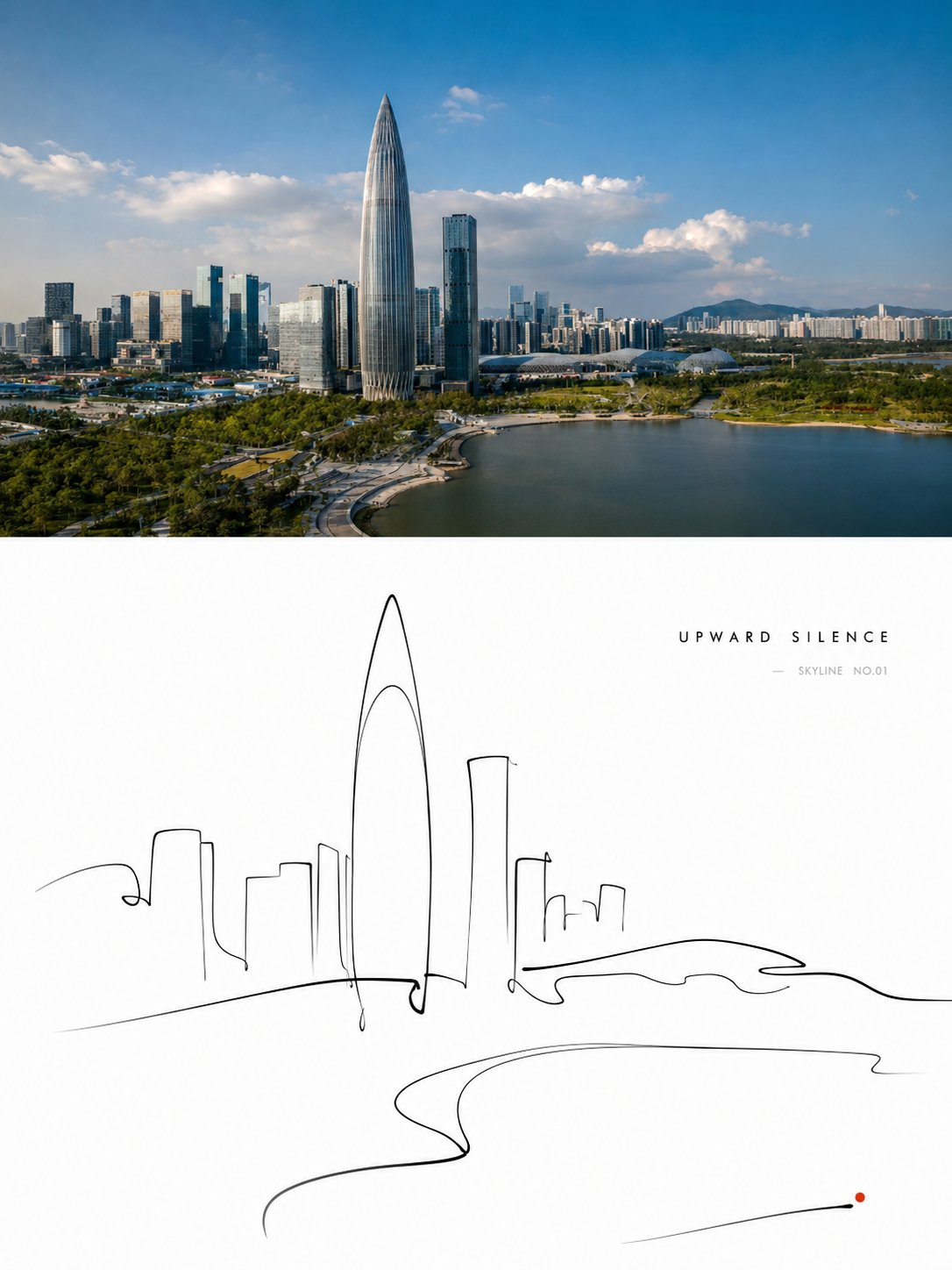
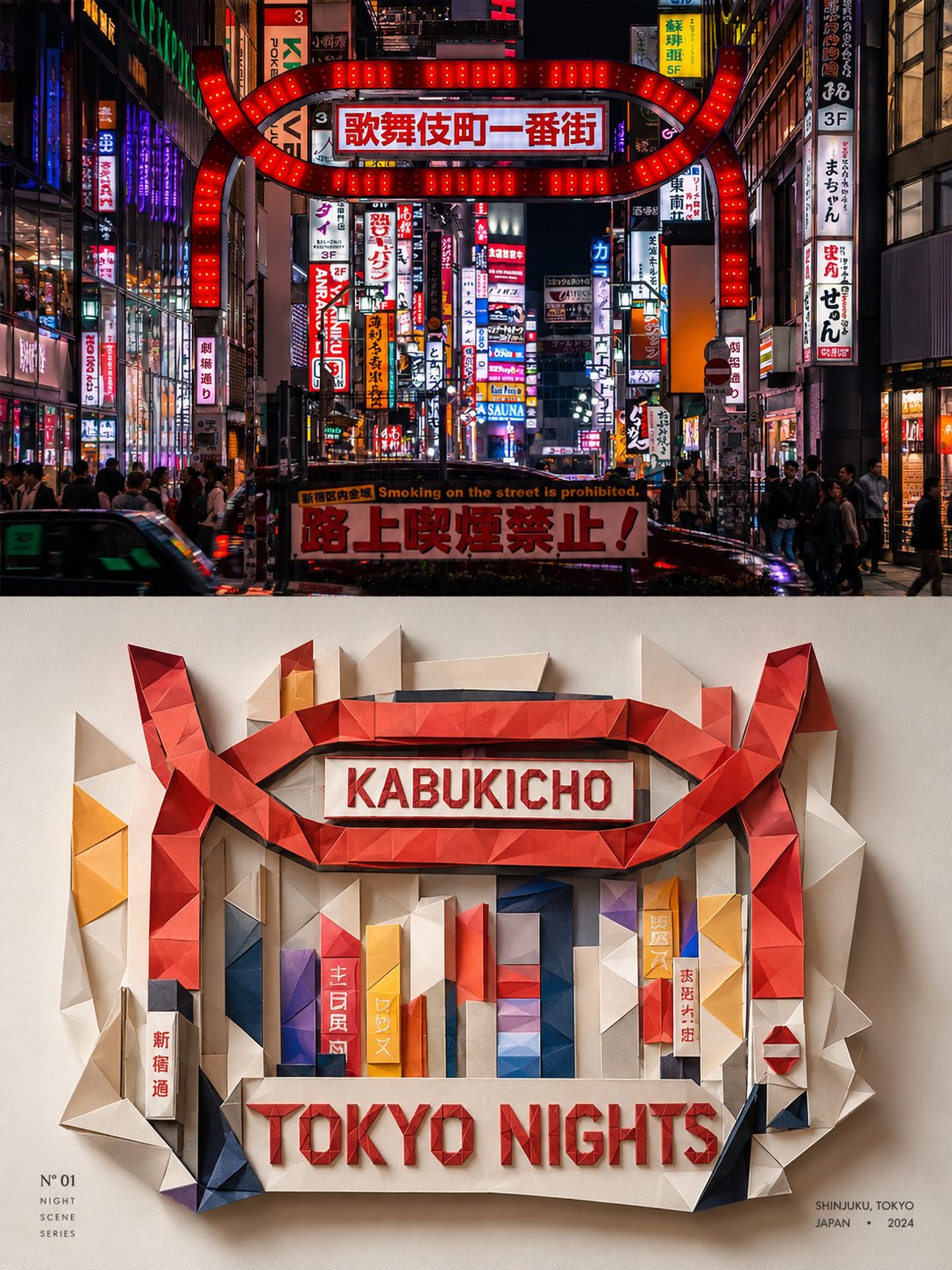
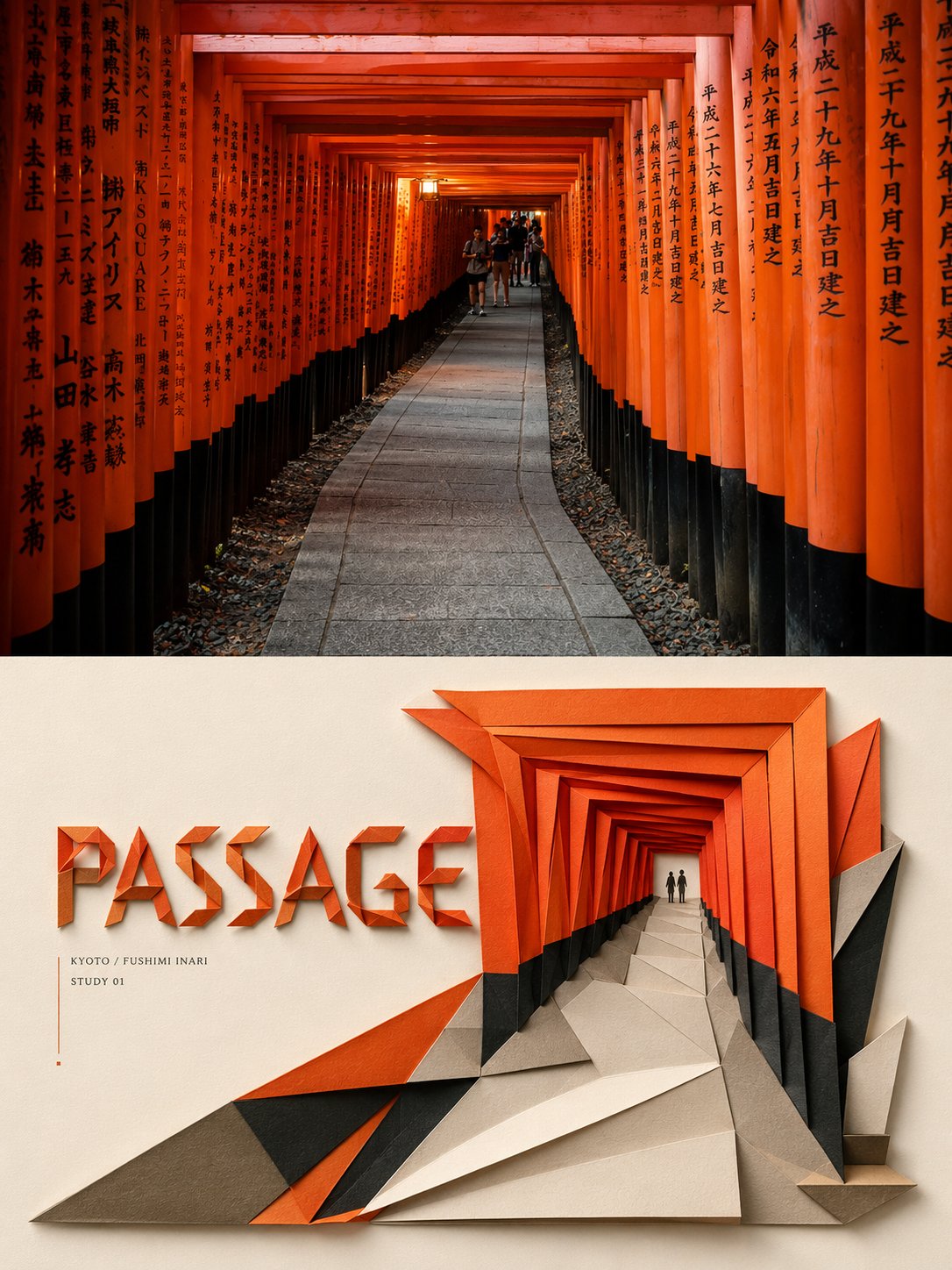
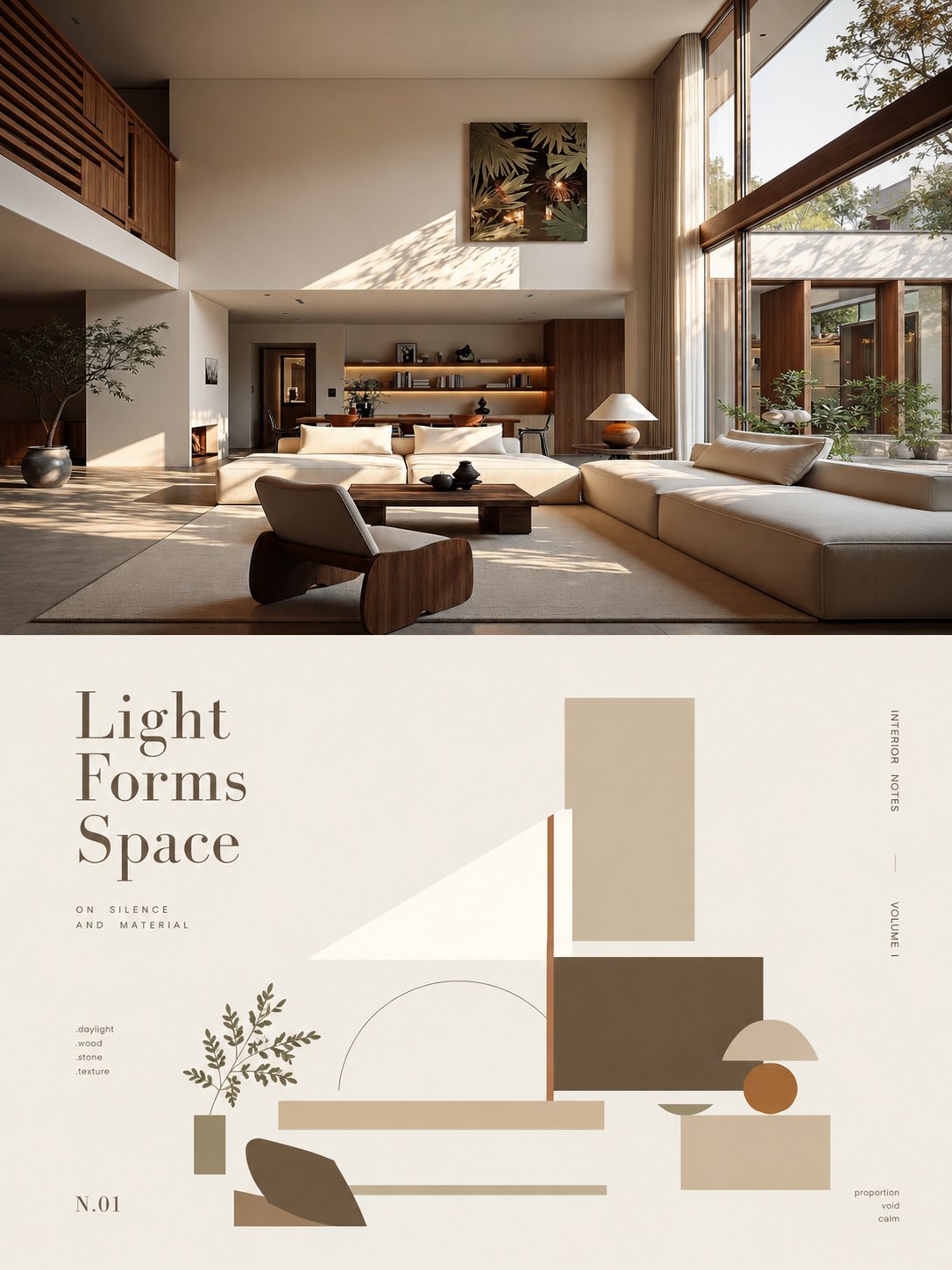
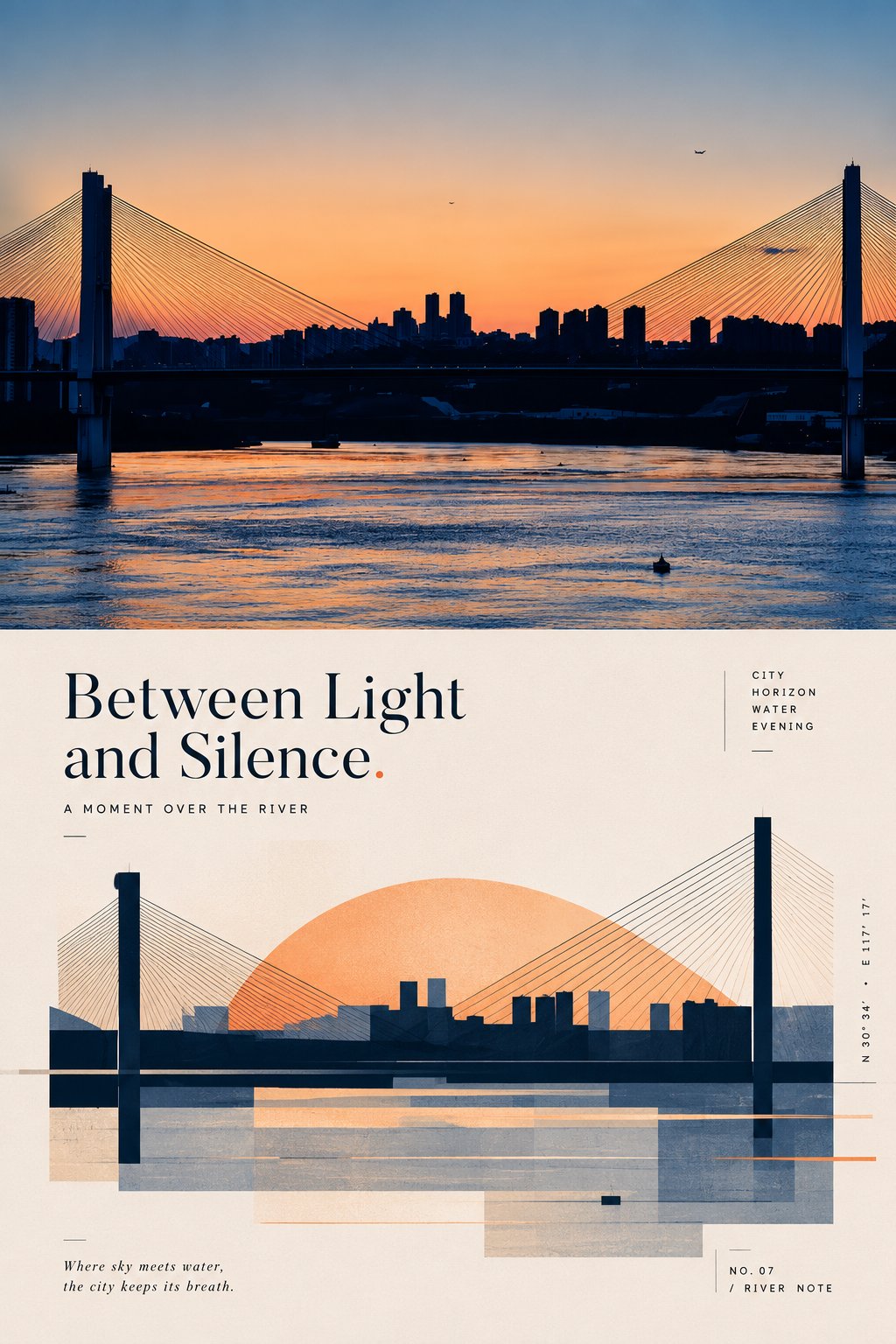
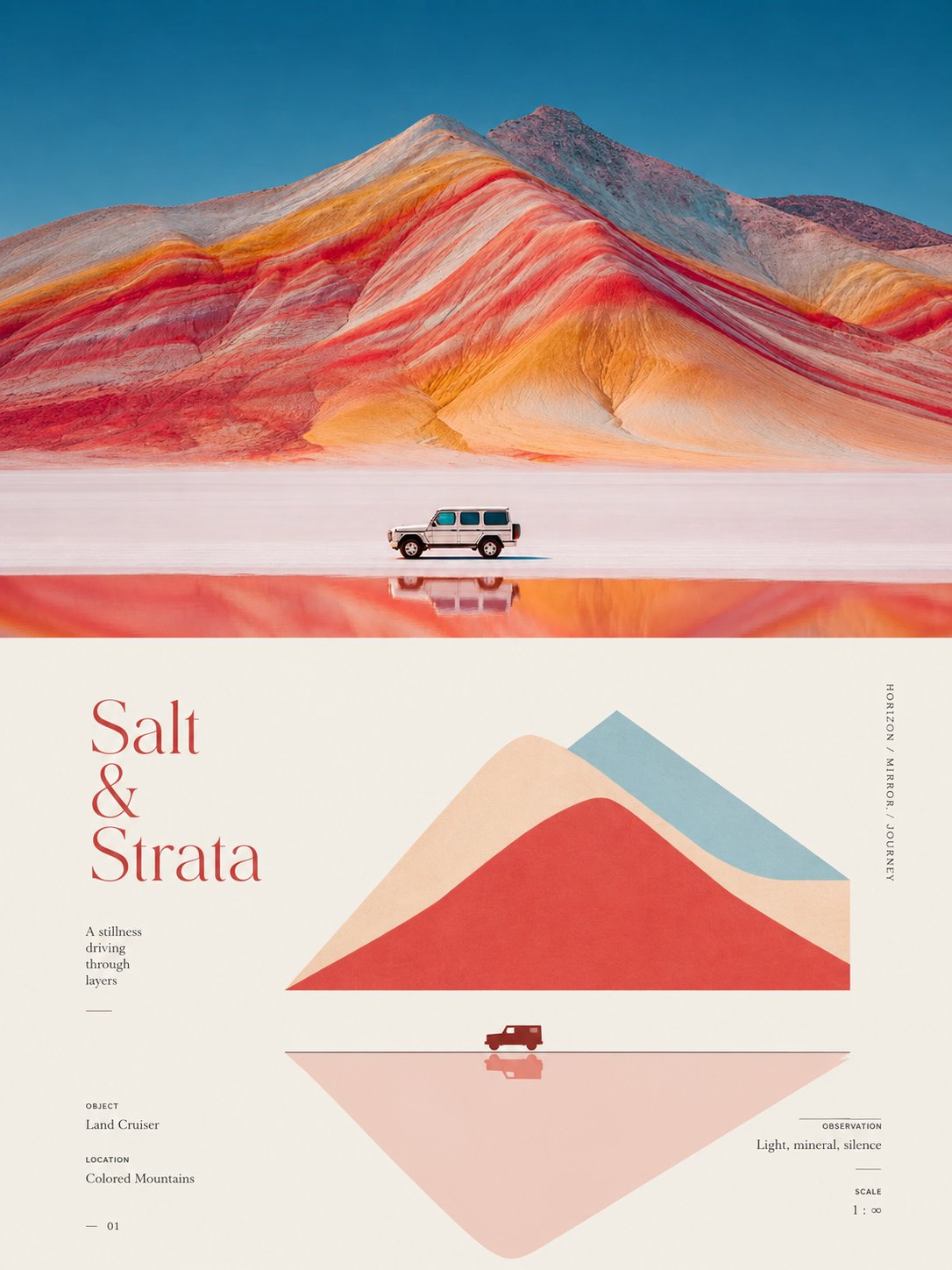
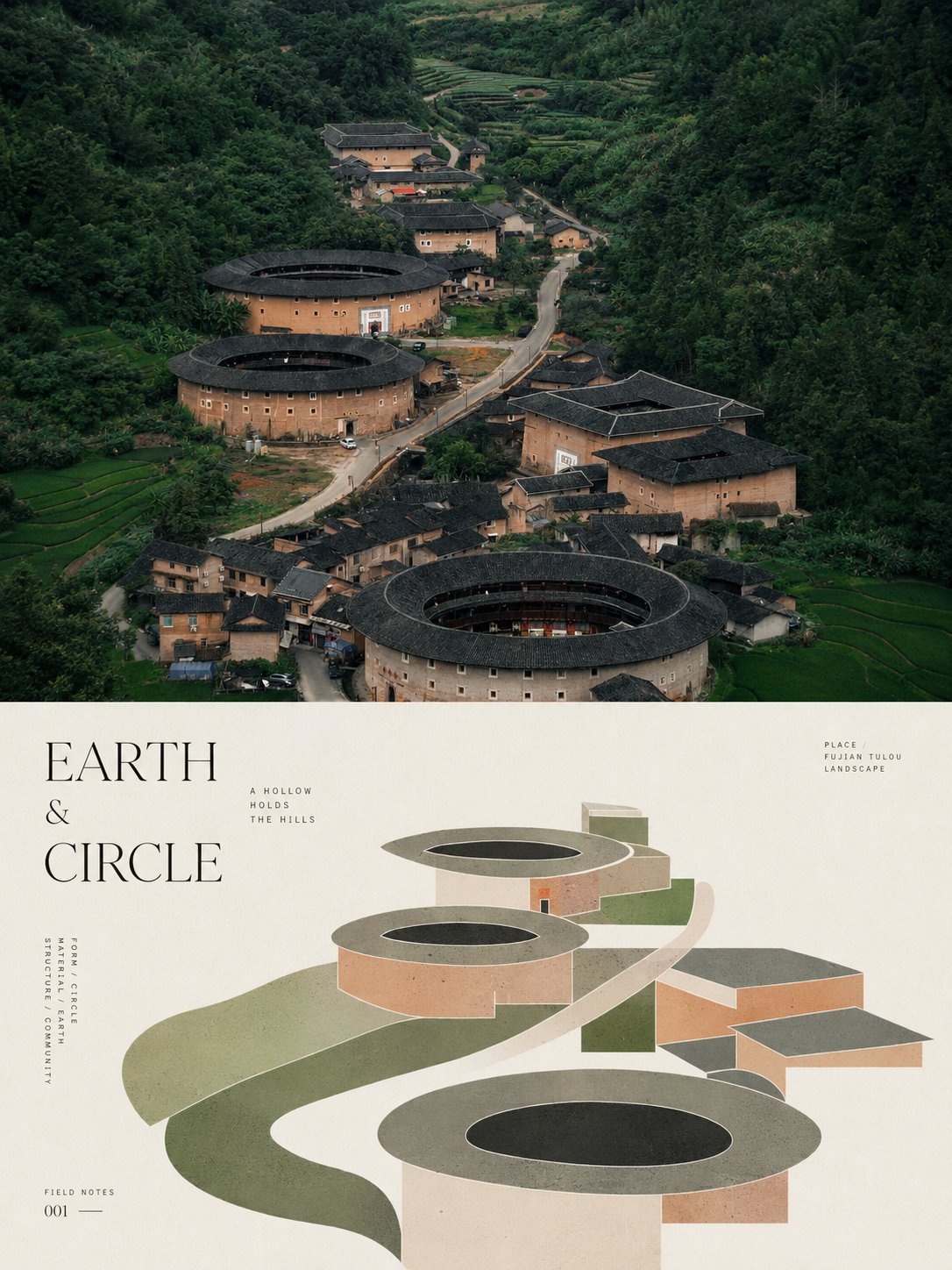
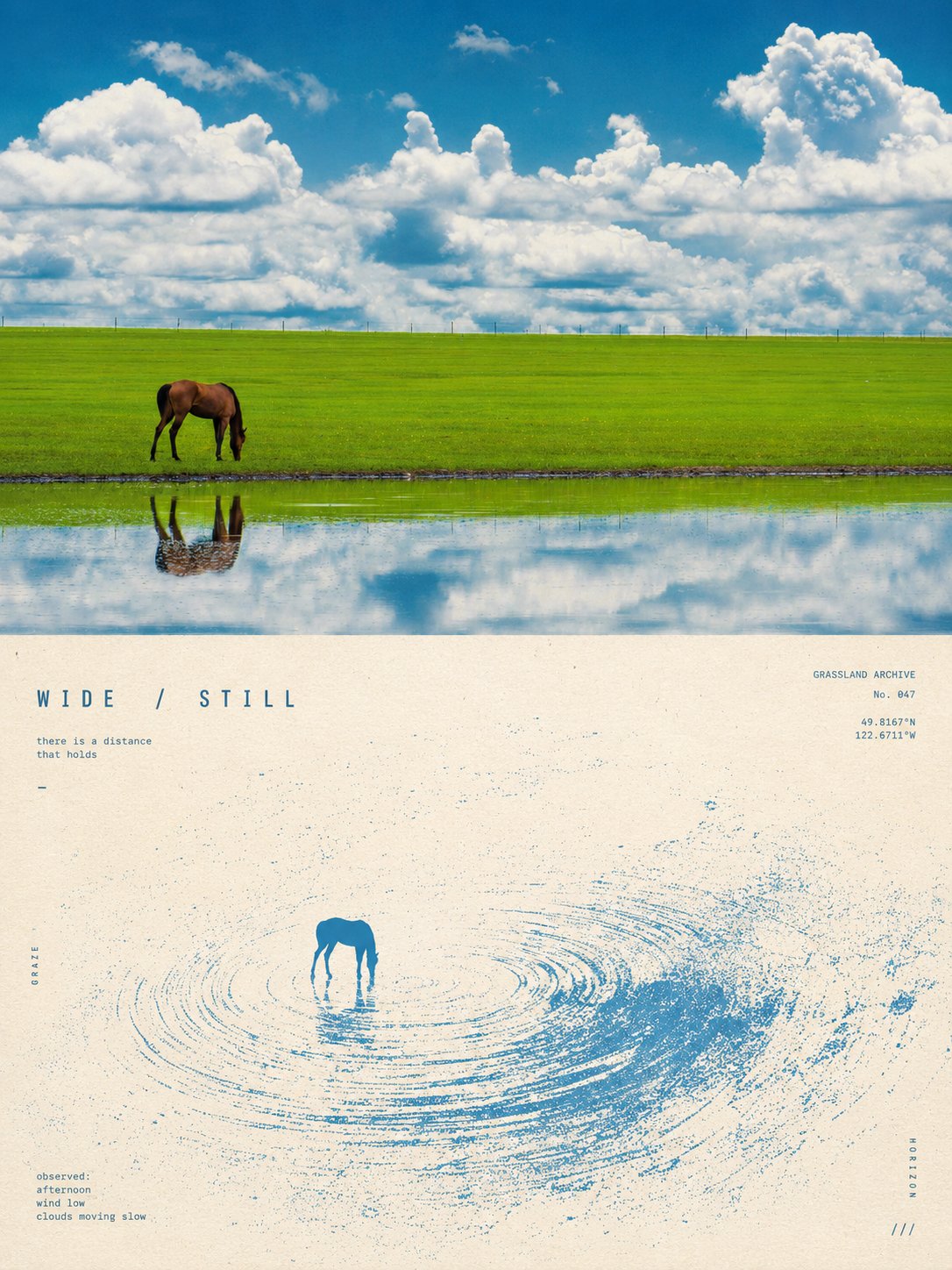
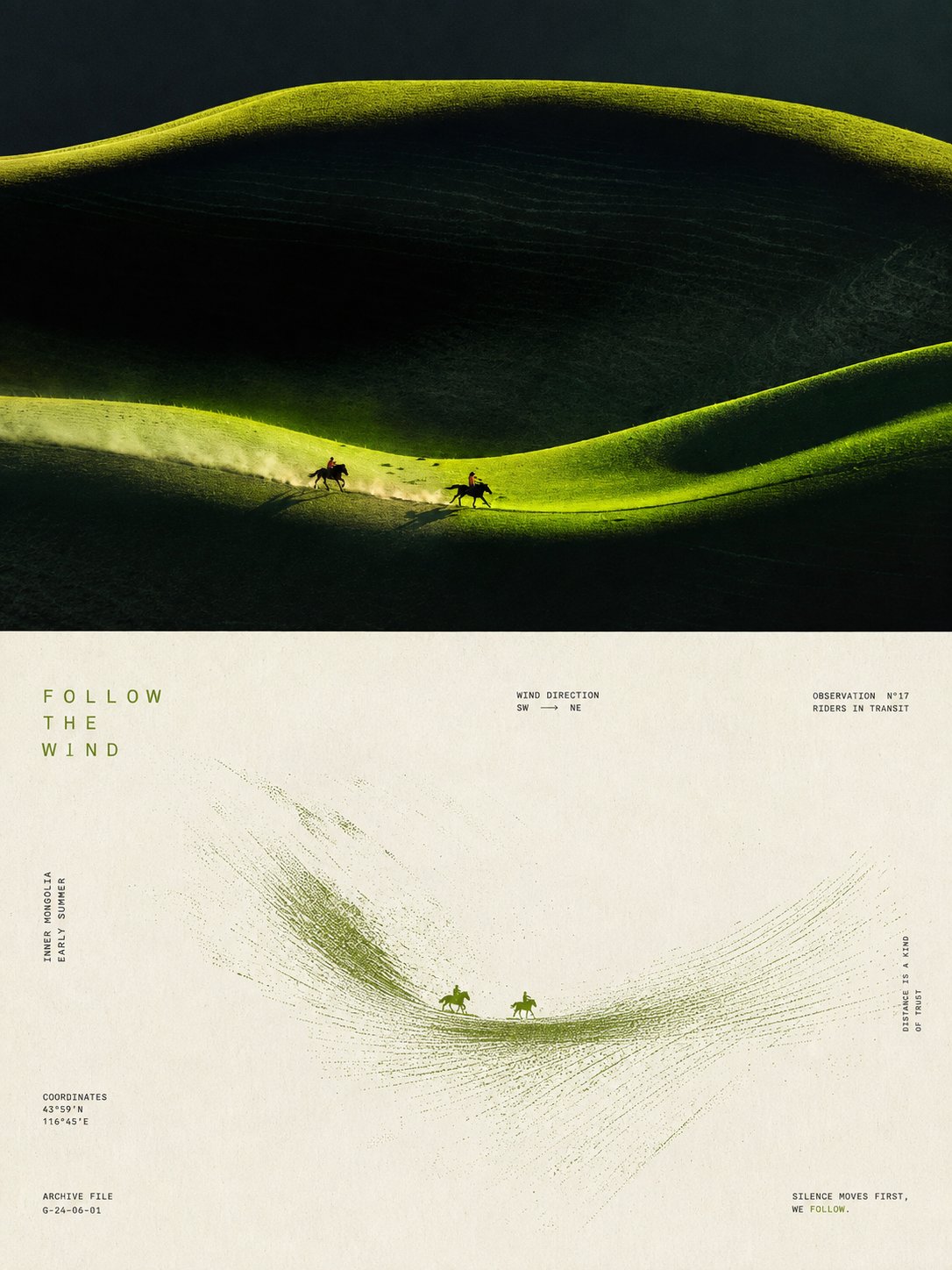
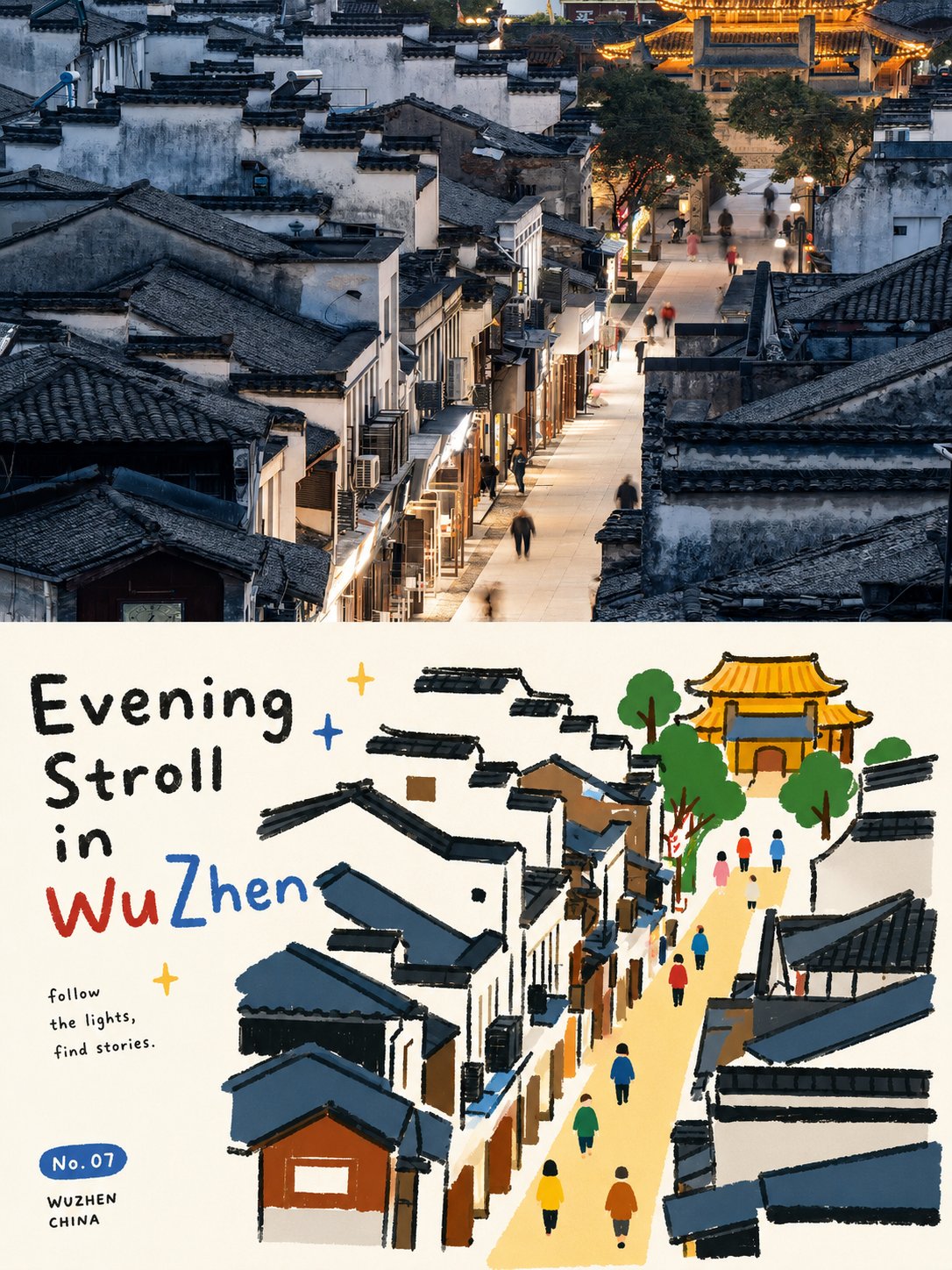
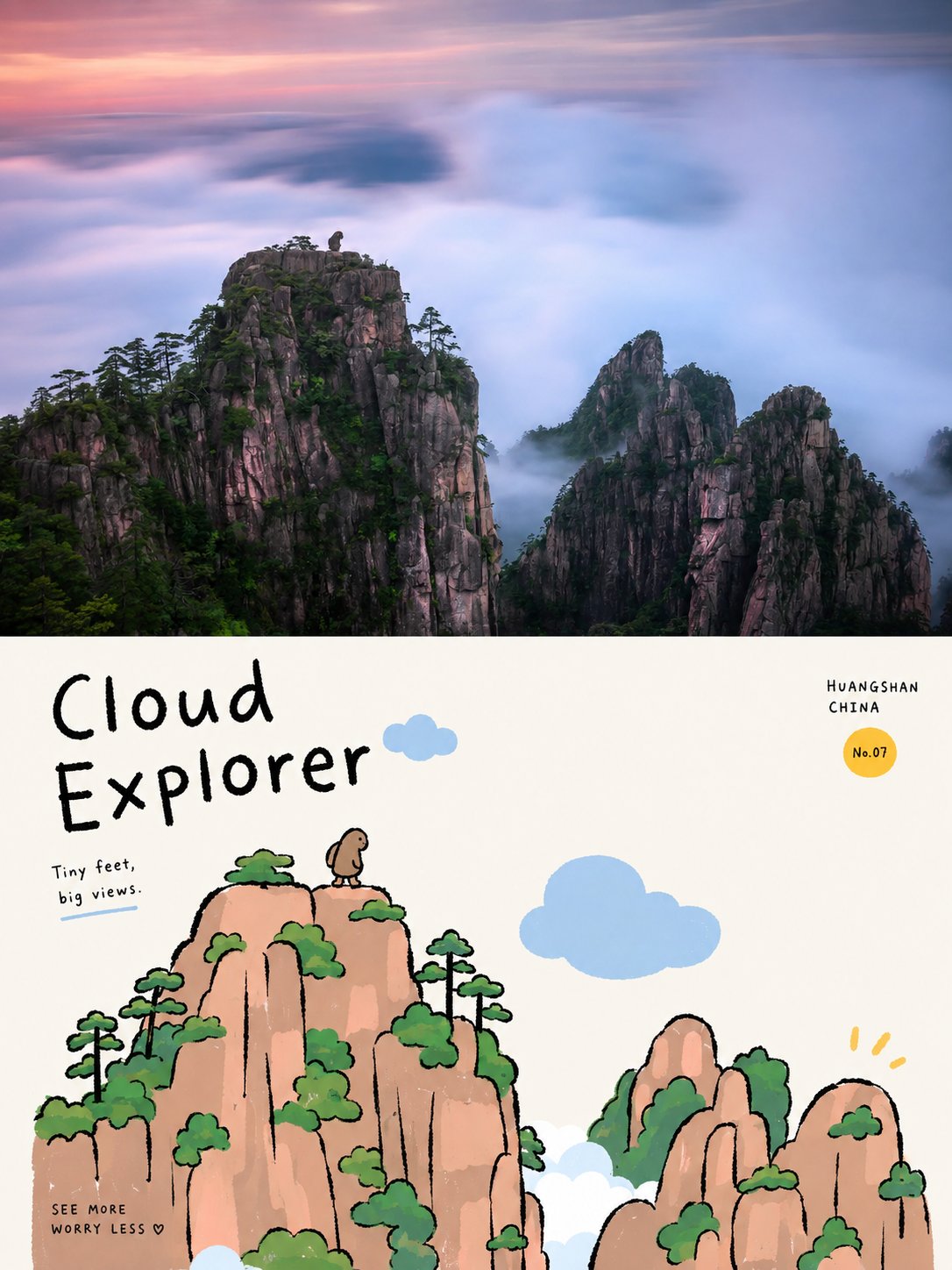
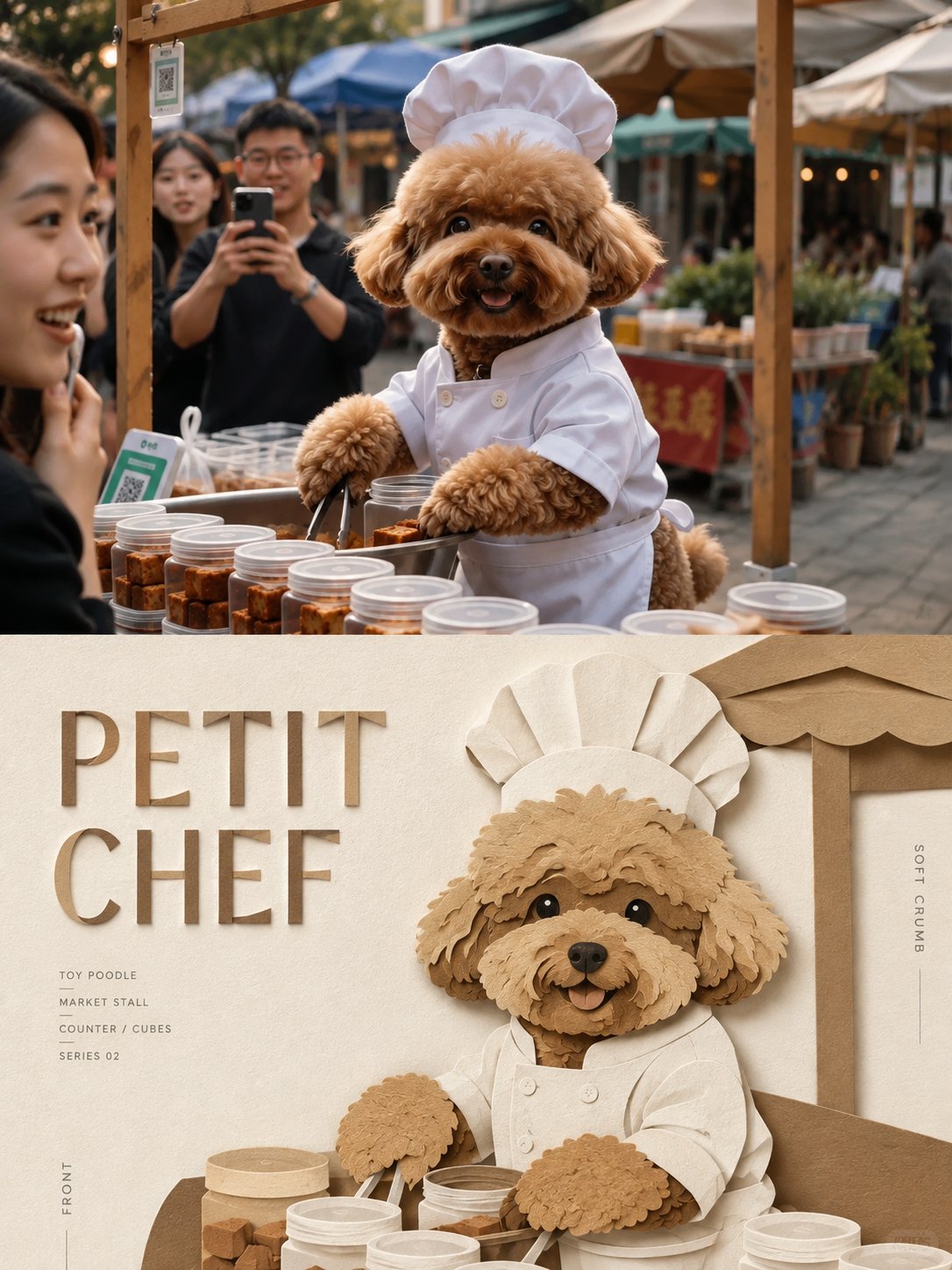
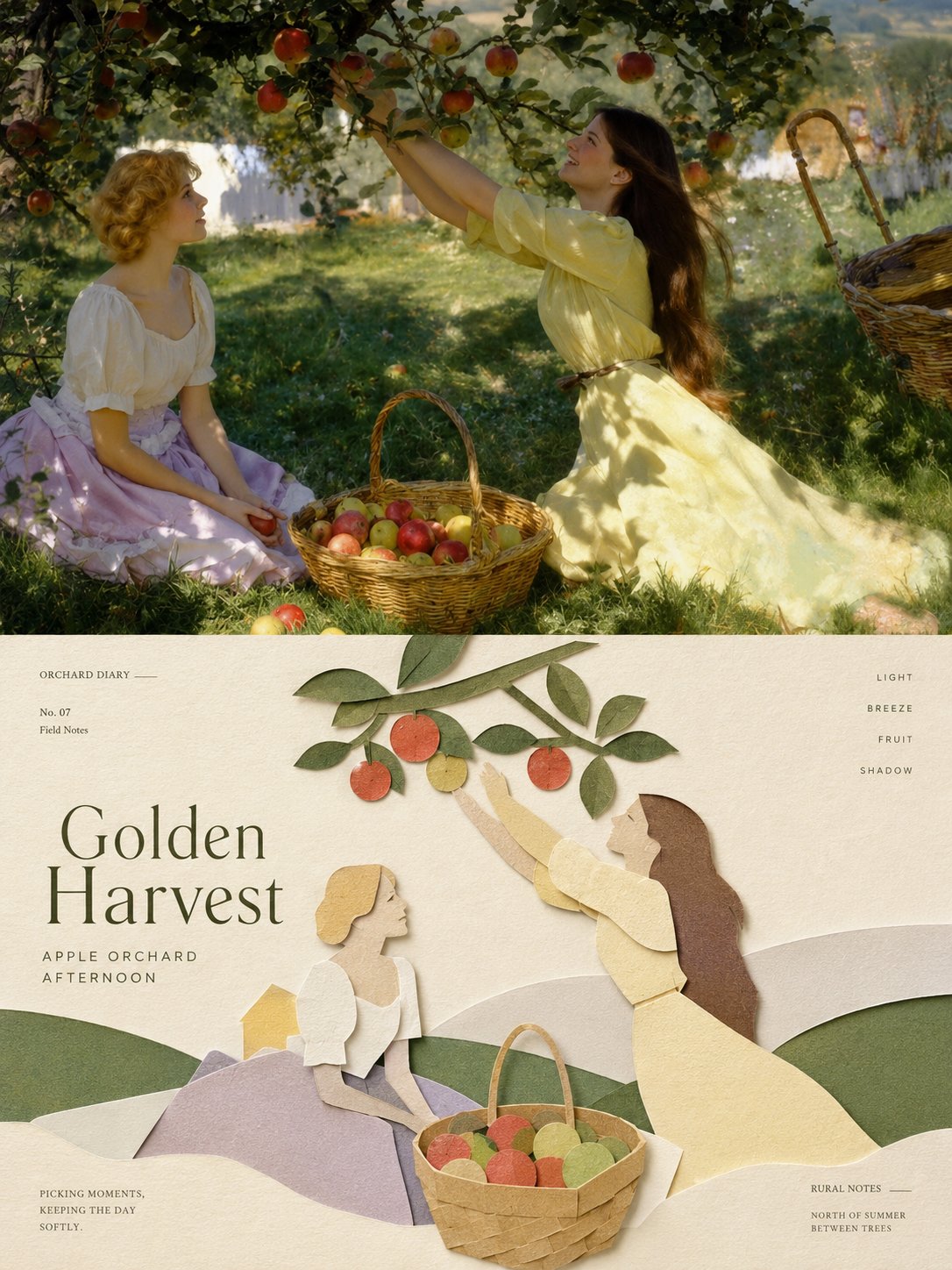
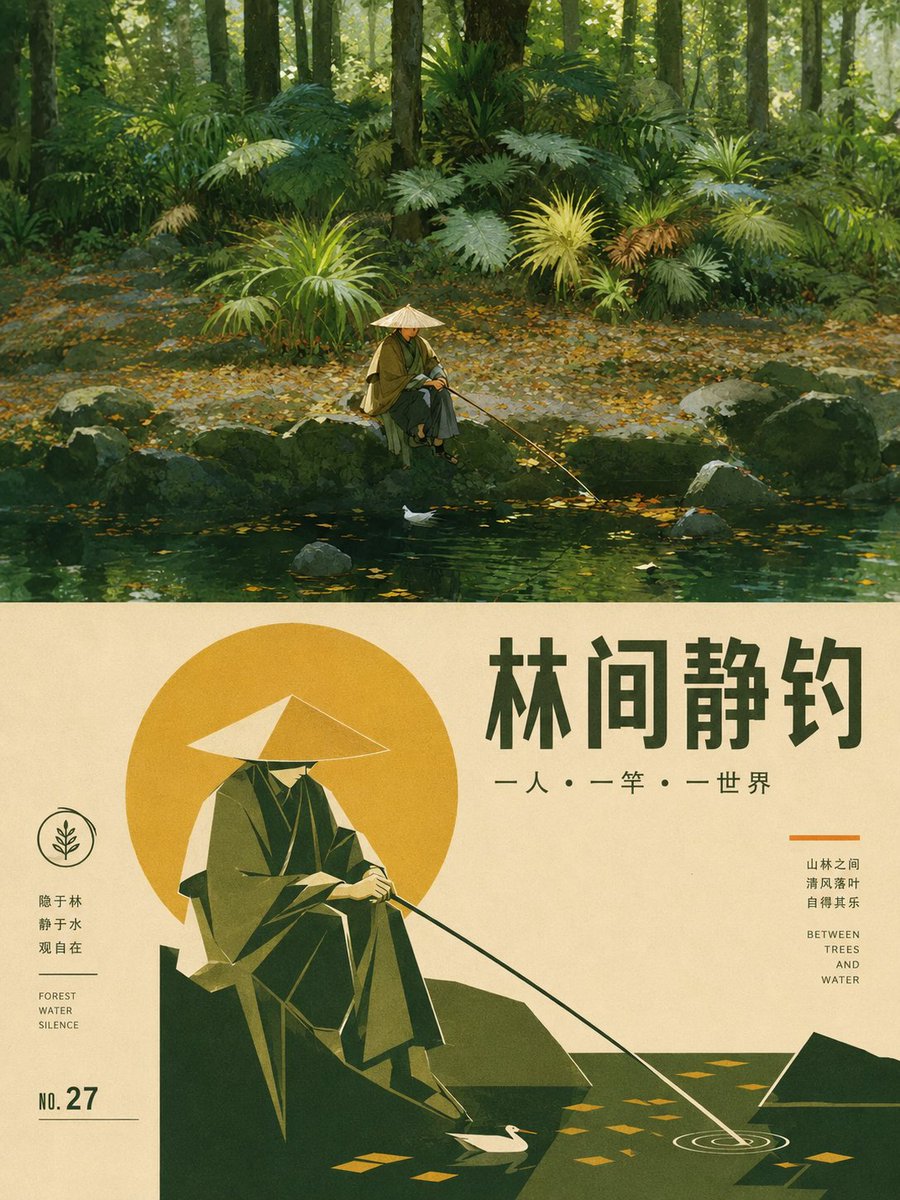
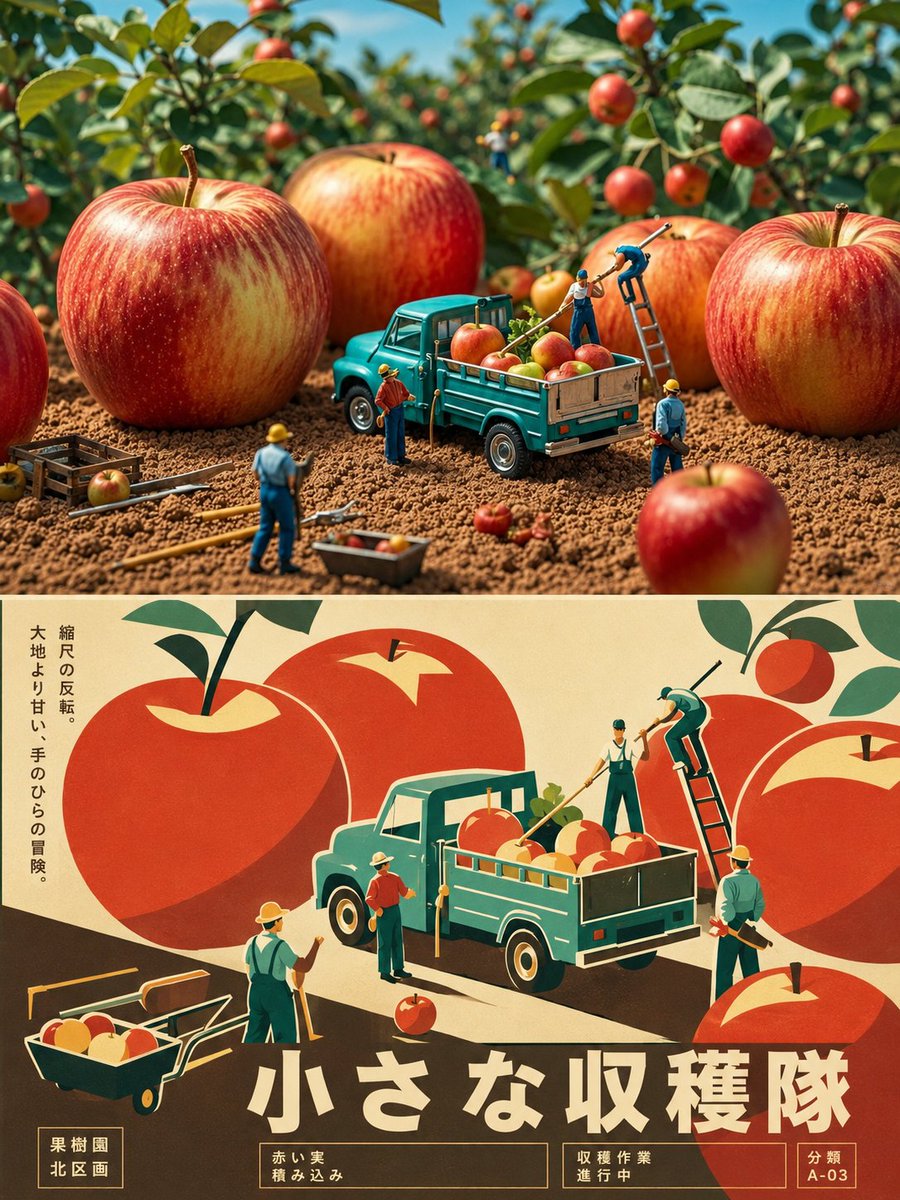
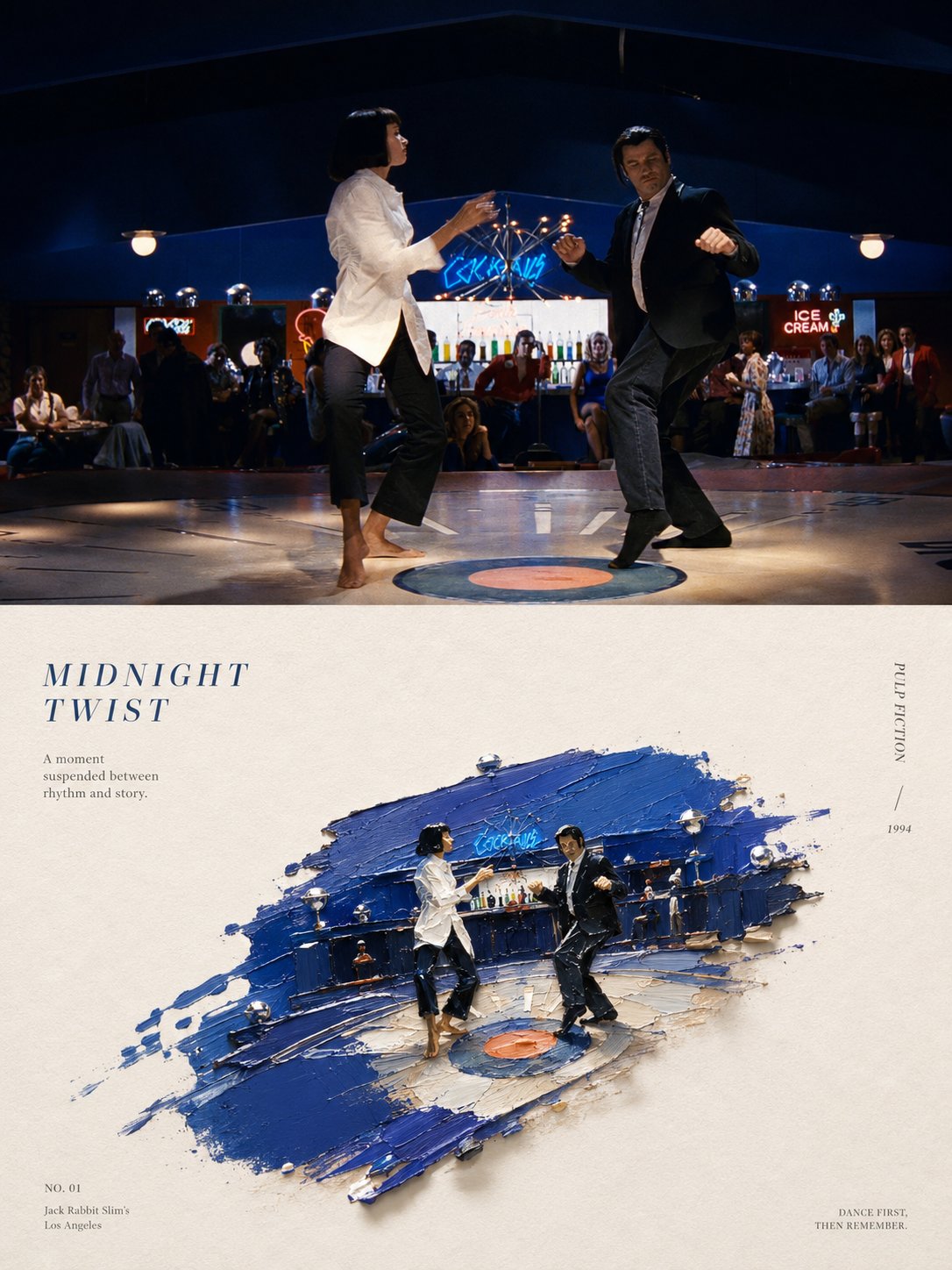
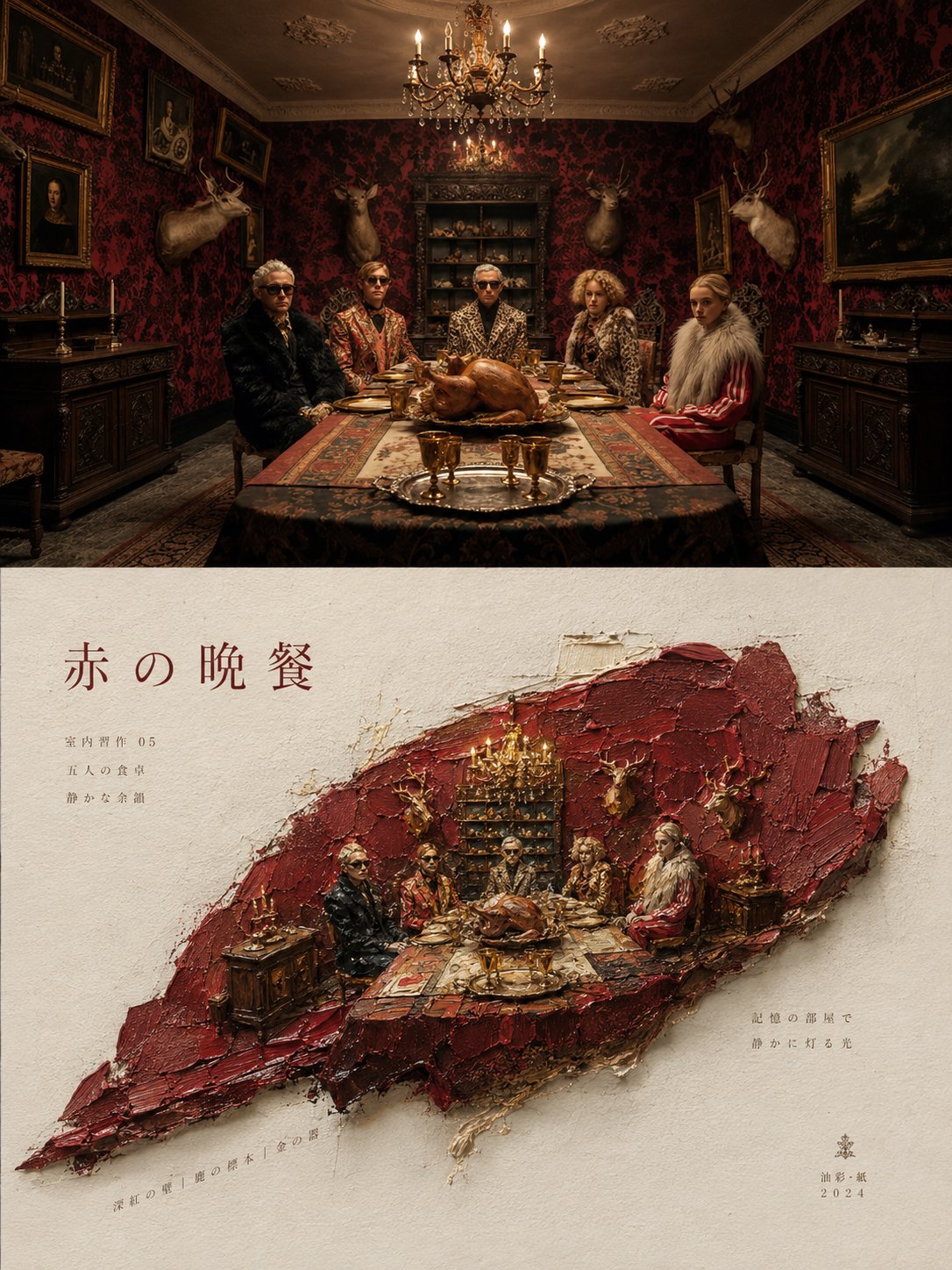
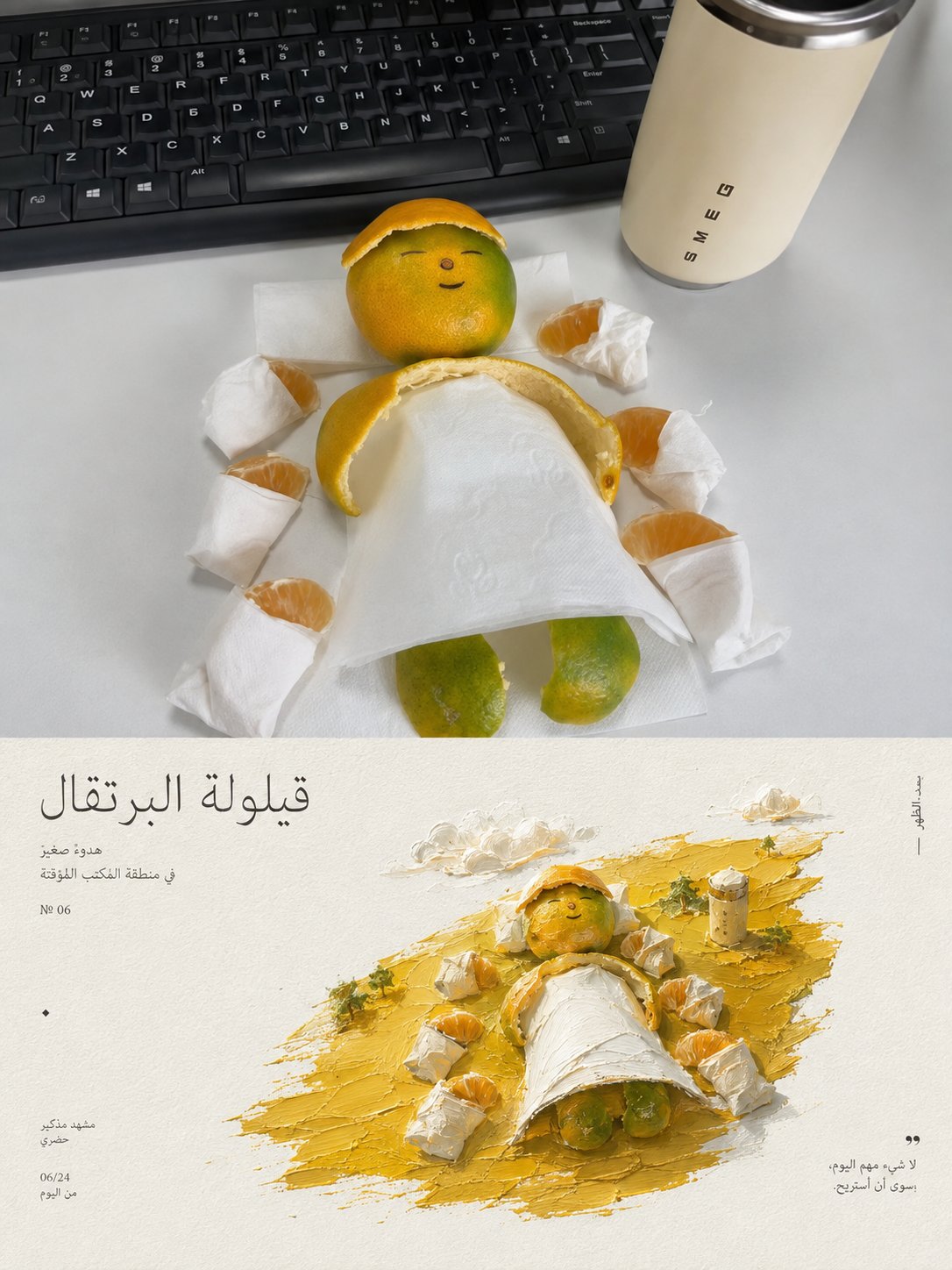
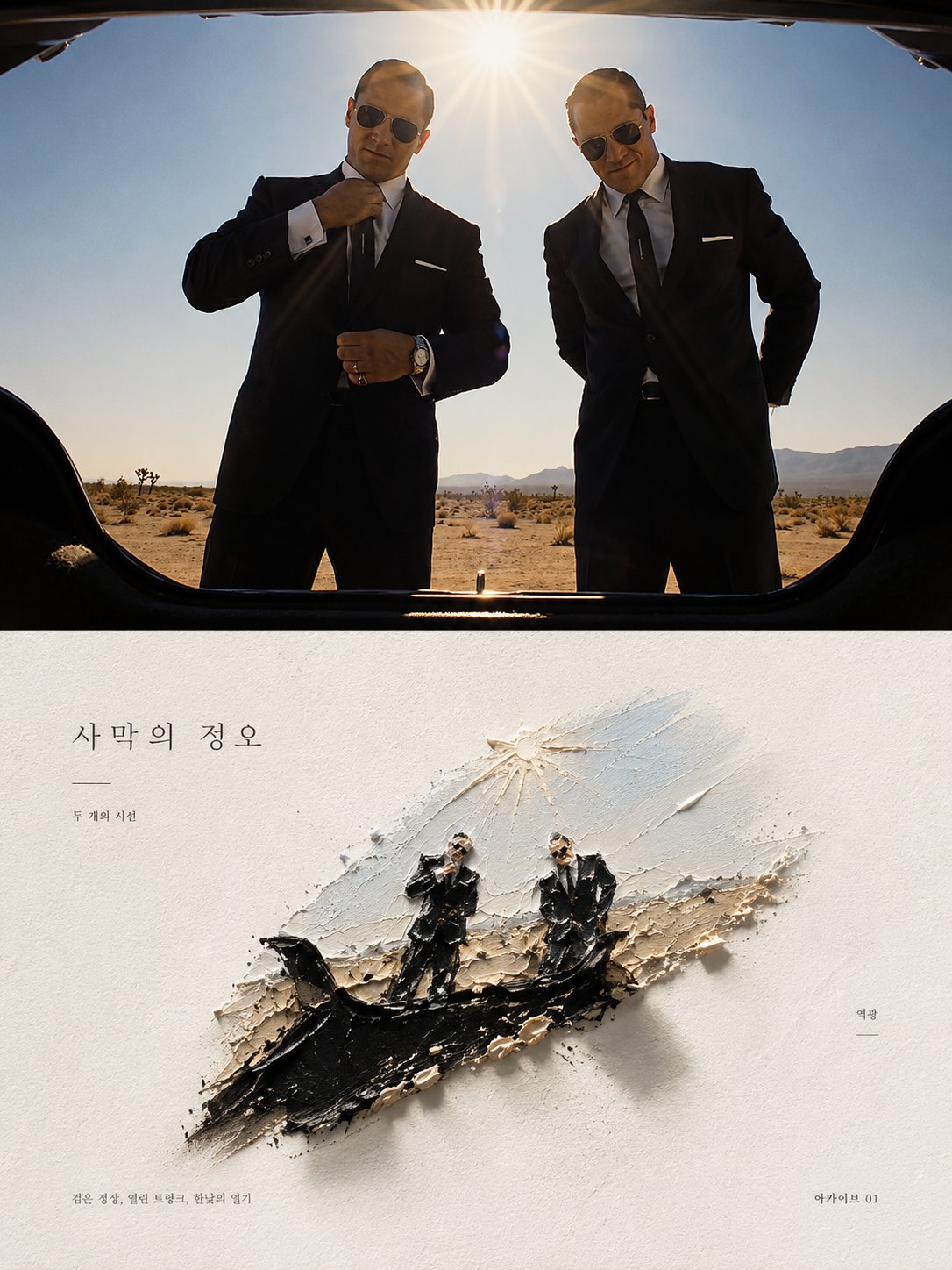
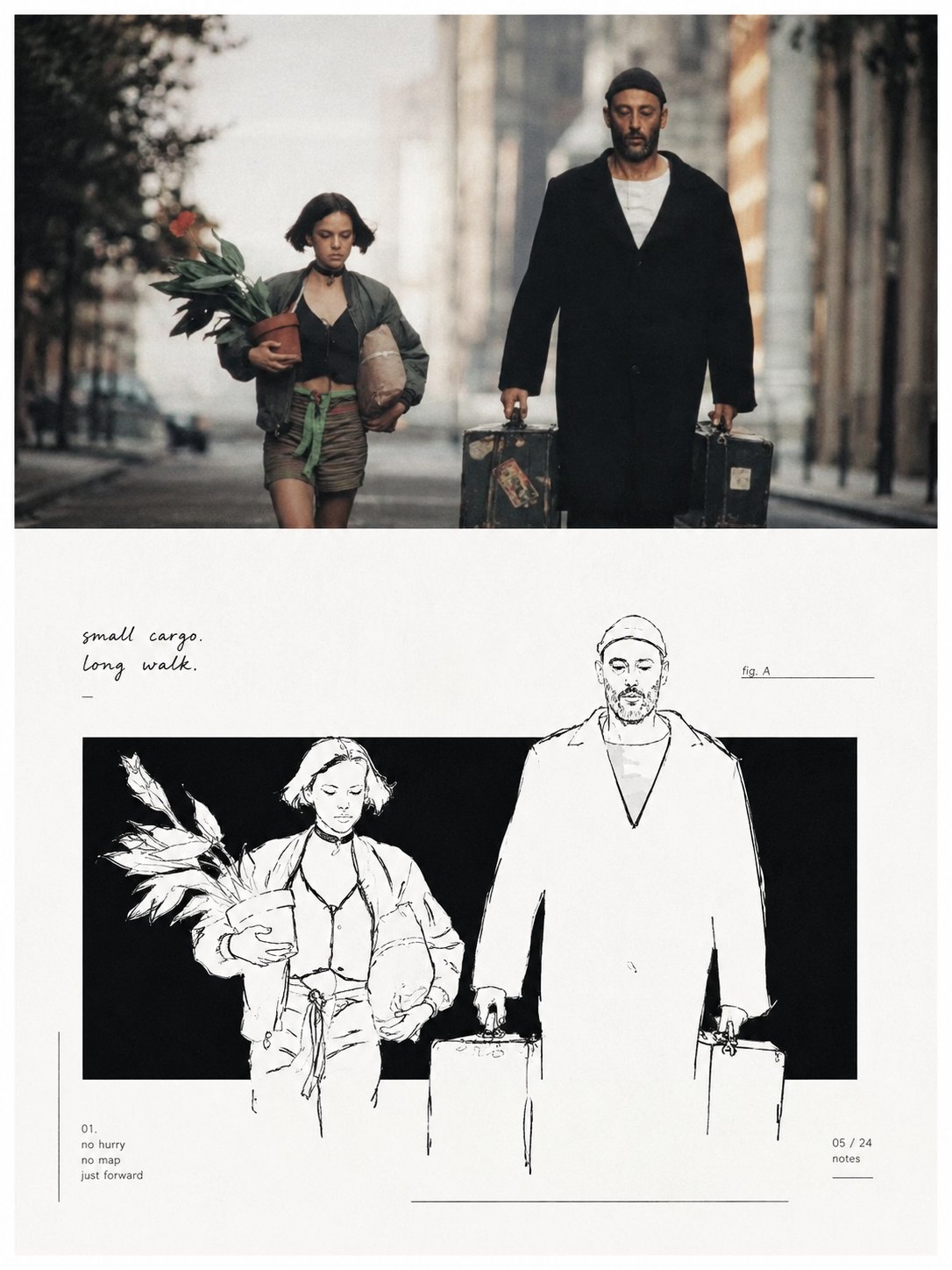
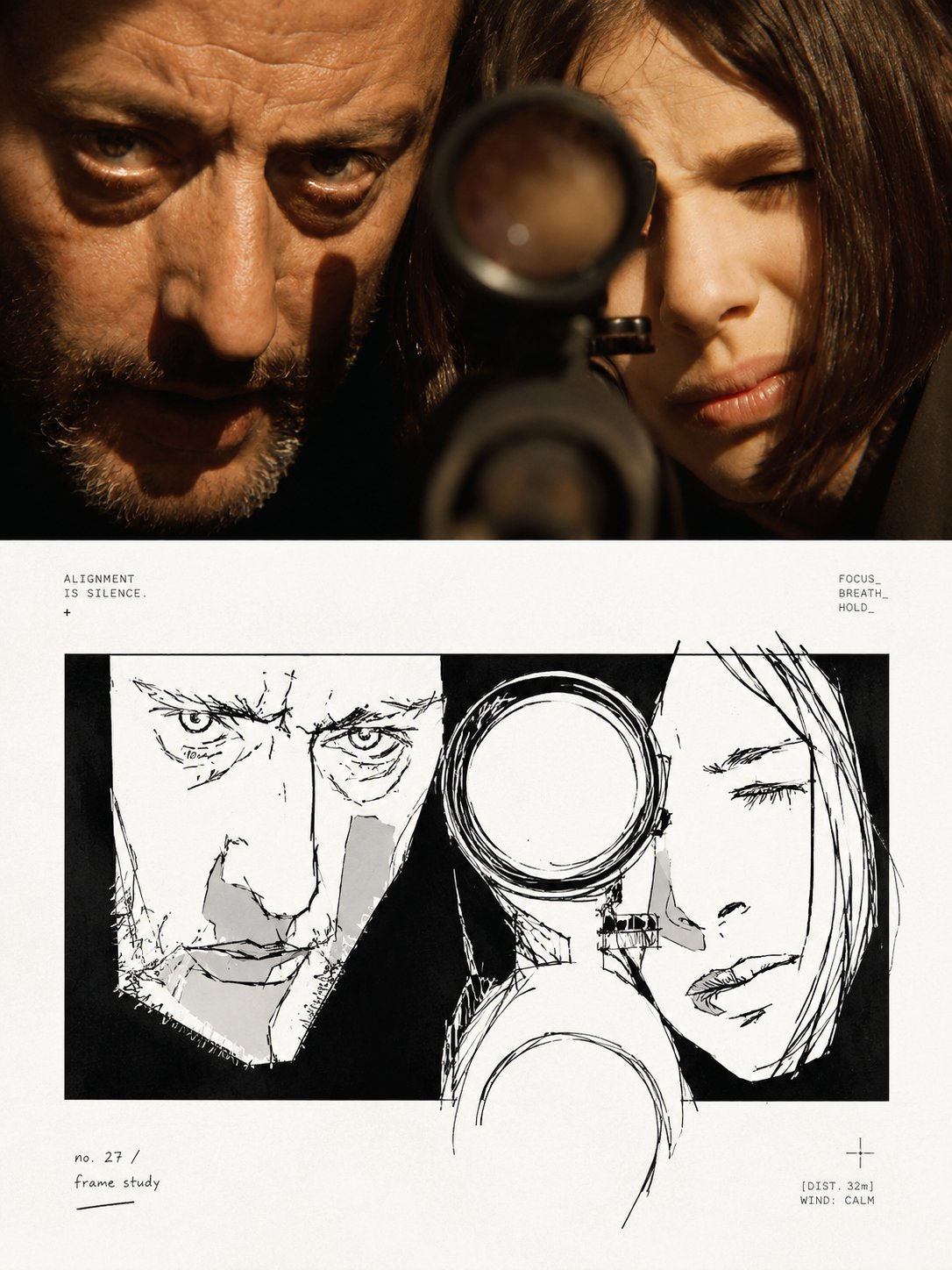
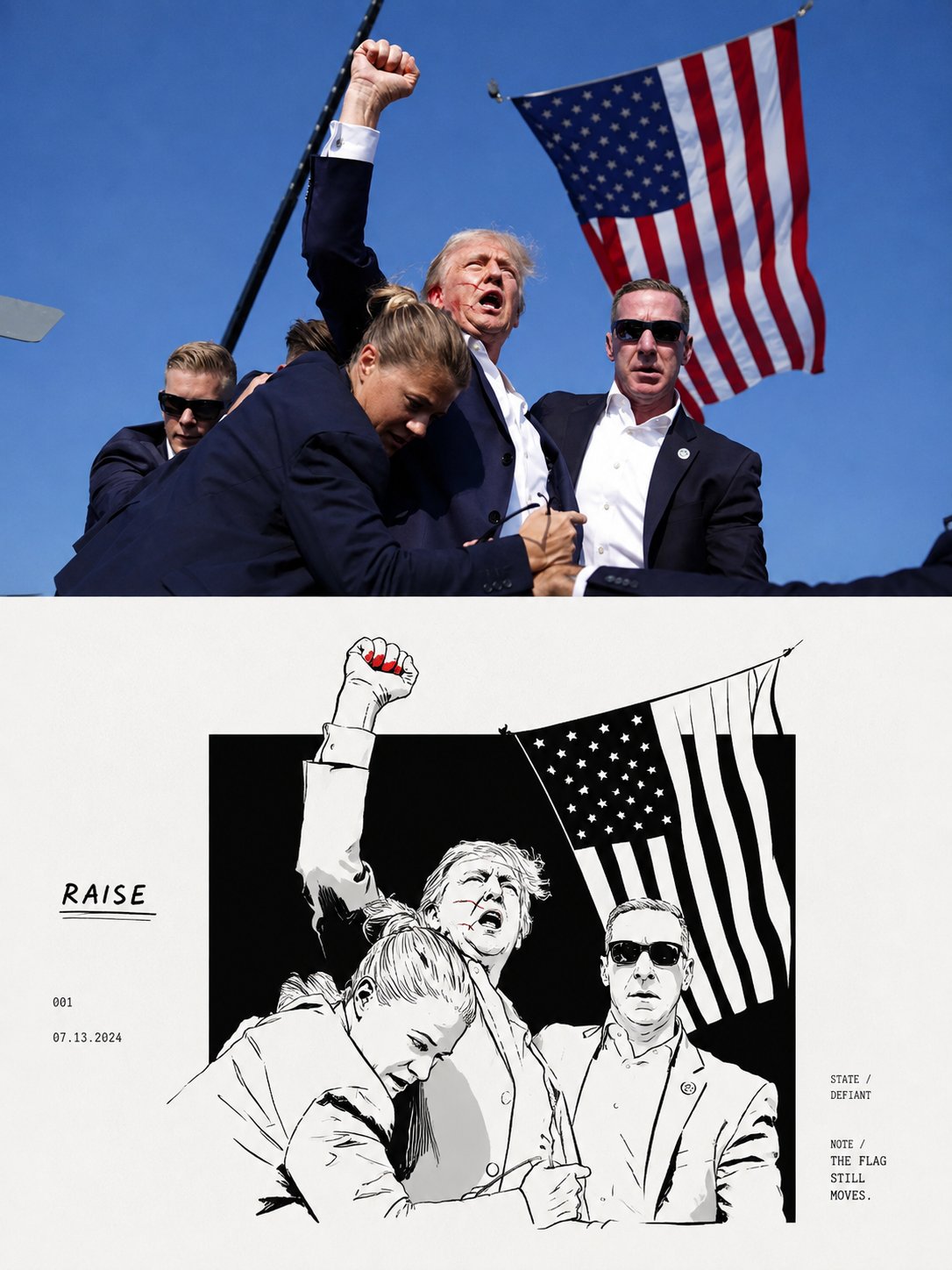
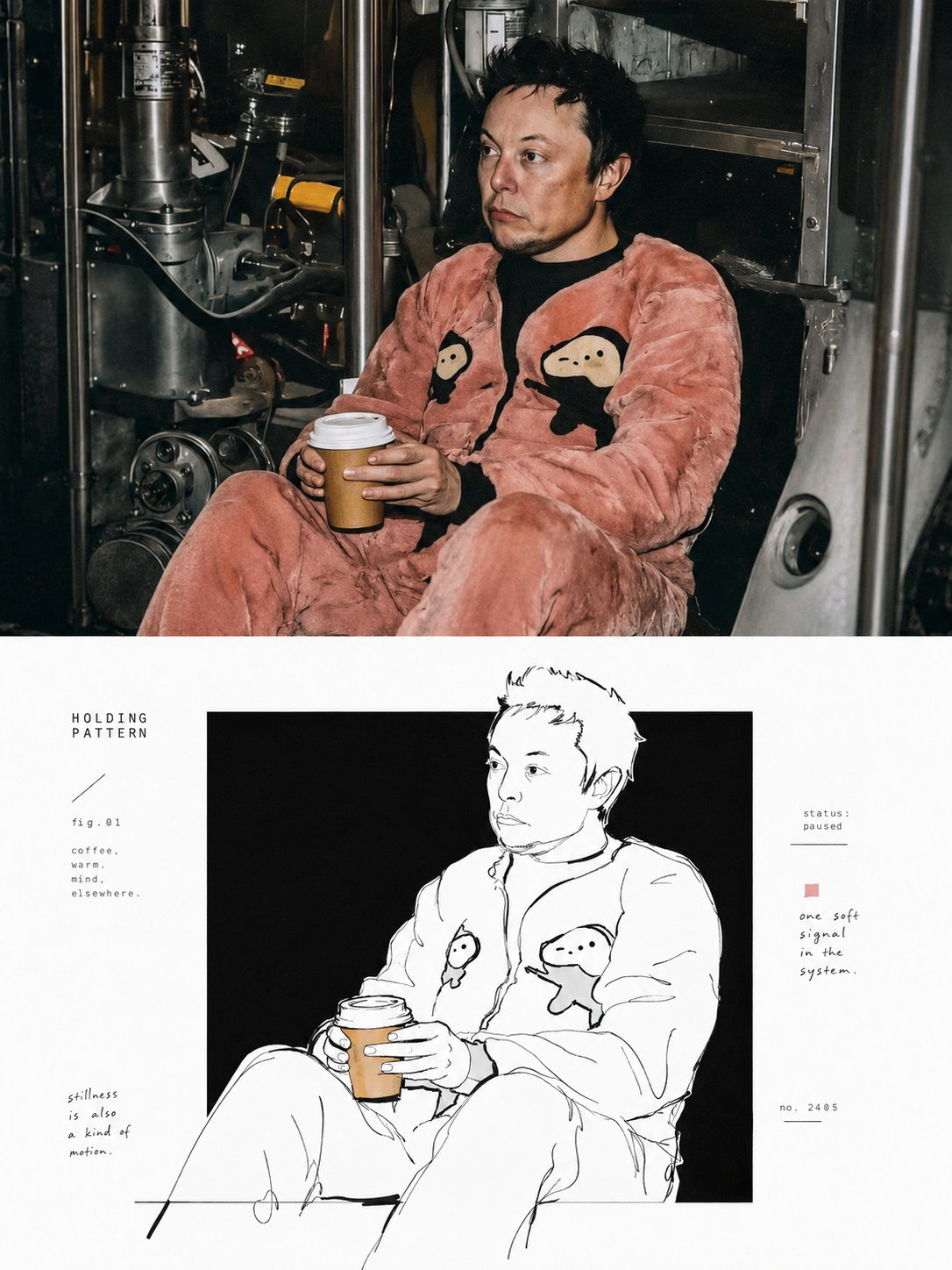
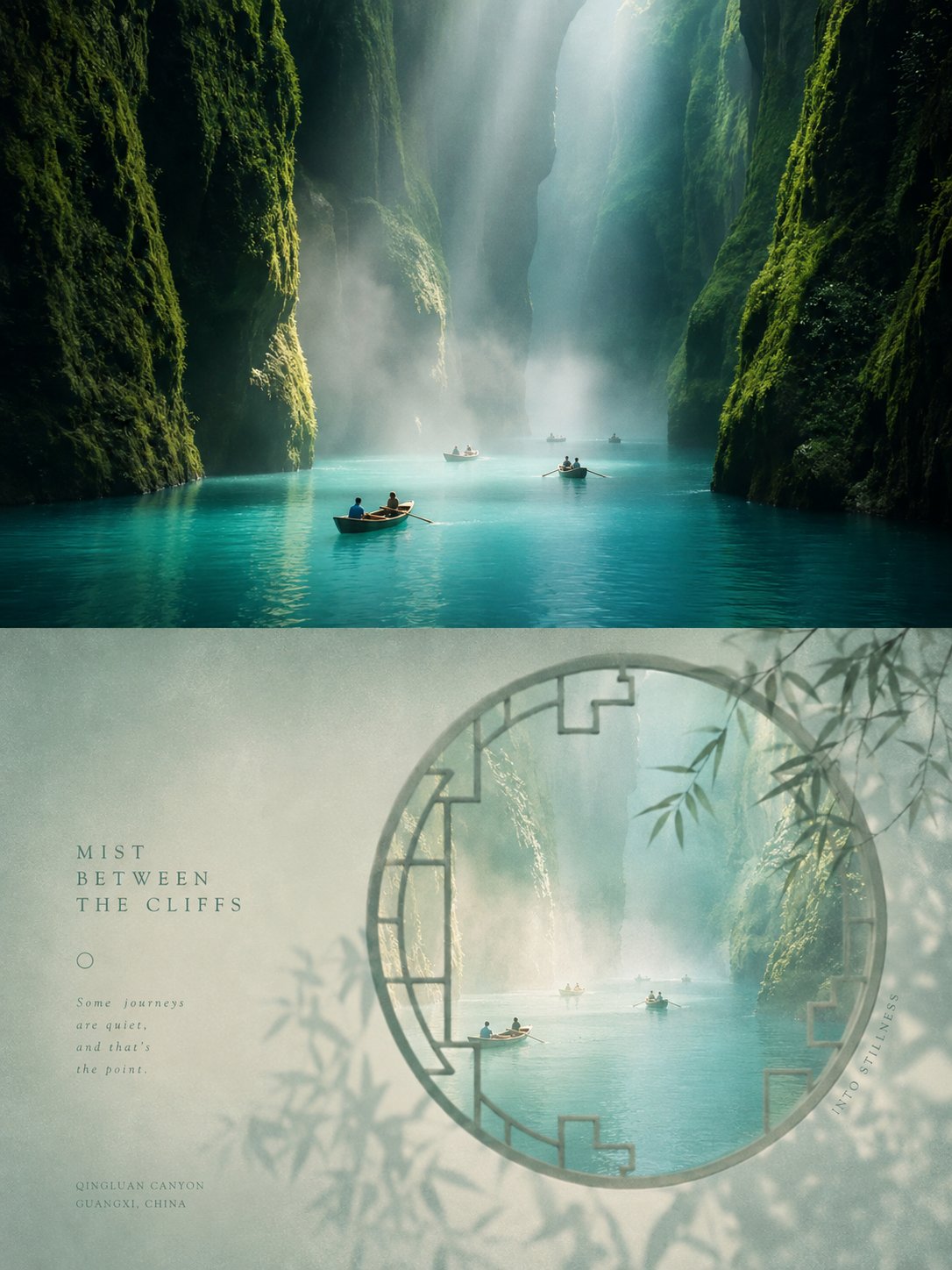
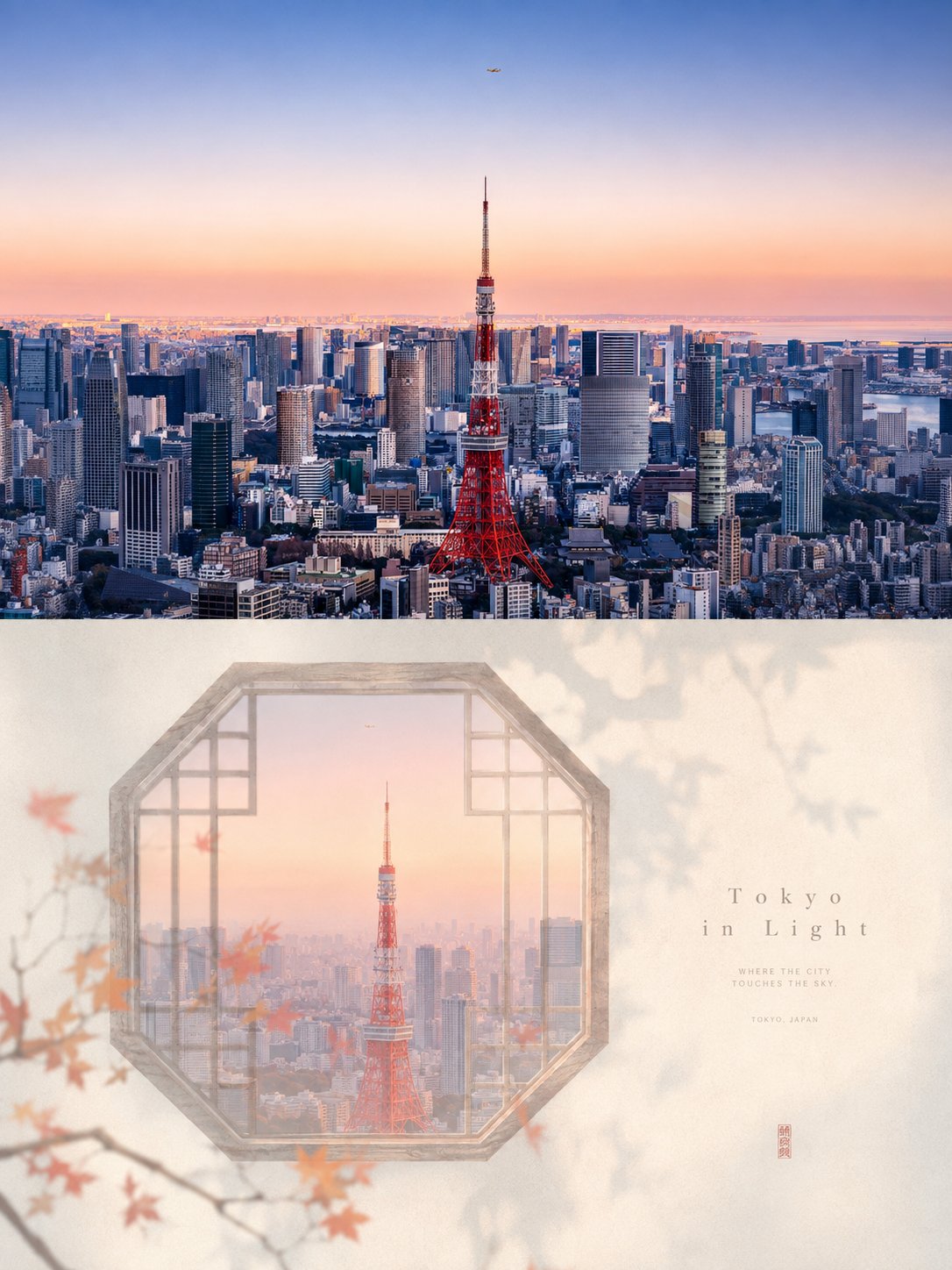
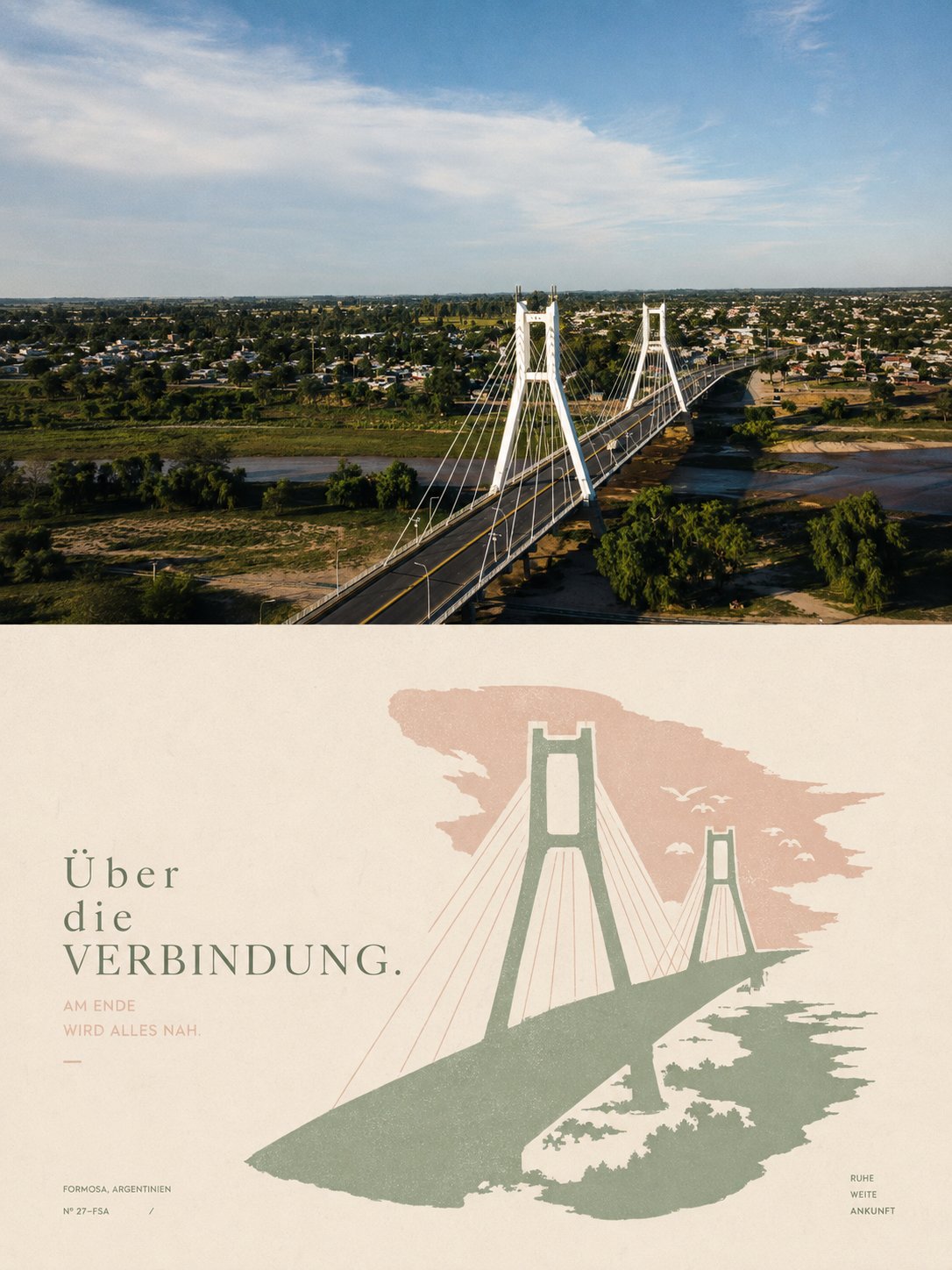
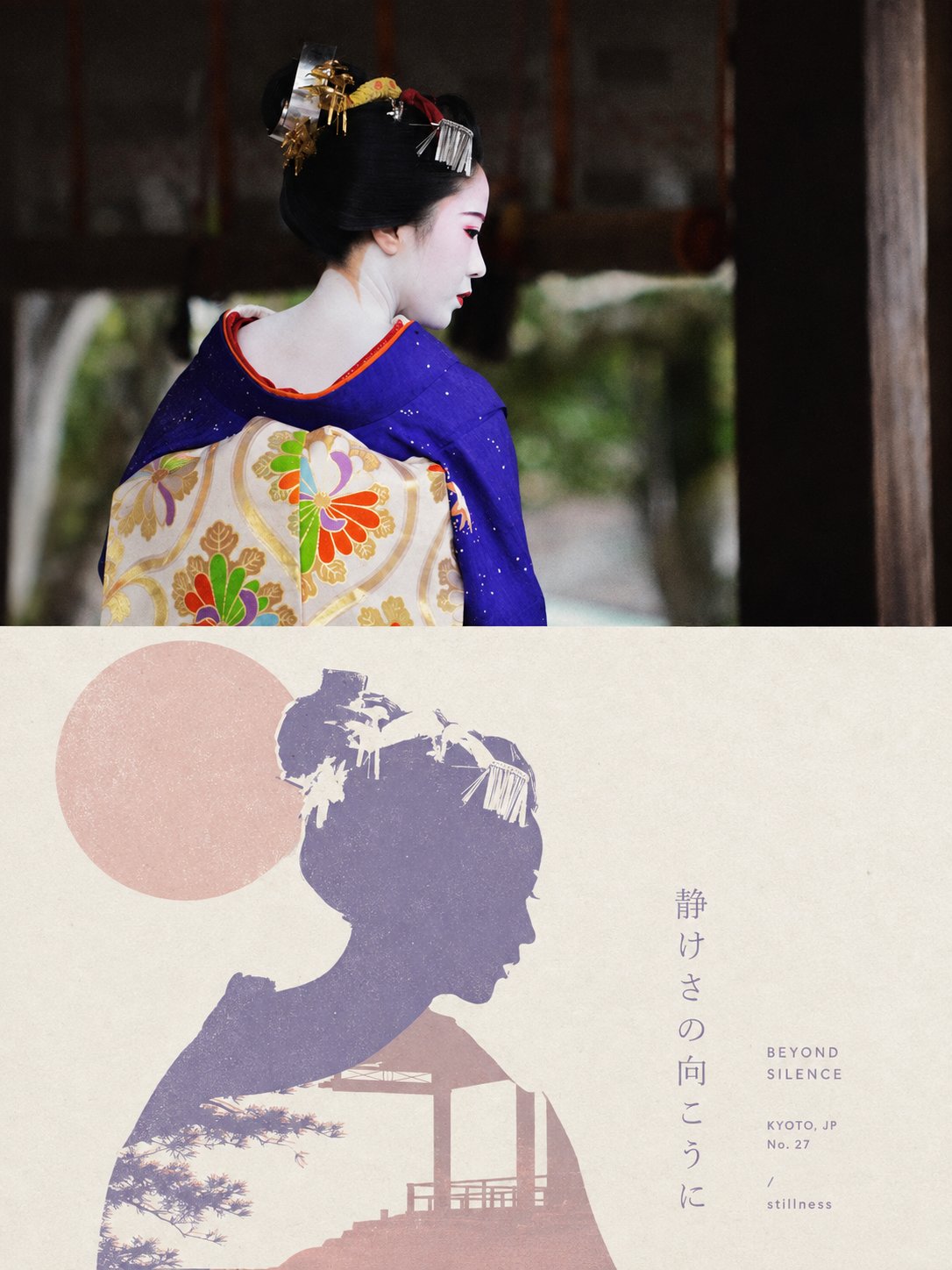
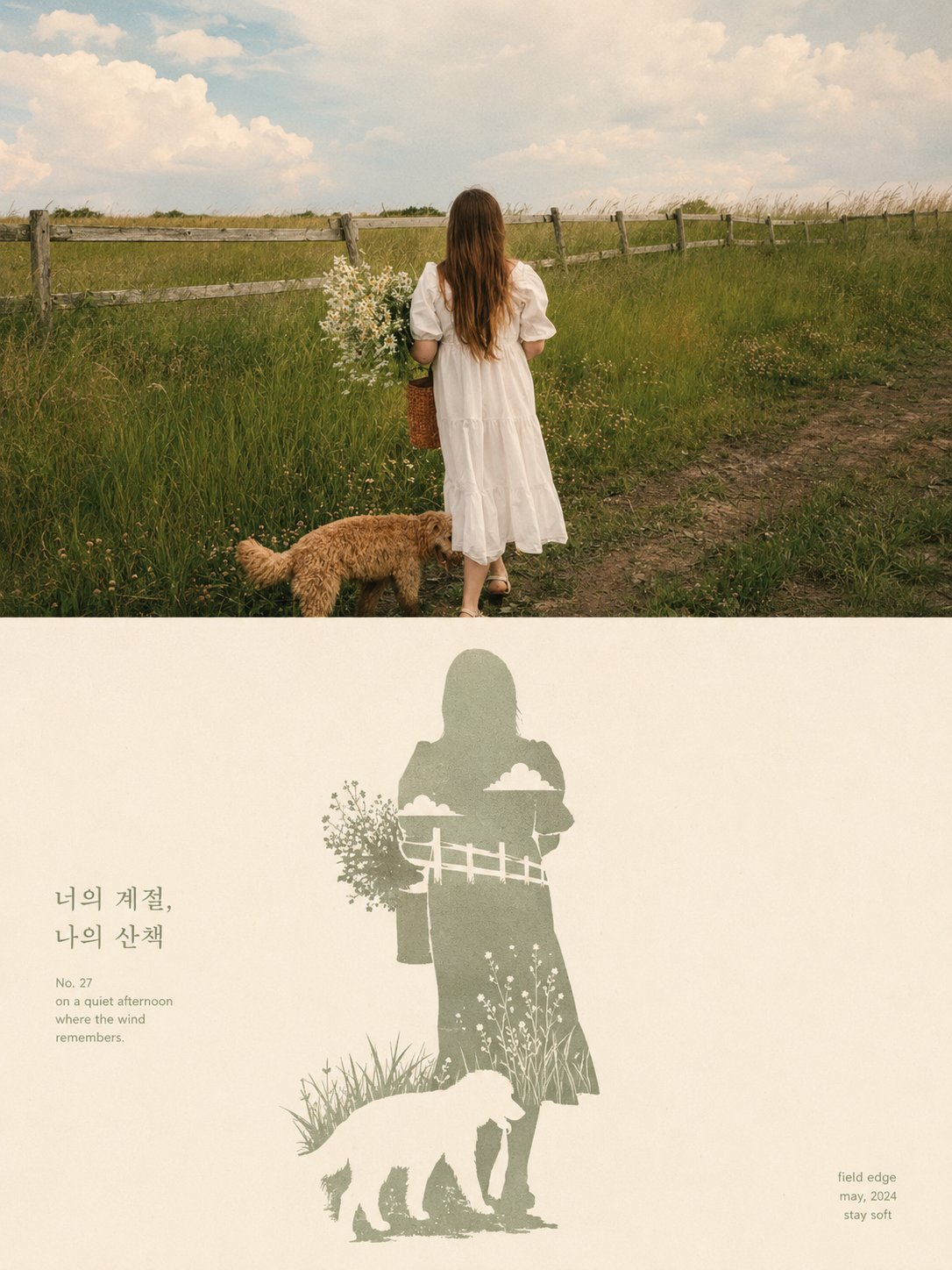
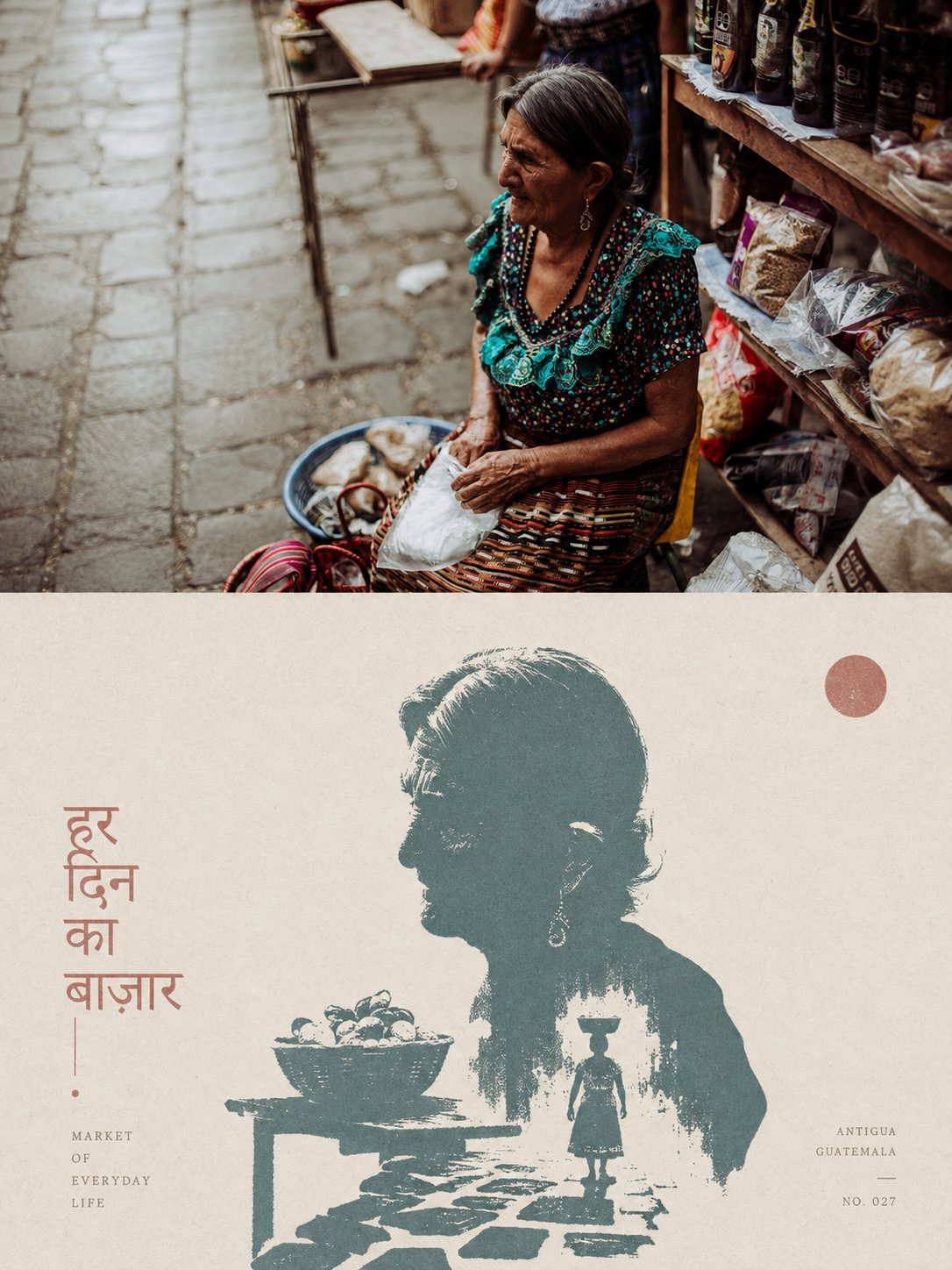
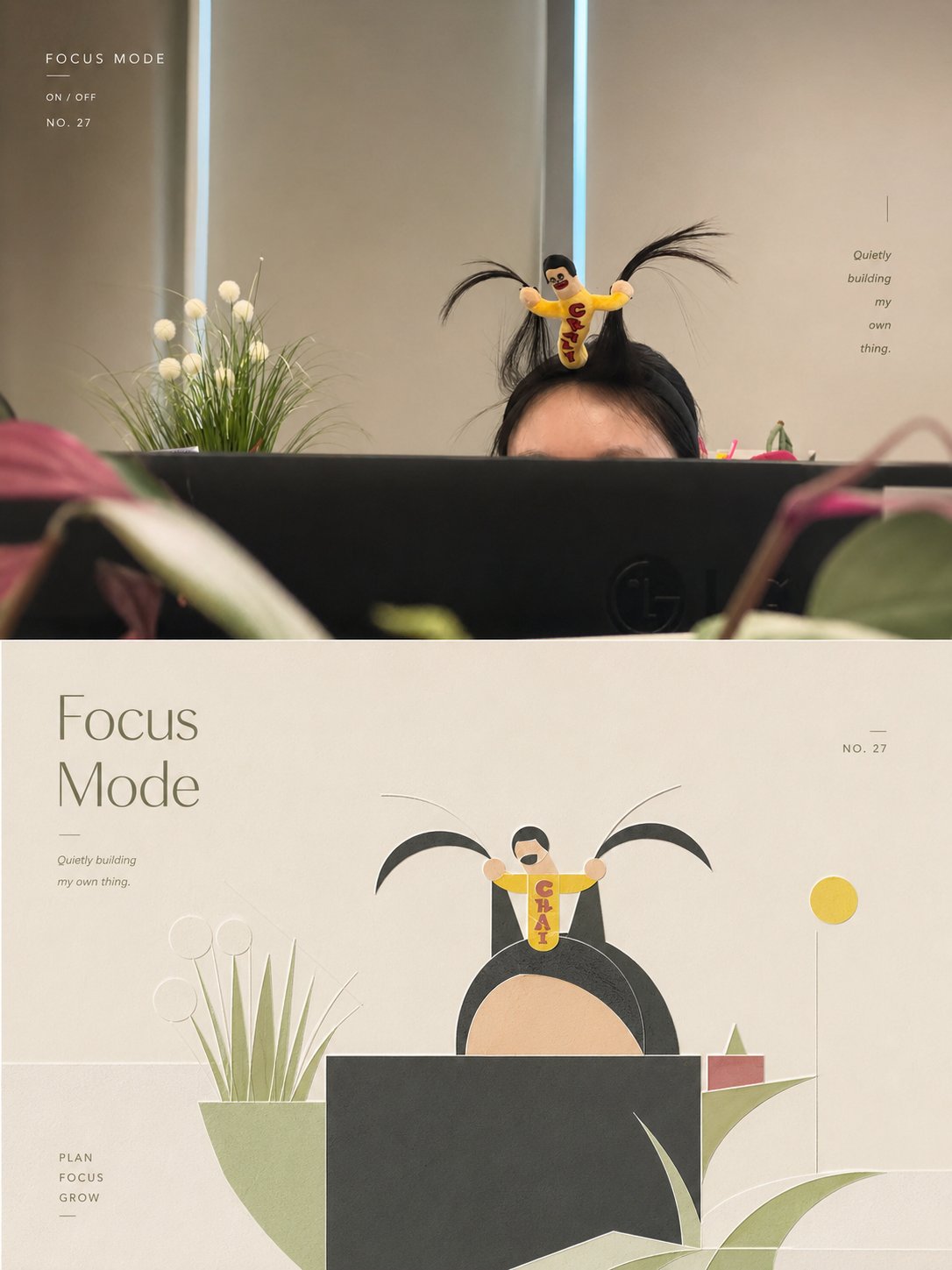
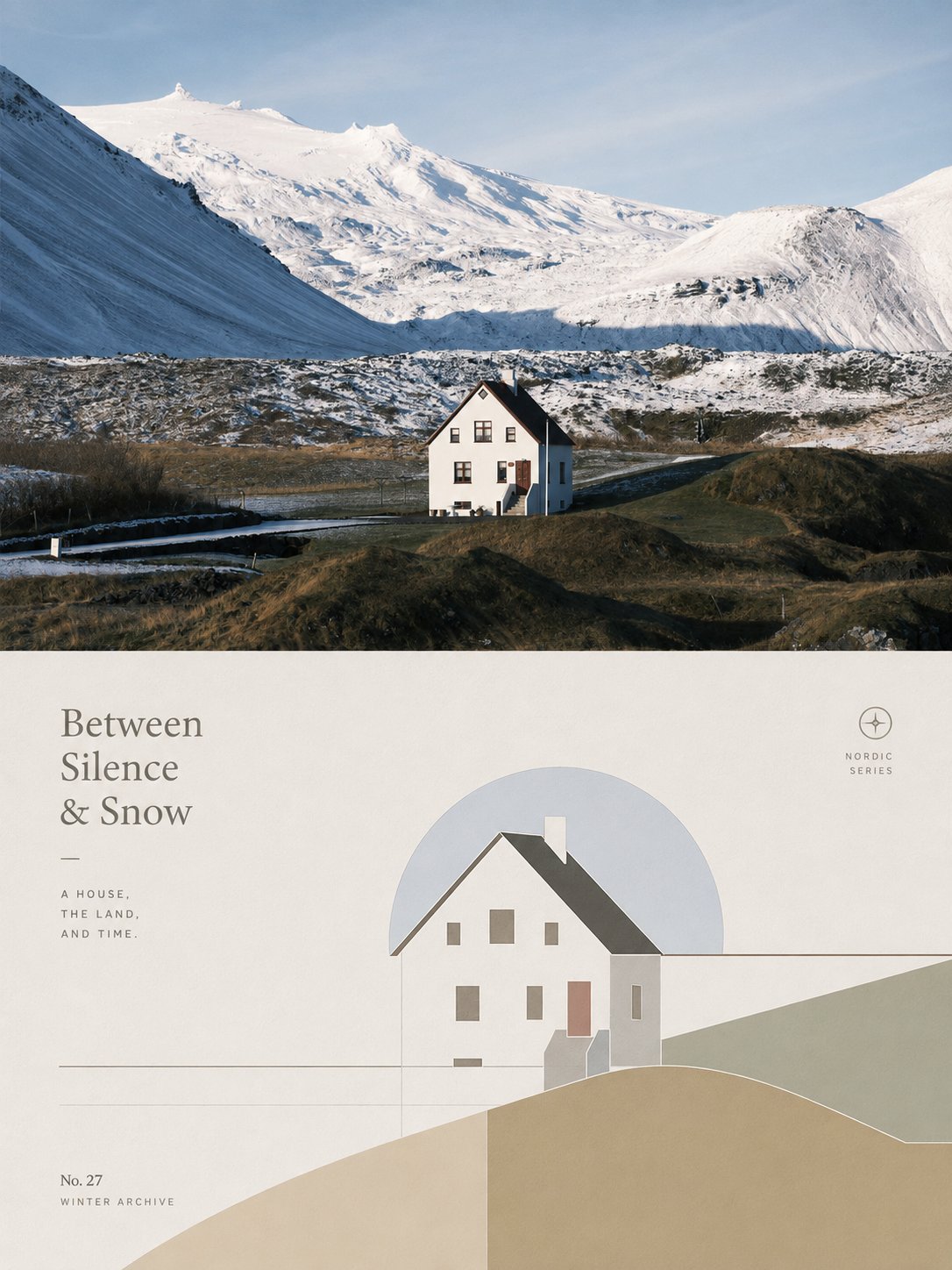
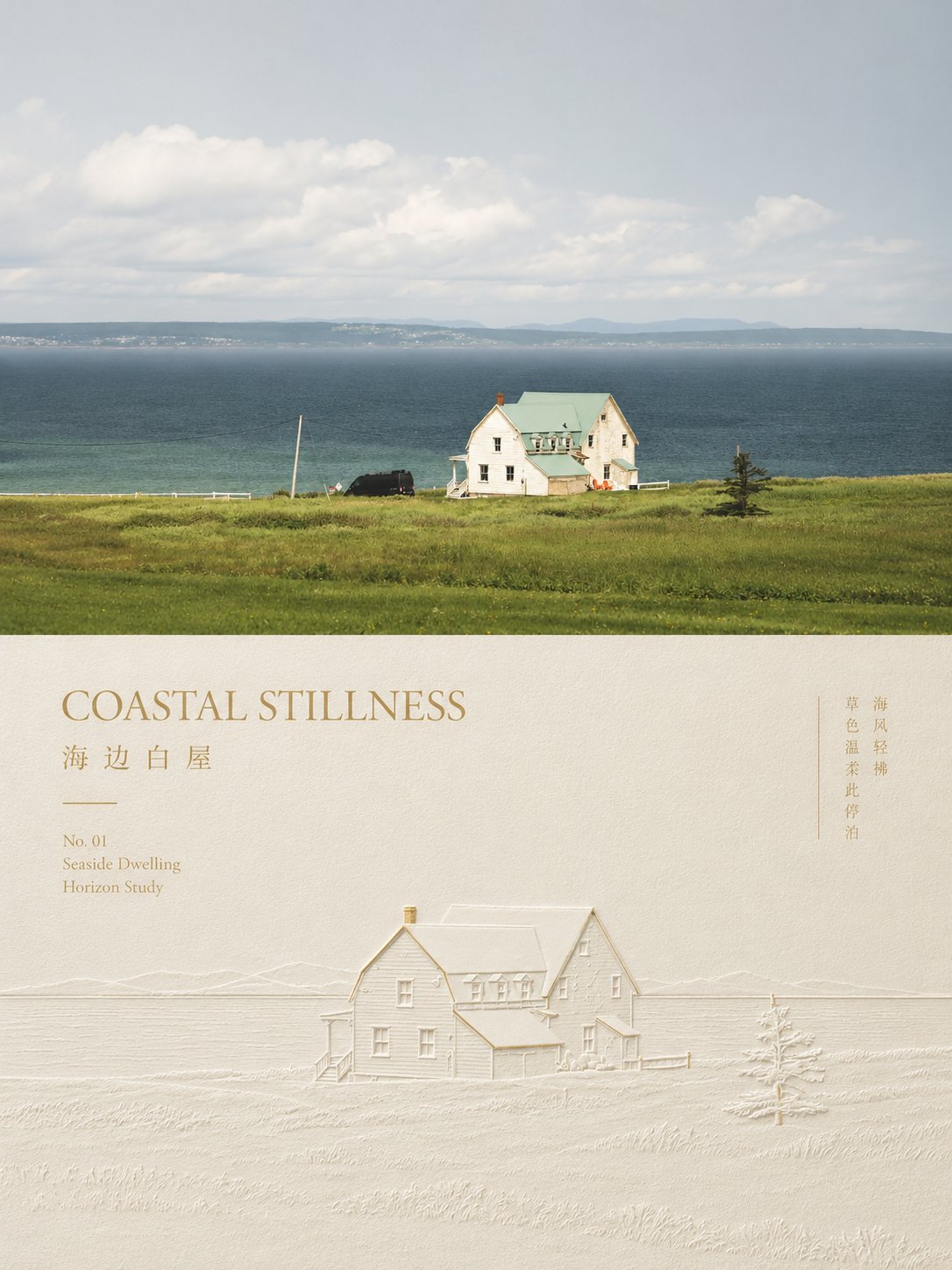
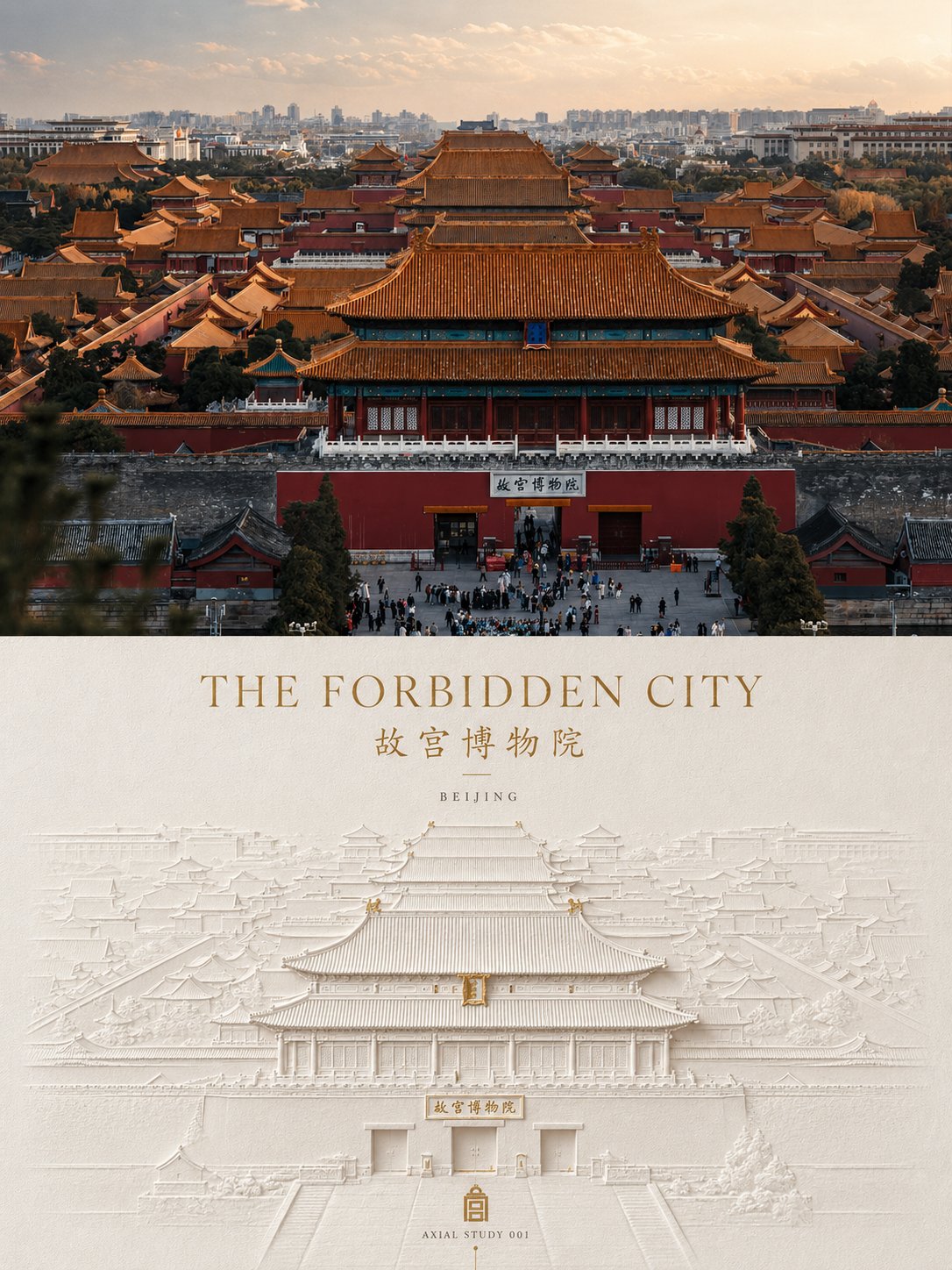
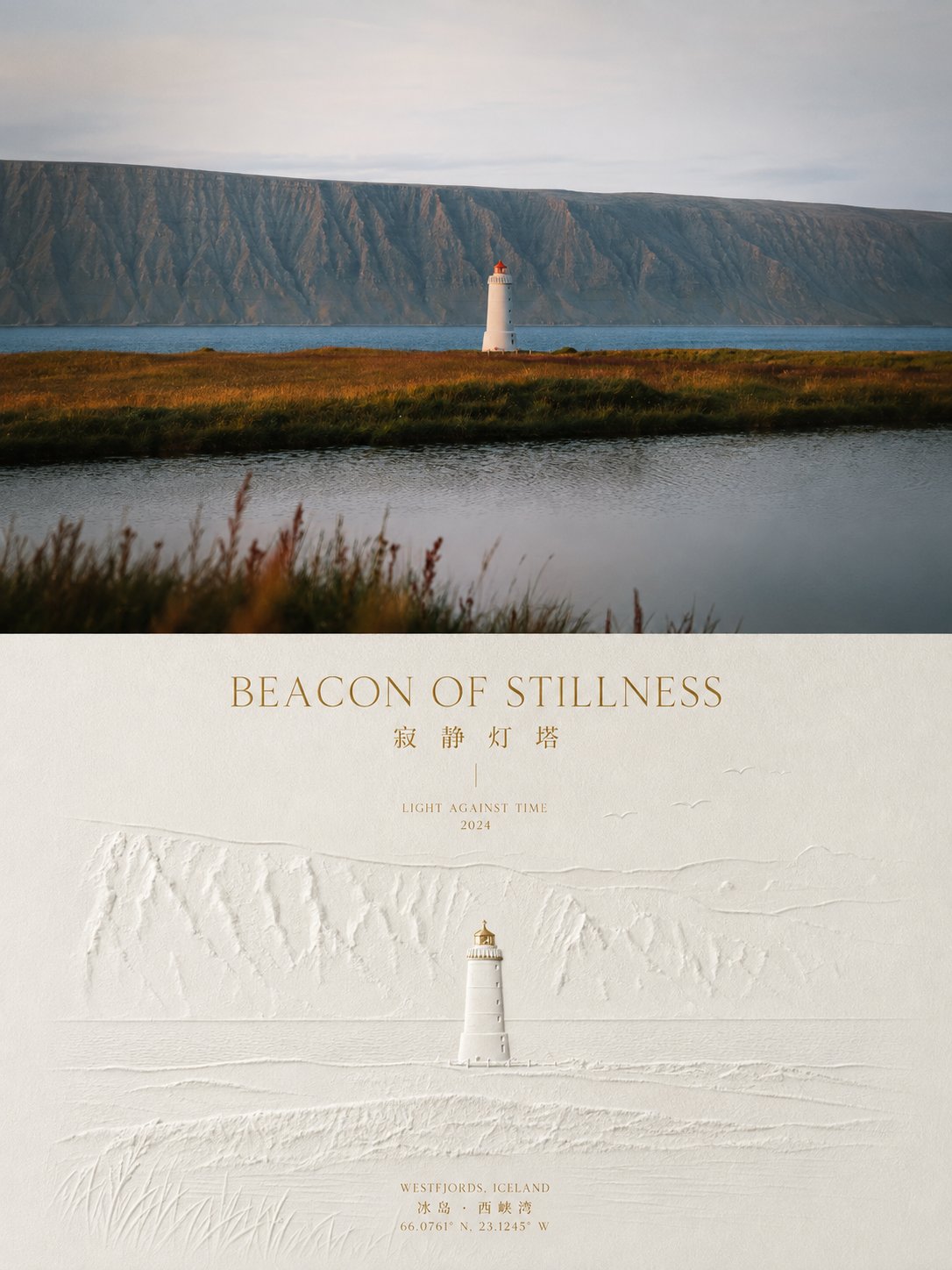
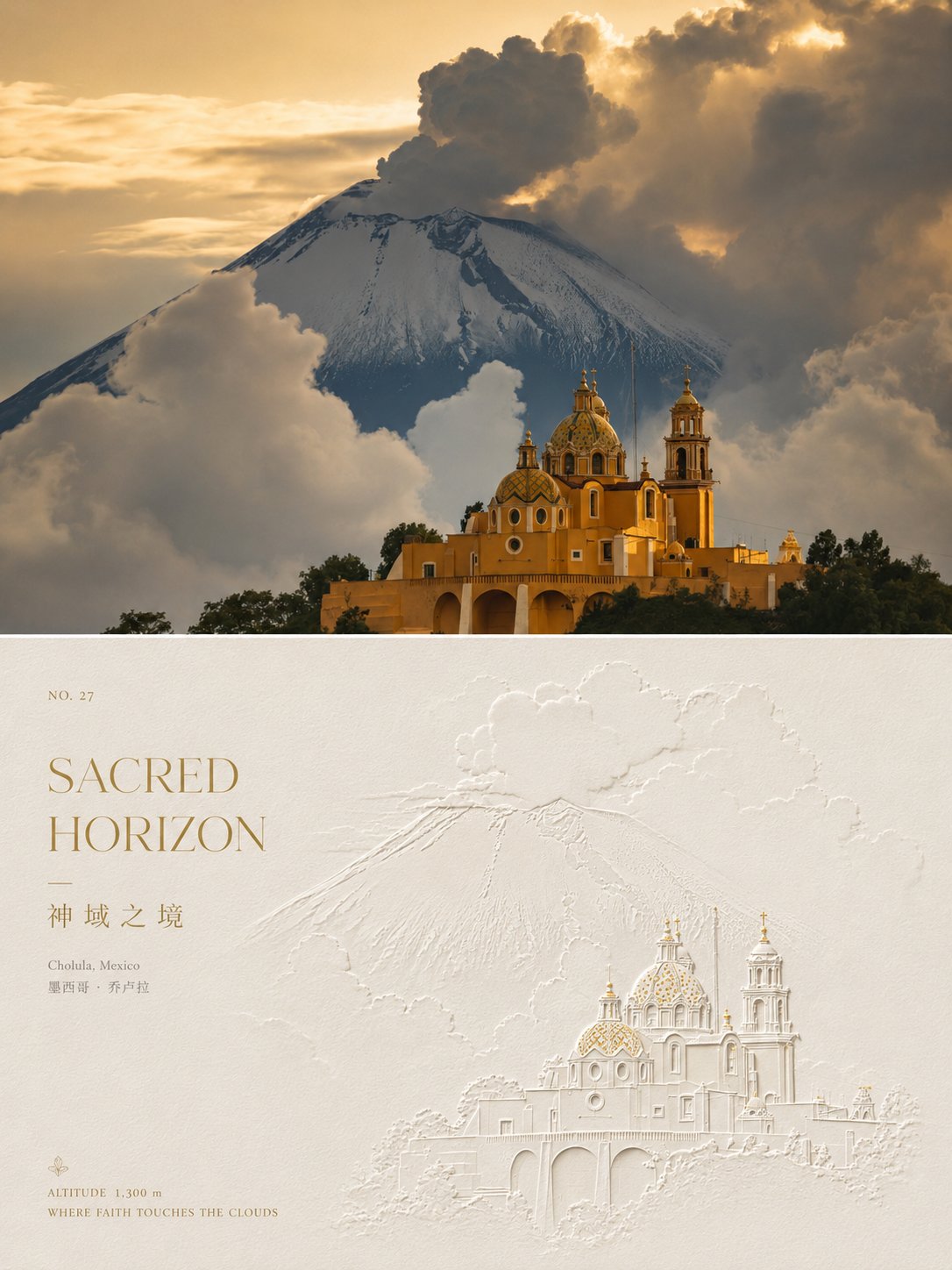
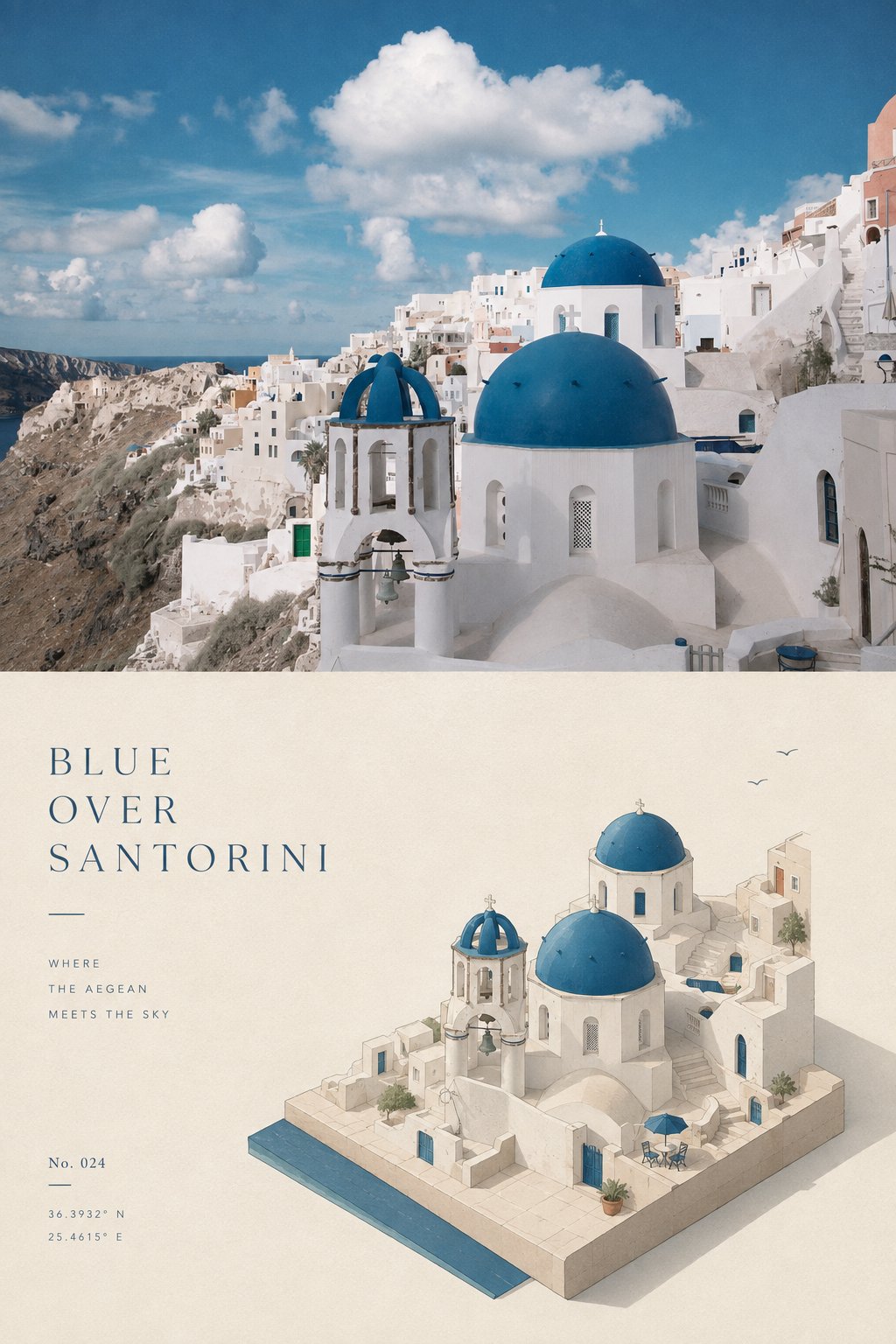
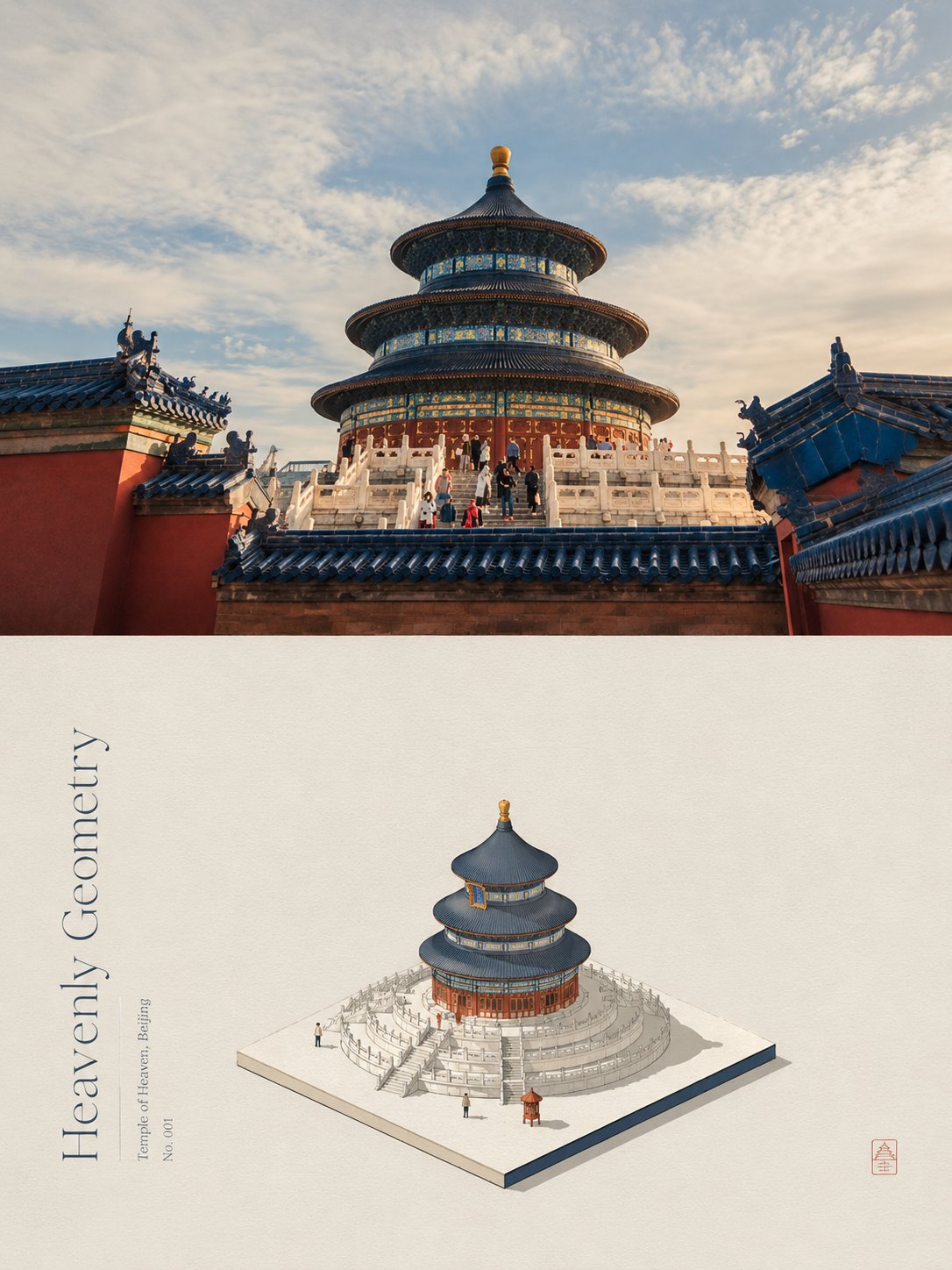
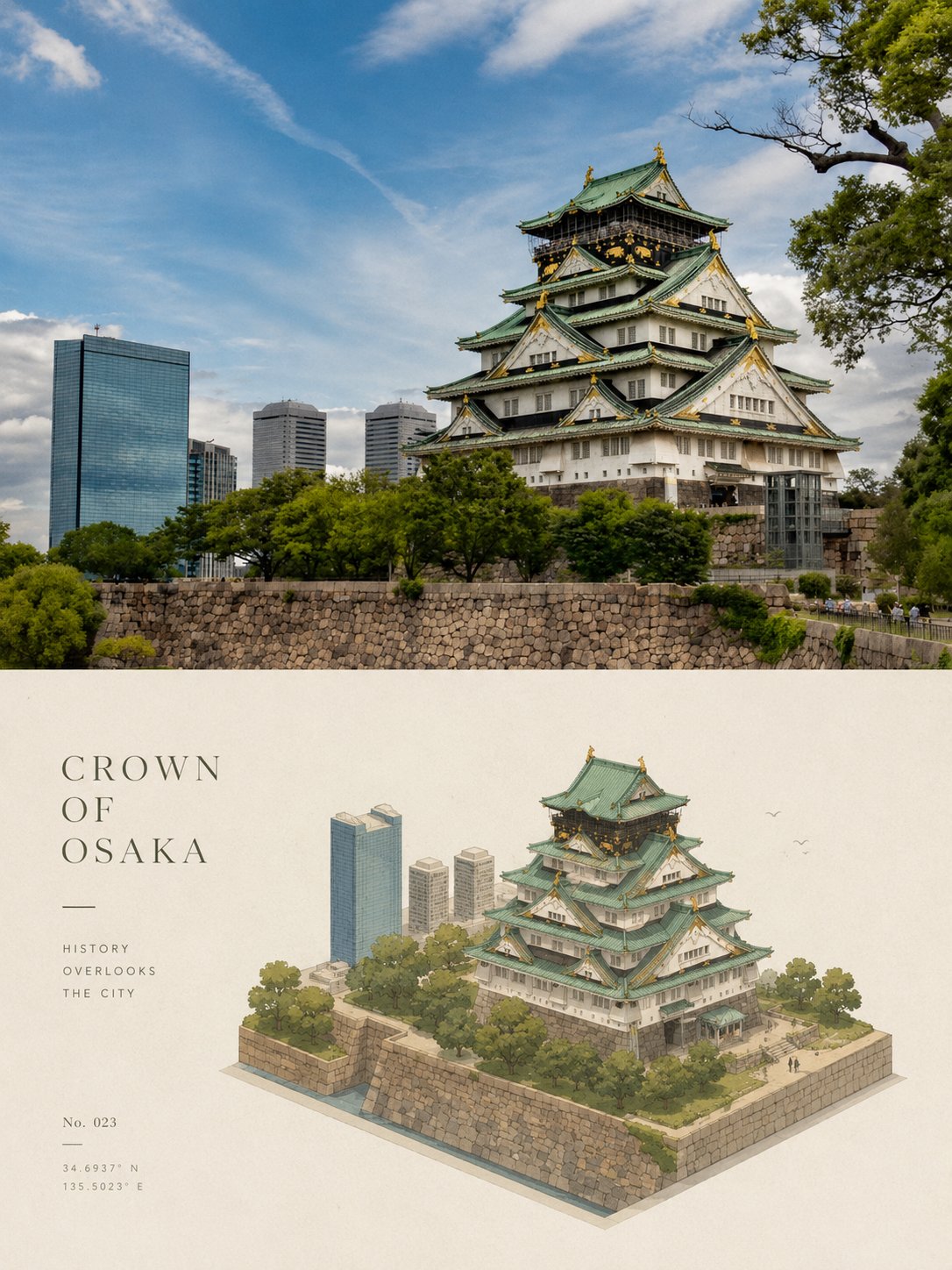
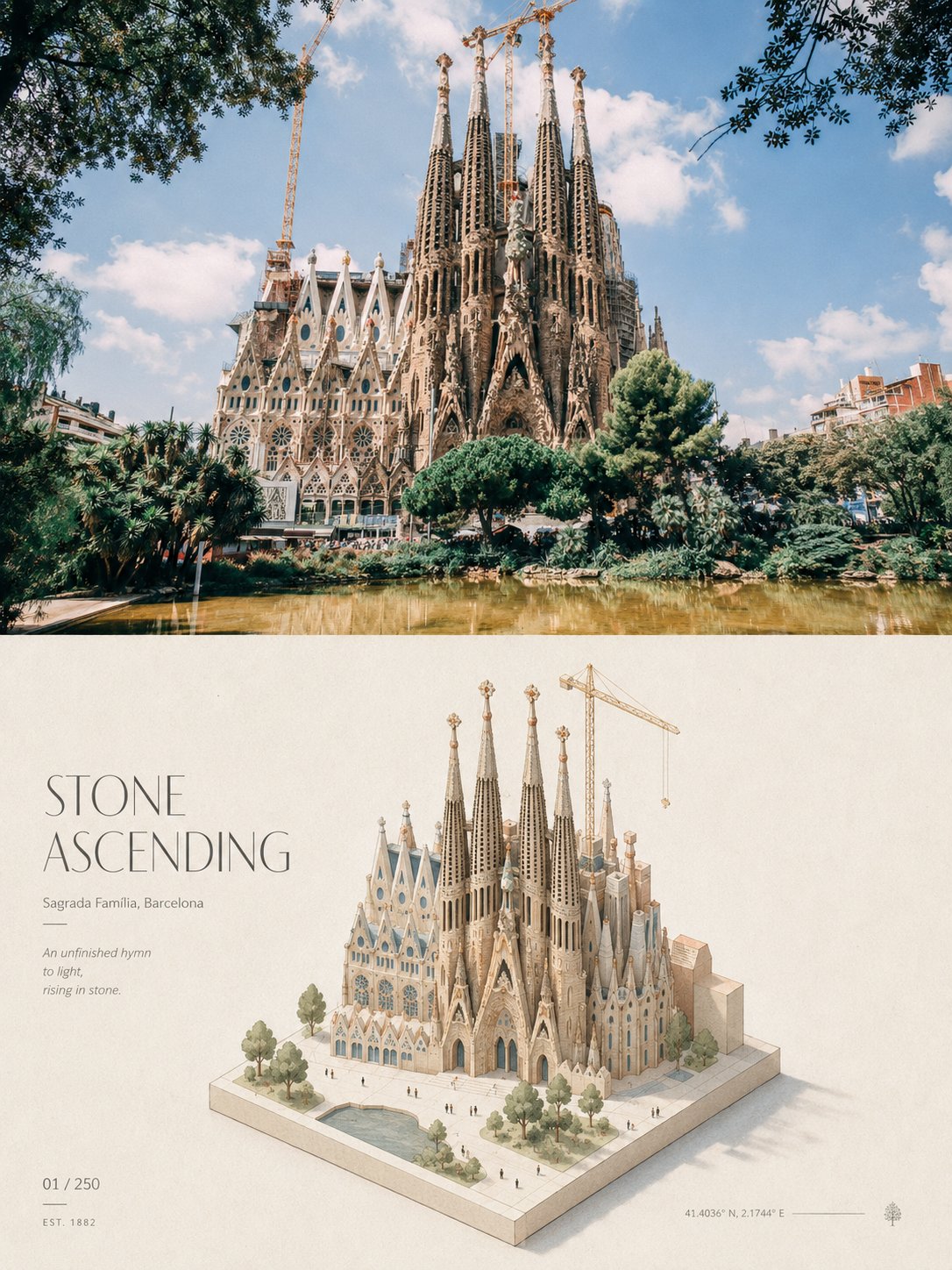
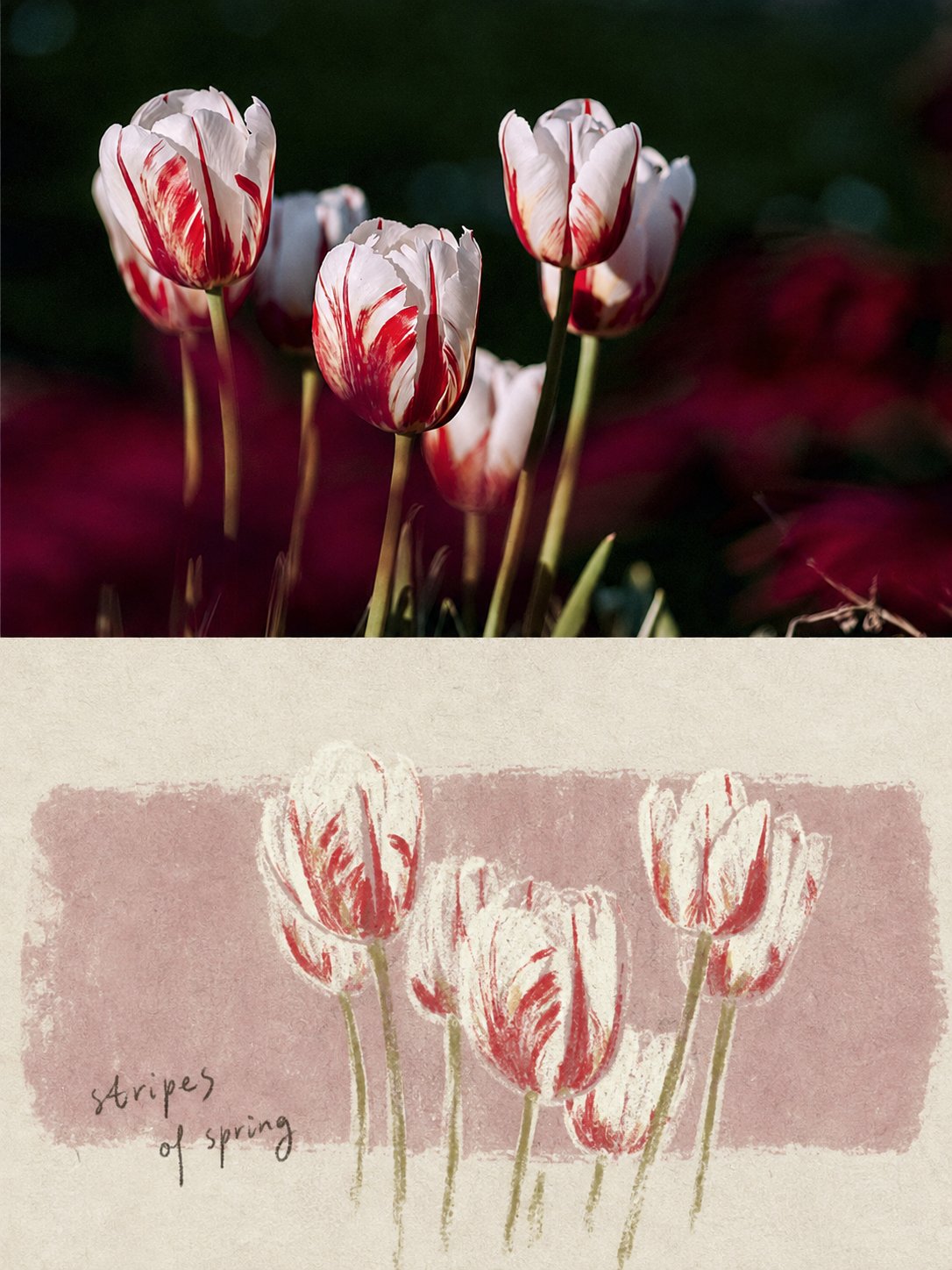
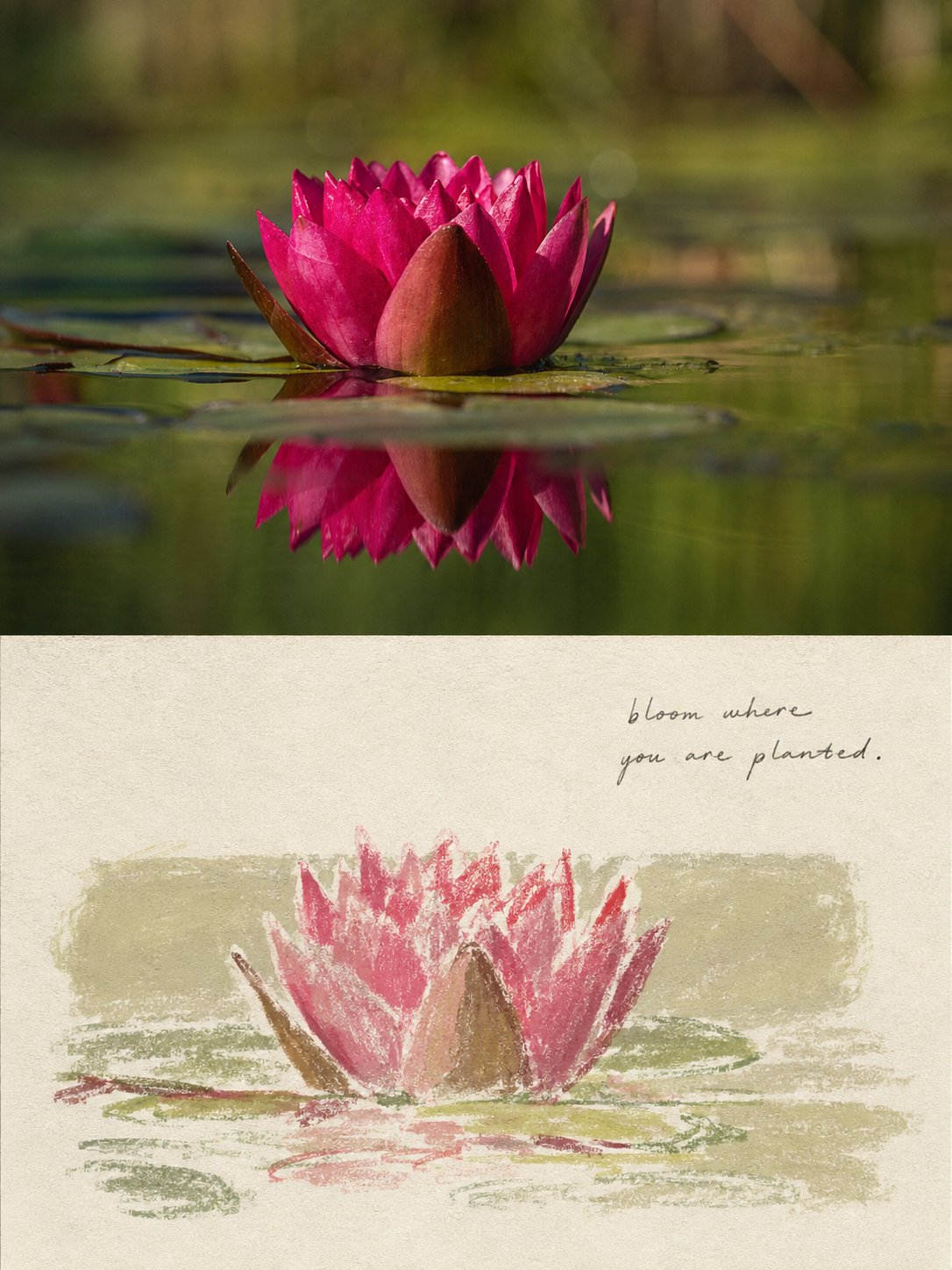
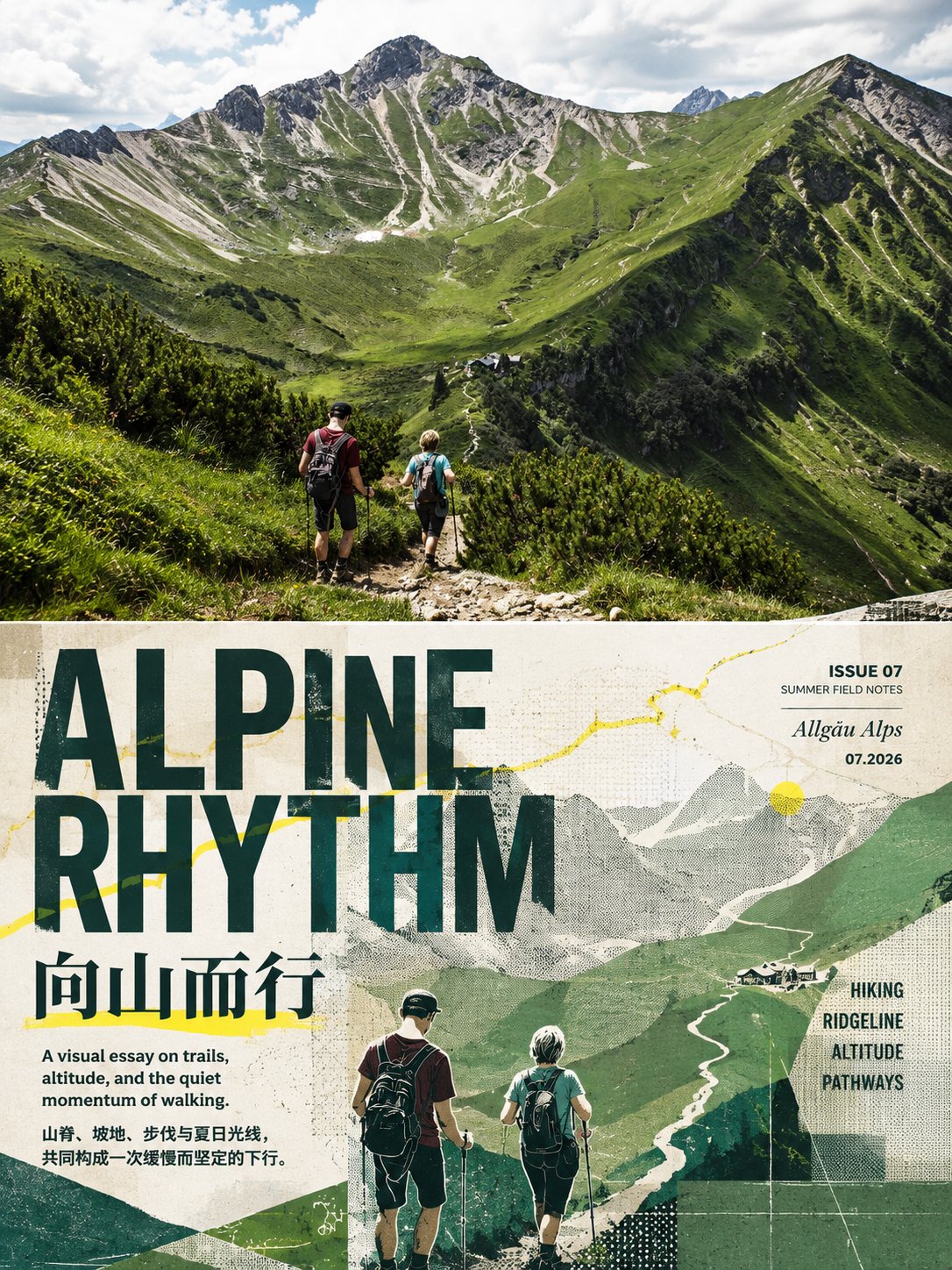
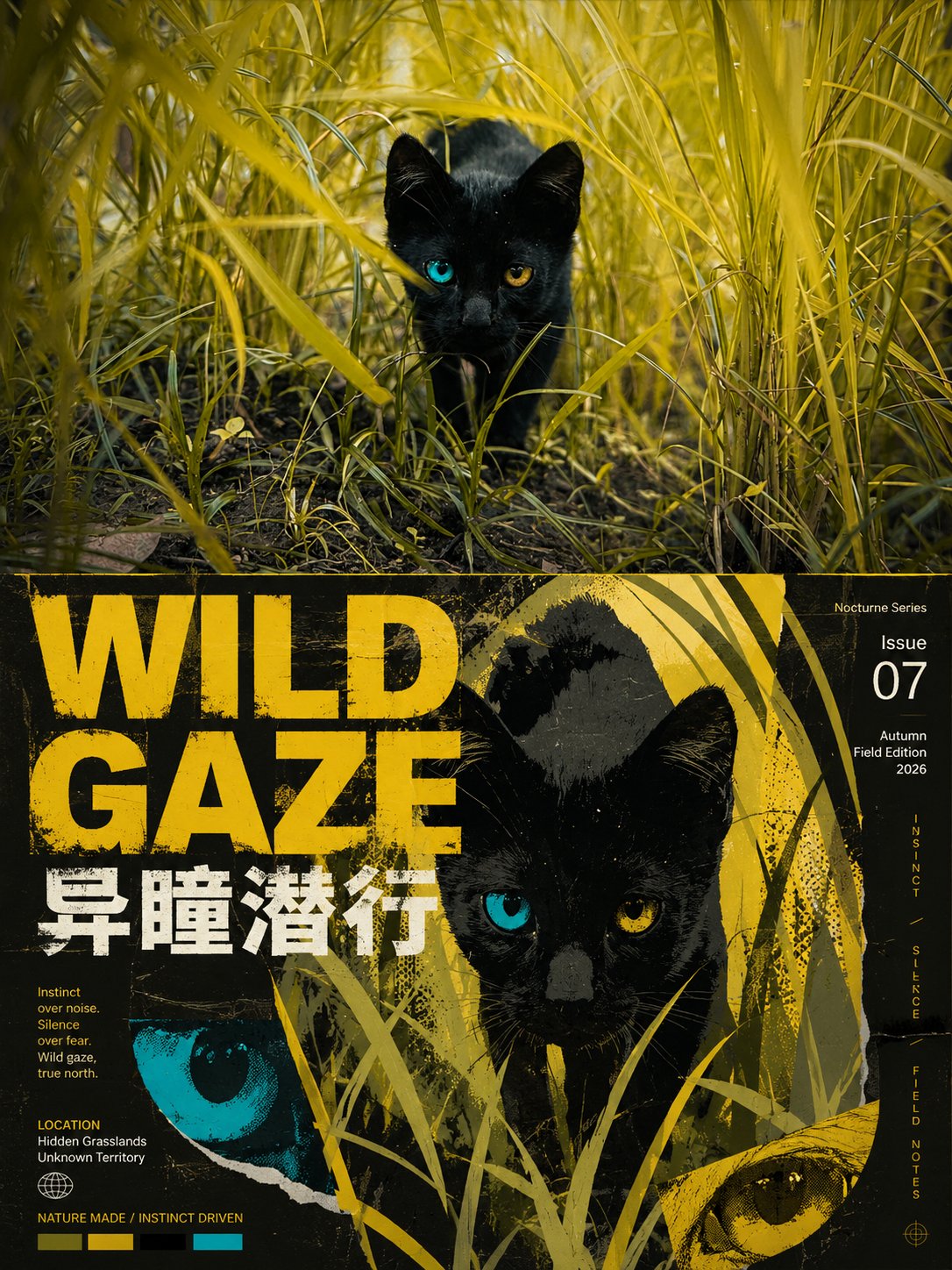
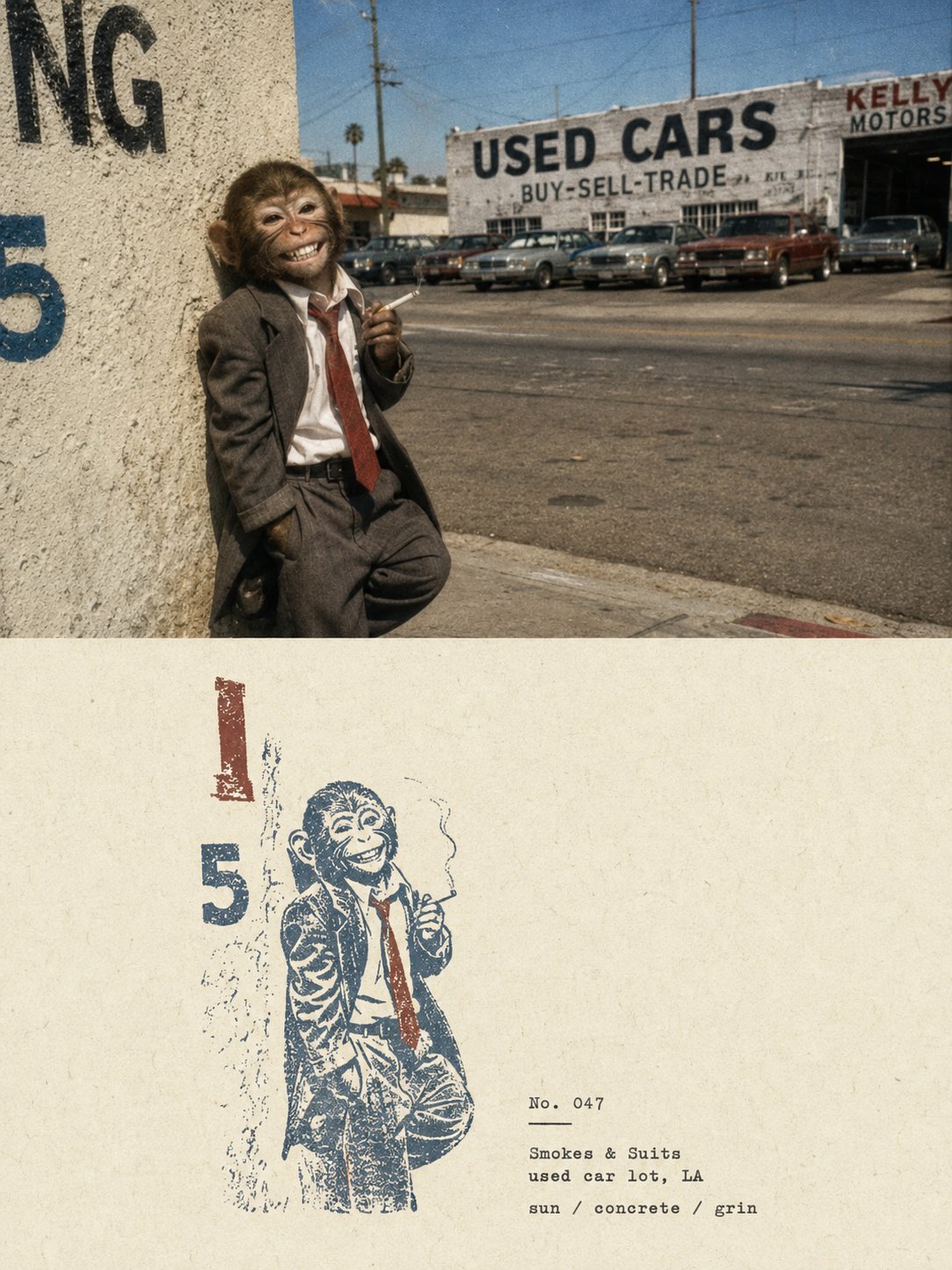
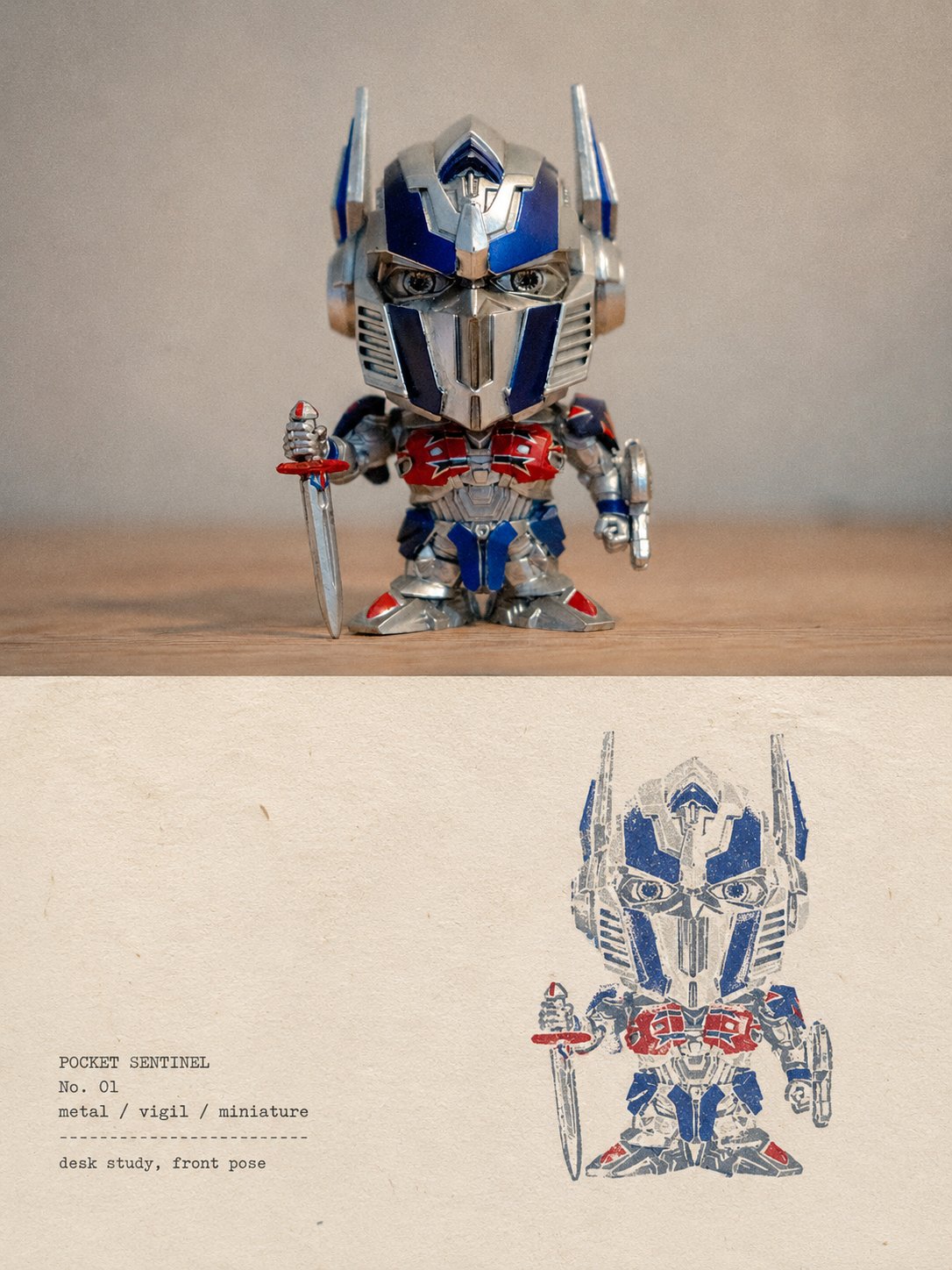
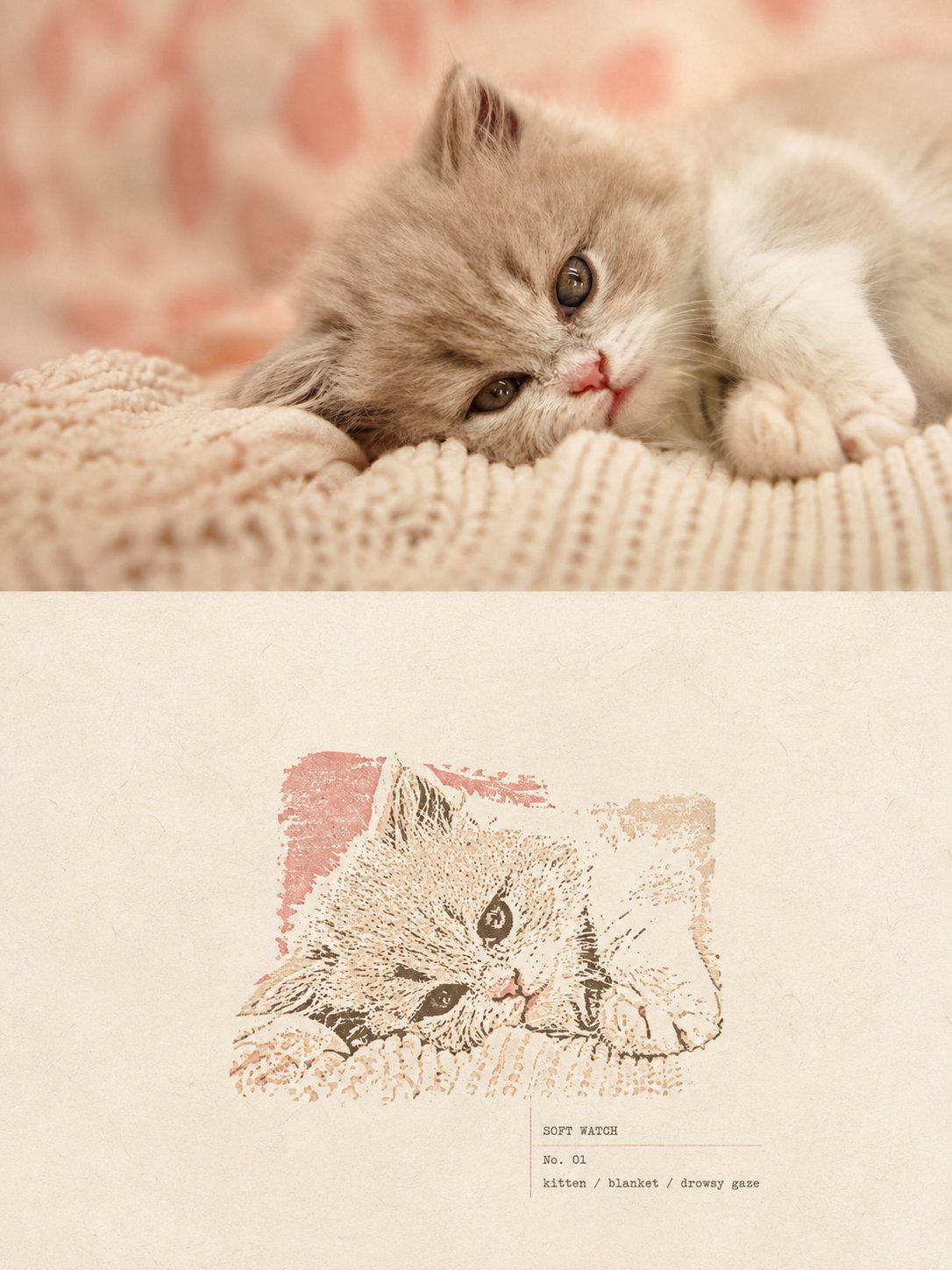
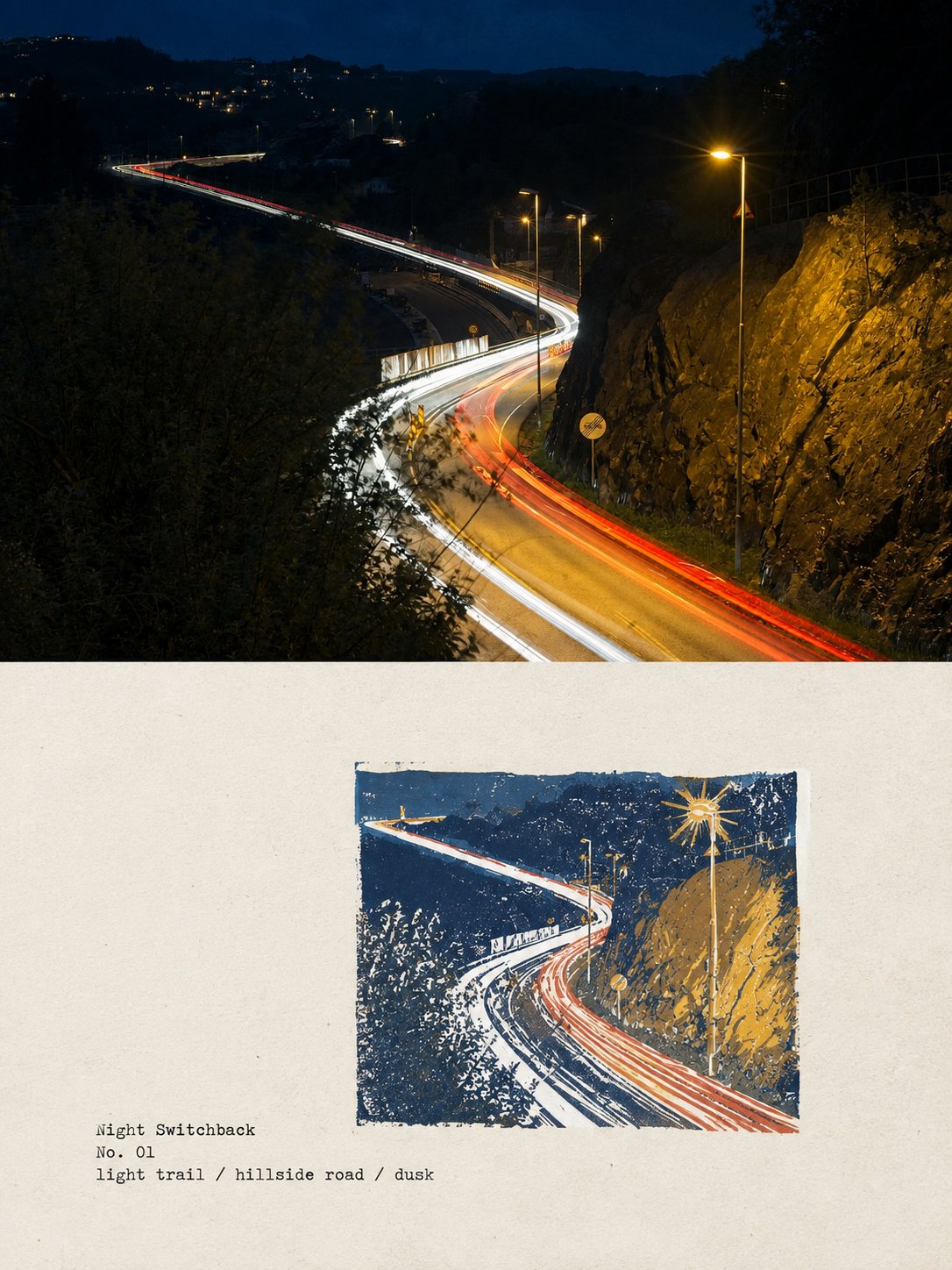
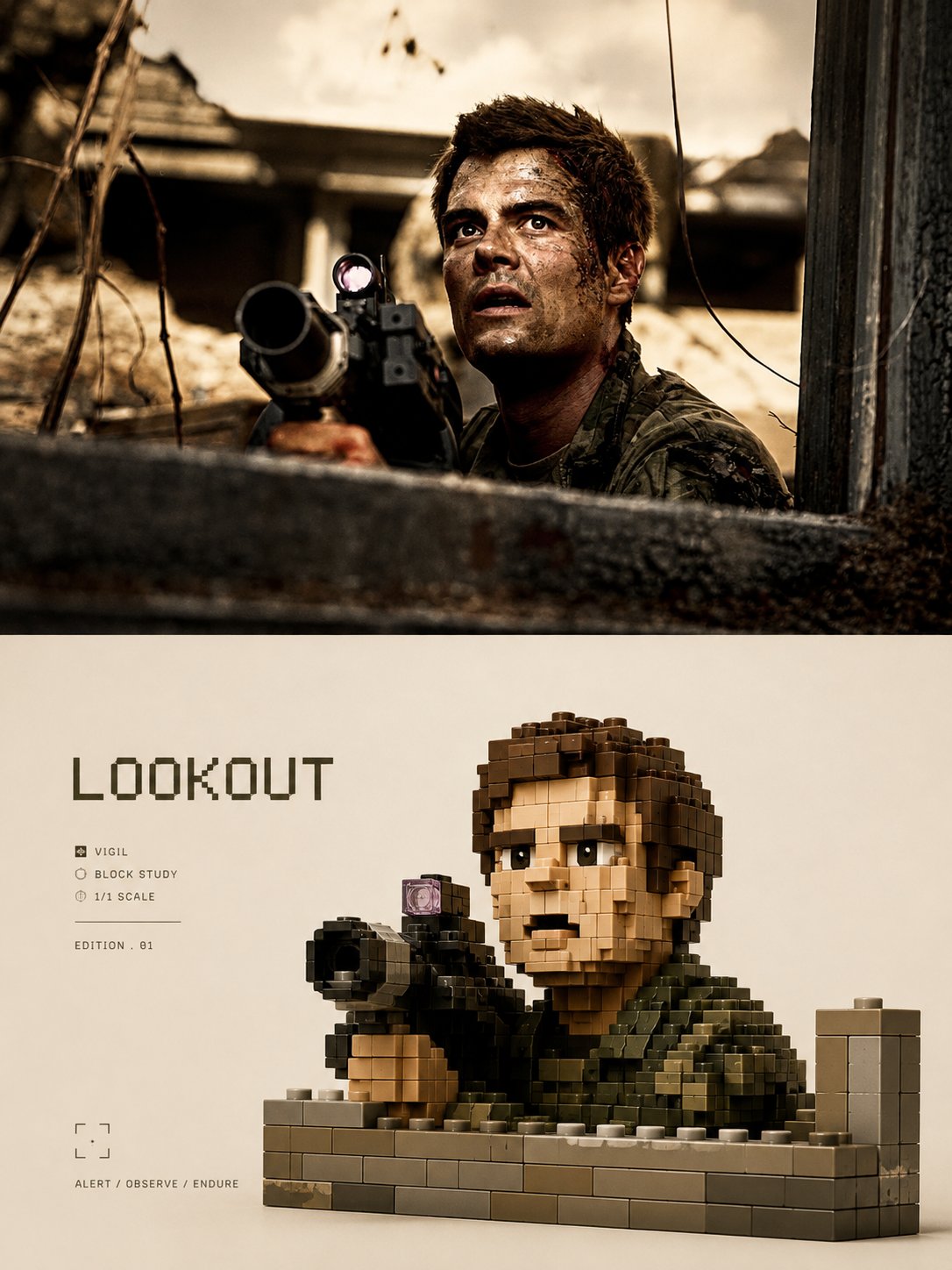
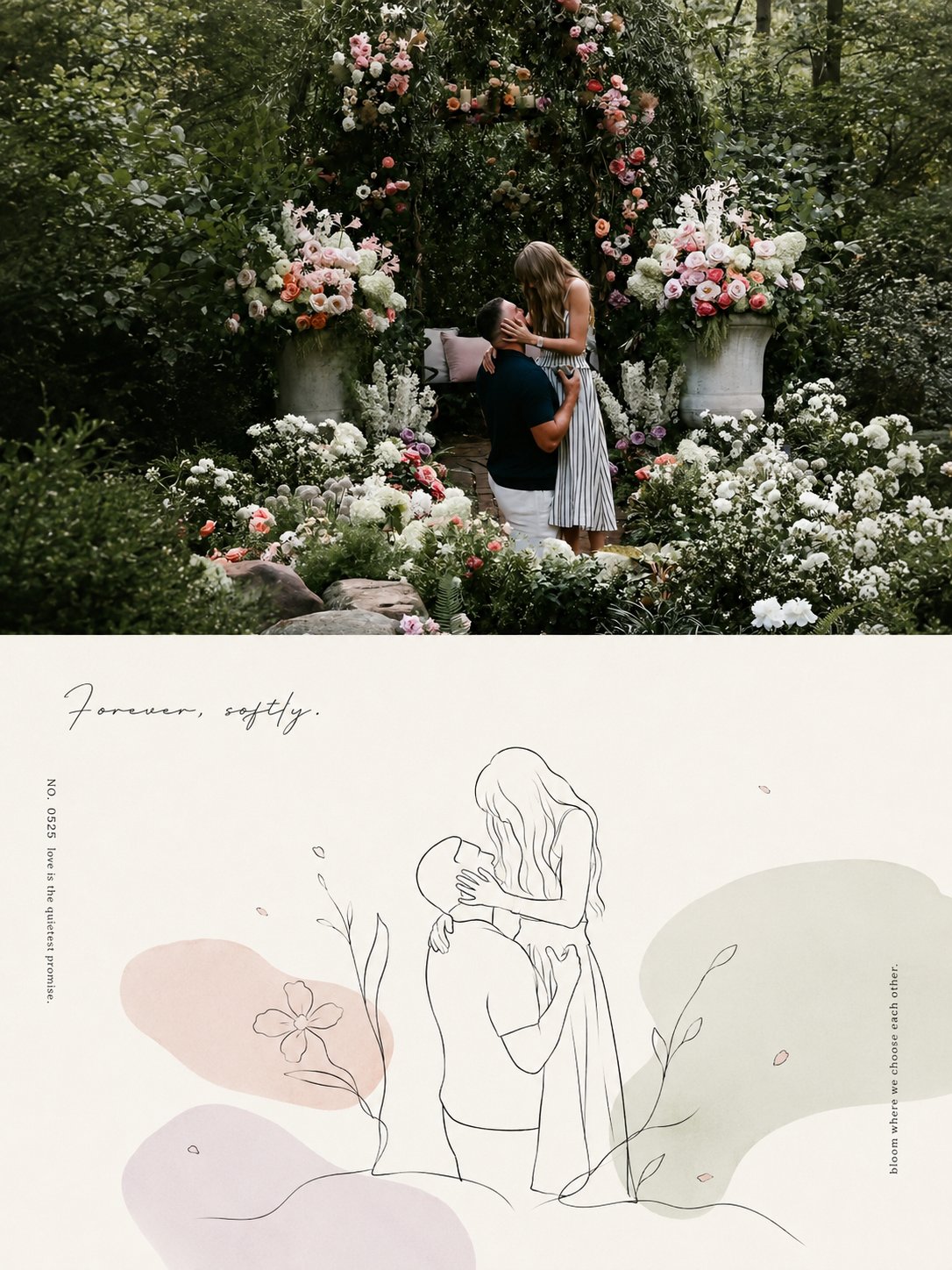
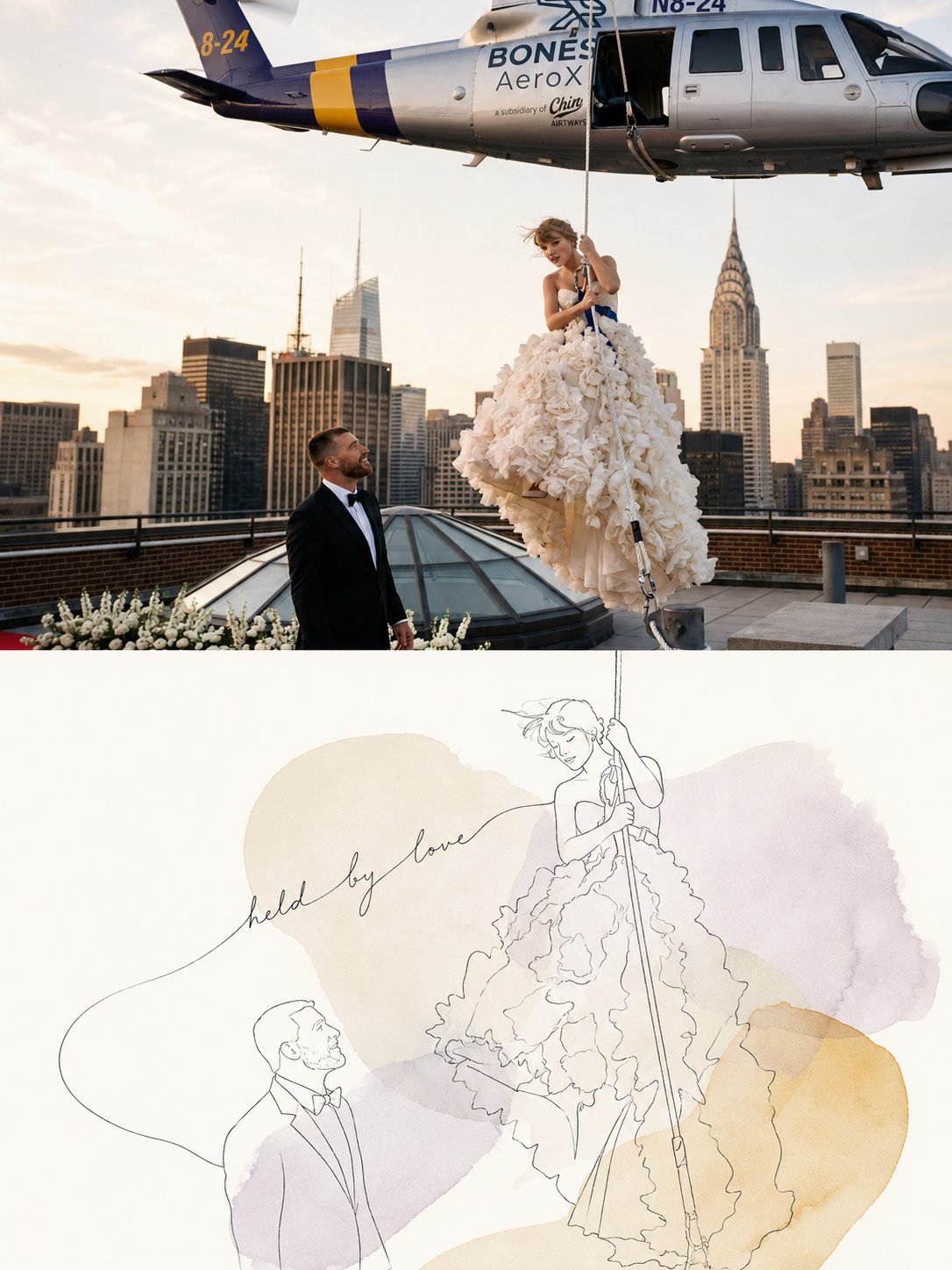
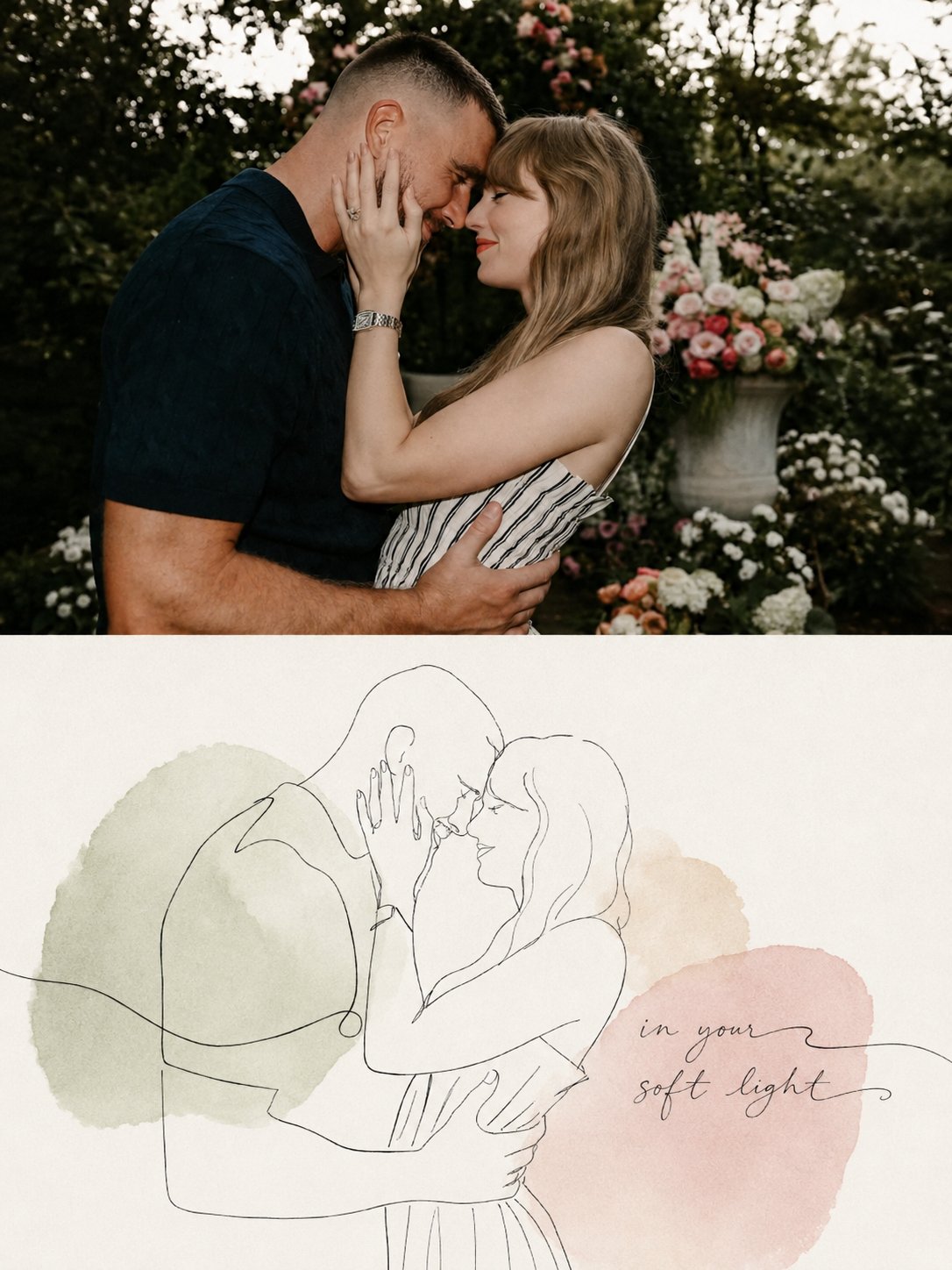
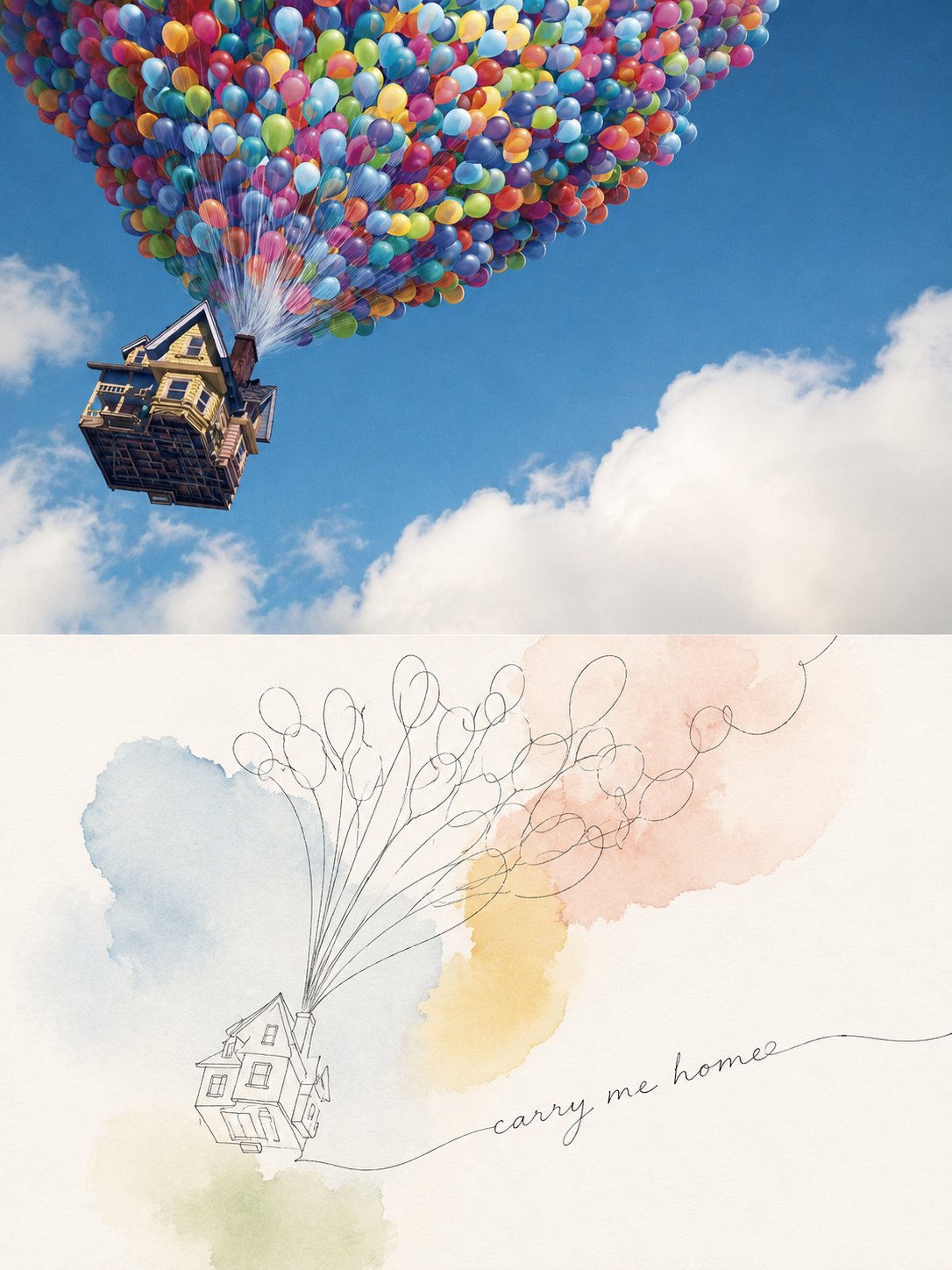
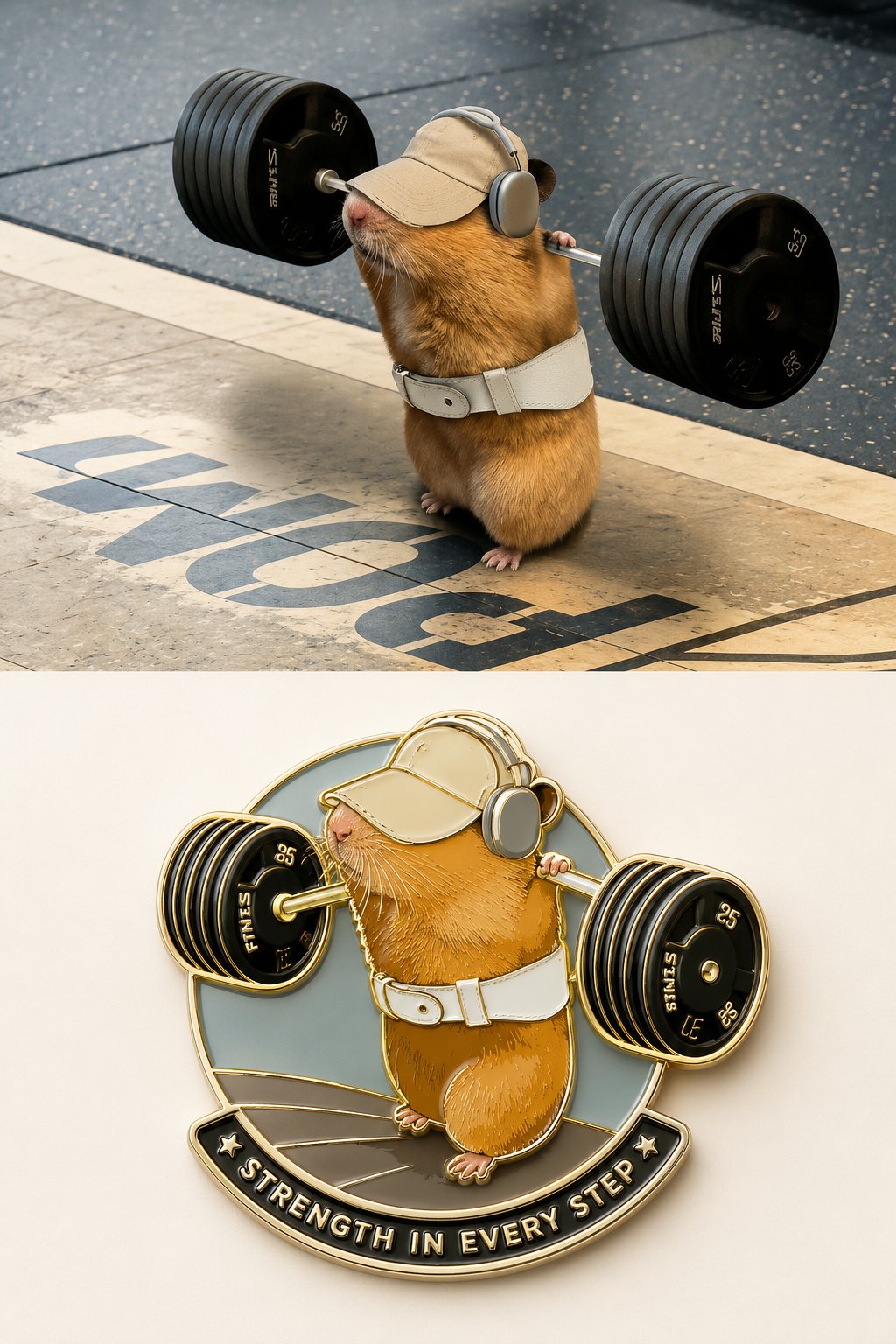
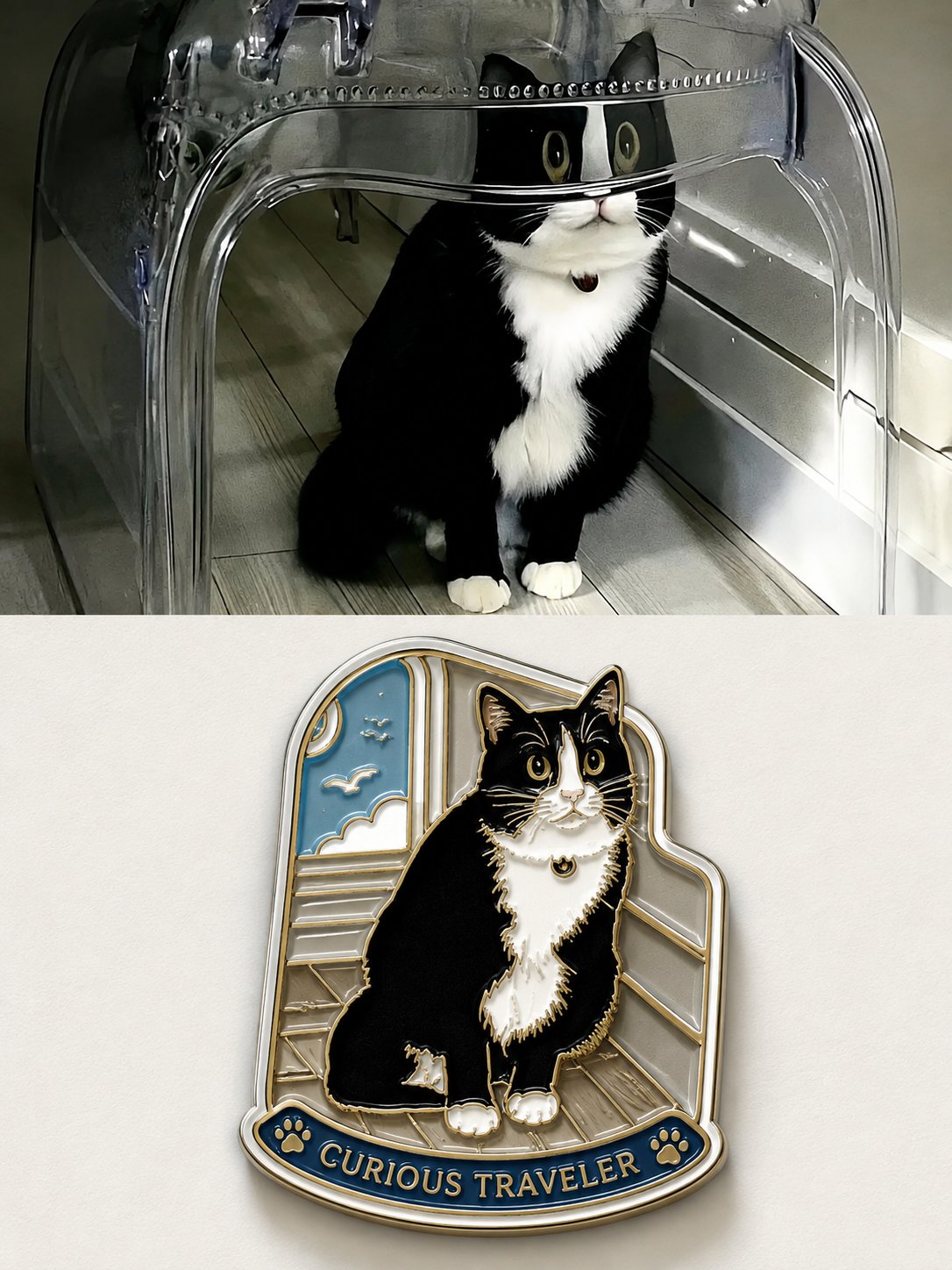
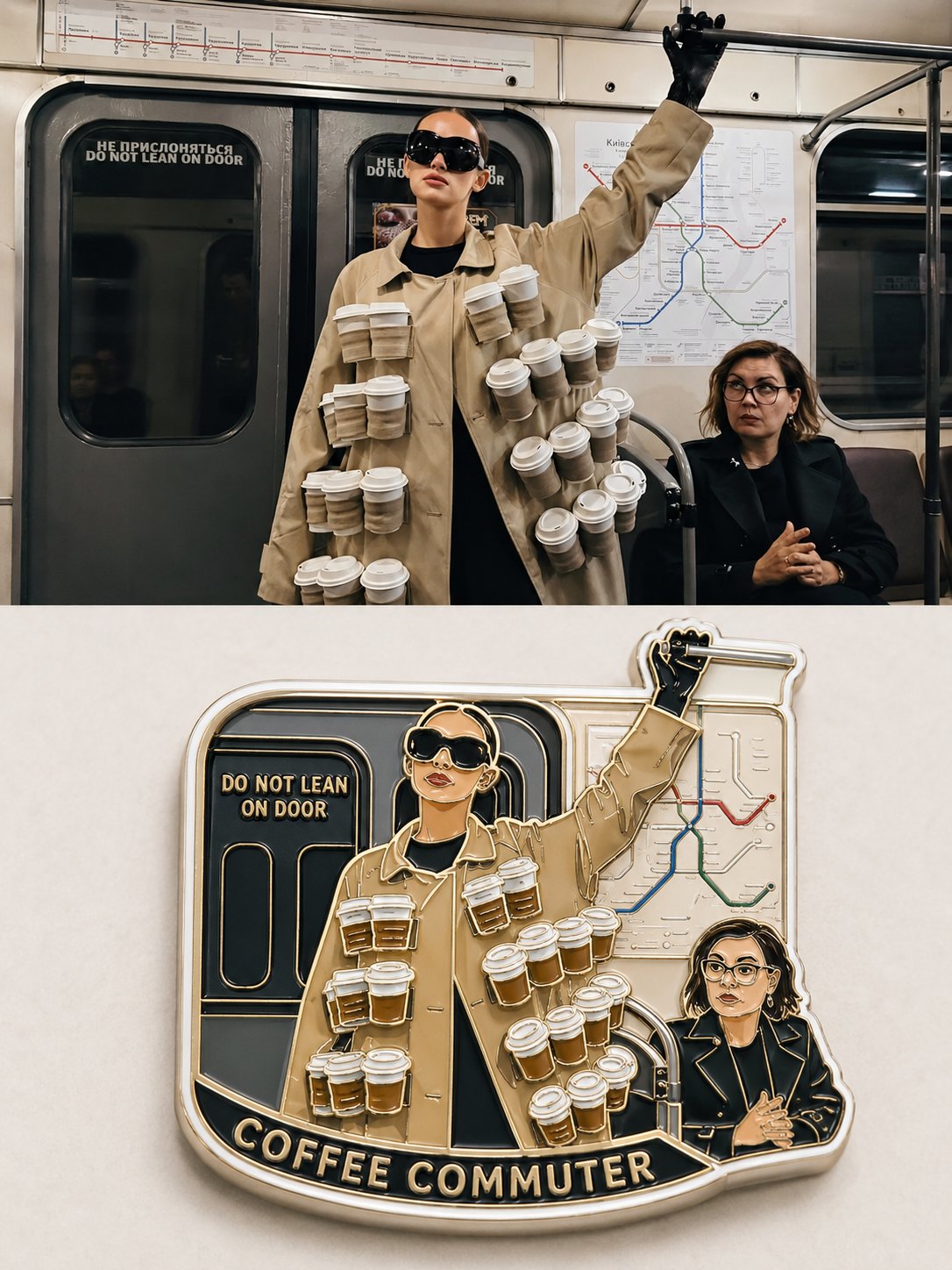
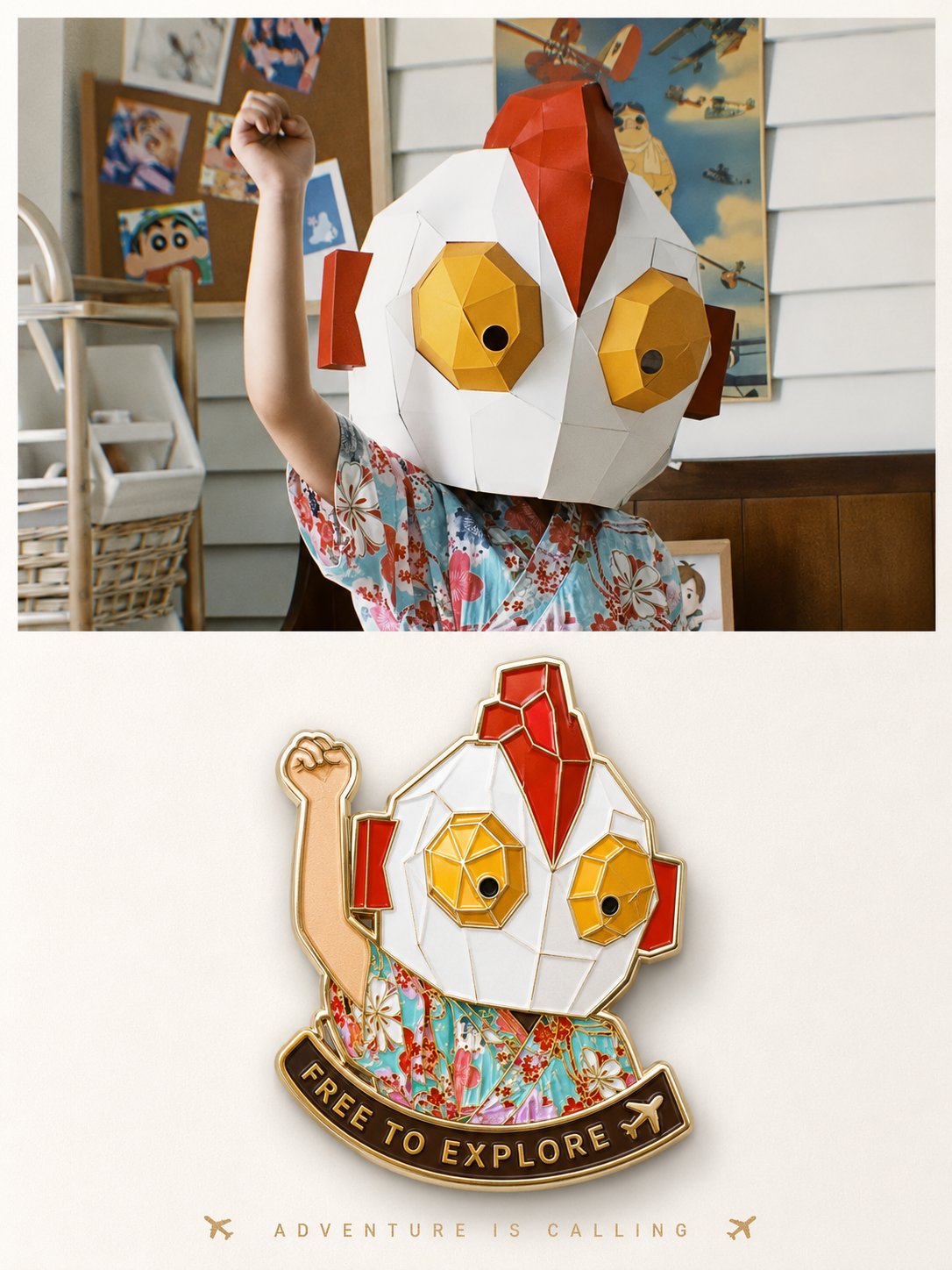
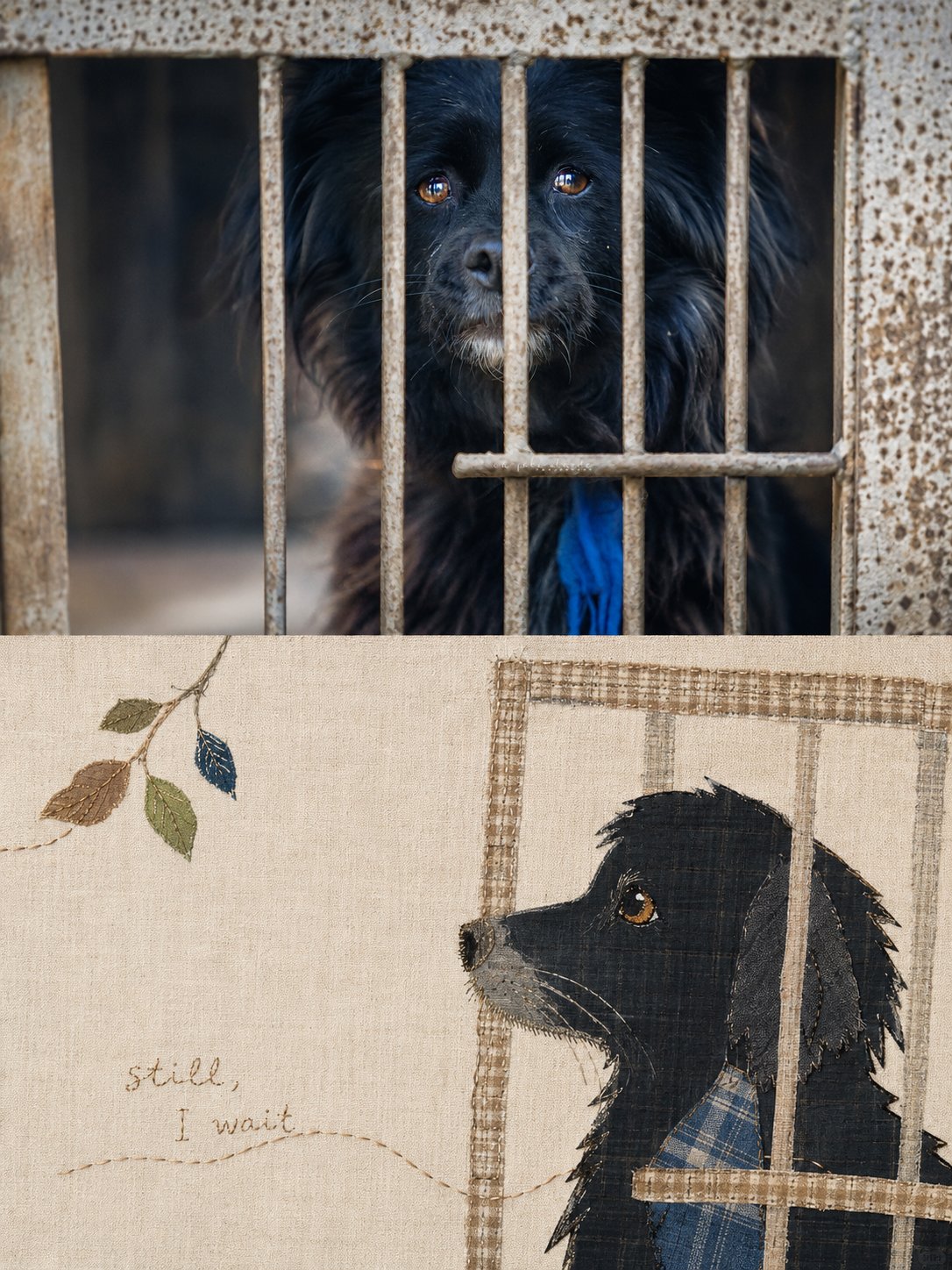
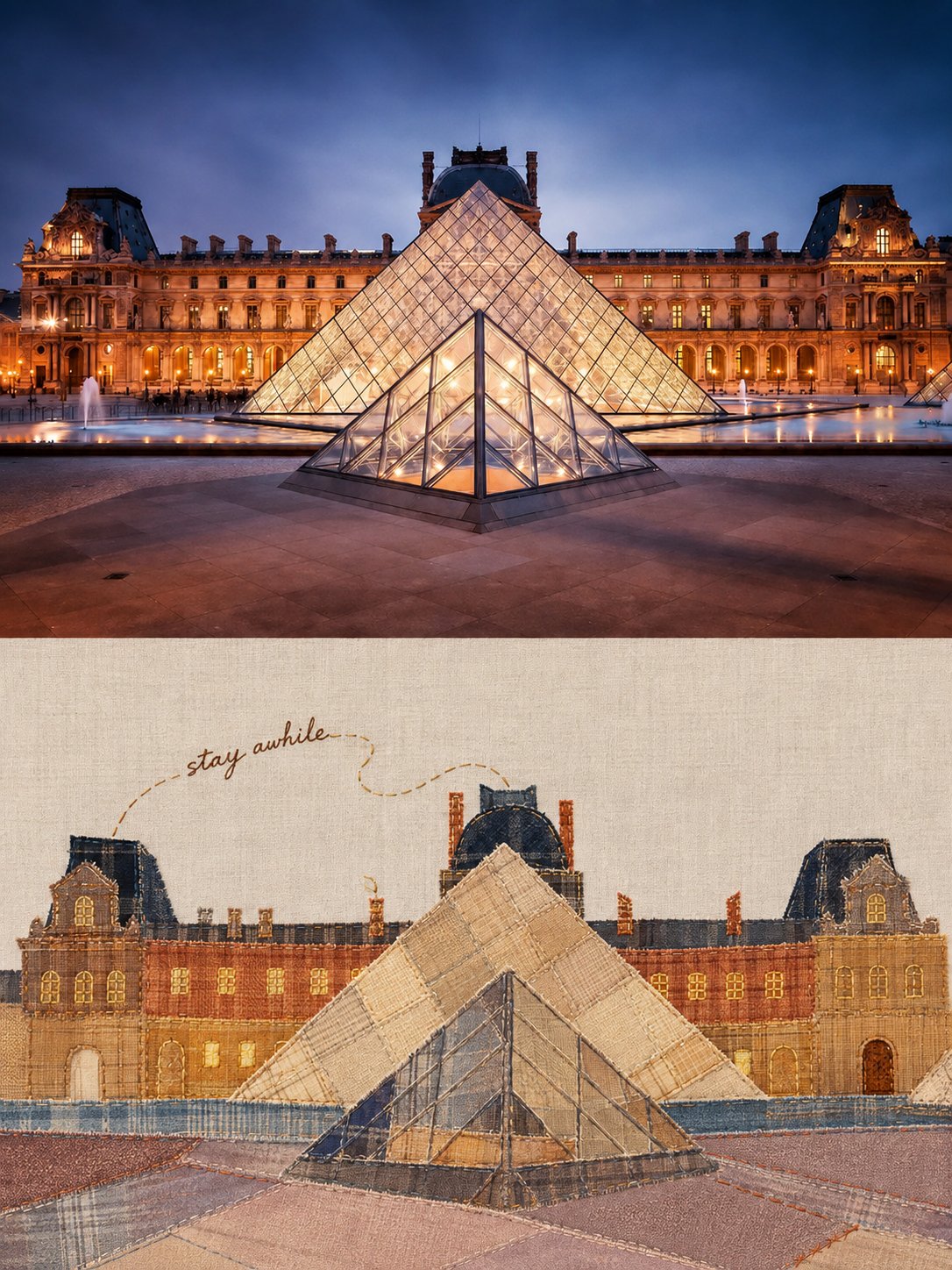
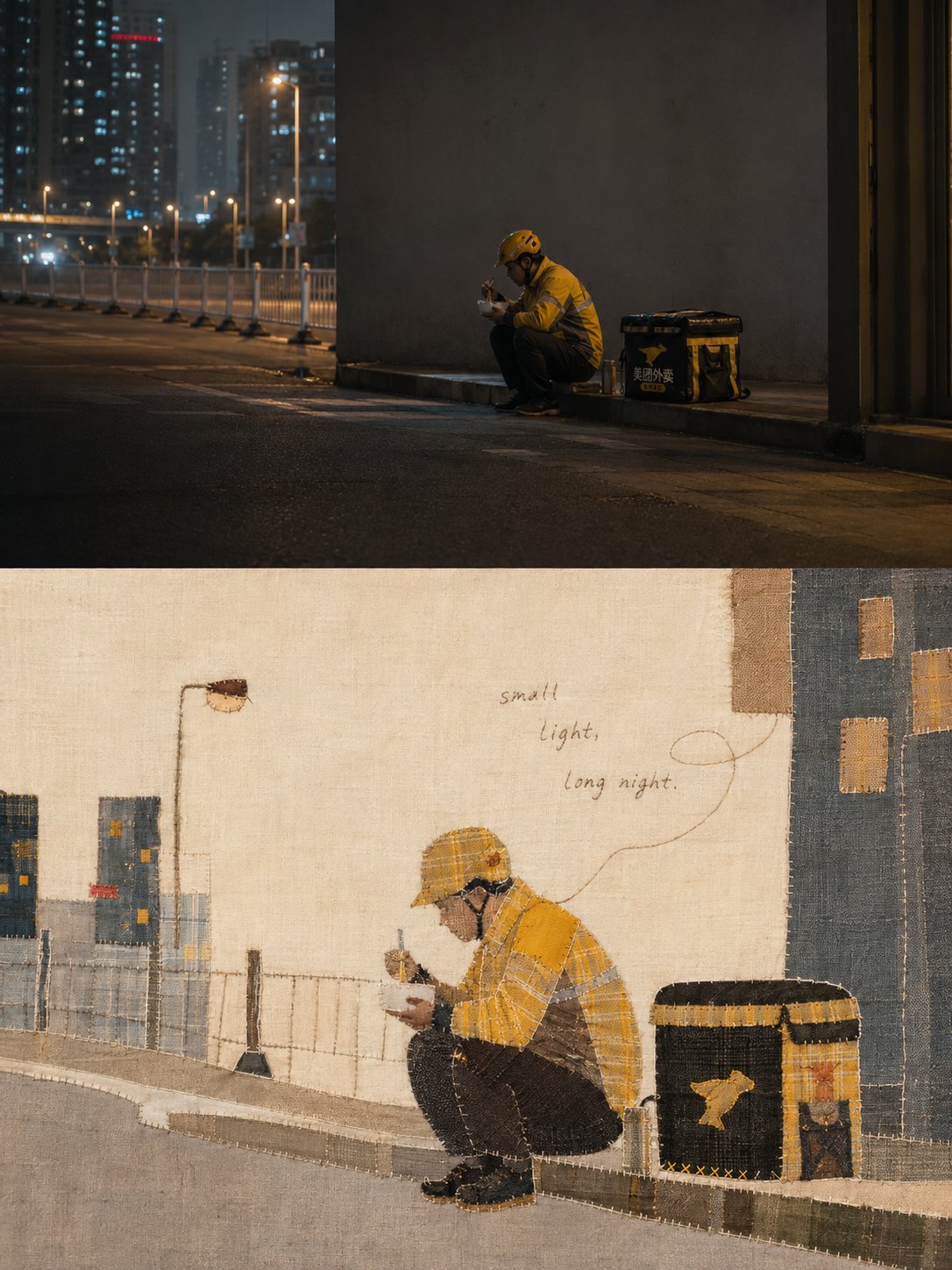
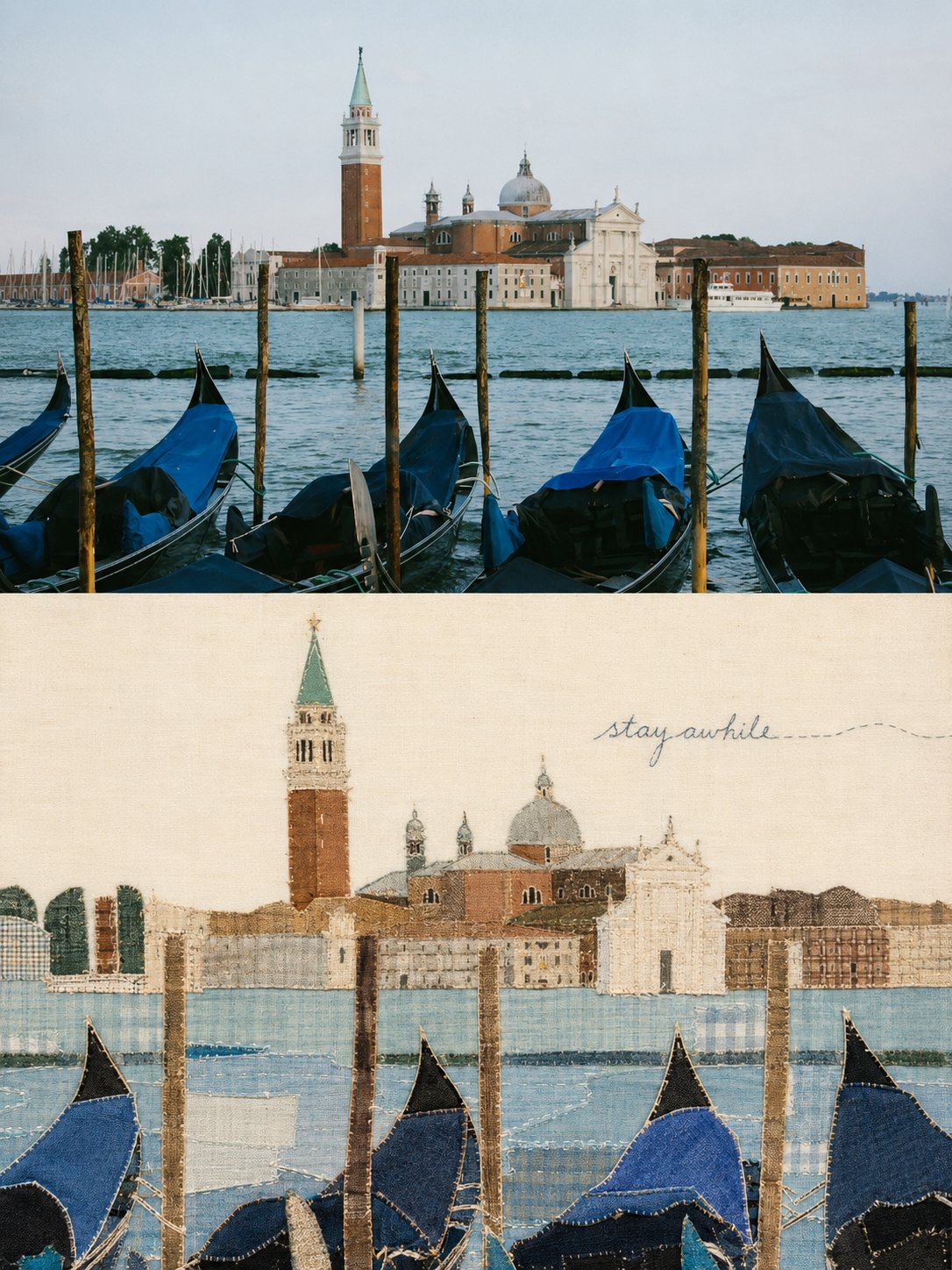
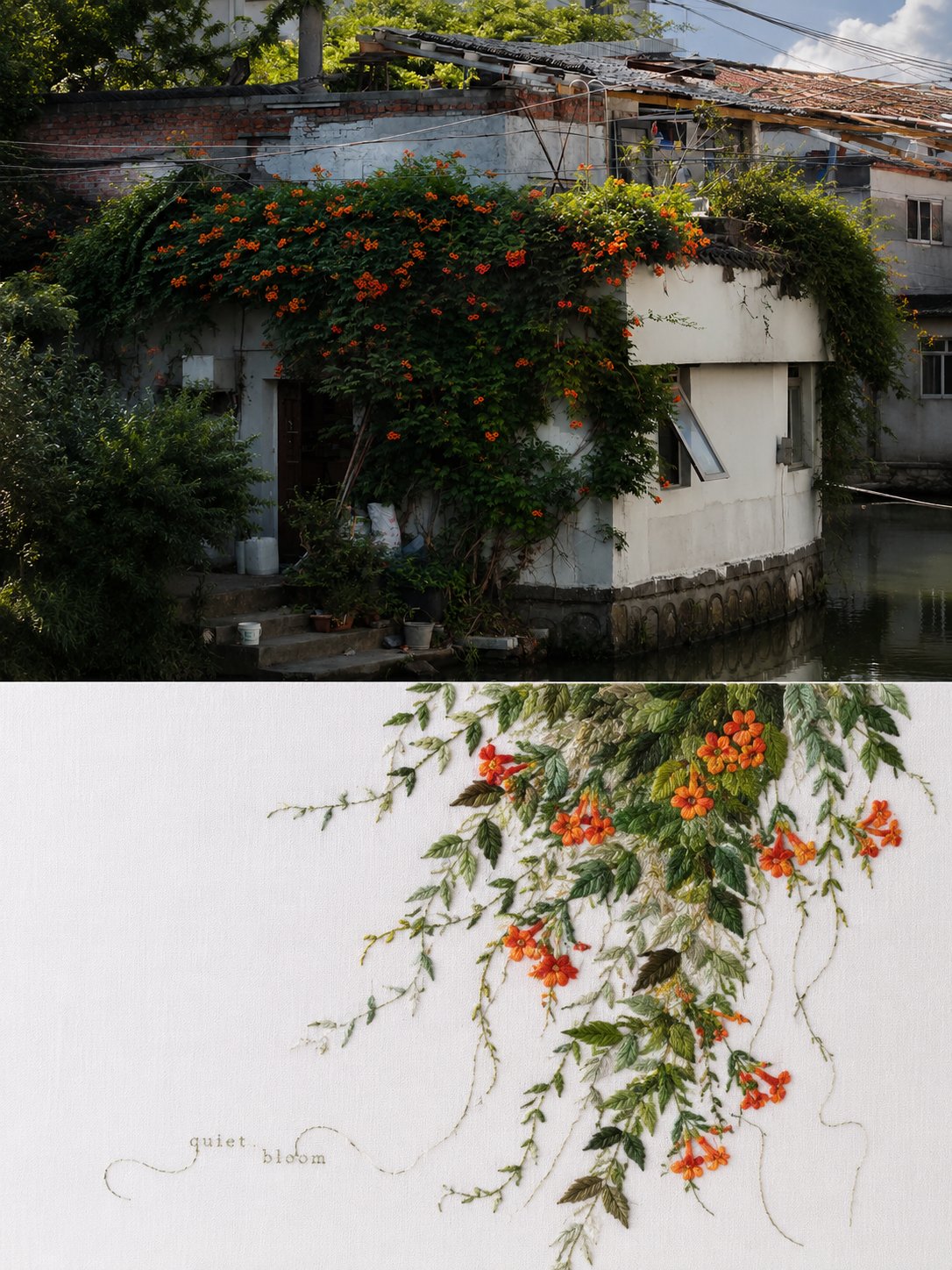
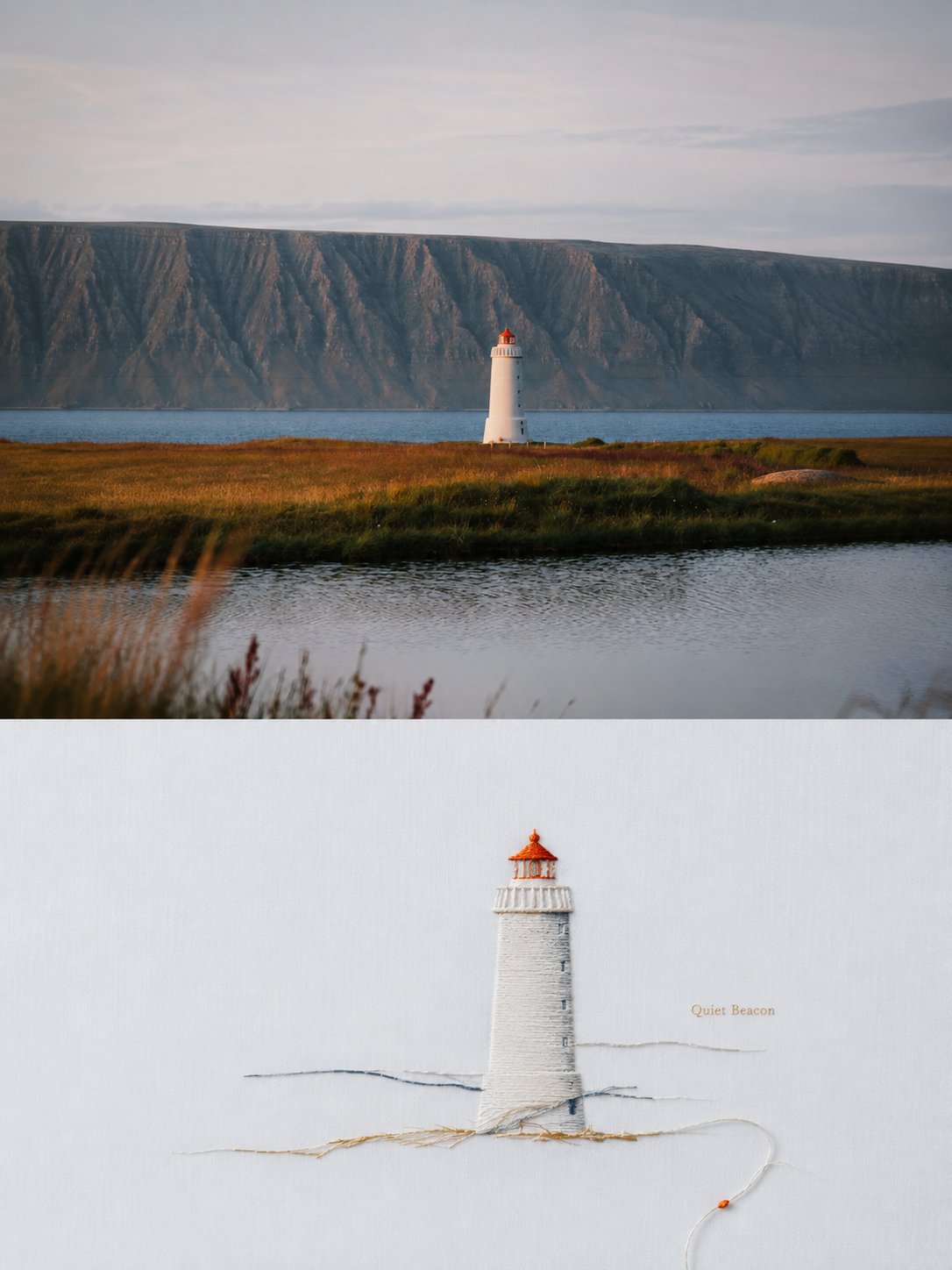
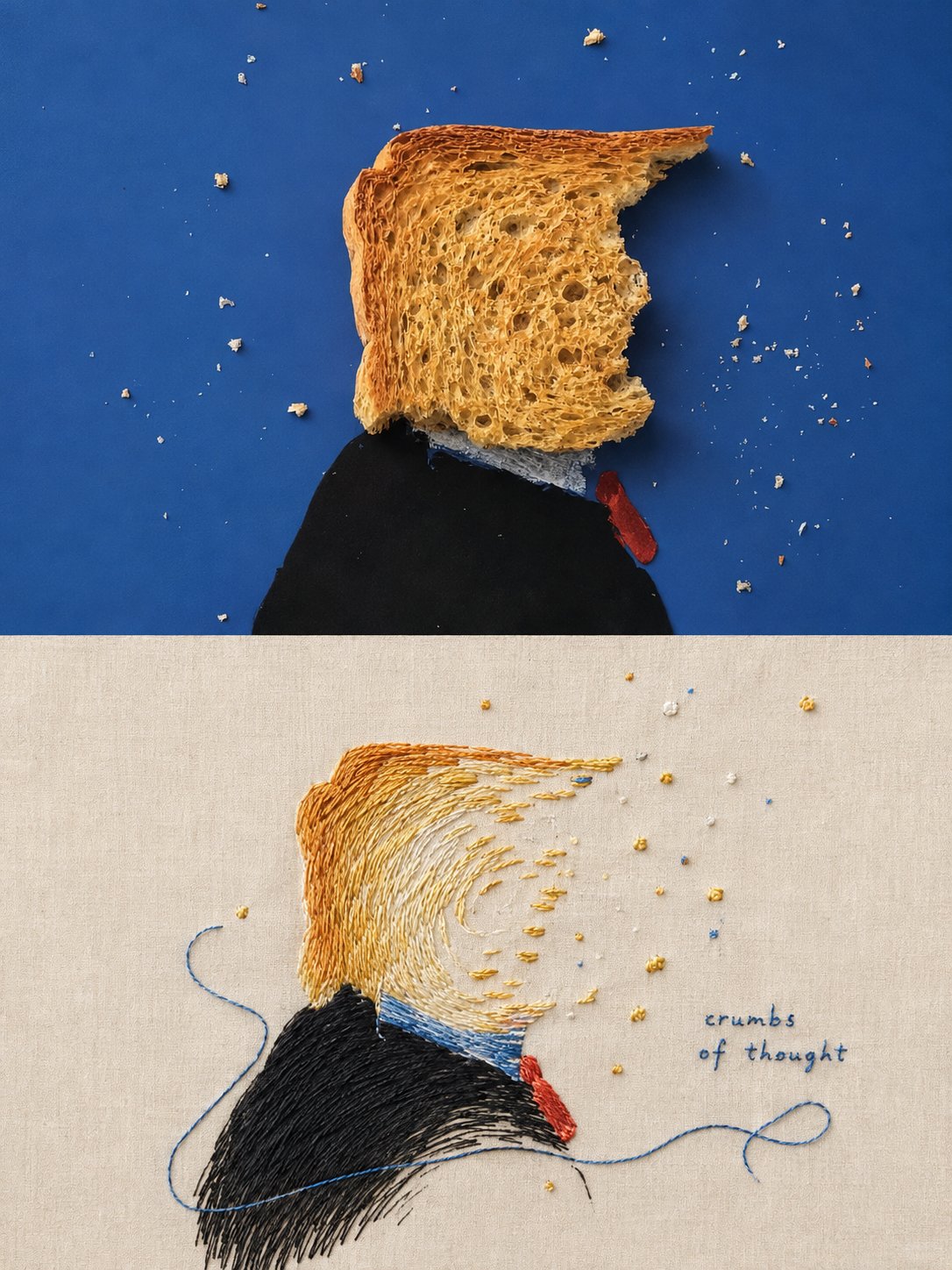
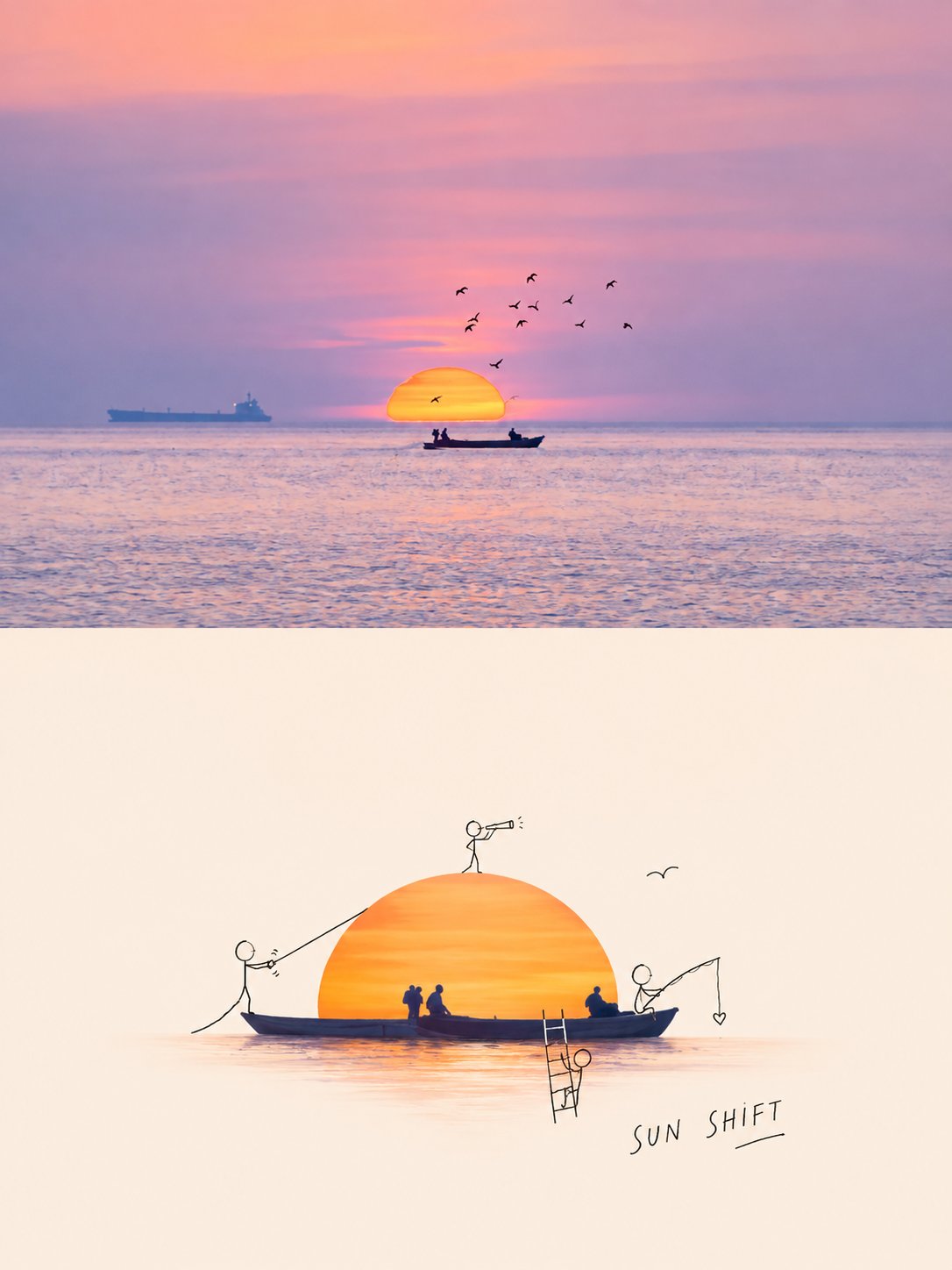
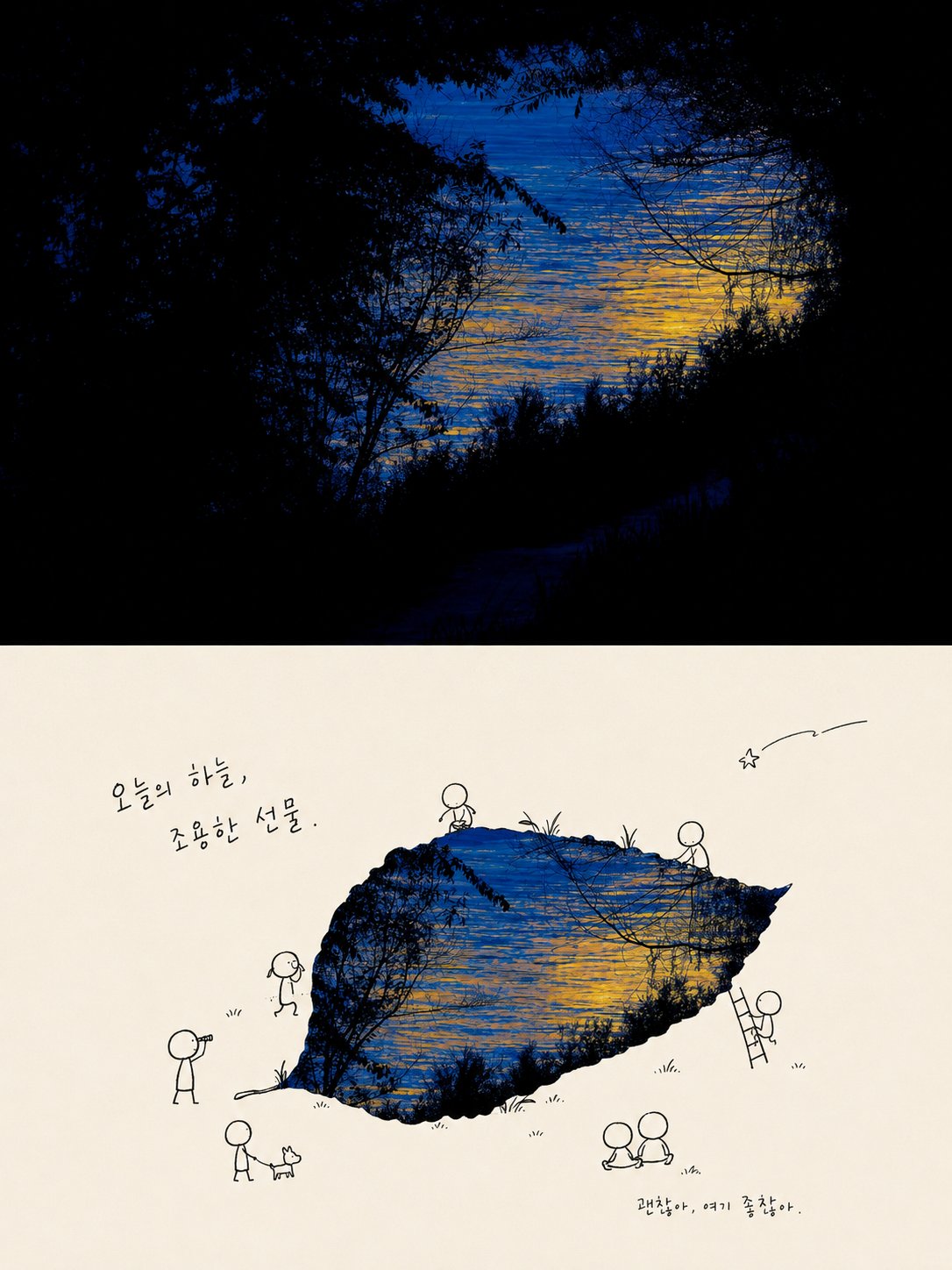
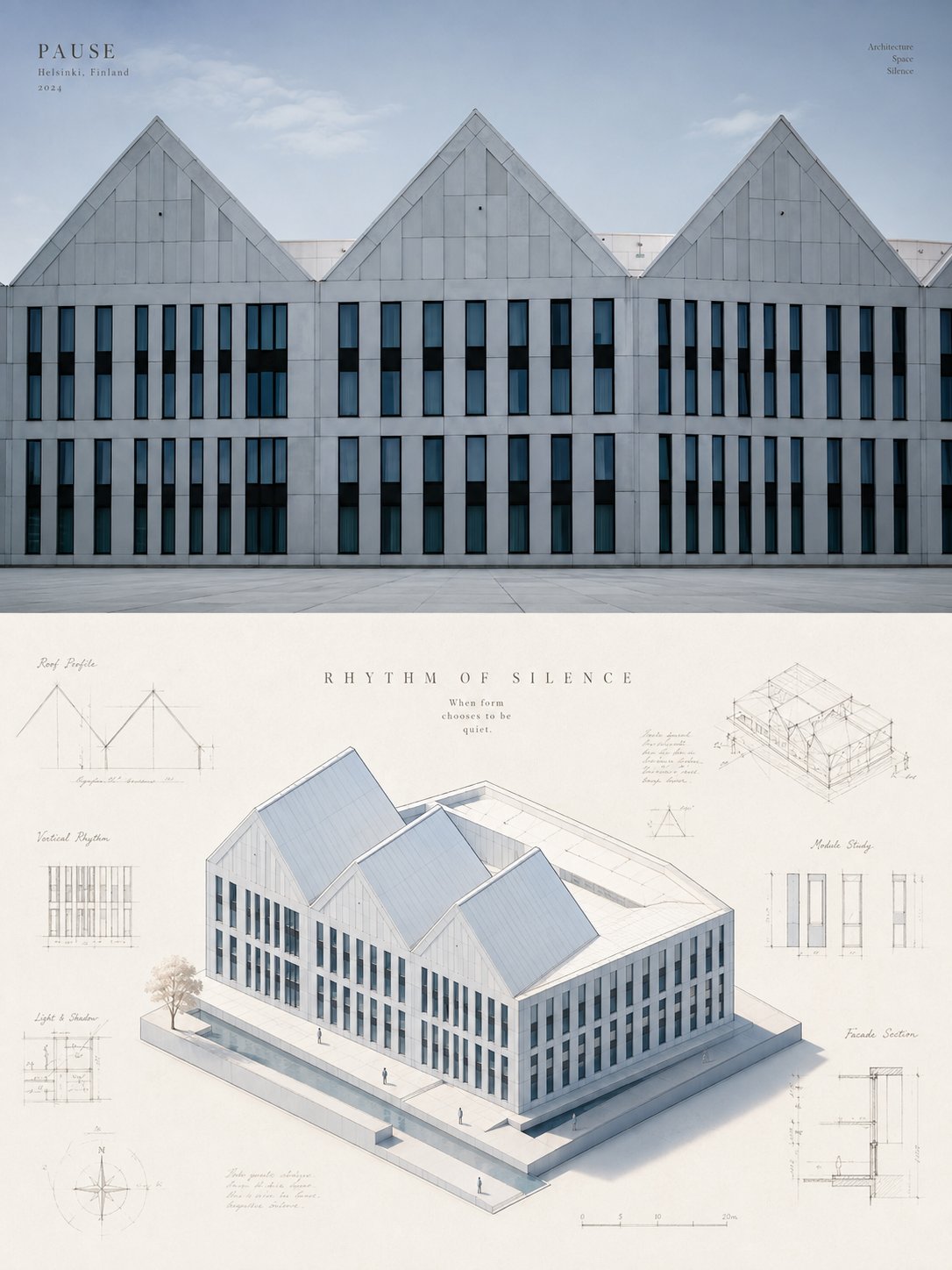
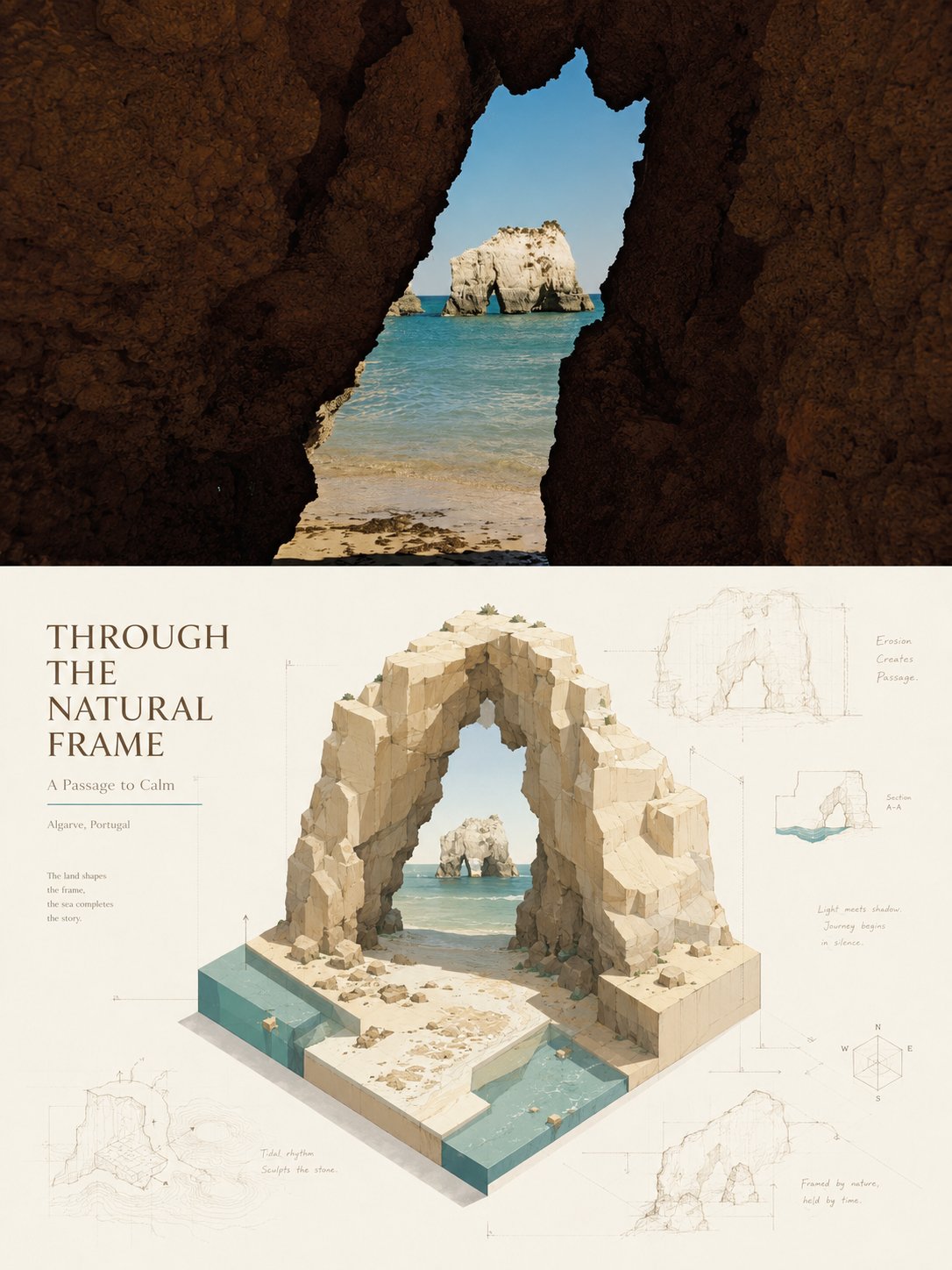
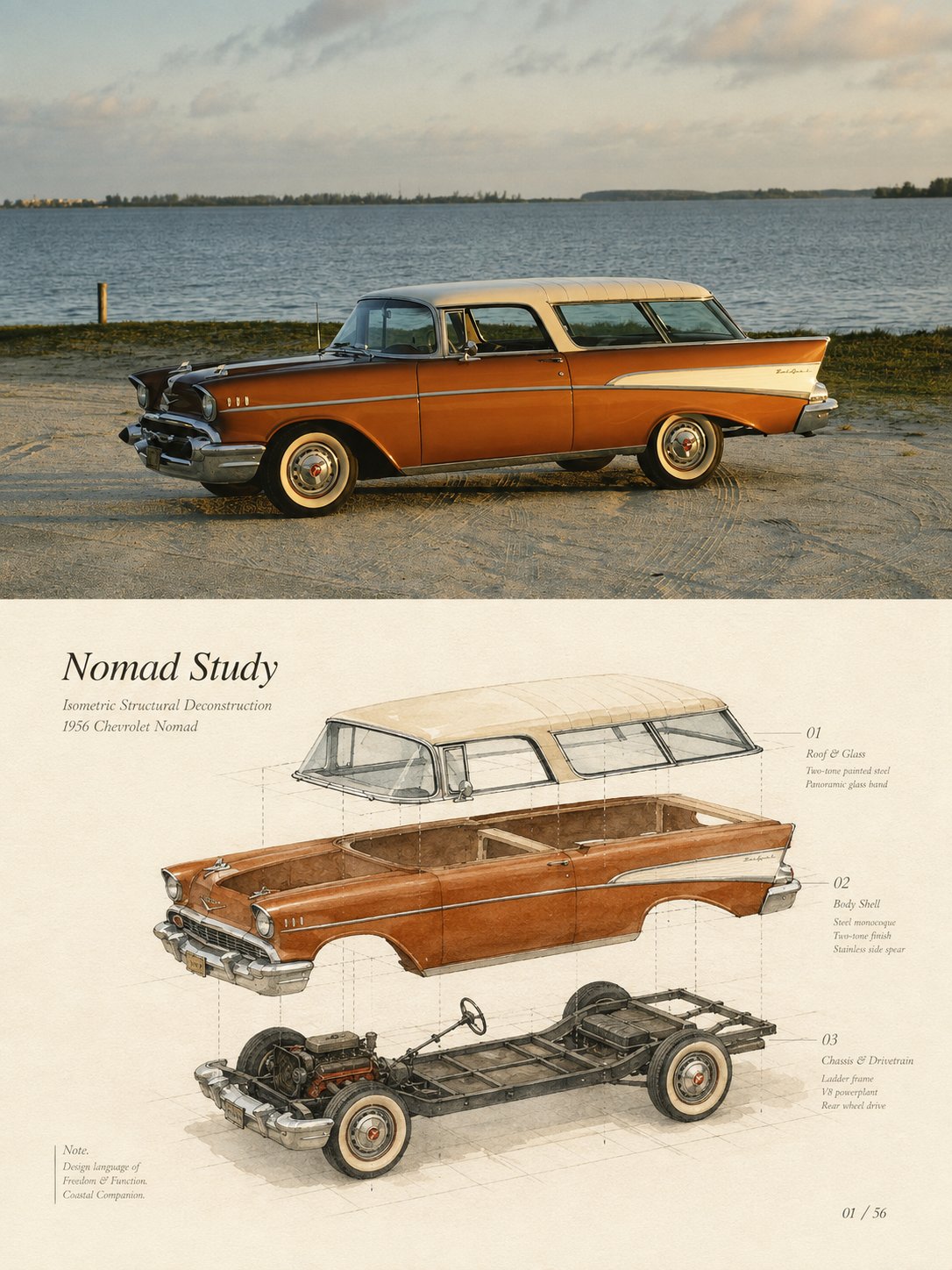
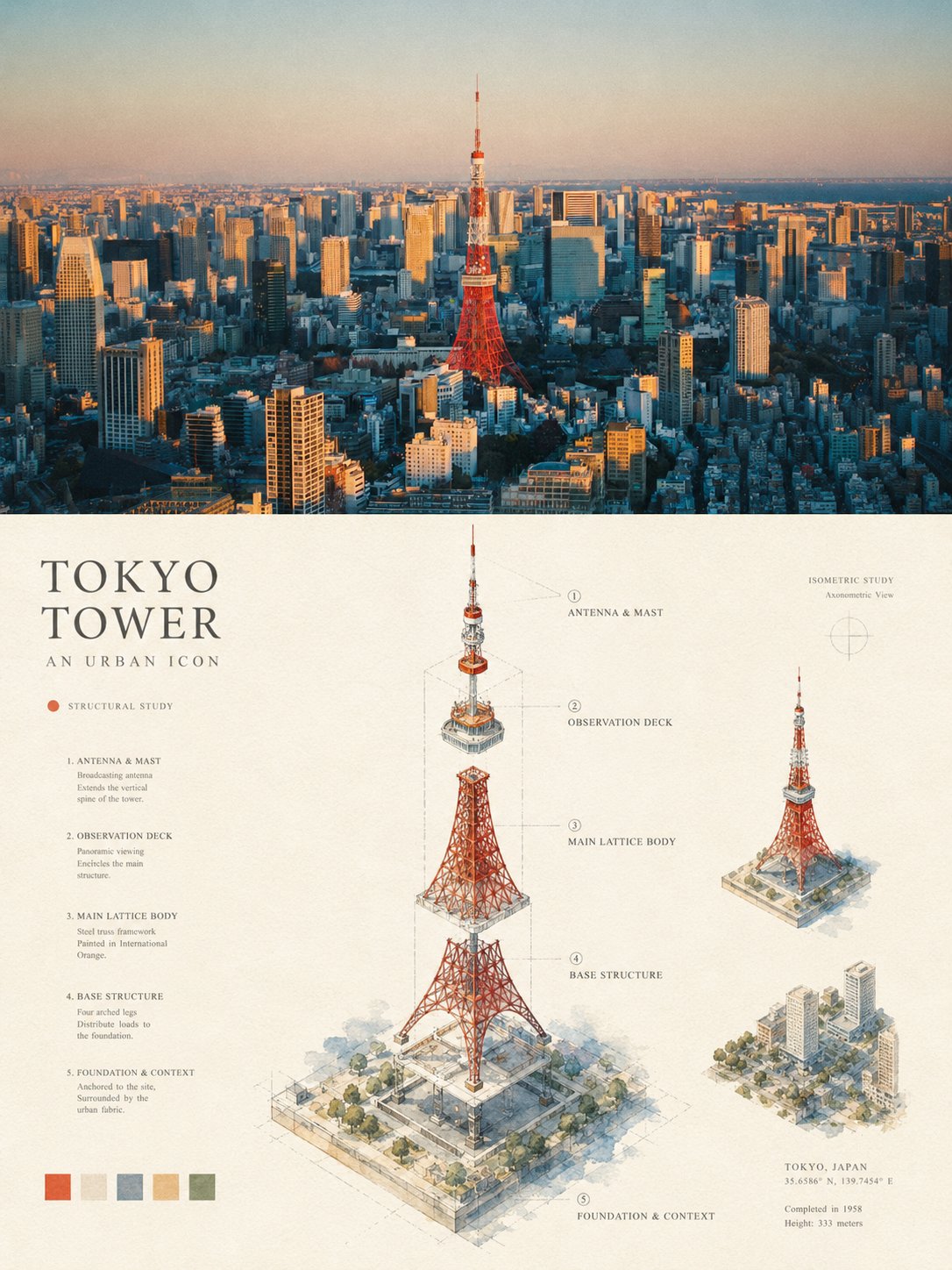
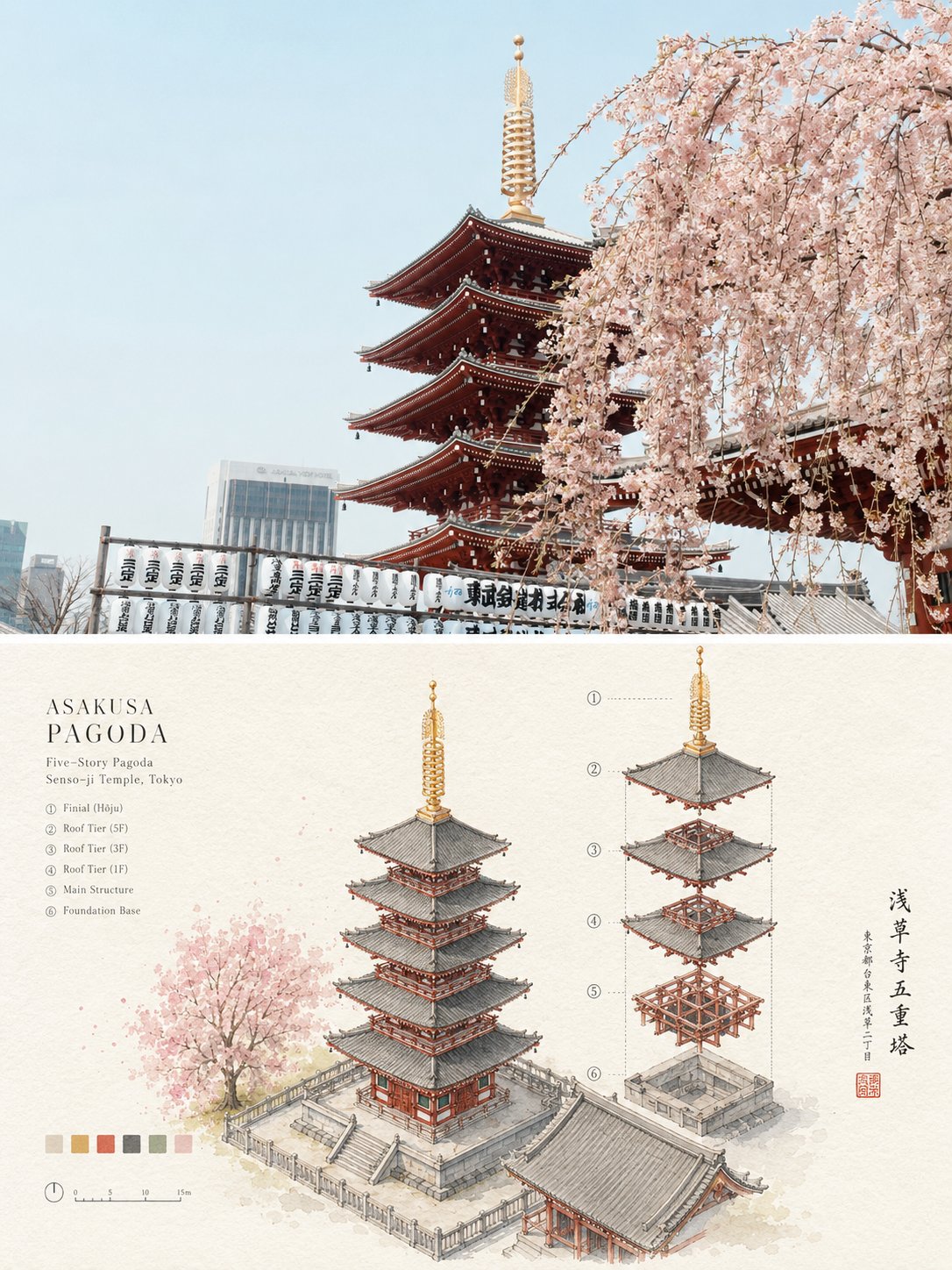
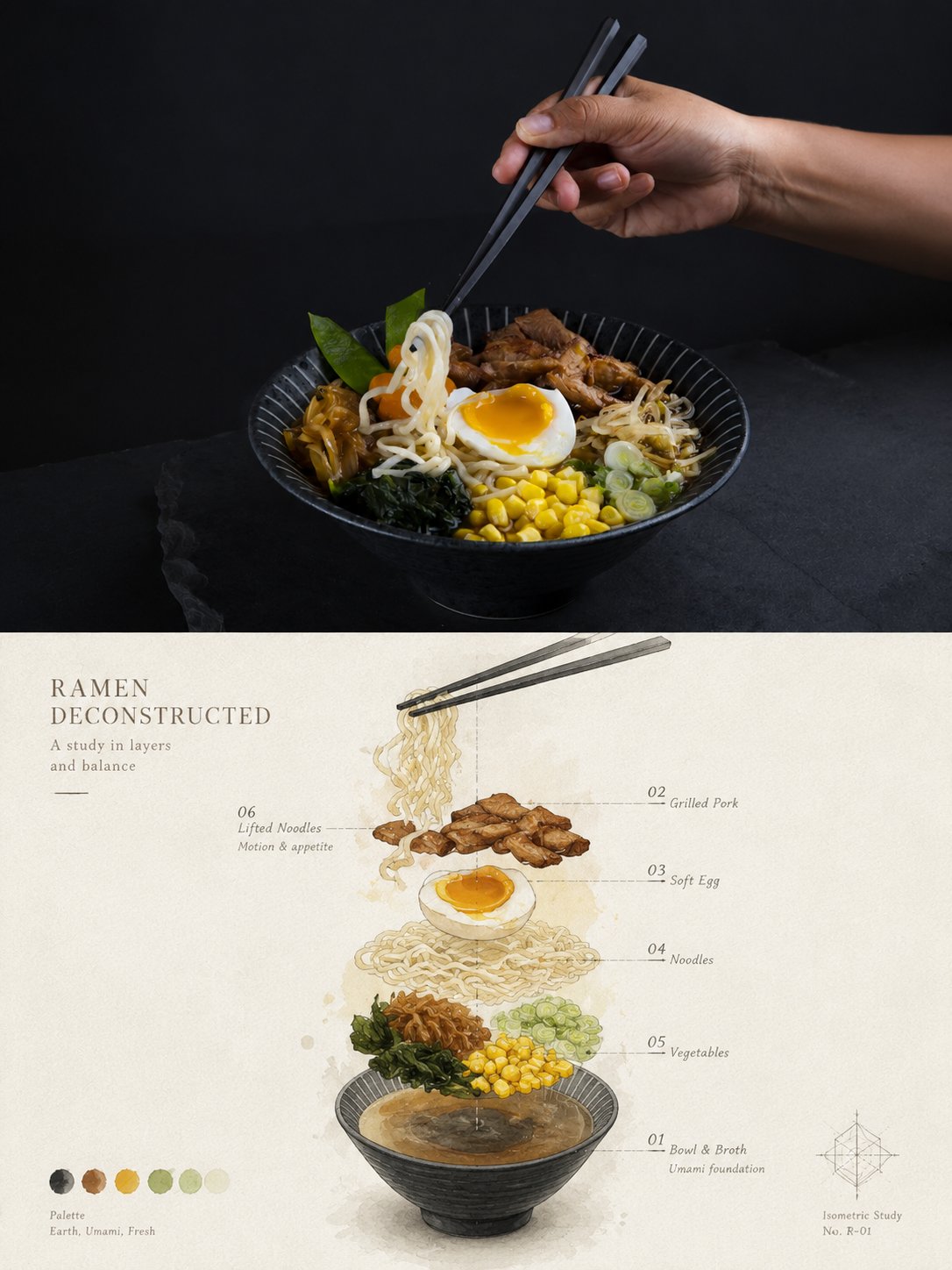
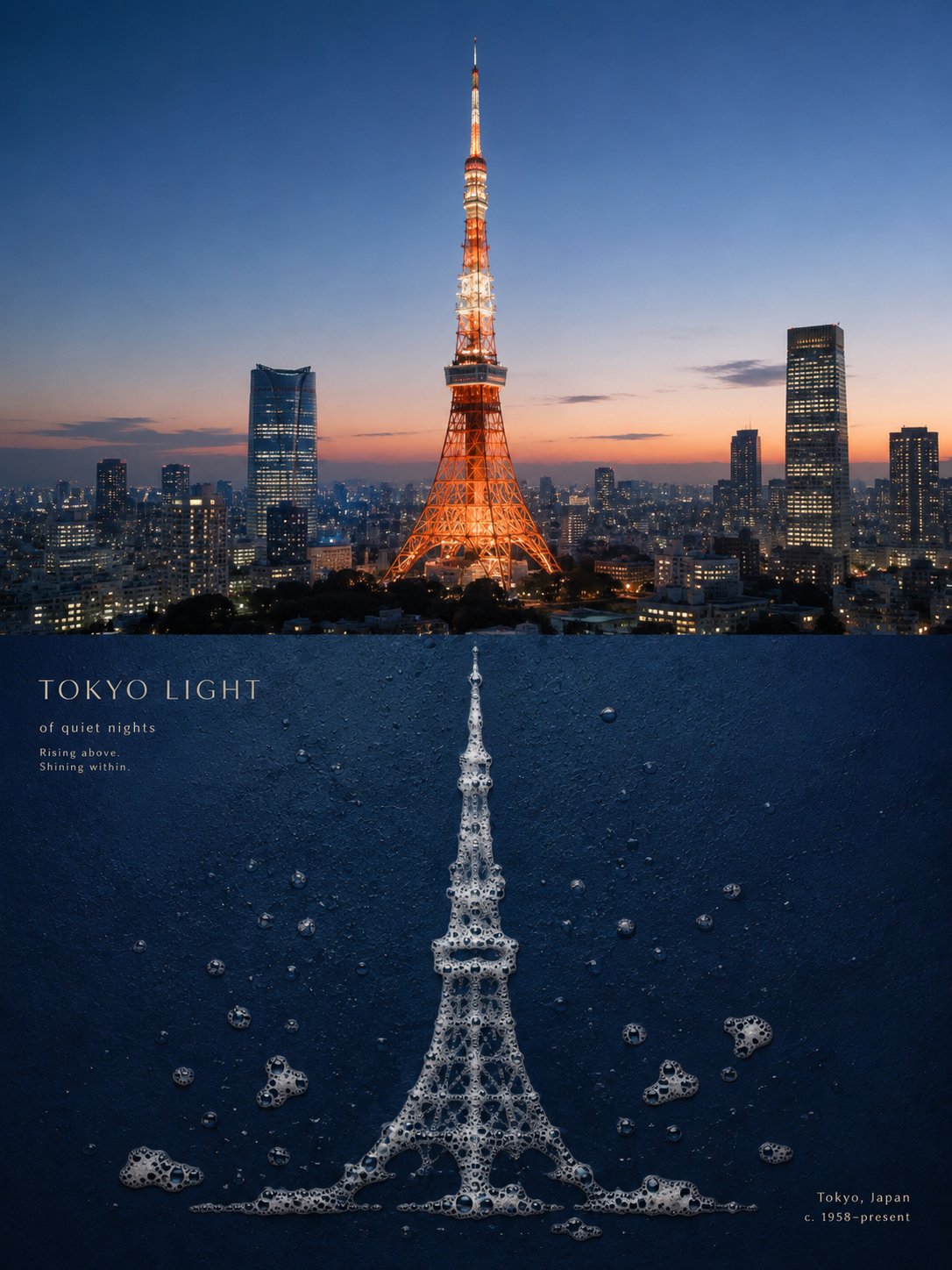
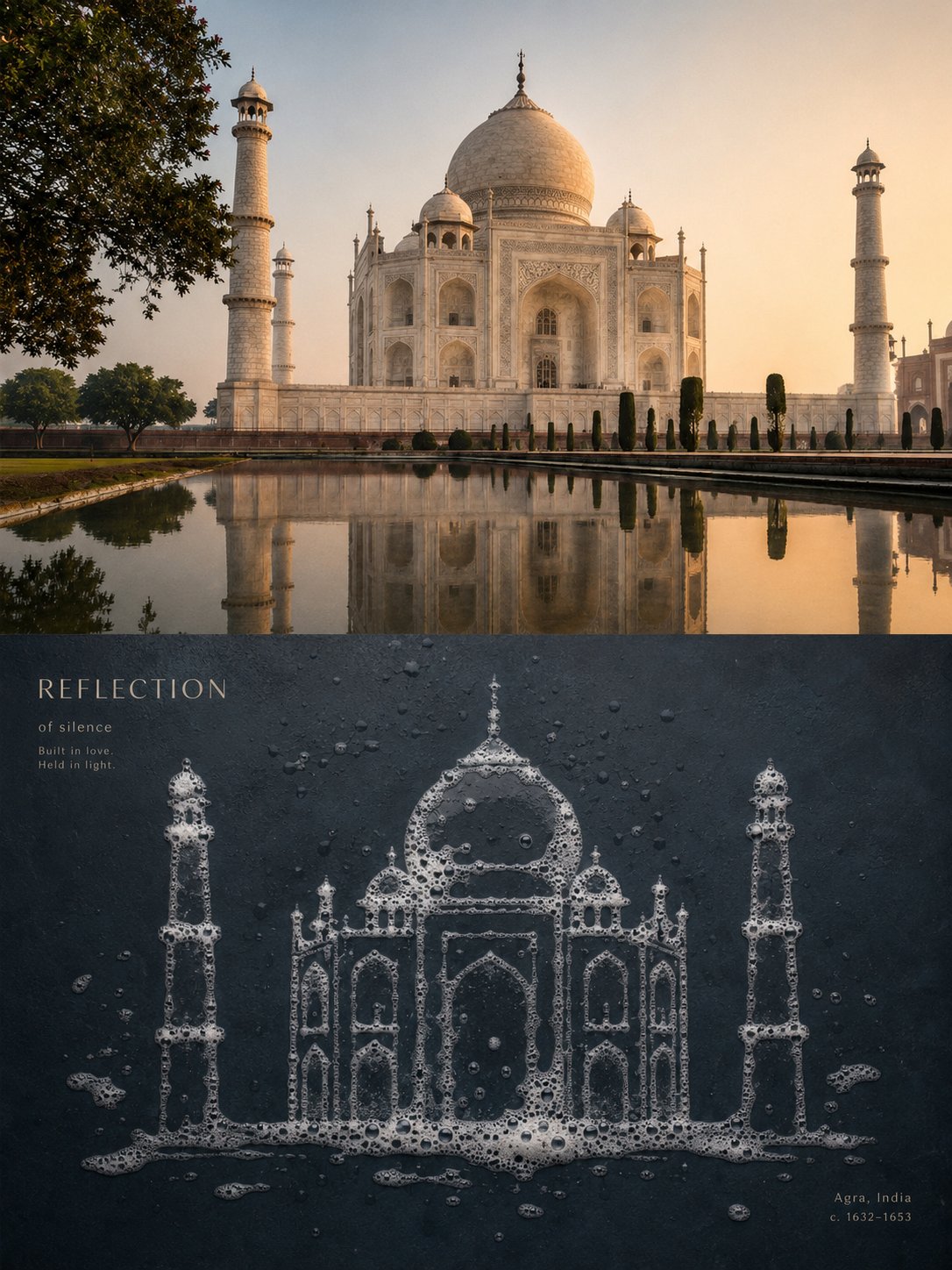
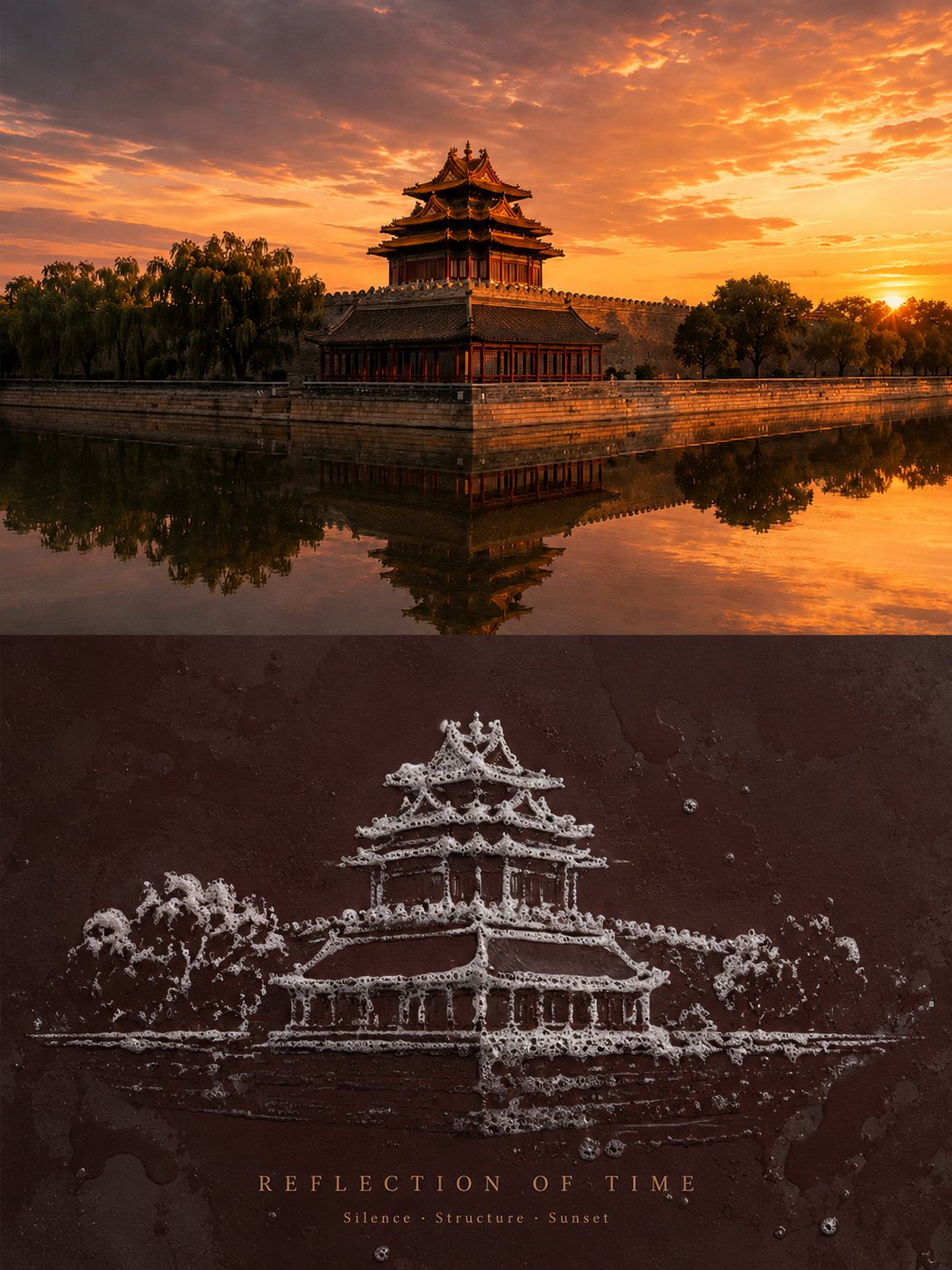
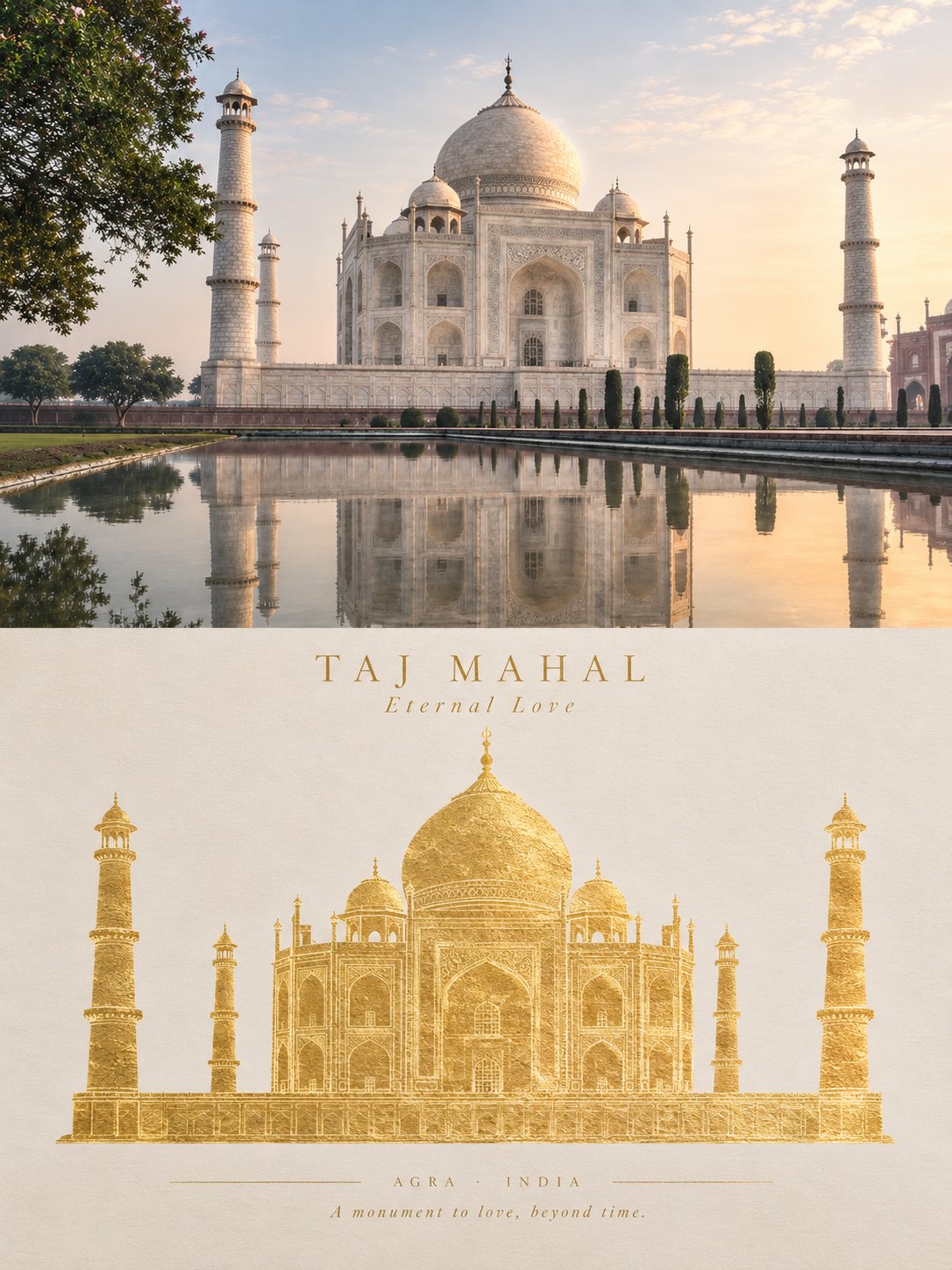
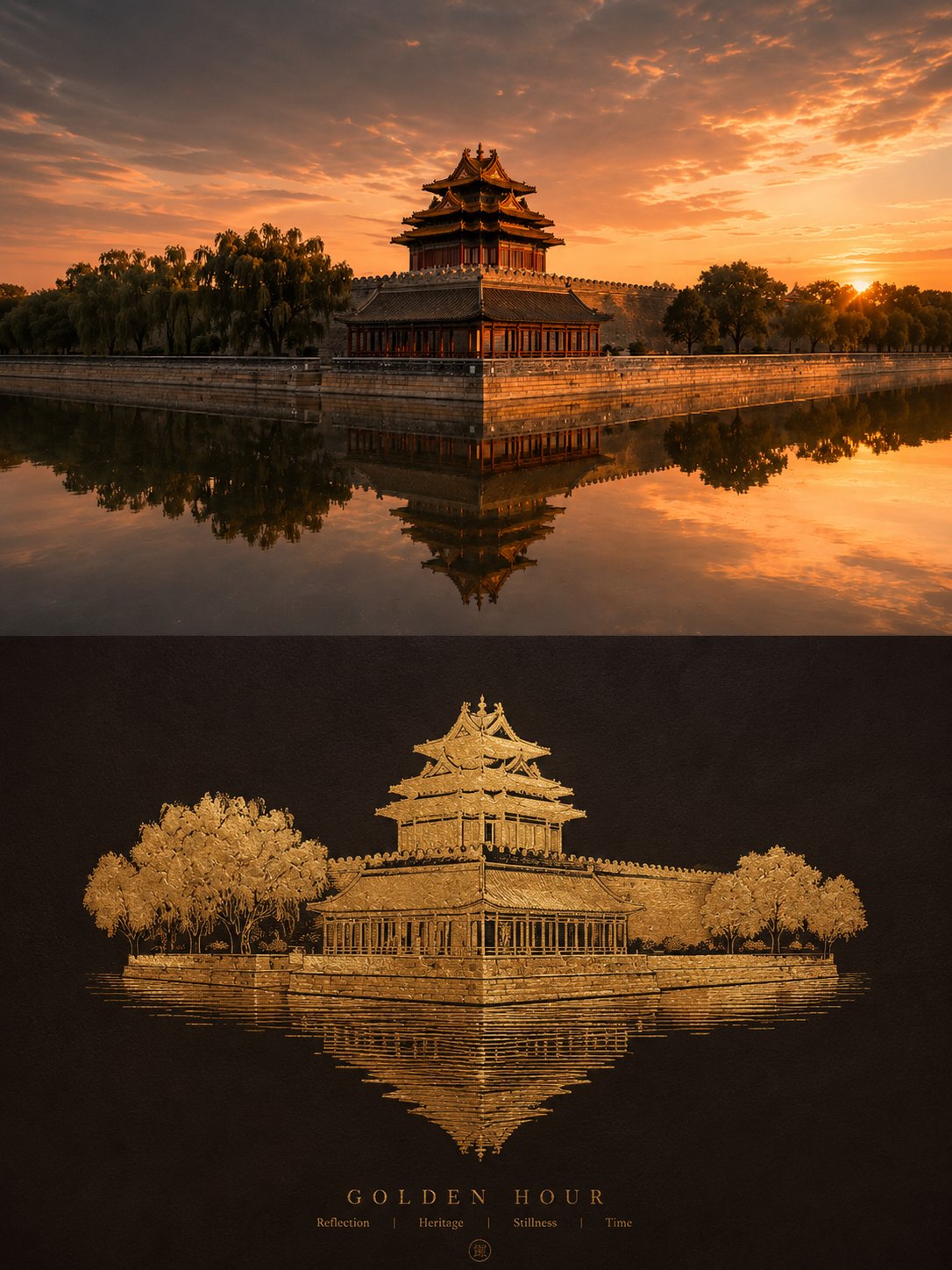
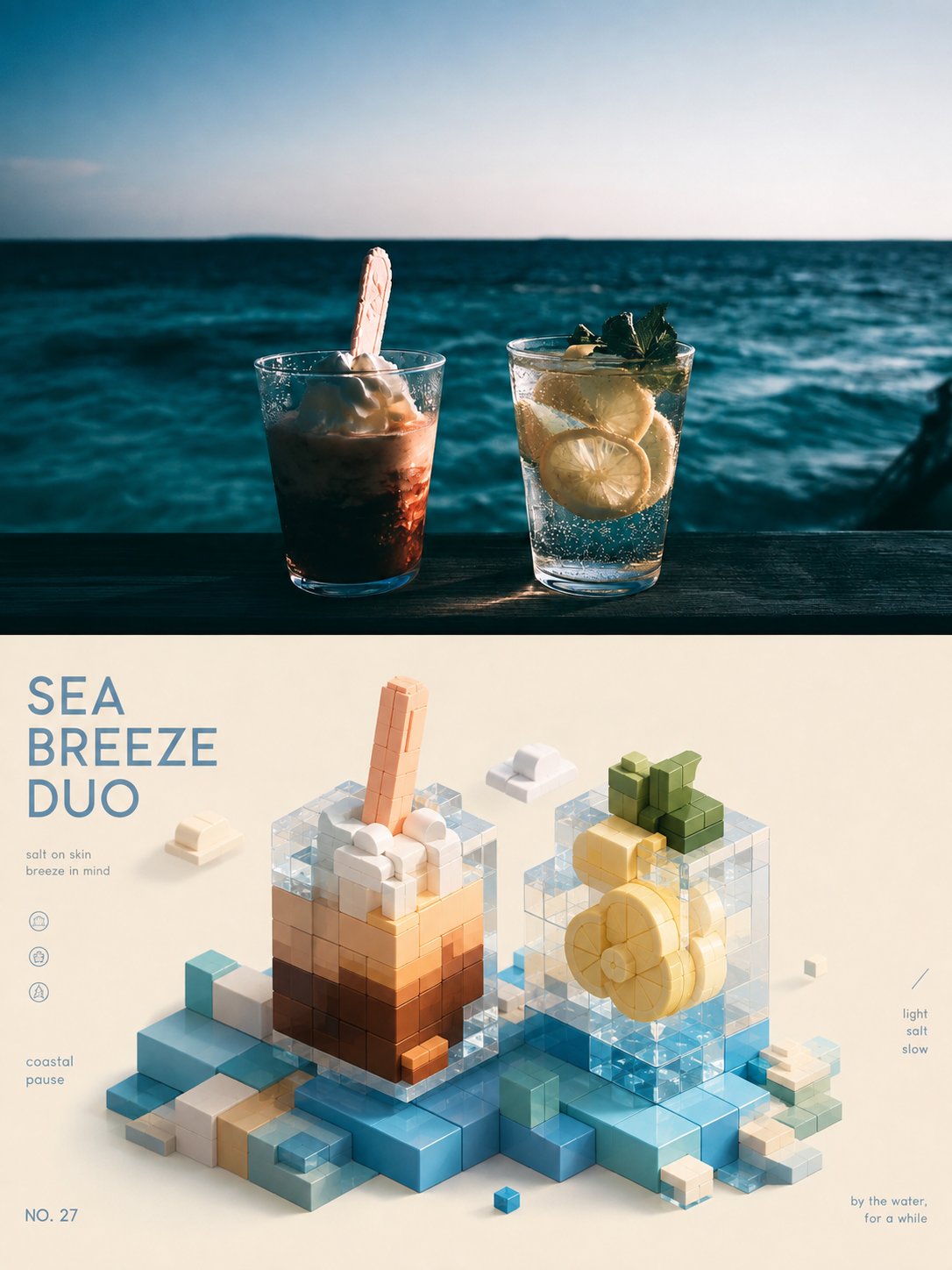
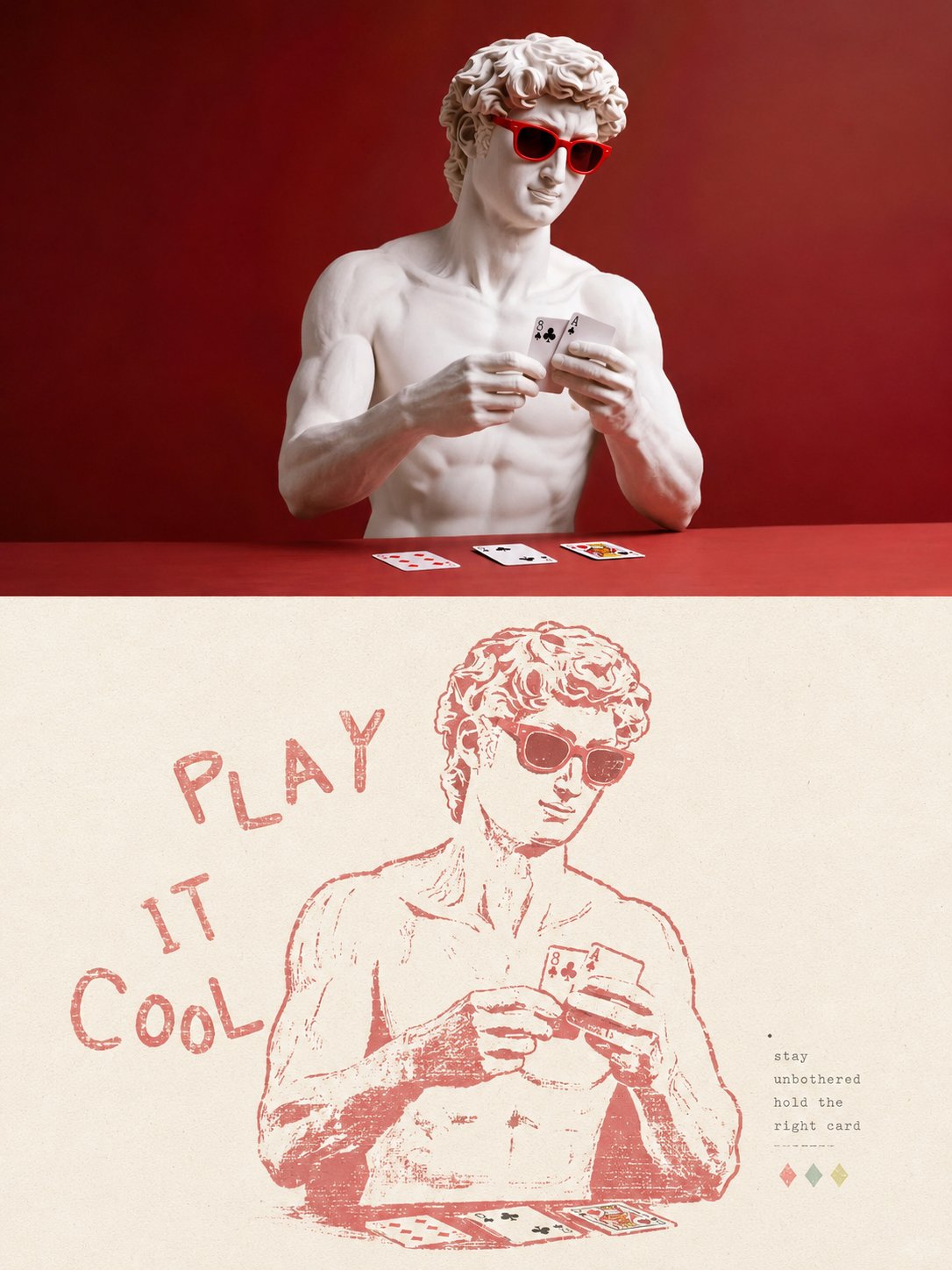
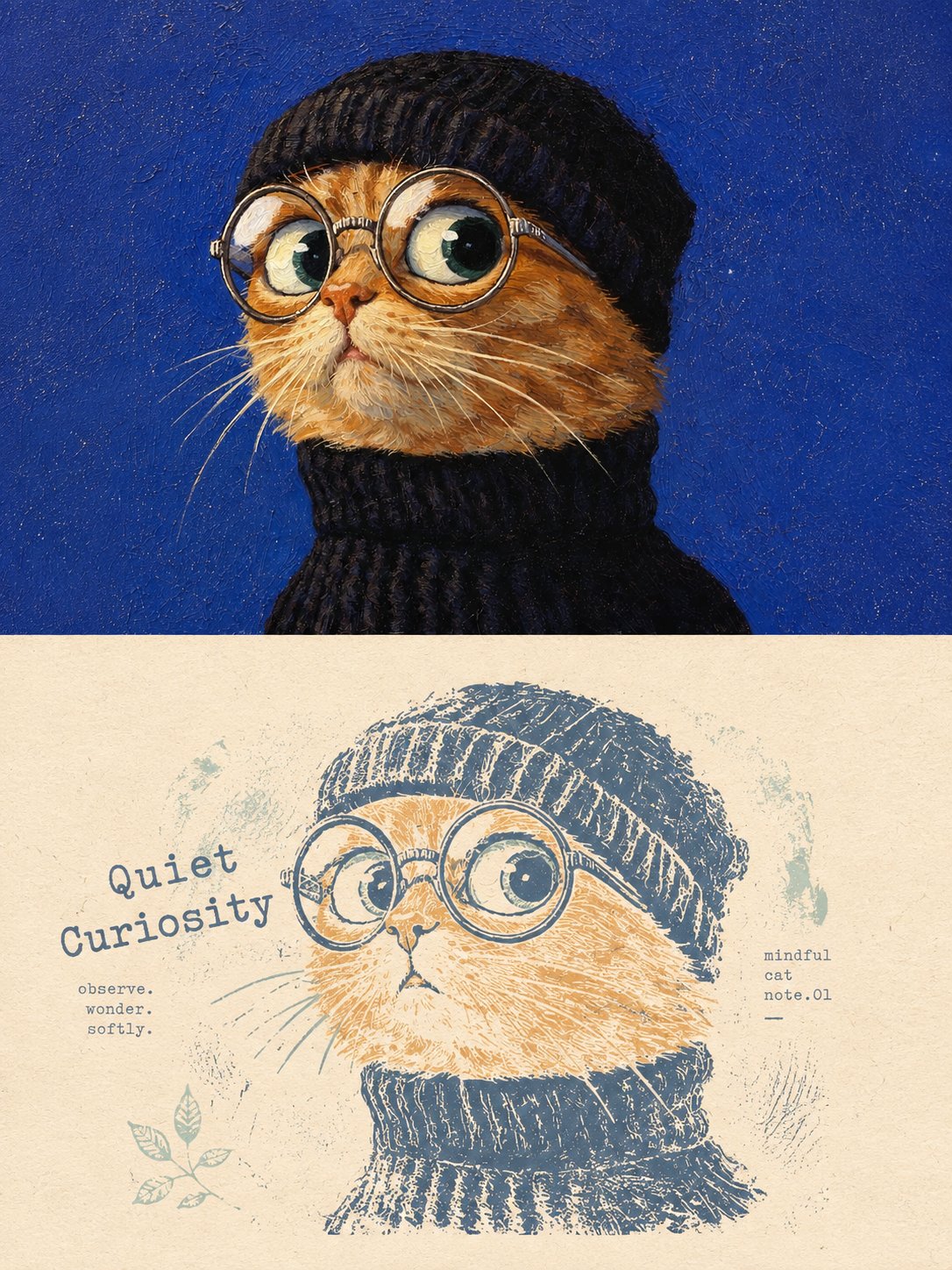
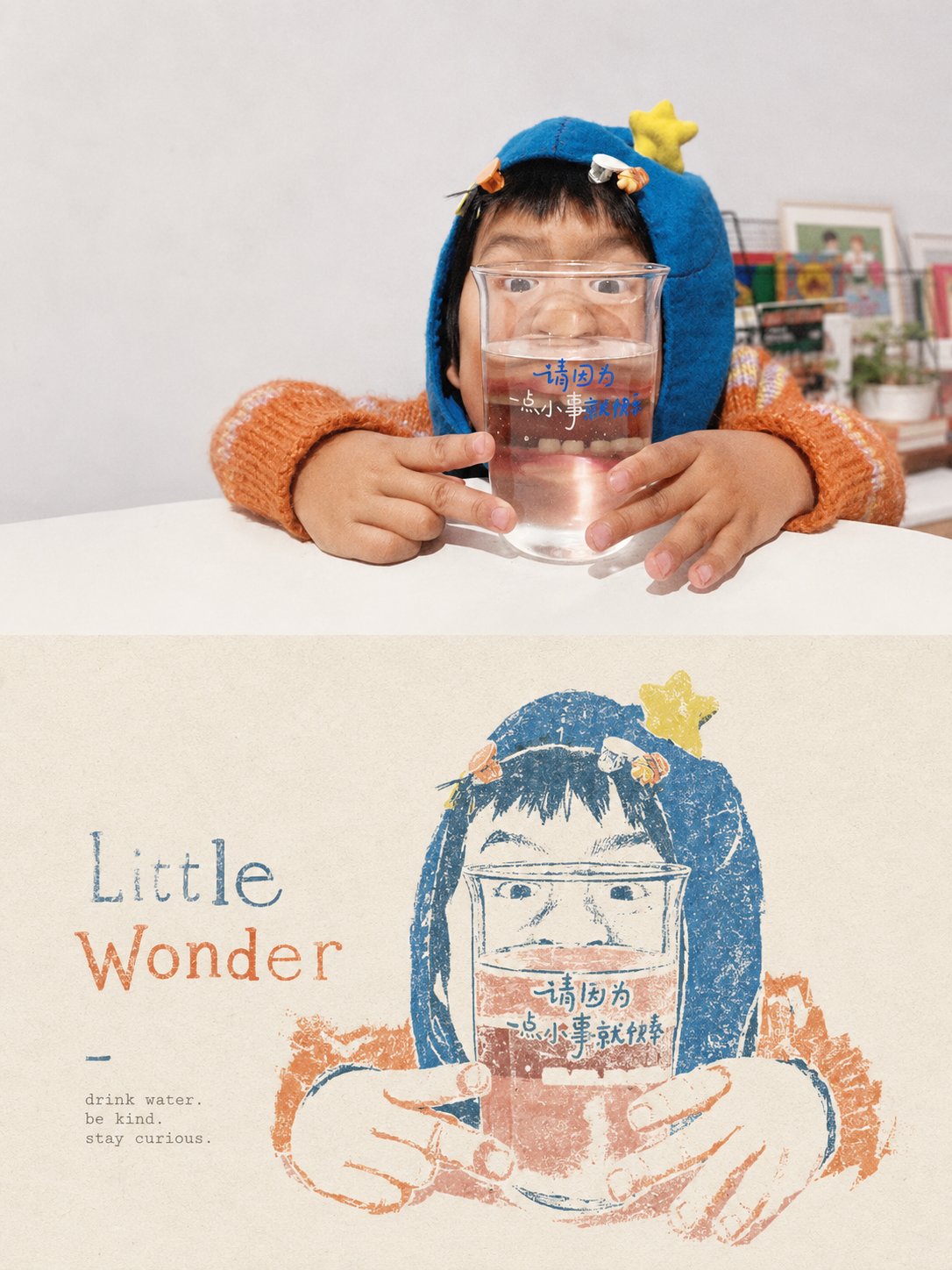
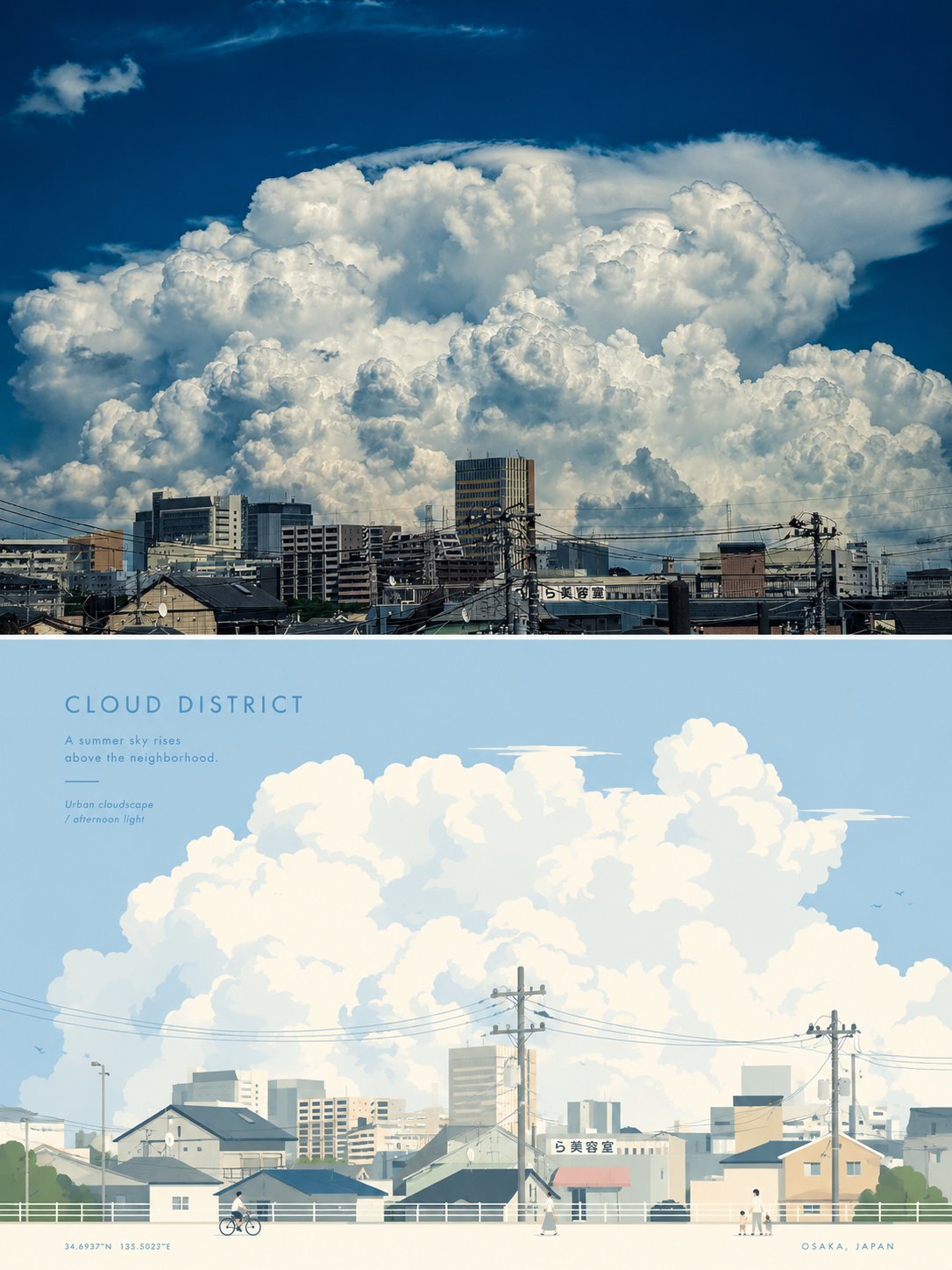
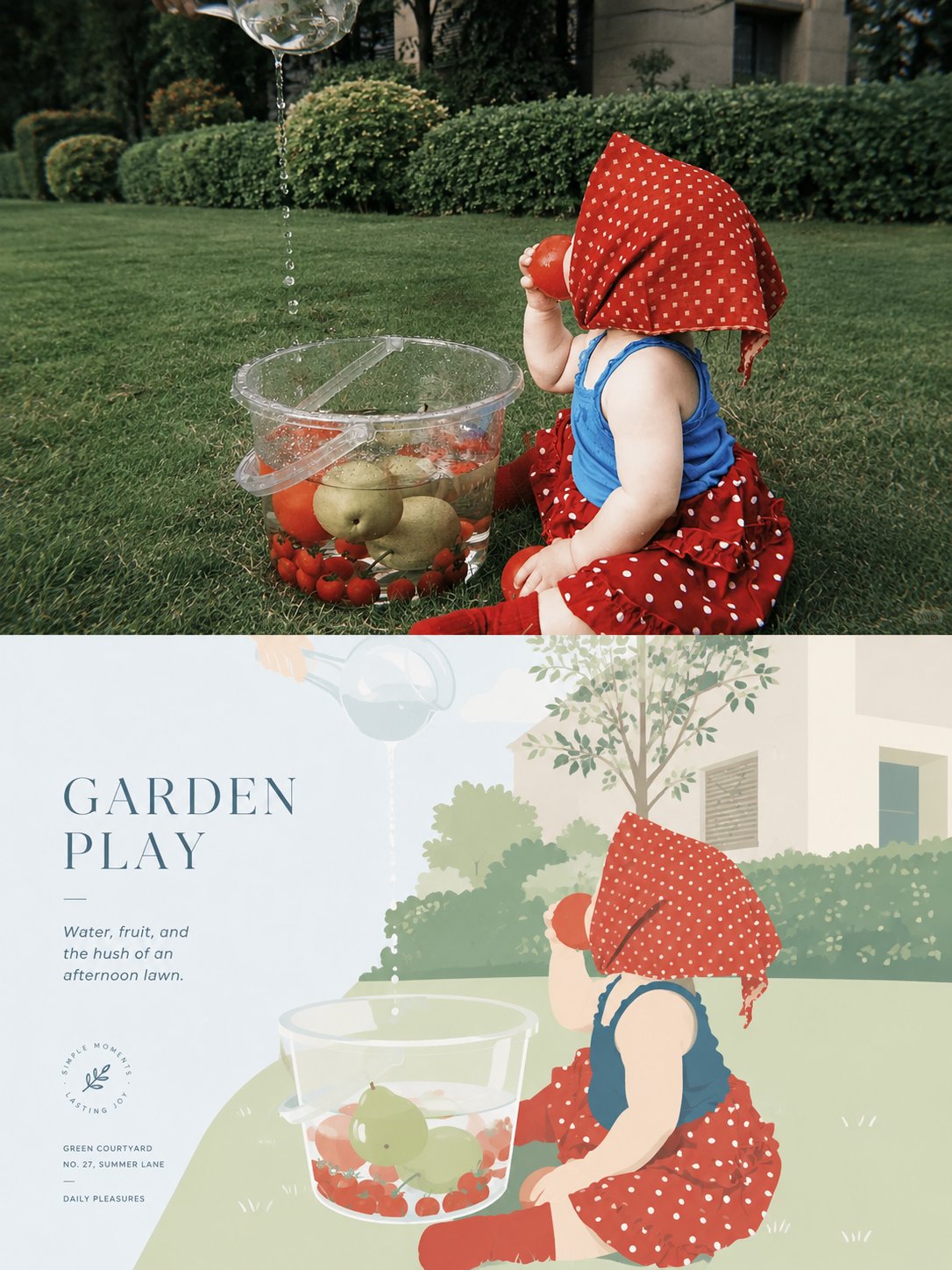
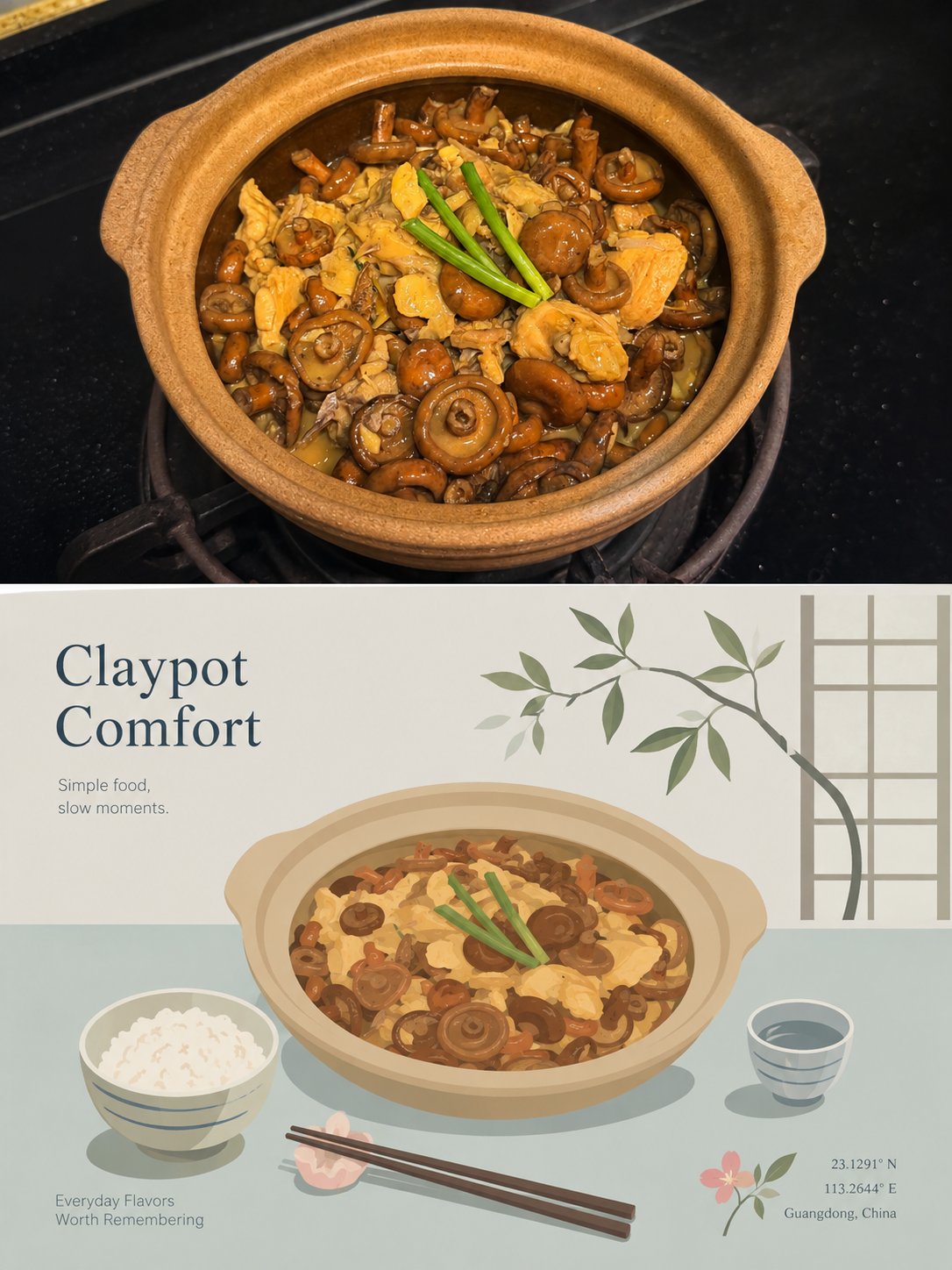
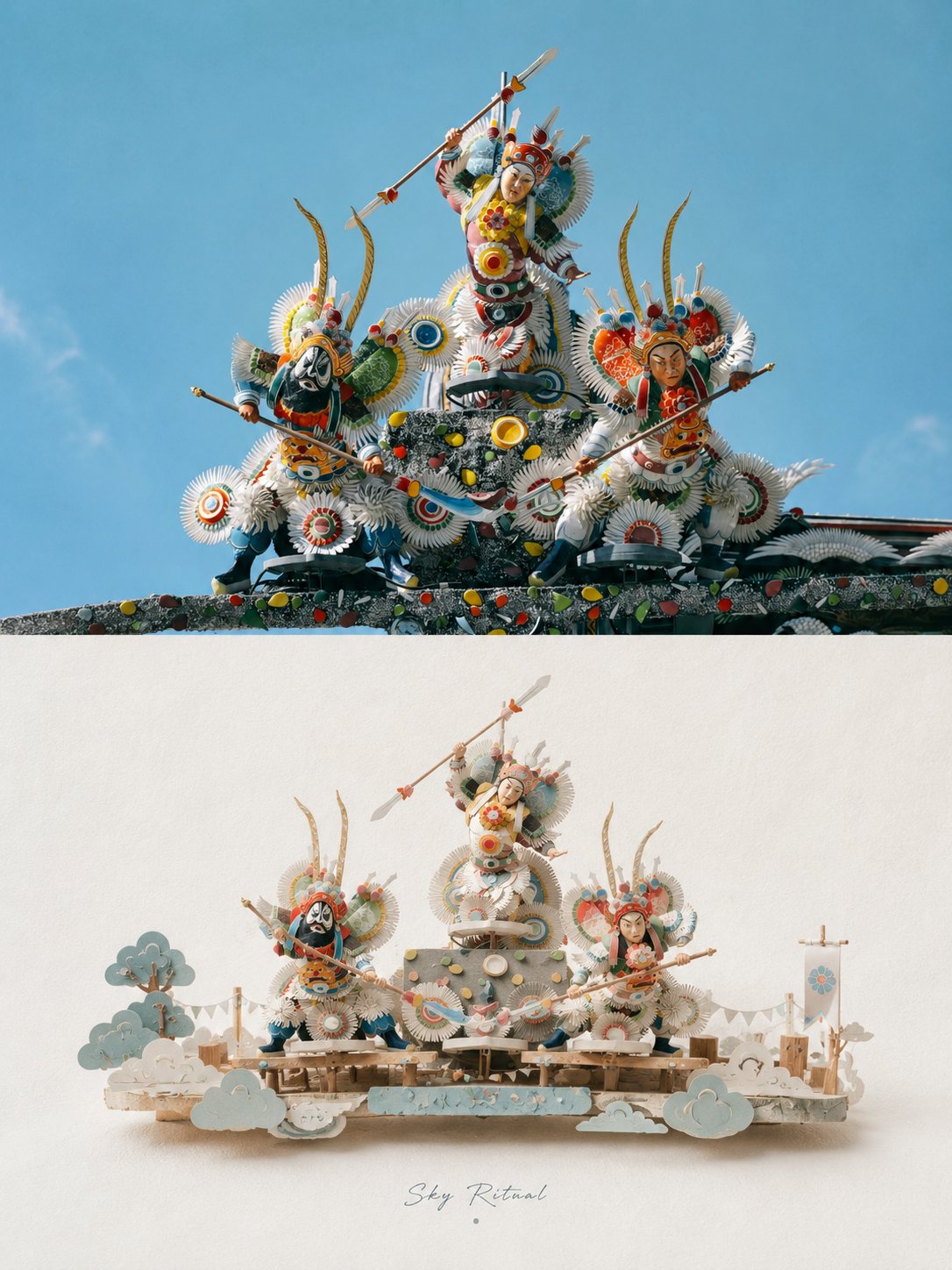
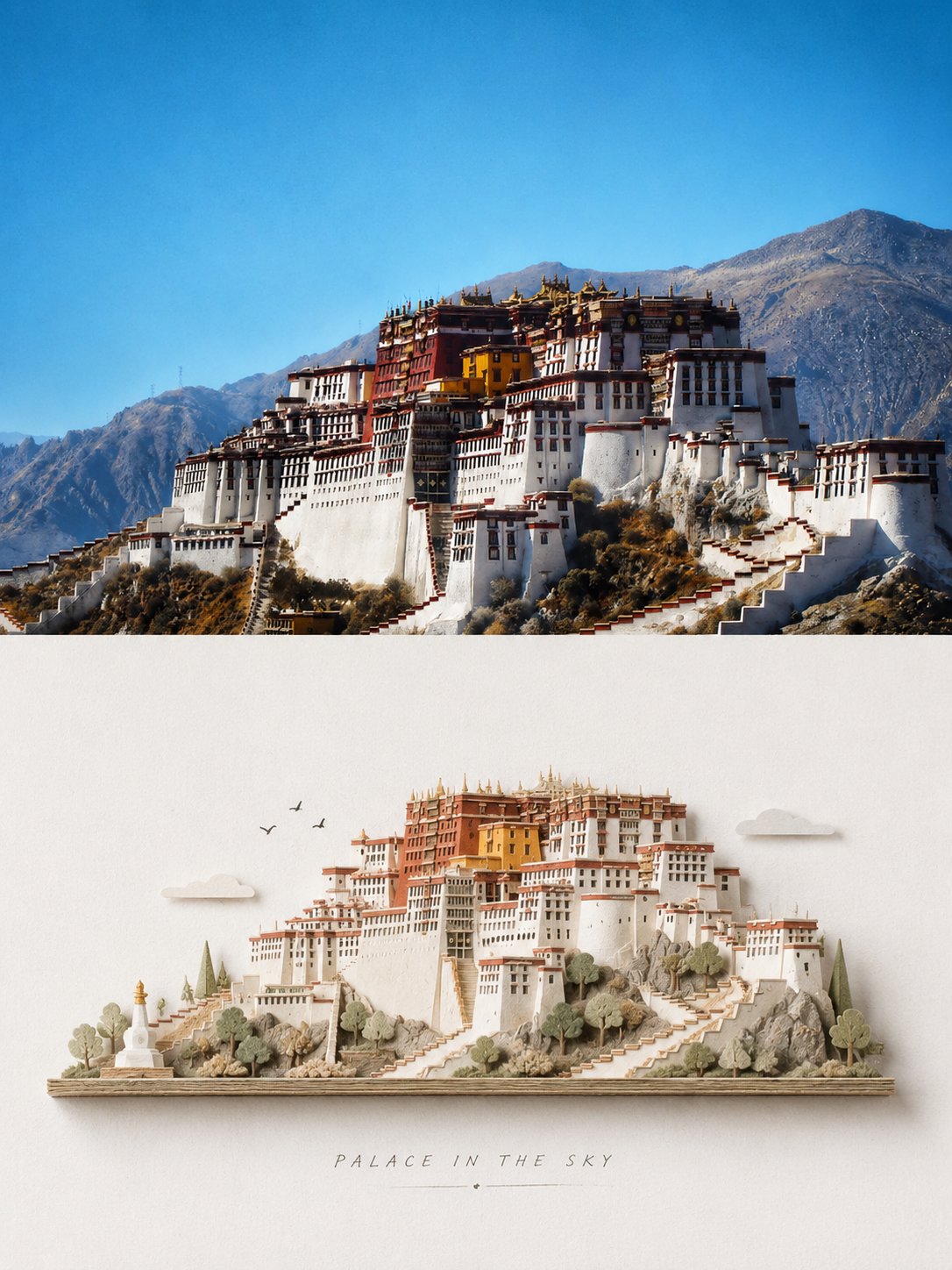
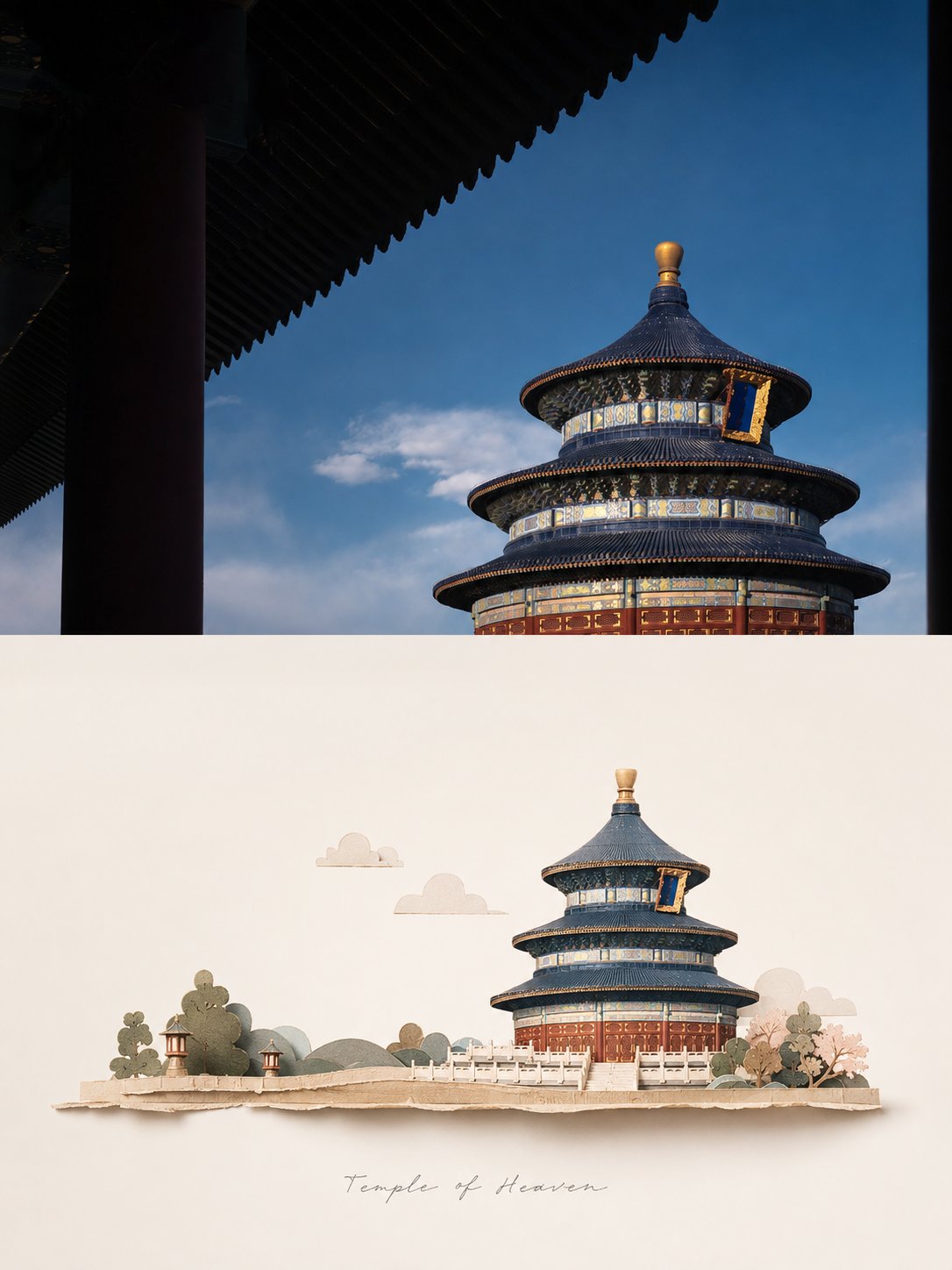
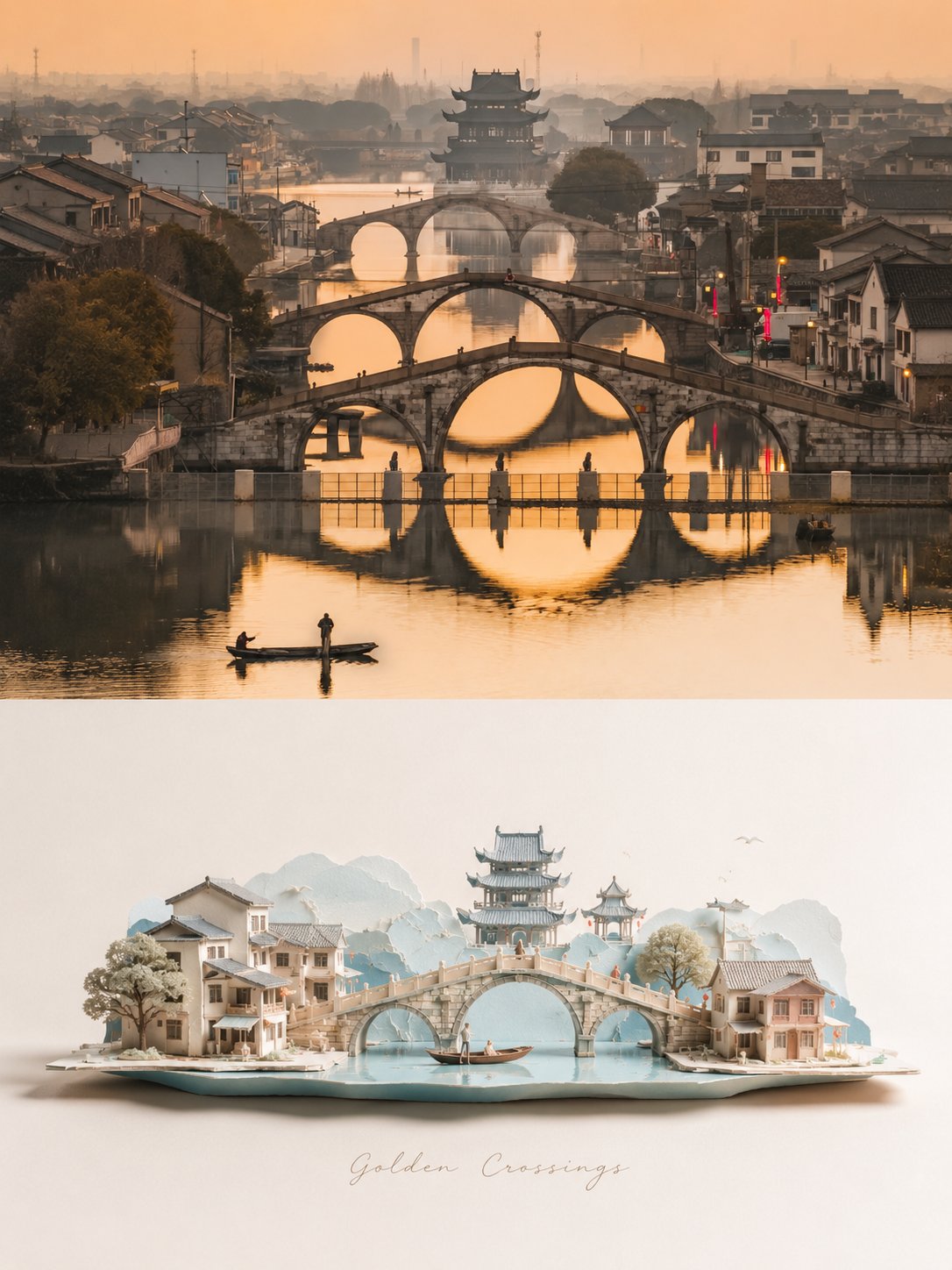
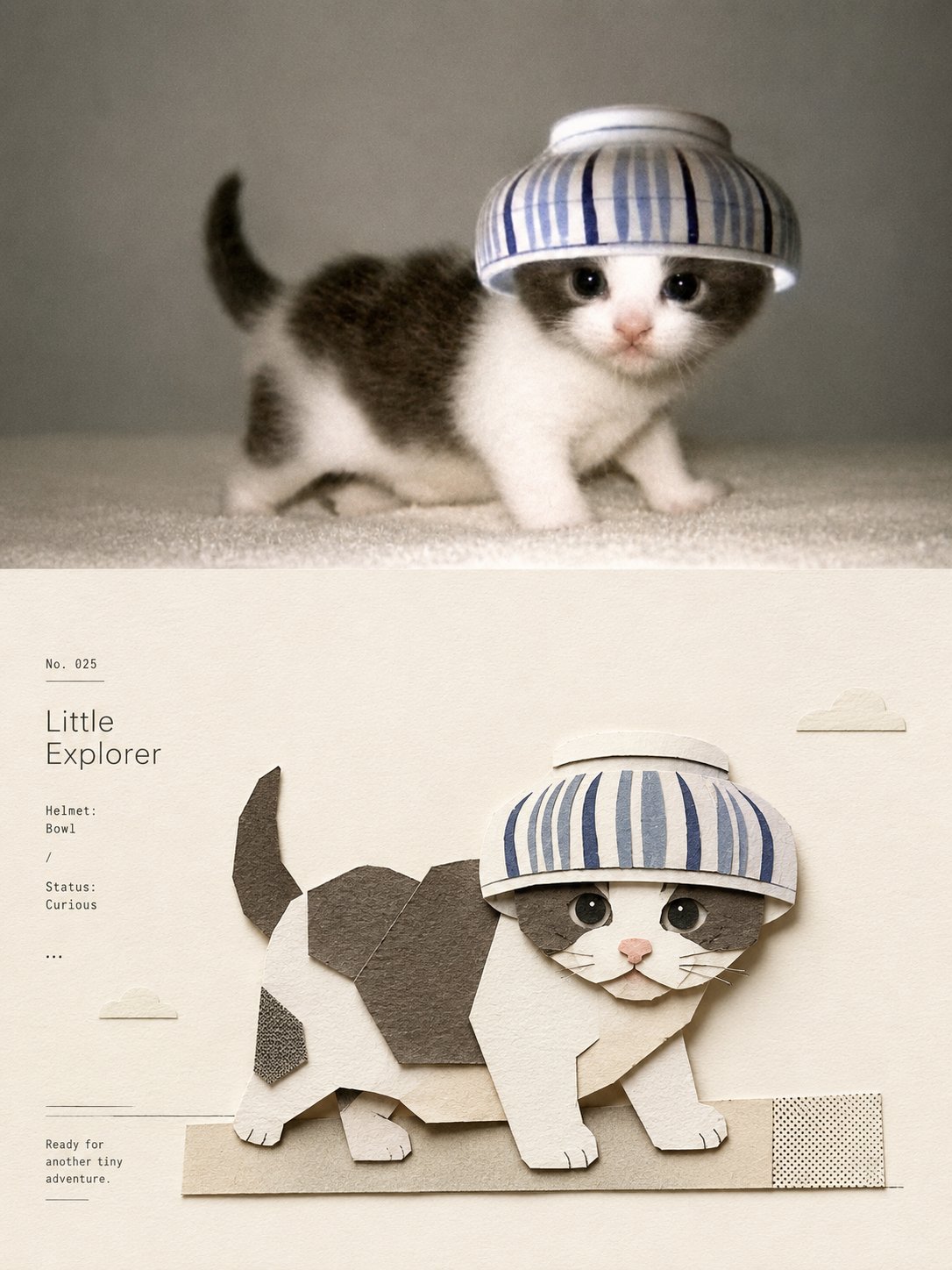
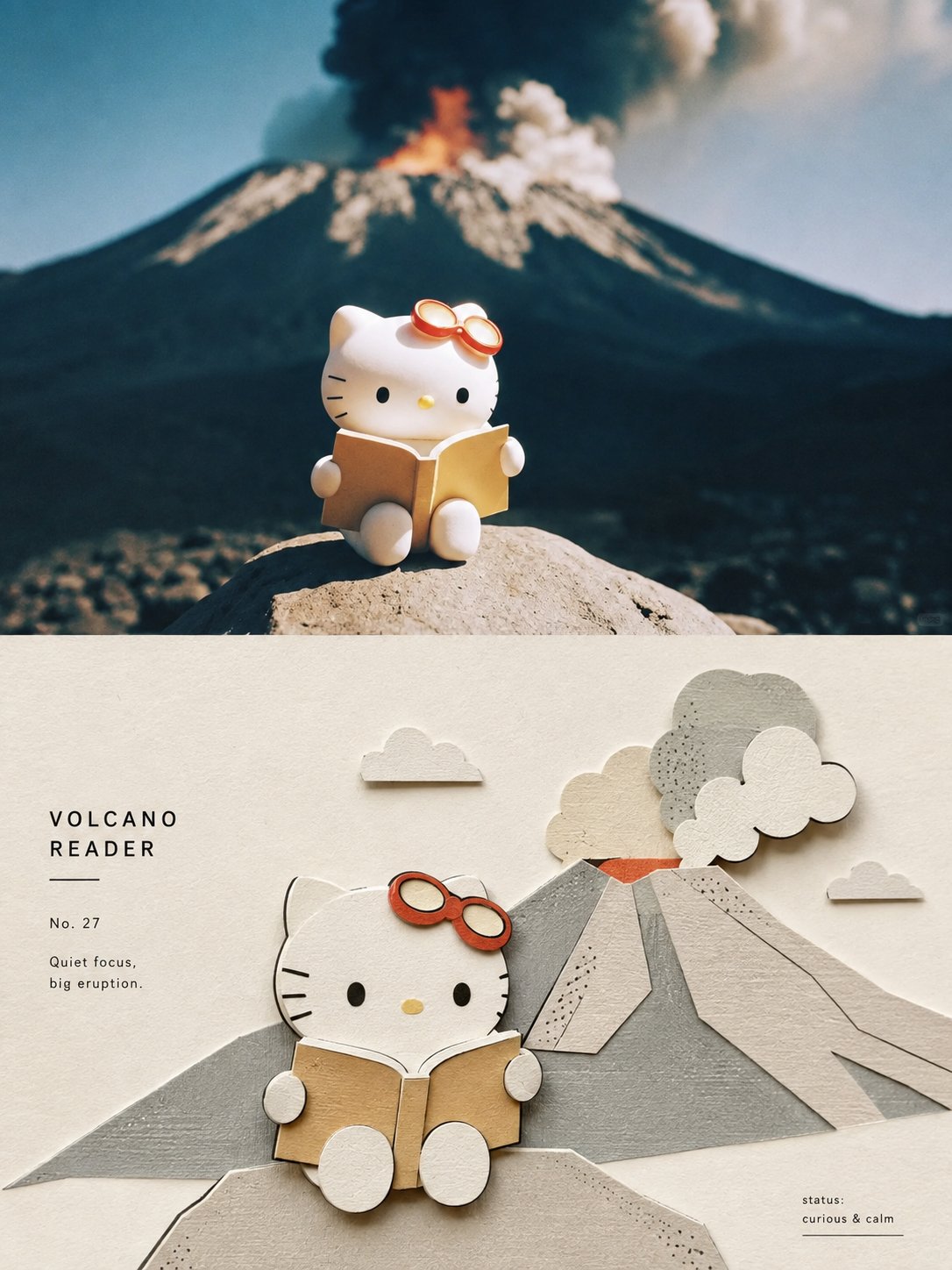
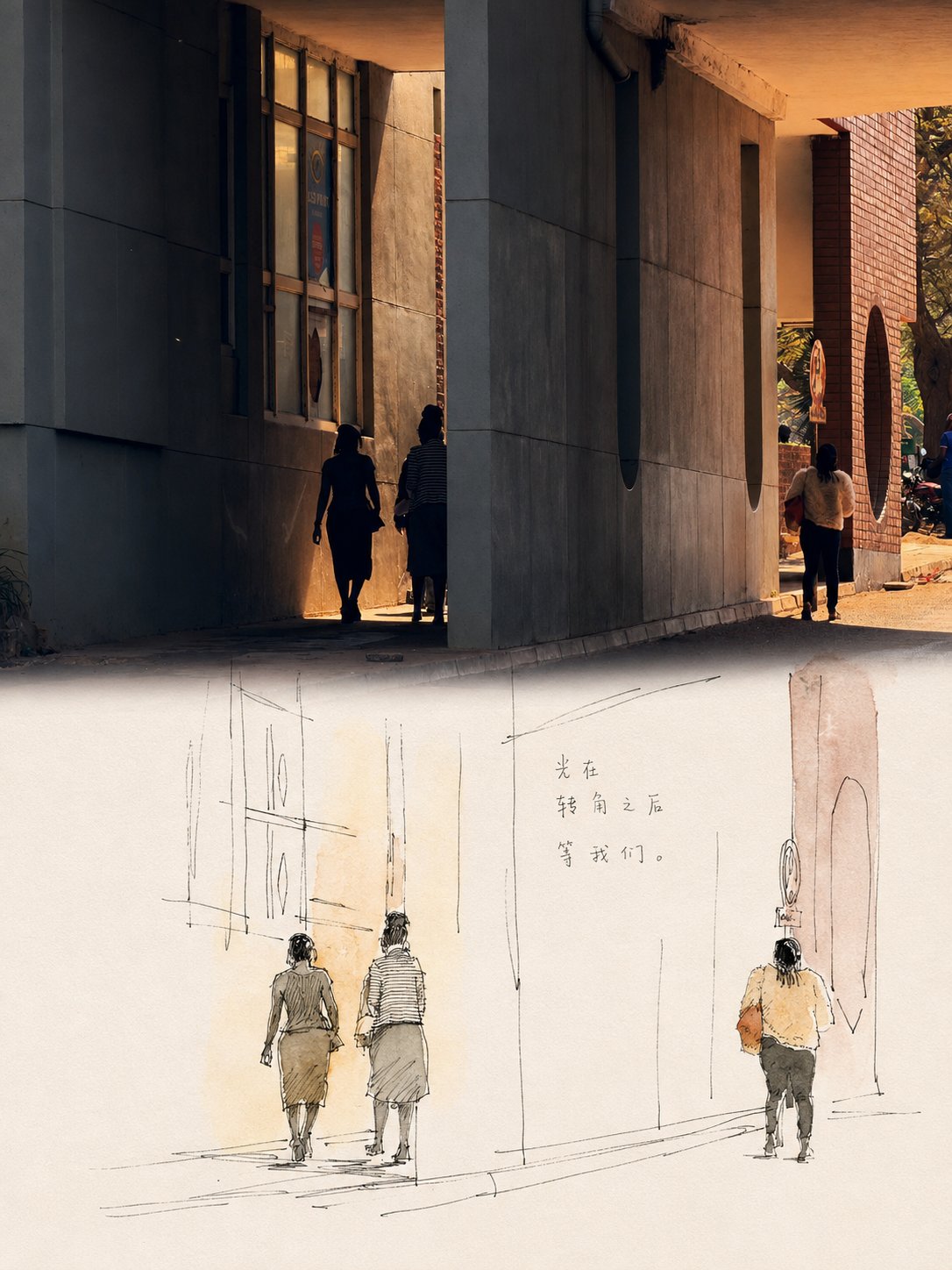
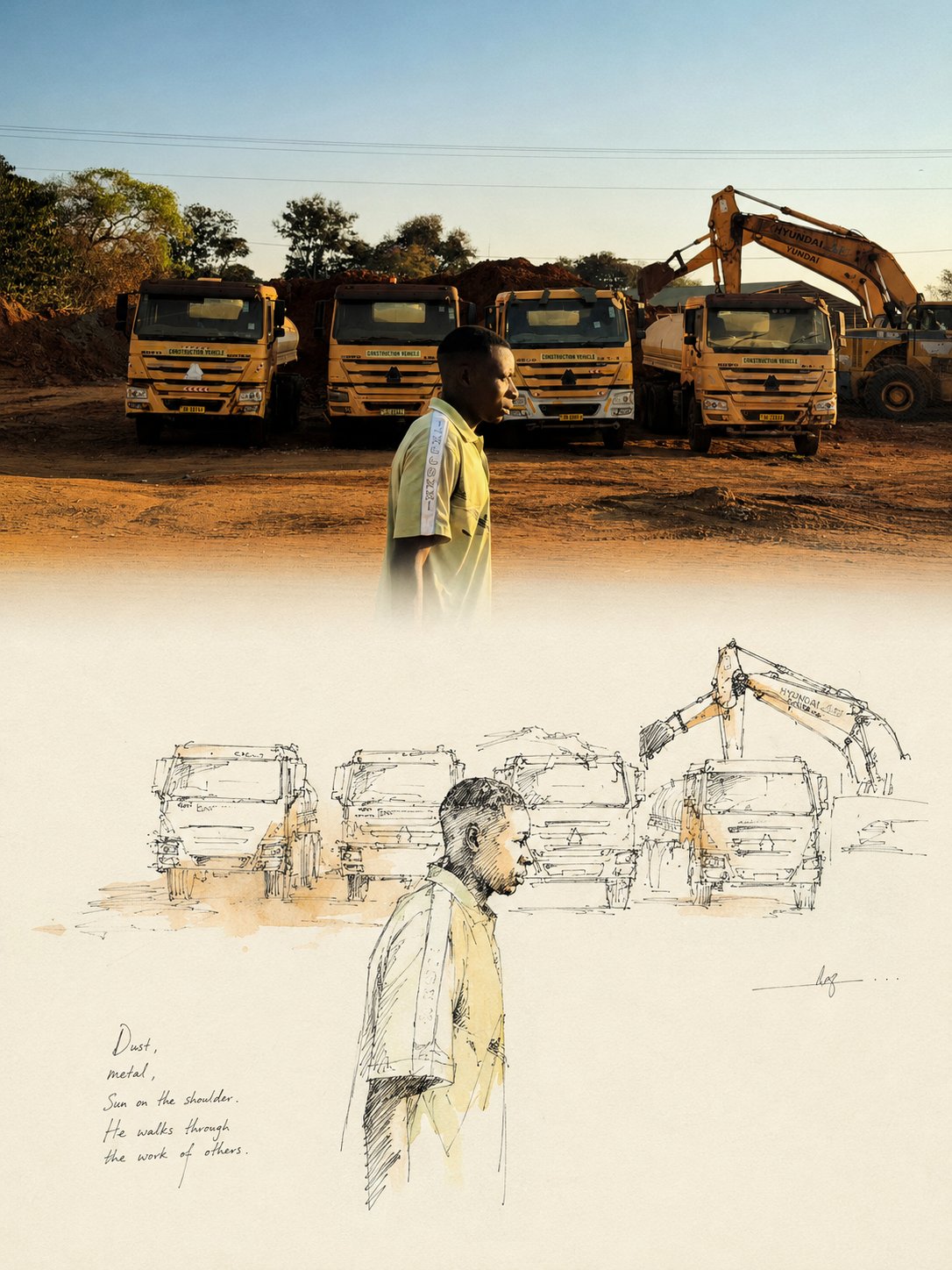
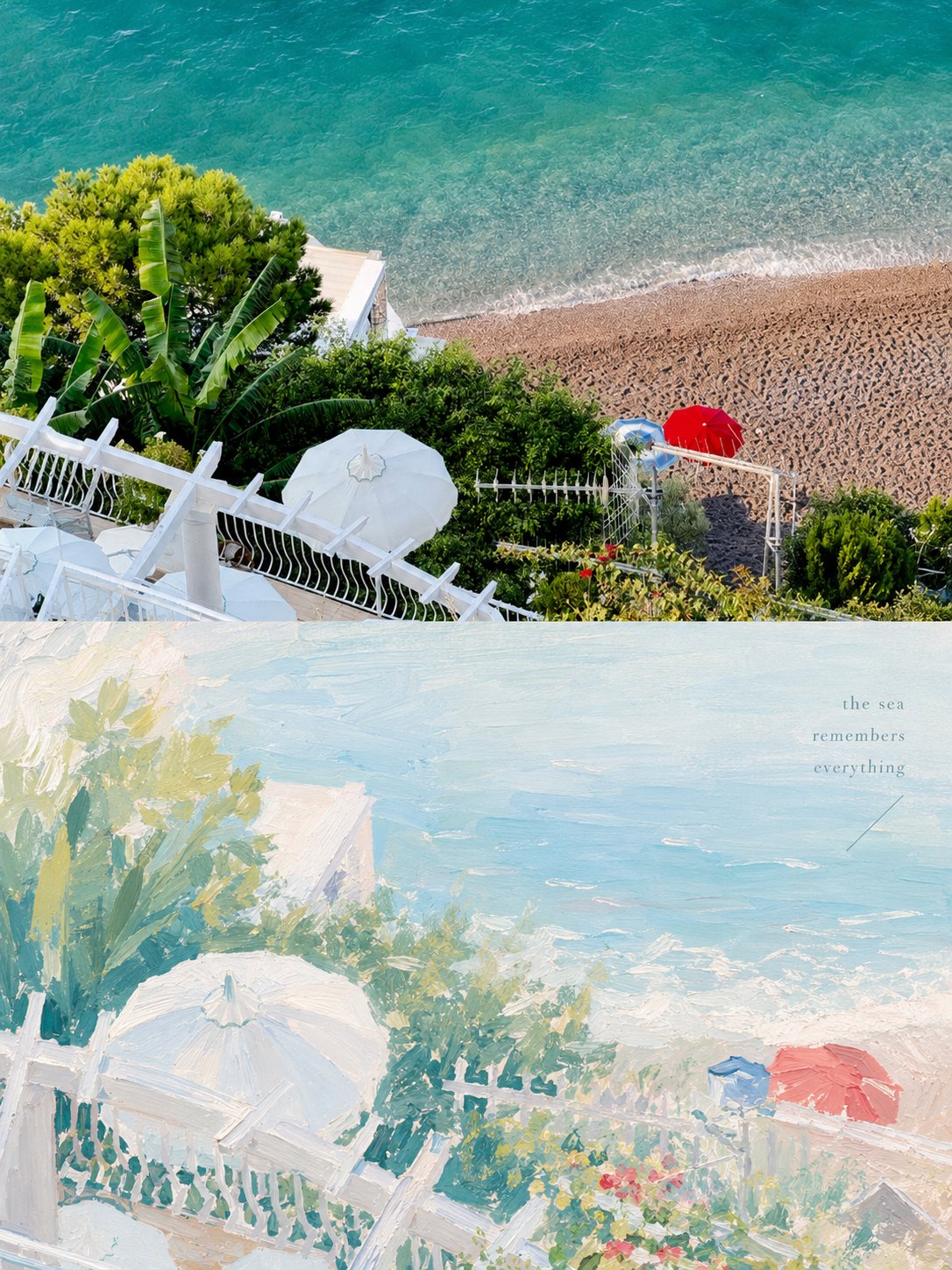
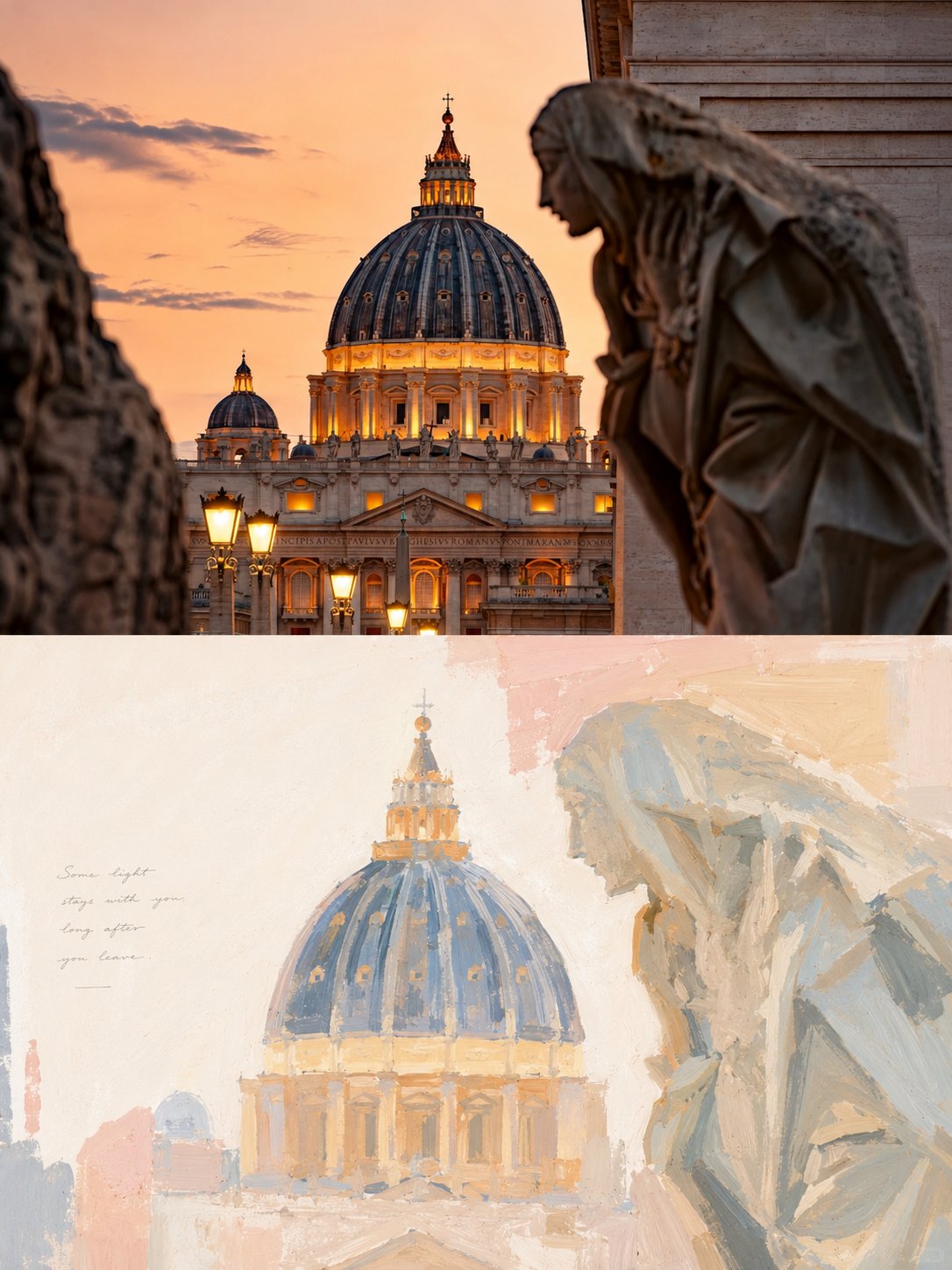
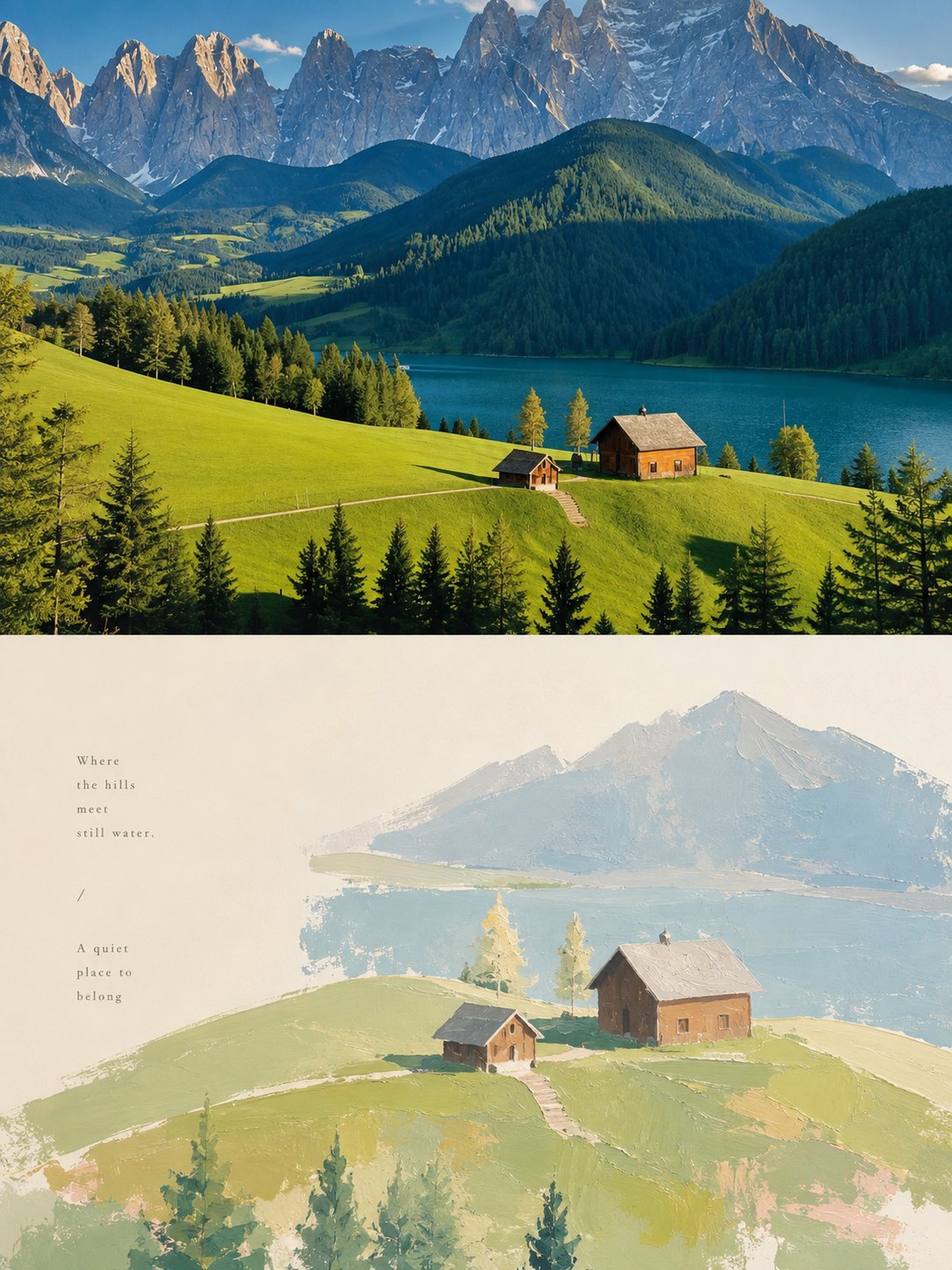
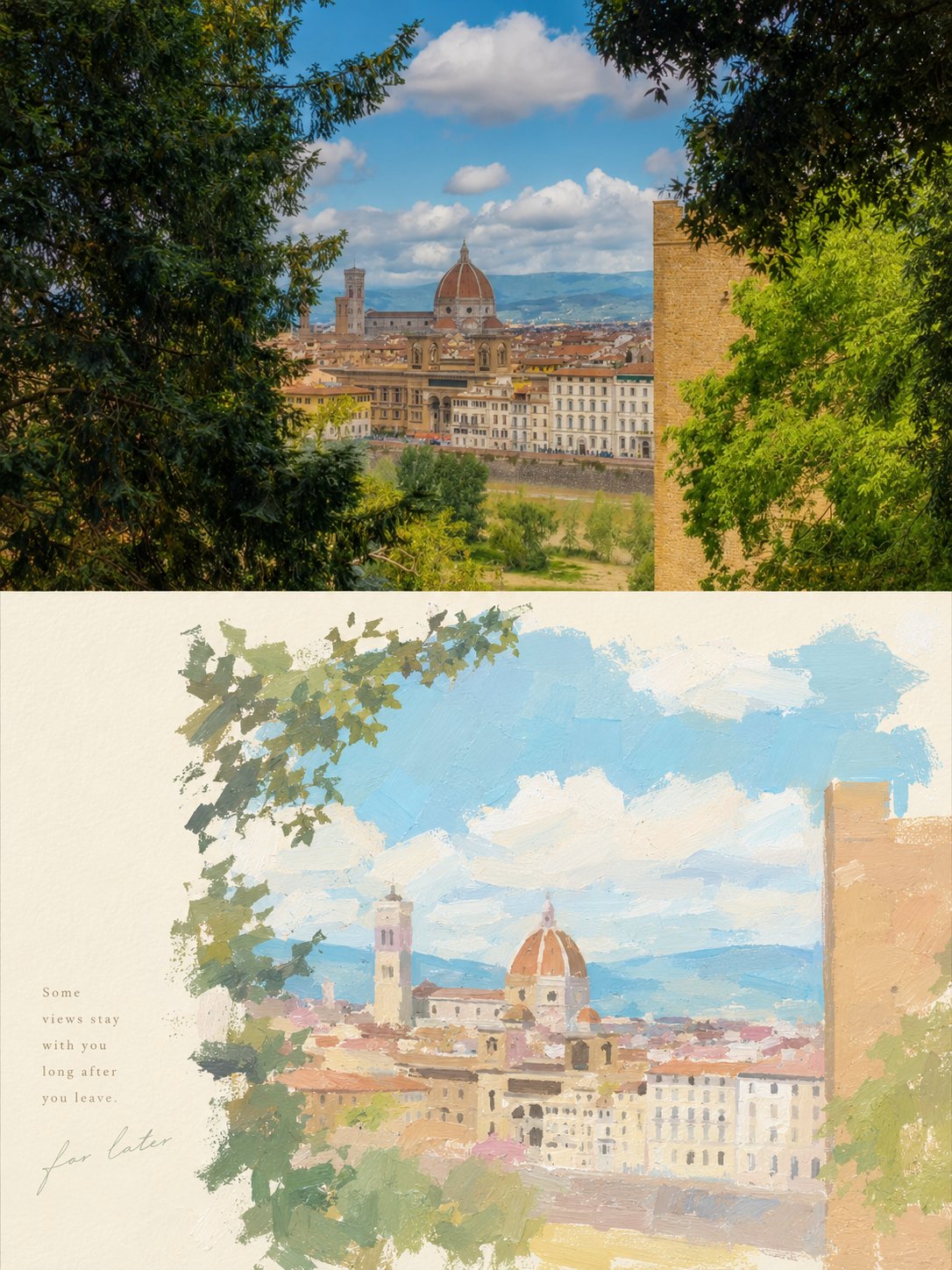
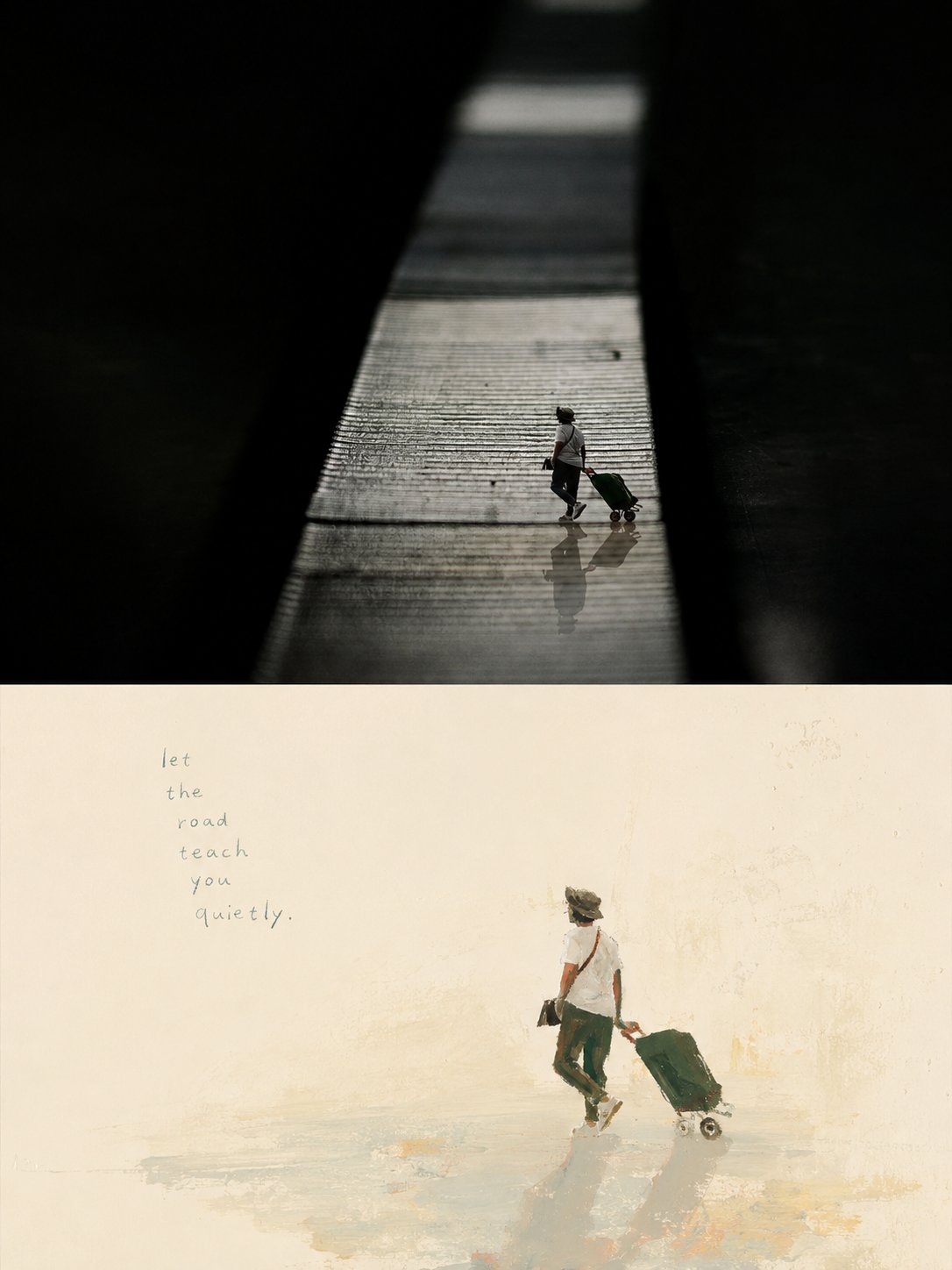
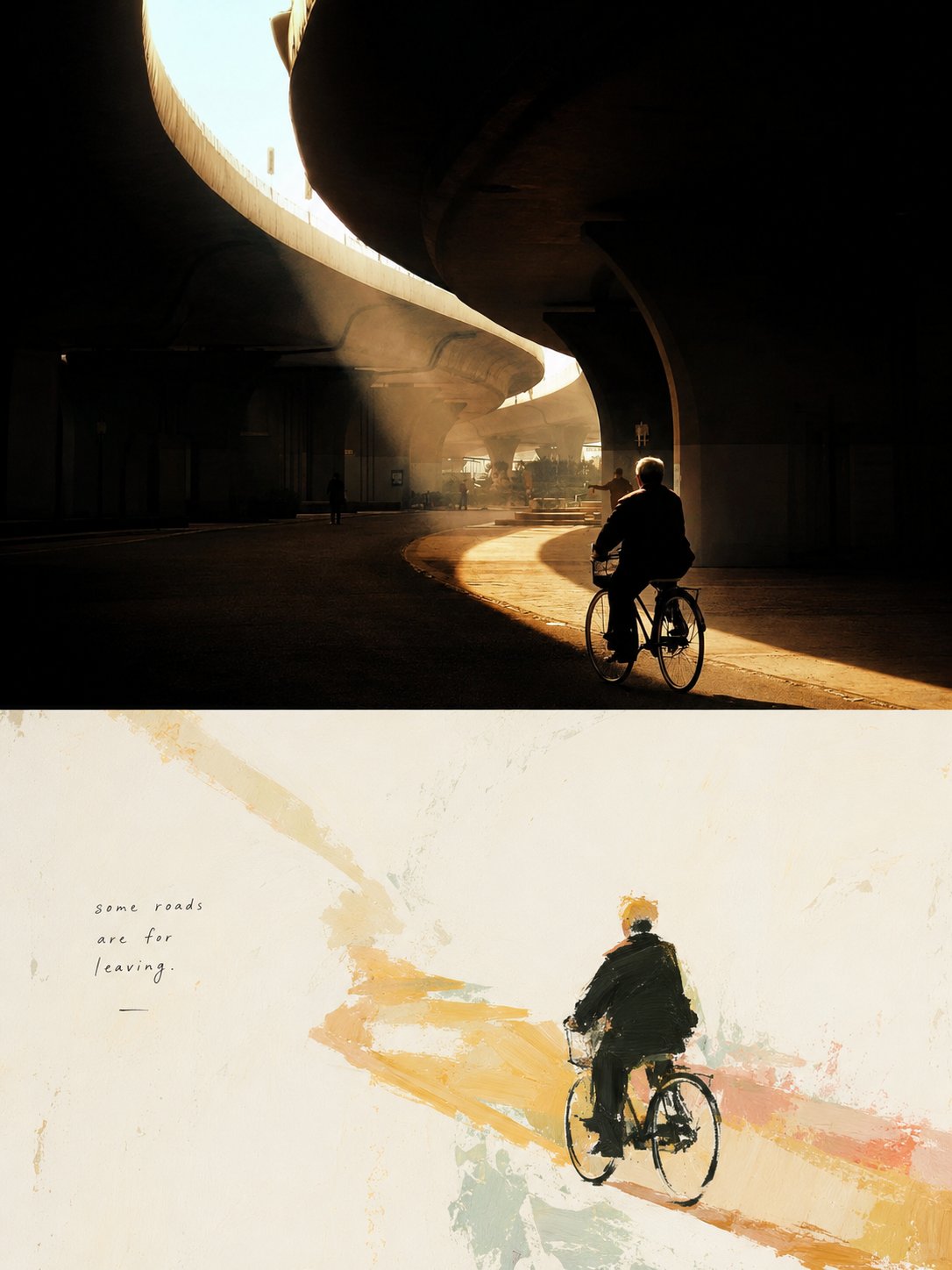
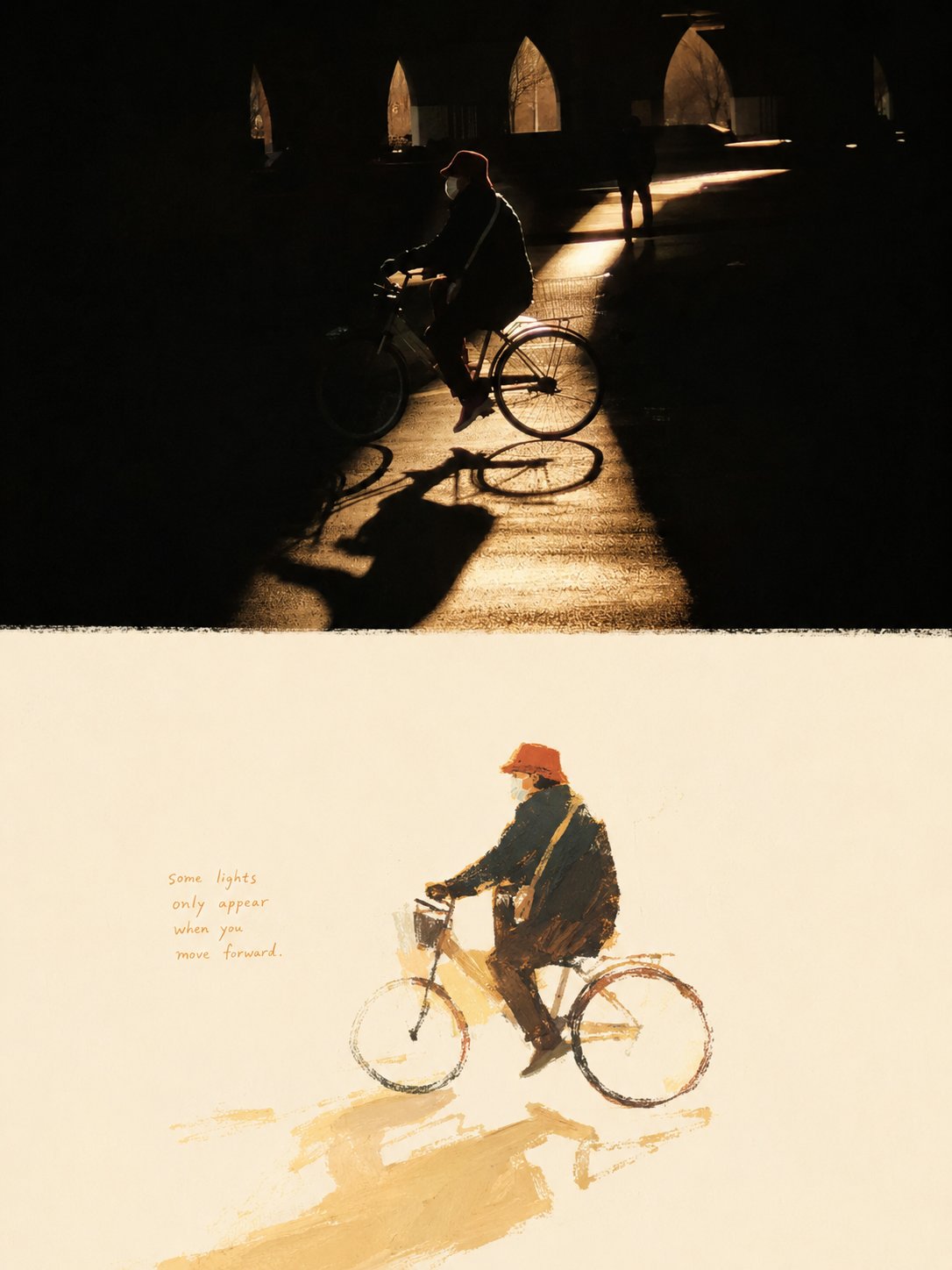
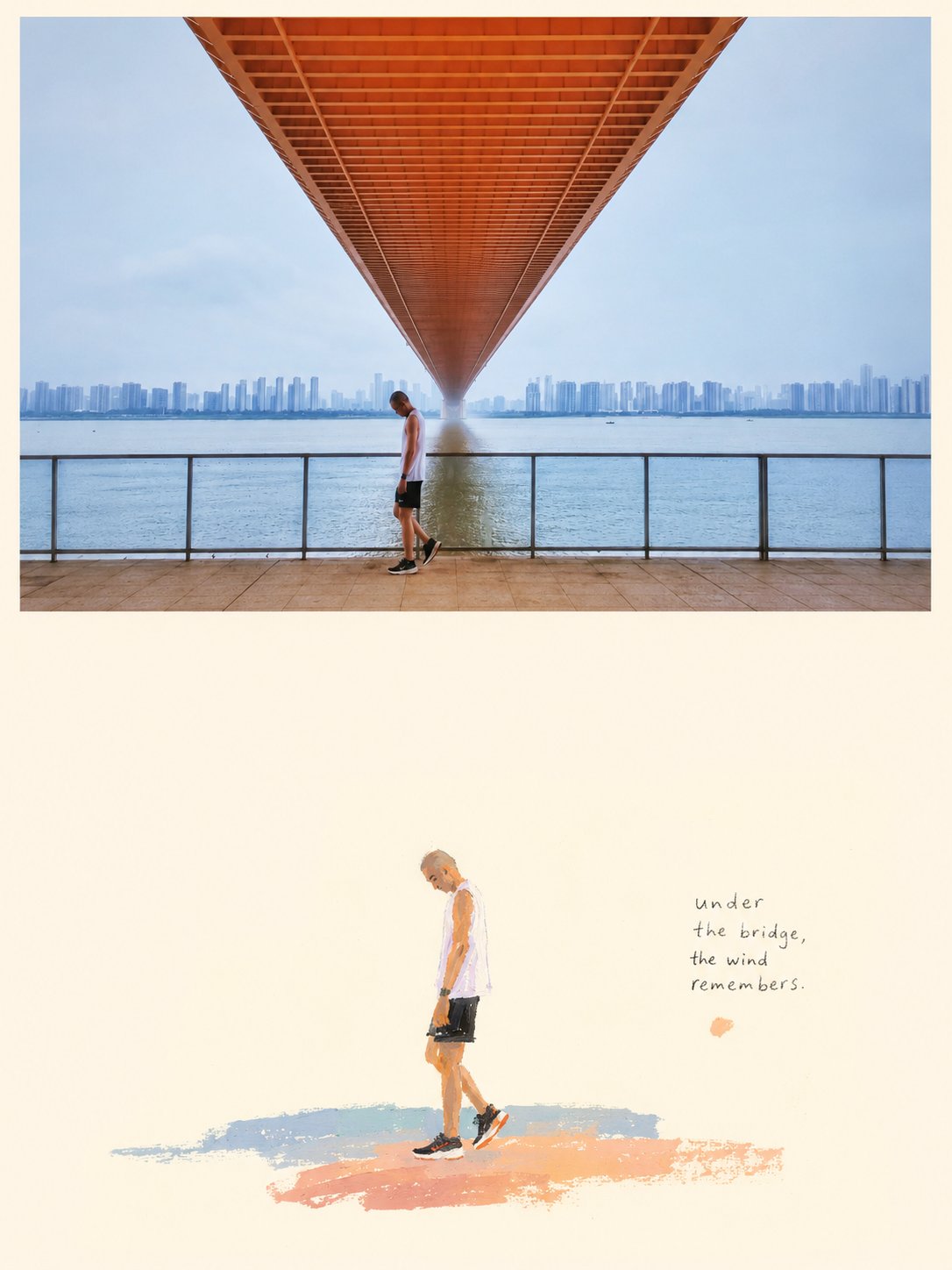
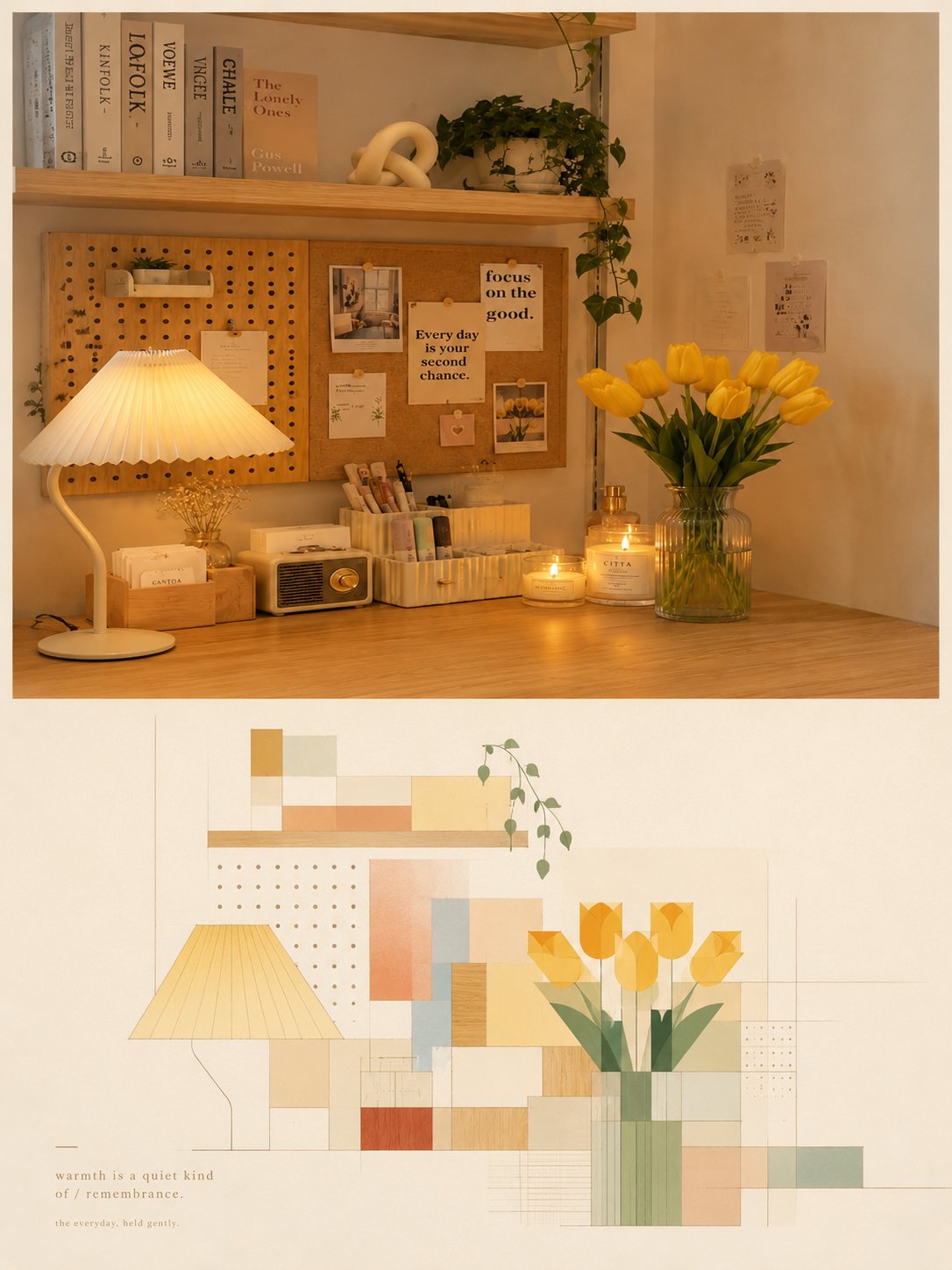
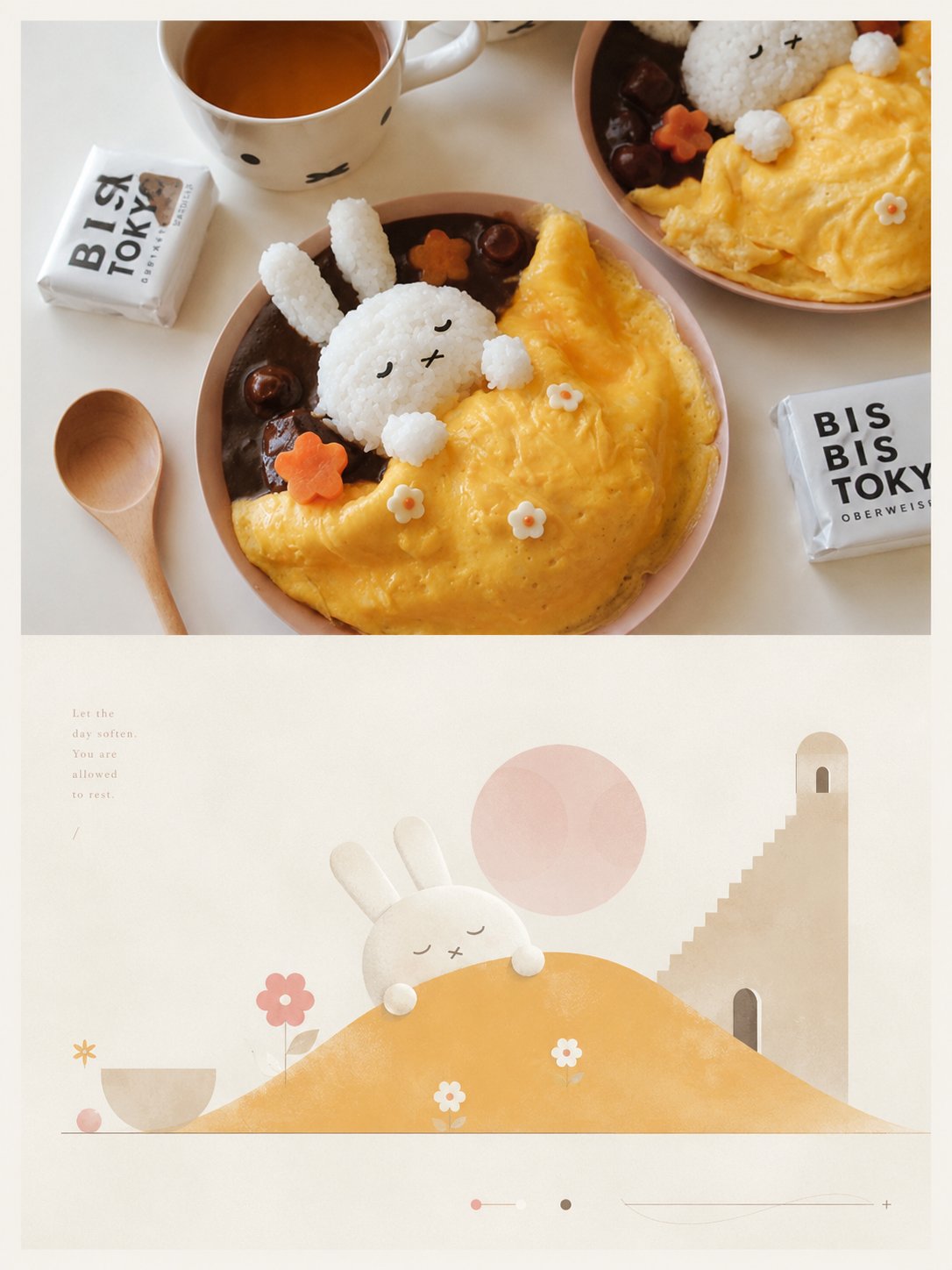
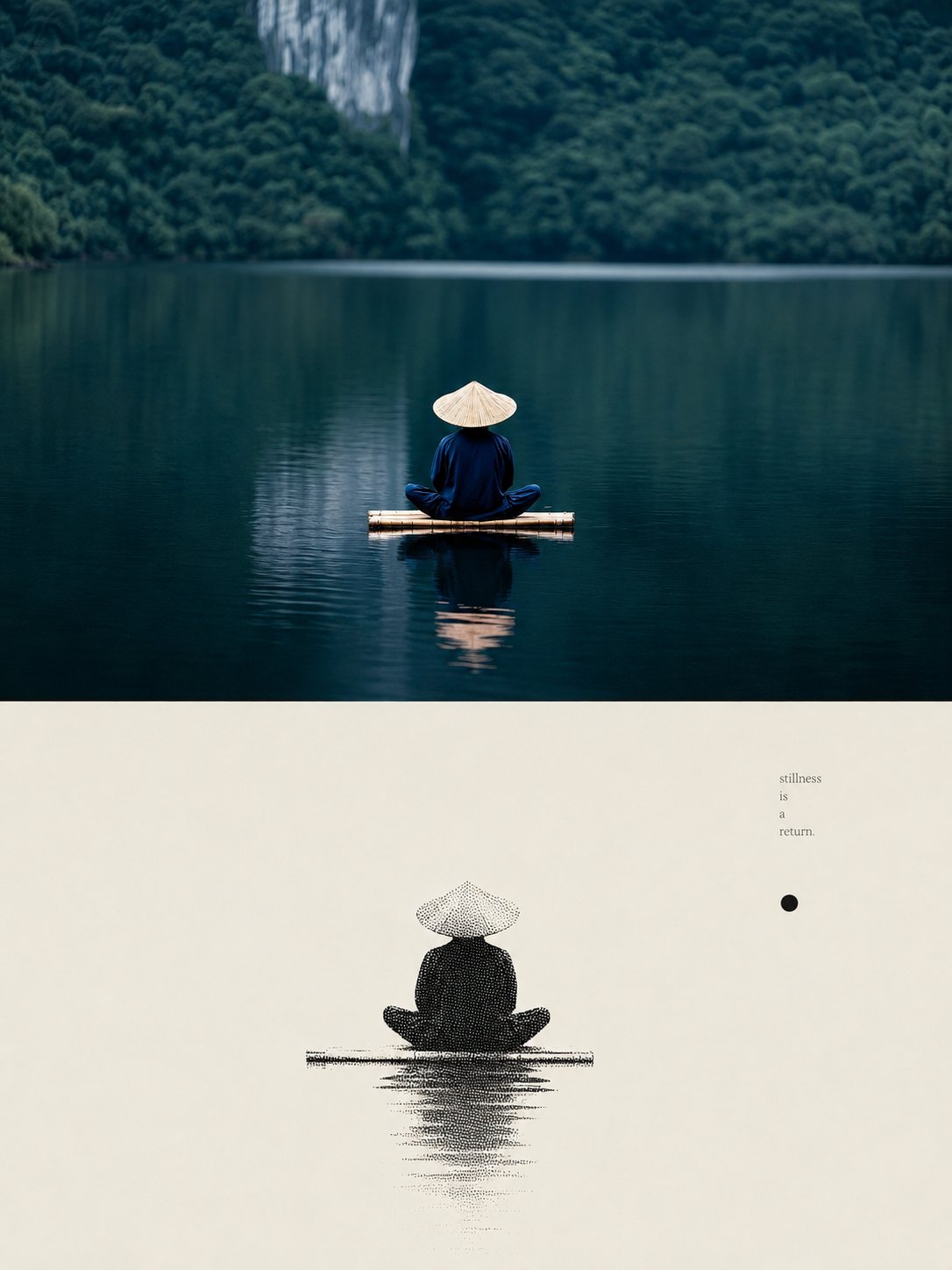
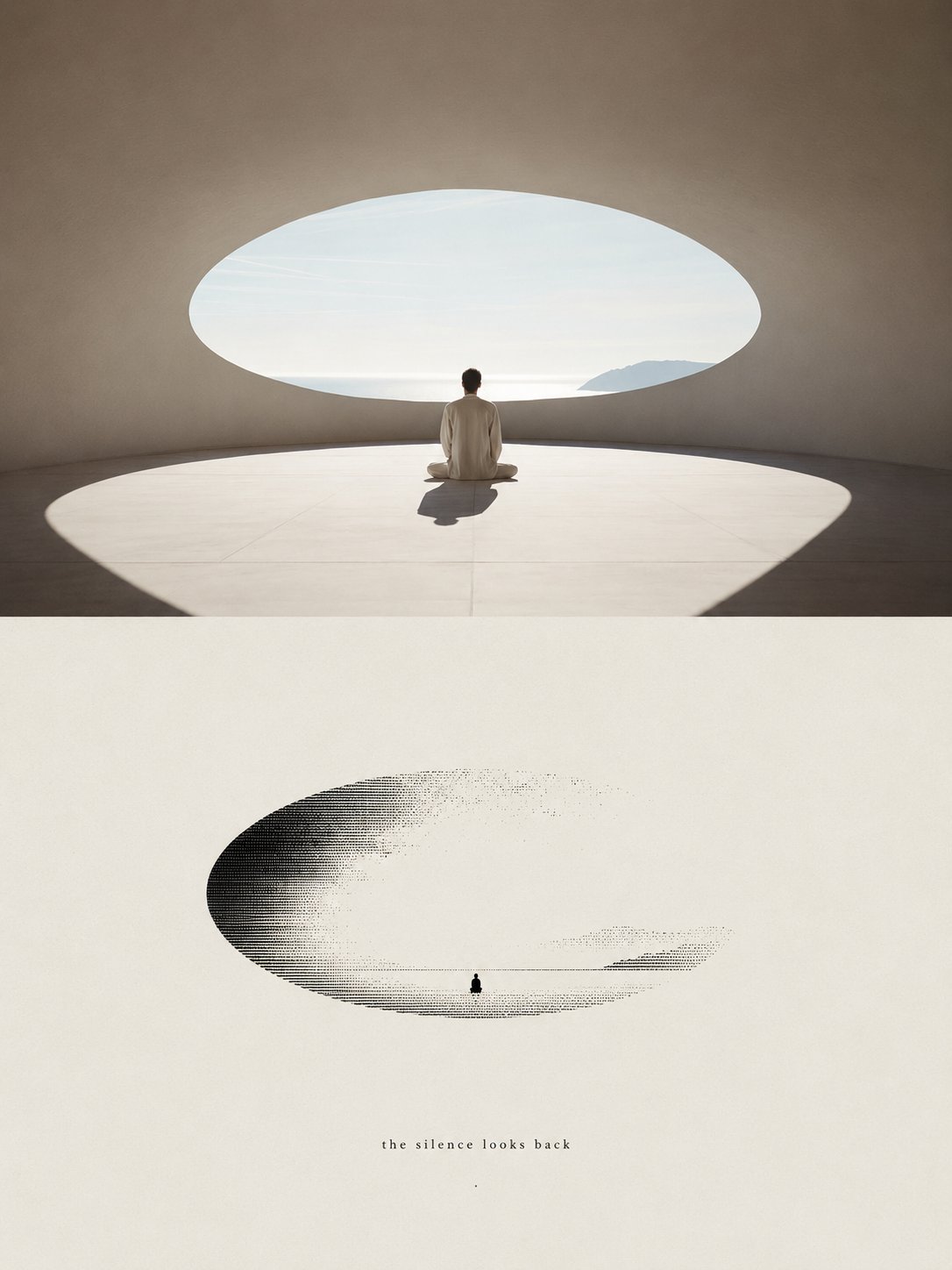
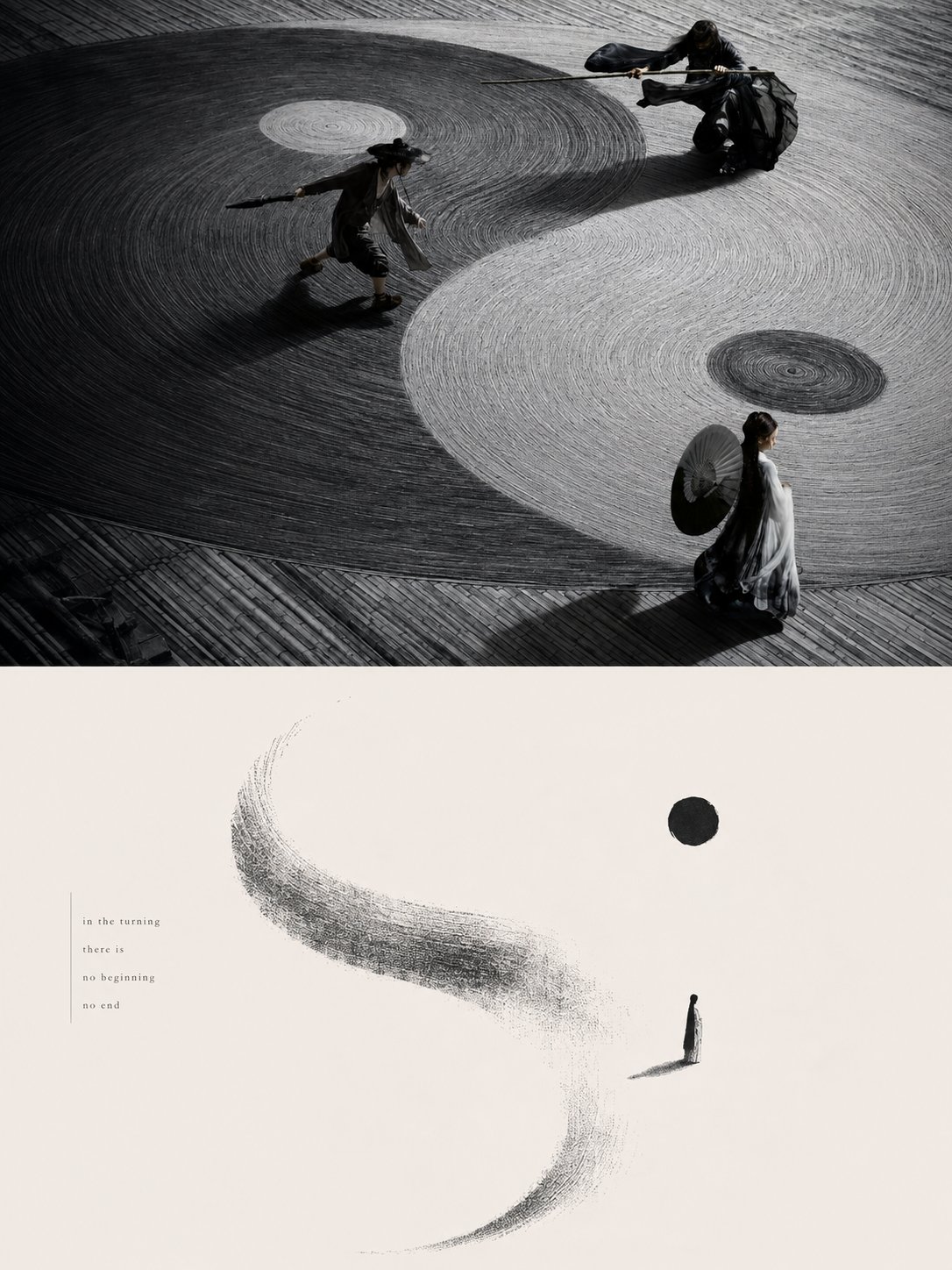
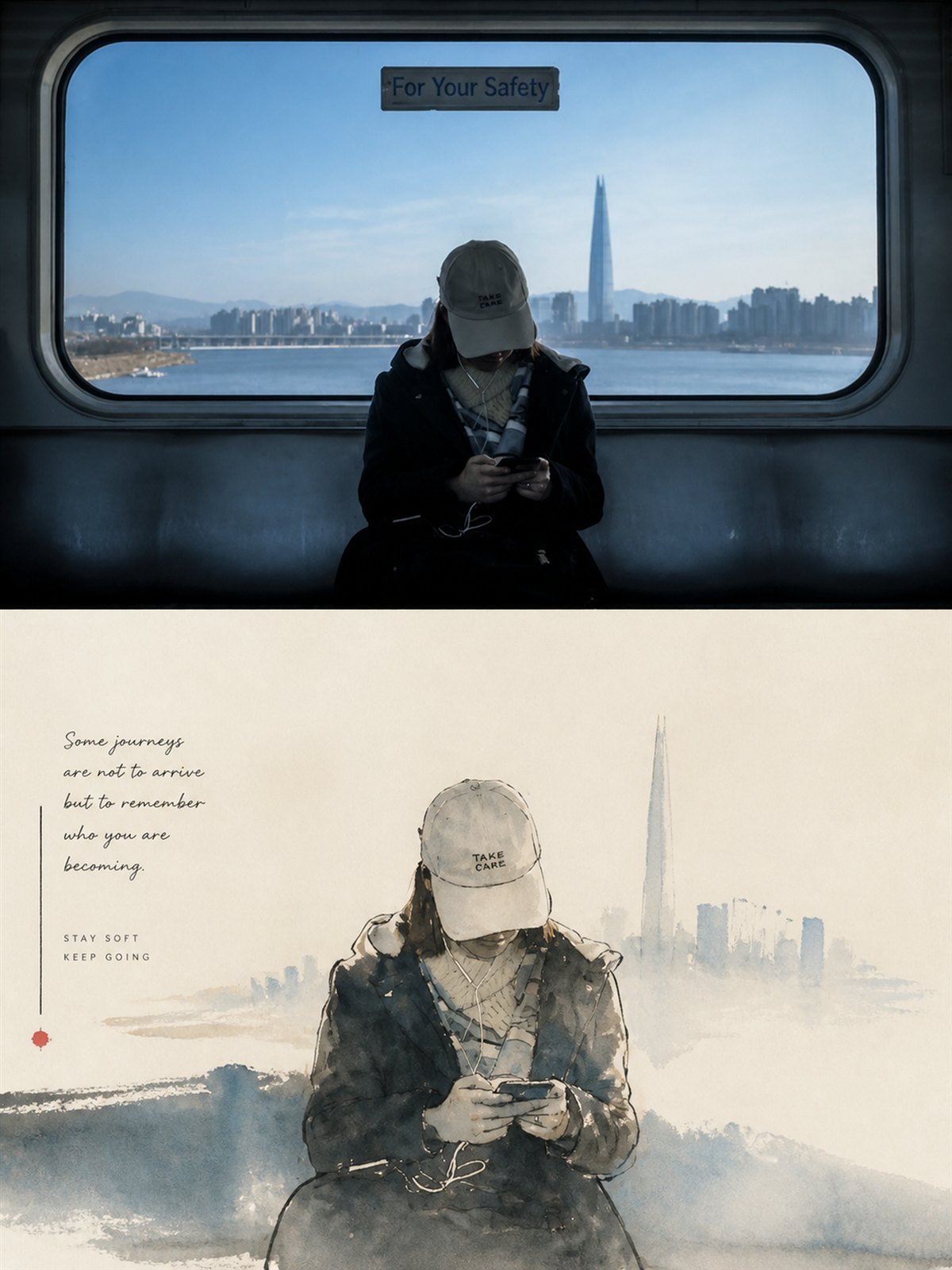
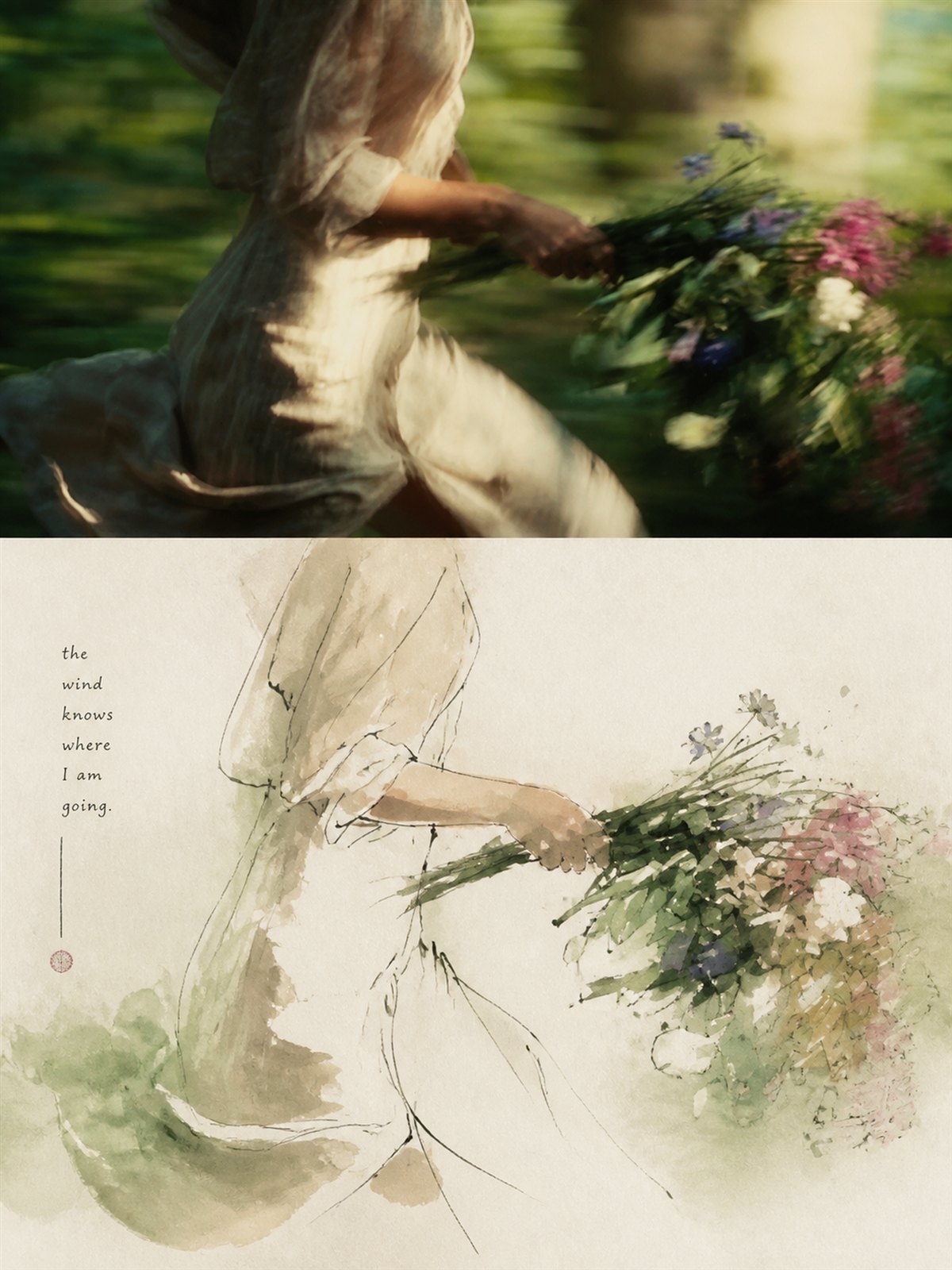
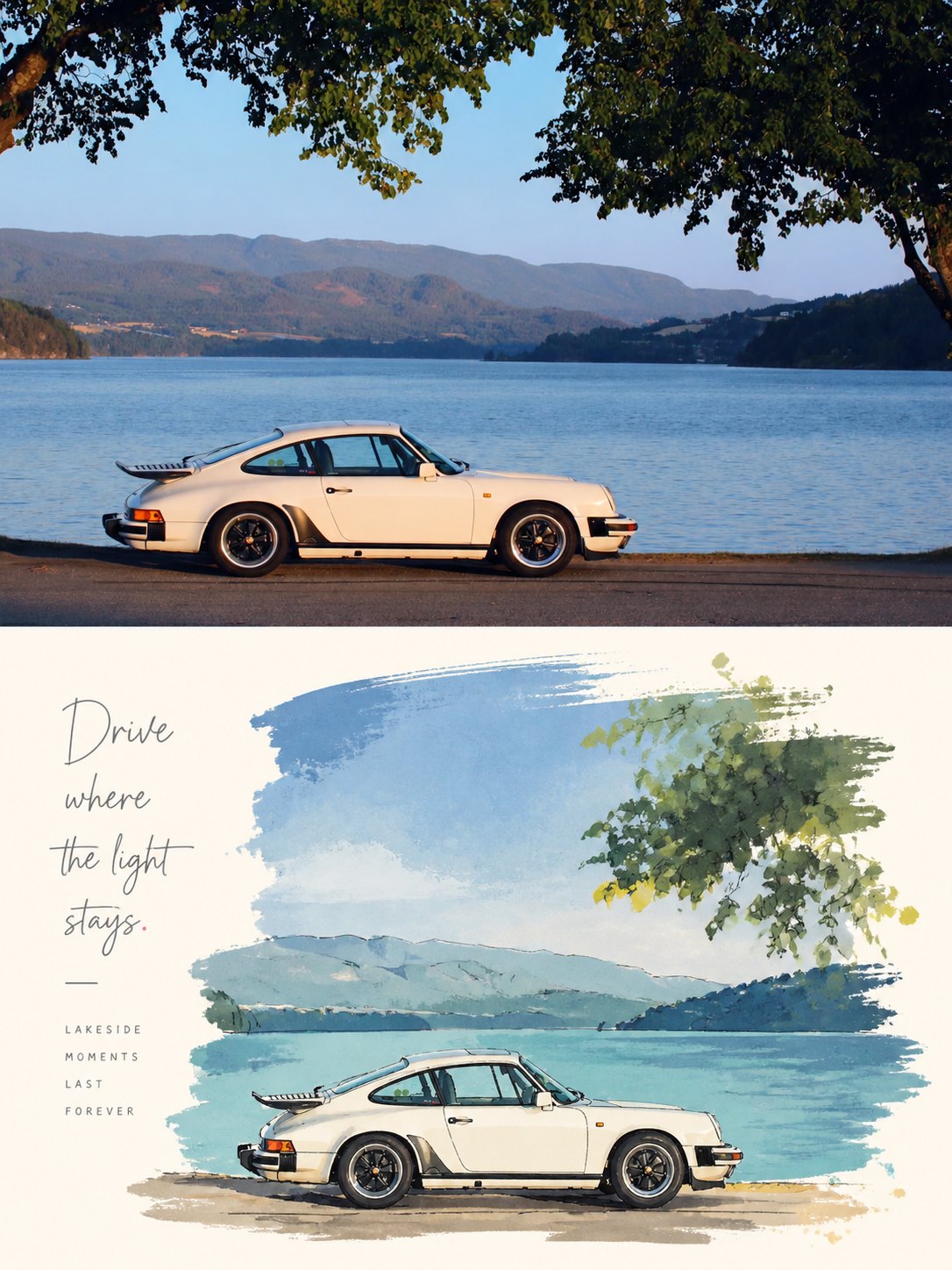
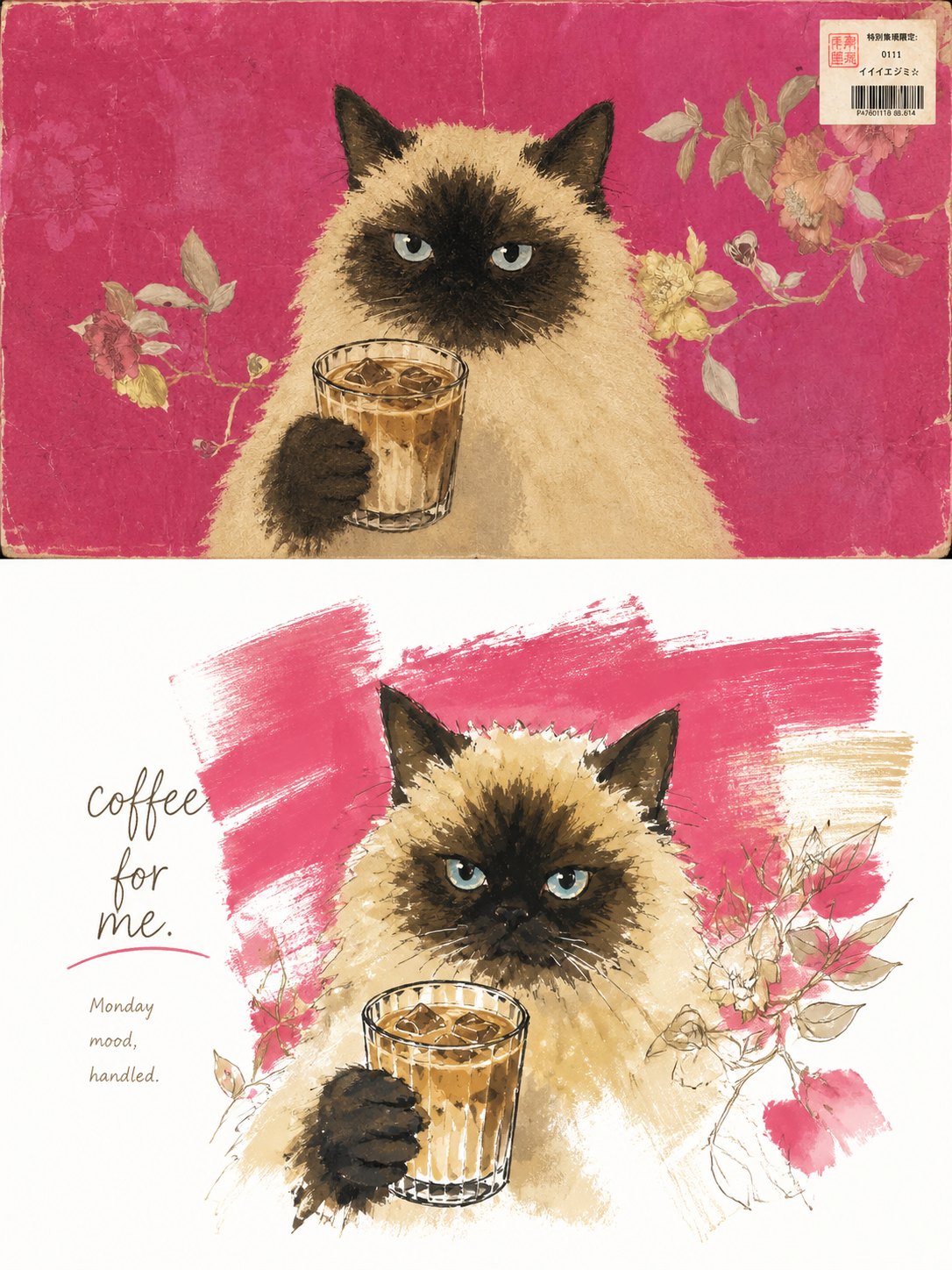
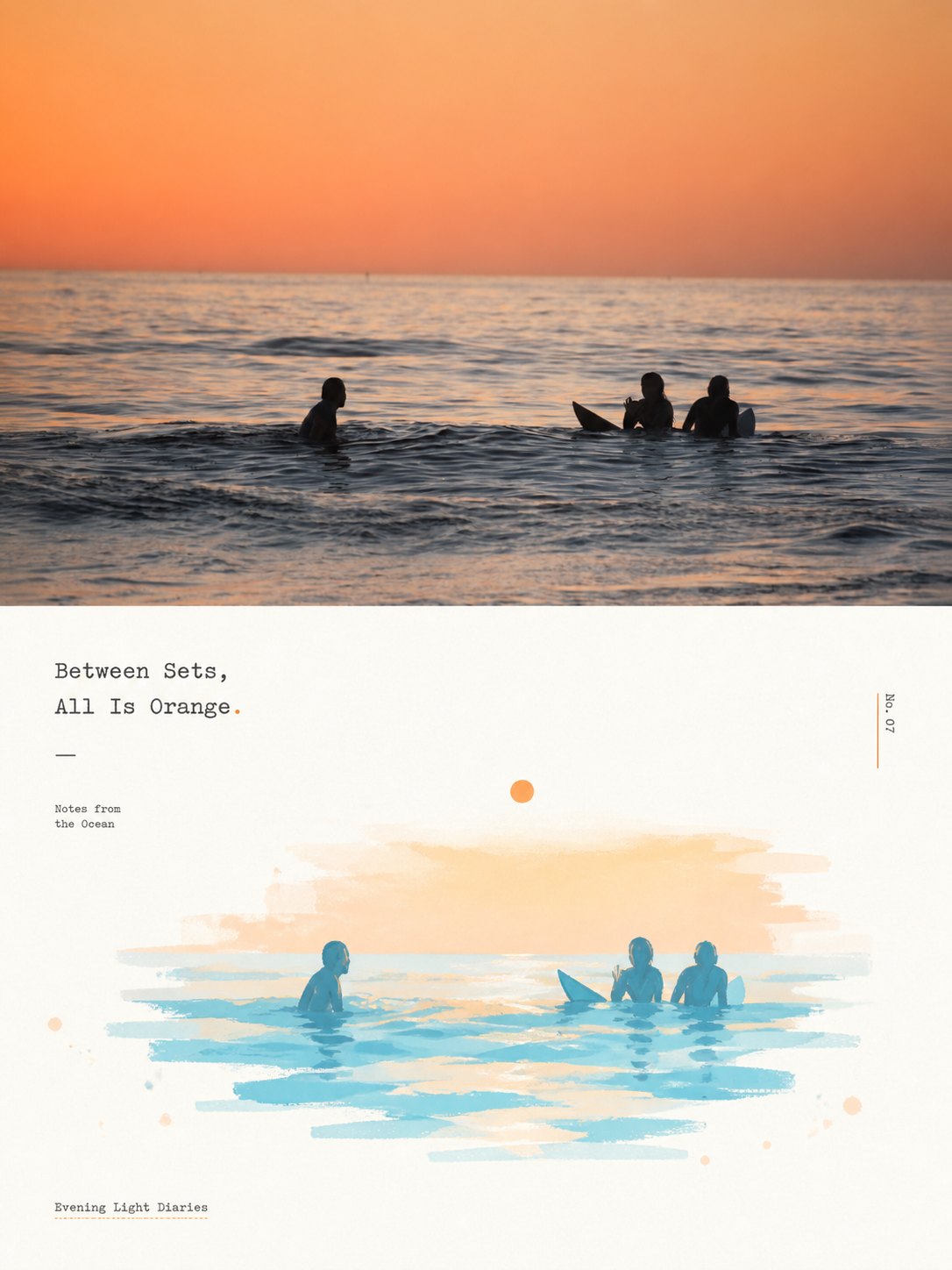
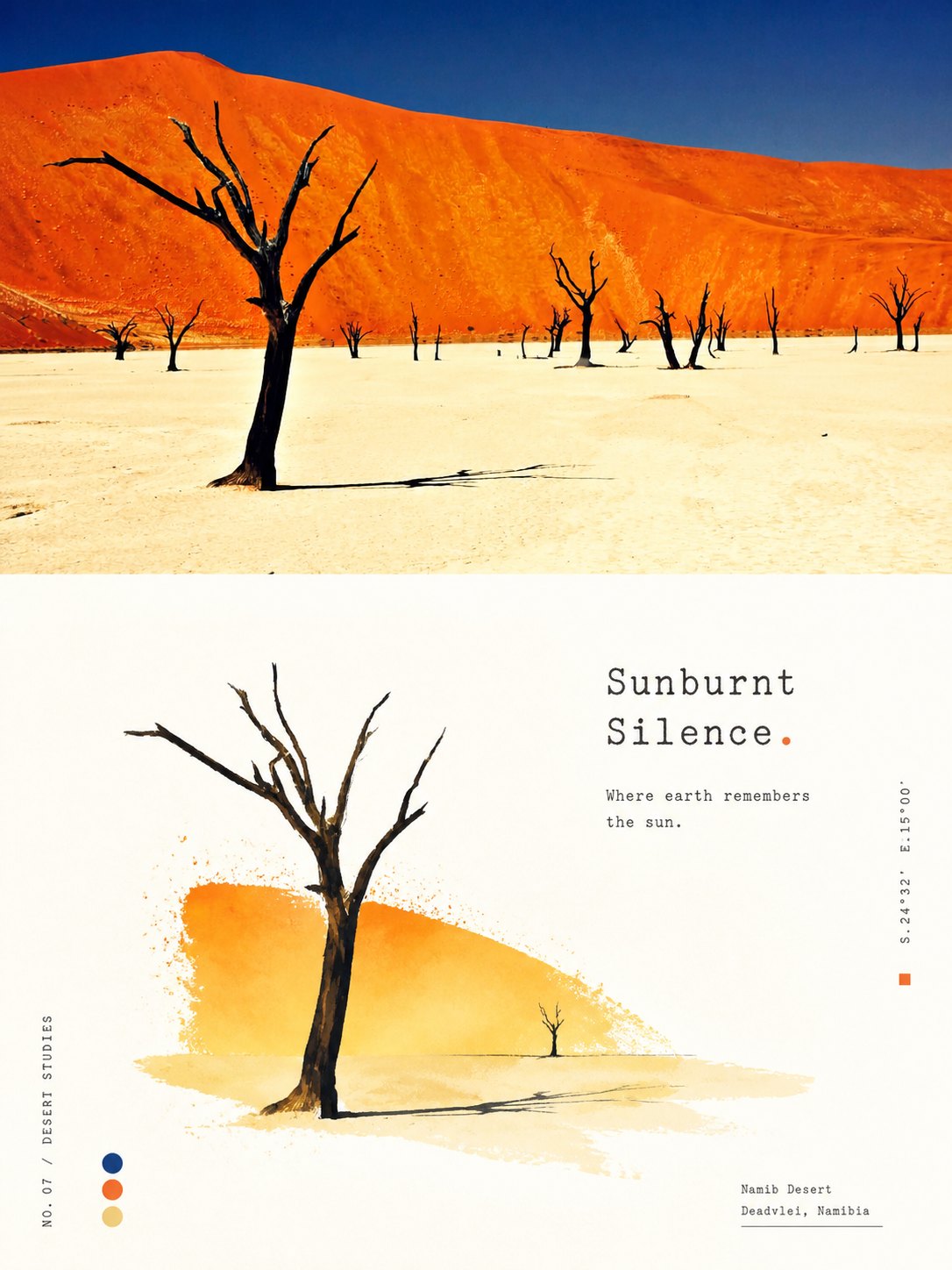
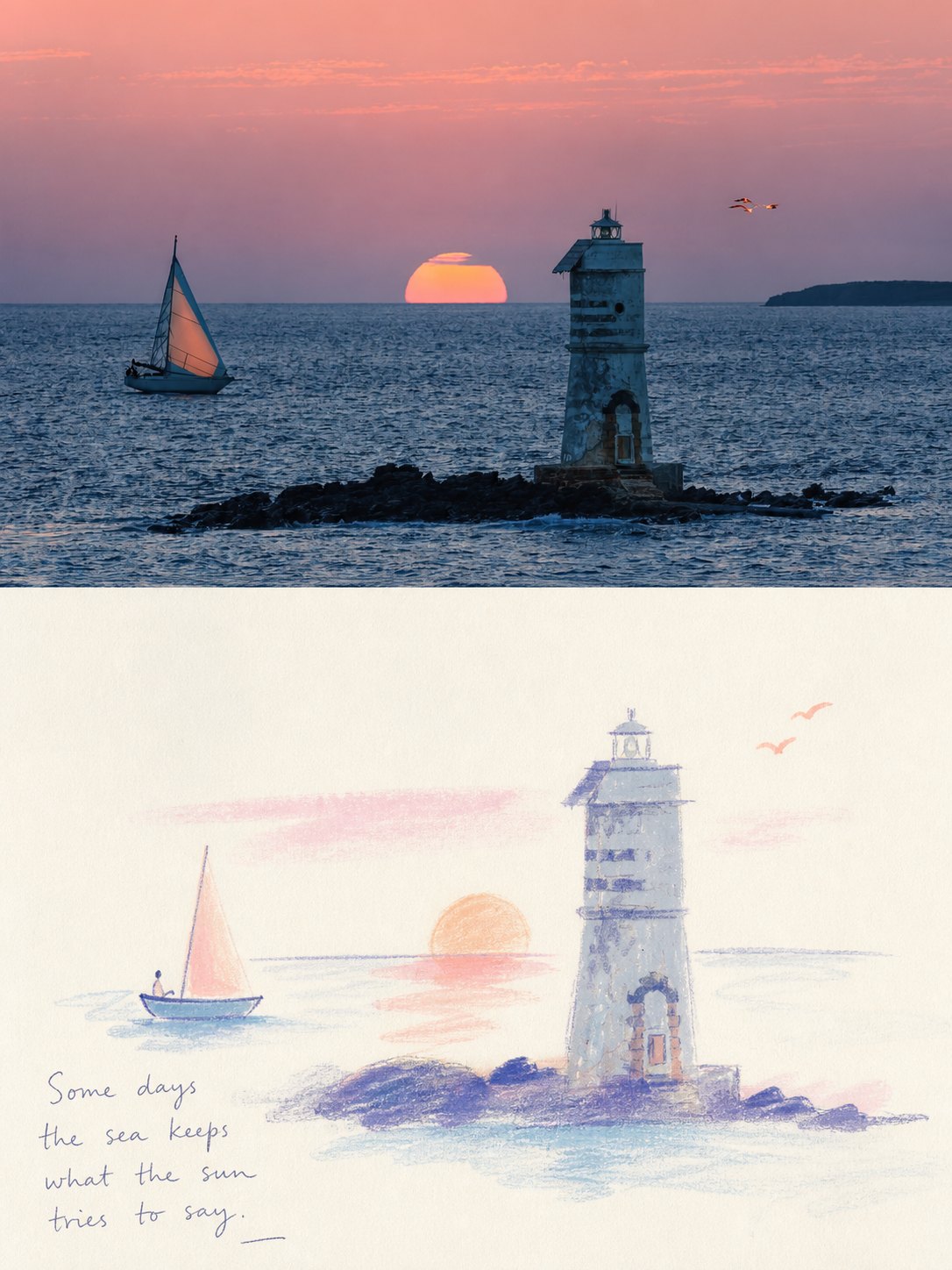
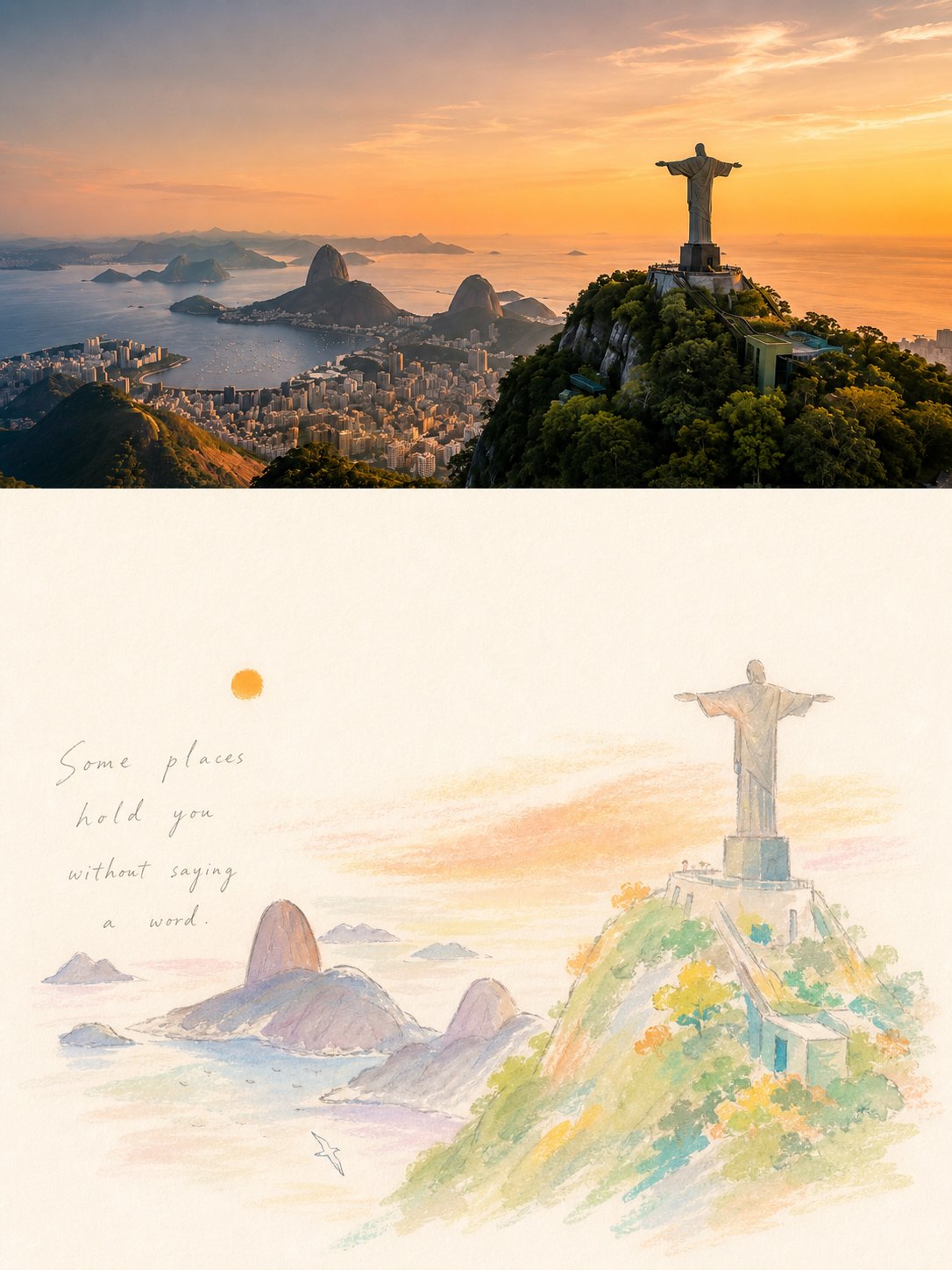
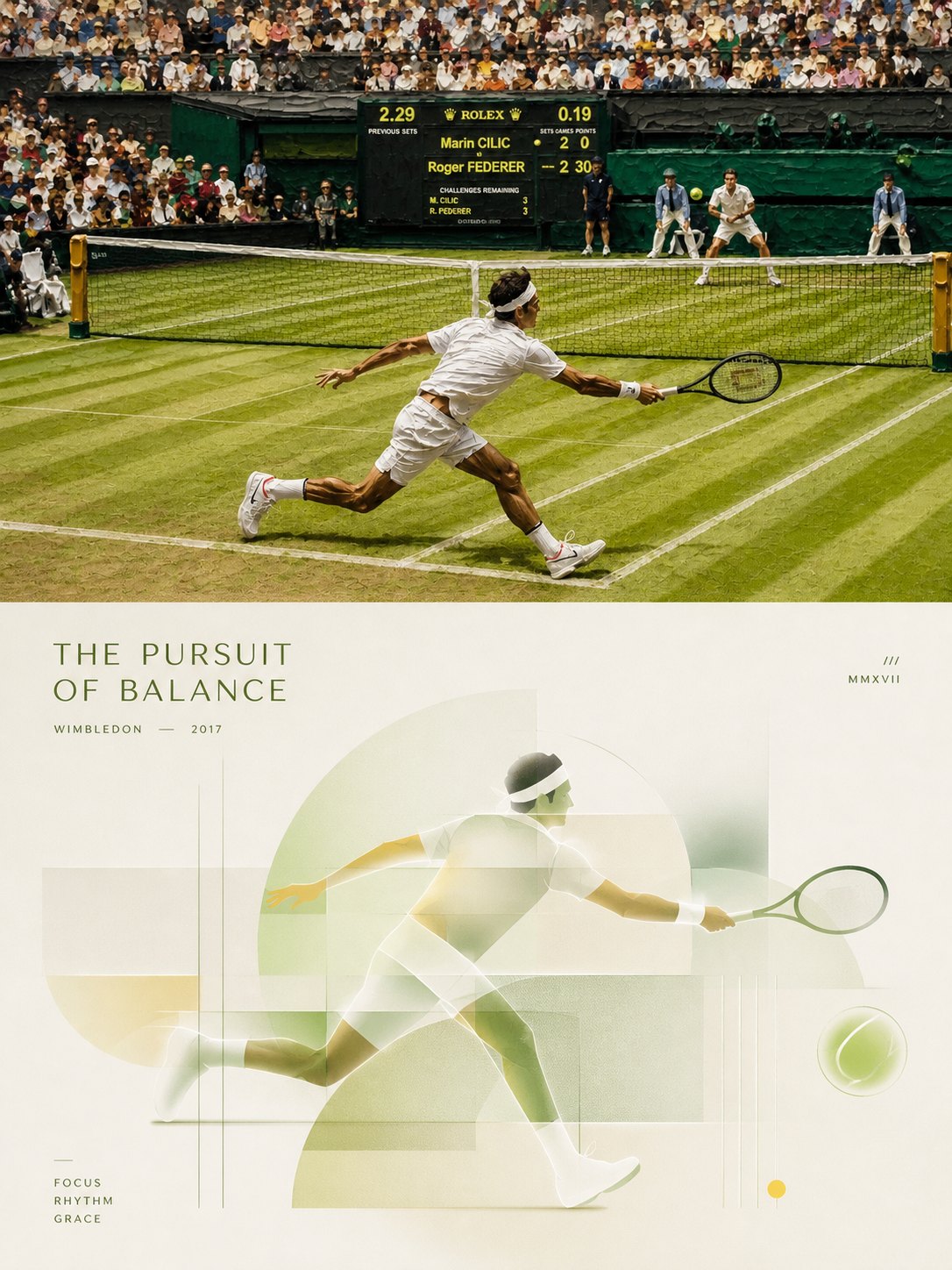
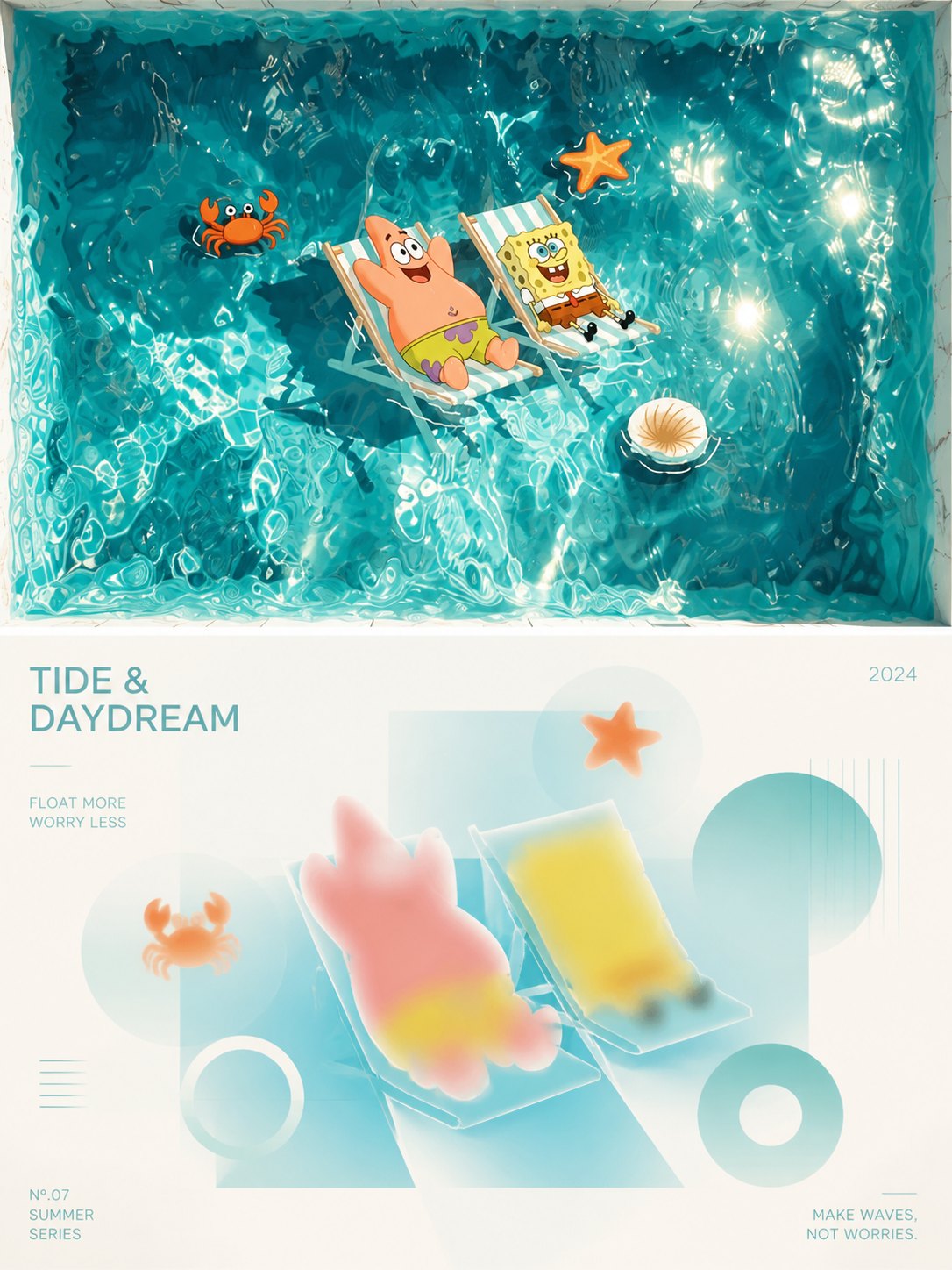
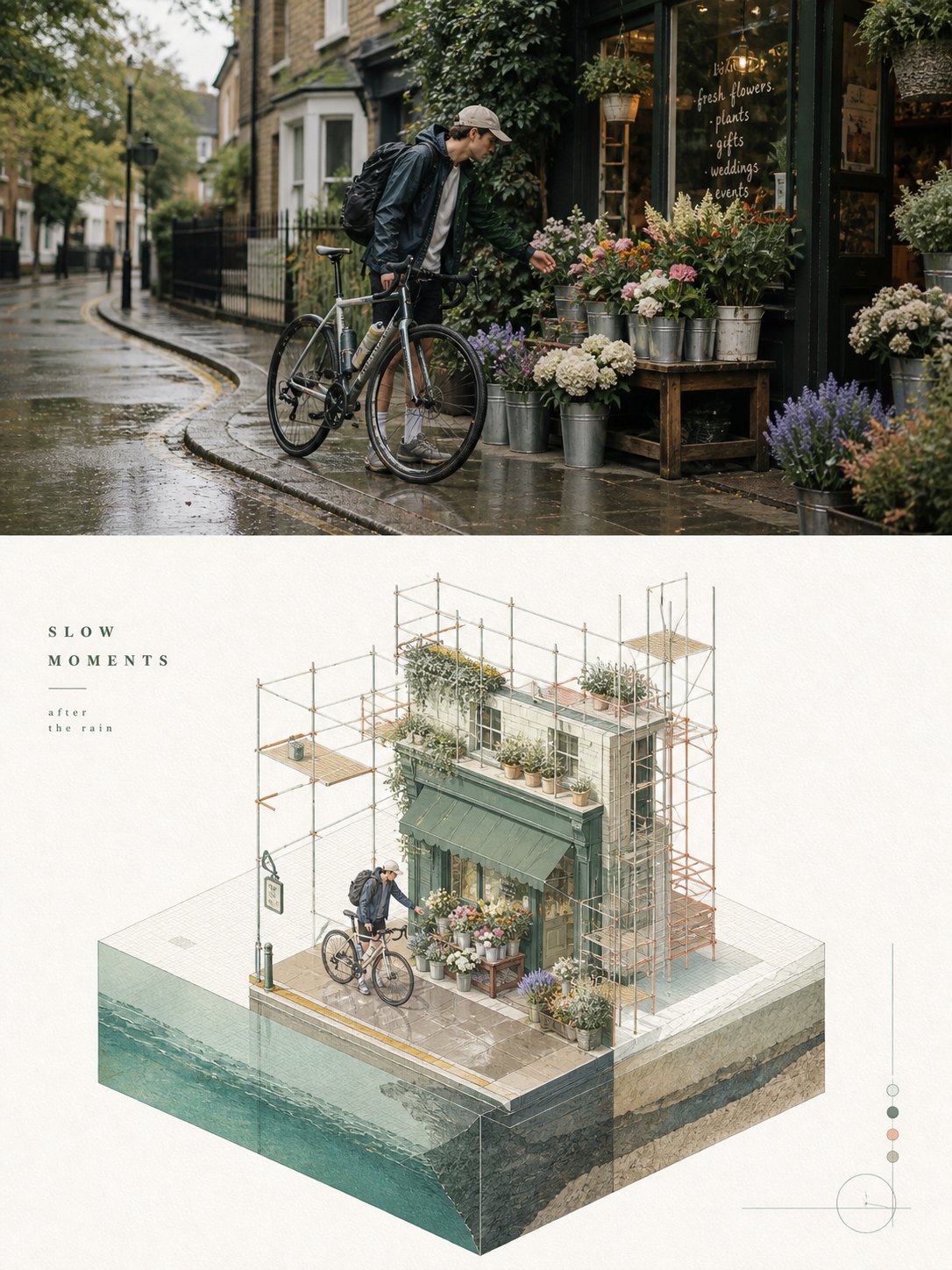
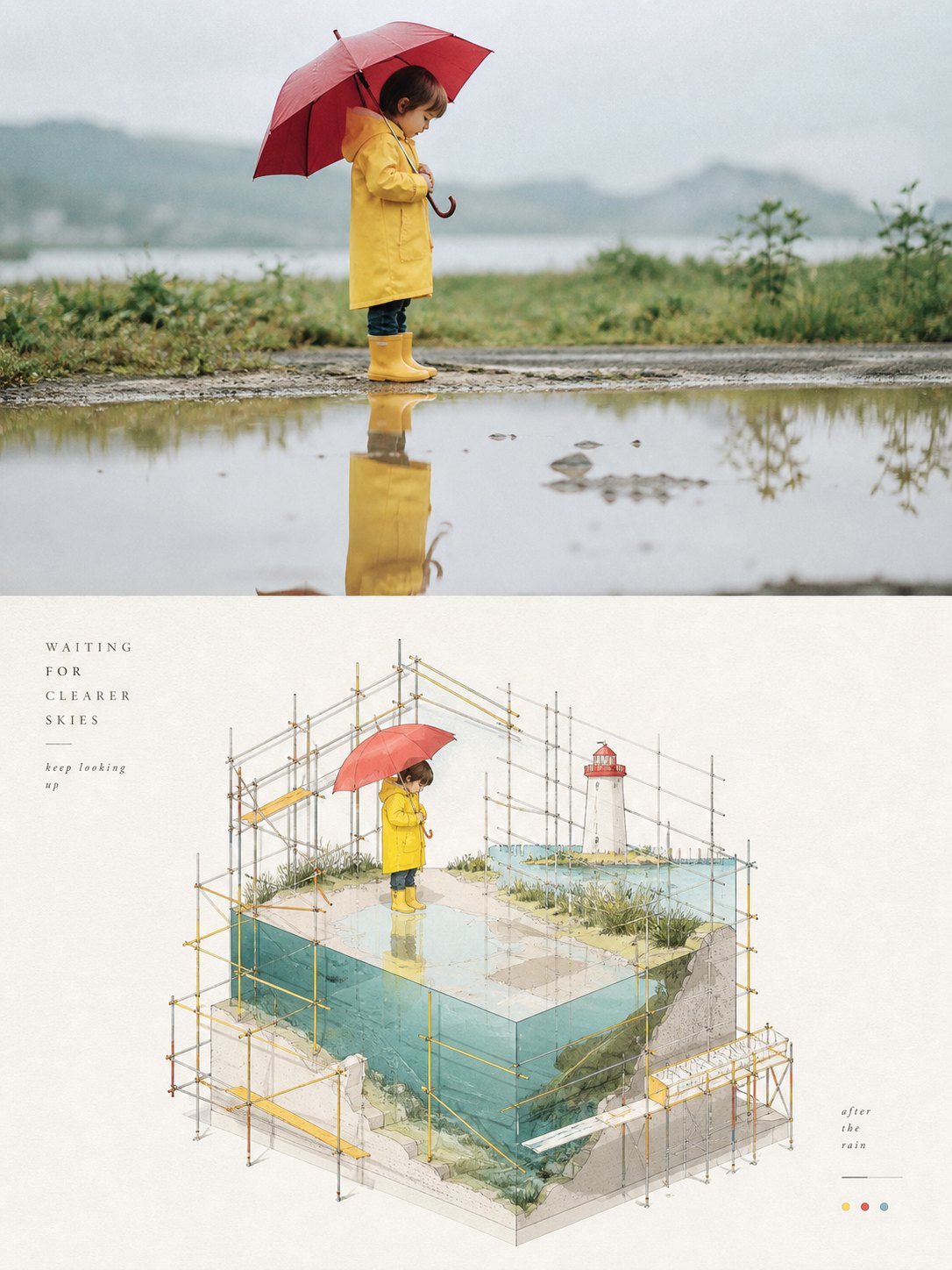
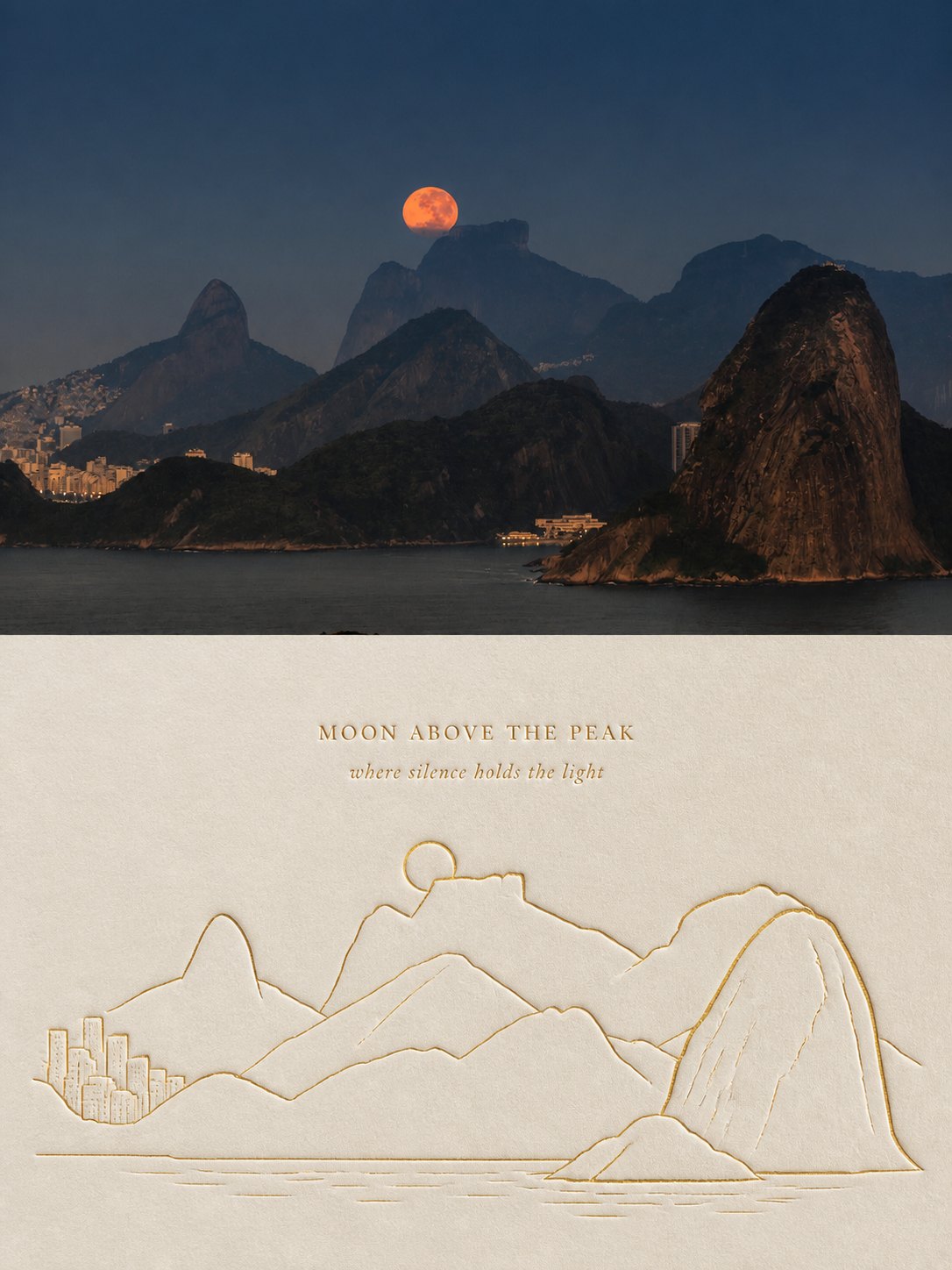
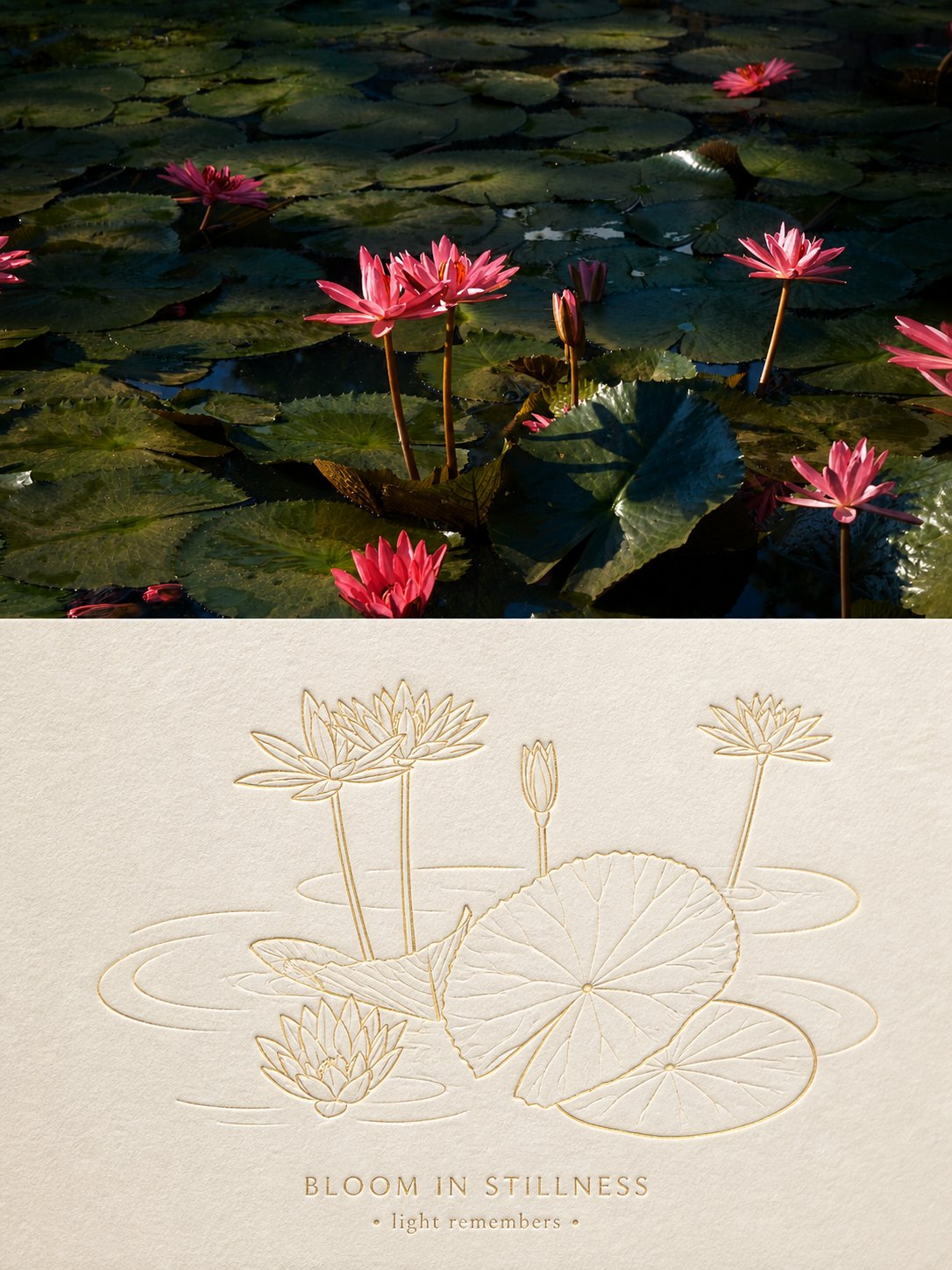
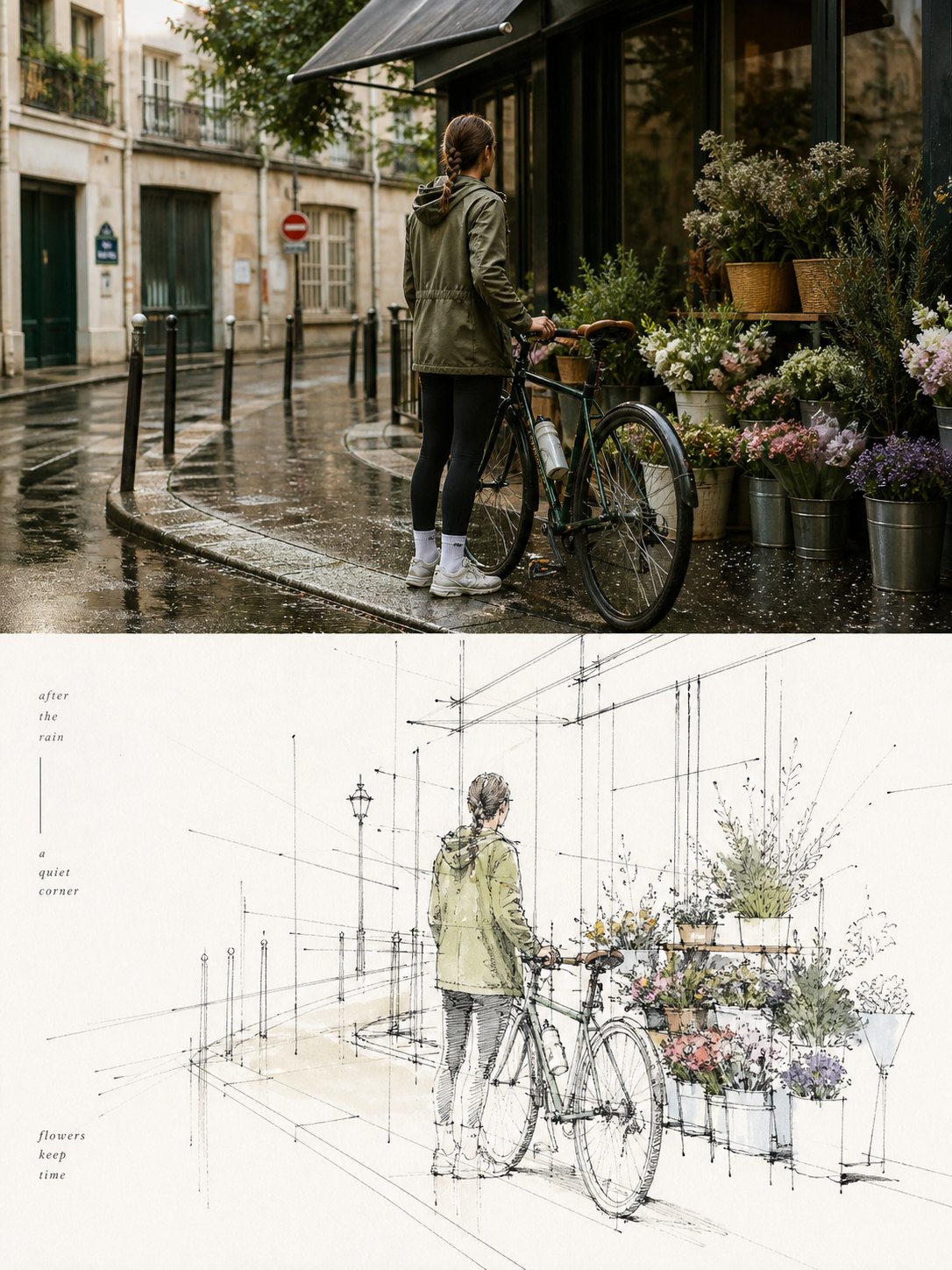
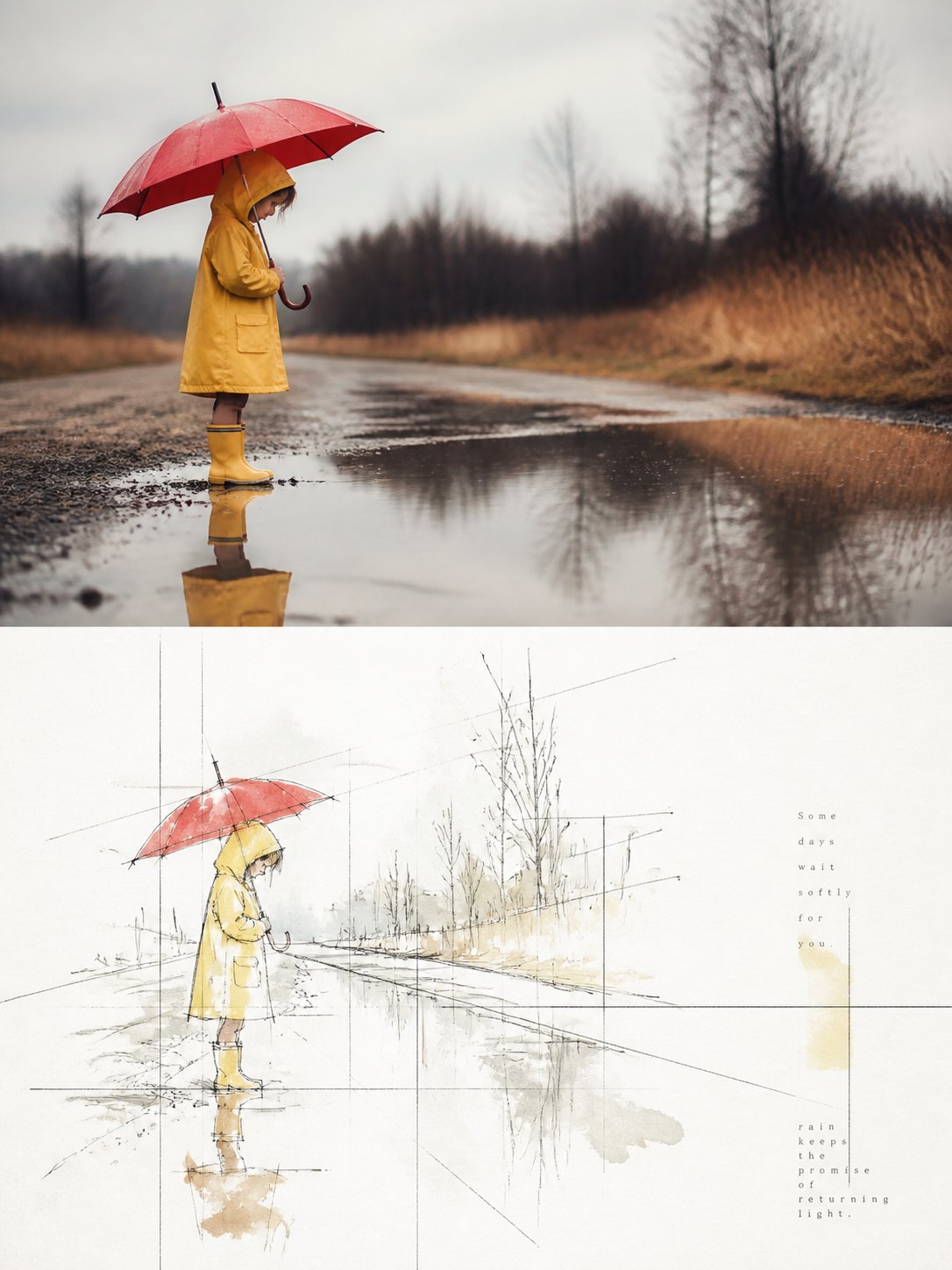
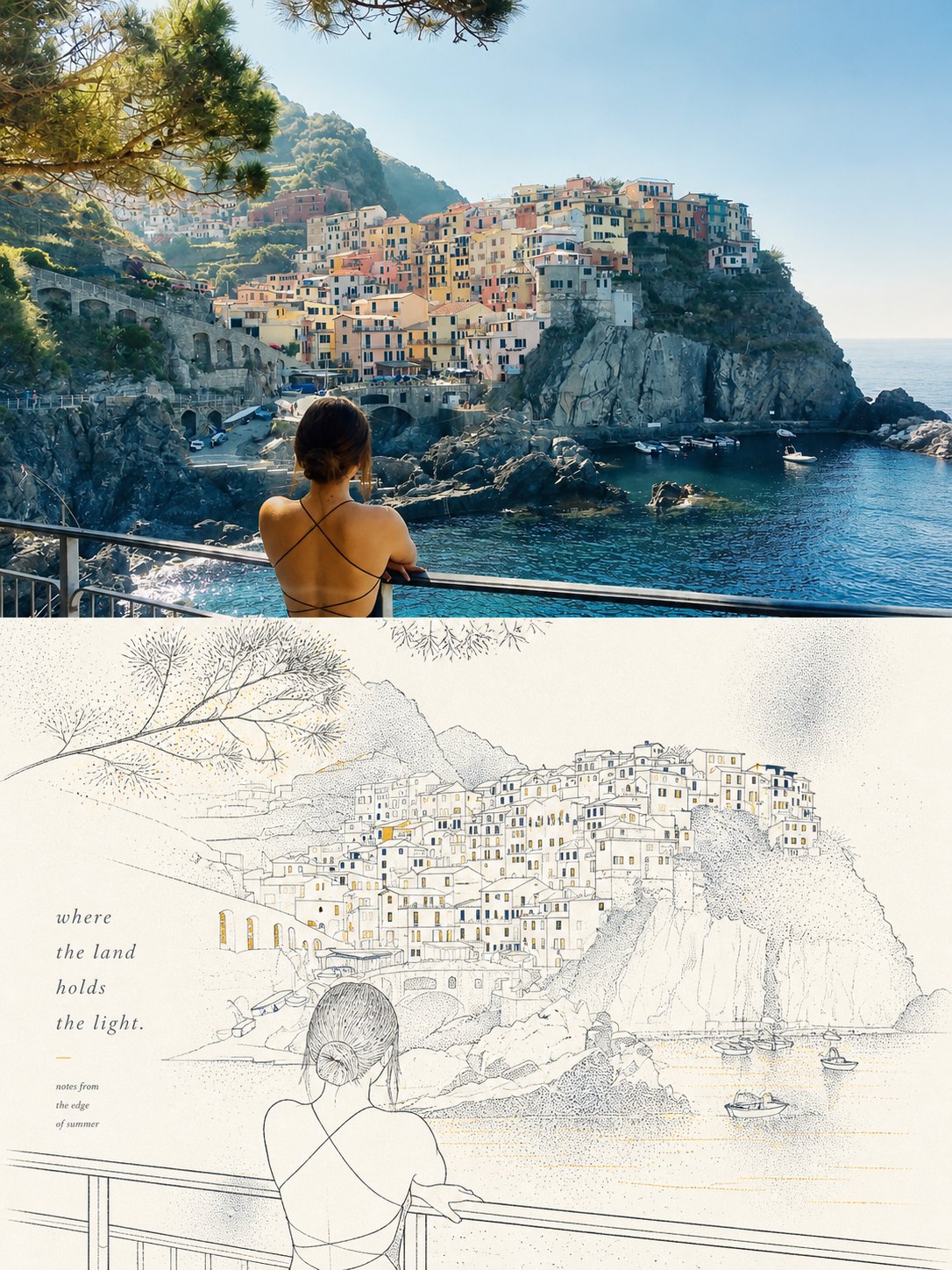
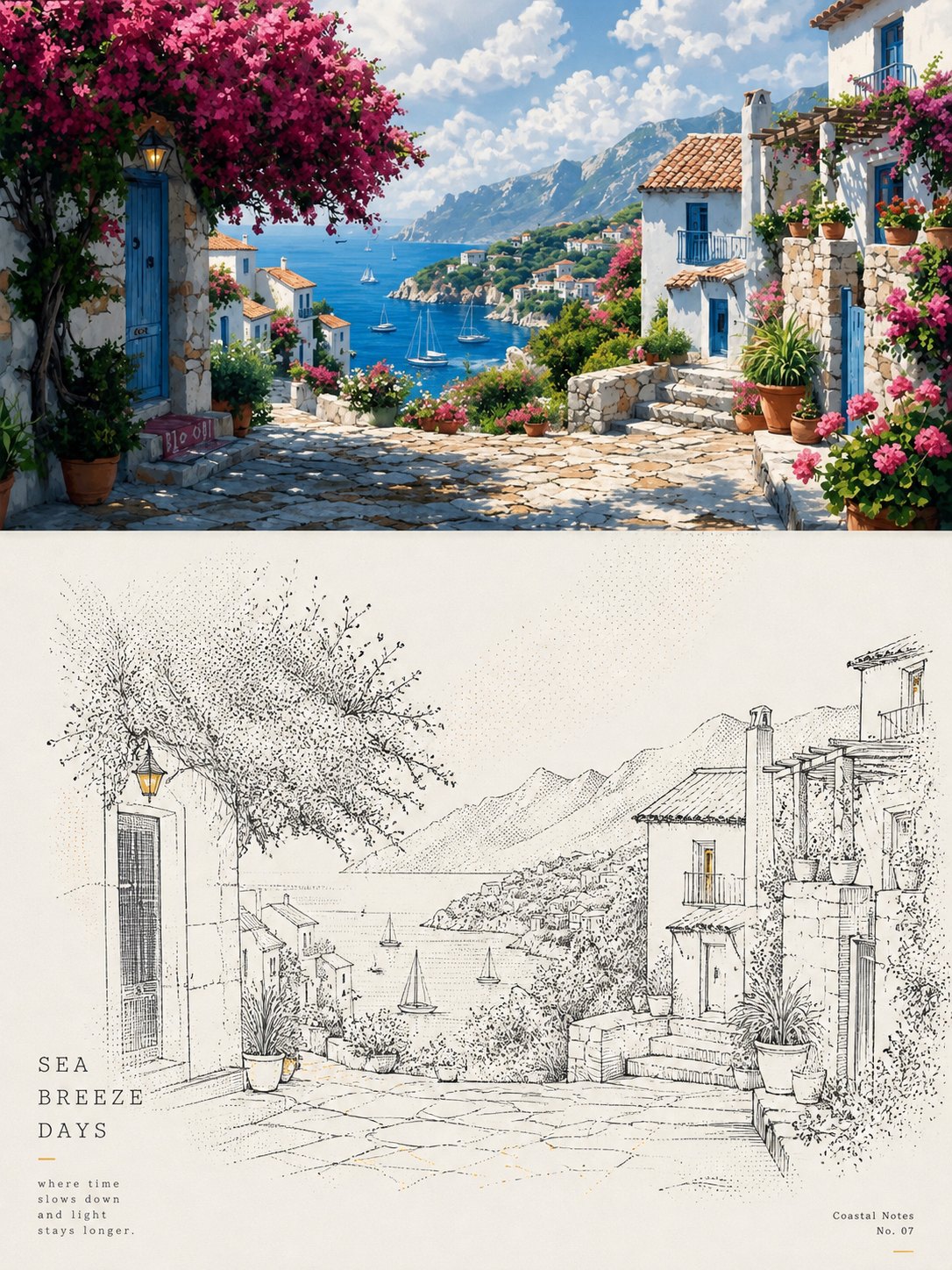
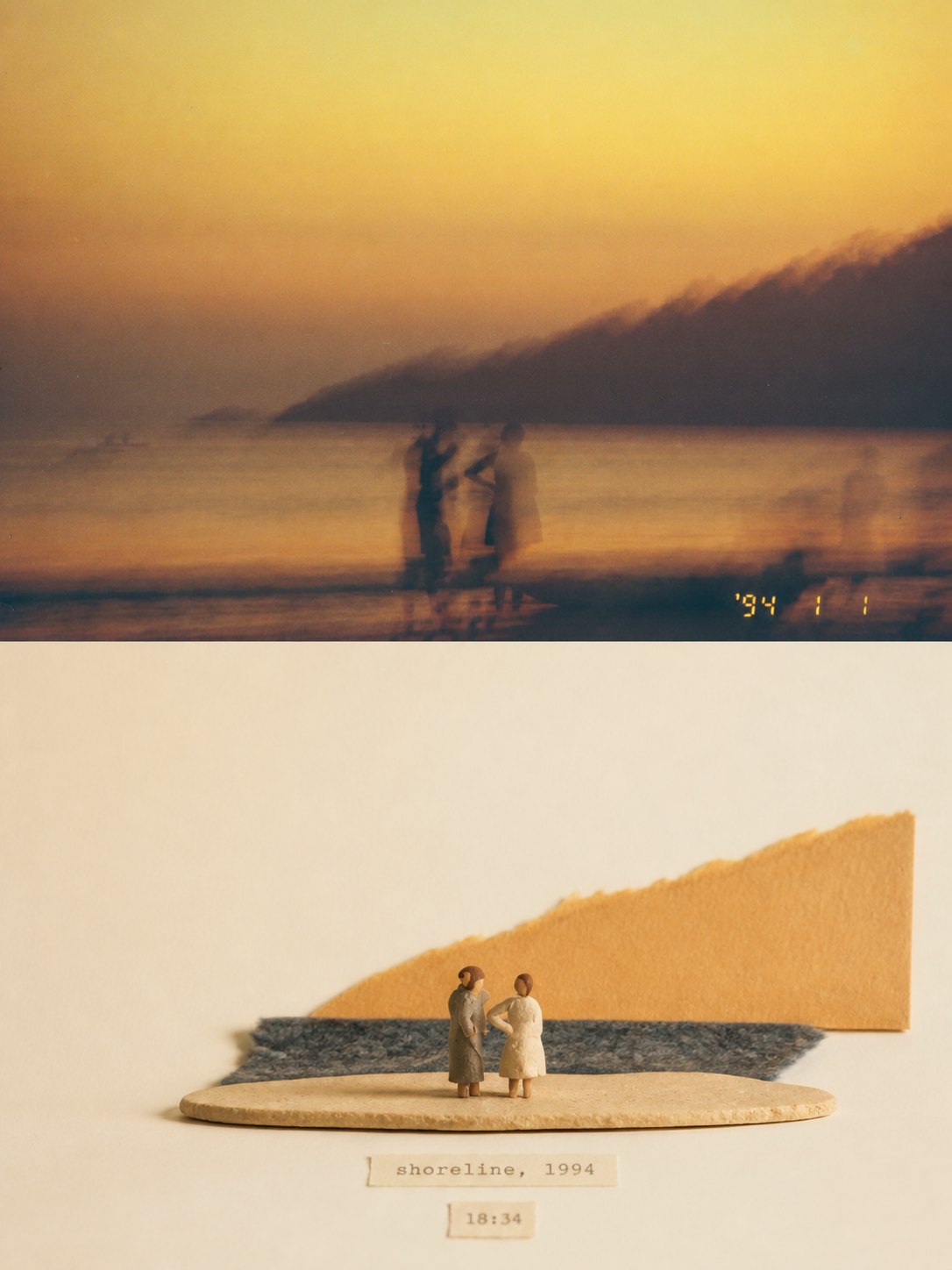
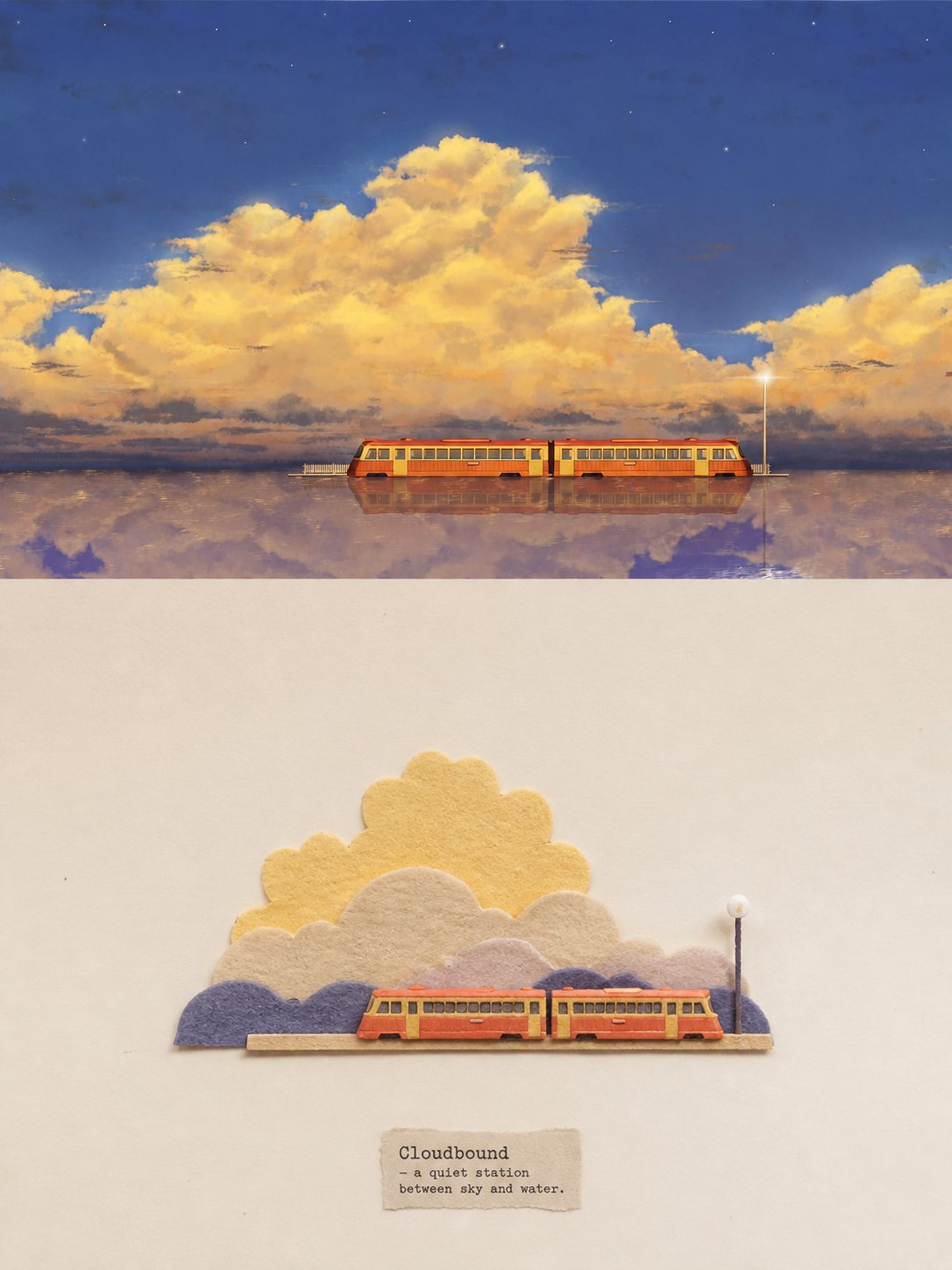
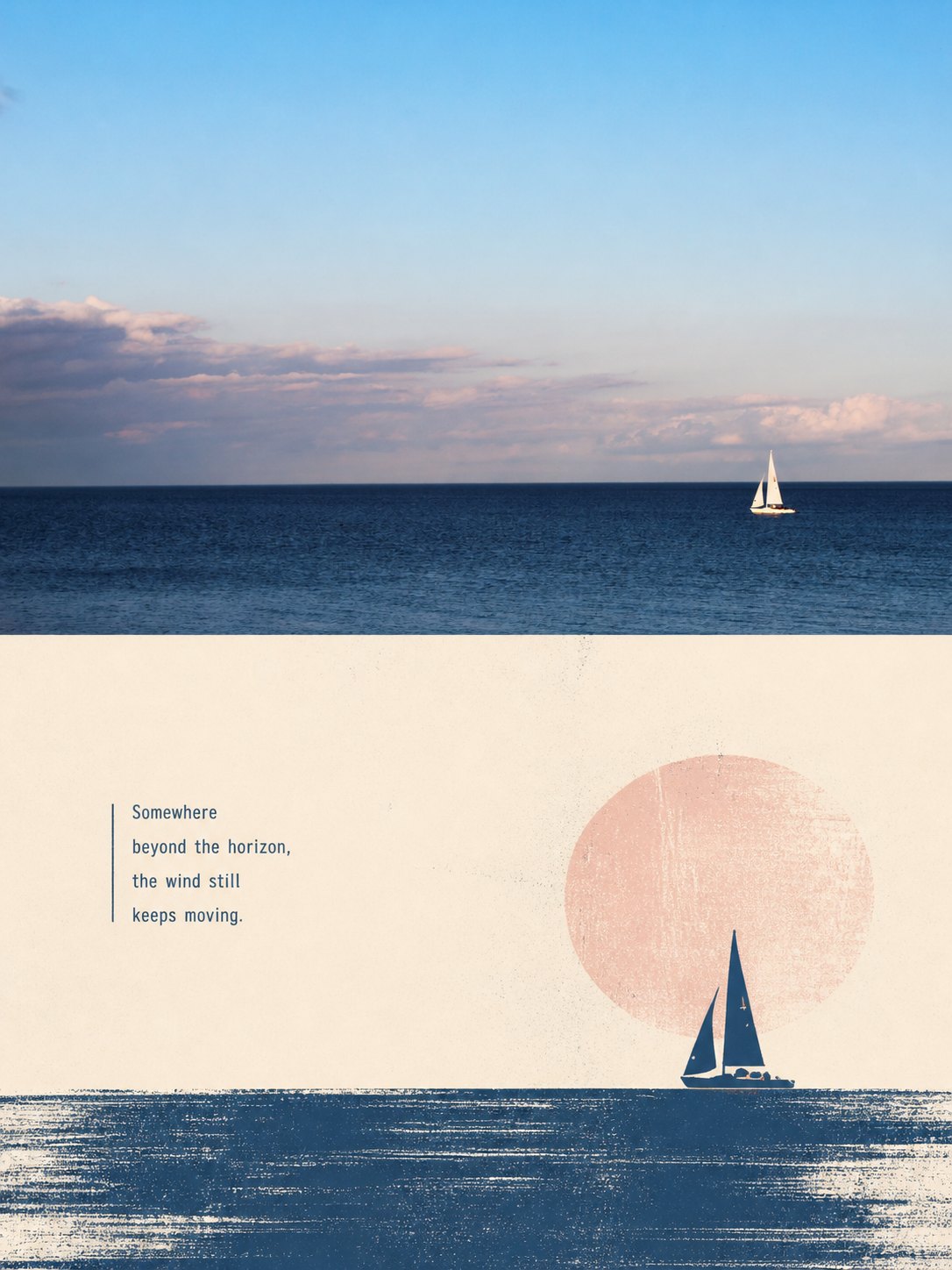
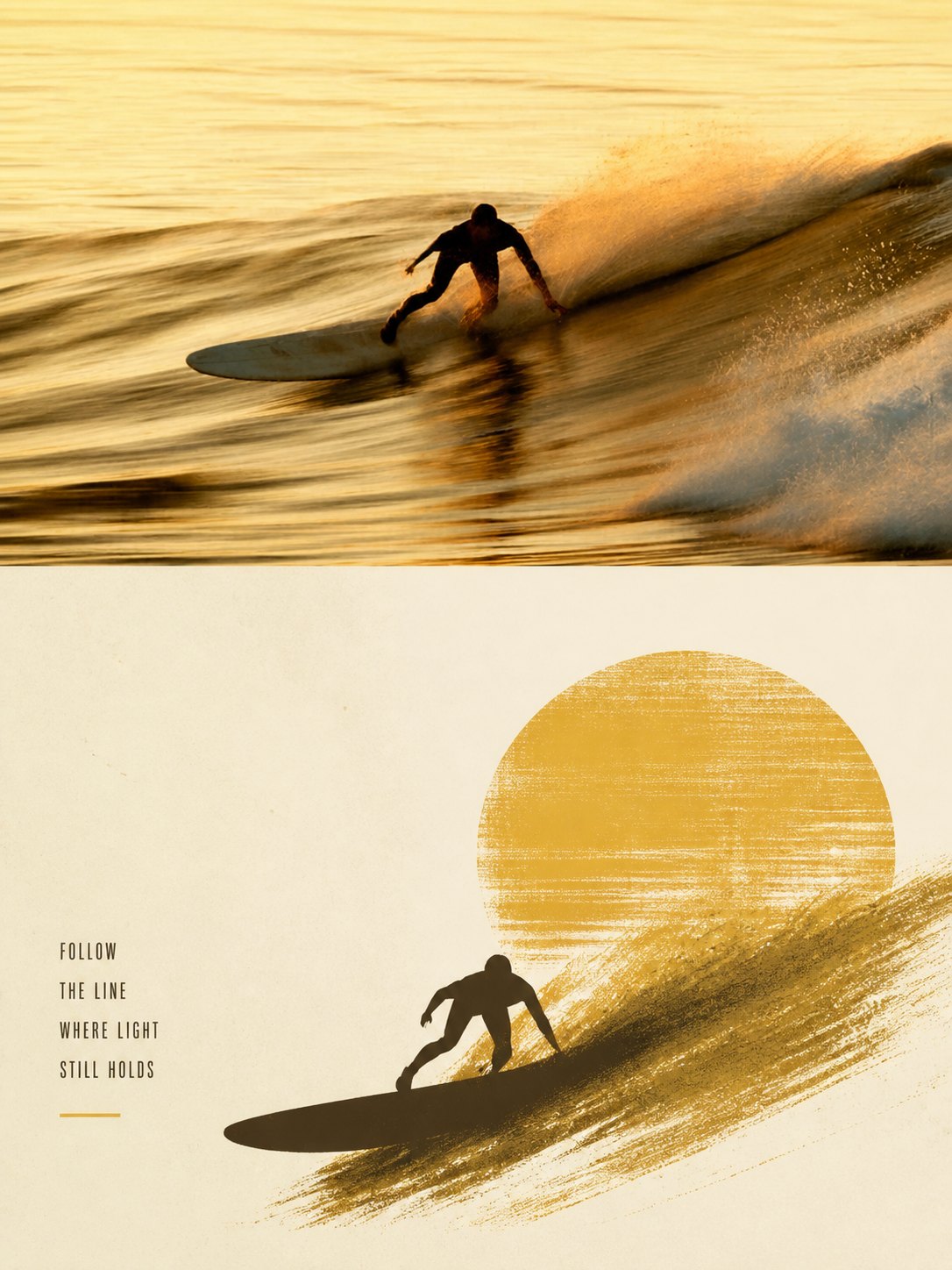
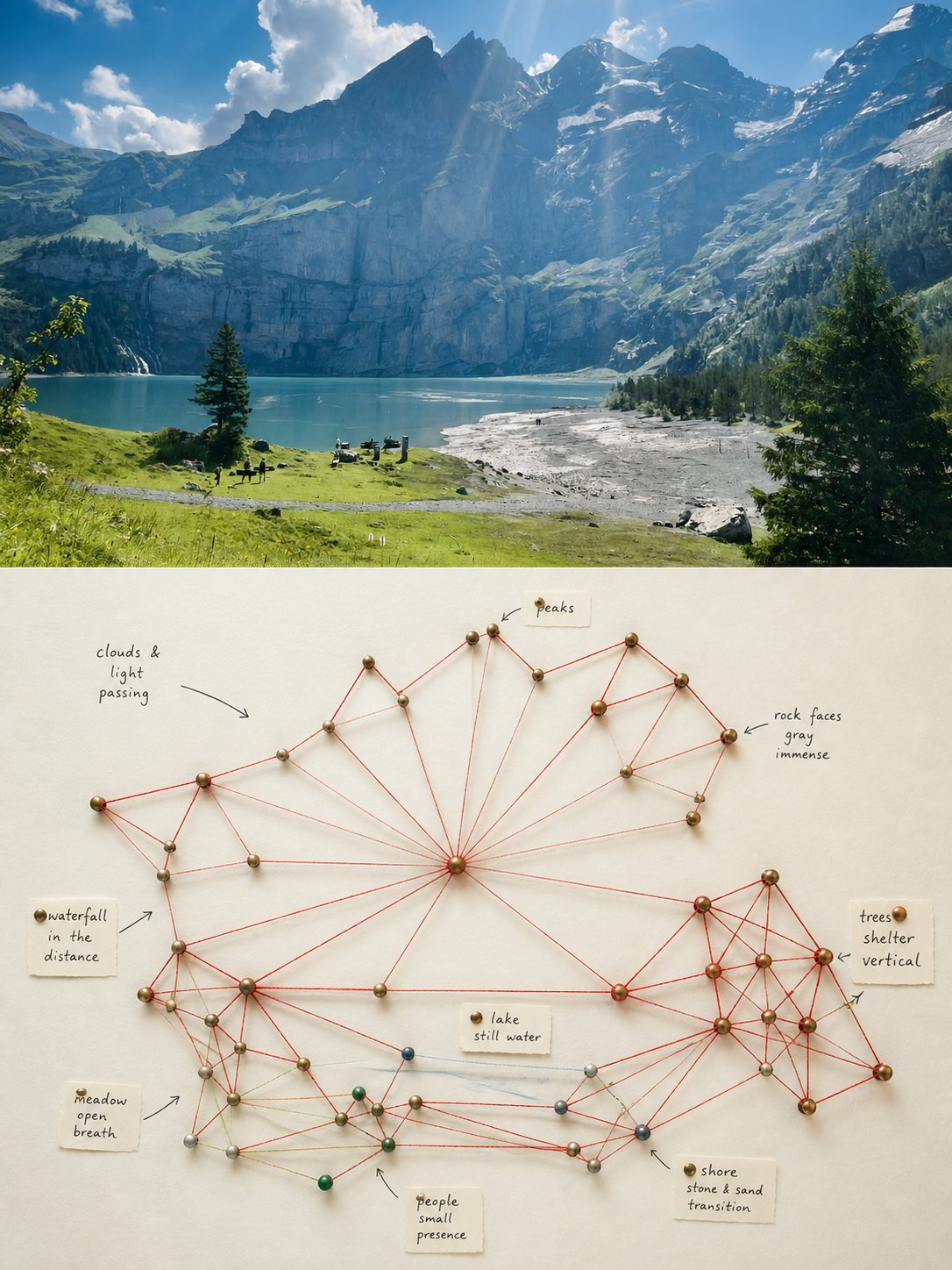
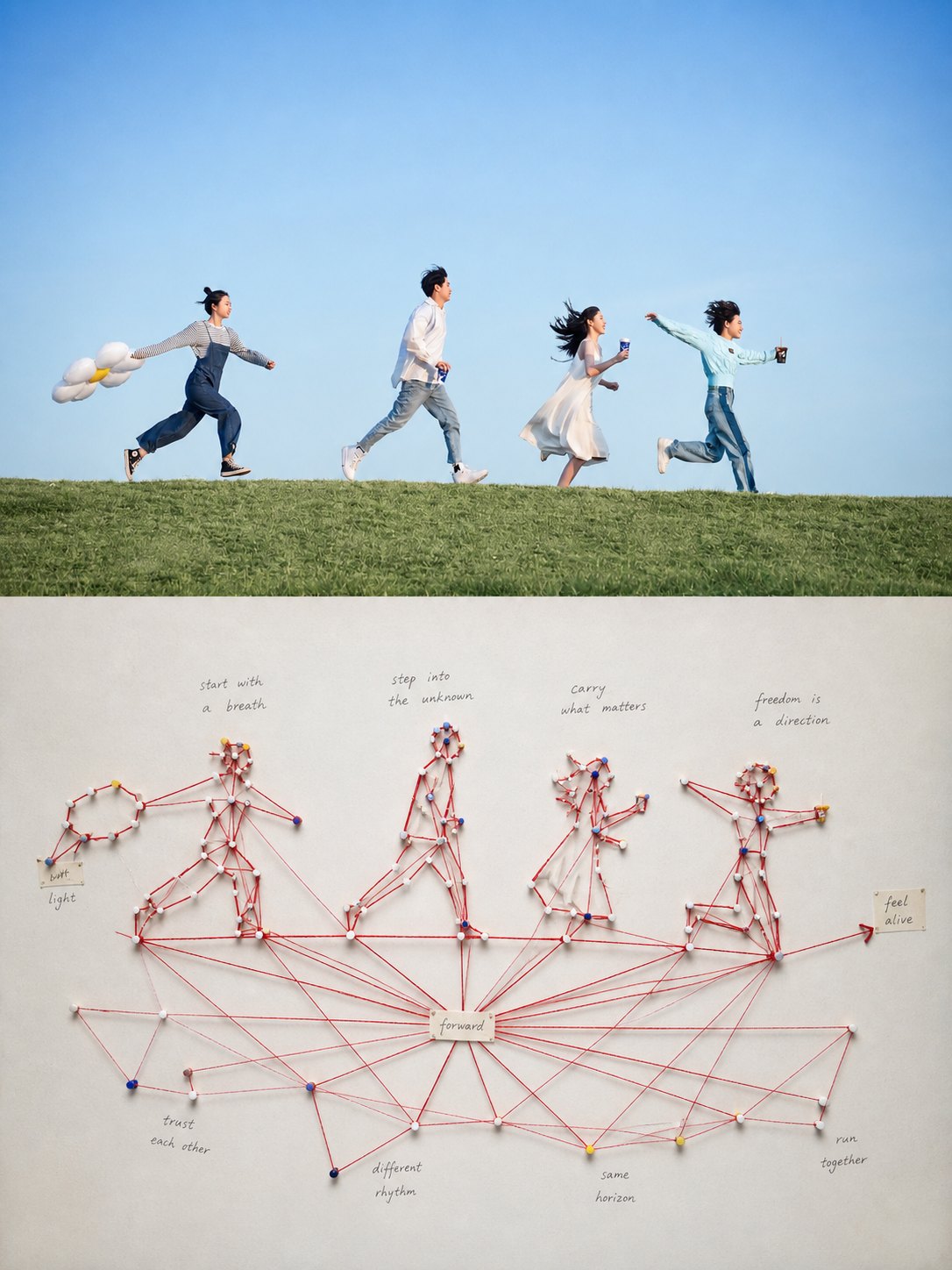
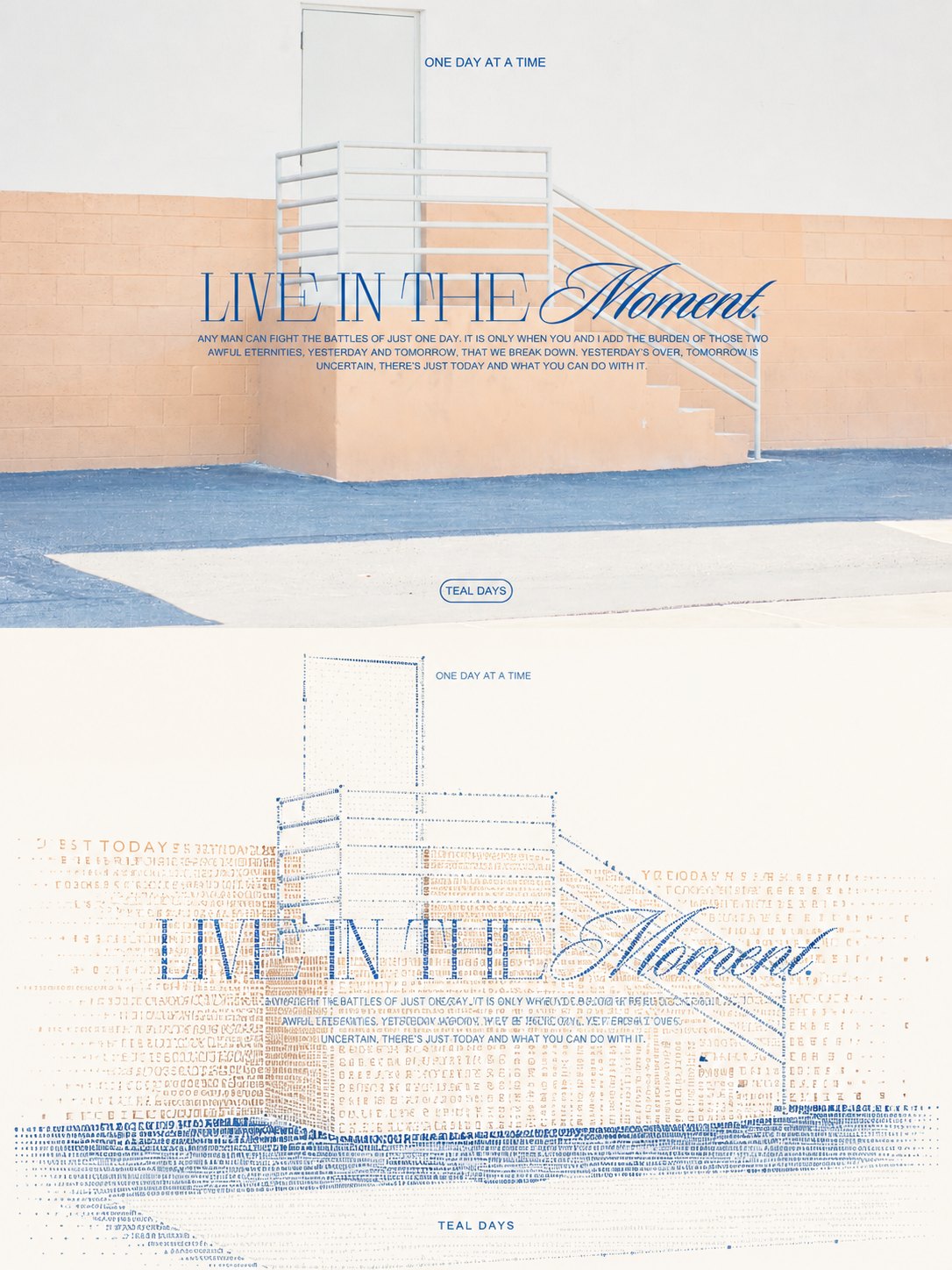
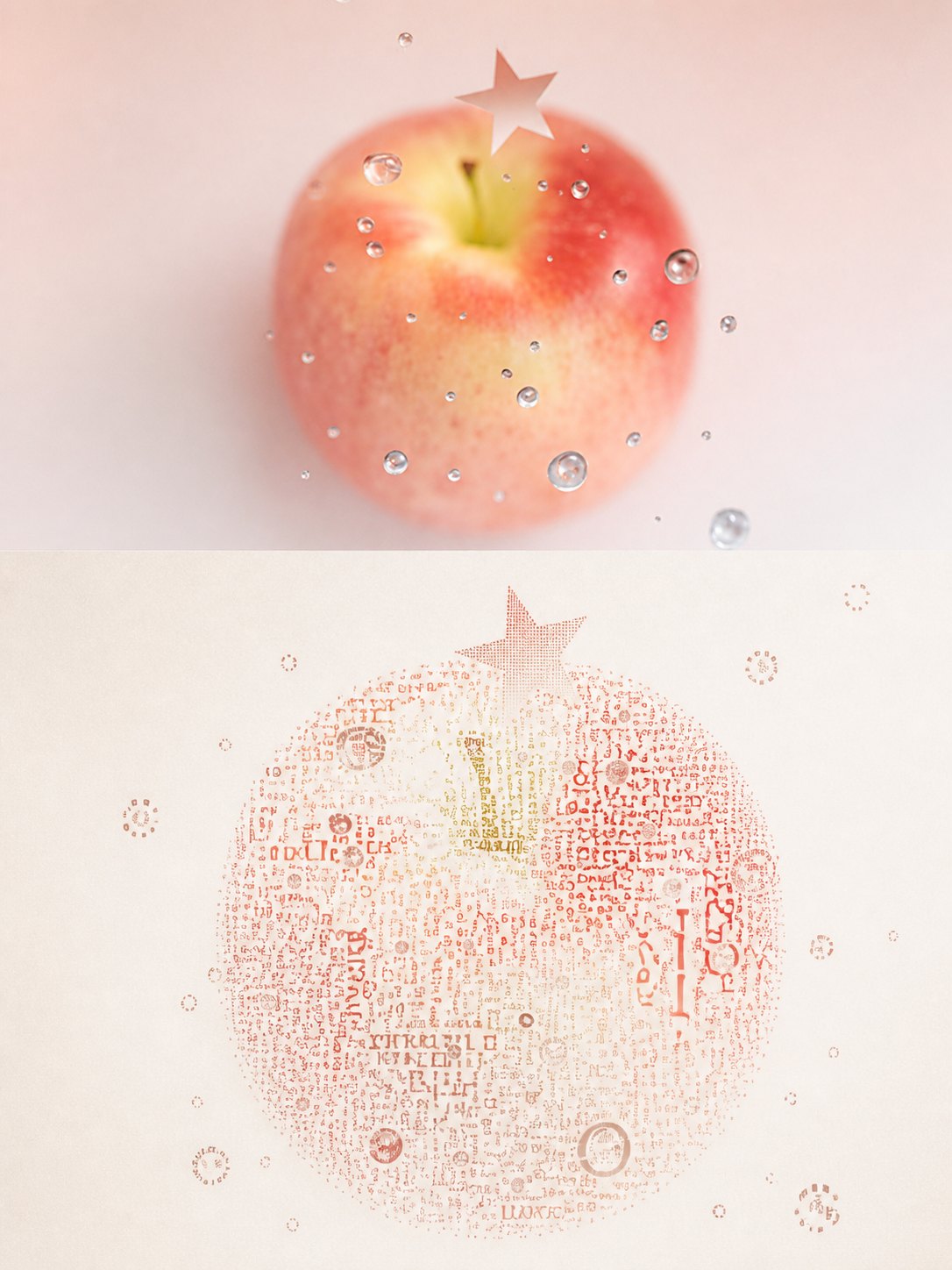
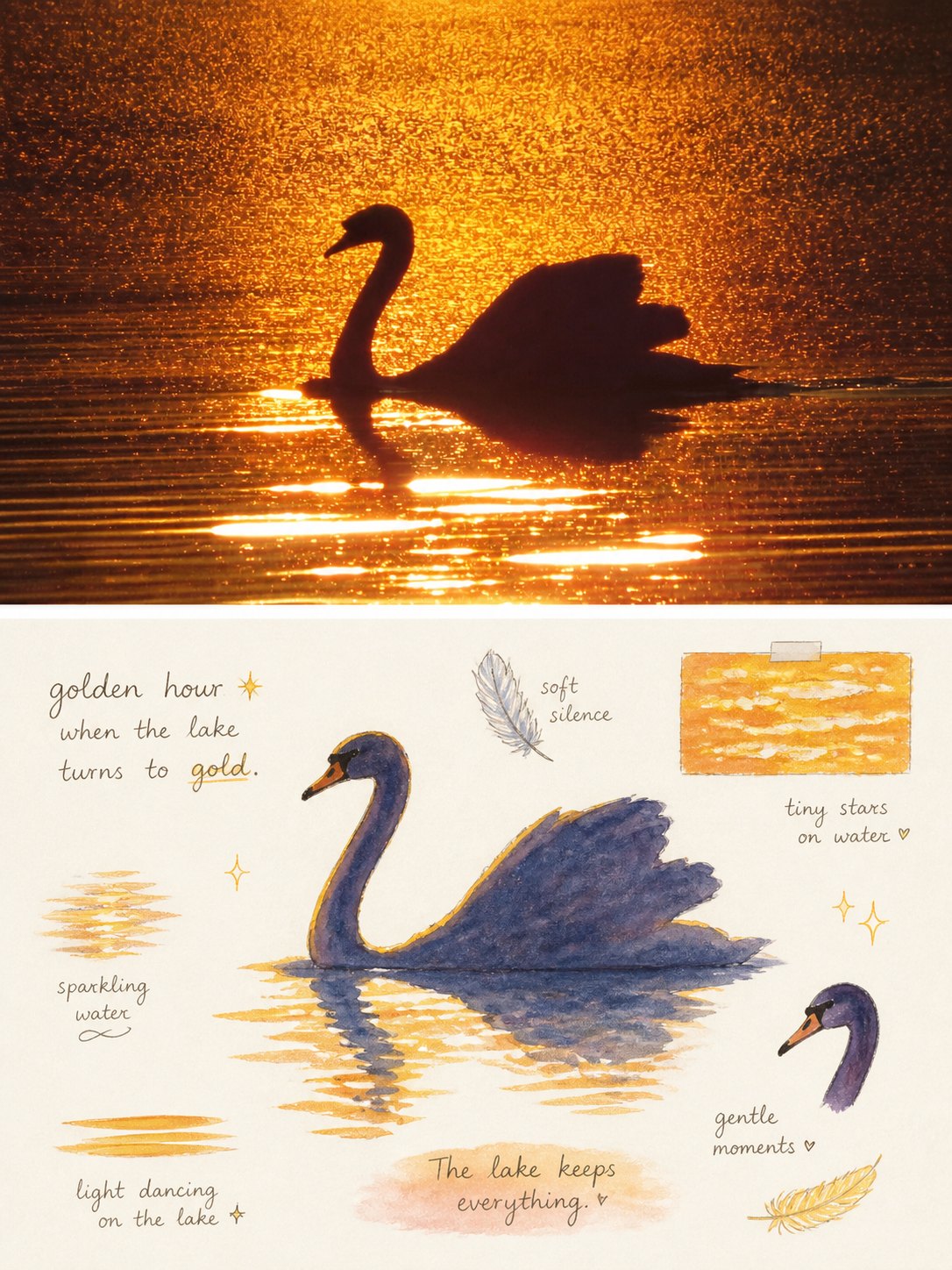
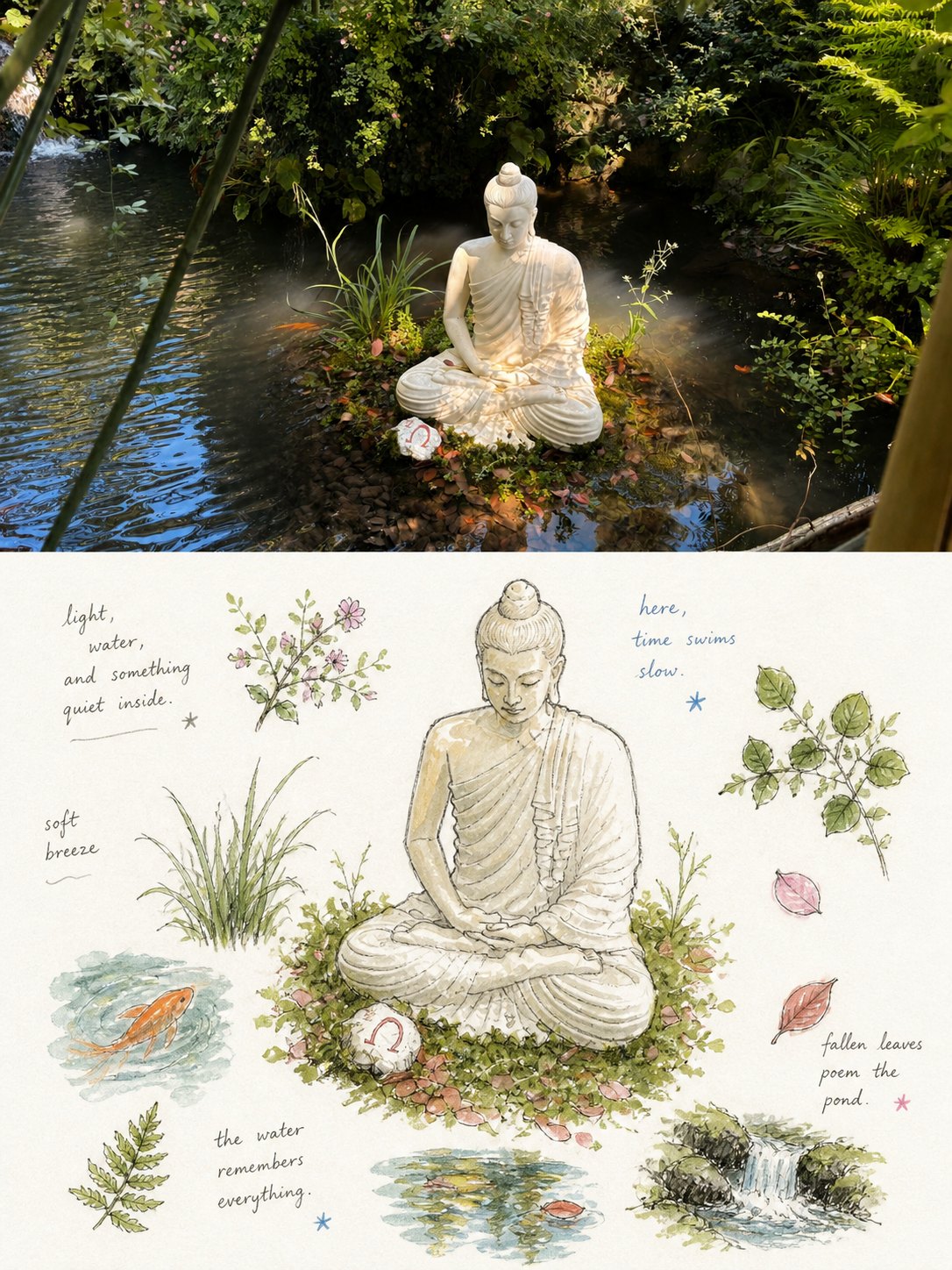
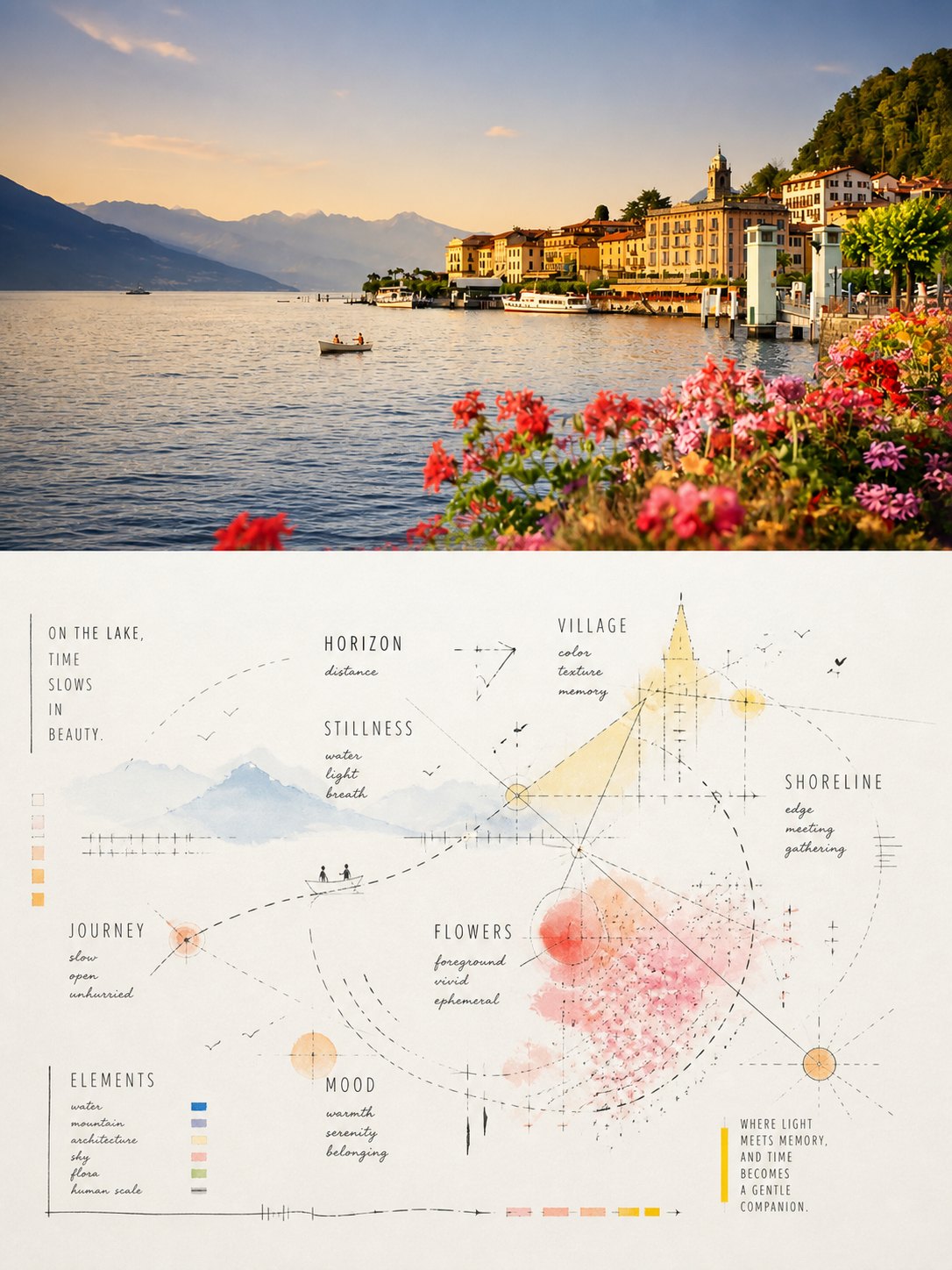
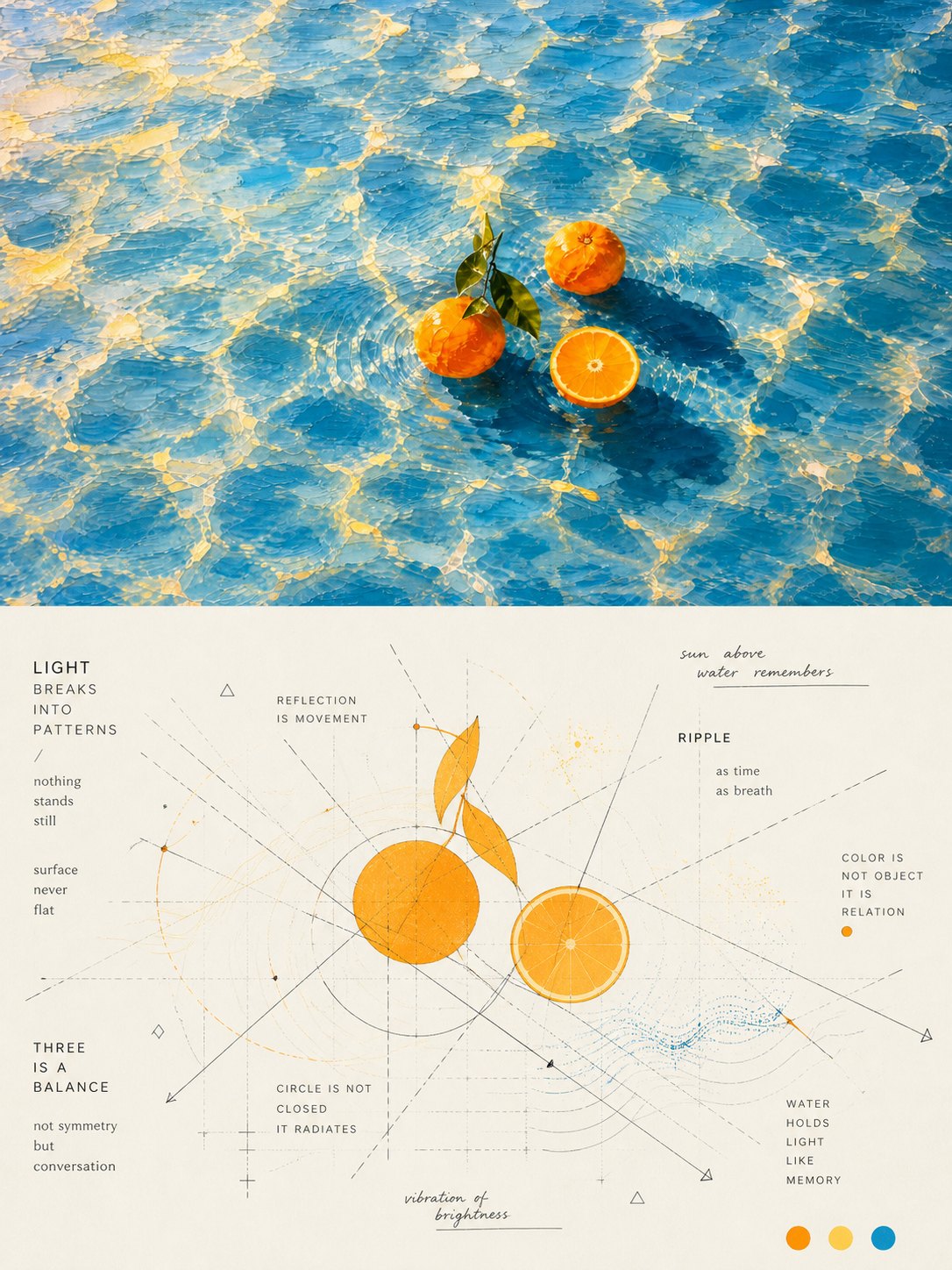
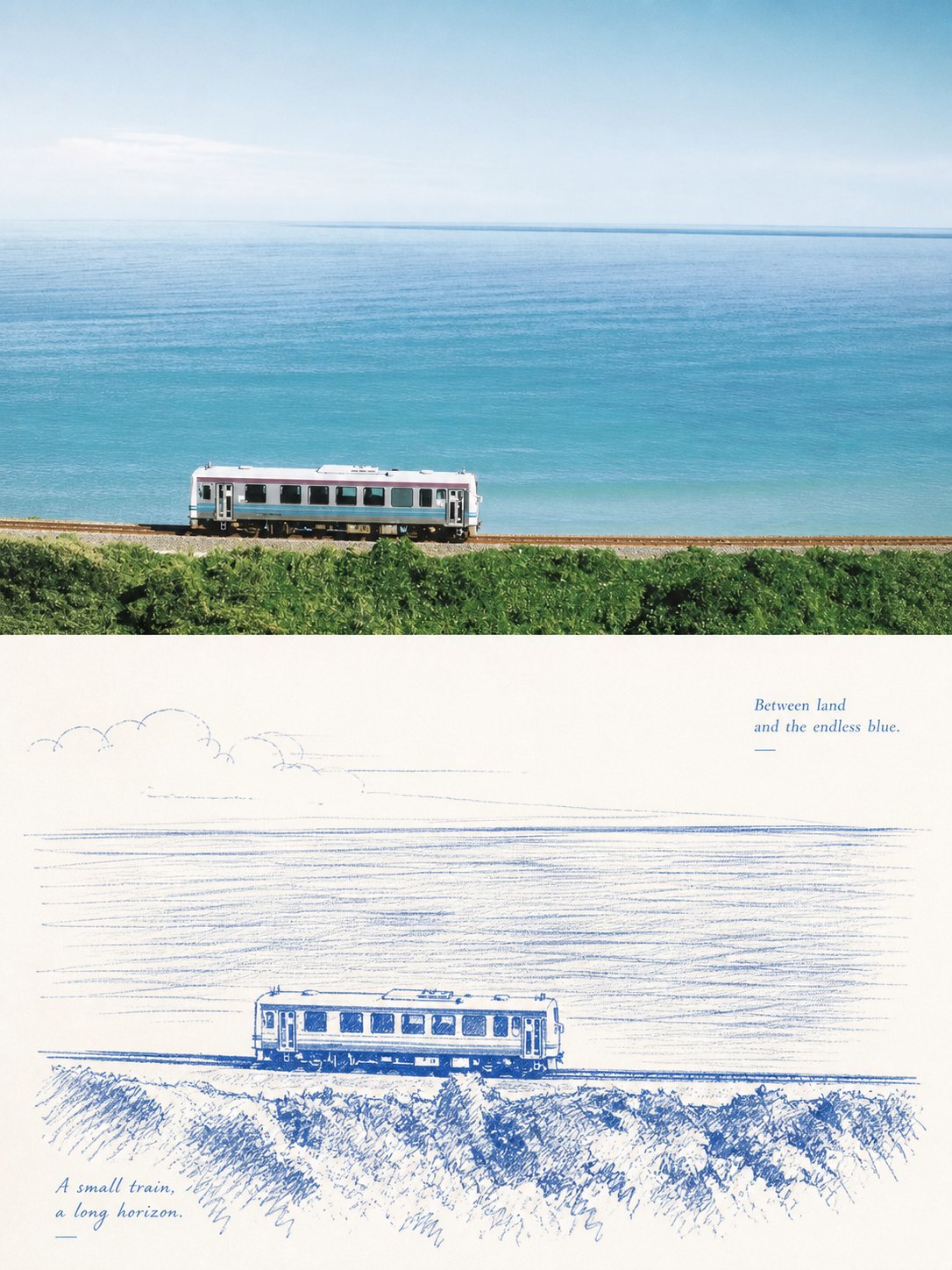
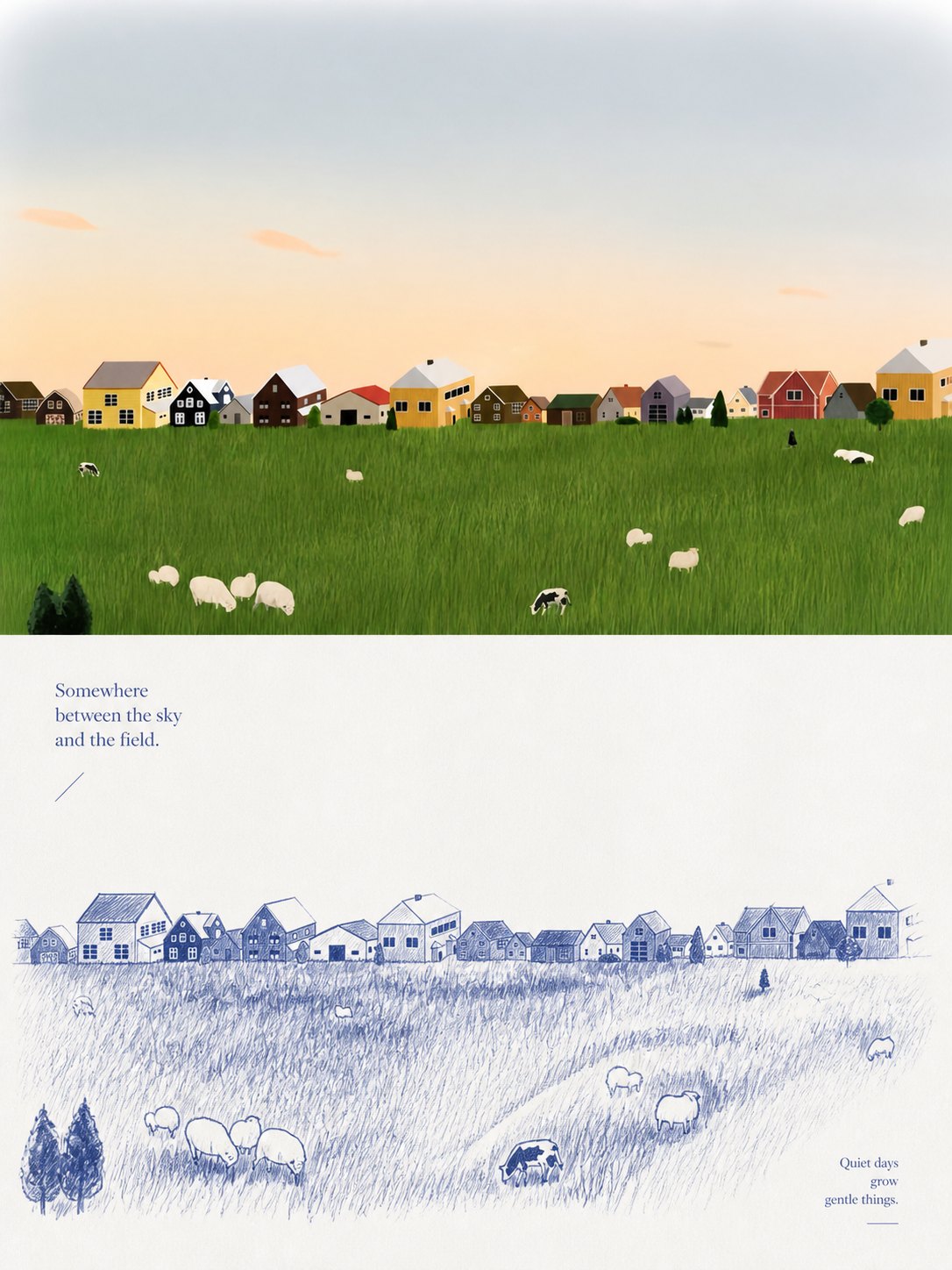
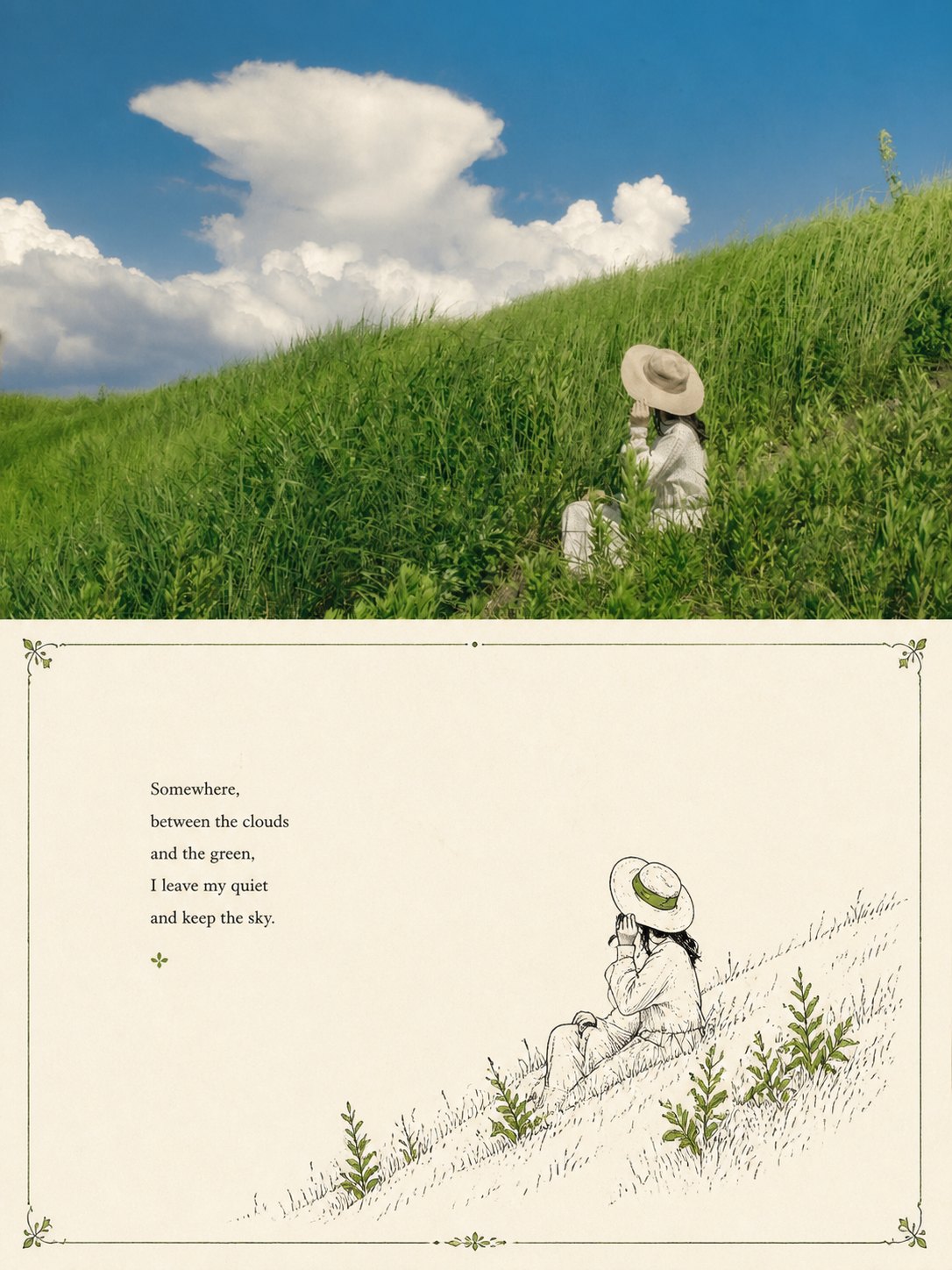
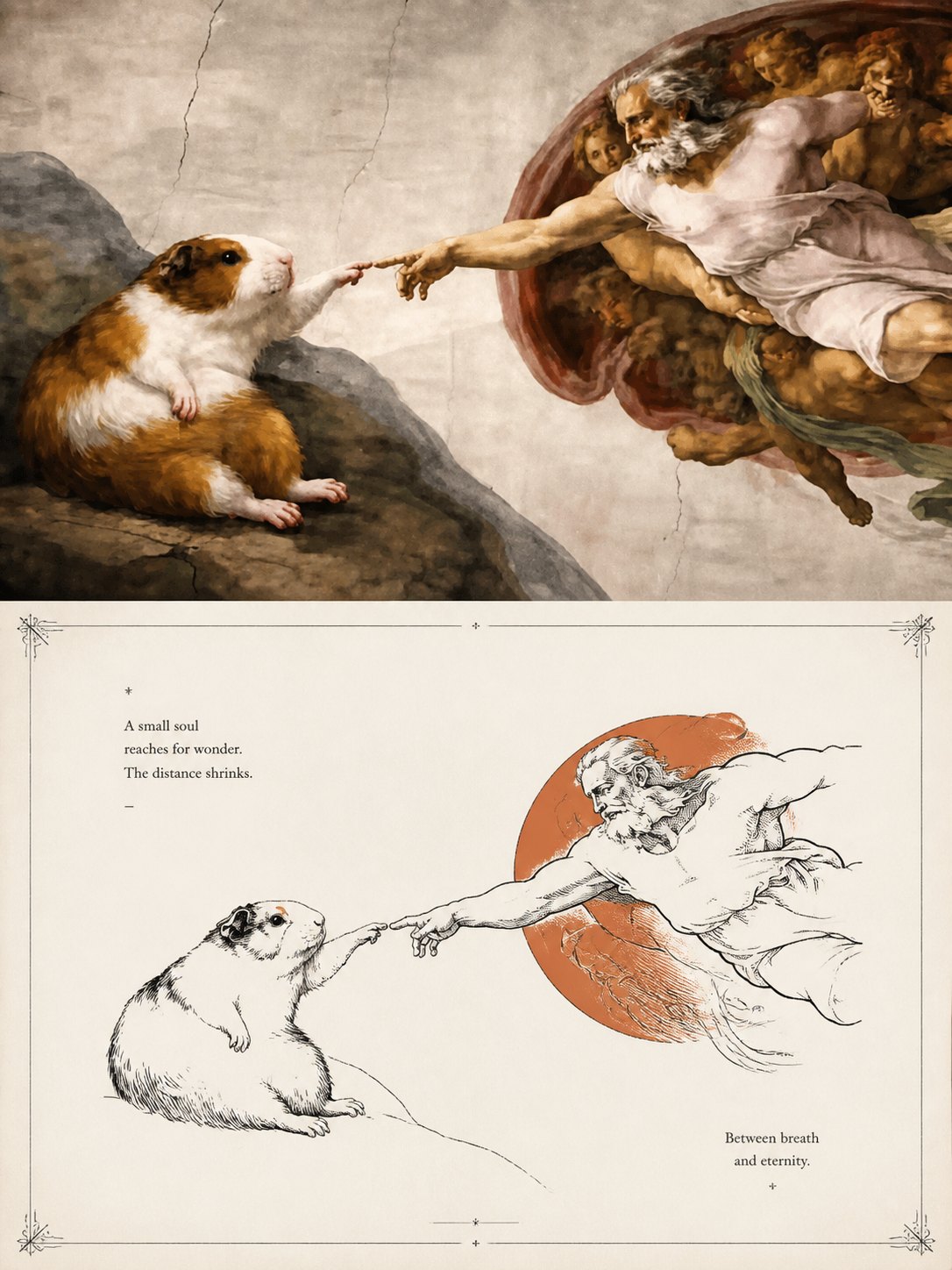
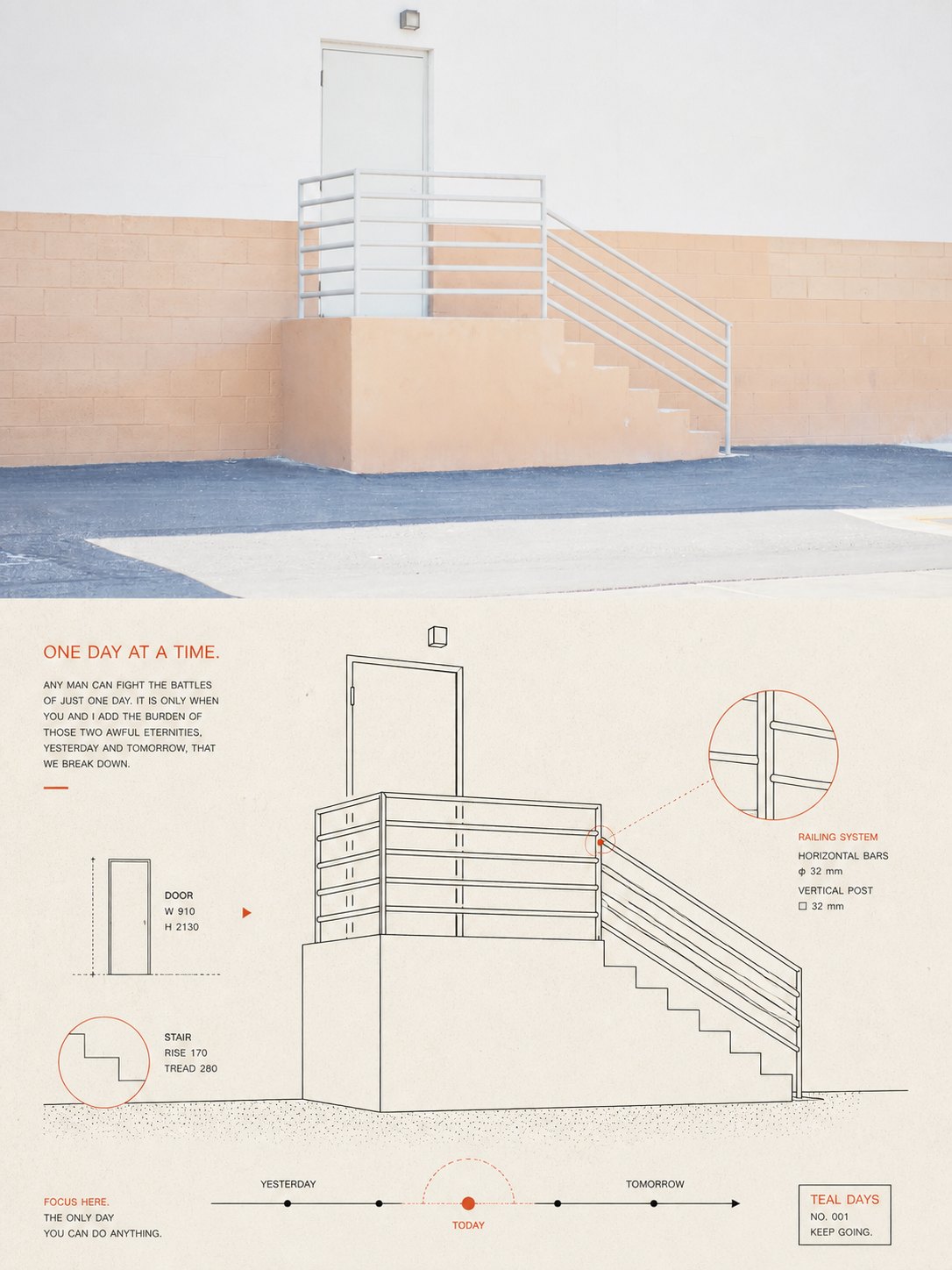
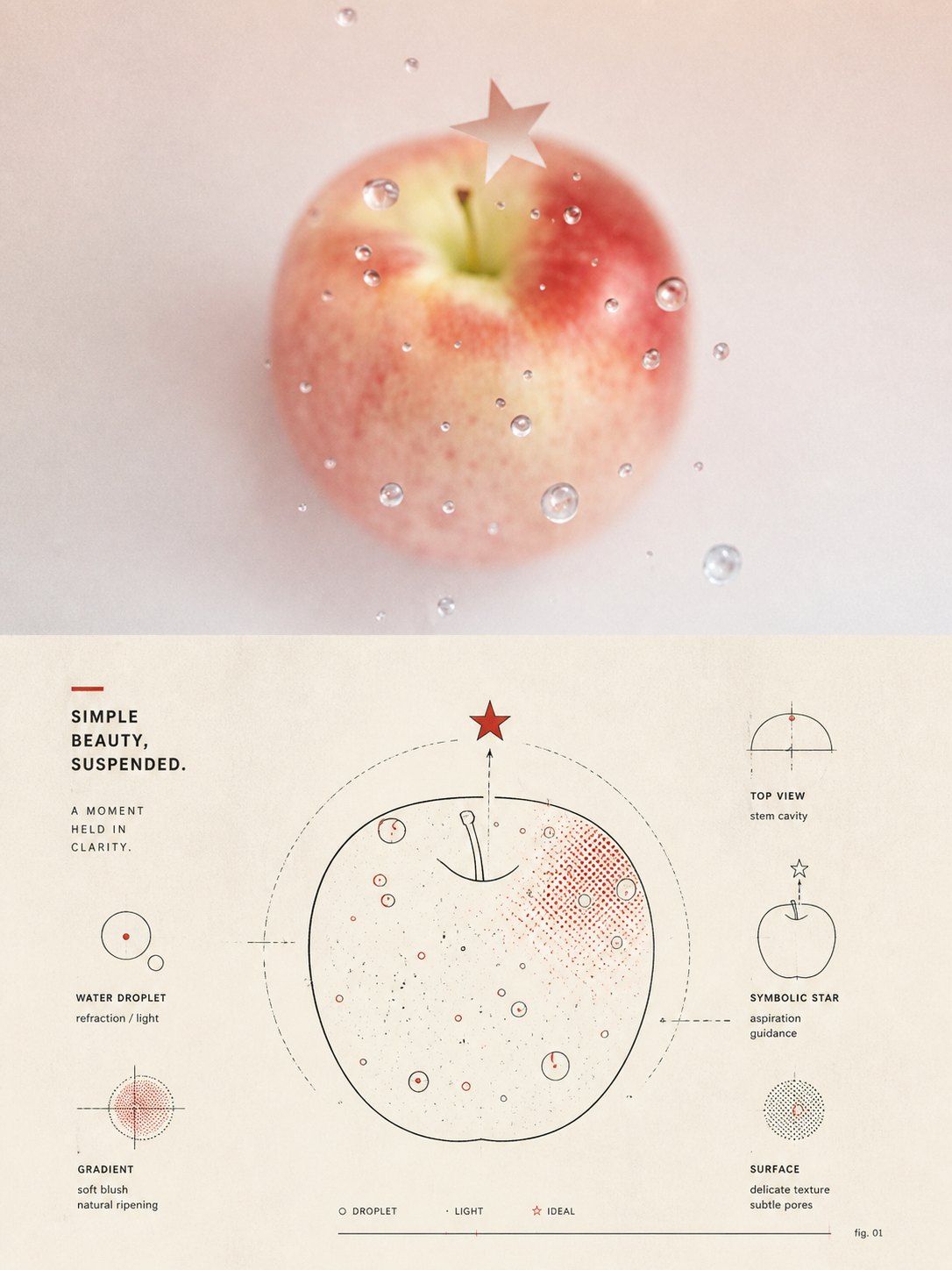
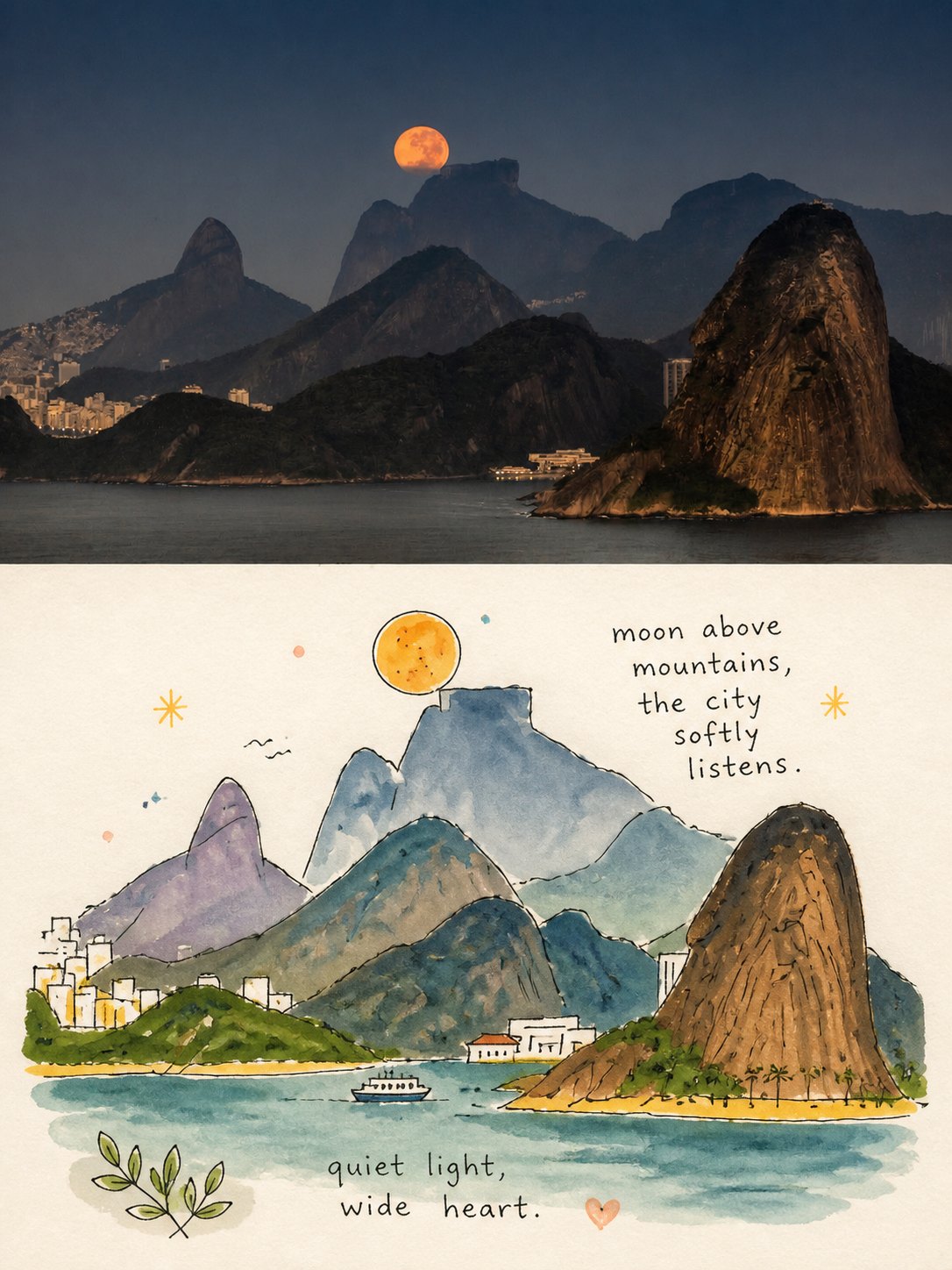
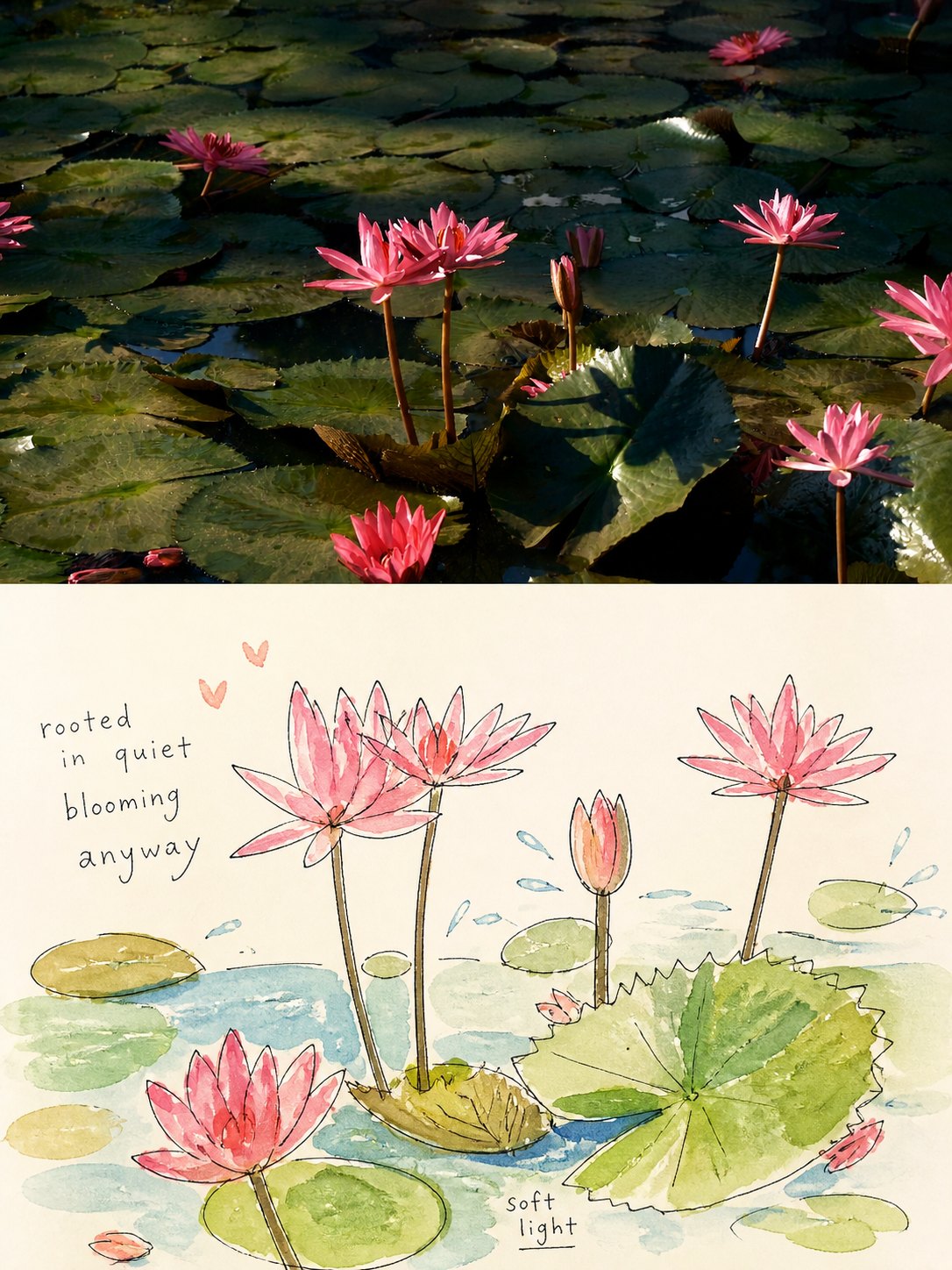
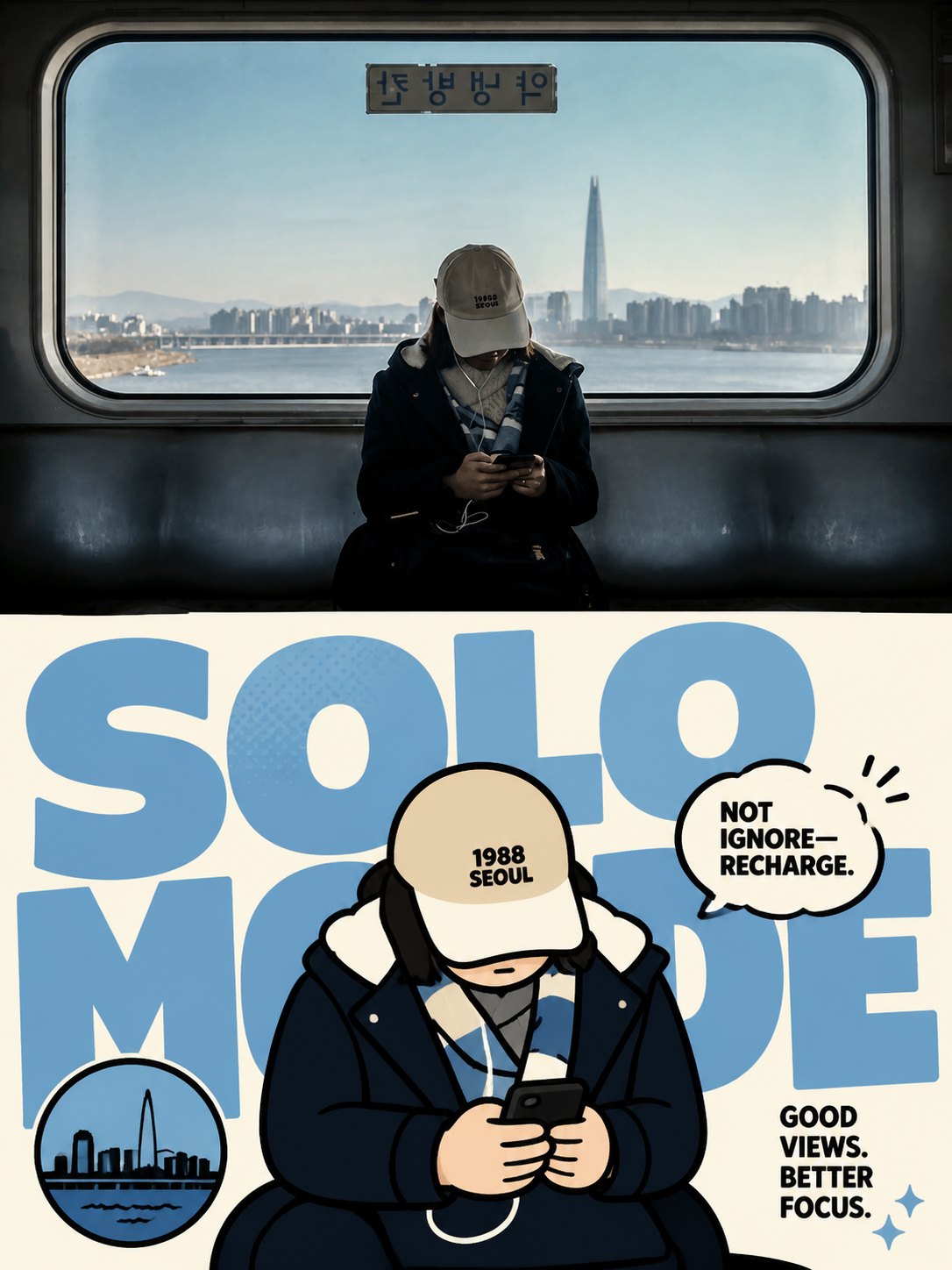
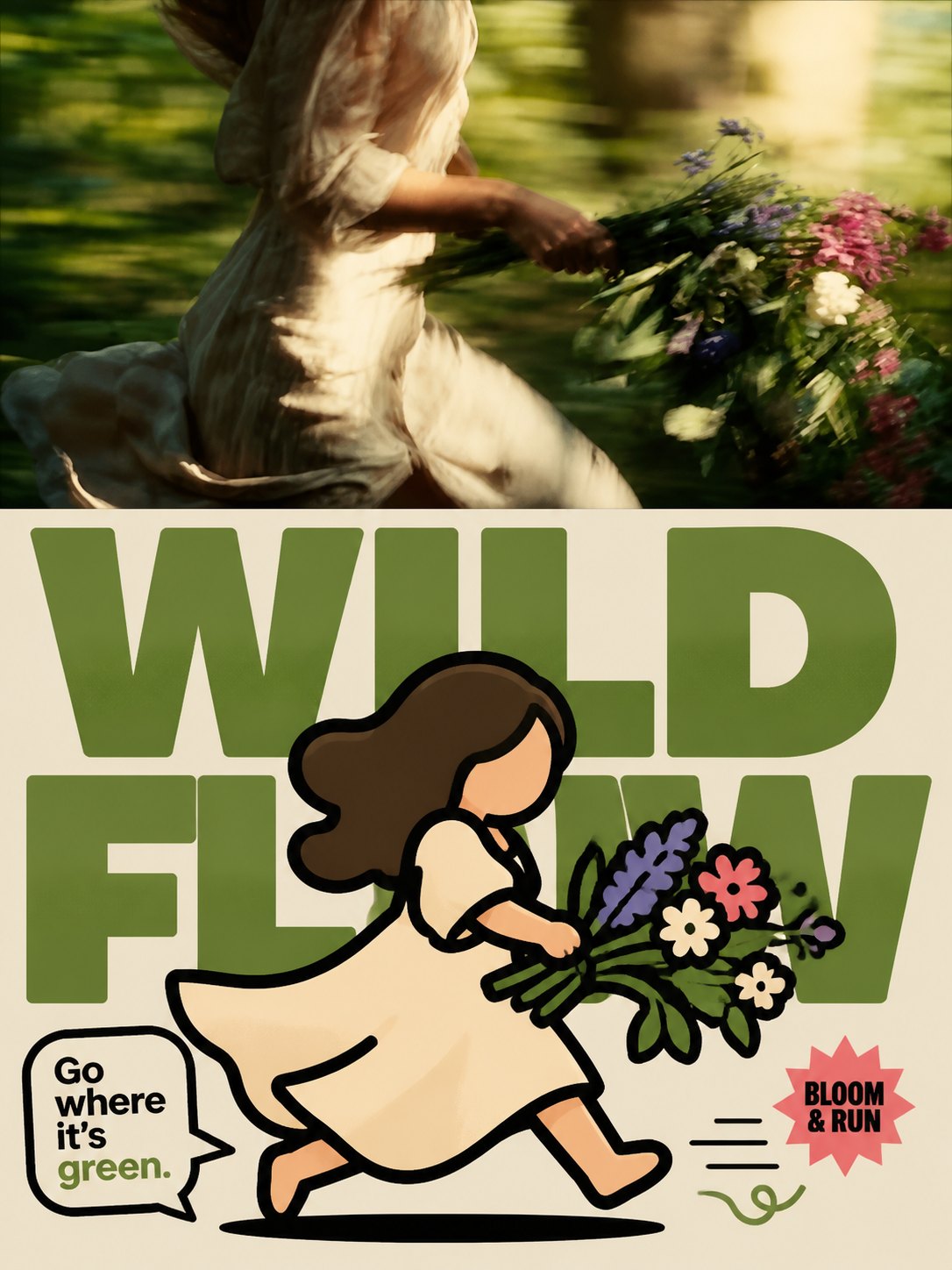
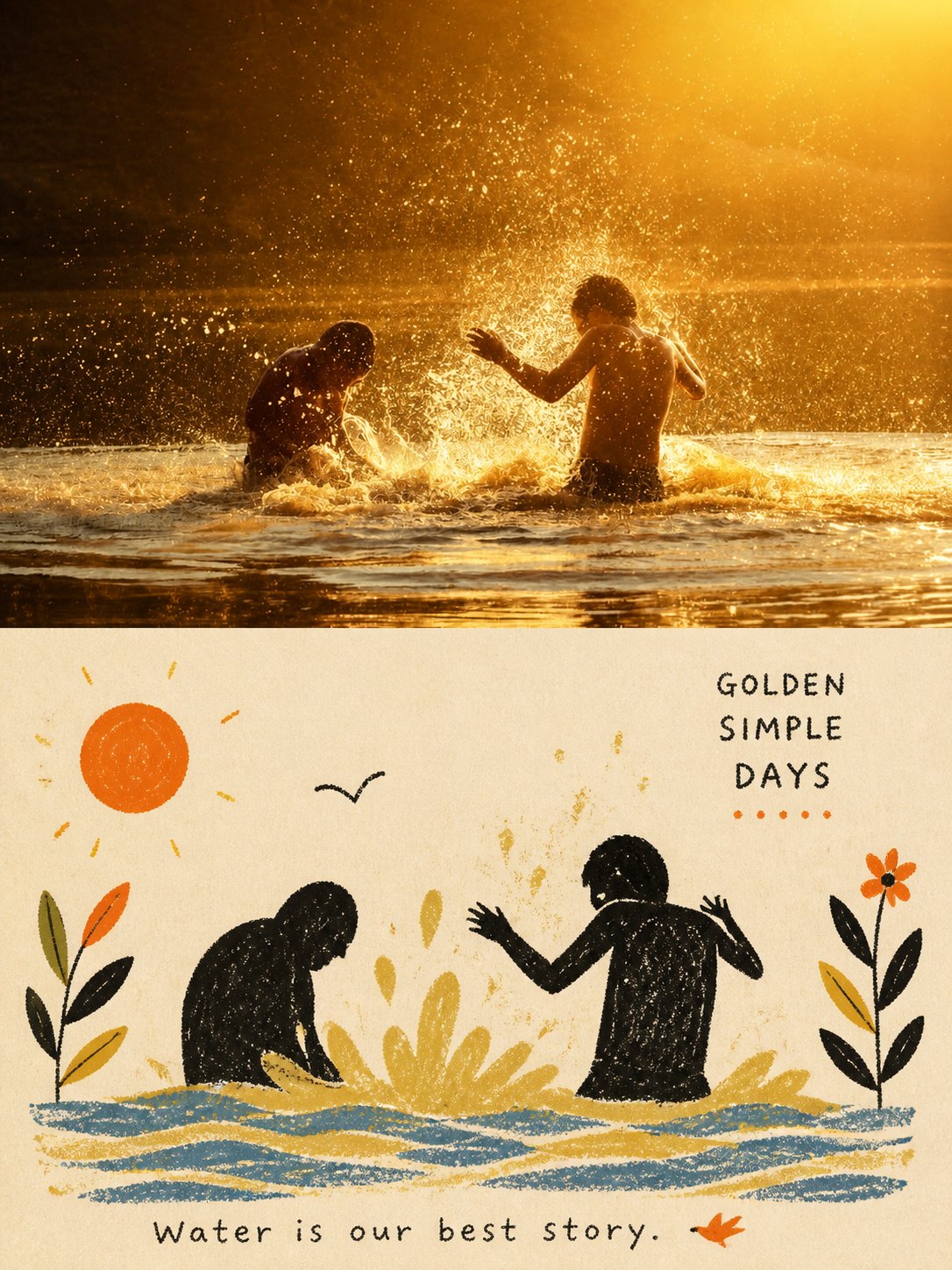
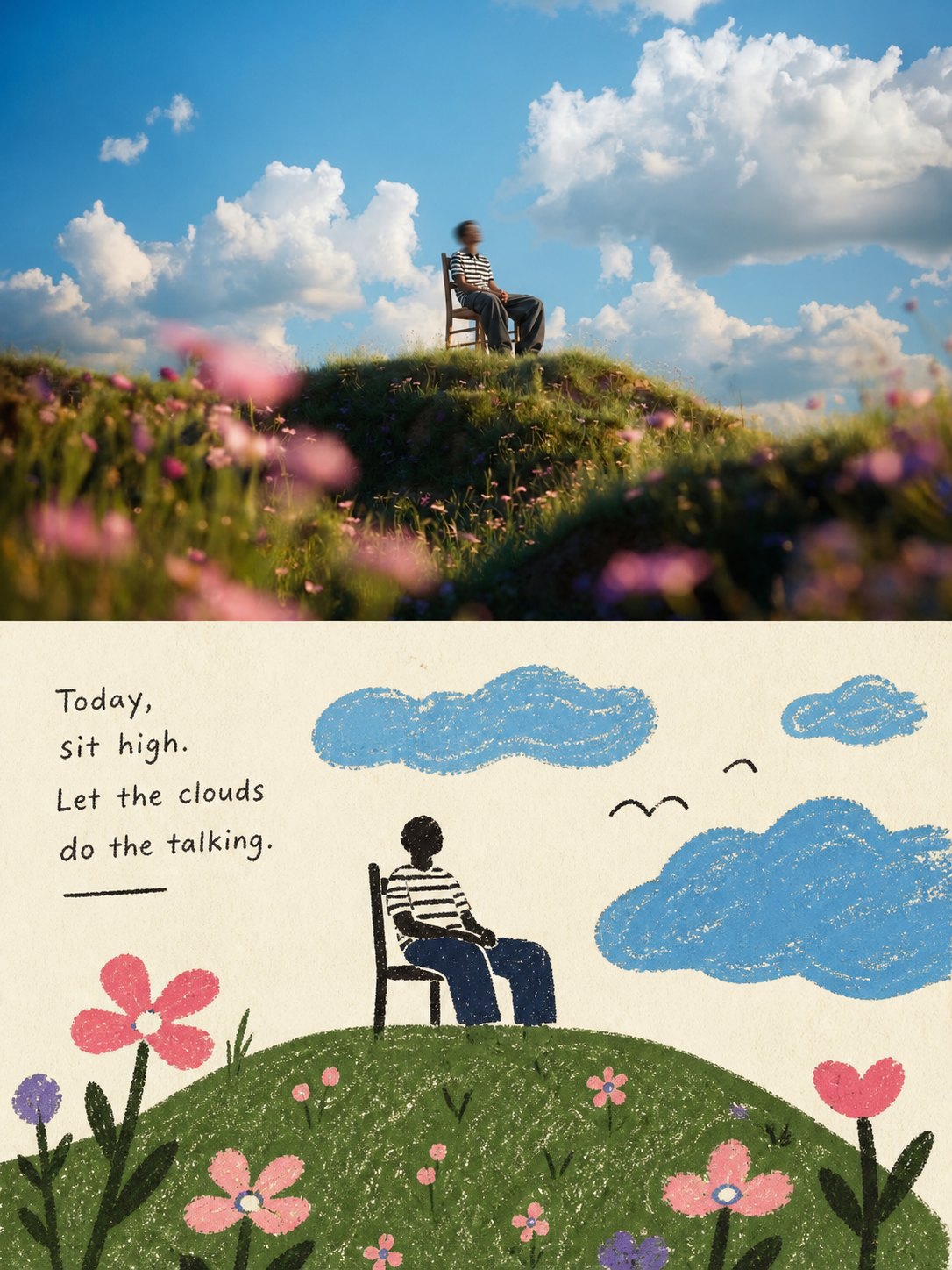
Please create each of my uploaded travel photos into a separate 3:4 vertical edition poster, outputting each photo individually without collage or multi-image assembly.
The upper half retains the original photo, occupying about 50% of the frame. Accurately preserve the architectural identity, structural relationships, viewing angle, real textures, natural lighting and shadows, and original color atmosphere in the photo. Apply only subtle advanced photographic color grading and extremely faint film grain processing. The upper half must remain a clear, recognizable real photograph—do not stylize as illustration, redraw, move, distort, mirror, or replace any architecture.
The lower half extracts the most identifiable architectural outlines, eaves, steps, bridges, water surfaces, mountain rocks, or pathway relationships from the same photo, reconstructing them into a handmade wood carving memory relief.
Do not overlay wood grain filters on the original photo, nor render it as a smooth plastic 3D model. Use linden wood, beech wood, light walnut wood, and a small amount of colored wood pieces to simulate authentic softwood carving, stacked wood pieces, and low-relief sculpting. Reorganize different elements with wood pieces of varying thicknesses to convey rounded hand-carved edges, visible wood grain, seams, mortise joints, thin wood strips, slight misalignments, chisel notches, partial edge chips, and natural short shadows from a workshop setting.
The lower half should use a solid, structured composition—do not copy the full framing of the original photo. Retain only 2 to 4 key architectural structures with minimal supporting spatial relationships, compressing the main subject into a compact wood carving keepsake. The environment can be abstracted into three to five layers of curved, angled, or stepped wood pieces. The model occupies about 50% to 65% of the lower half, leaving at least 35% continuous warm ivory paper whitespace around it, especially reserving a quiet area for text.
Colors should primarily feature natural wood tones, including linden wood's pale yellow, beech wood's warm brown, light walnut, and darker wood shades. Extract no more than three low-saturation accent colors from the original photo for roofs, walls, clothing, water surfaces, or architectural details. Do not use rainbow wood pieces, glossy varnish, high-saturation colors, or uniform fixed palettes.
In the whitespace of the lower half, incorporate a small amount of readable mediated text:
Main title: “[1–3 English word title]”
Material field: “[Location or theme] / CARVED STUDY [Number]”
Observation sentence: “[A short sentence describing a real visible structure, action, or spatial relationship in the photo]”
The text should resemble embossing, branding, woodblock printing, or hand-set type, integrated as part of the paper surface or wood pieces. Use narrow serif or restrained humanist sans-serif fonts in deep wood color, with few words for clarity. Do not generate author names, signatures, logos, URLs, QR codes, fictional dates, fictional coordinates, fake Chinese text, garbled code, or watermarks.
Overall aesthetic:
hand-carved wood relief, stacked wood pieces, tactile memory object, carved travel keepsake, shallow bas-relief, visible wood grain, rounded chisel edges, handmade joinery, warm ivory paper, quiet editorial composition, museum craft object, restrained Chinese architectural memory.
Avoid:
wood-texture photo filter, smooth CGI, plastic toy, glossy lacquer, thick solid wooden slab, full scenic diorama, dense miniature details, complete background rendering, invented architecture, changed source photo, same-crop redraw, missing original photo, fake text, author name, logo, watermark, extra people, excessive shadows, edge-to-edge composition.
2026-08-31via @Hamburgerai