Visuele inspiratie
Promptbibliotheek
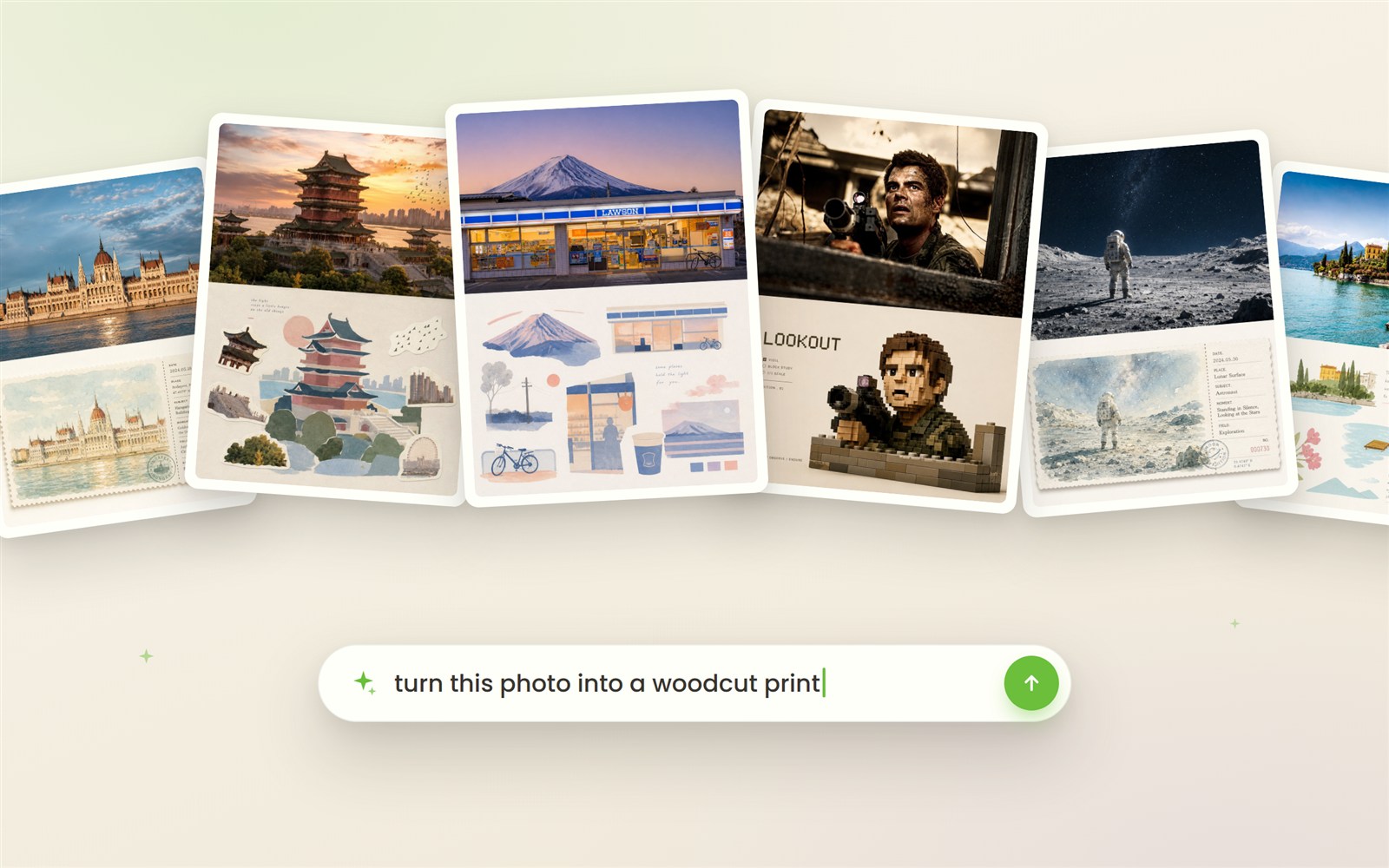
Sterke AI-resultaten uit het wild, mét de prompt erbij. Klik op een beeld, kopieer de prompt en maak er iets eigens van.
Krijg de prompts die indruk maken
Krijg de prompts die indruk maken
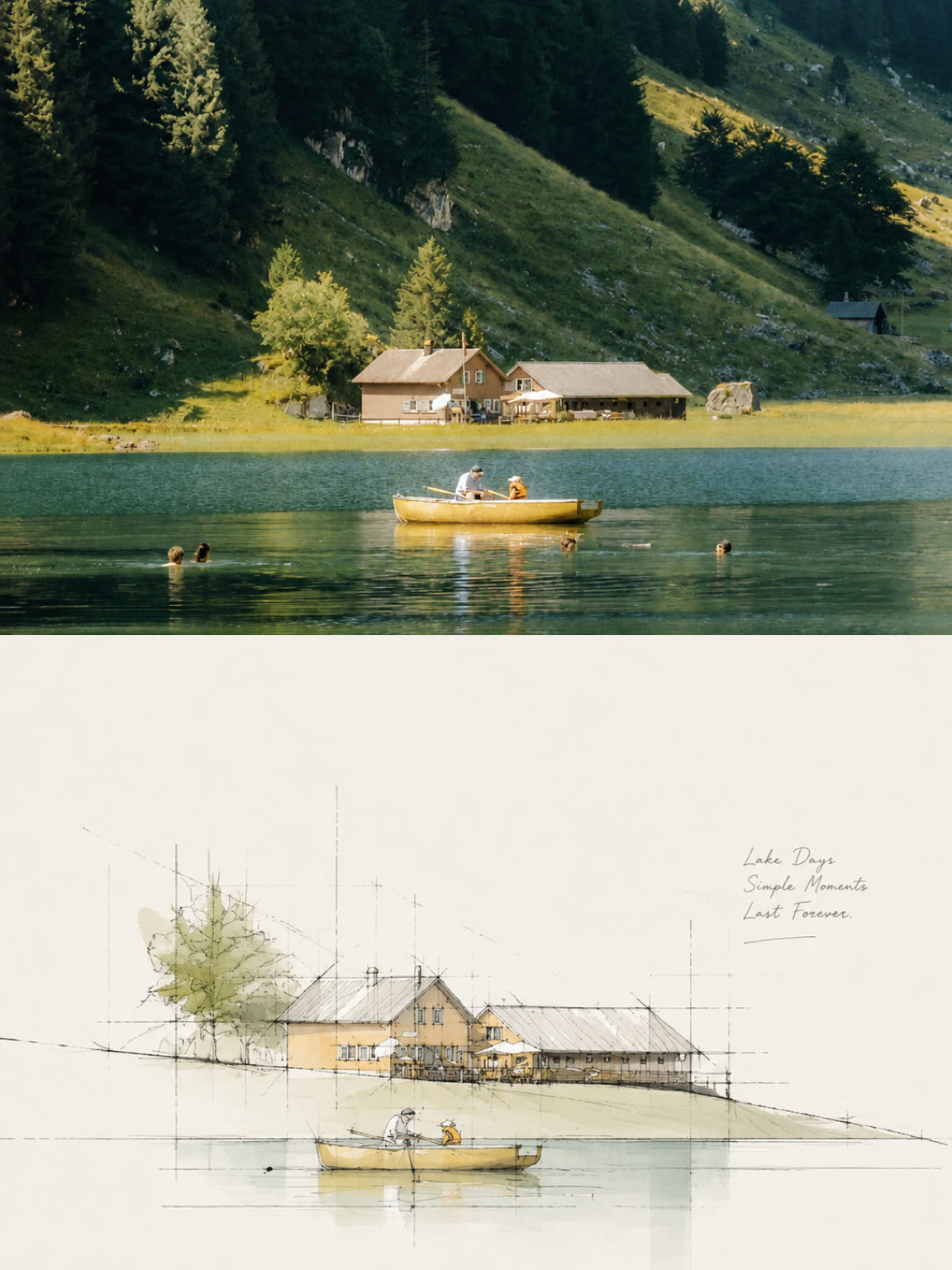
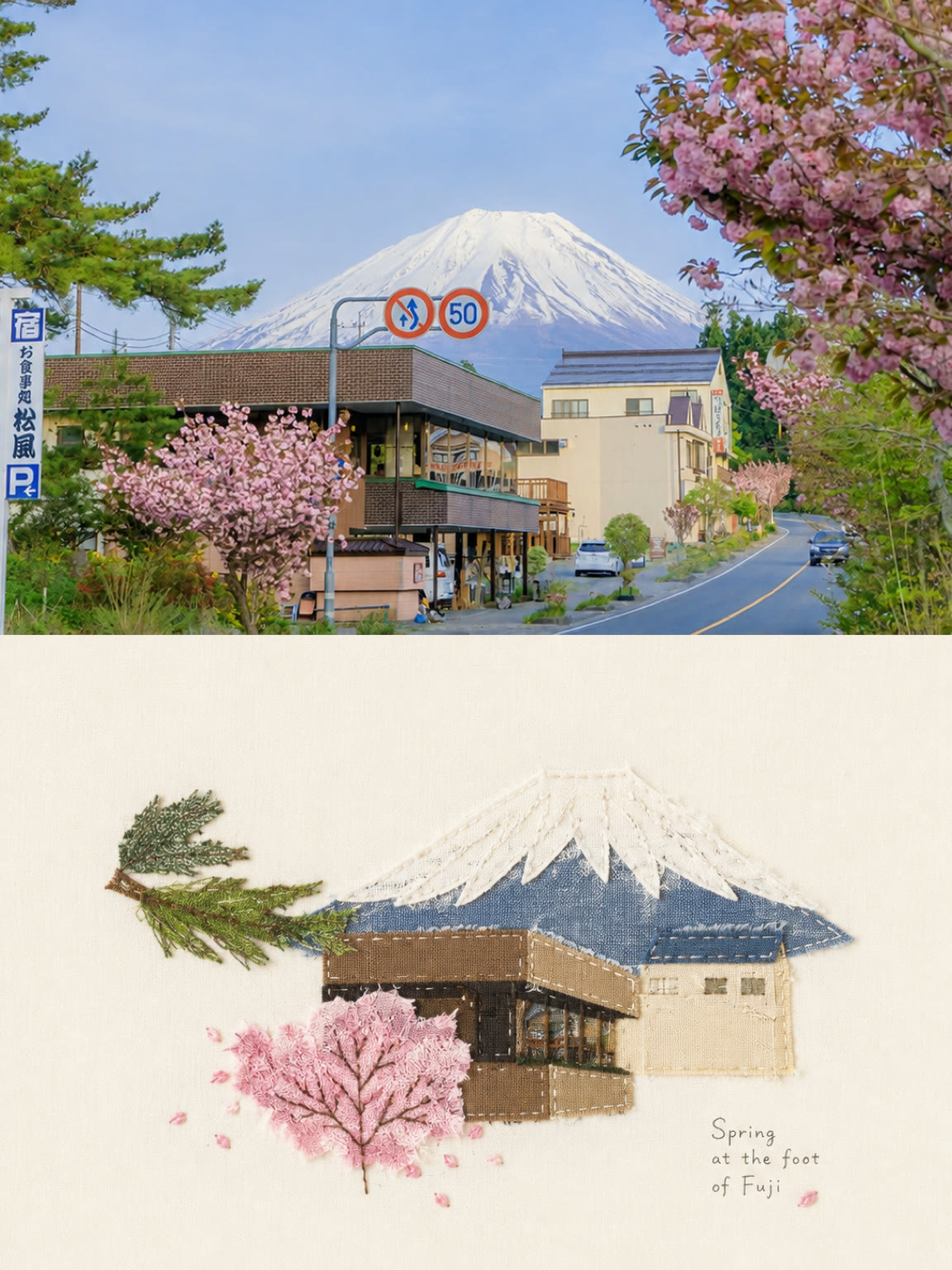
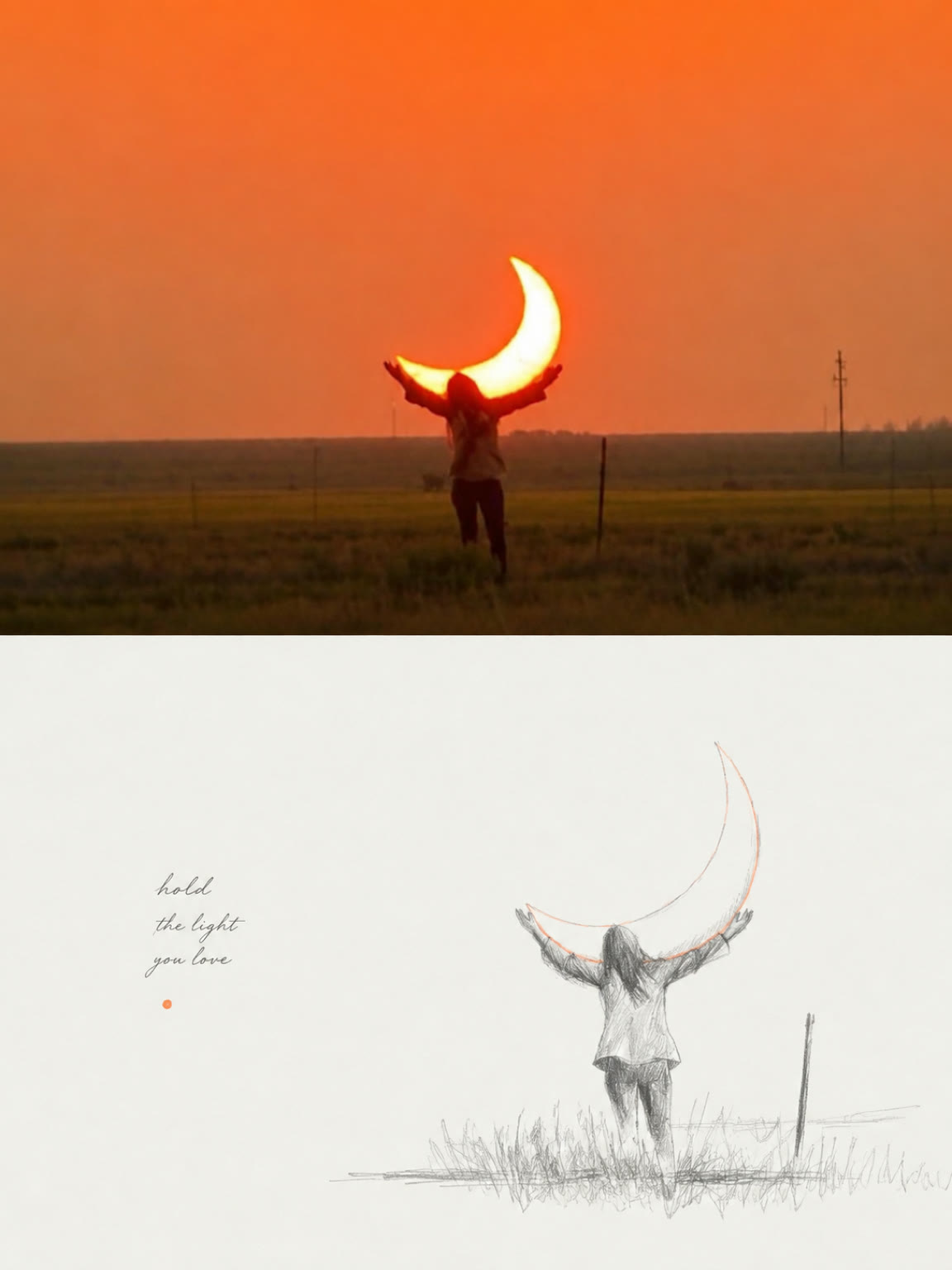
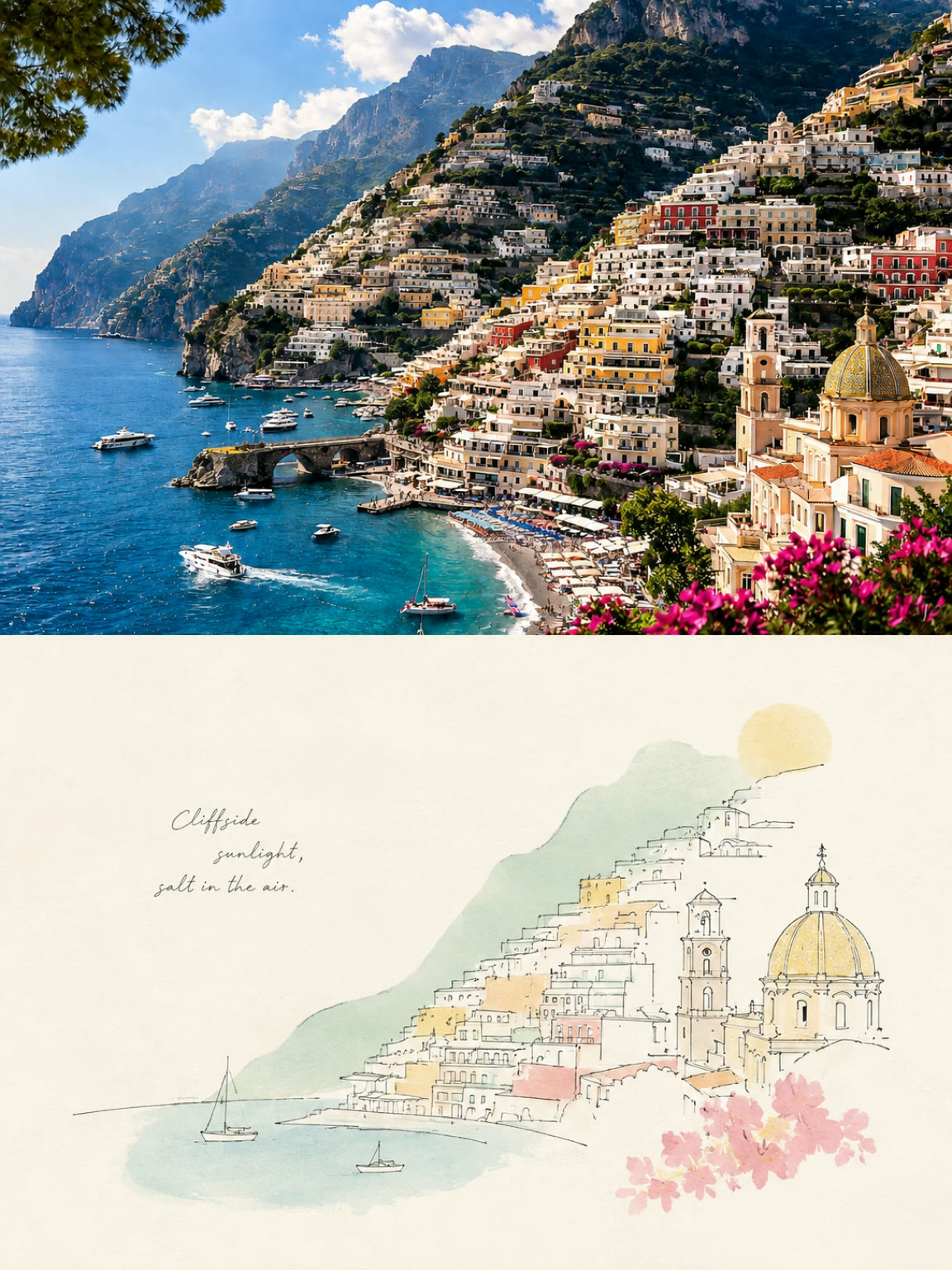
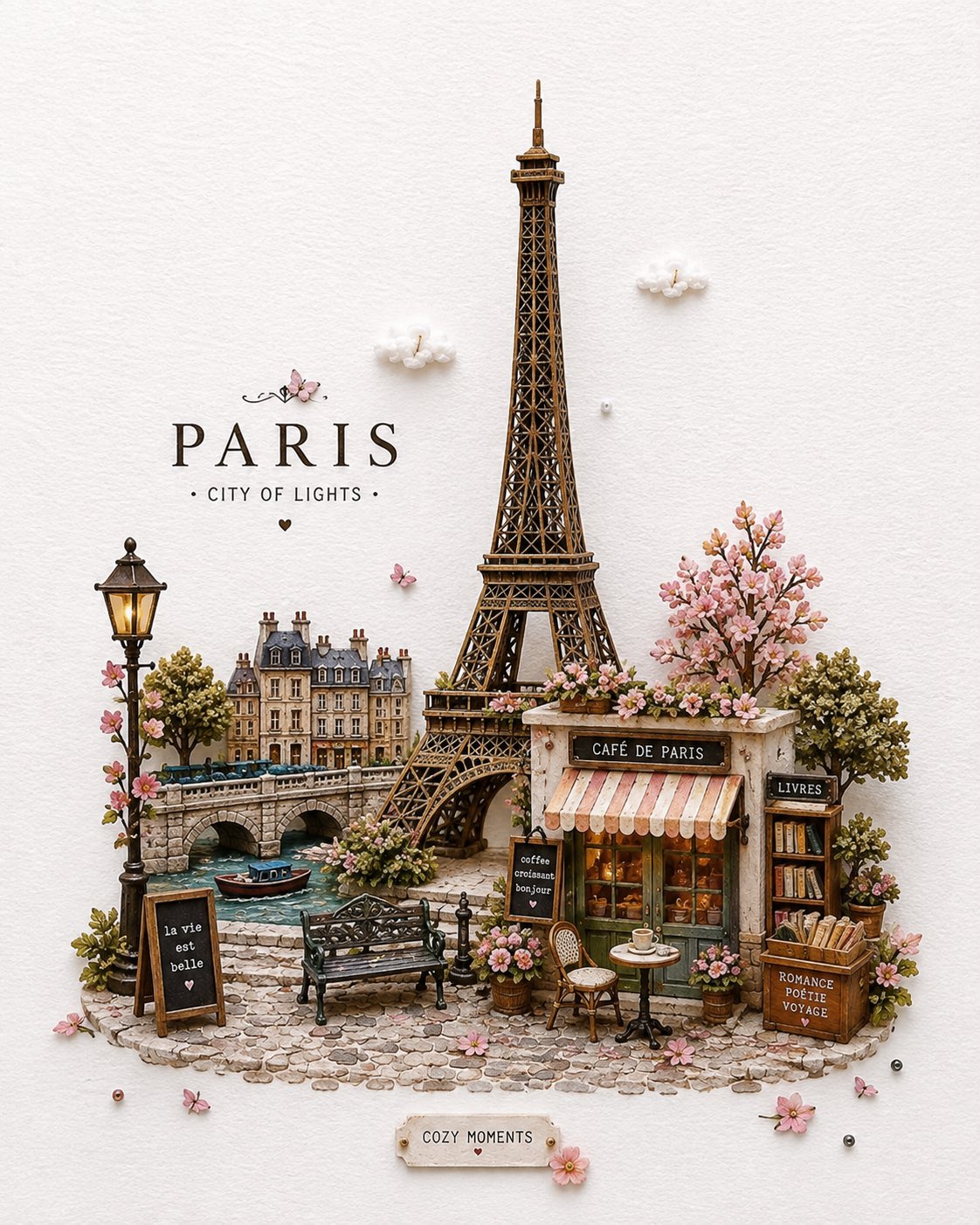
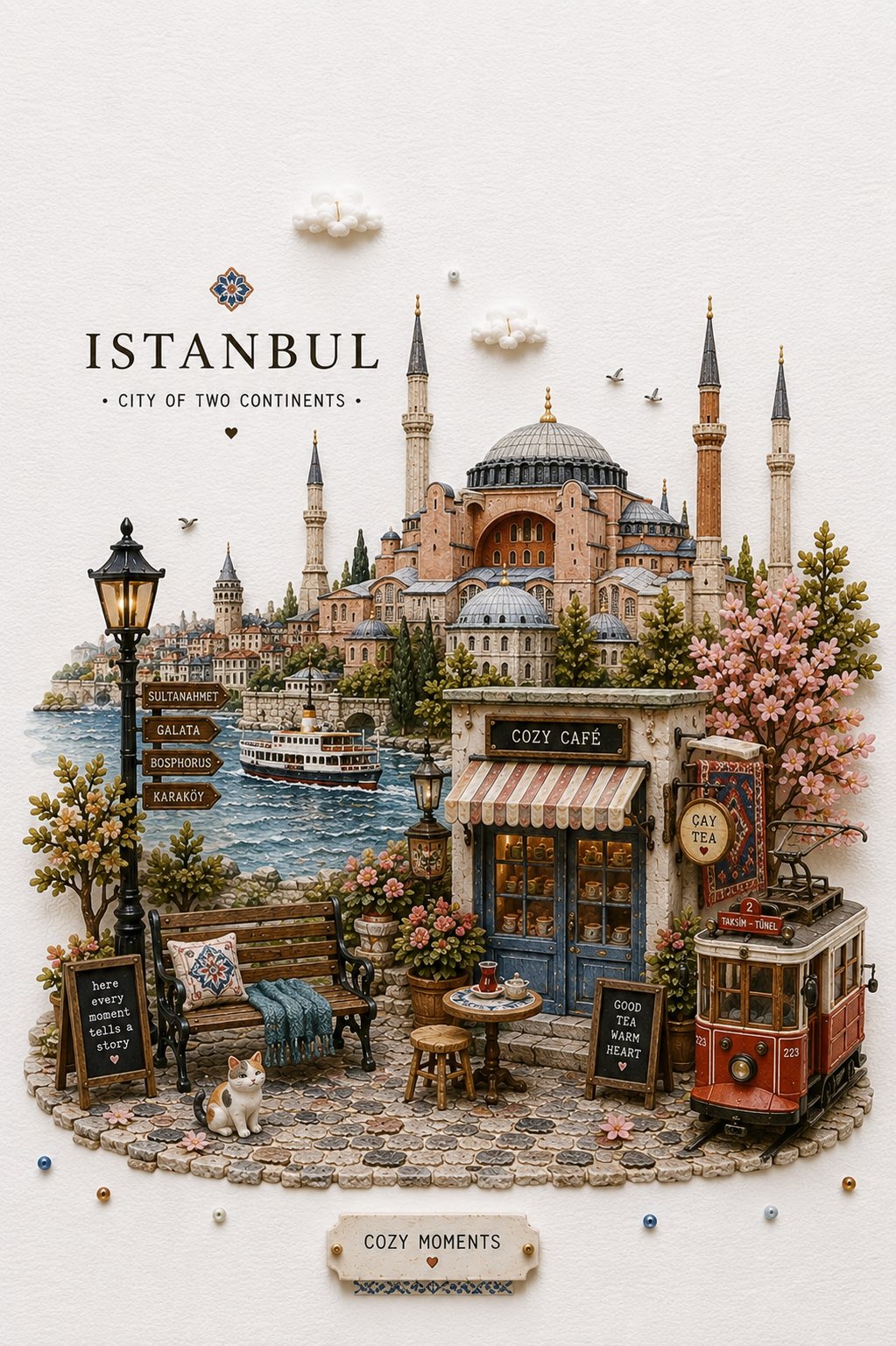
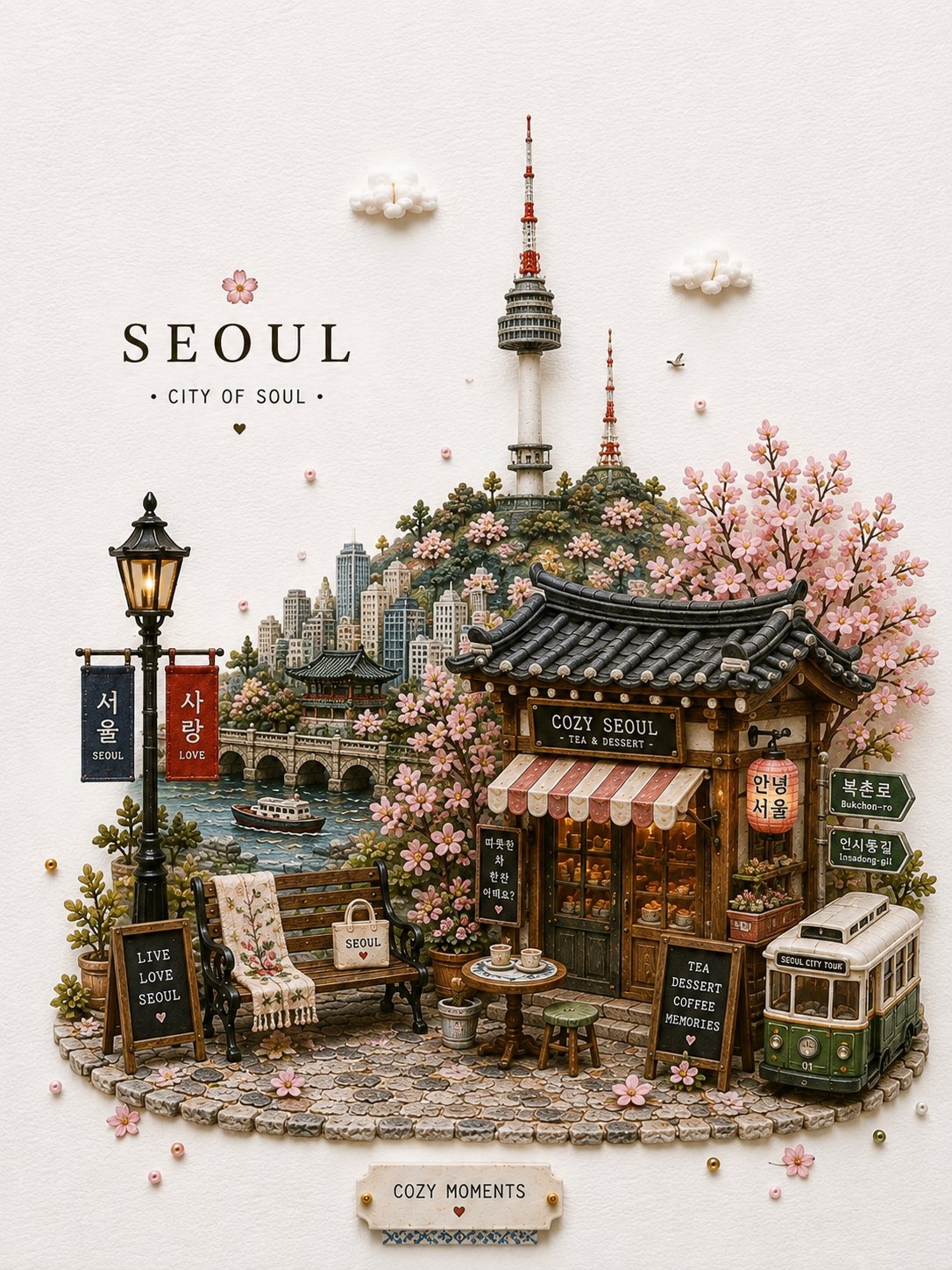
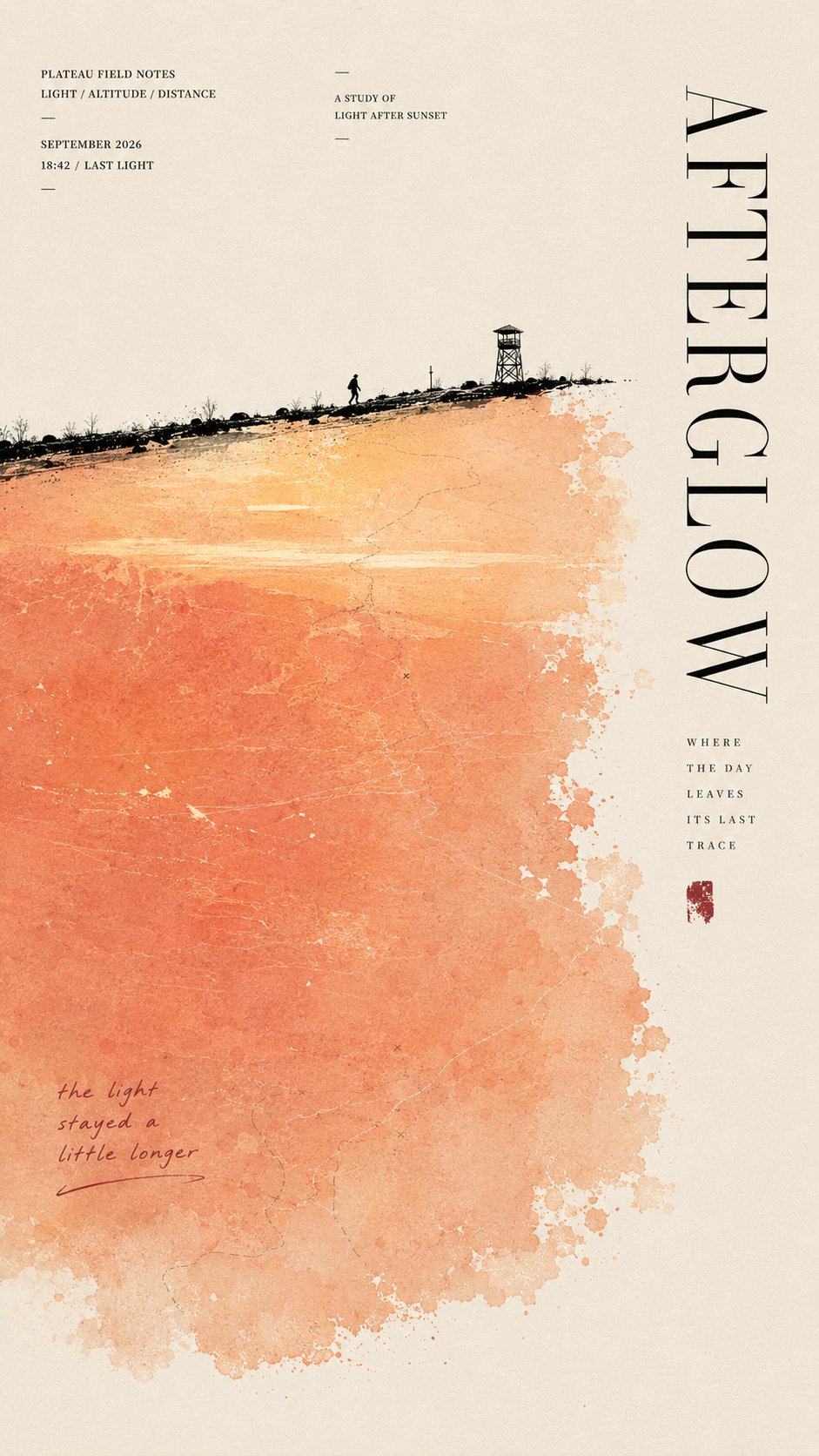
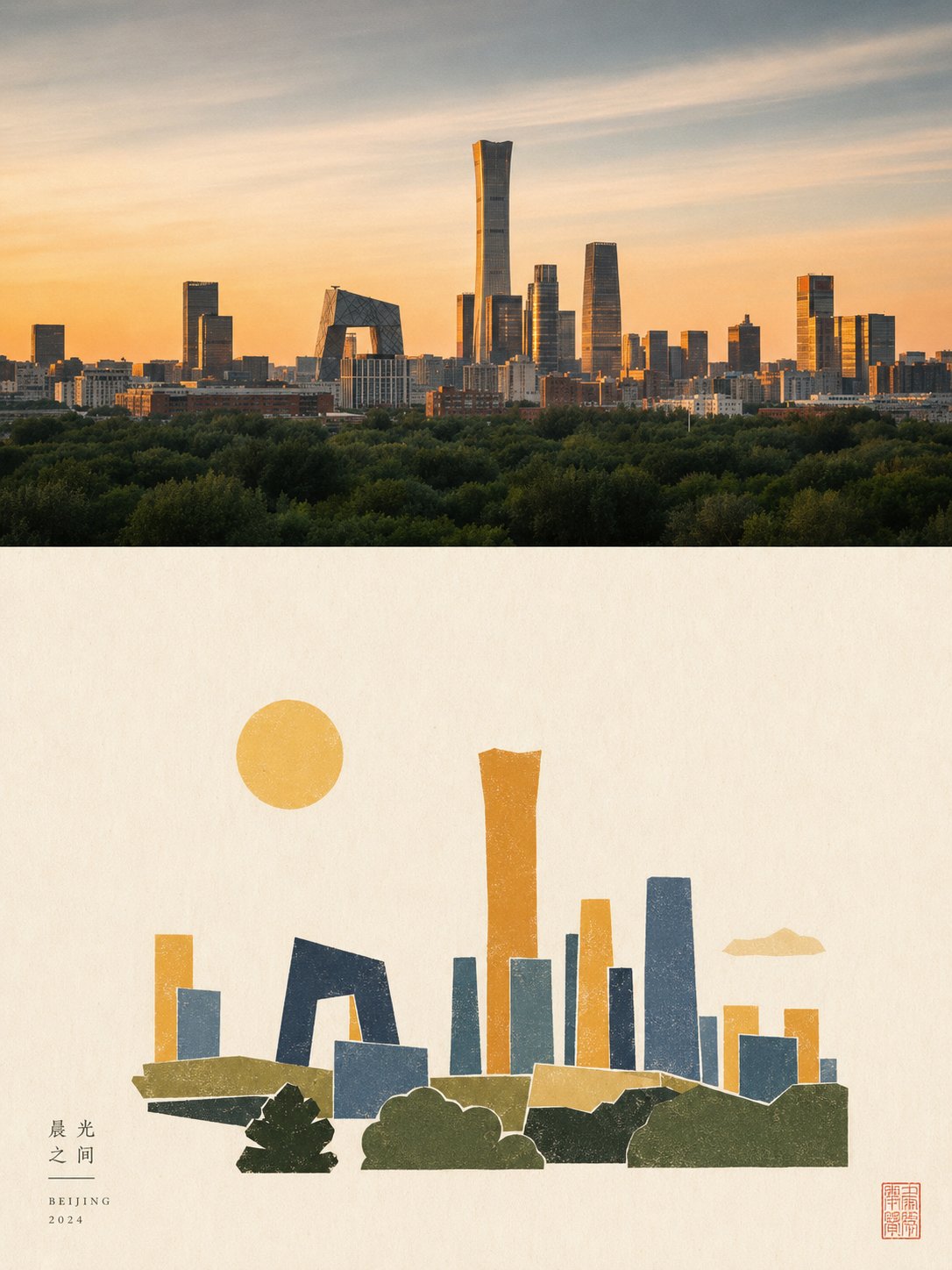
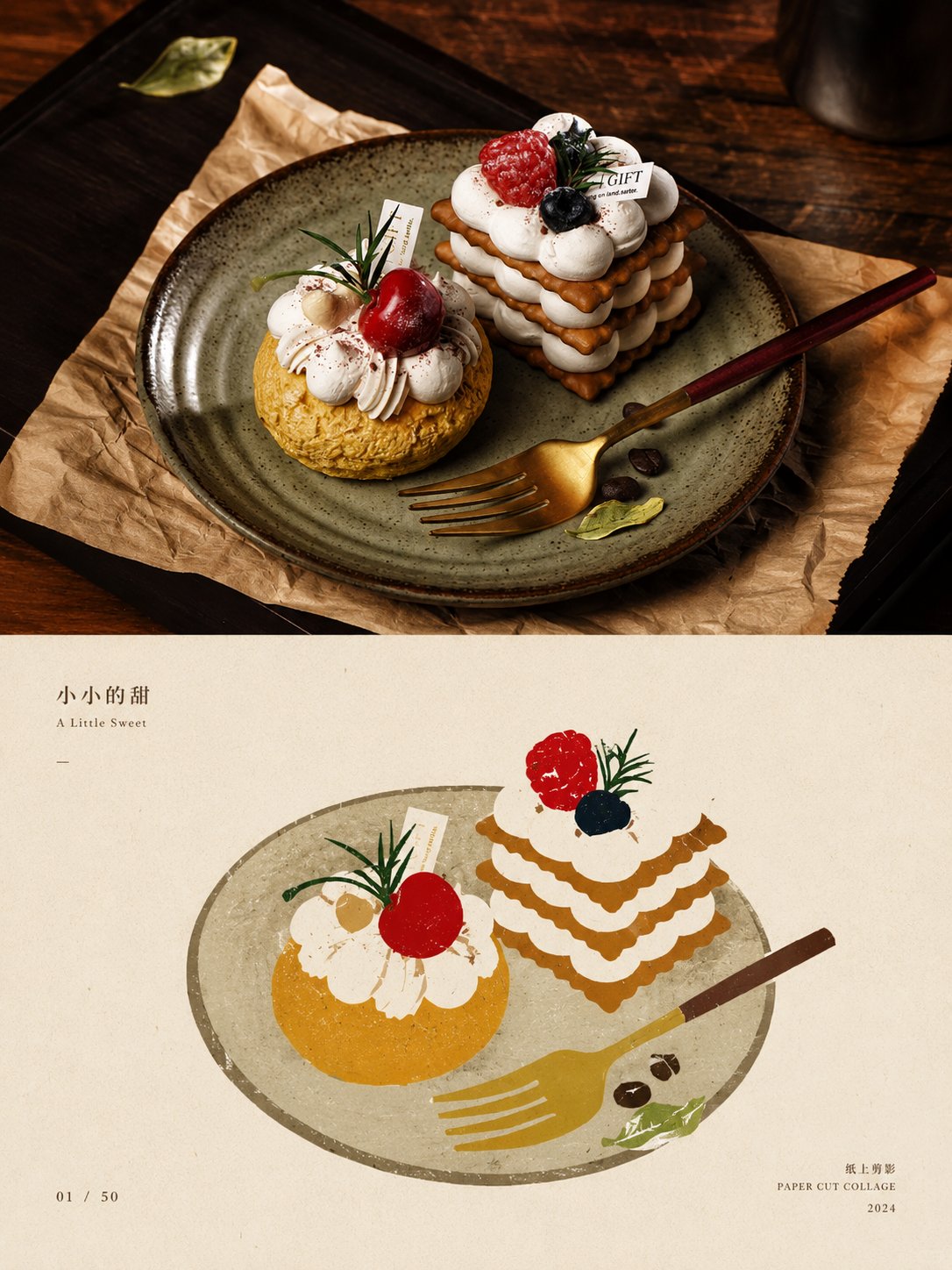
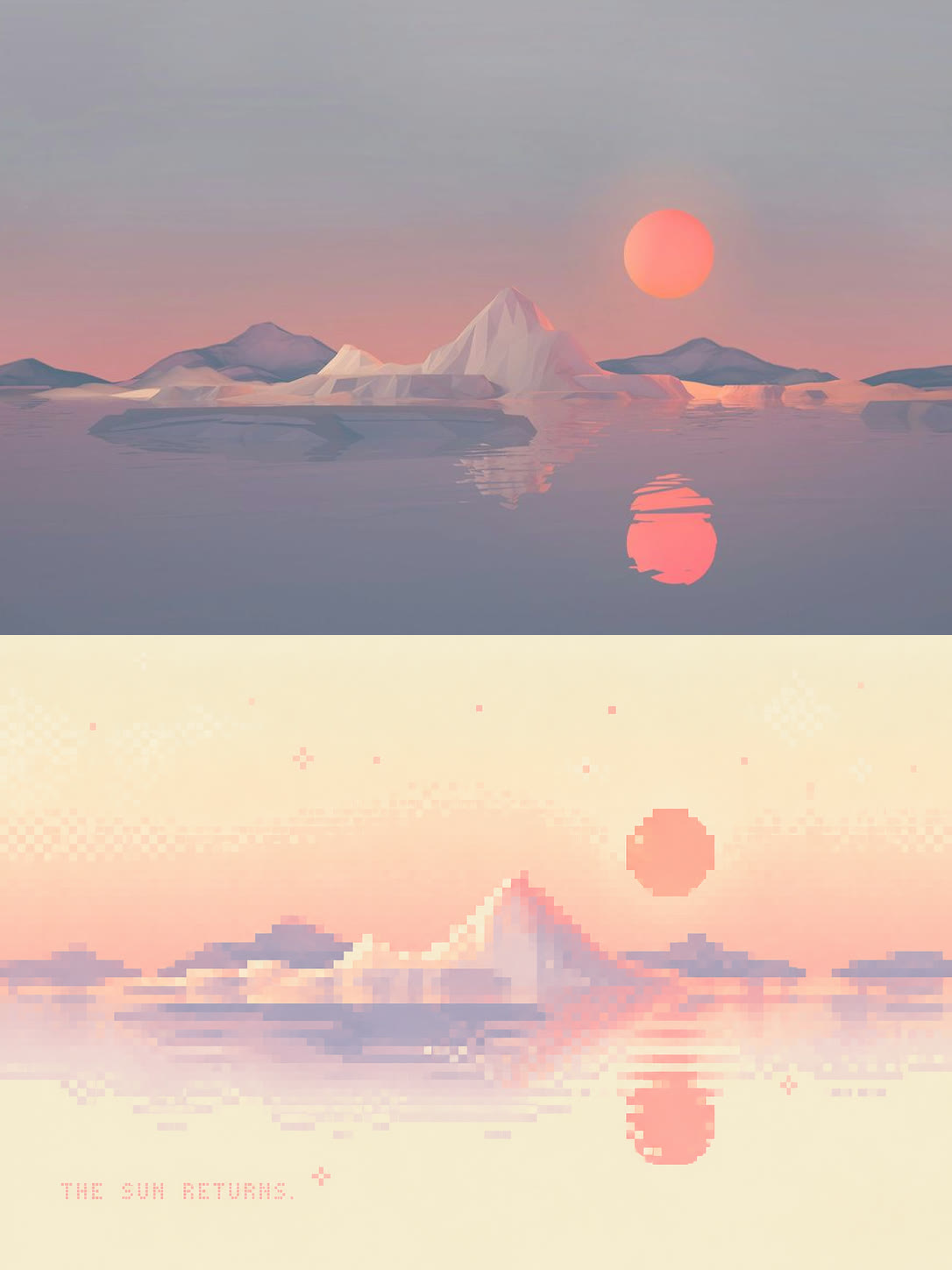
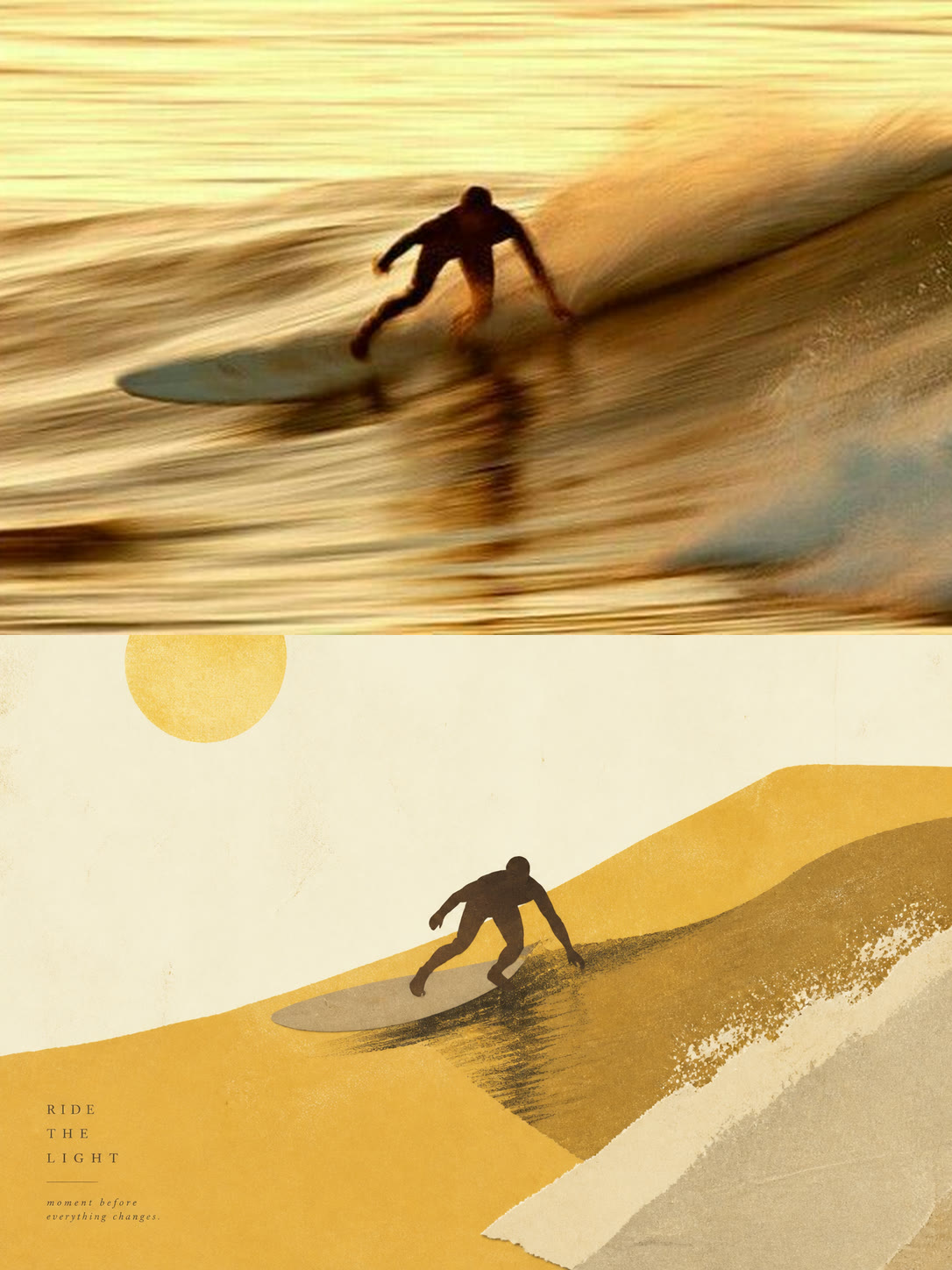
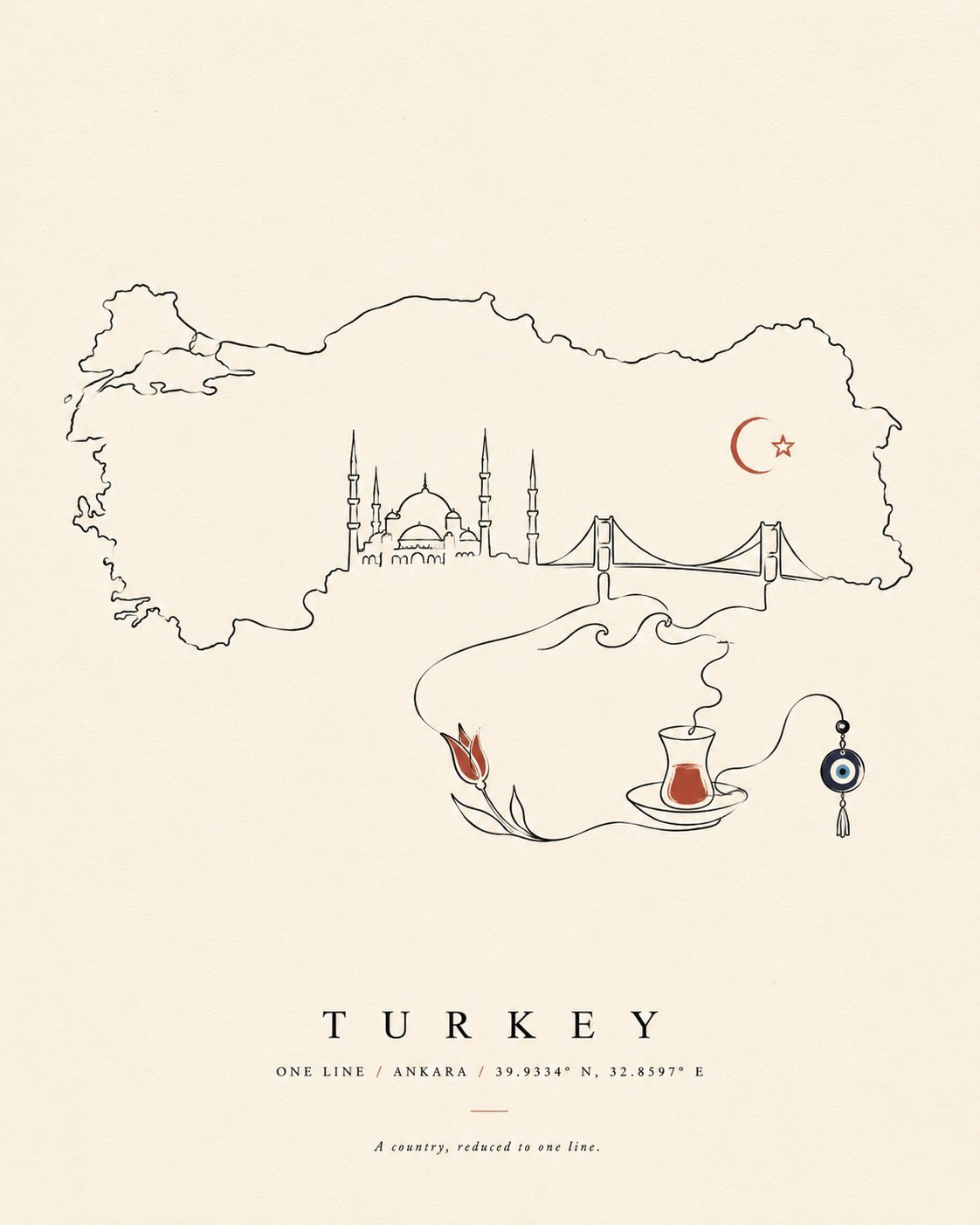
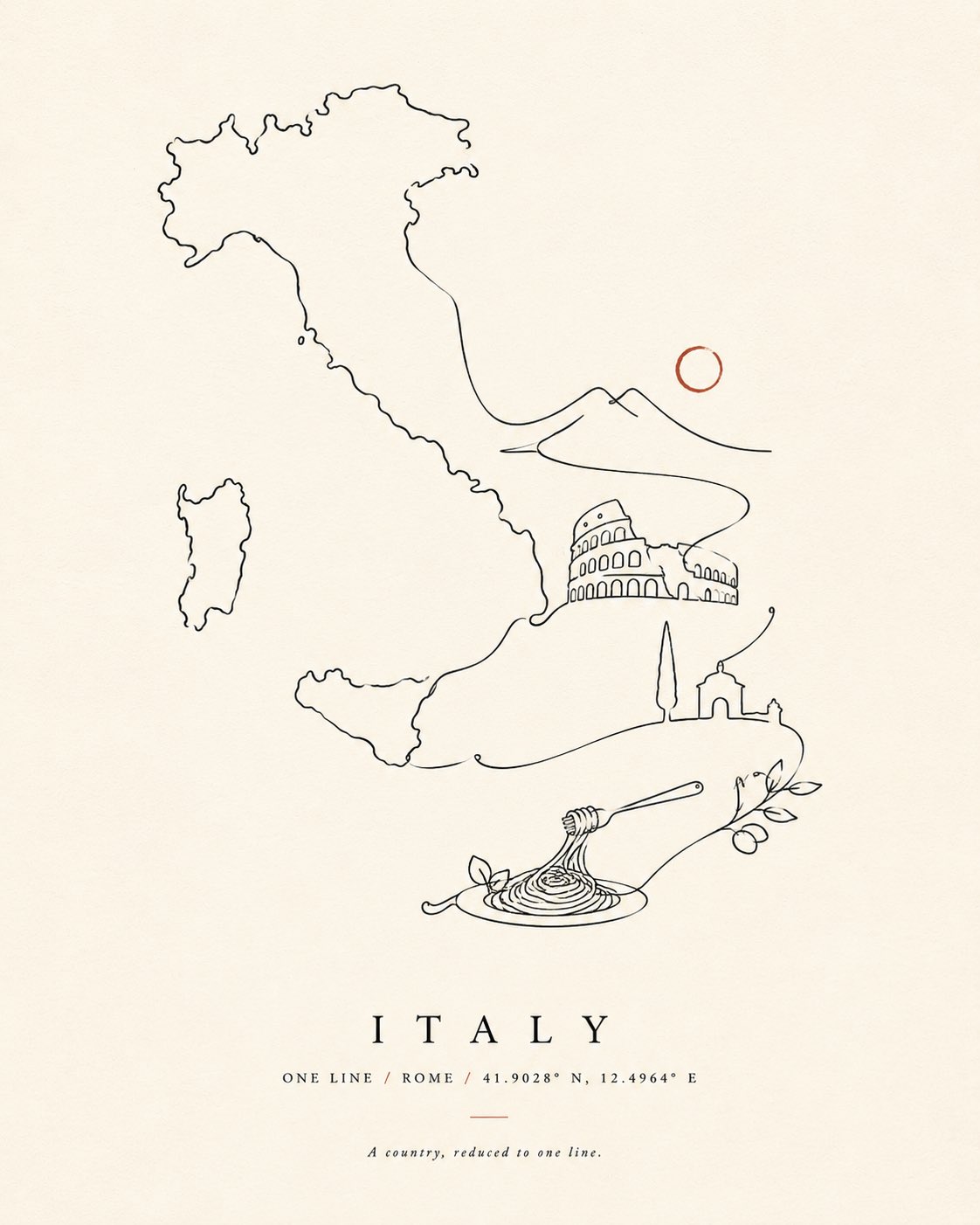
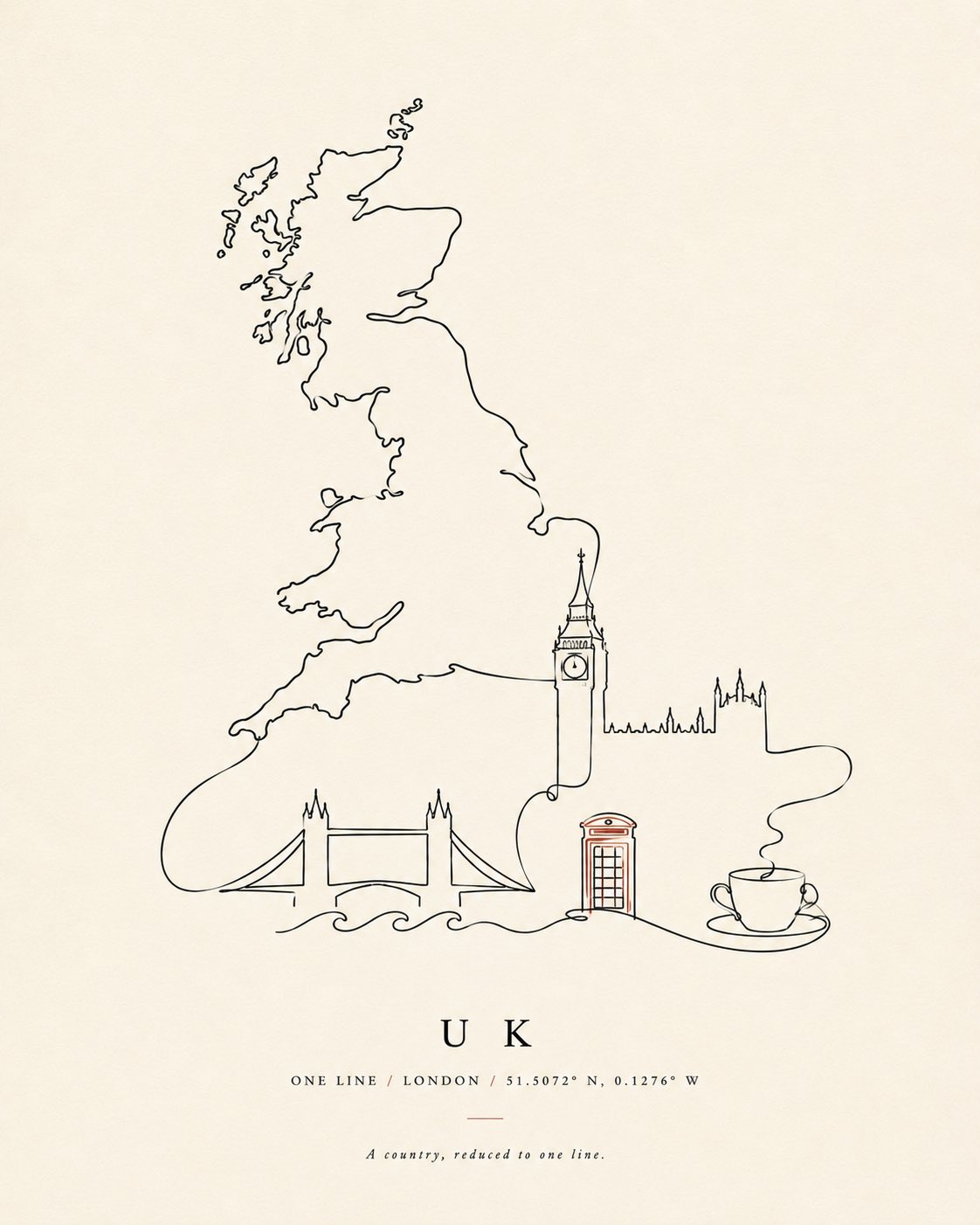
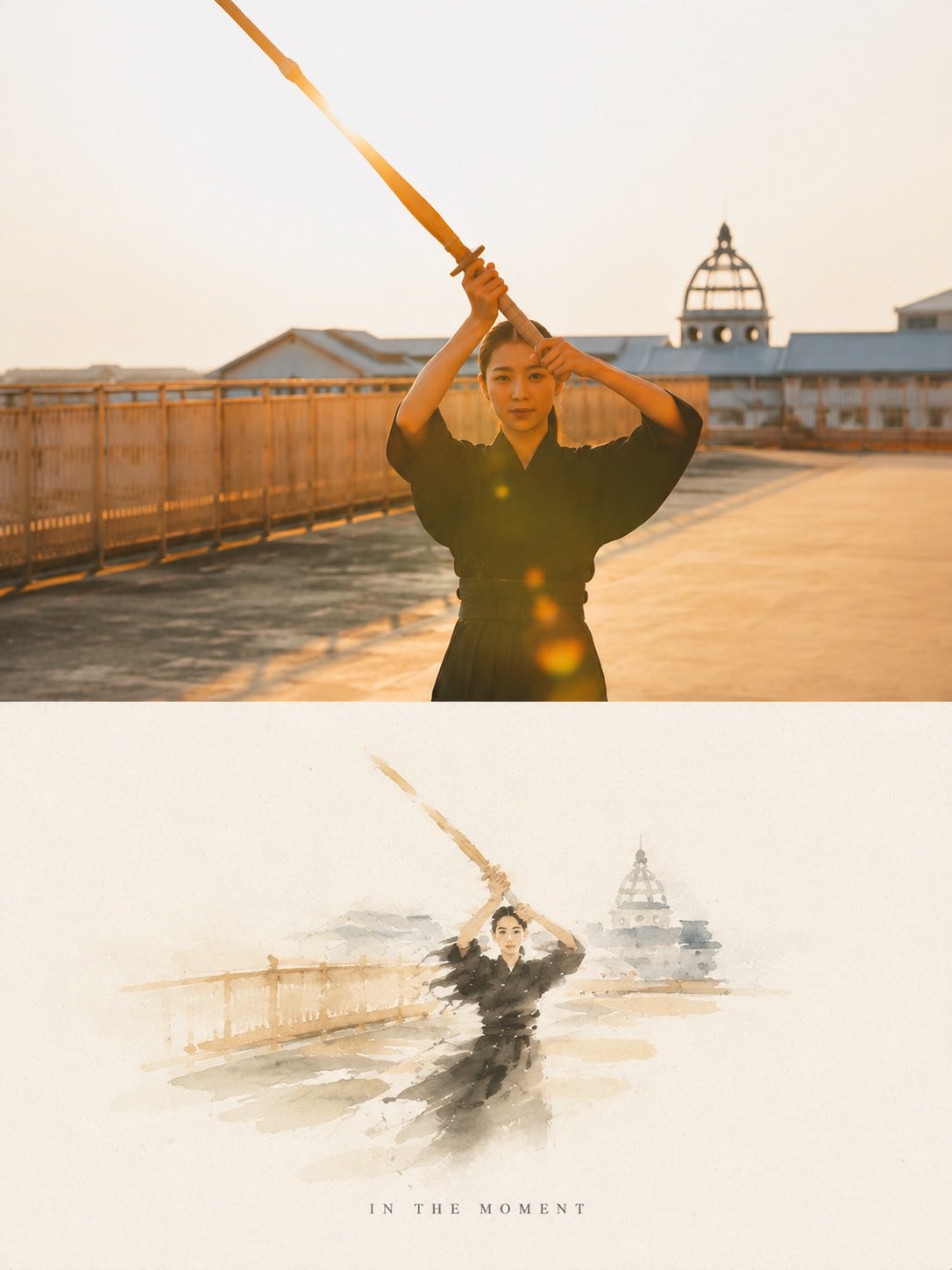
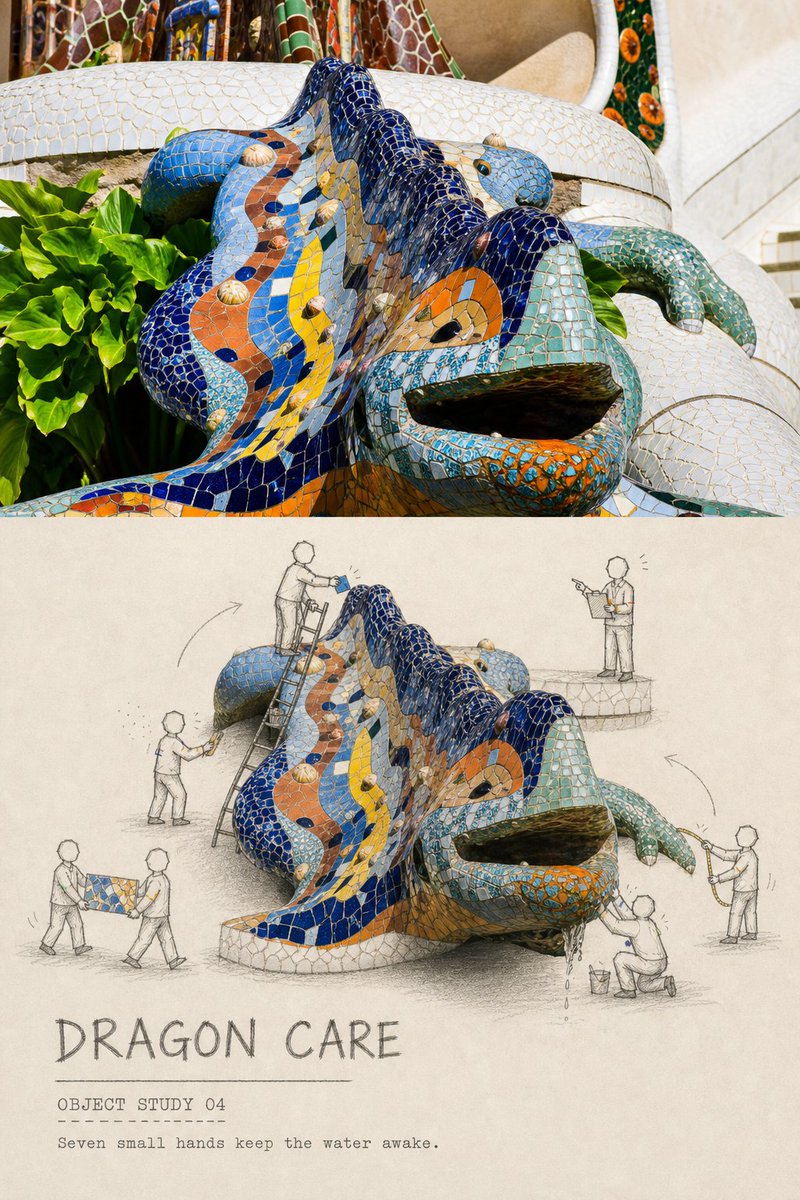
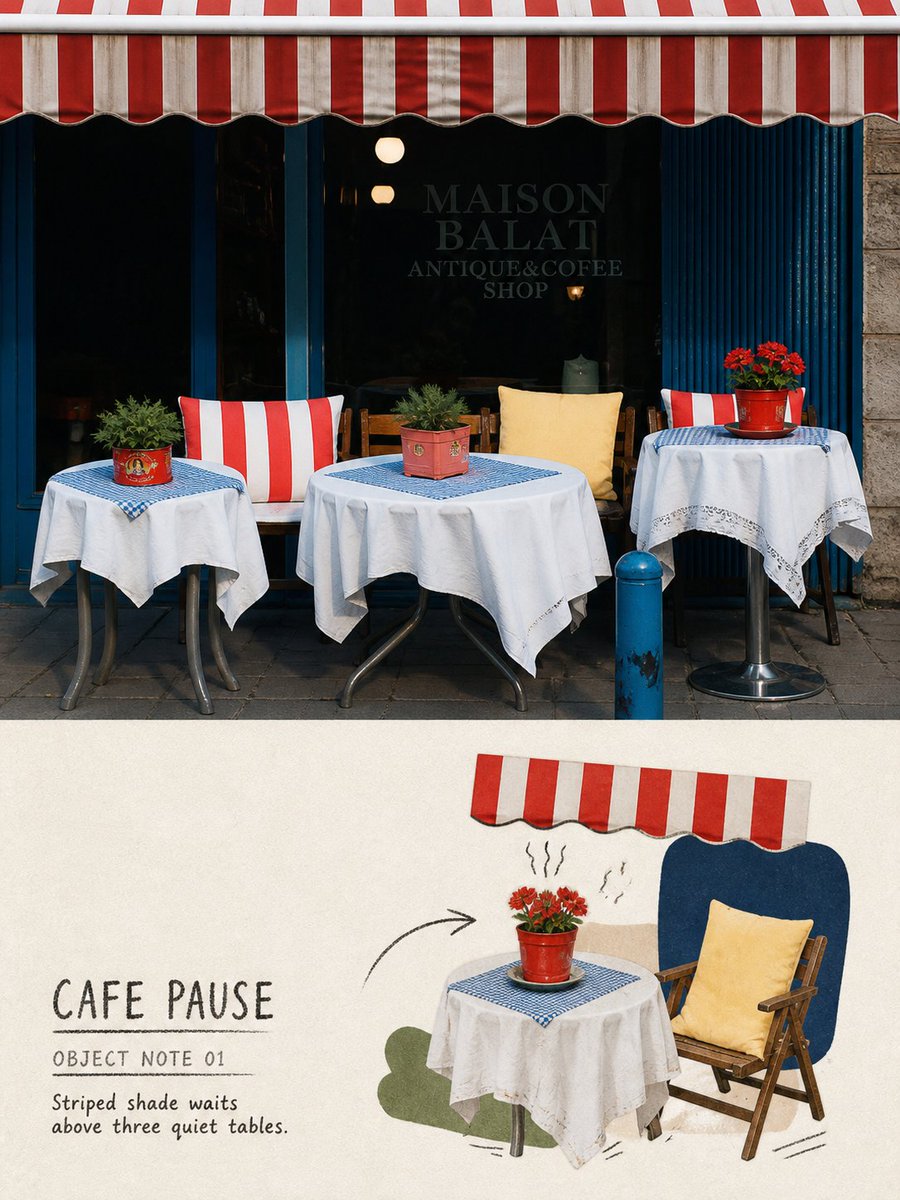
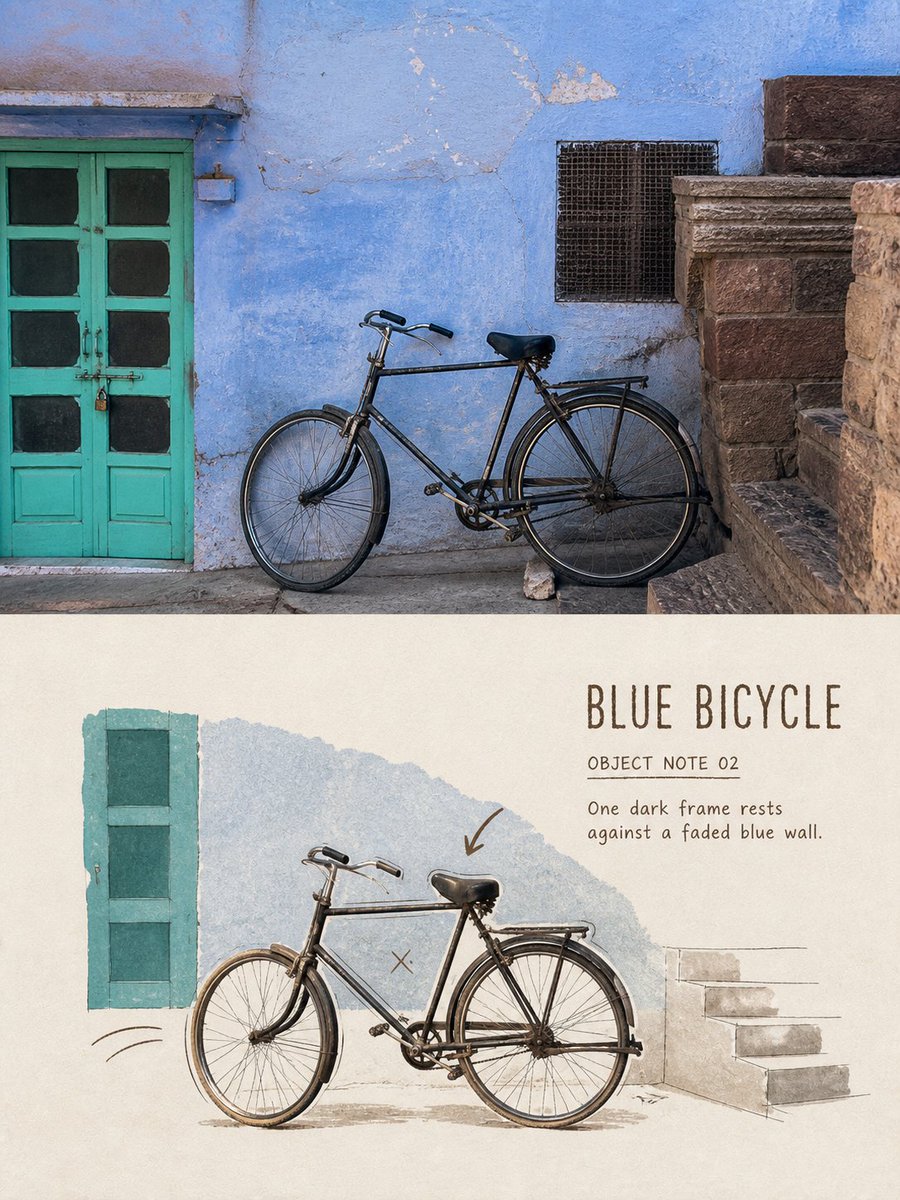
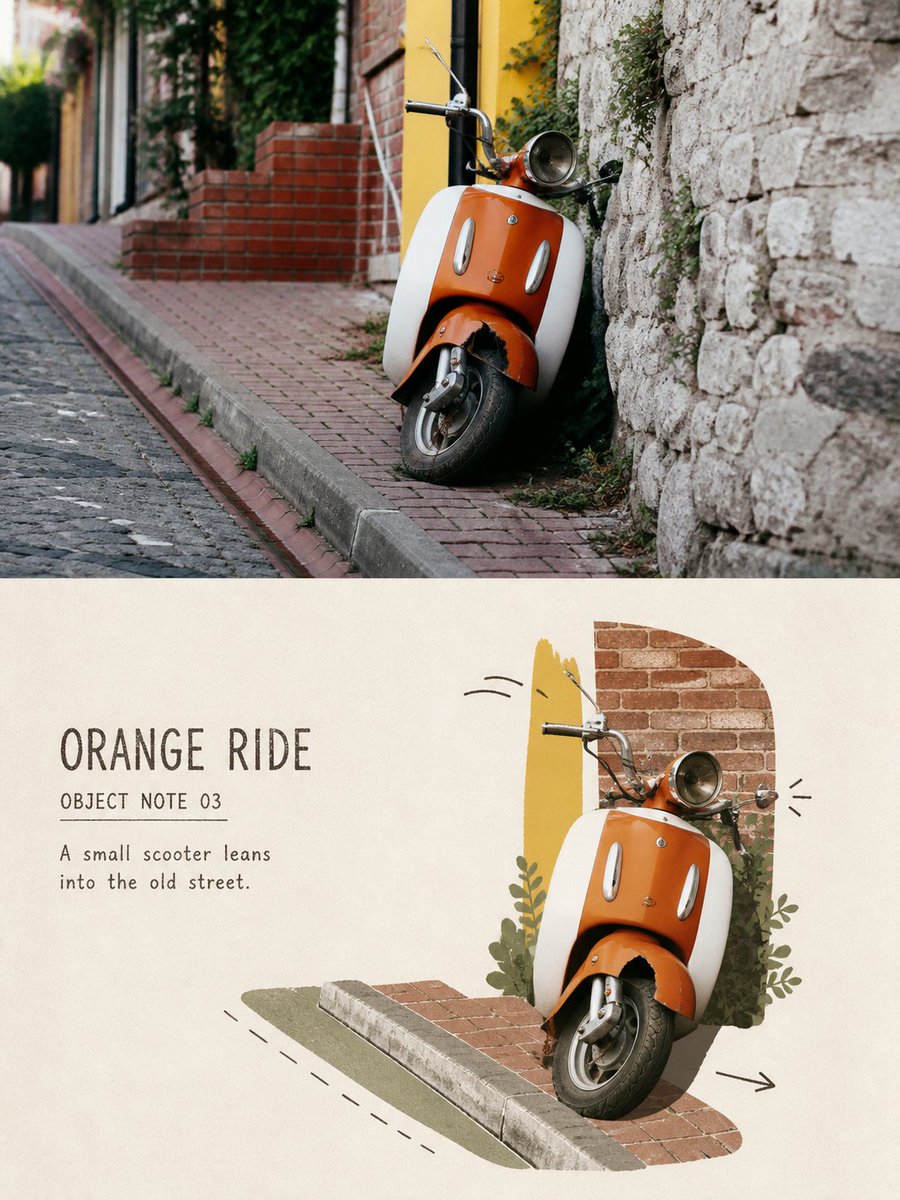
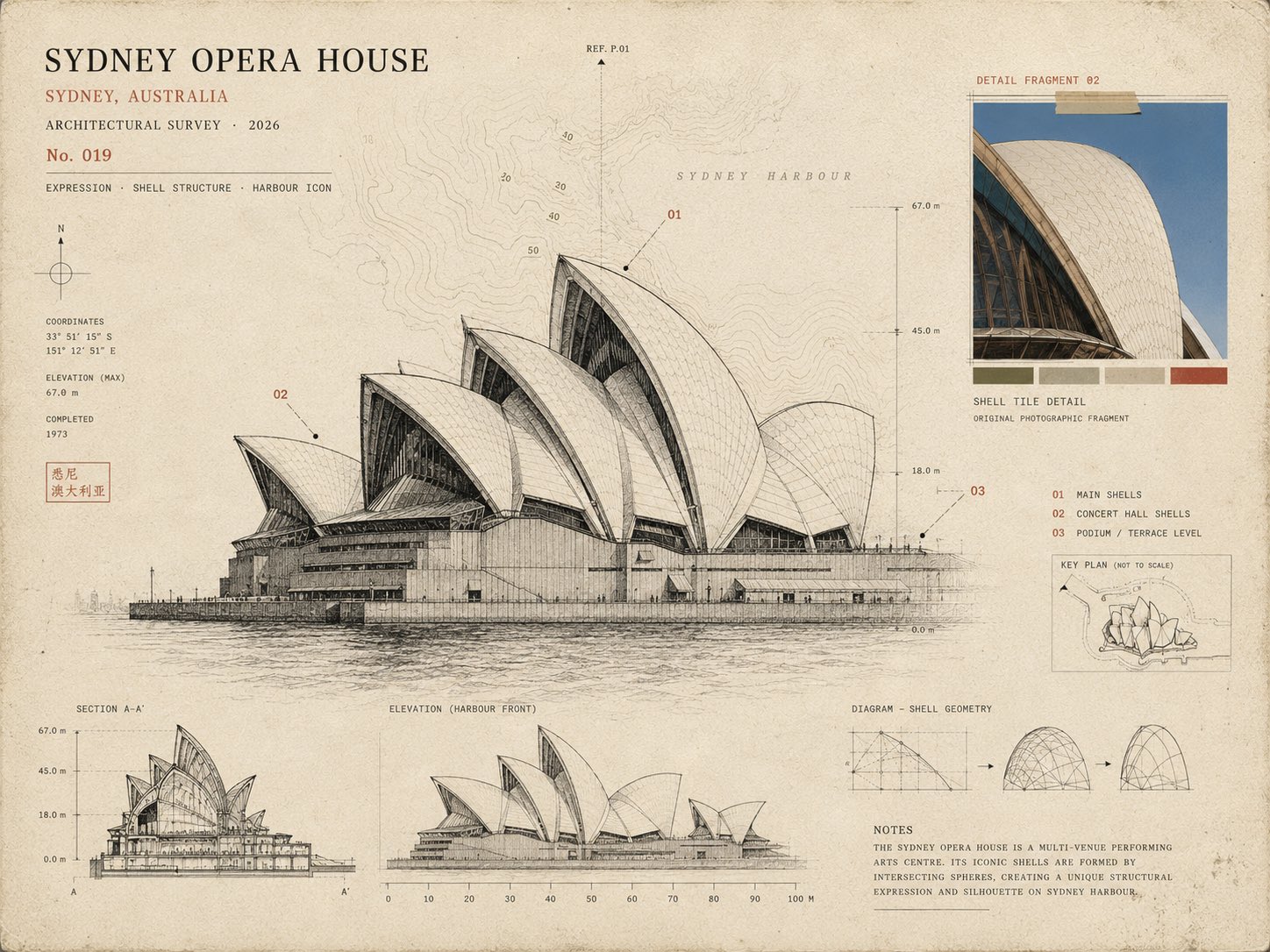
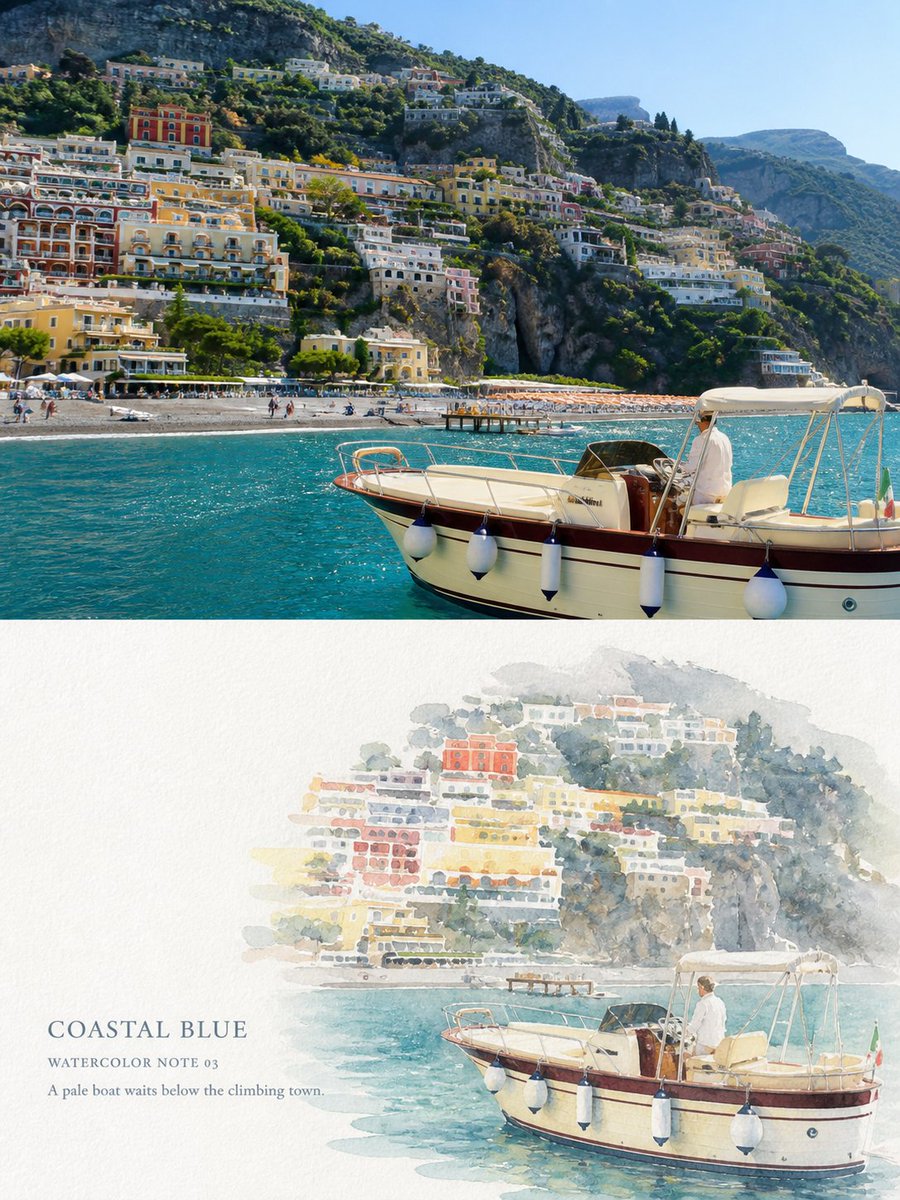
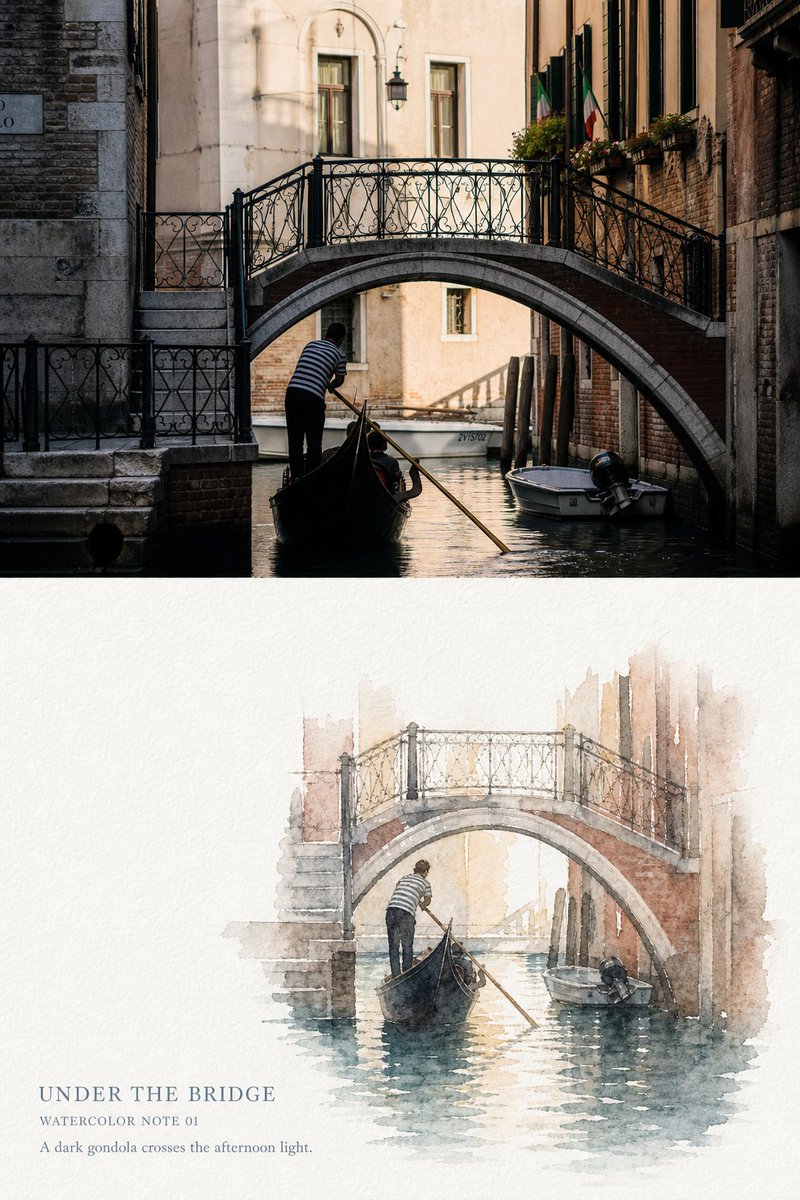
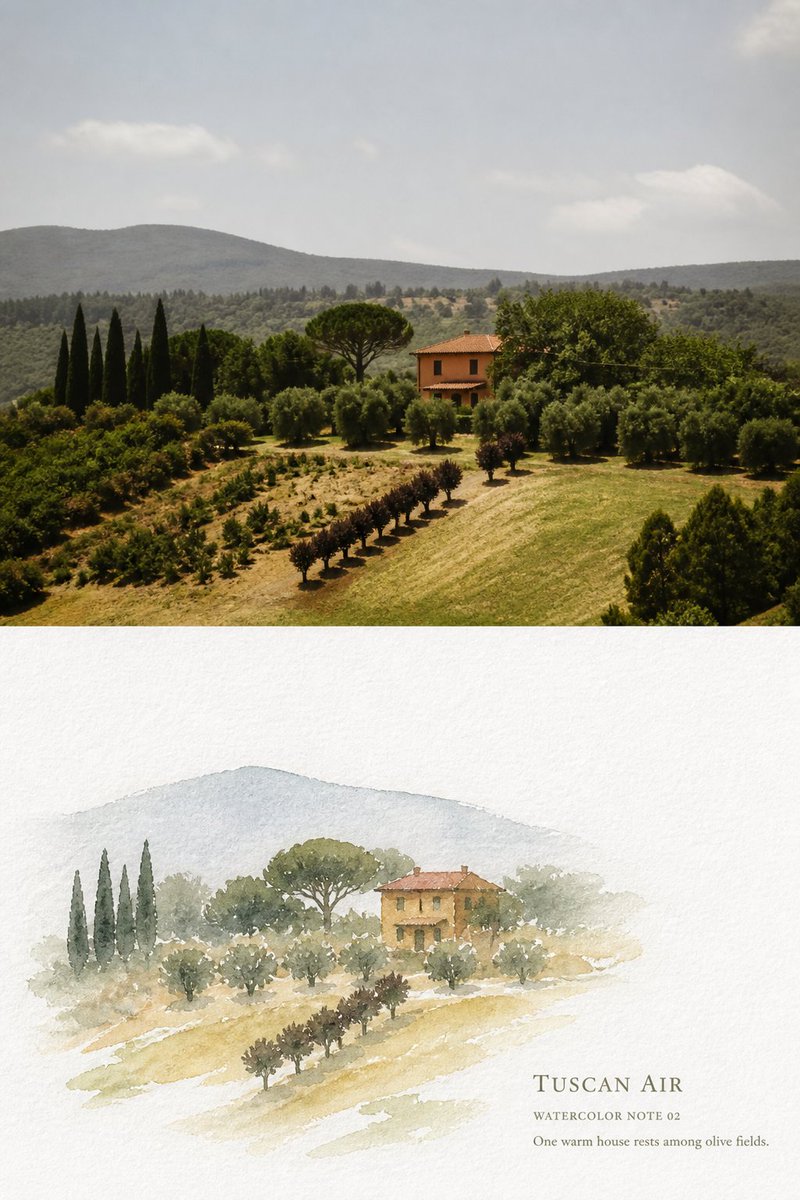
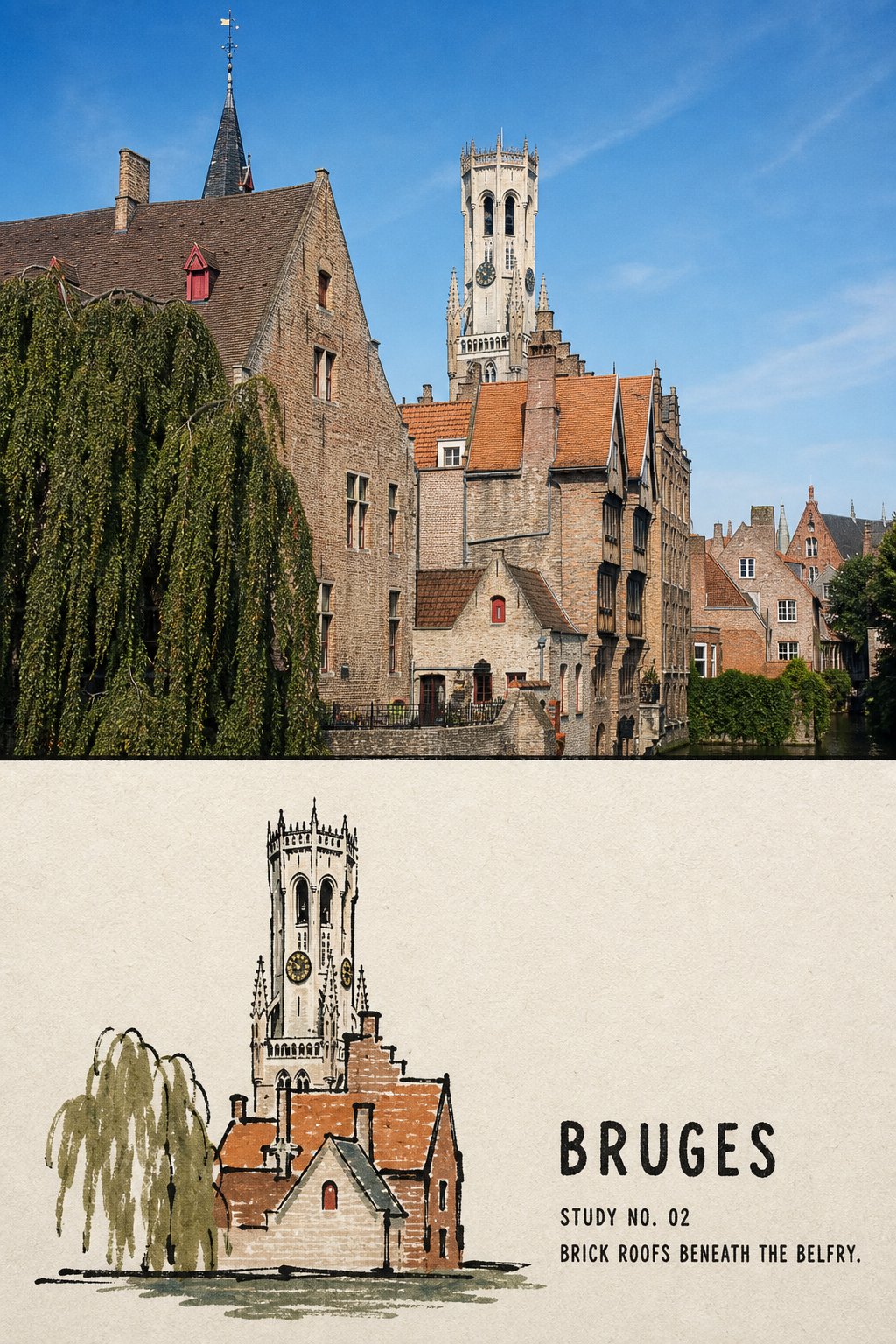
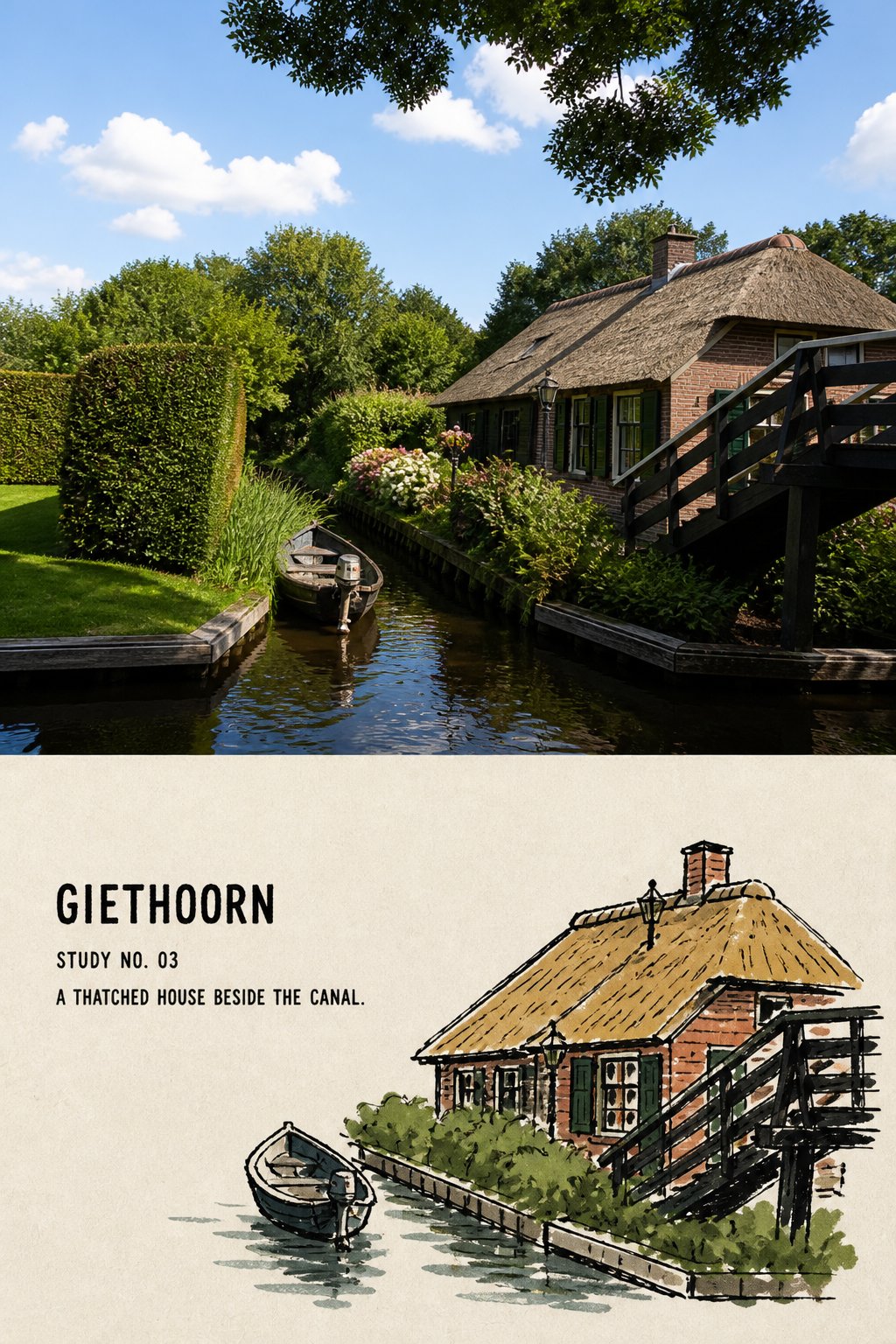
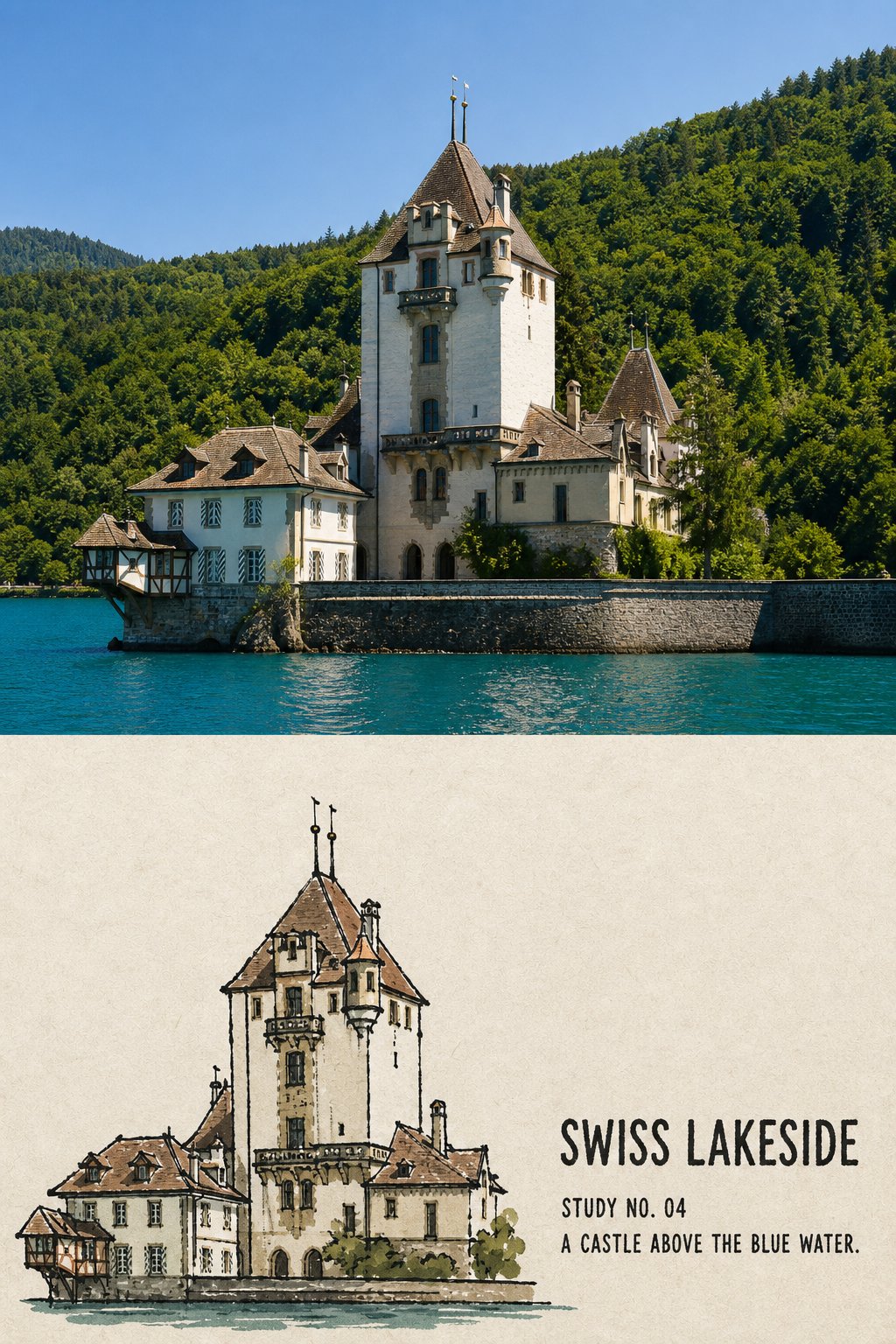
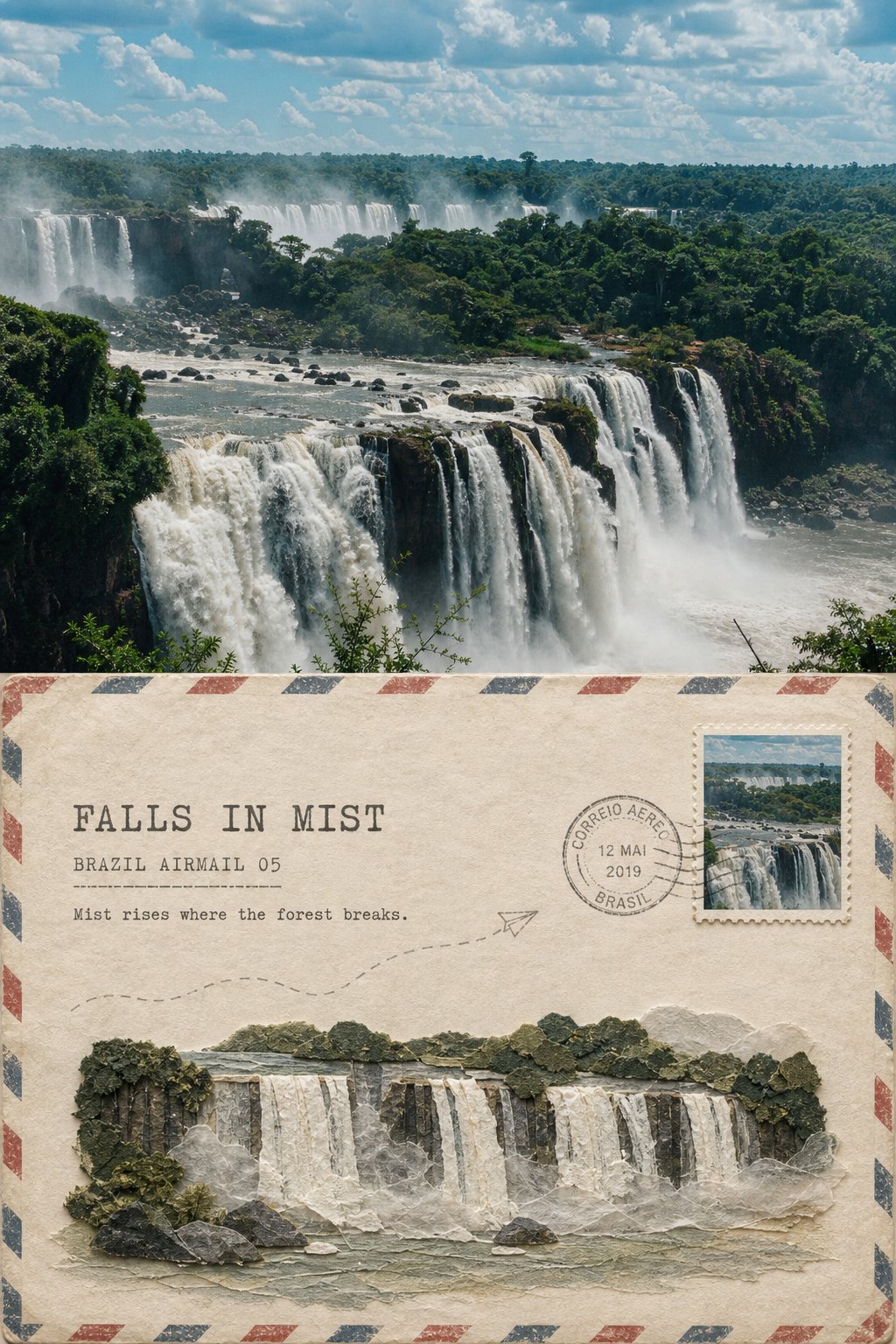
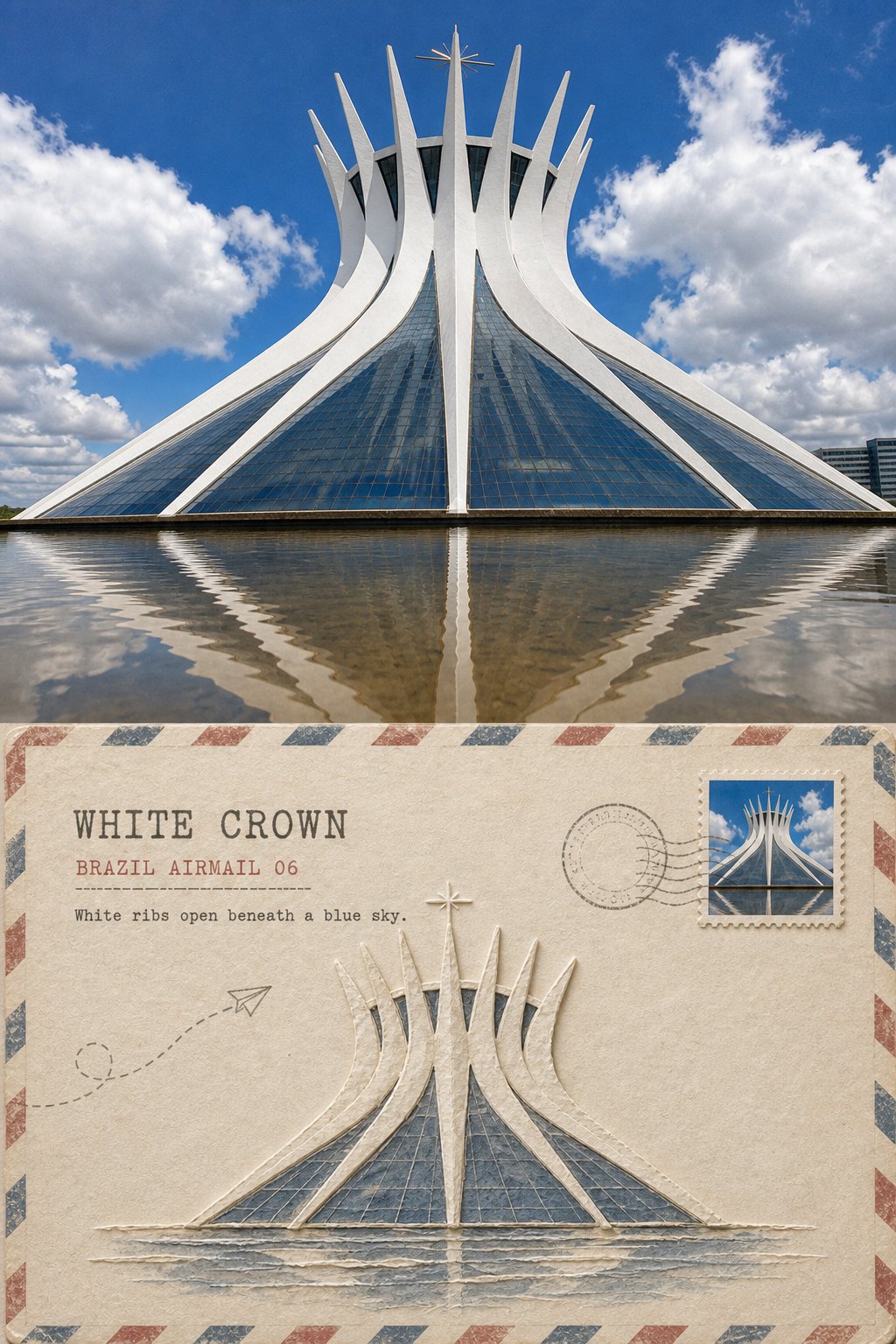
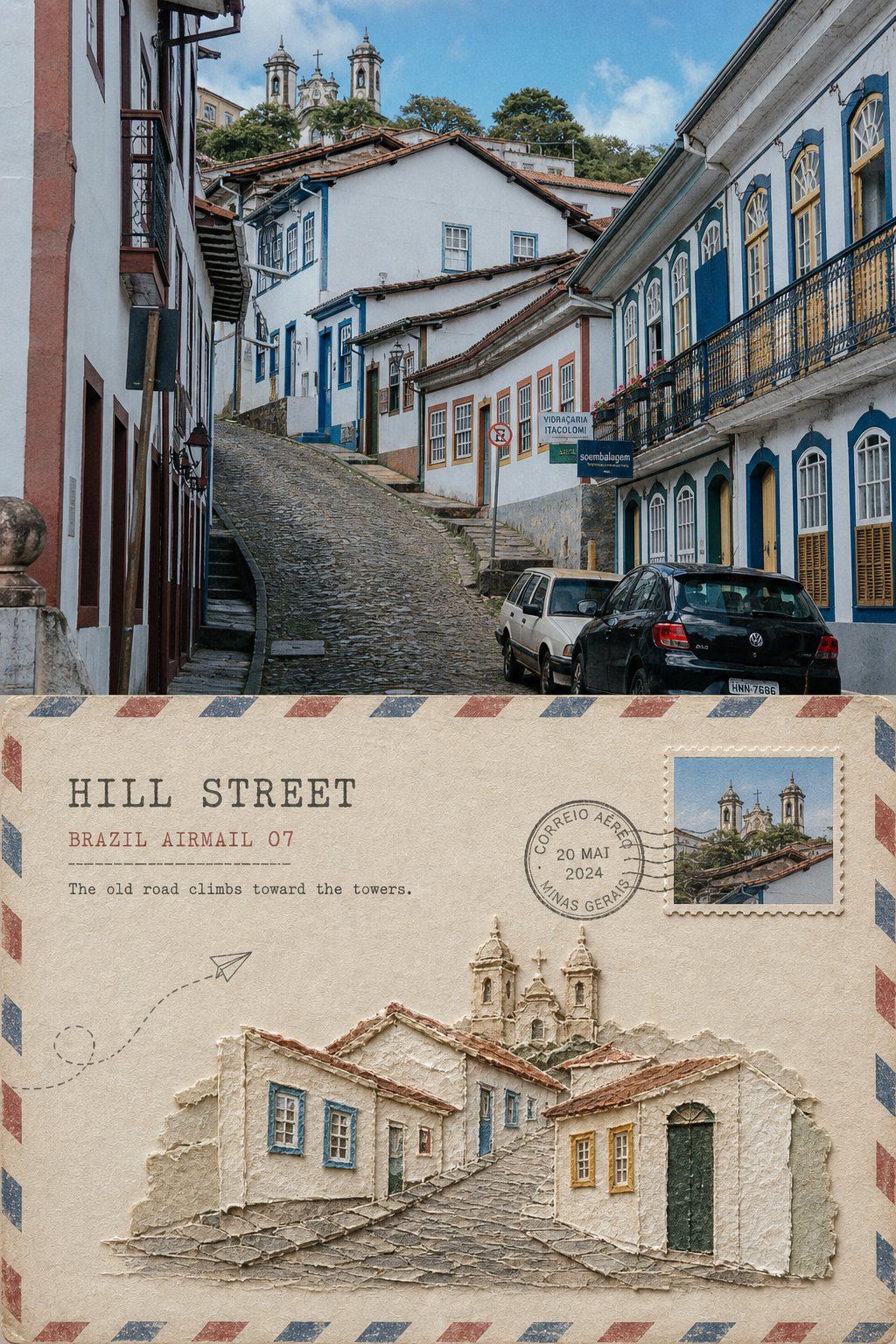
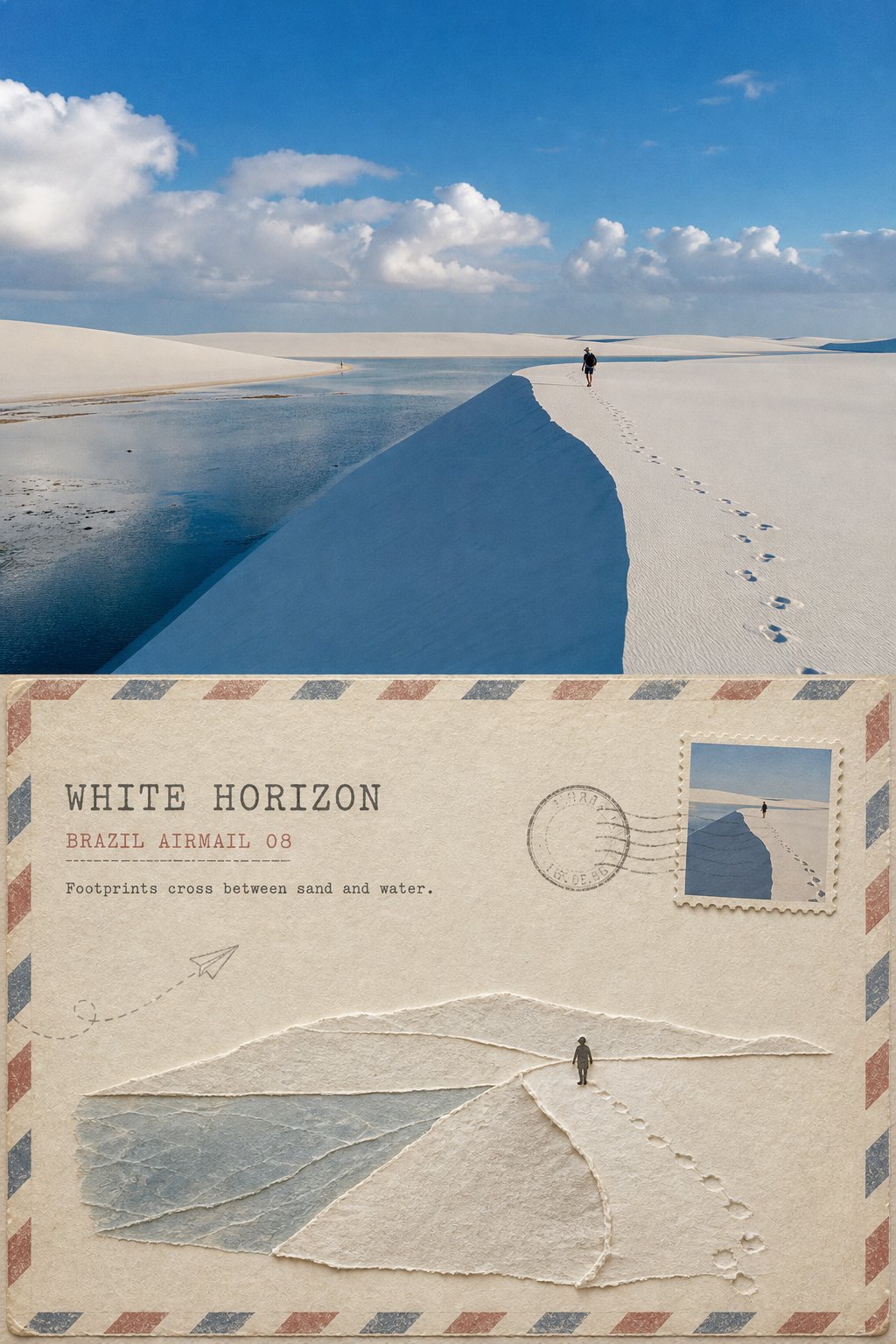
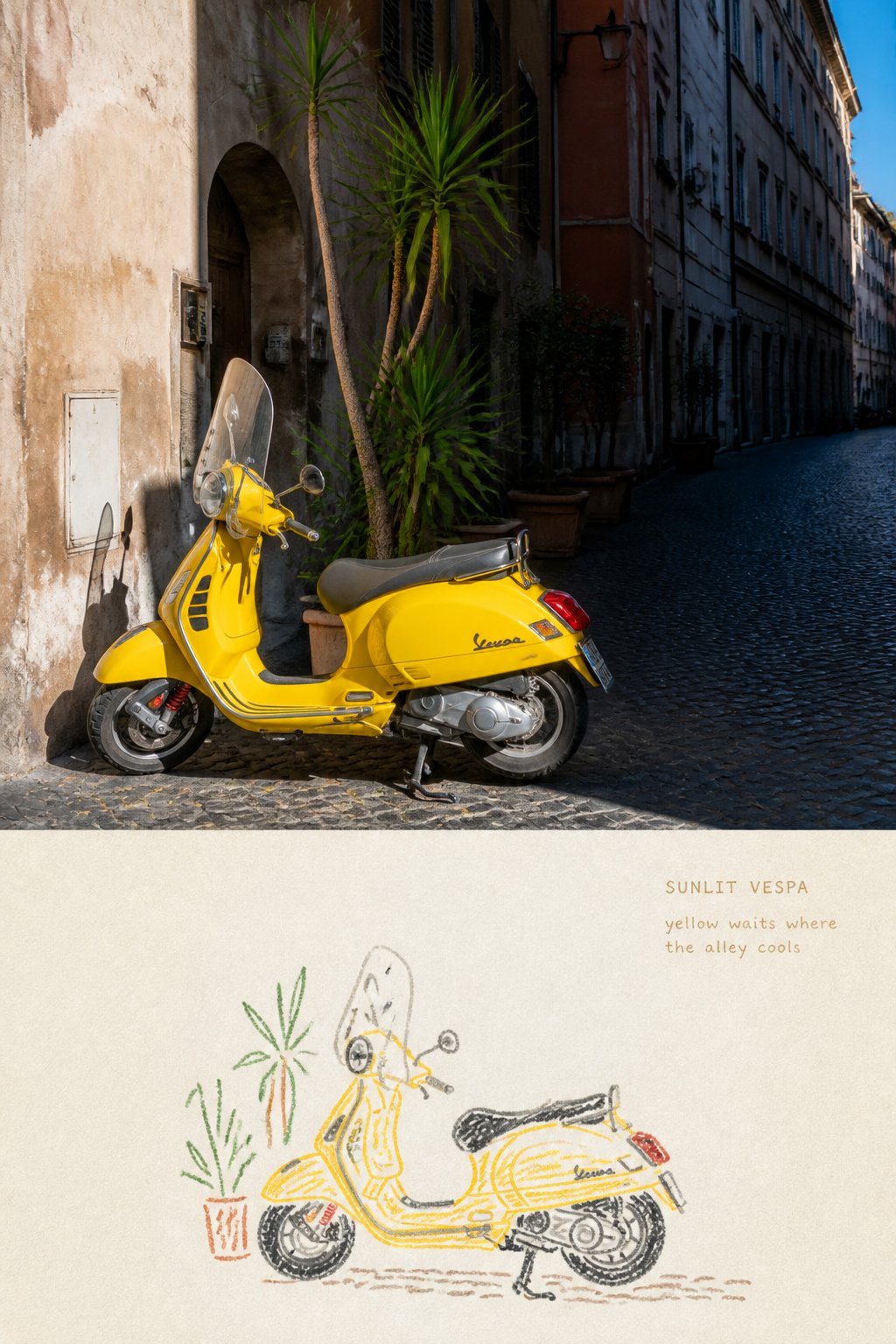
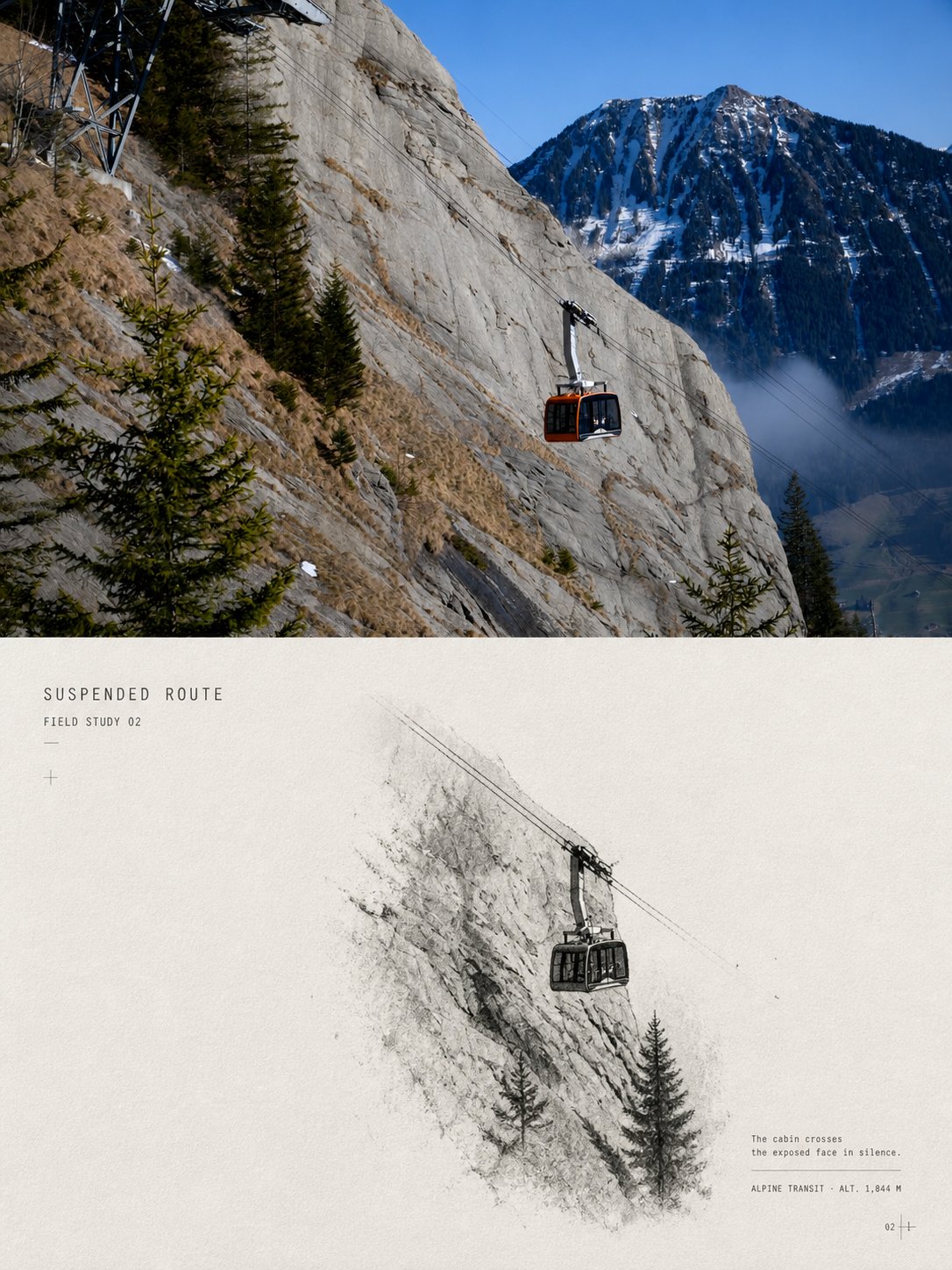
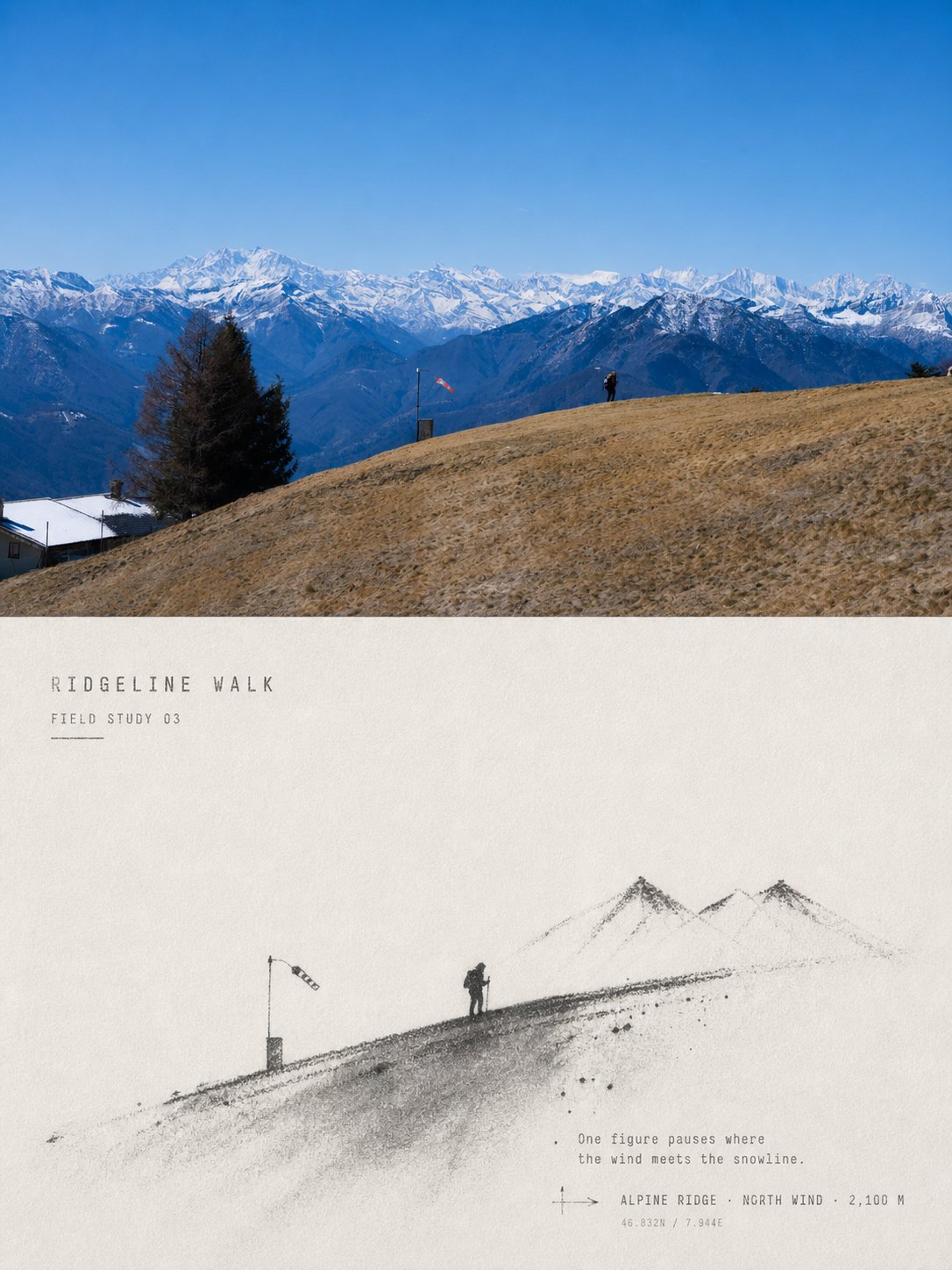
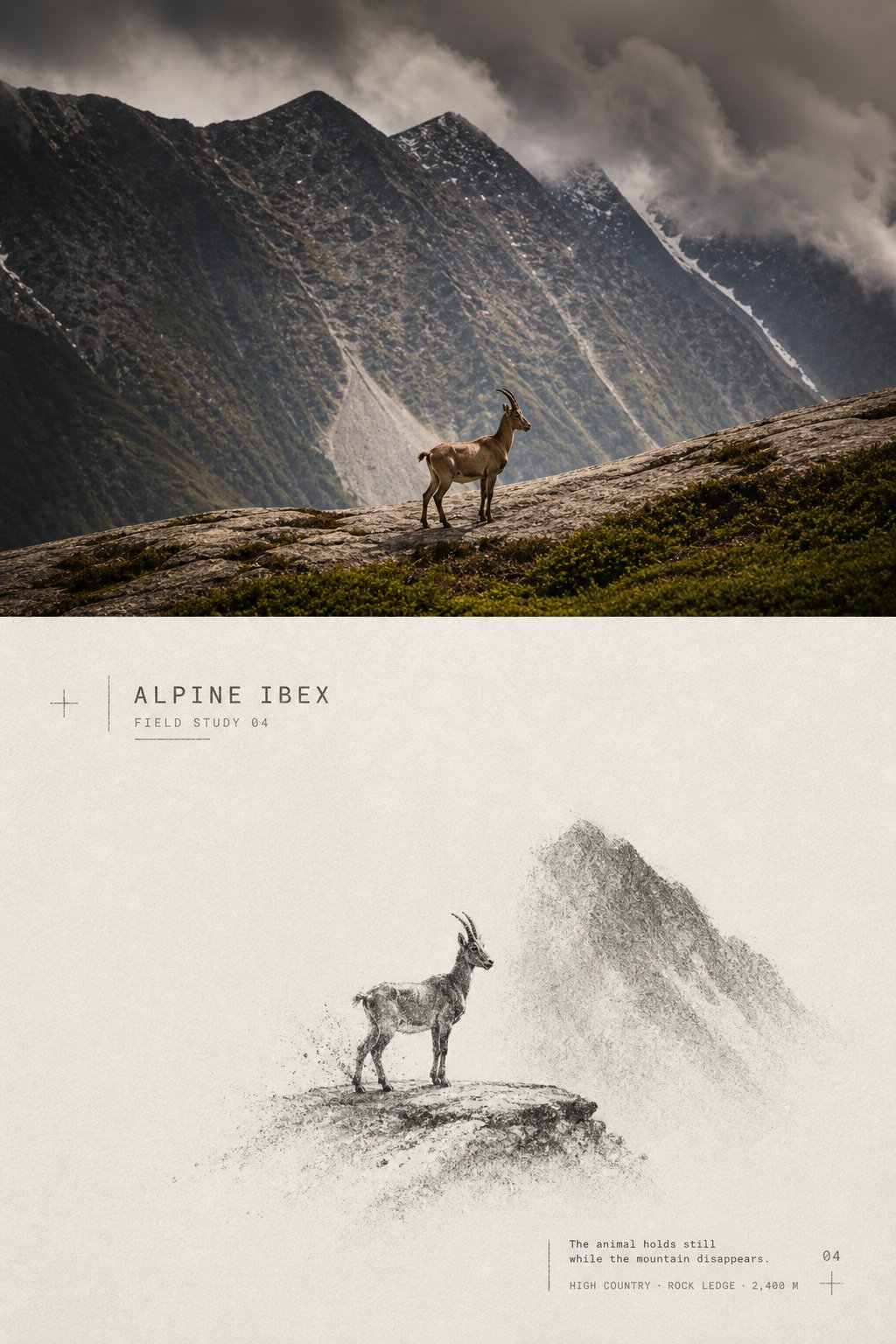
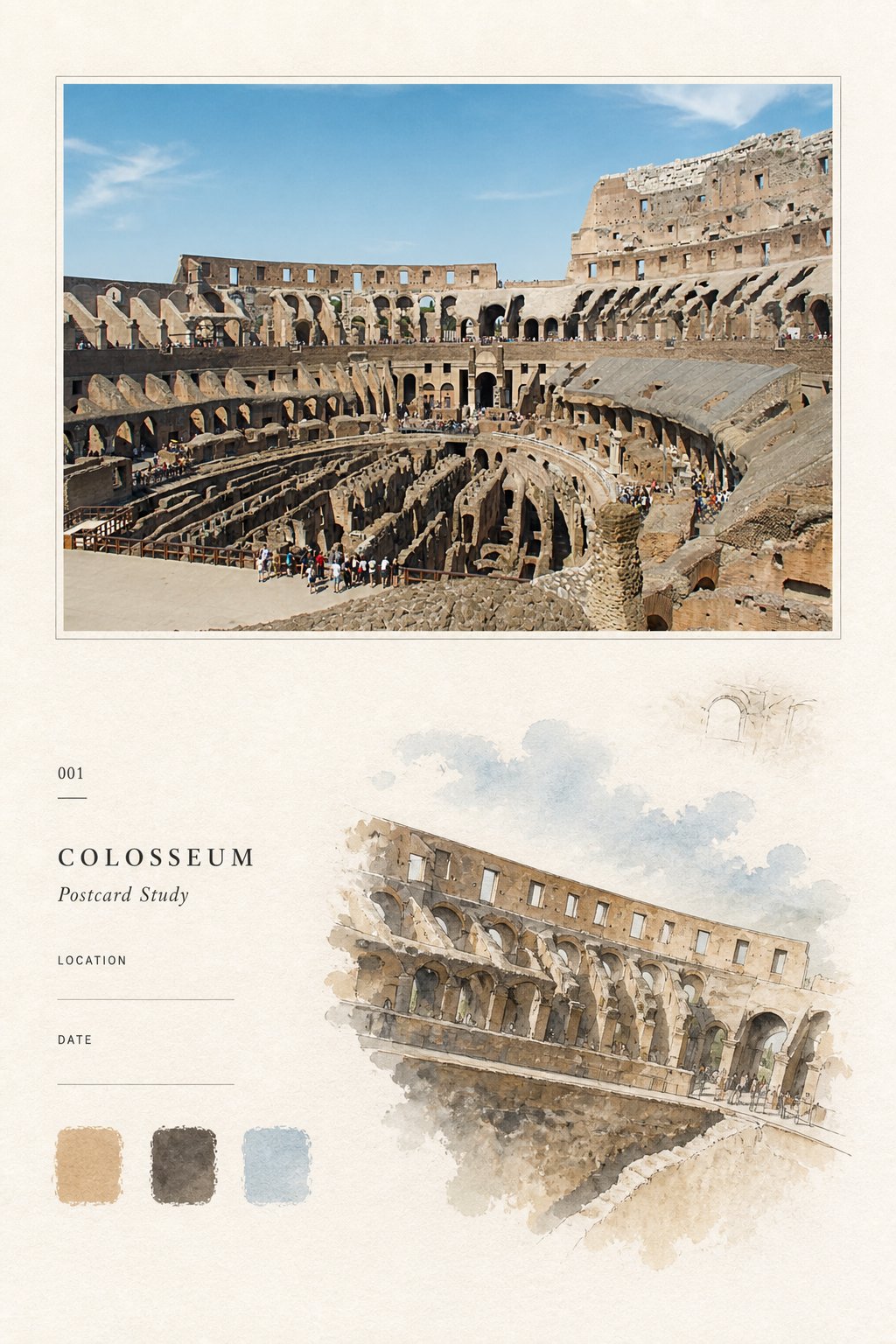
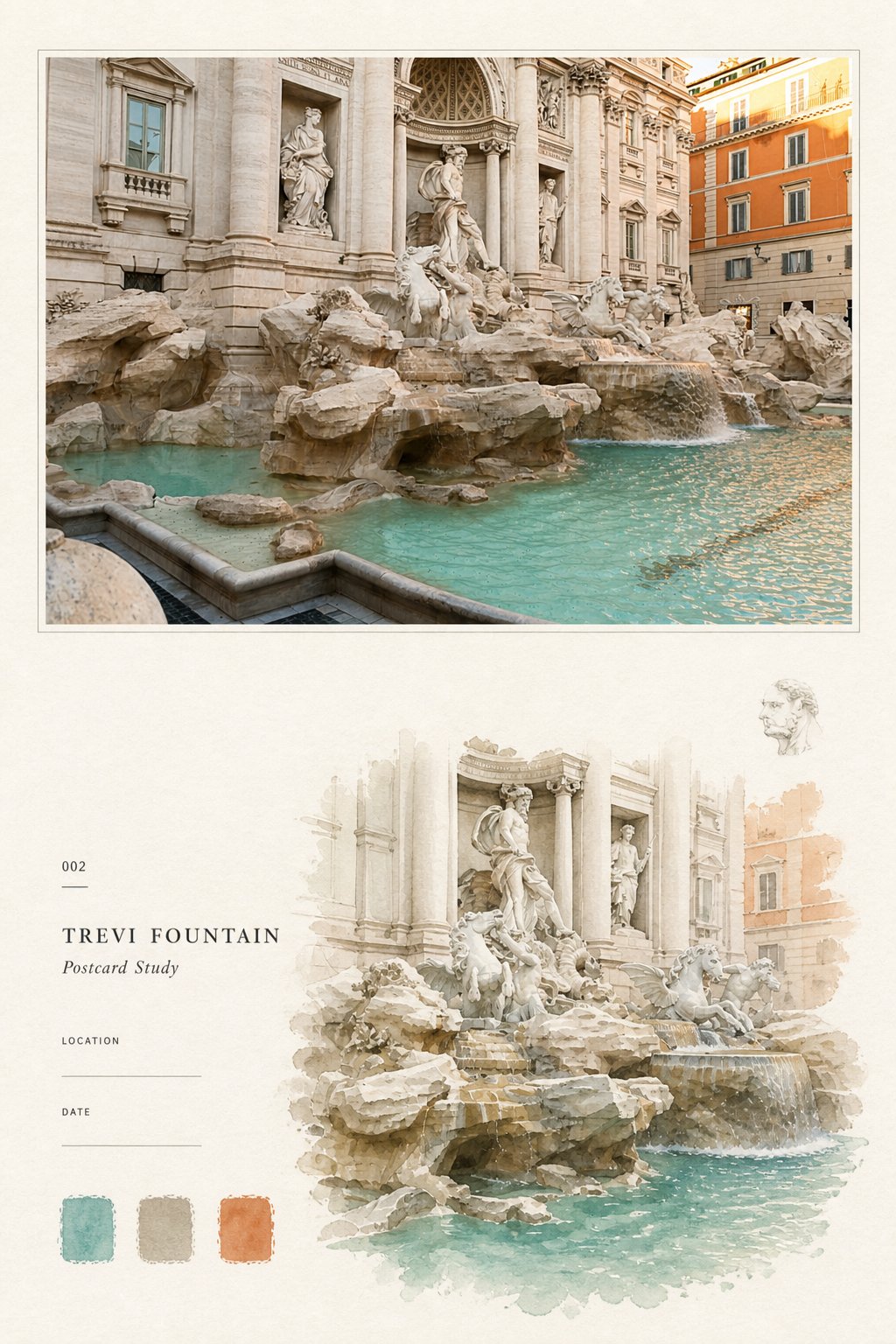
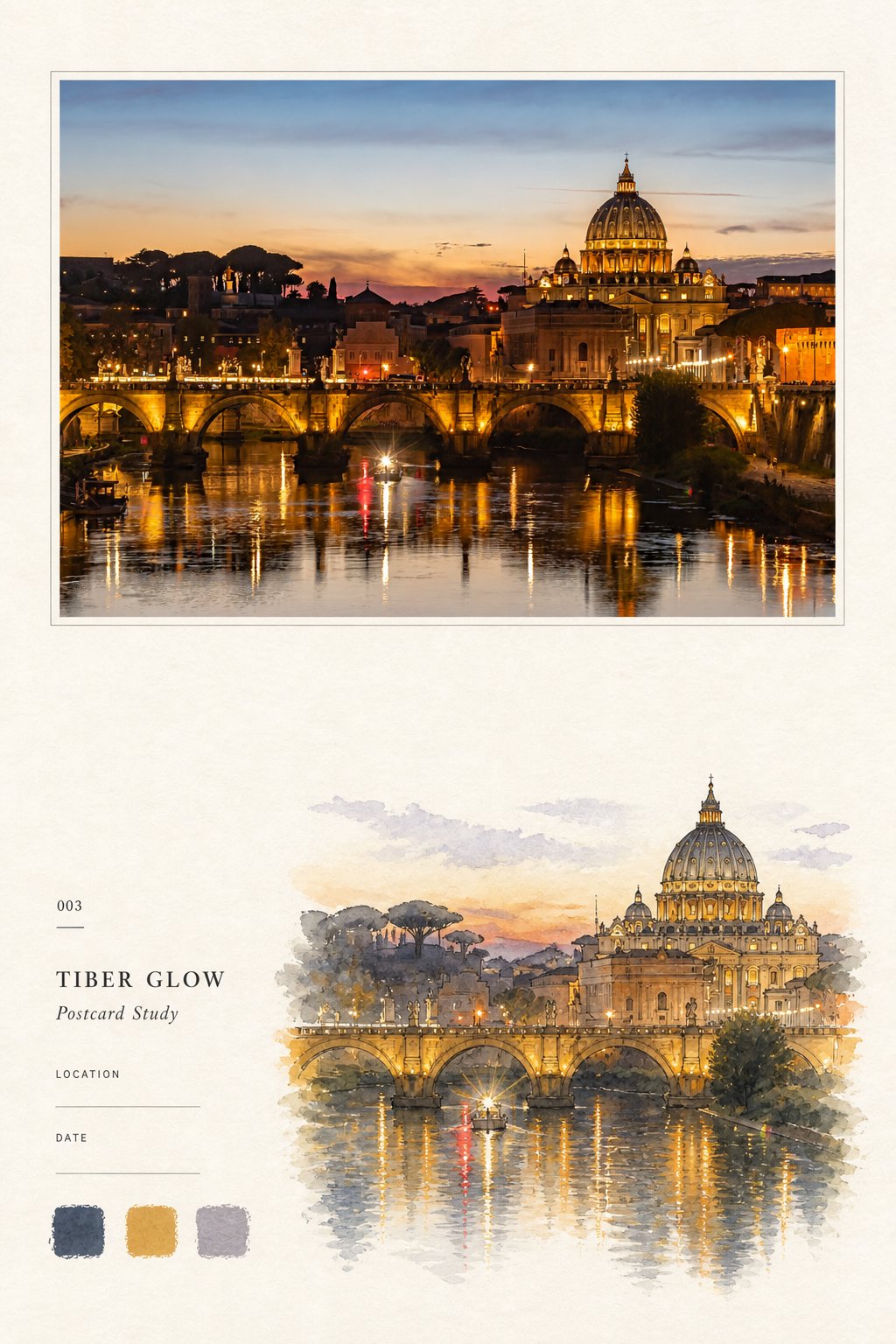
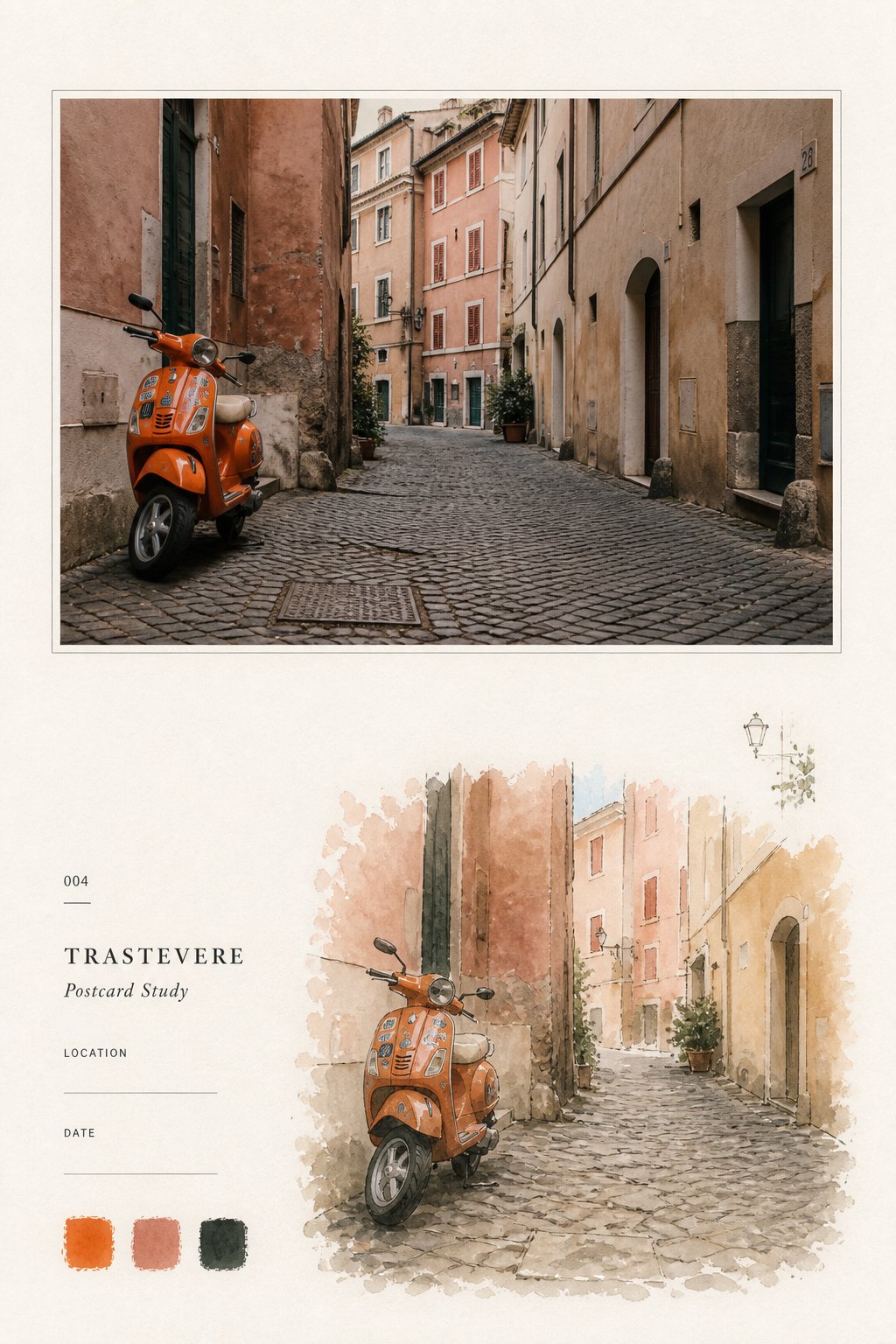
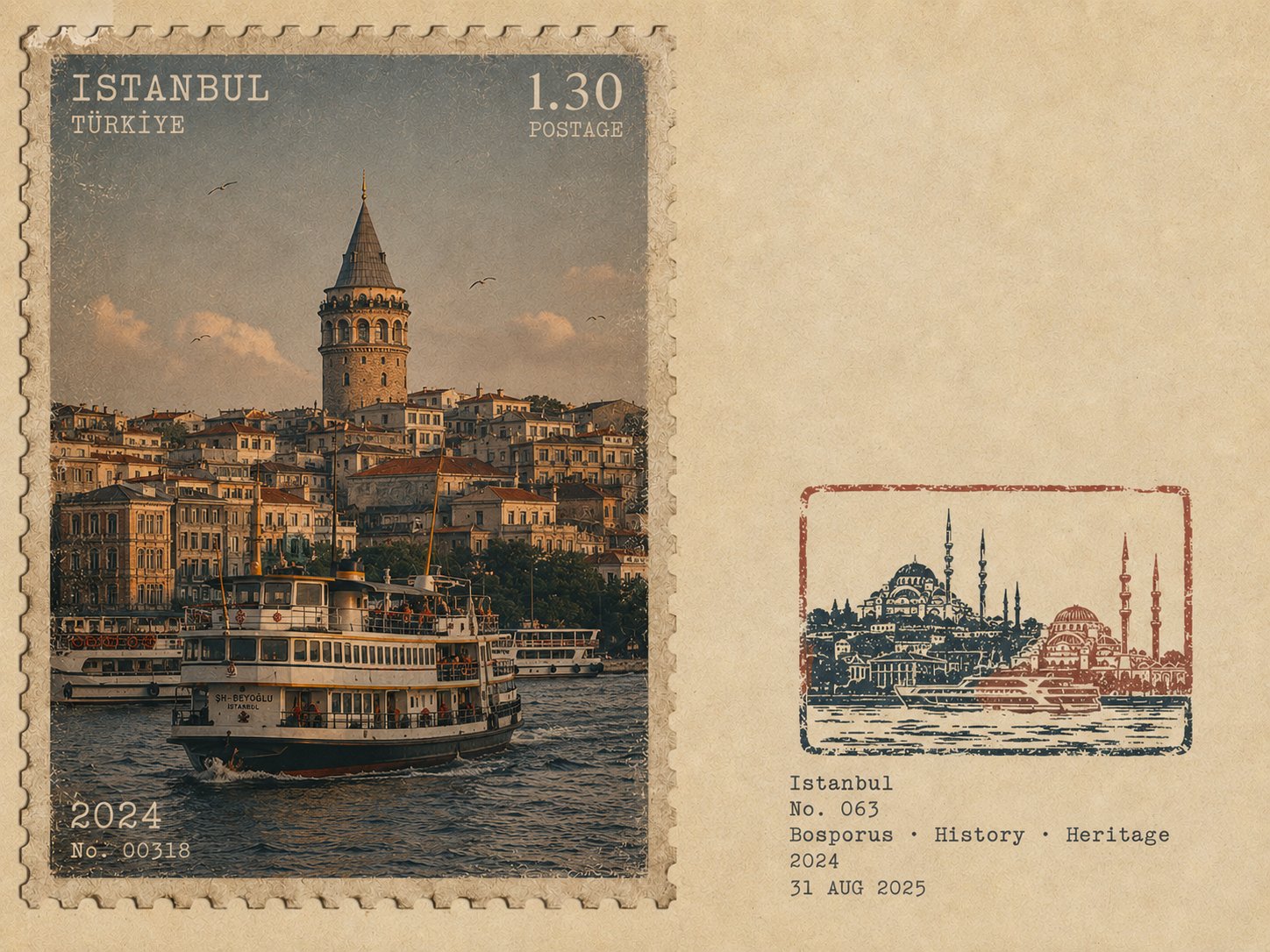
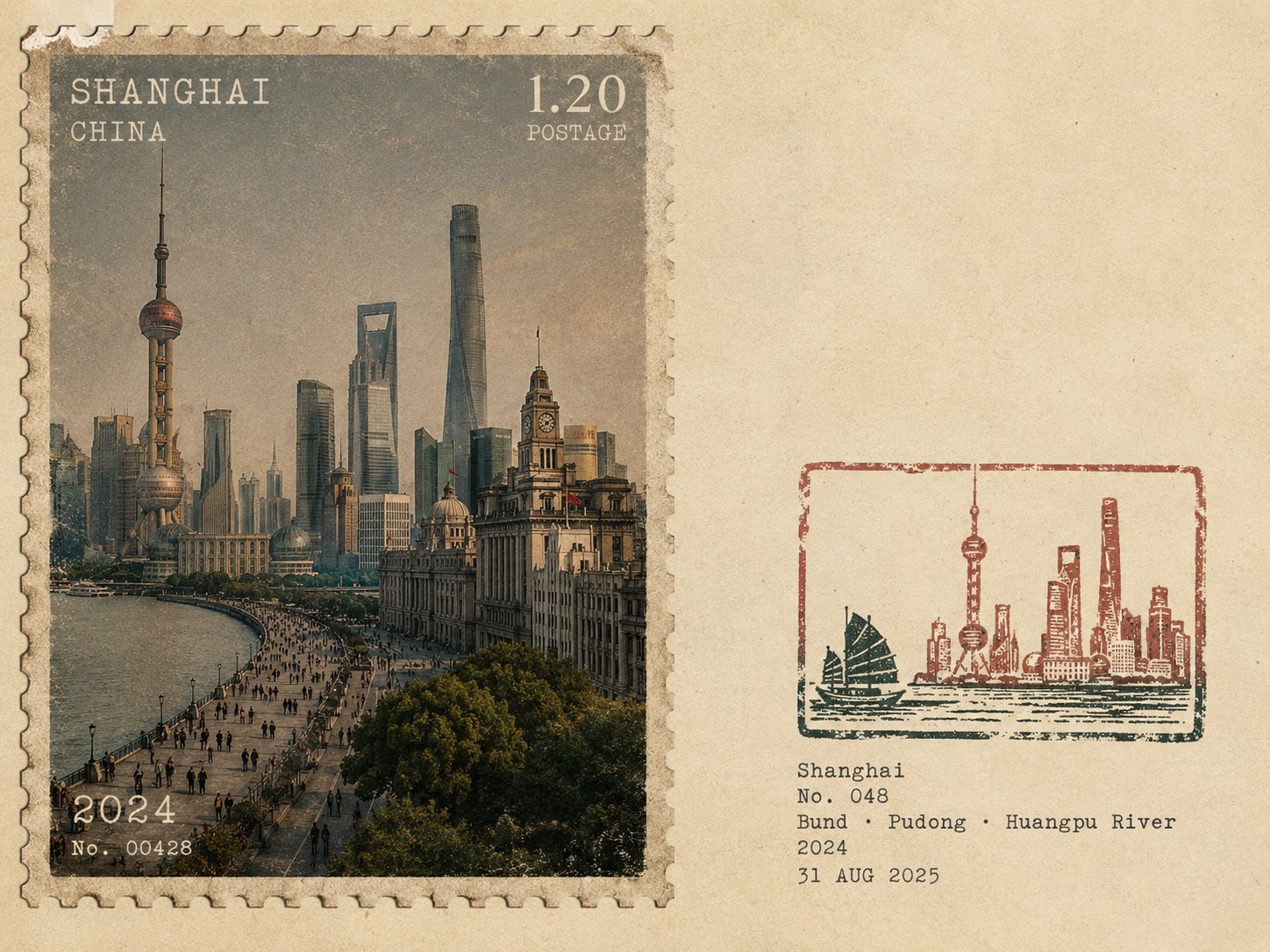
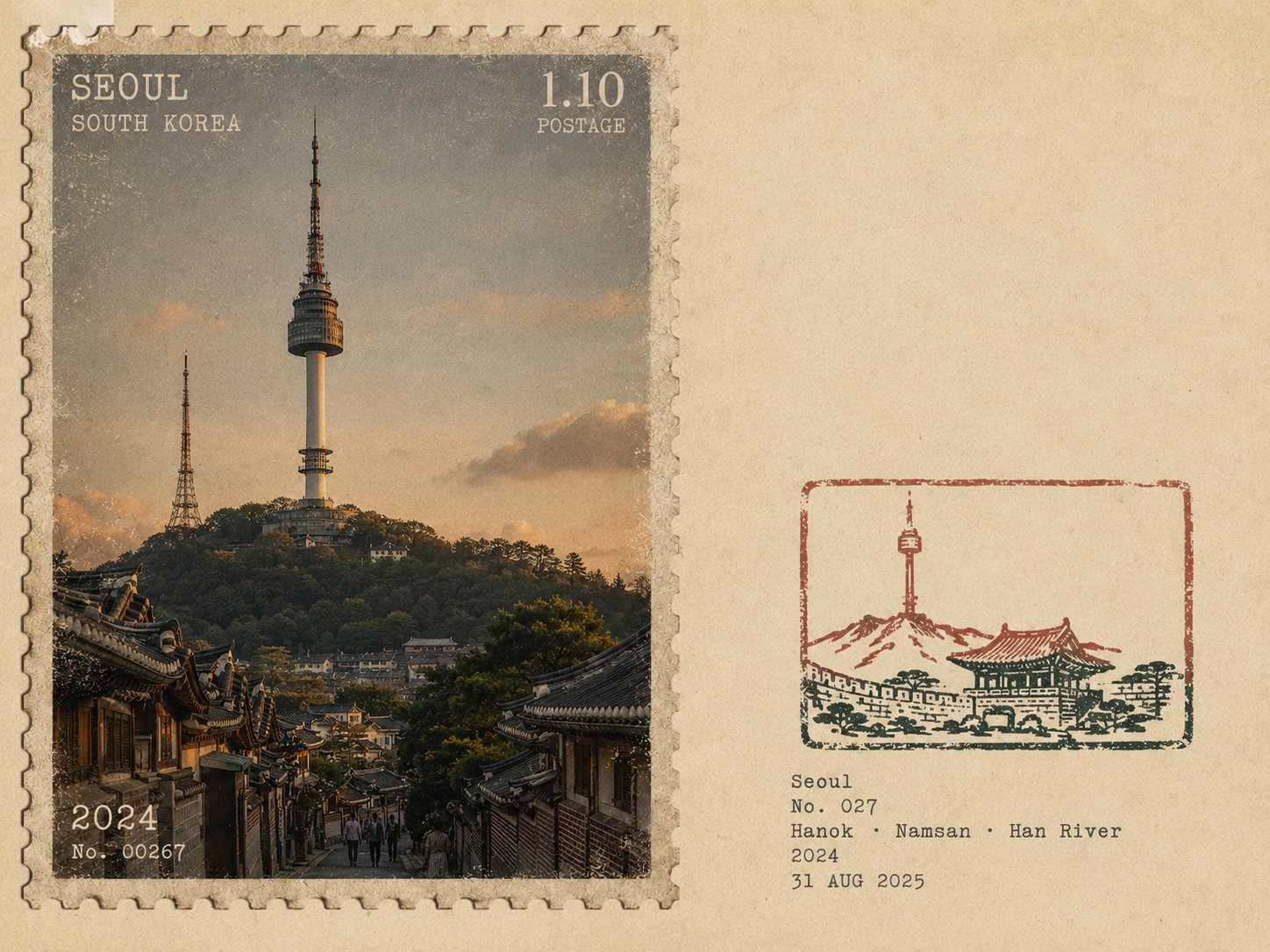
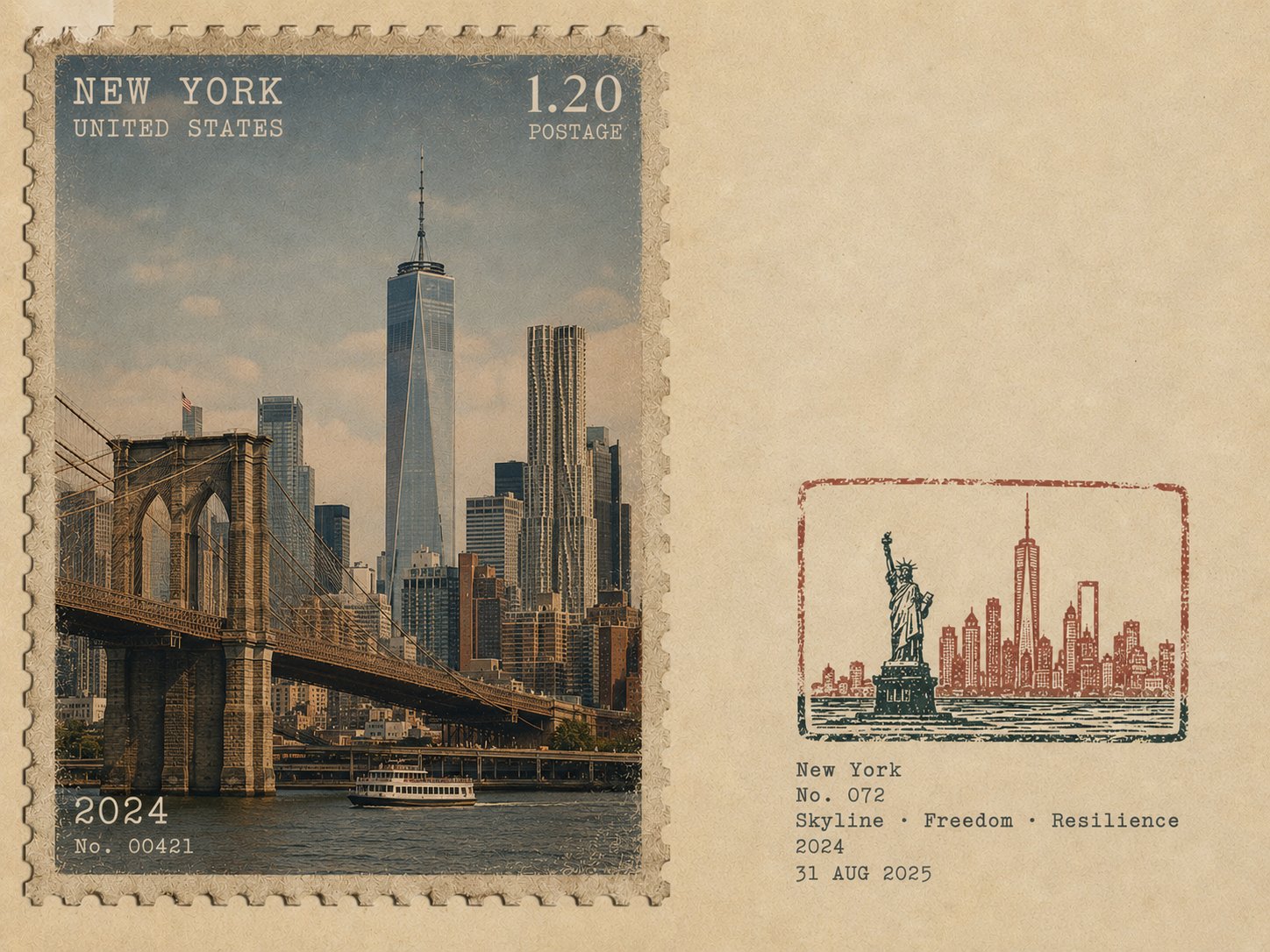
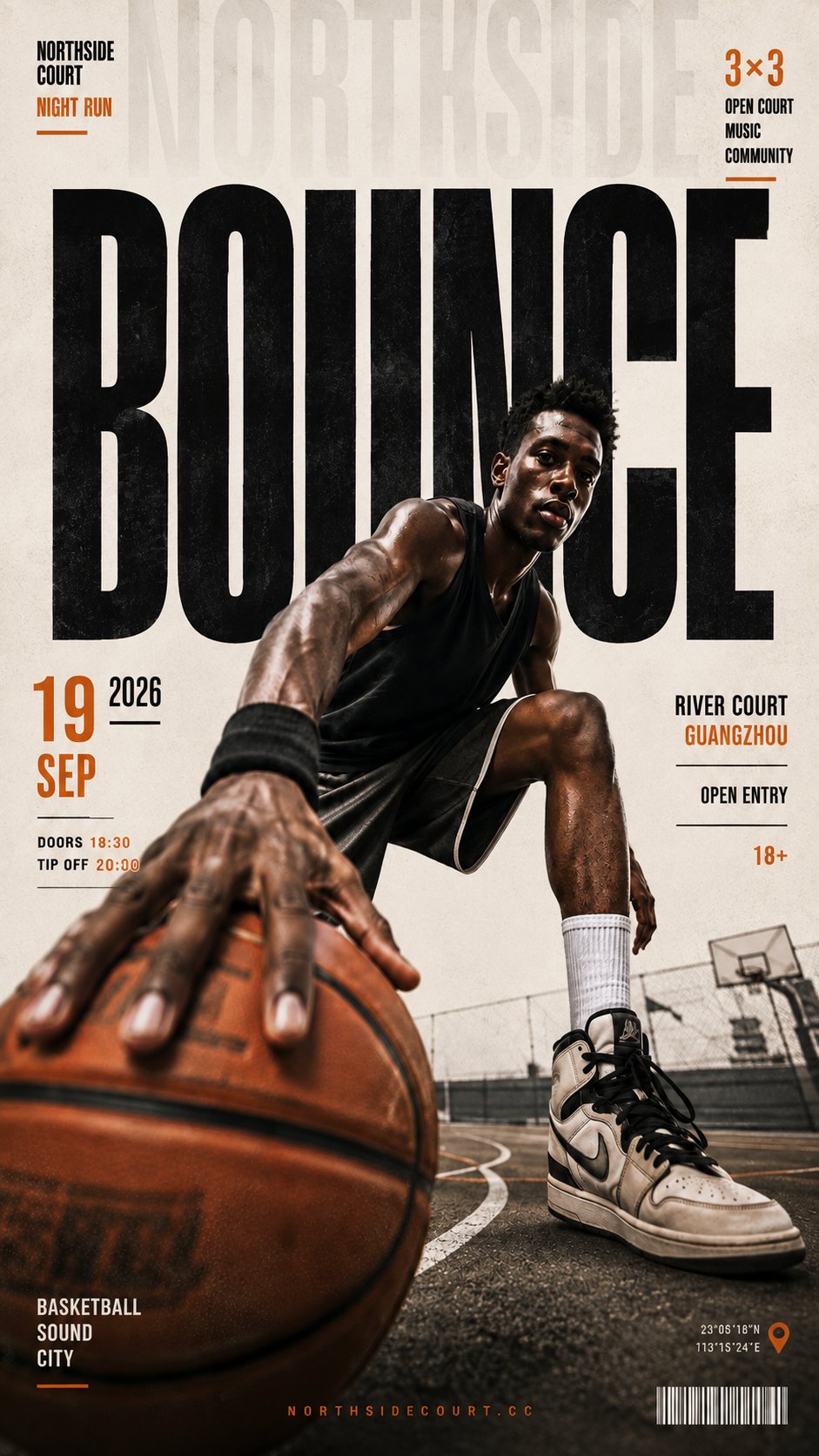
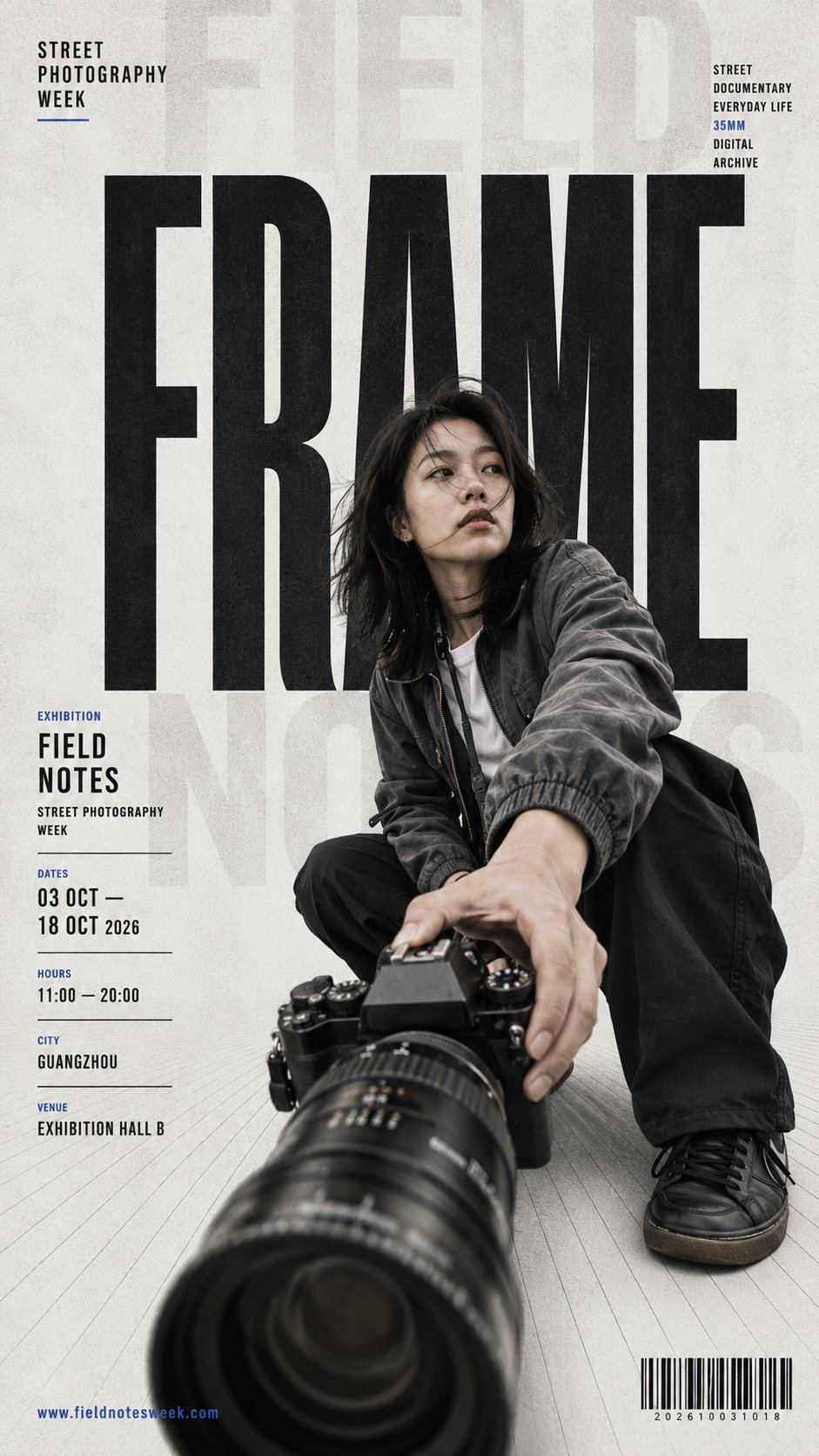
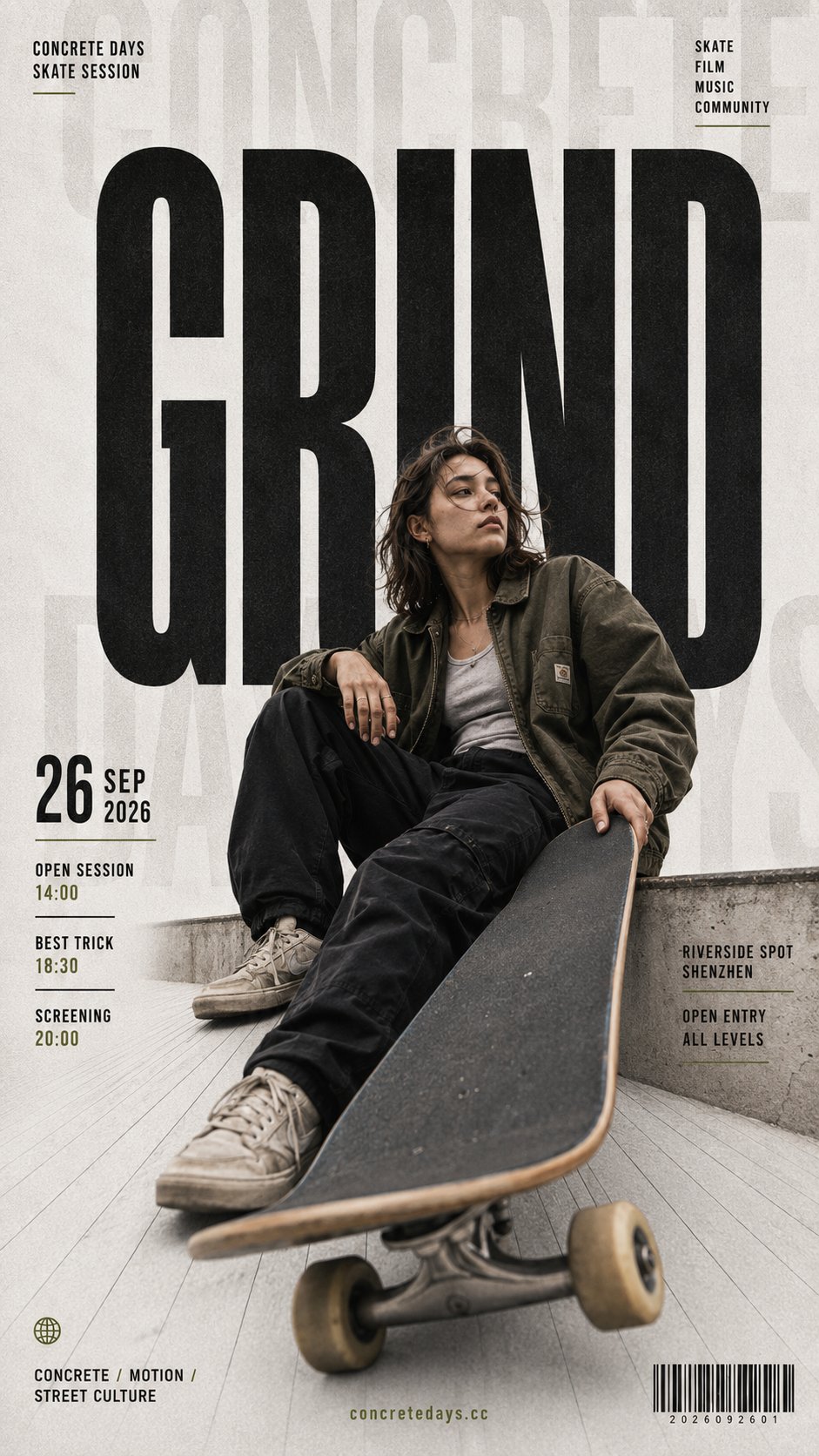
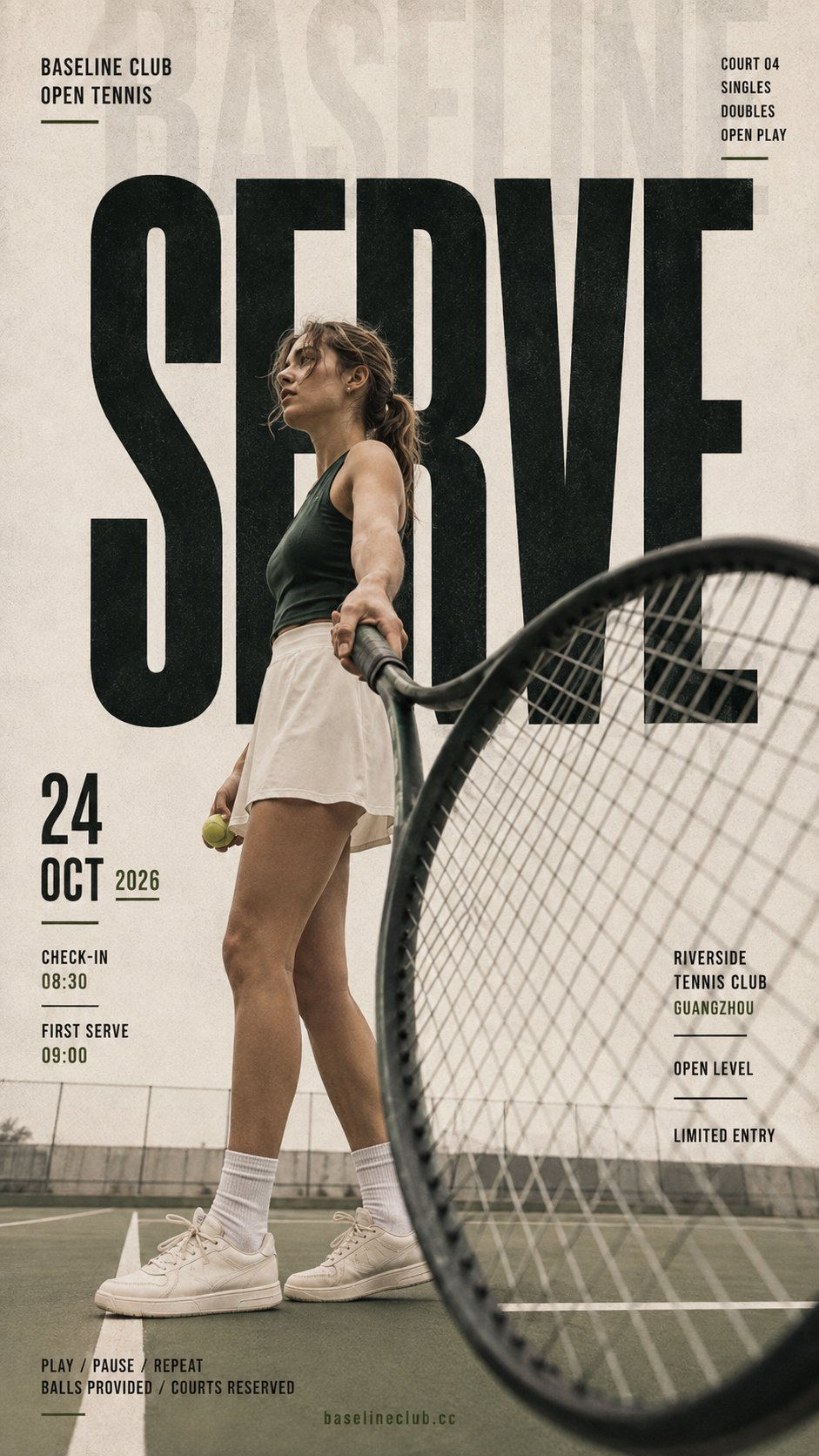
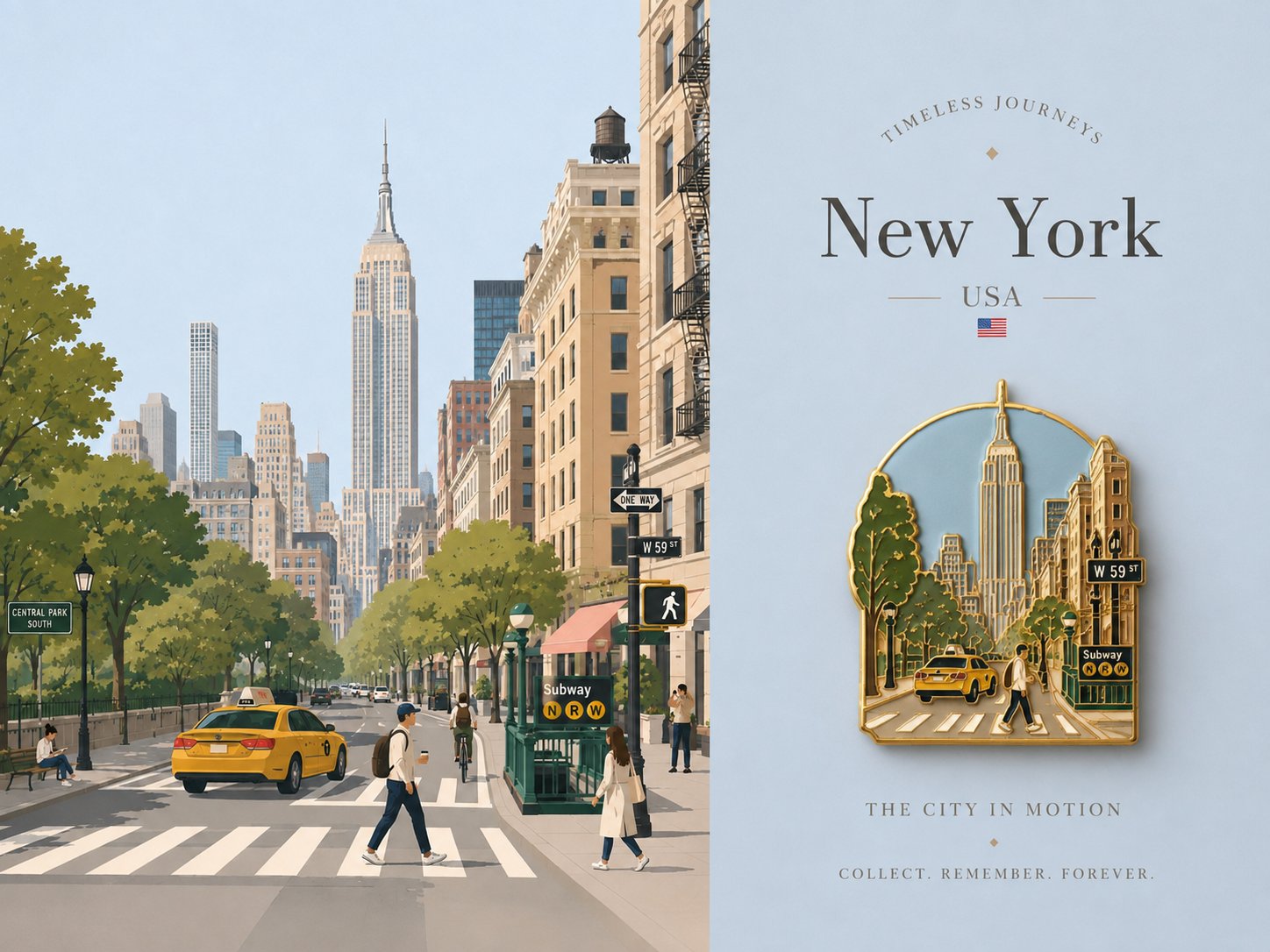
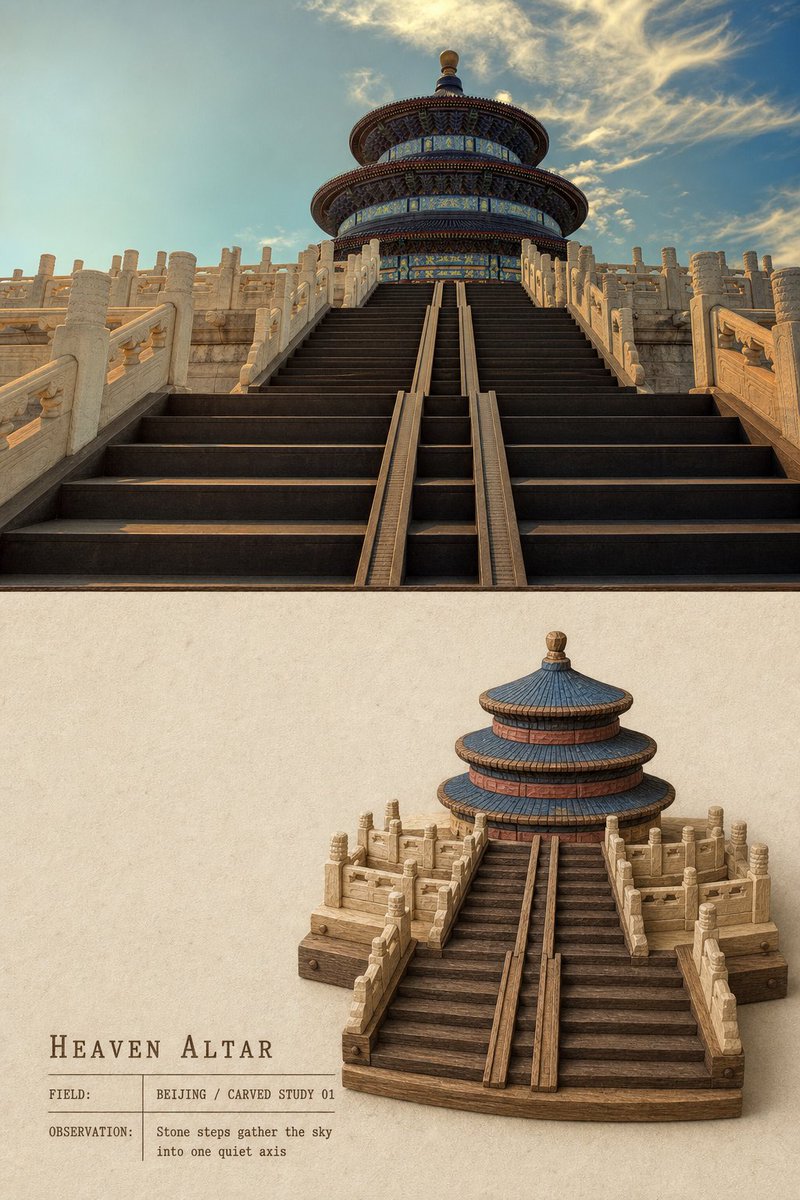
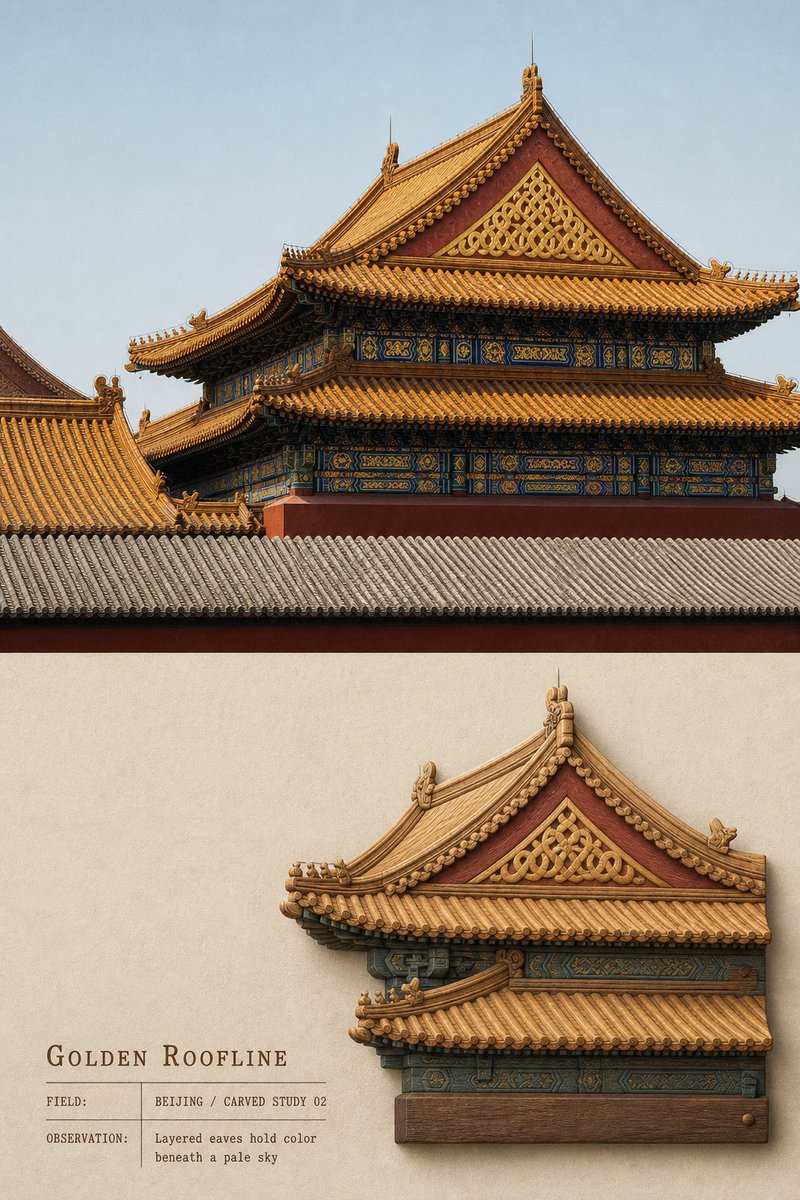
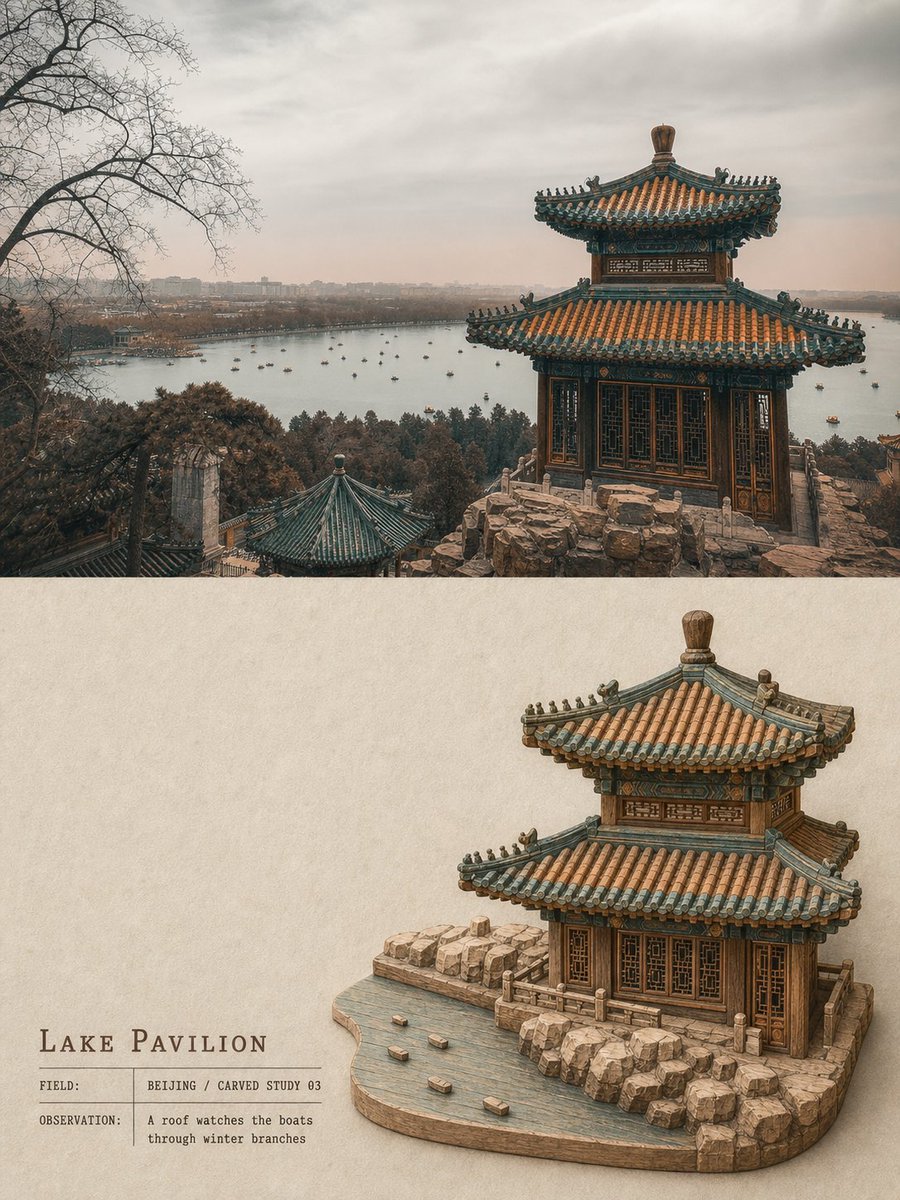
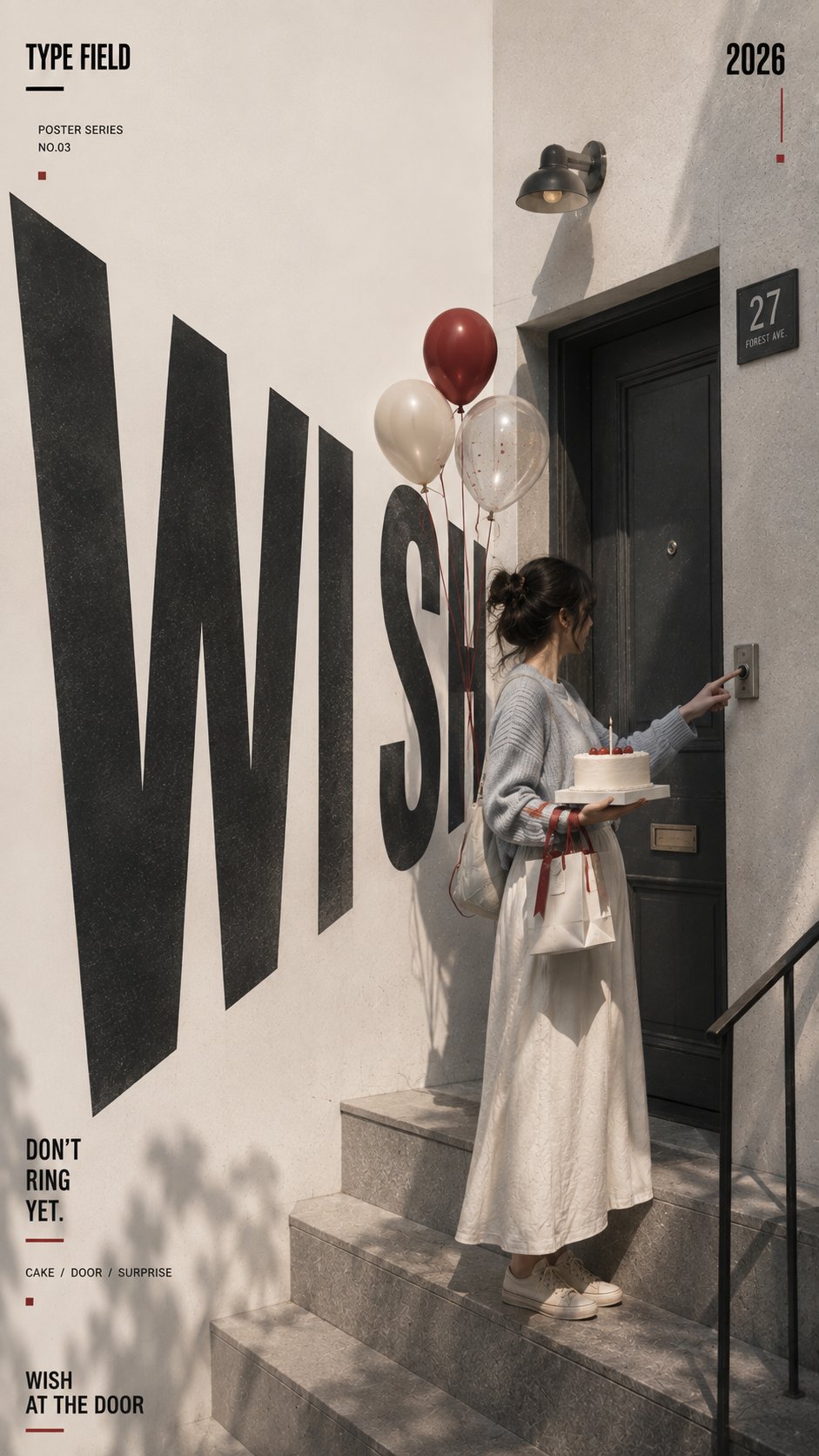
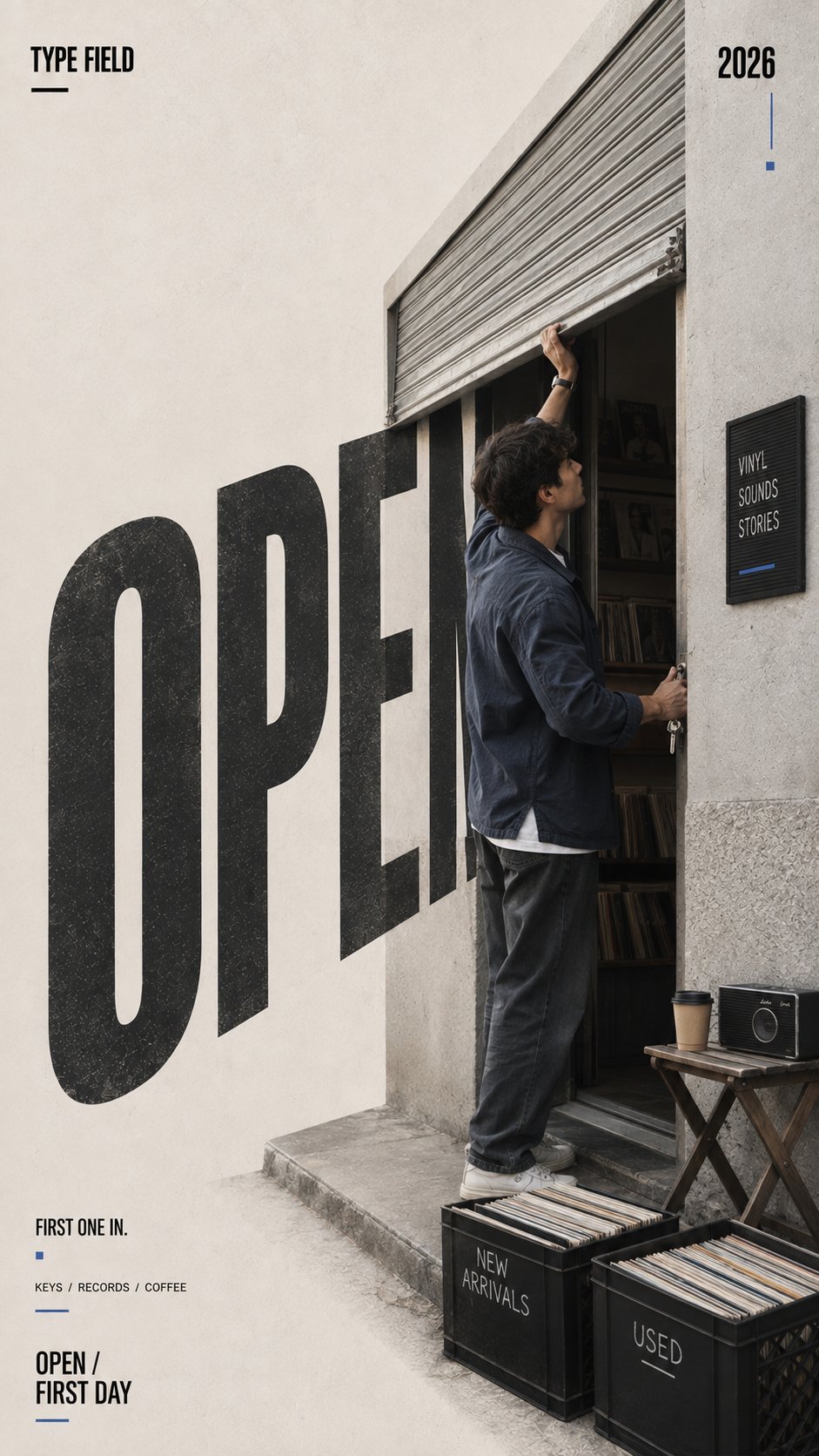
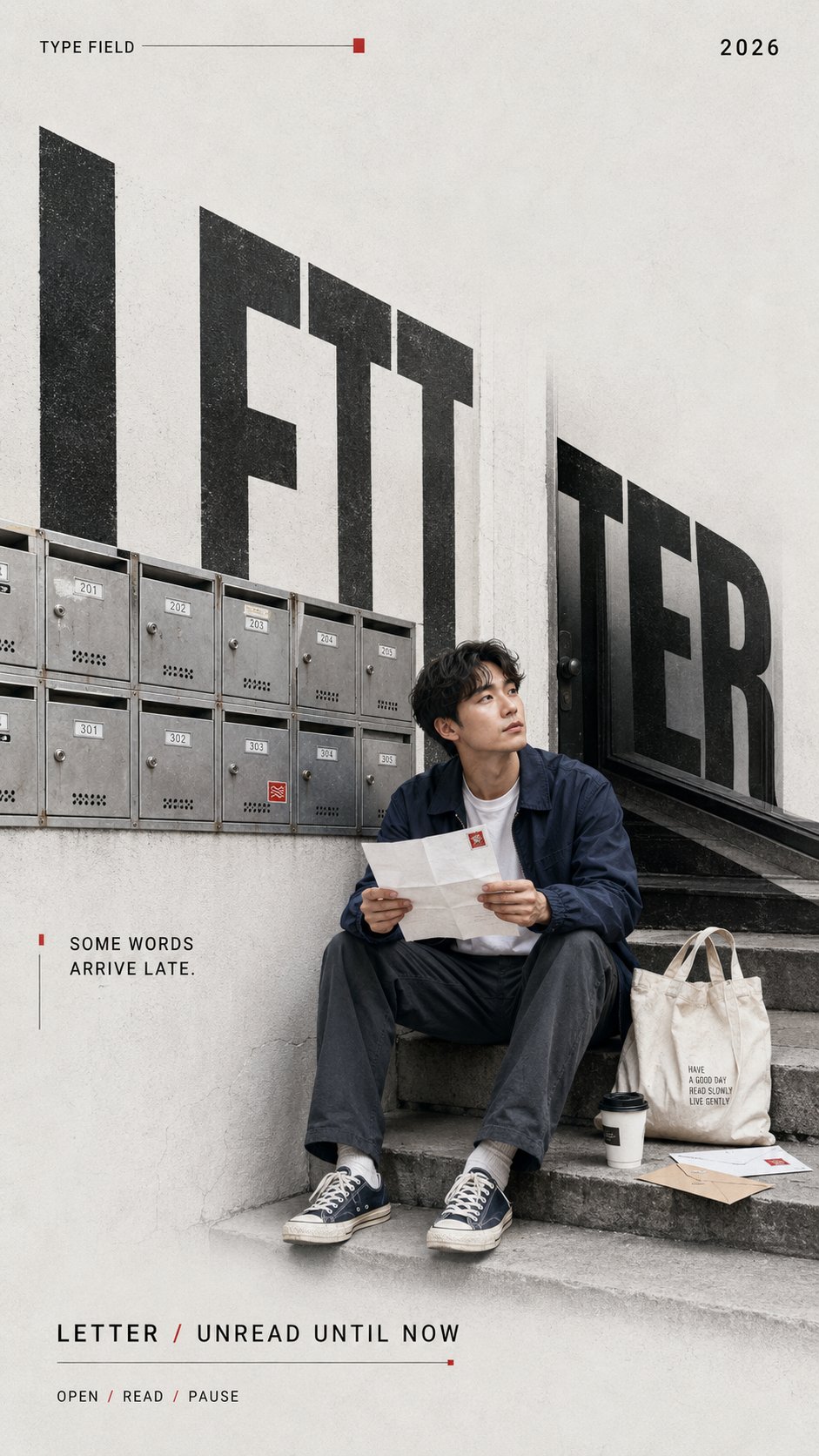
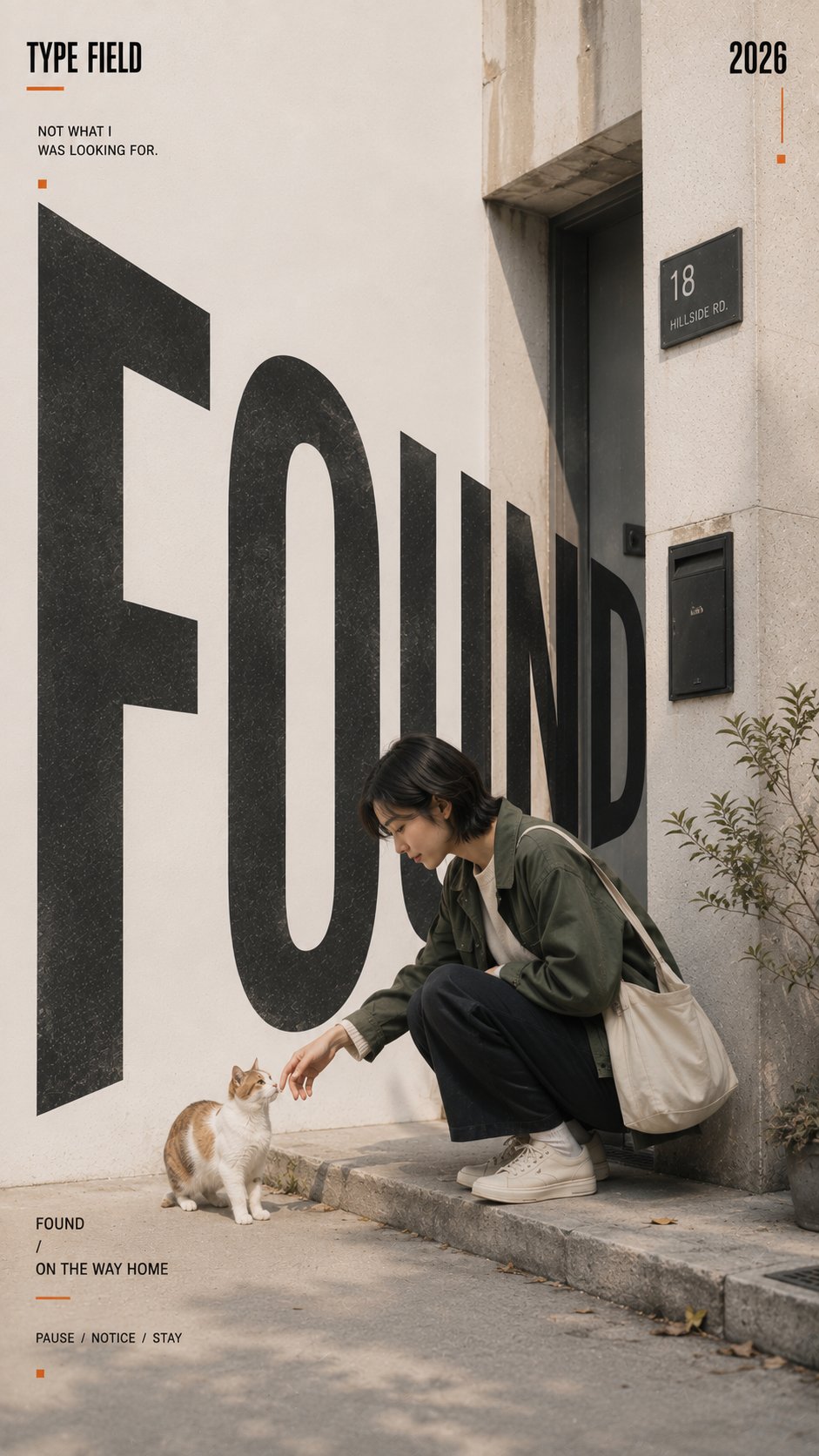
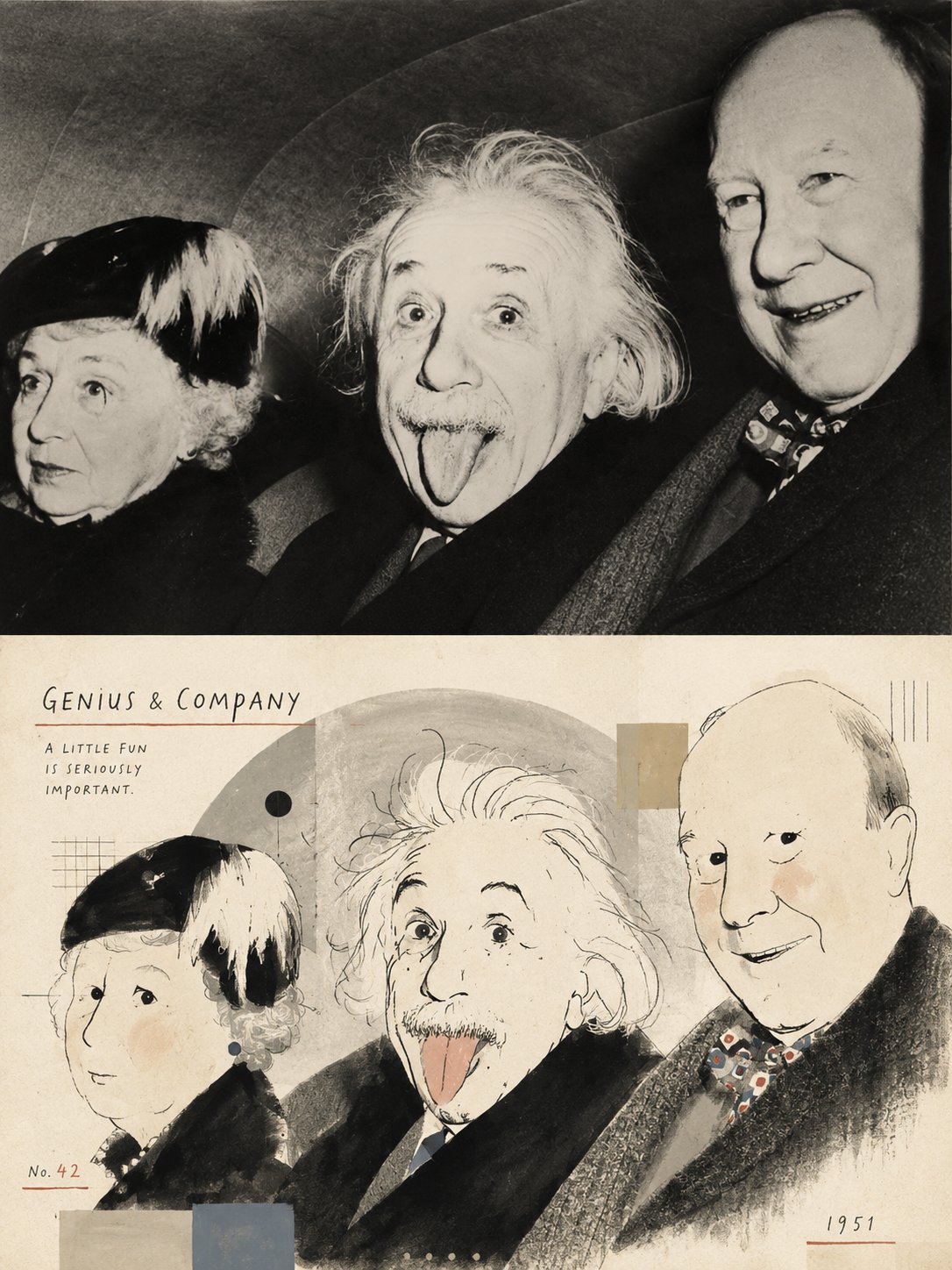
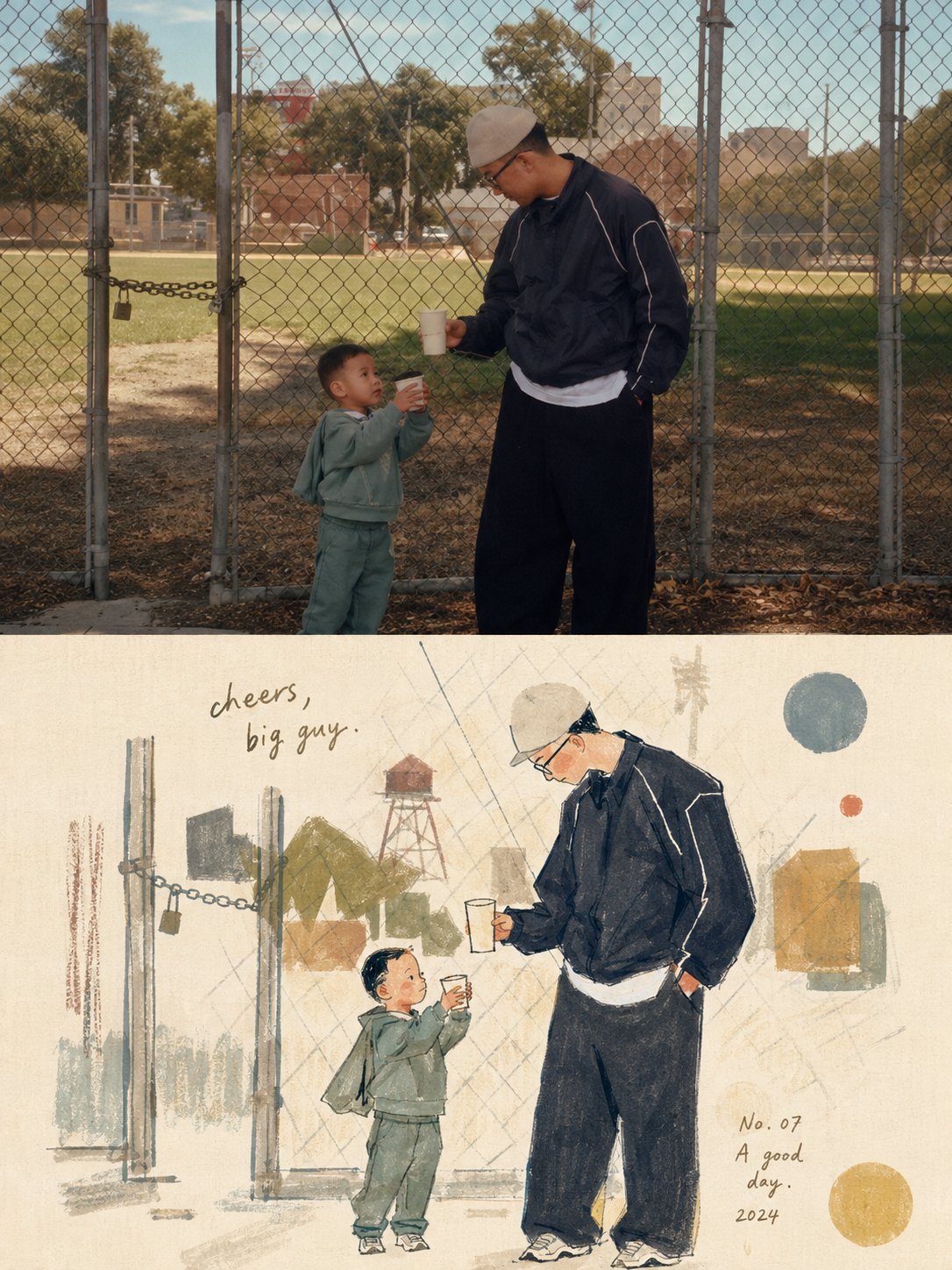
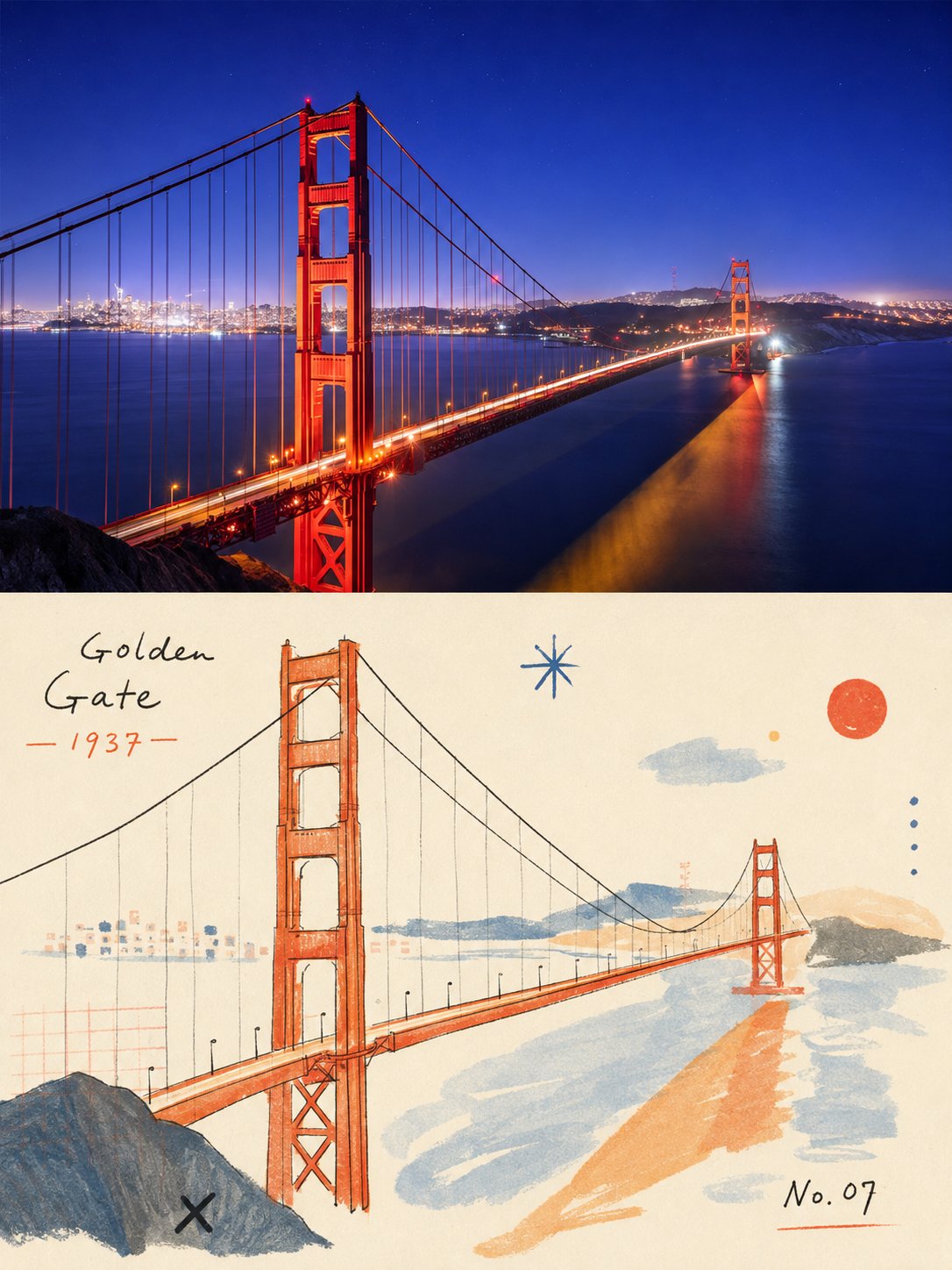
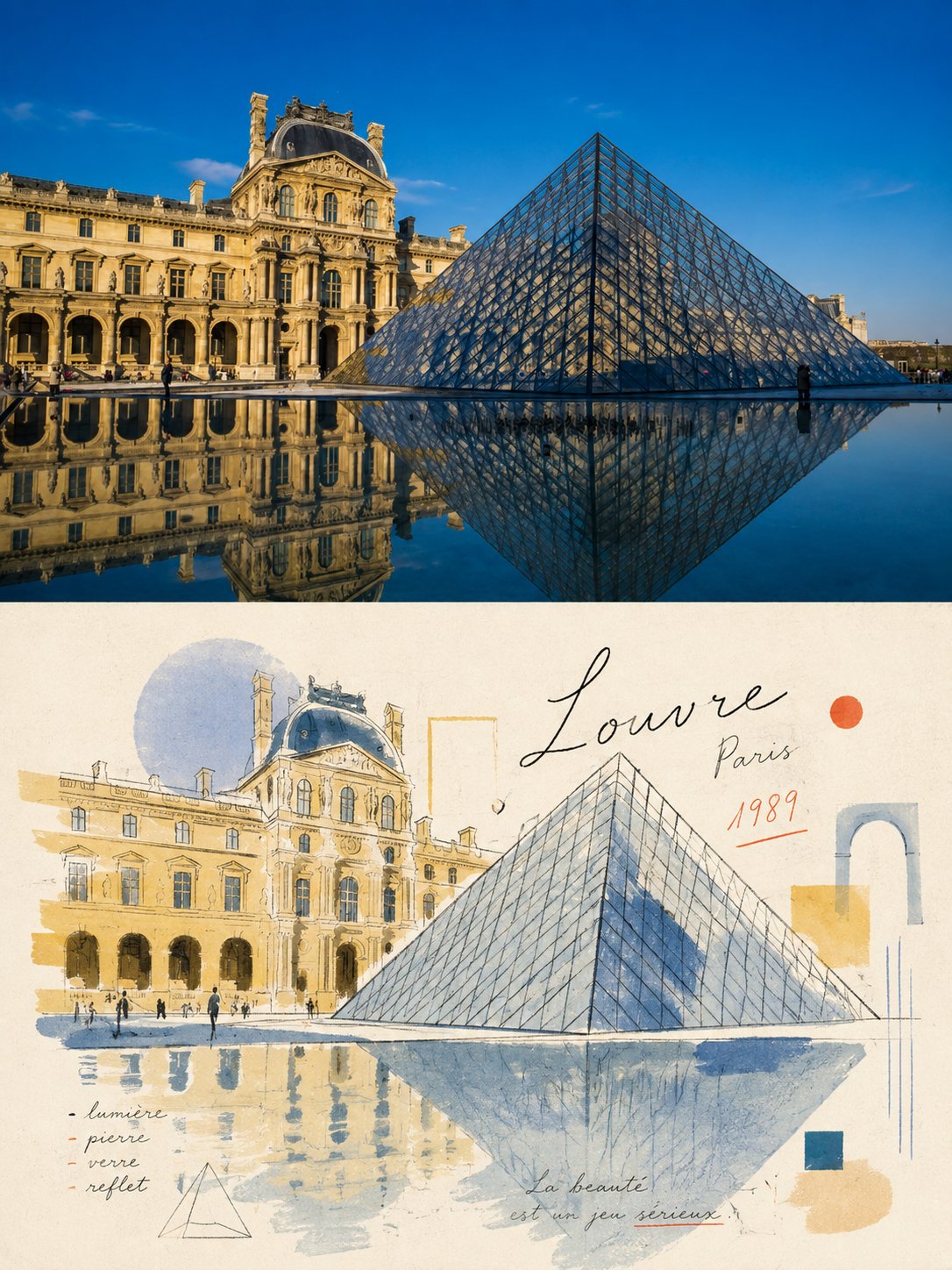
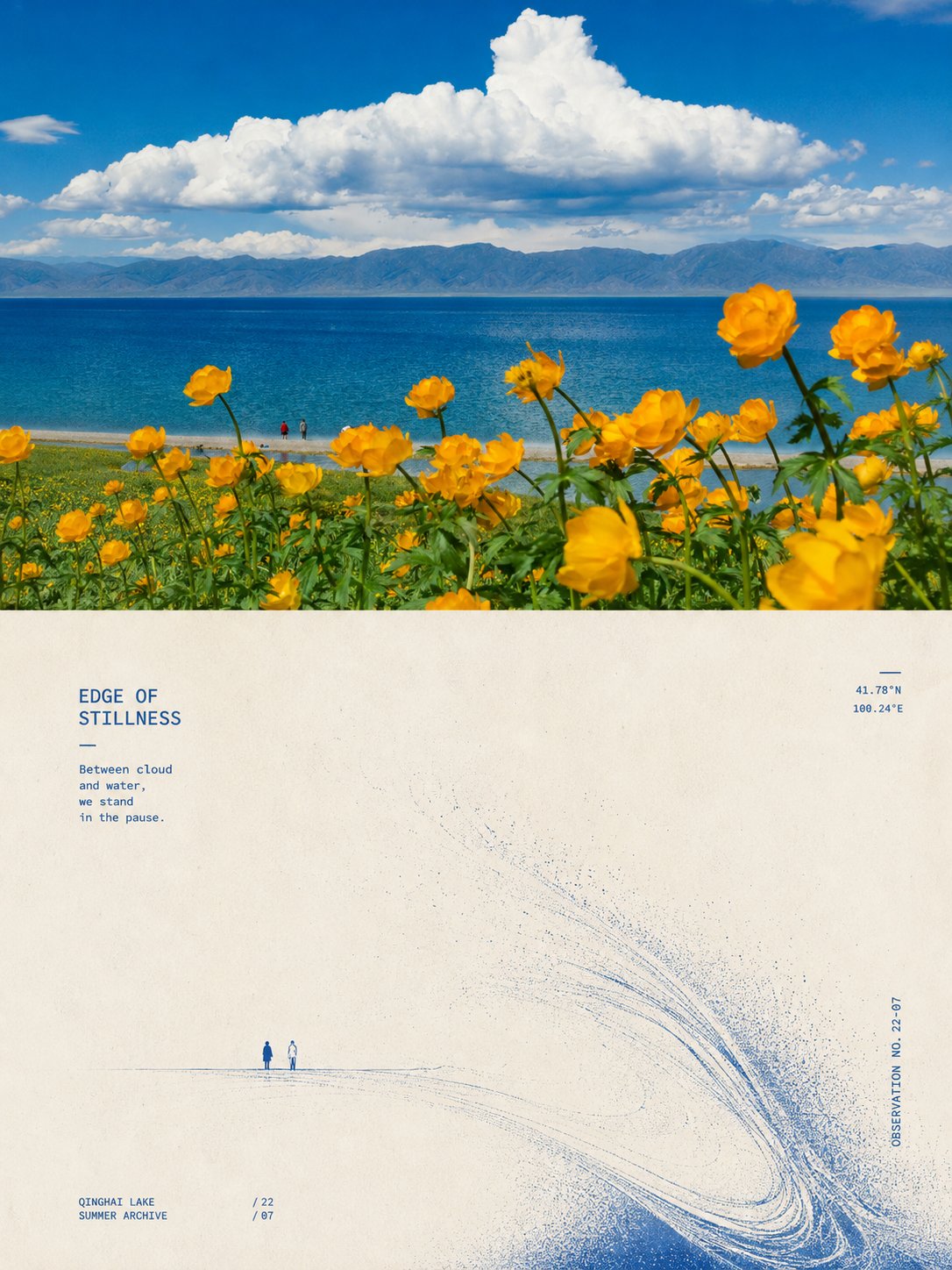
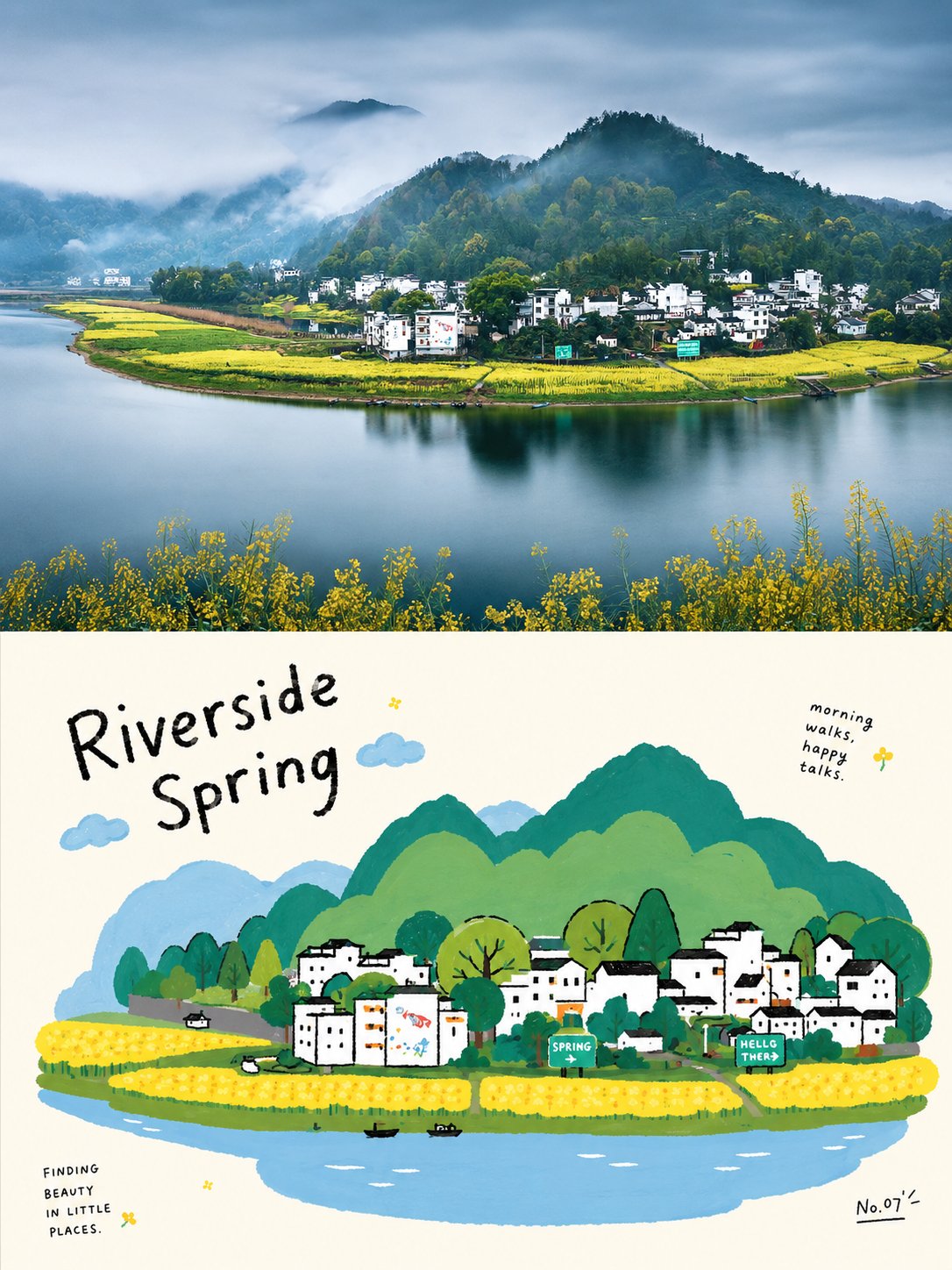
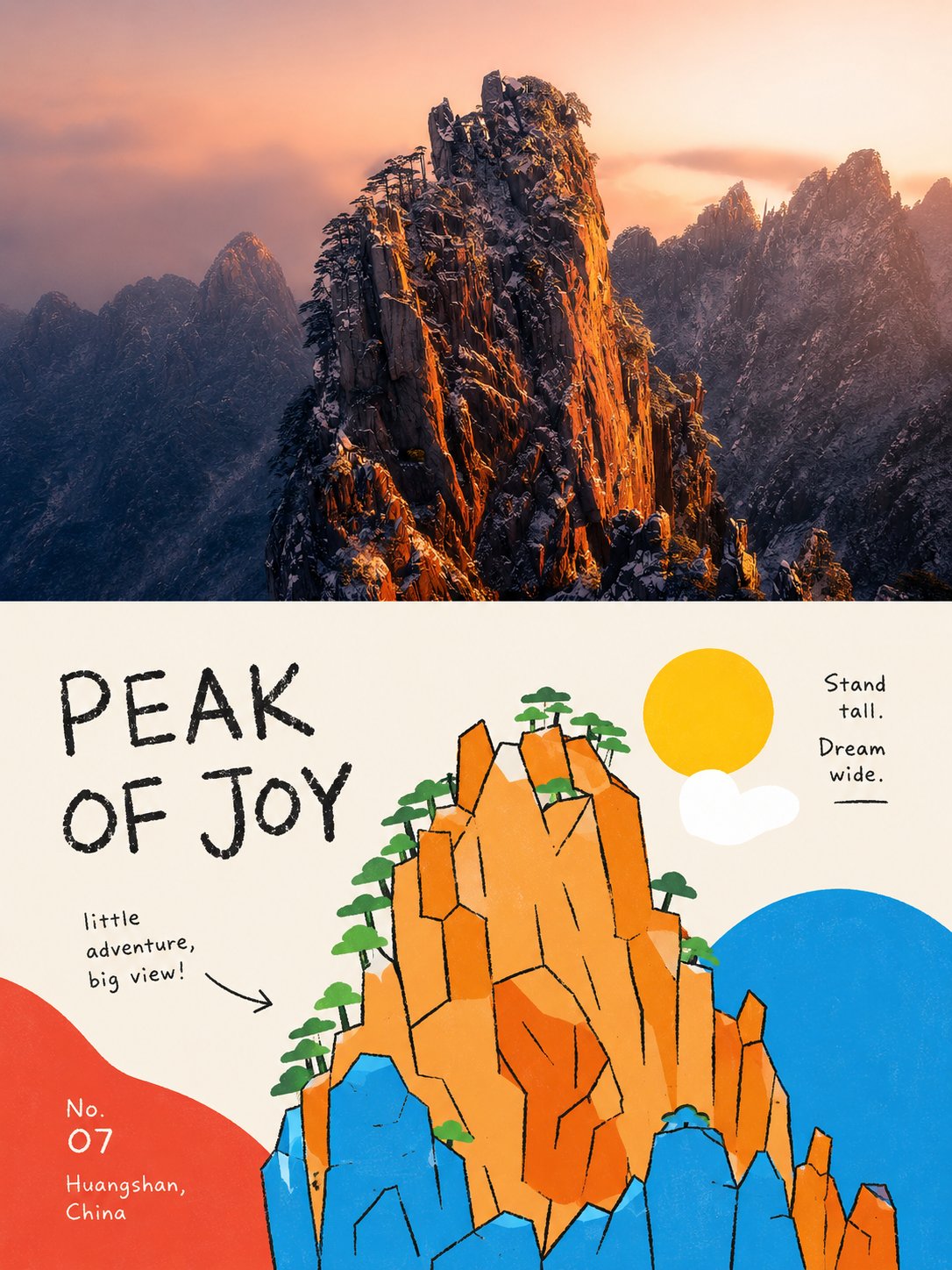
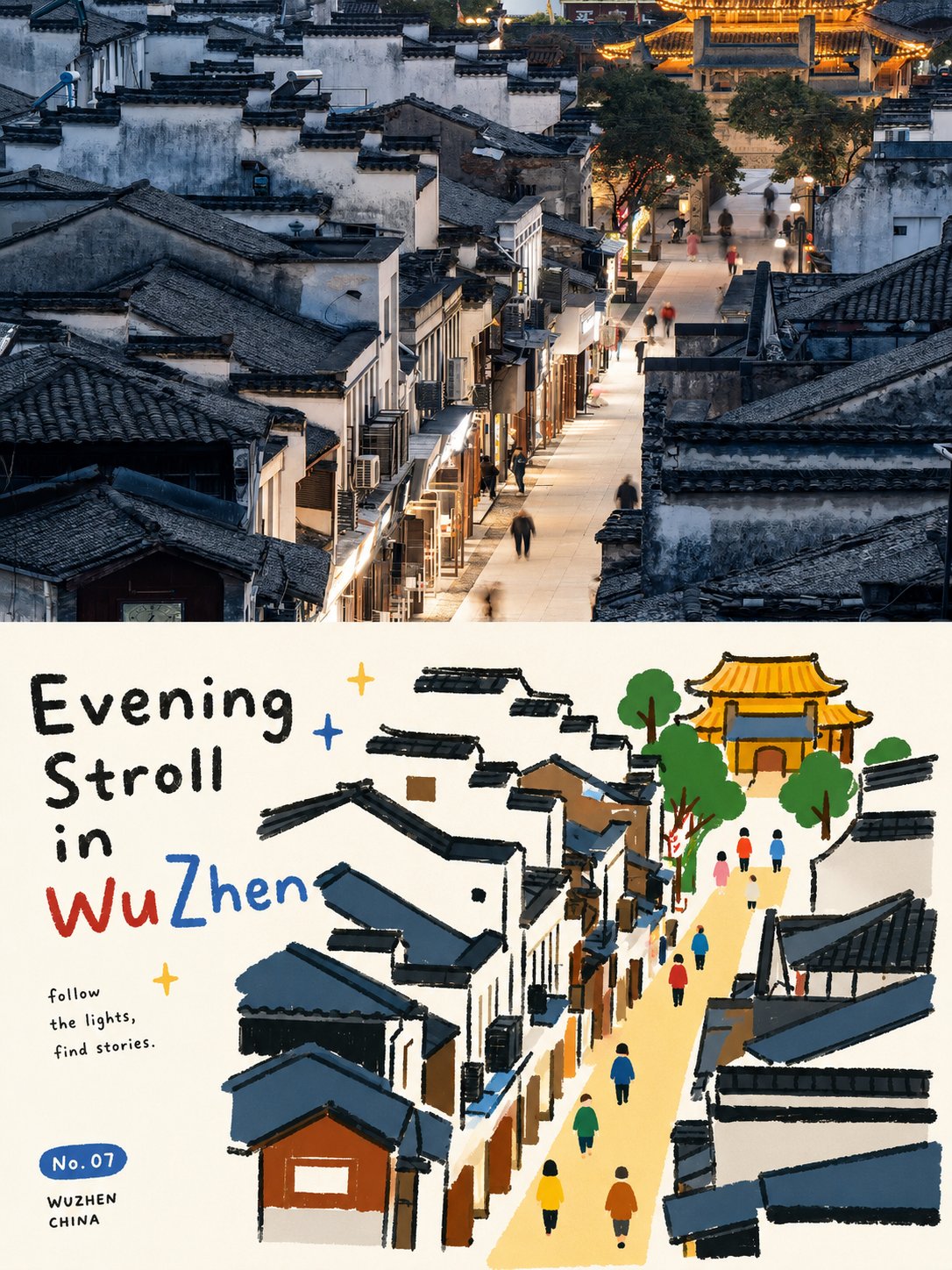
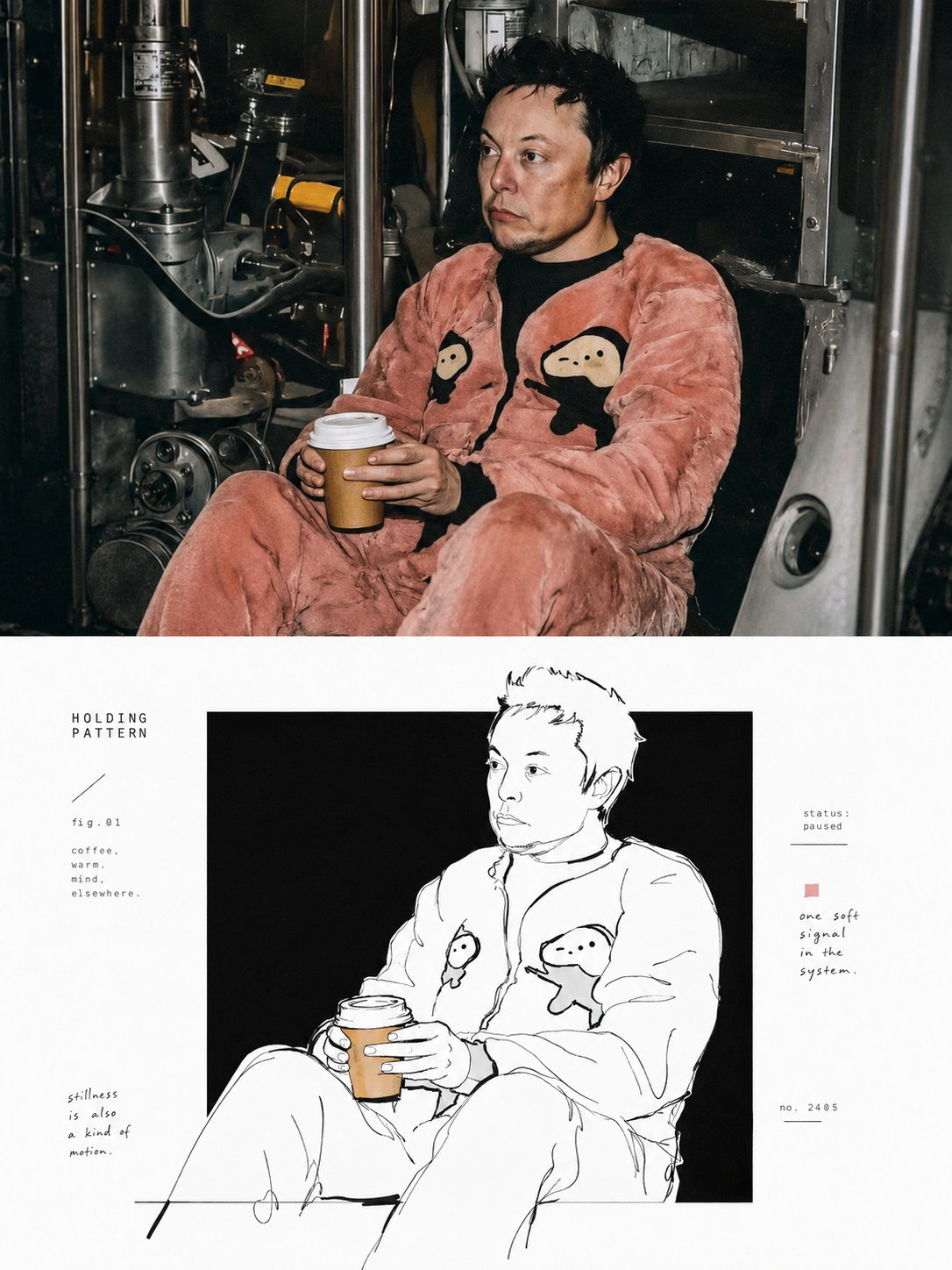
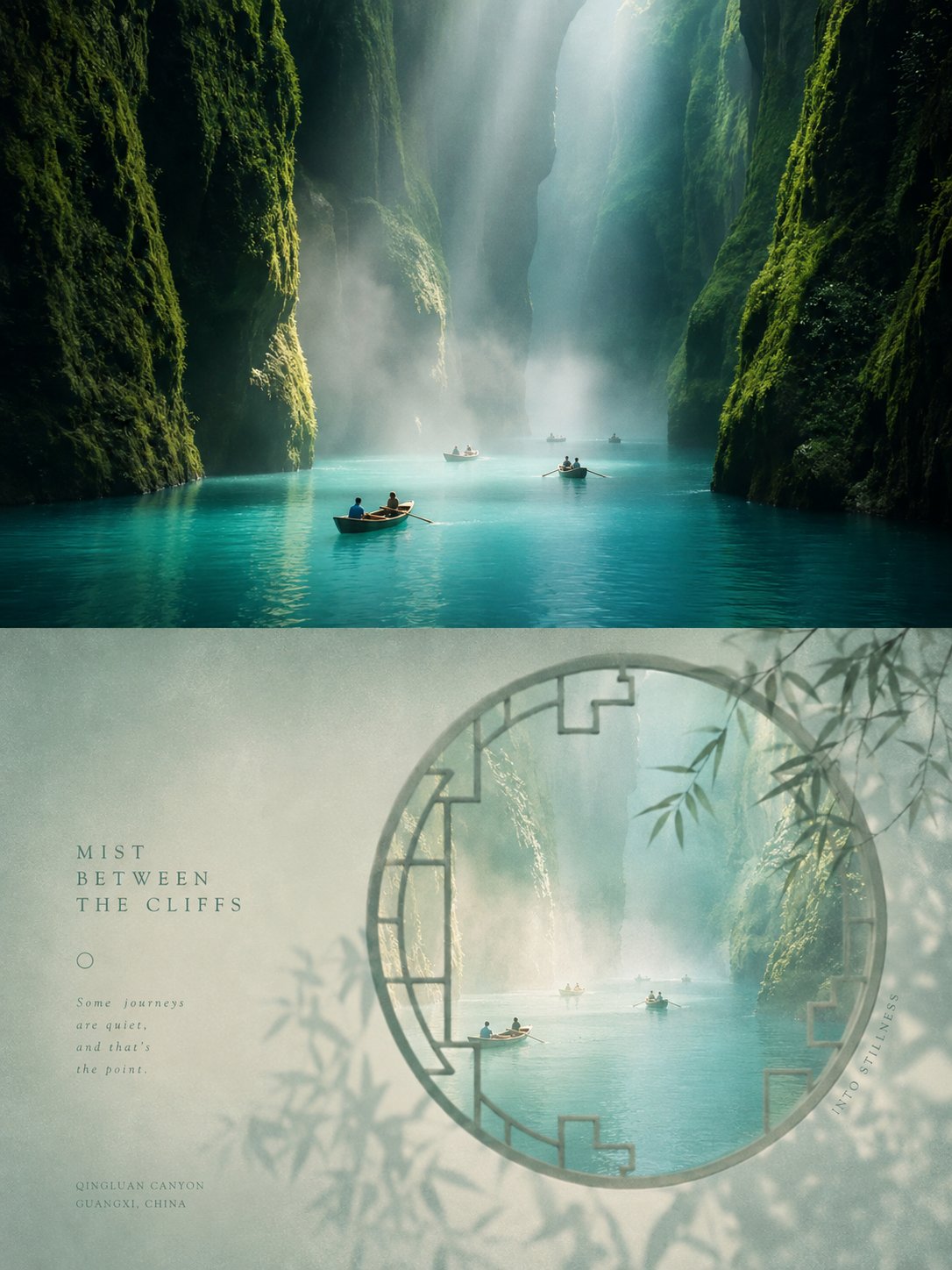
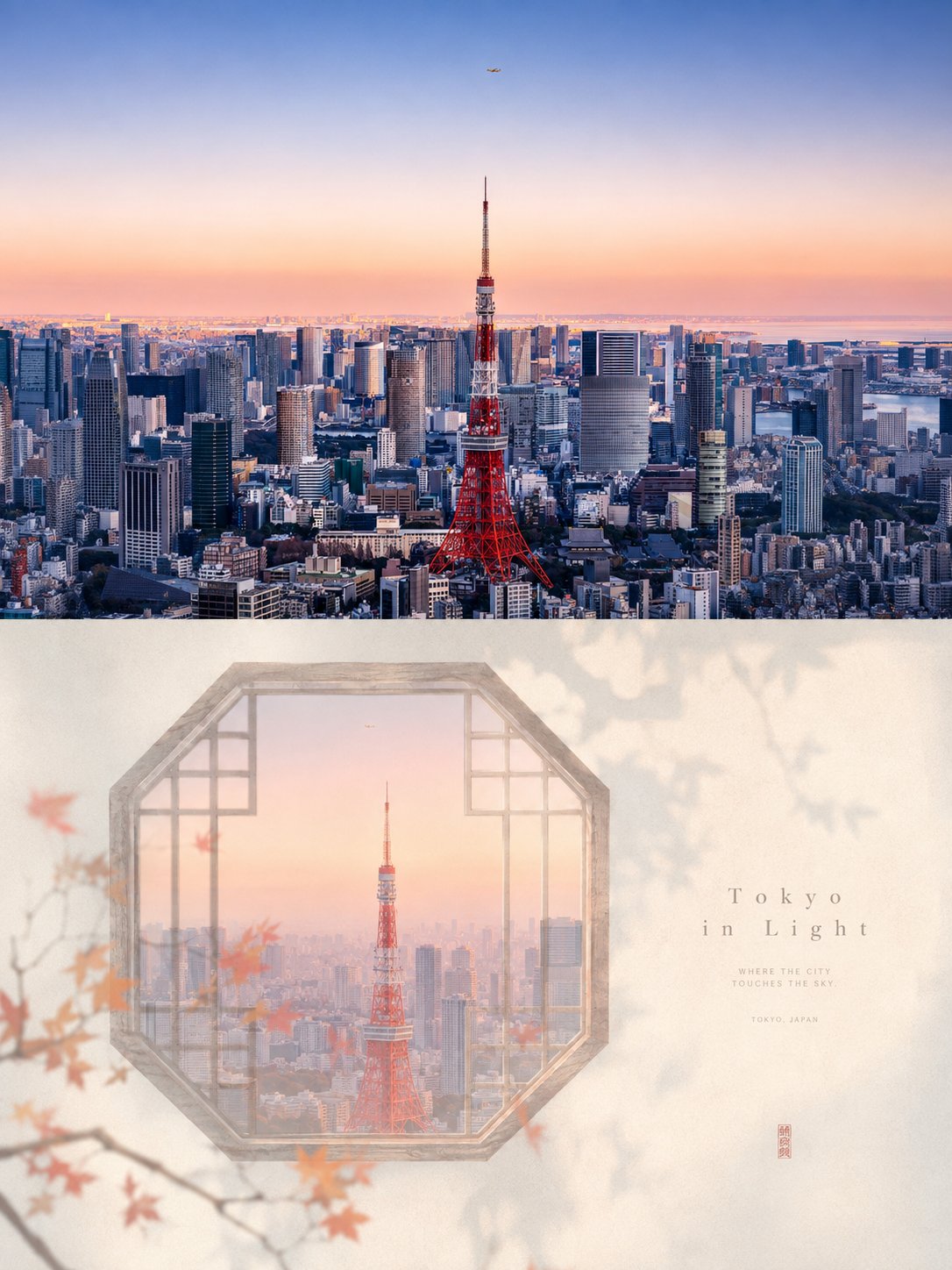
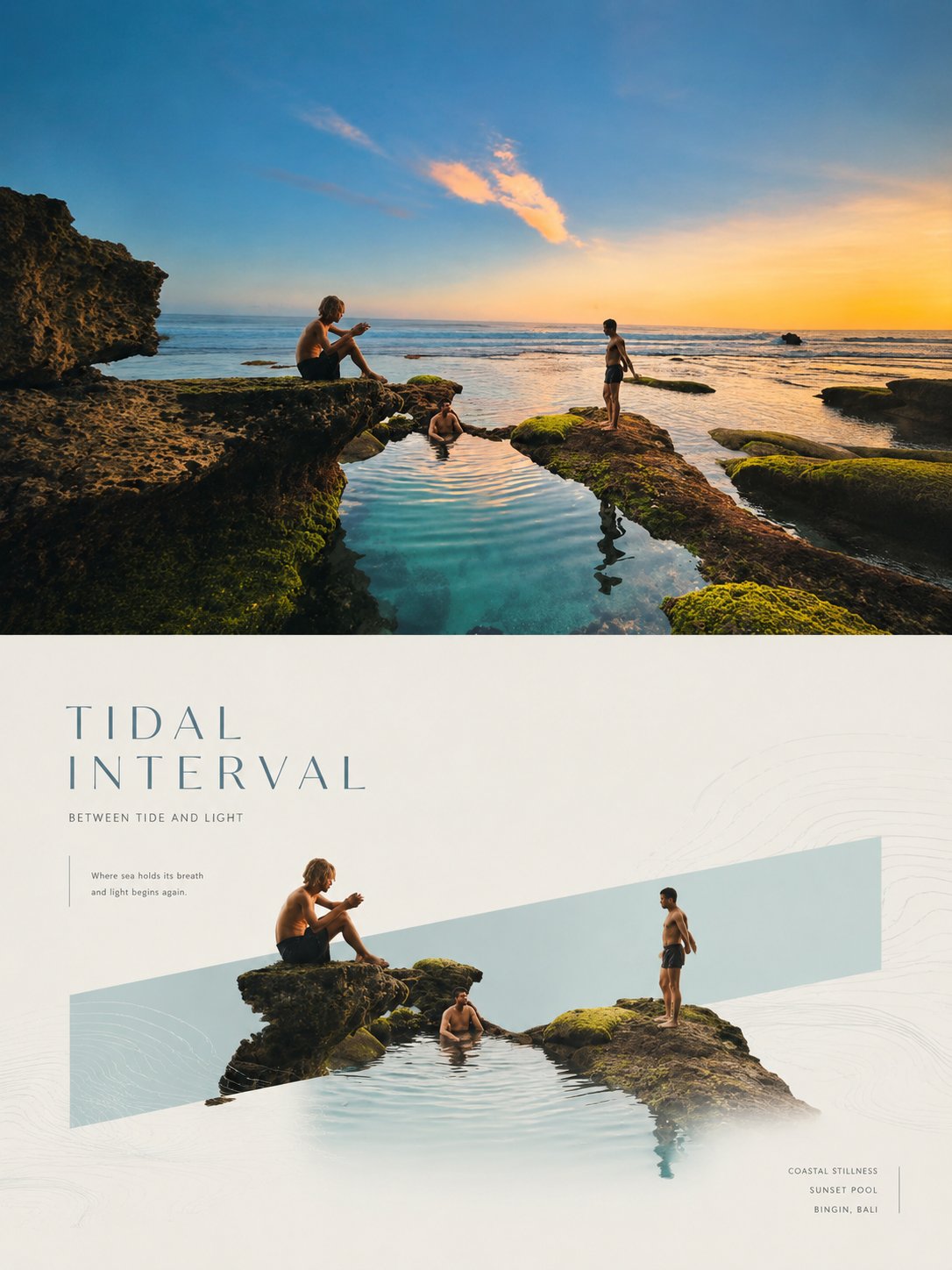
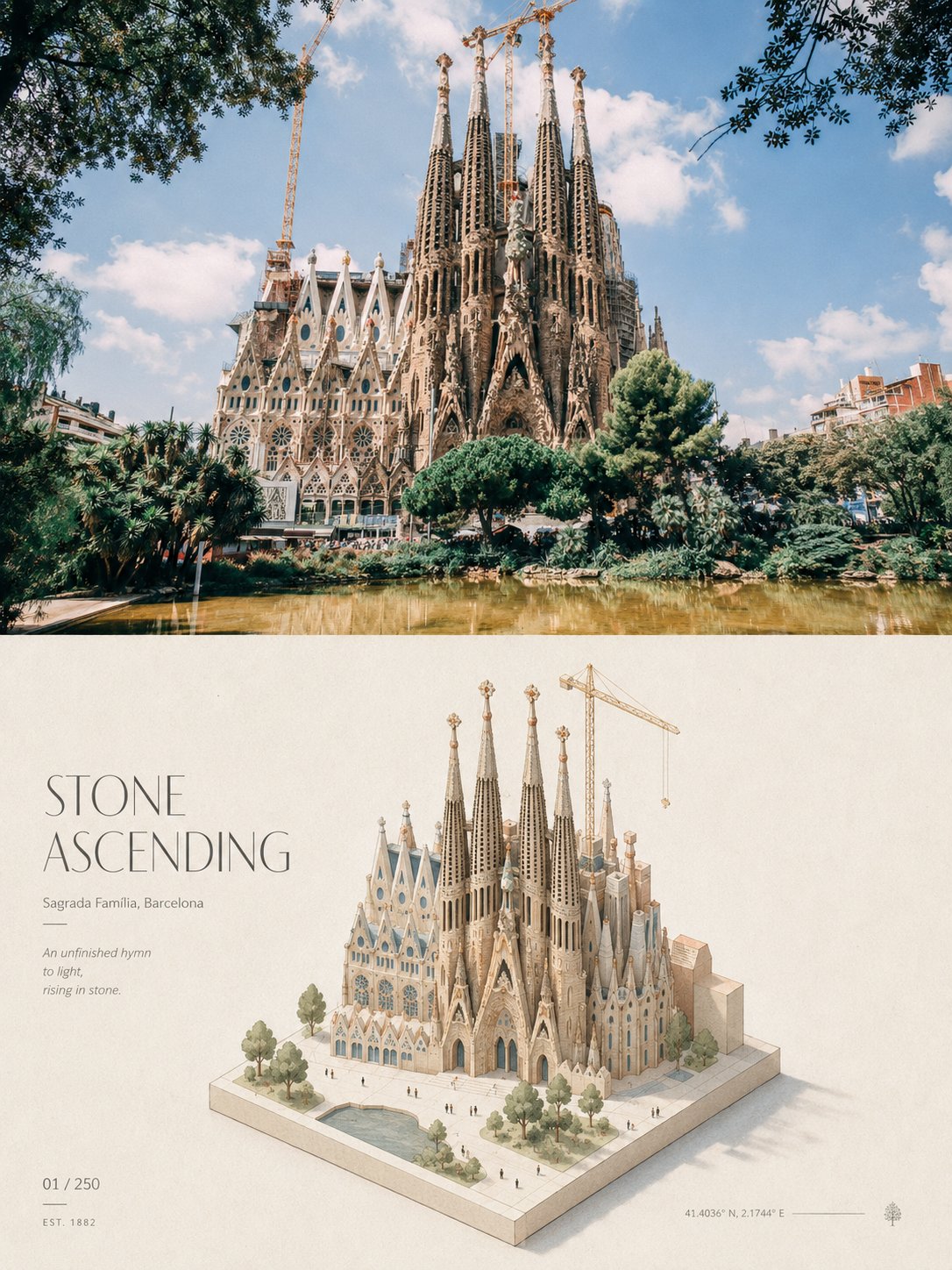
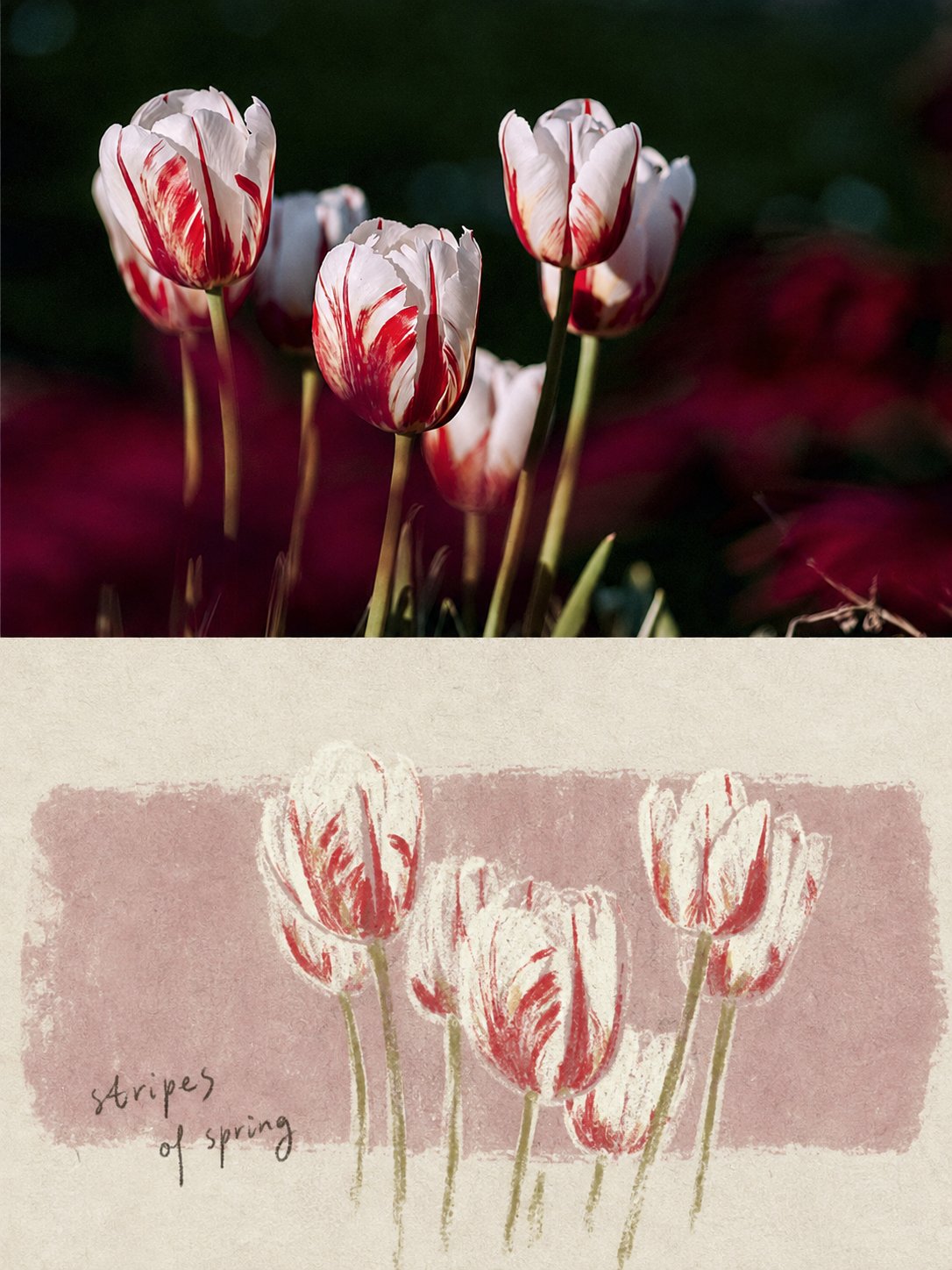
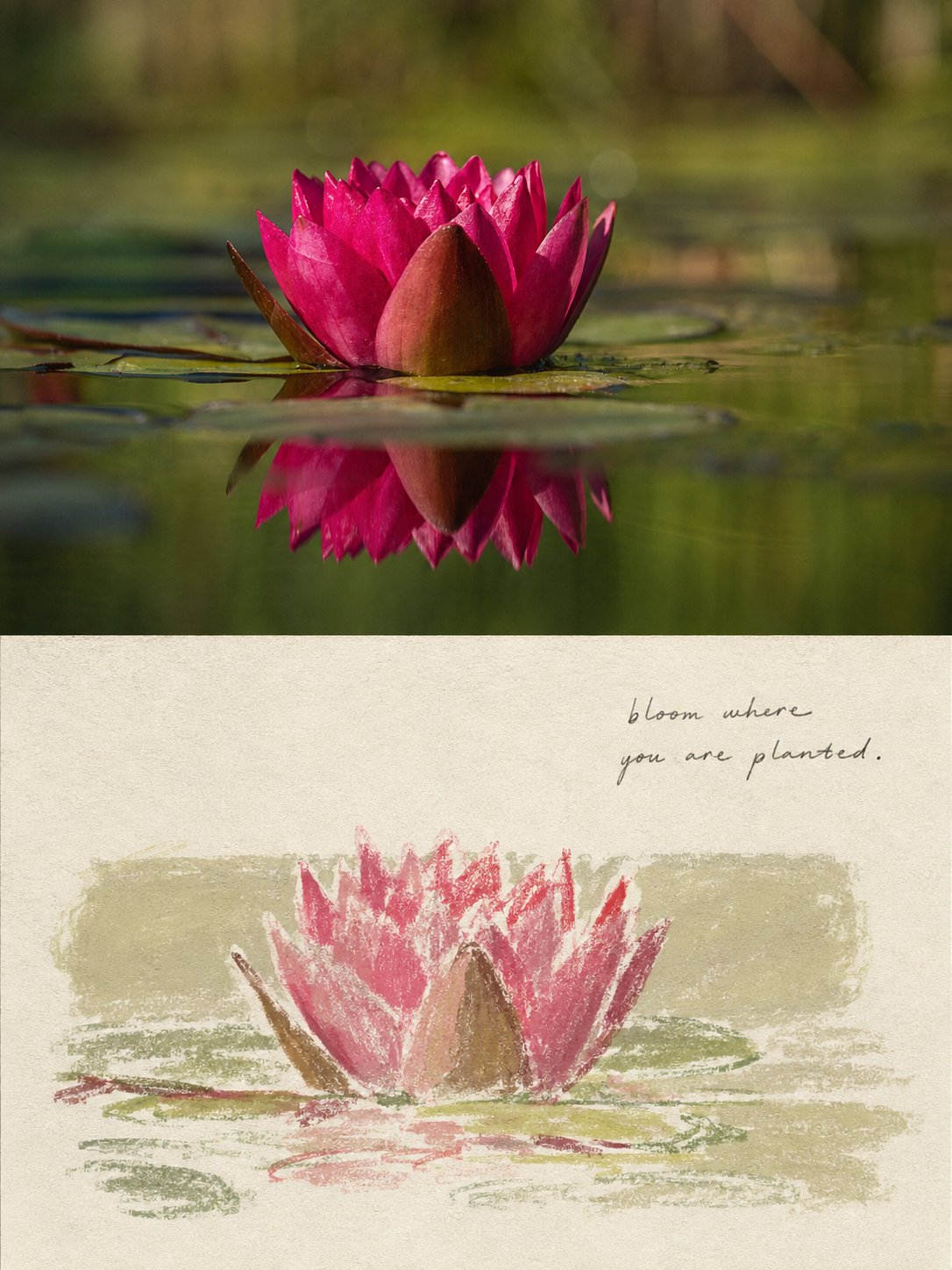
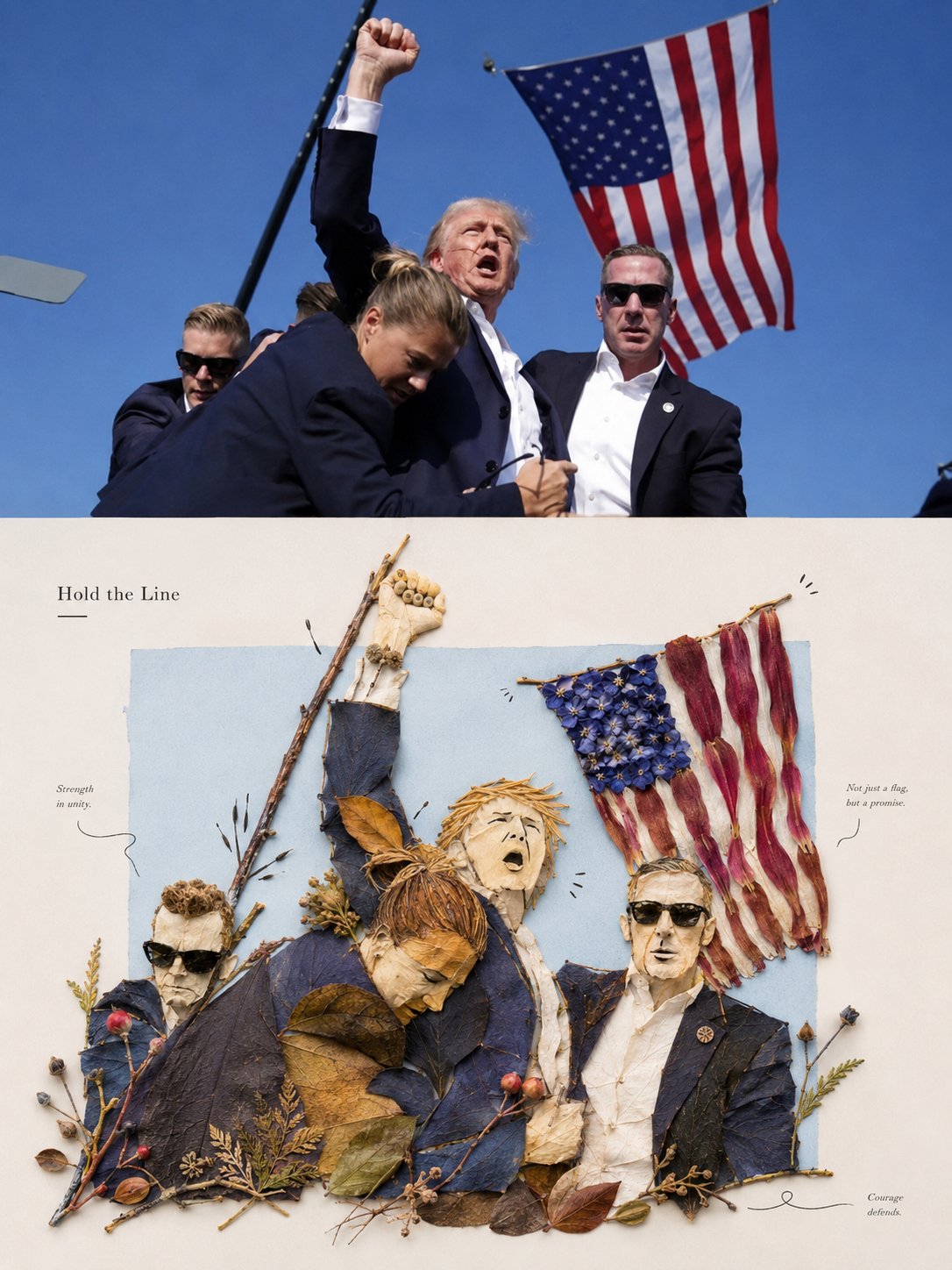
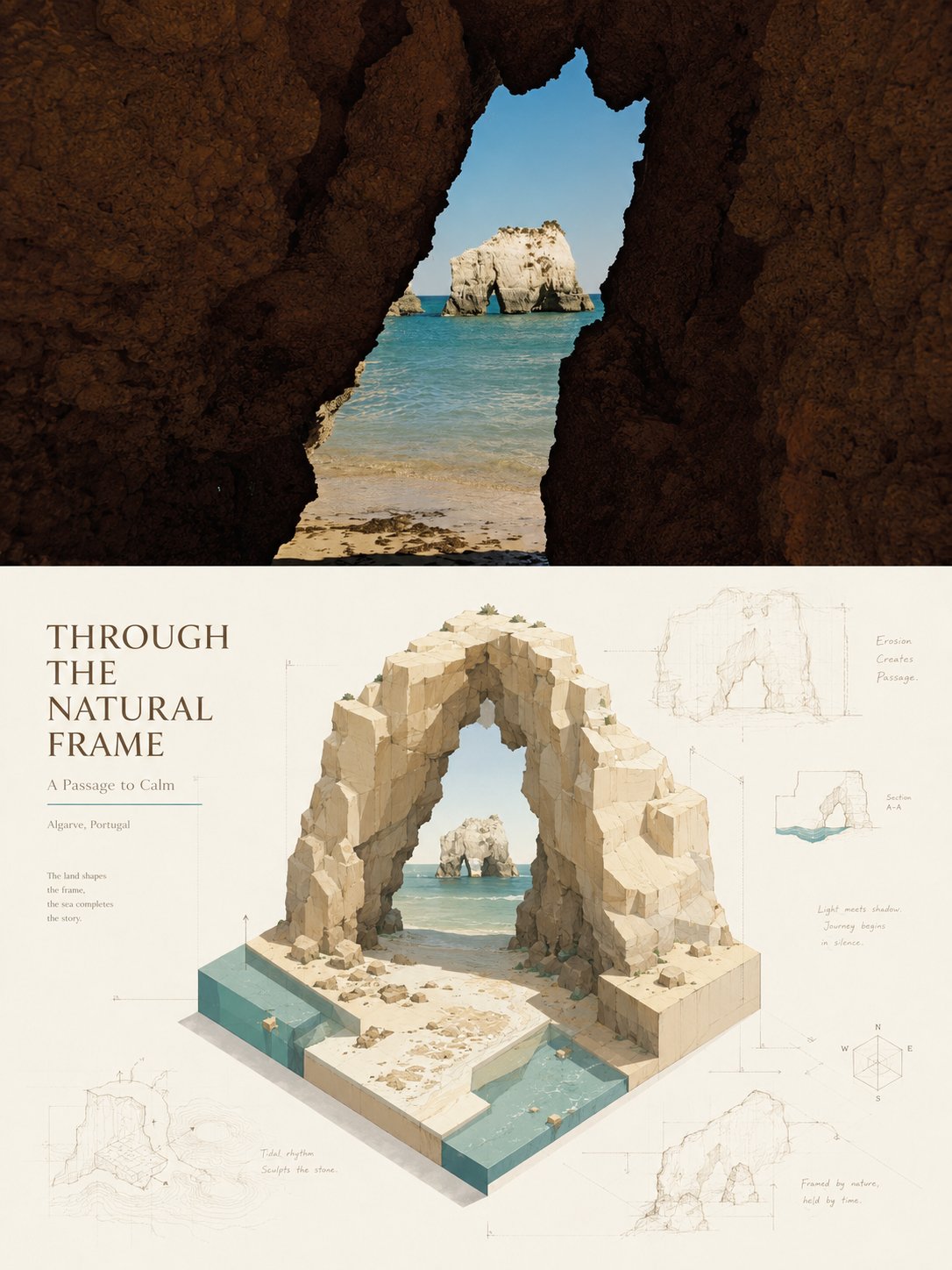
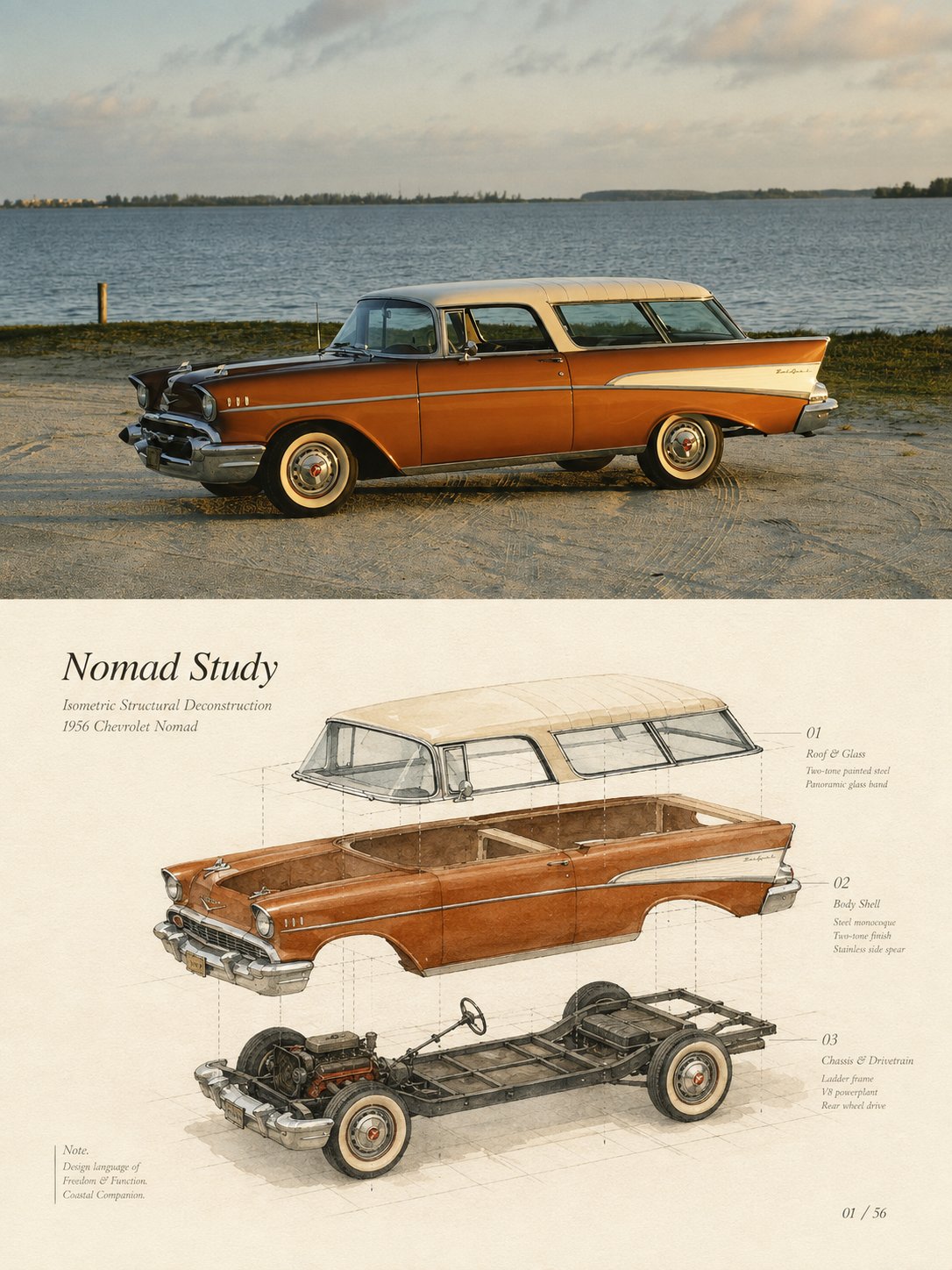
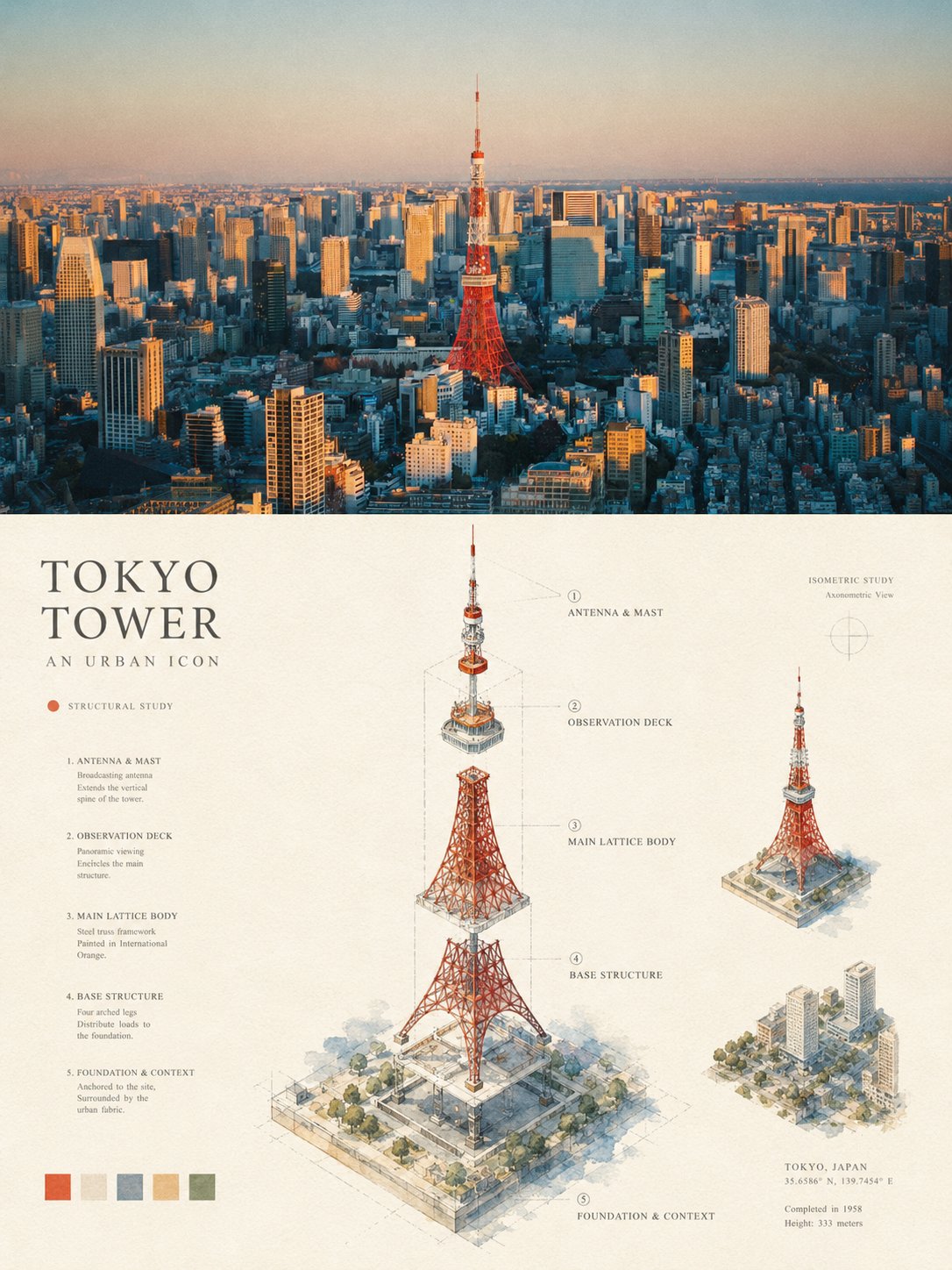
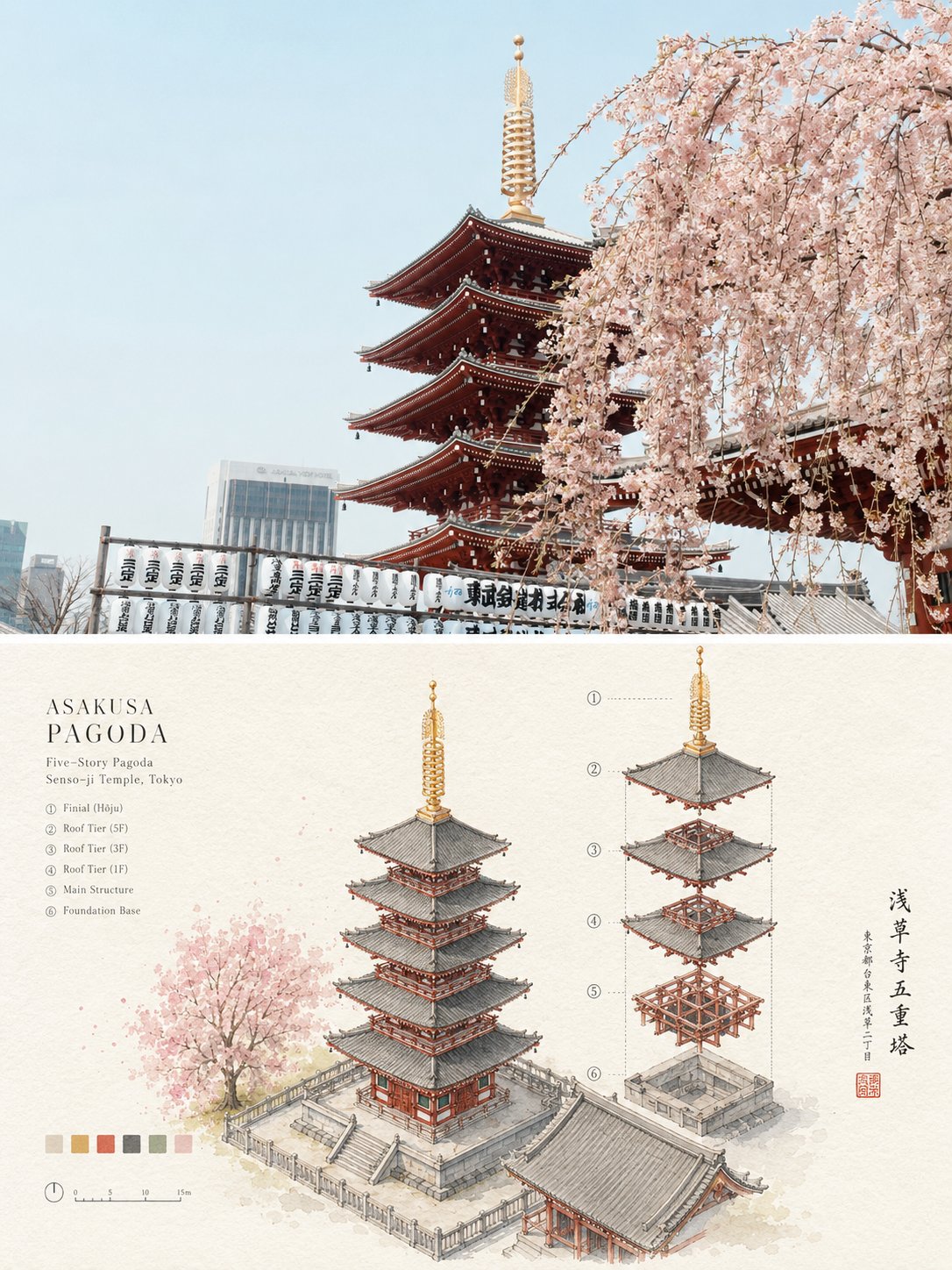
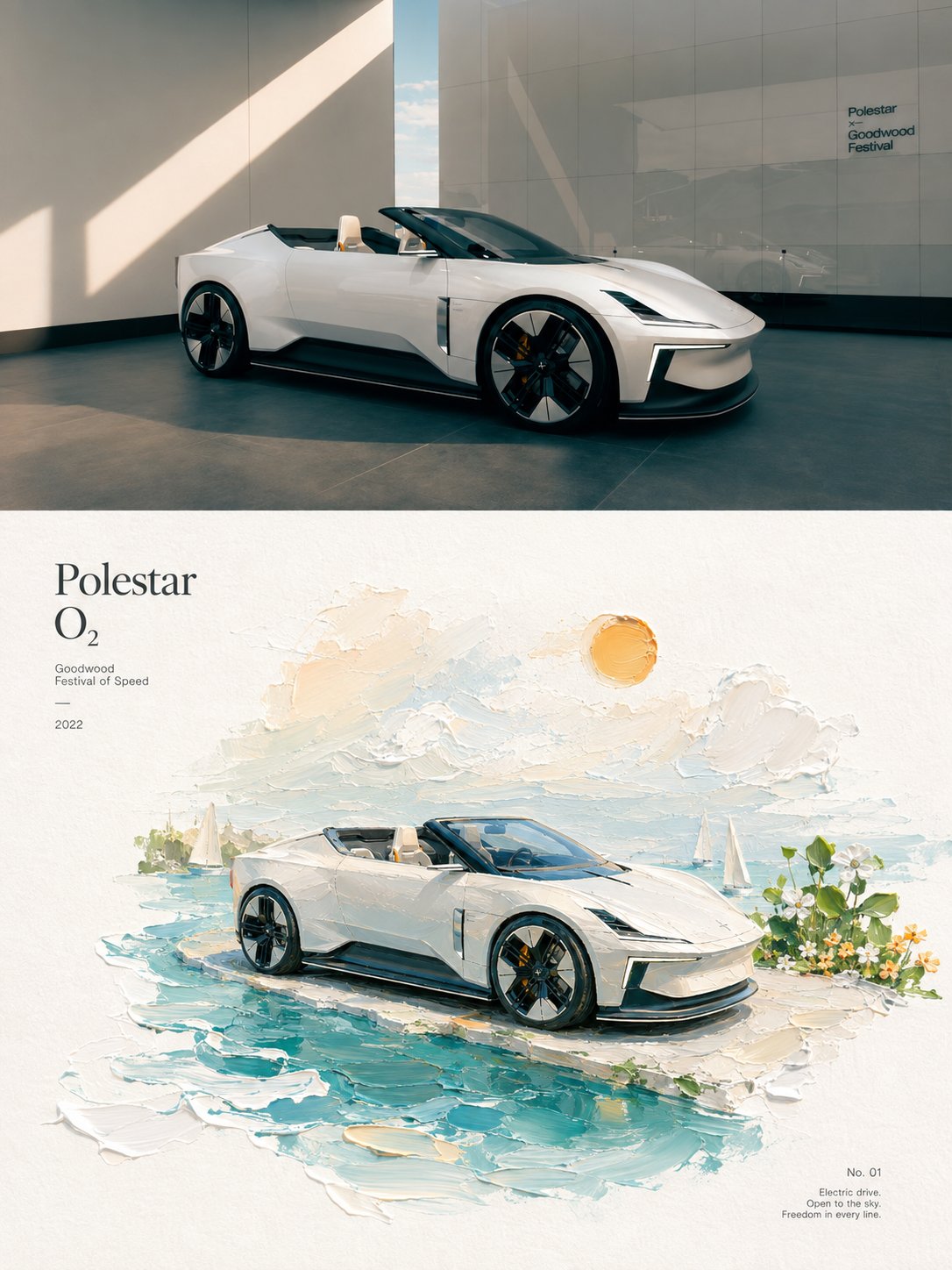
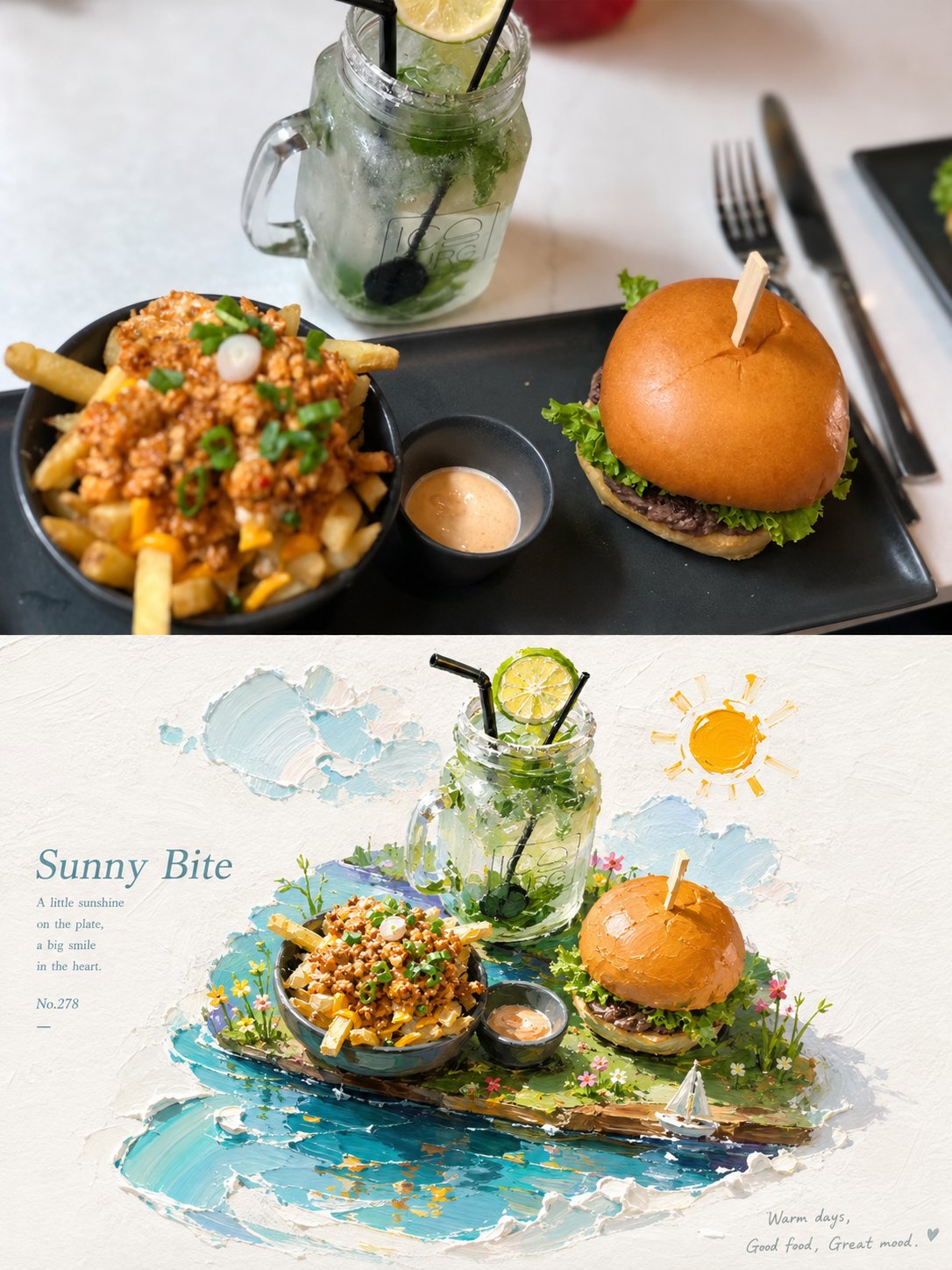
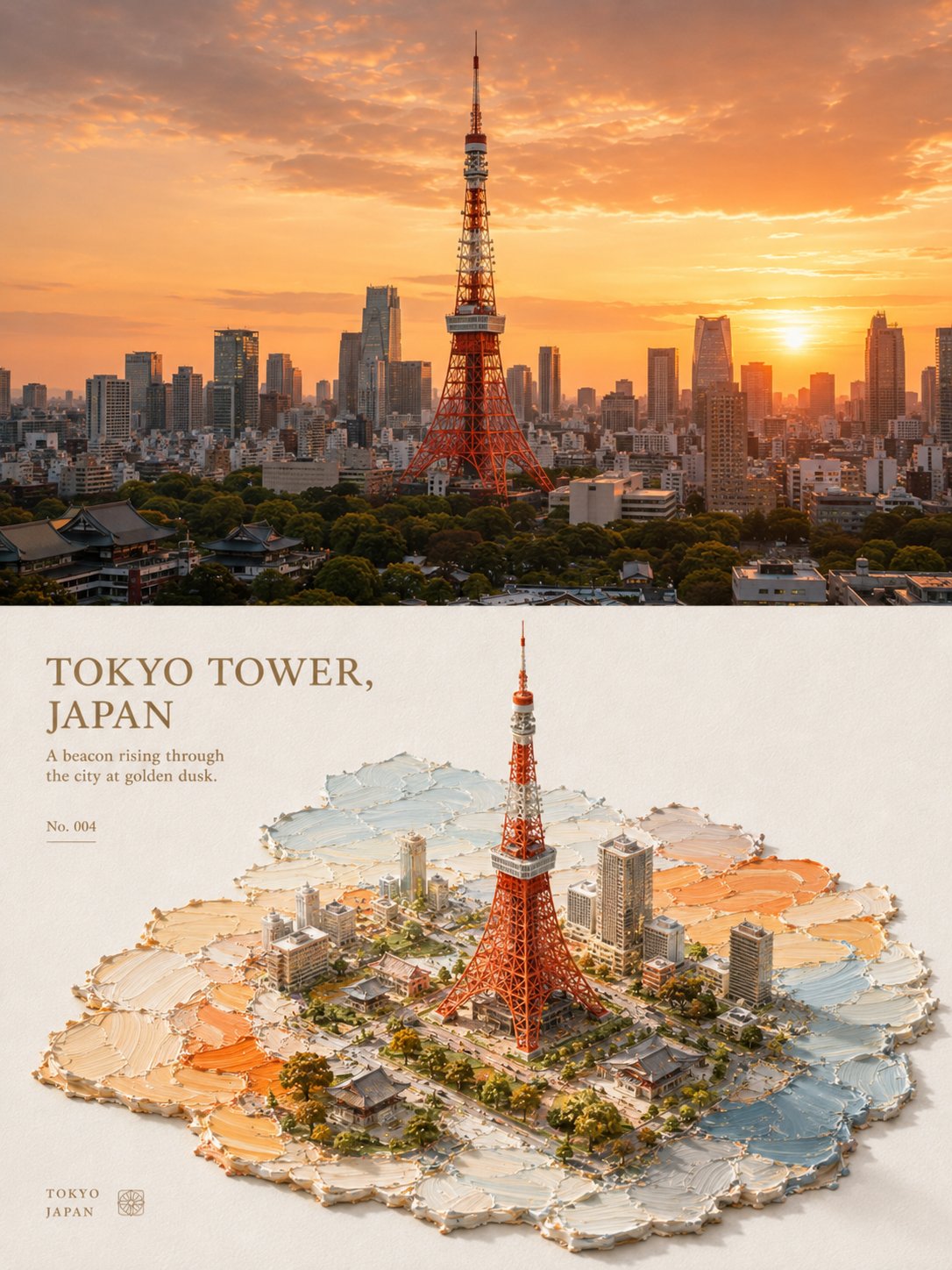
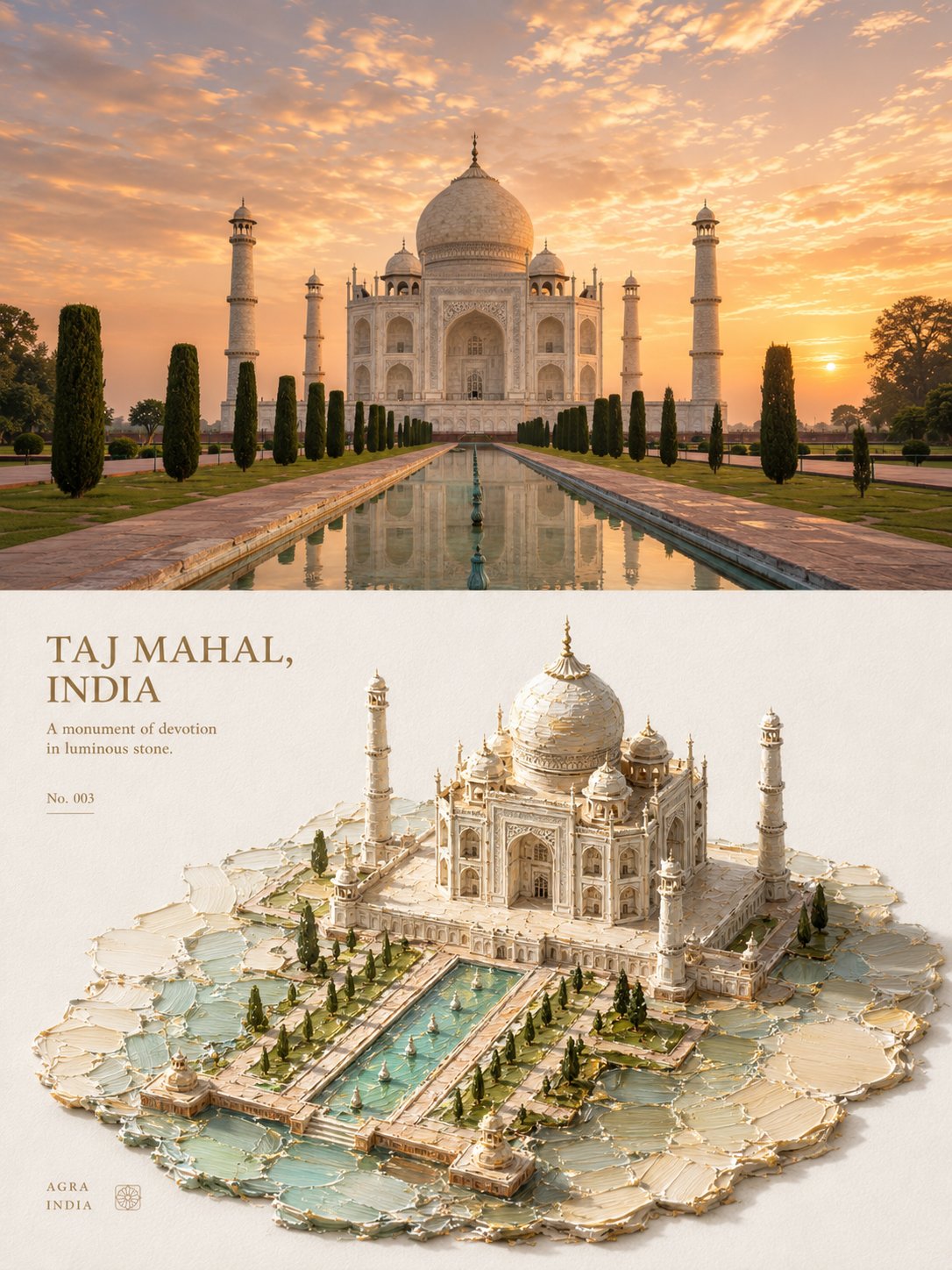
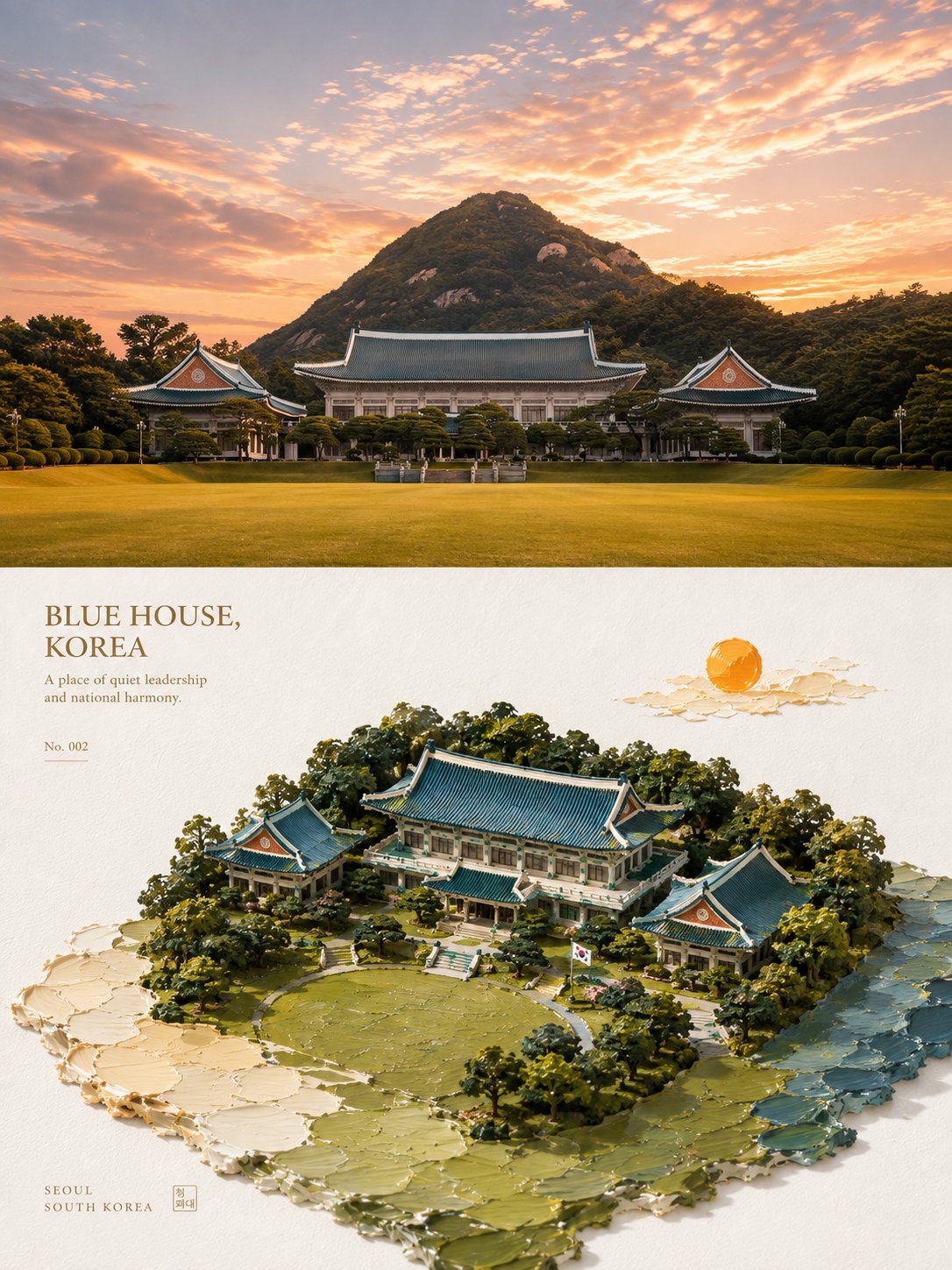
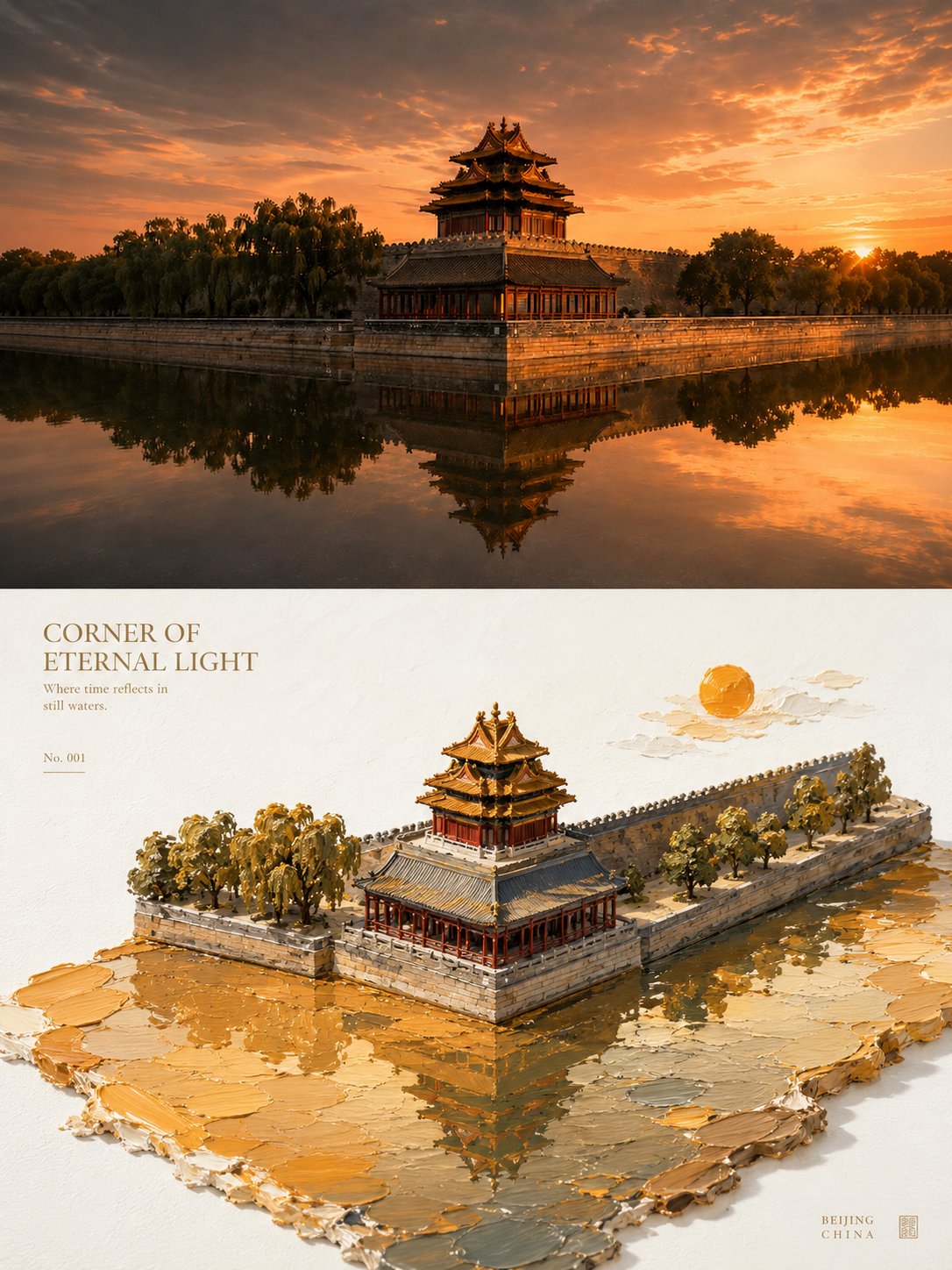
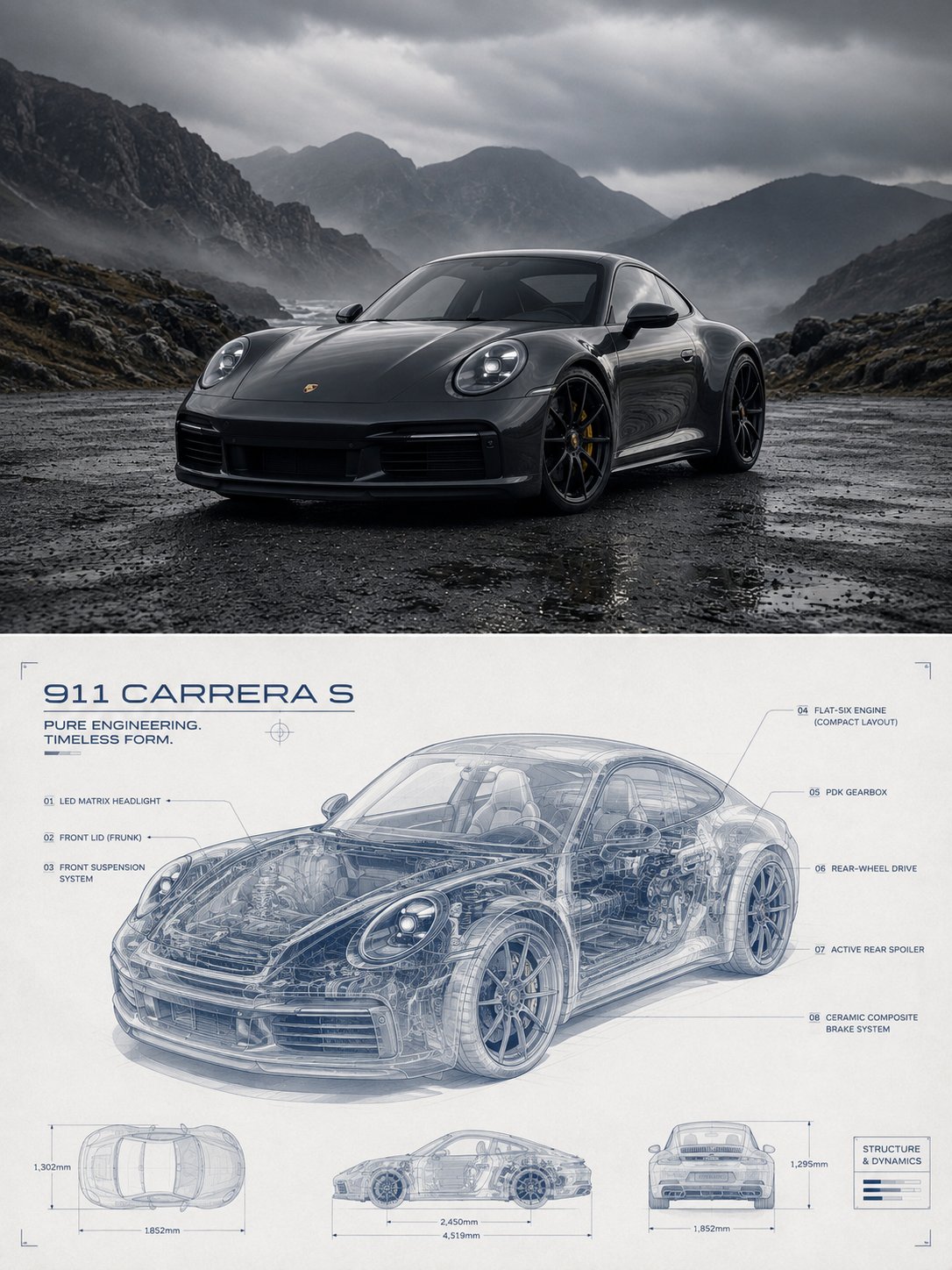
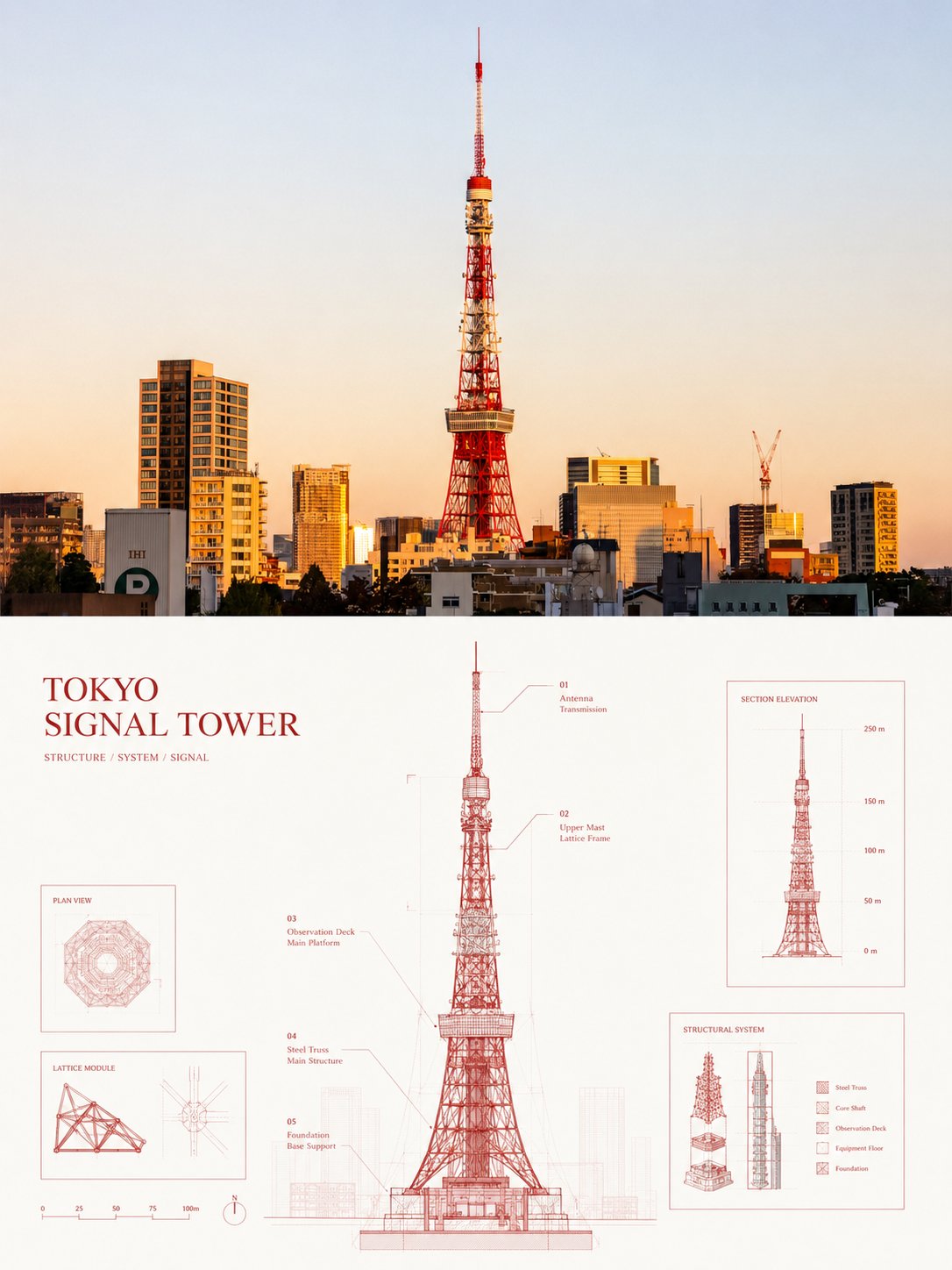
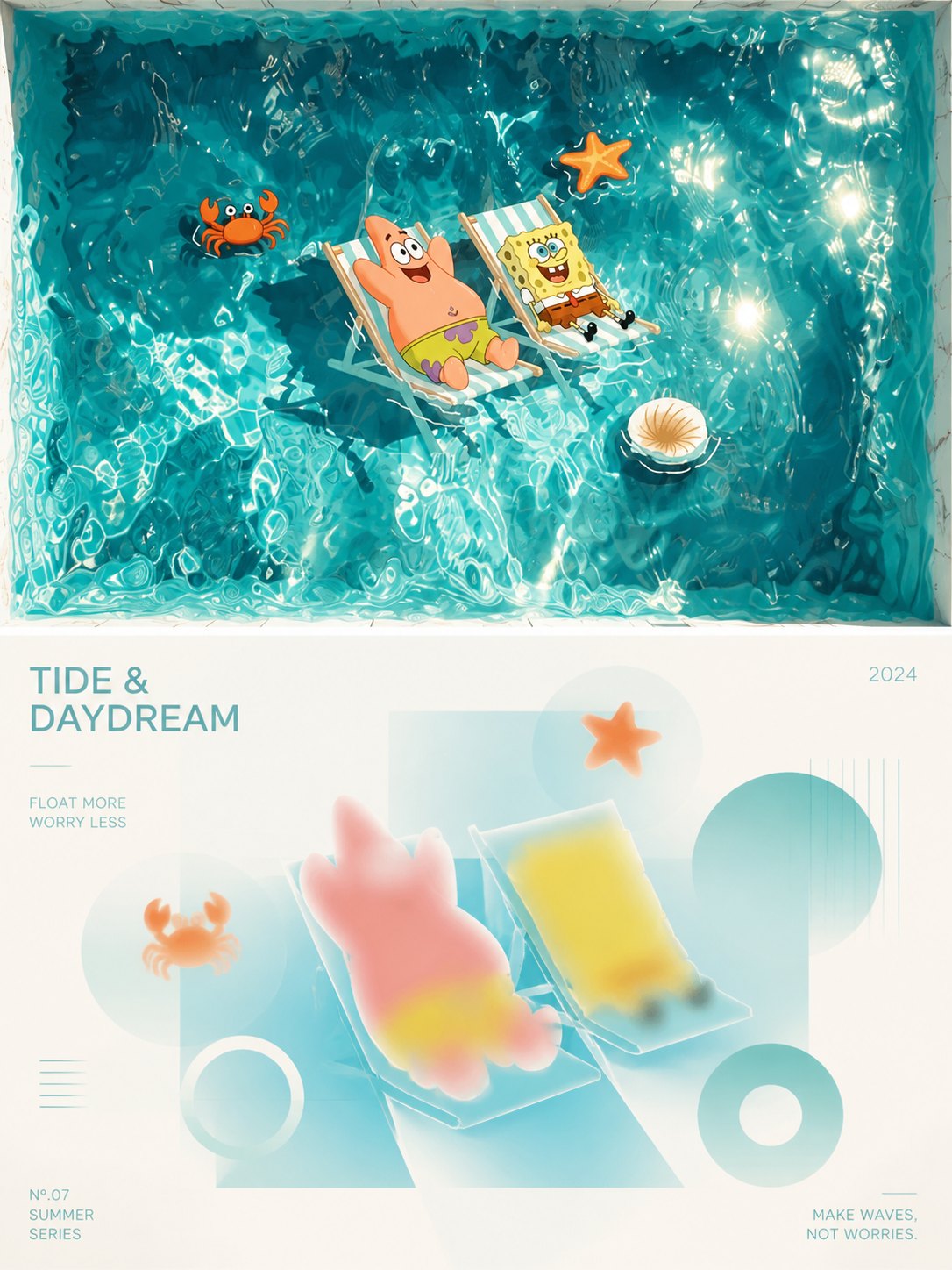
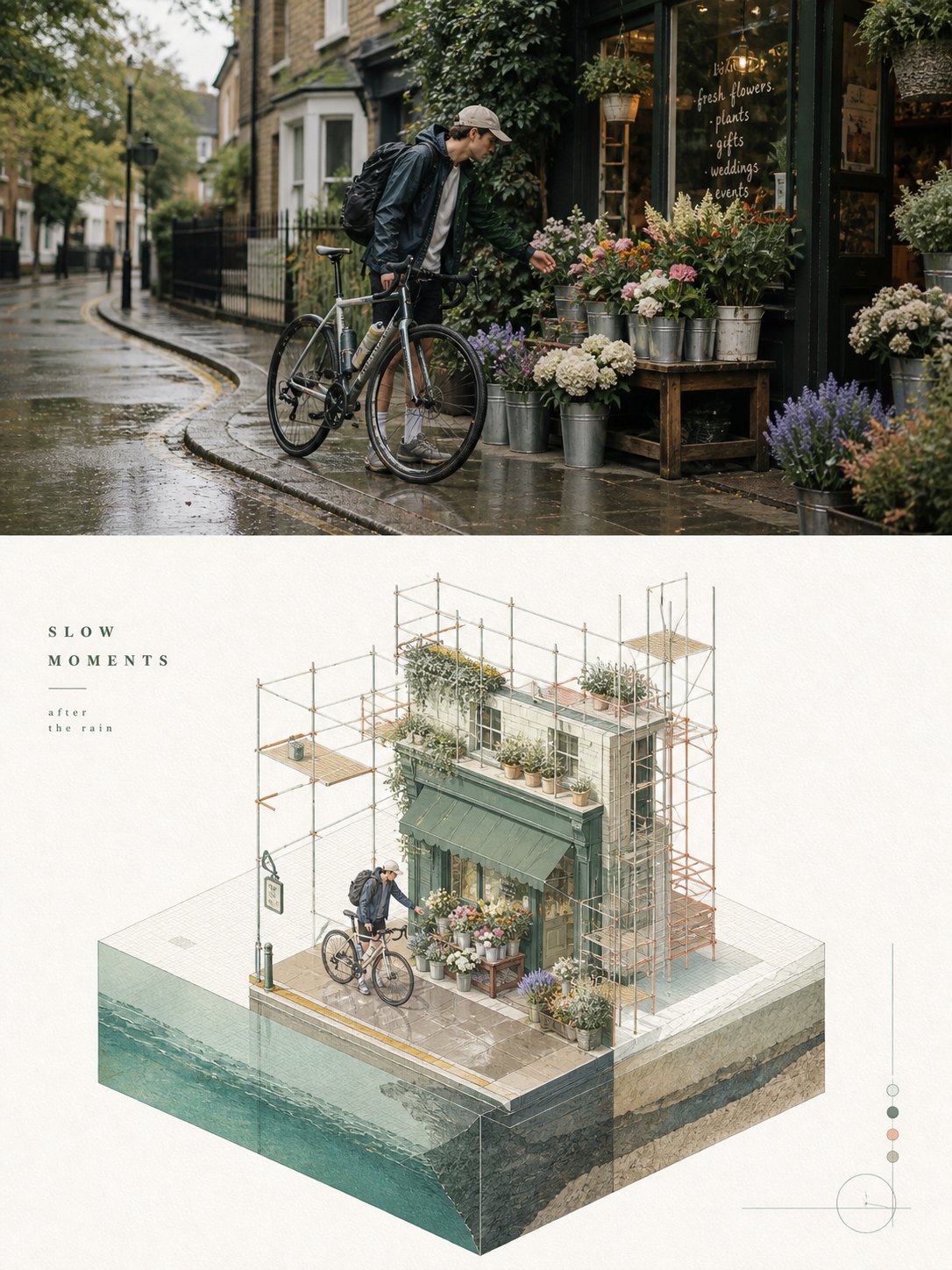
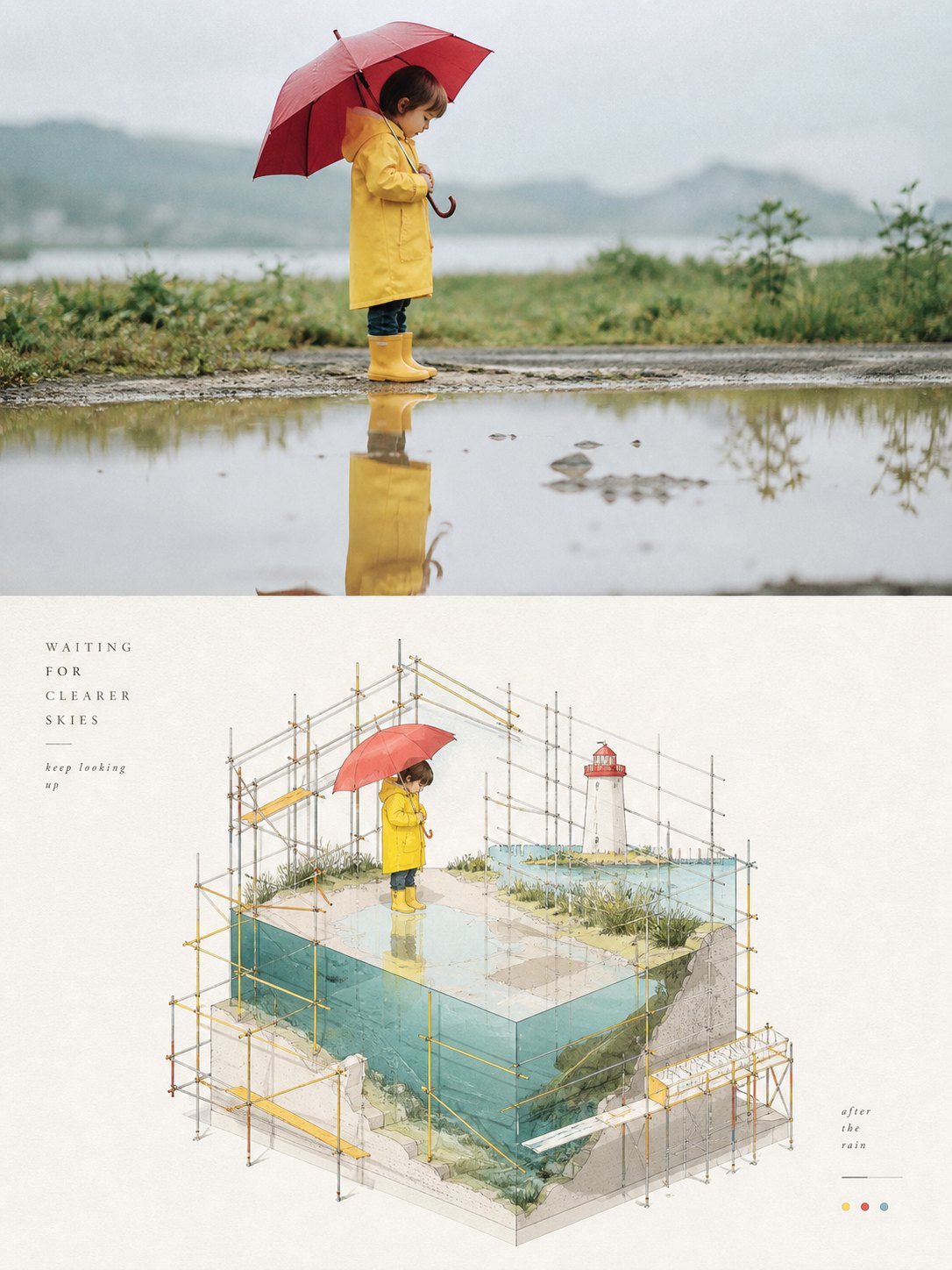
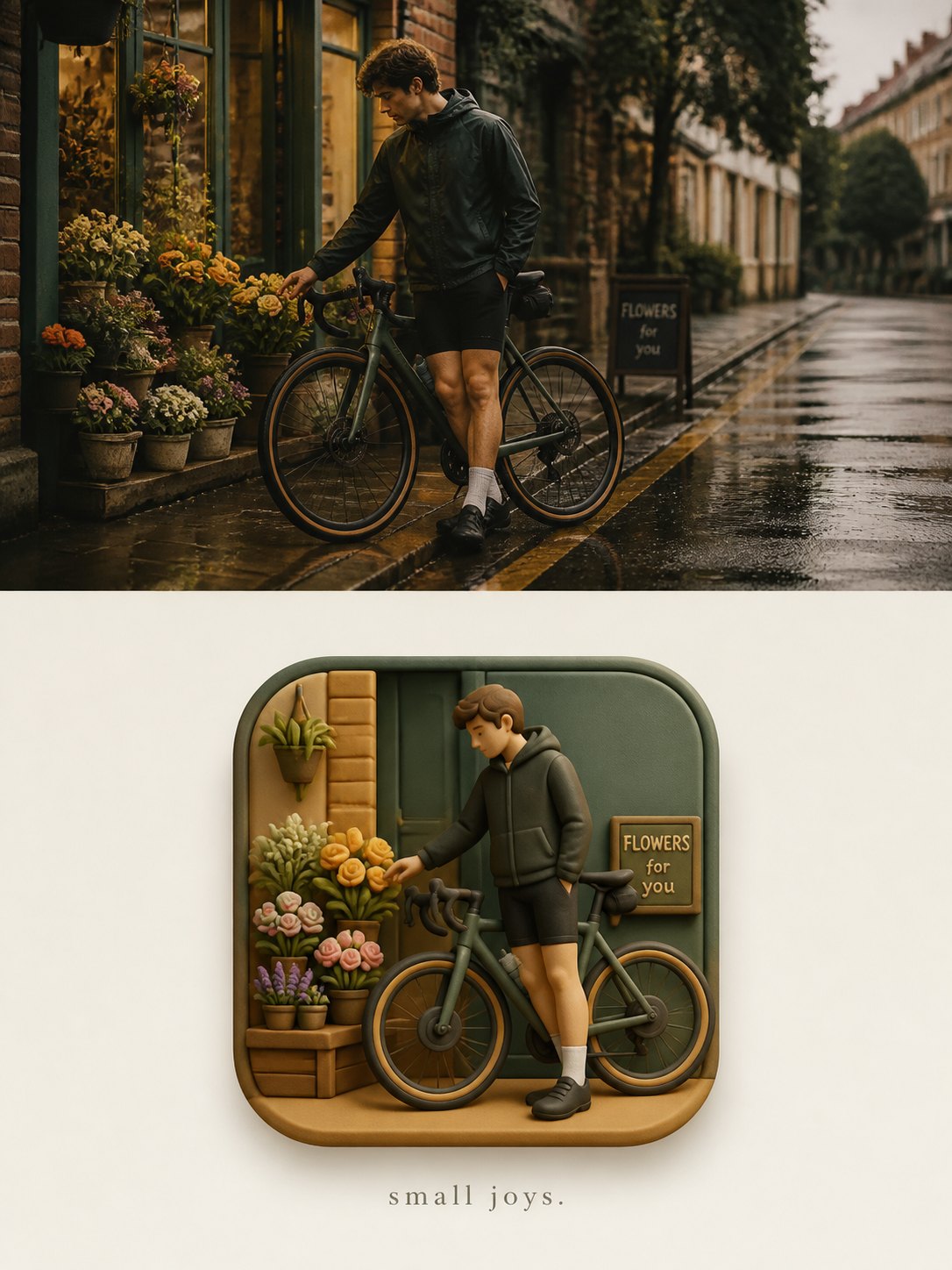
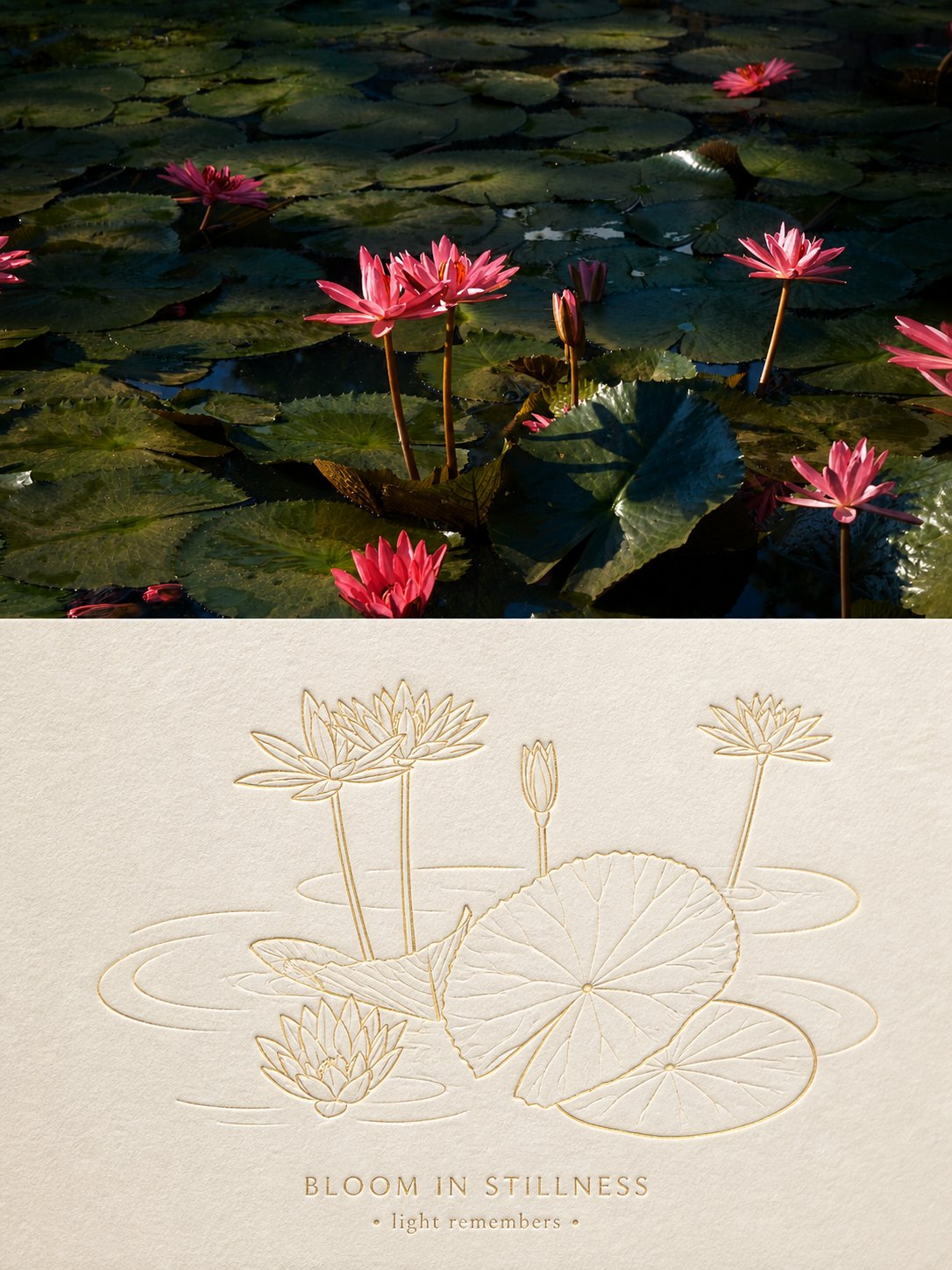
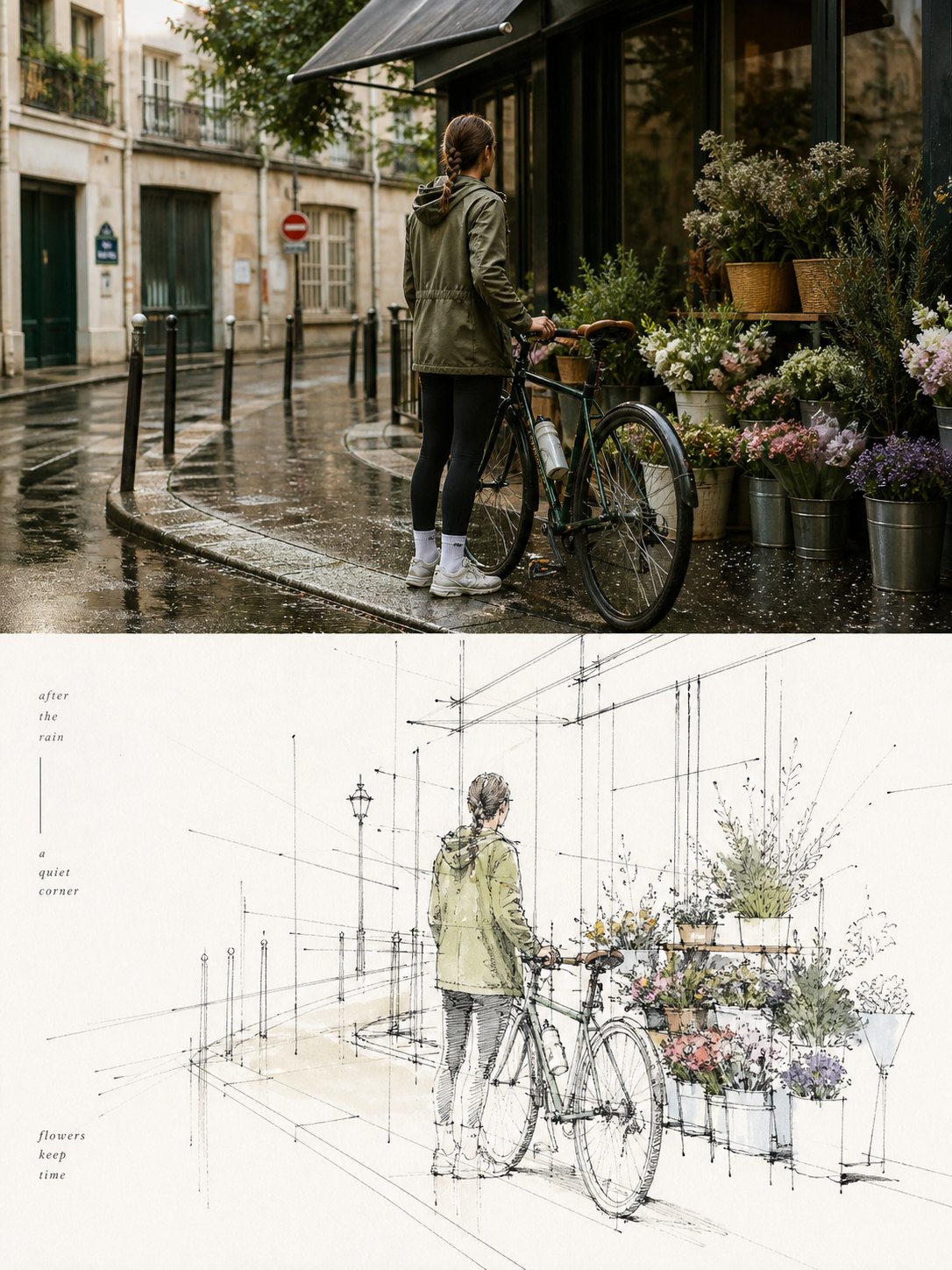
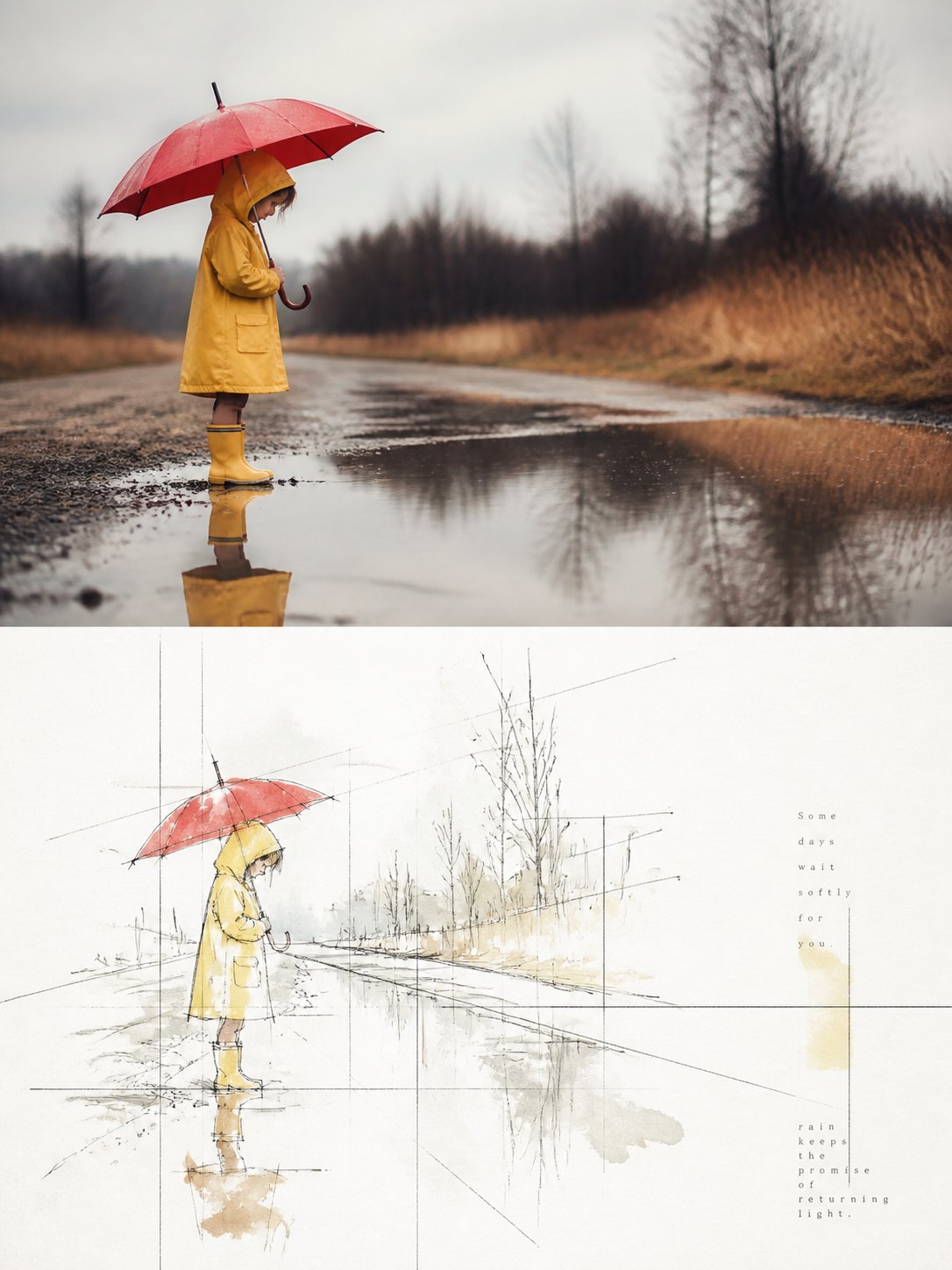
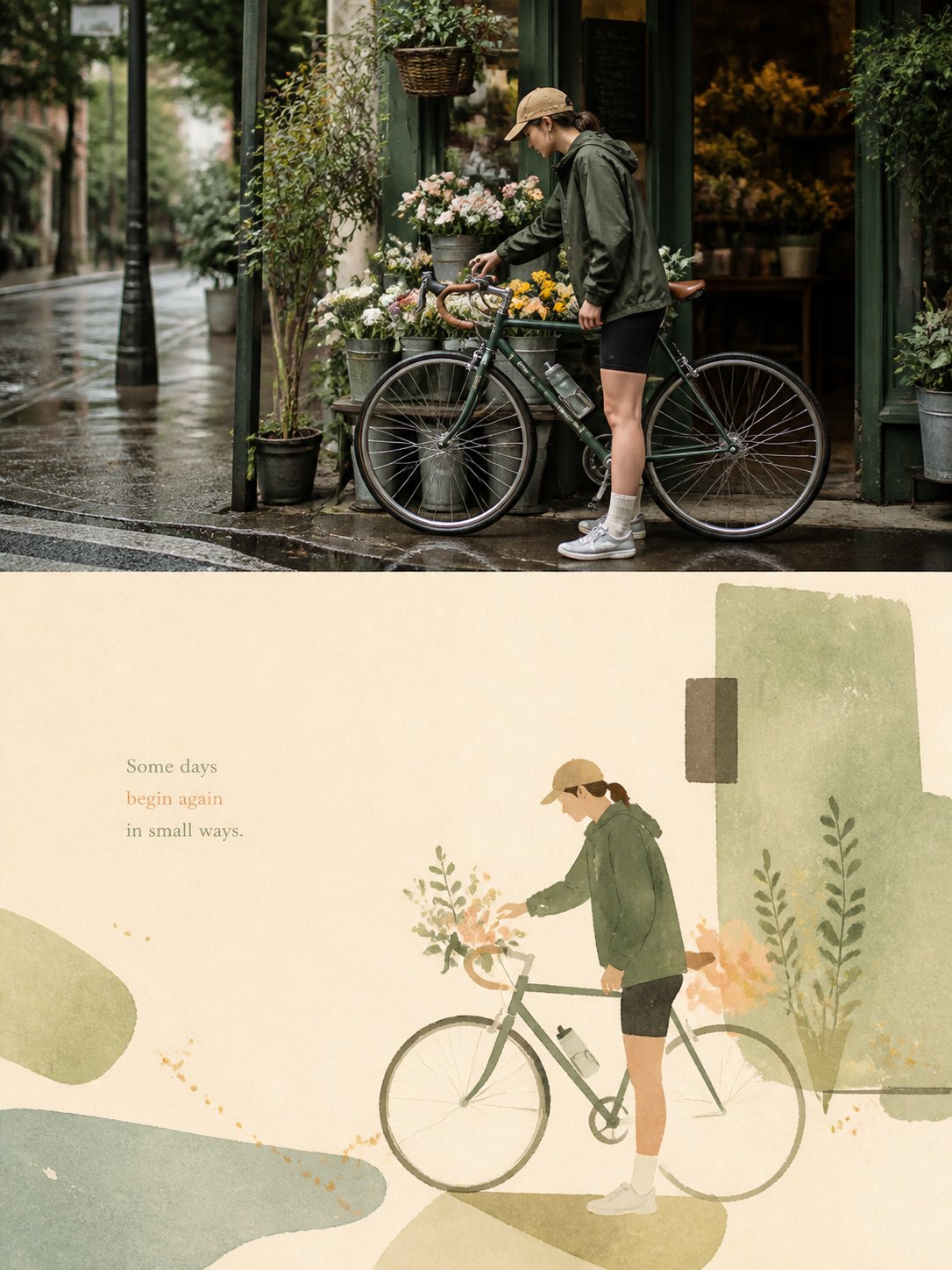
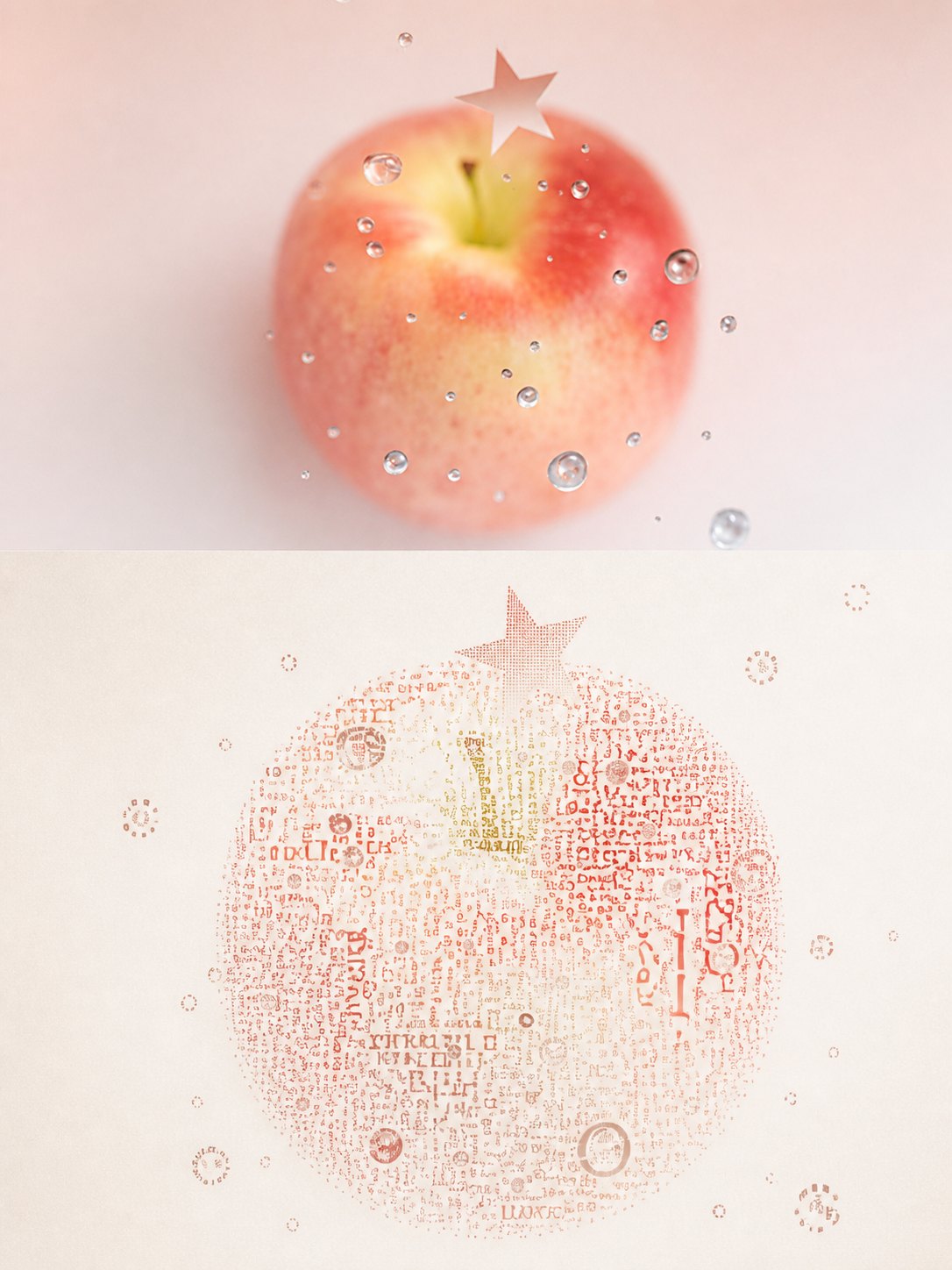
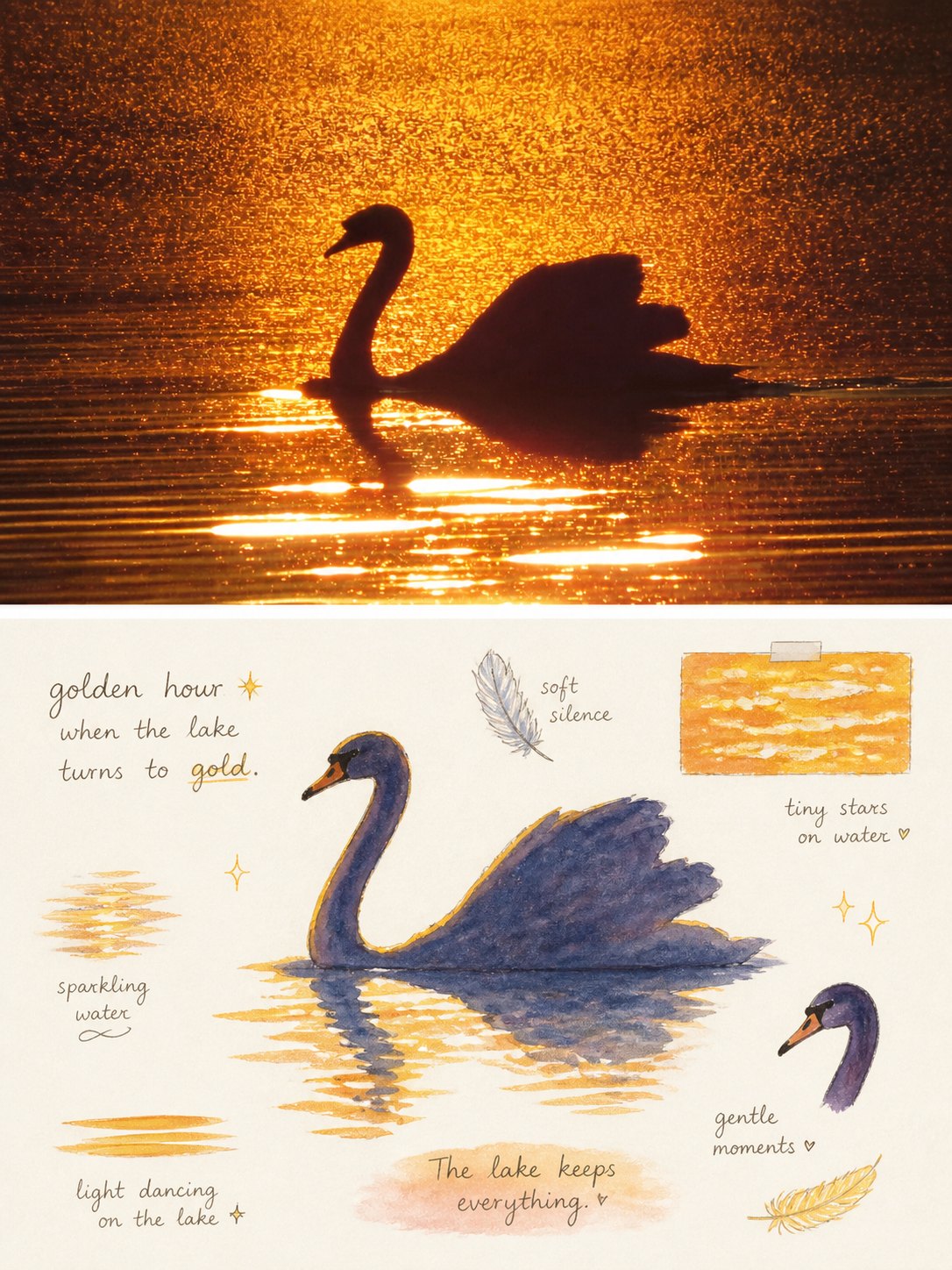
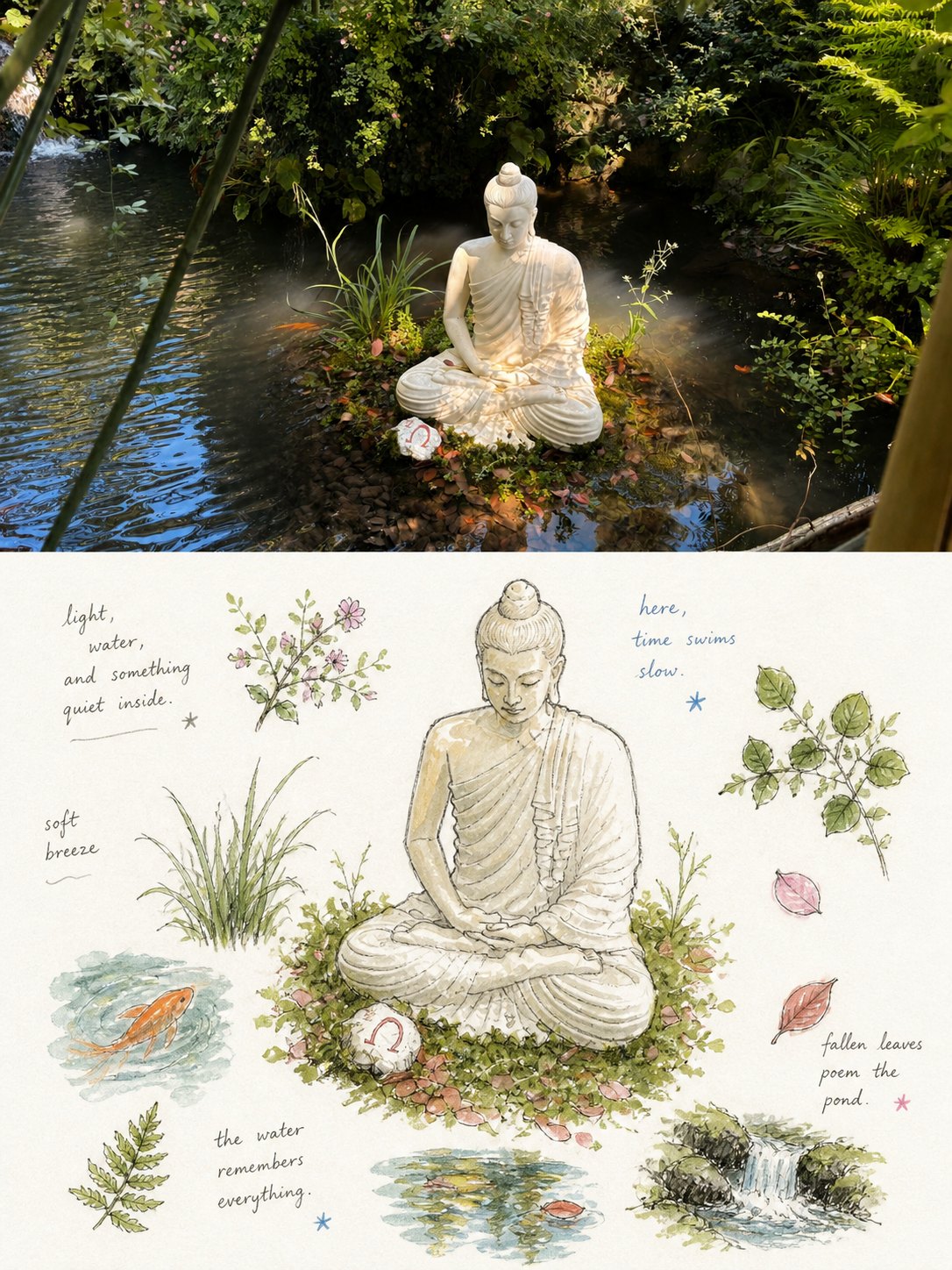
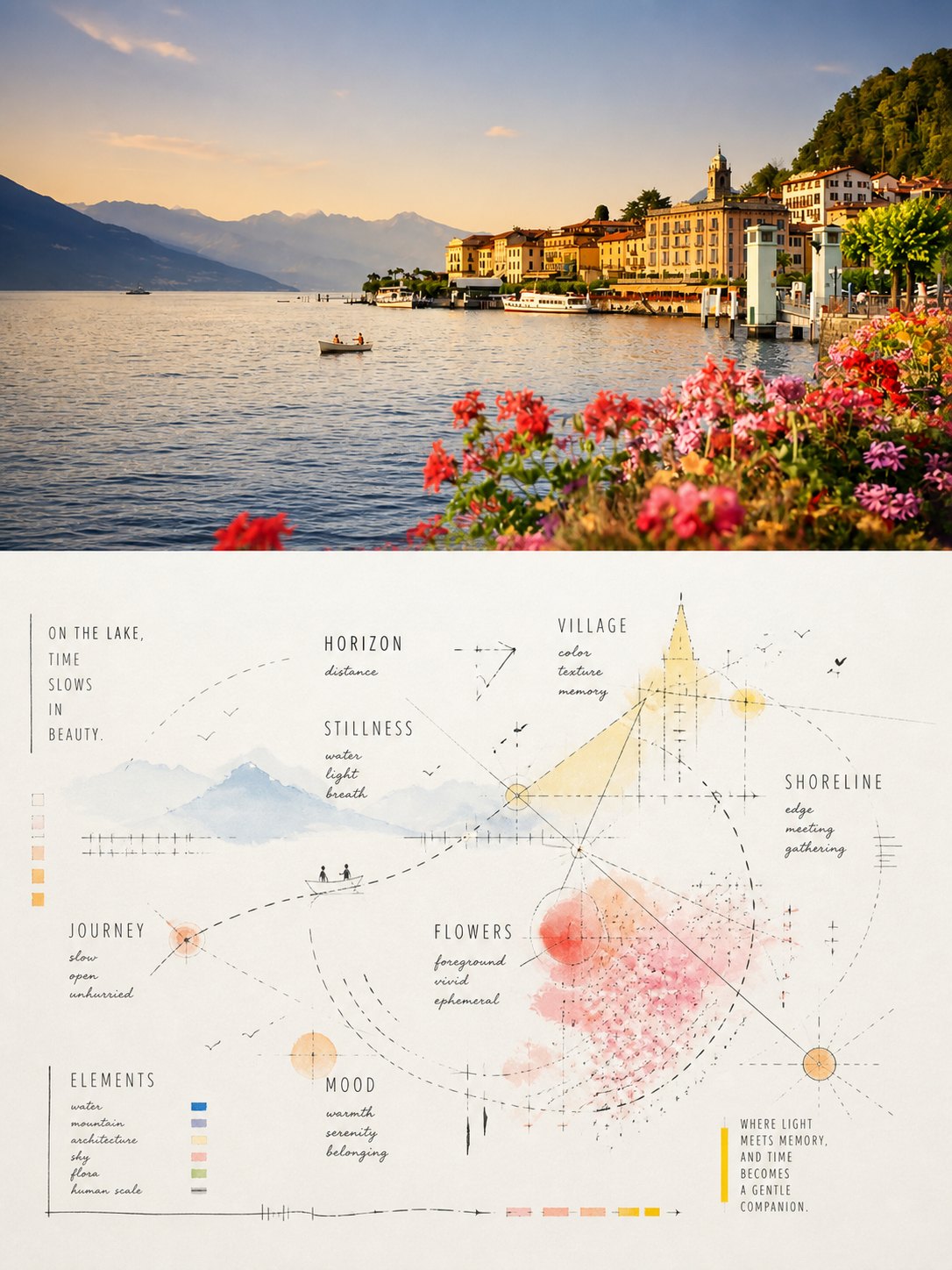
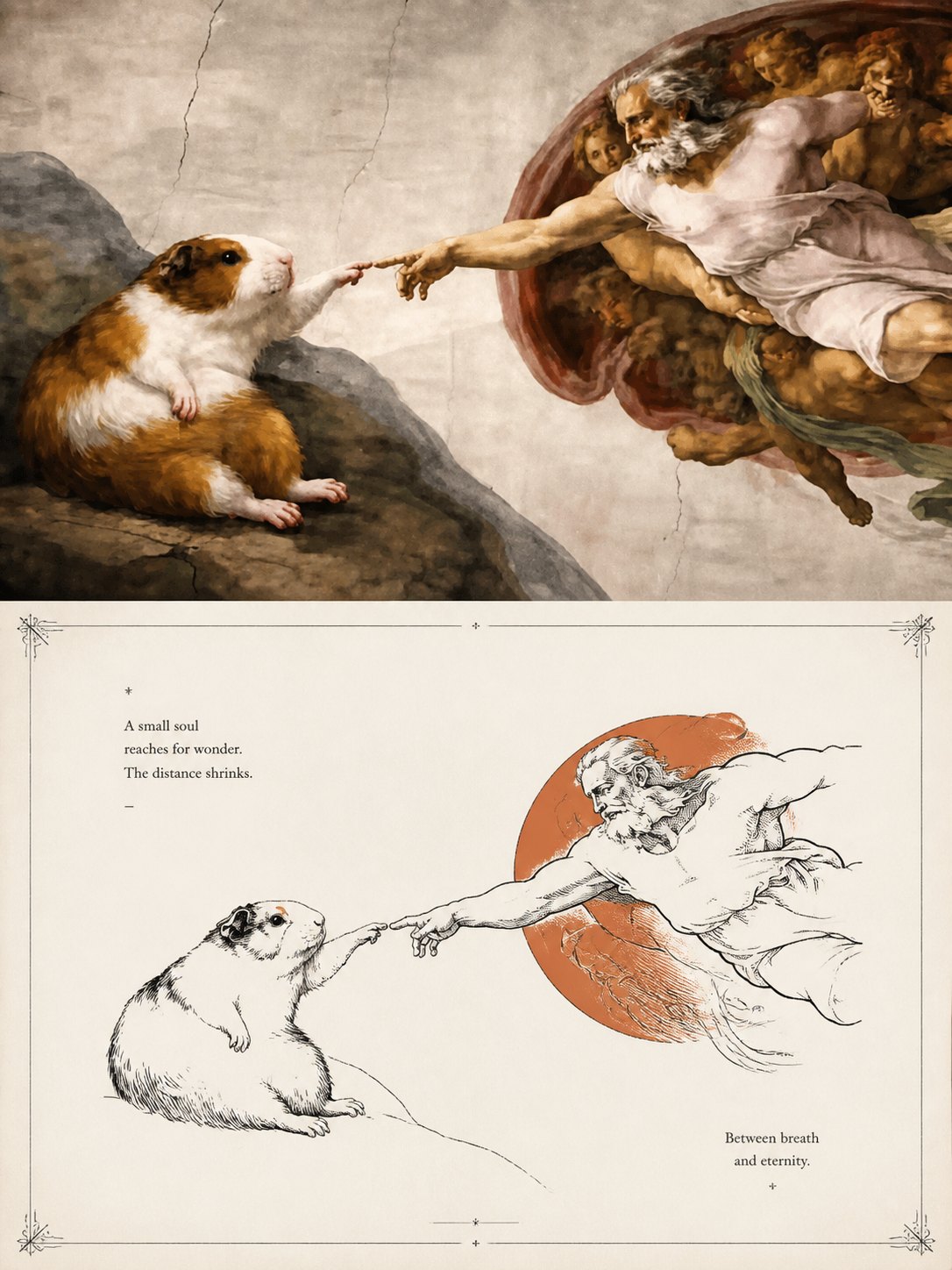
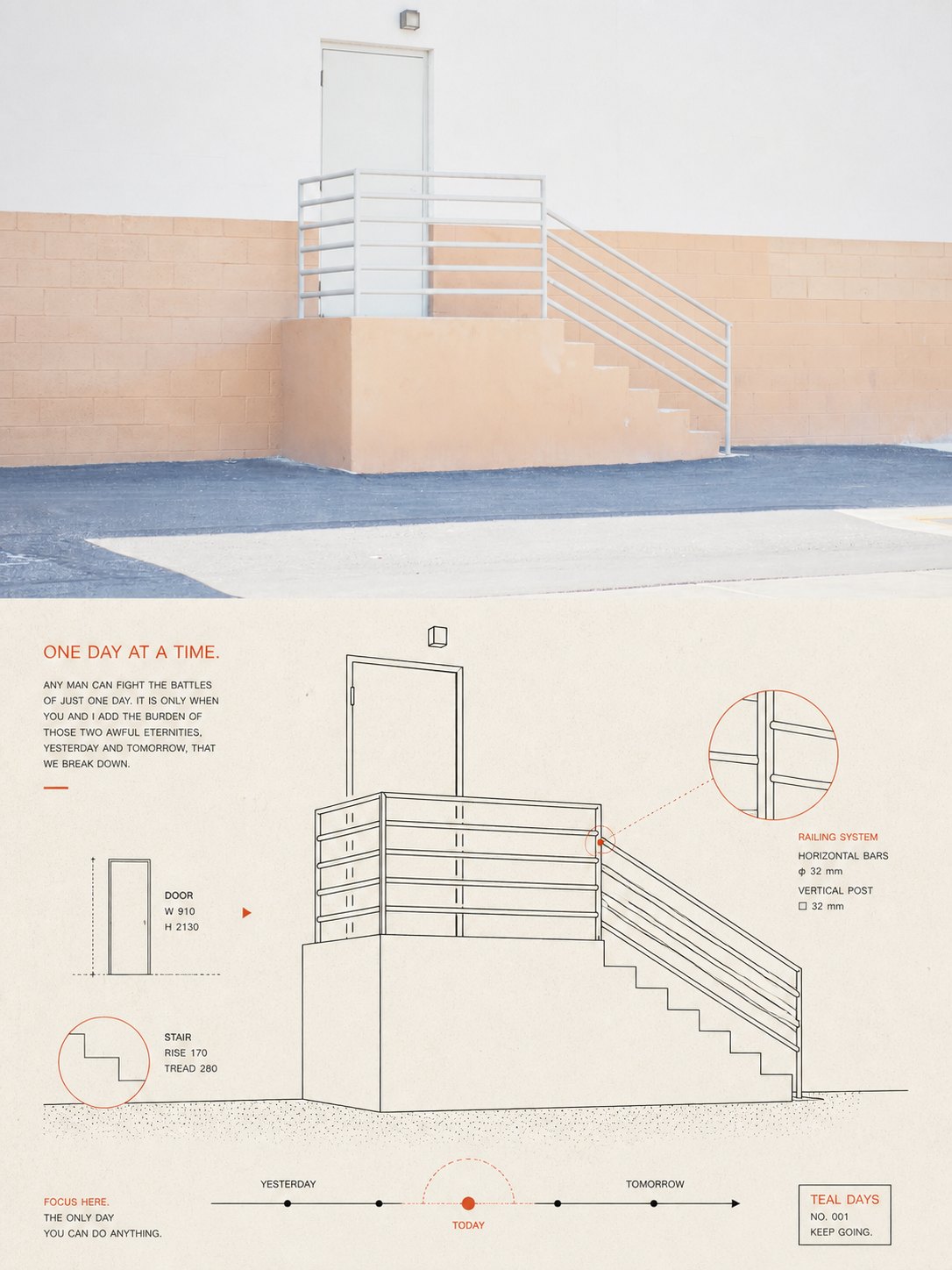
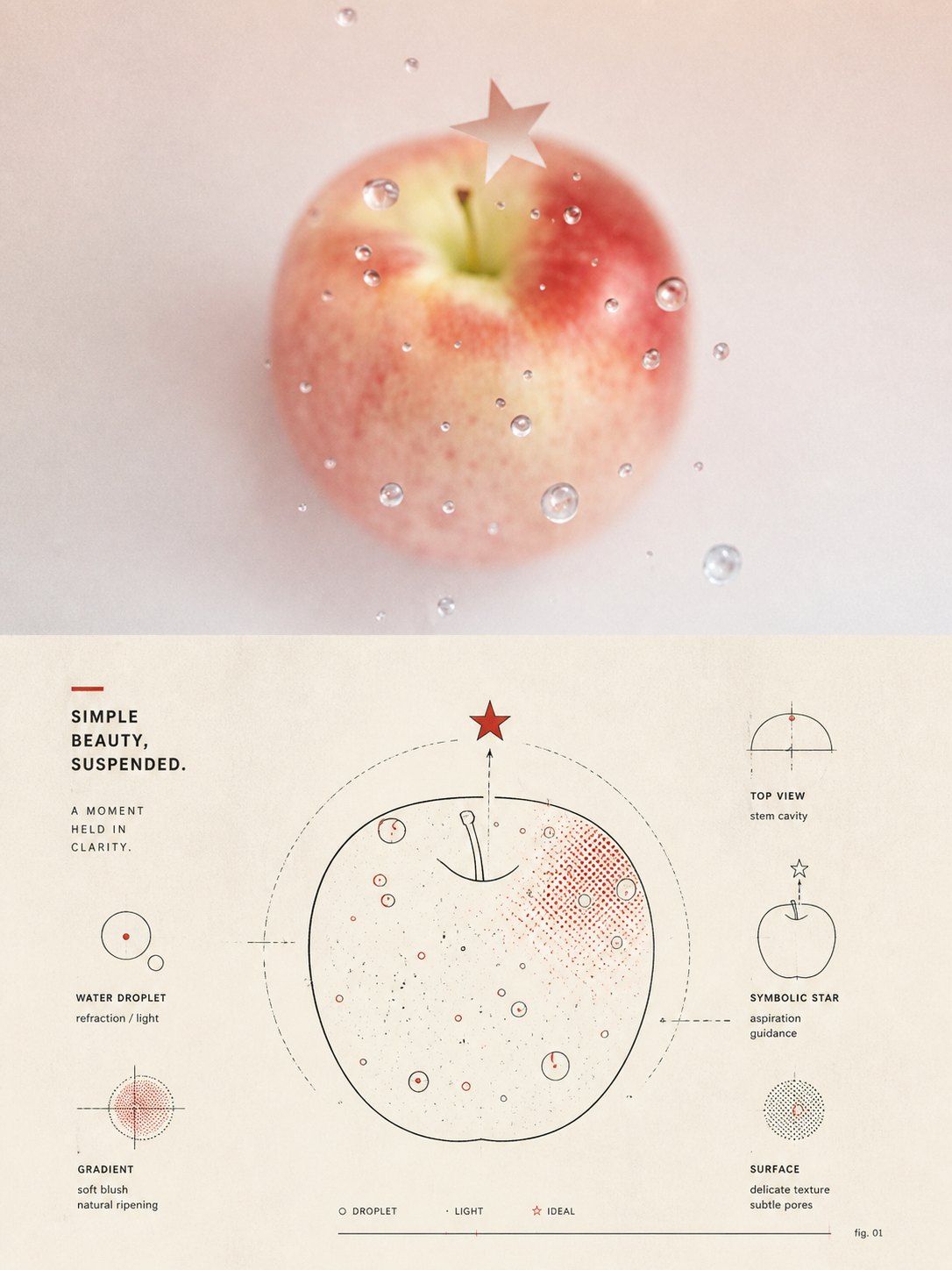
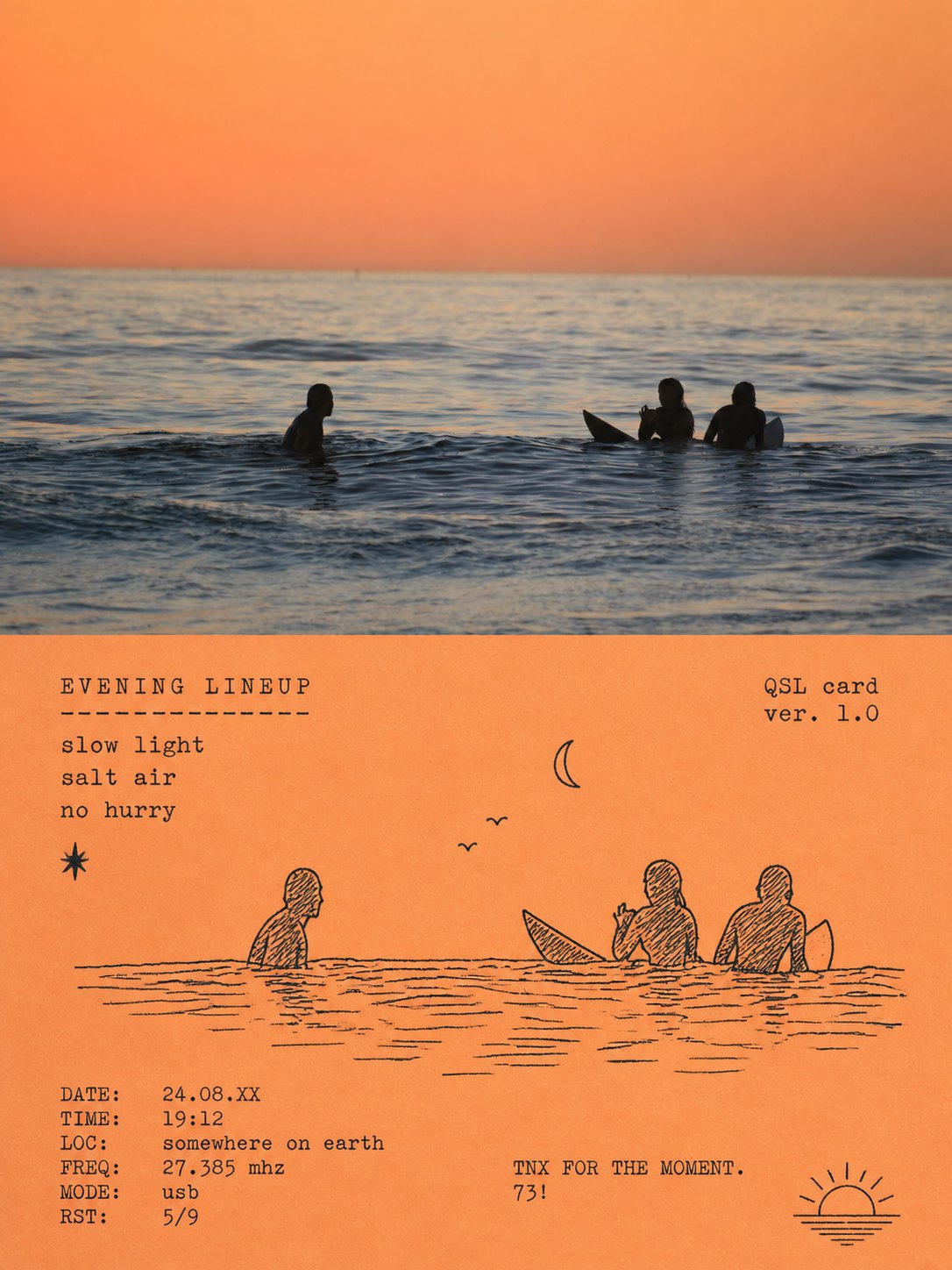
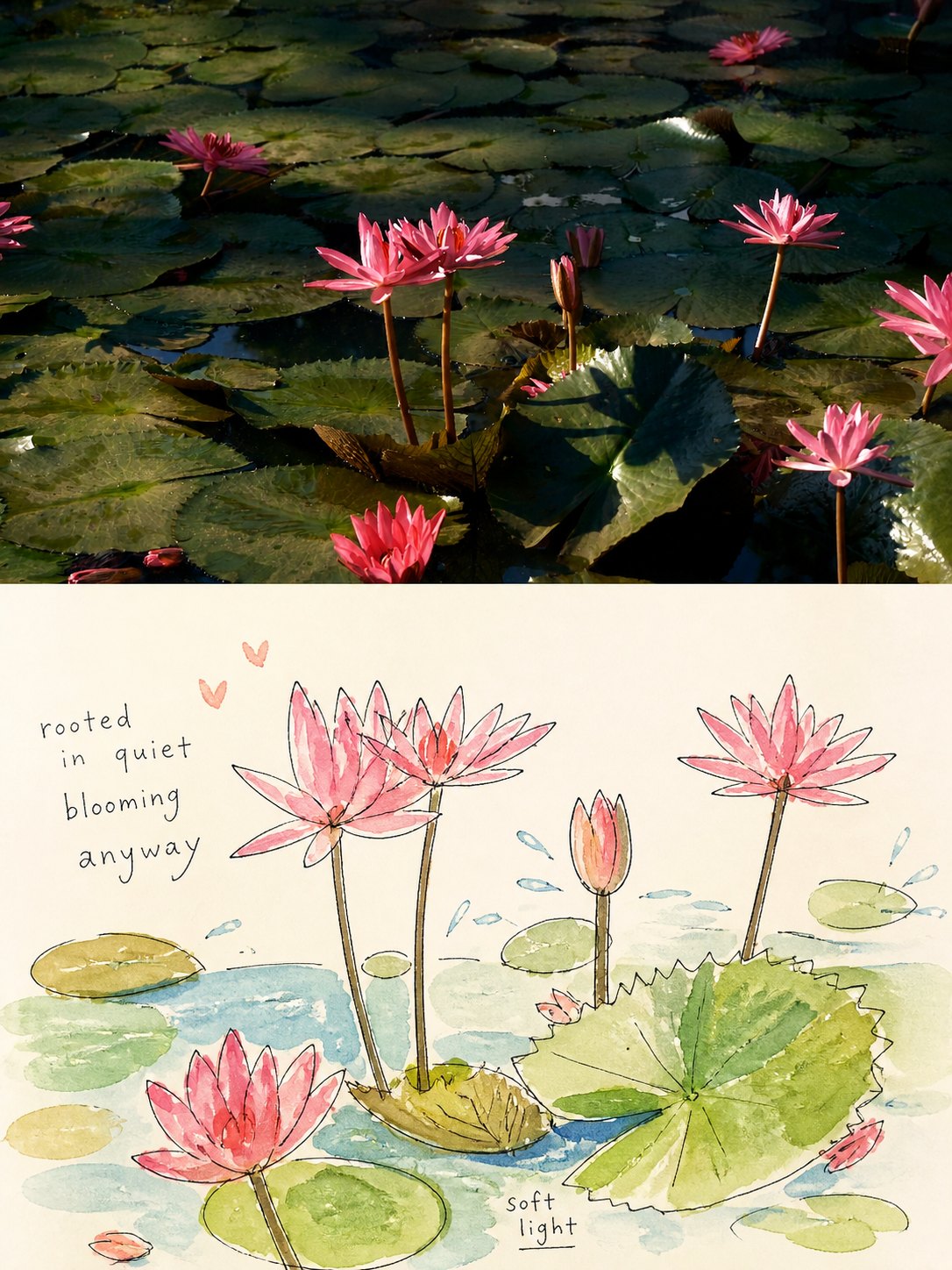
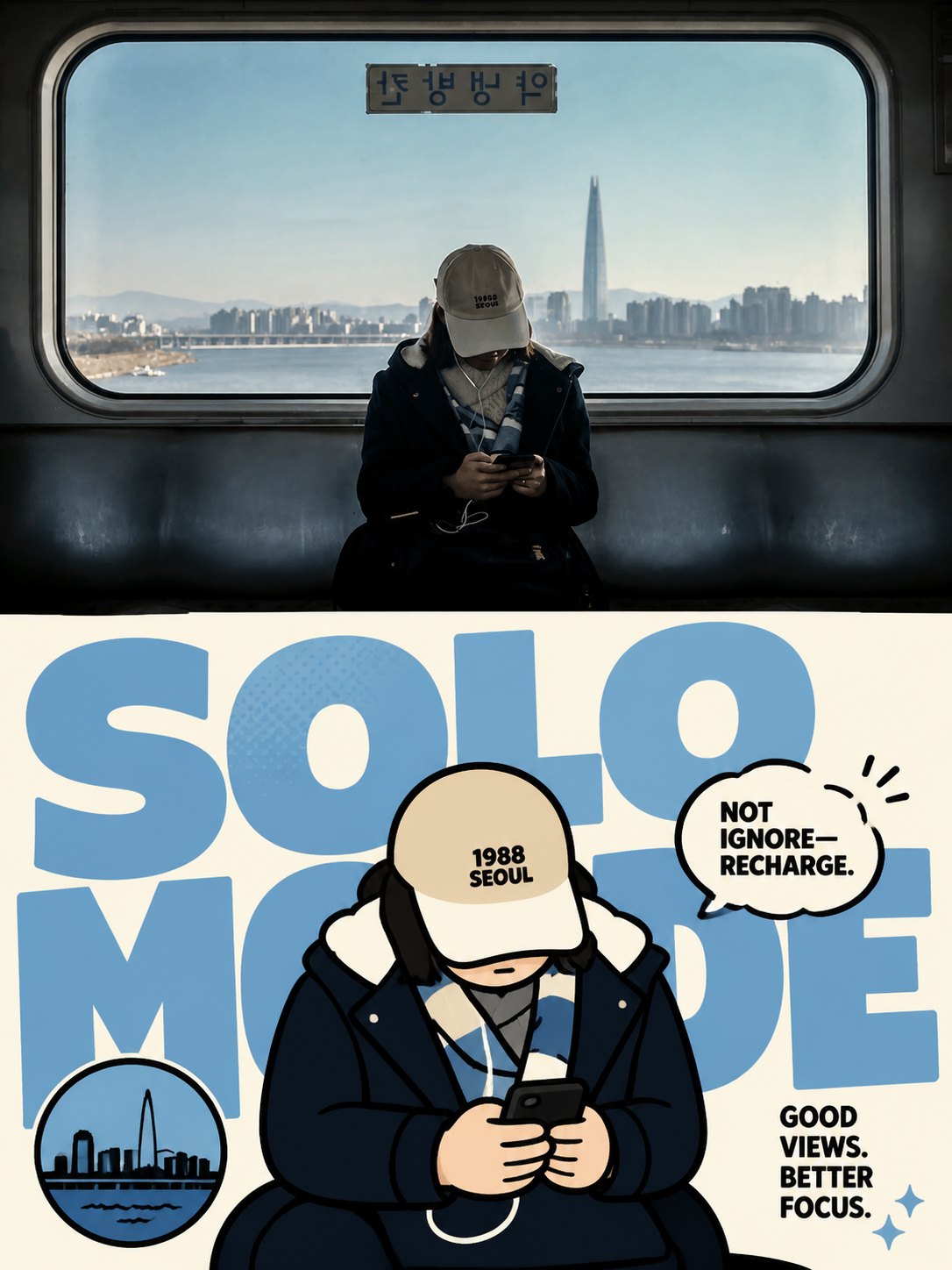
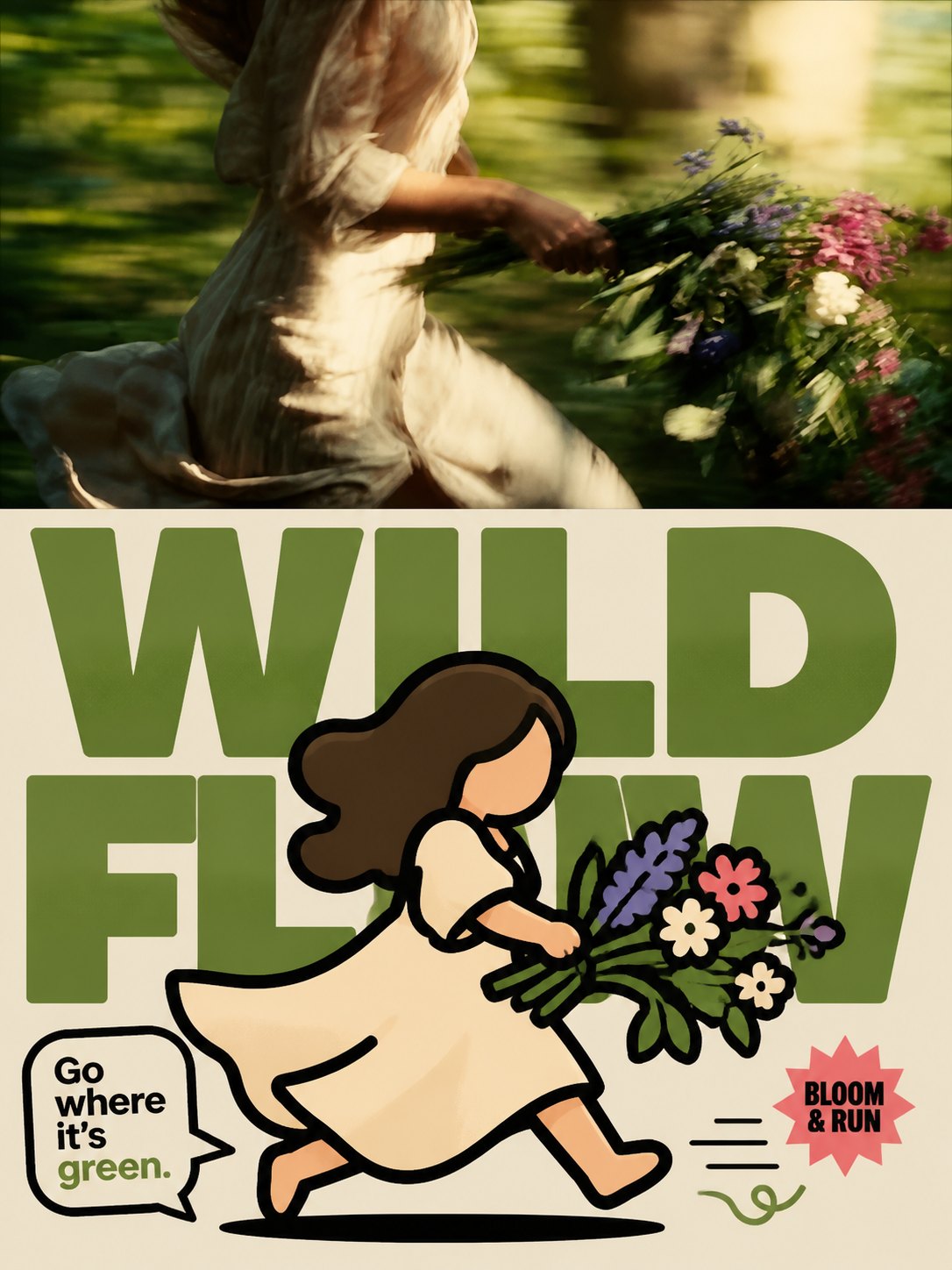
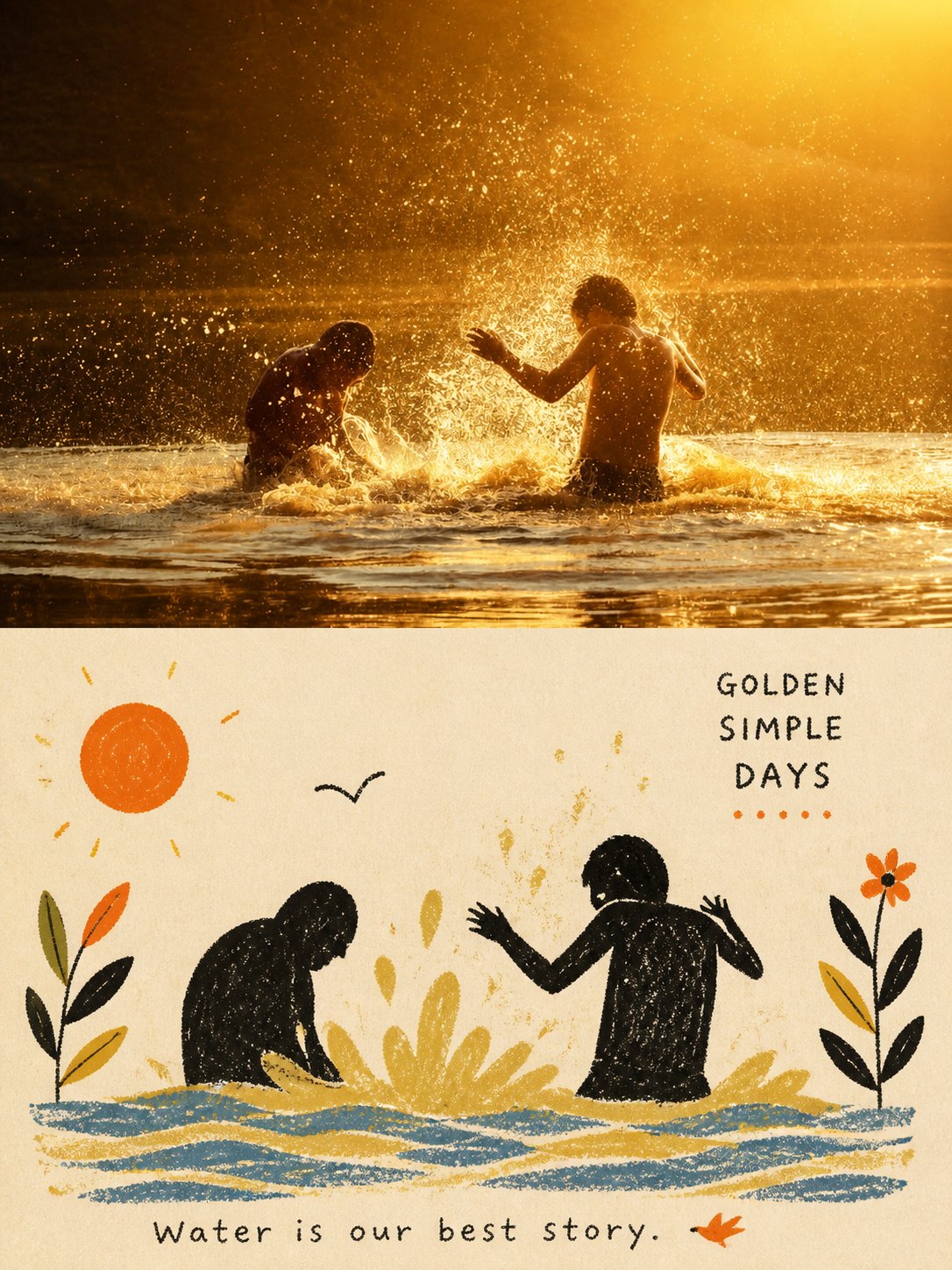
 1 / 4
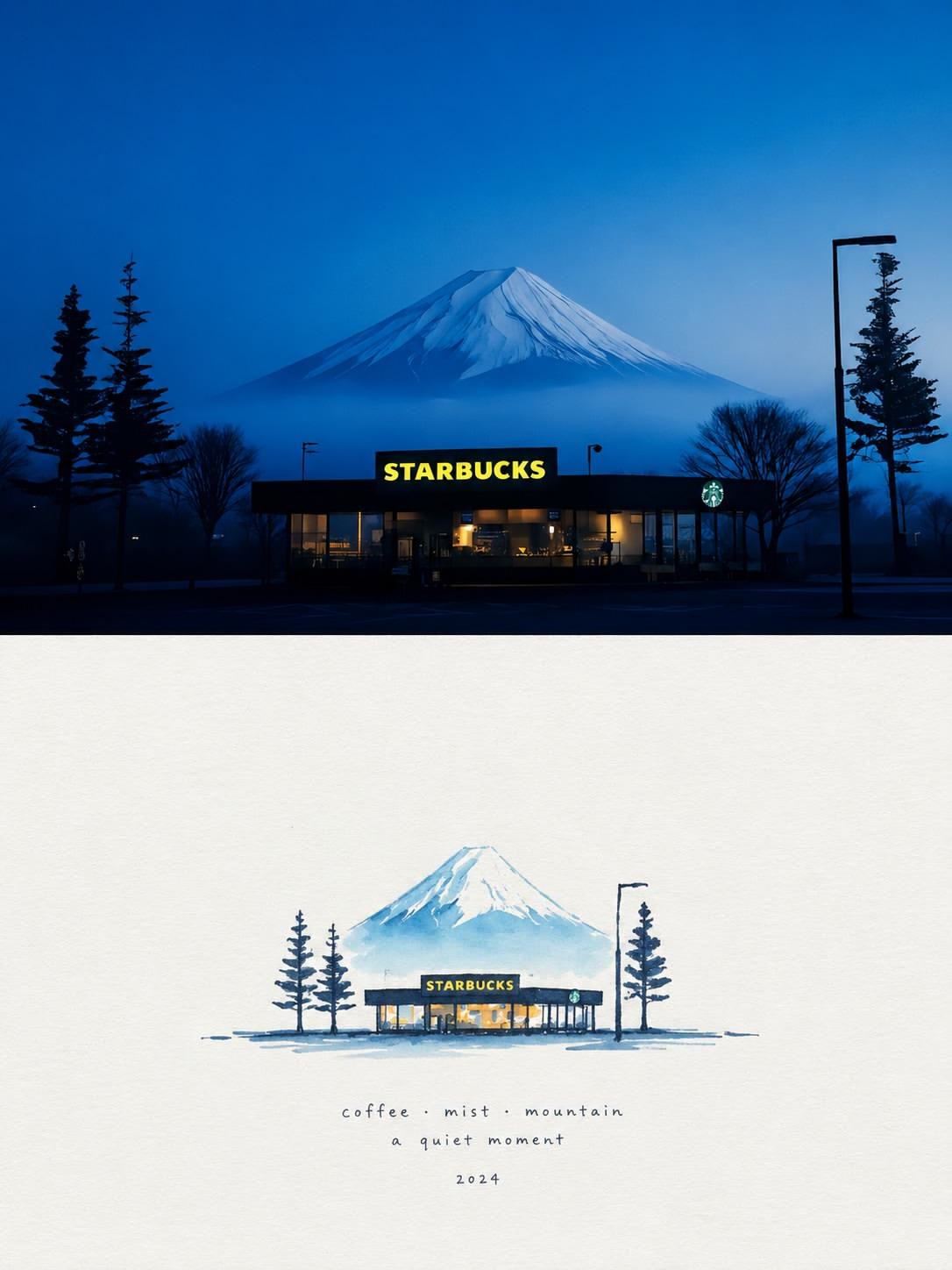
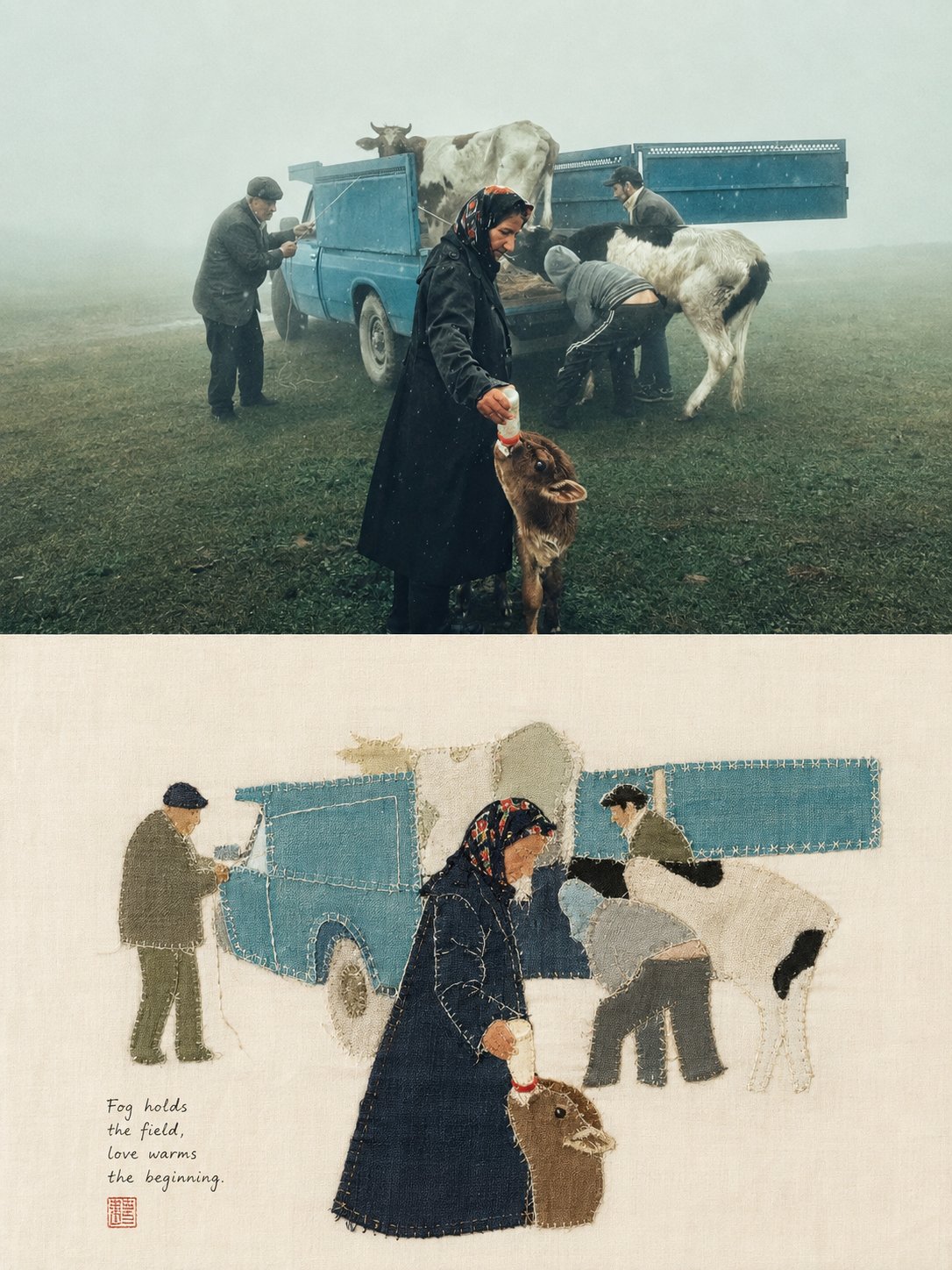
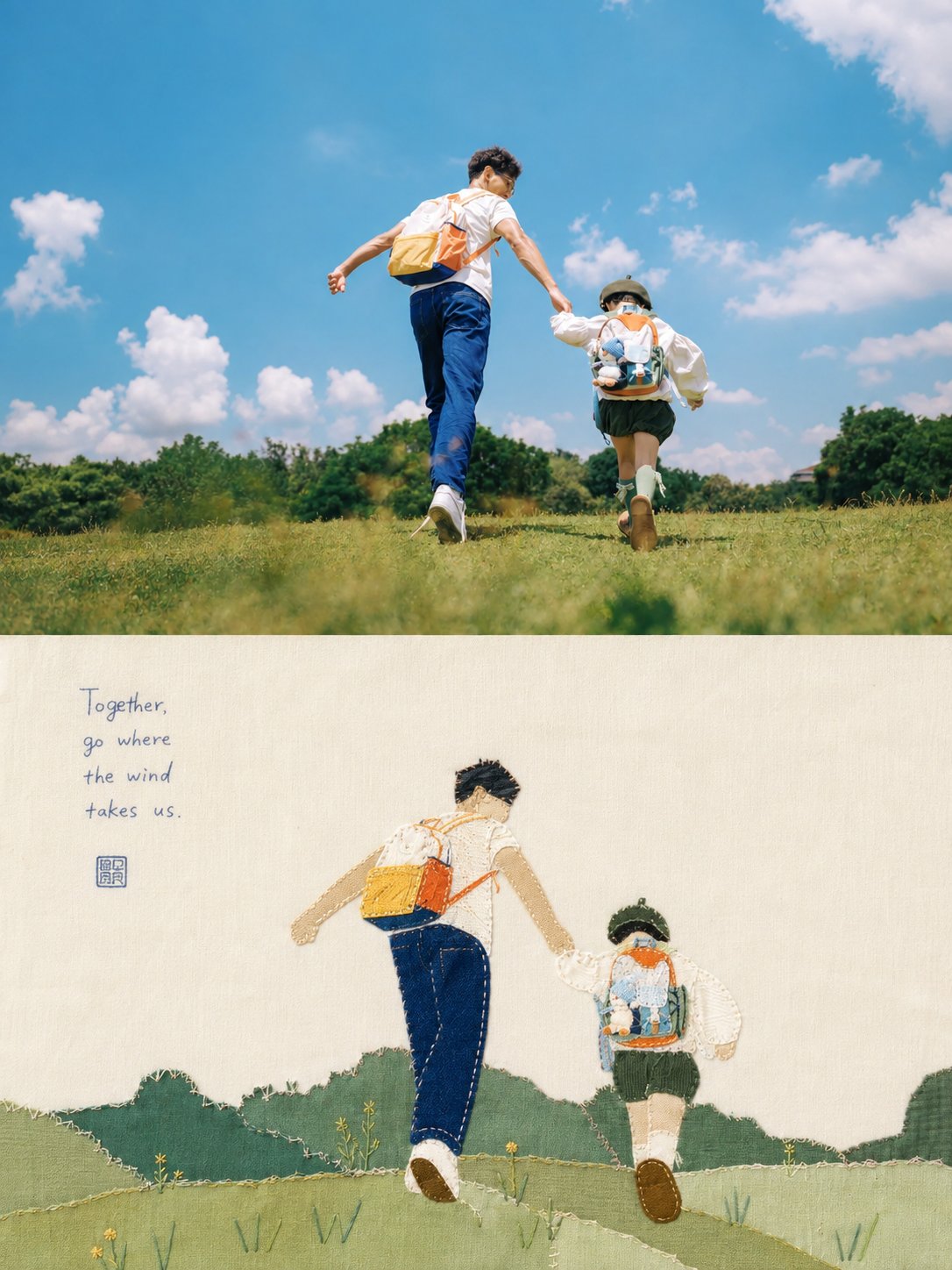
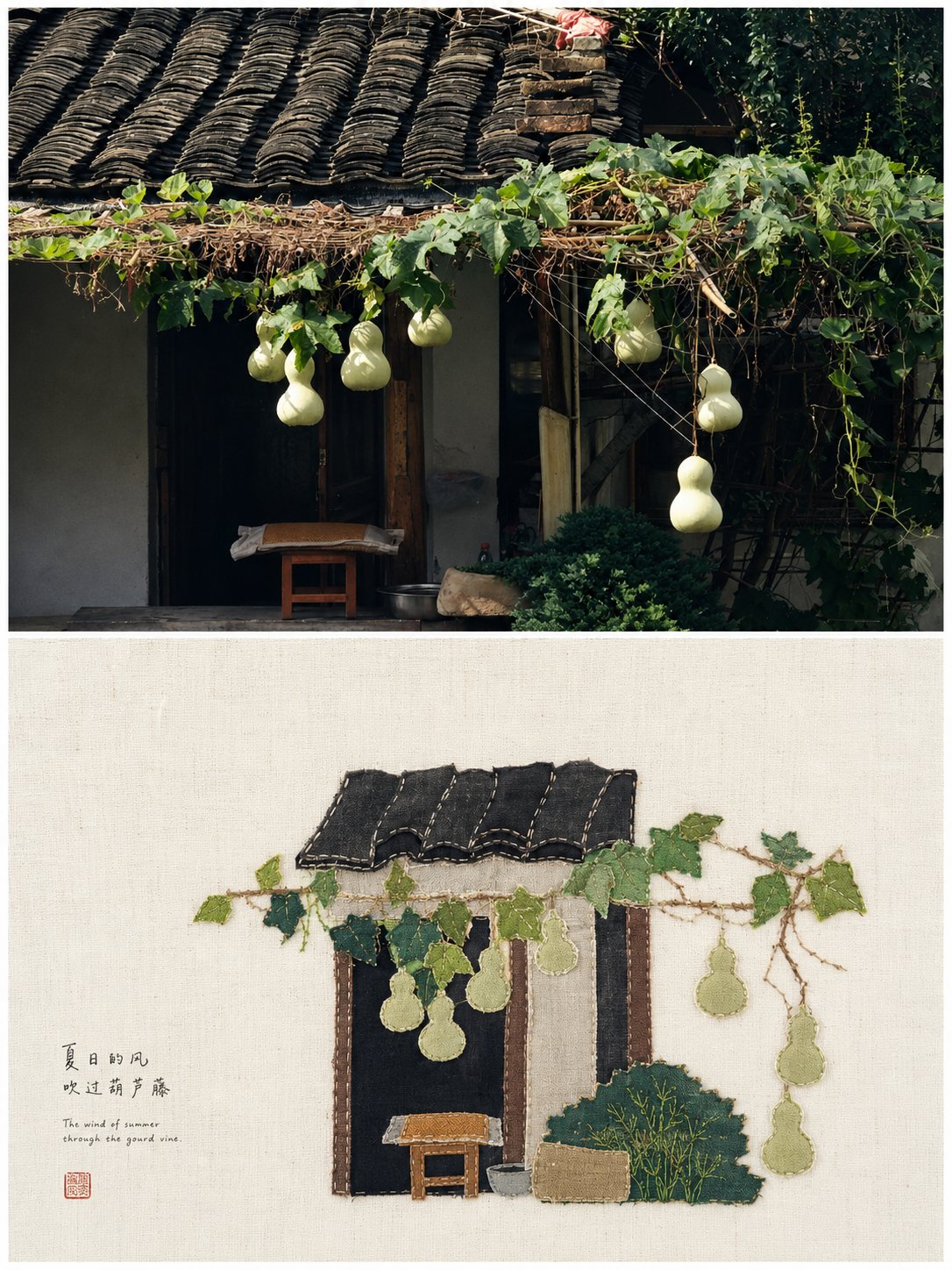
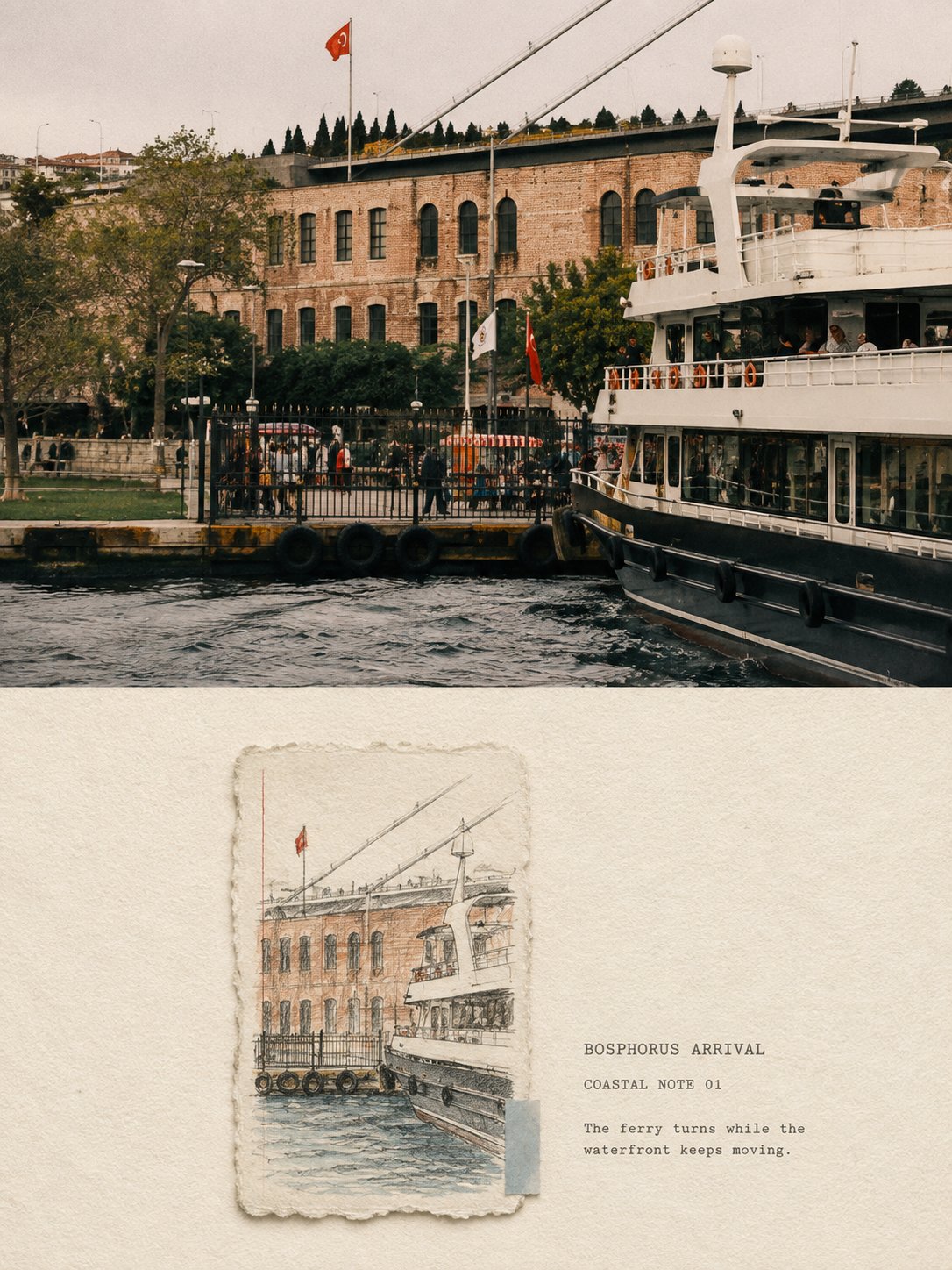
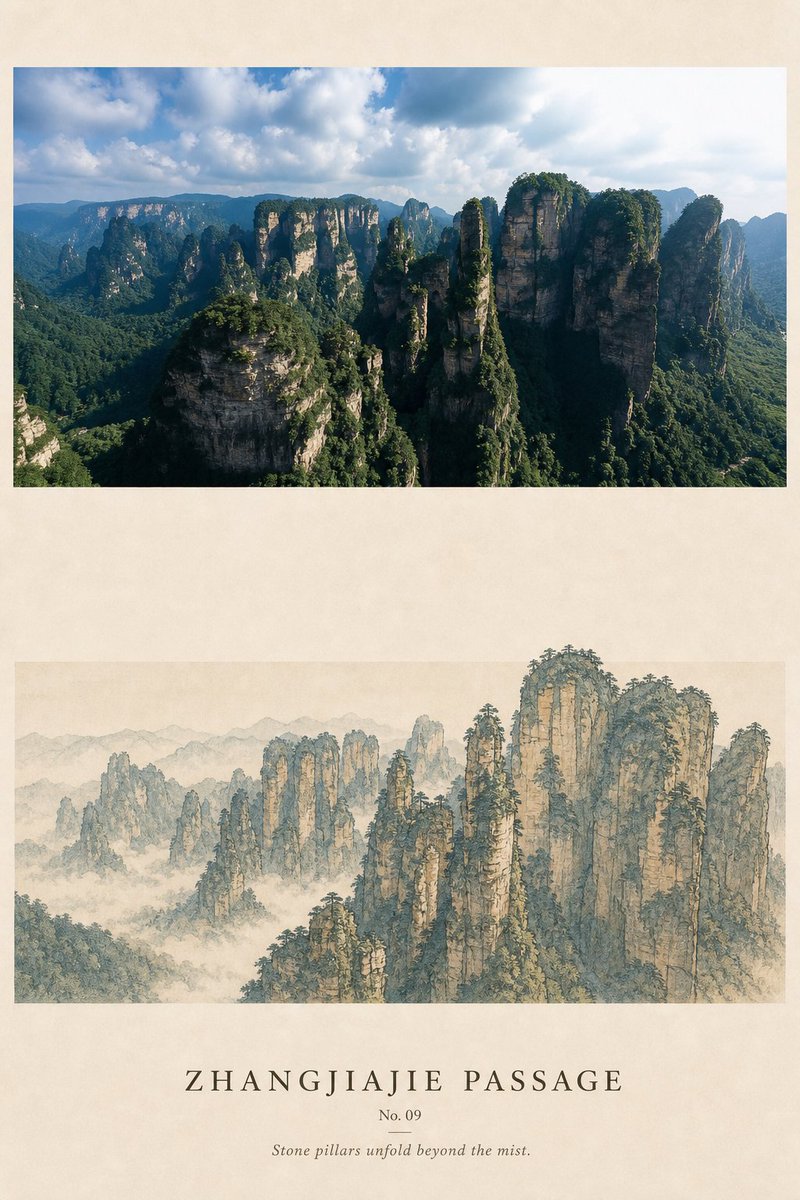
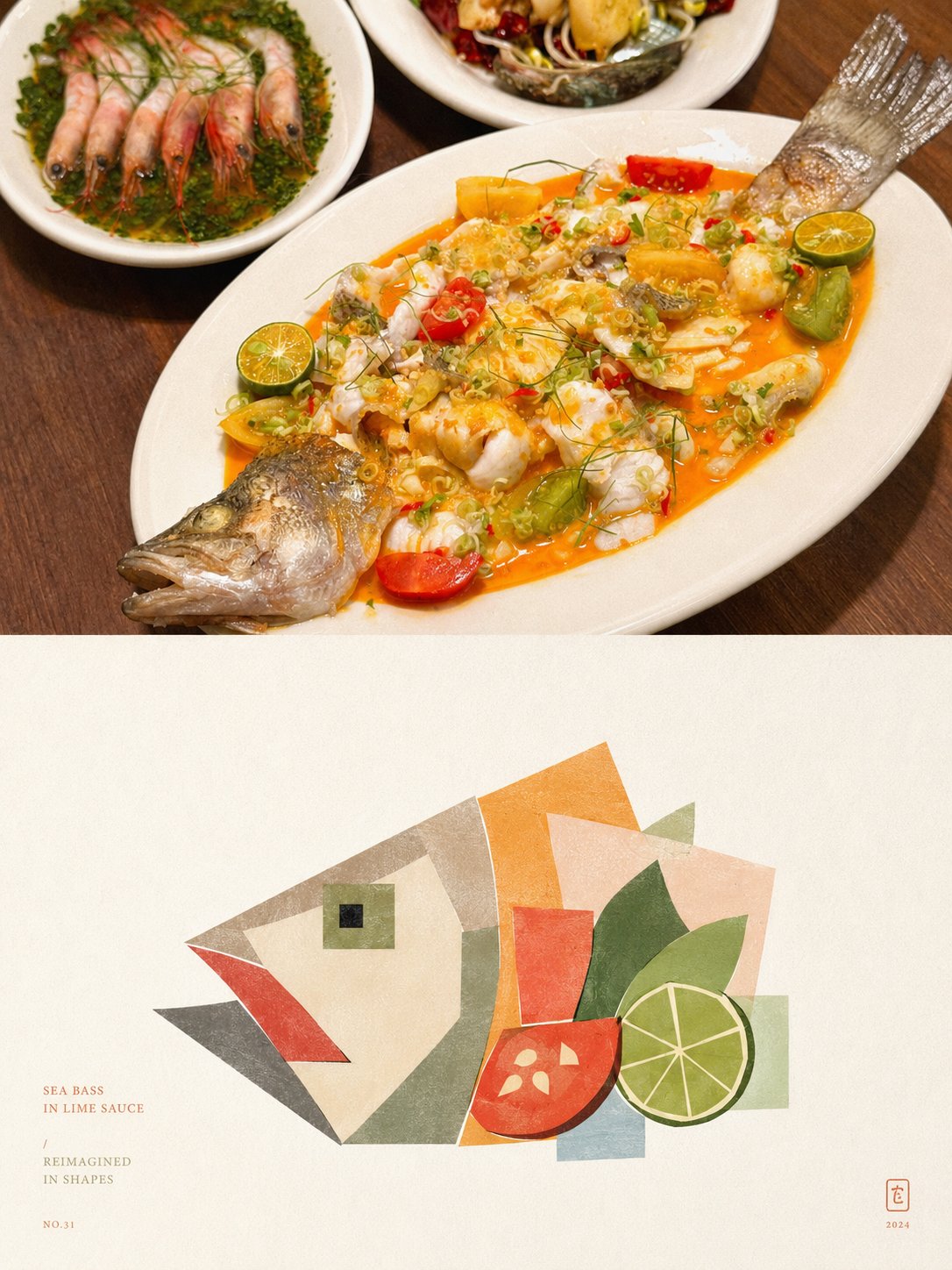
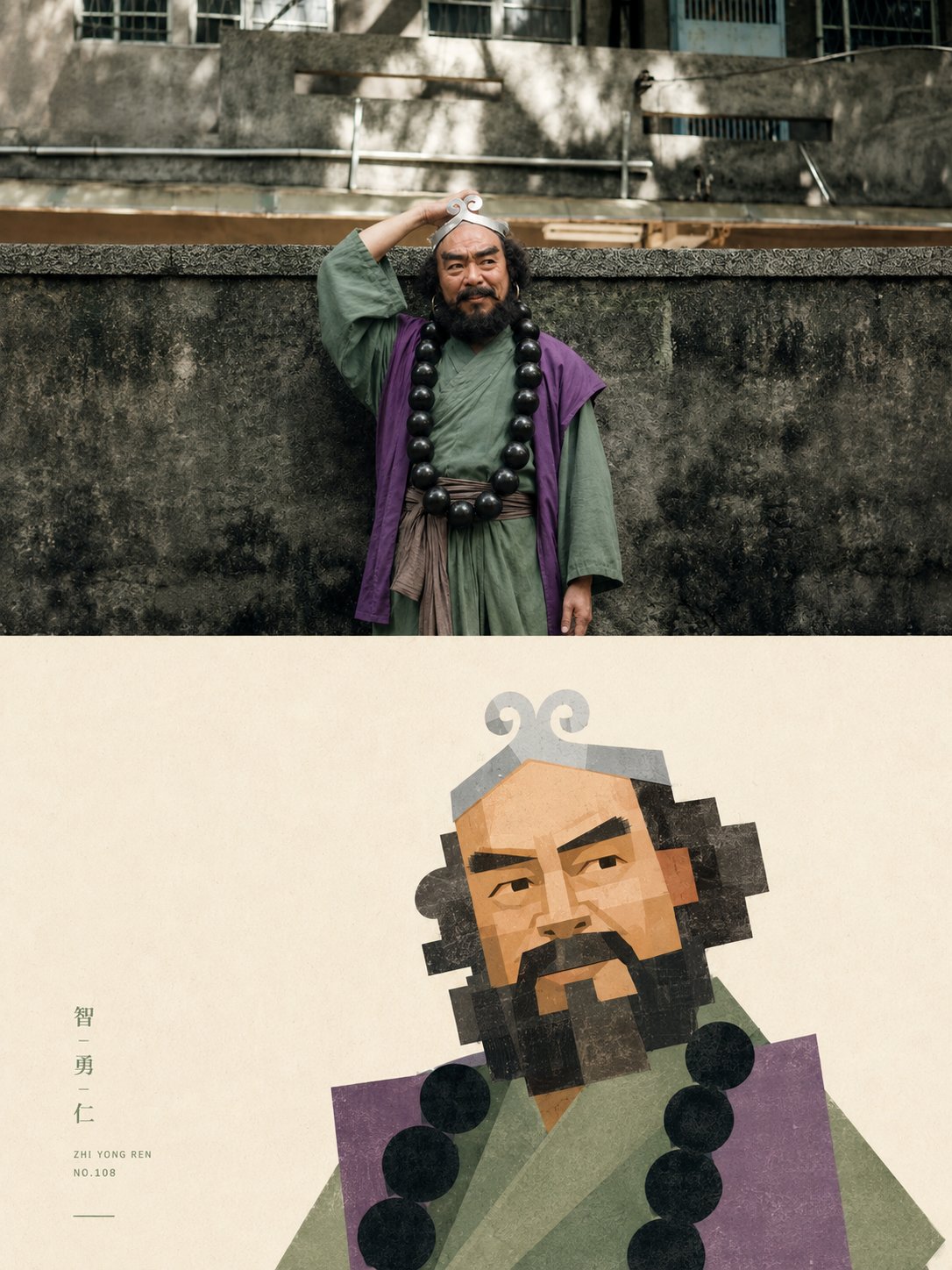
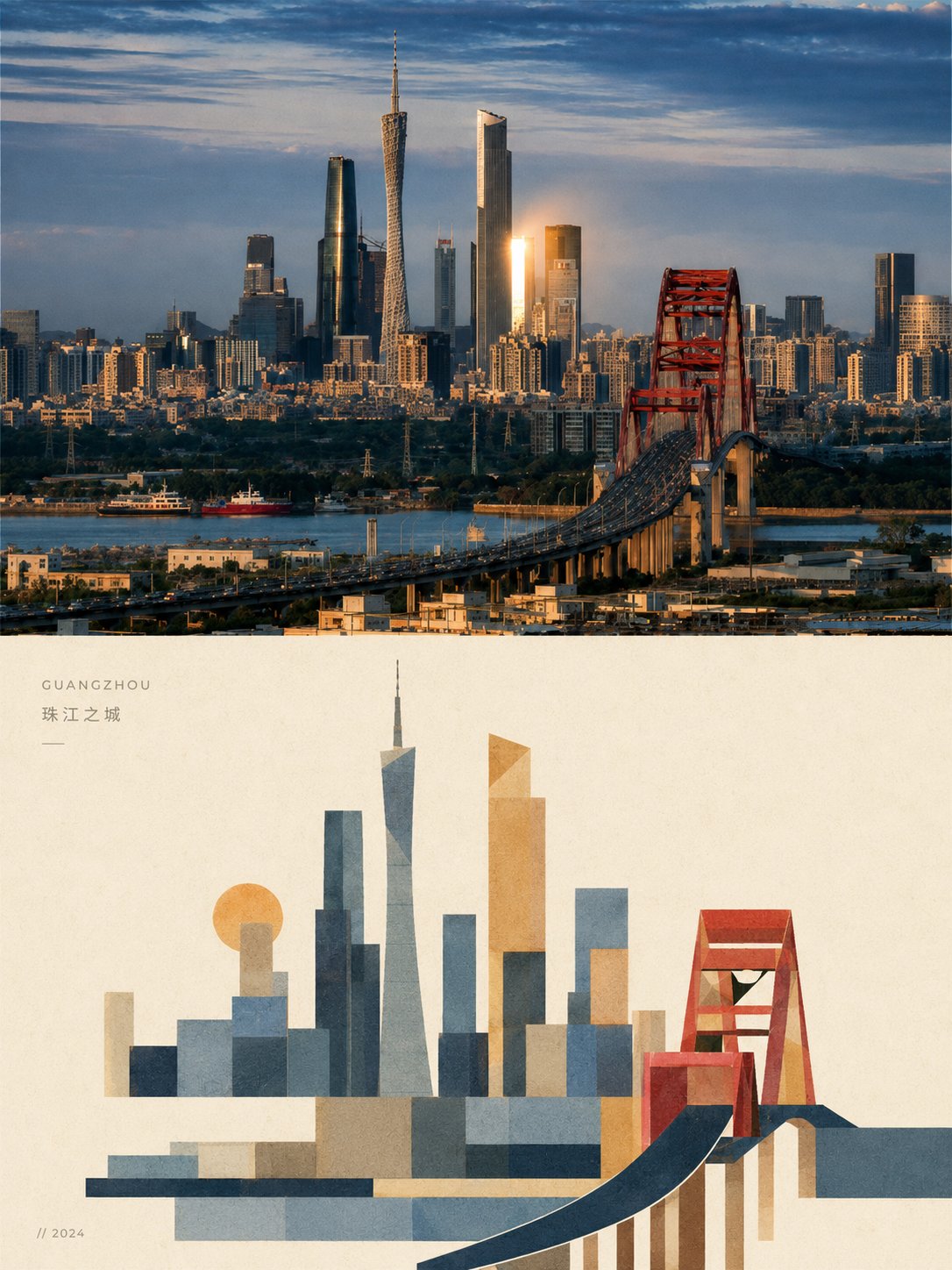
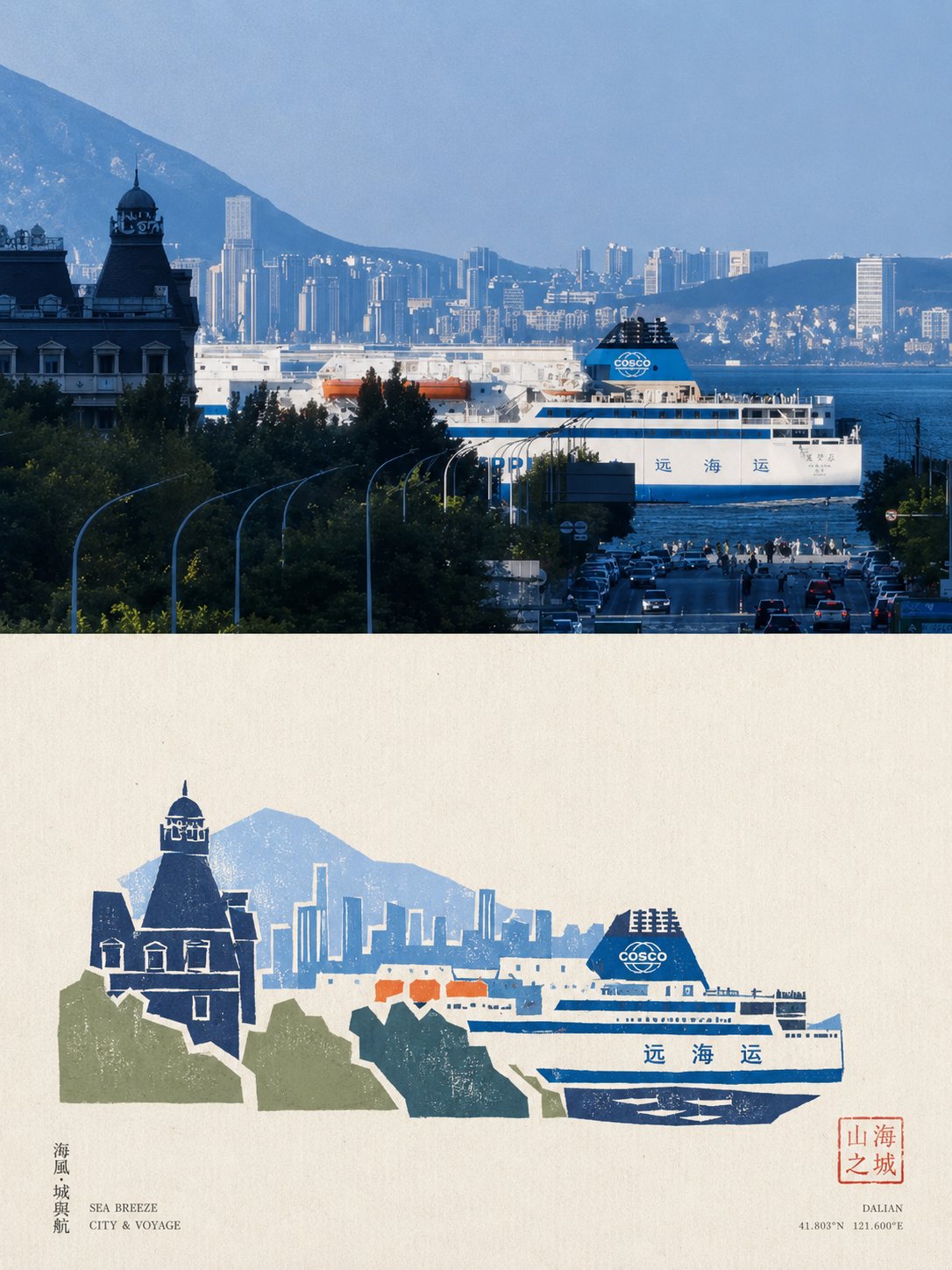
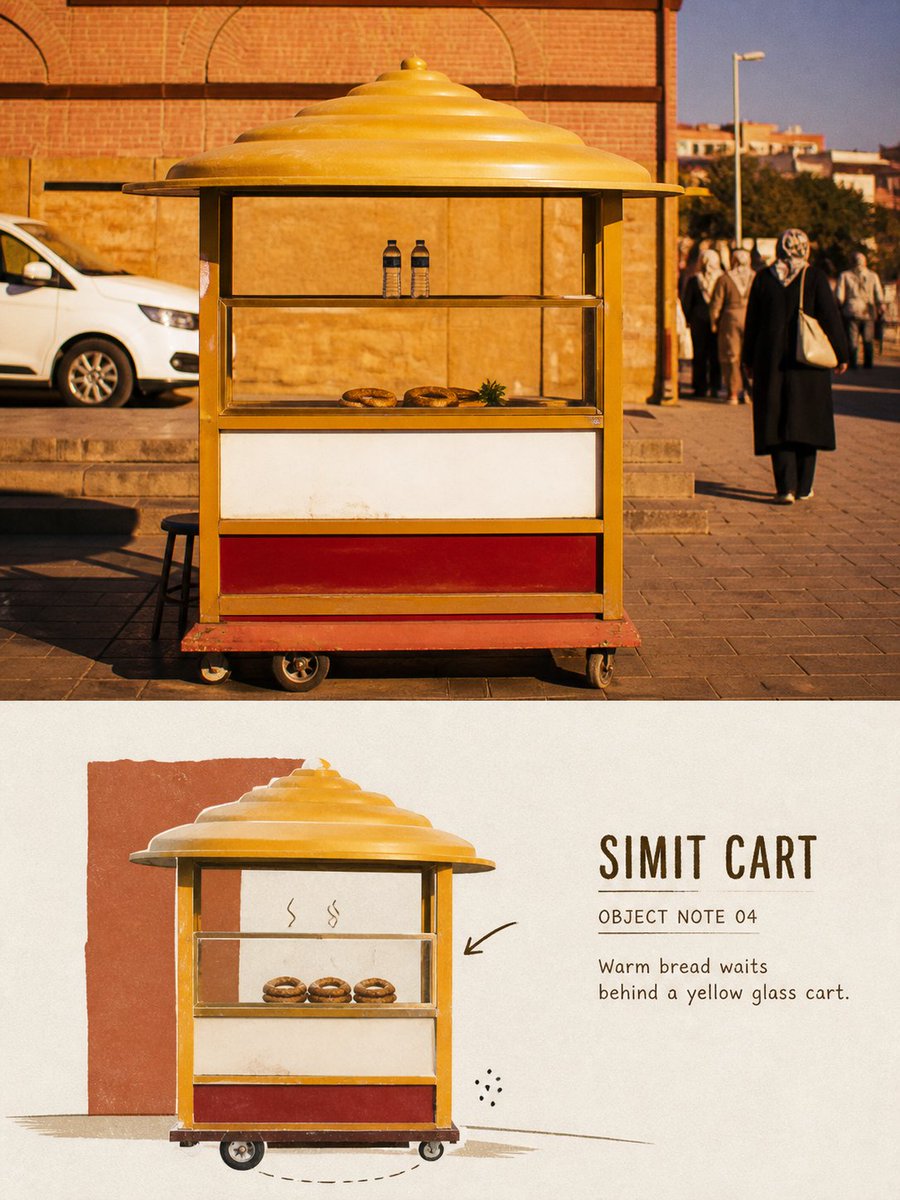
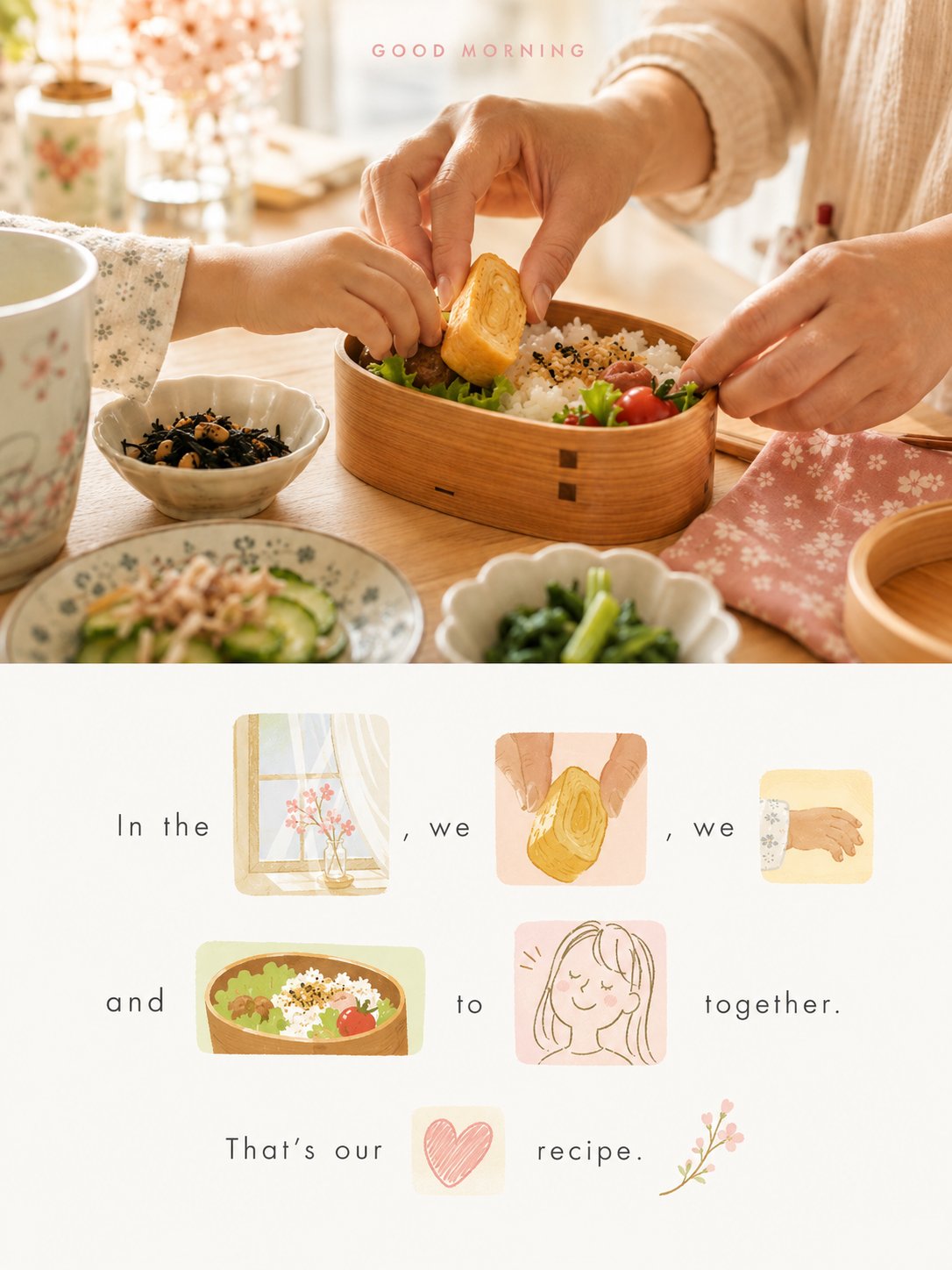
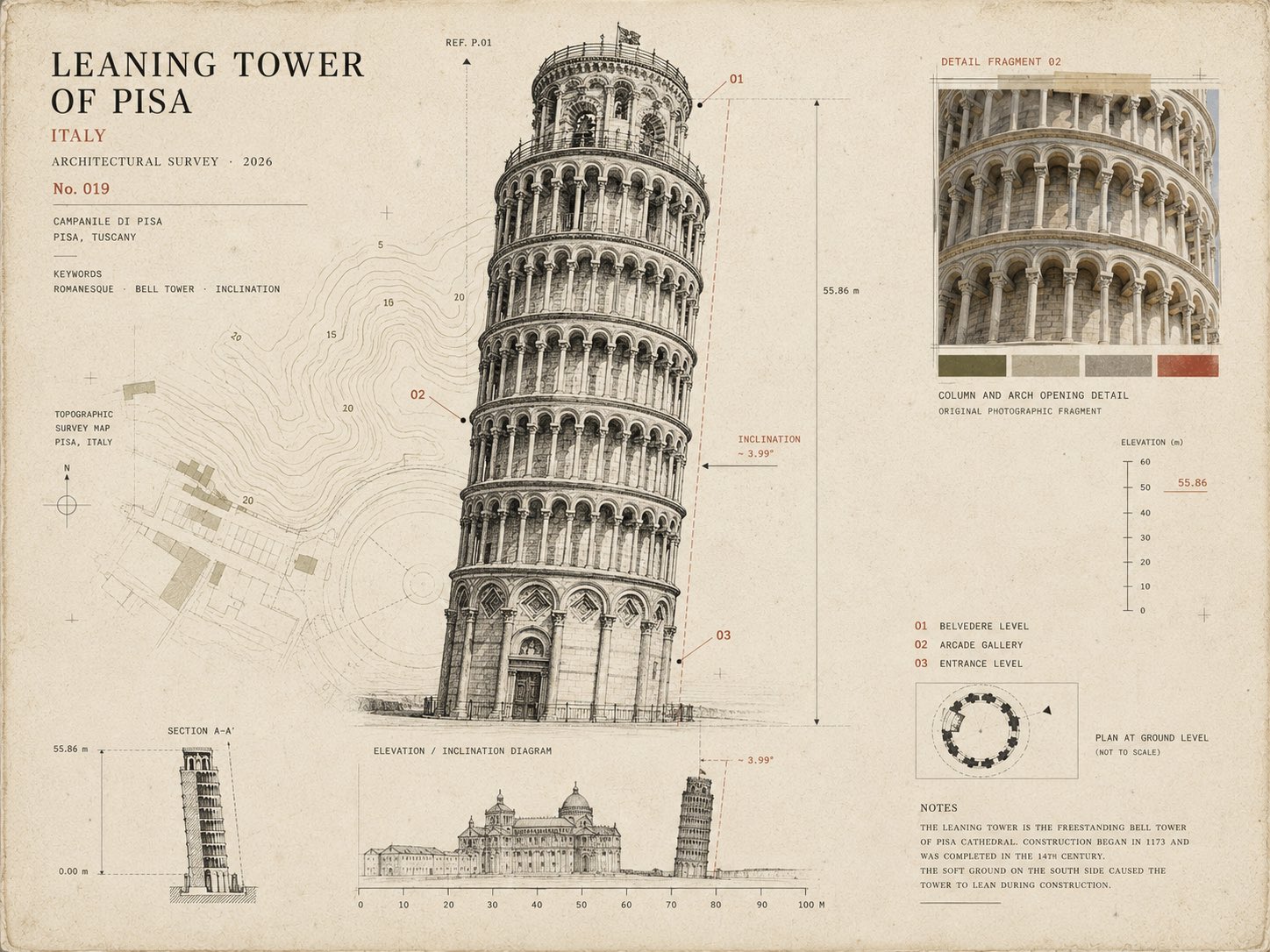
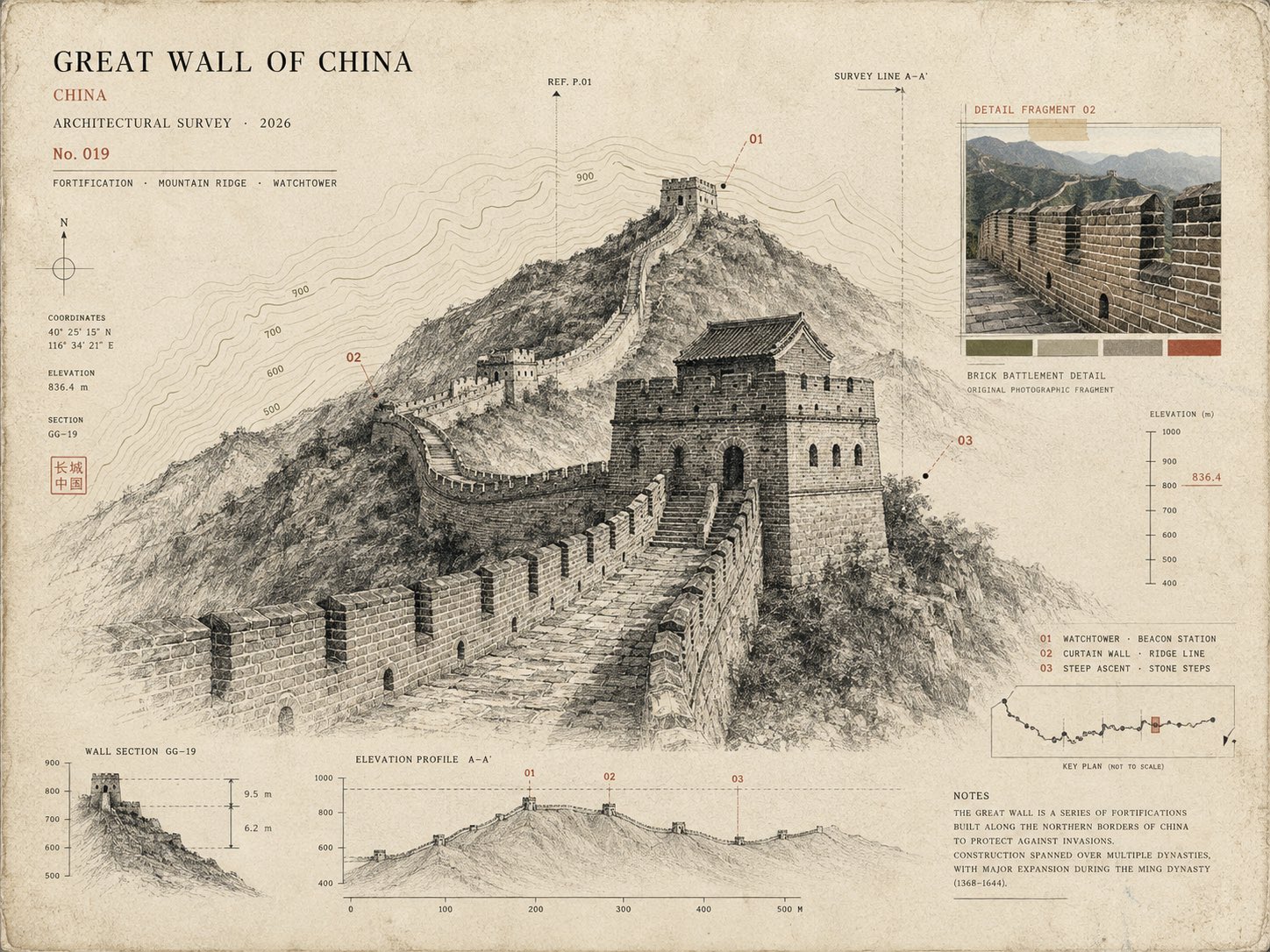
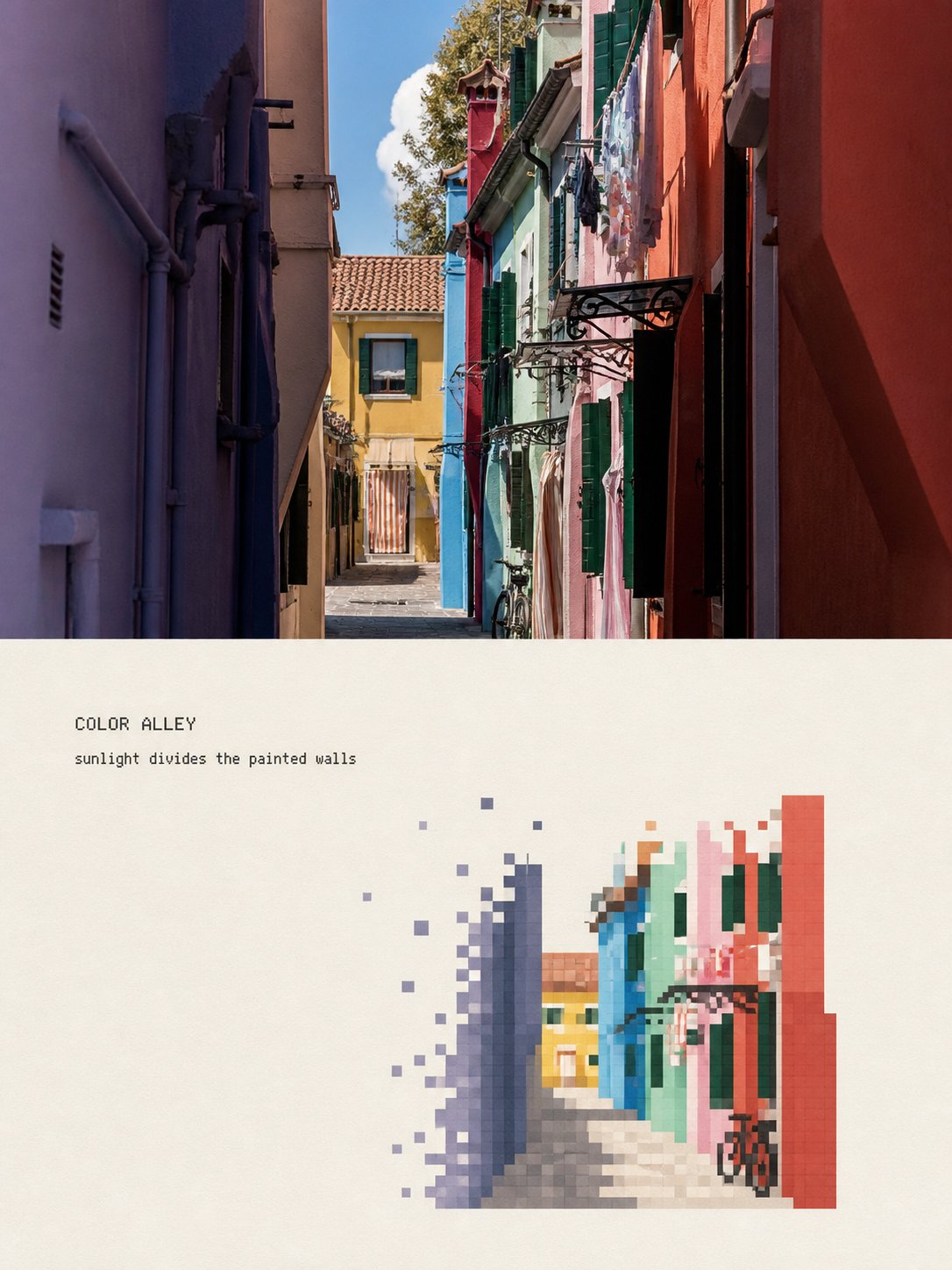
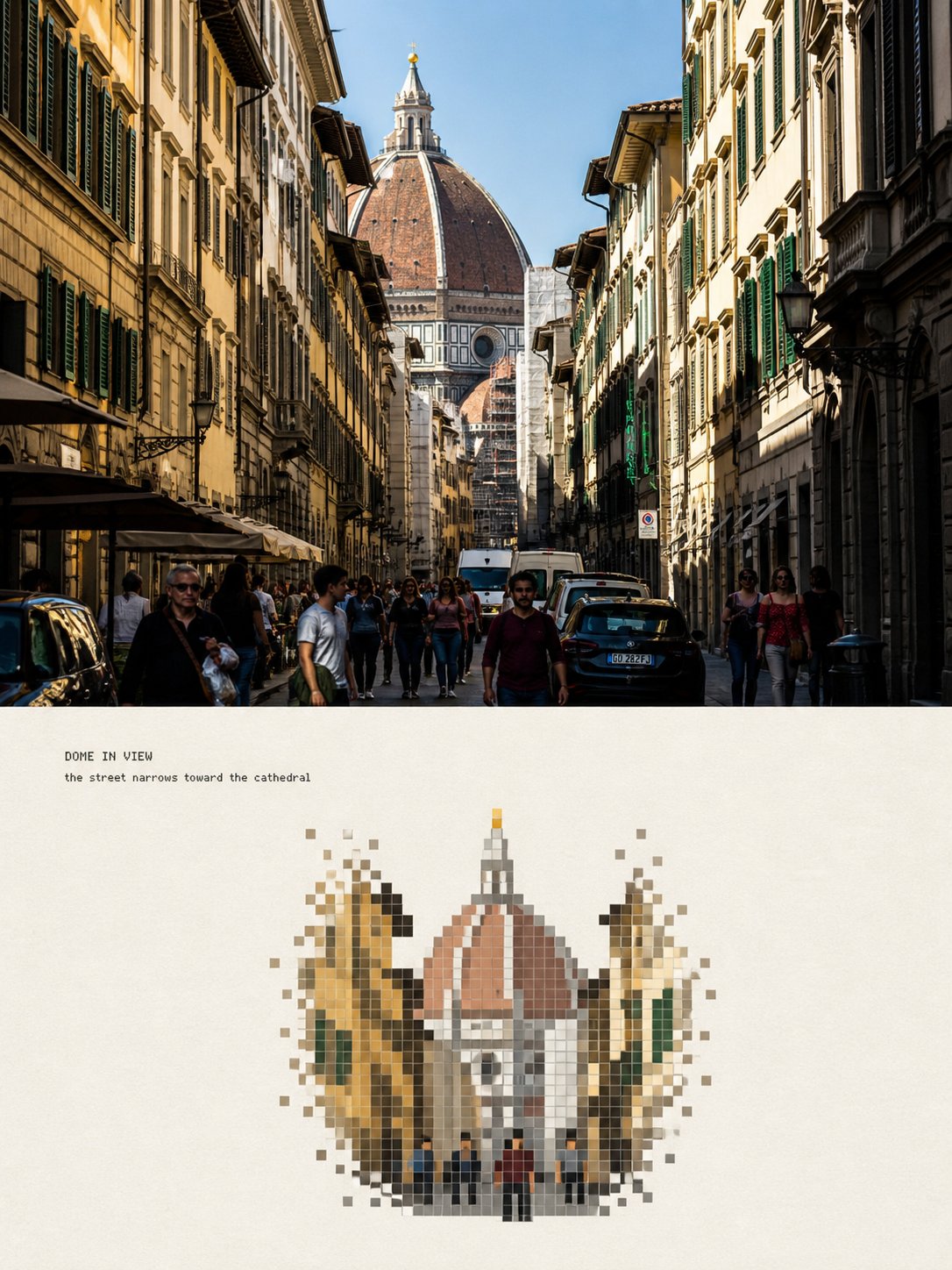
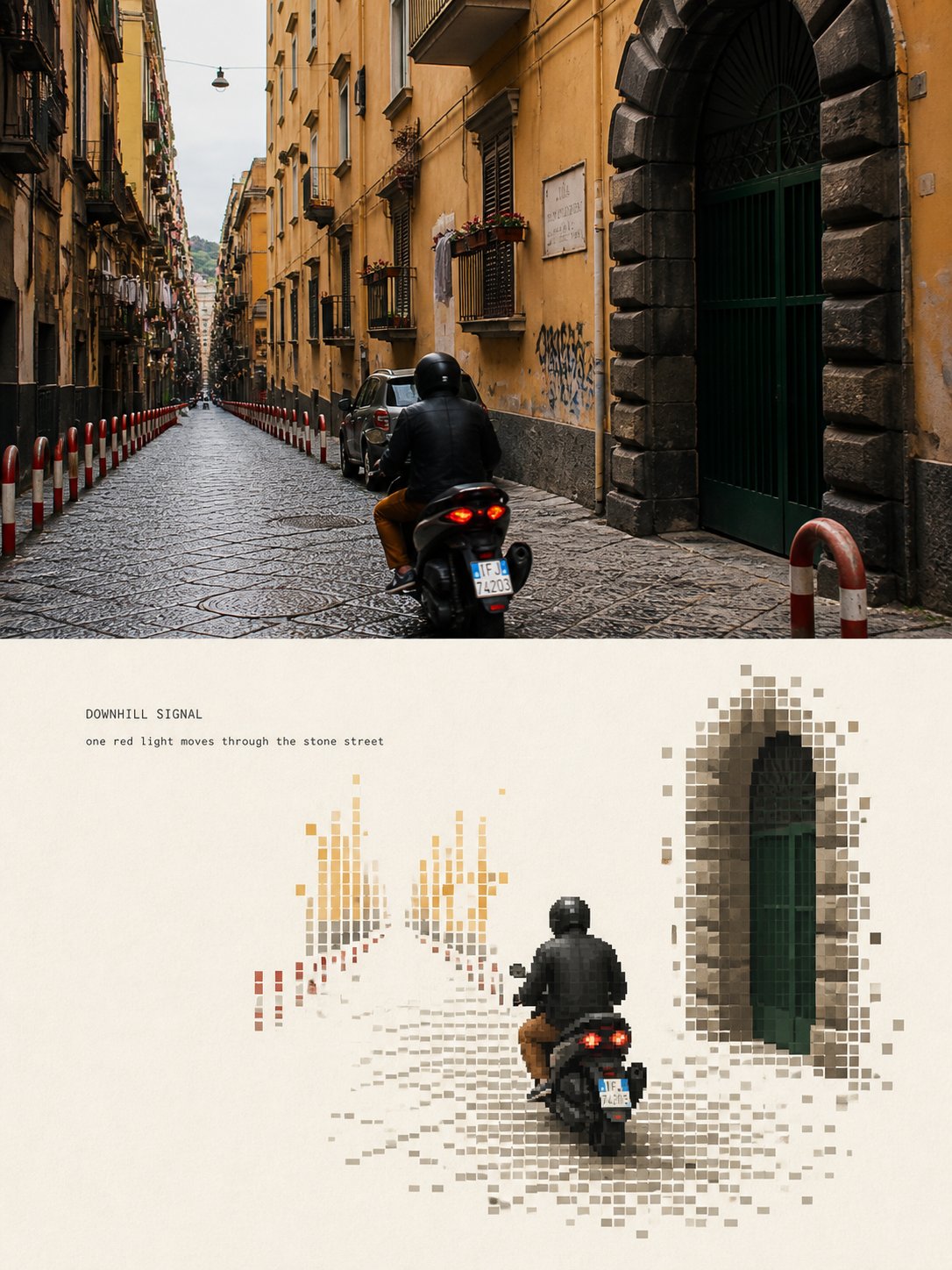
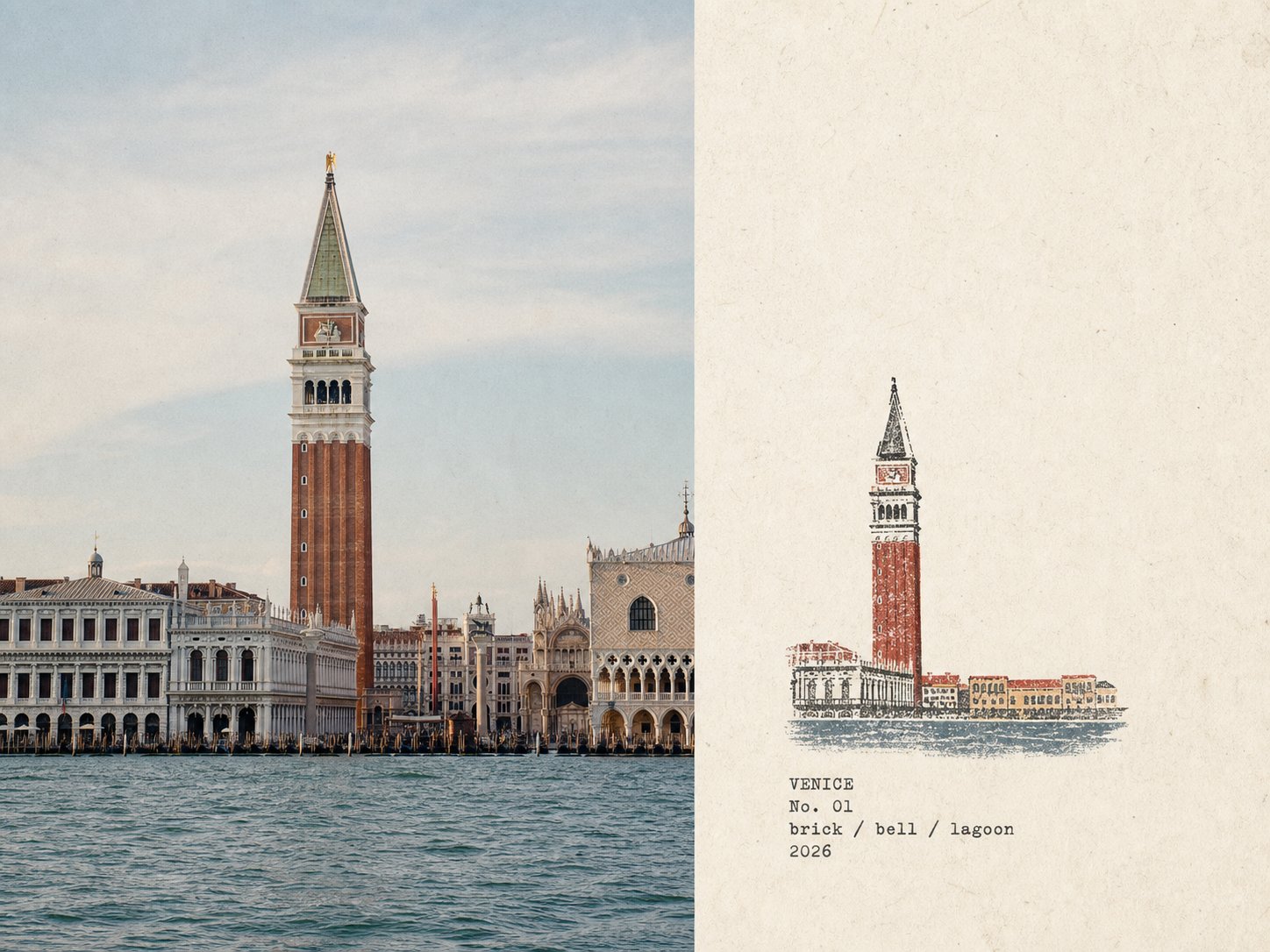
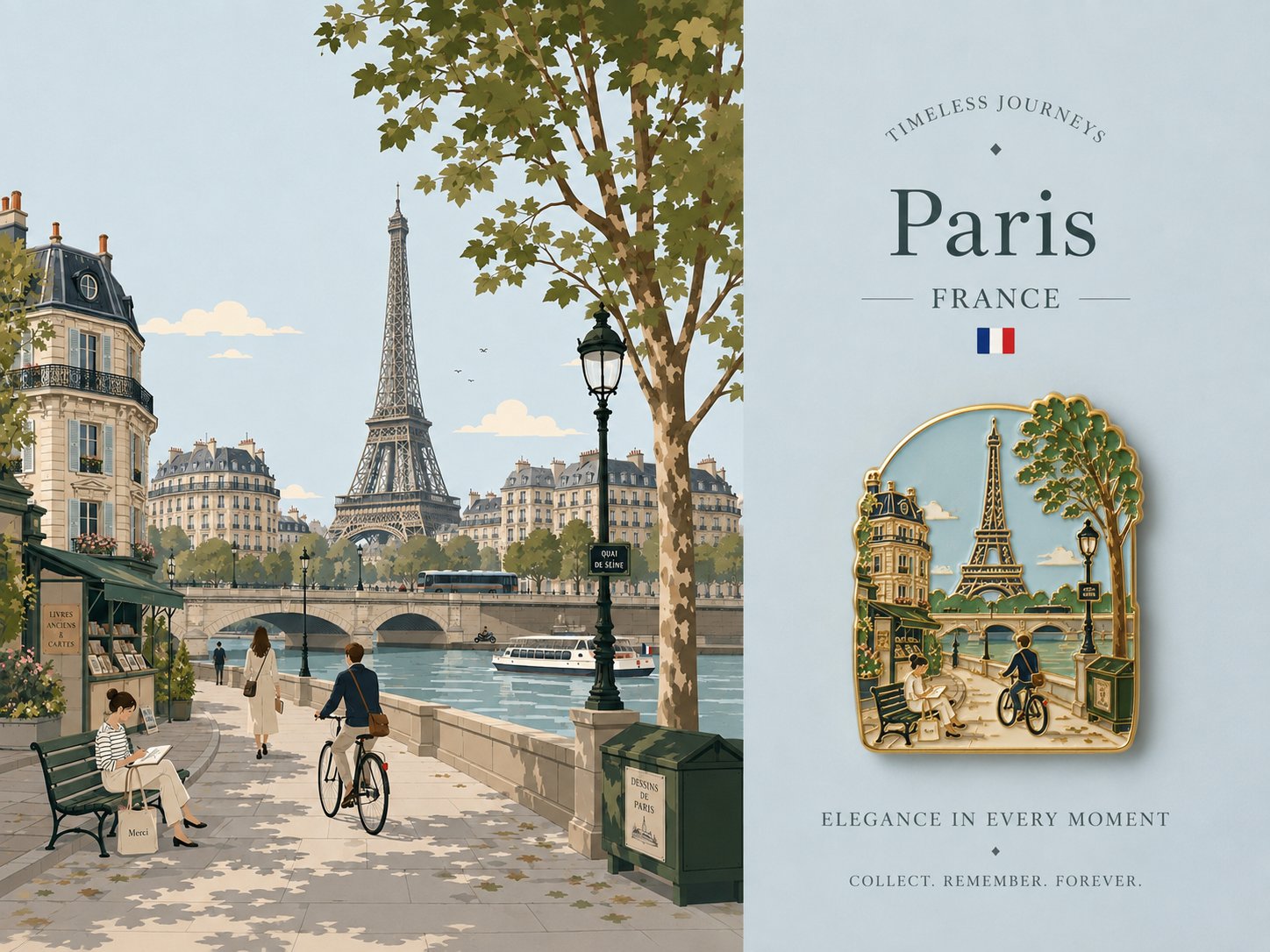
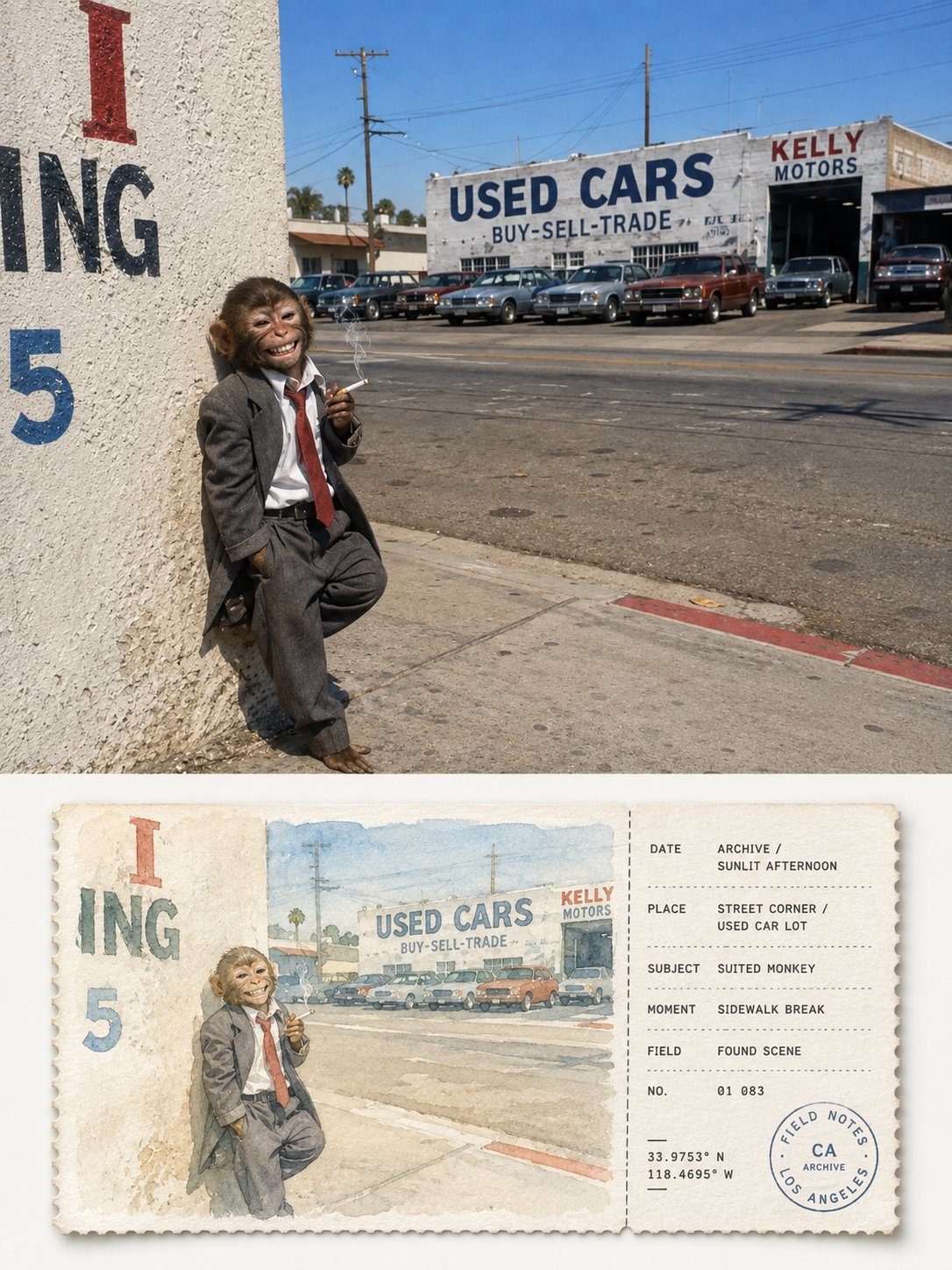
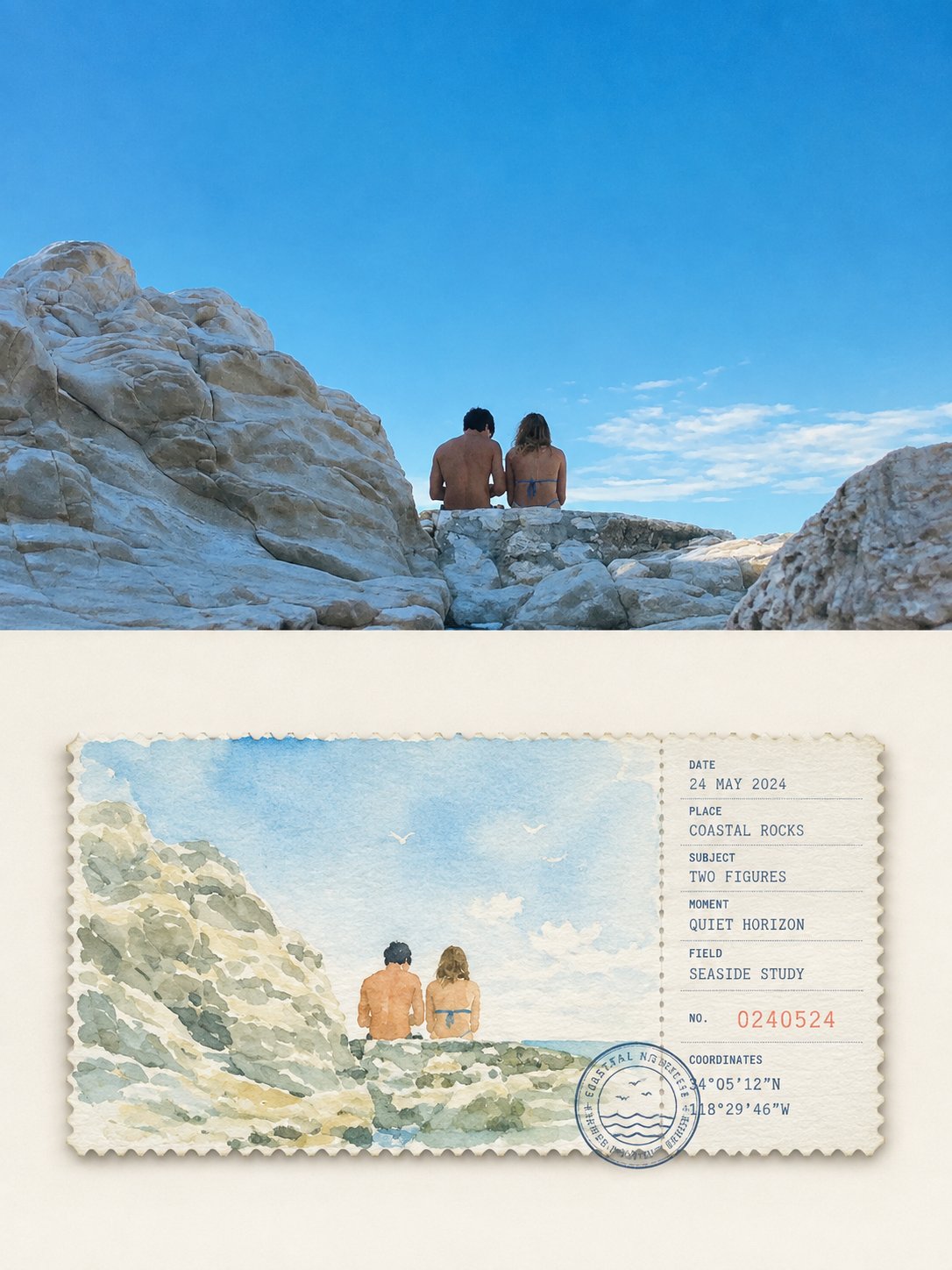
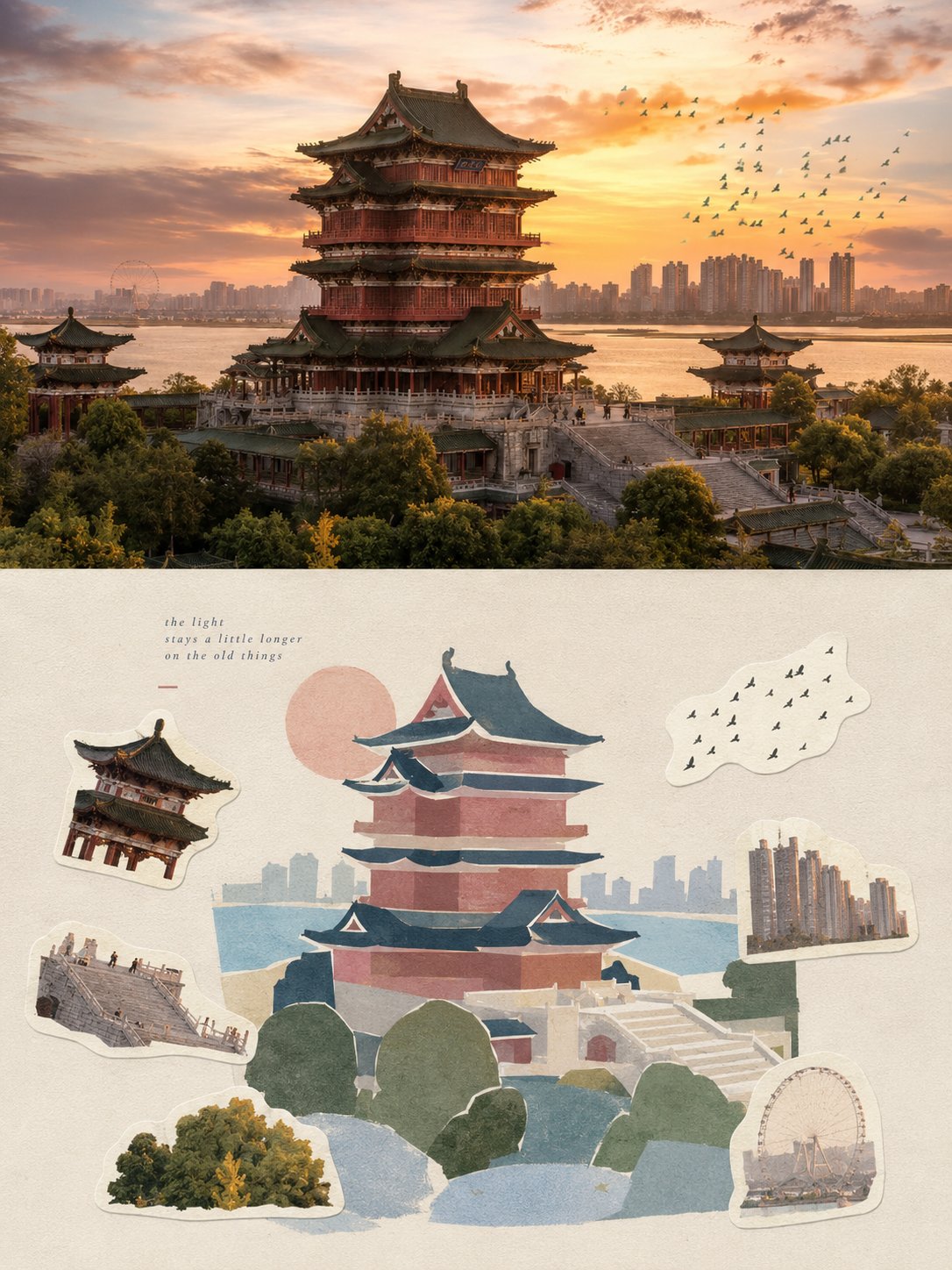
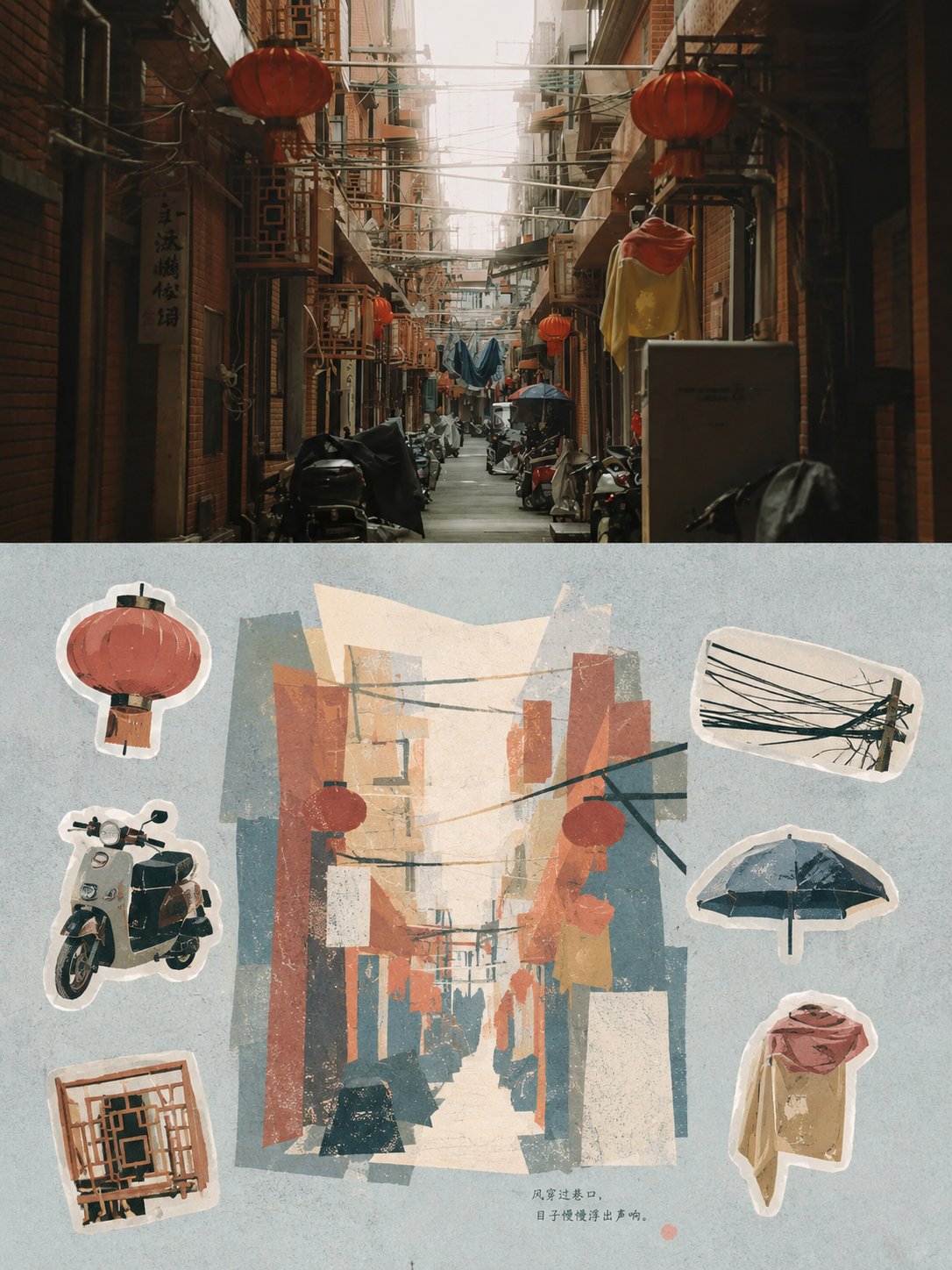
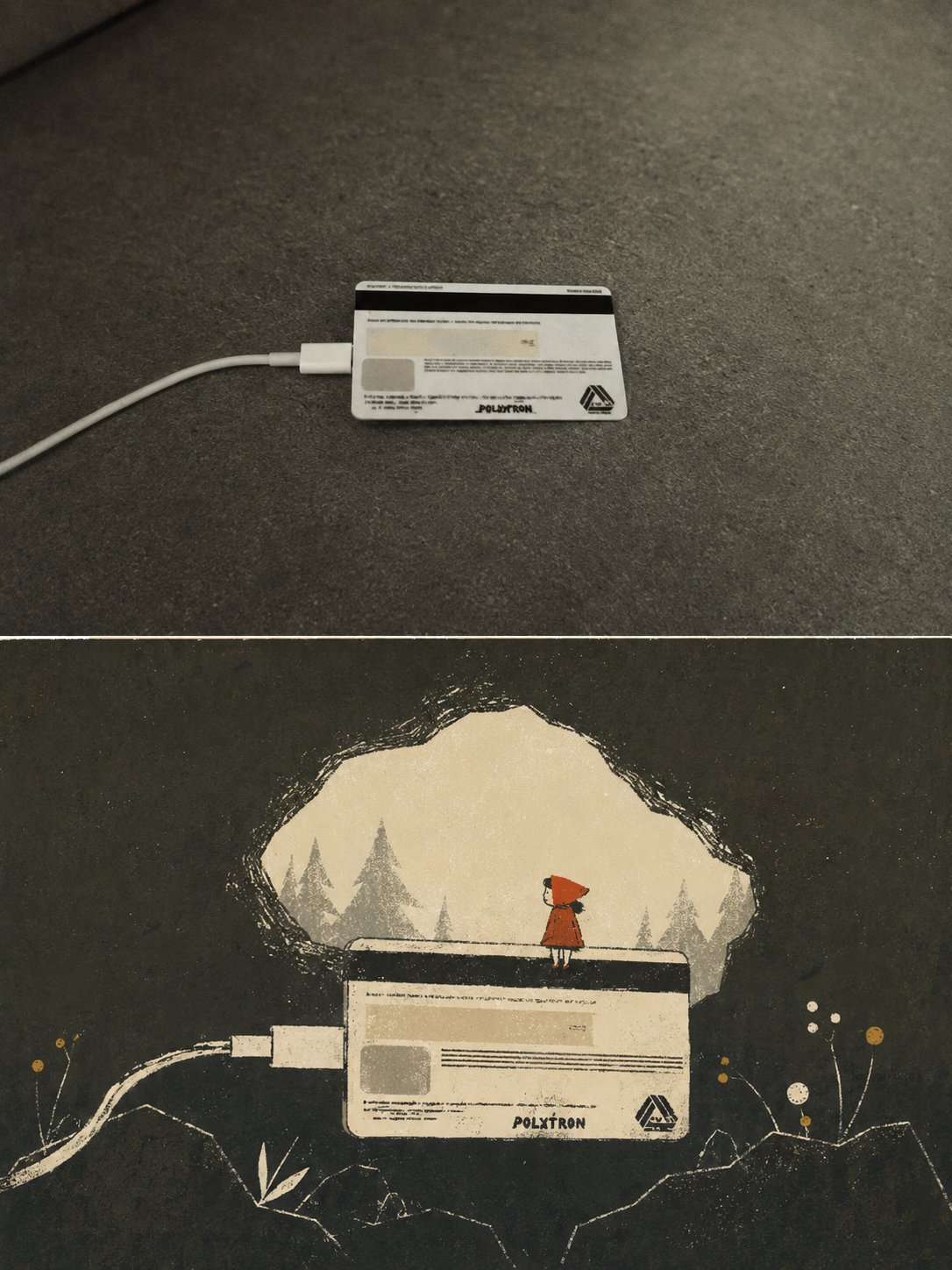
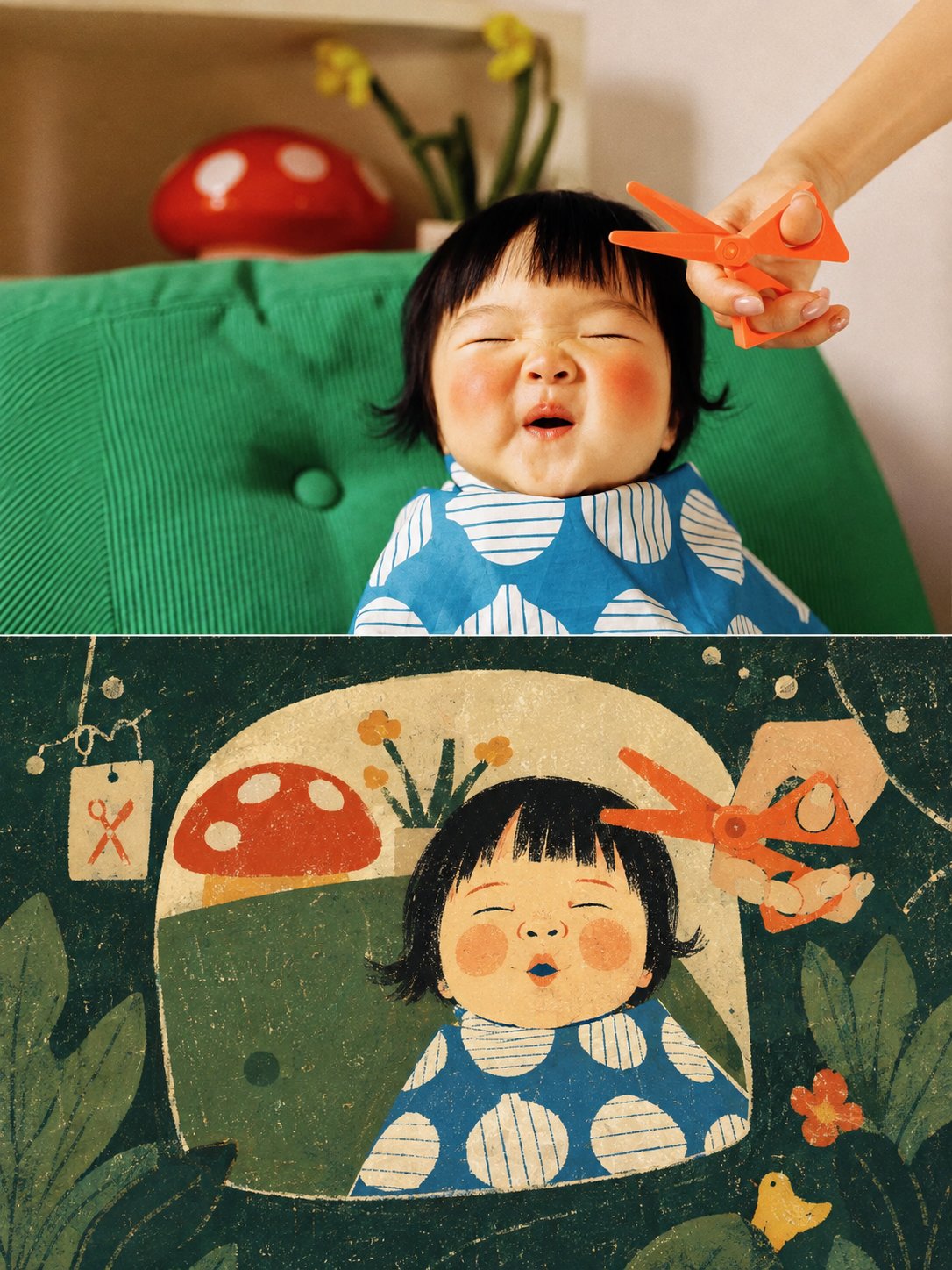
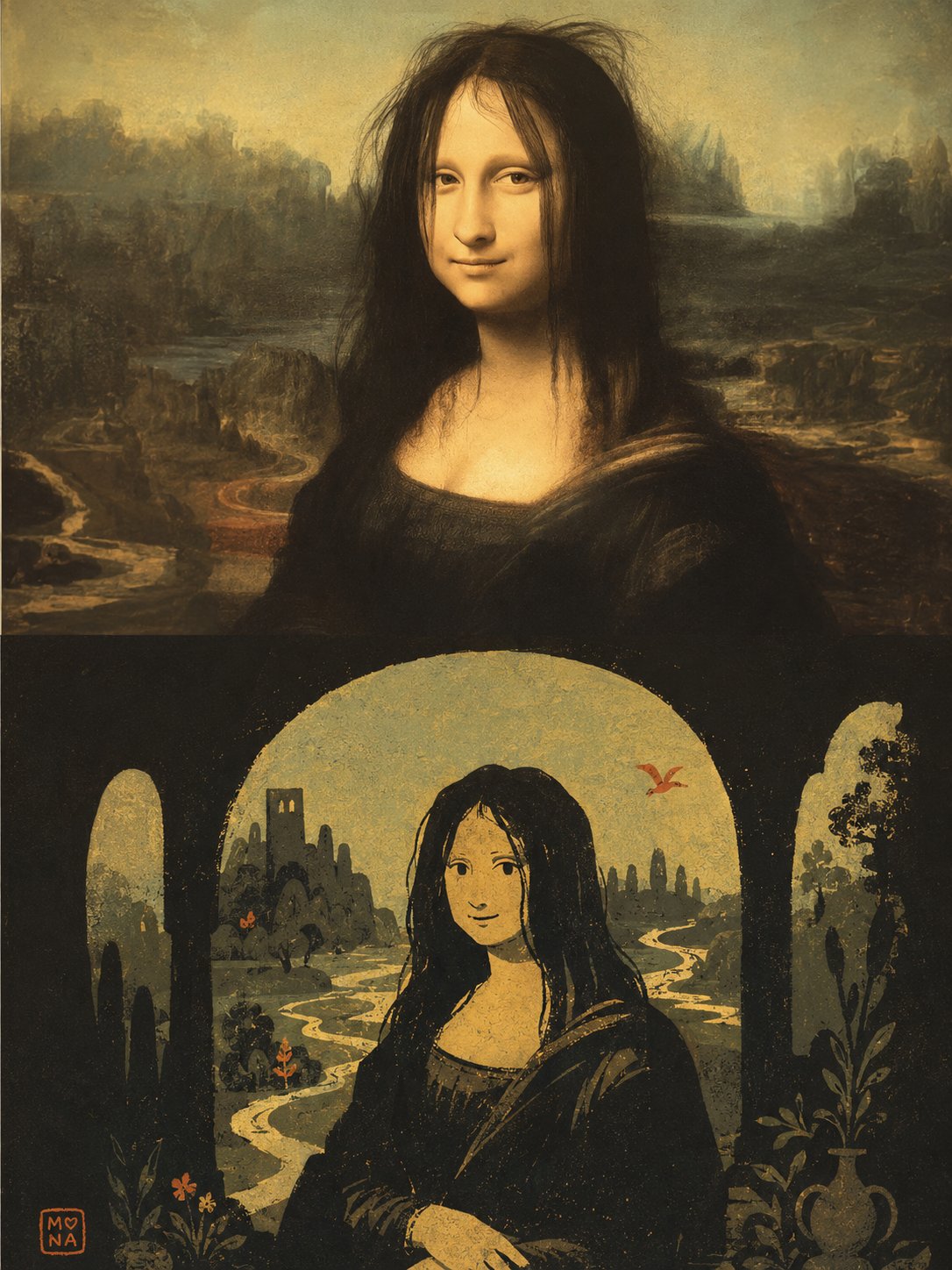
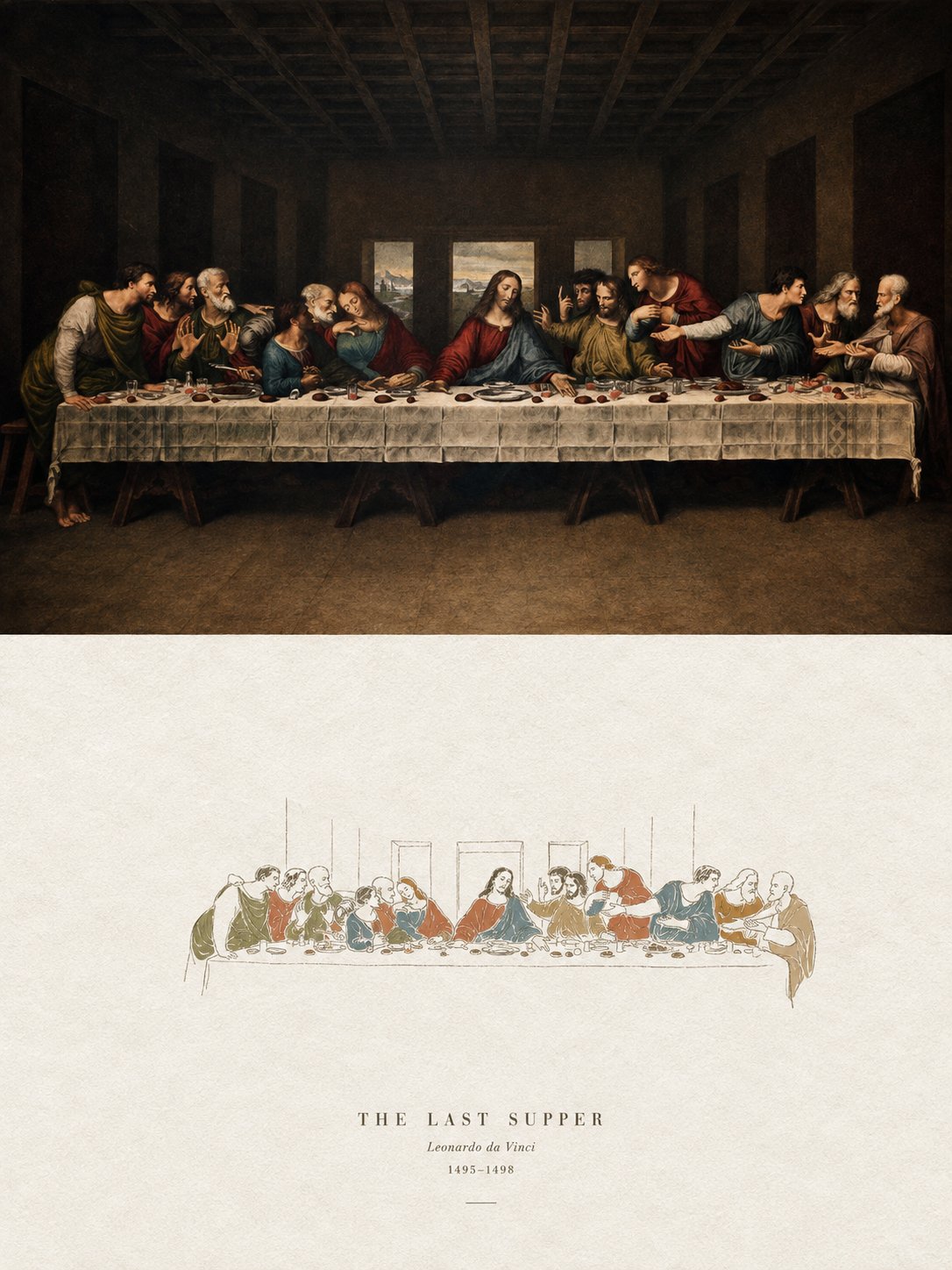
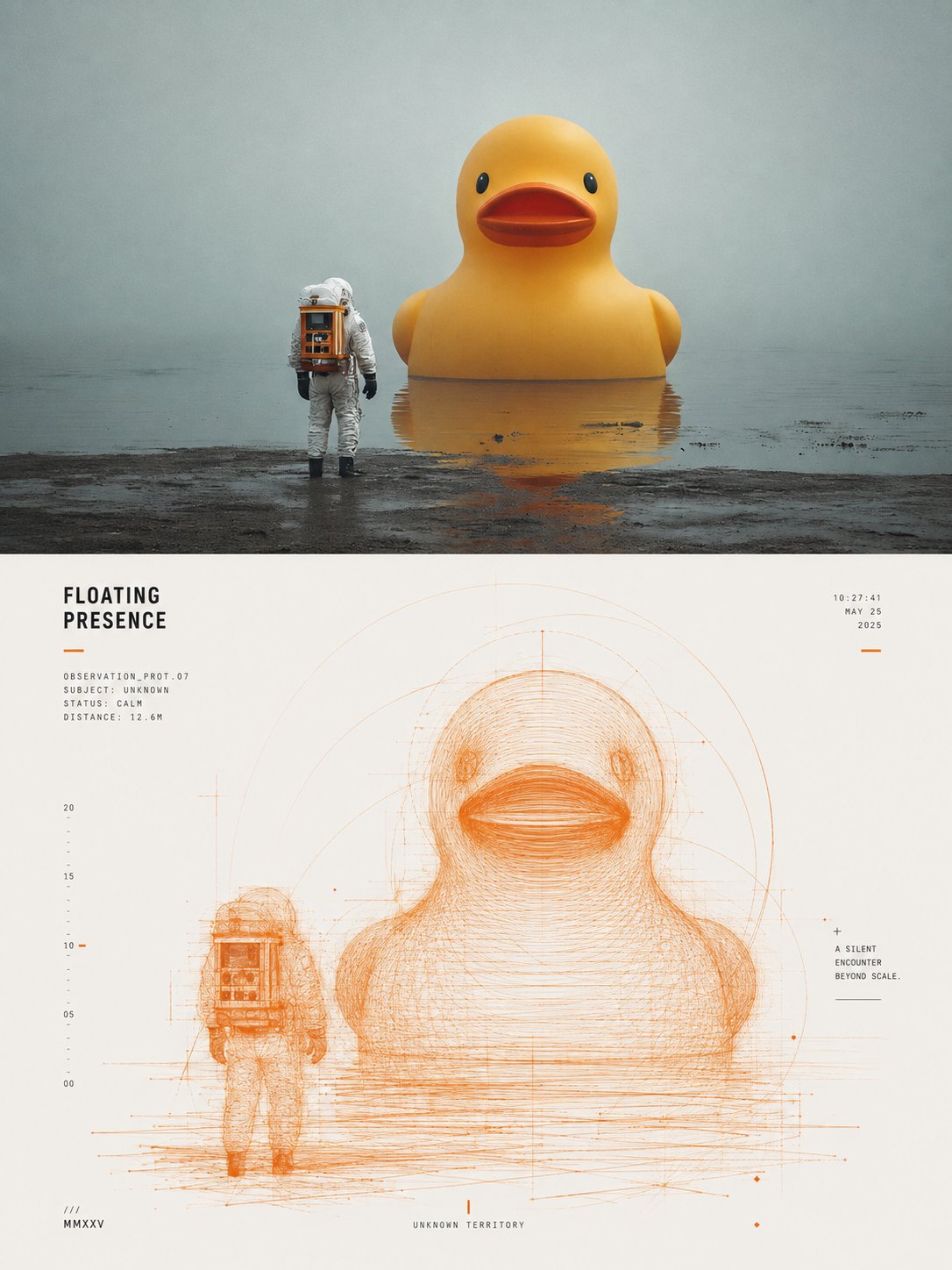
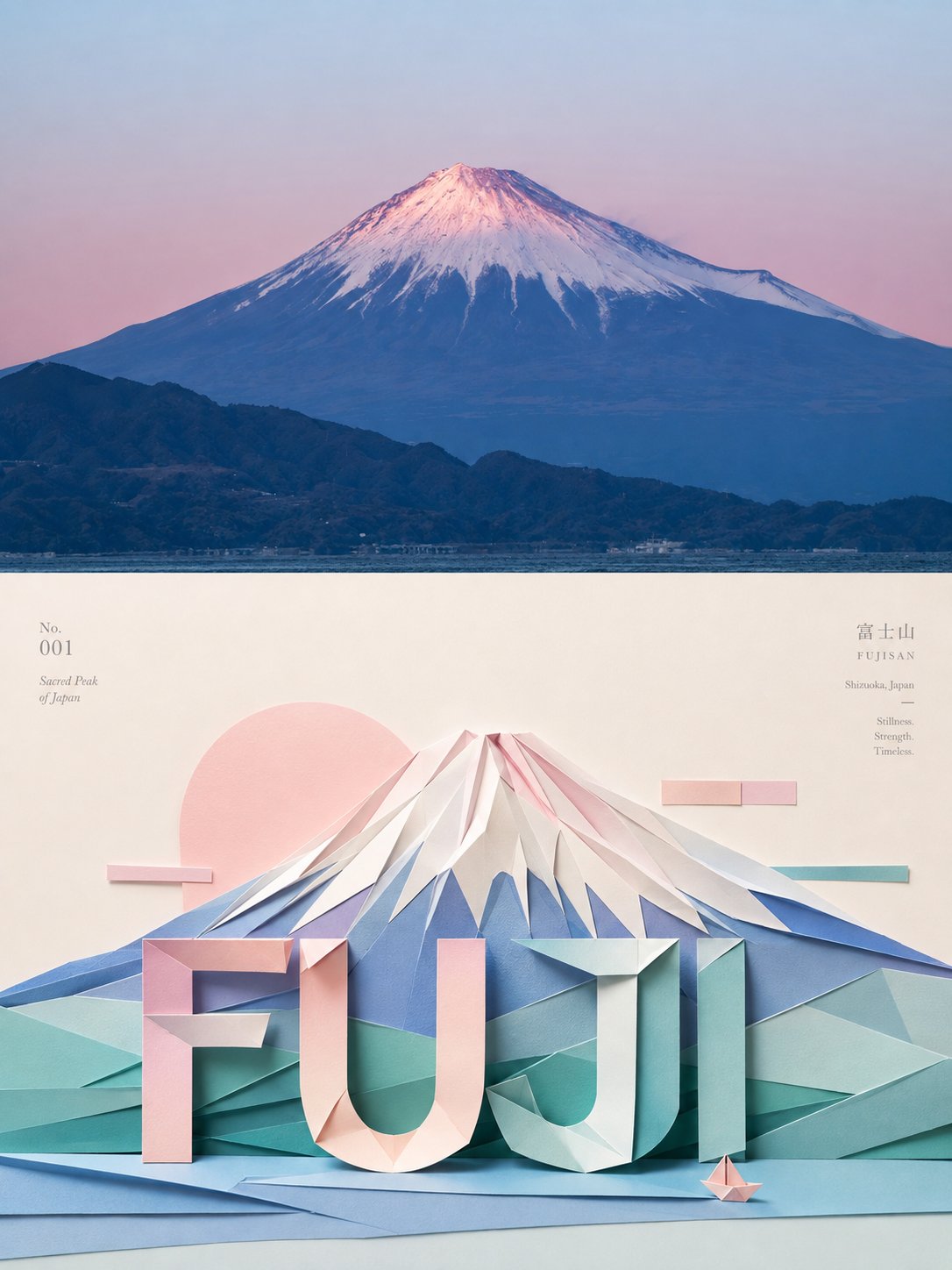
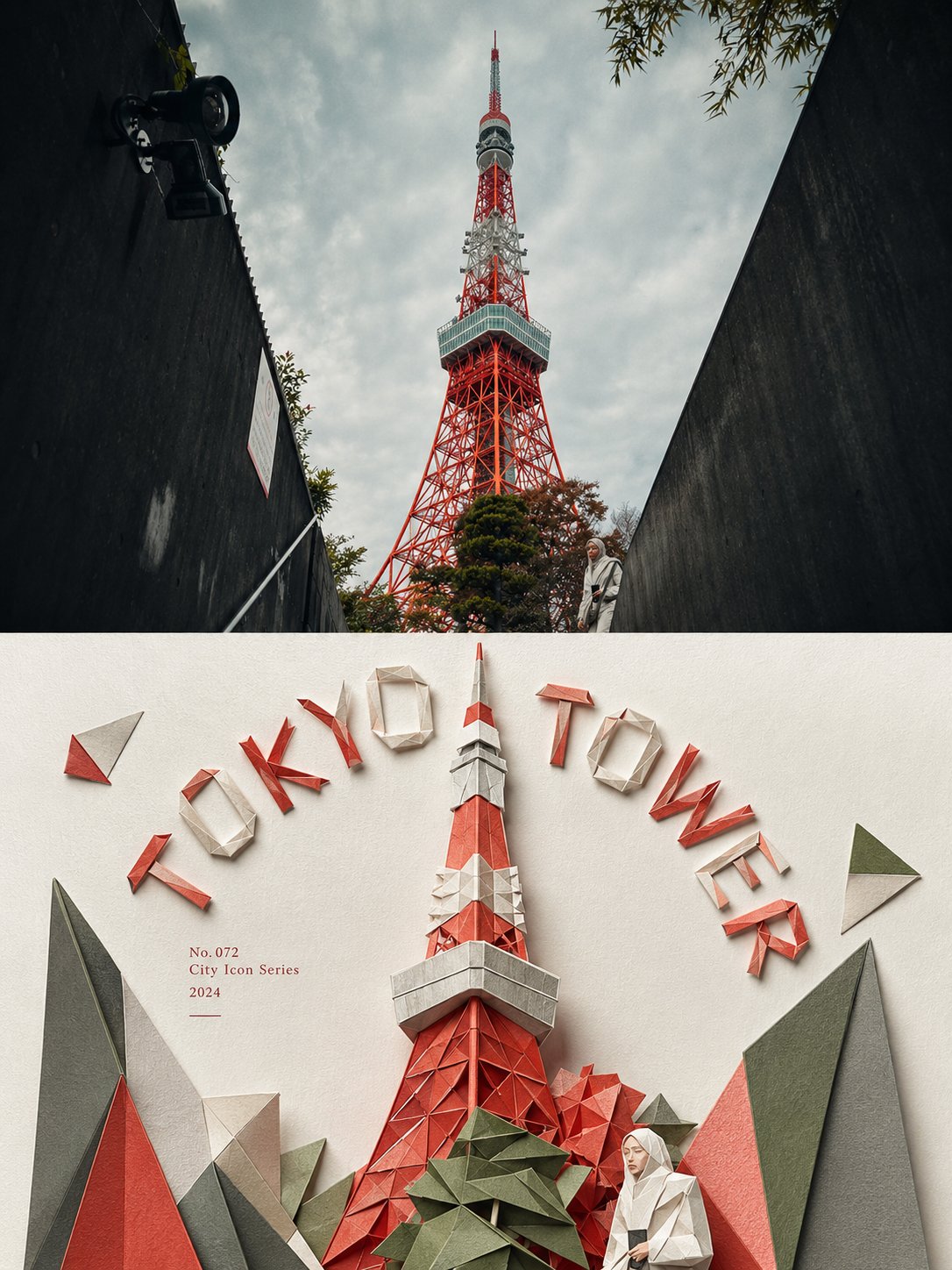
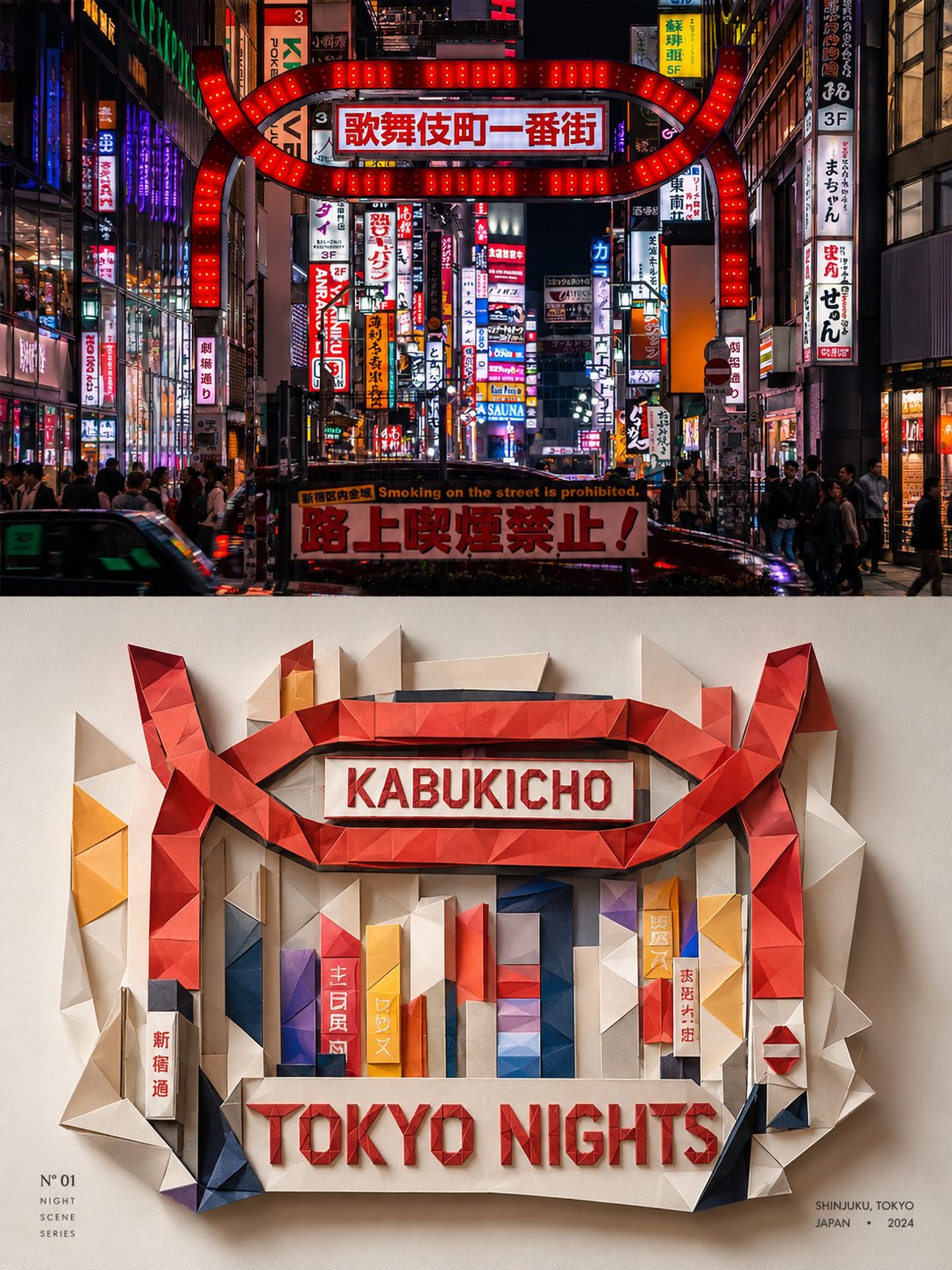
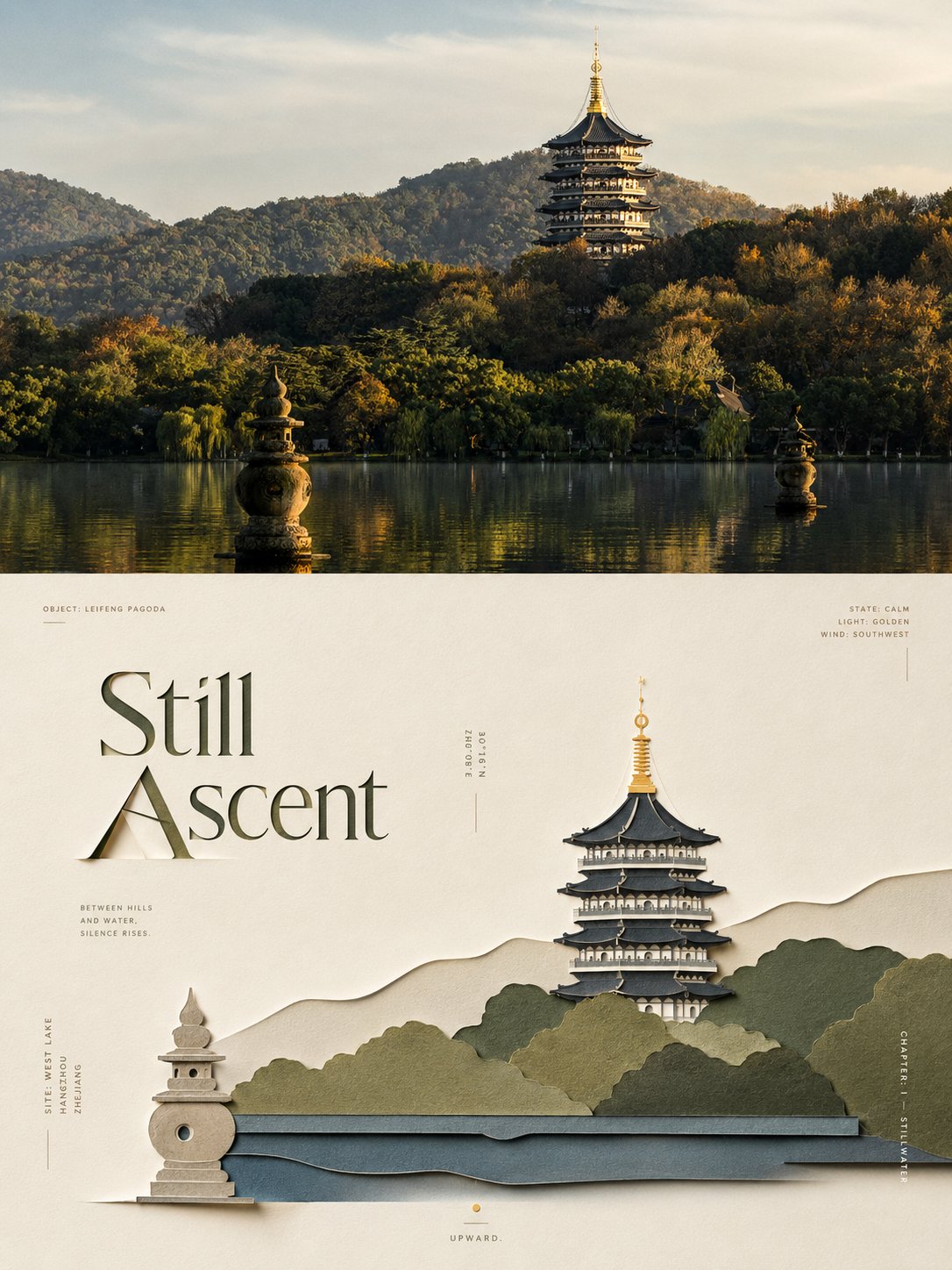
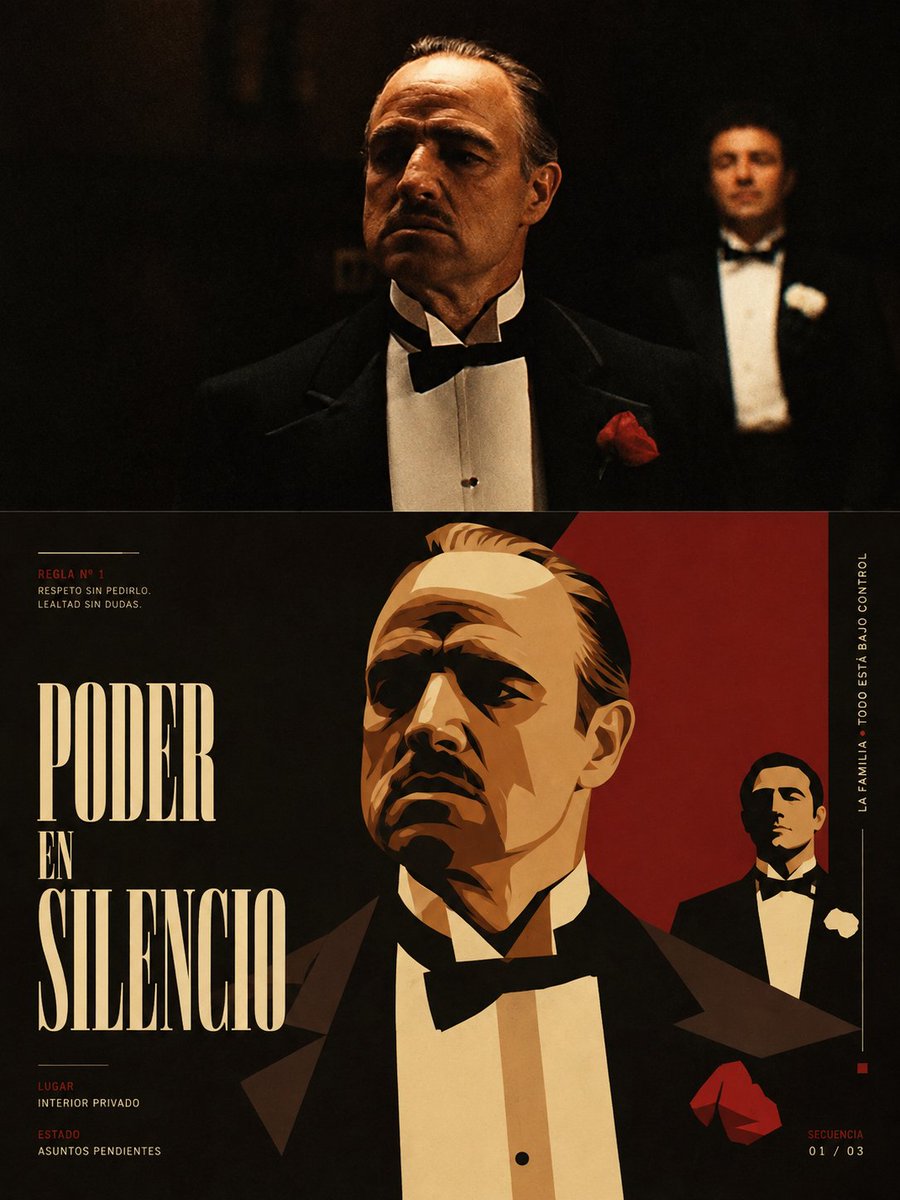
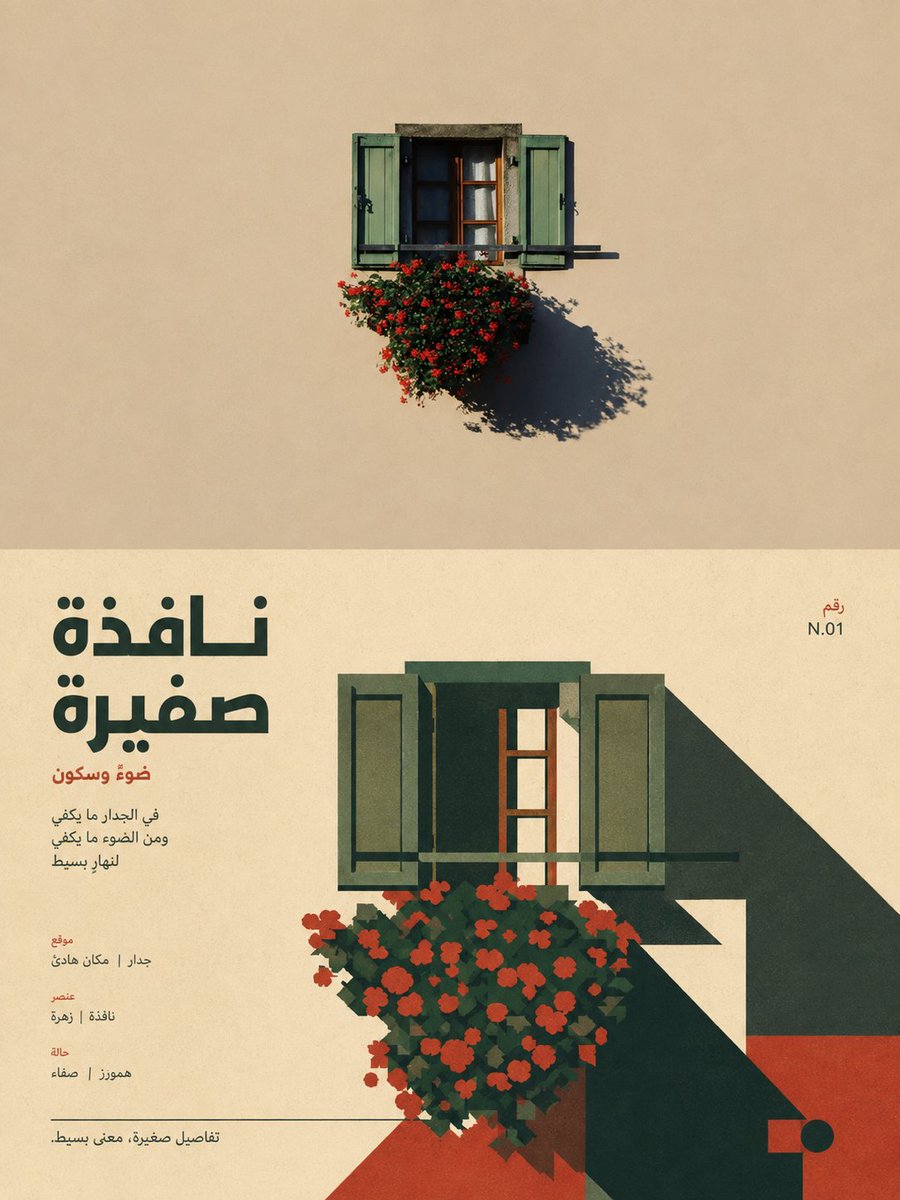
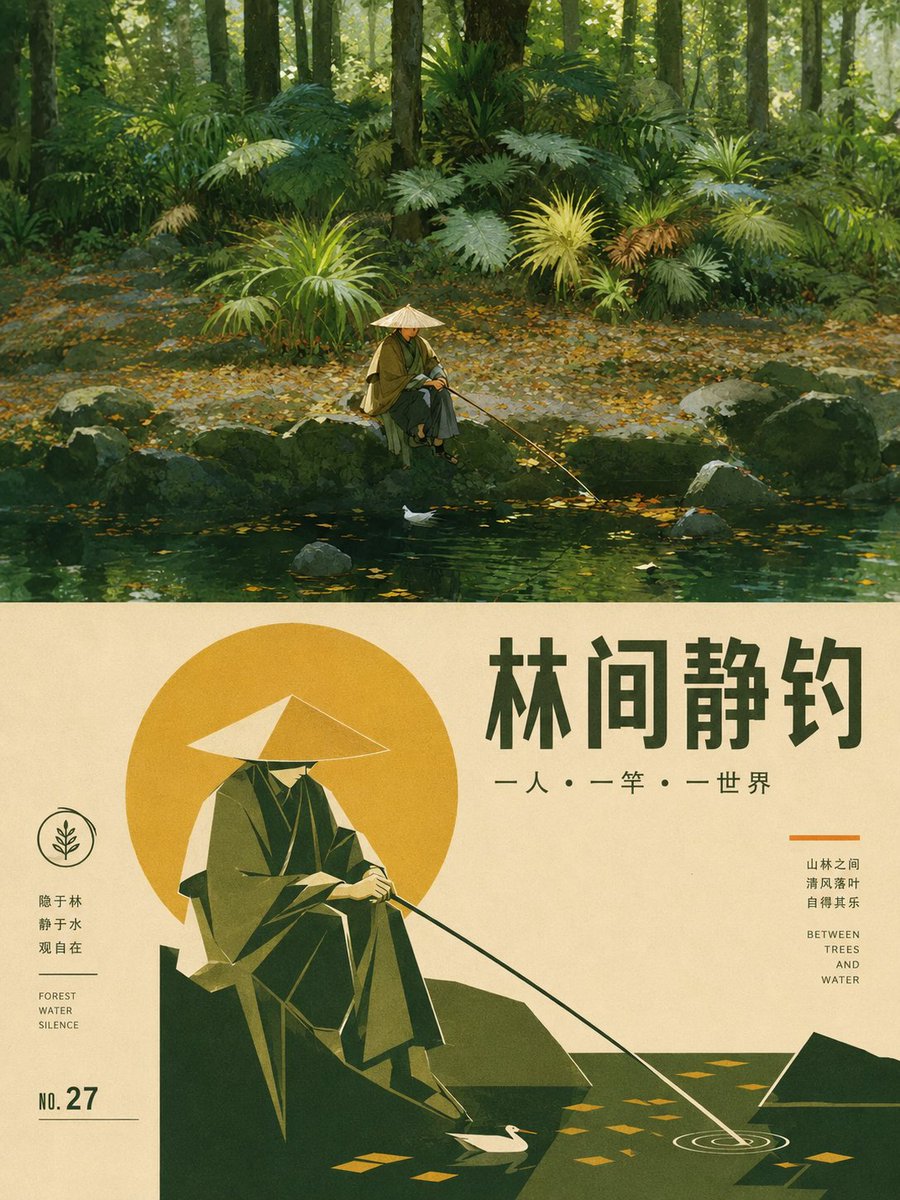
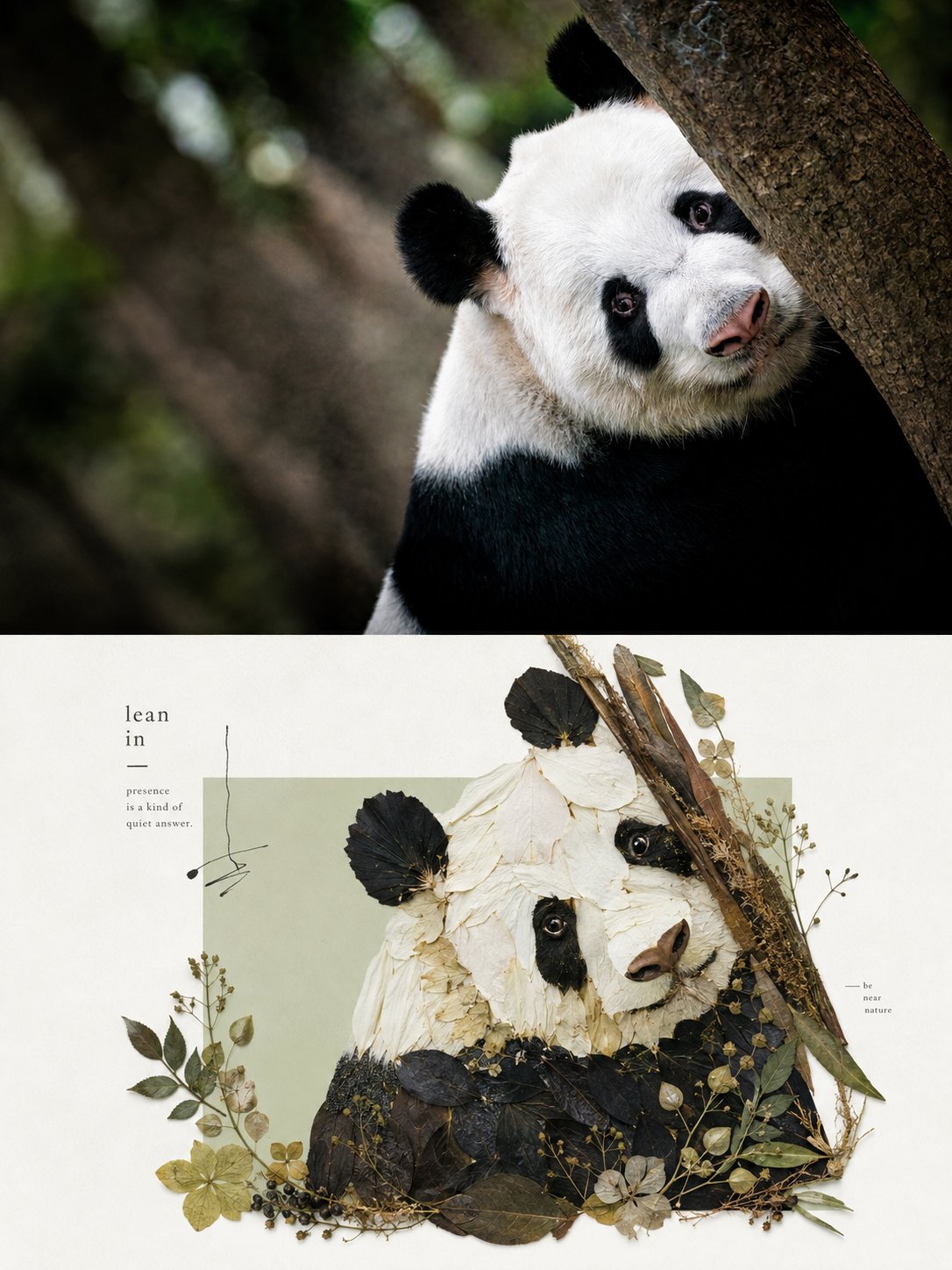
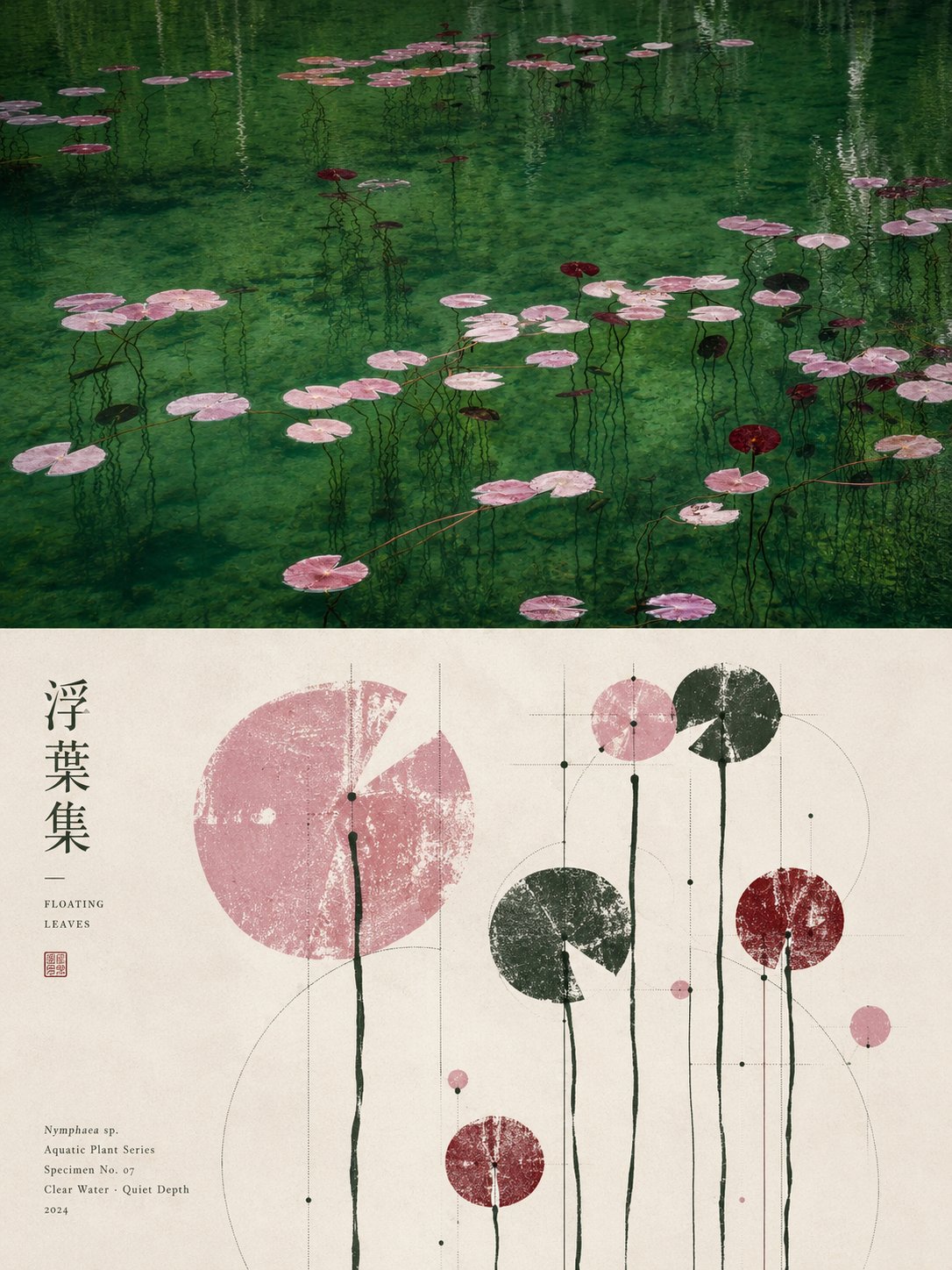
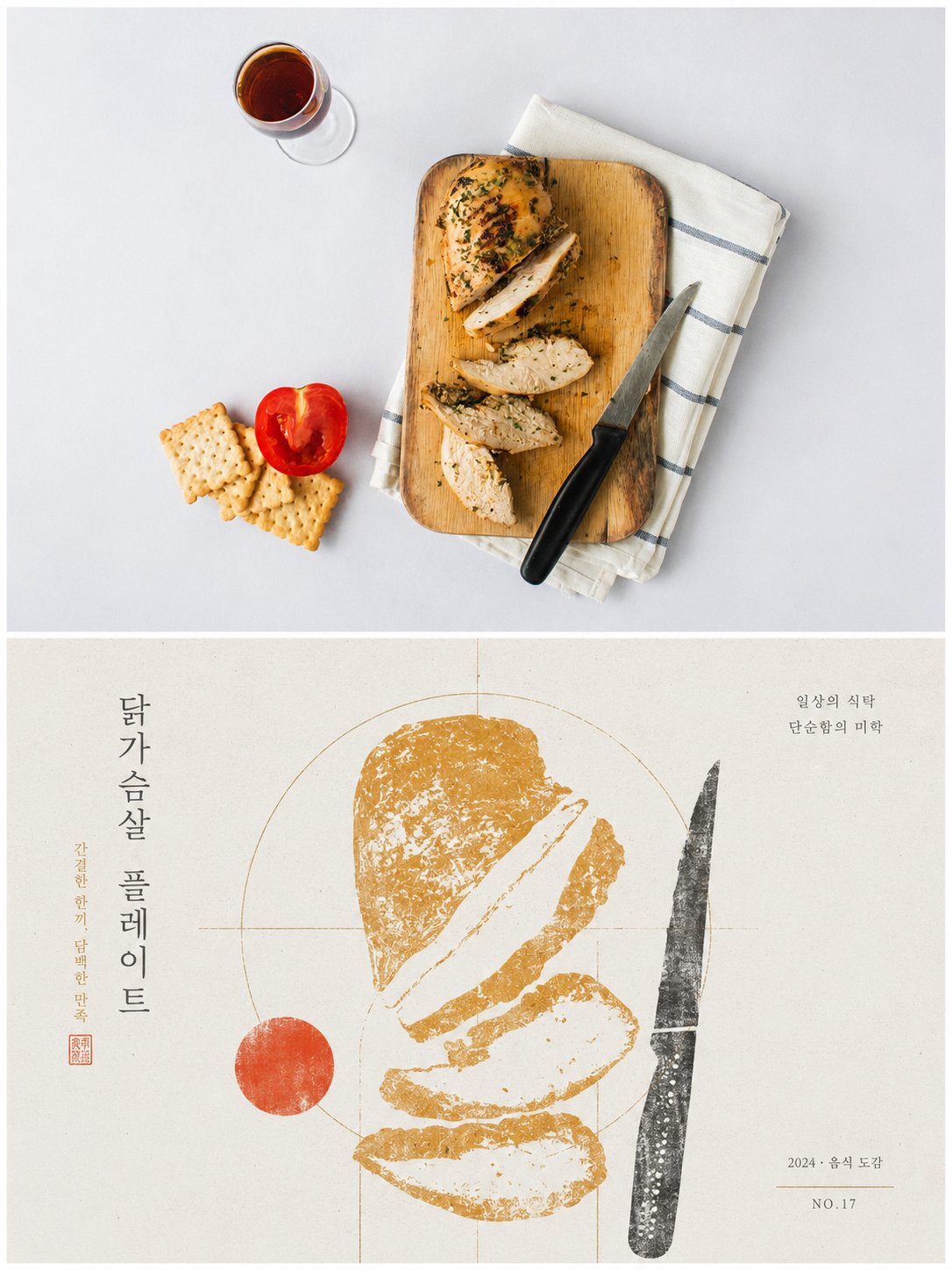
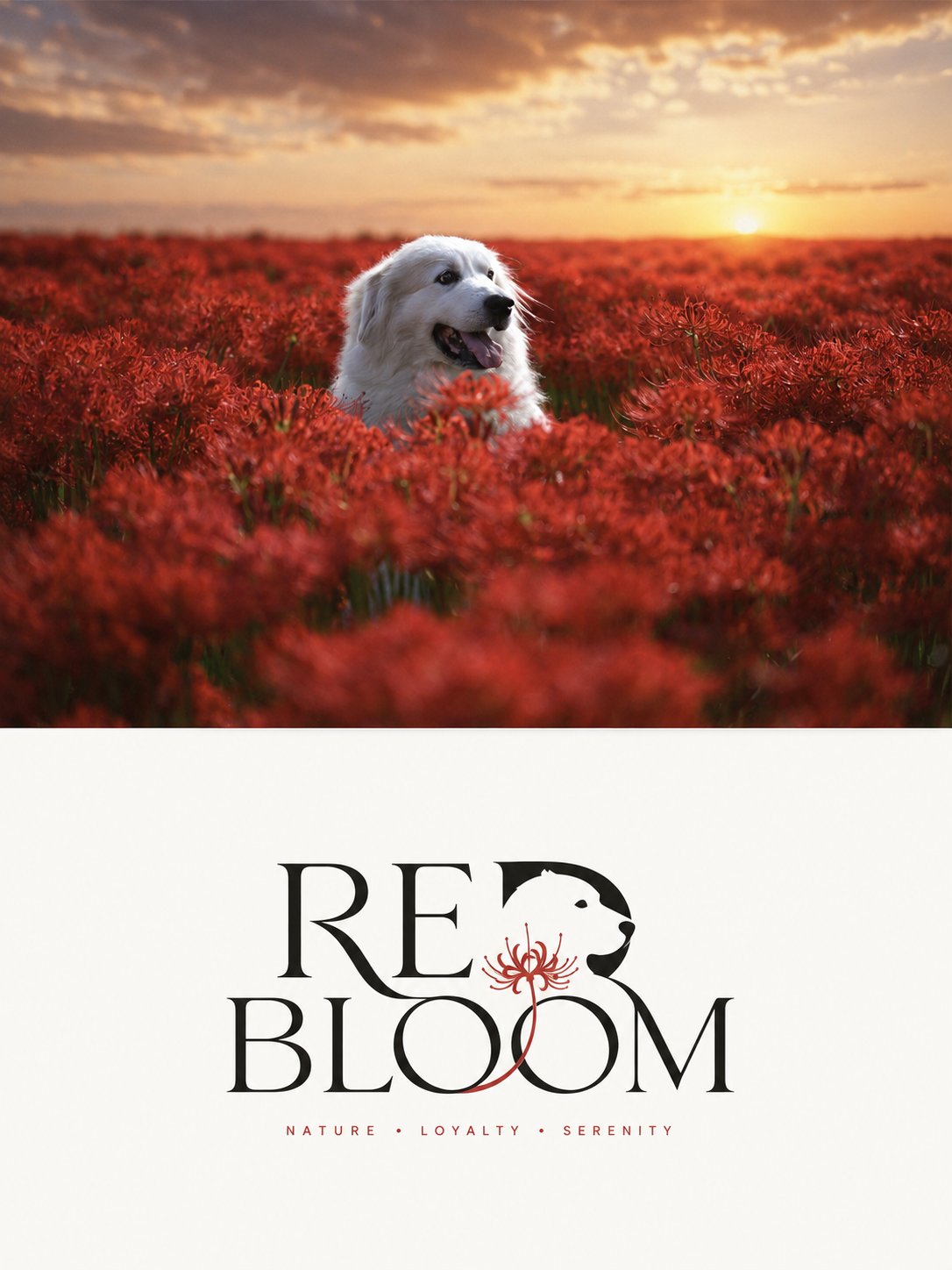
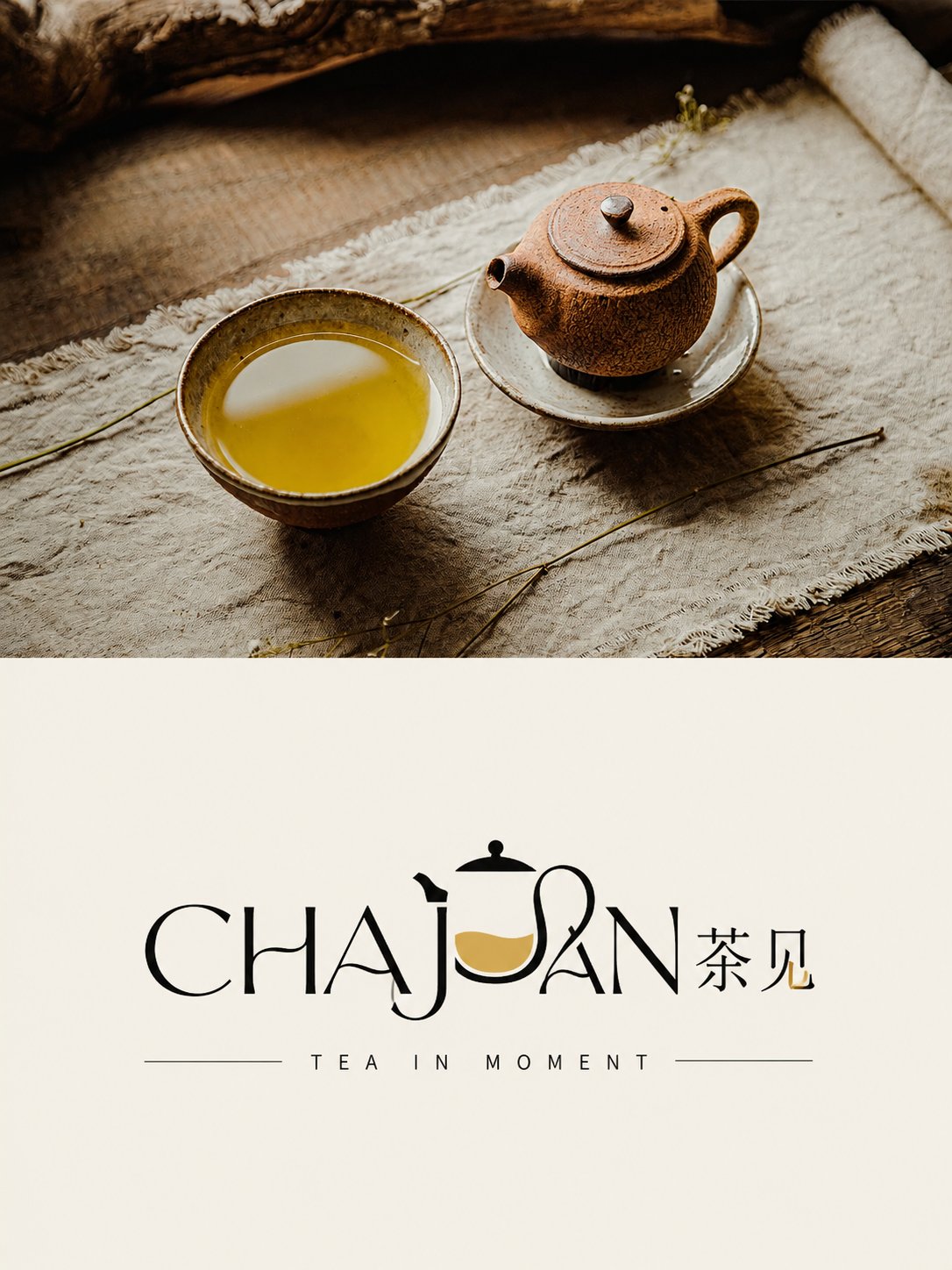
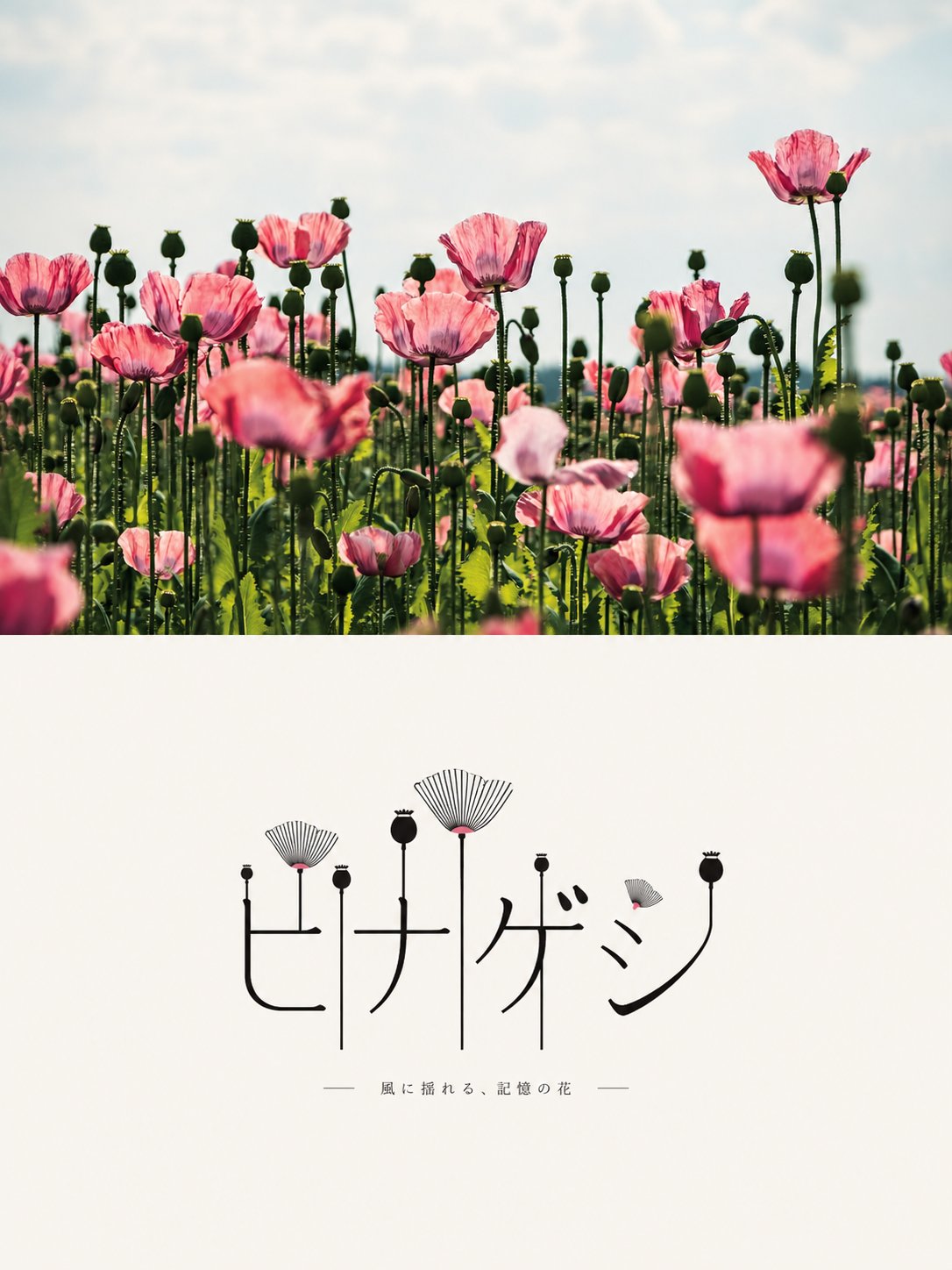
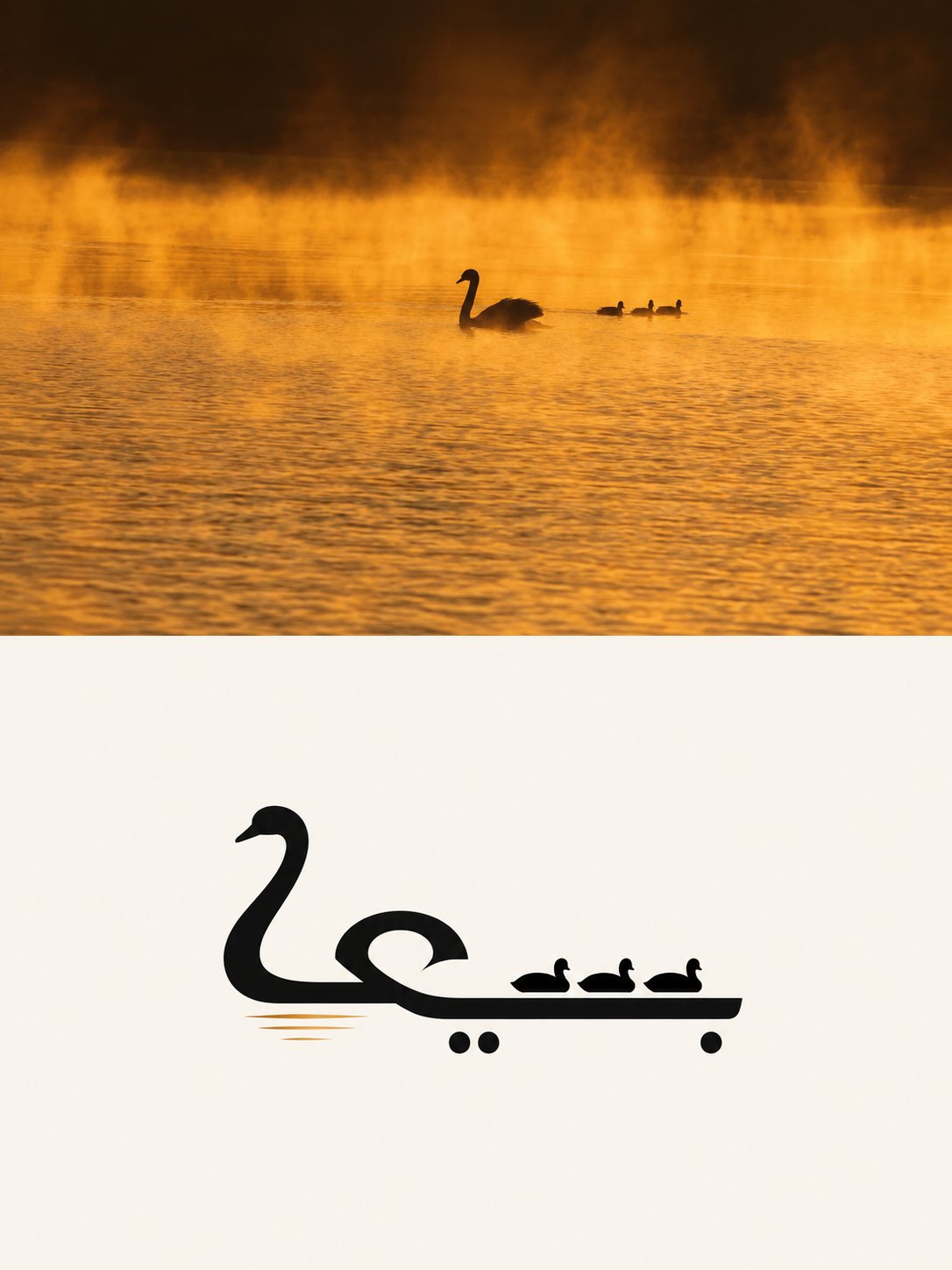
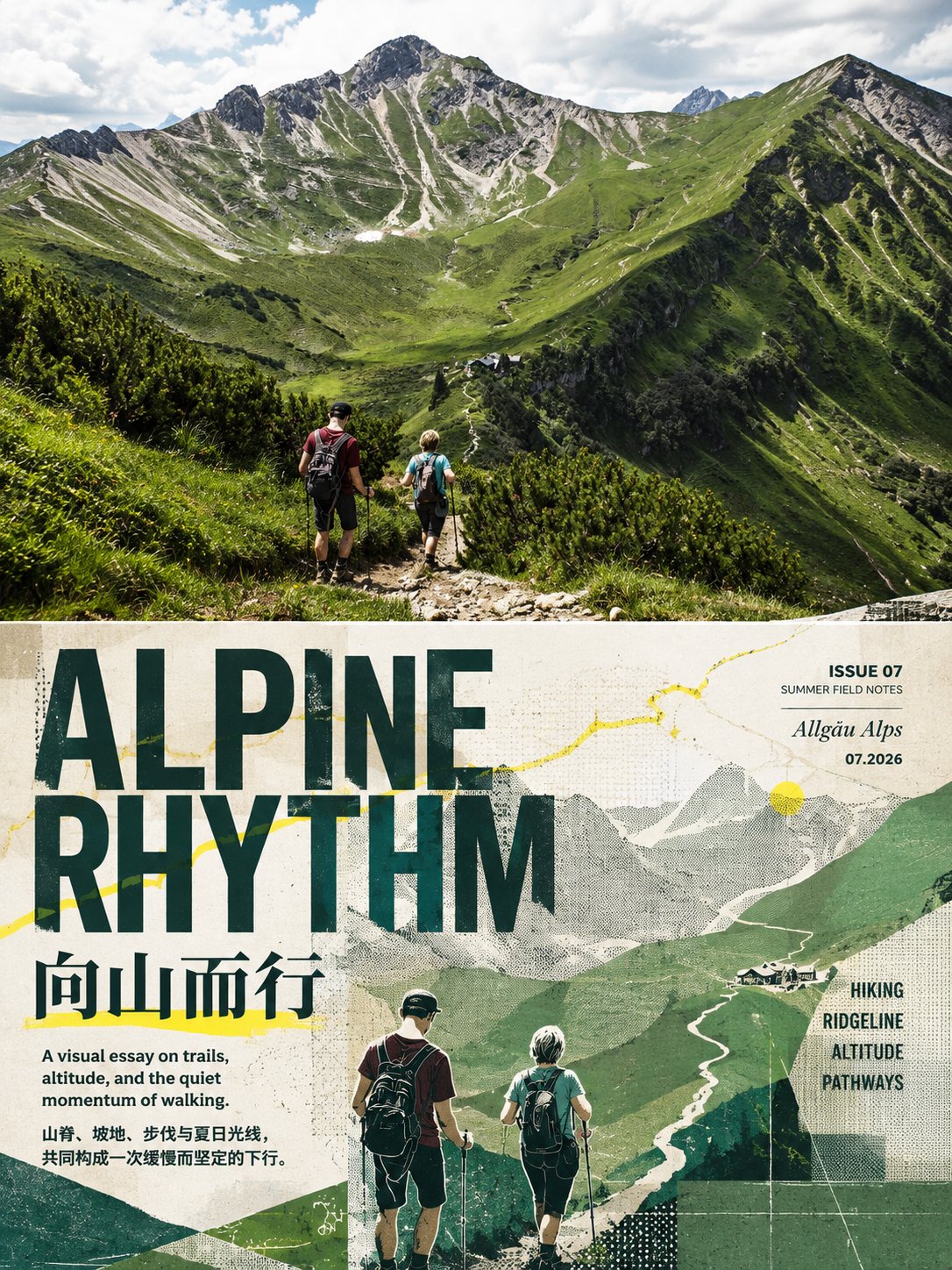
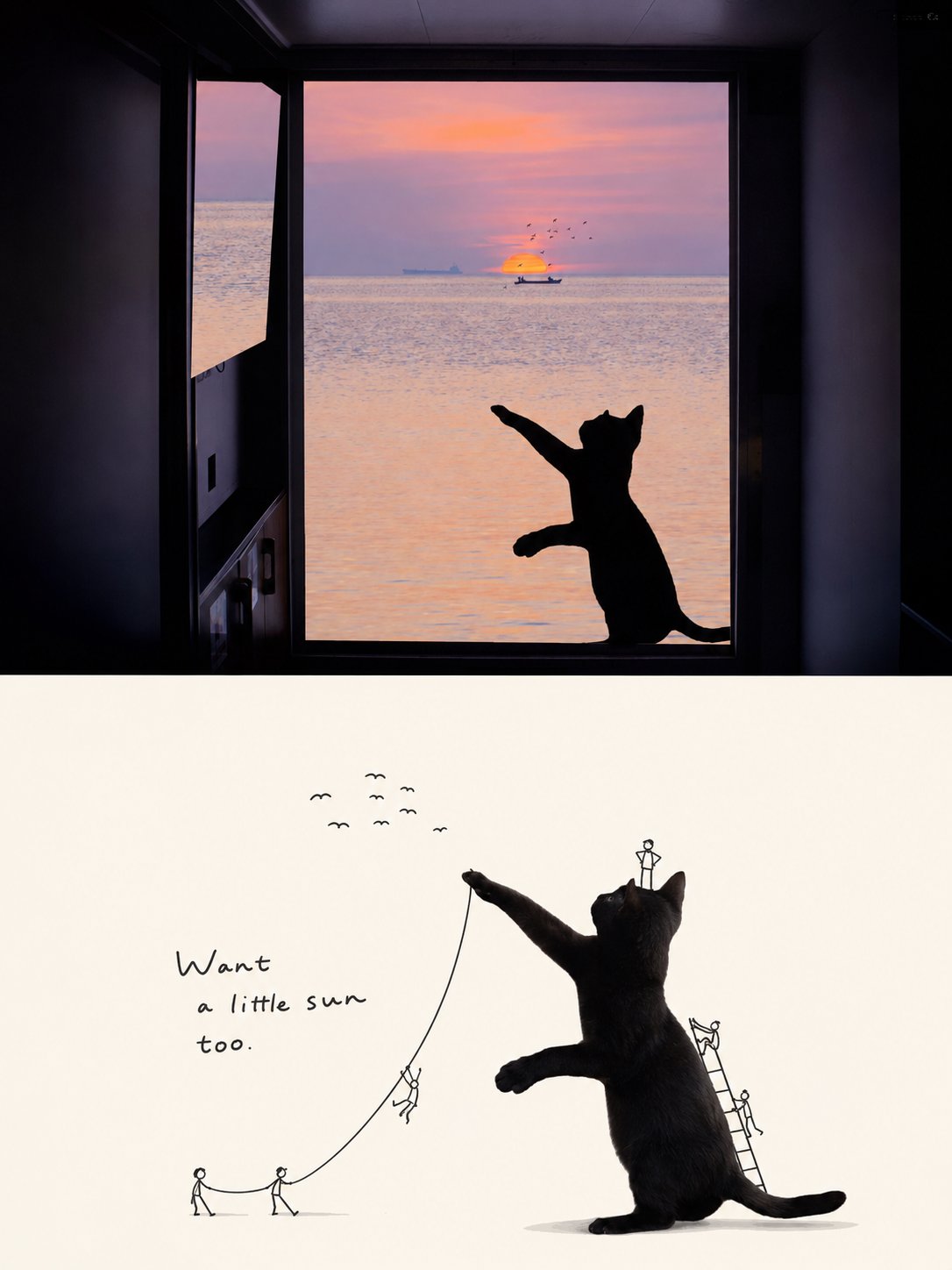
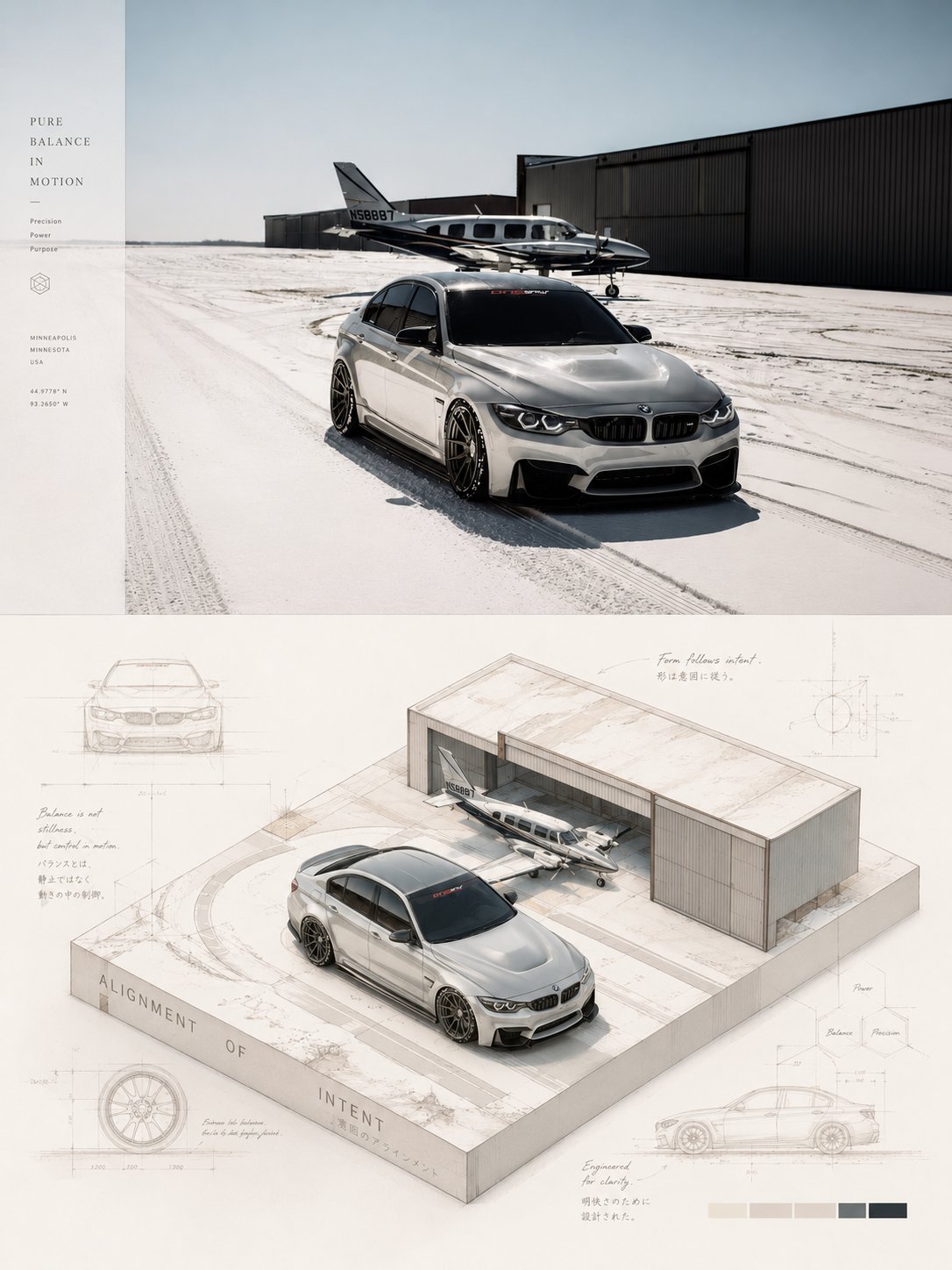
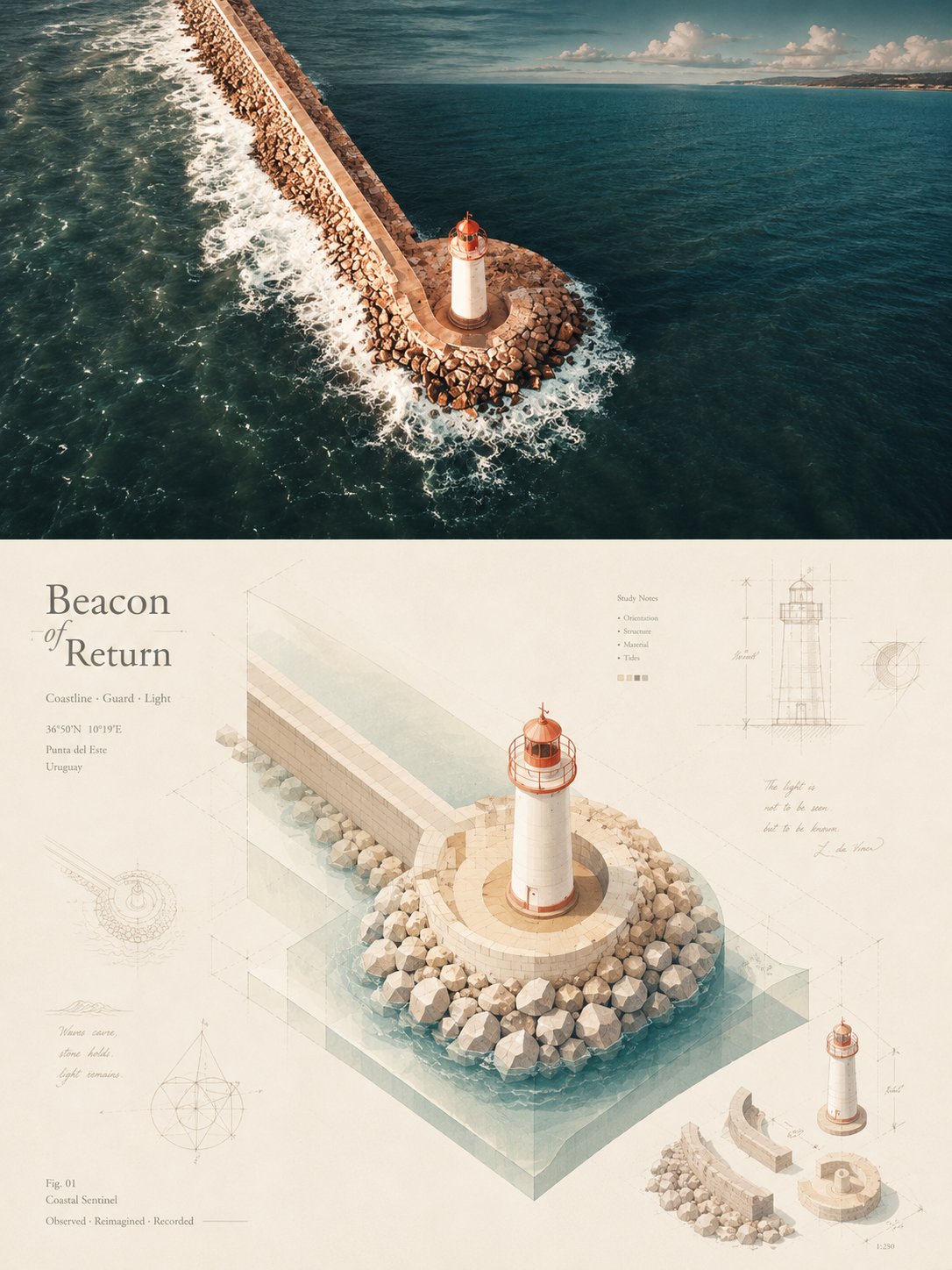
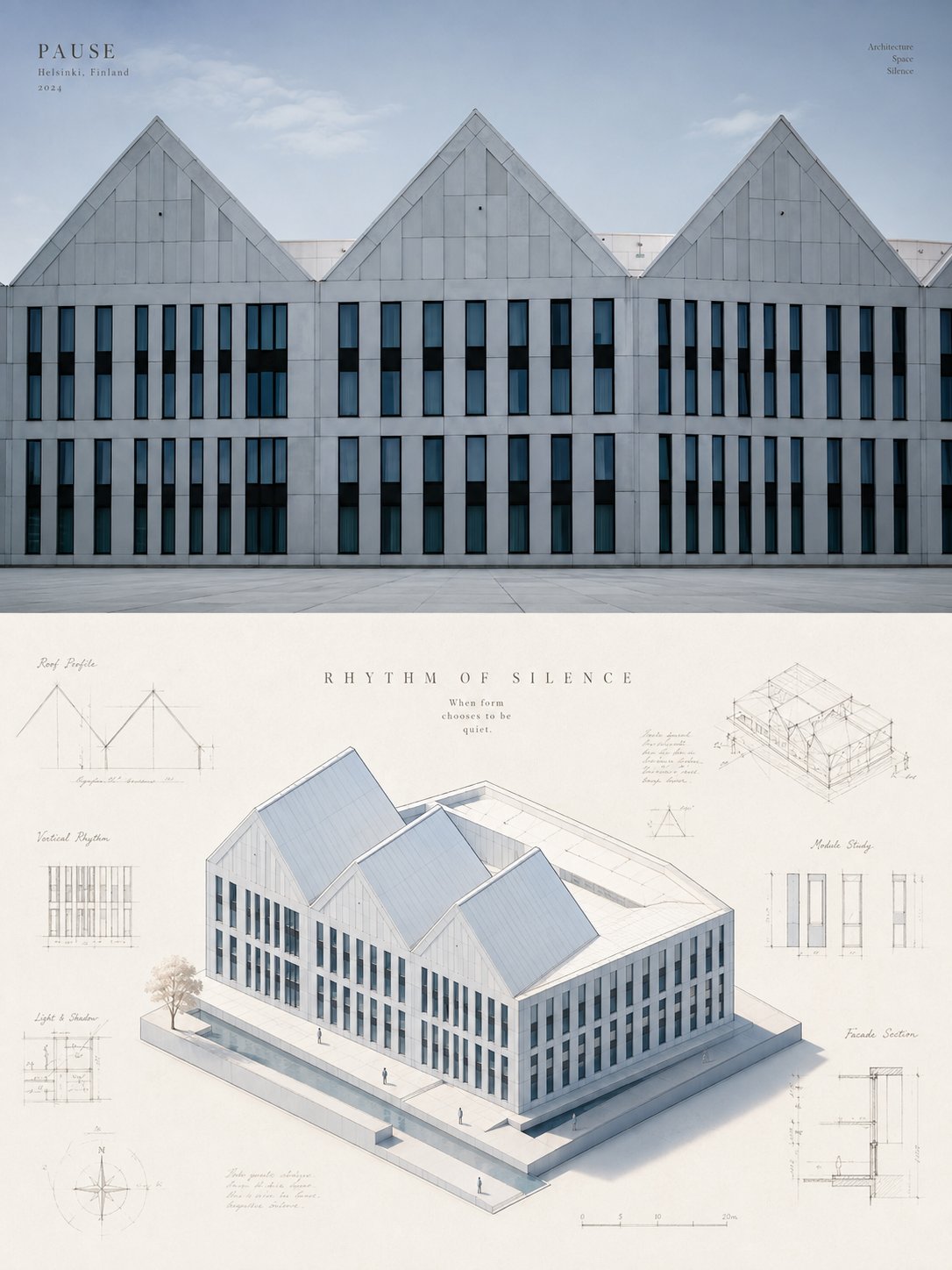
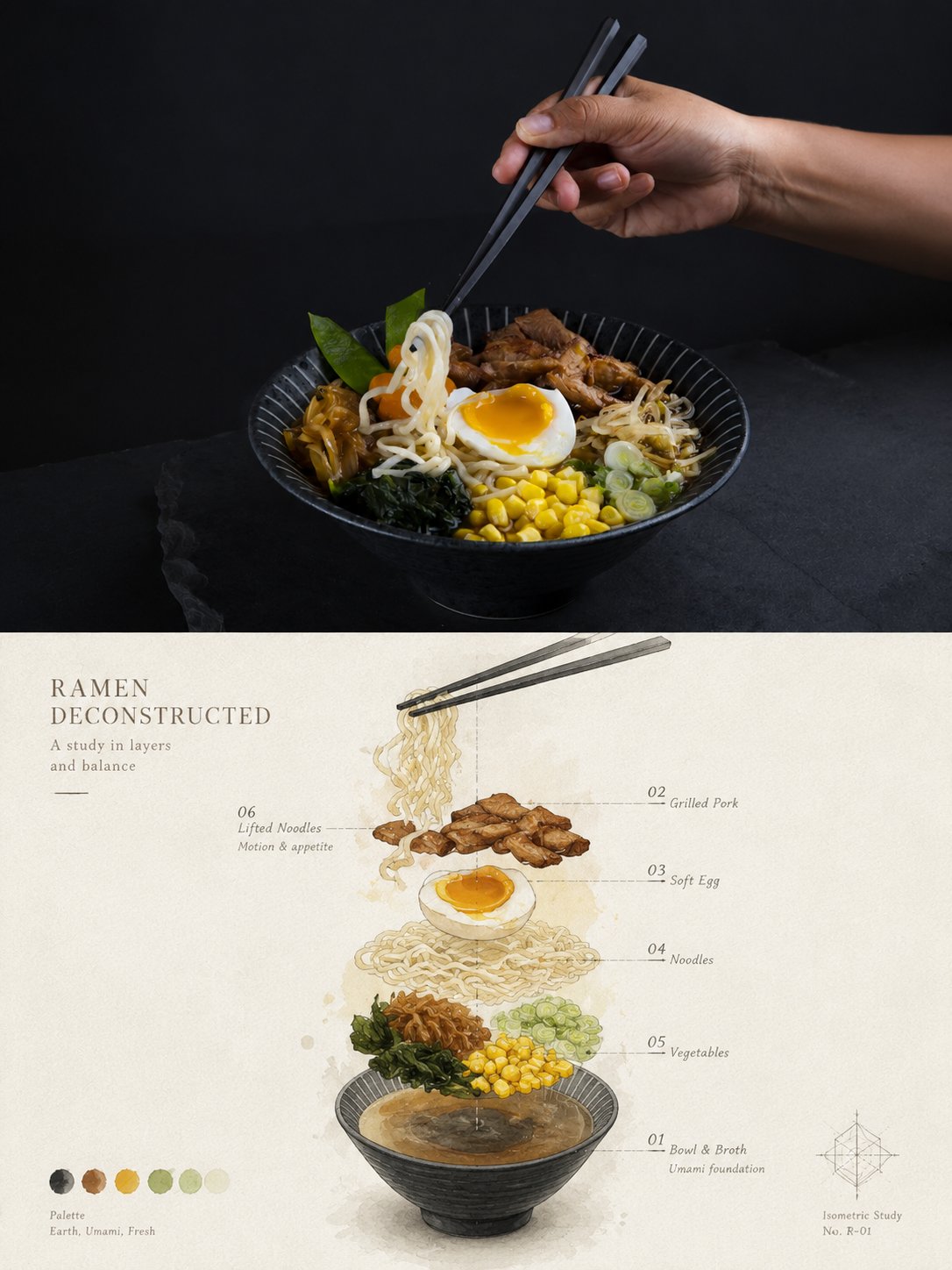
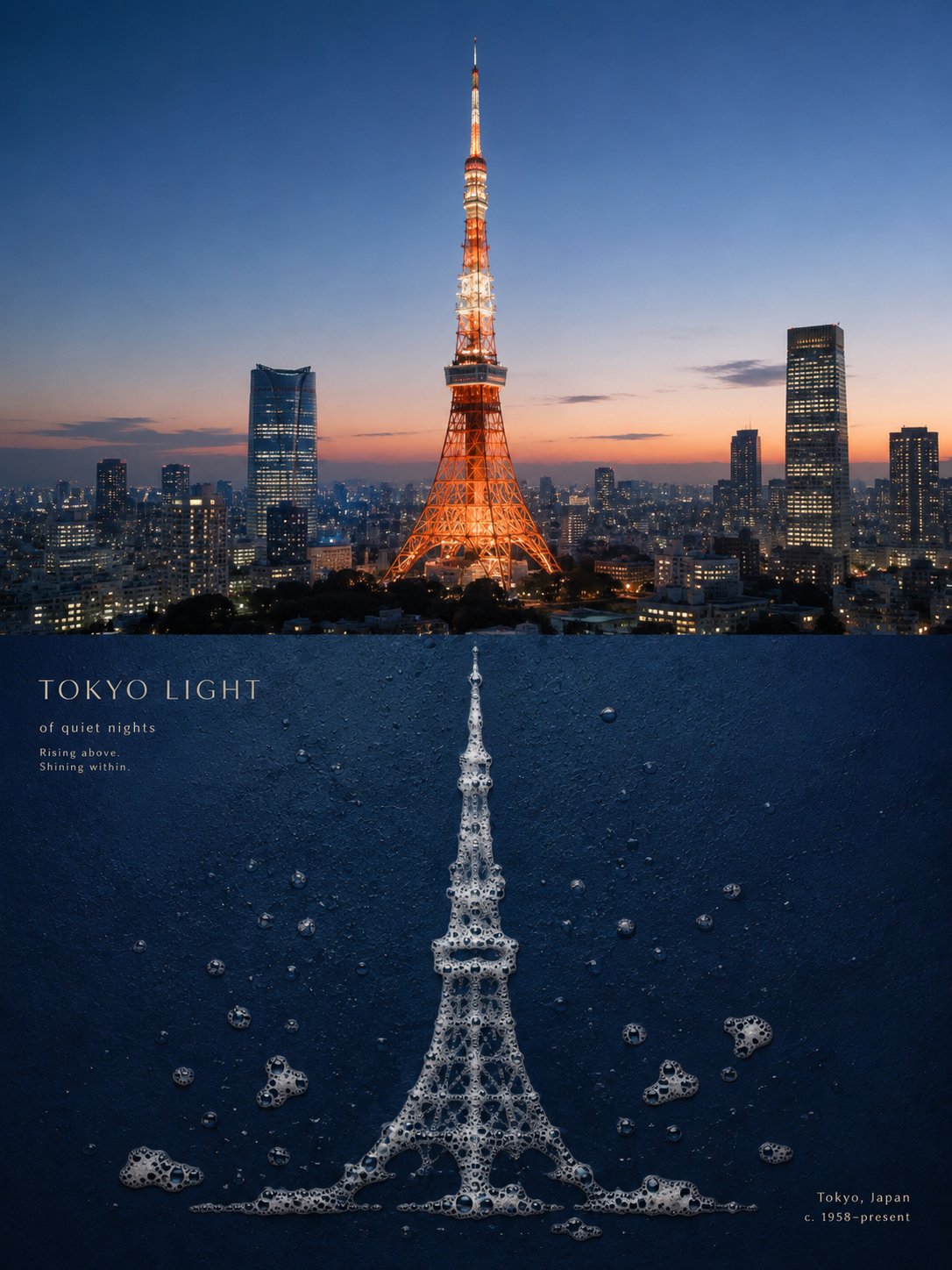
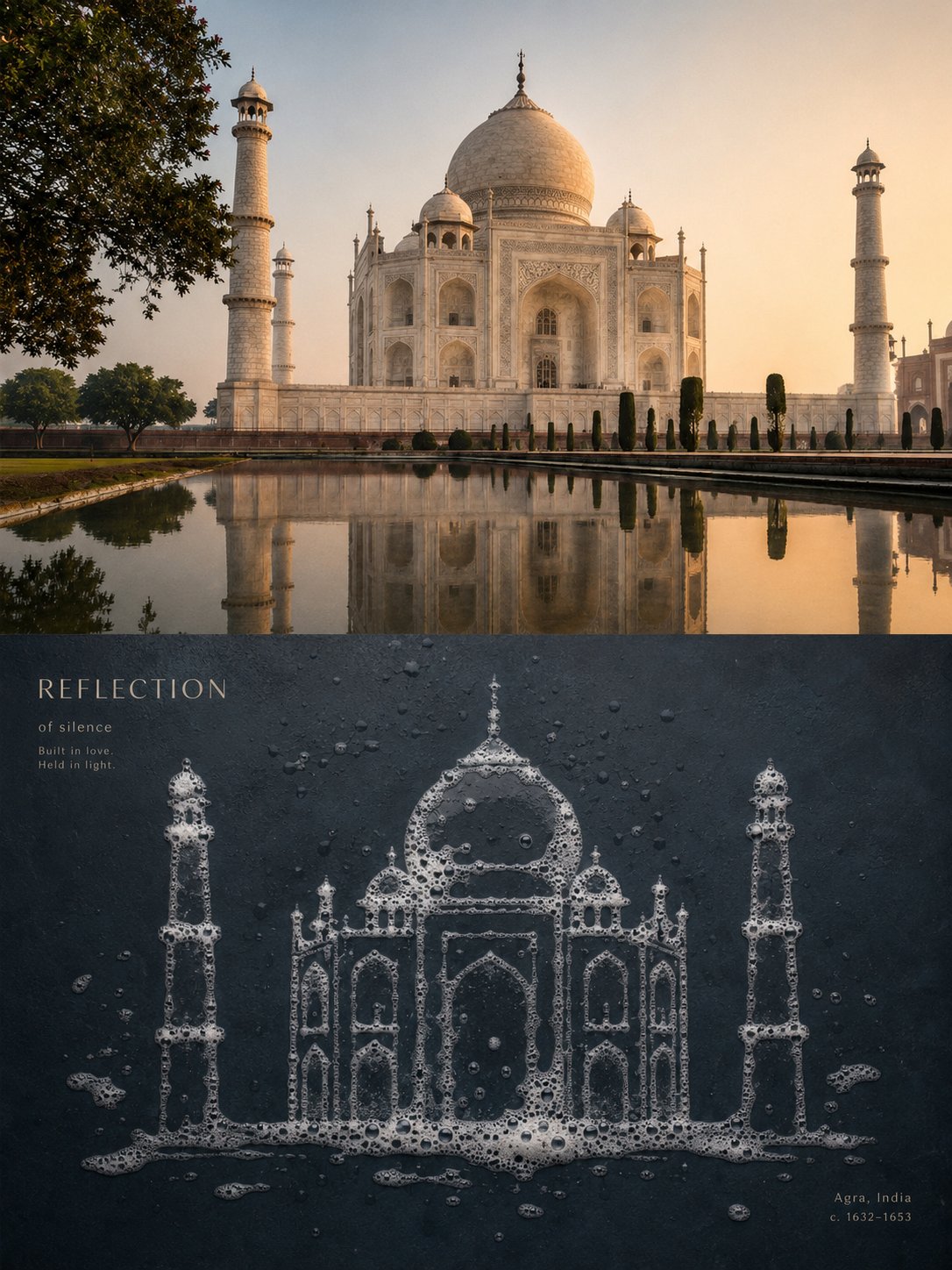
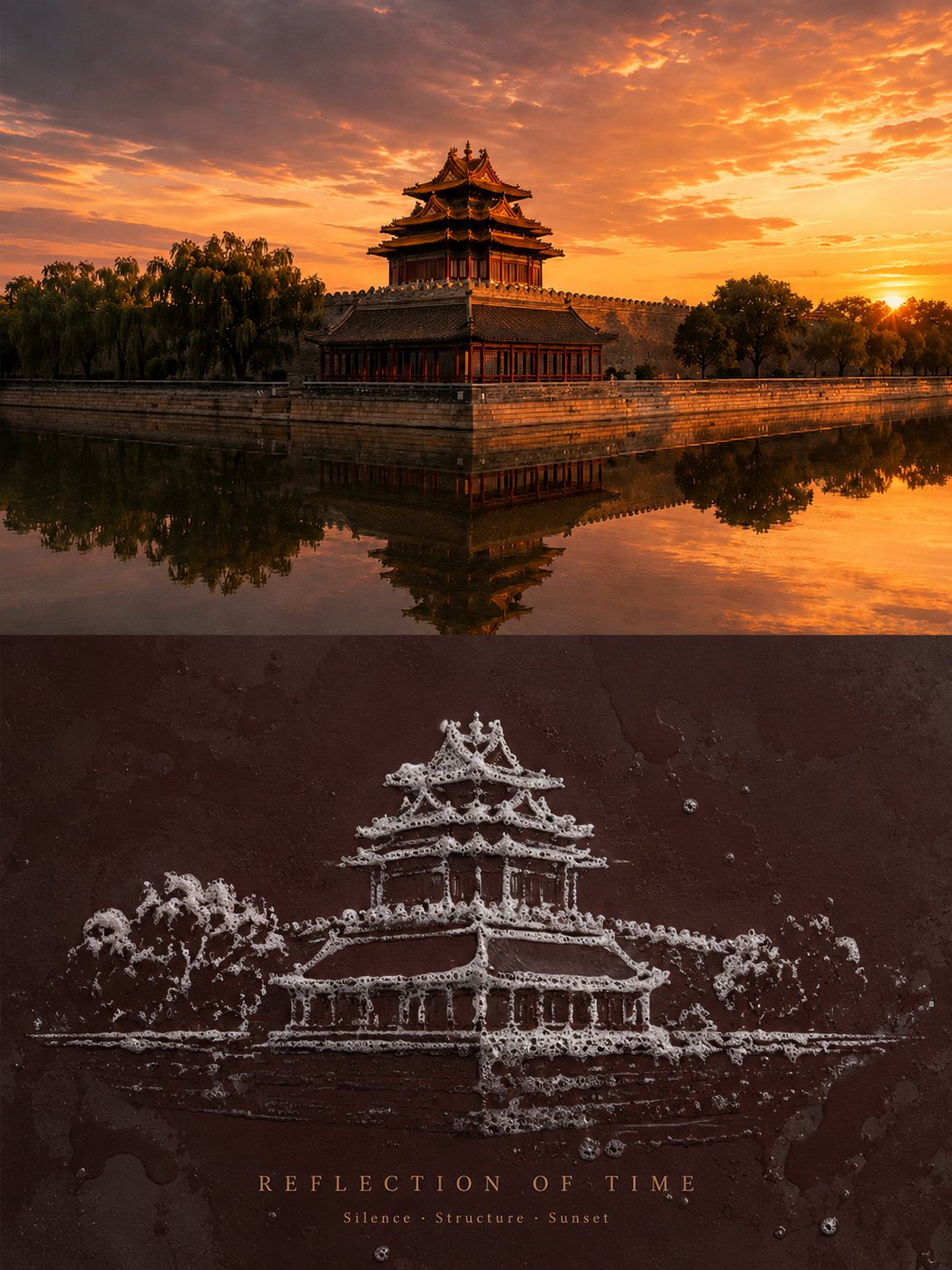
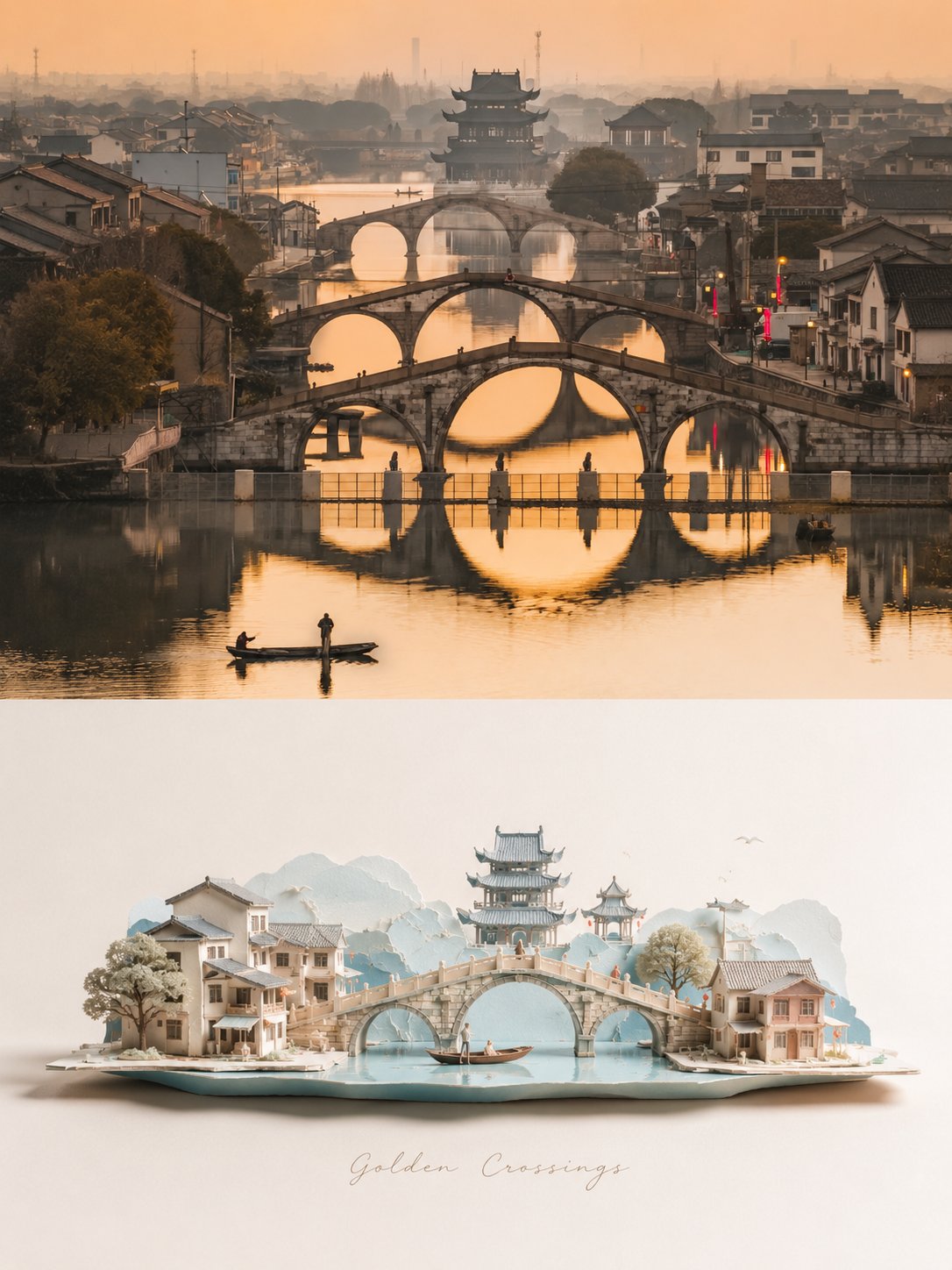
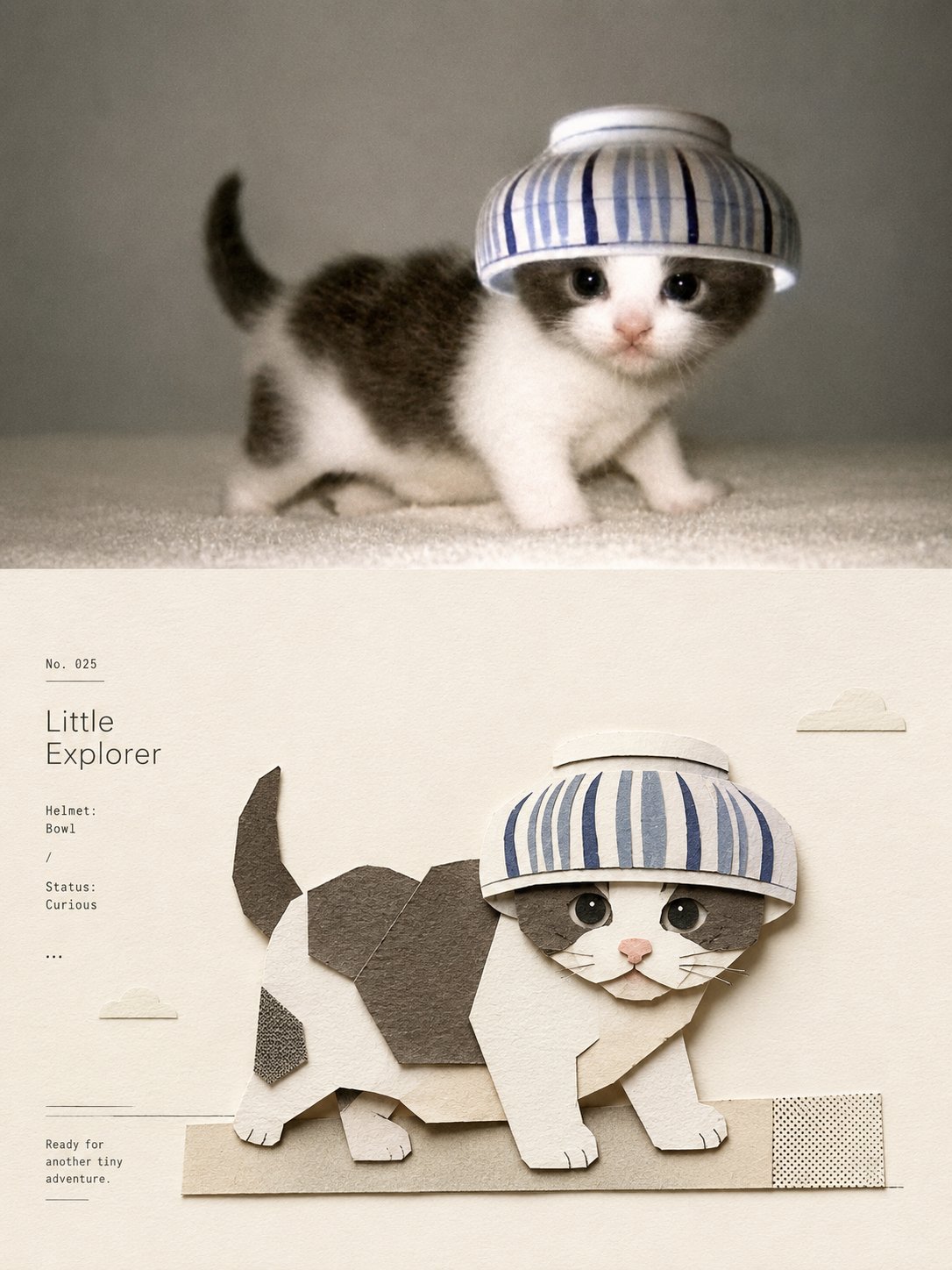
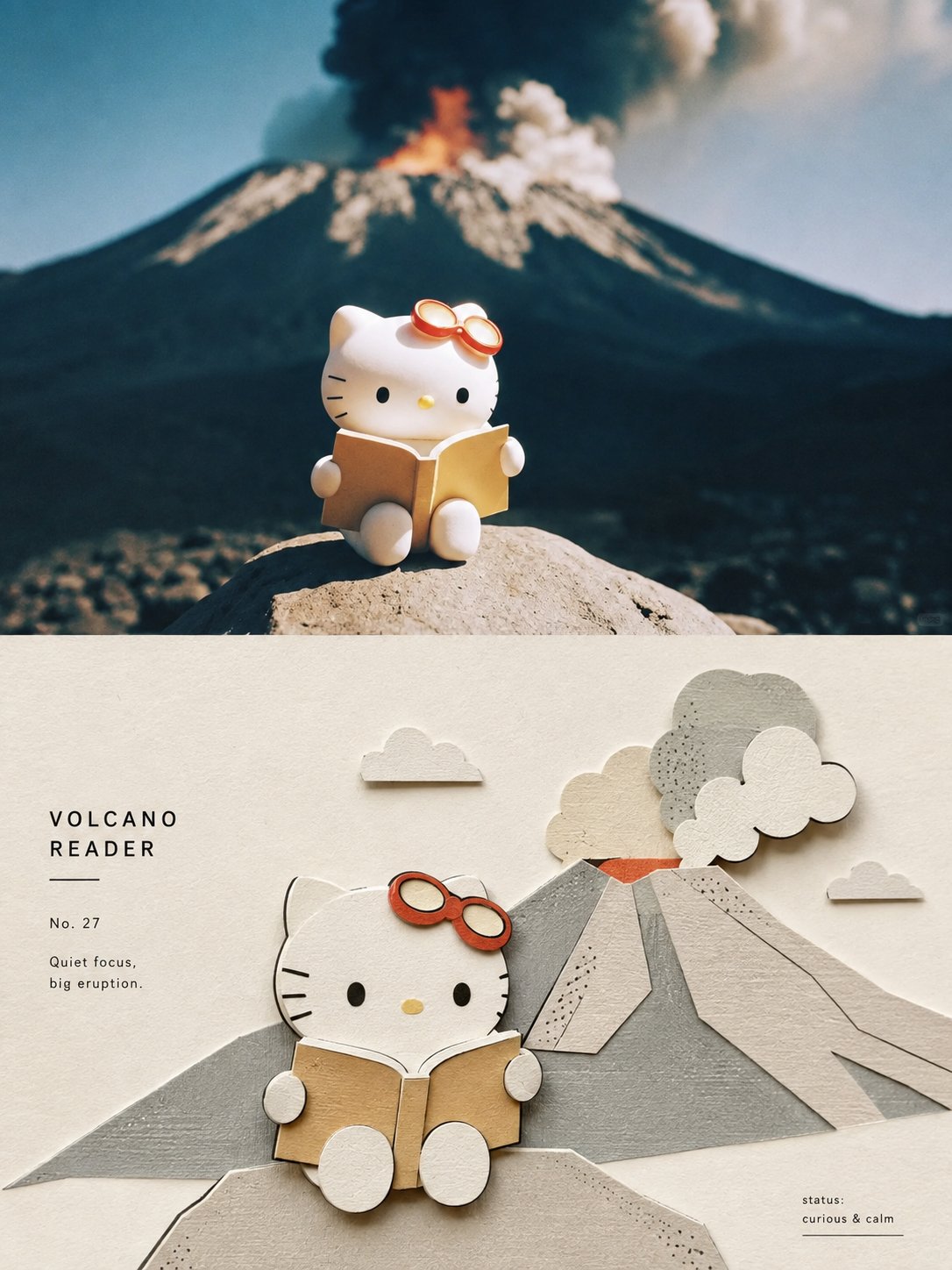
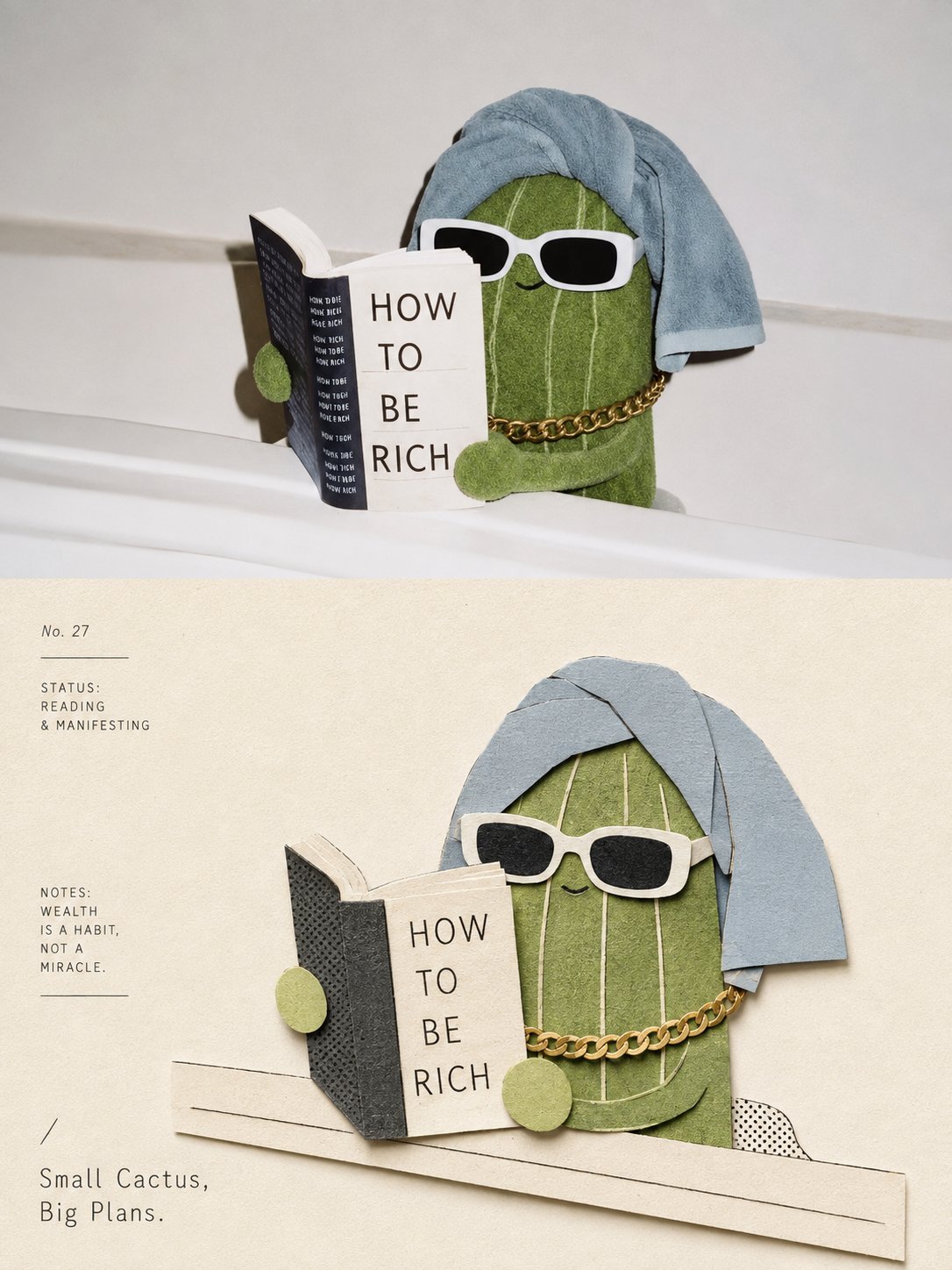
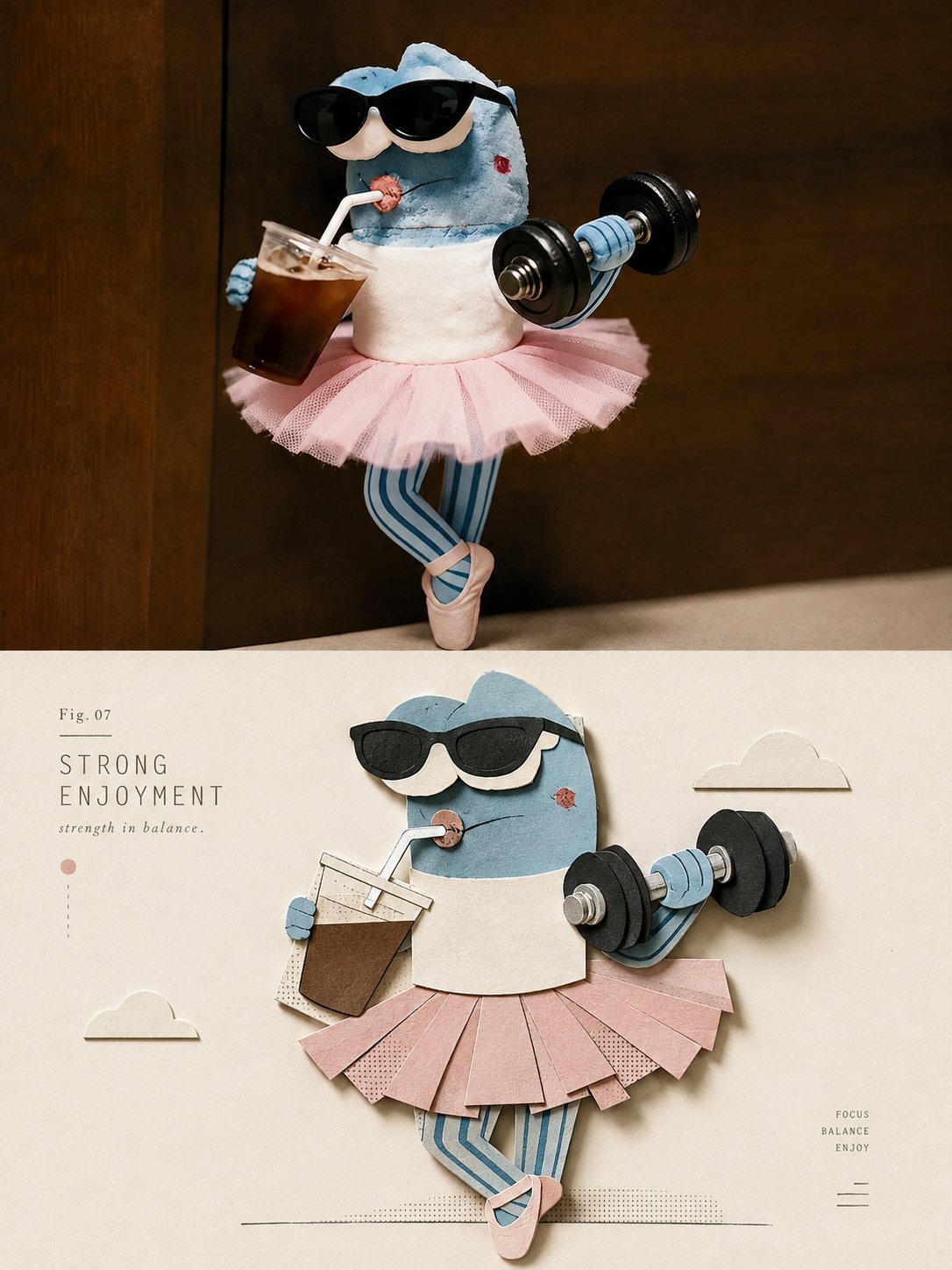
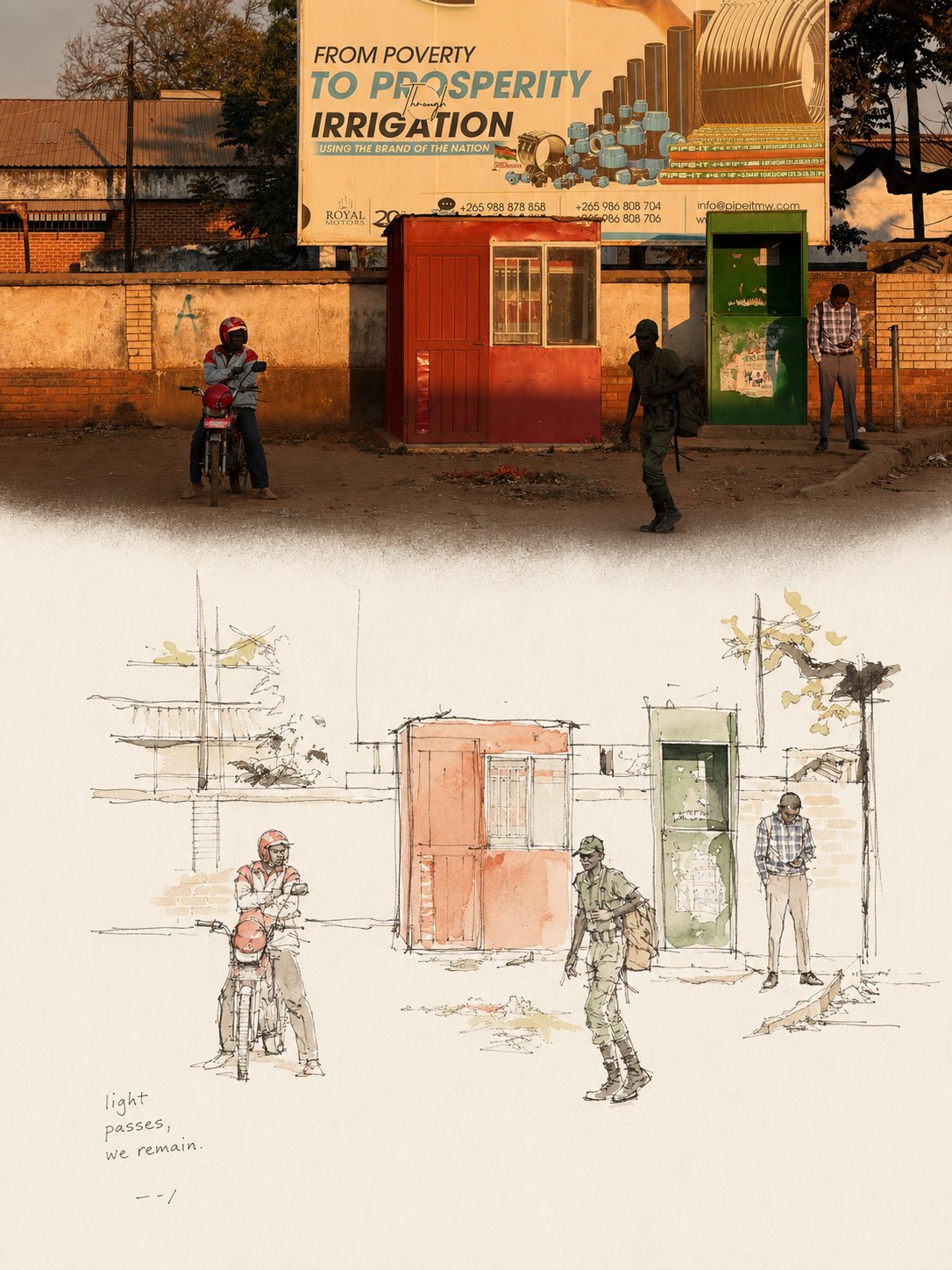
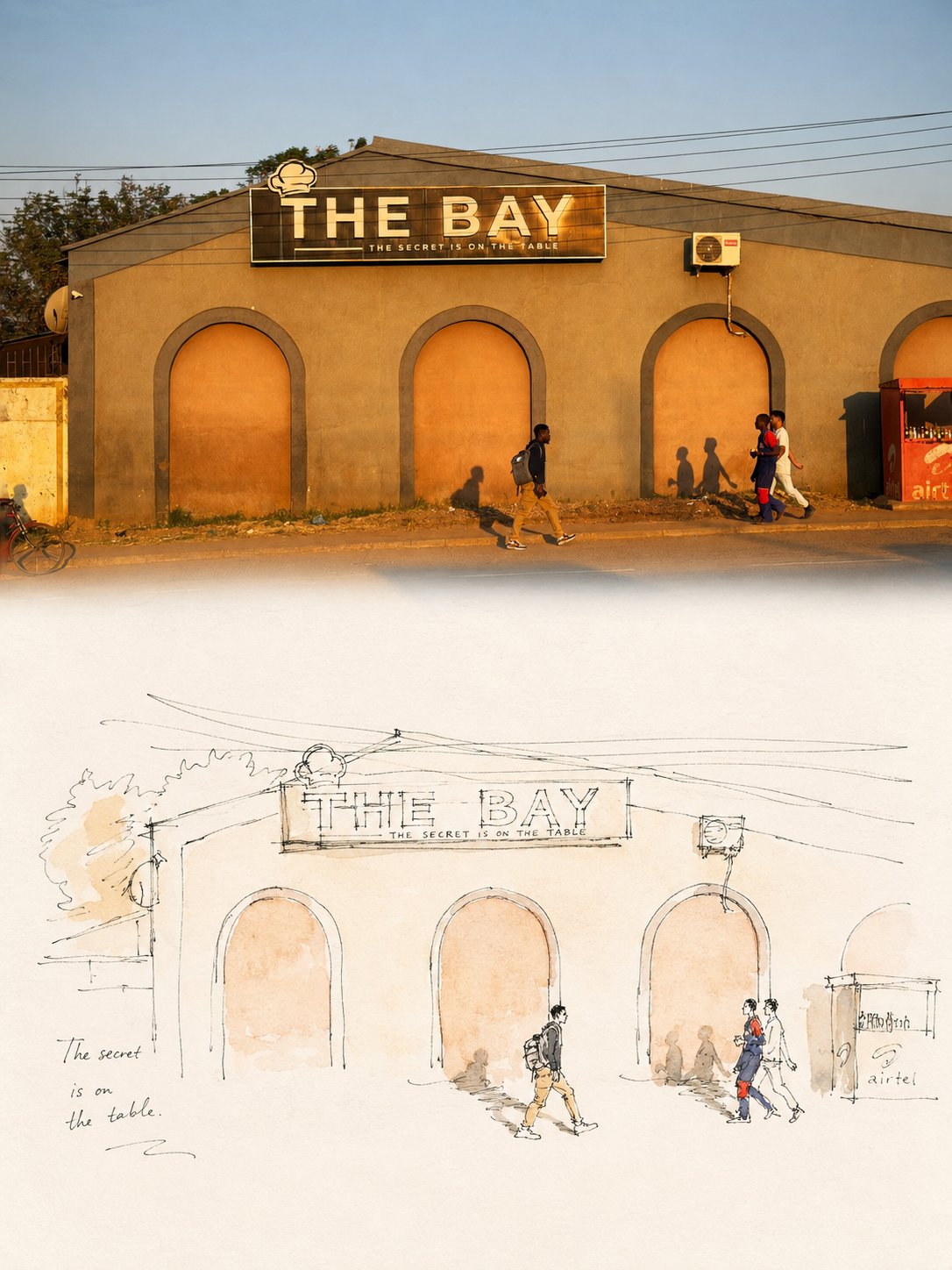
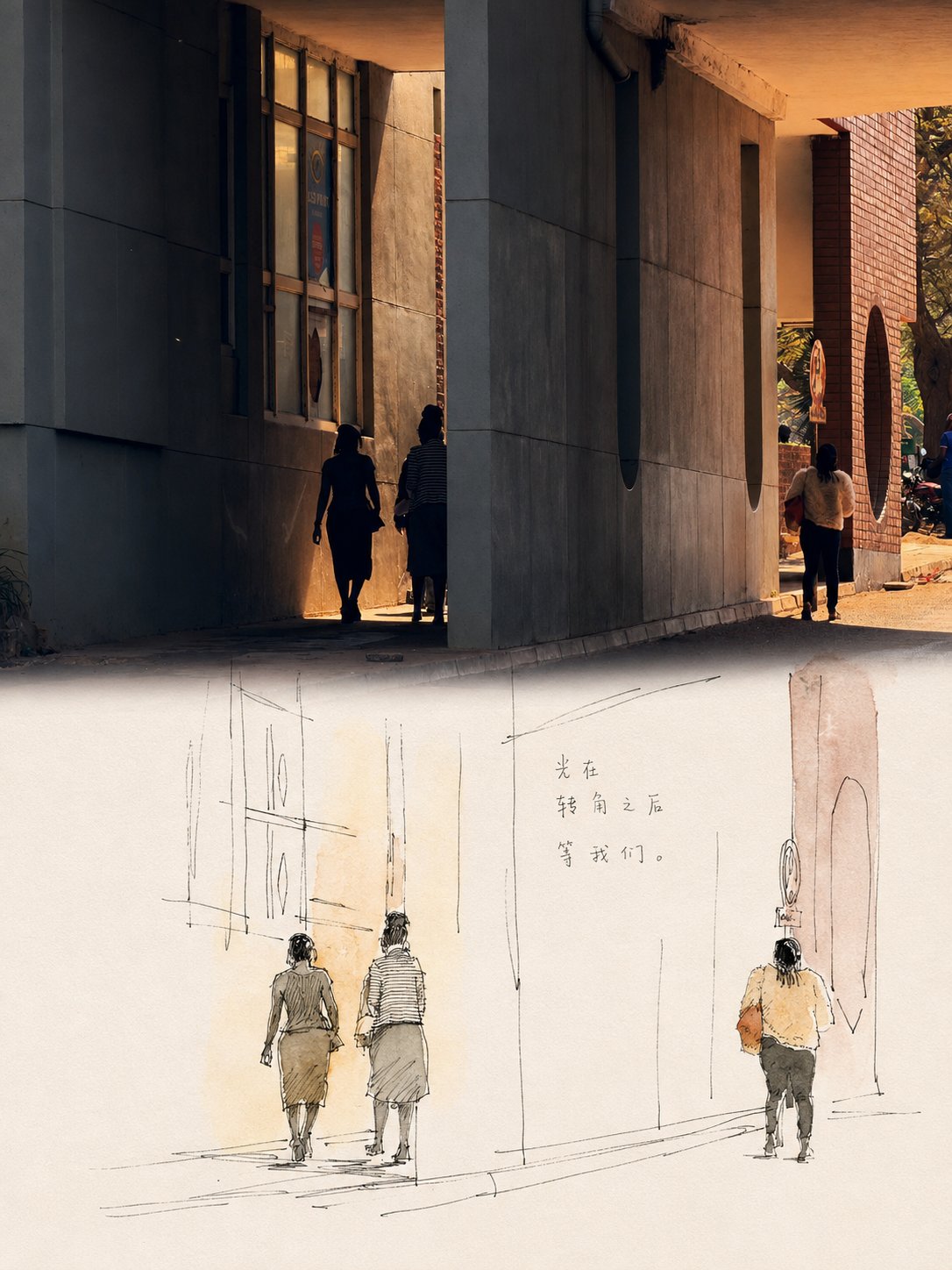
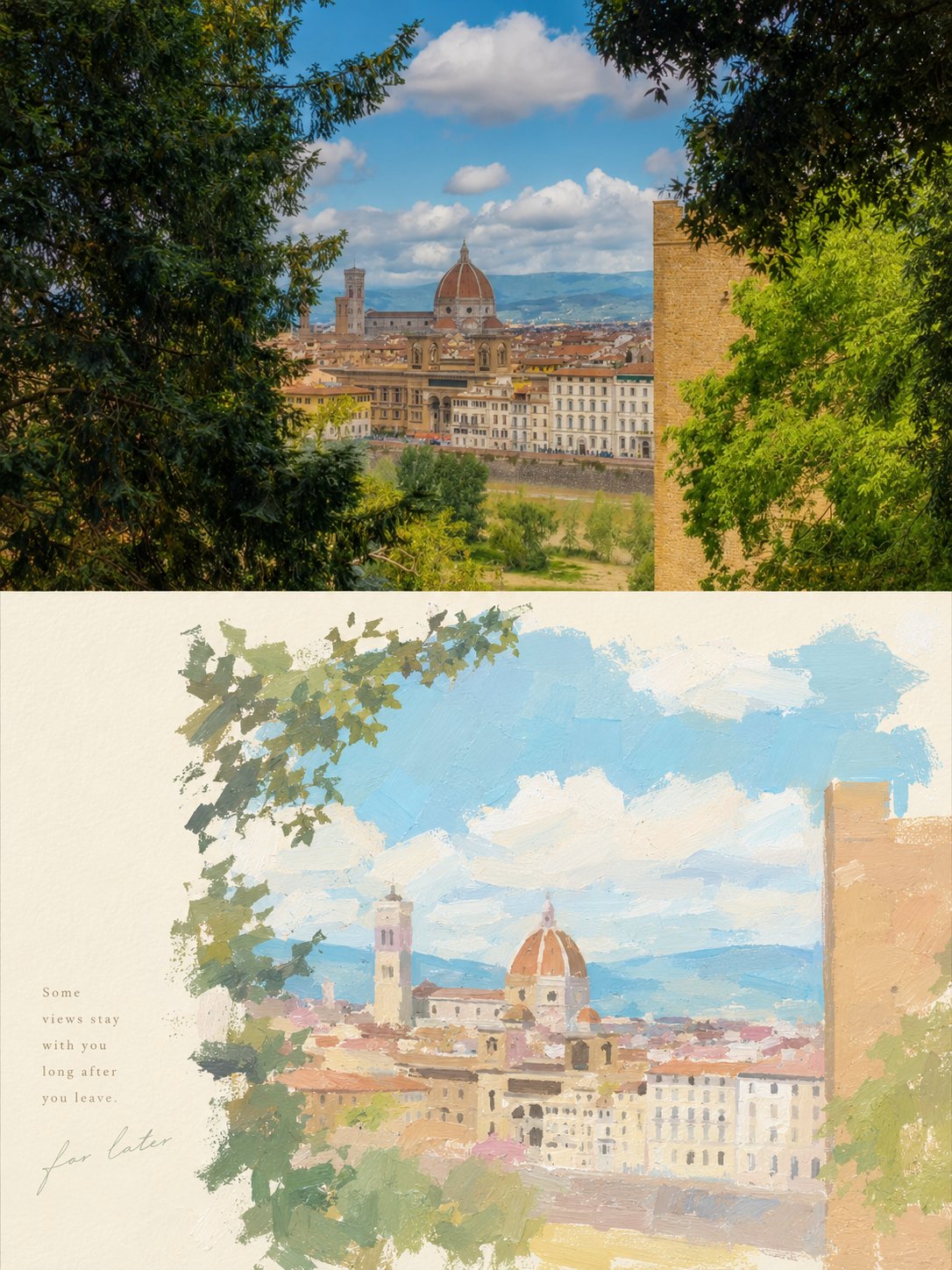
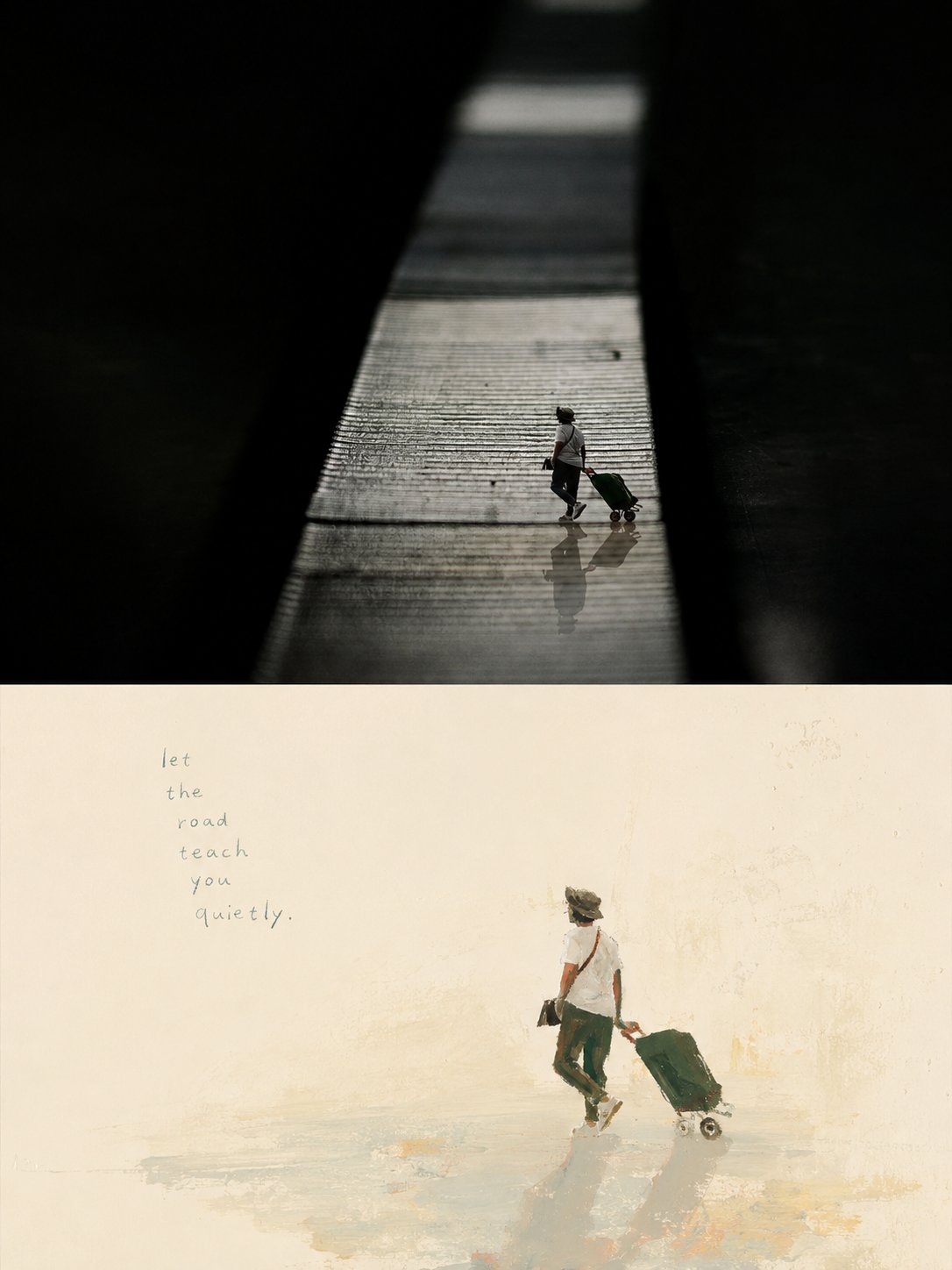
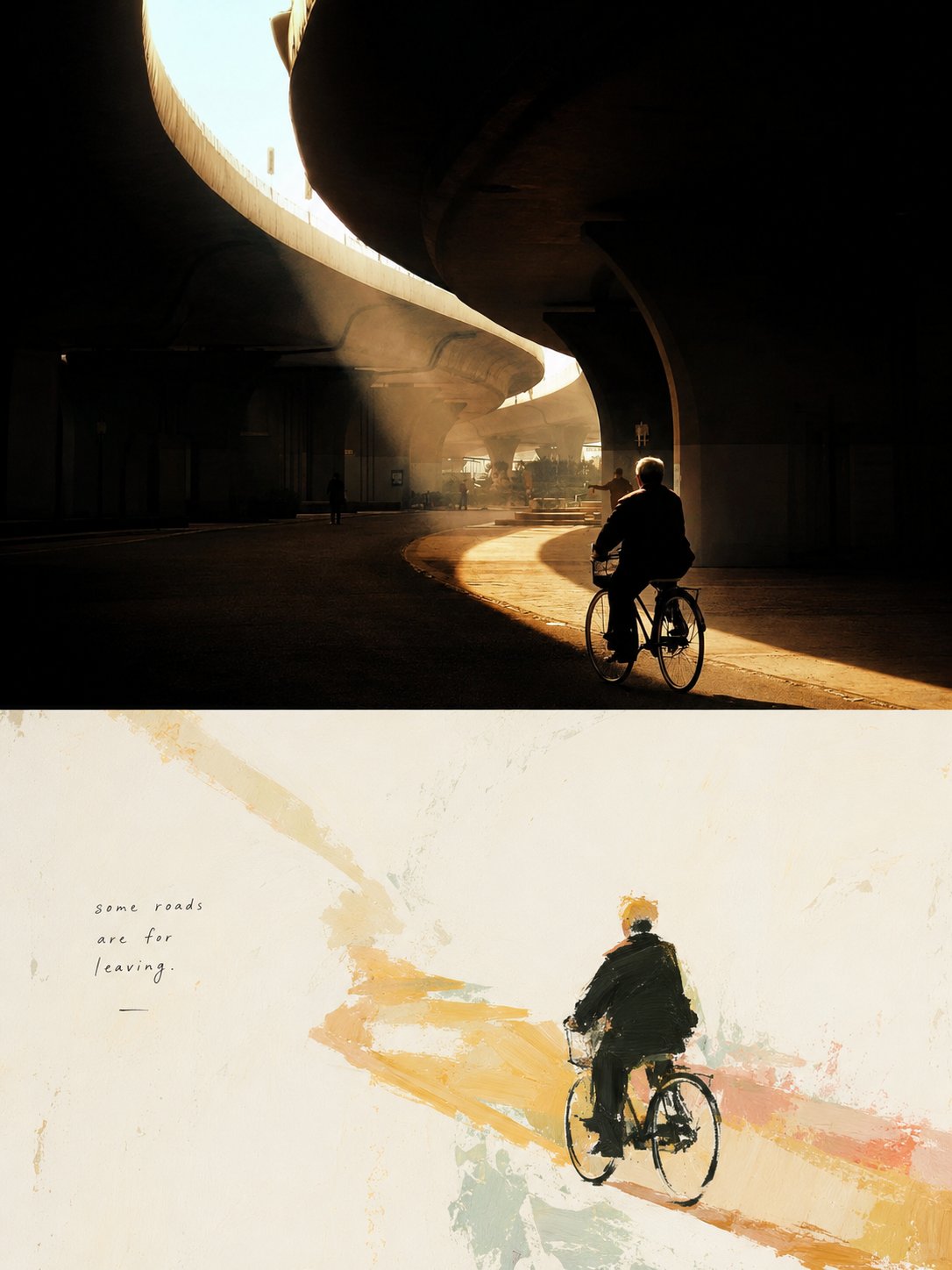
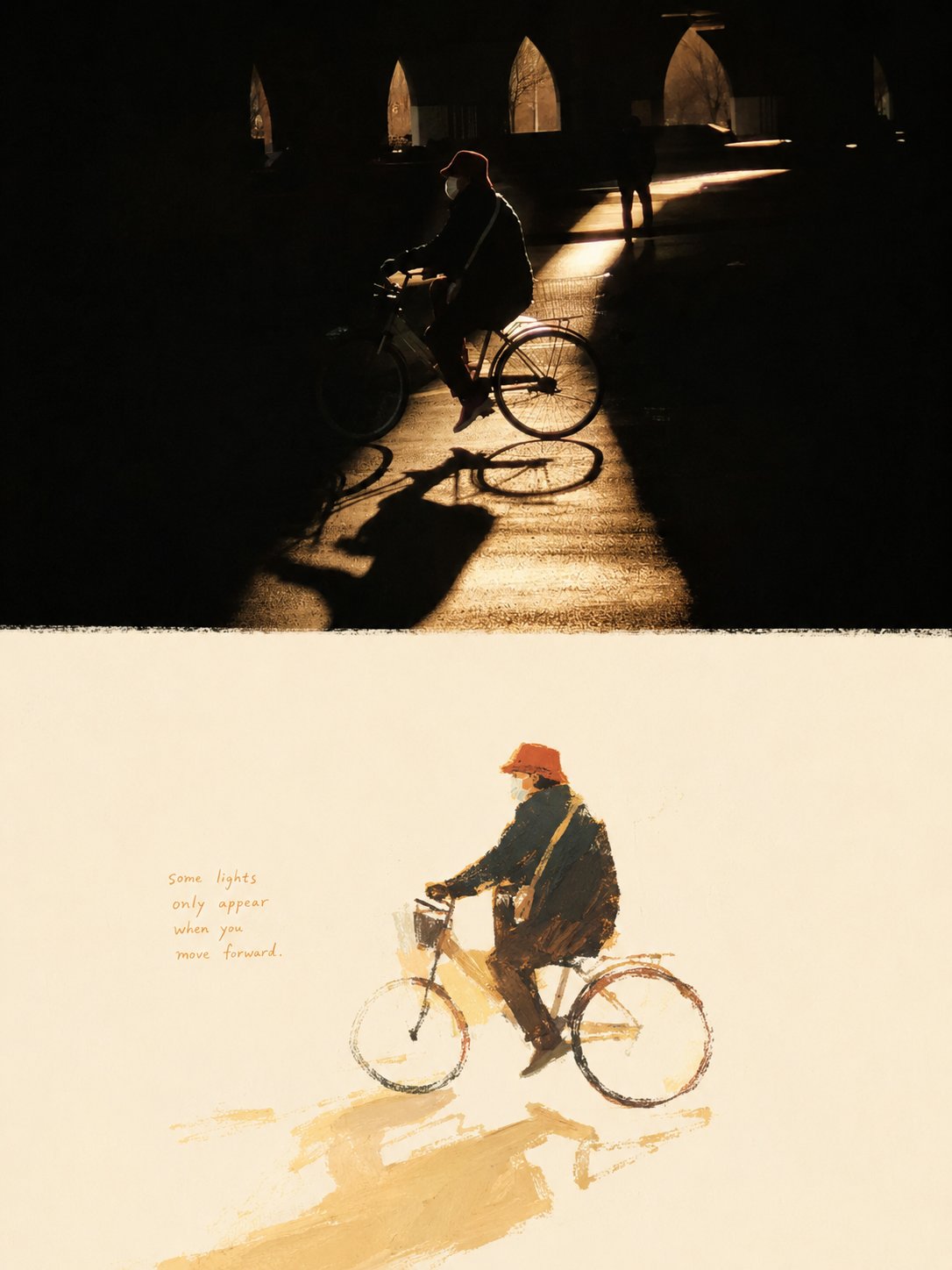
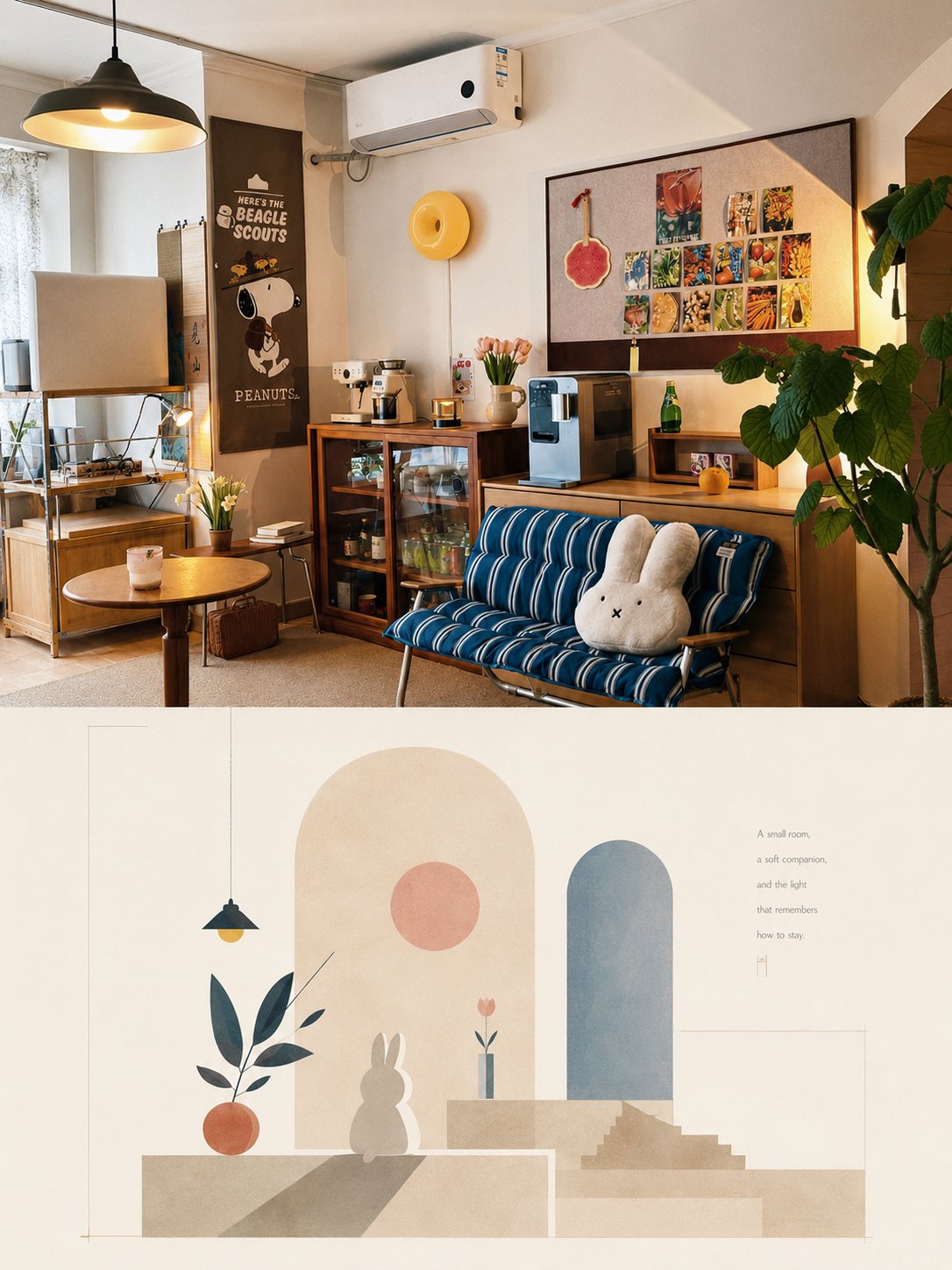
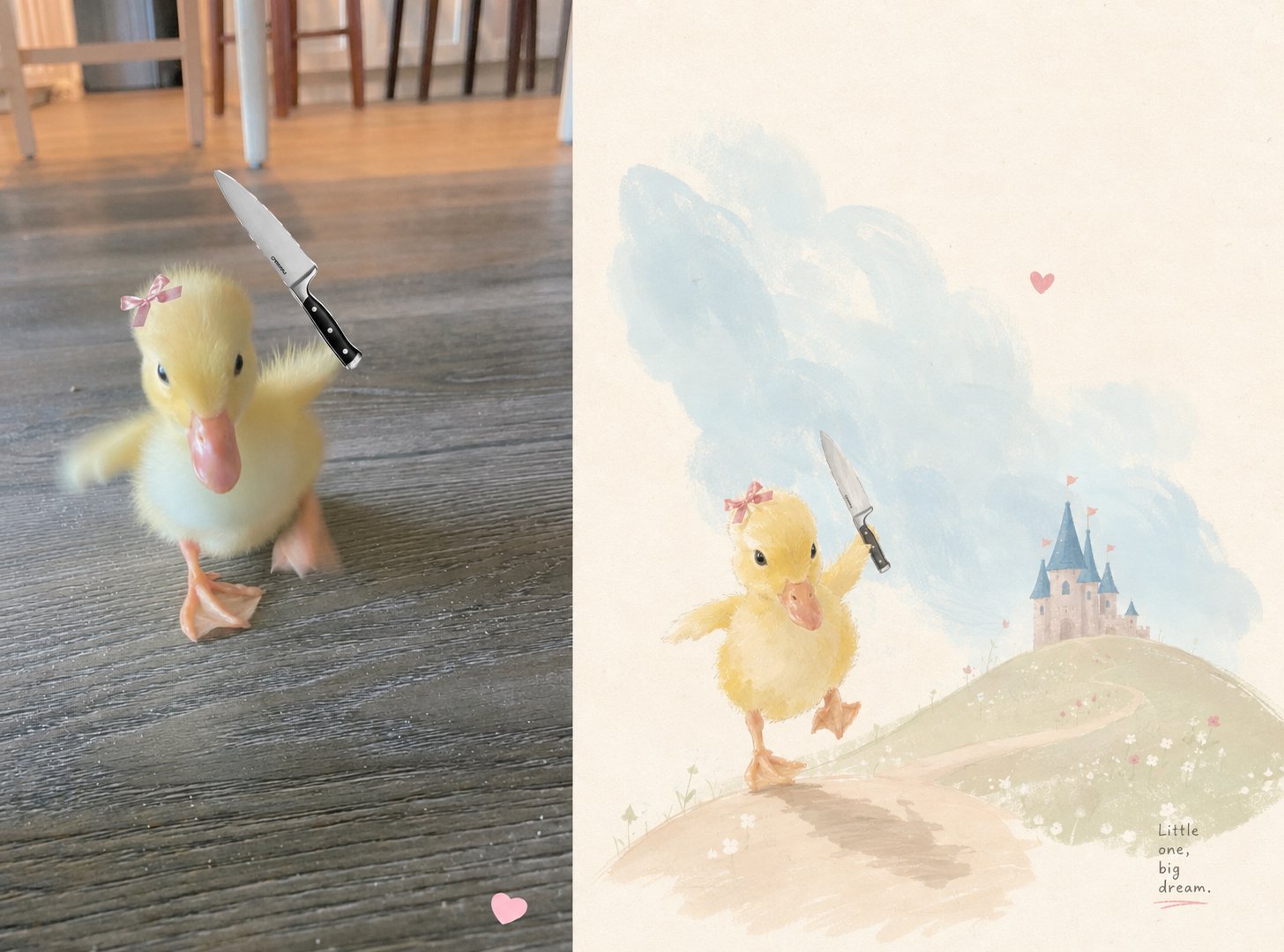
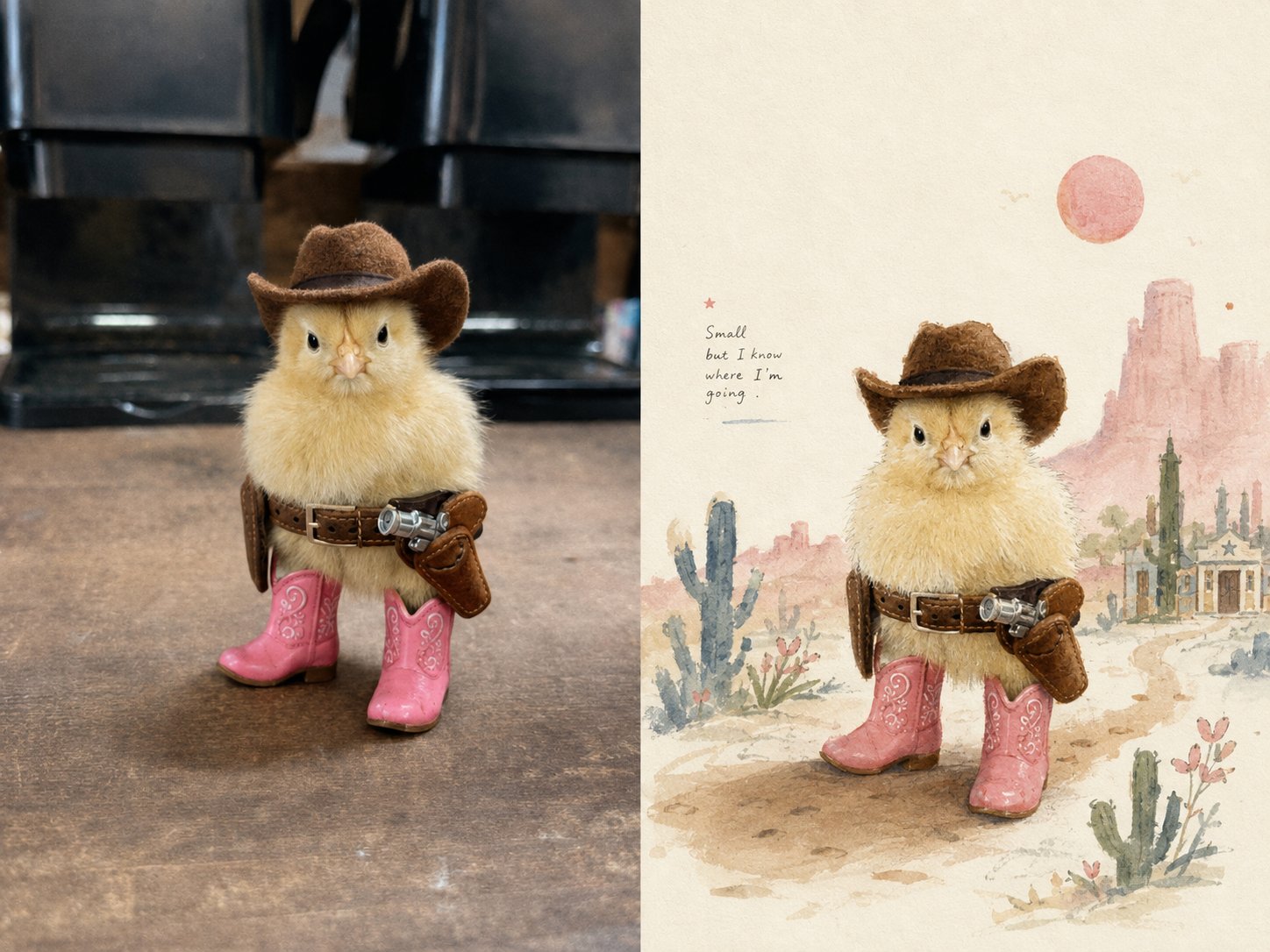
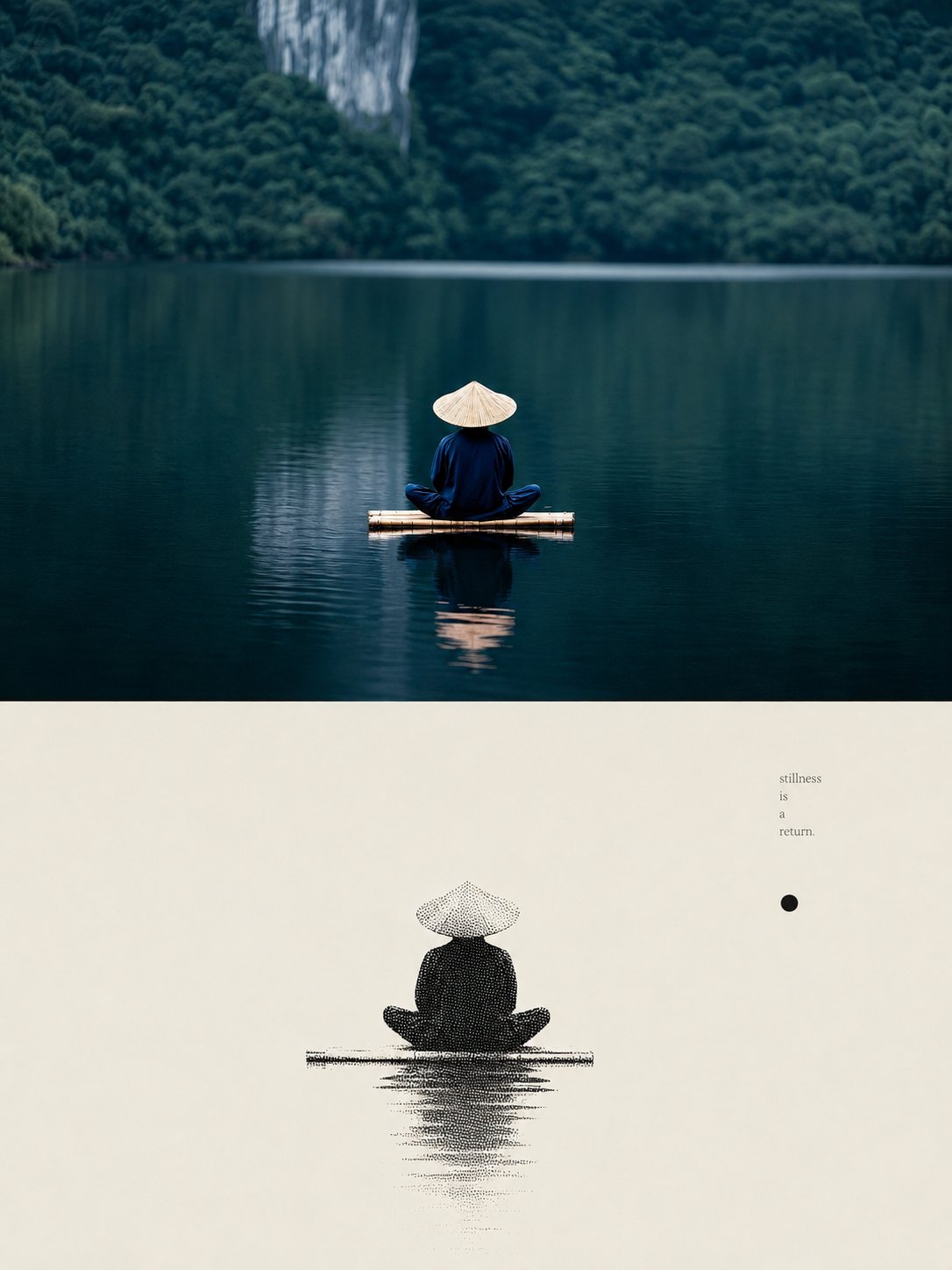
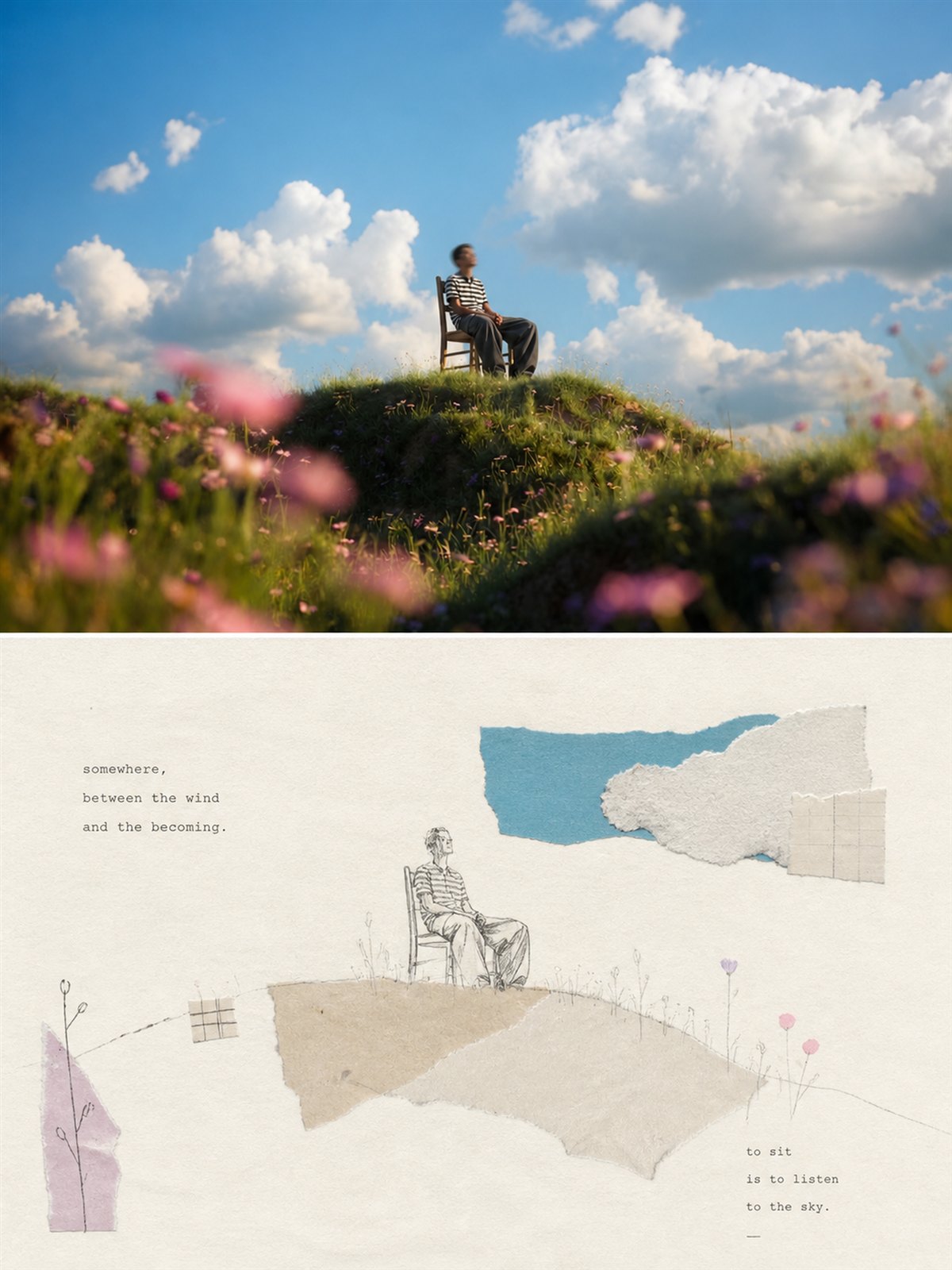
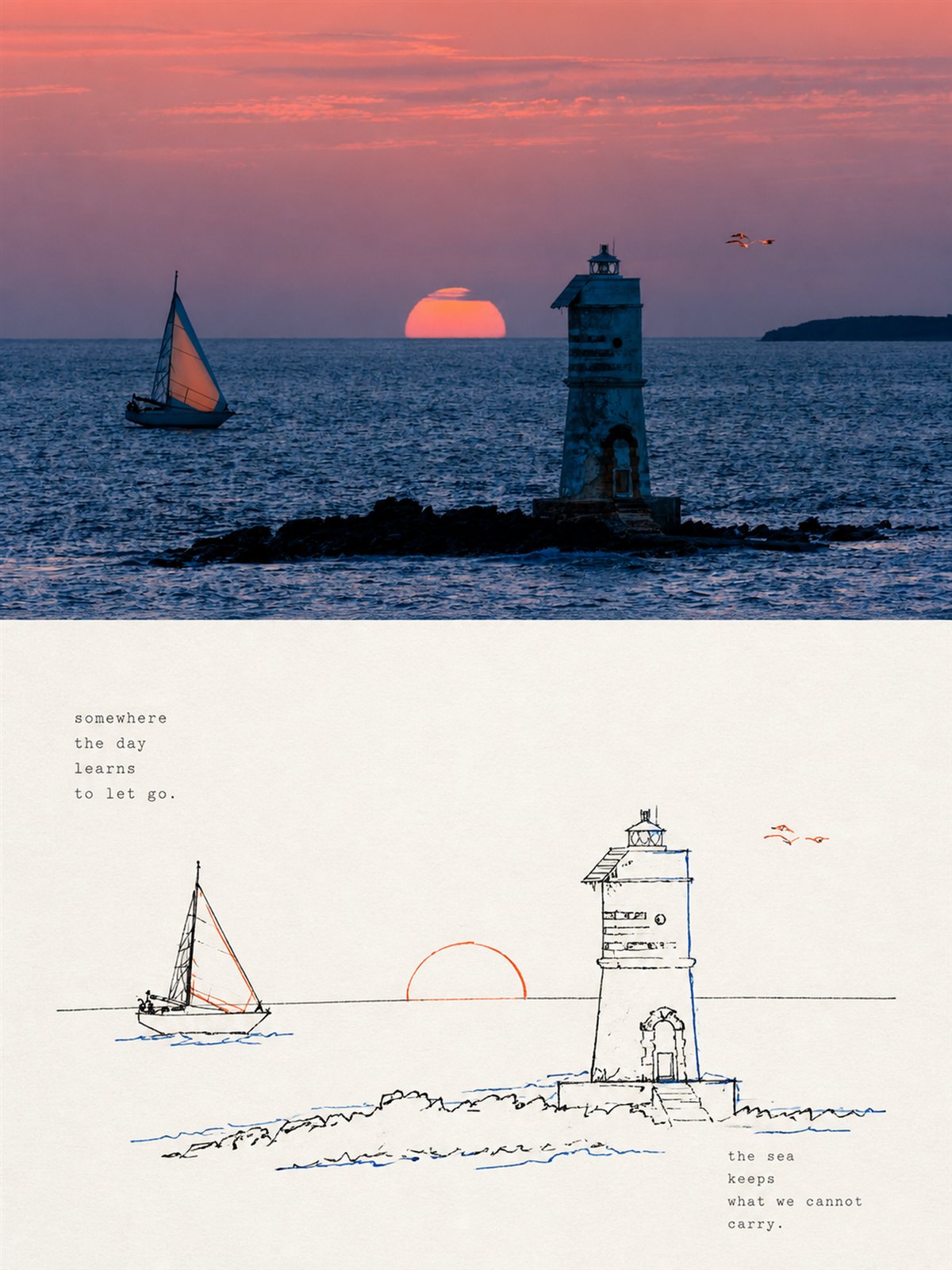
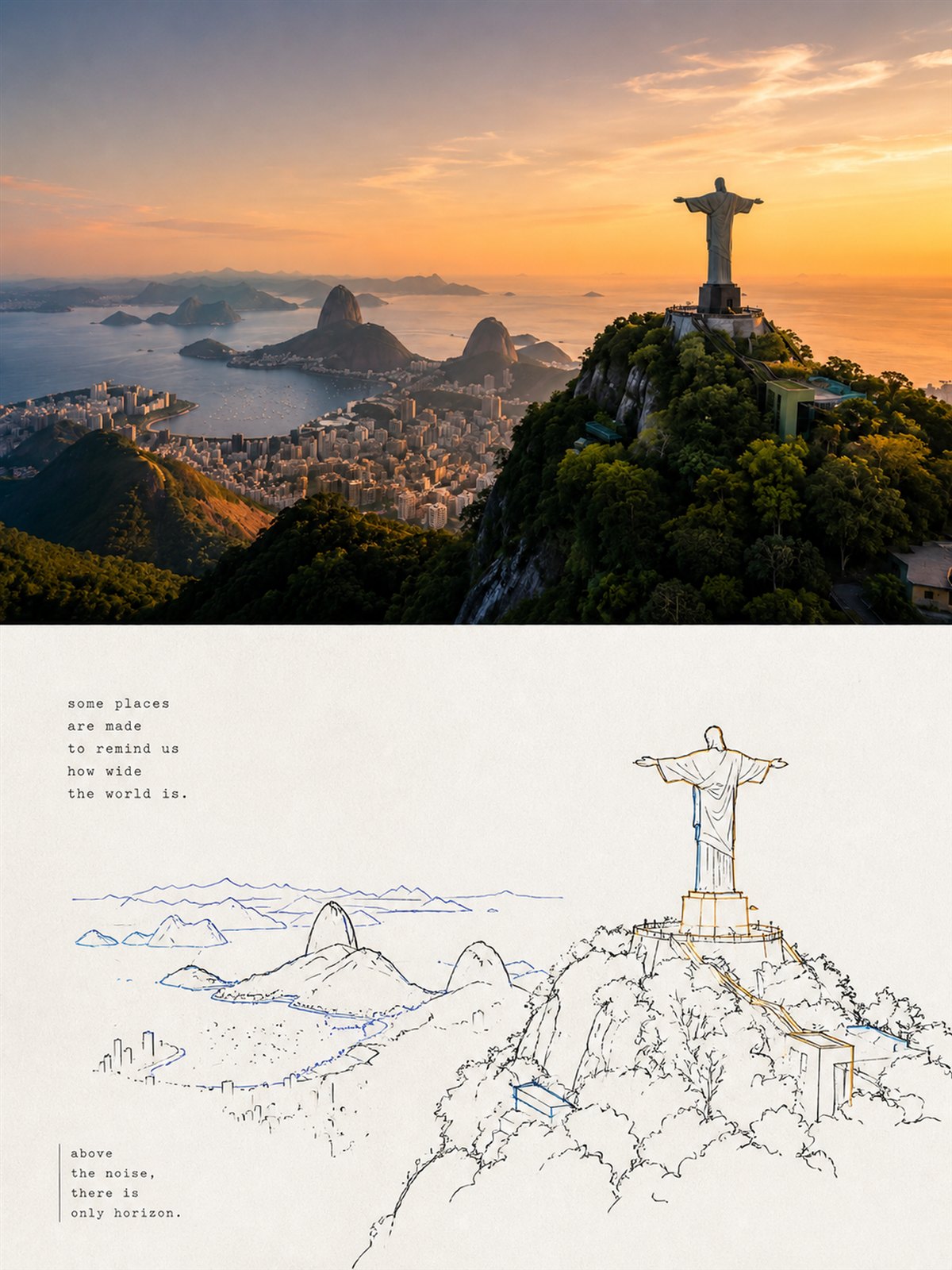
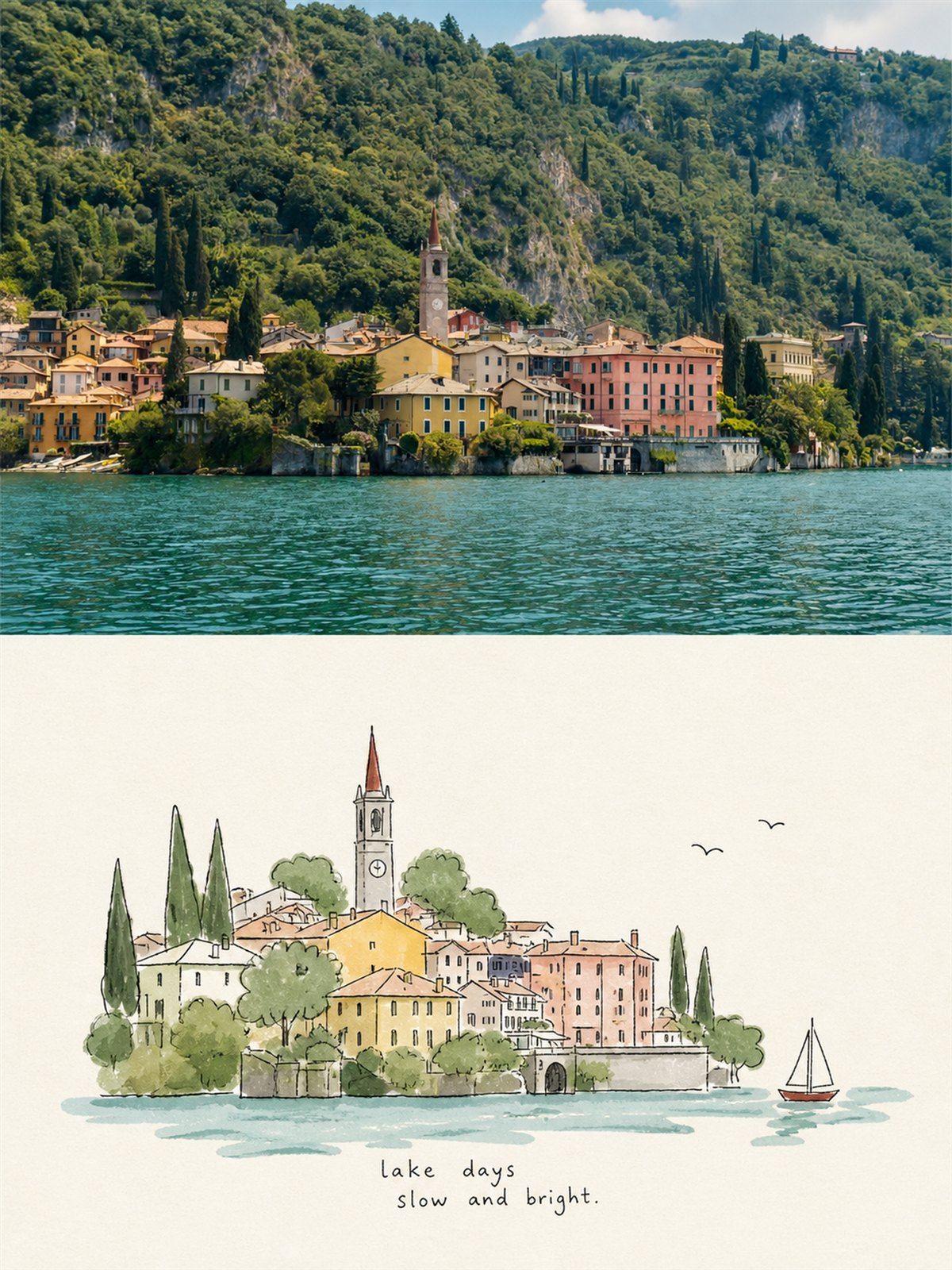
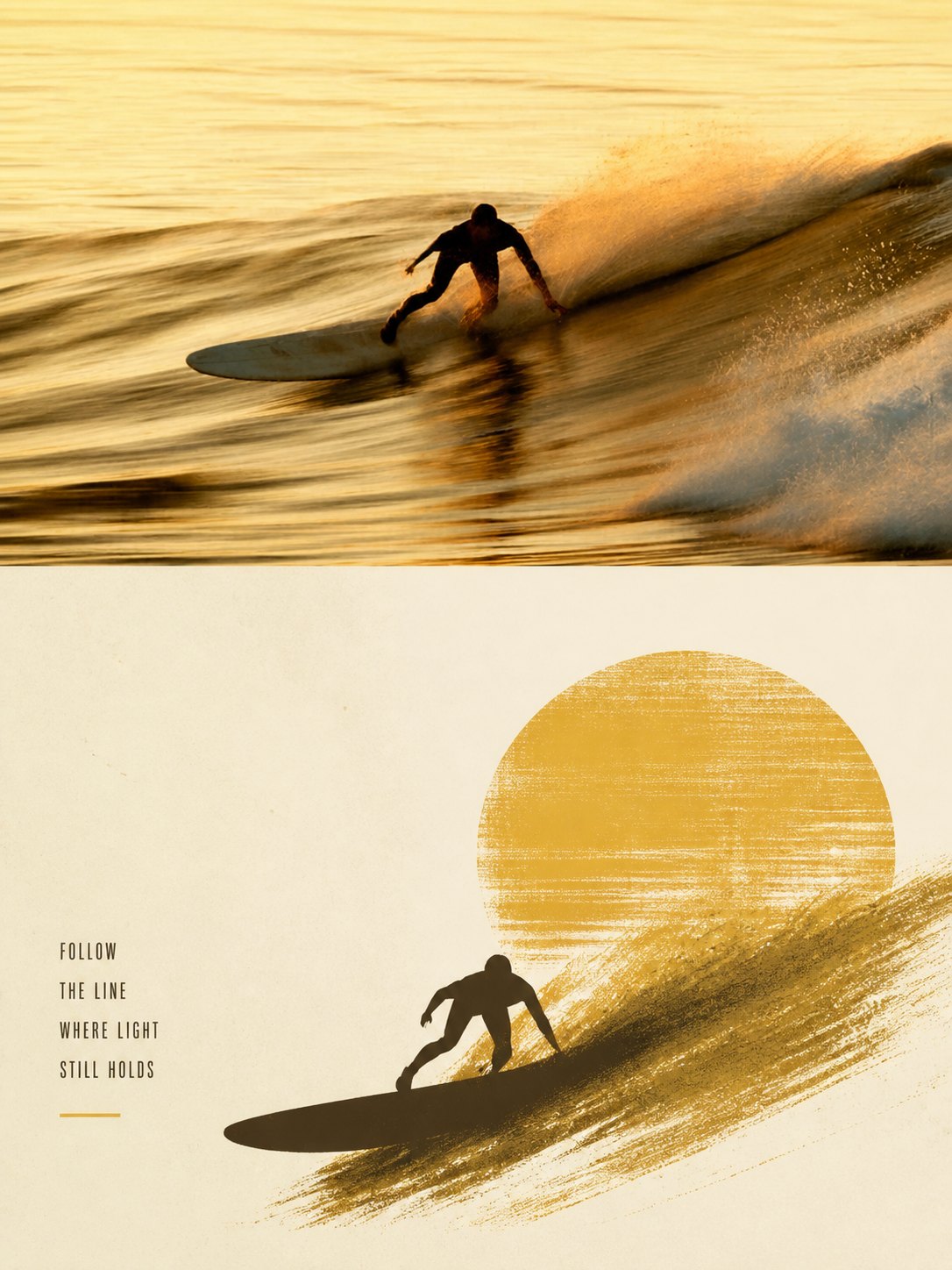
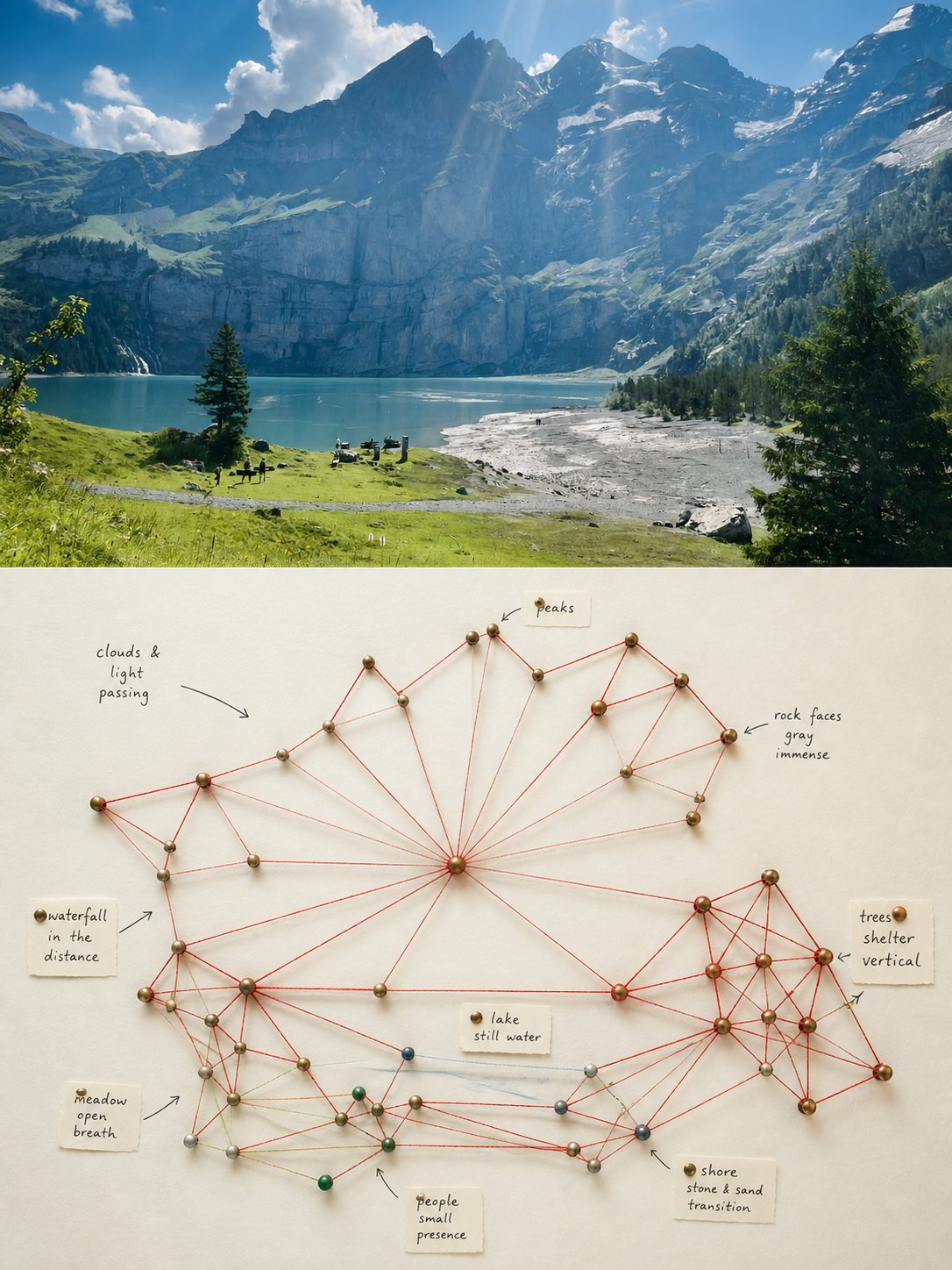
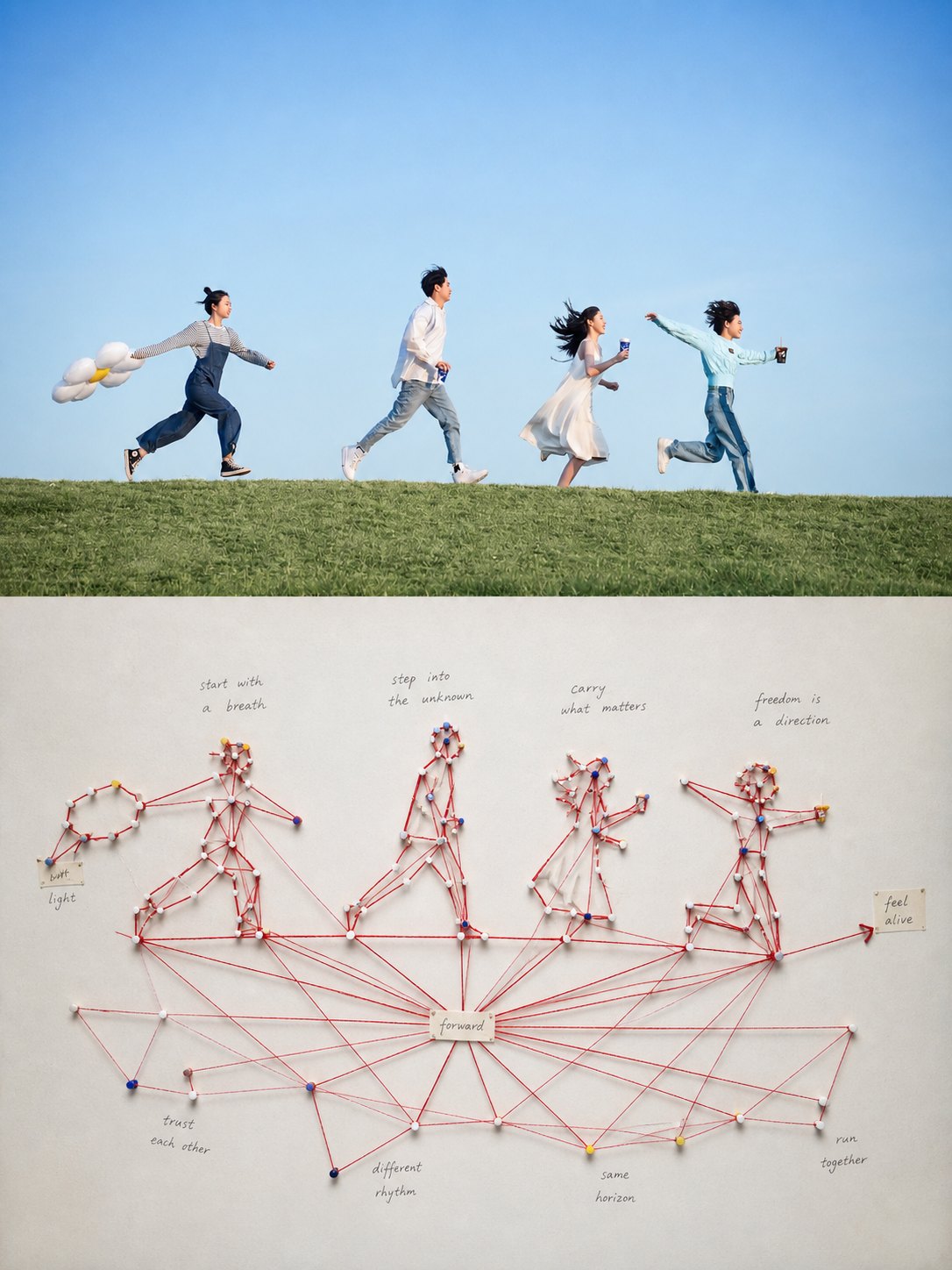
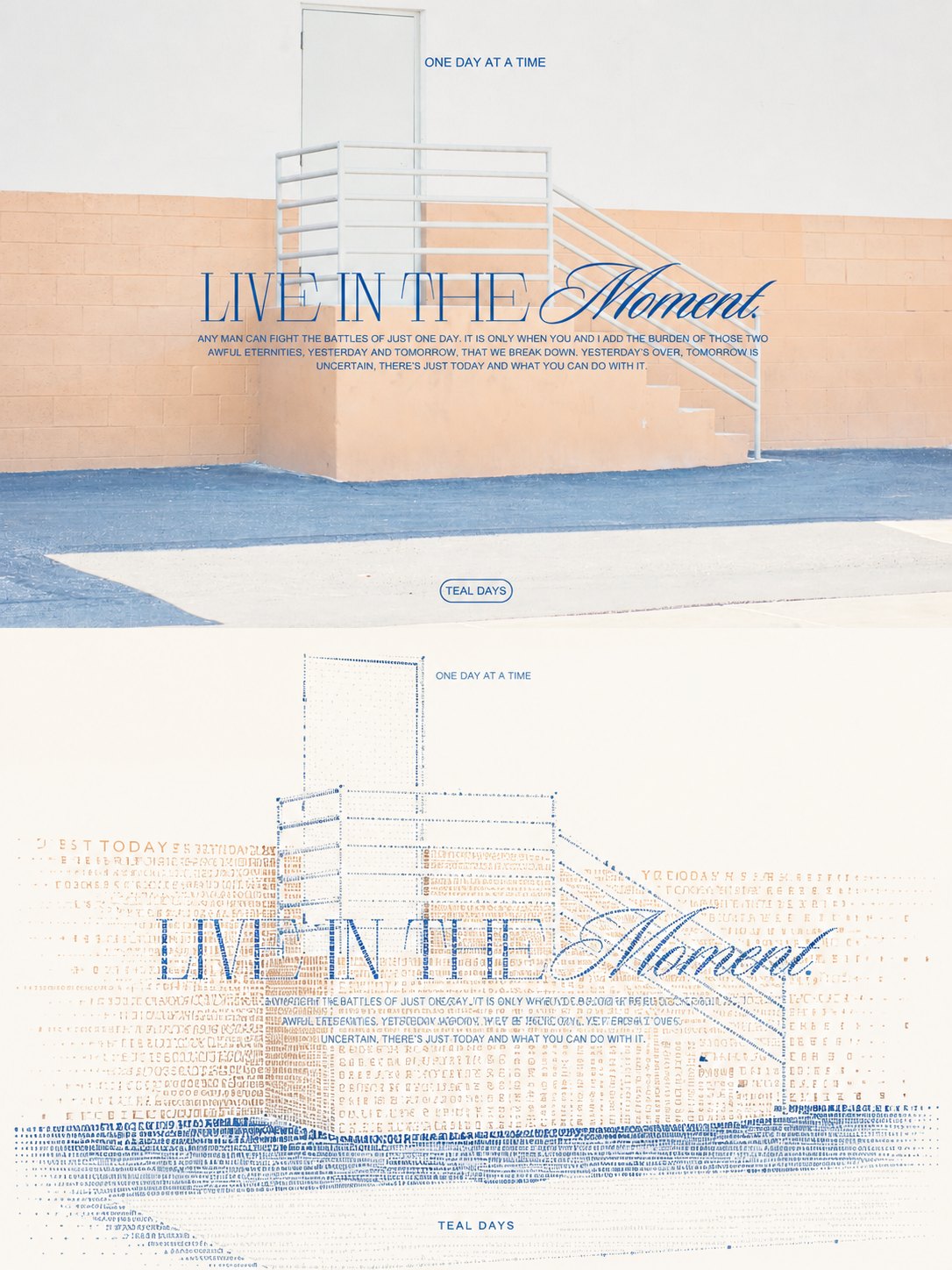
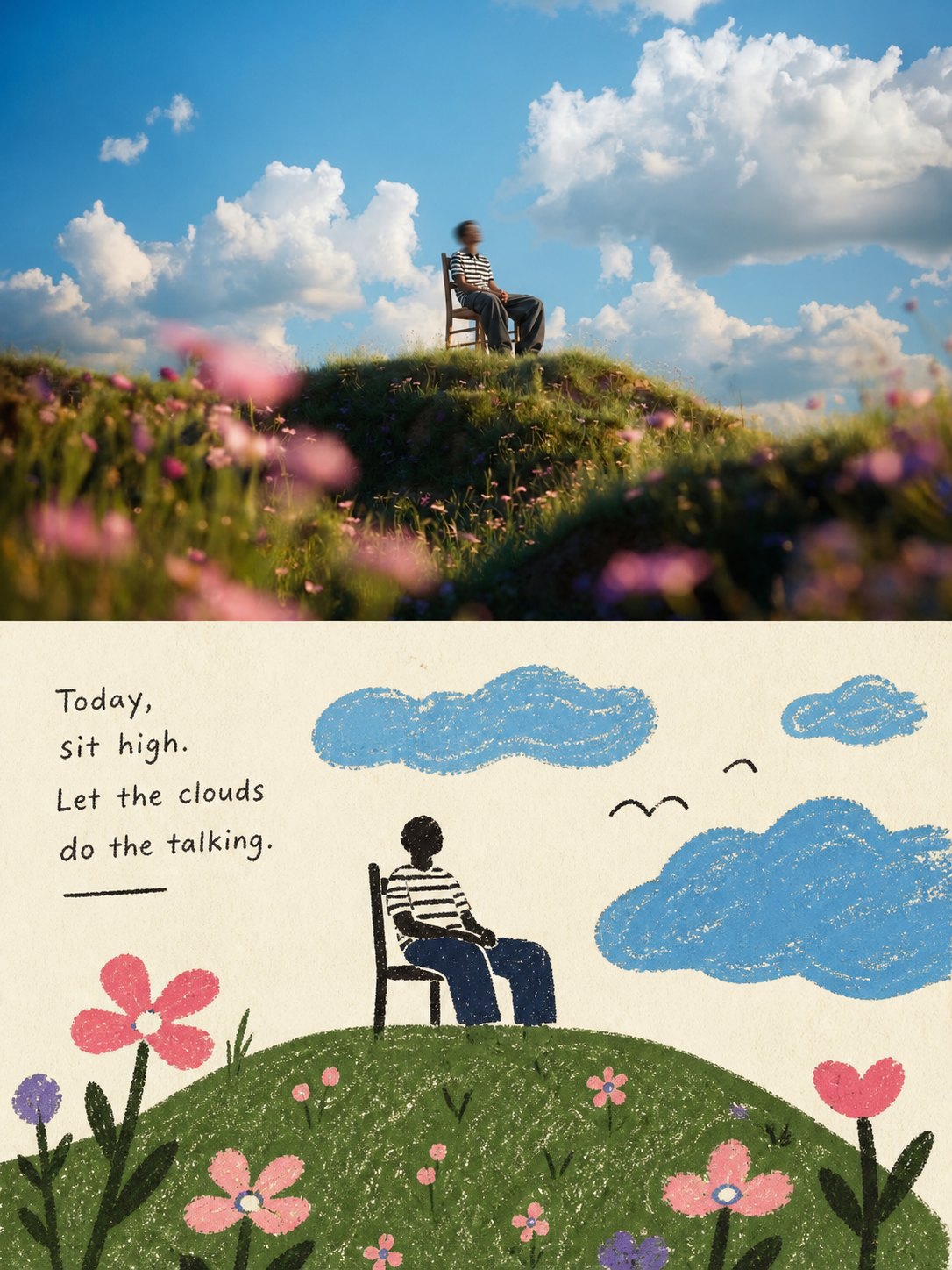
1 / 4Paper-cut print poster
GPT Image 2paper craftprint
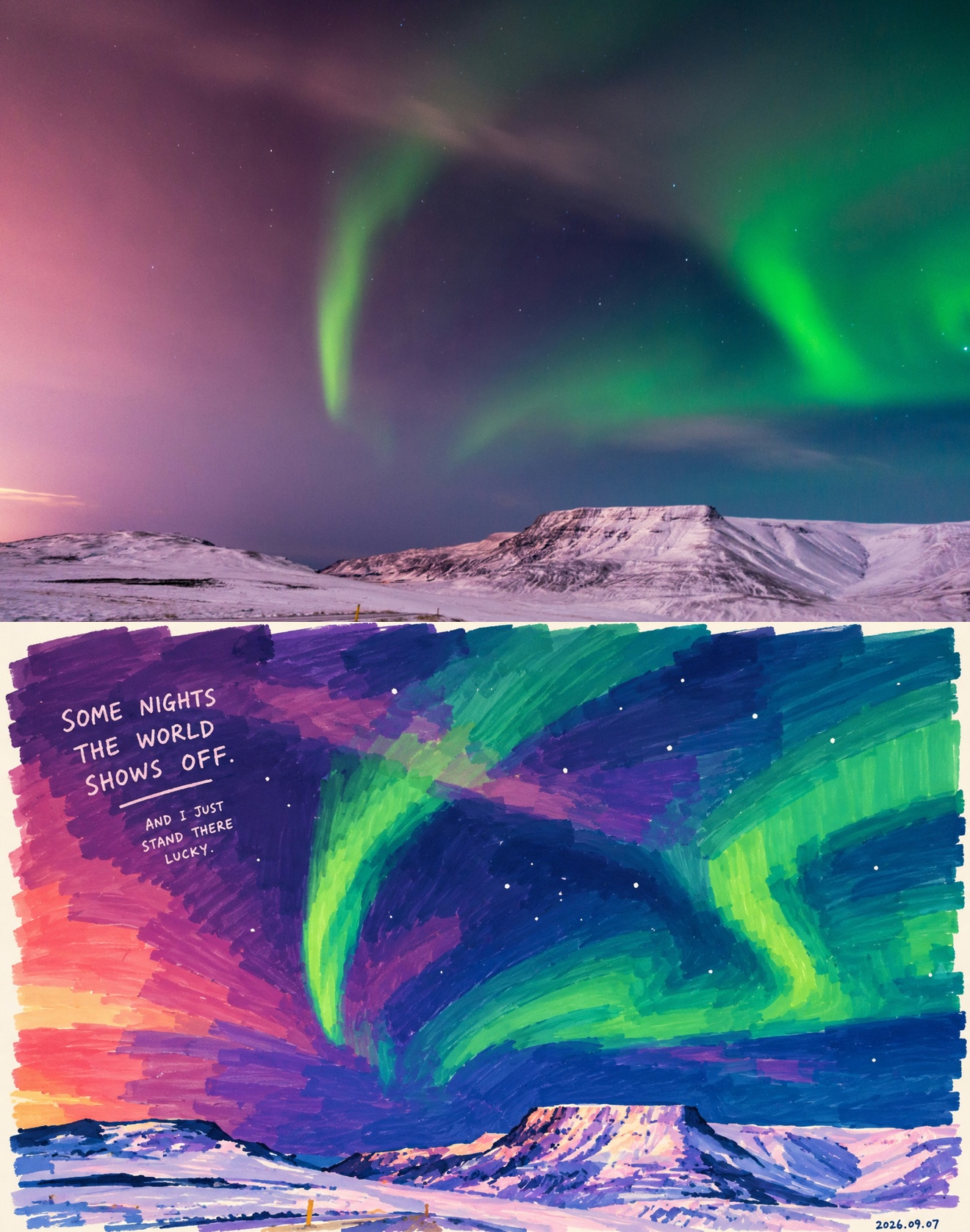
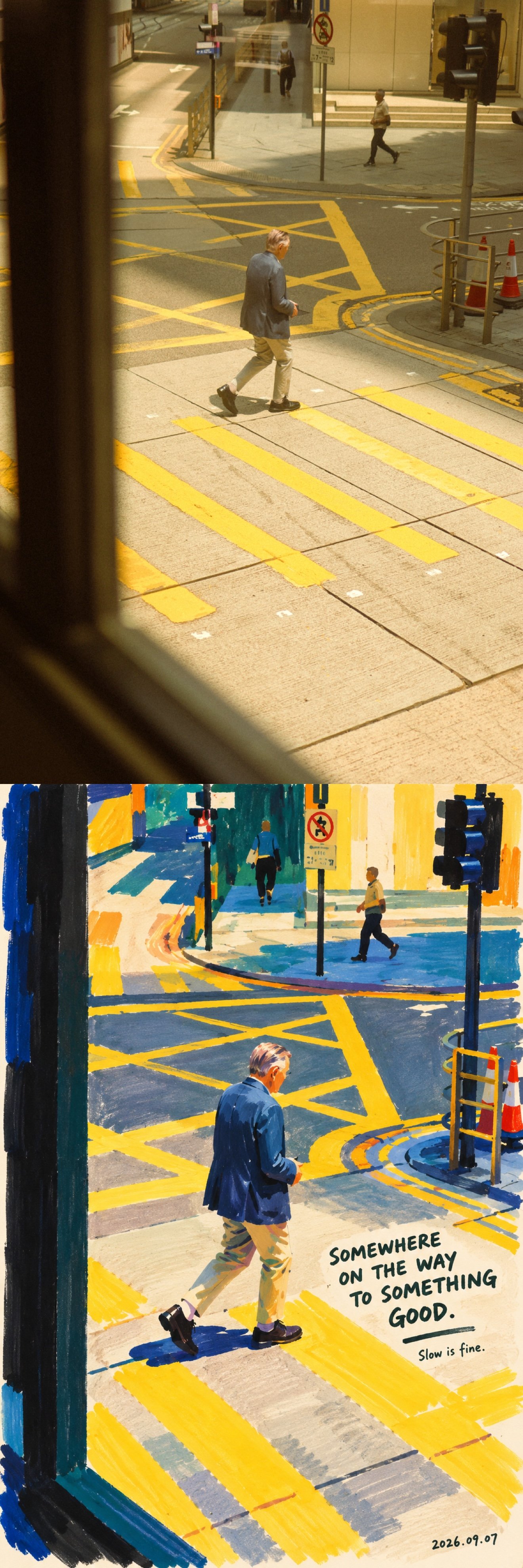
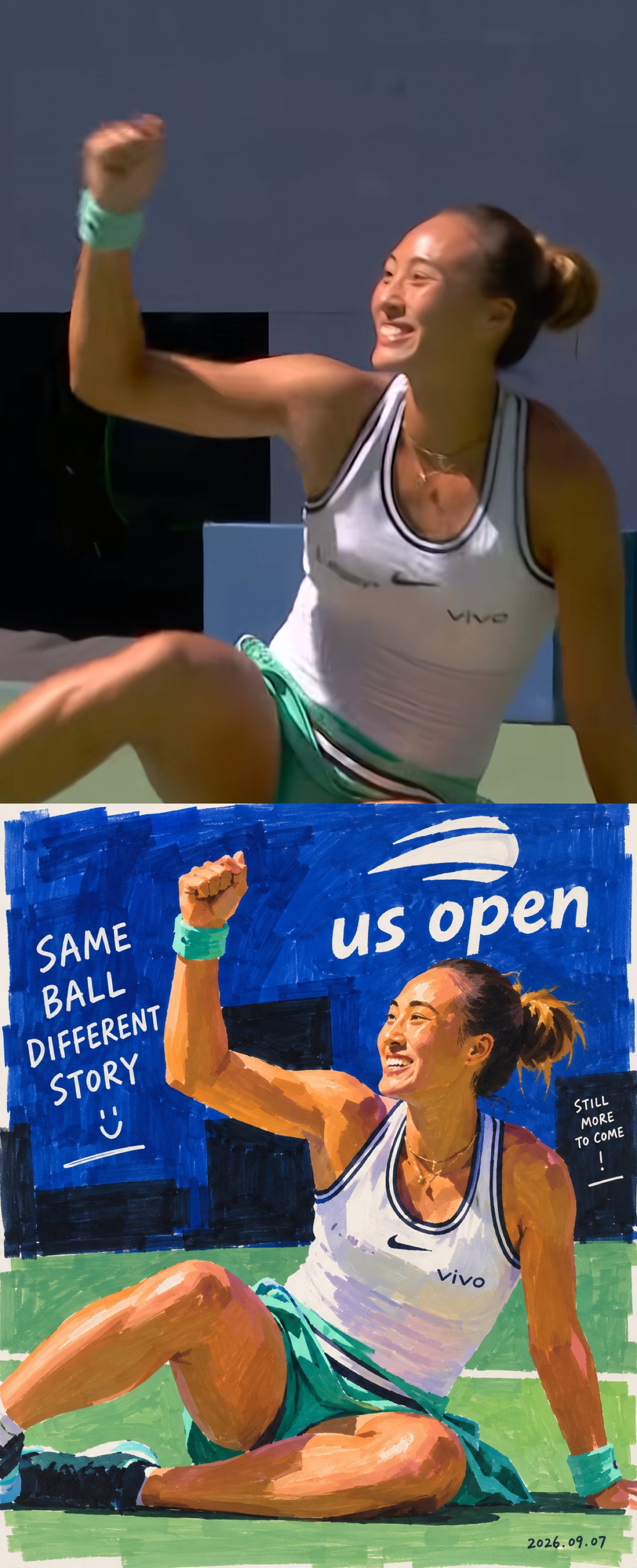
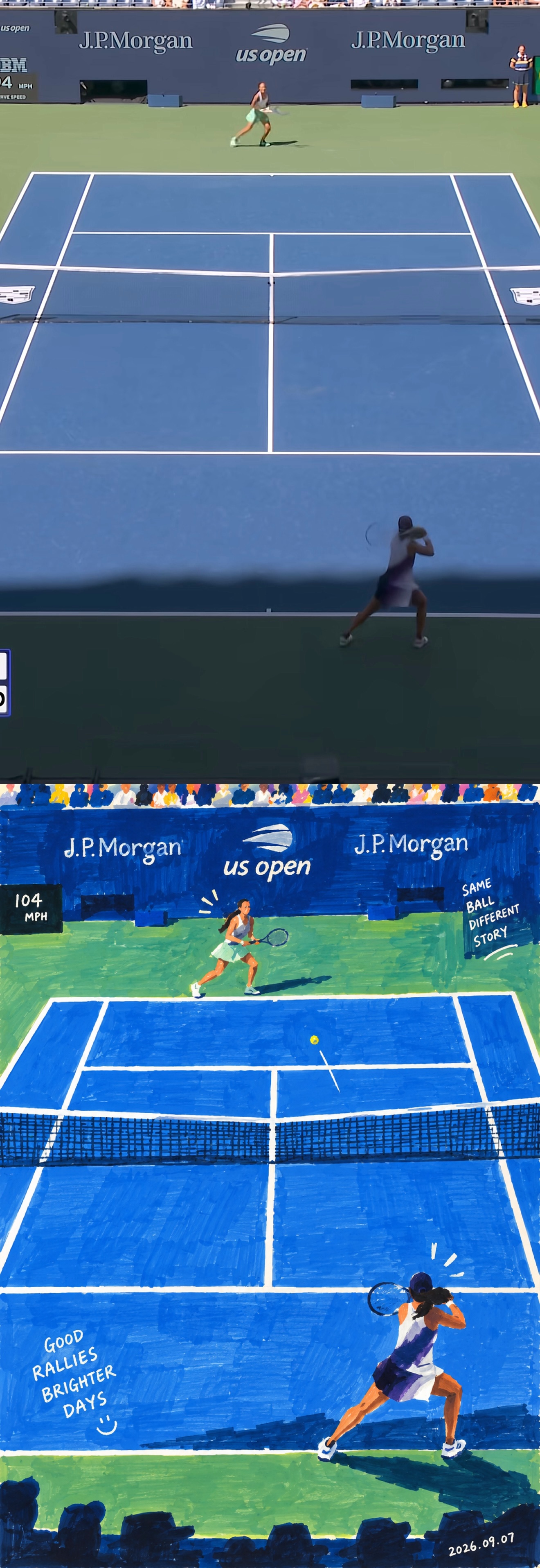
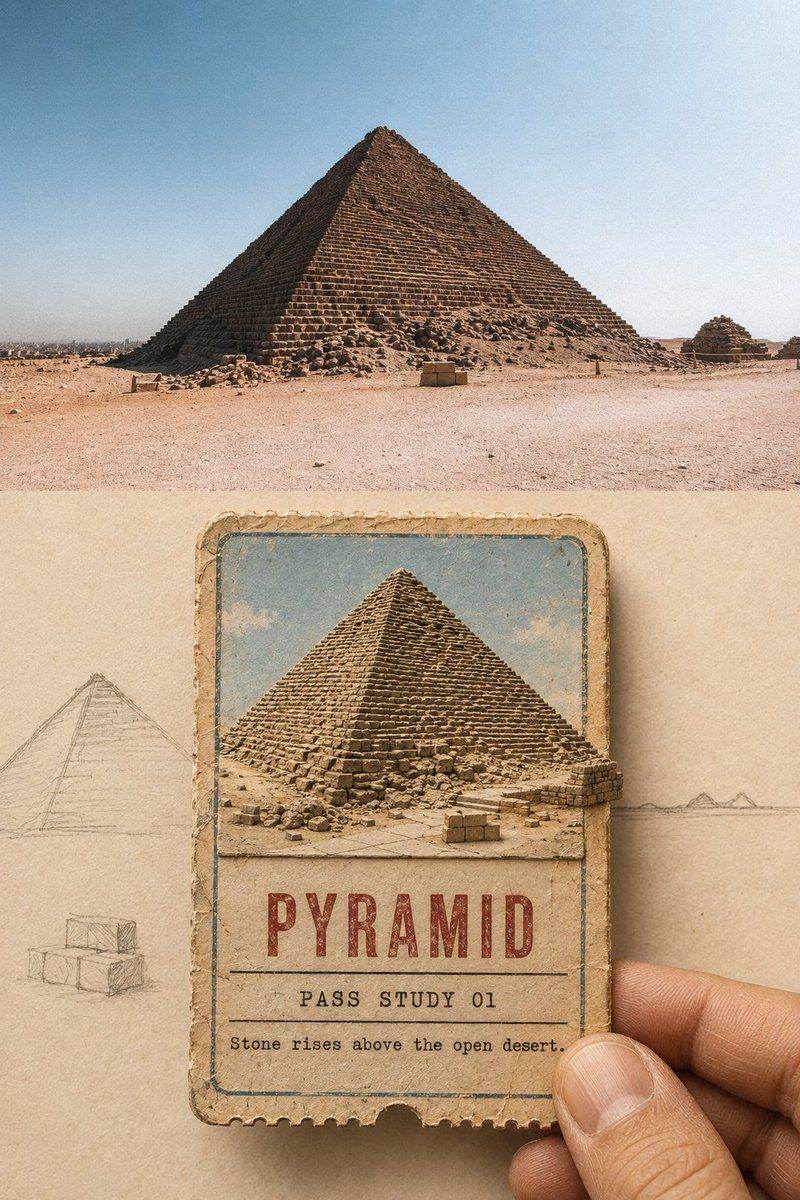
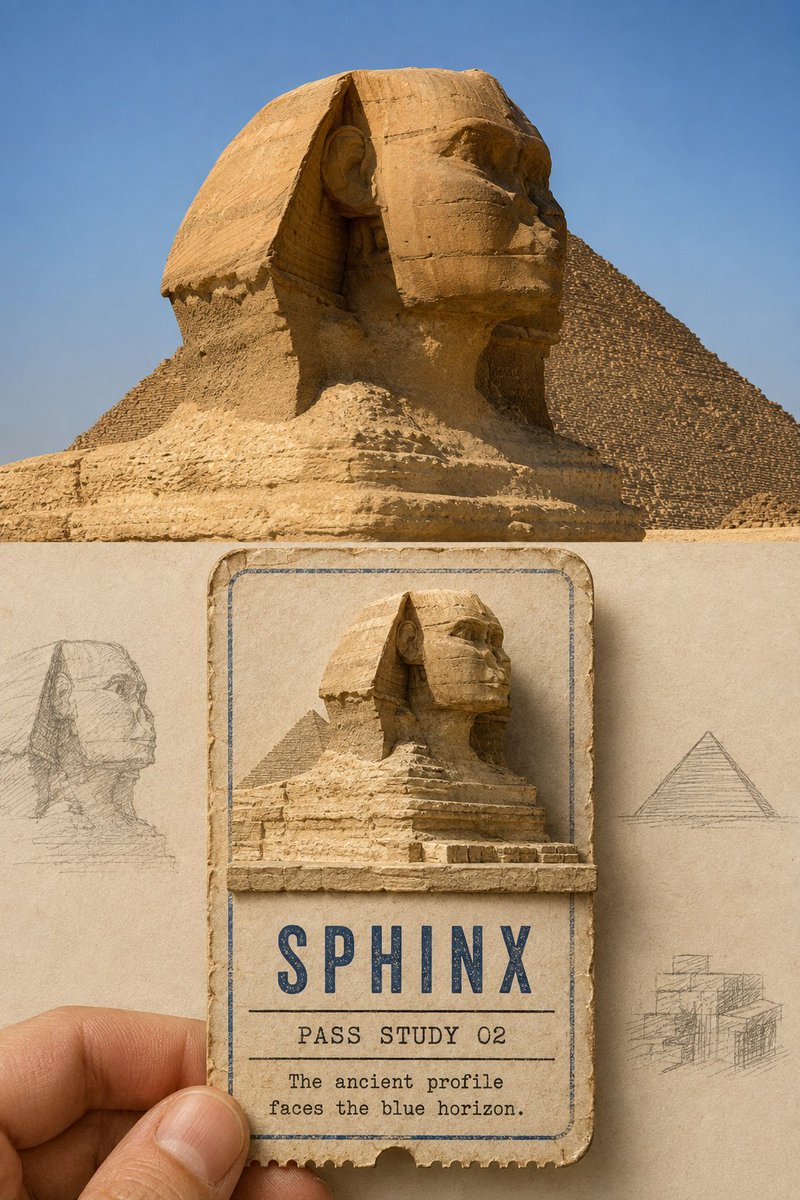
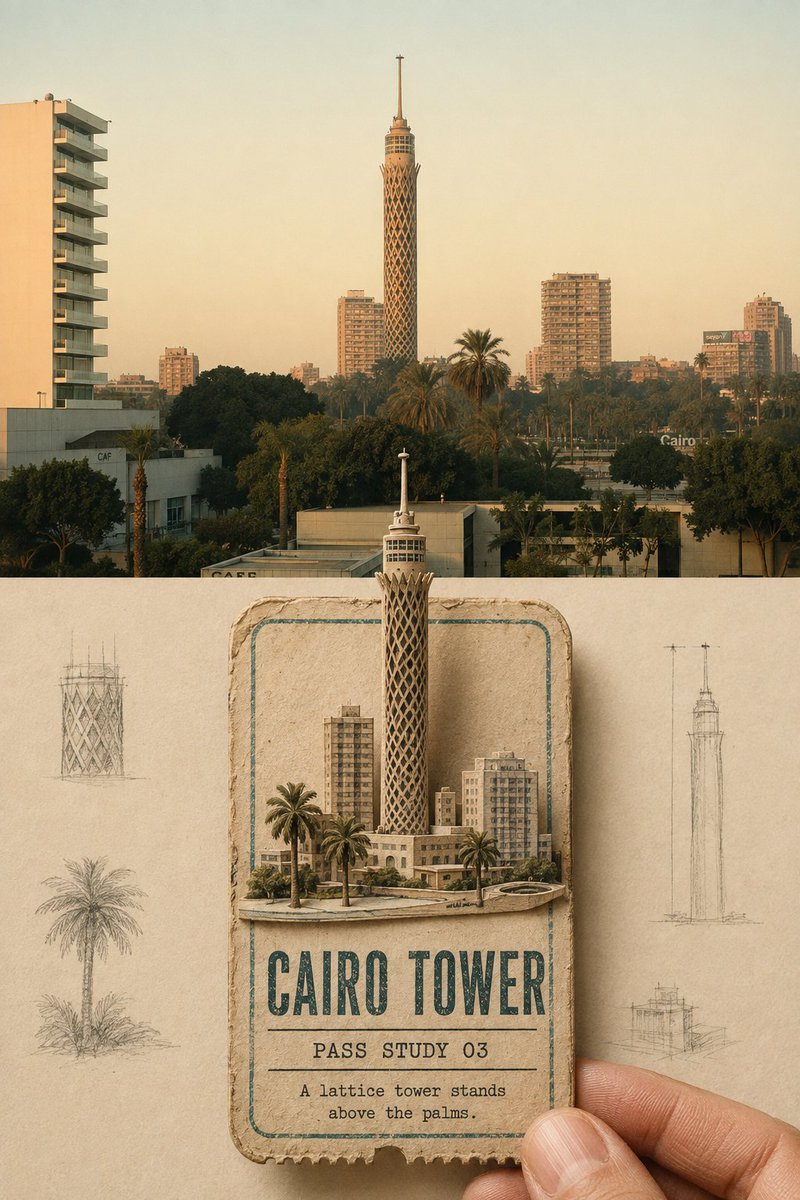
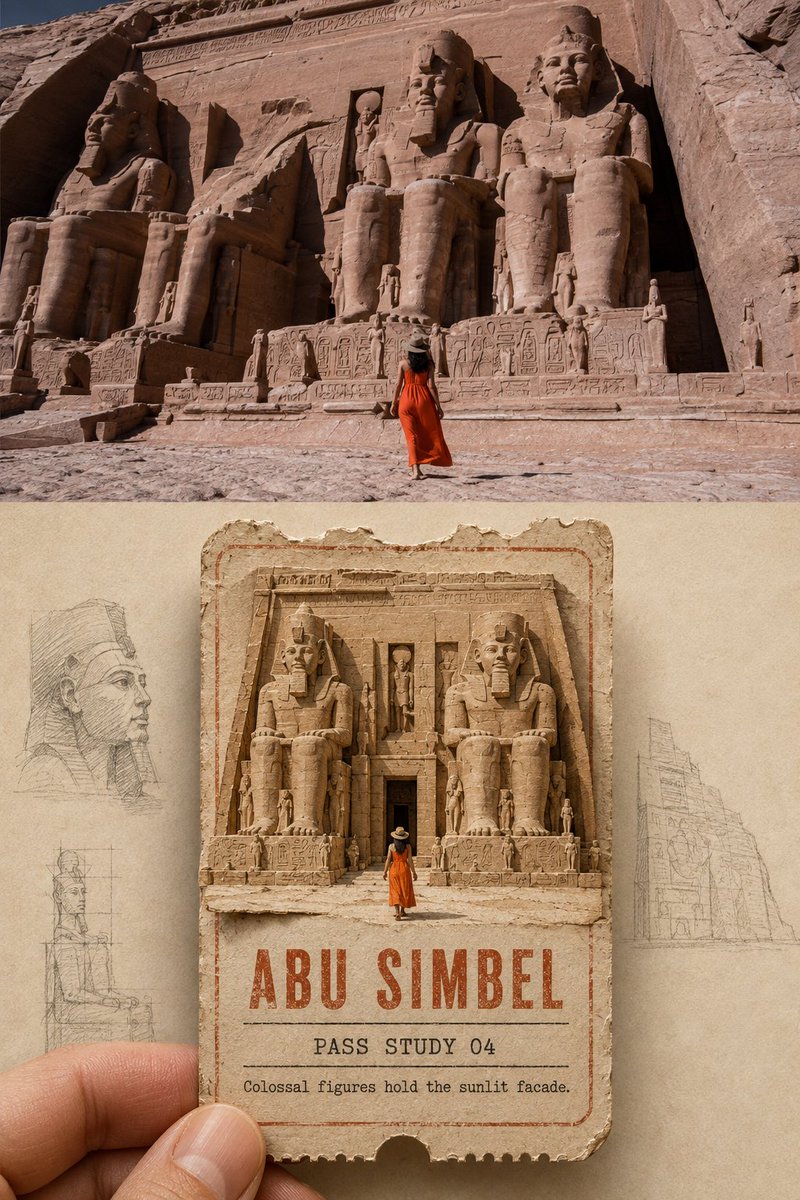
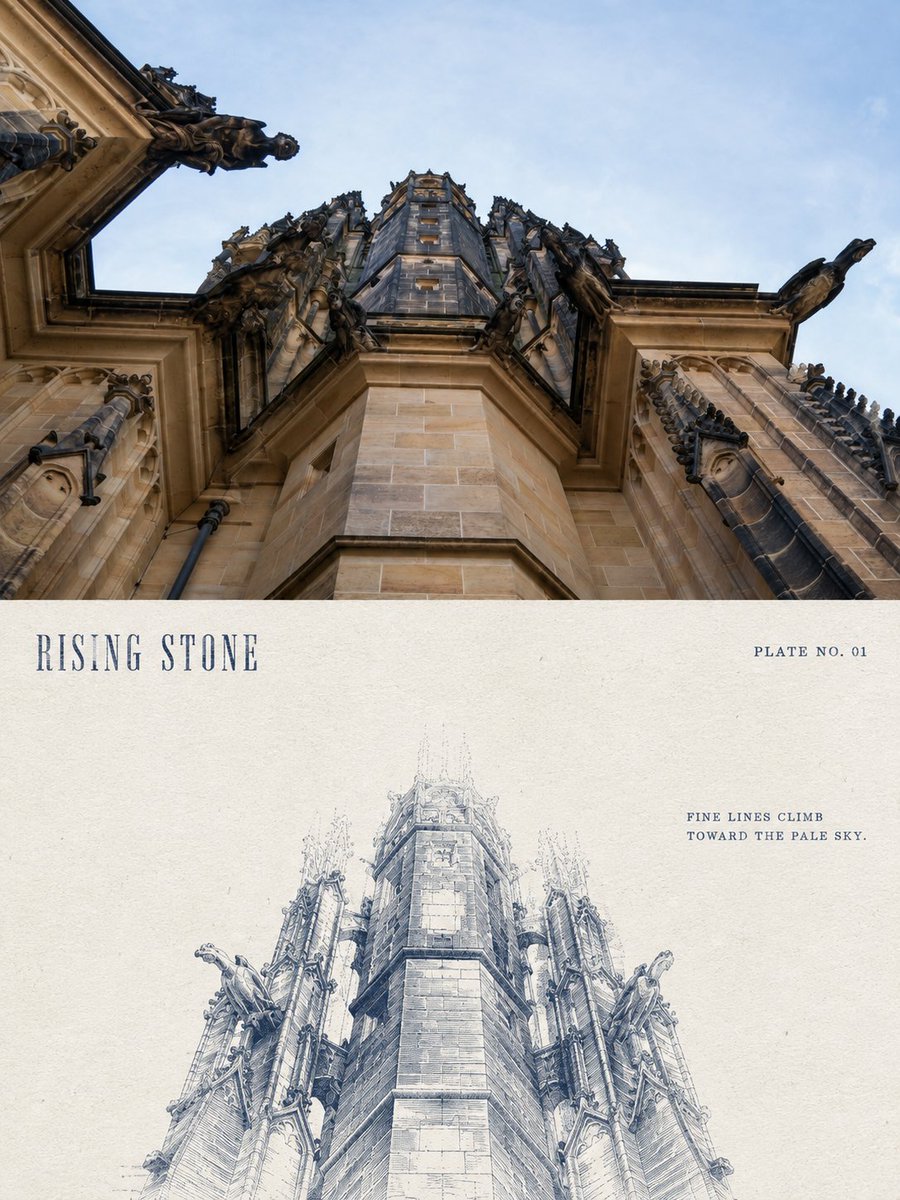
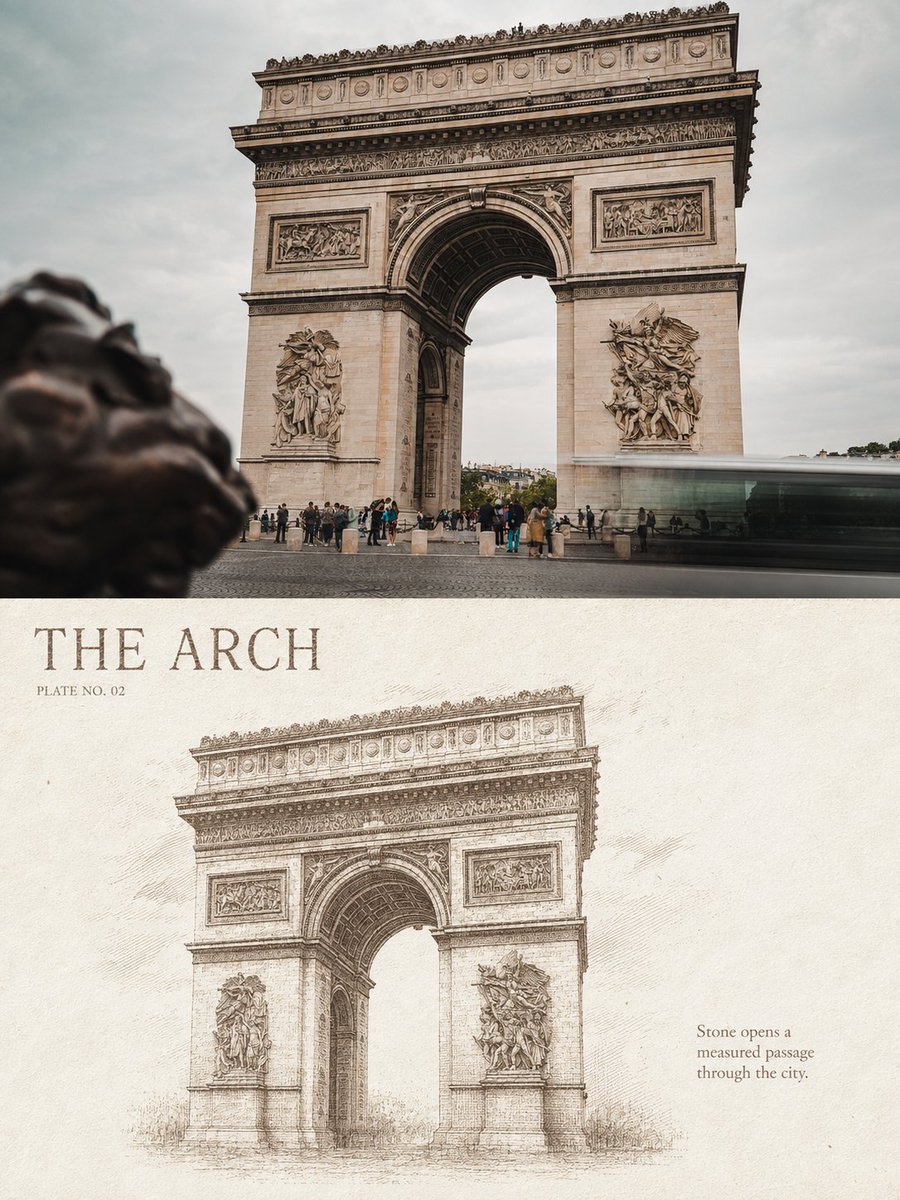
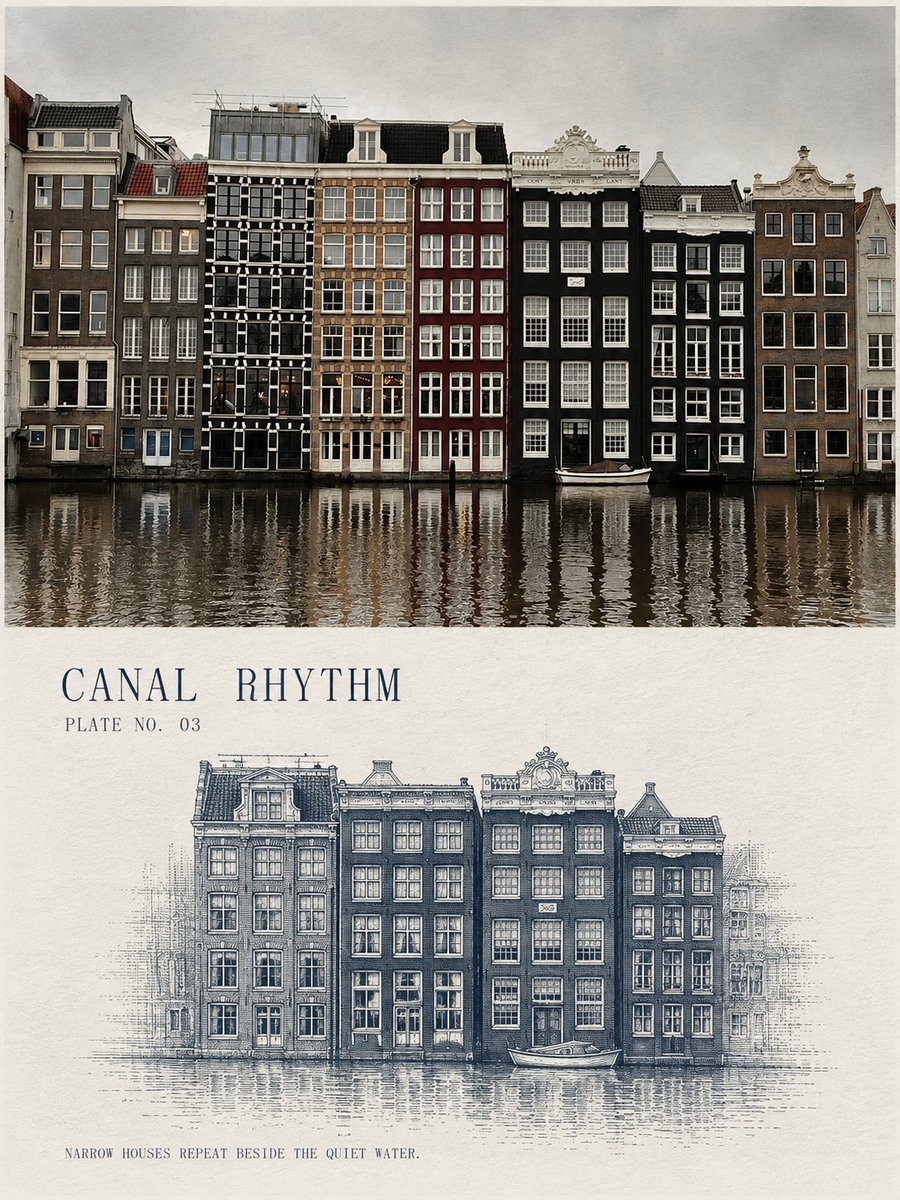
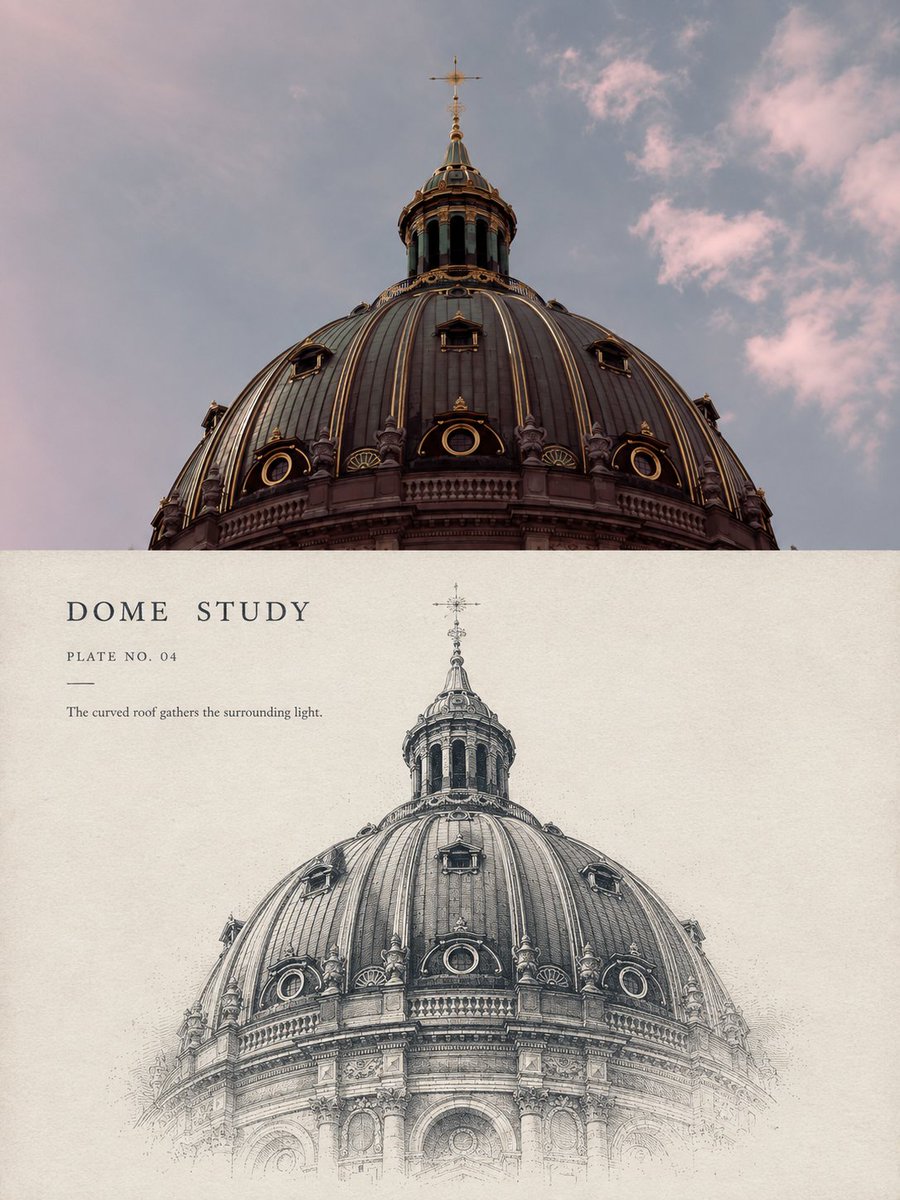
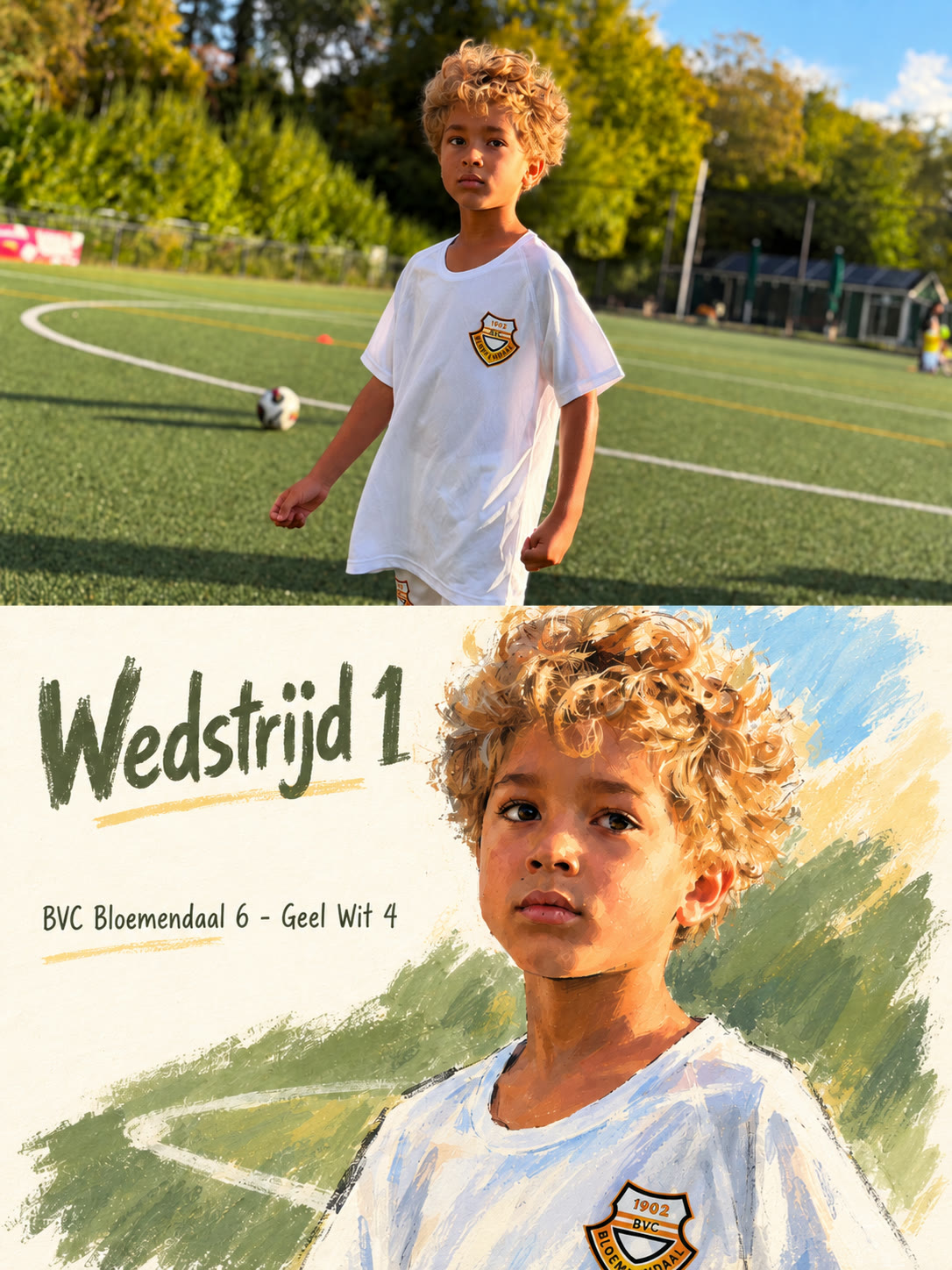
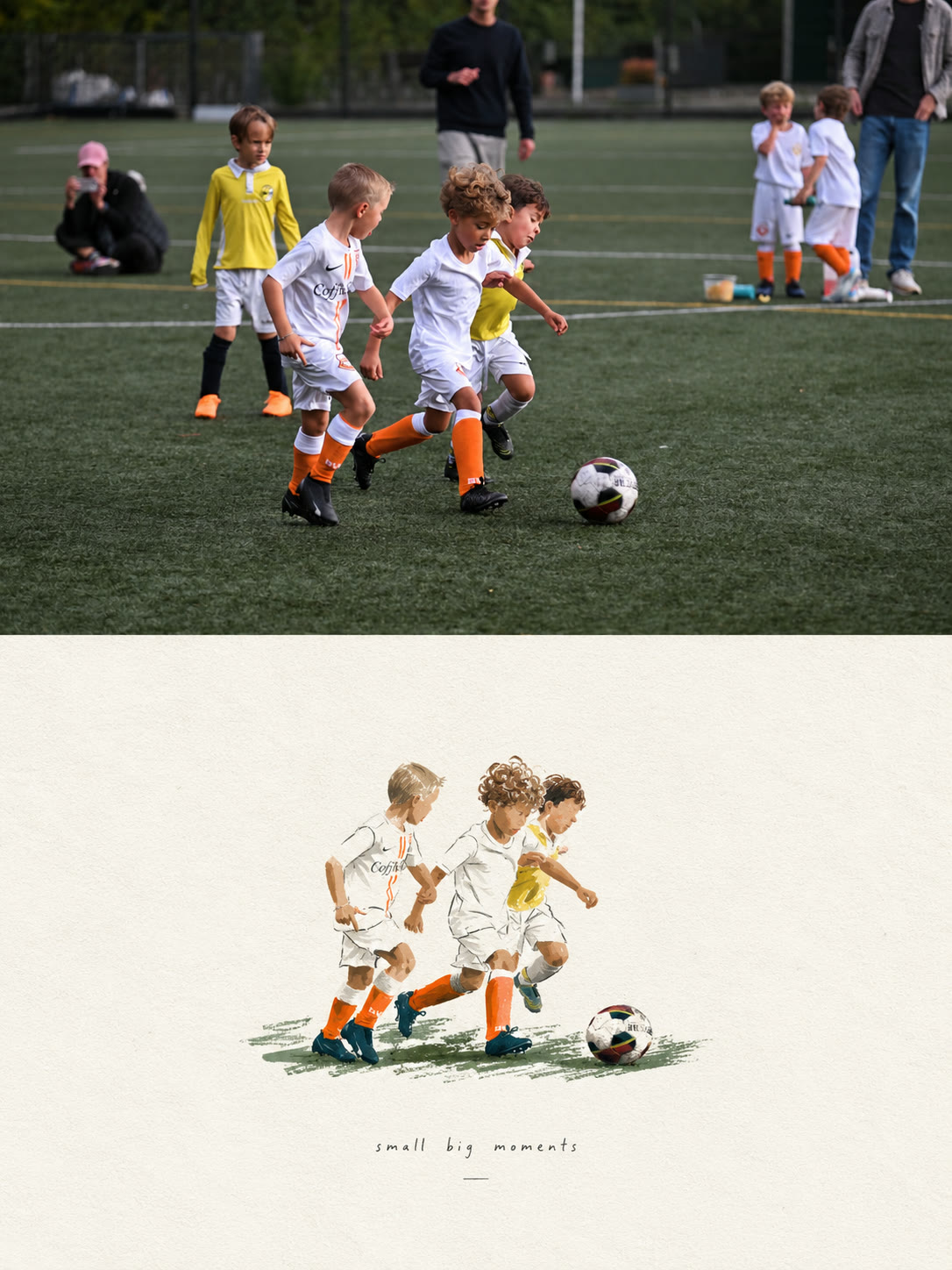
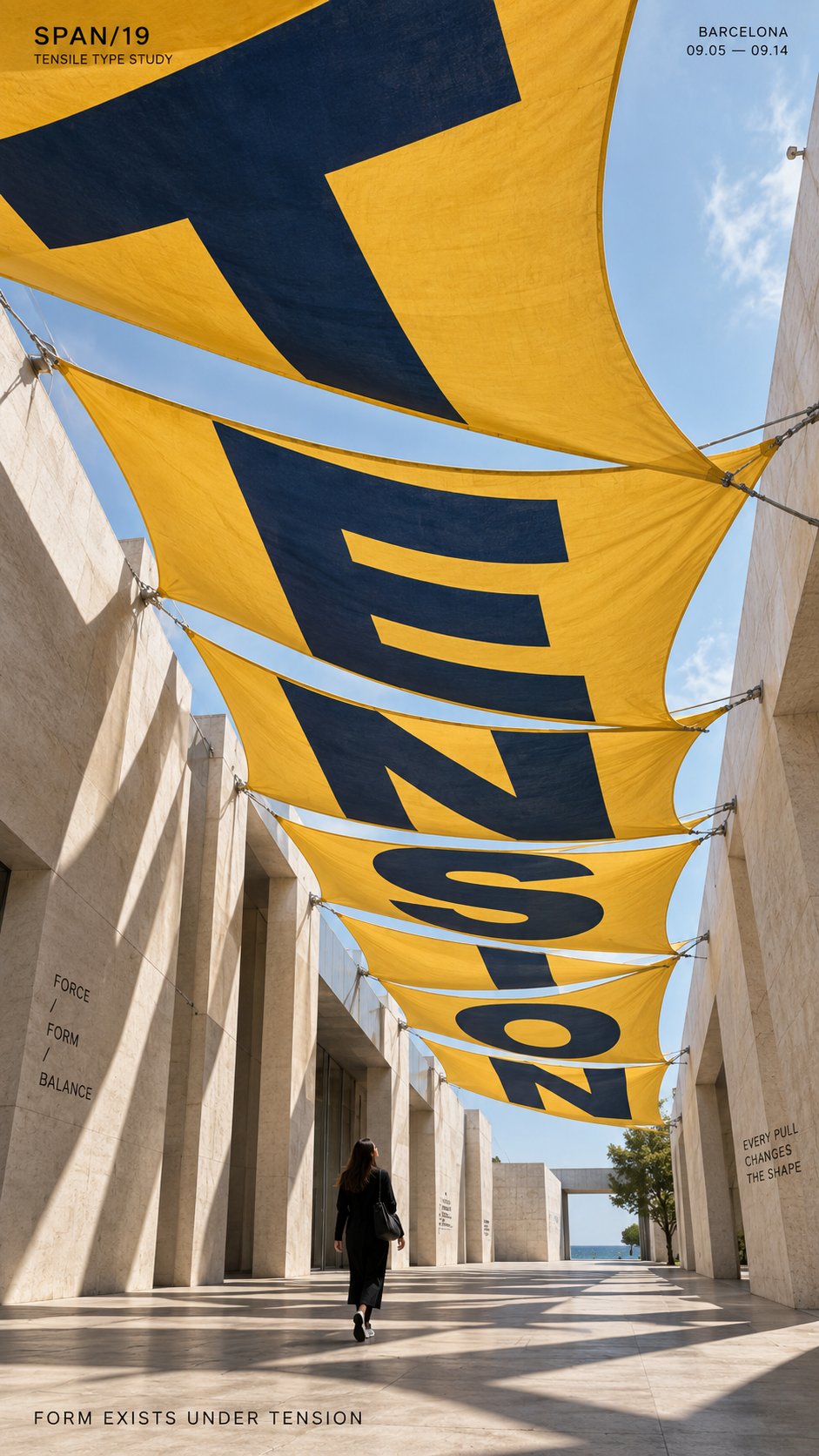
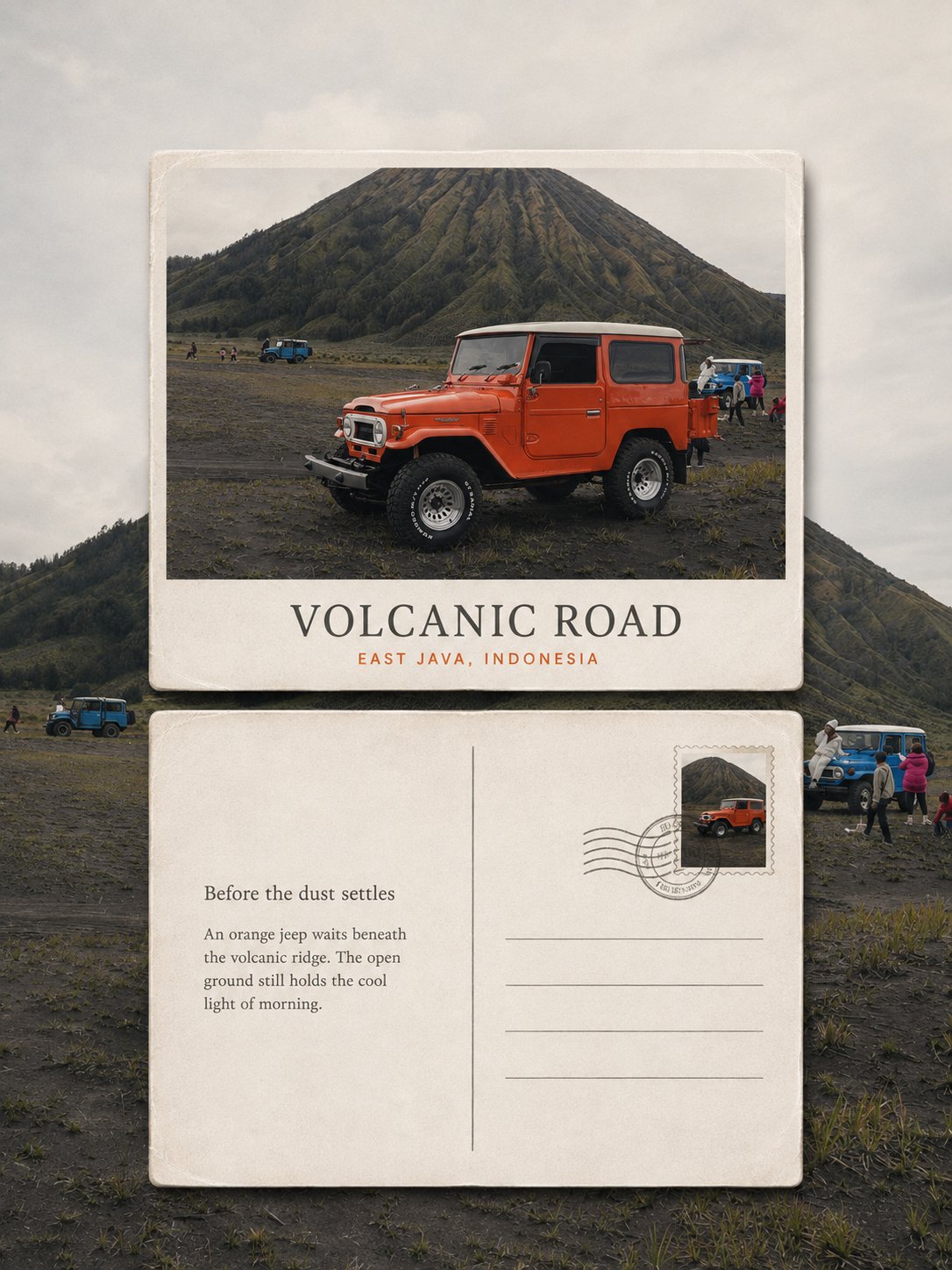
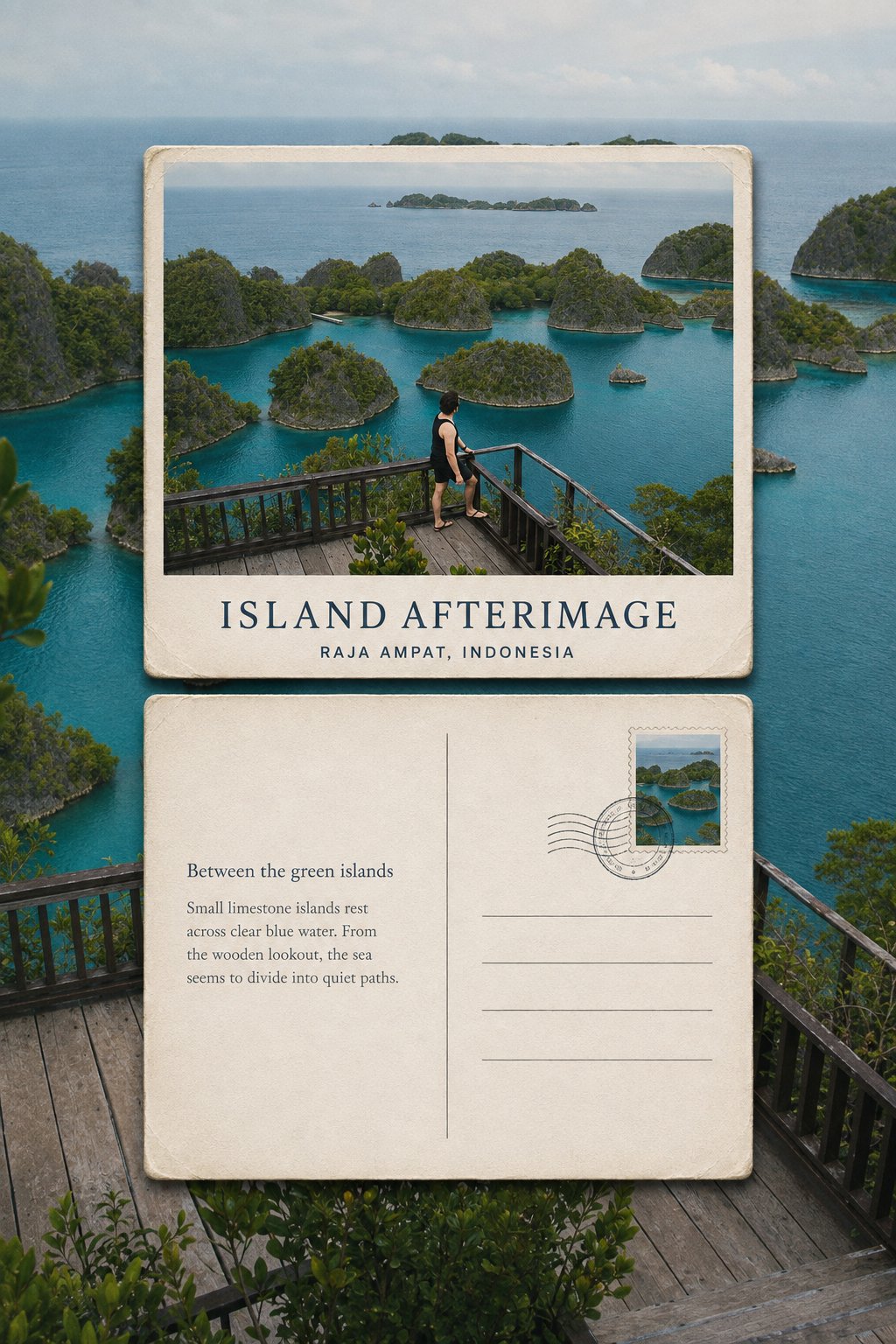
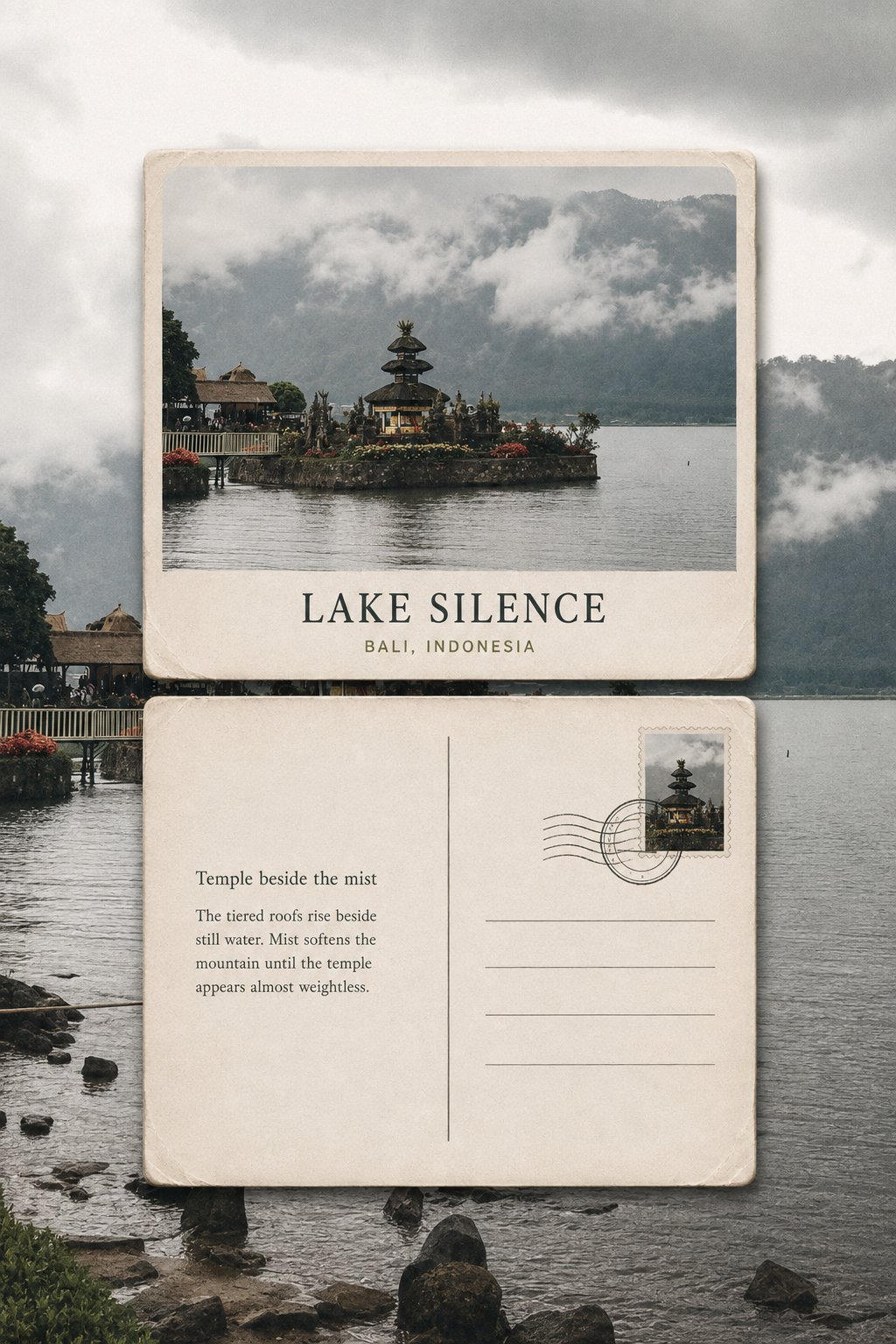
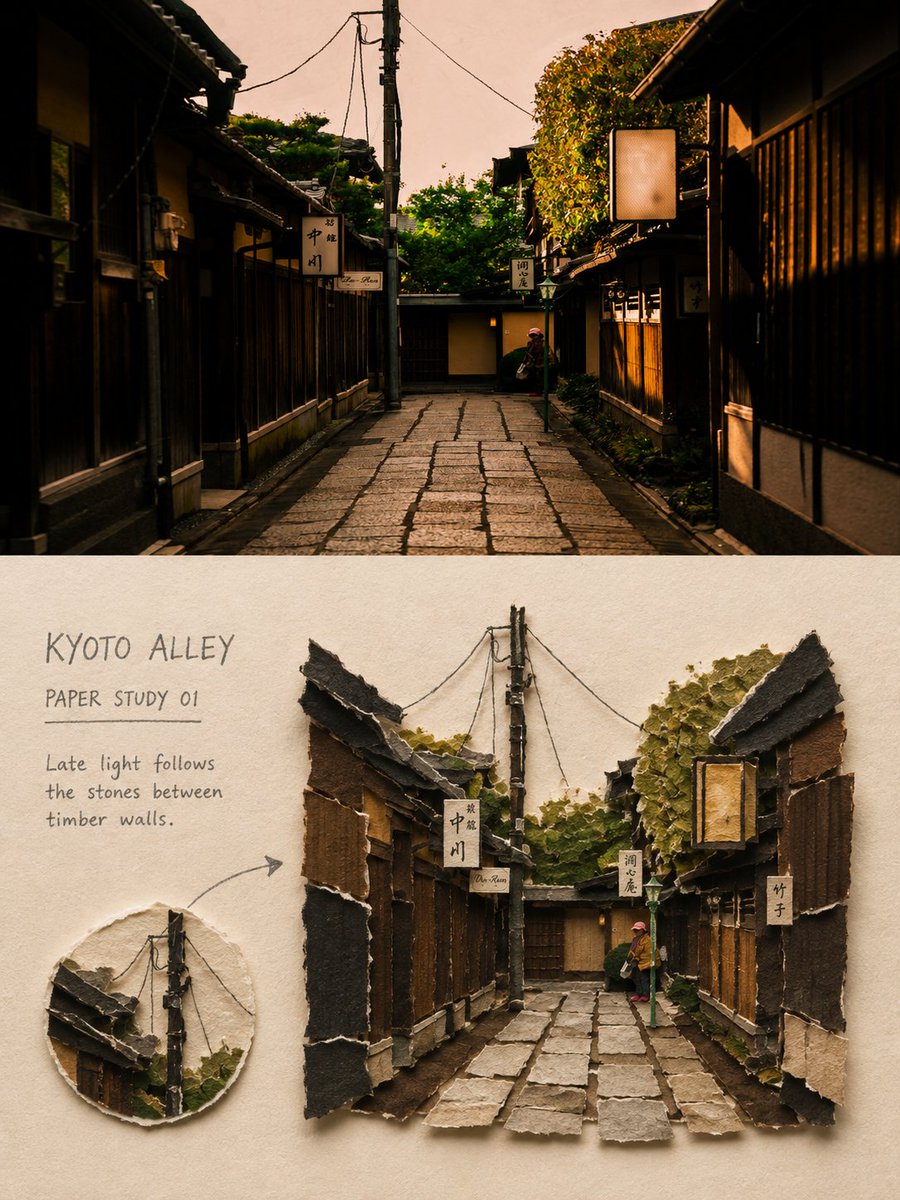
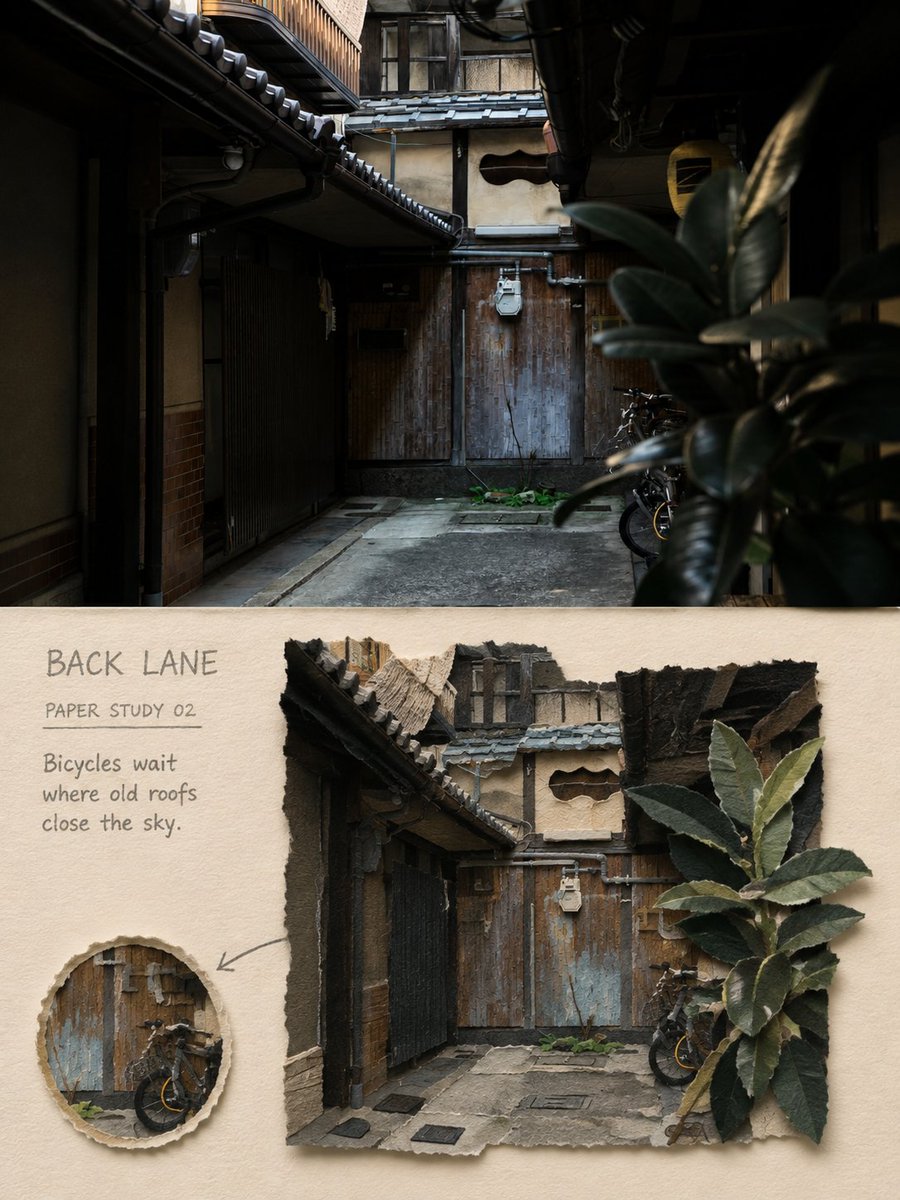
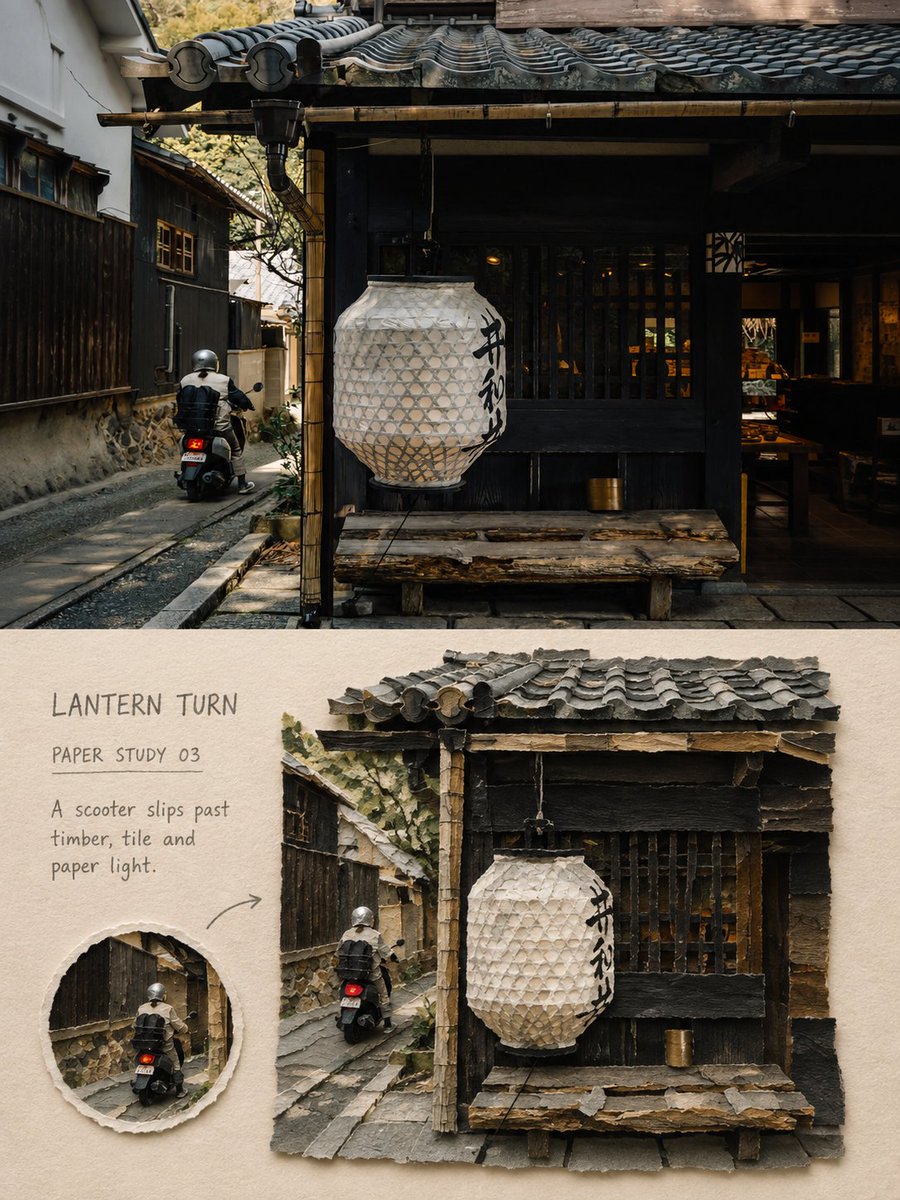
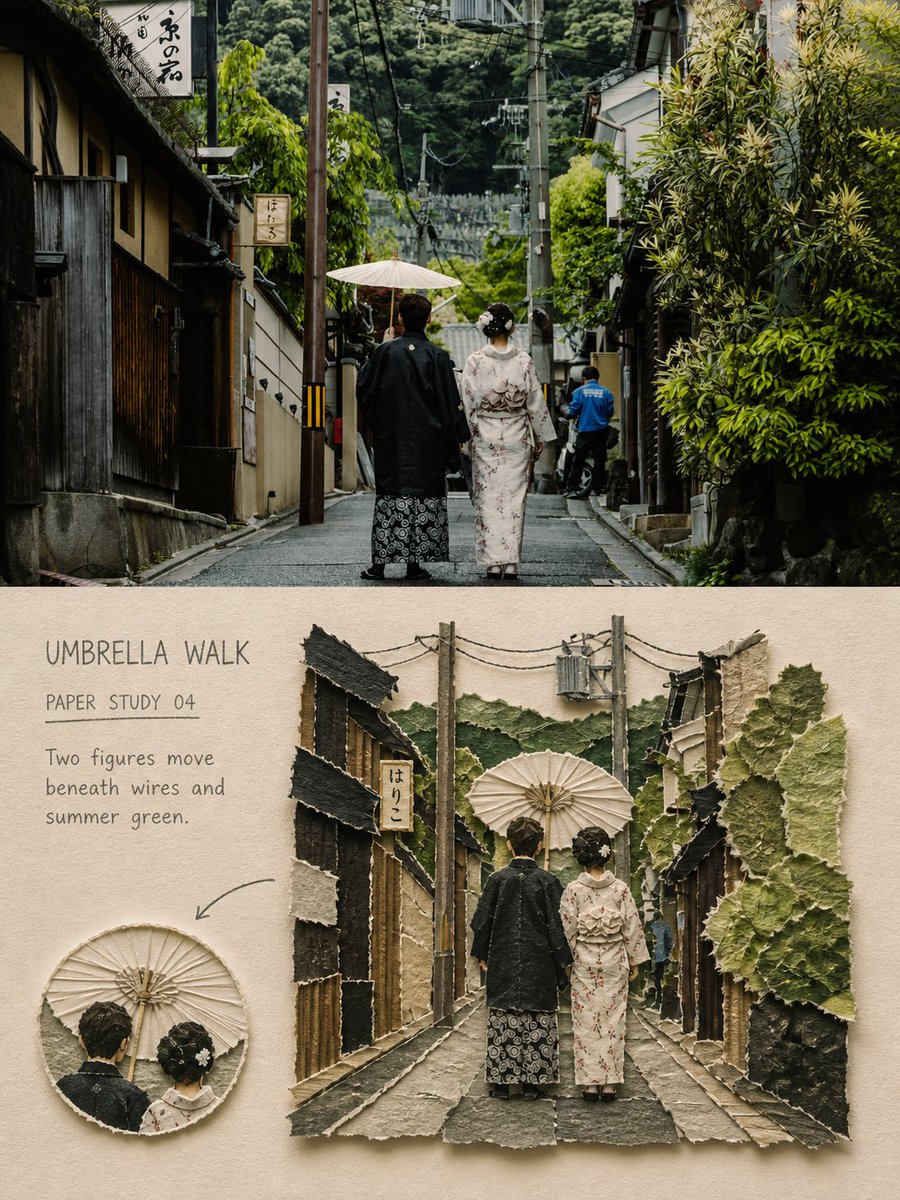
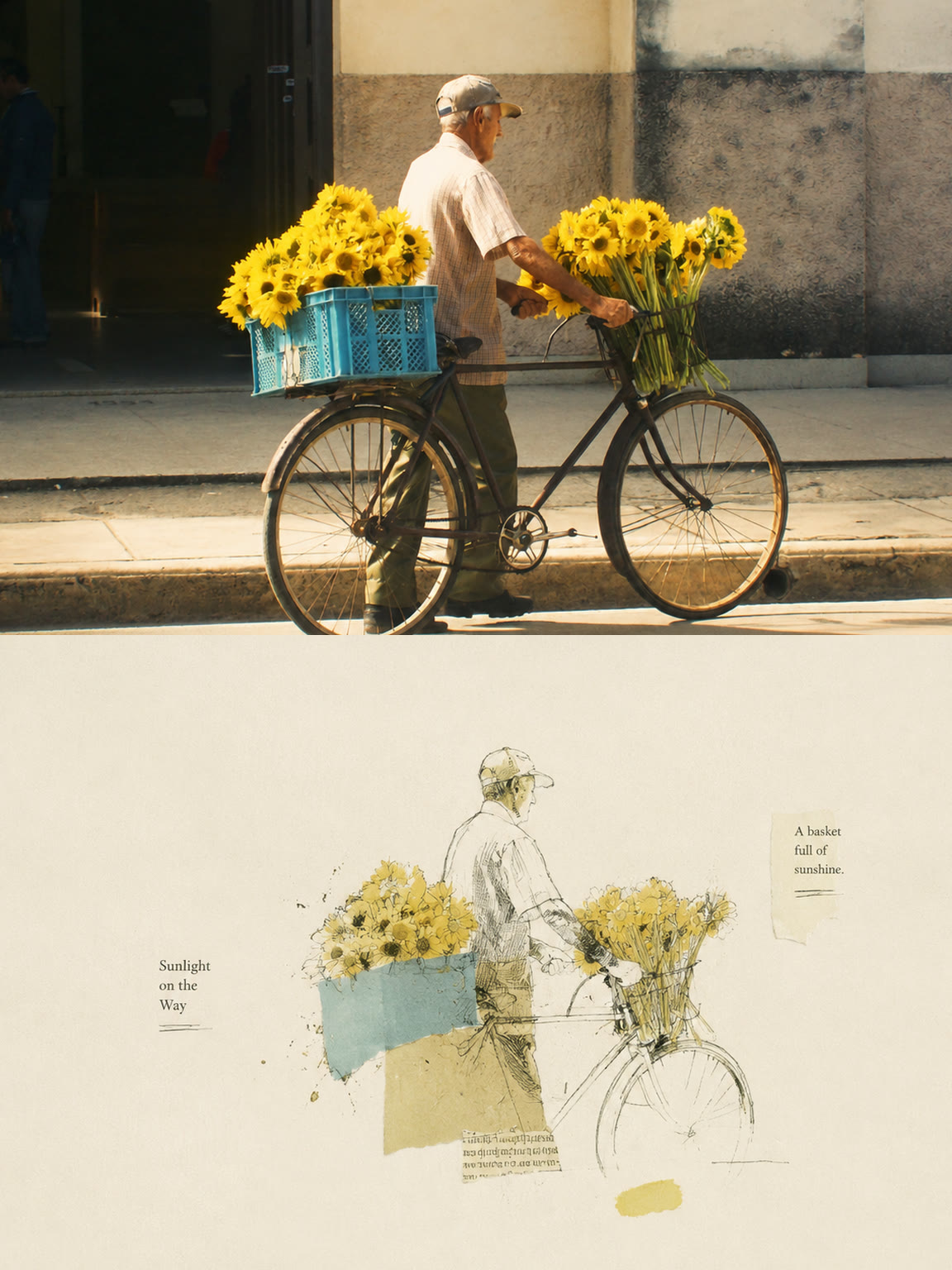
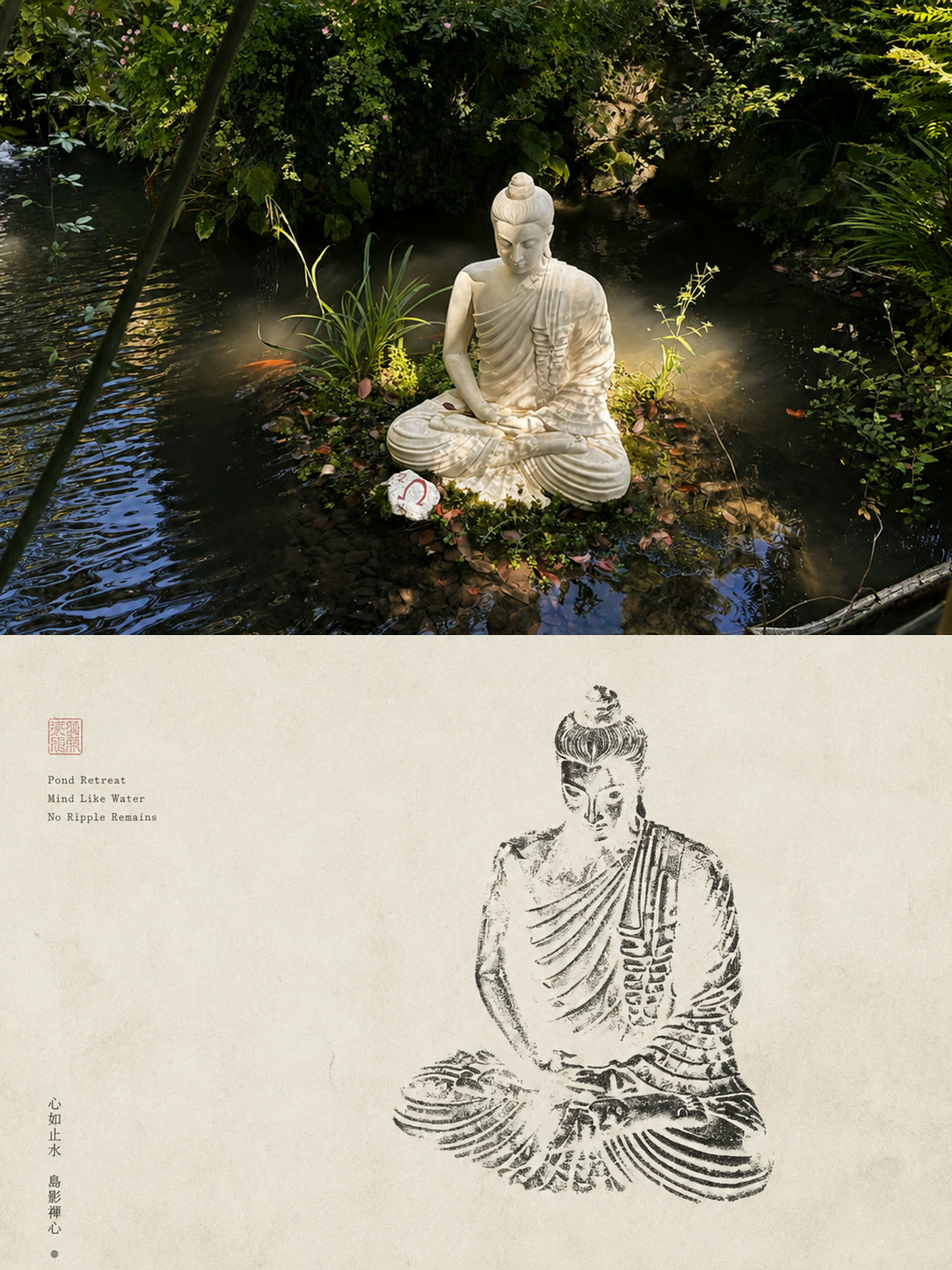
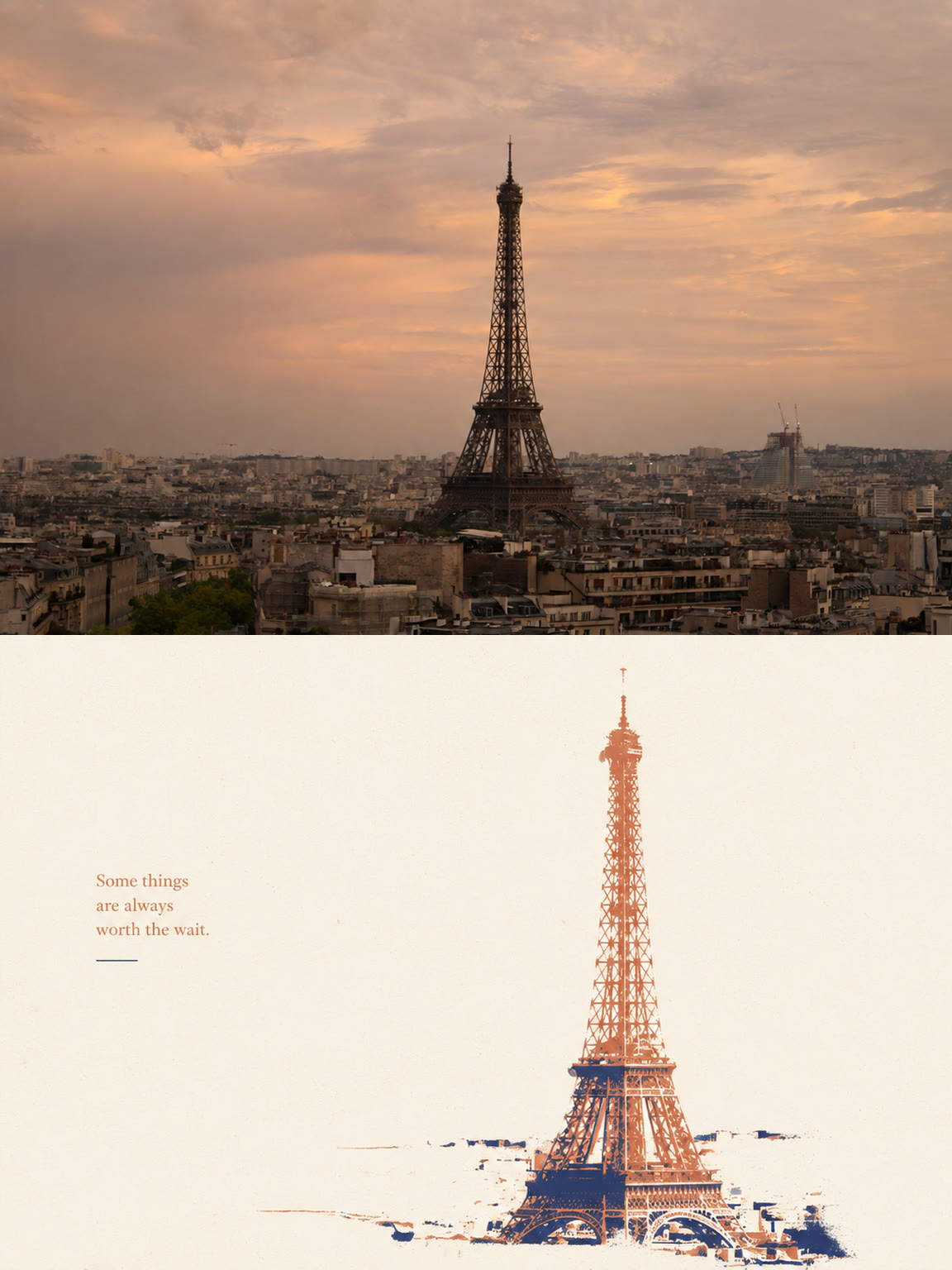
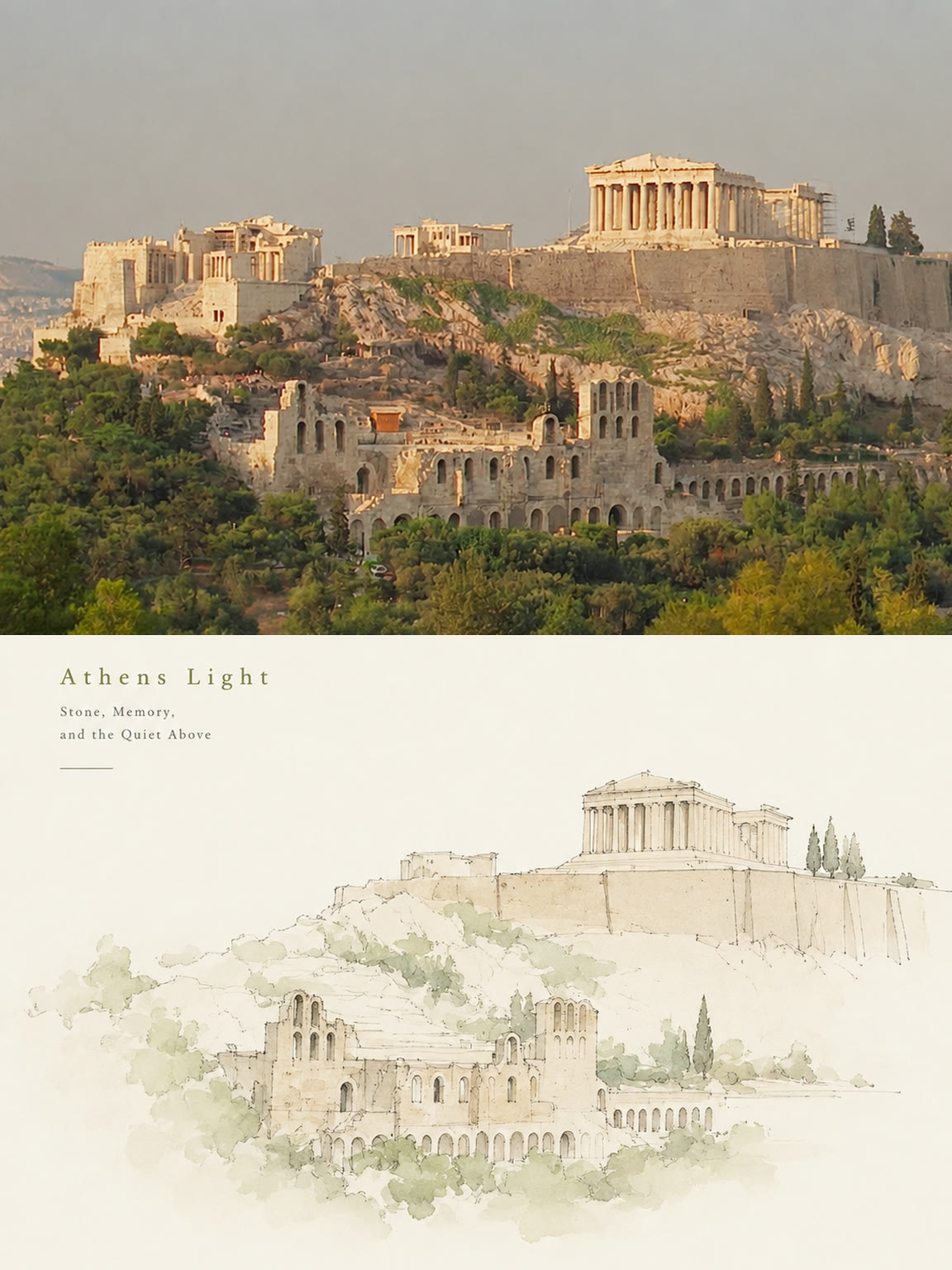
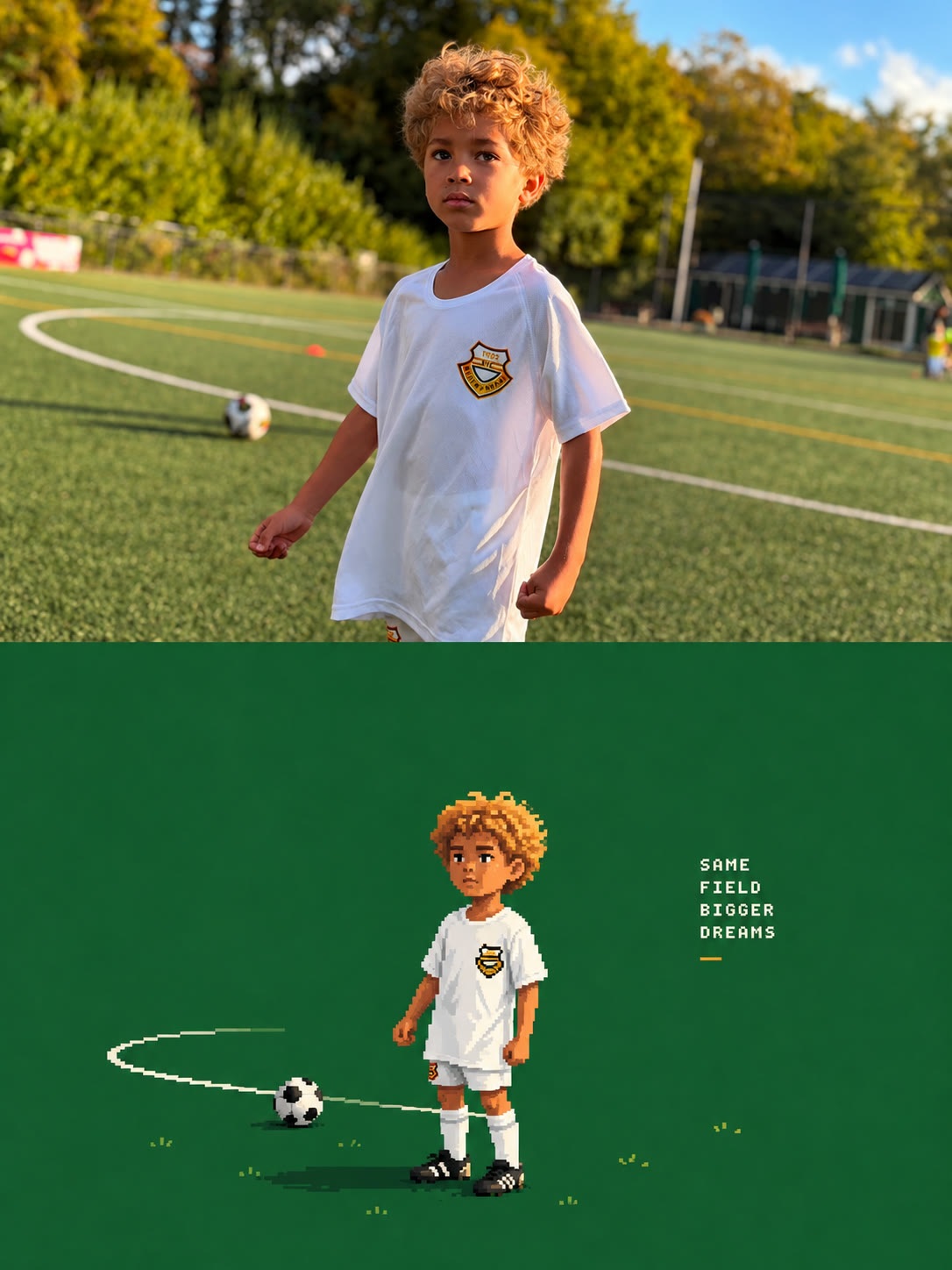
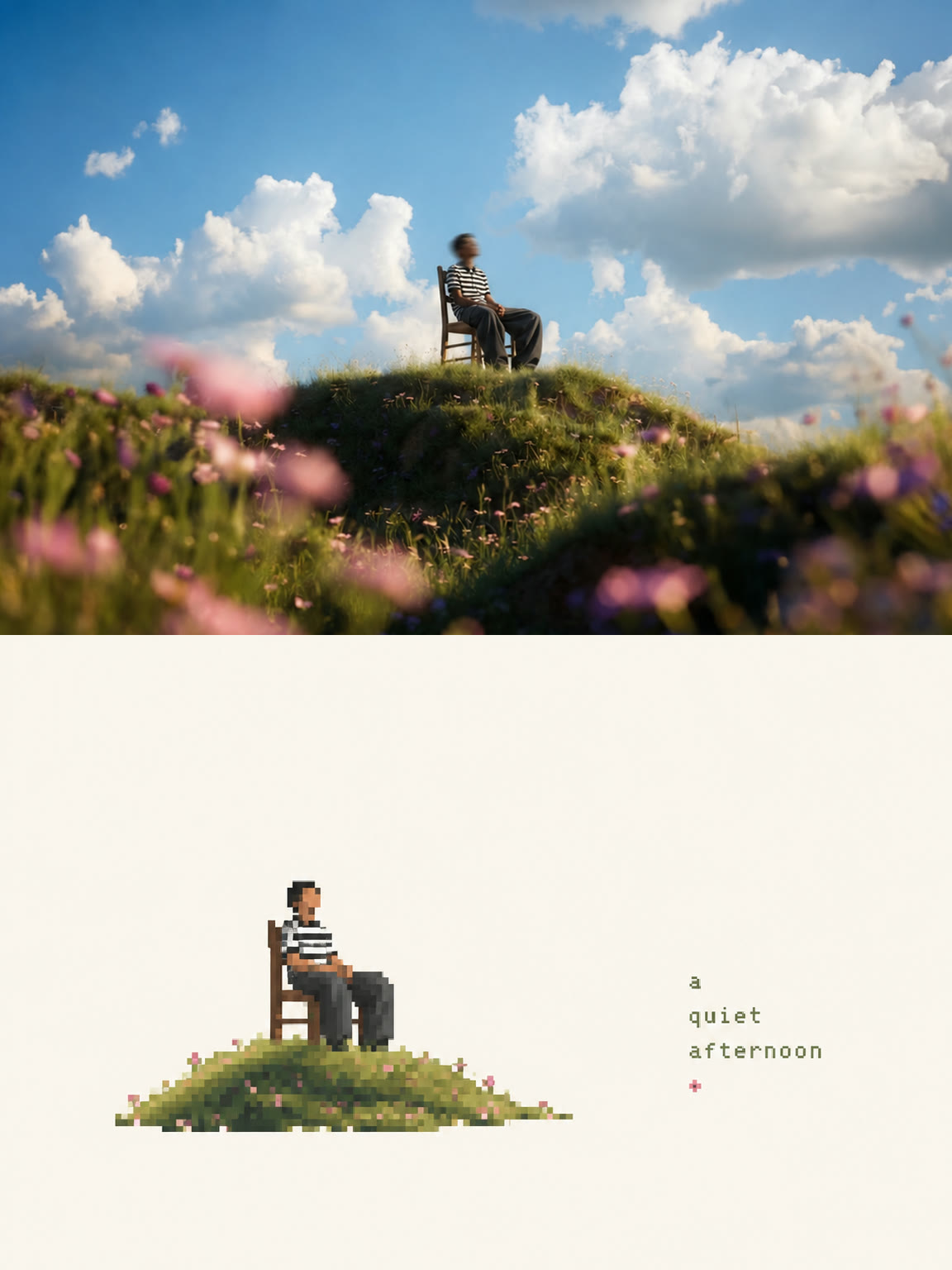
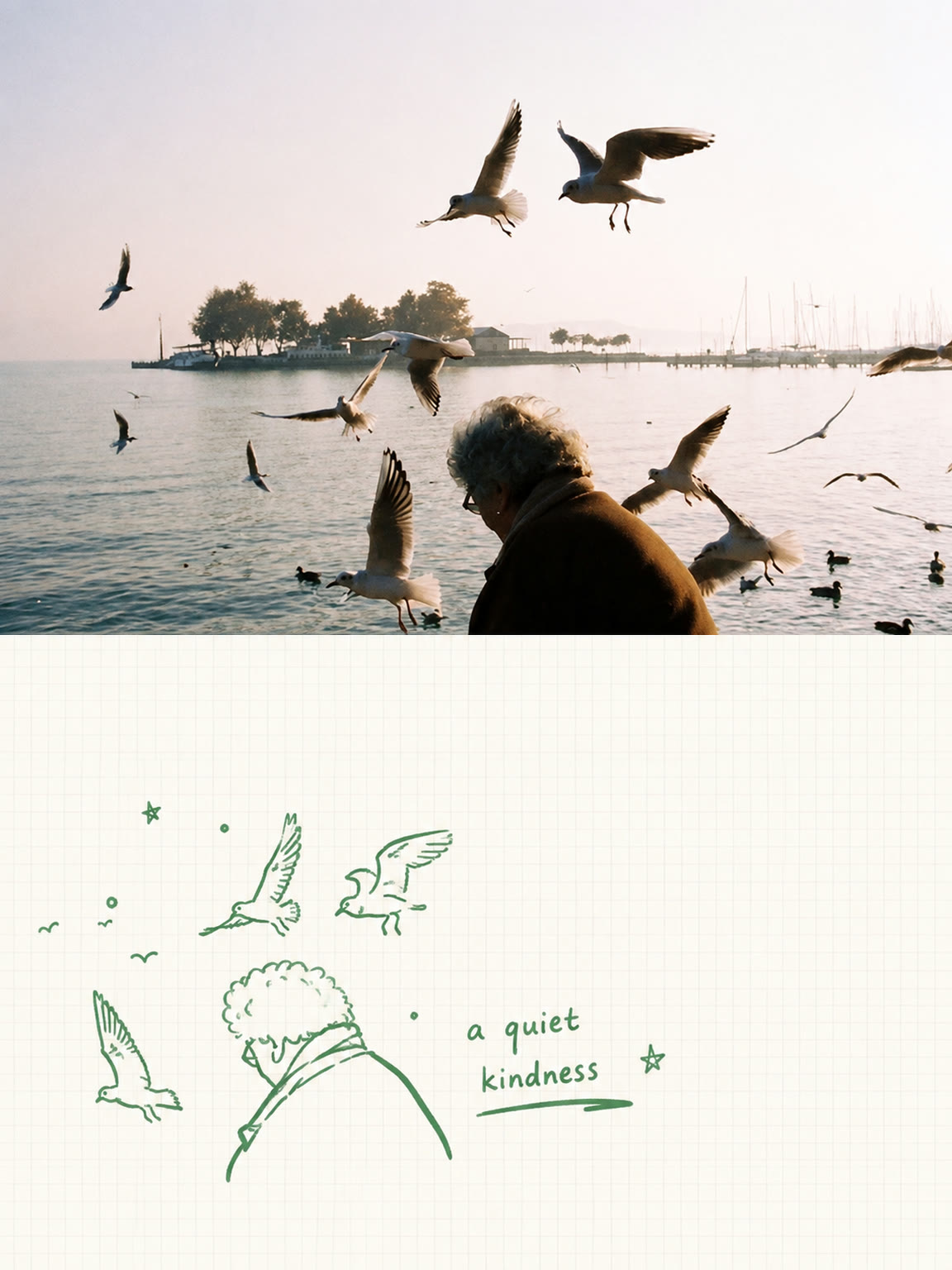
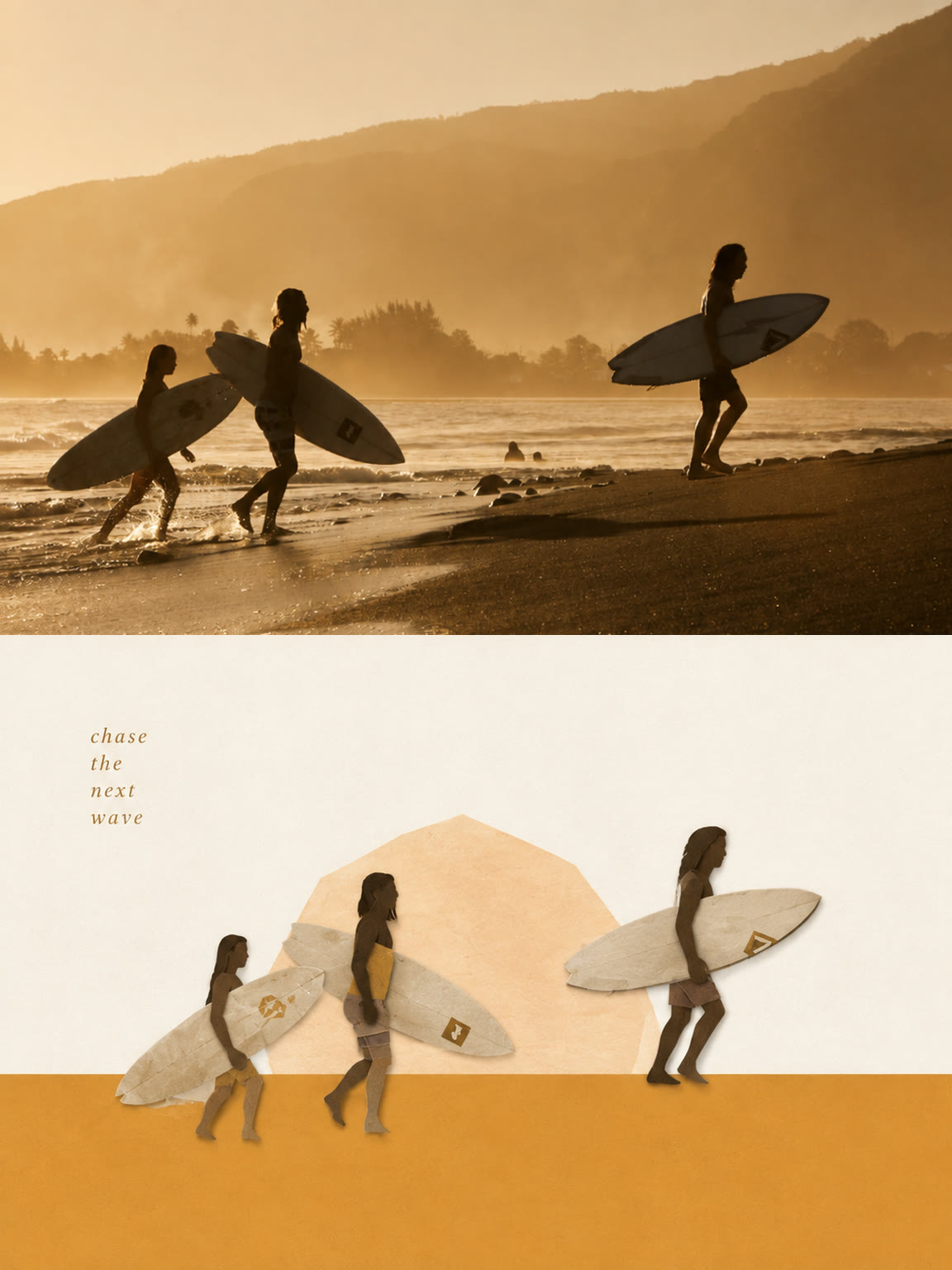
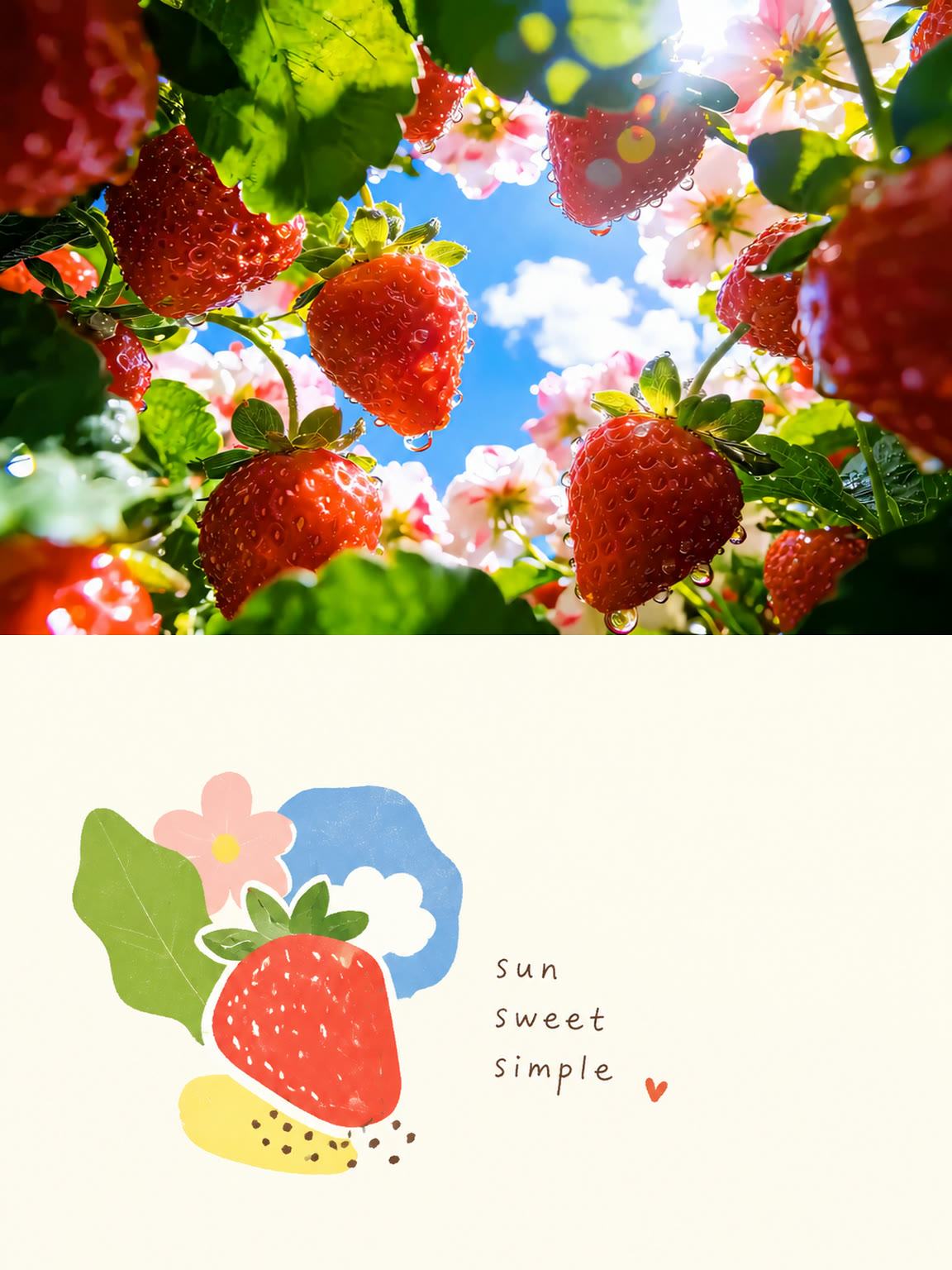
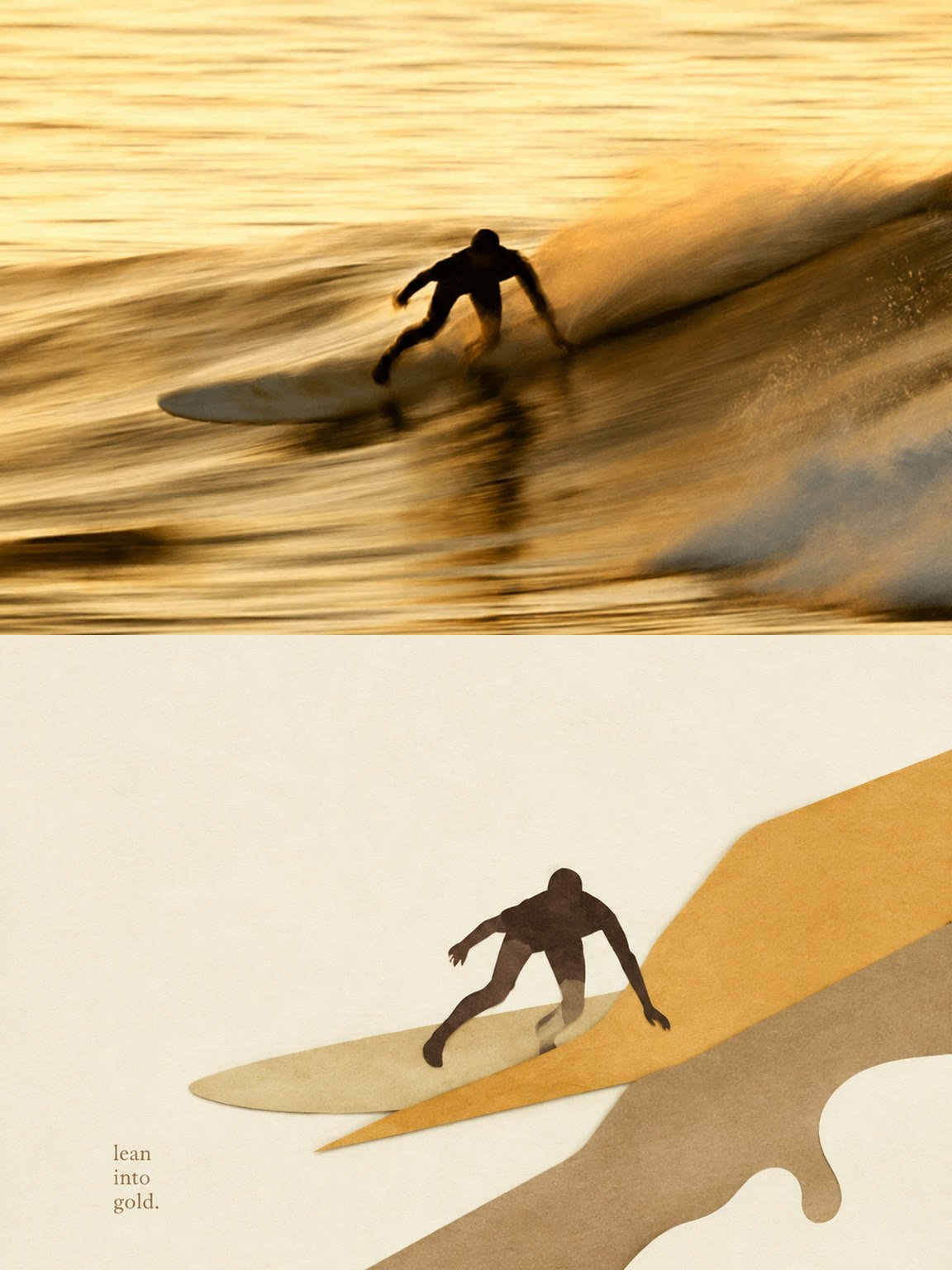
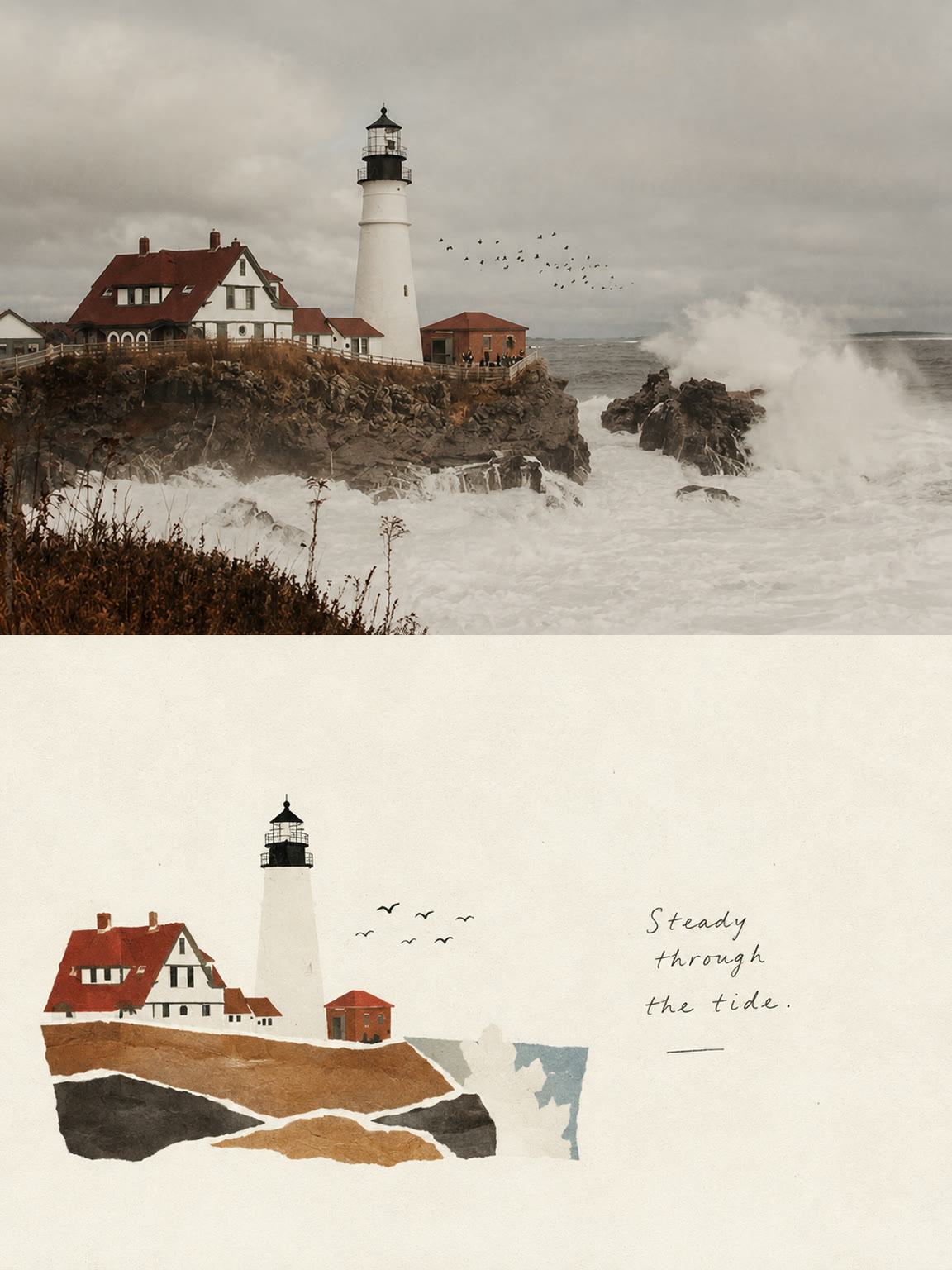
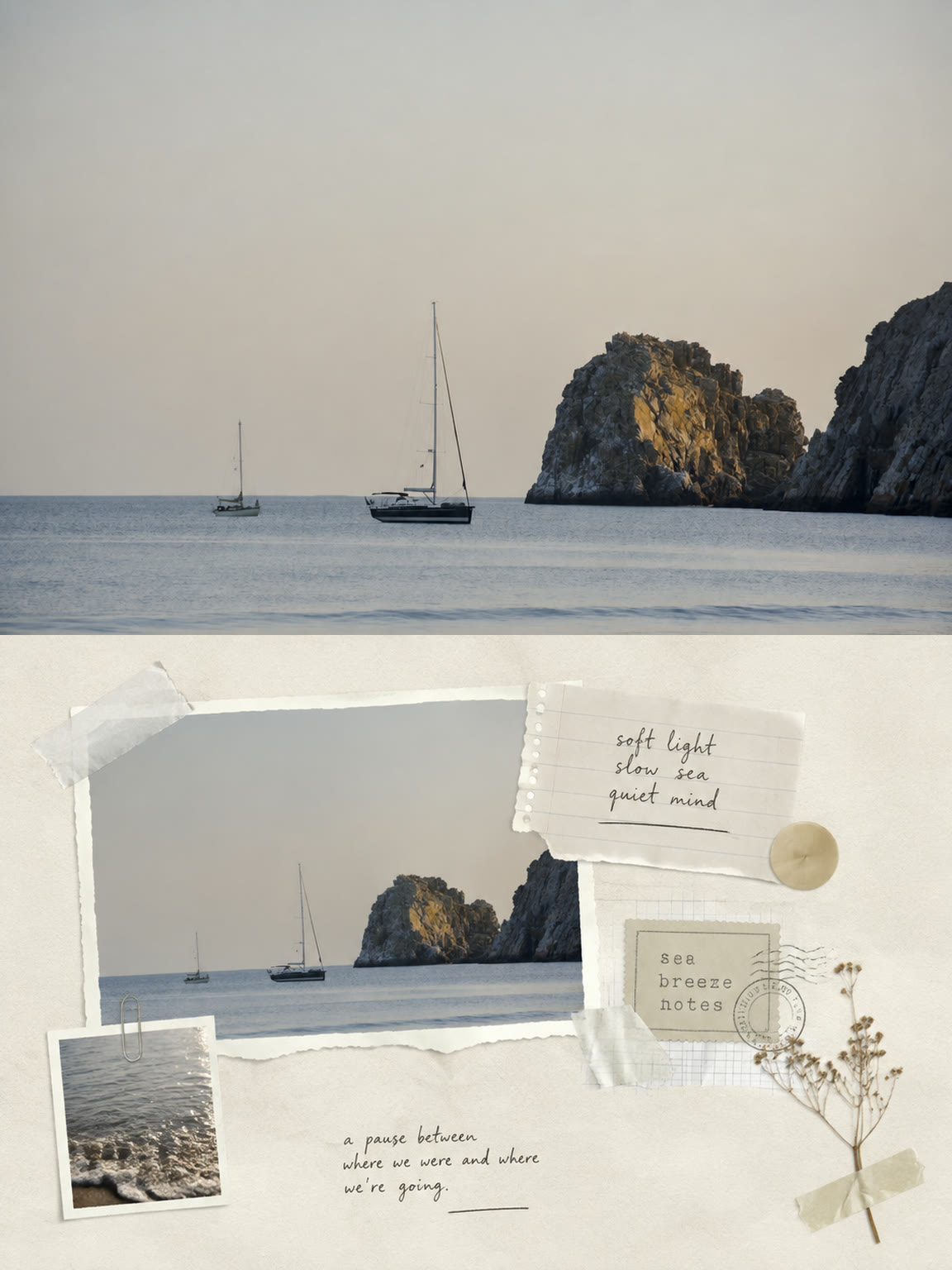
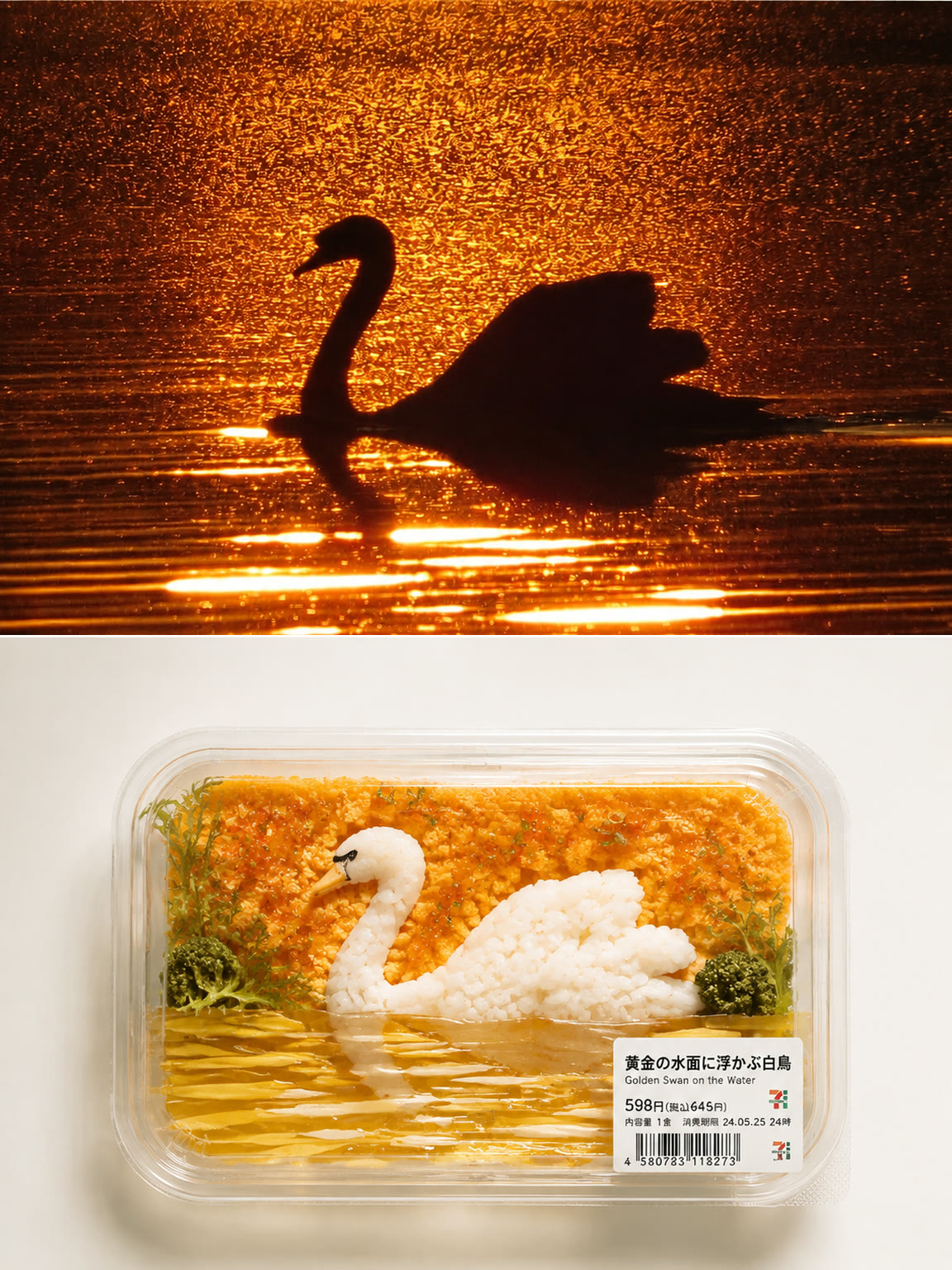
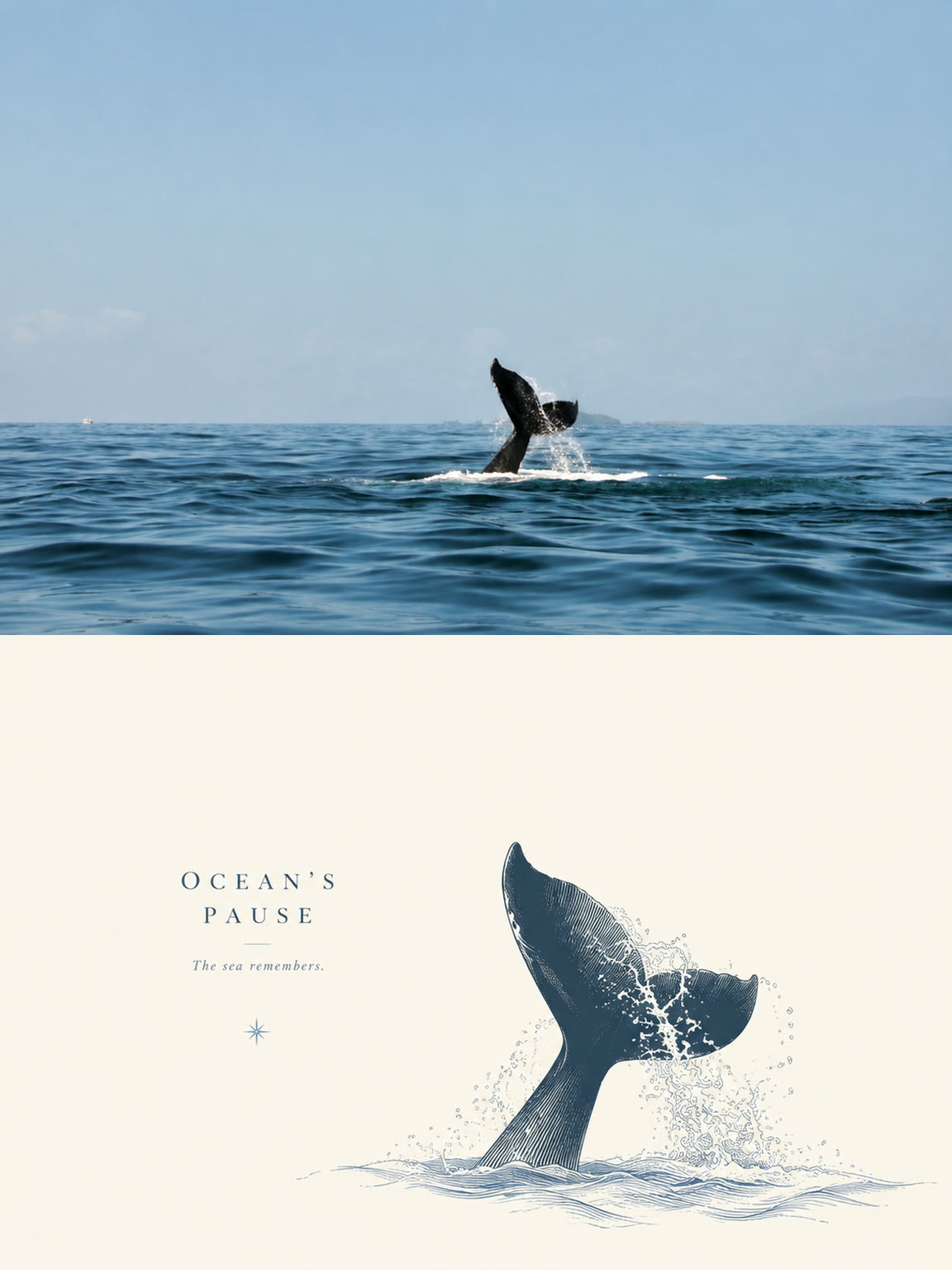
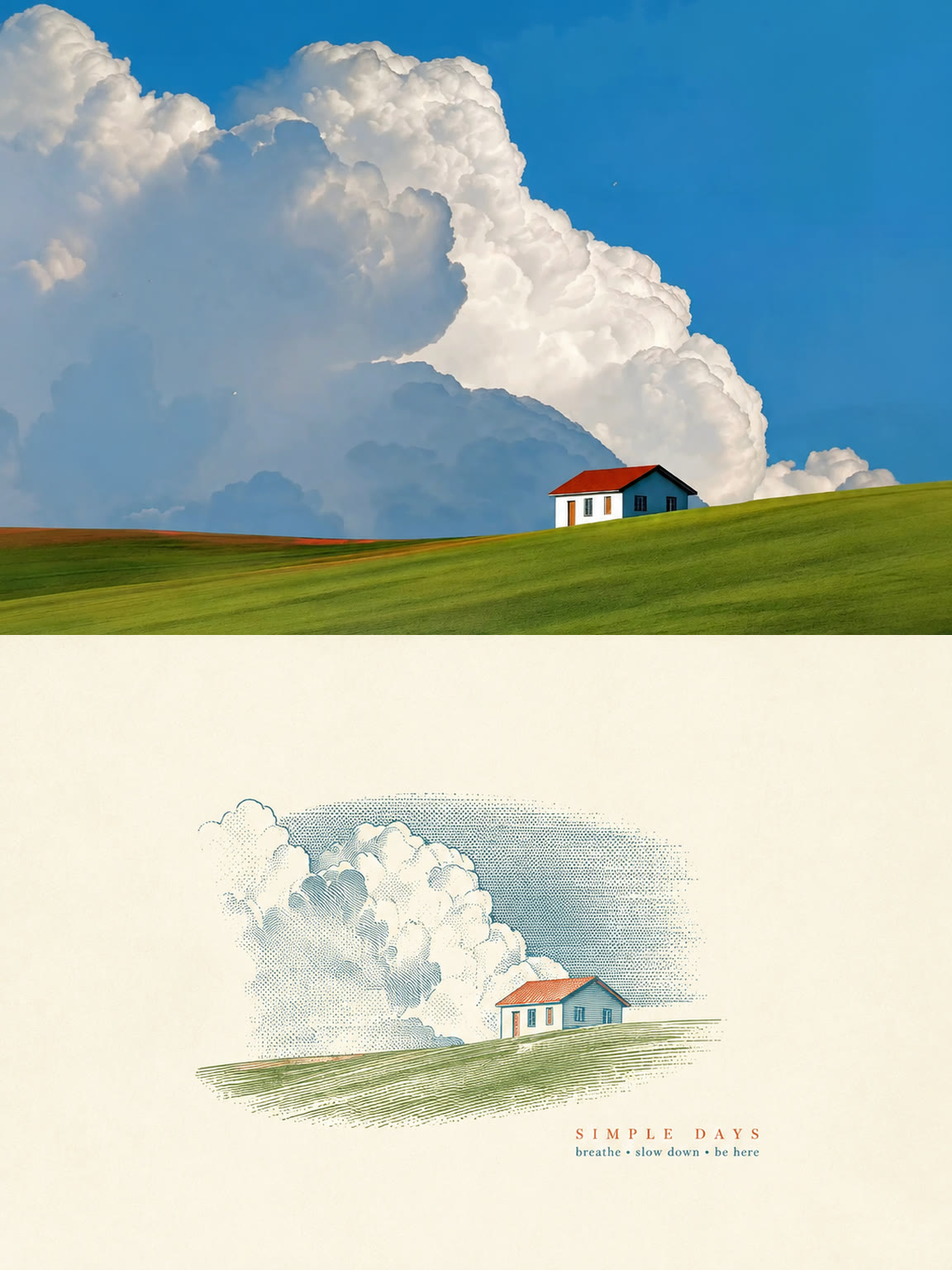
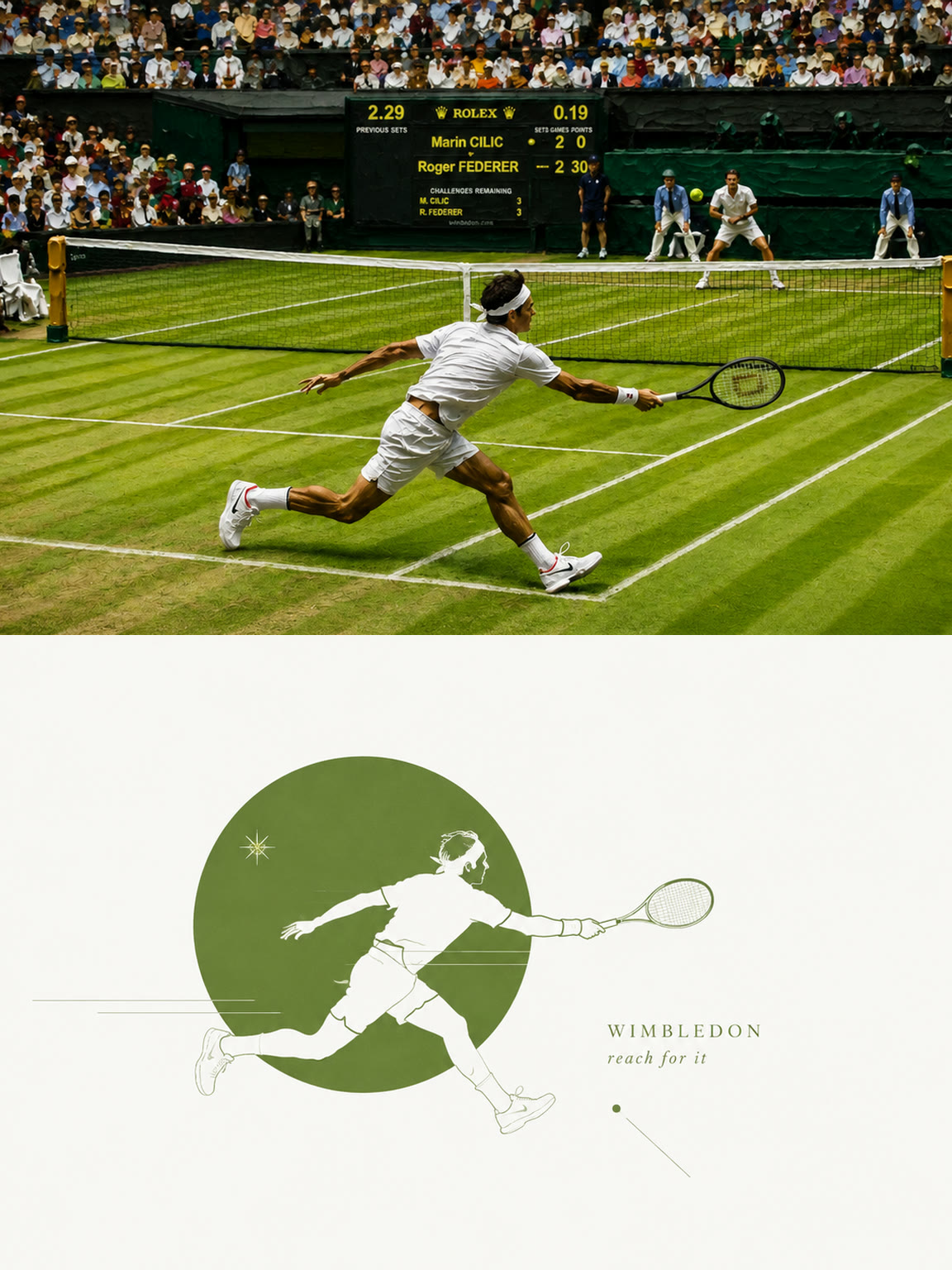
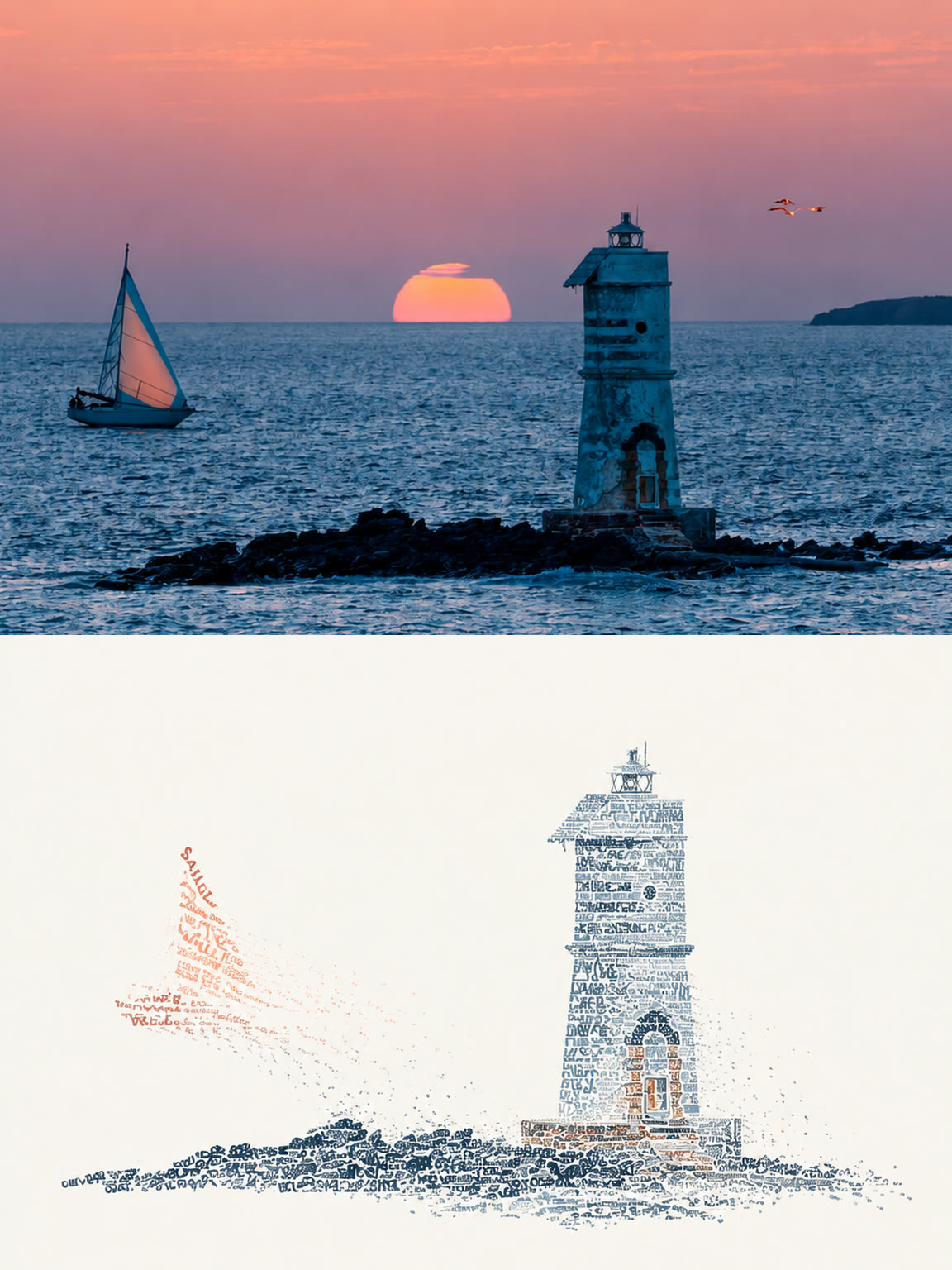
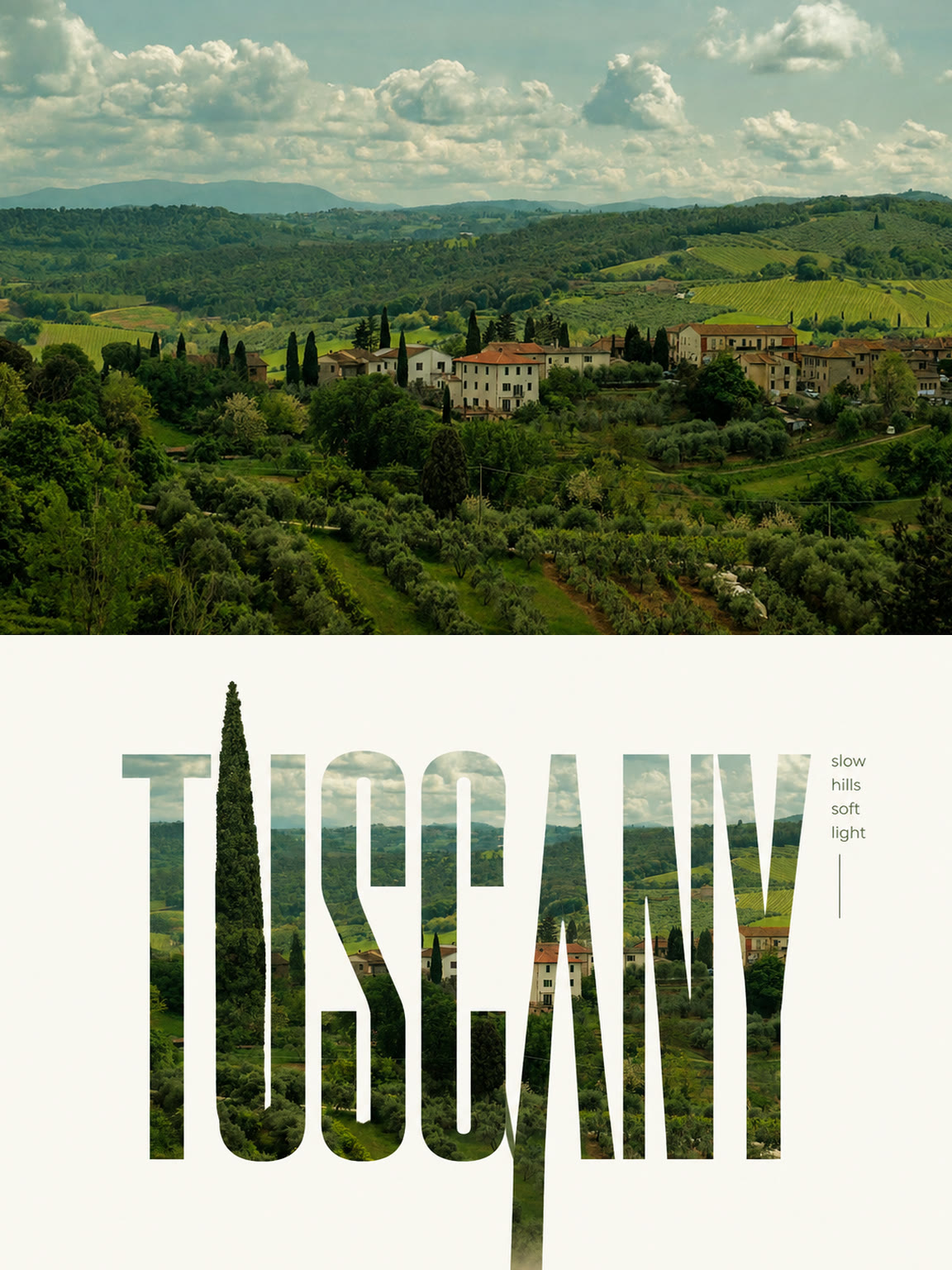
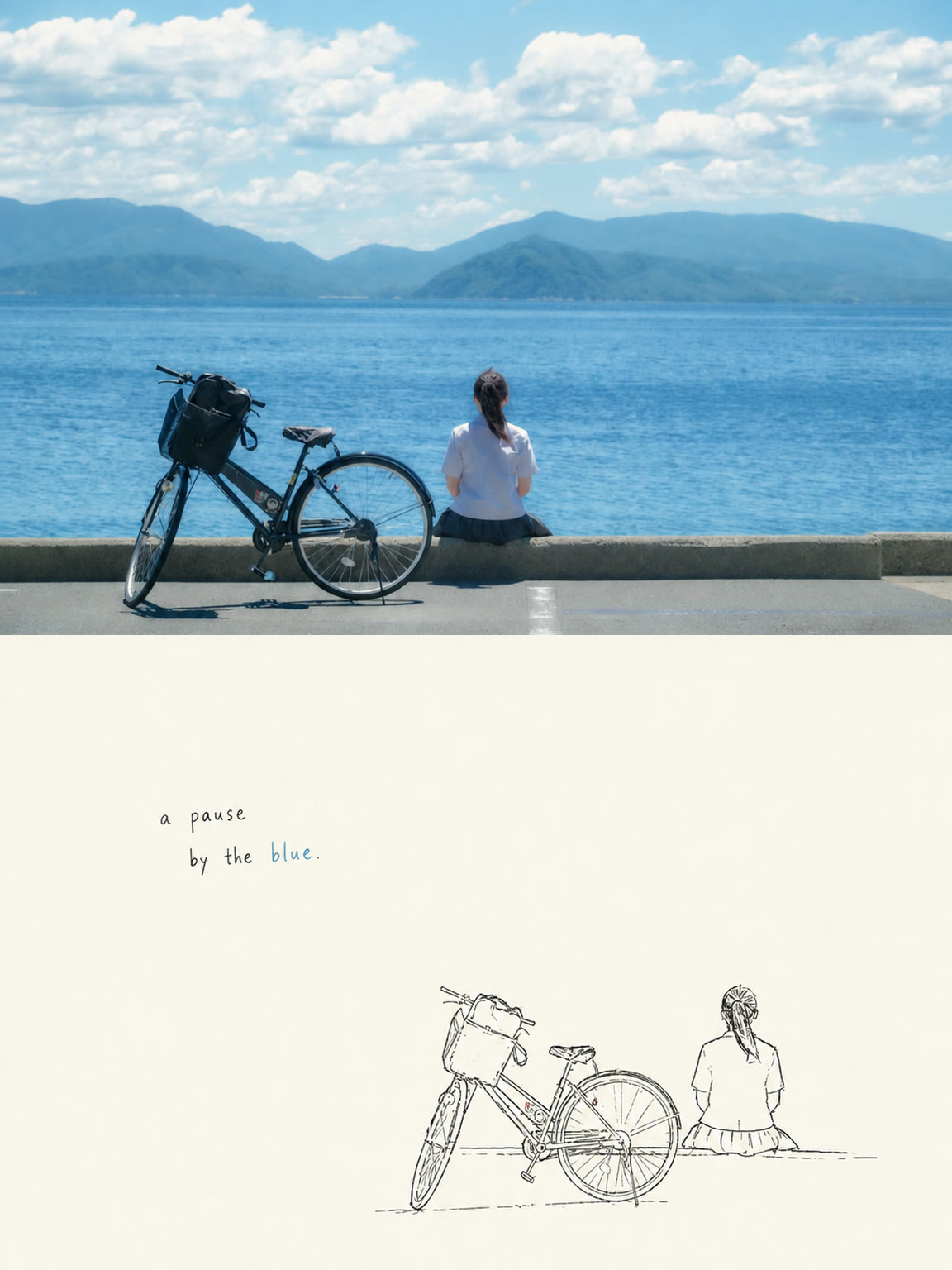
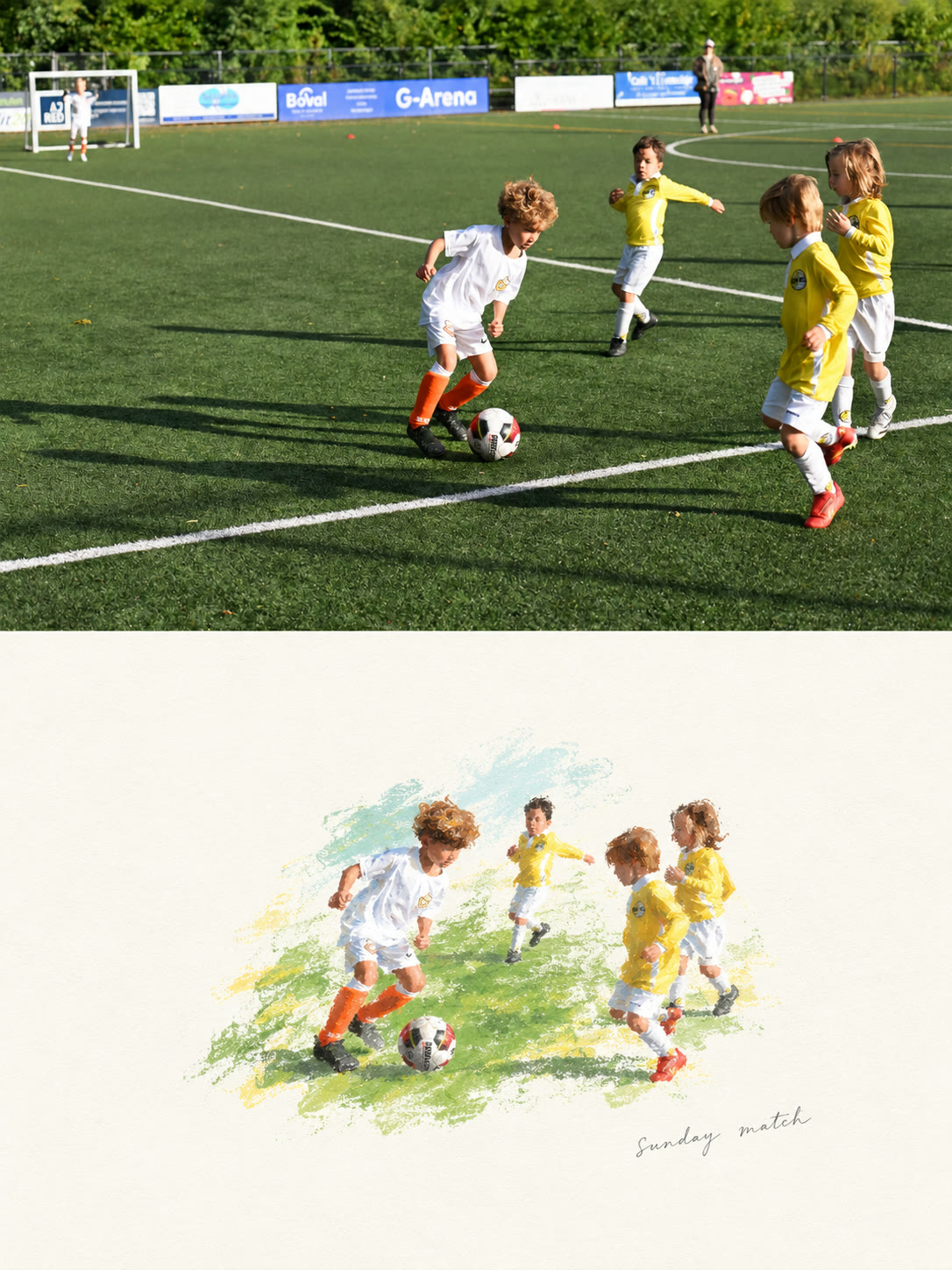
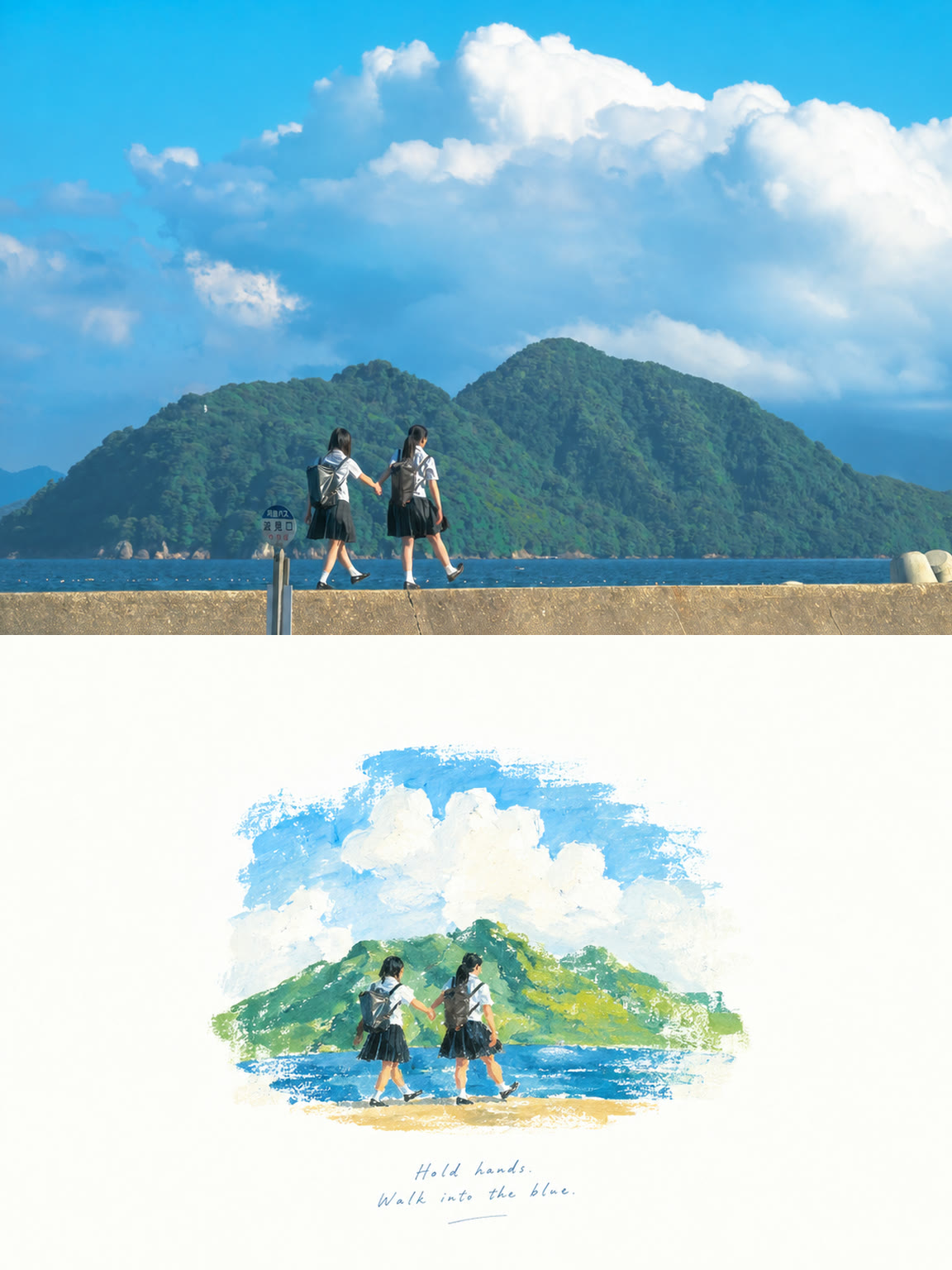
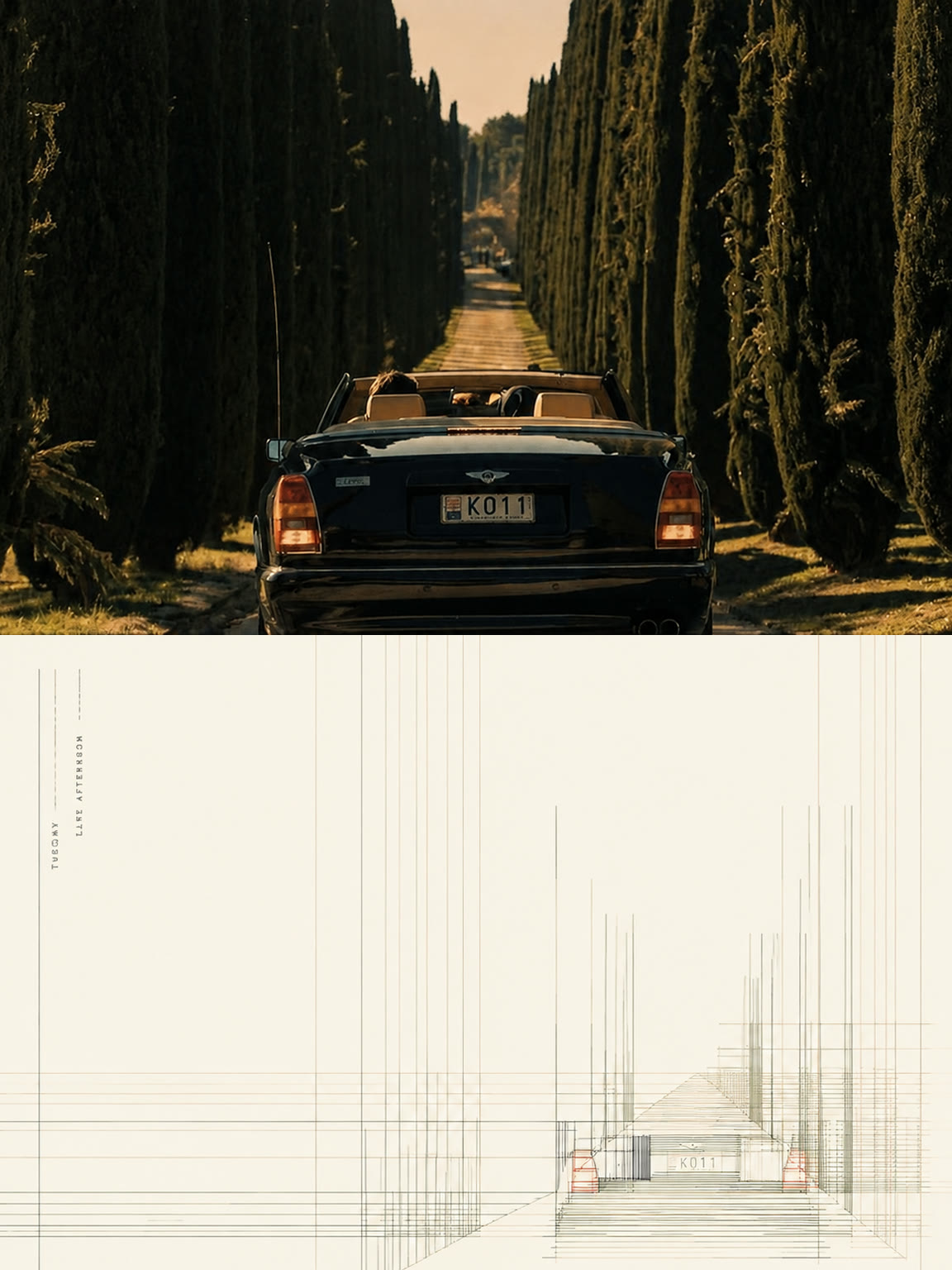
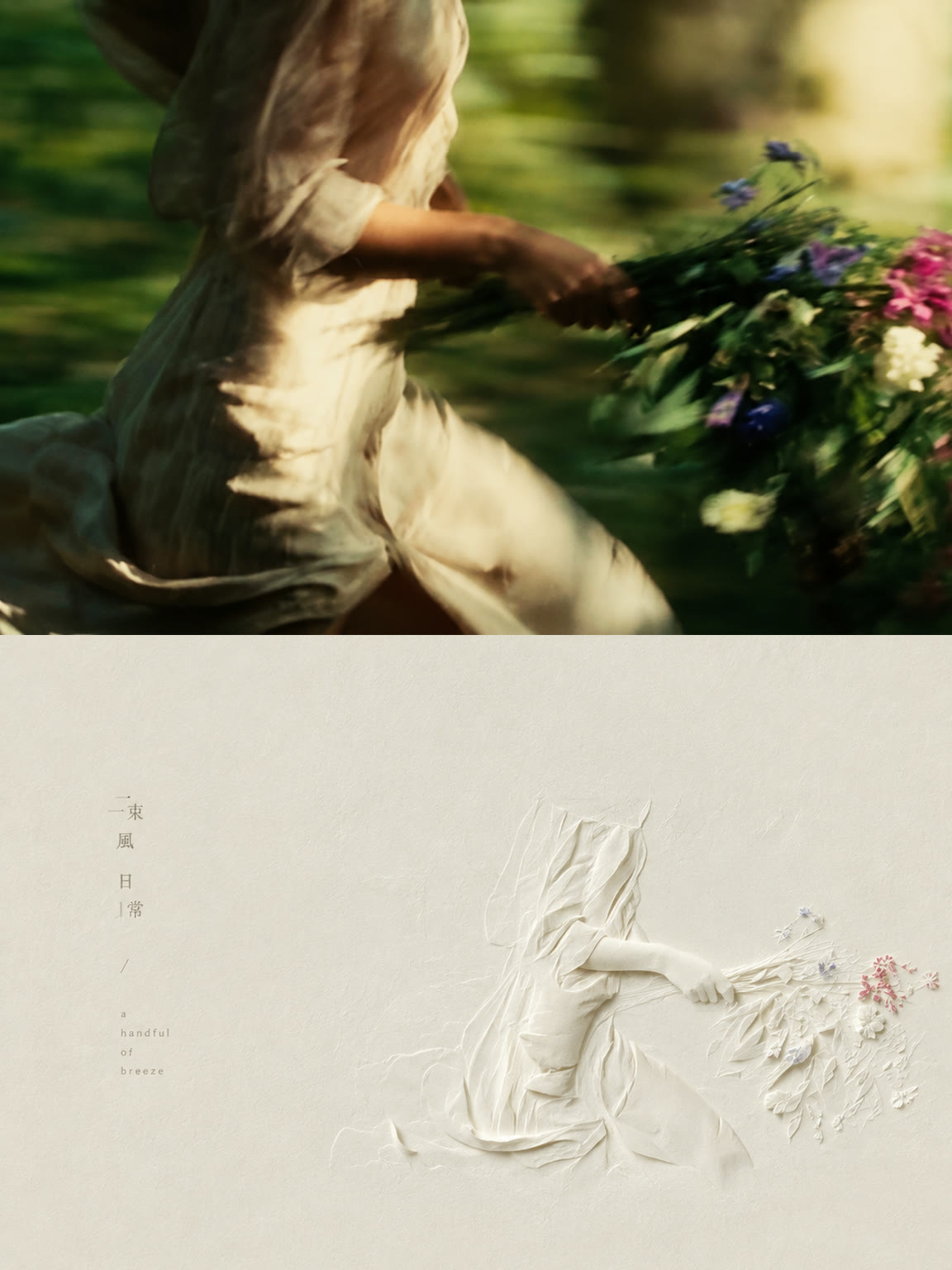
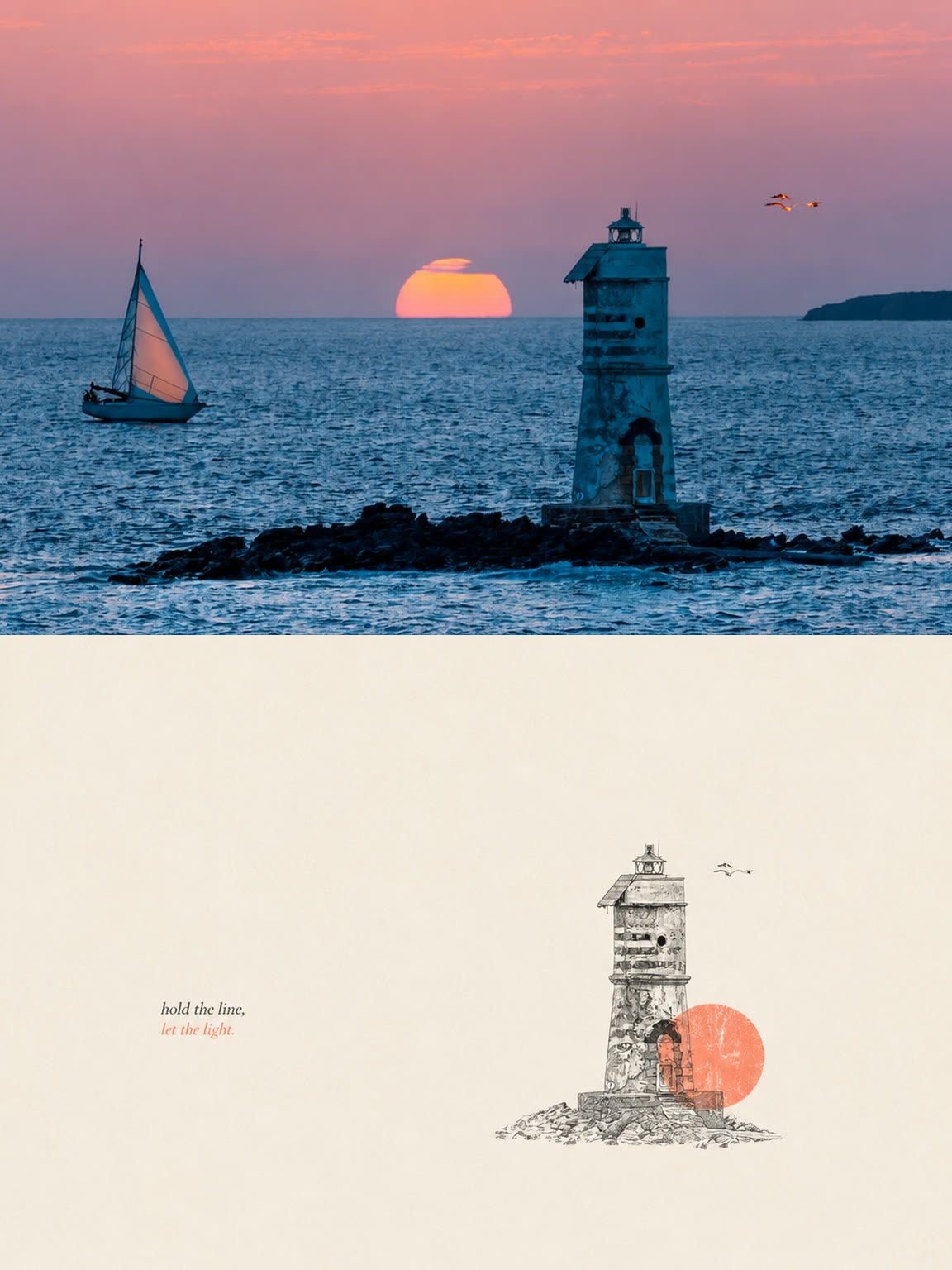
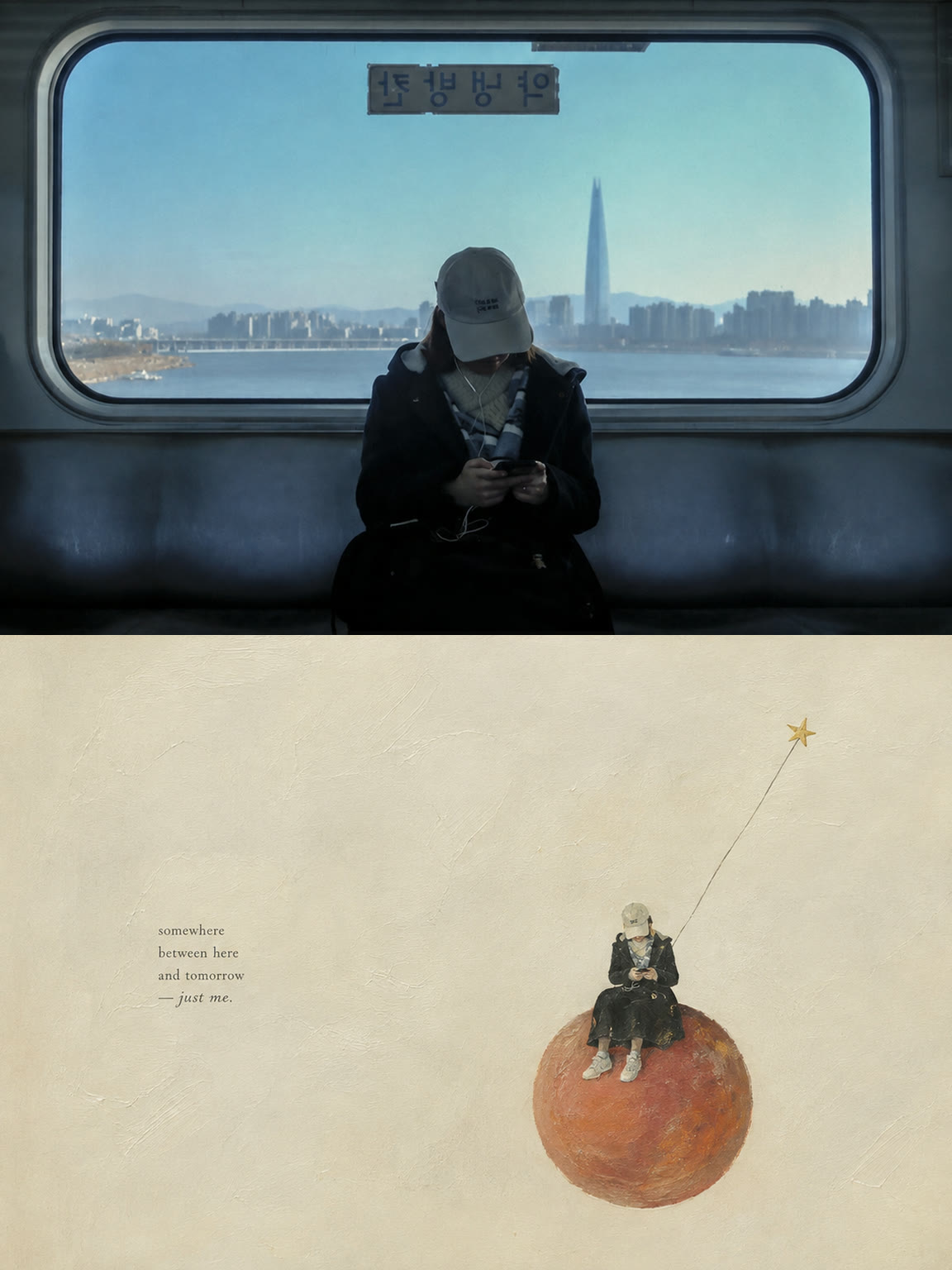
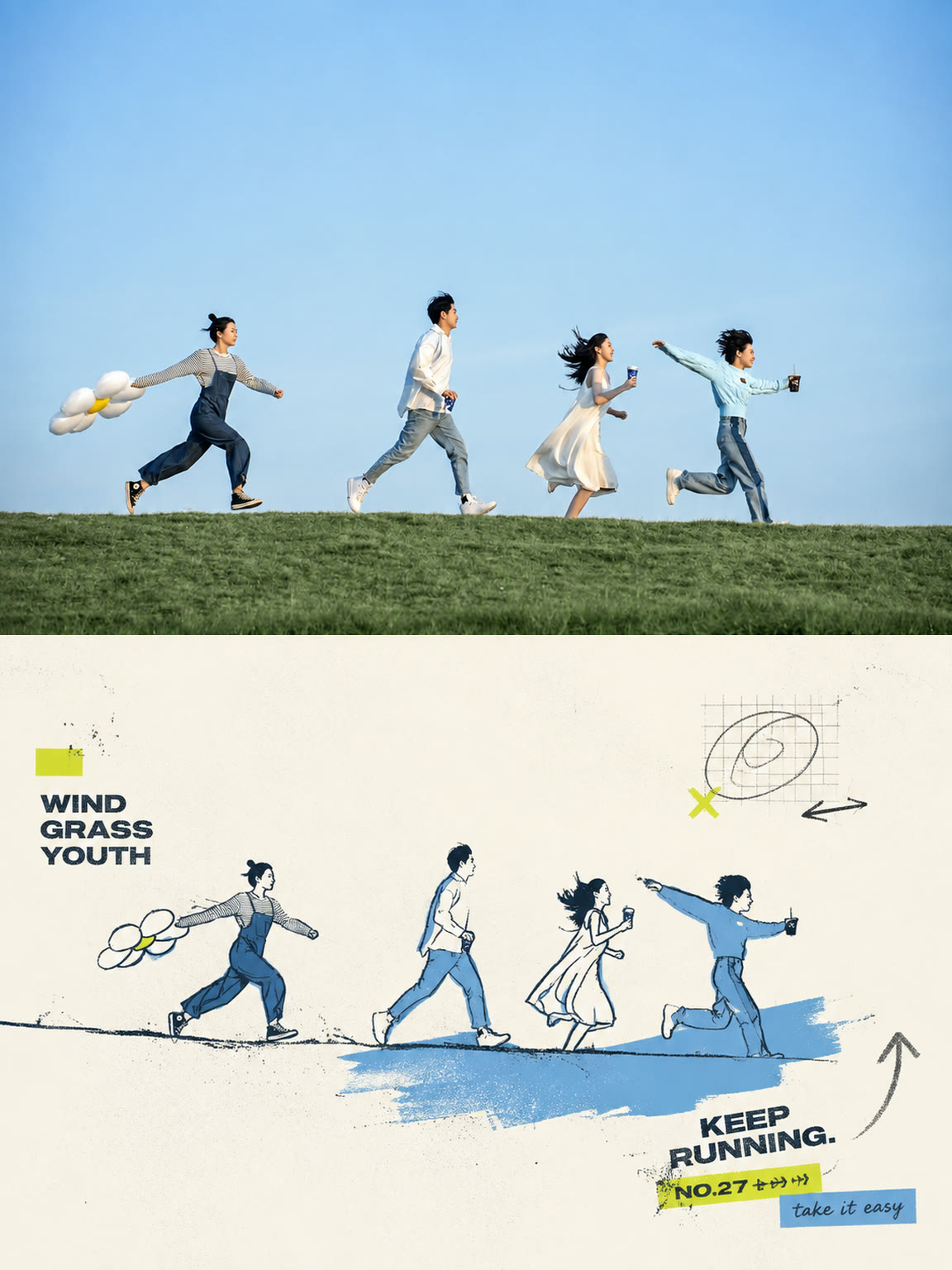
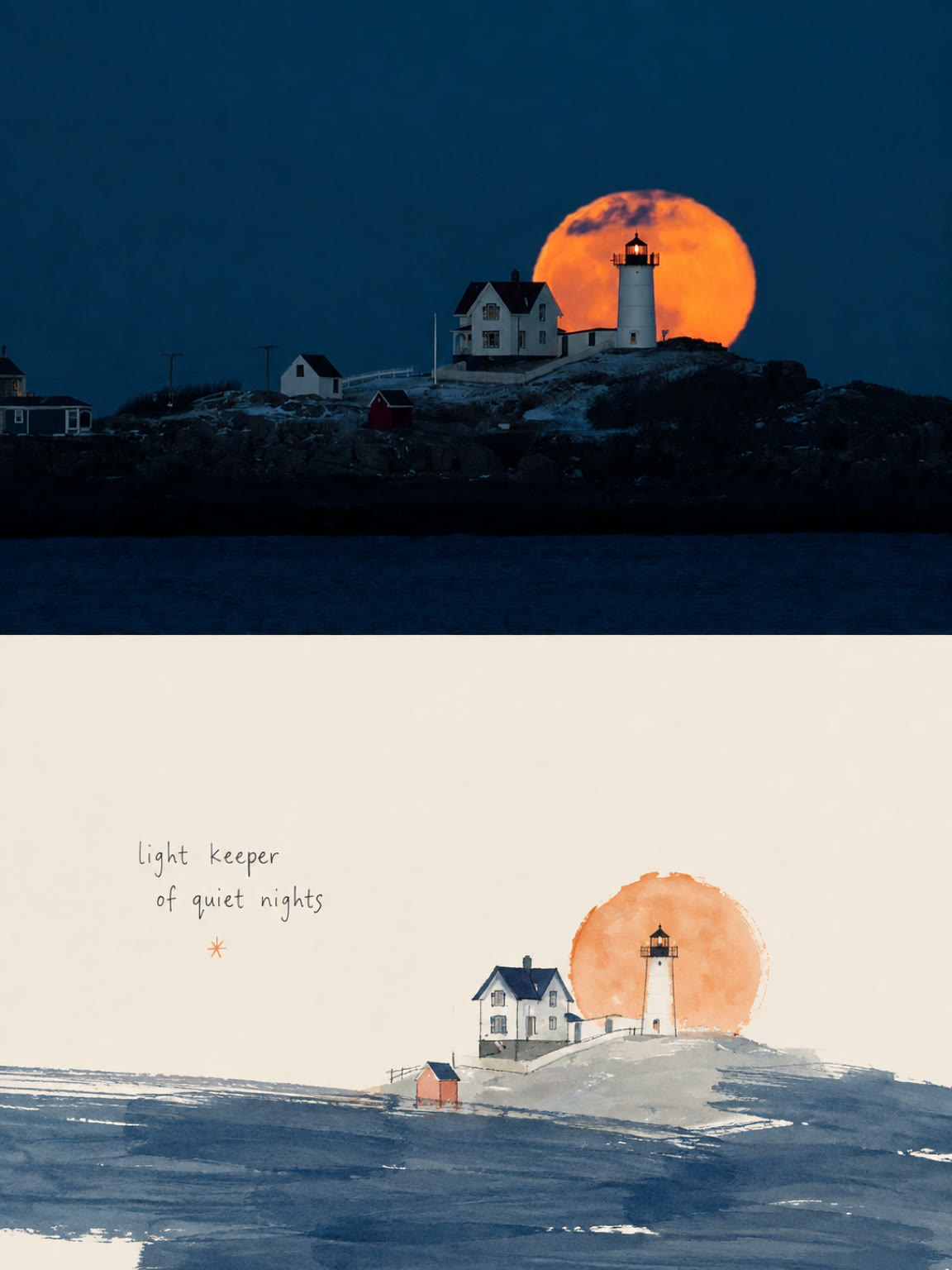
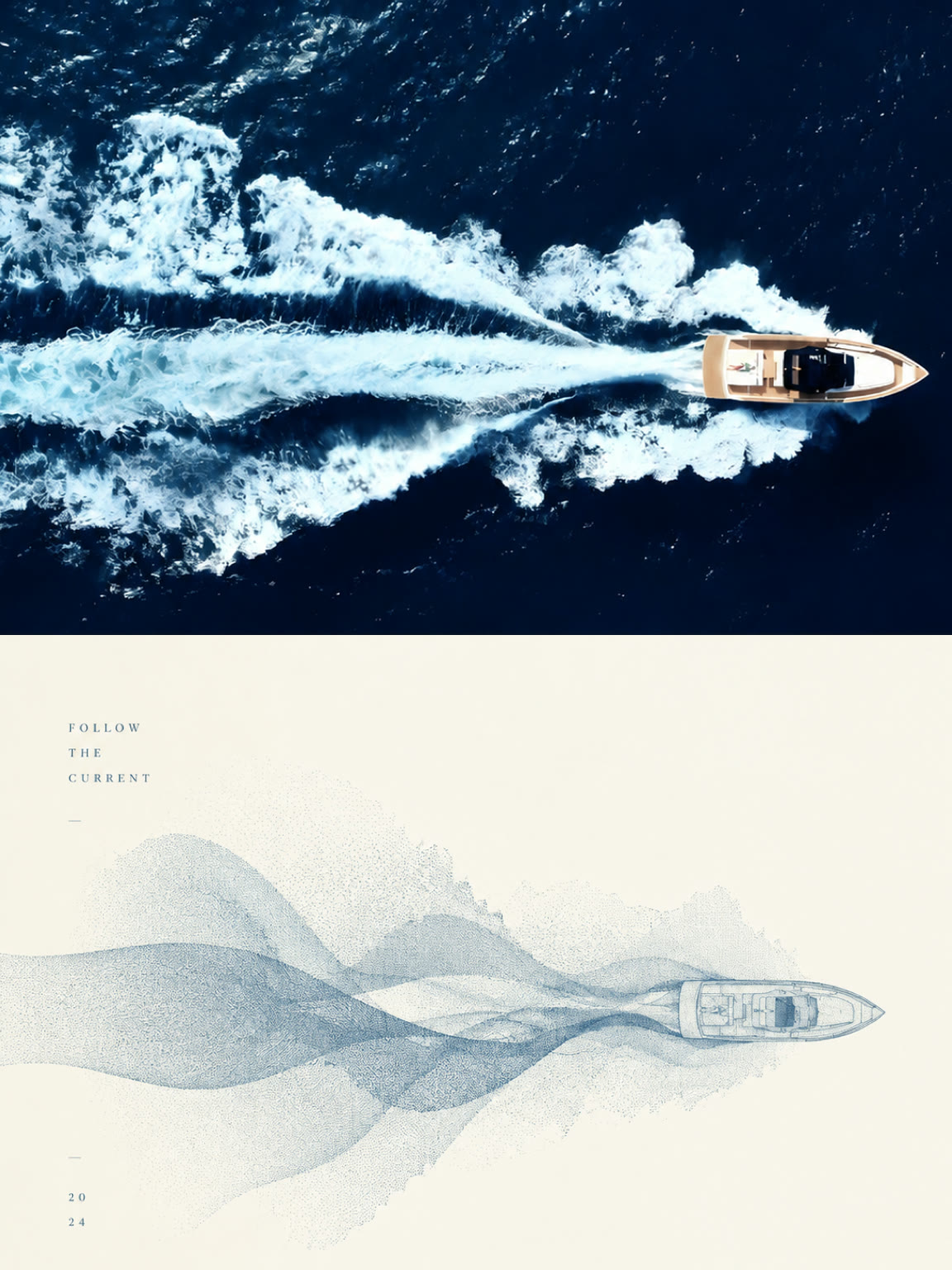
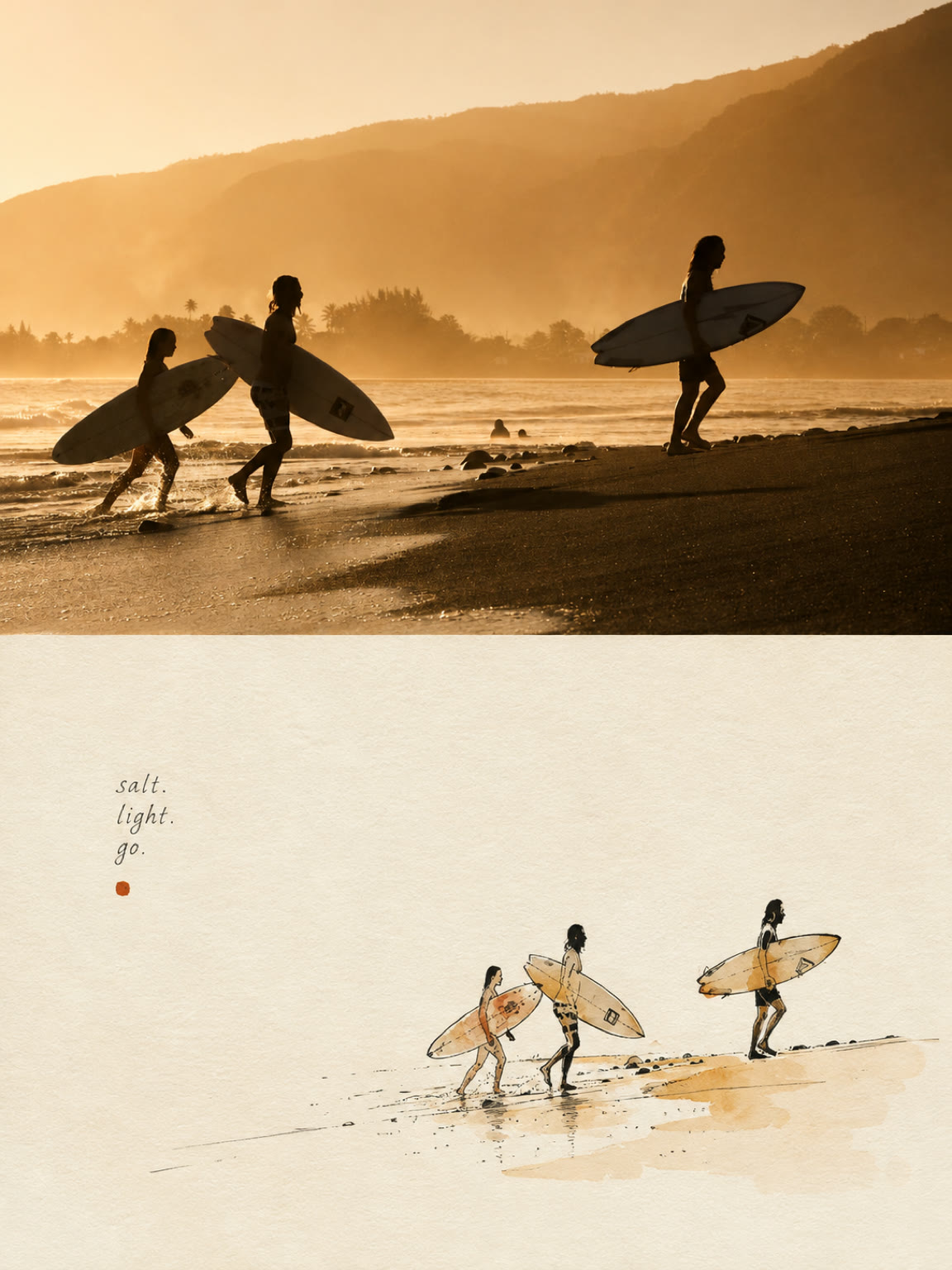
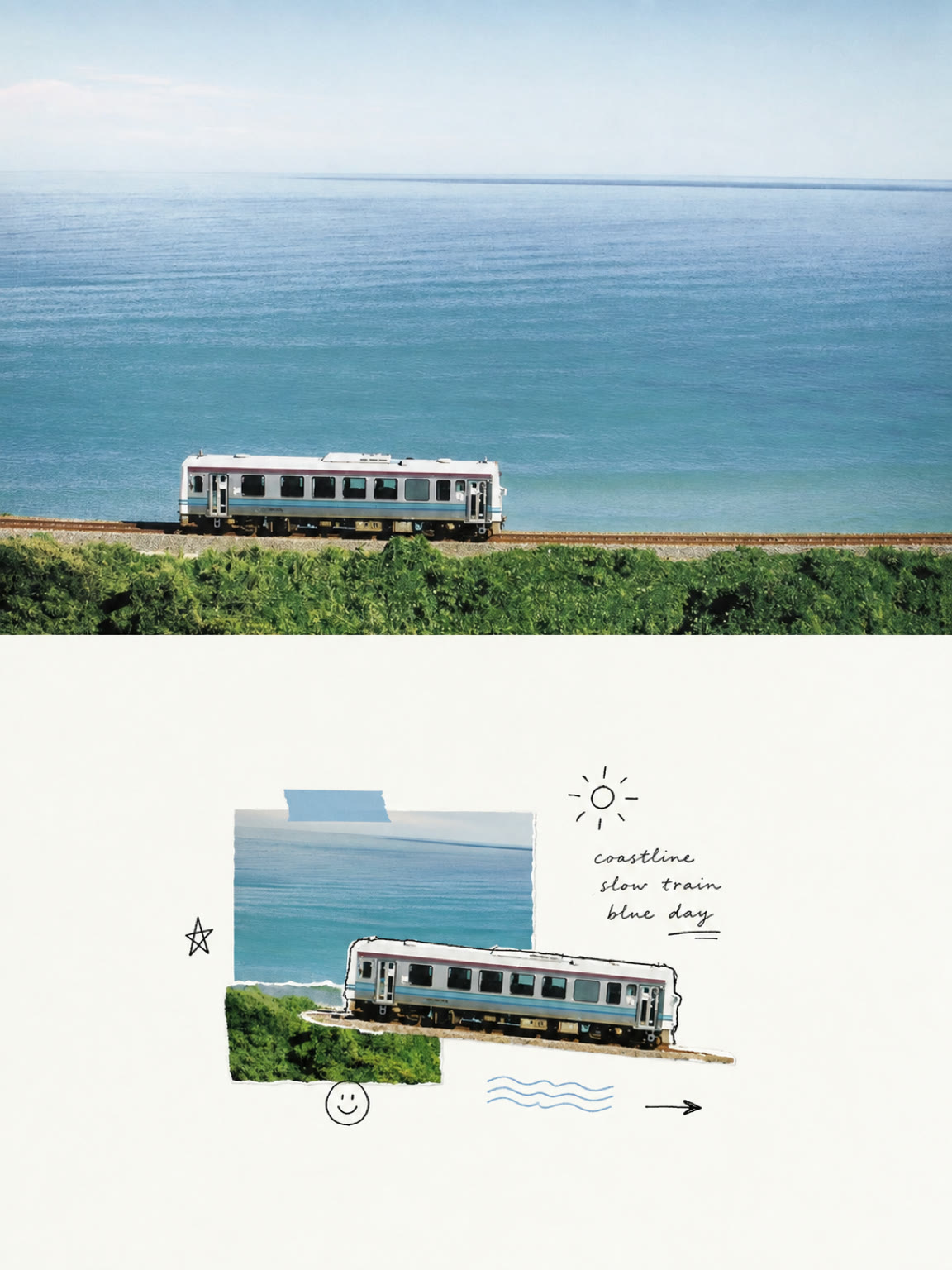
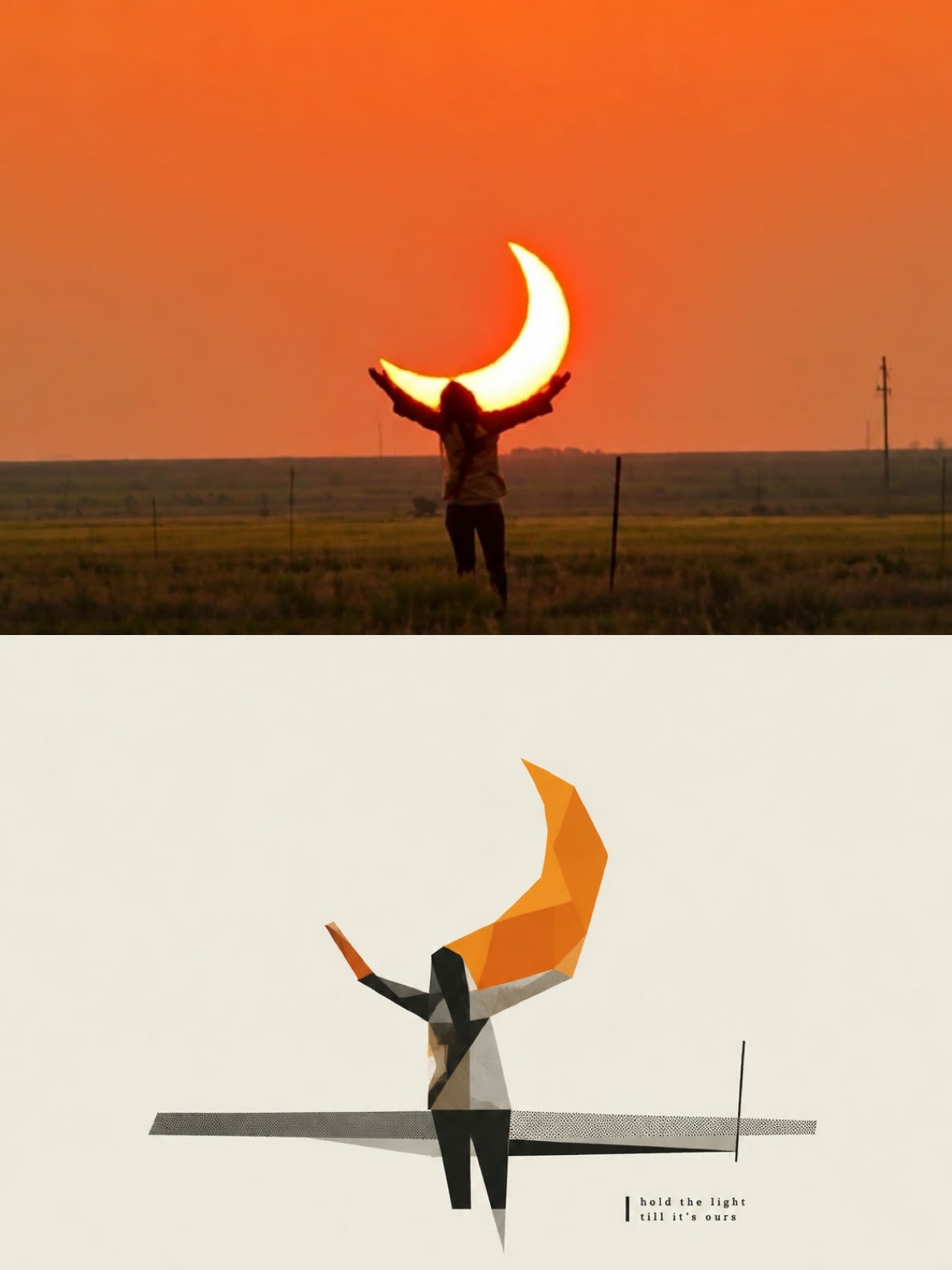
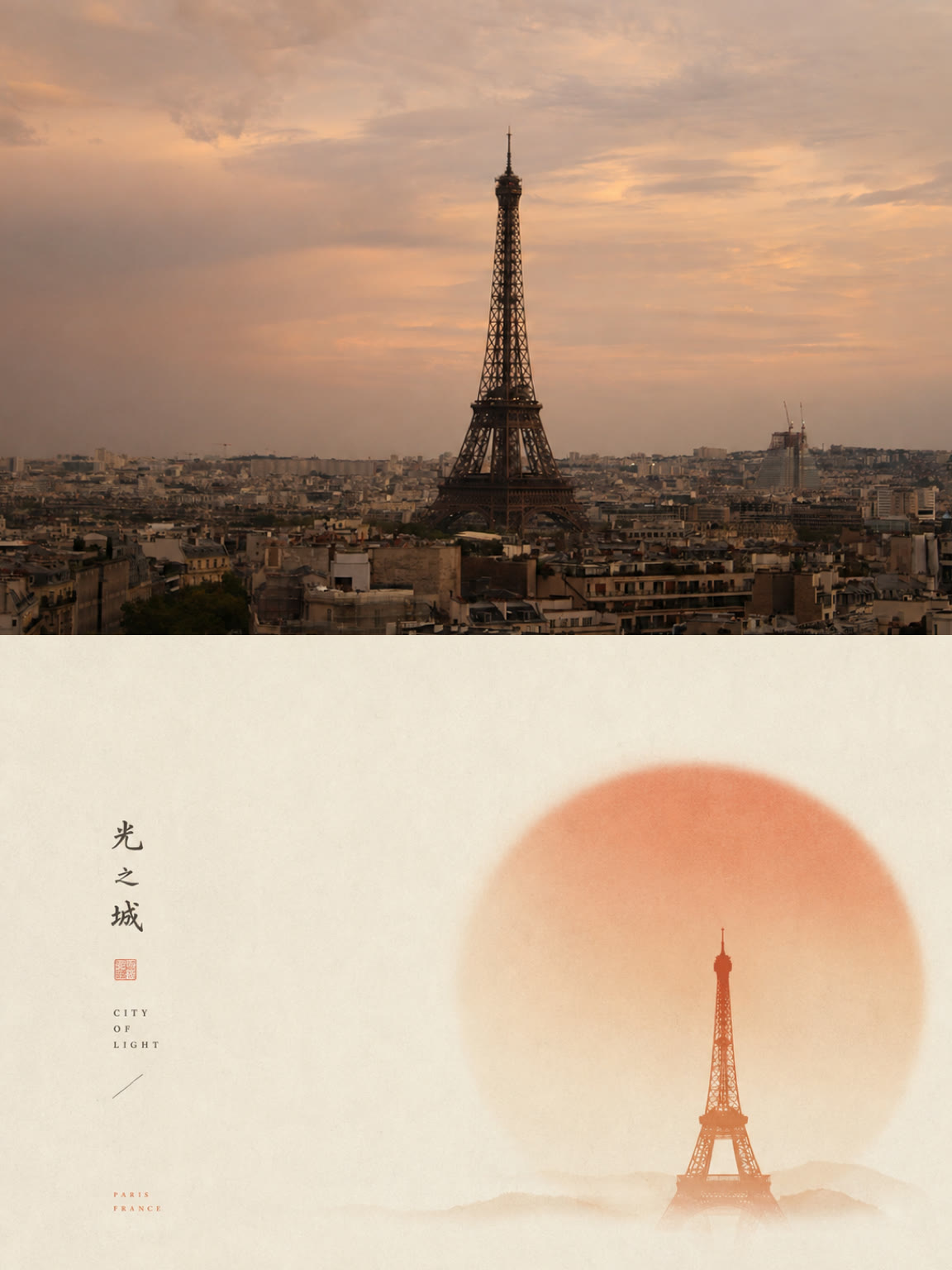
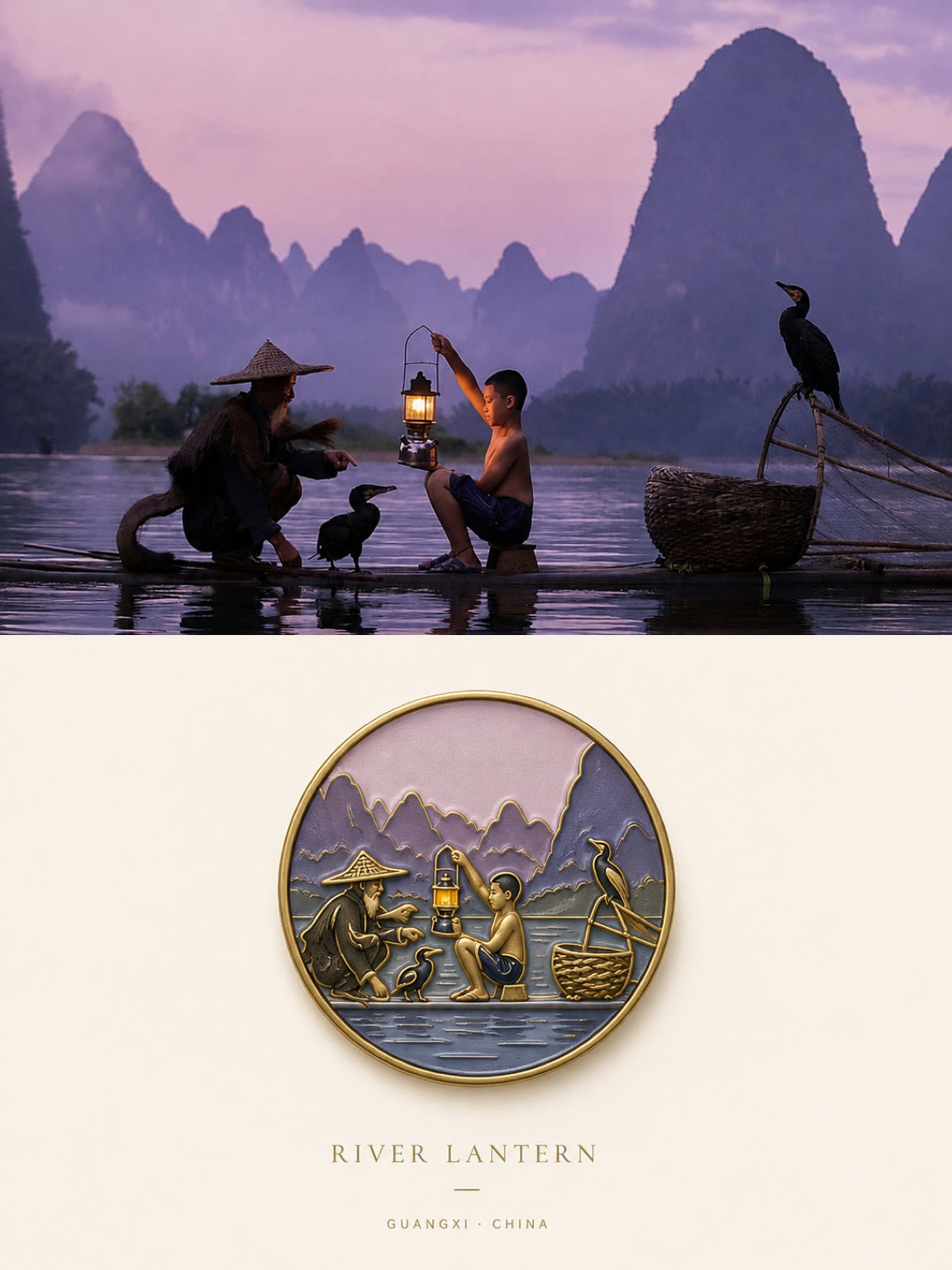
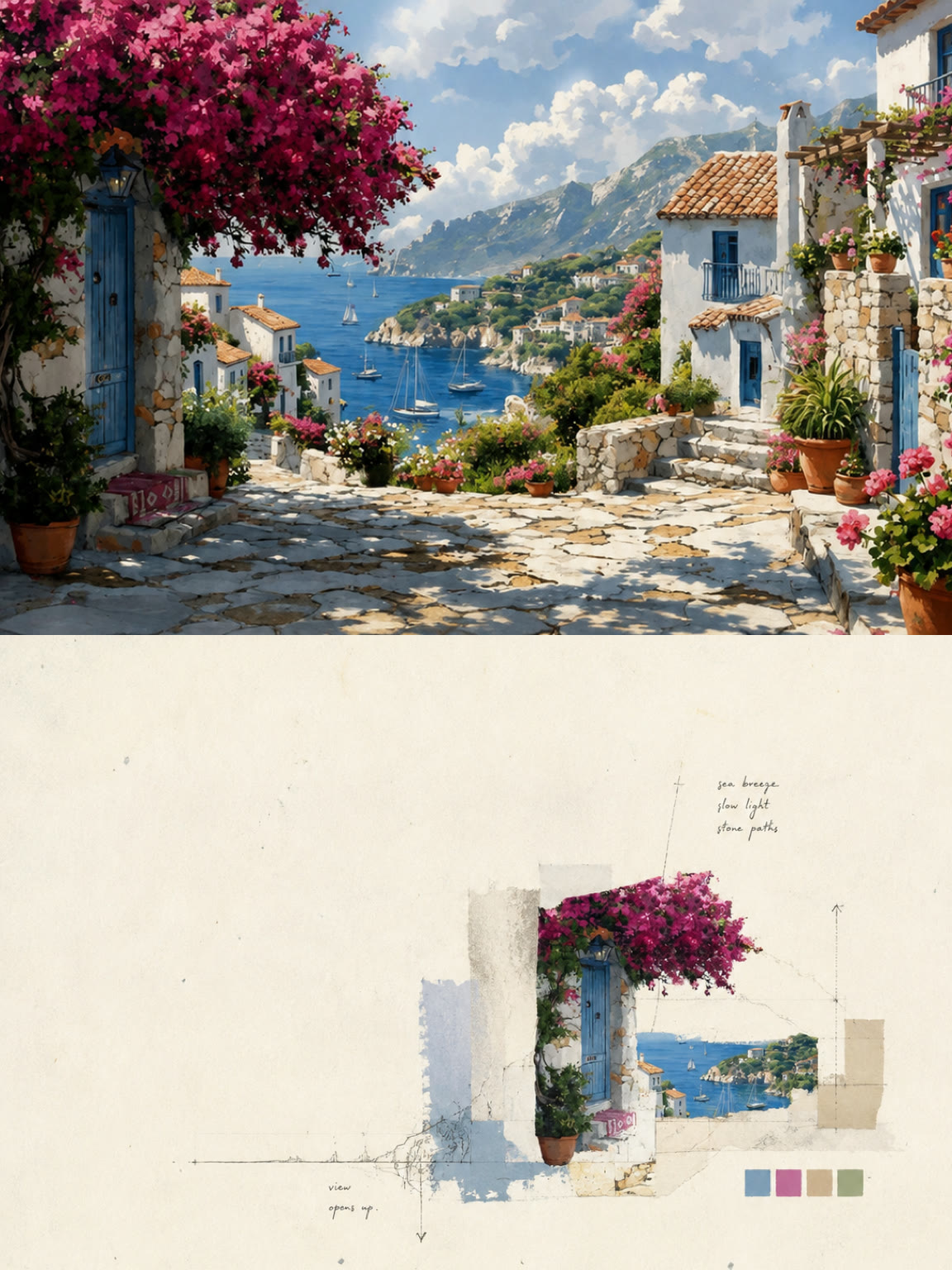
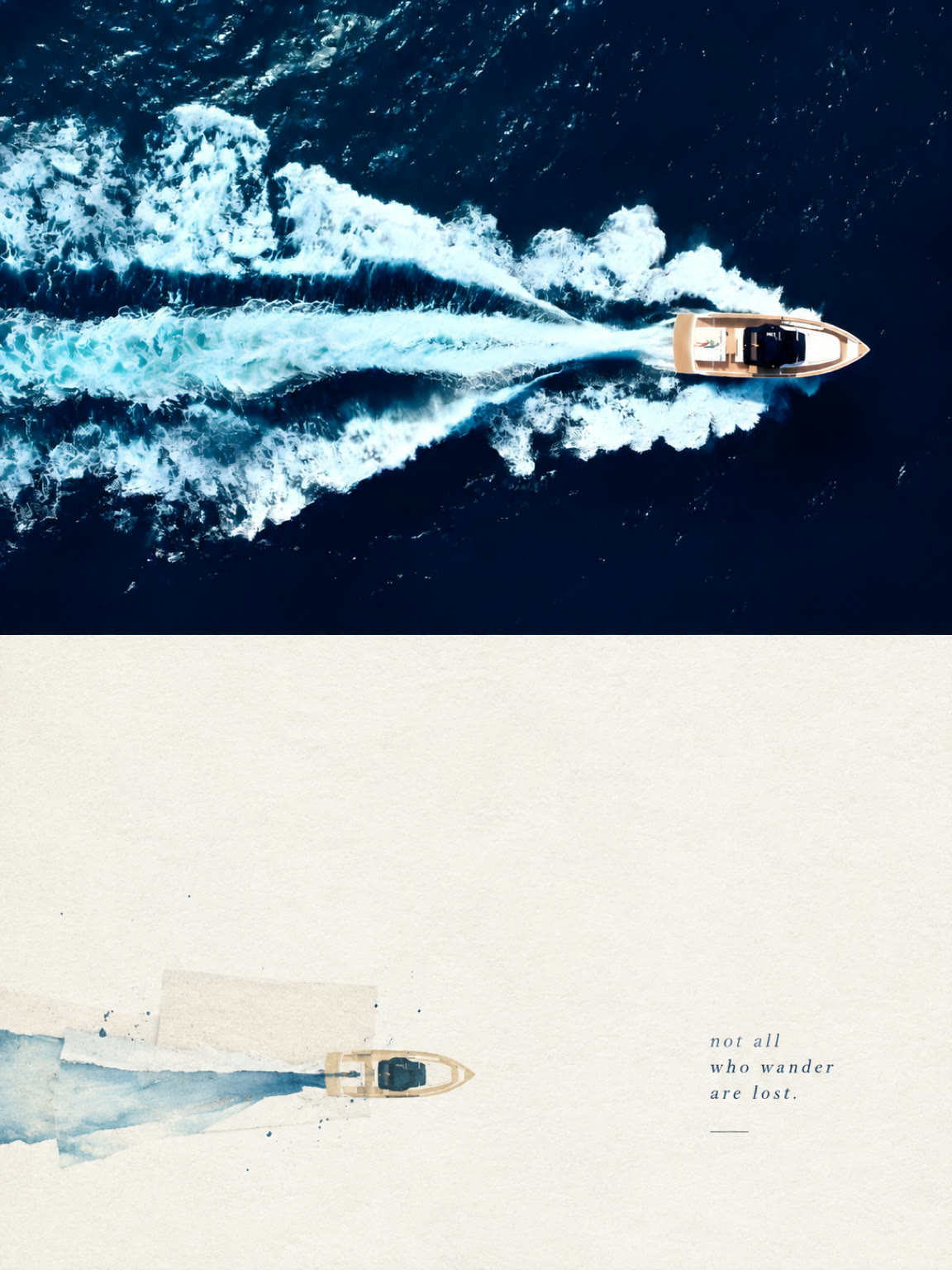
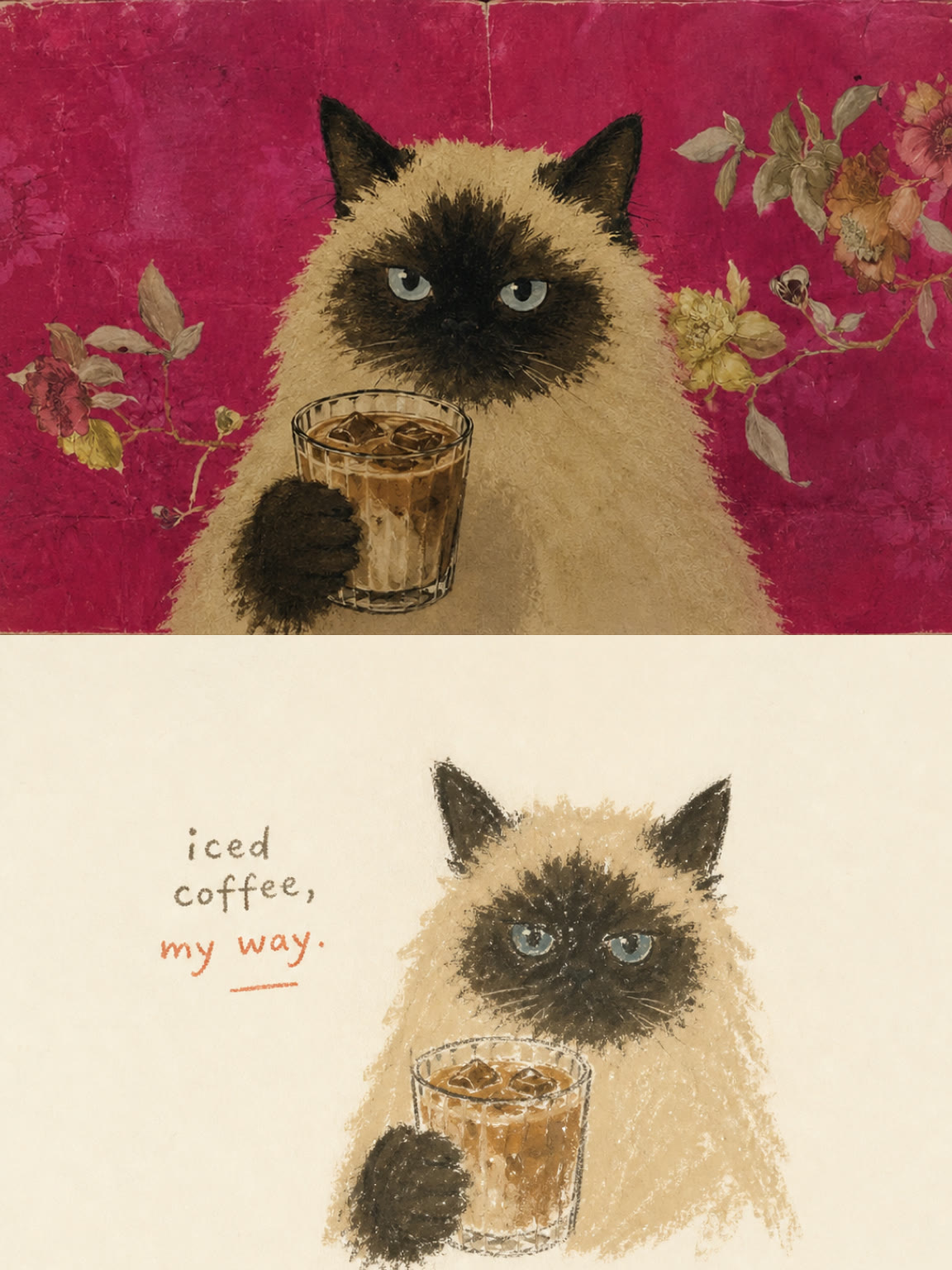
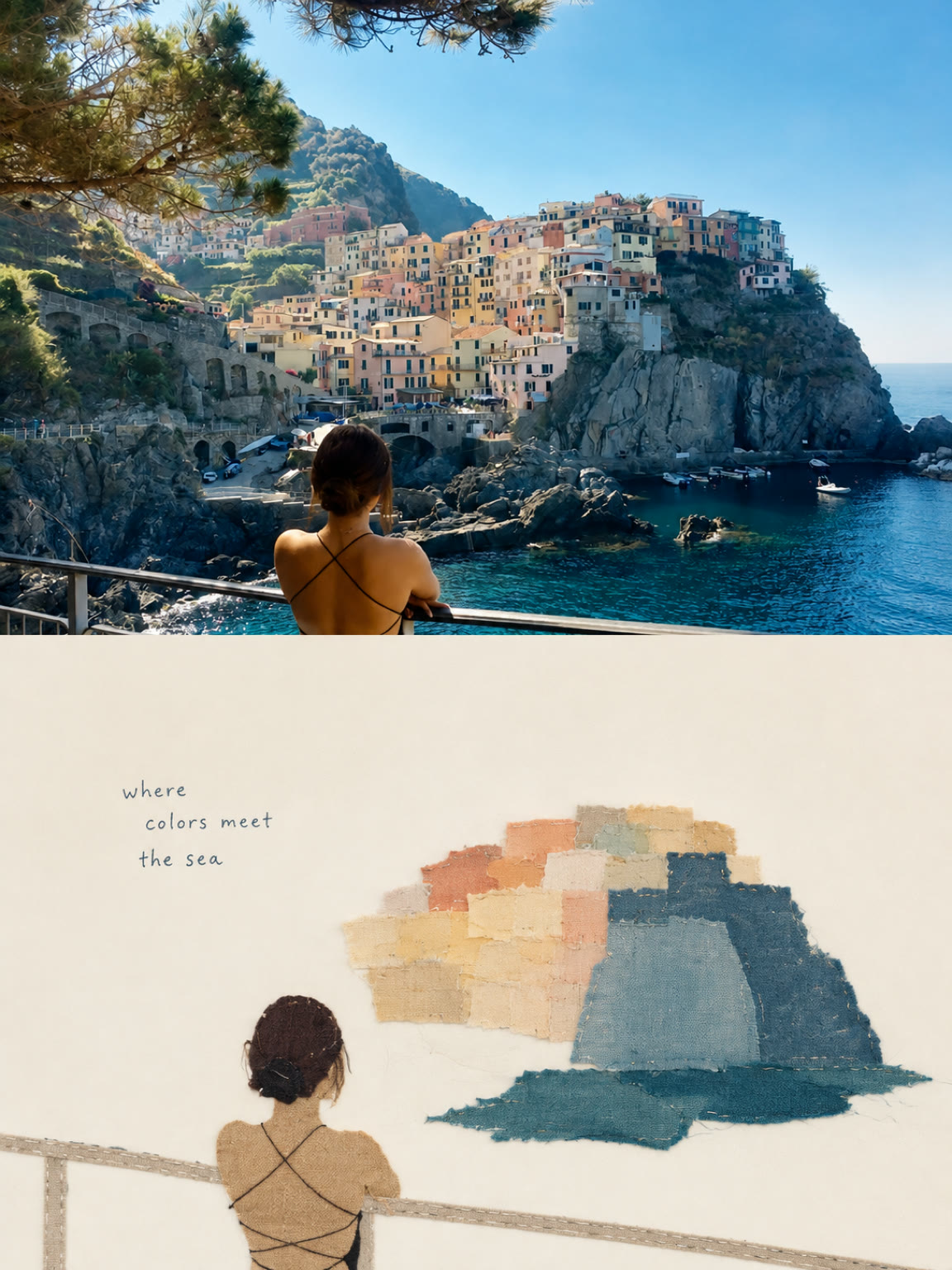
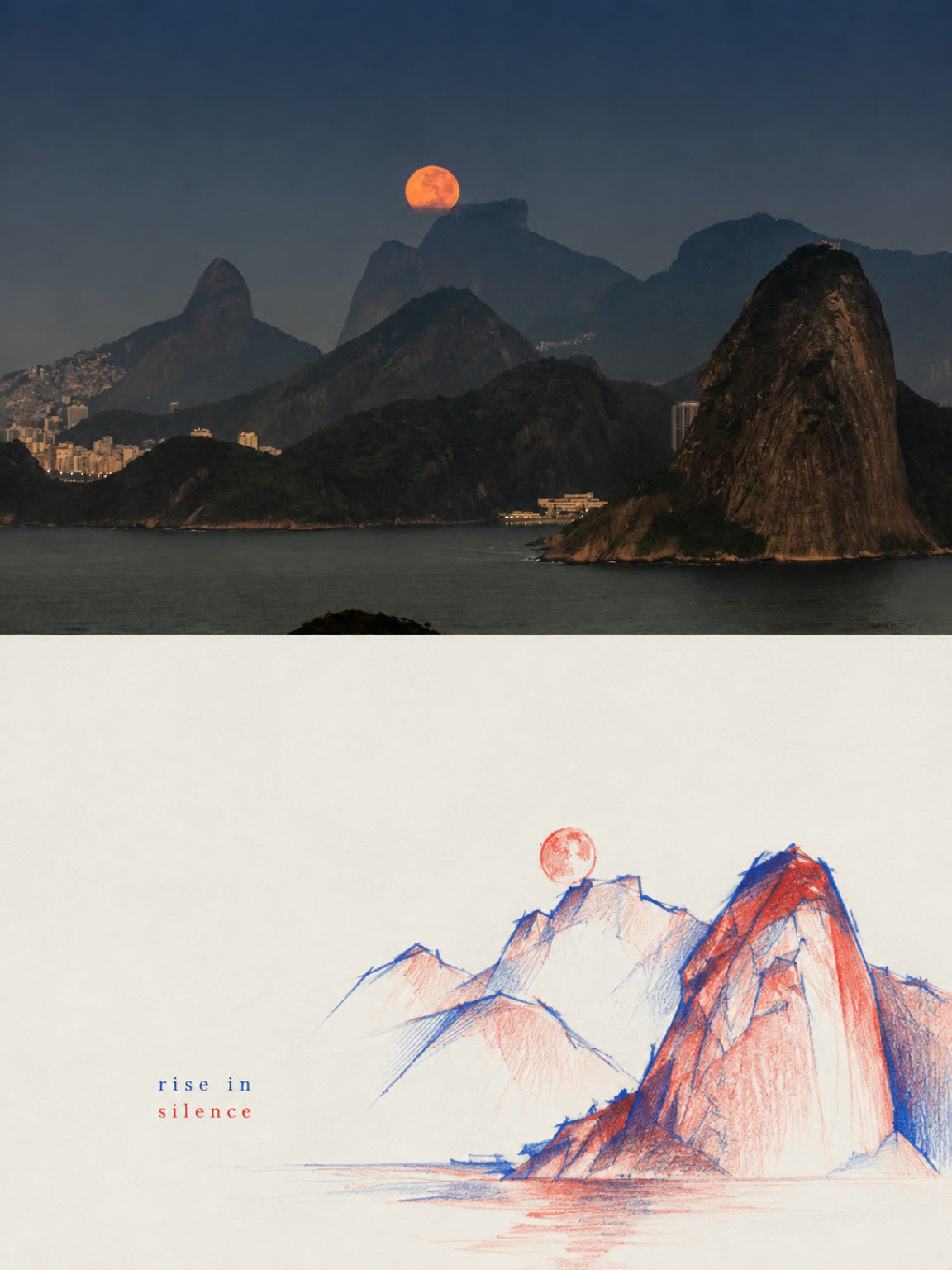
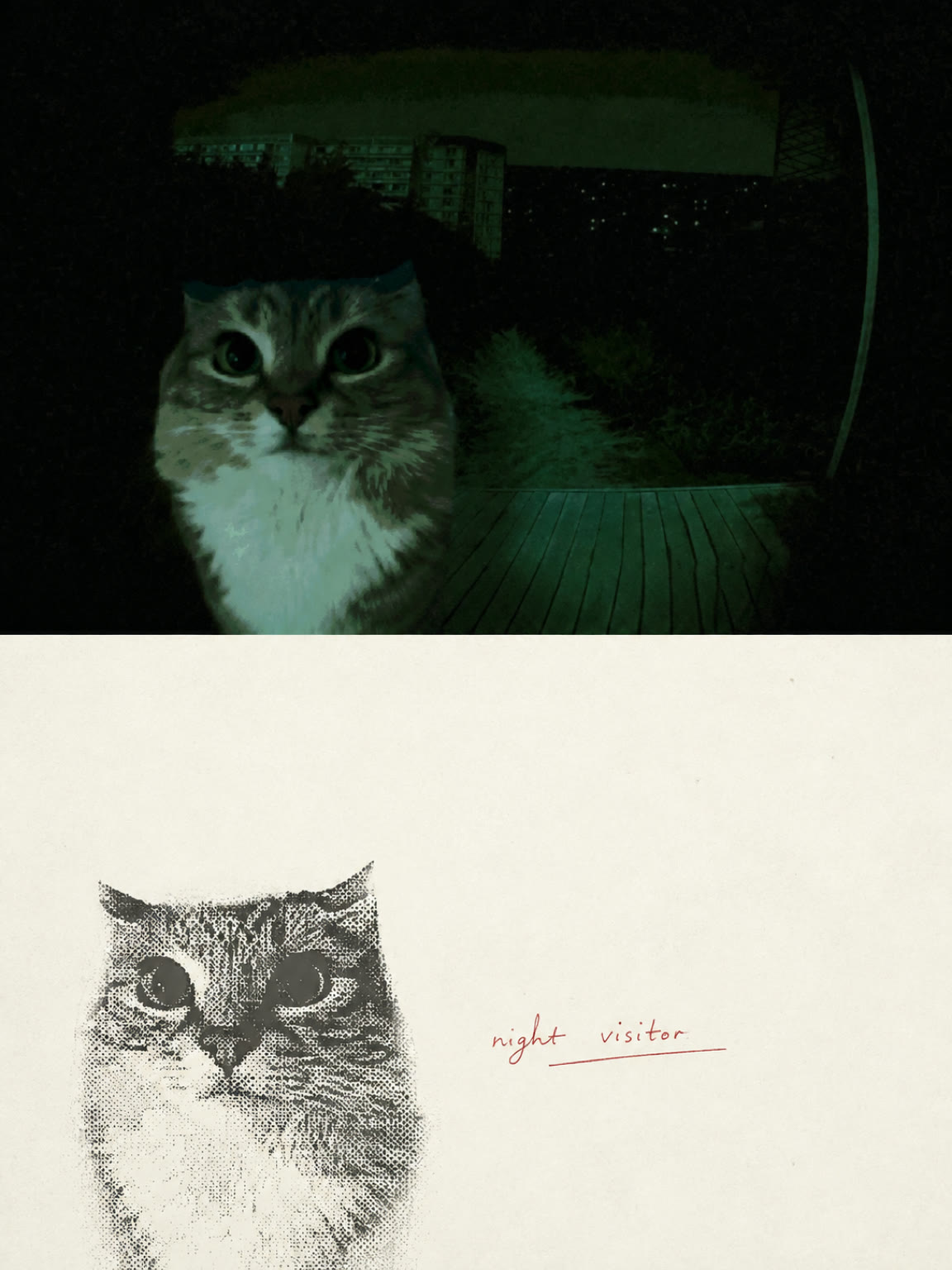
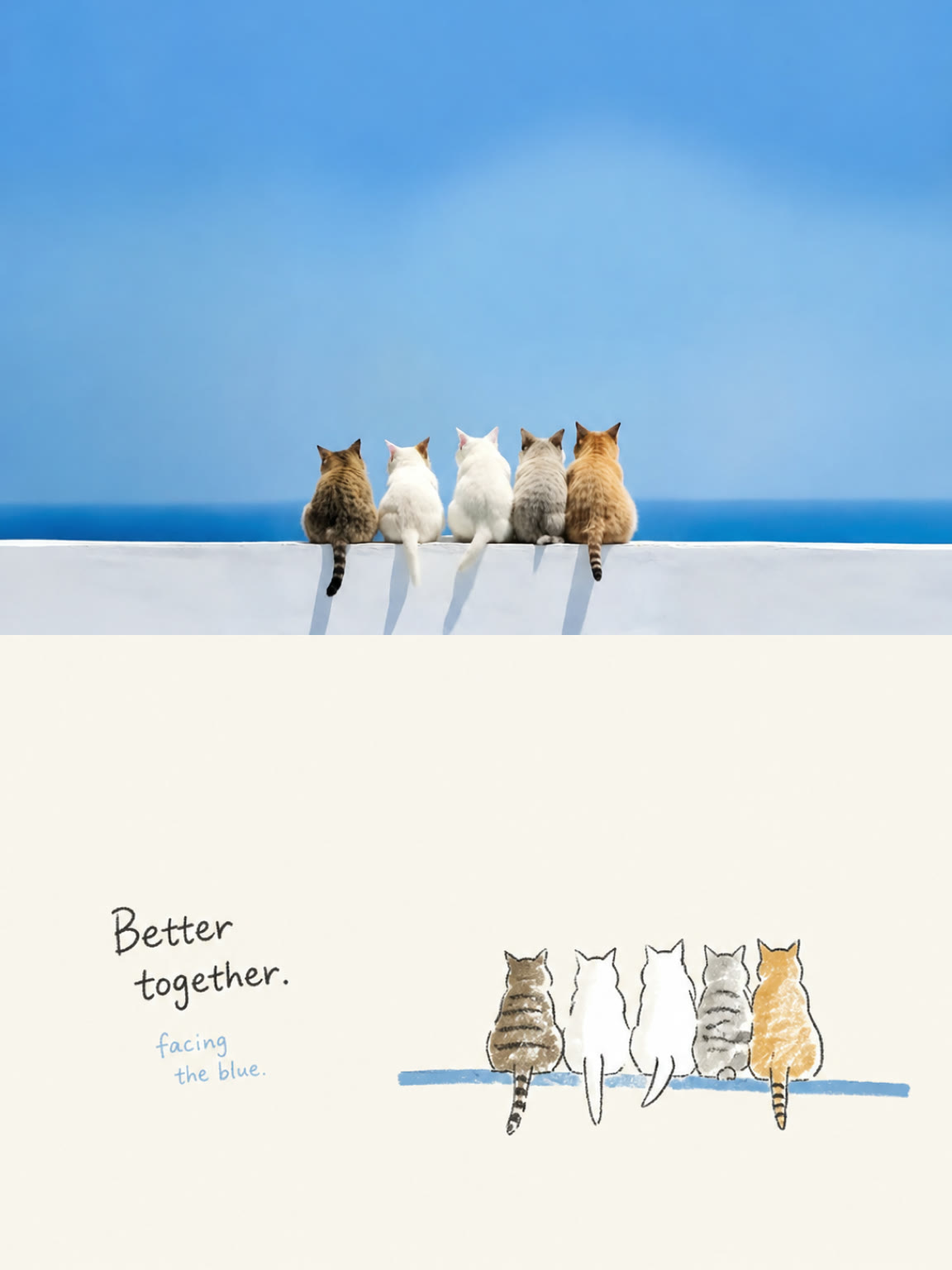
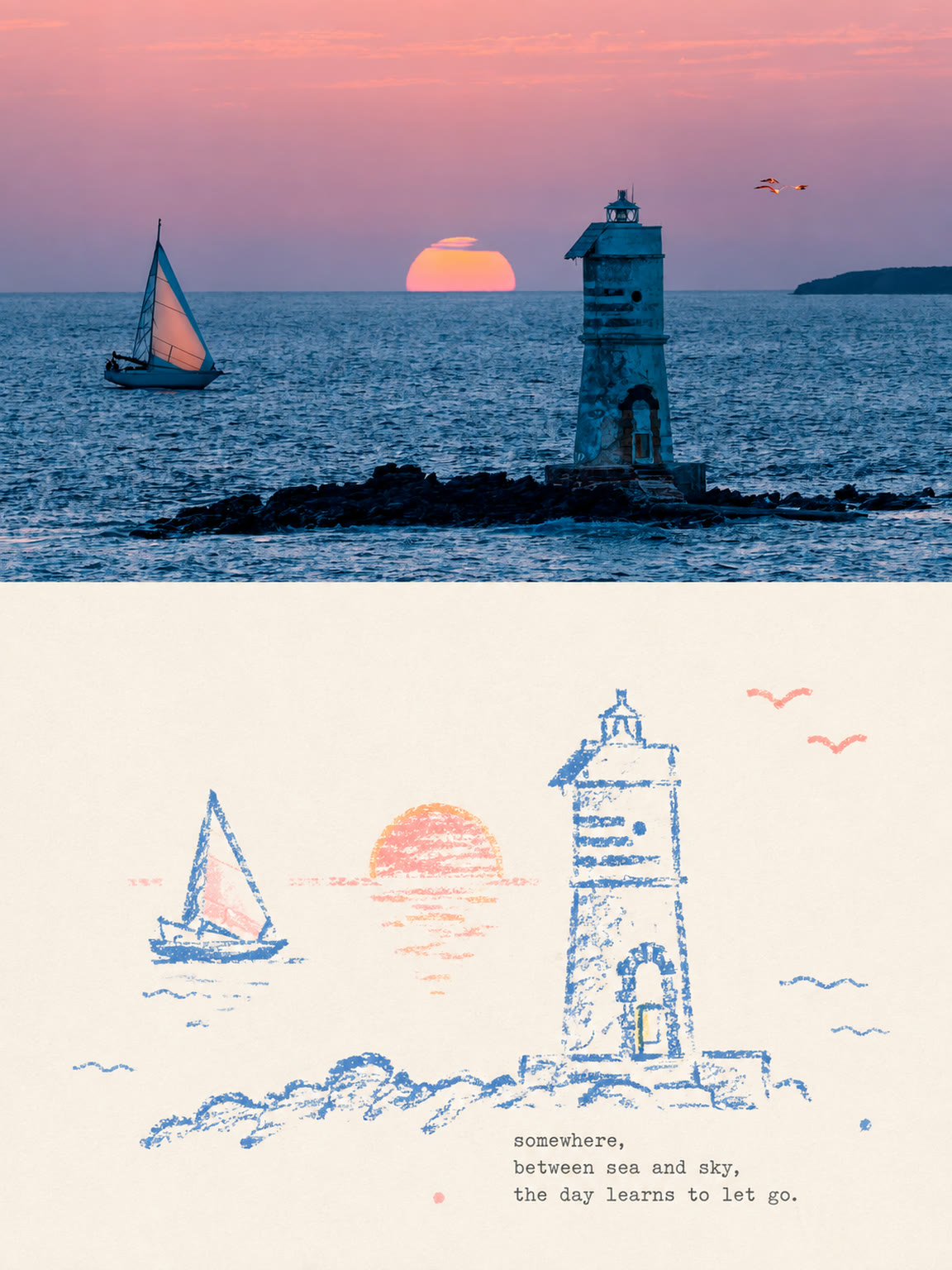
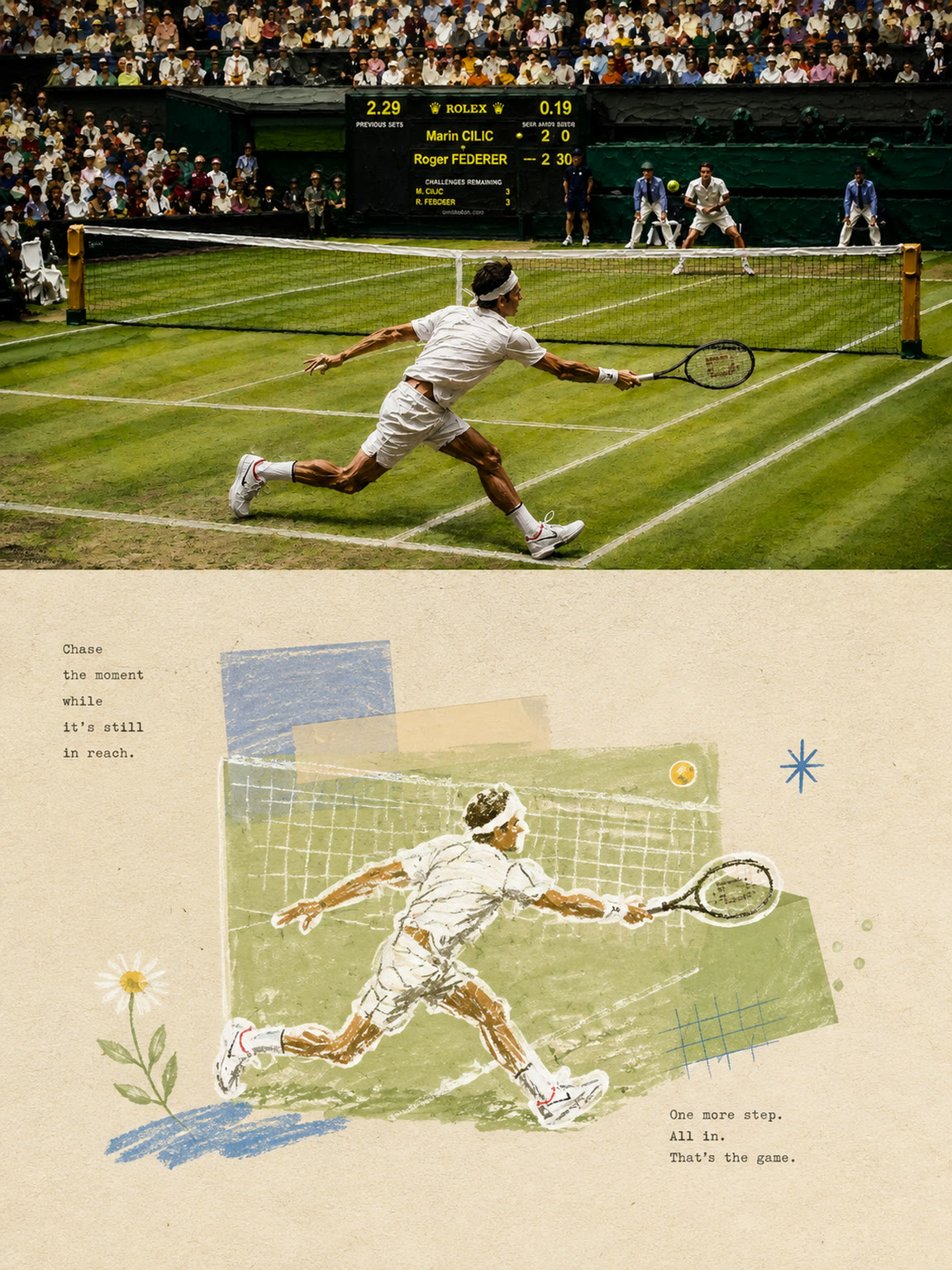
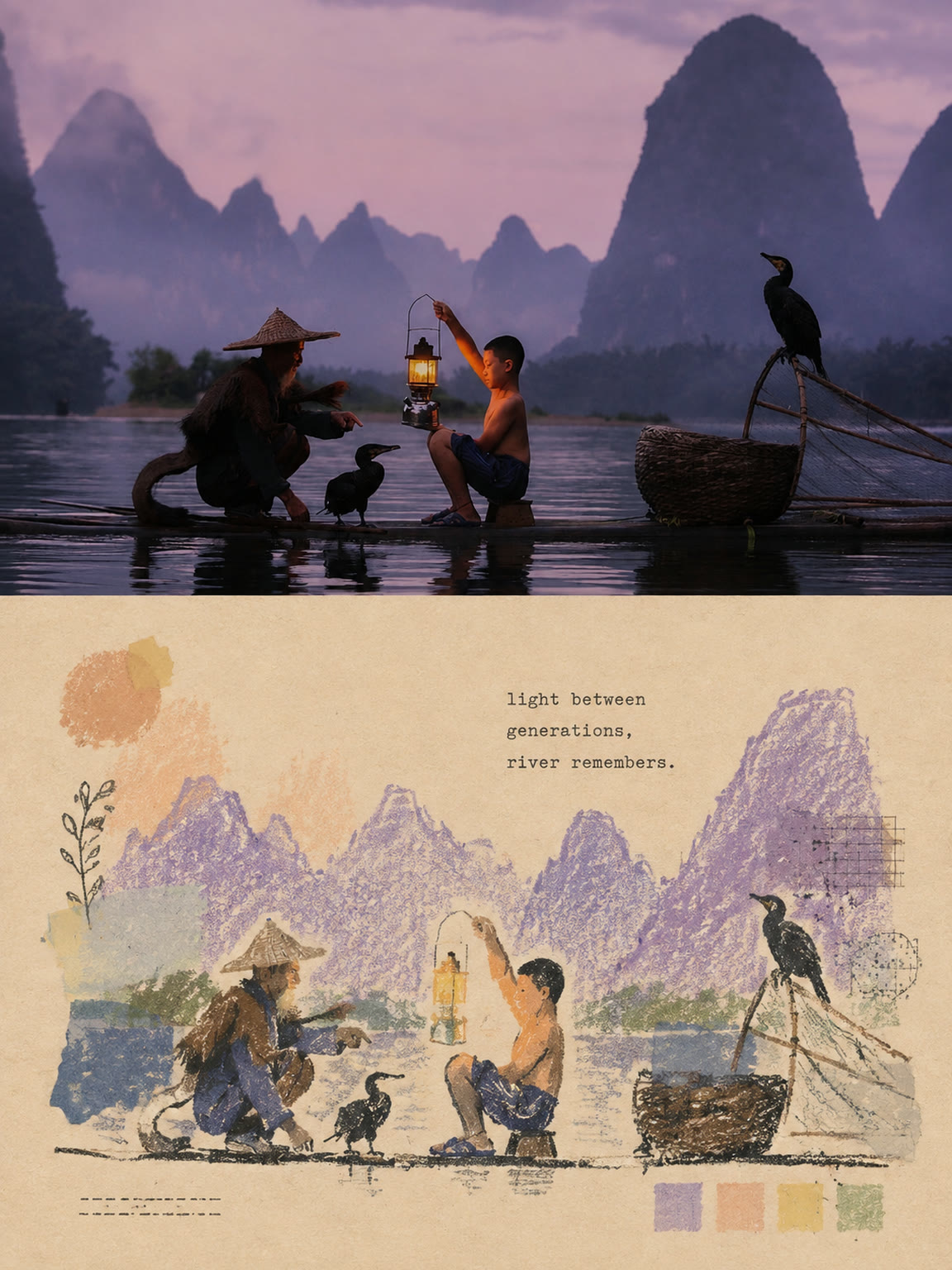
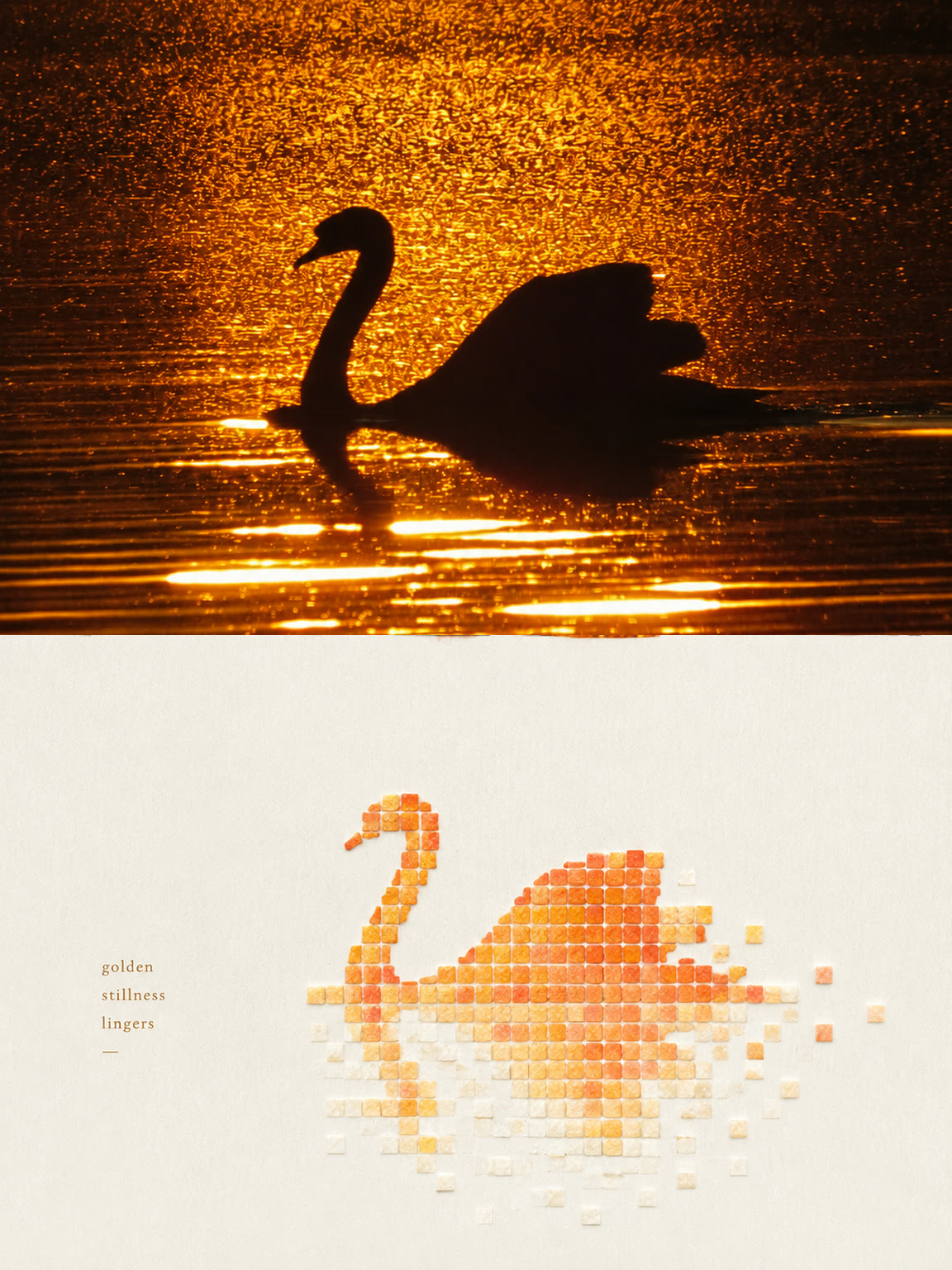
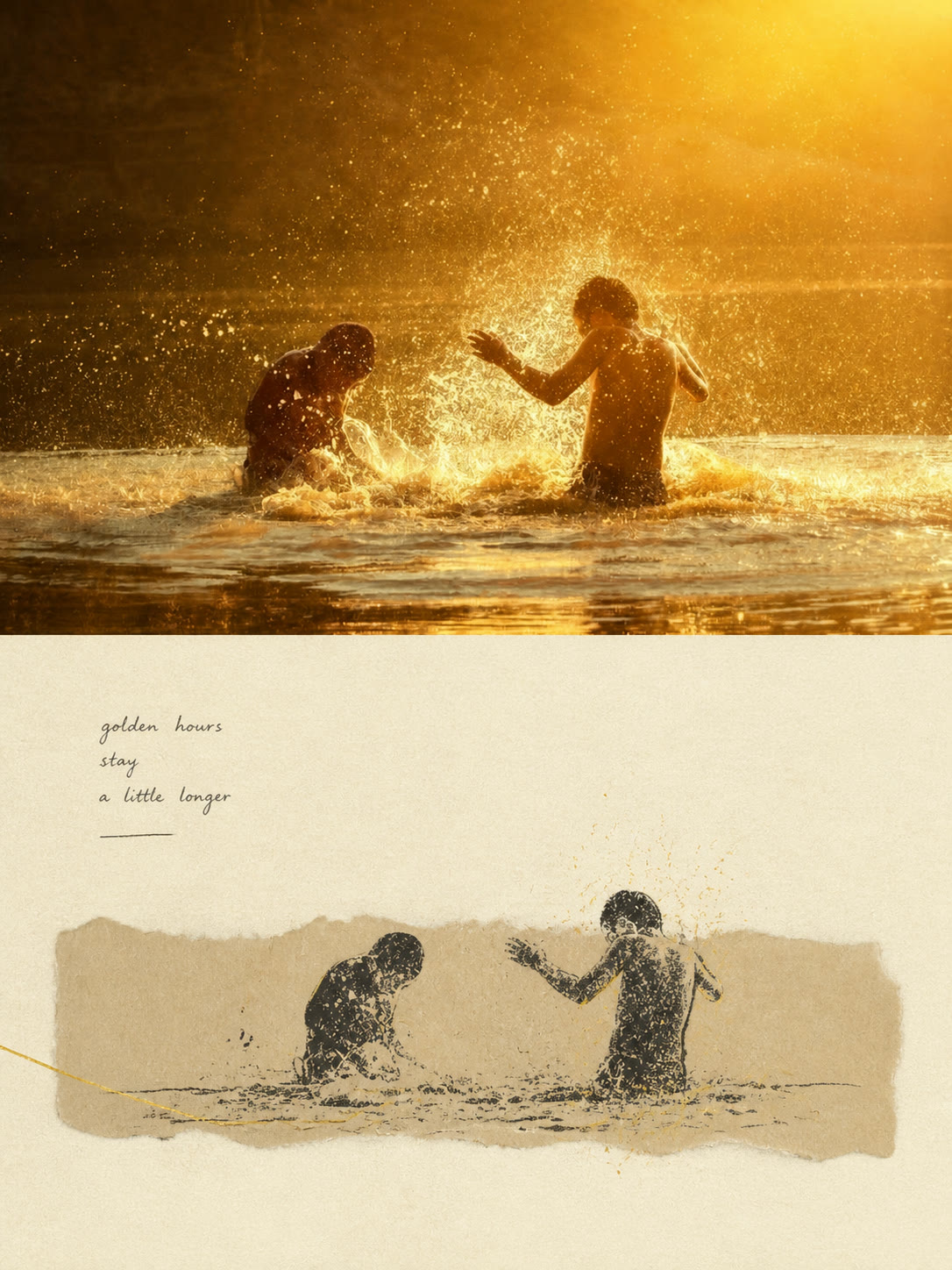
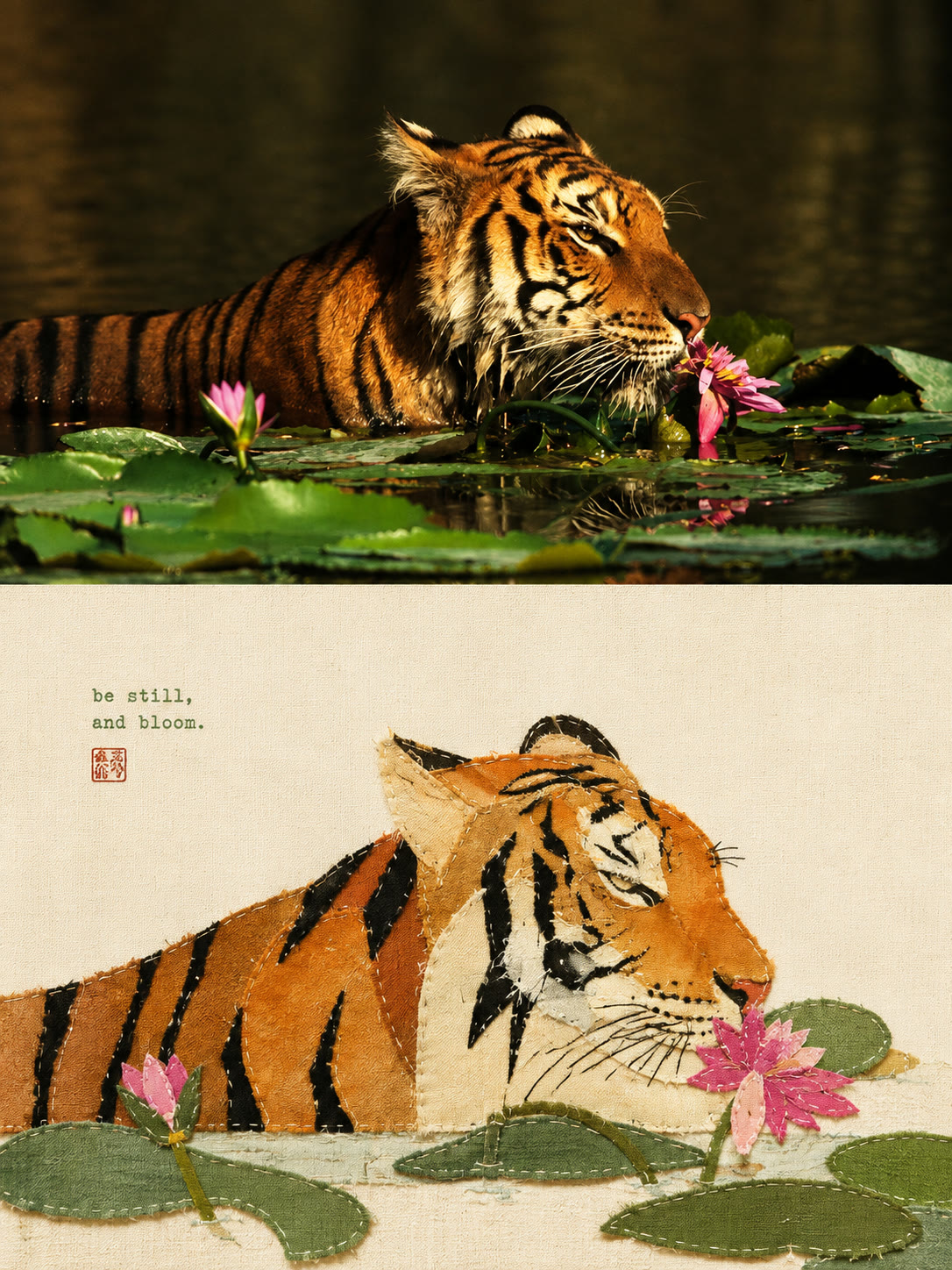
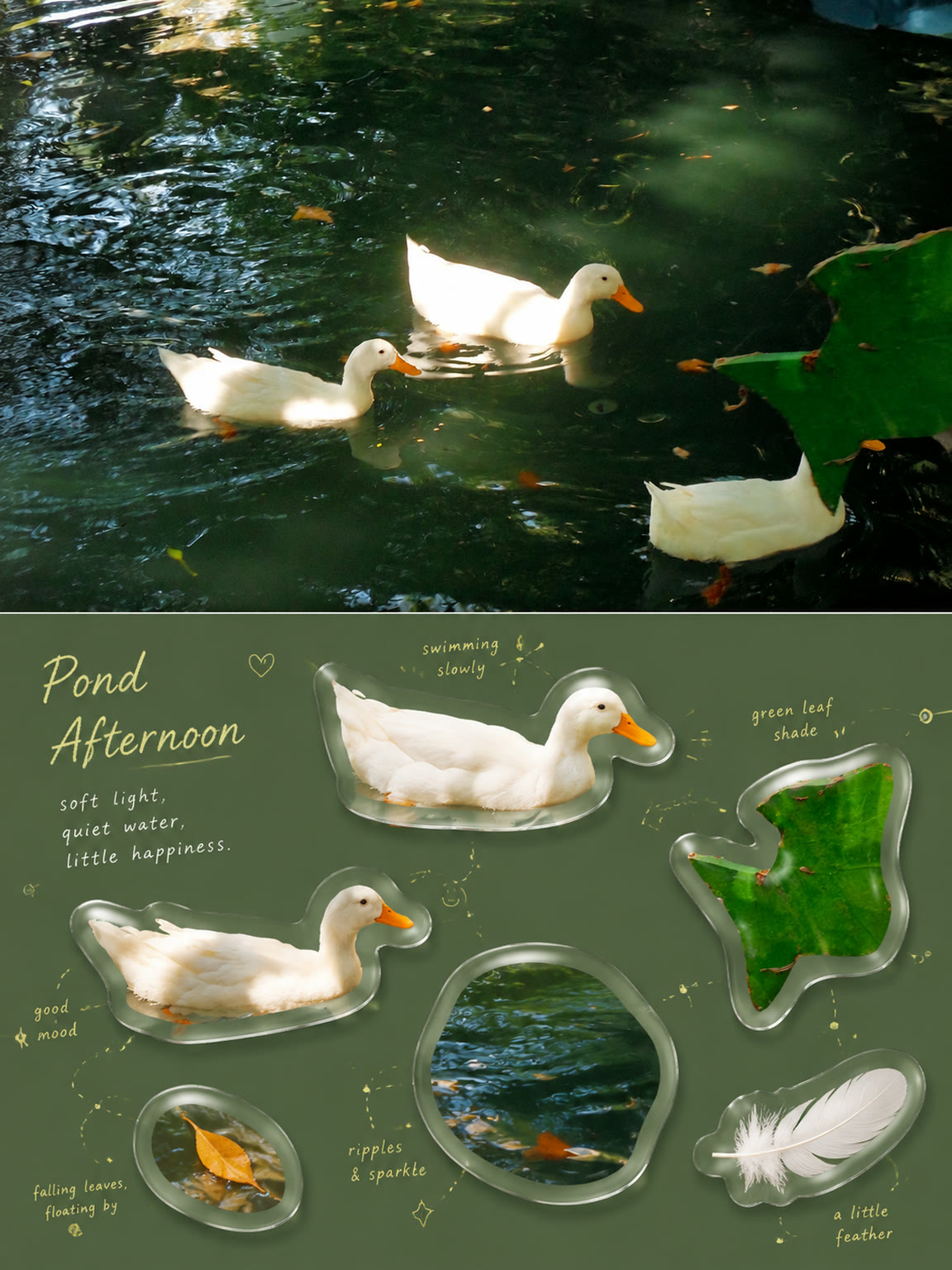
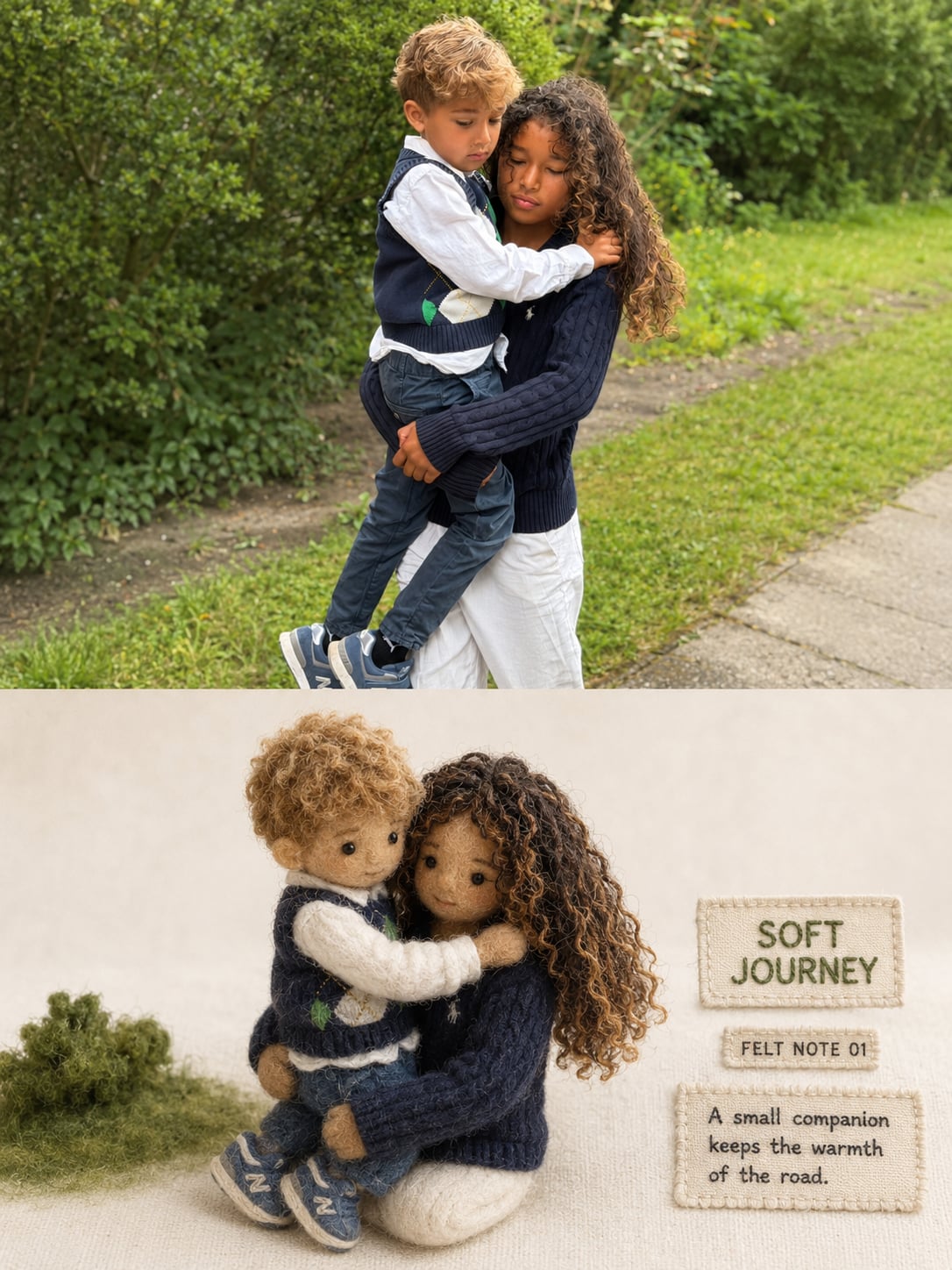
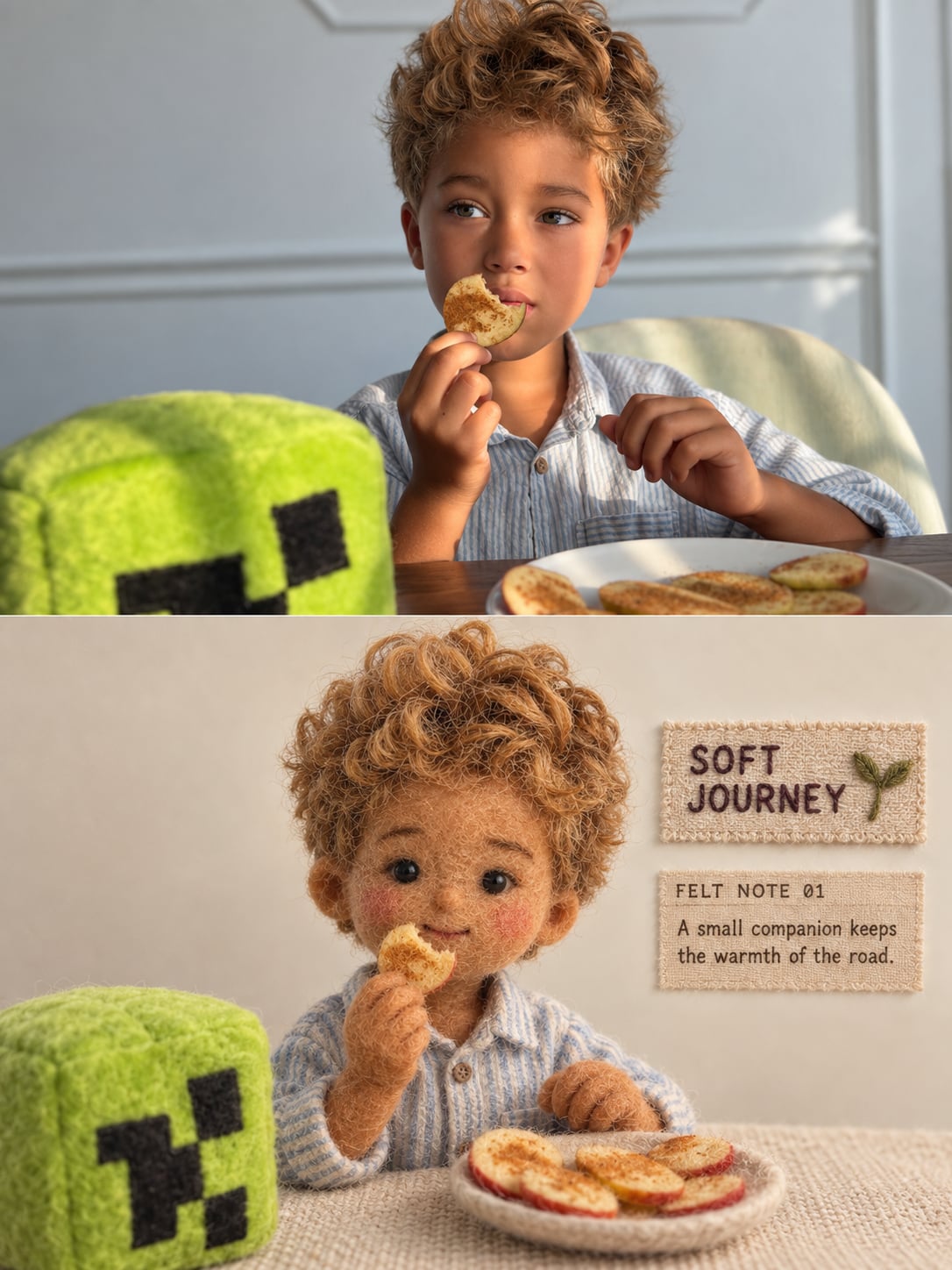
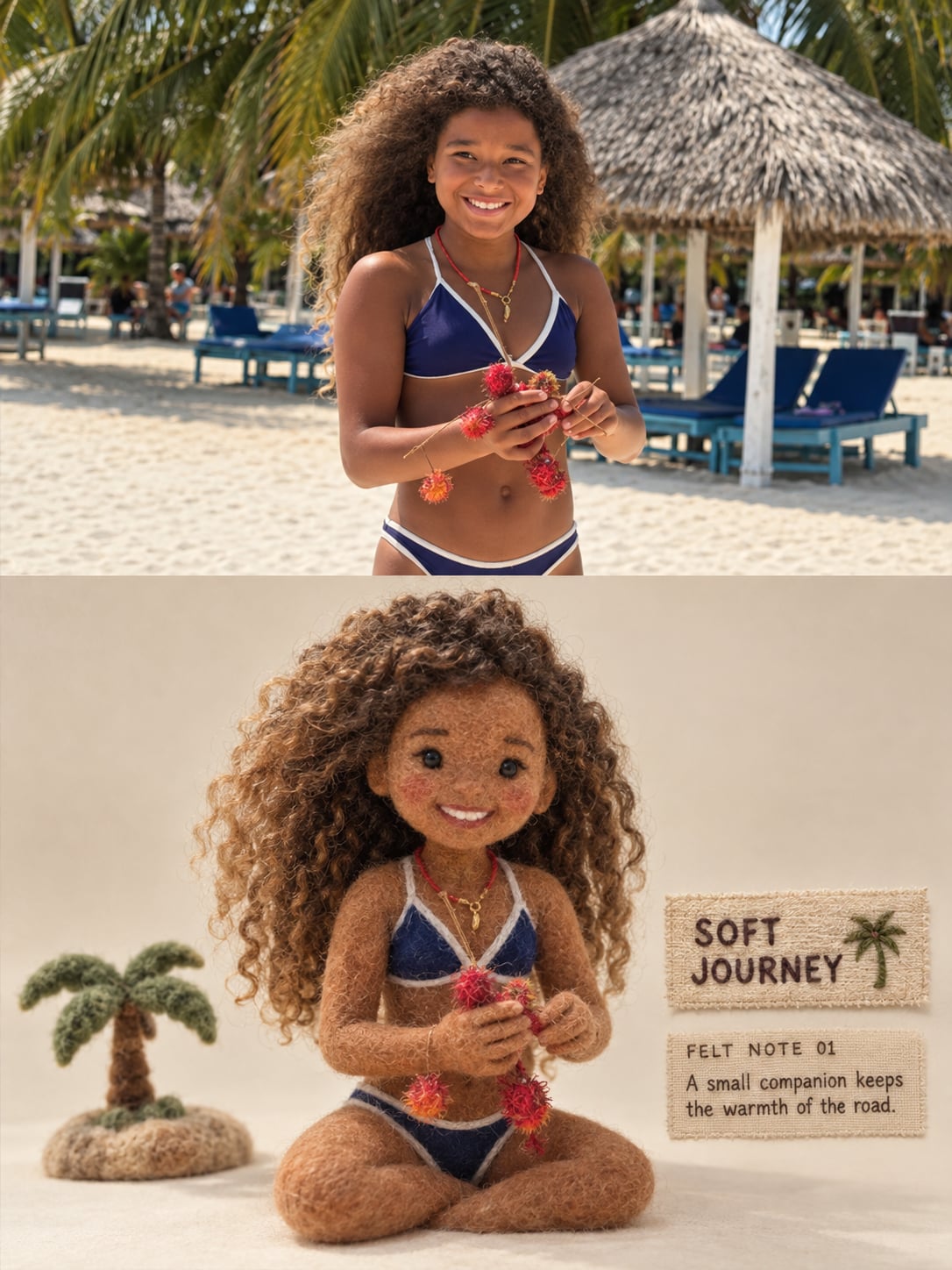
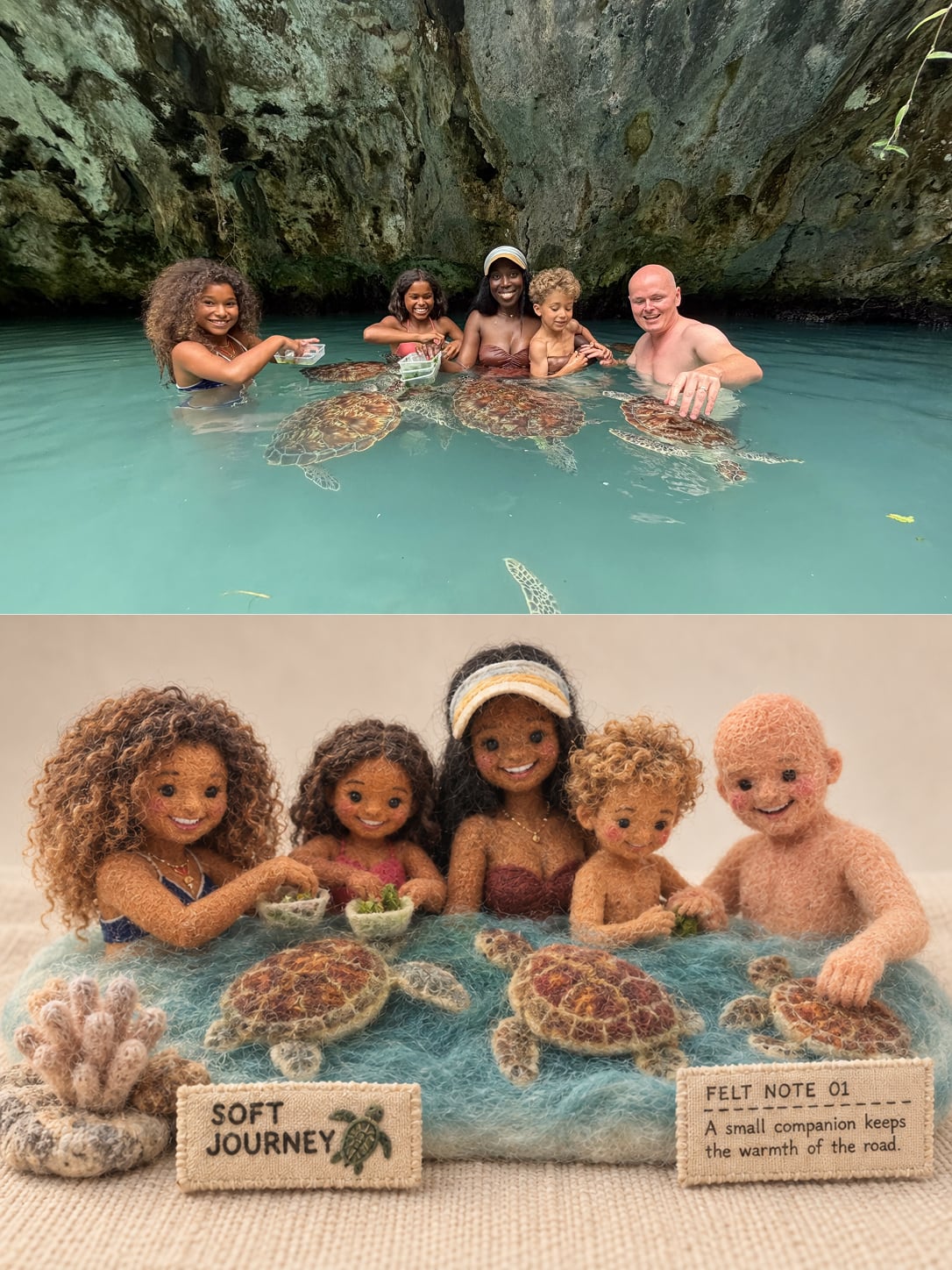
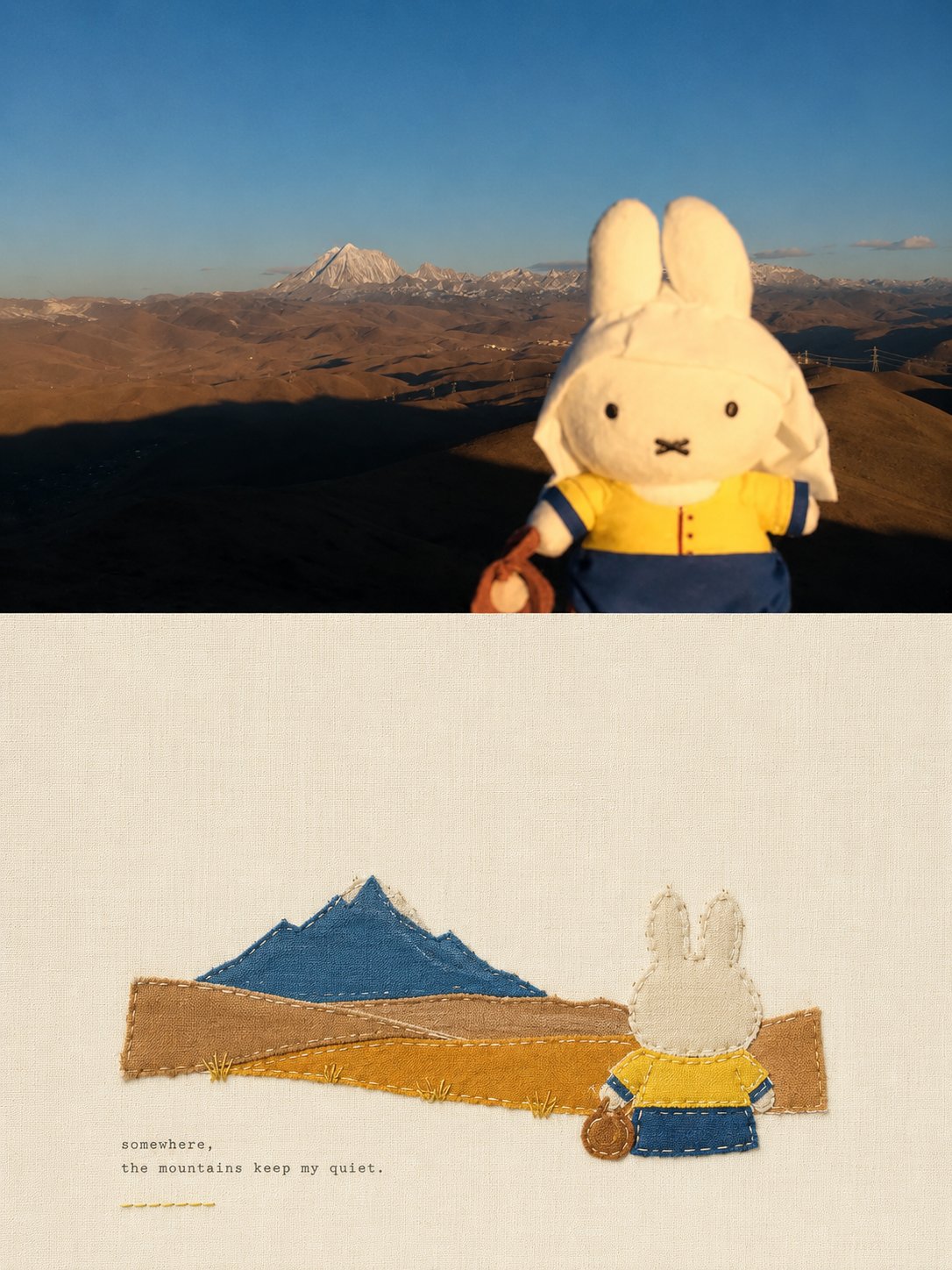
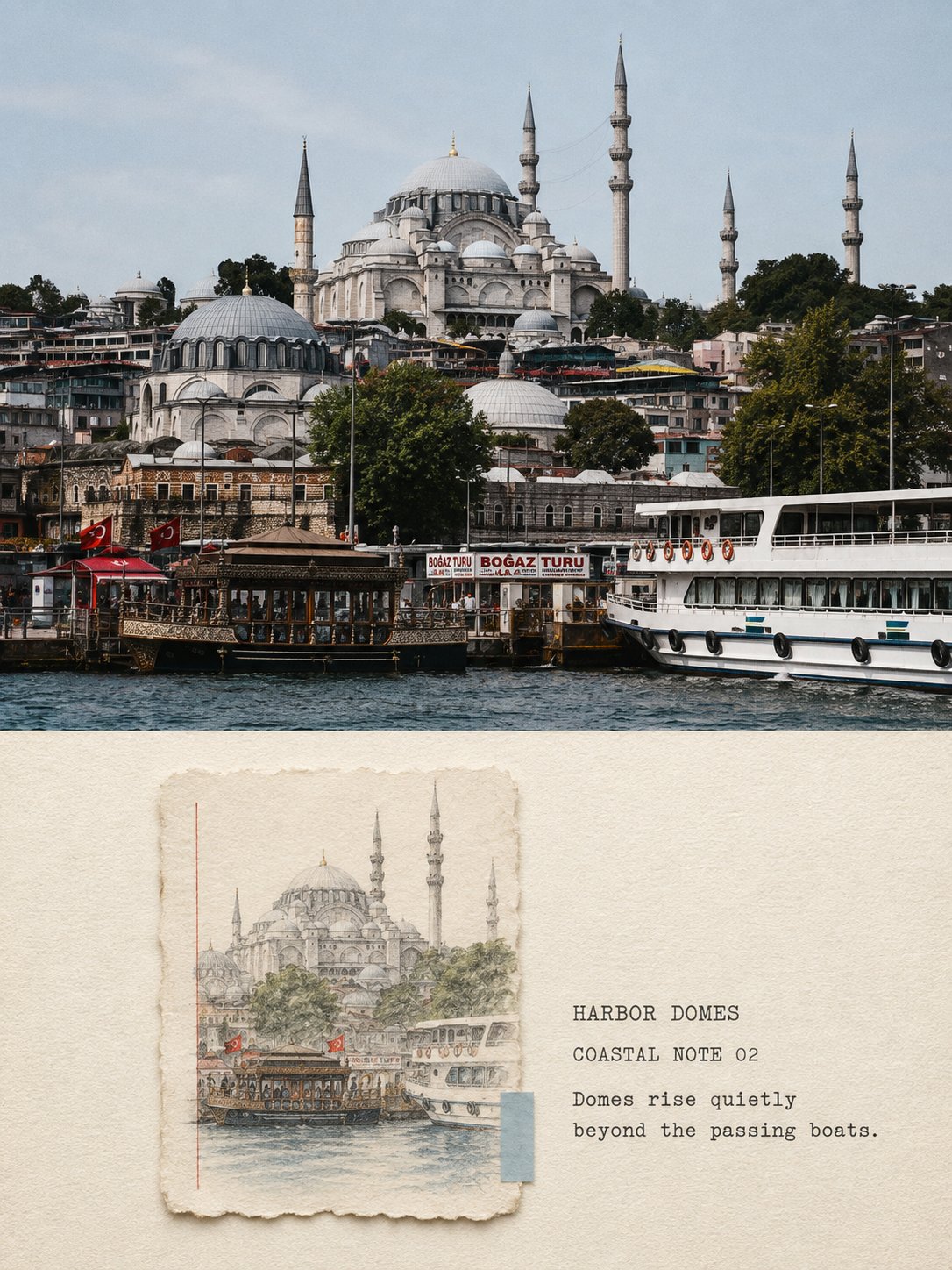
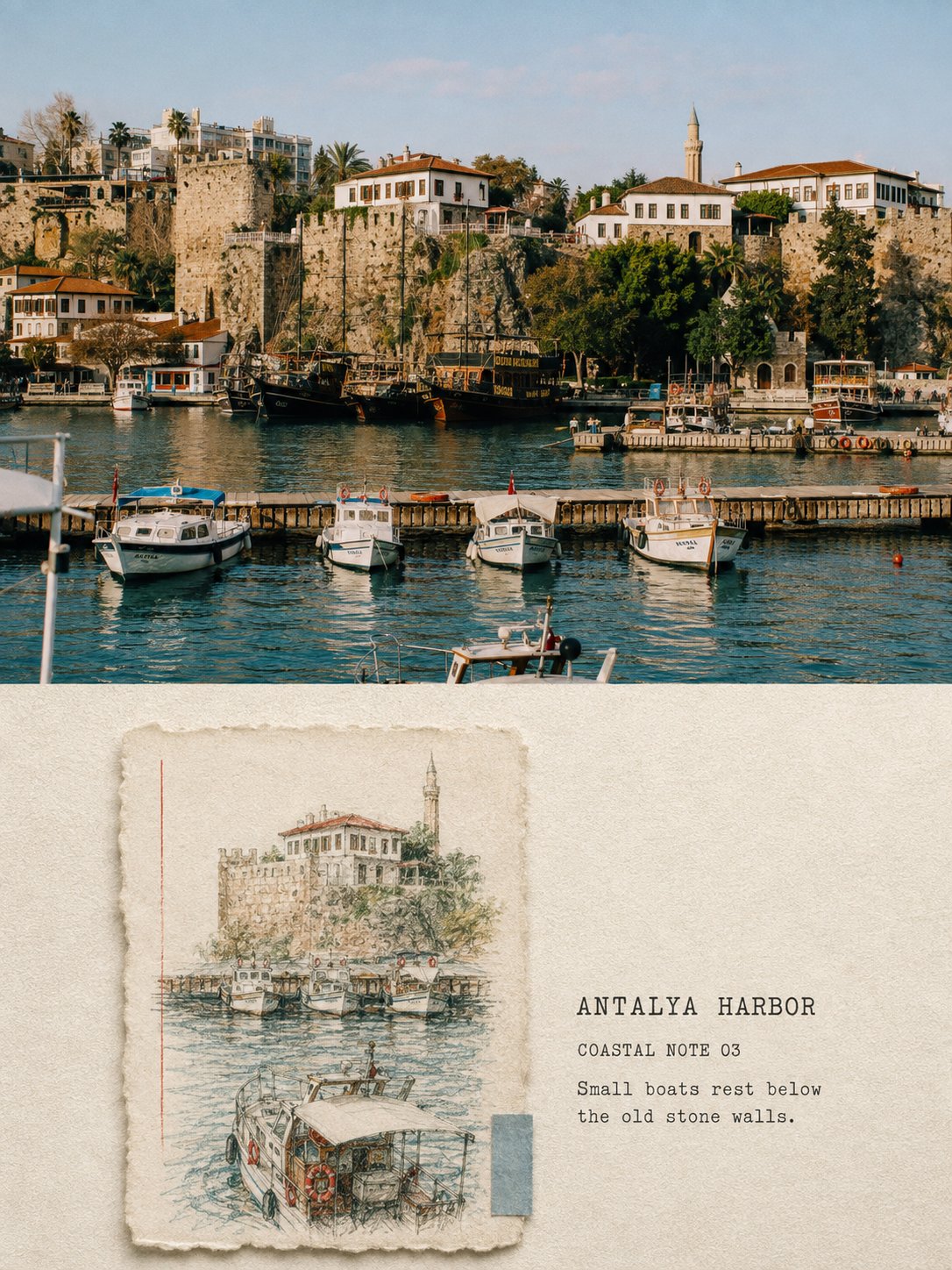
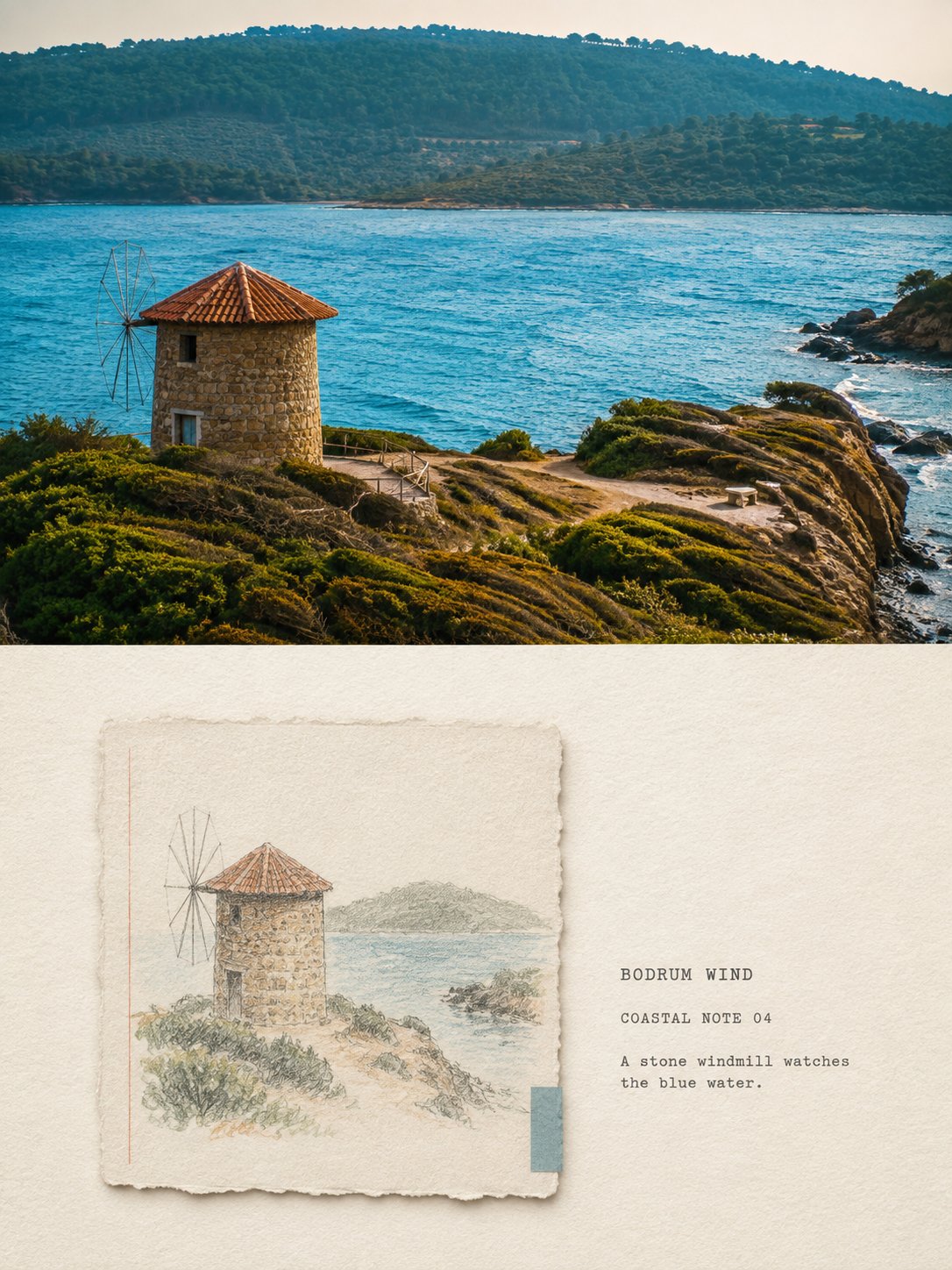
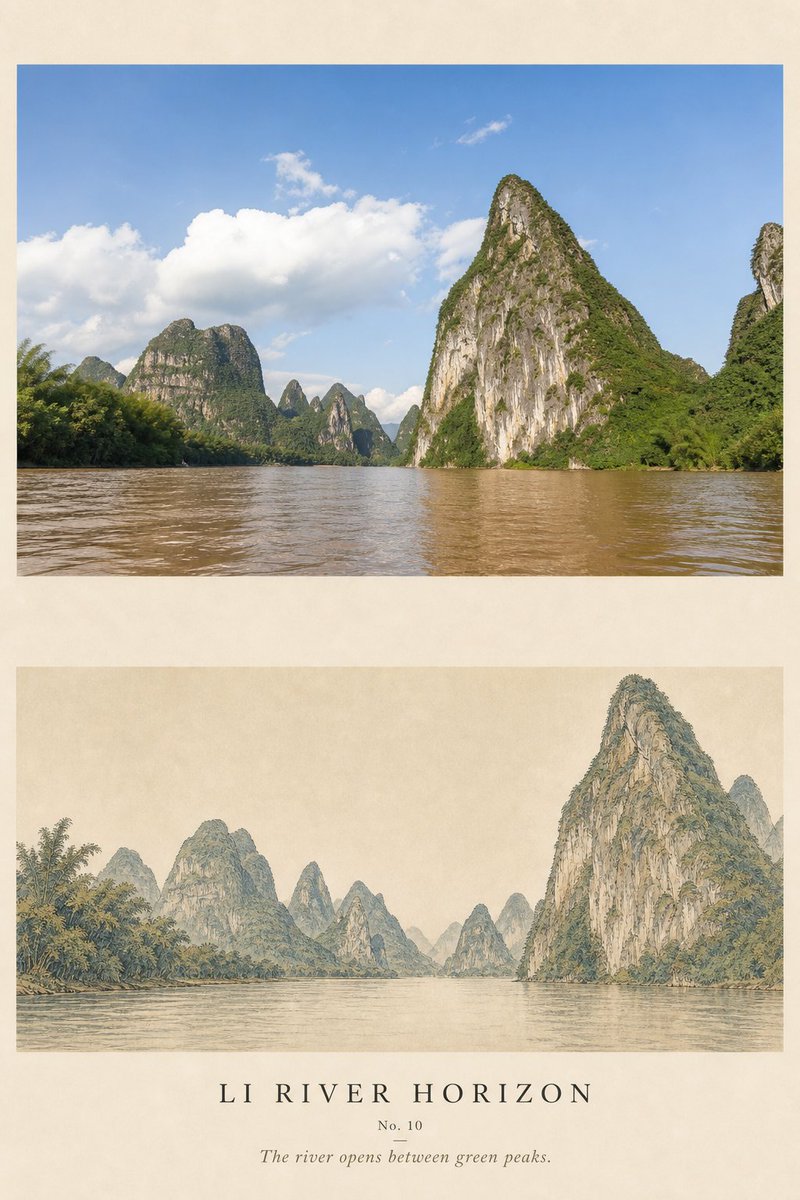
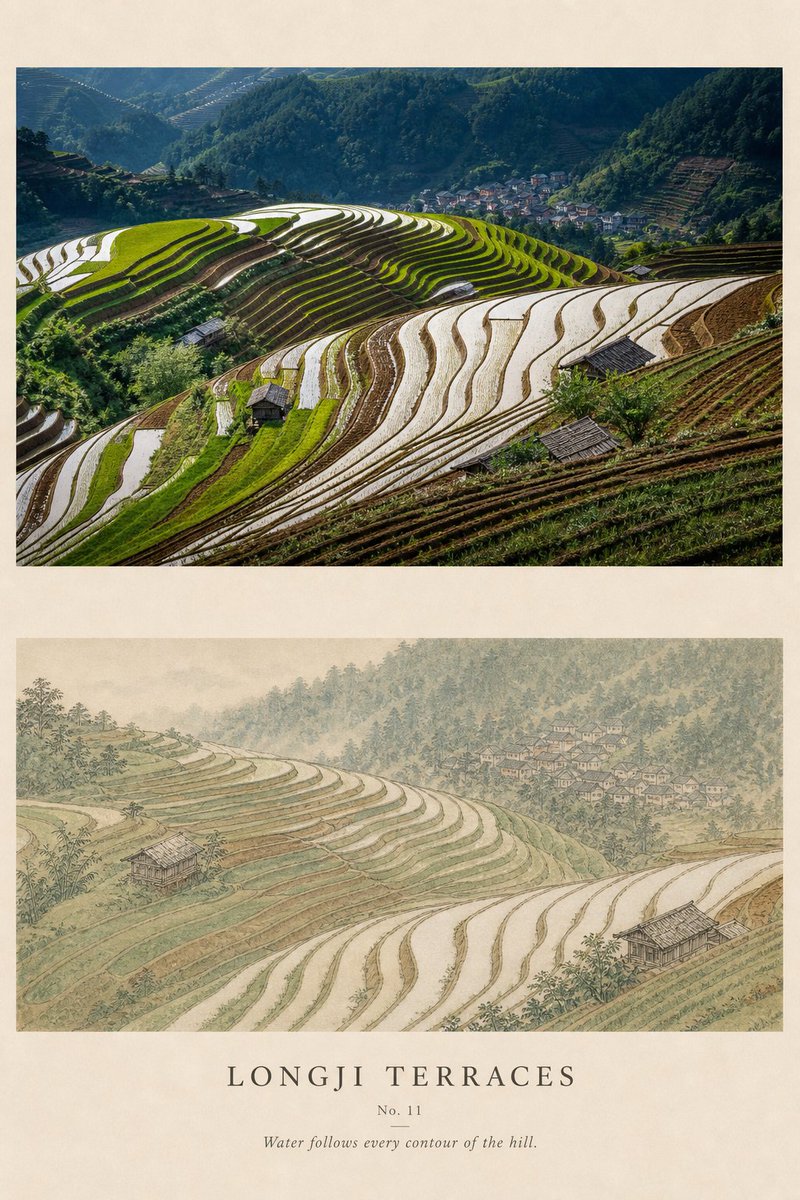
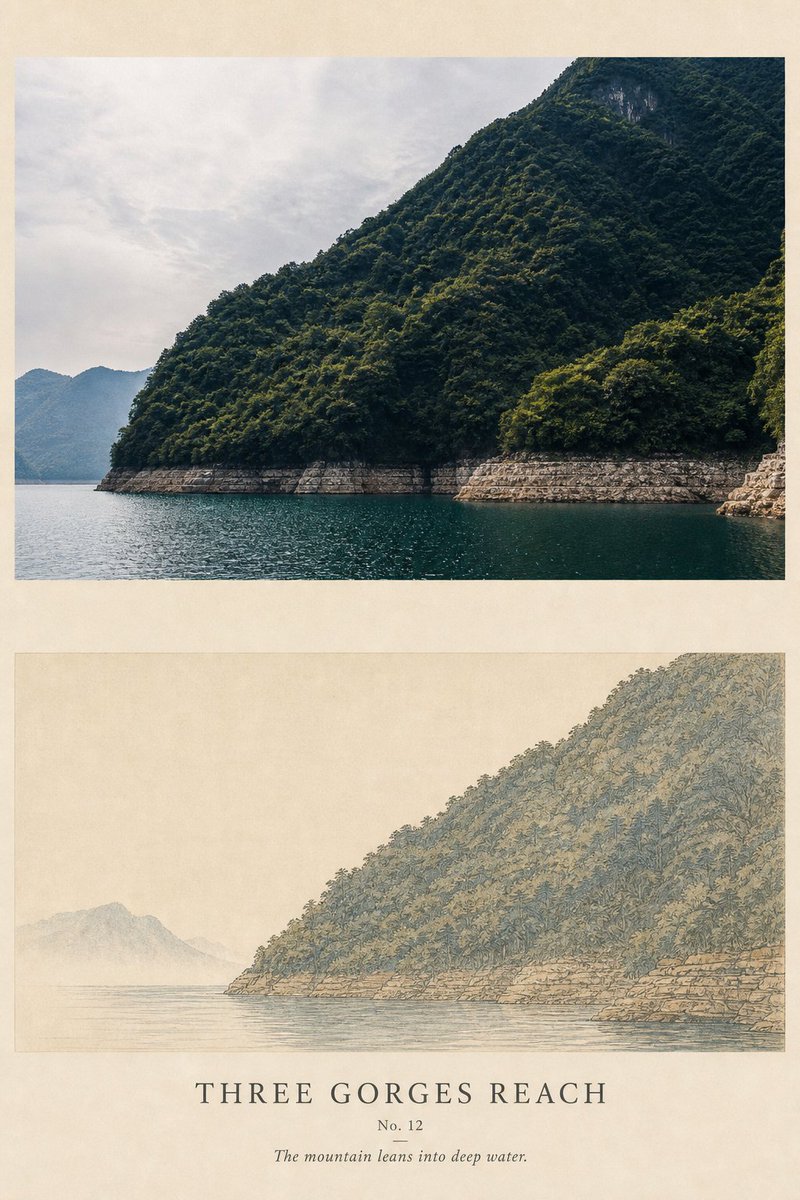
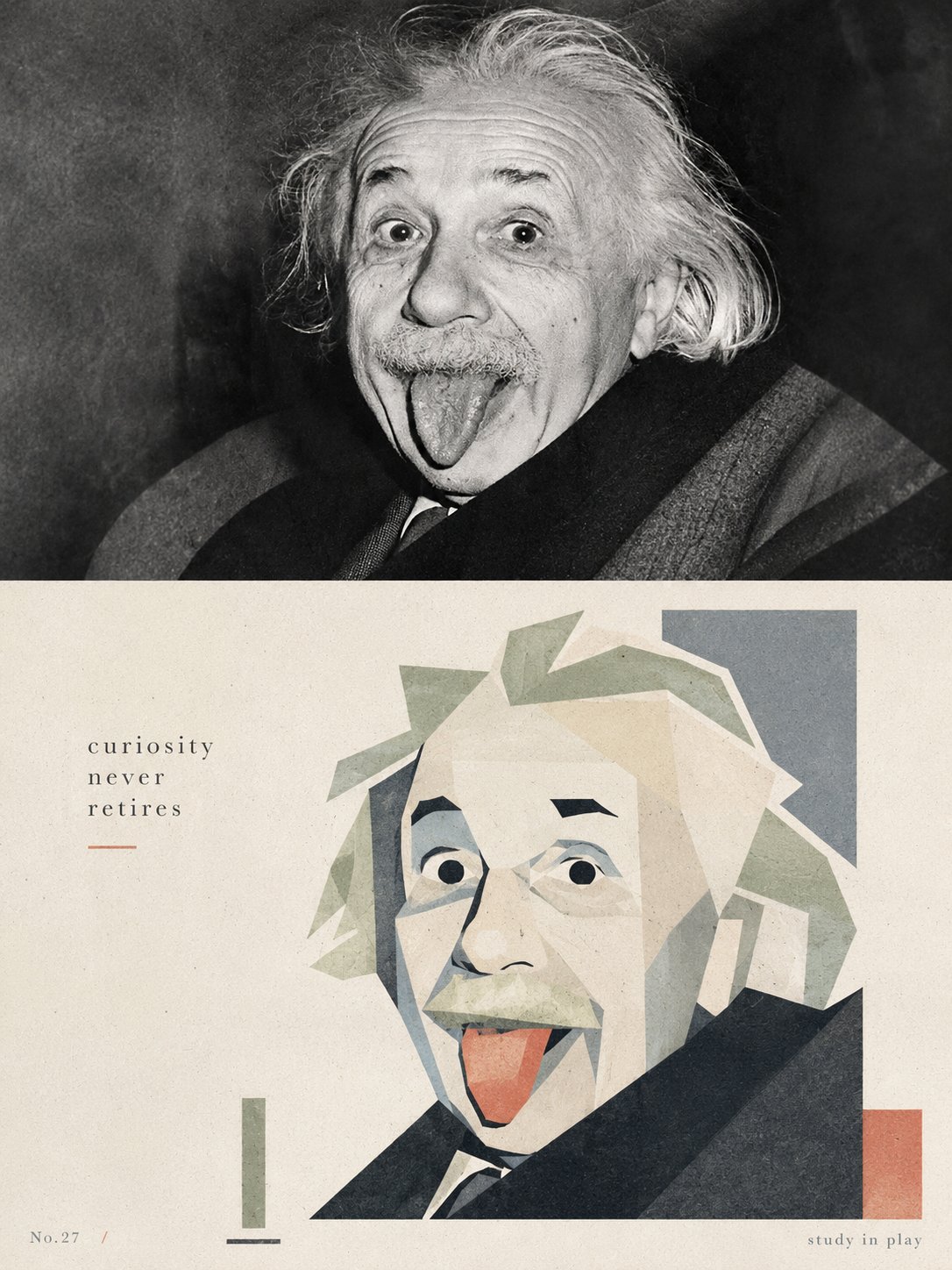
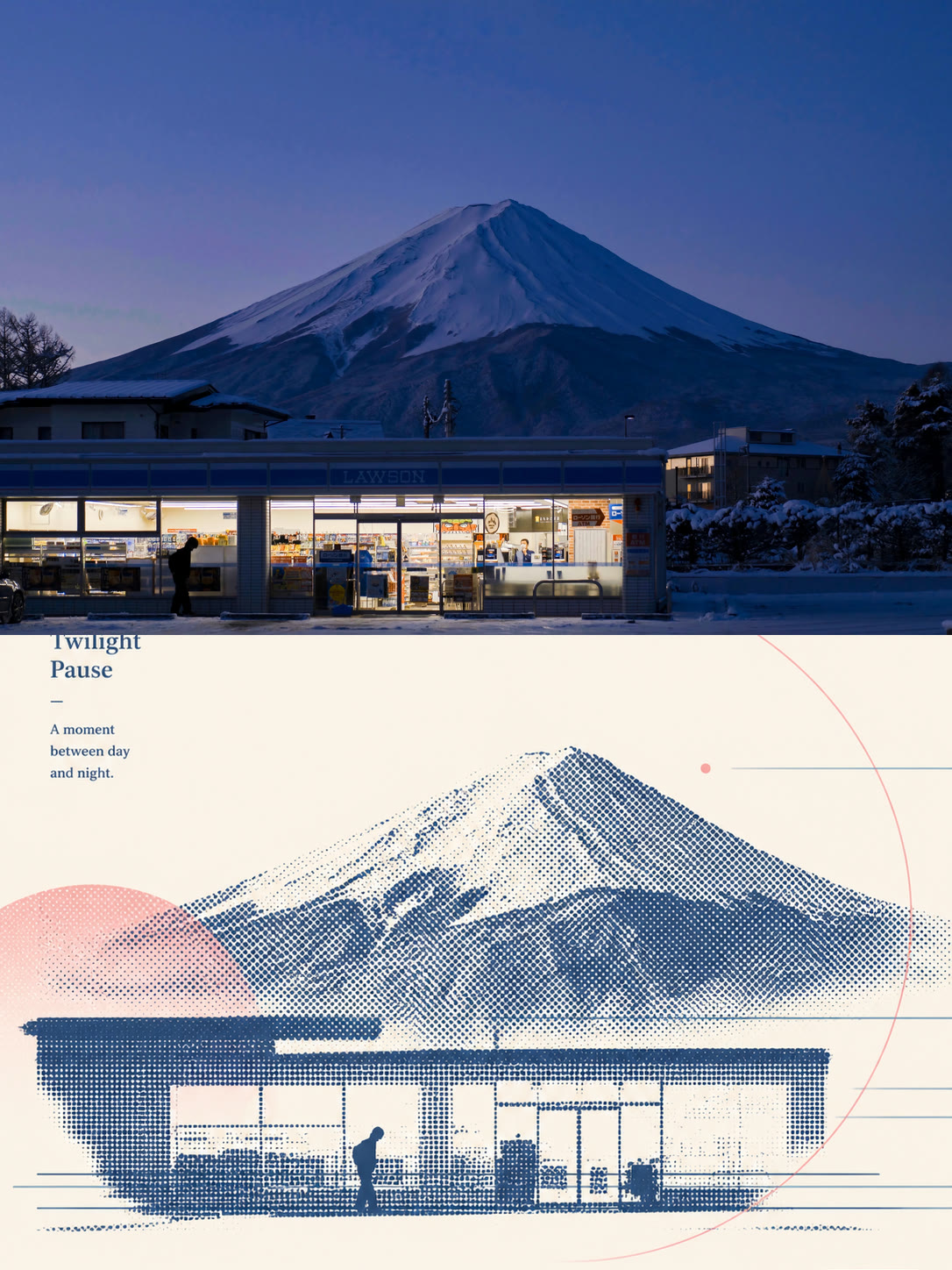
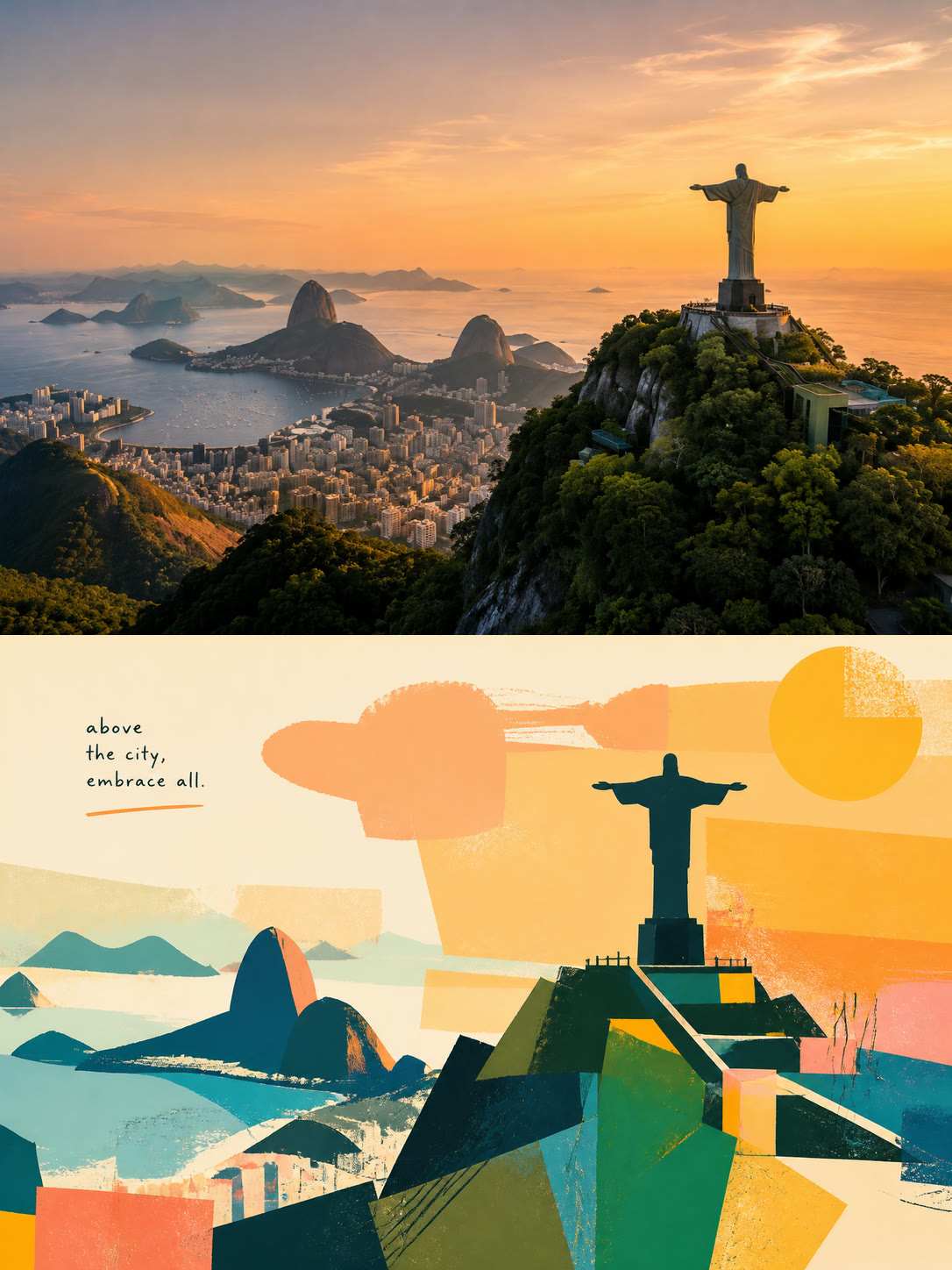
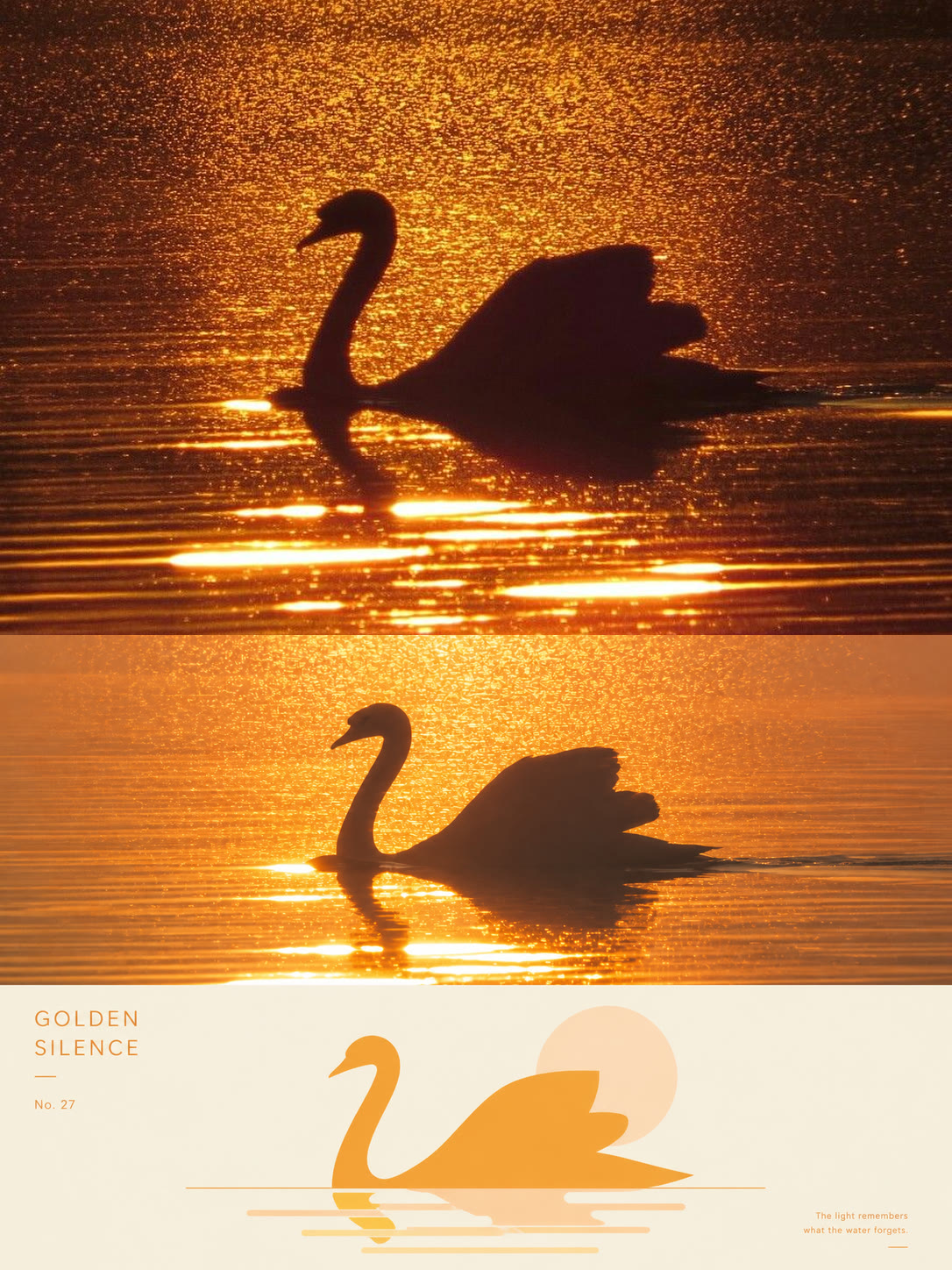
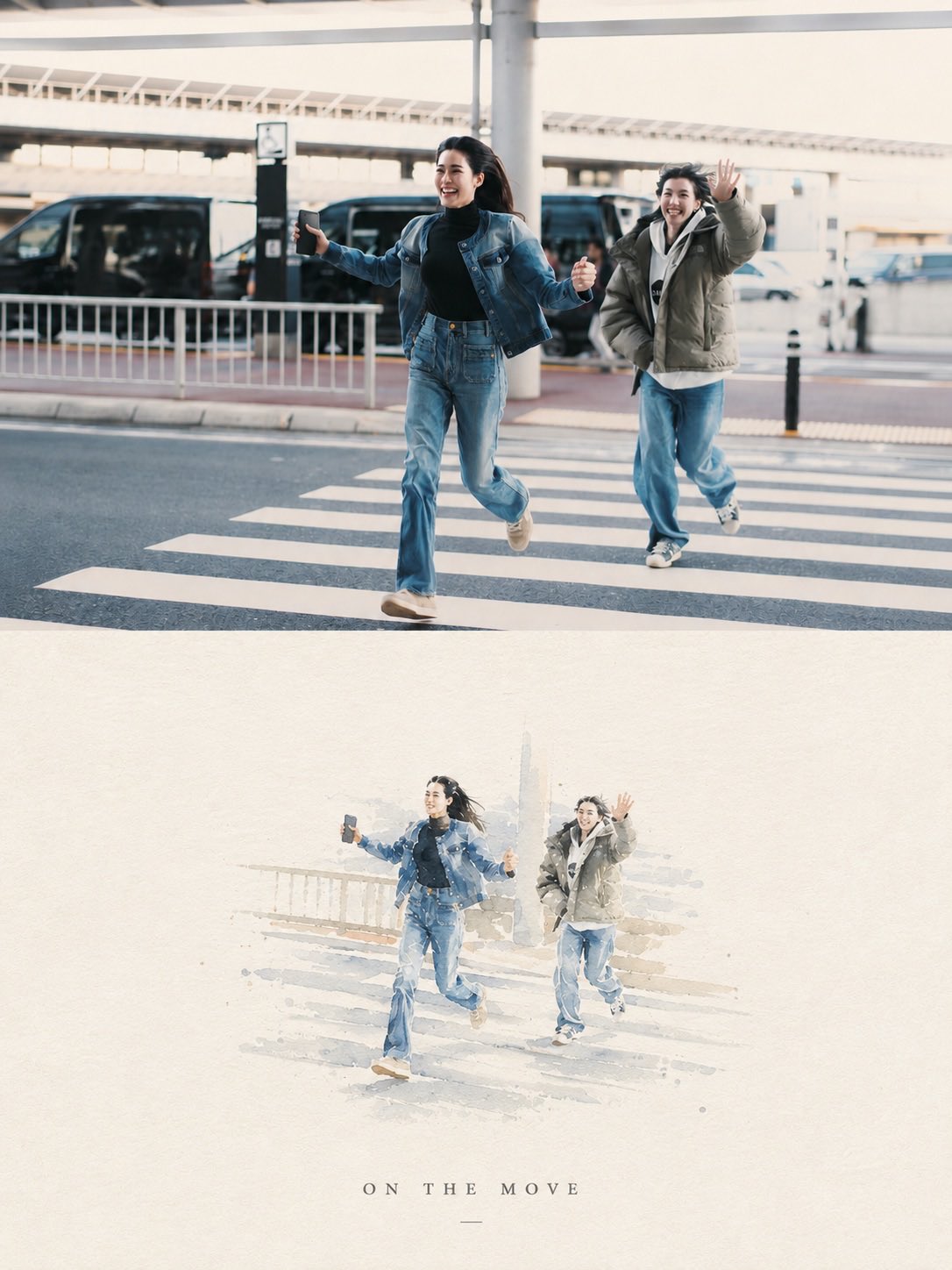
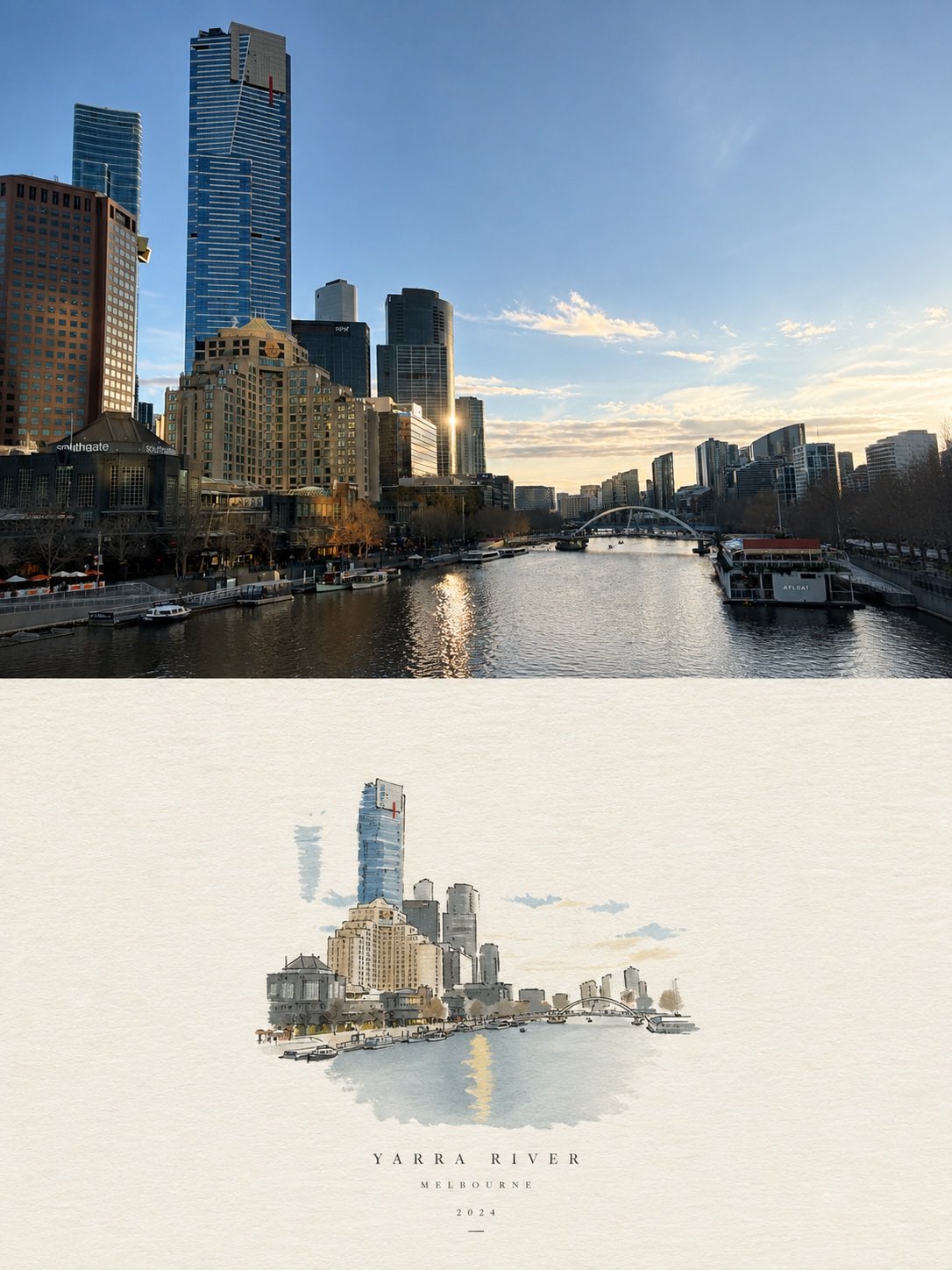
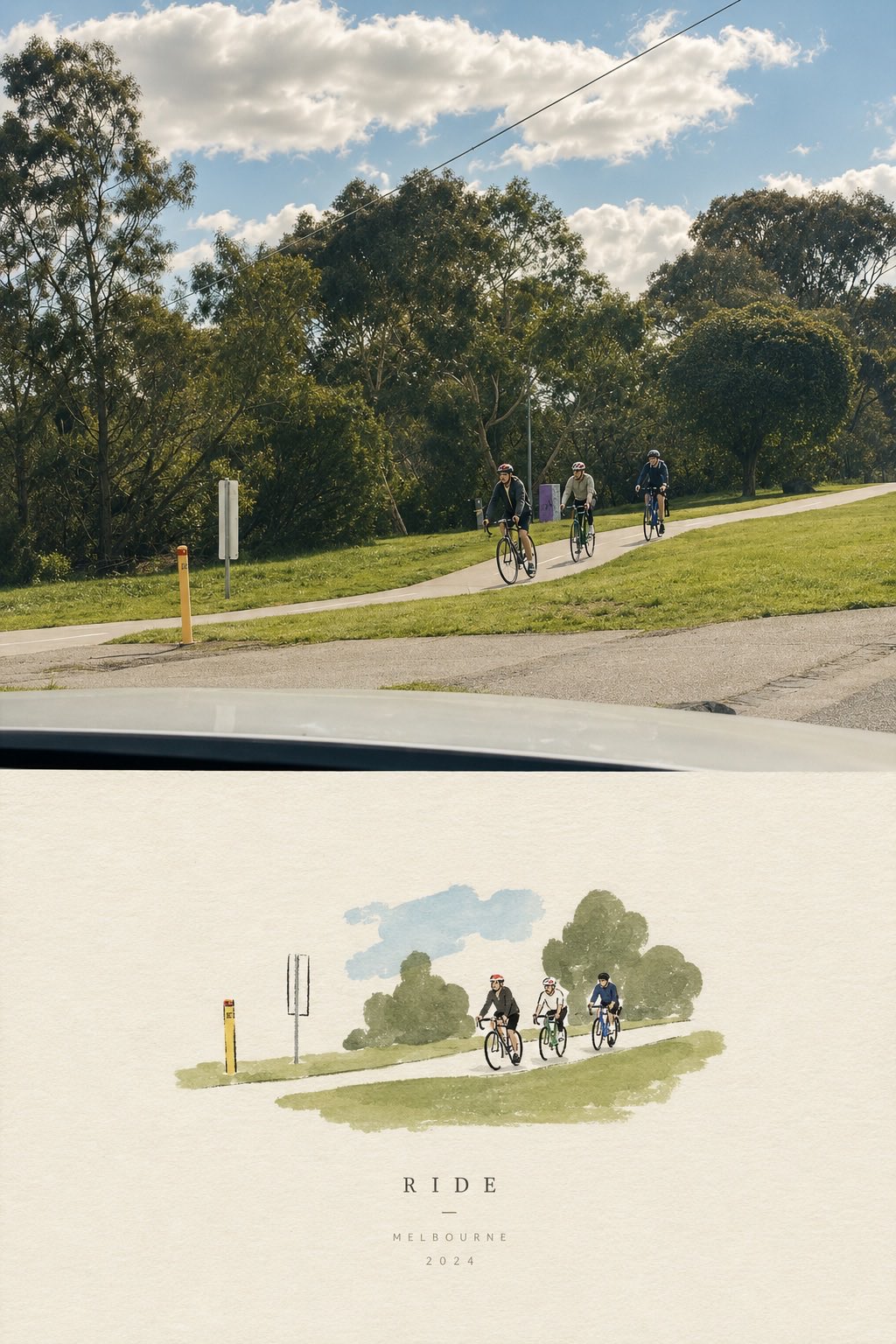
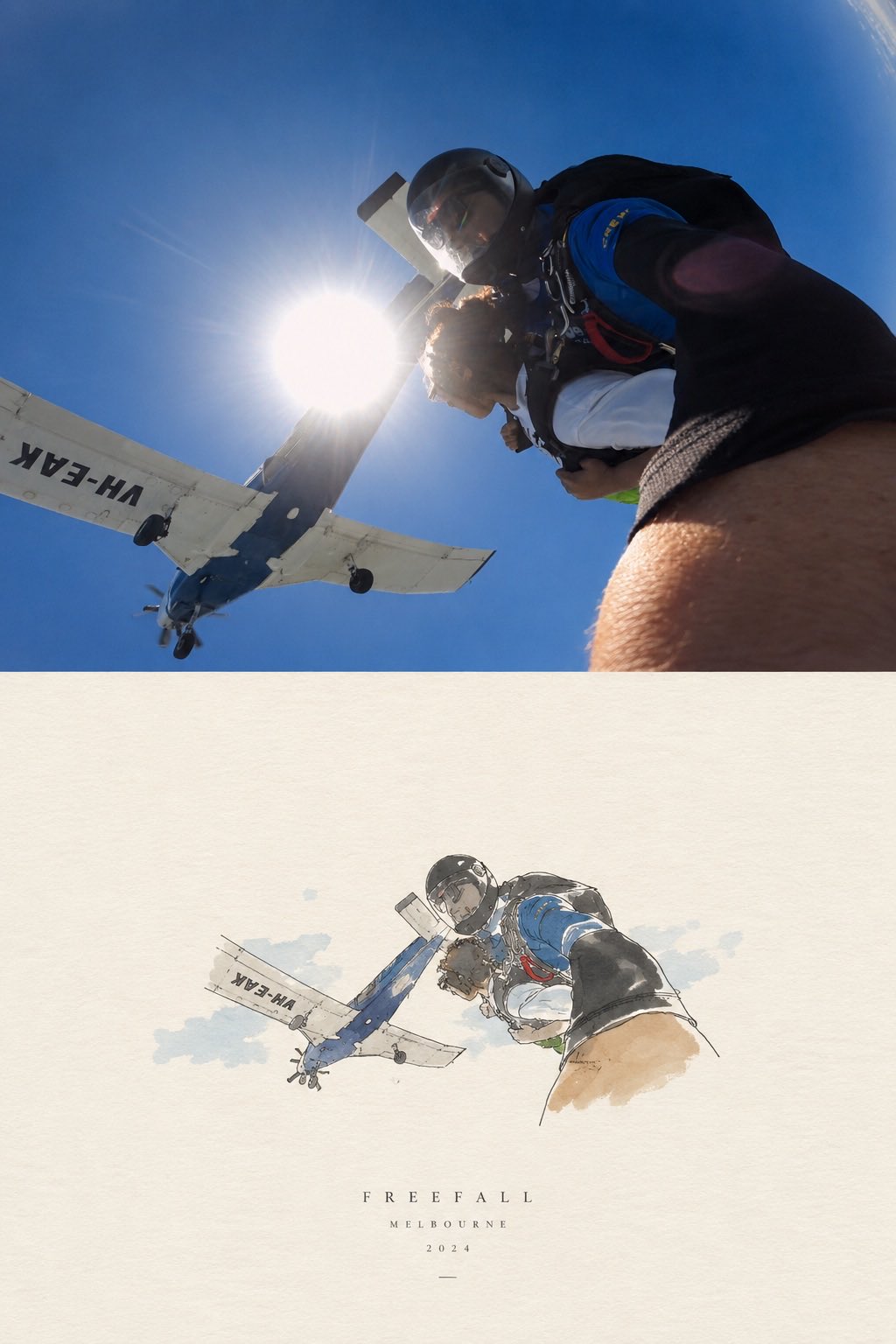
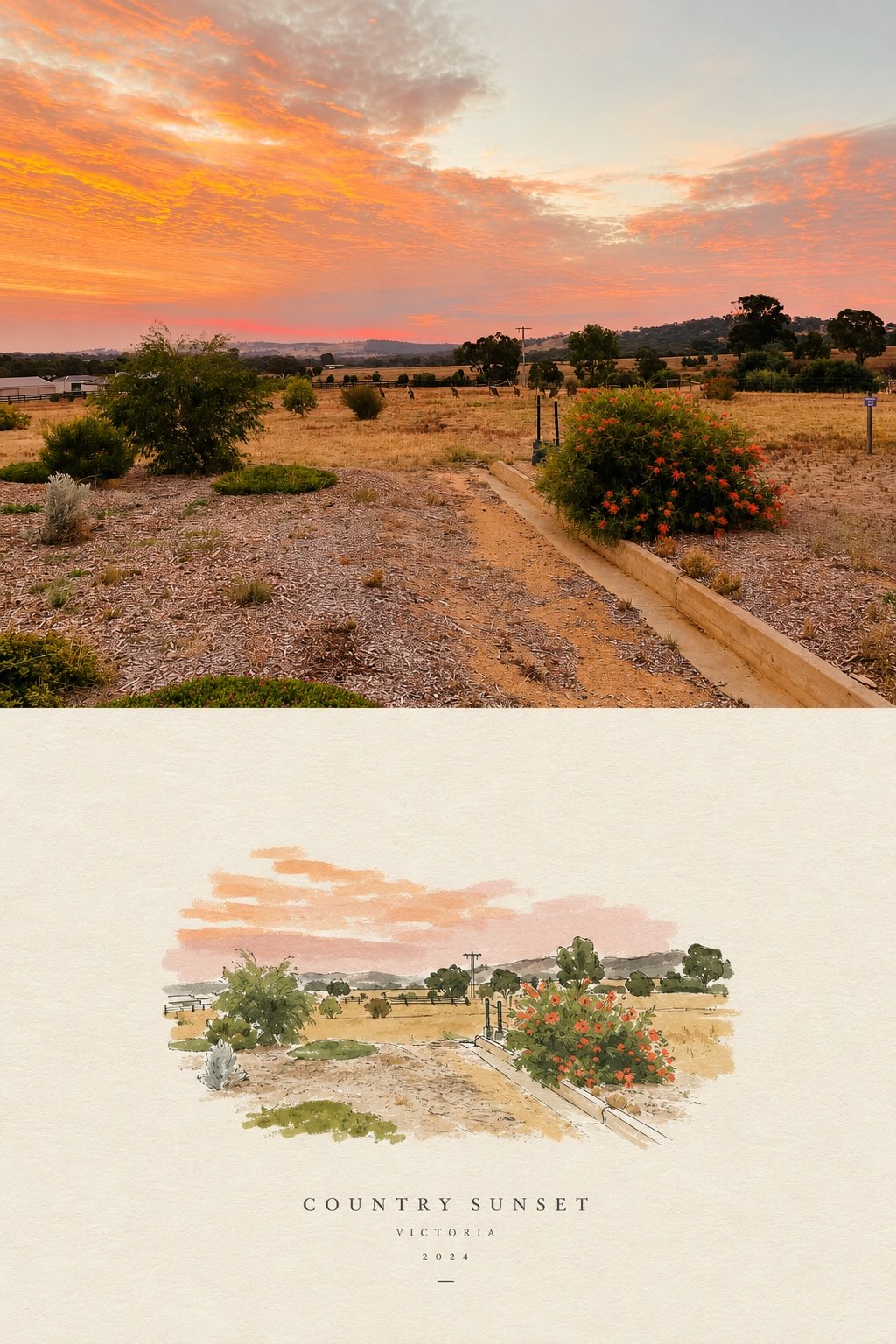
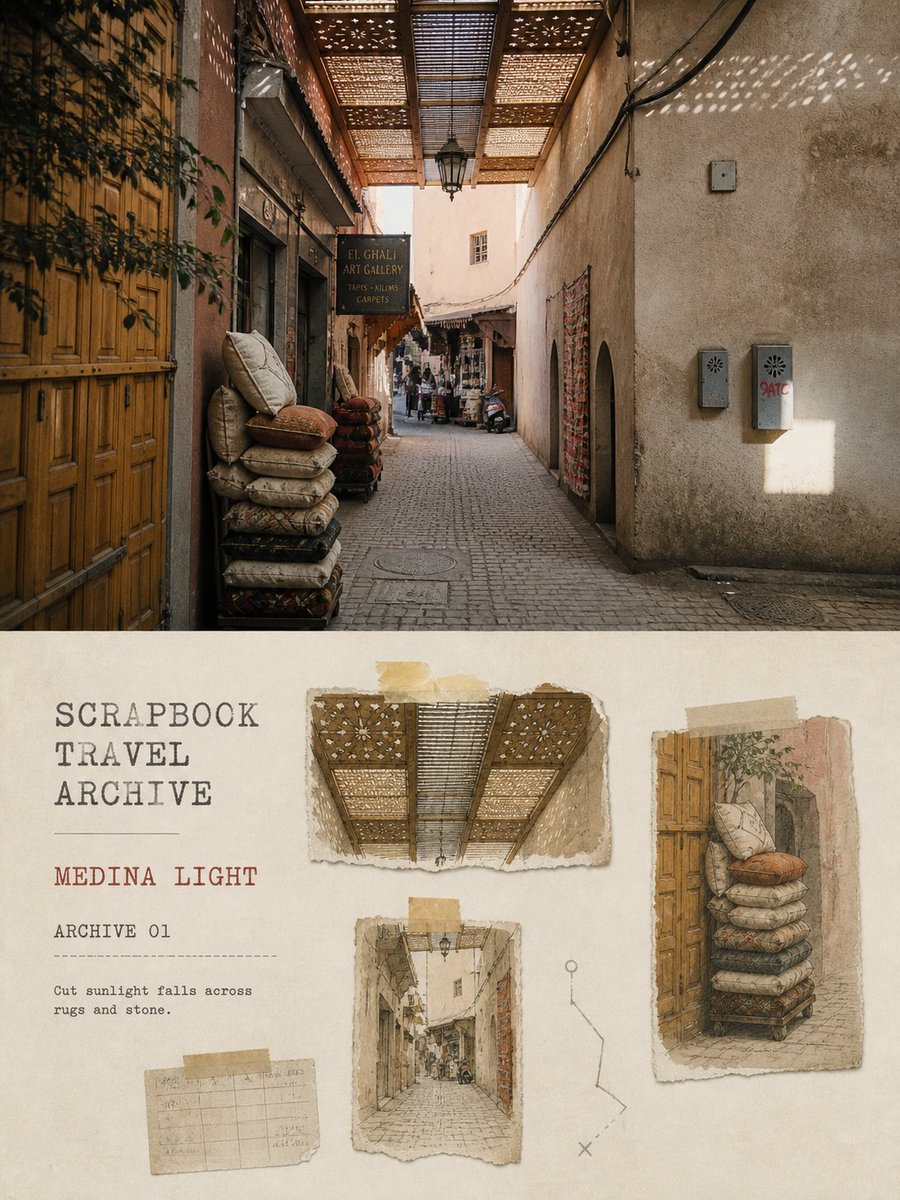
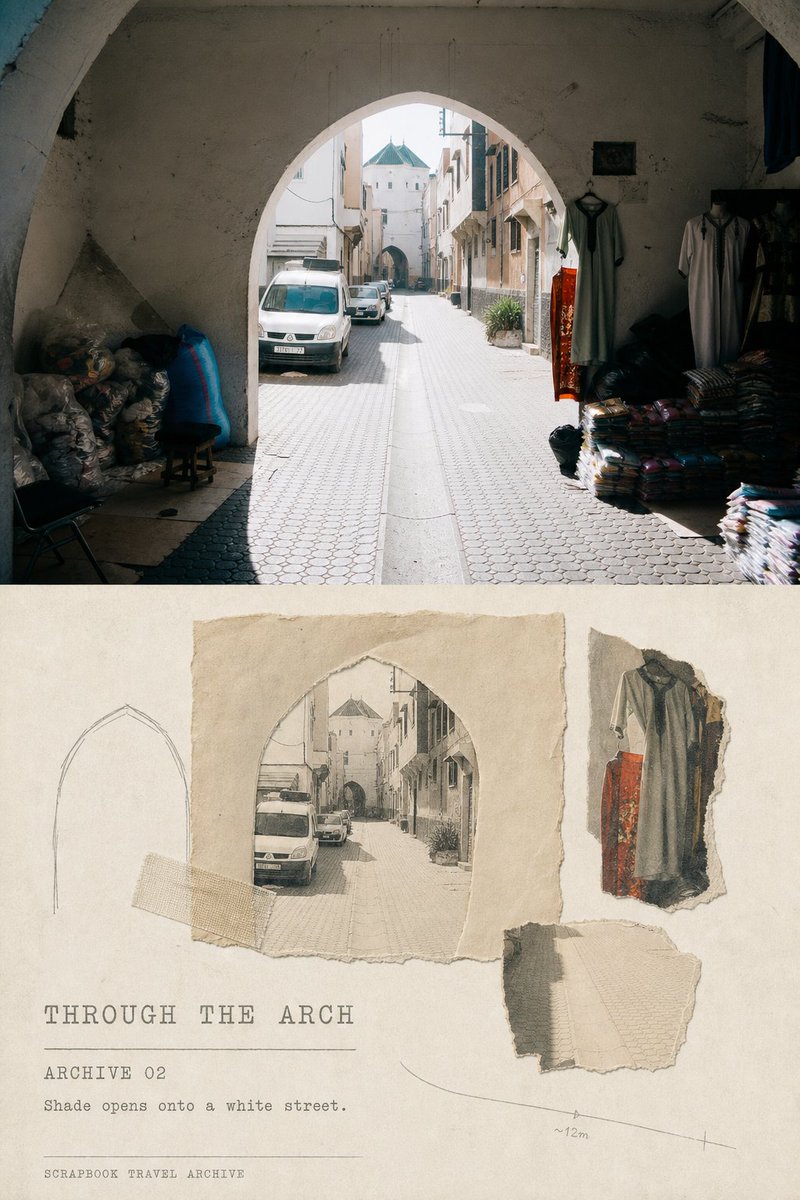
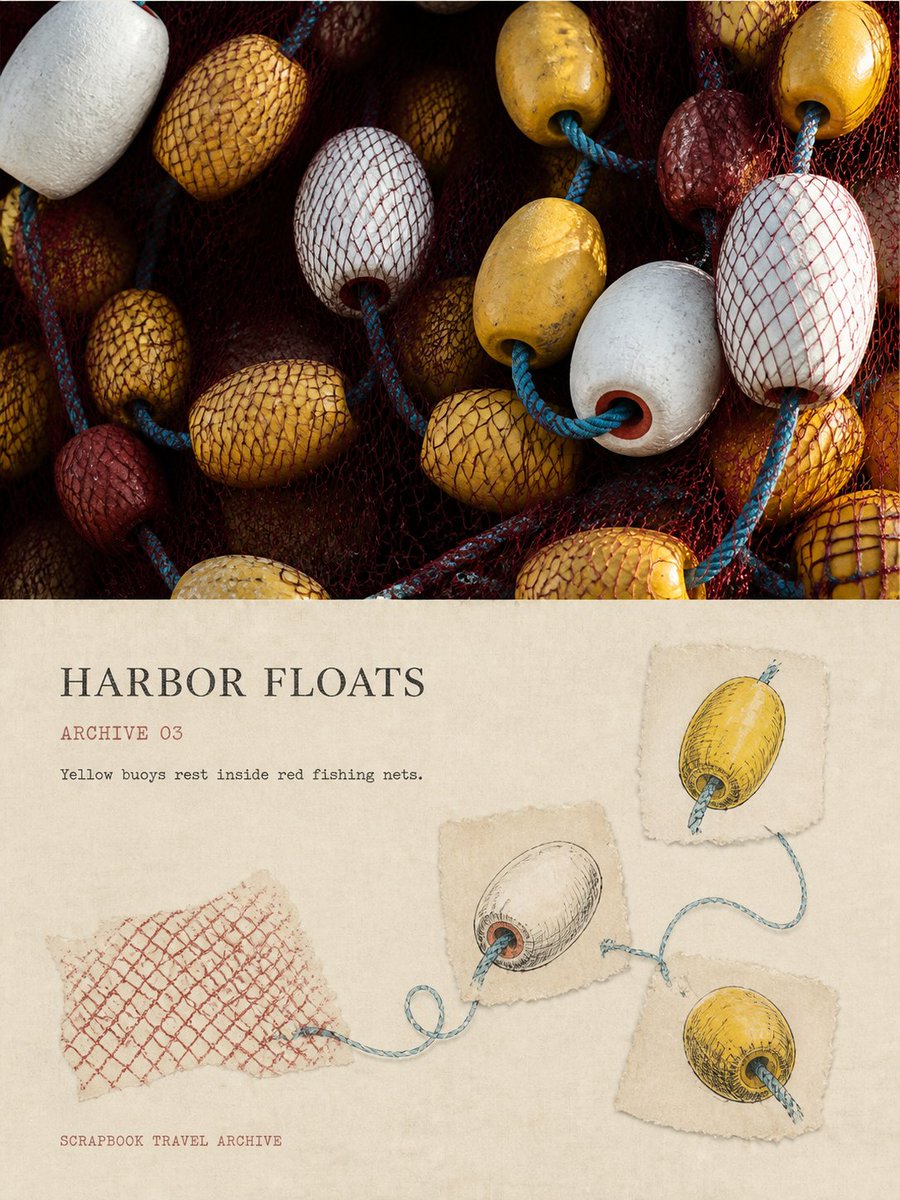
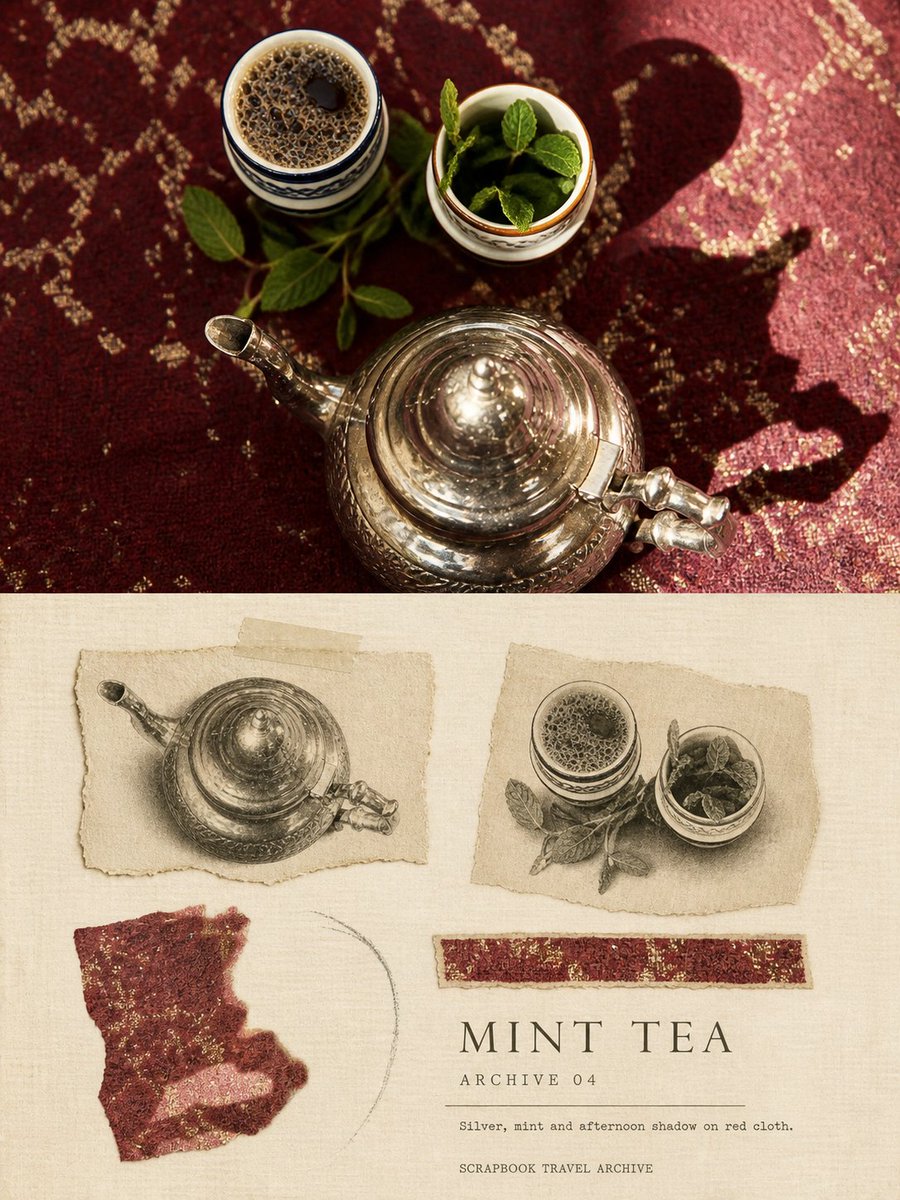
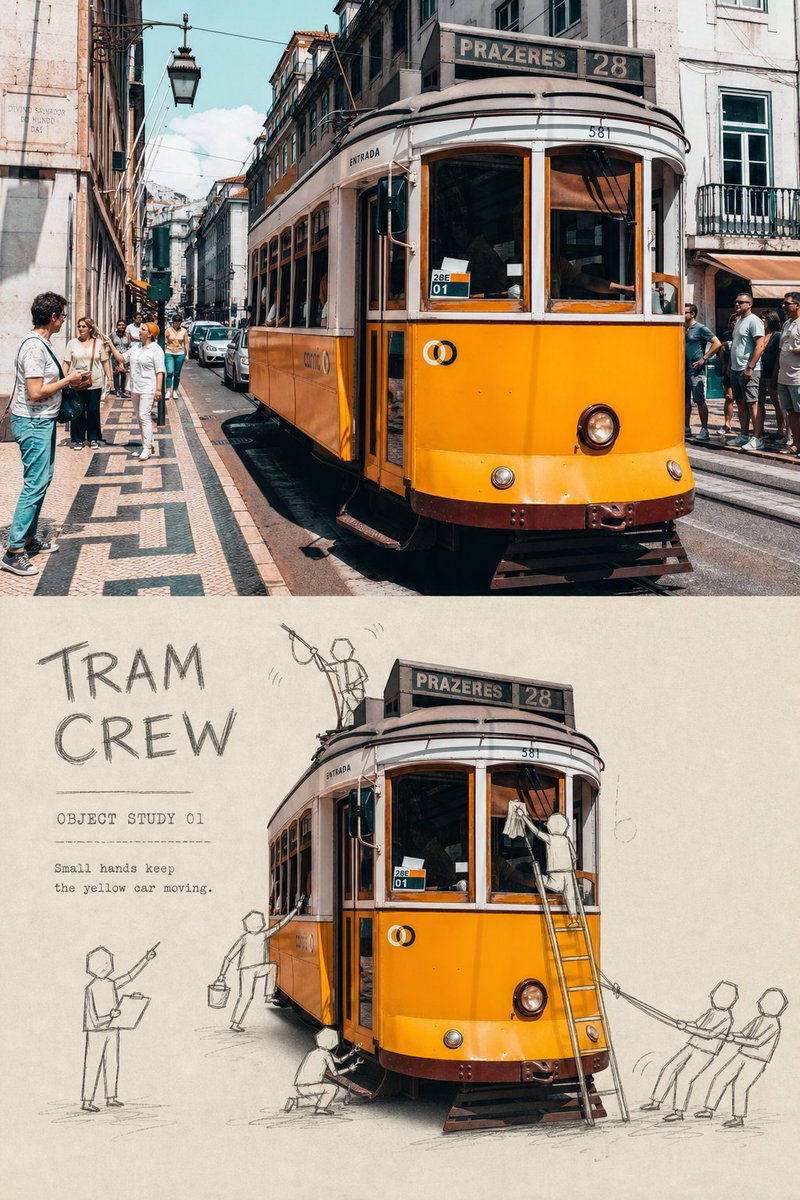
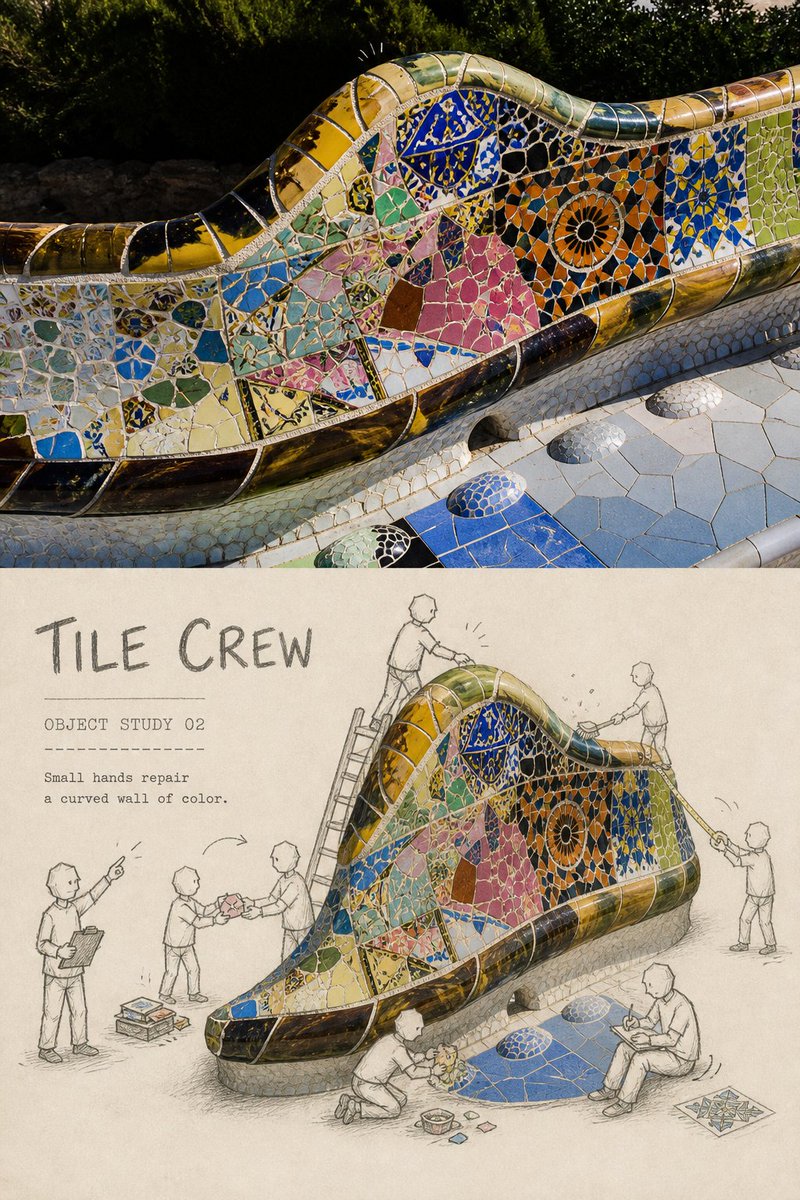
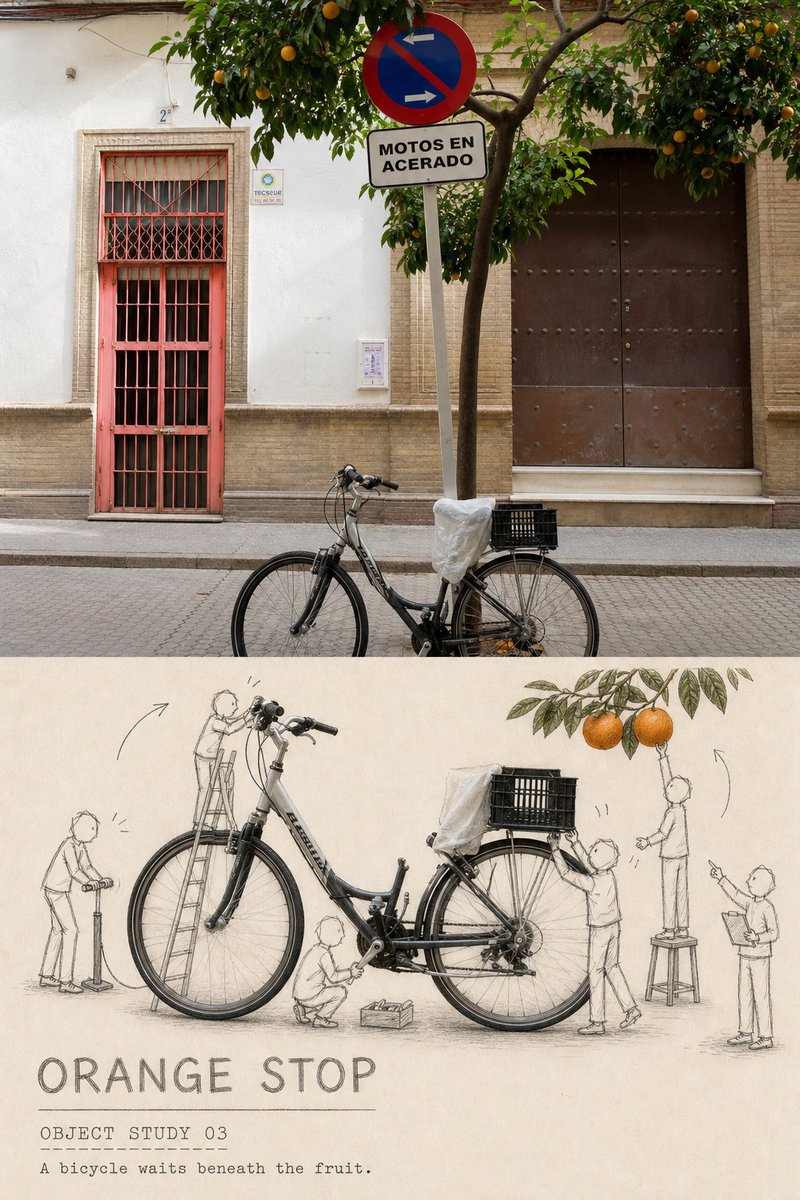
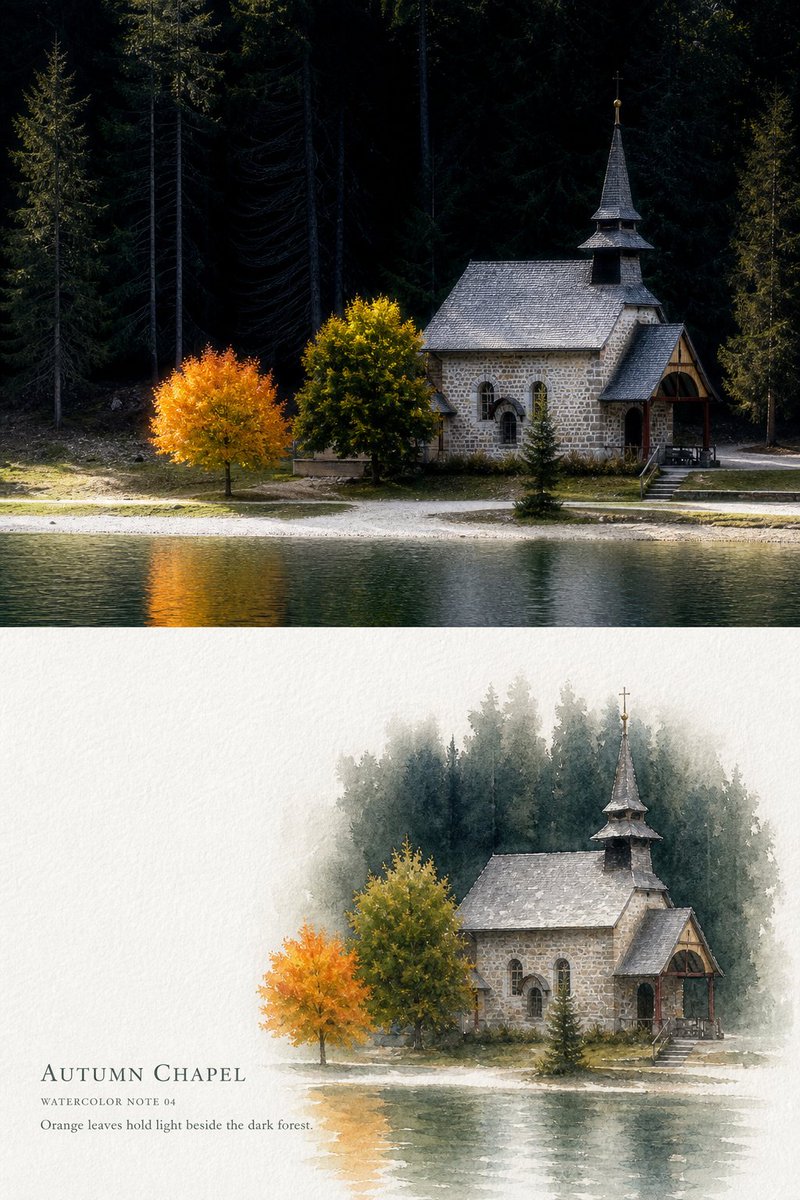
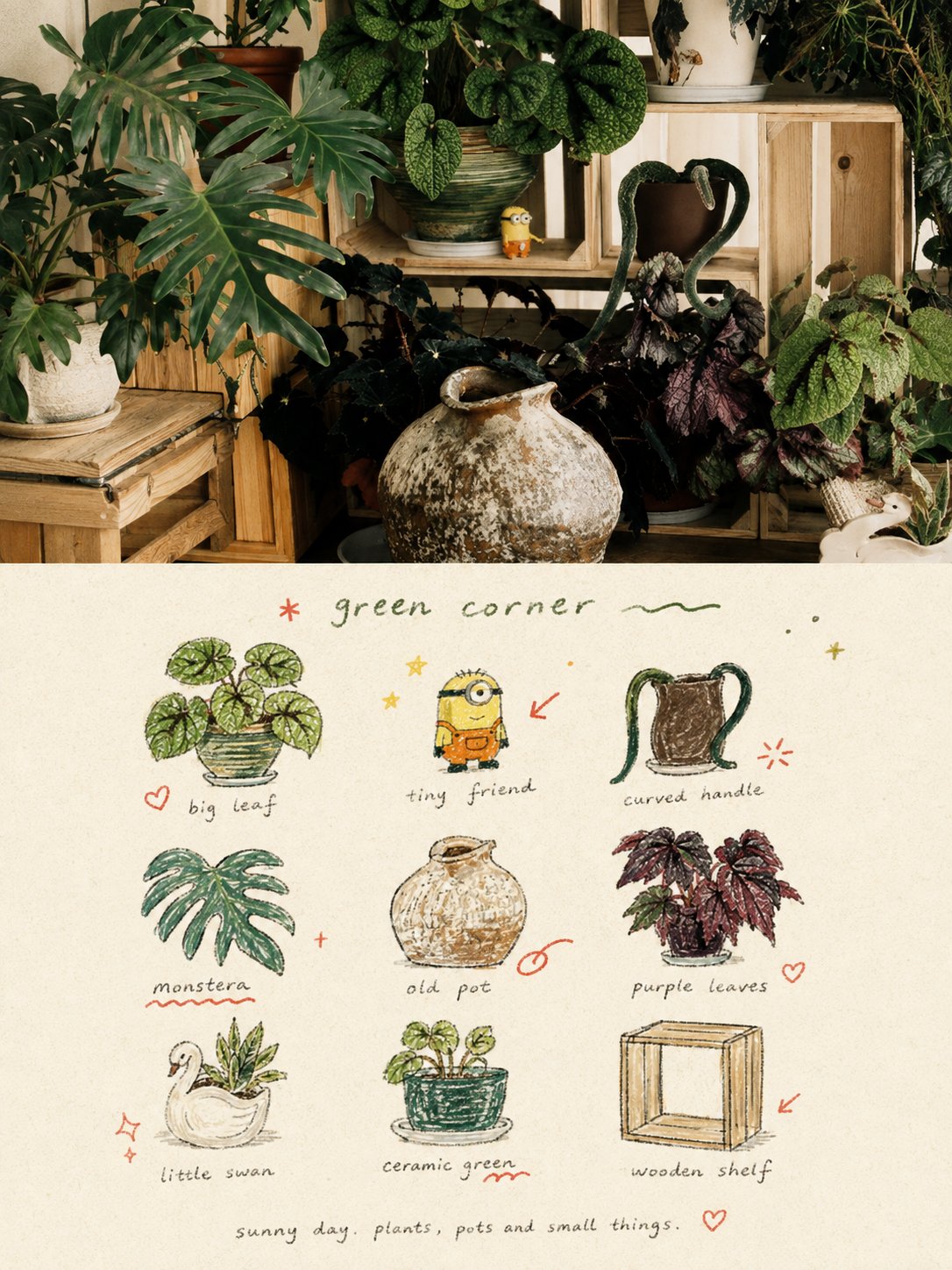
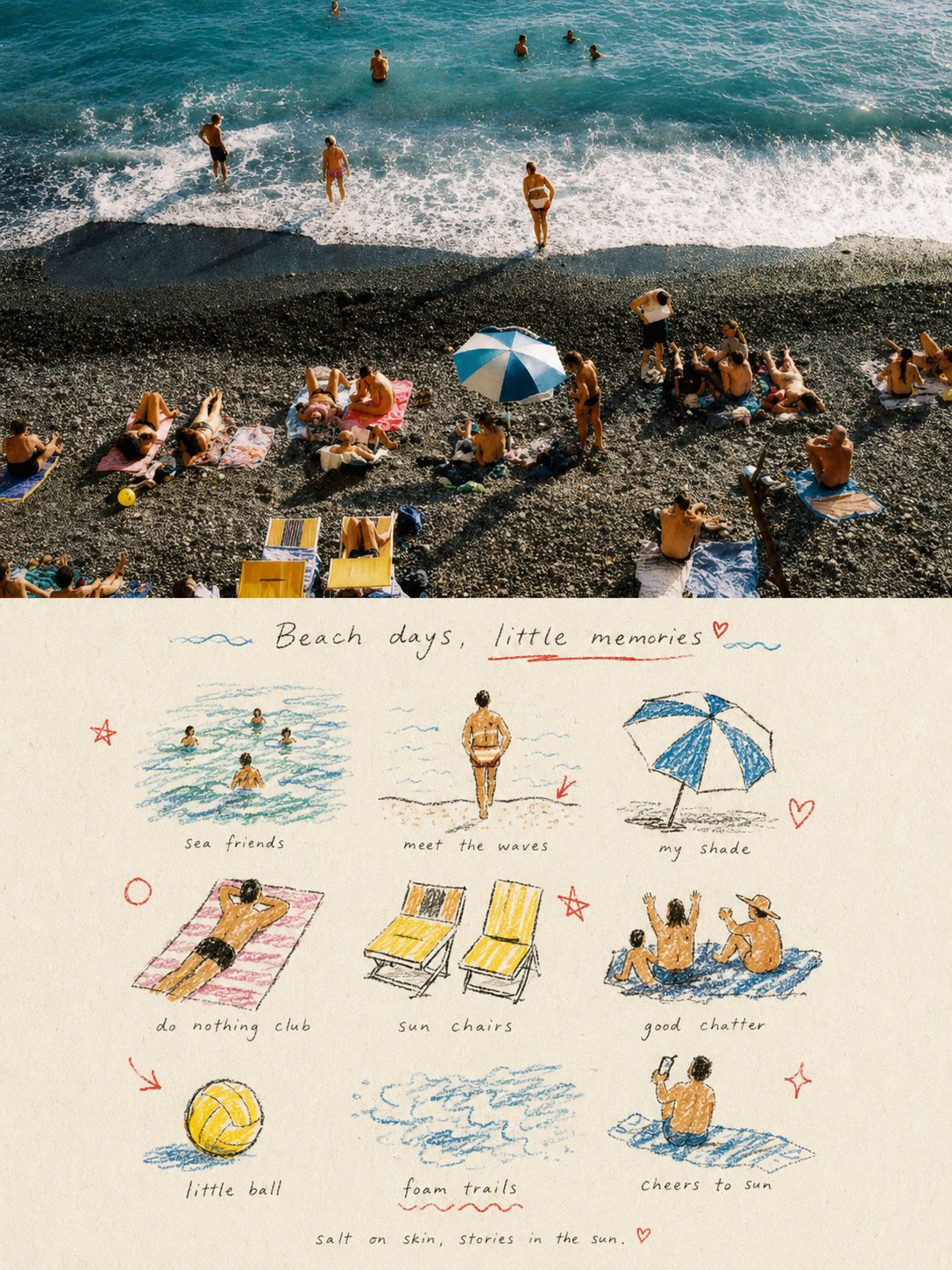
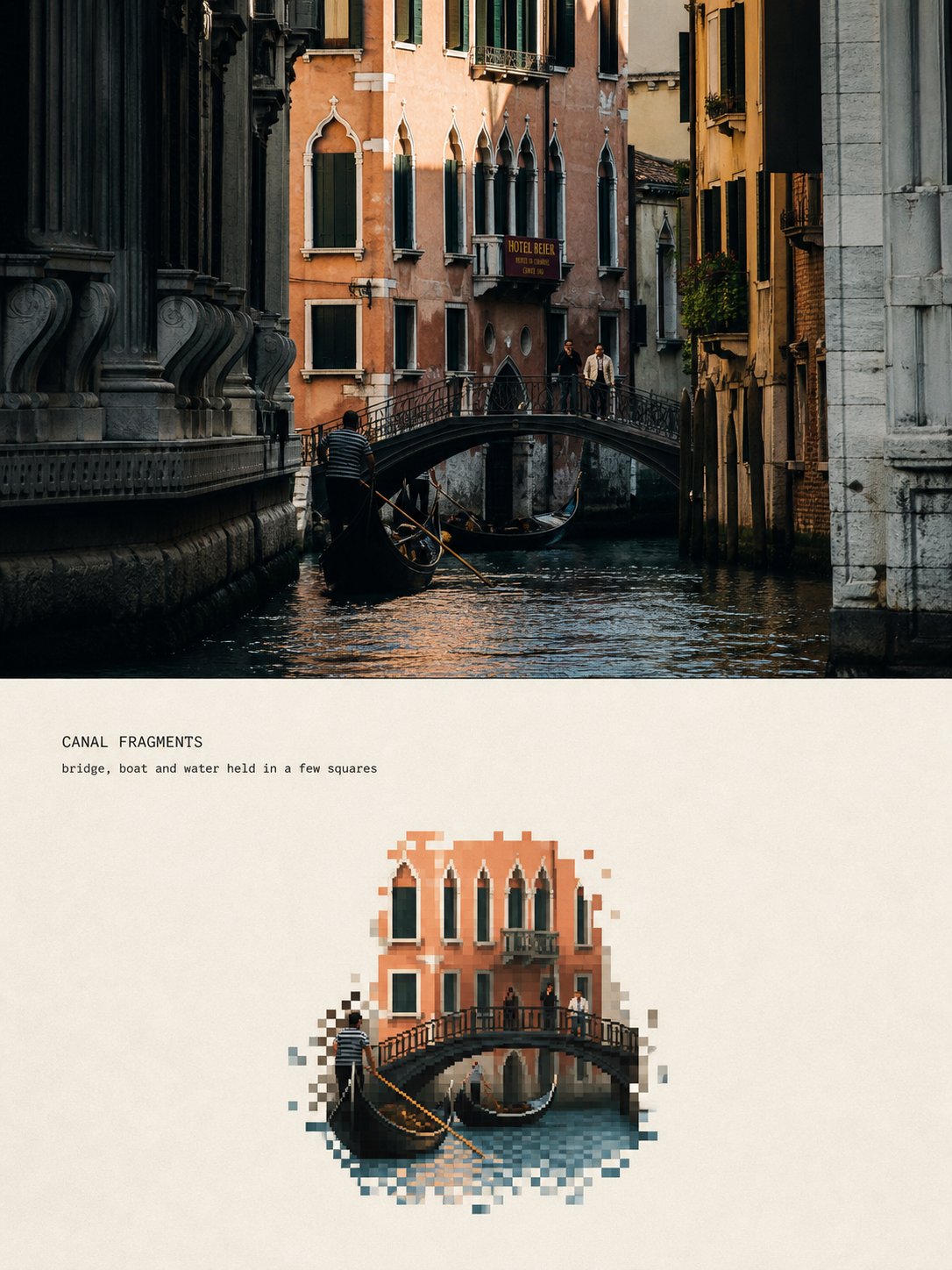
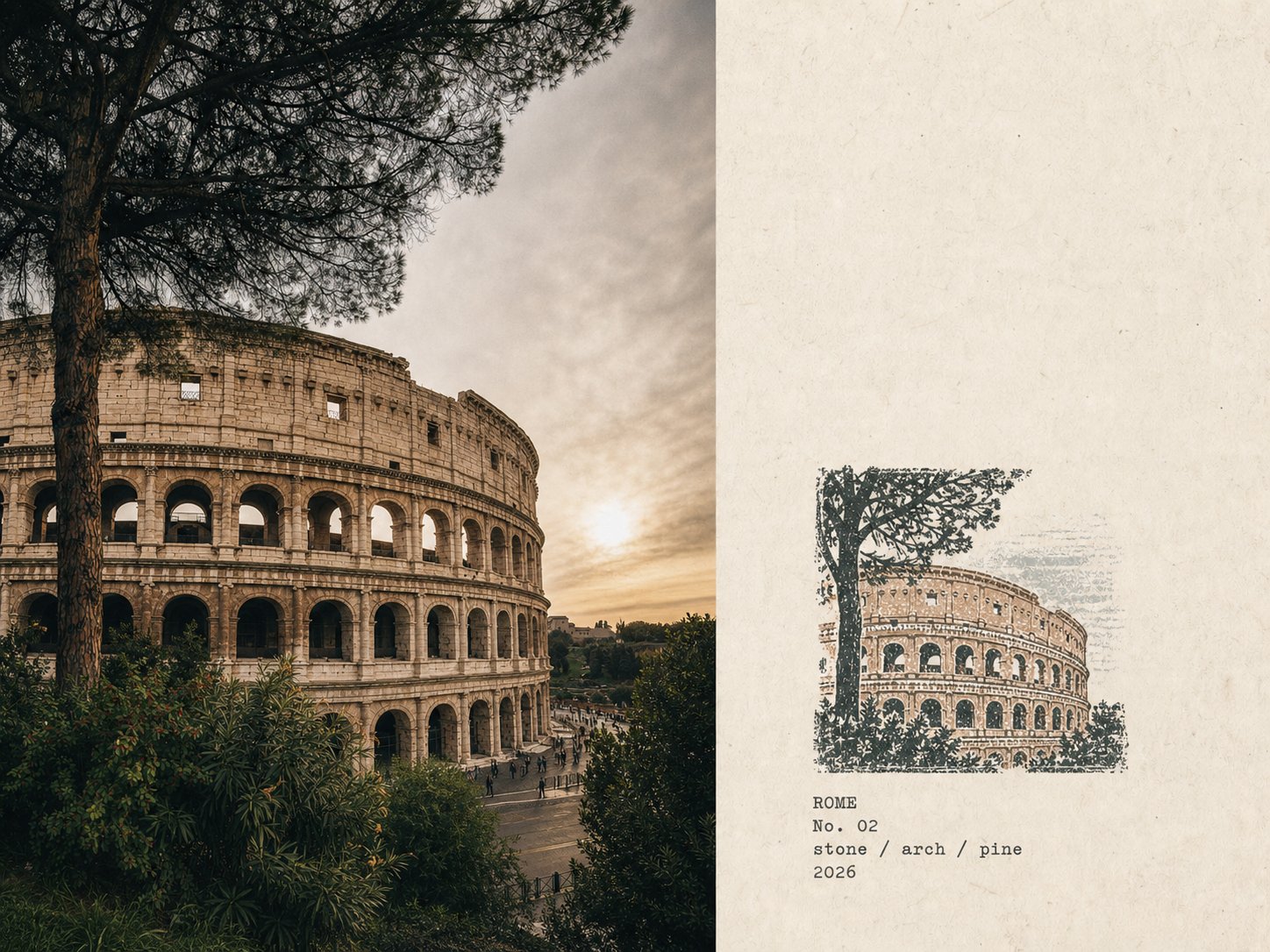
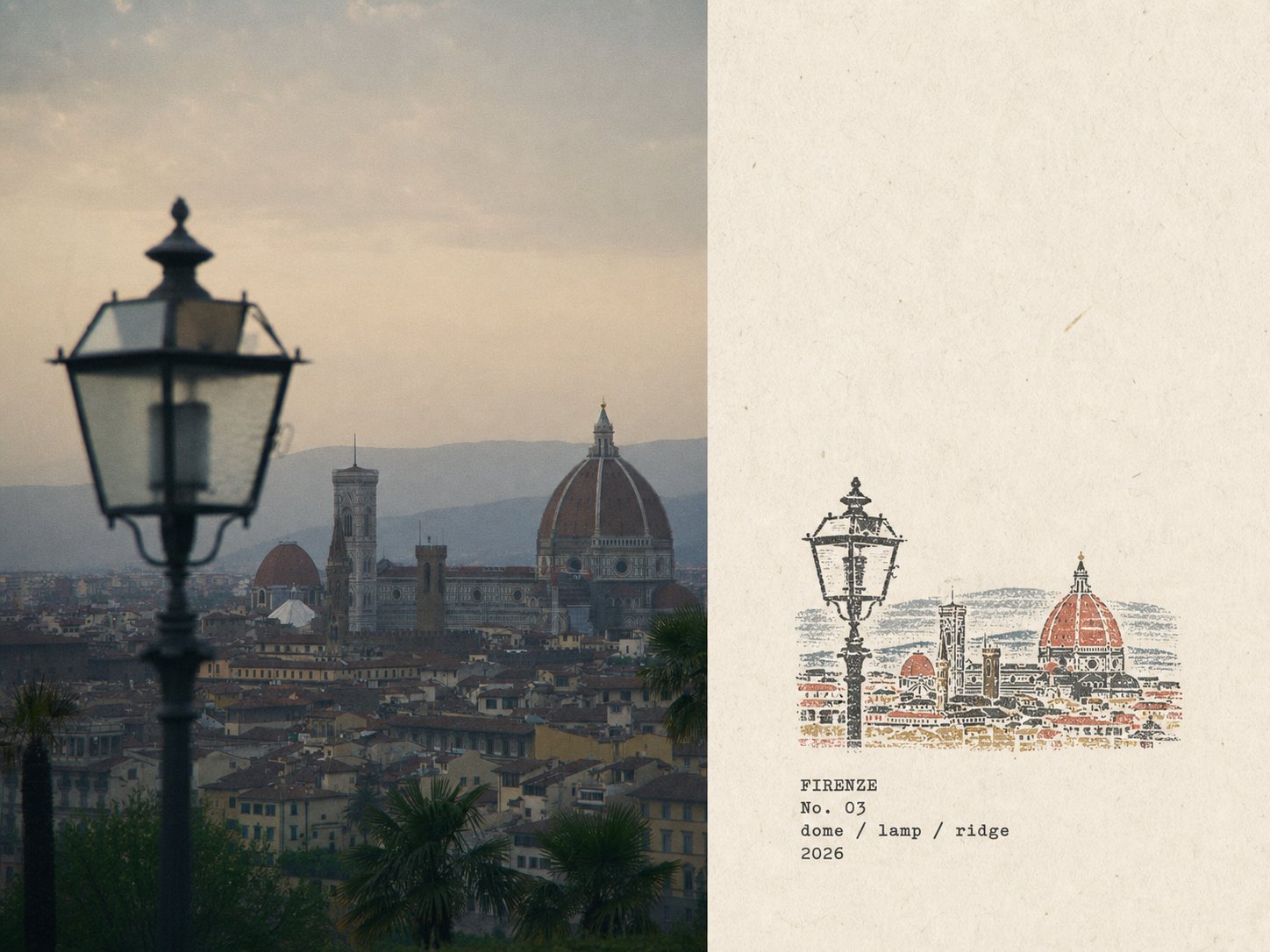
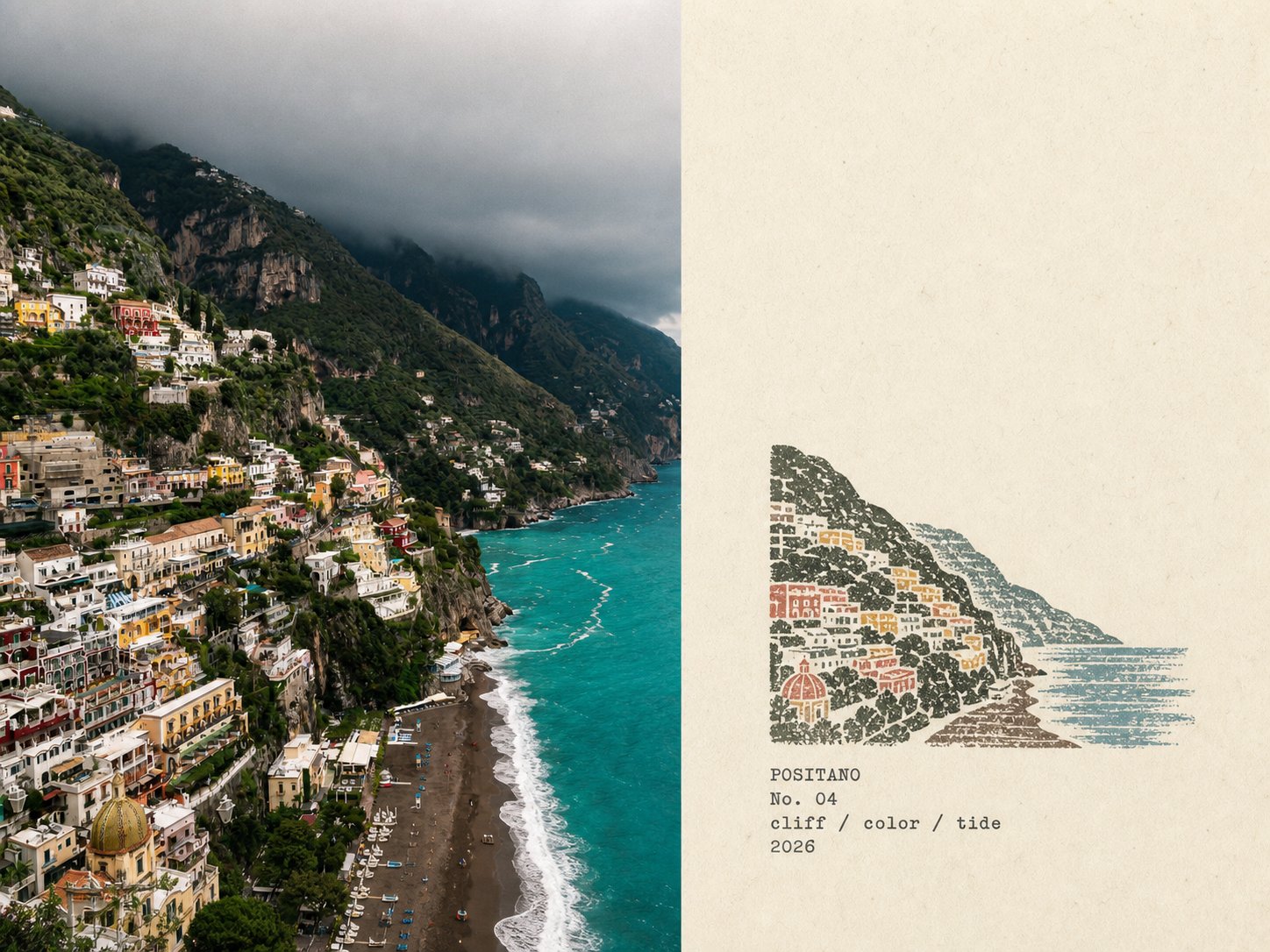
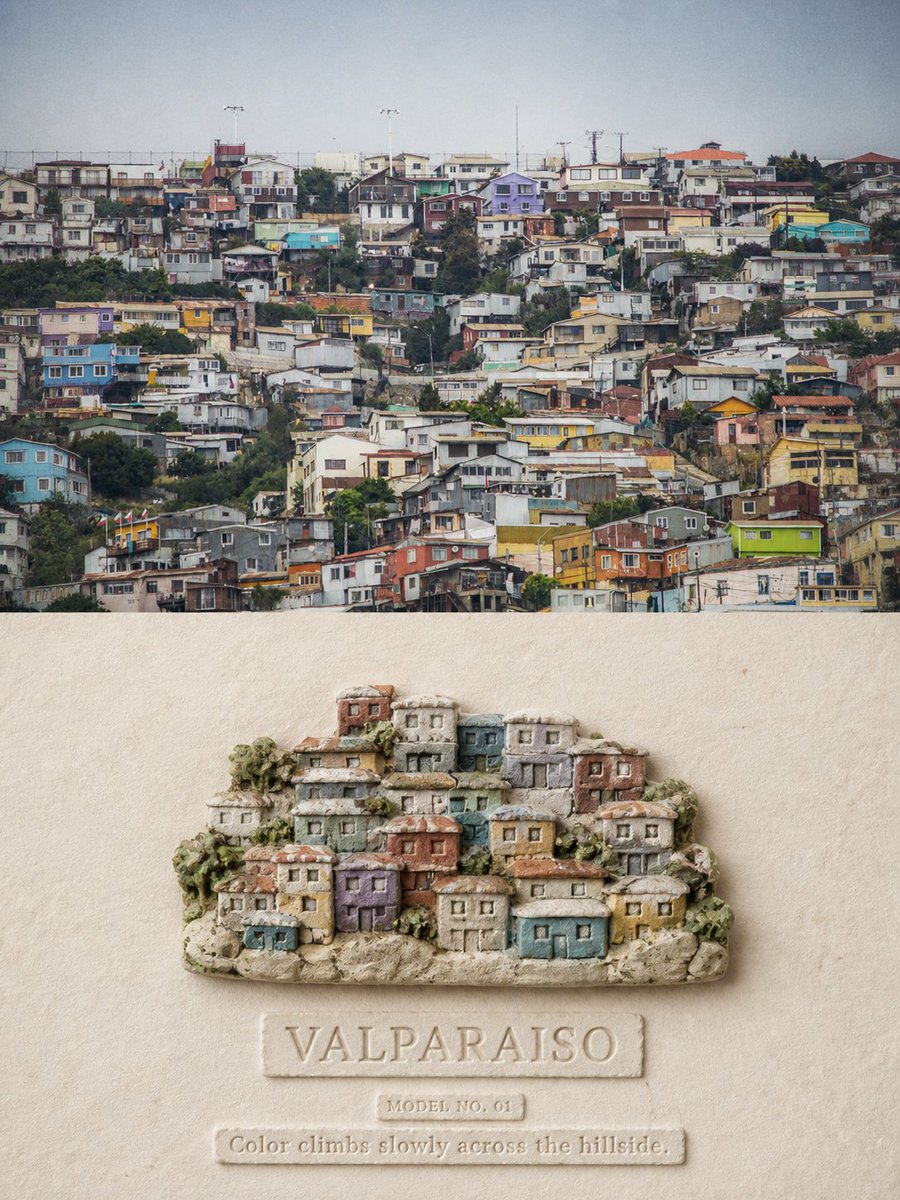
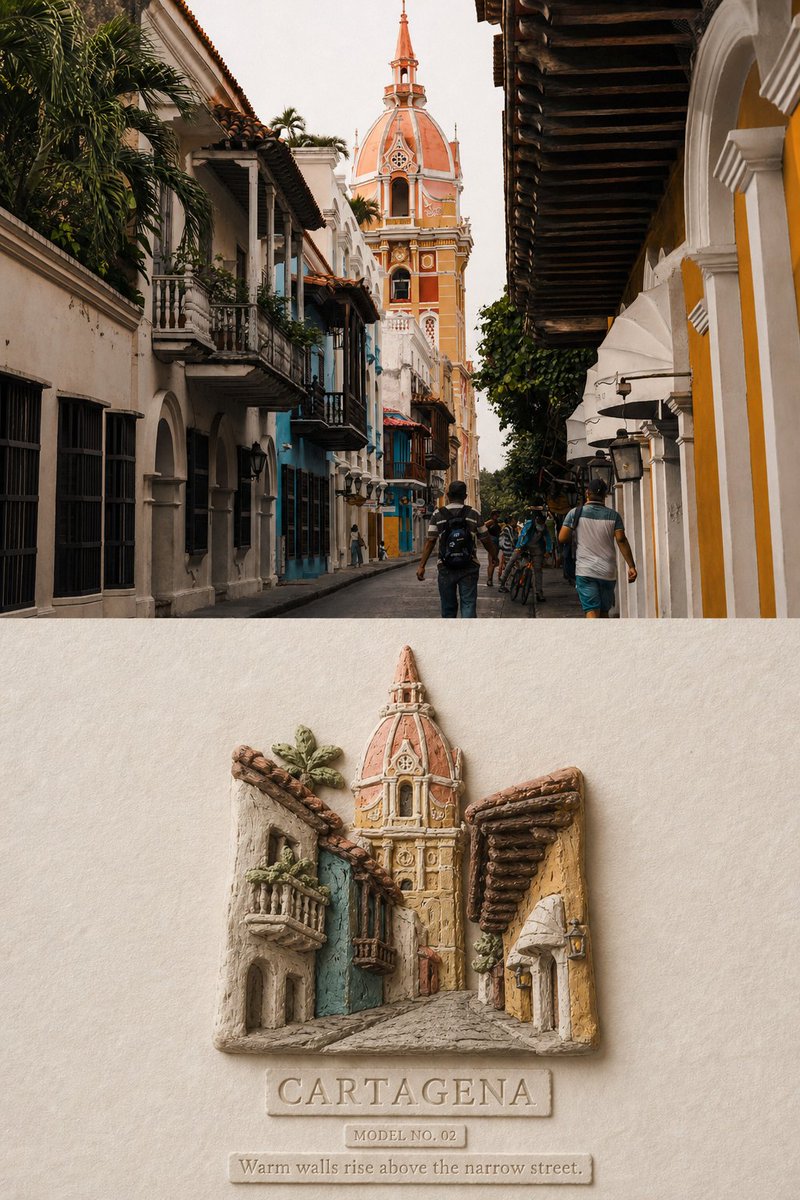
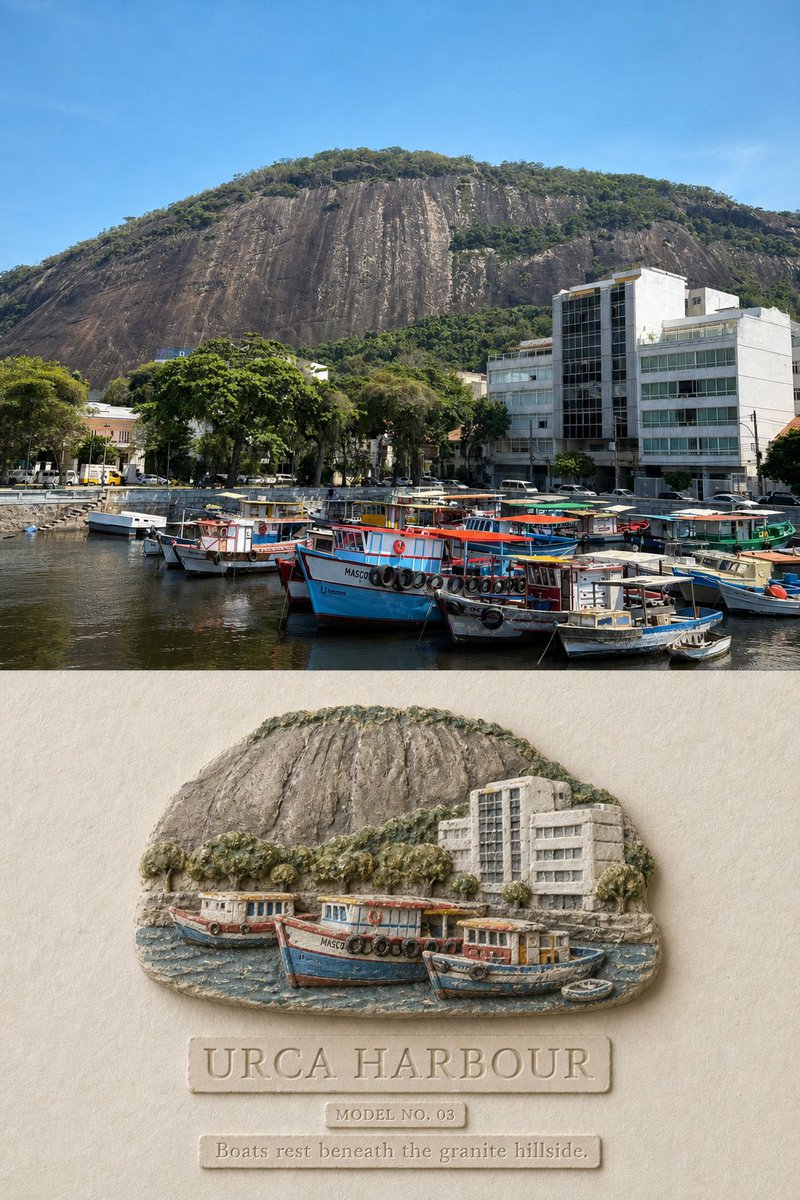
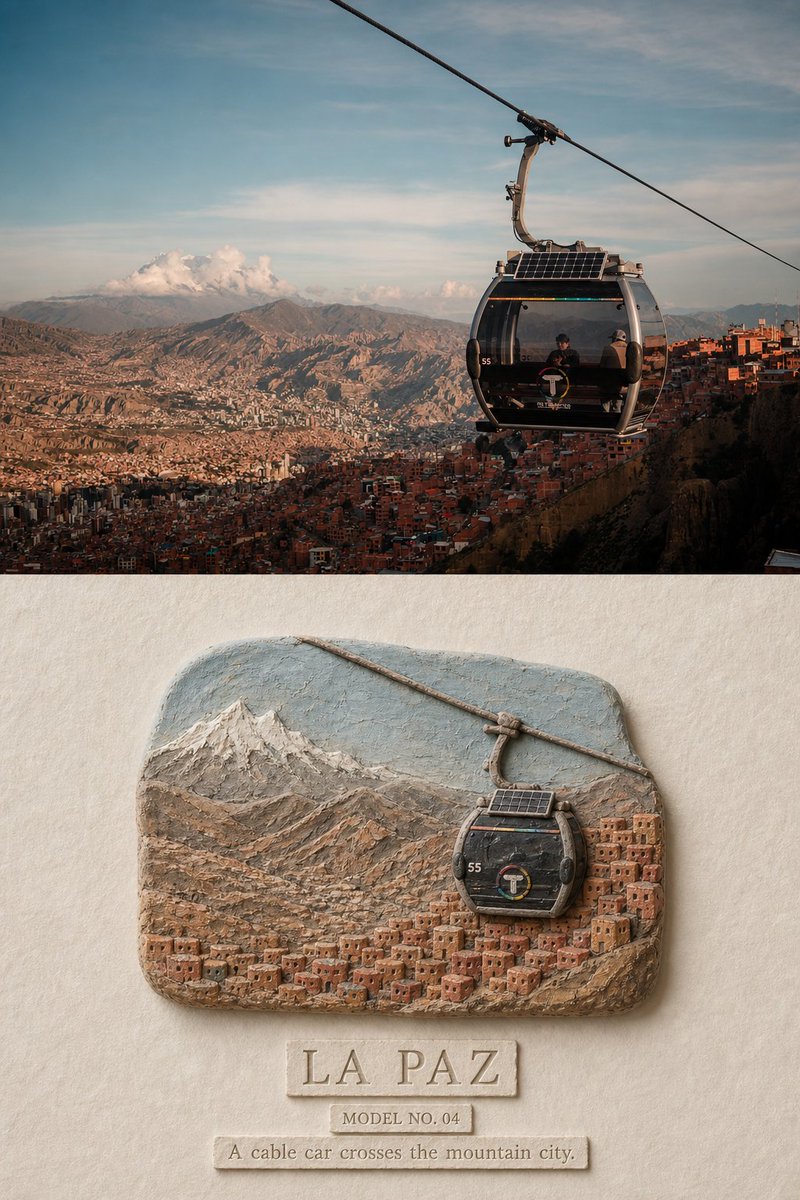
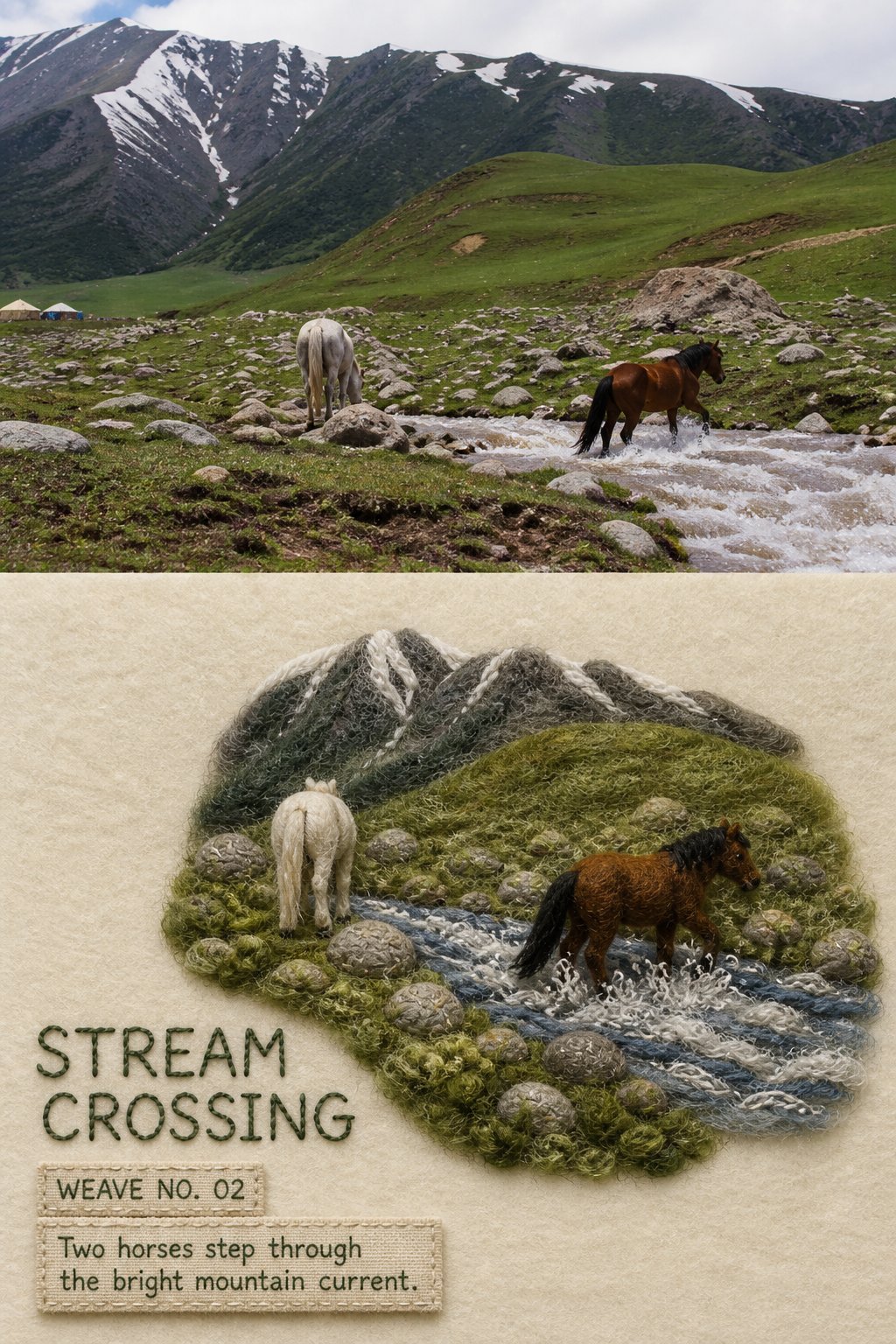
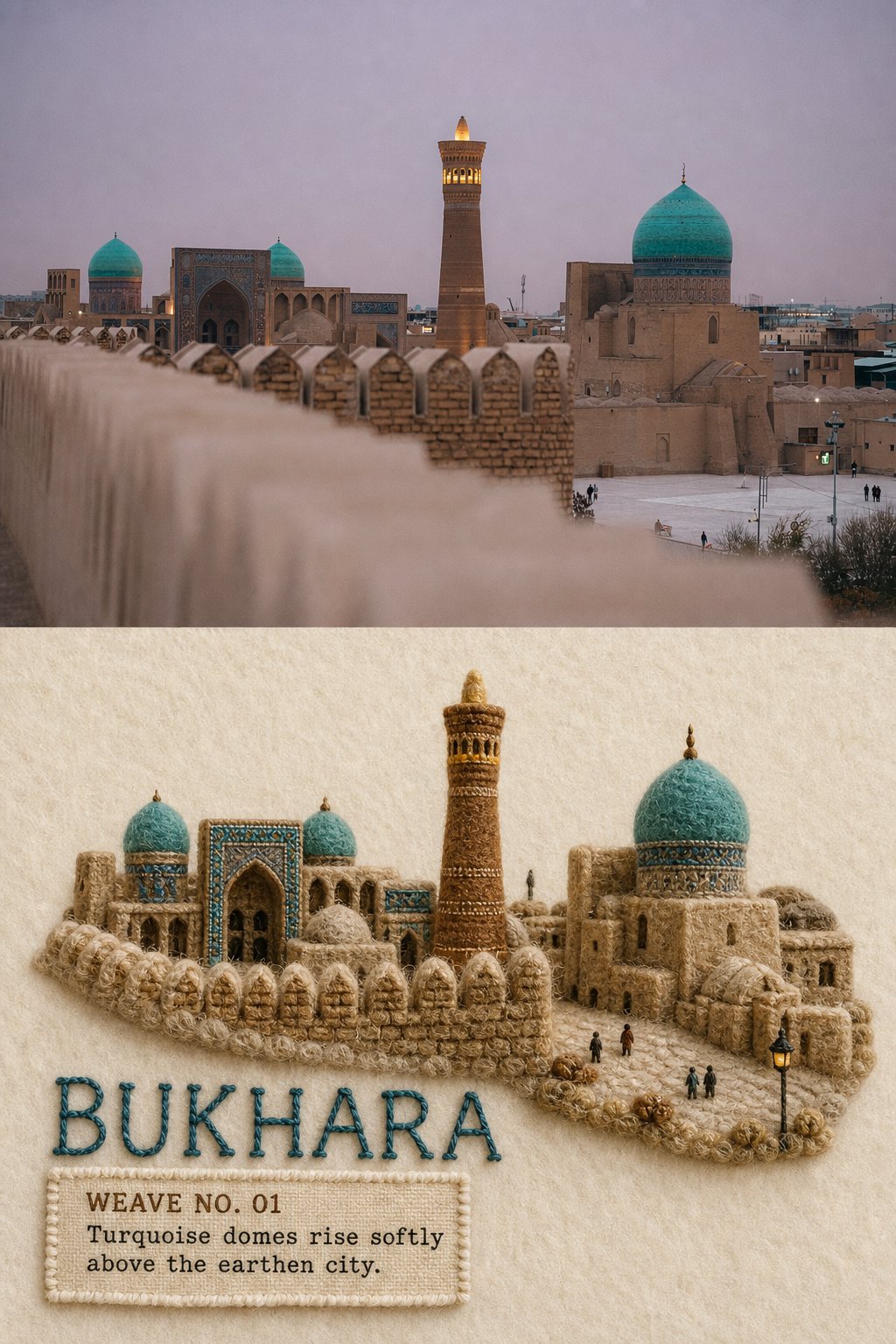
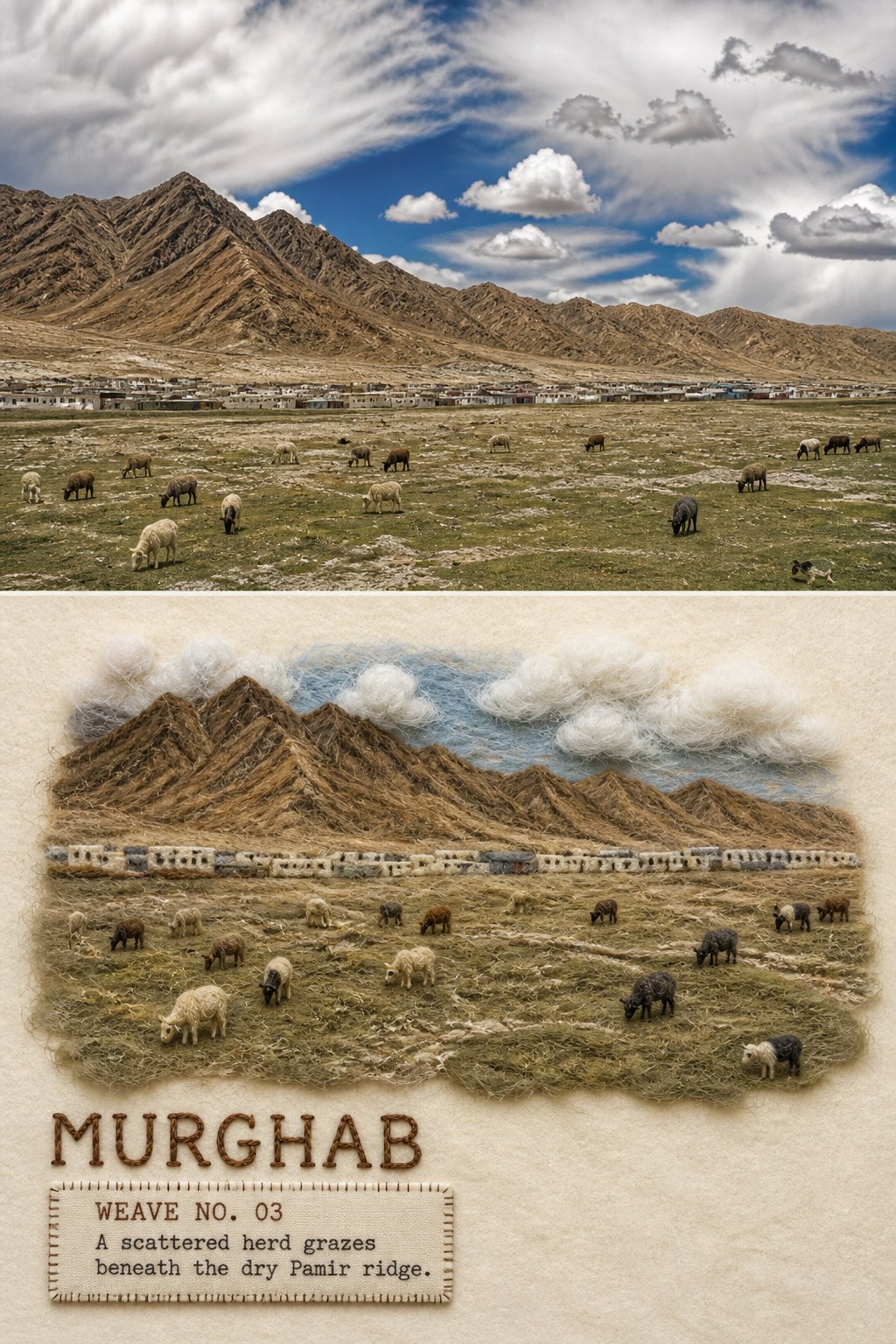
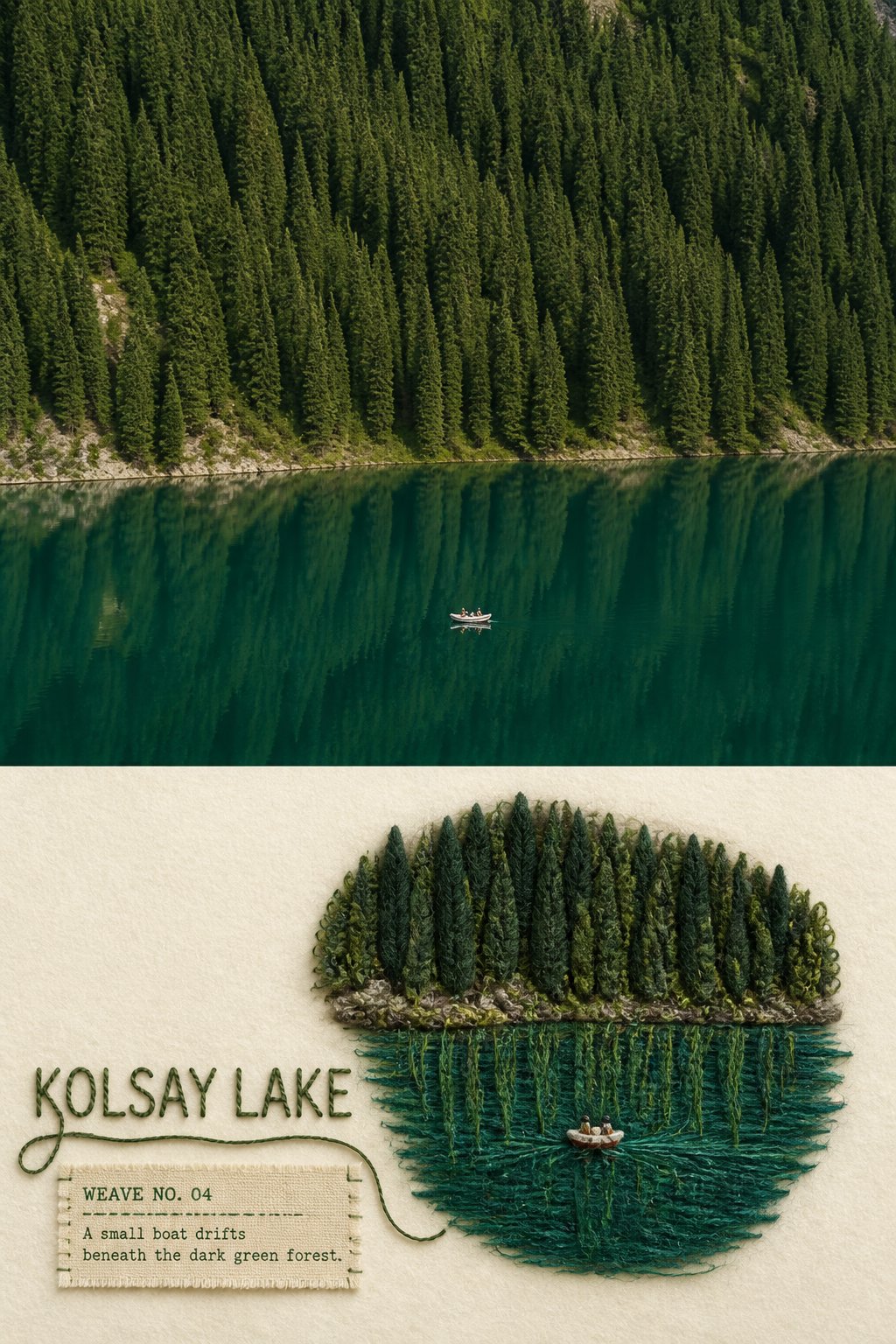
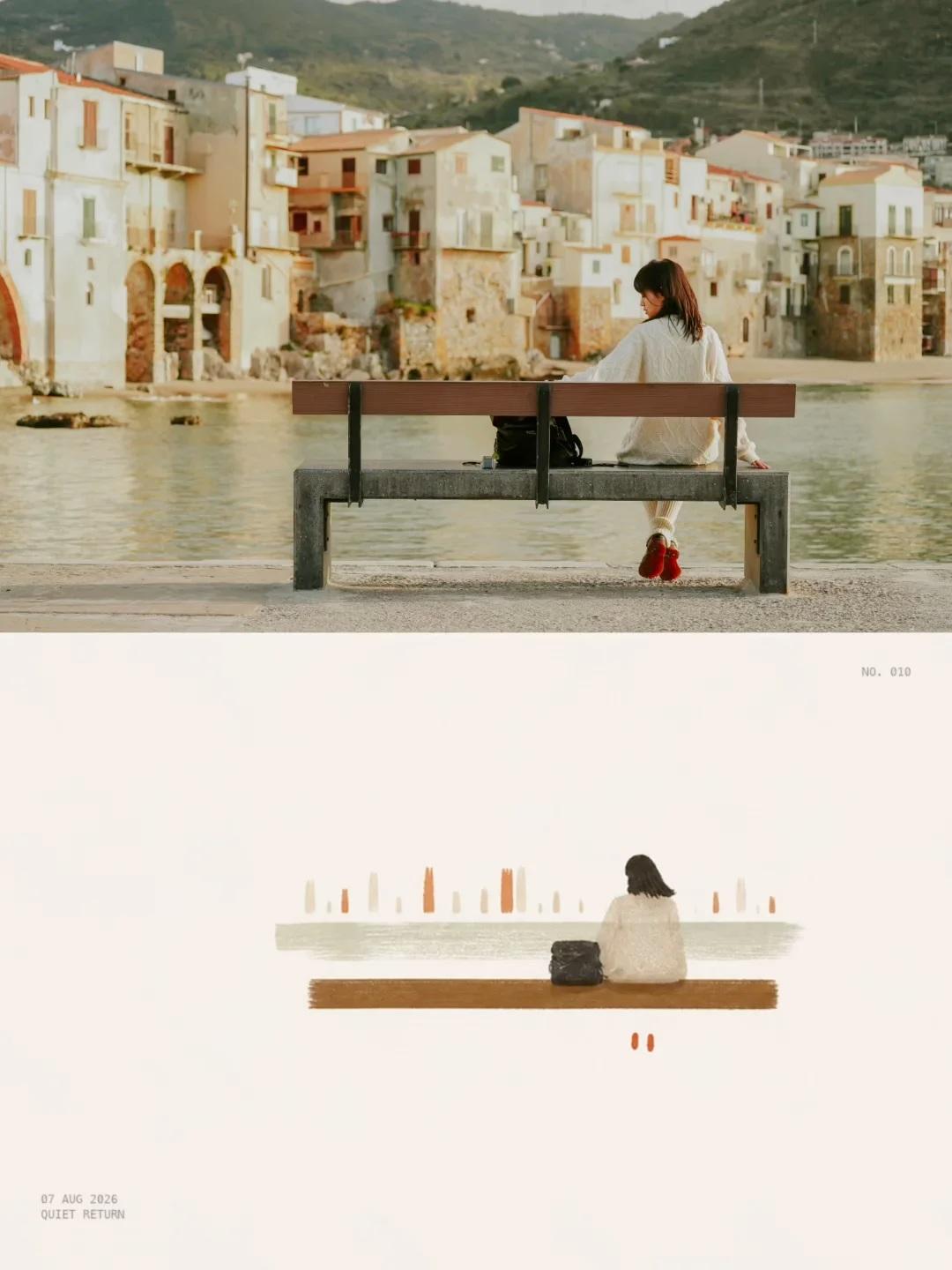
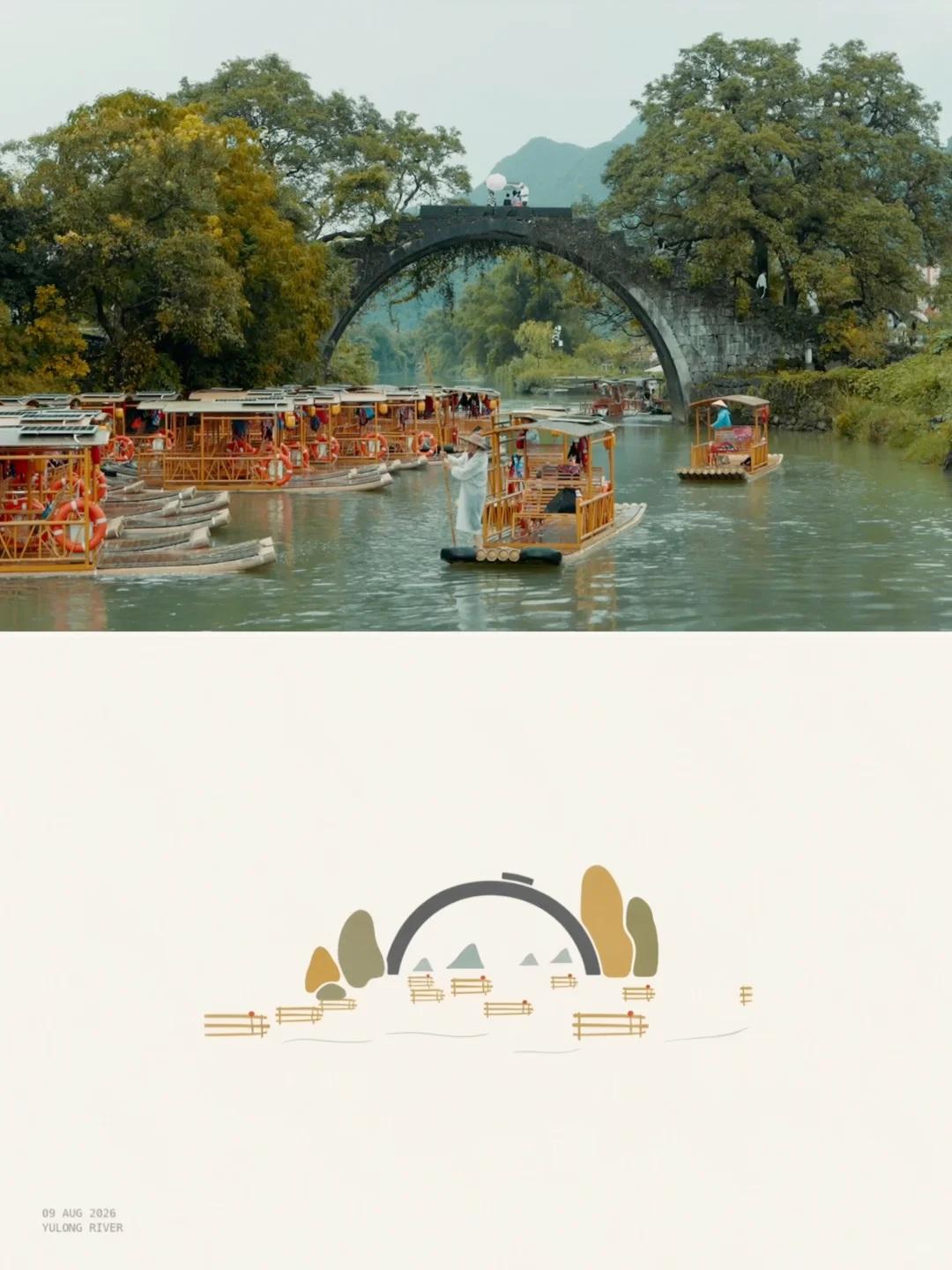
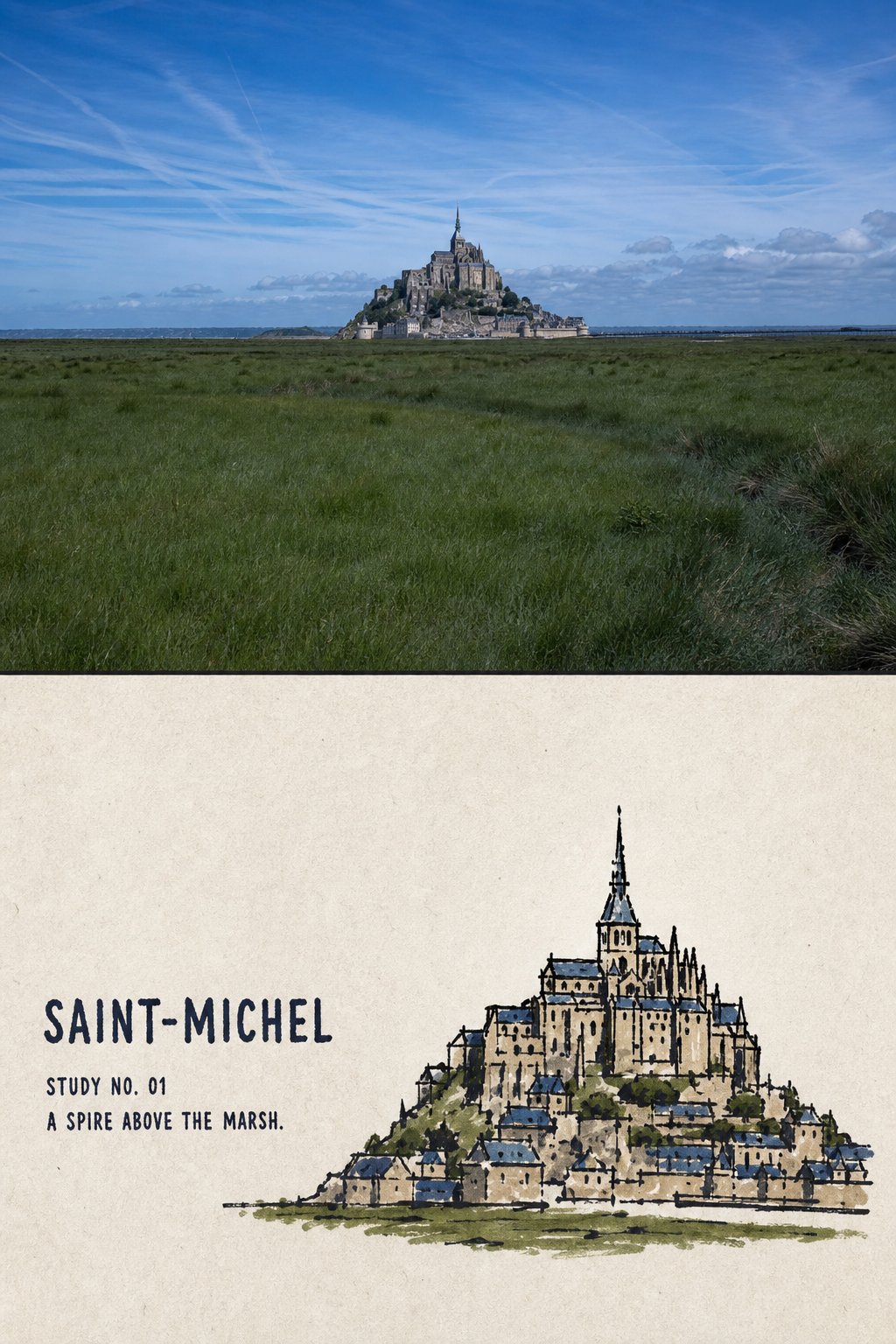
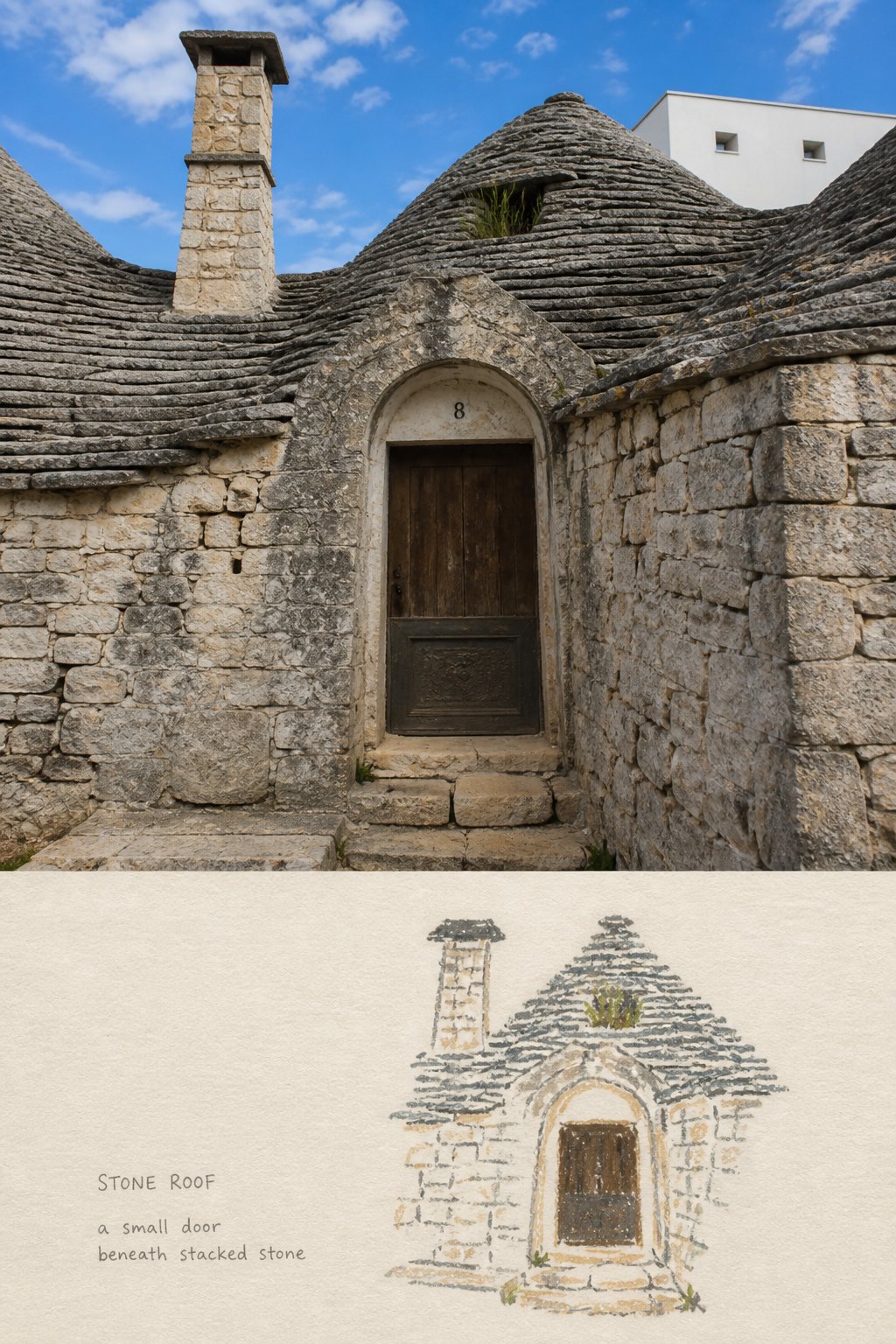
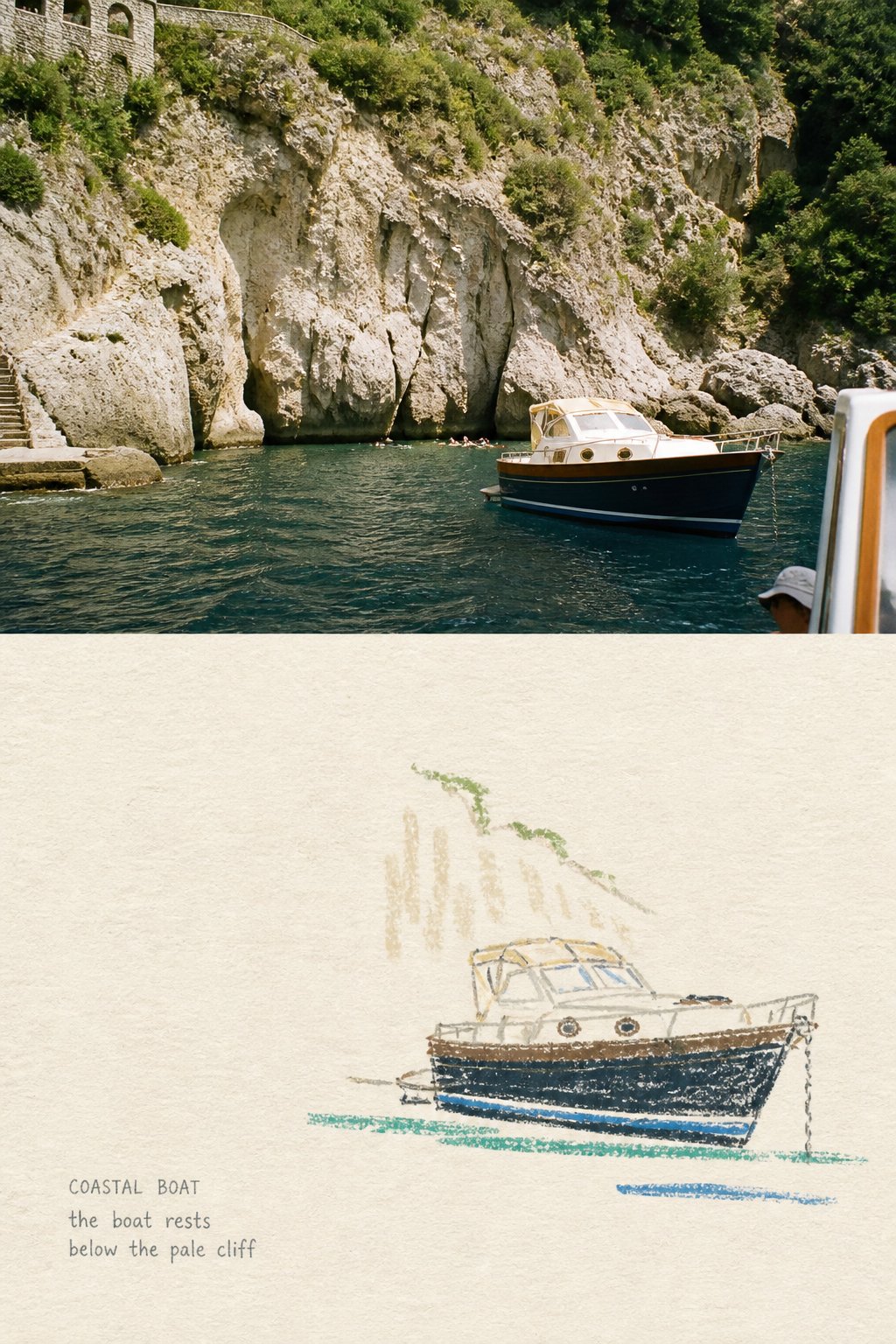
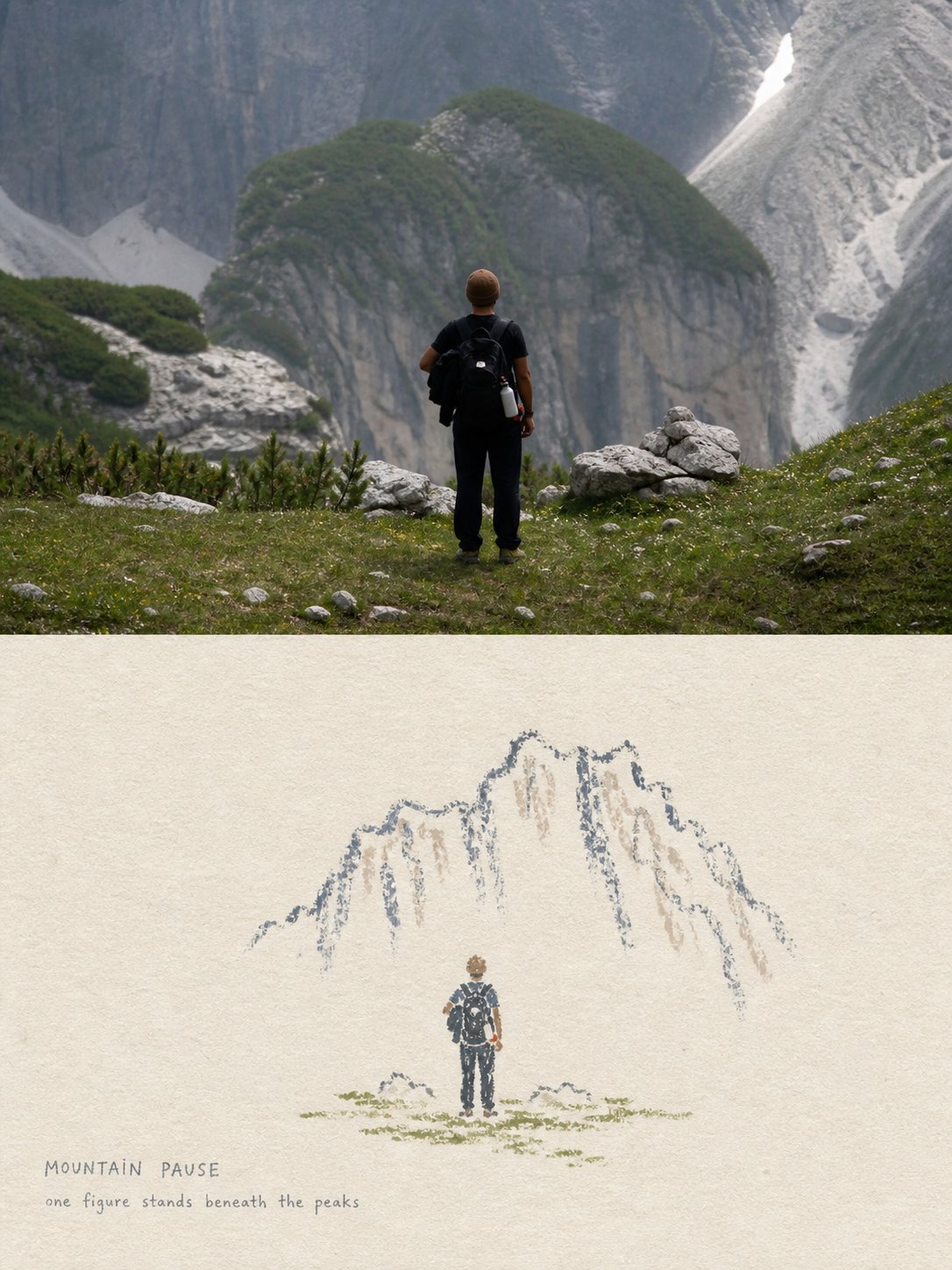
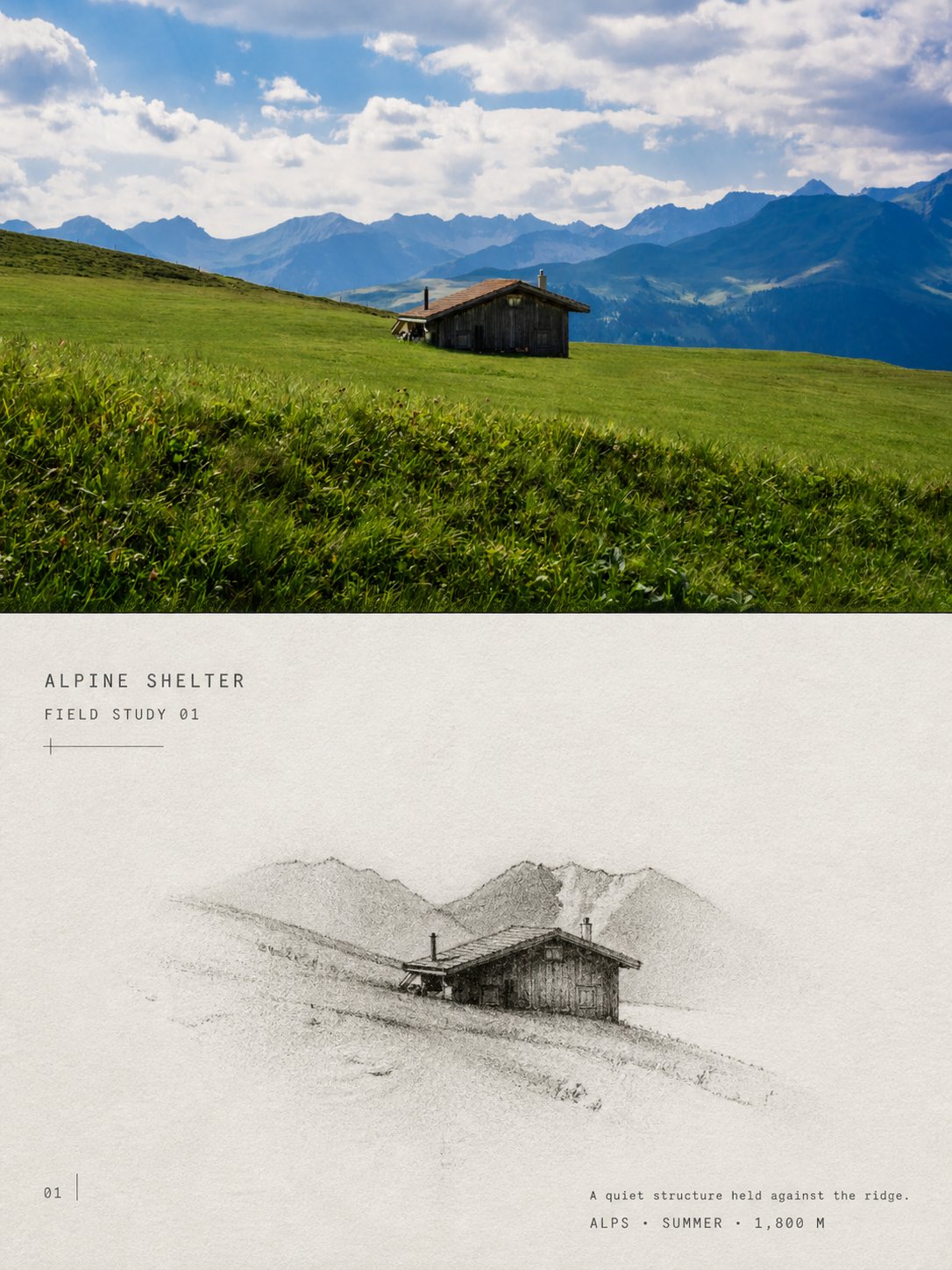
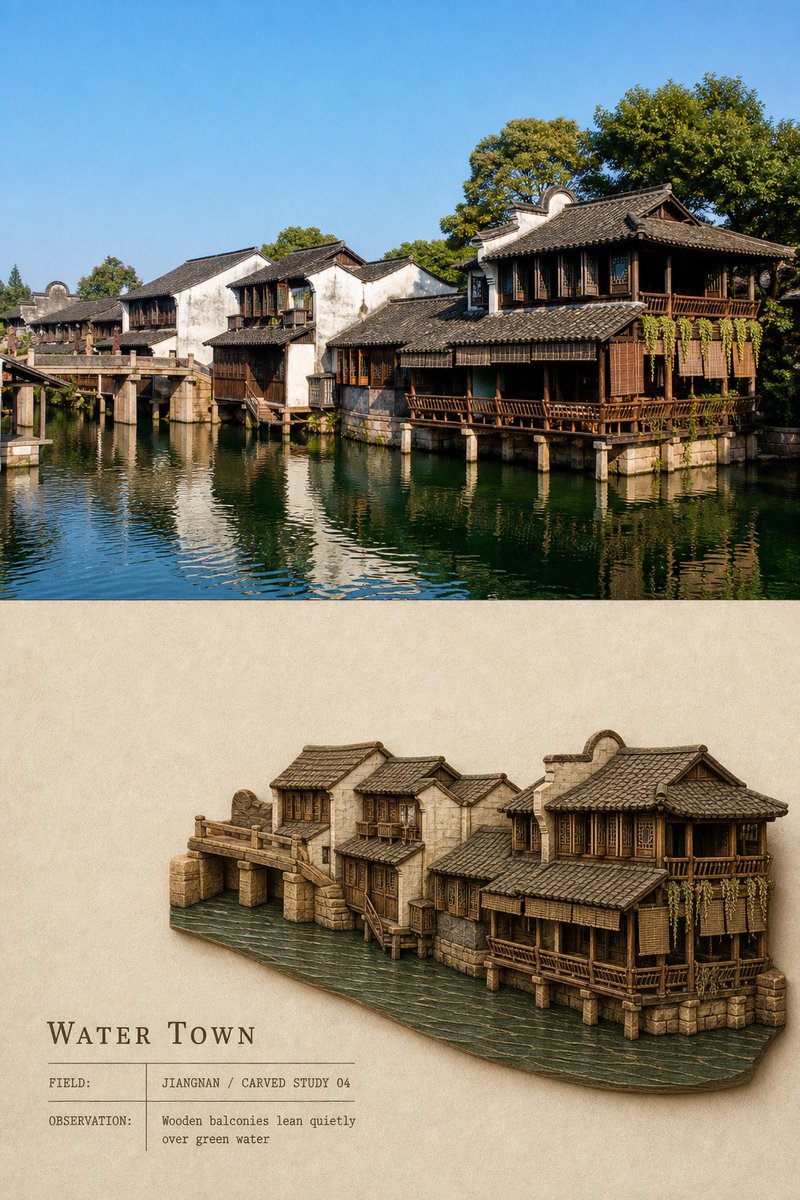
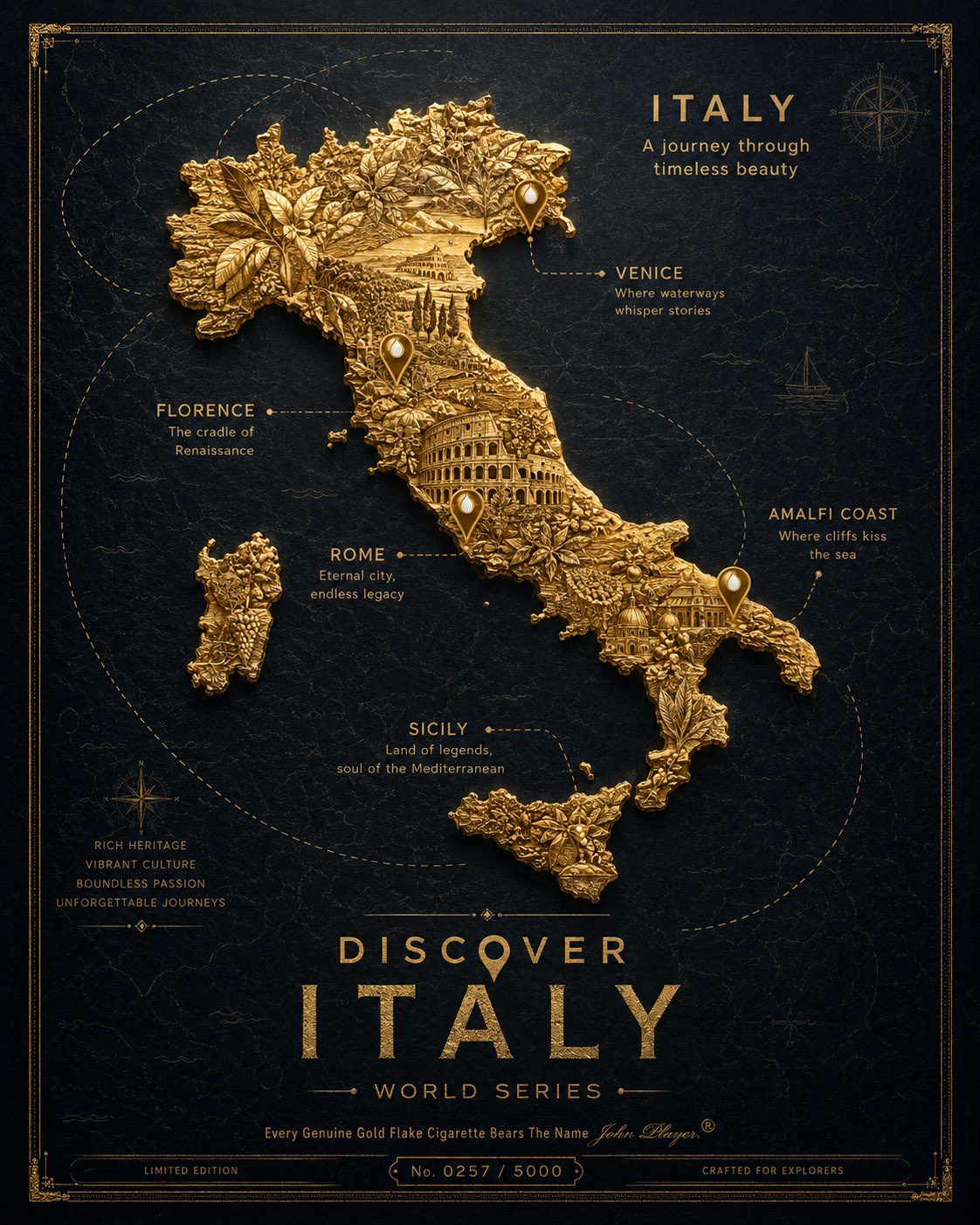
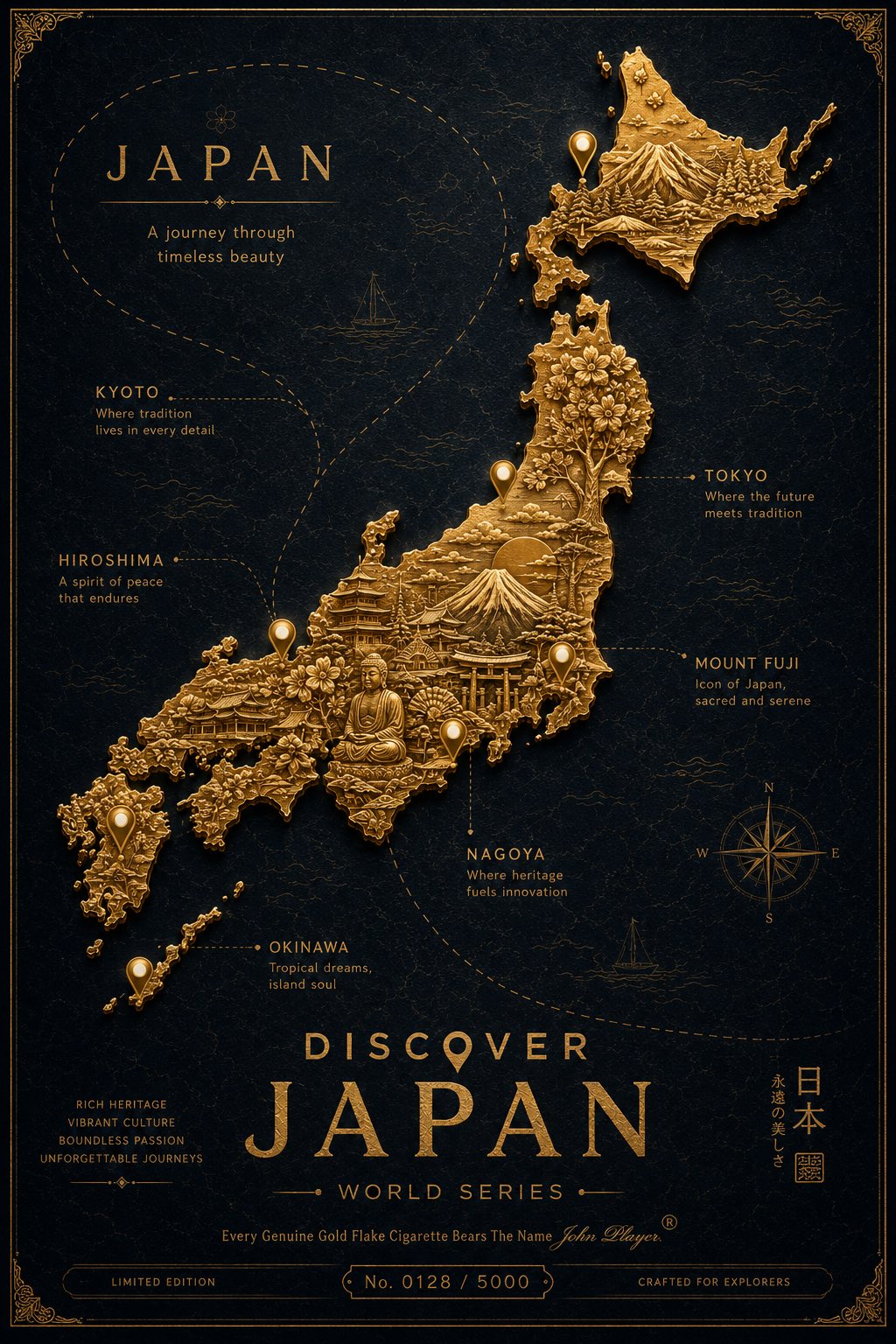
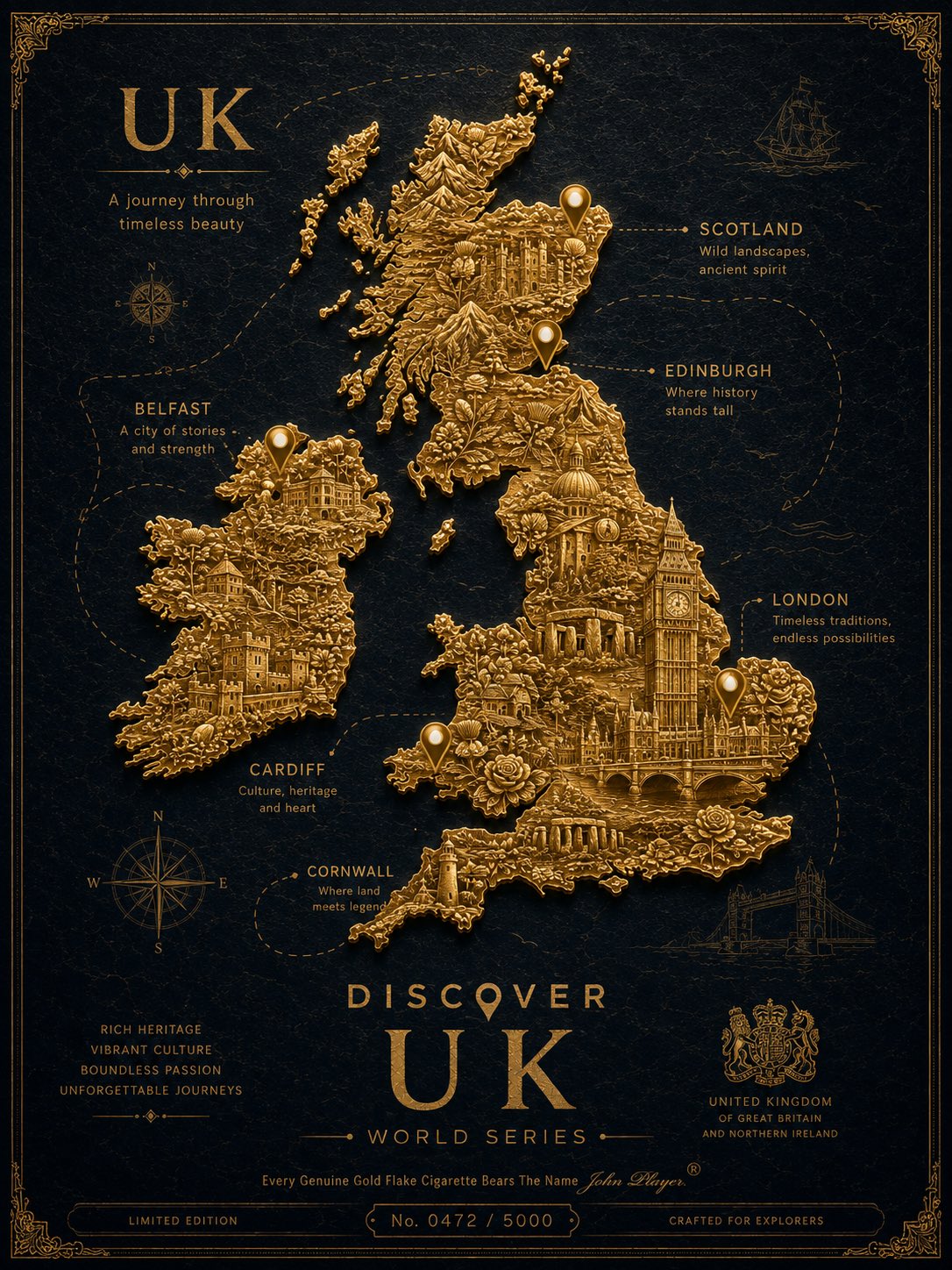
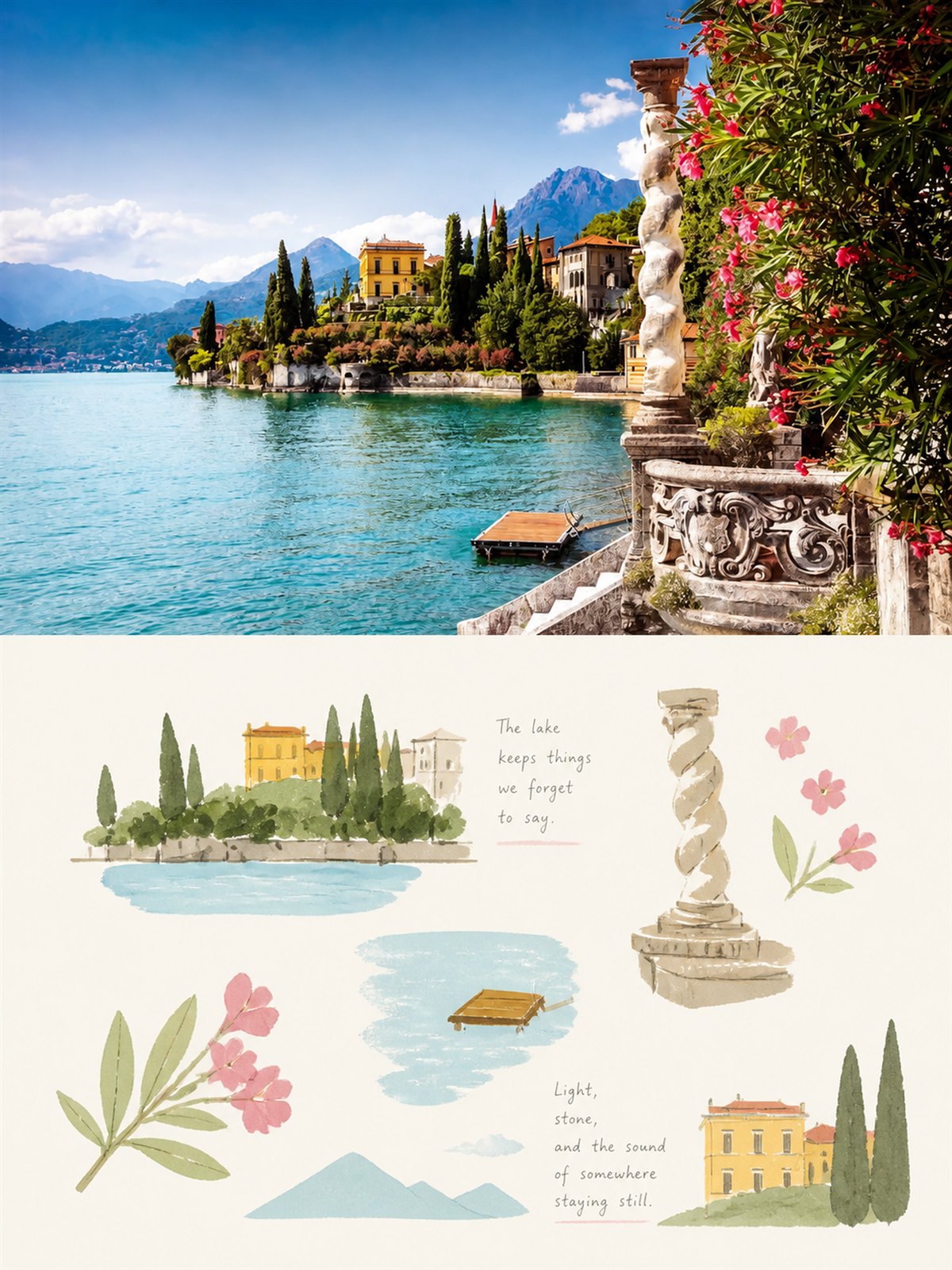
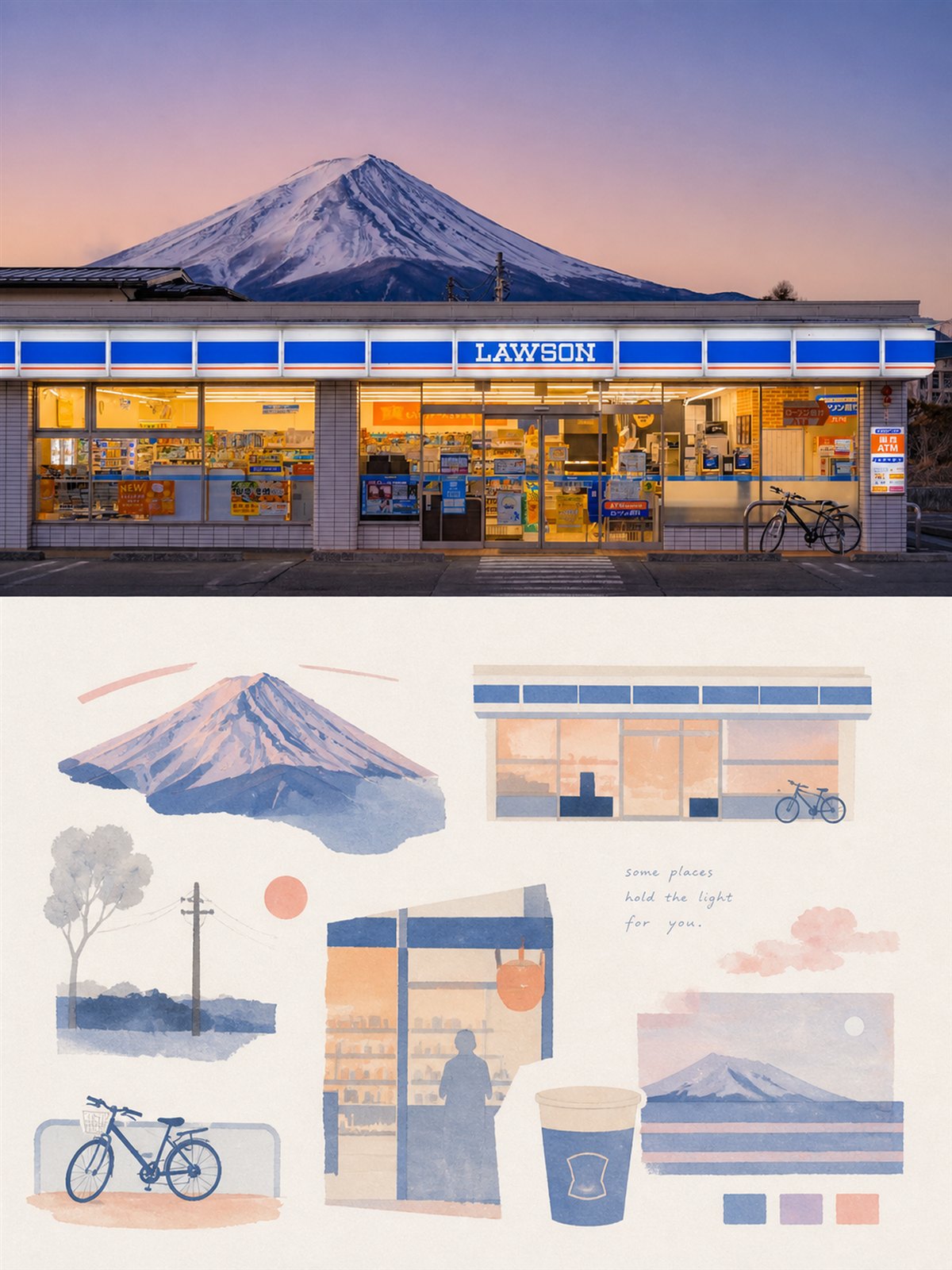
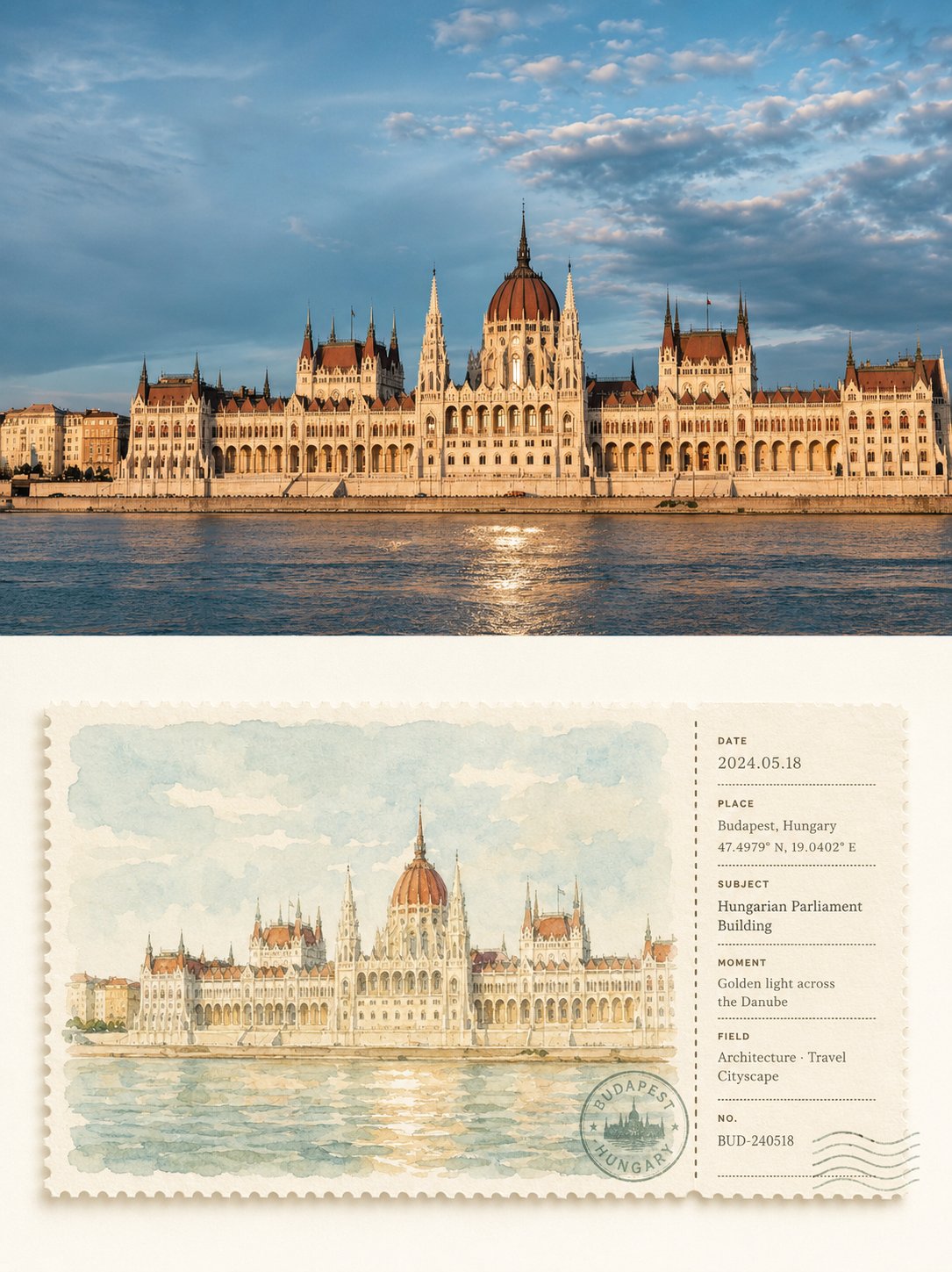
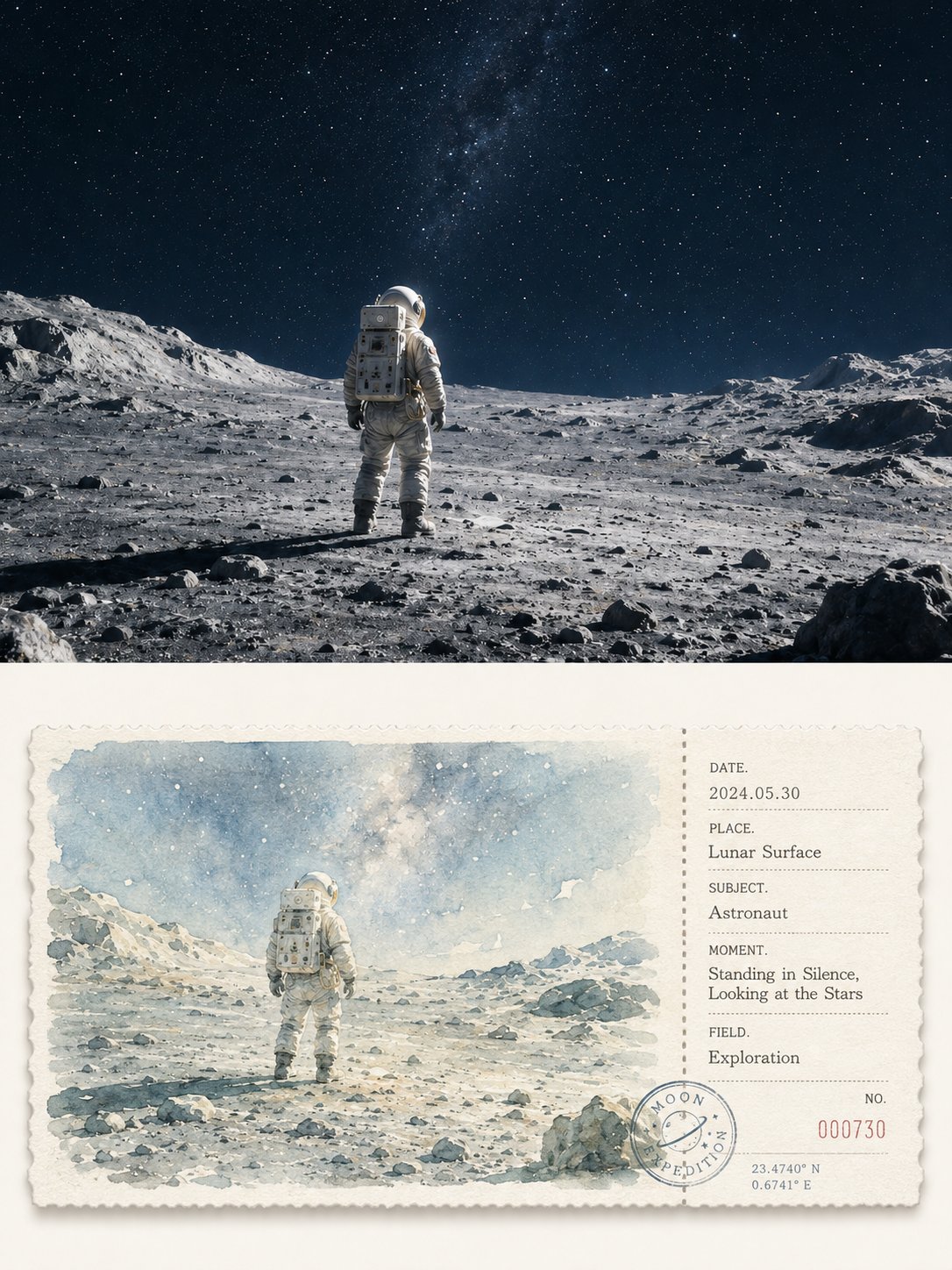
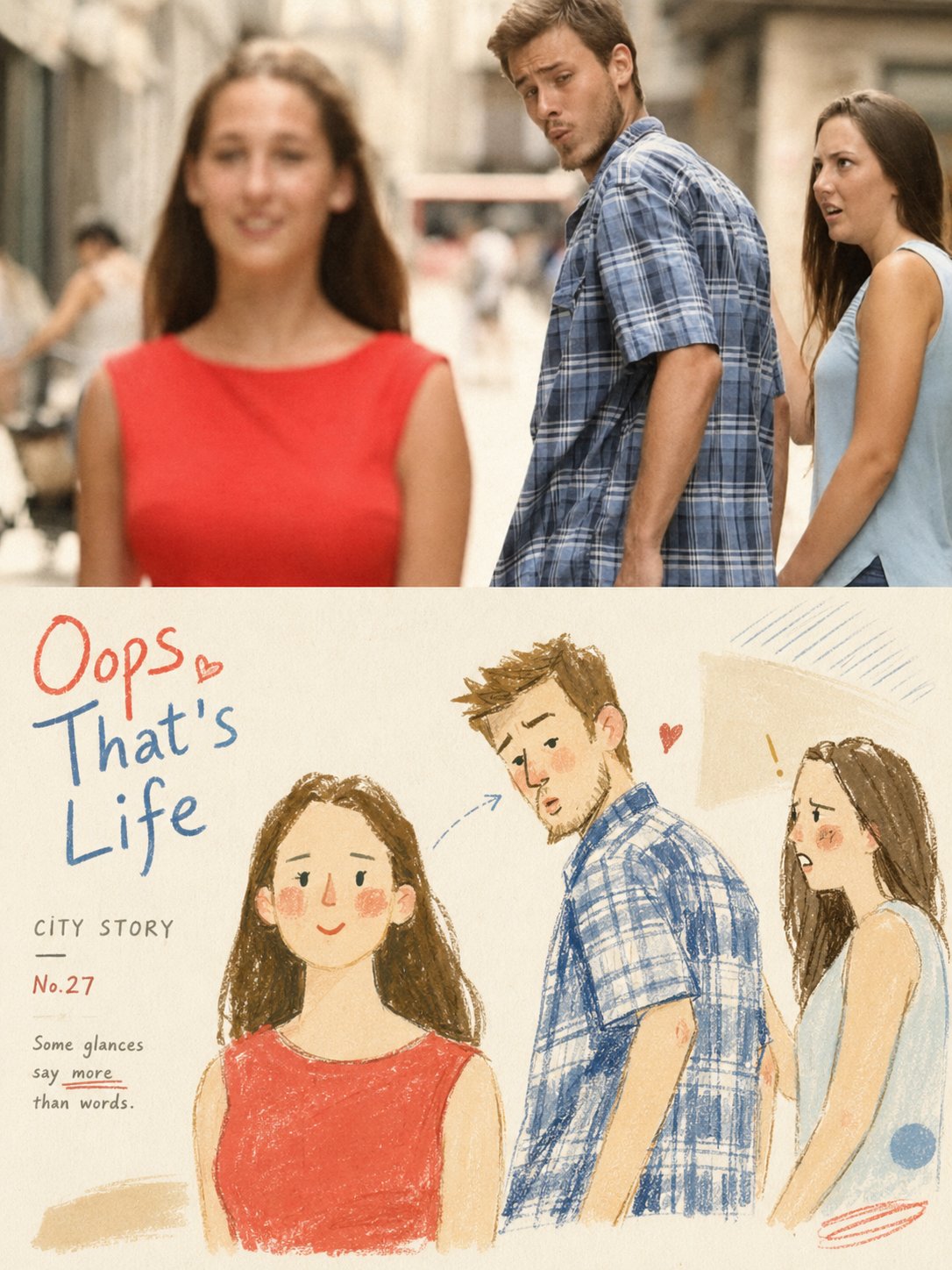
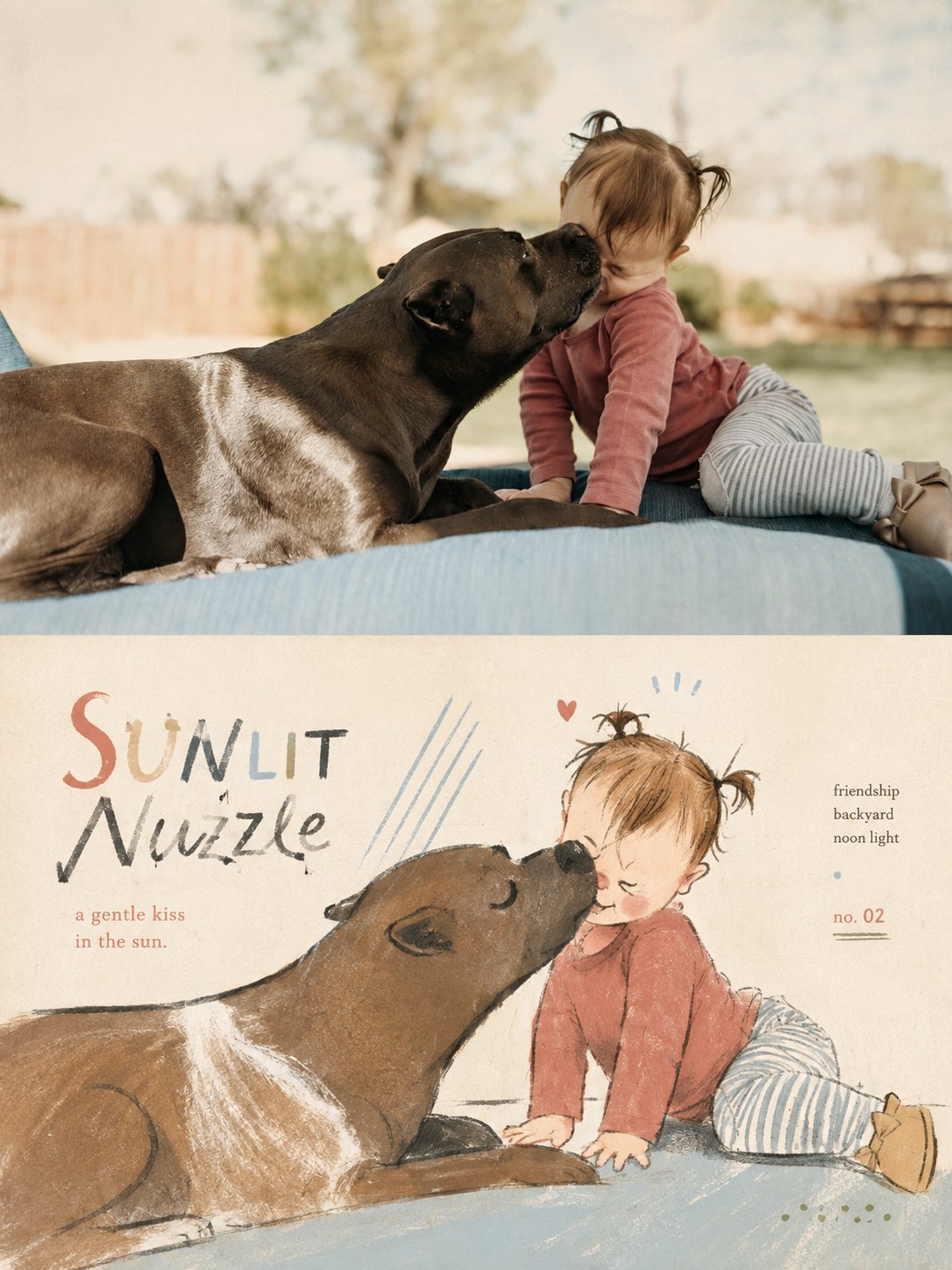
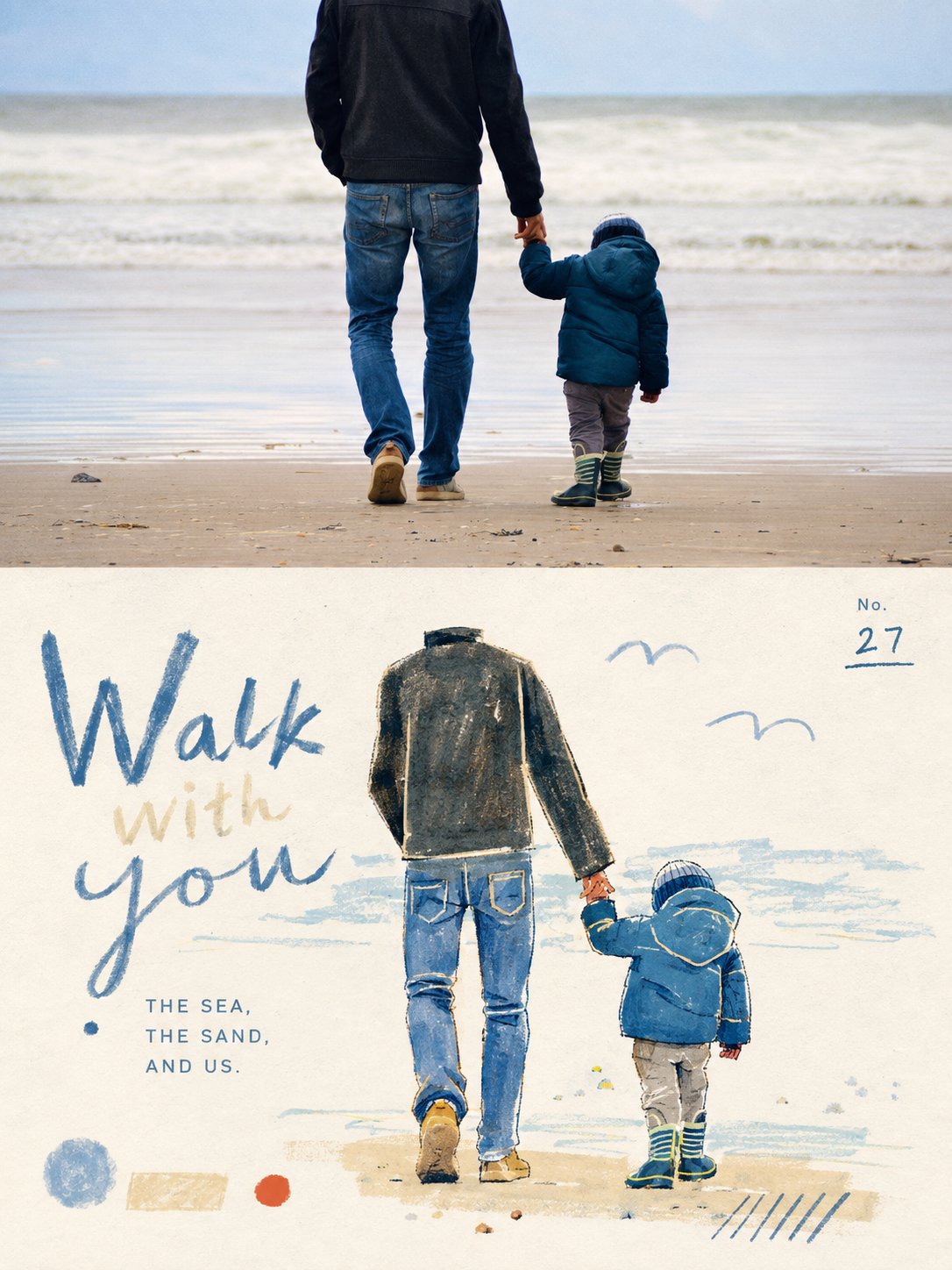
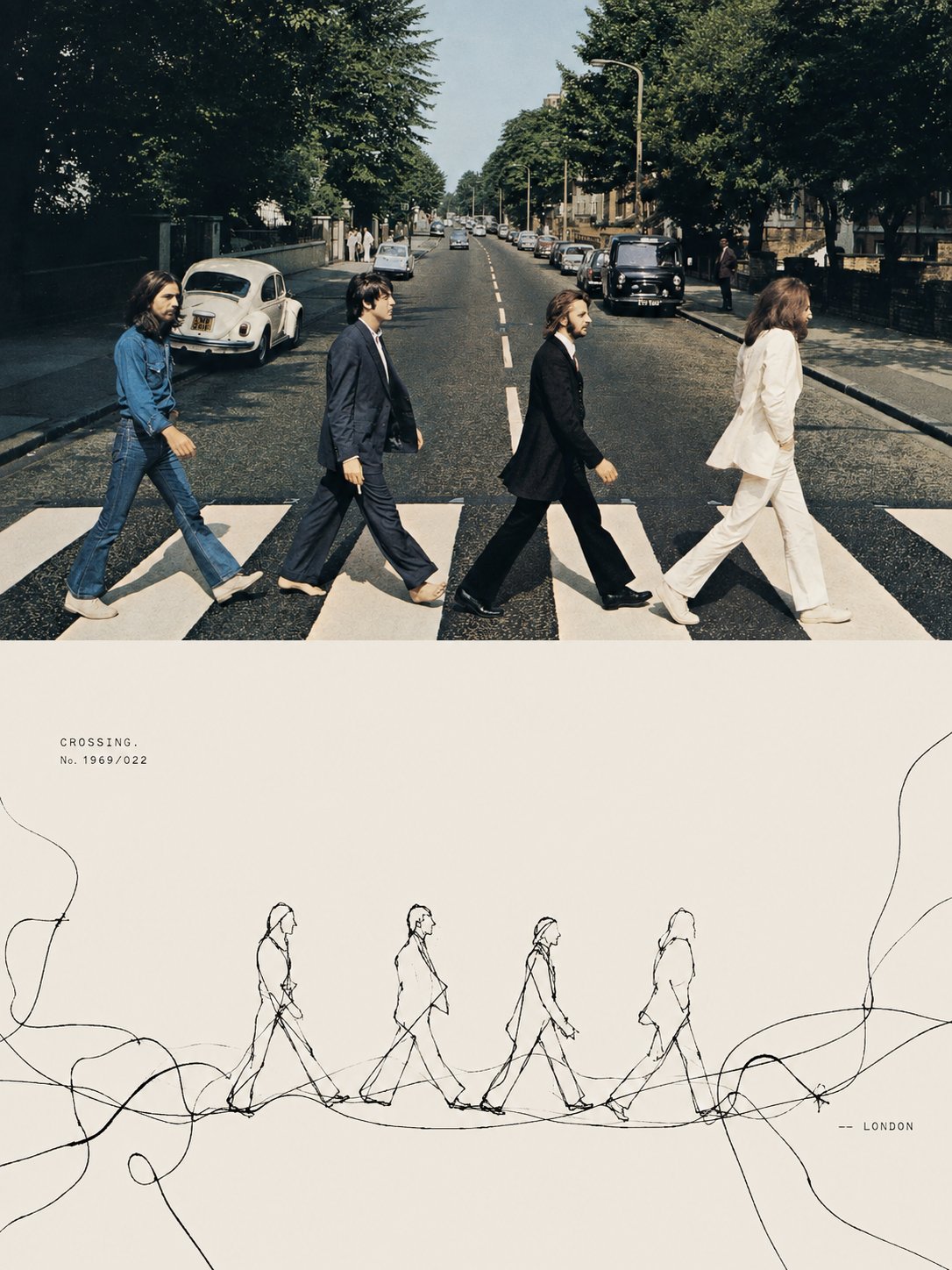
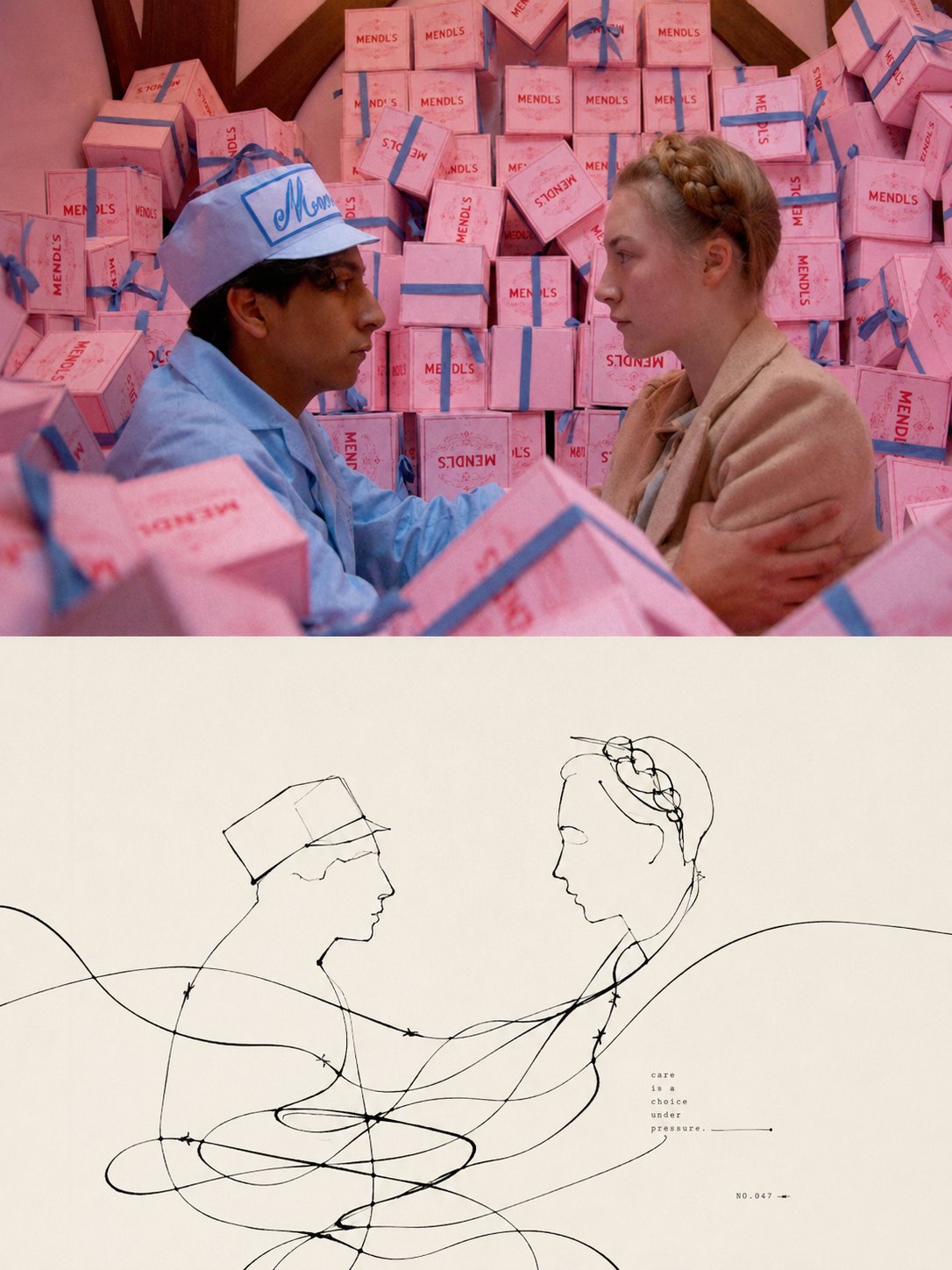
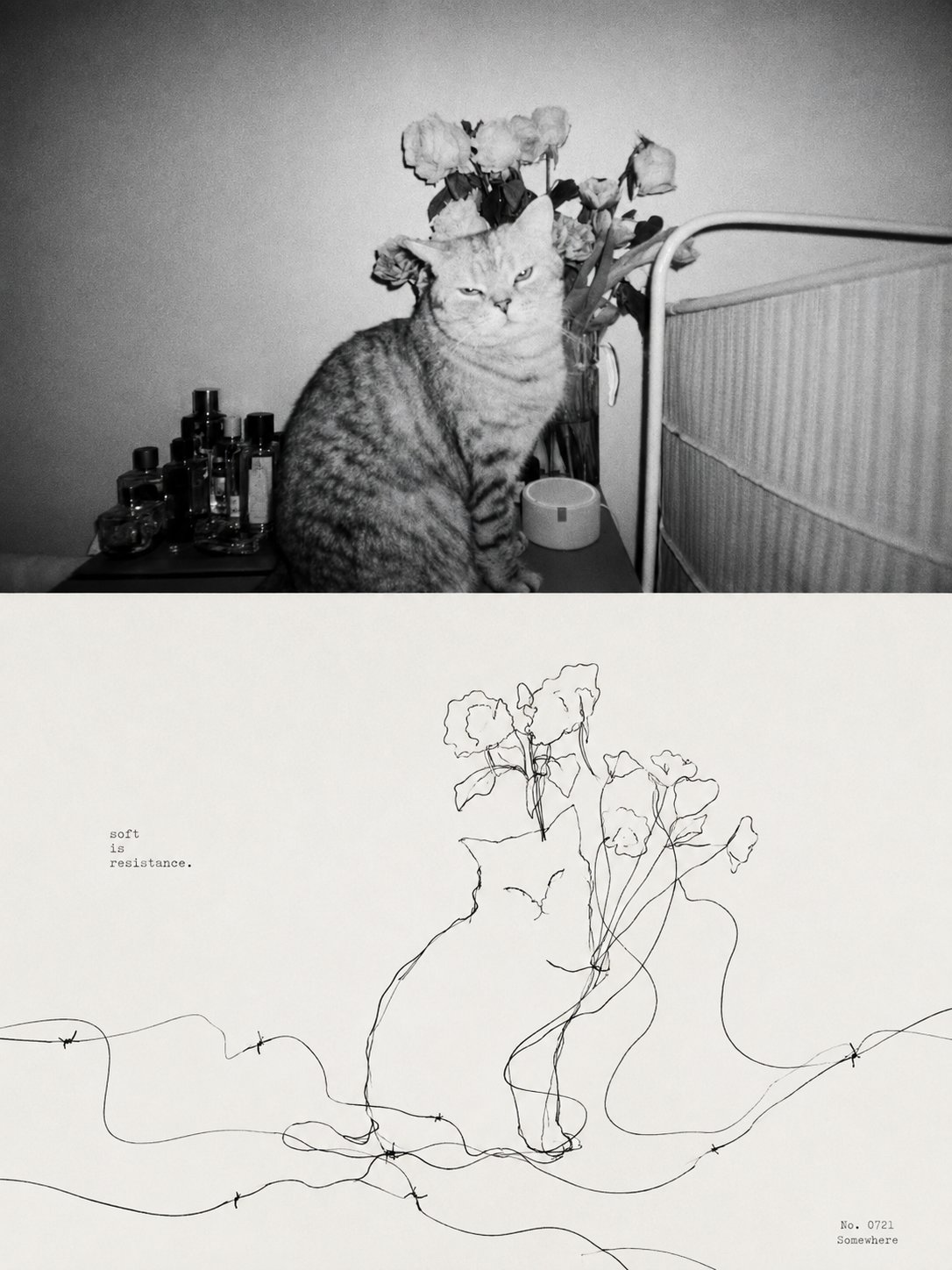
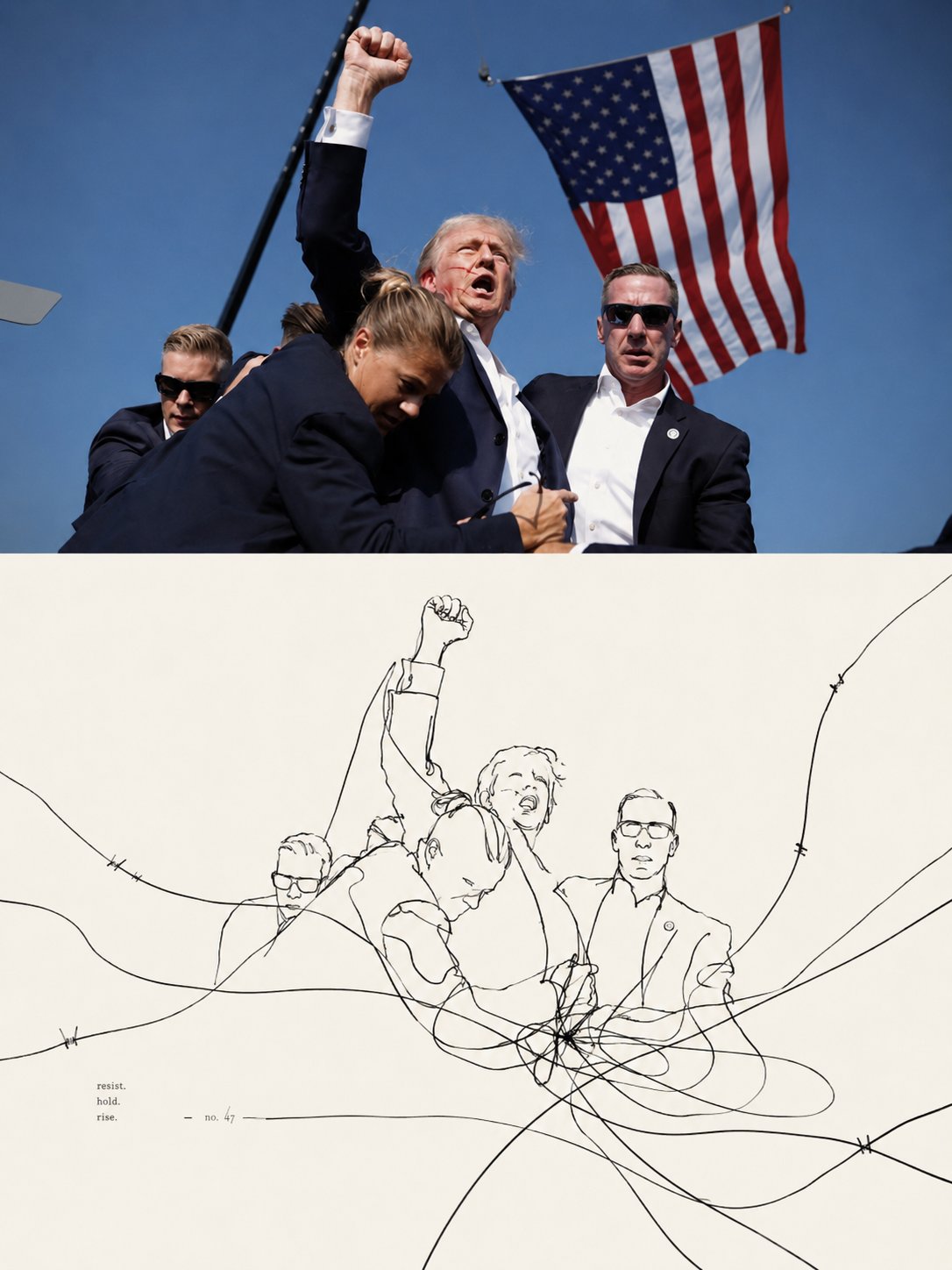
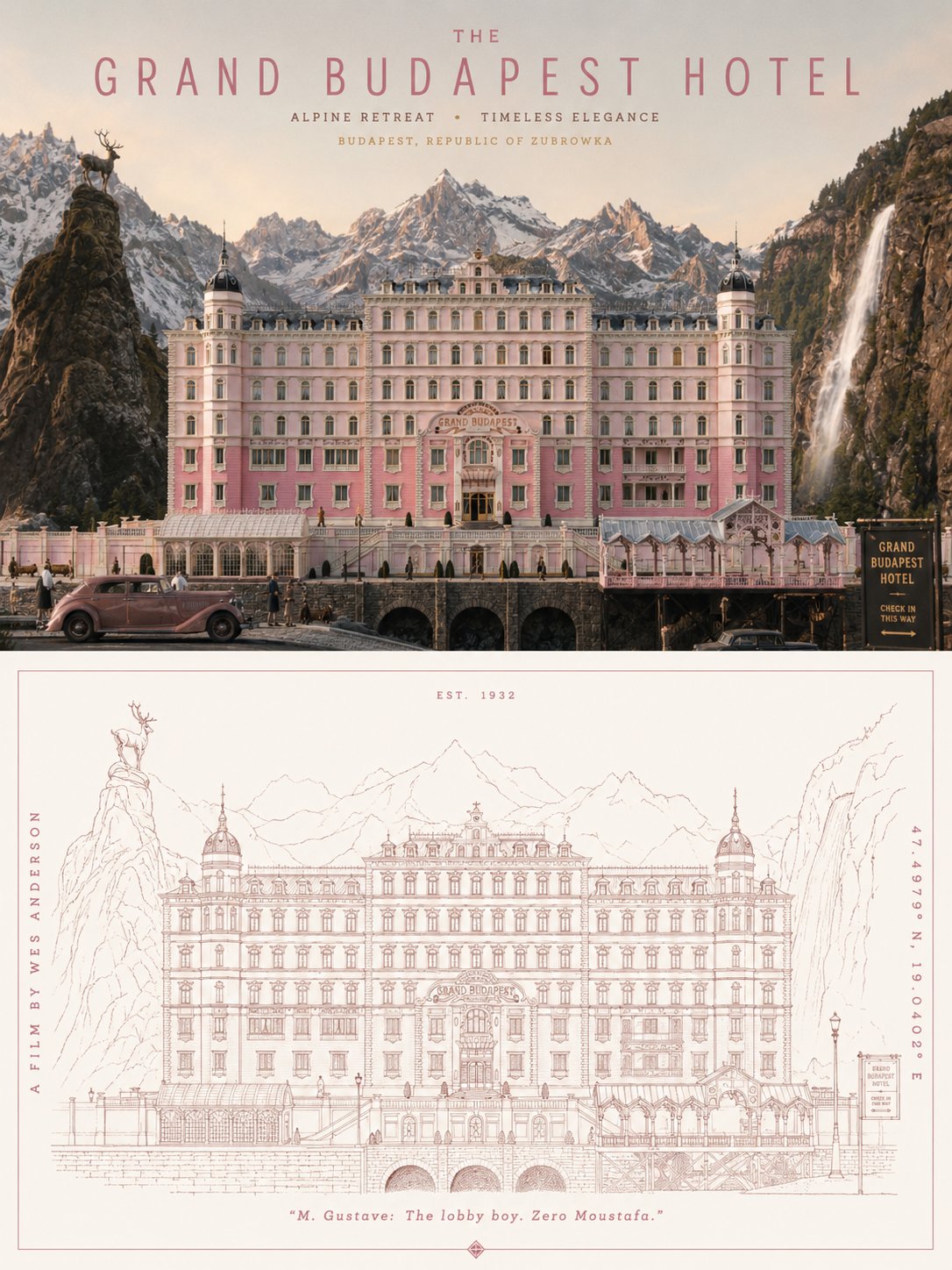
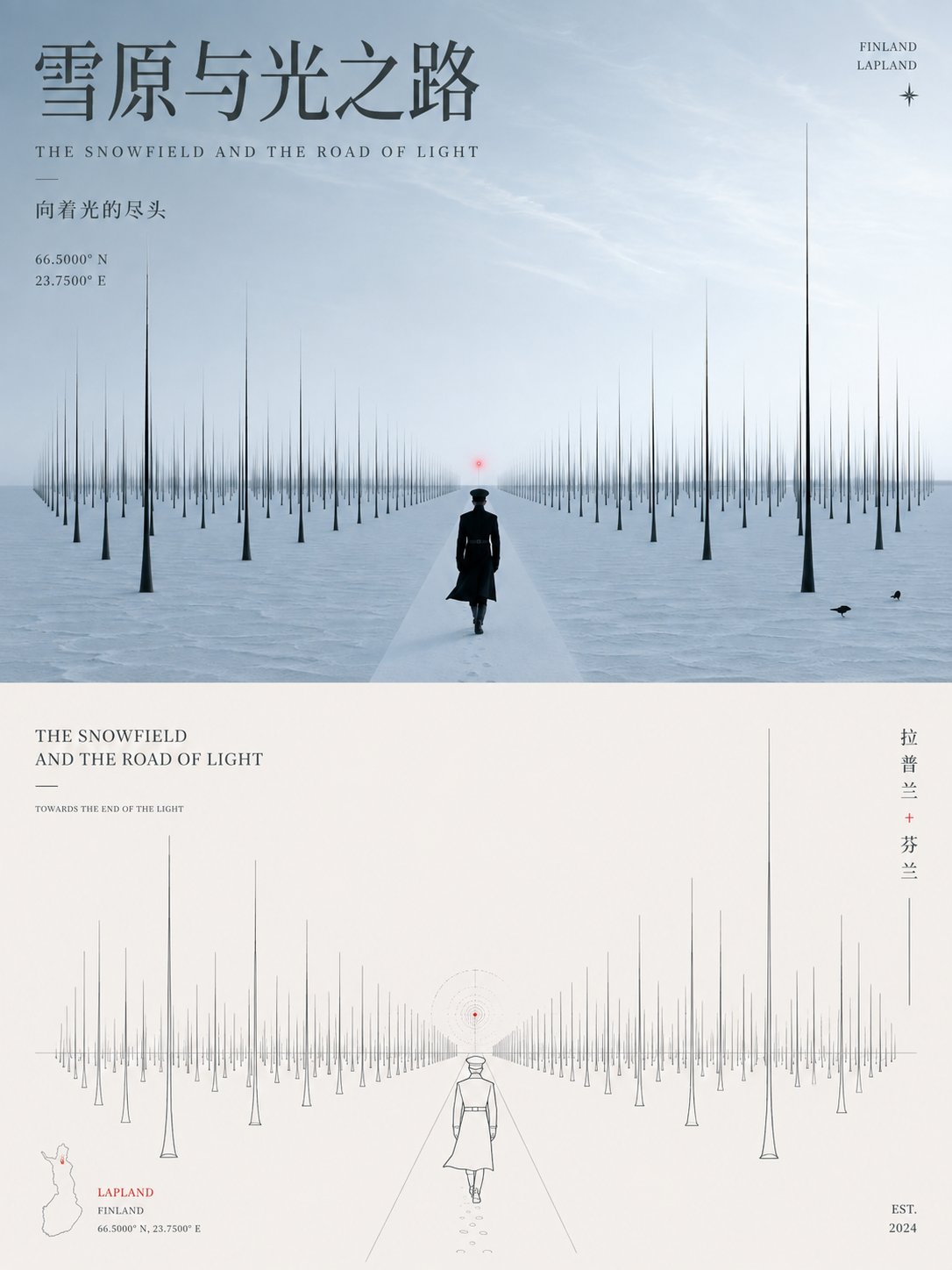
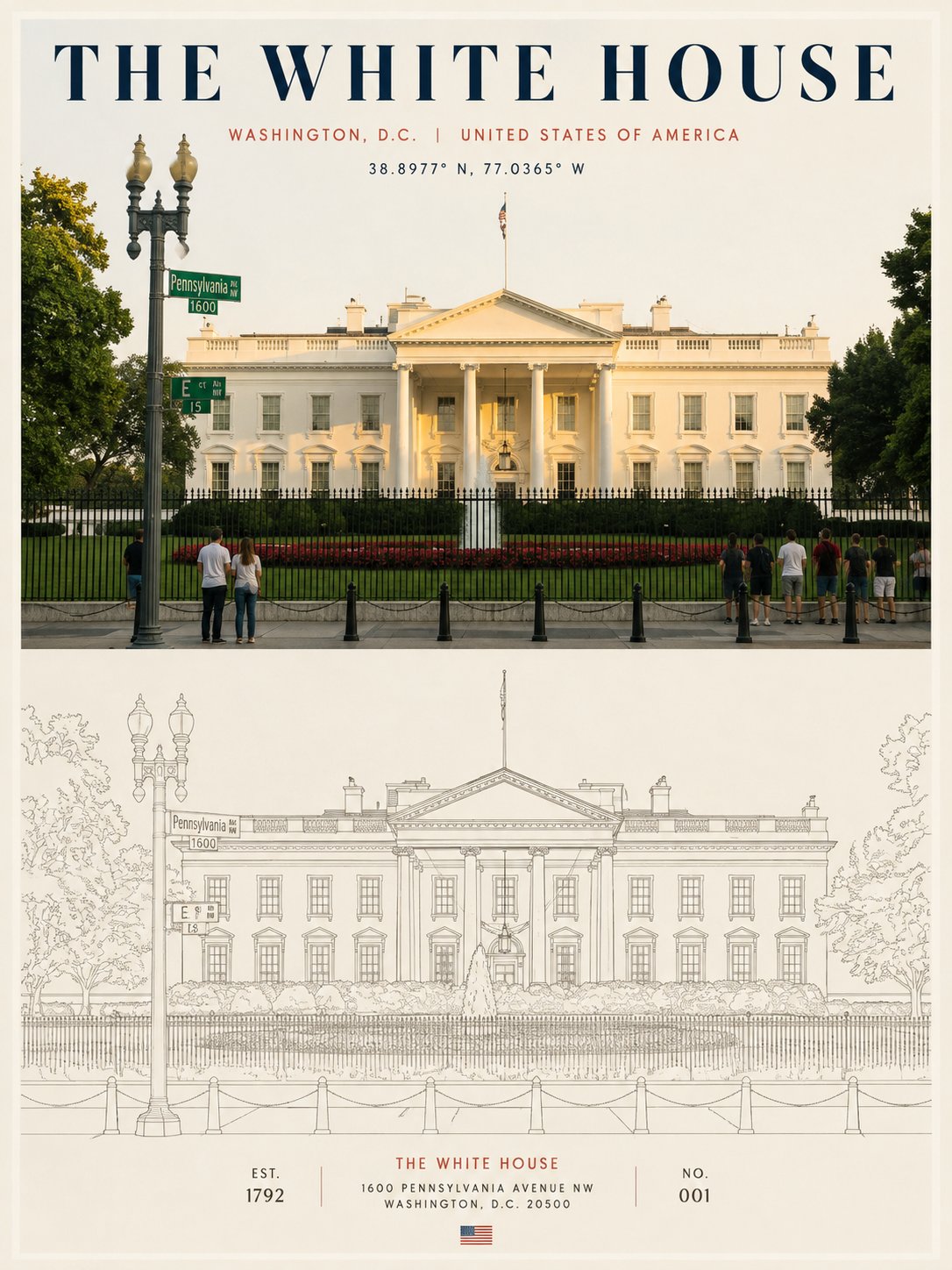
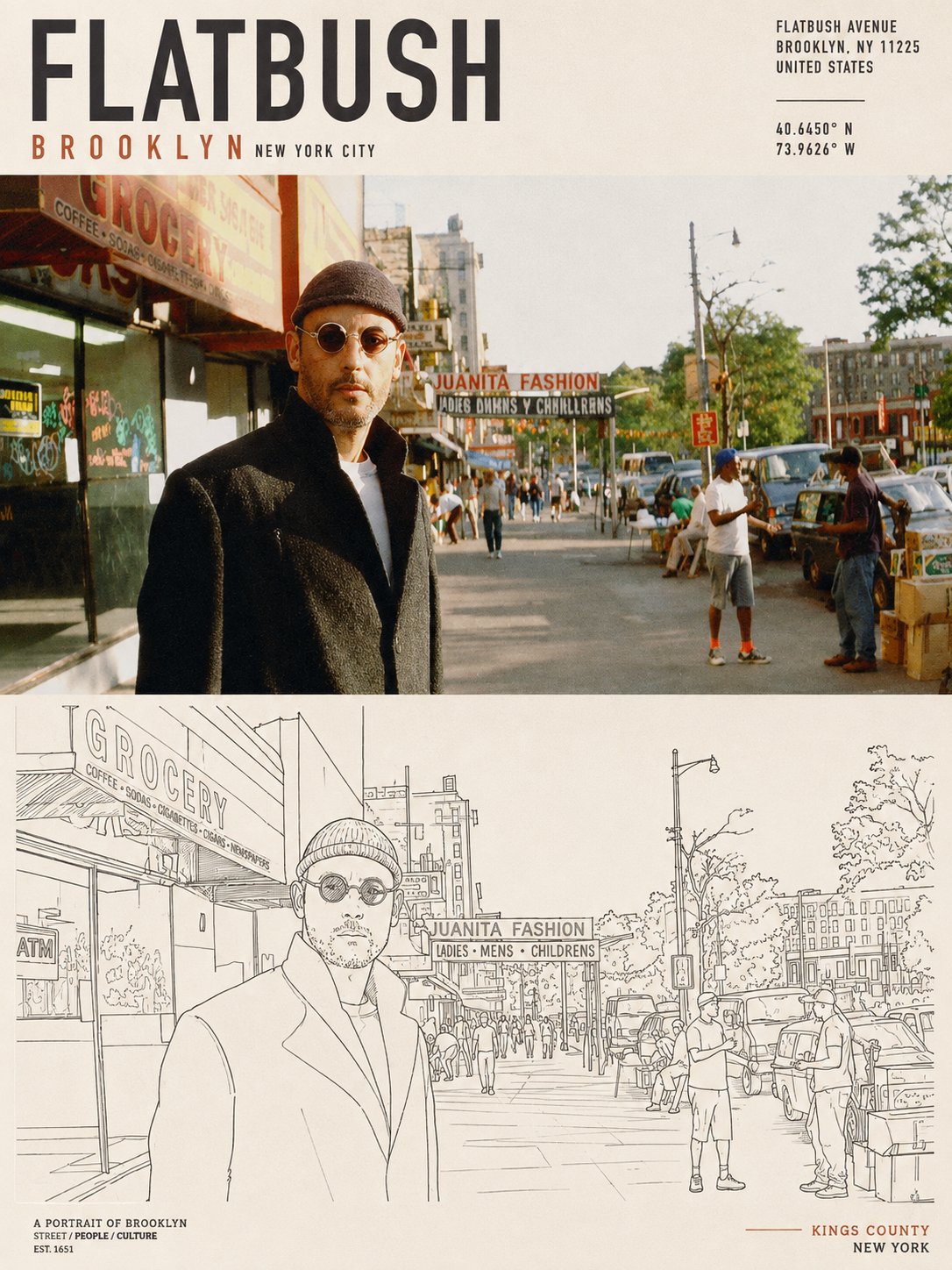
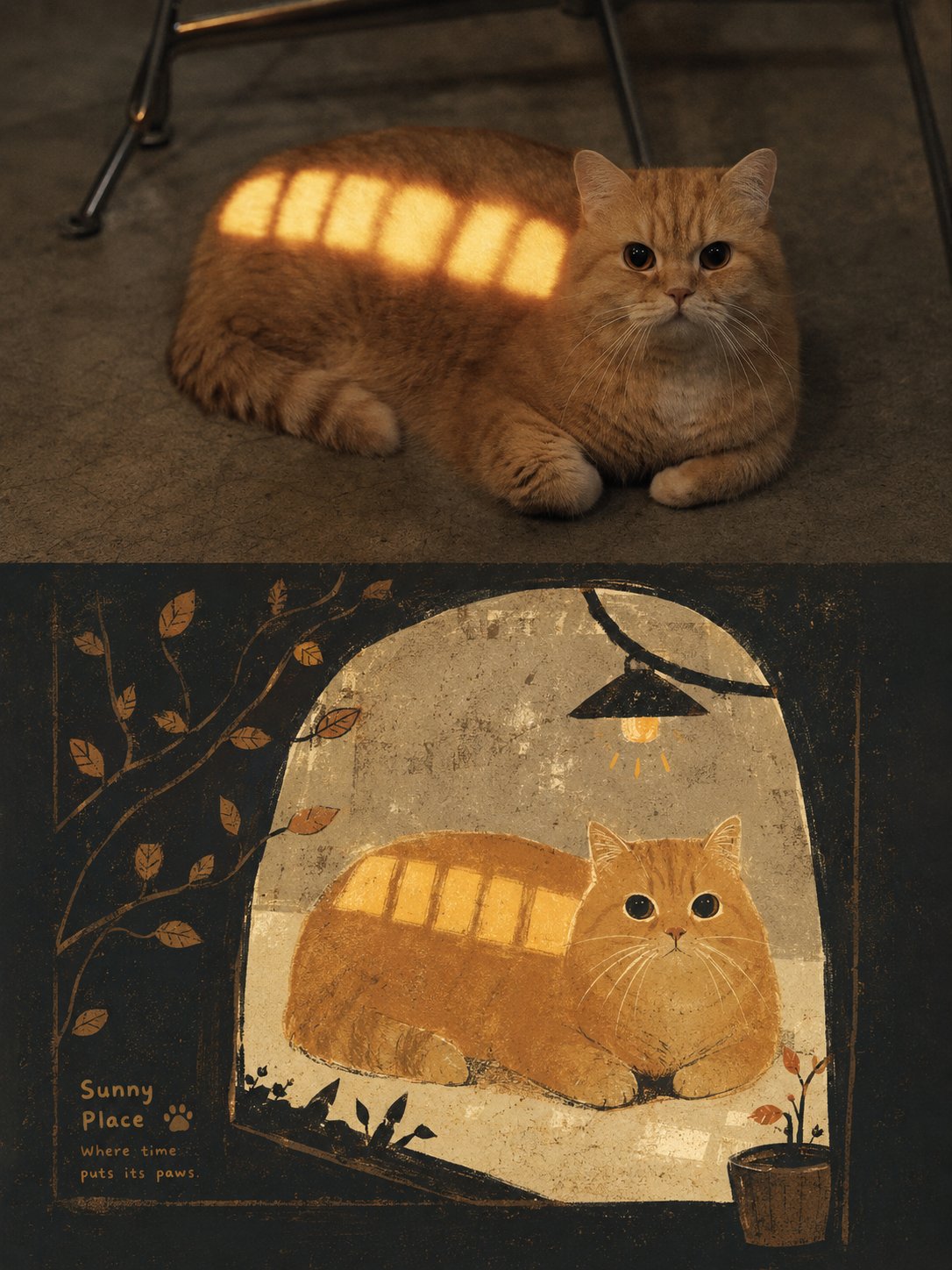
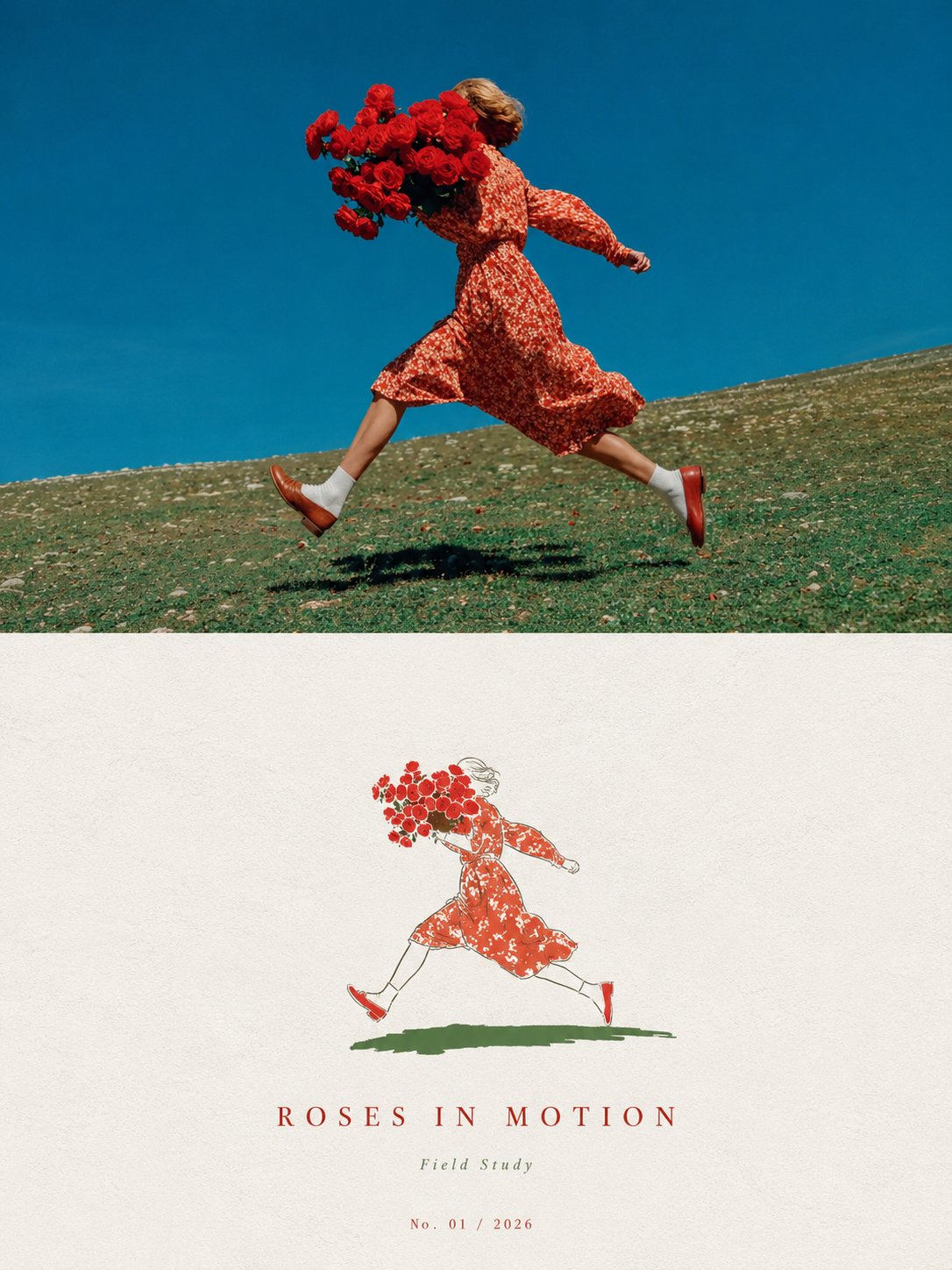
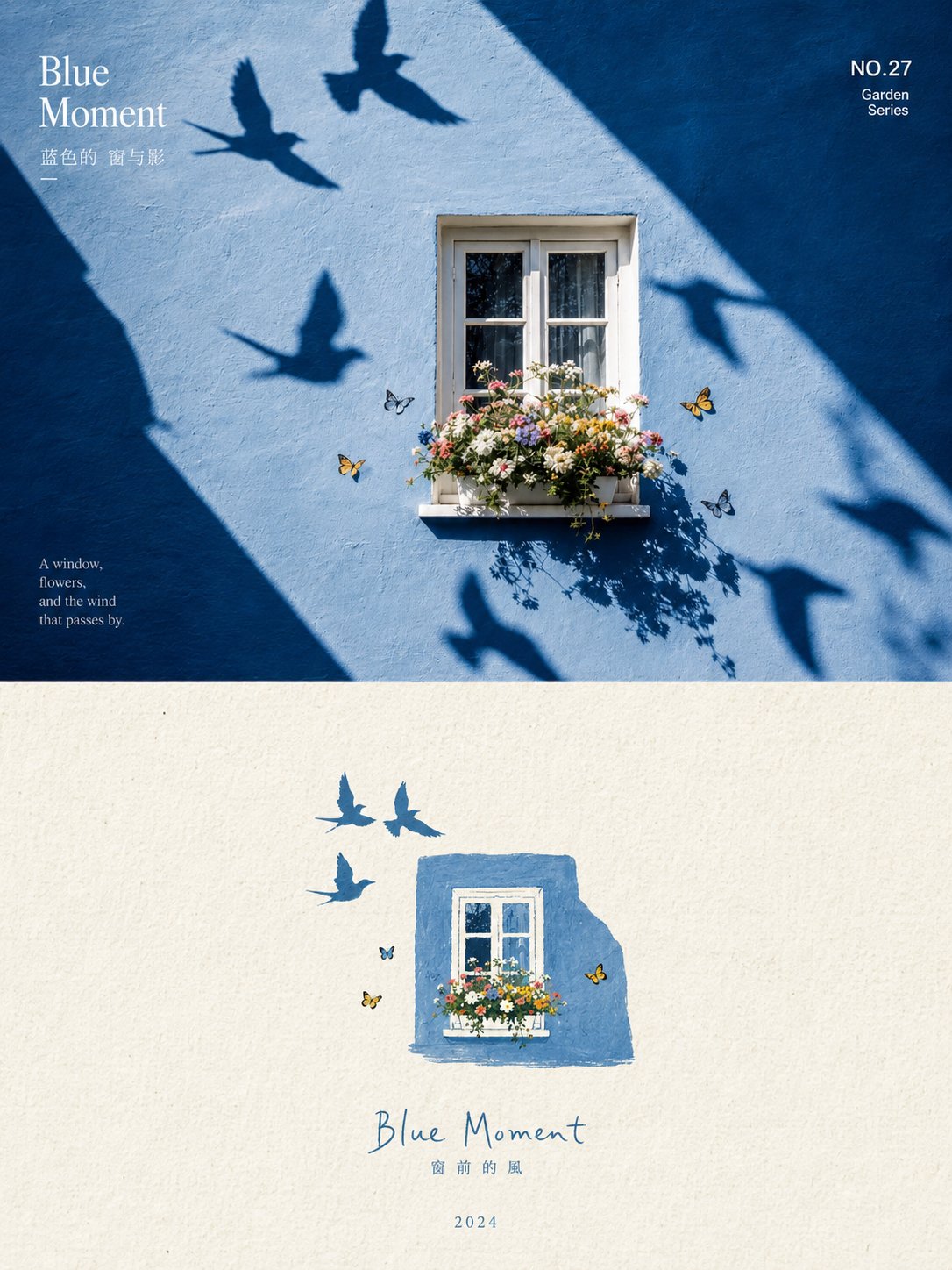
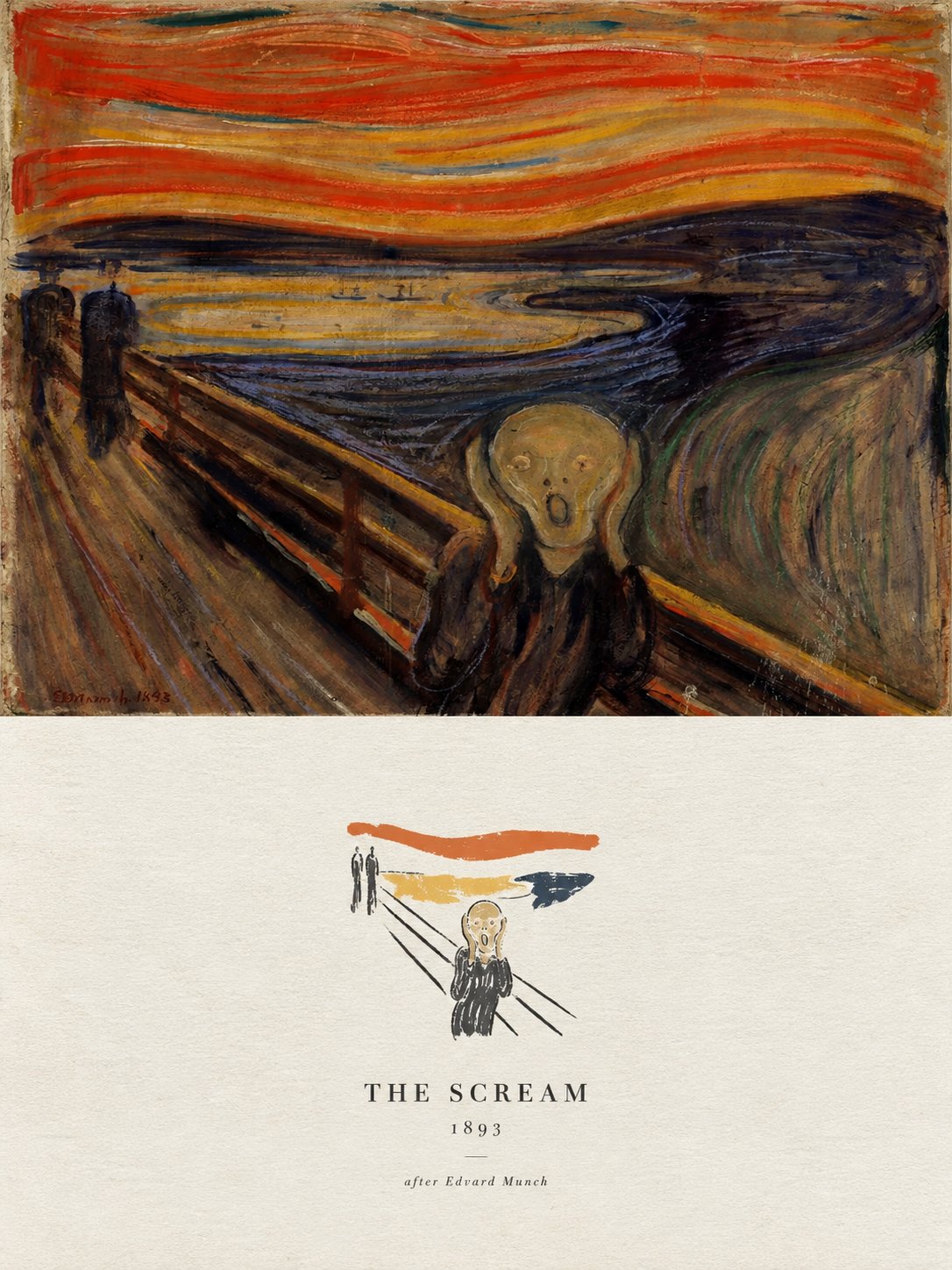
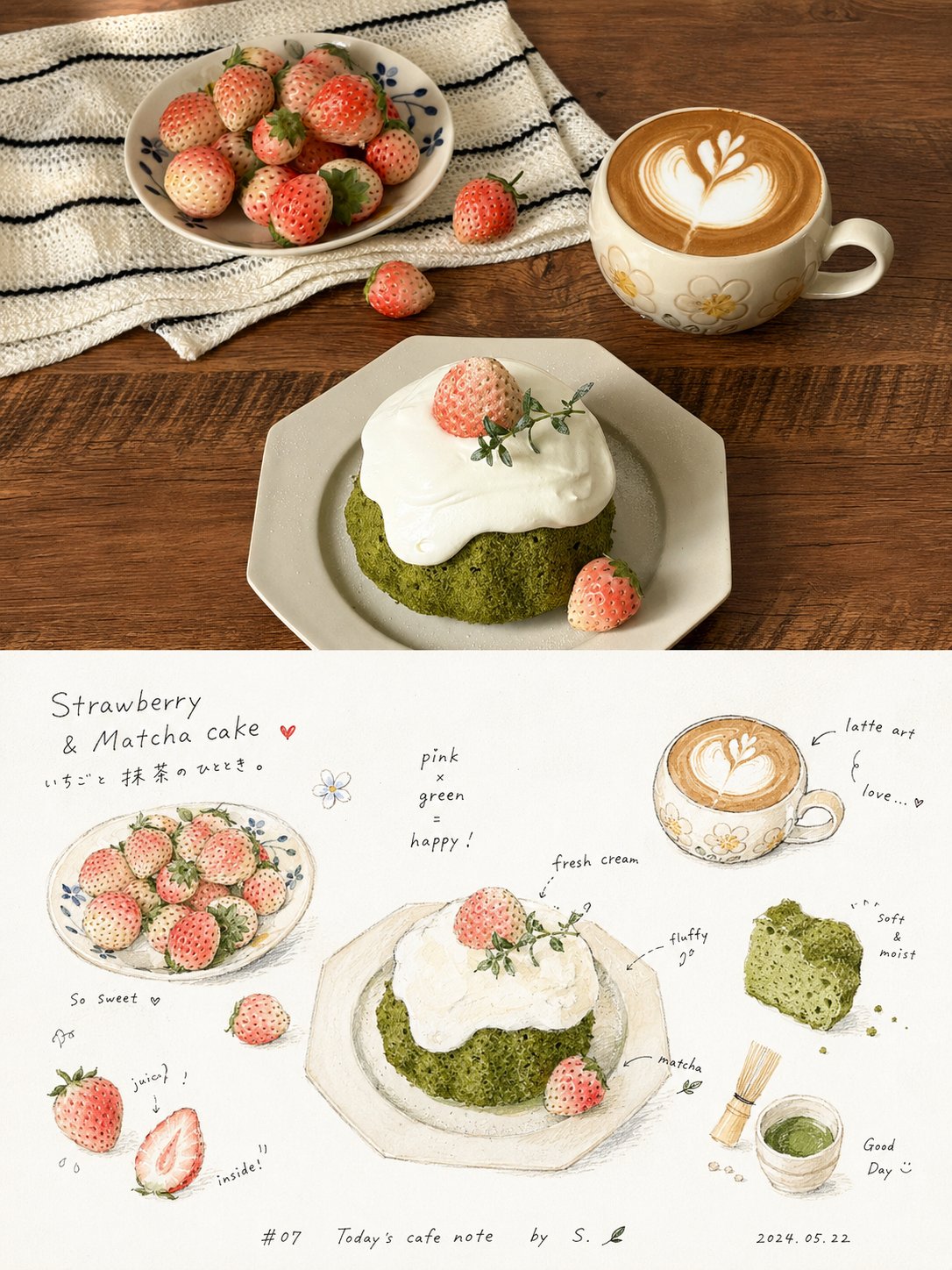
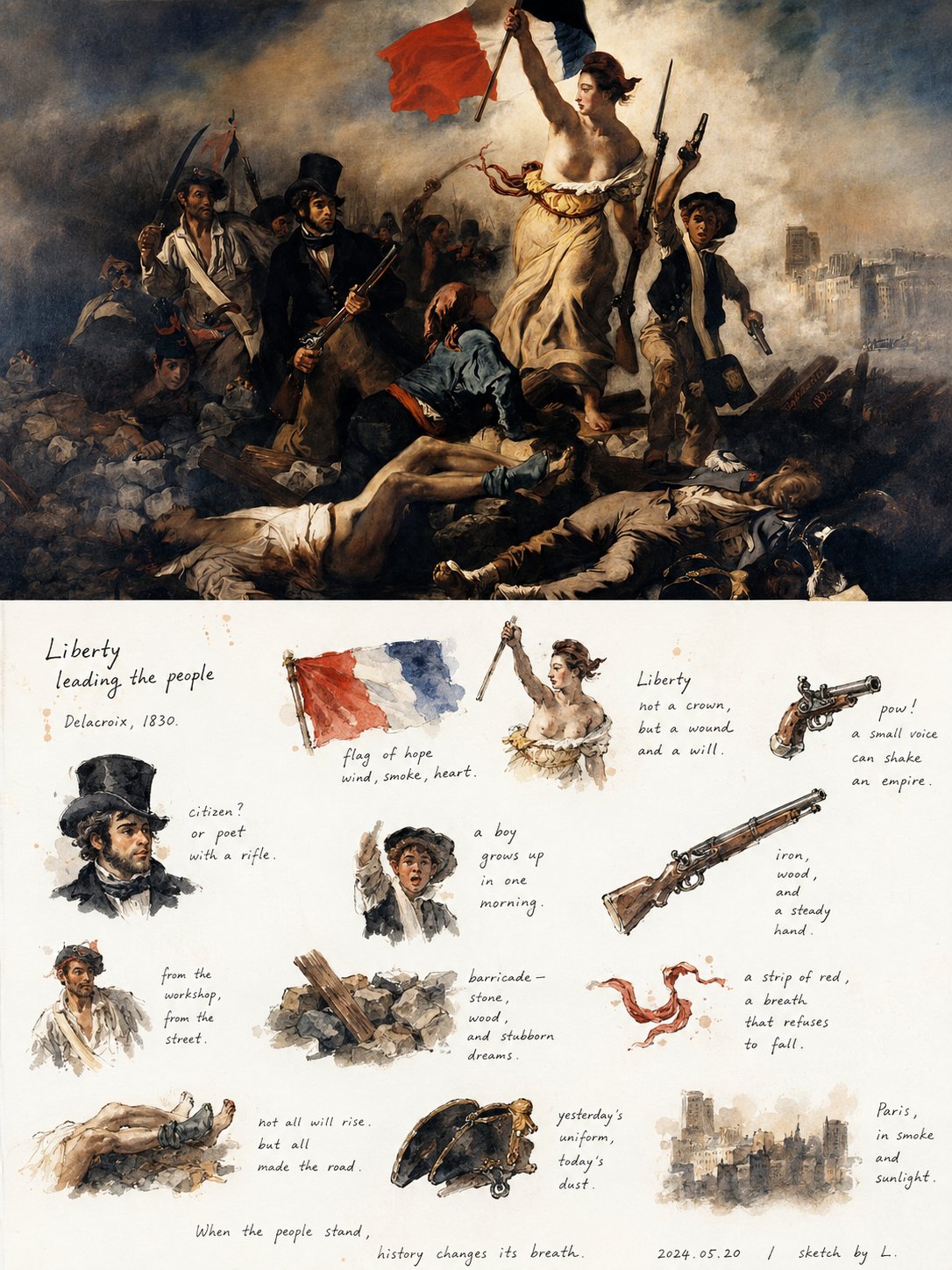
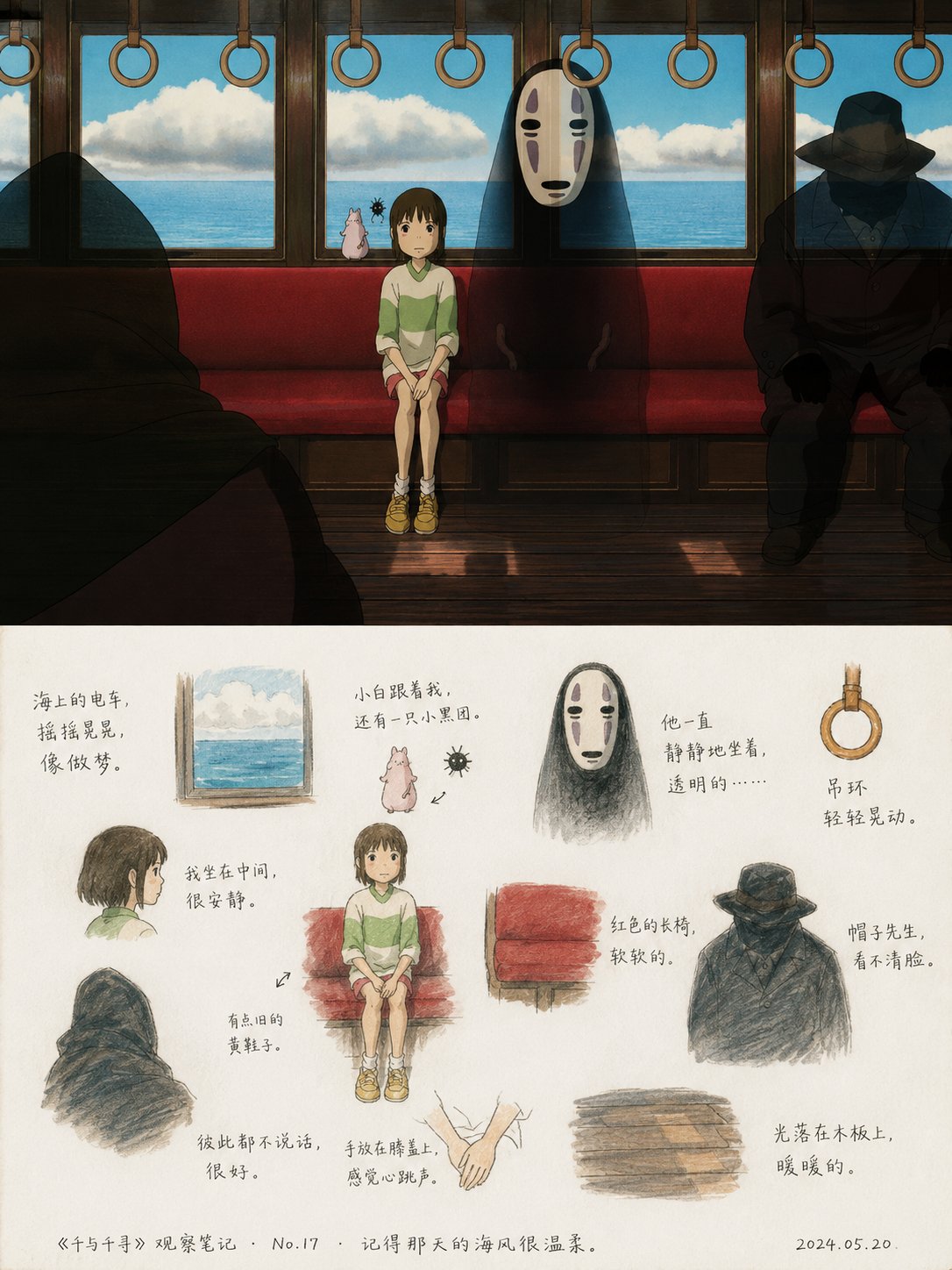
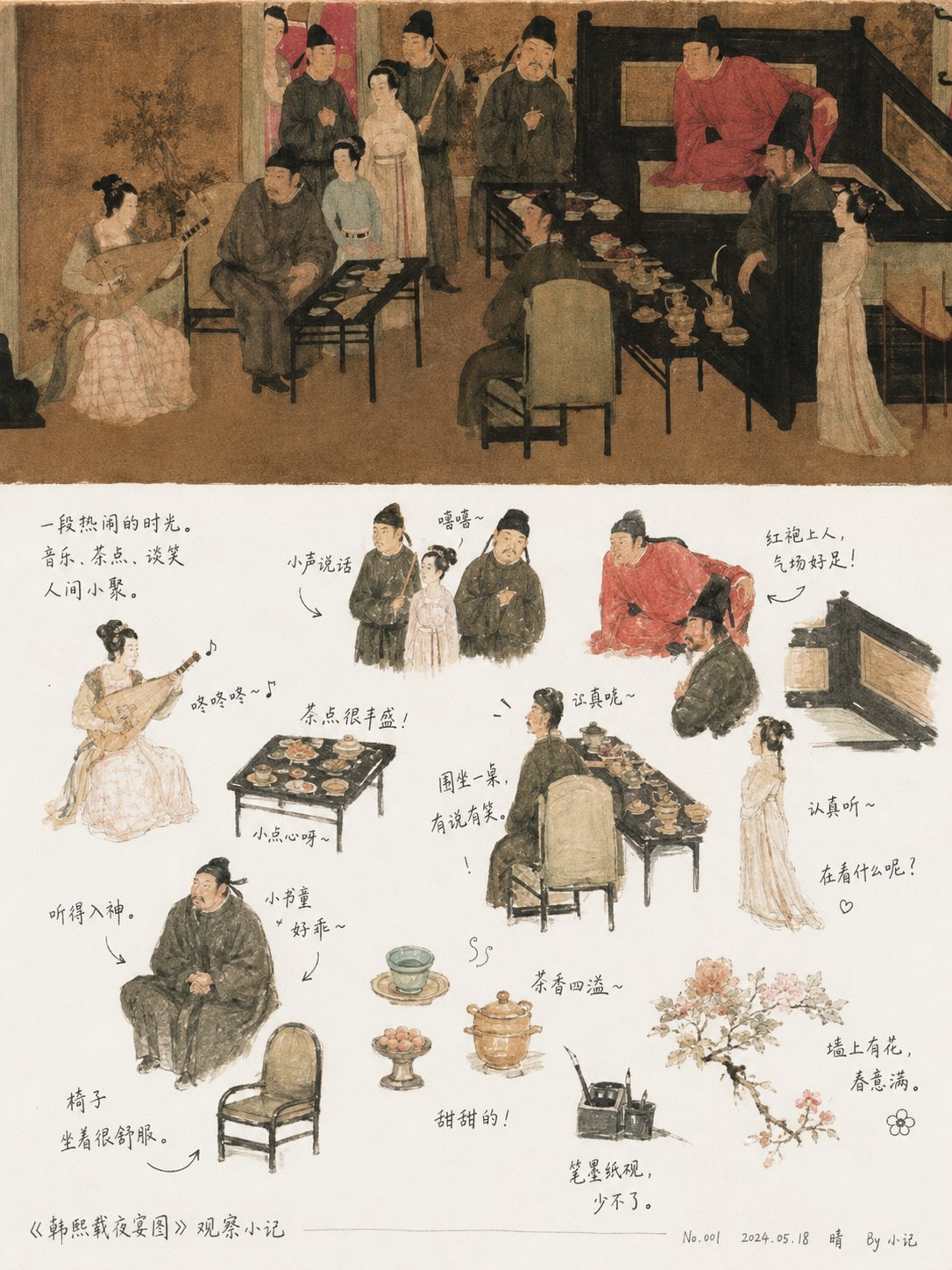
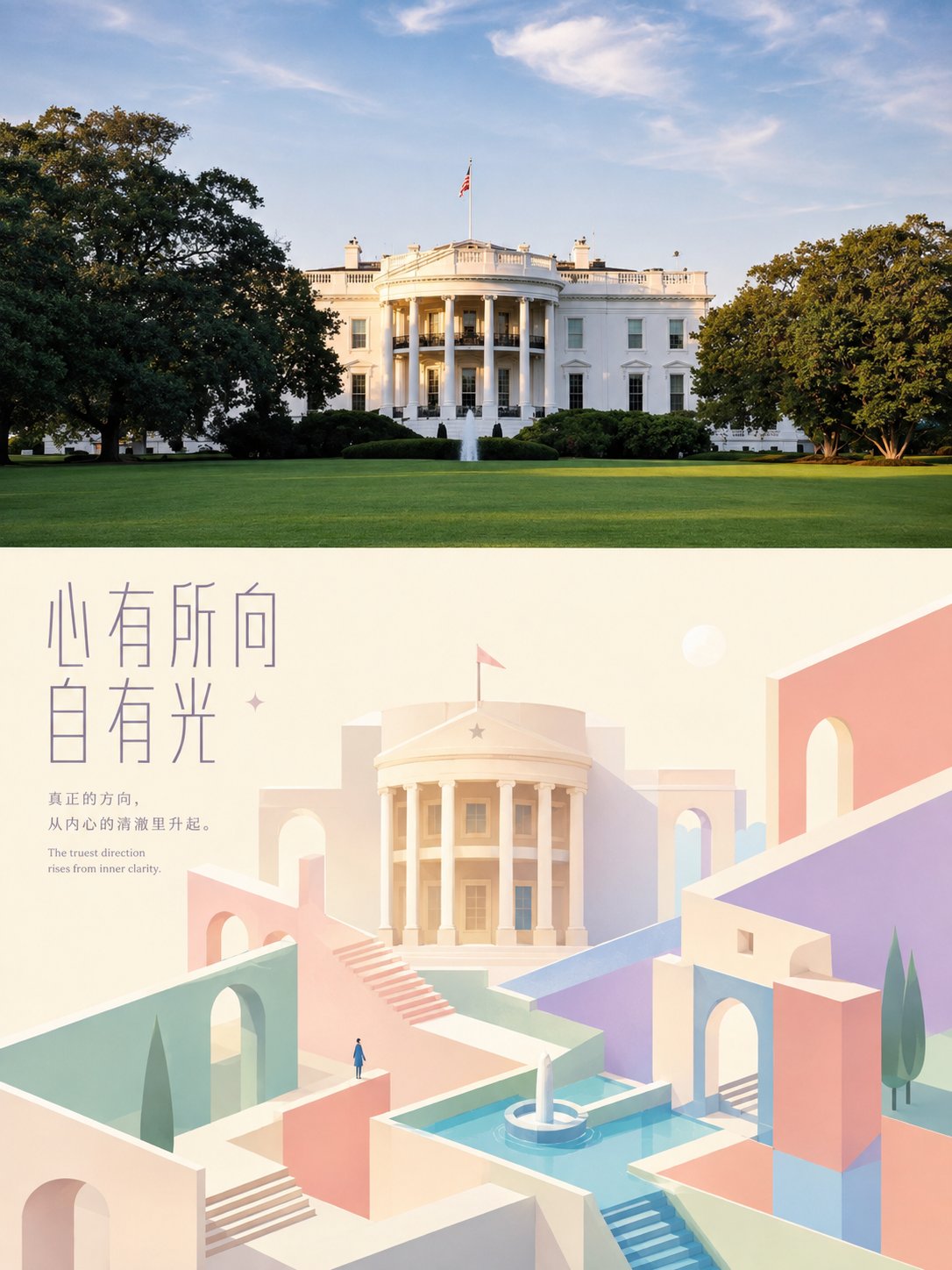
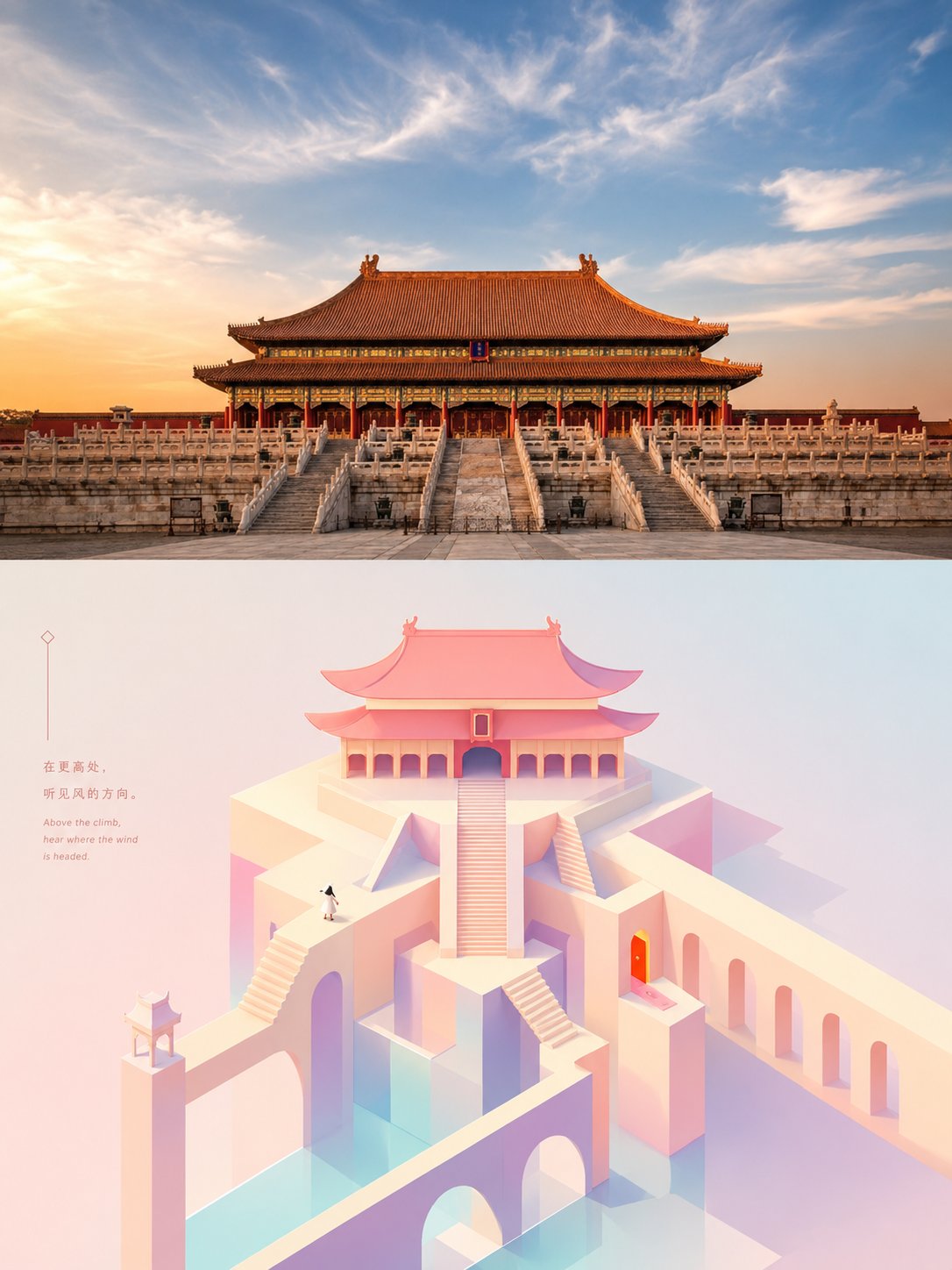
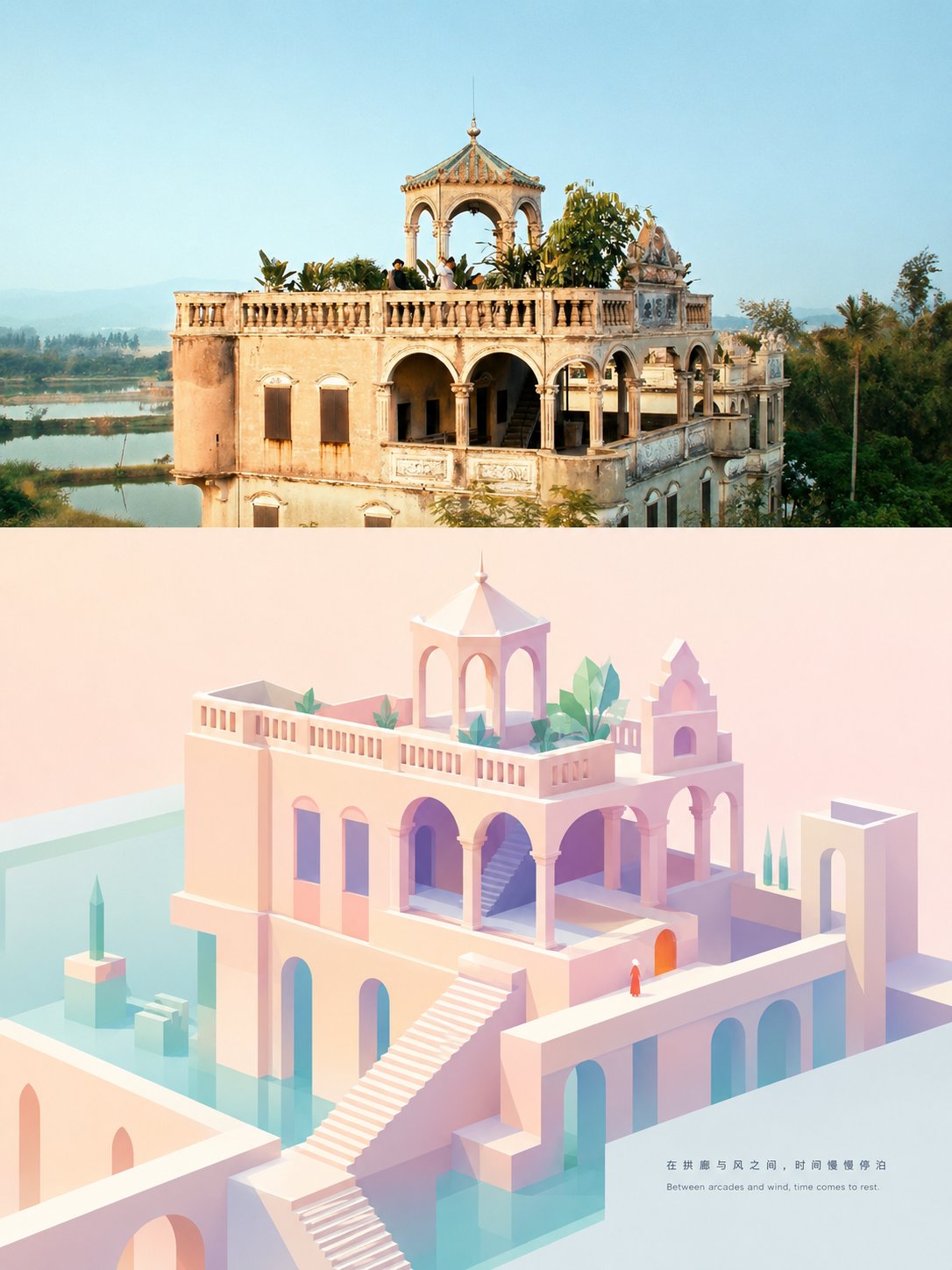
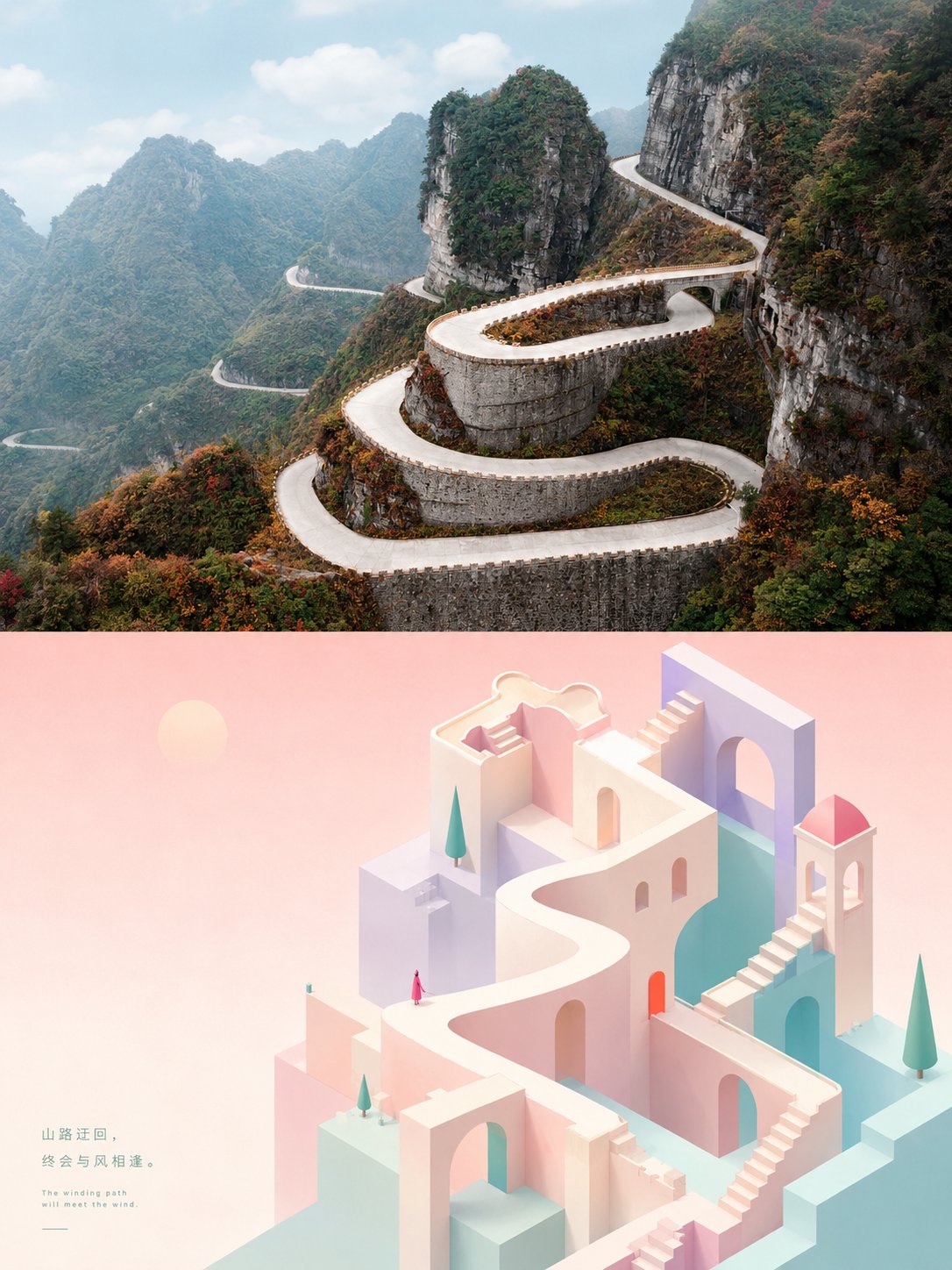
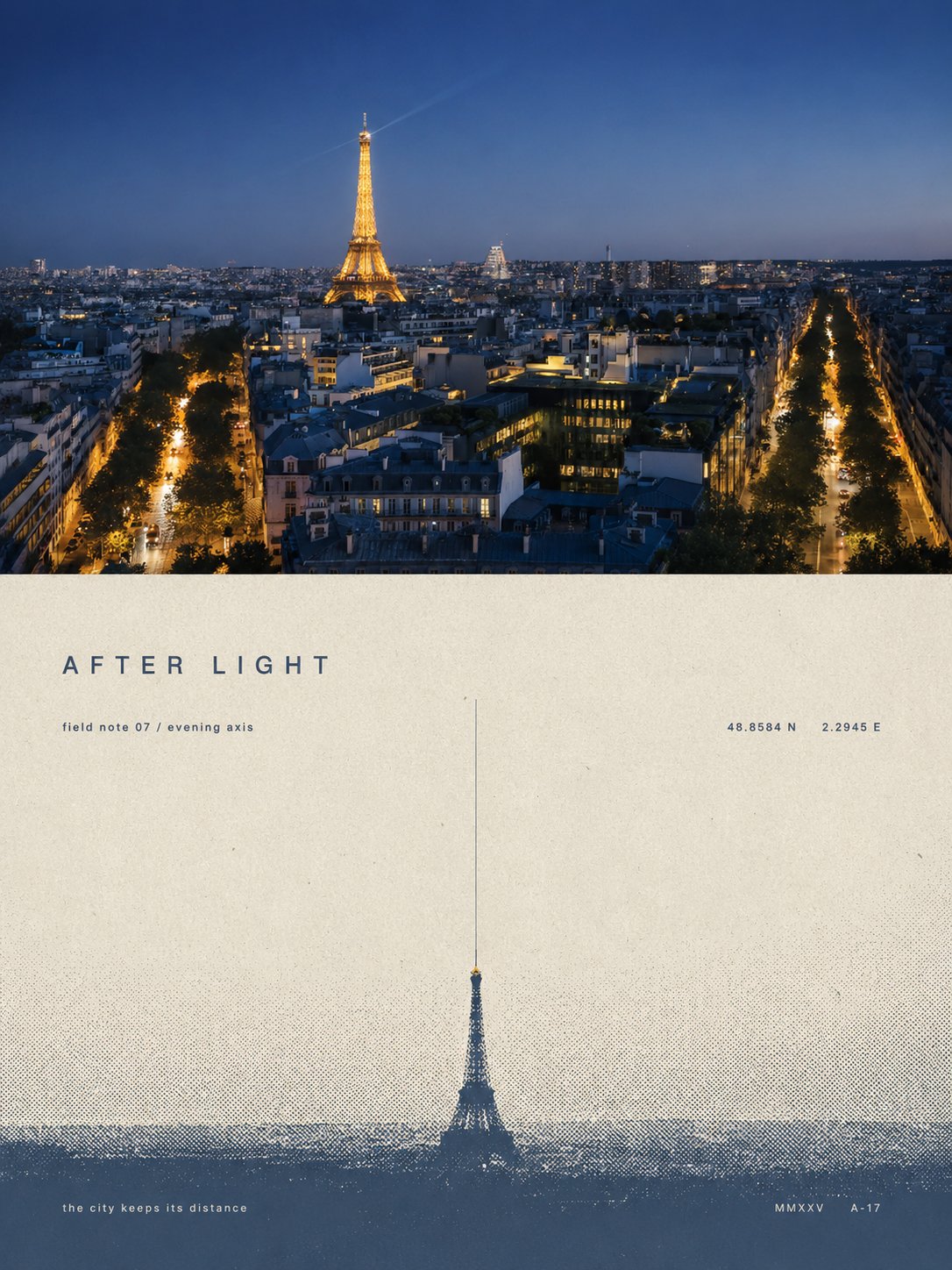
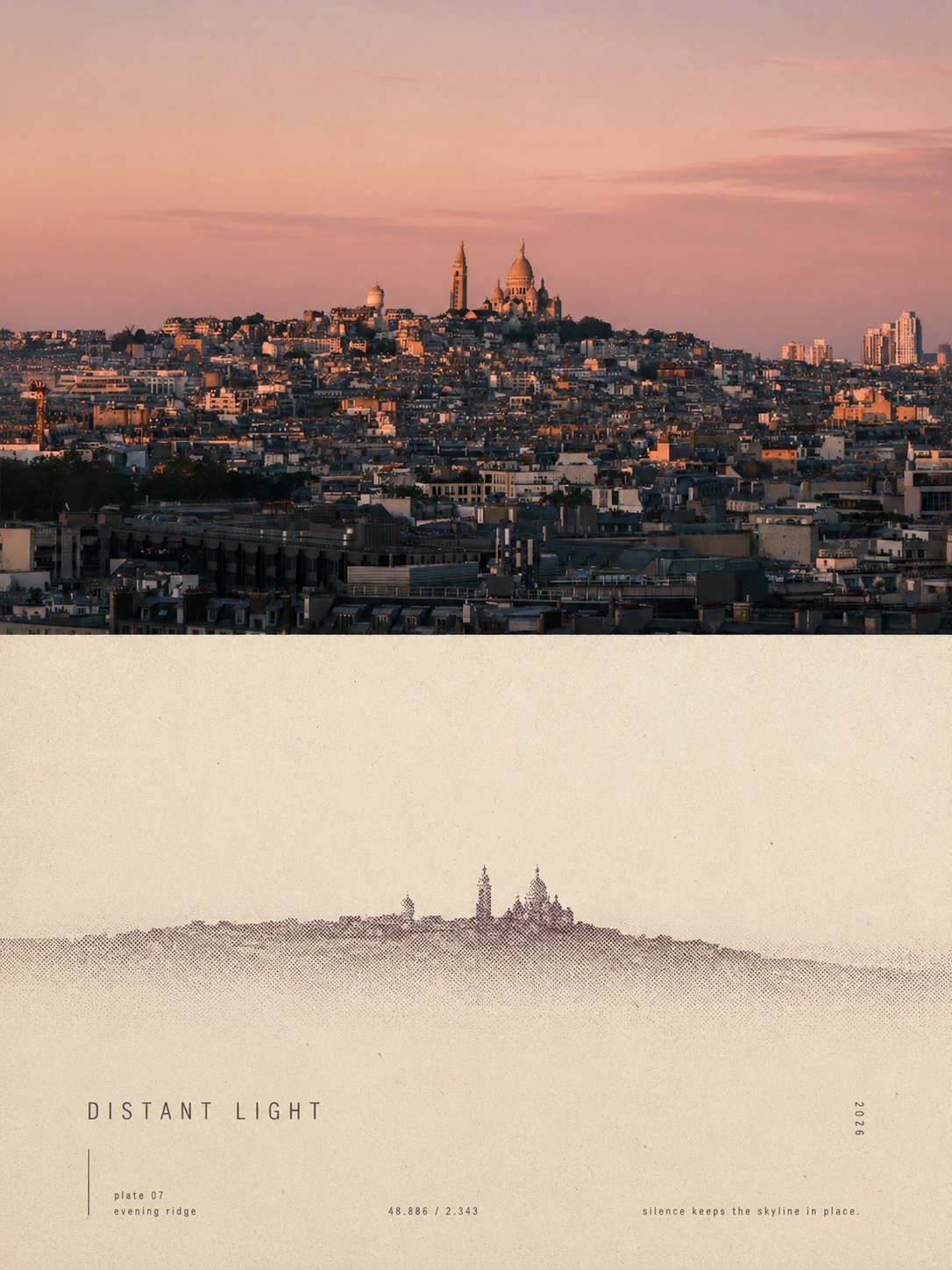
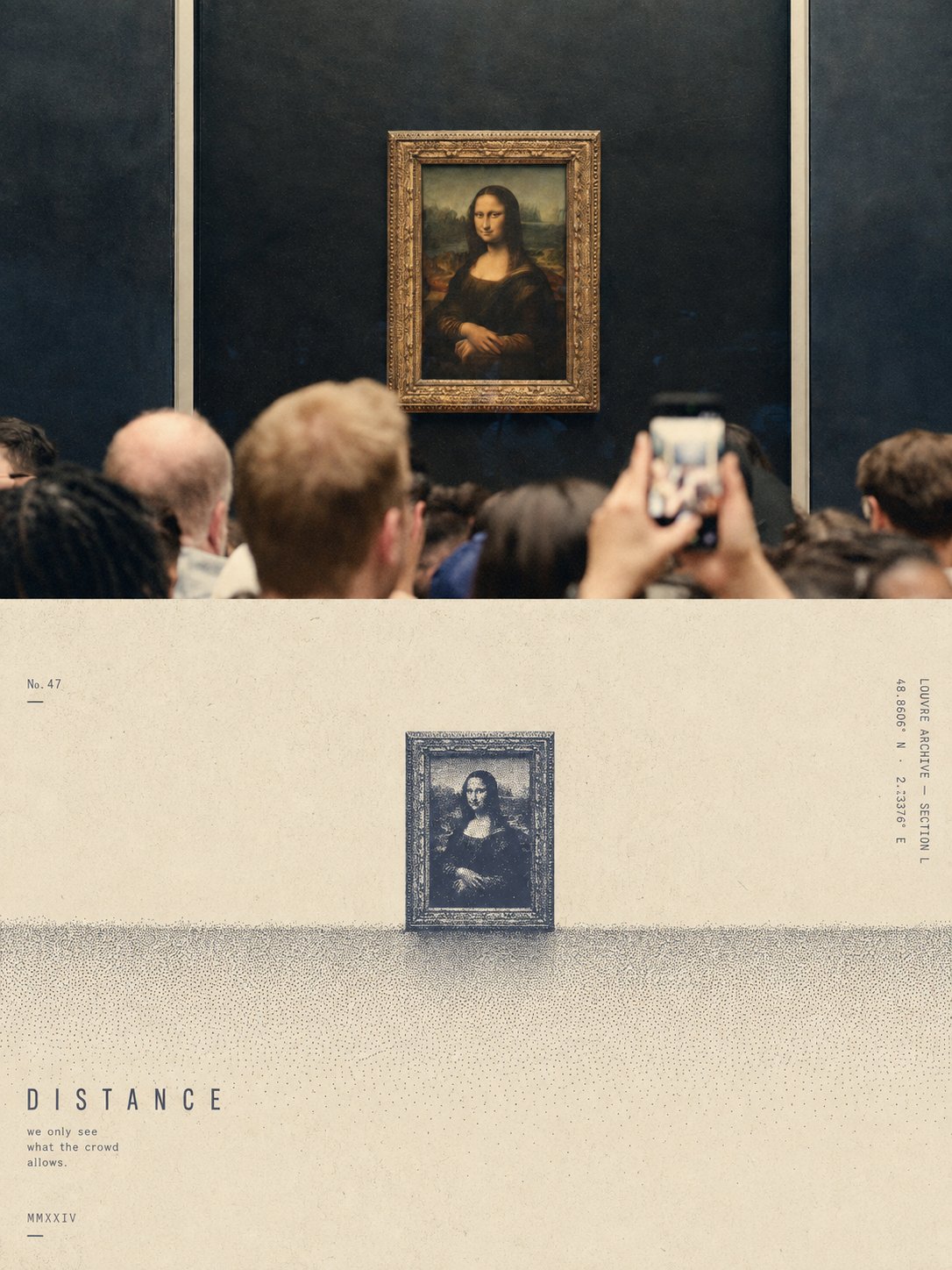
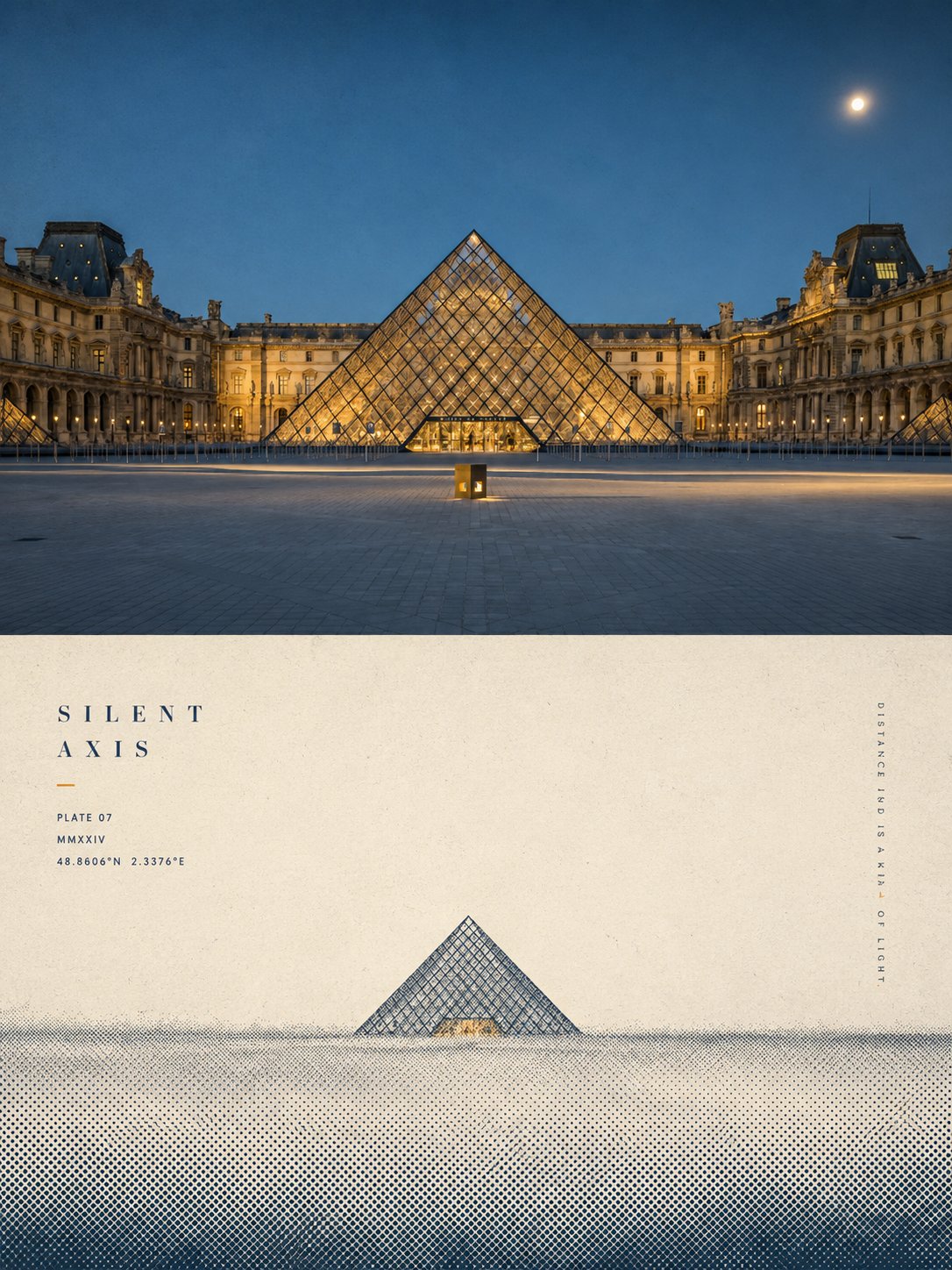
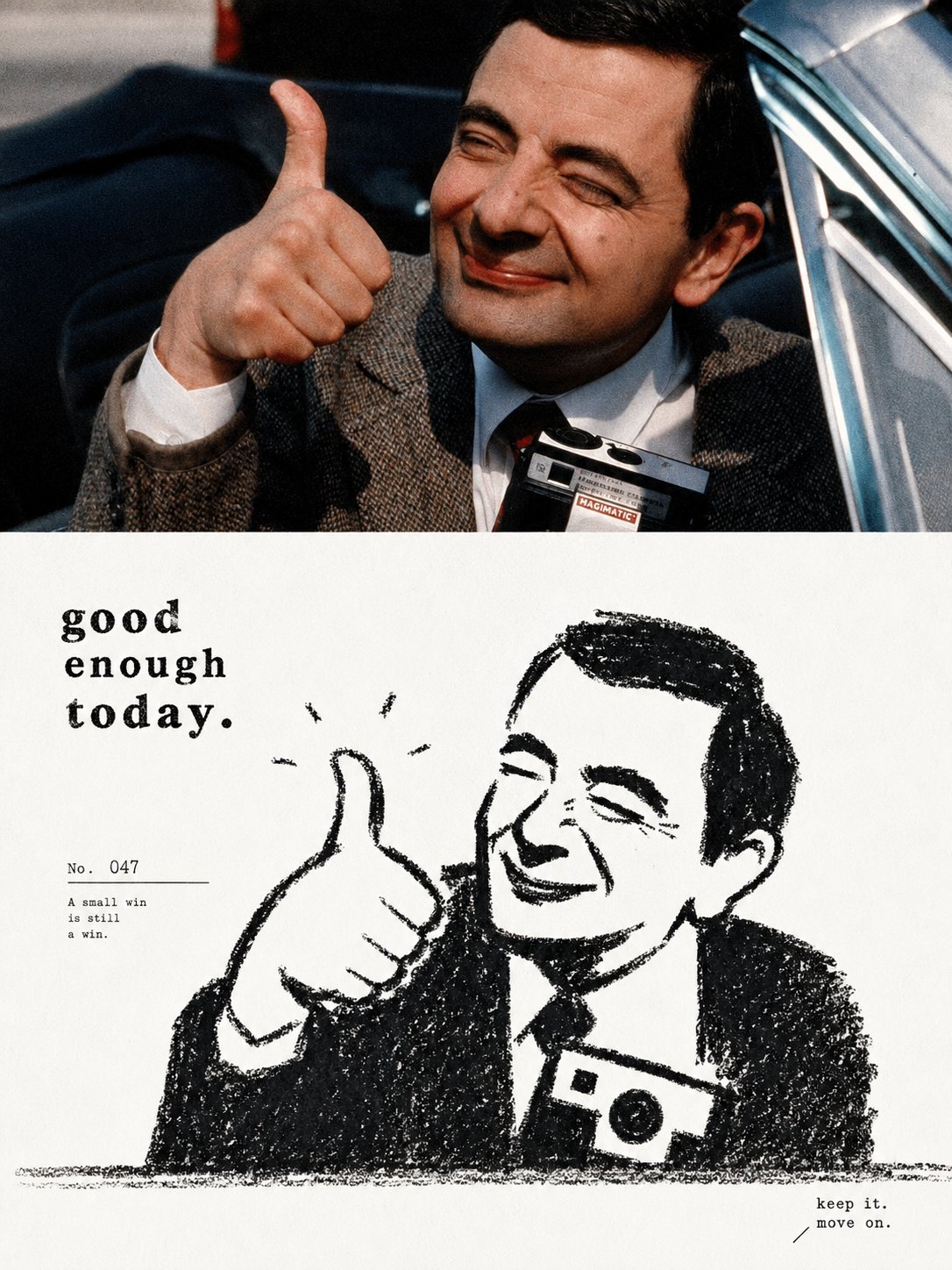
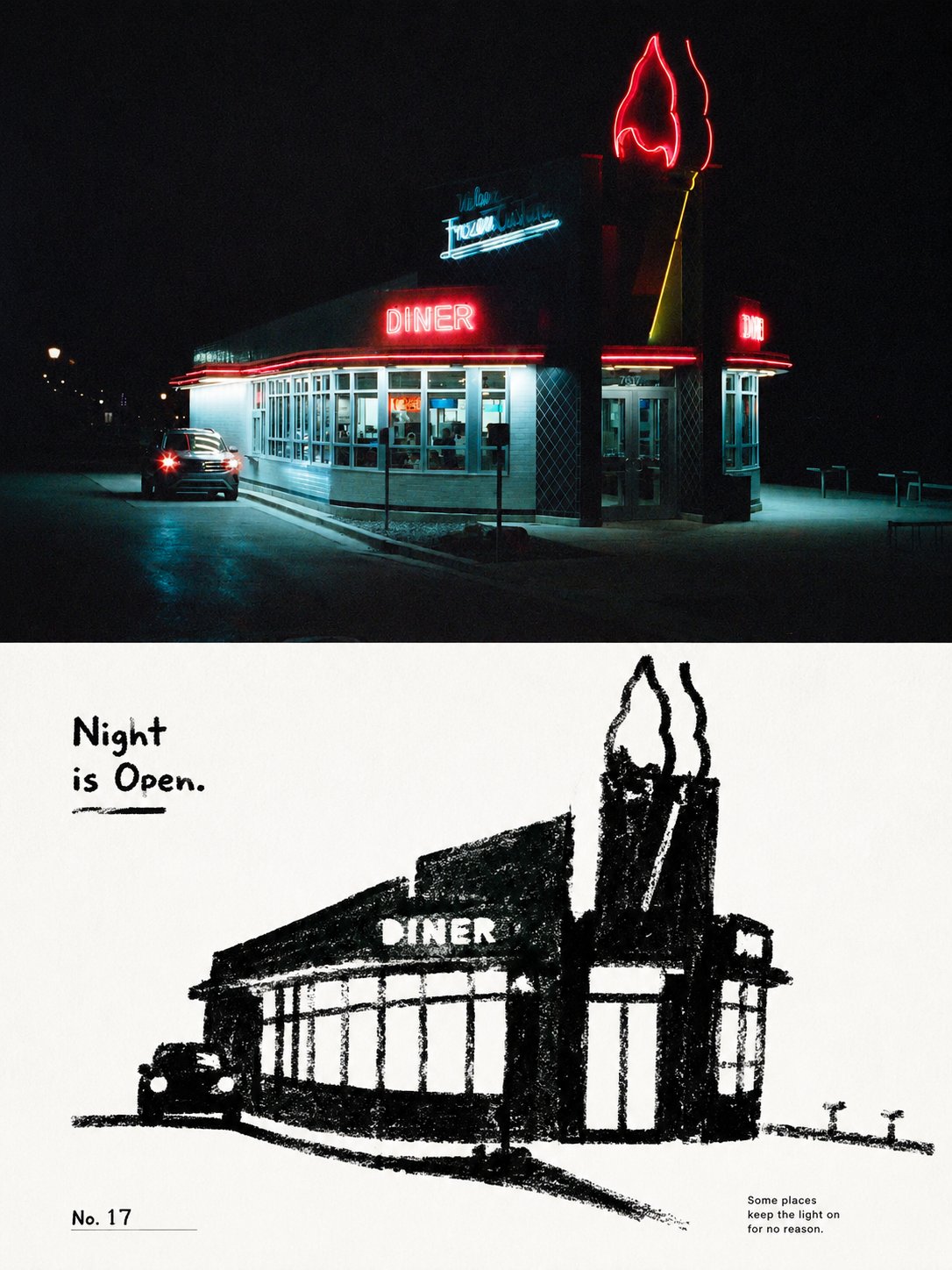
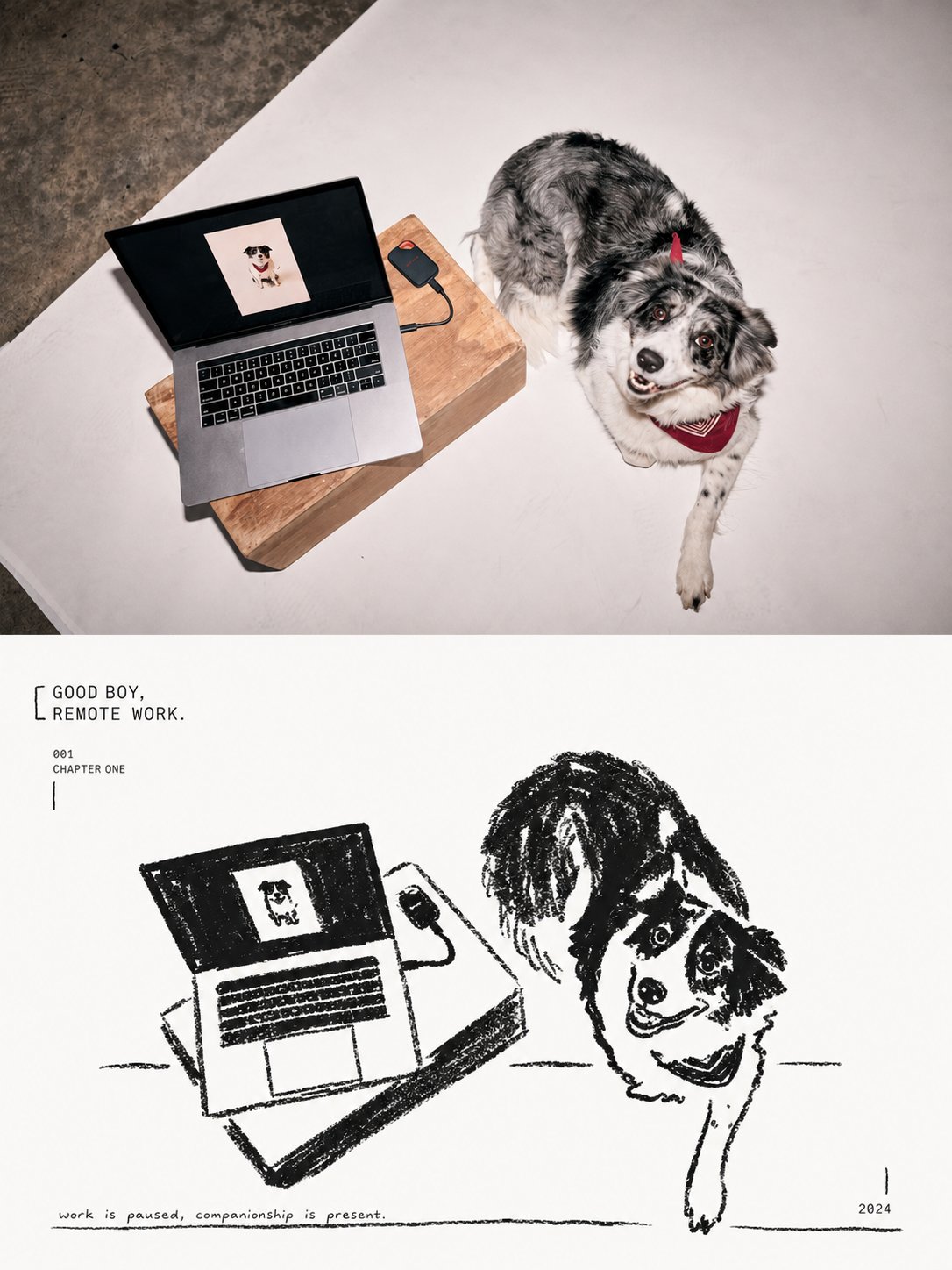
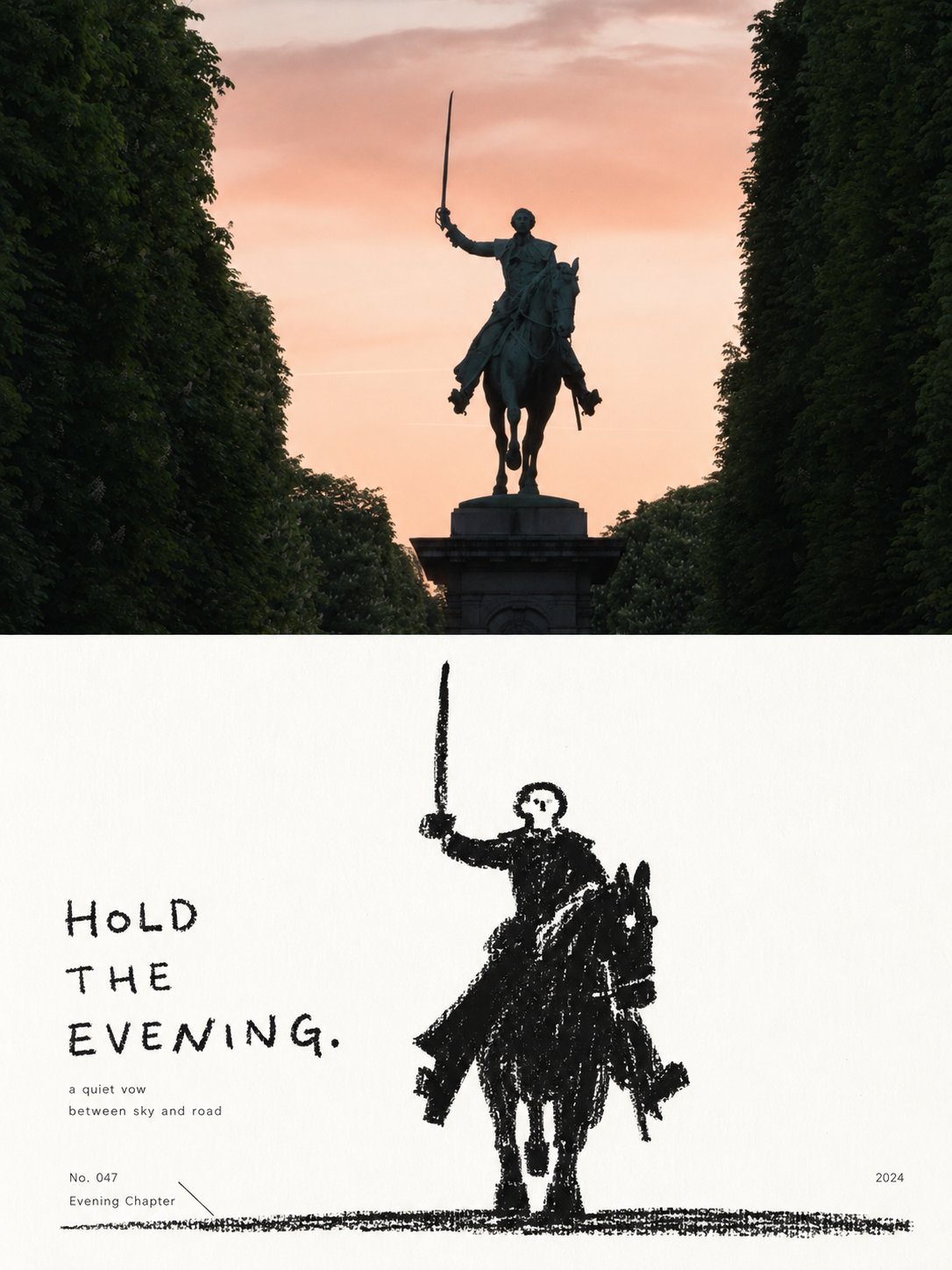
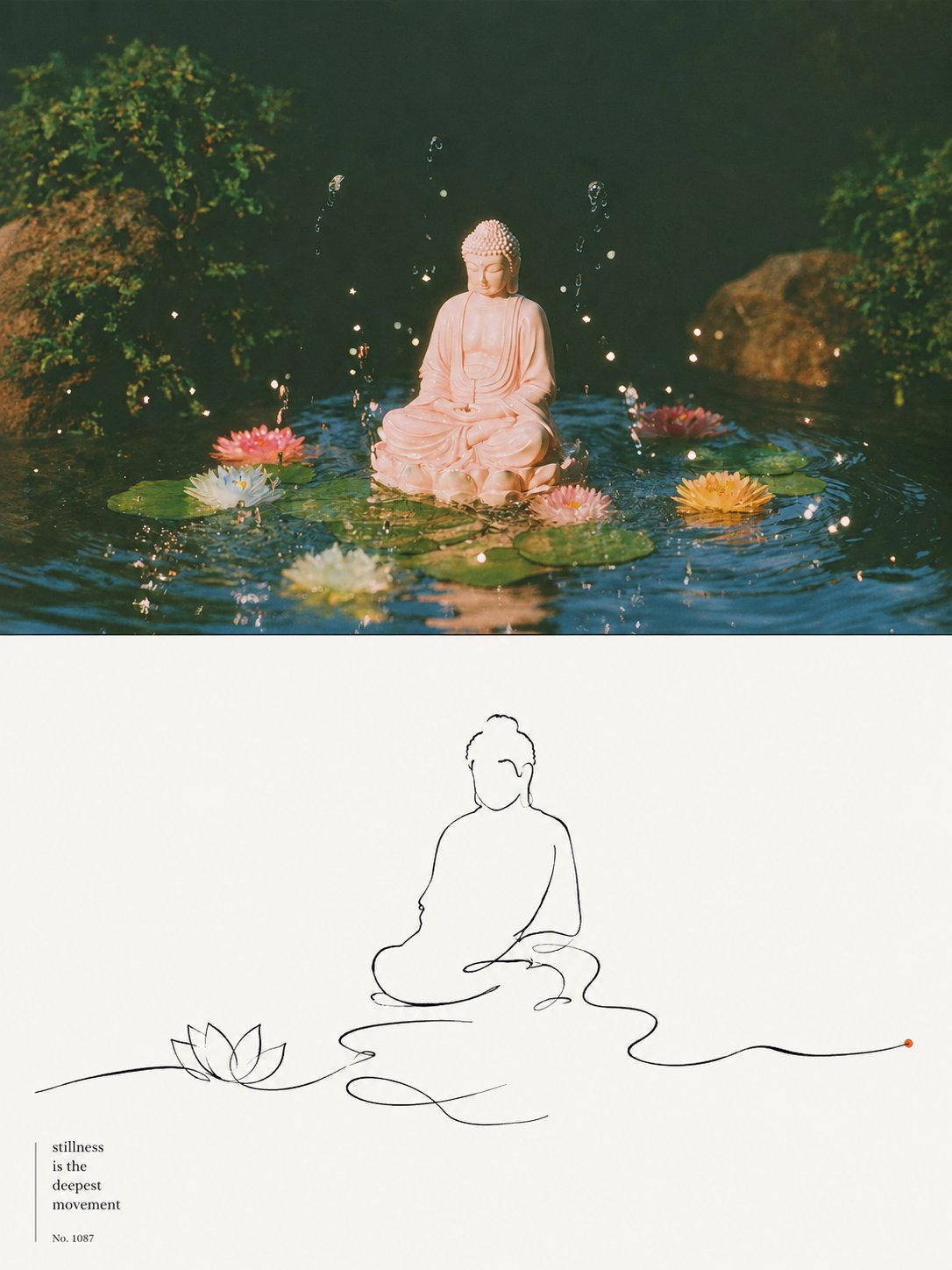
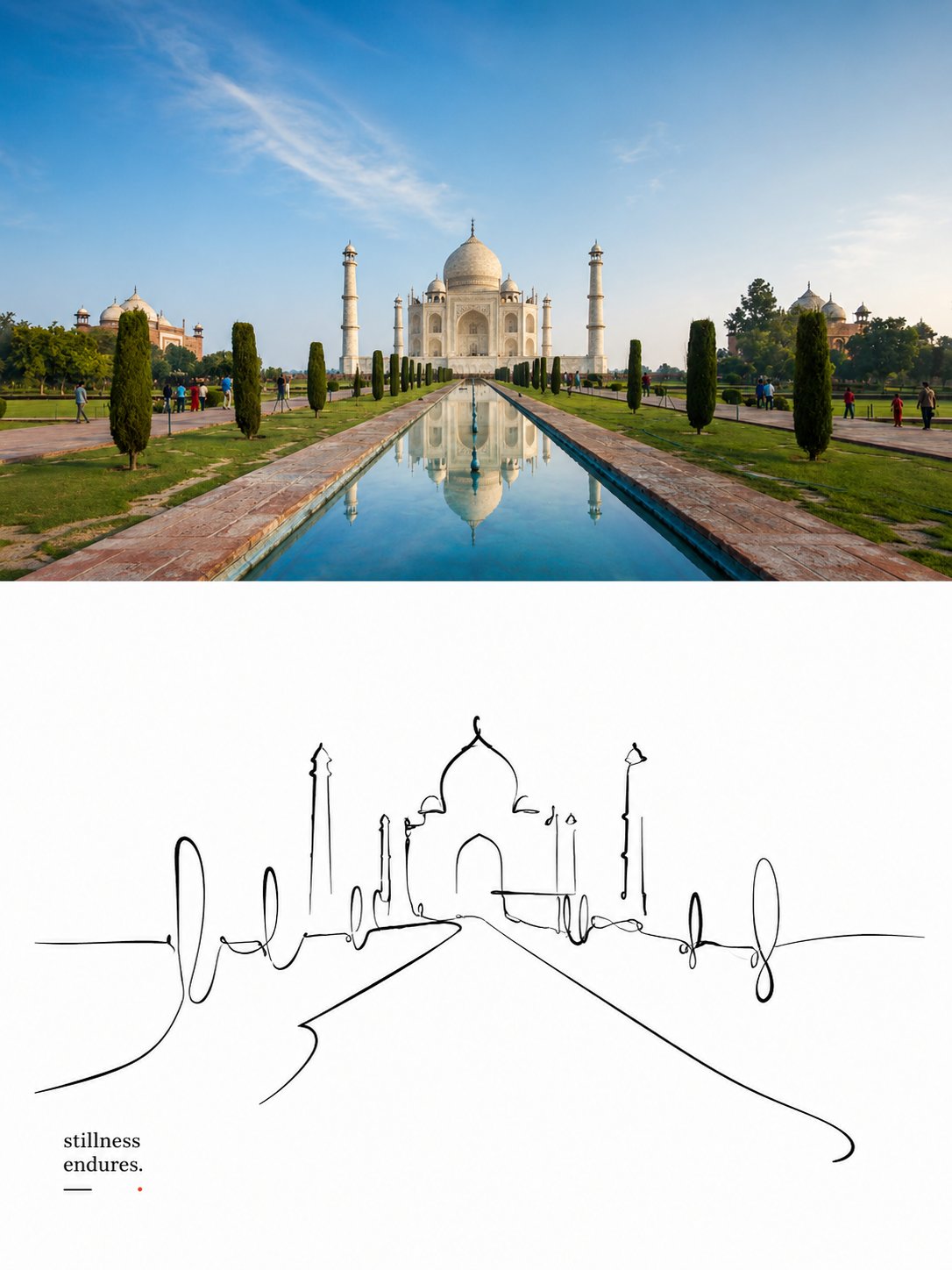
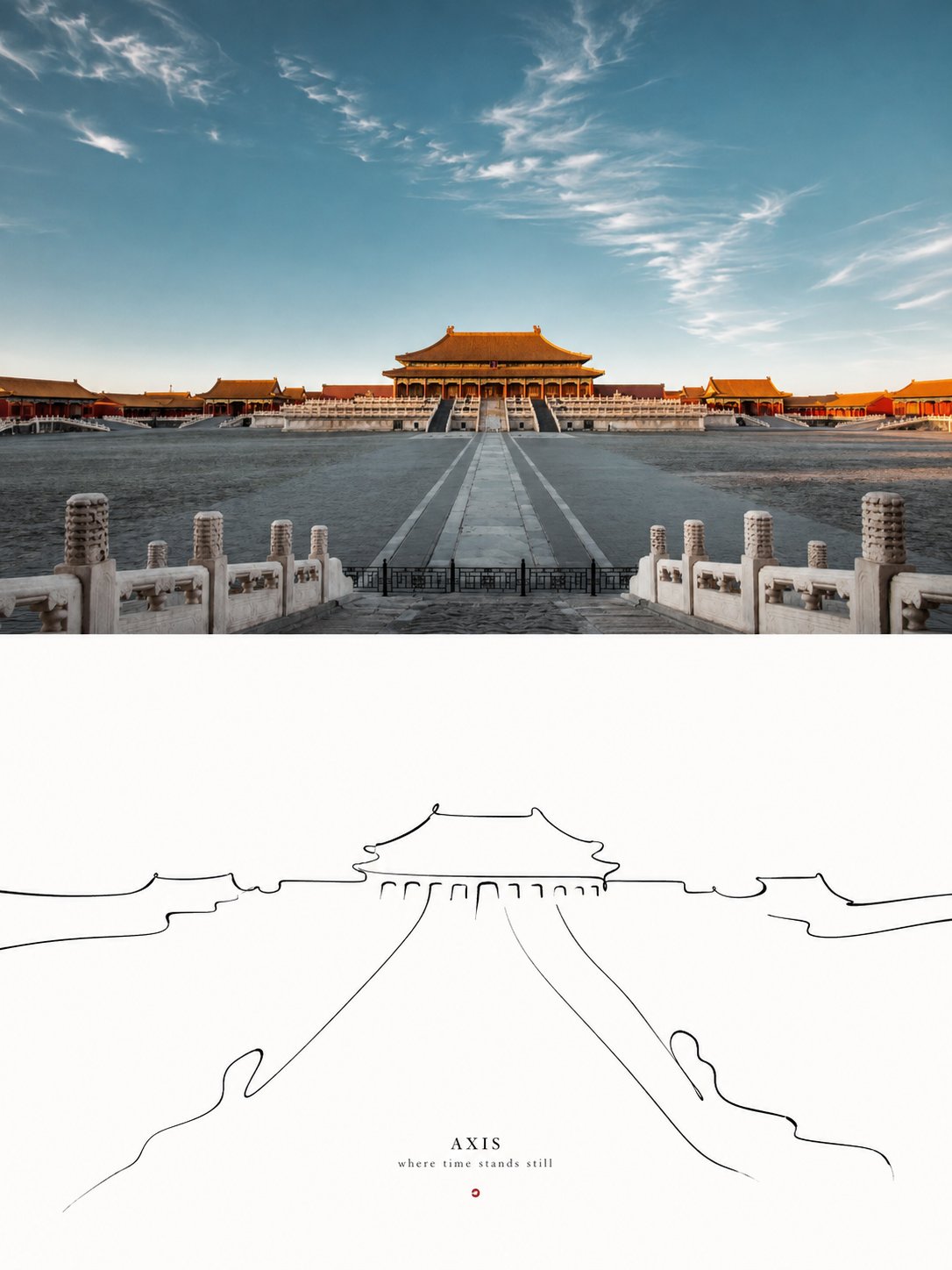
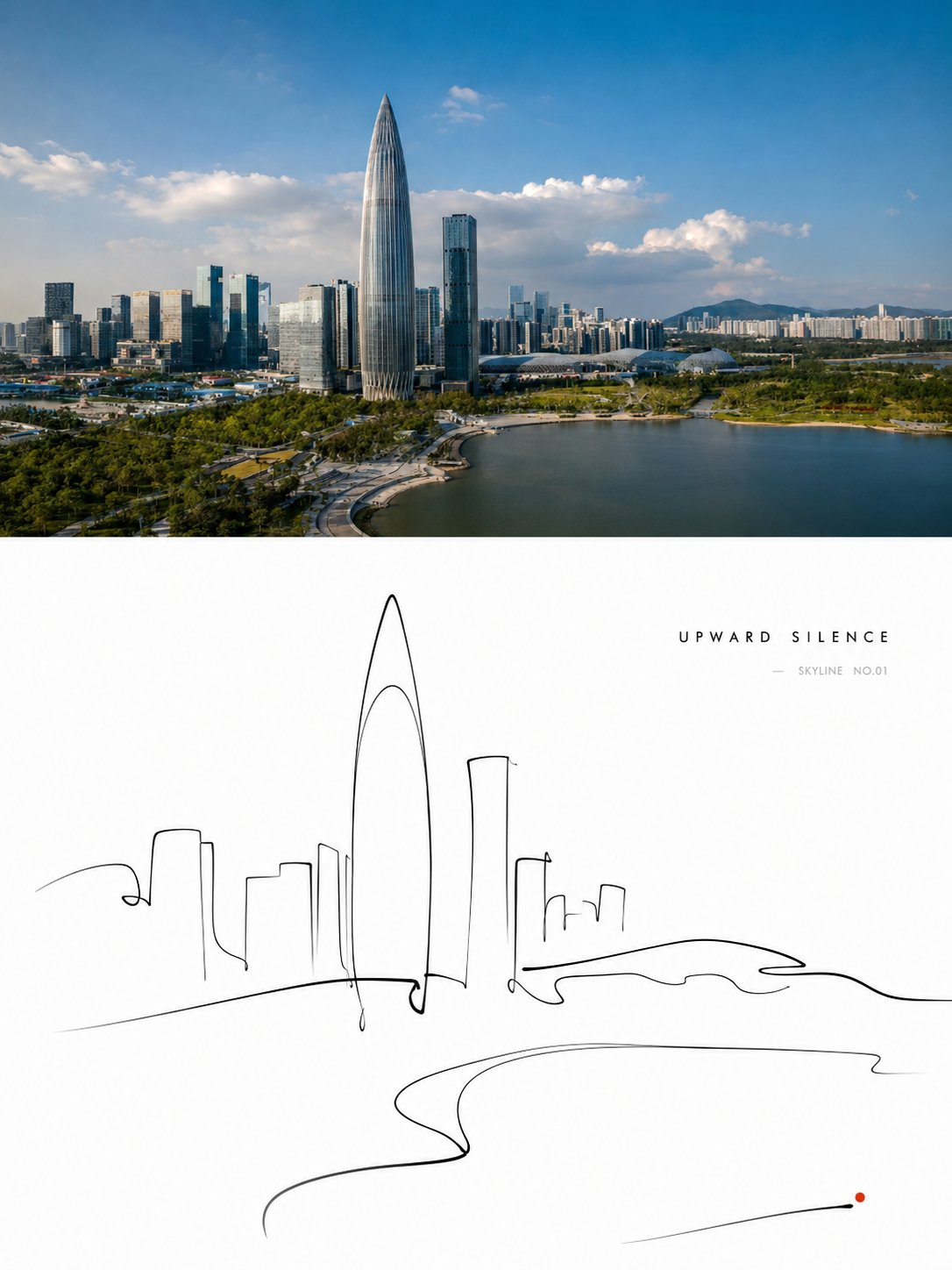
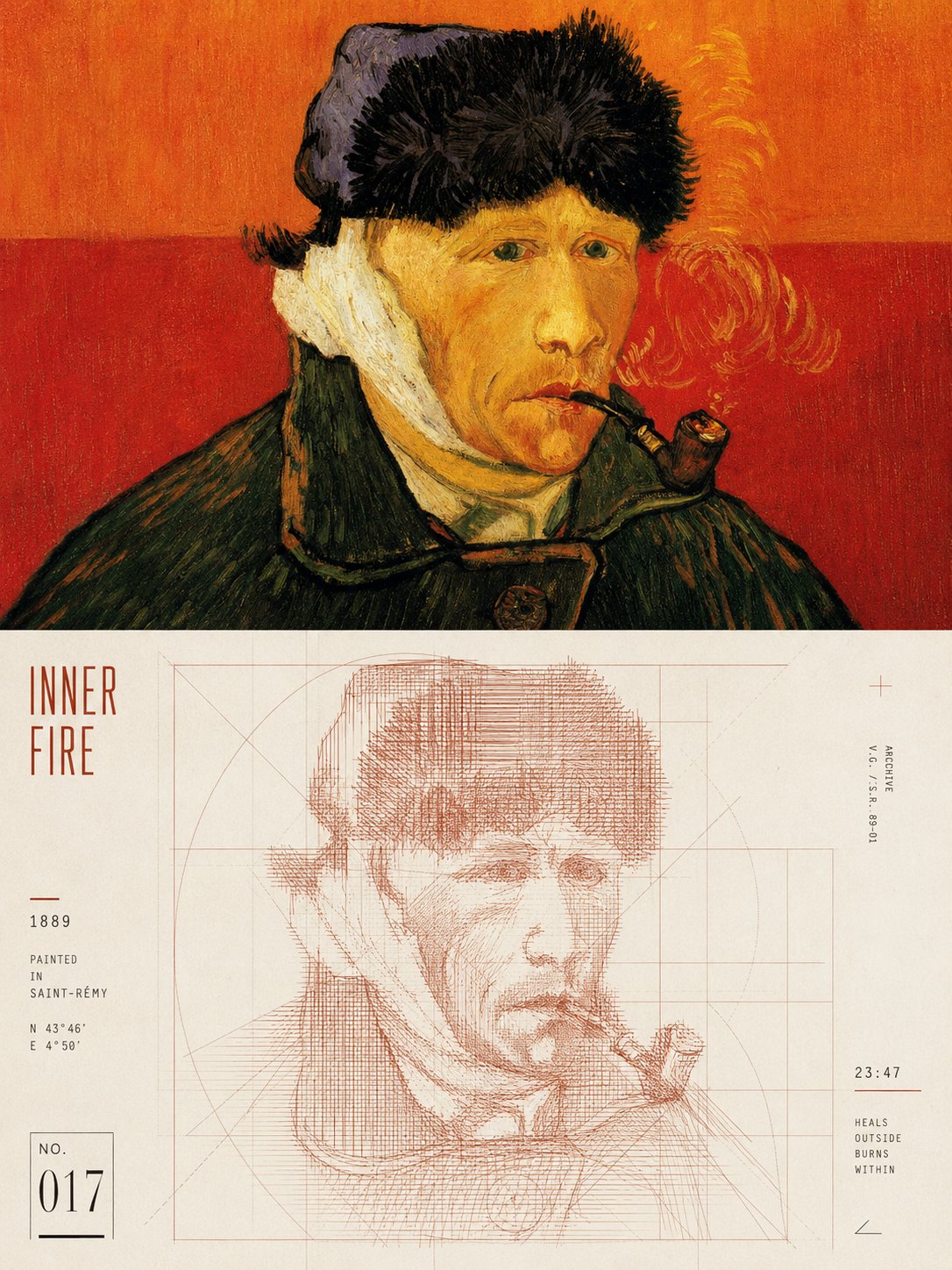
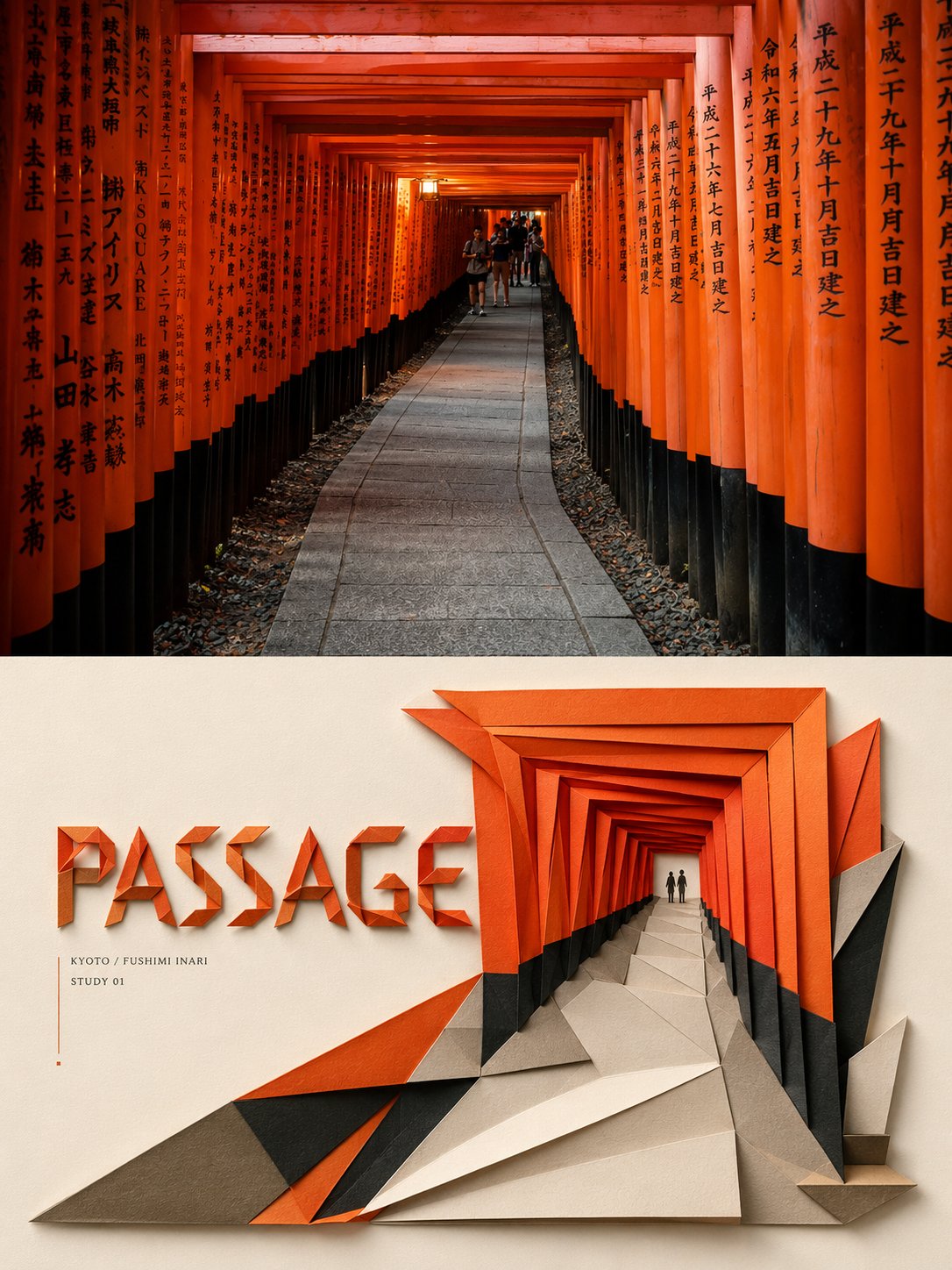
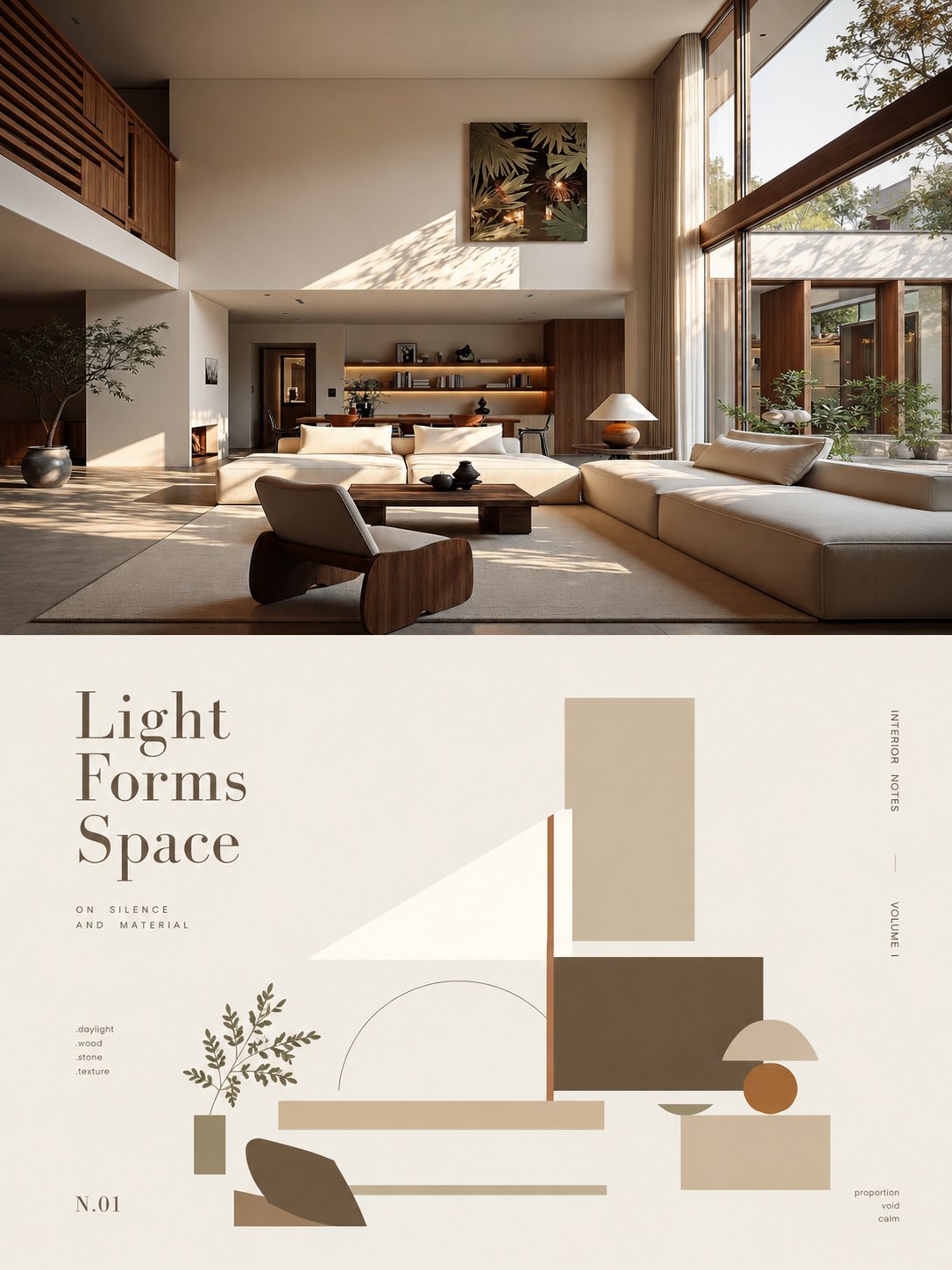
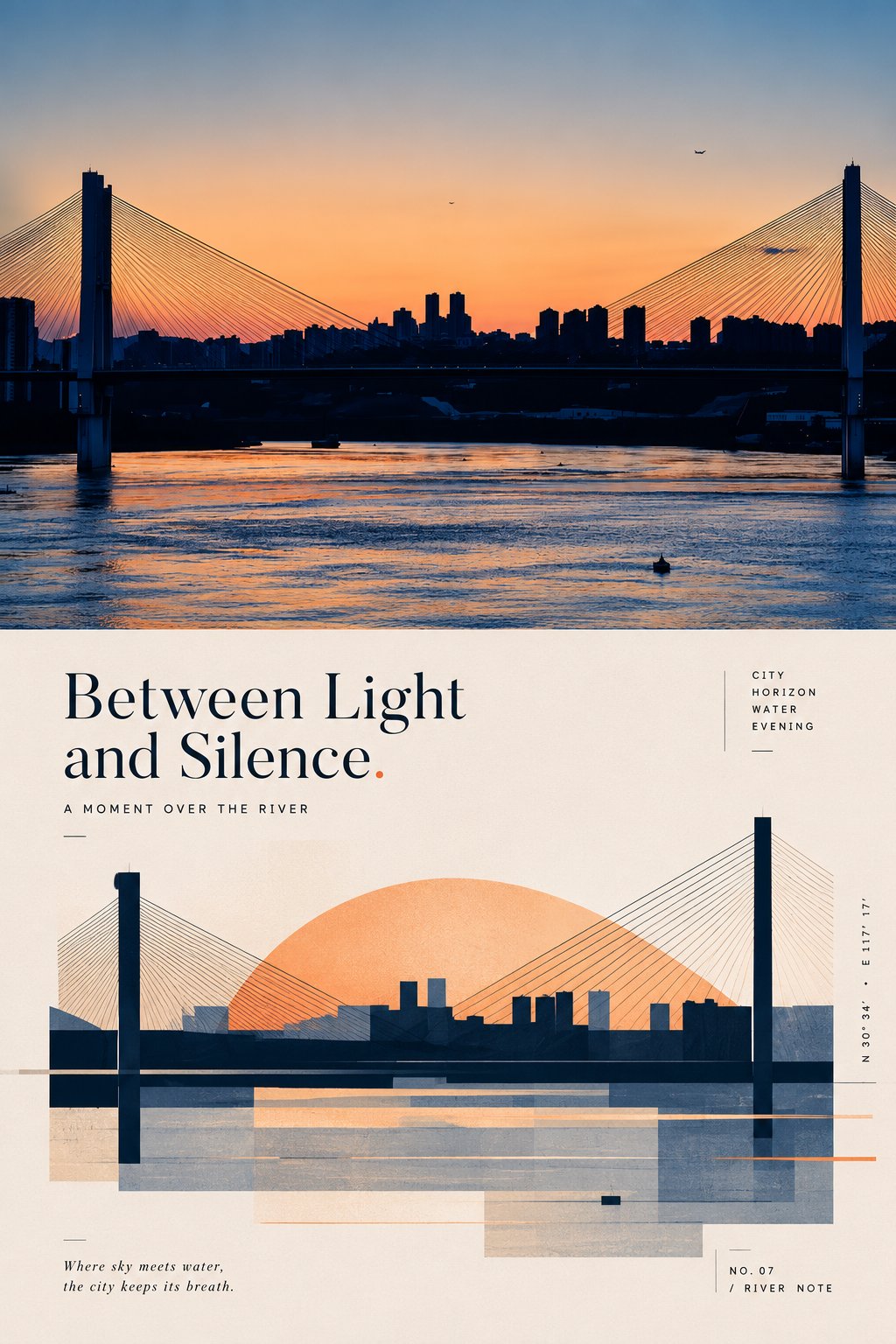
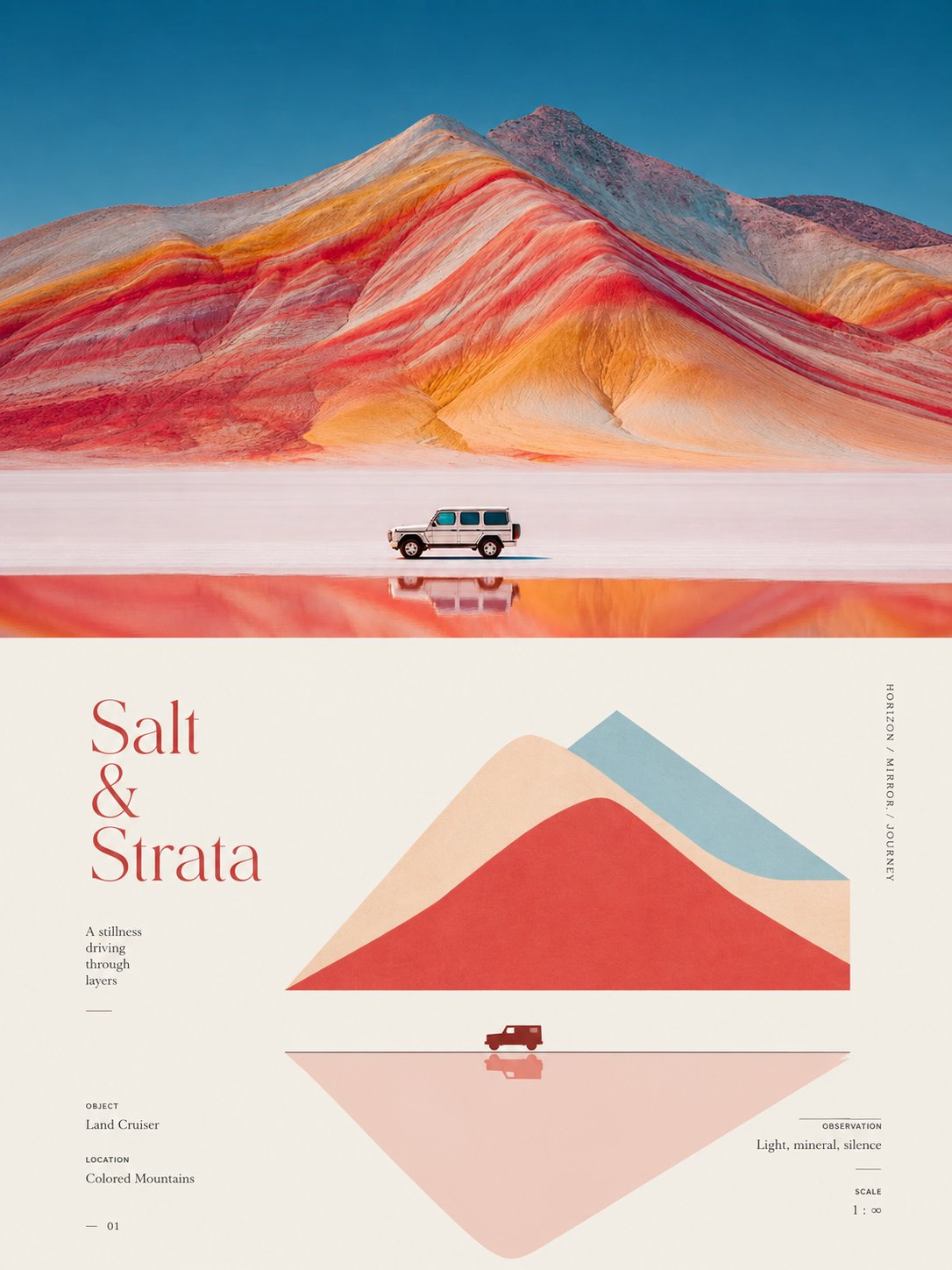
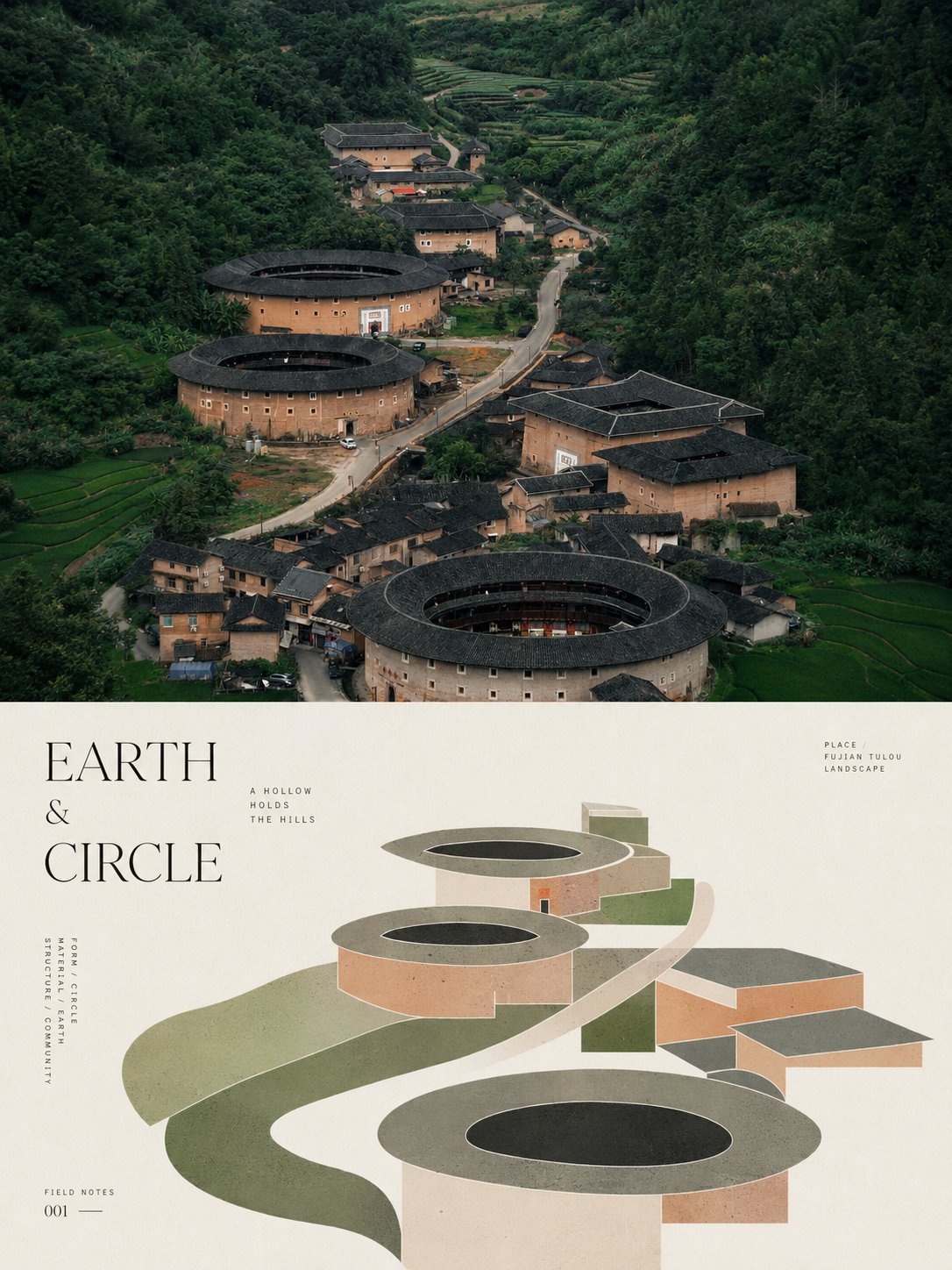
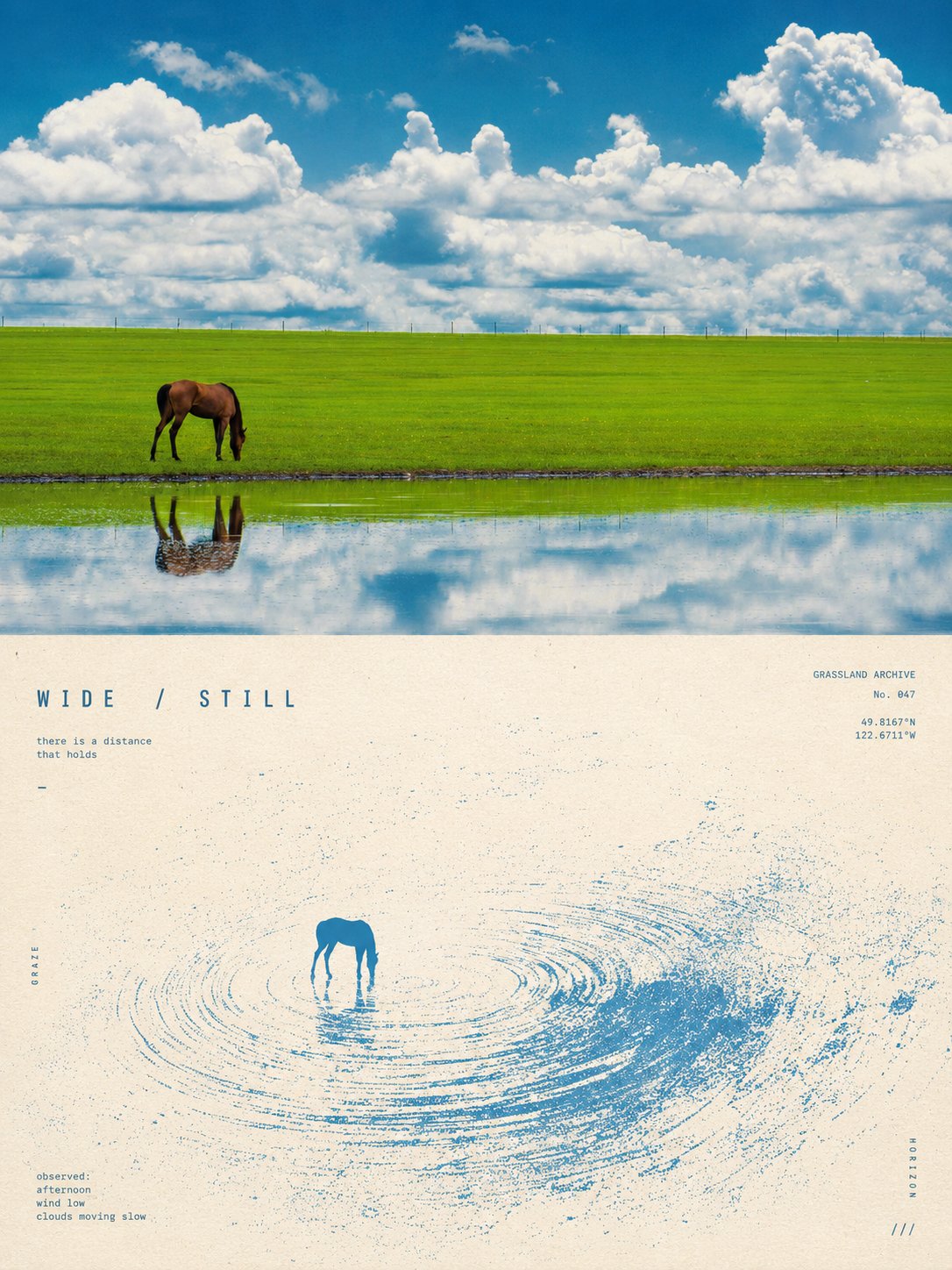
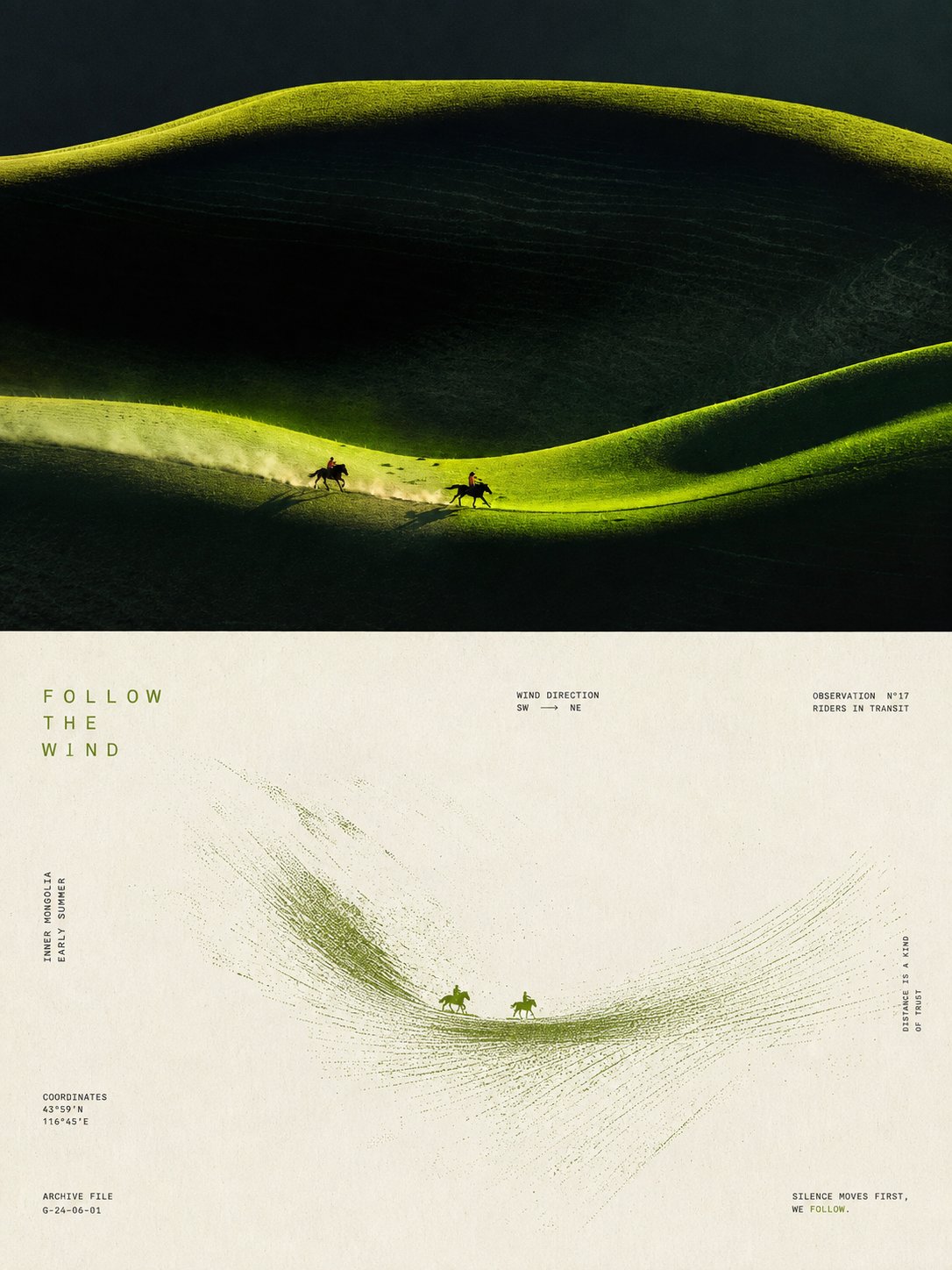
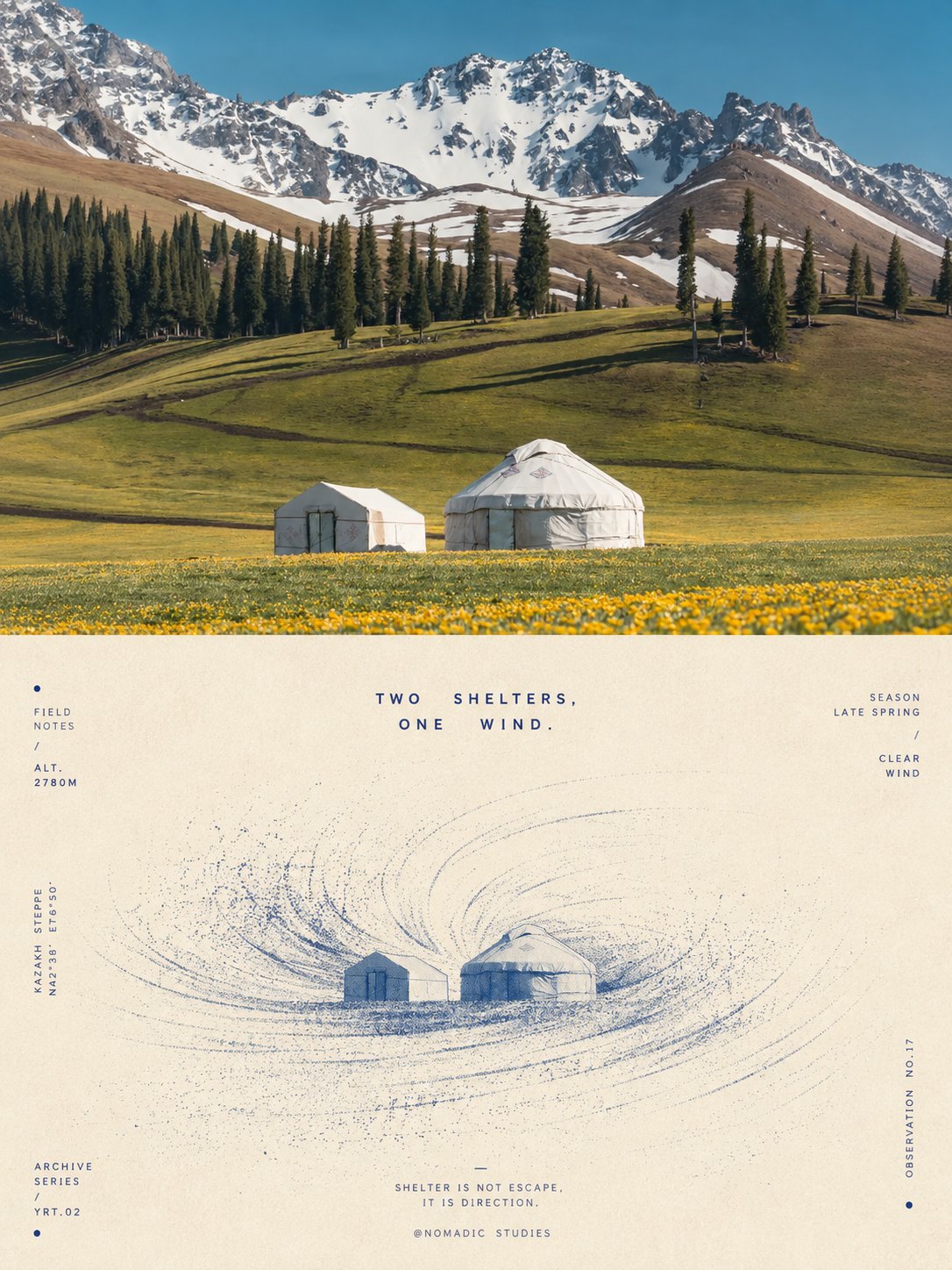
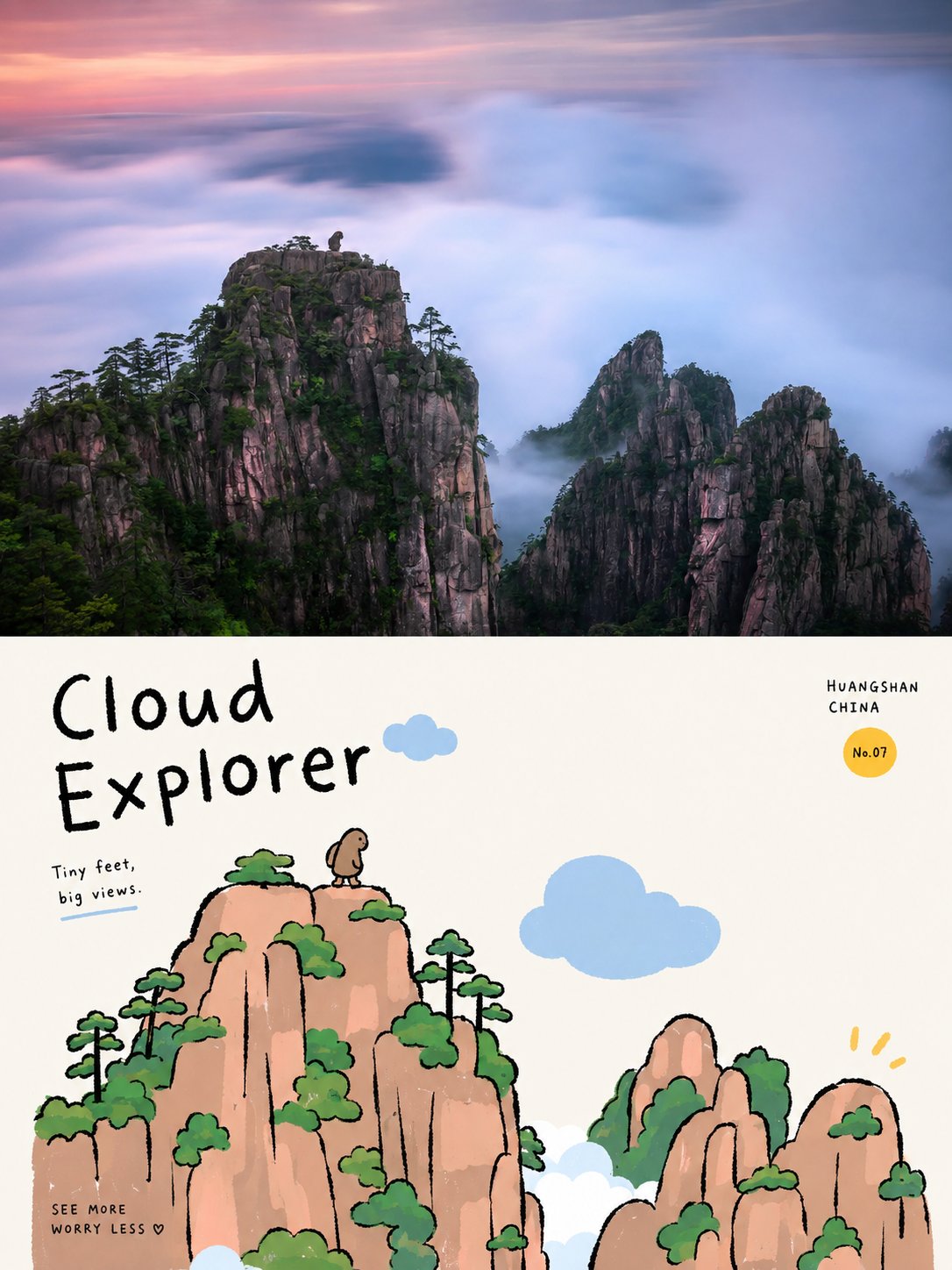
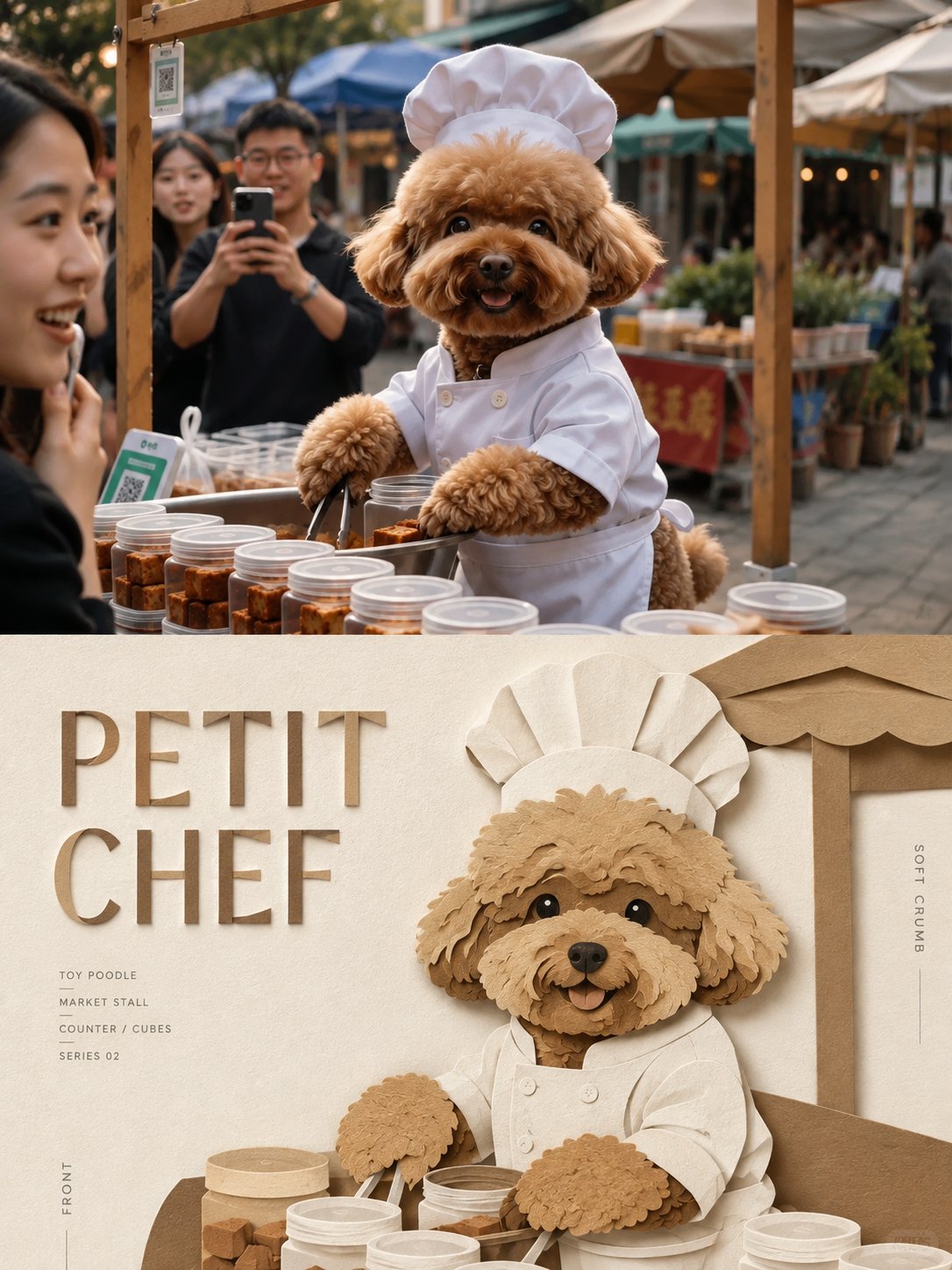
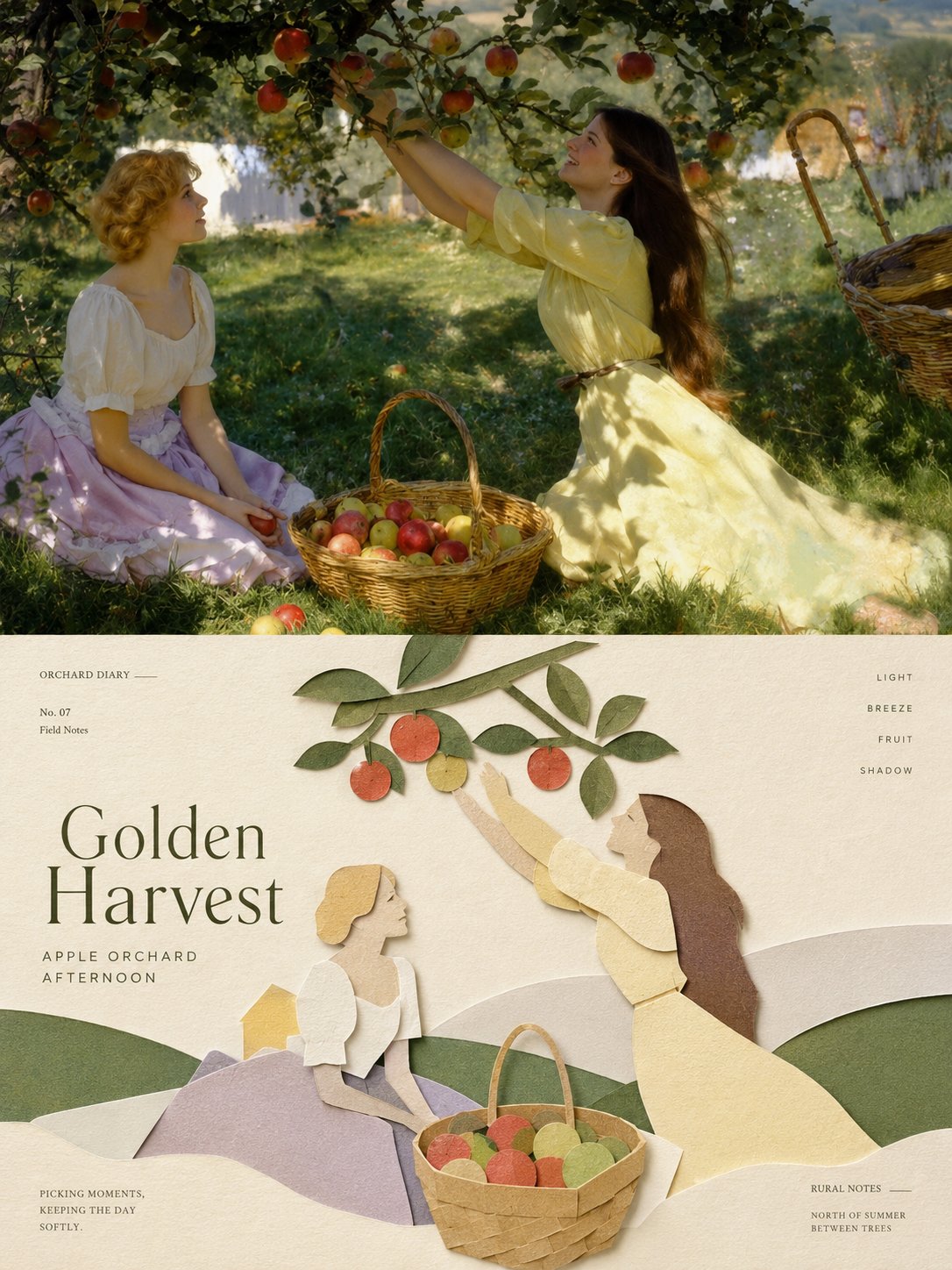
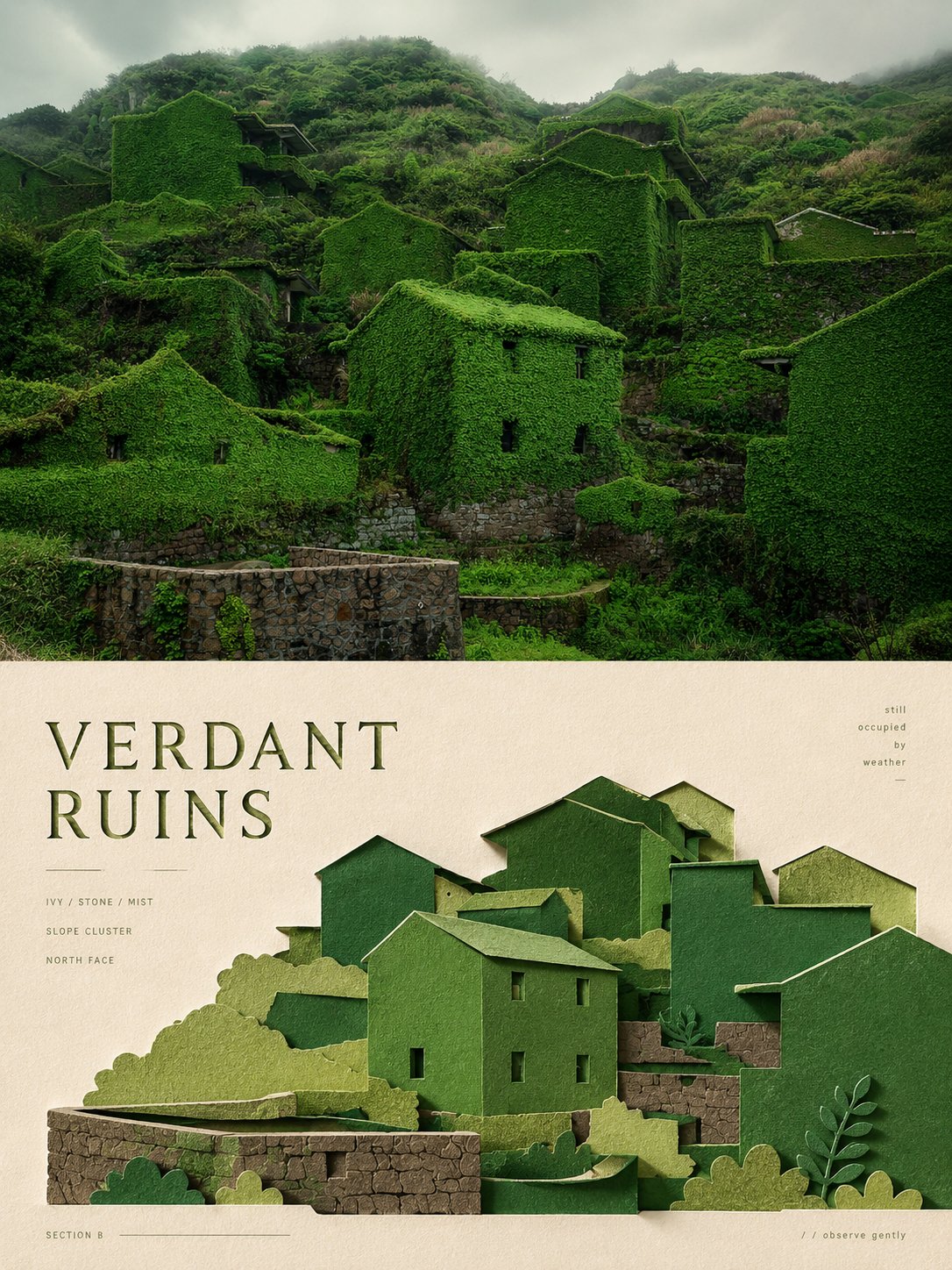
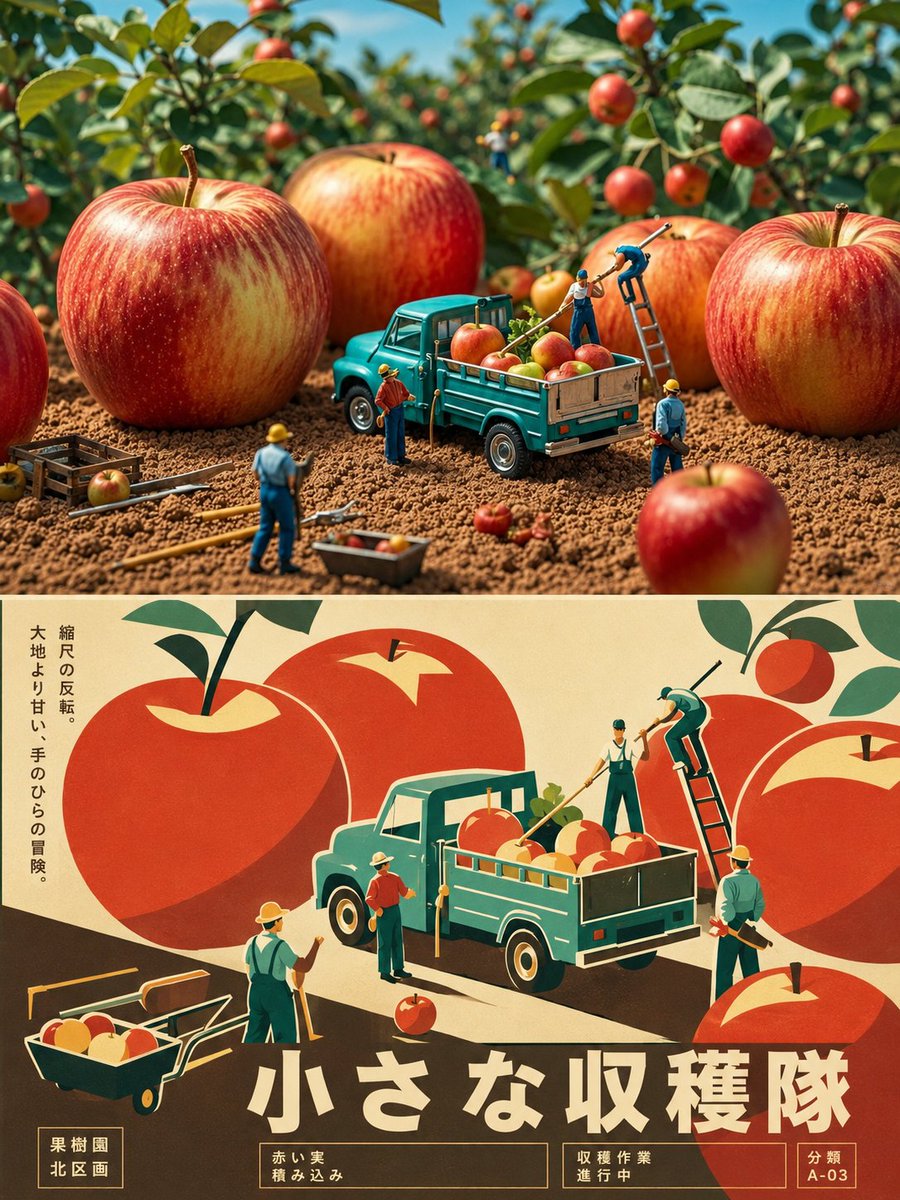
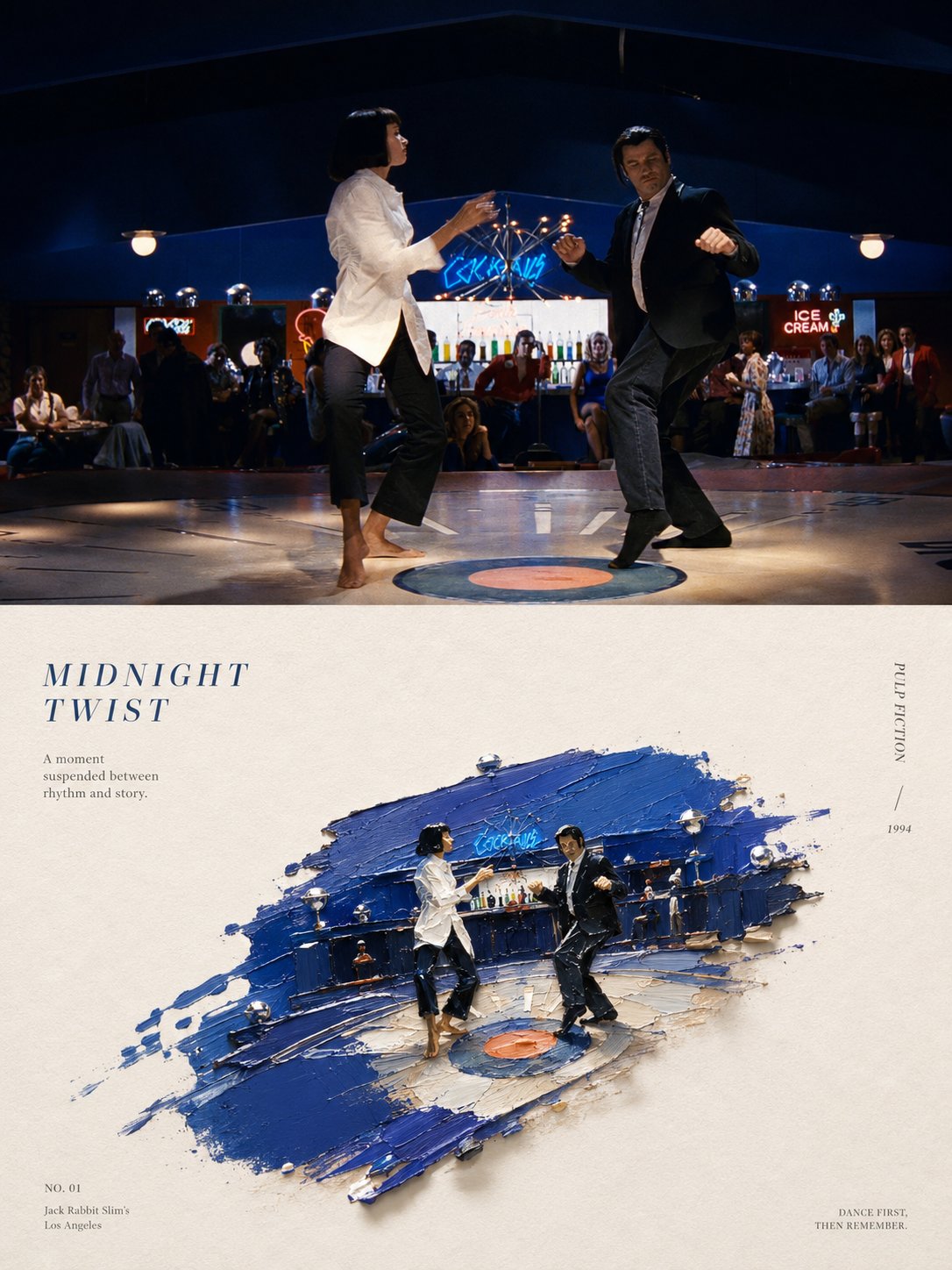
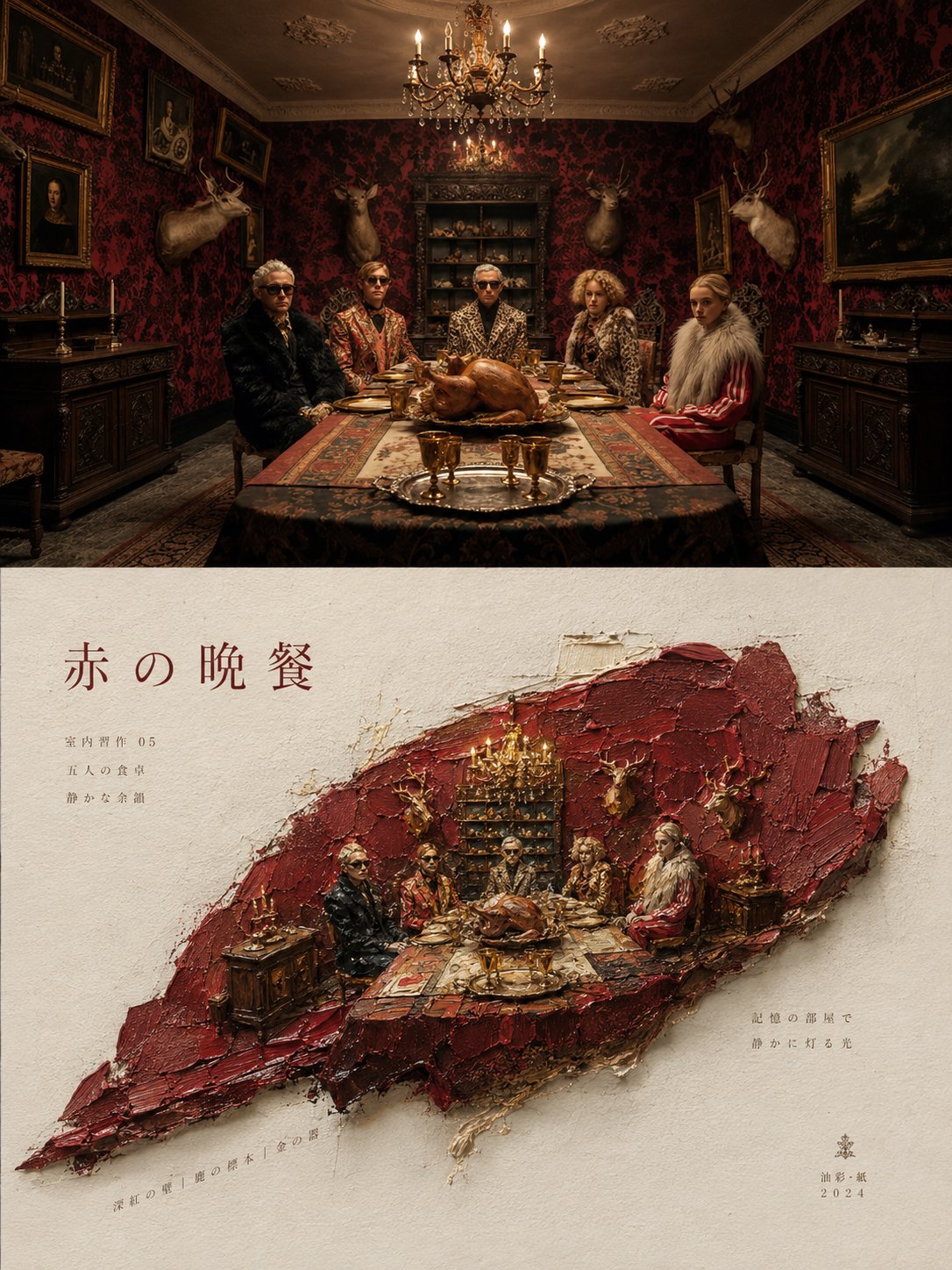
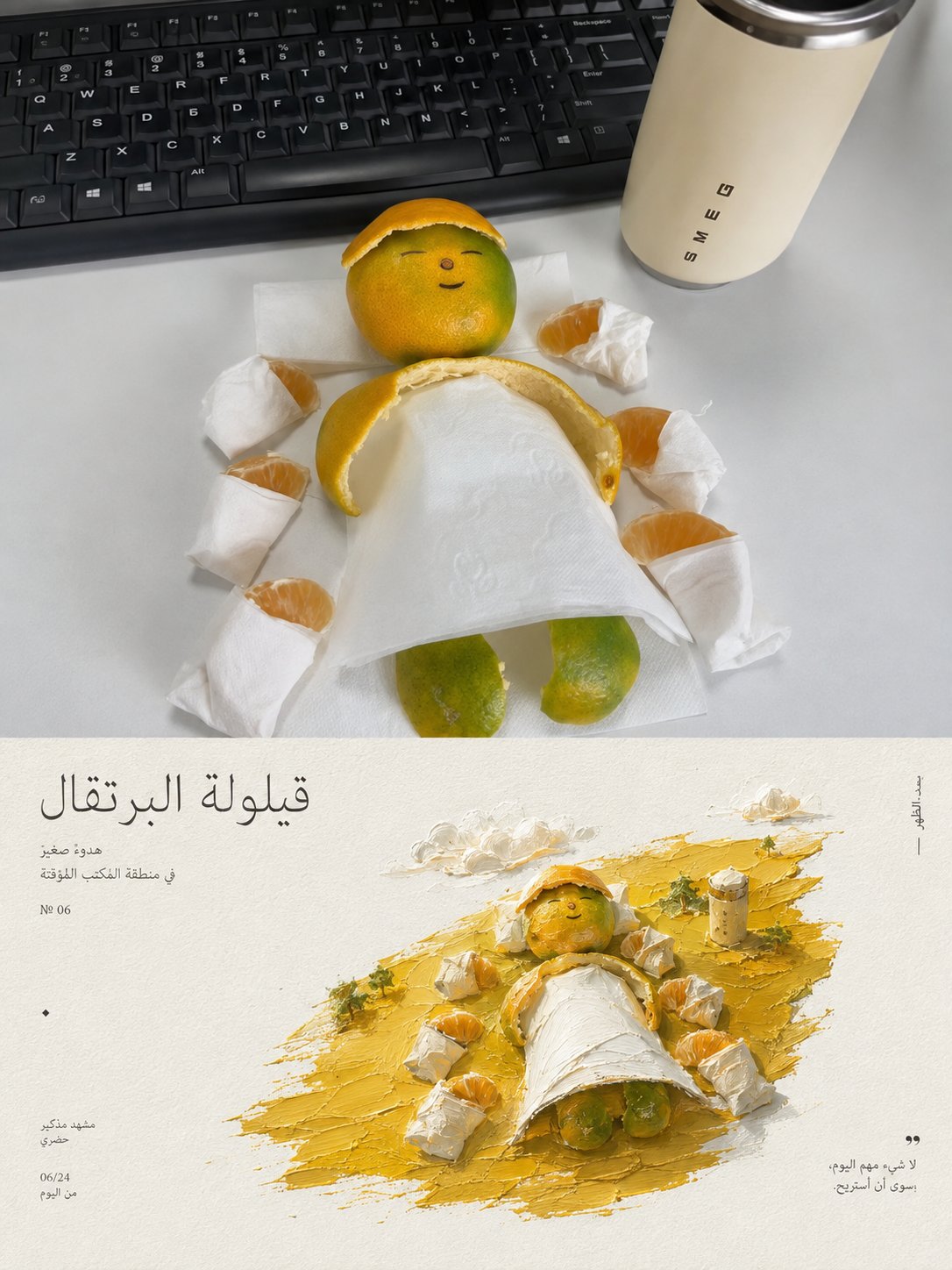
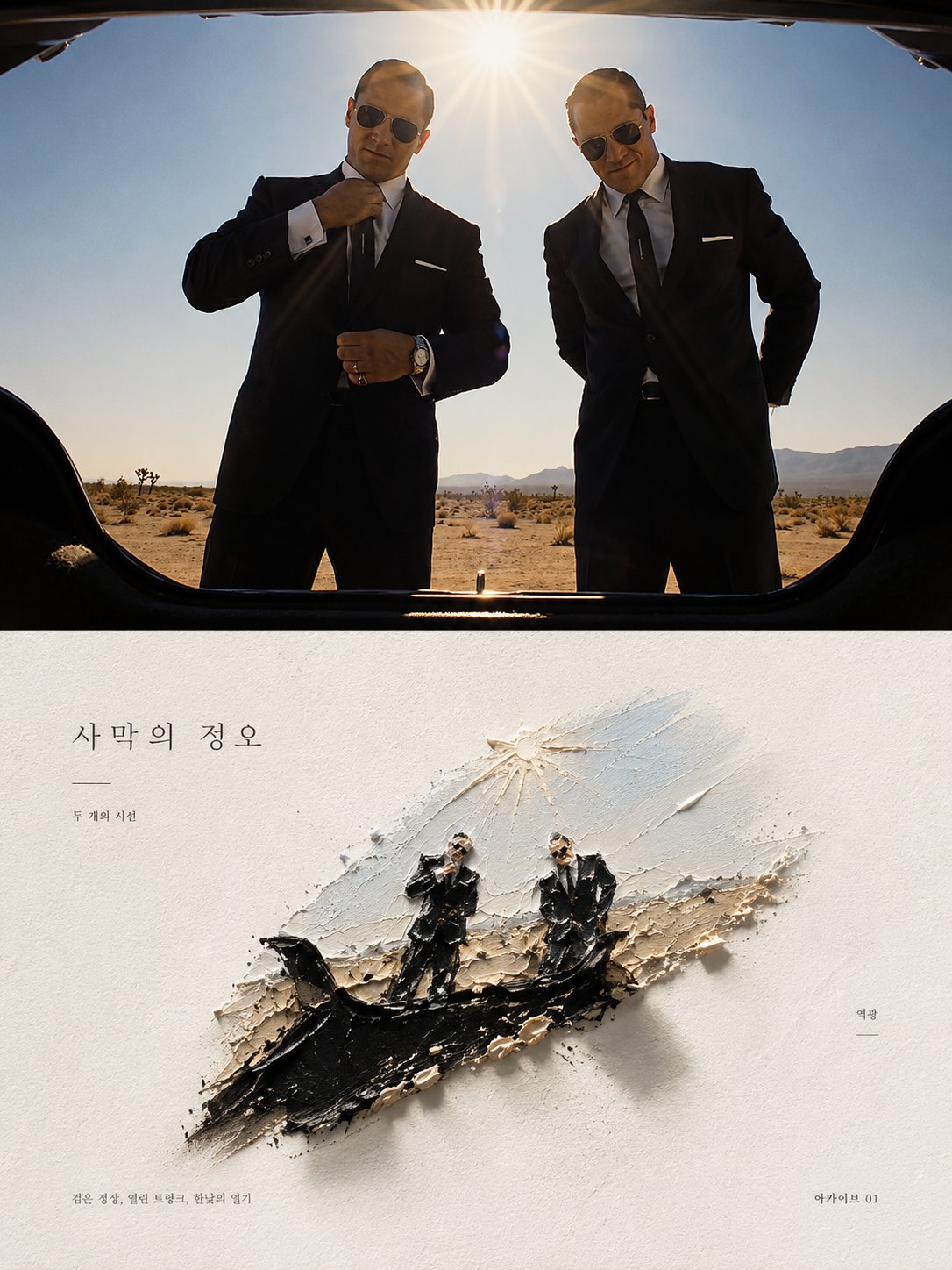
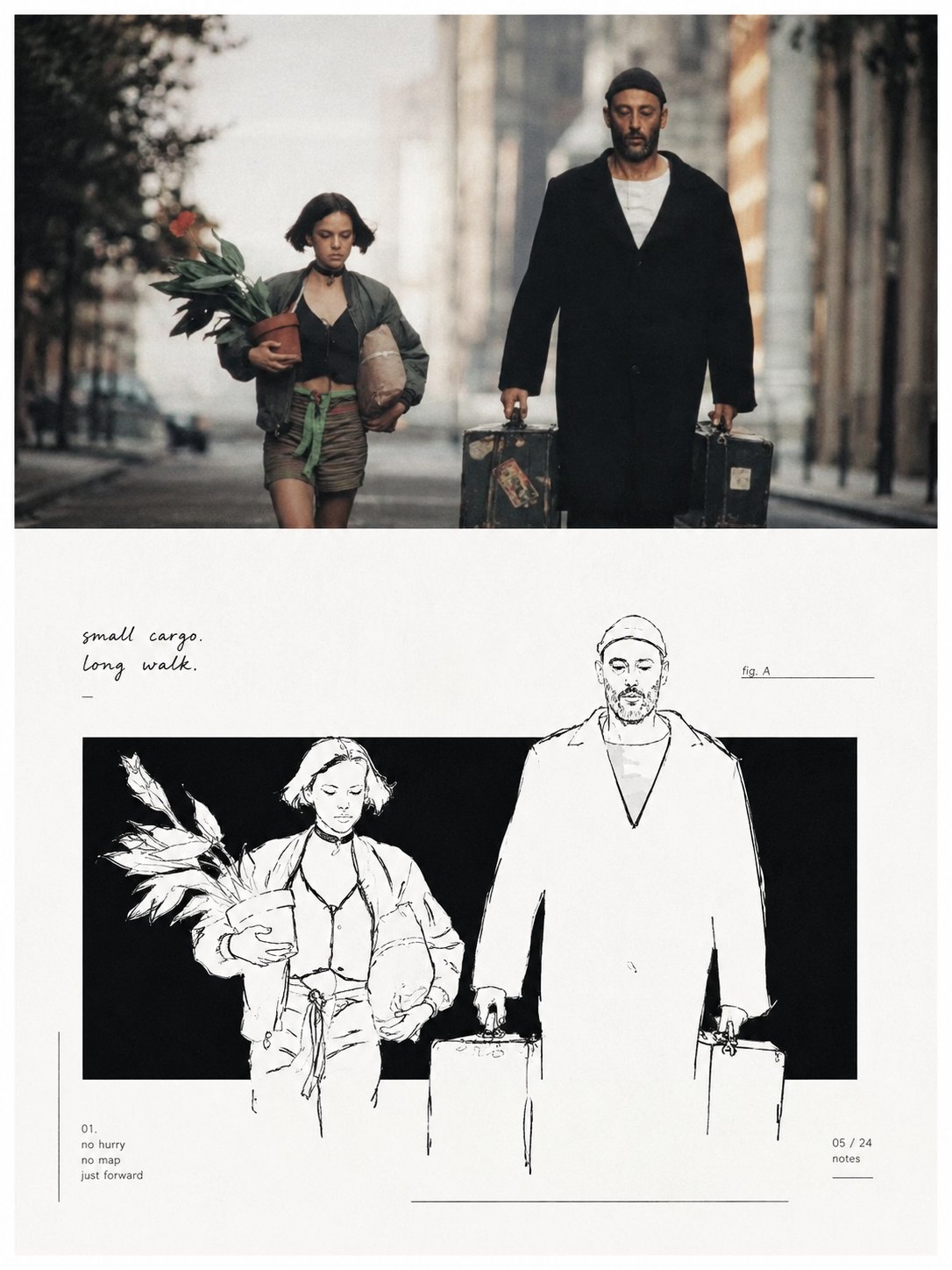
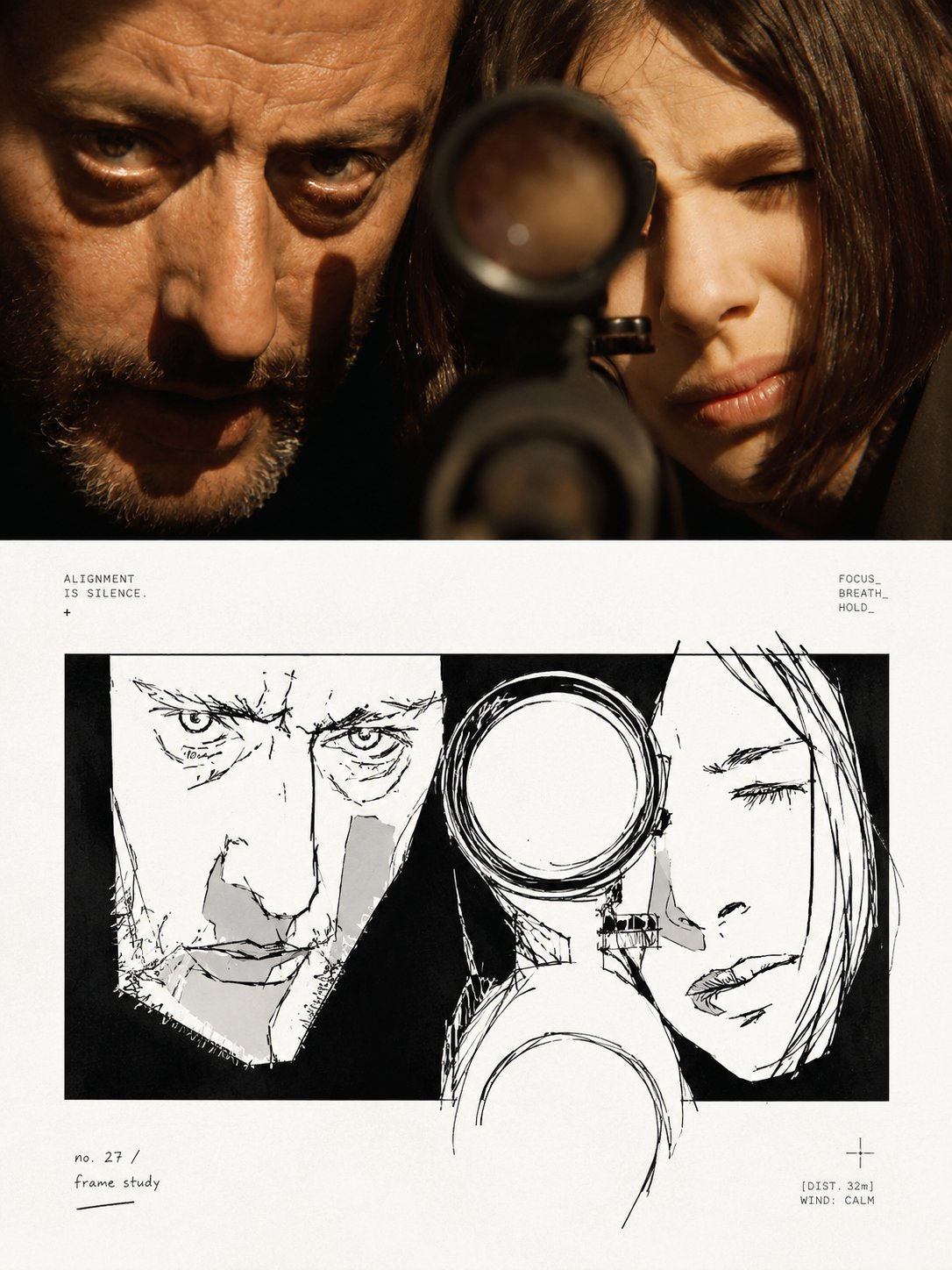
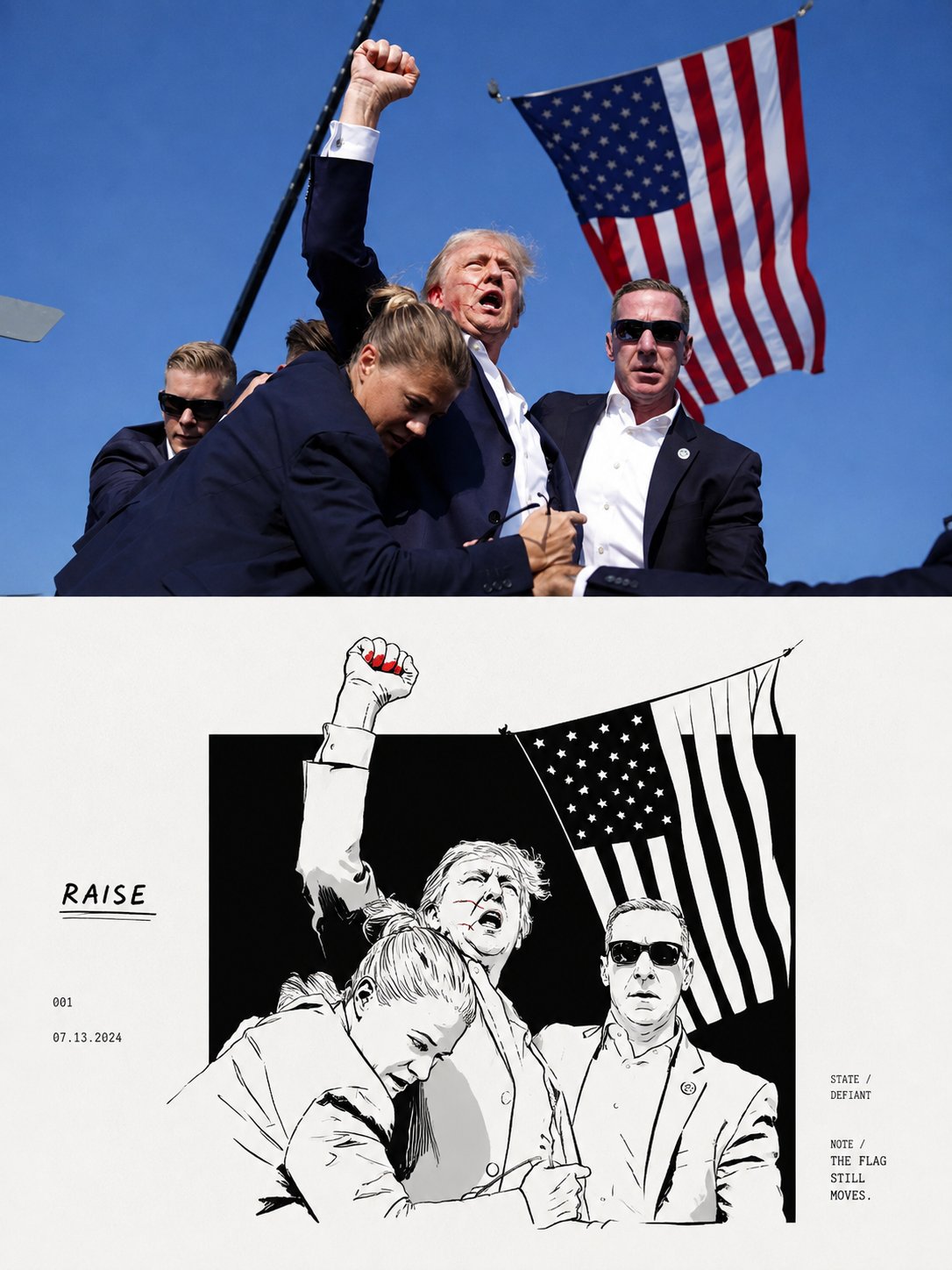
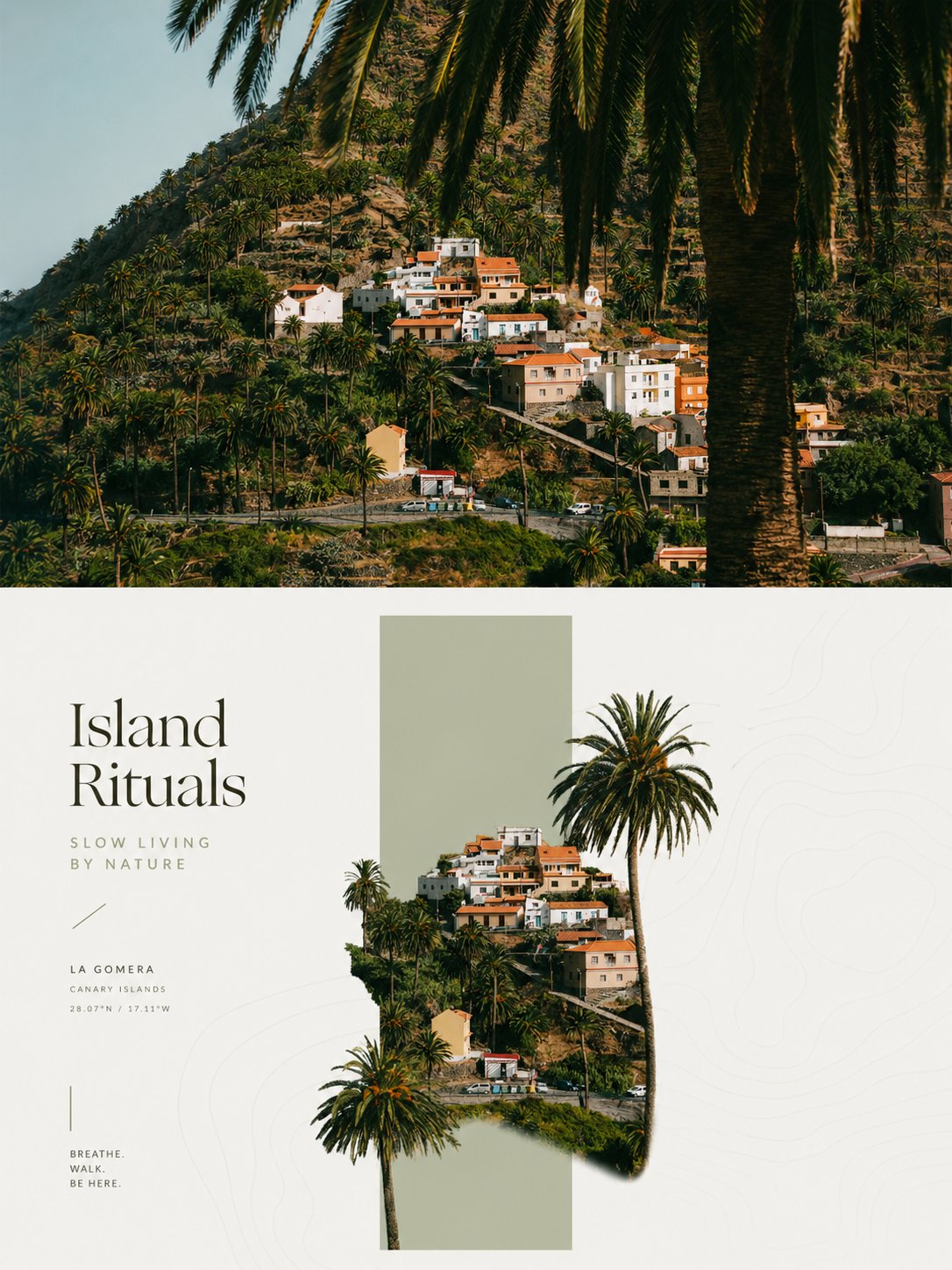
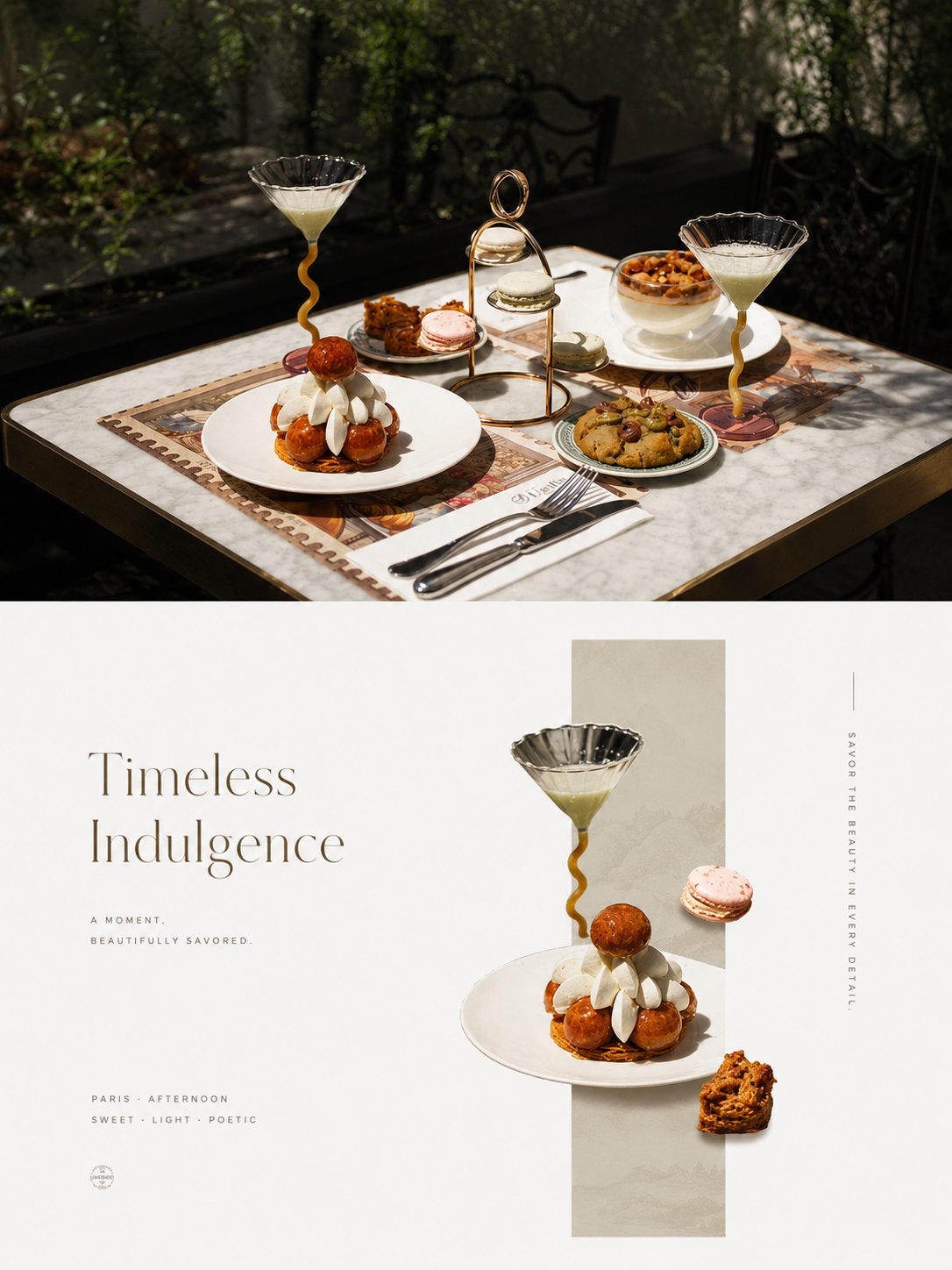
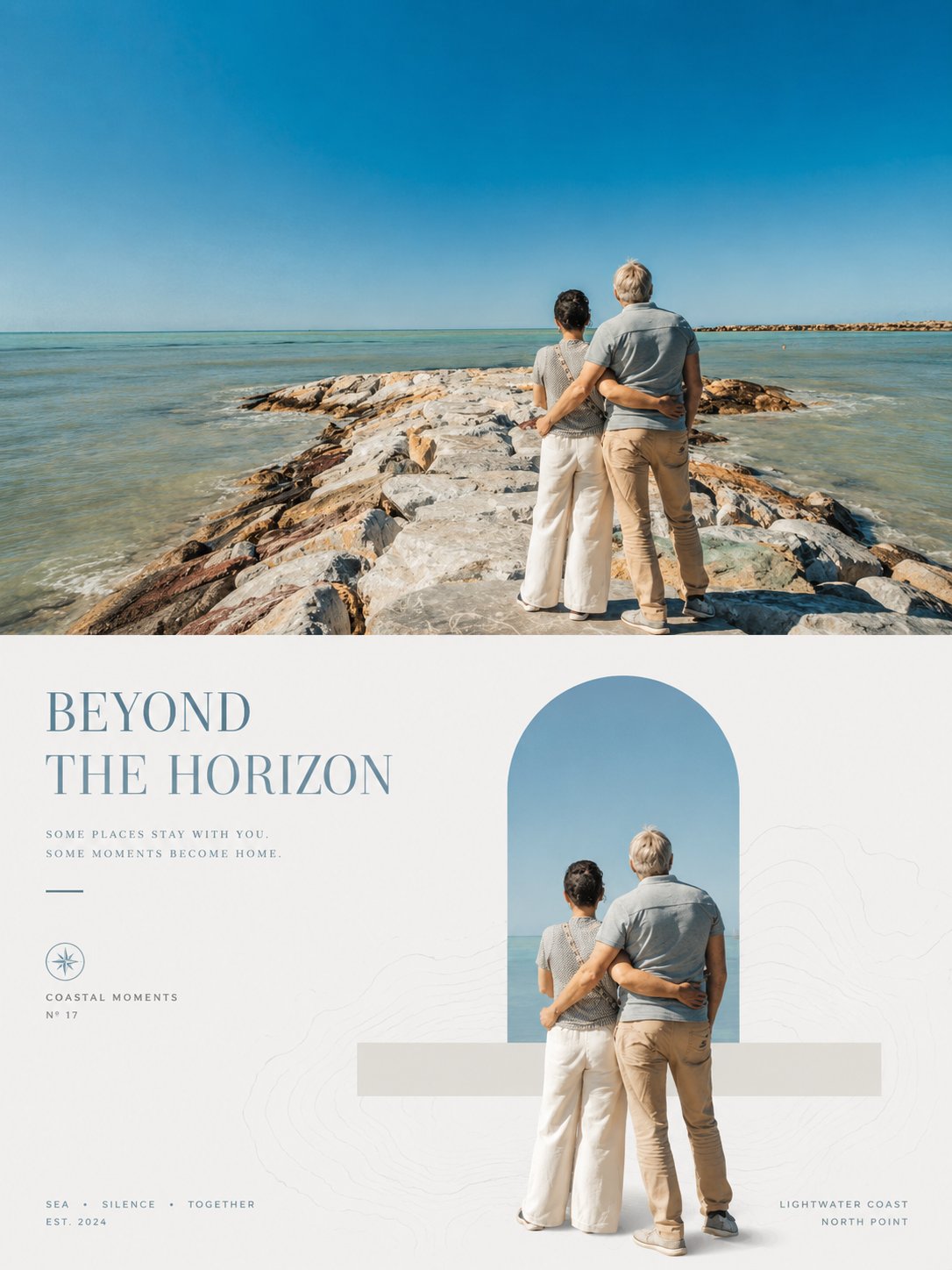
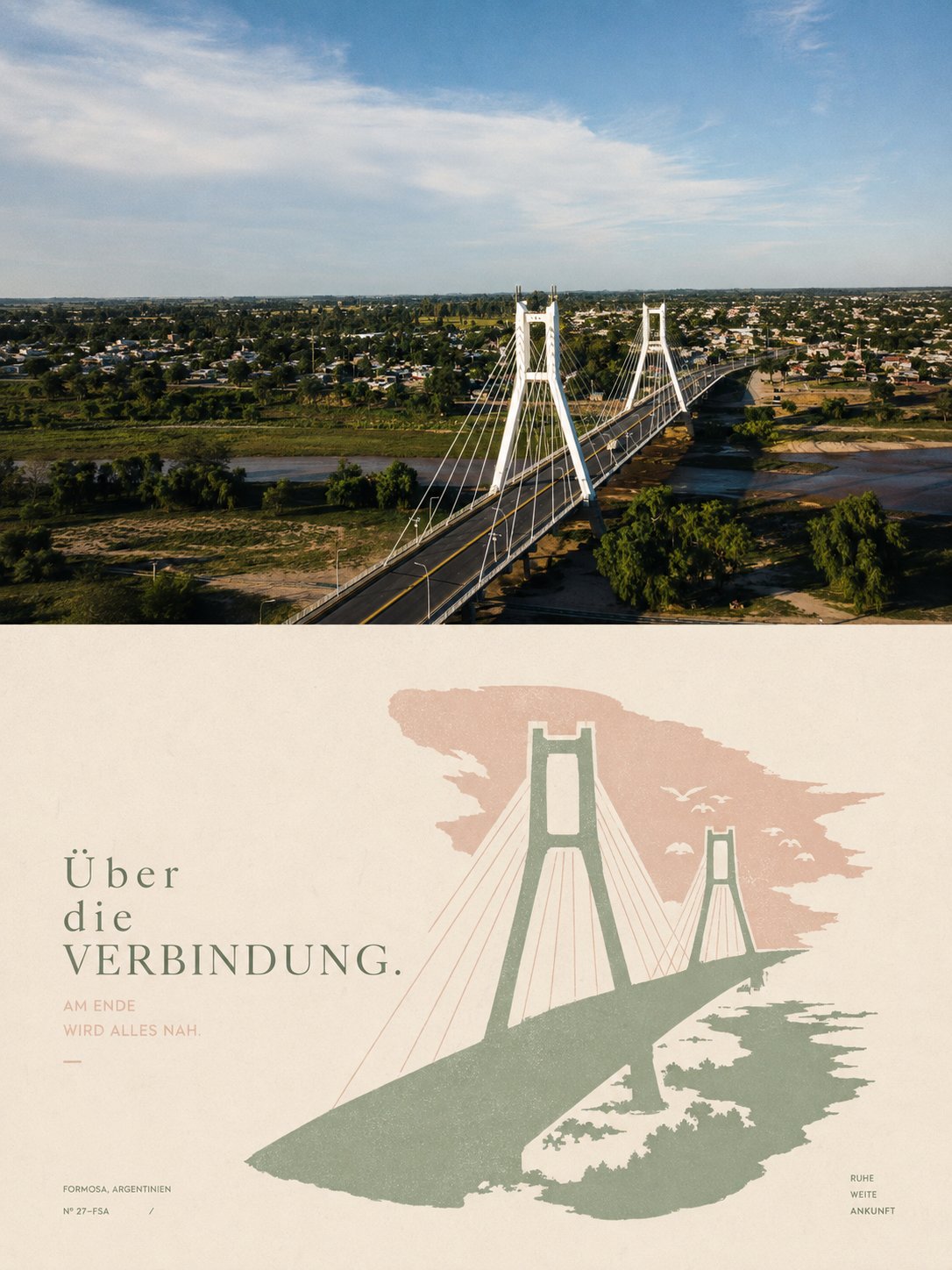
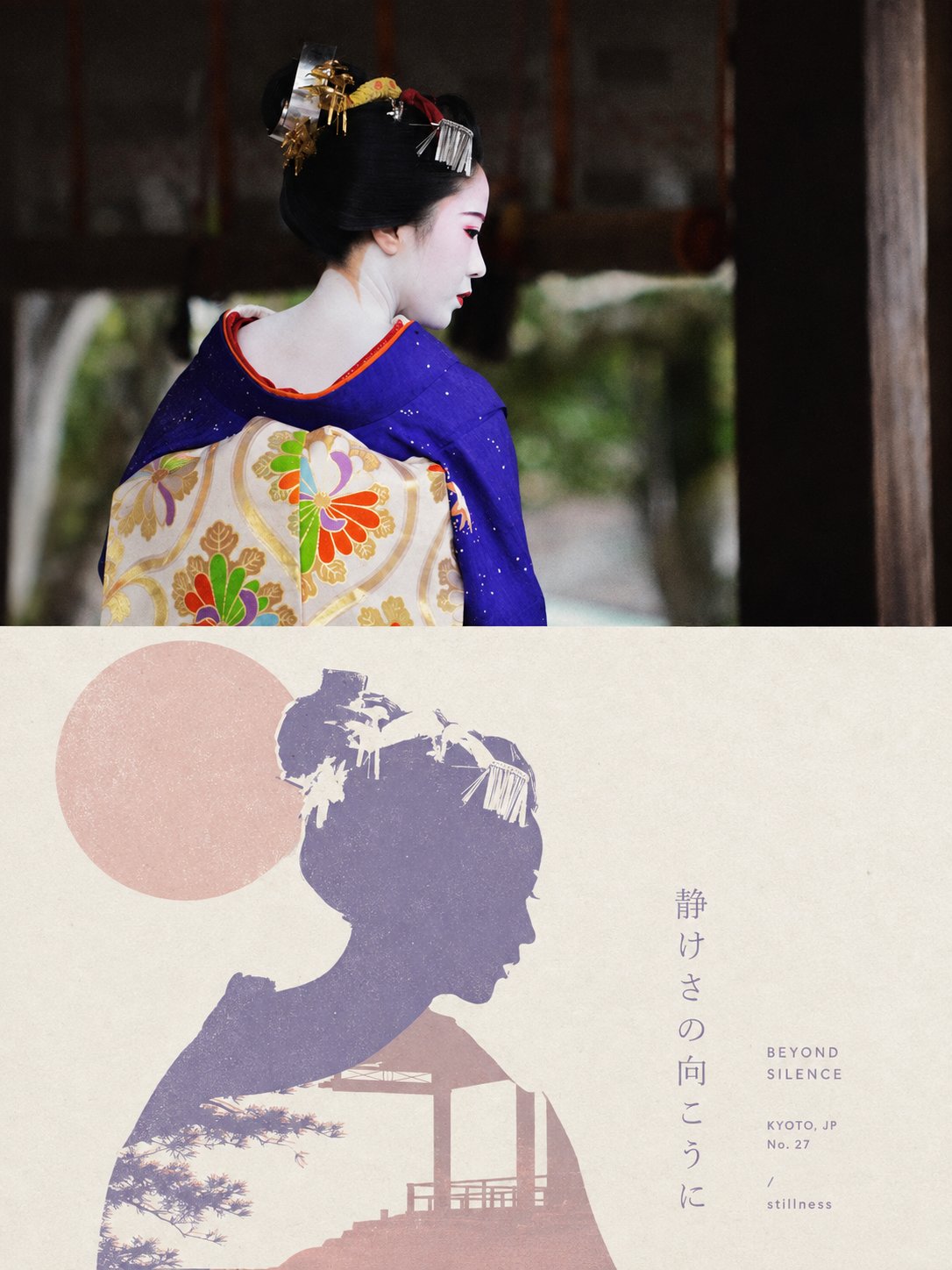
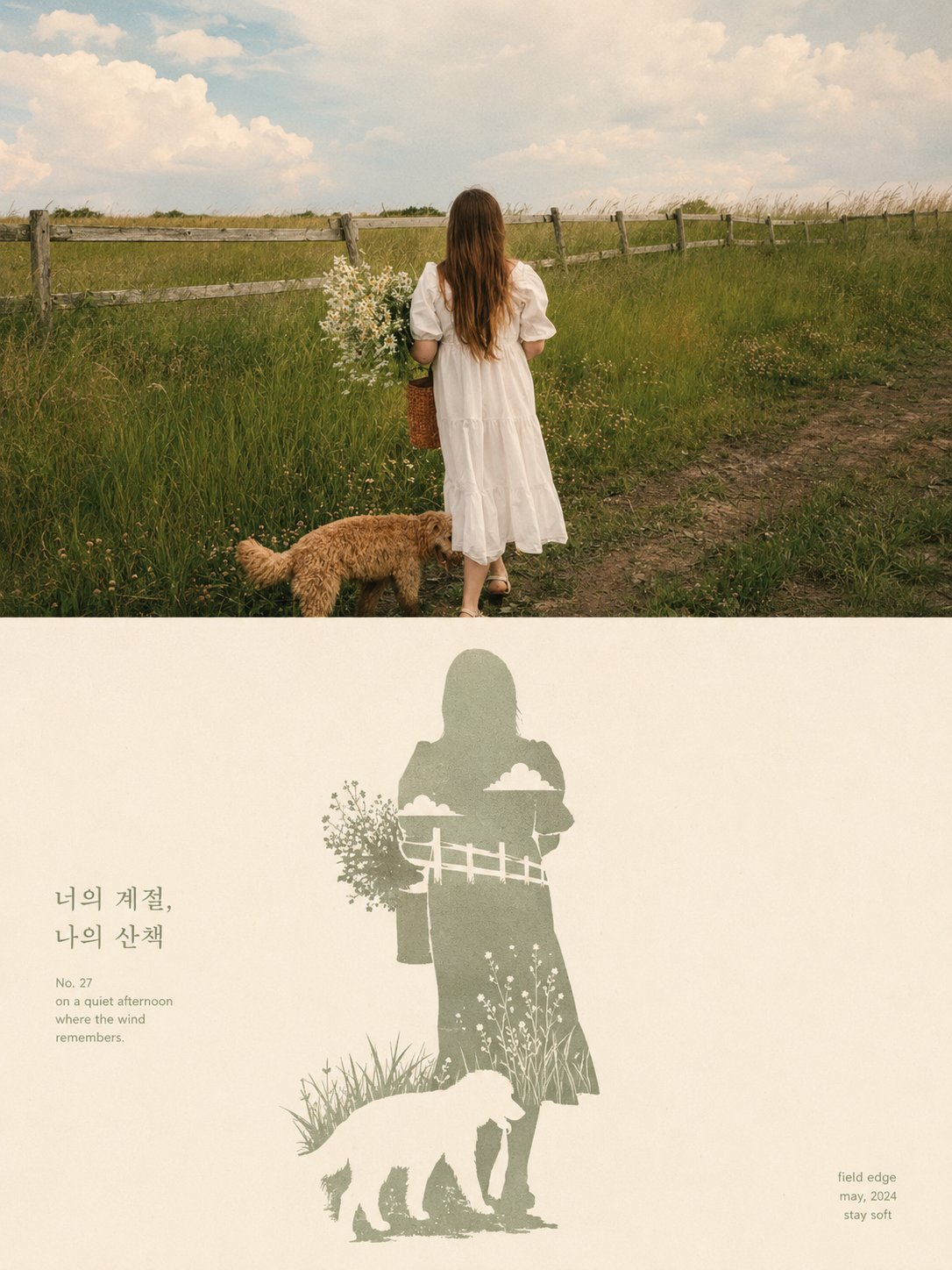
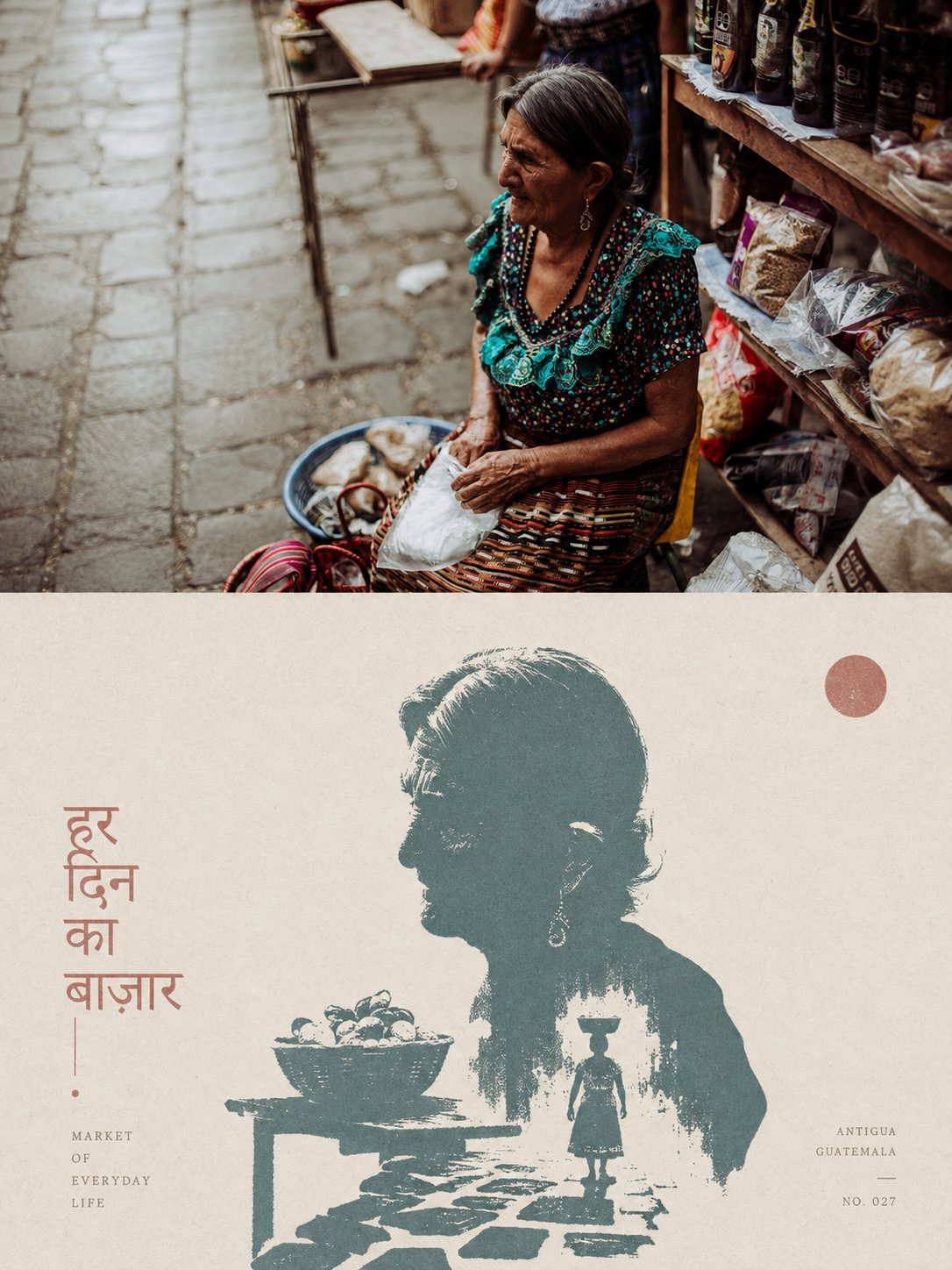
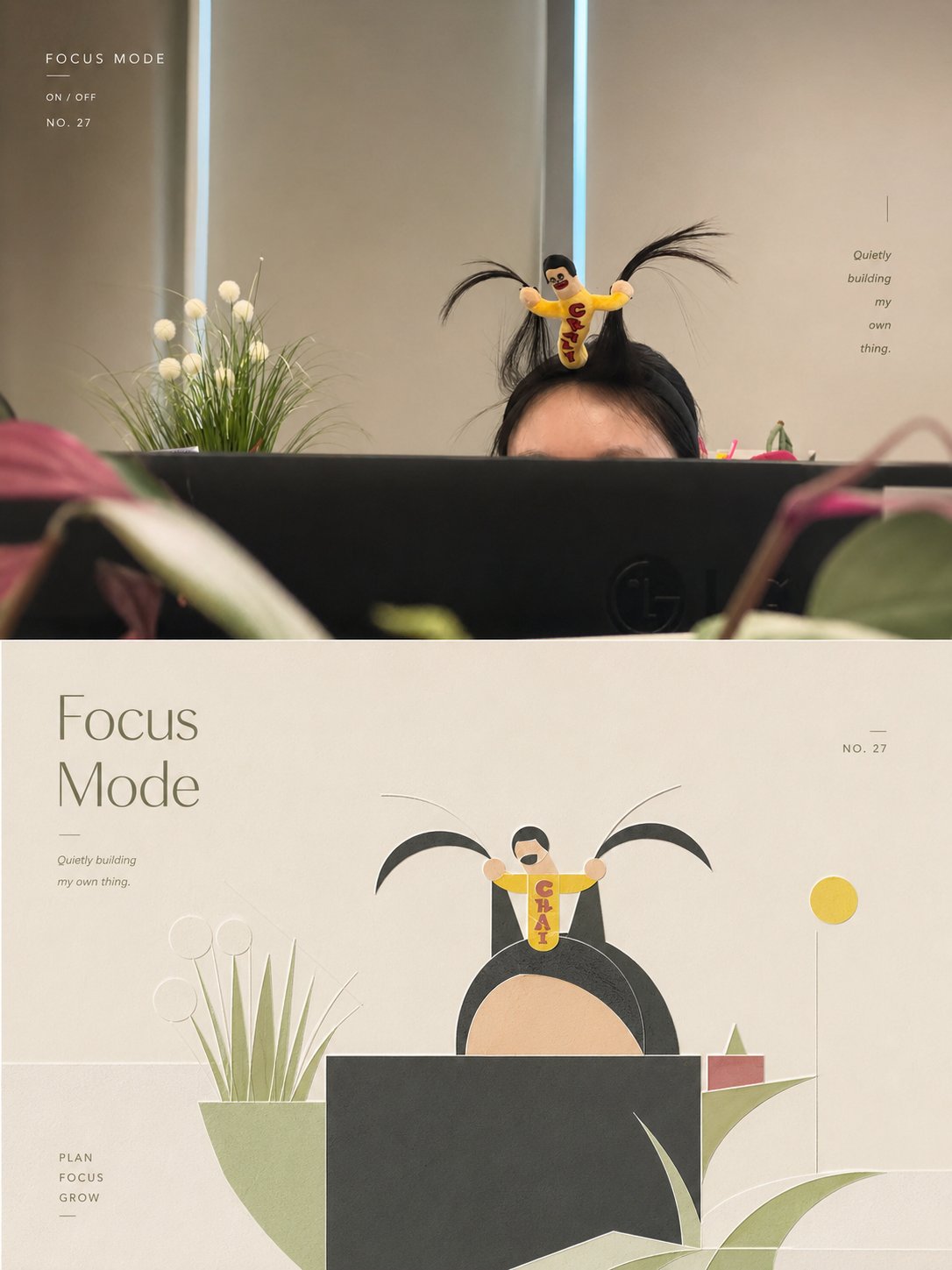
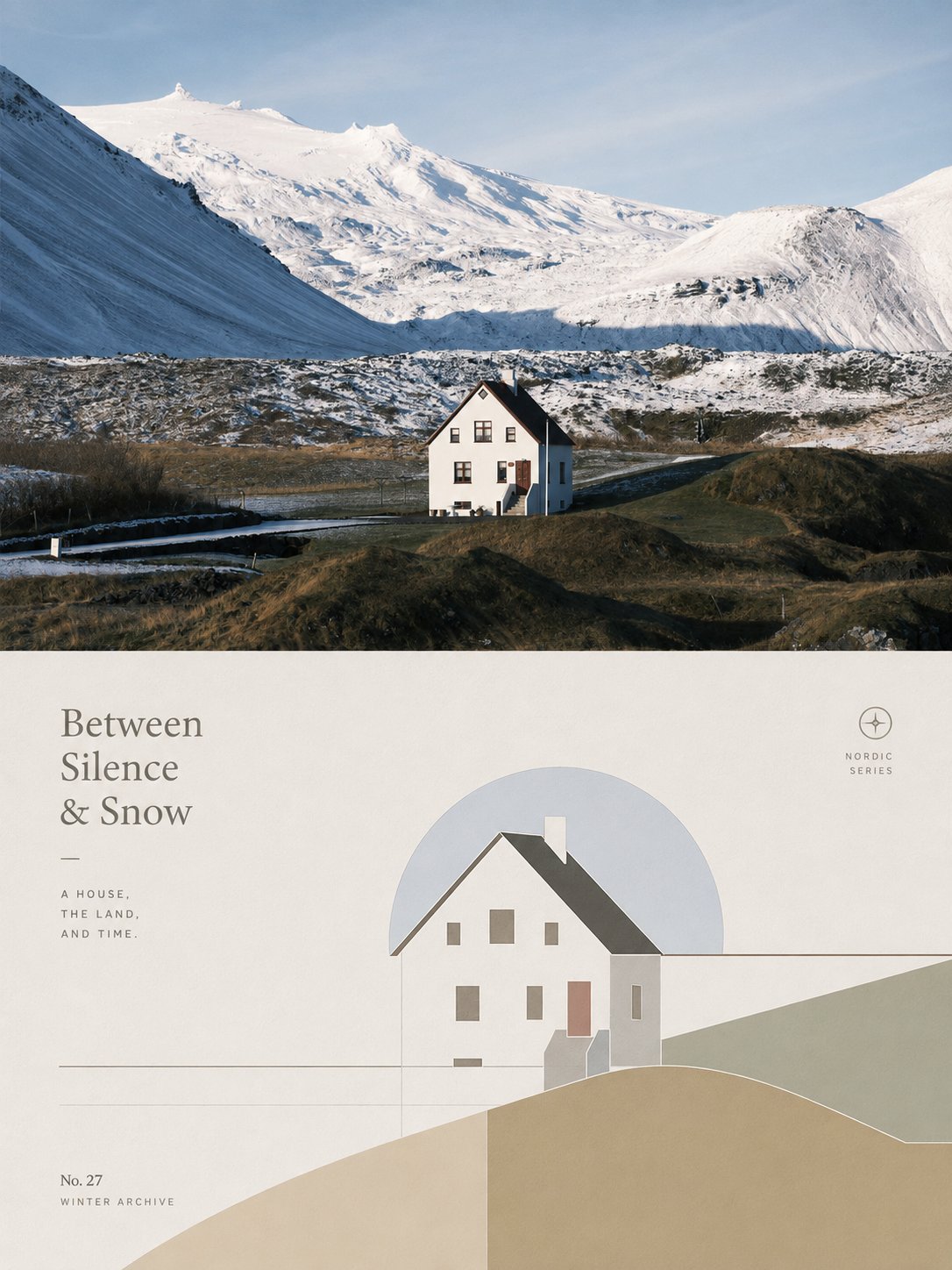
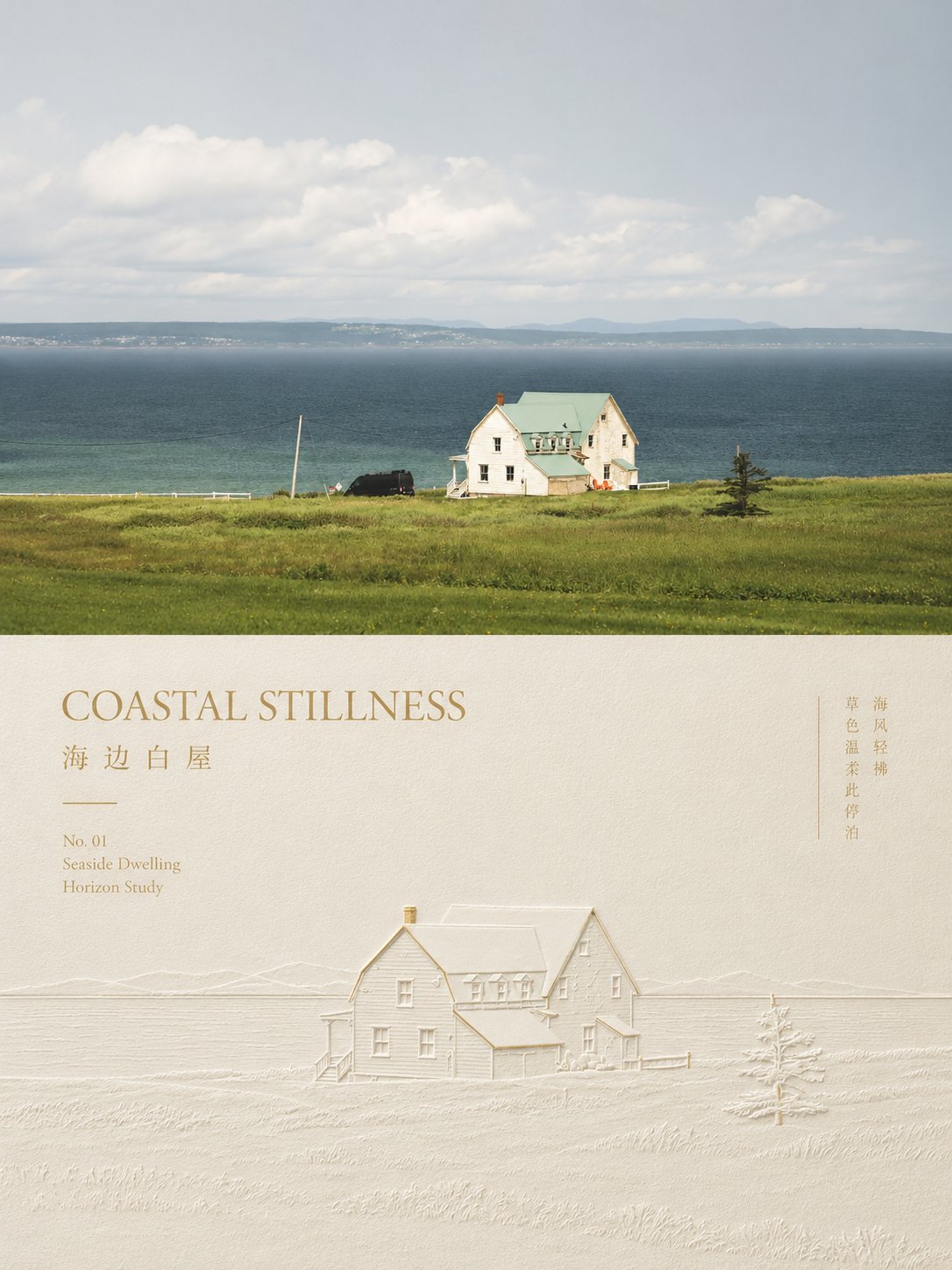
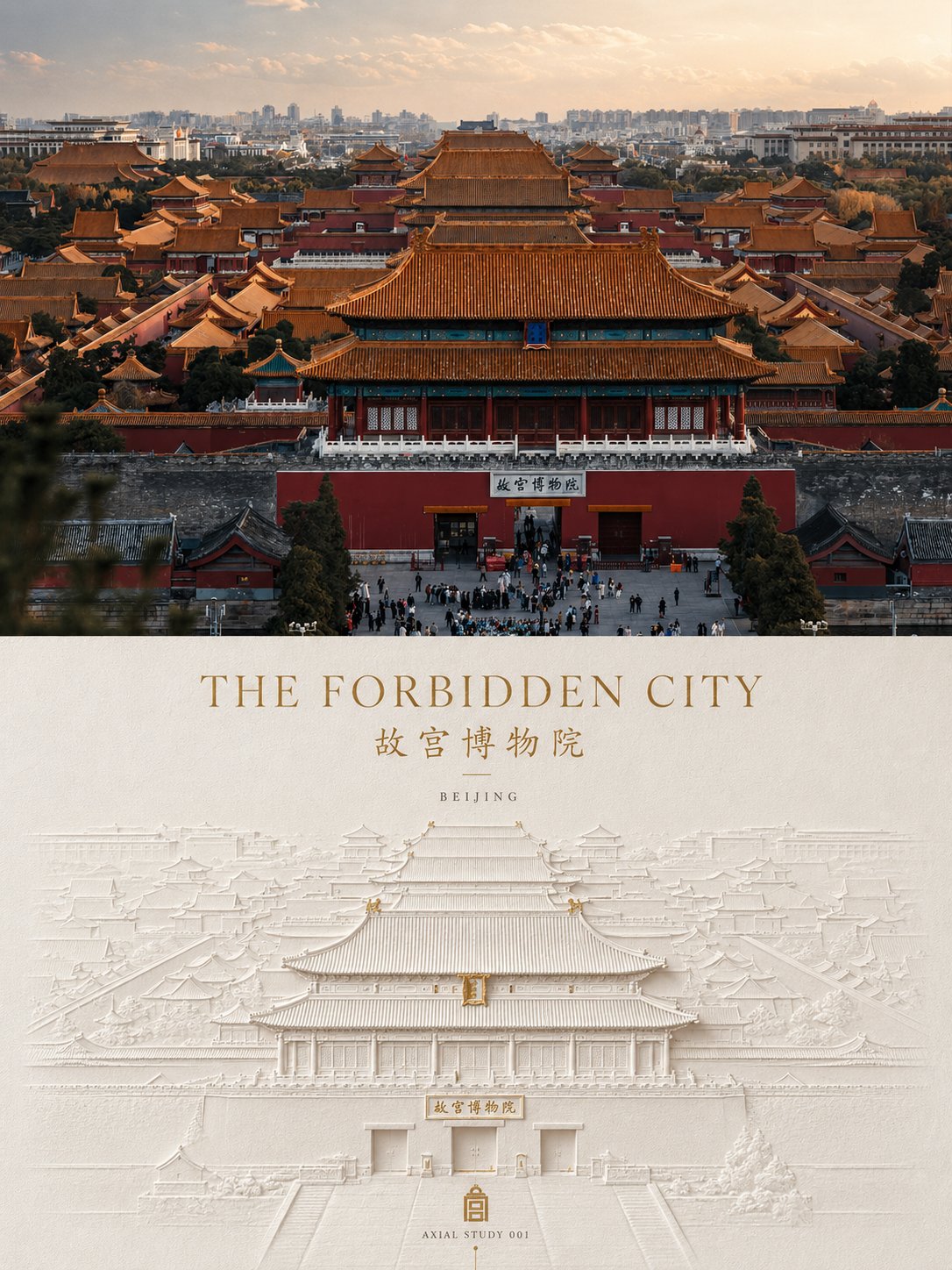
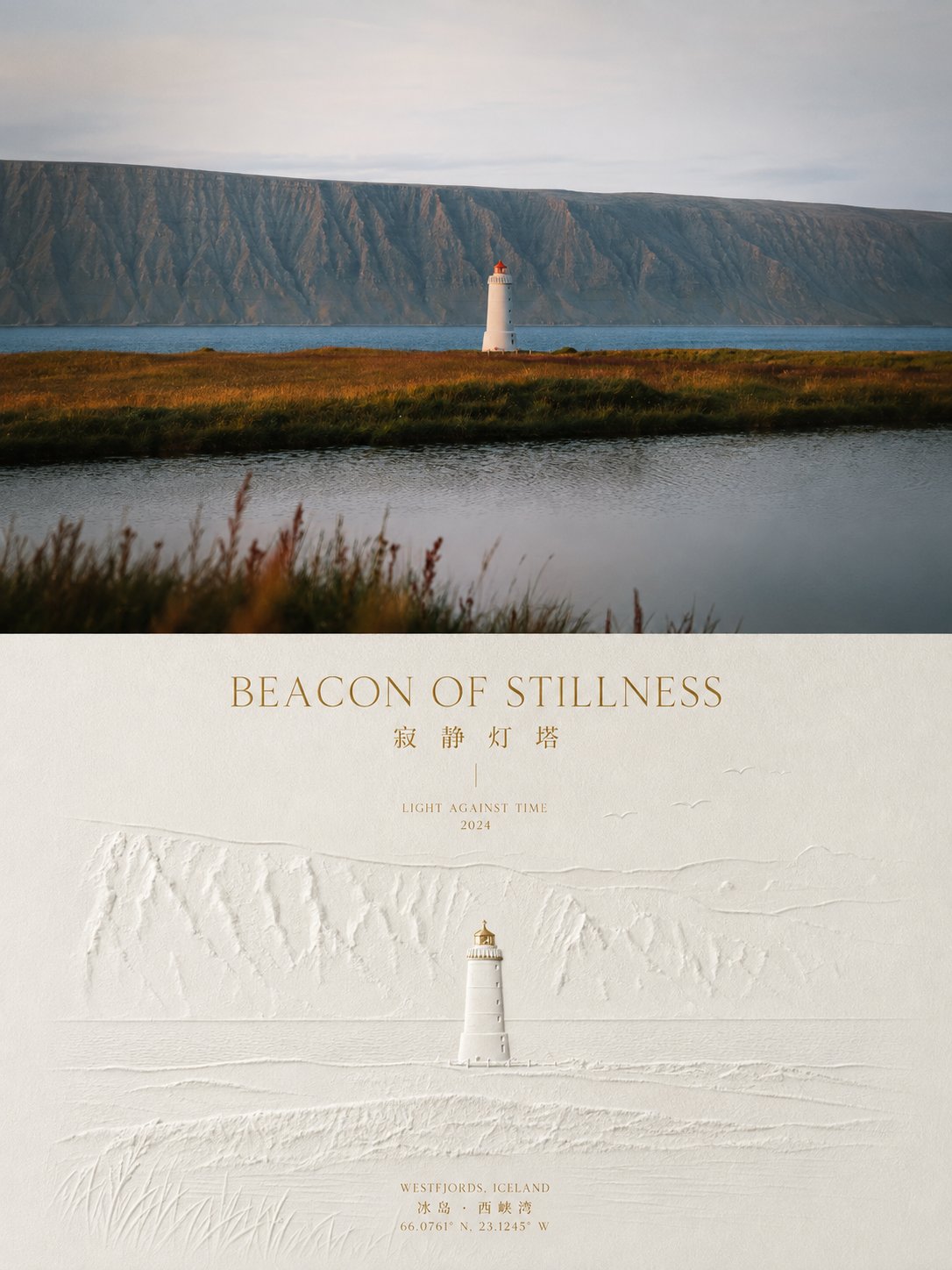
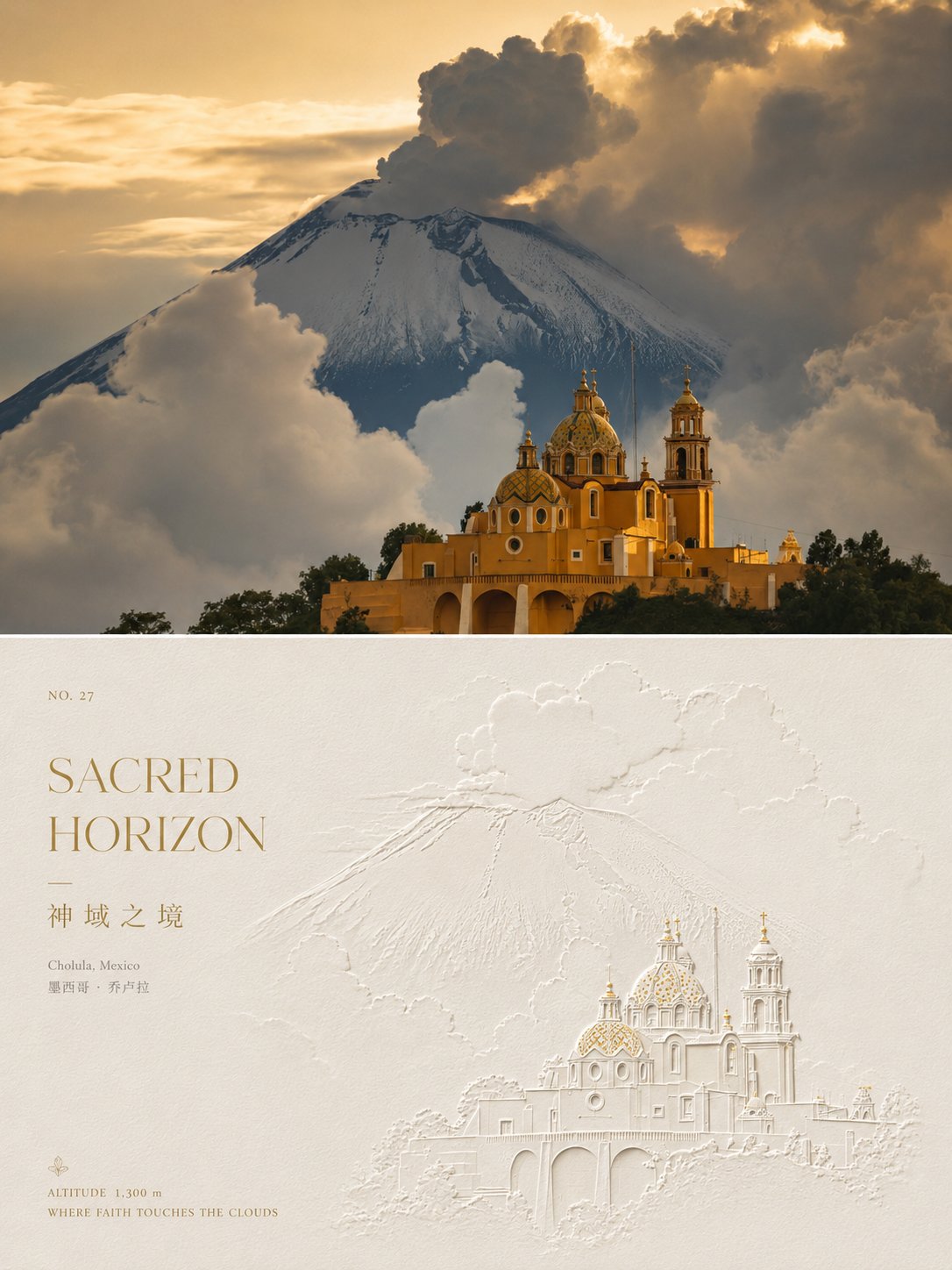
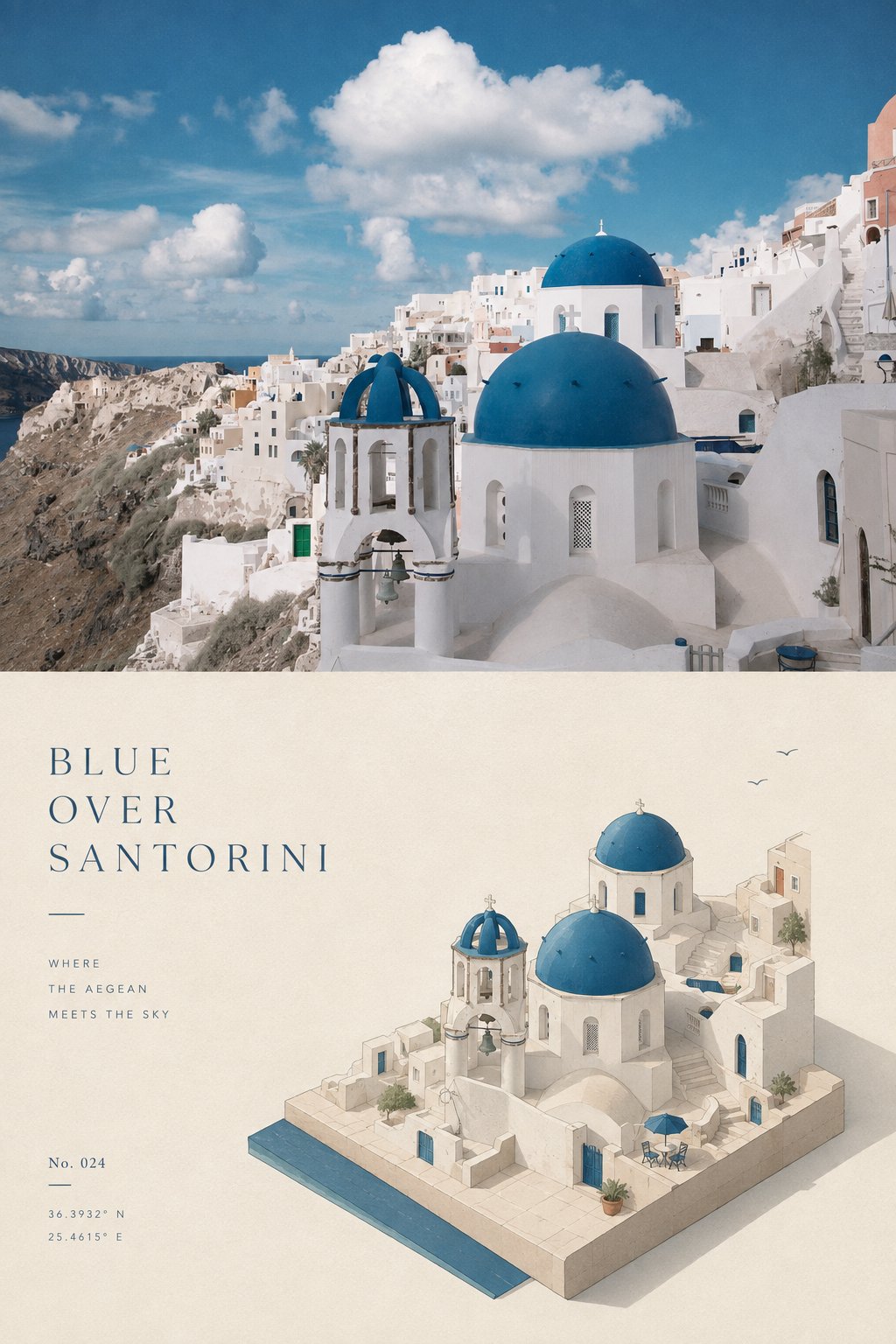
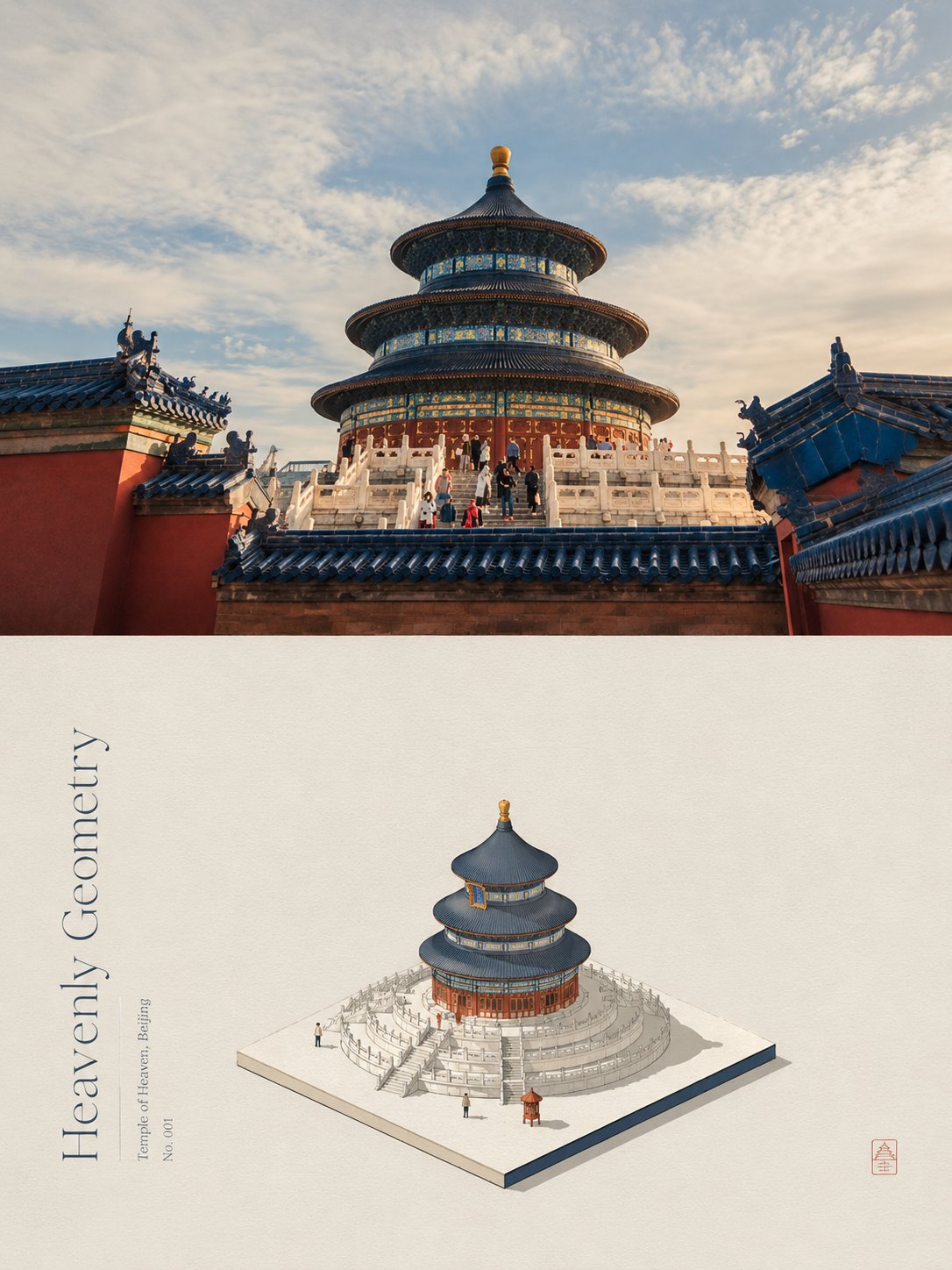
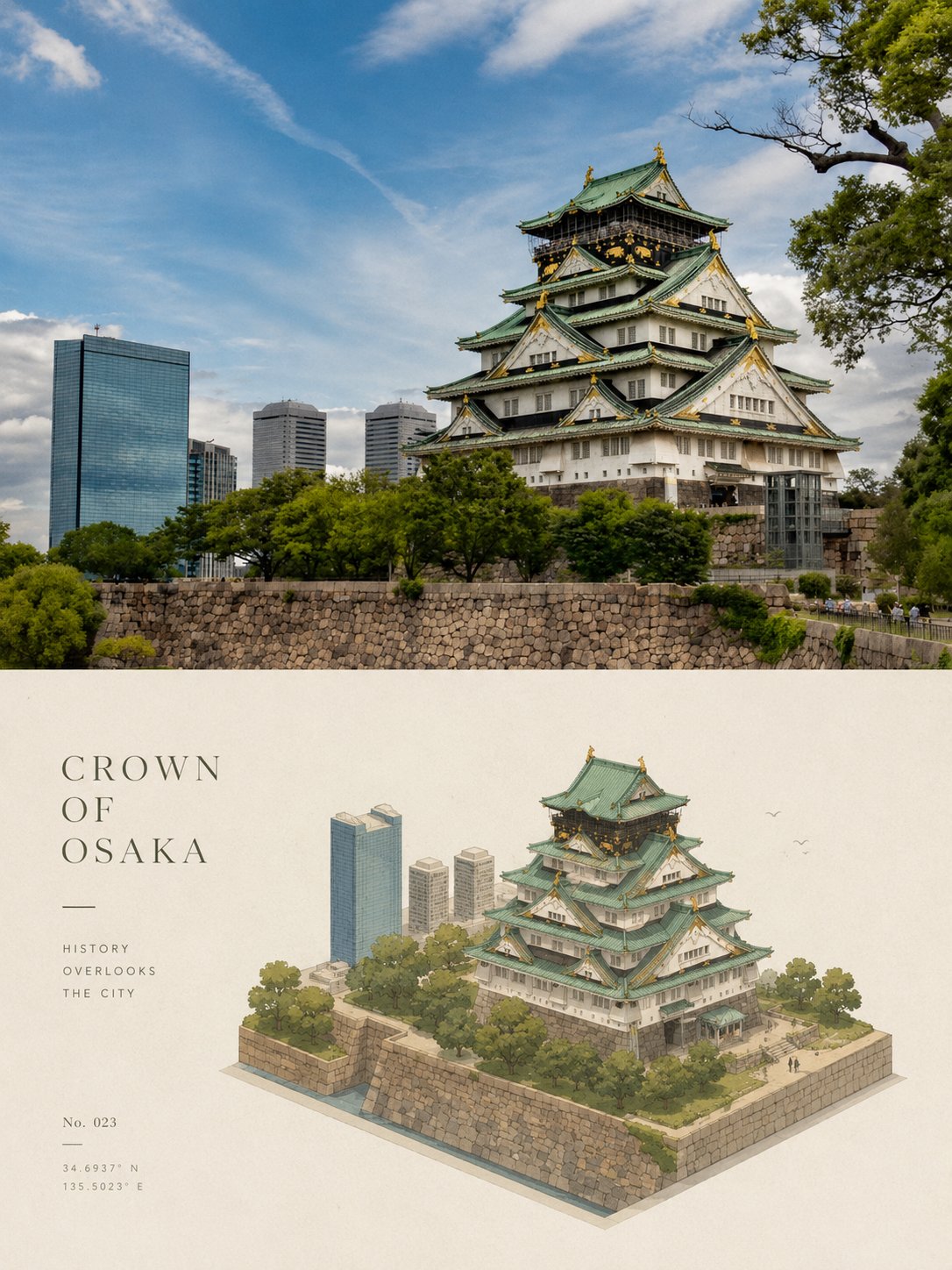
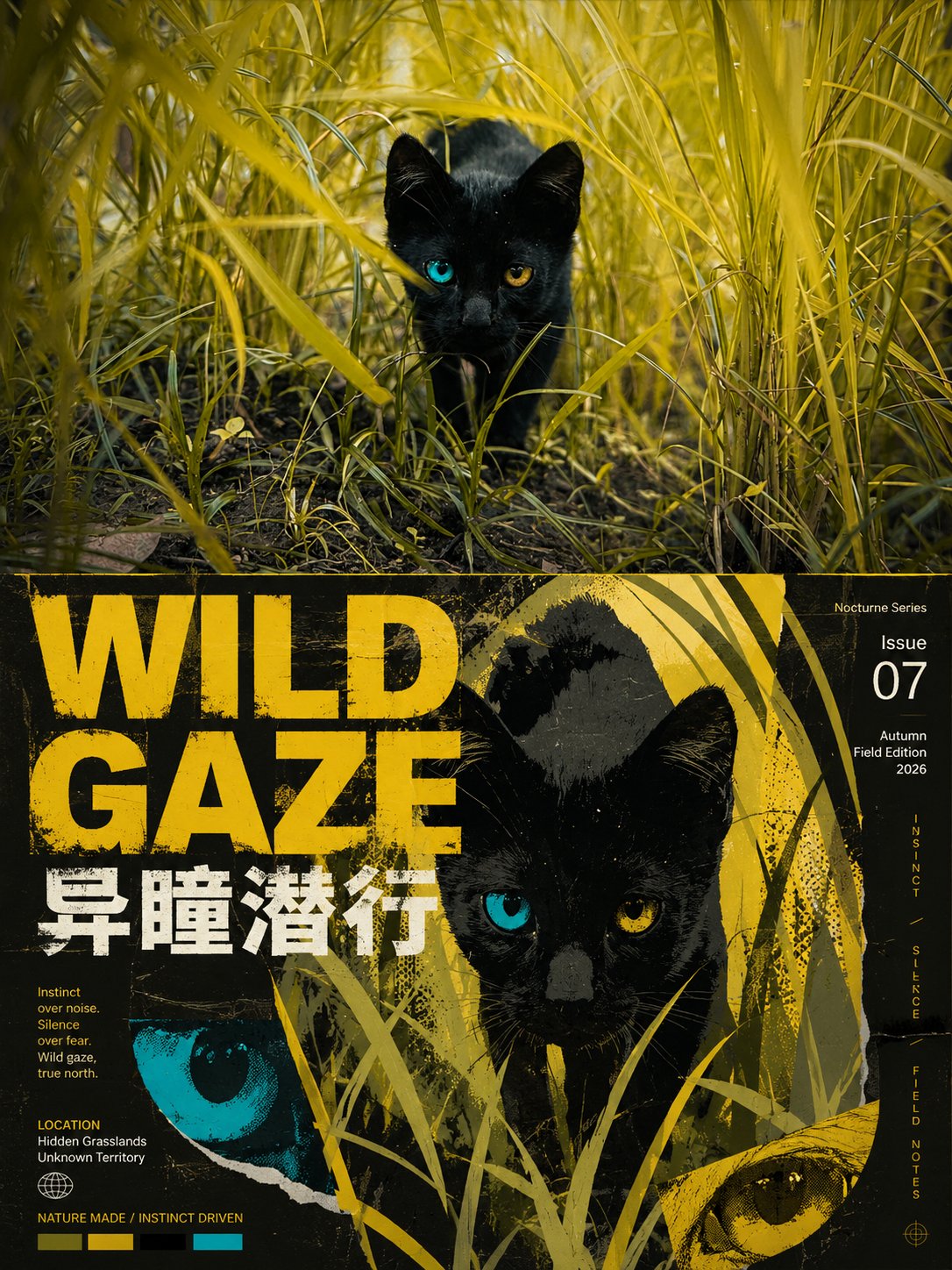
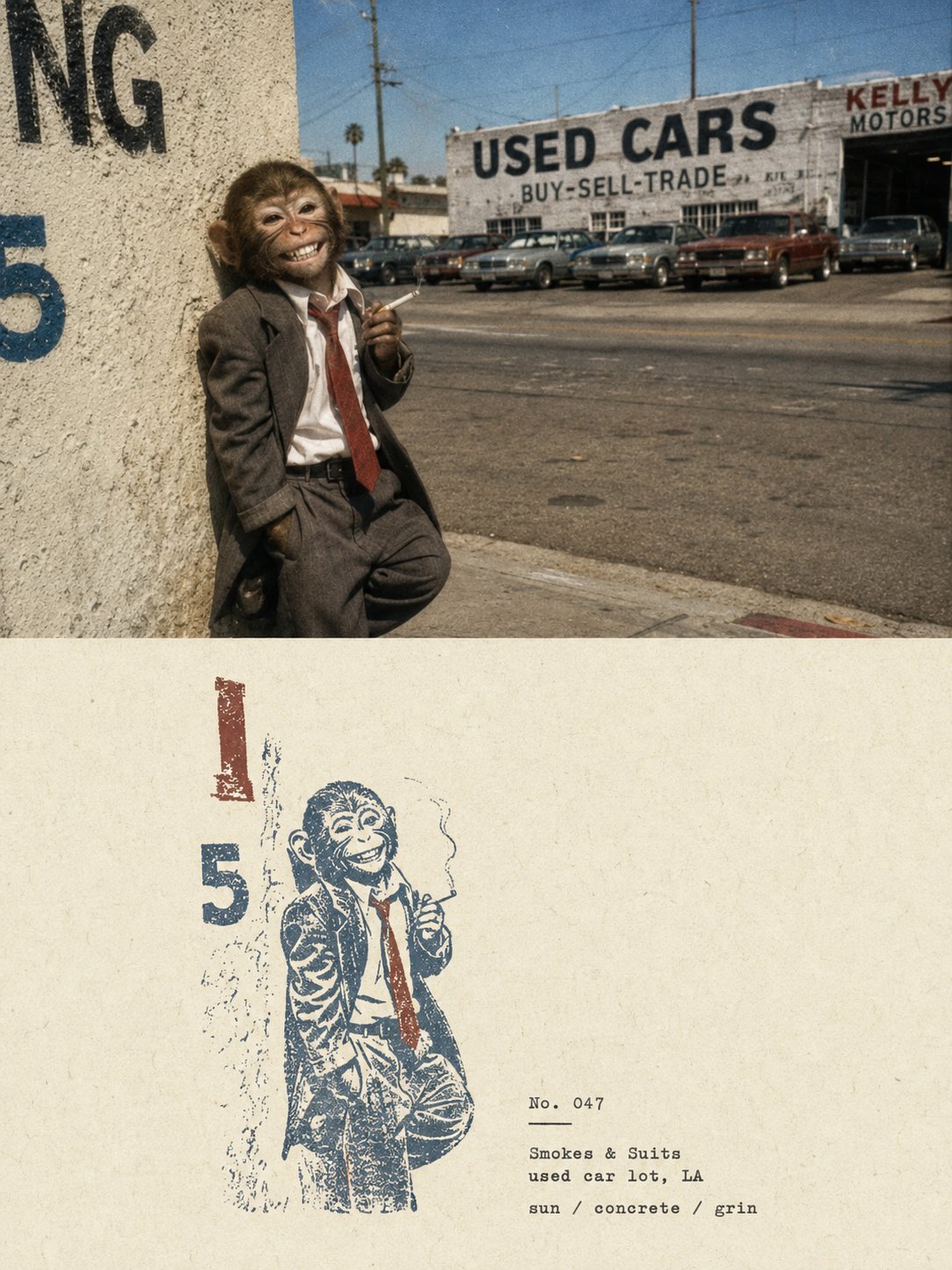
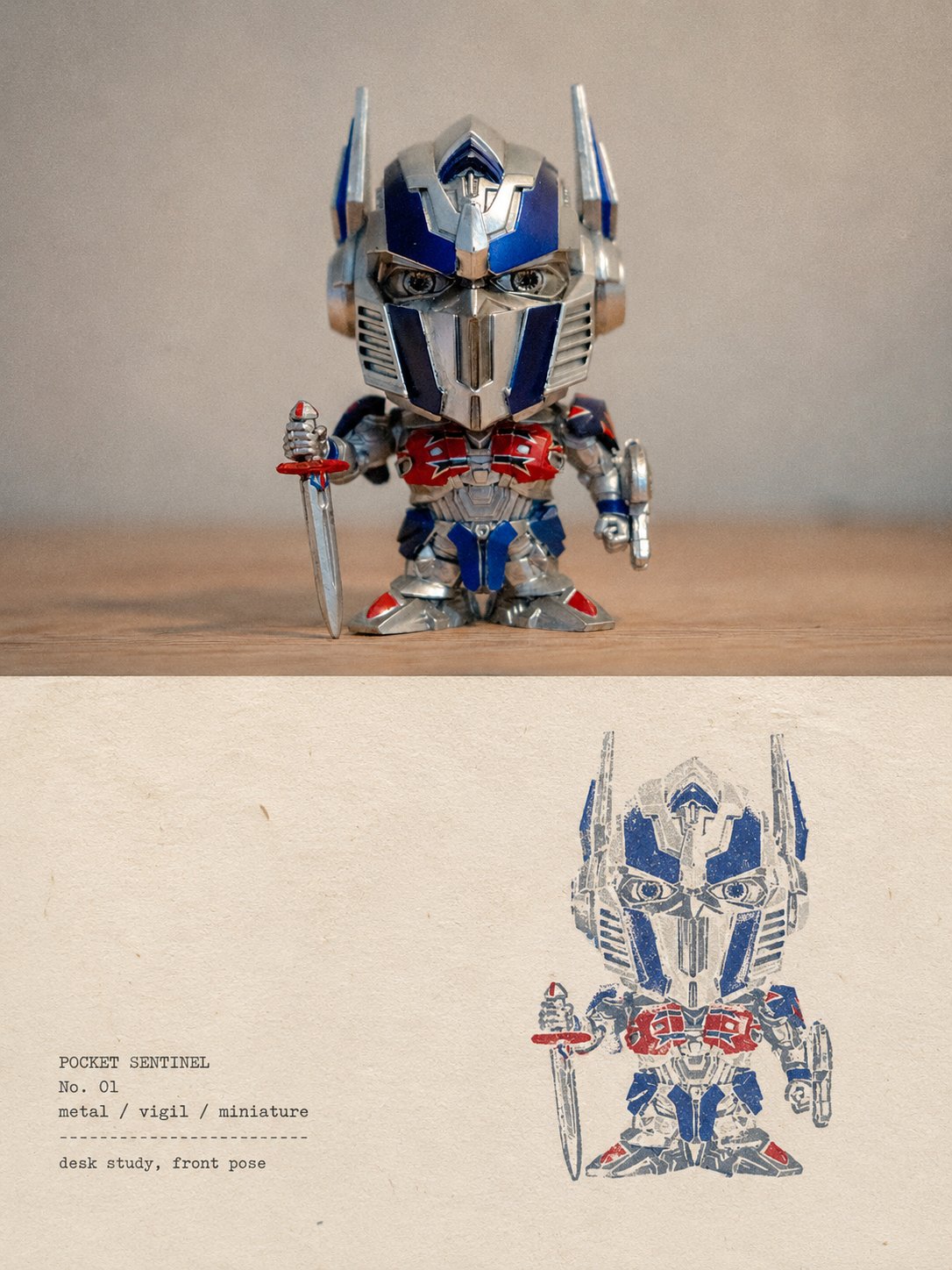
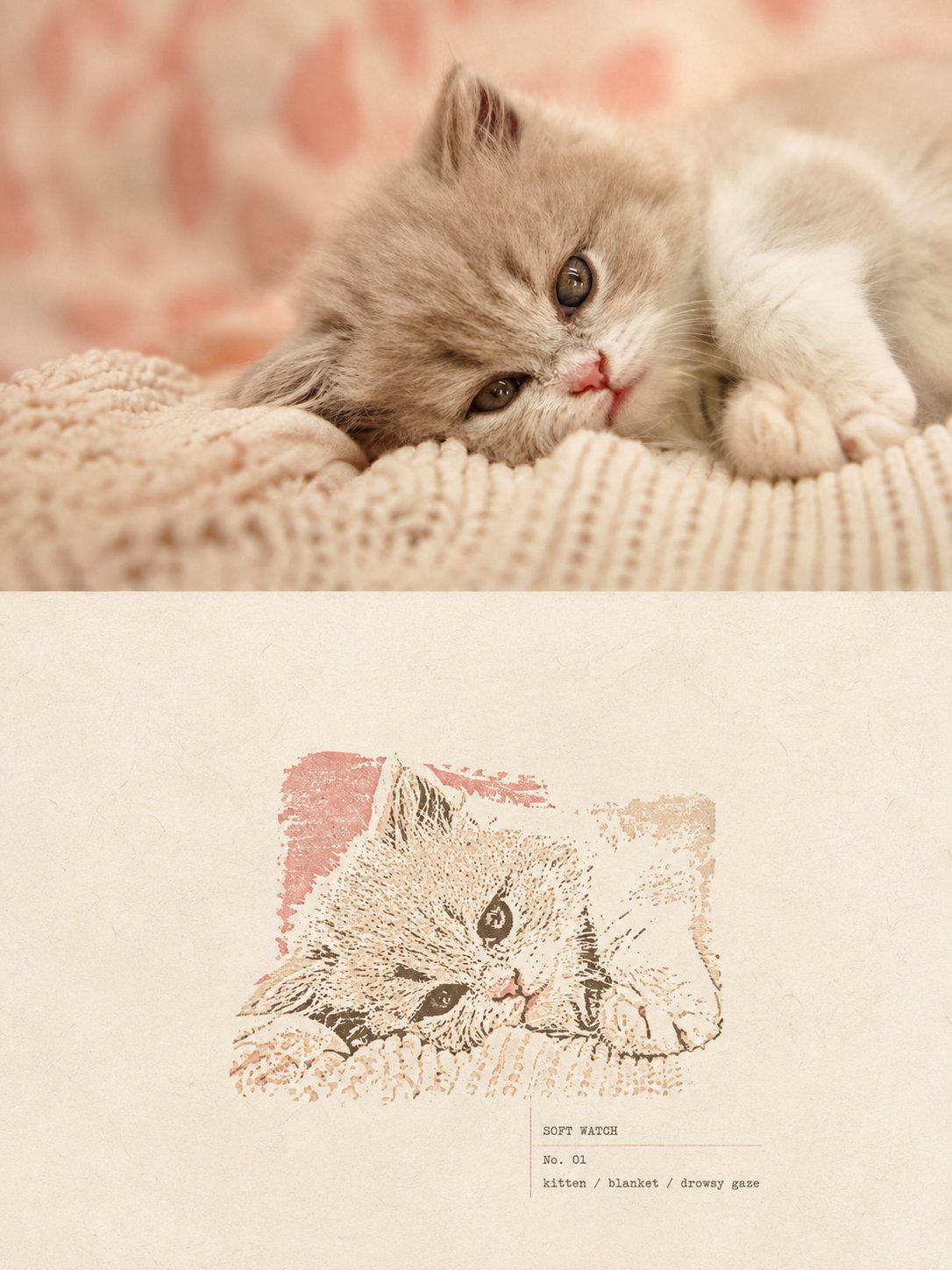
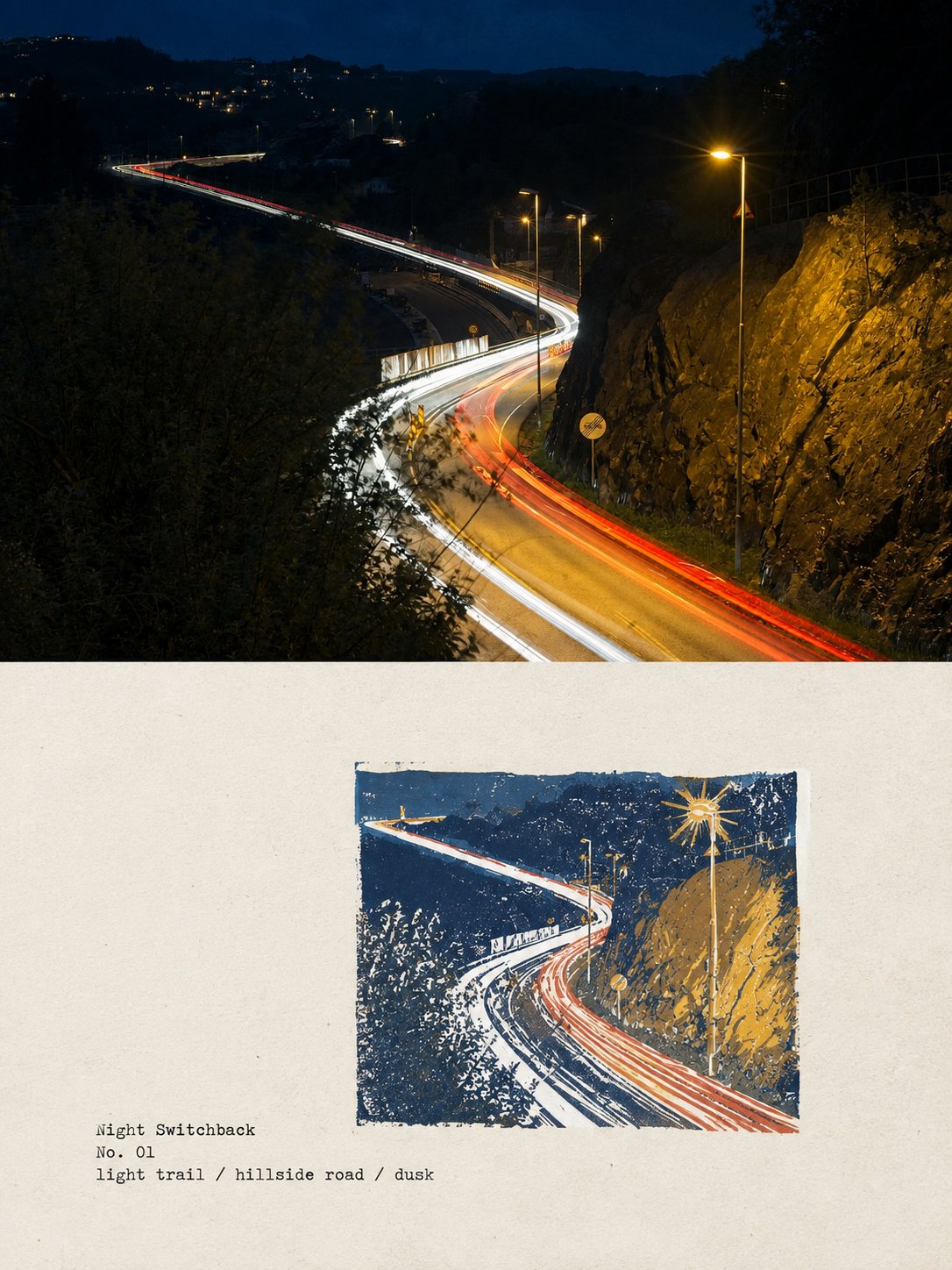
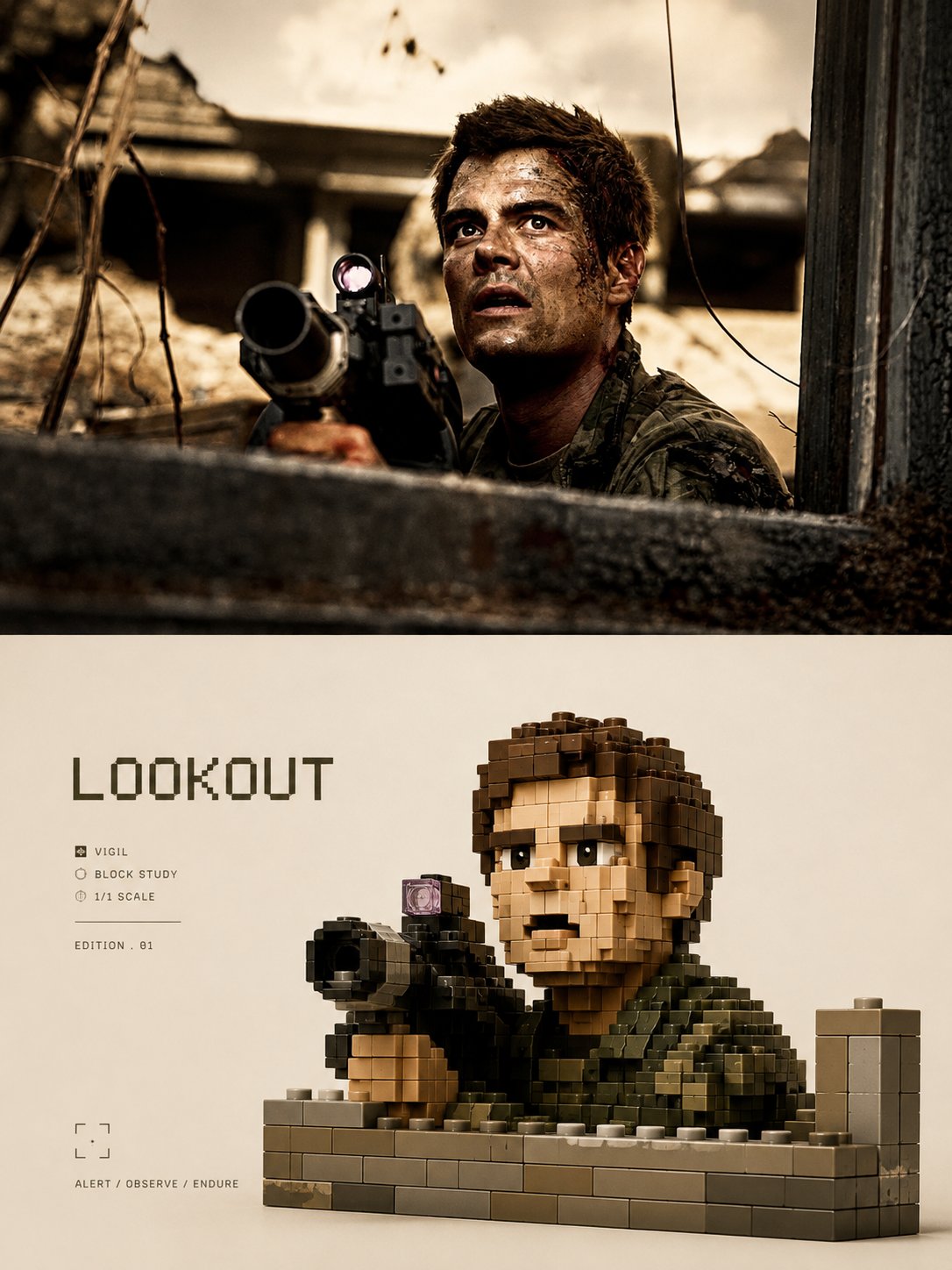
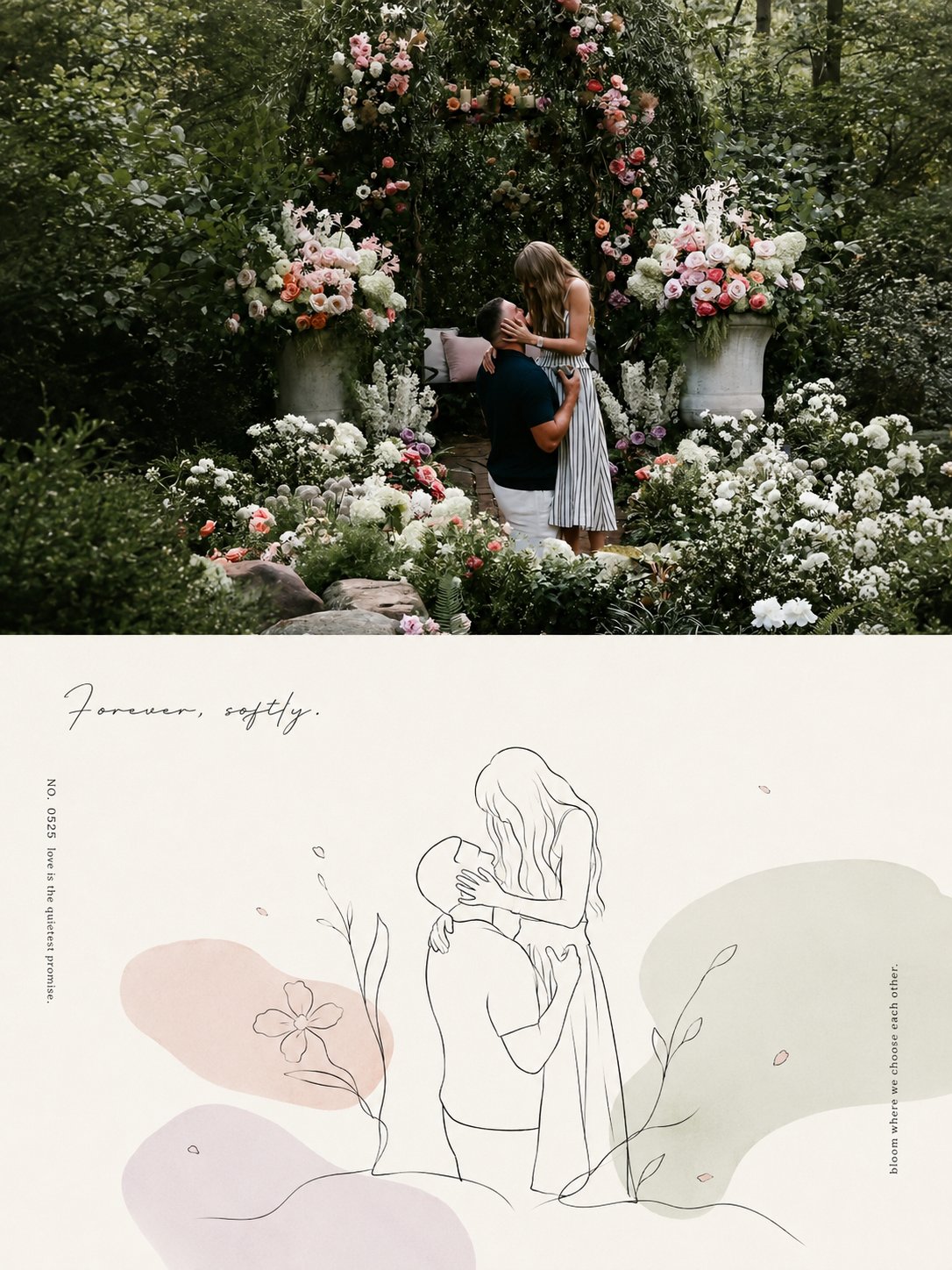
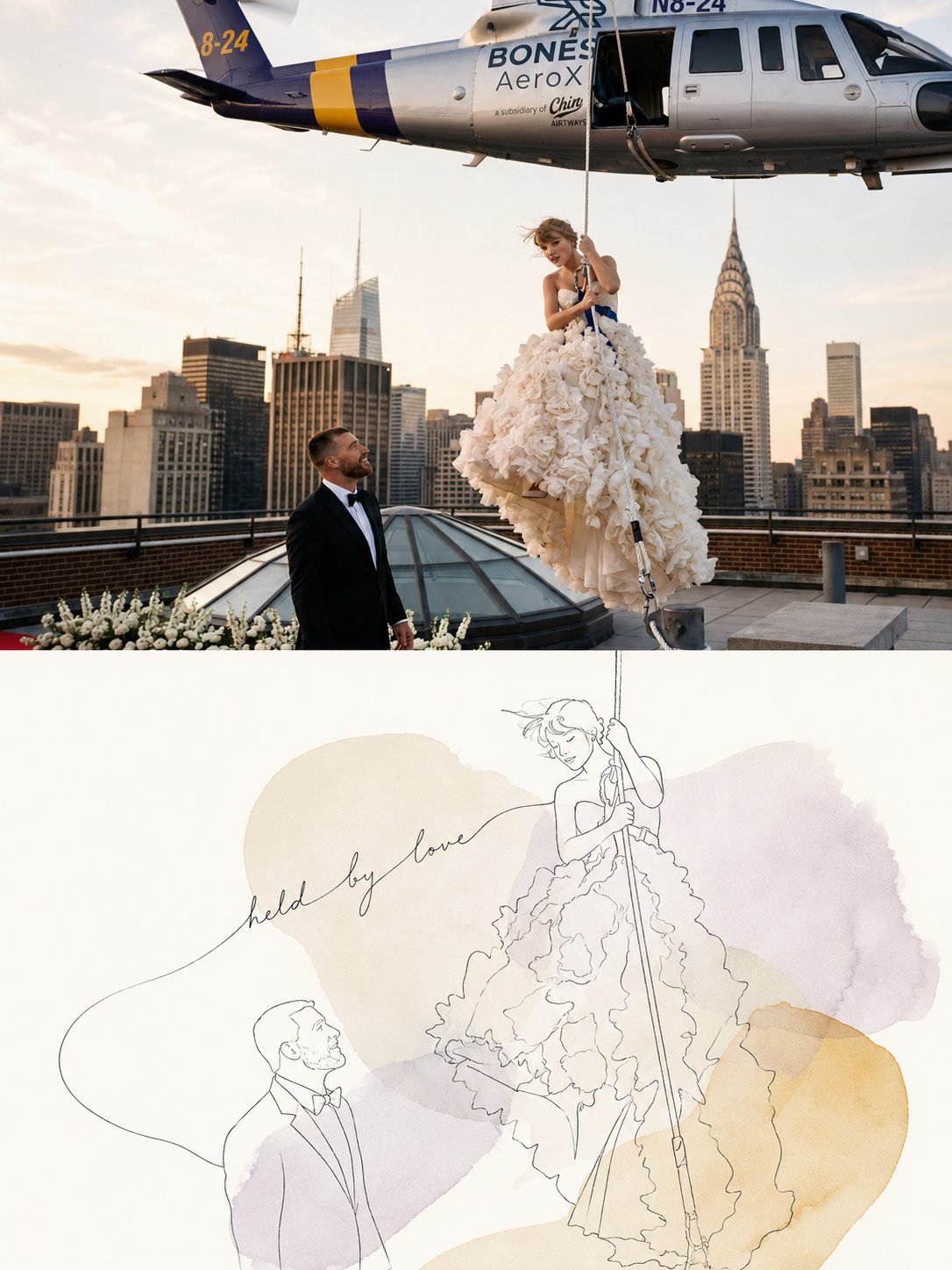
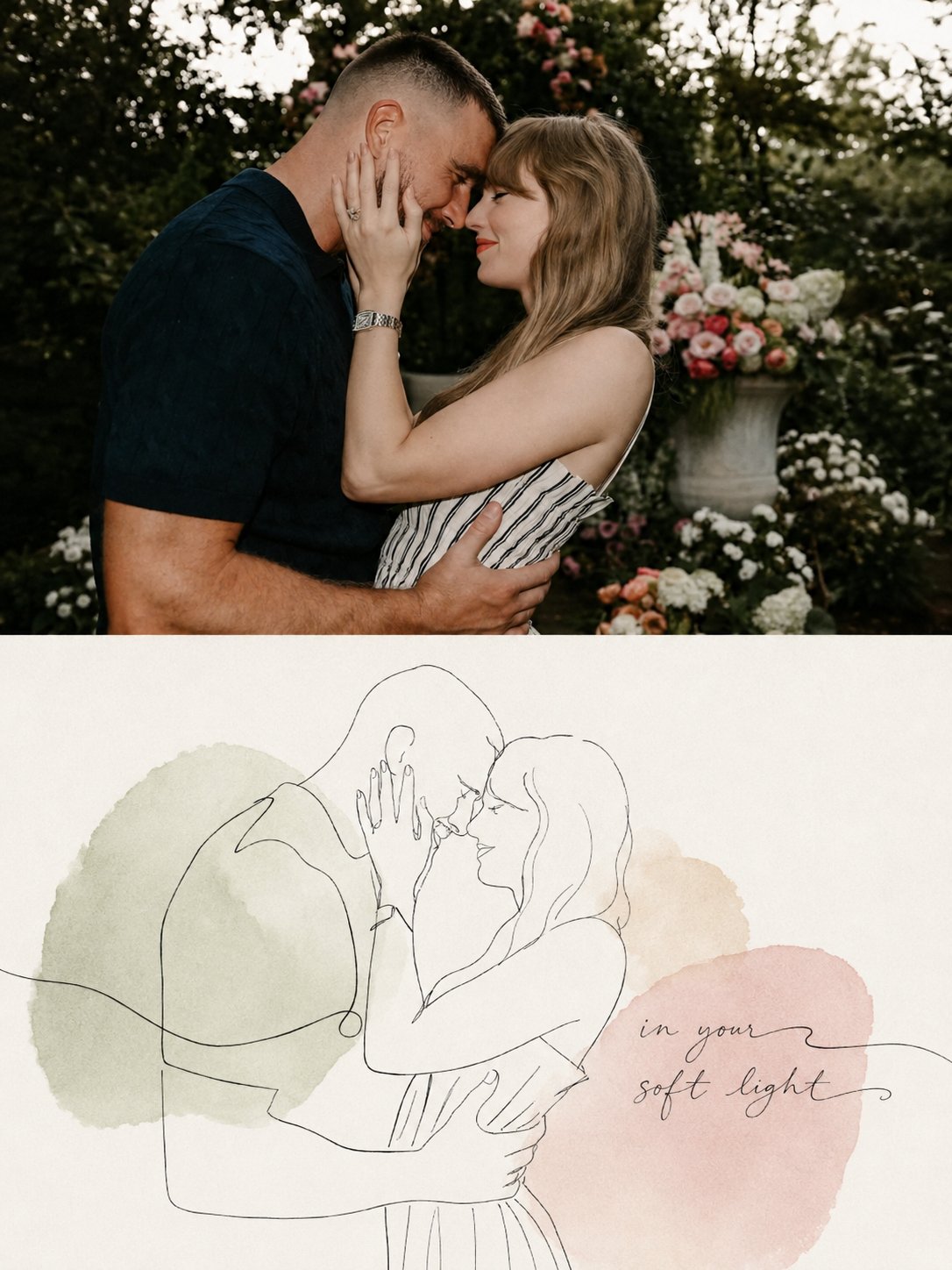
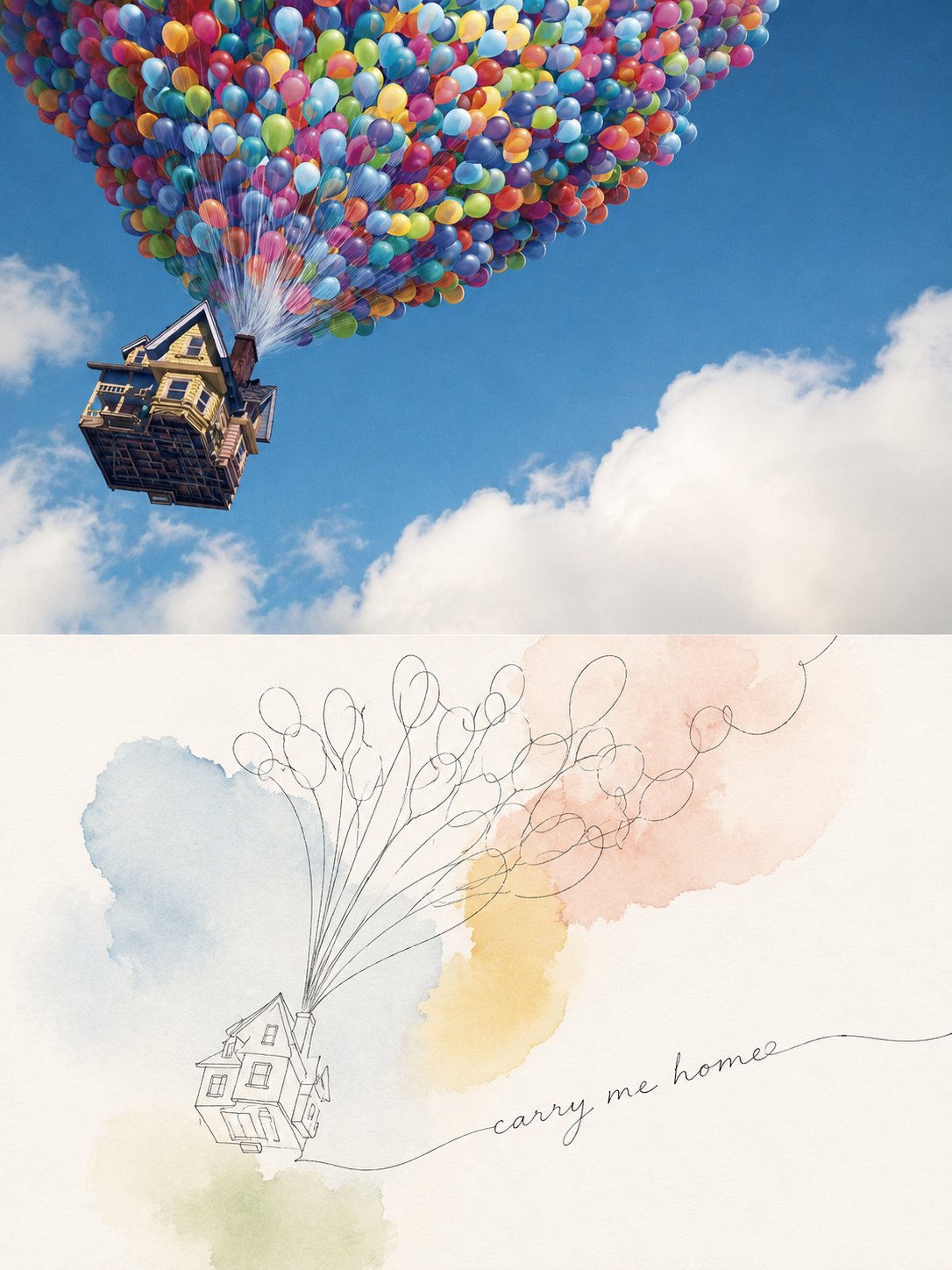
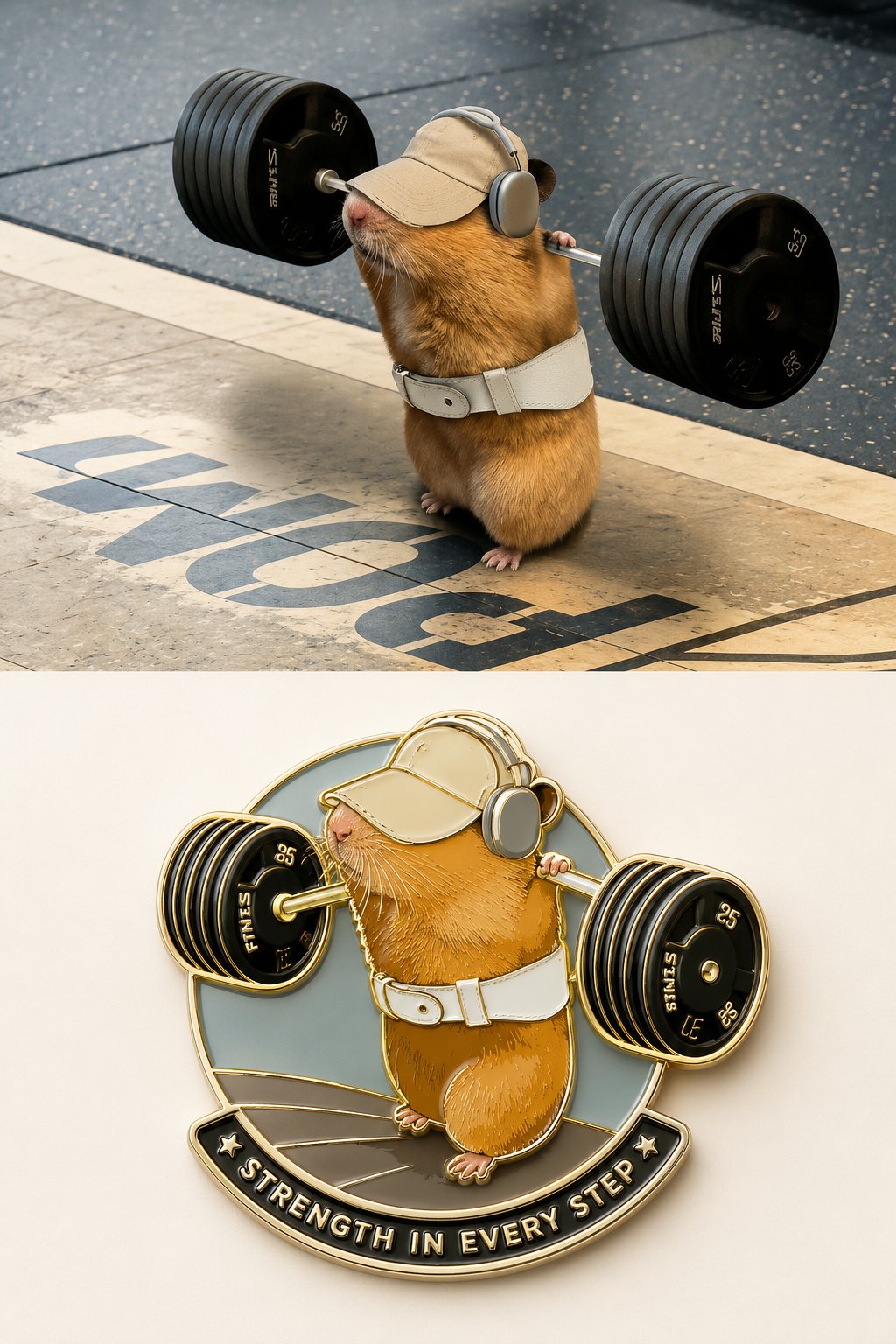
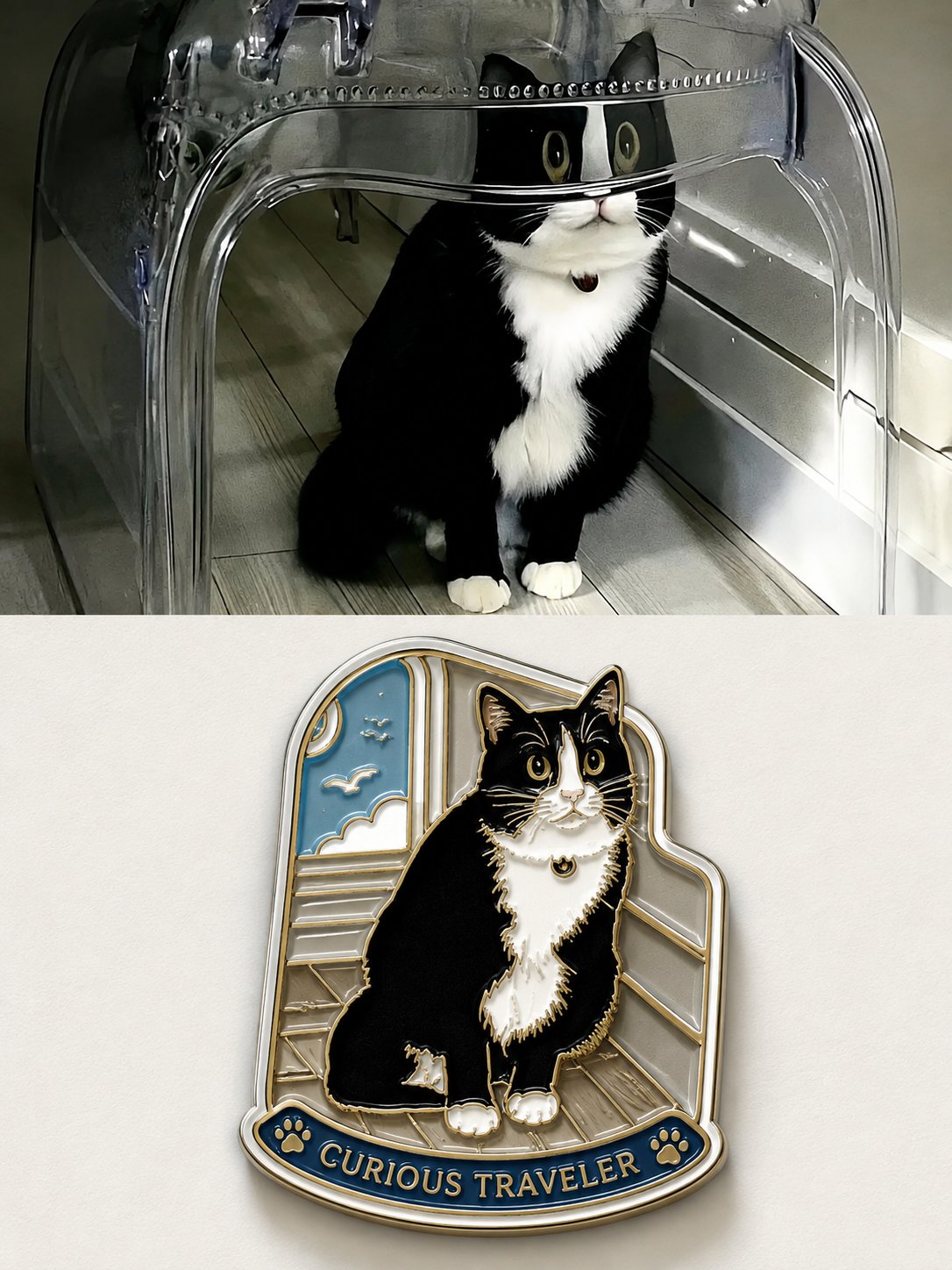
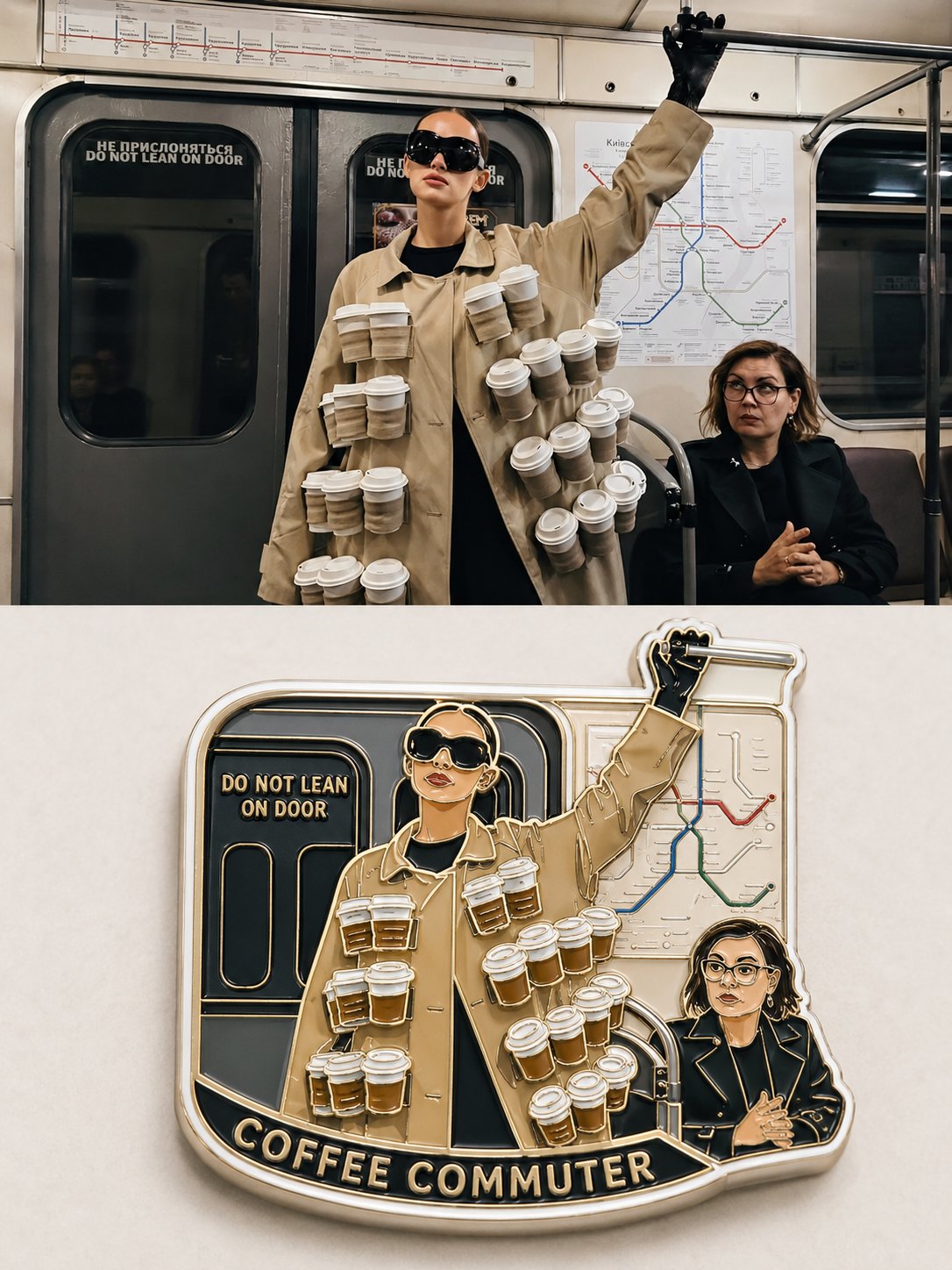
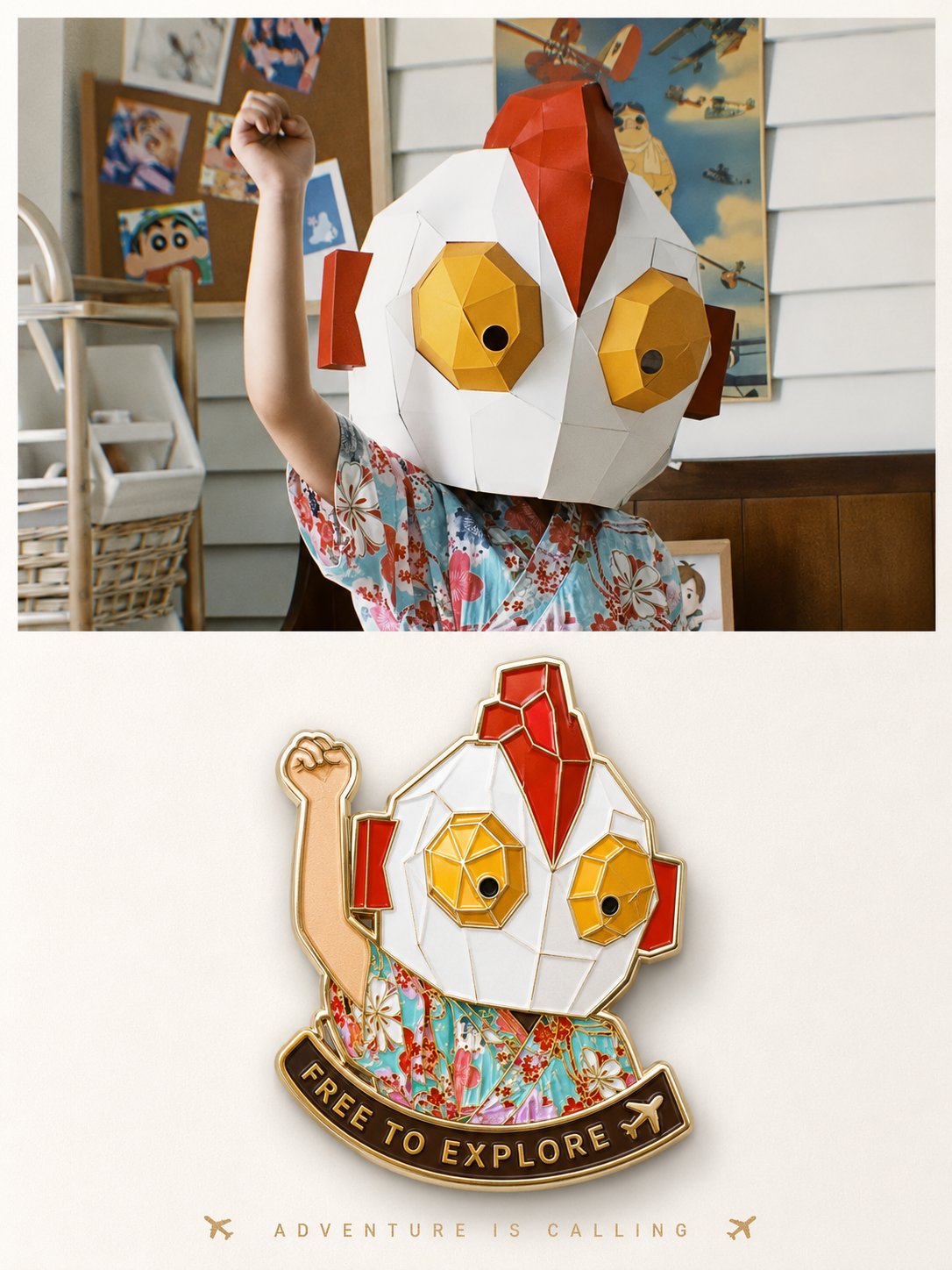
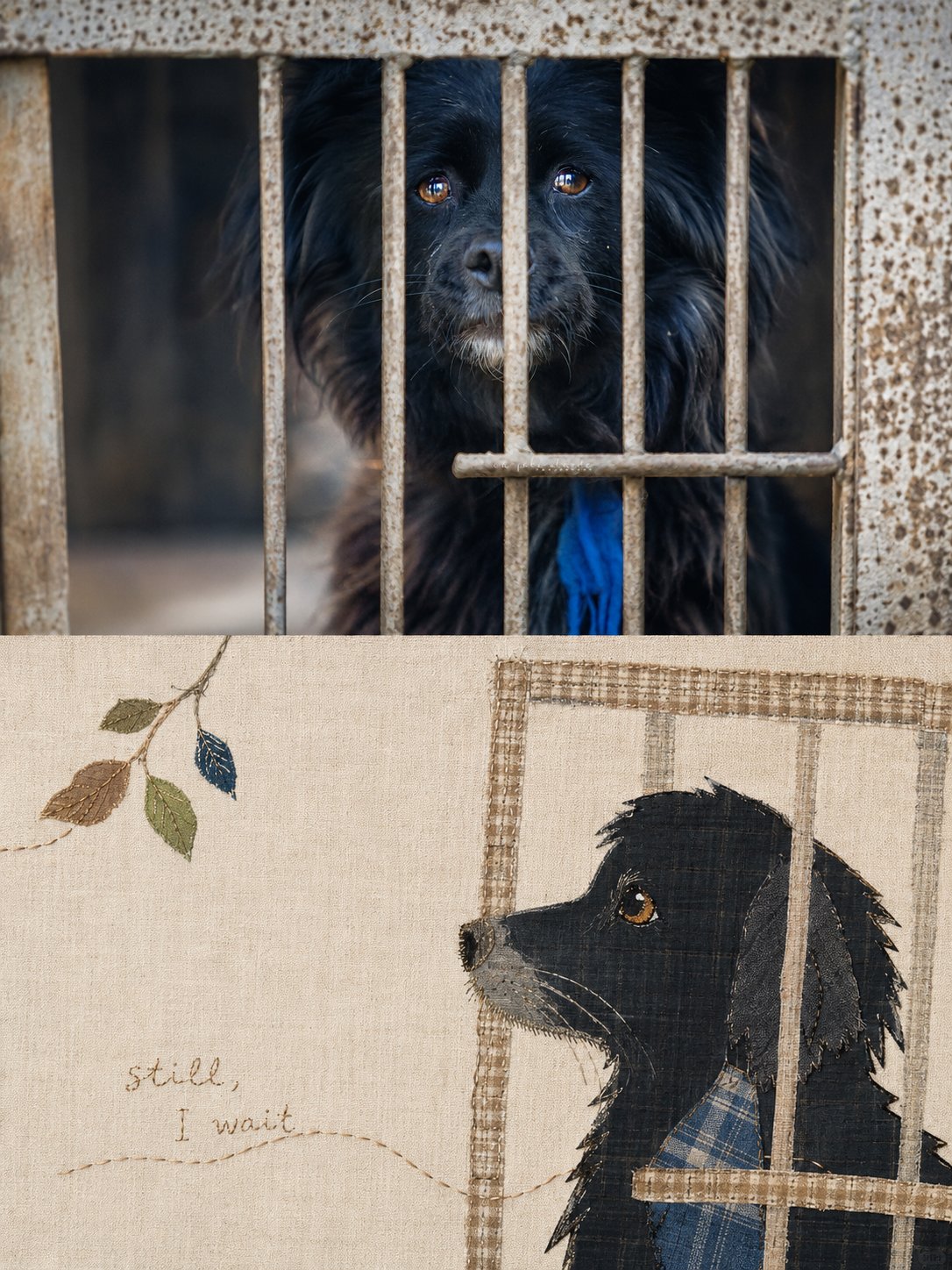
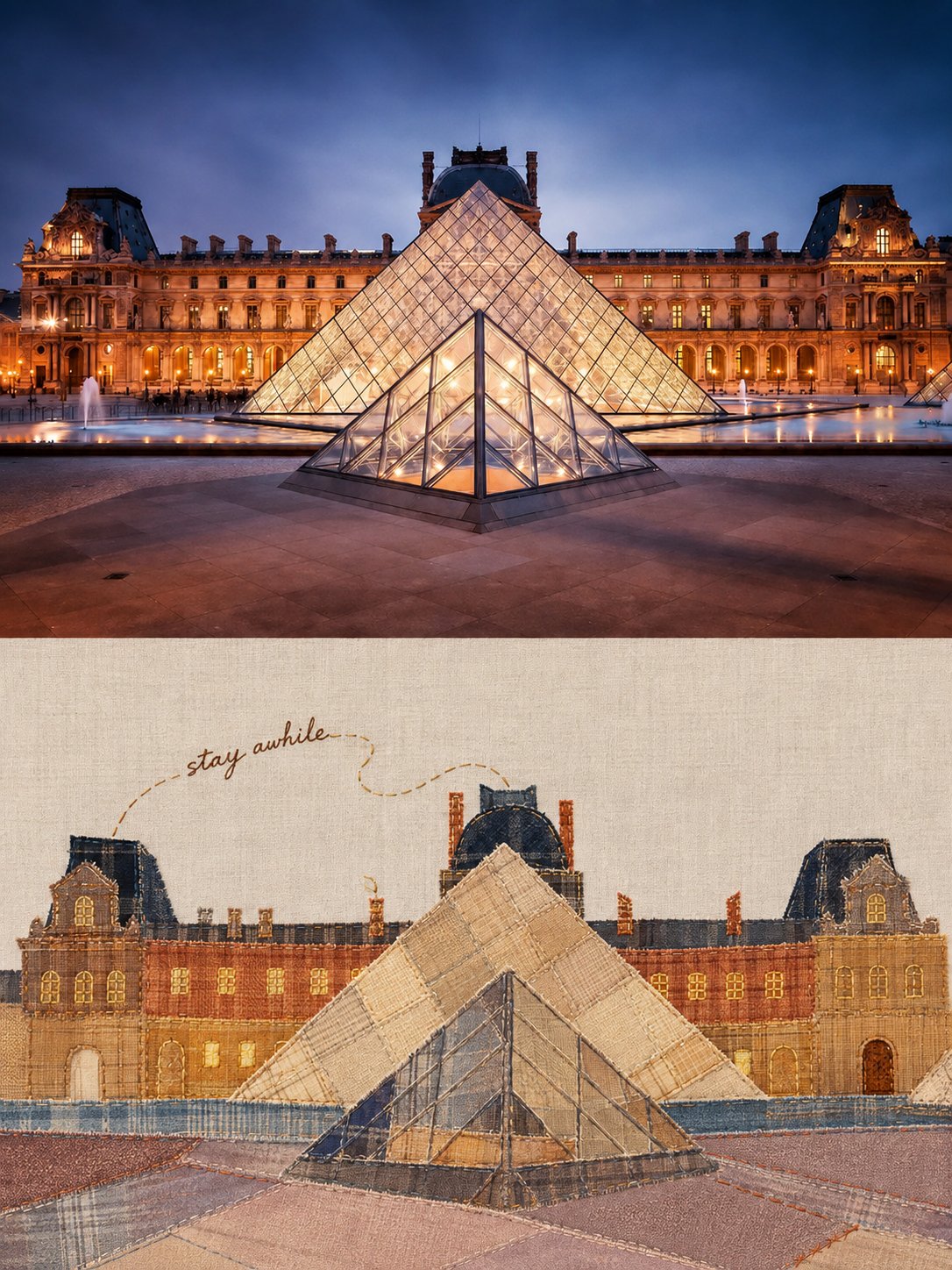
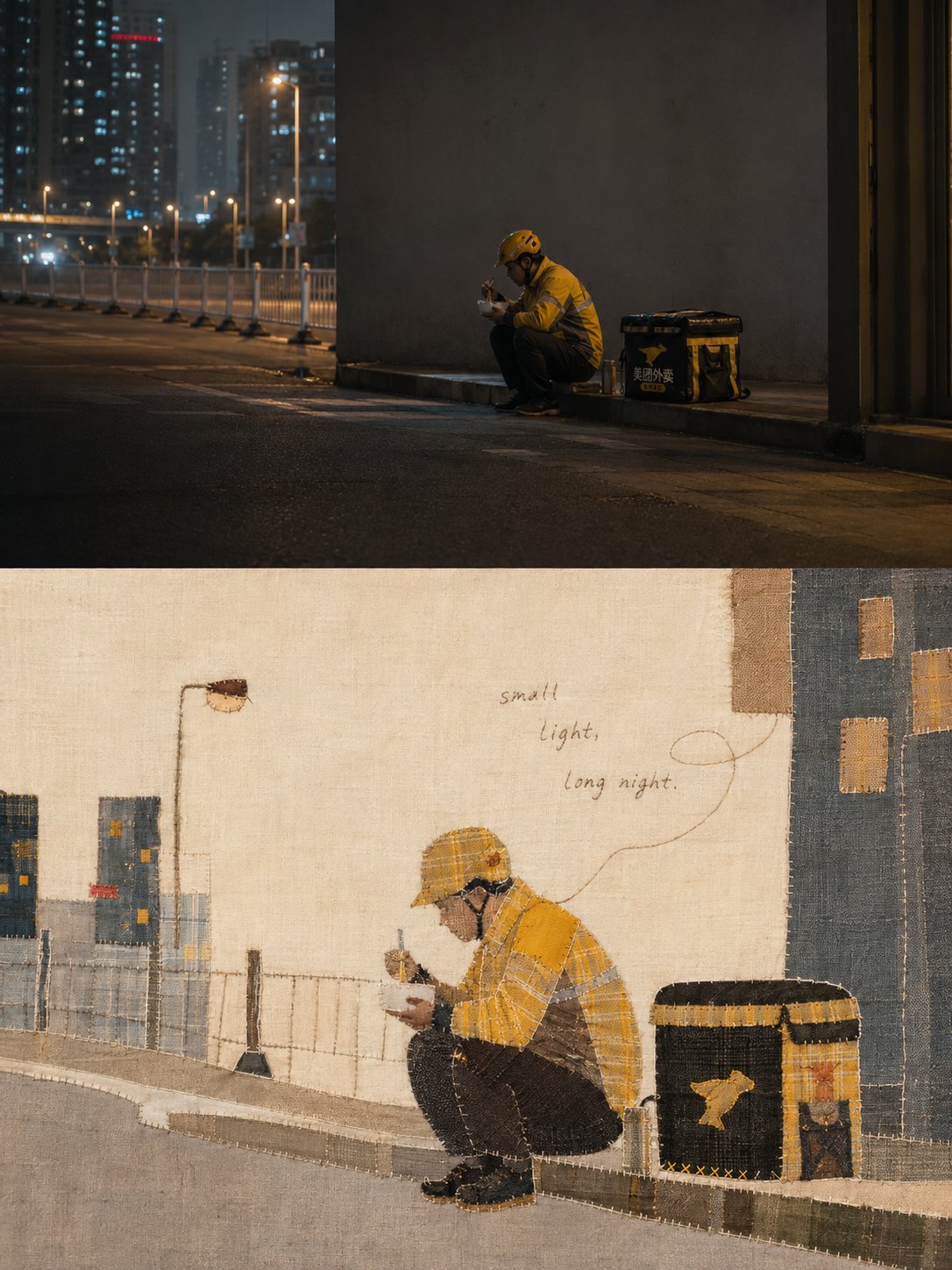
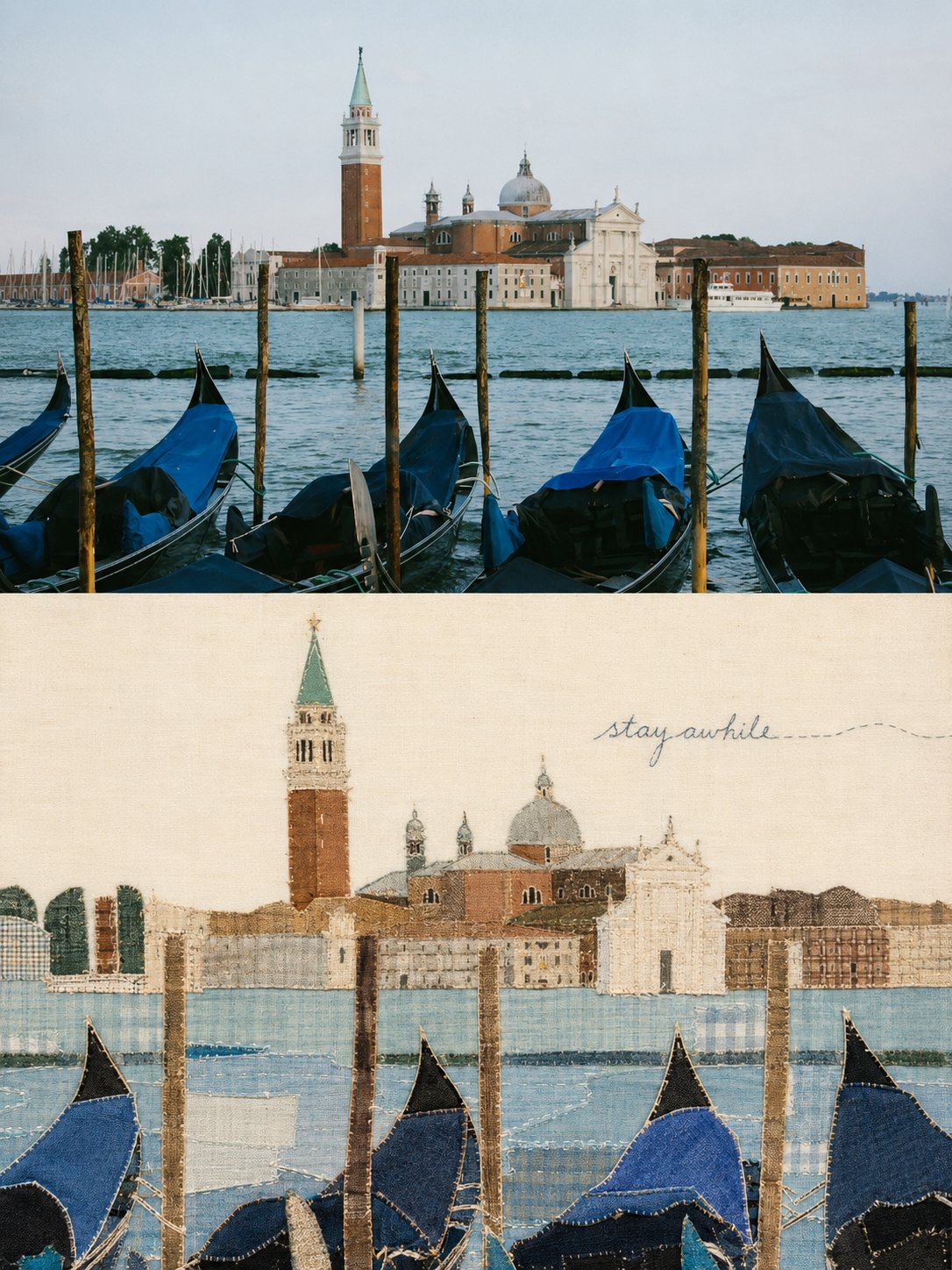
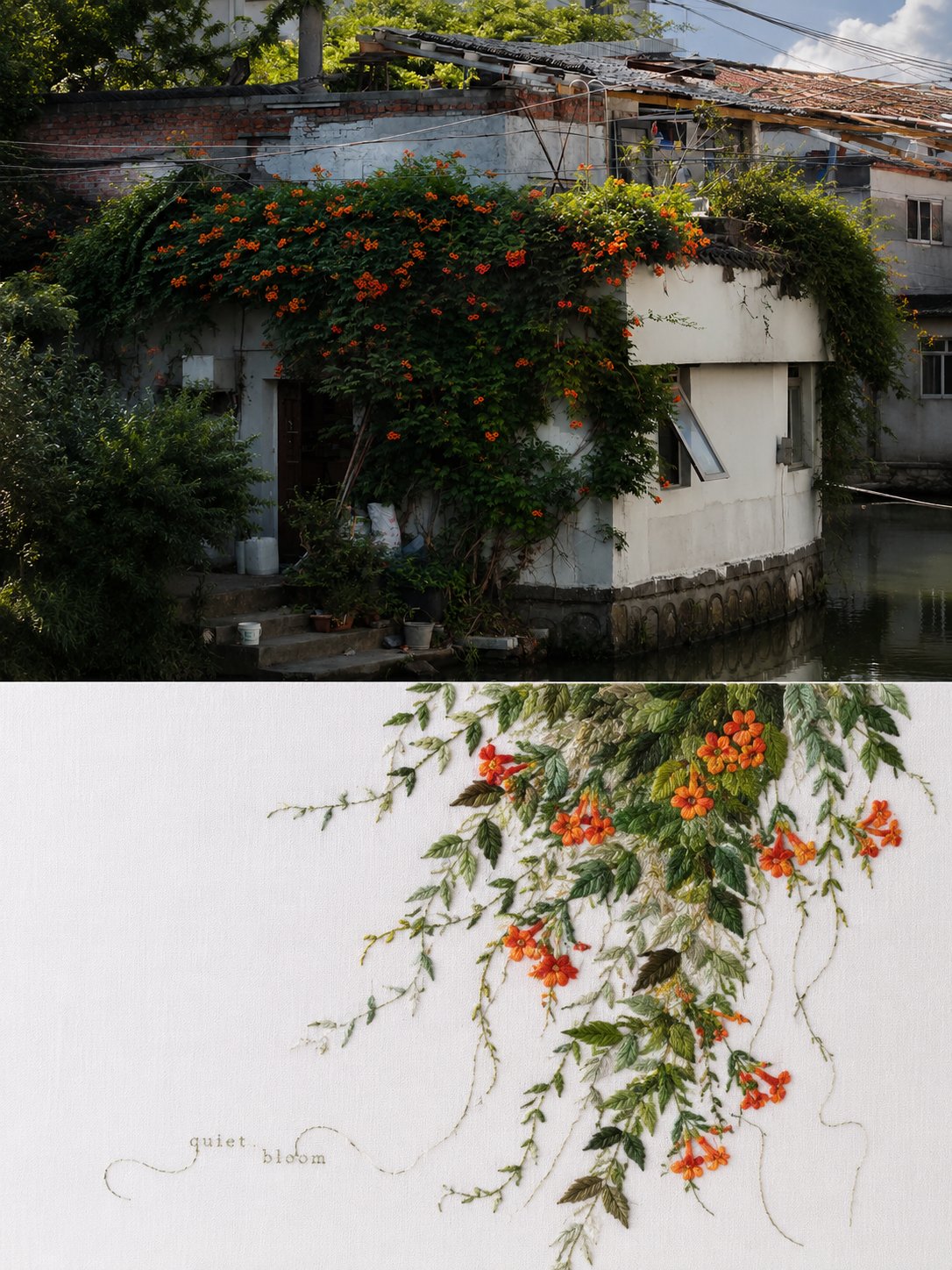
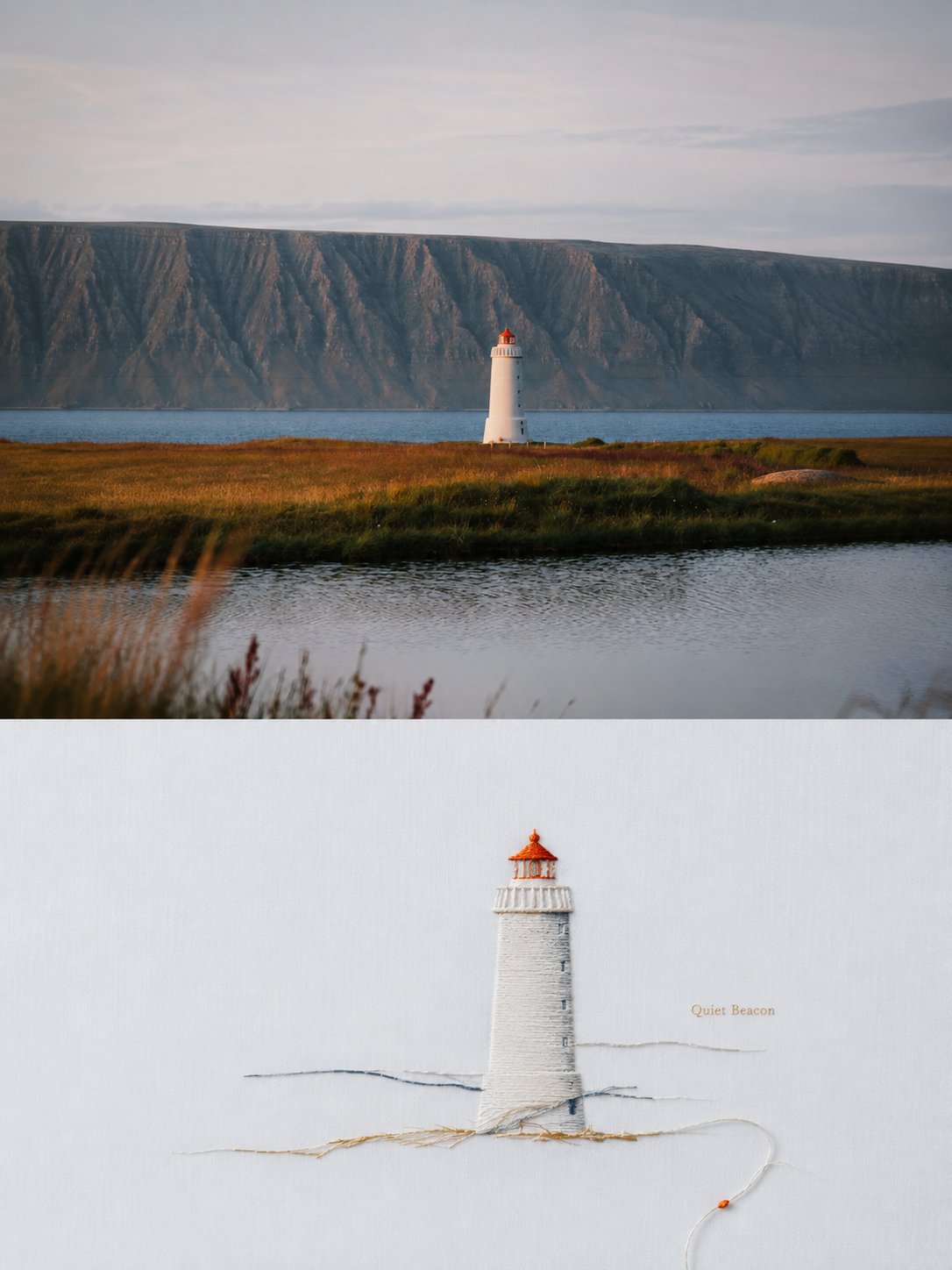
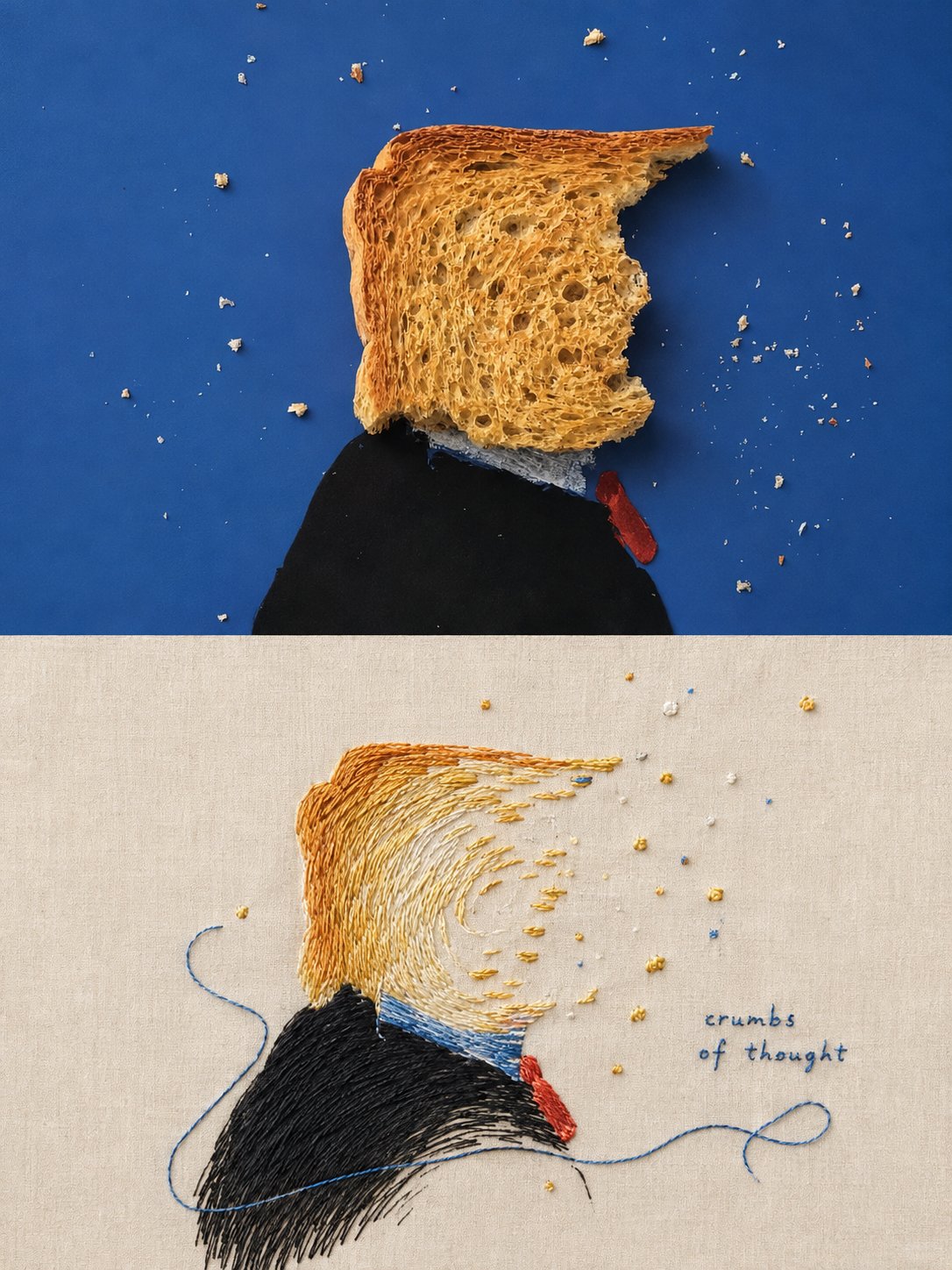
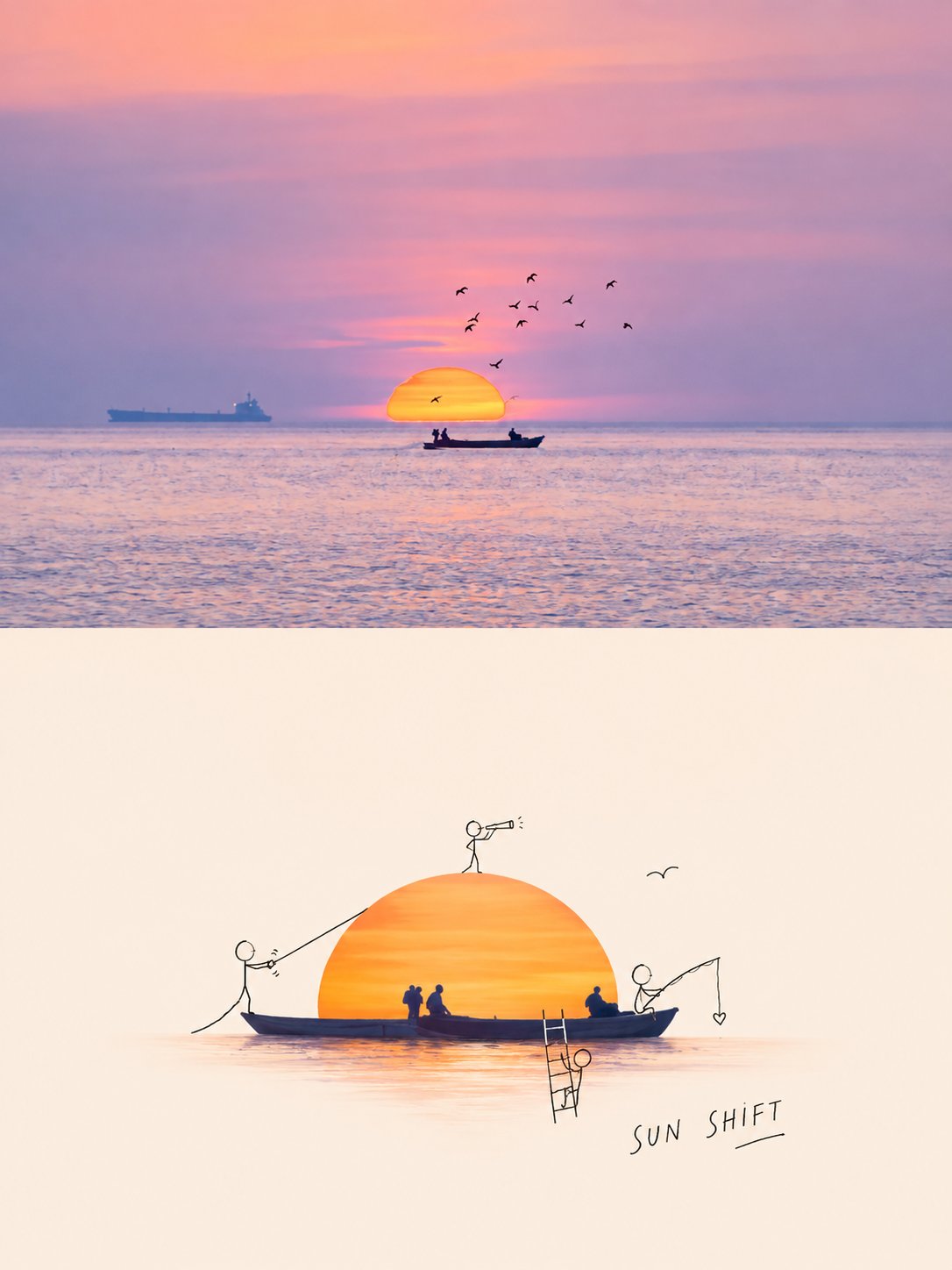
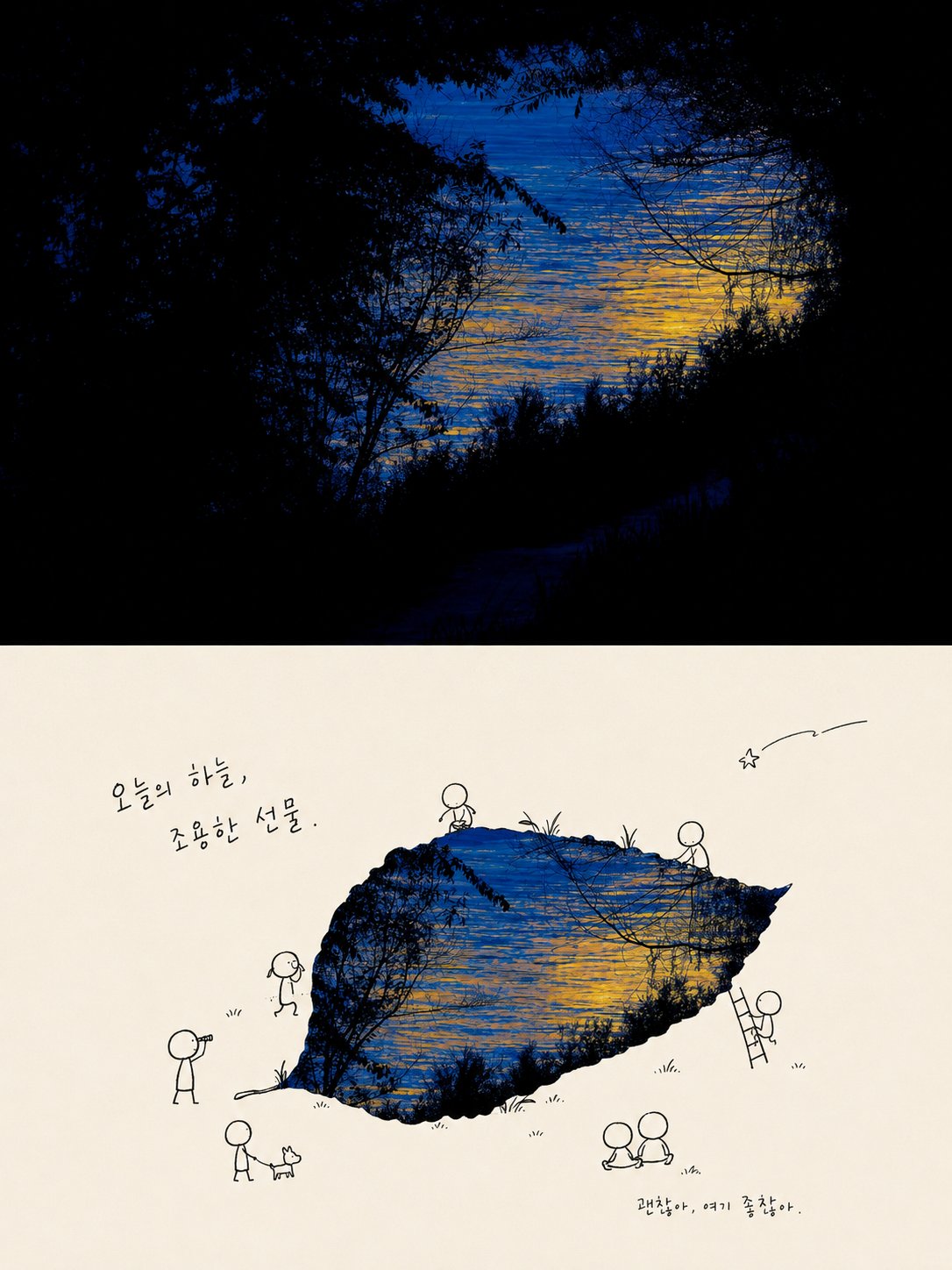
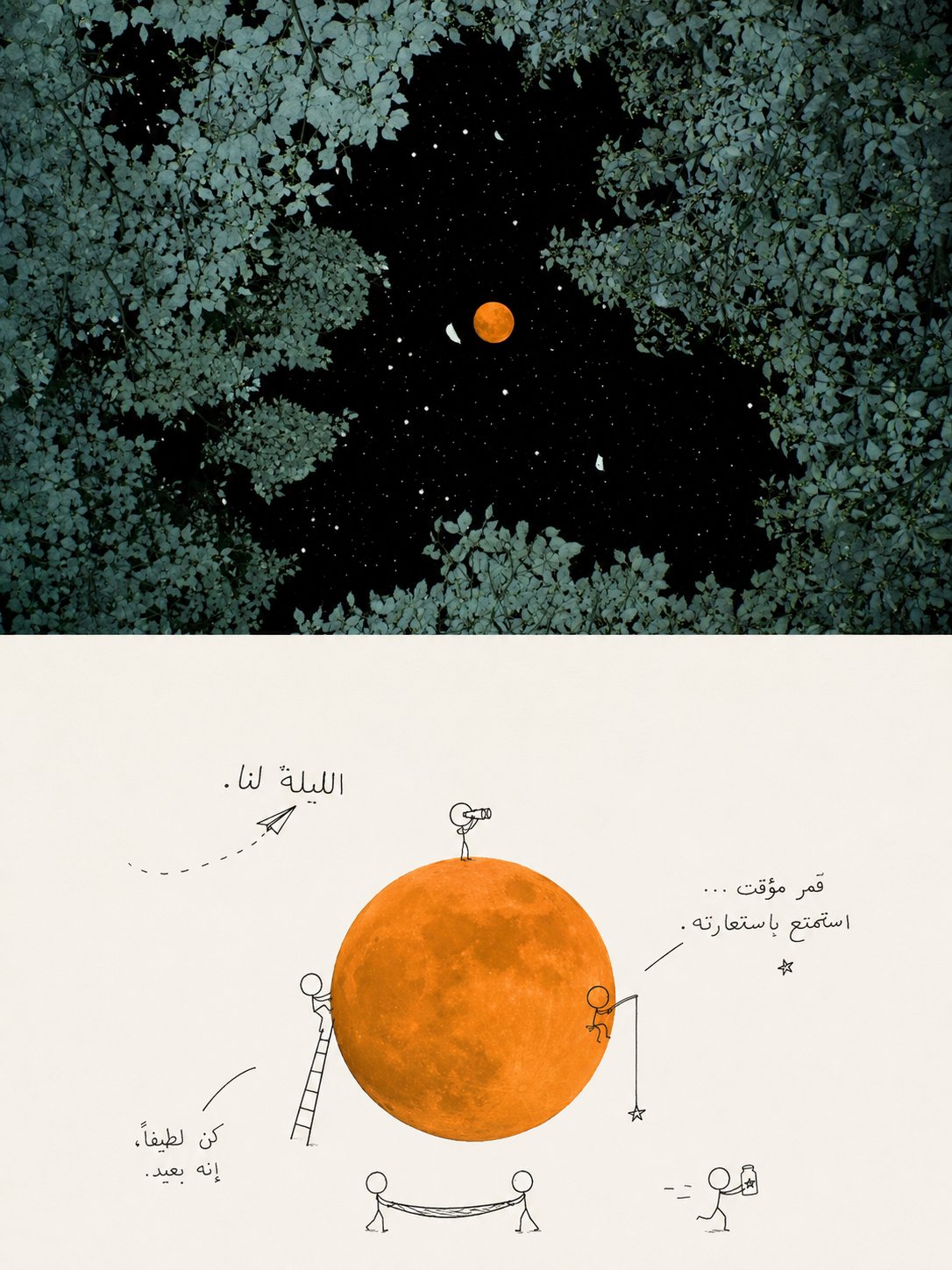
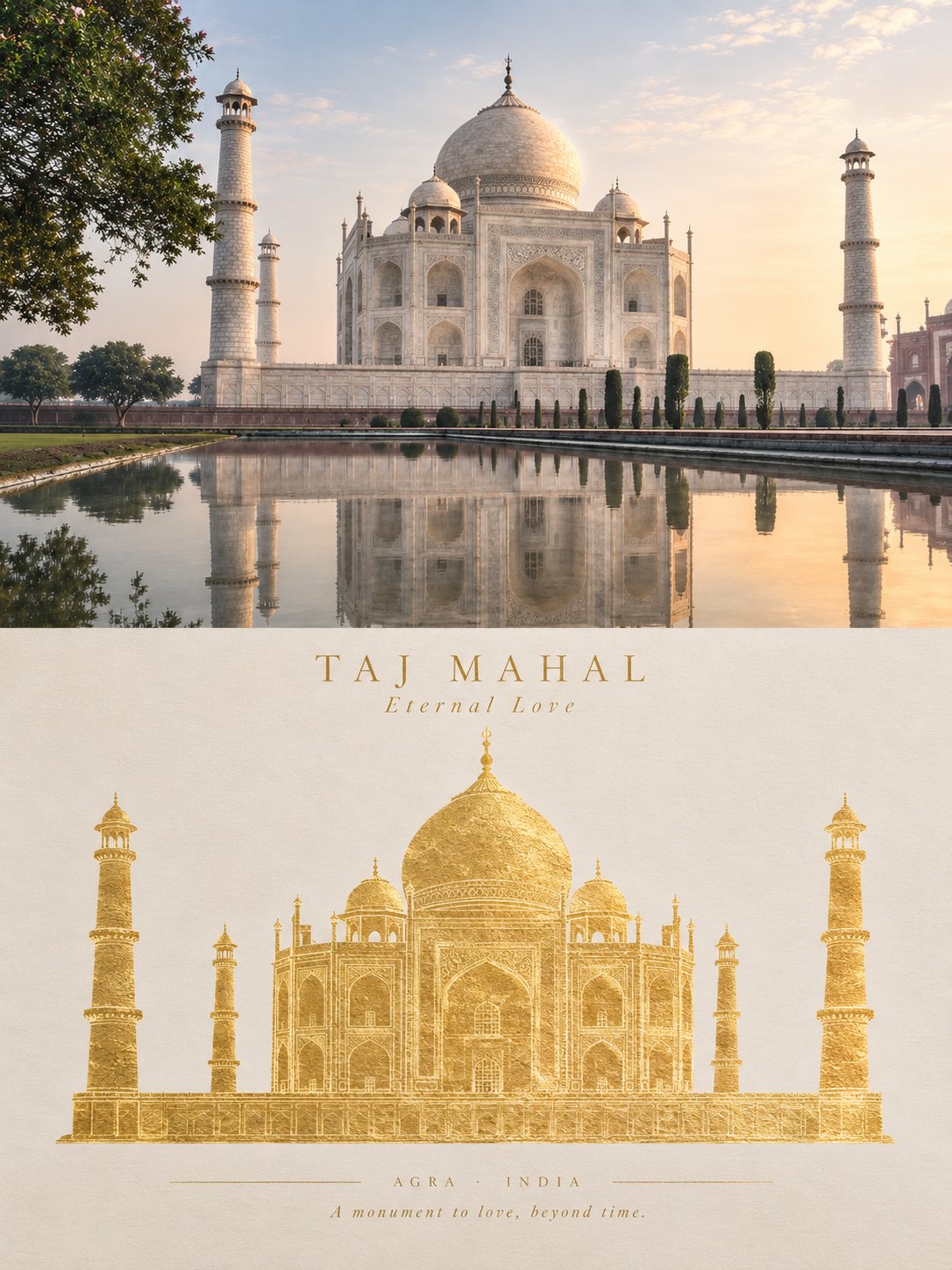
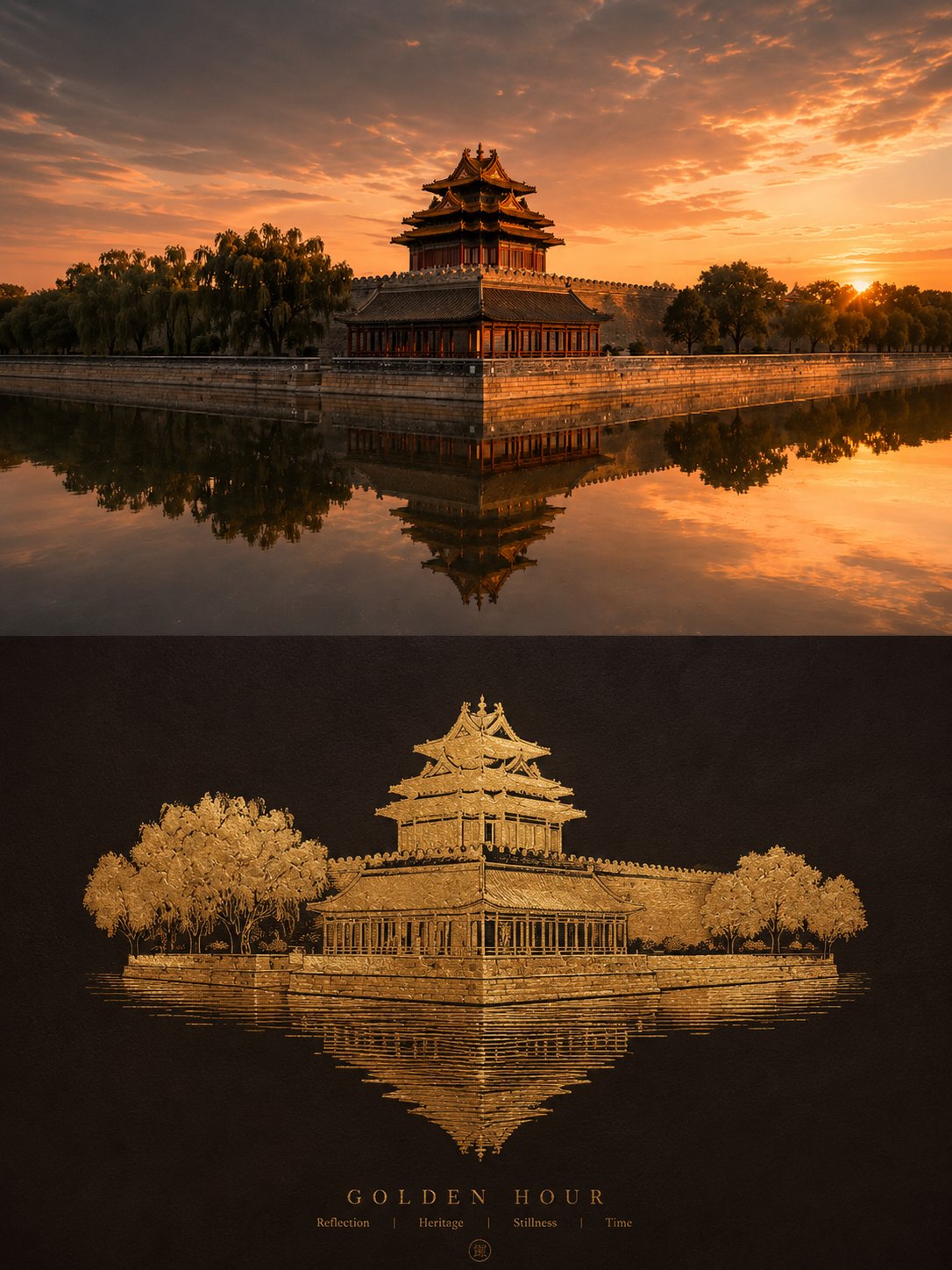
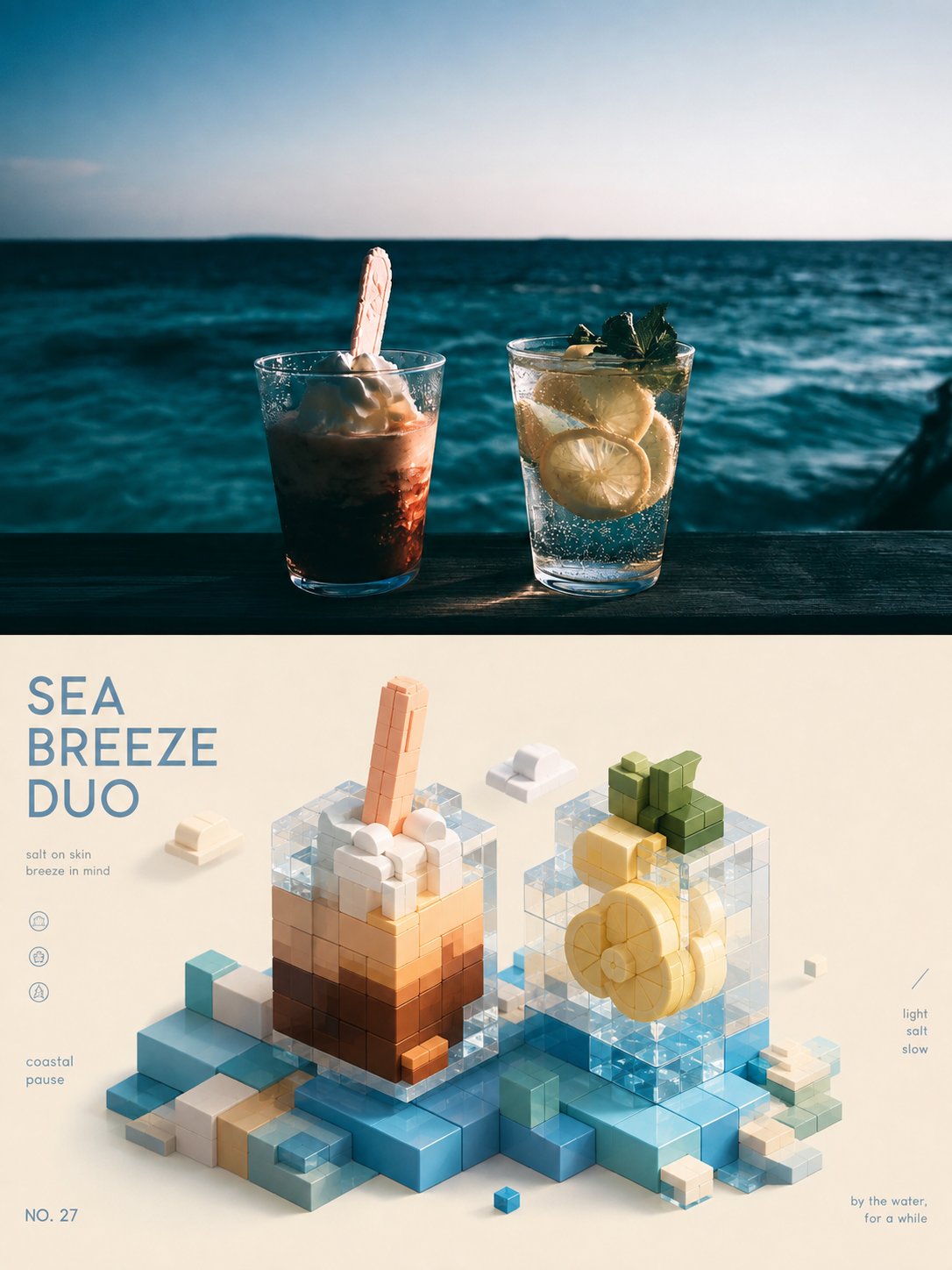
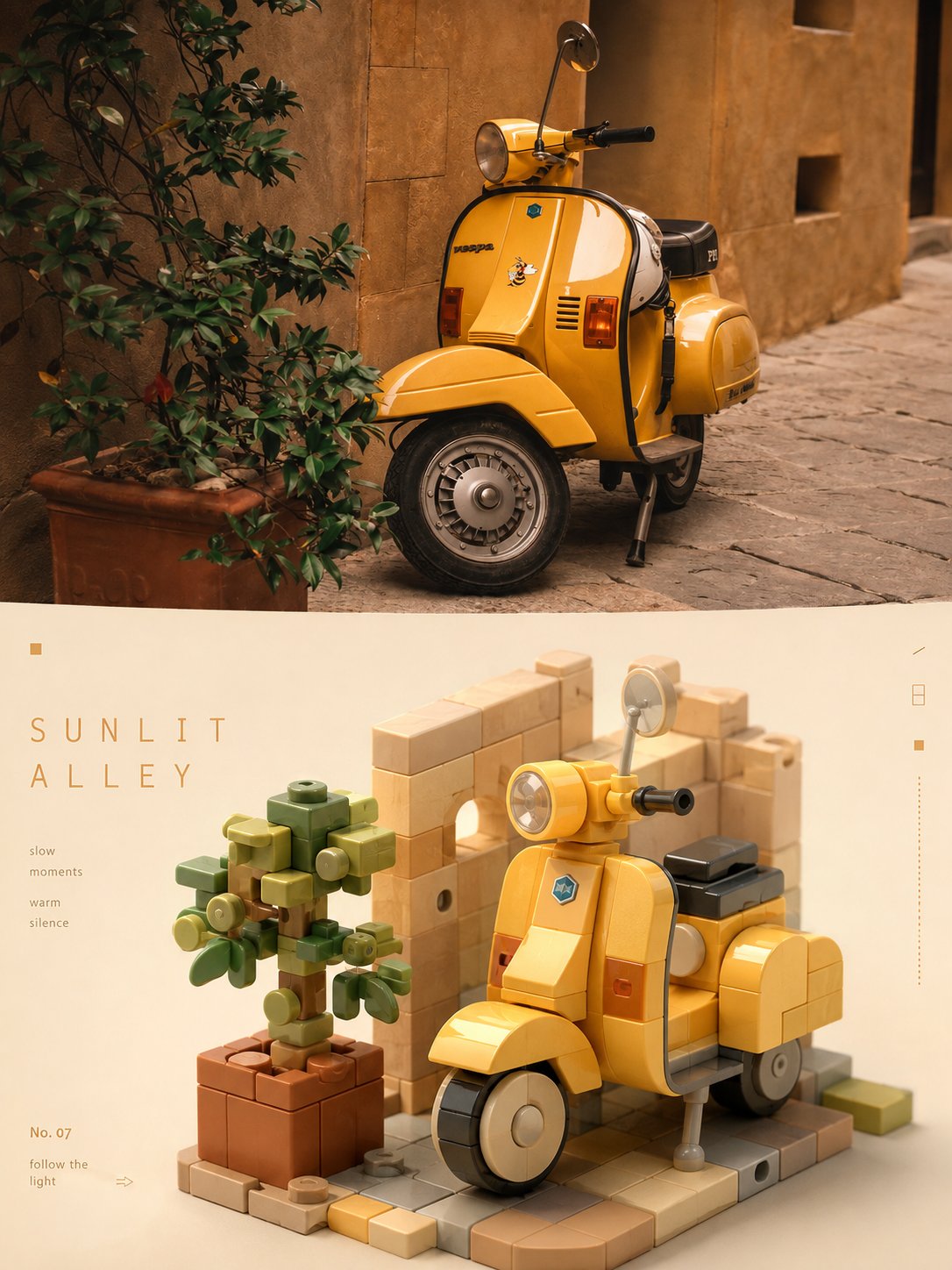
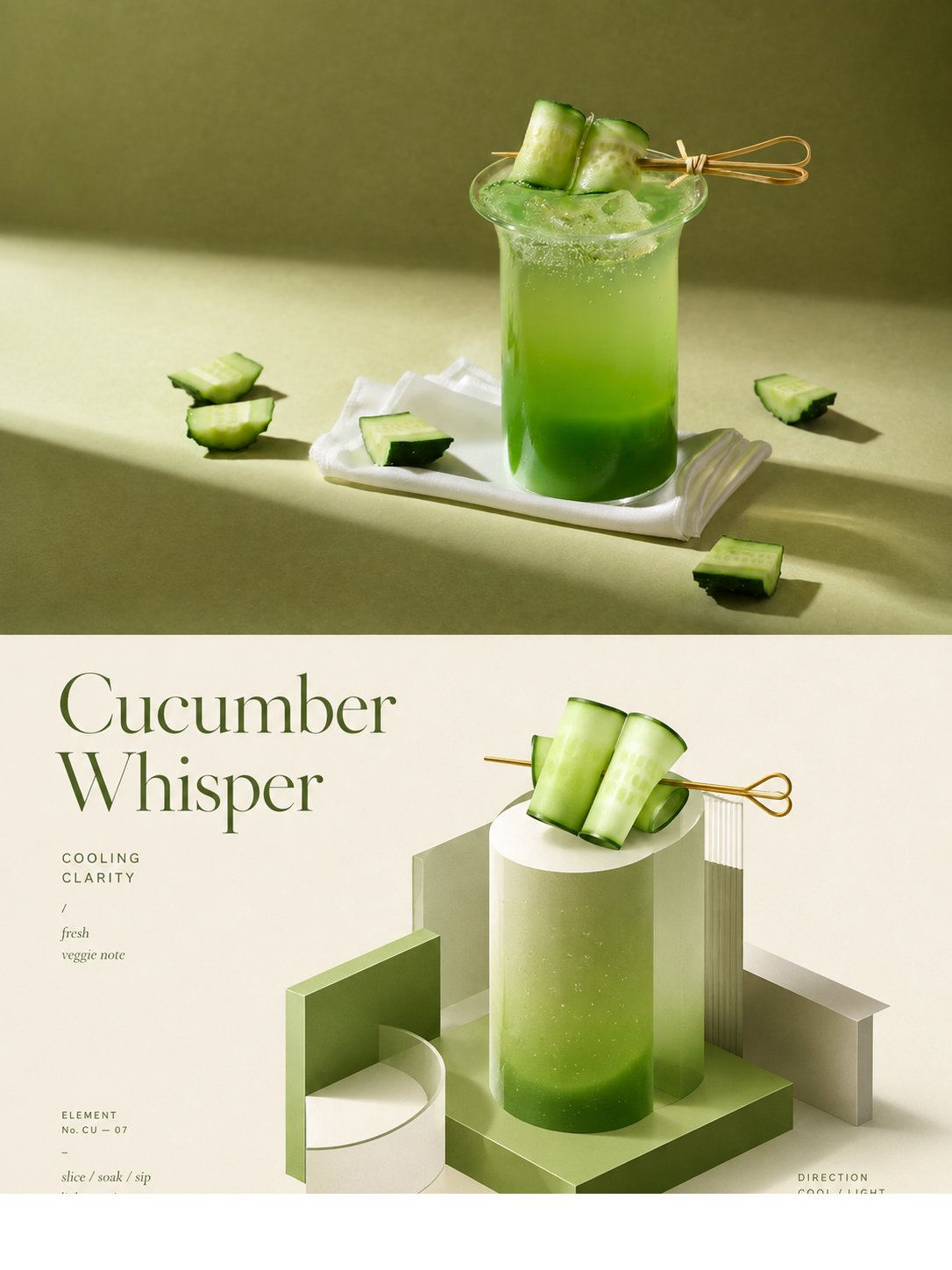
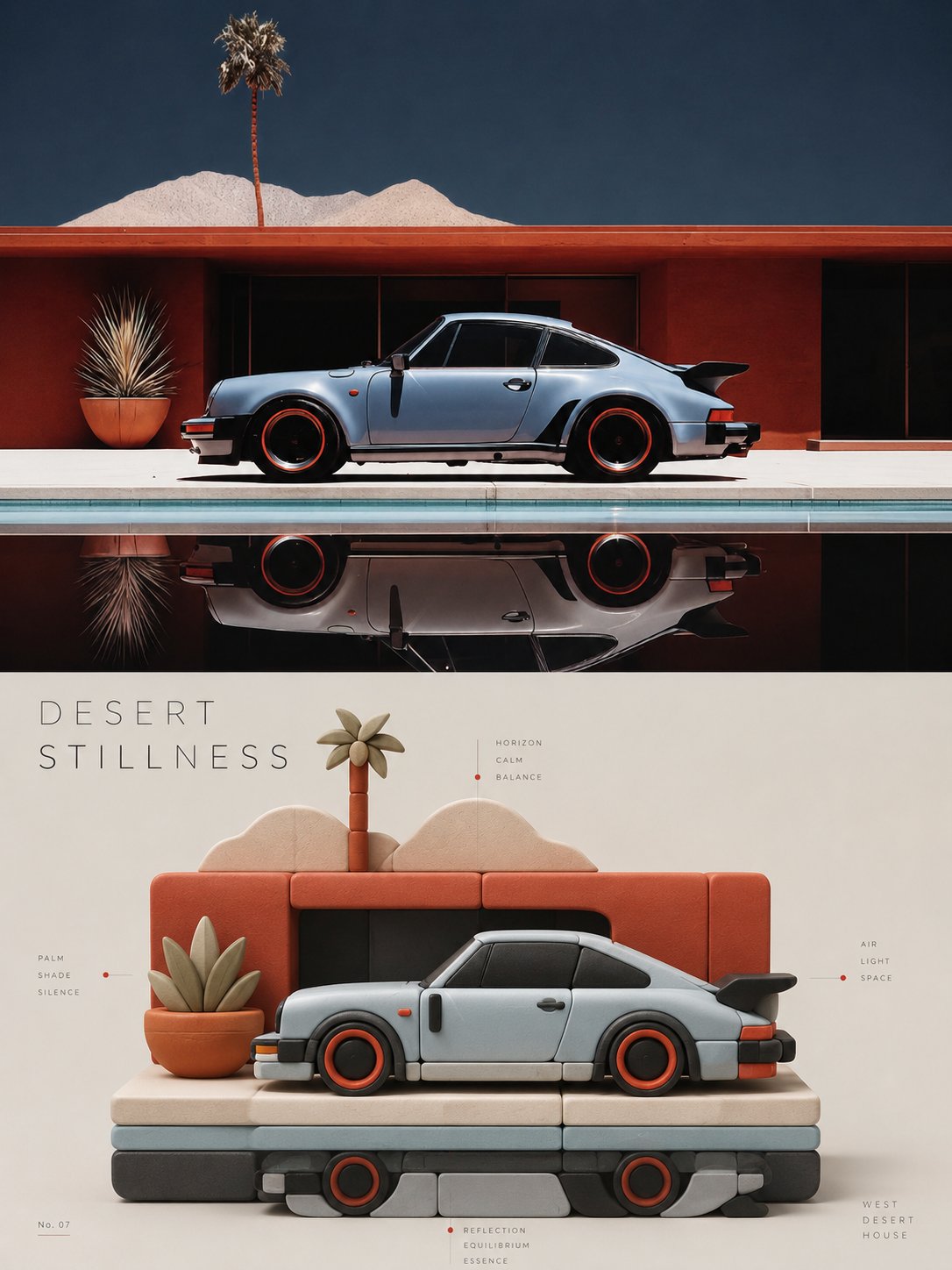
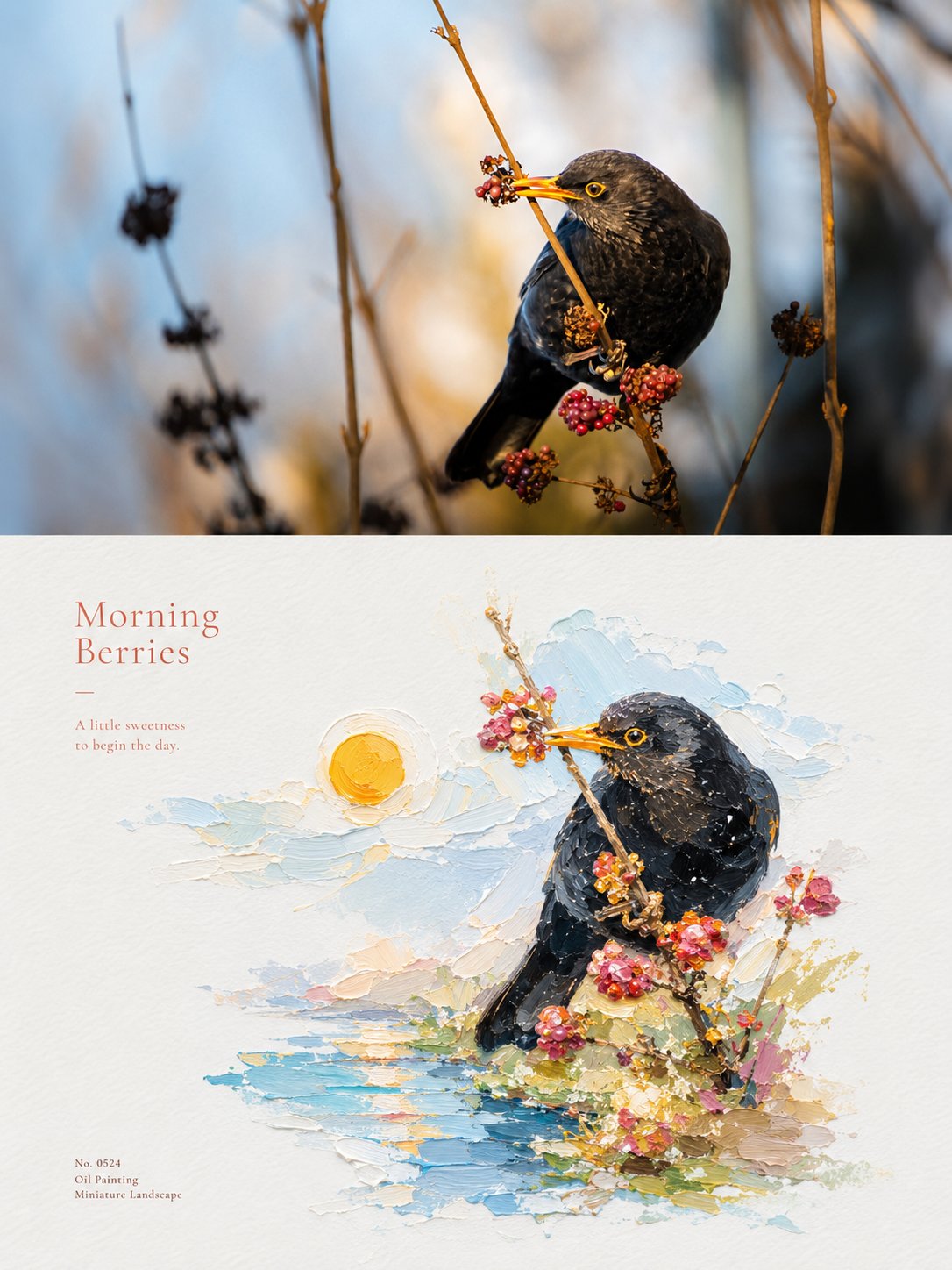
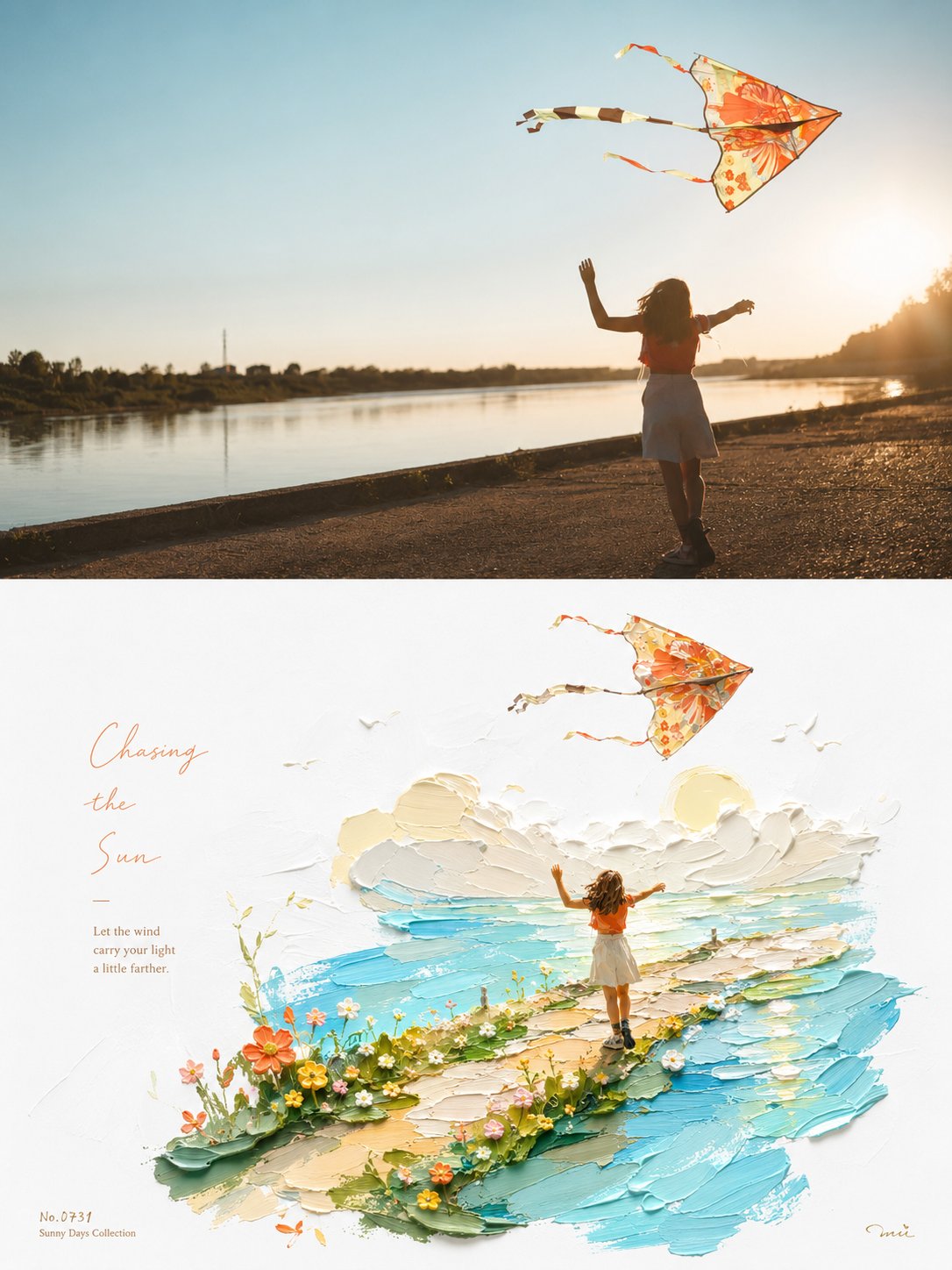
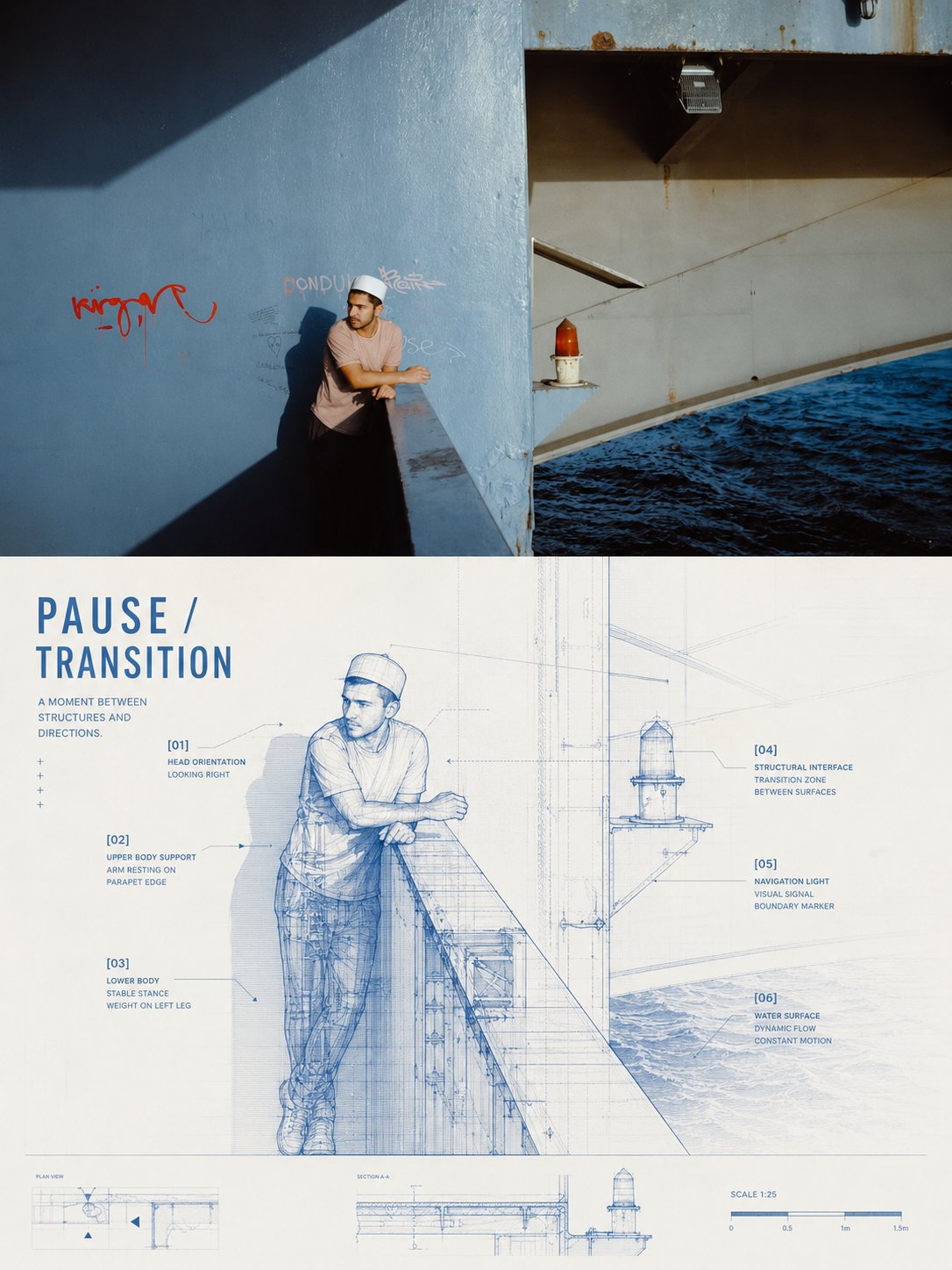
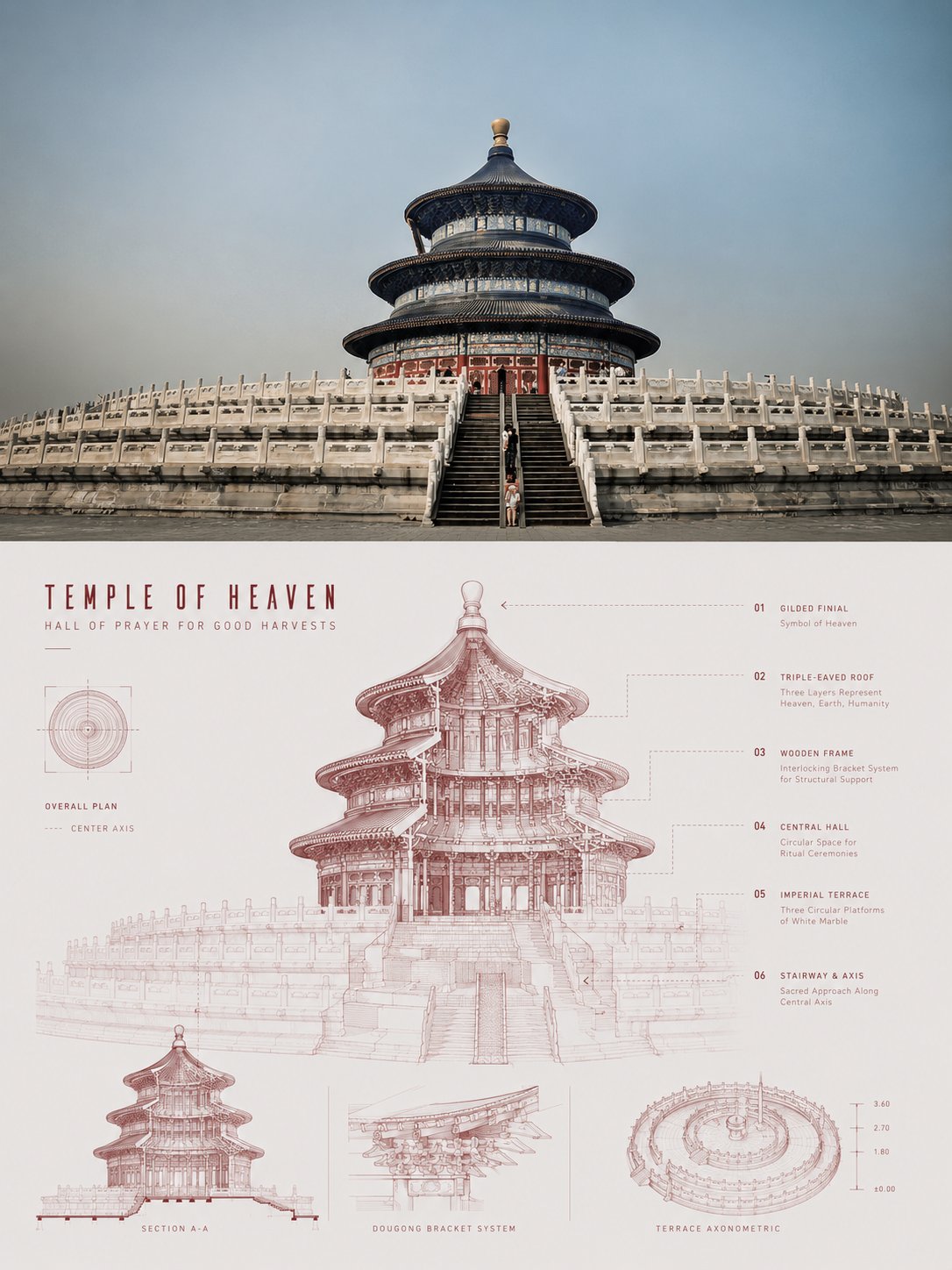
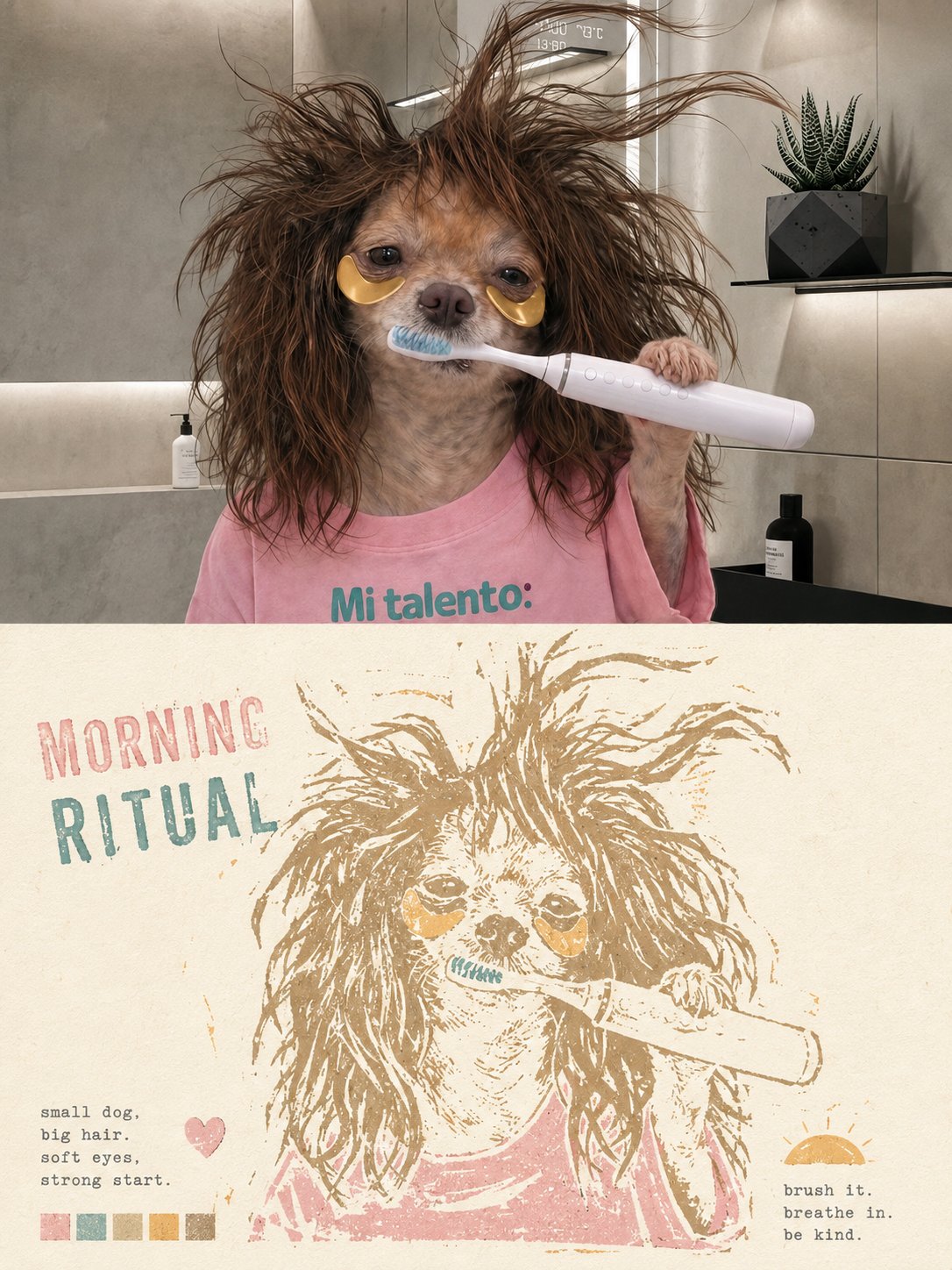
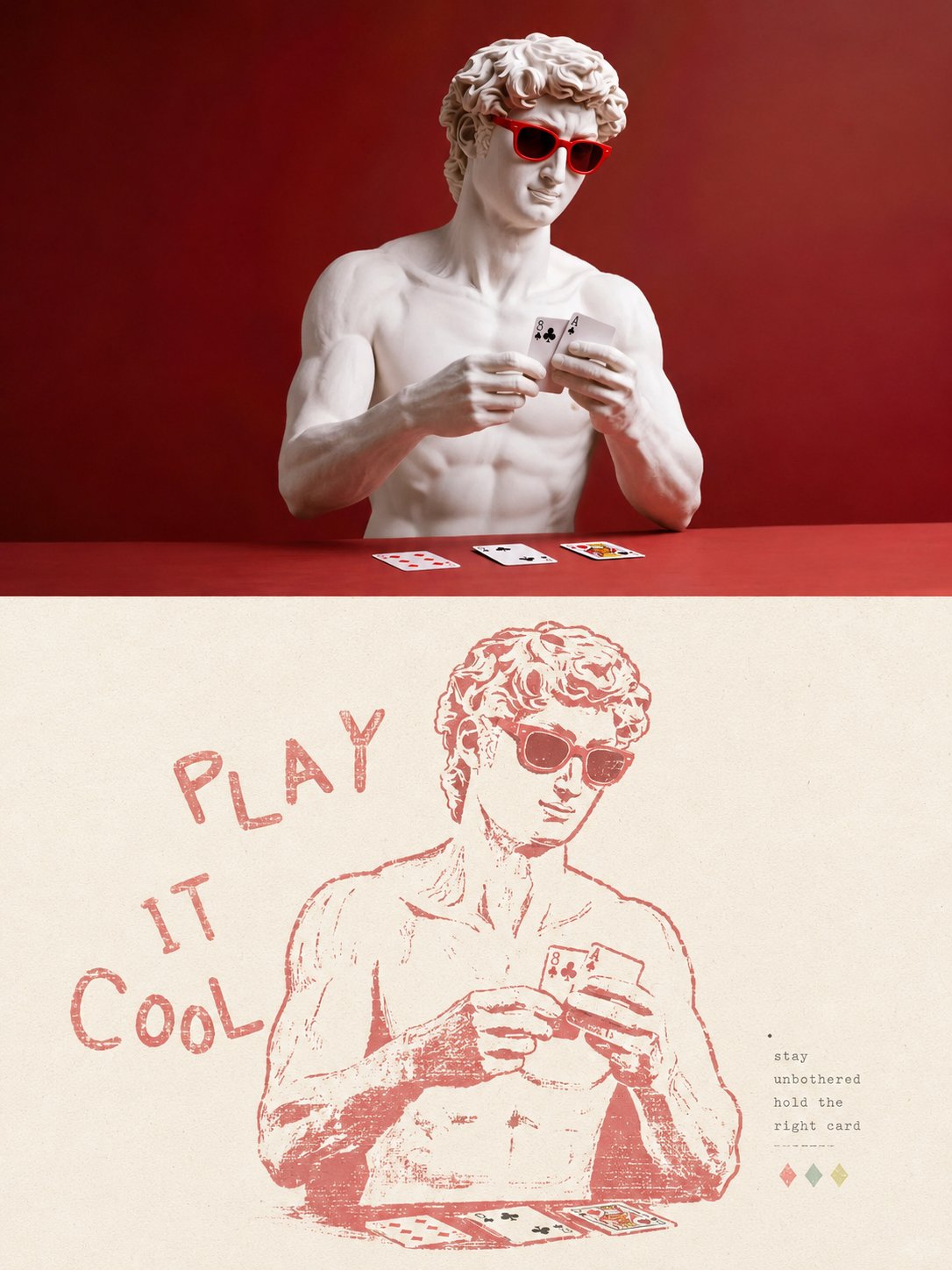
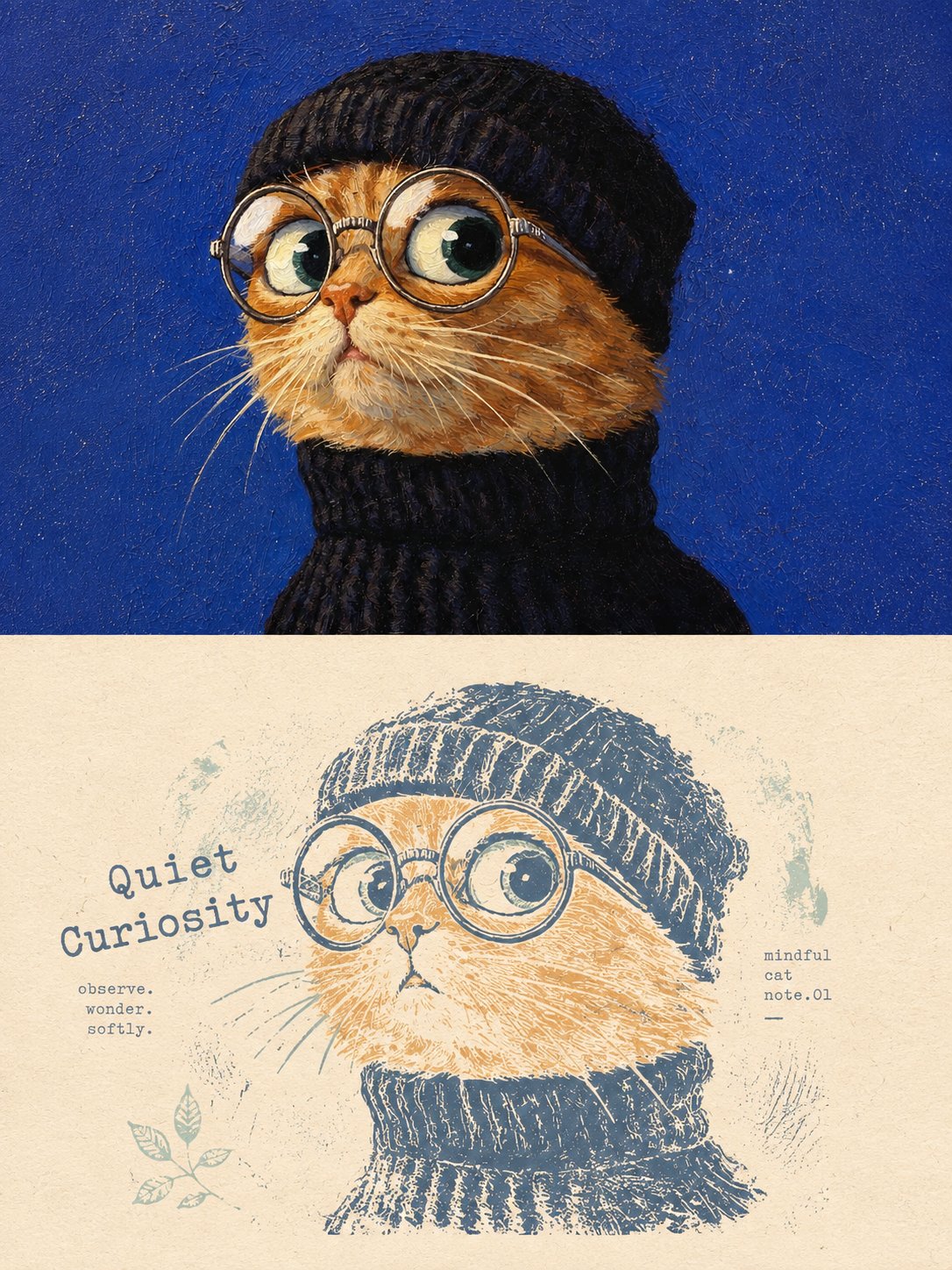
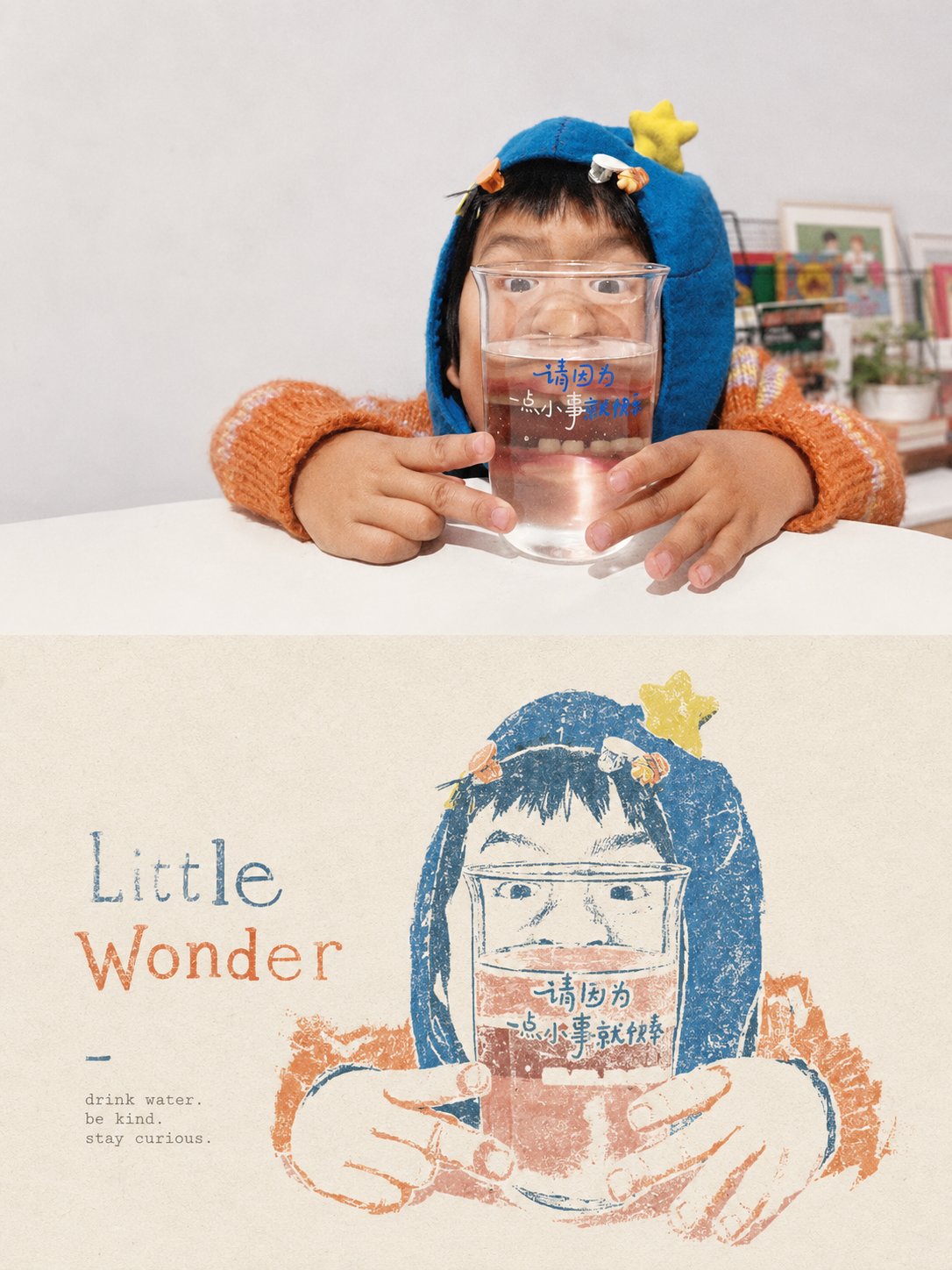
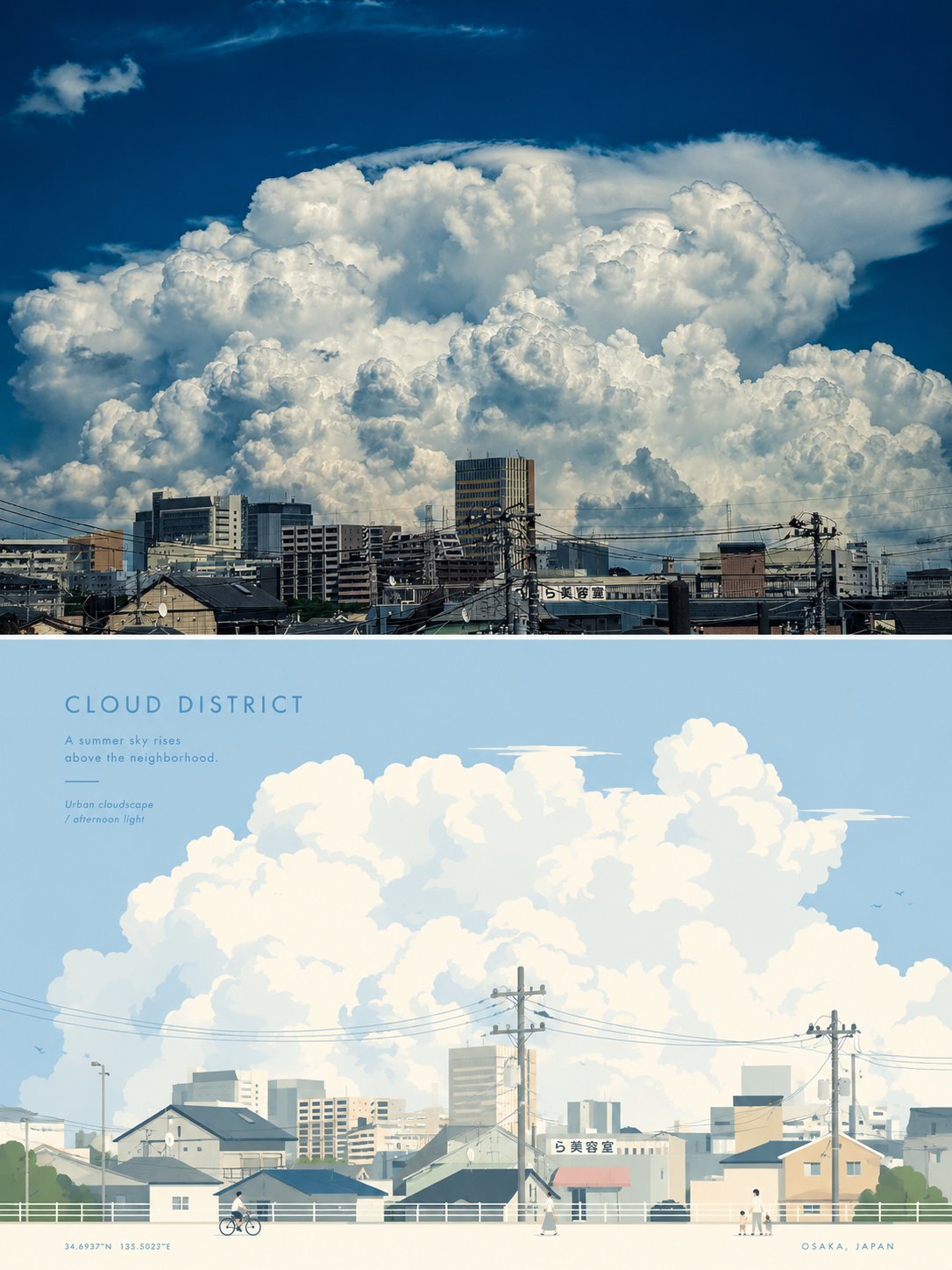
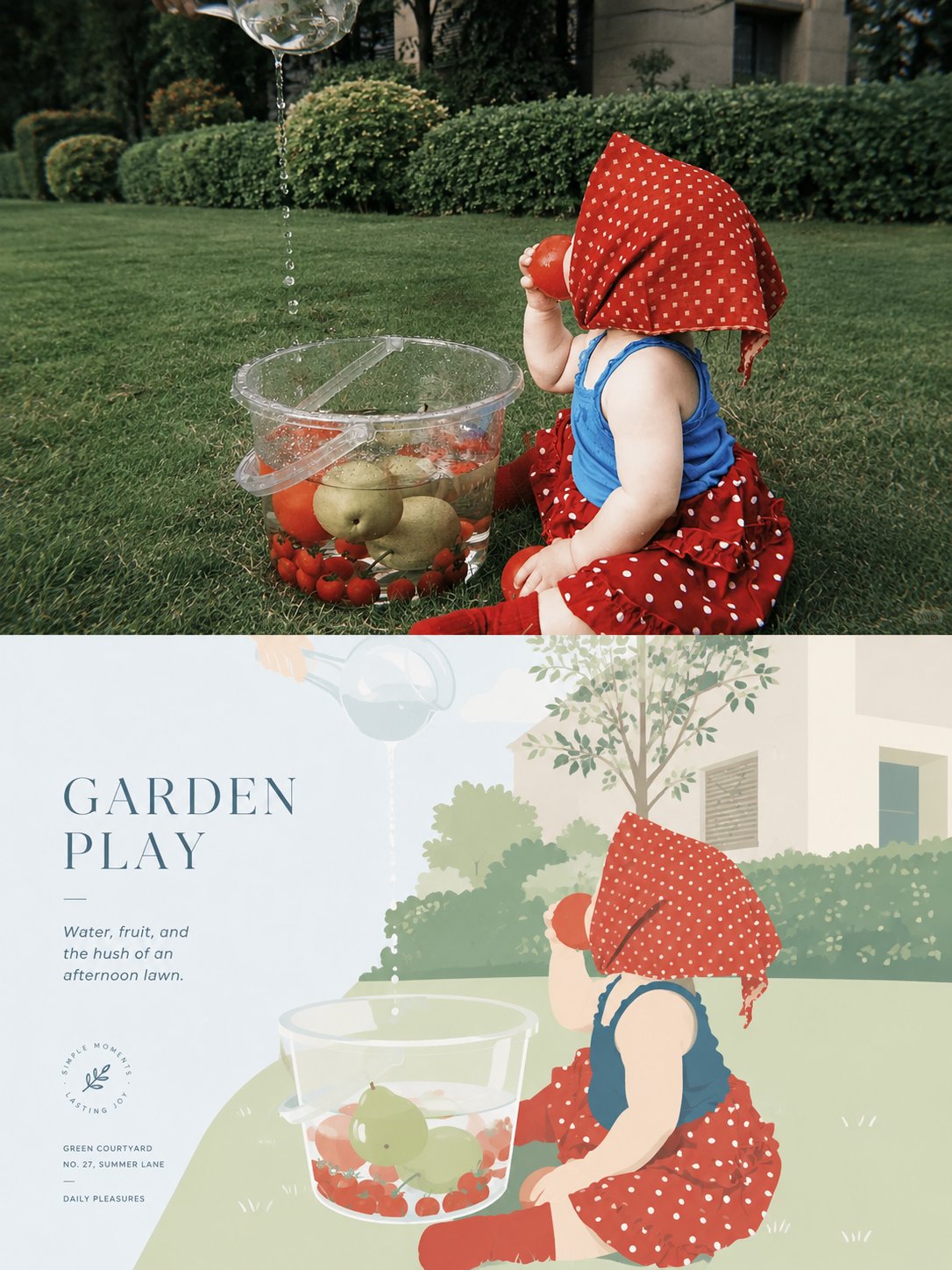
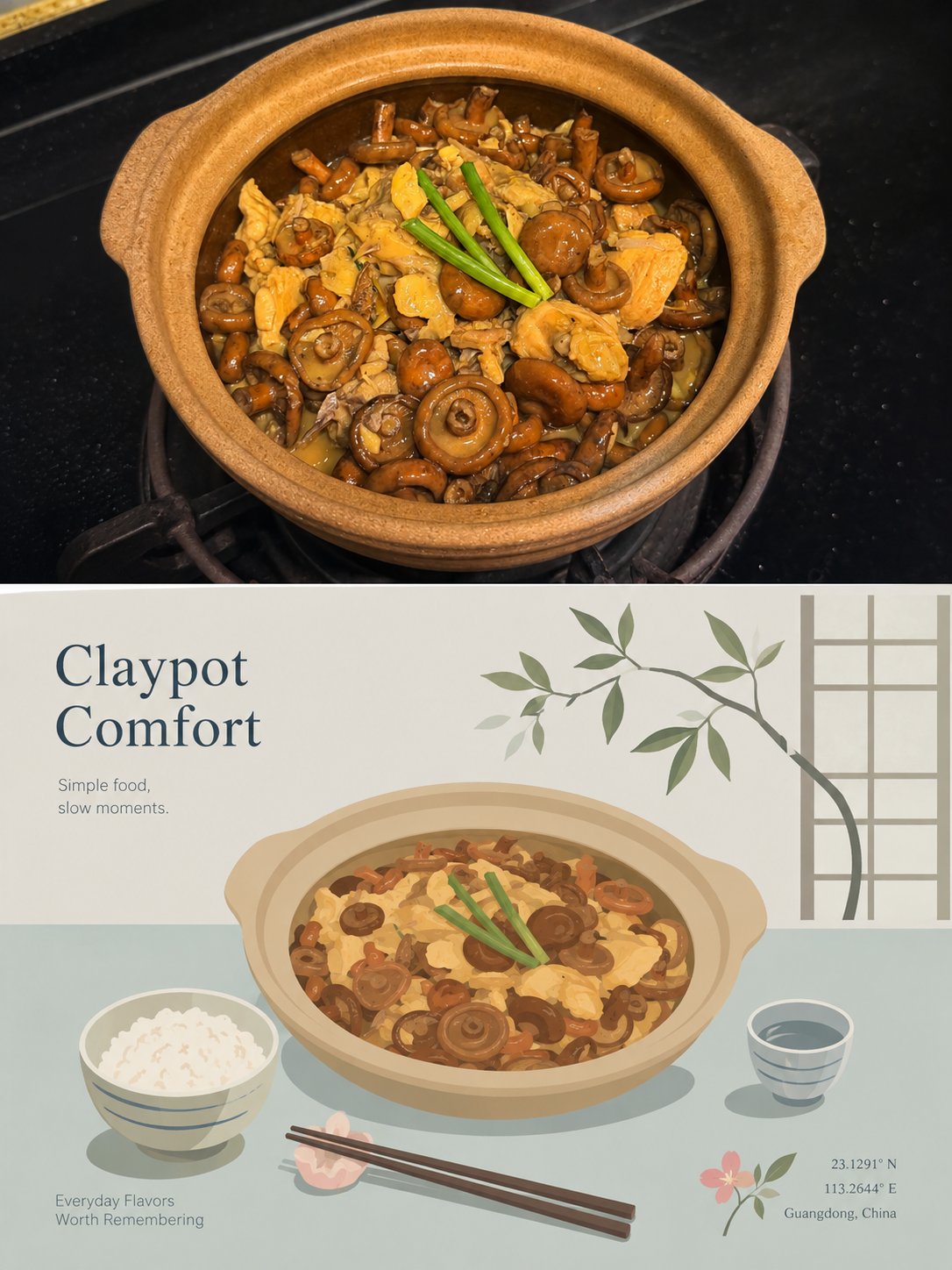
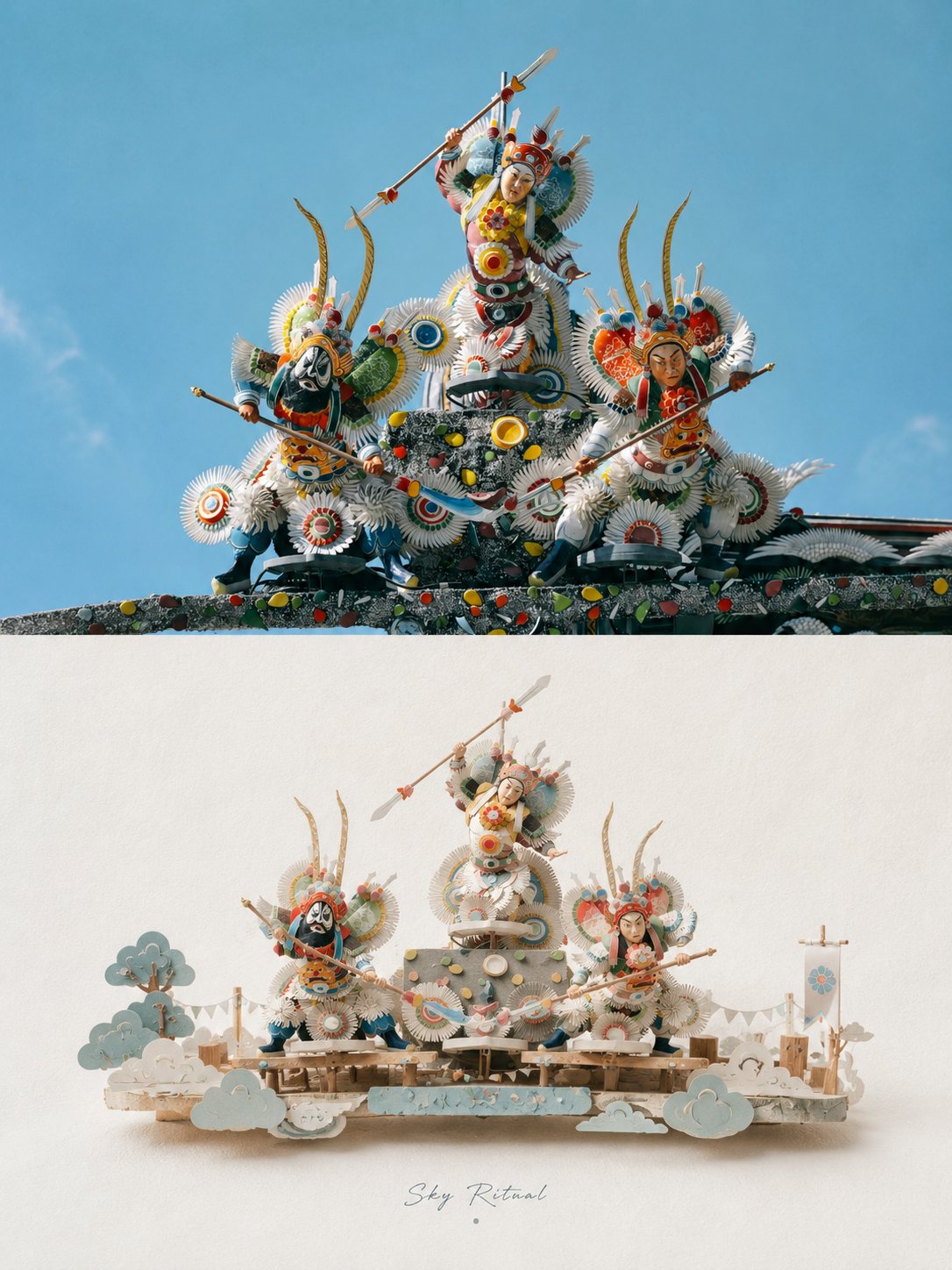
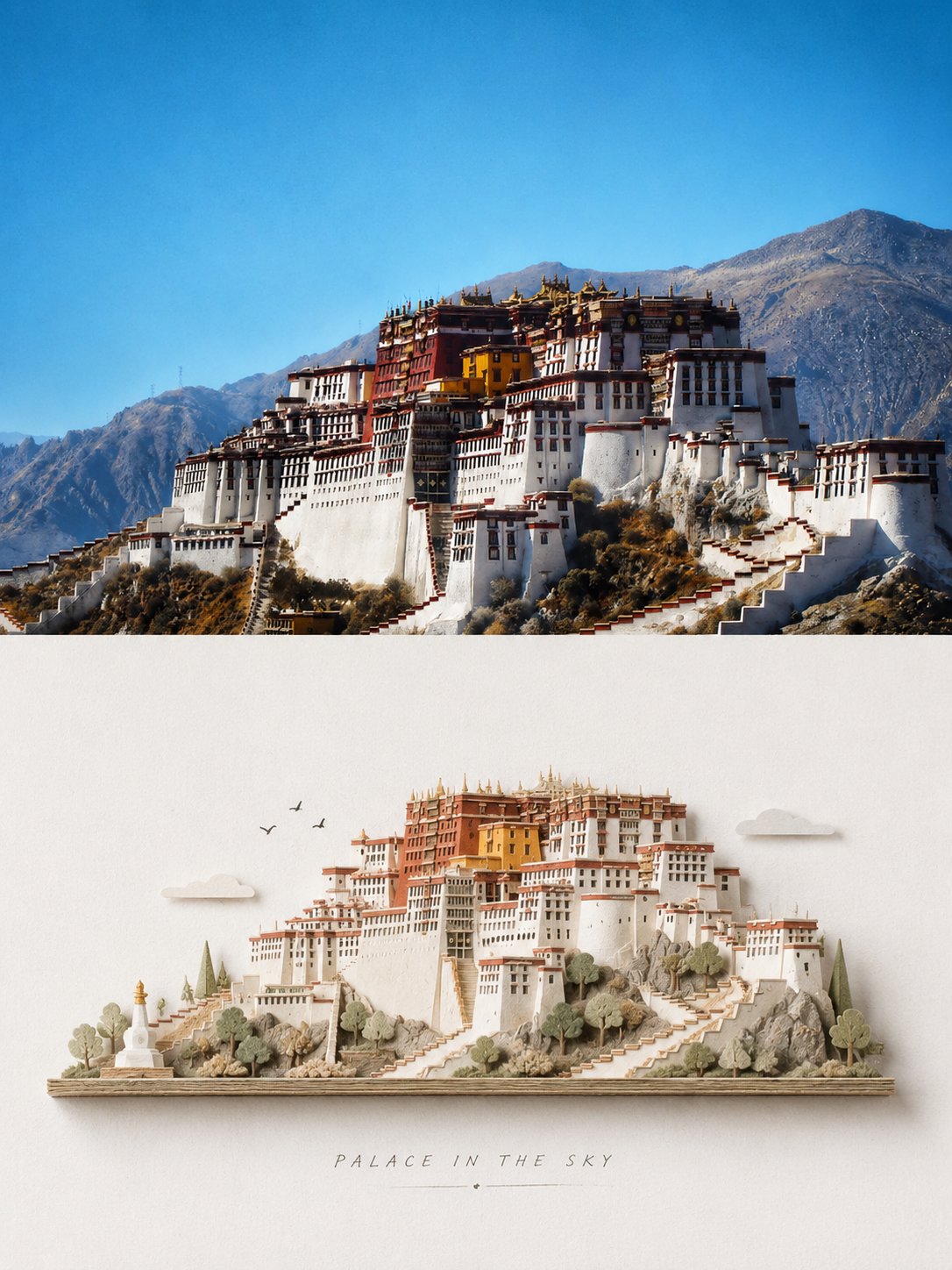
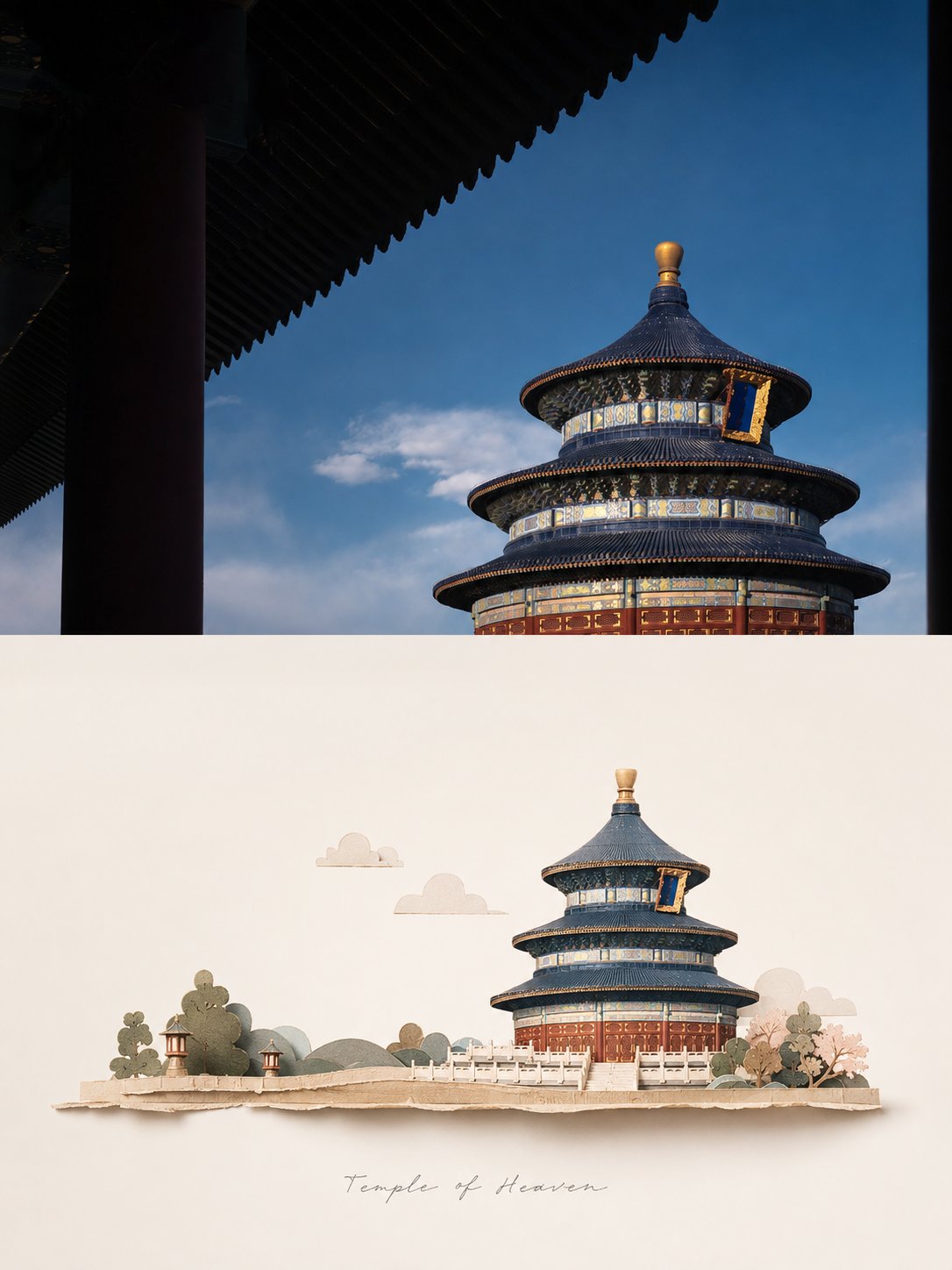
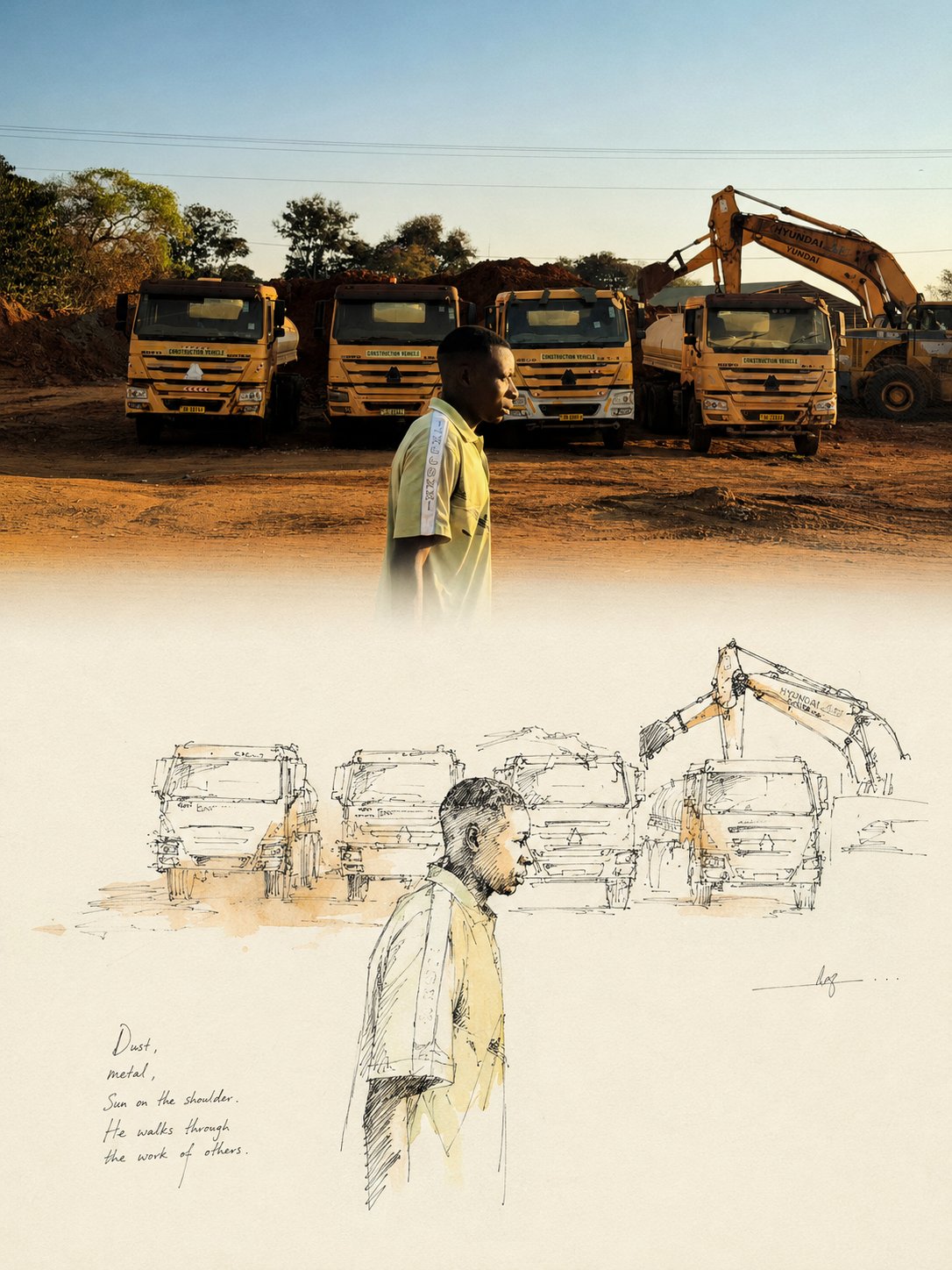
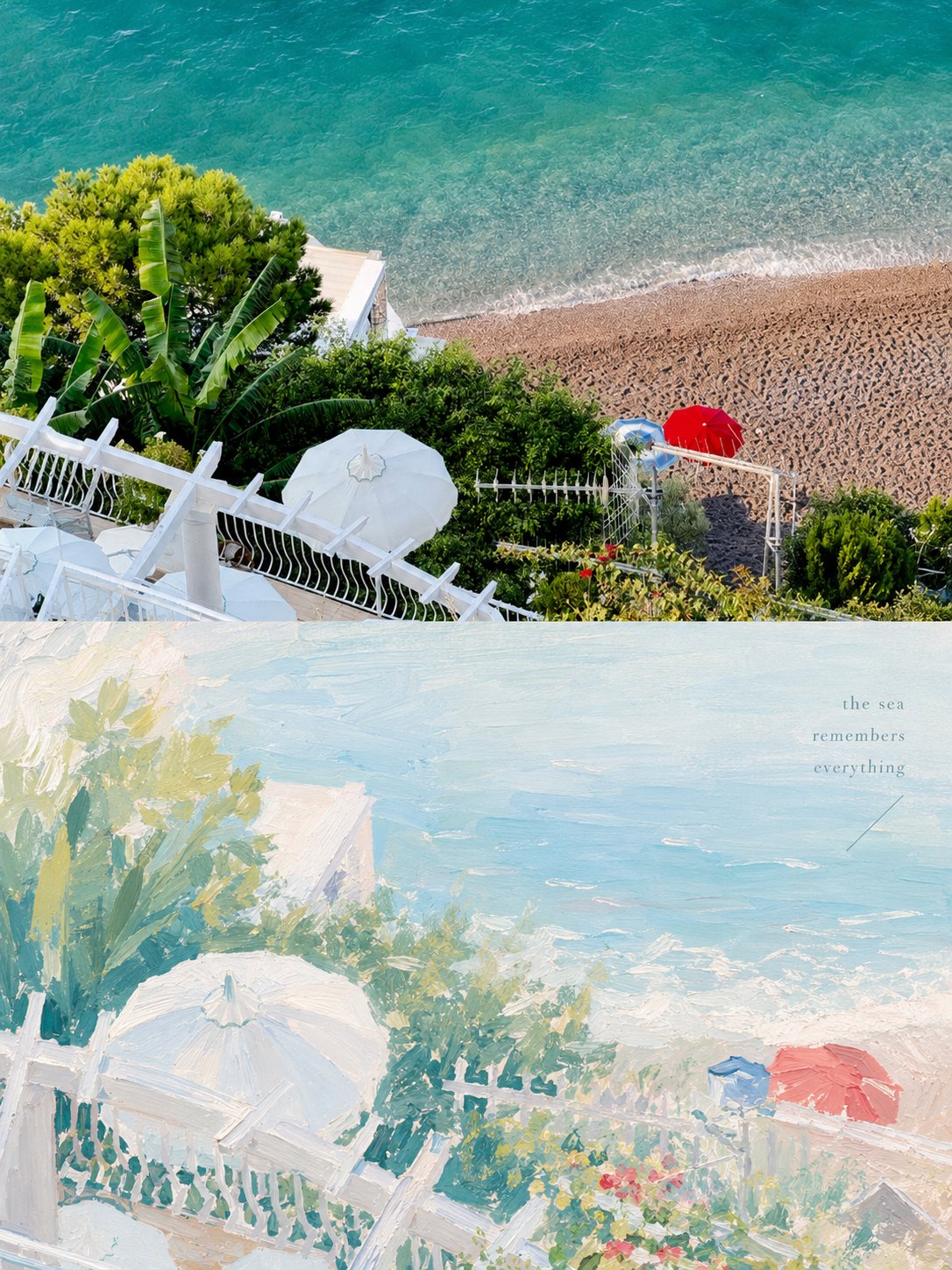
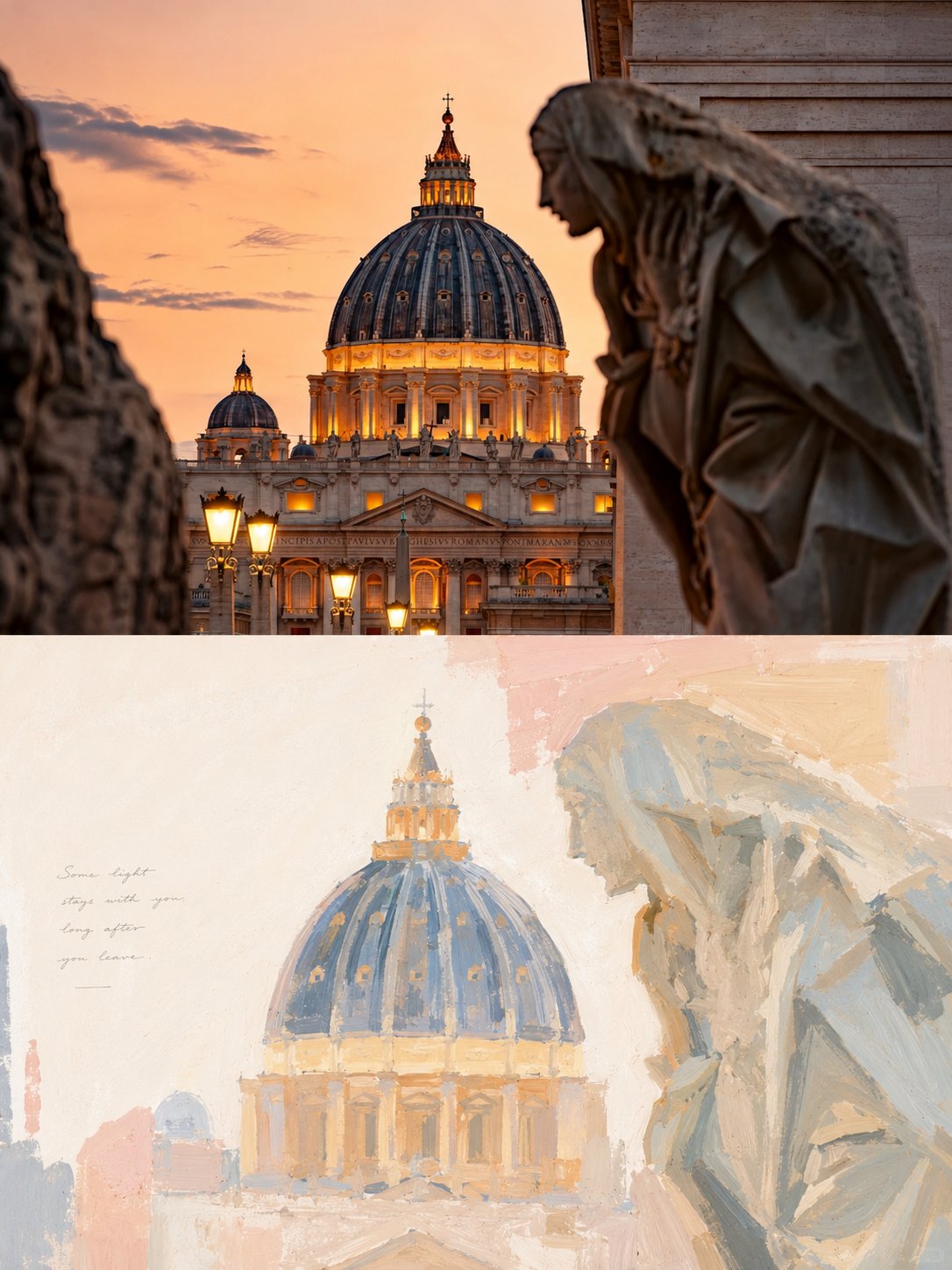
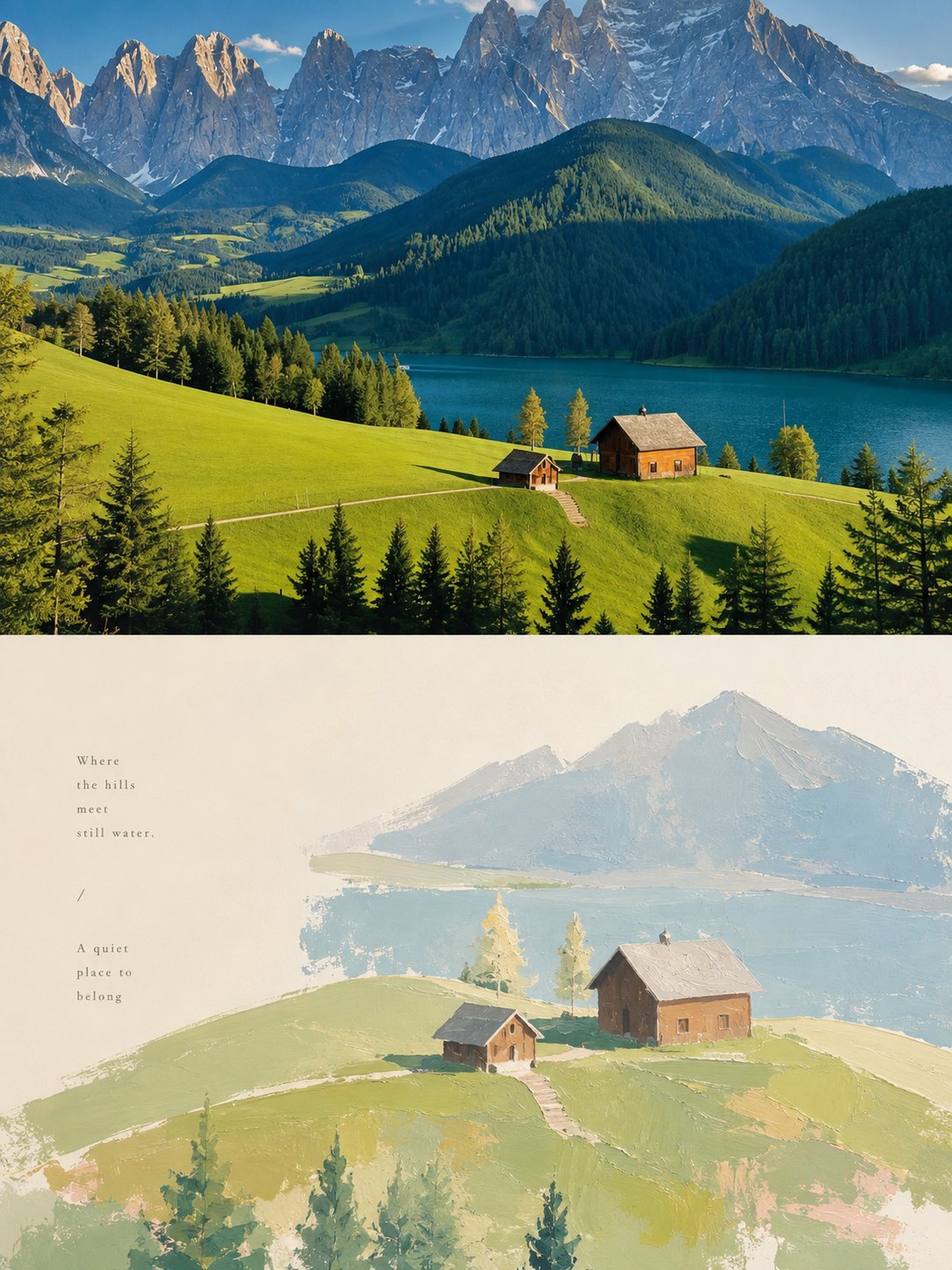
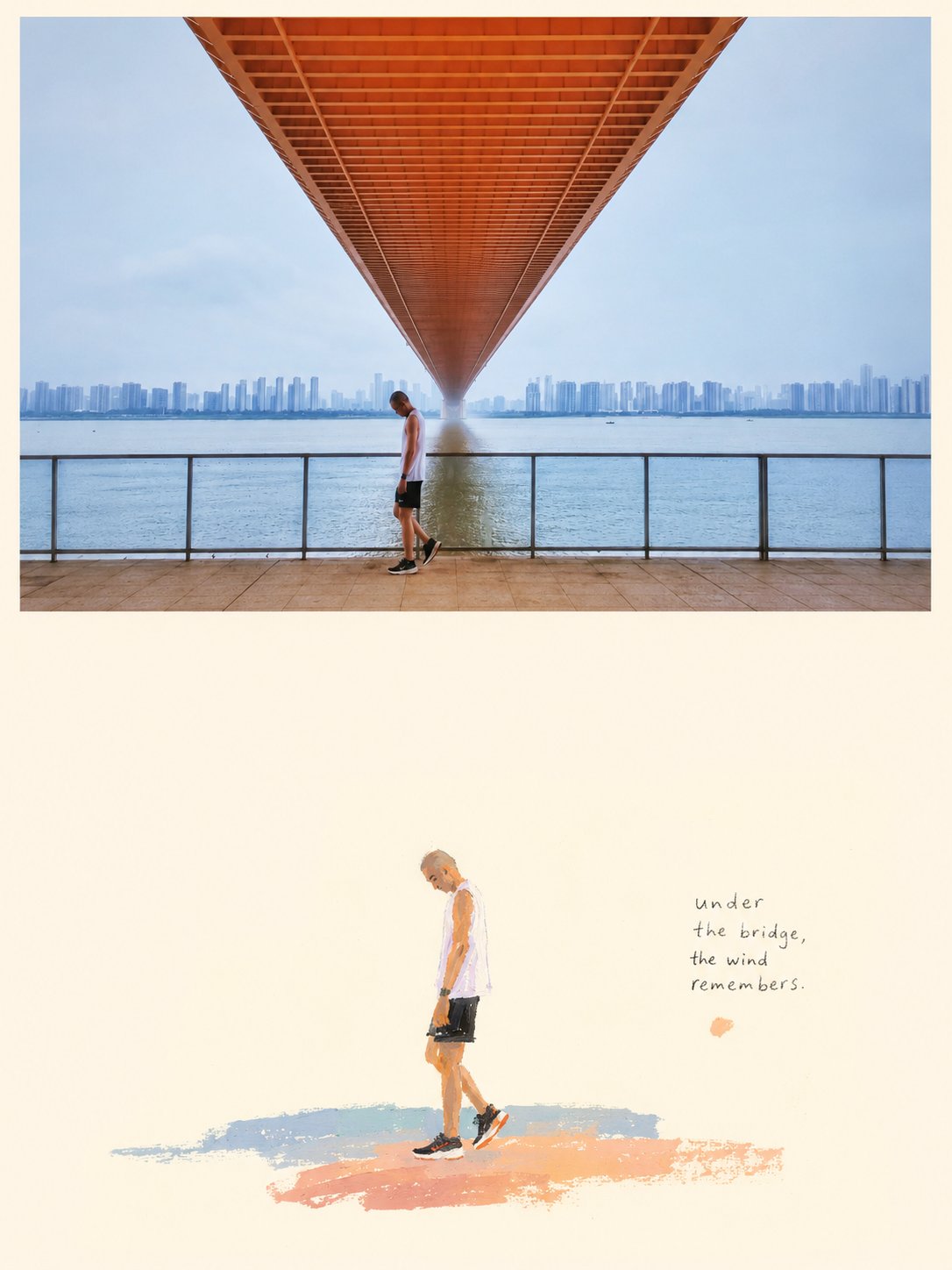
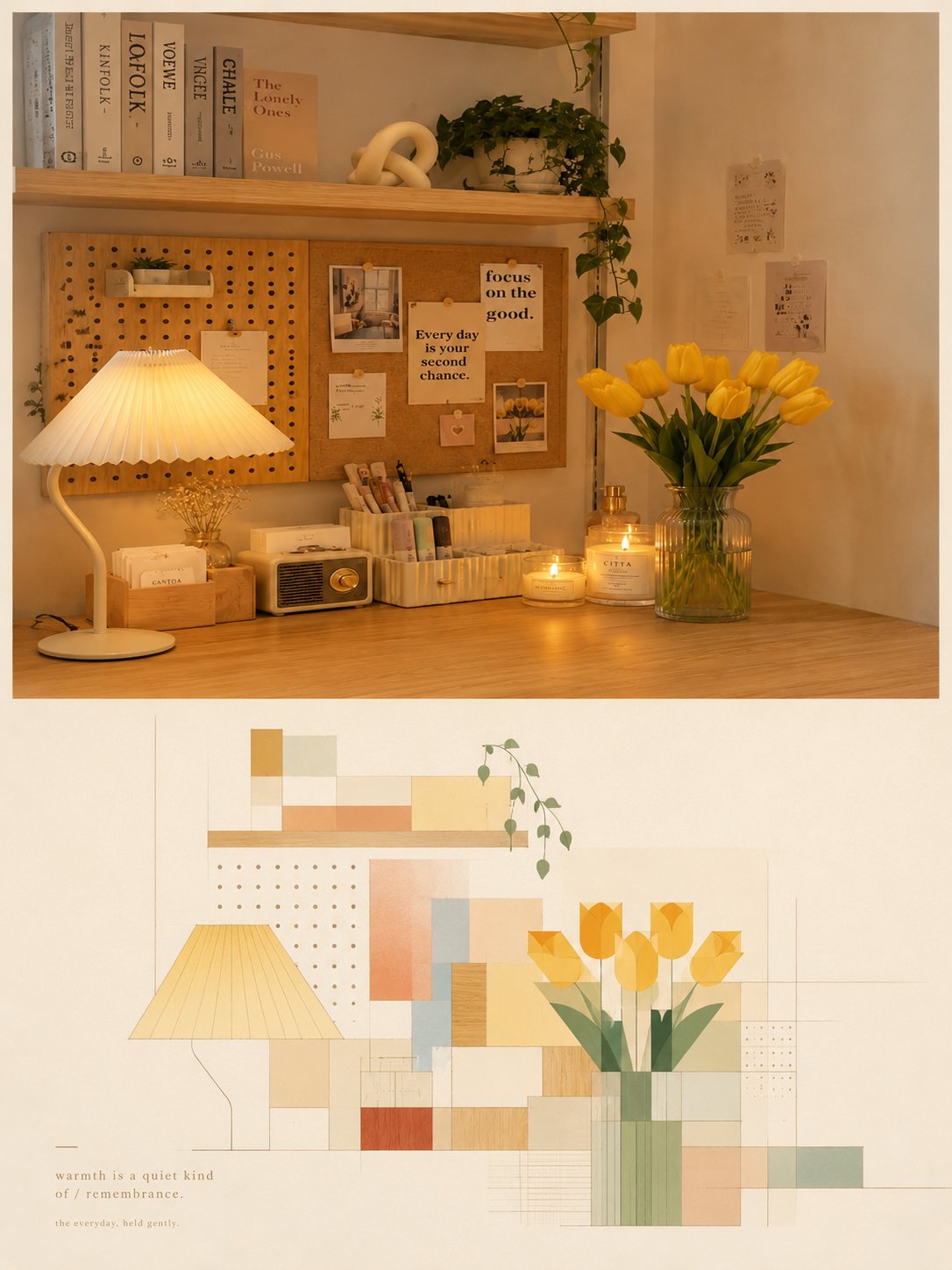
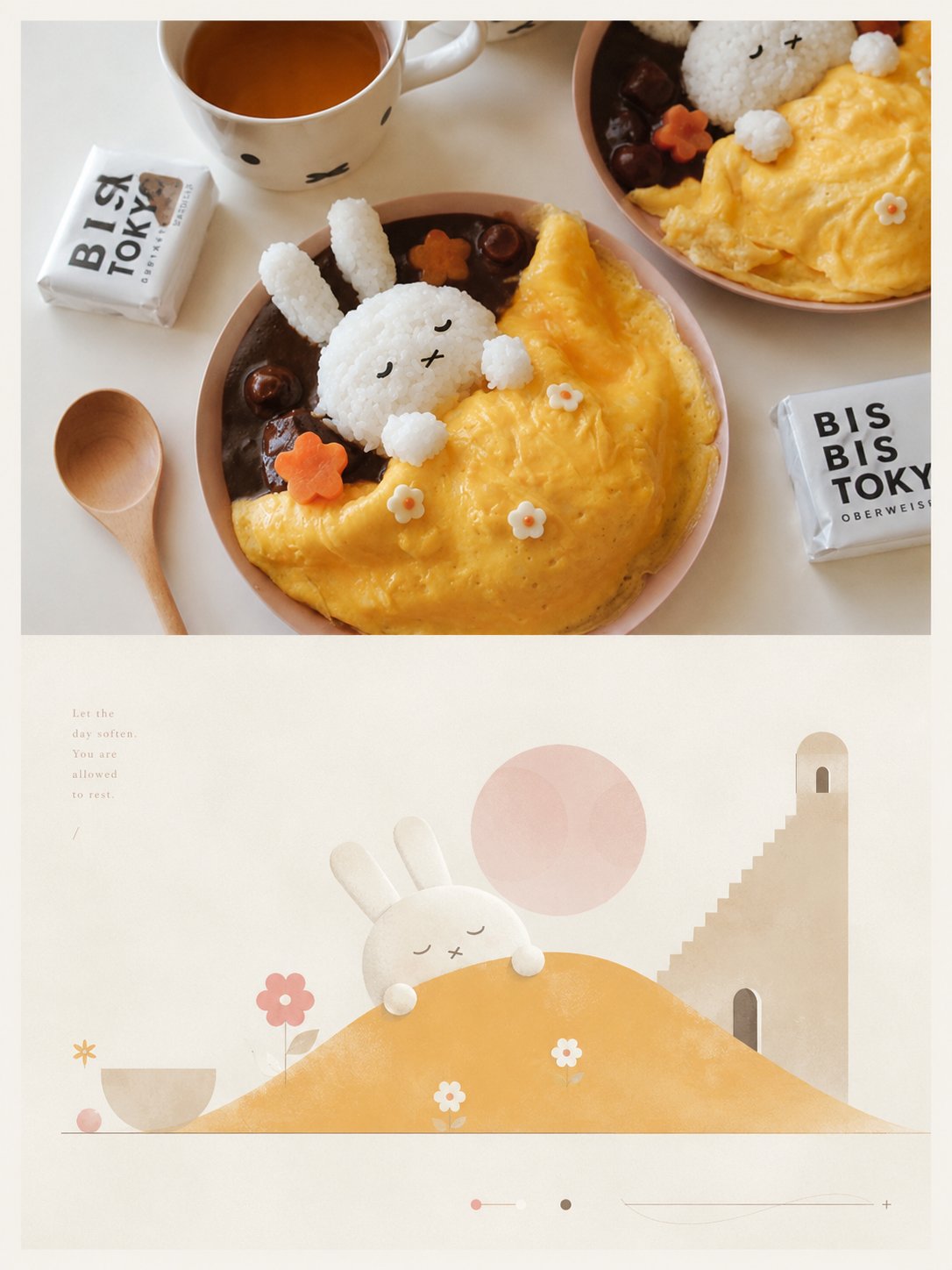
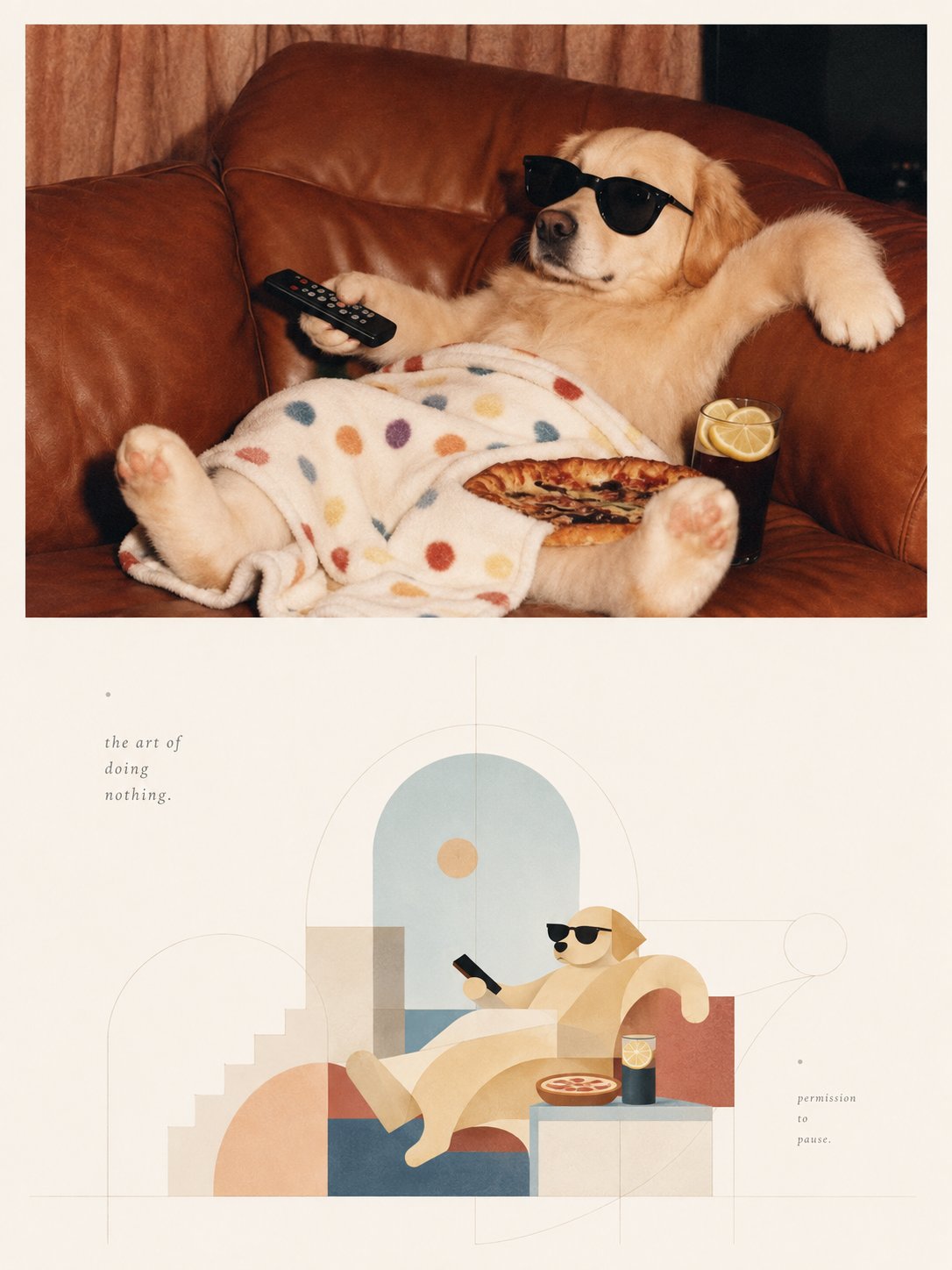
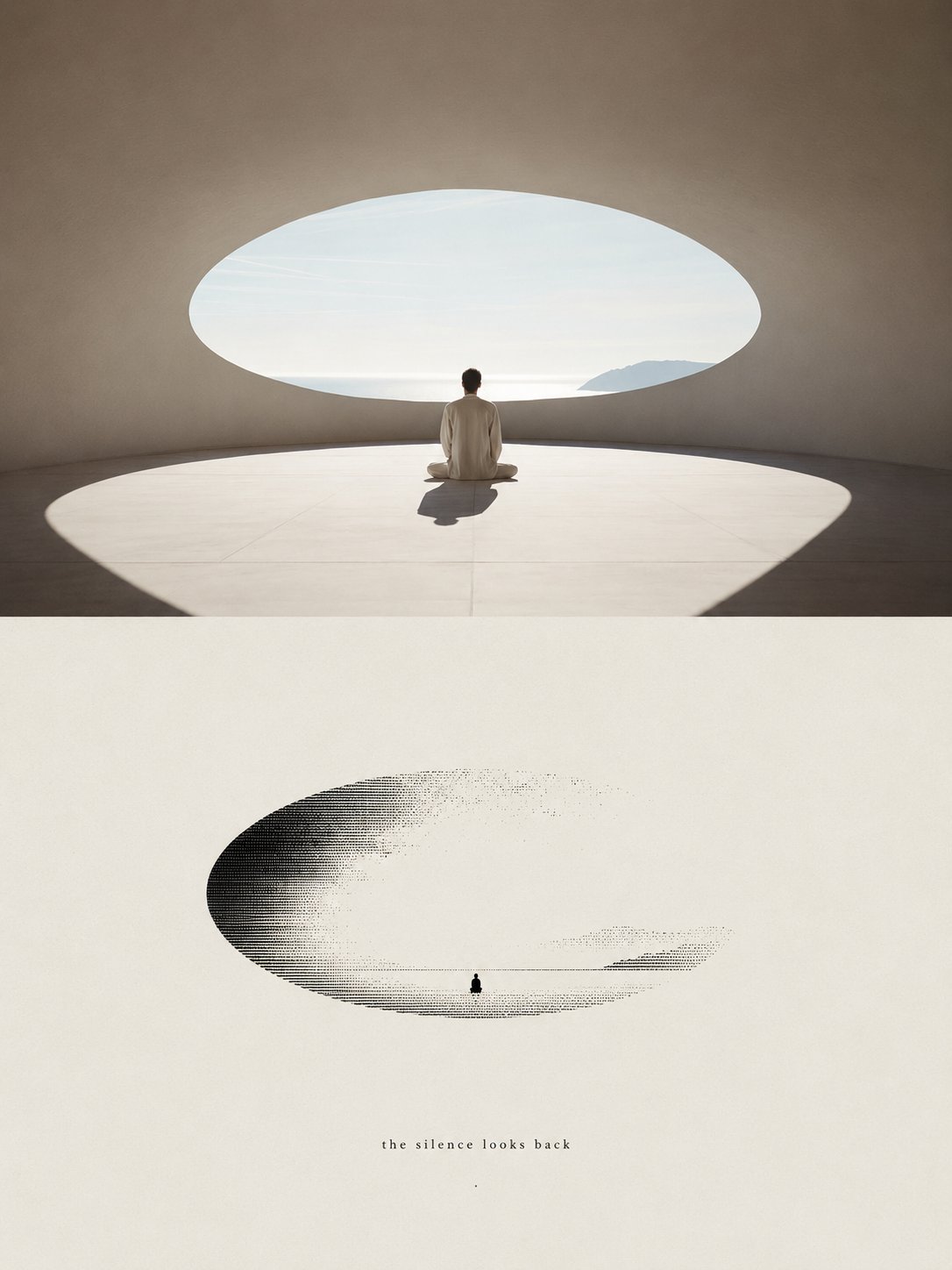
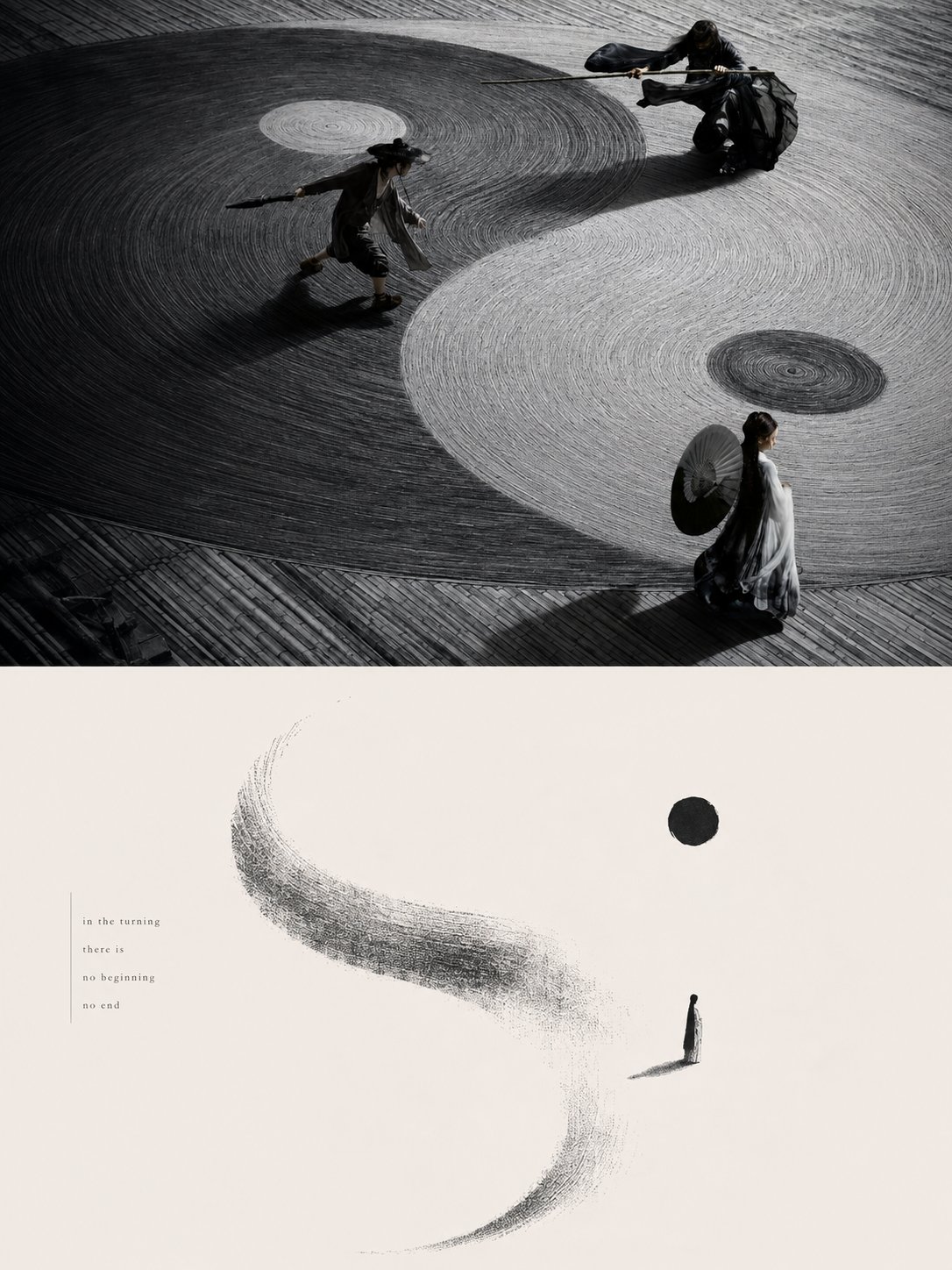
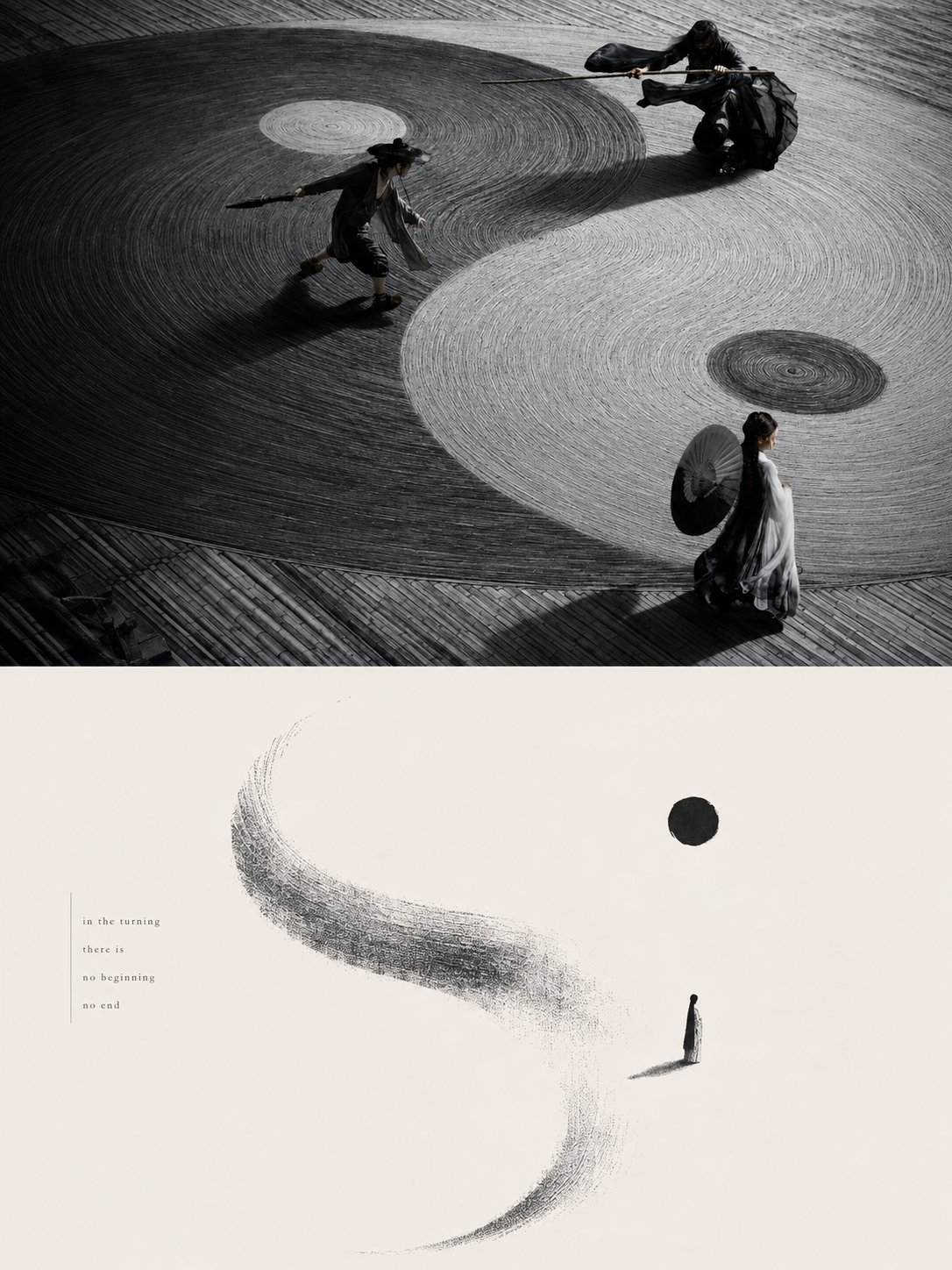
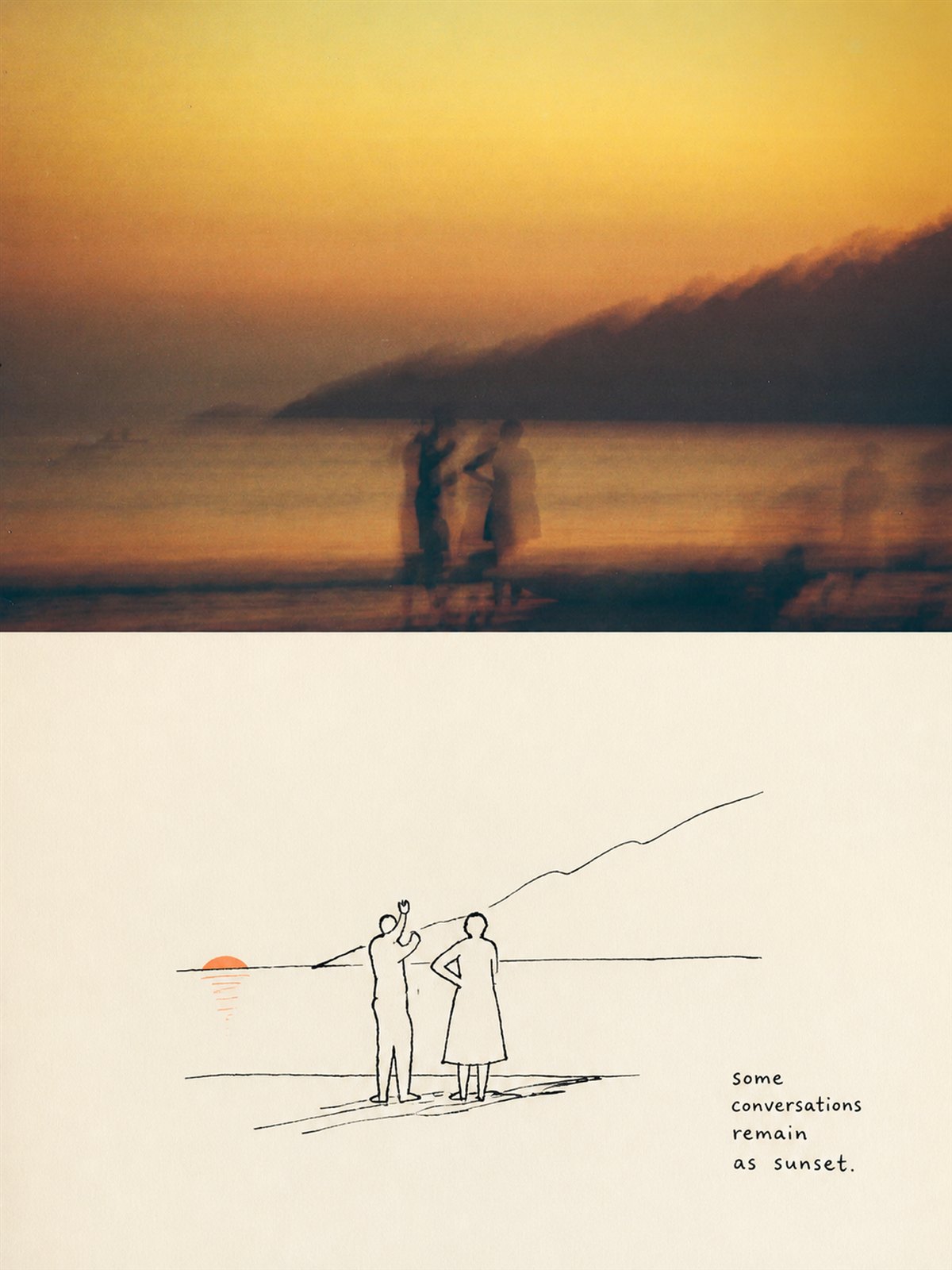
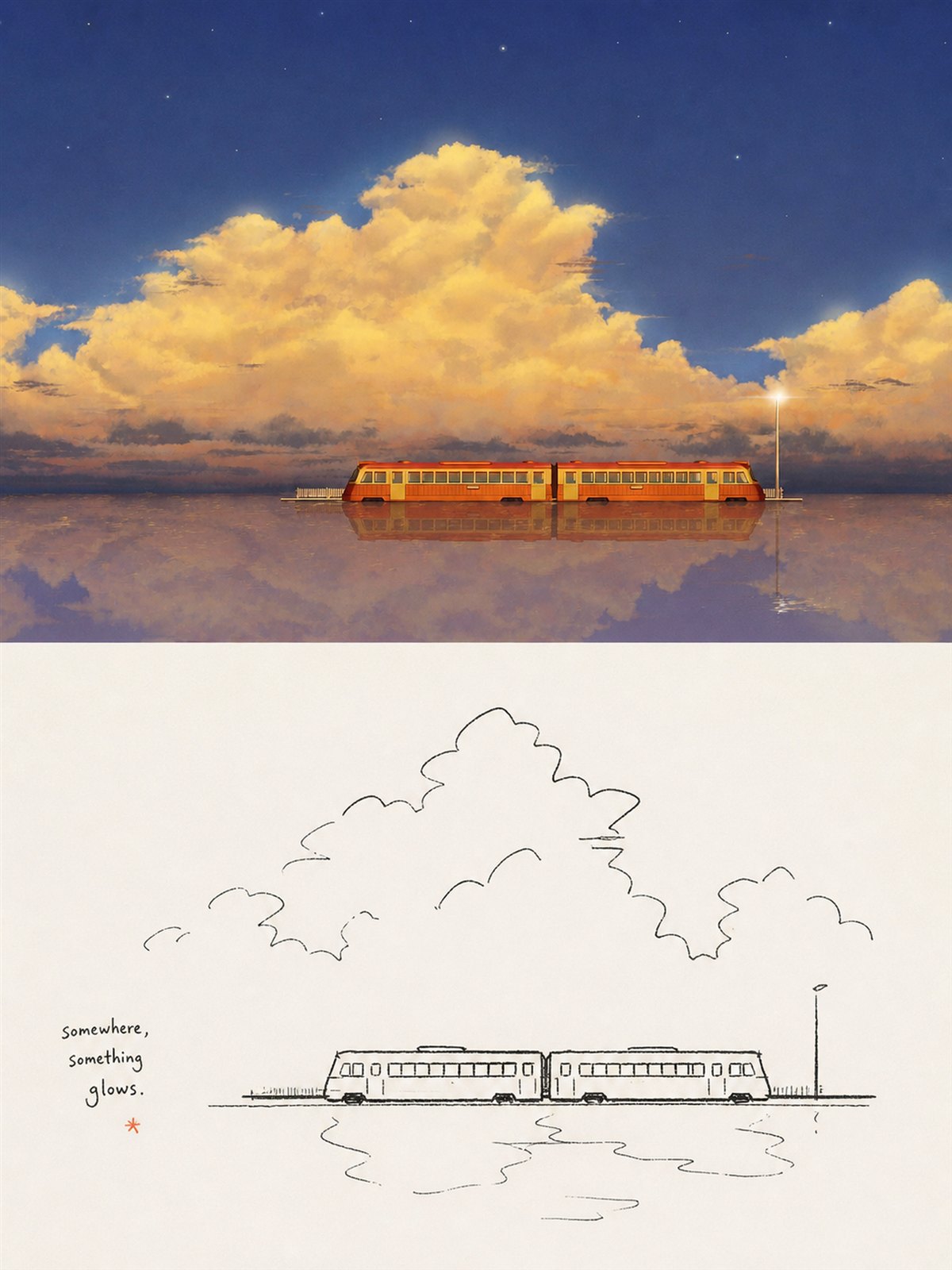
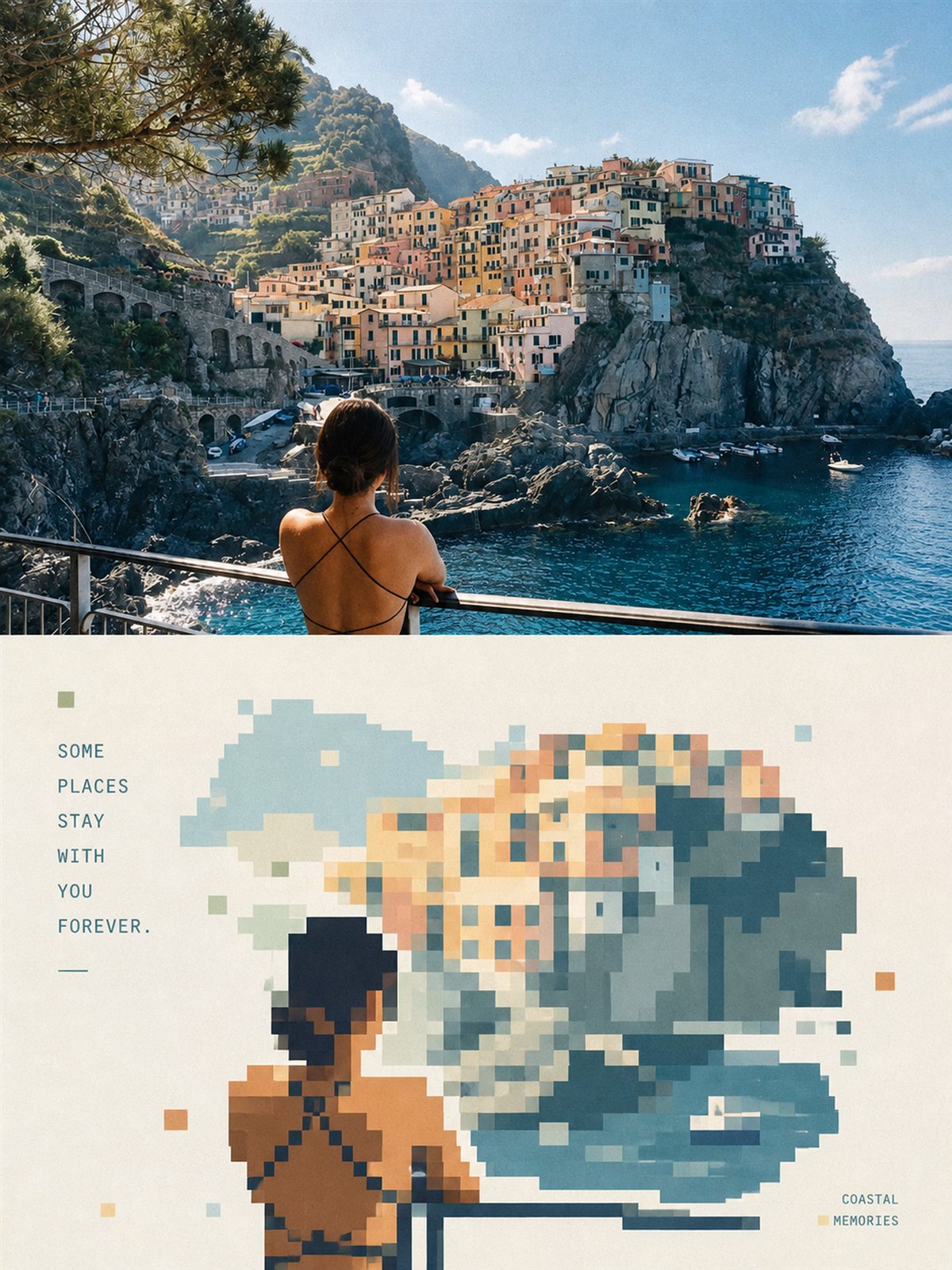
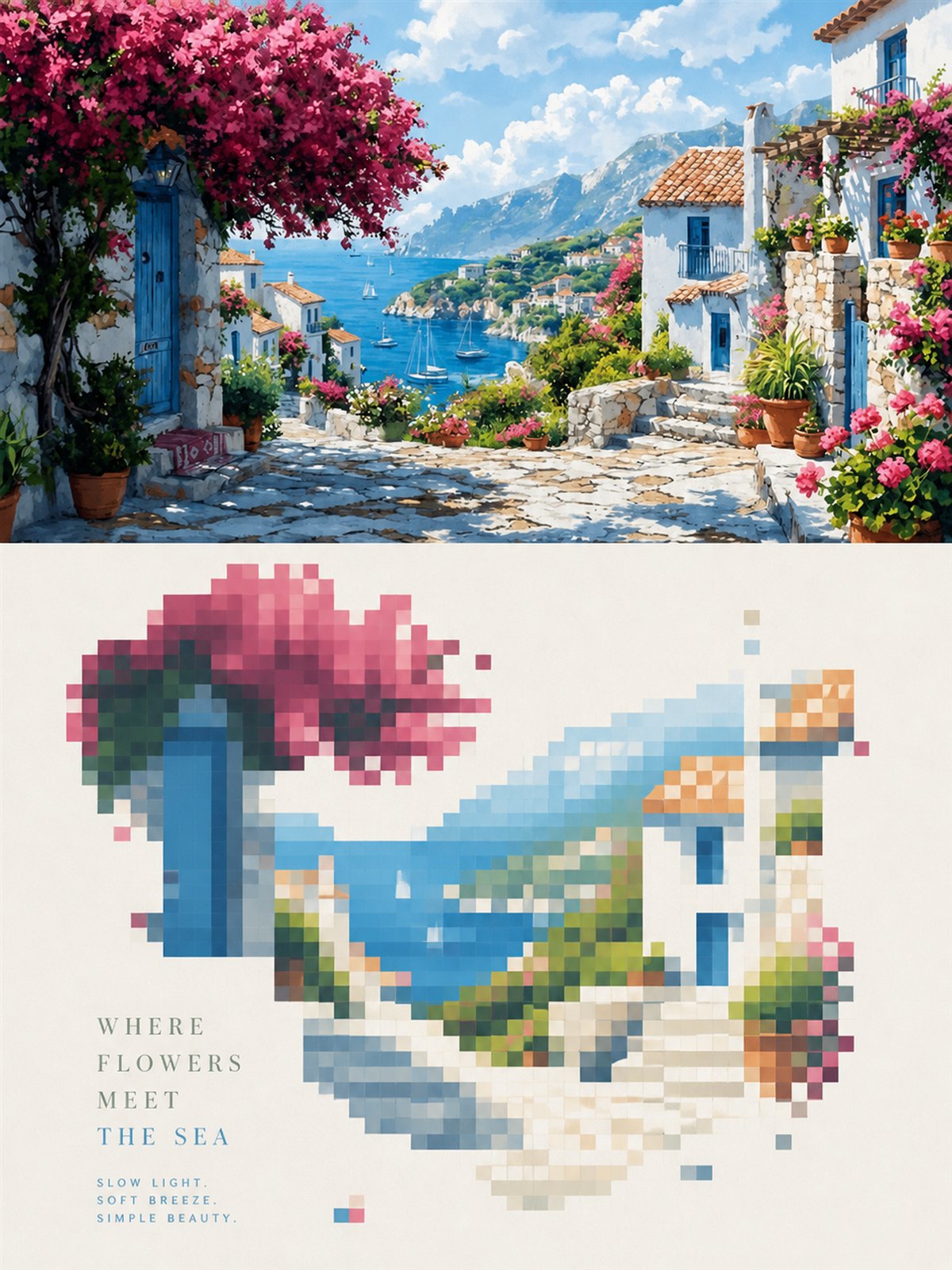
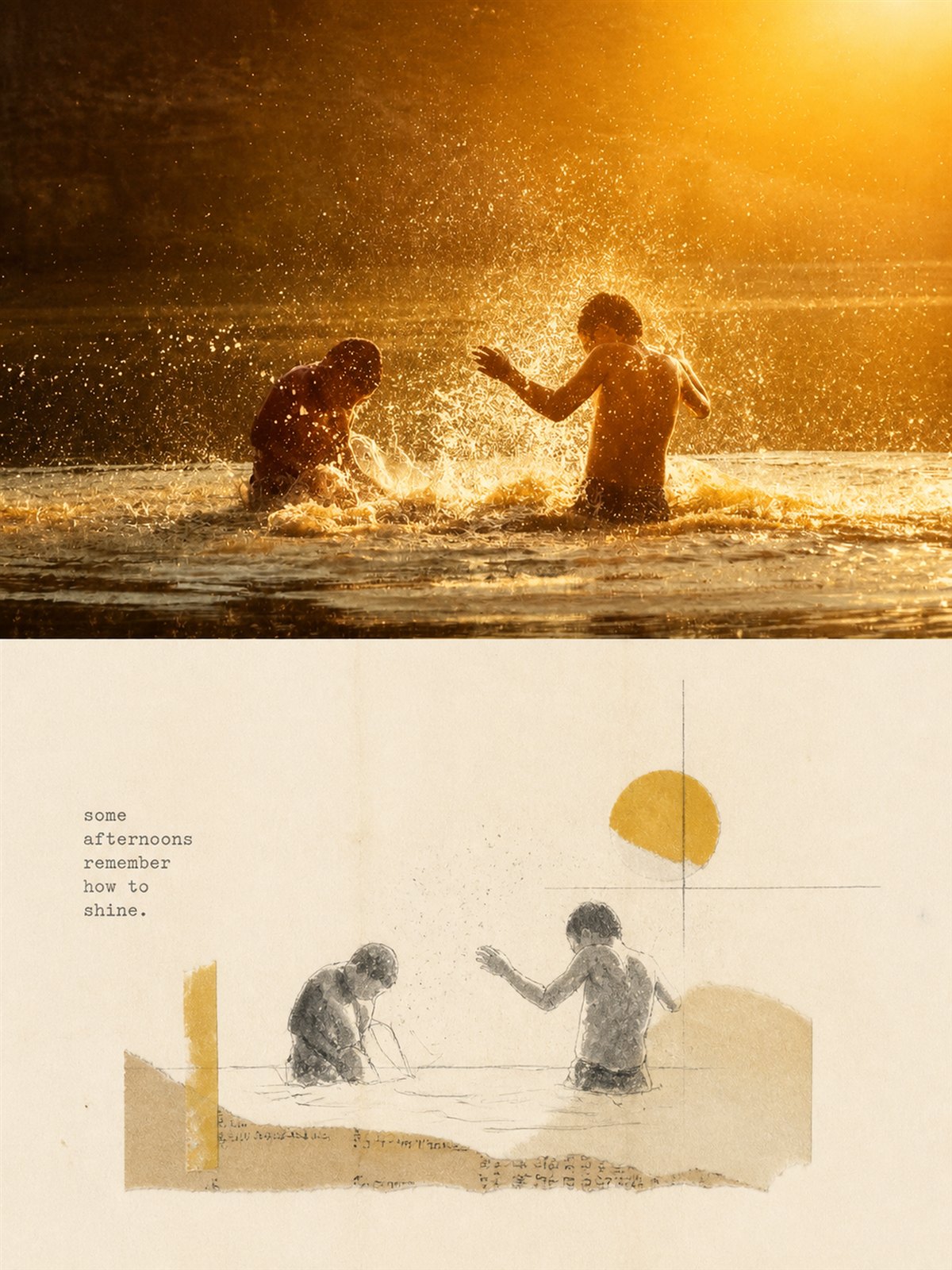
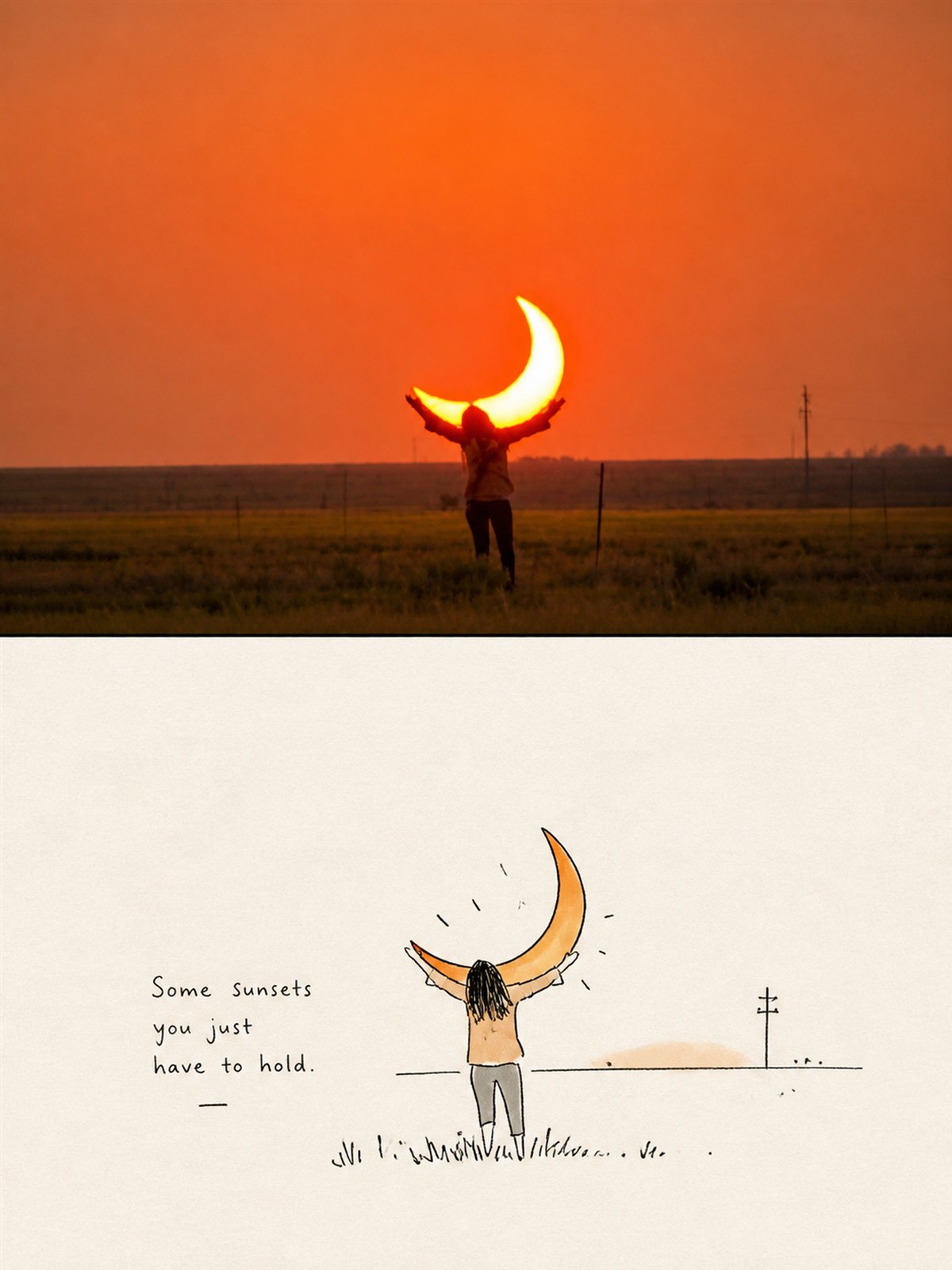
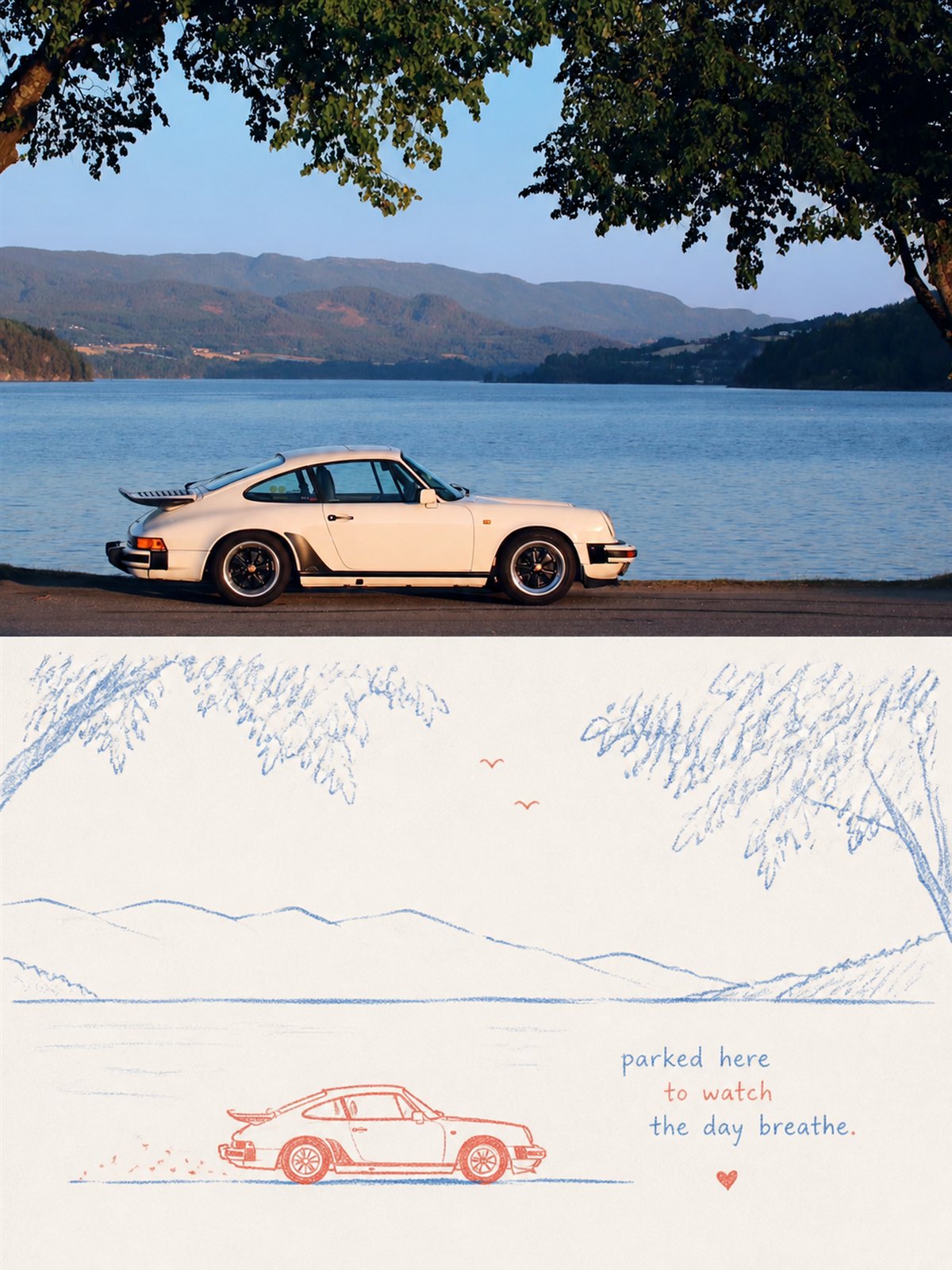
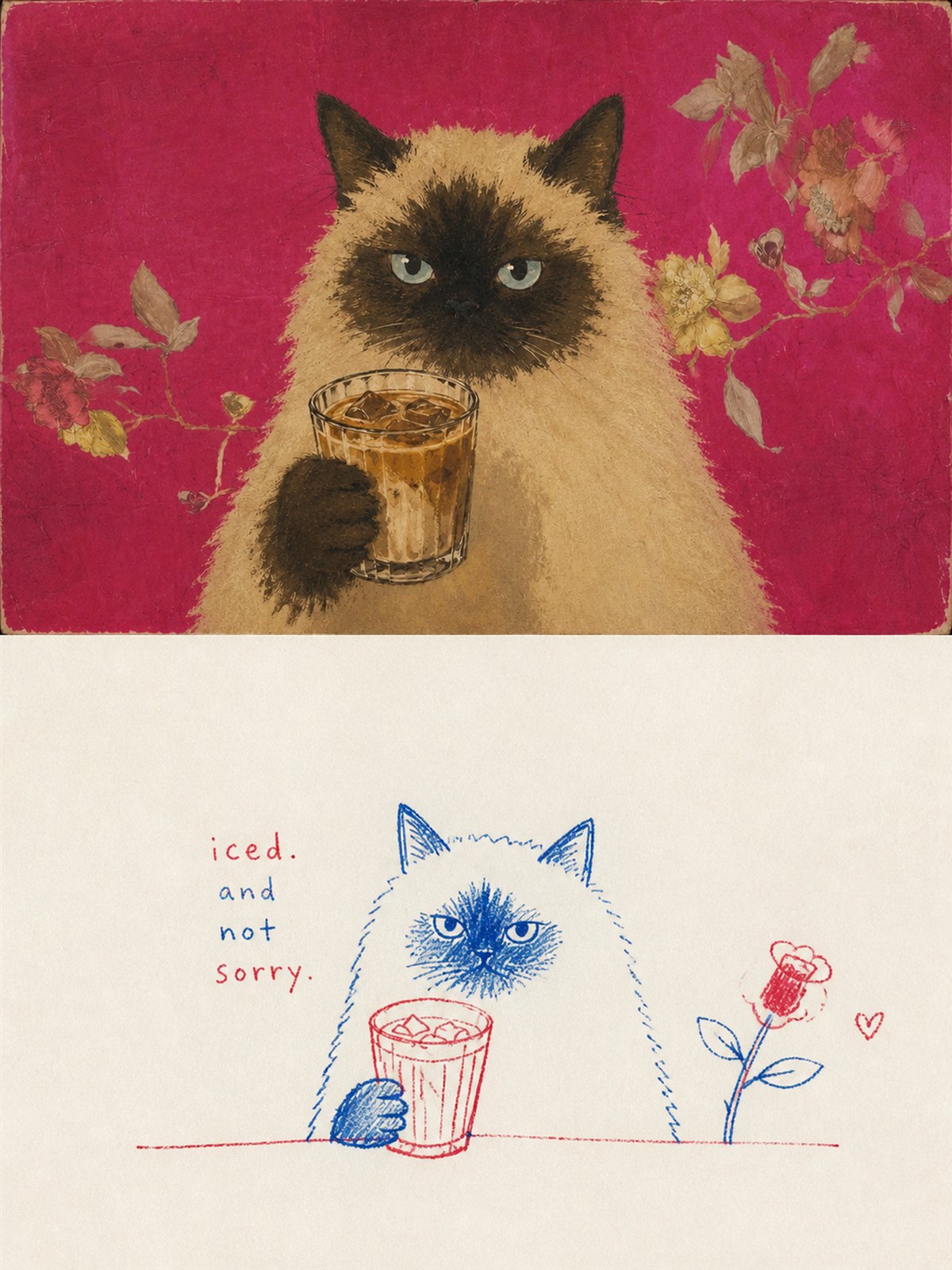
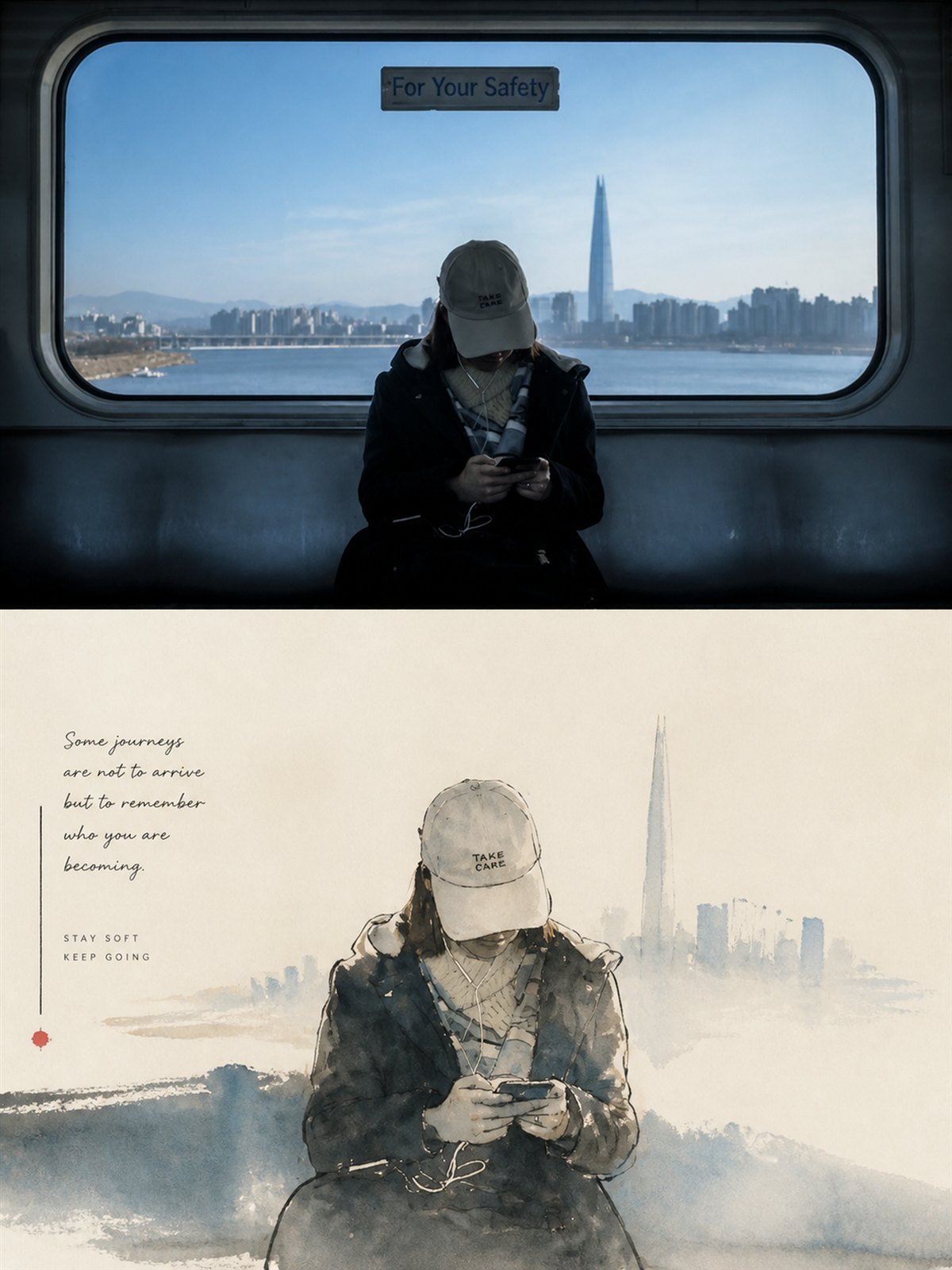
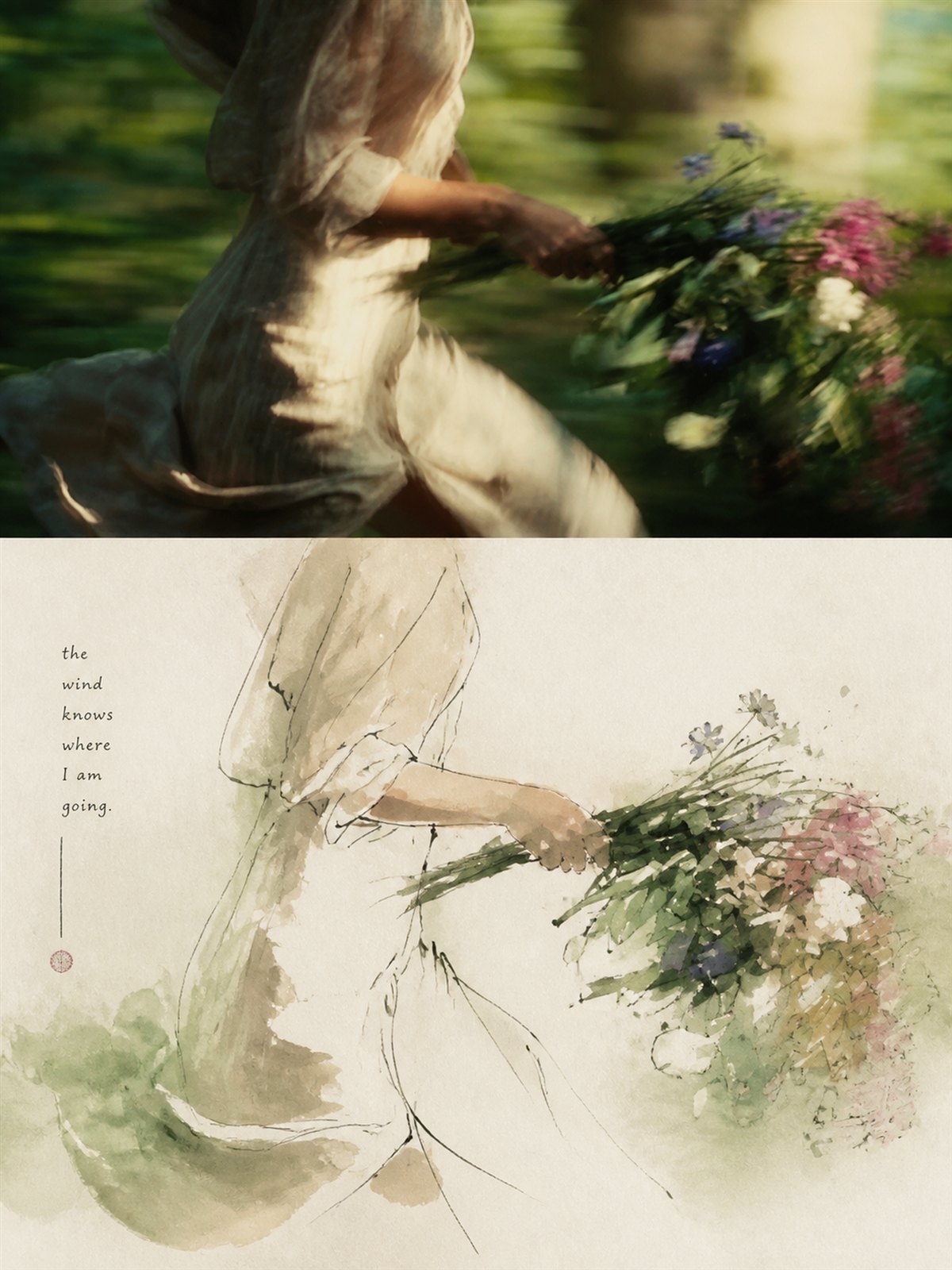
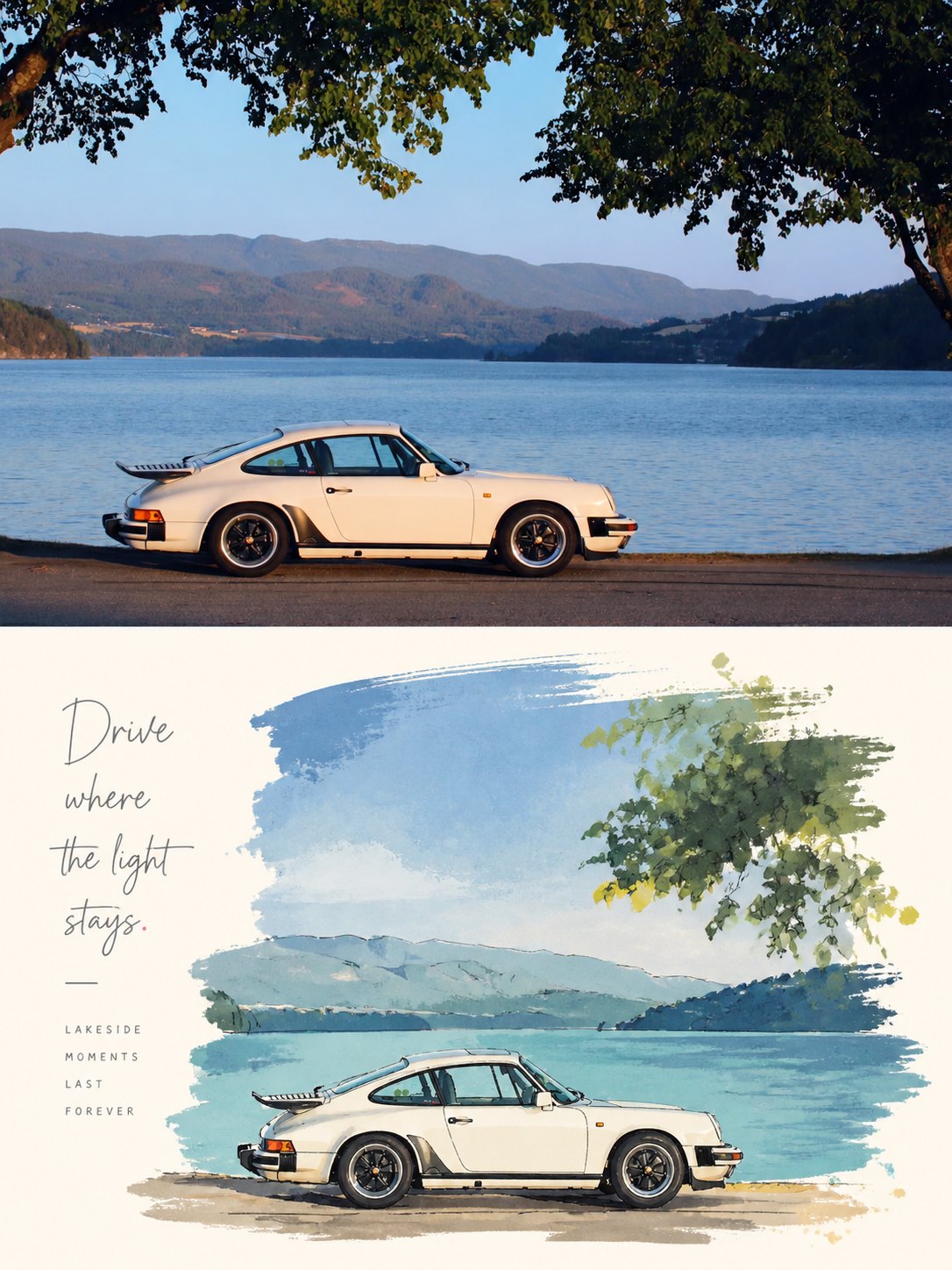
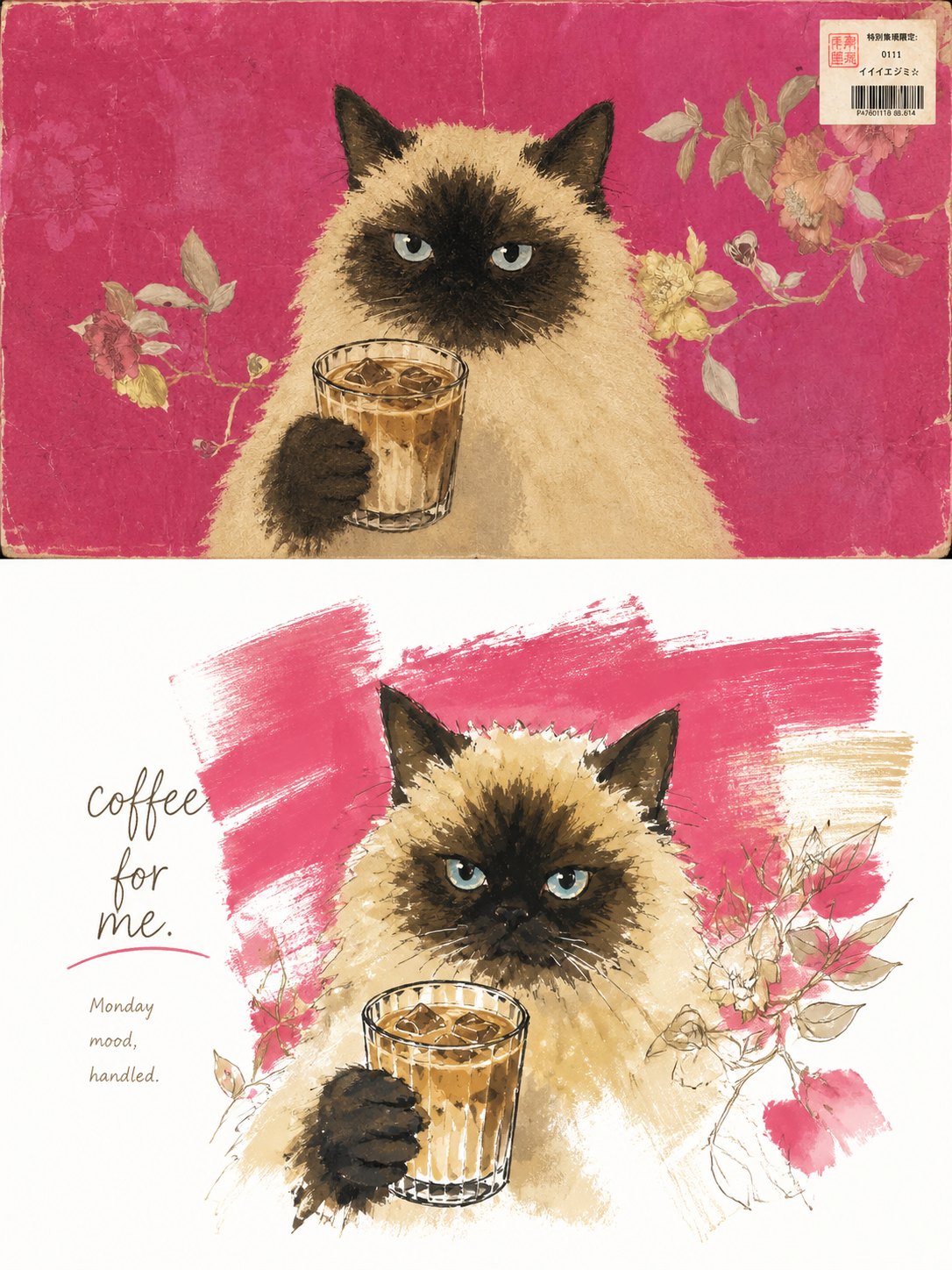
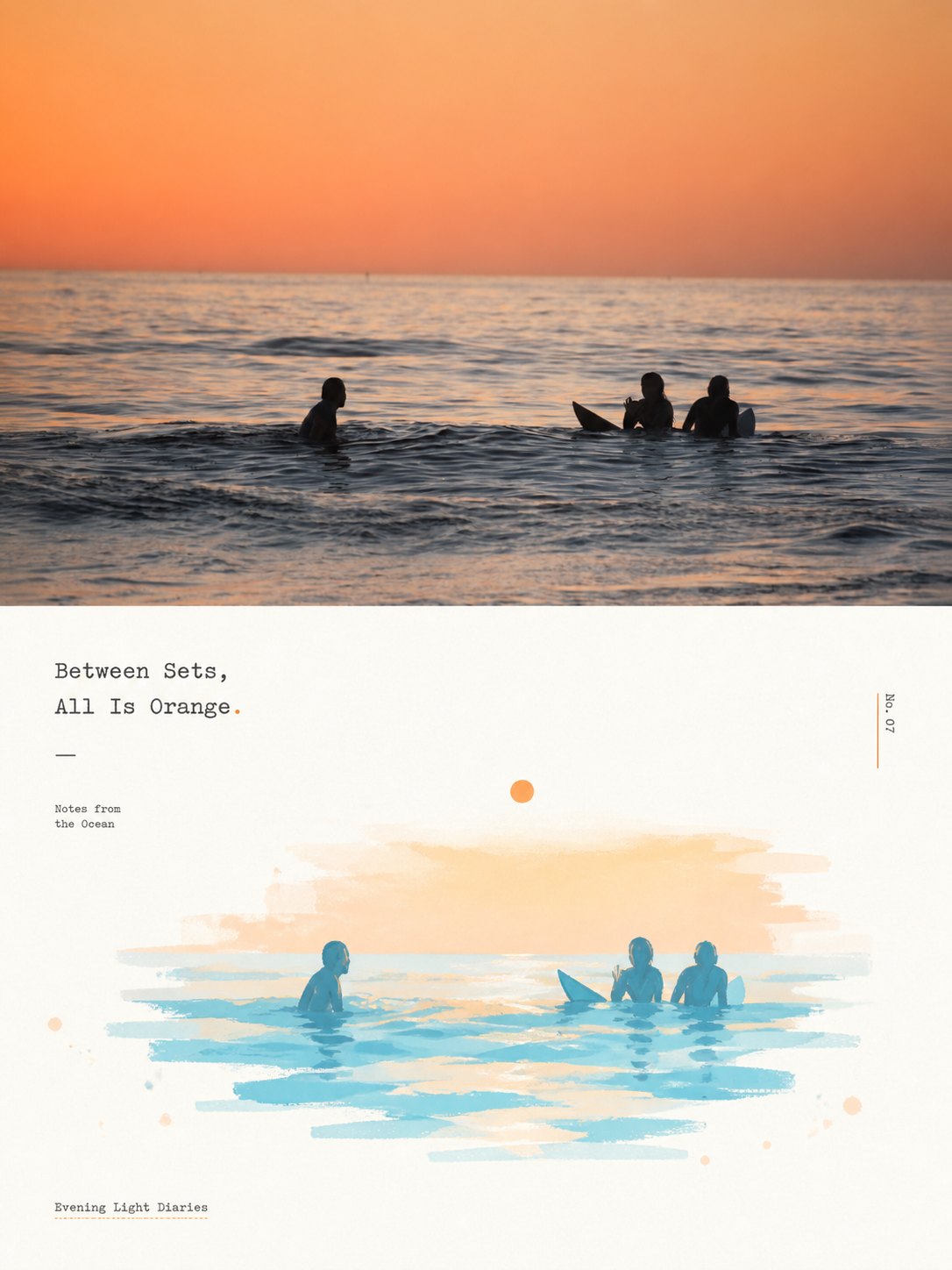
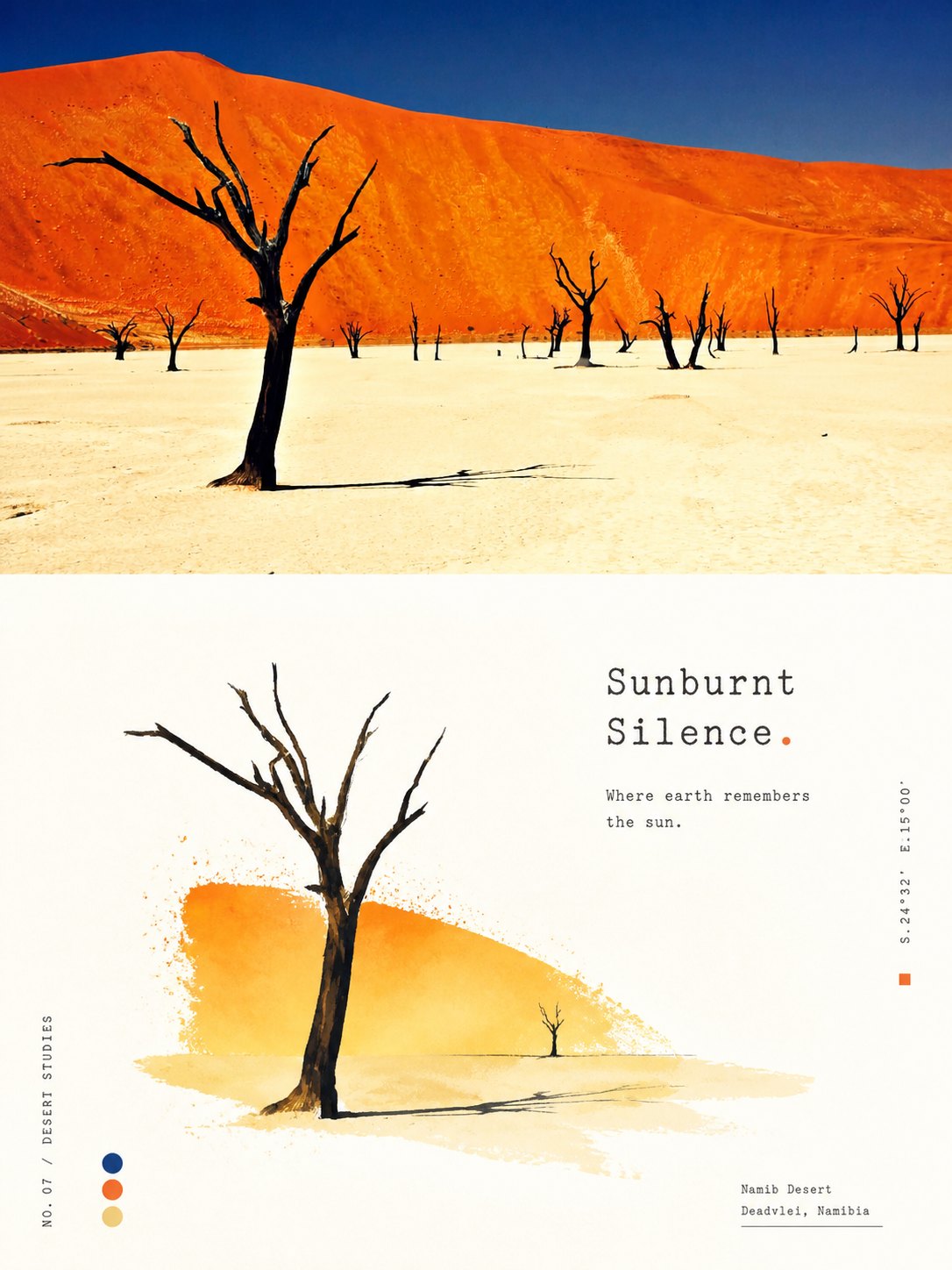
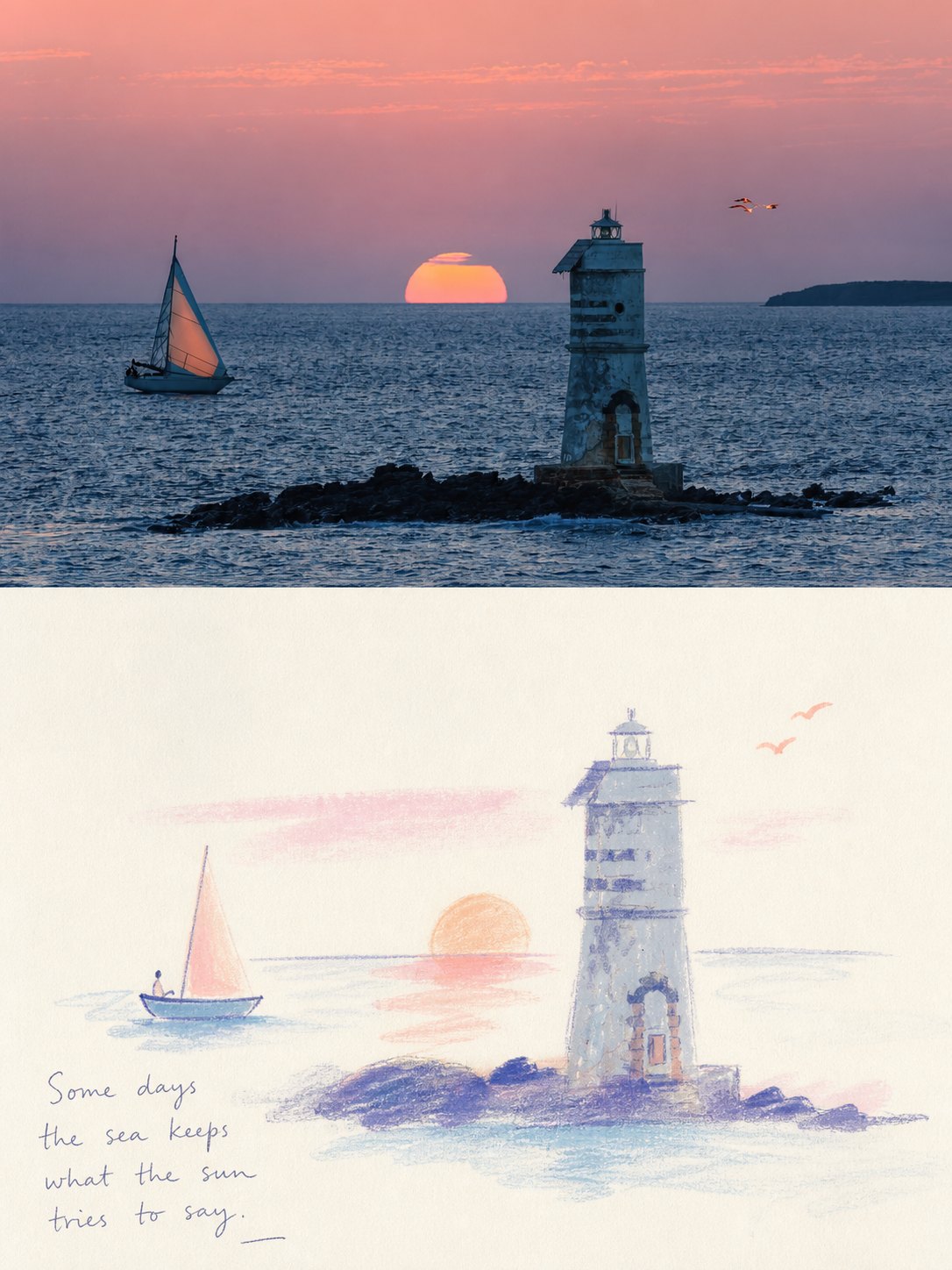
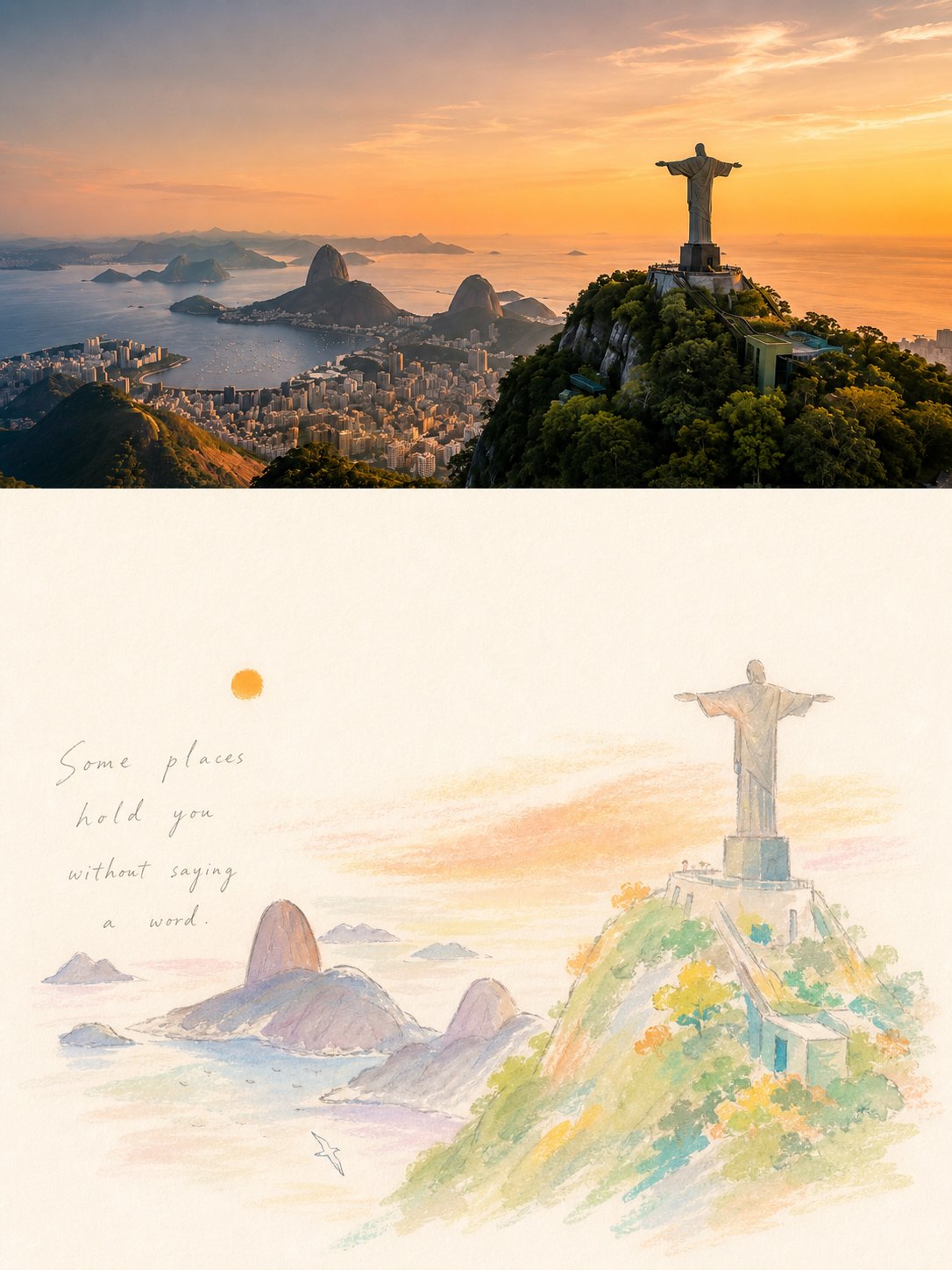
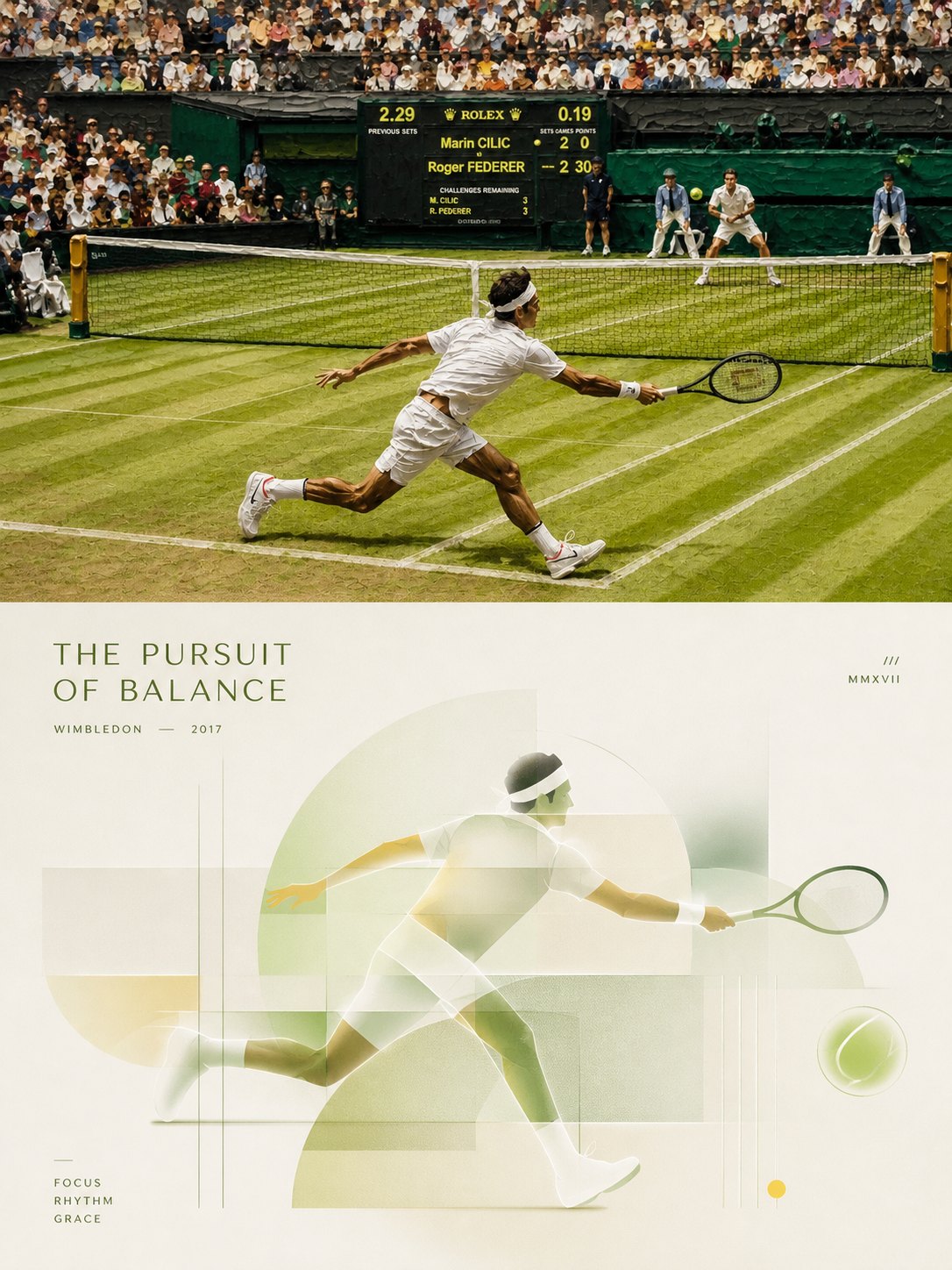
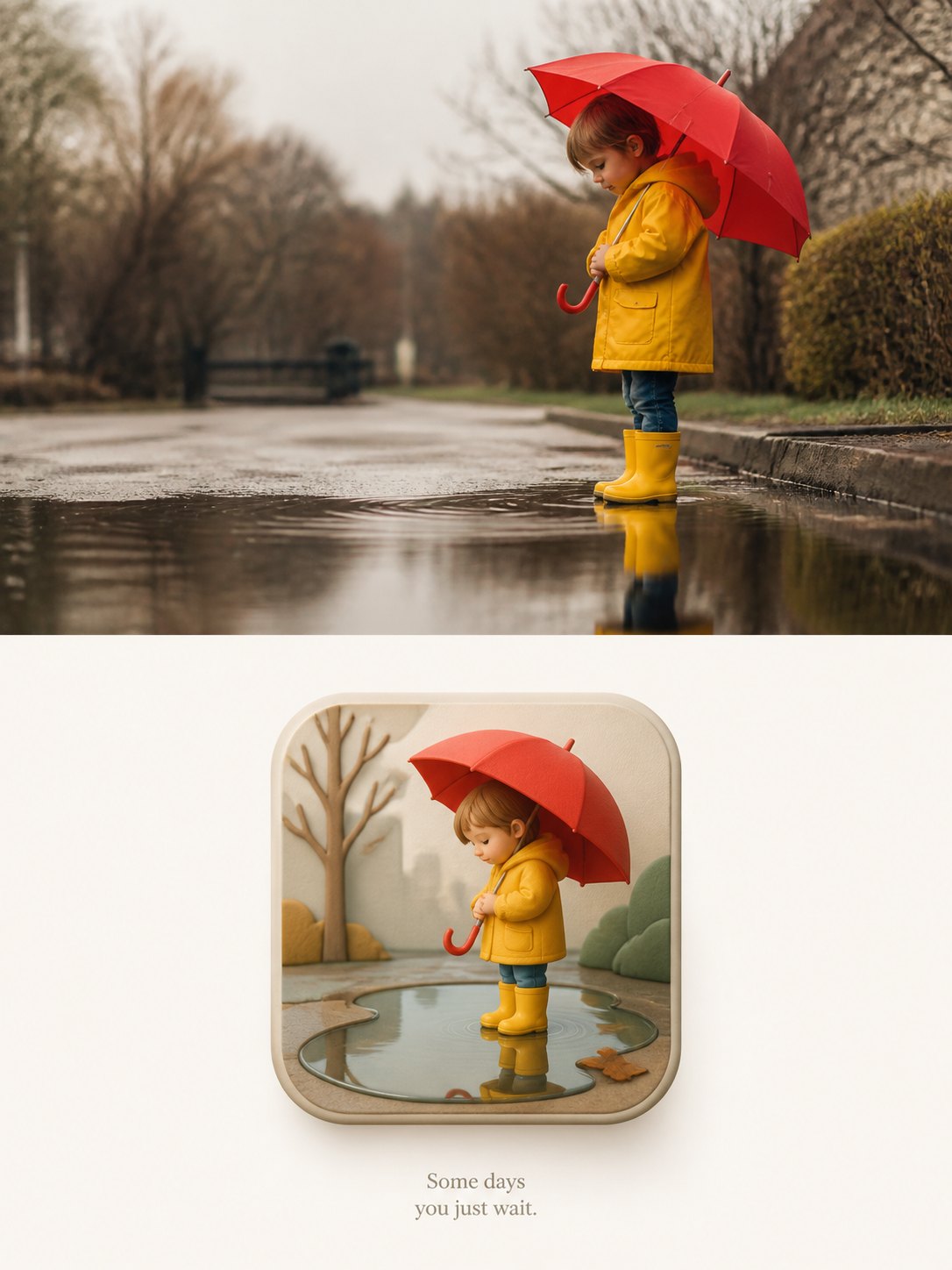
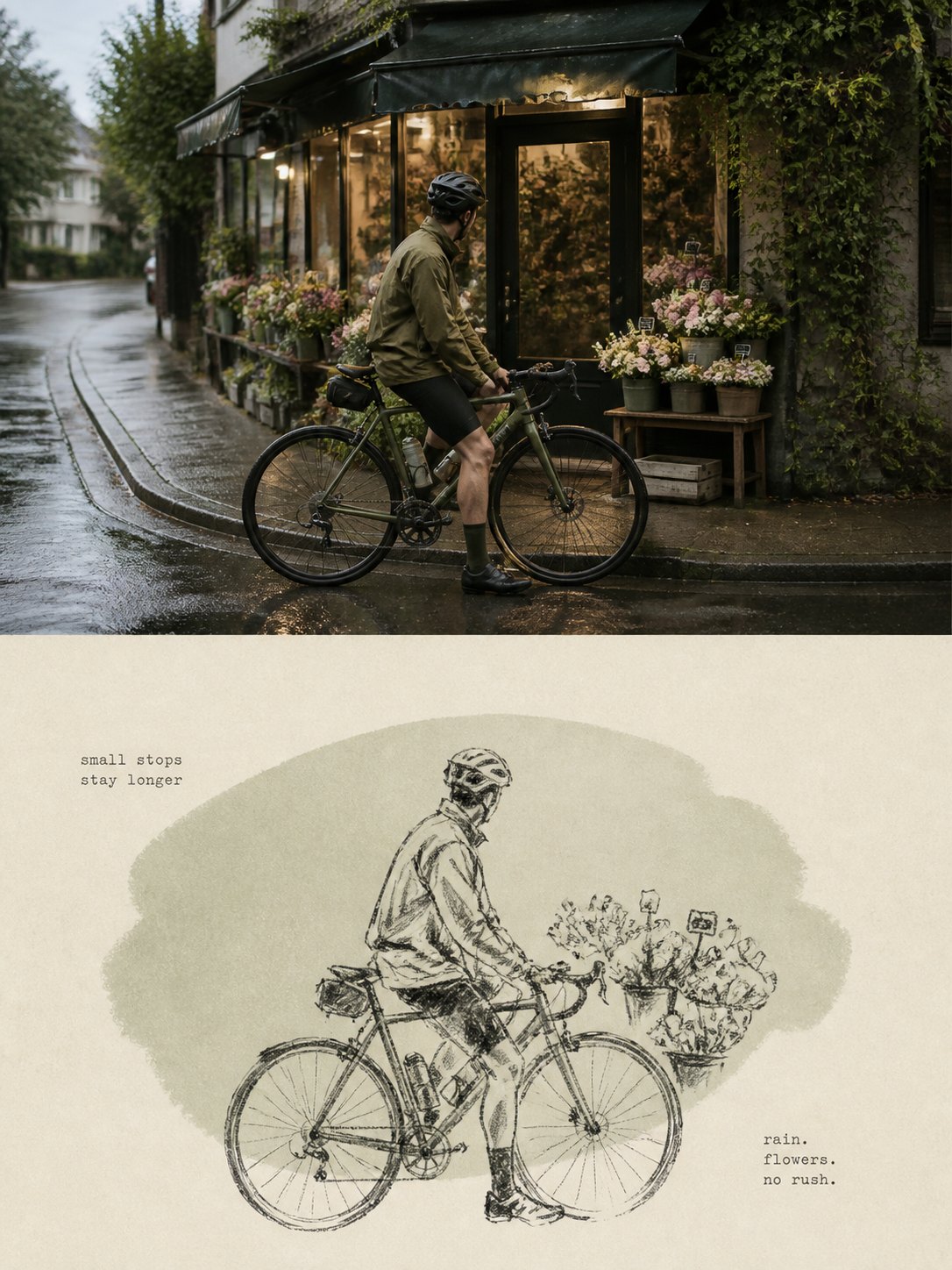
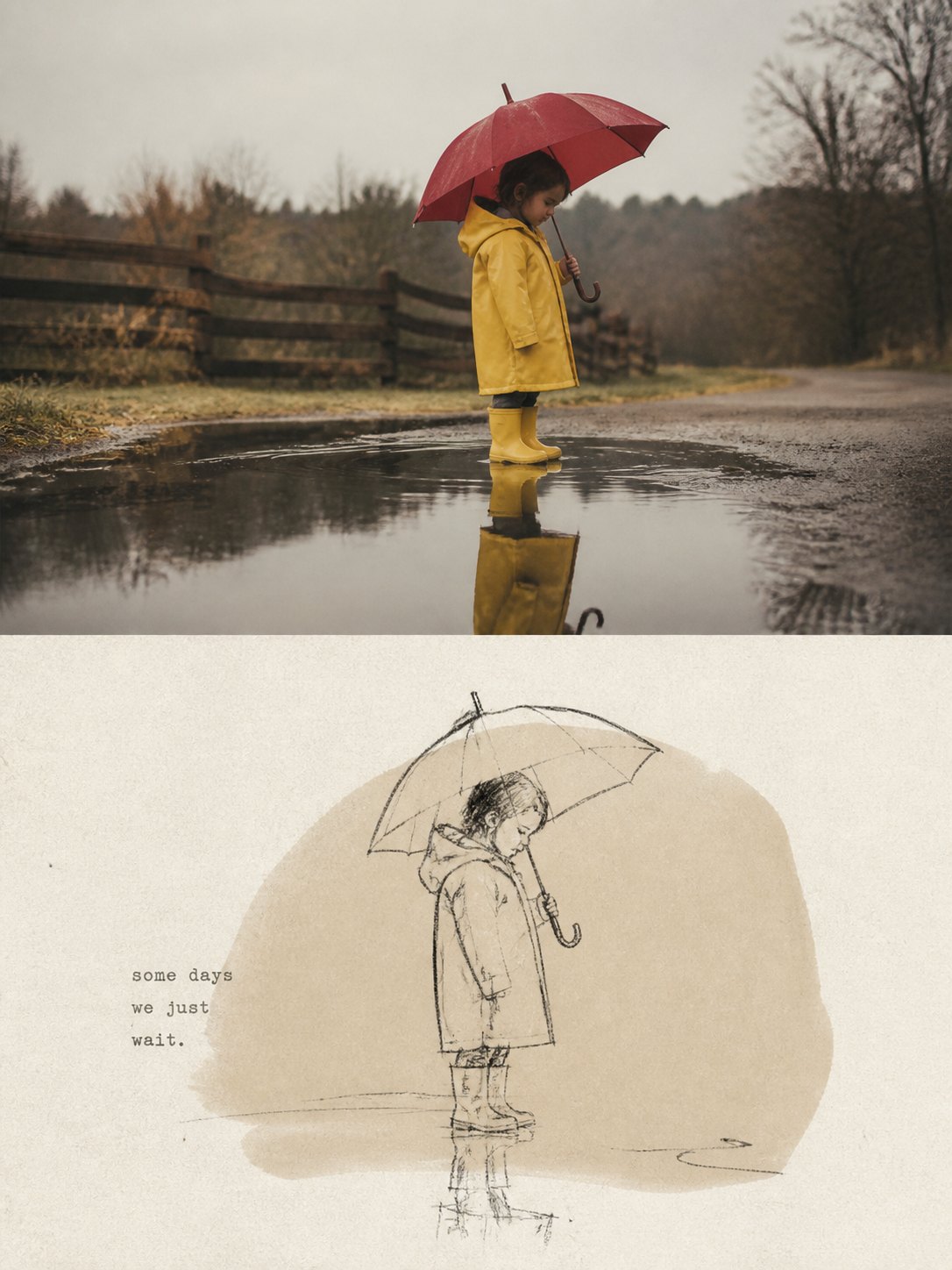
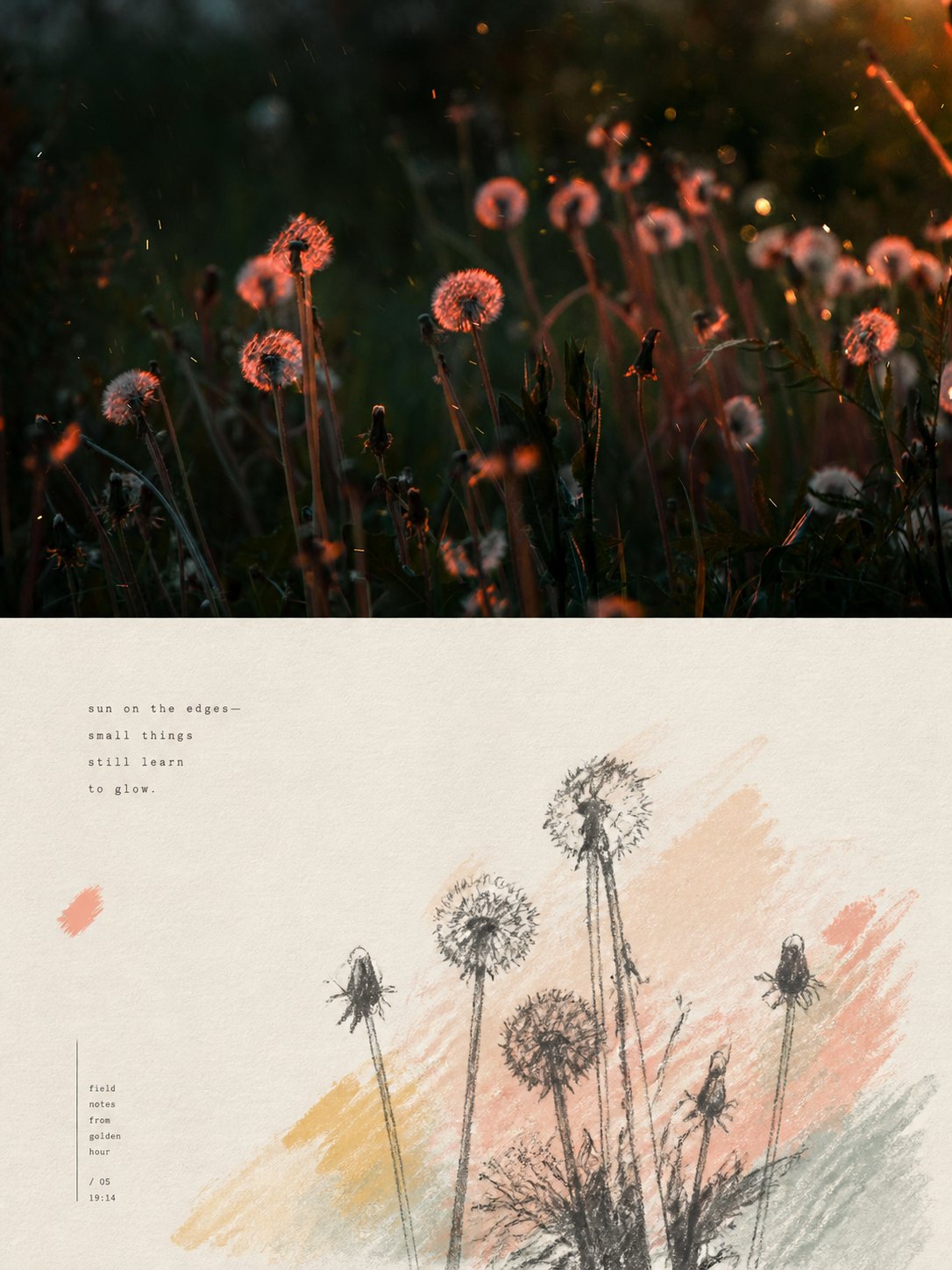
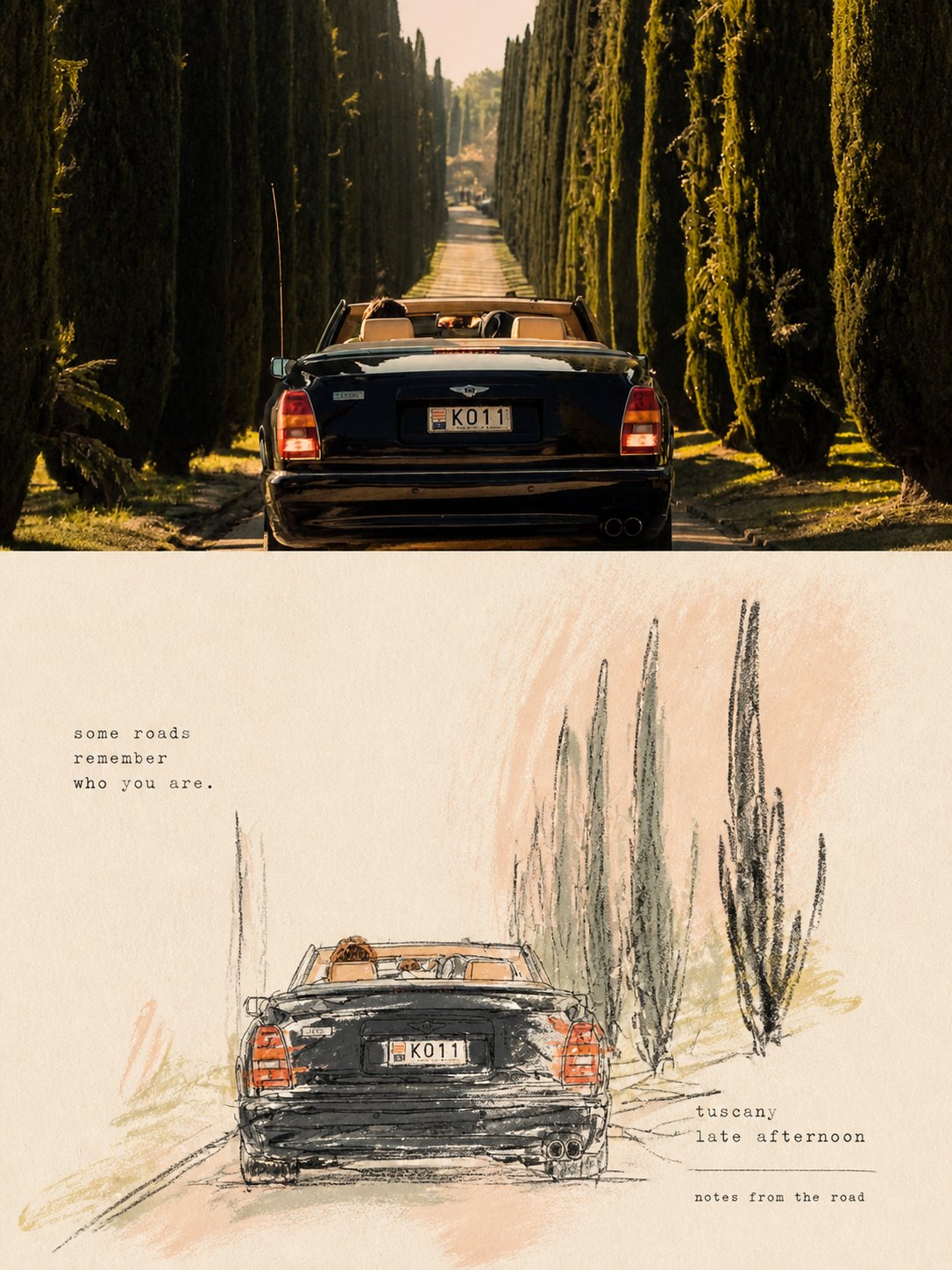
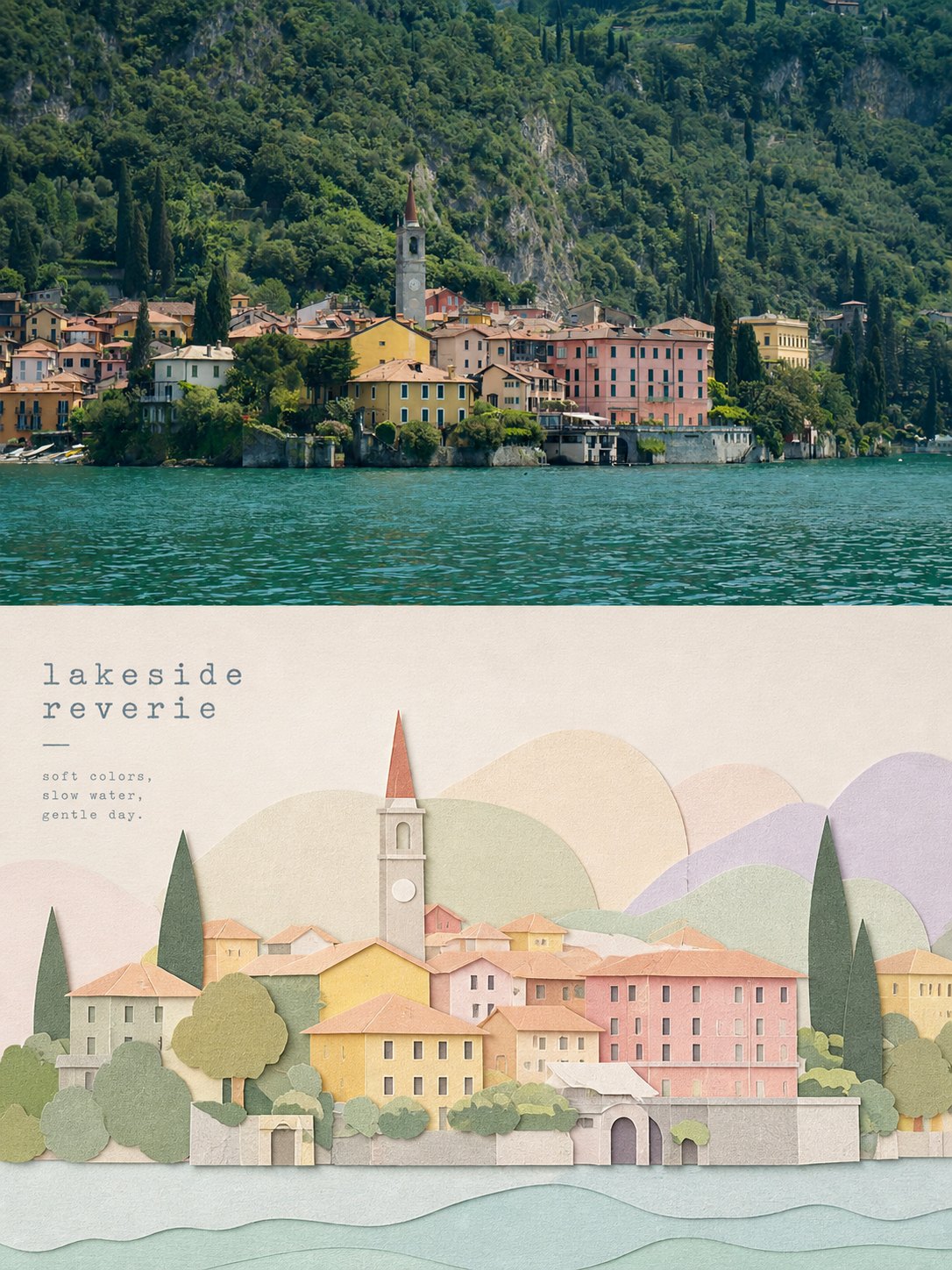
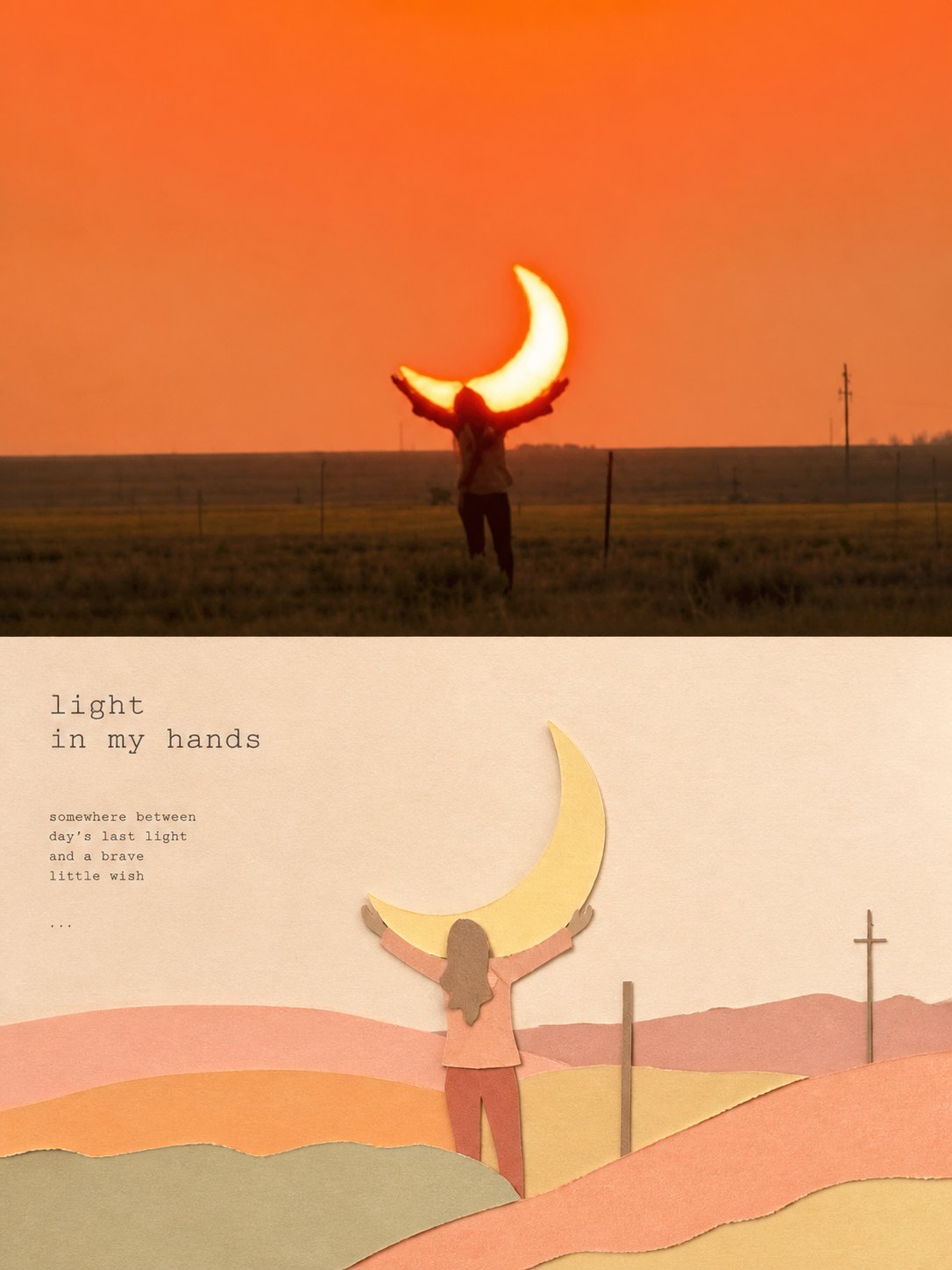
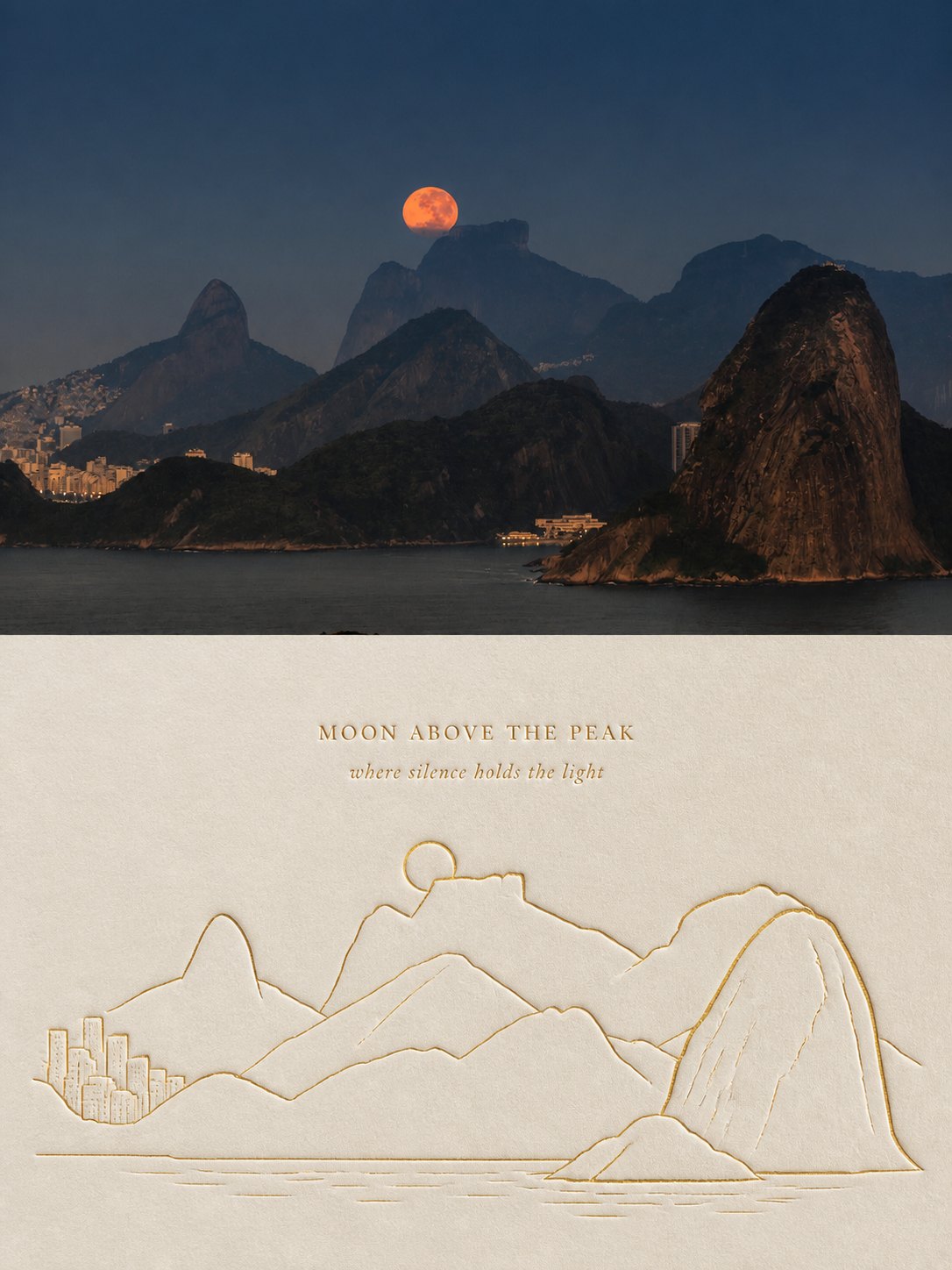
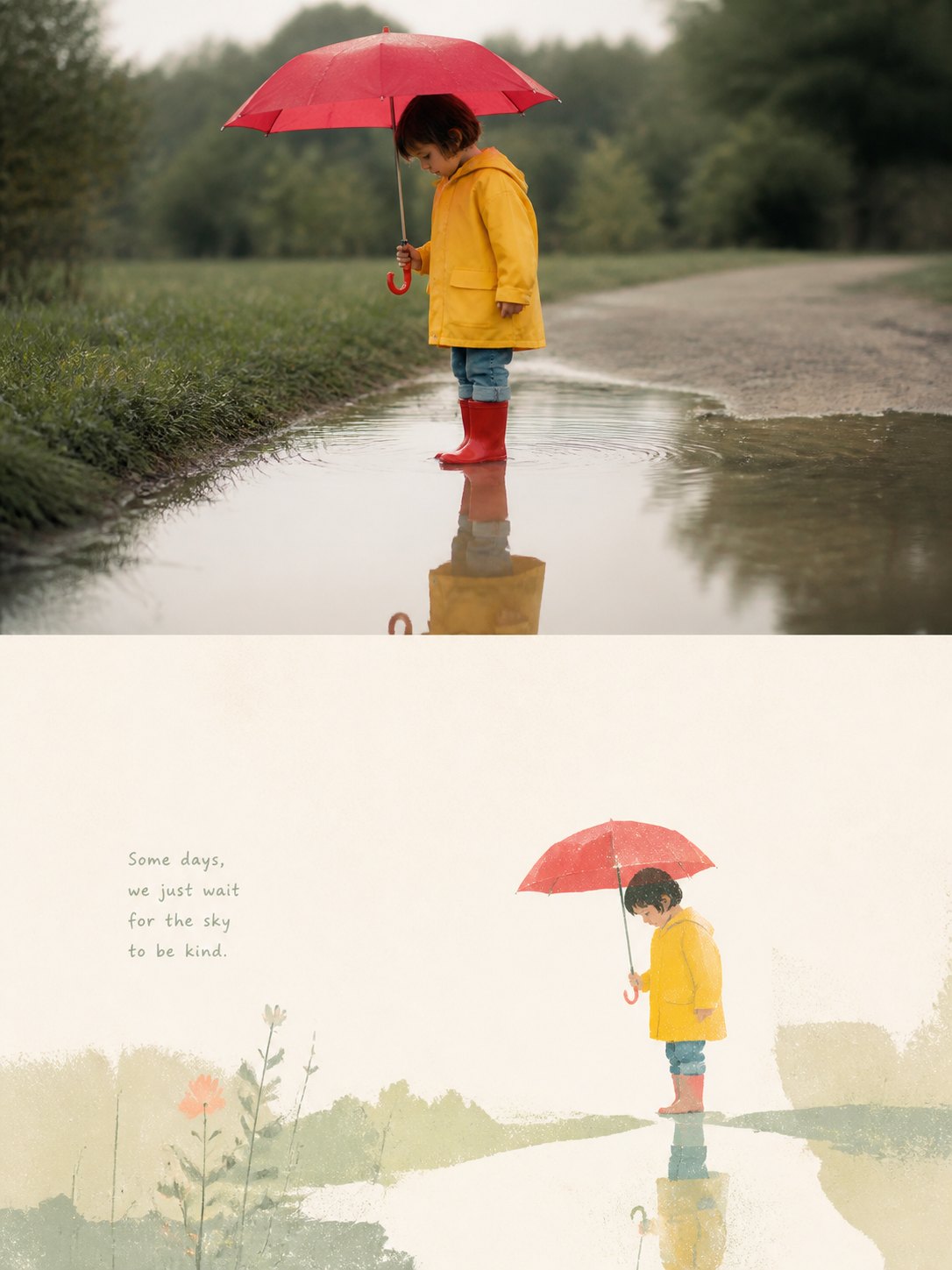
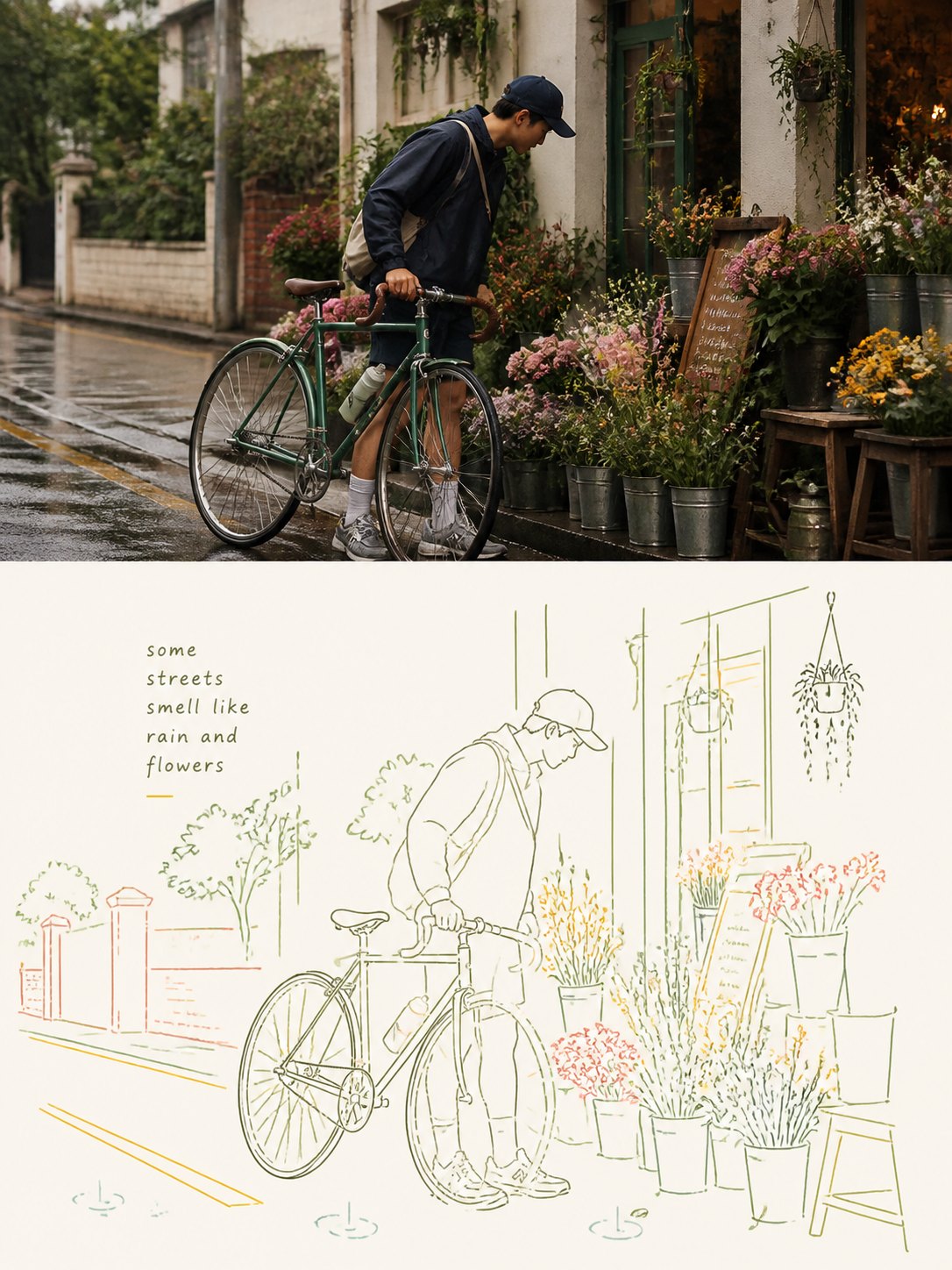
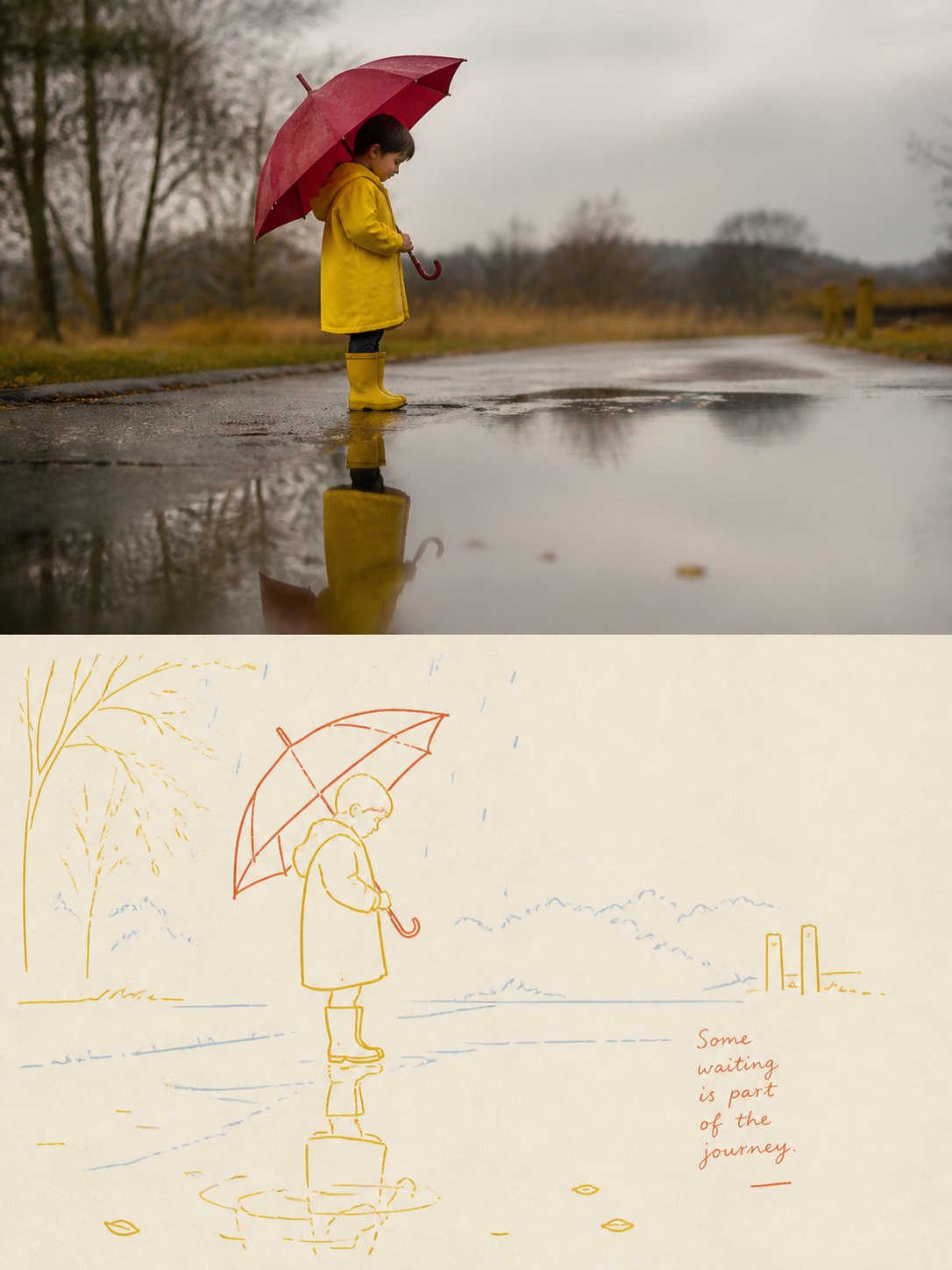
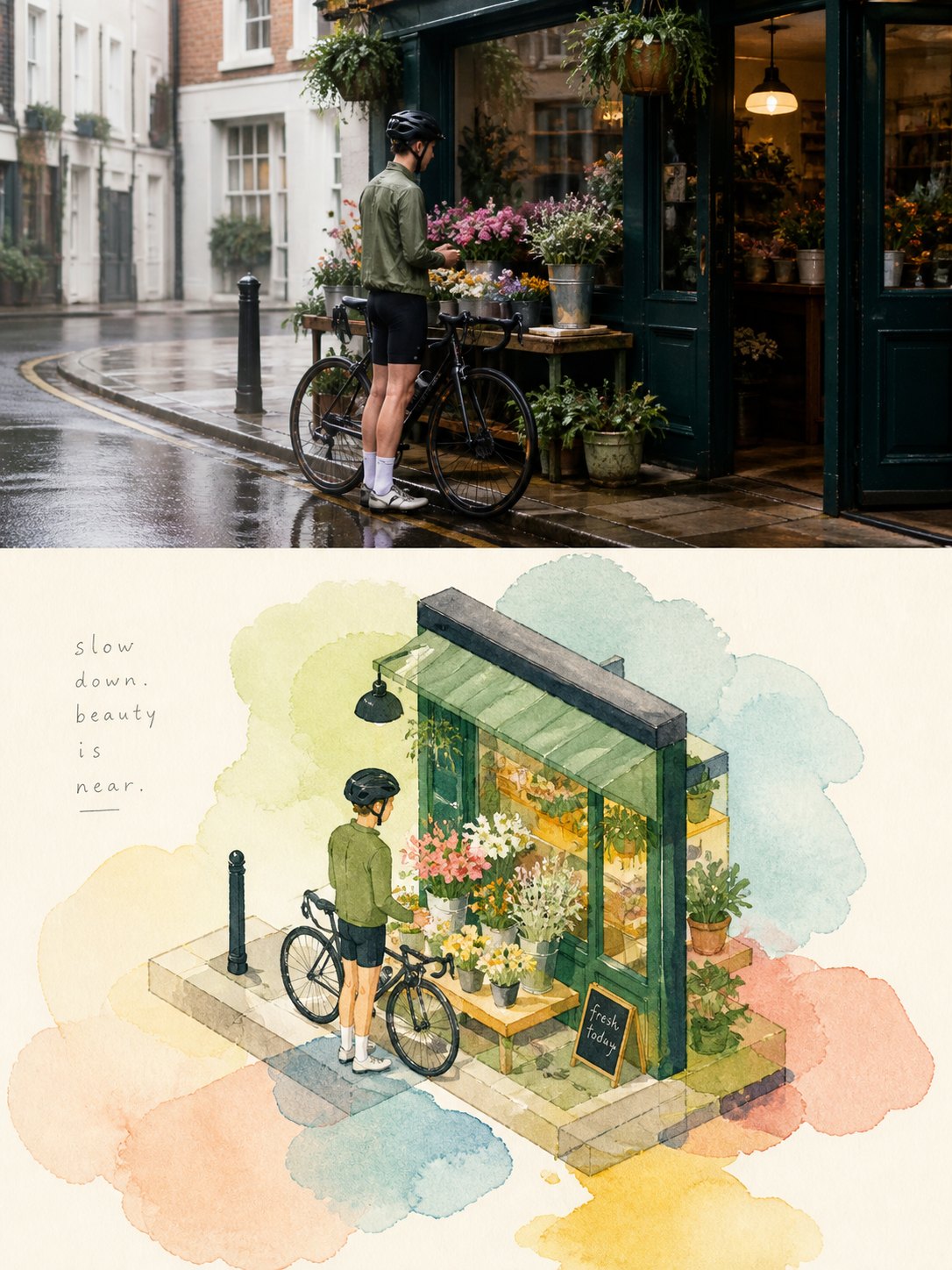
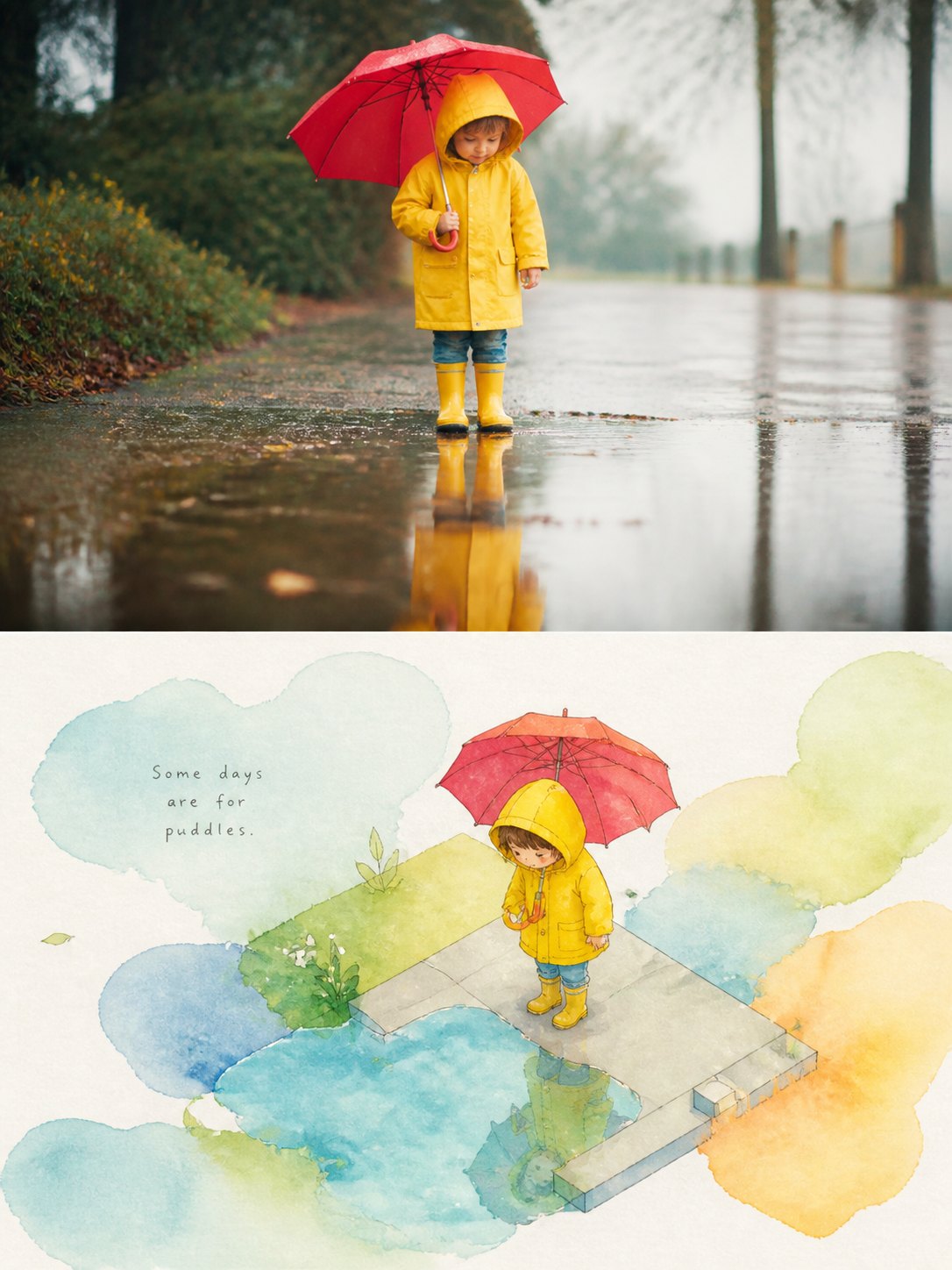
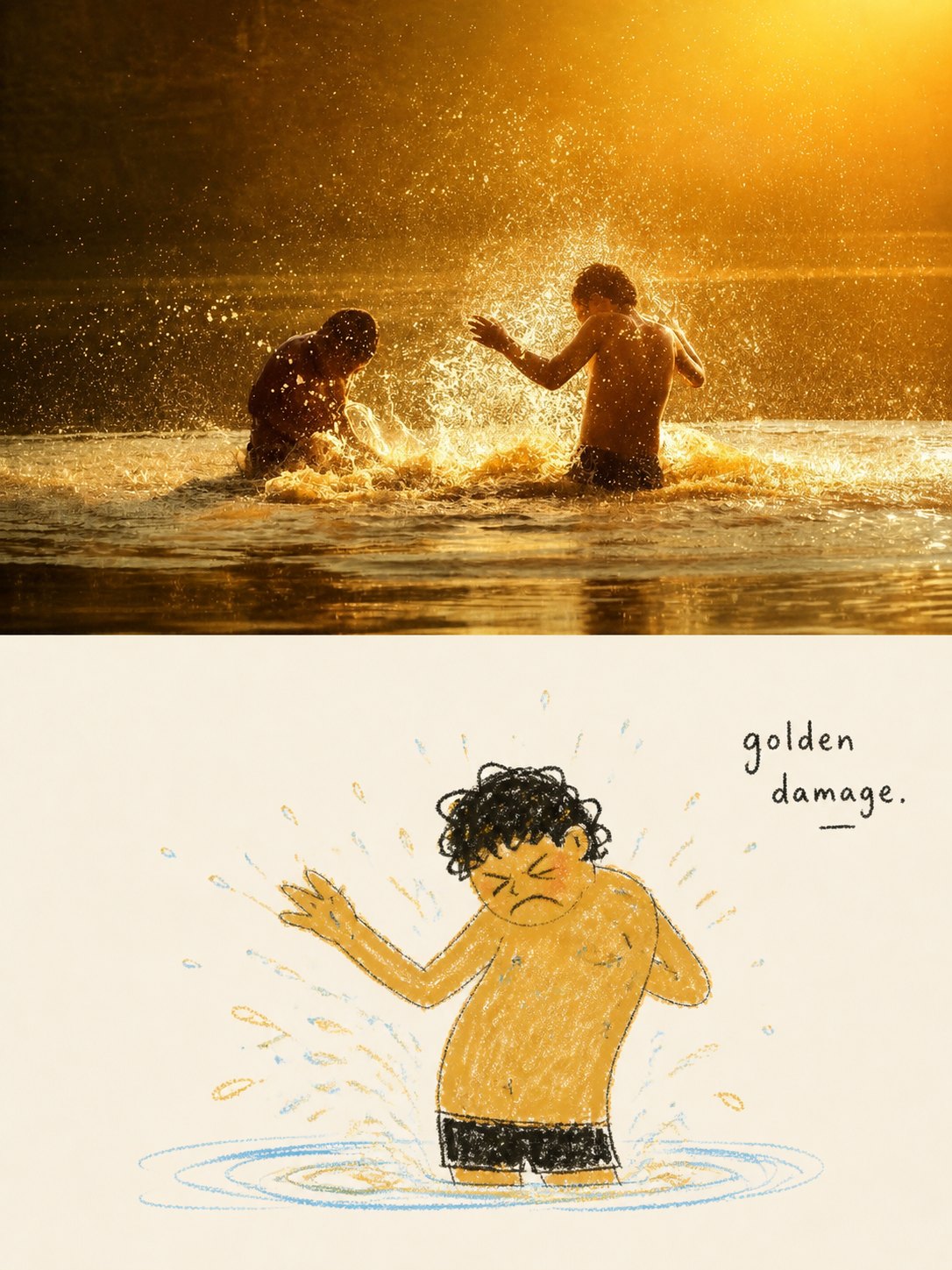
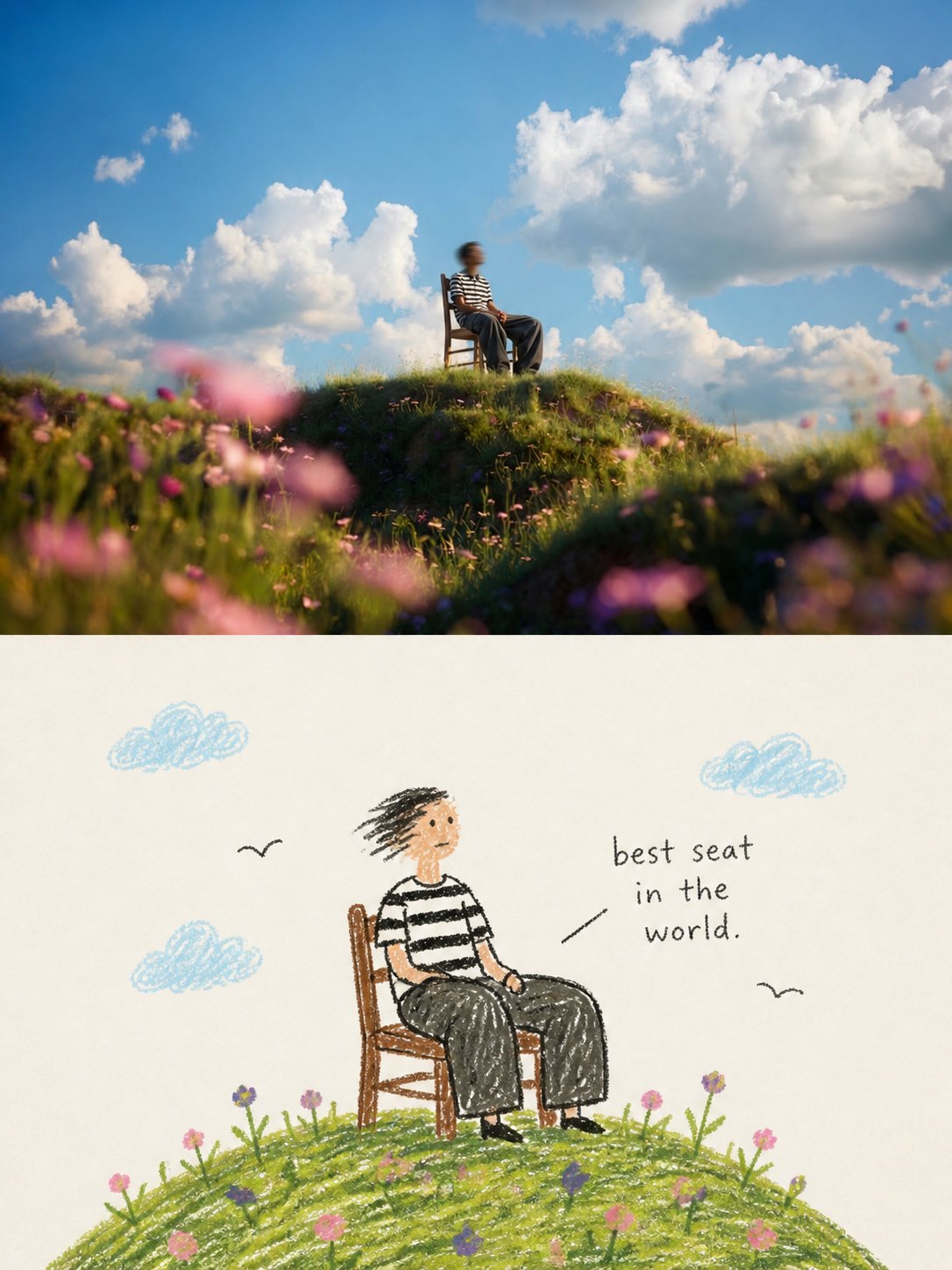
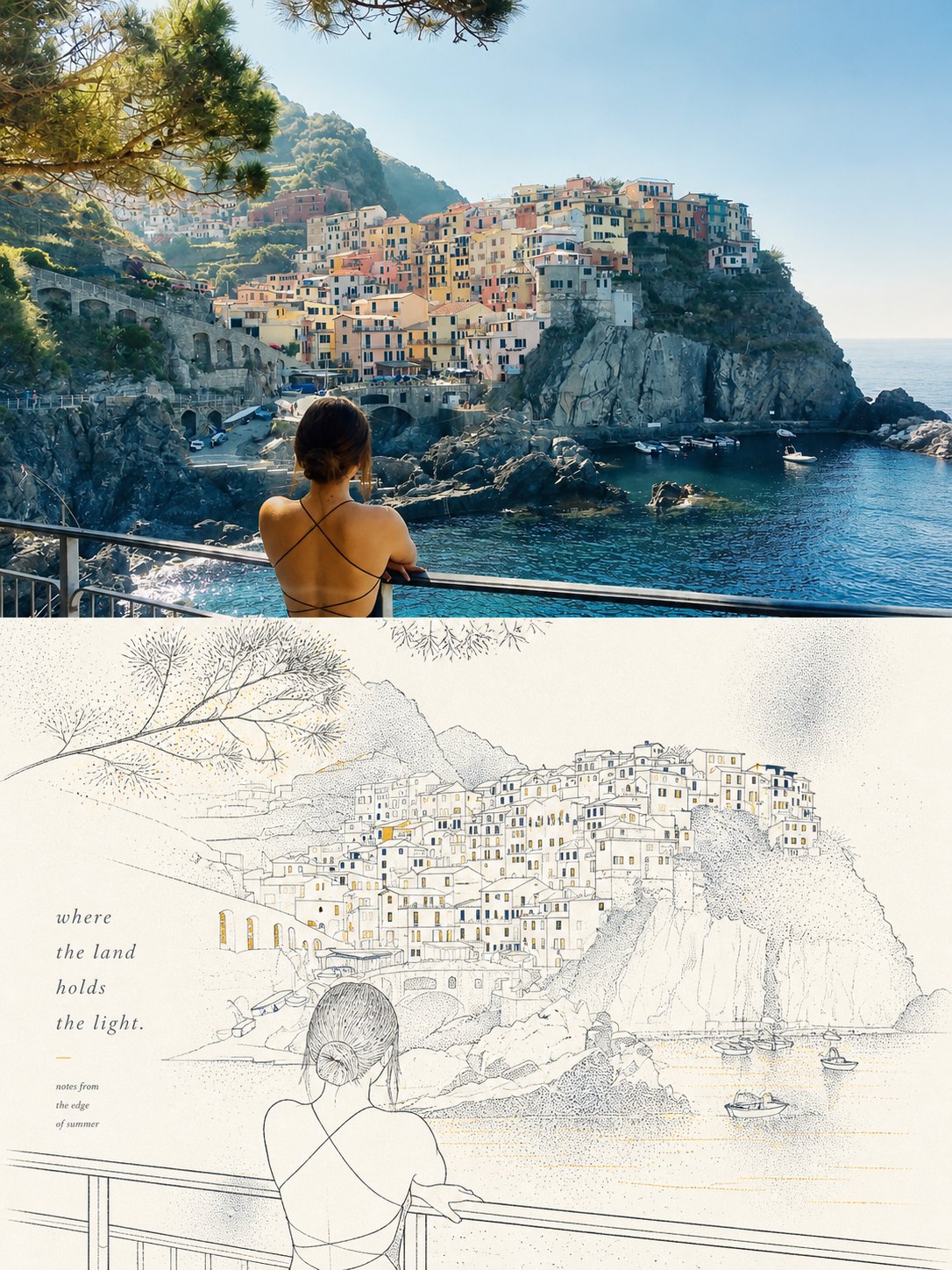
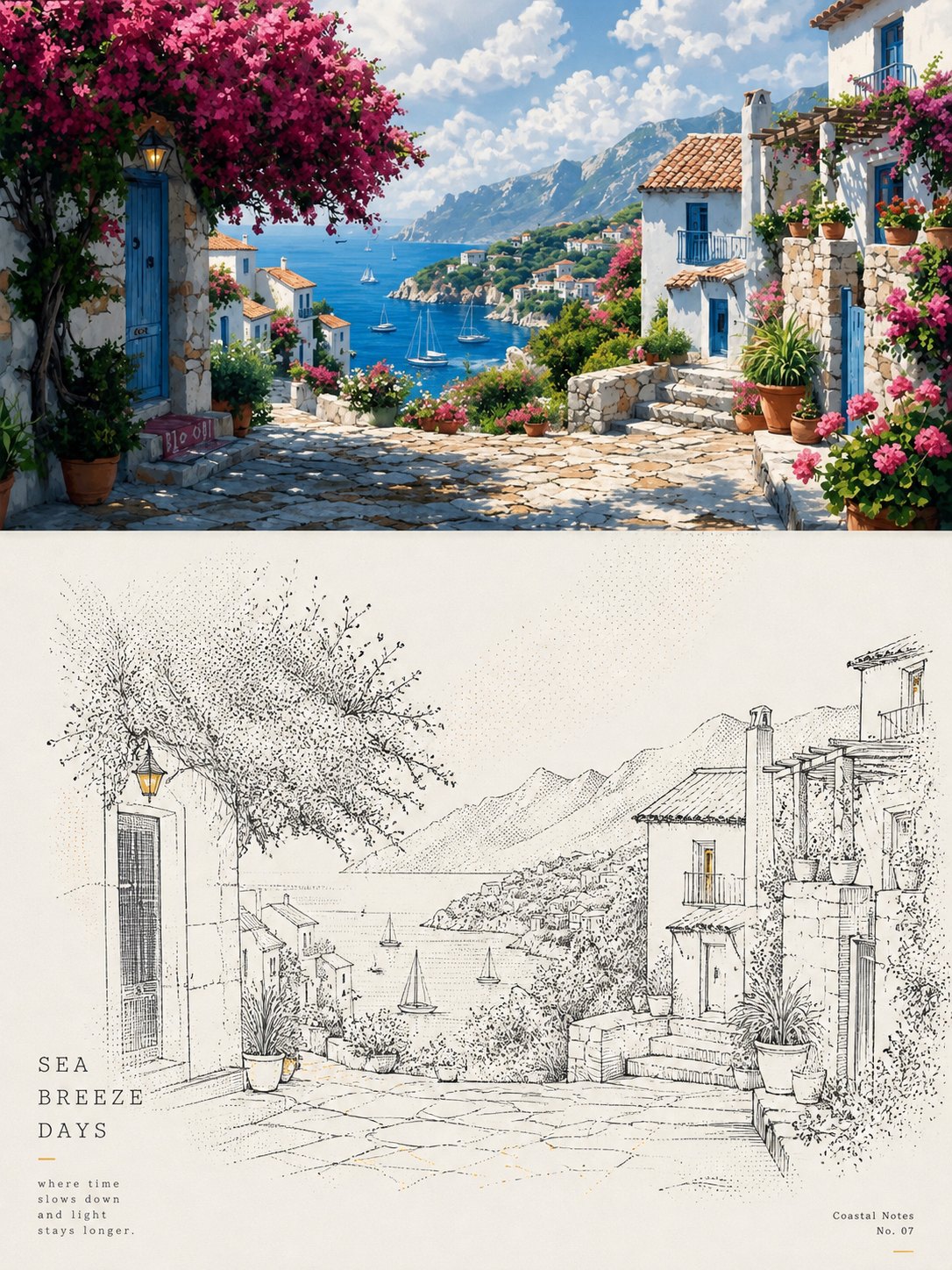
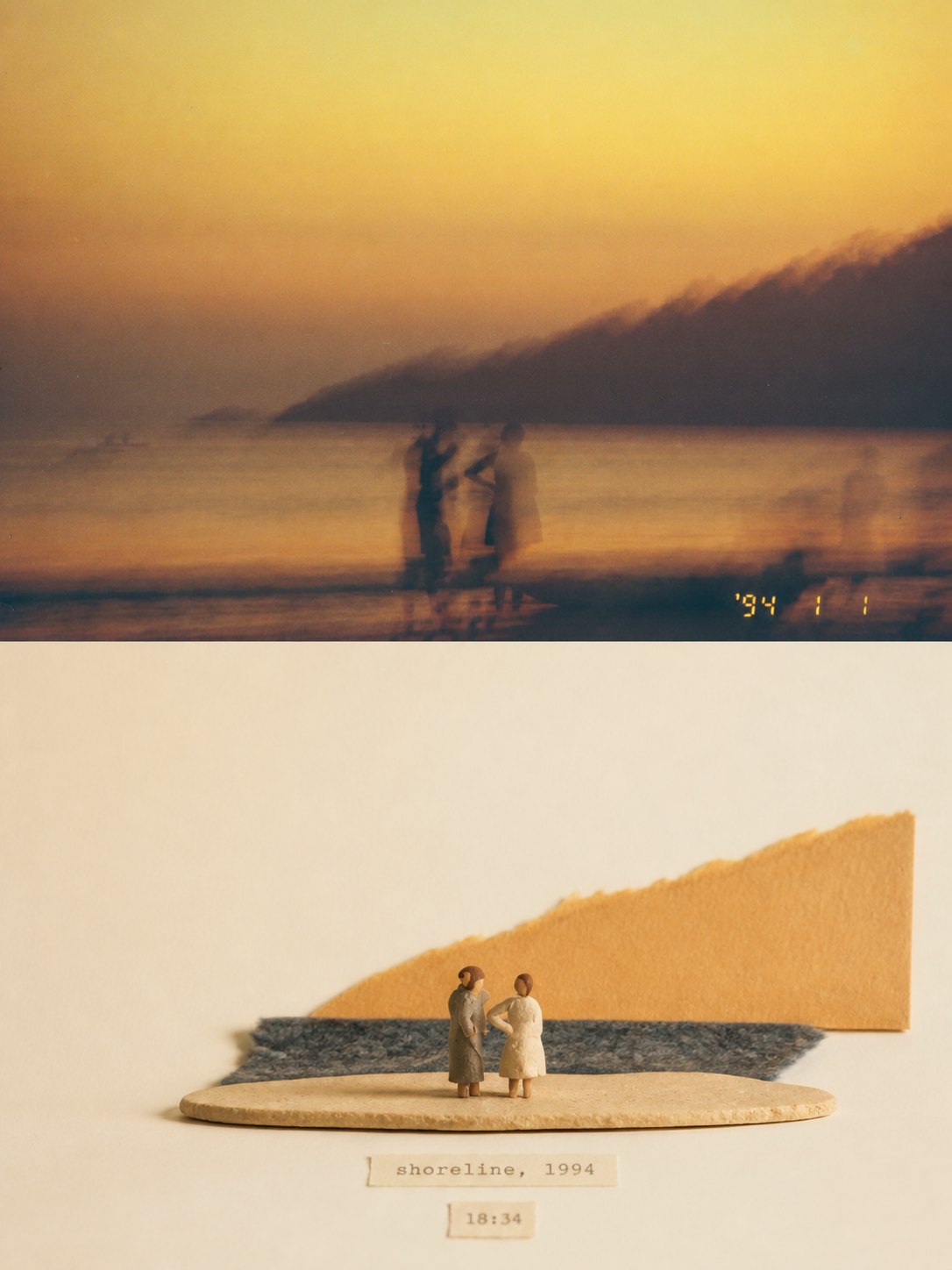
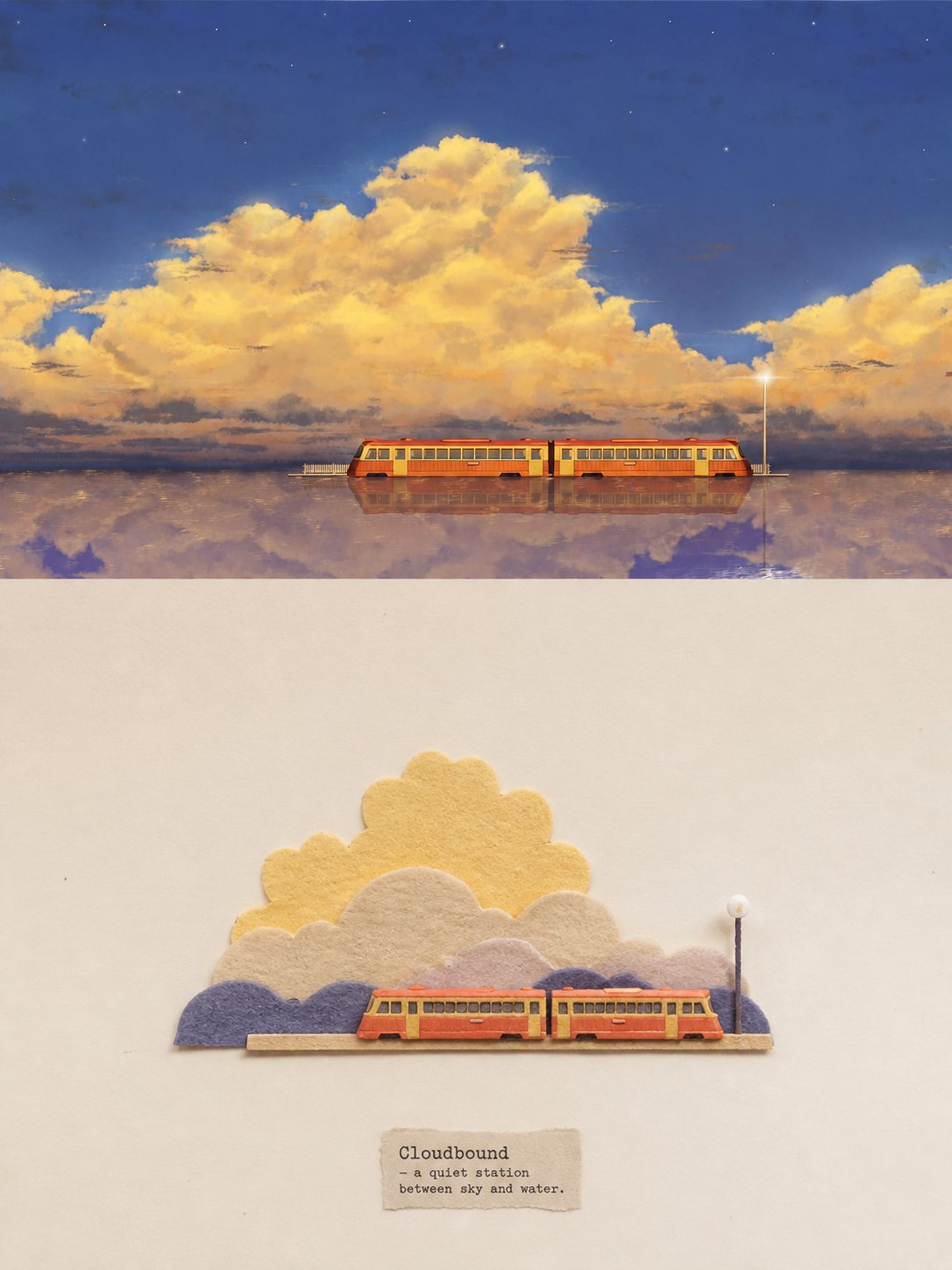
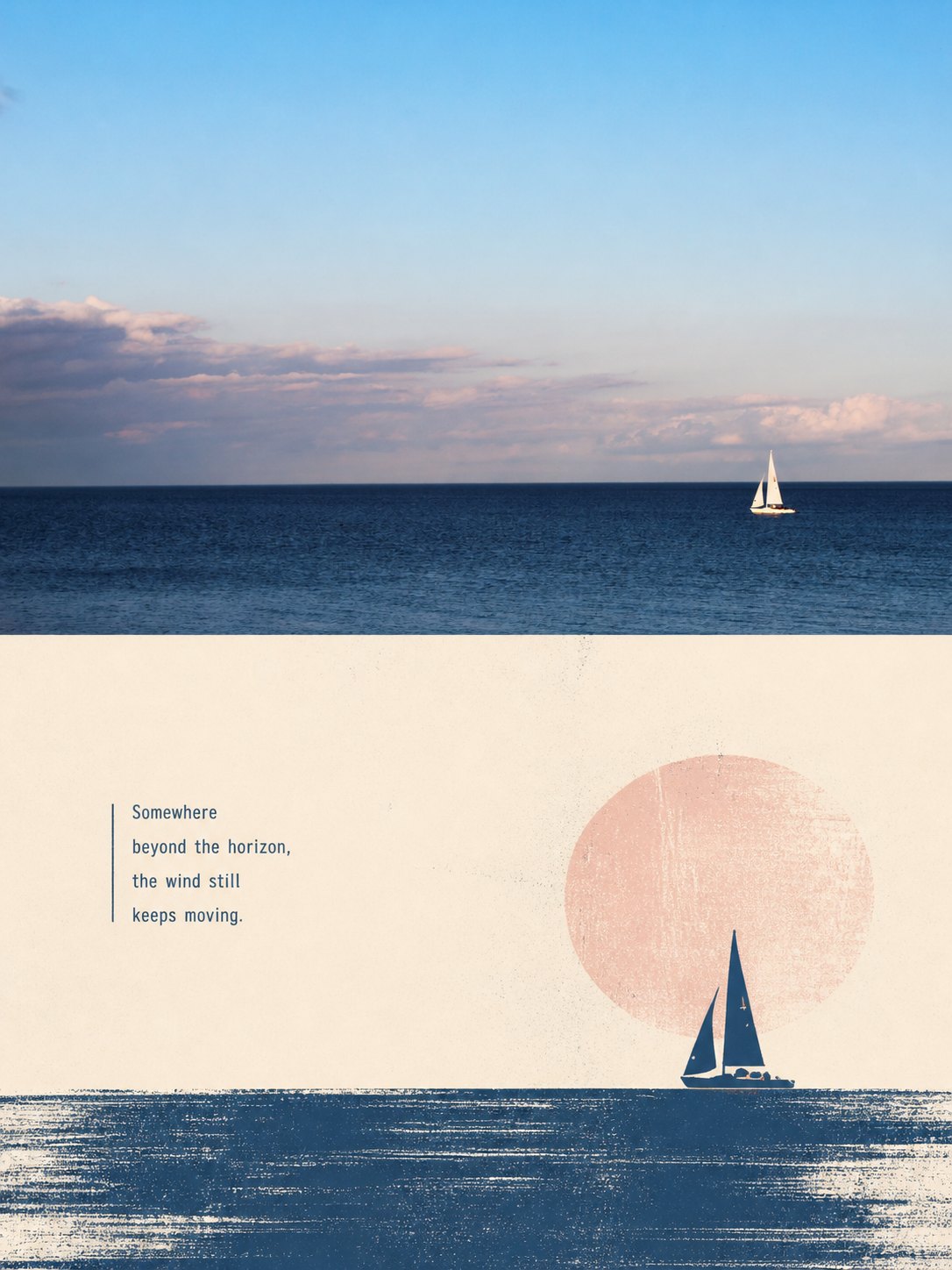
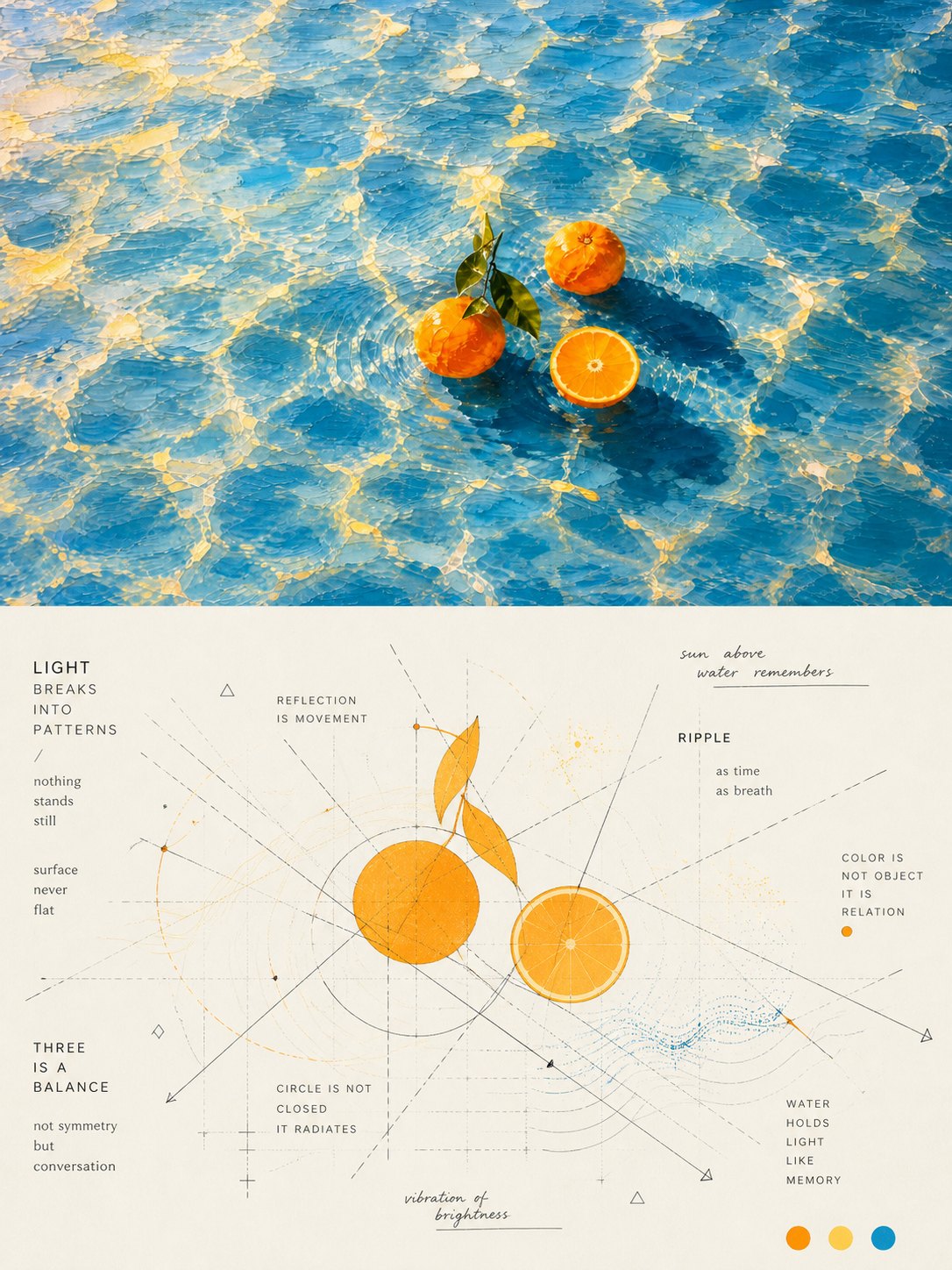
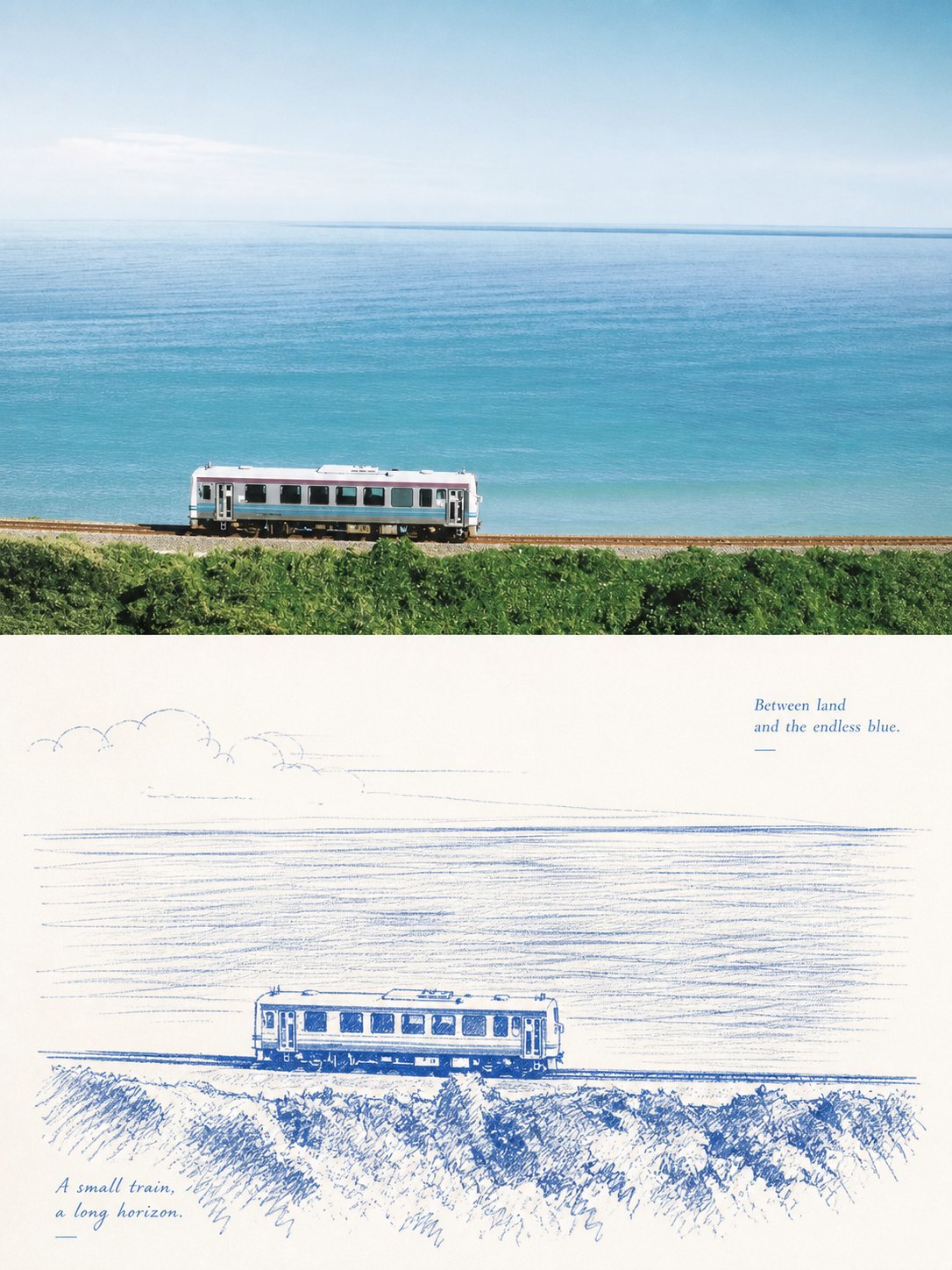
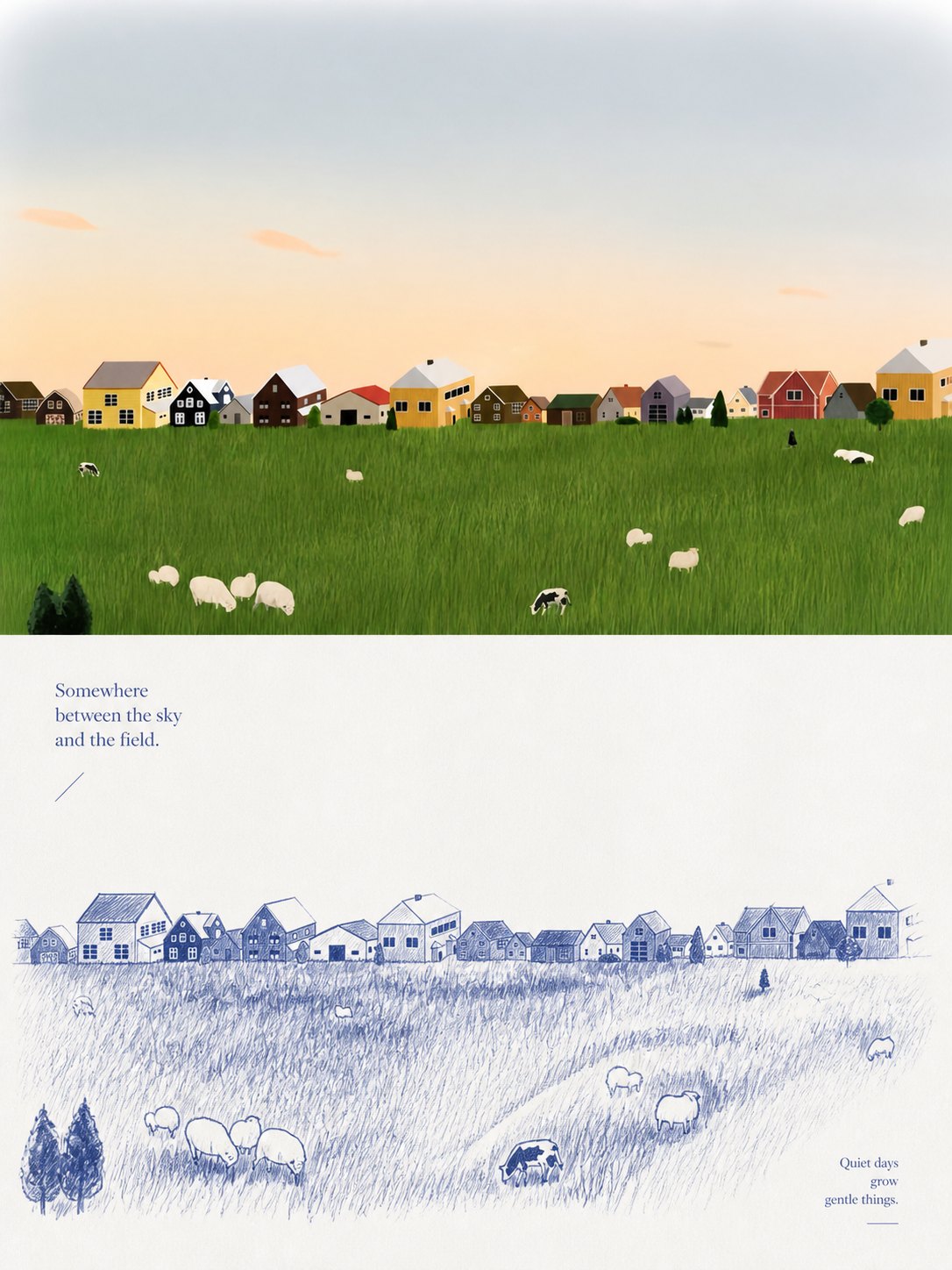
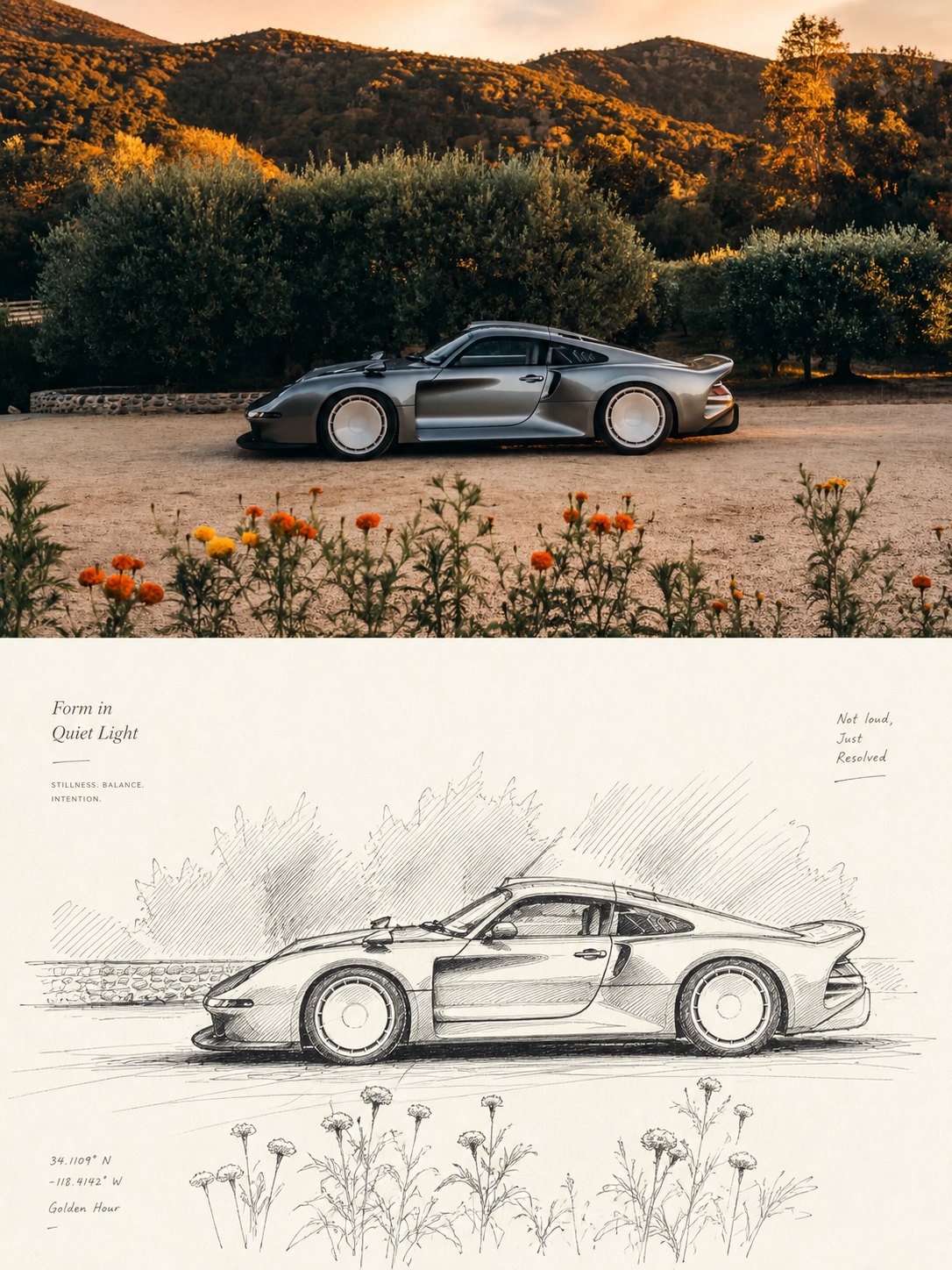
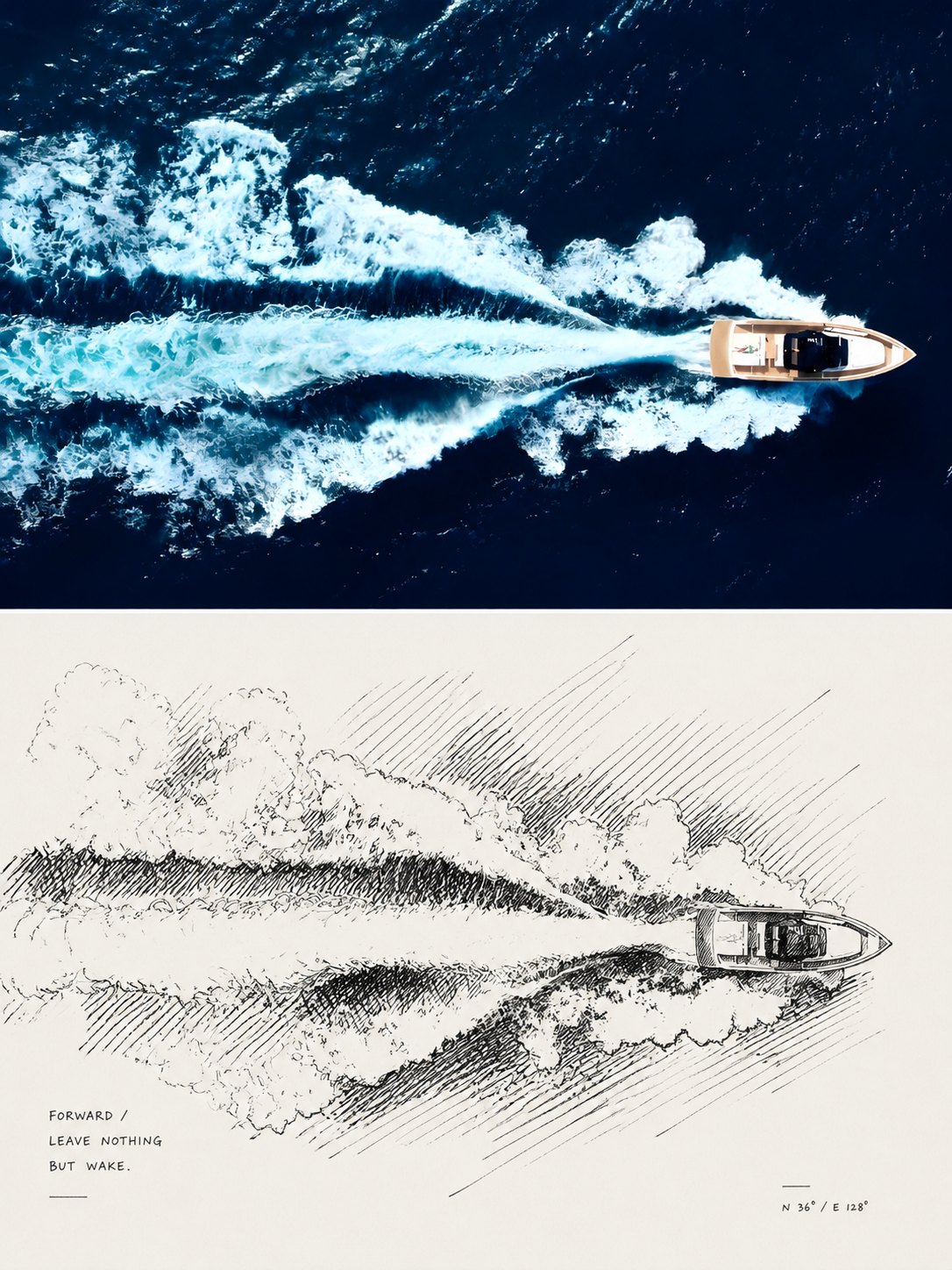
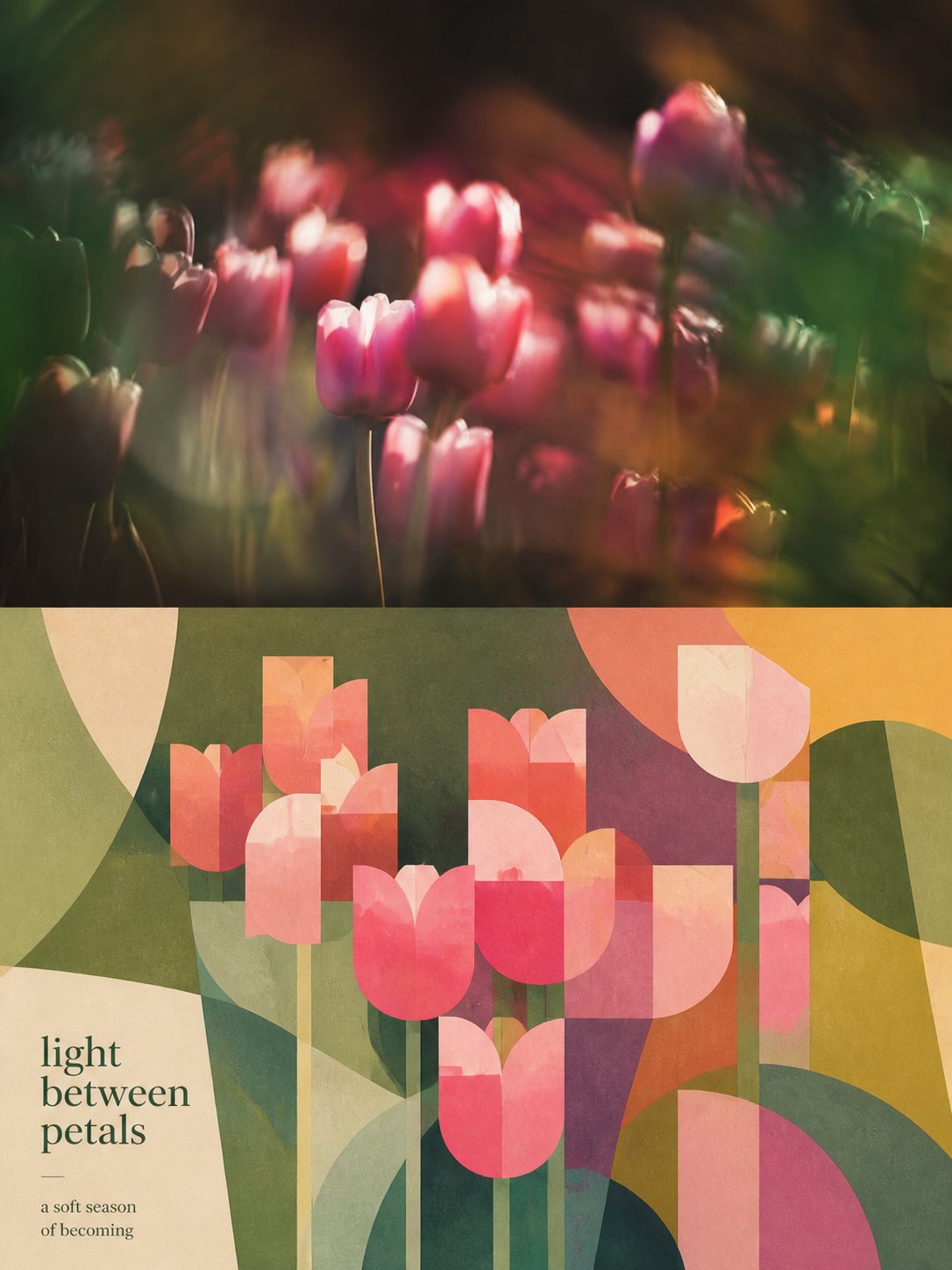
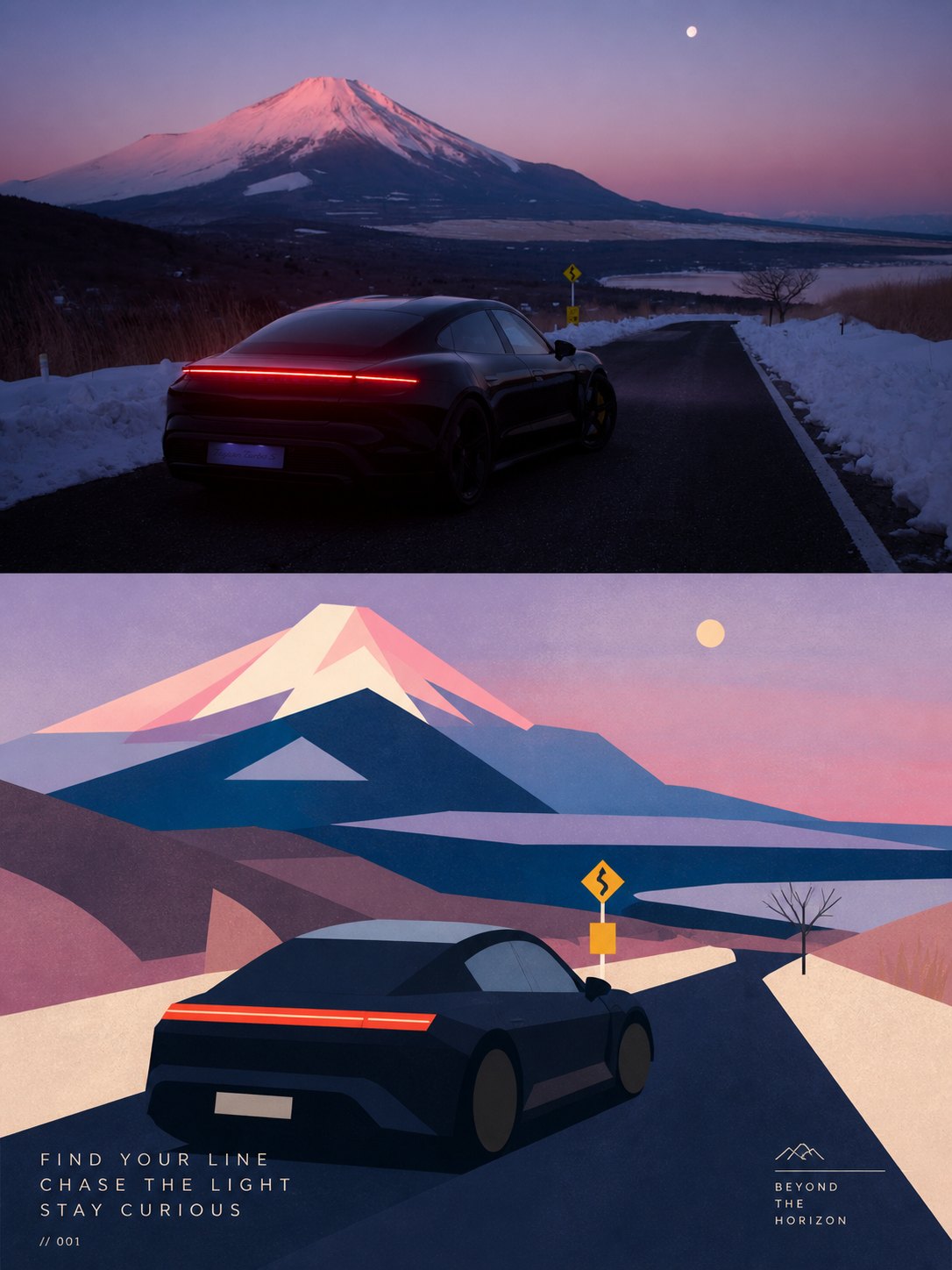
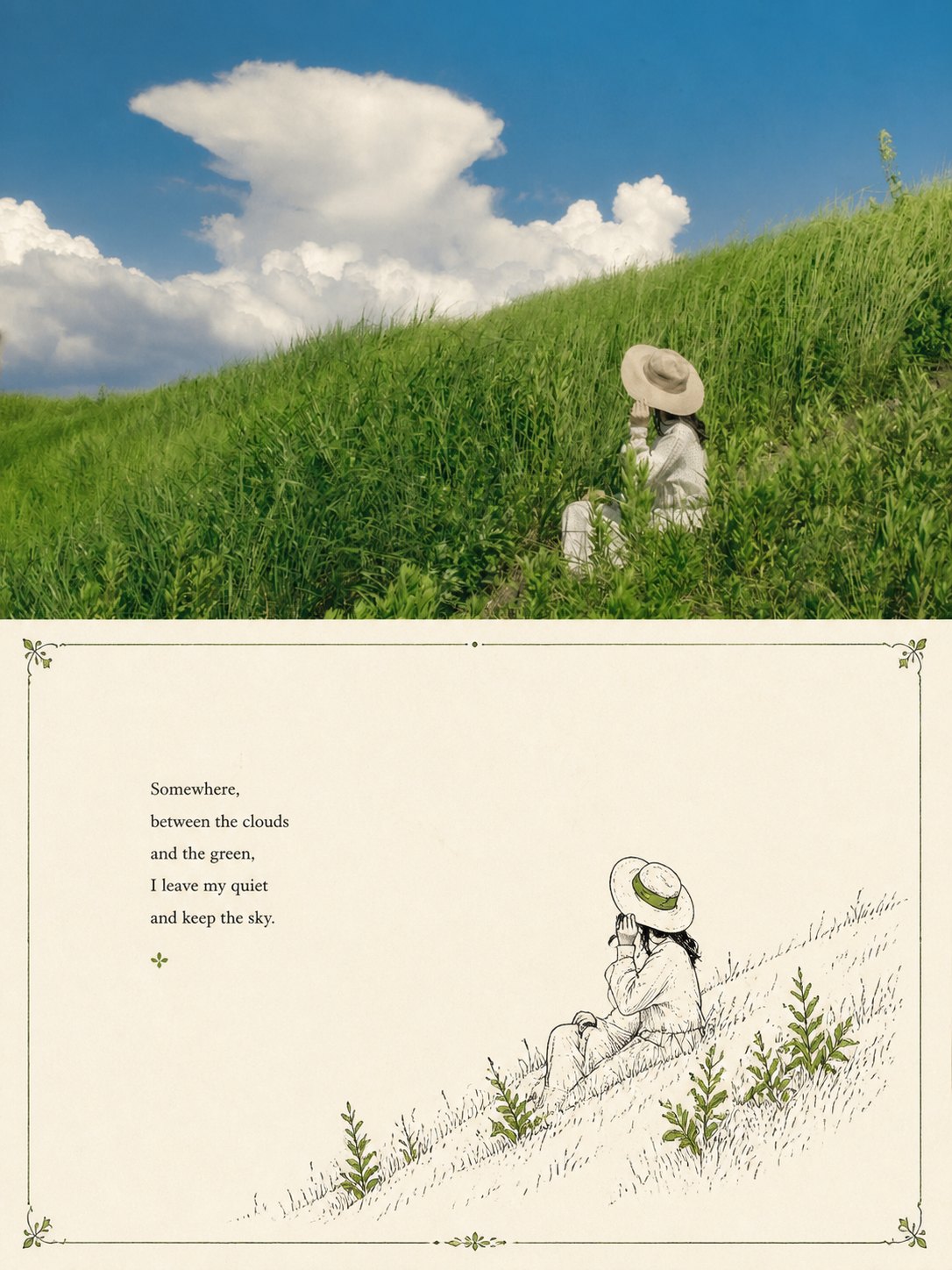
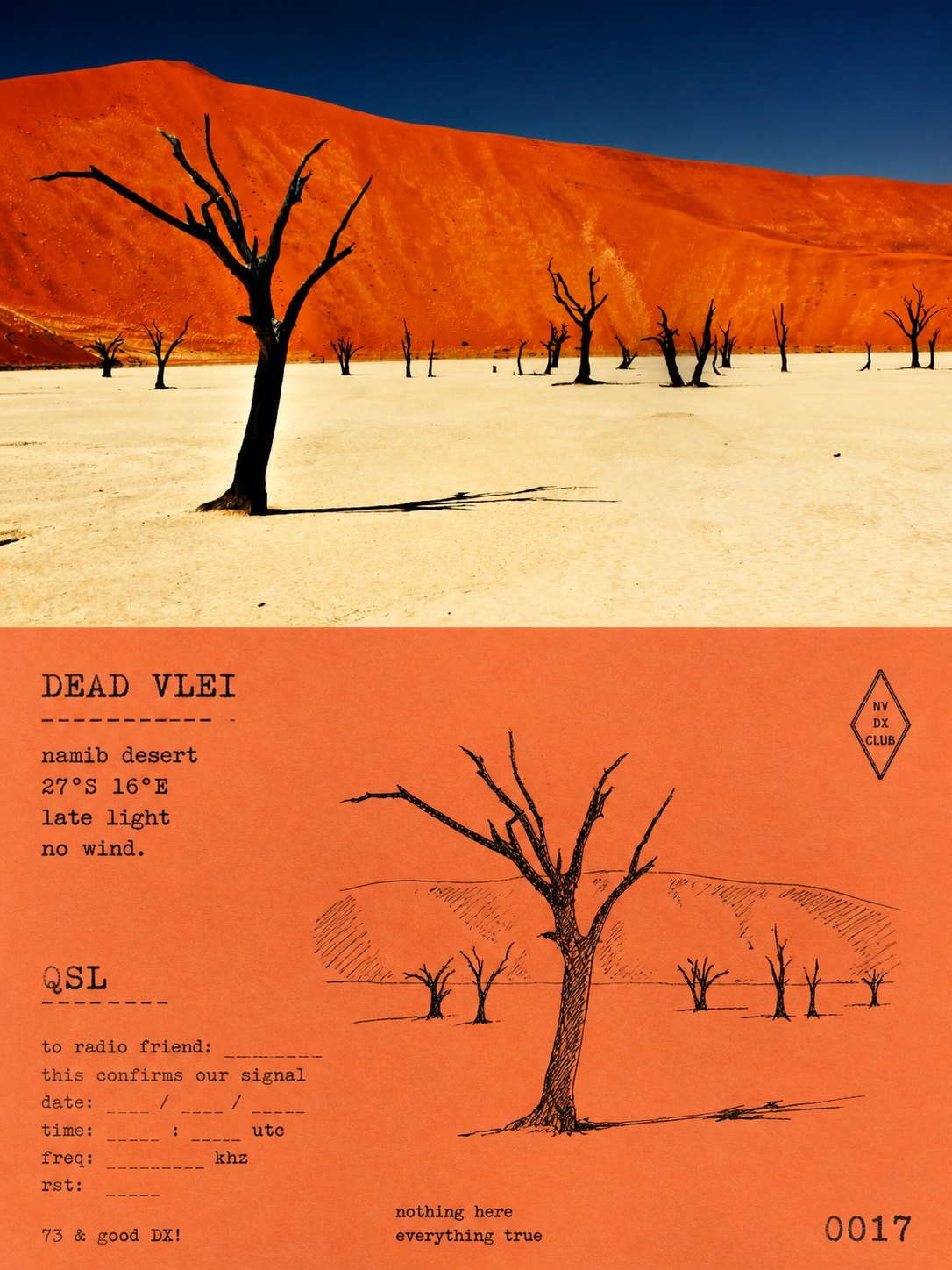
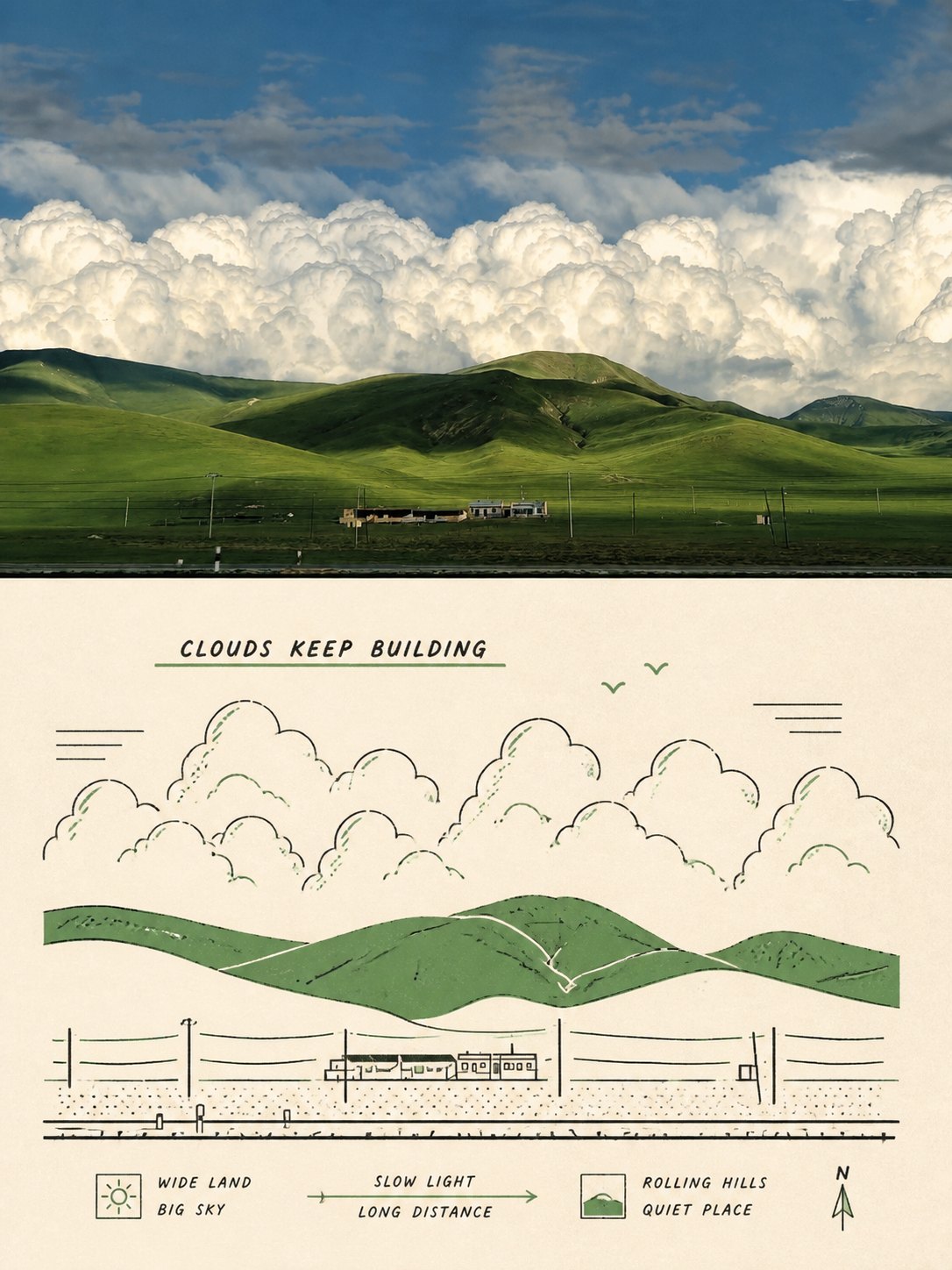
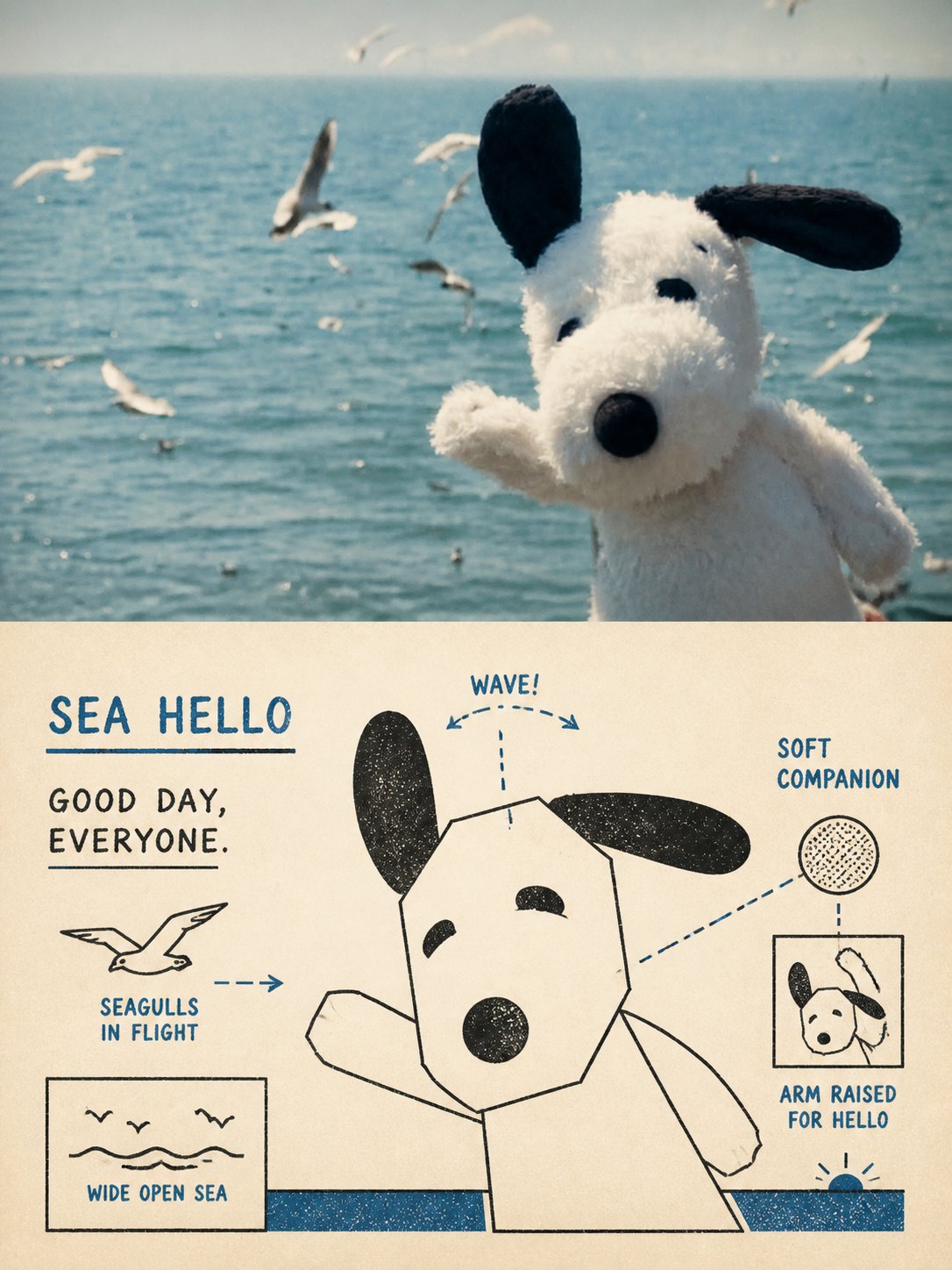
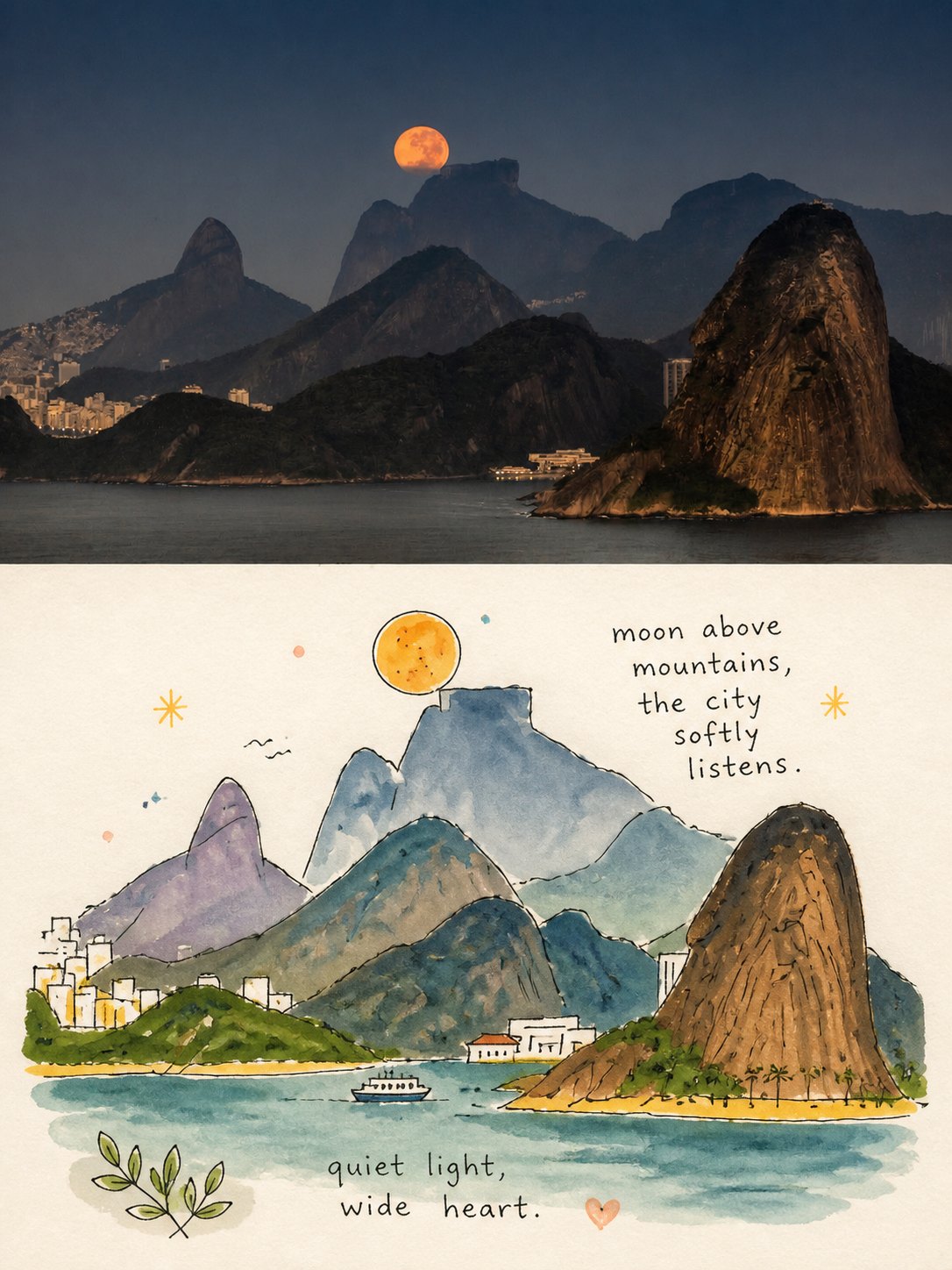
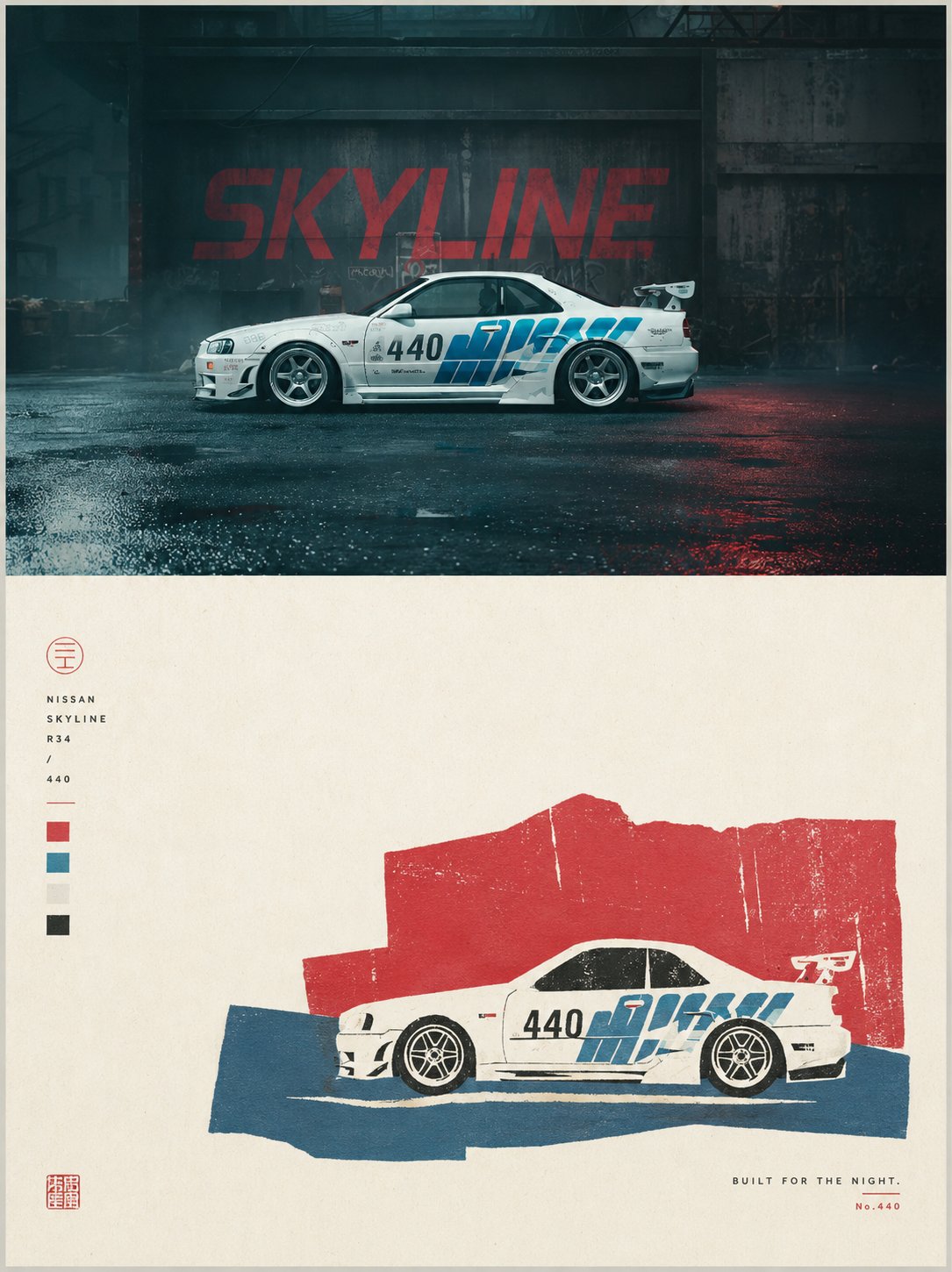
Turn each uploaded photograph into a separate high-end poster; never combine photos. Use a 3:4 portrait canvas split into two equal 50% horizontal regions.
Keep the original photo above, preserving identity, structure, pose, texture, light, colour and atmosphere; only grade it subtly and extend the environment naturally when needed. Never stretch, distort or alter the subject.
Below, distil the most recognisable subject, contour, pose and narrative relationship into a contemporary folk-art paper-cut collage. Do not copy the photograph in full. Reduce it to silhouettes, colour fields, carved lines, positive and negative shapes, and a few layered paper forms so the correspondence remains instantly legible.
Keep the transformed subject small or stamp-like with generous whitespace. Let it sit off-centre, near an edge or partly cropped when that best serves its visual weight, while preserving hierarchy and editorial balance.
Use paper-cut collage and print texture: handmade edges, slight registration drift, ink wear, paper fibres and restrained grain. Prefer warm white or pale paper backgrounds; avoid smooth vectors, 3D rendering, photo filters and over-polishing.
Extract 2–4 recognisable colours from the photograph and retune them into a vivid but controlled flat-colour system. Keep a clear hierarchy and avoid dirty grey, gloom, fluorescent colour, candy tones and visual clutter.
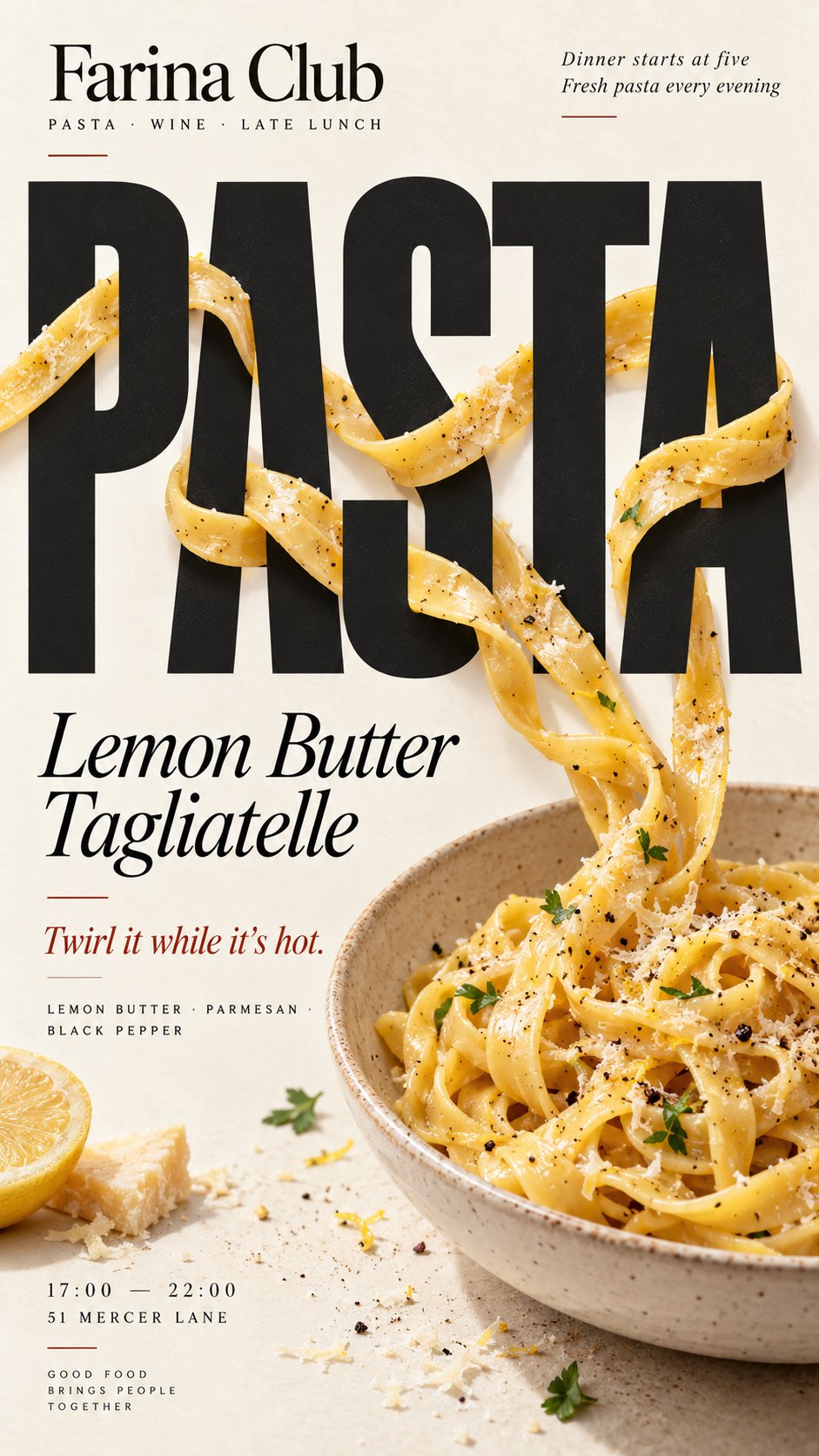
Use only a small amount of optional text in any language: a concise title, note, number, colour value or fragment placed lightly in the whitespace. Avoid stacked commercial headlines.
Overall: contemporary folk art, paper-cut collage, symbolic geometry, print grain, generous whitespace and editorial layout. Avoid realistic illustration, complex perspective, dense detail, childish cartoon effects, 3D effects, template posters and cheap craft styling.
2026-09-03via @xiaoxiaodong01