Visuele inspiratie
Promptbibliotheek
Sterke AI-resultaten uit het wild, mét de prompt erbij. Klik op een beeld, kopieer de prompt en maak er iets eigens van.
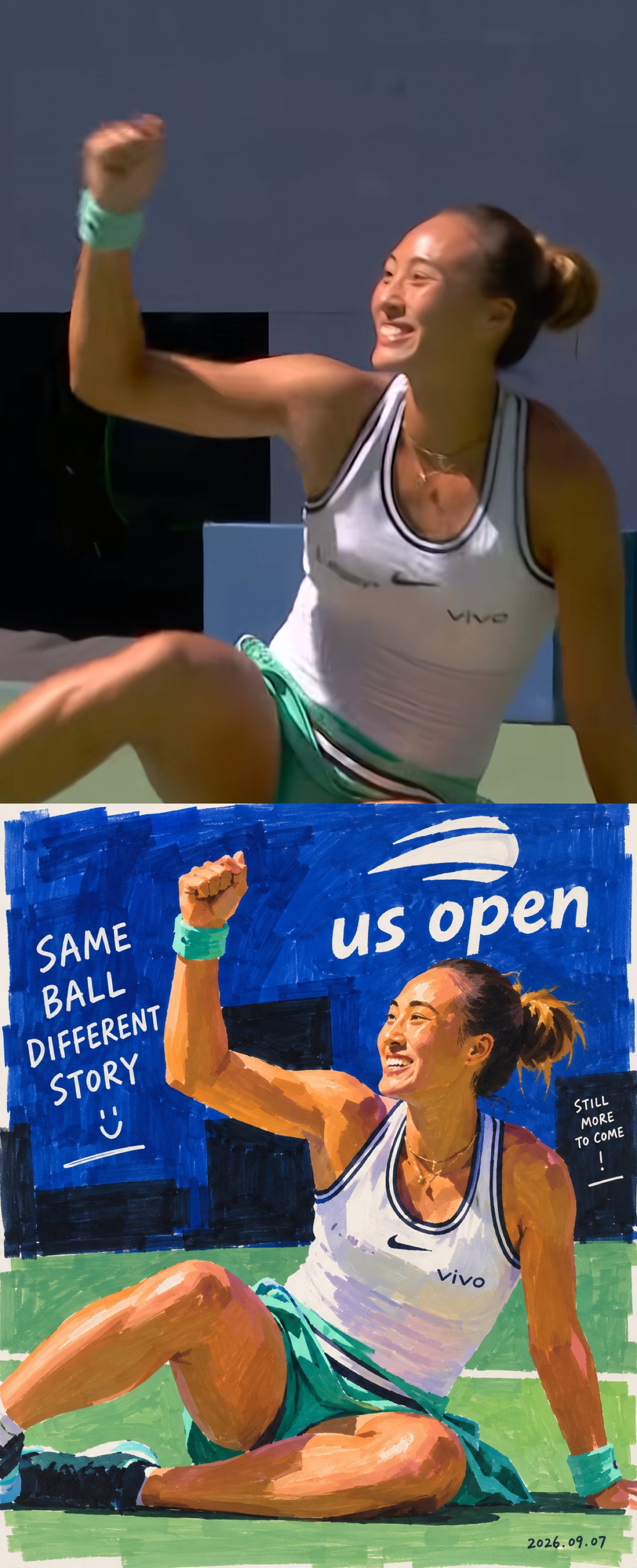
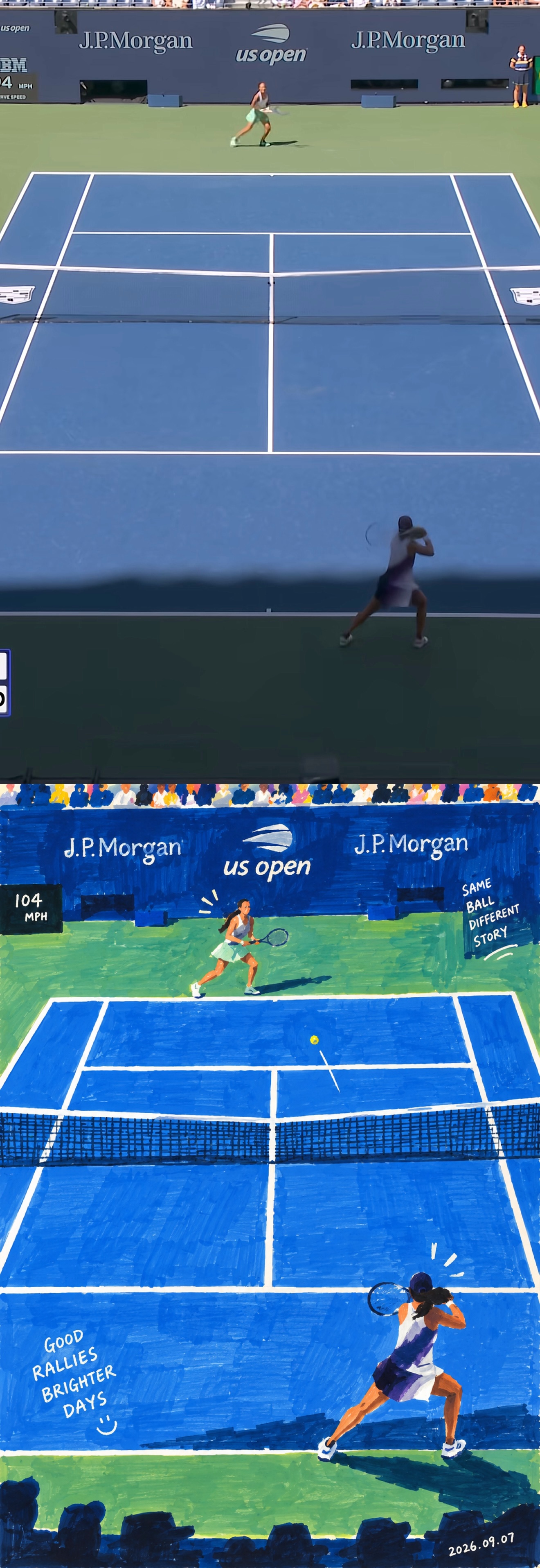
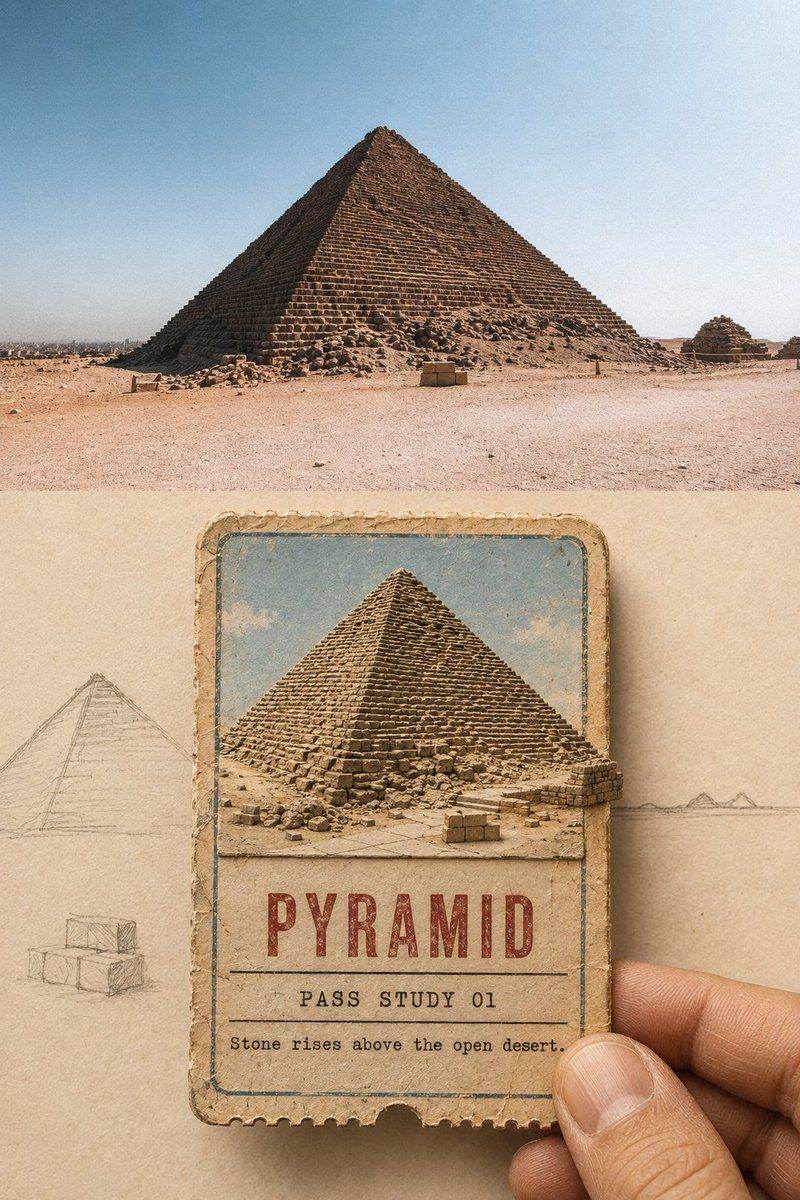
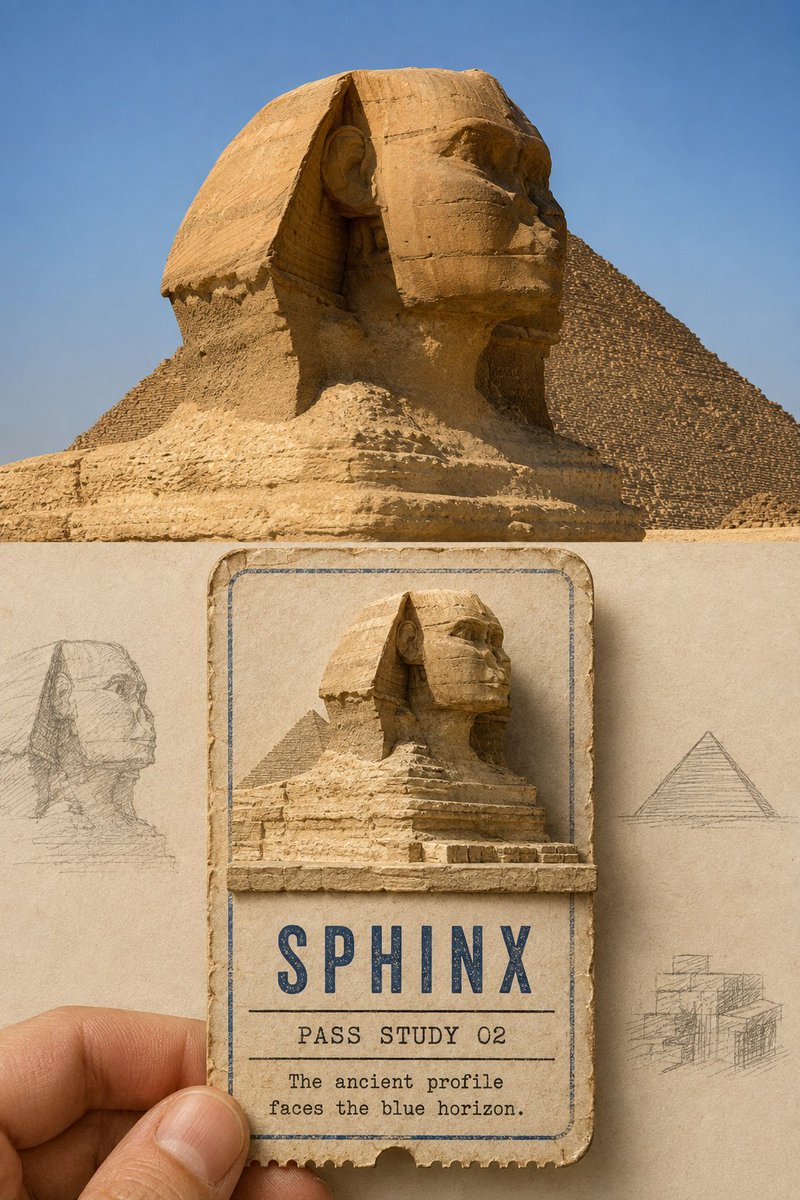
Krijg de prompts die indruk maken
Krijg de prompts die indruk maken
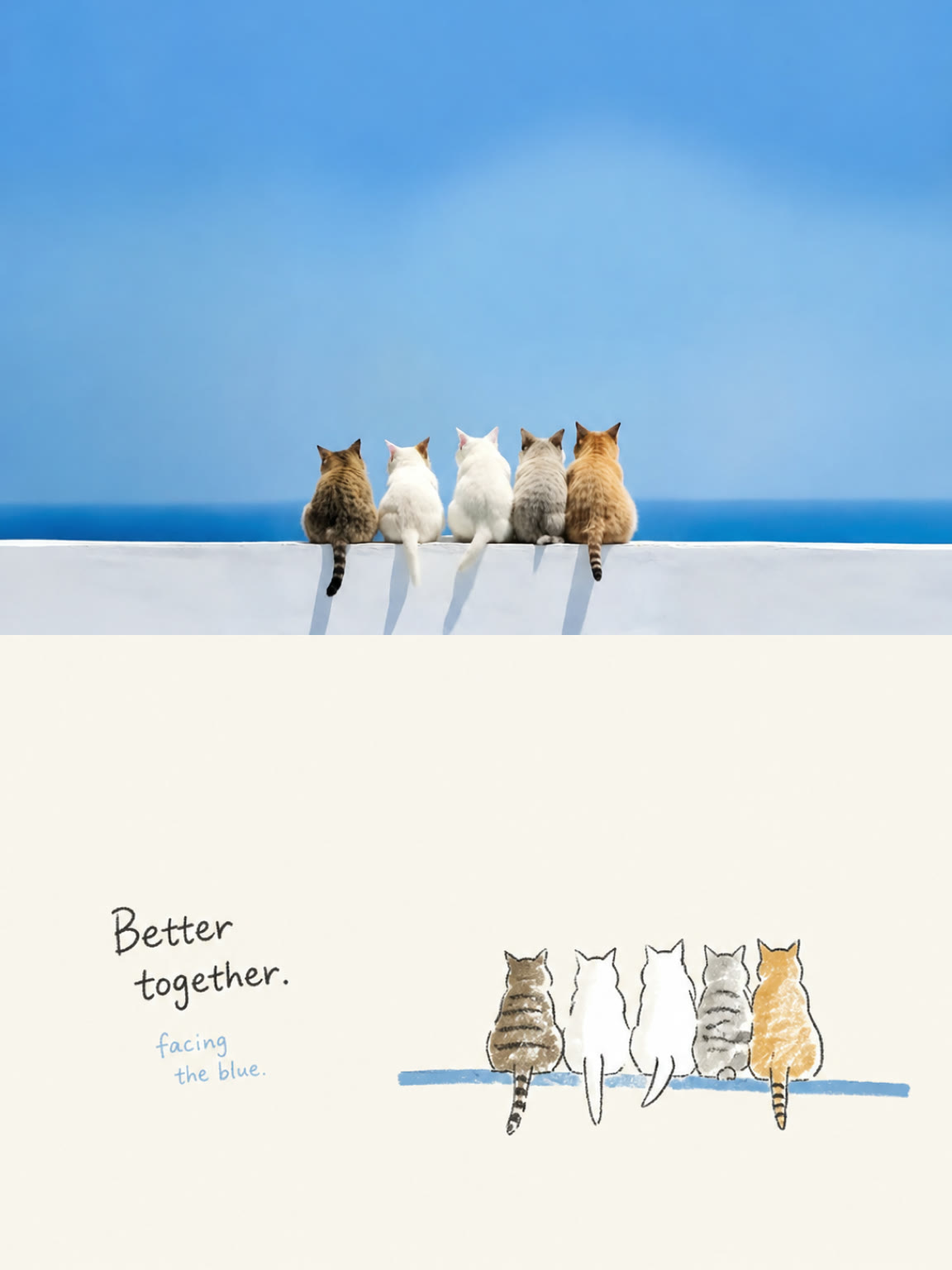
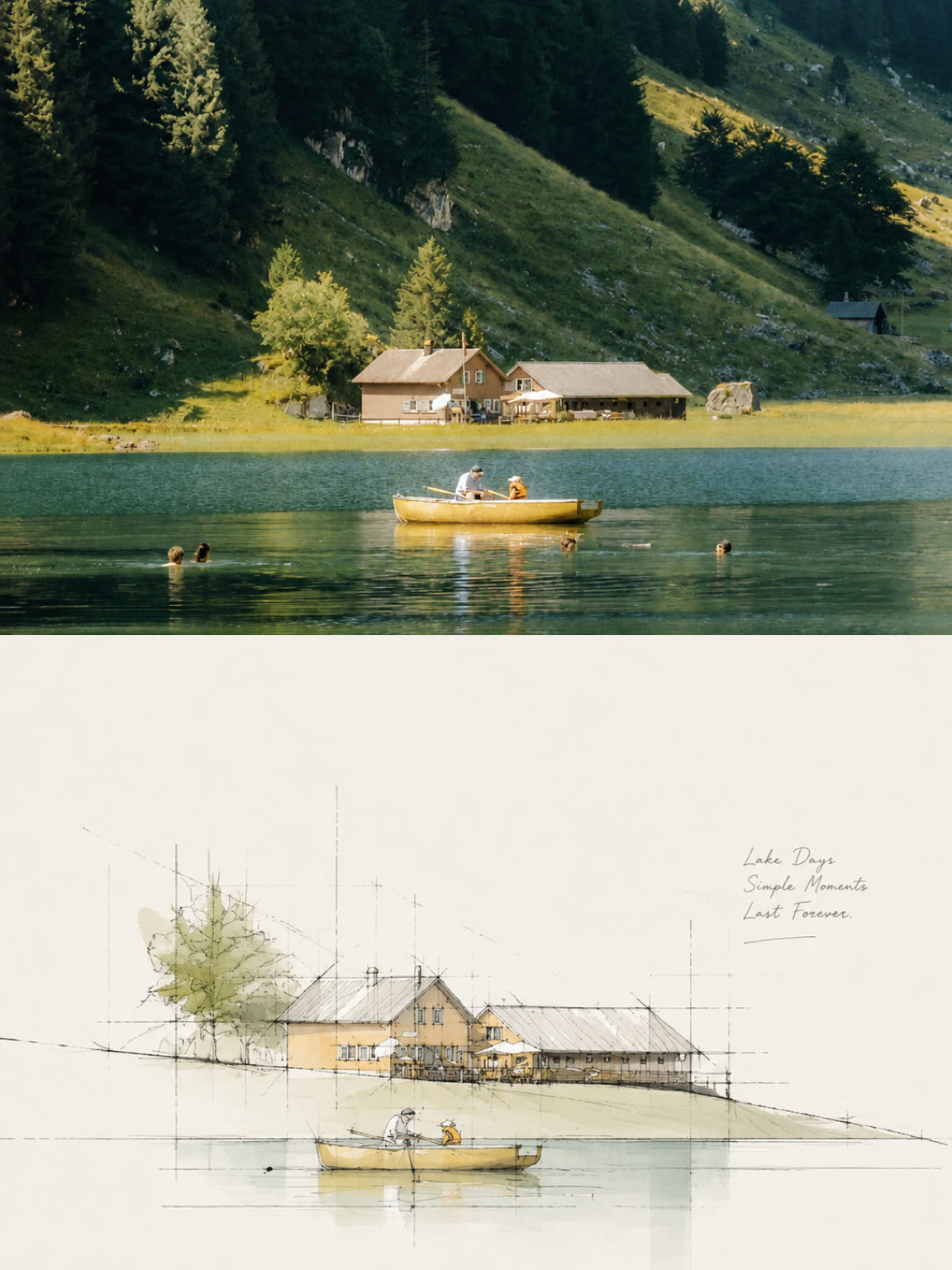
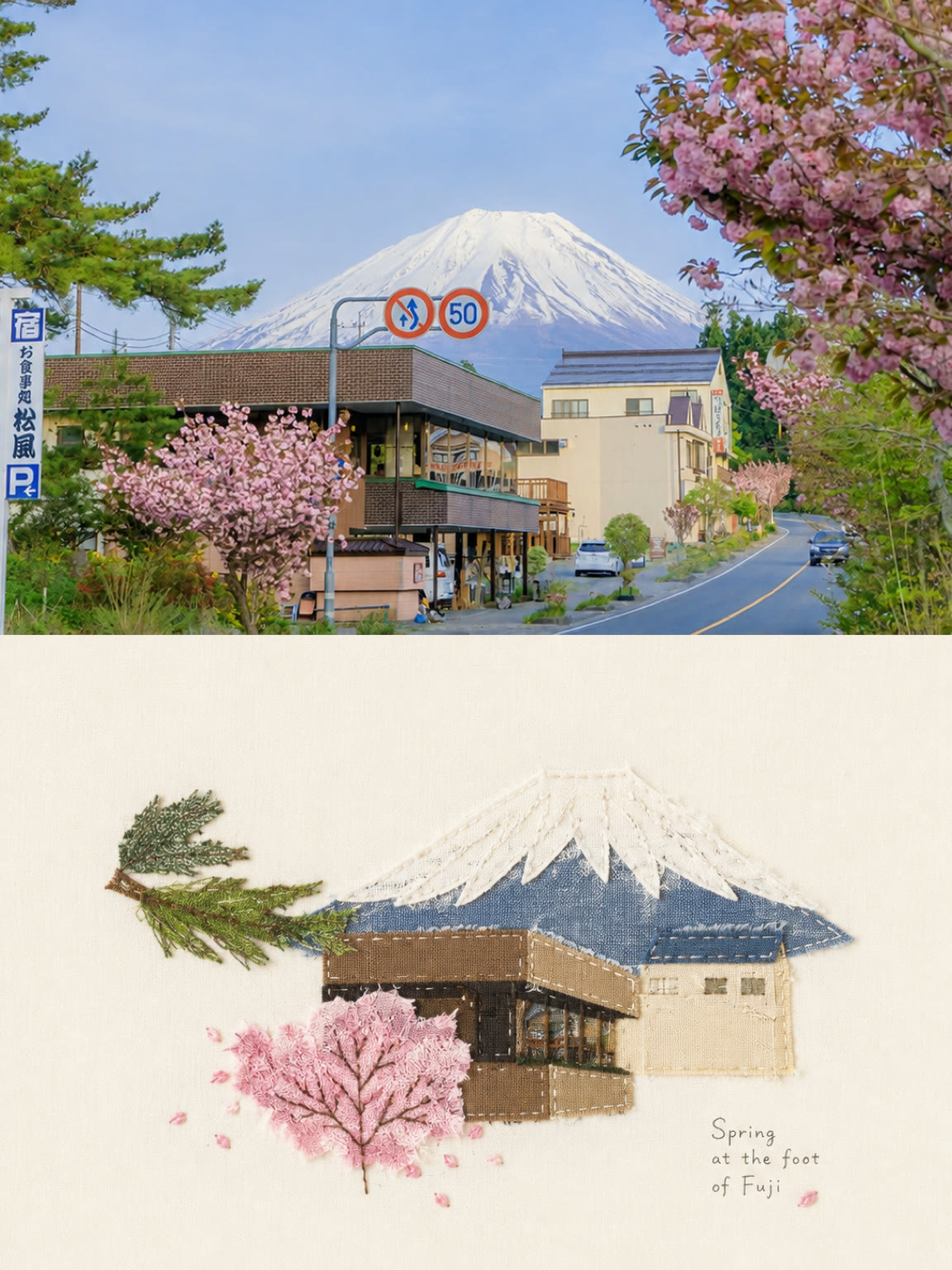
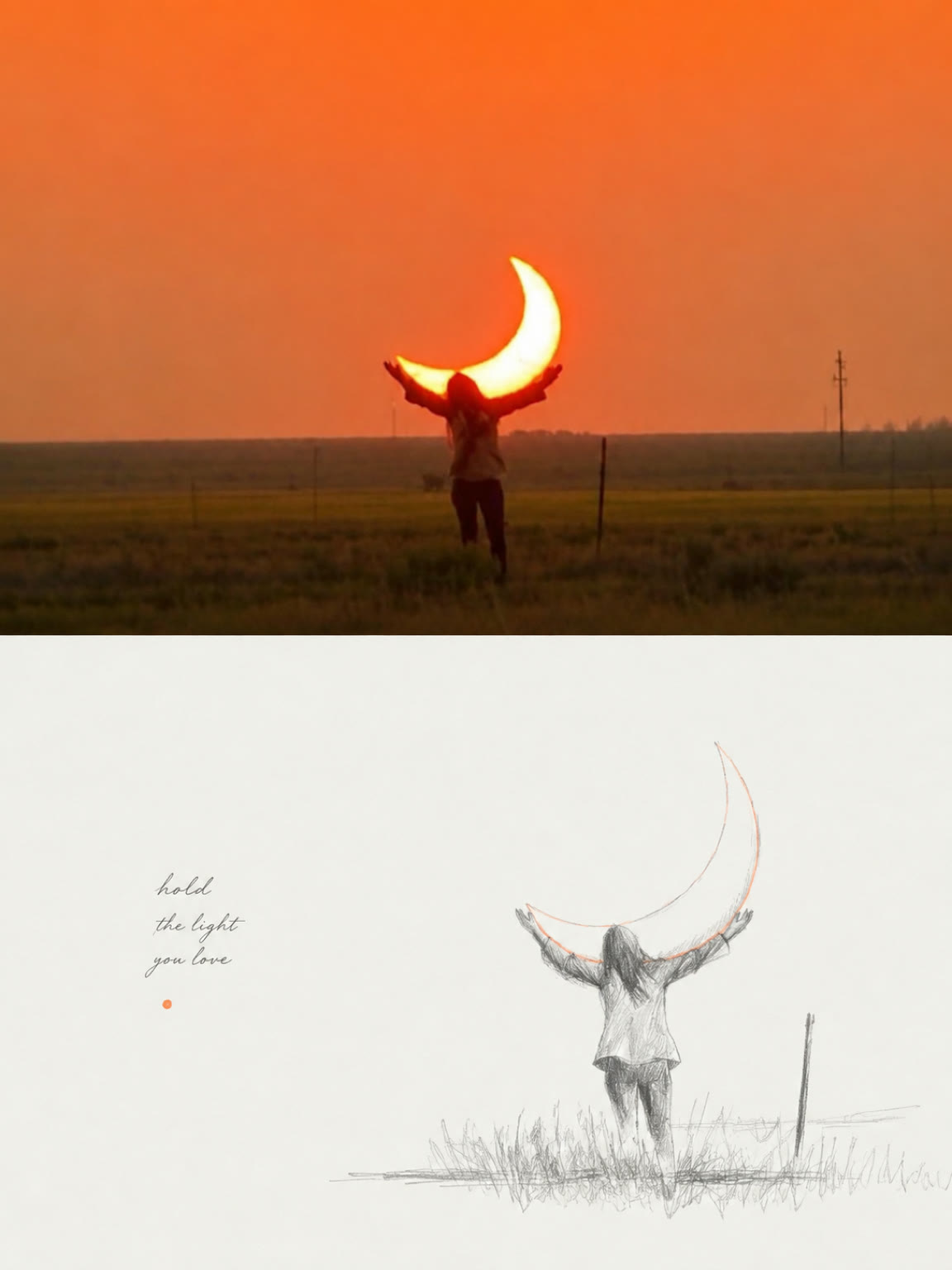
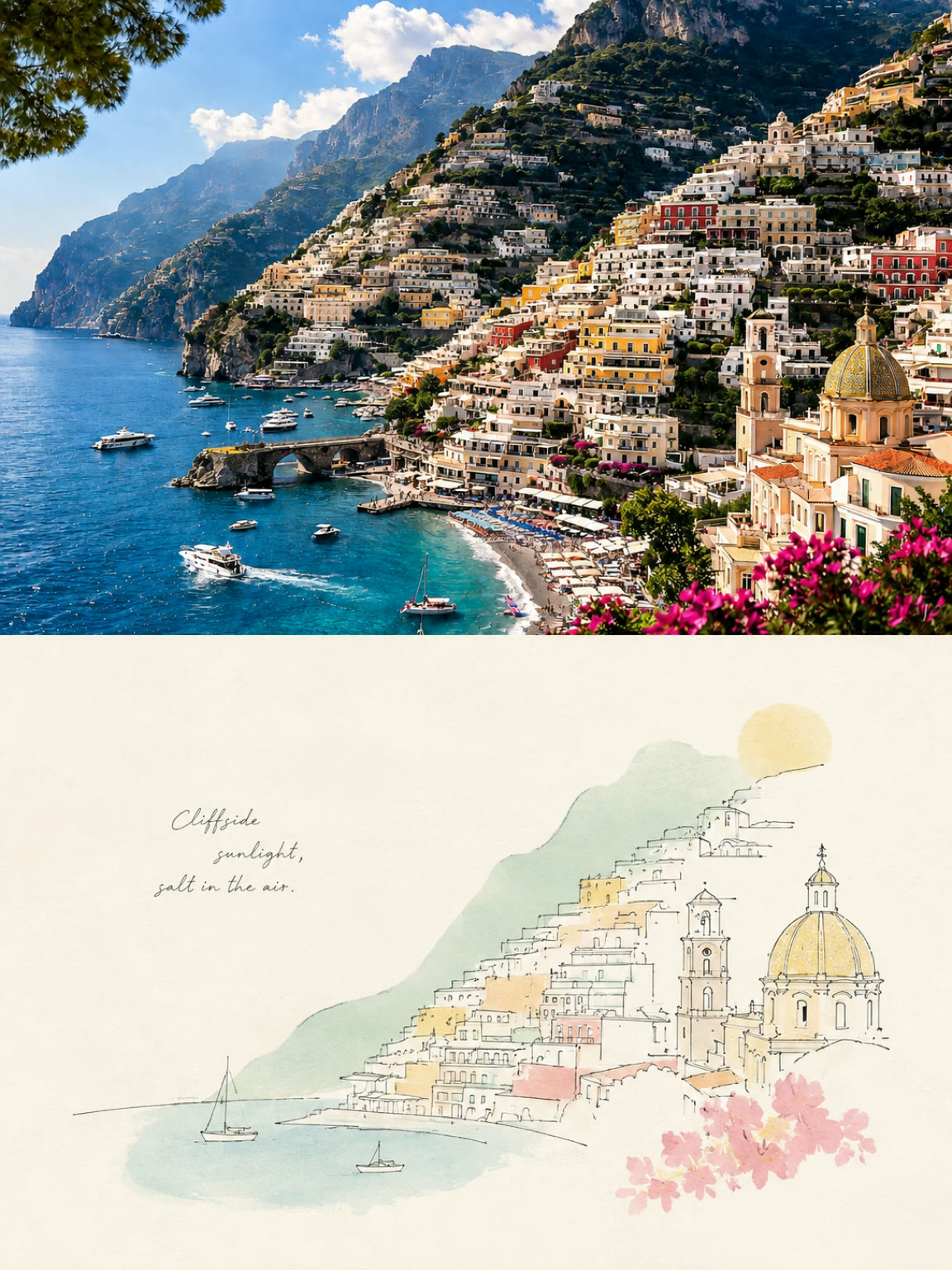
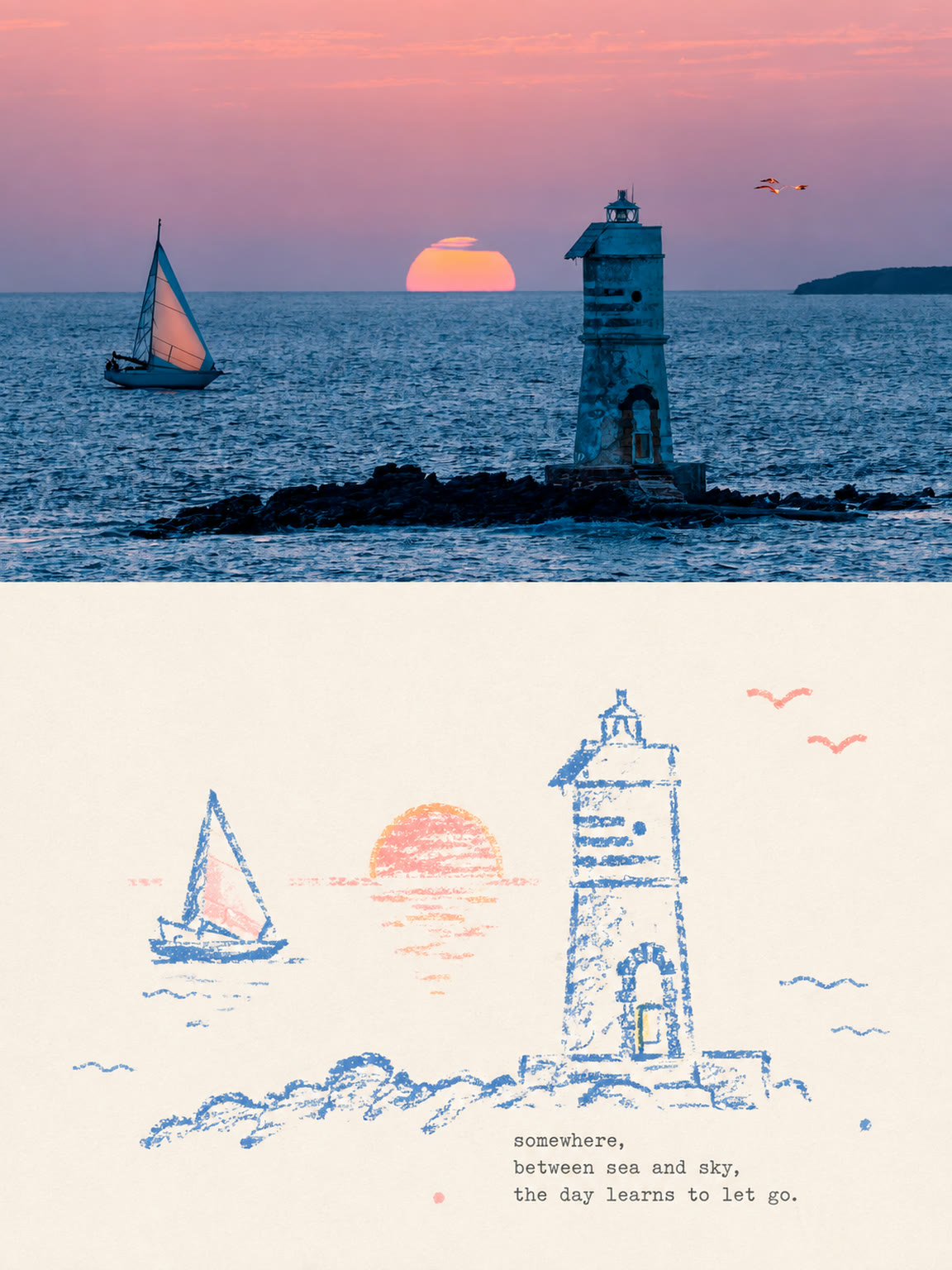
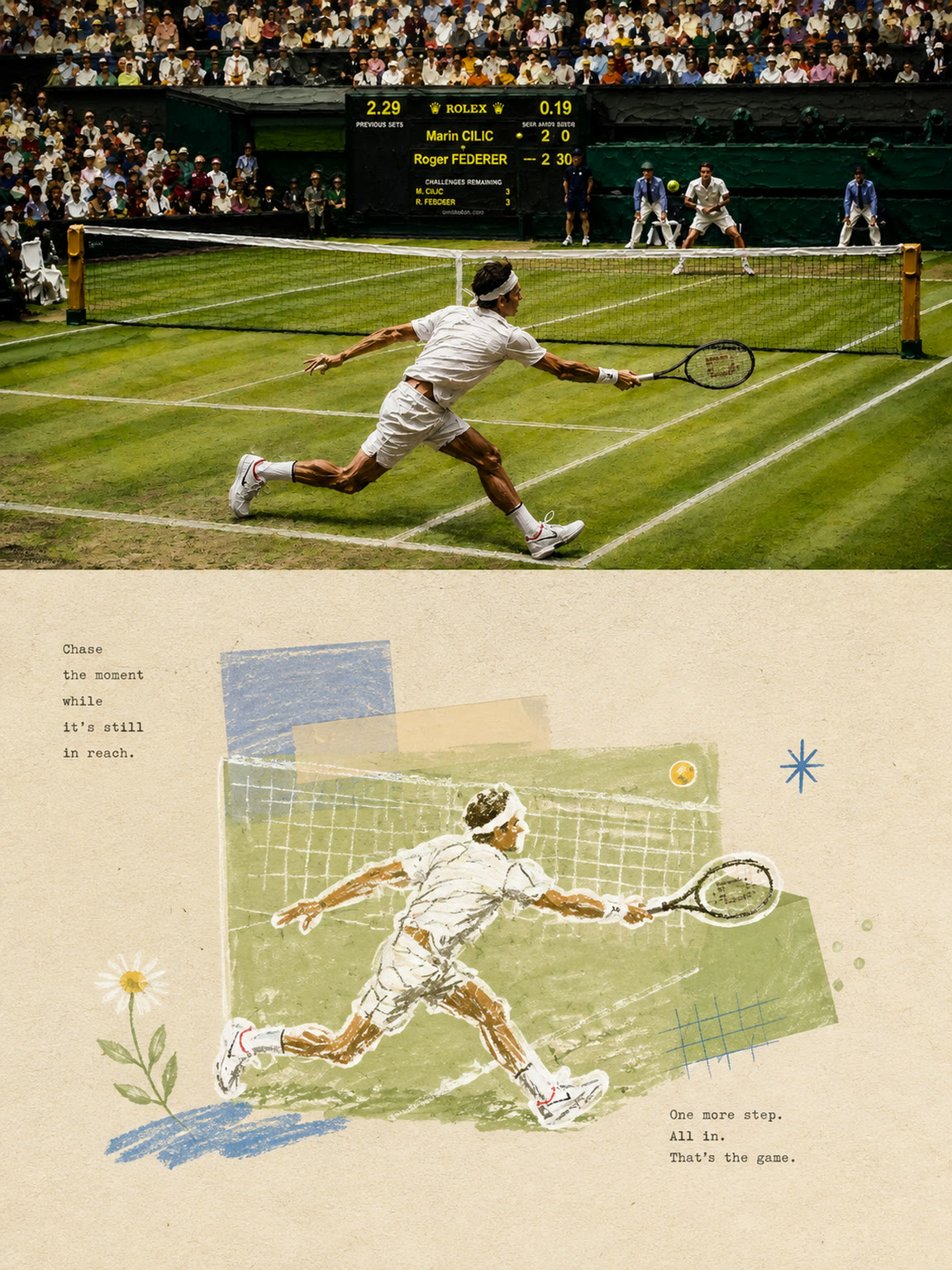
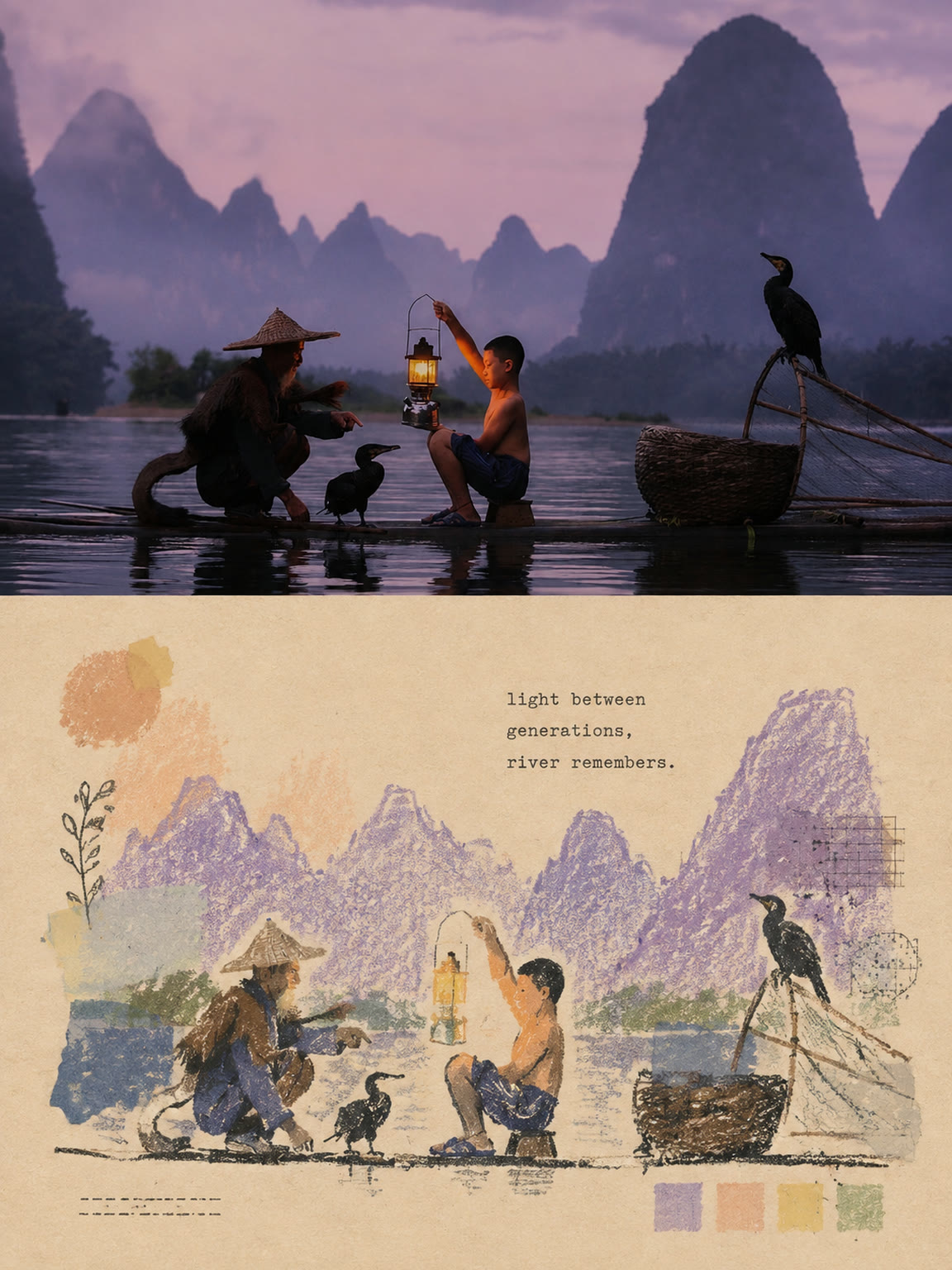
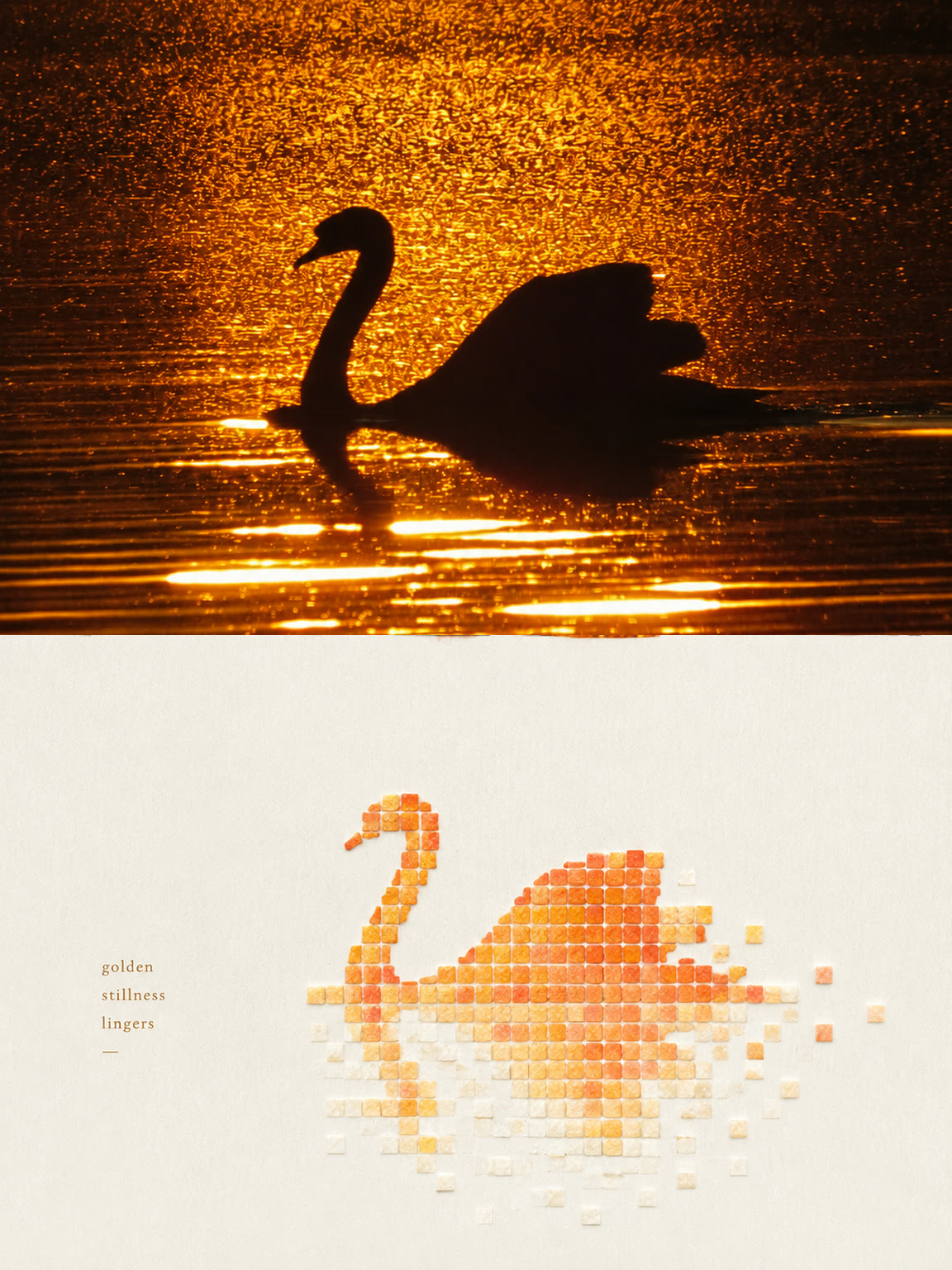
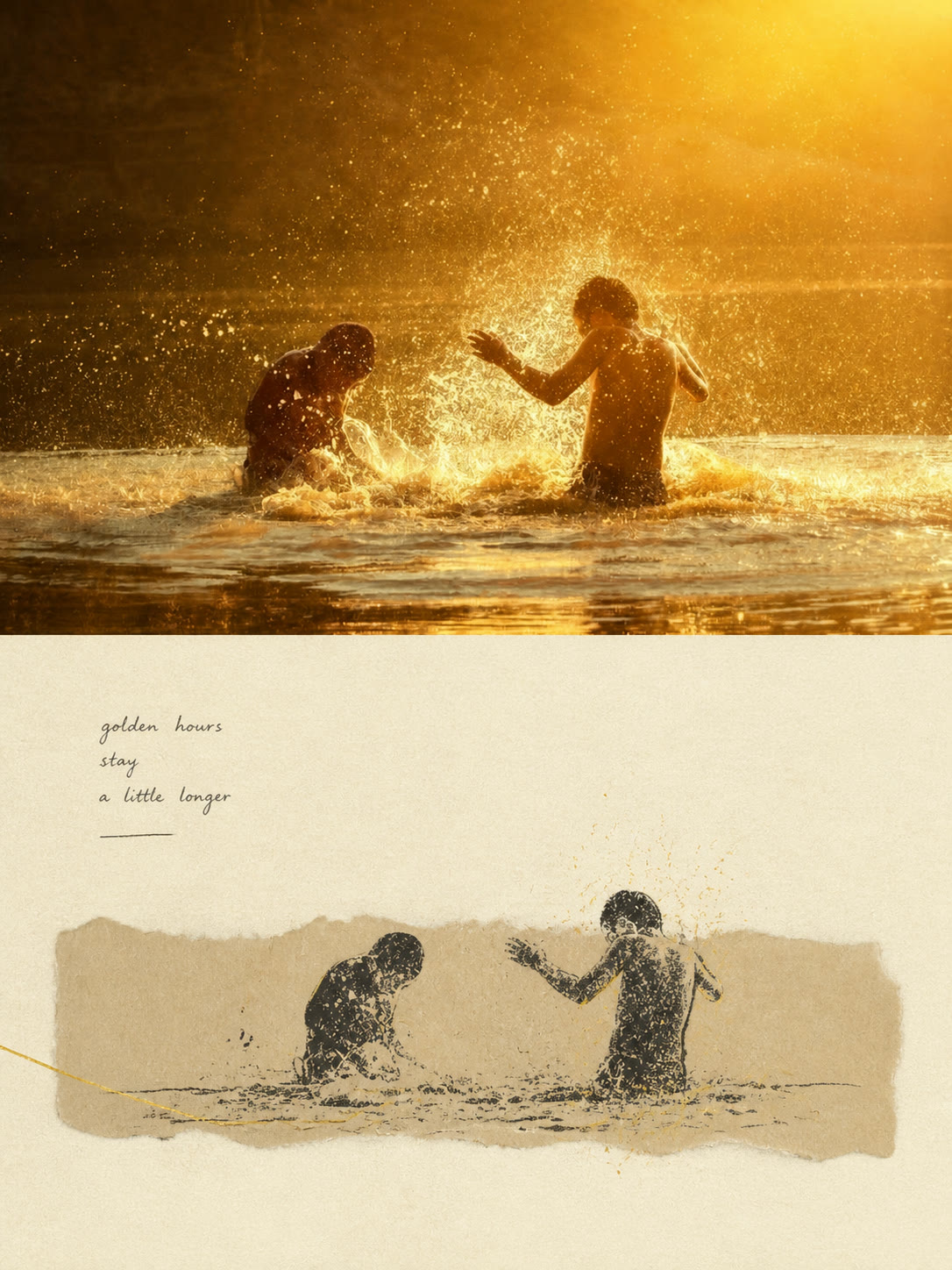
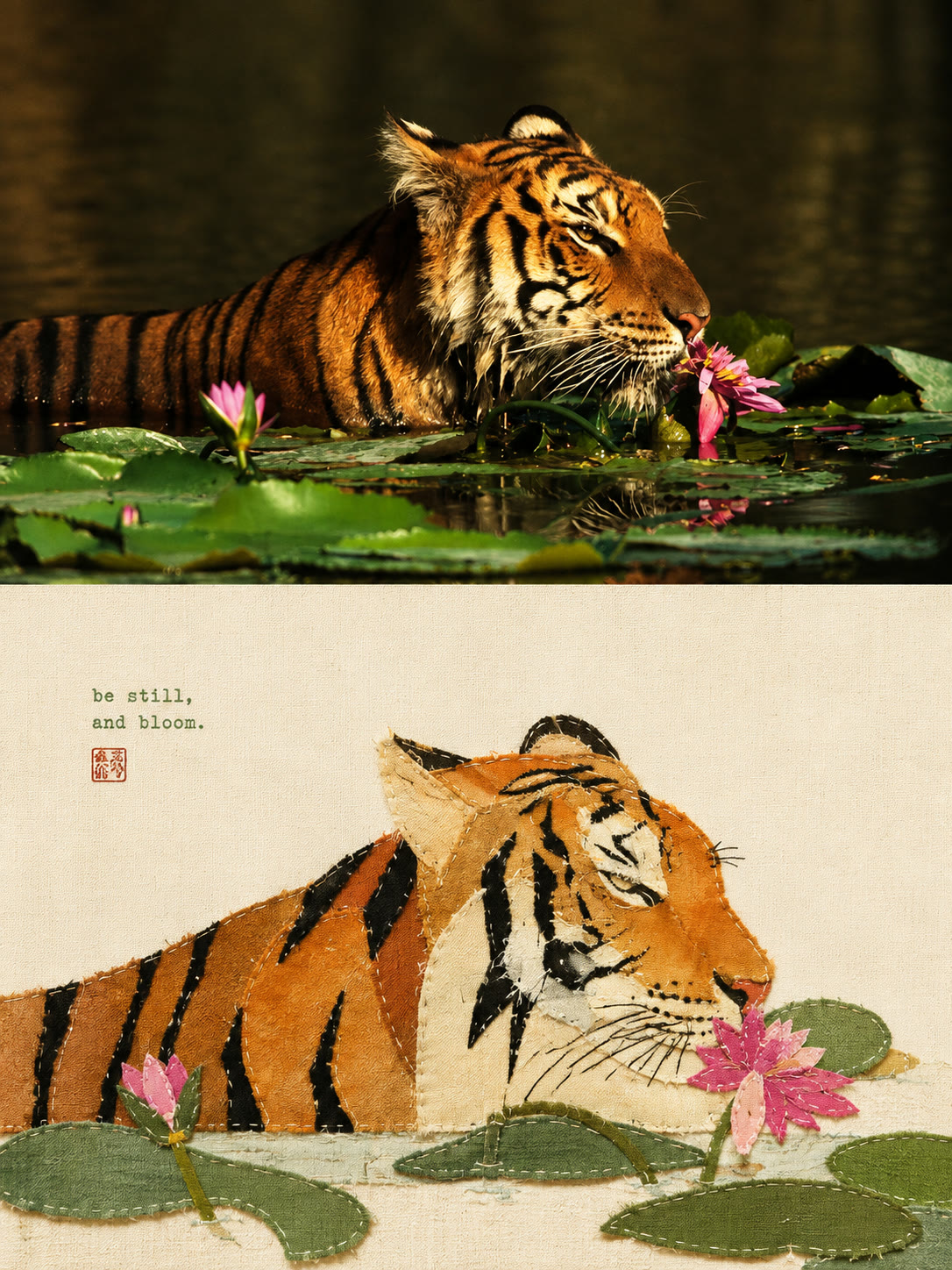
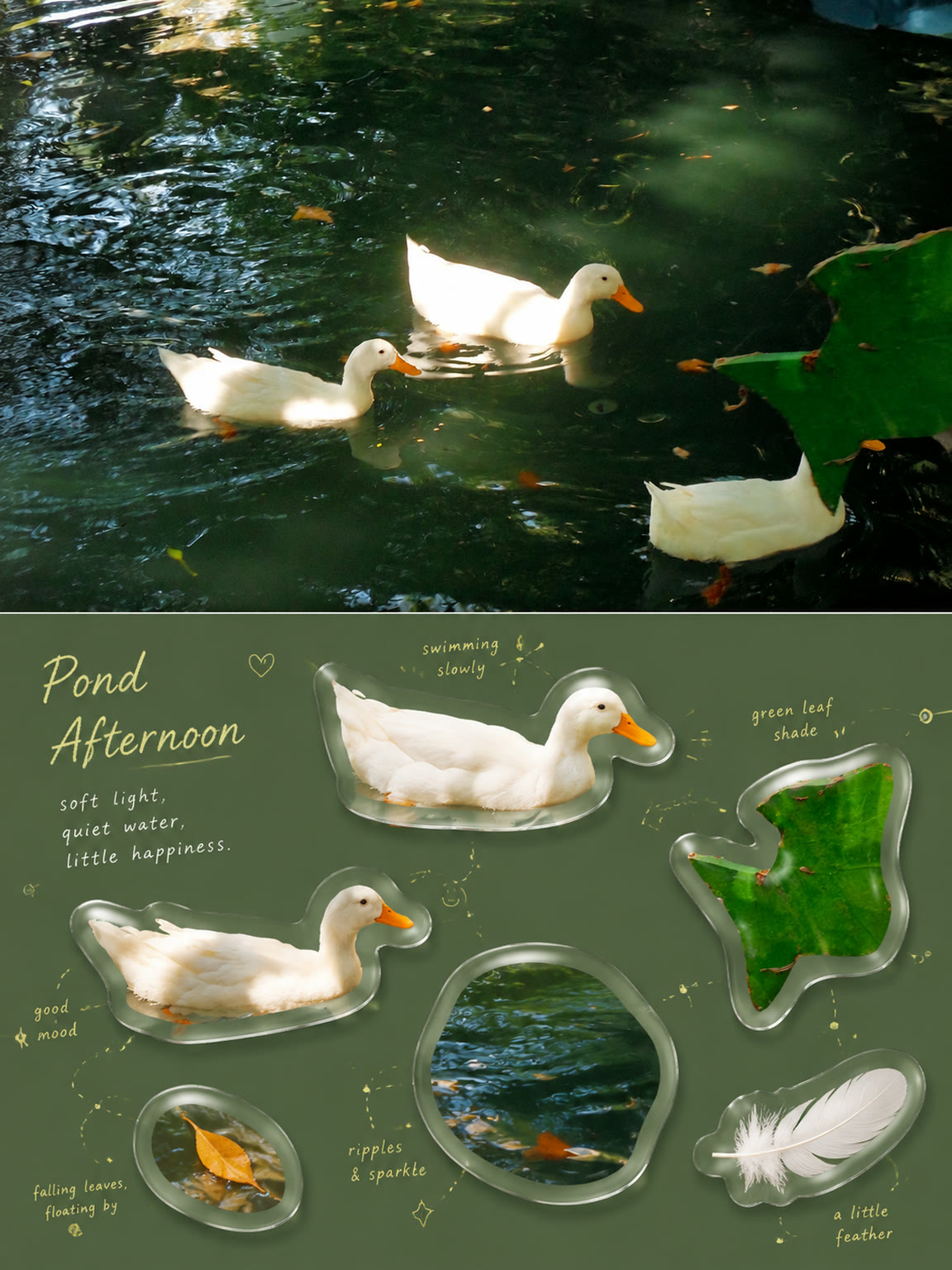
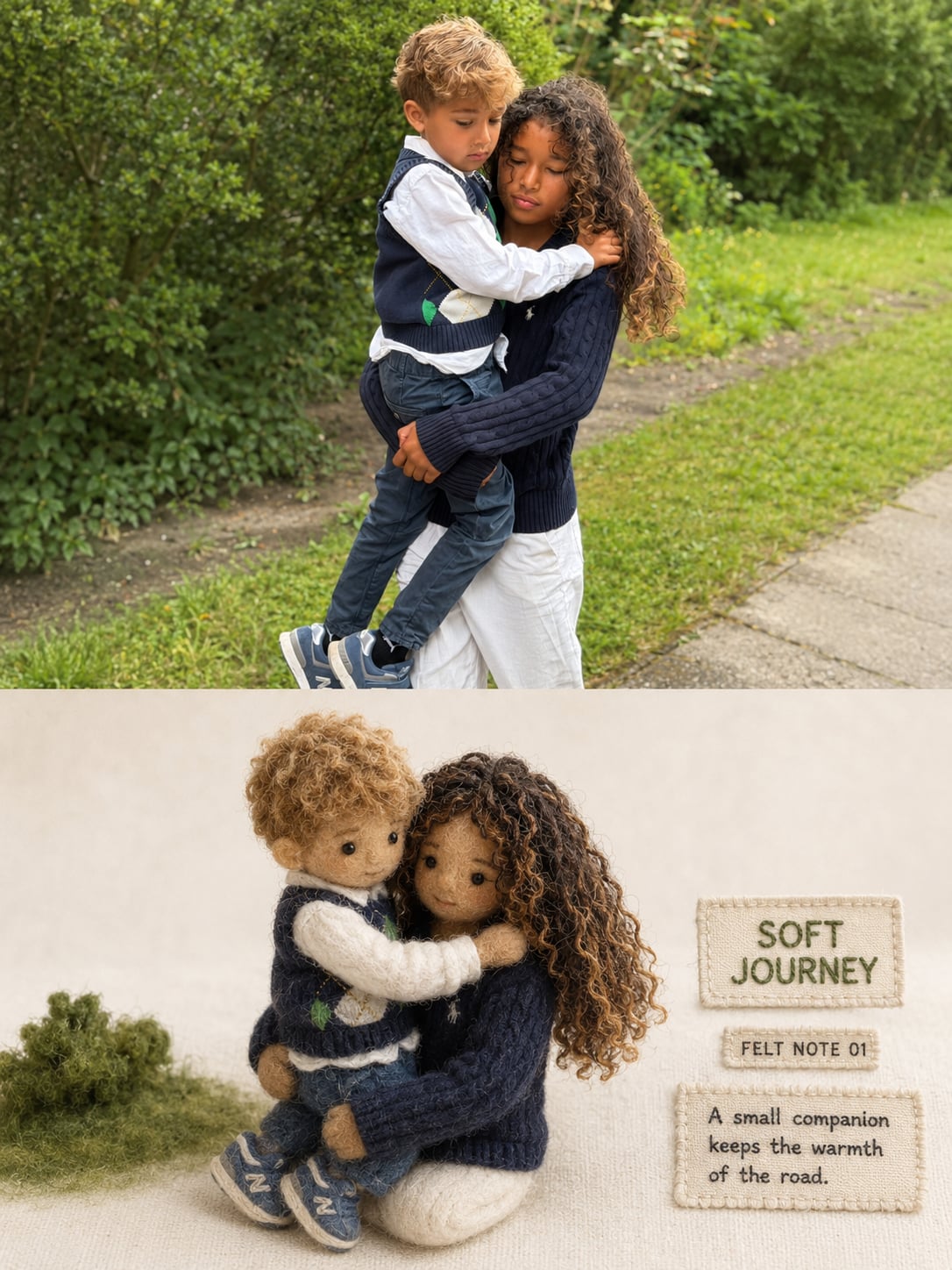
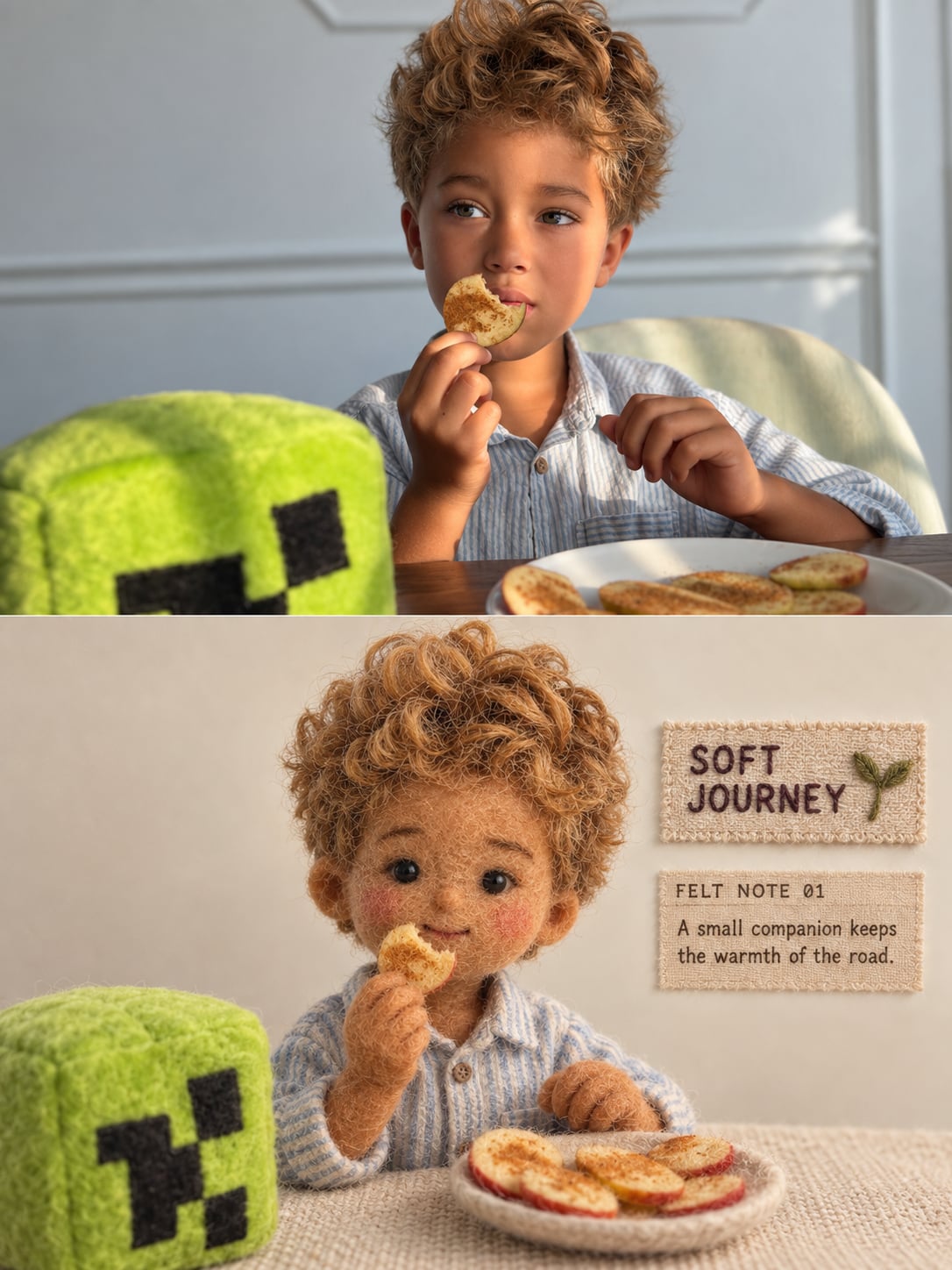
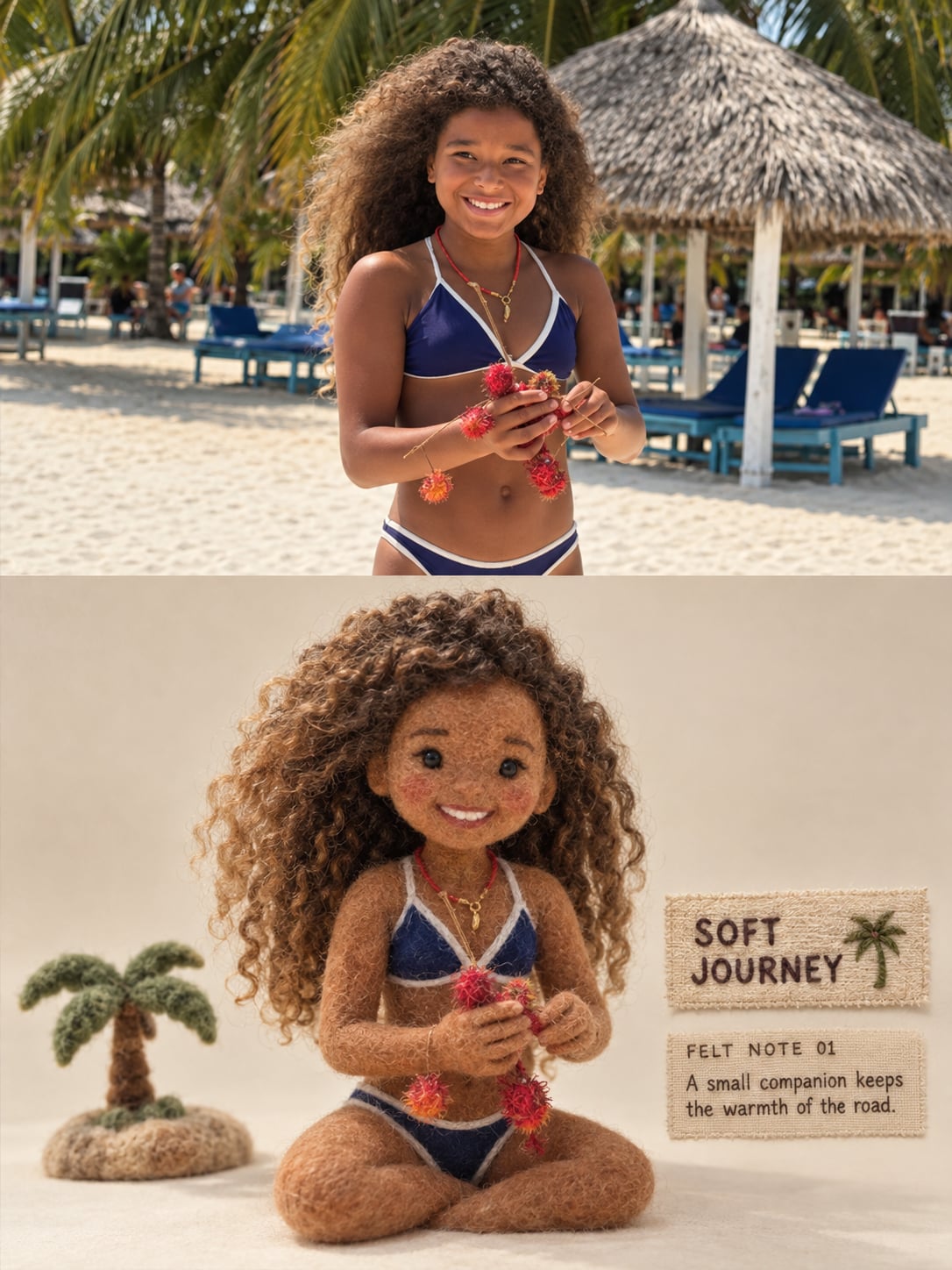
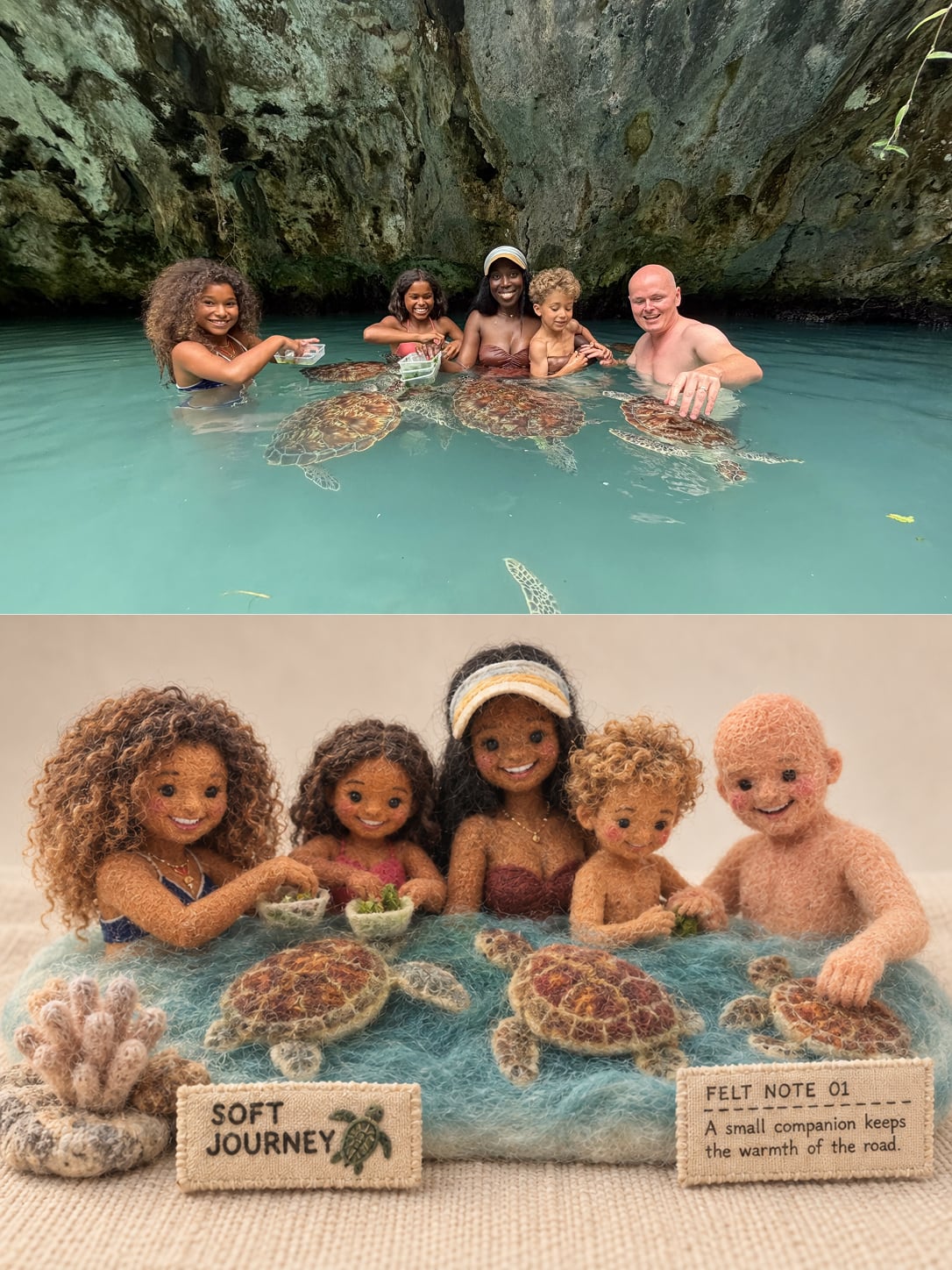
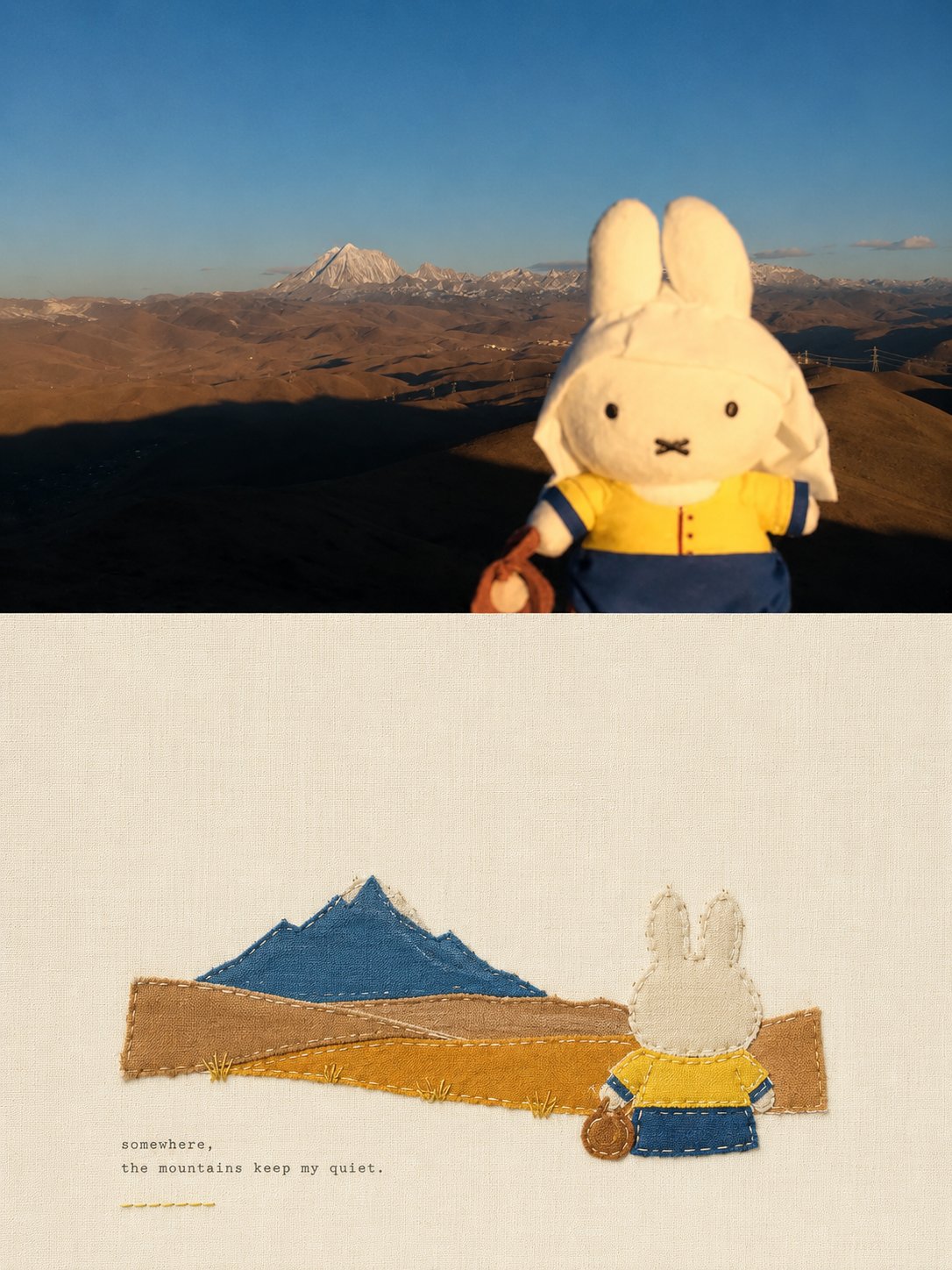
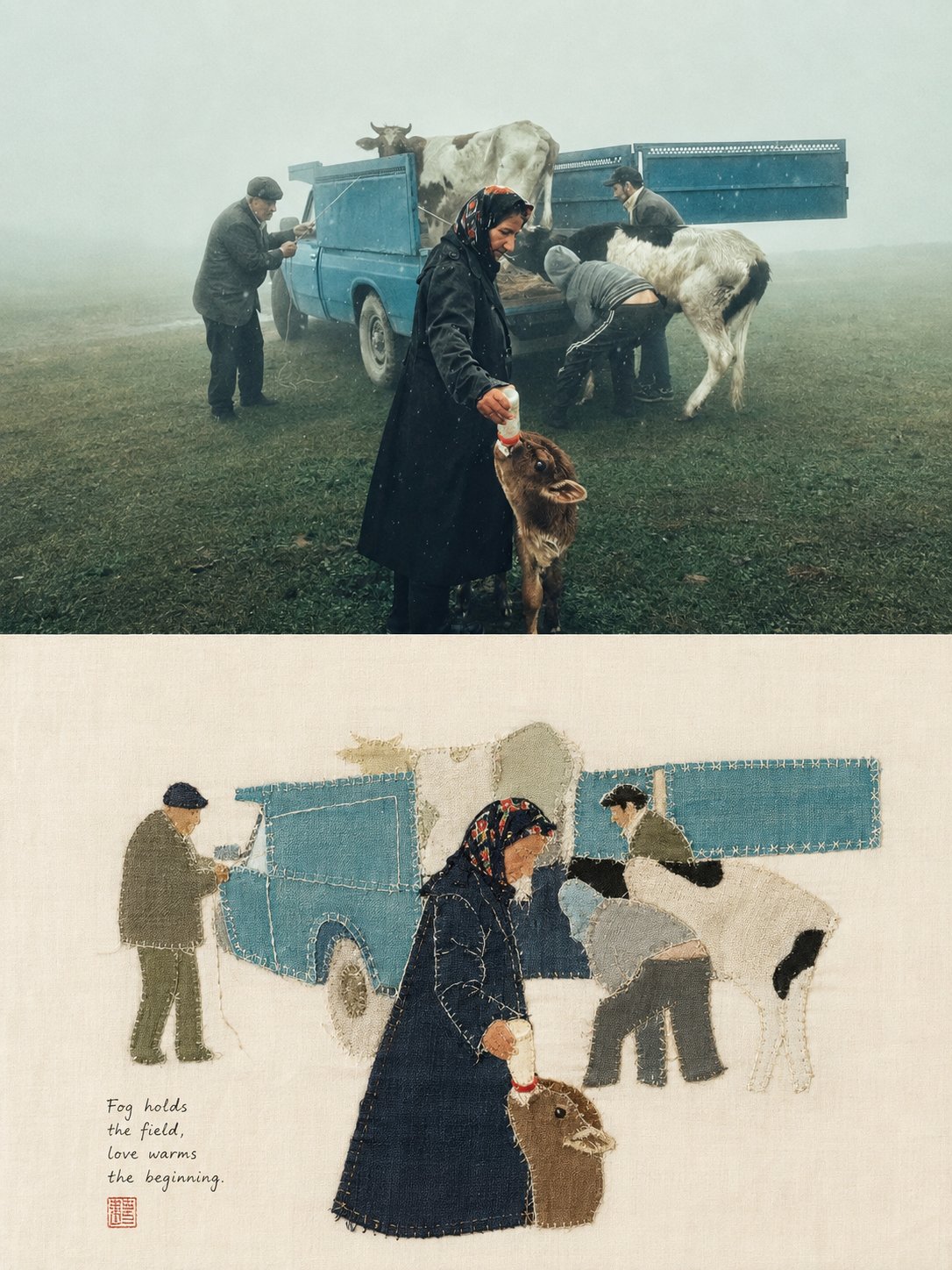
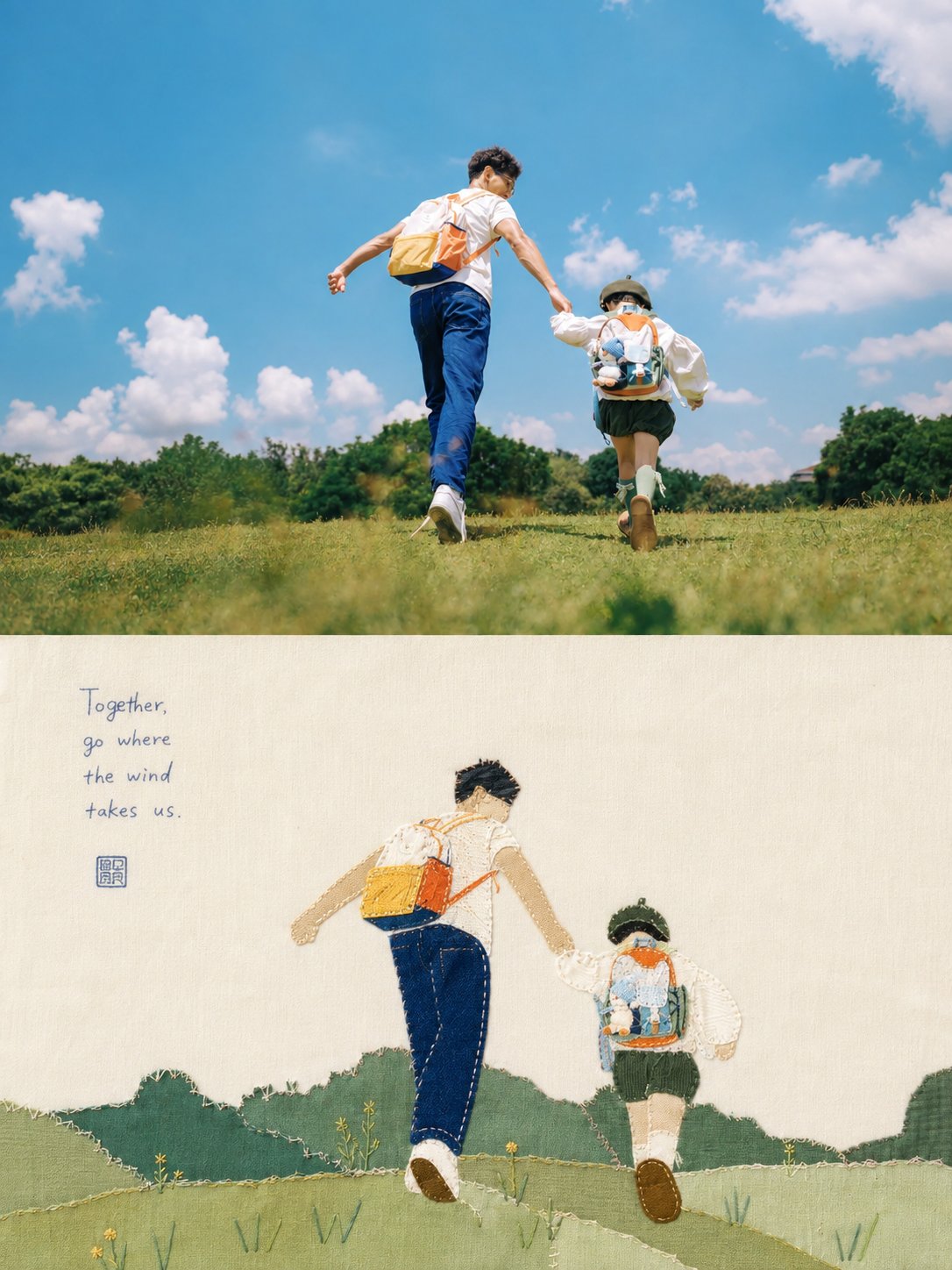
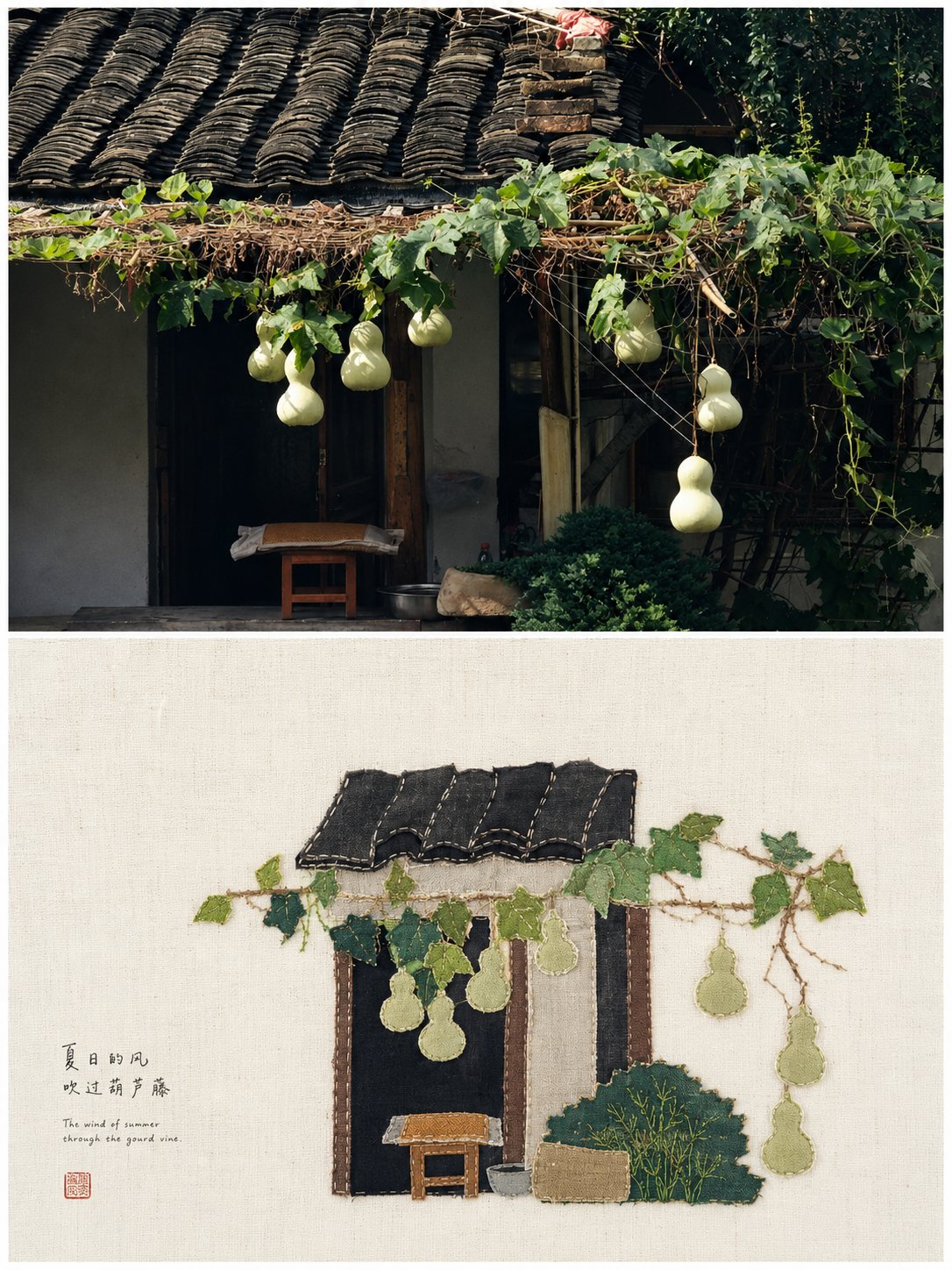
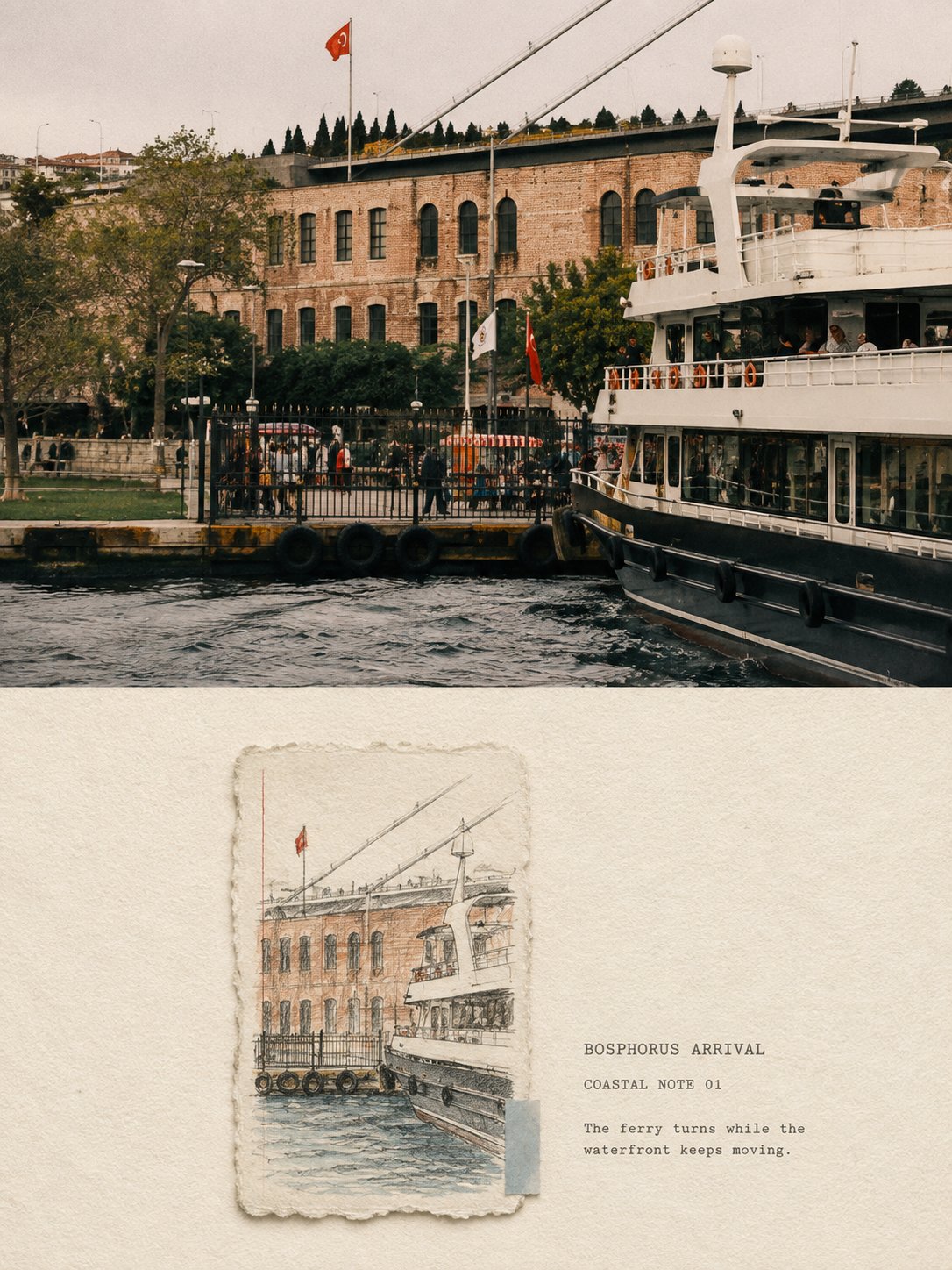
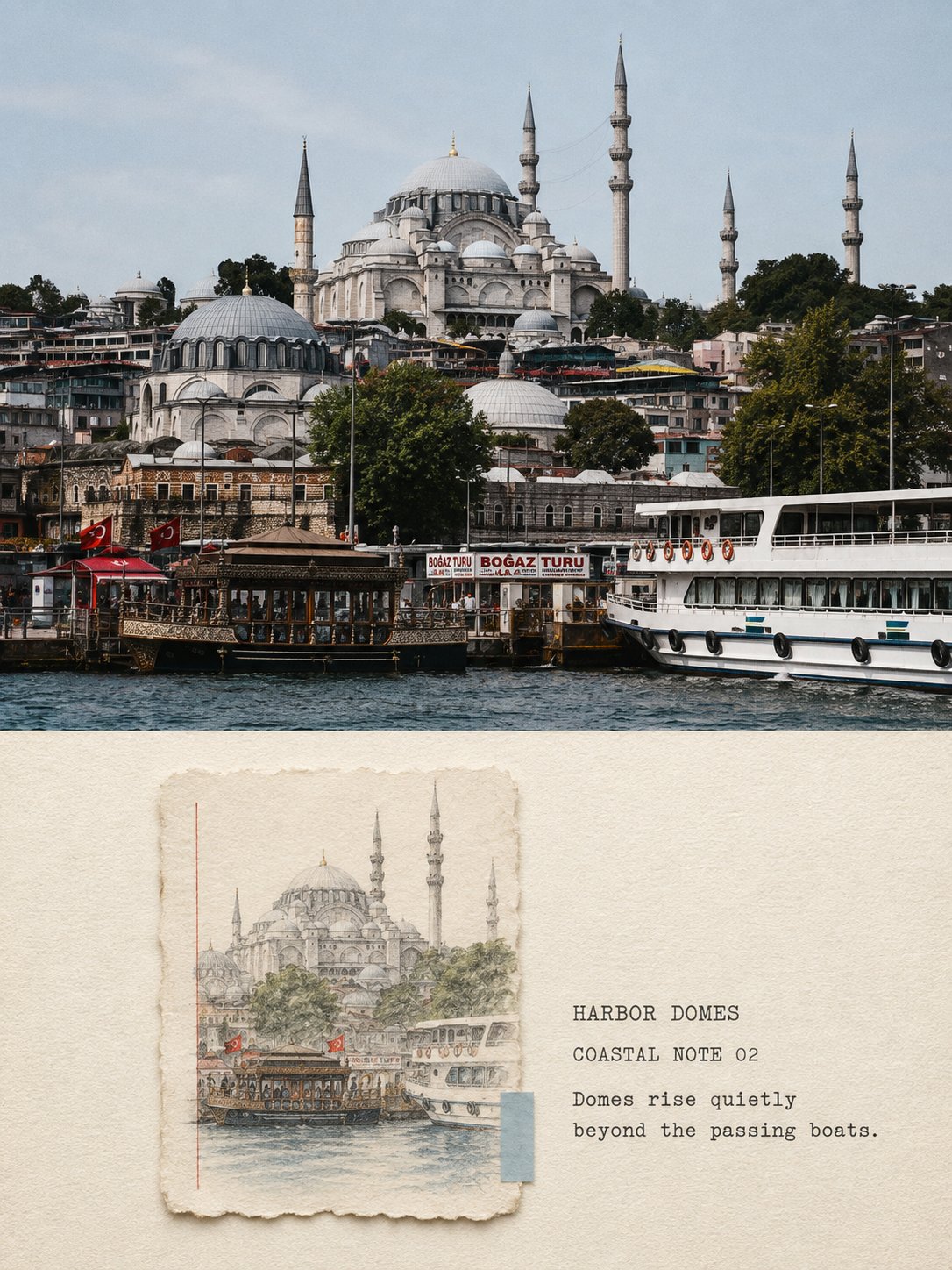
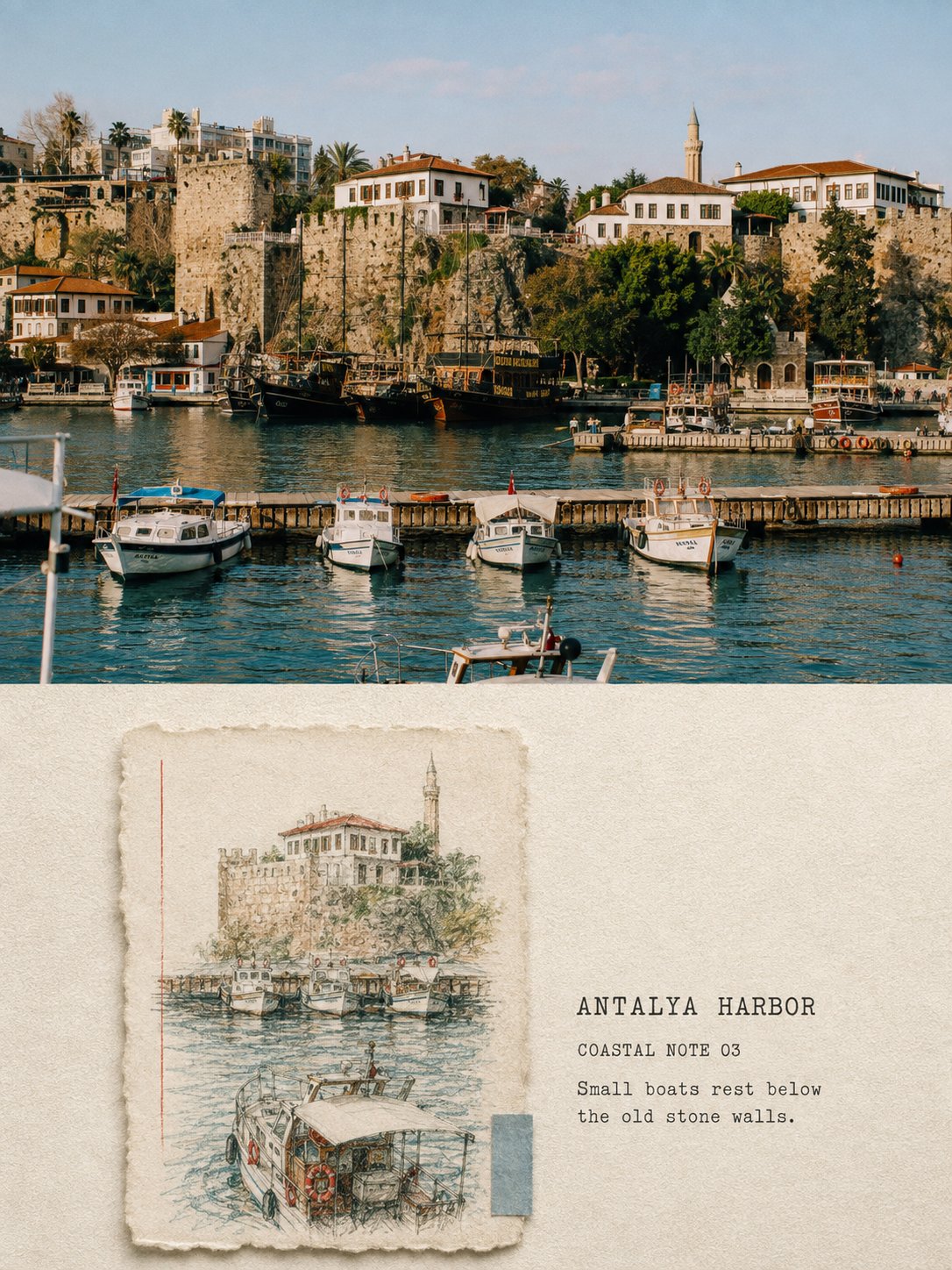
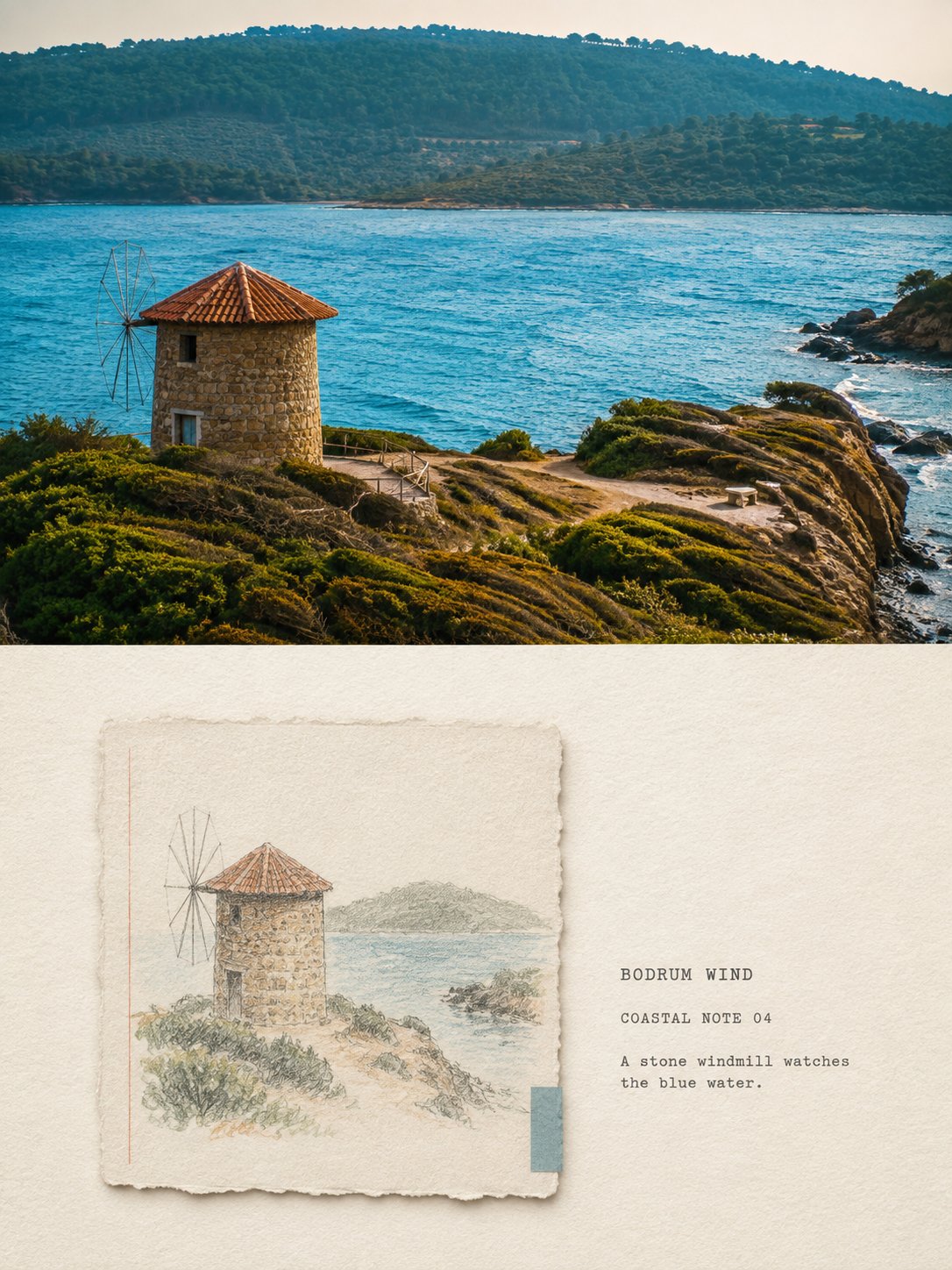
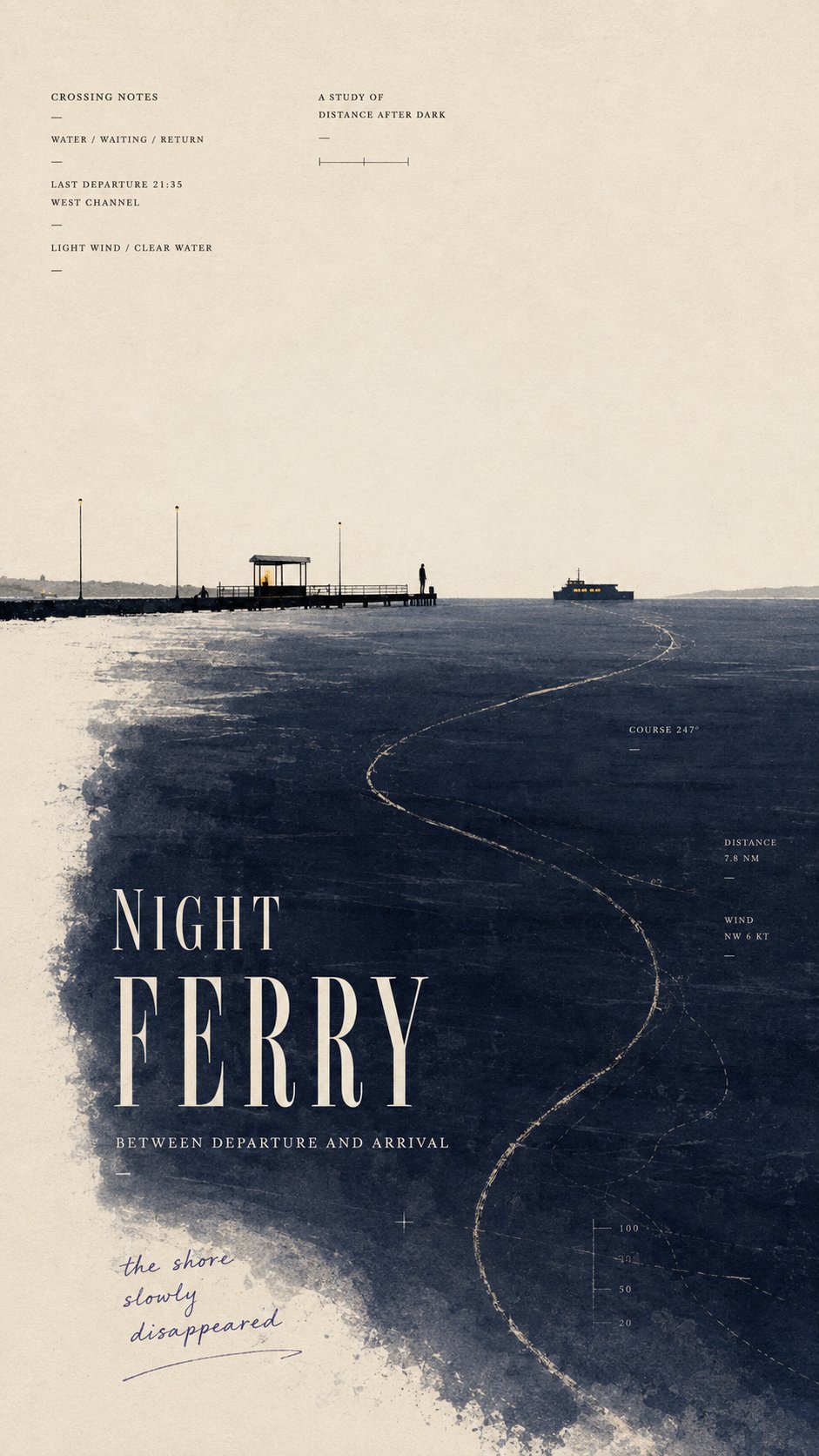
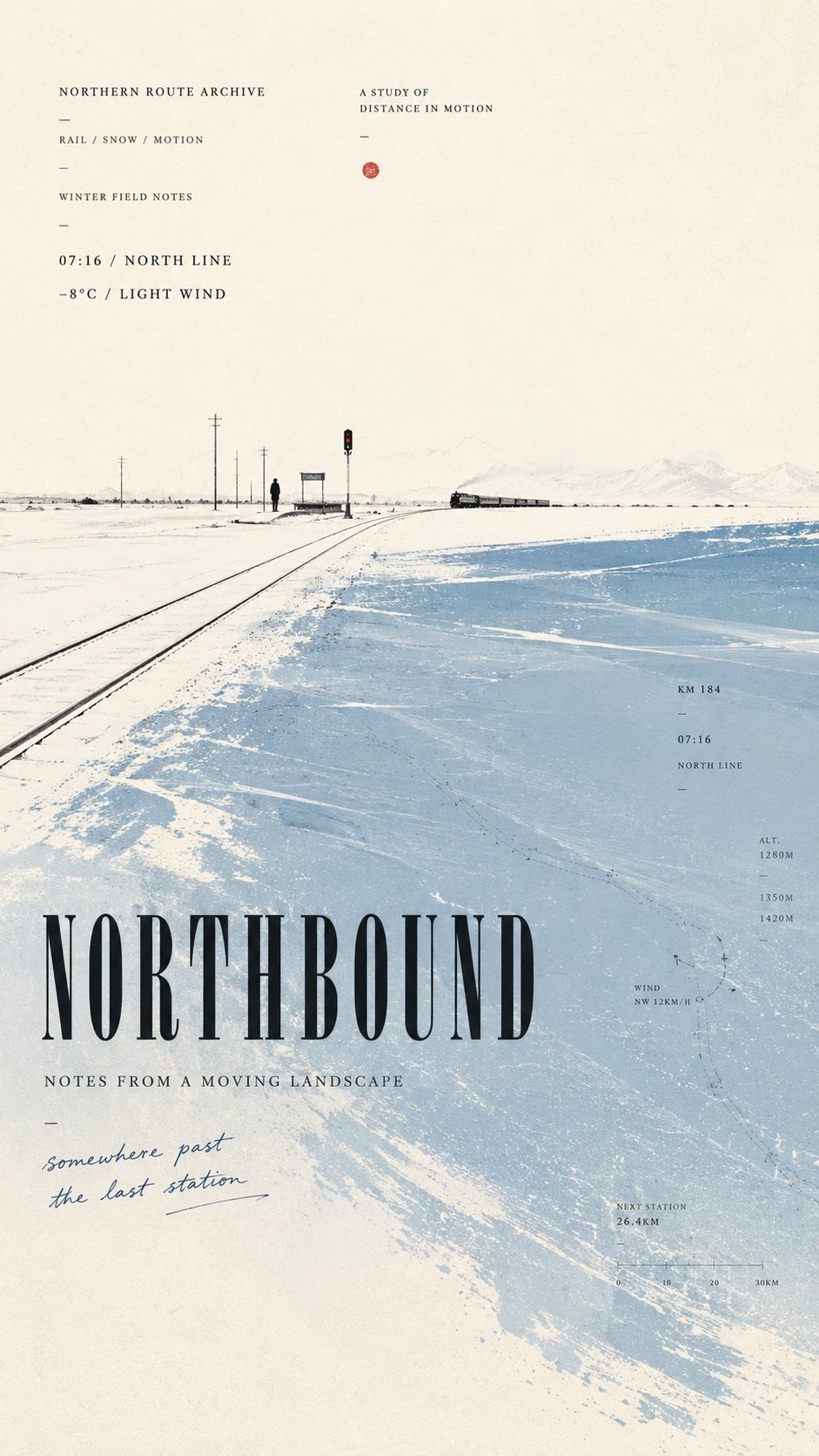
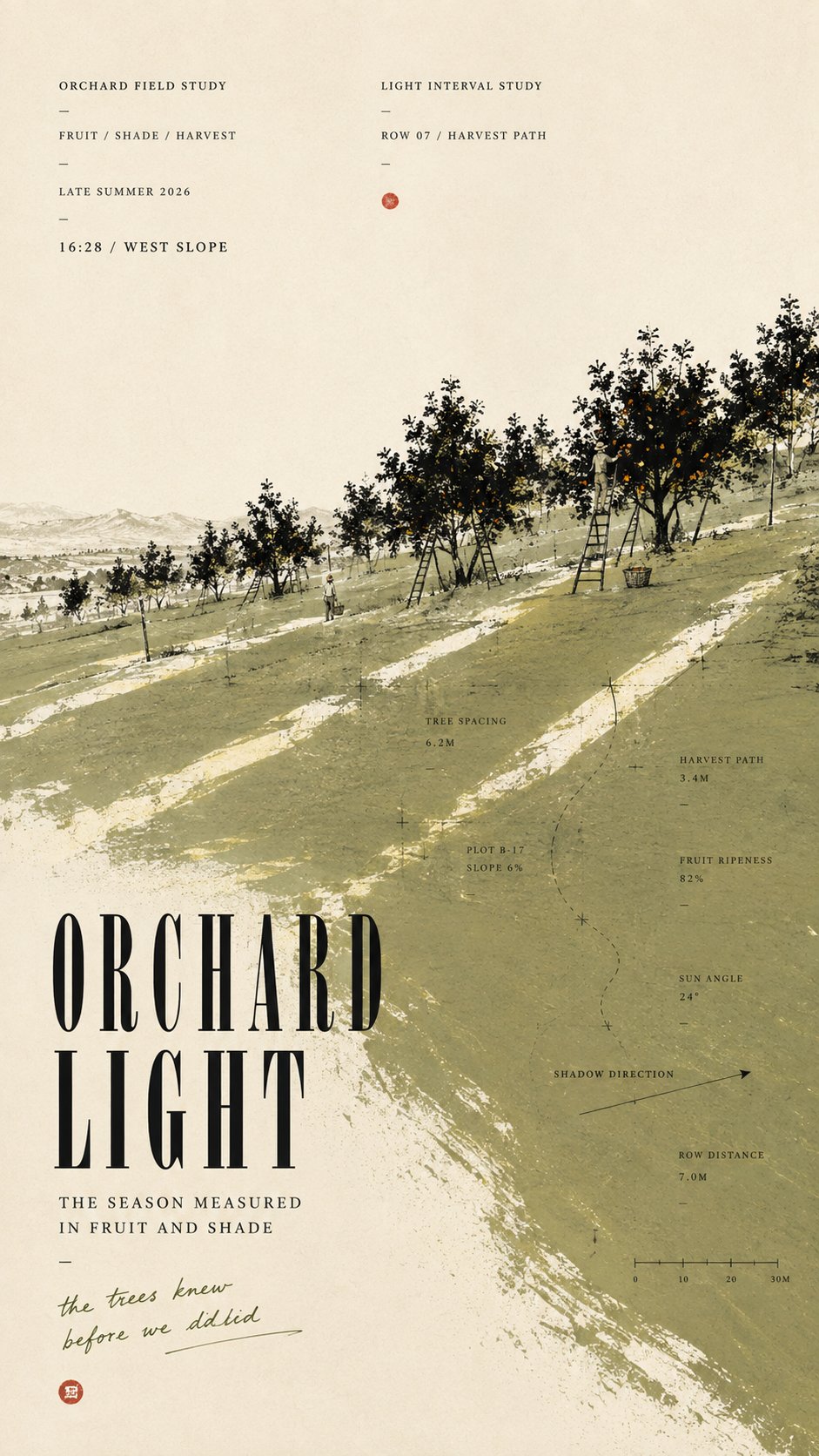
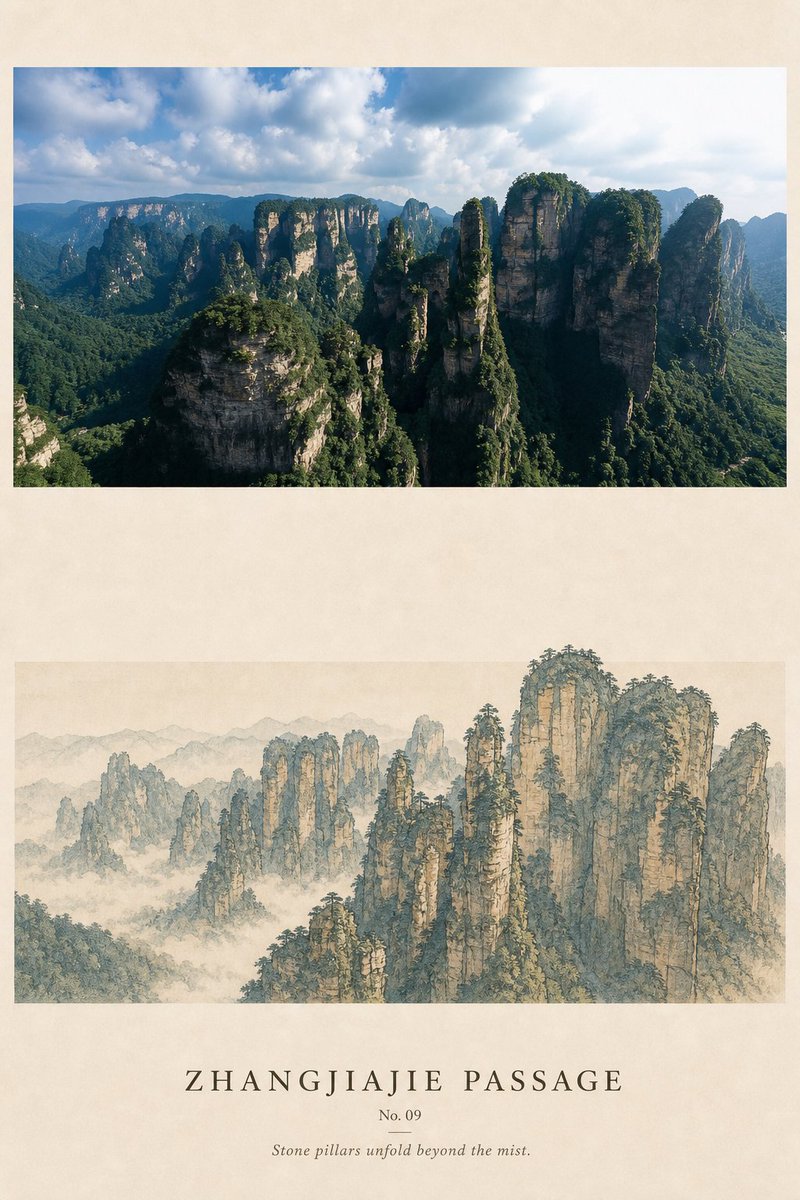
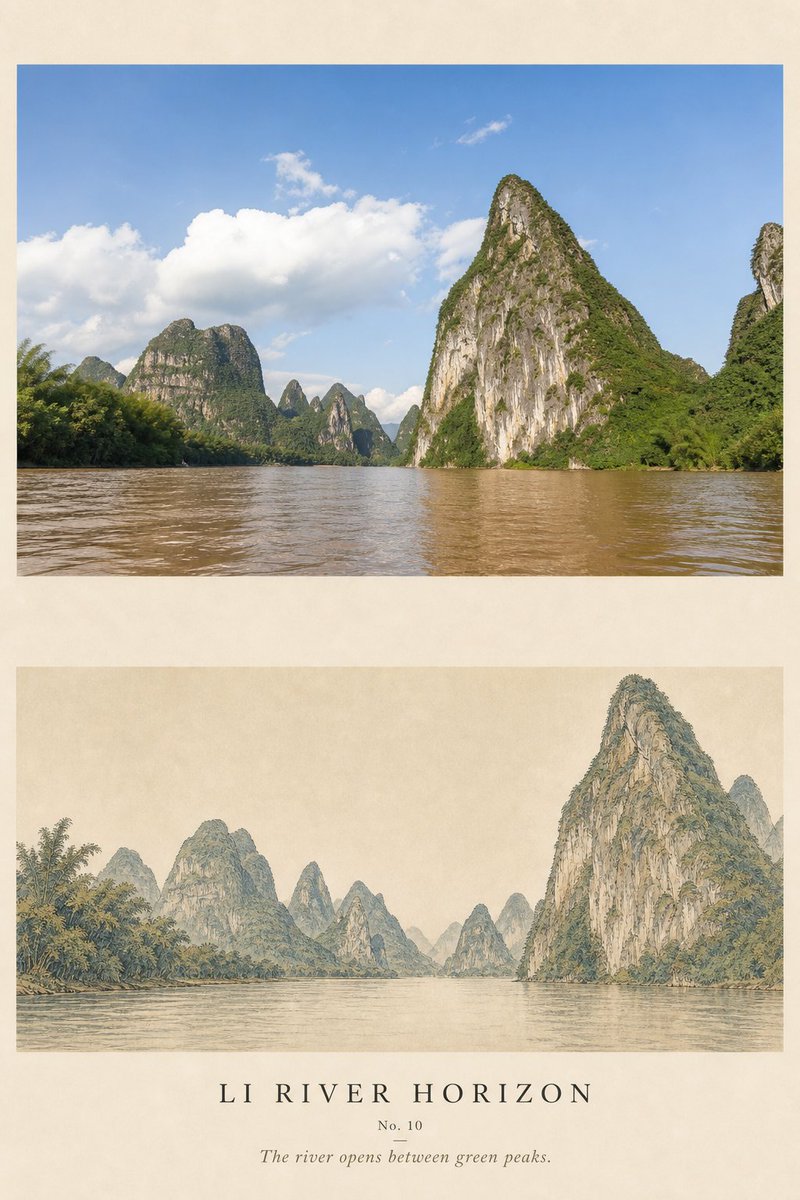
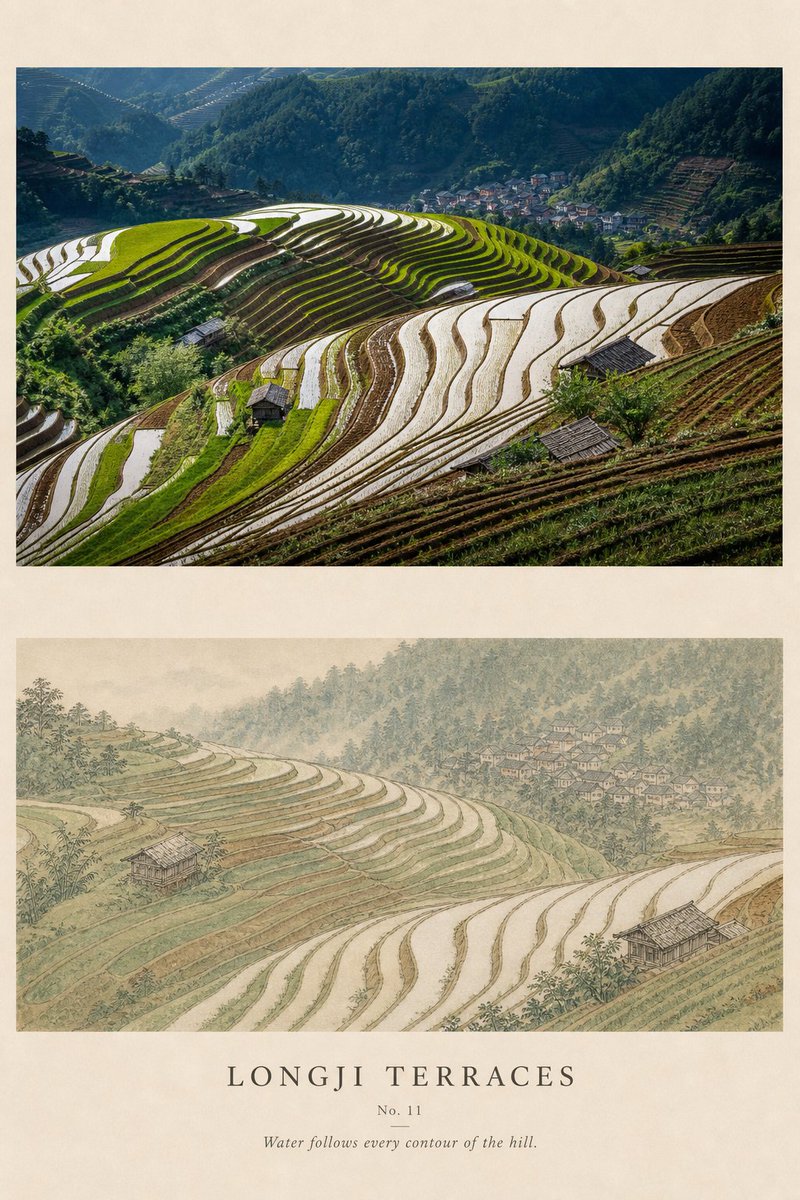
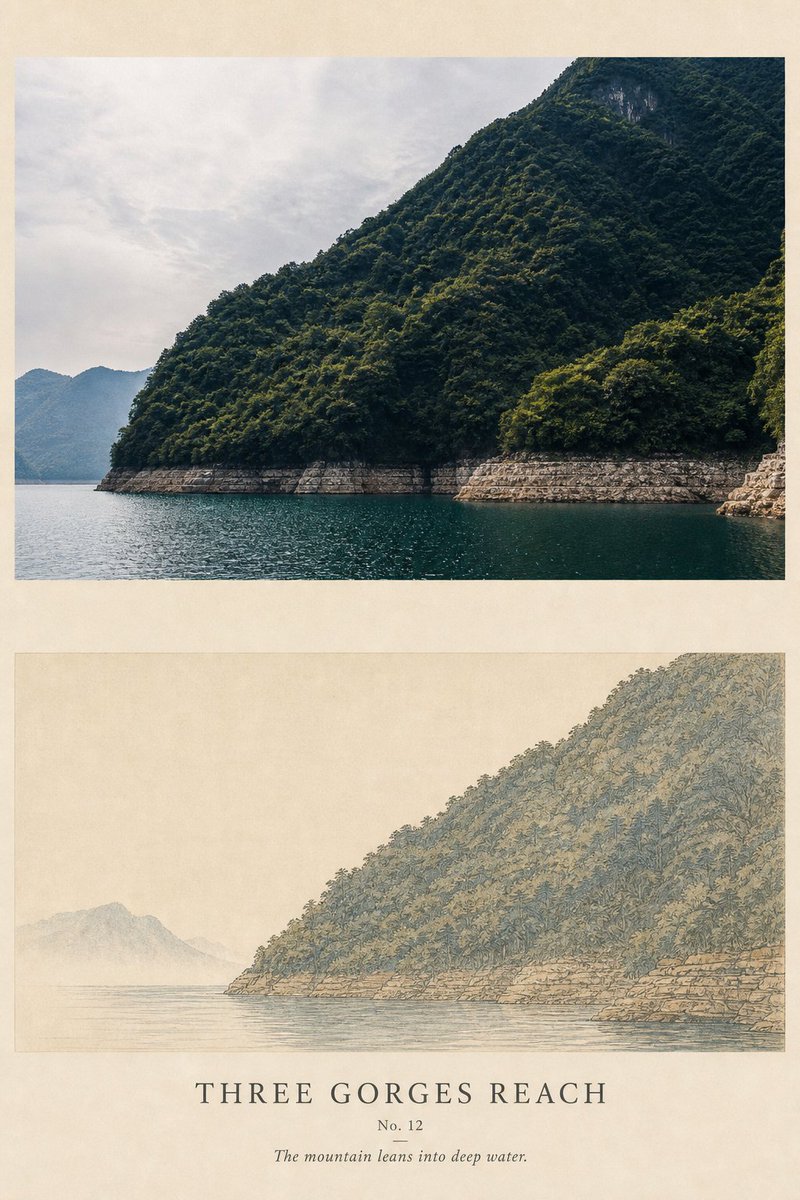
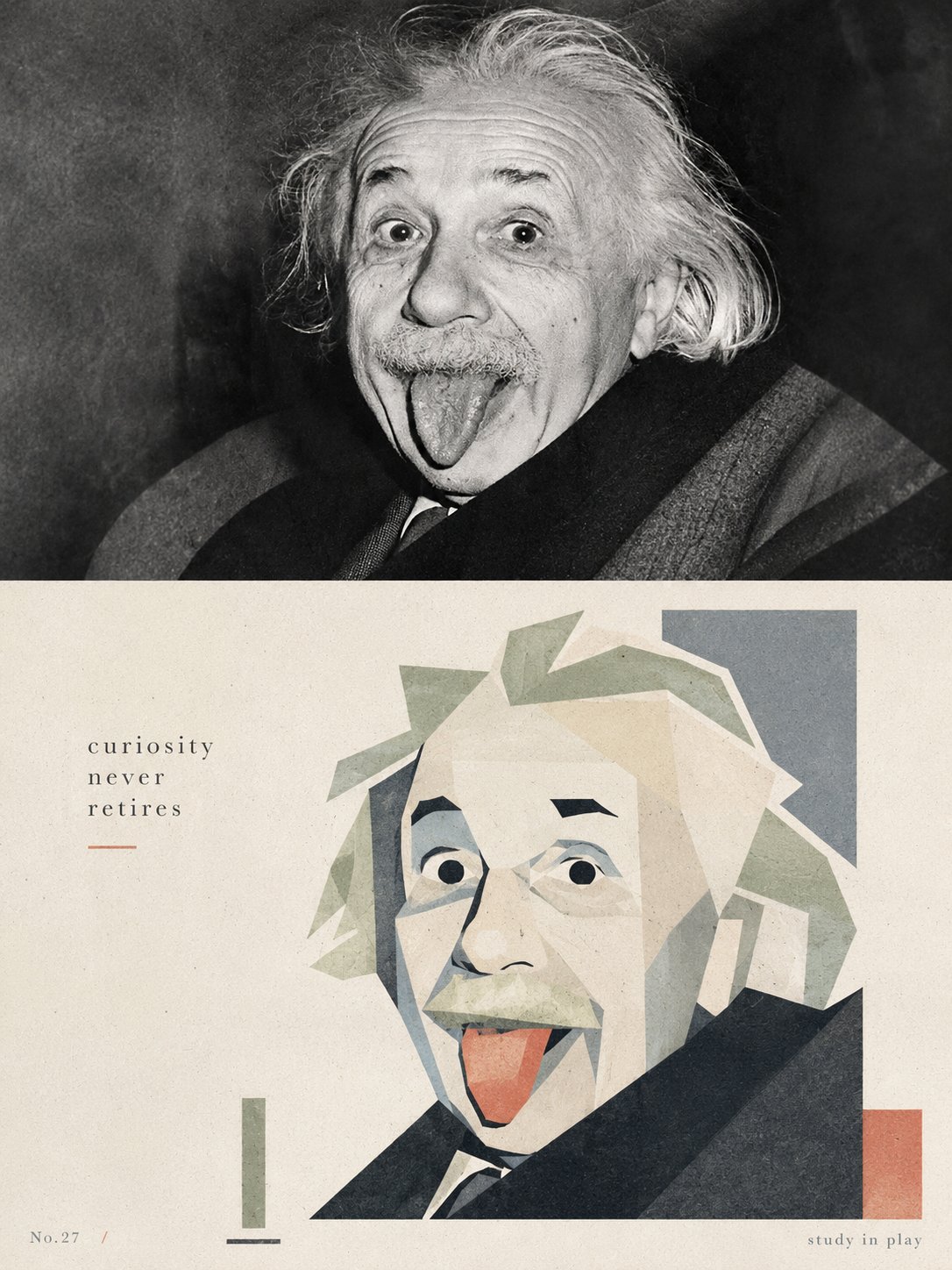
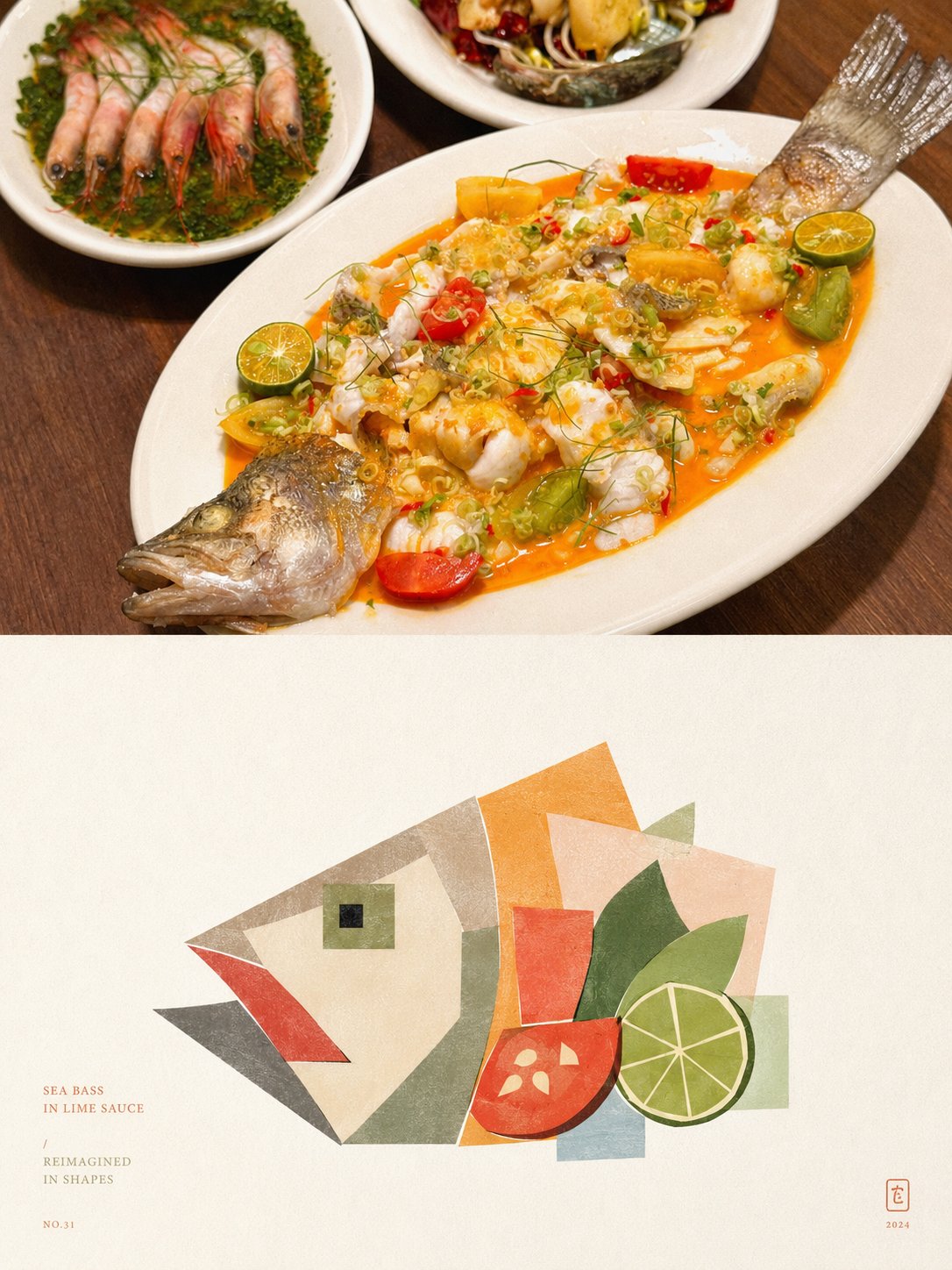
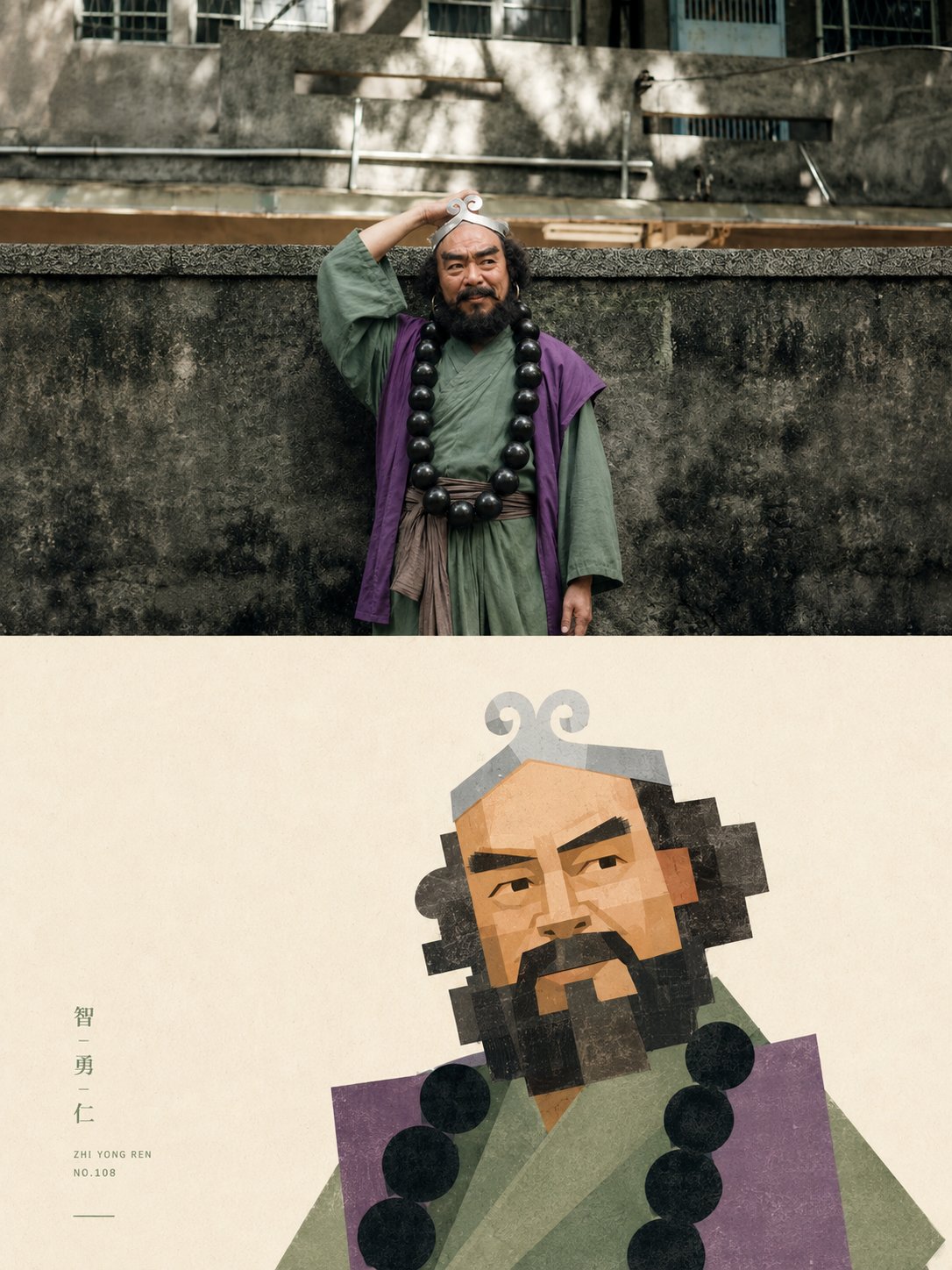
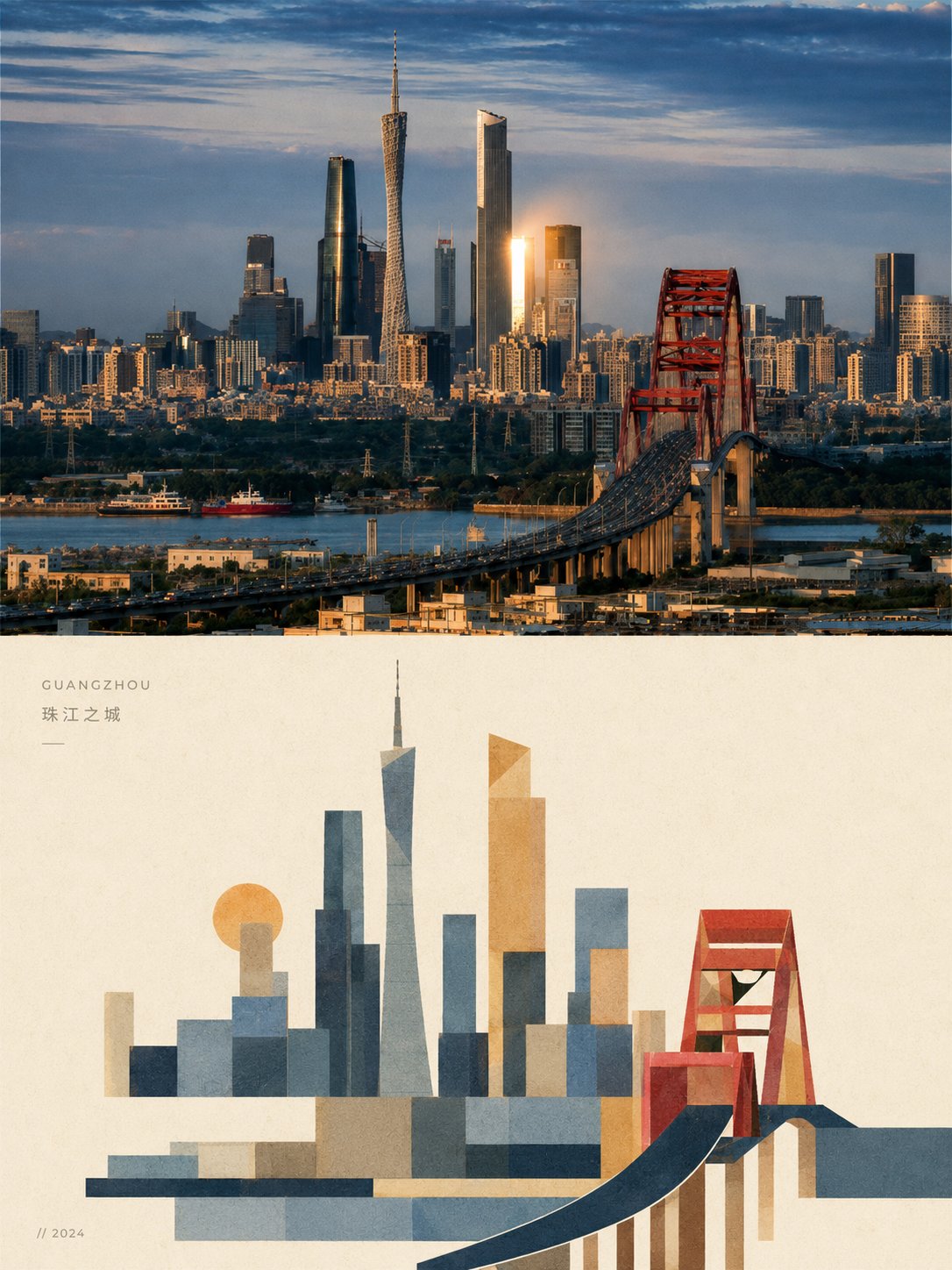
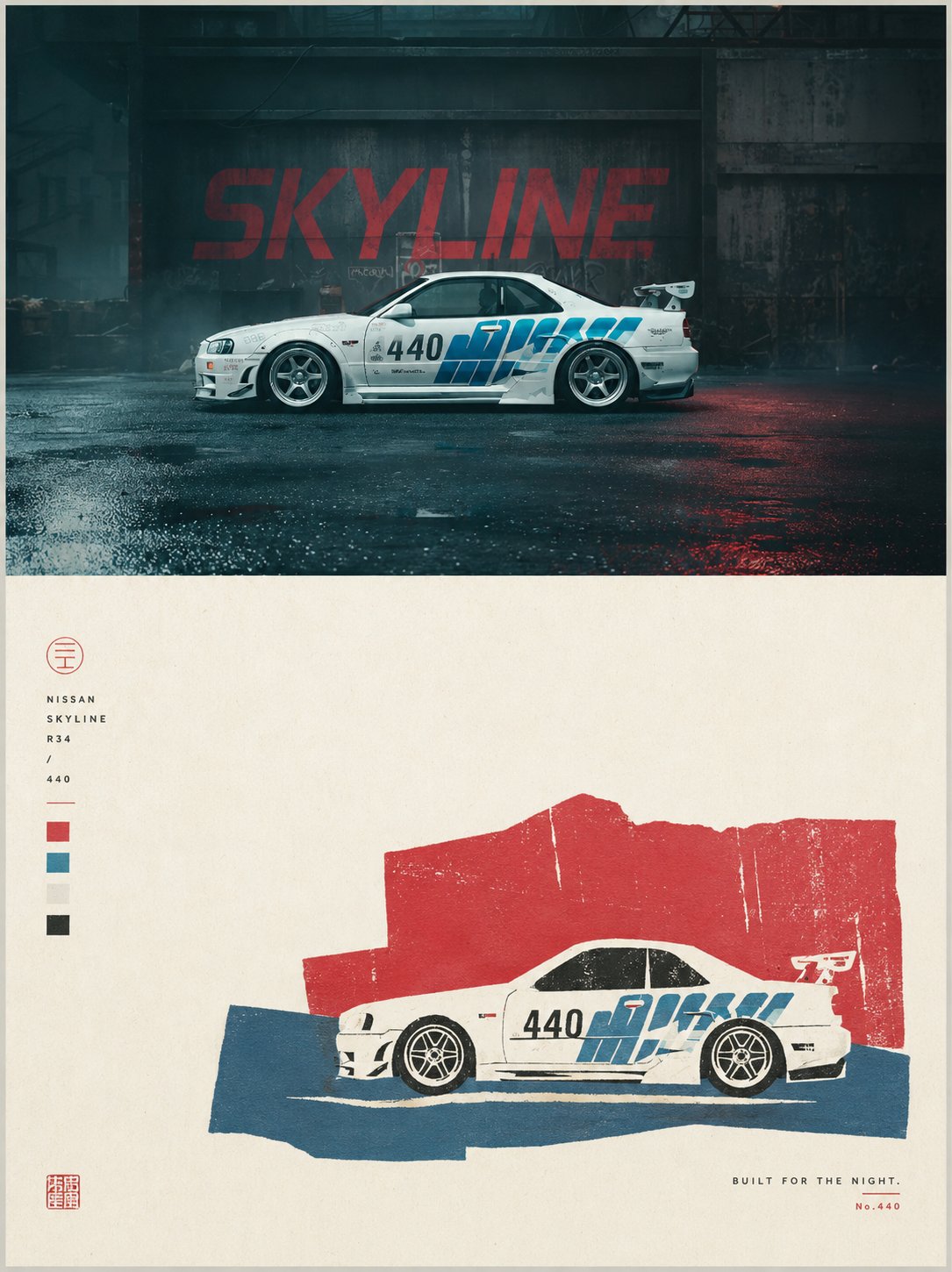
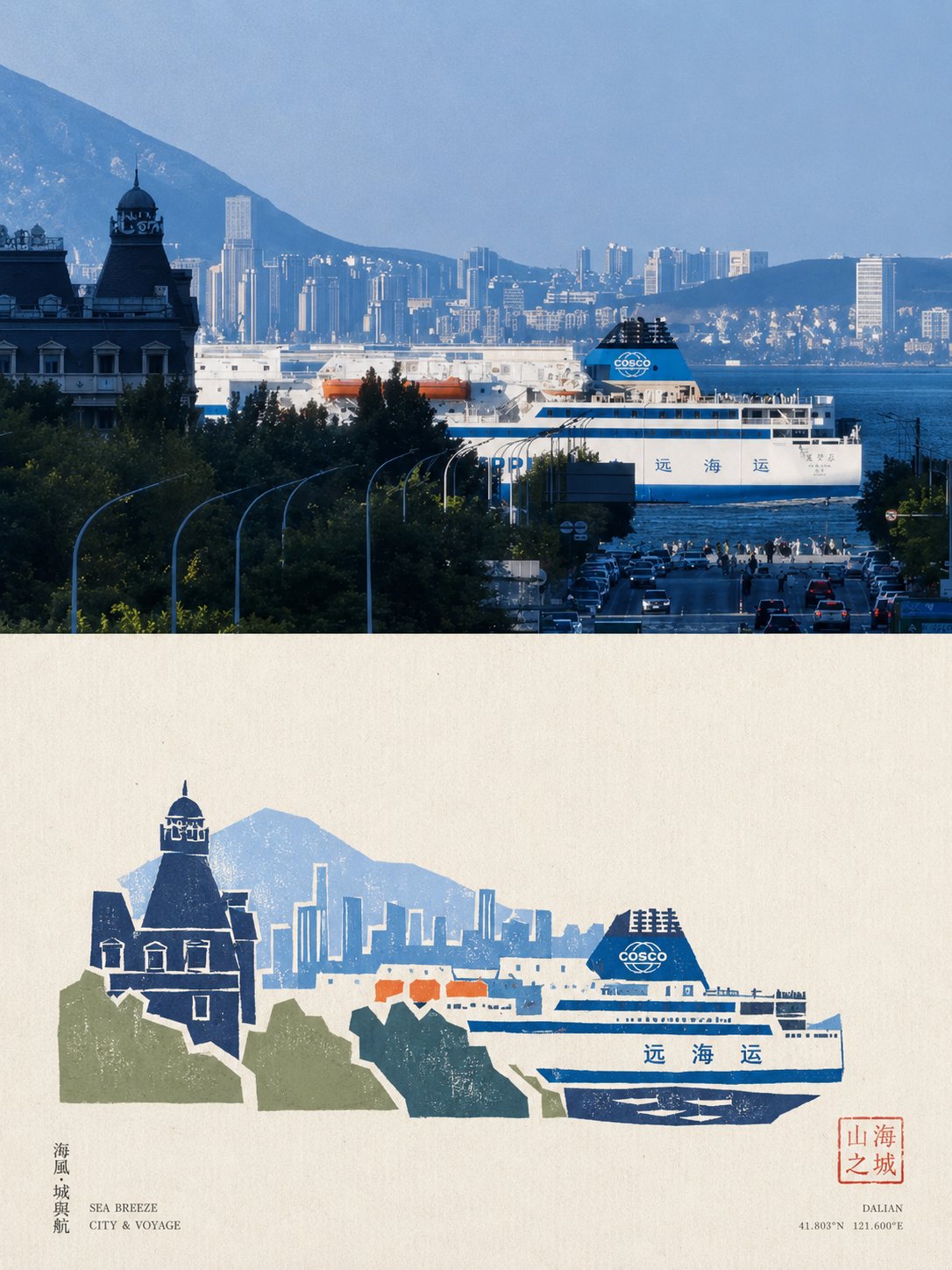
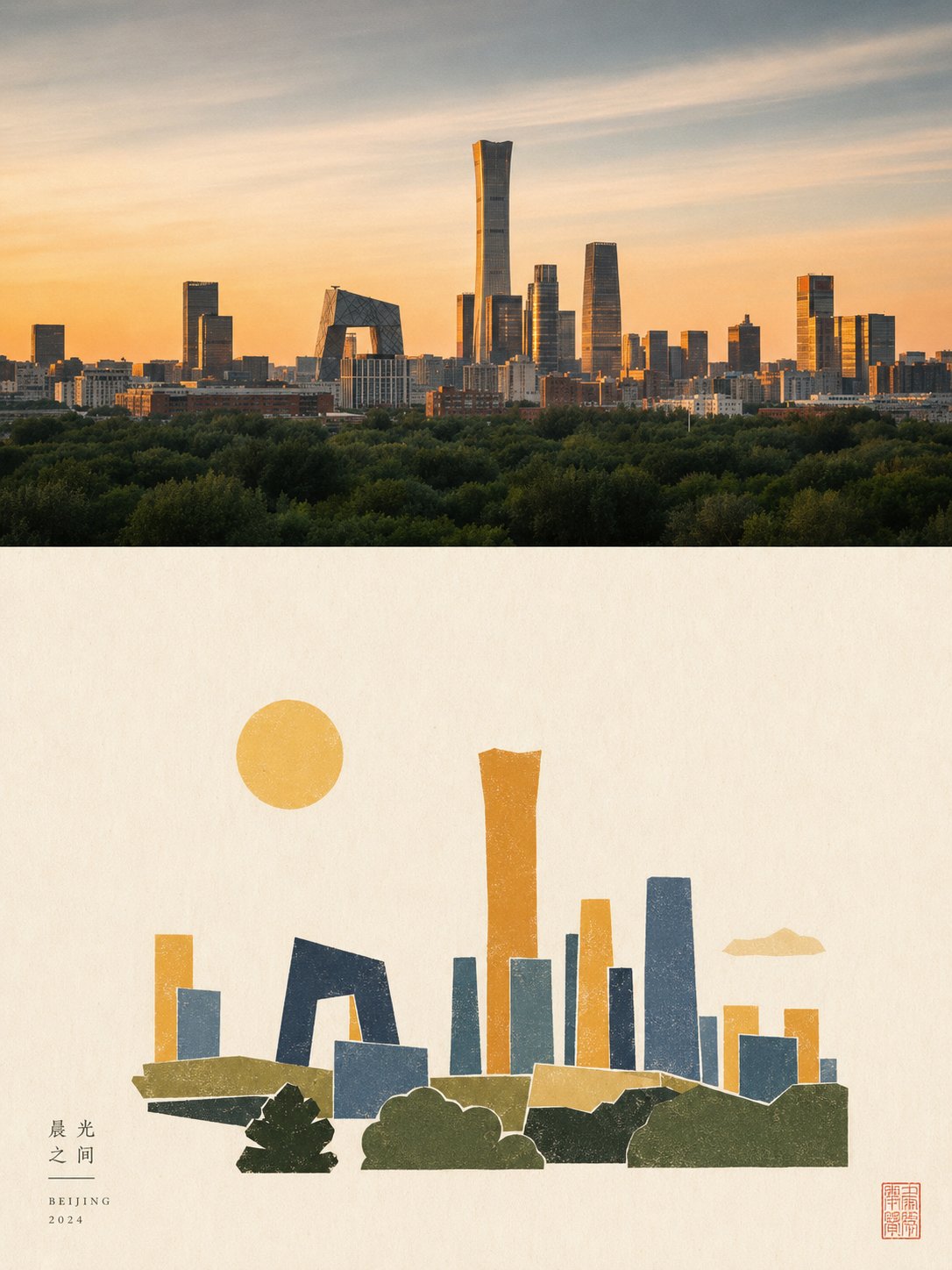
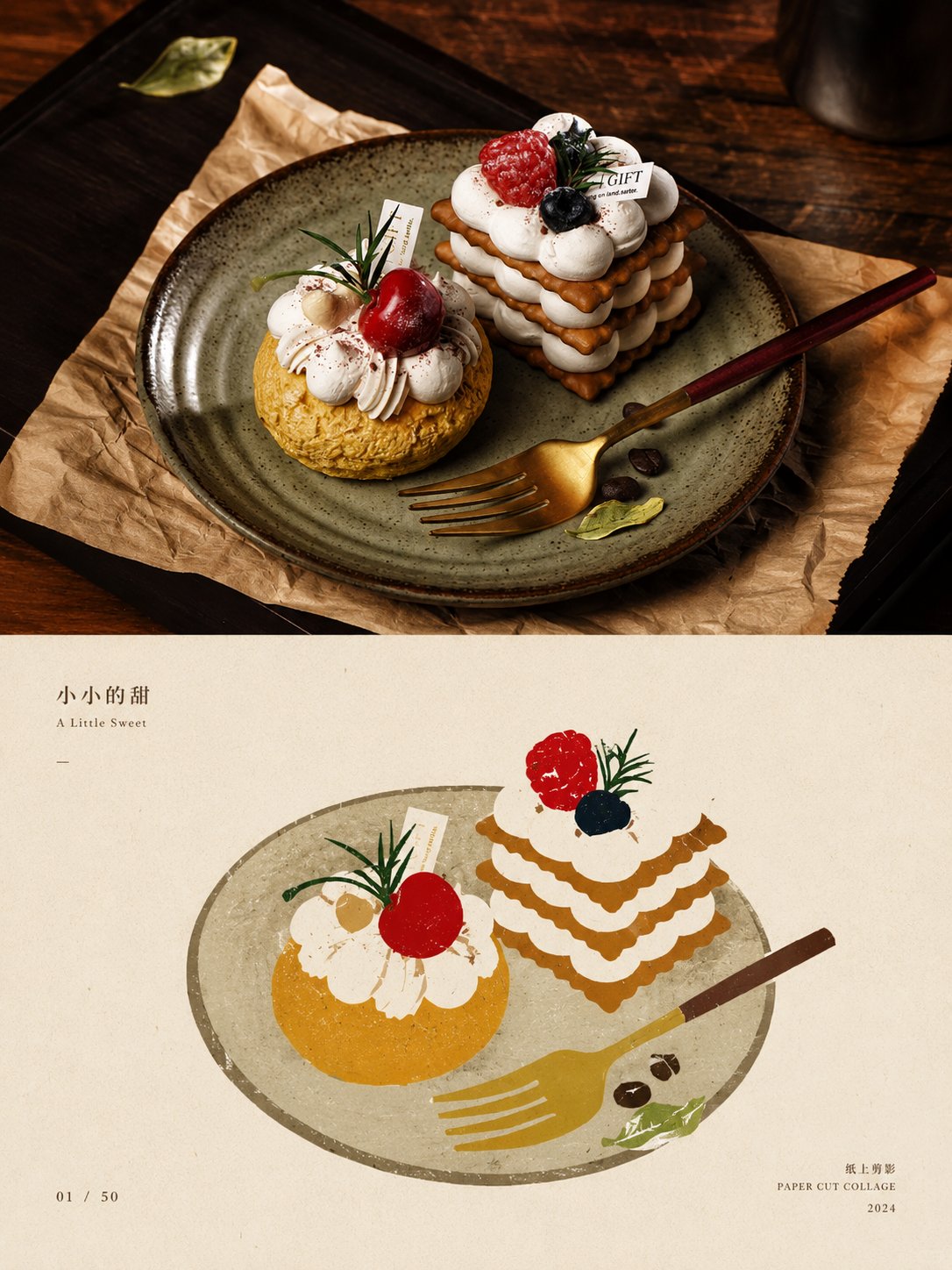
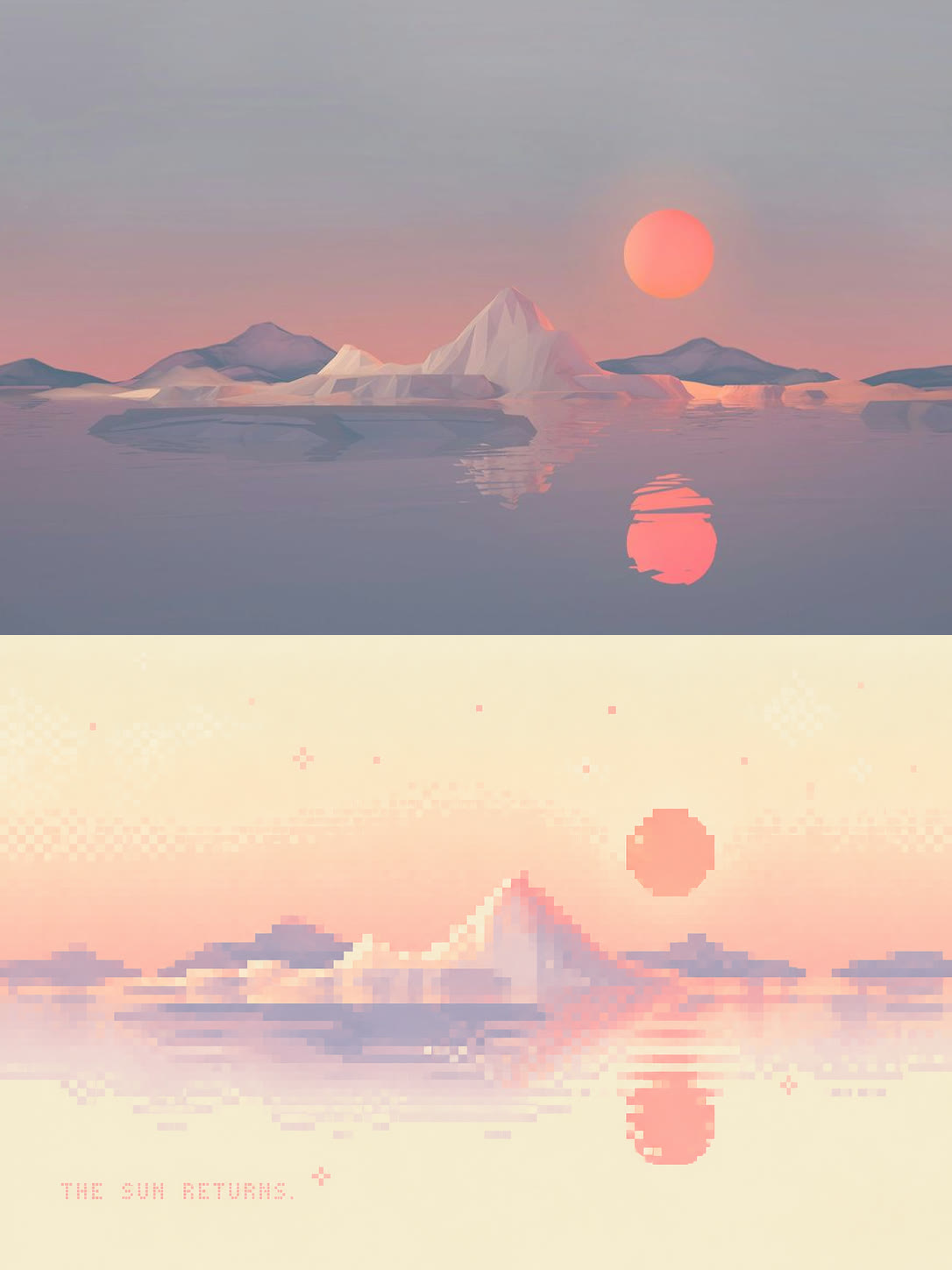
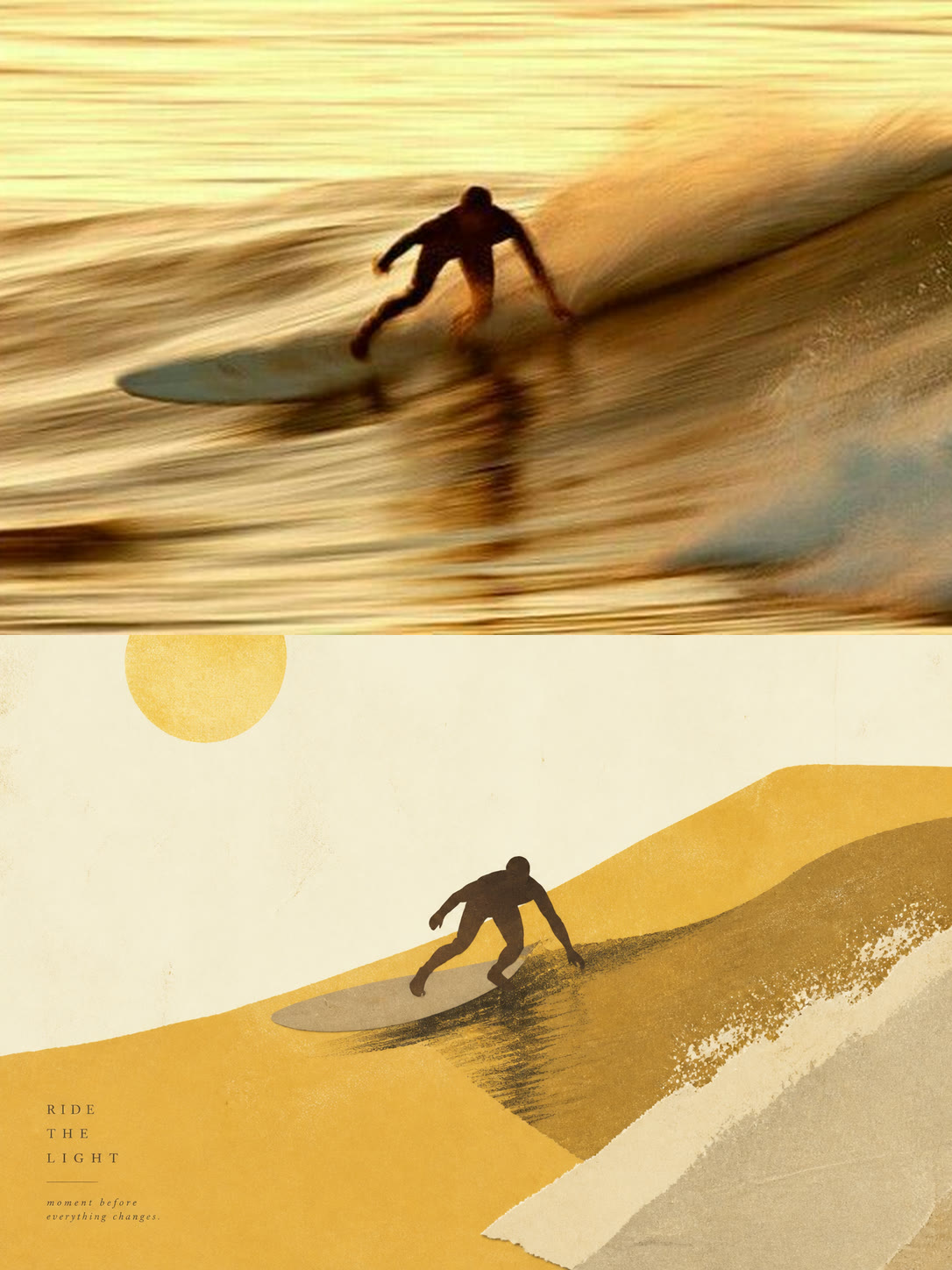
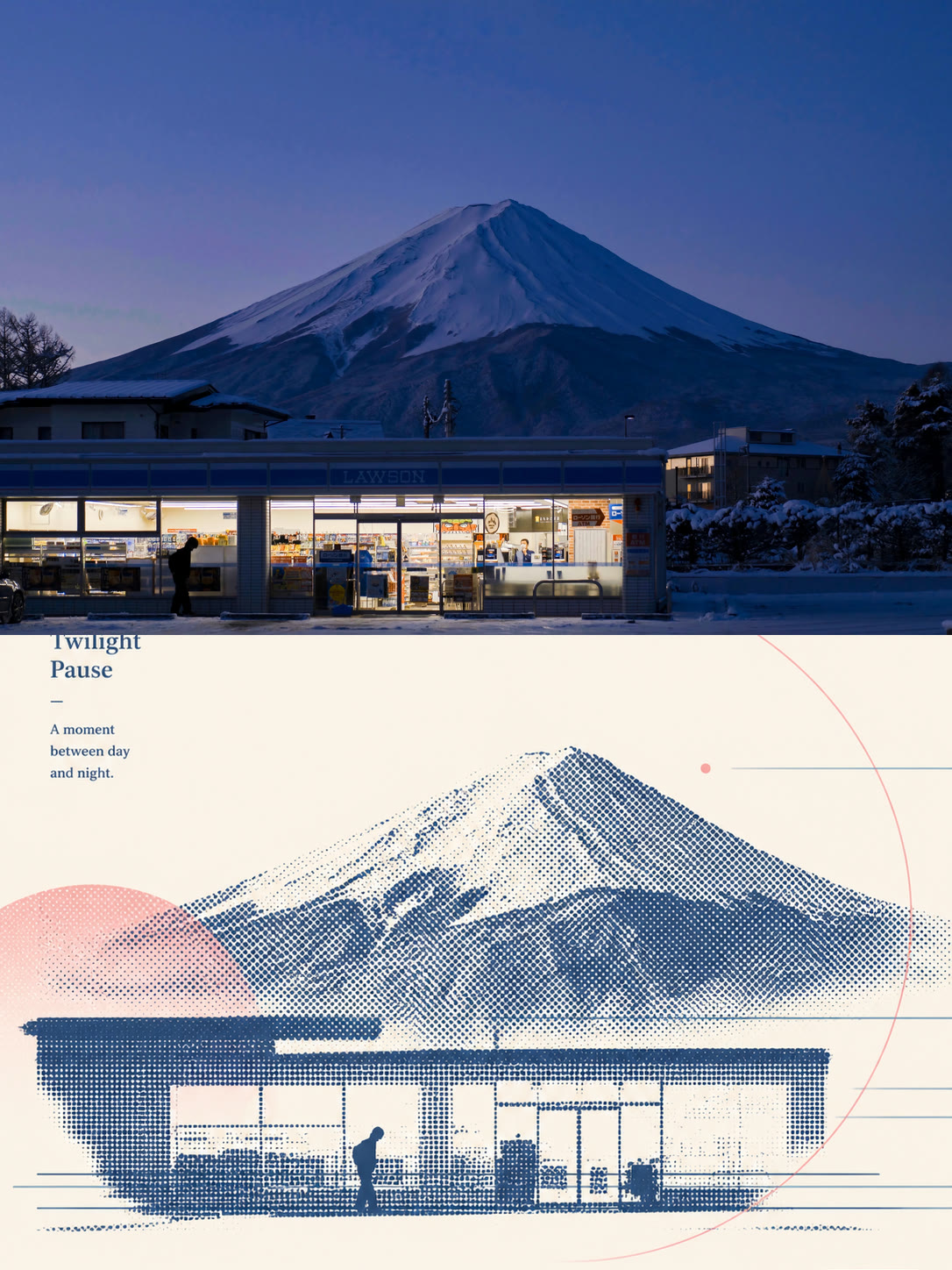
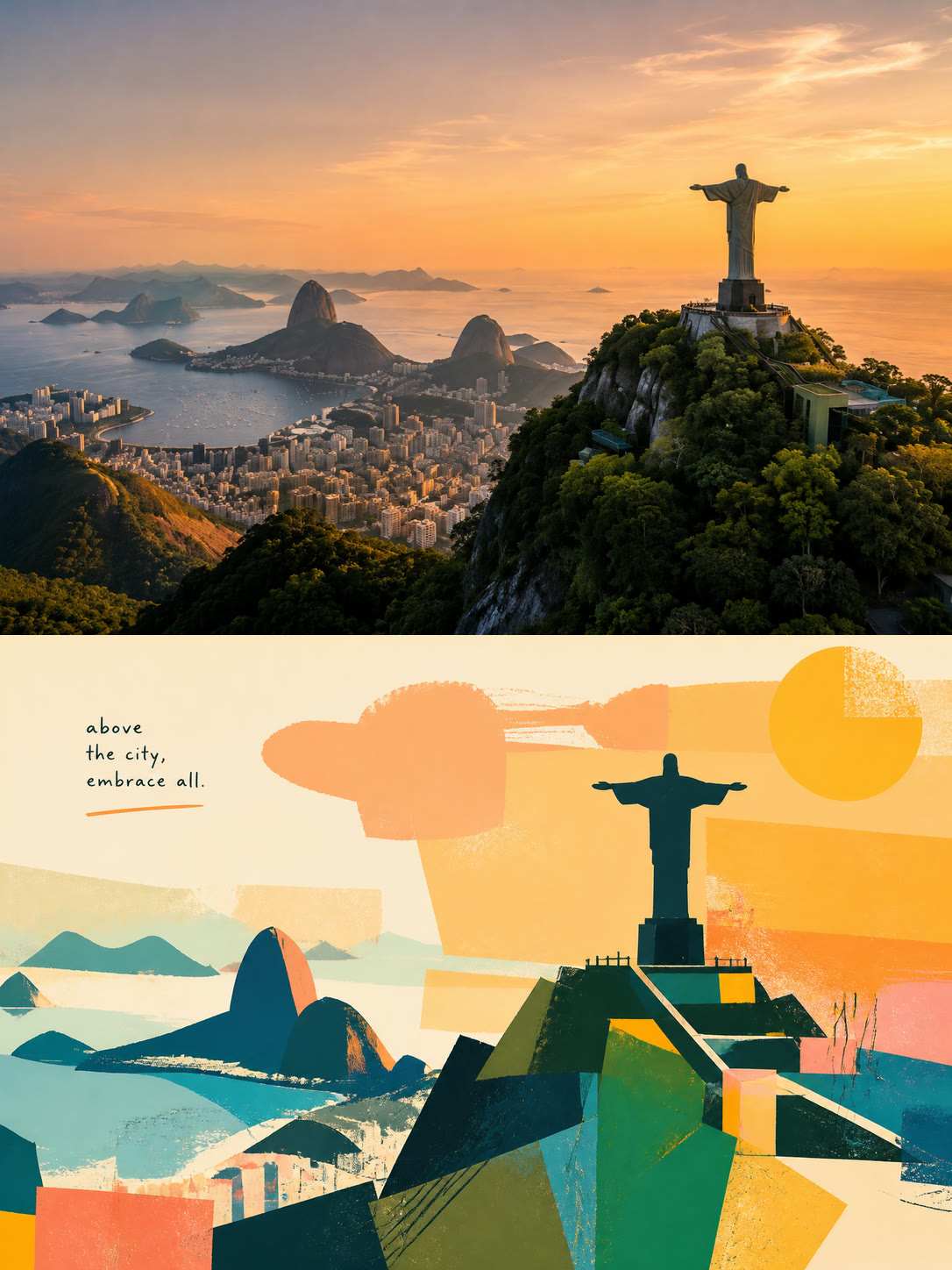
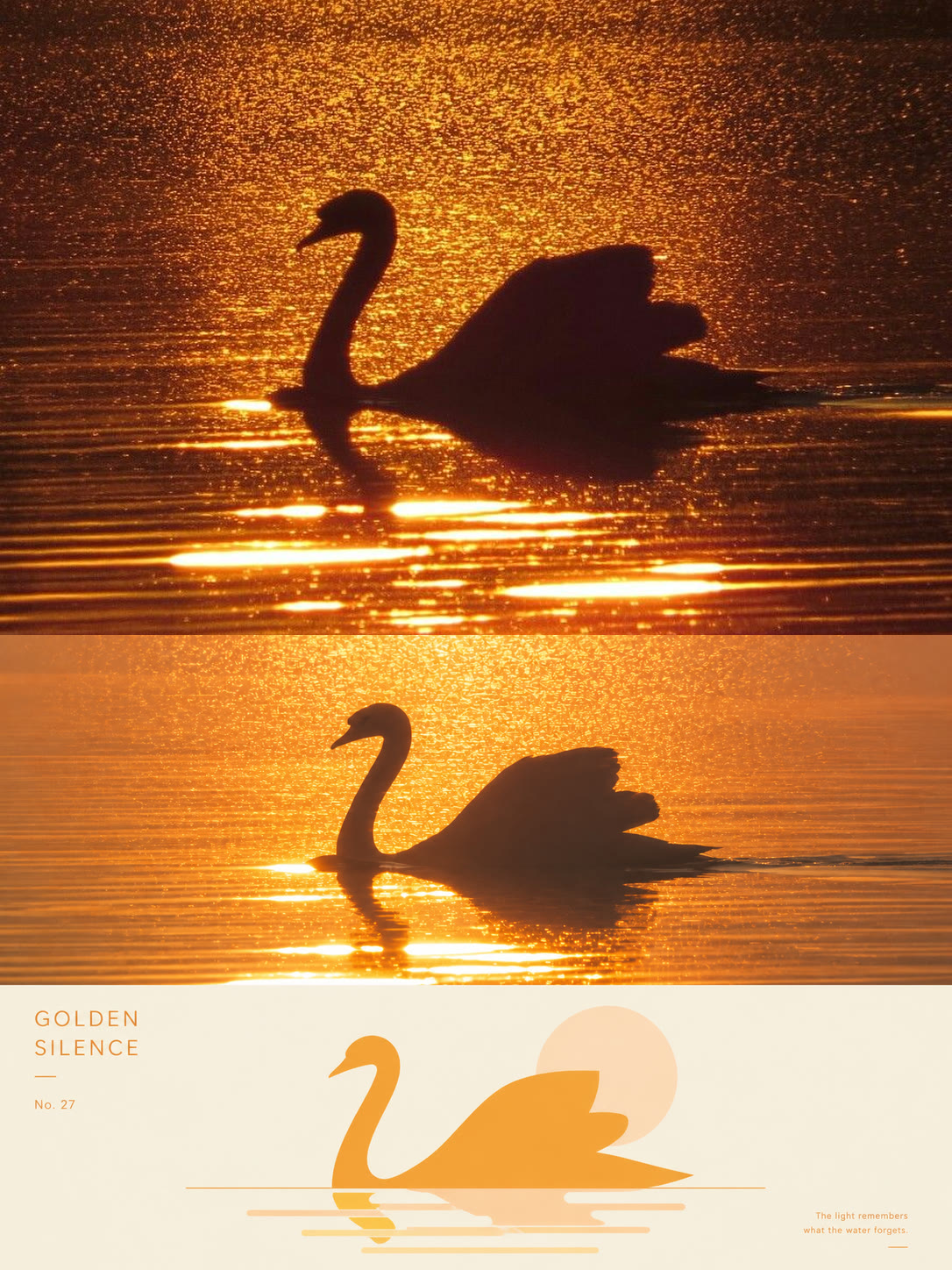
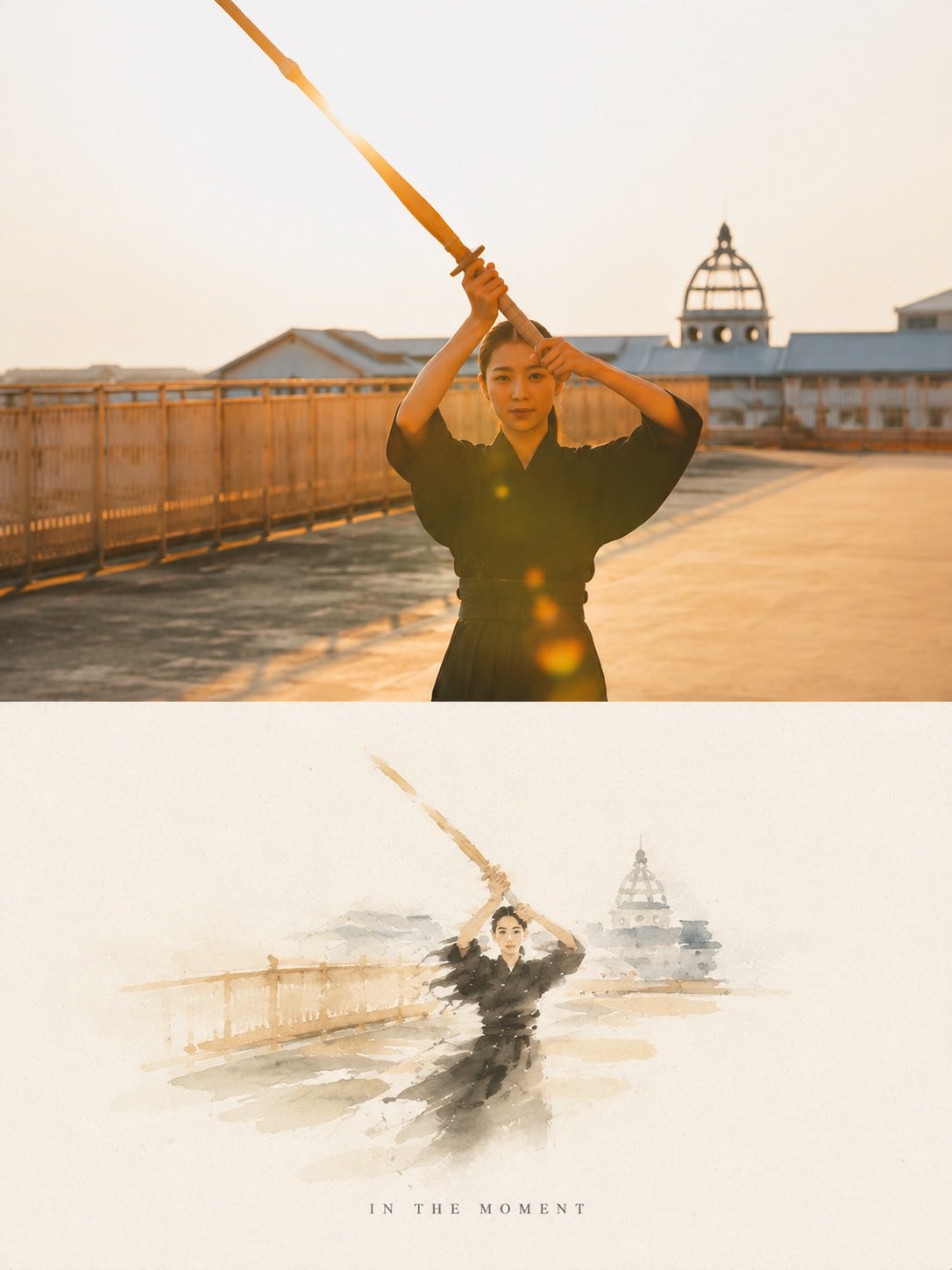
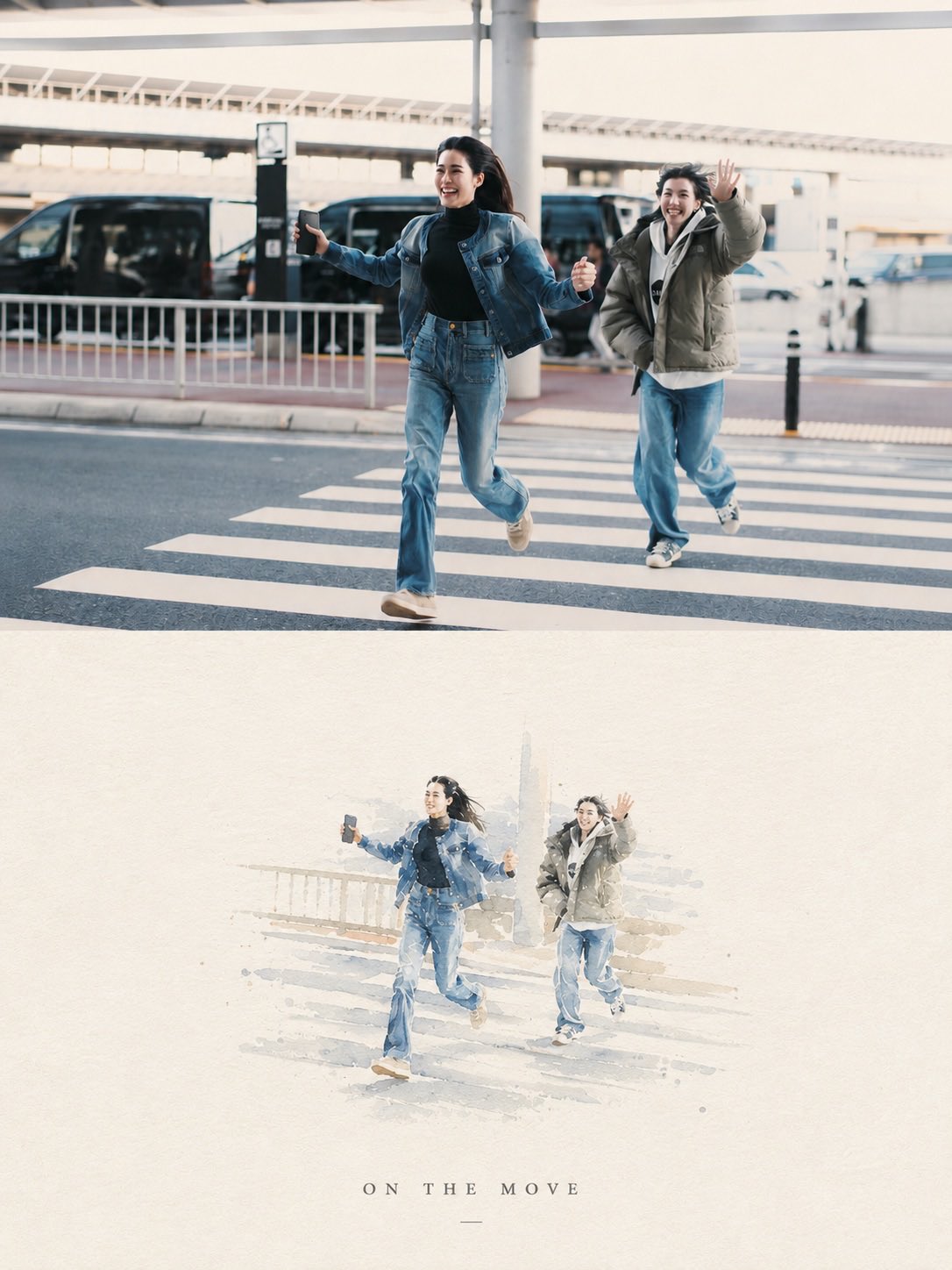
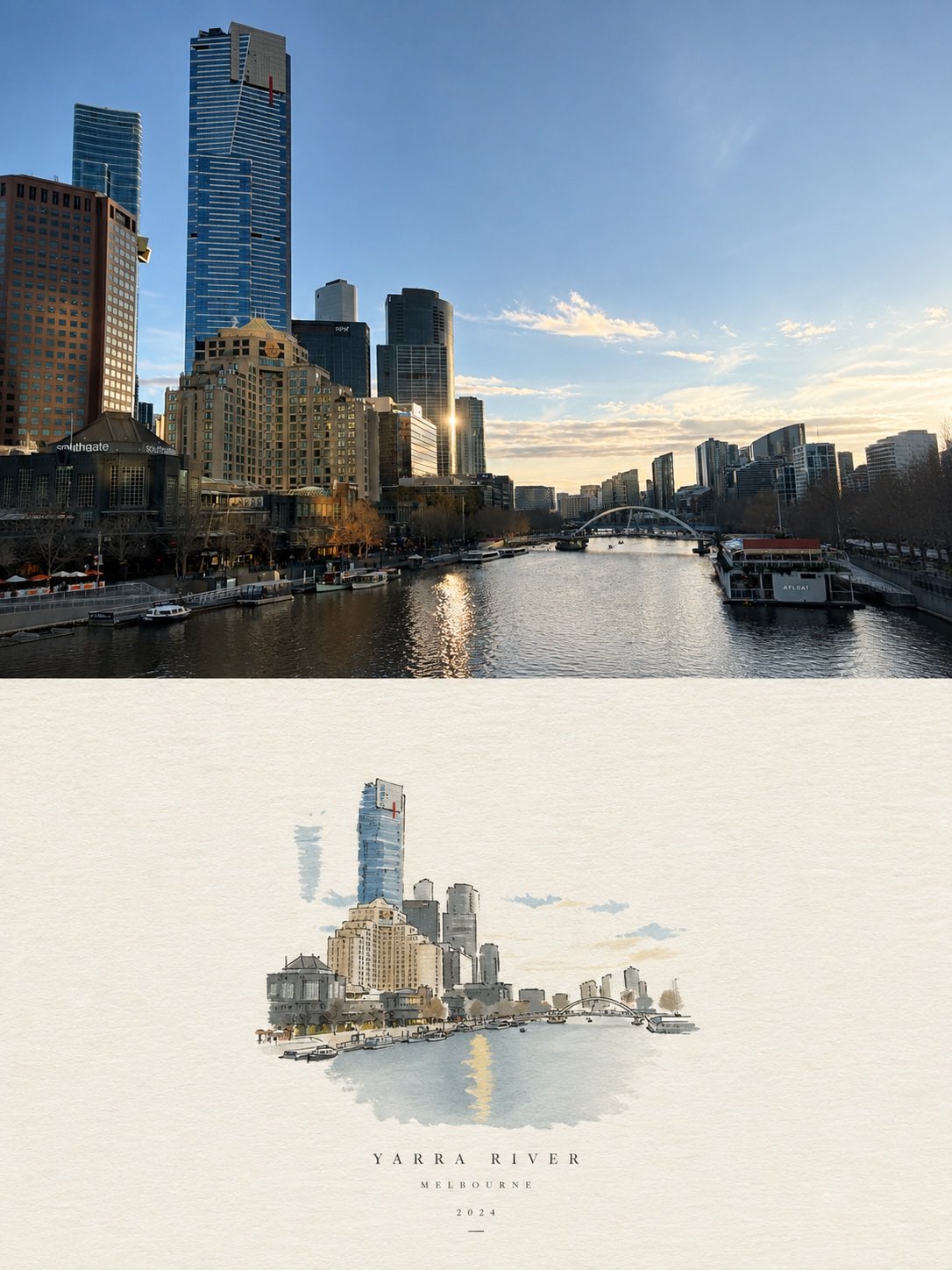
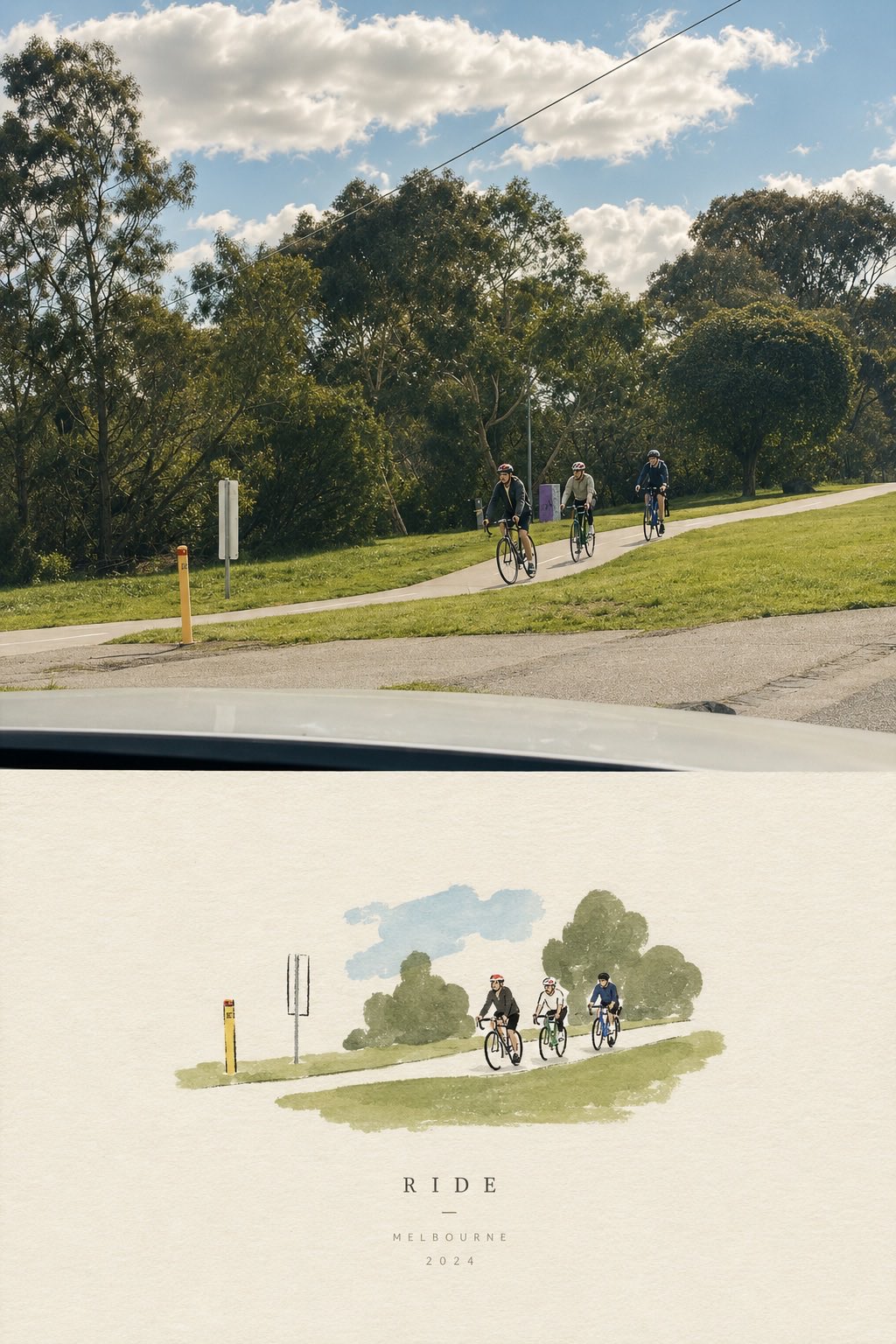
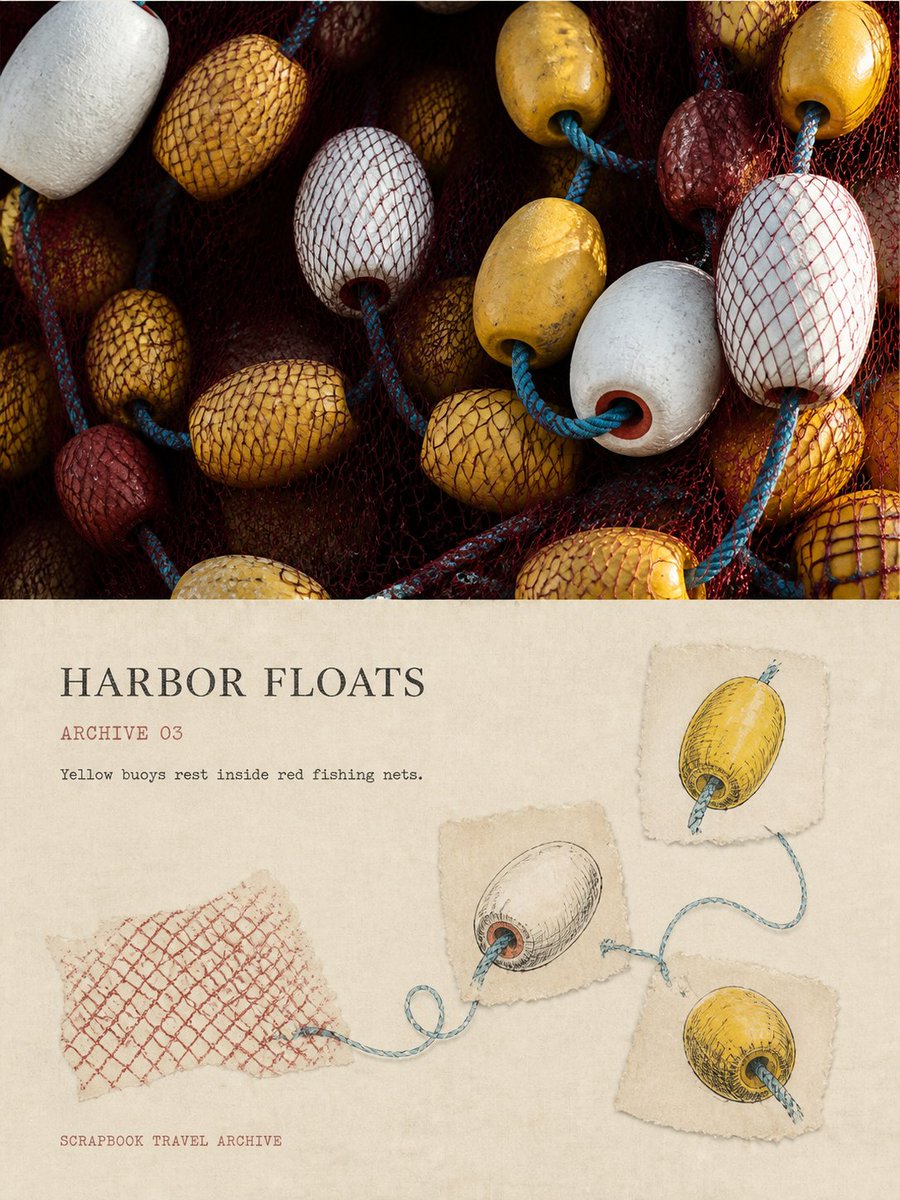
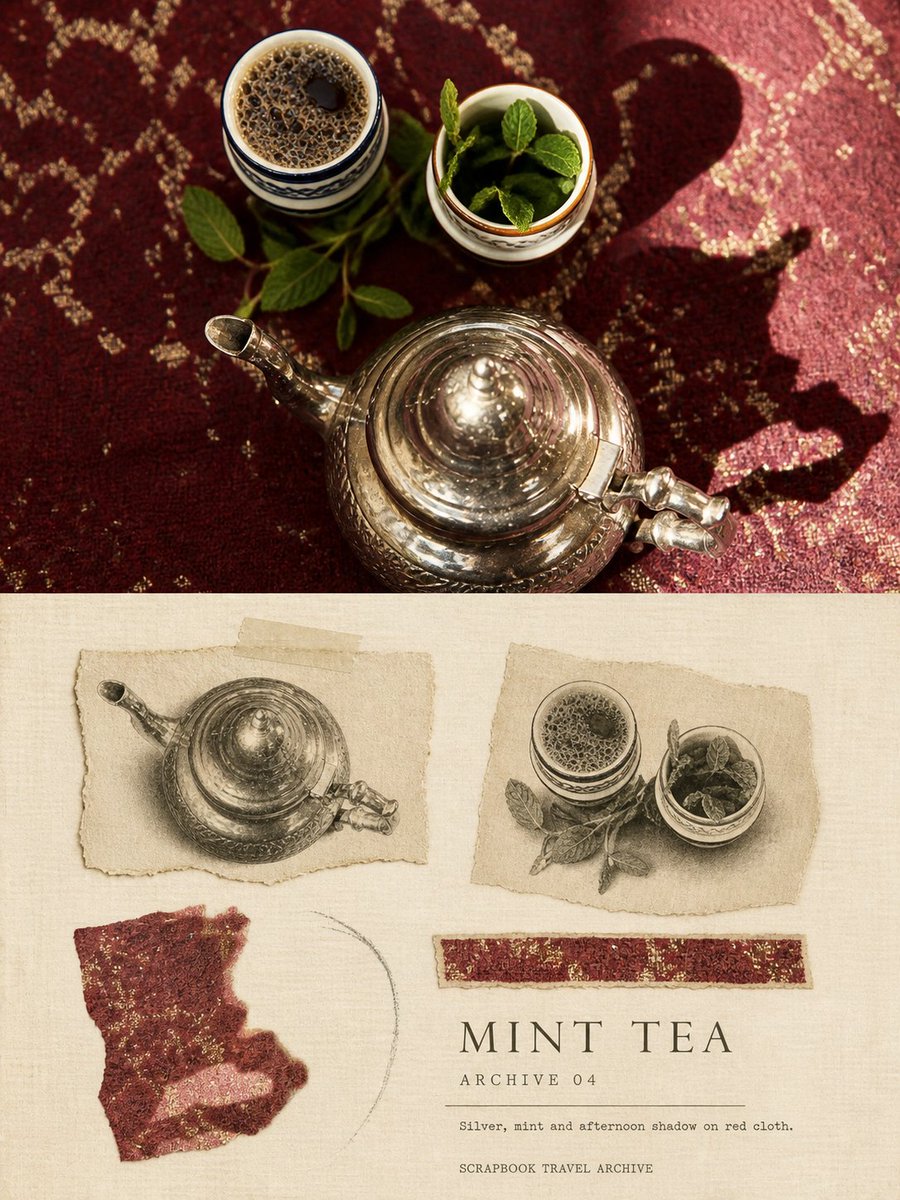
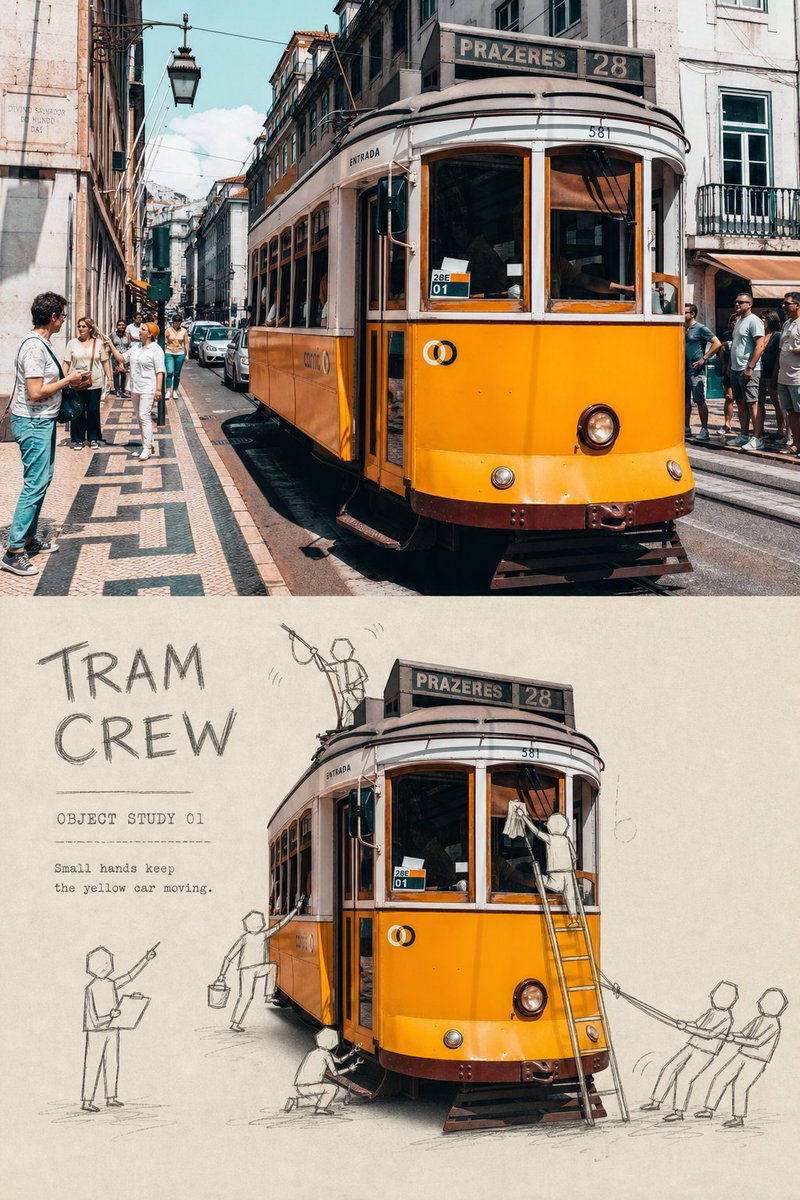
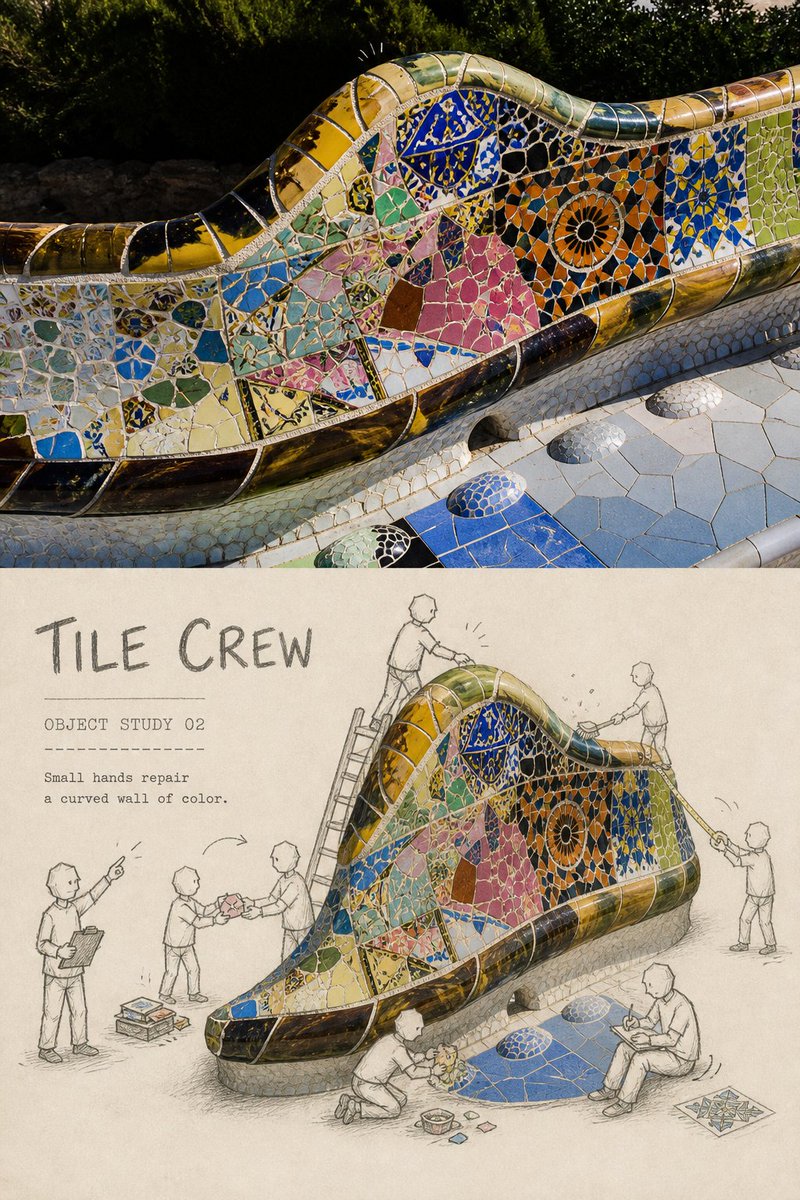
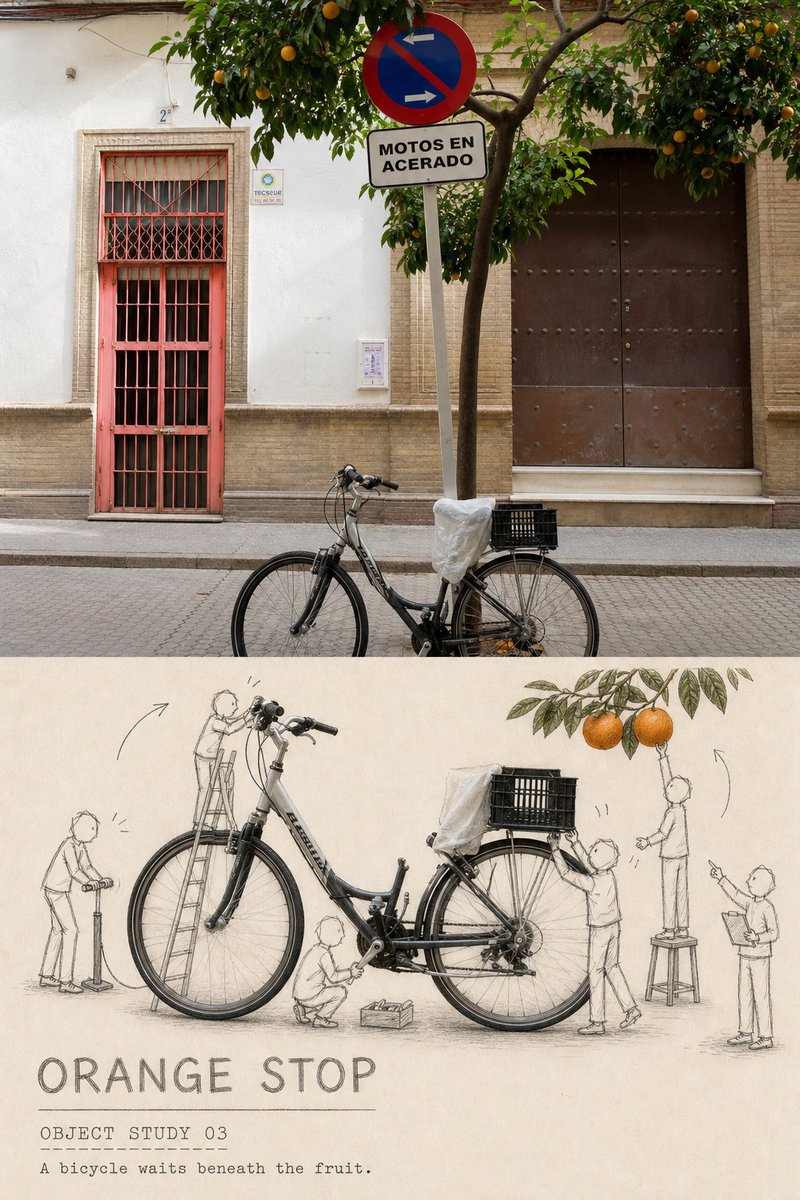
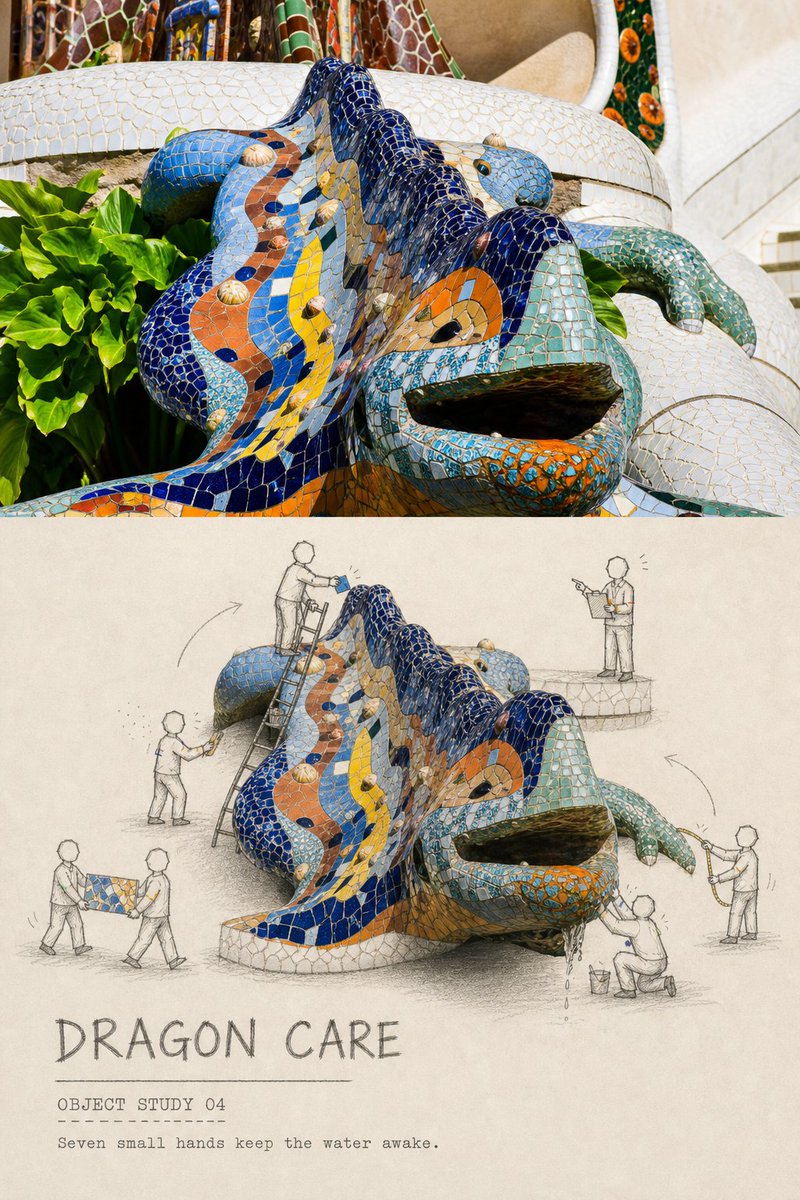
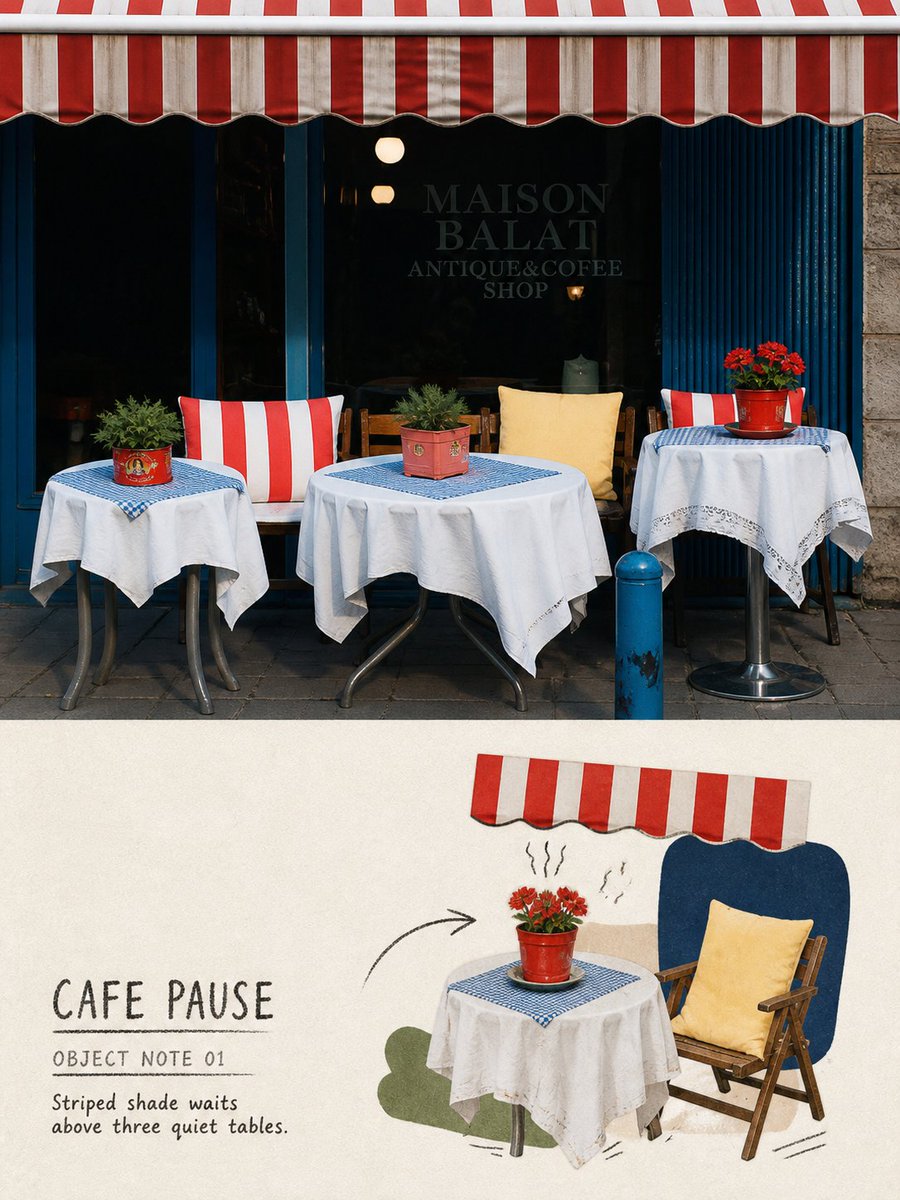
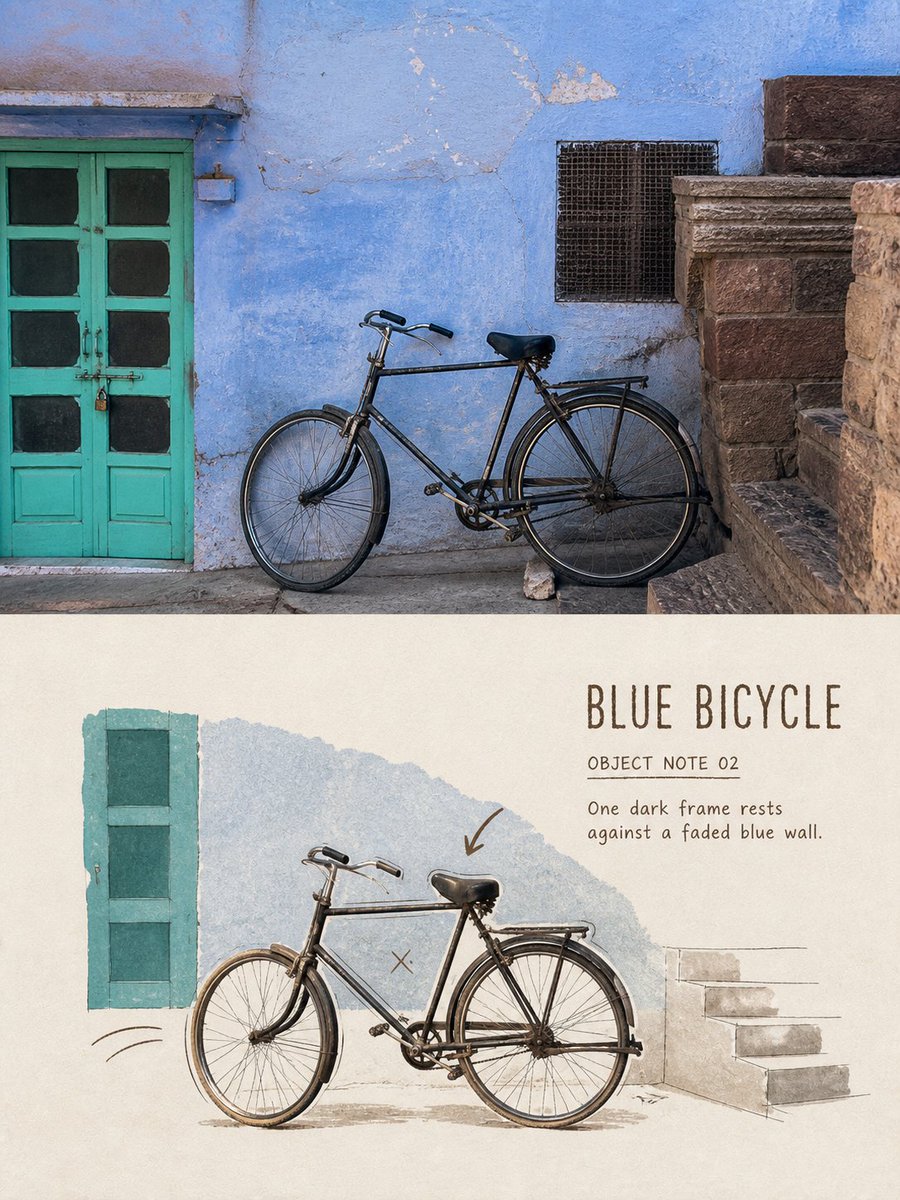
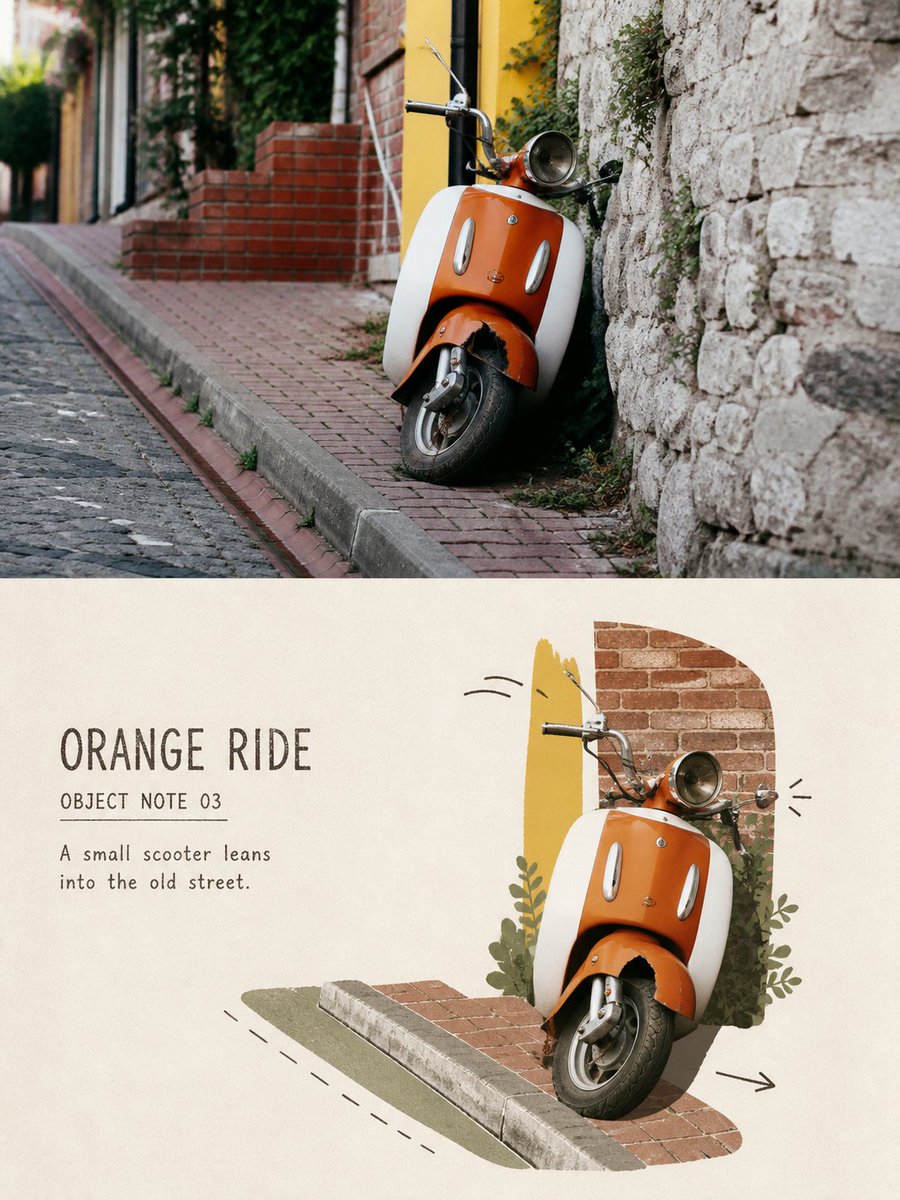
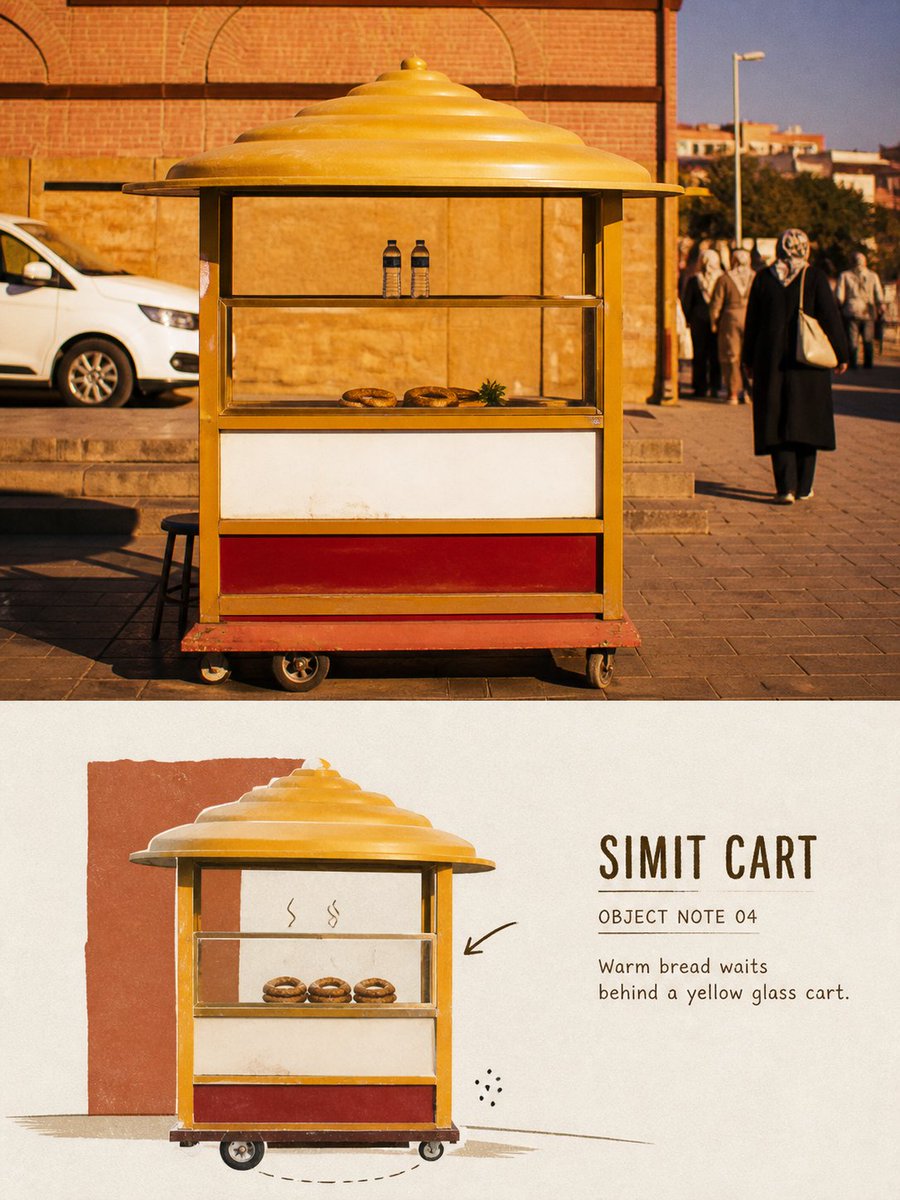
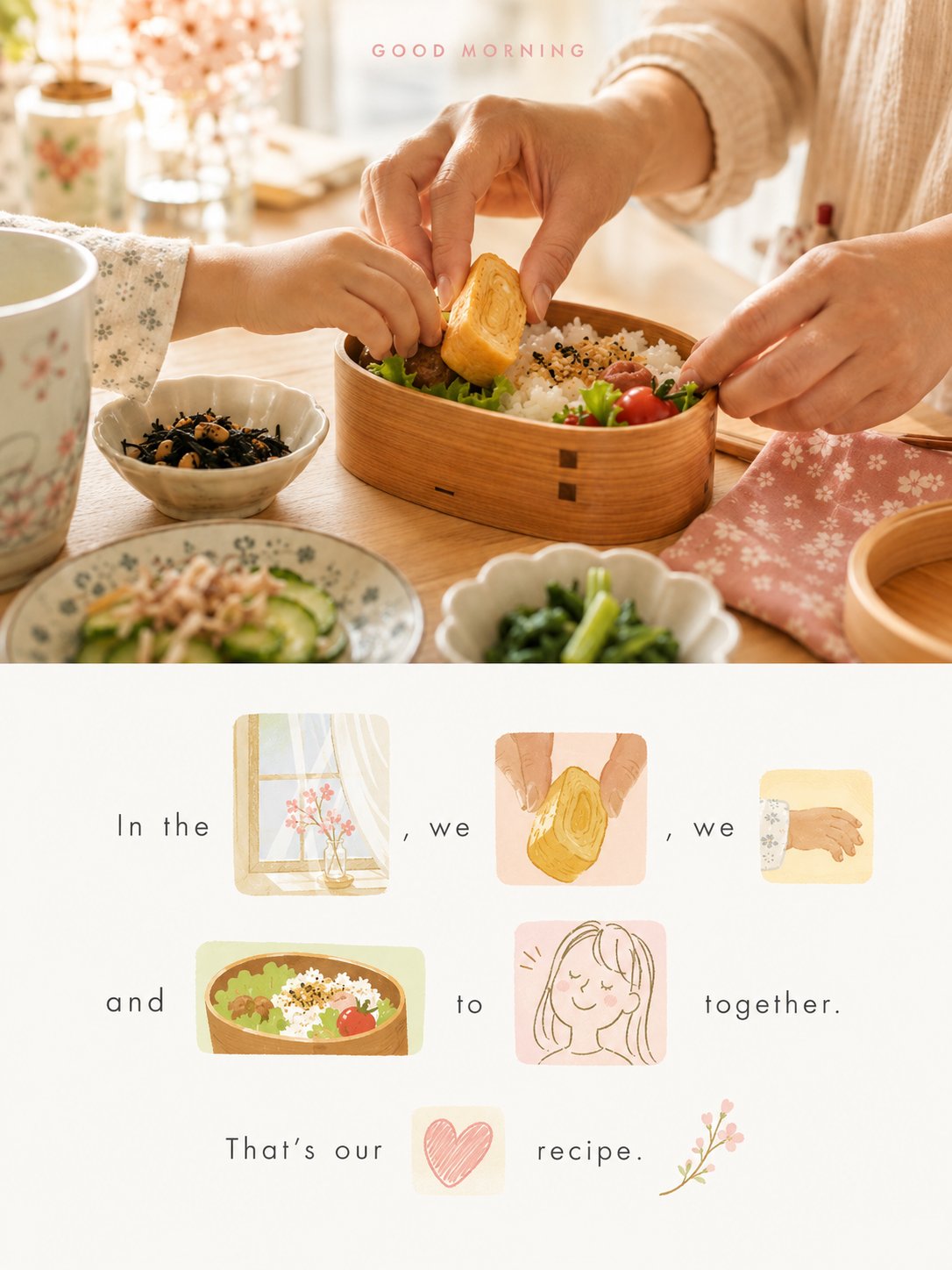
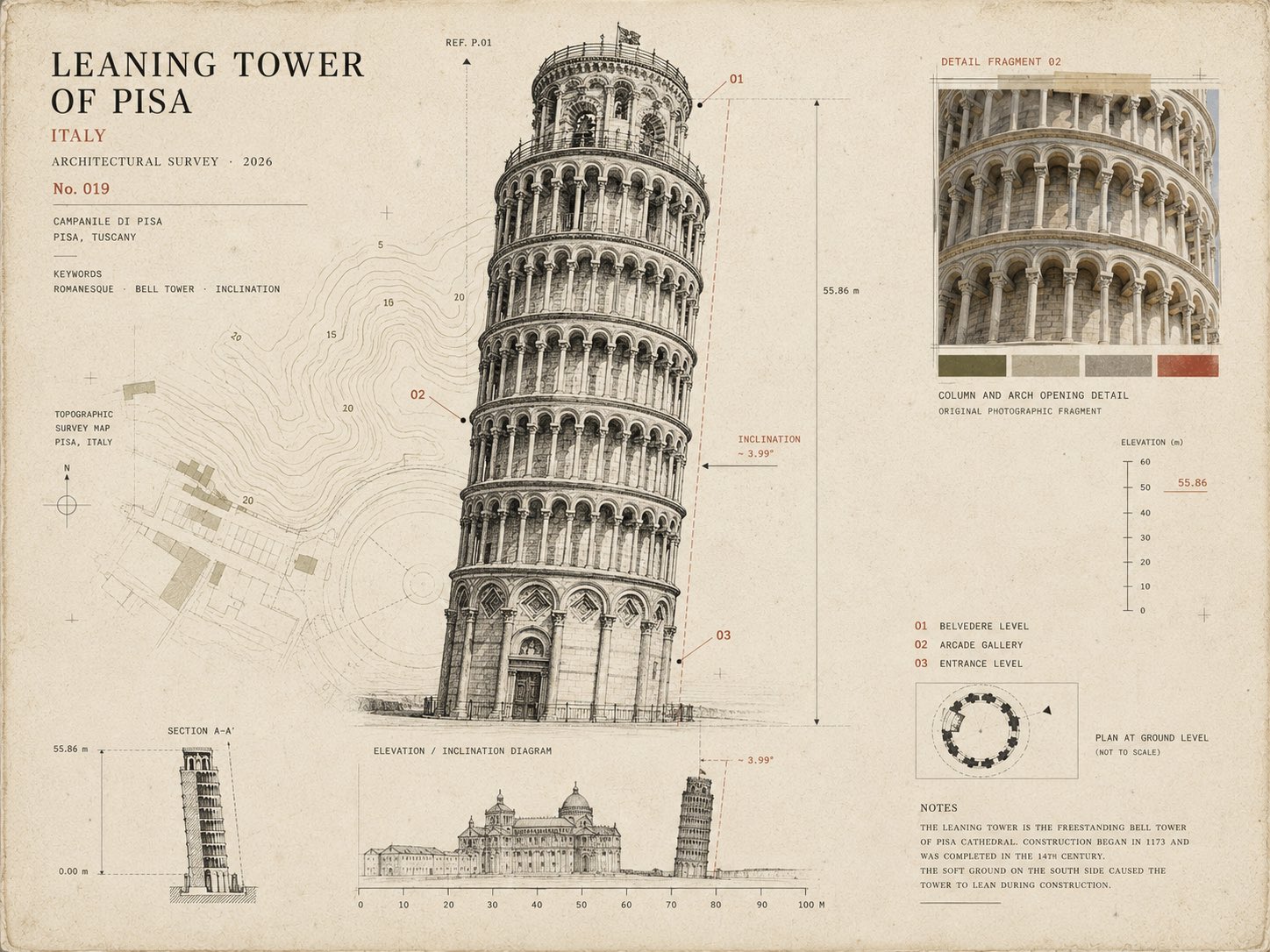
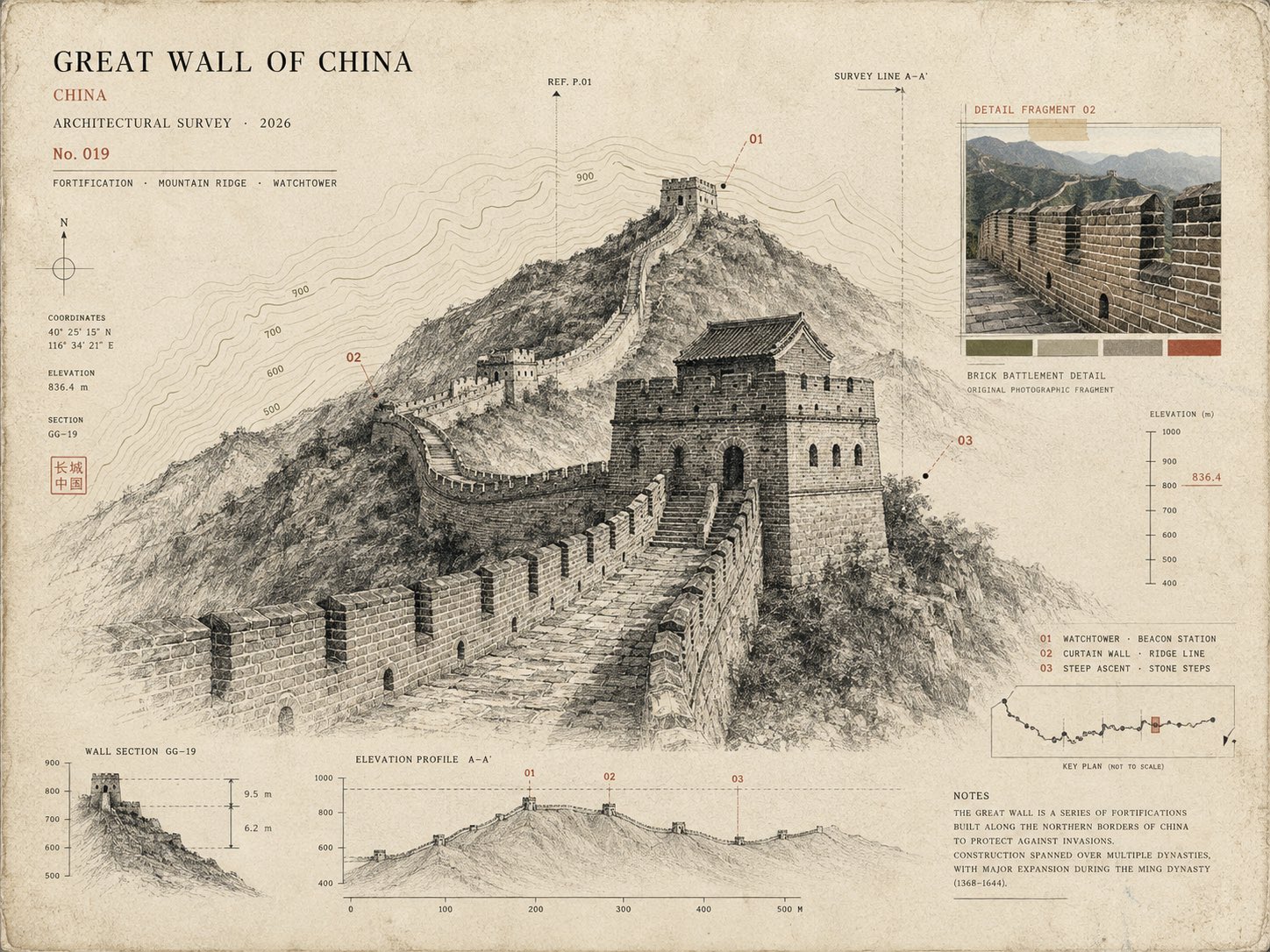
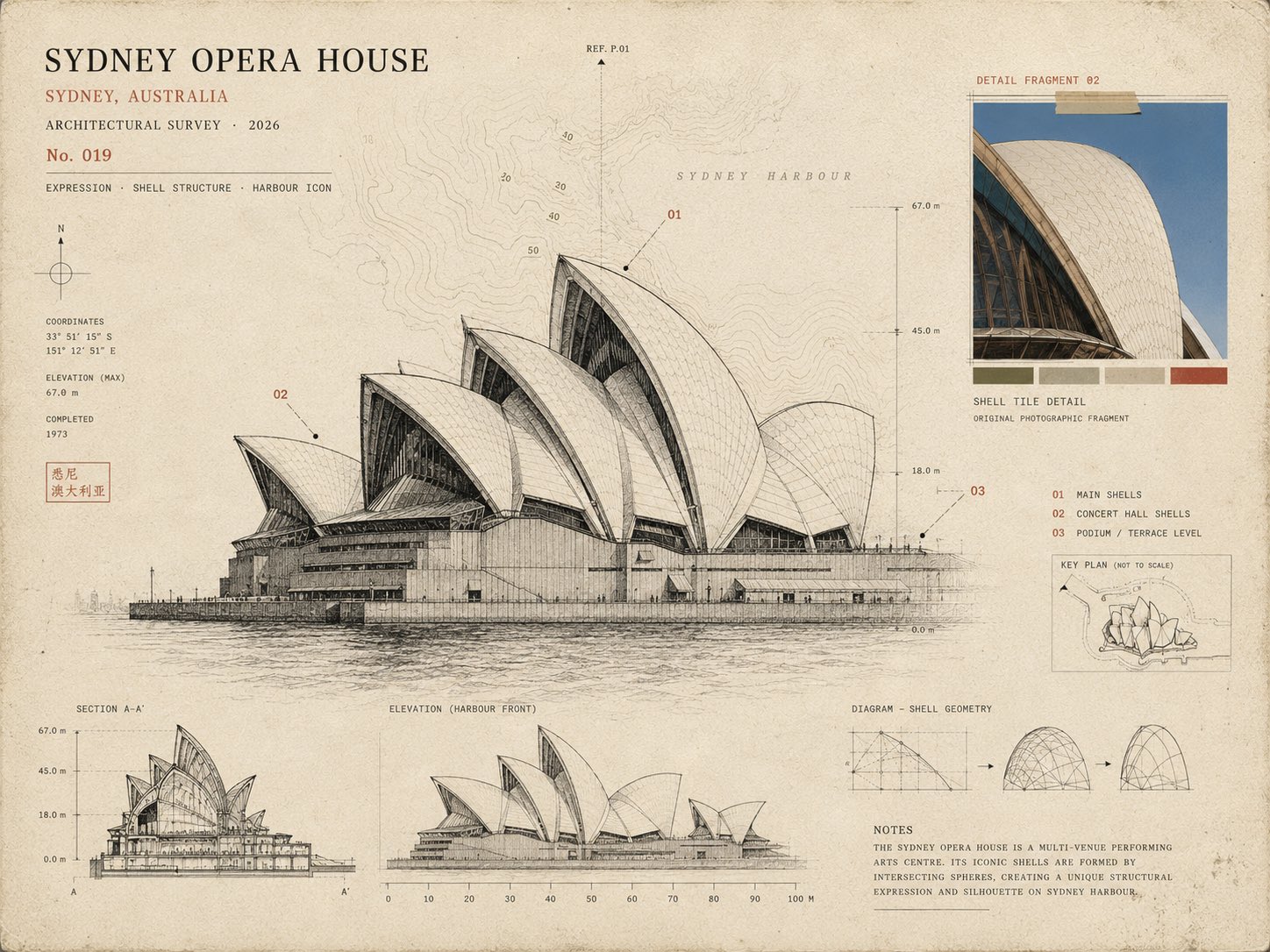
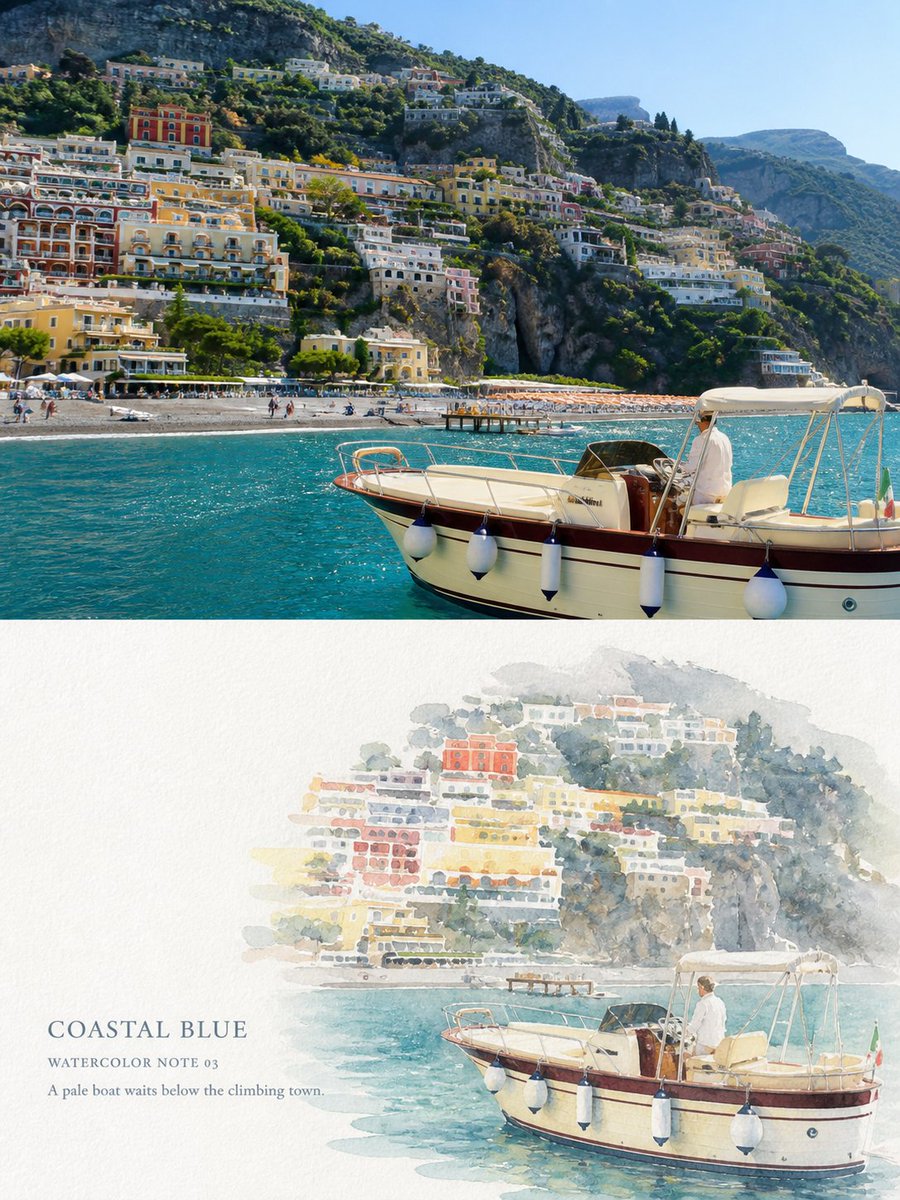
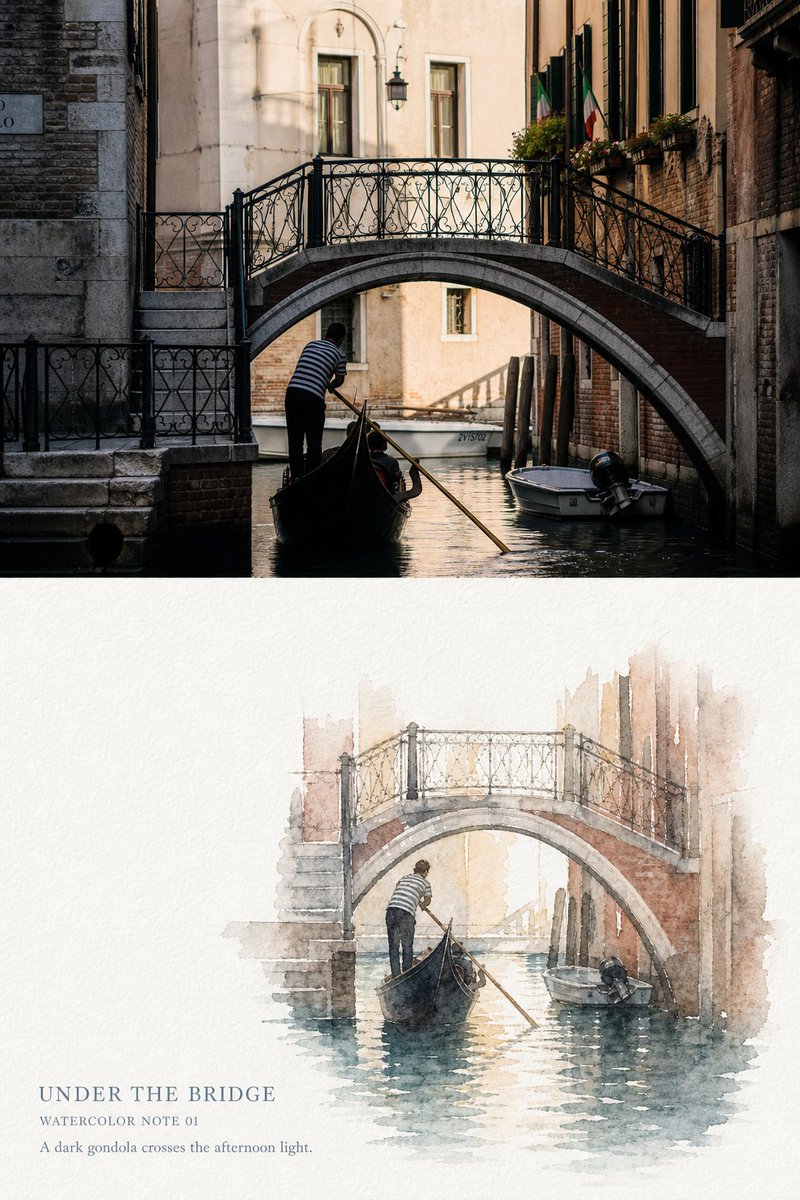
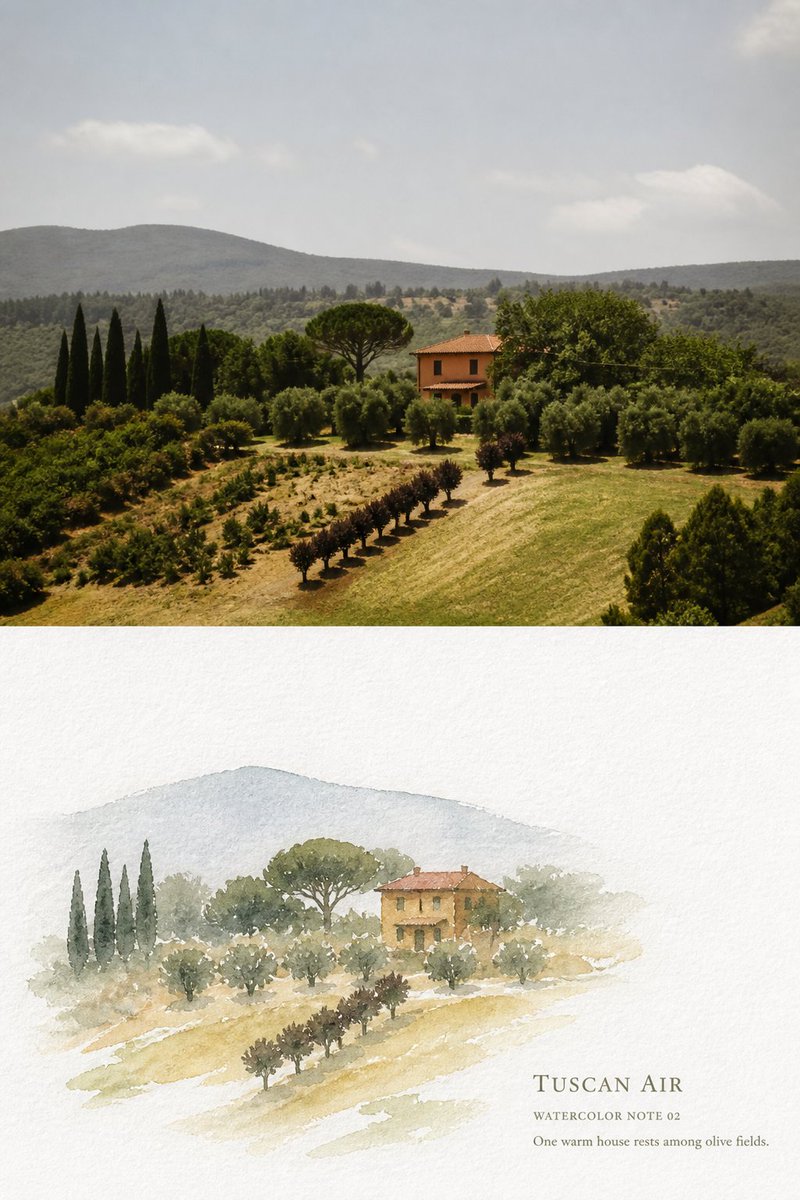
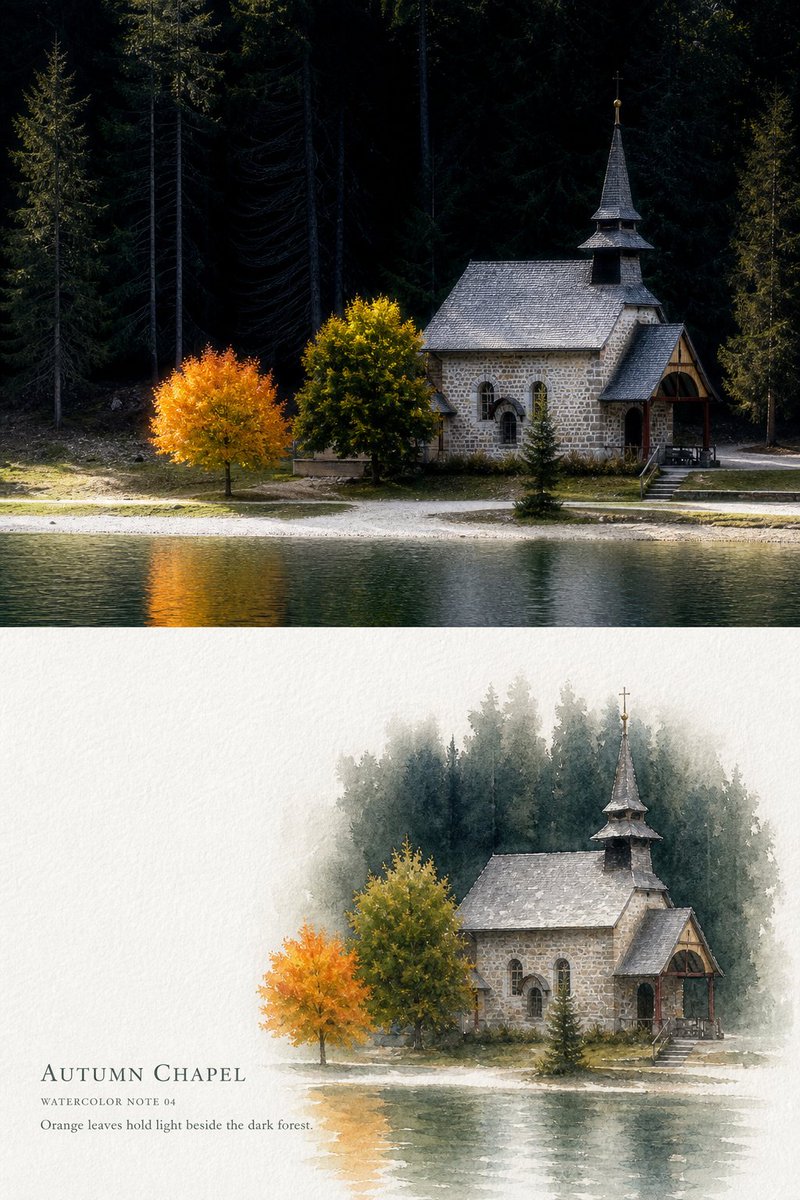
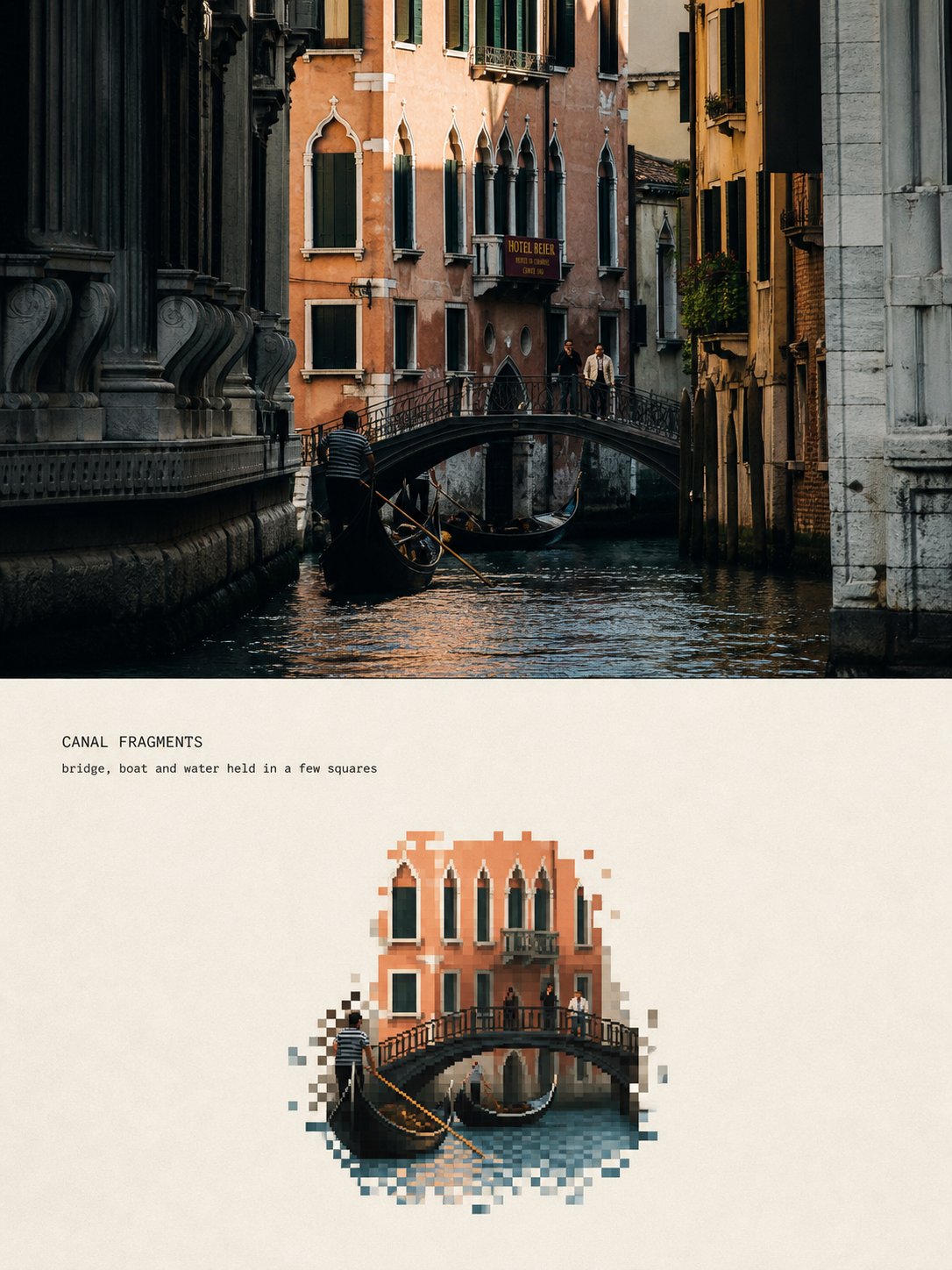
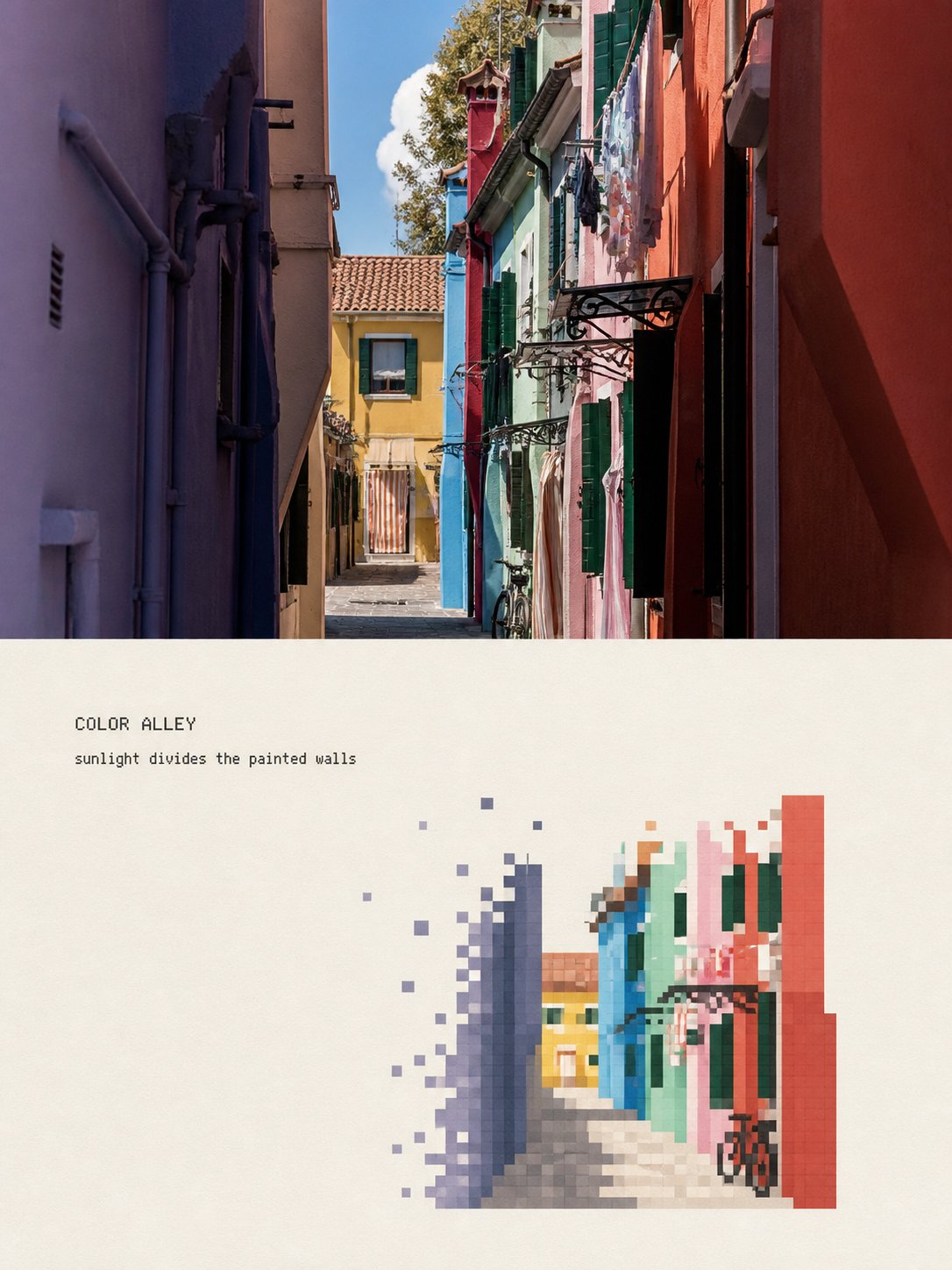
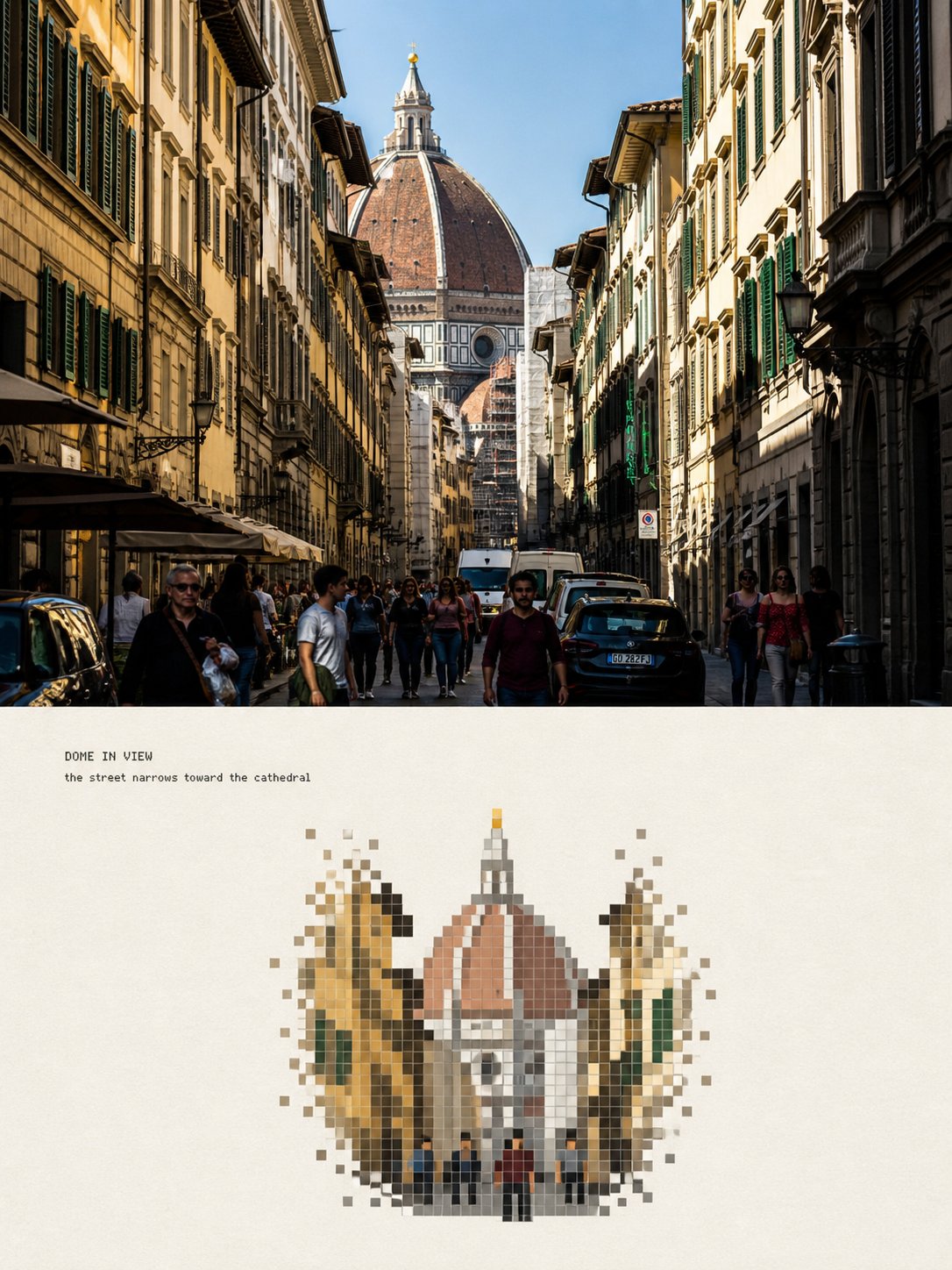
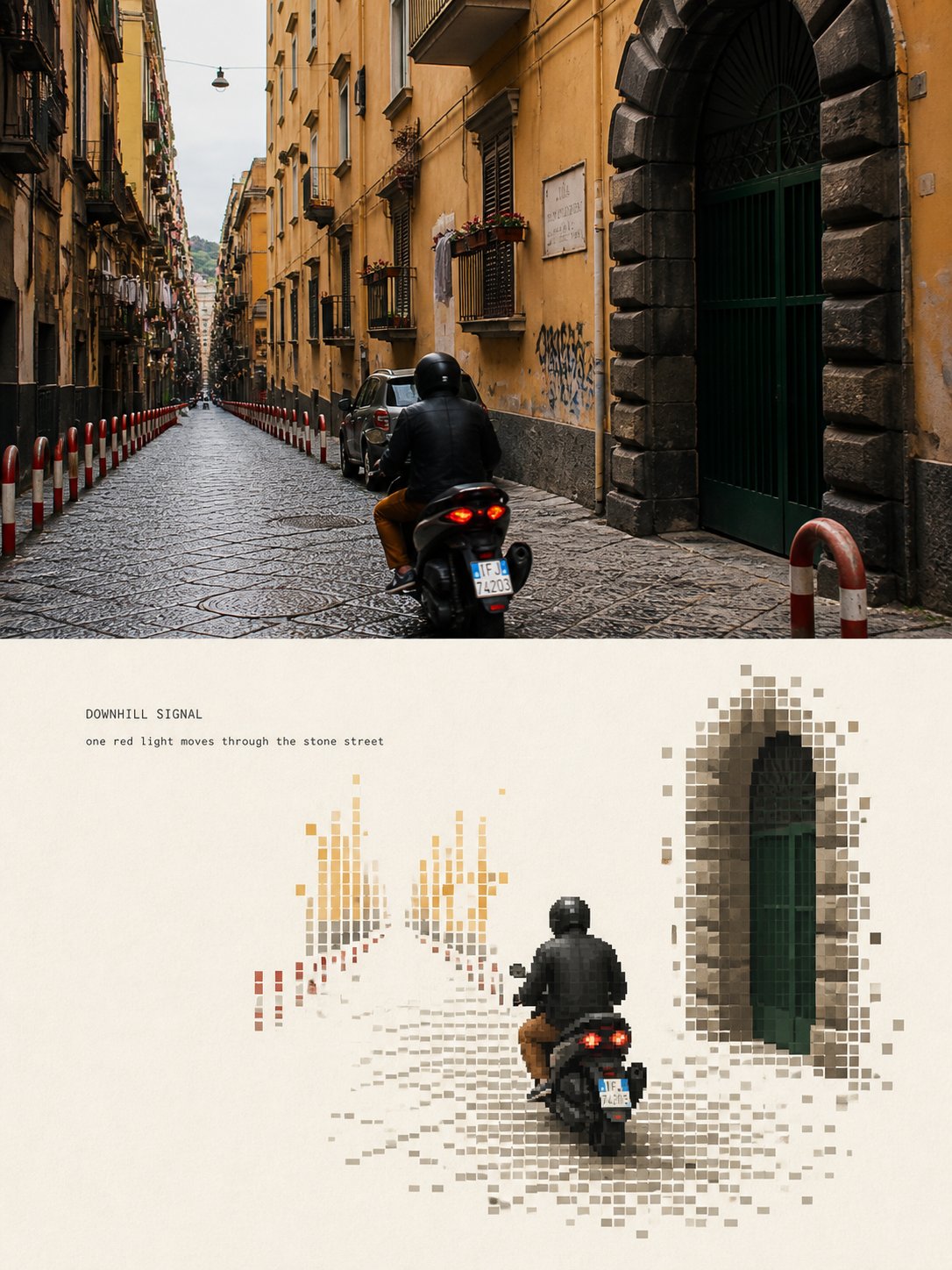
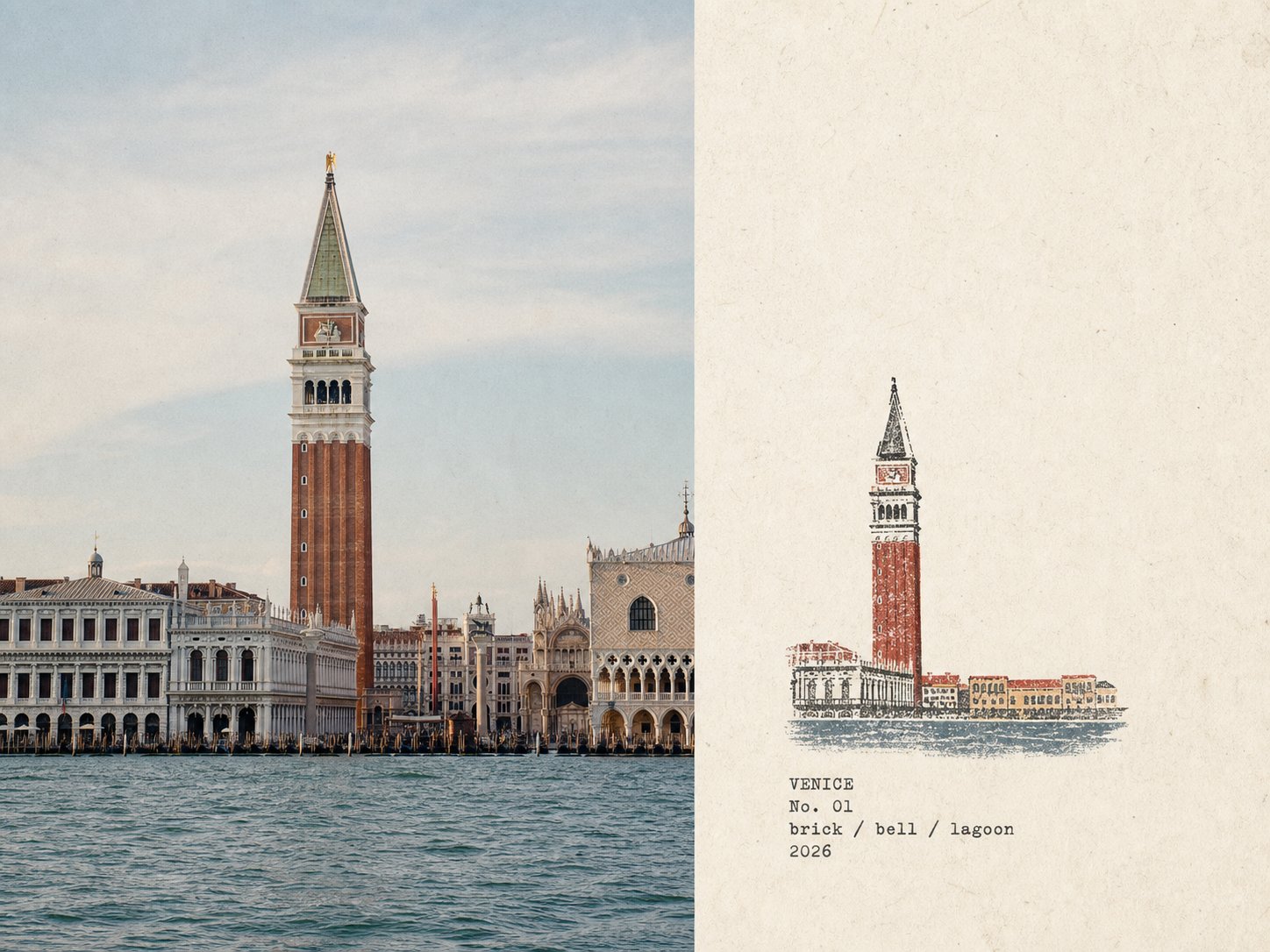
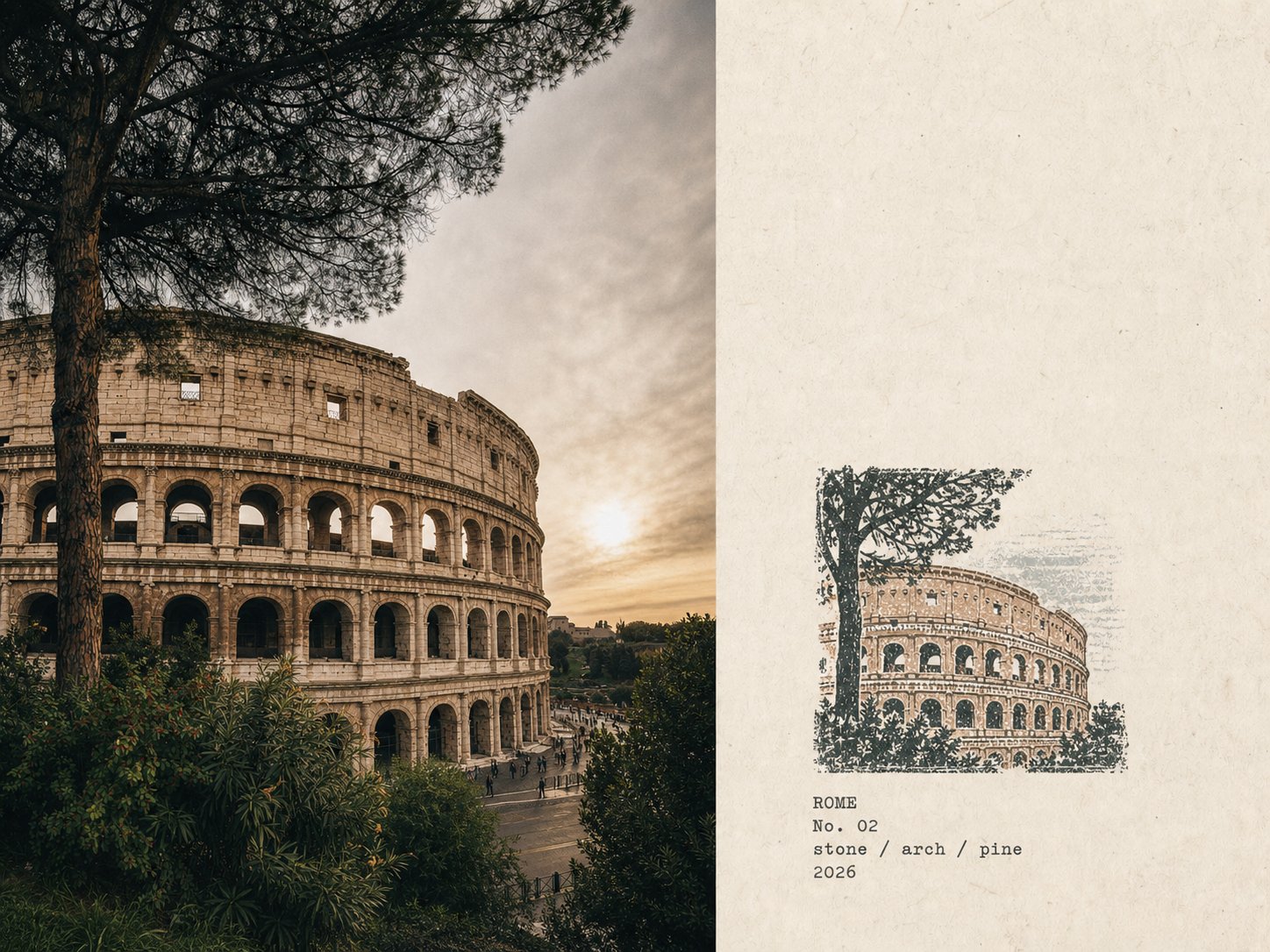
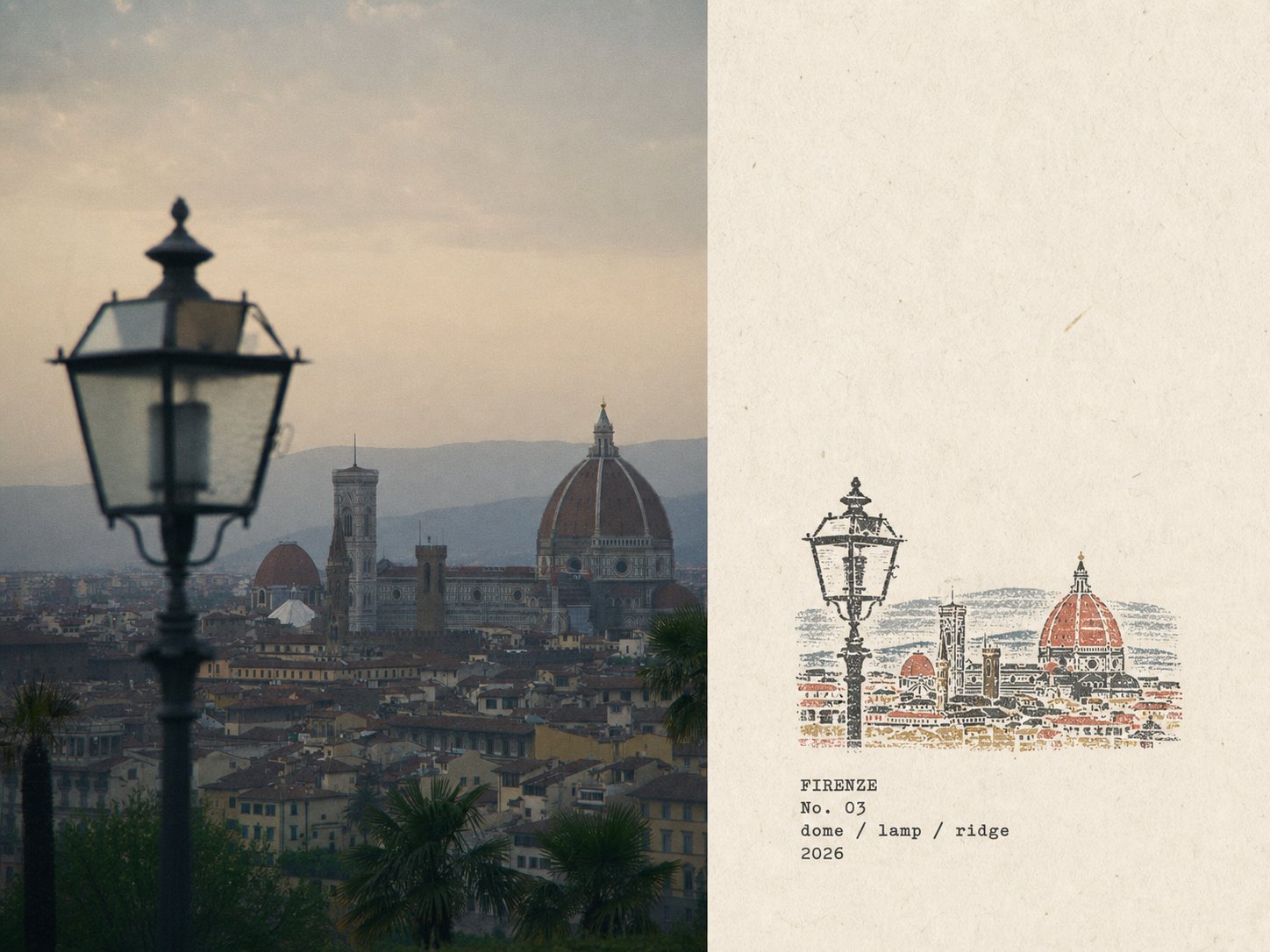
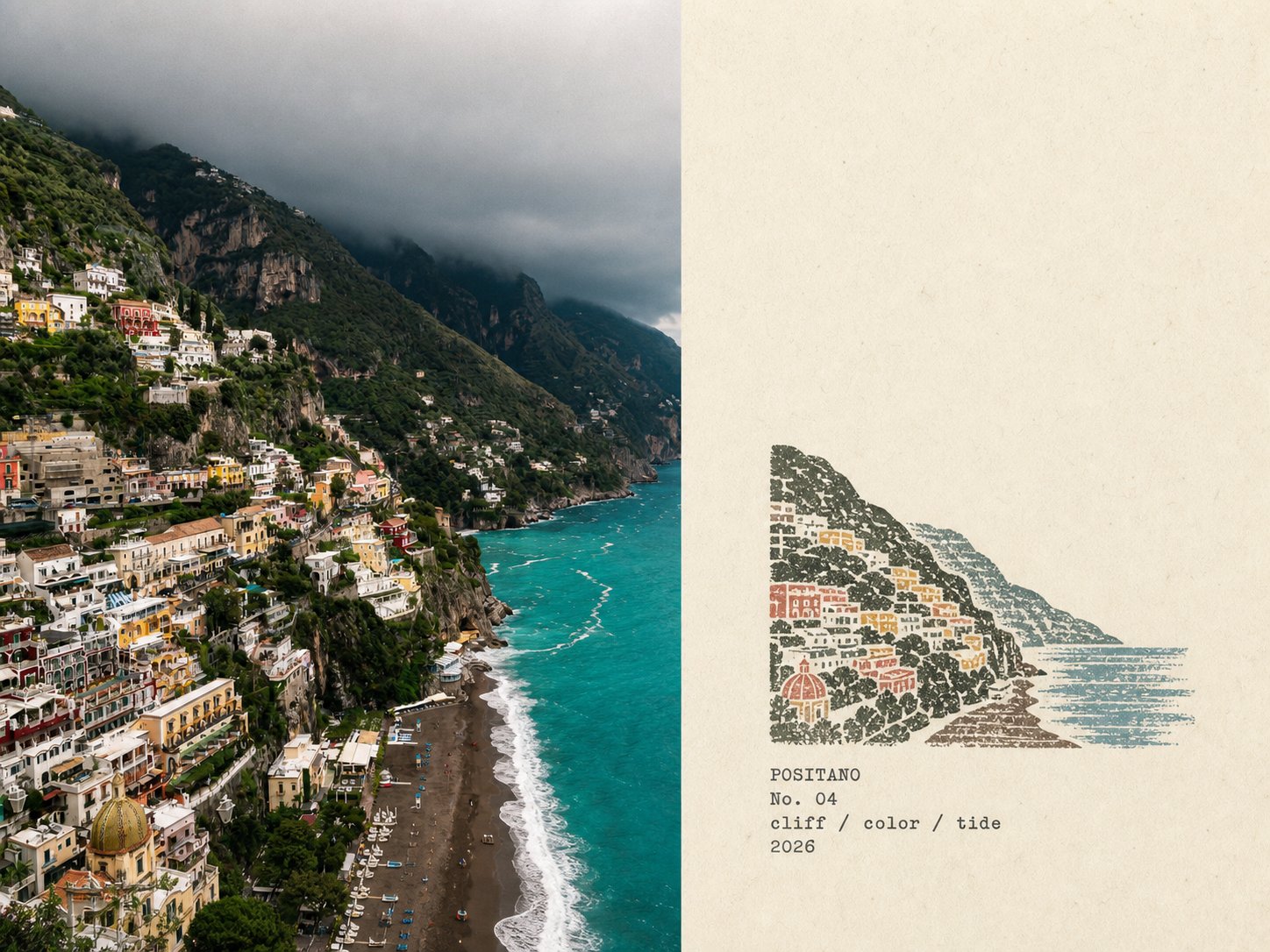
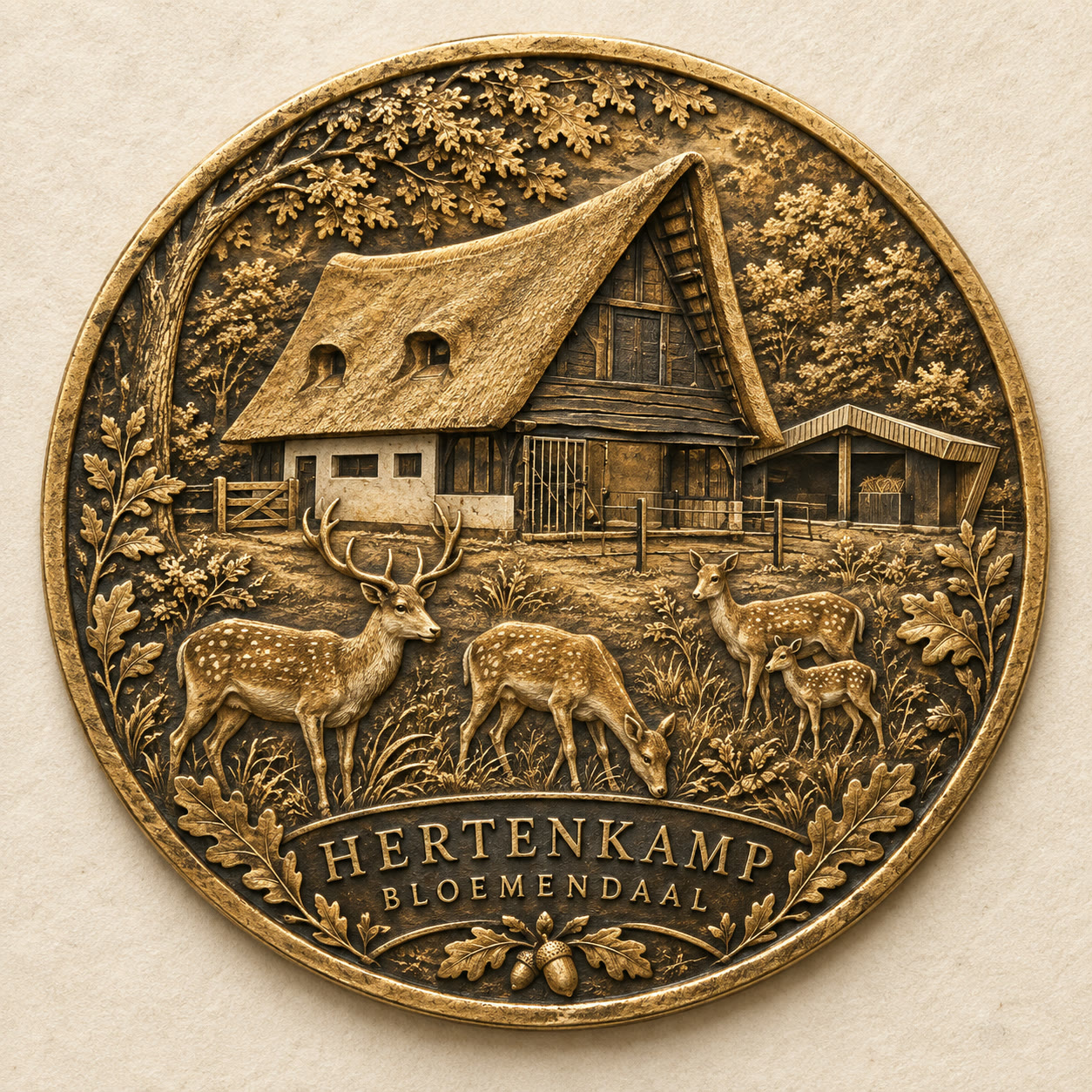
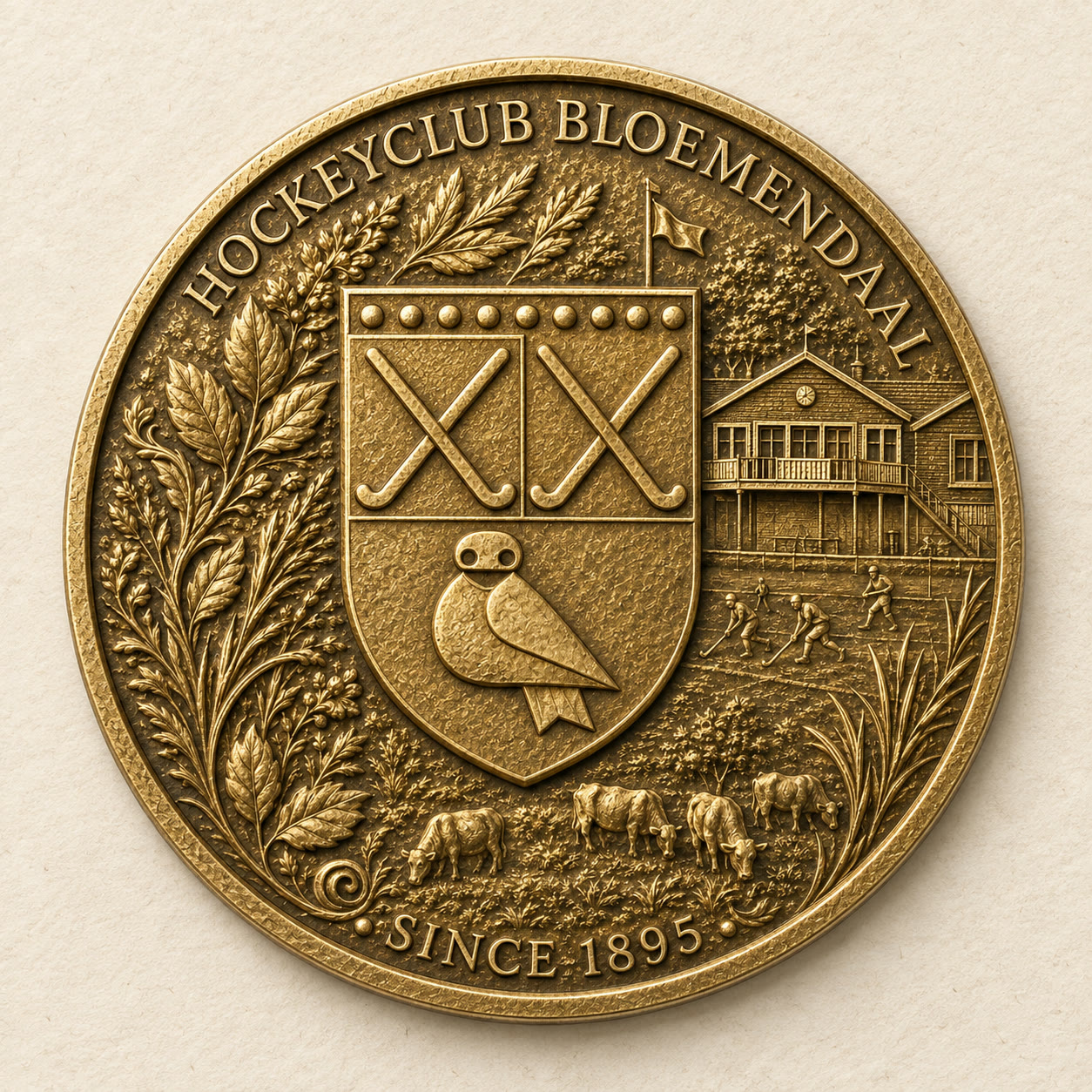
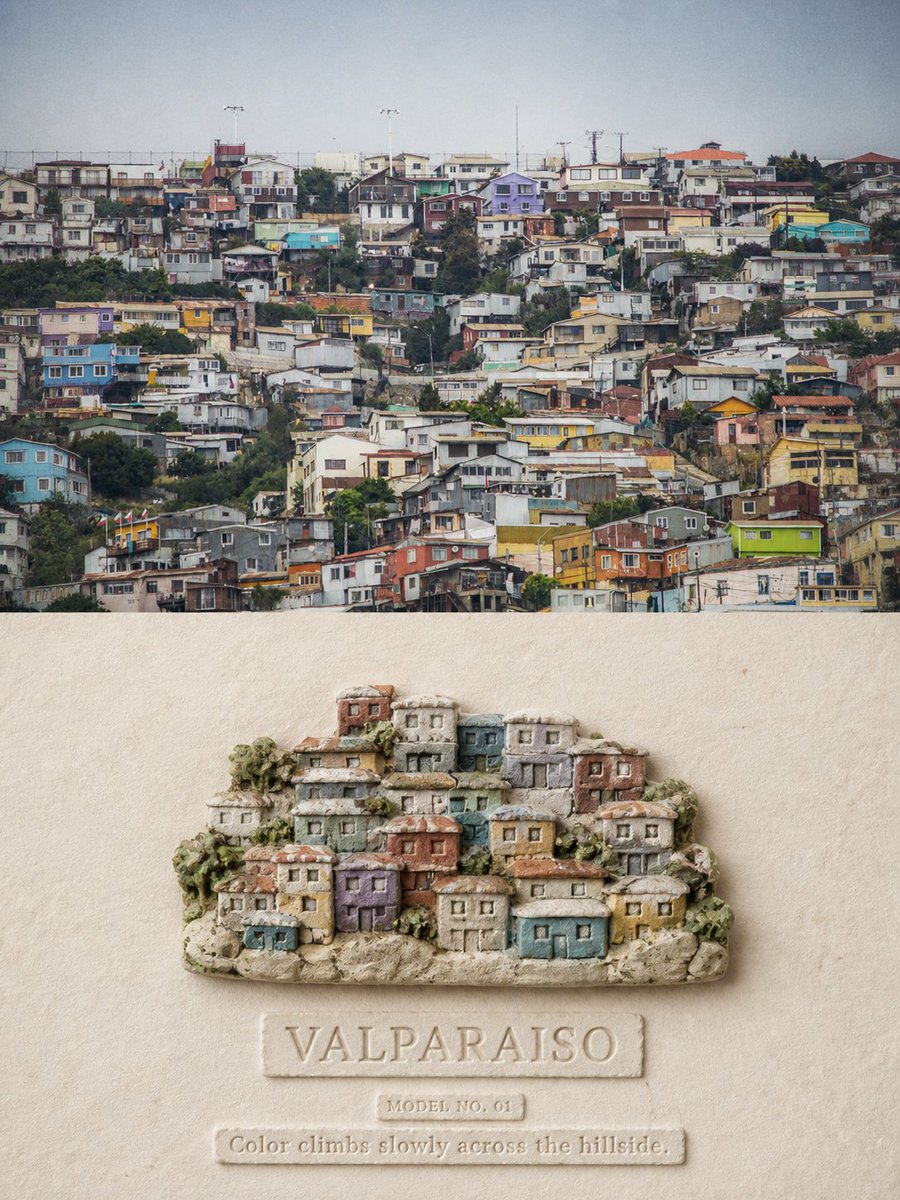
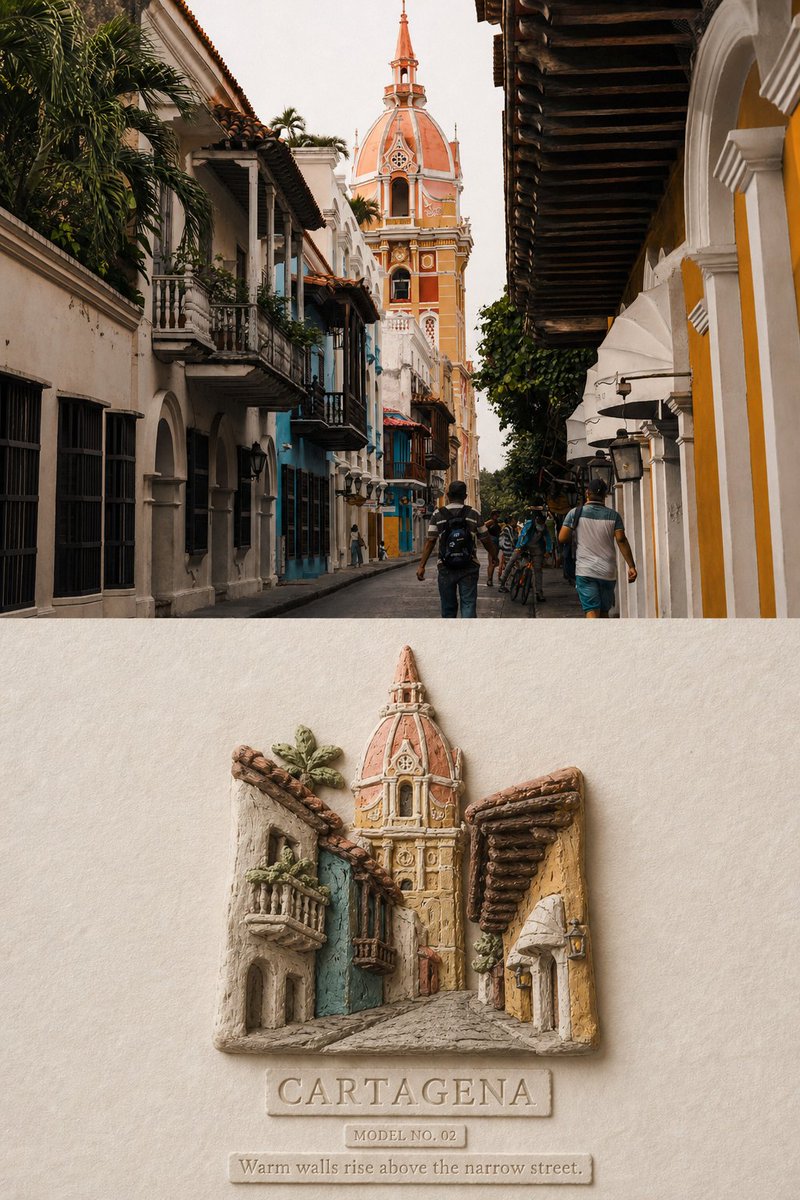
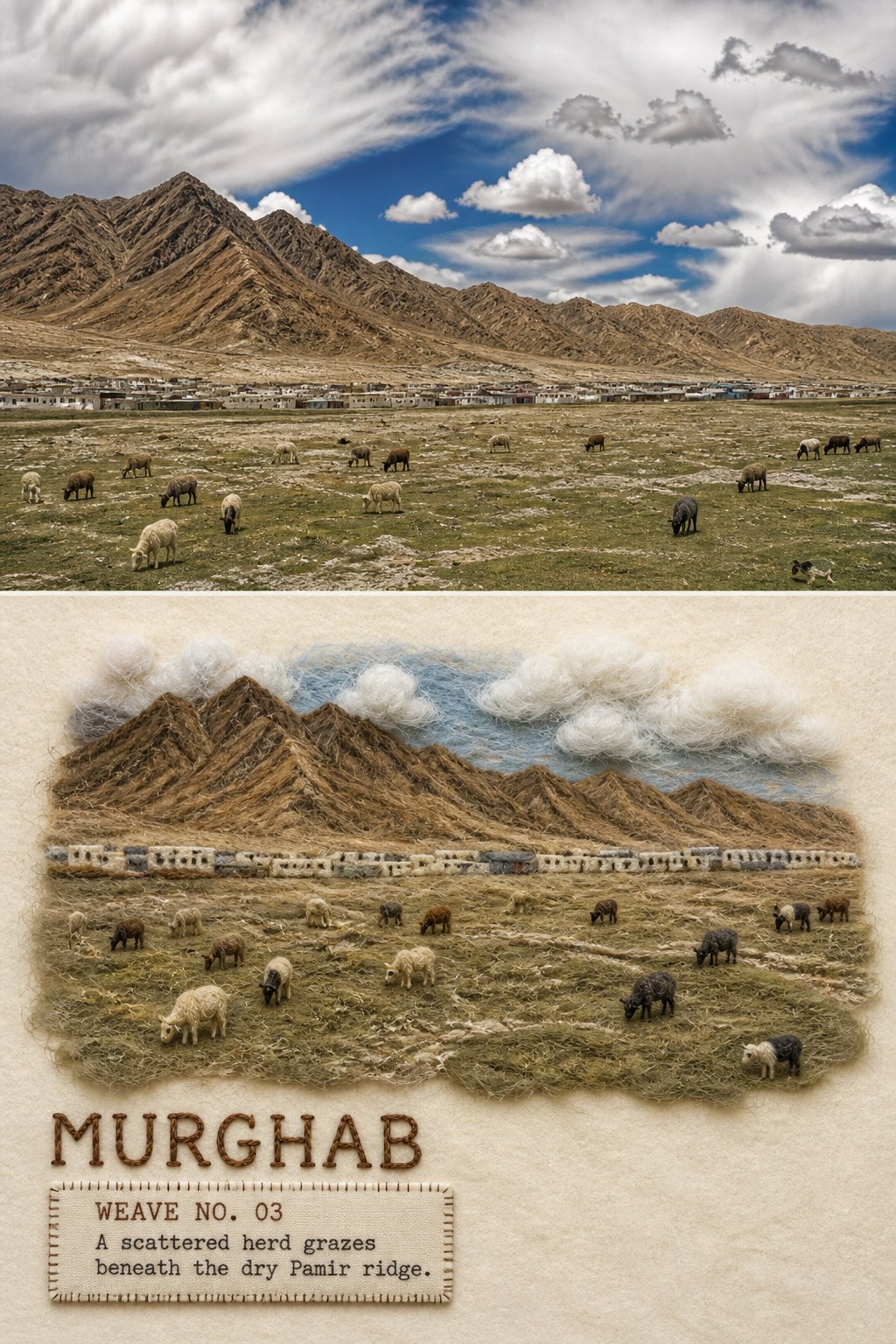
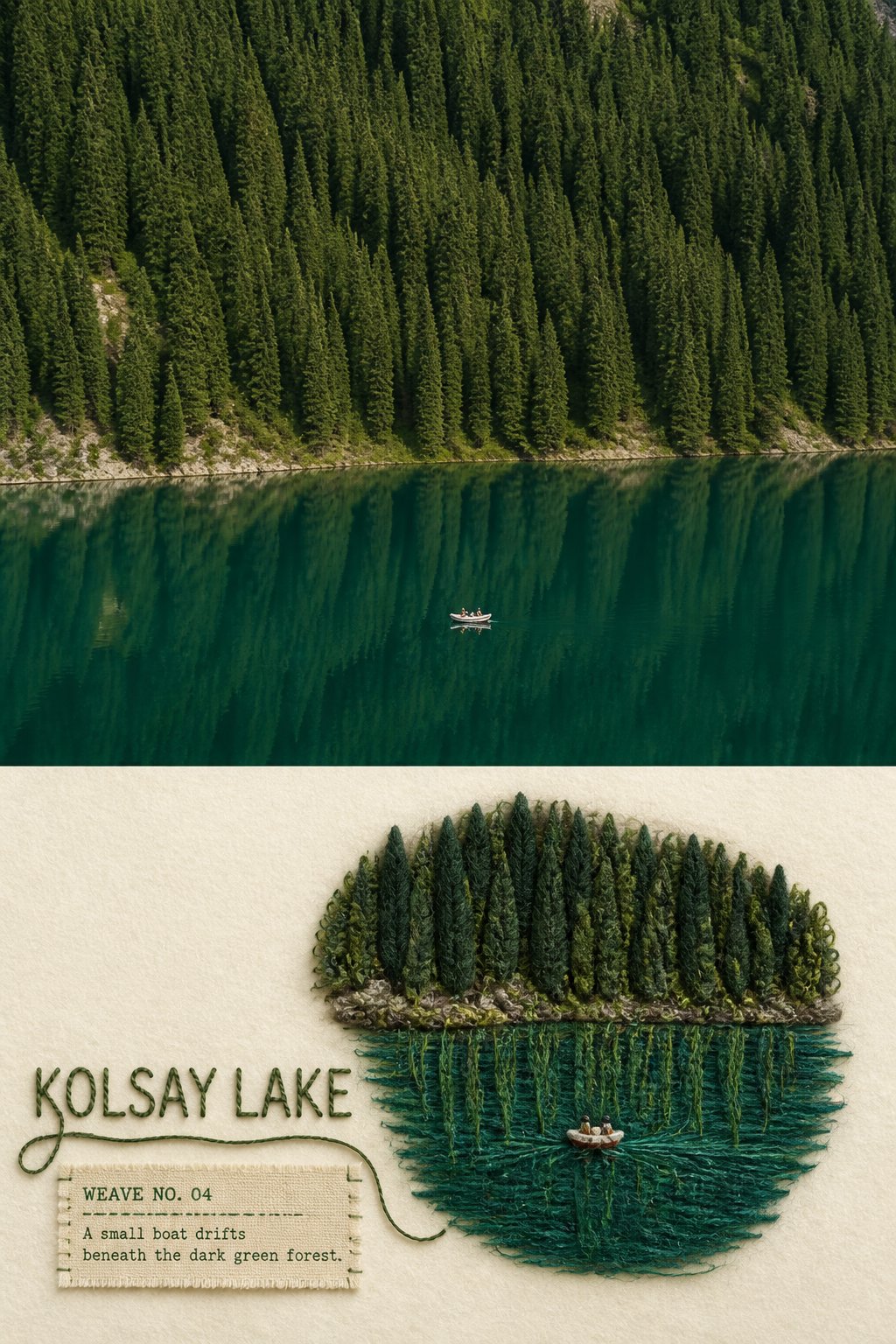
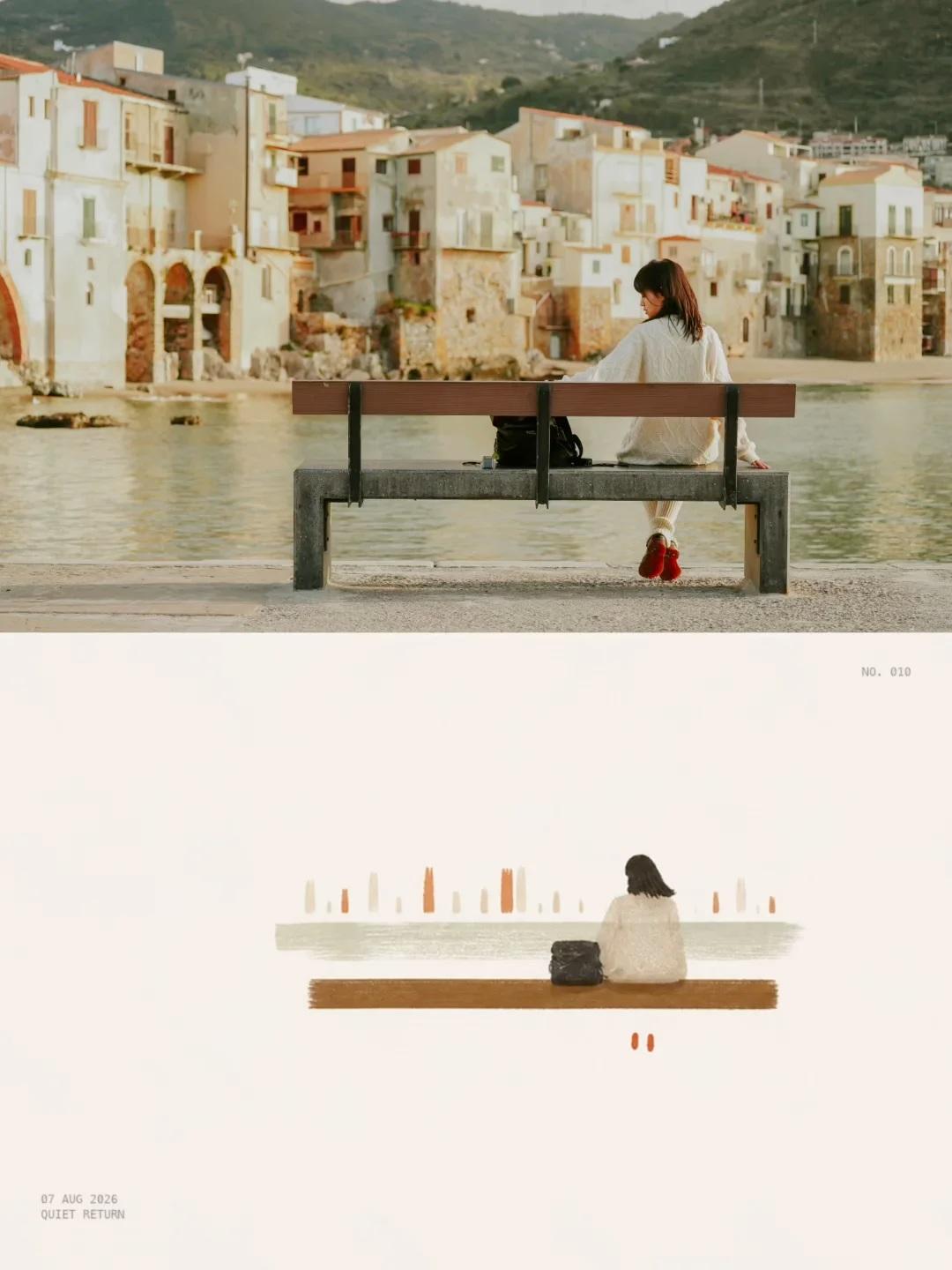
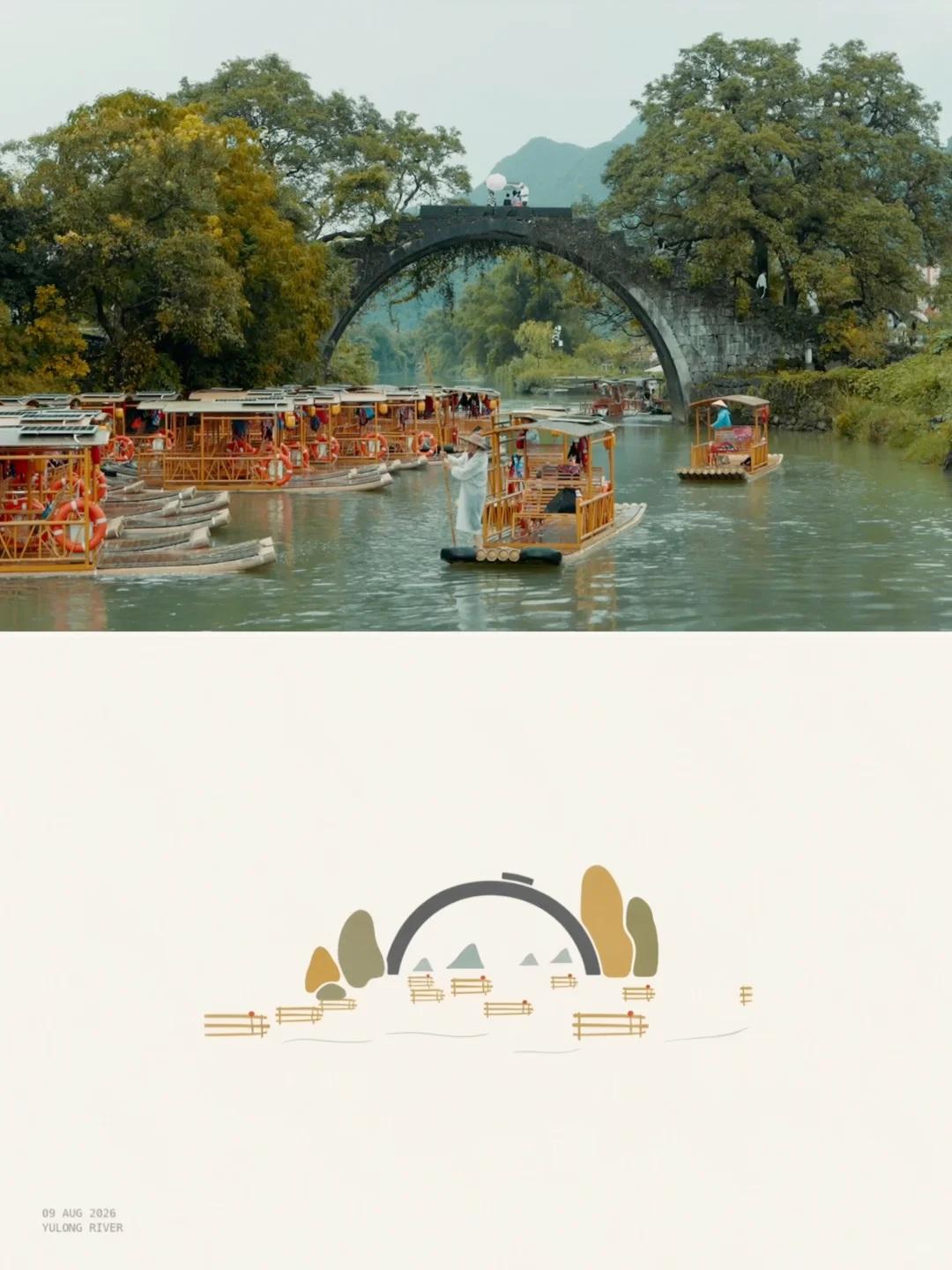
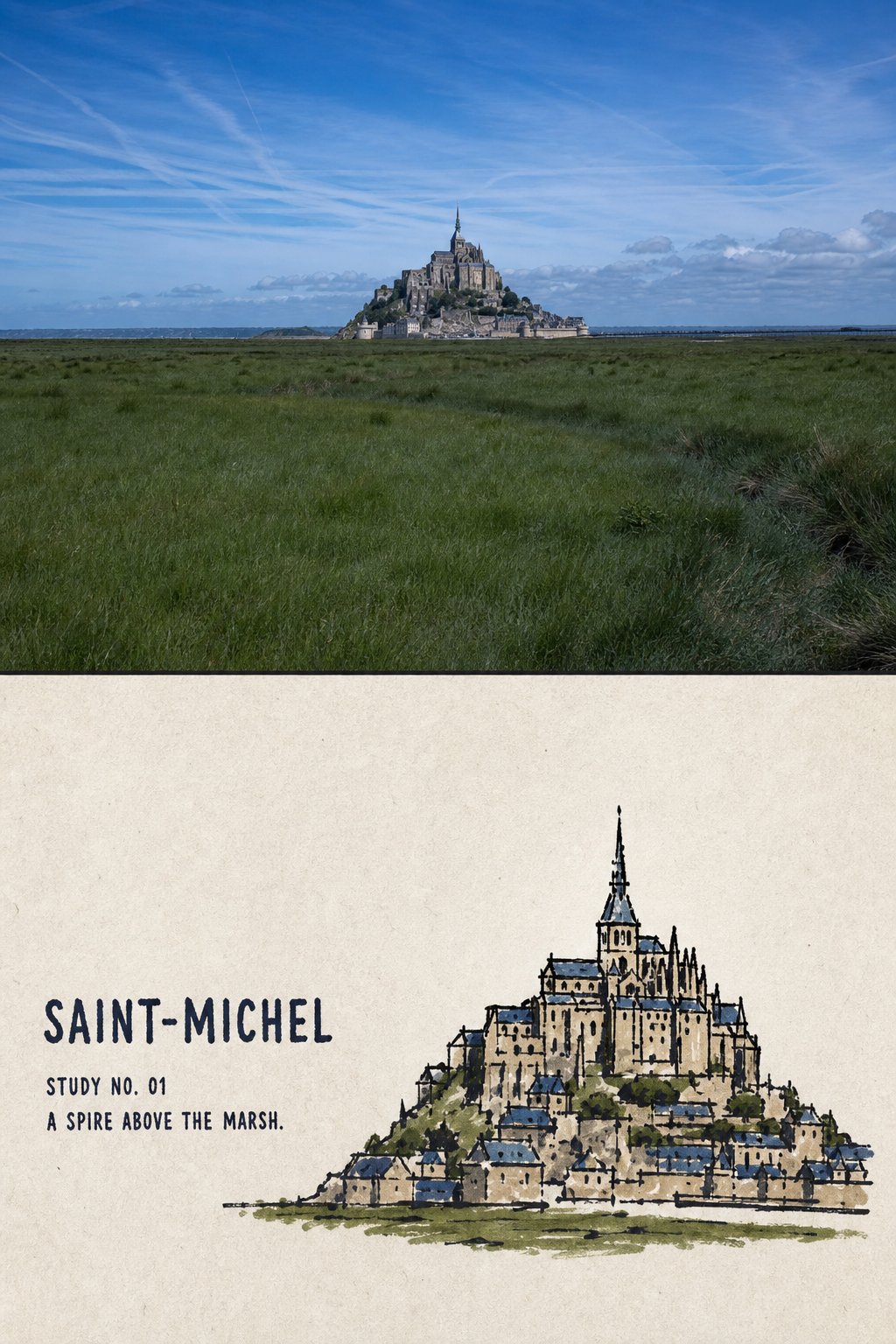
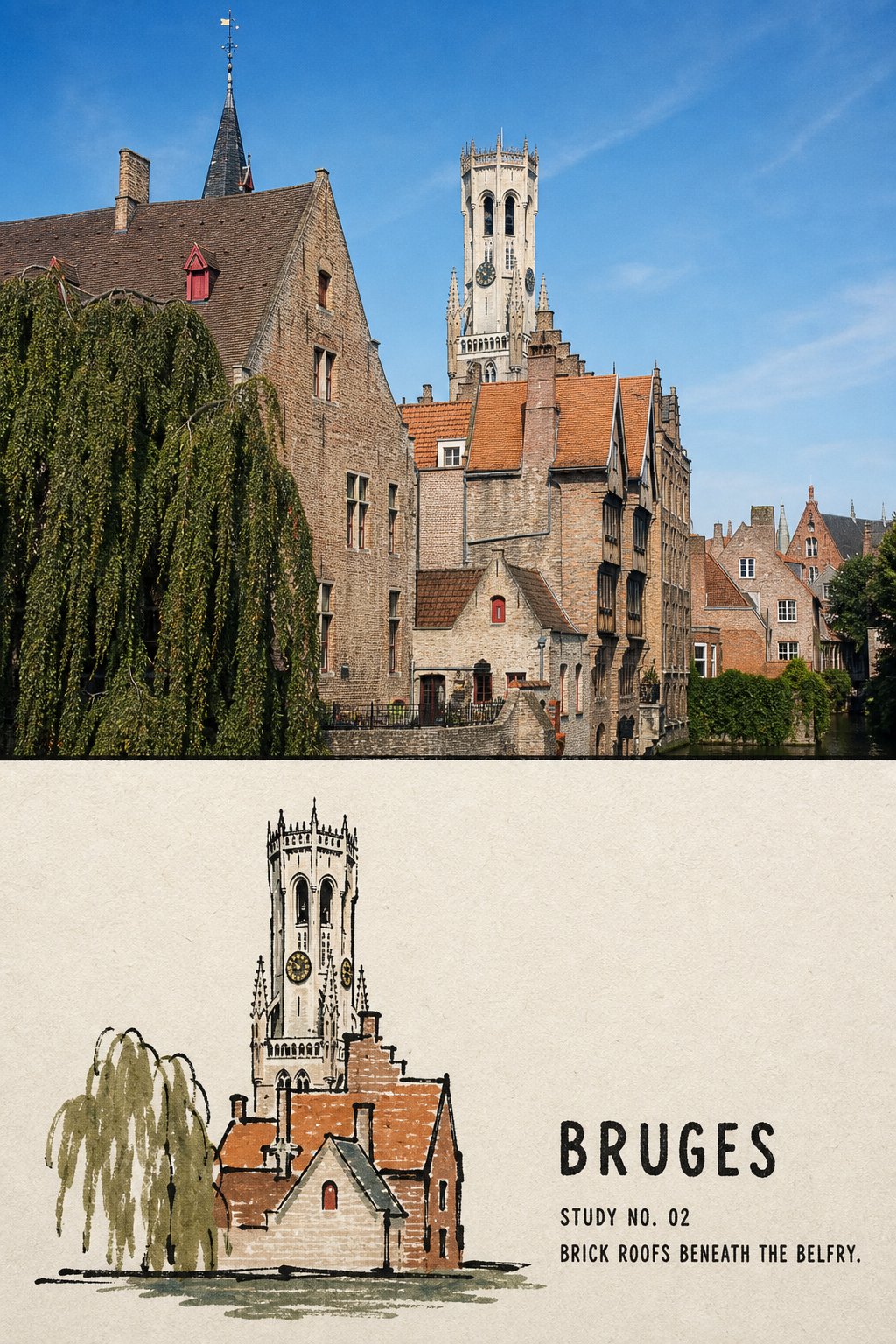
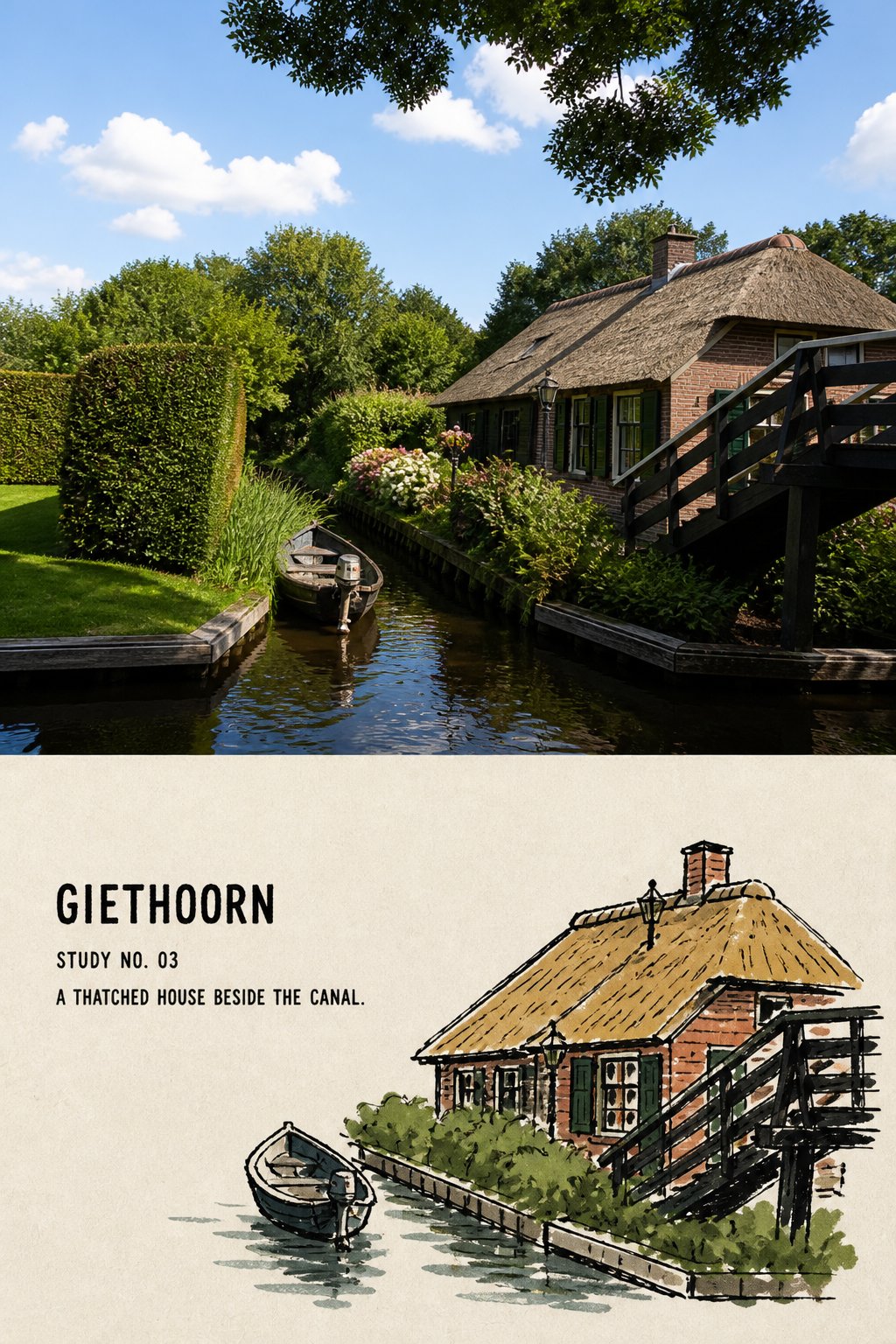
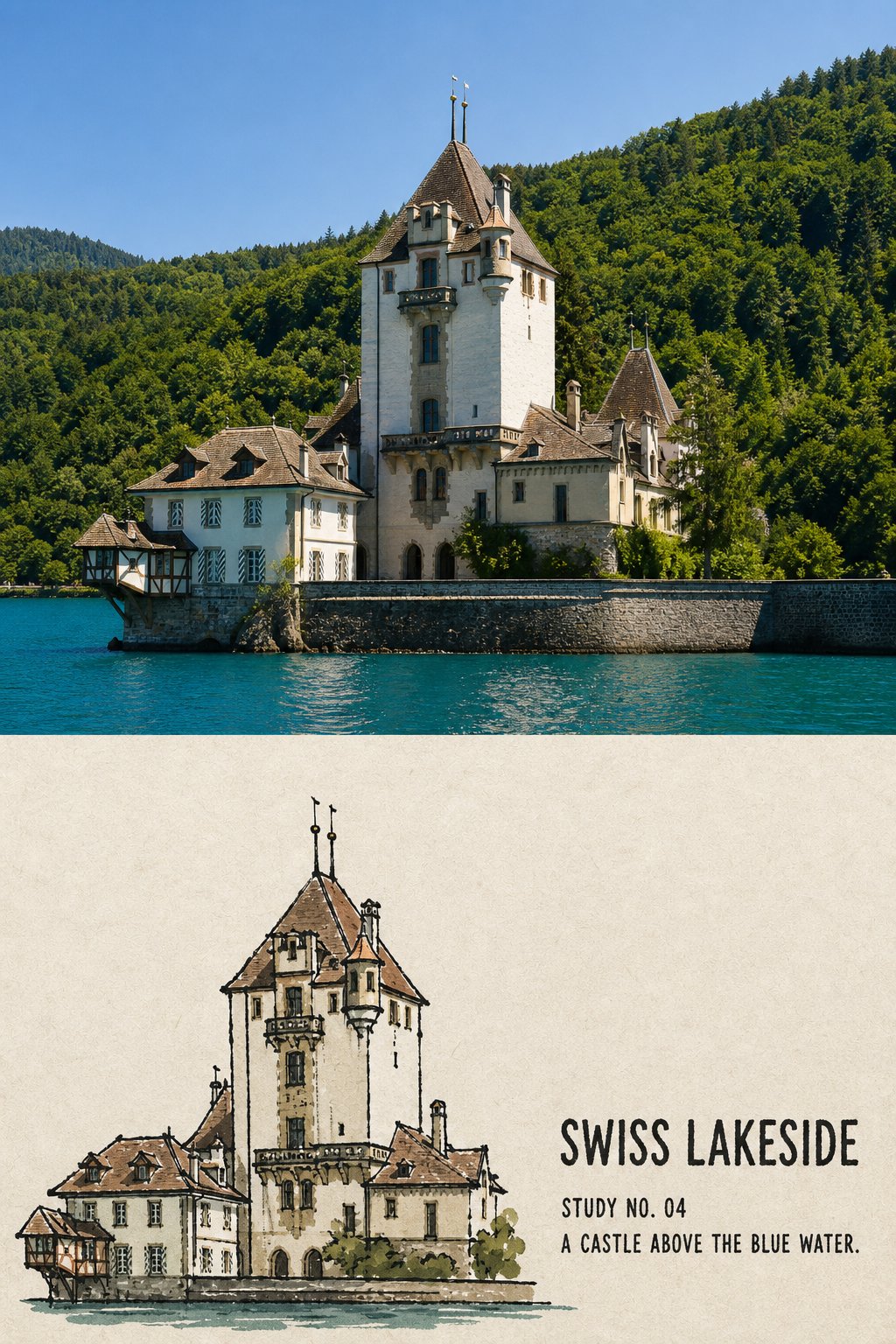
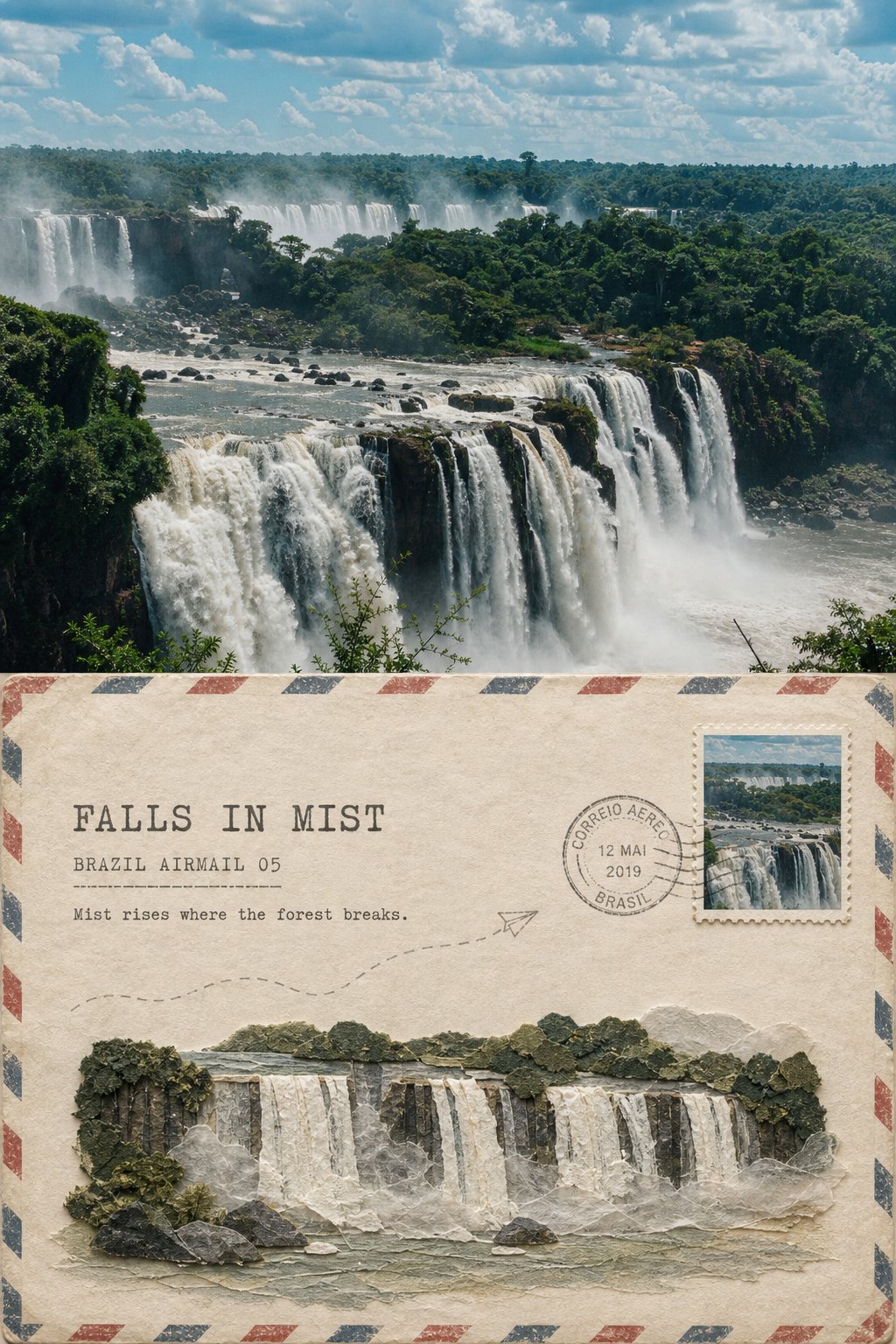
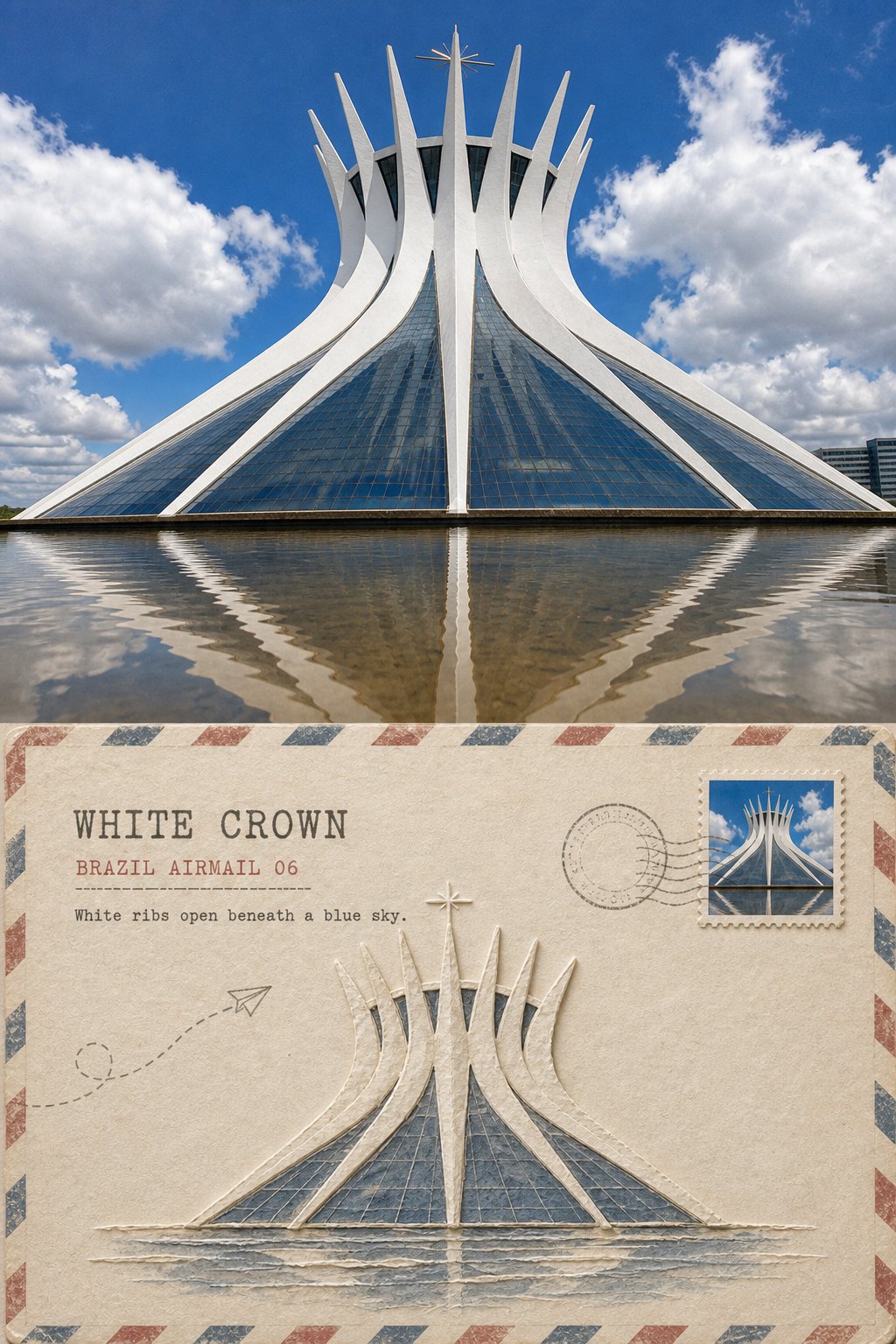
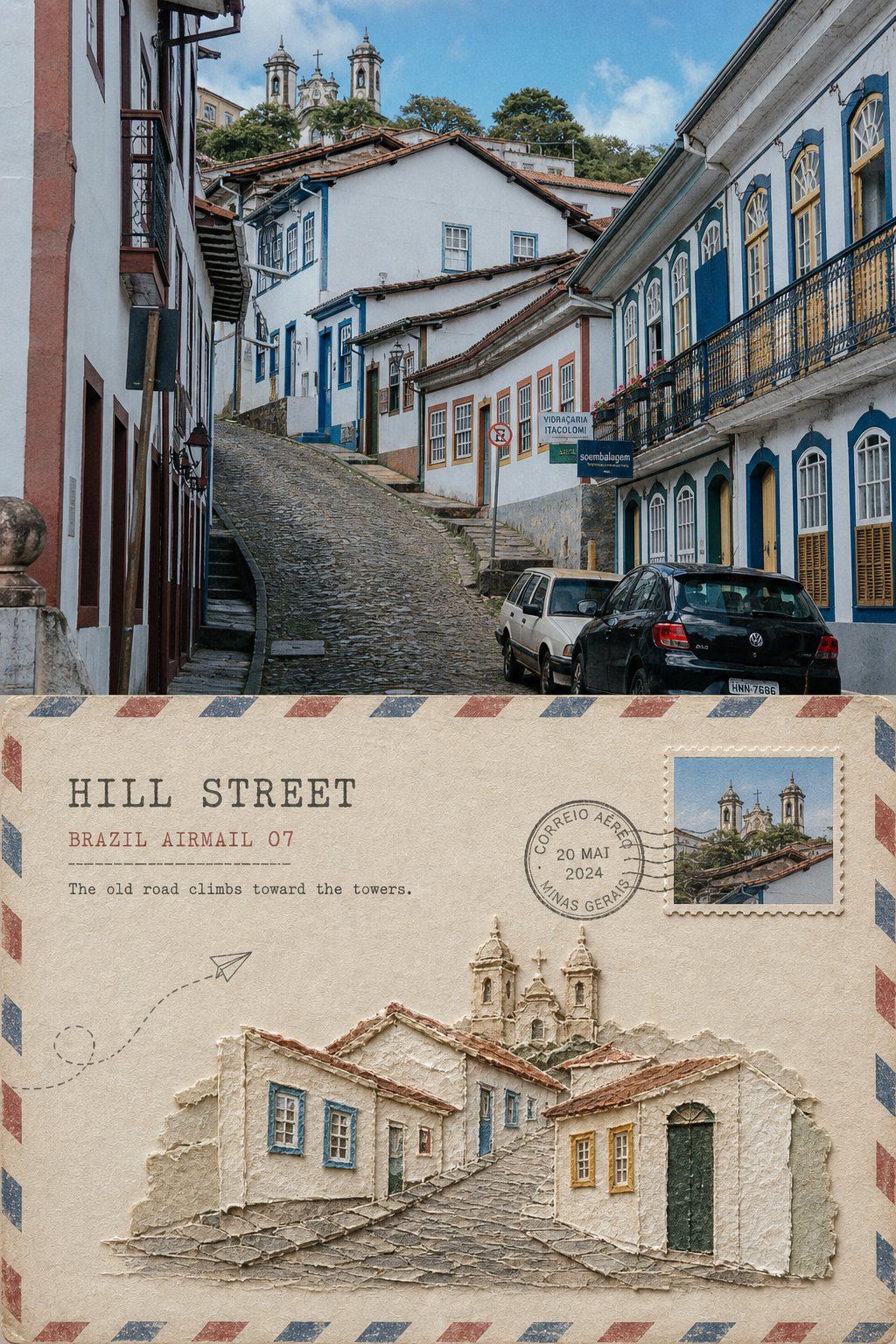
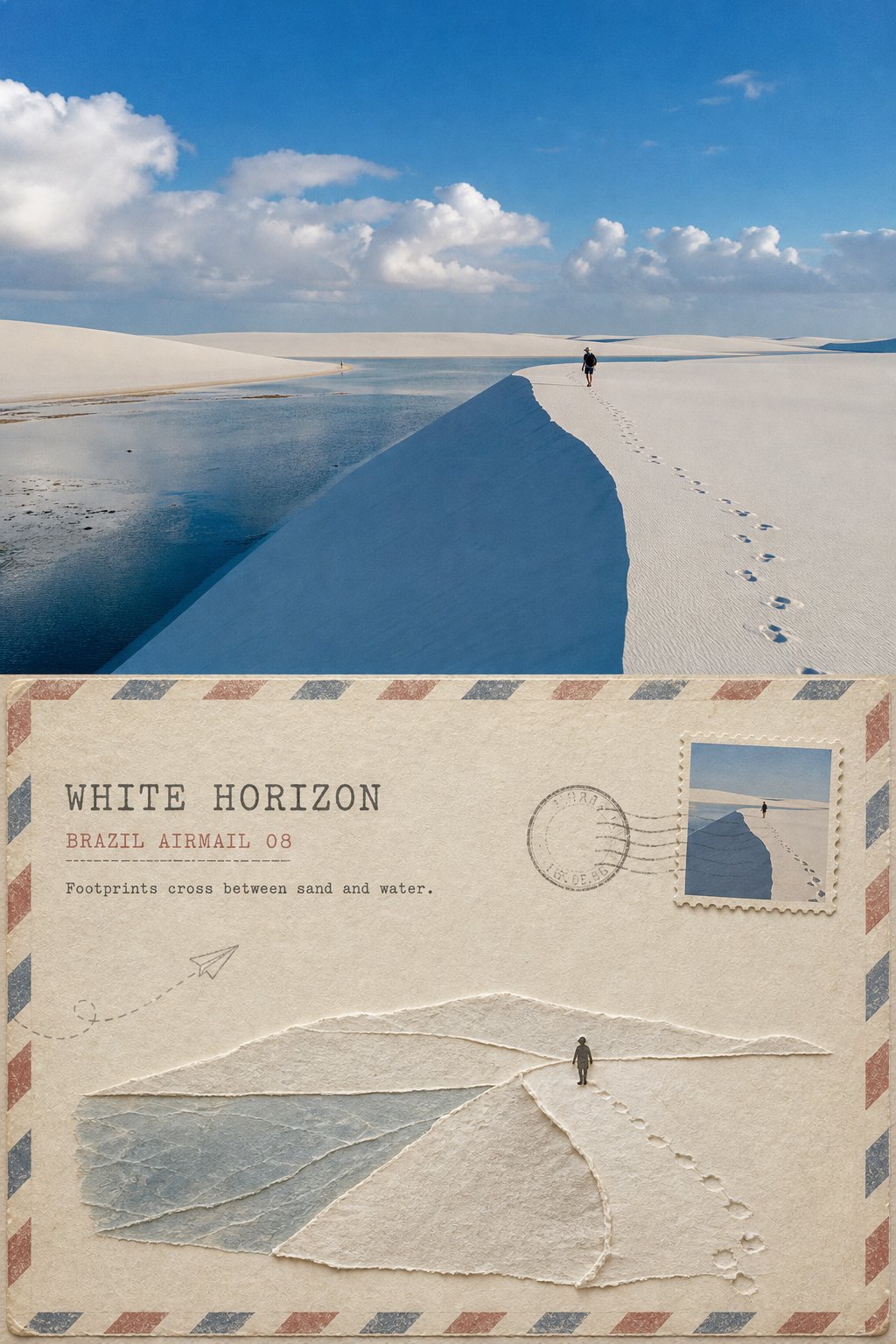
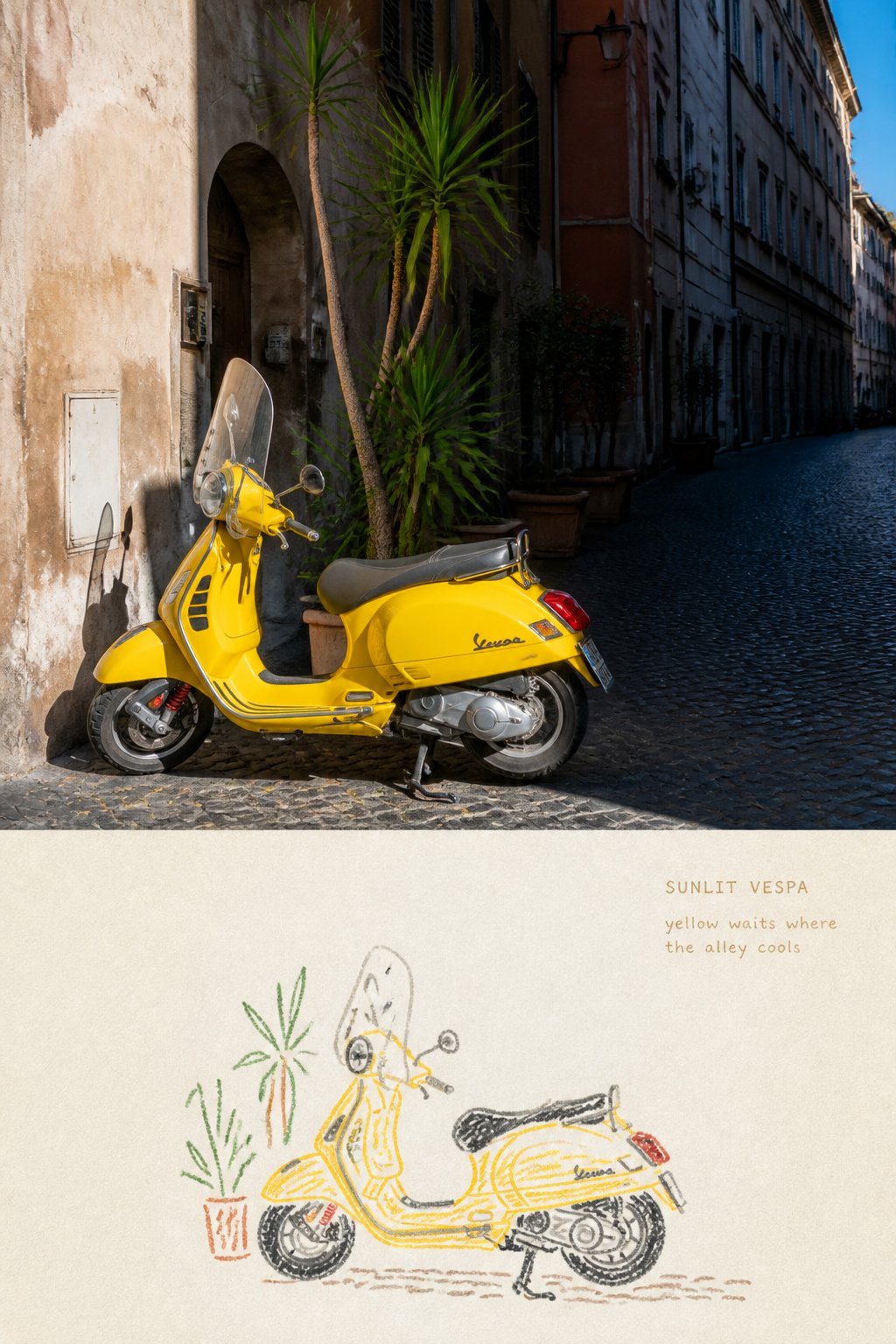
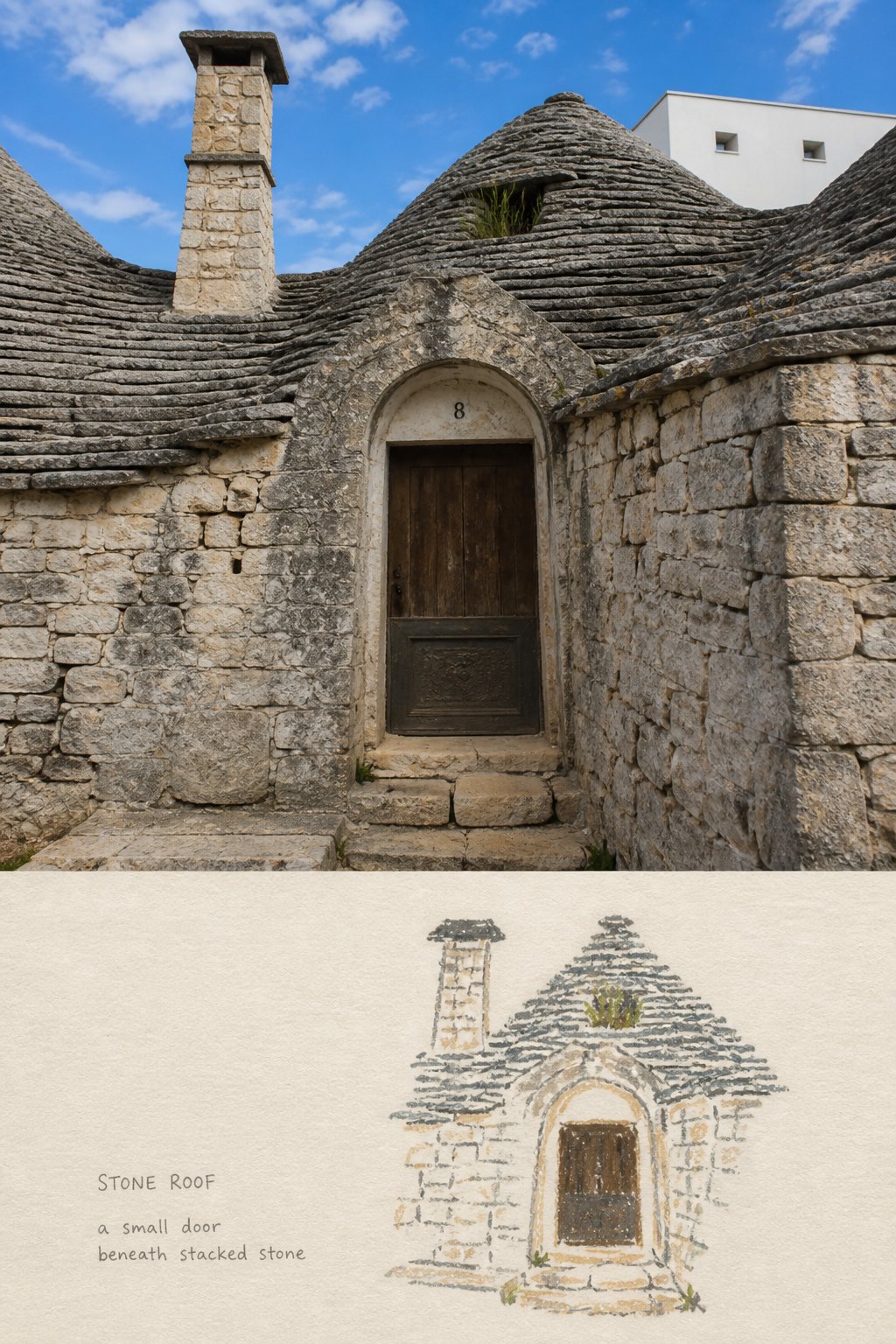
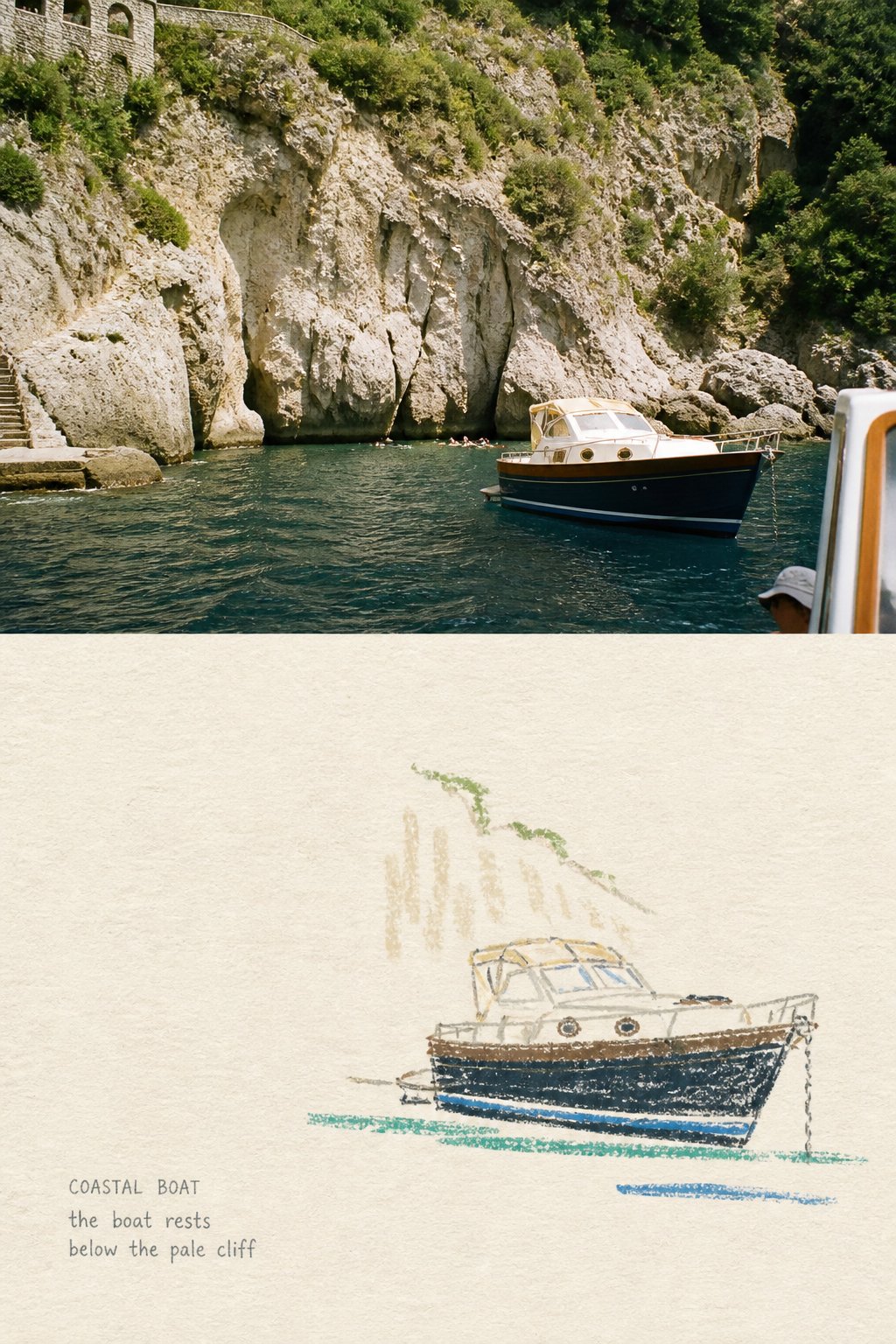
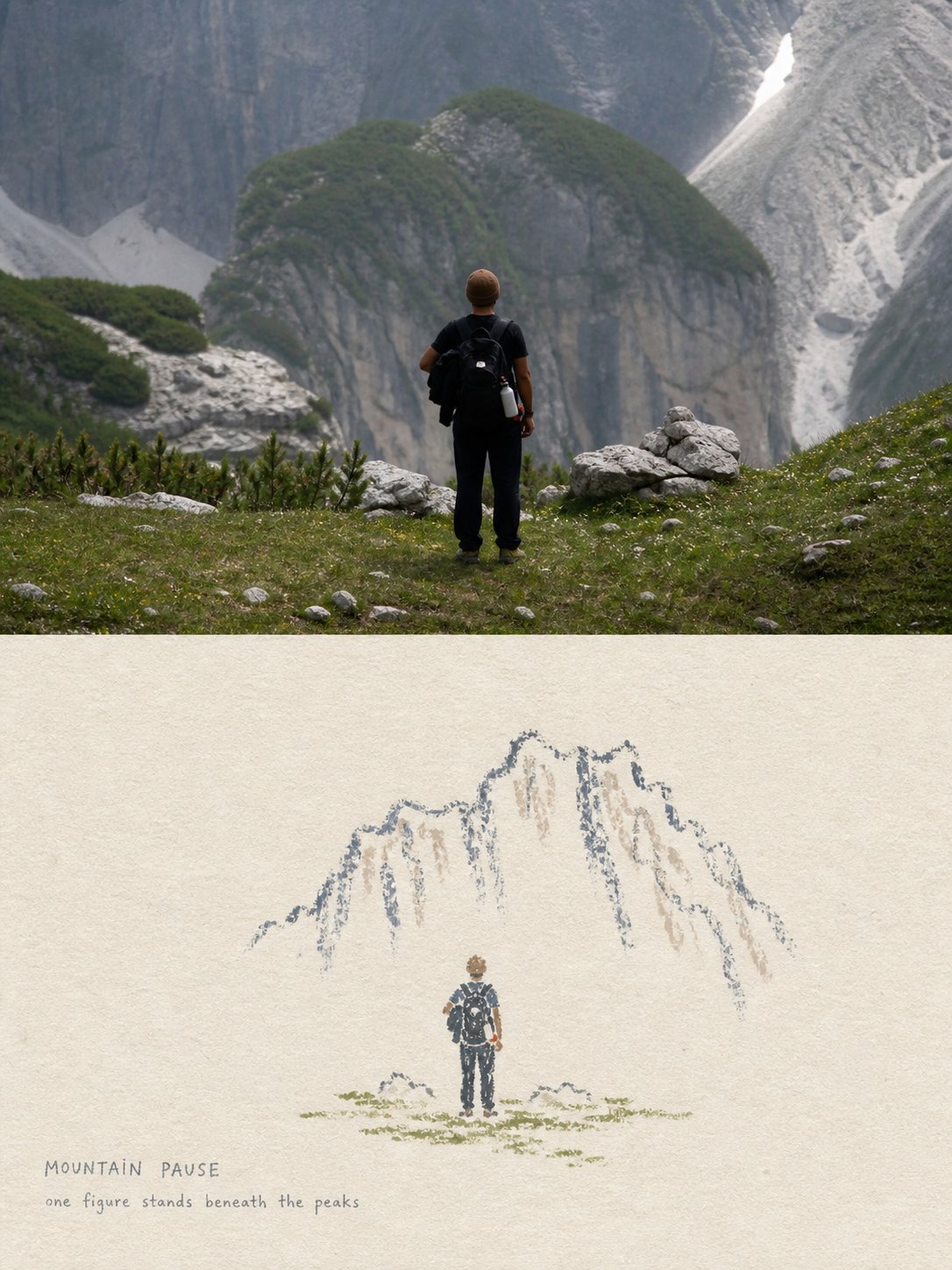
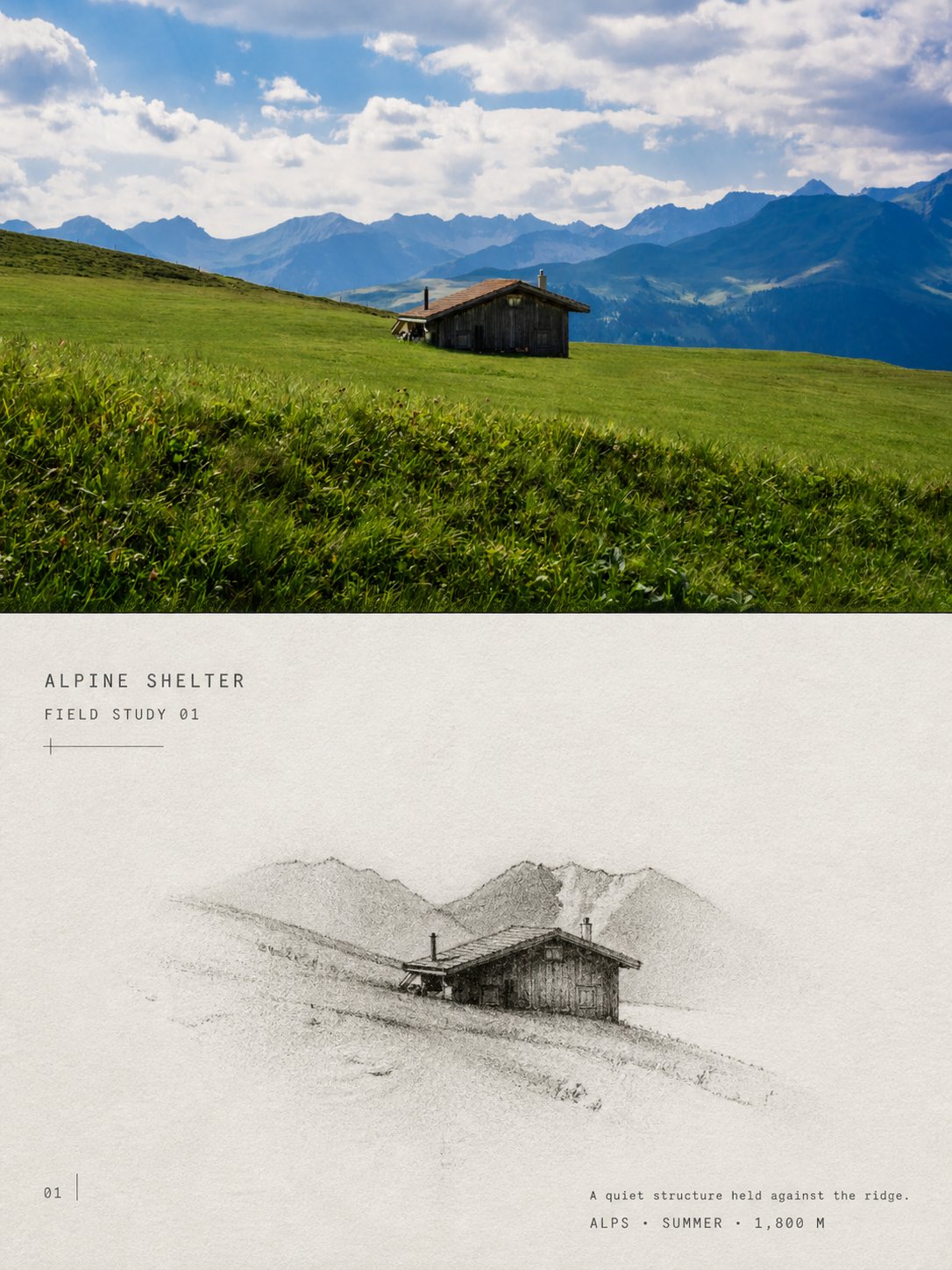
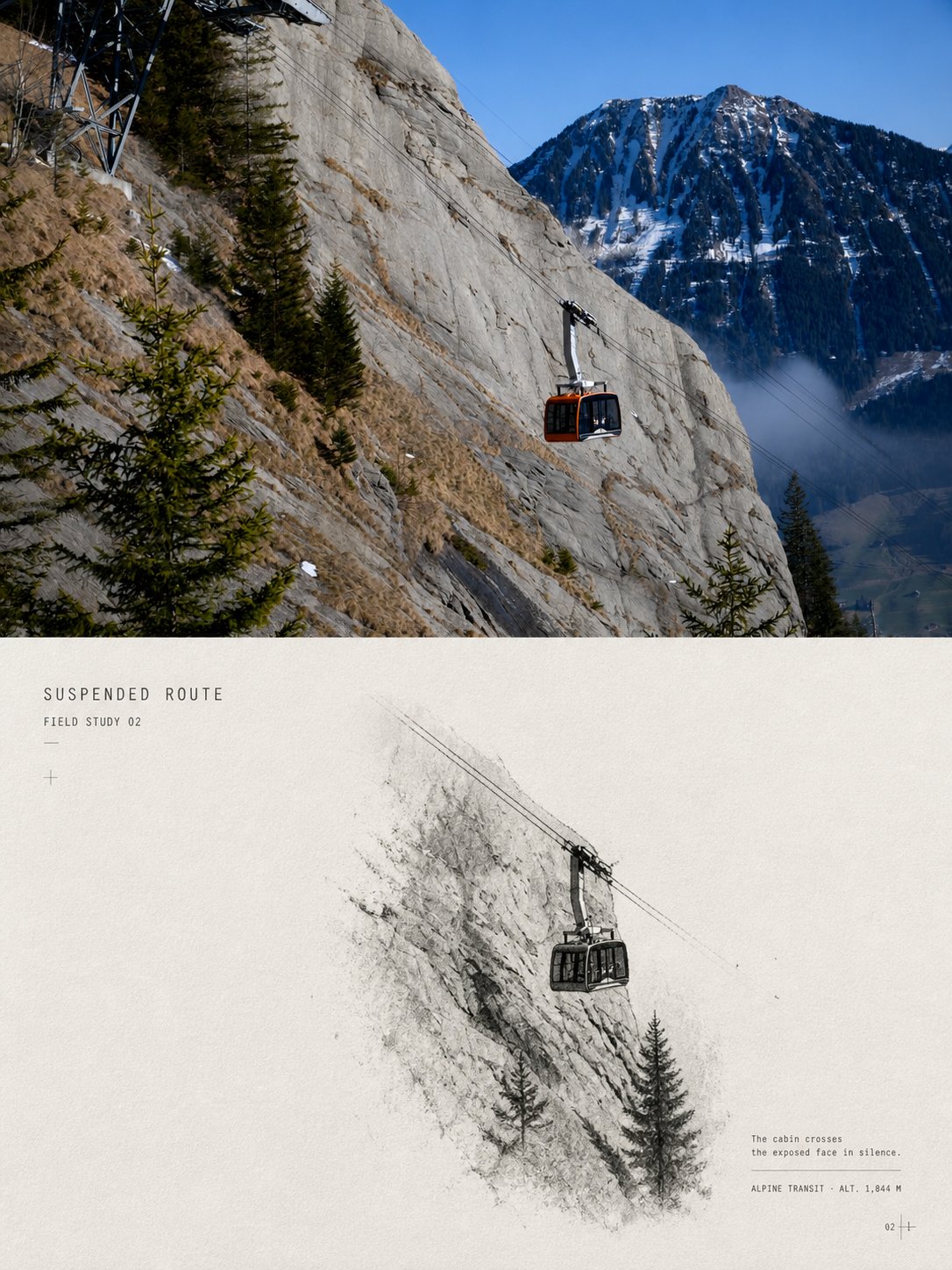
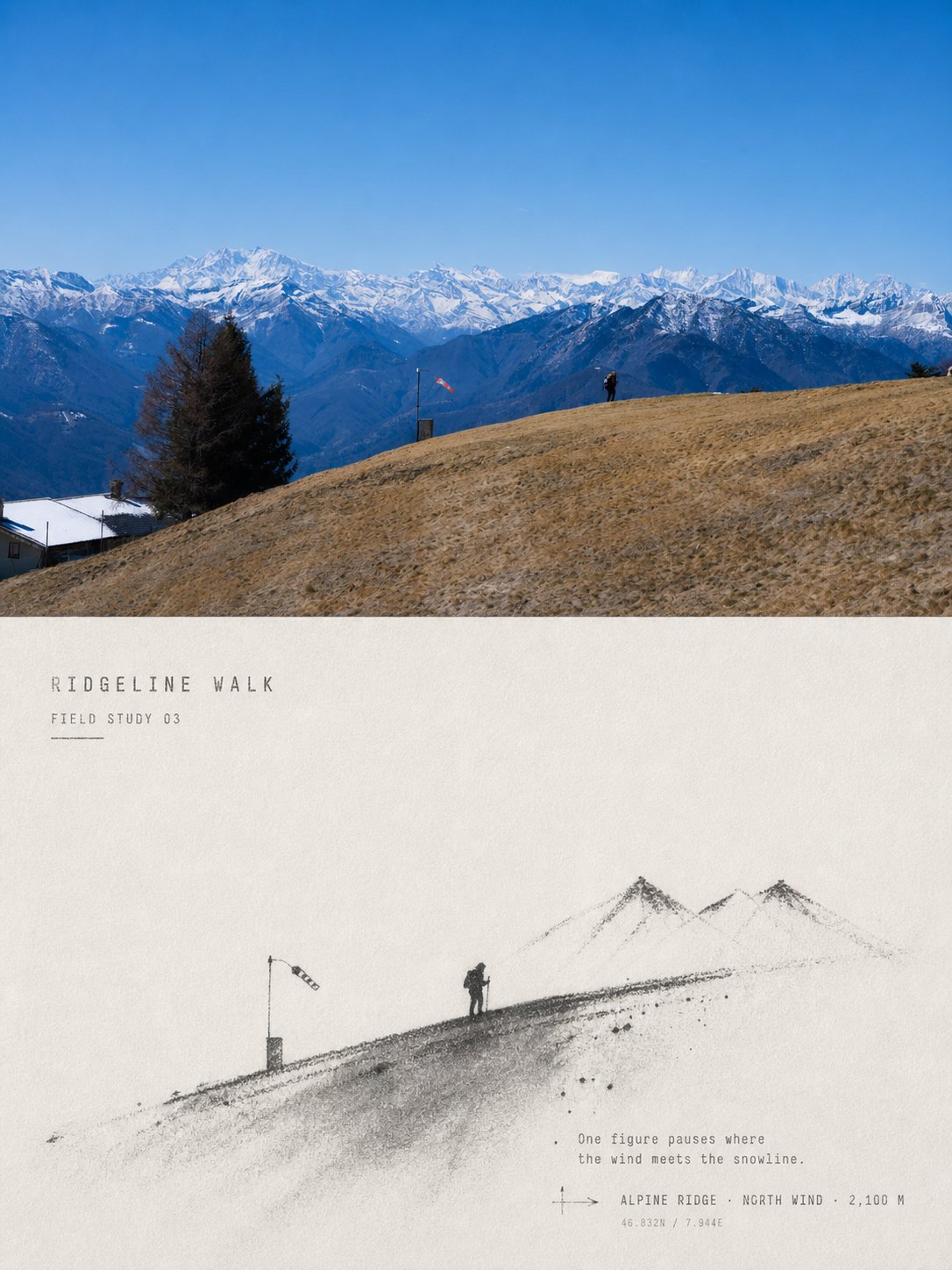
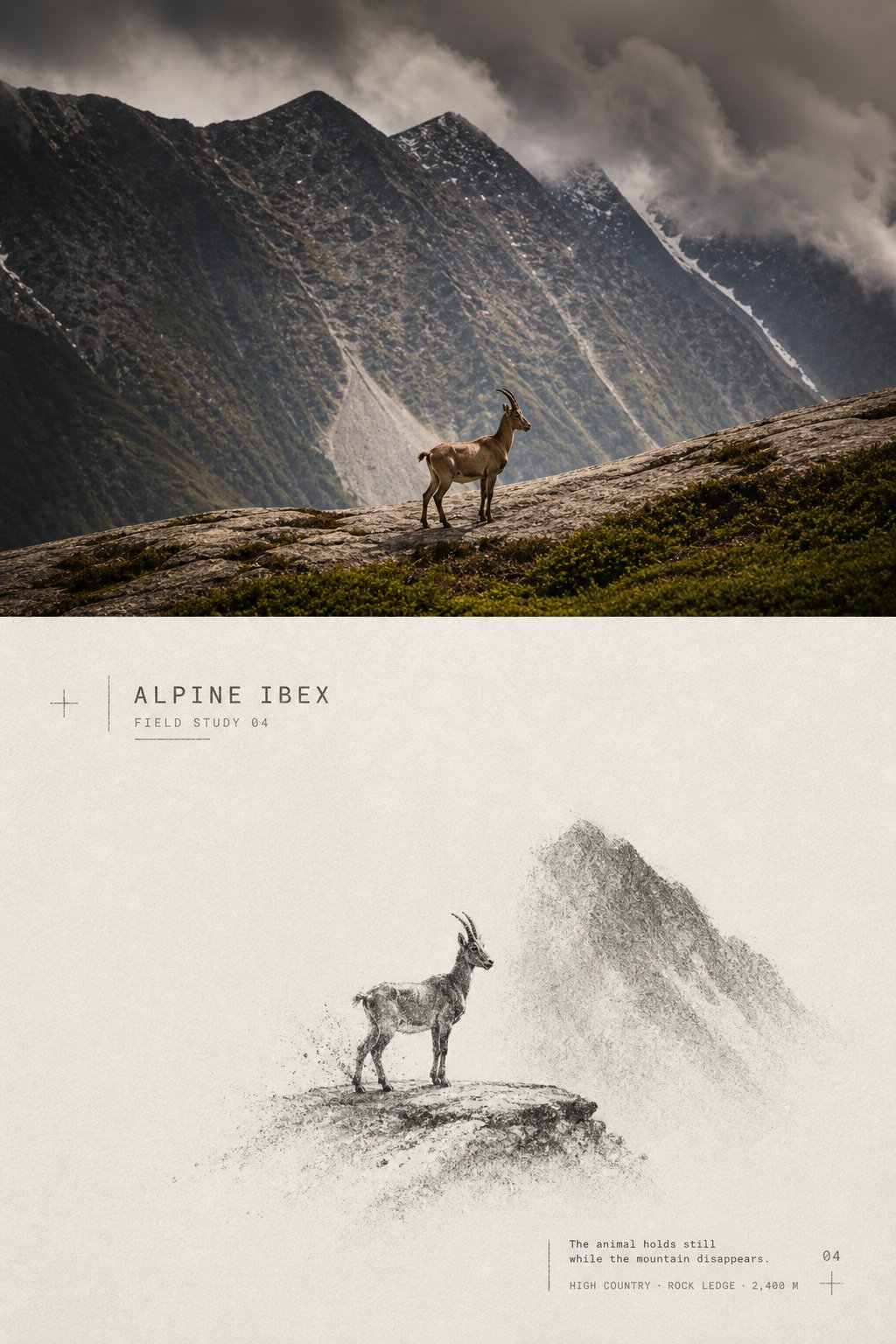
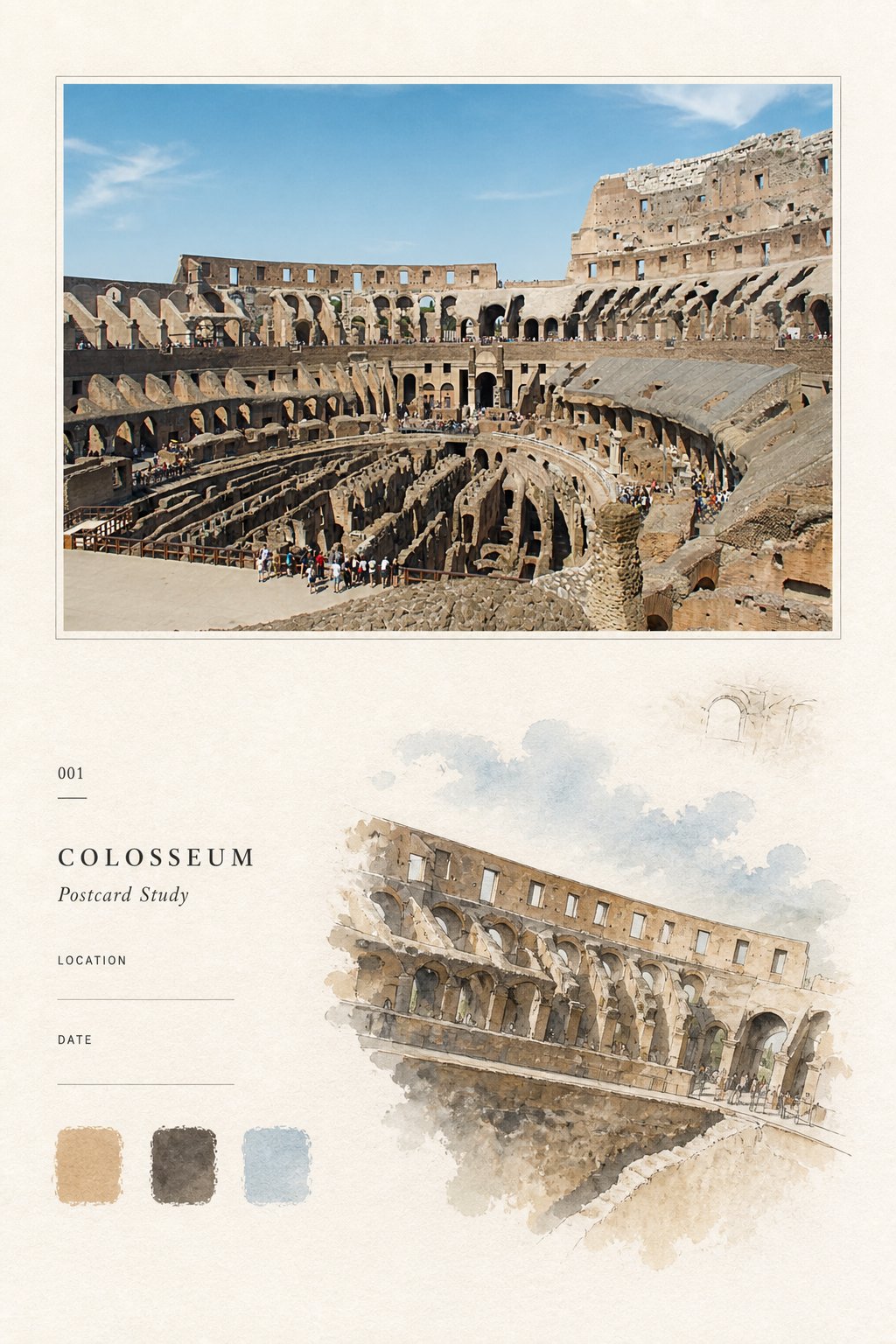
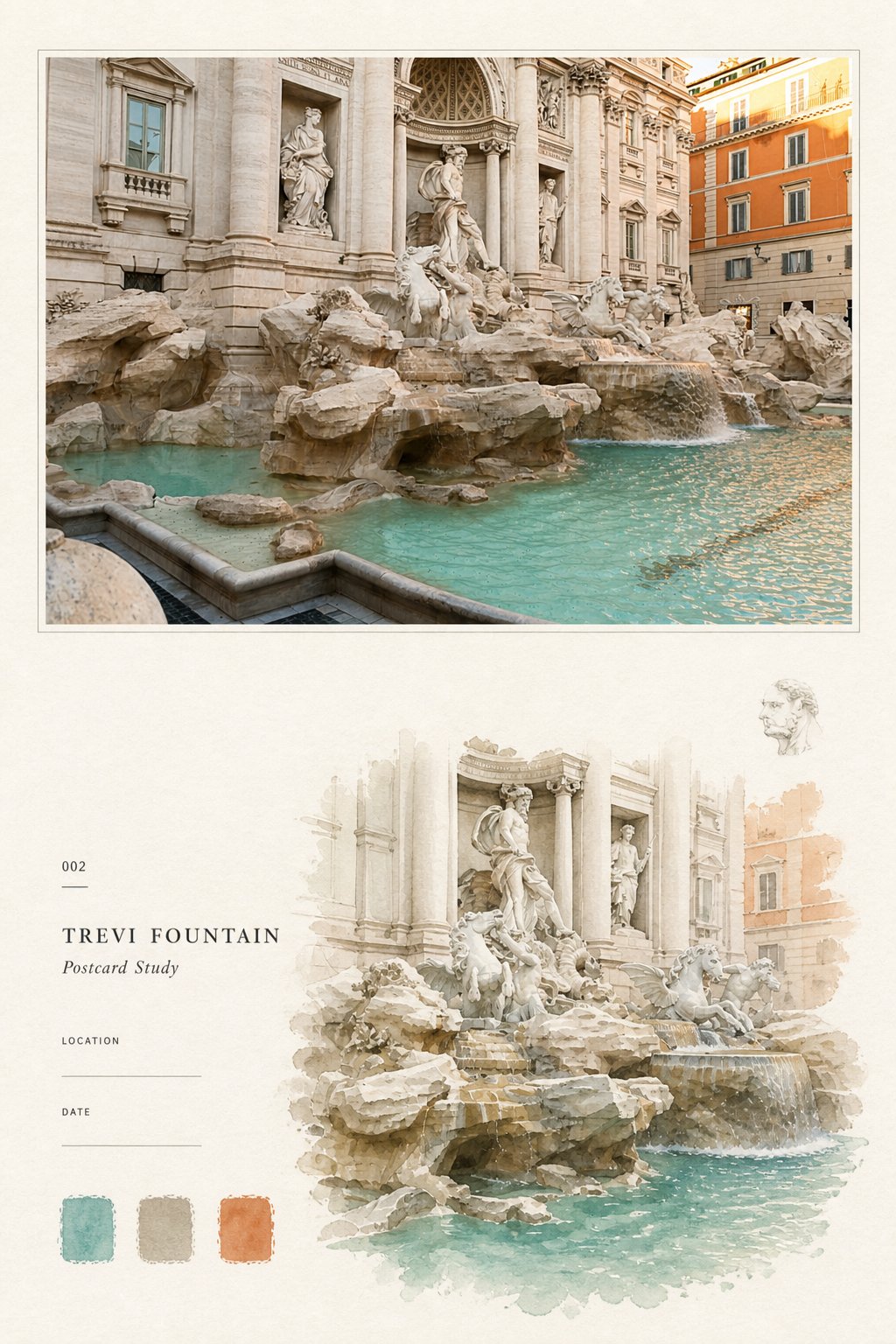
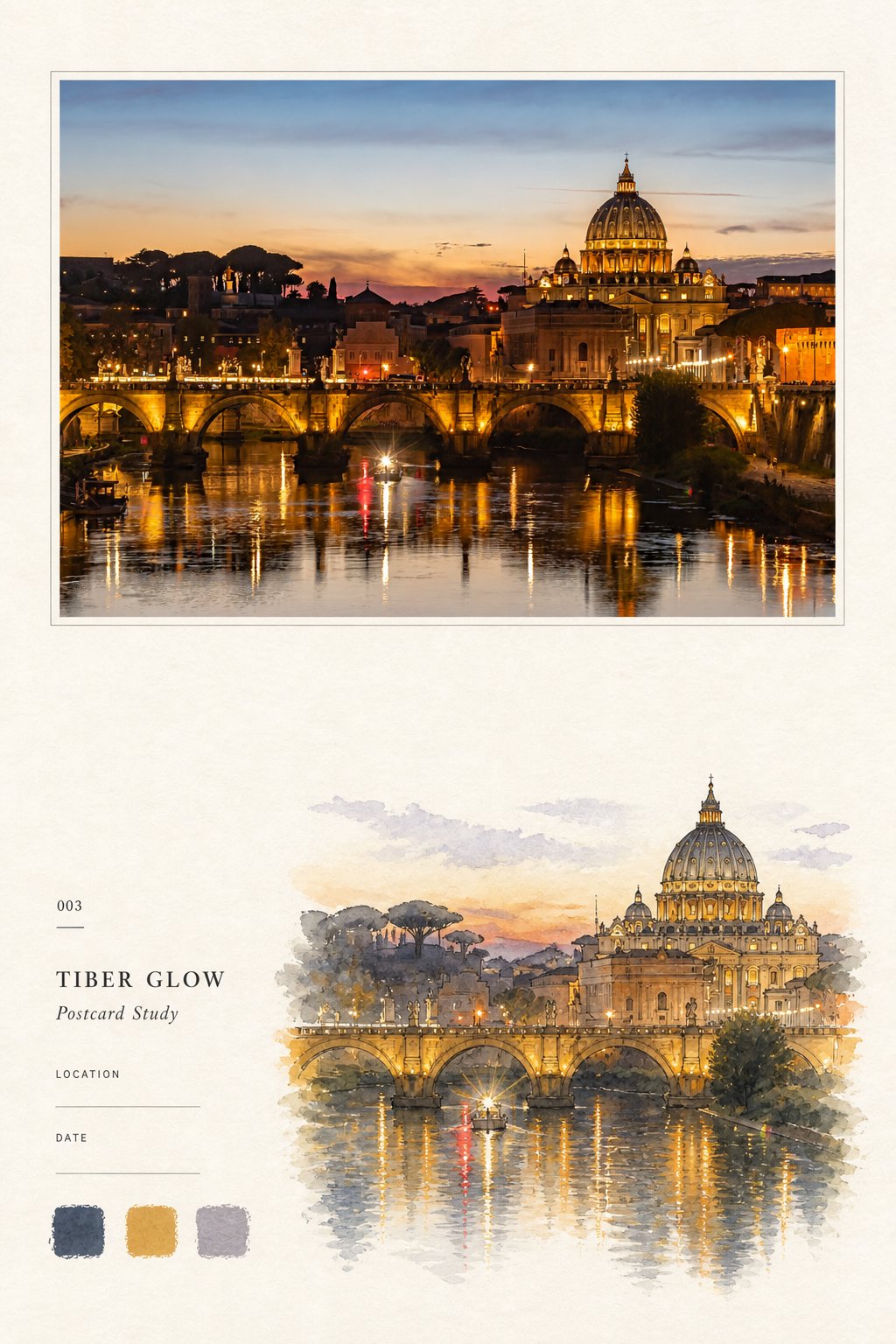
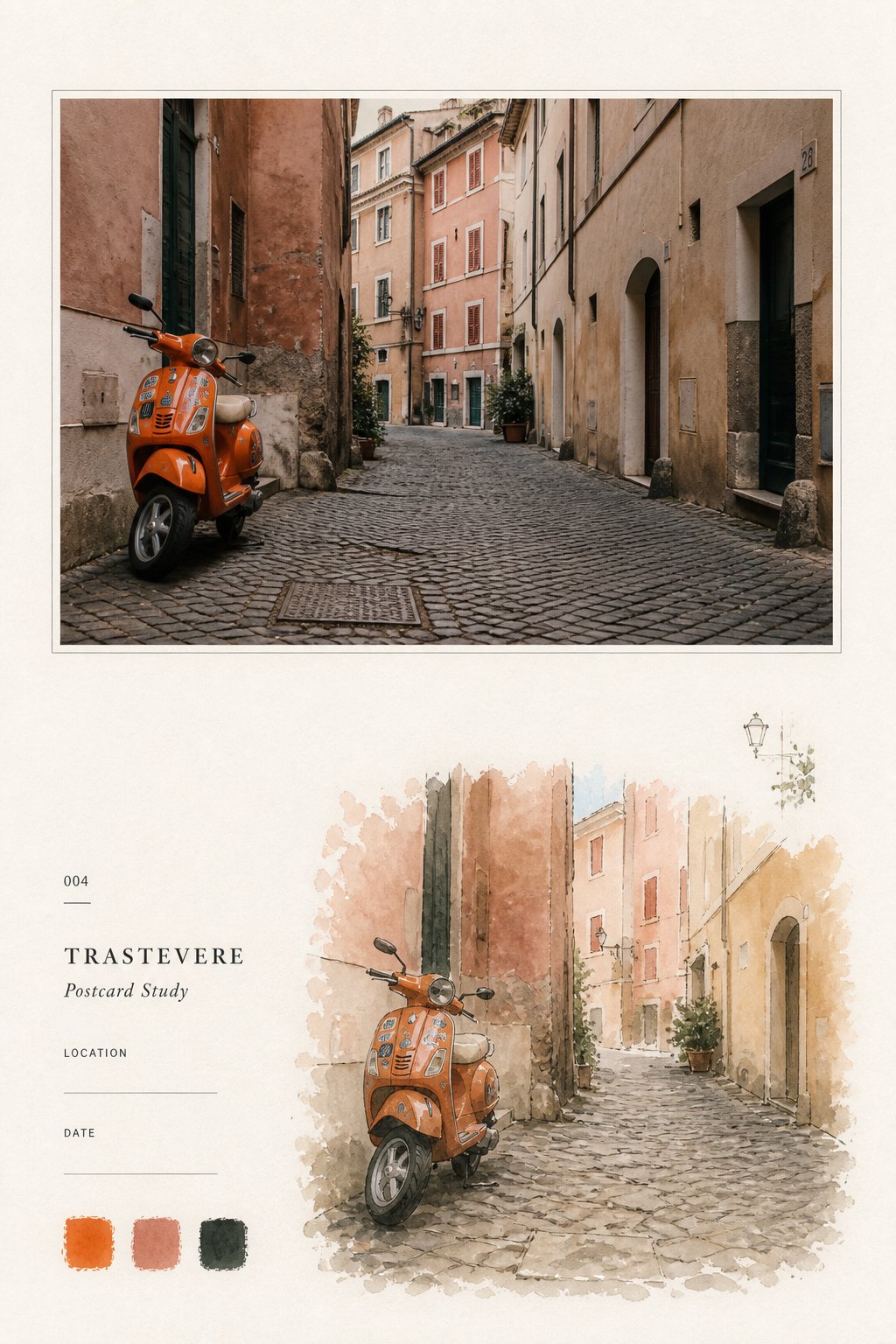
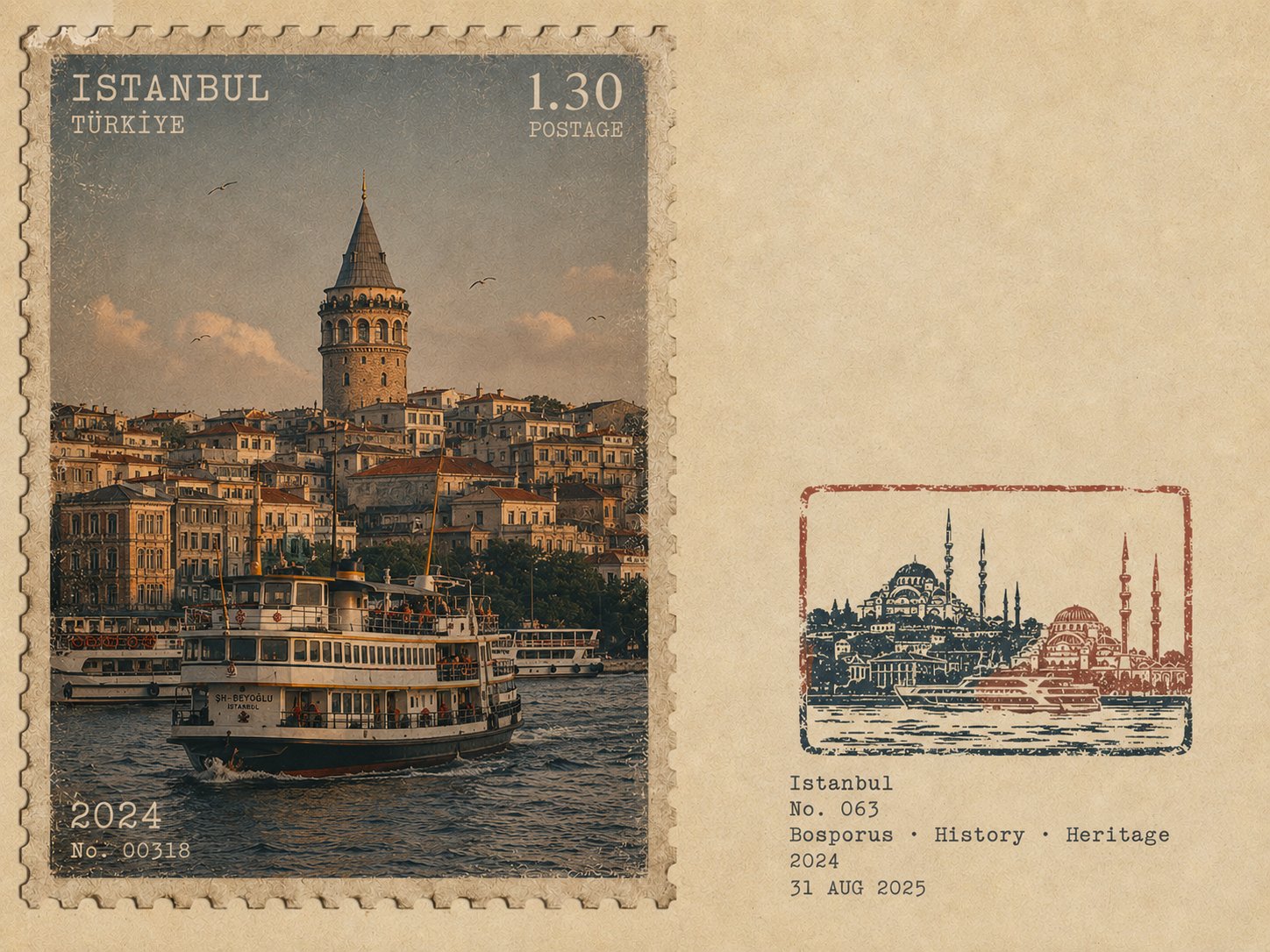
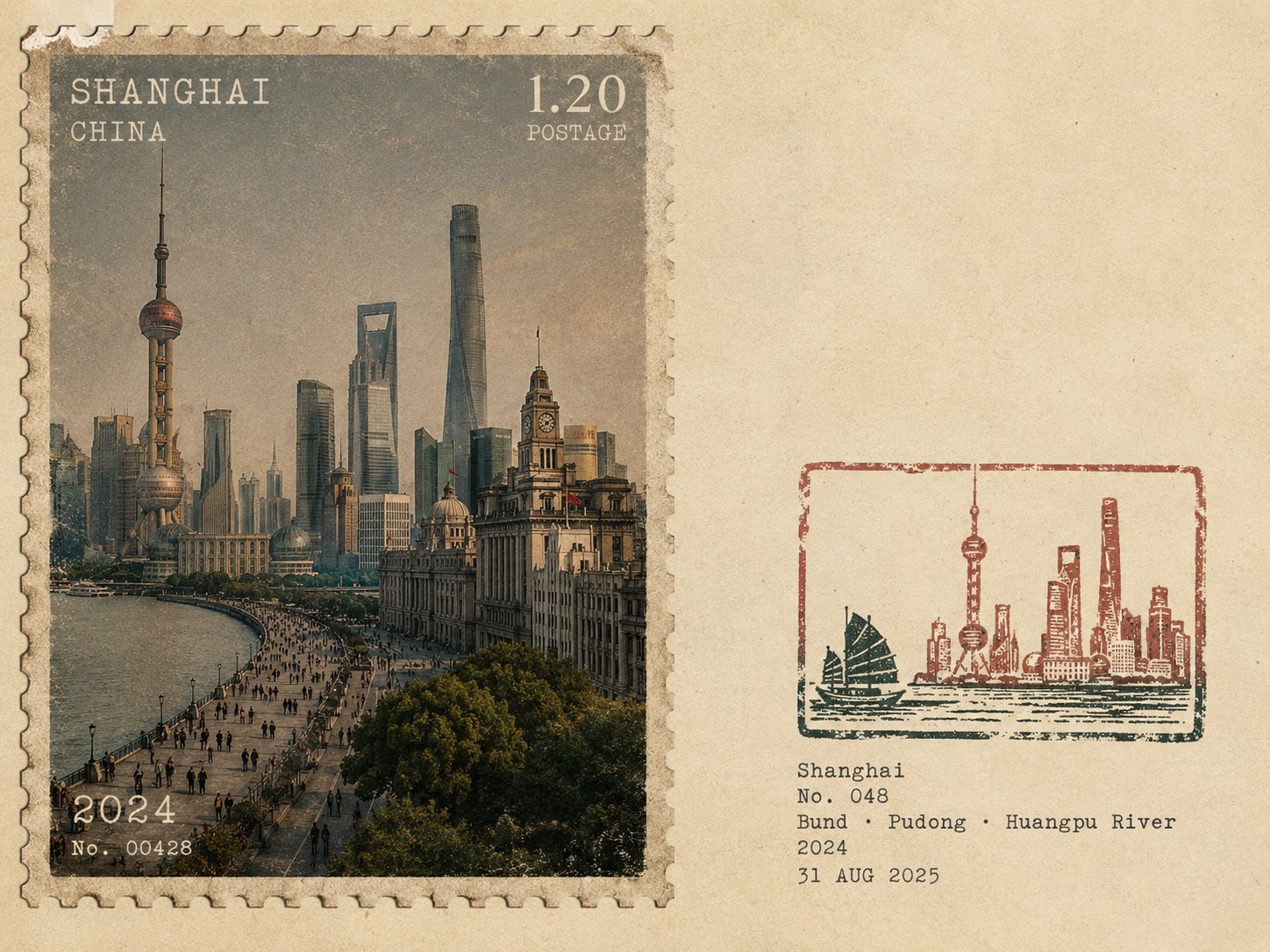
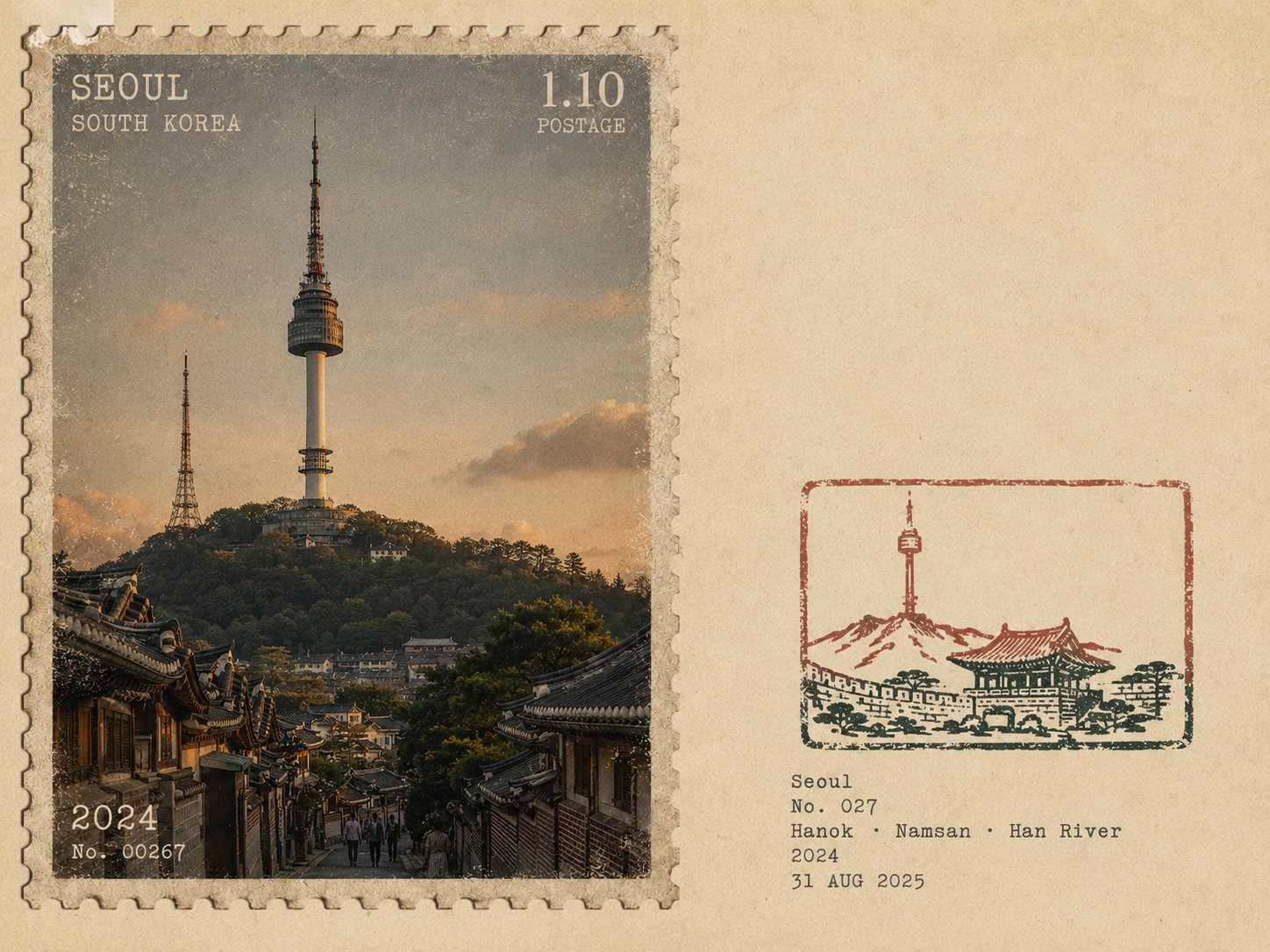
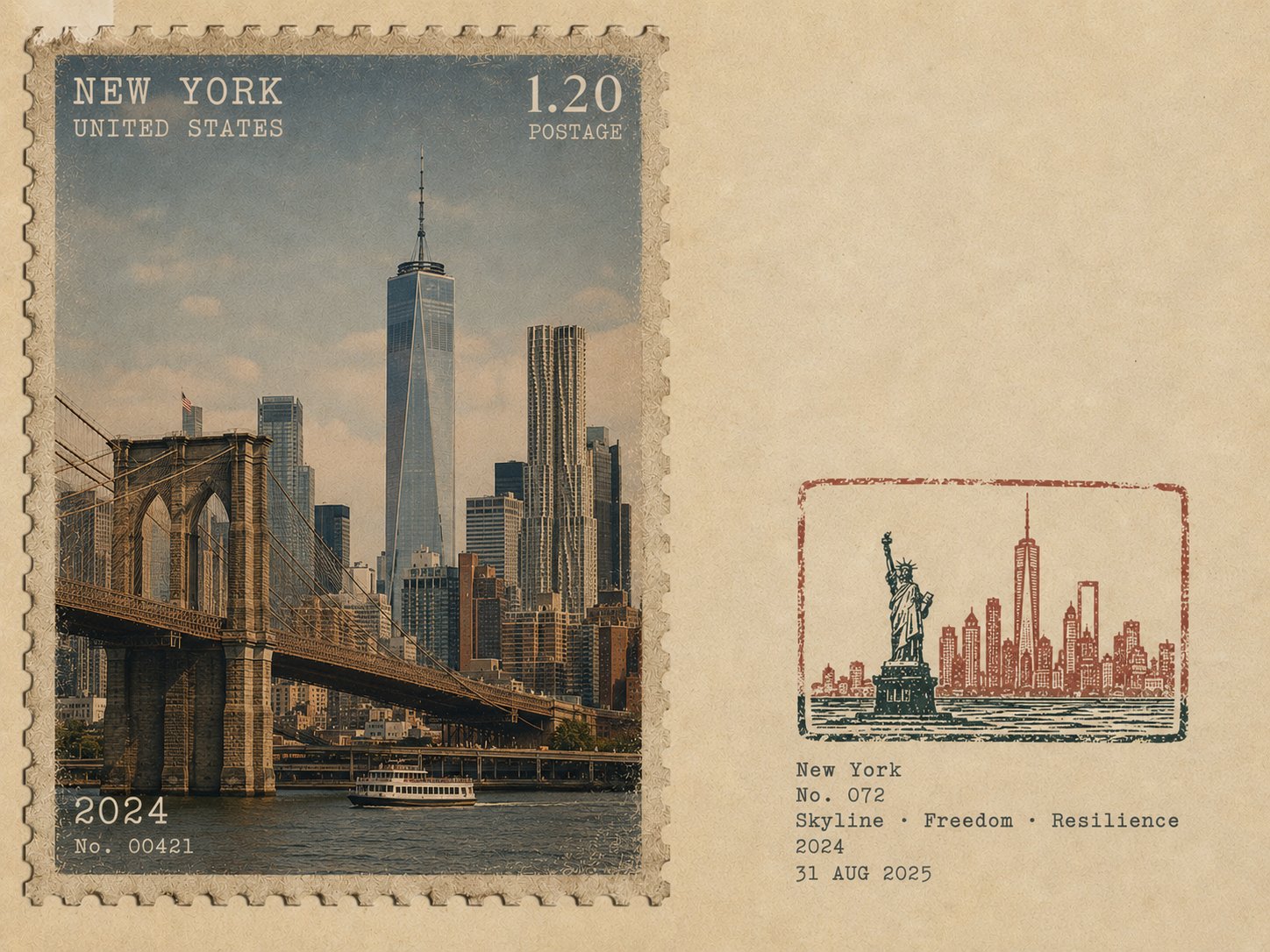
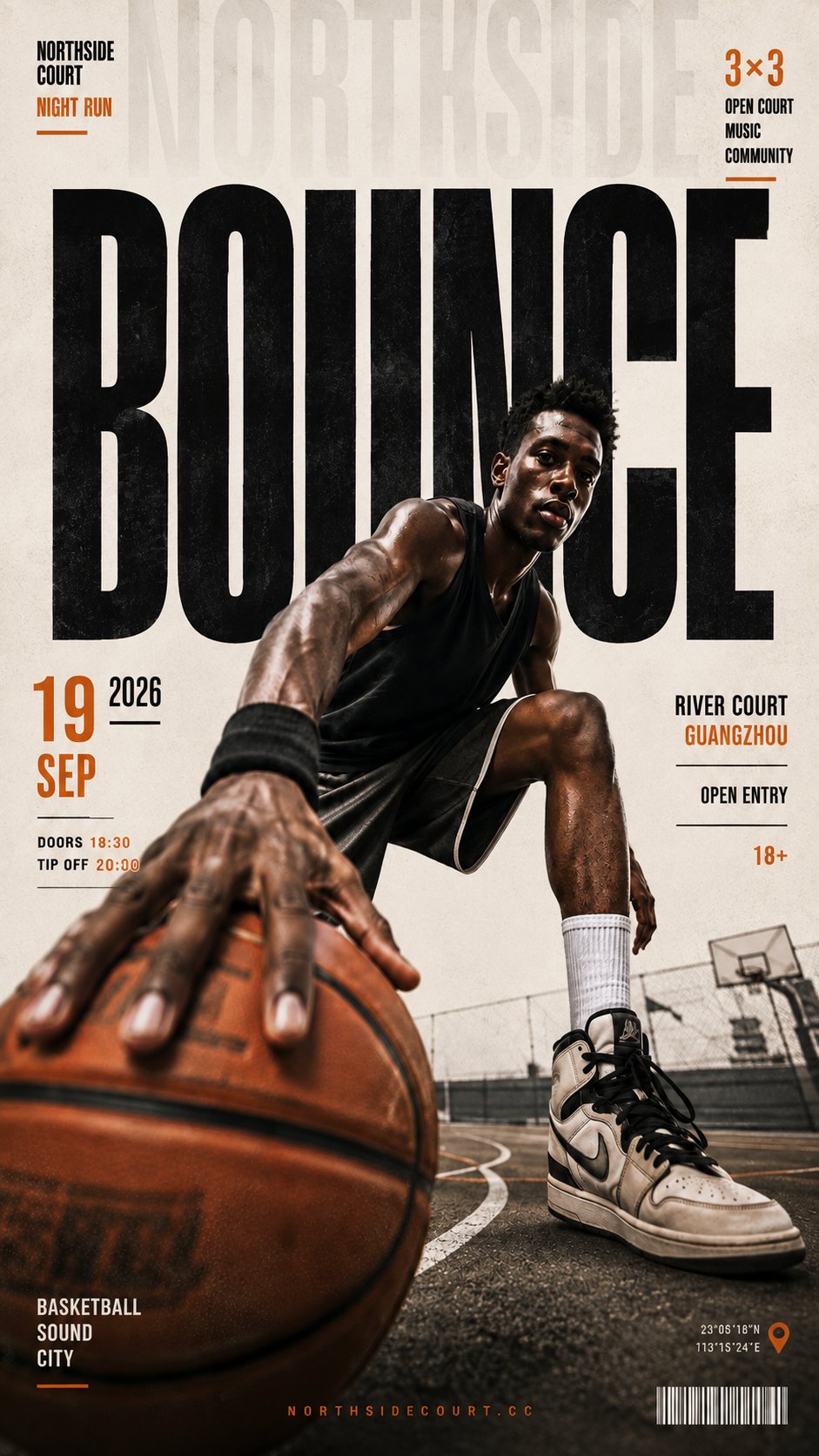
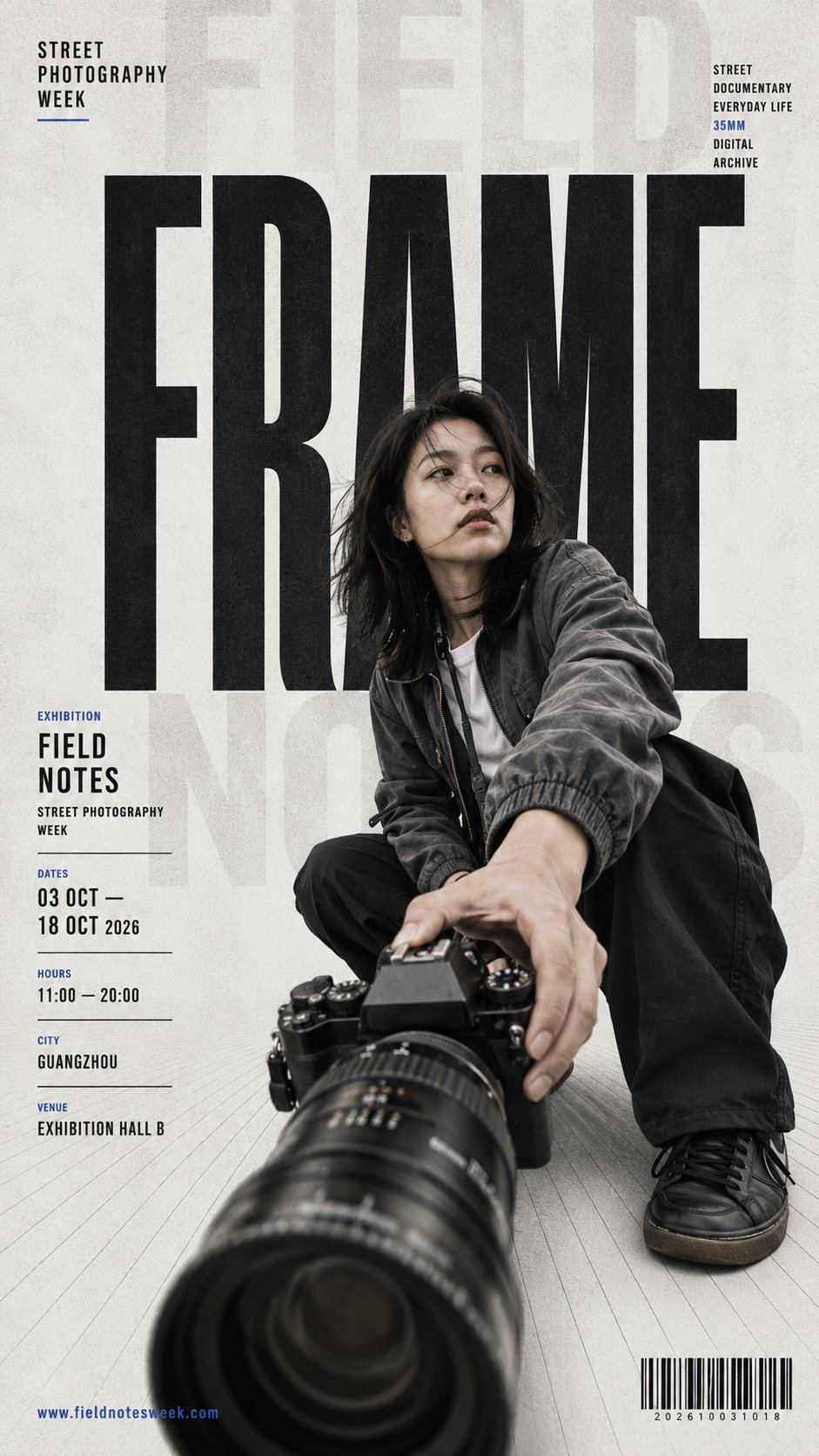
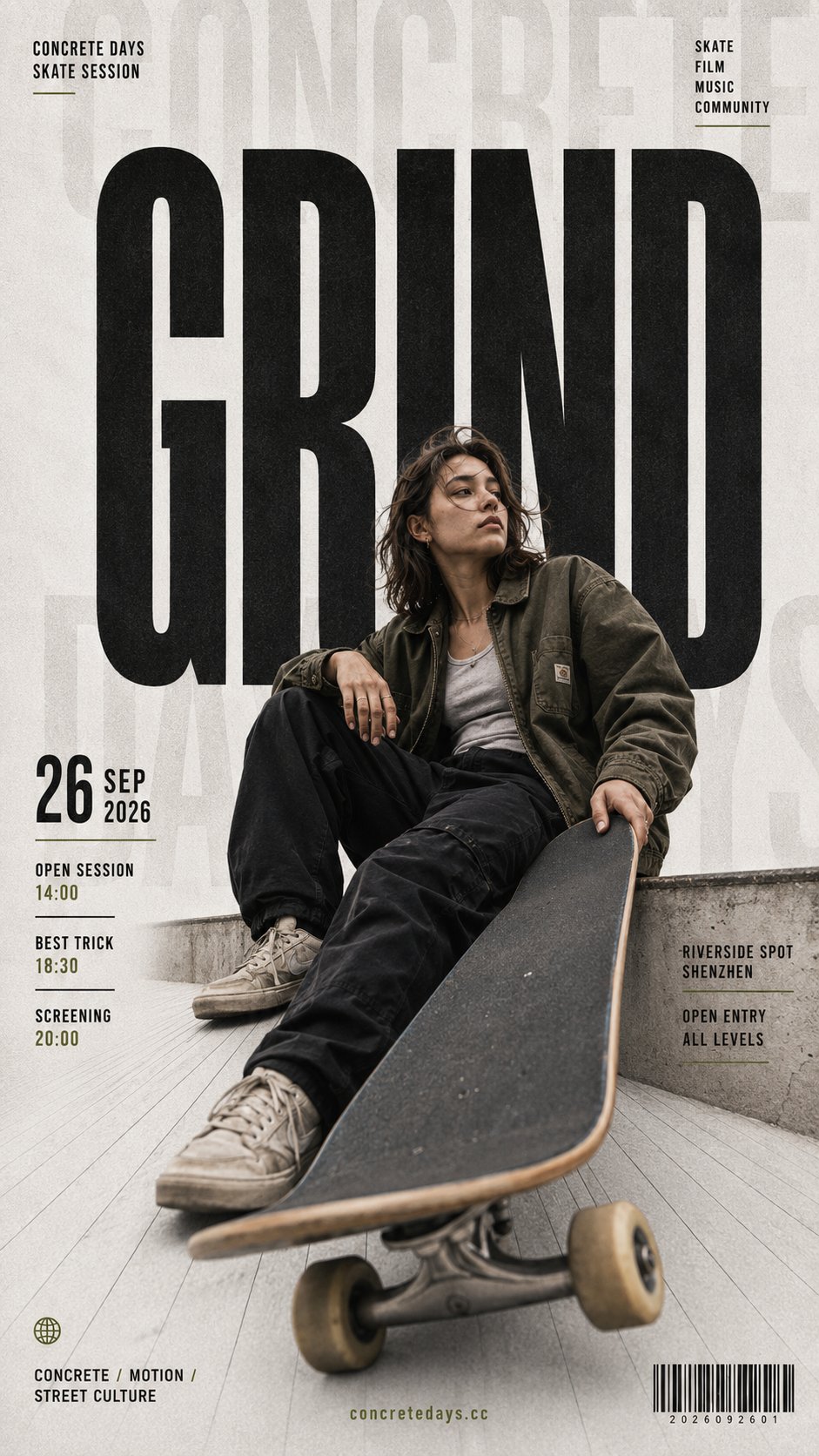
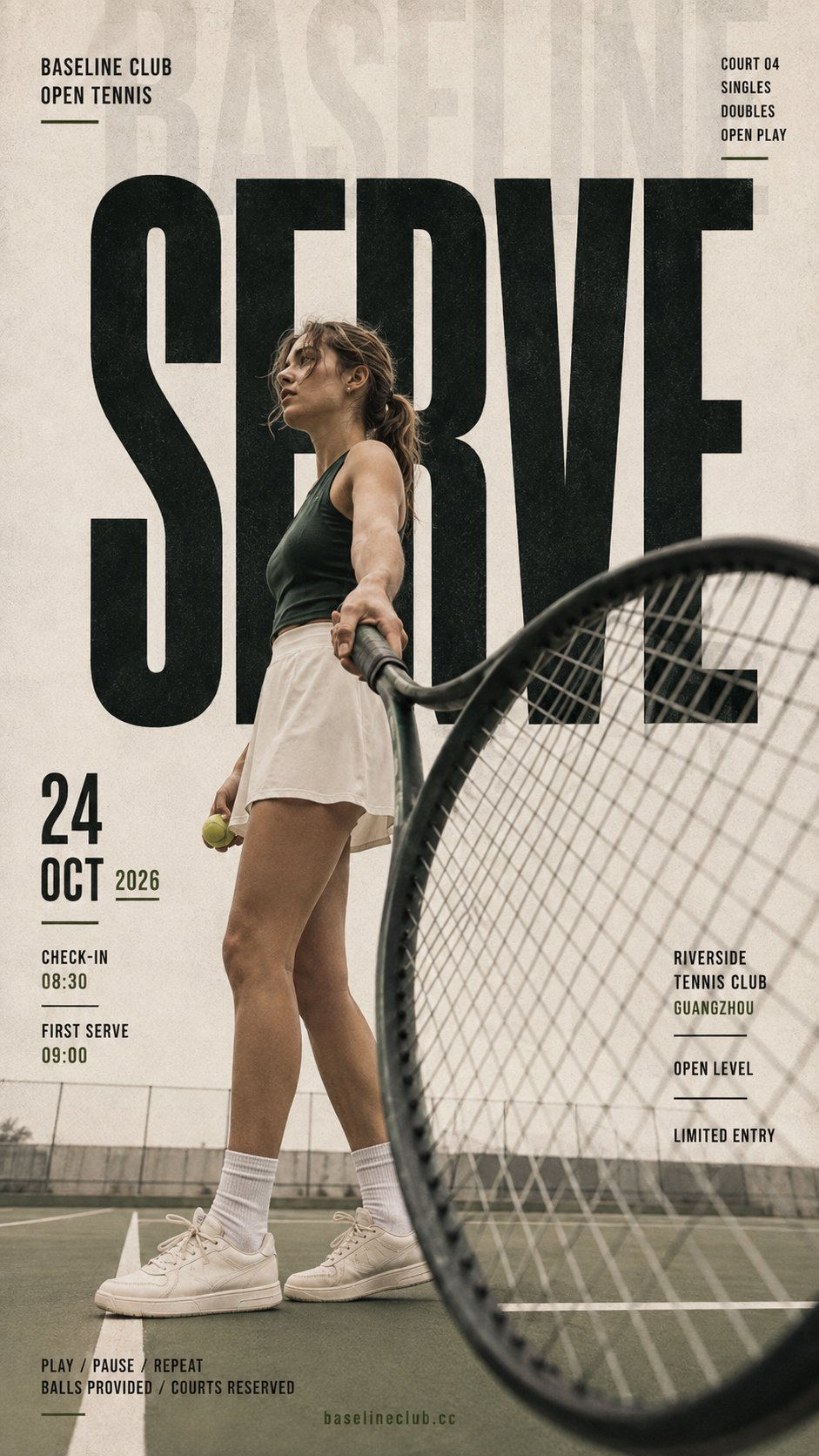
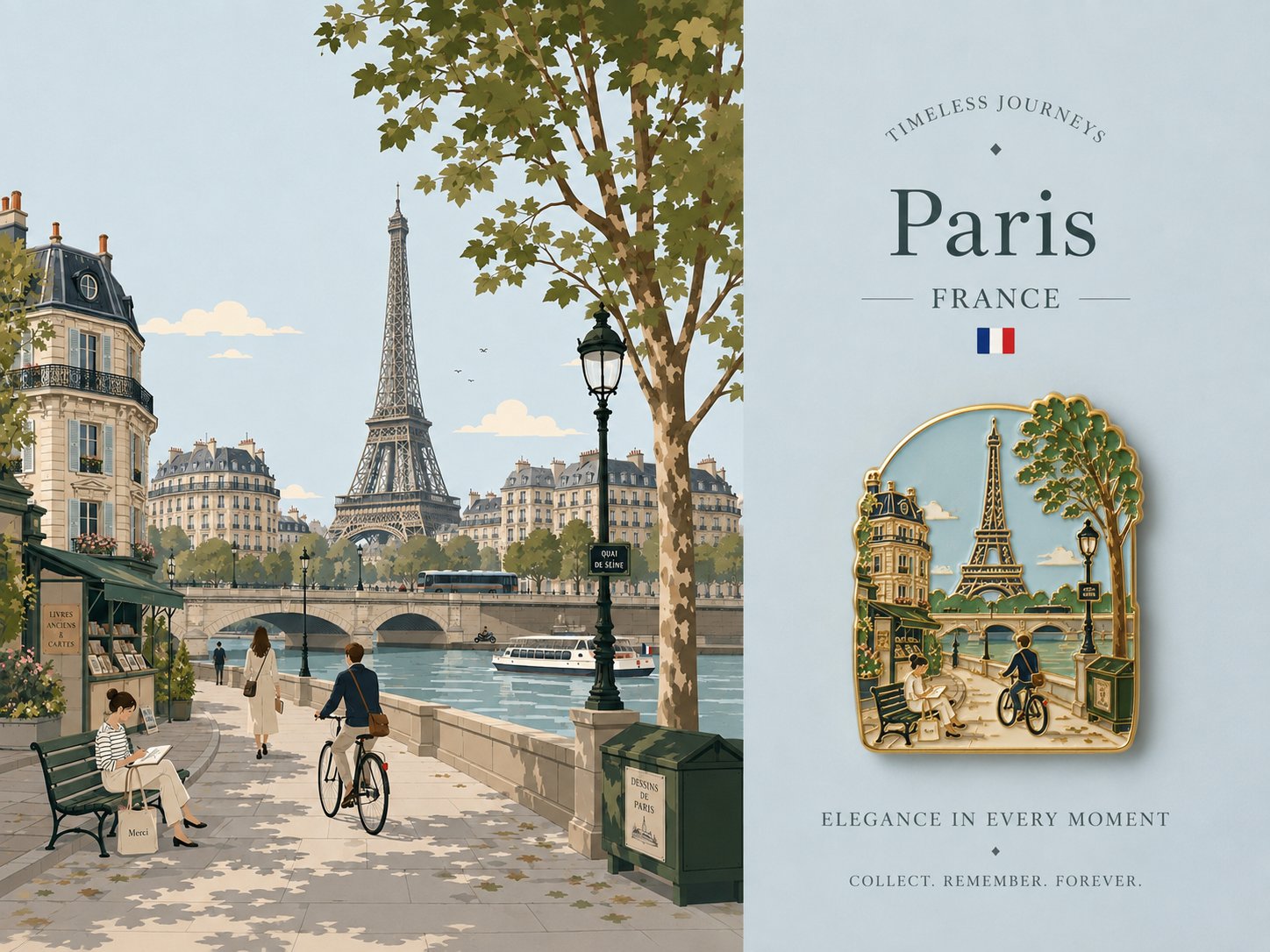
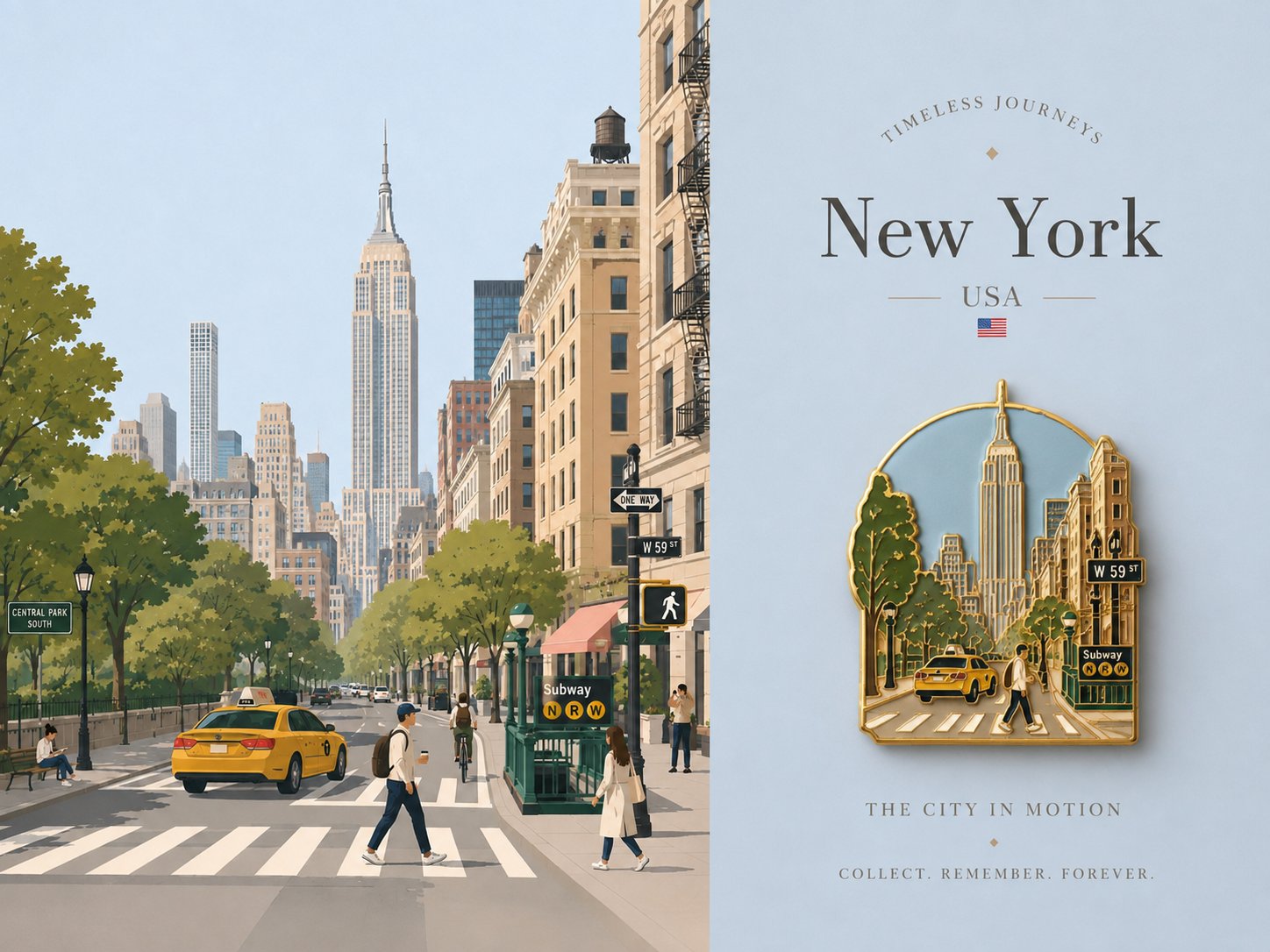
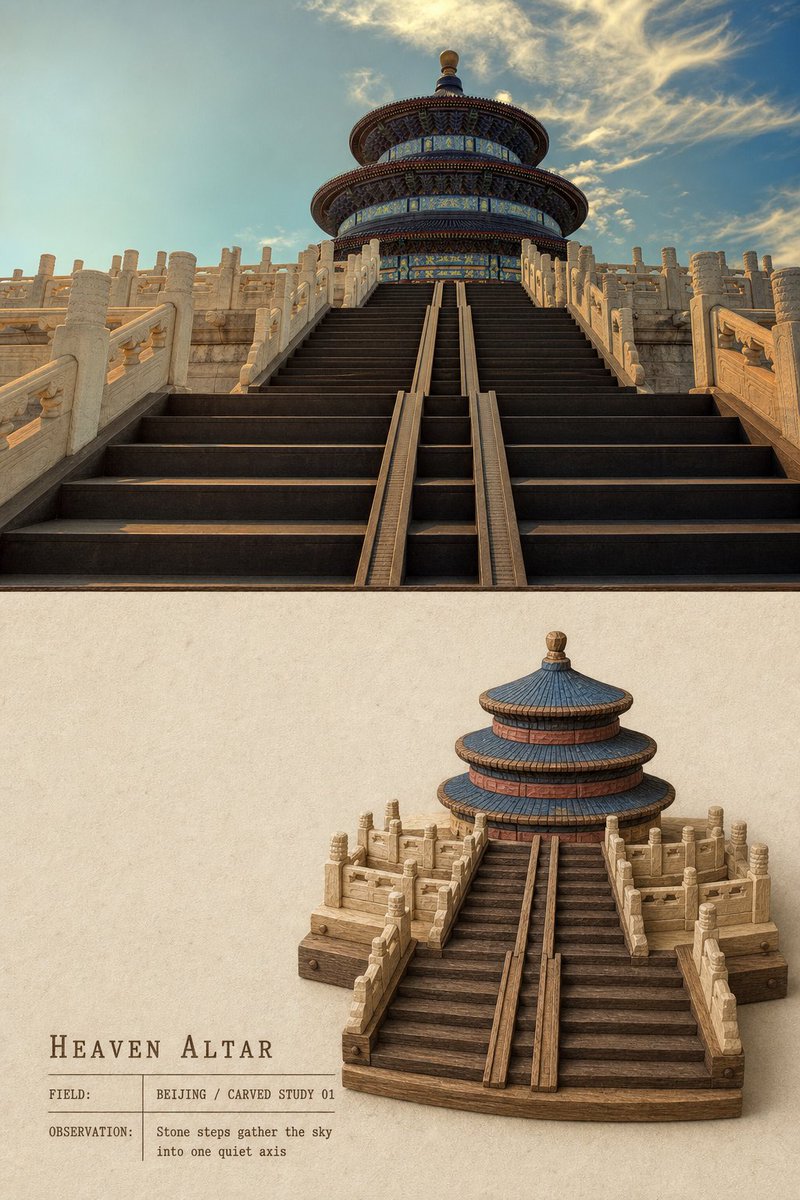
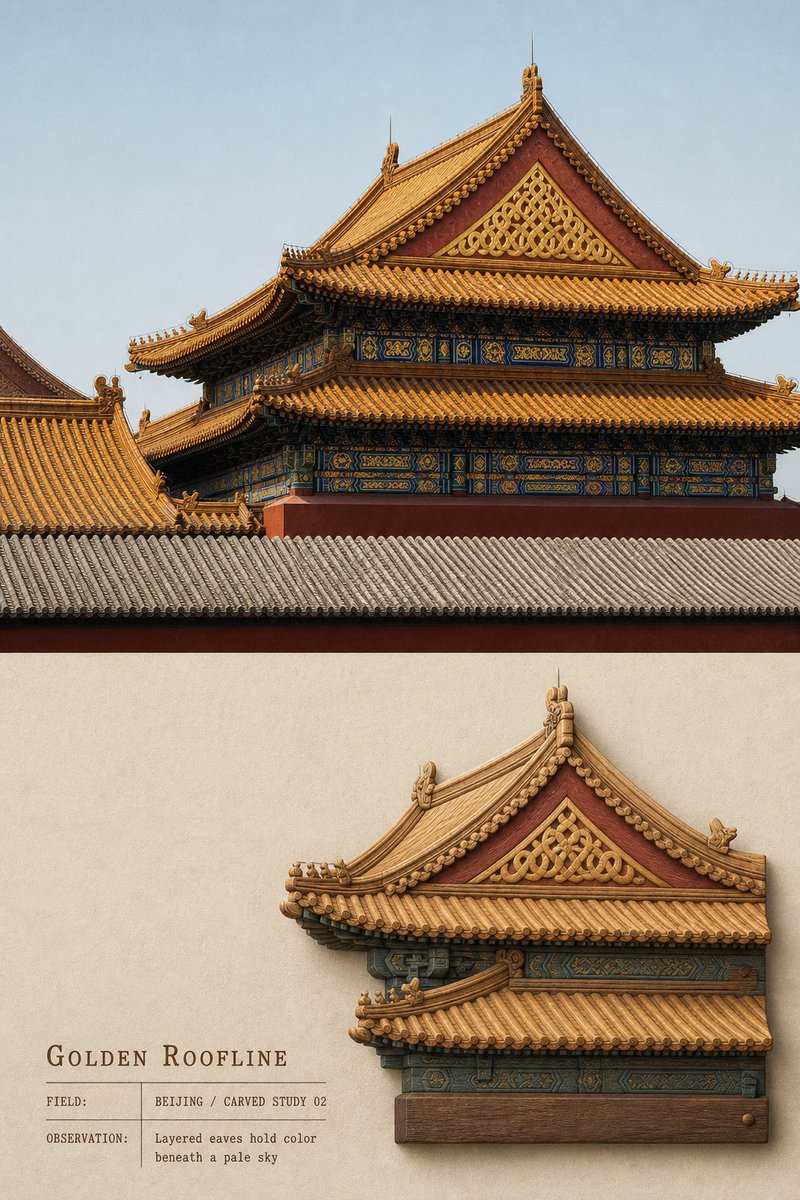
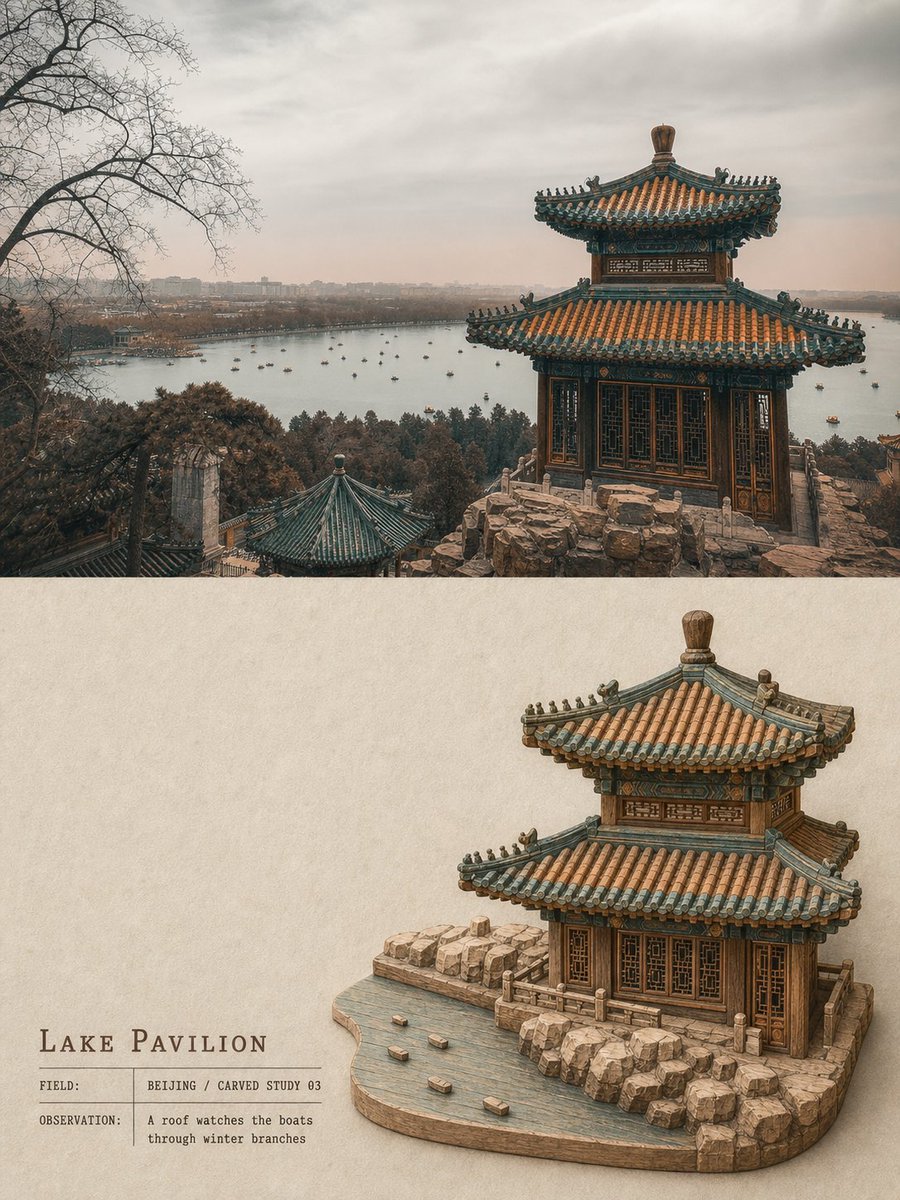
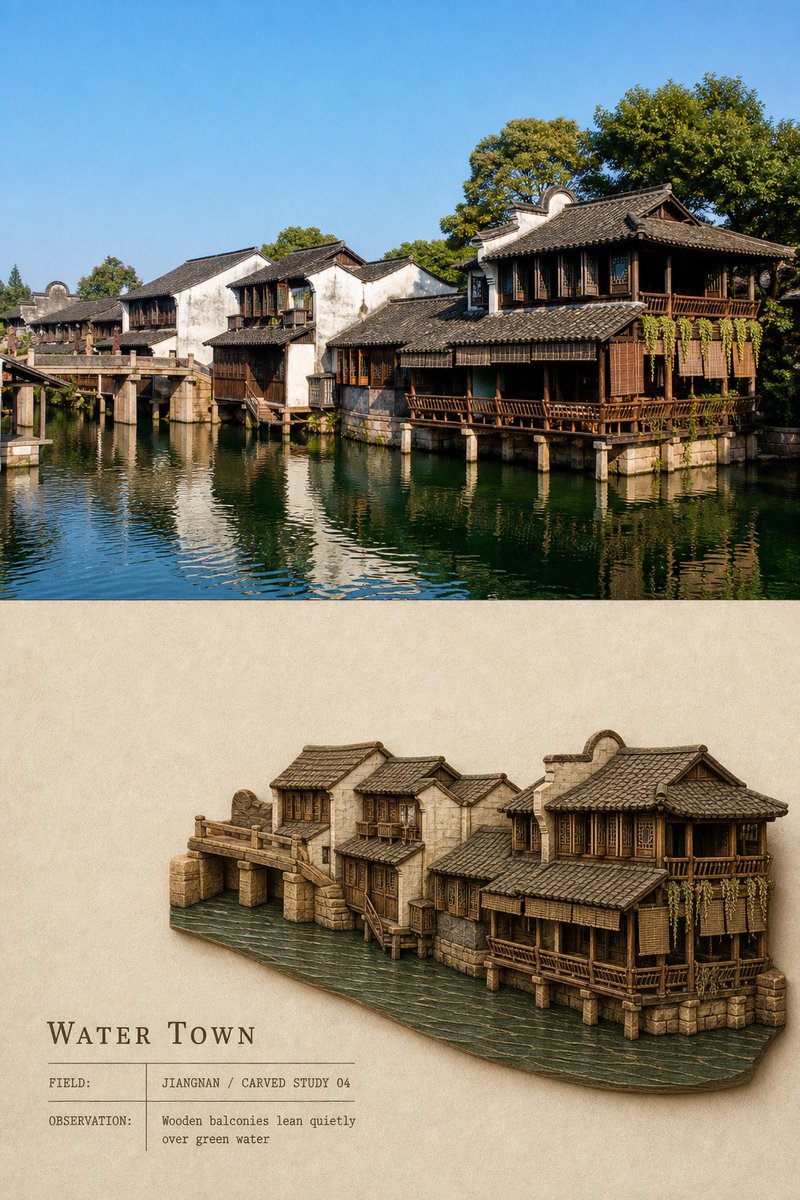
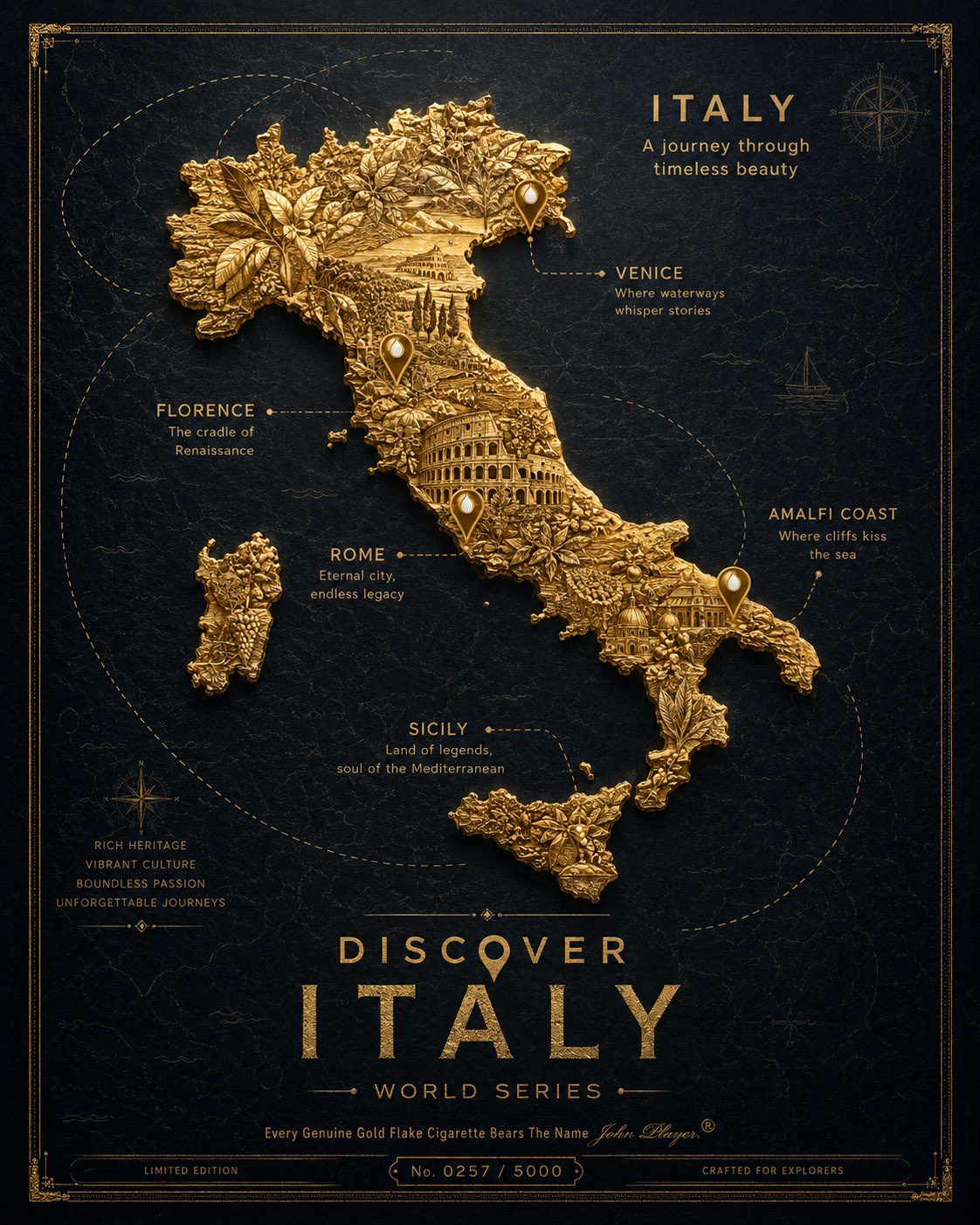
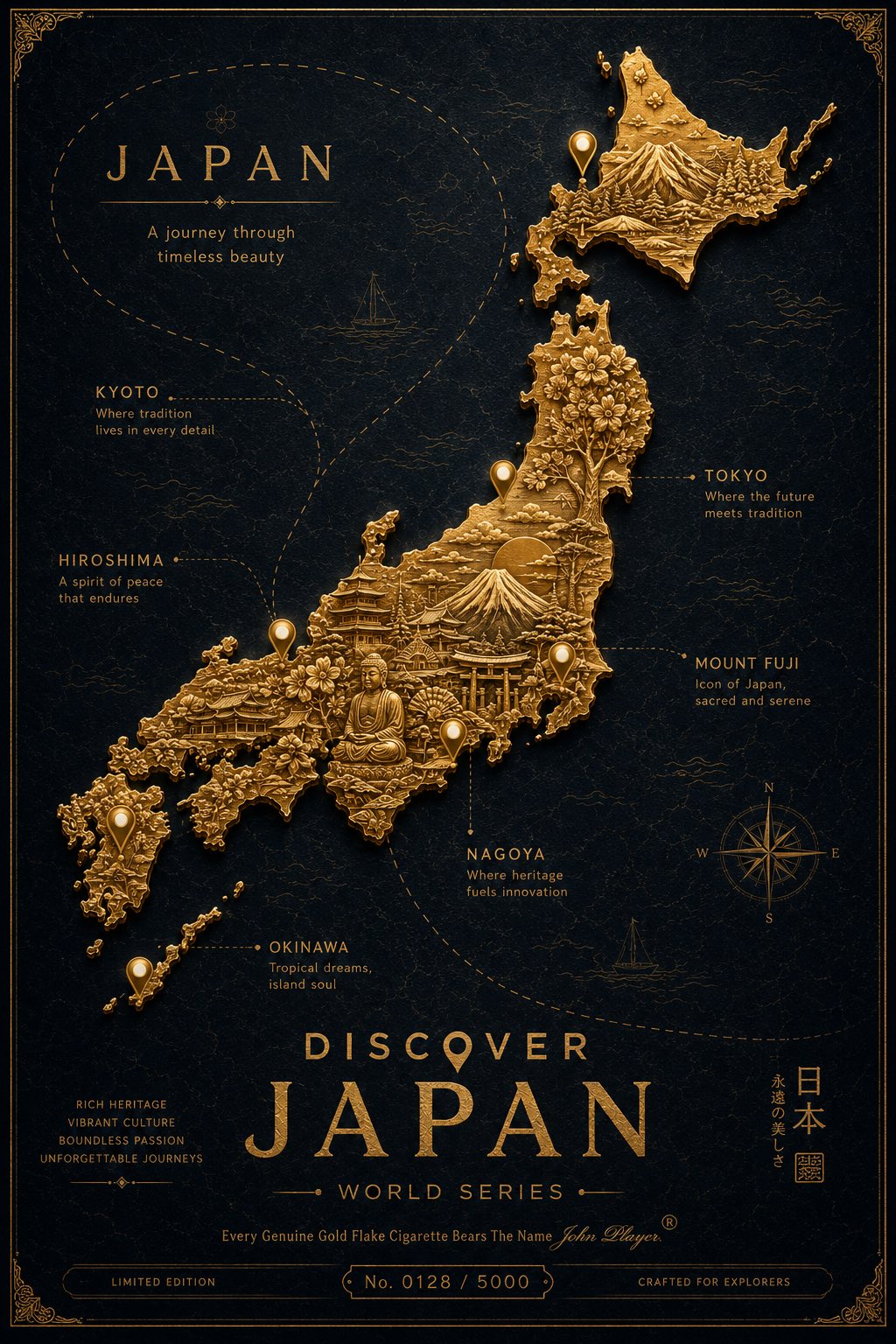
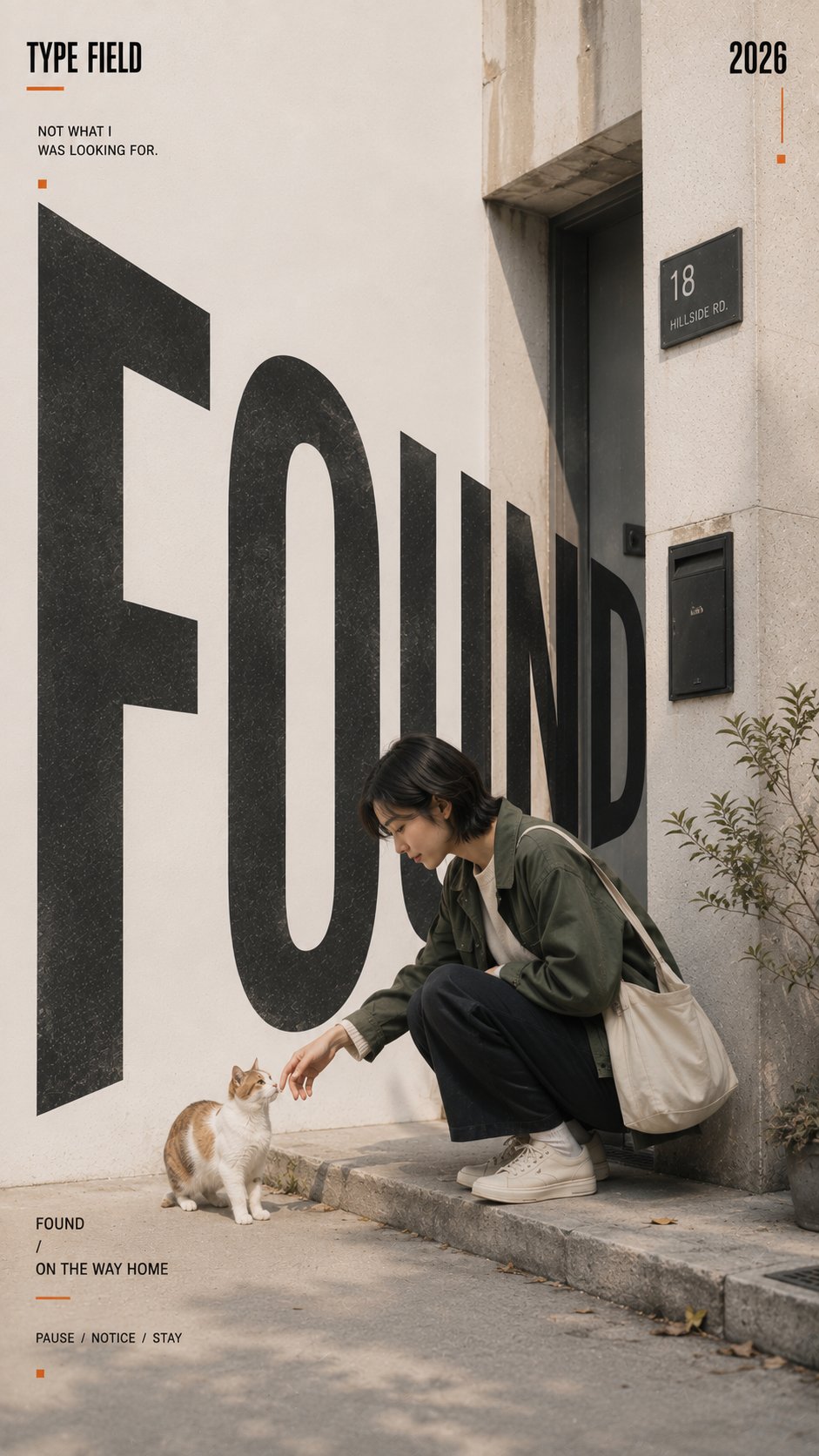
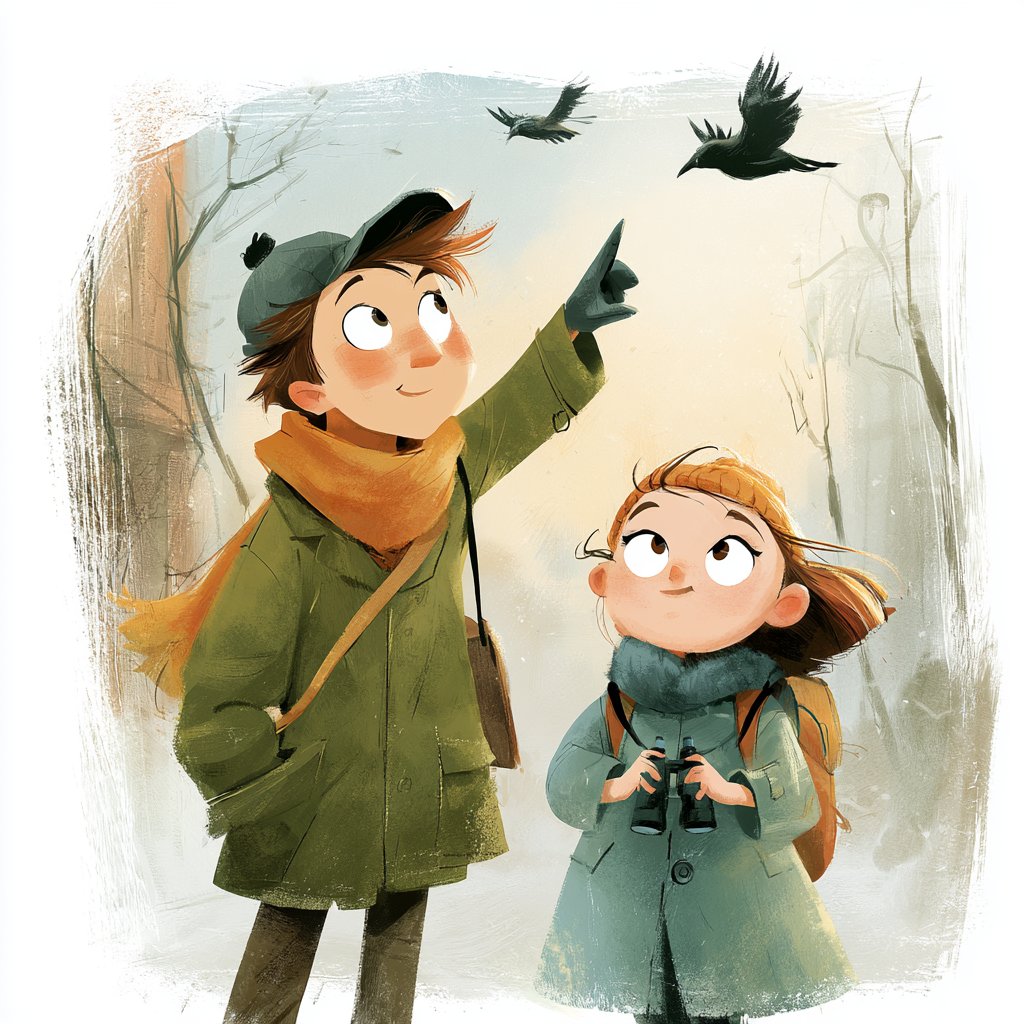
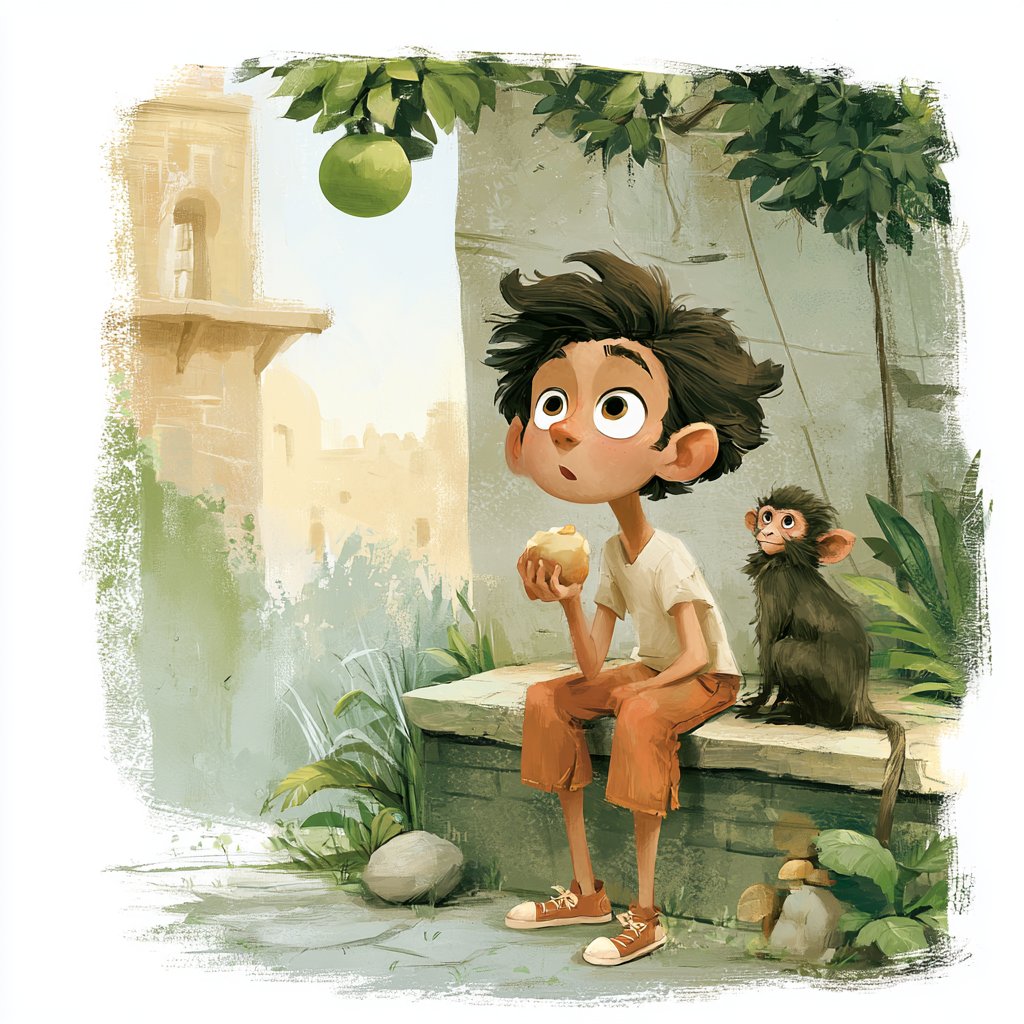
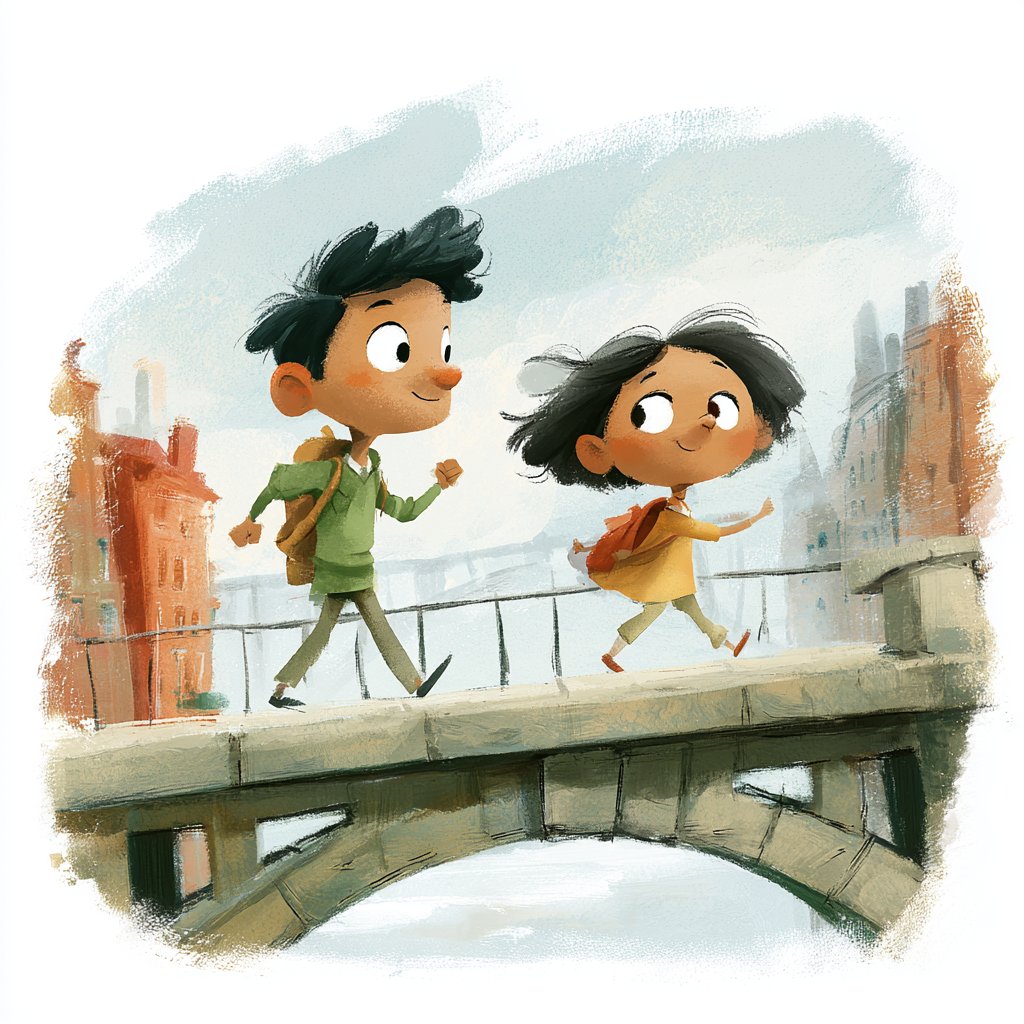
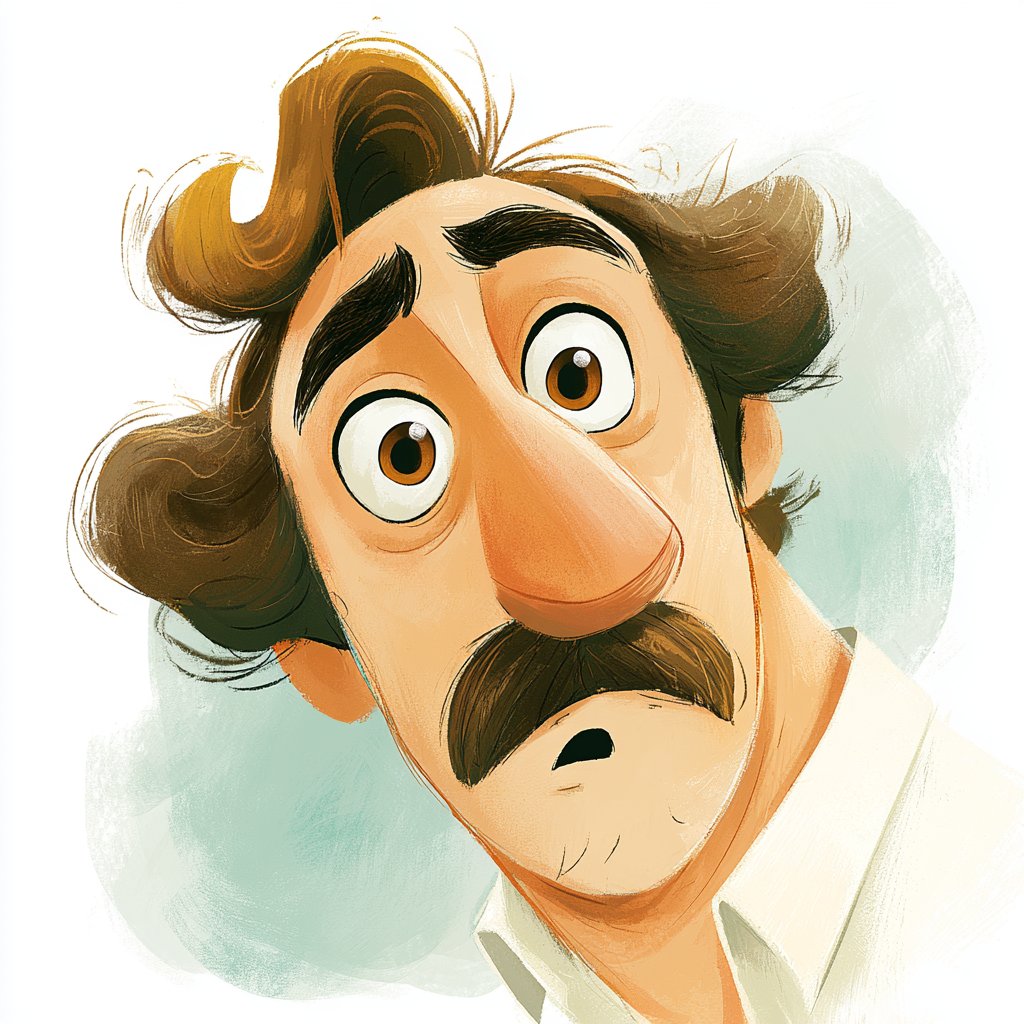
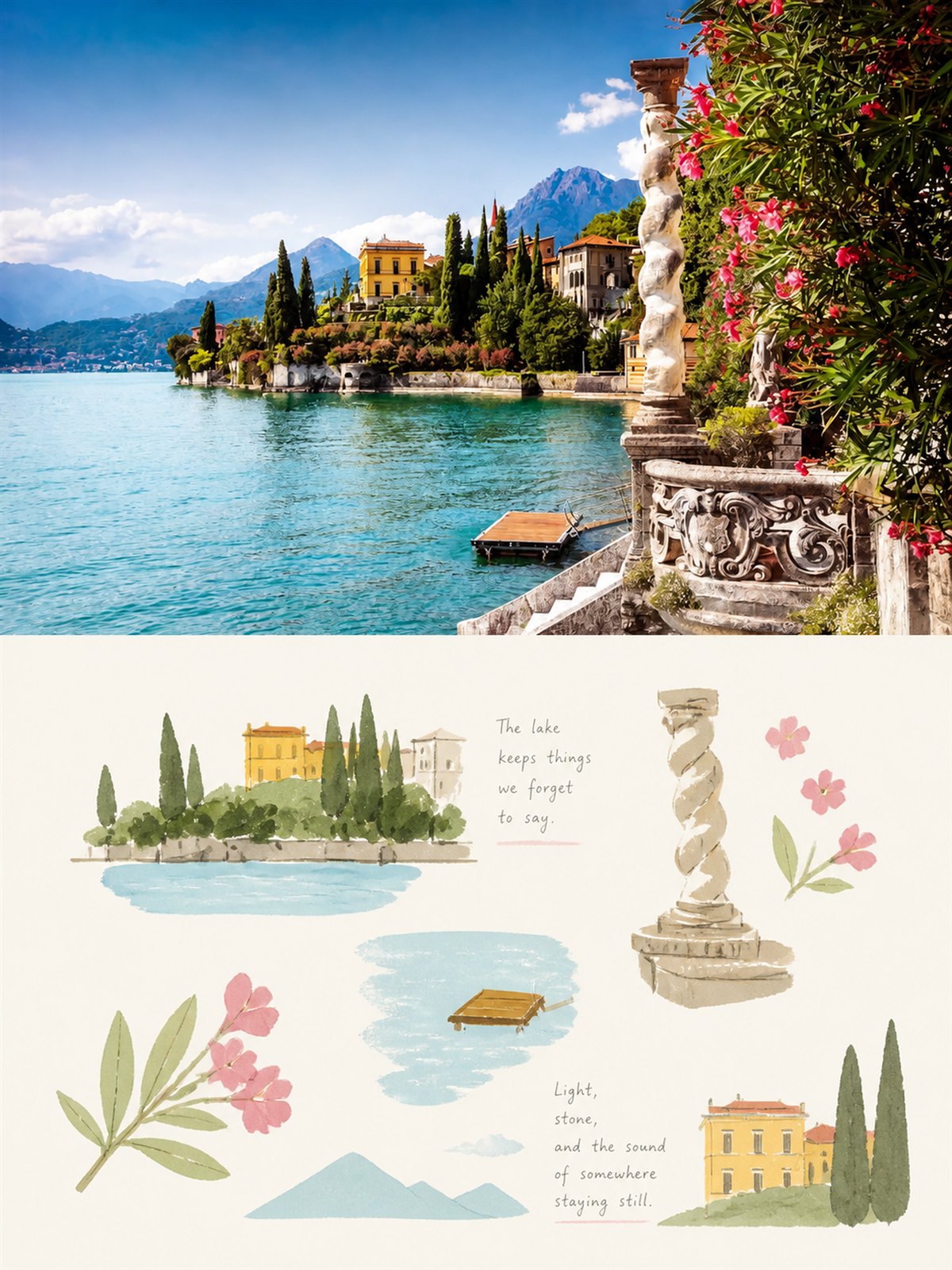
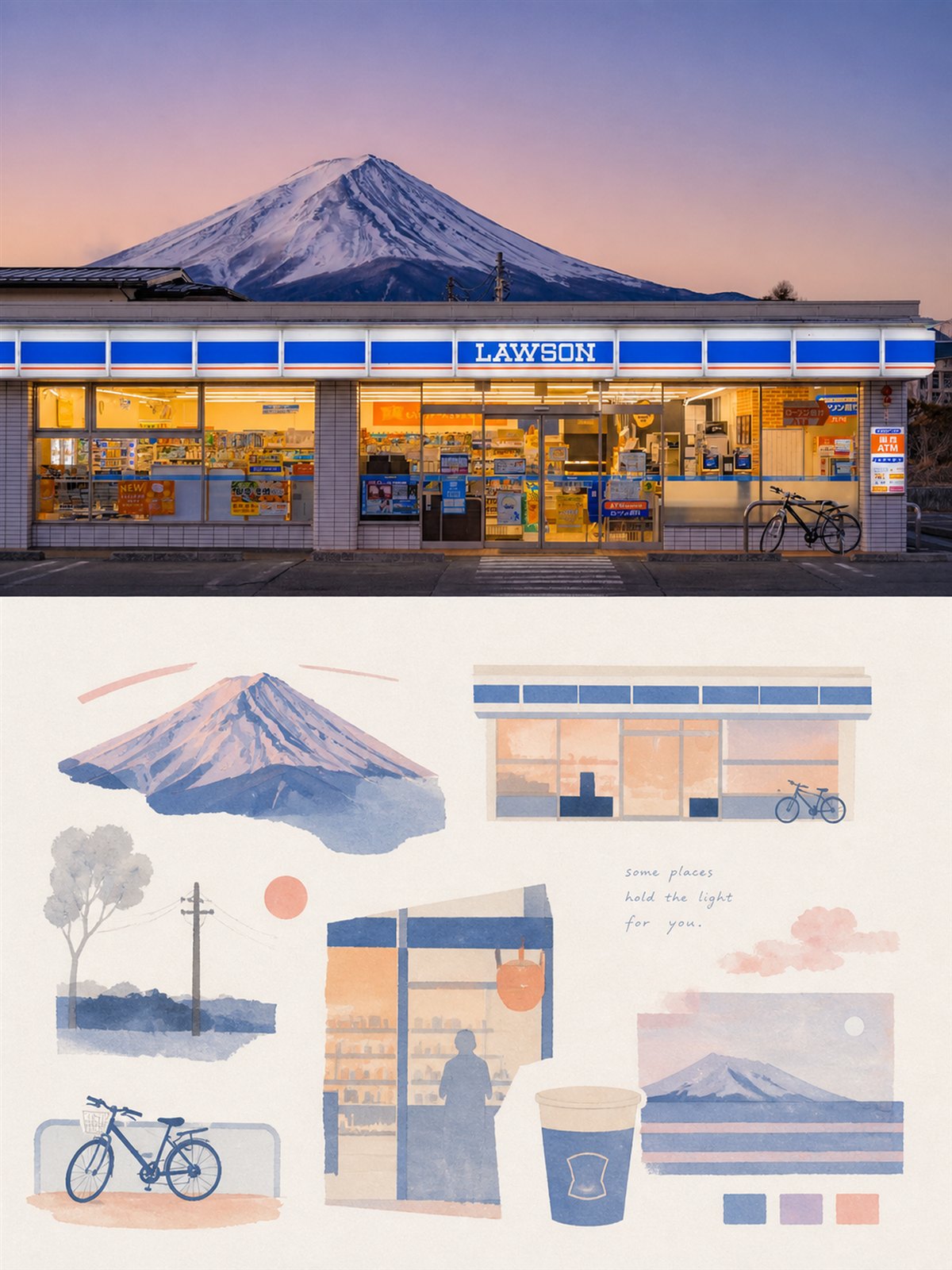
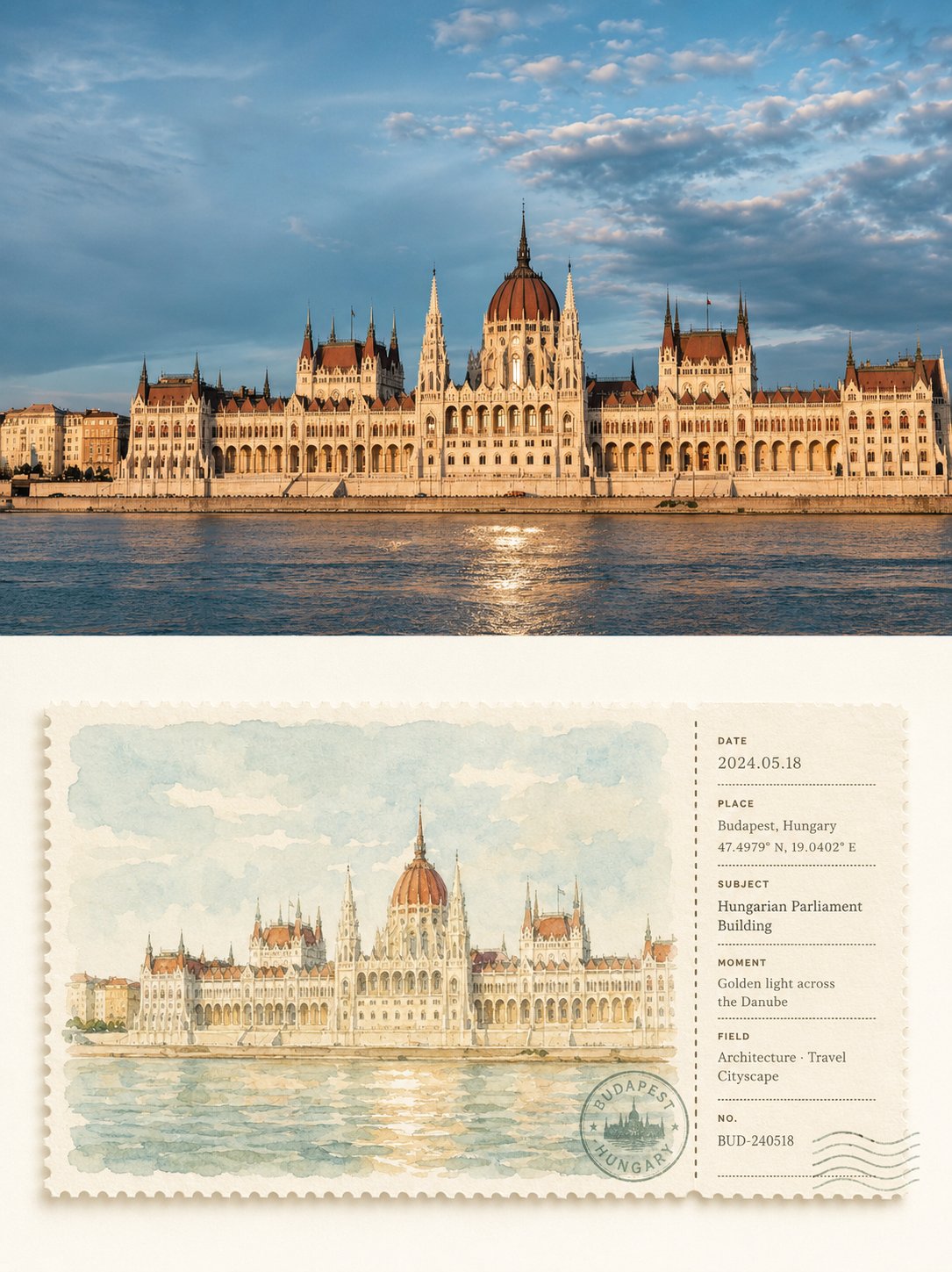
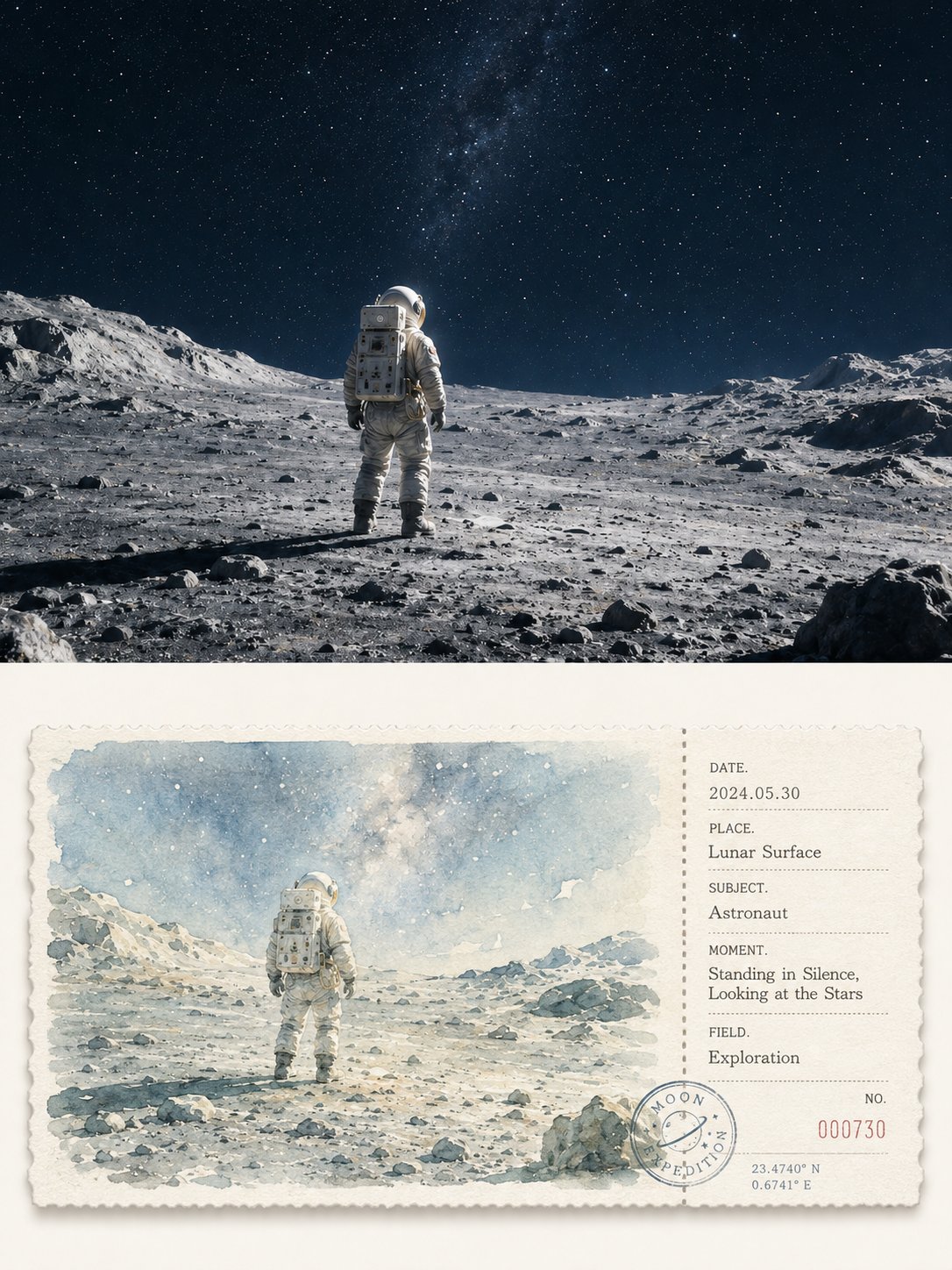
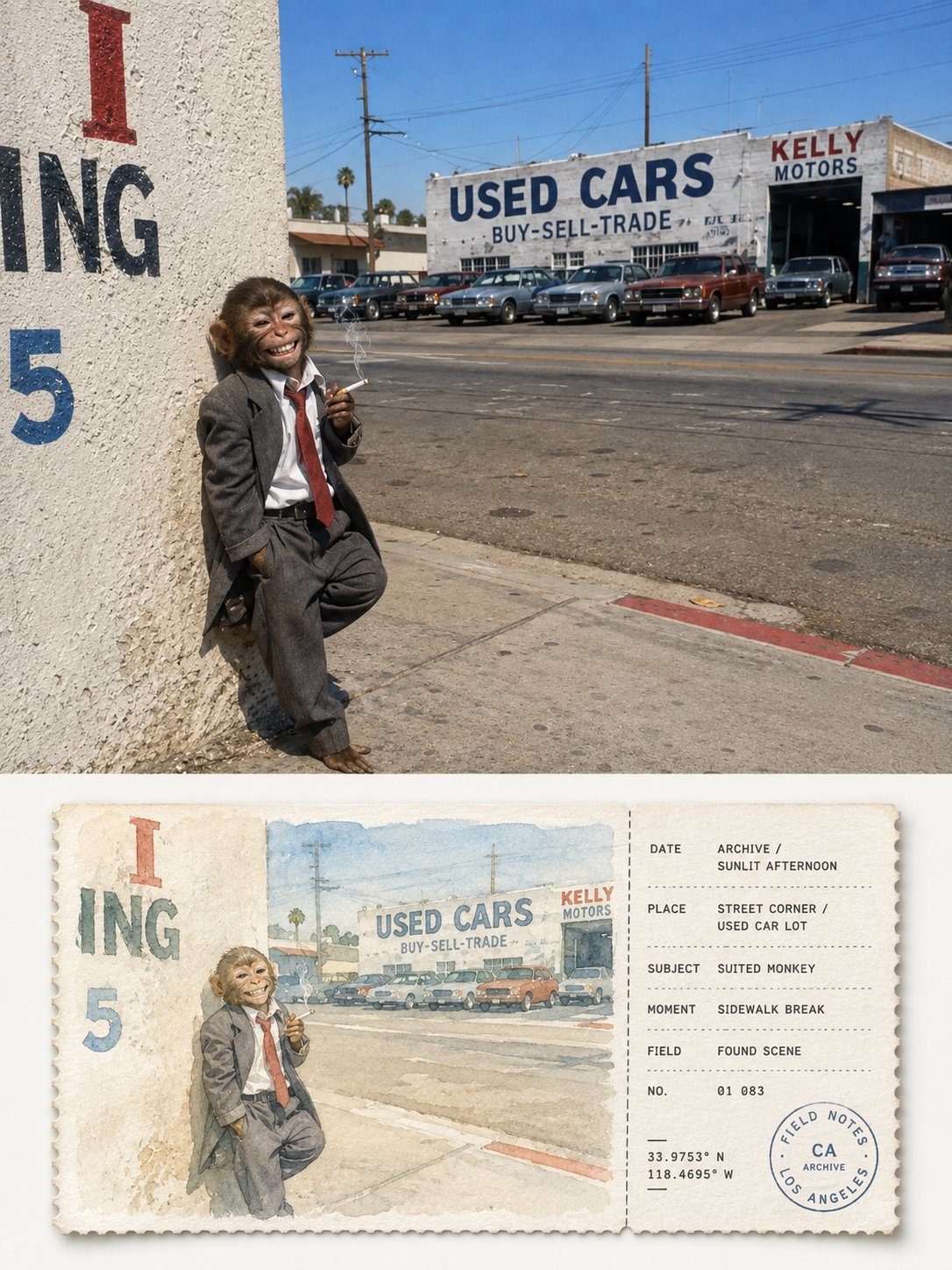
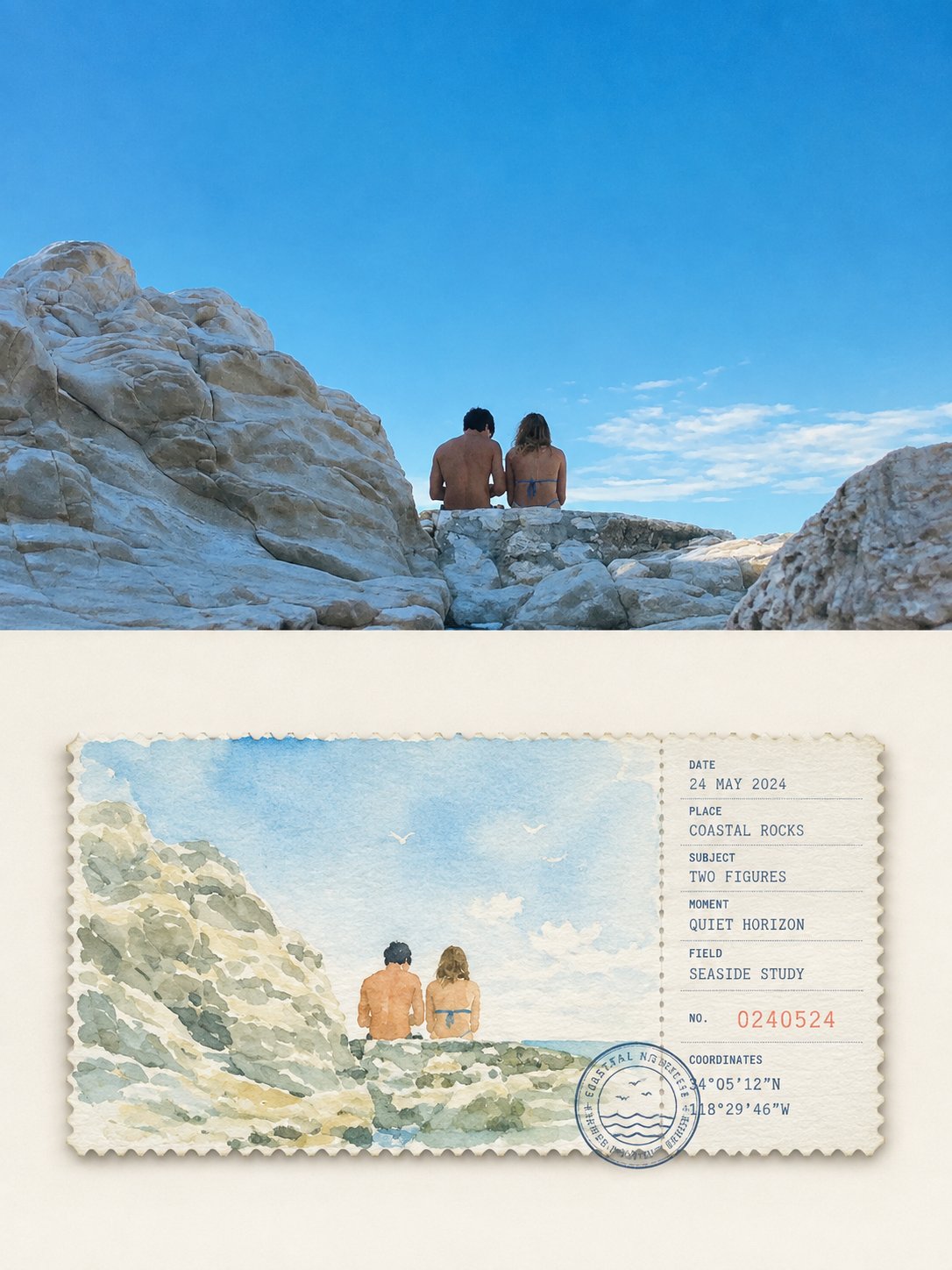
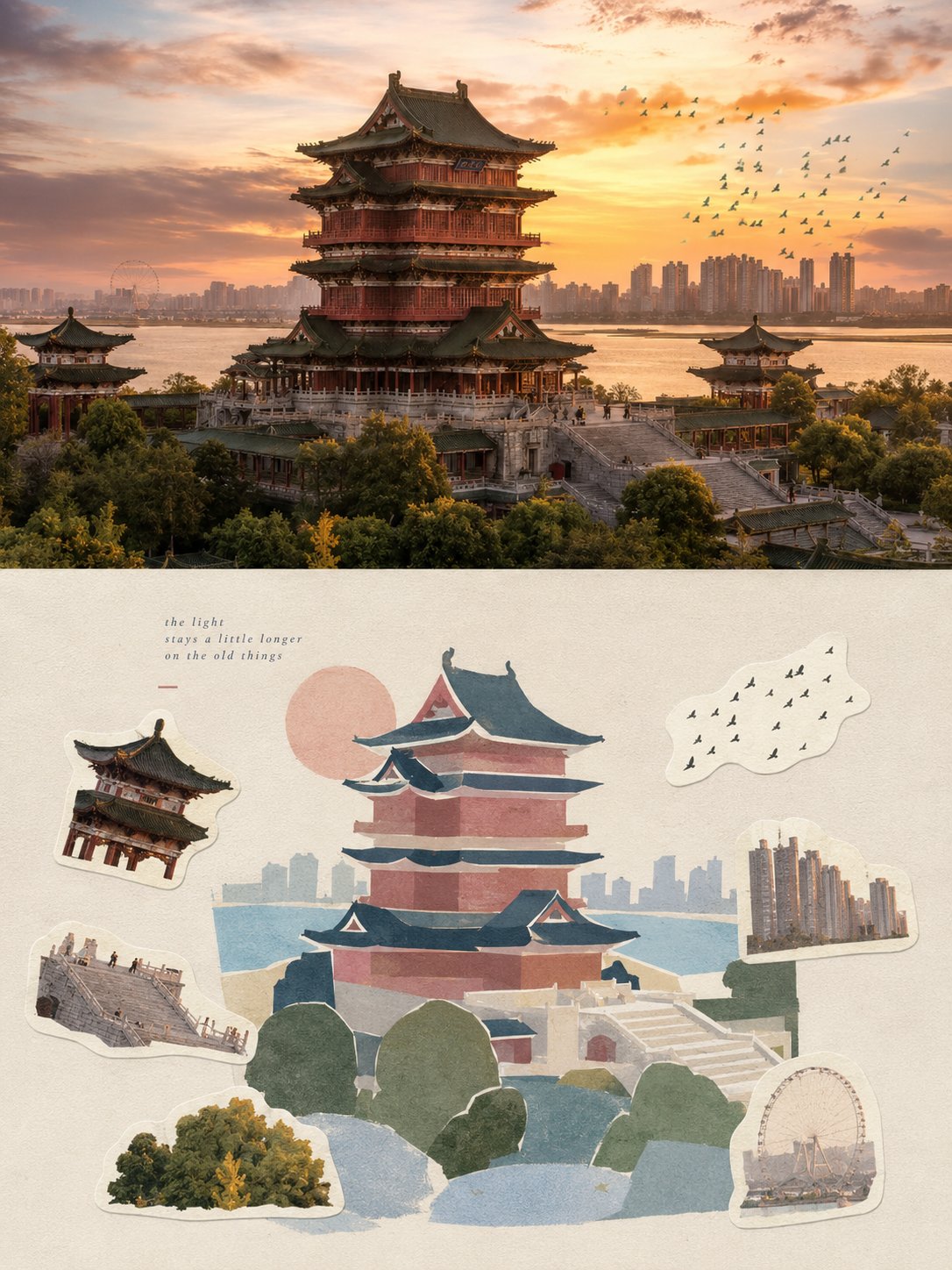
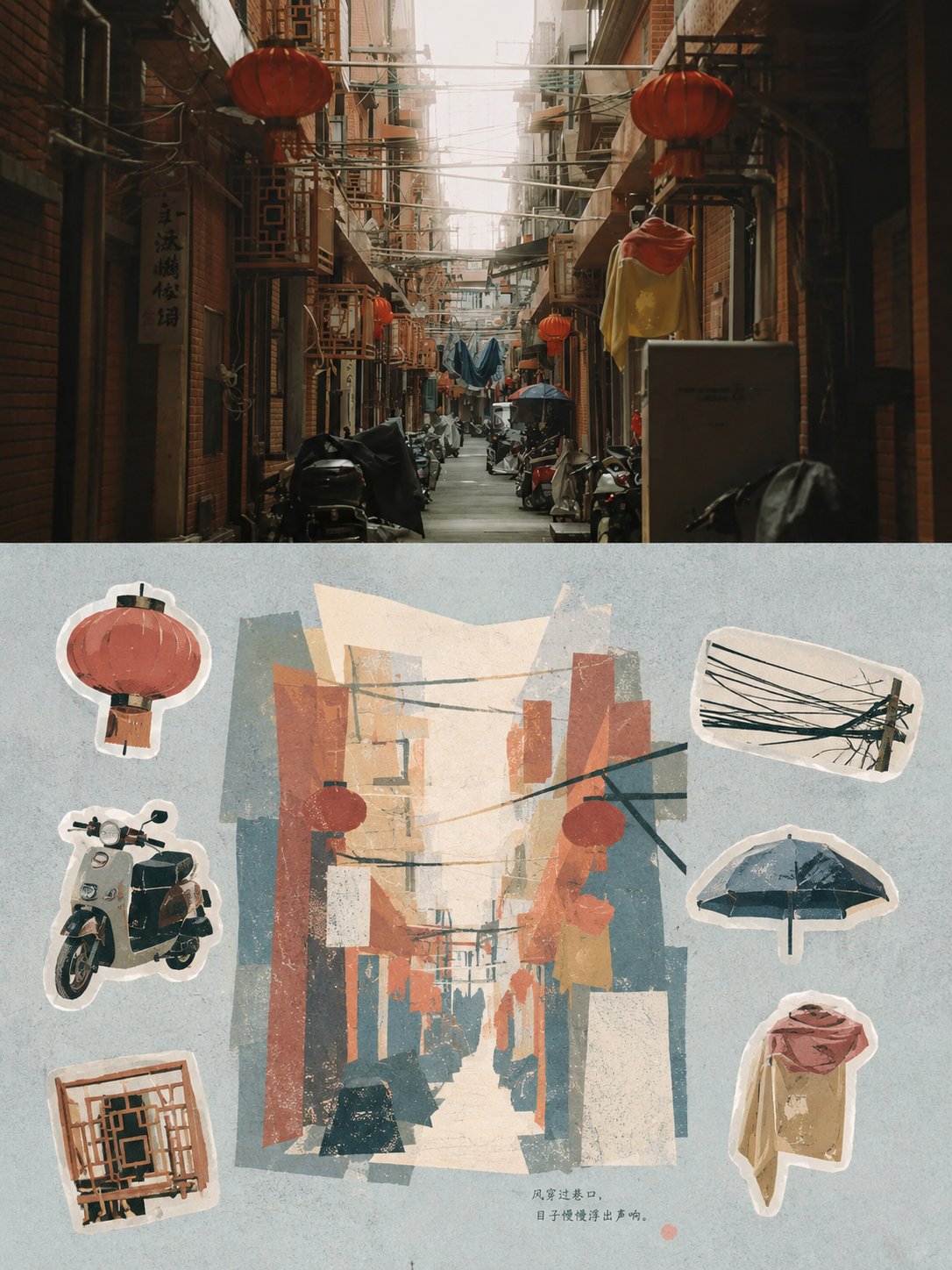
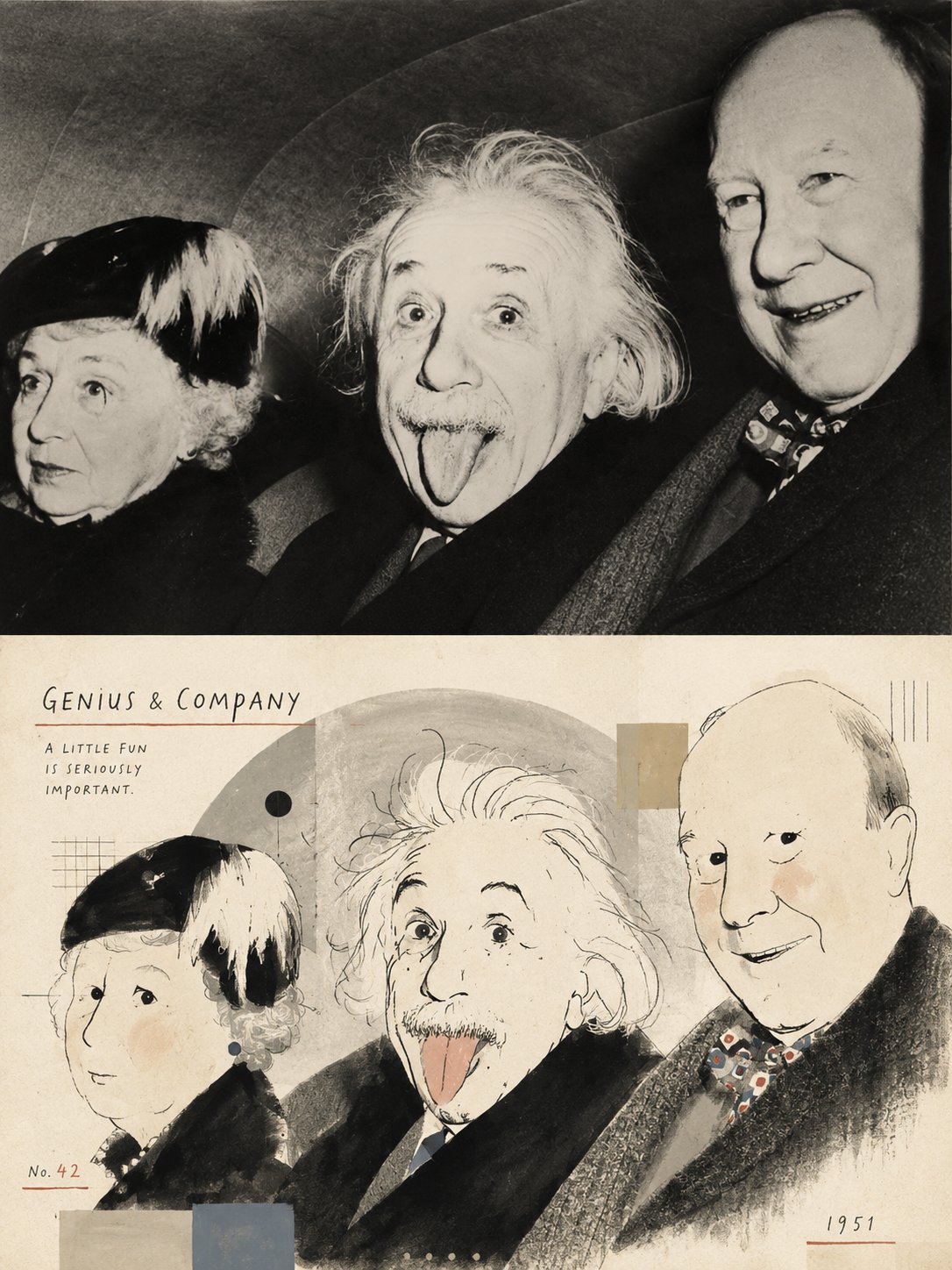
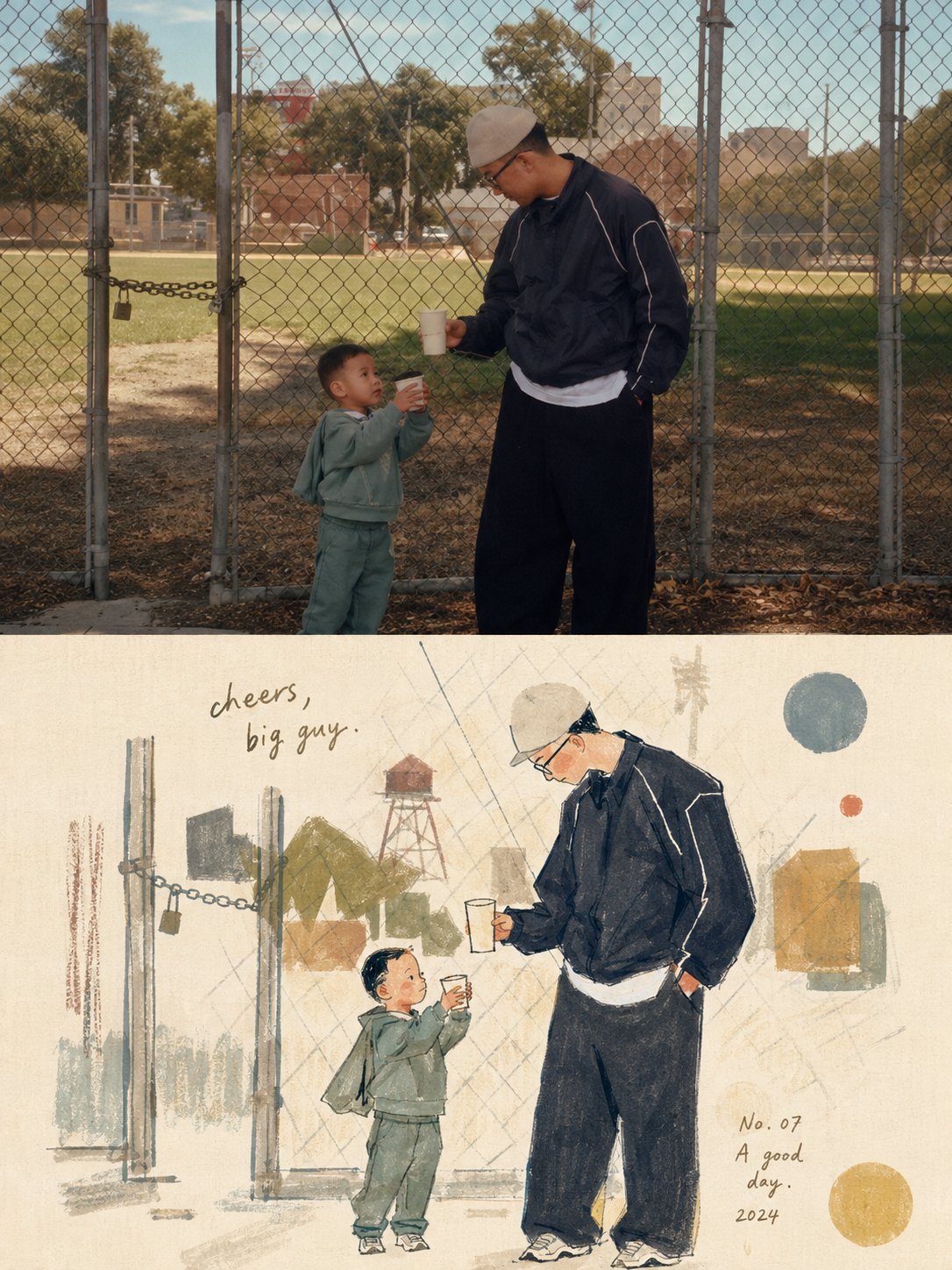
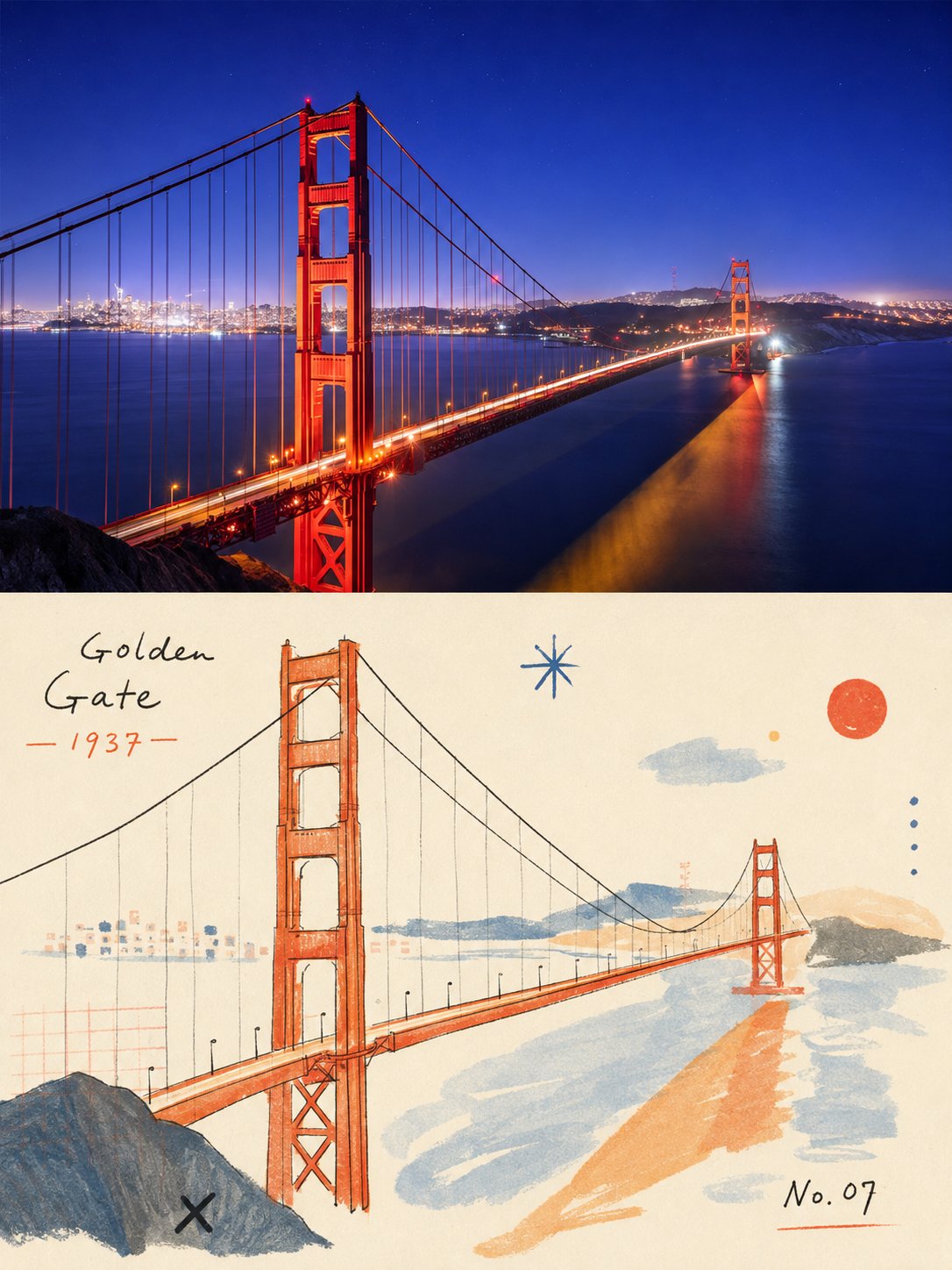
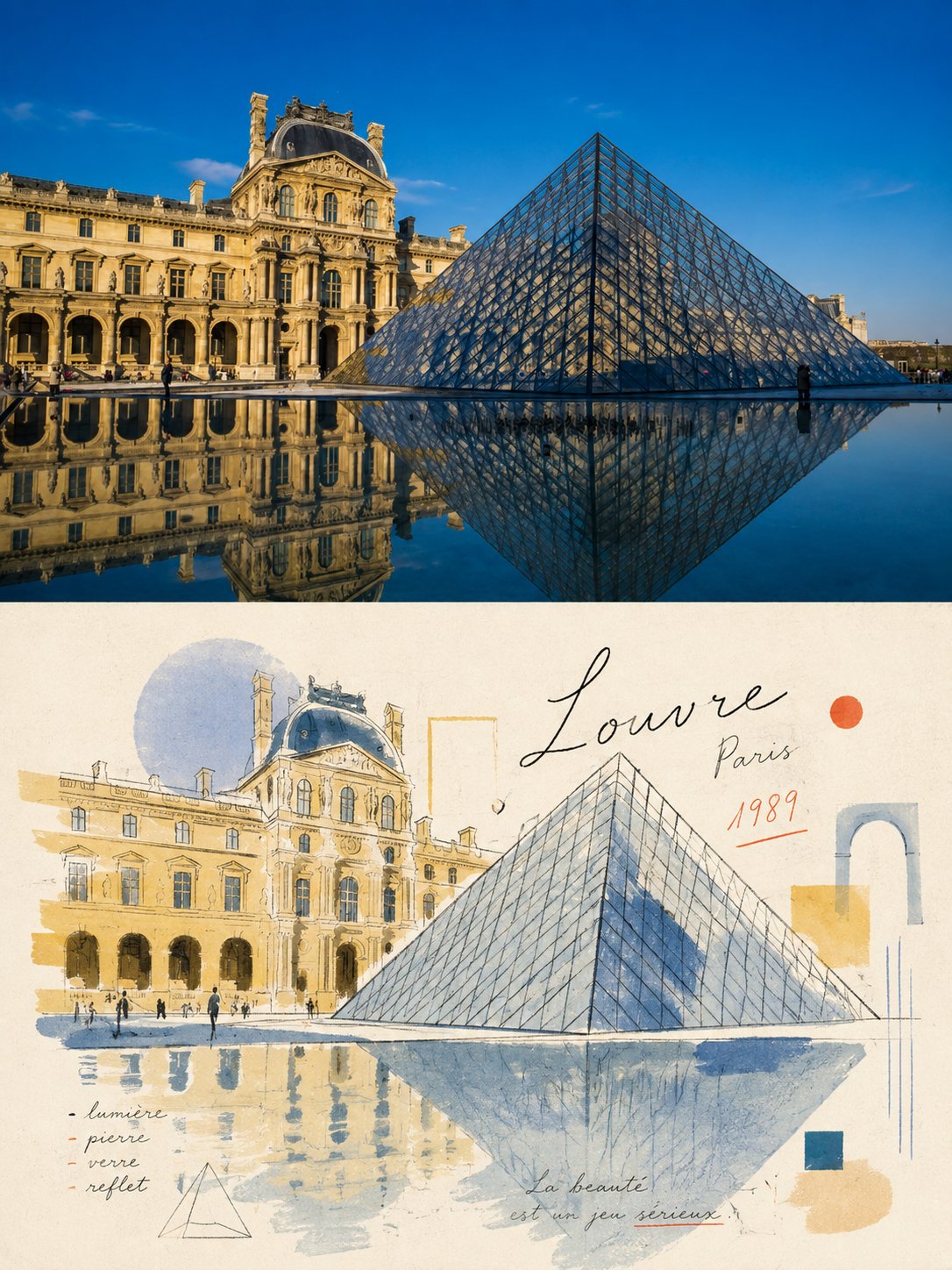
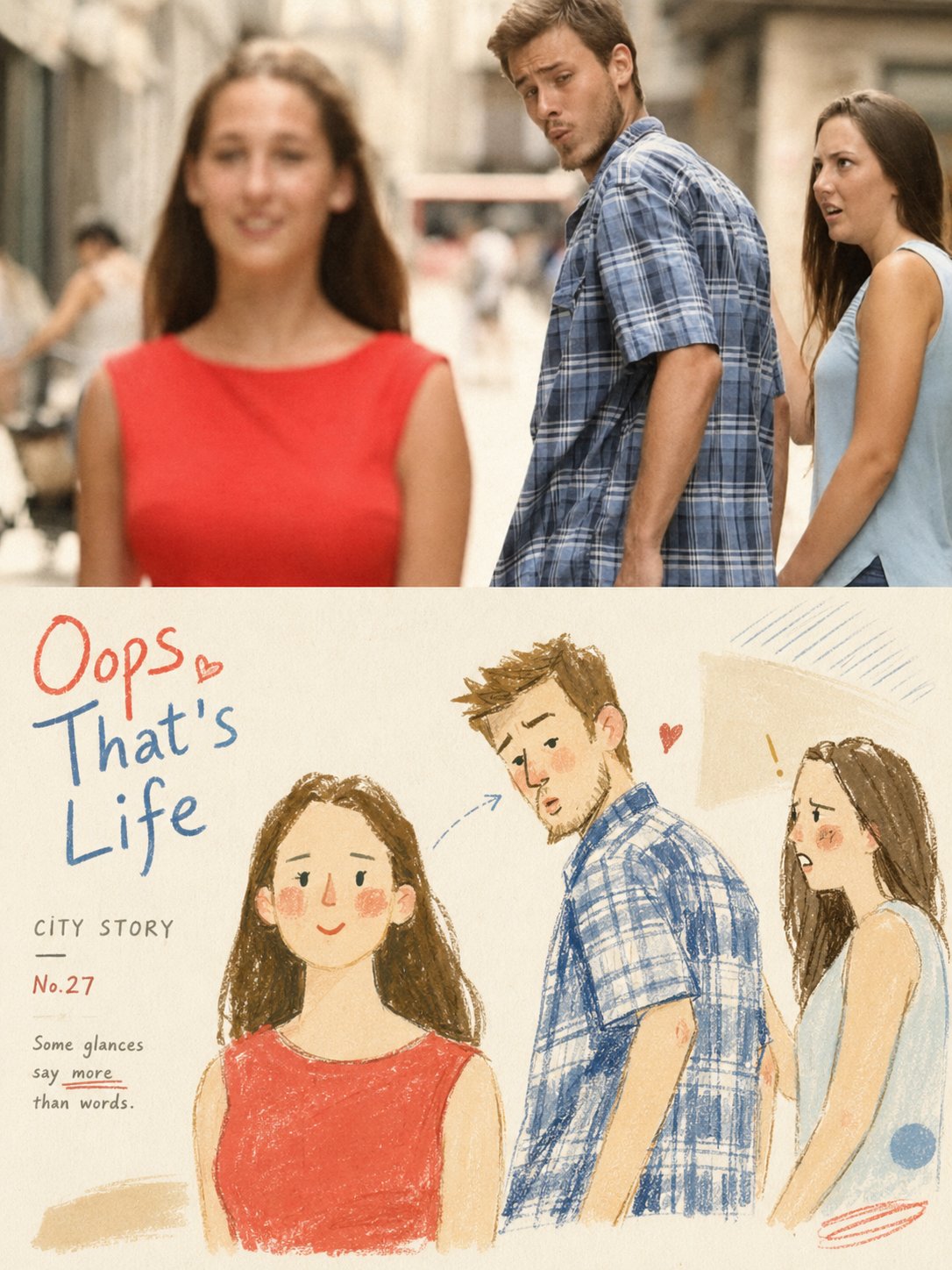
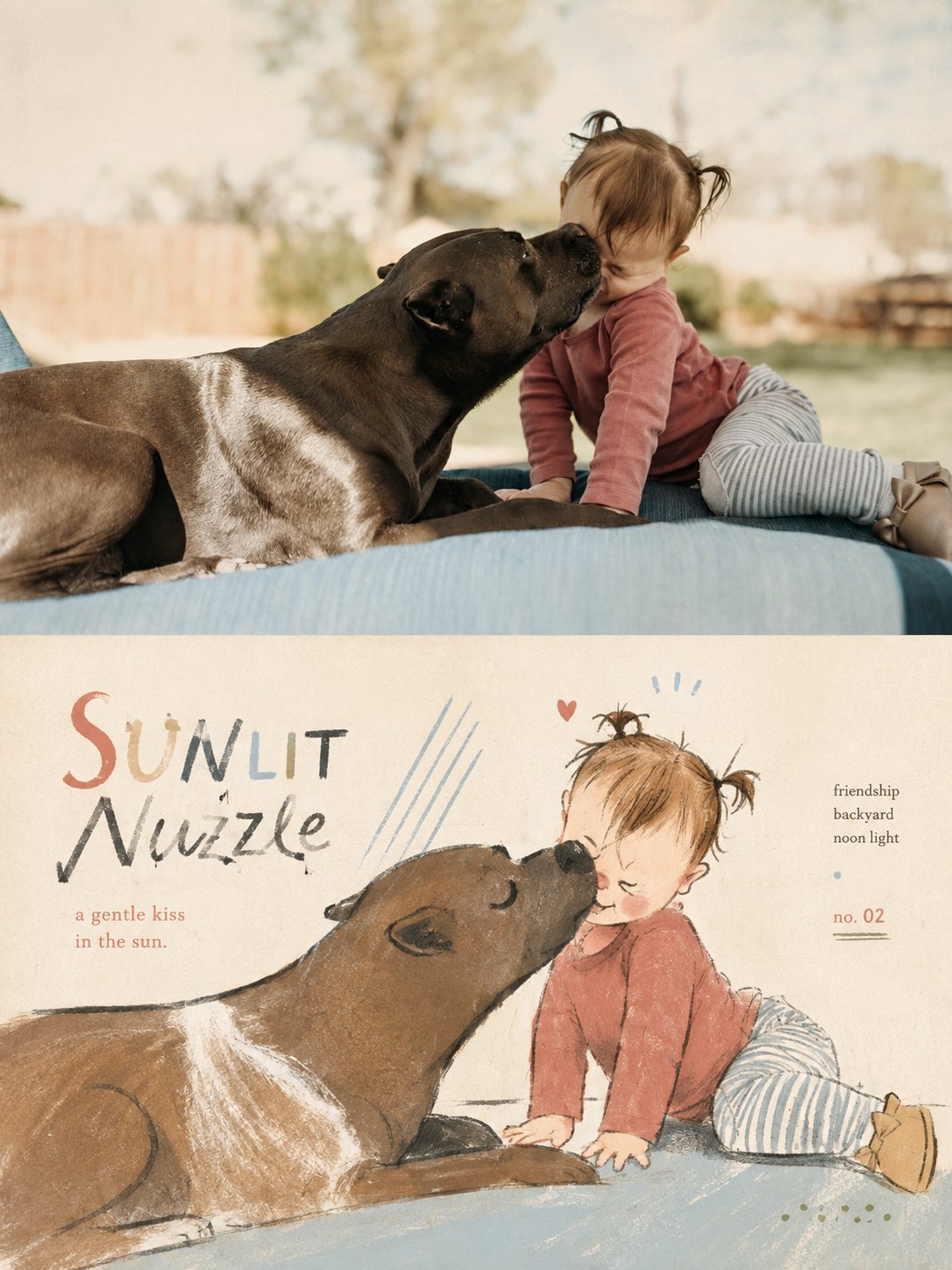
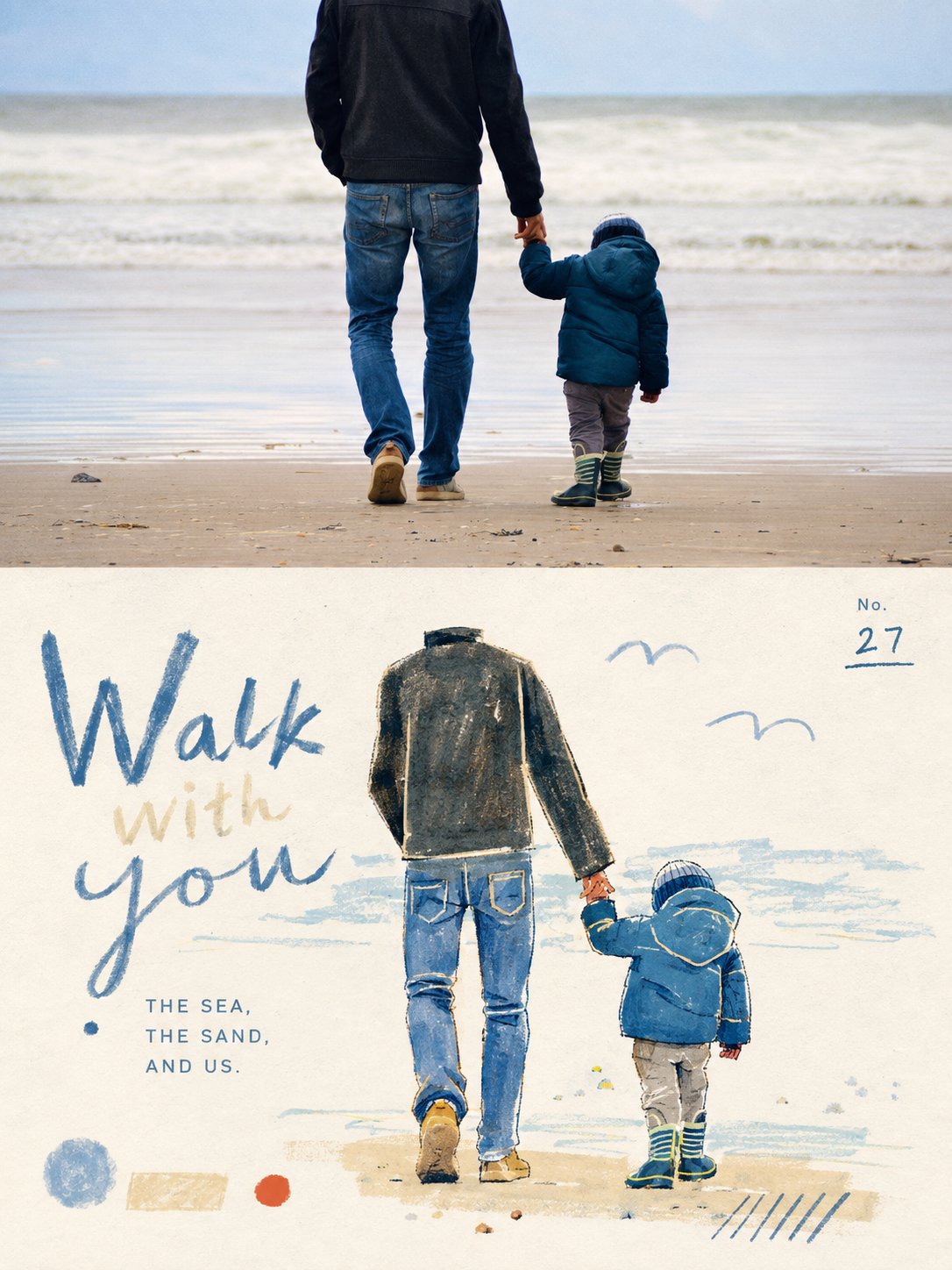
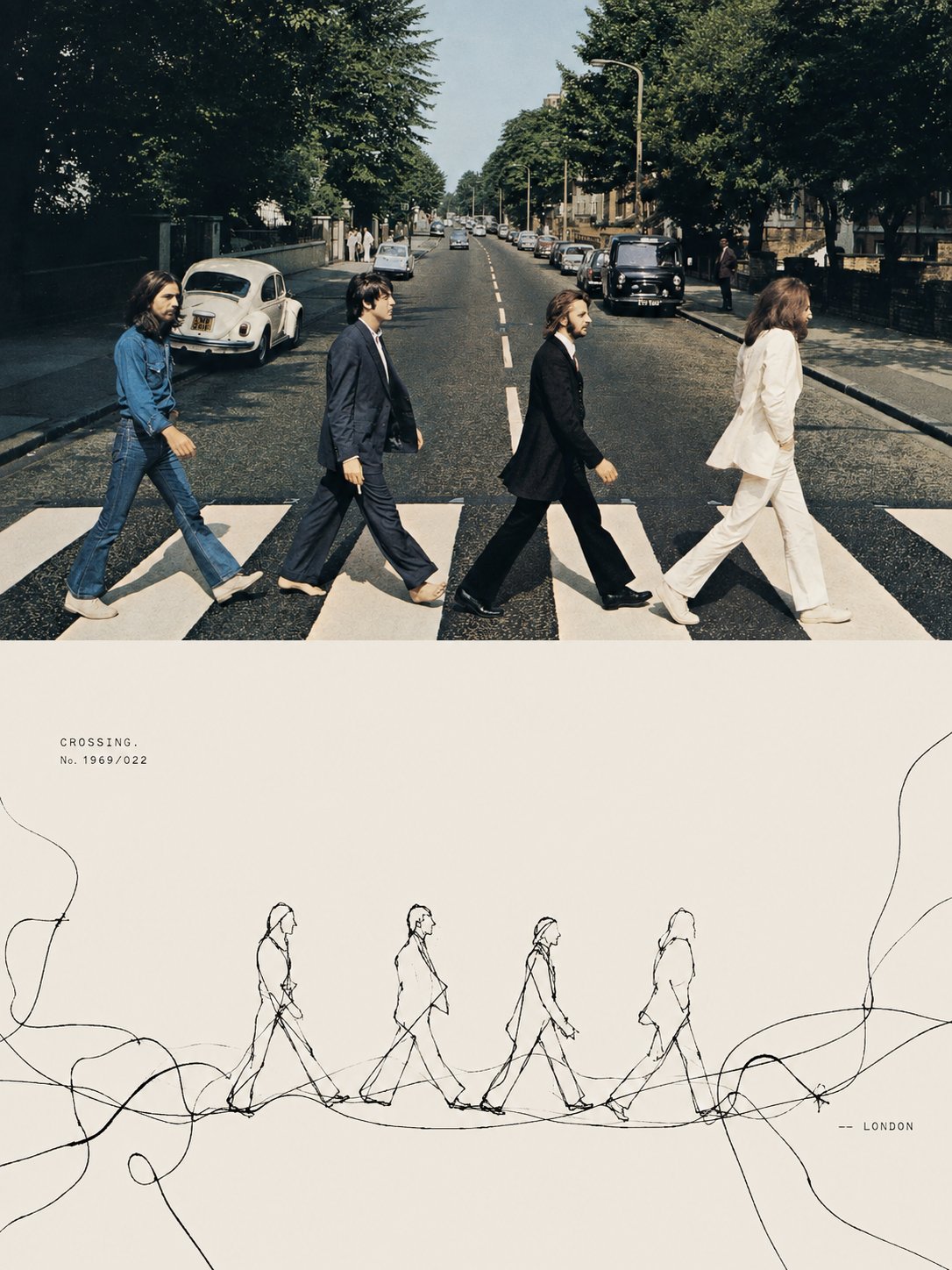
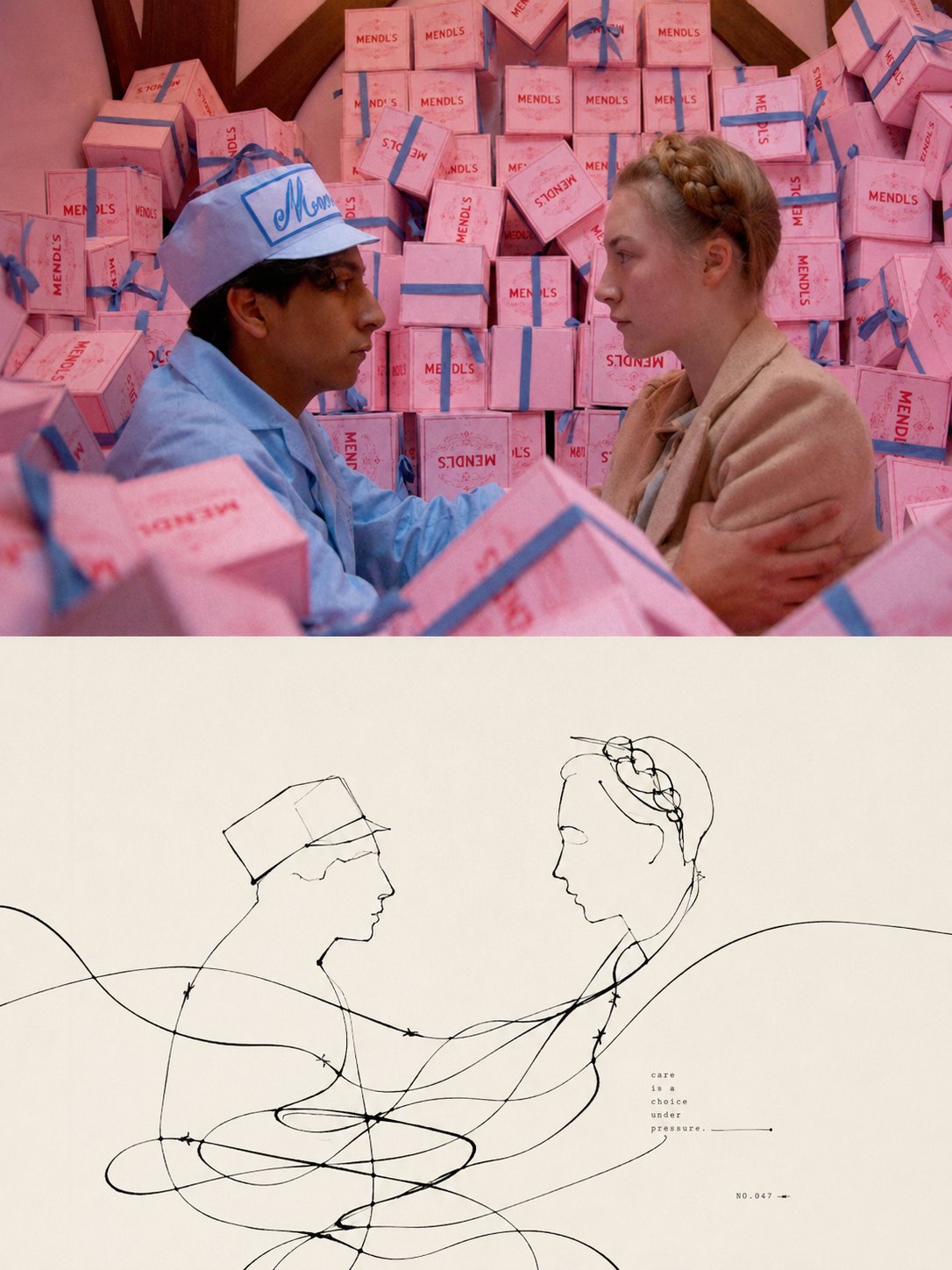
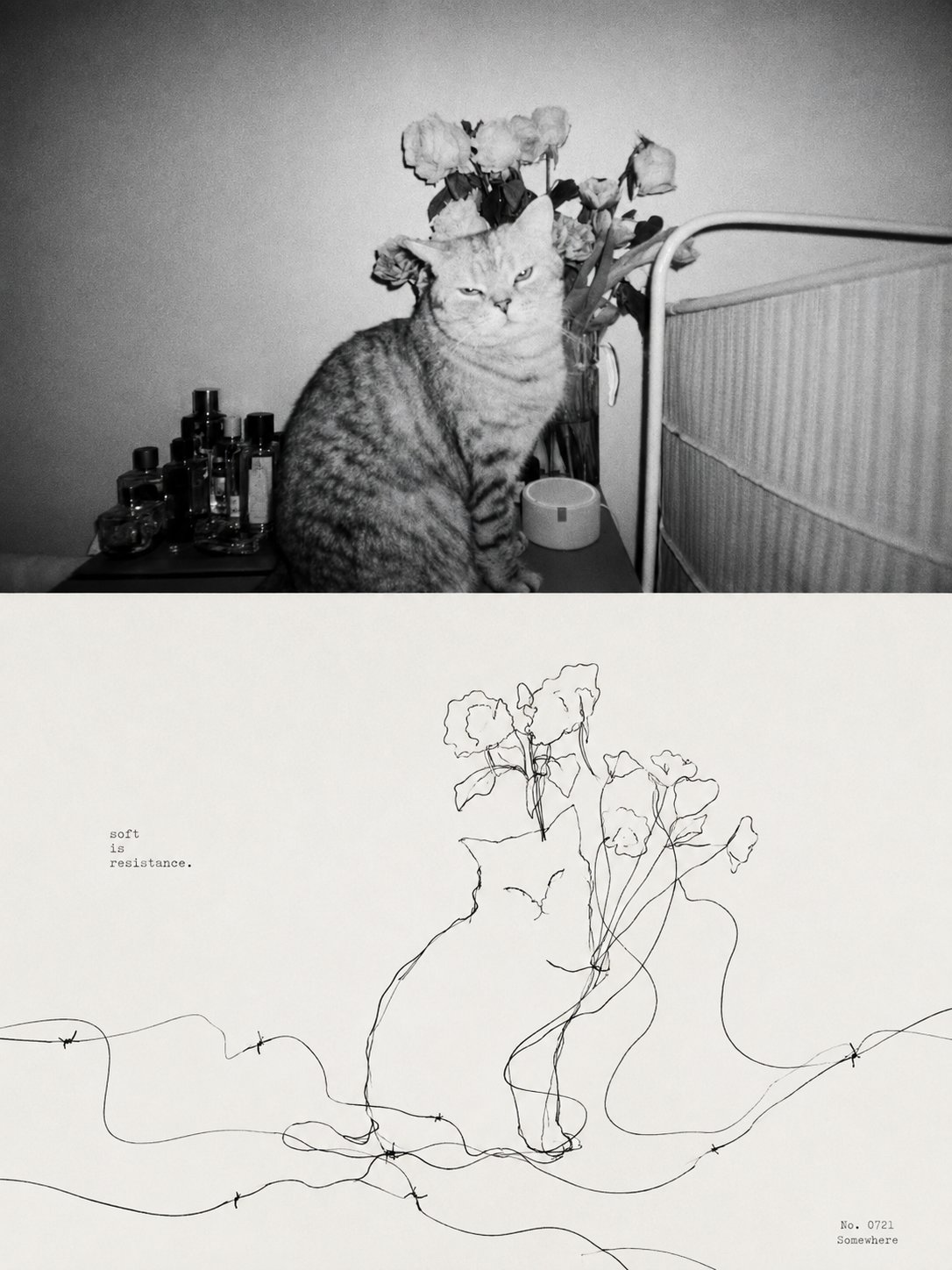
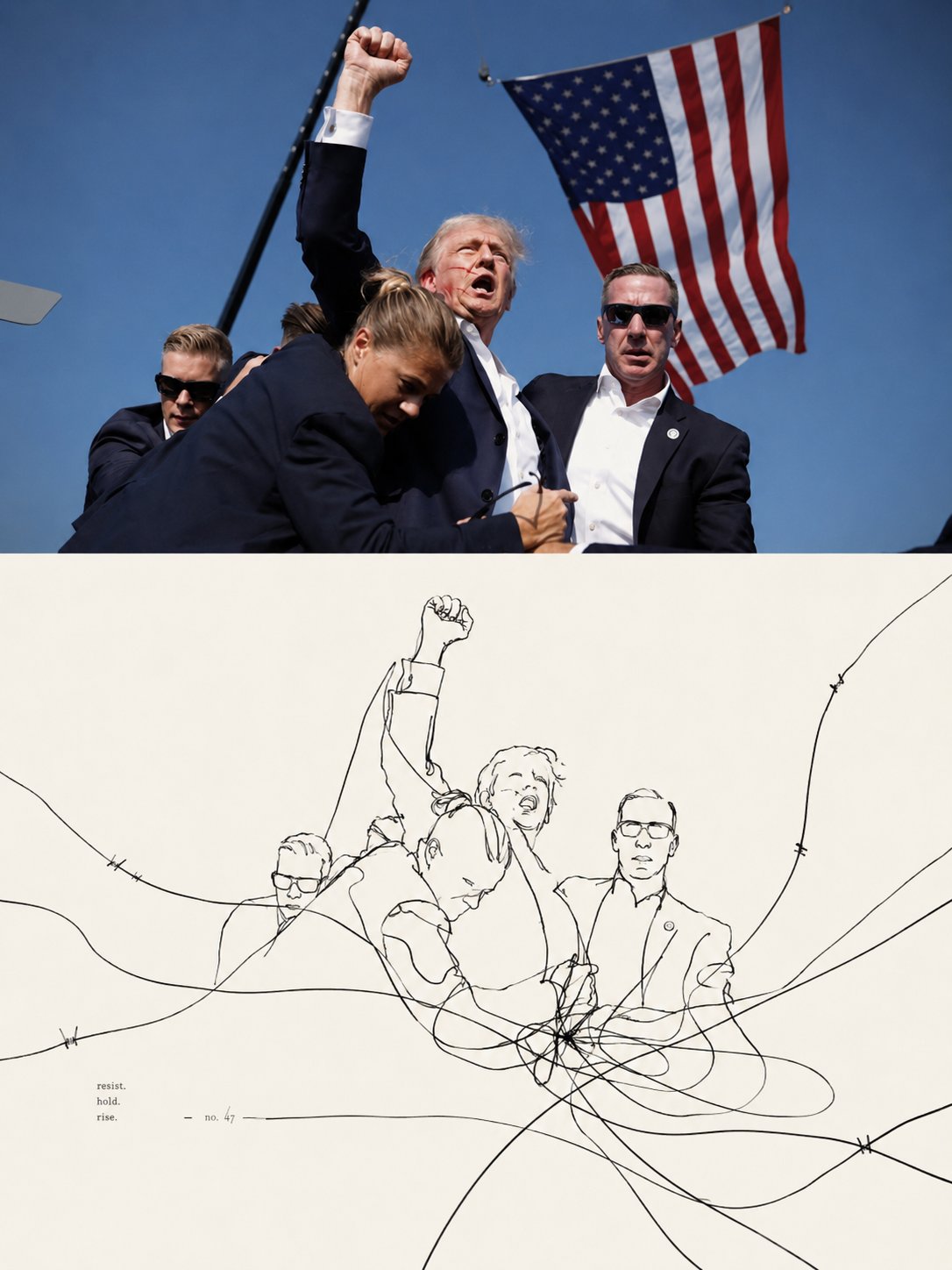
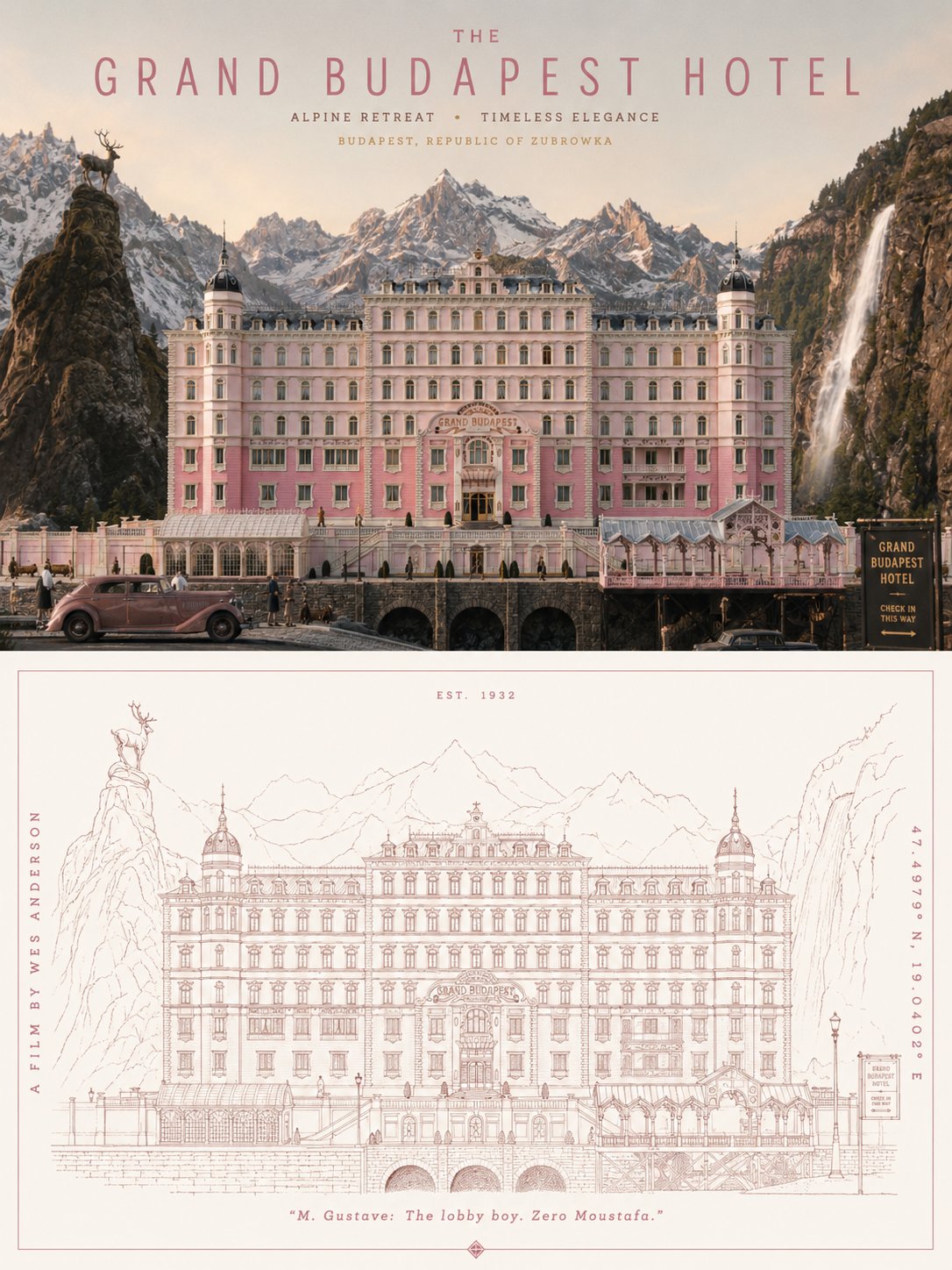
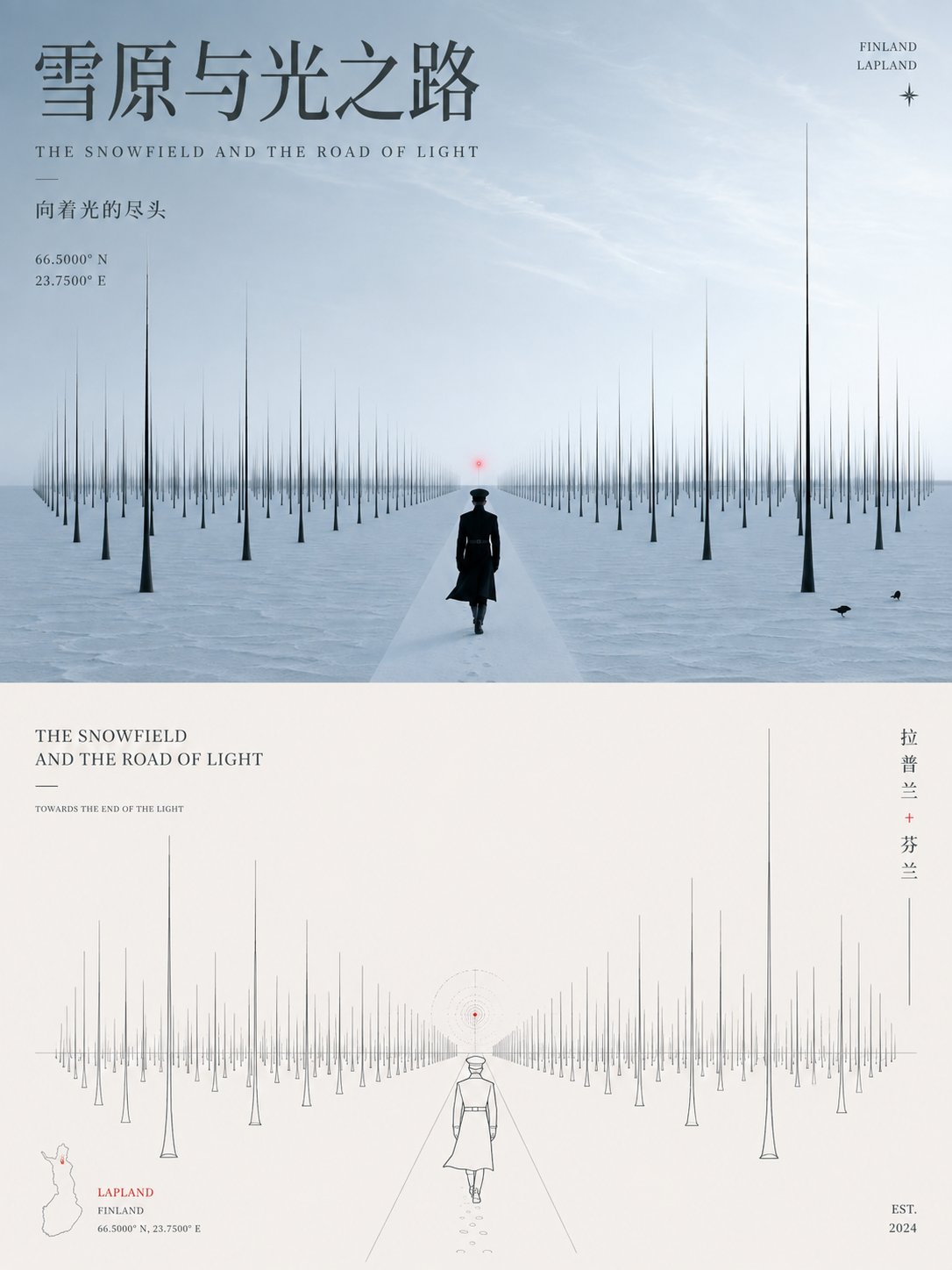
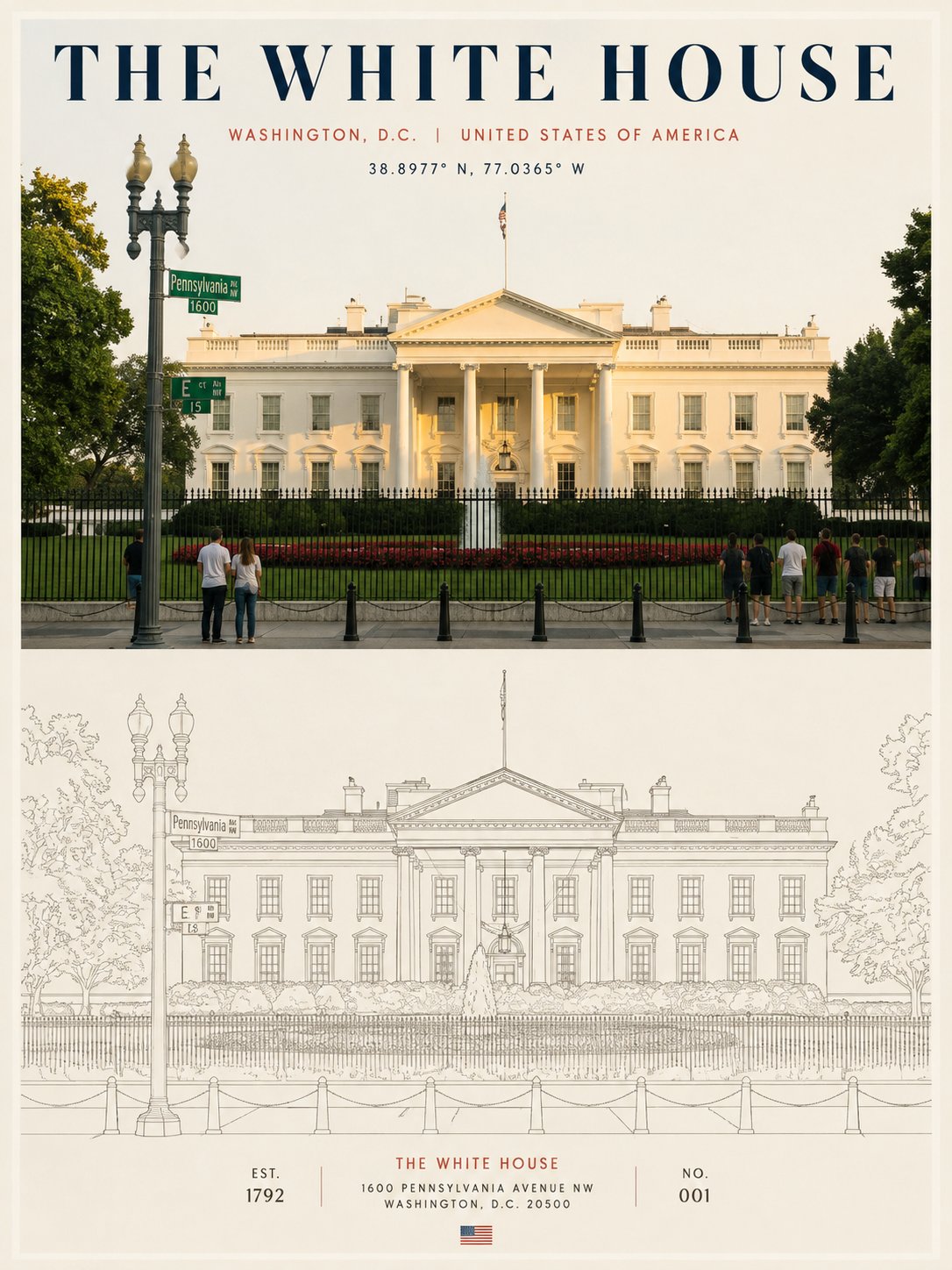
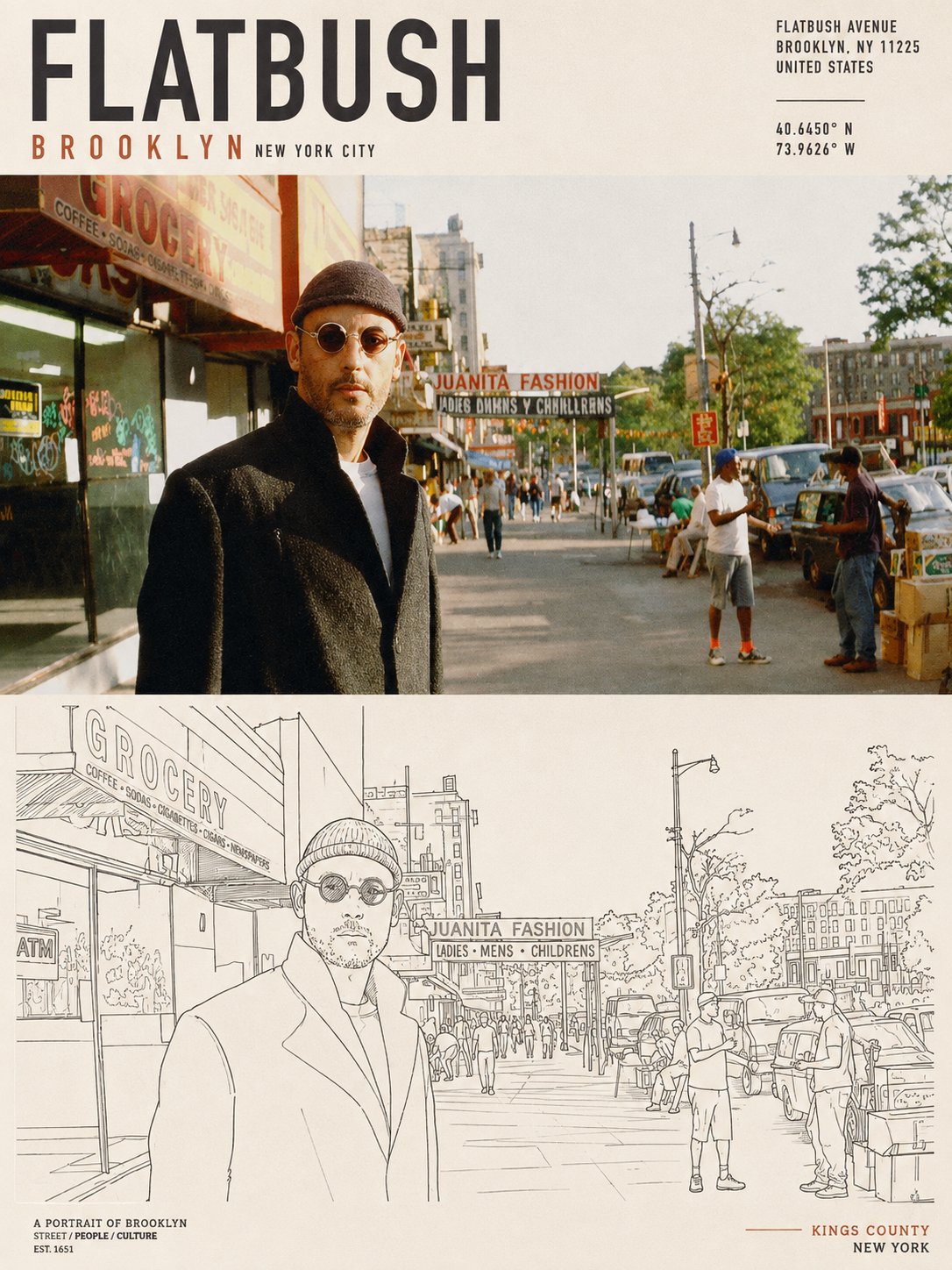
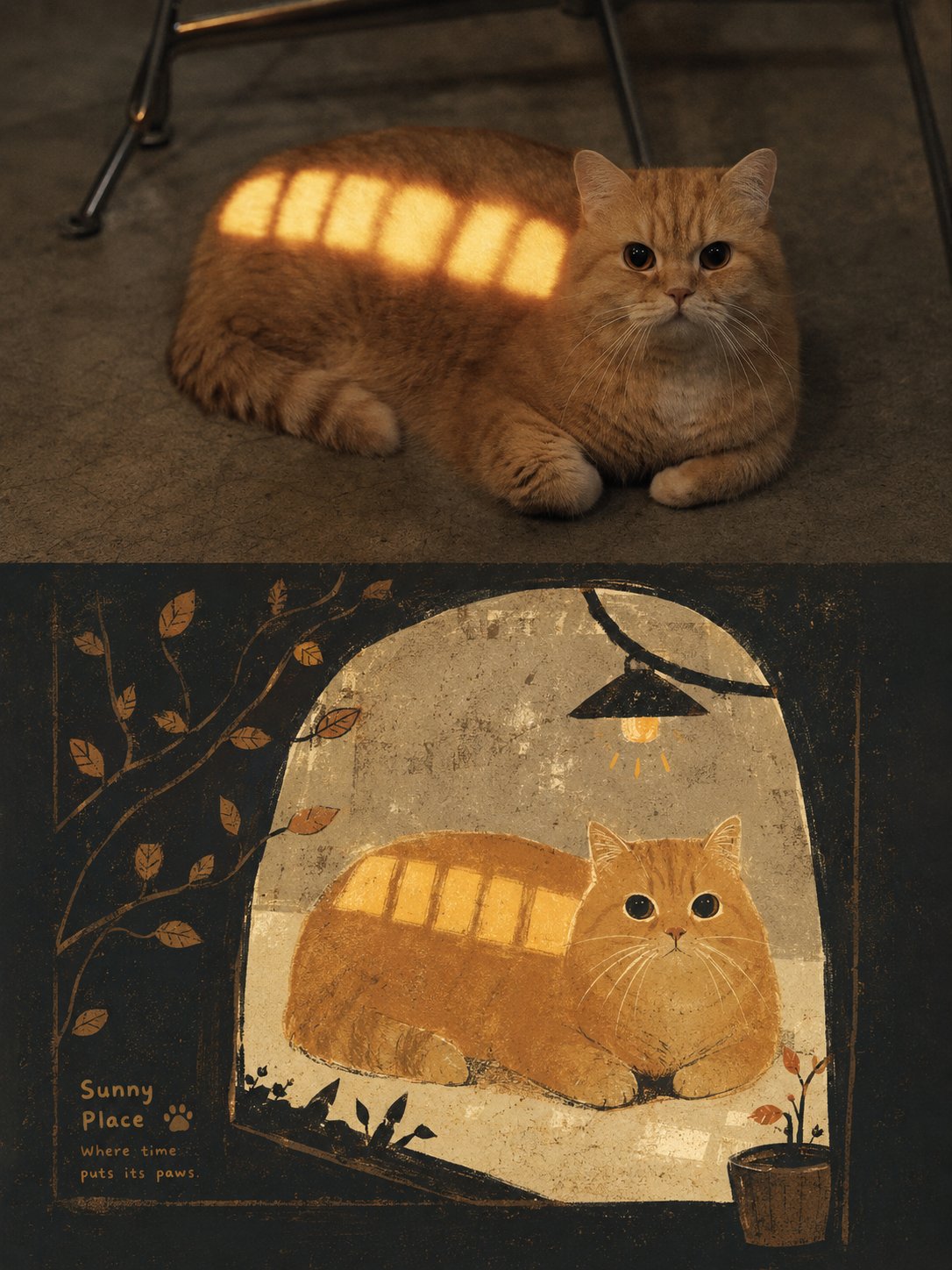
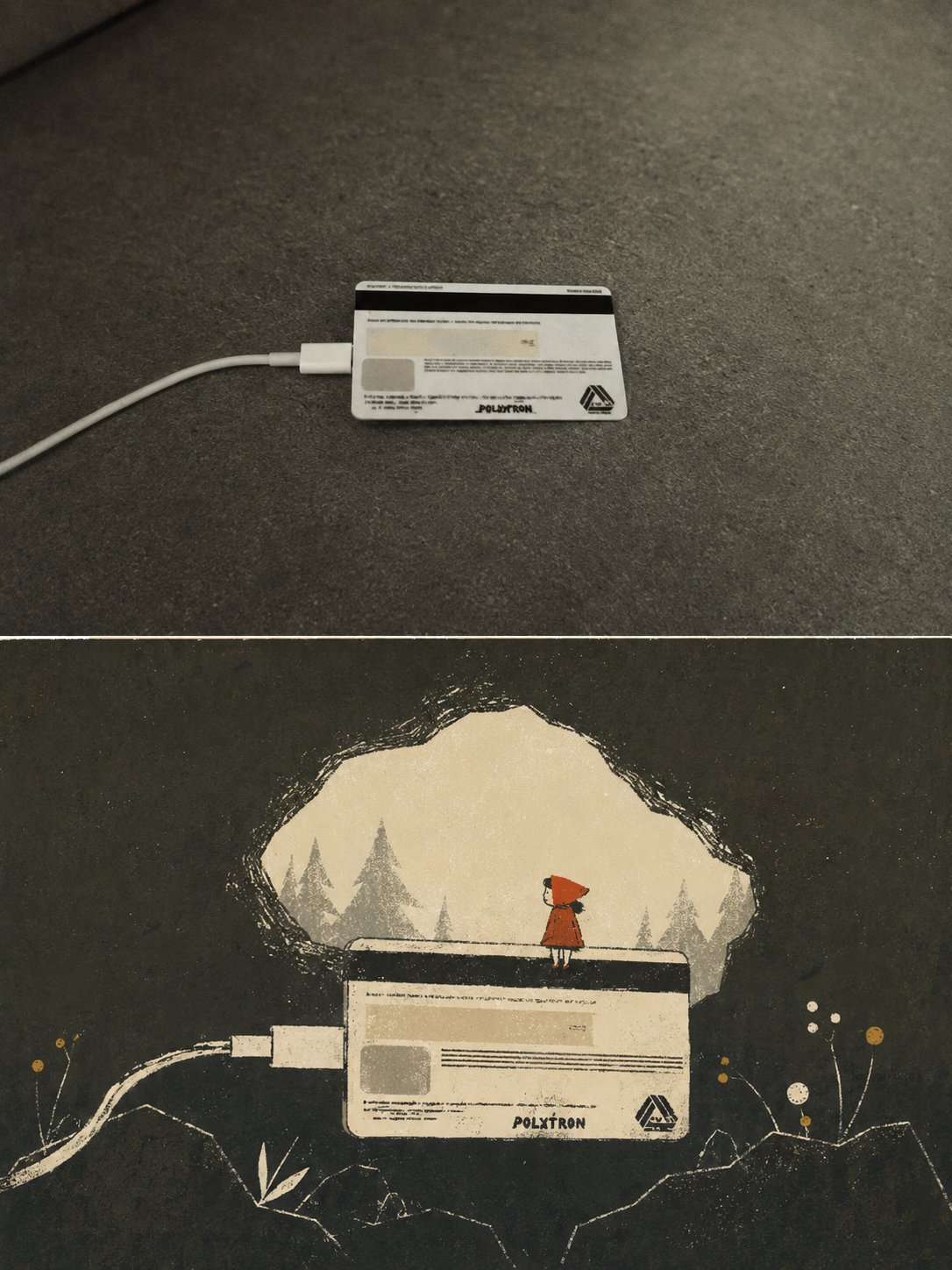
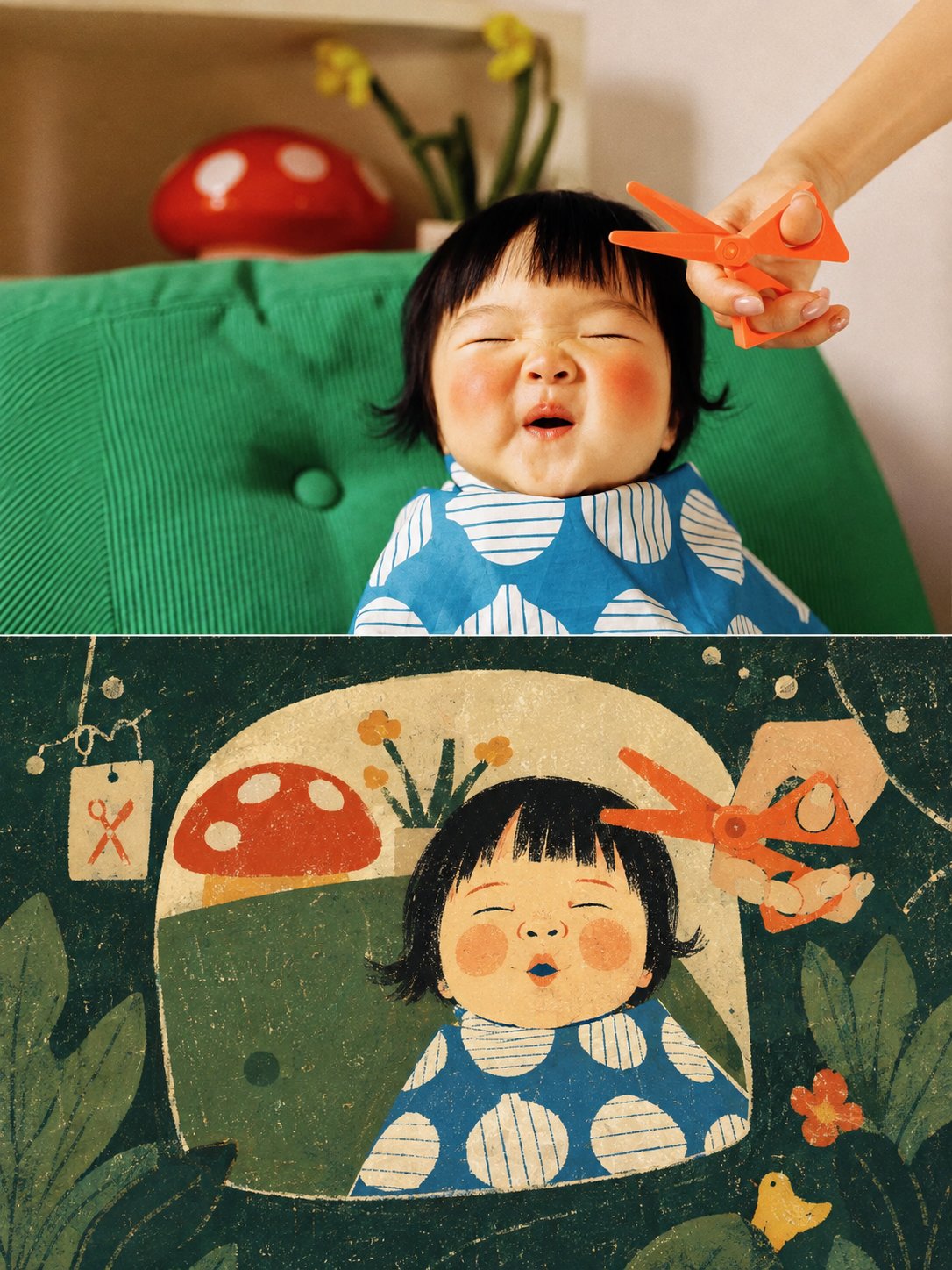
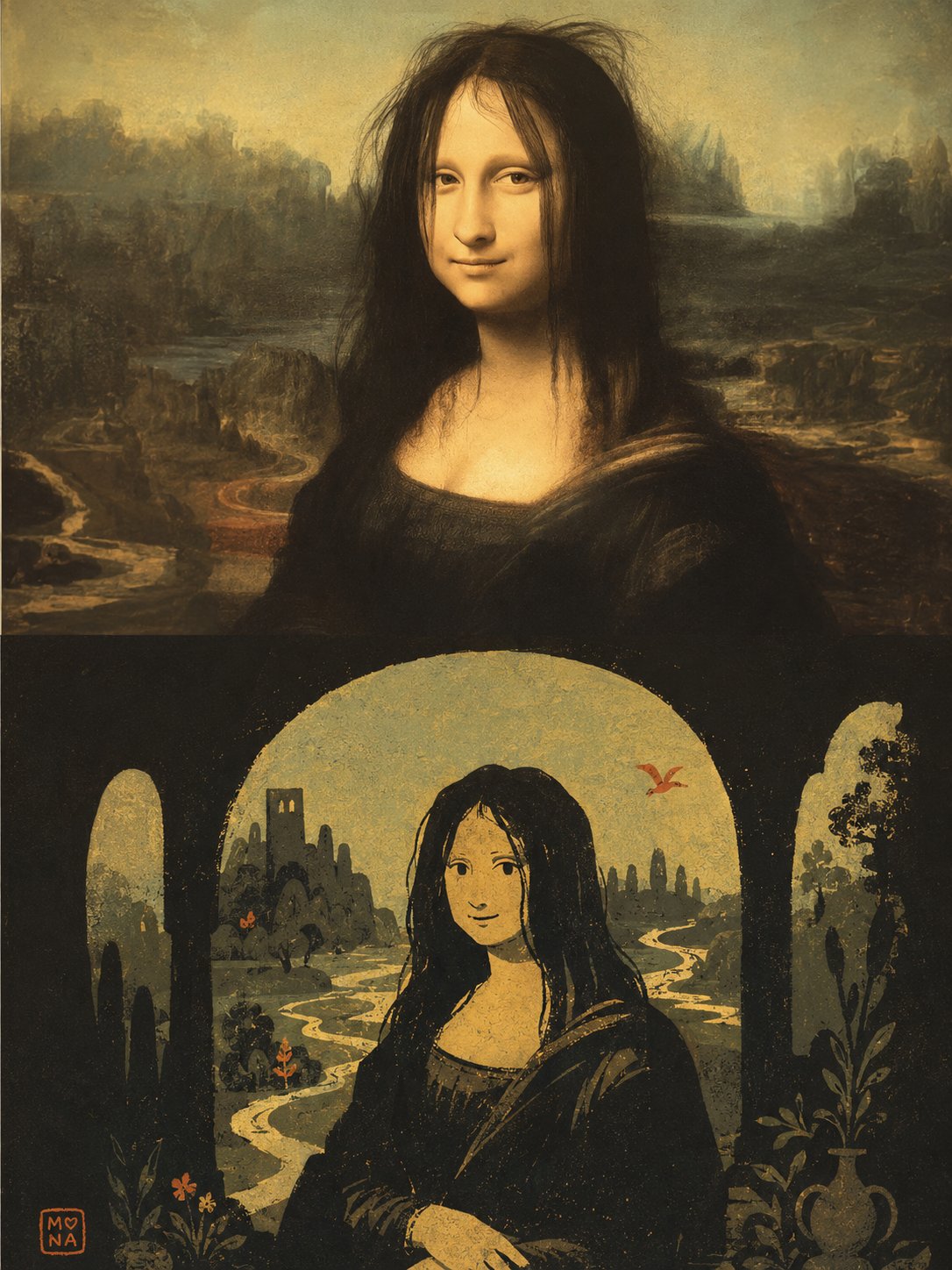
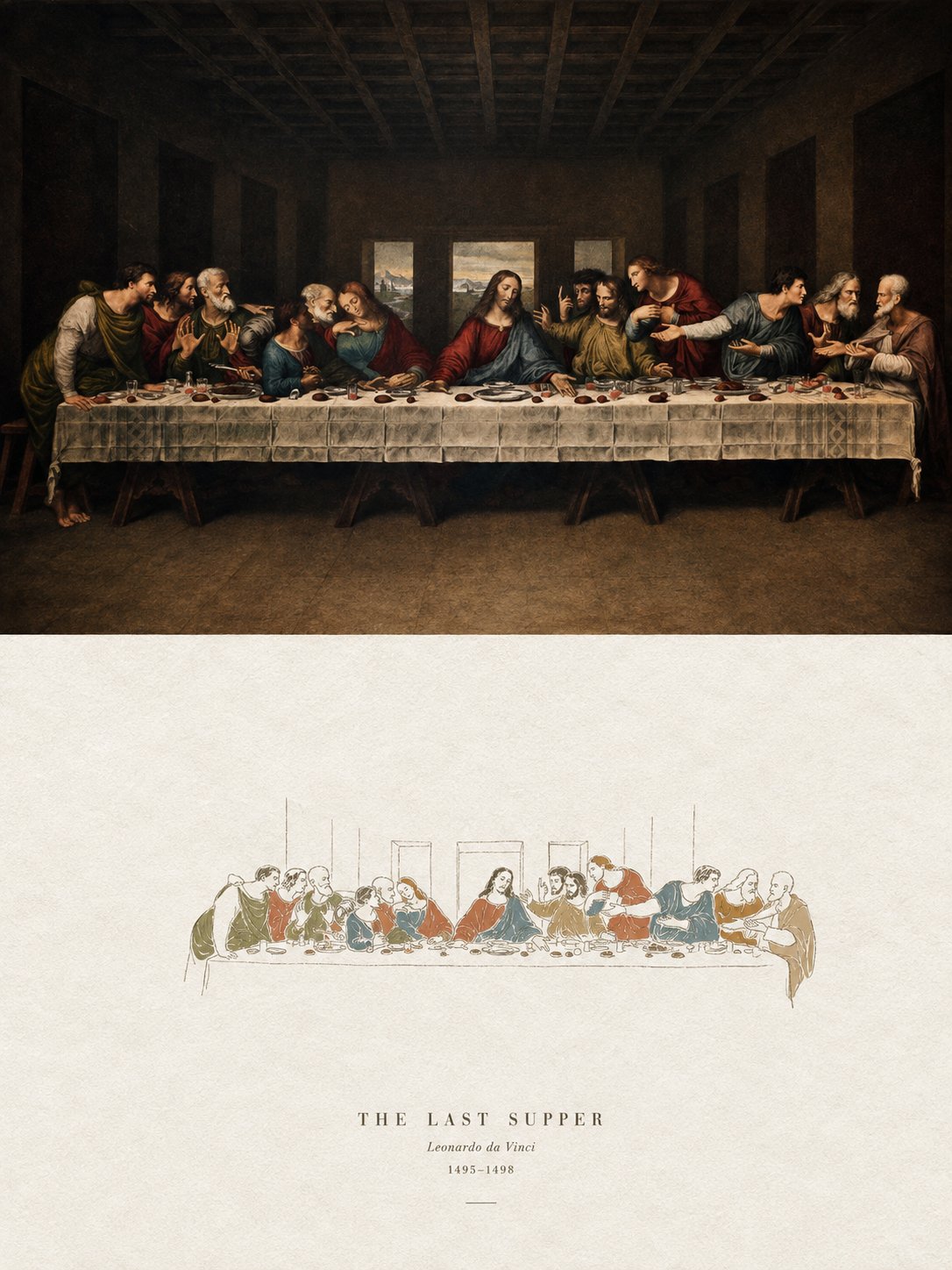
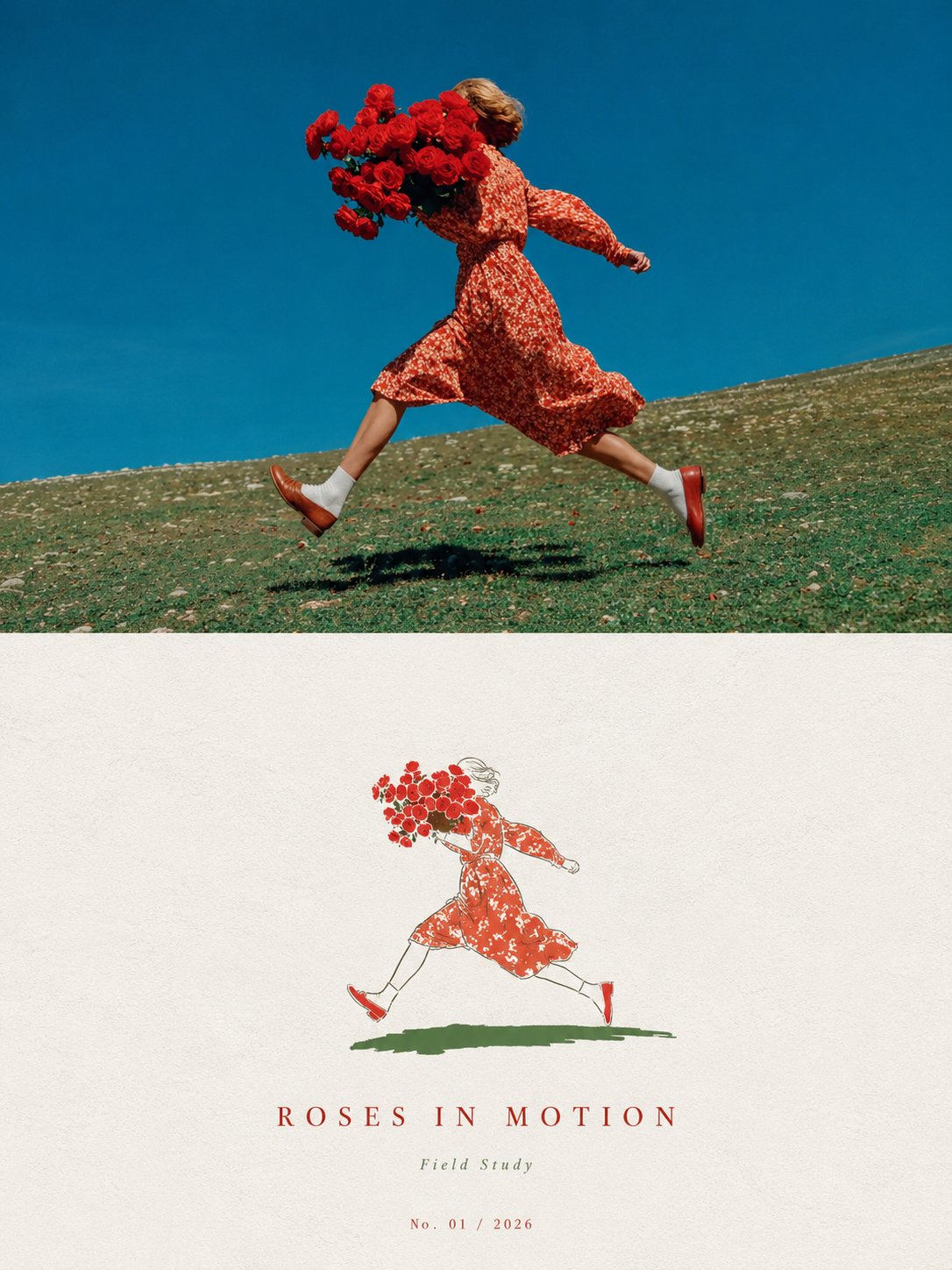
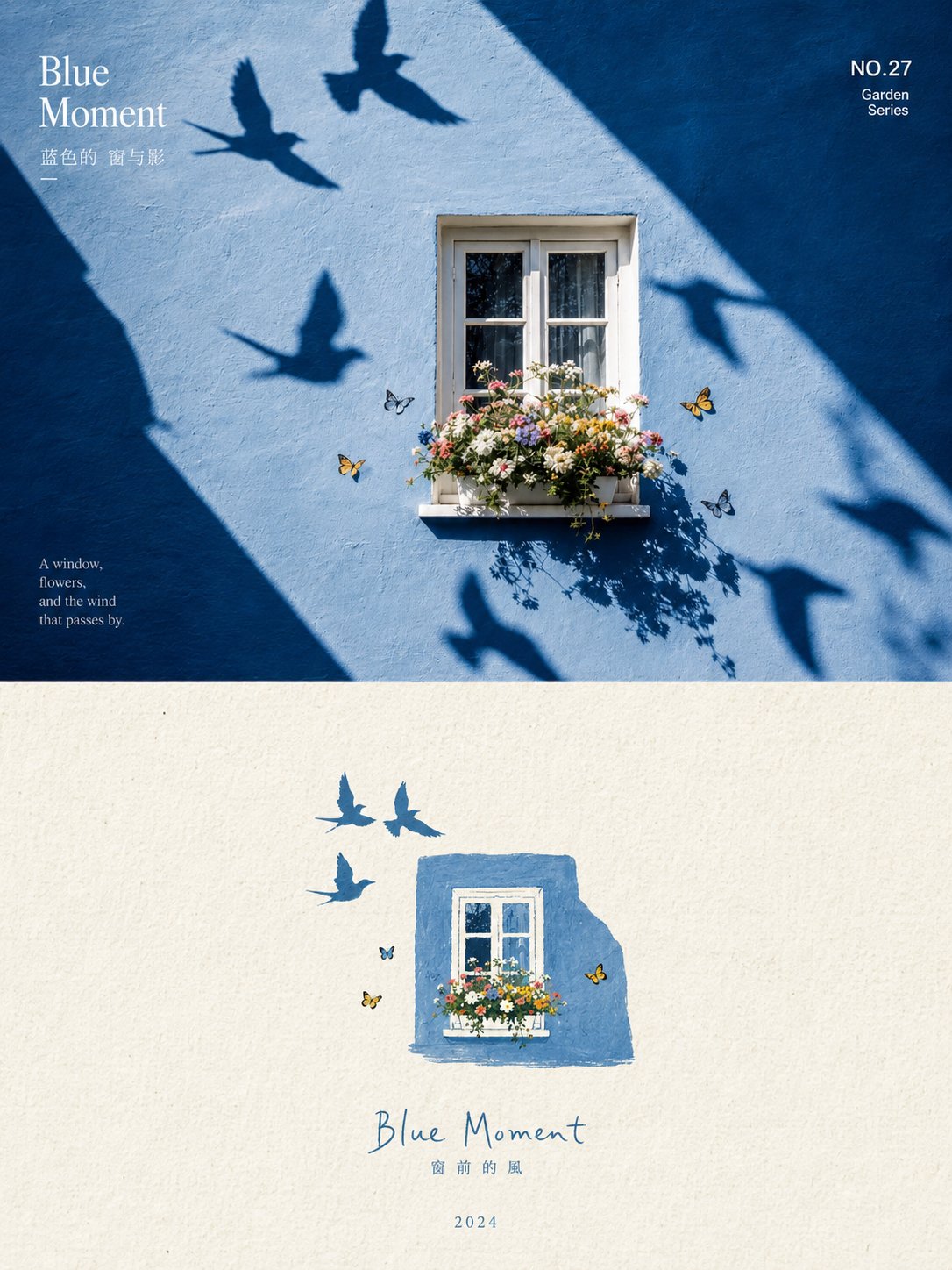
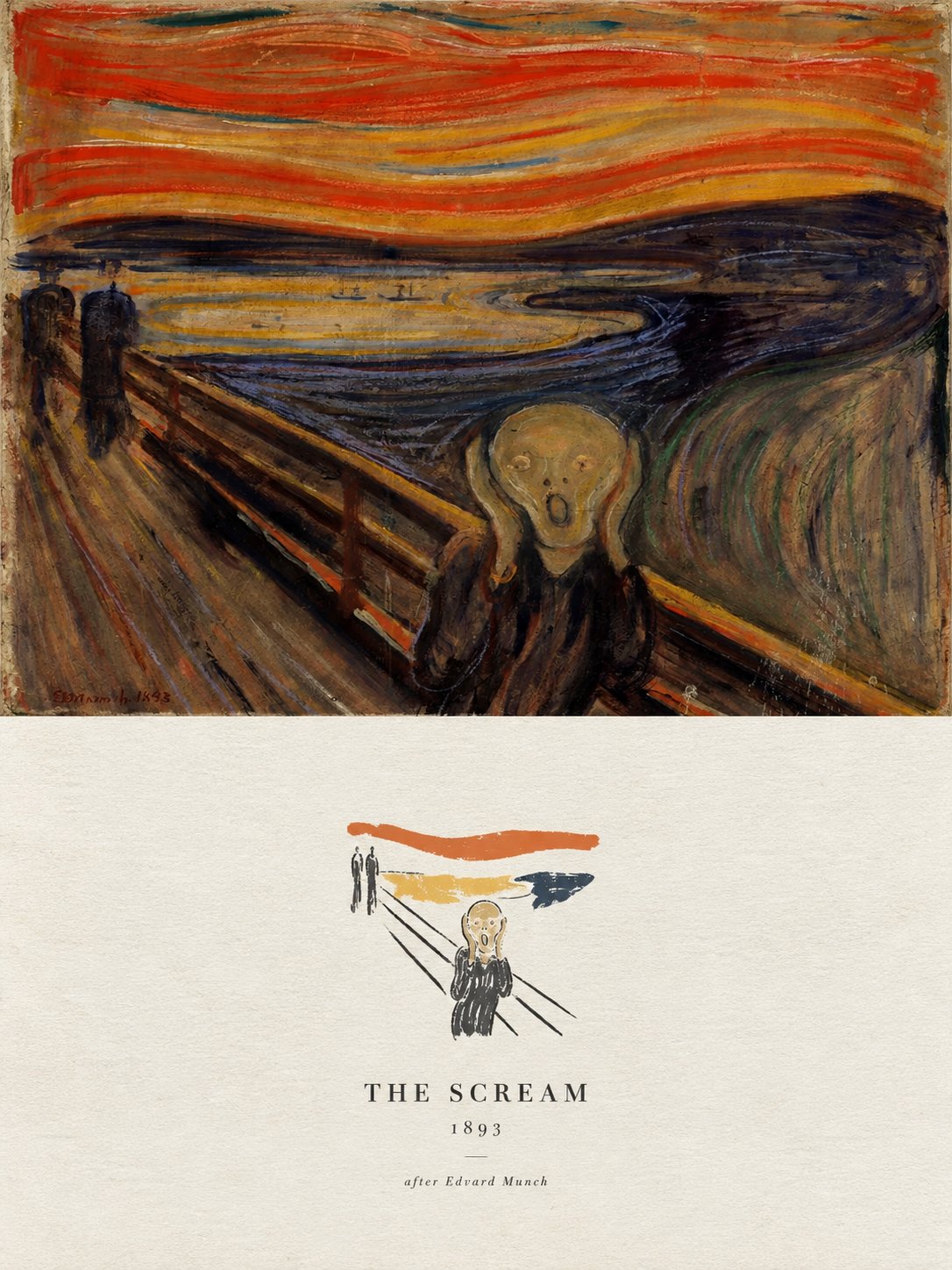
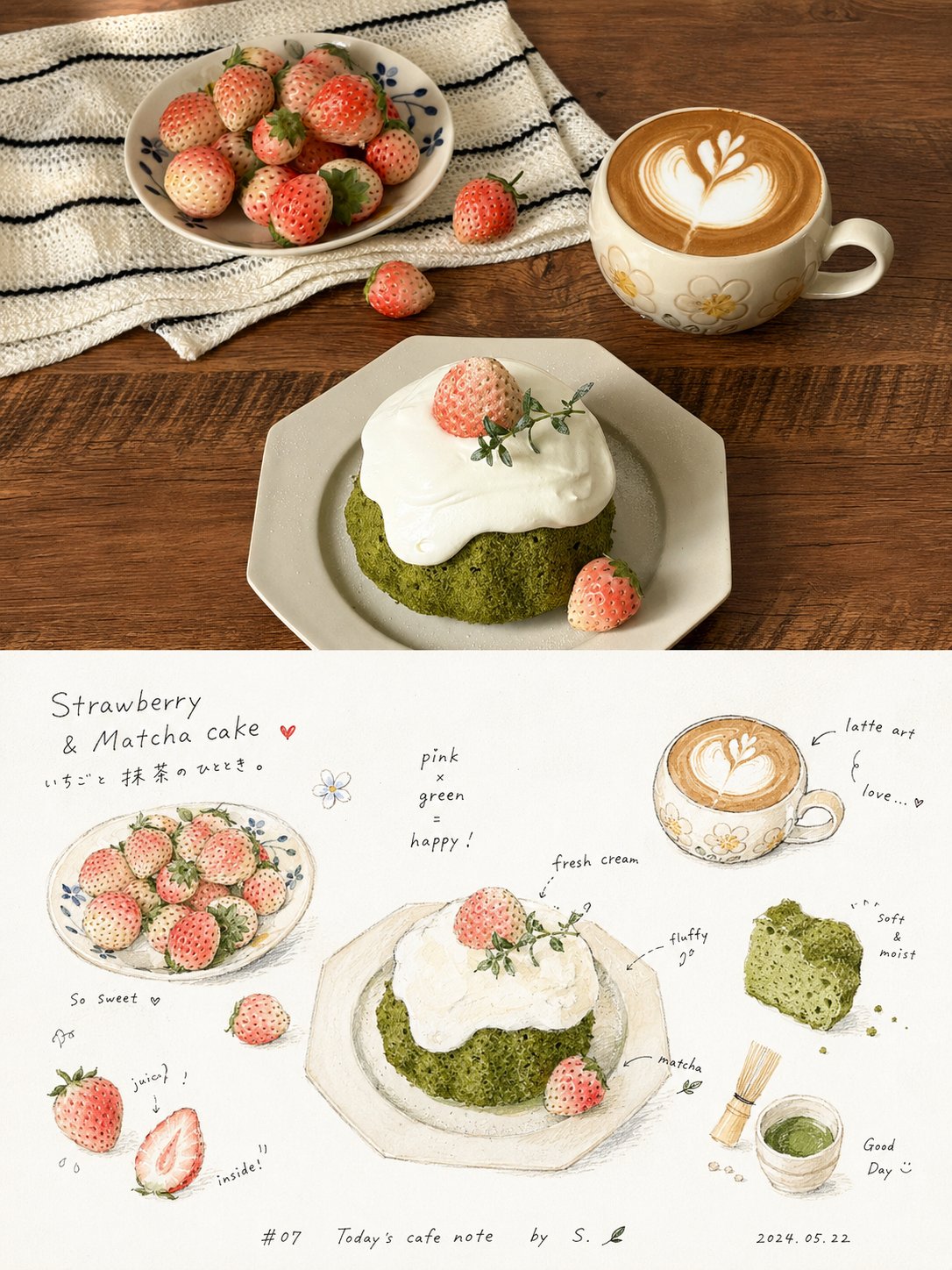
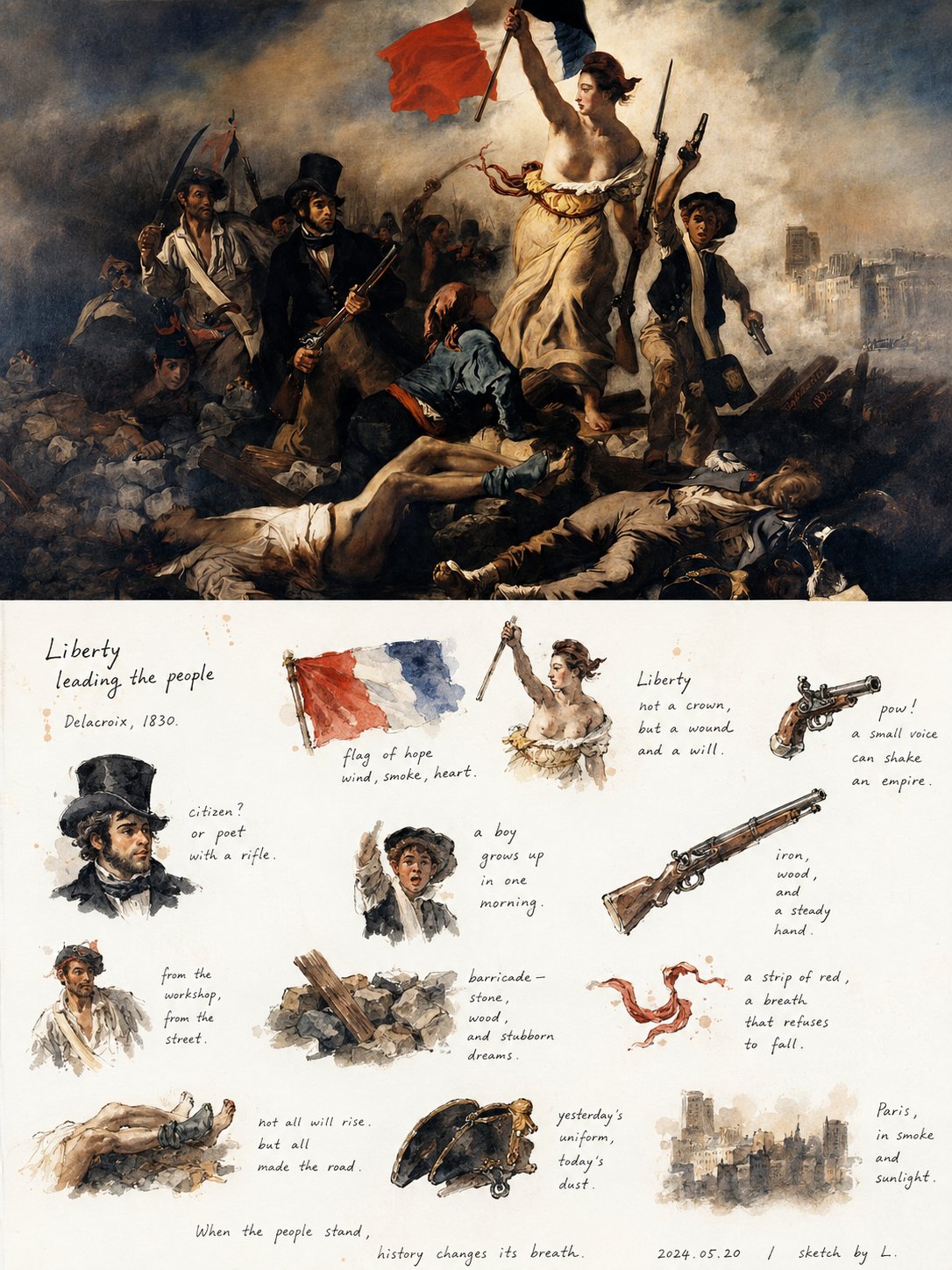
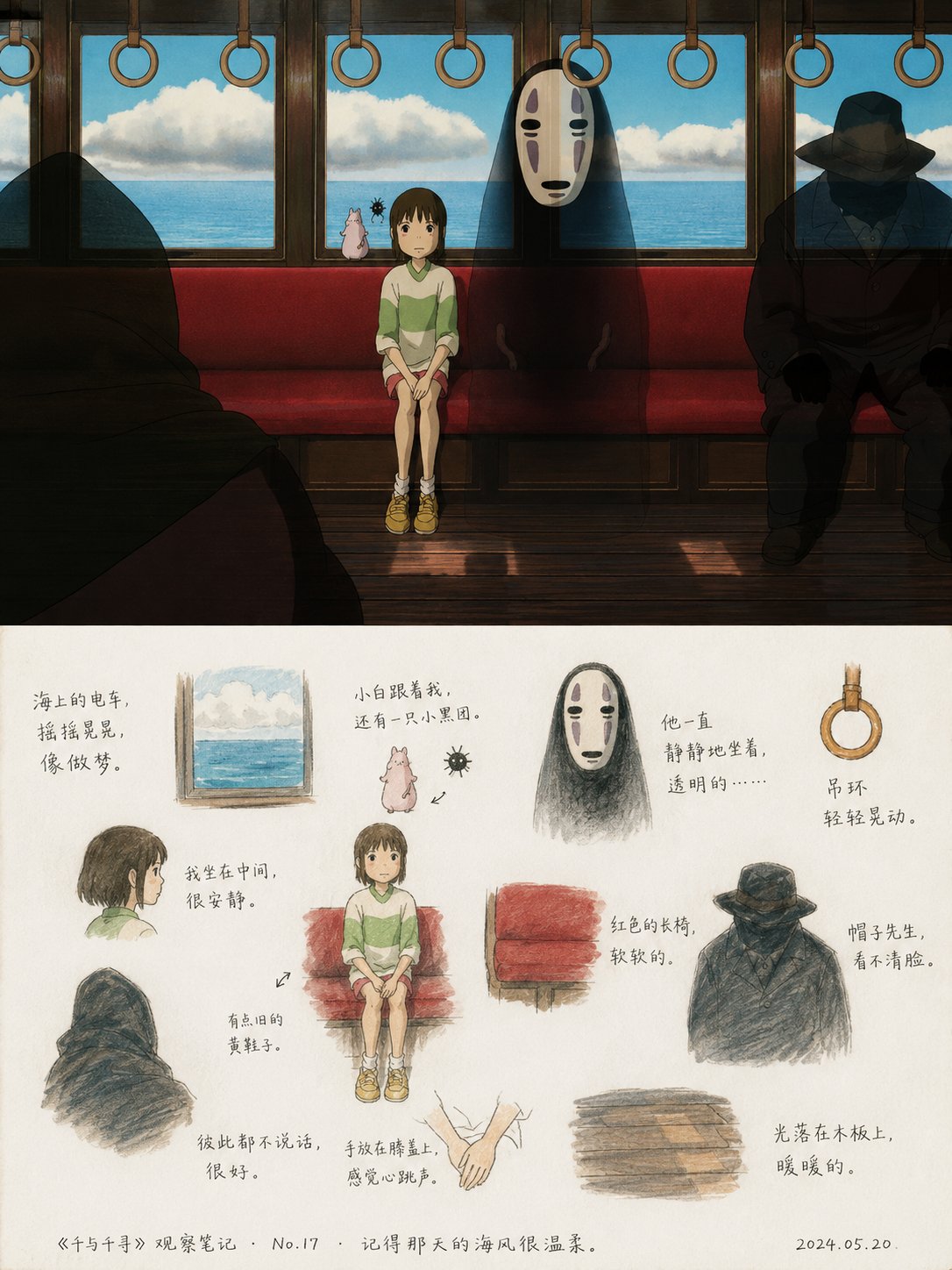
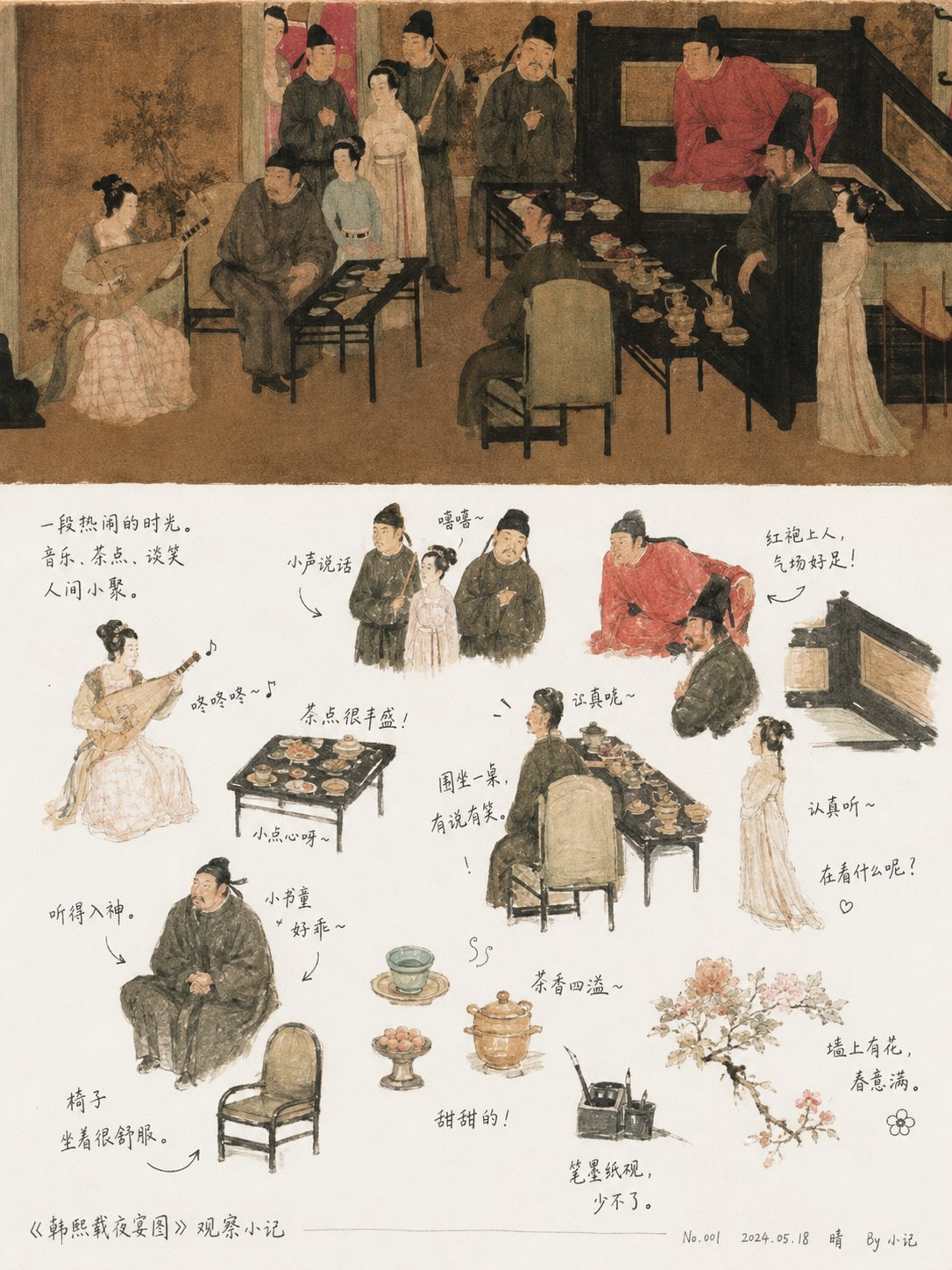
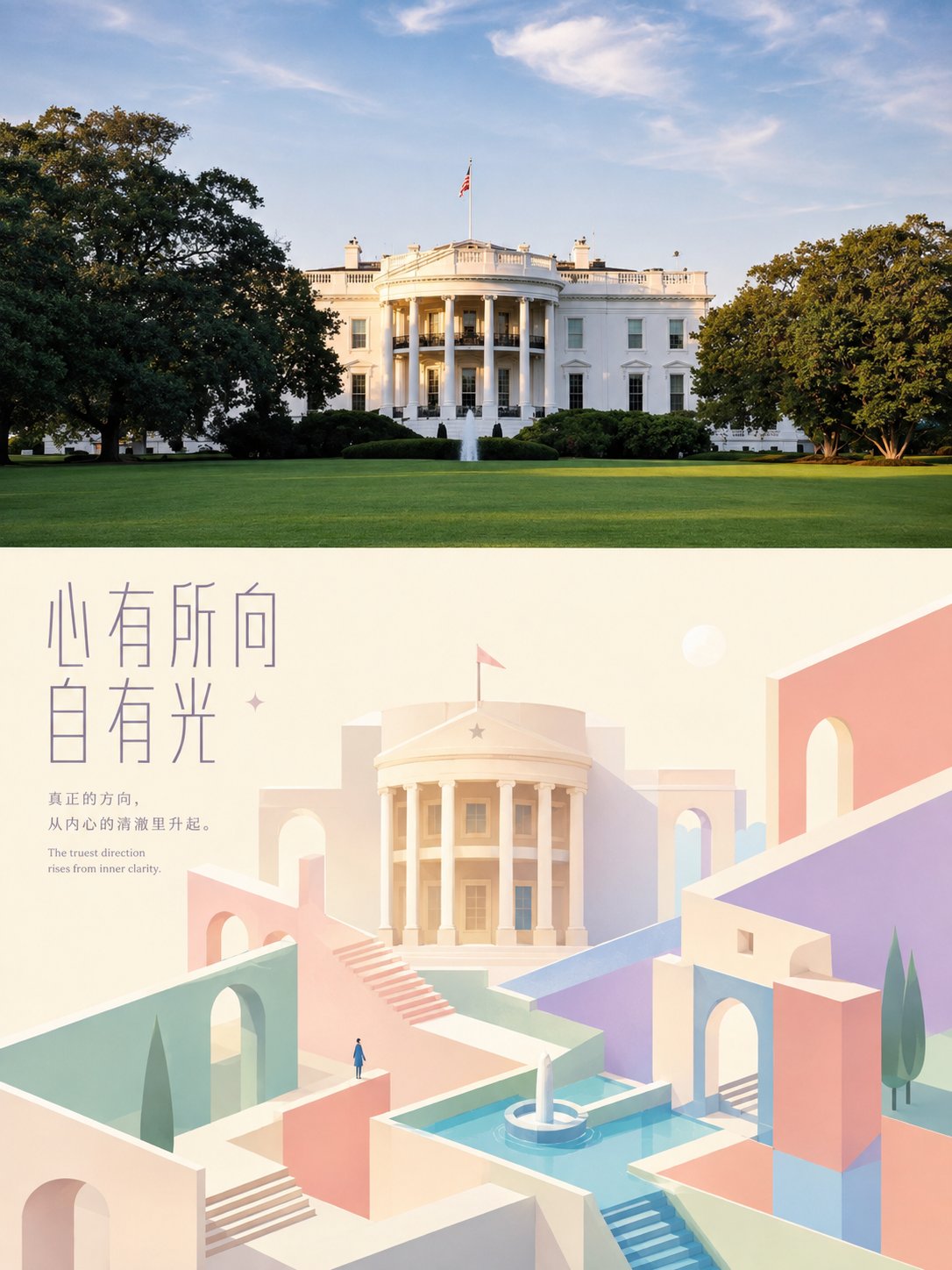
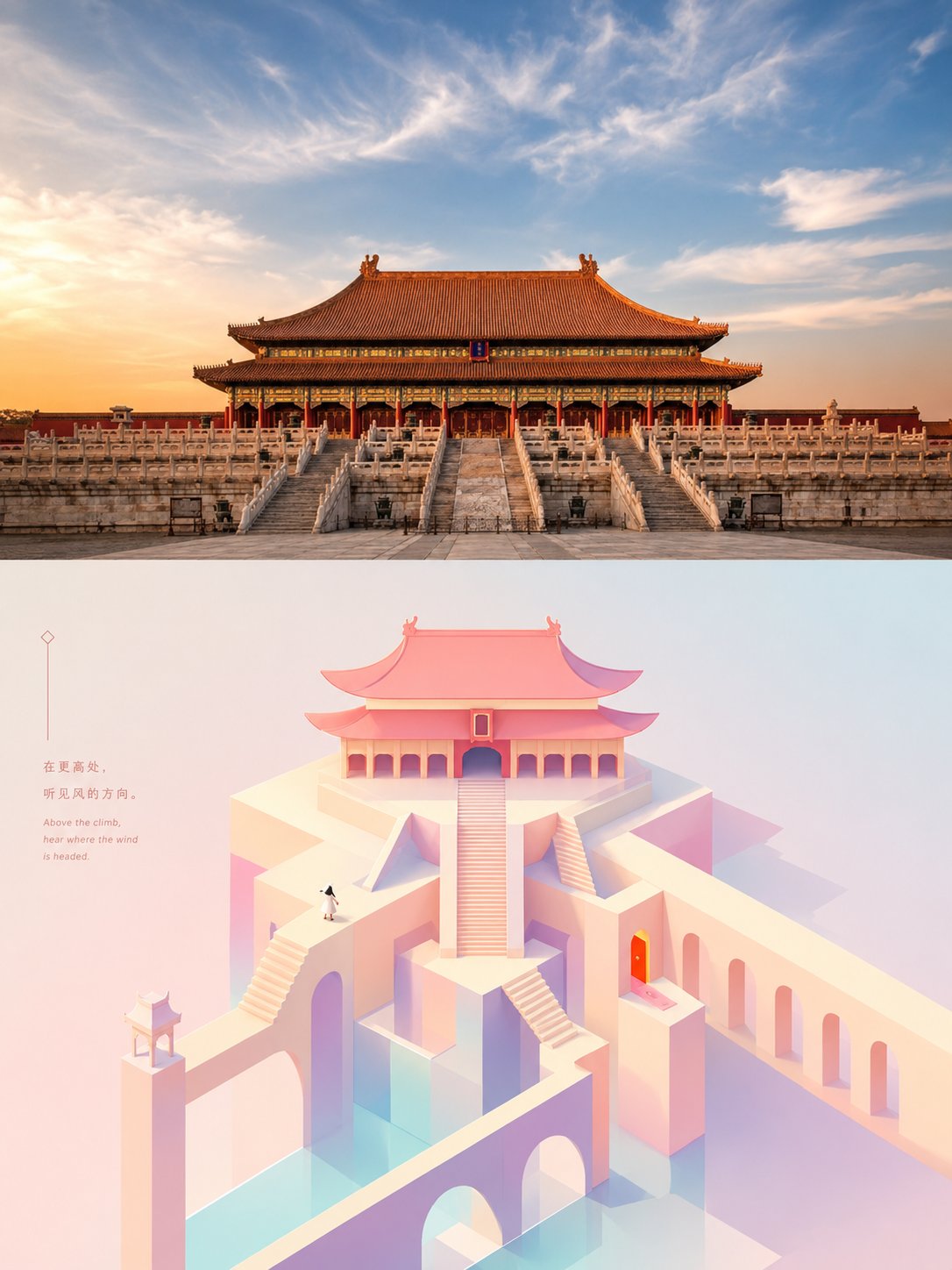
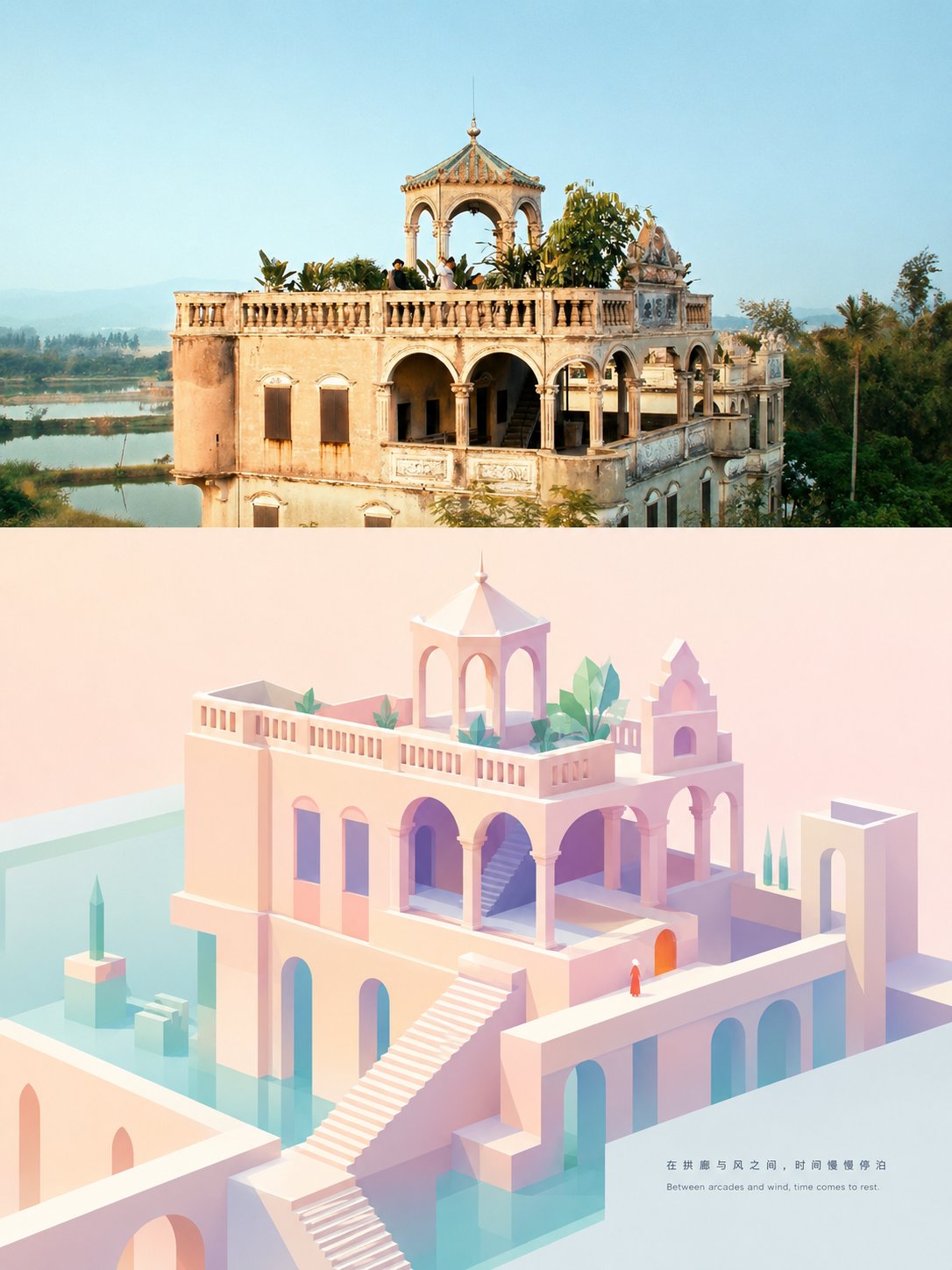
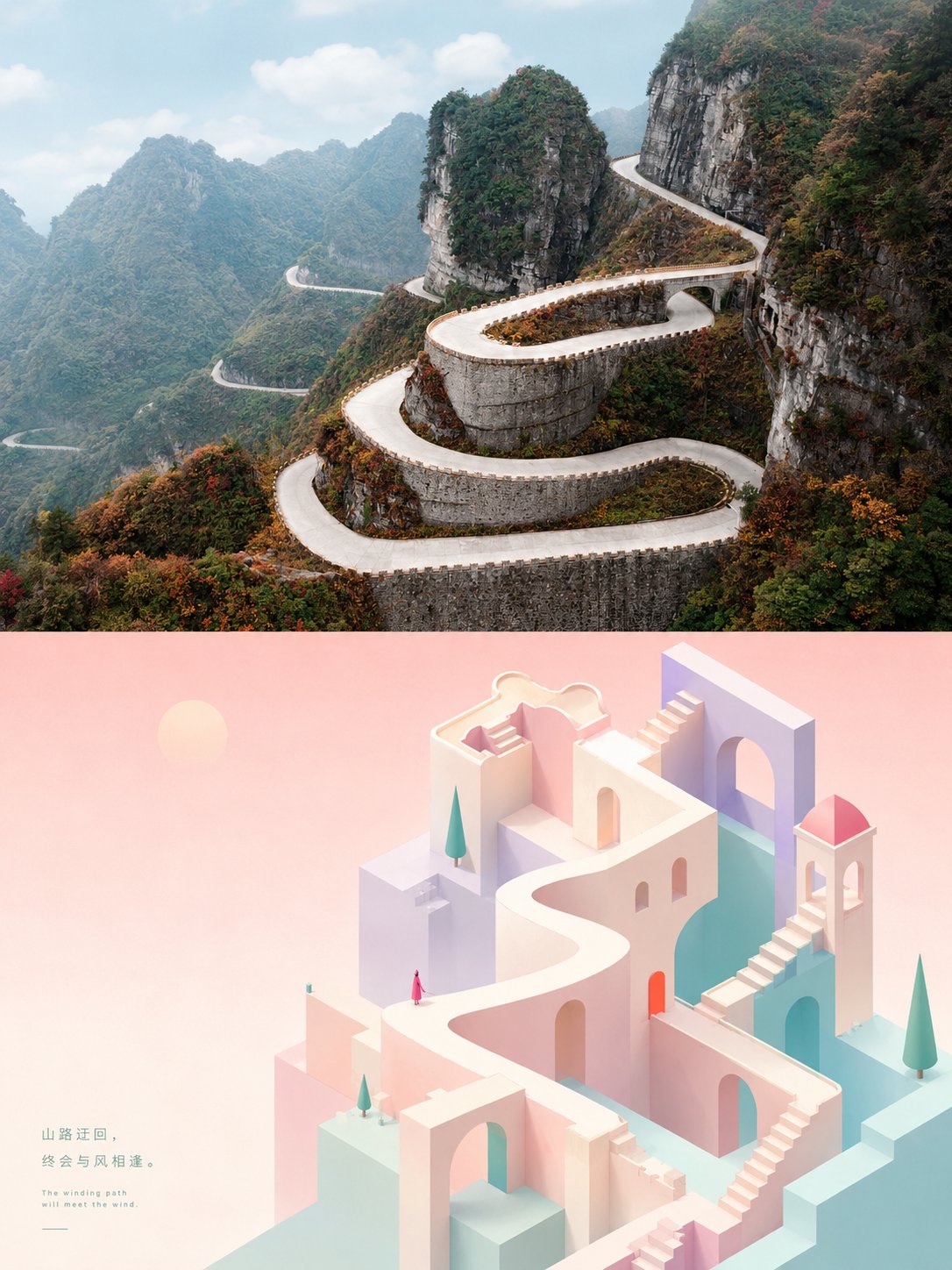
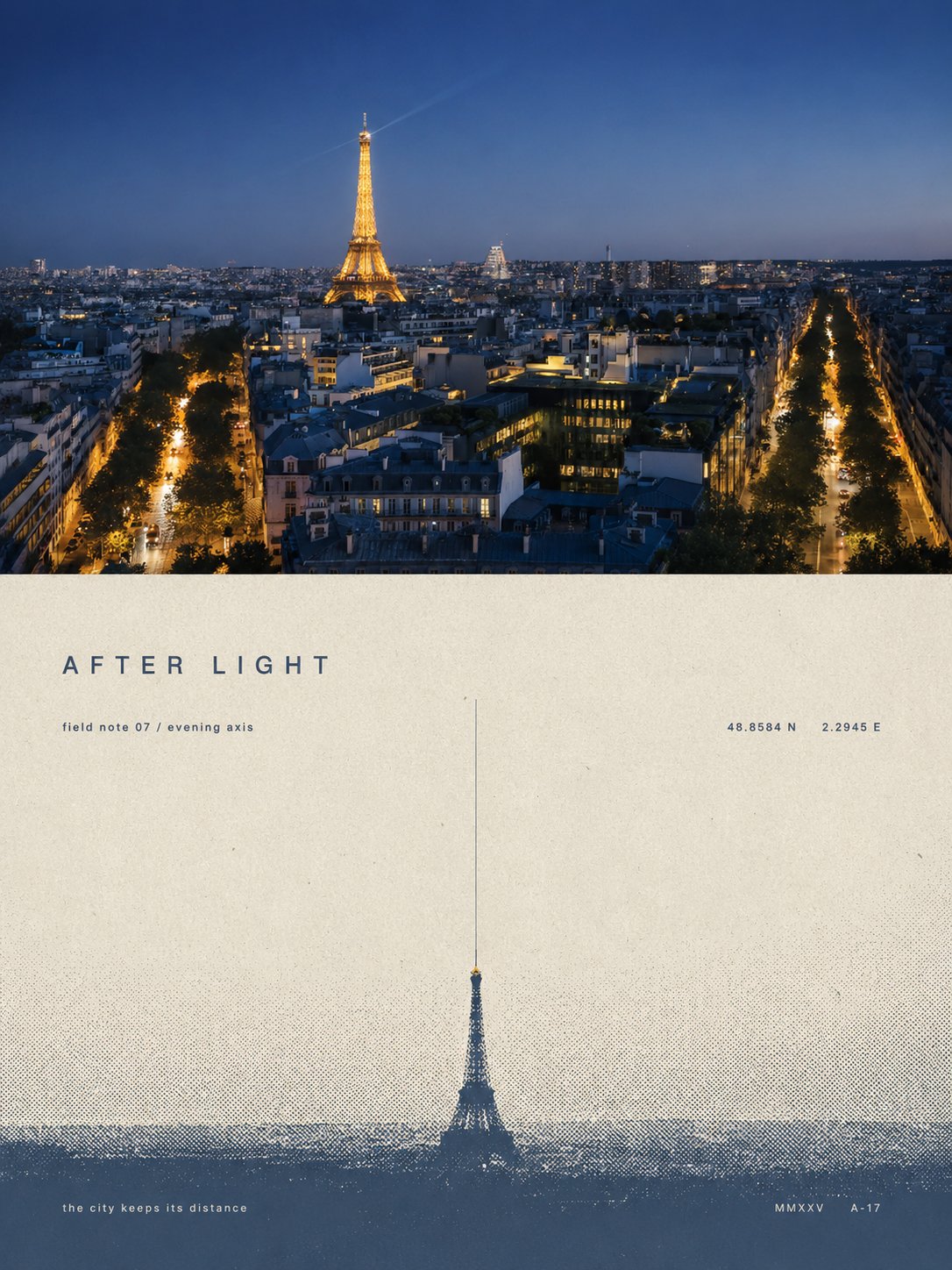
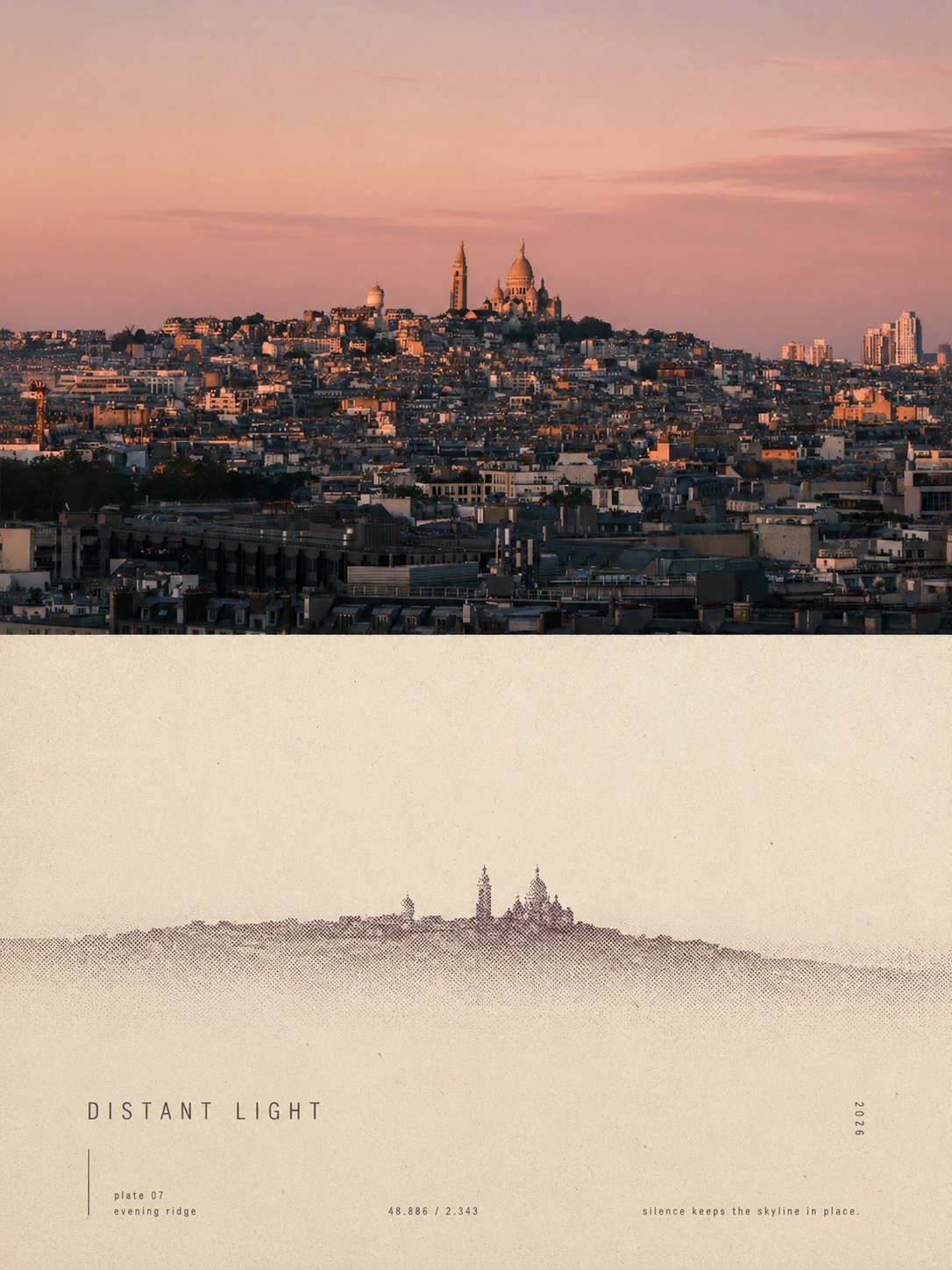
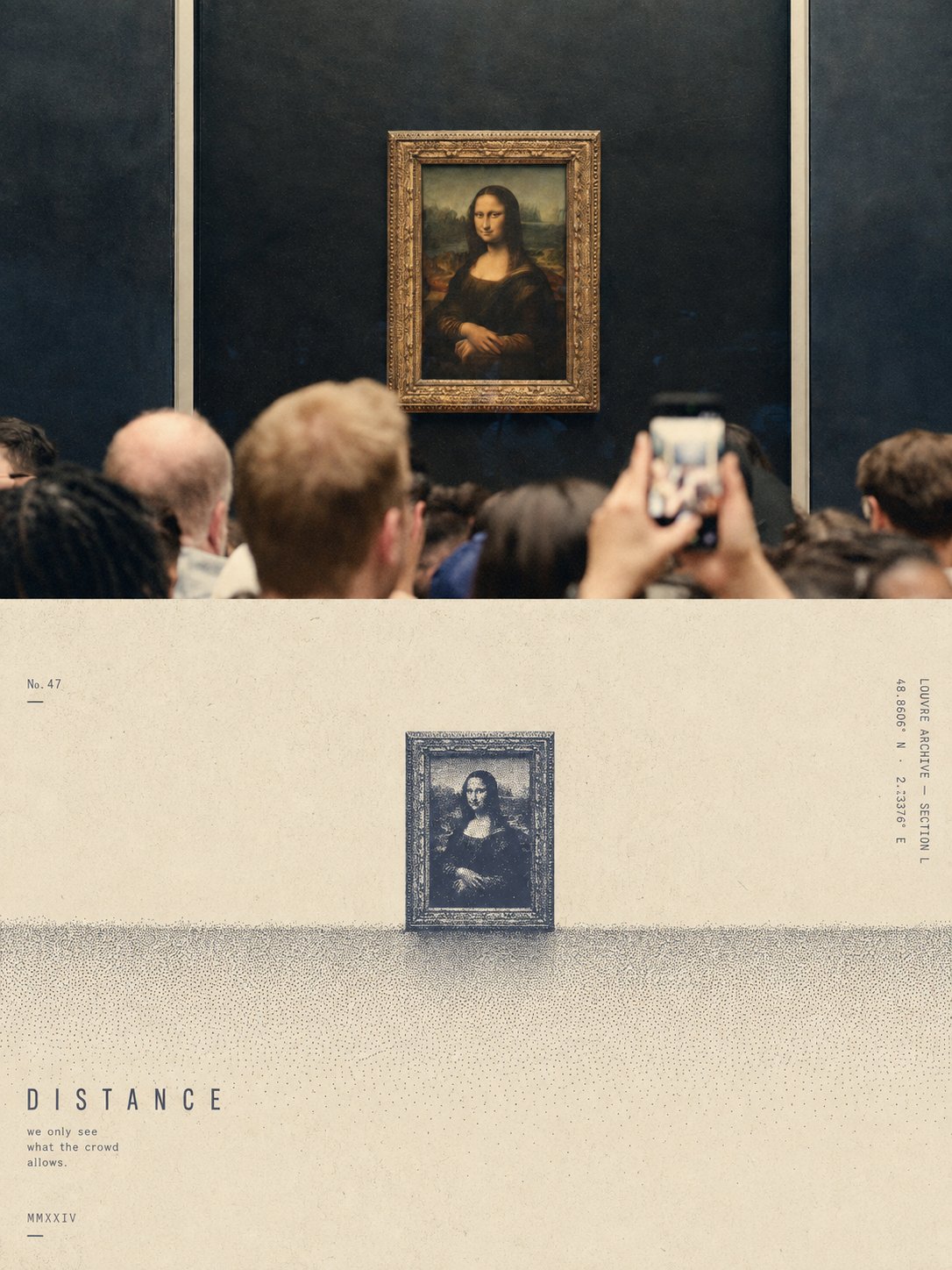
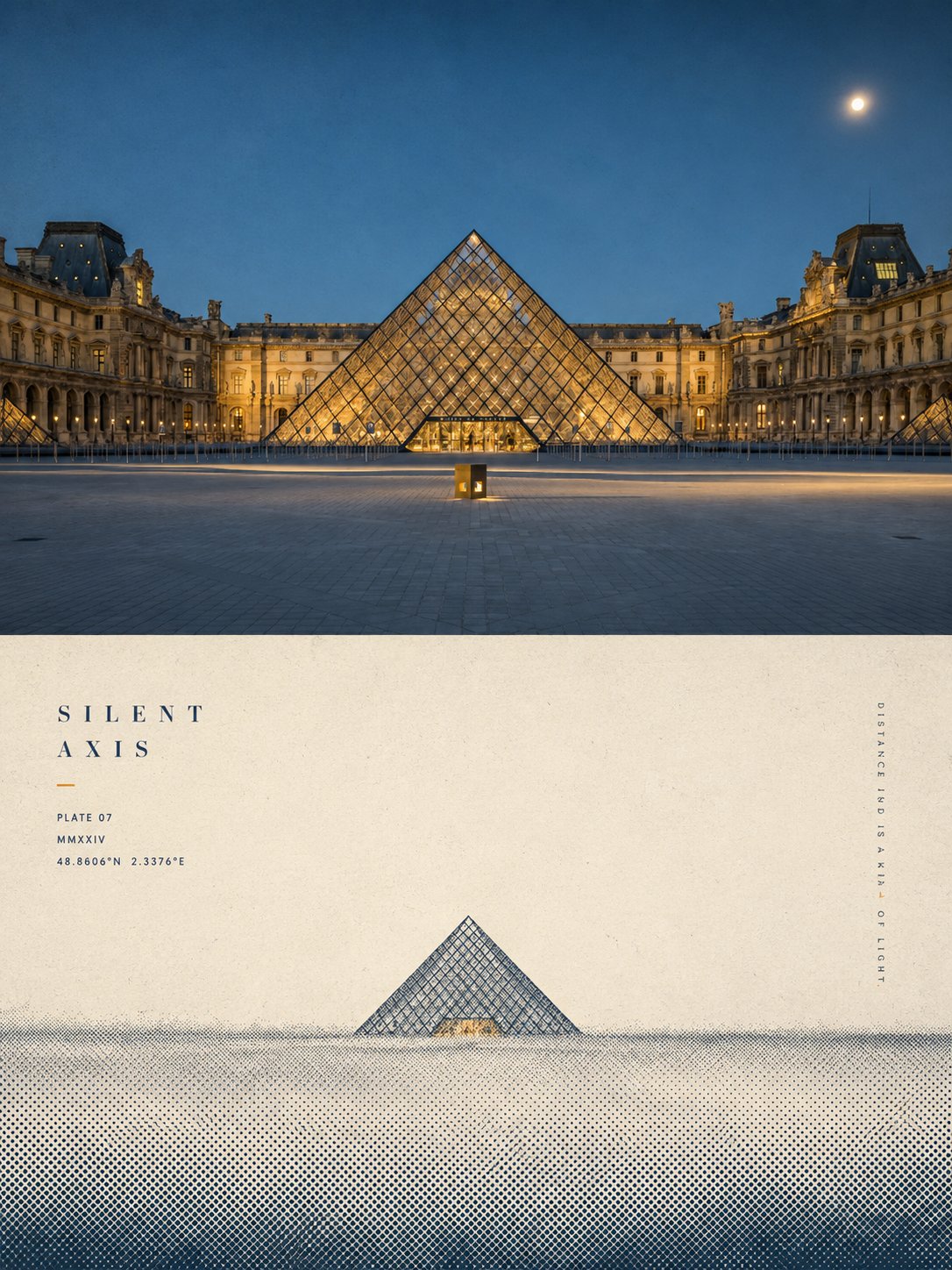
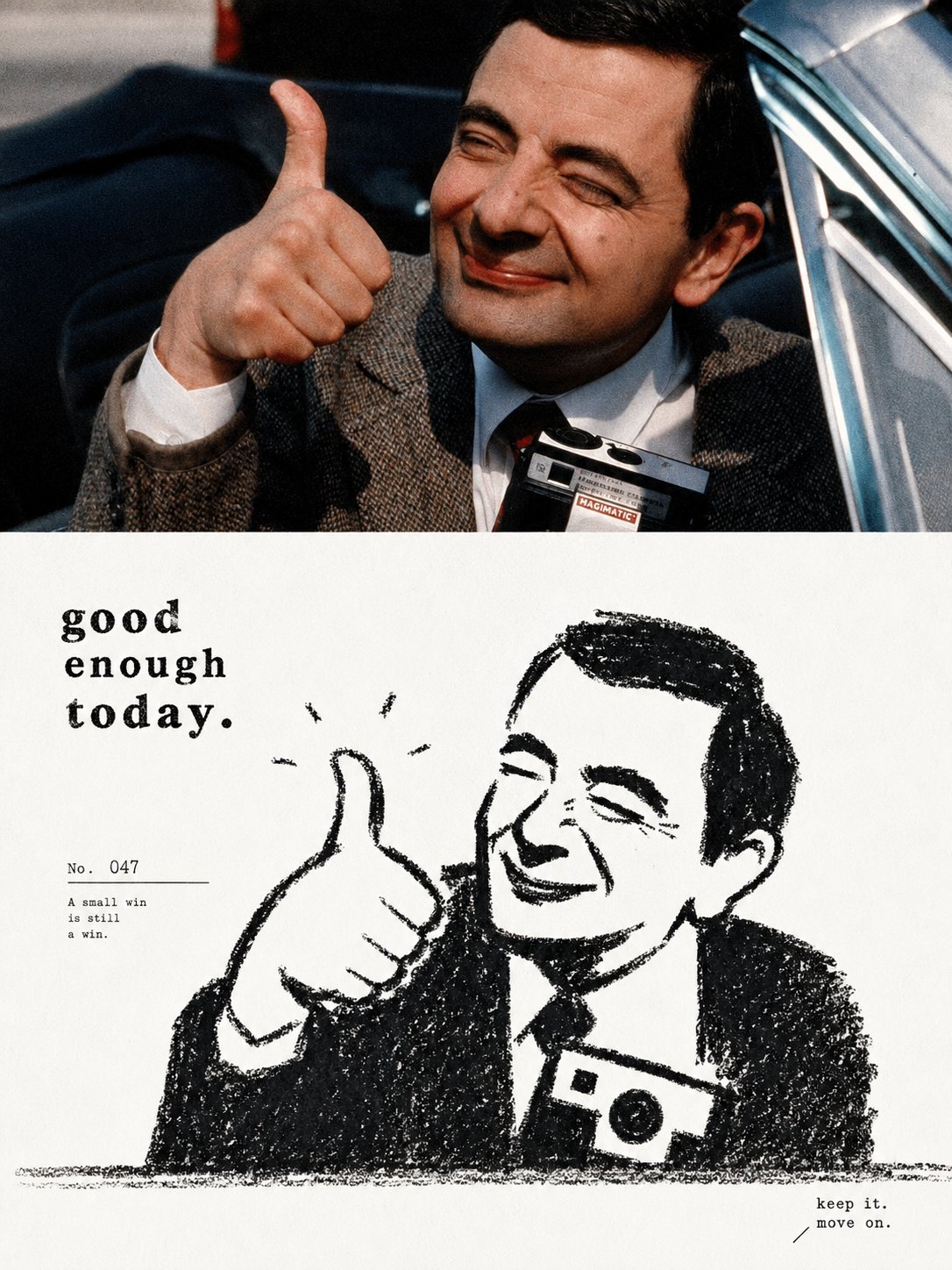
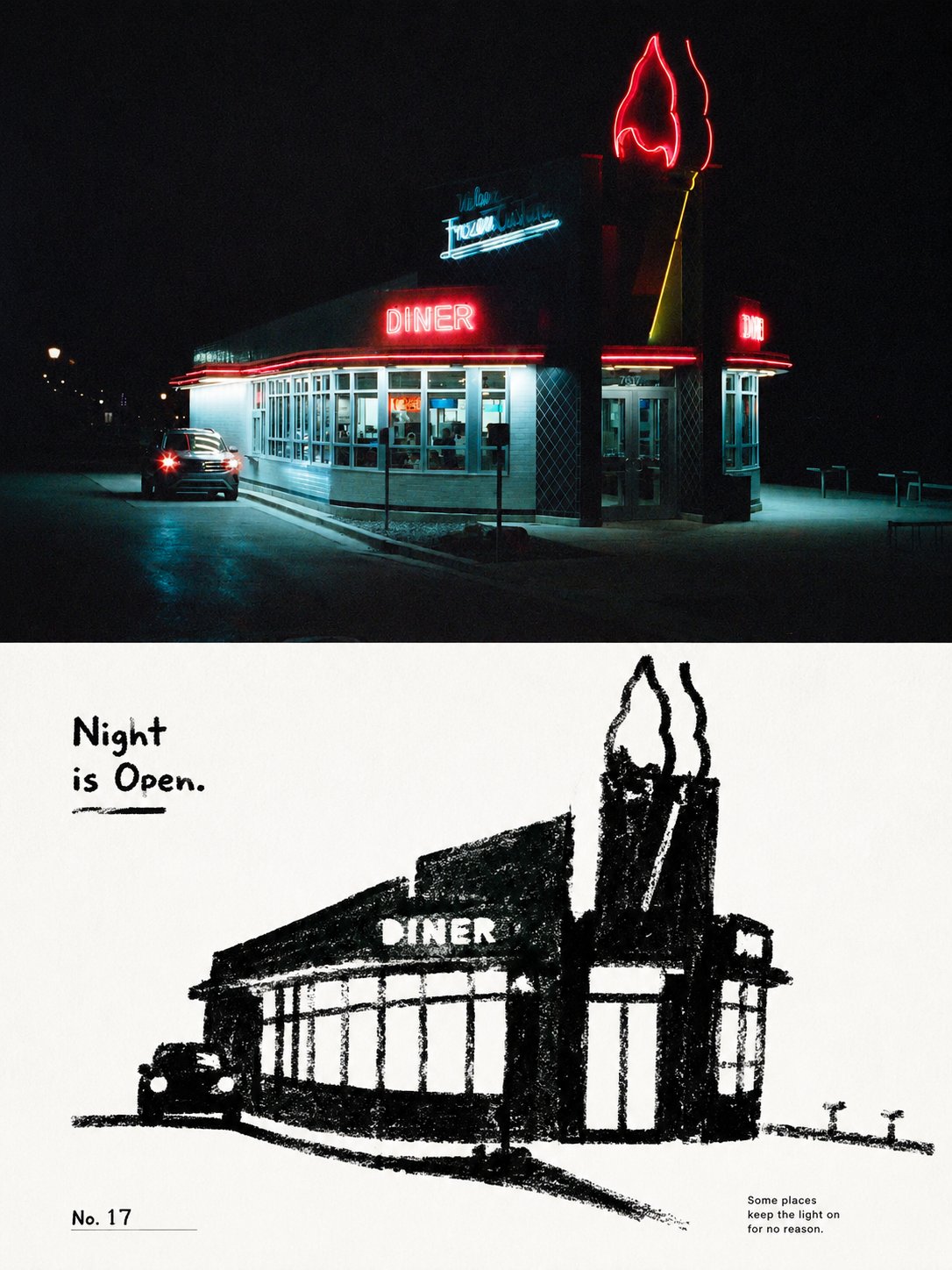
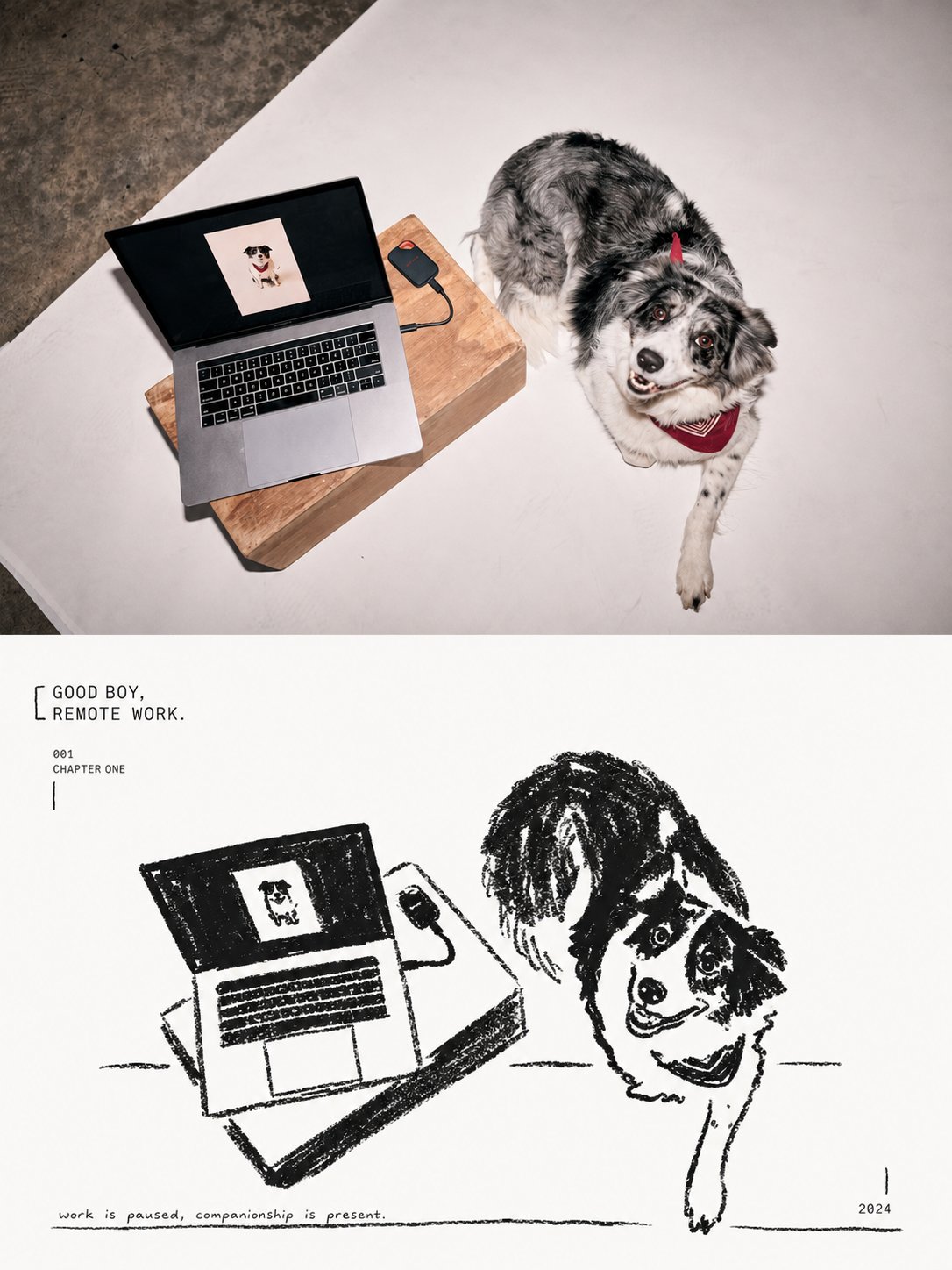
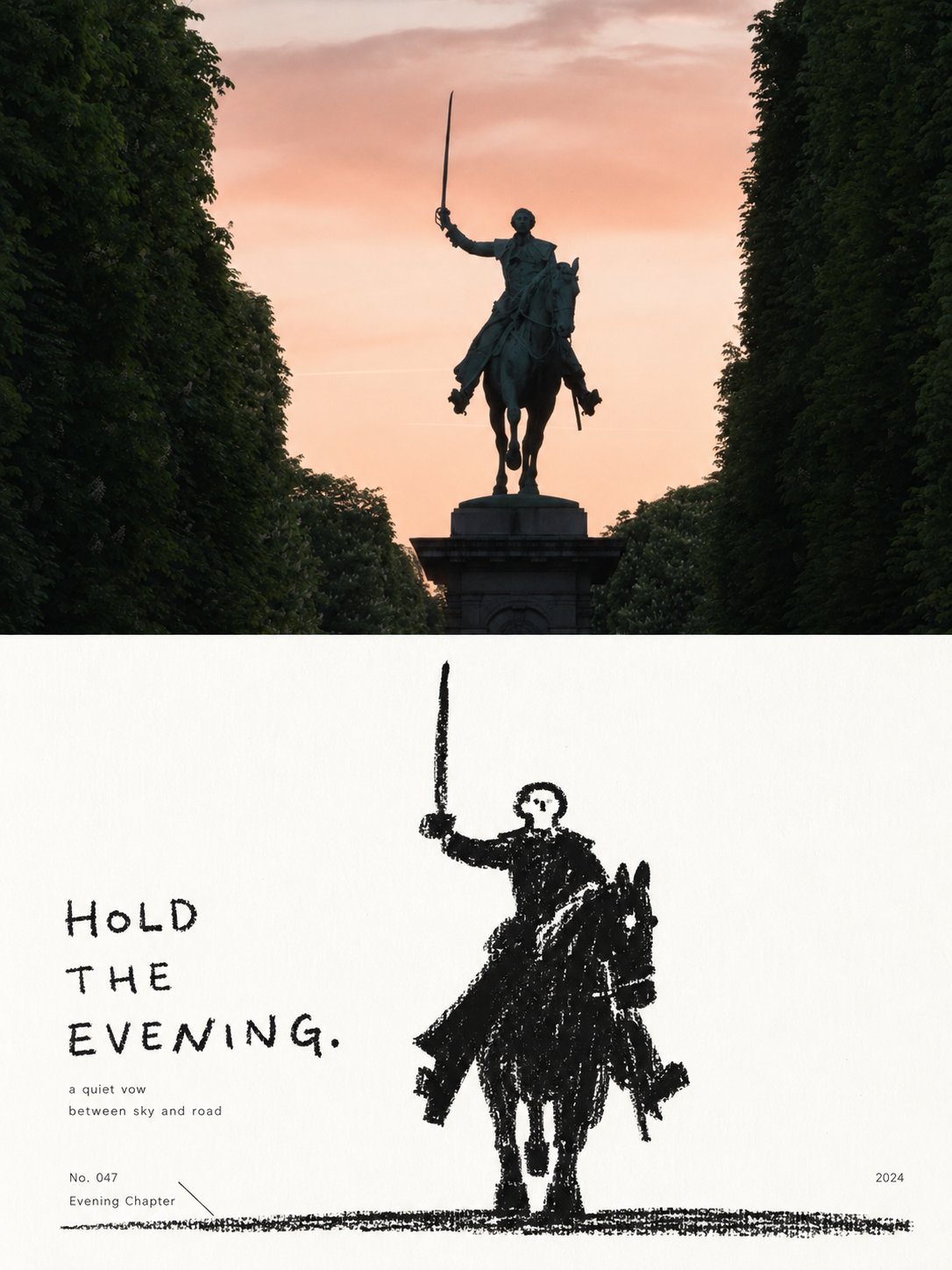
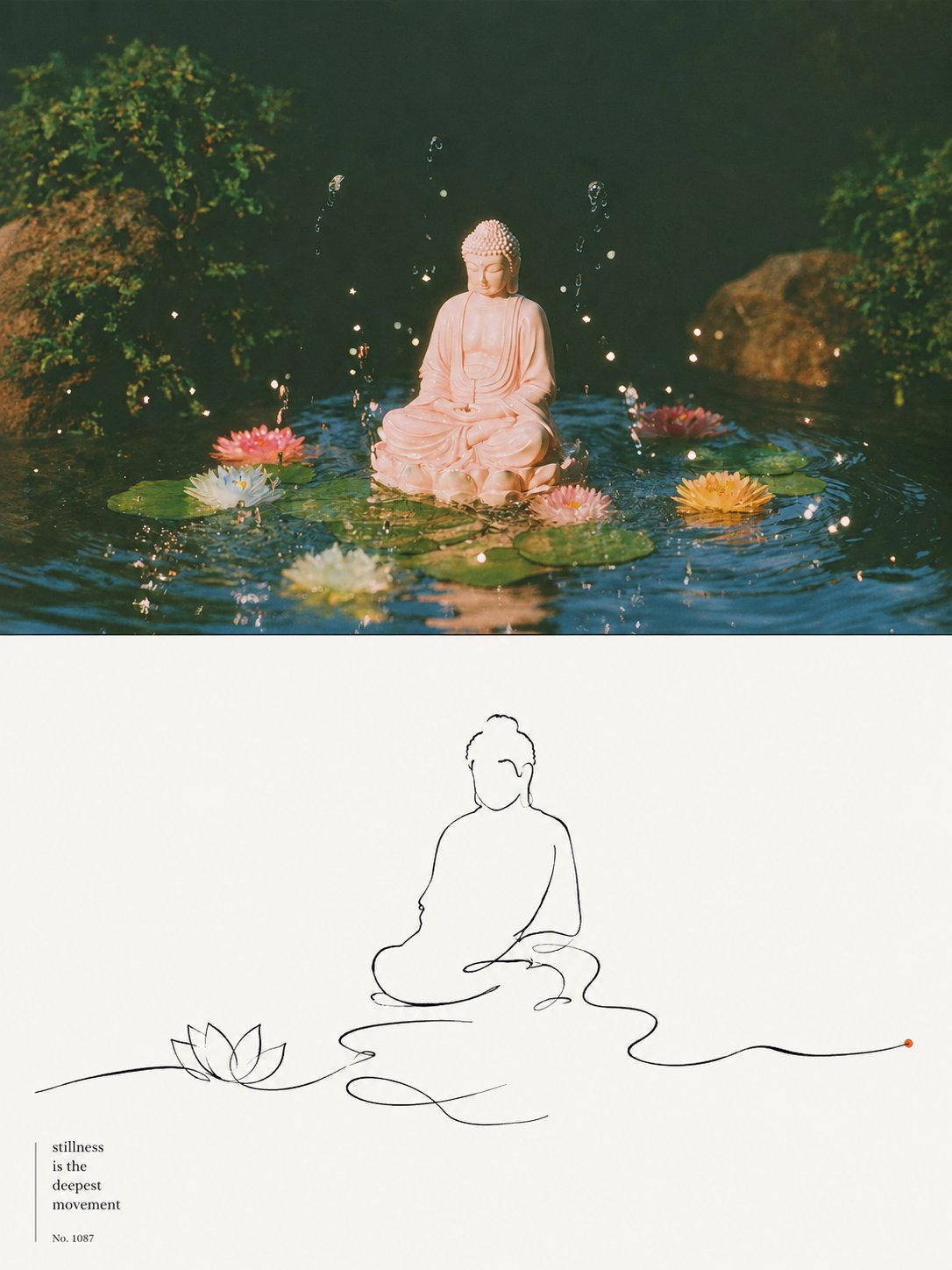
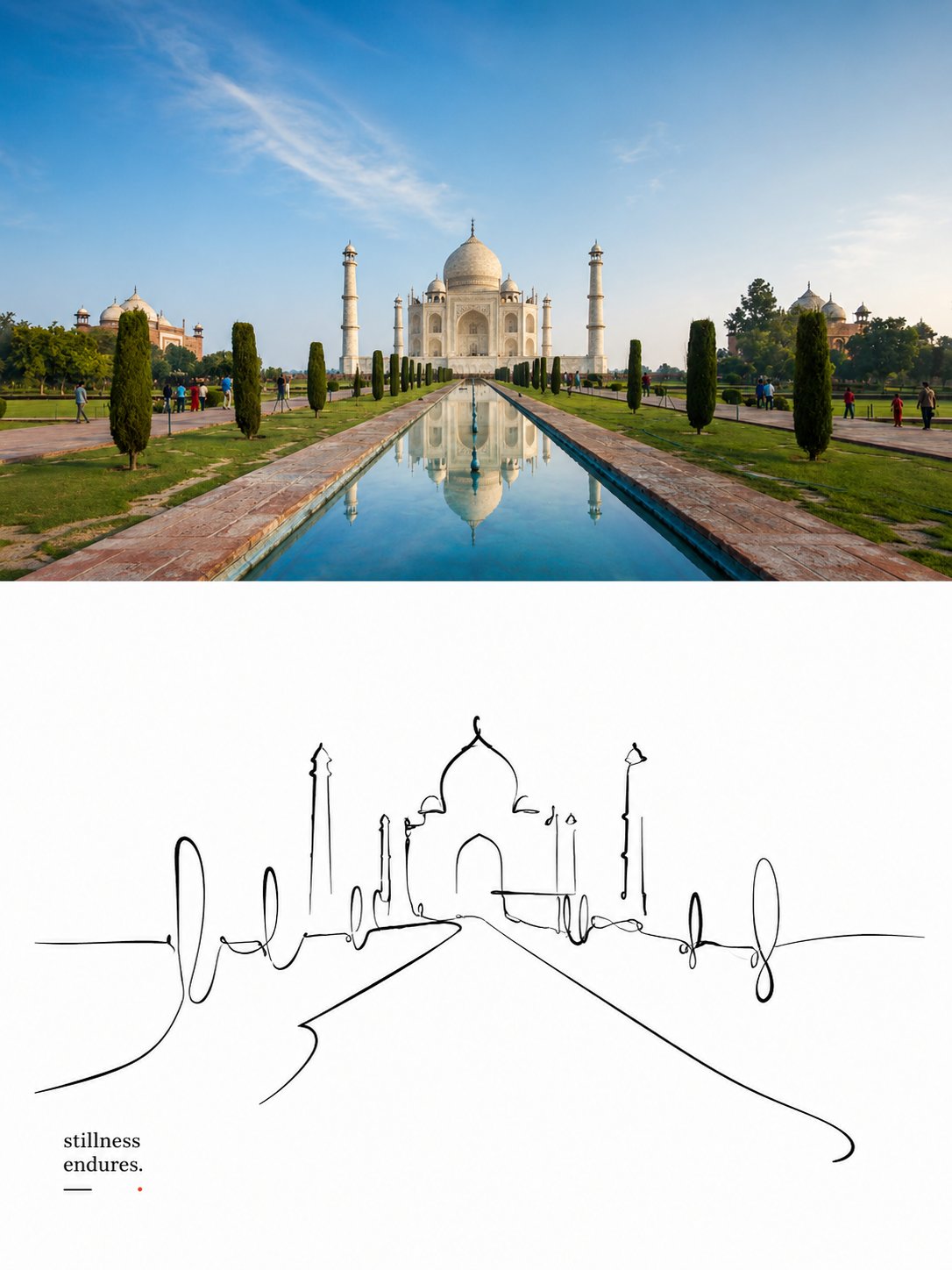
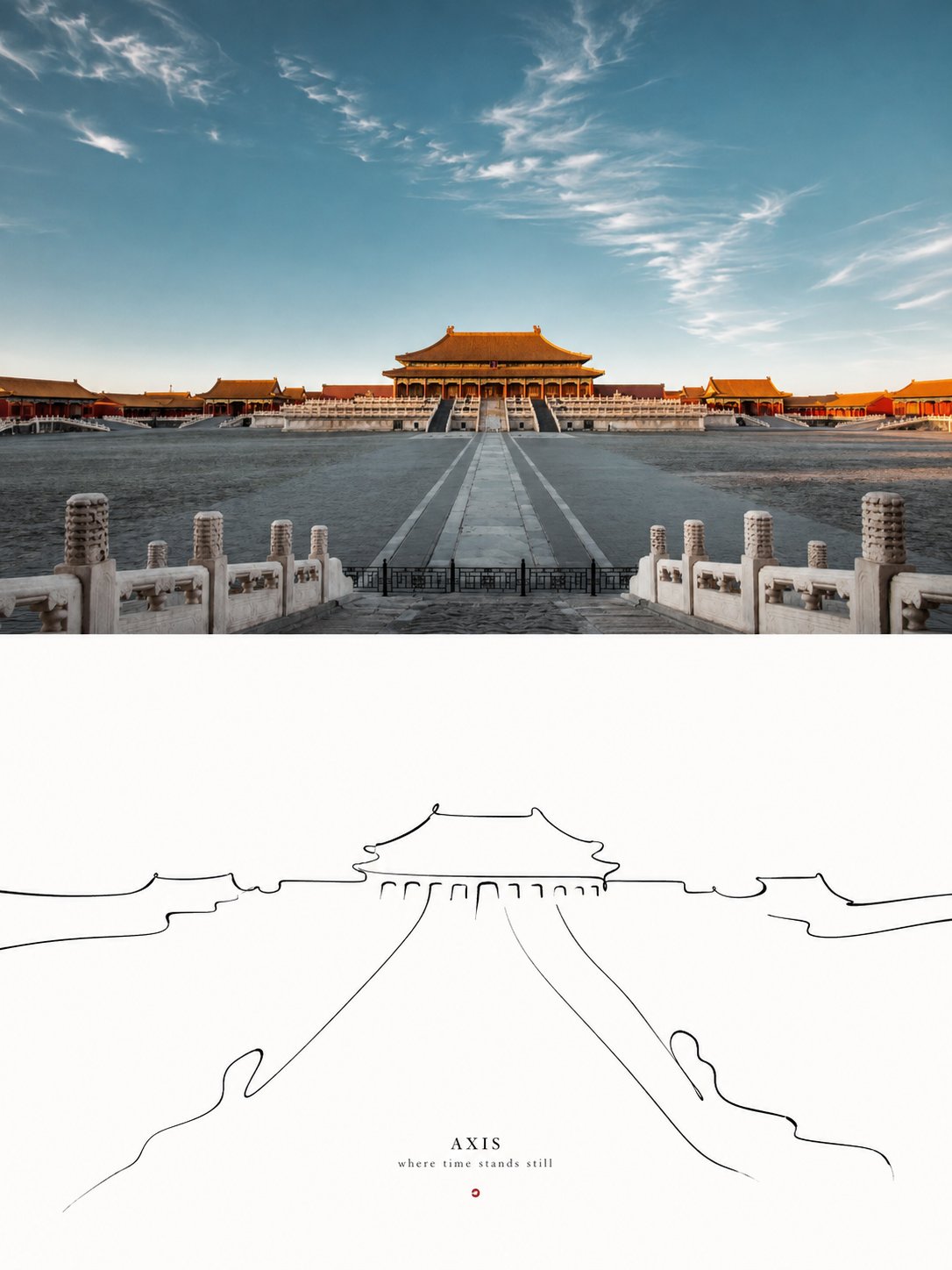
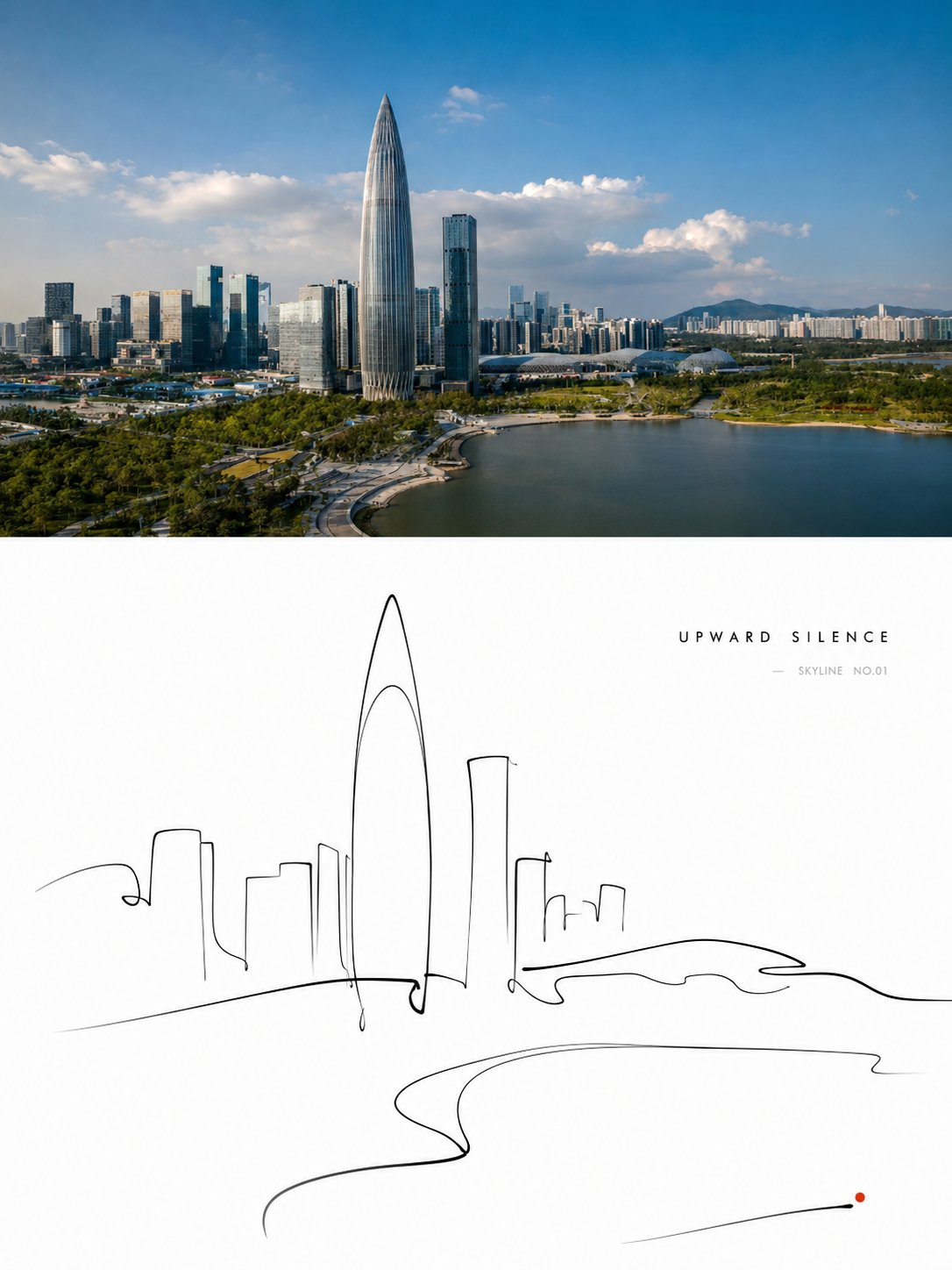
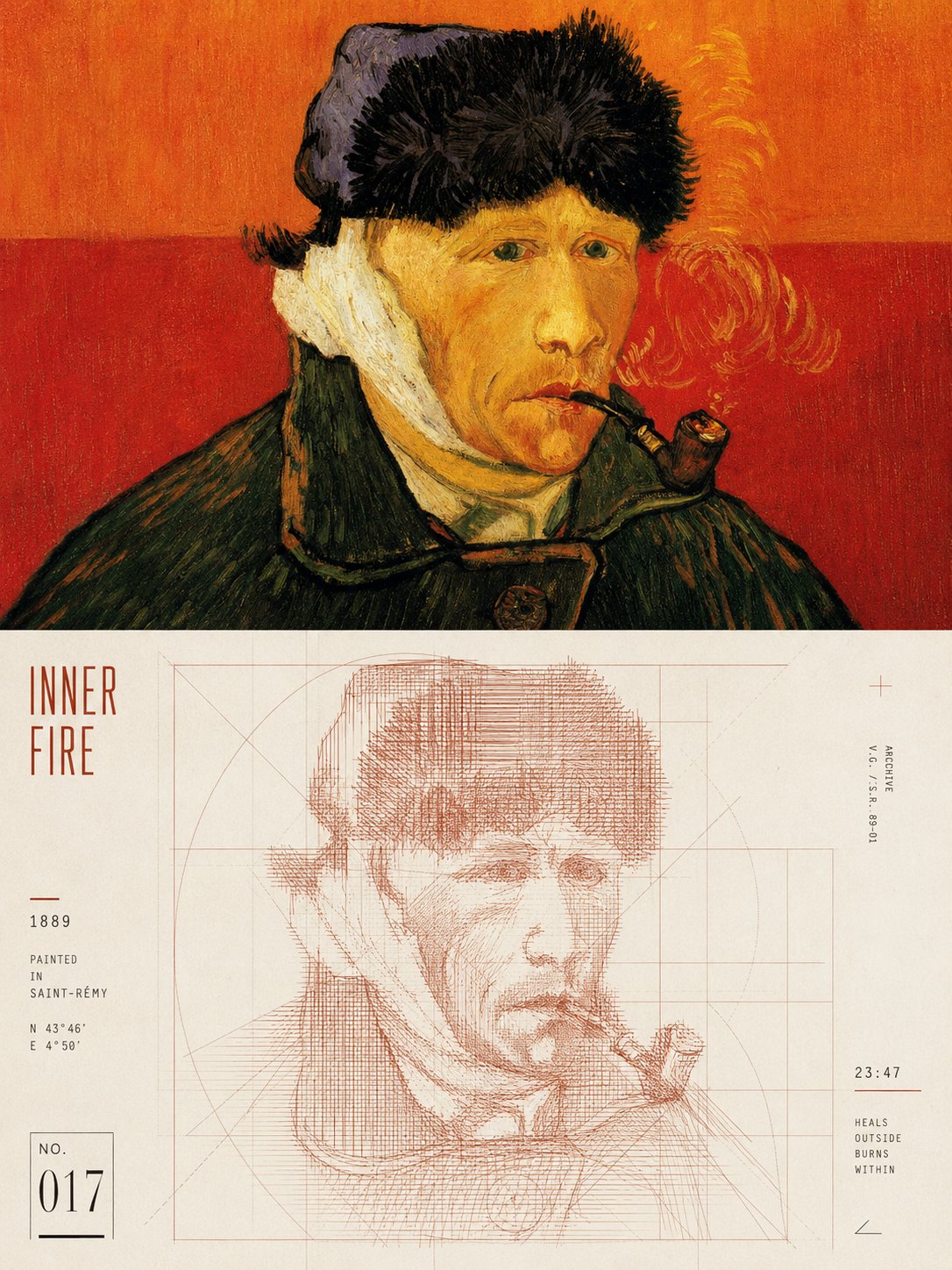
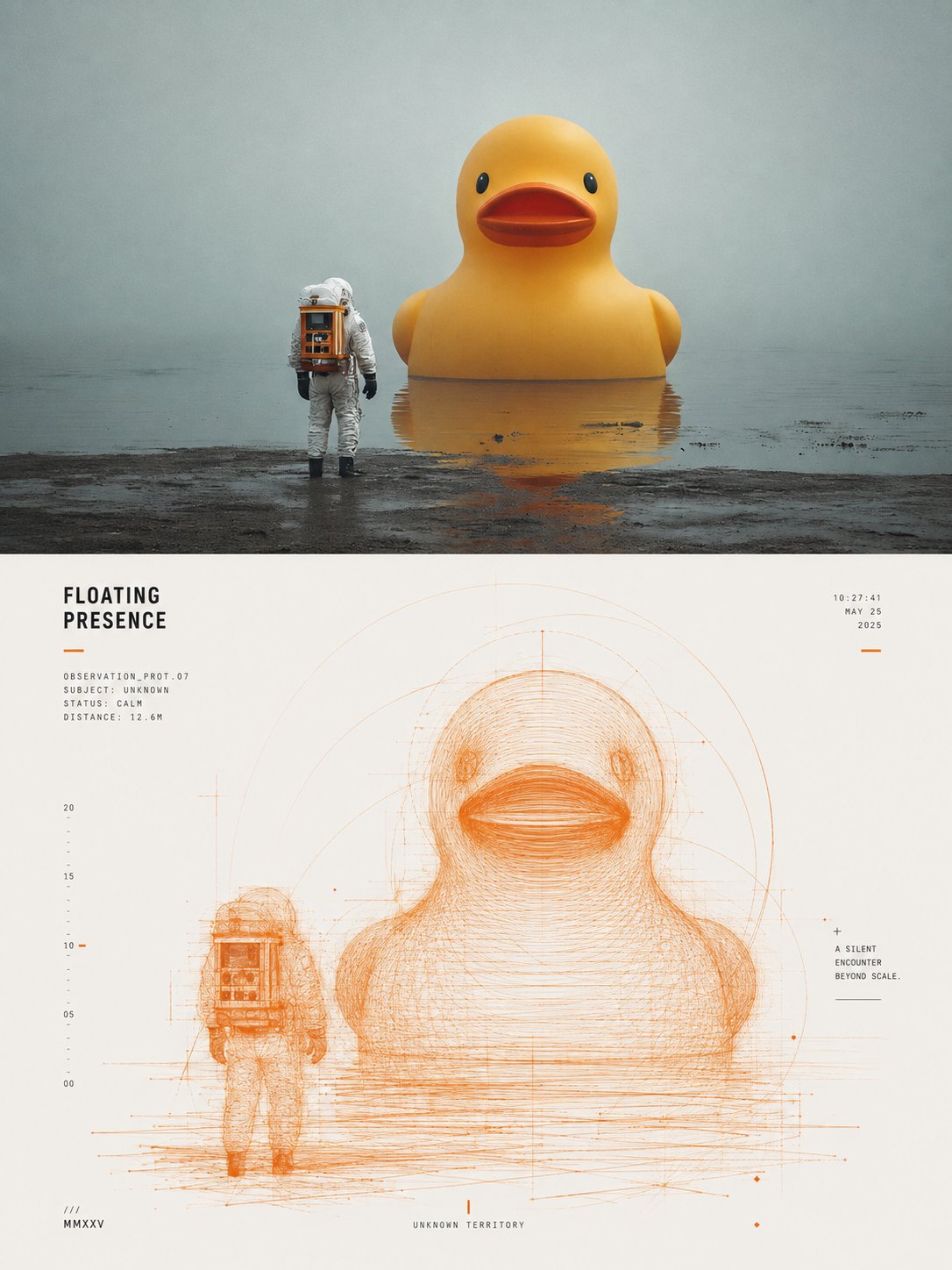
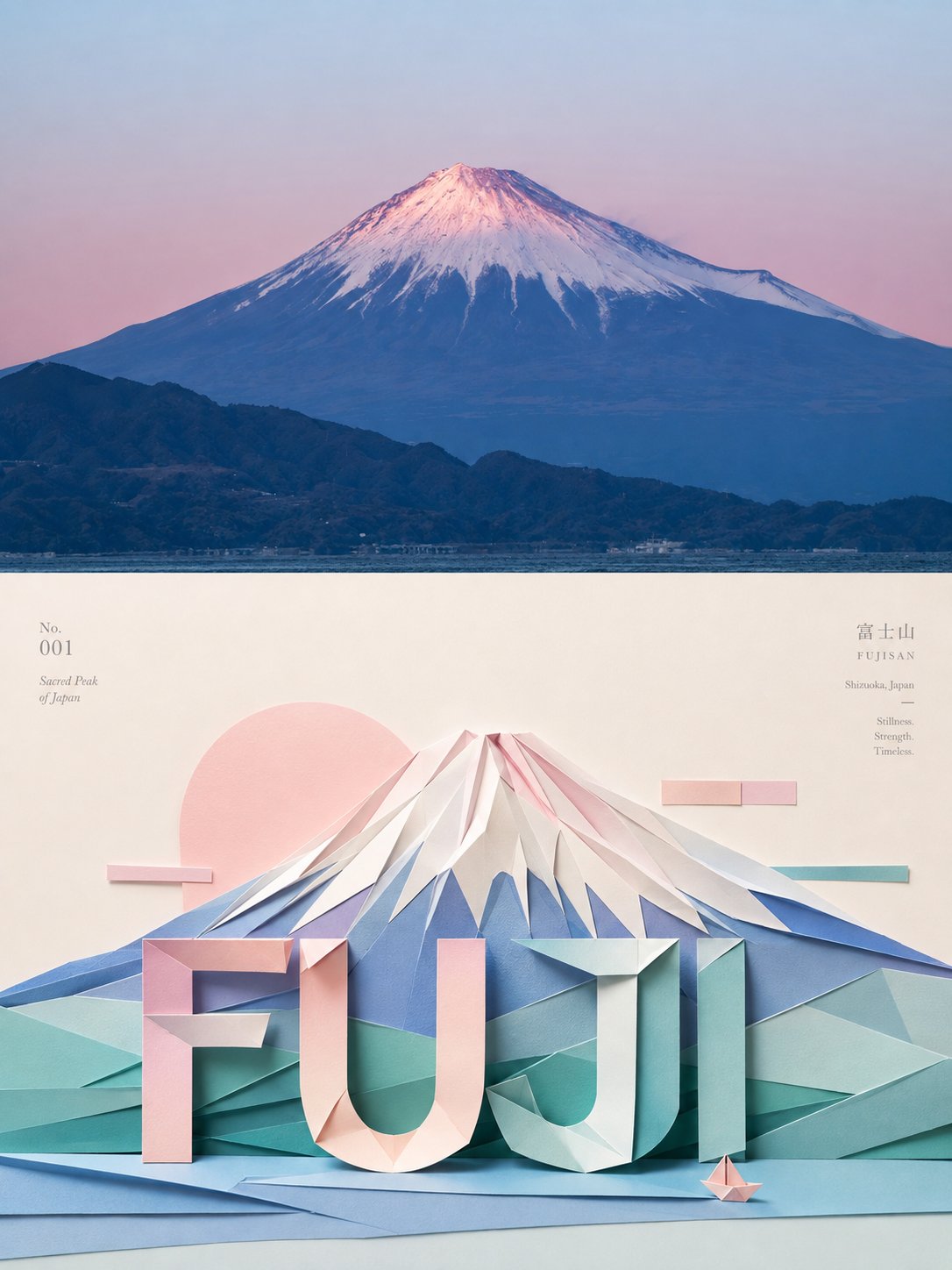
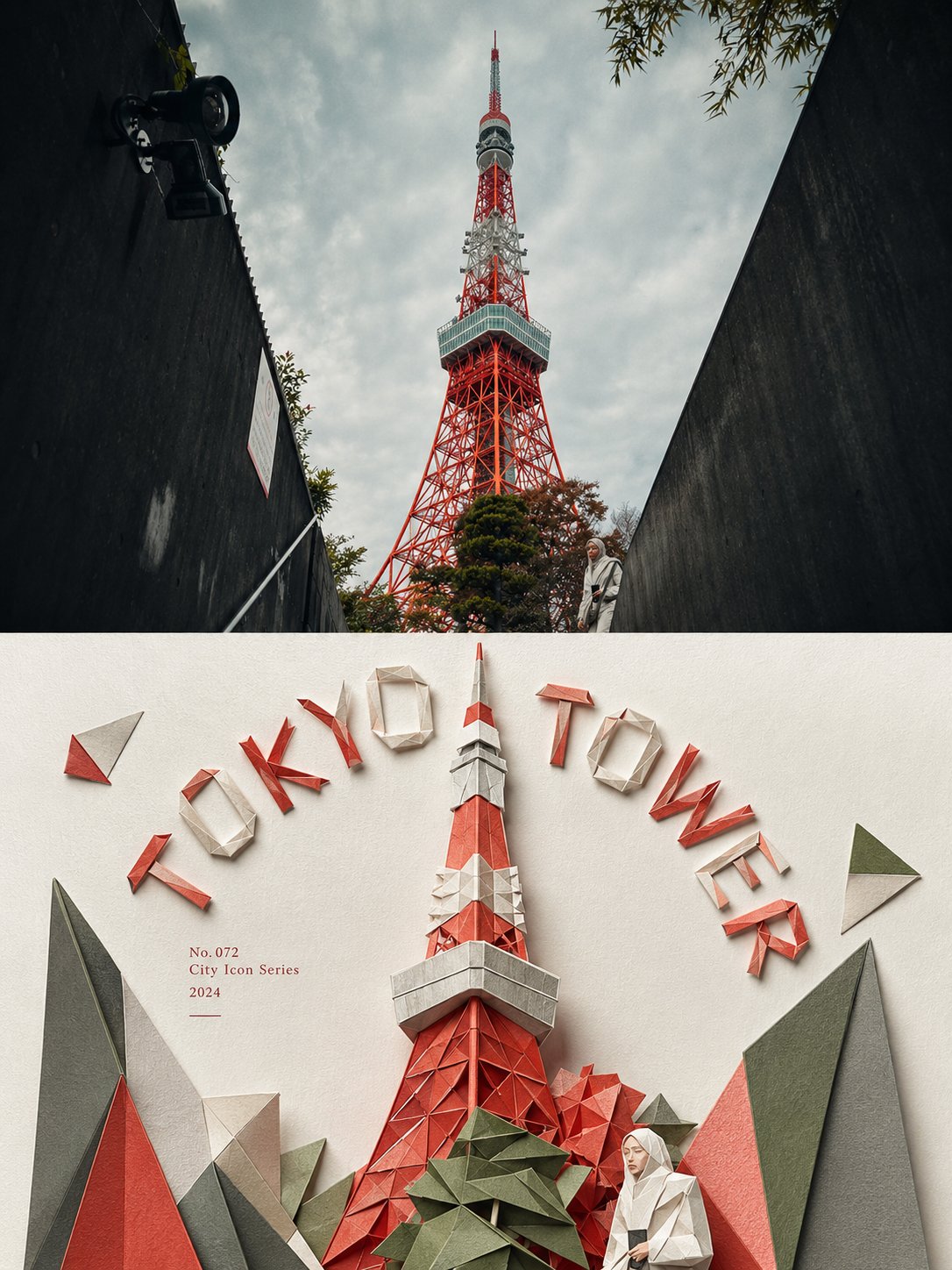
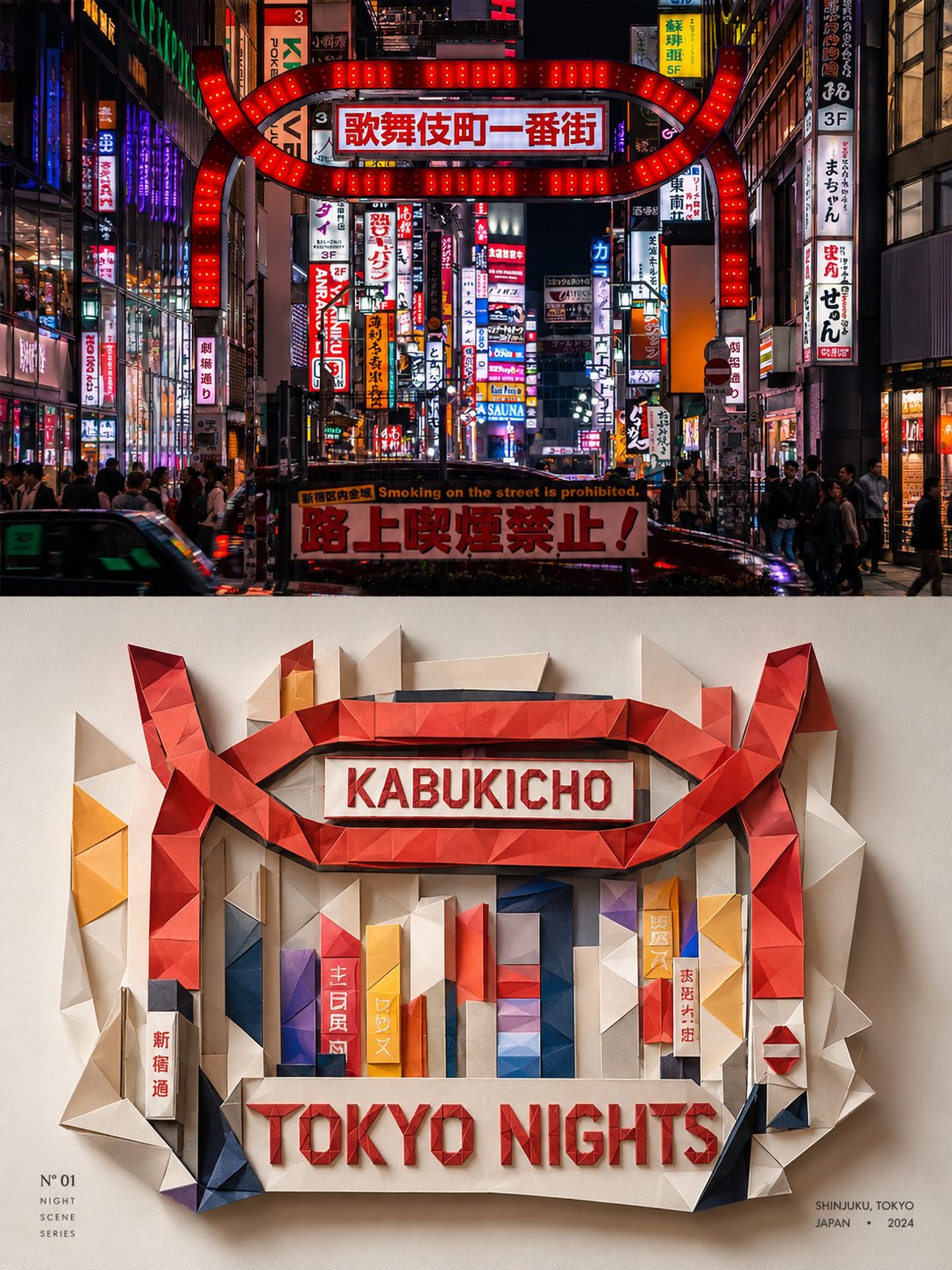
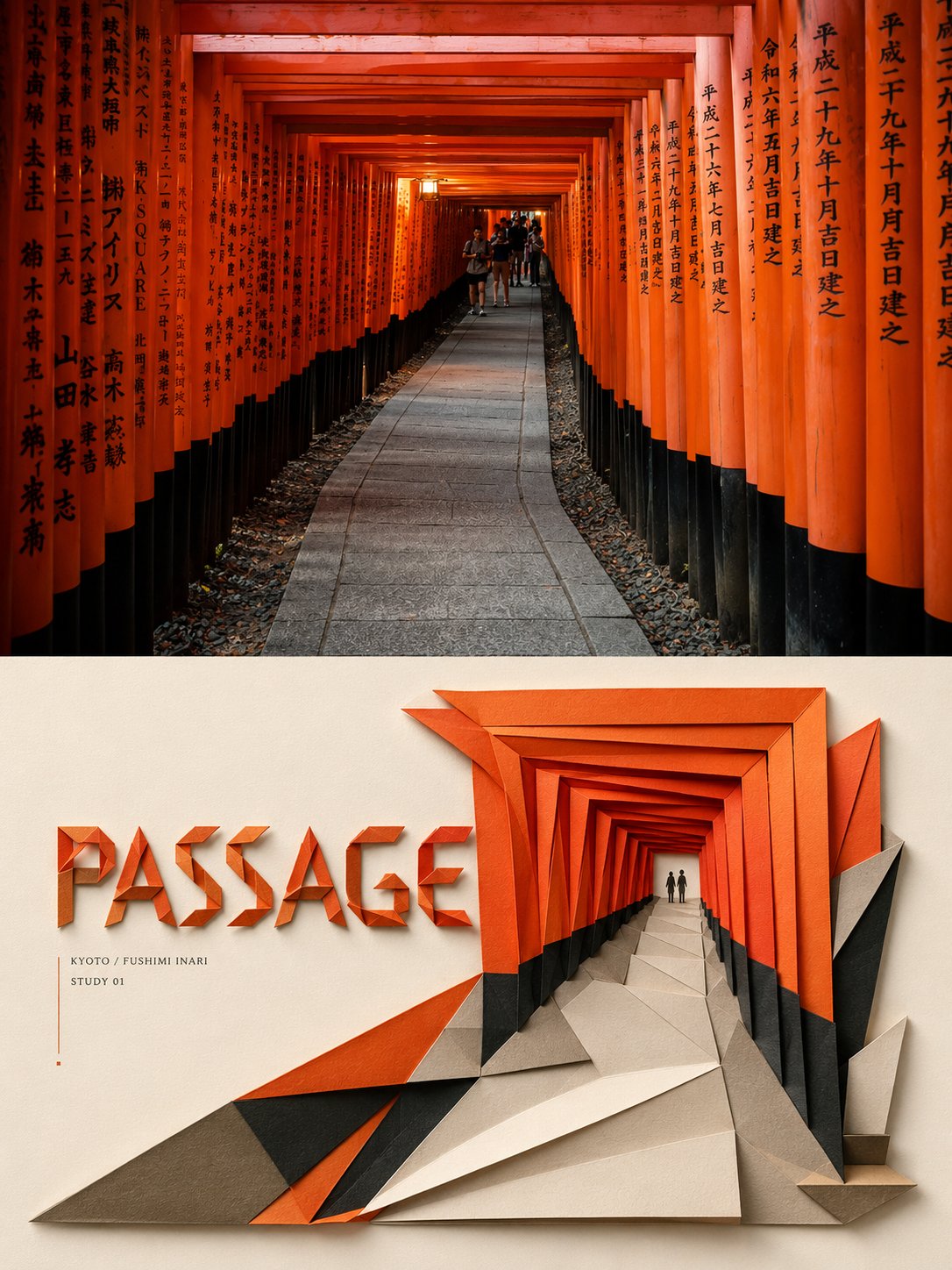
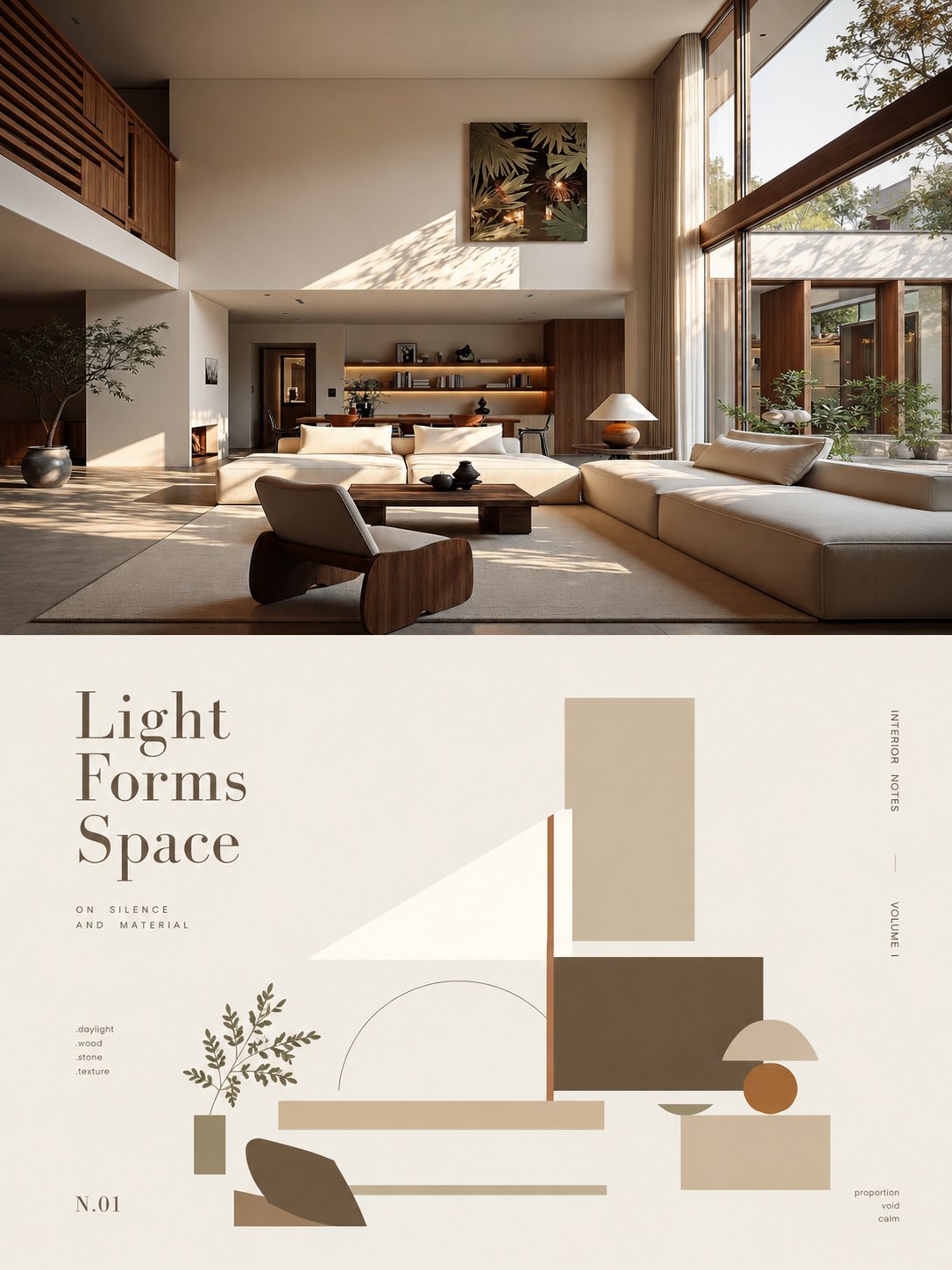
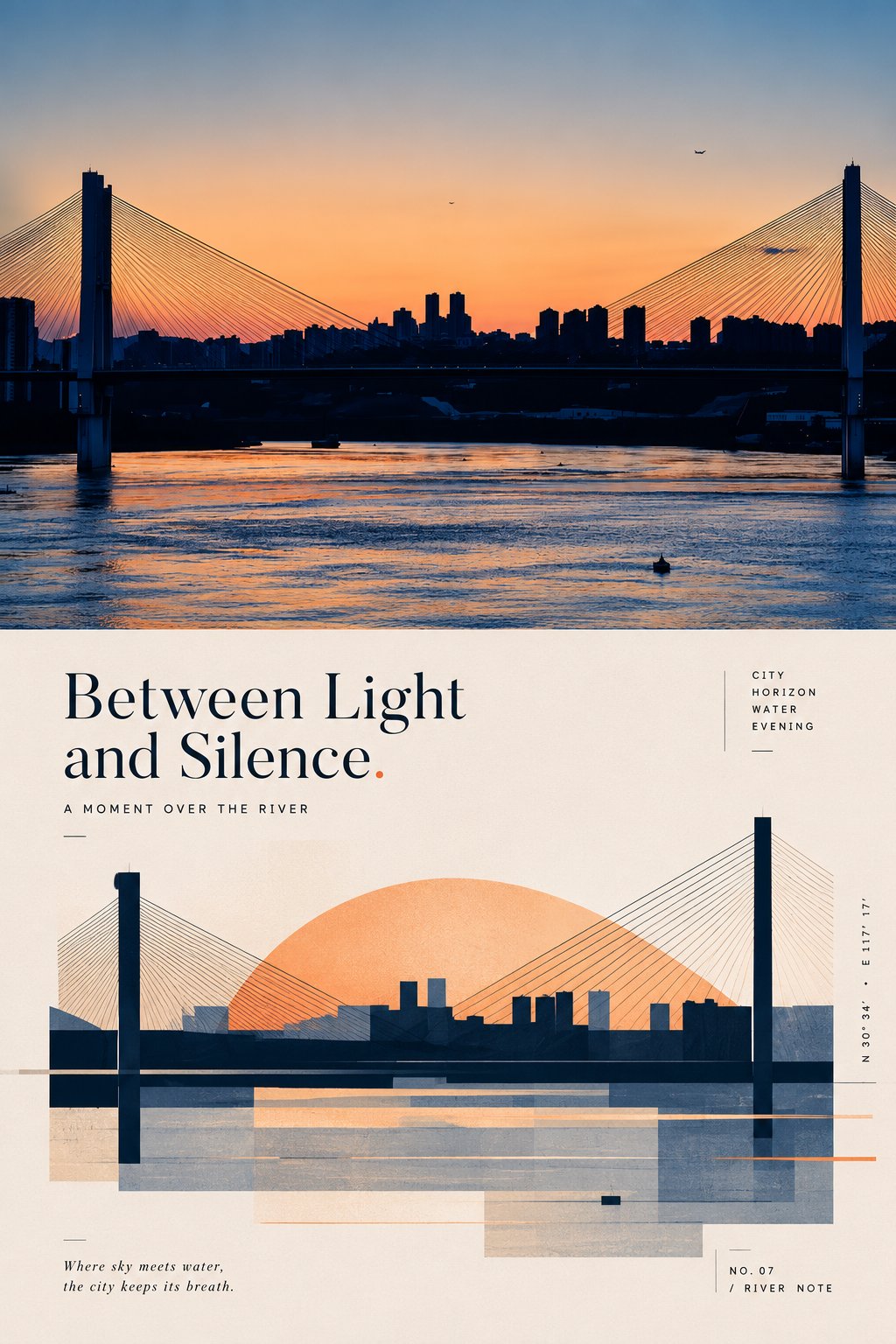
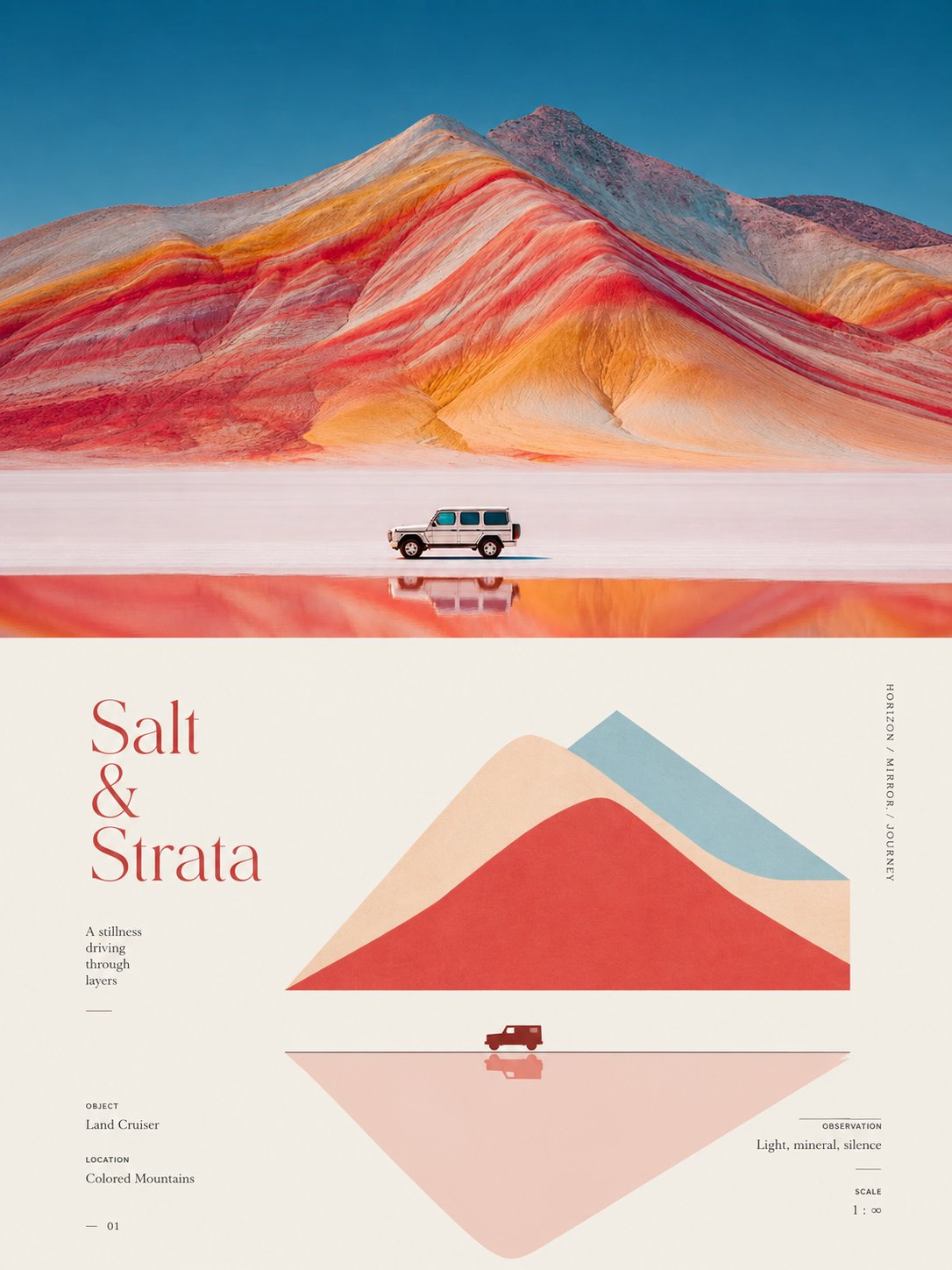
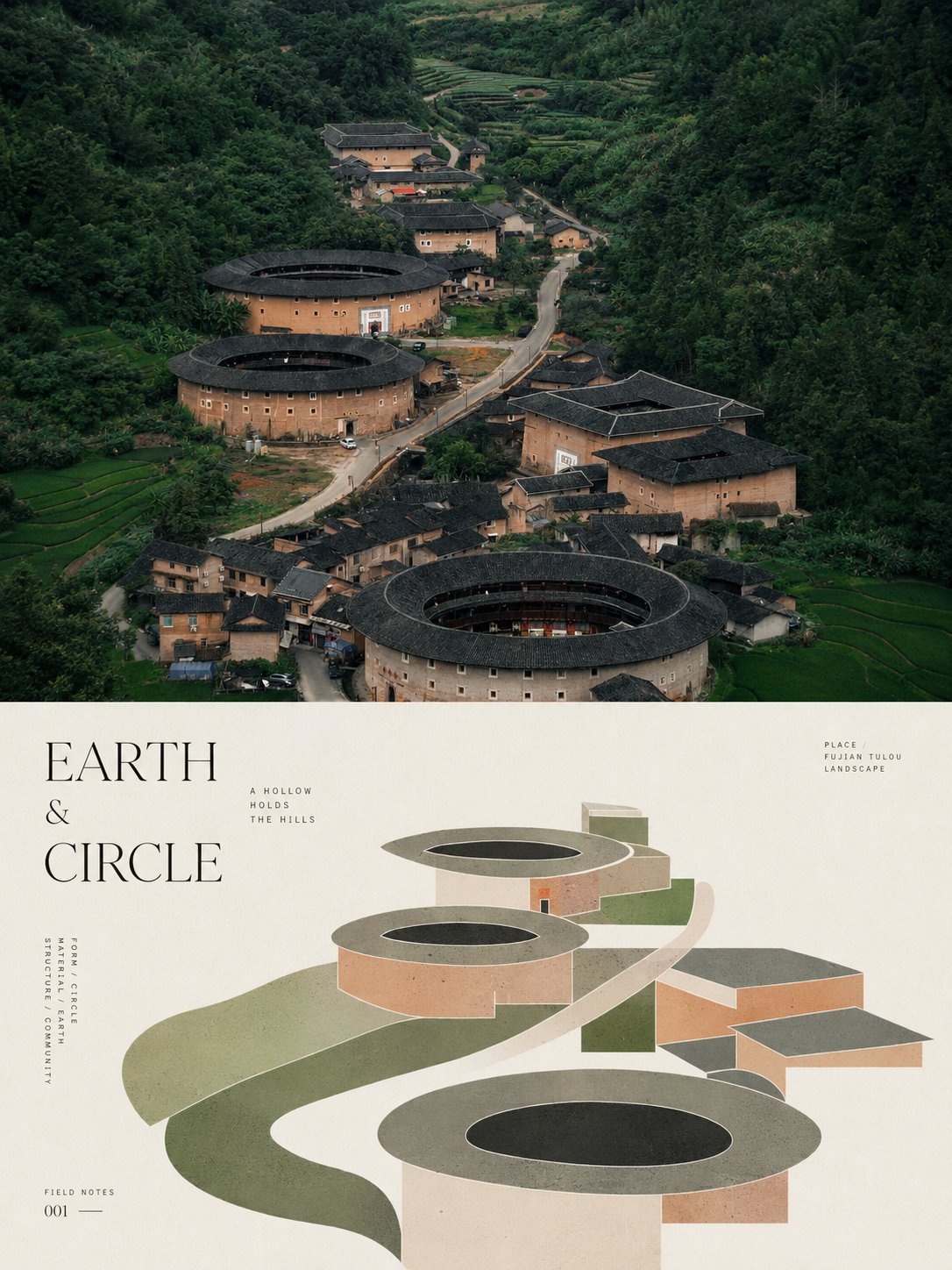
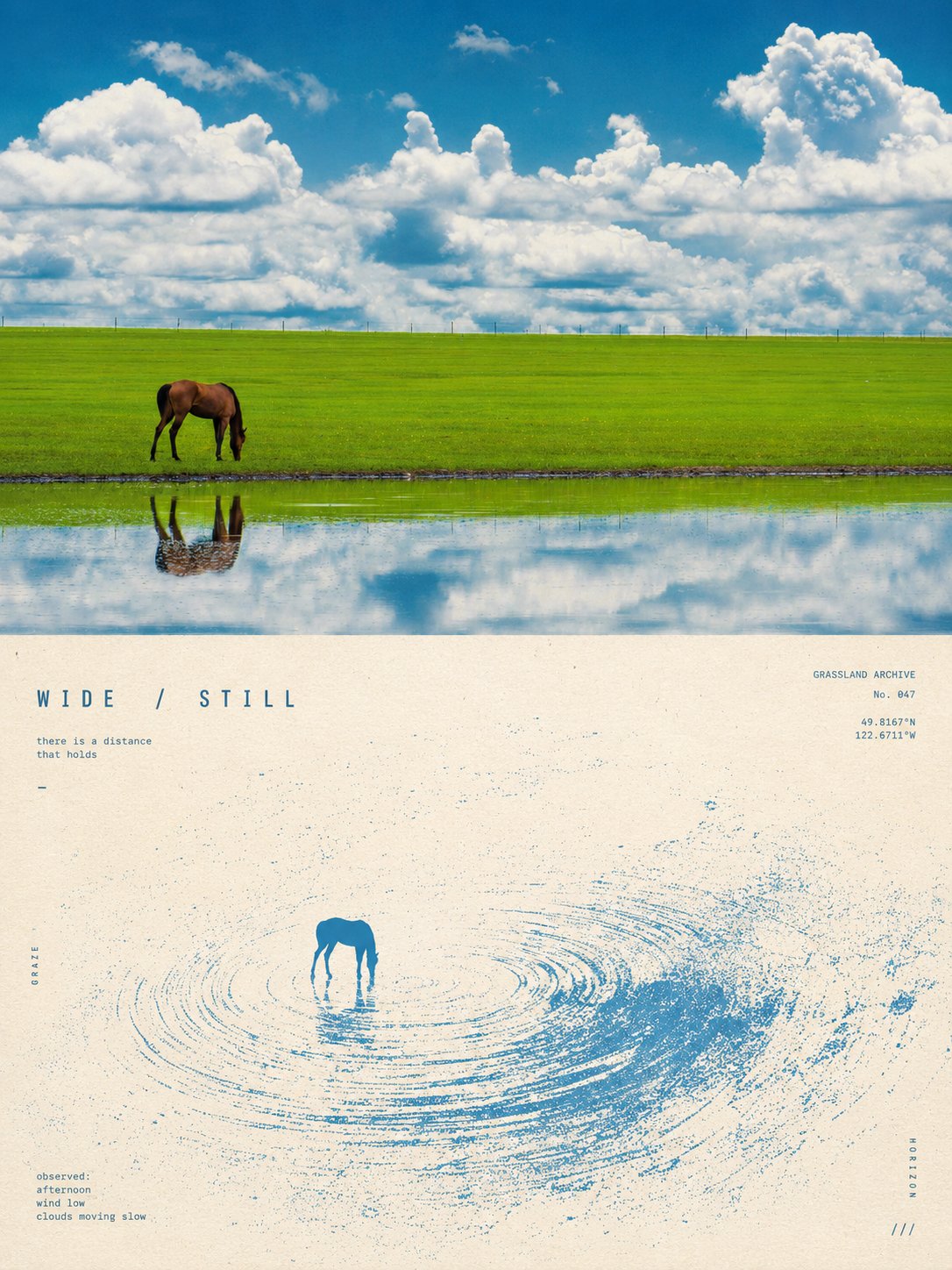
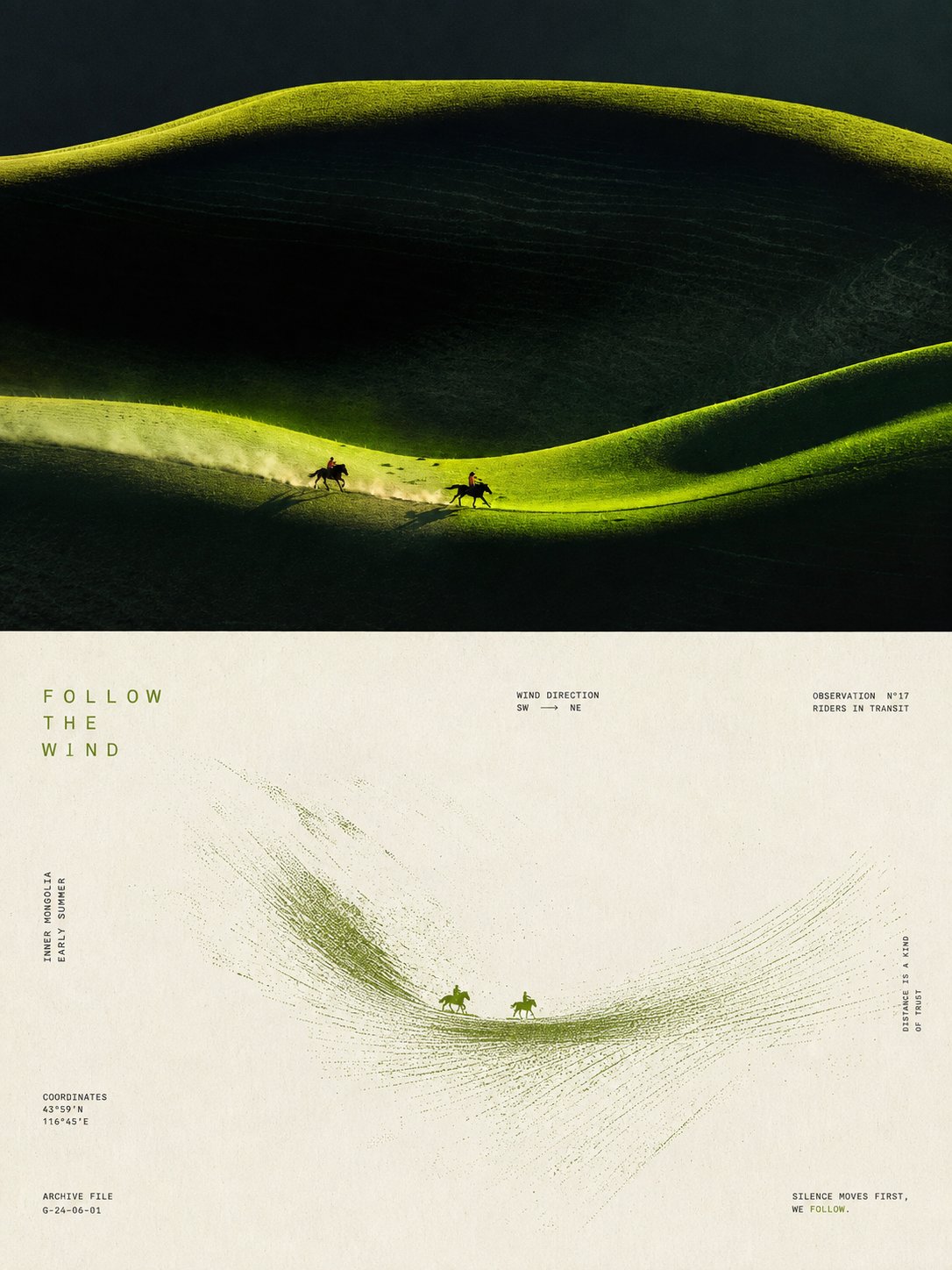
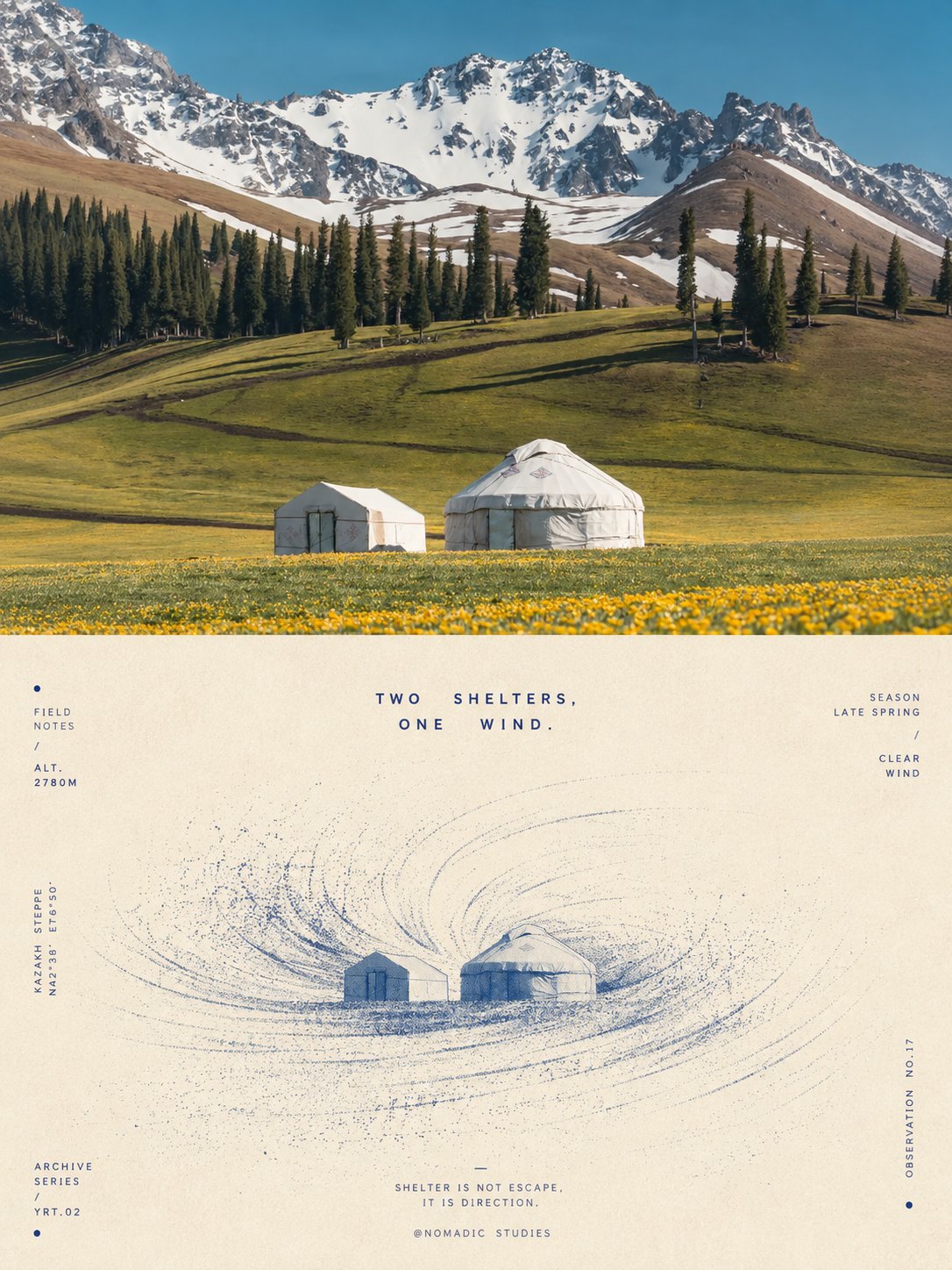
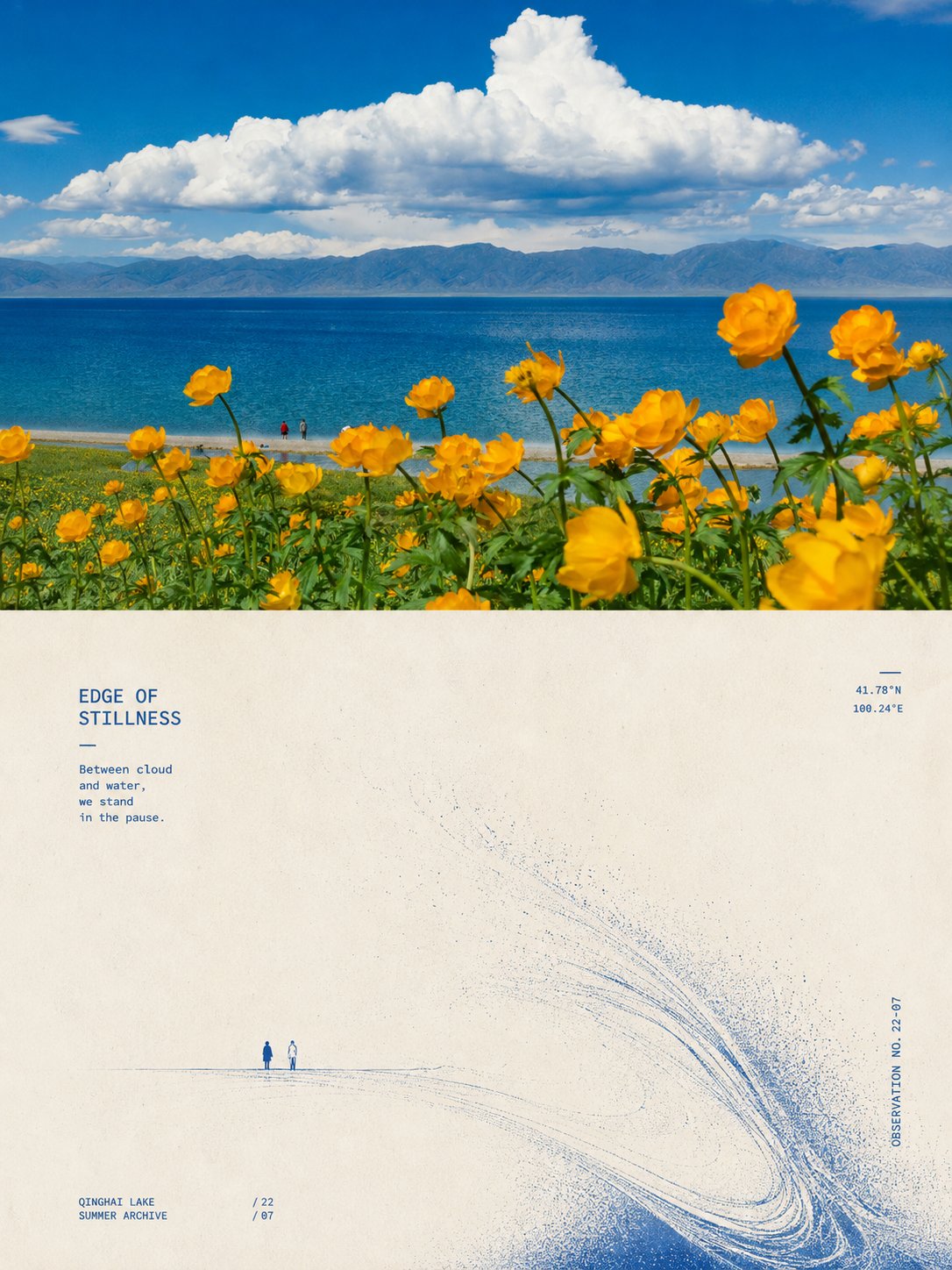
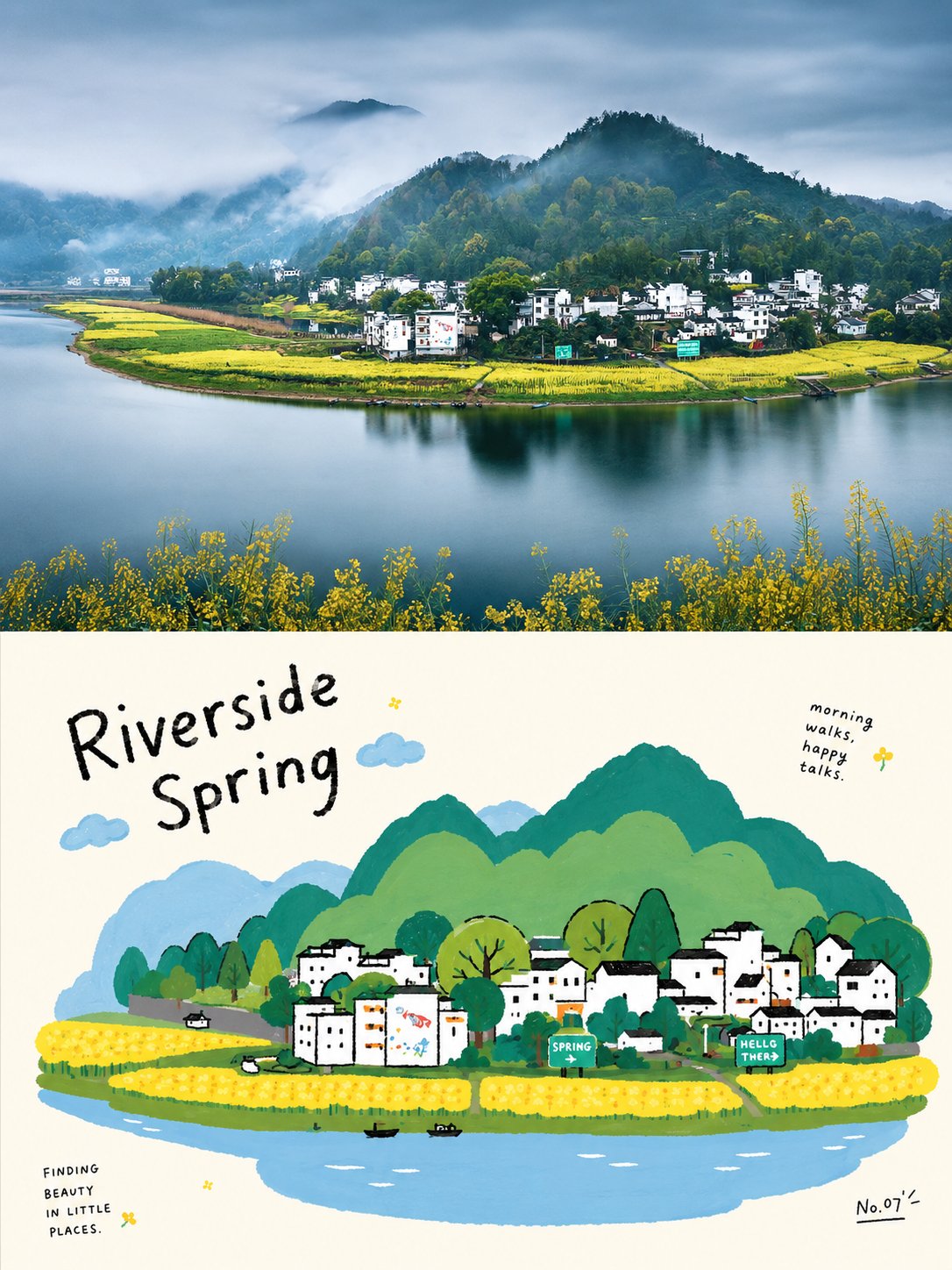
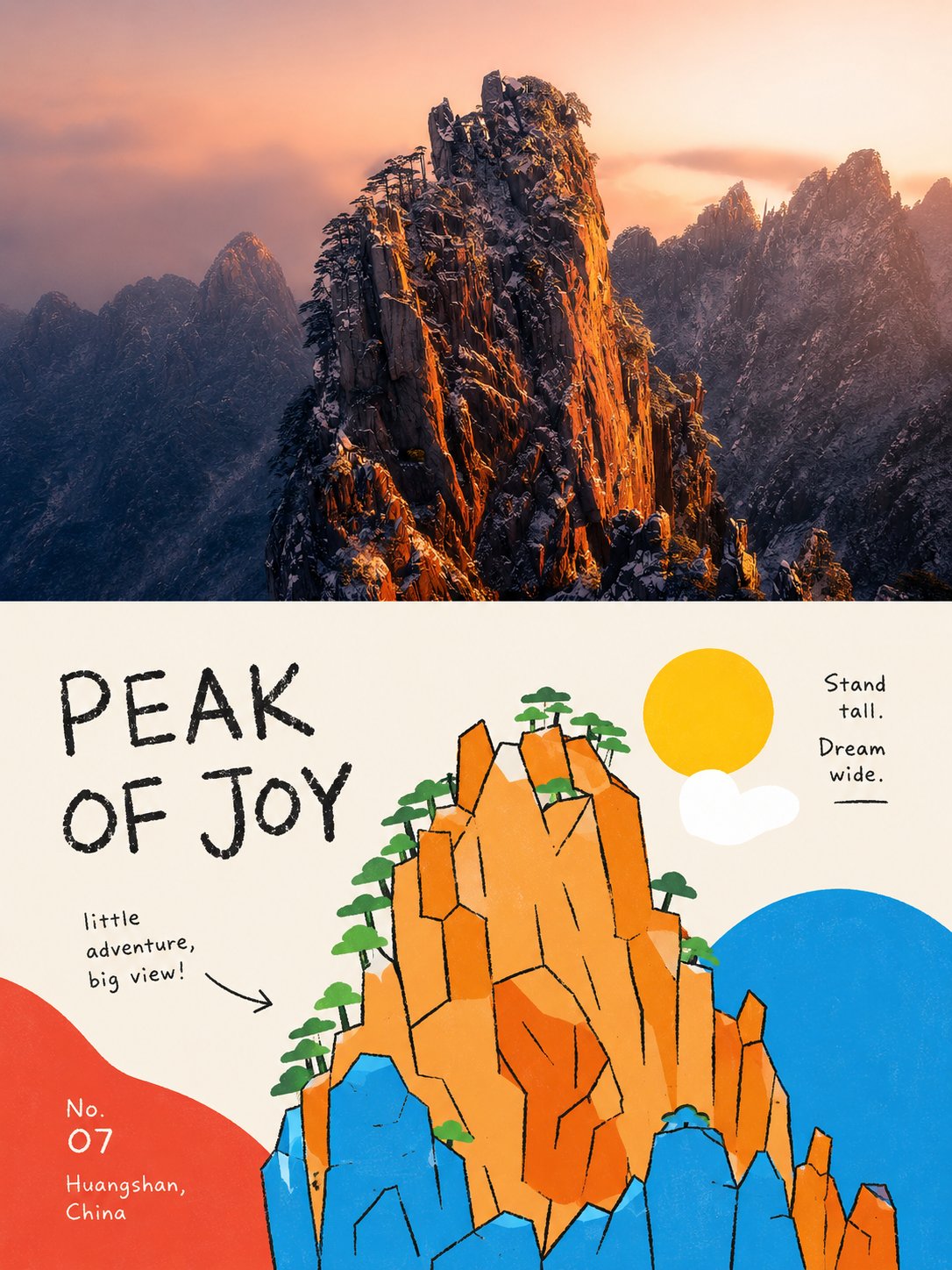
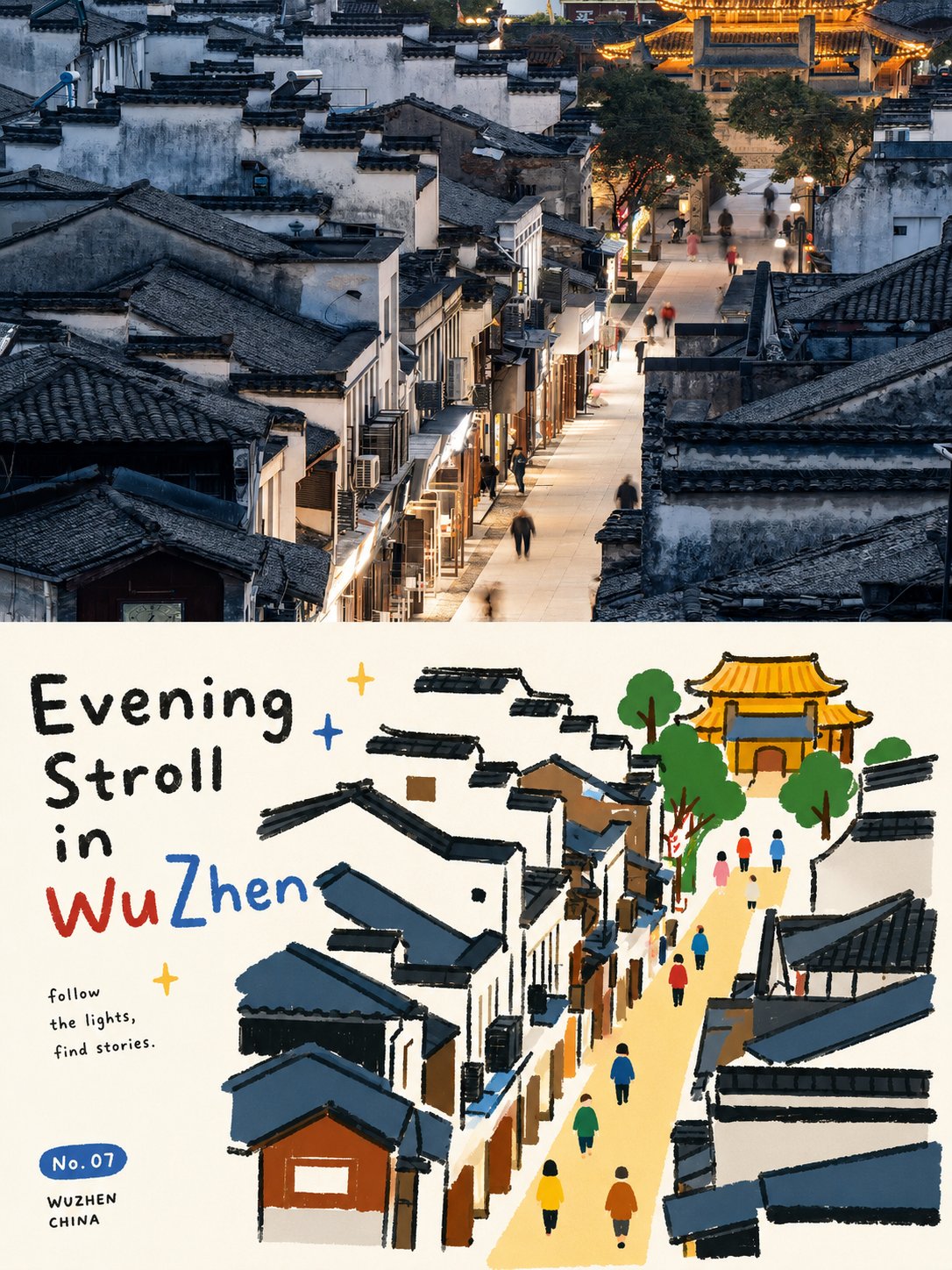
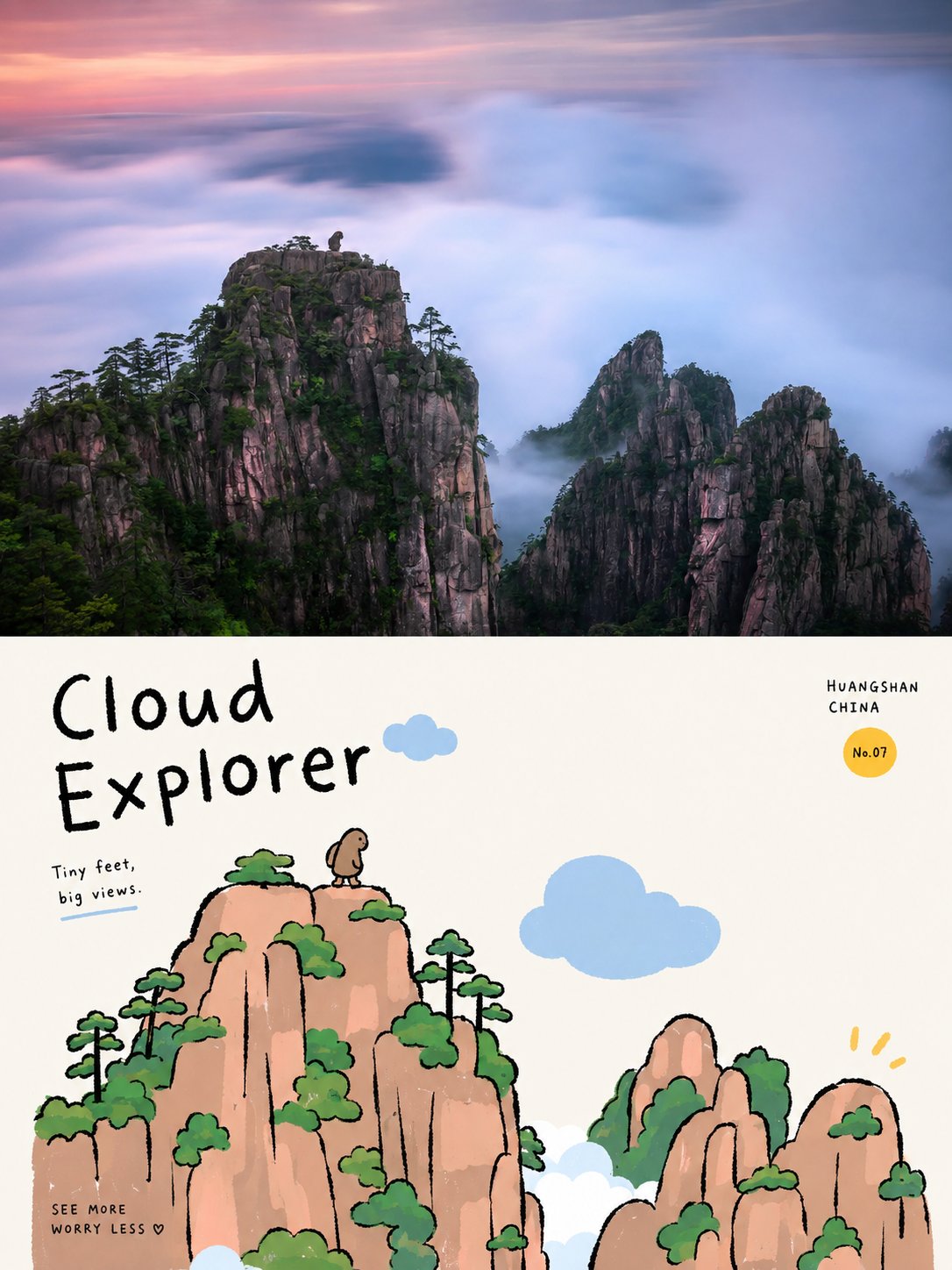
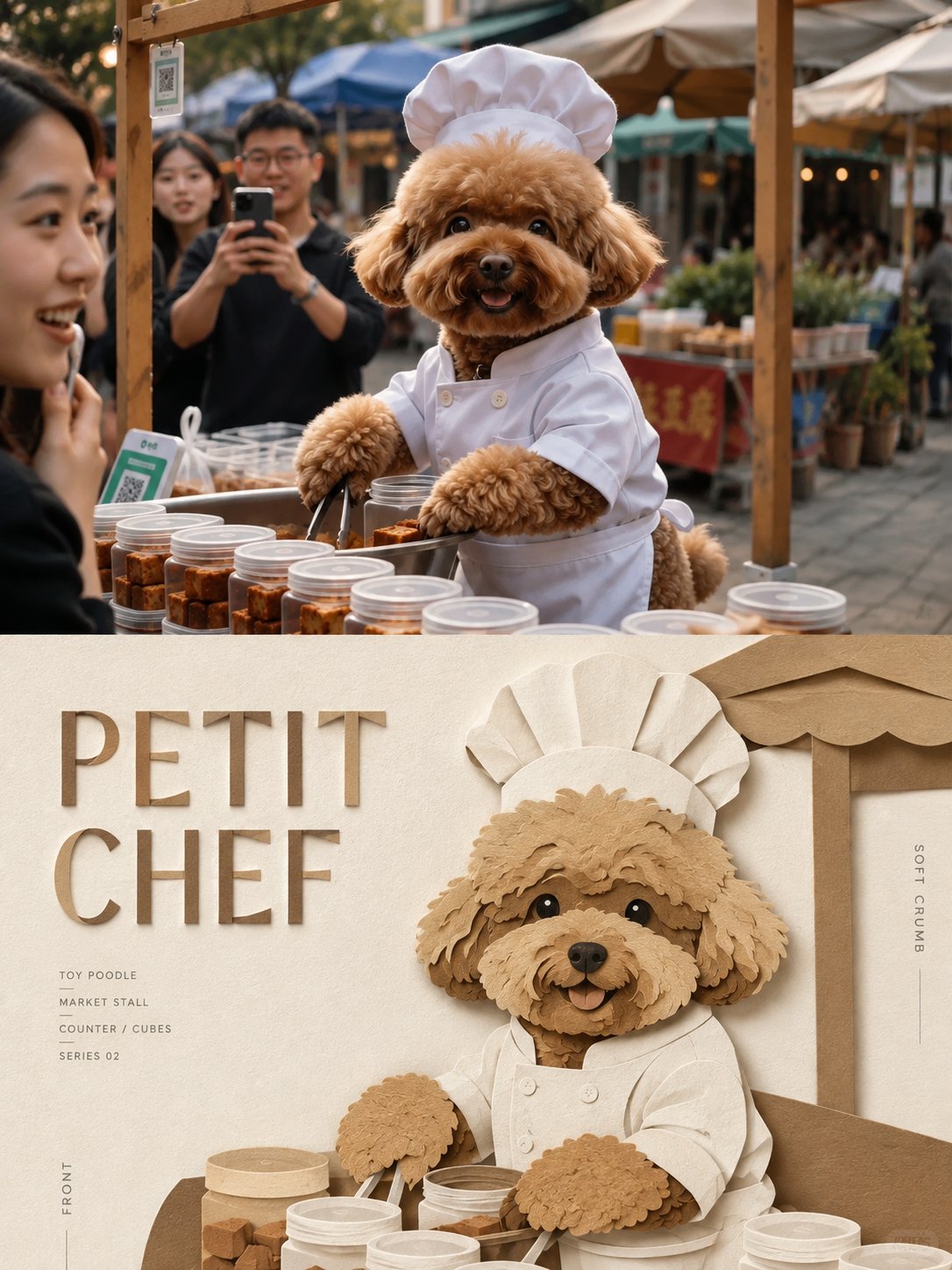
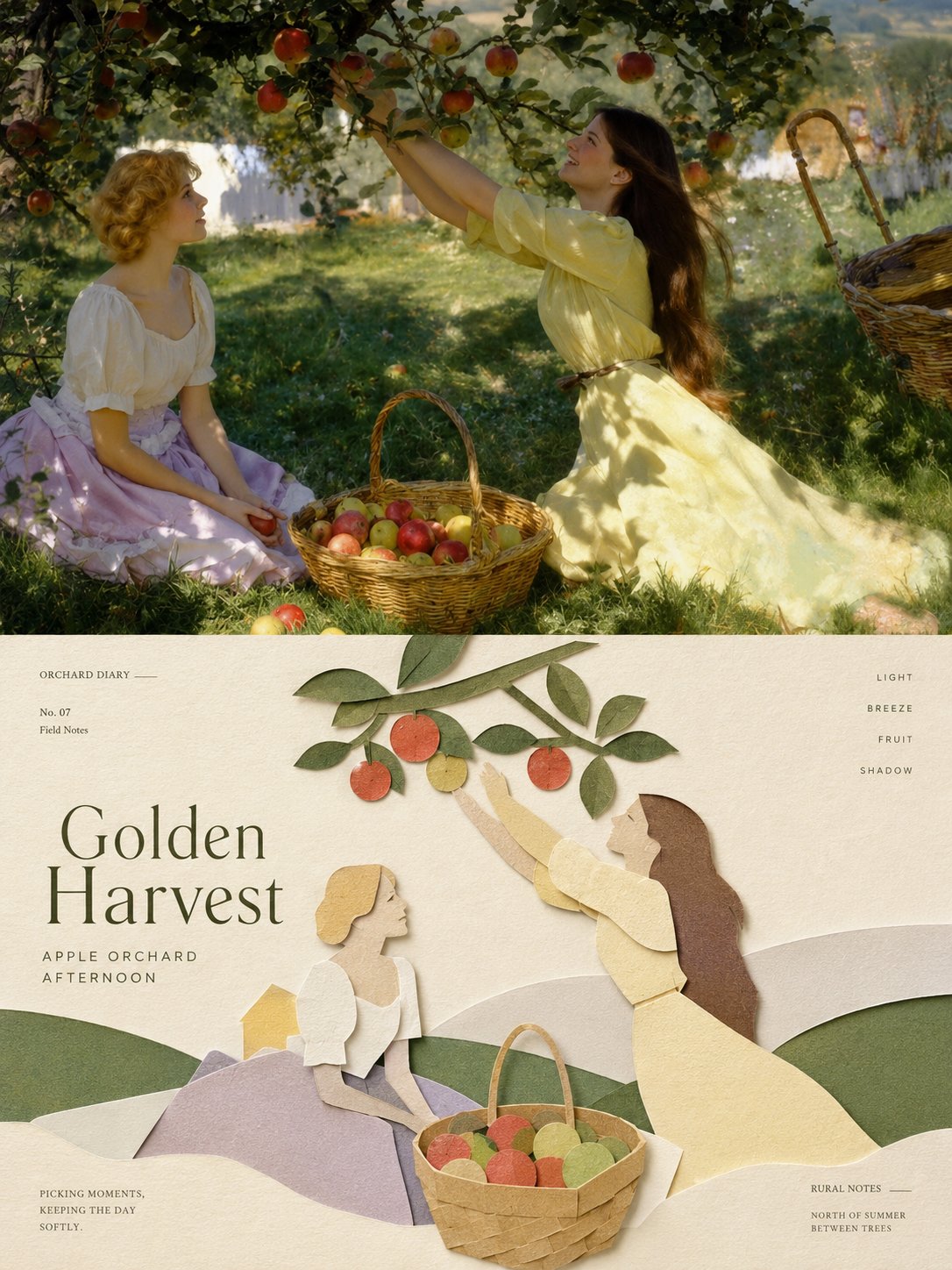
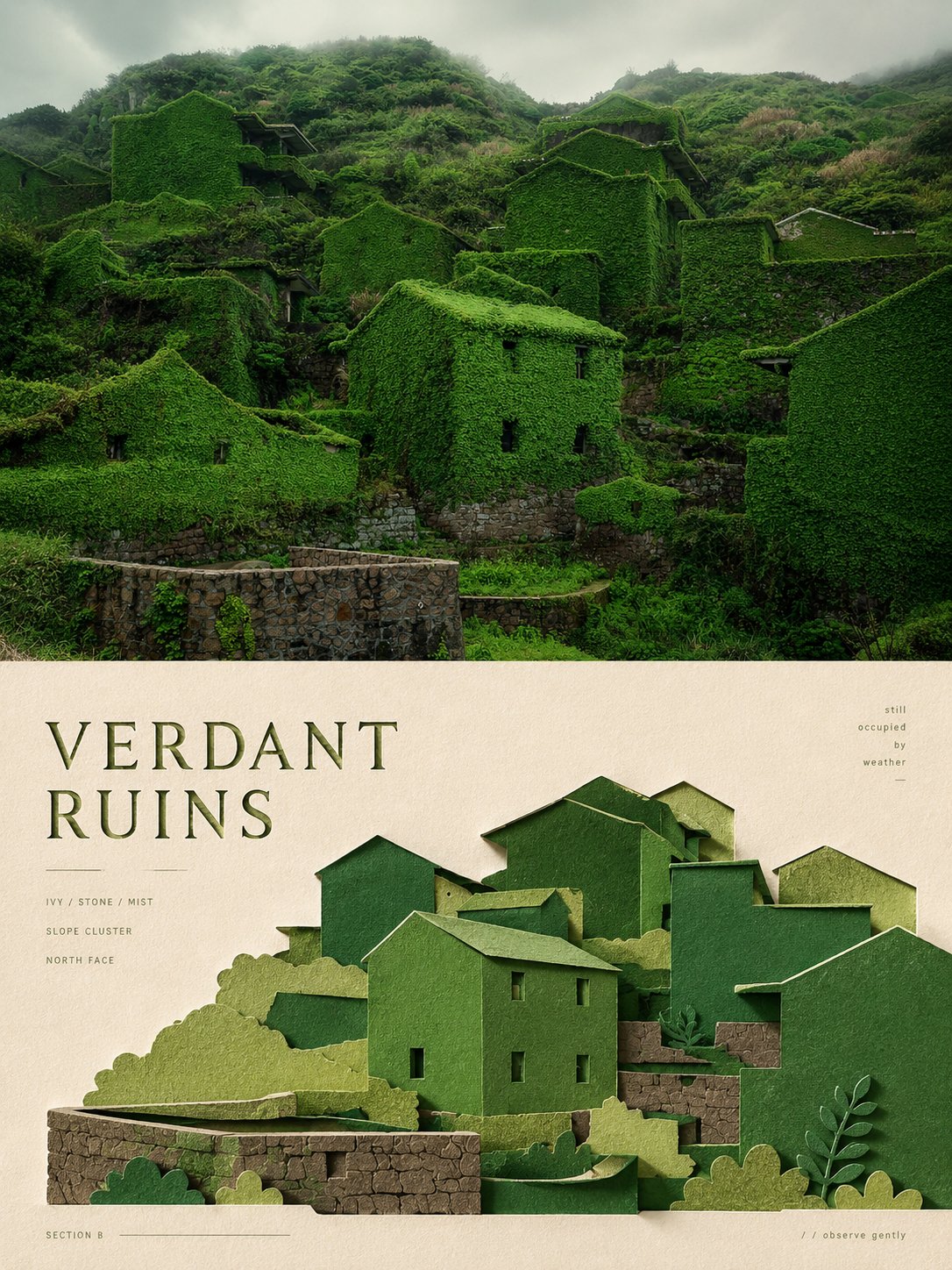
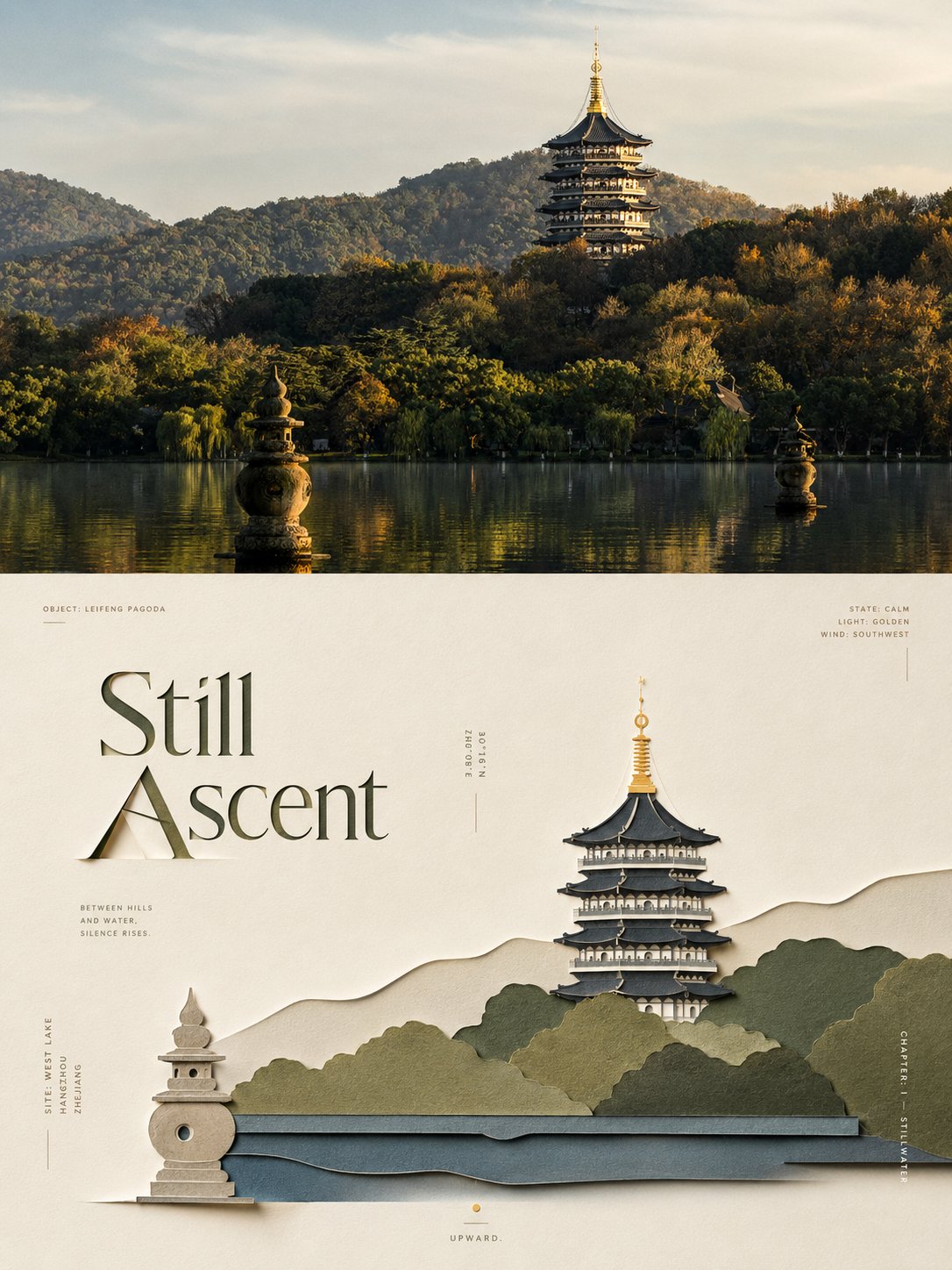
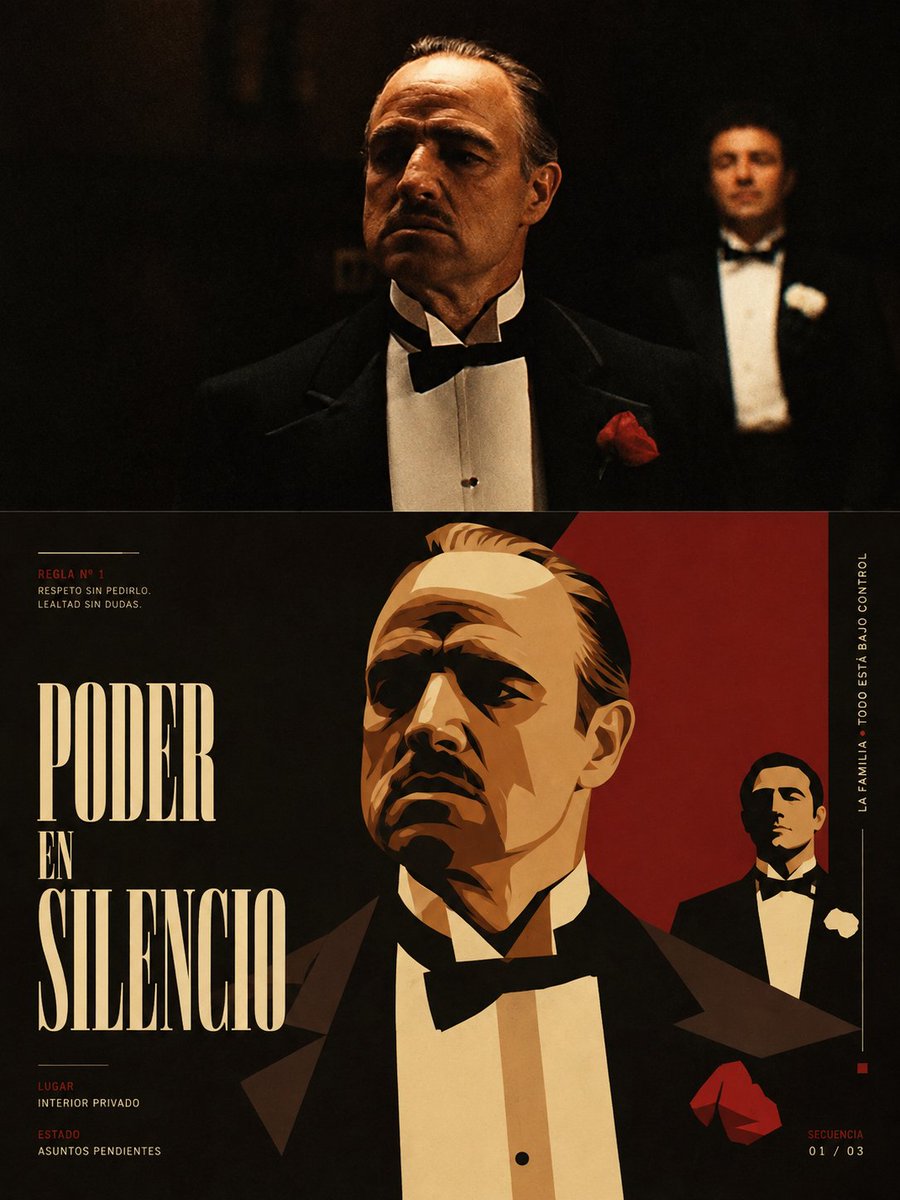
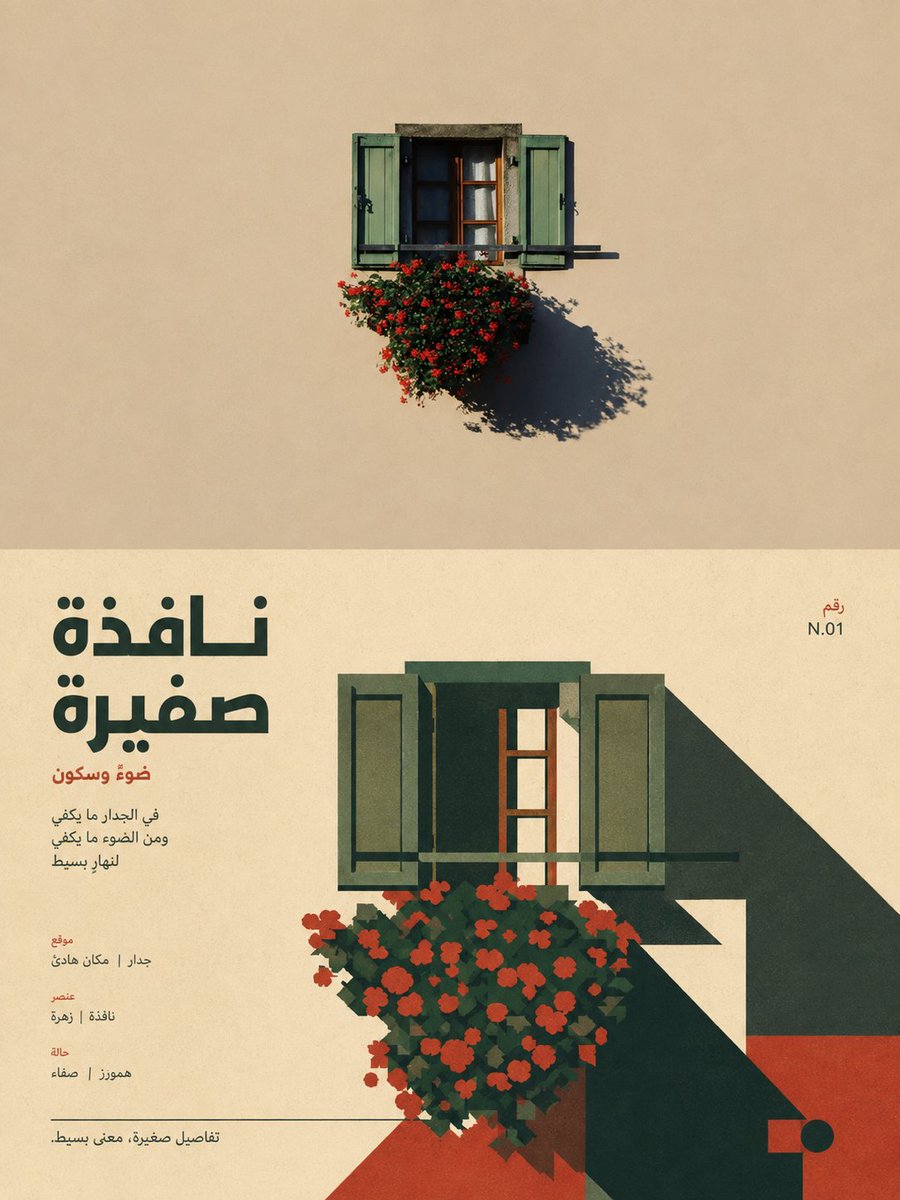
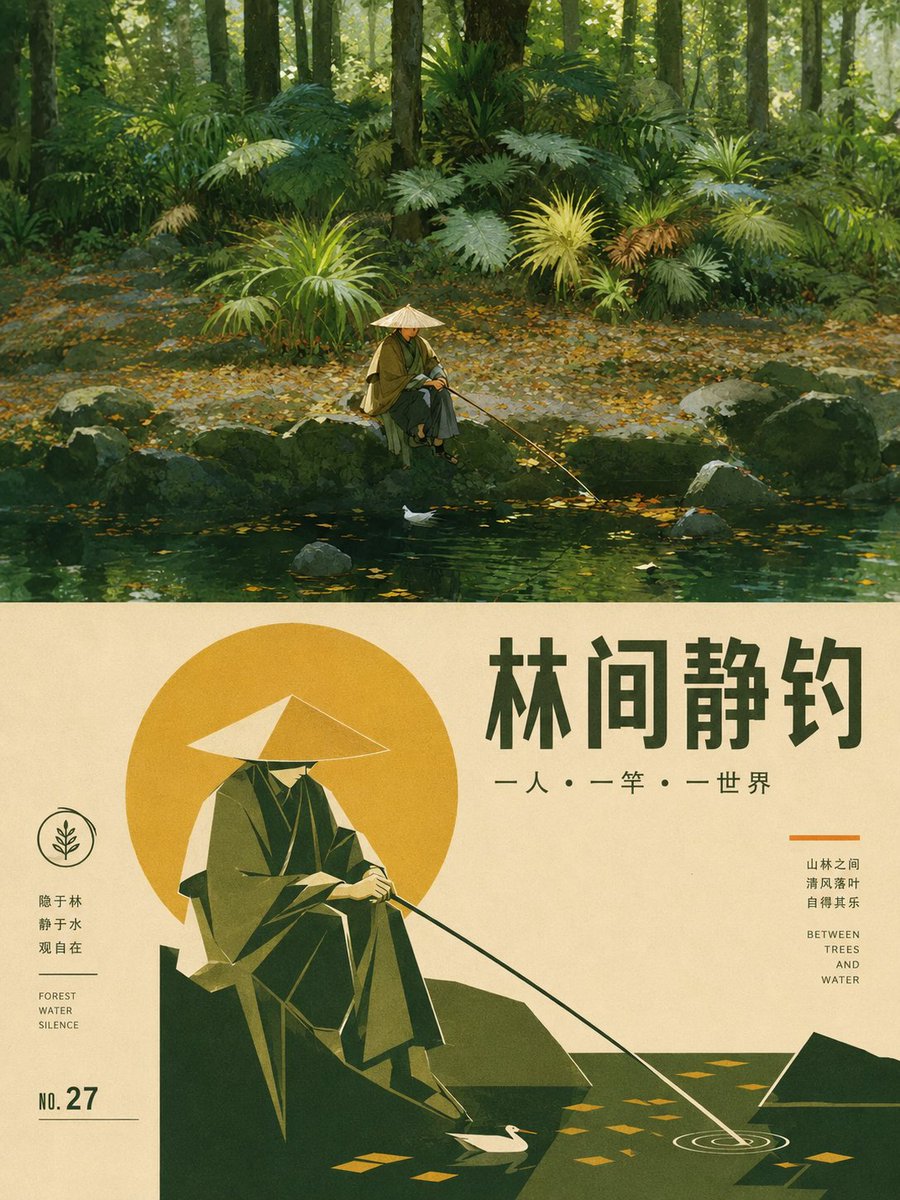
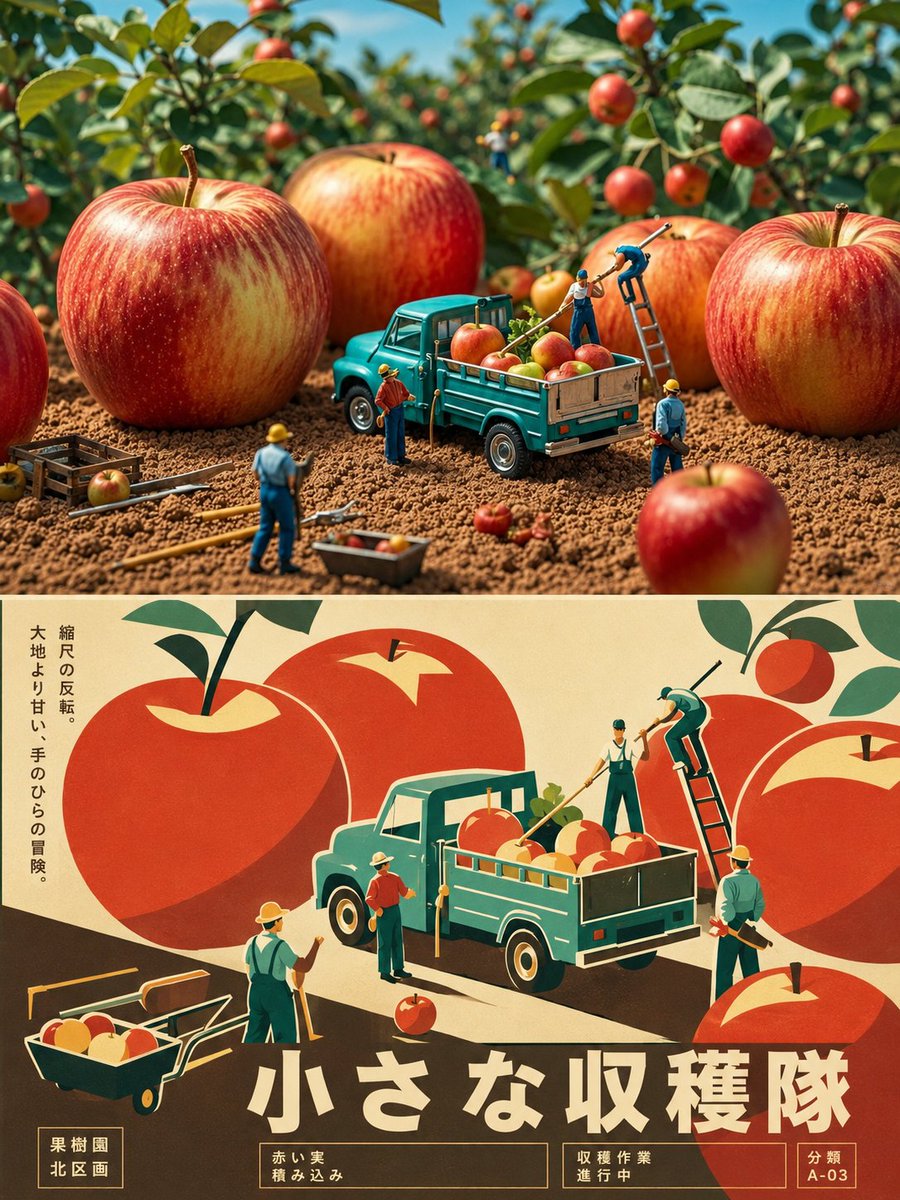
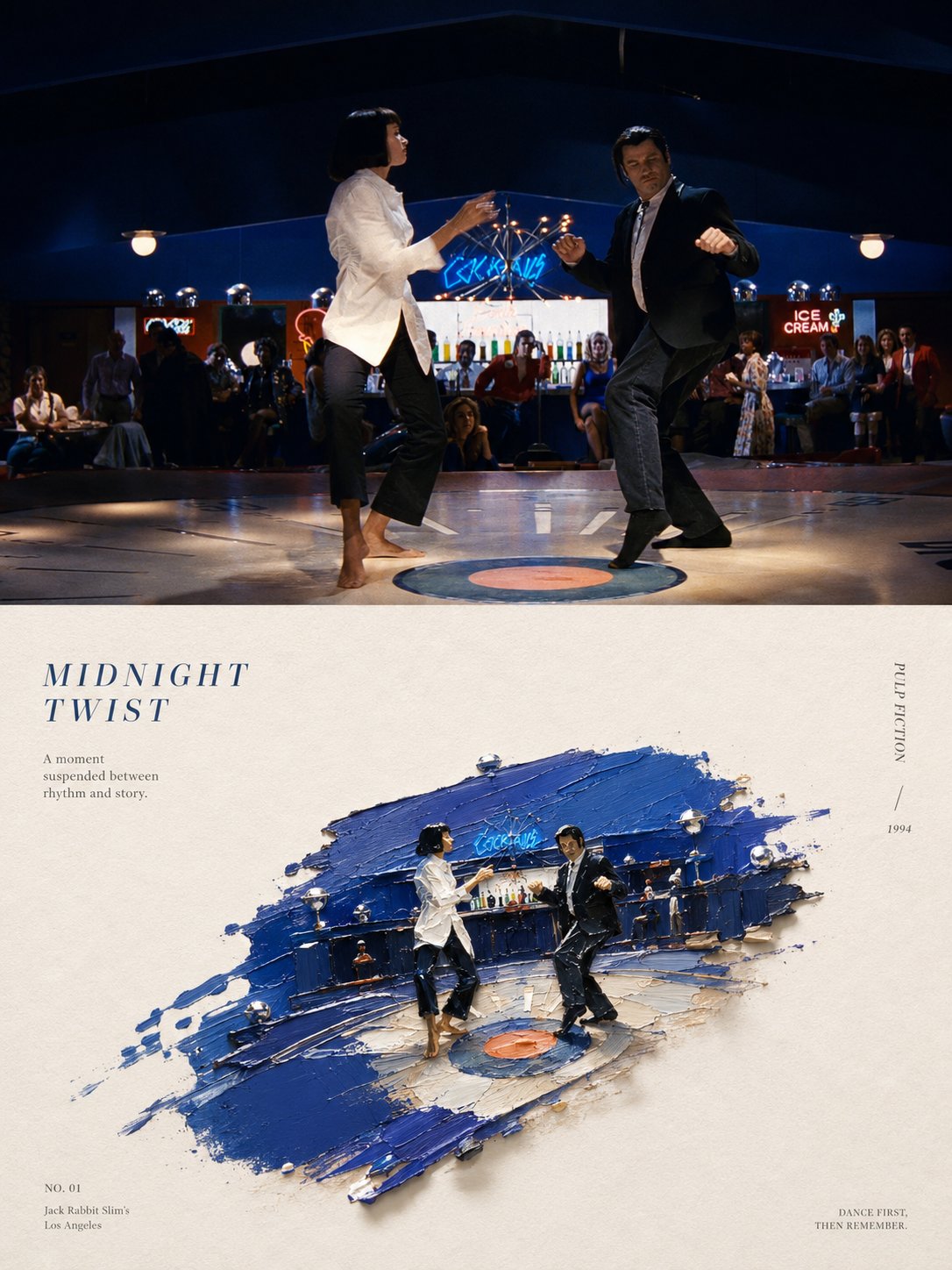
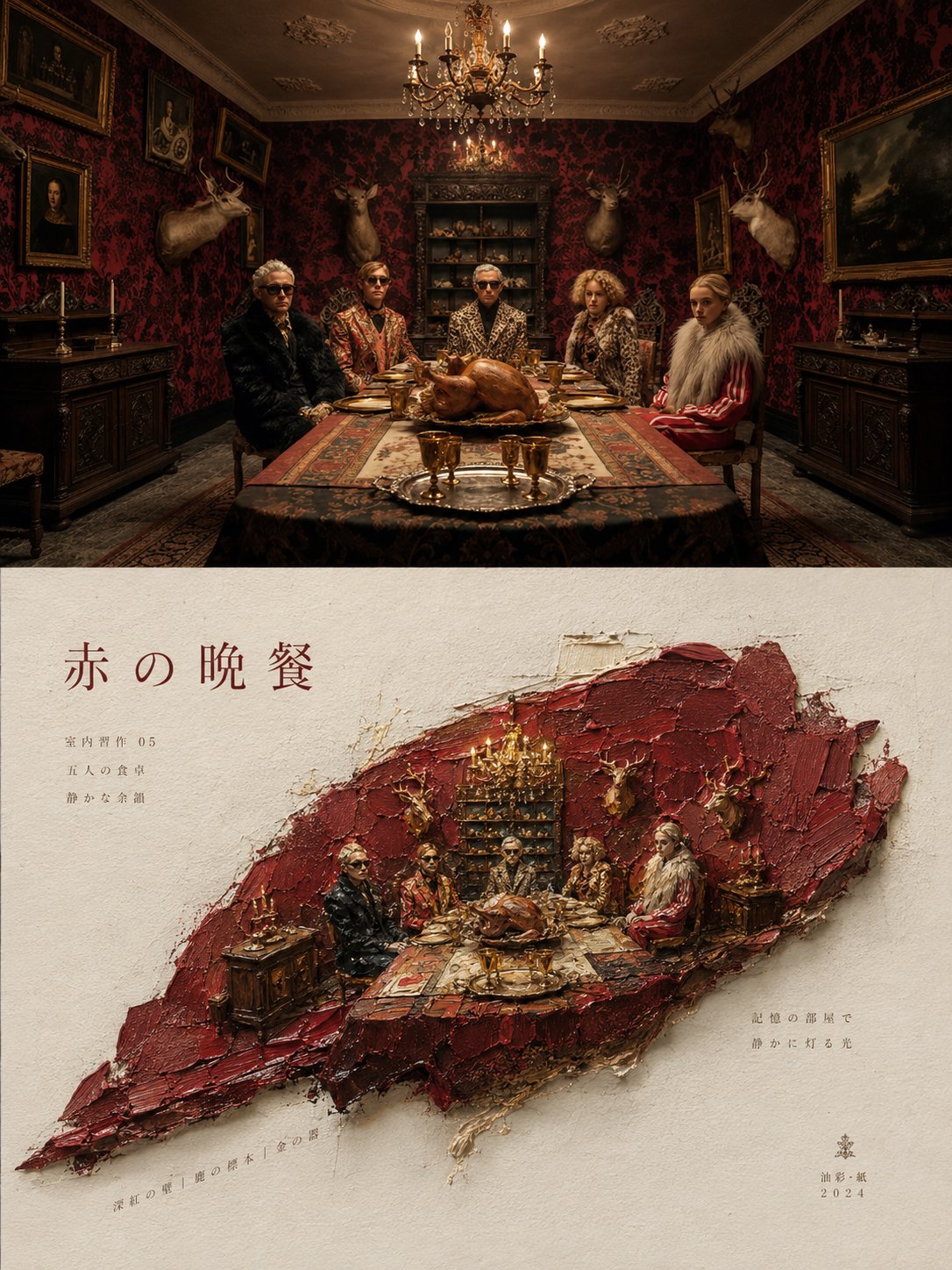
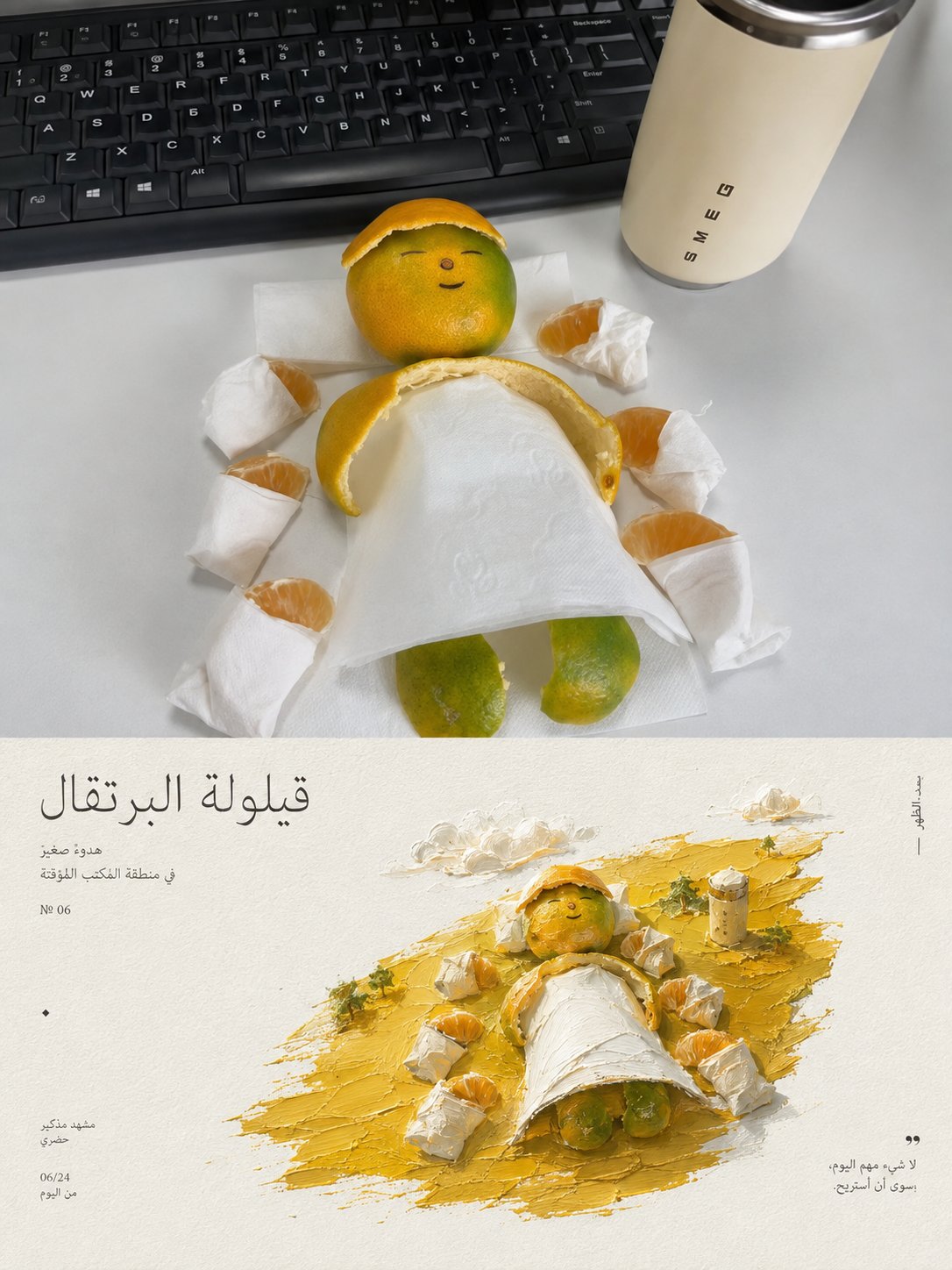
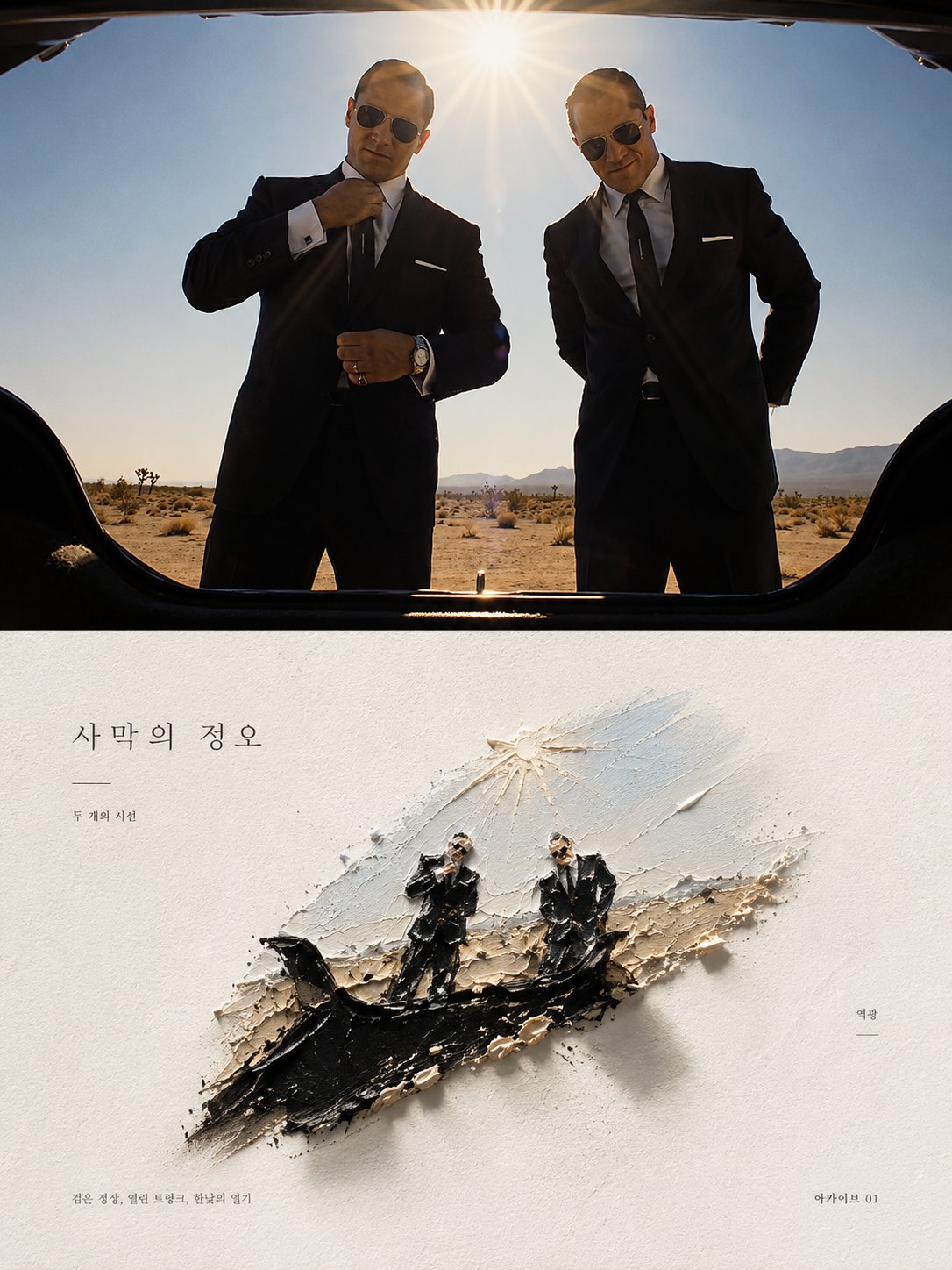
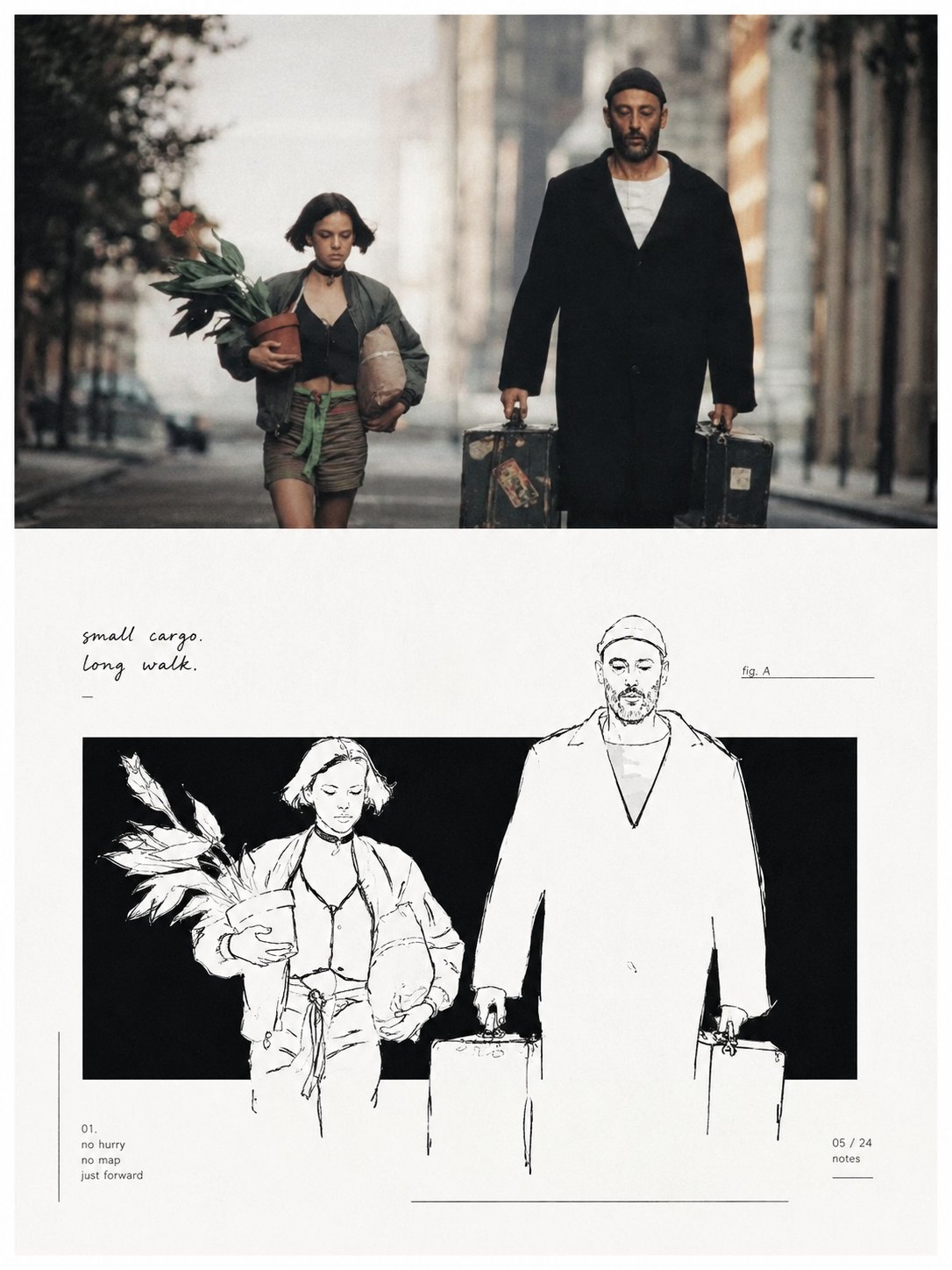
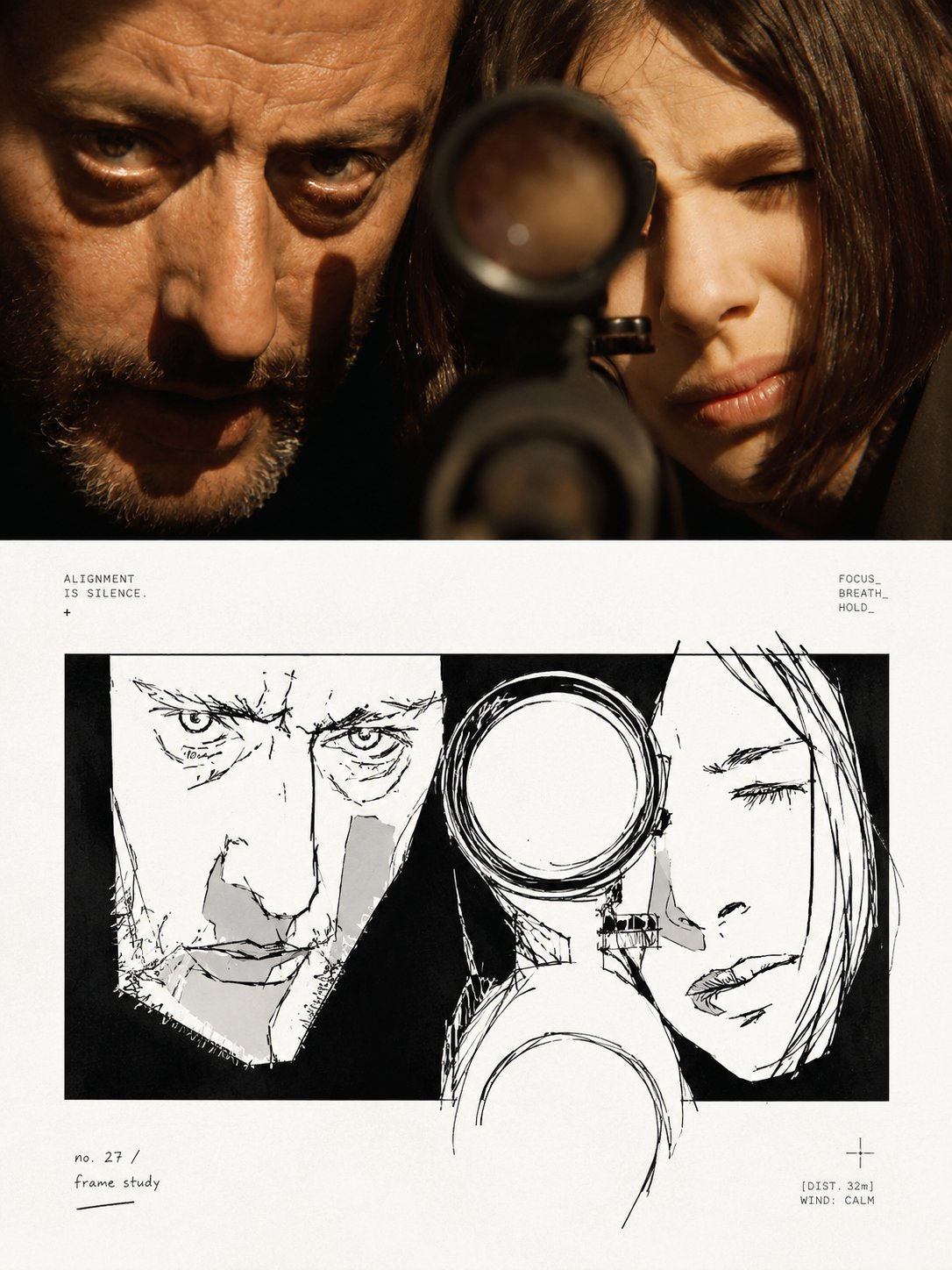
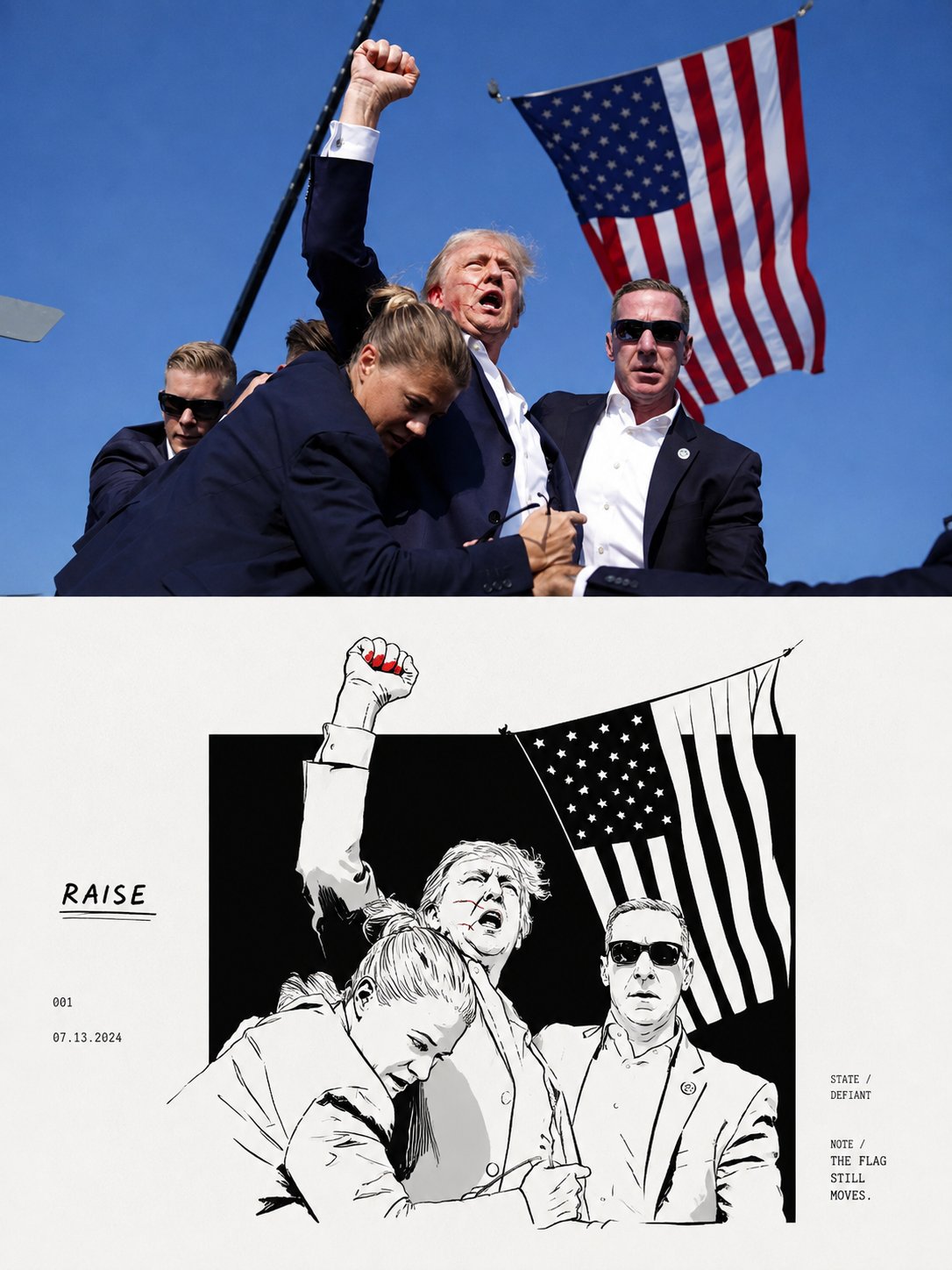
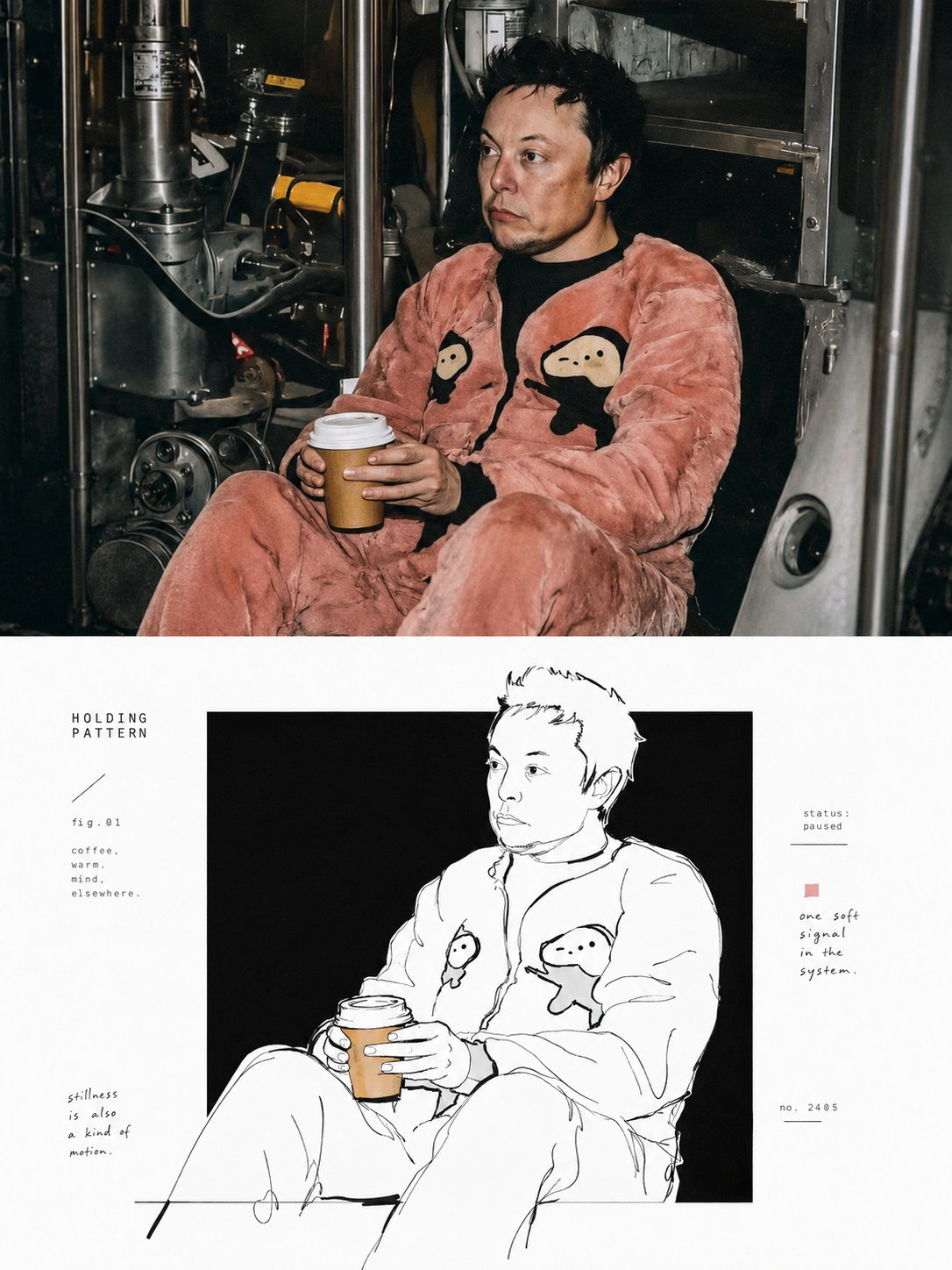
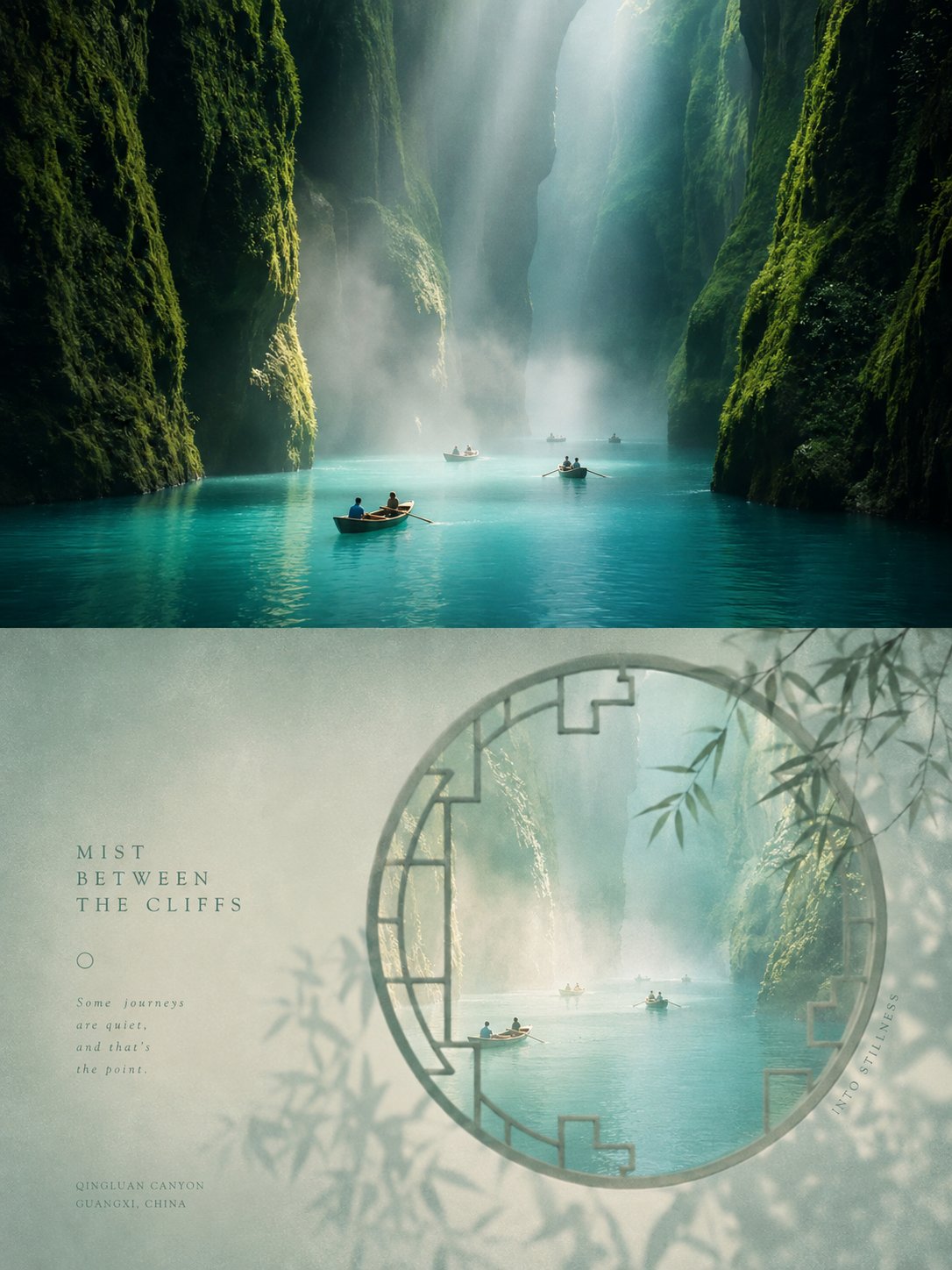
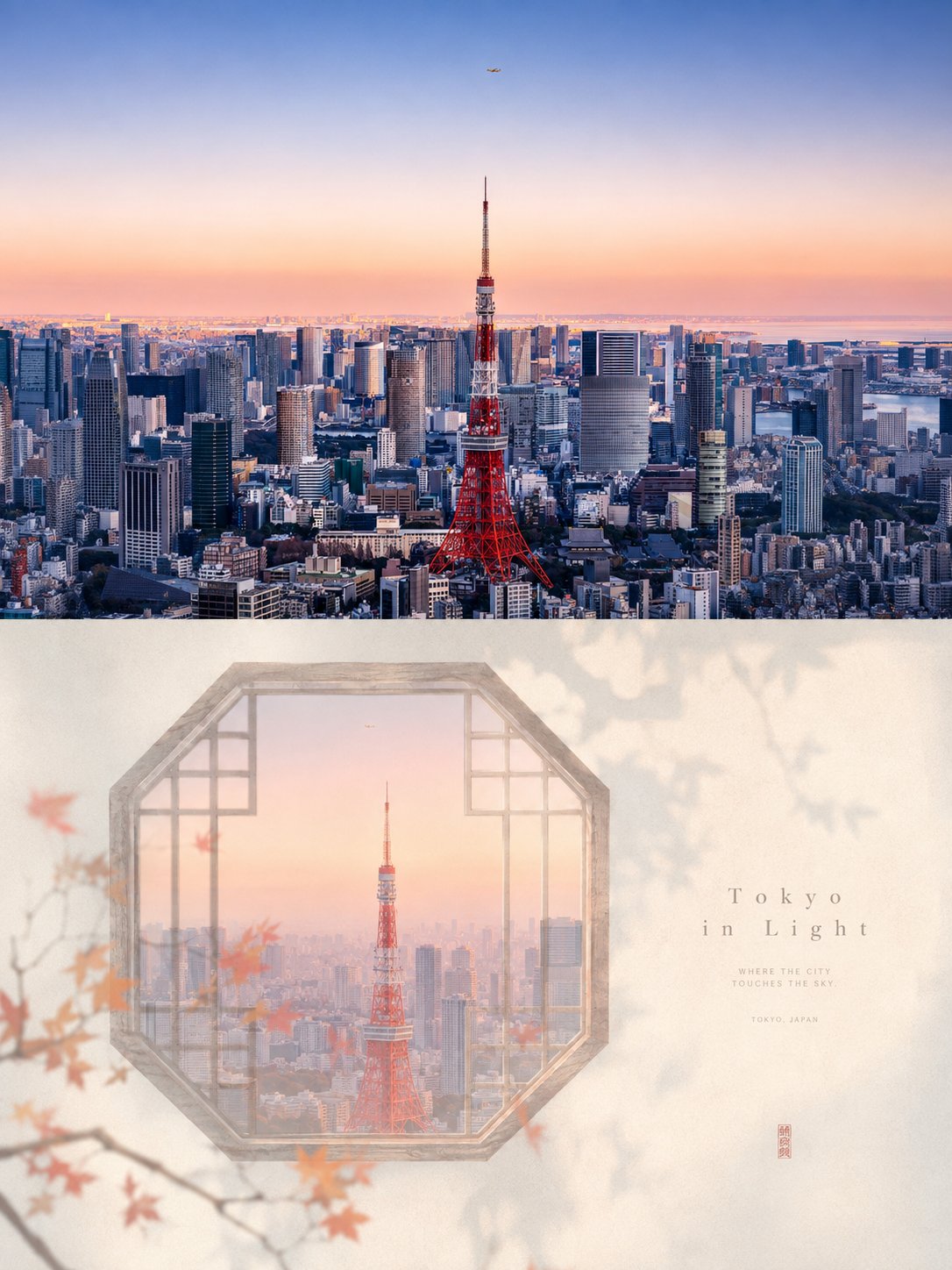
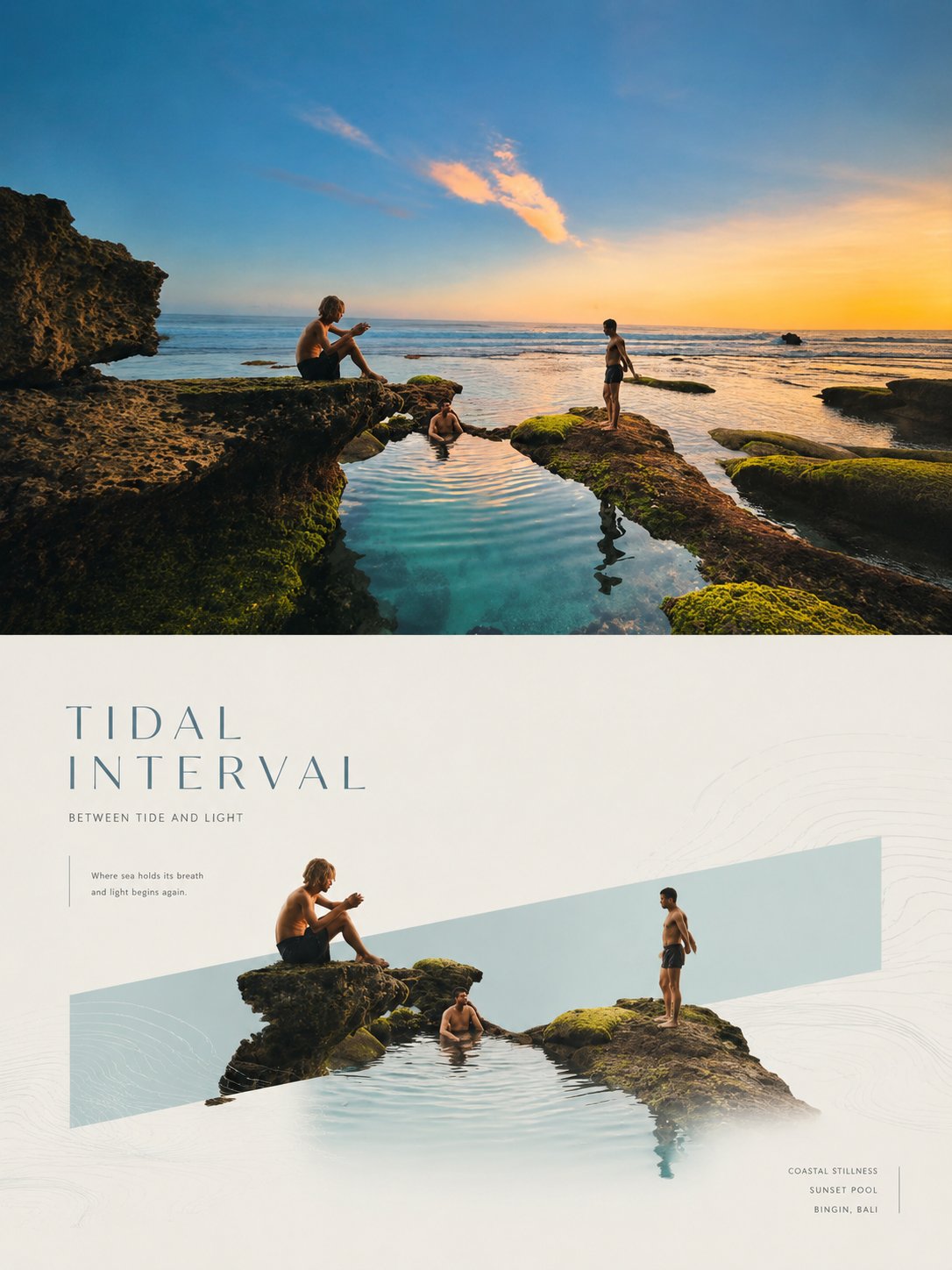
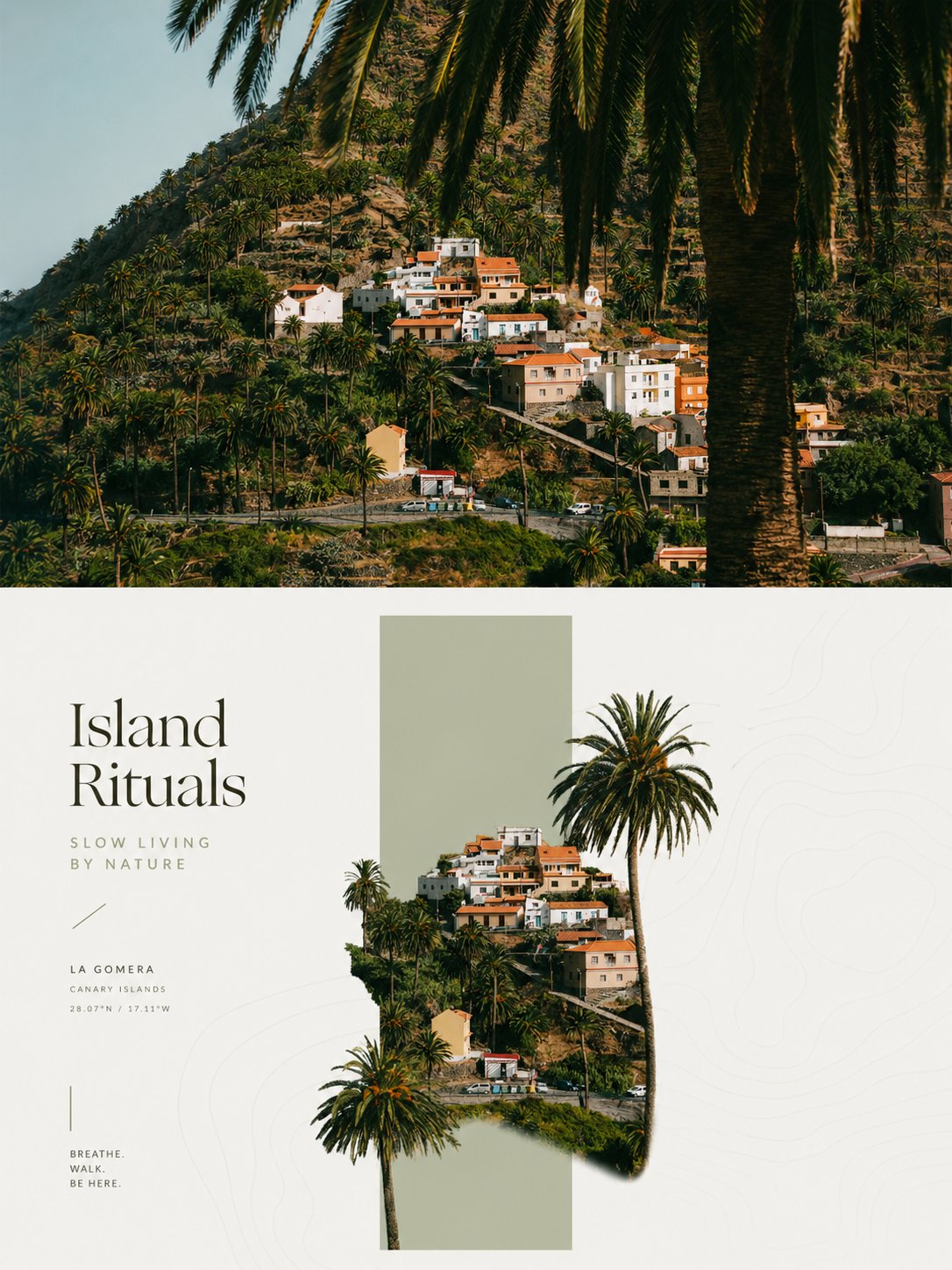
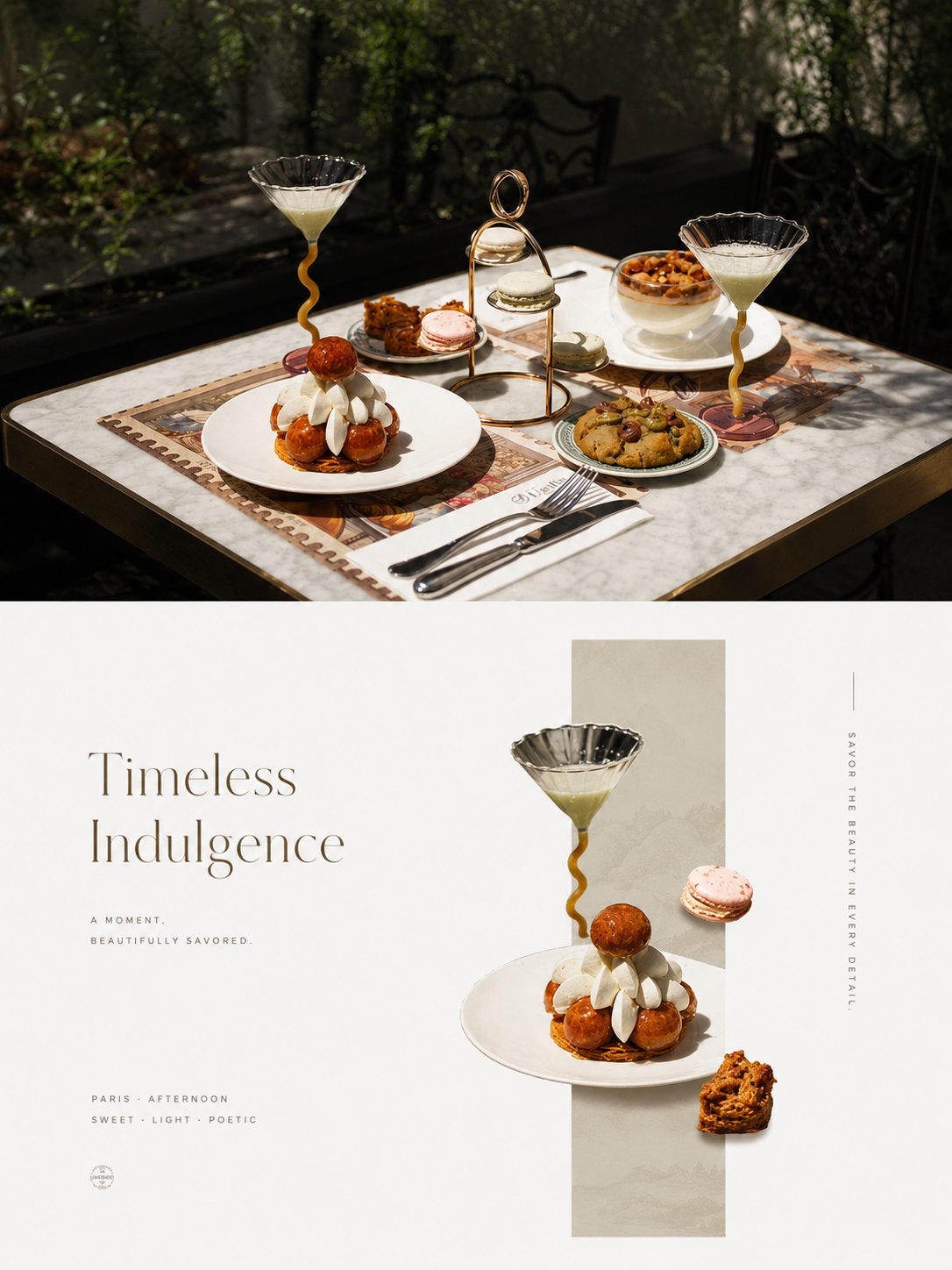
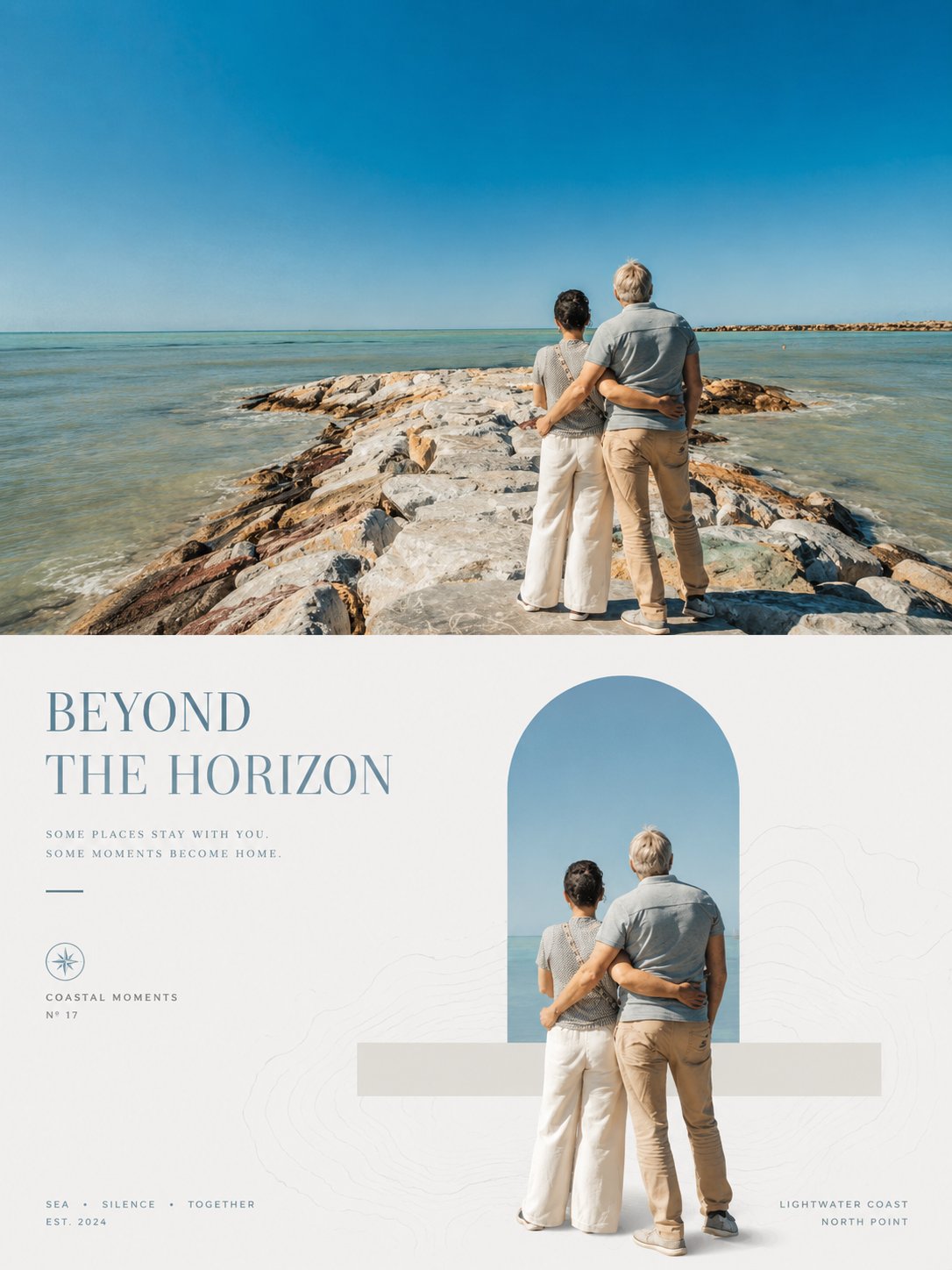
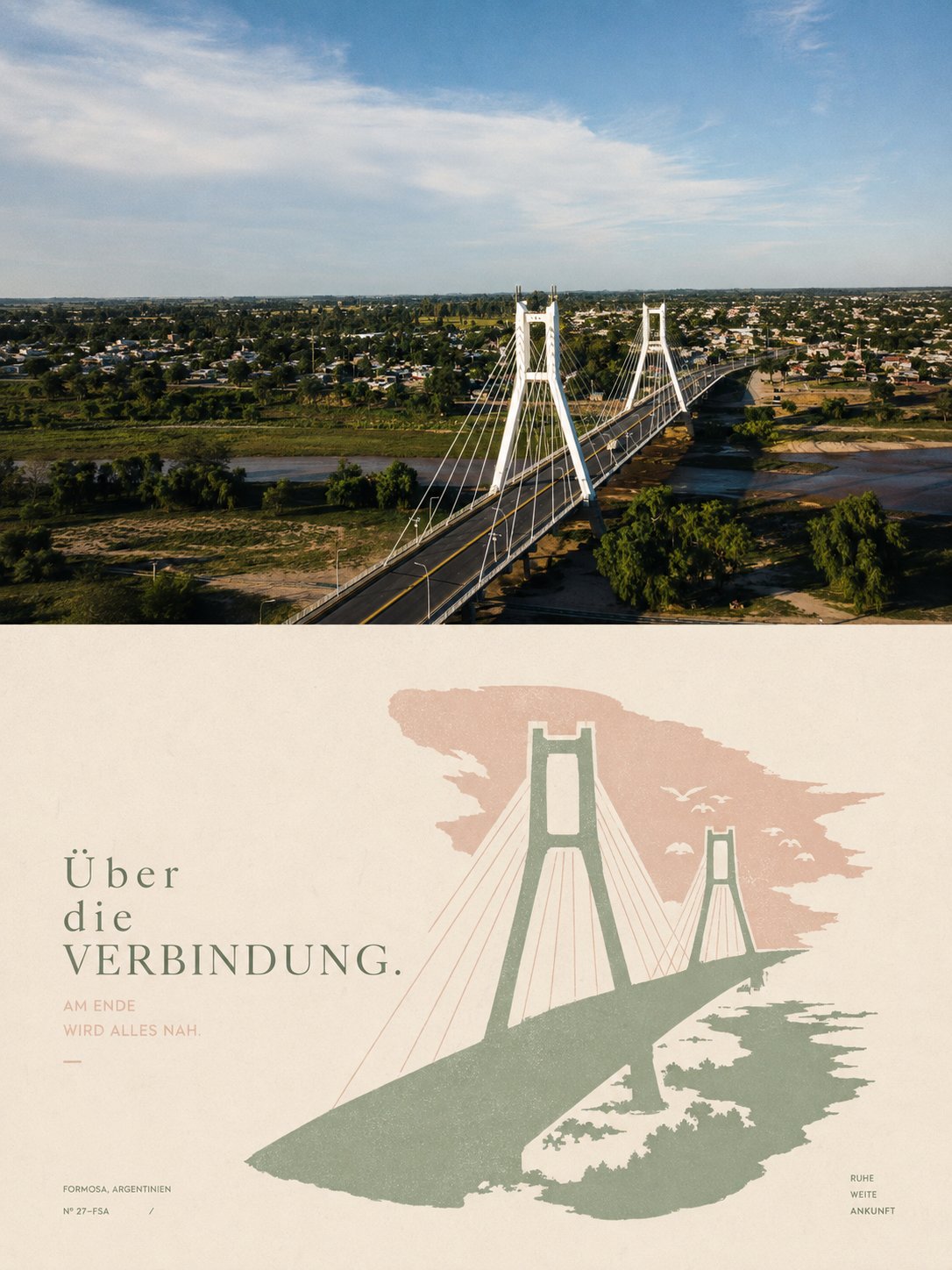
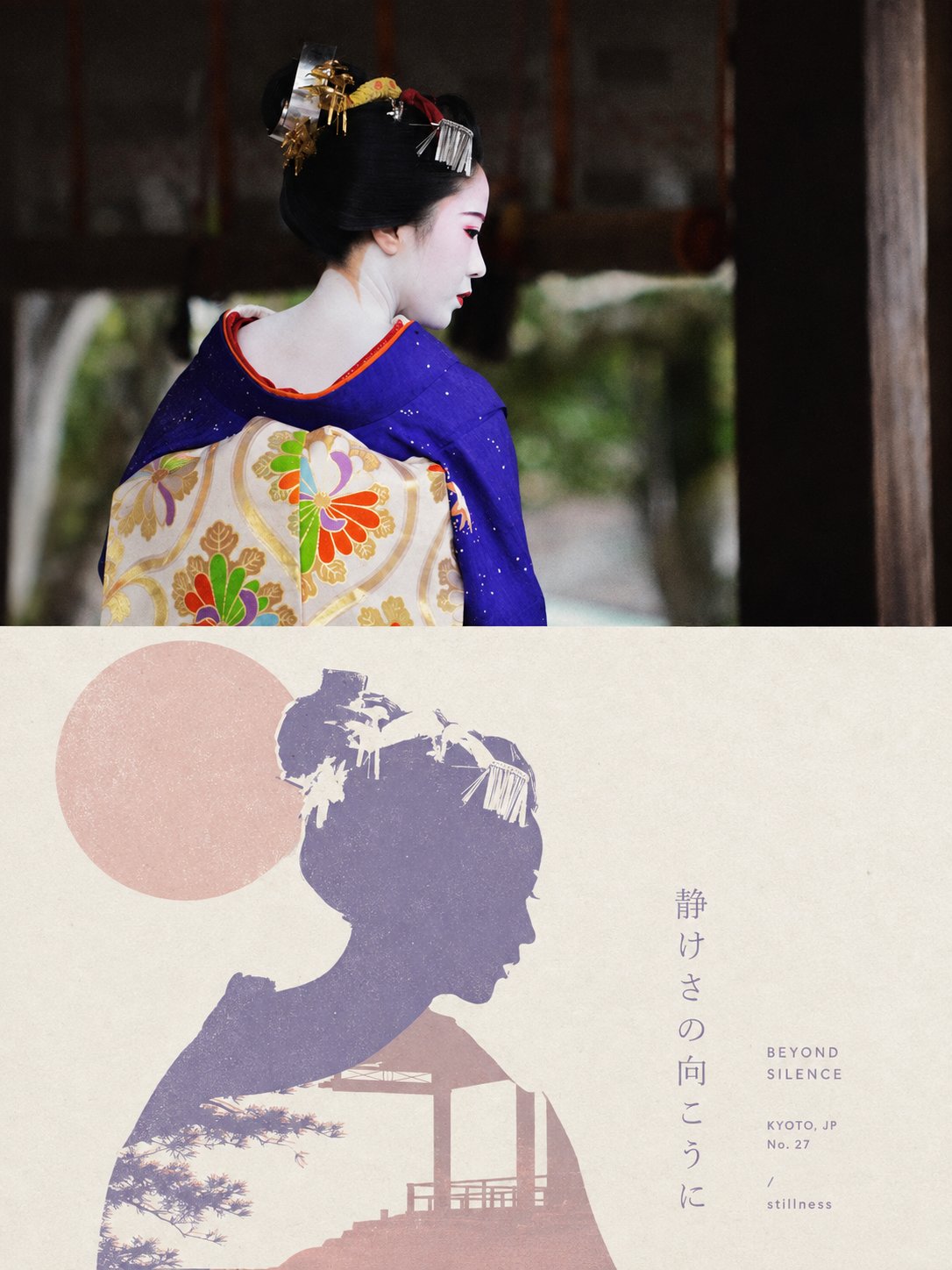
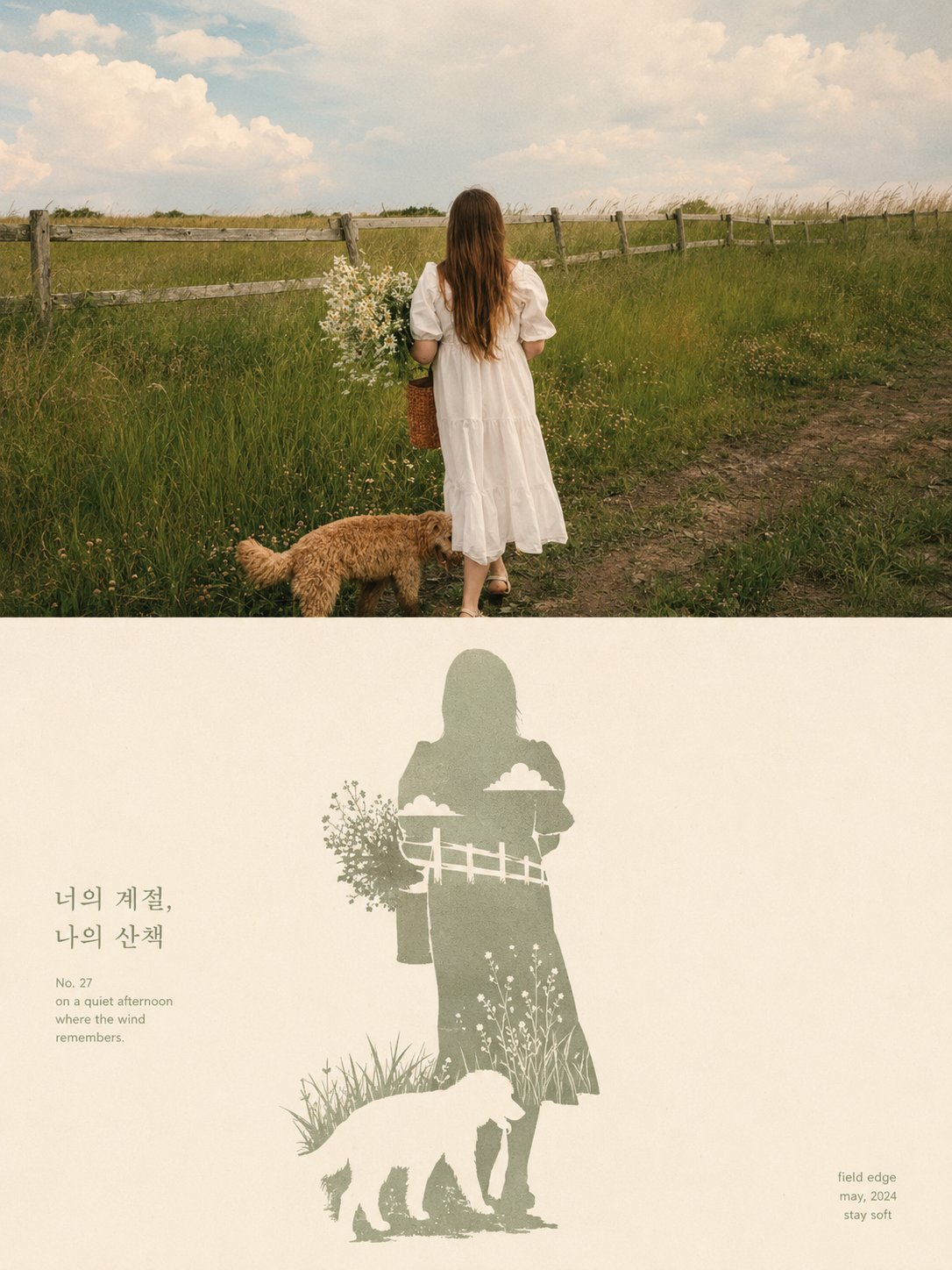
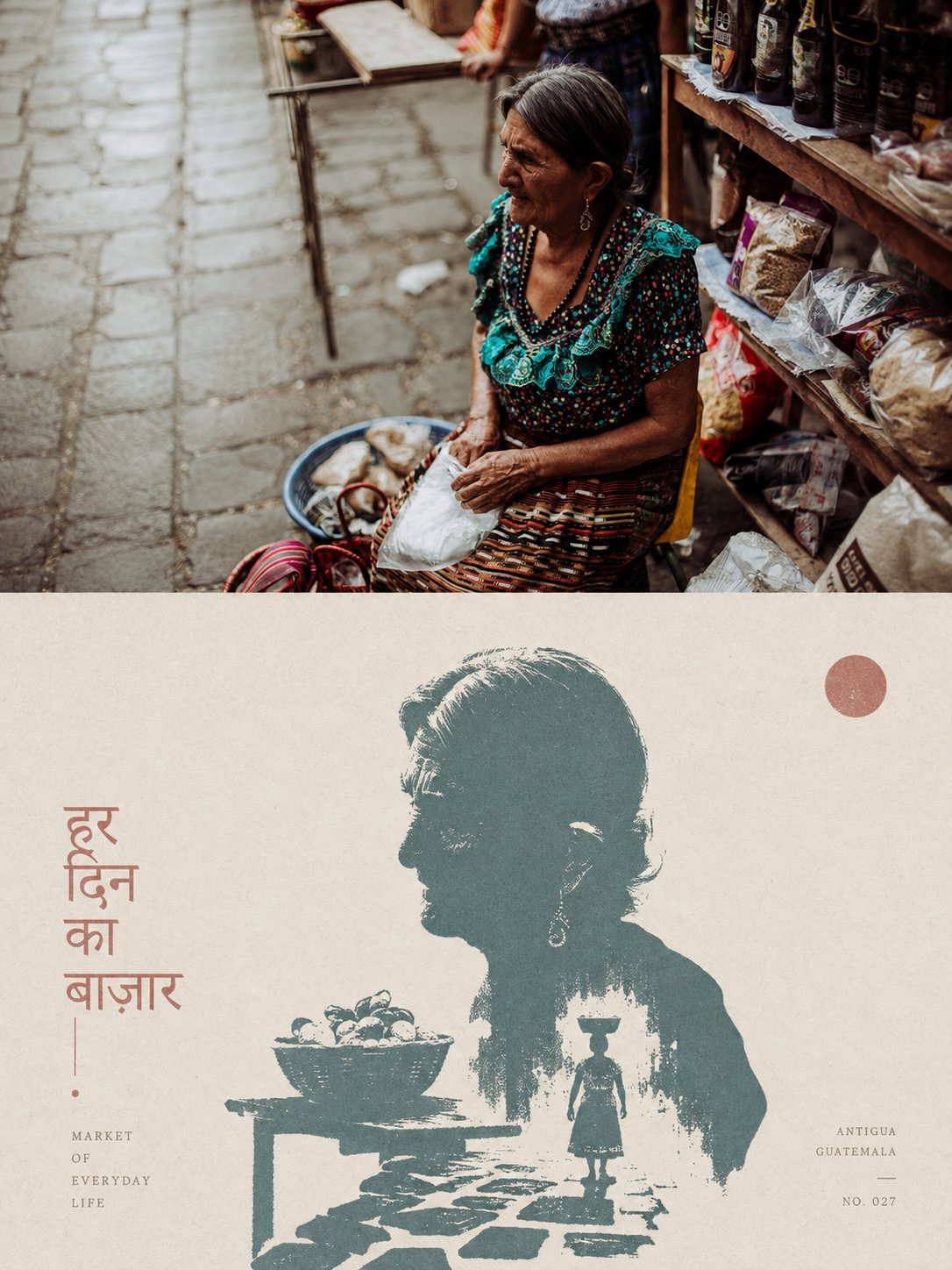
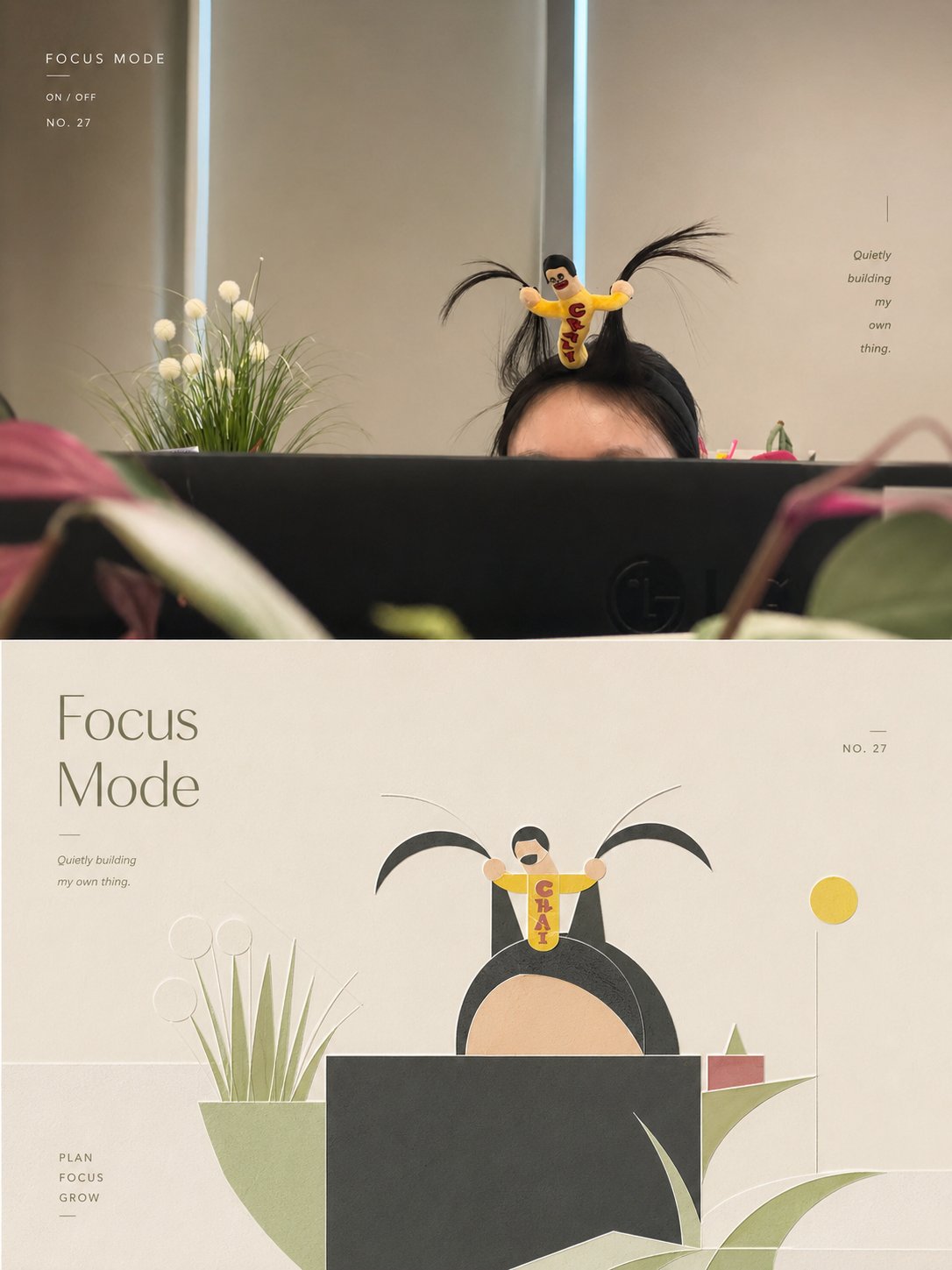
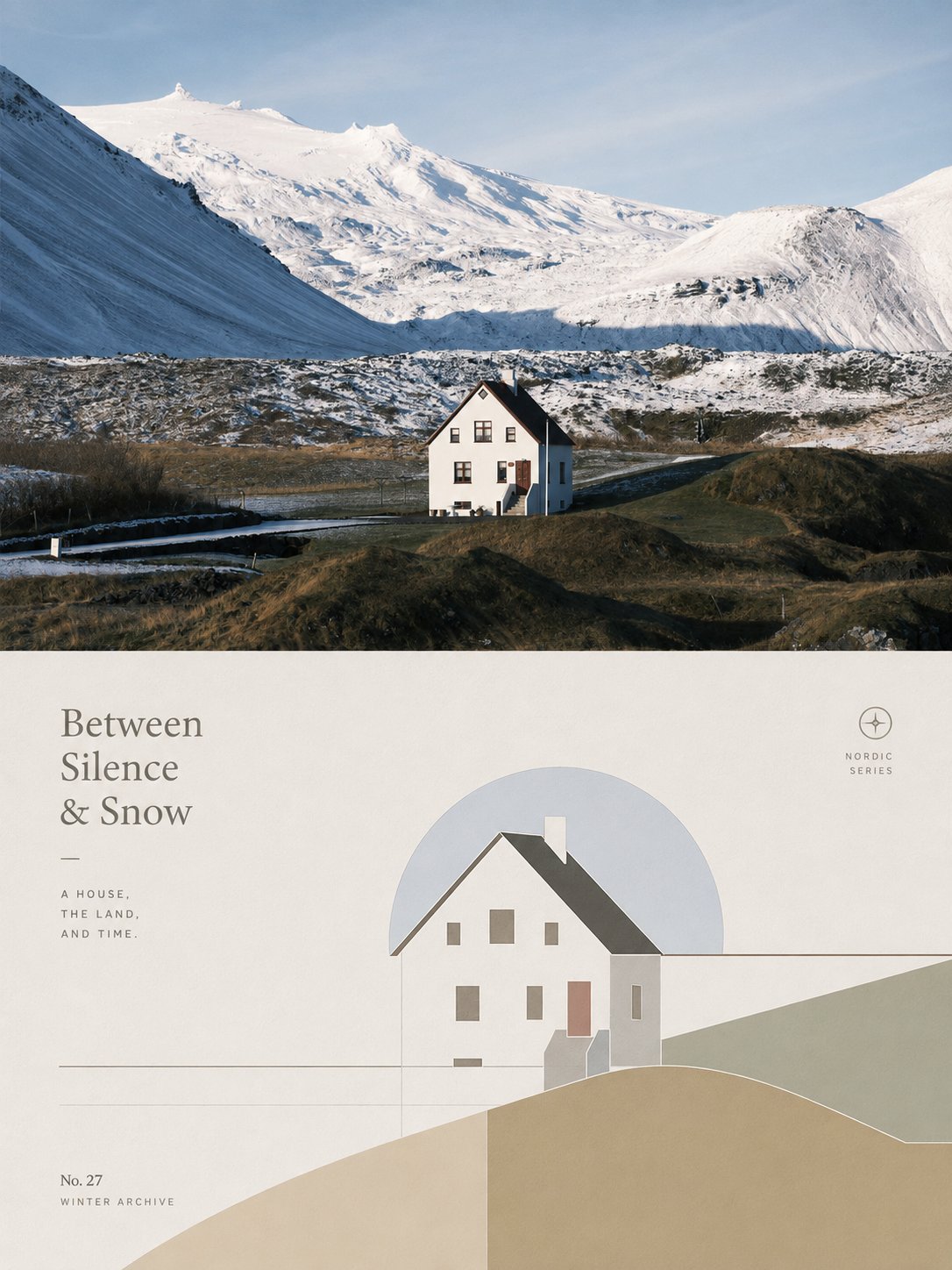
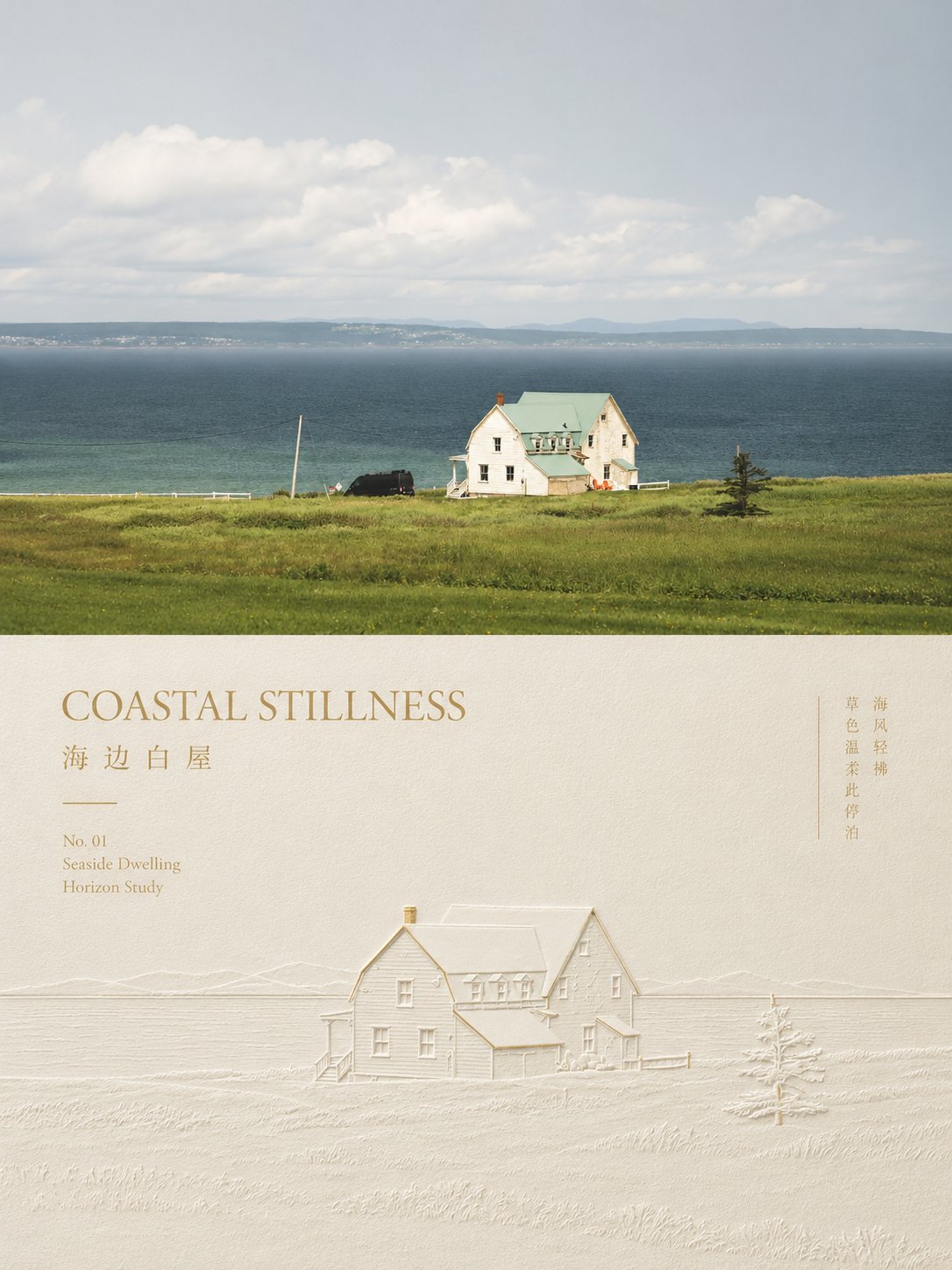
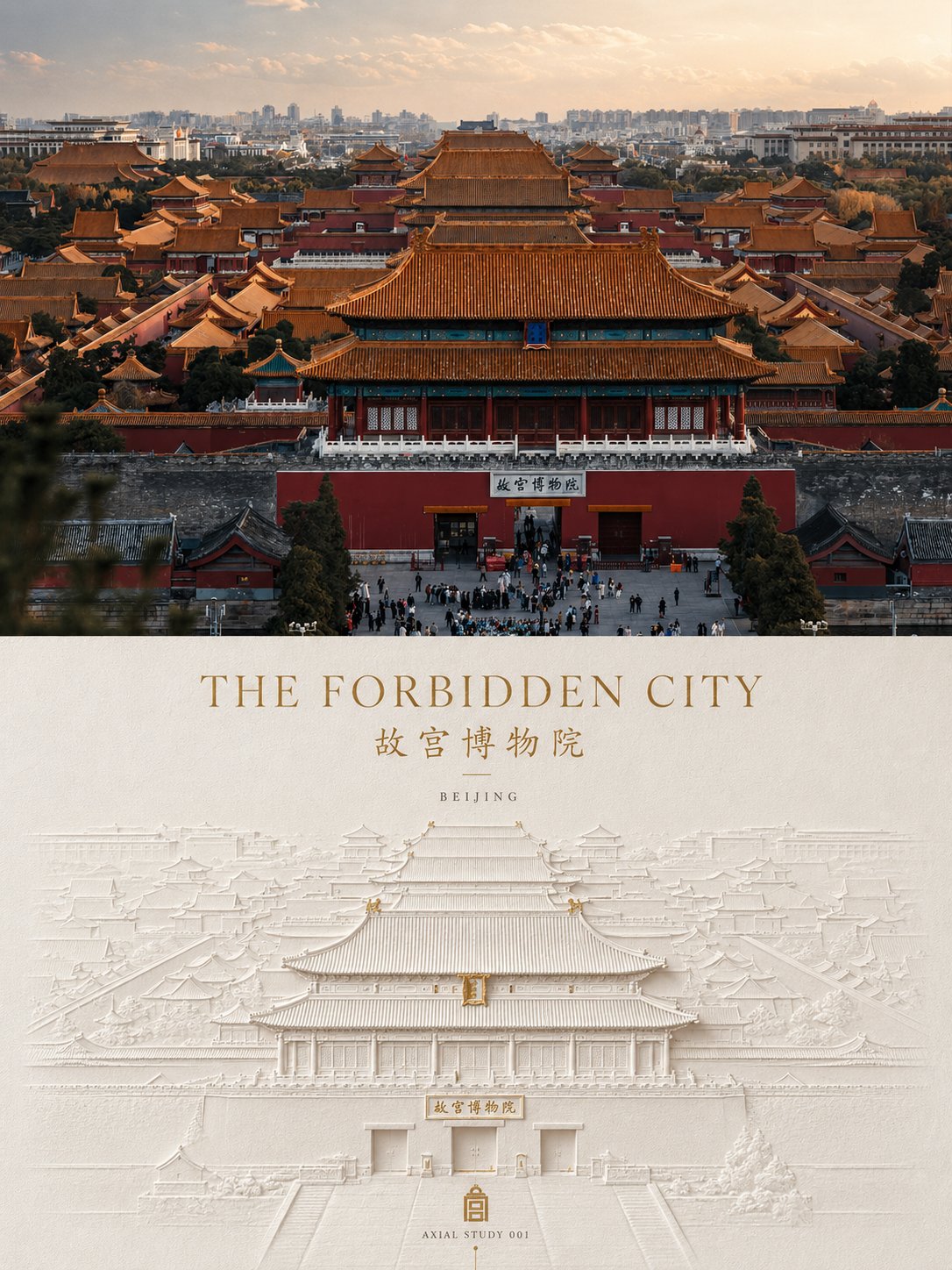
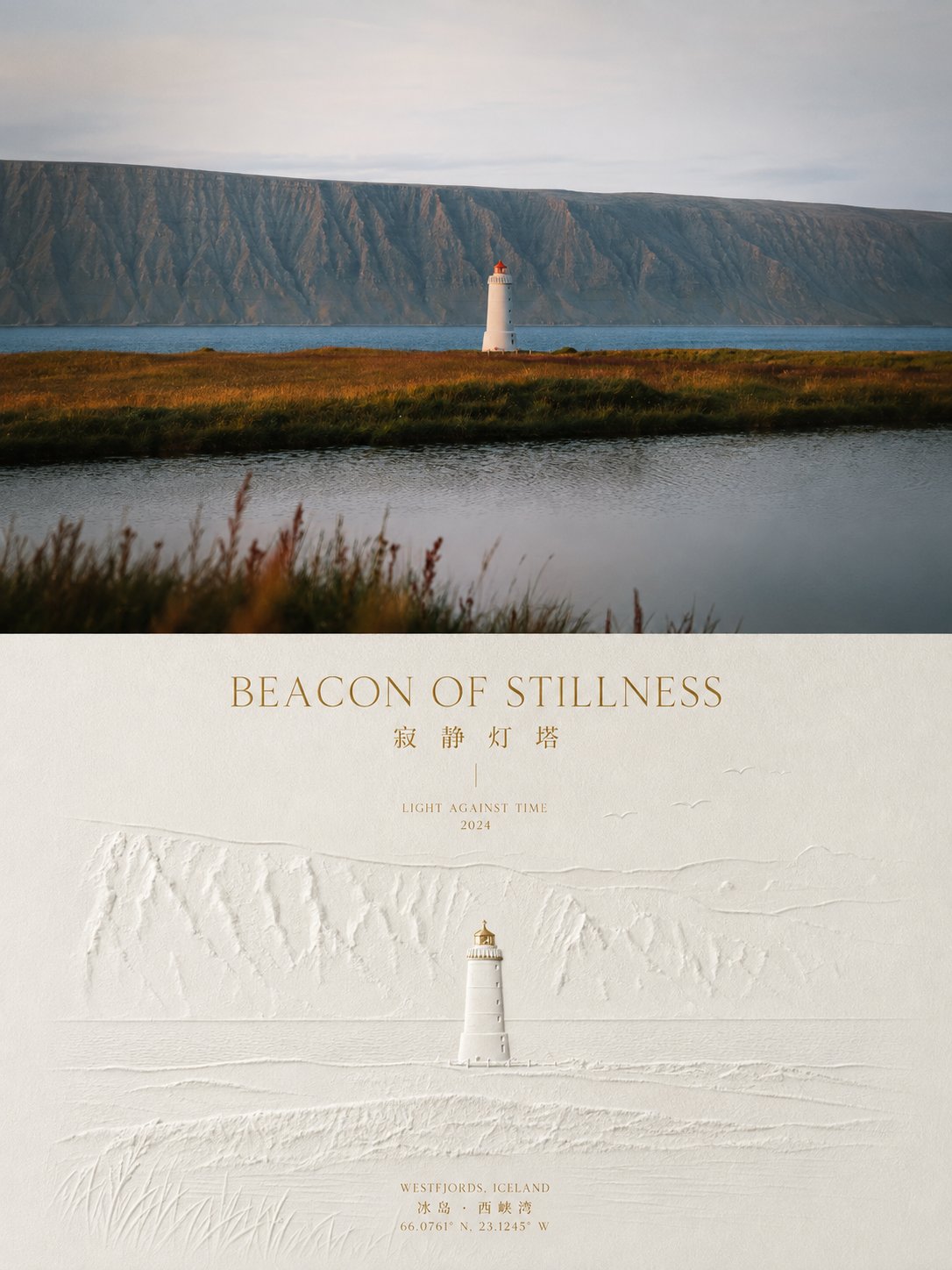
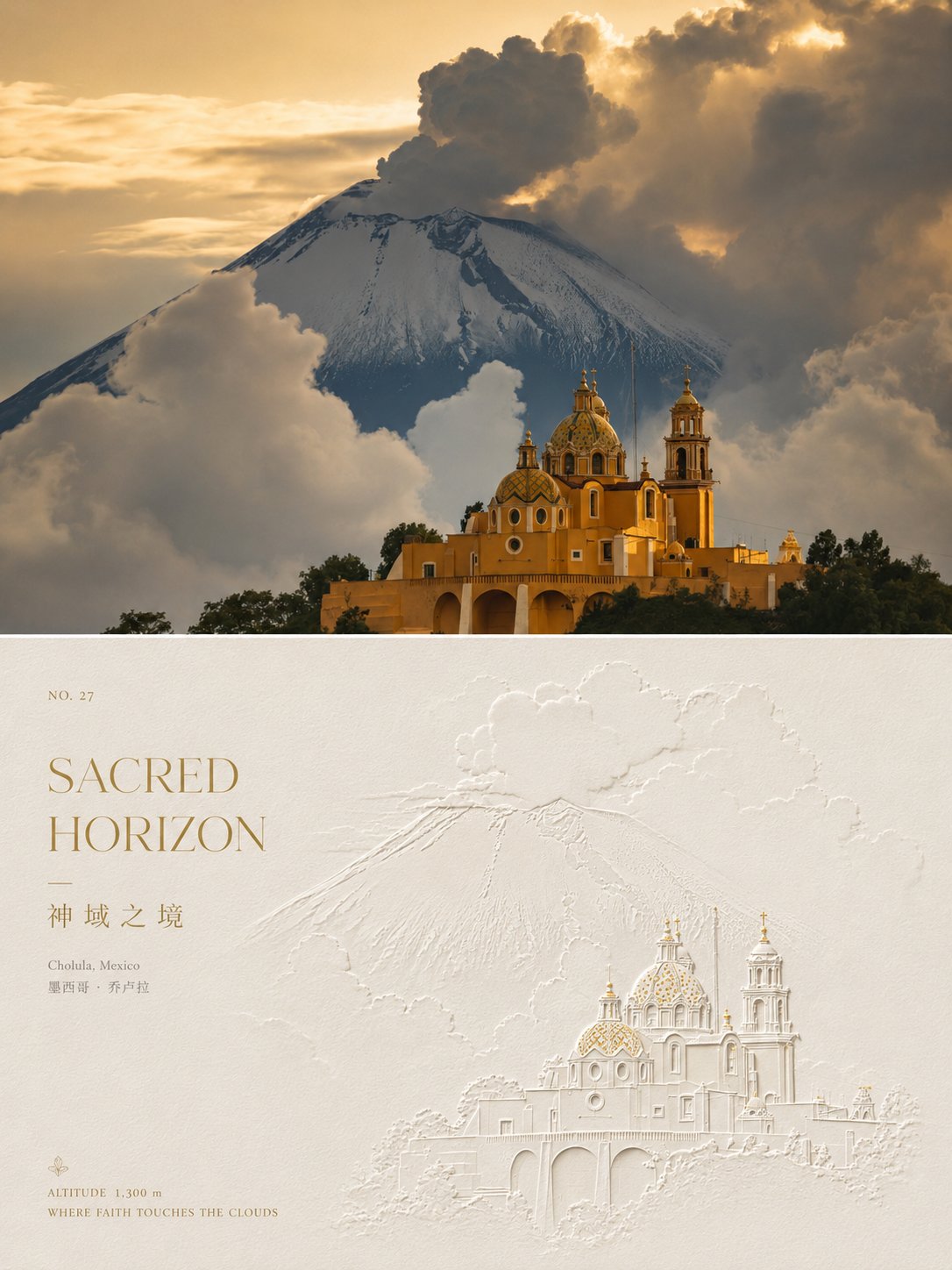
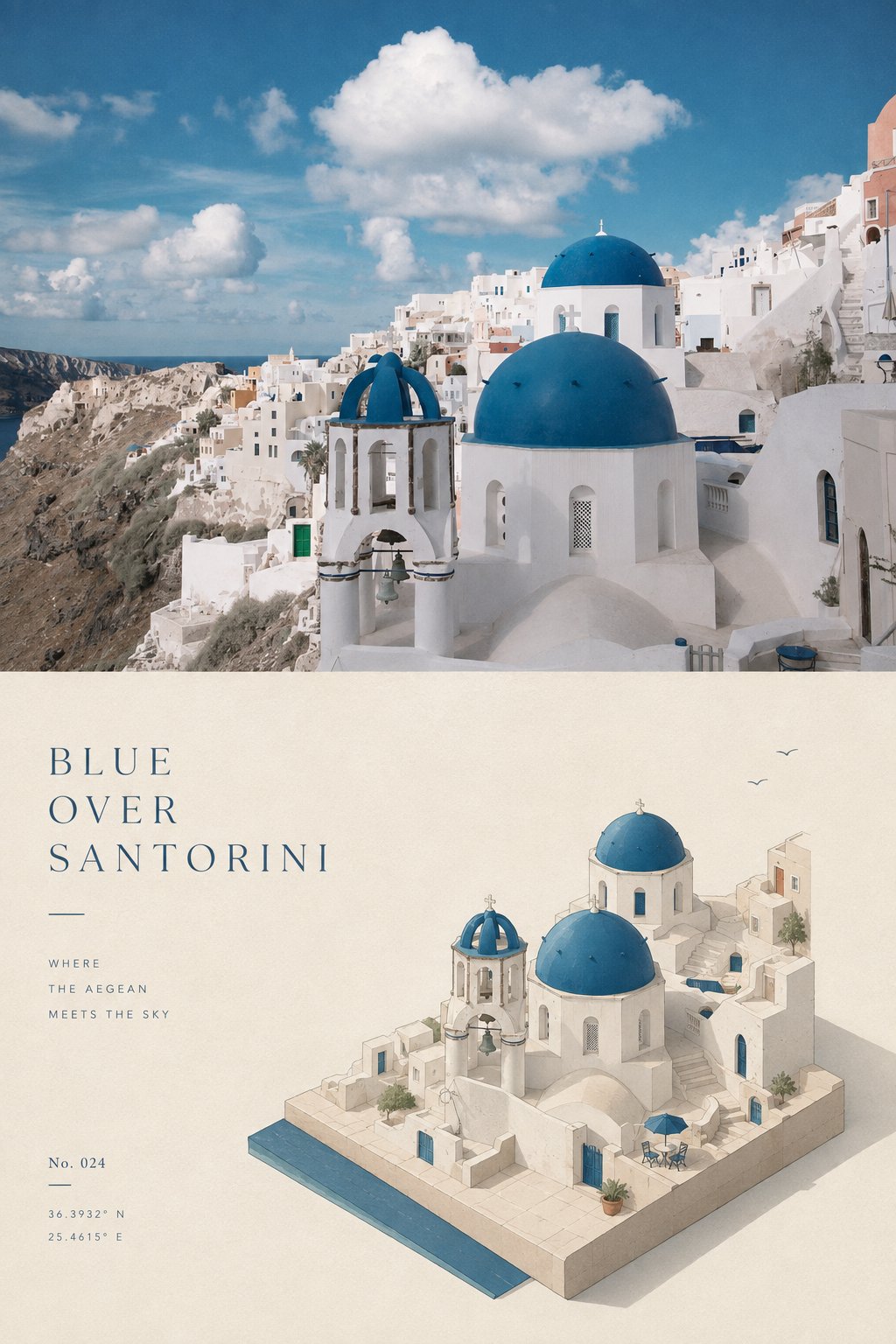
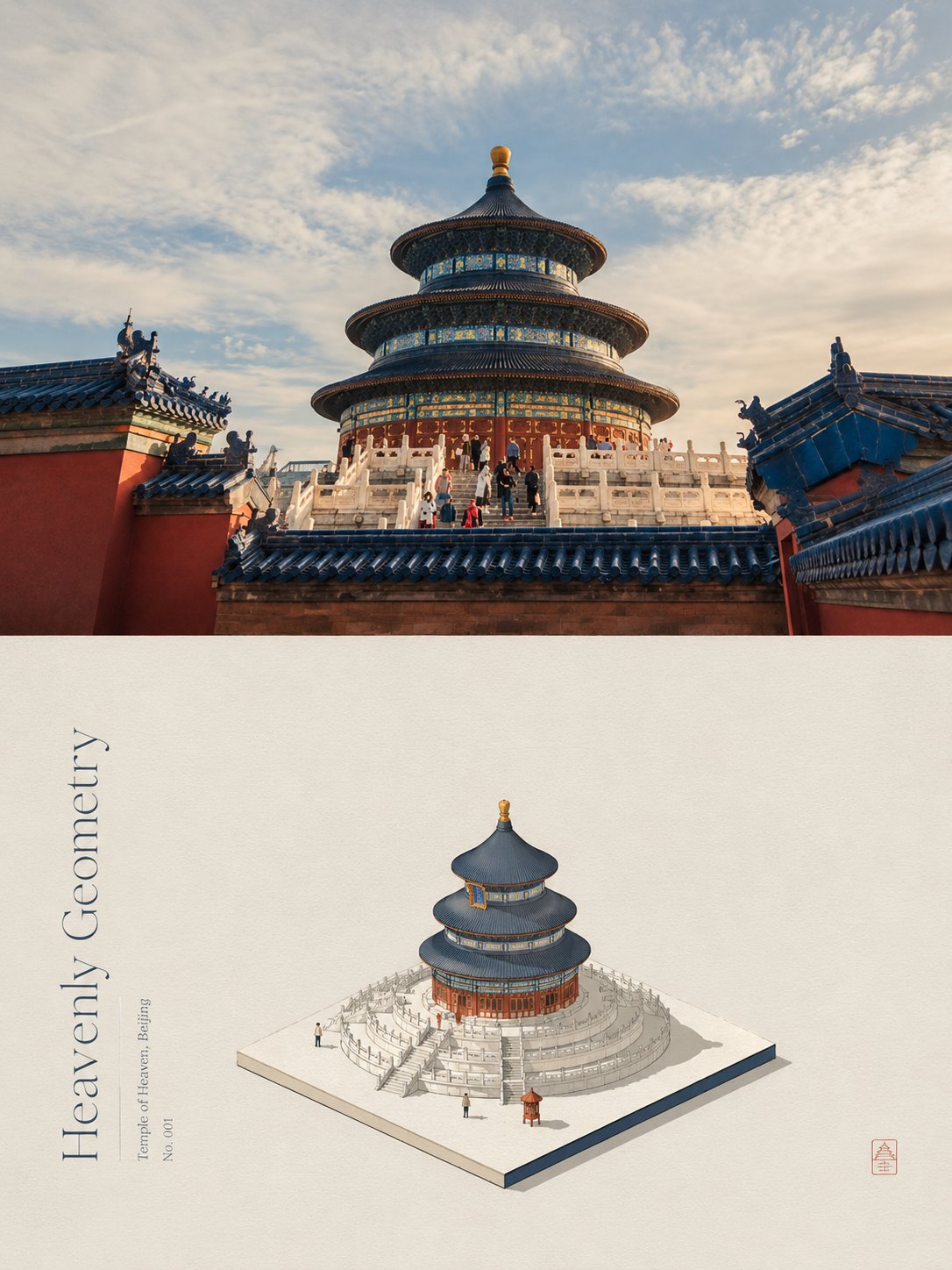
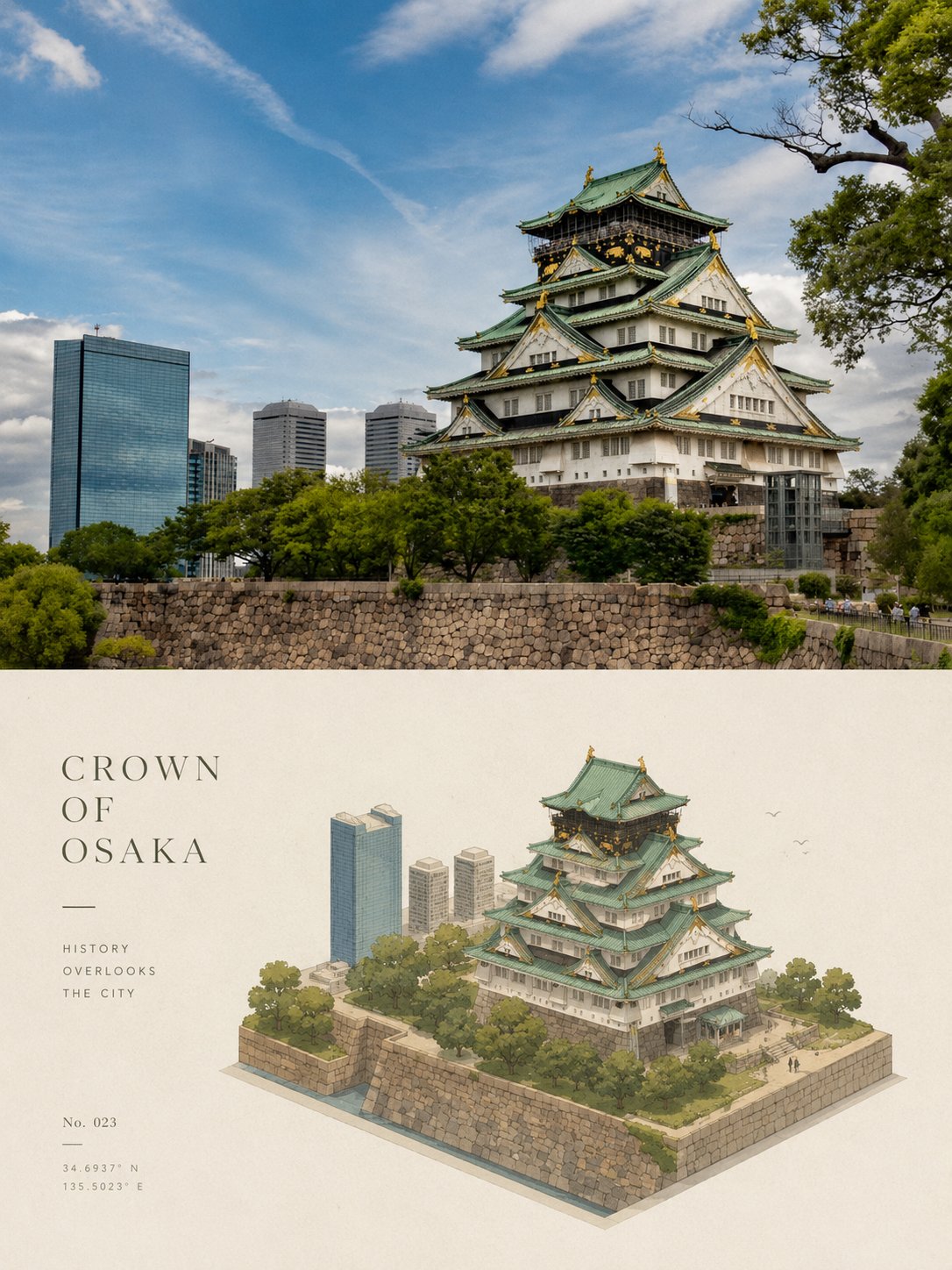
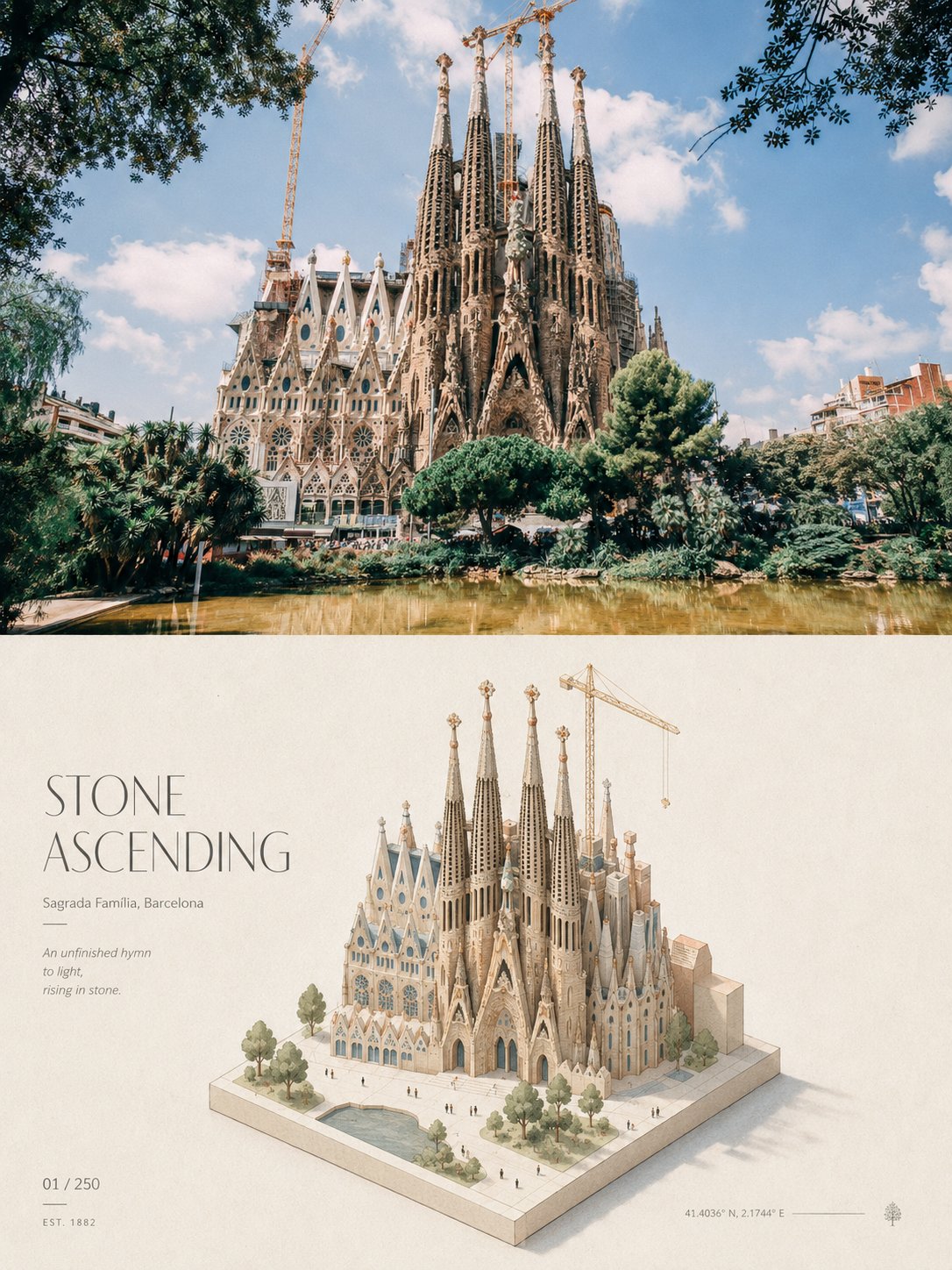
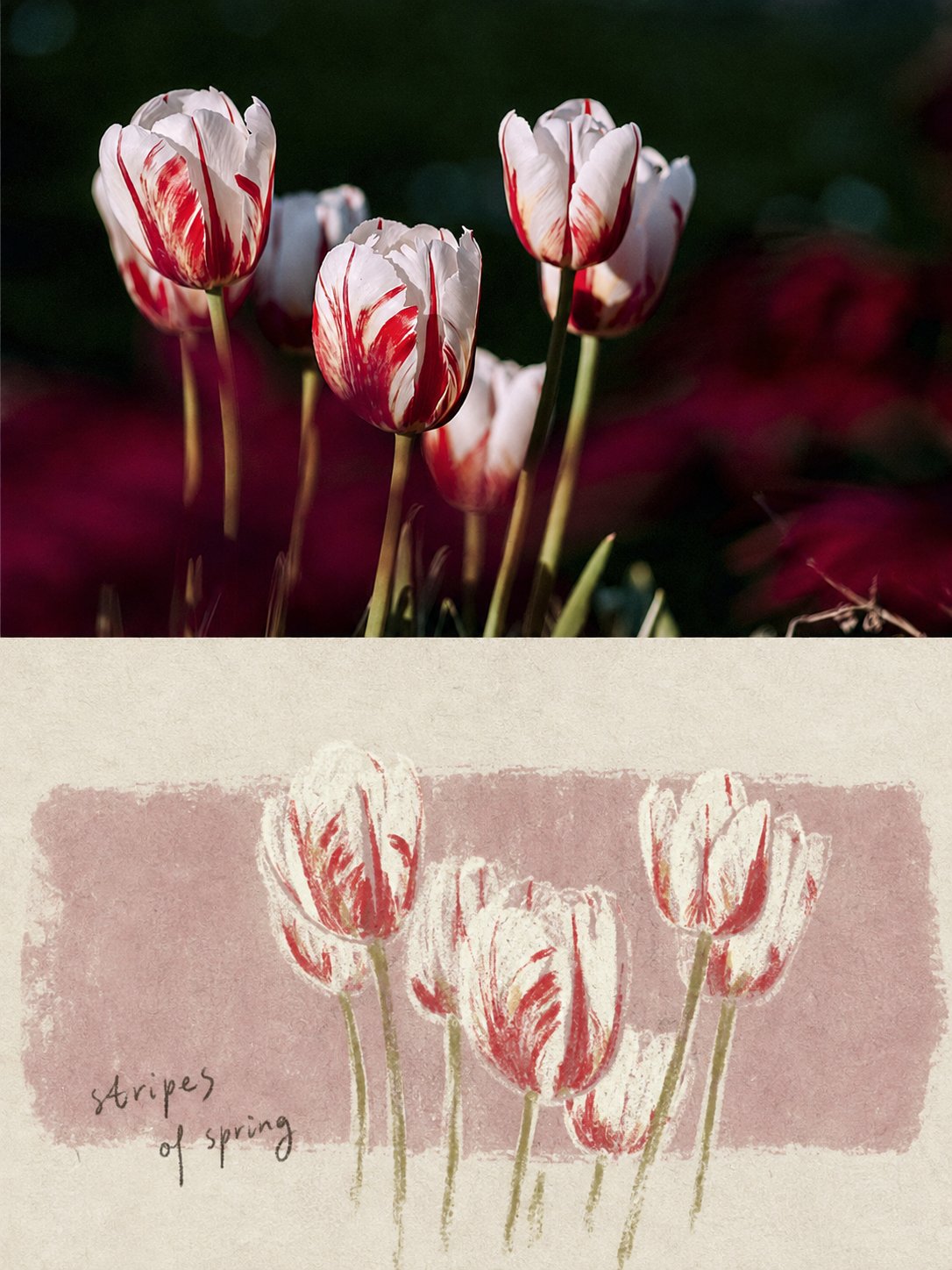
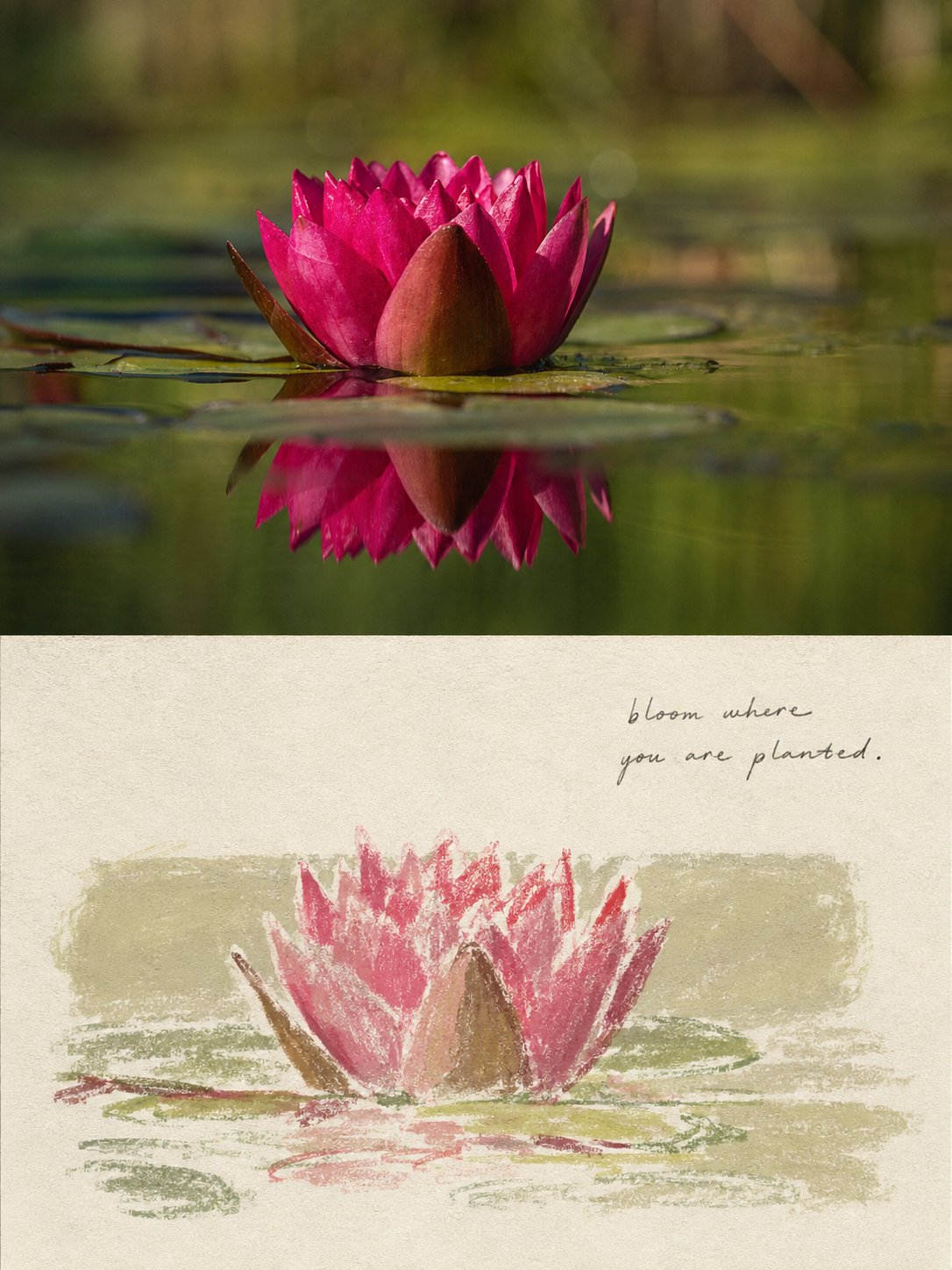
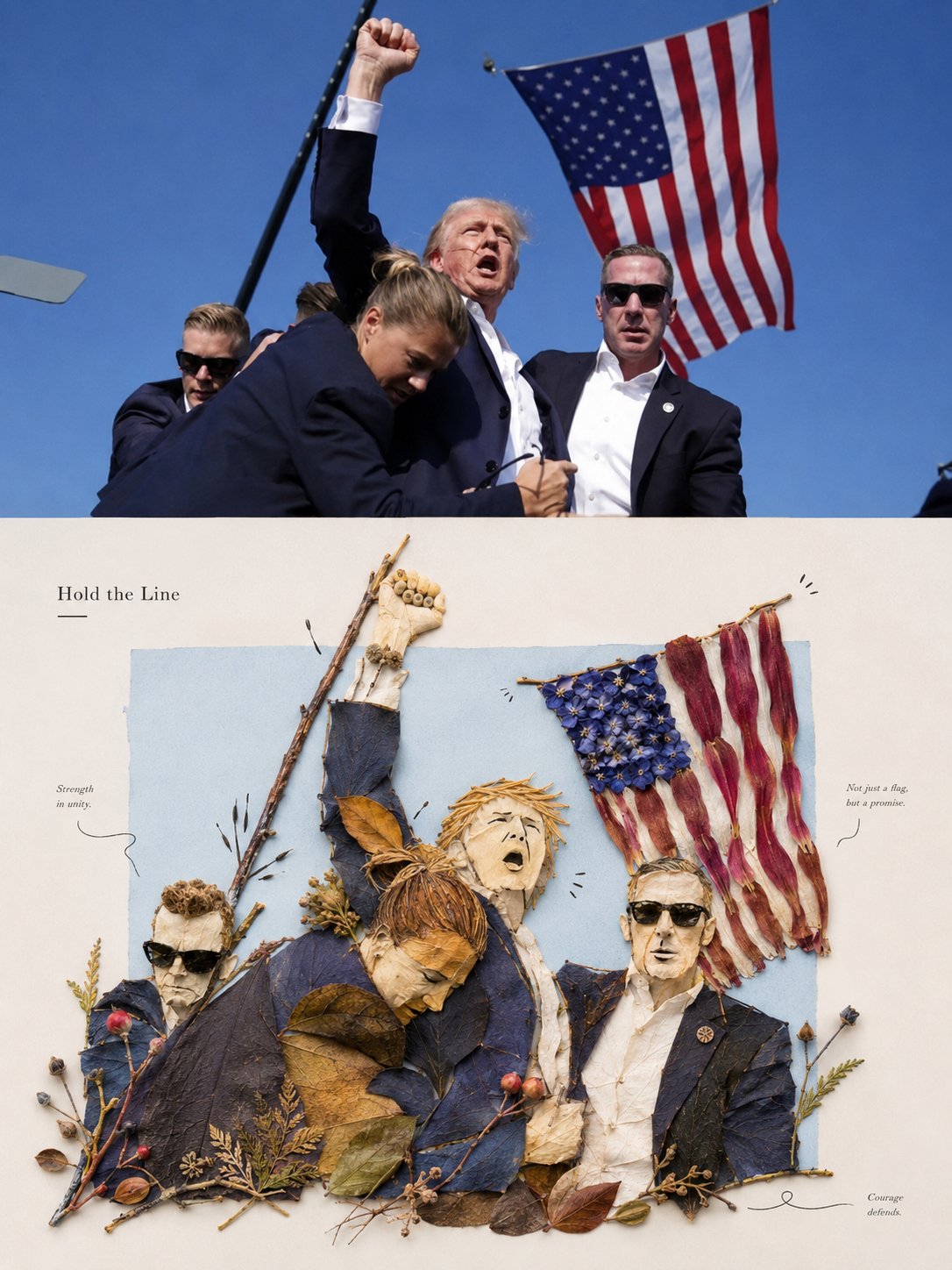
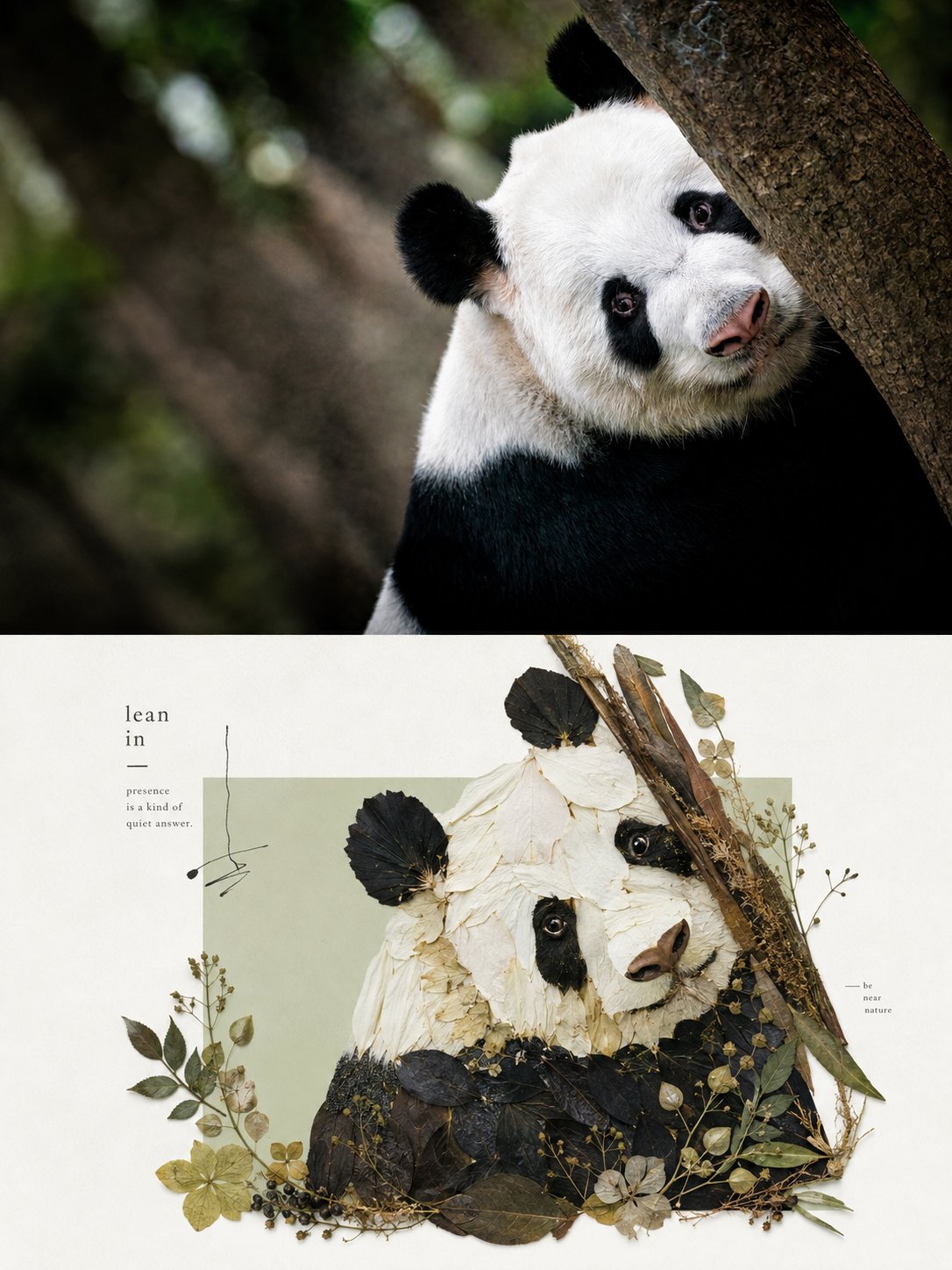
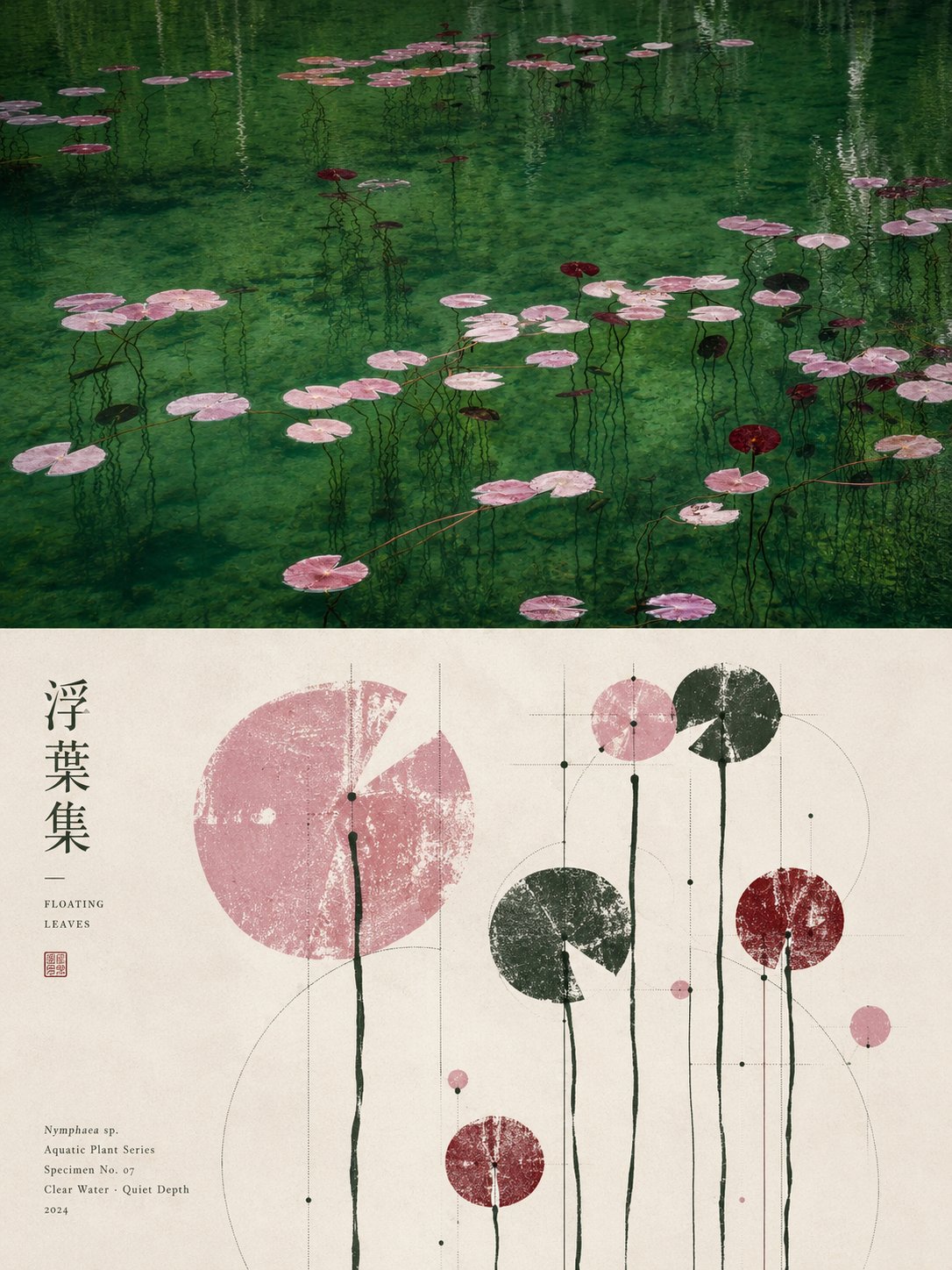
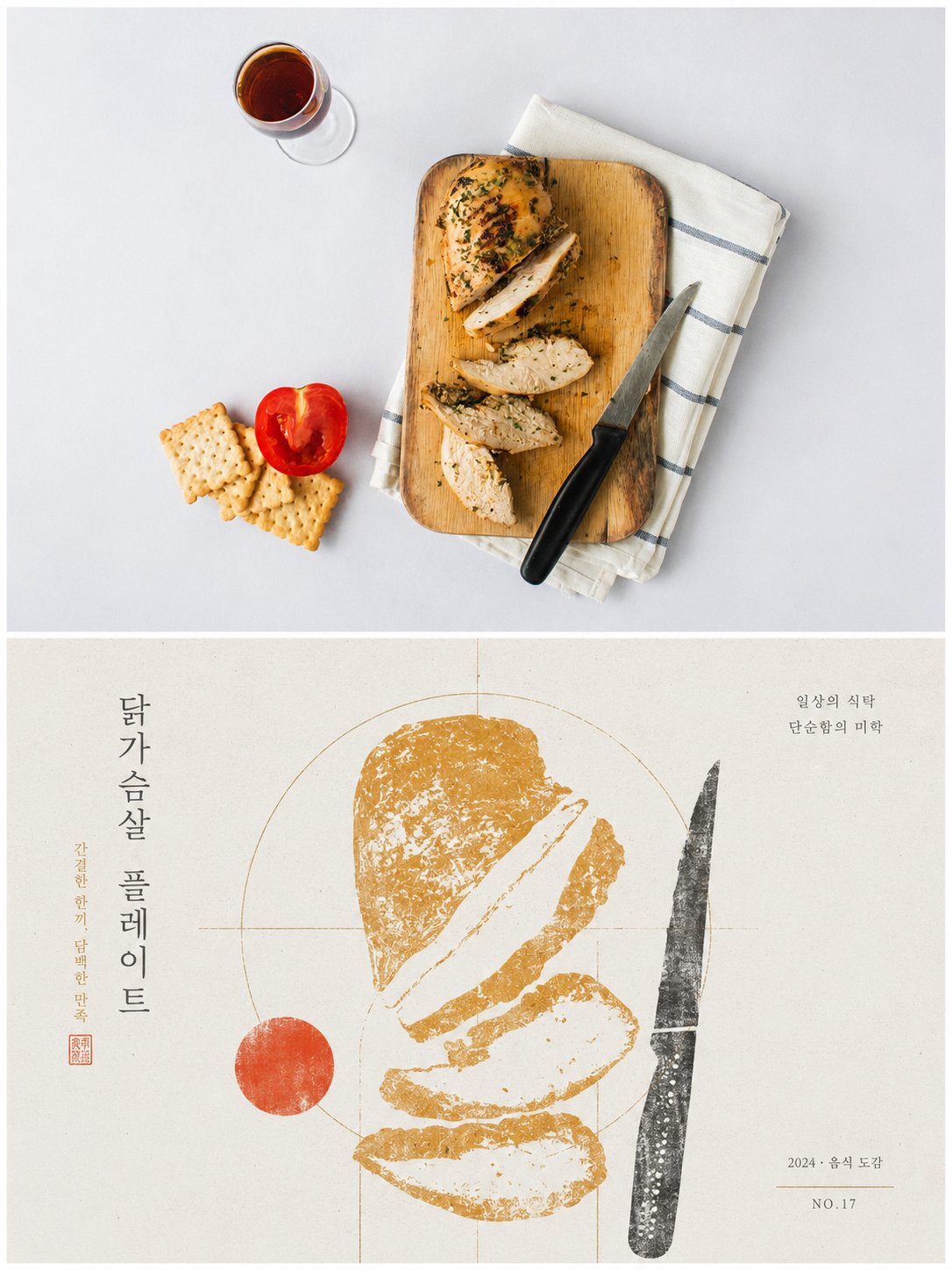
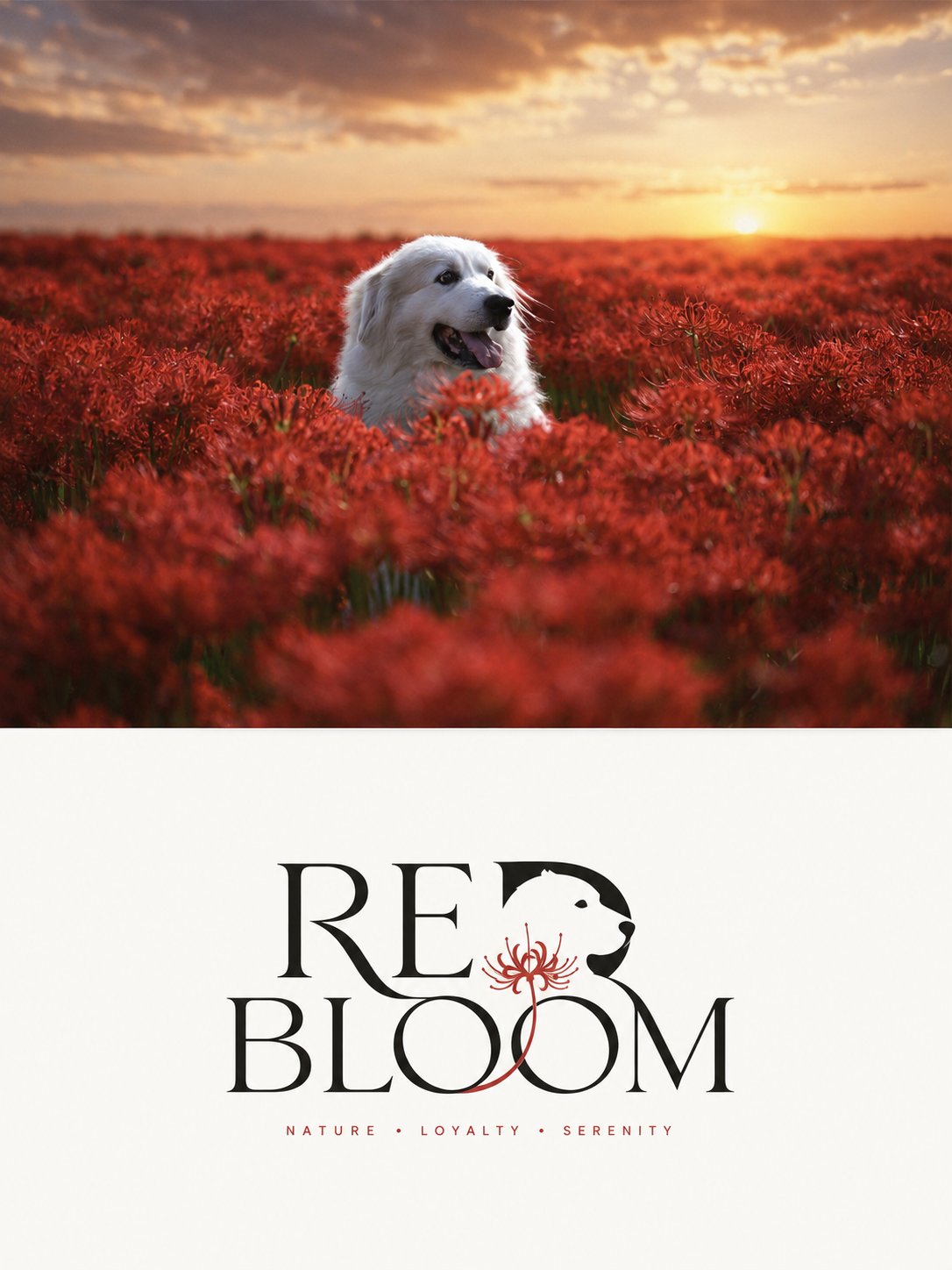
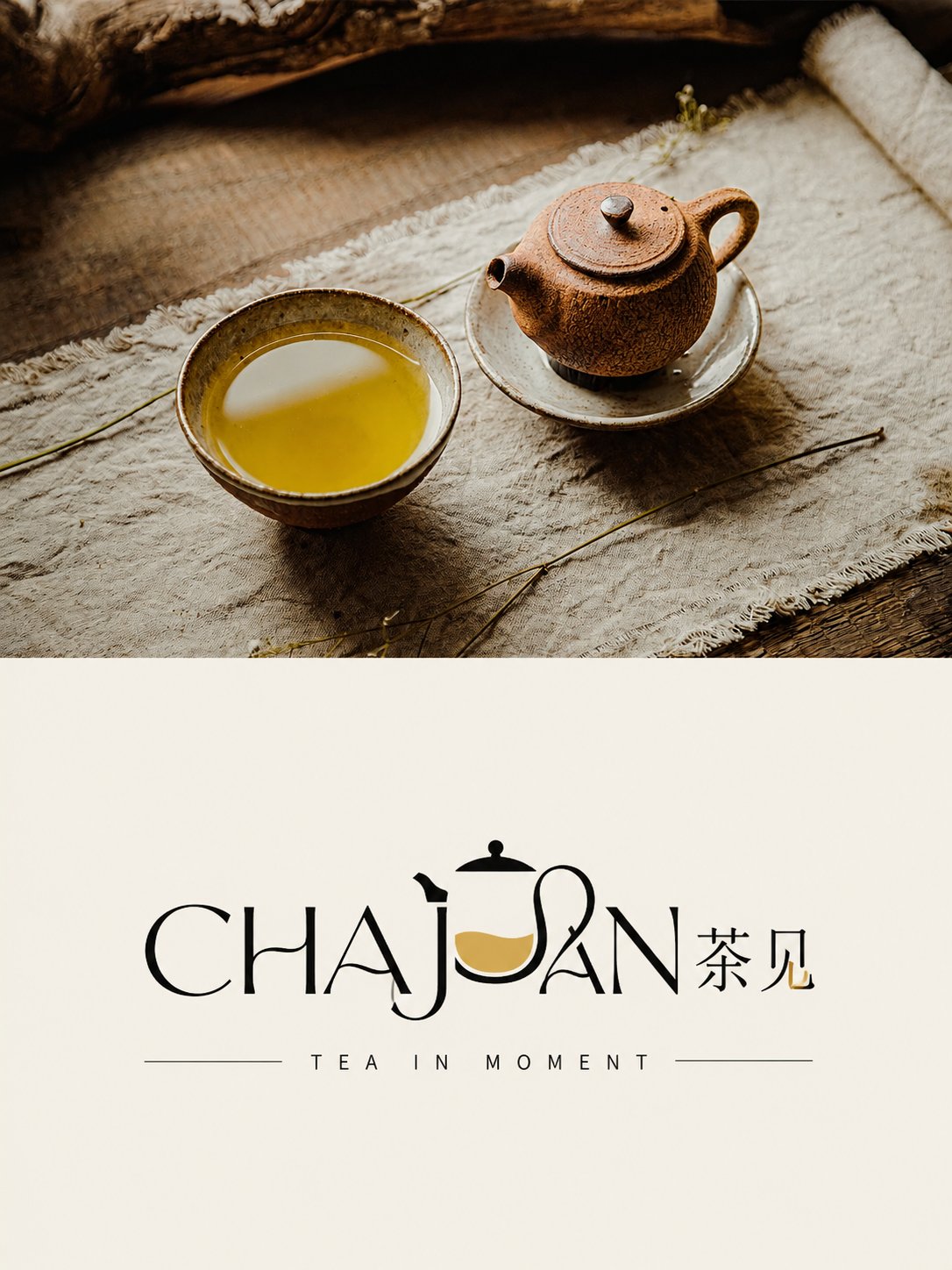
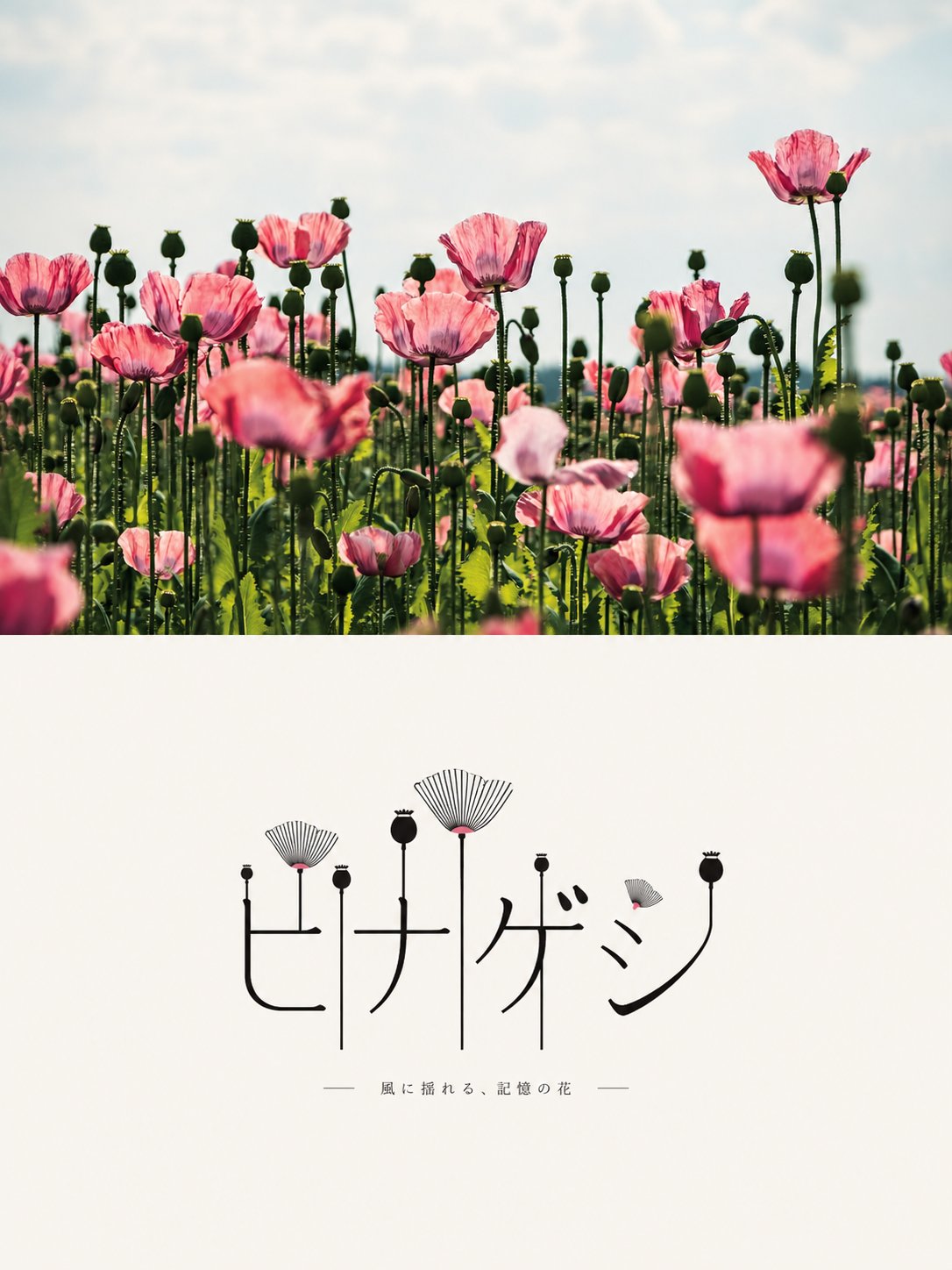
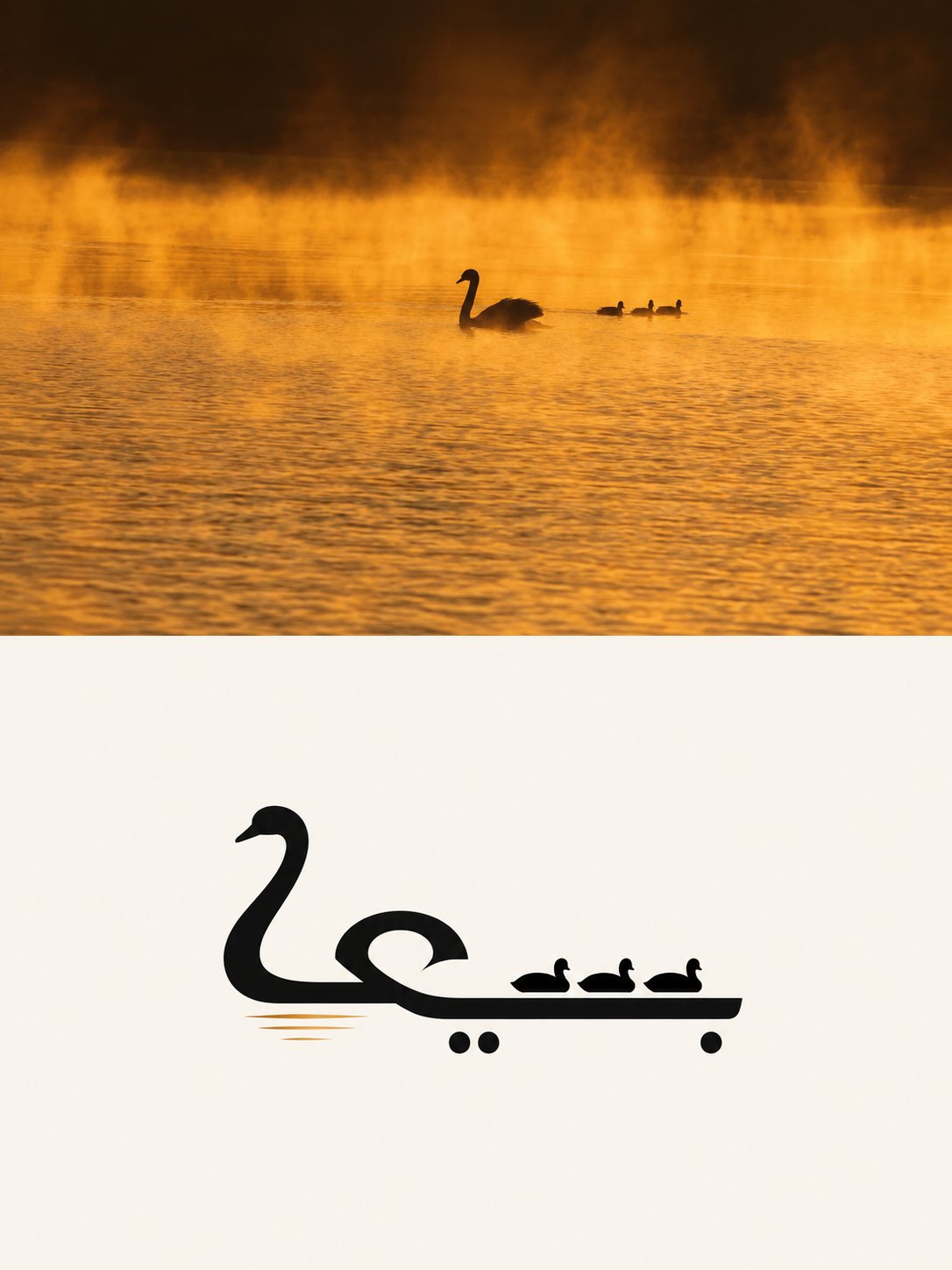
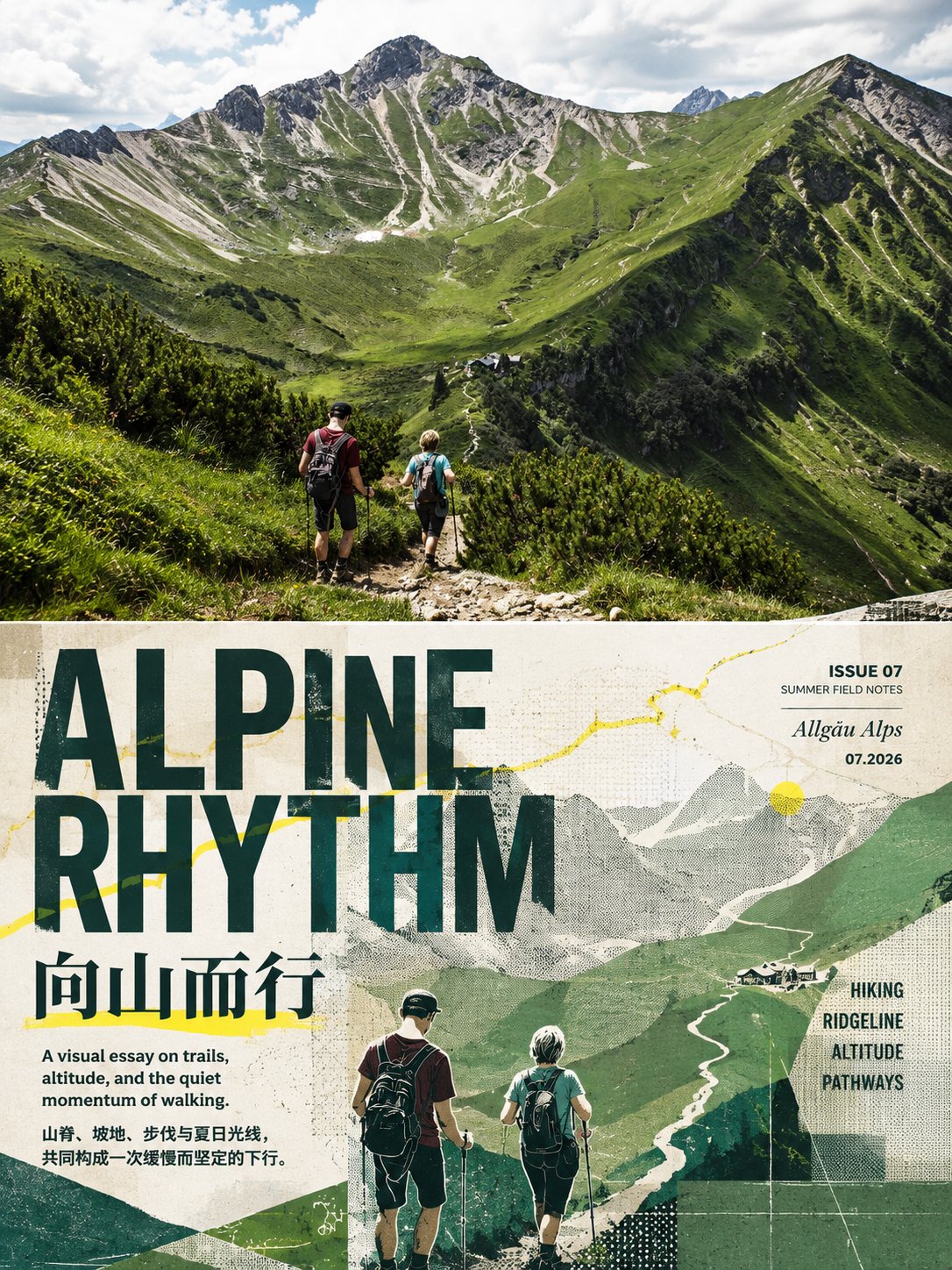
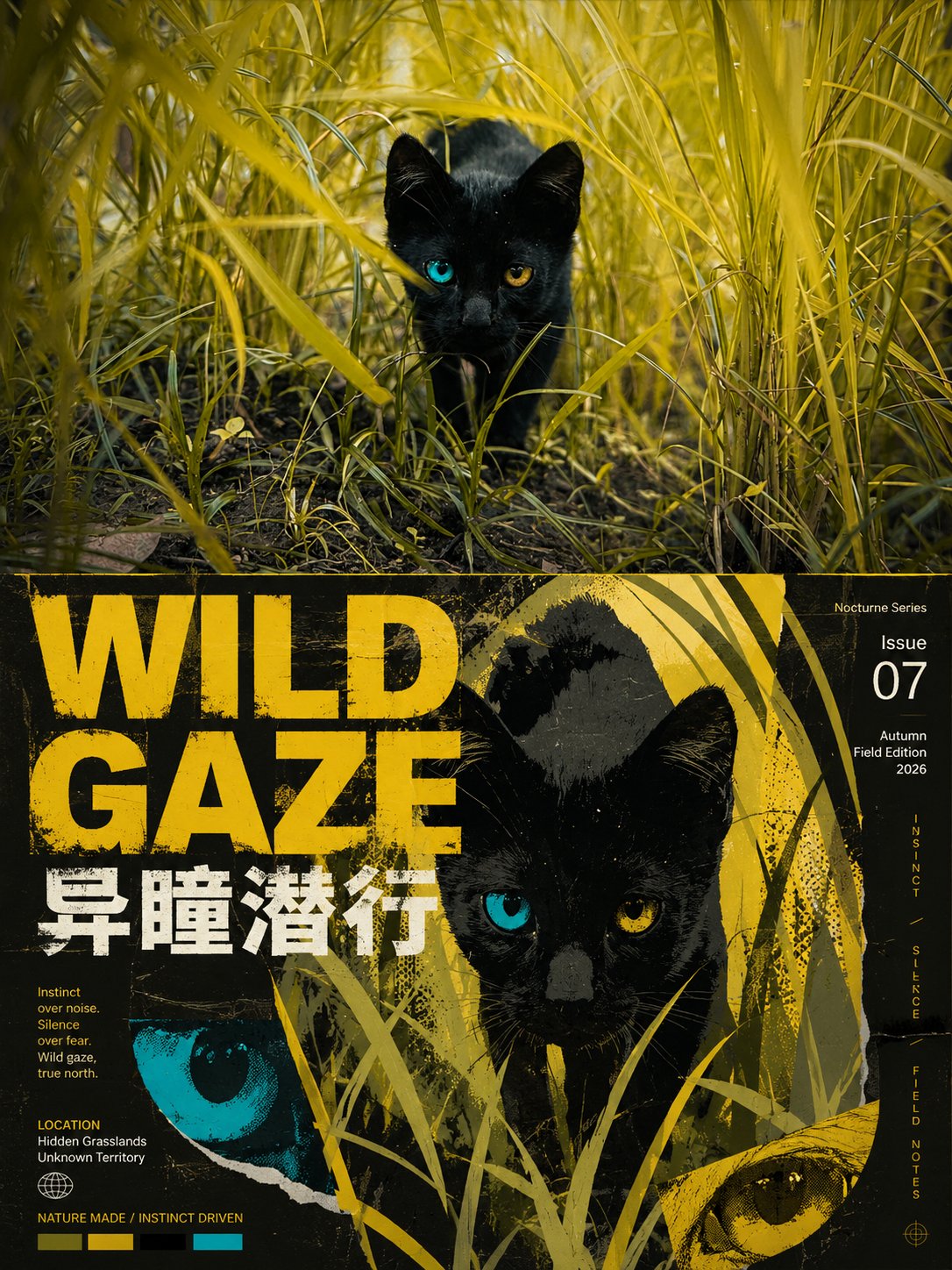
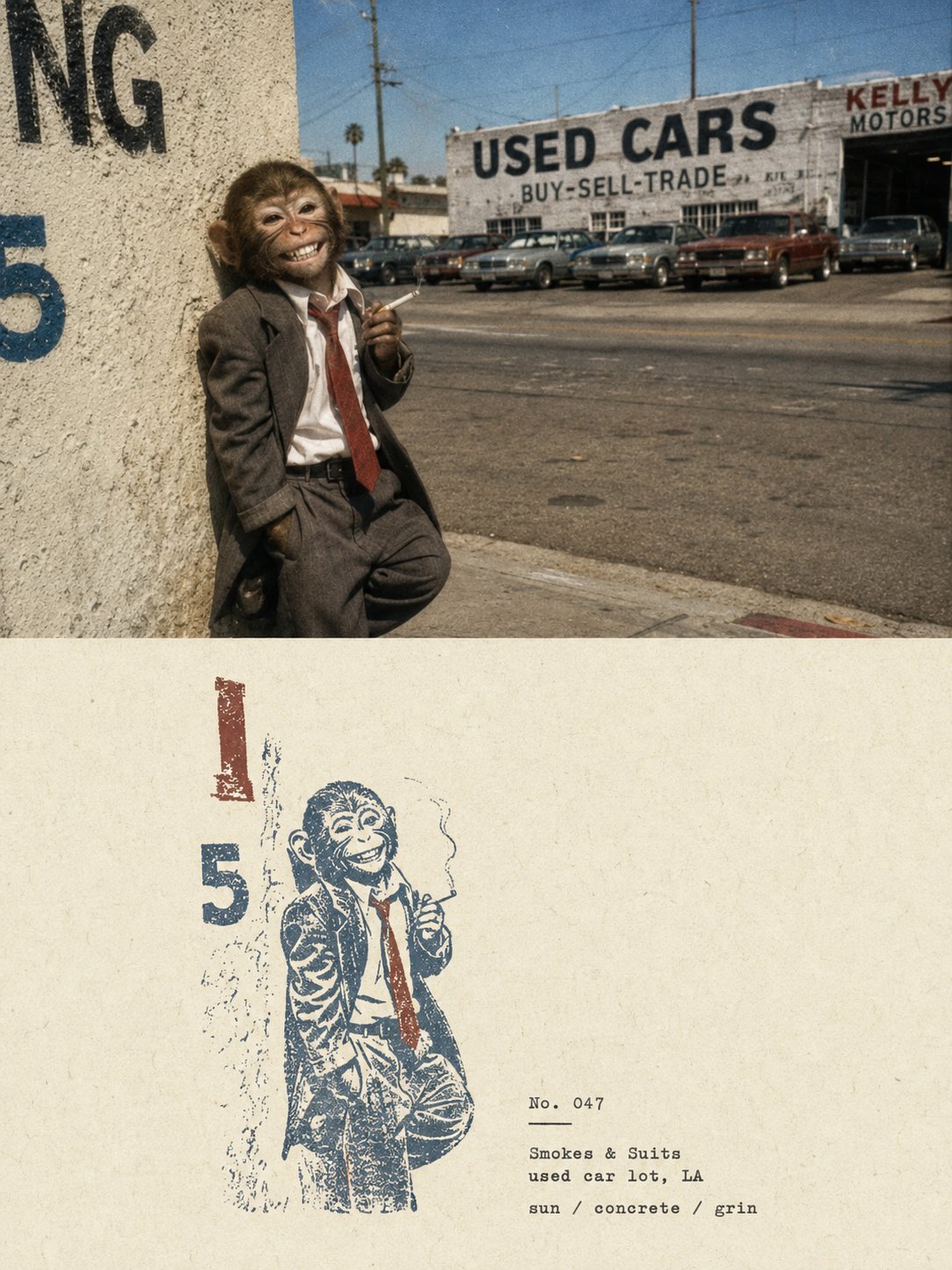
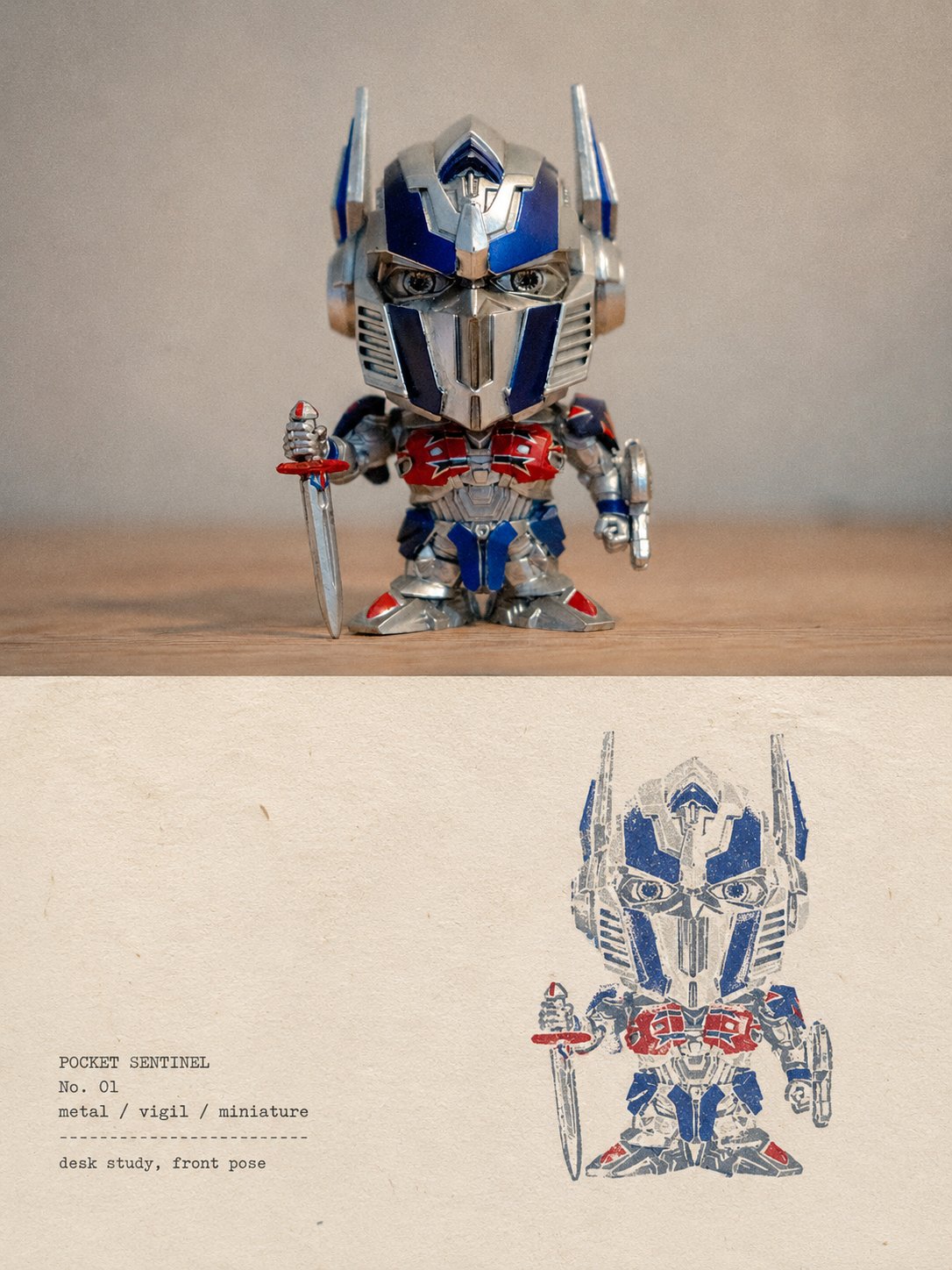
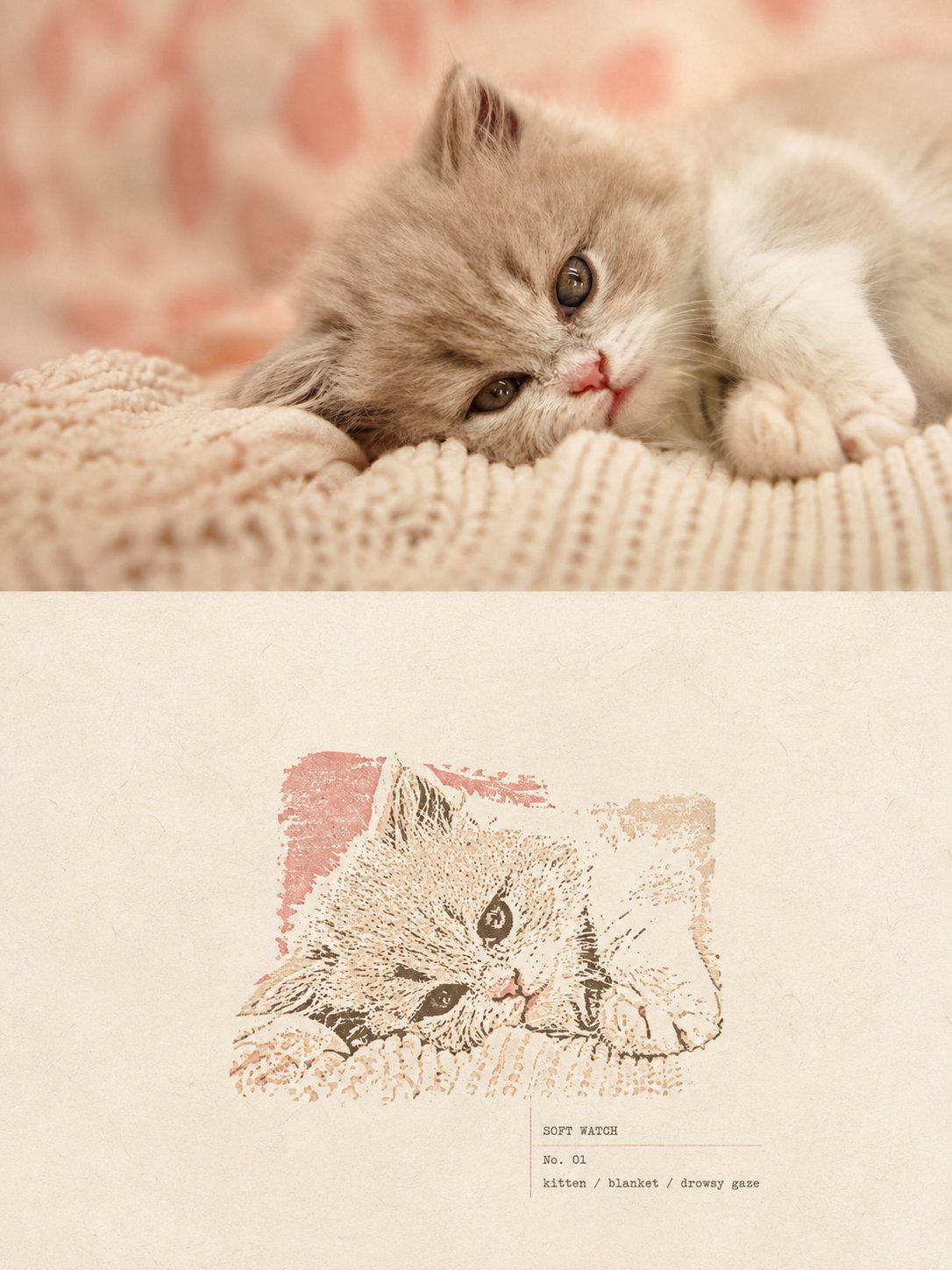
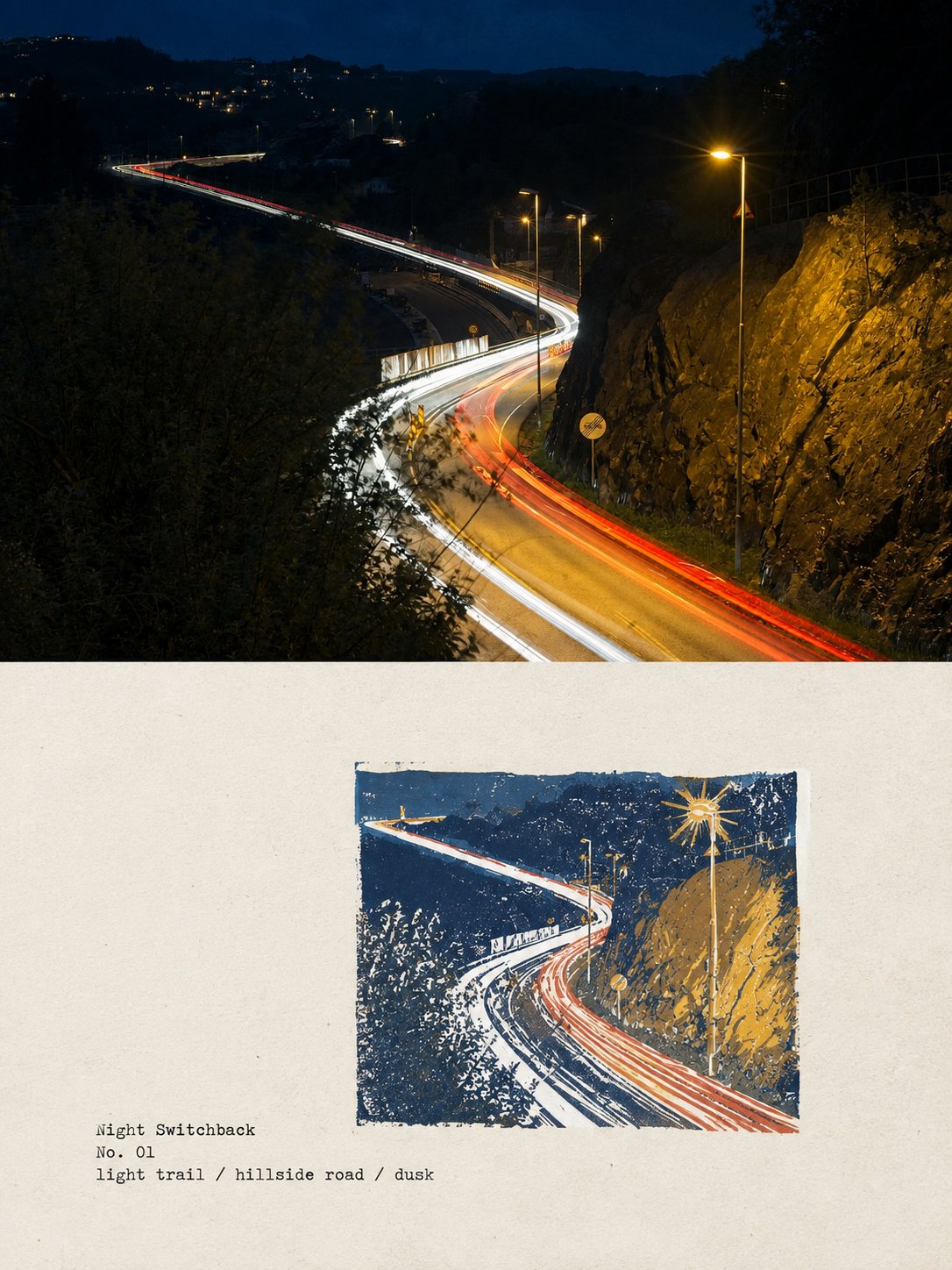
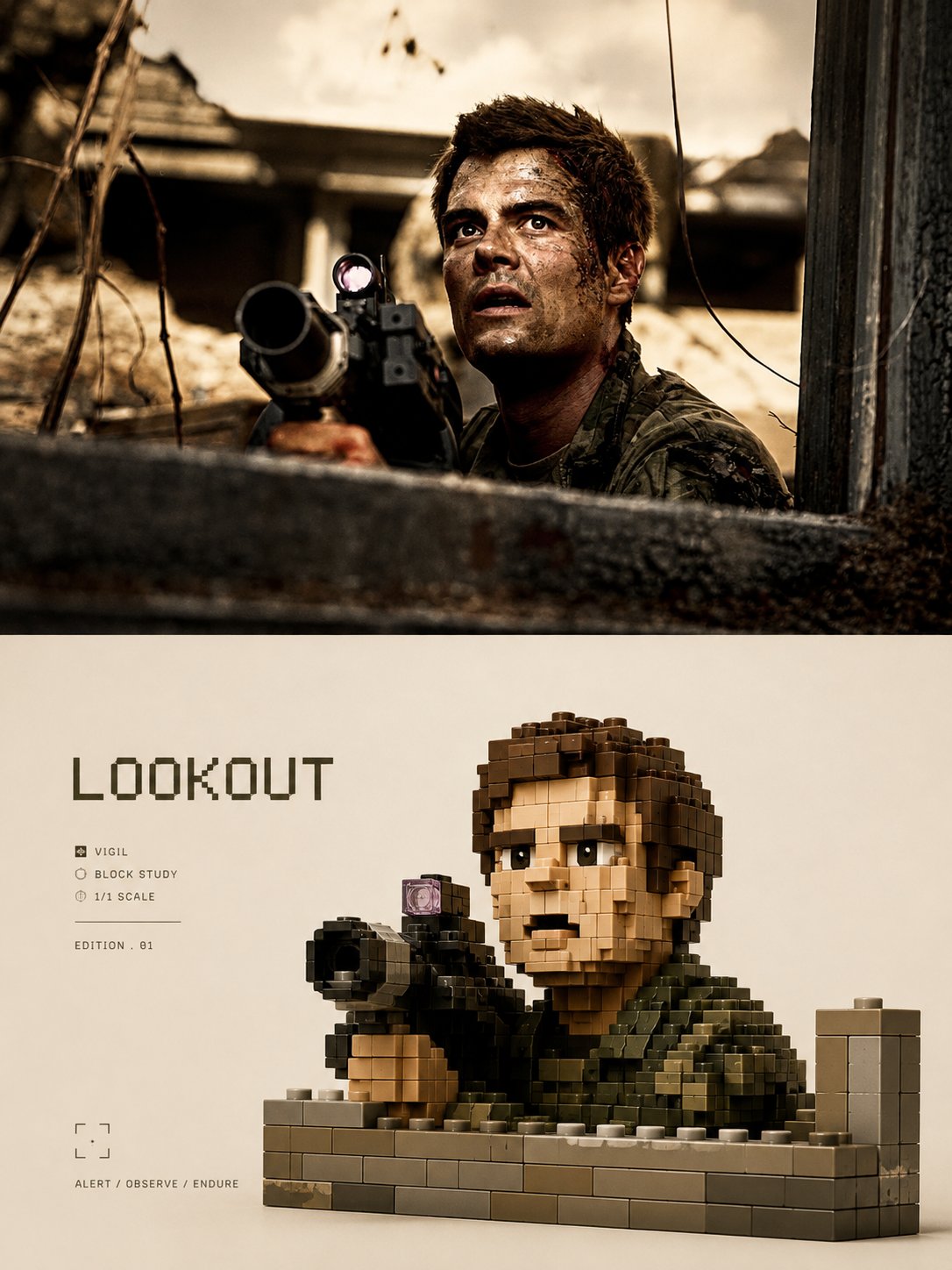
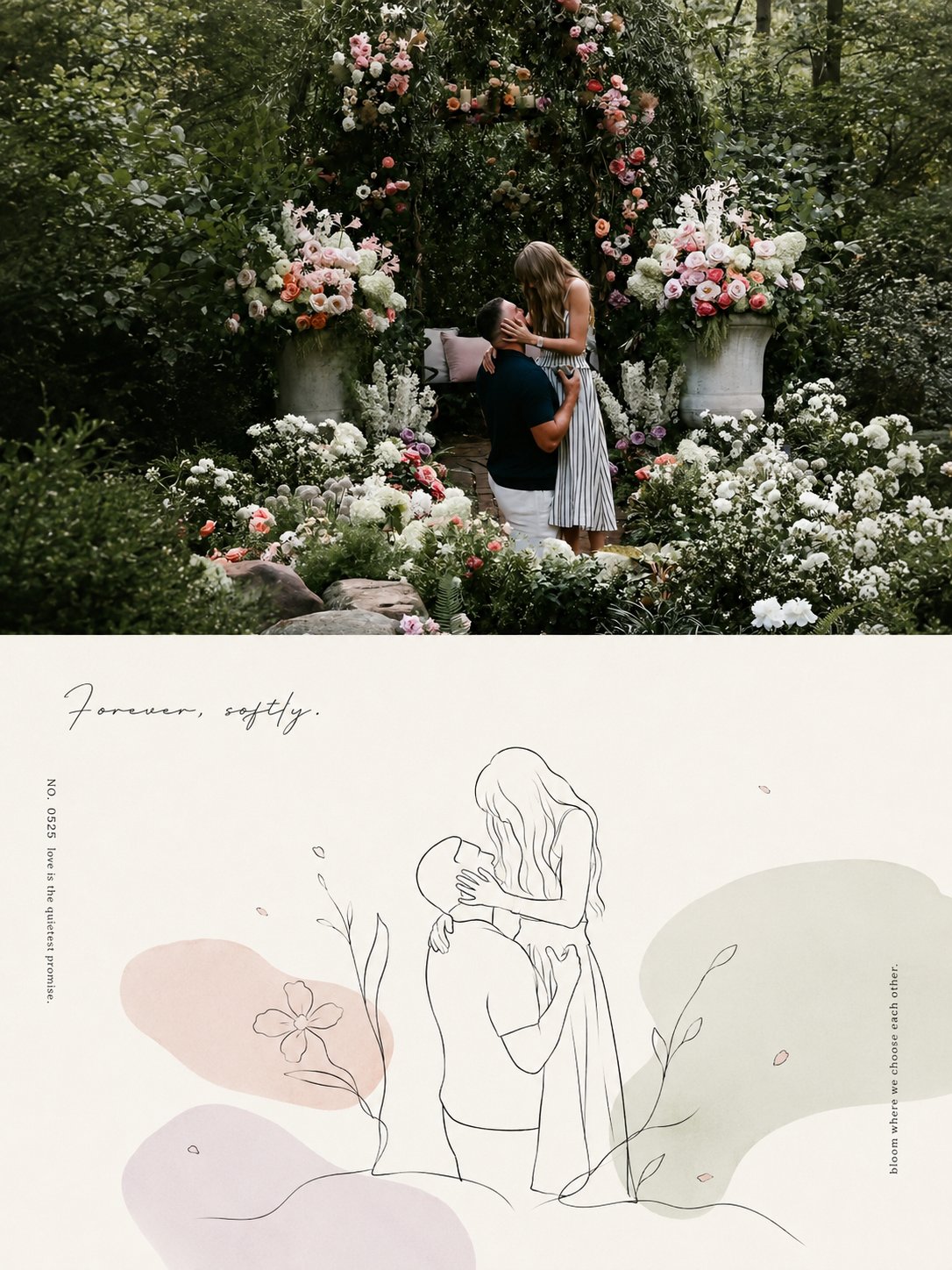
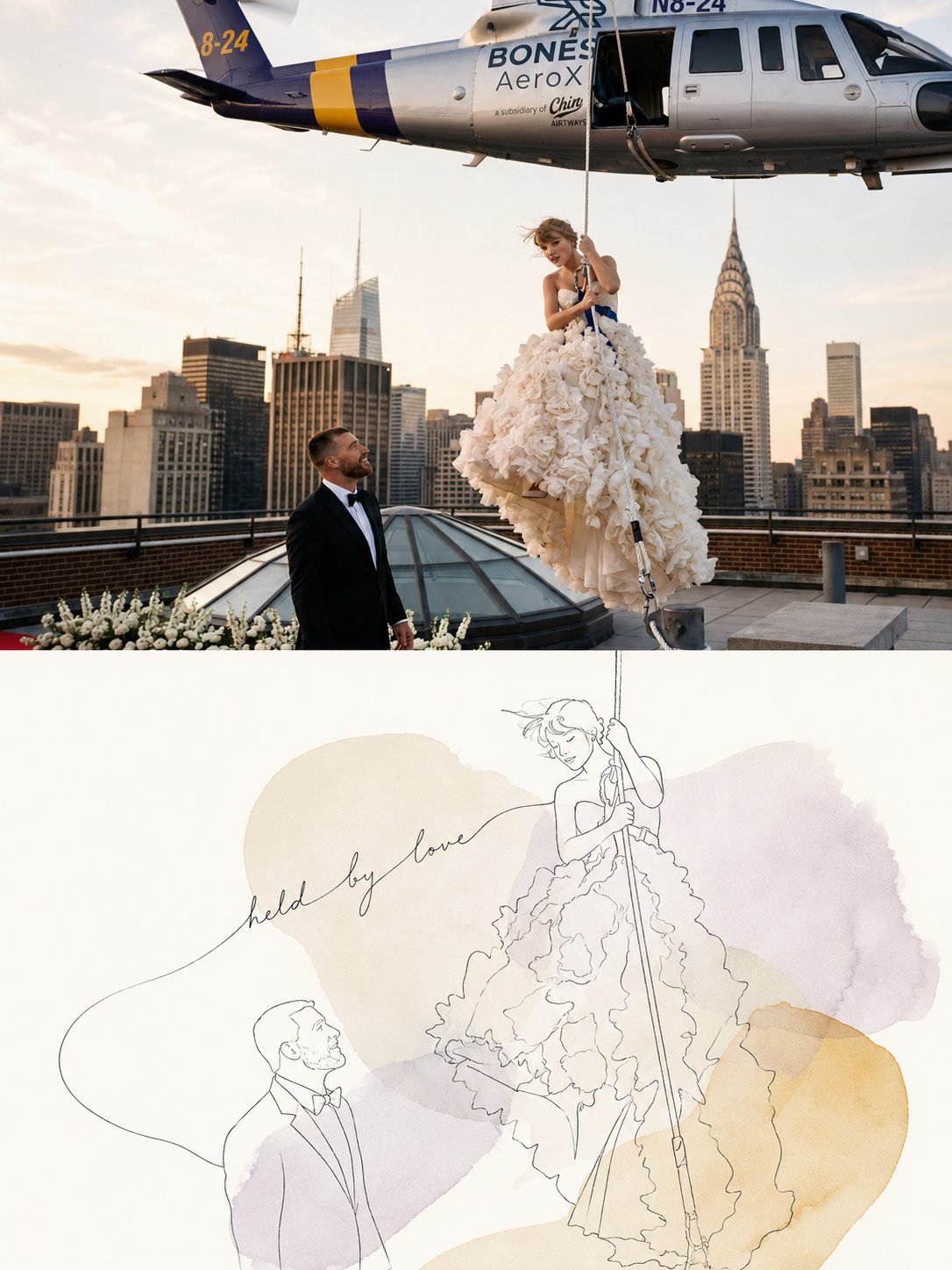
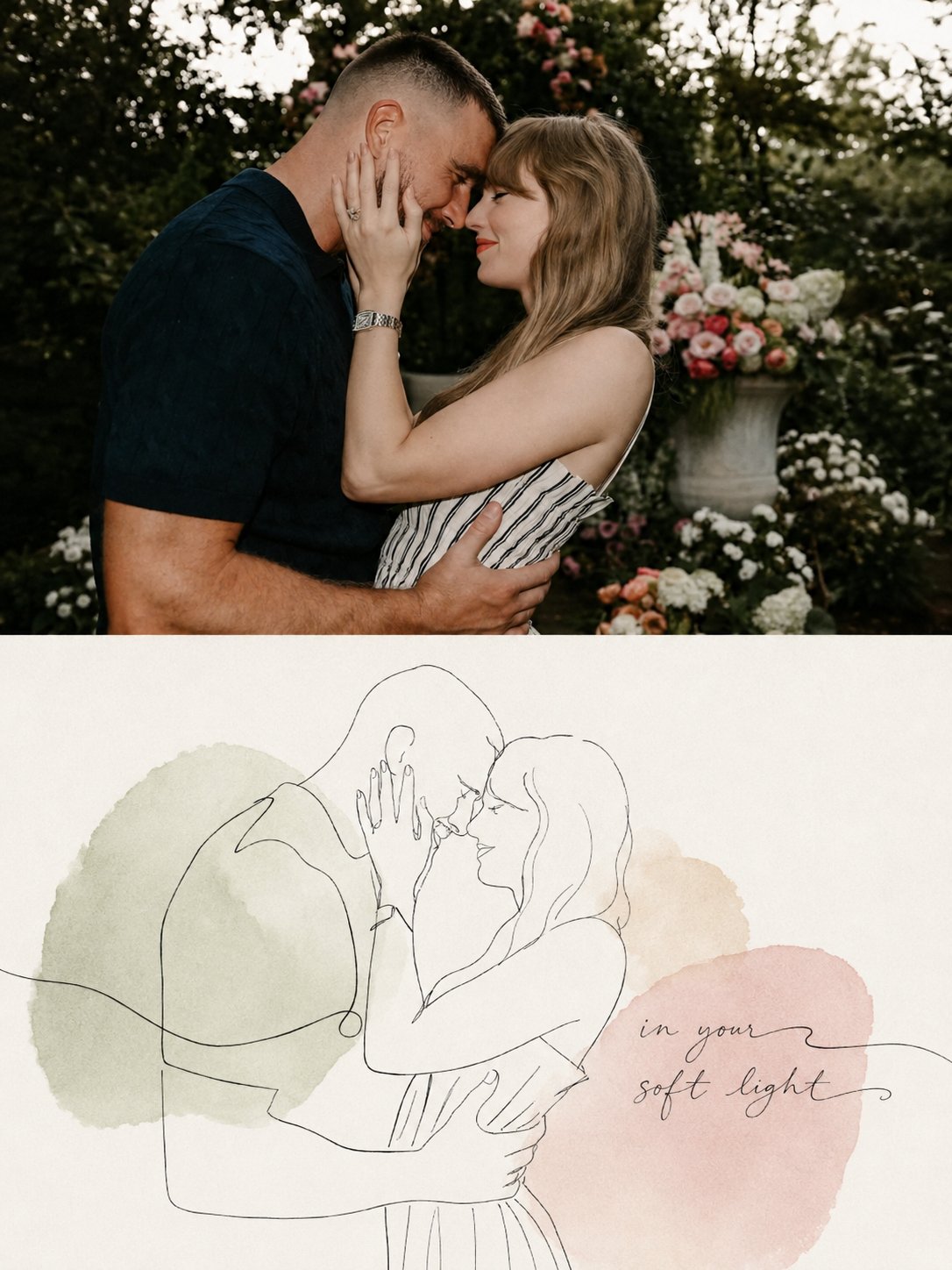
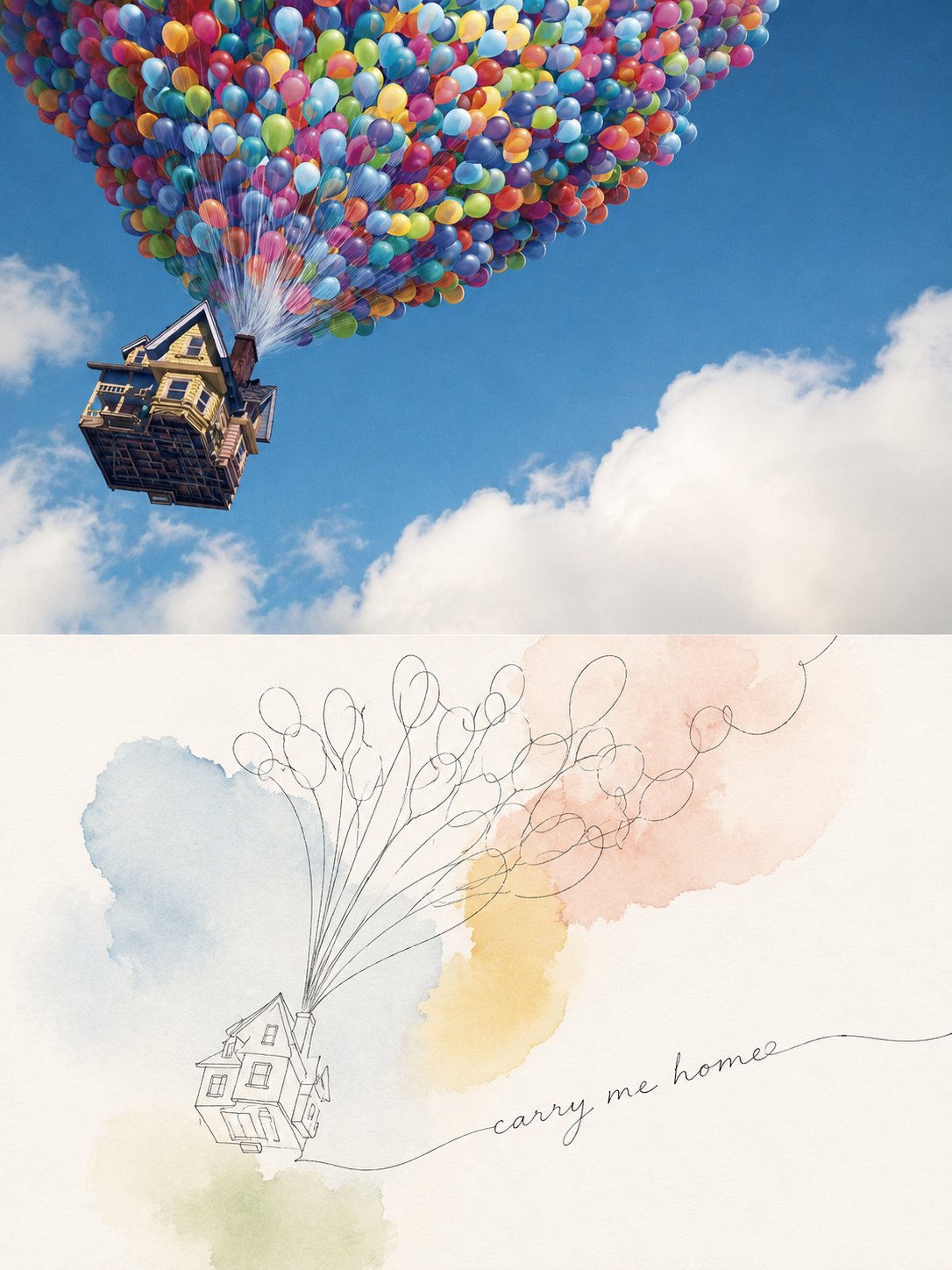
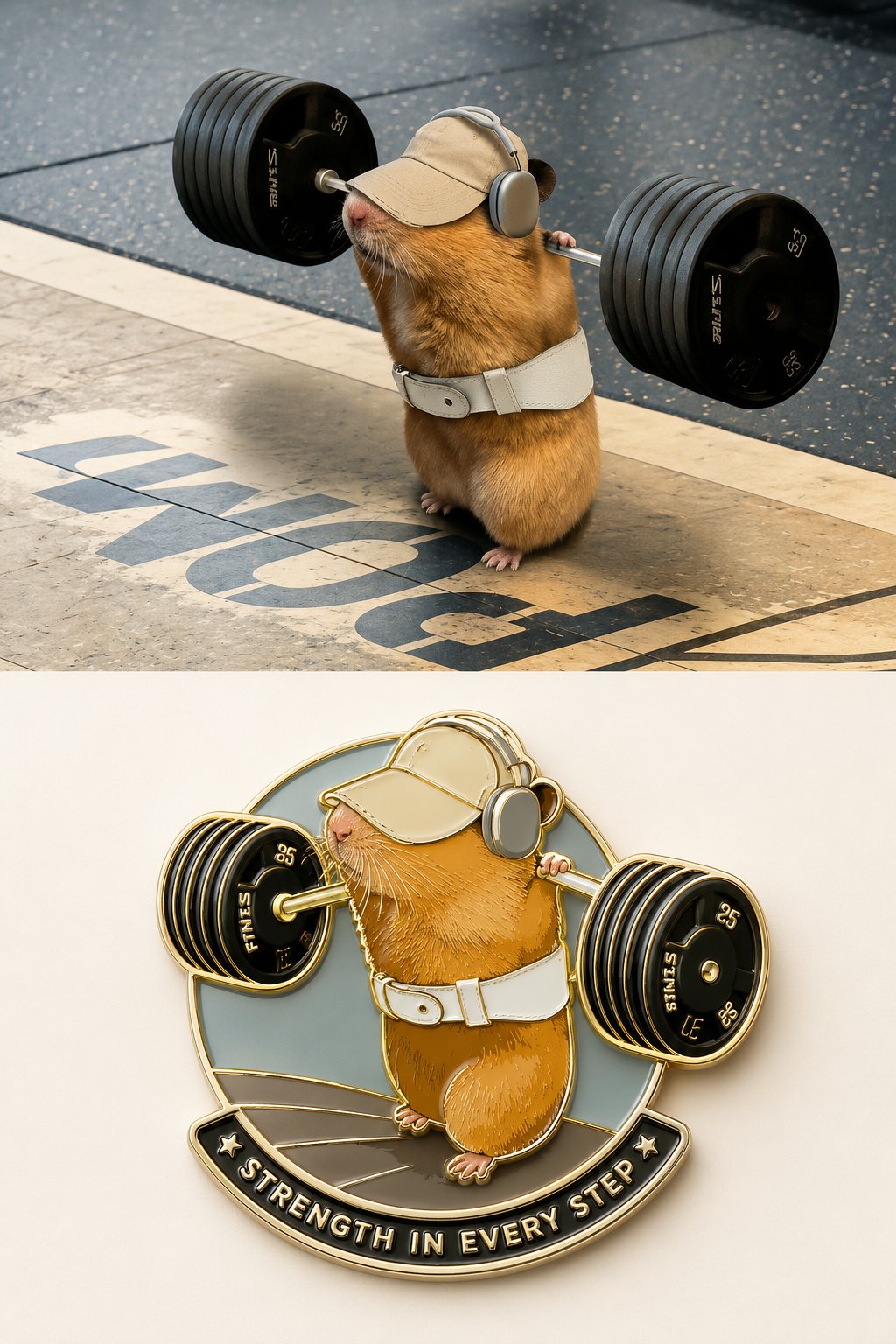
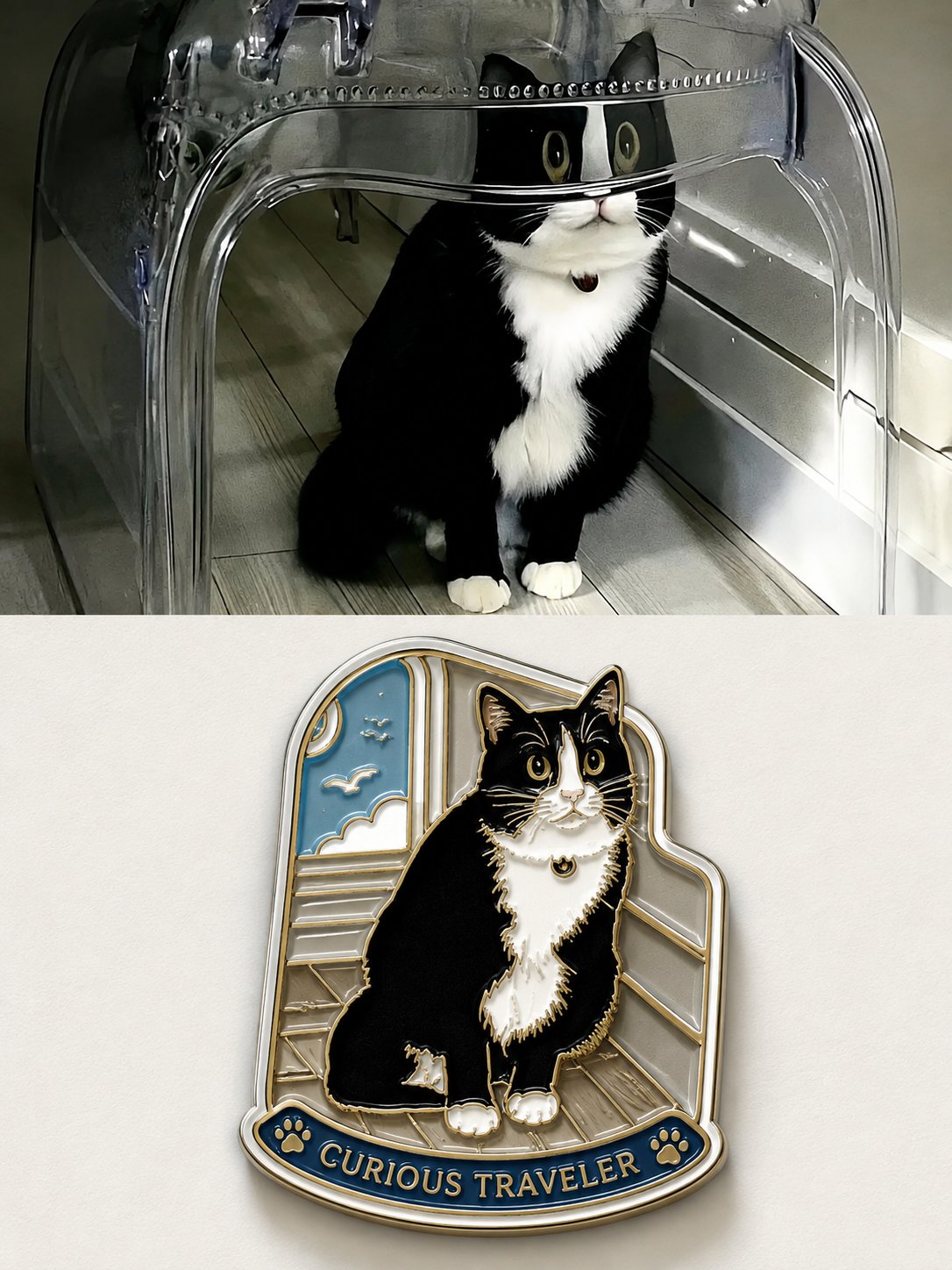
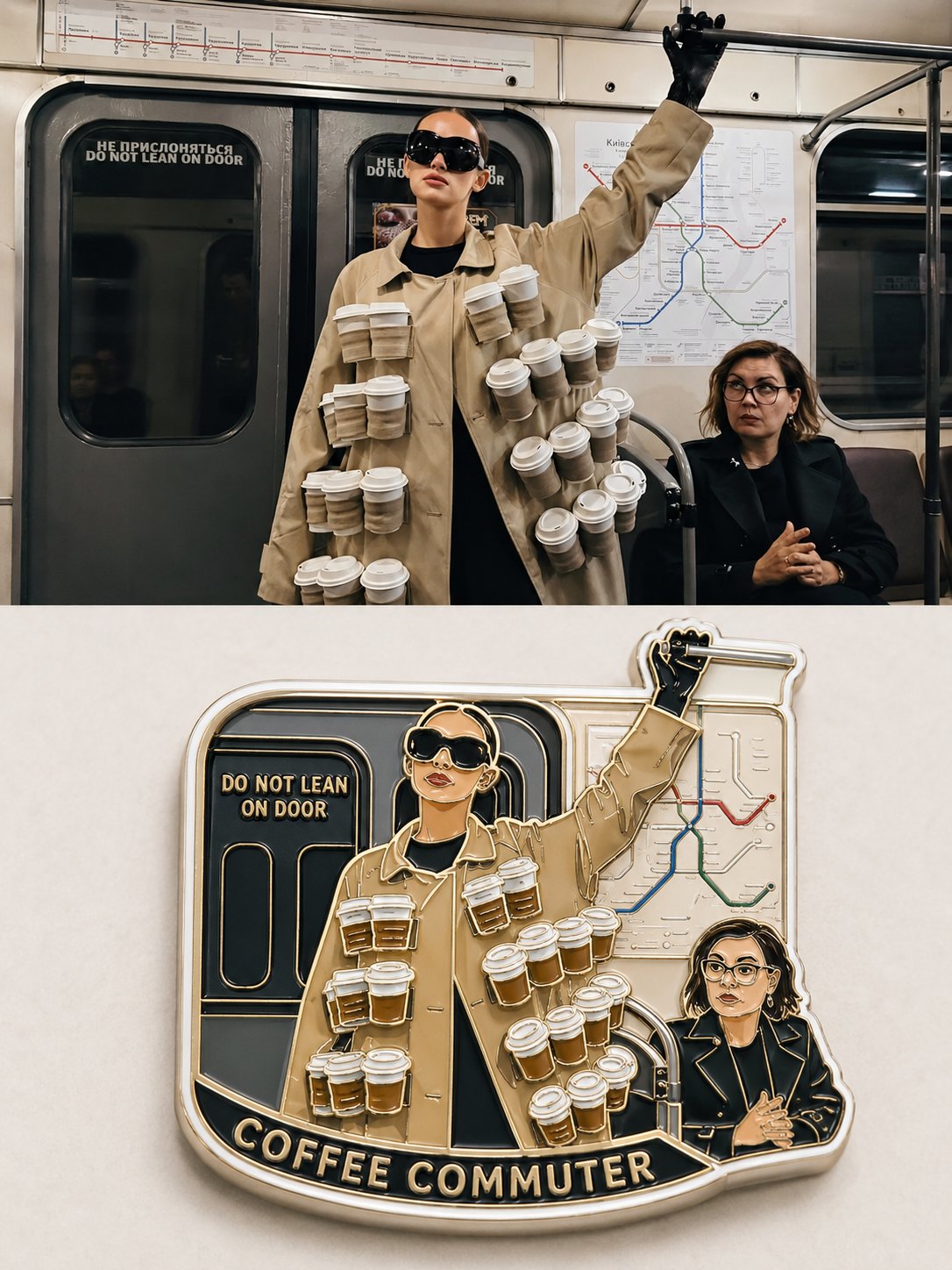
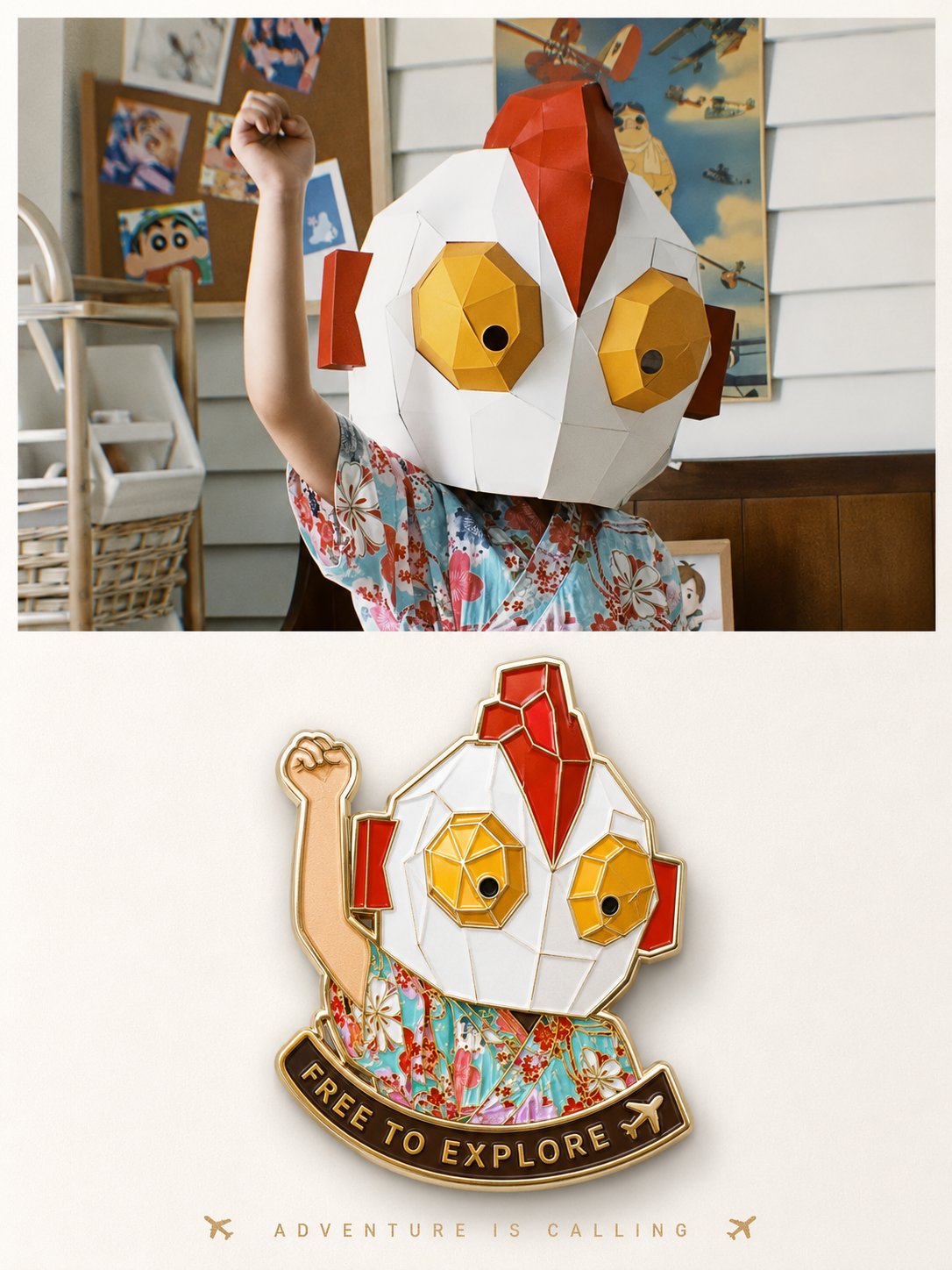
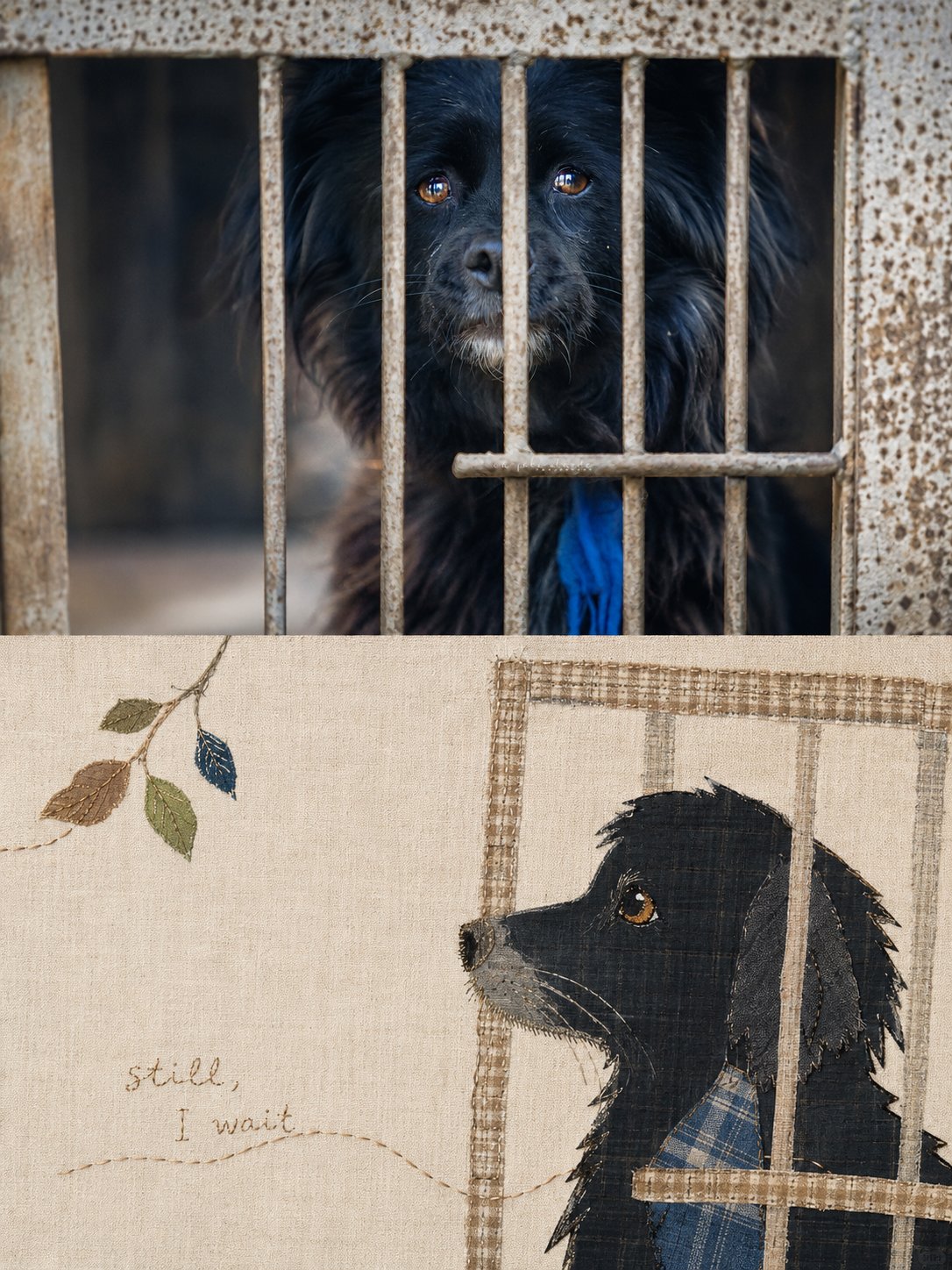
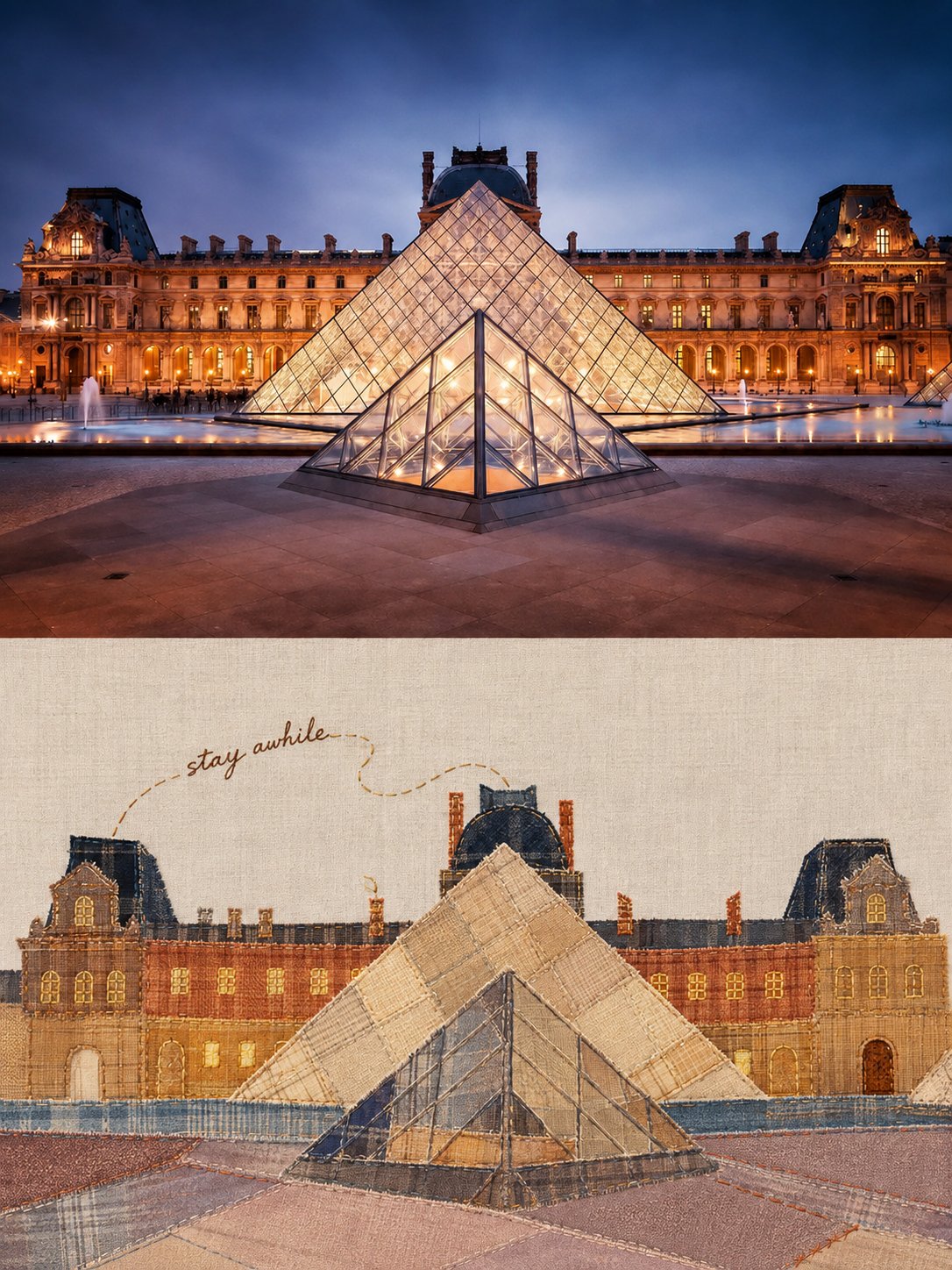
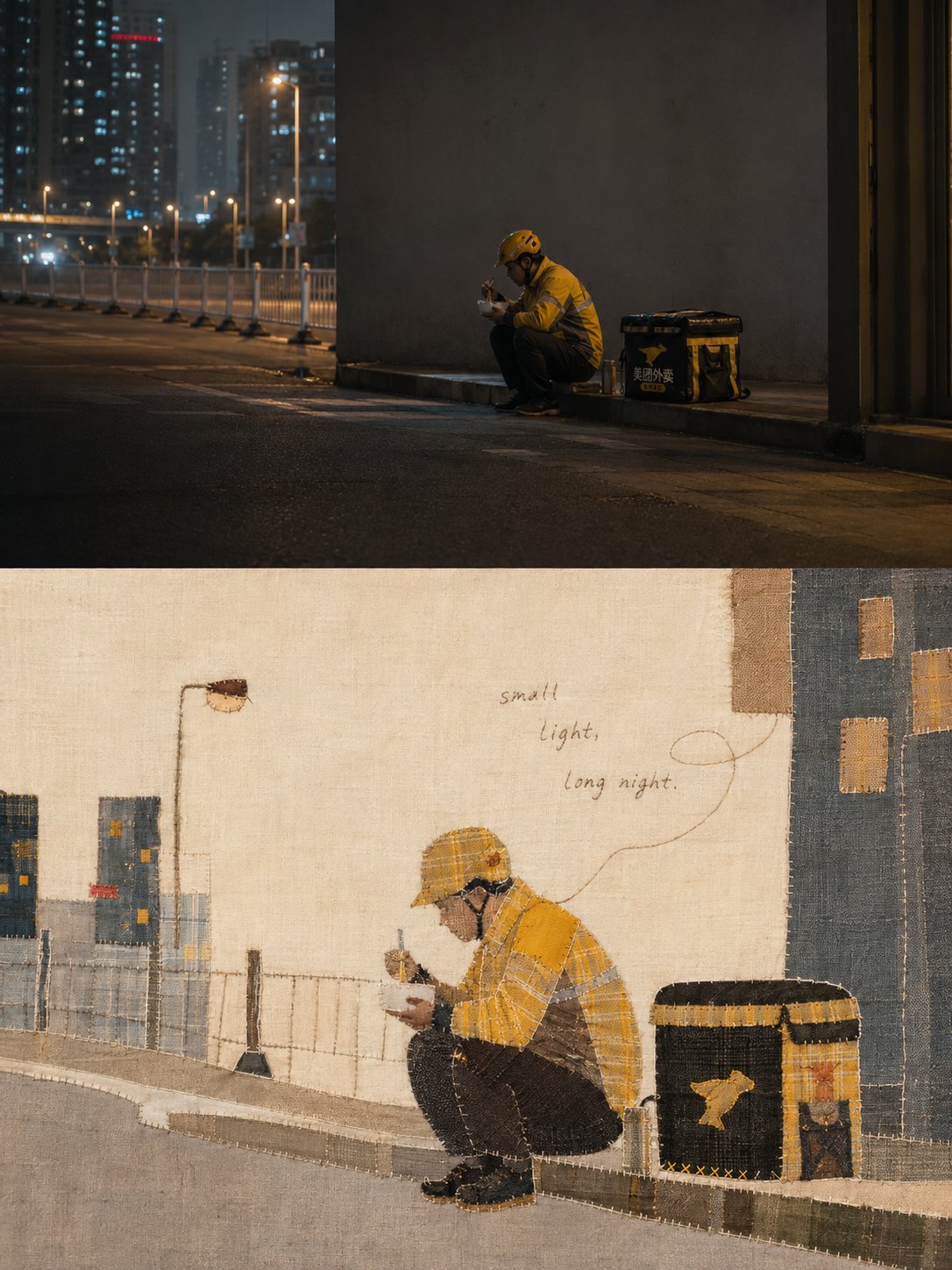
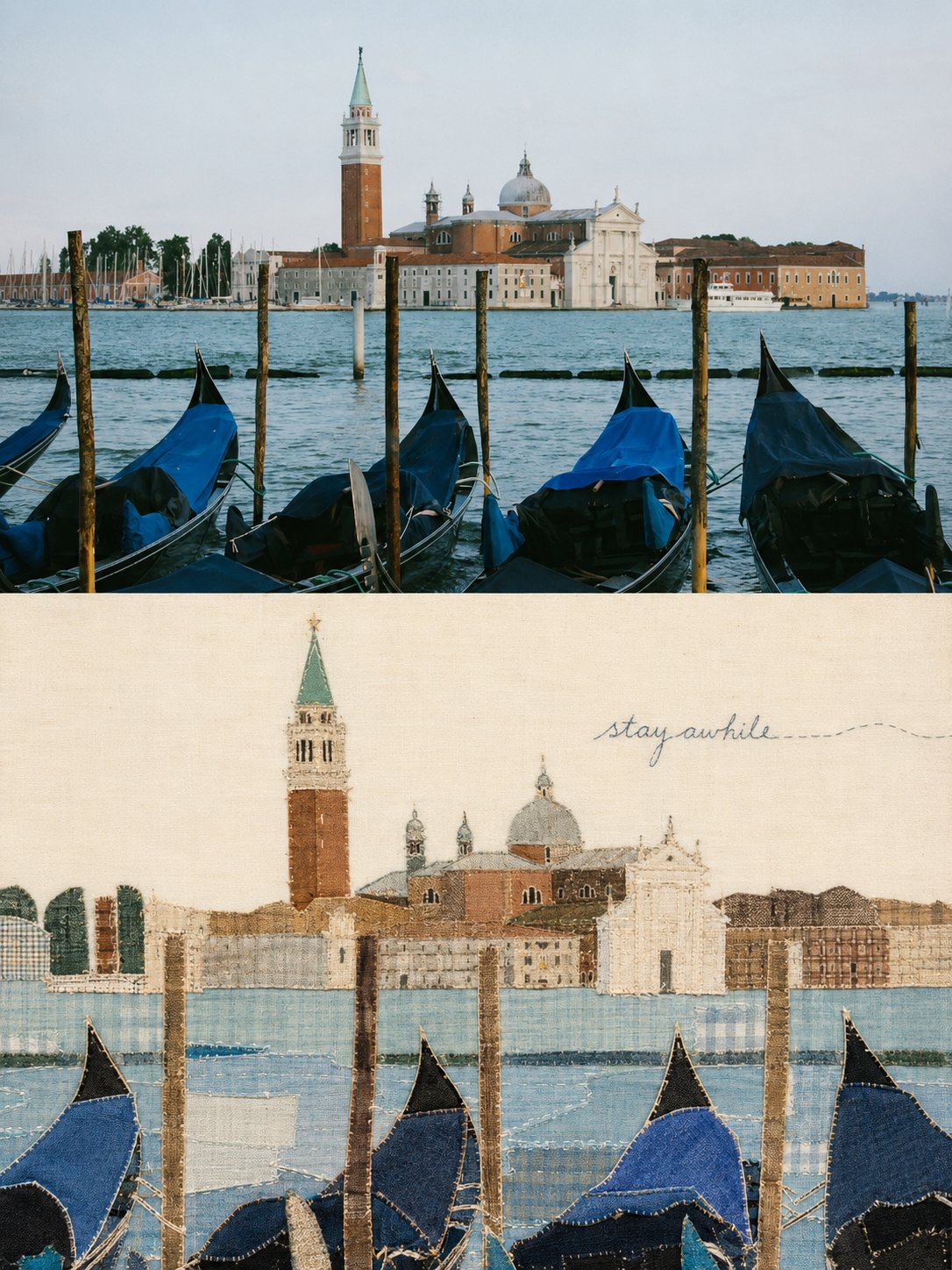
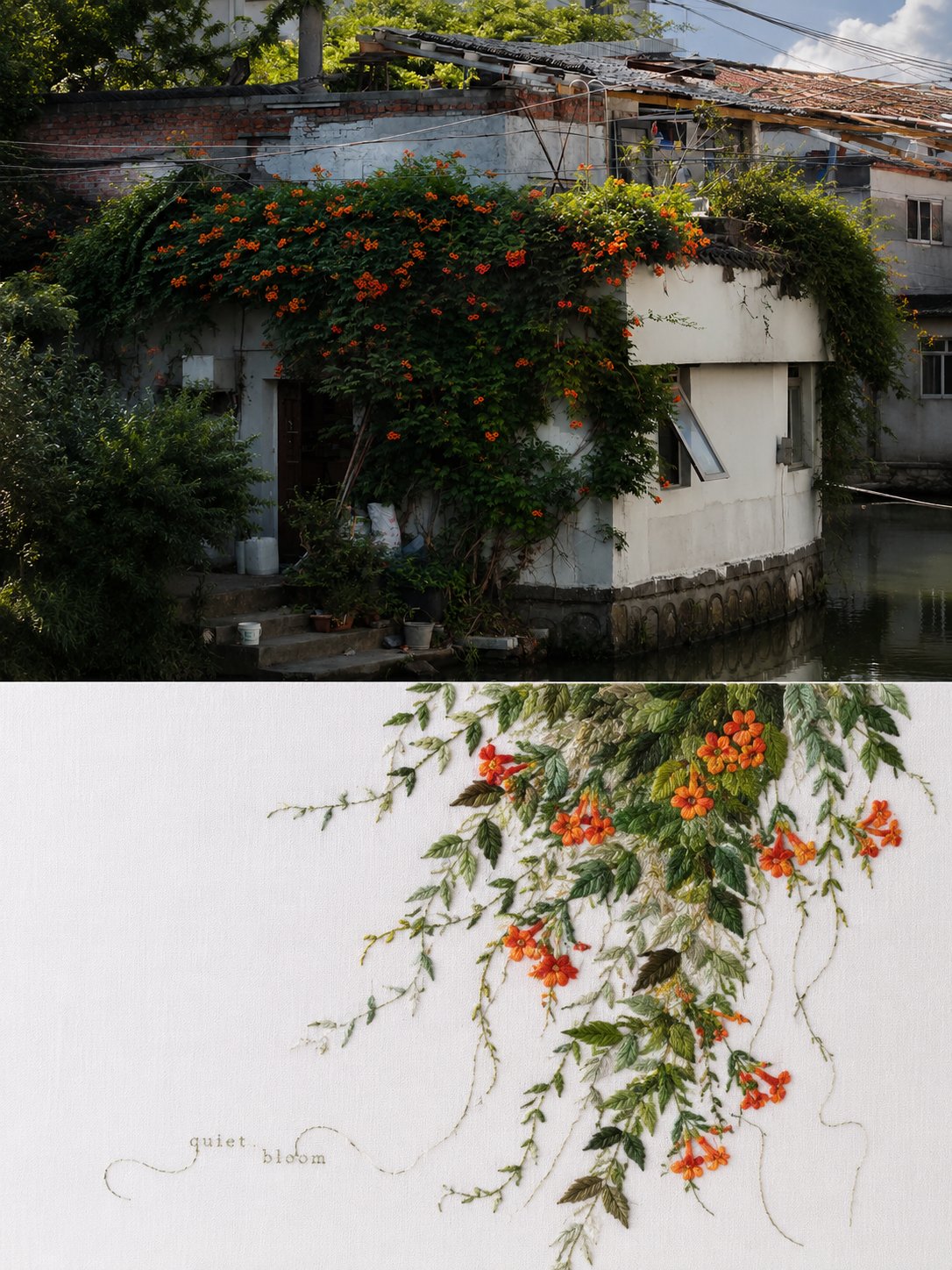
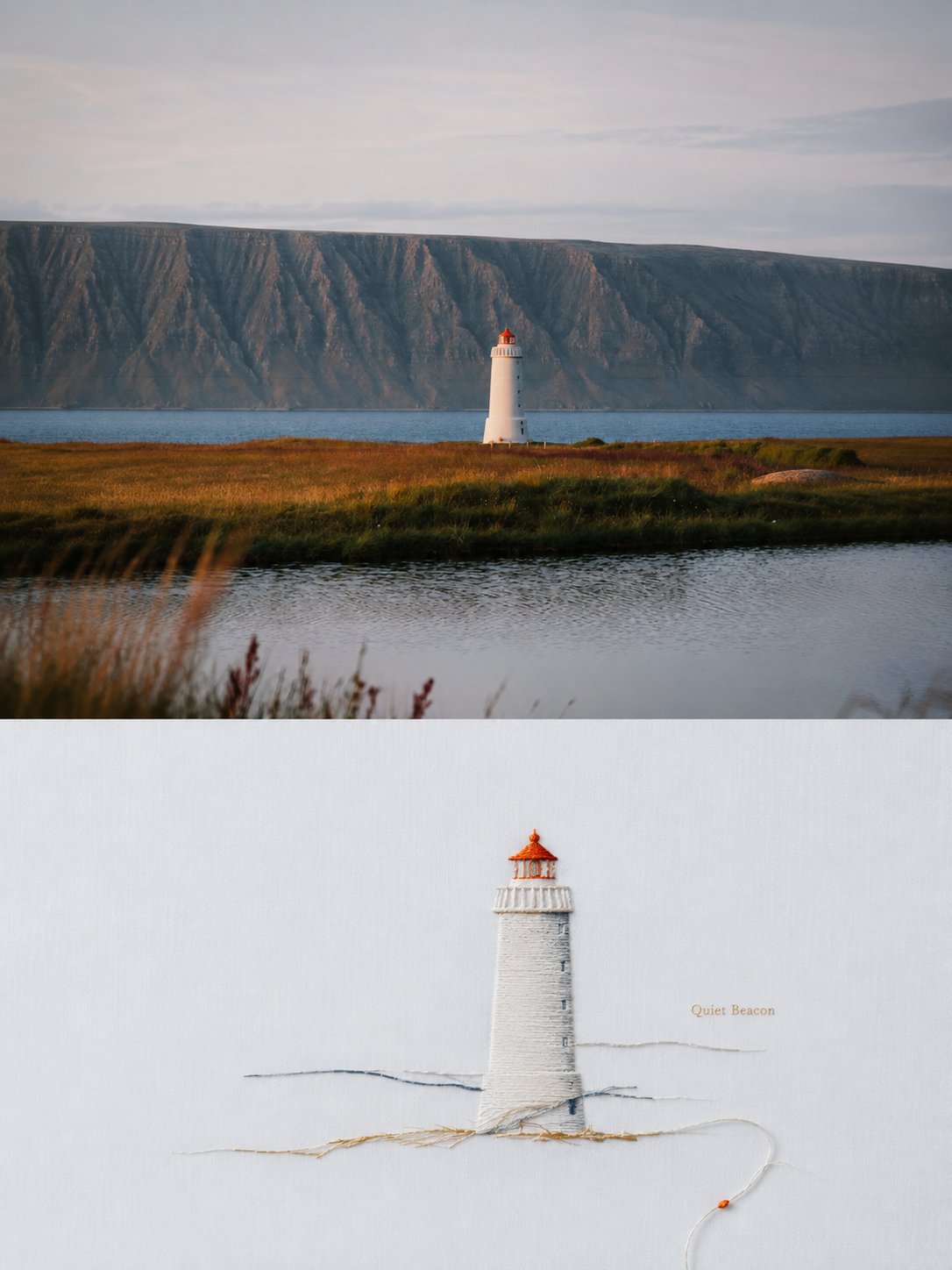
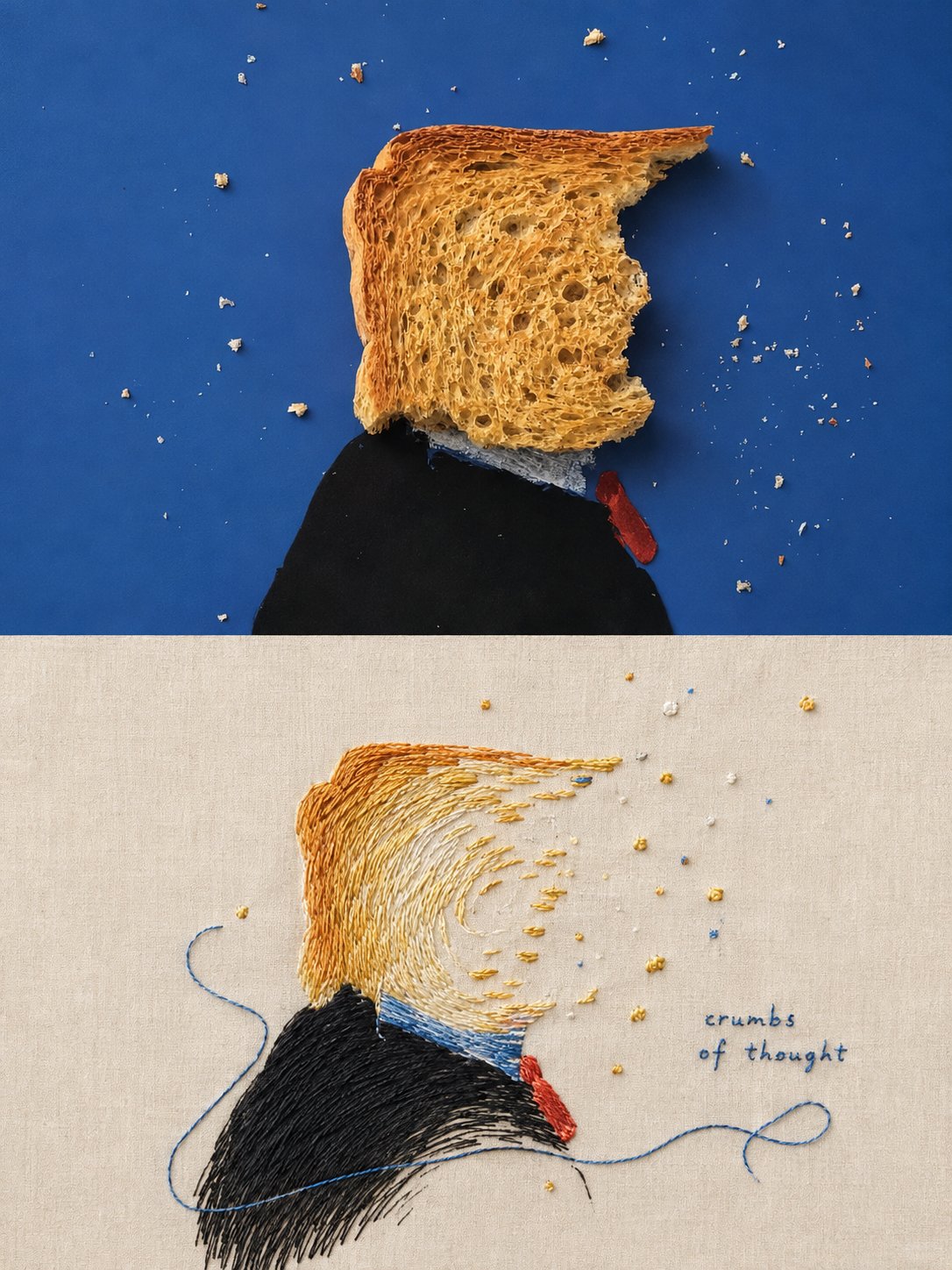
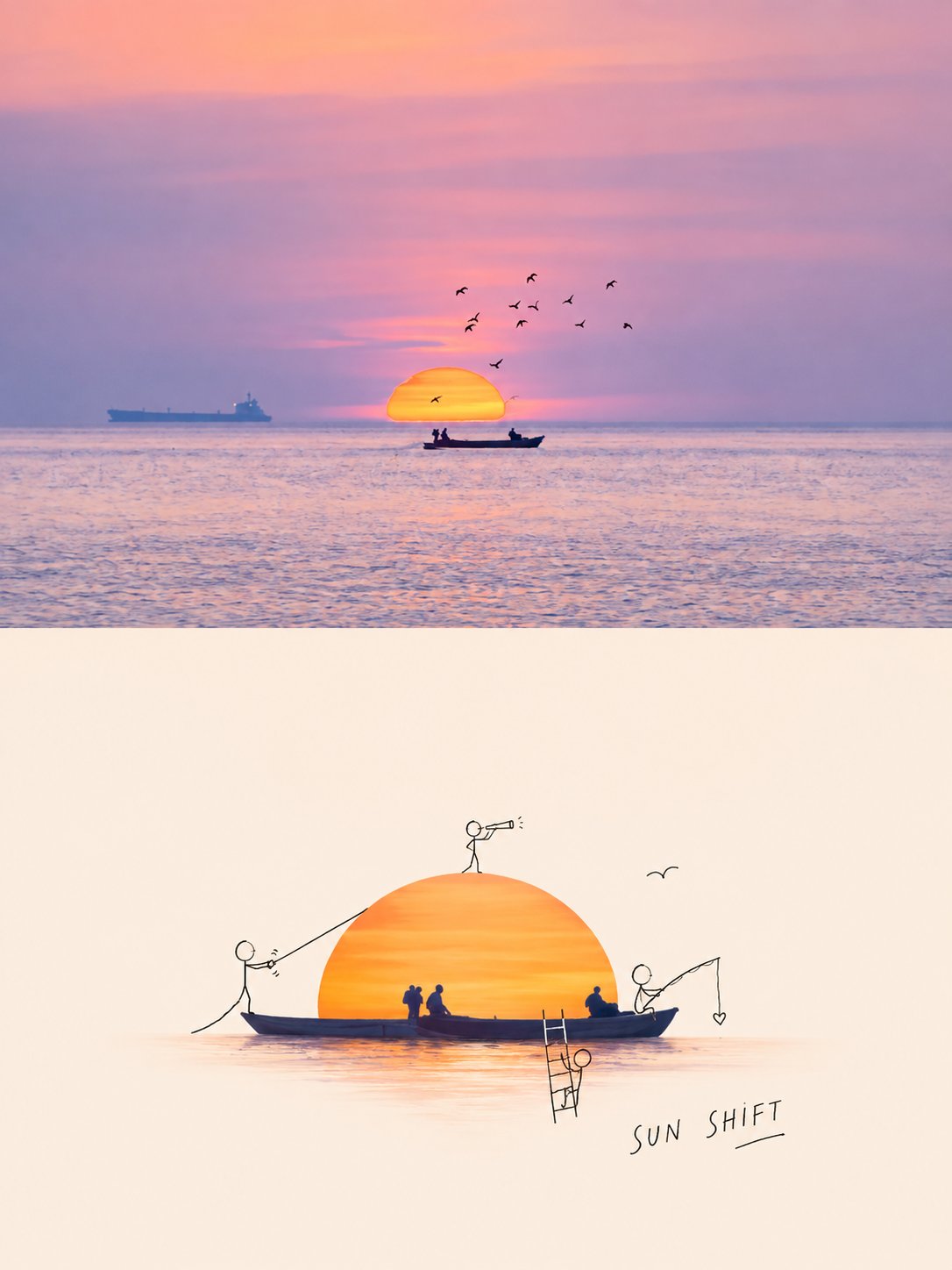
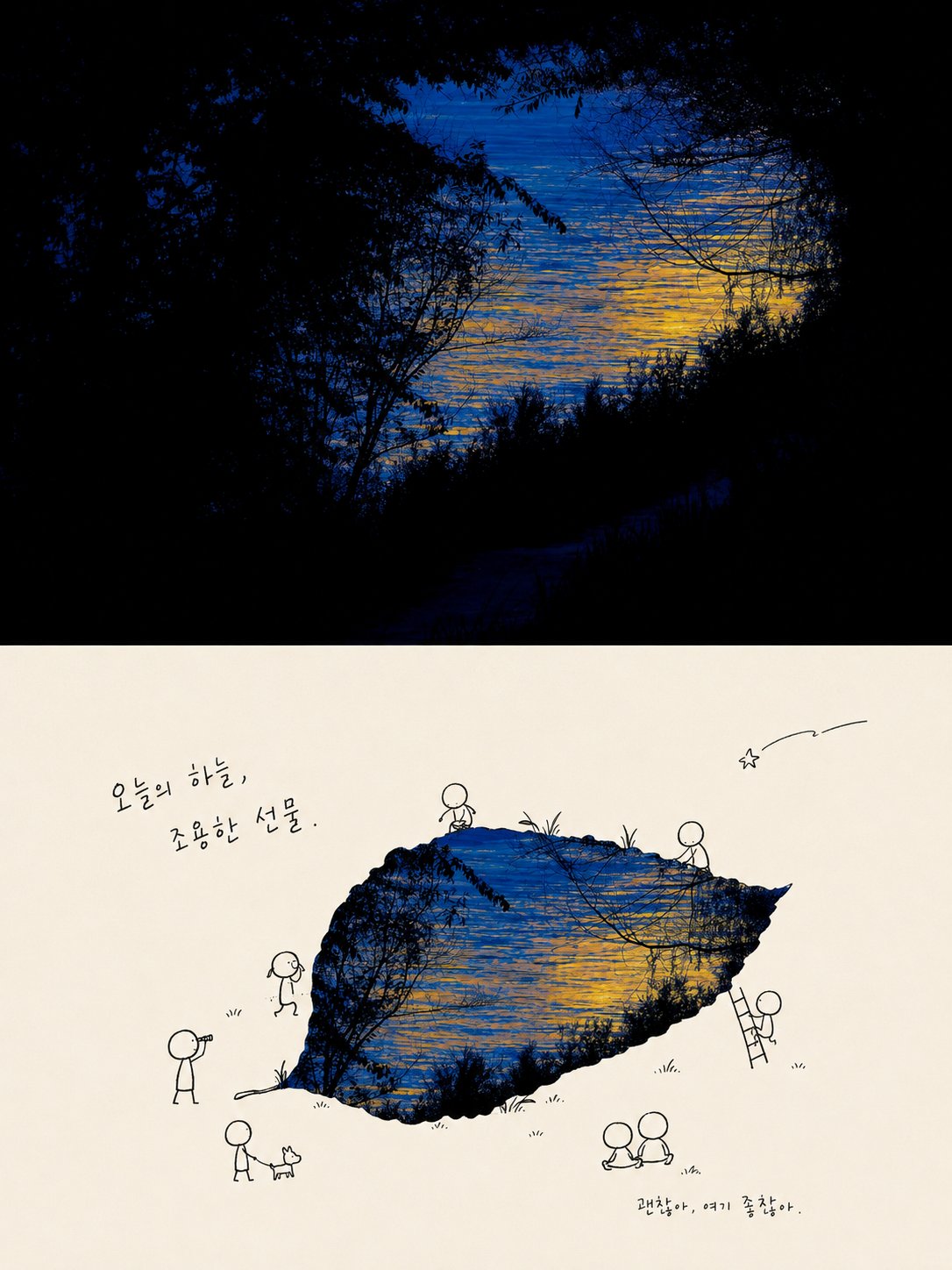
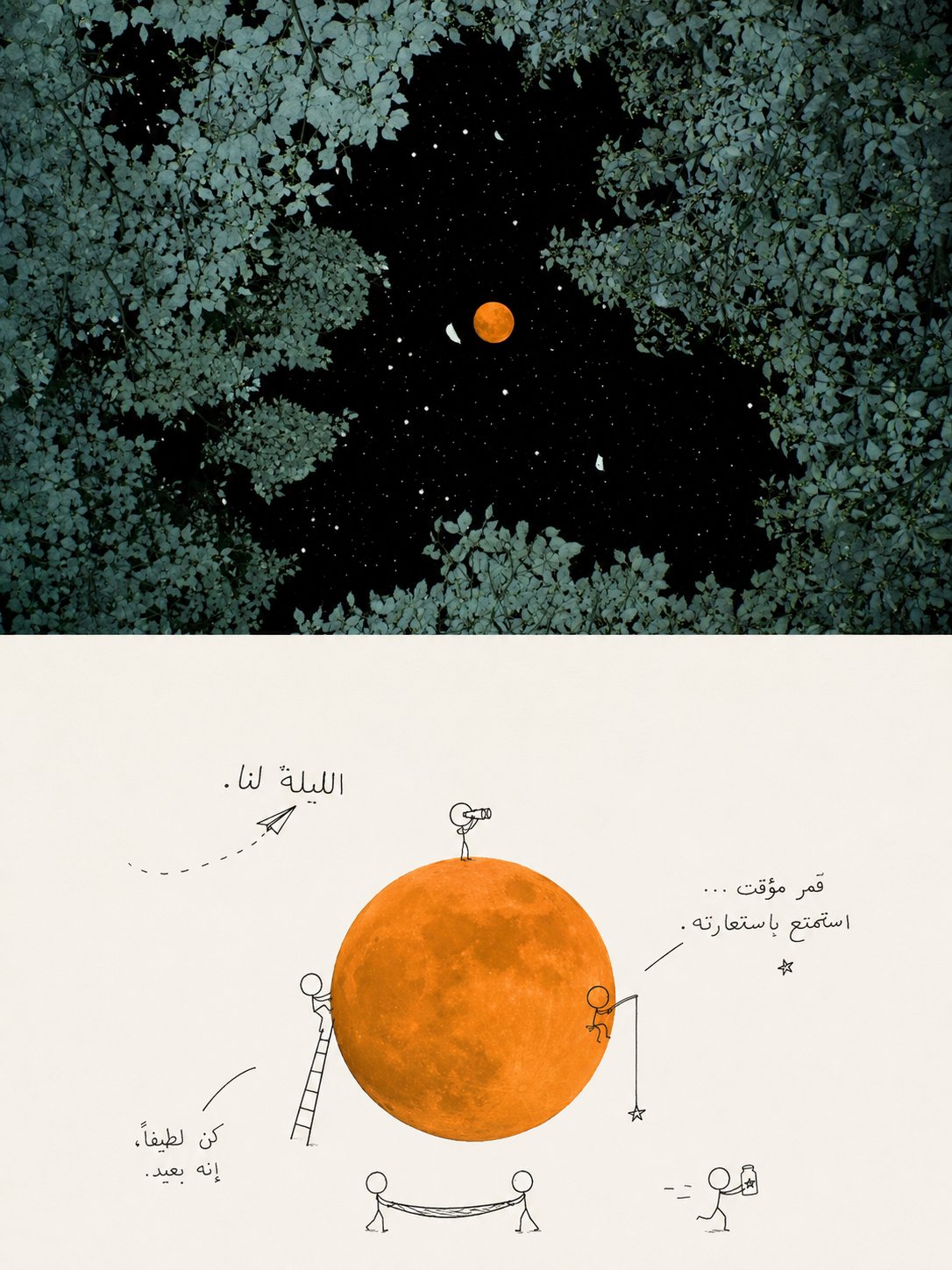
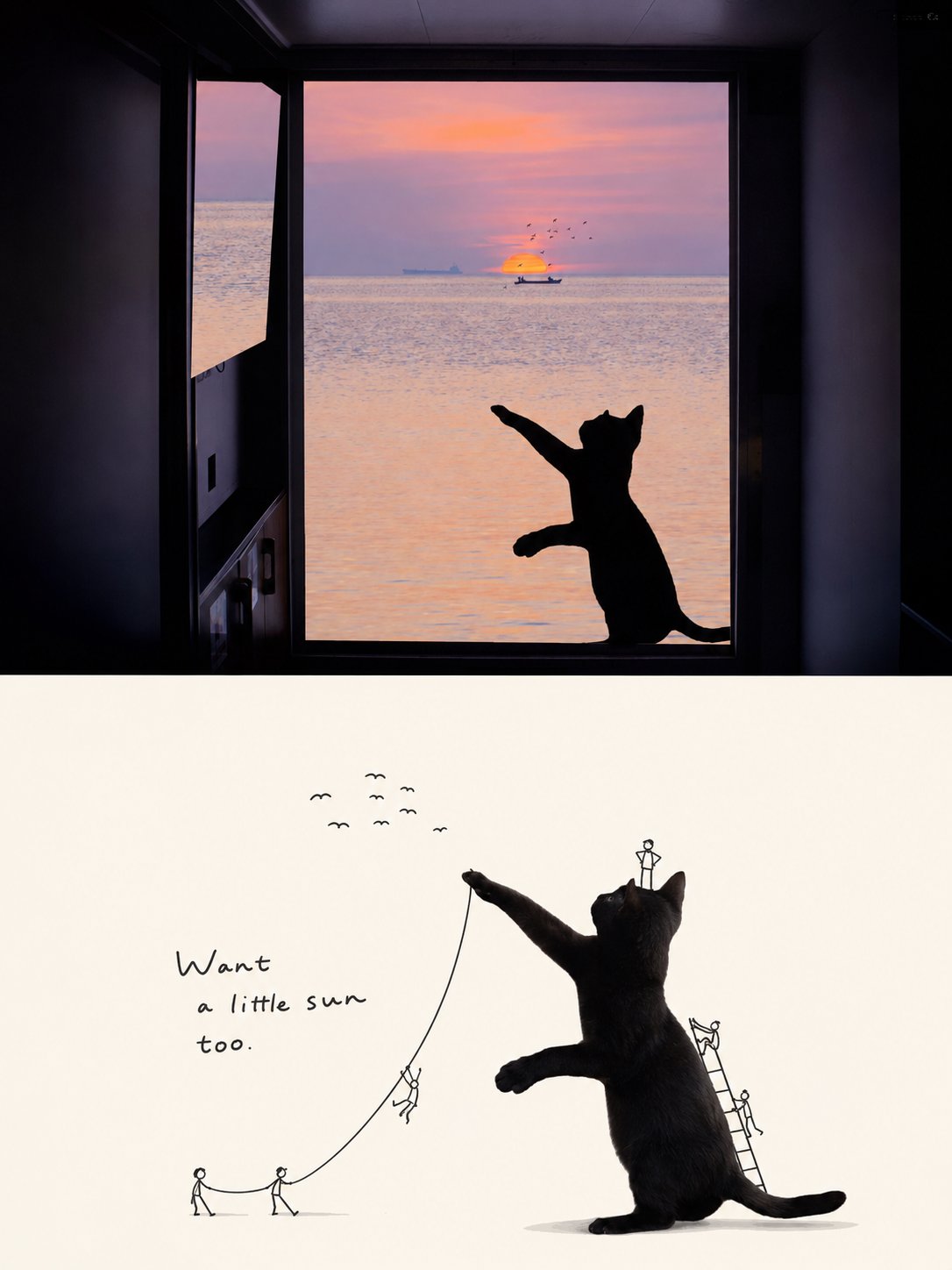
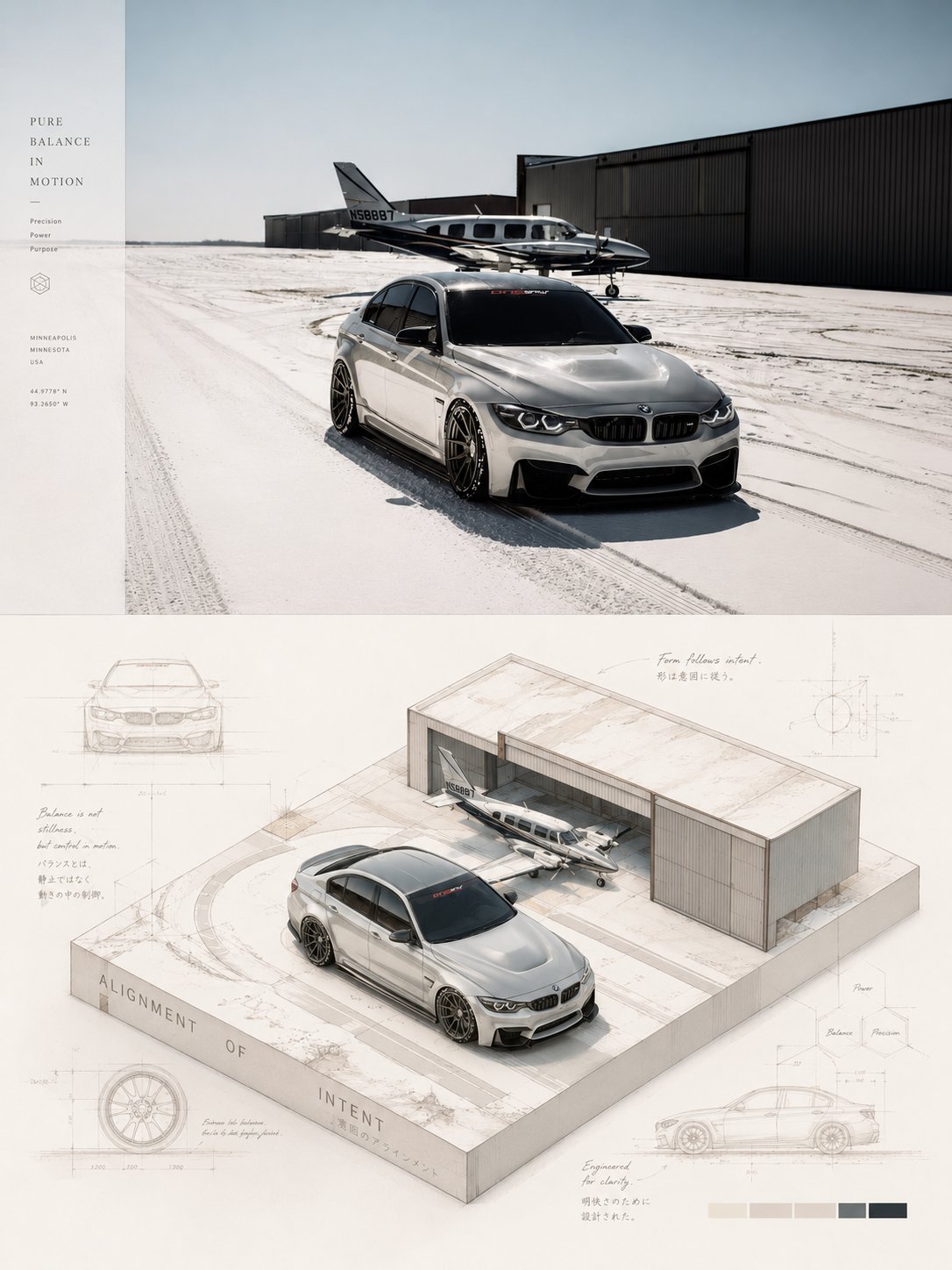
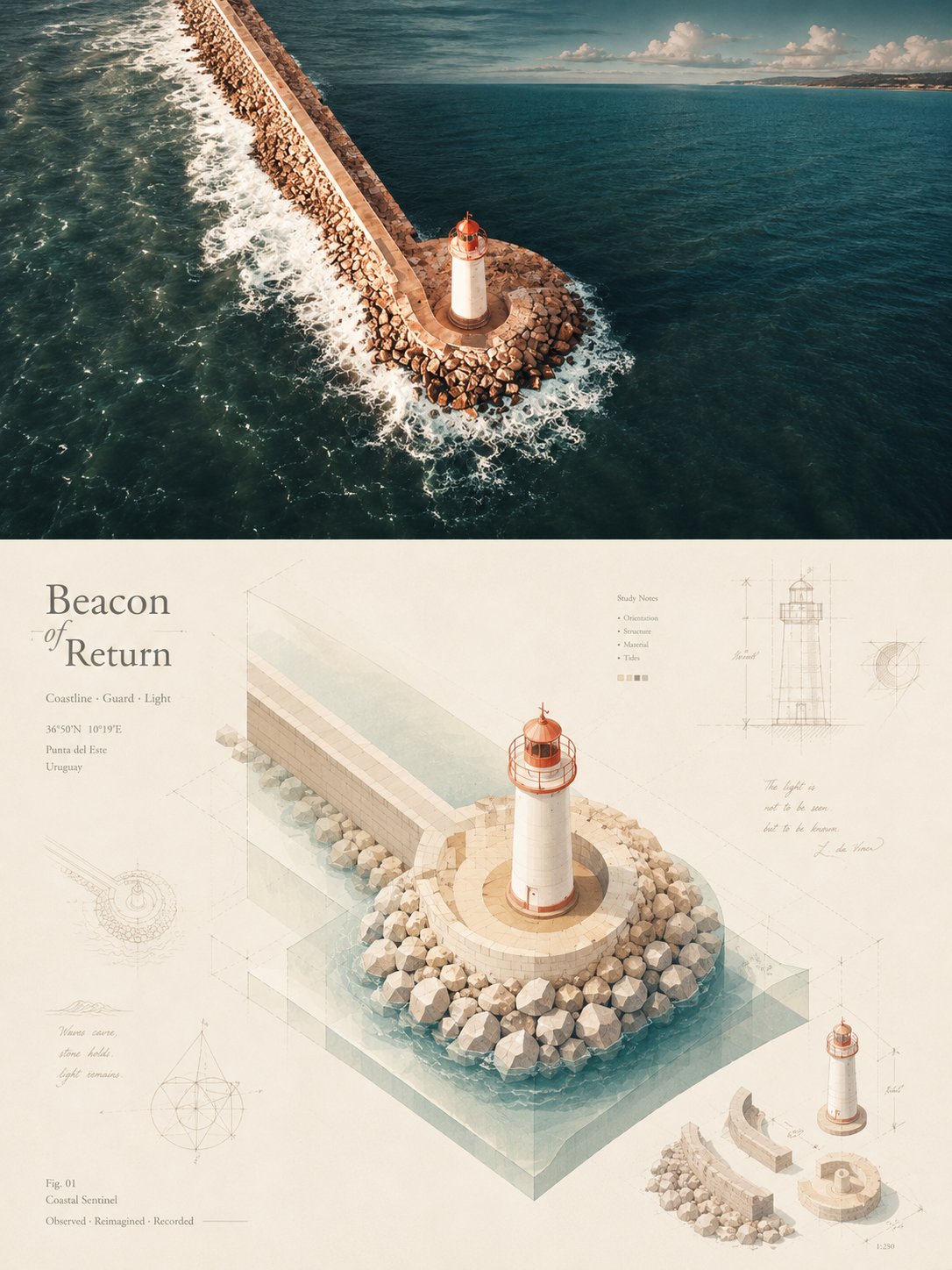
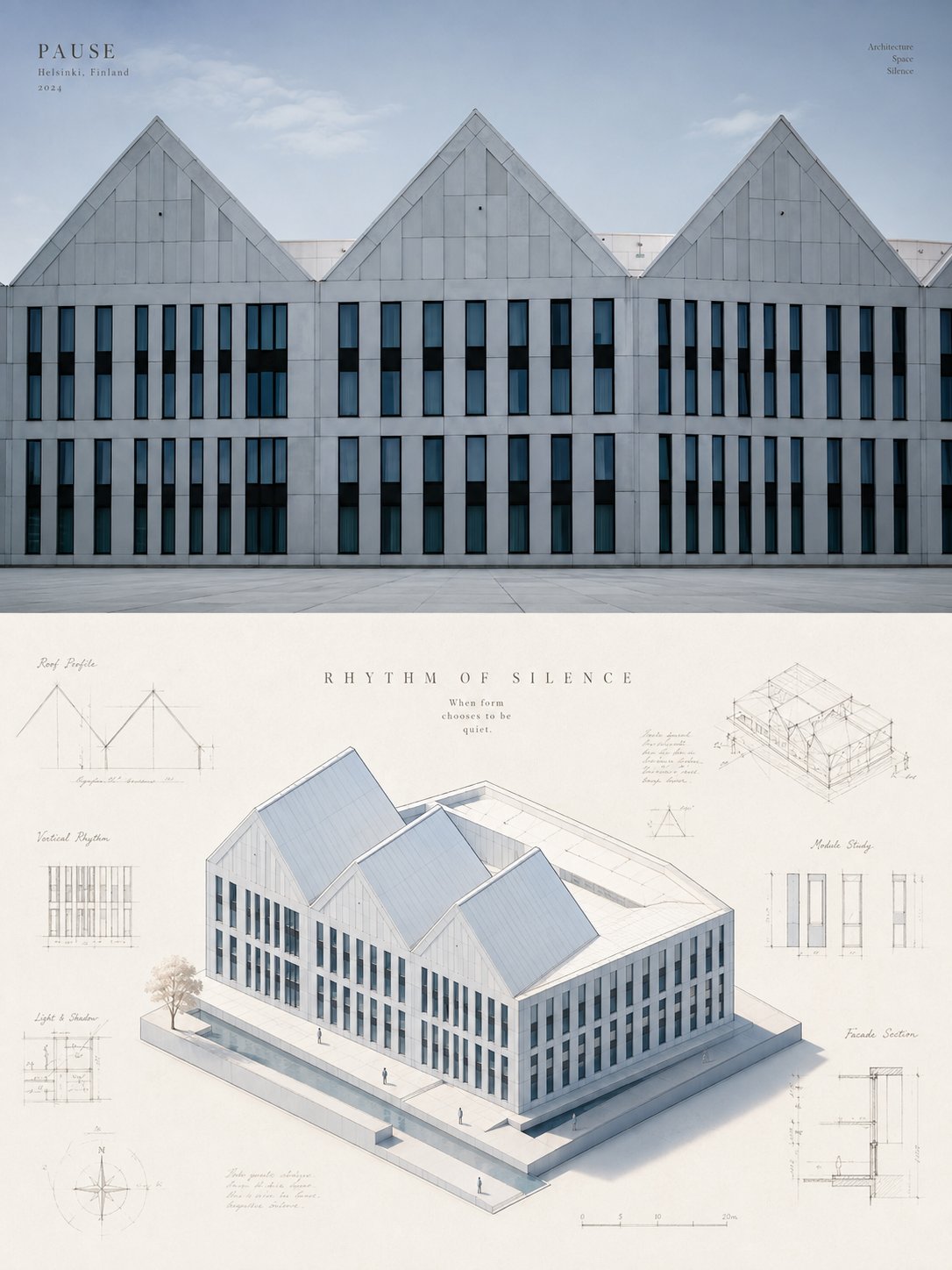
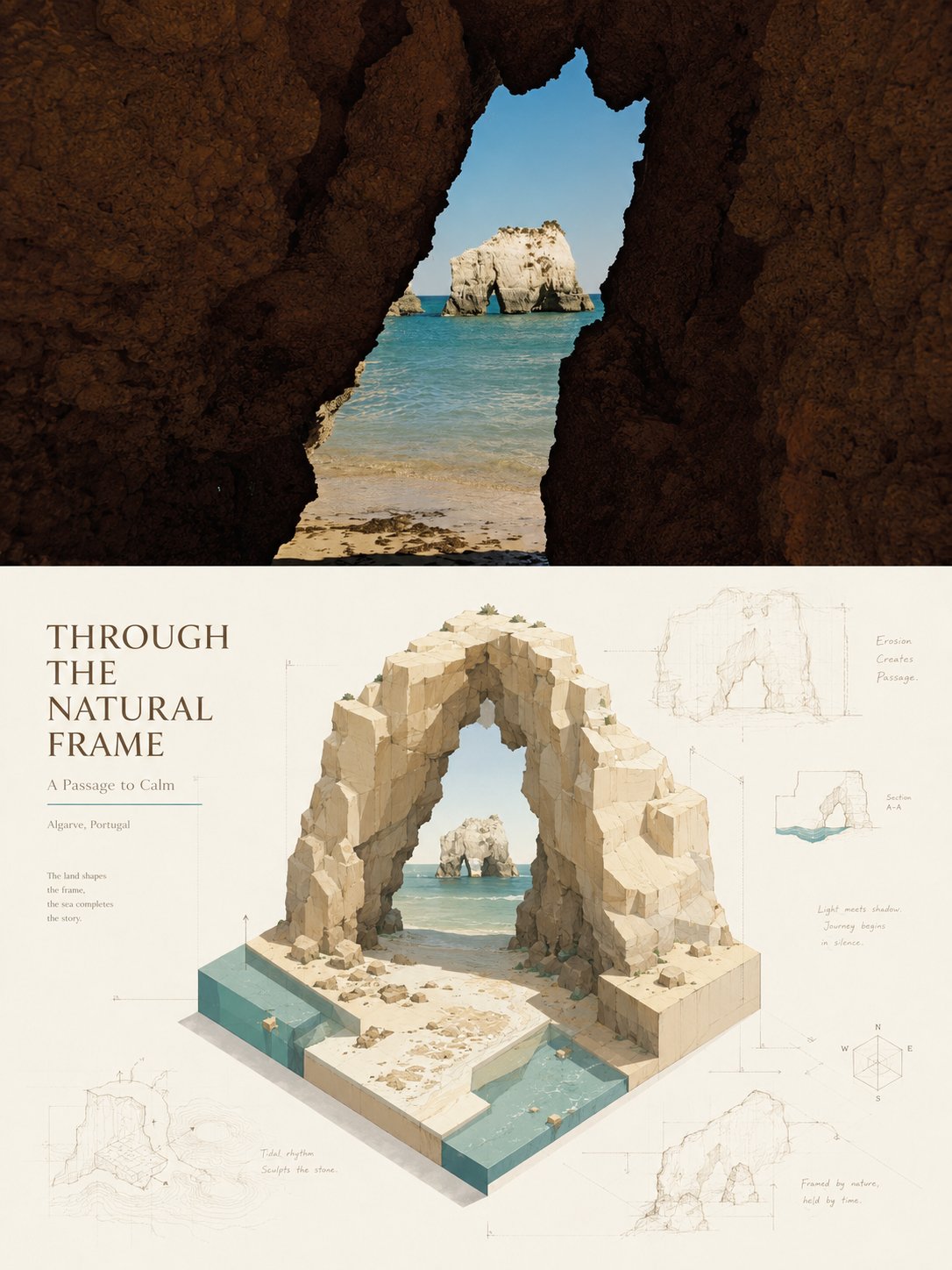
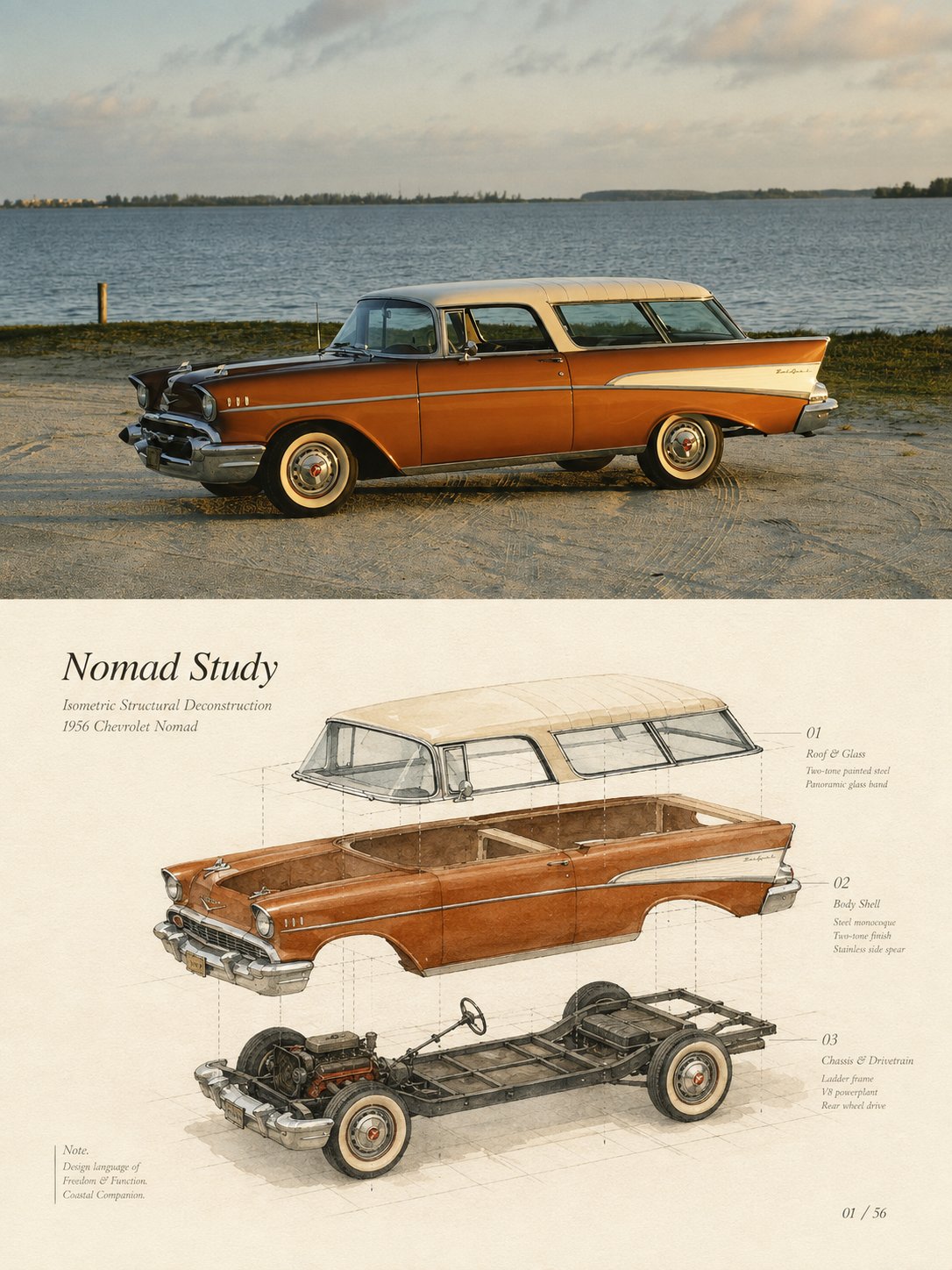
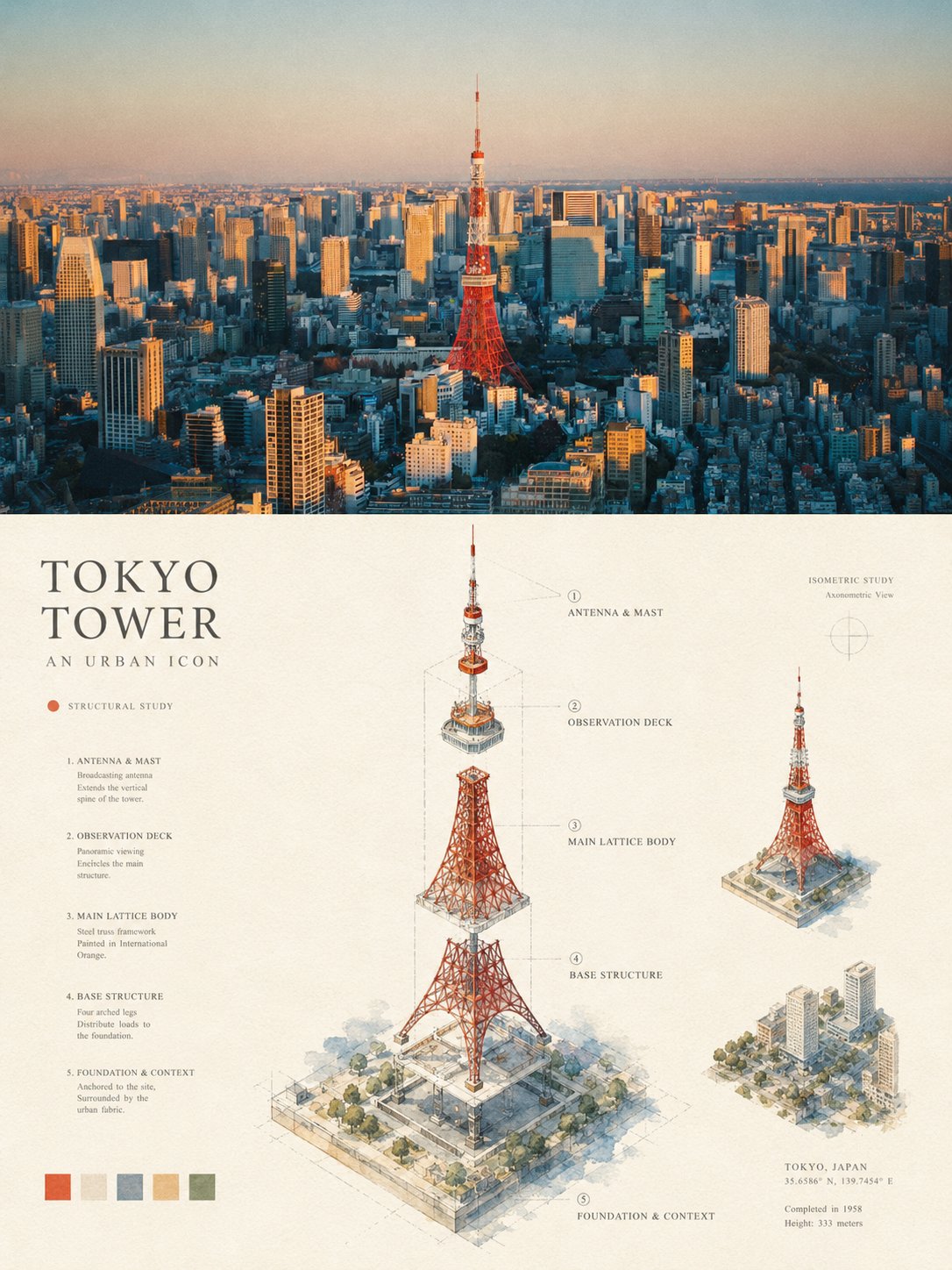
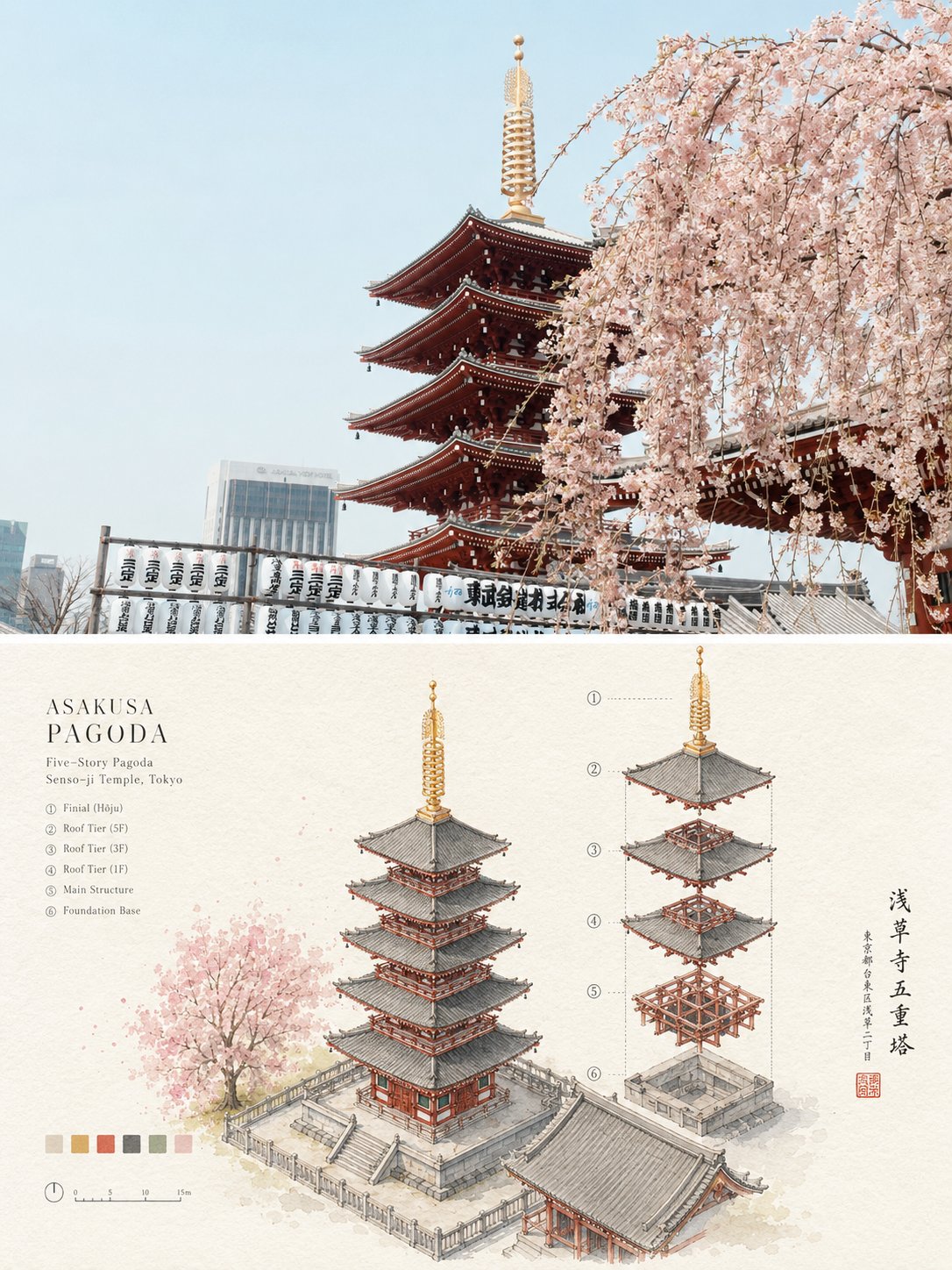
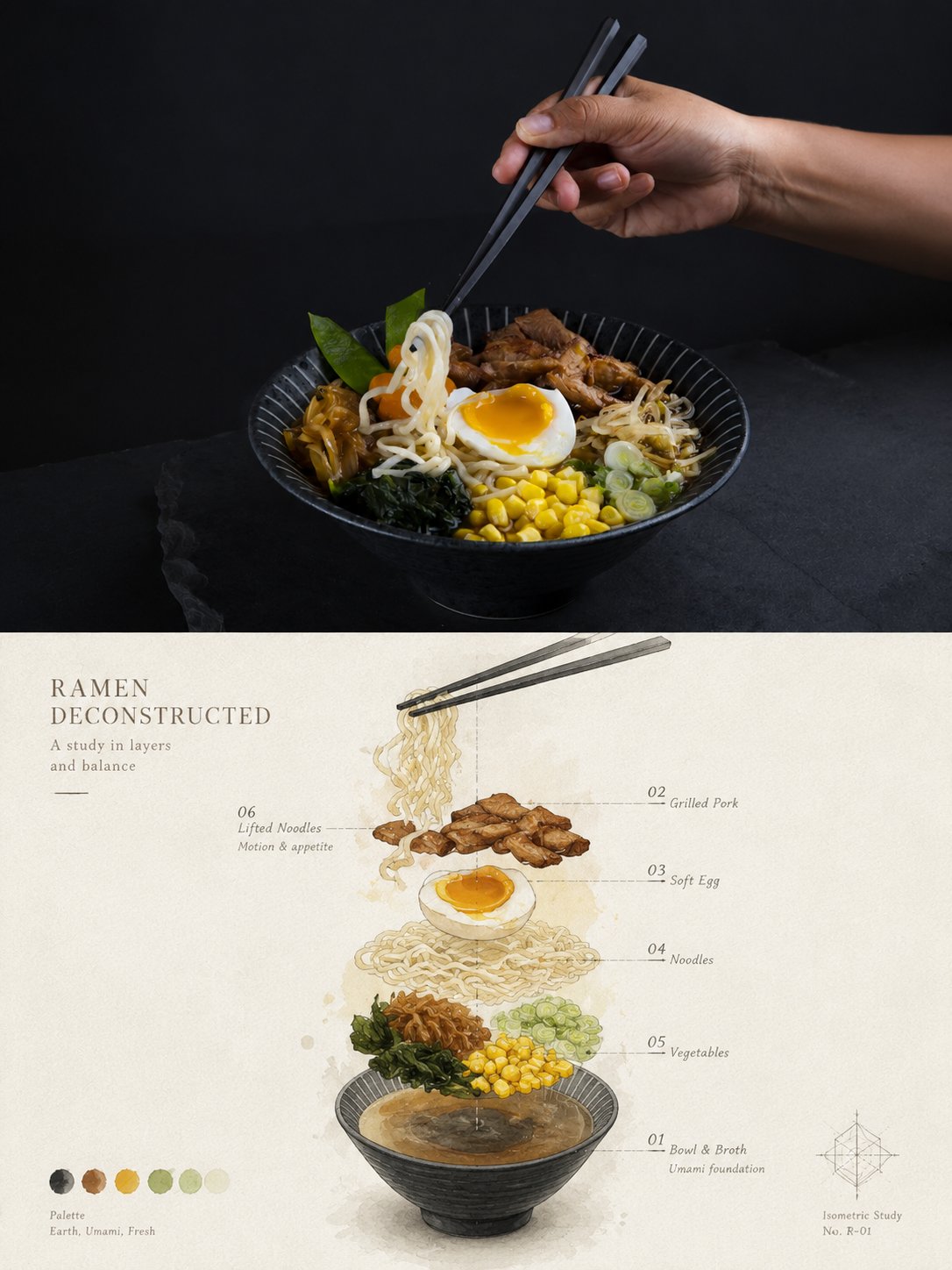
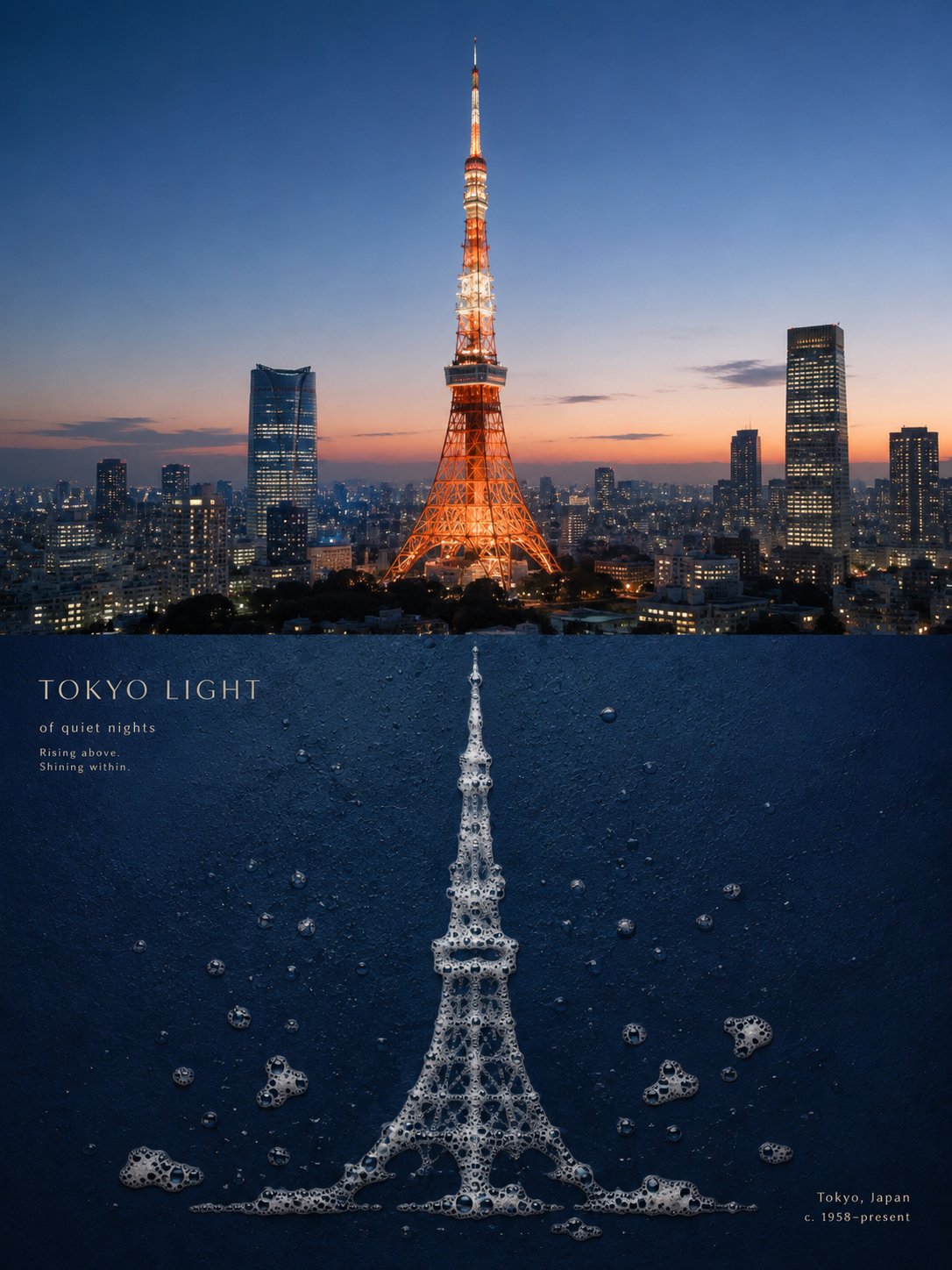
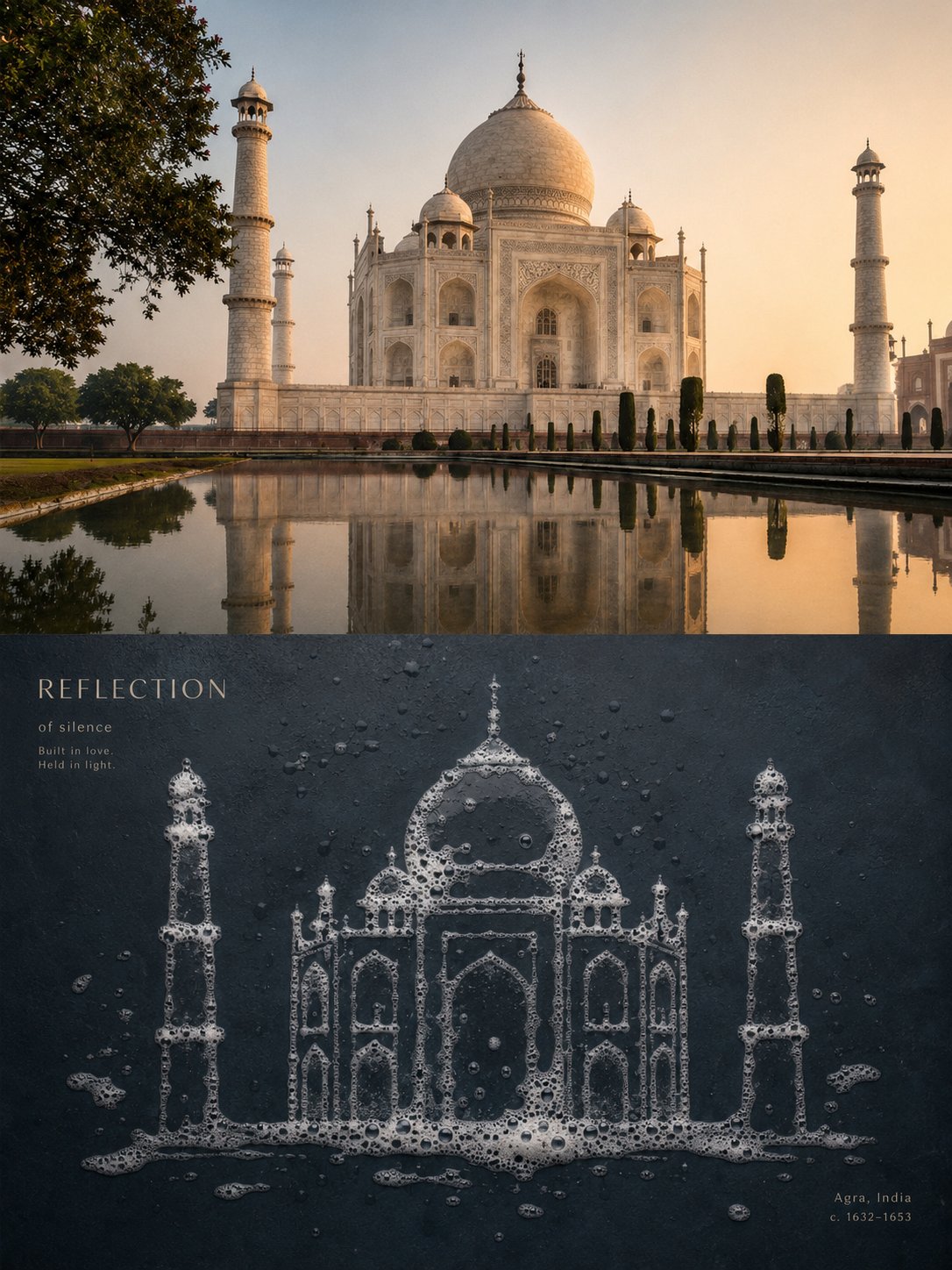
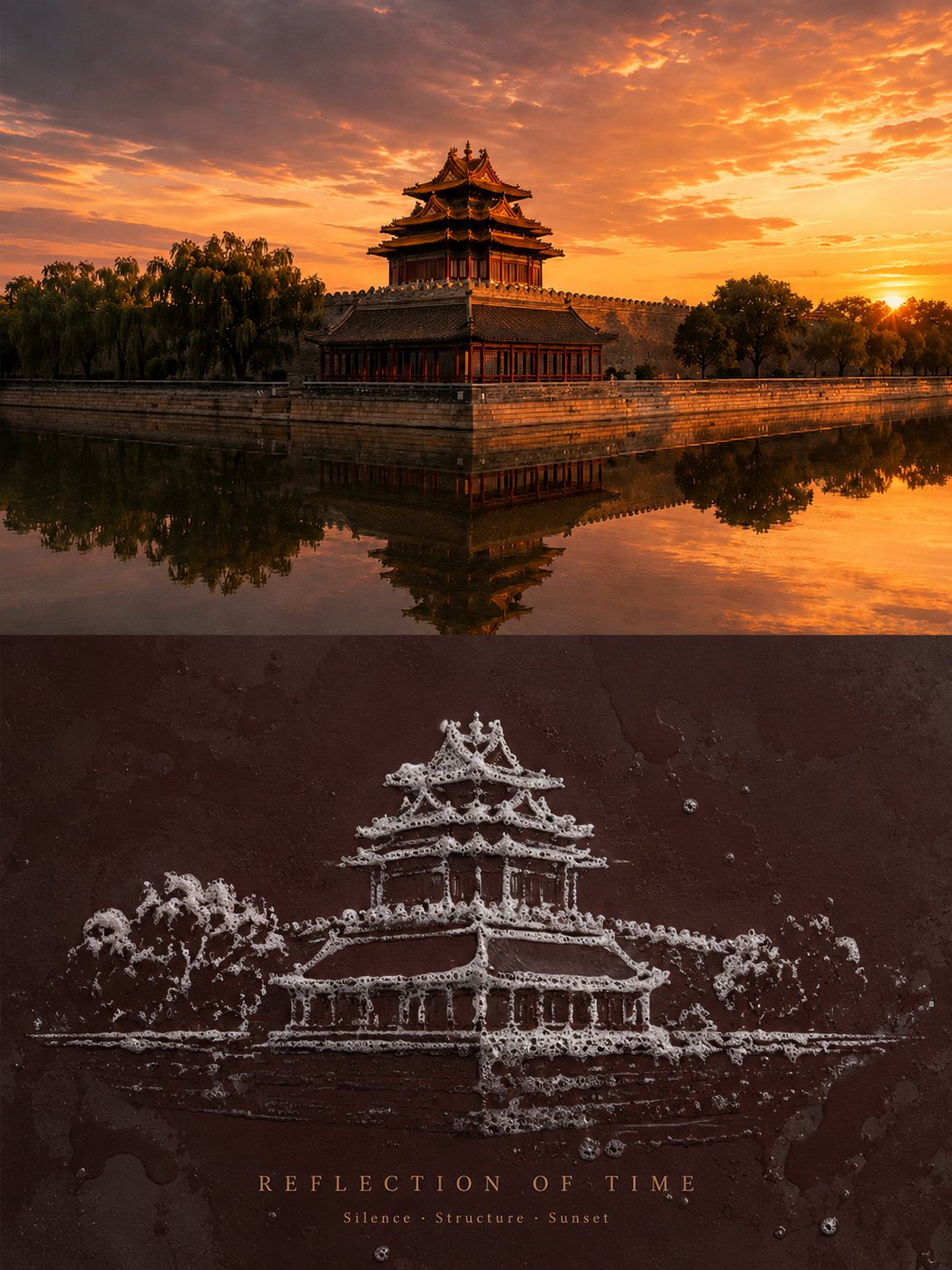
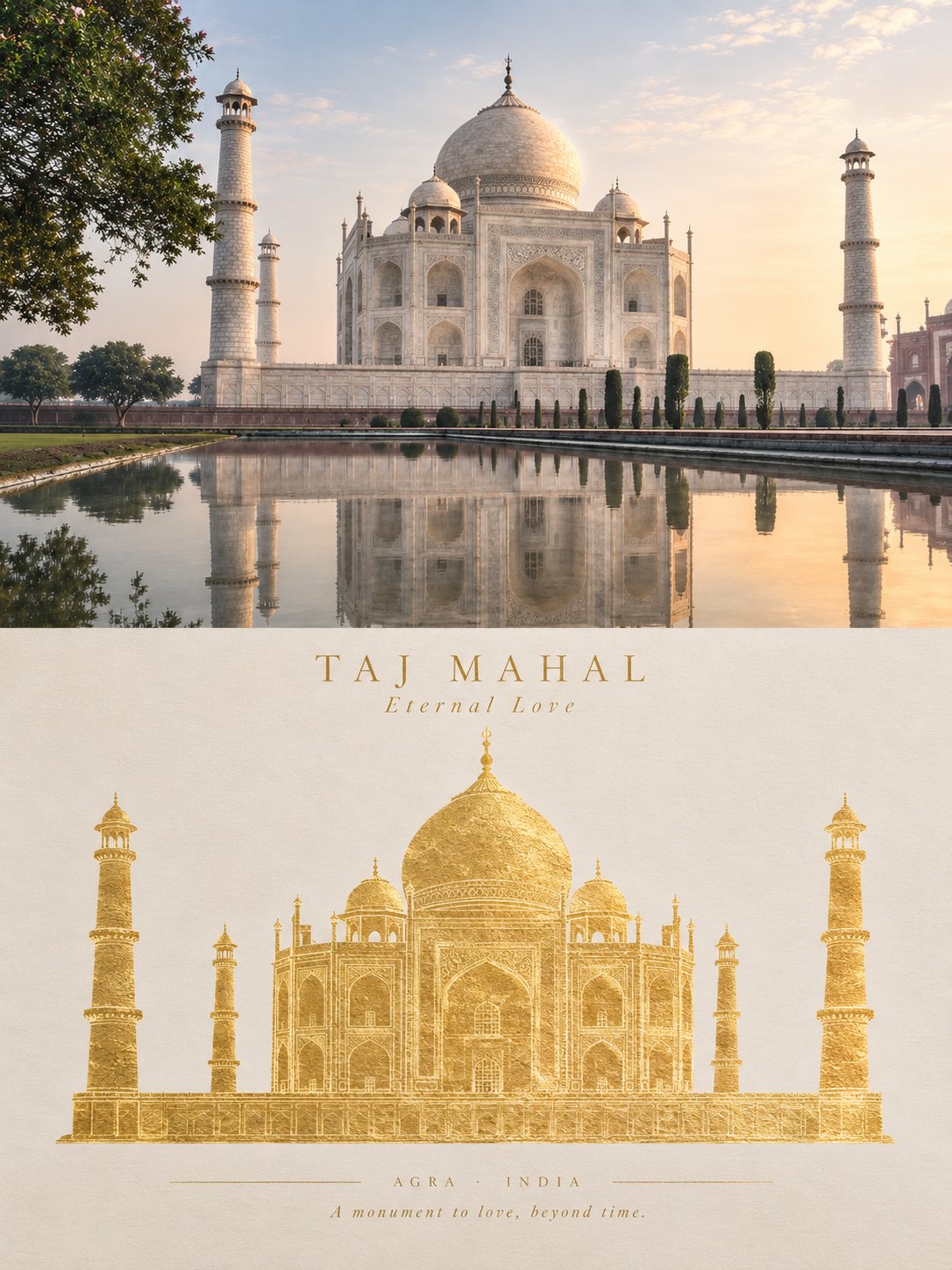
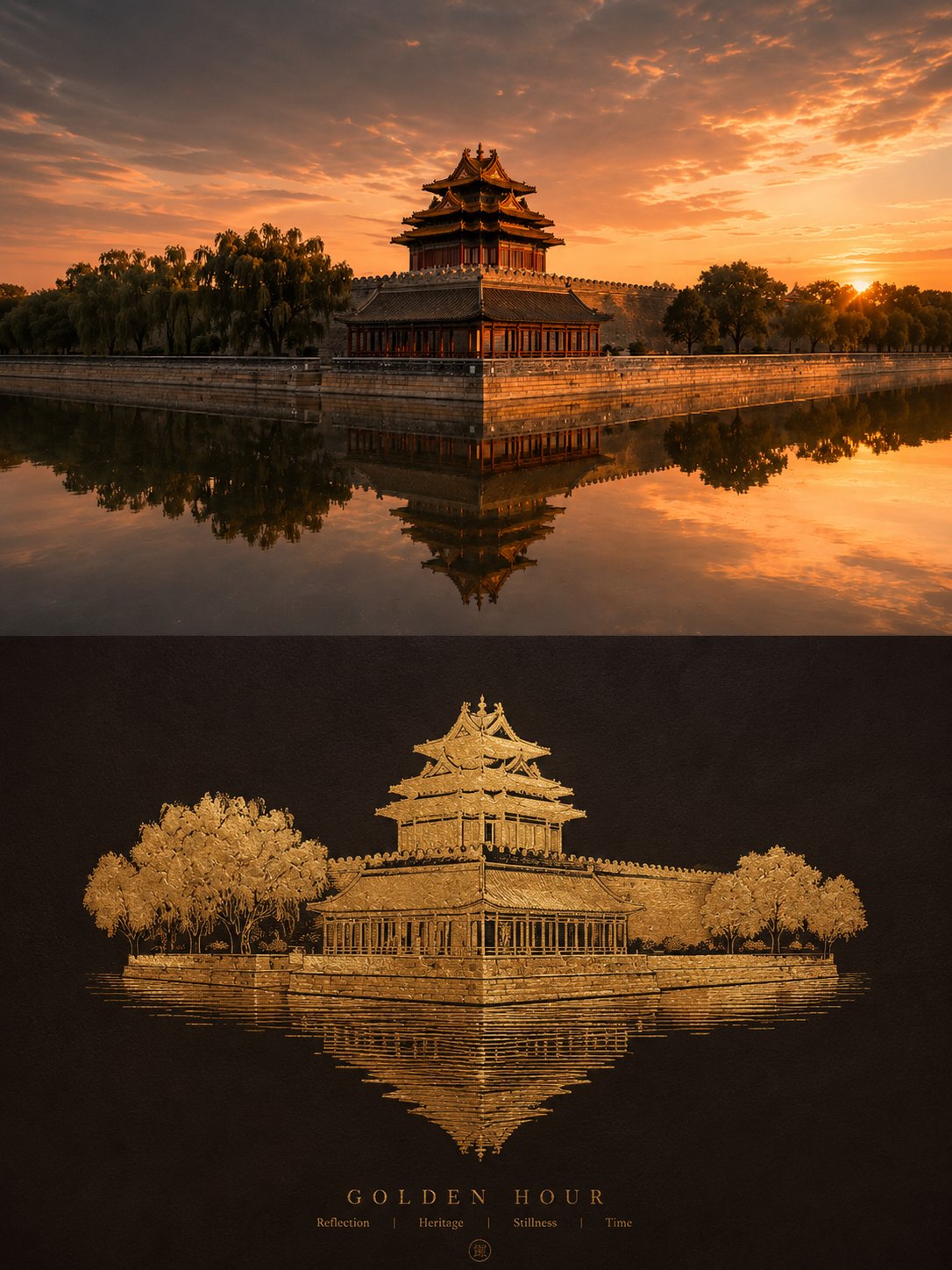
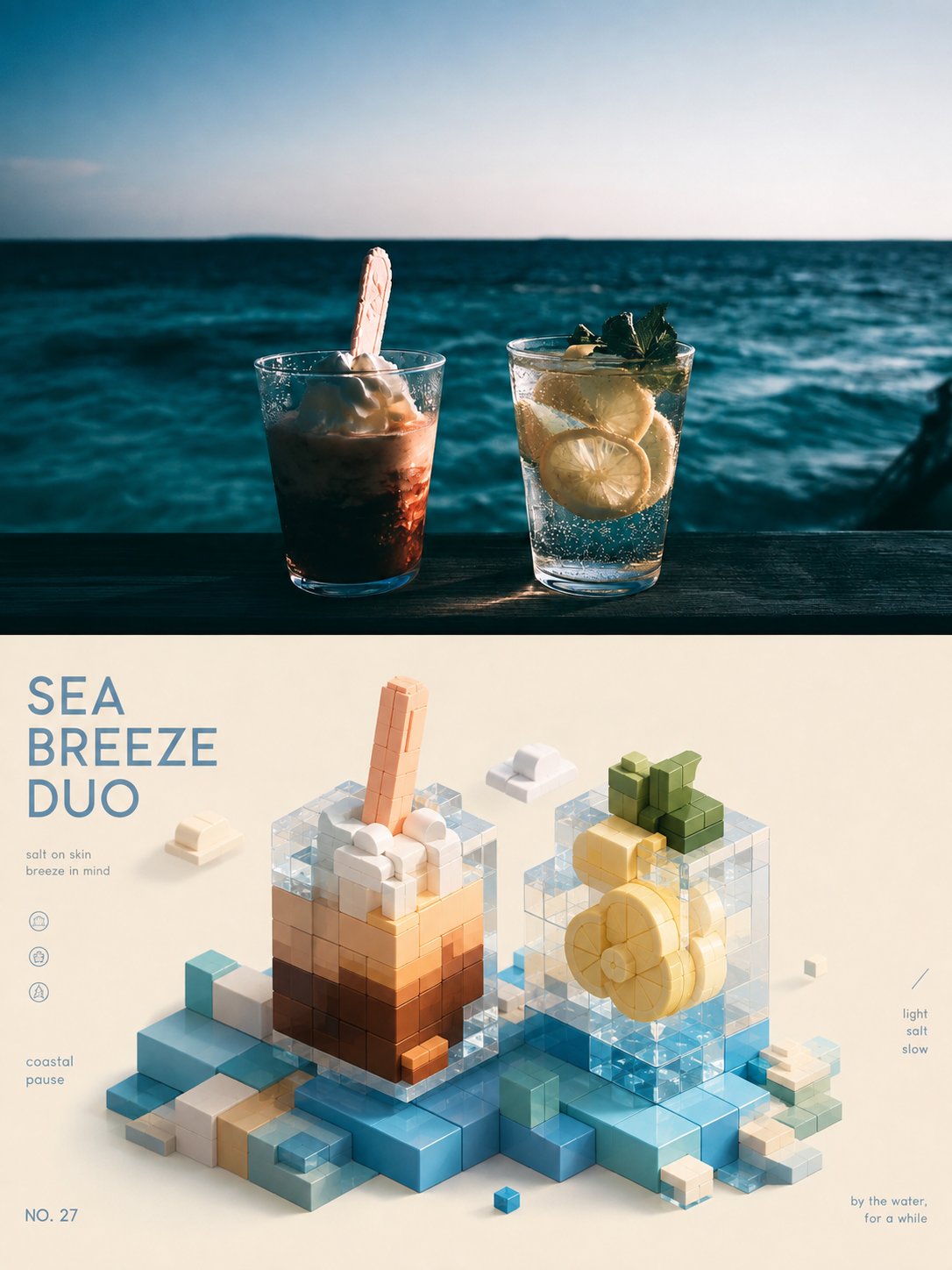
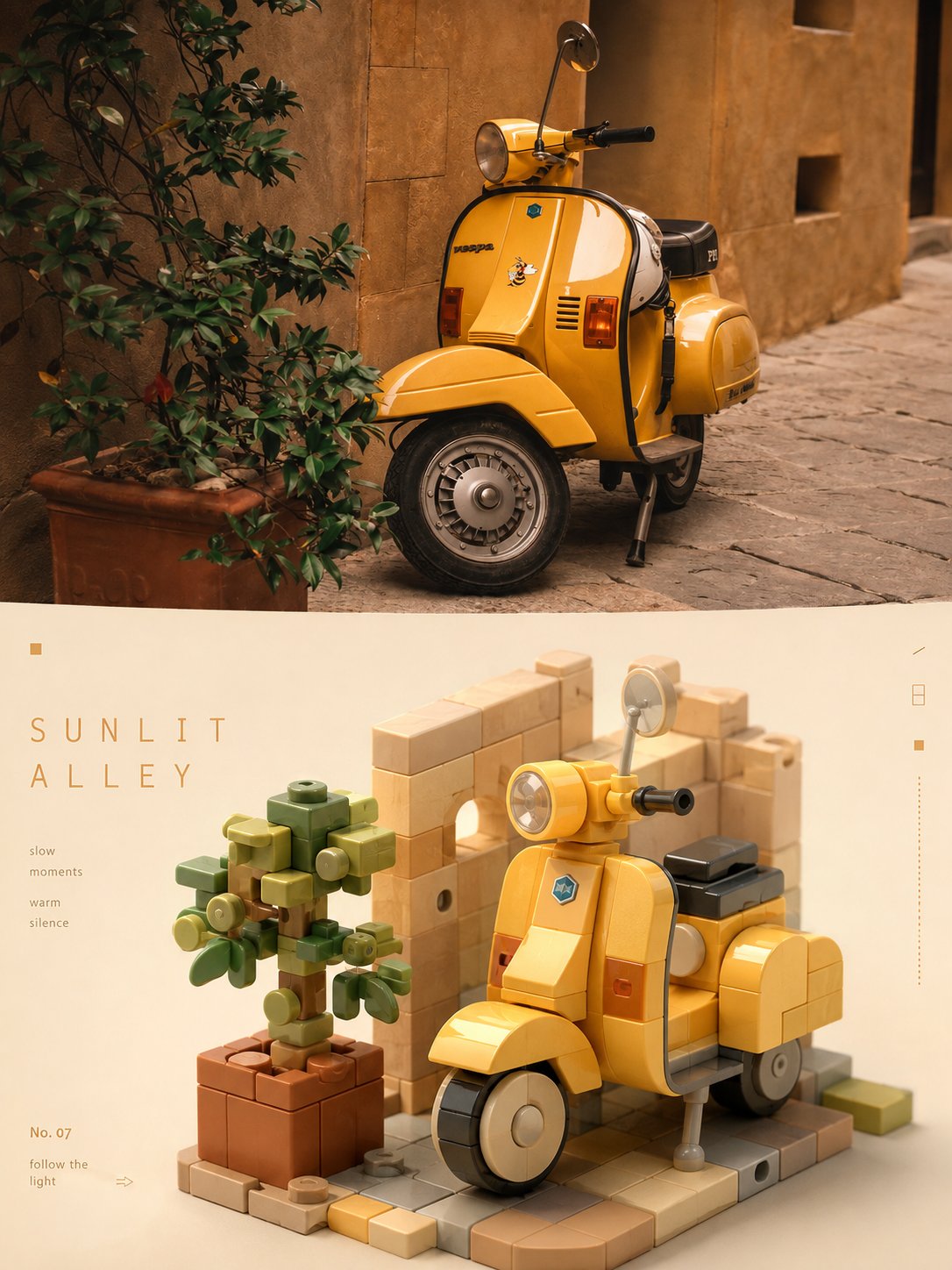
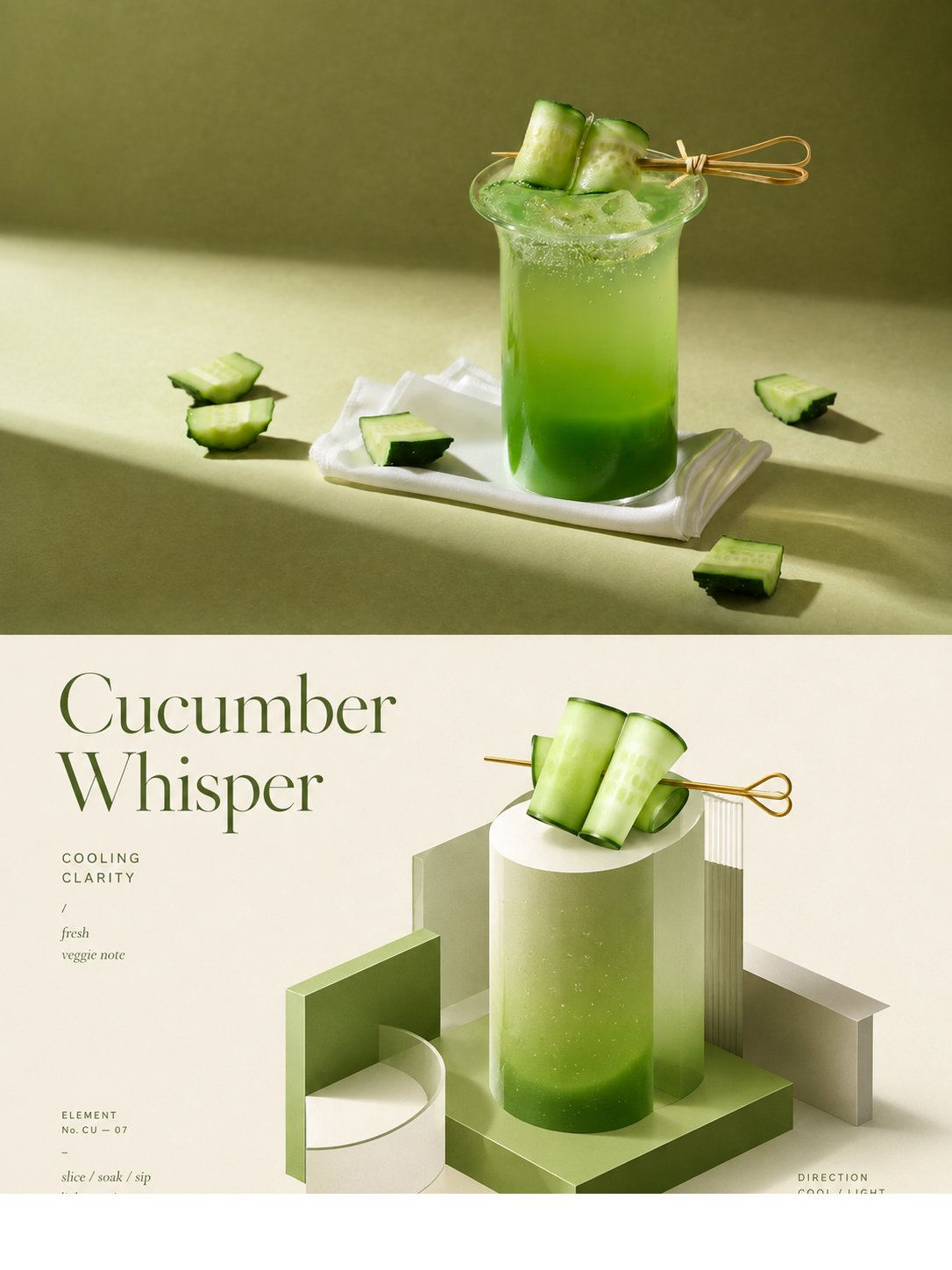
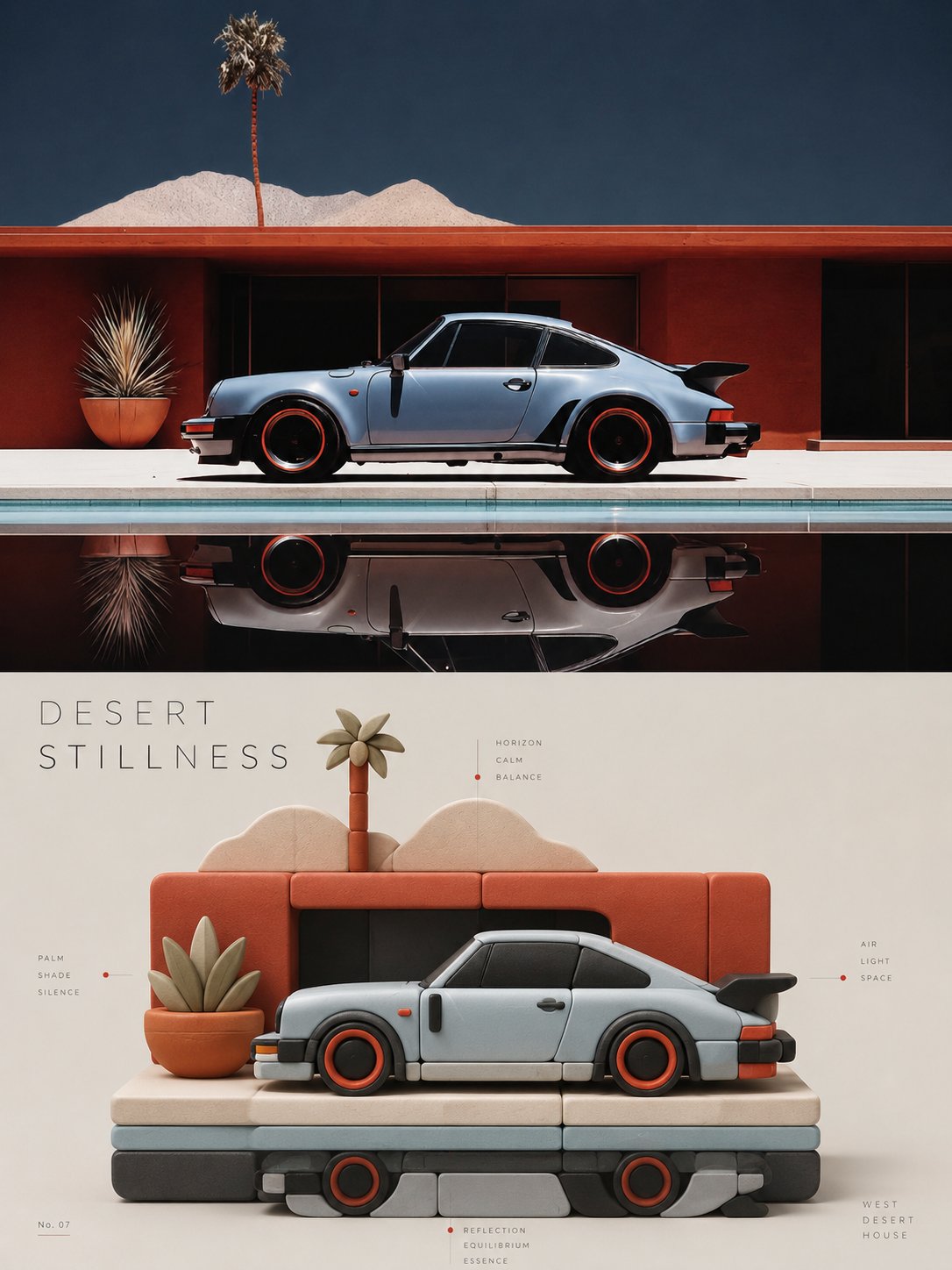
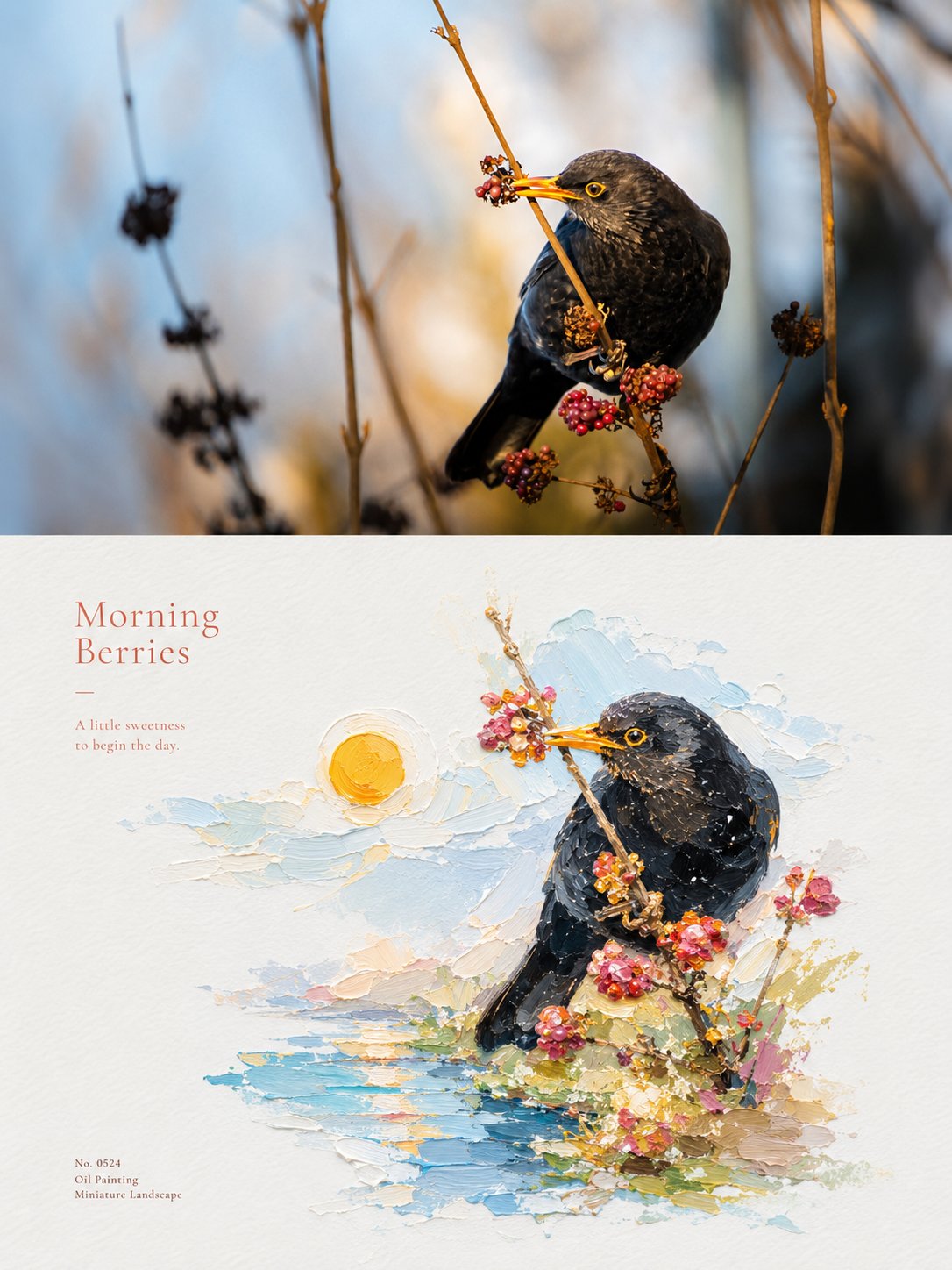
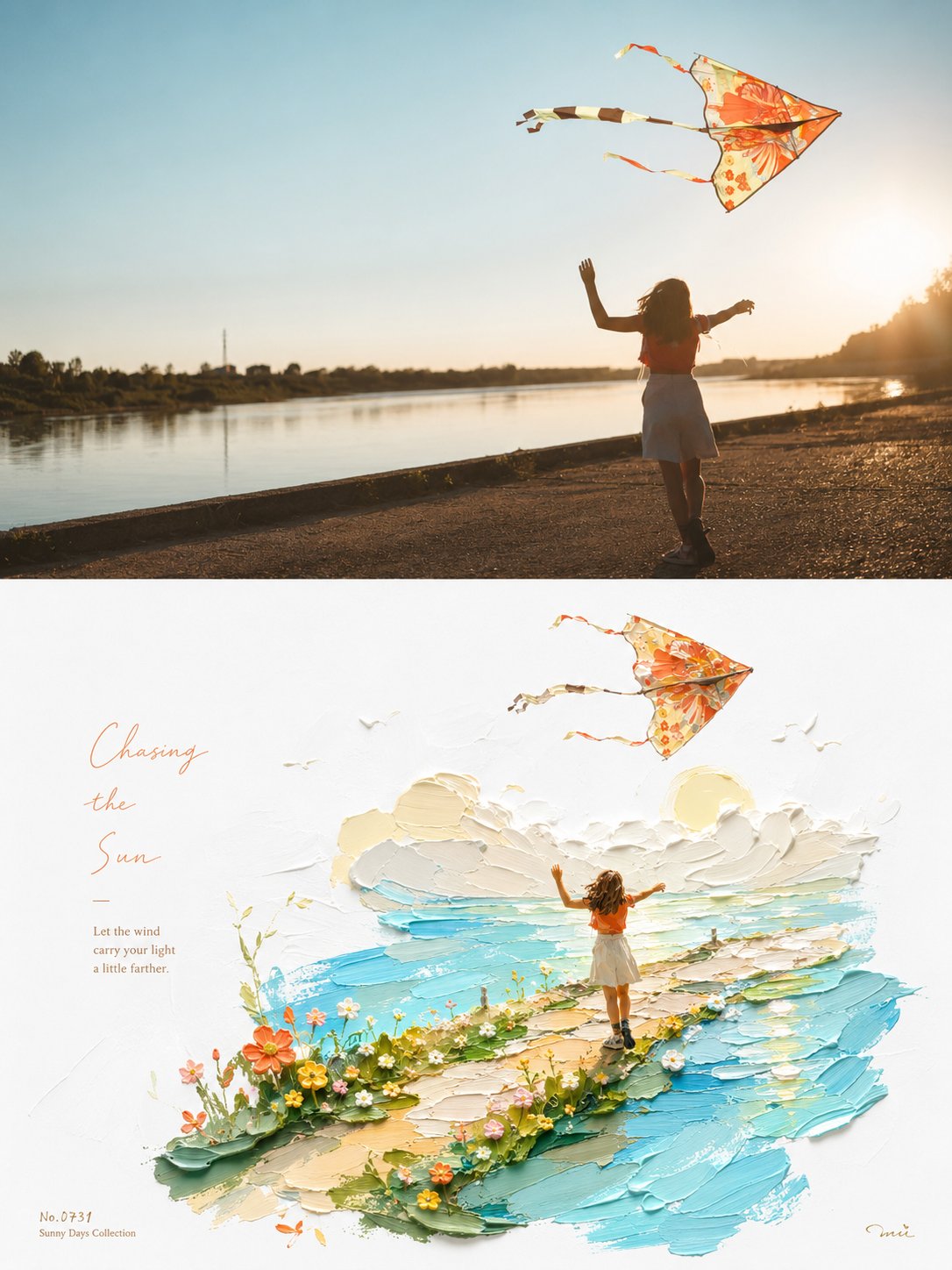
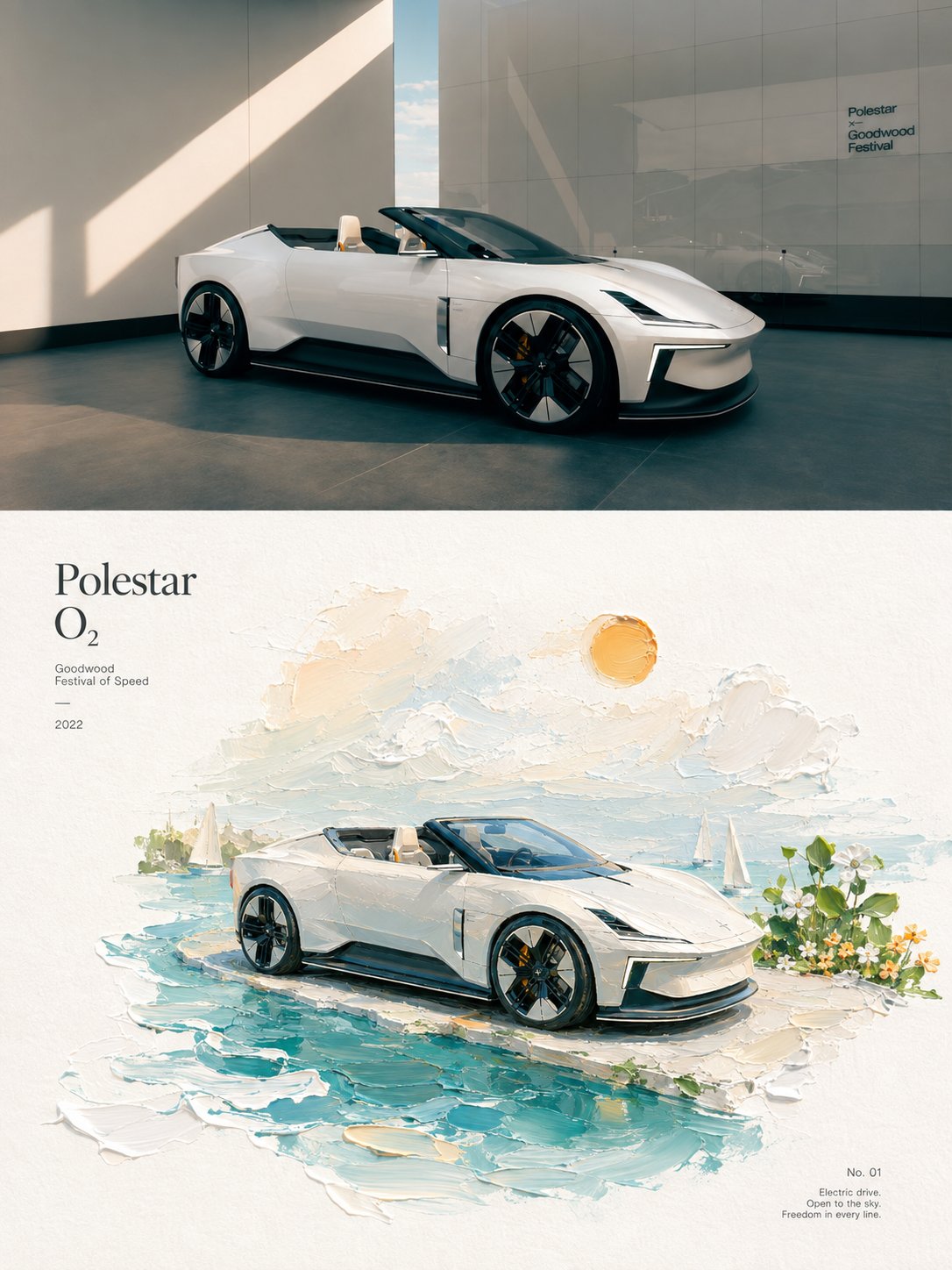
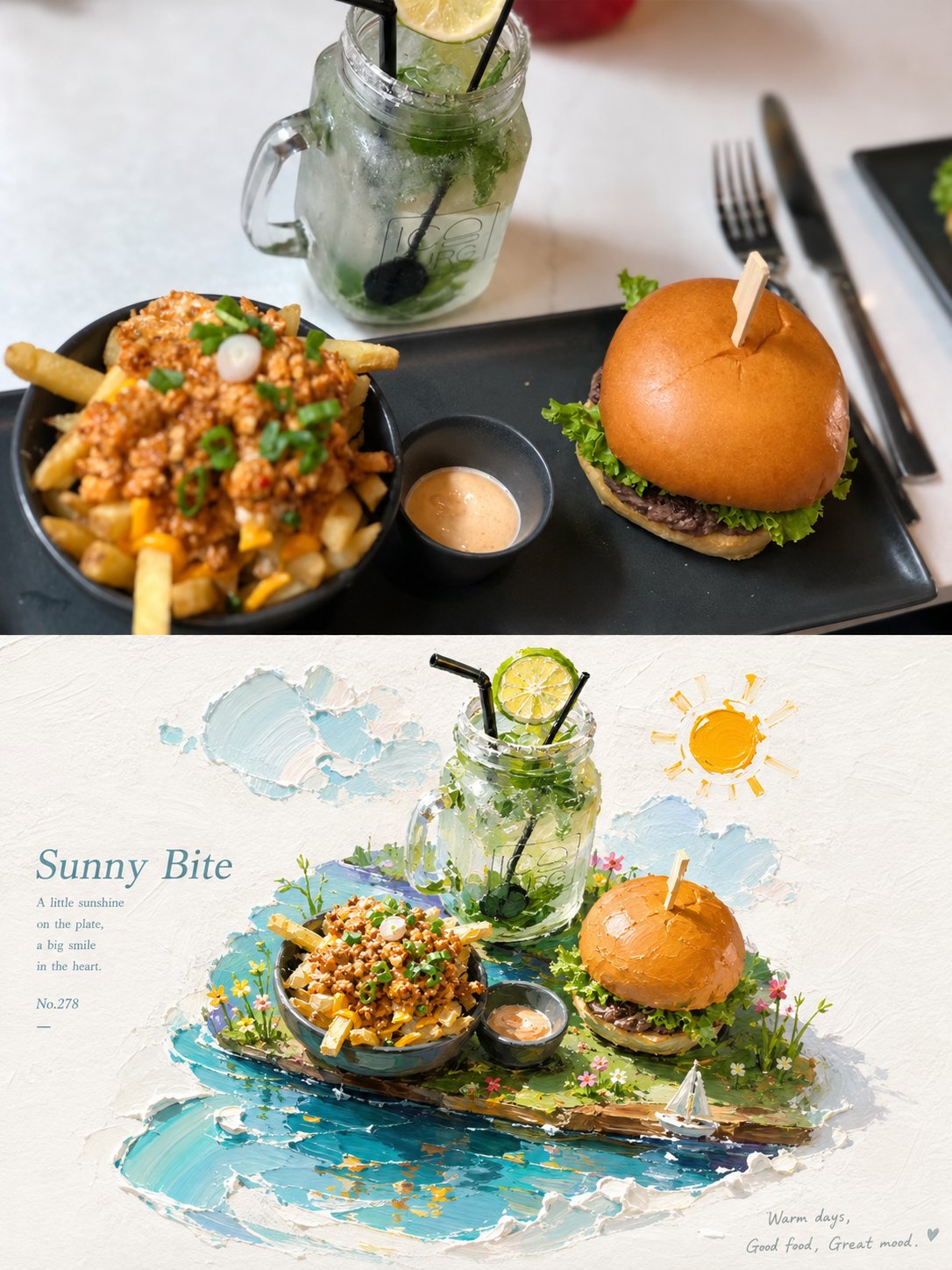
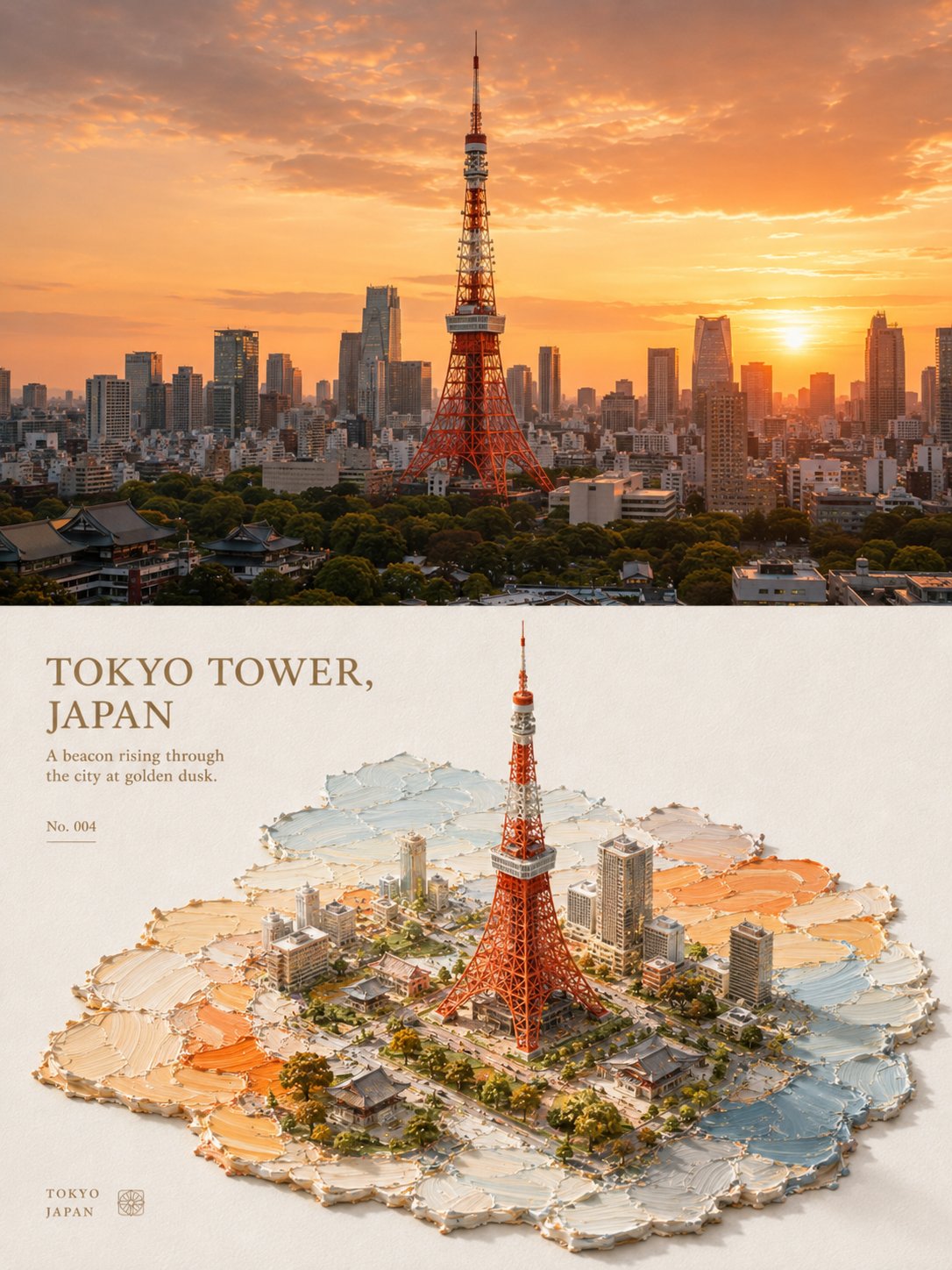
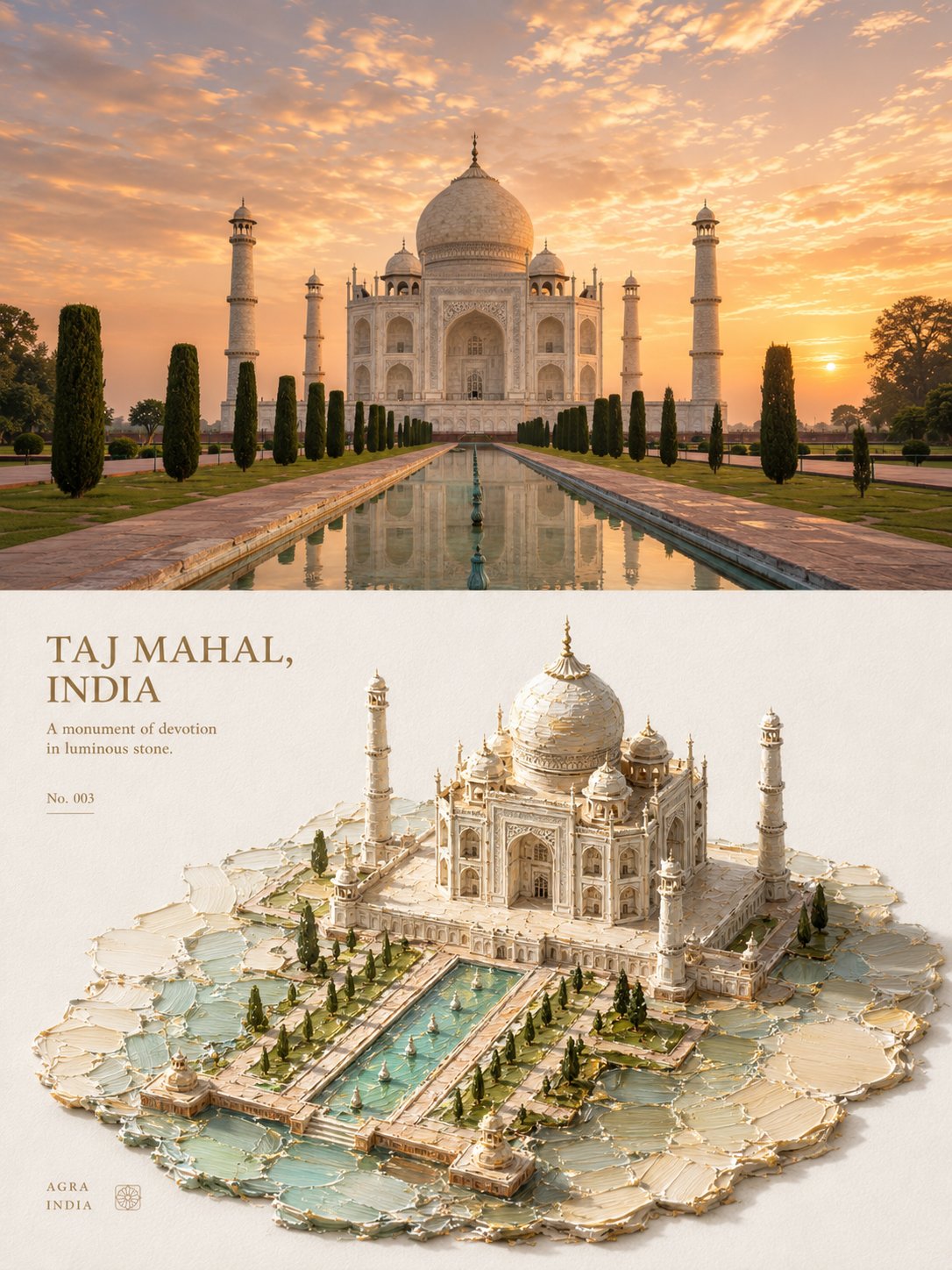
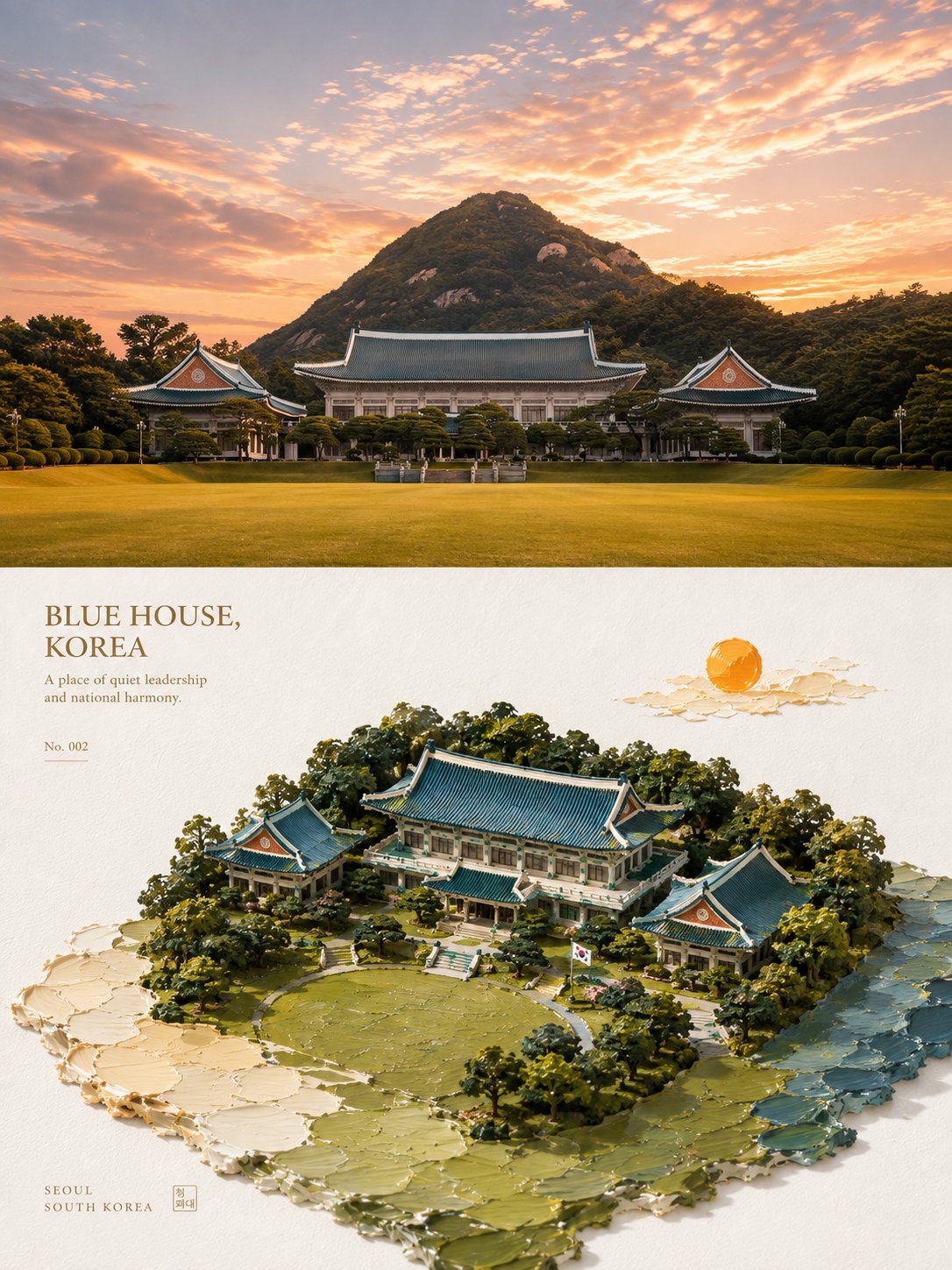
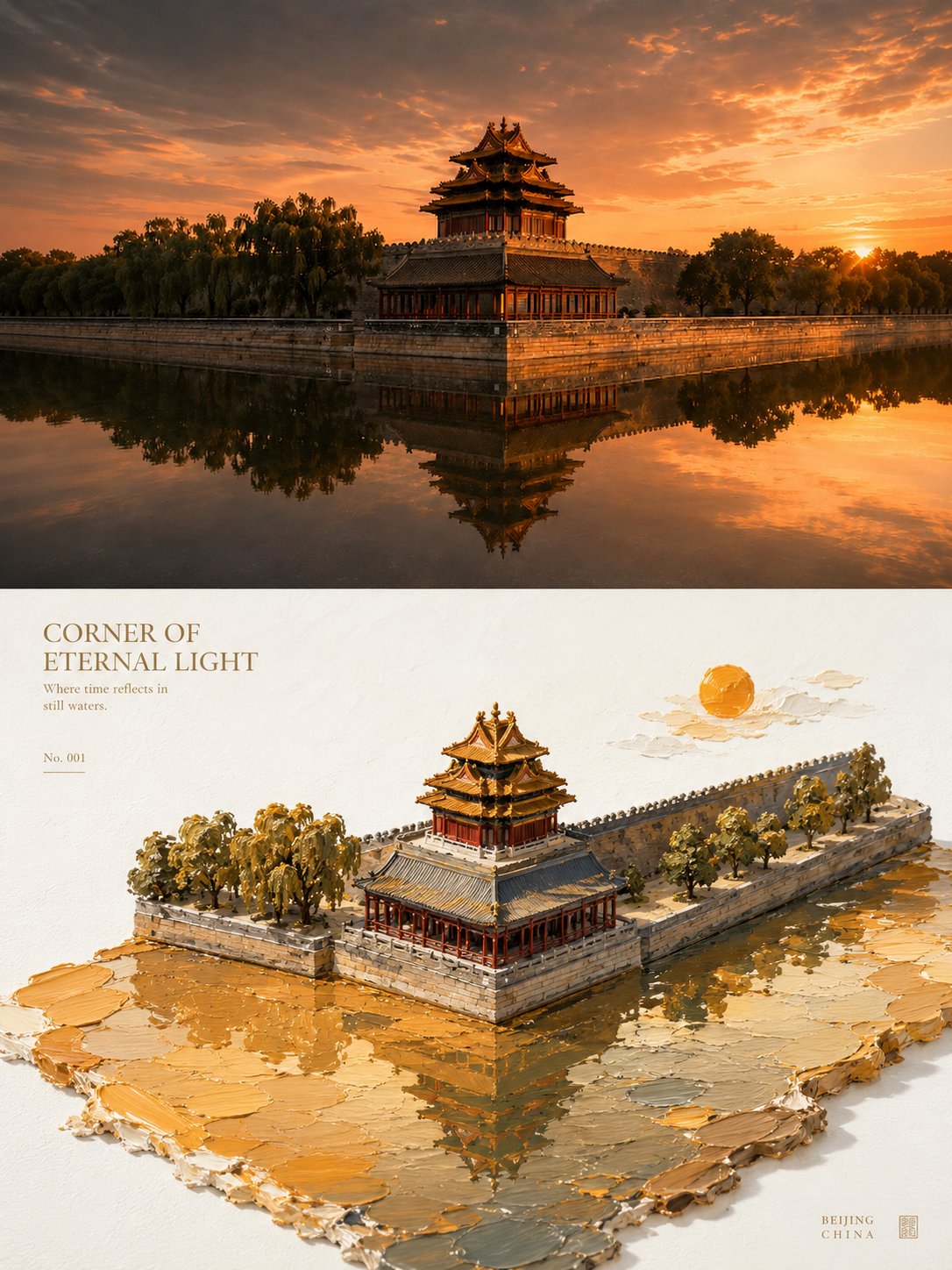
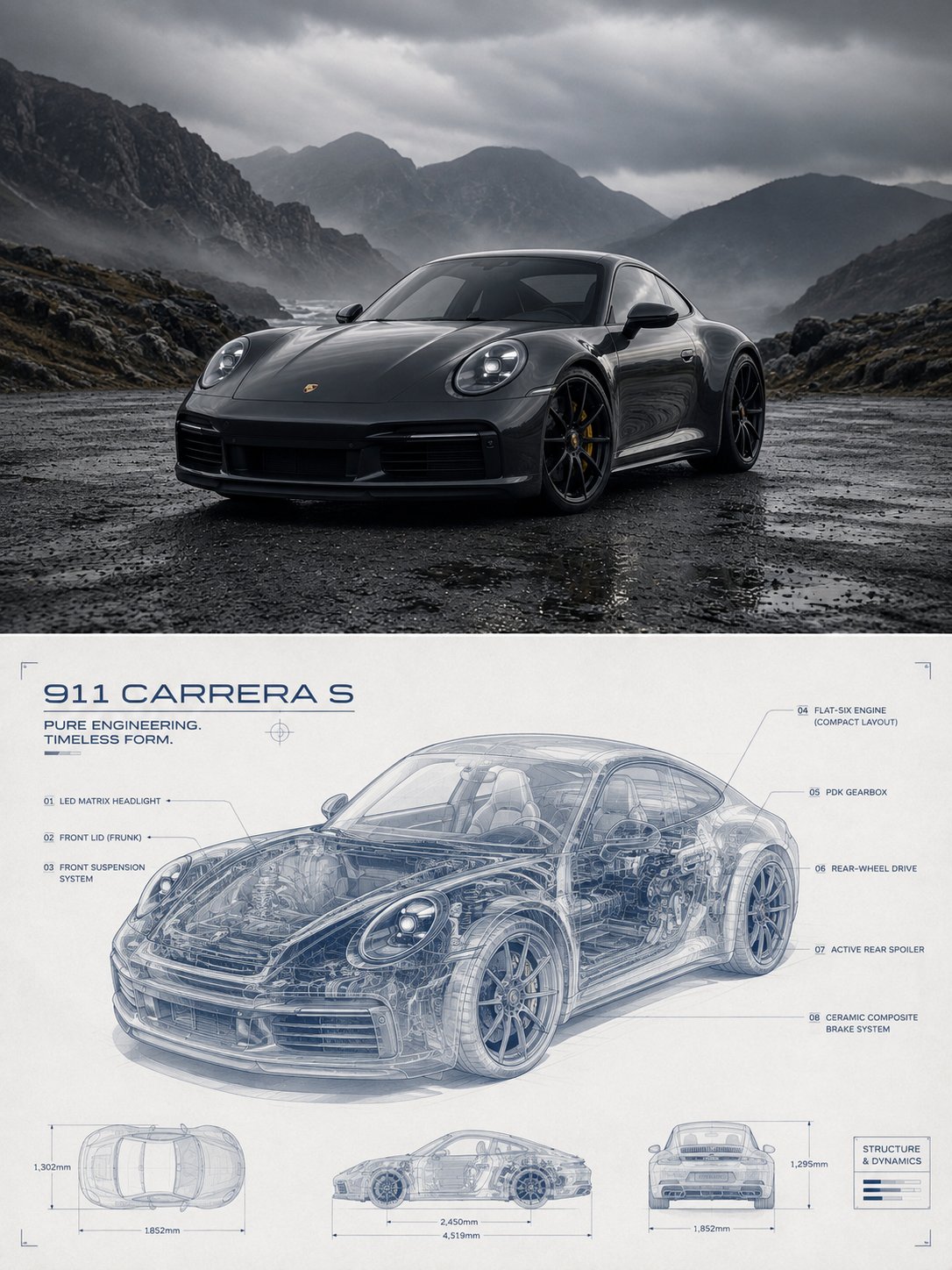
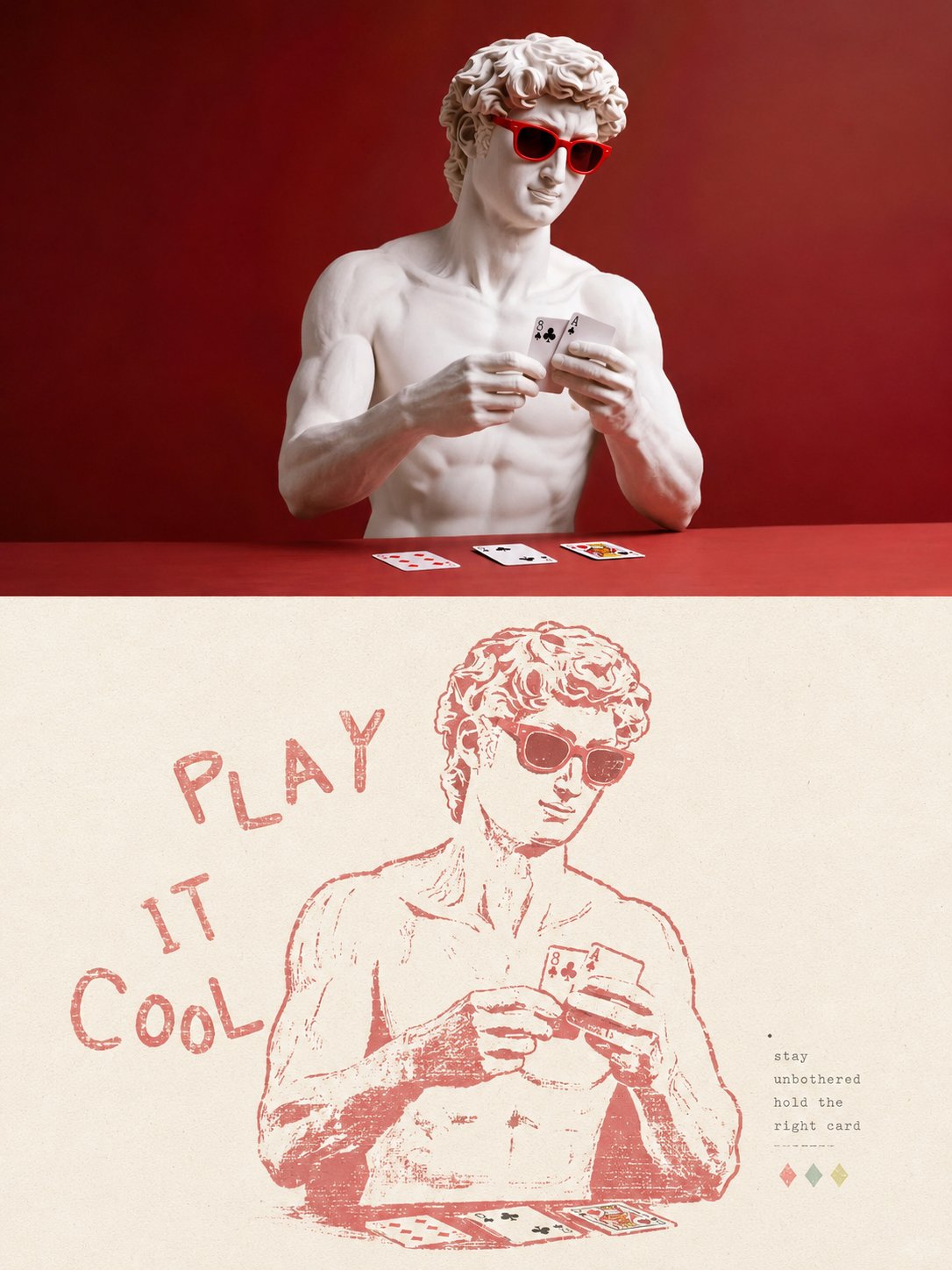
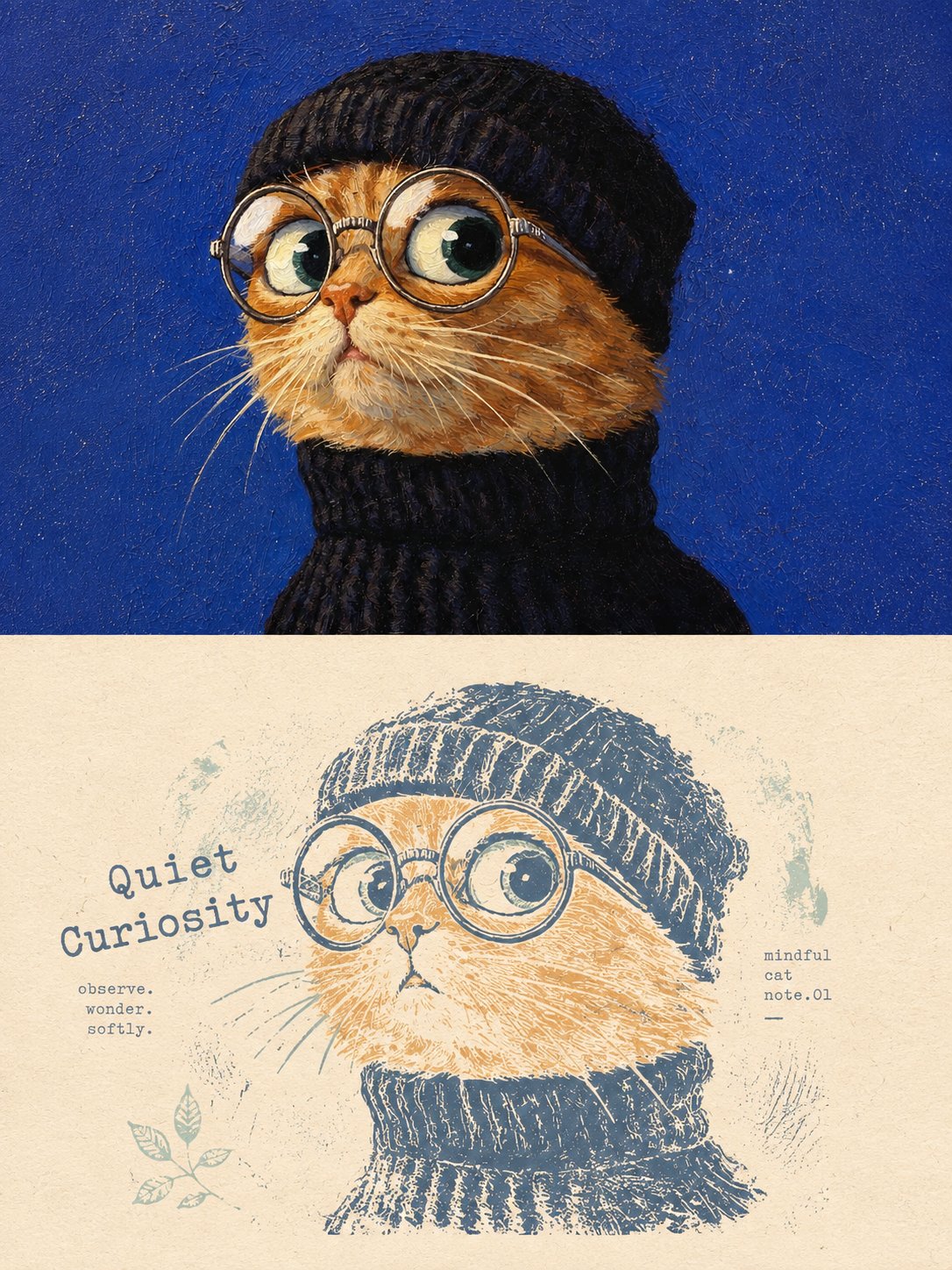
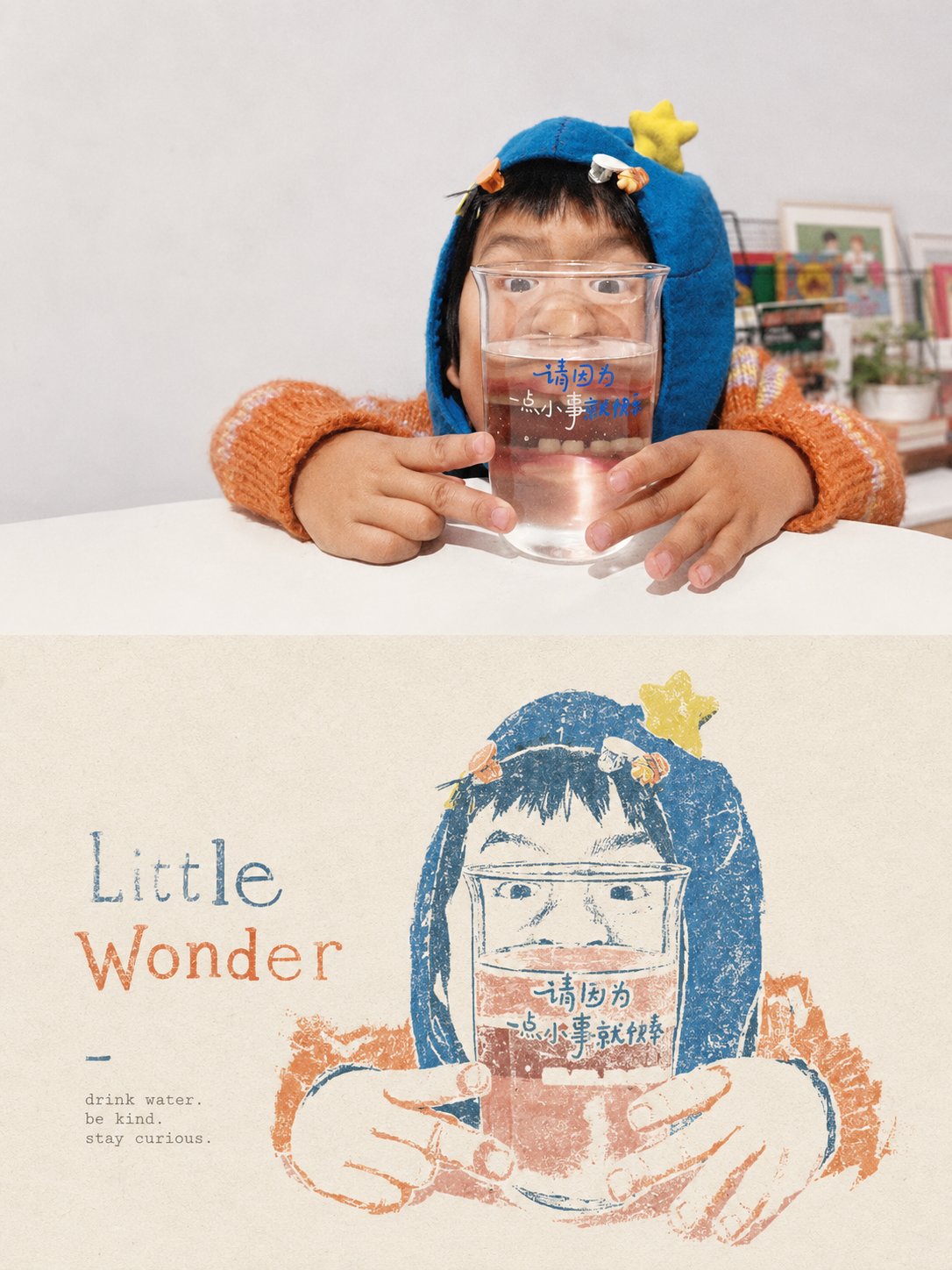
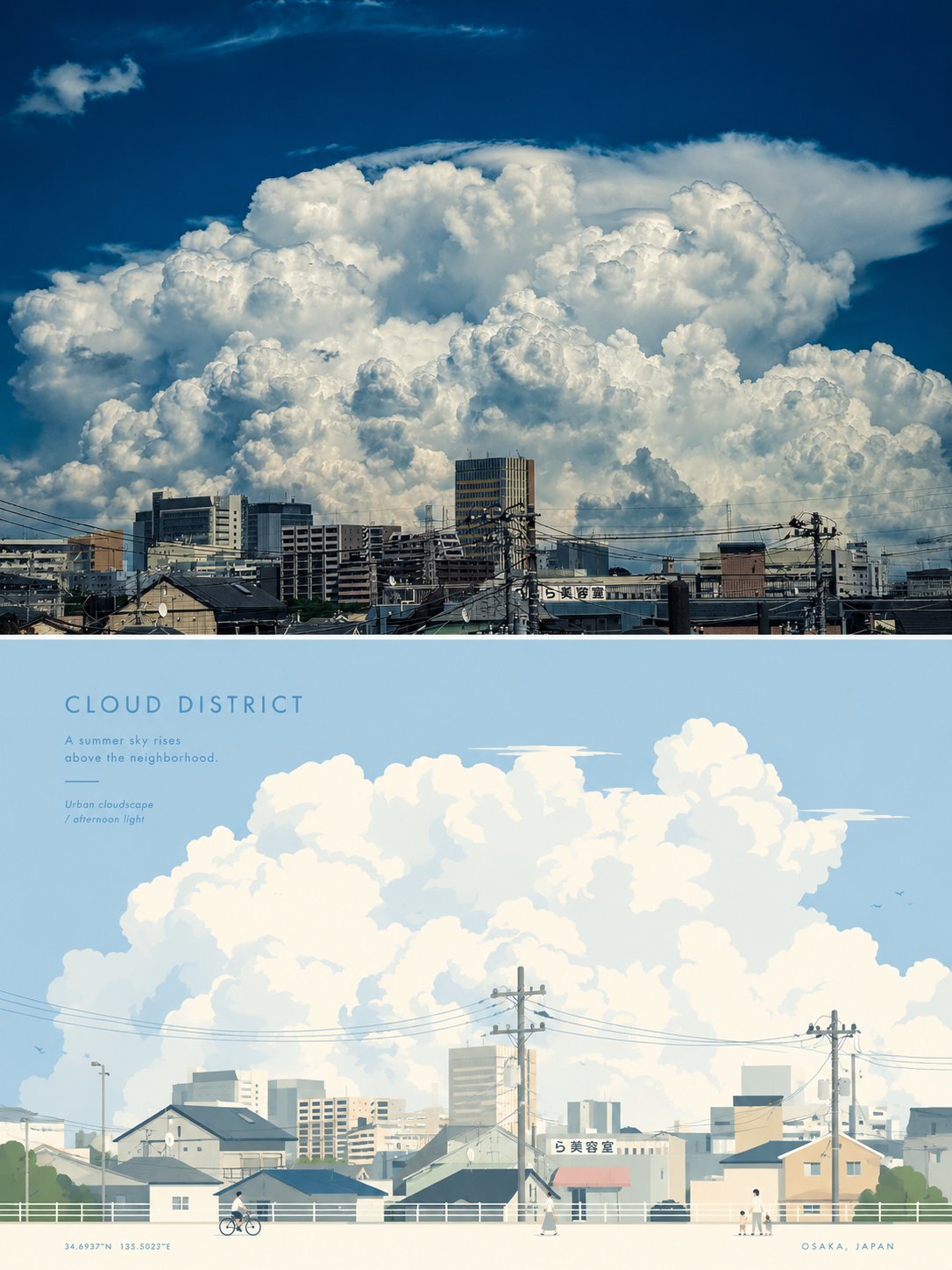
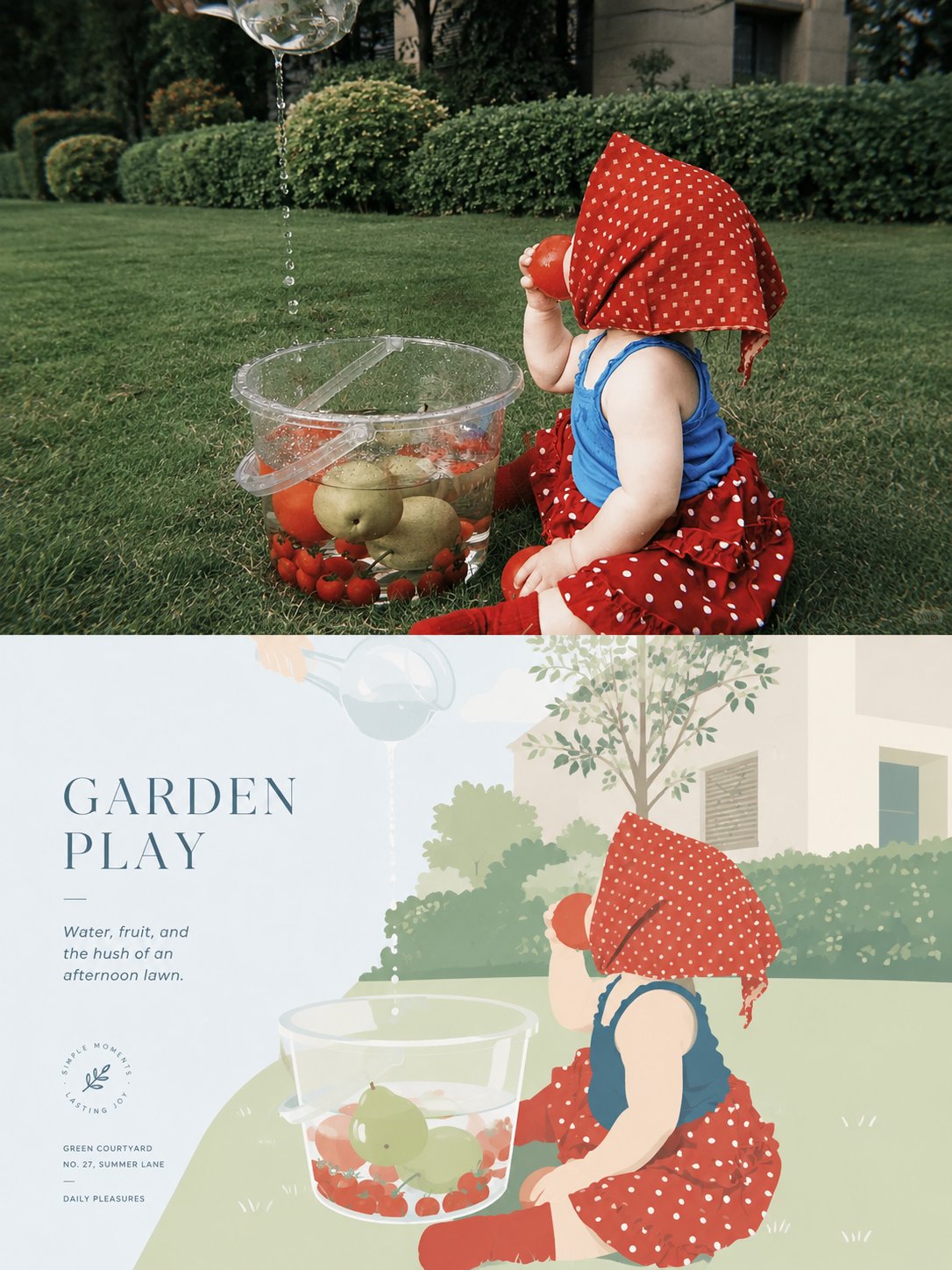
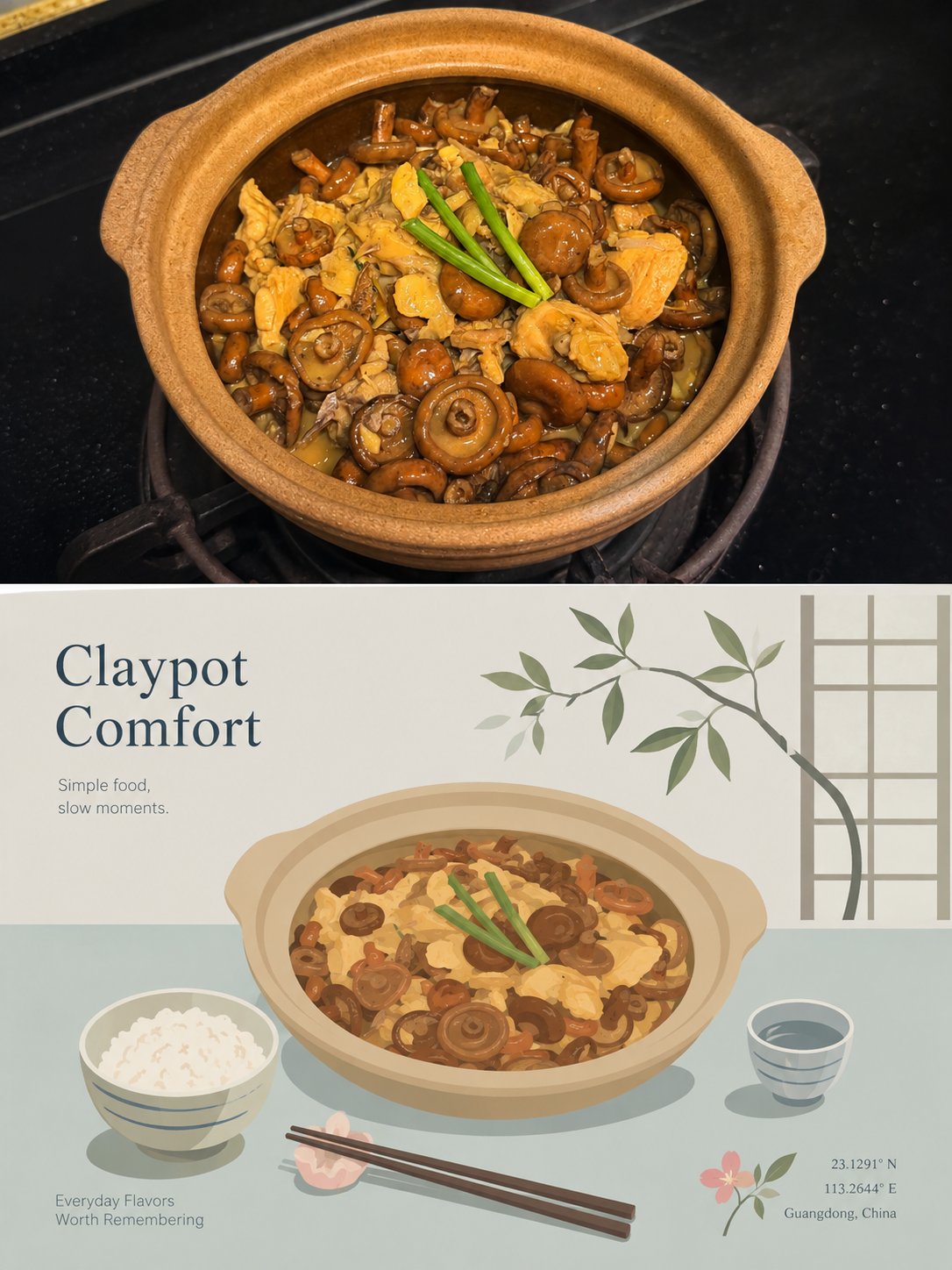
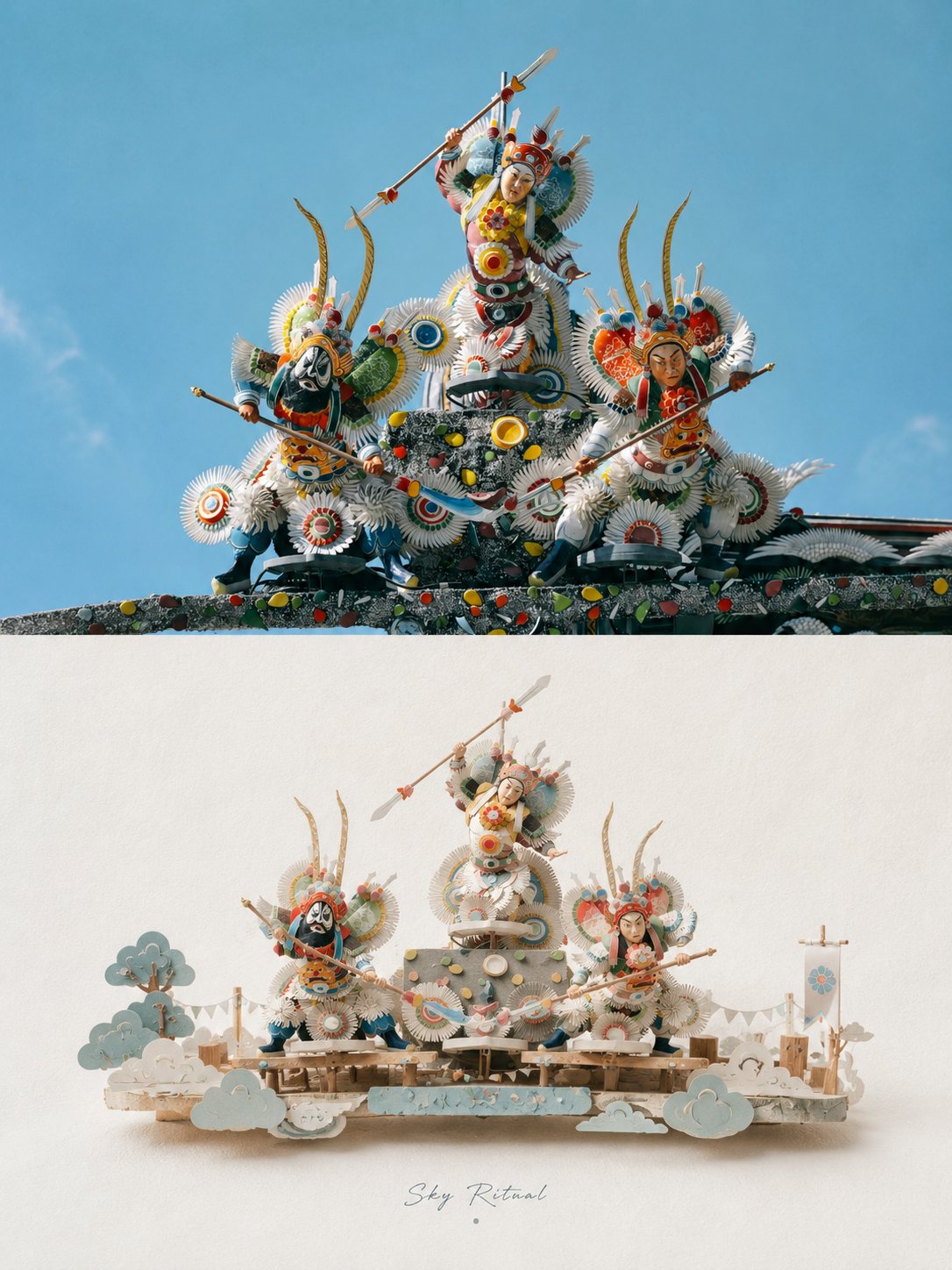
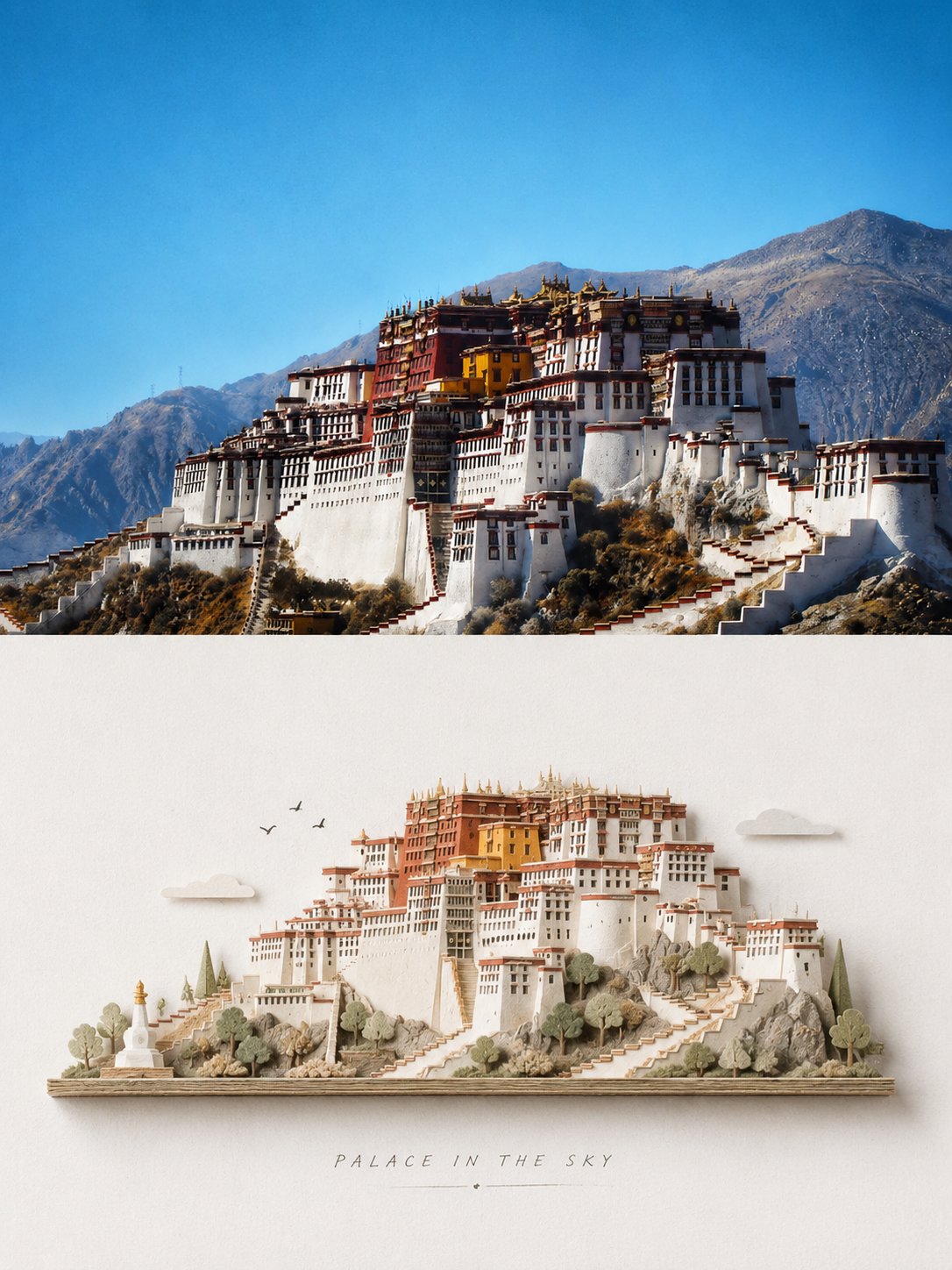
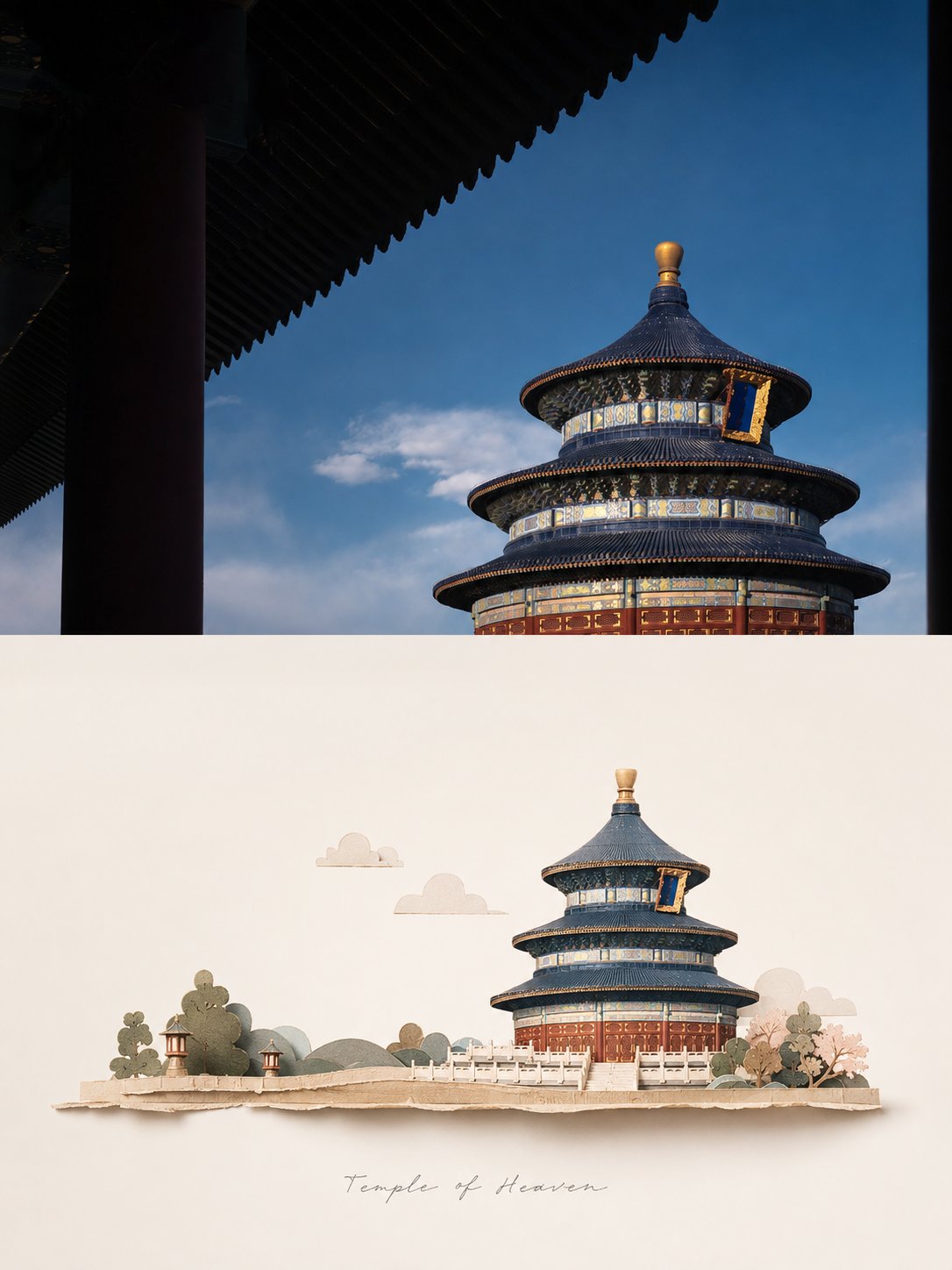
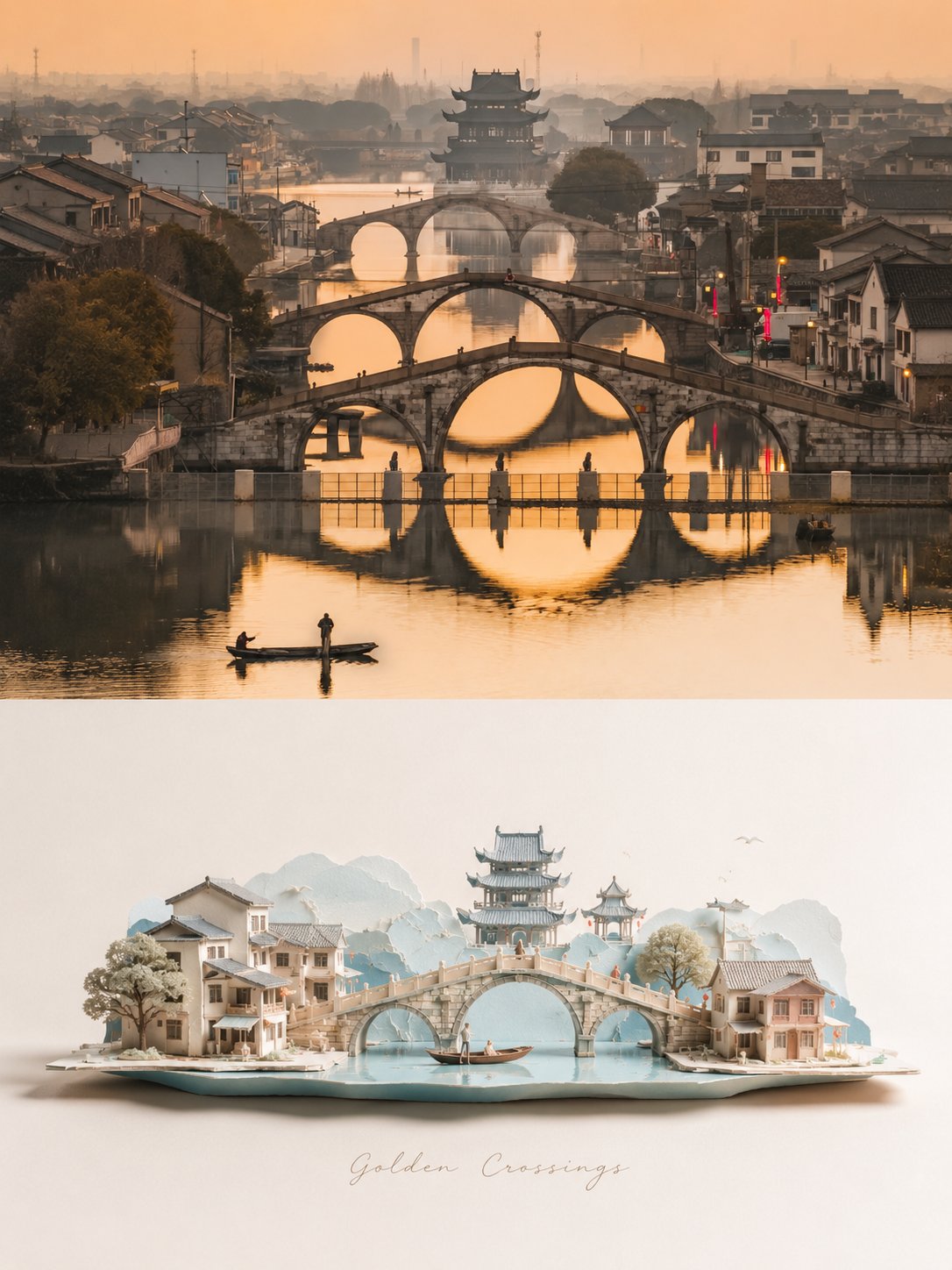
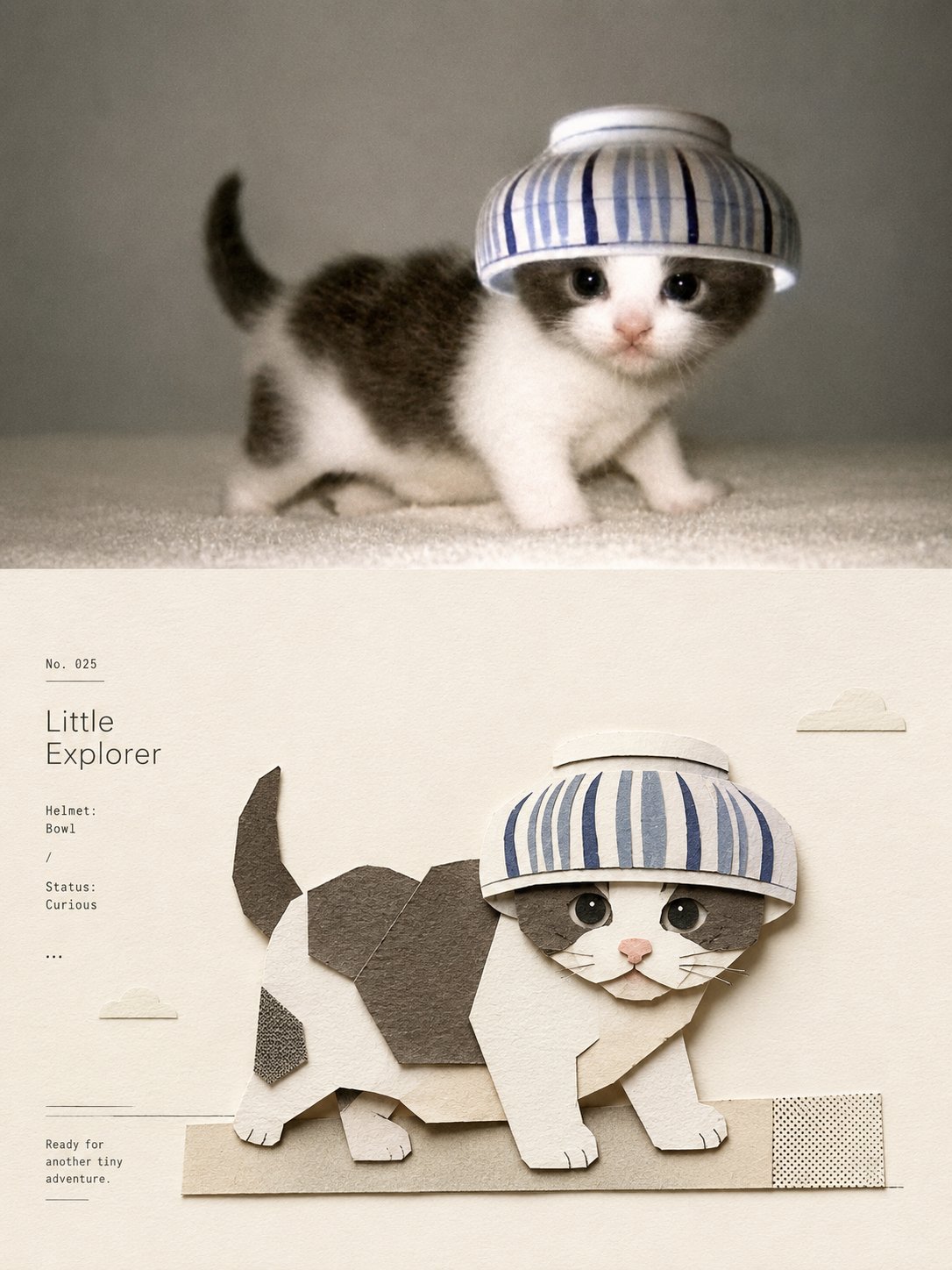
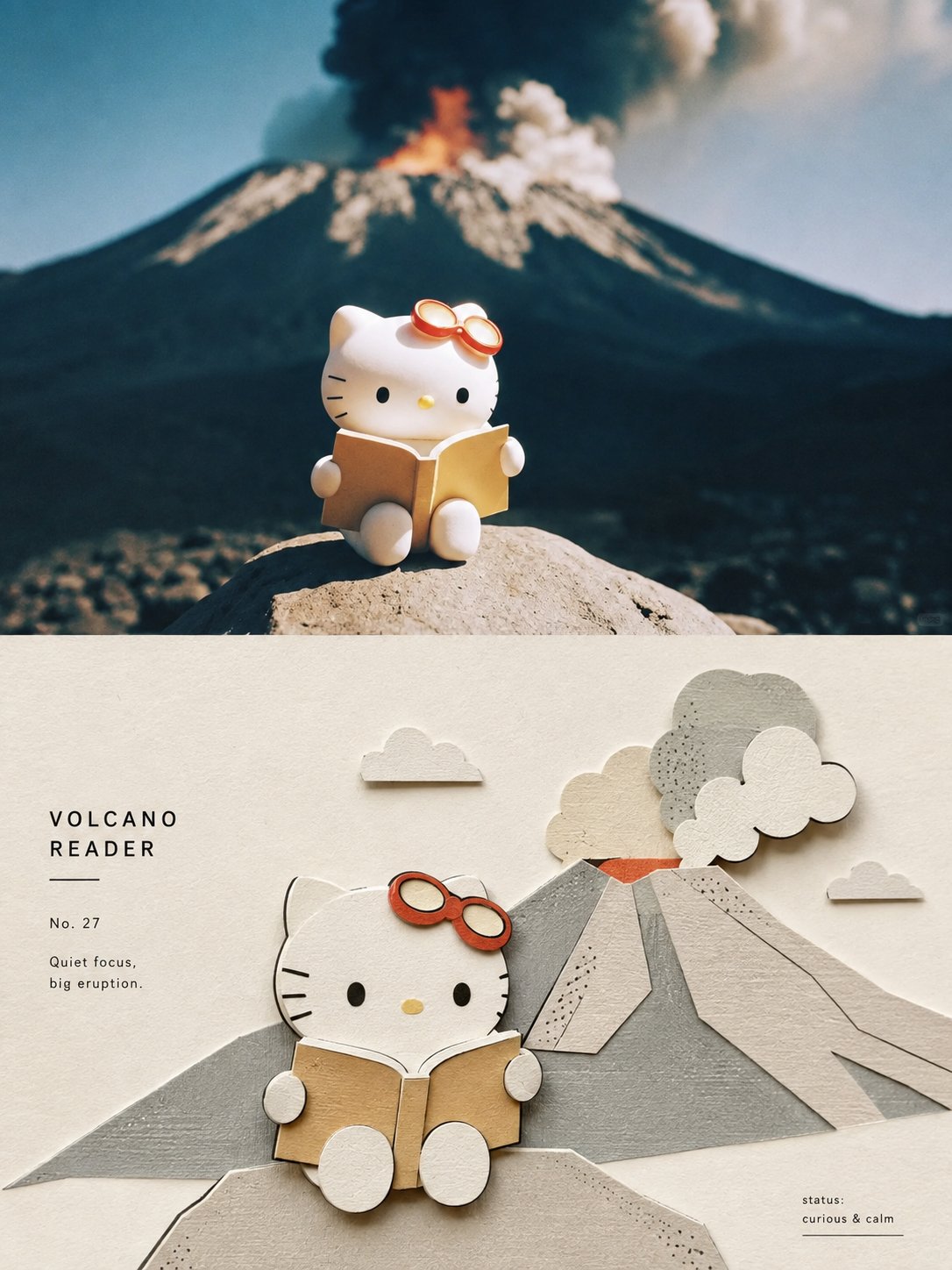
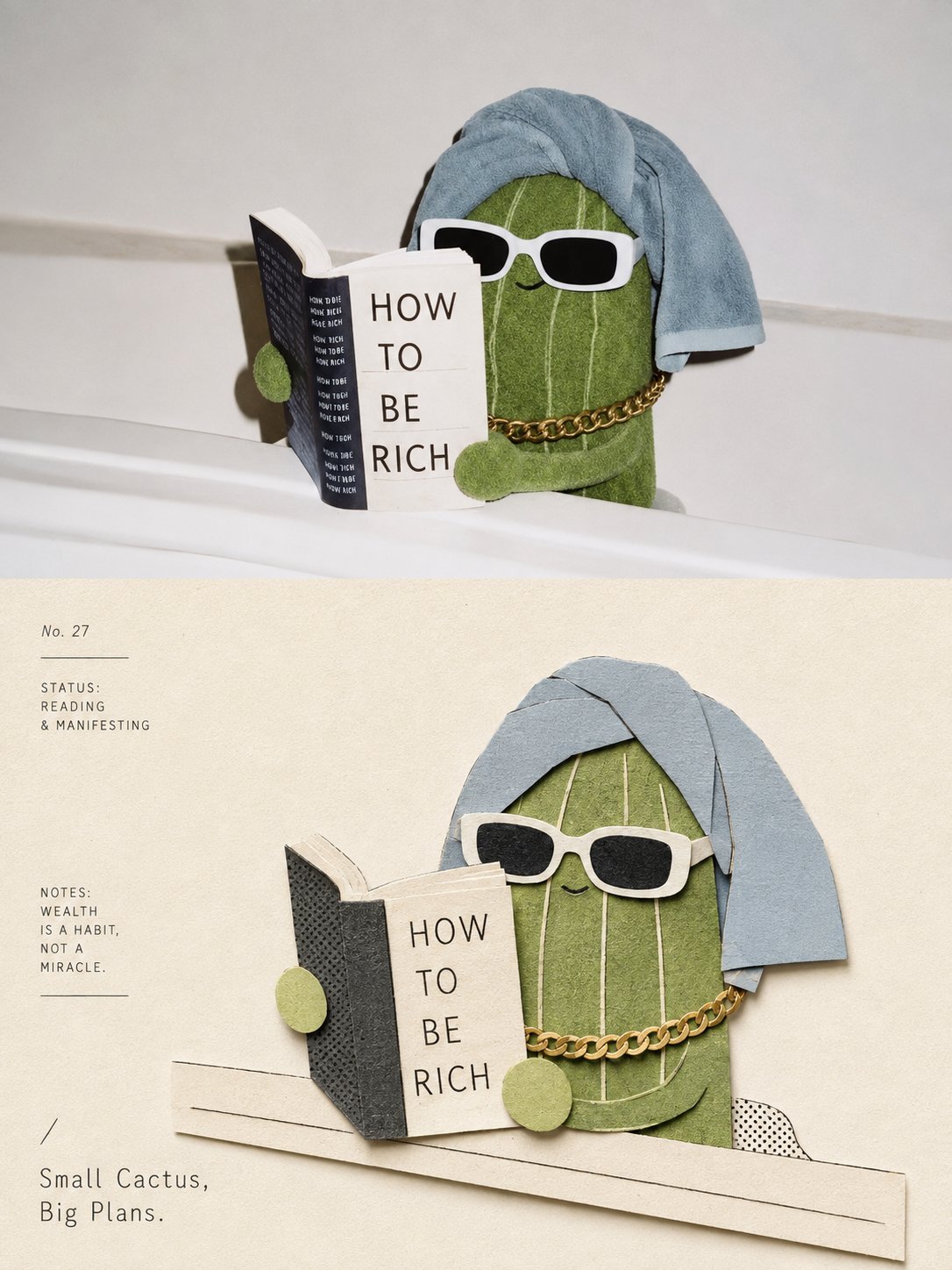
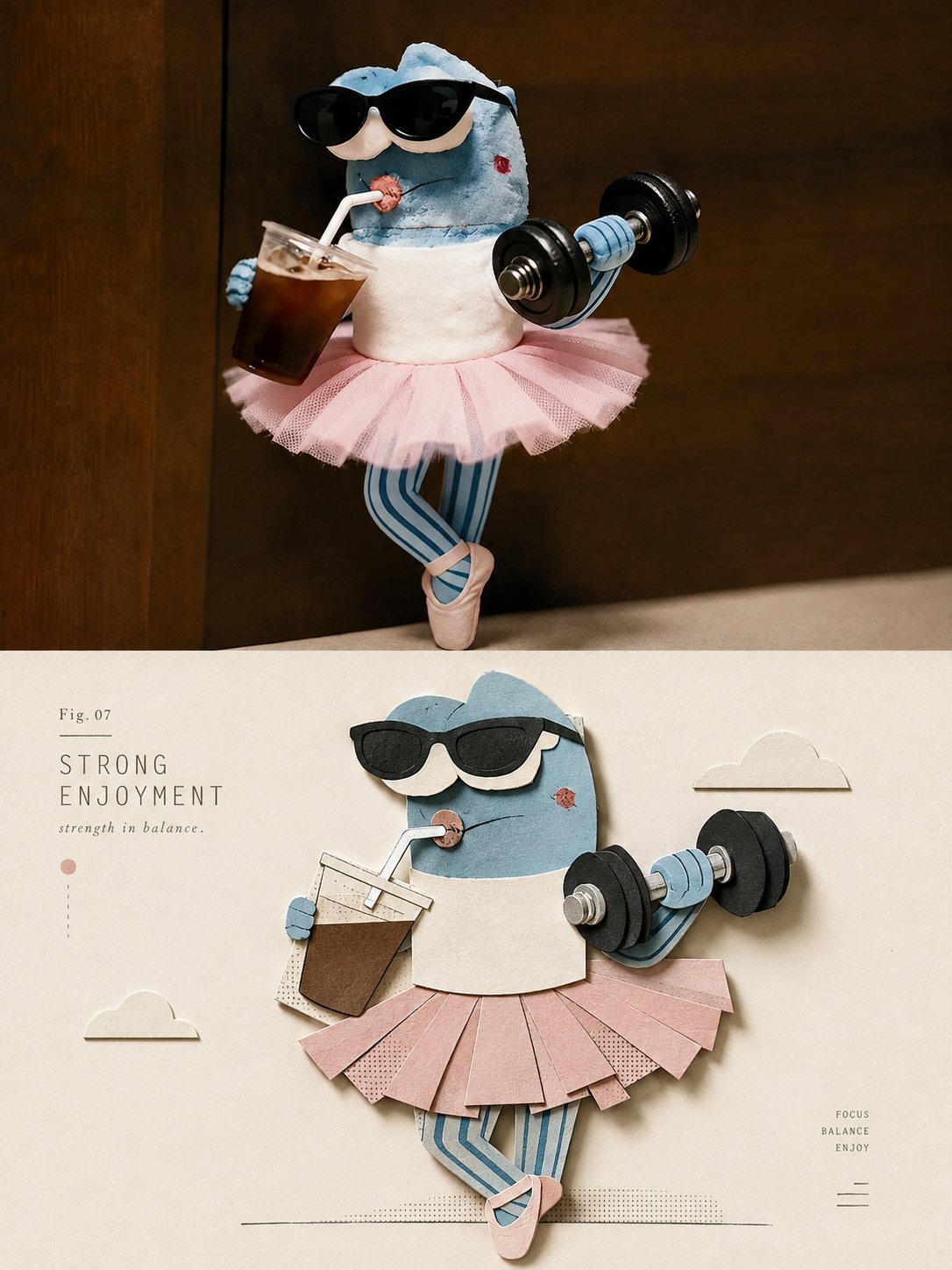
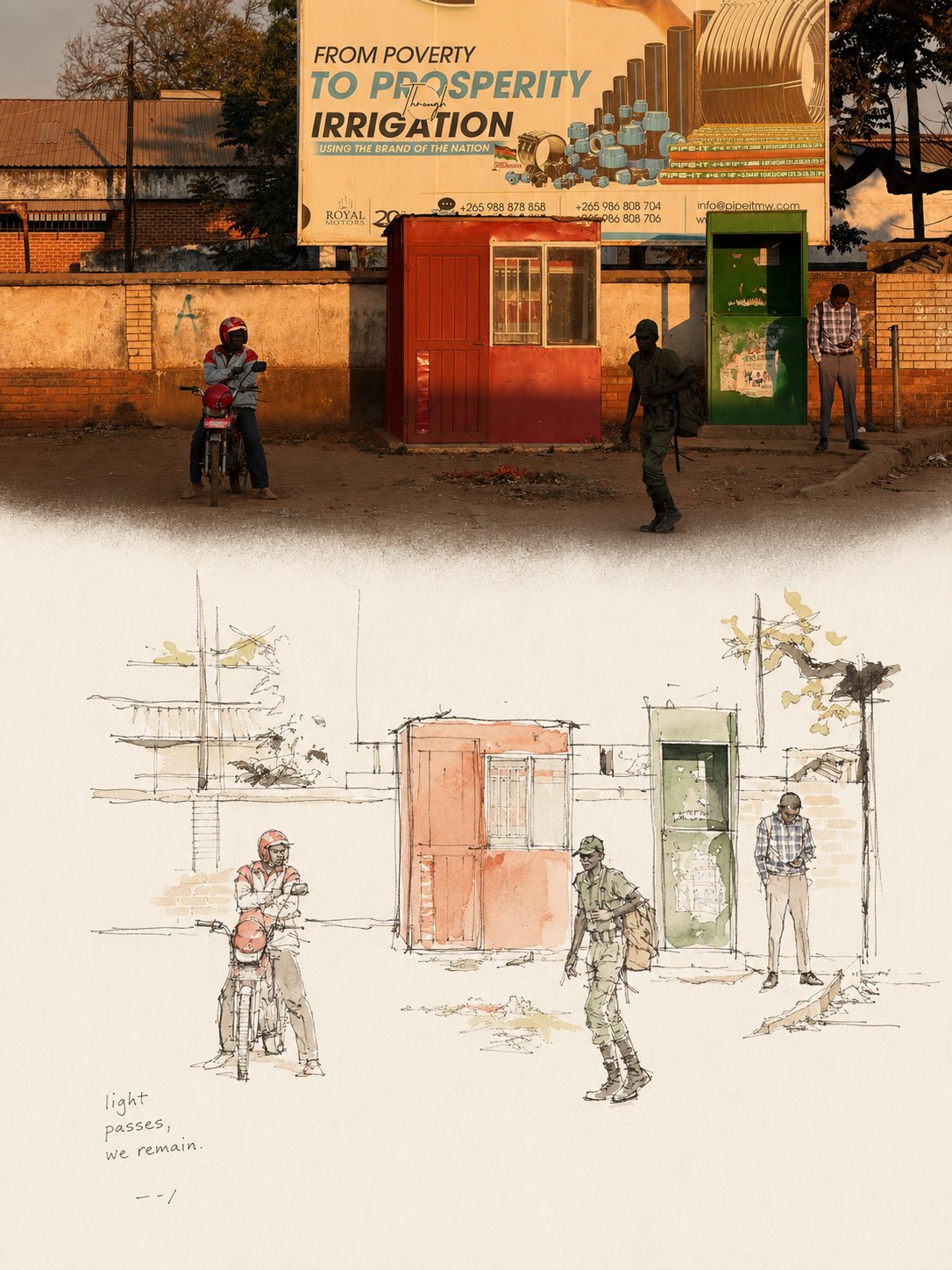
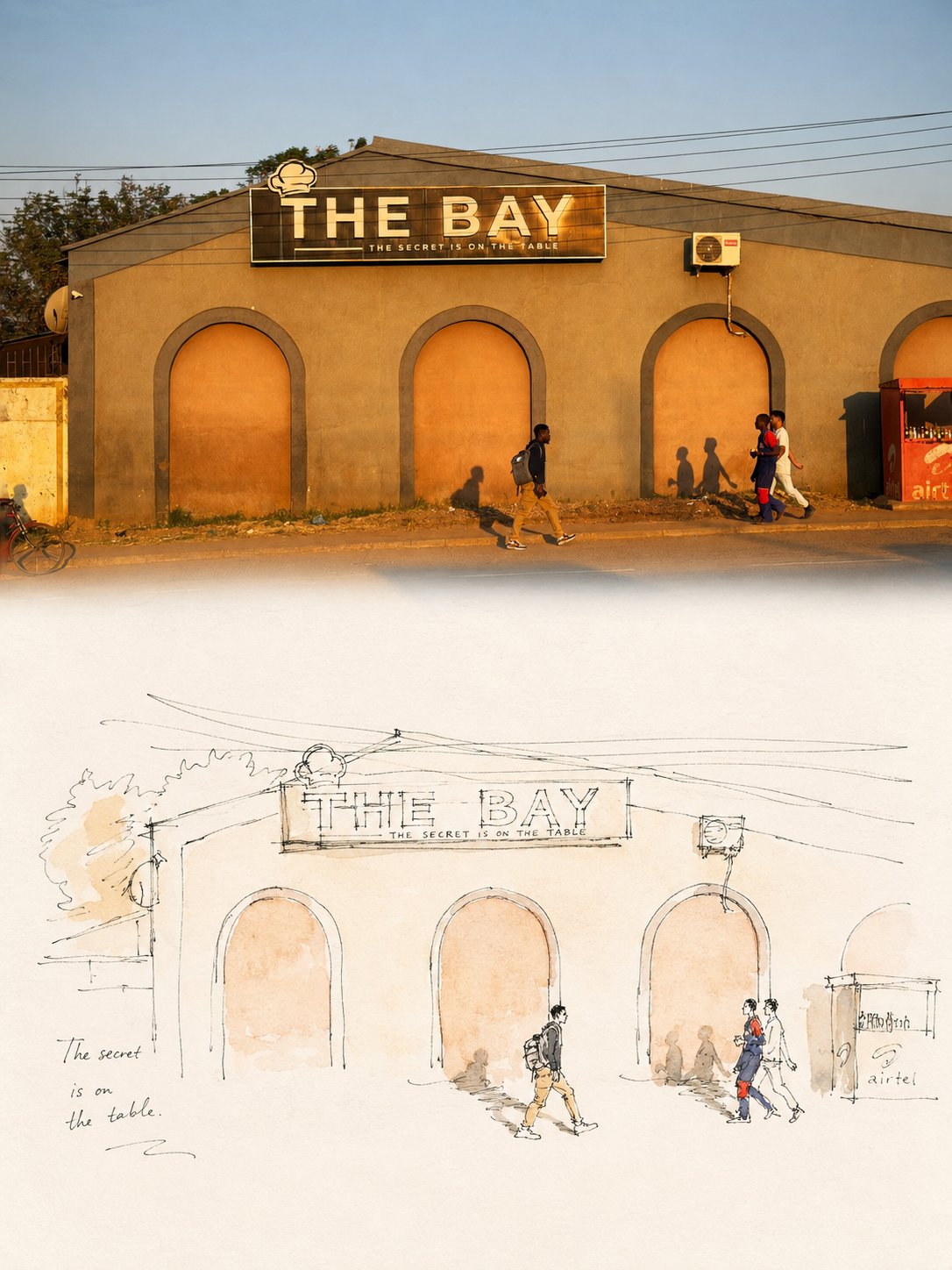
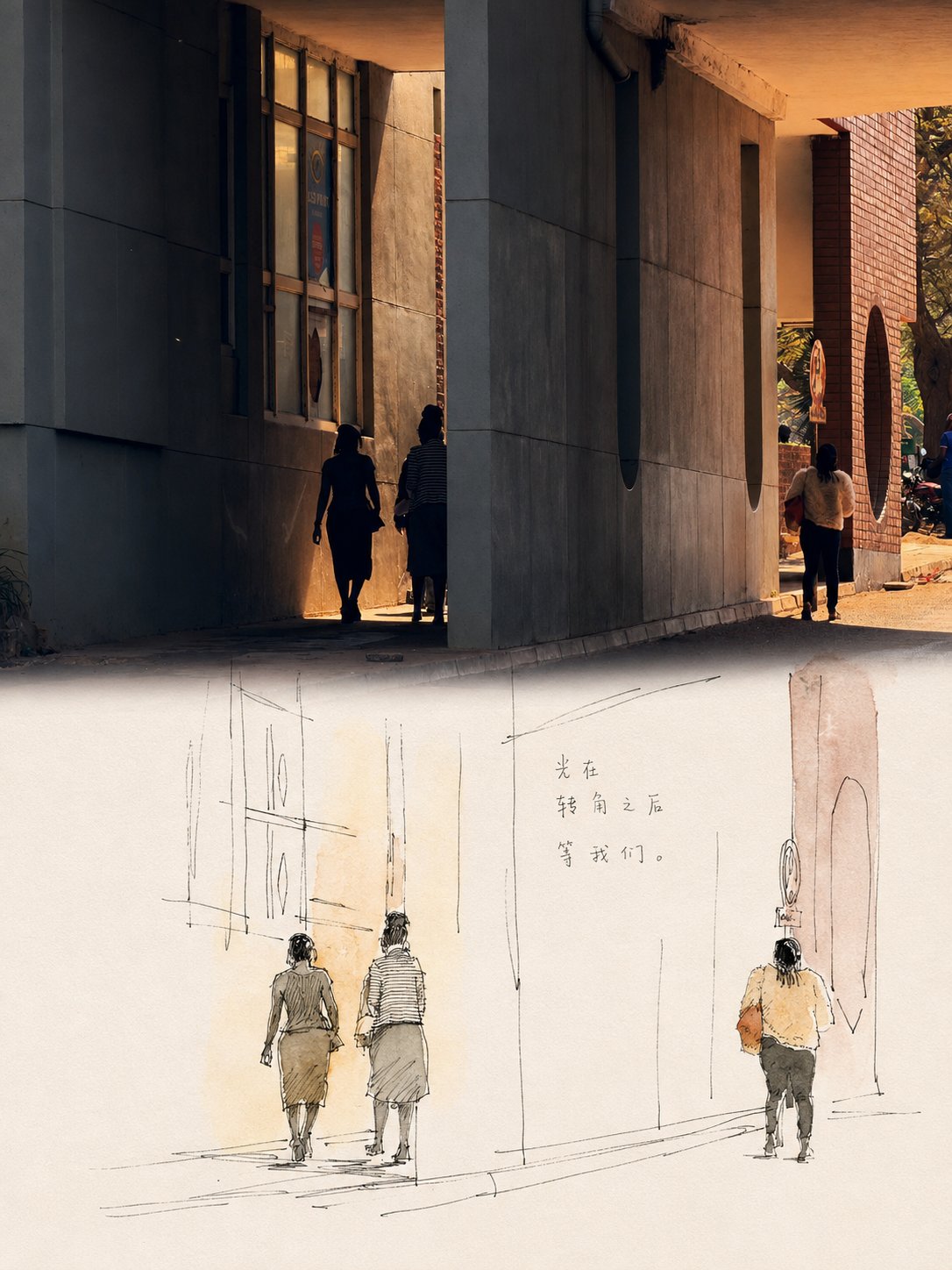
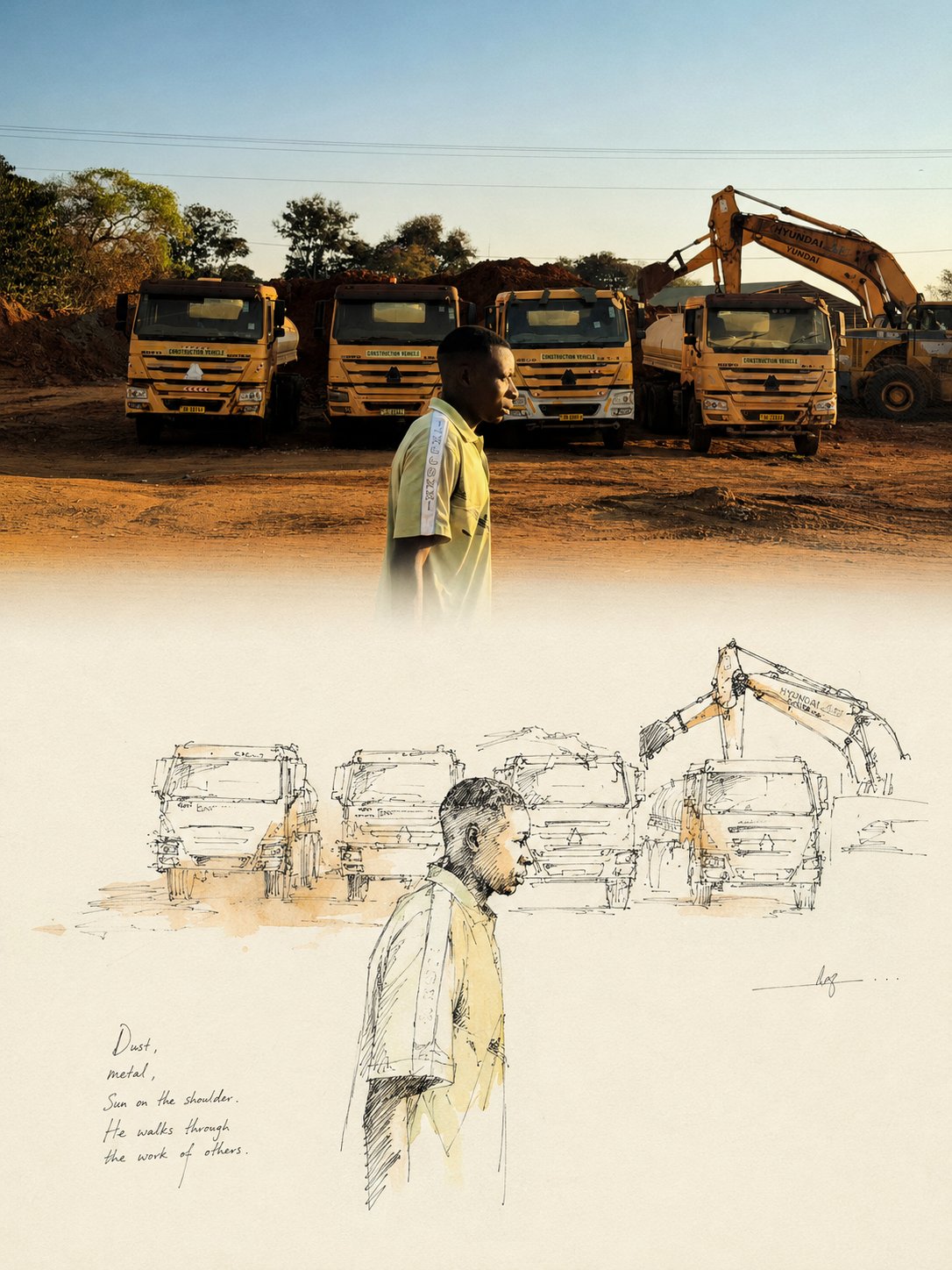
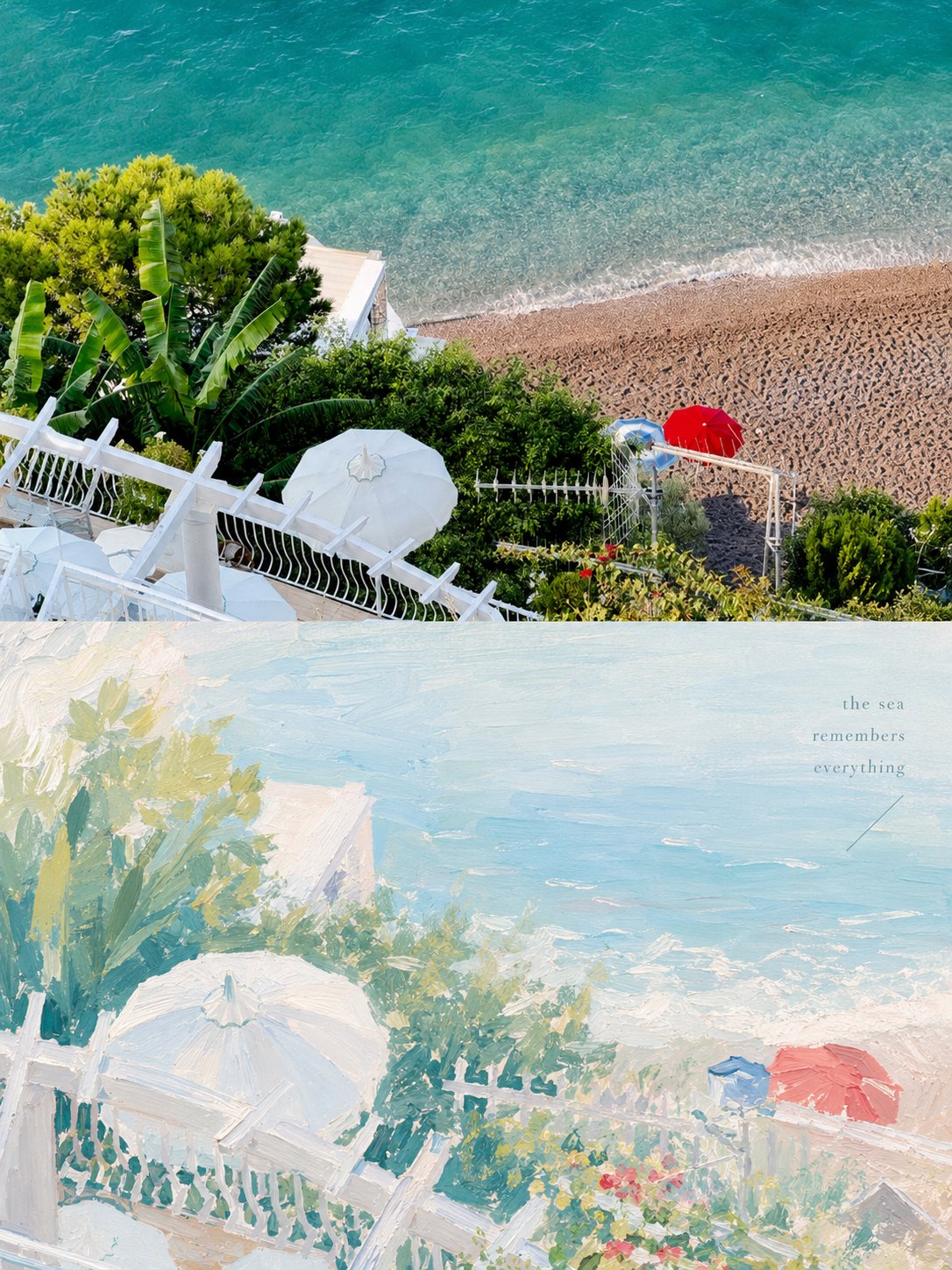
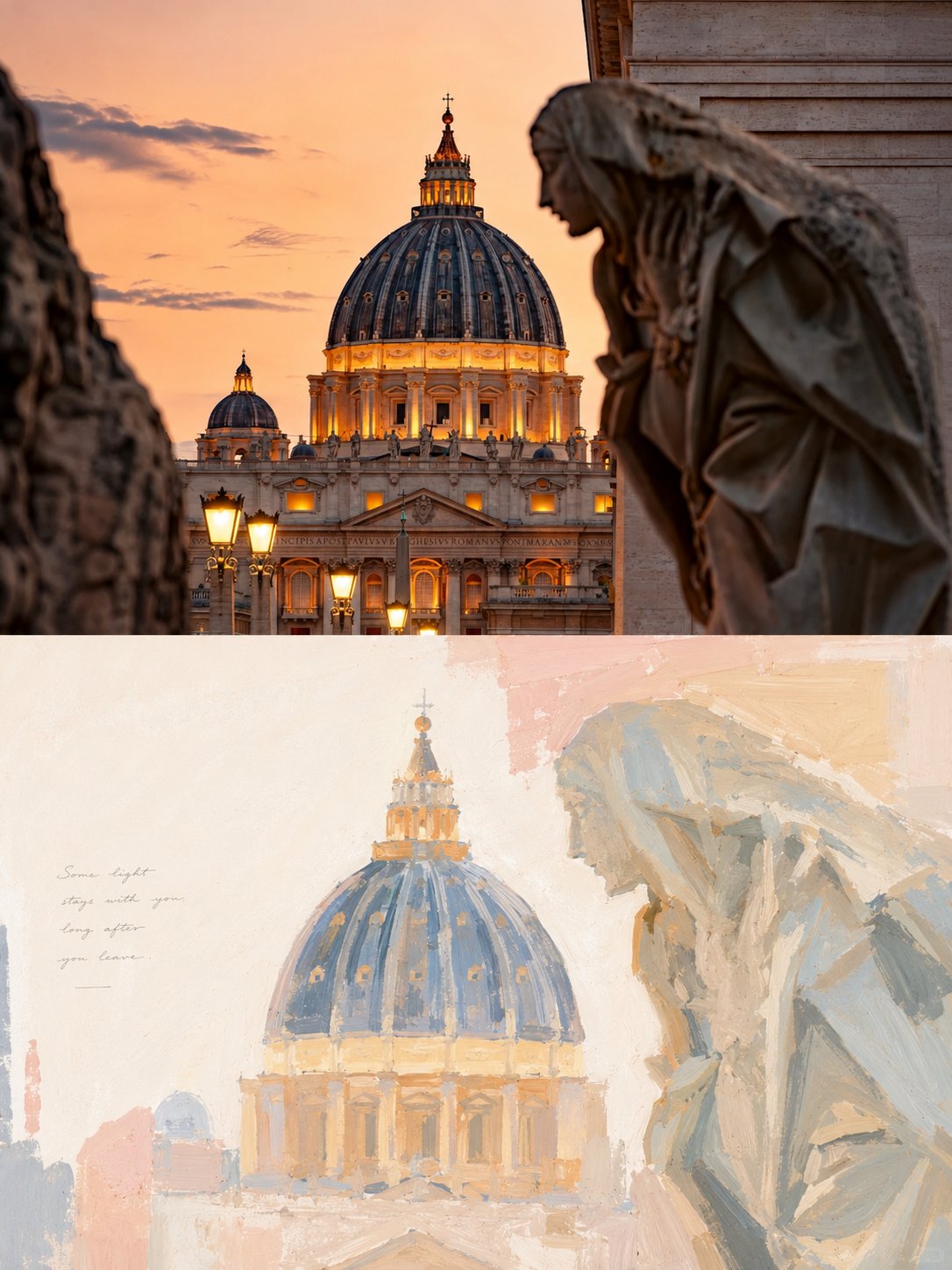
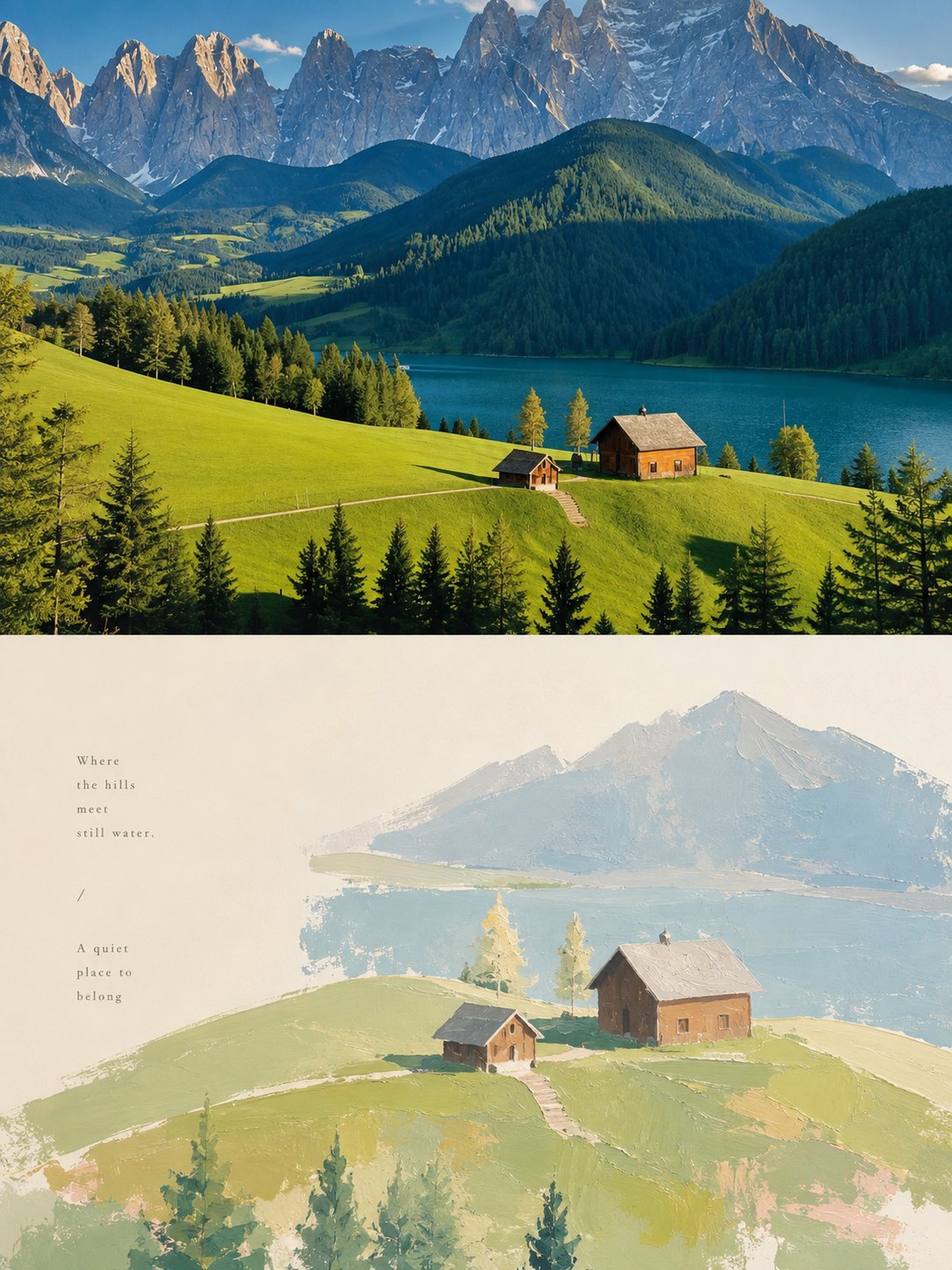
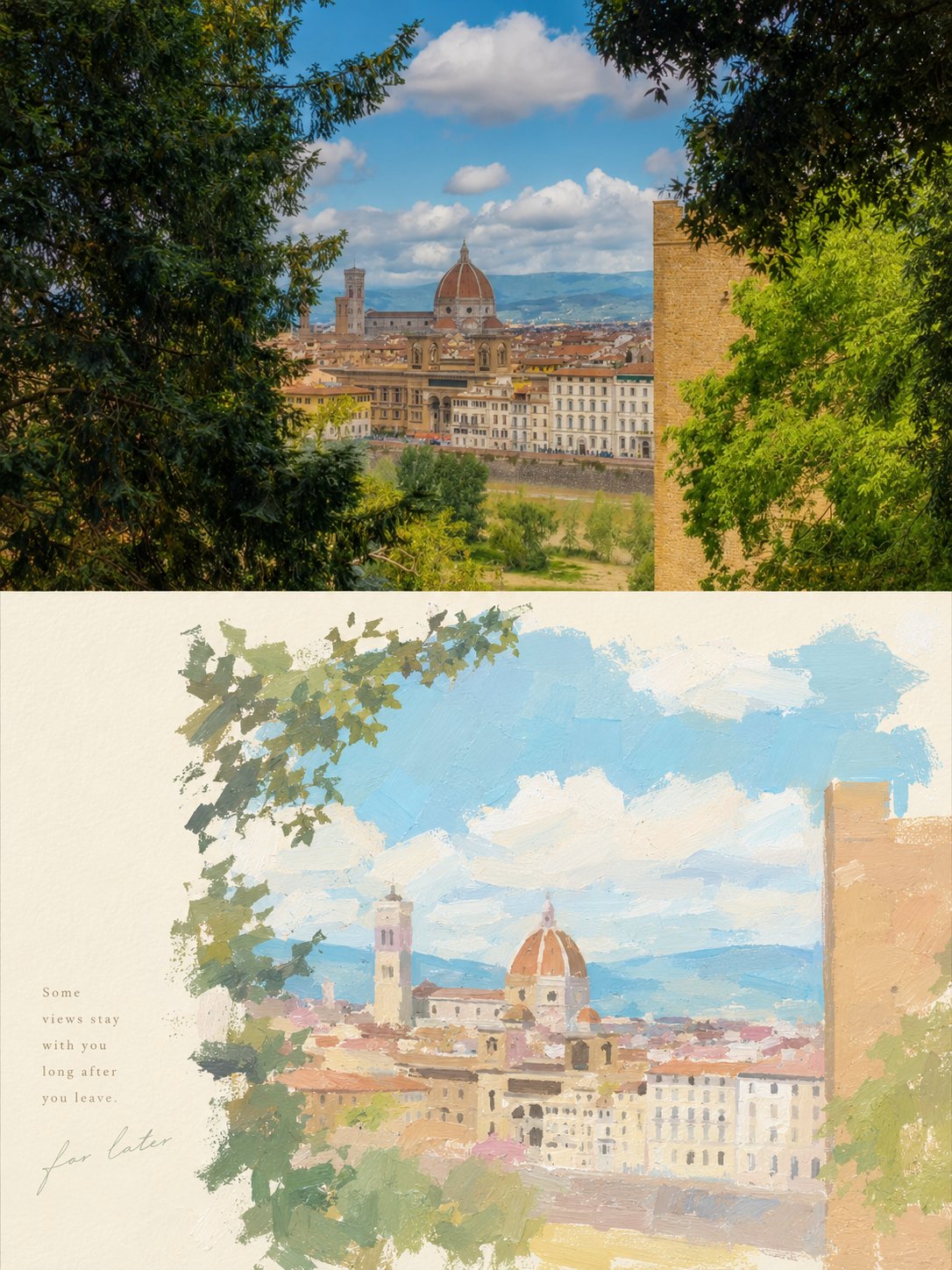
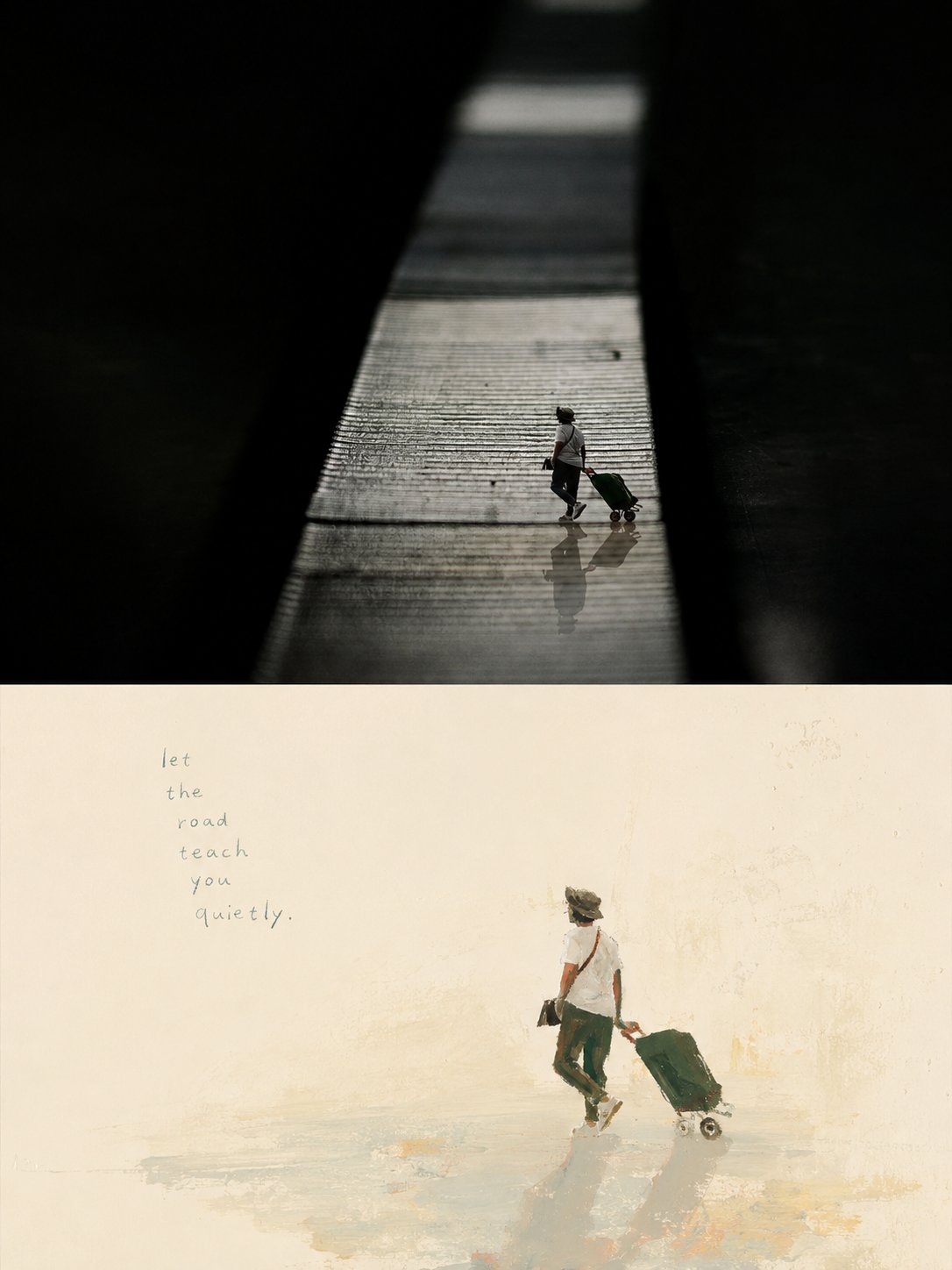
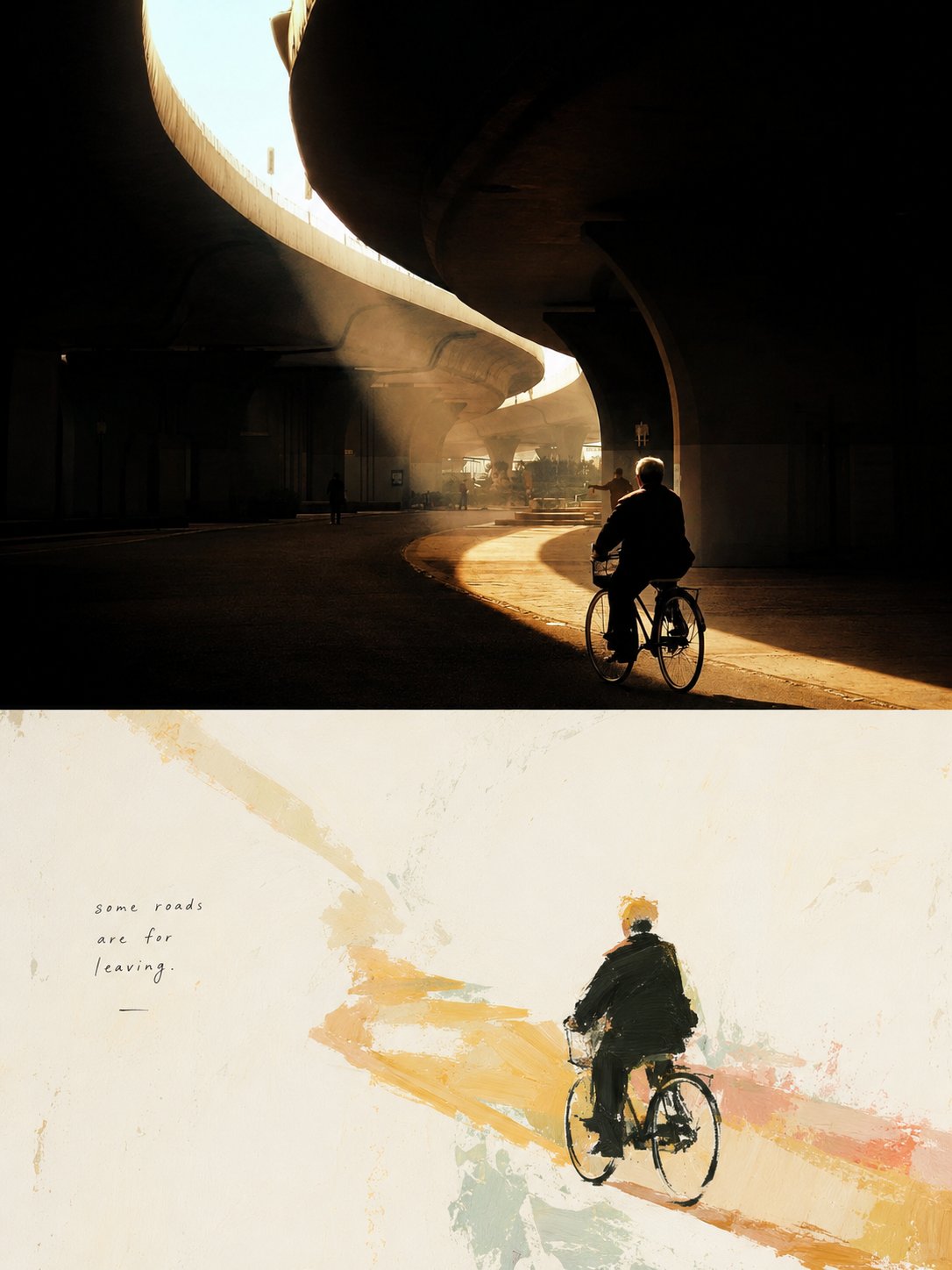
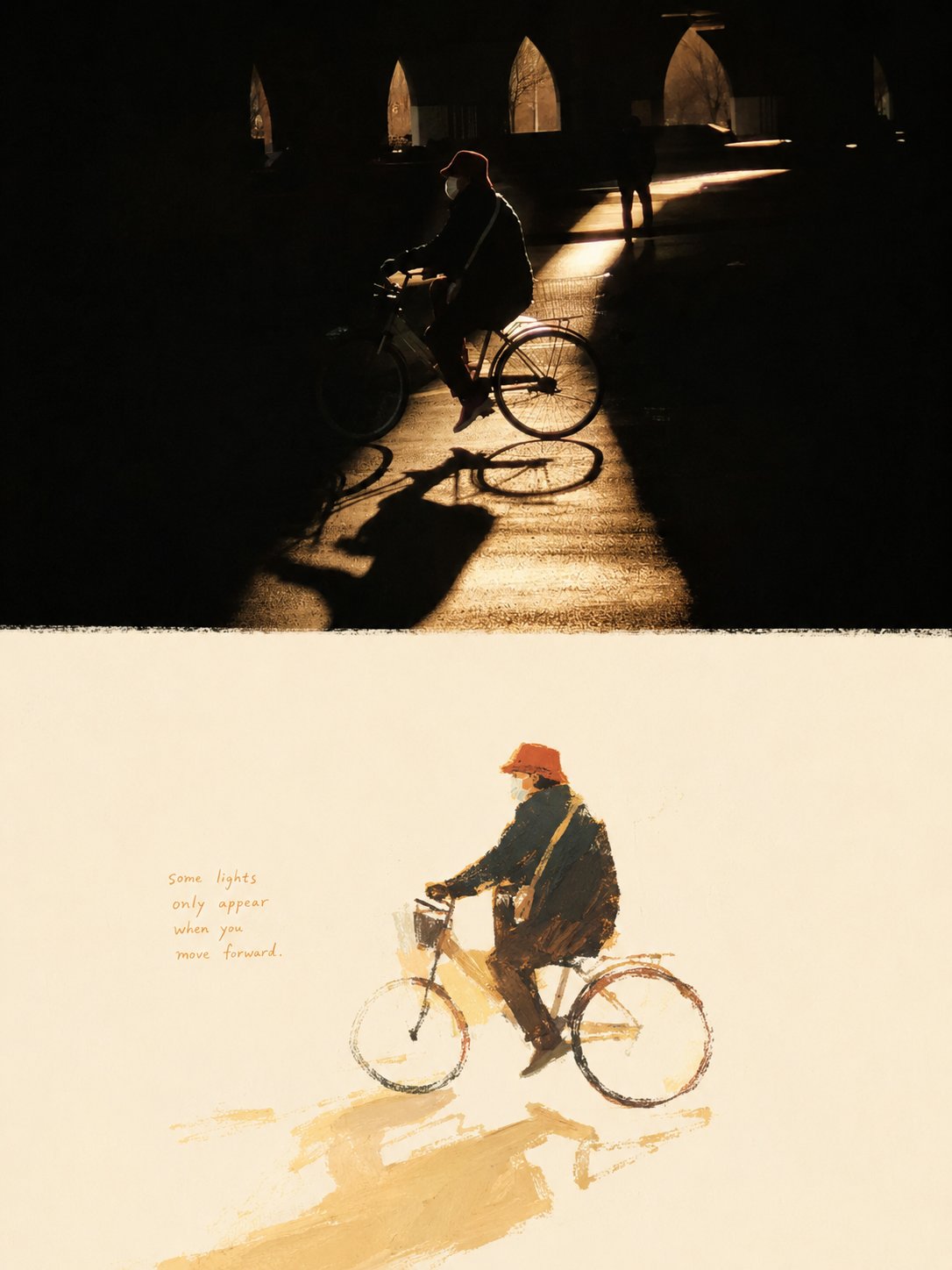
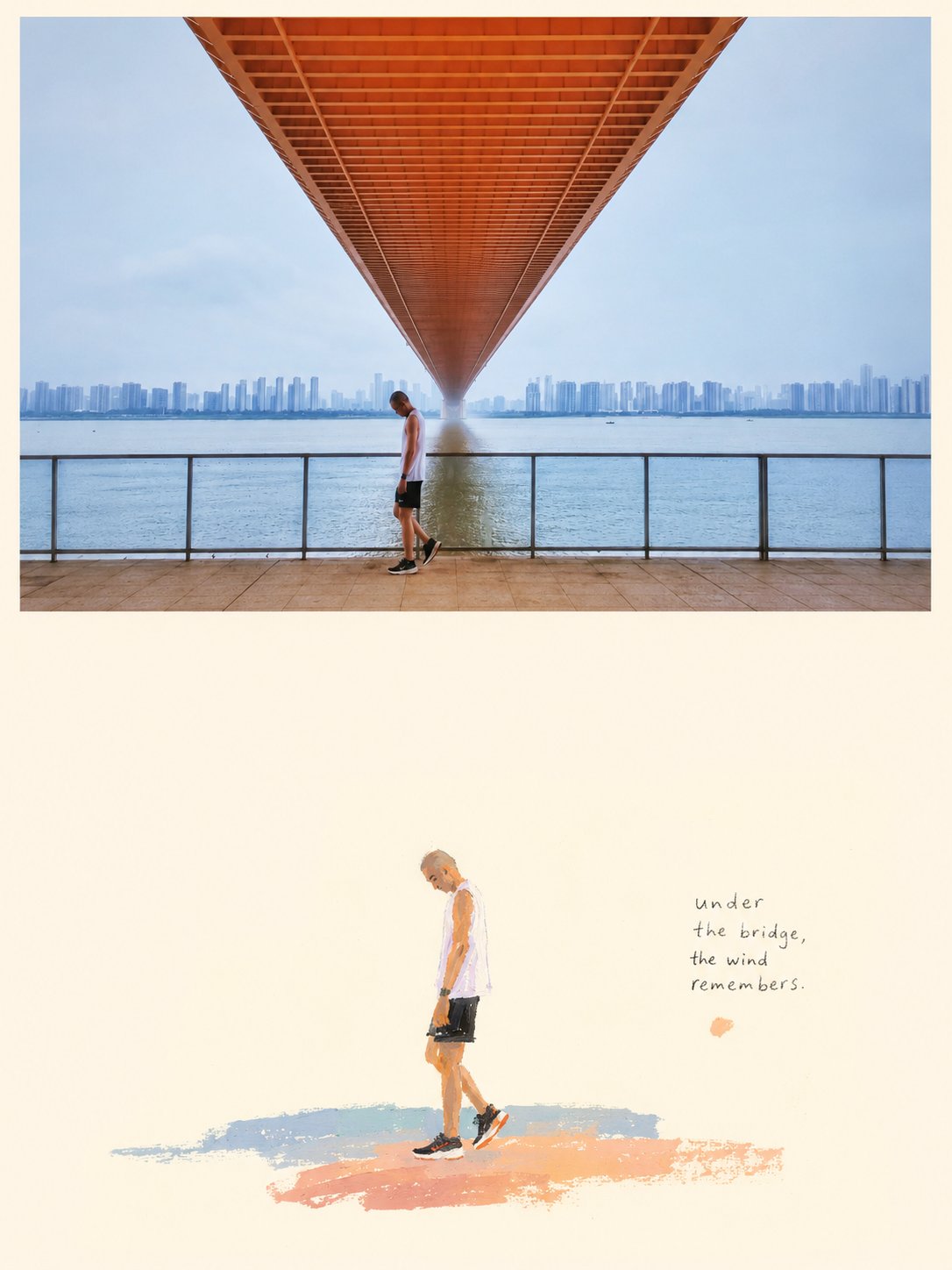
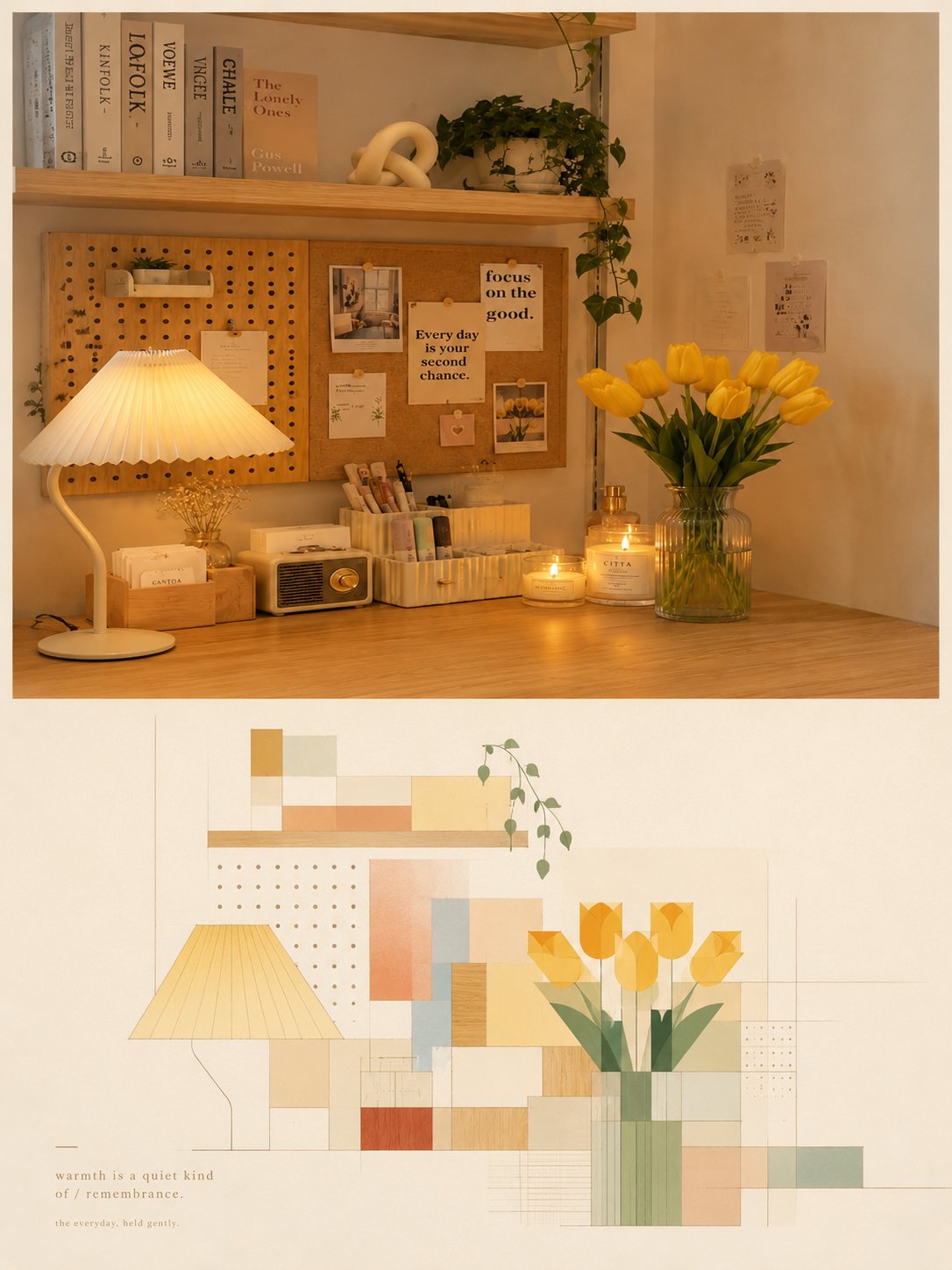
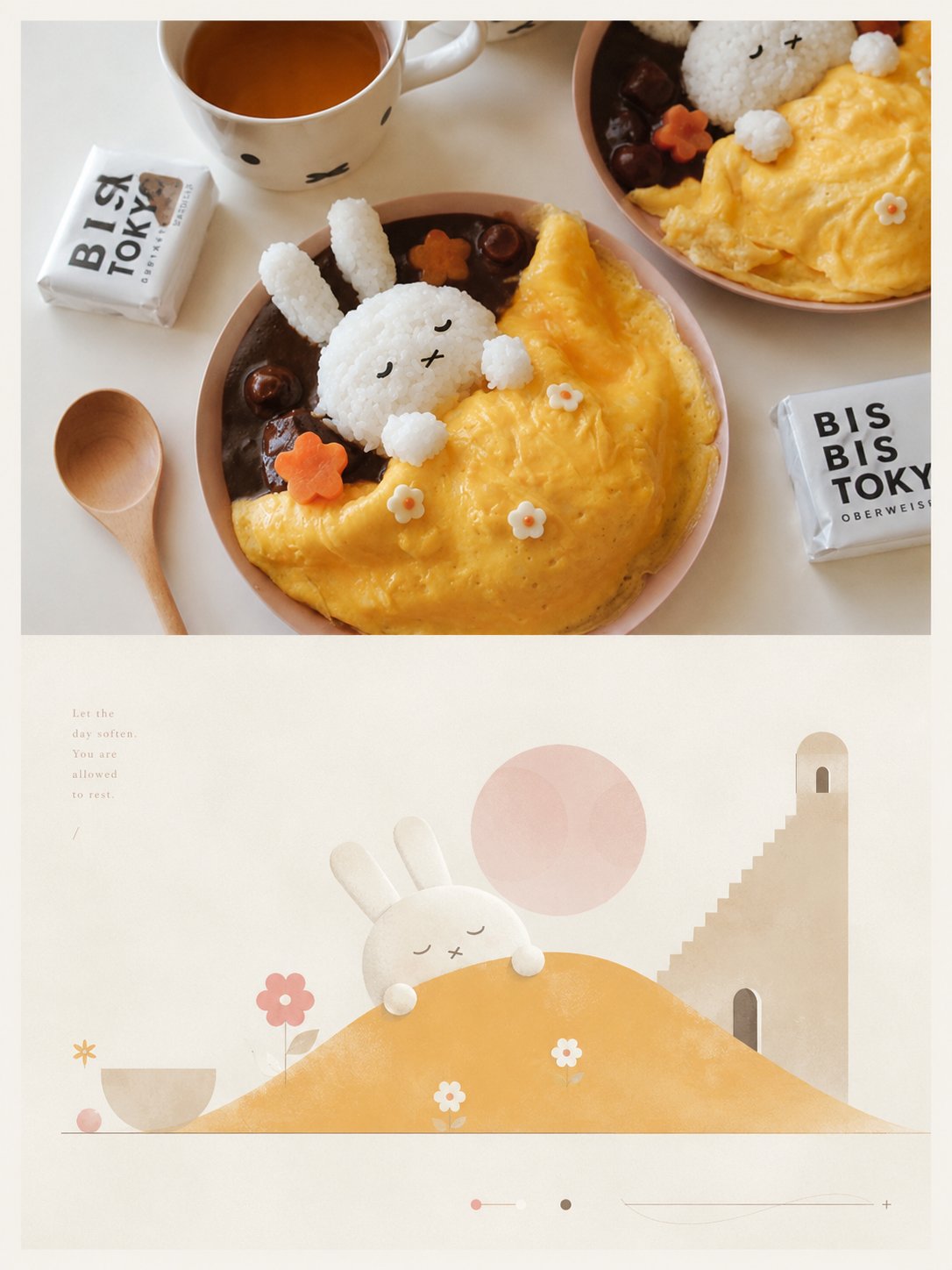
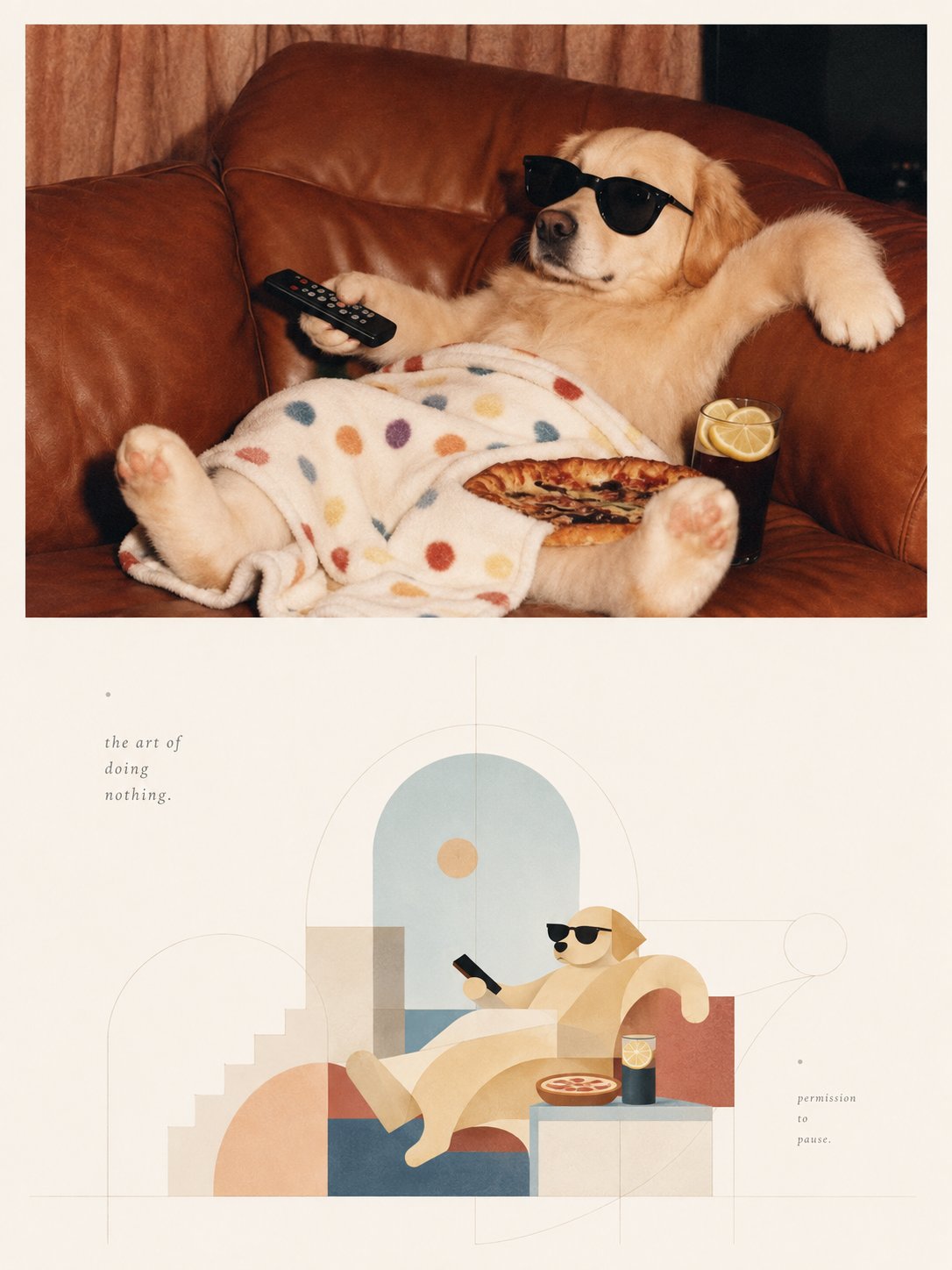
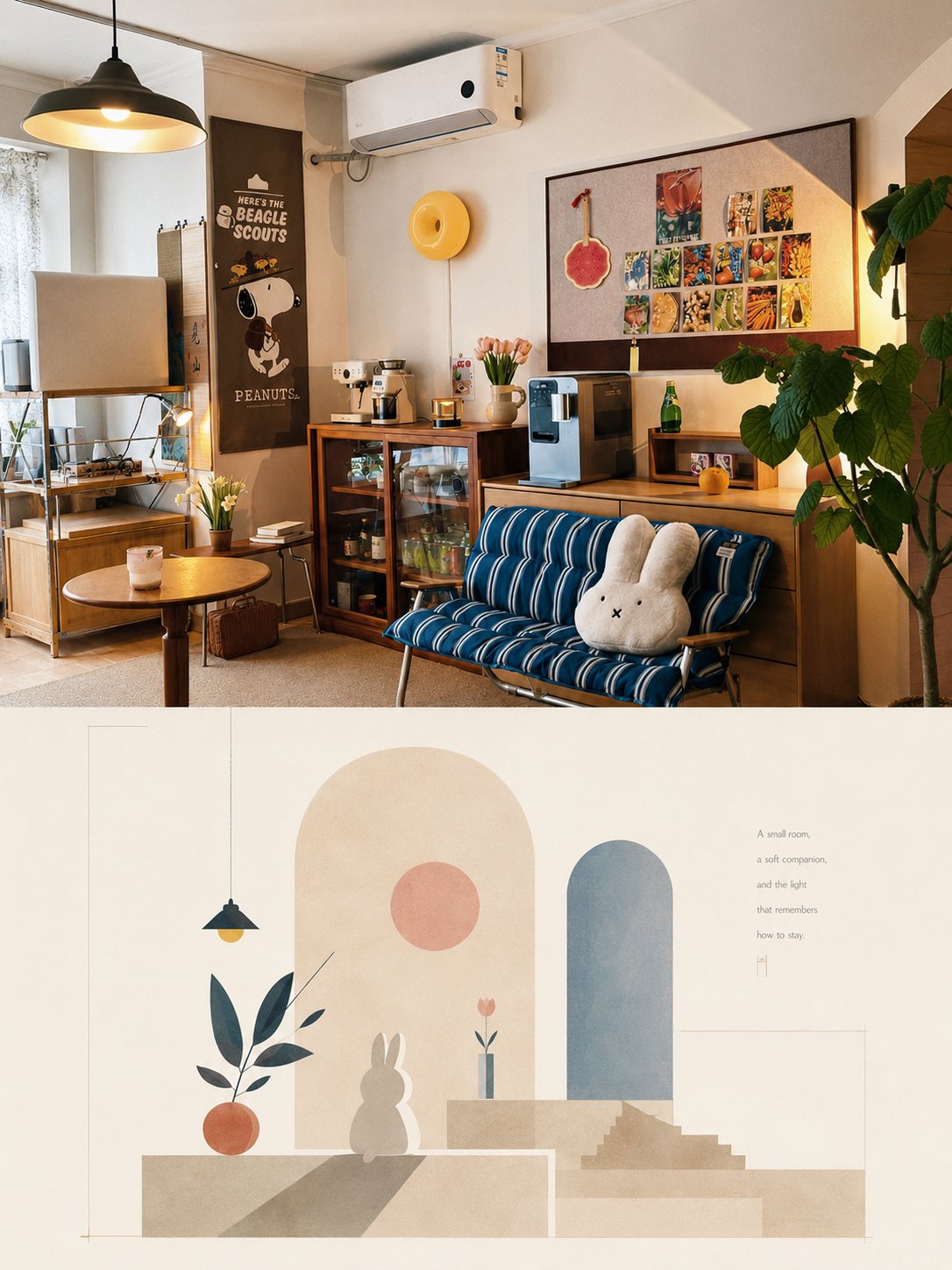
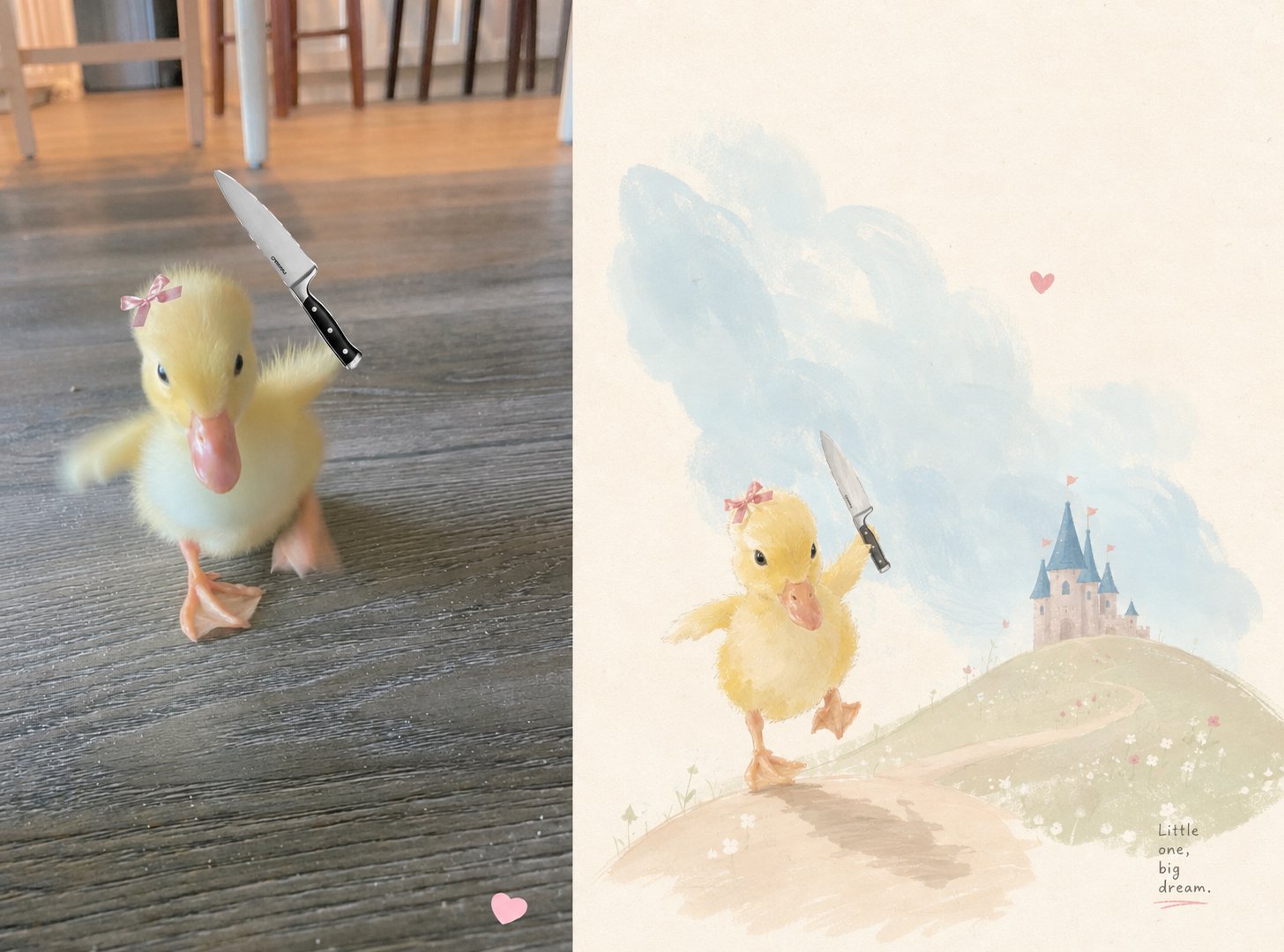
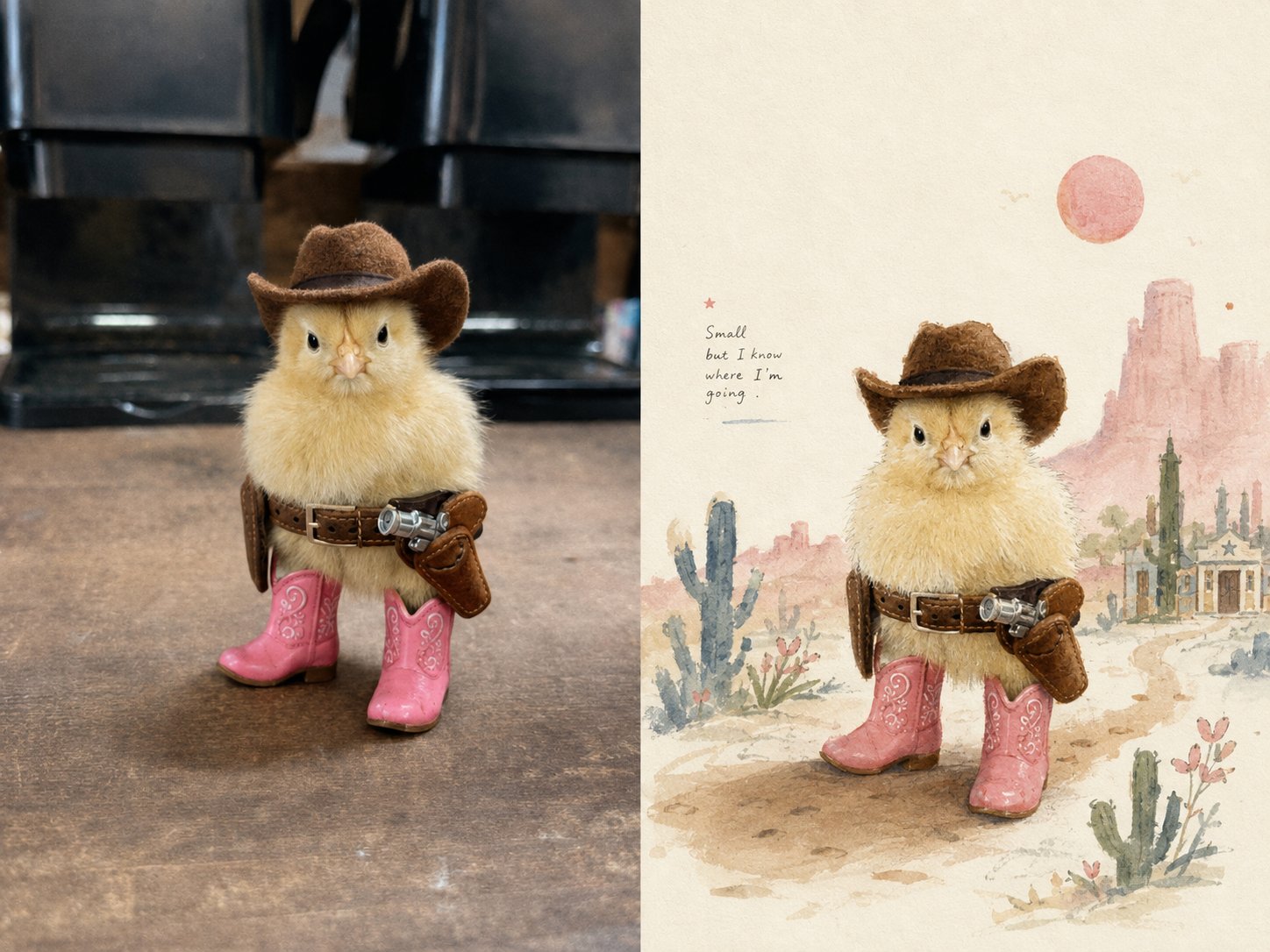
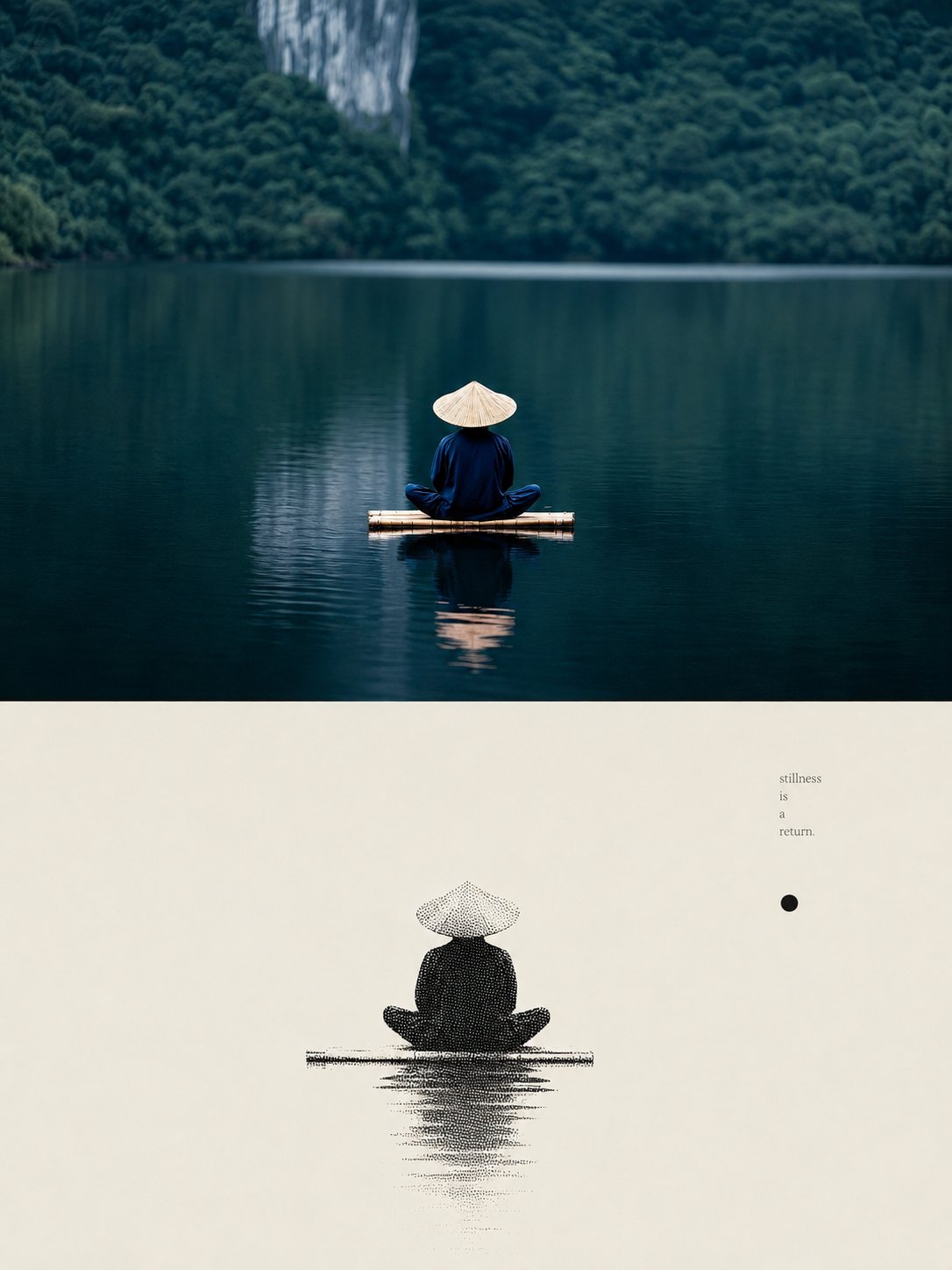
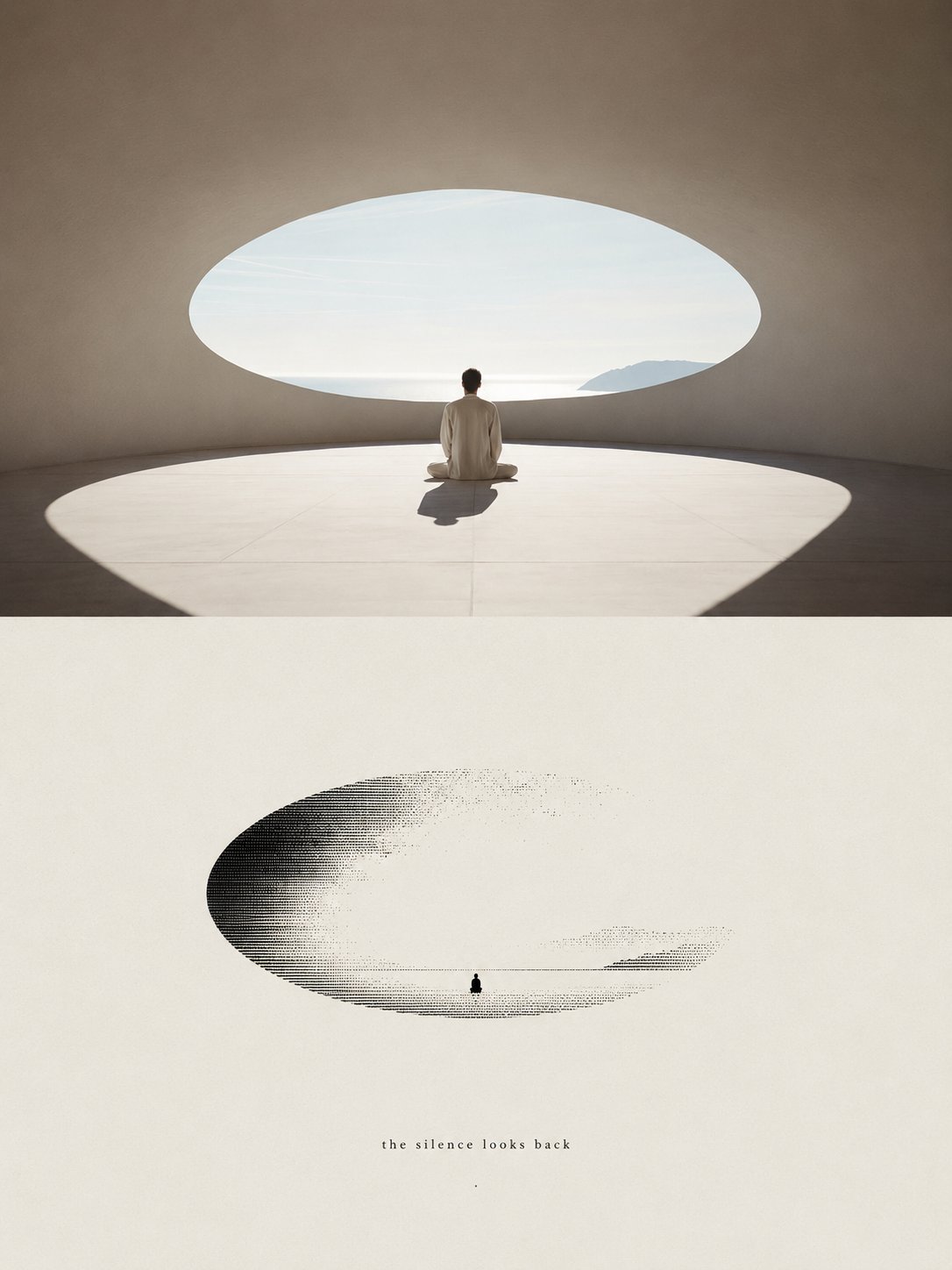
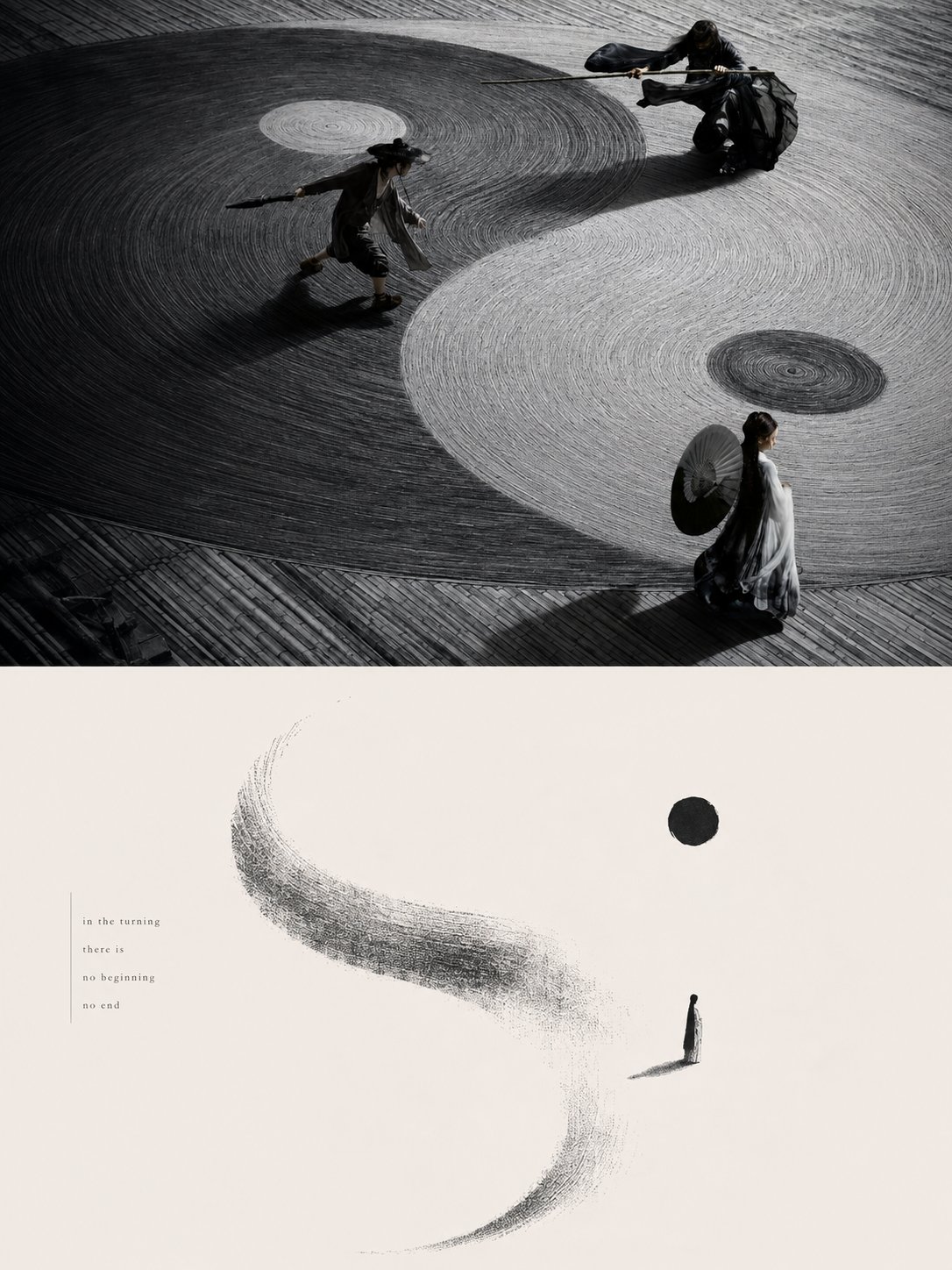
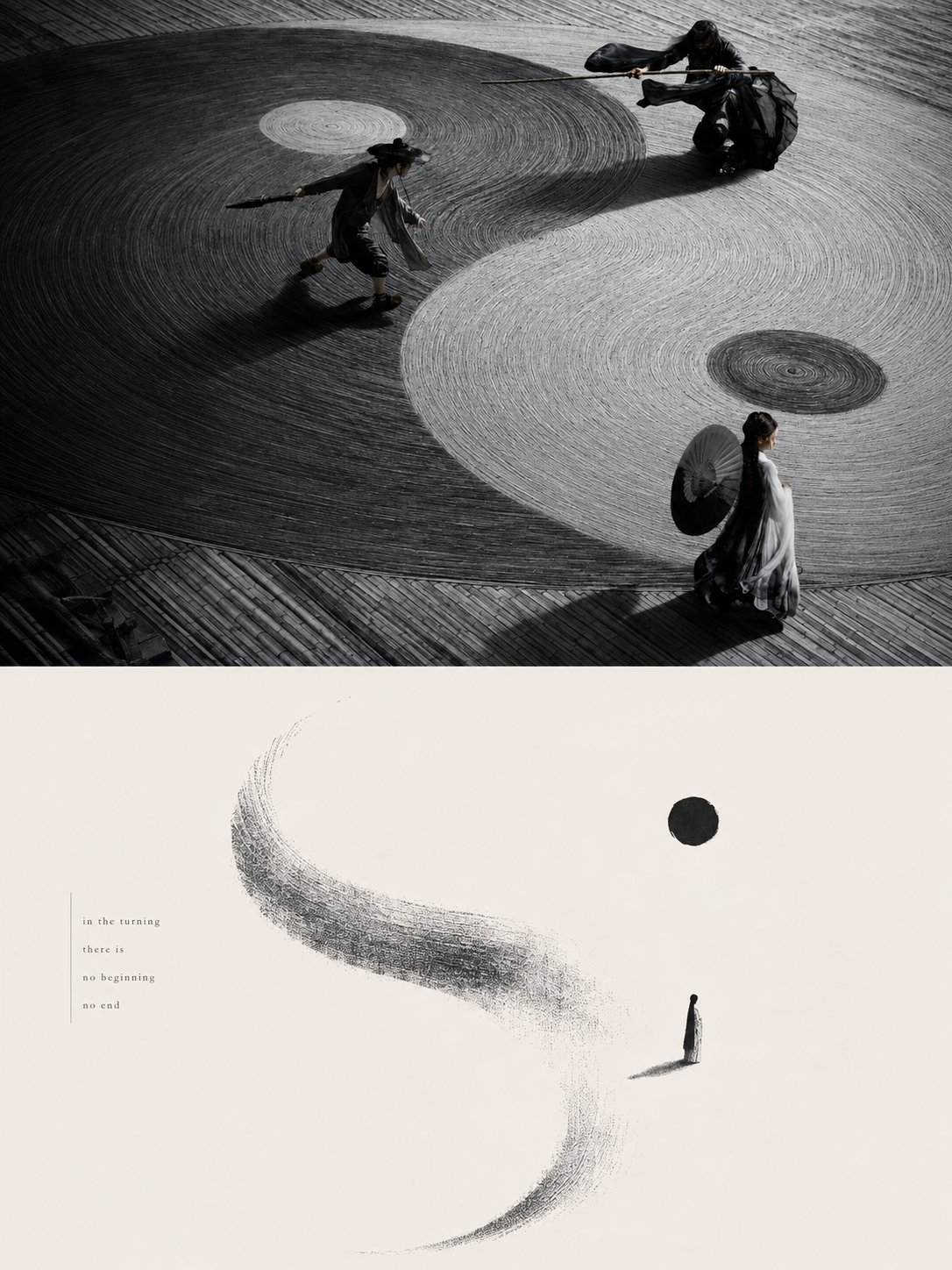
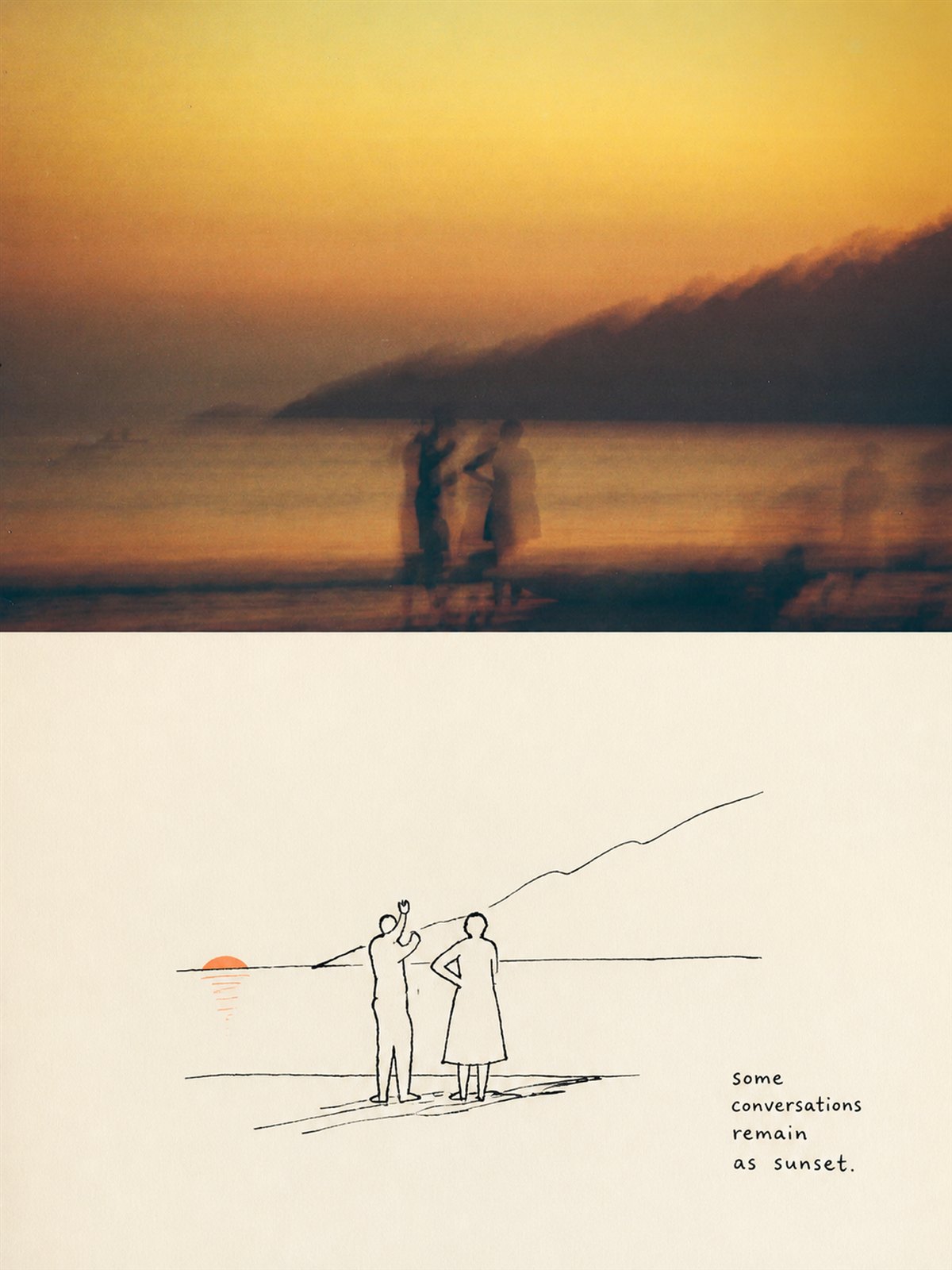
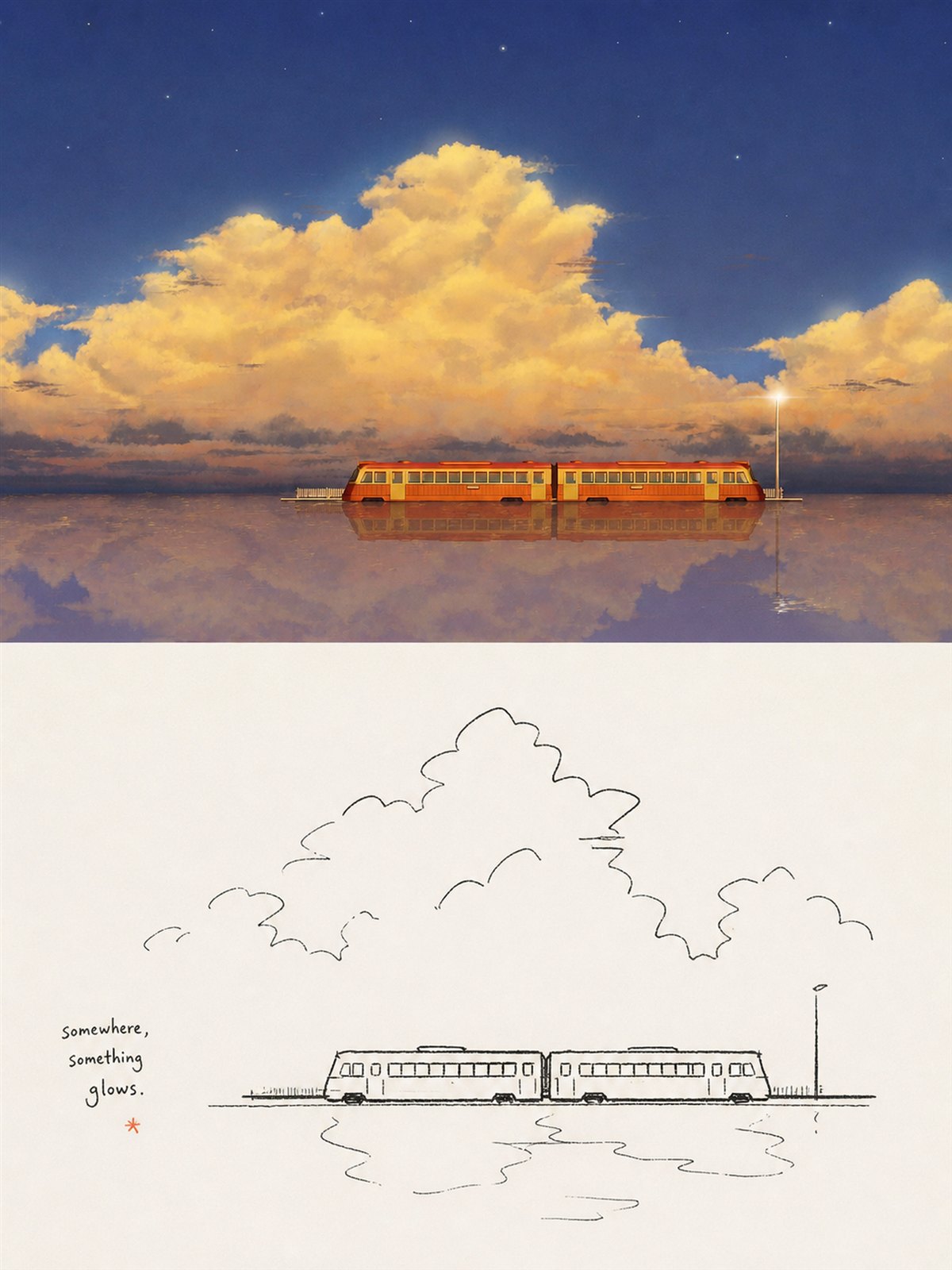
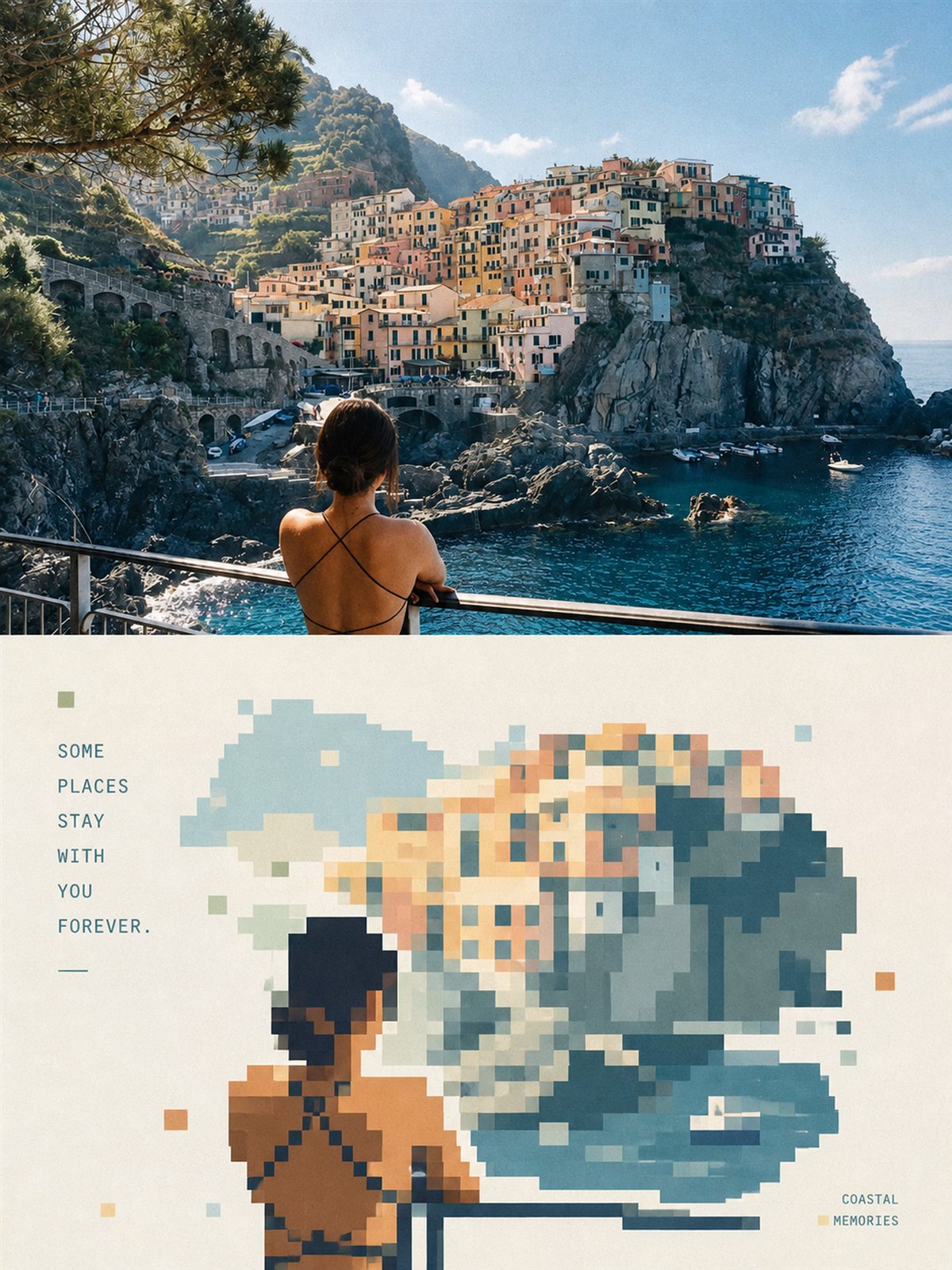
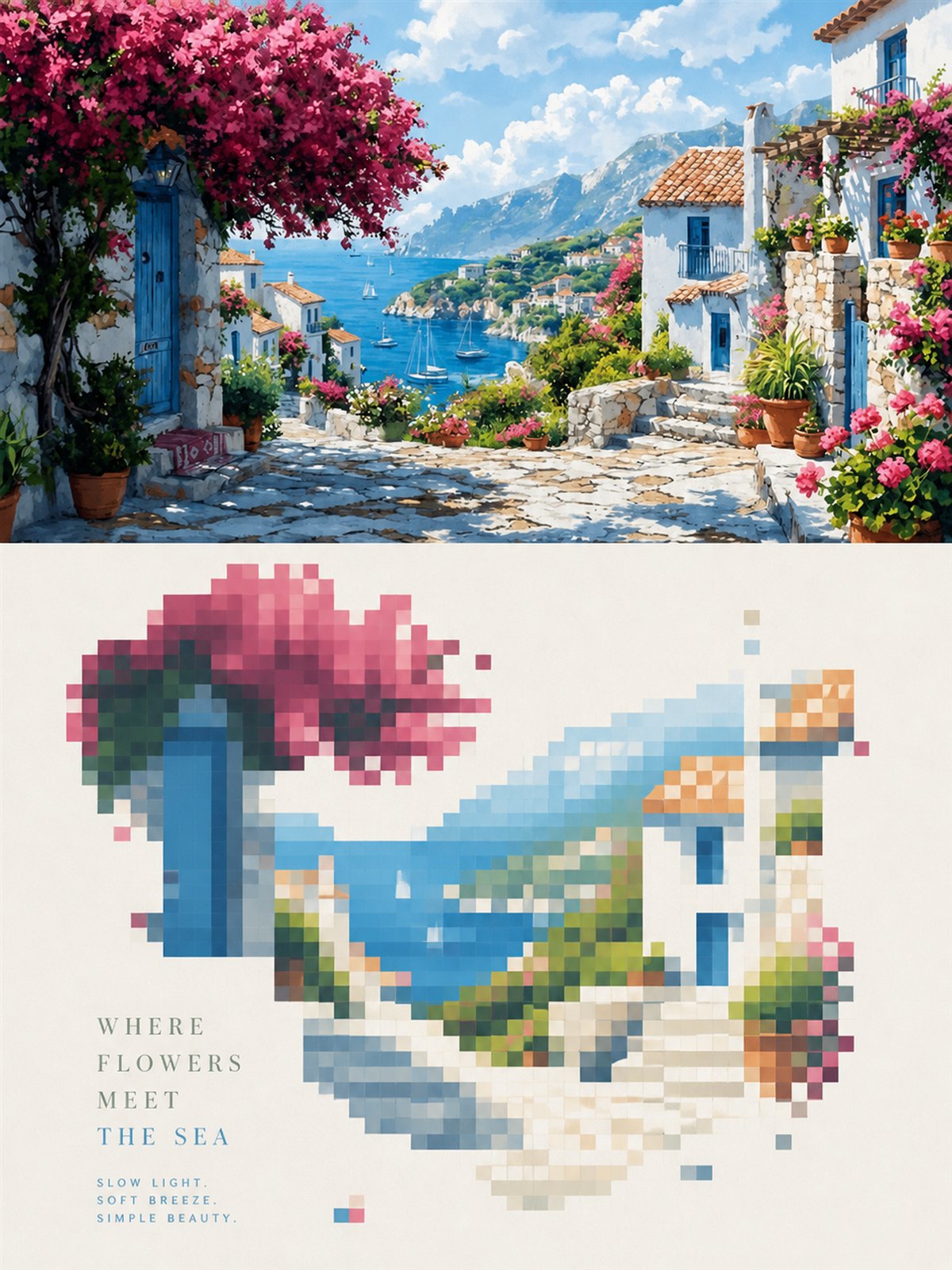
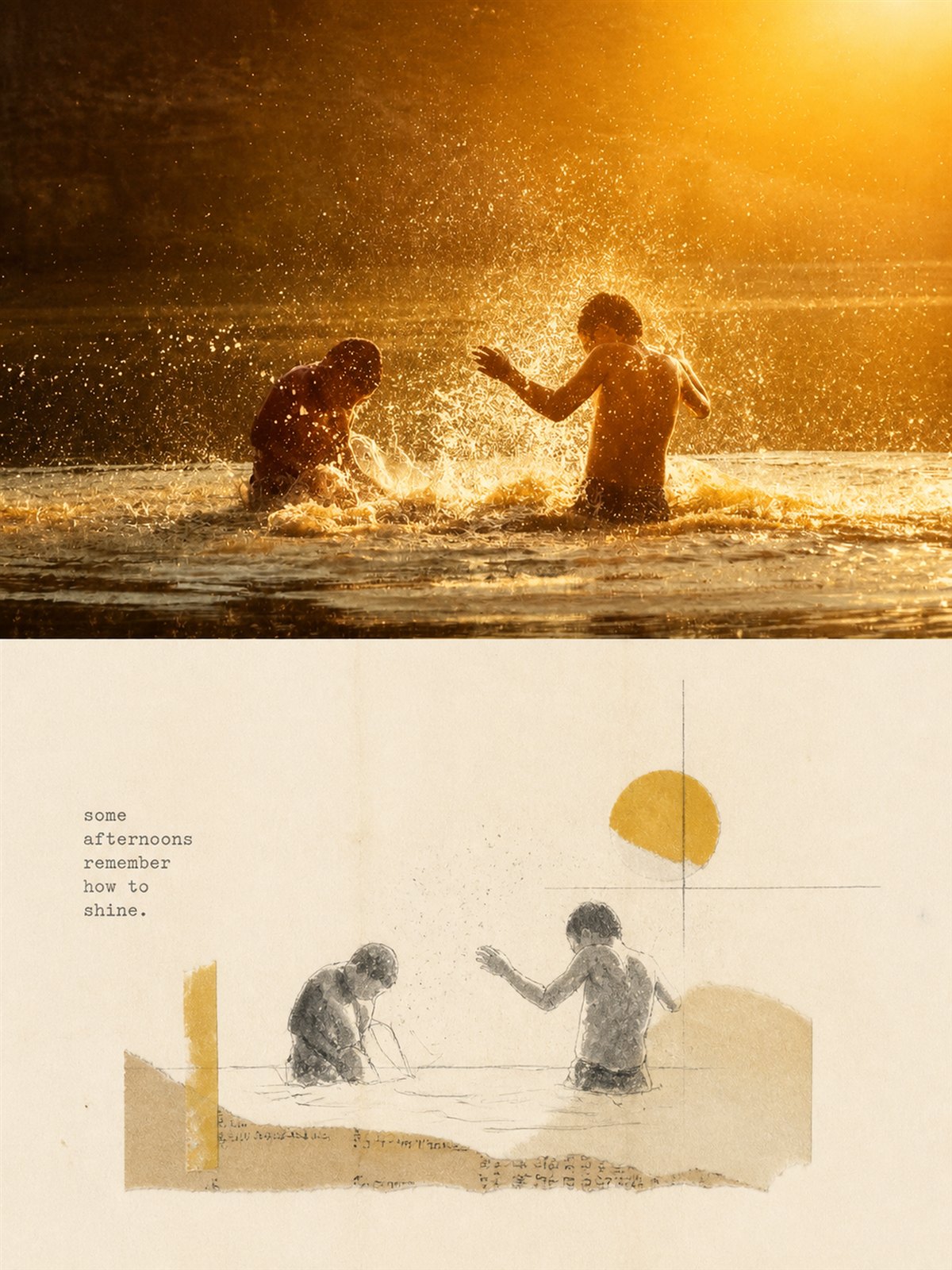
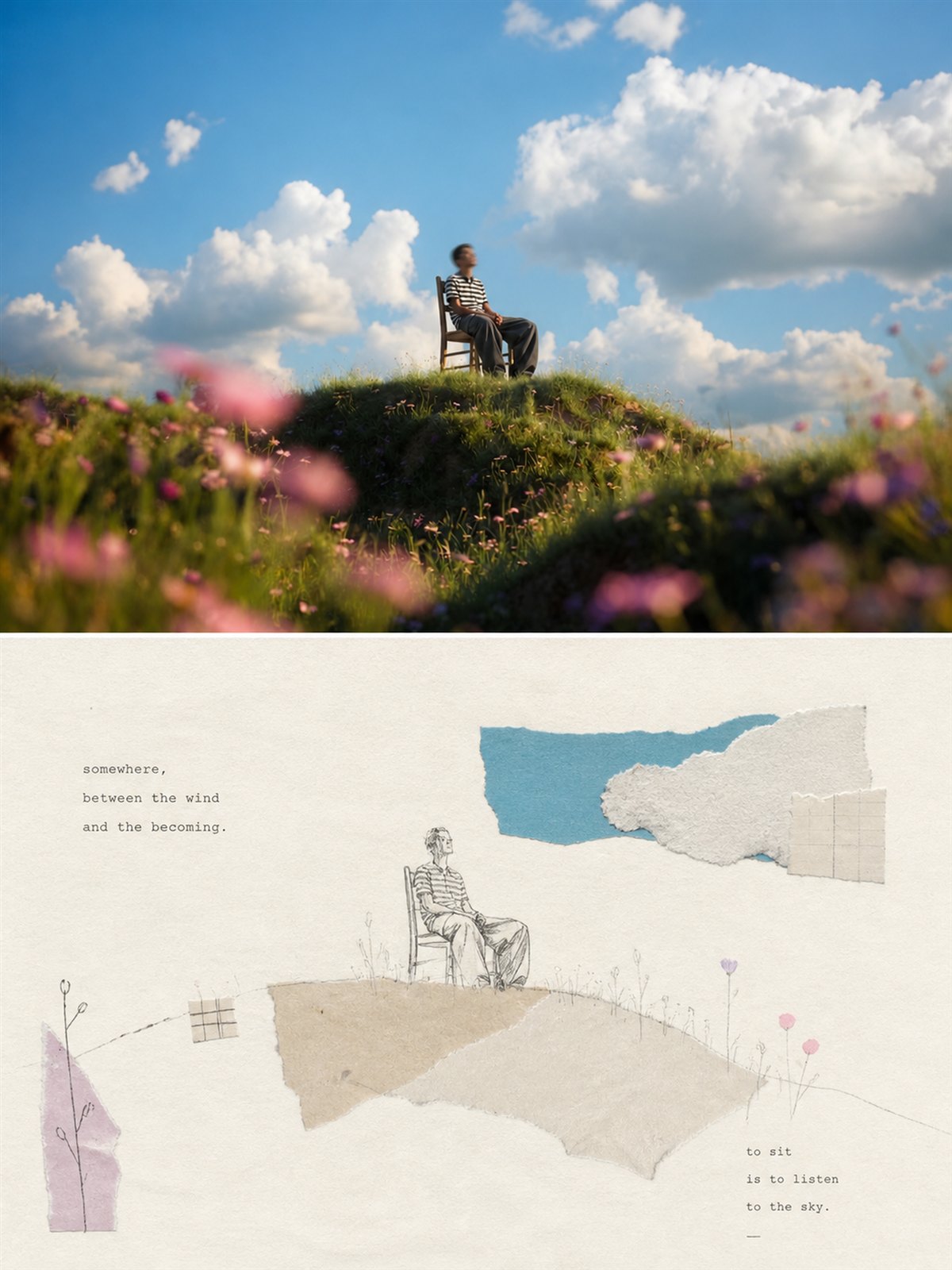
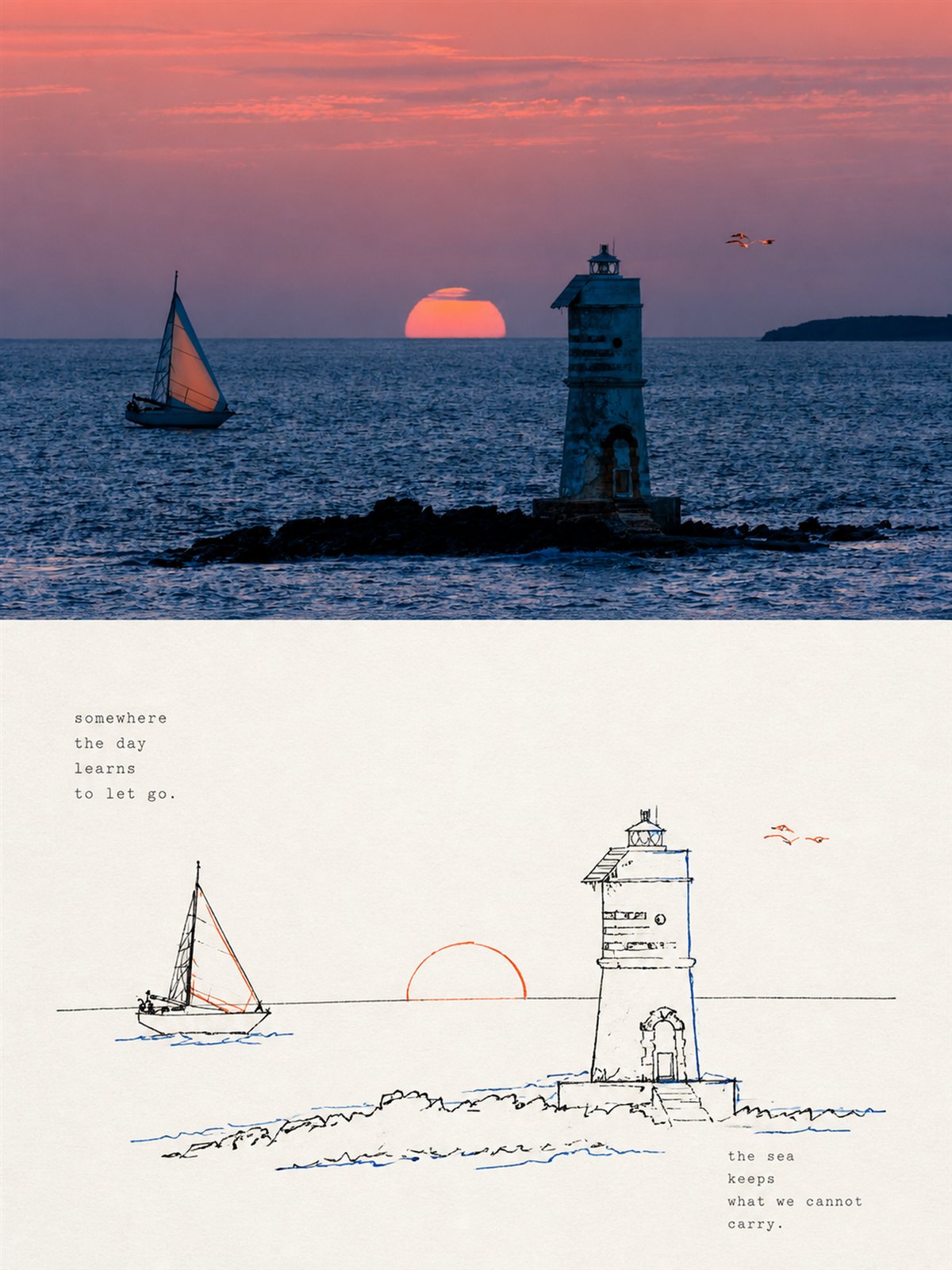
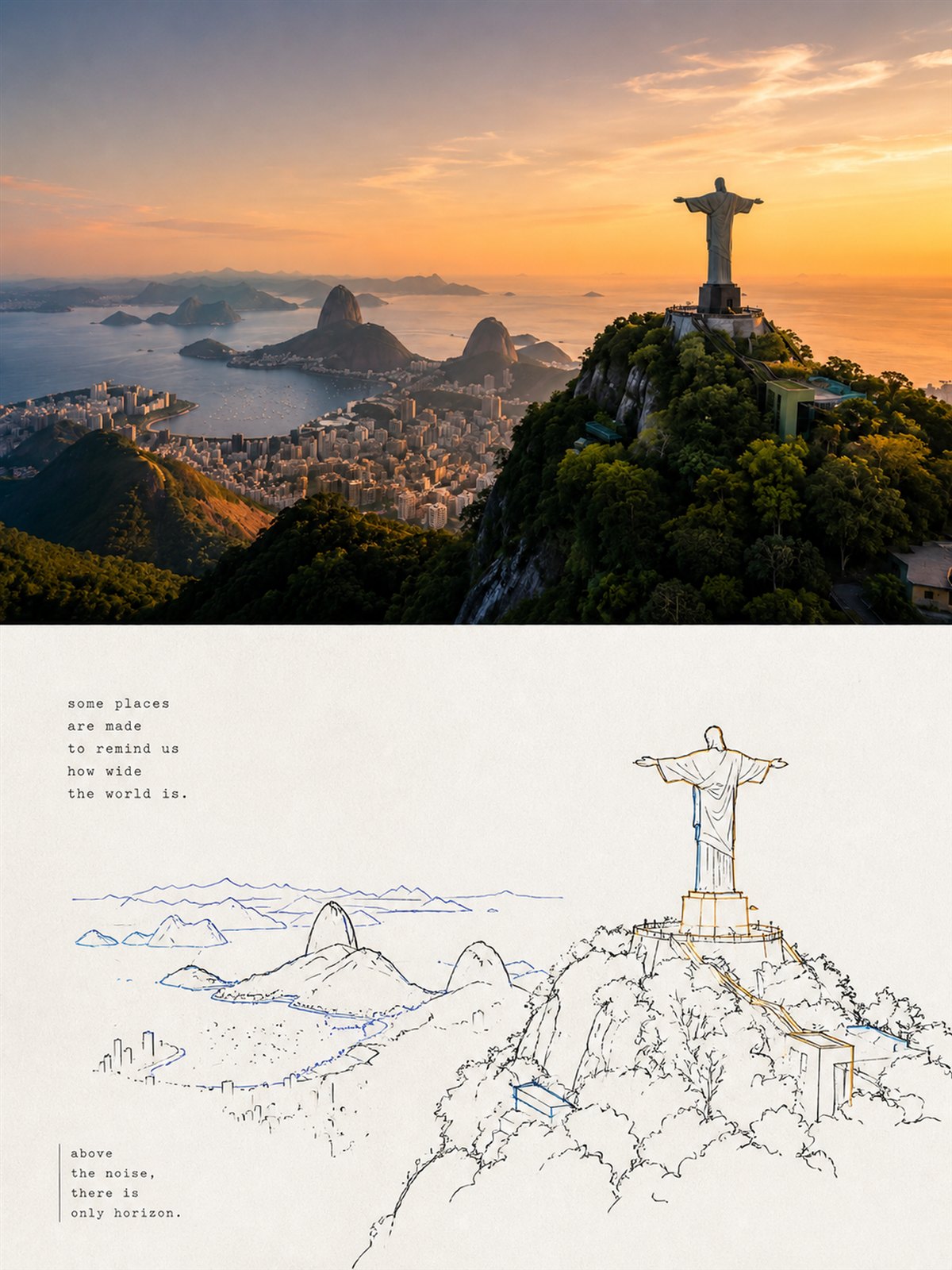
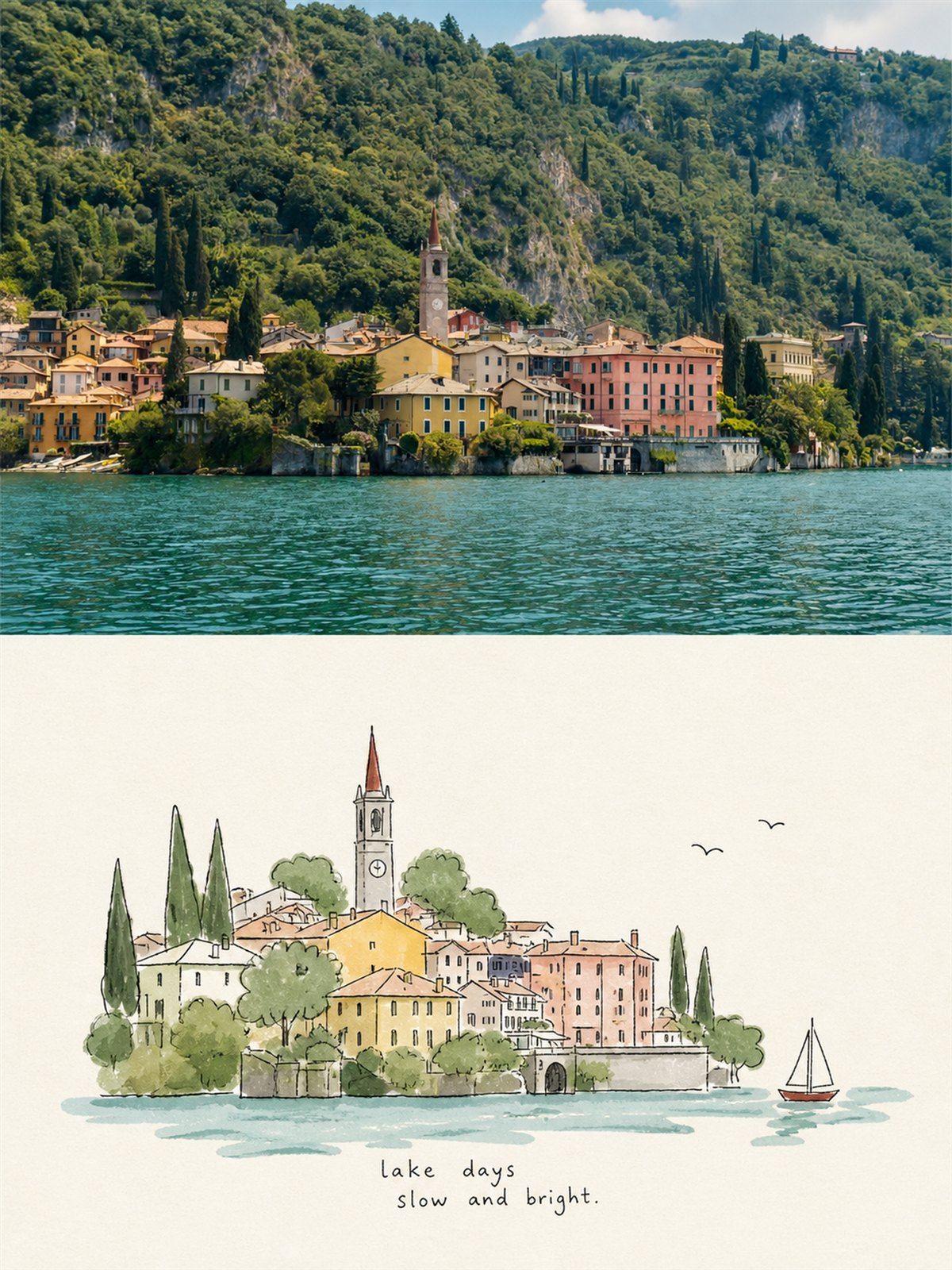
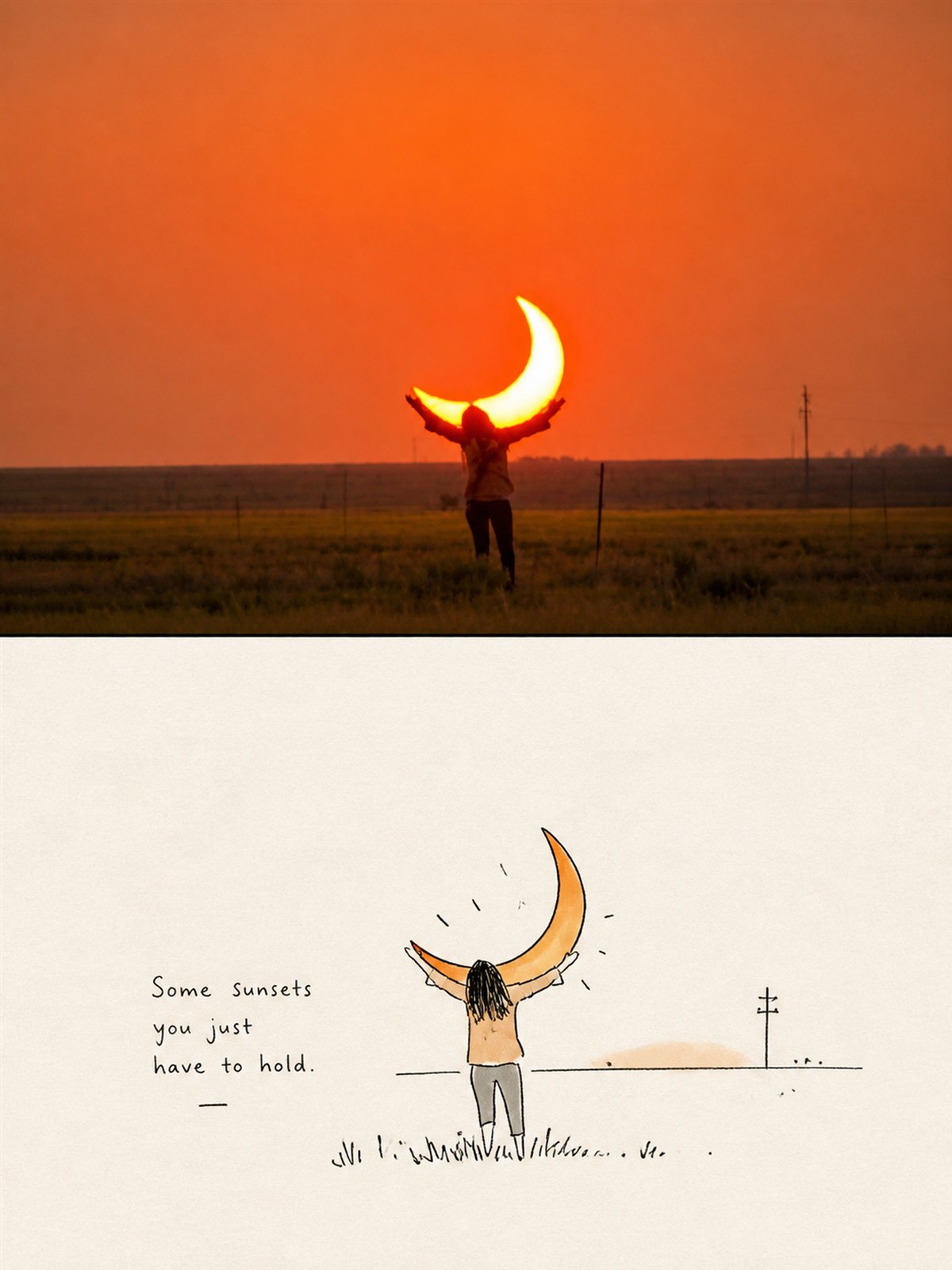
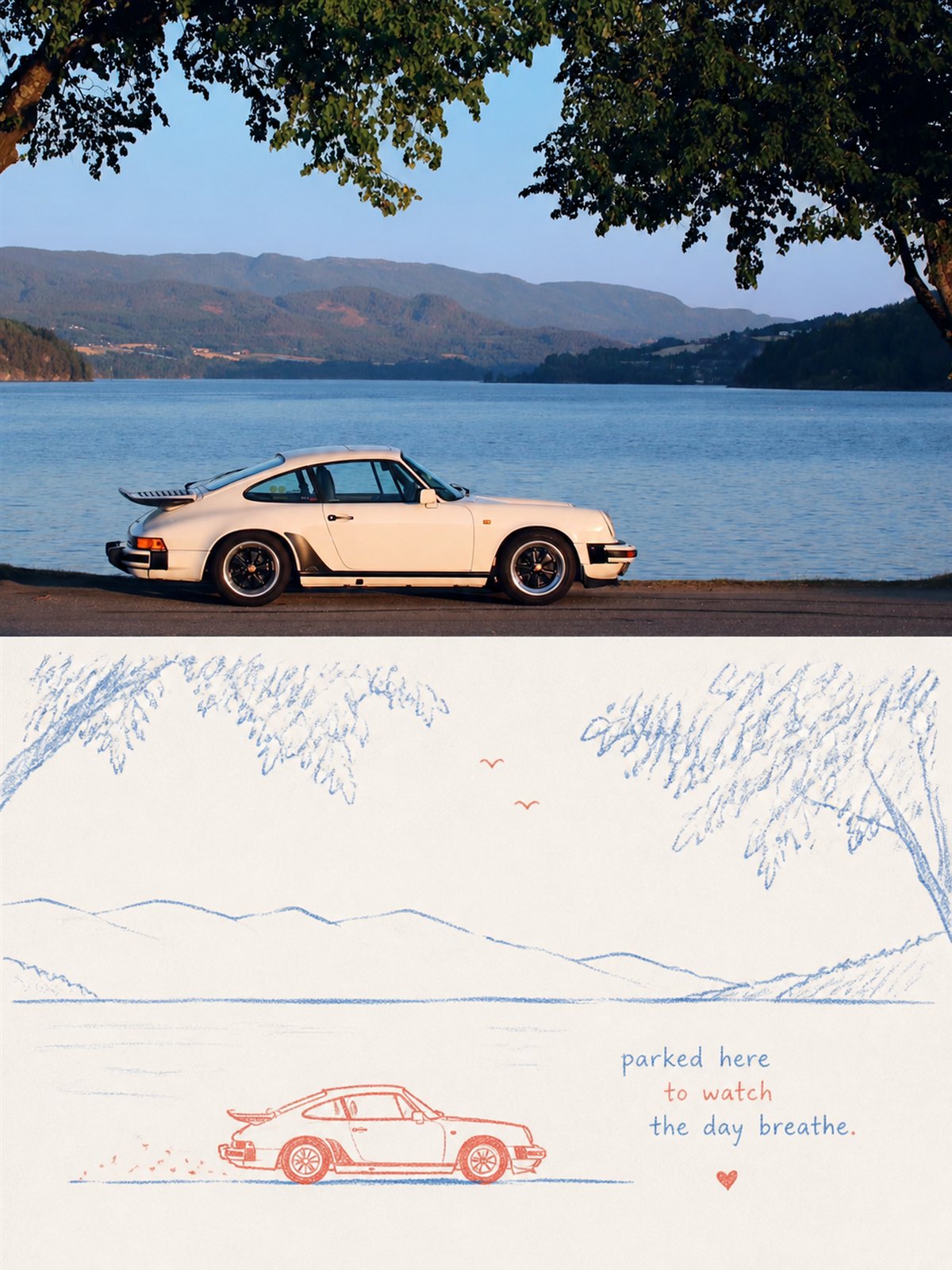
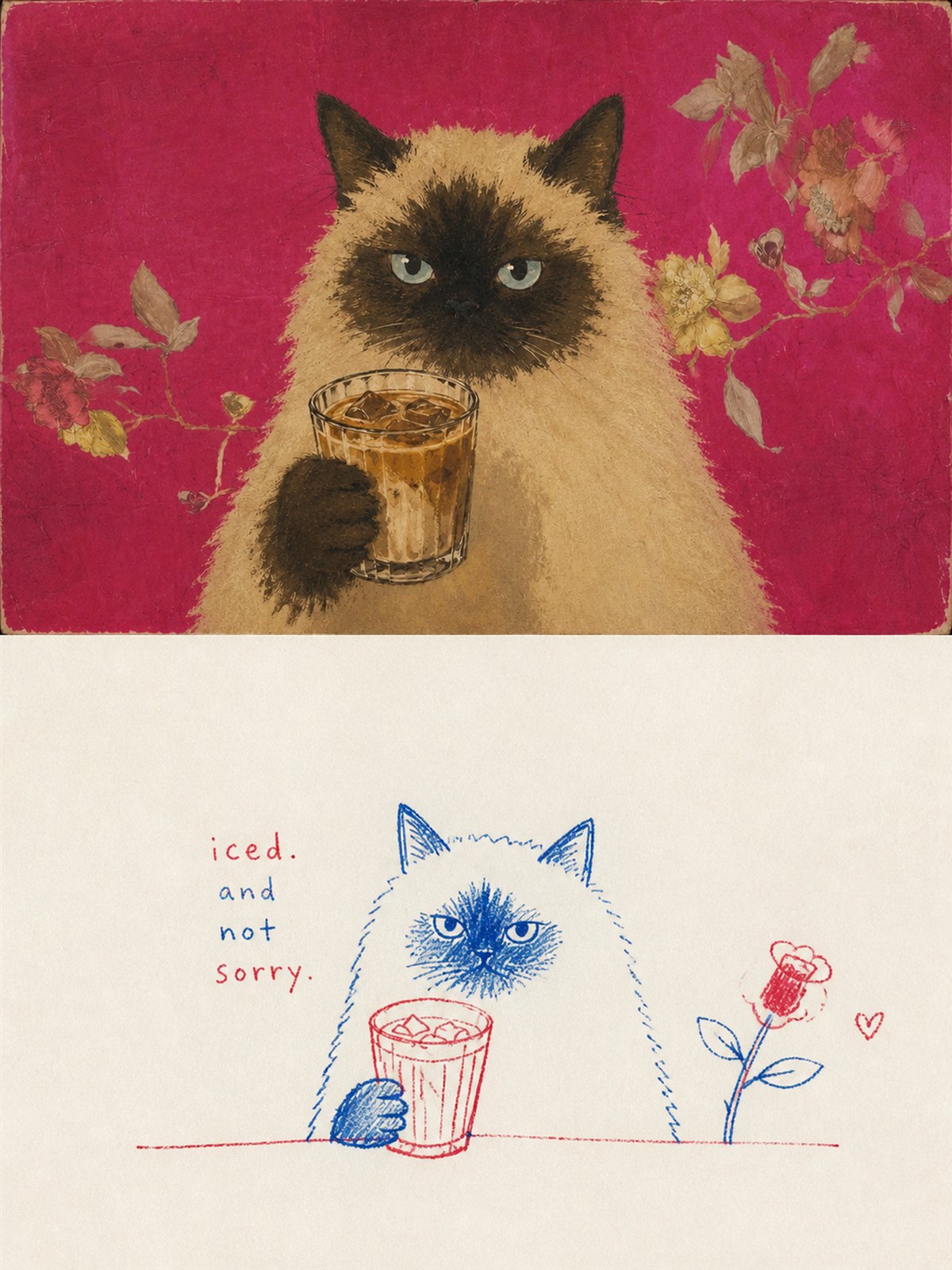
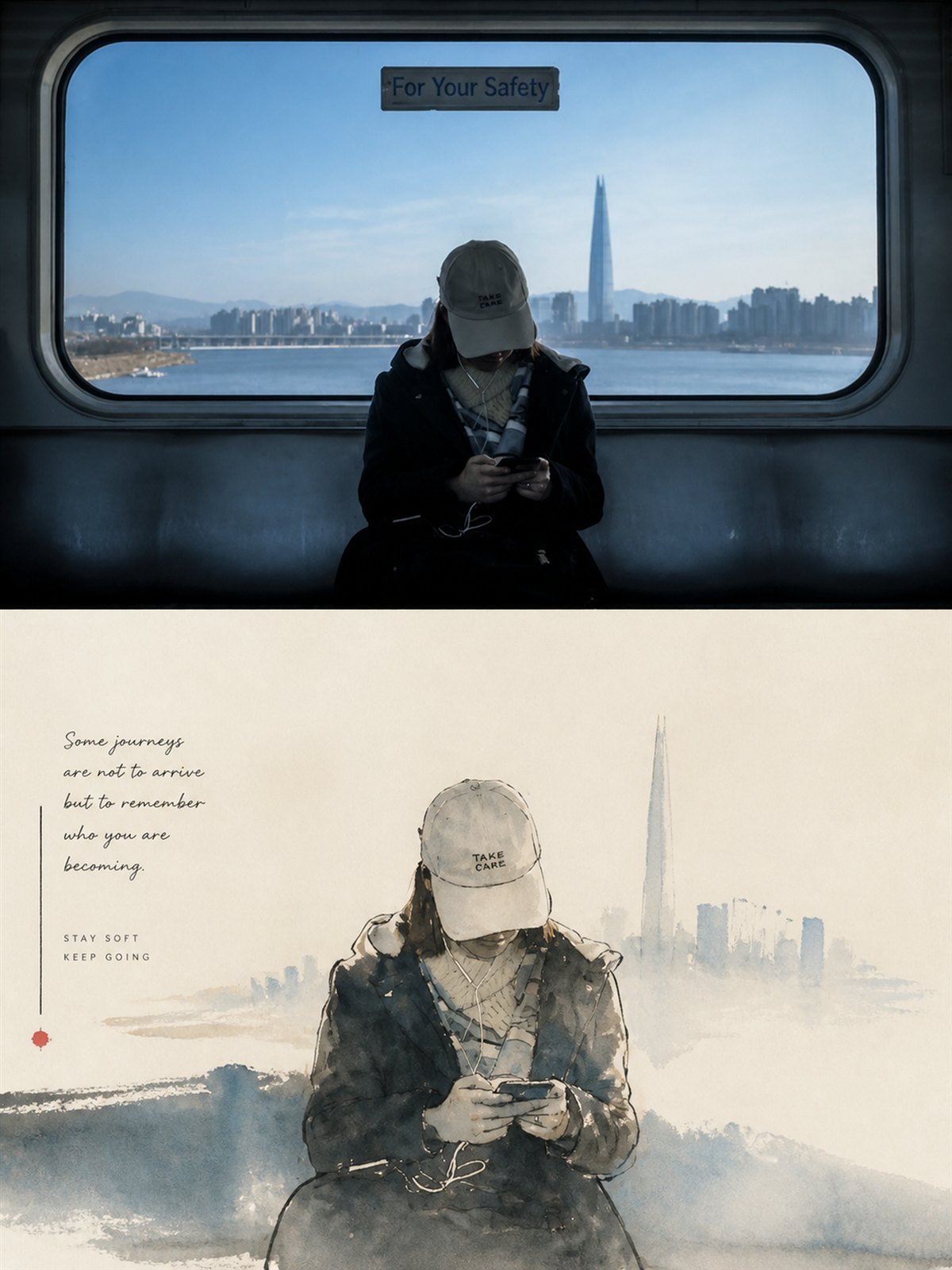
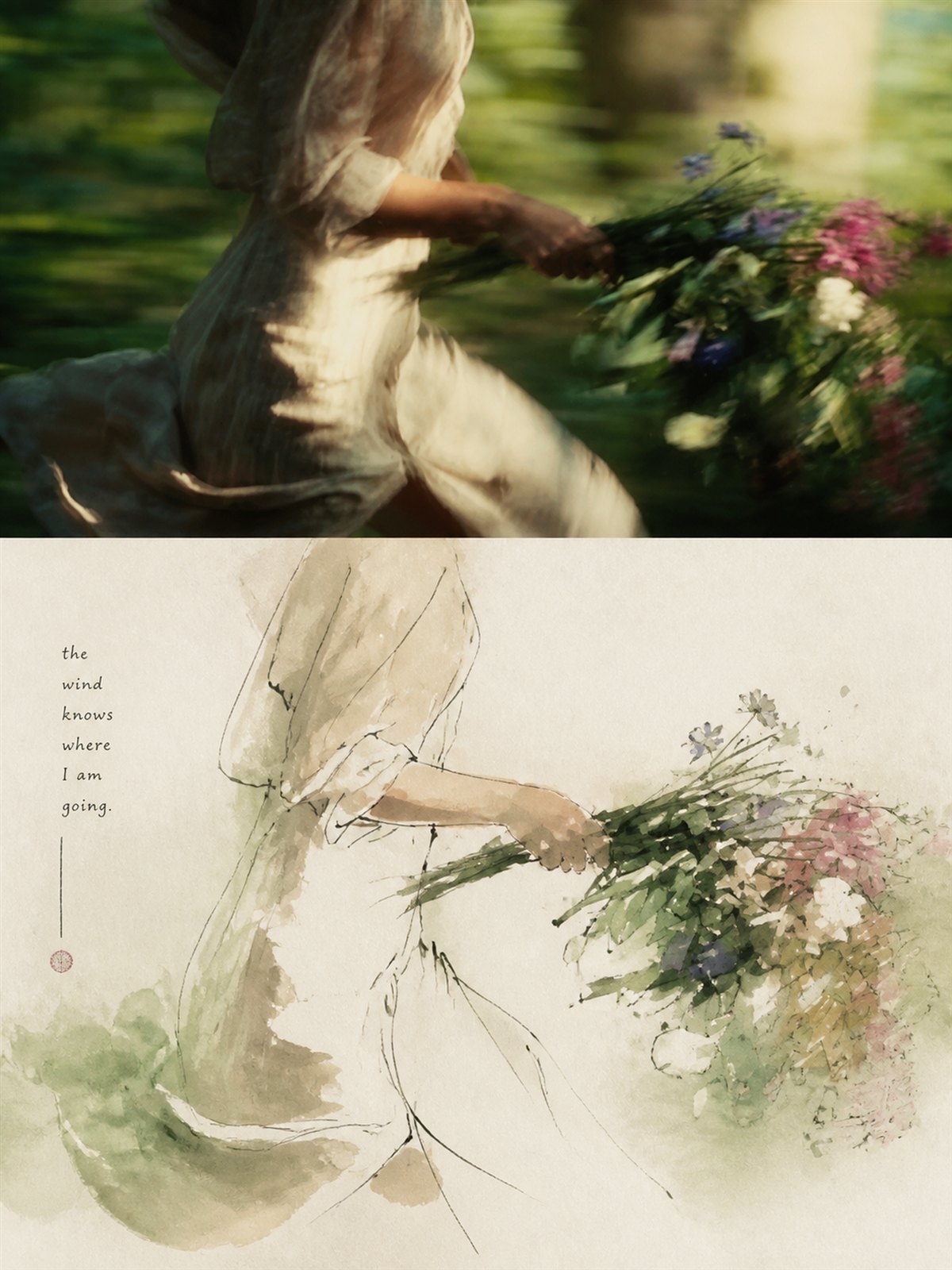
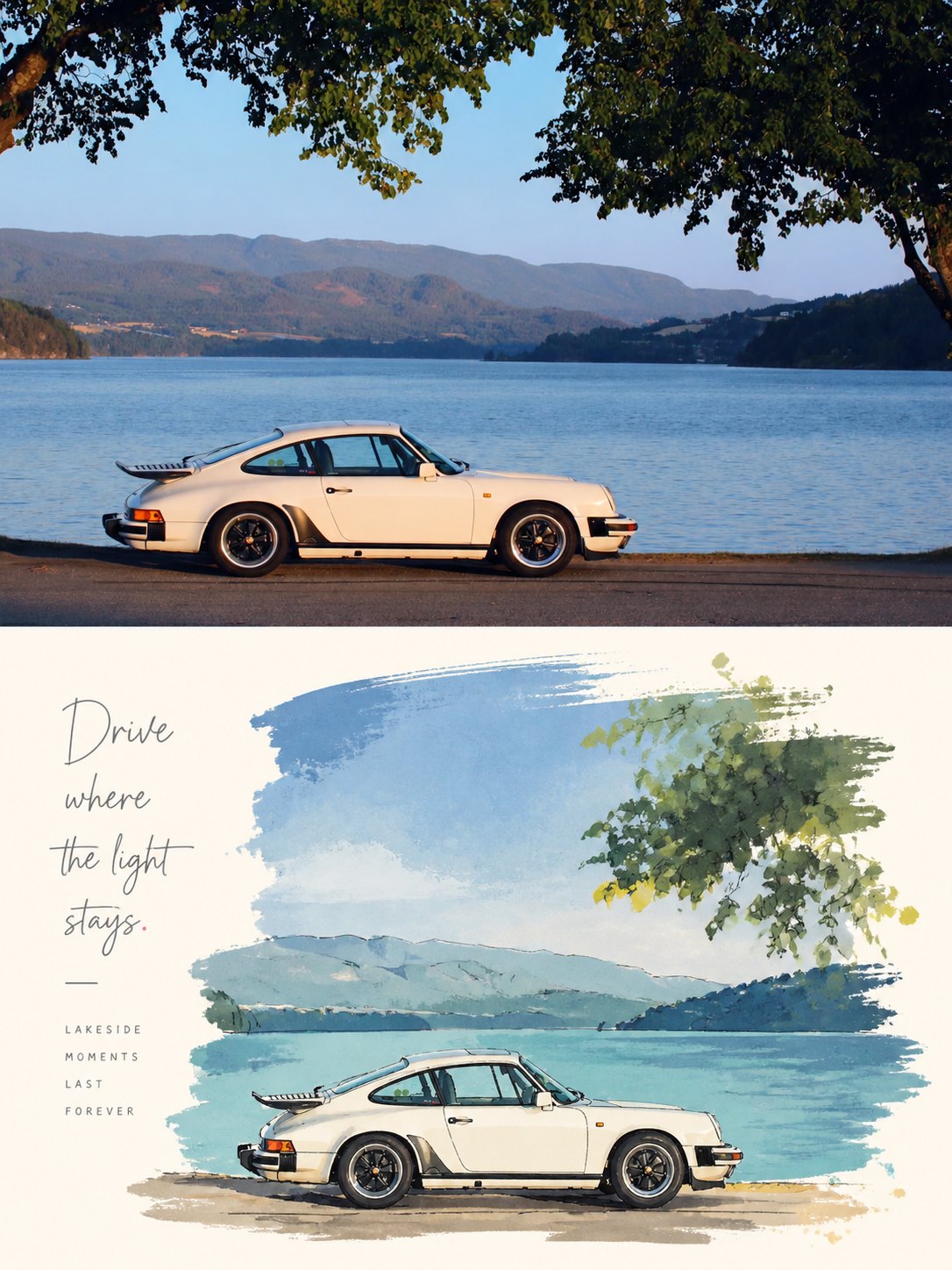
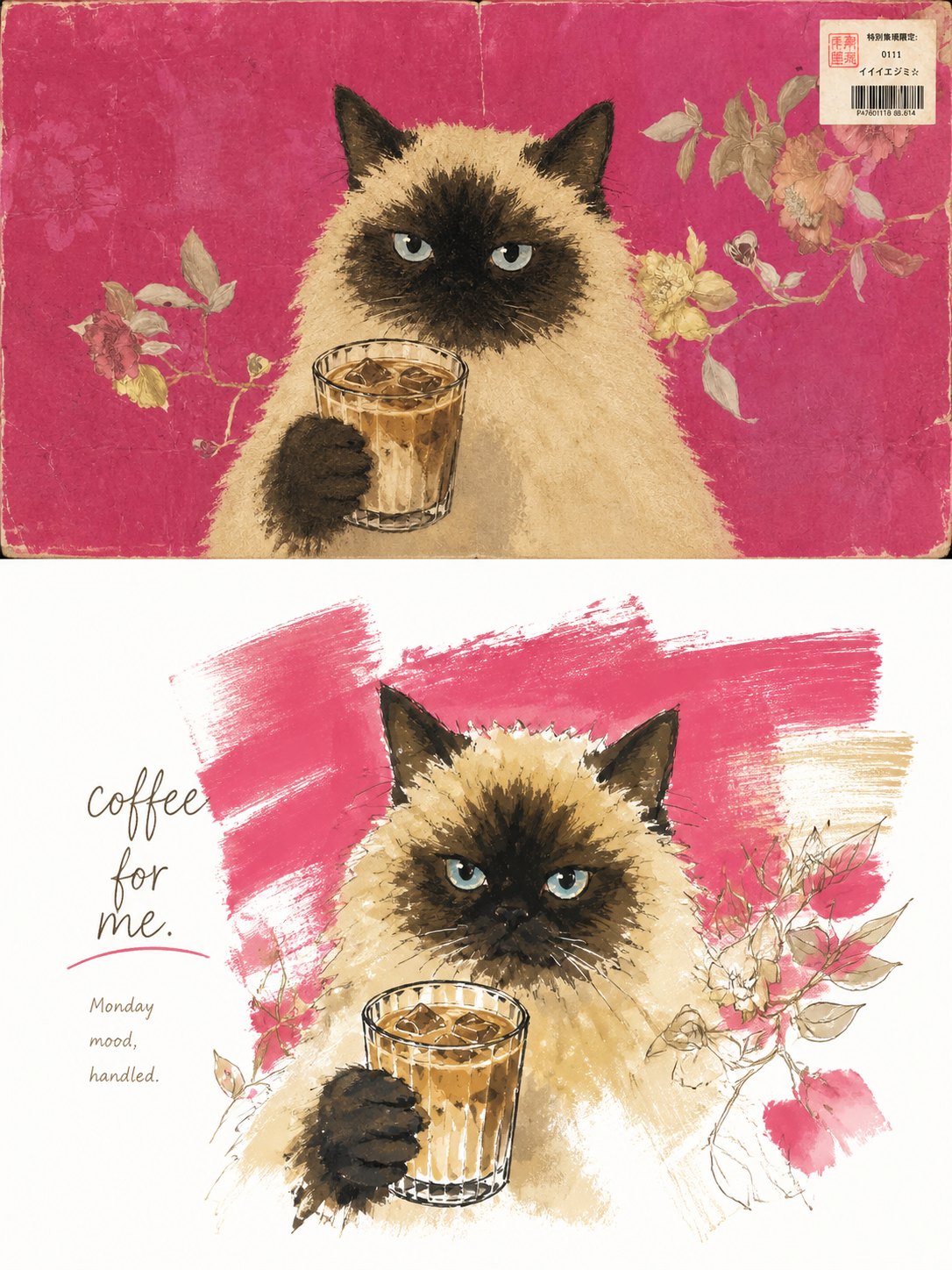
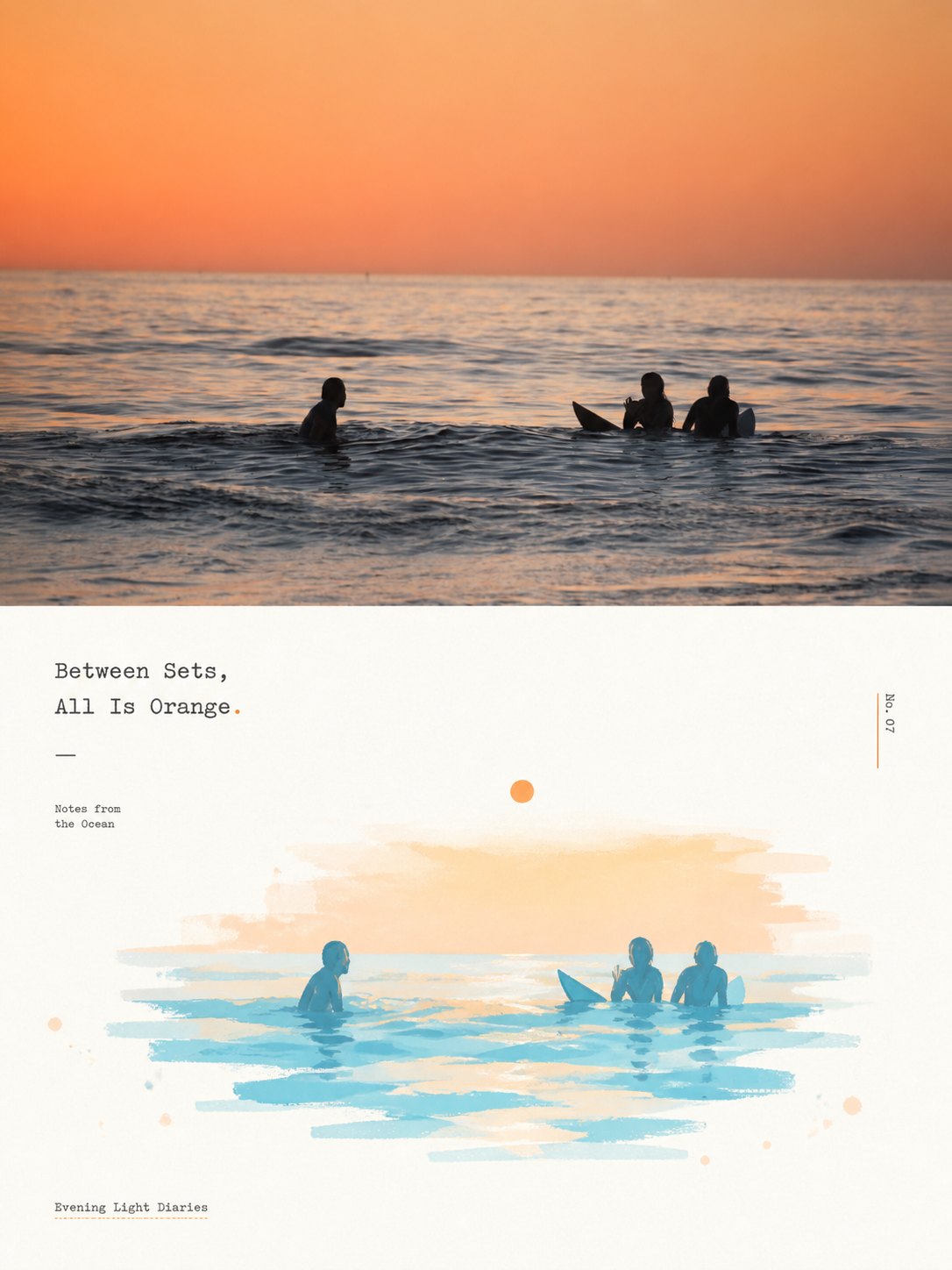
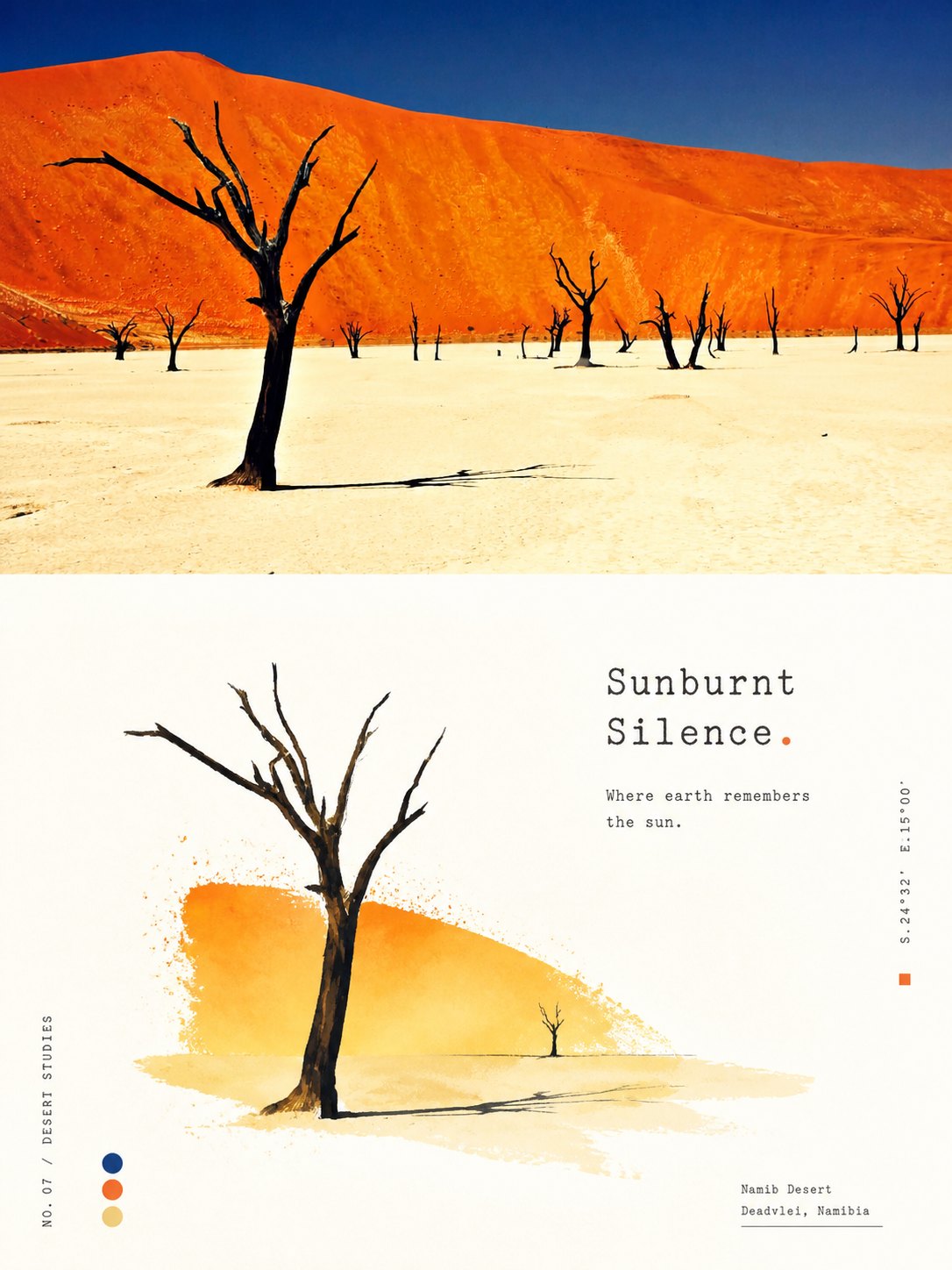
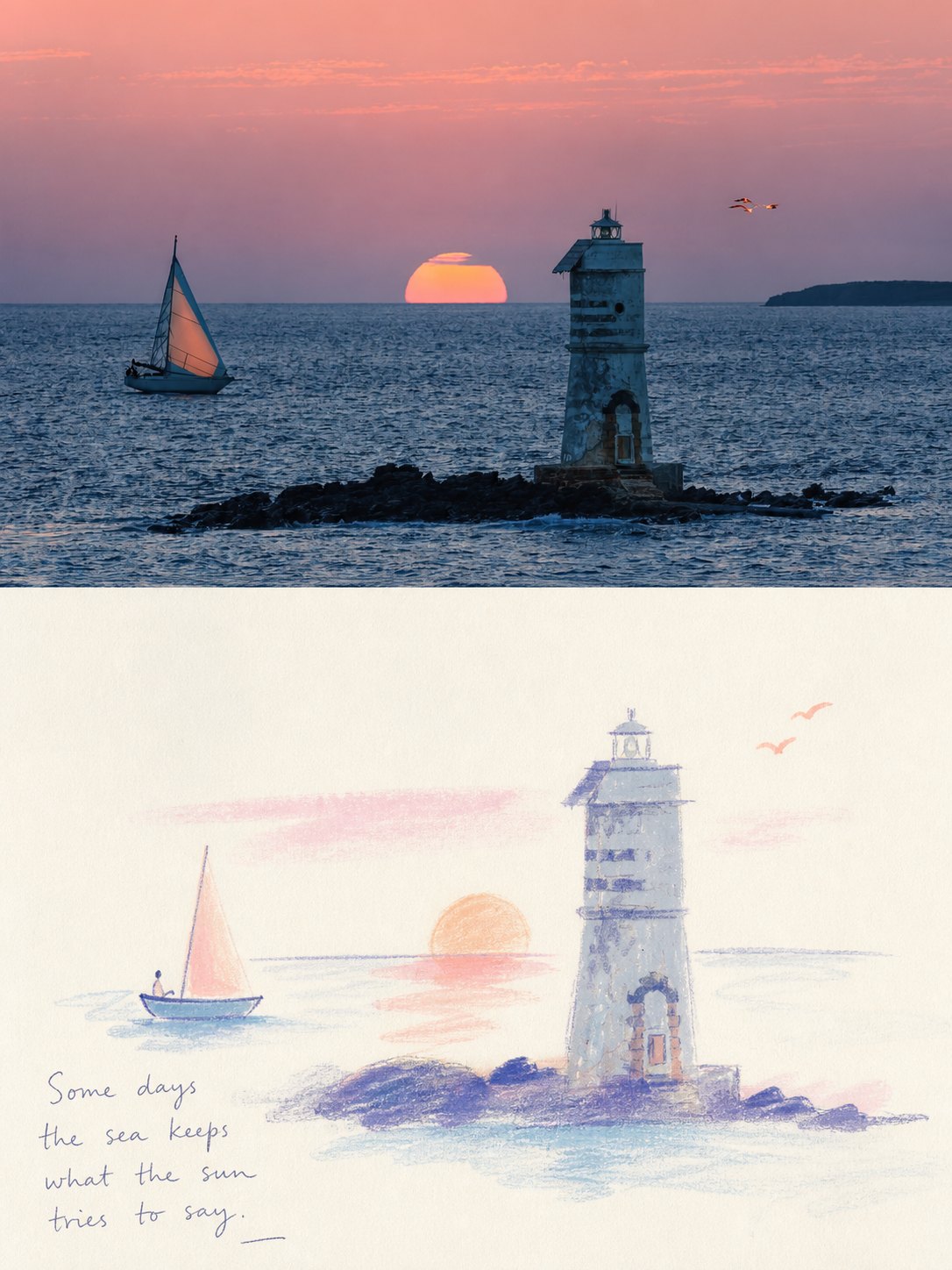
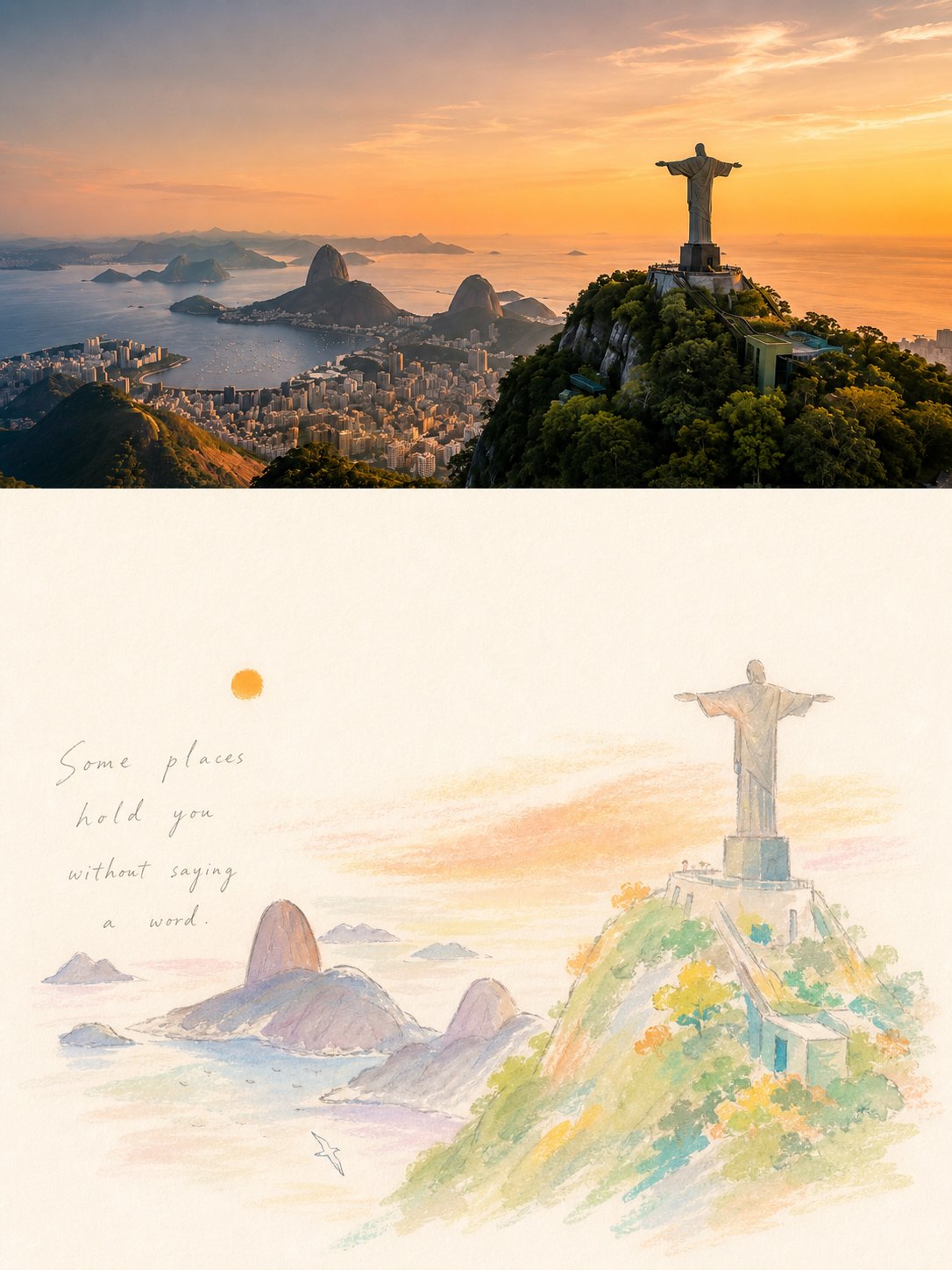
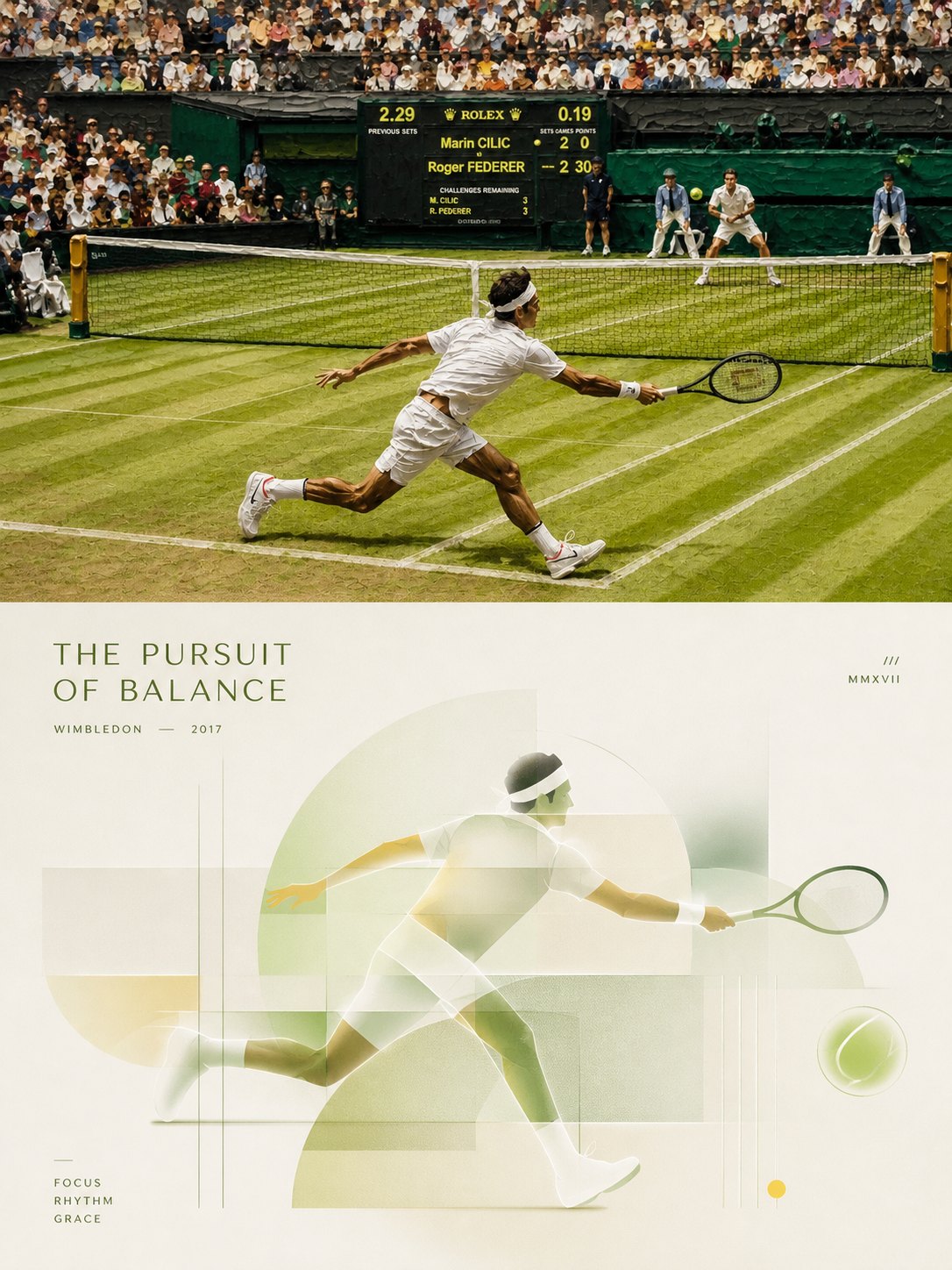
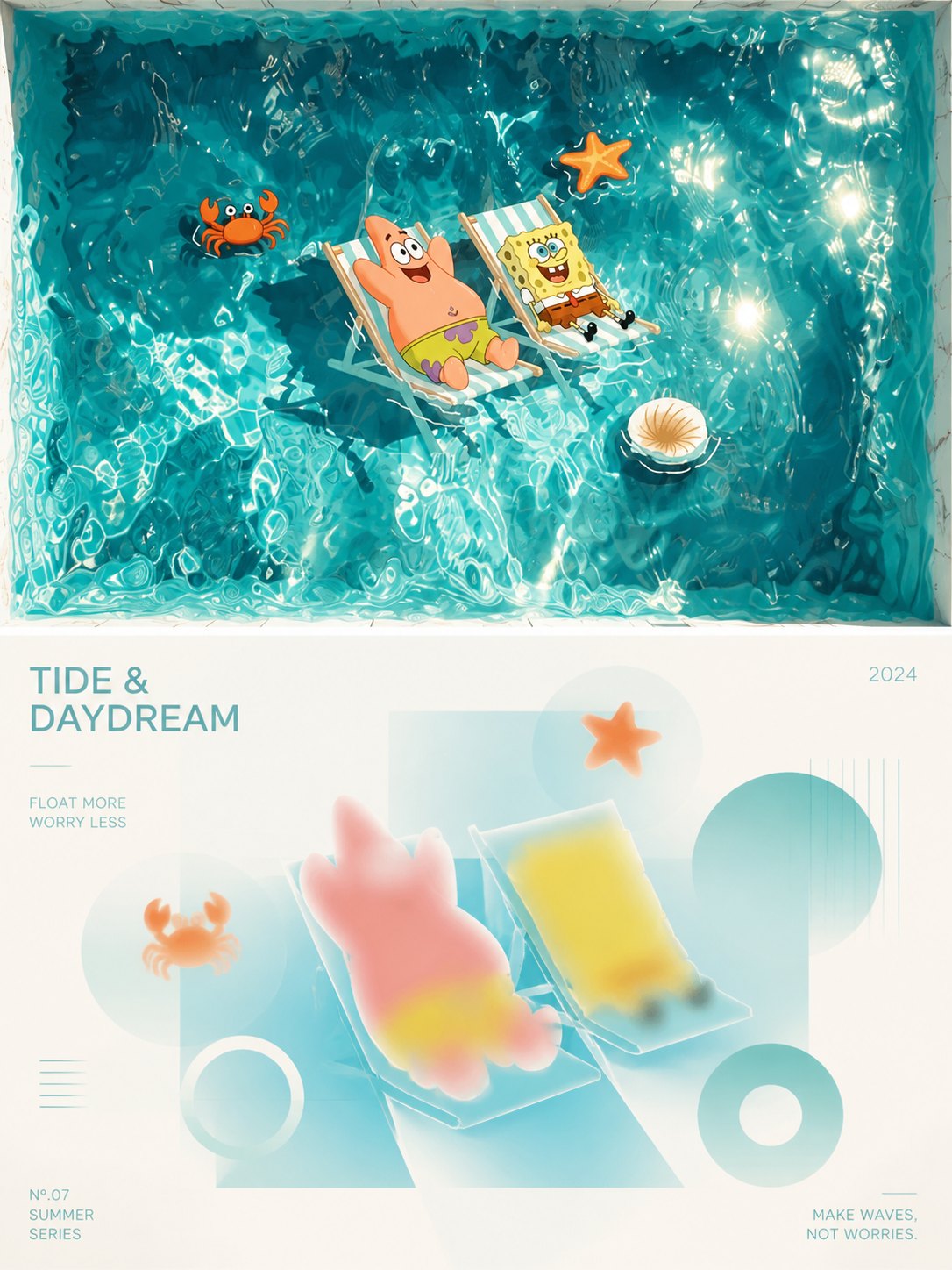
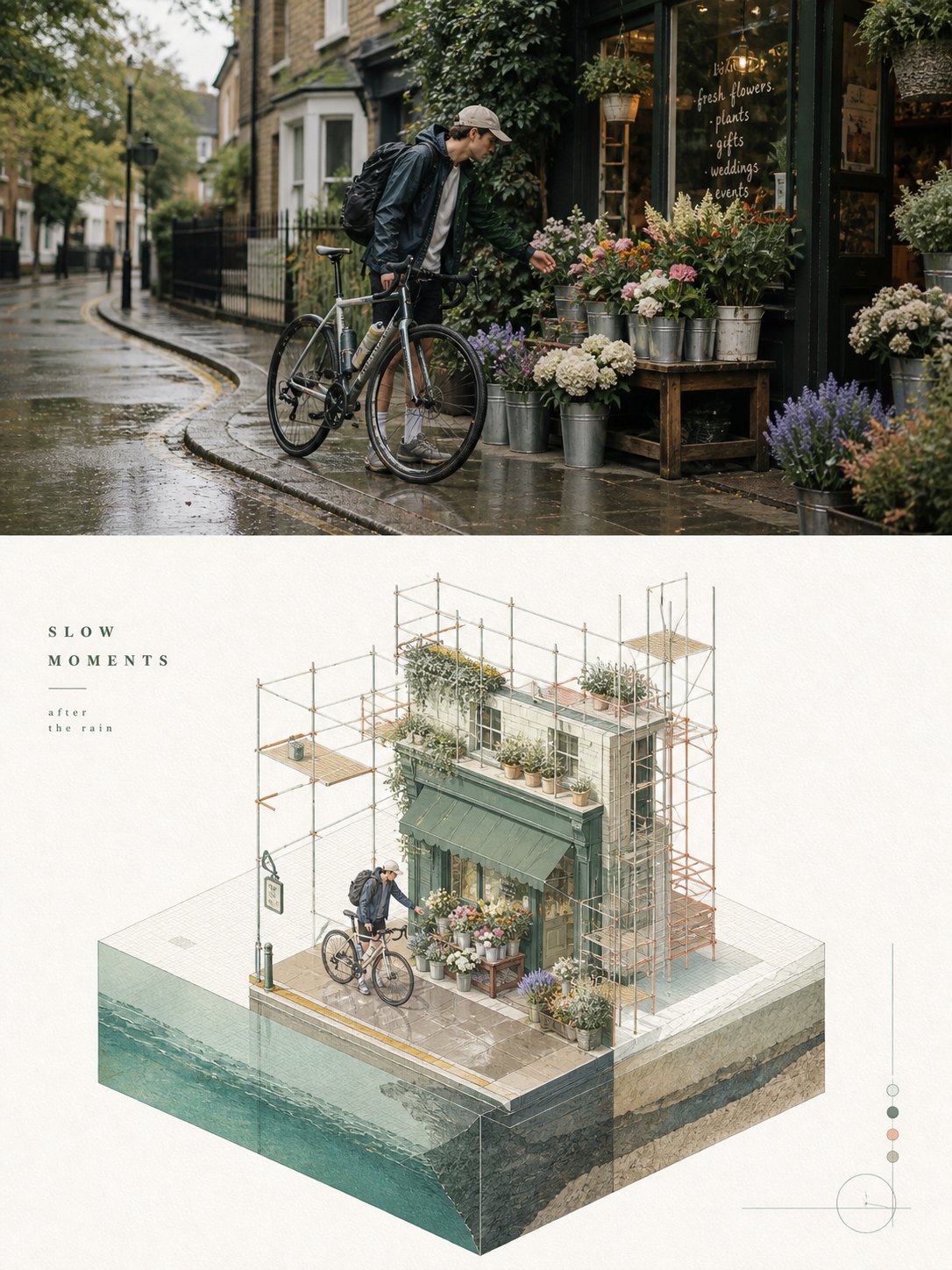
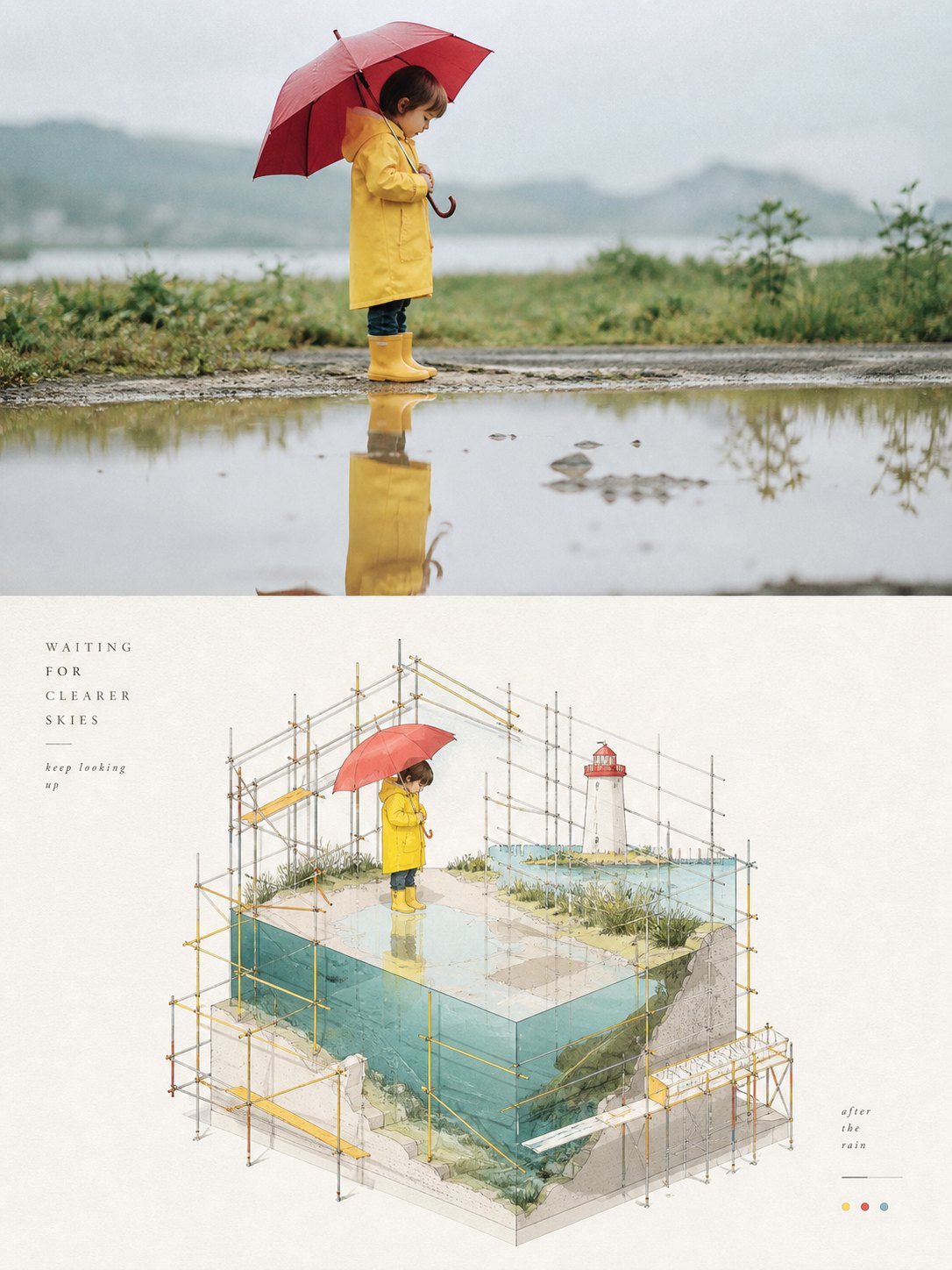
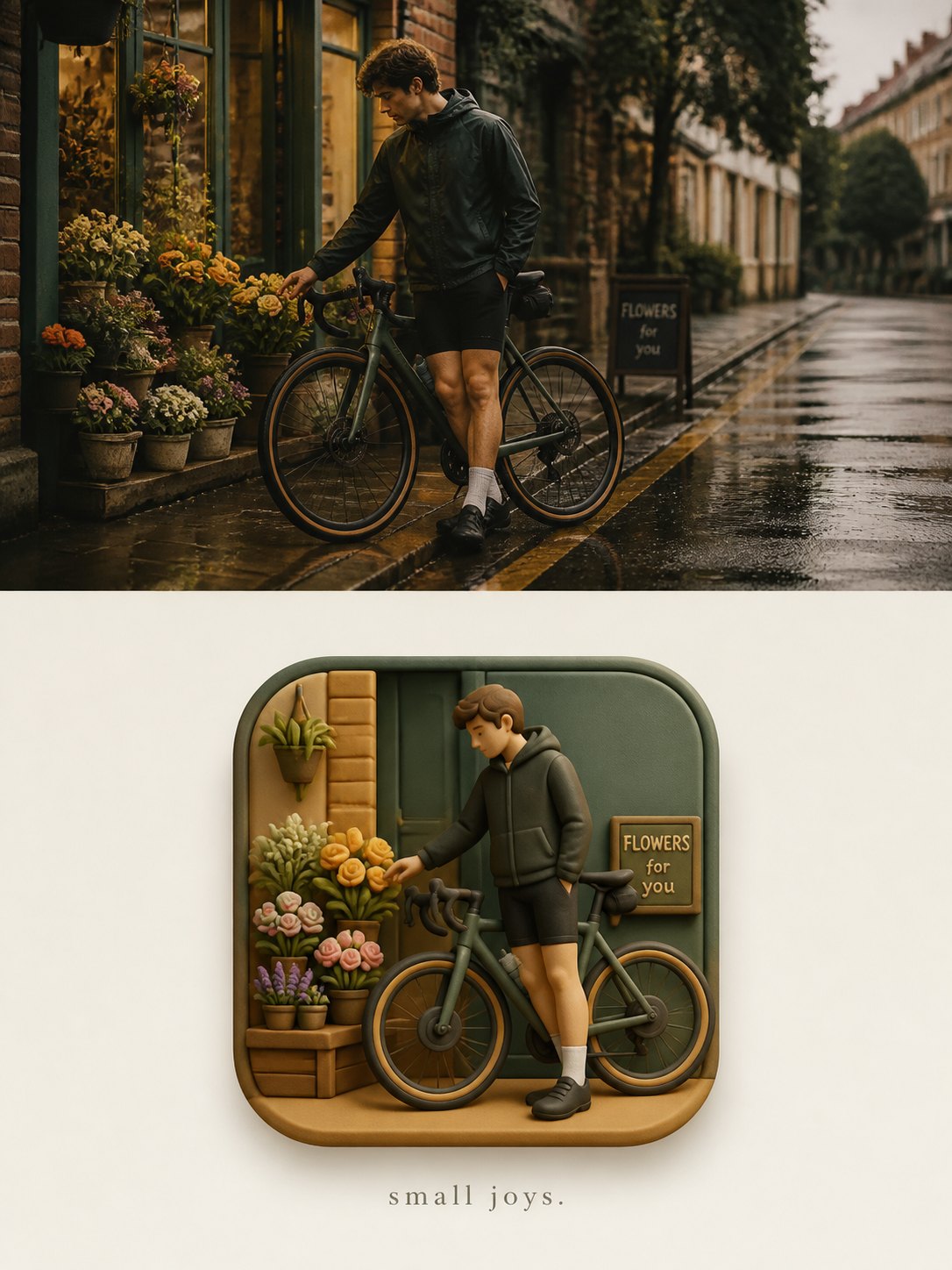
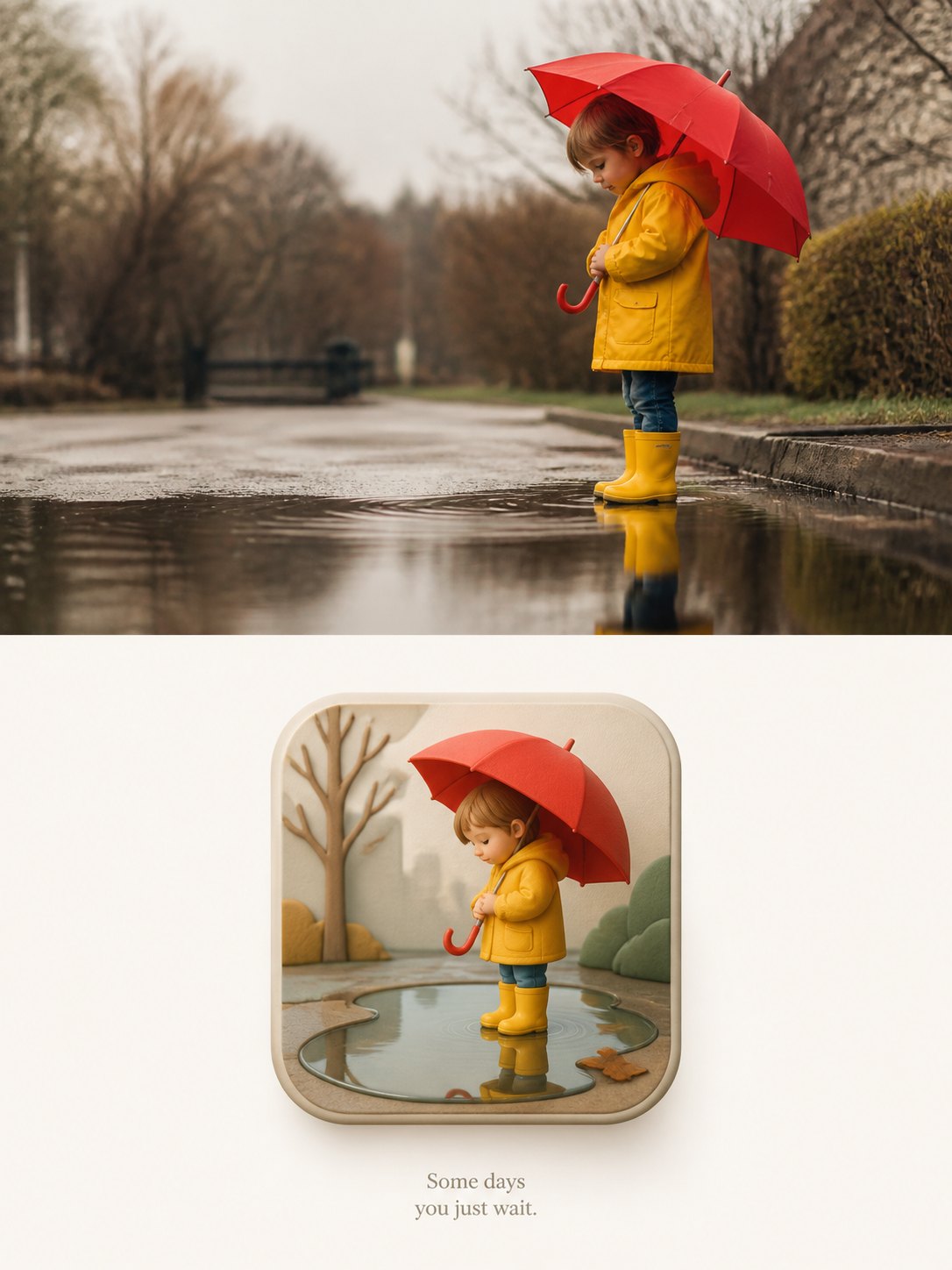
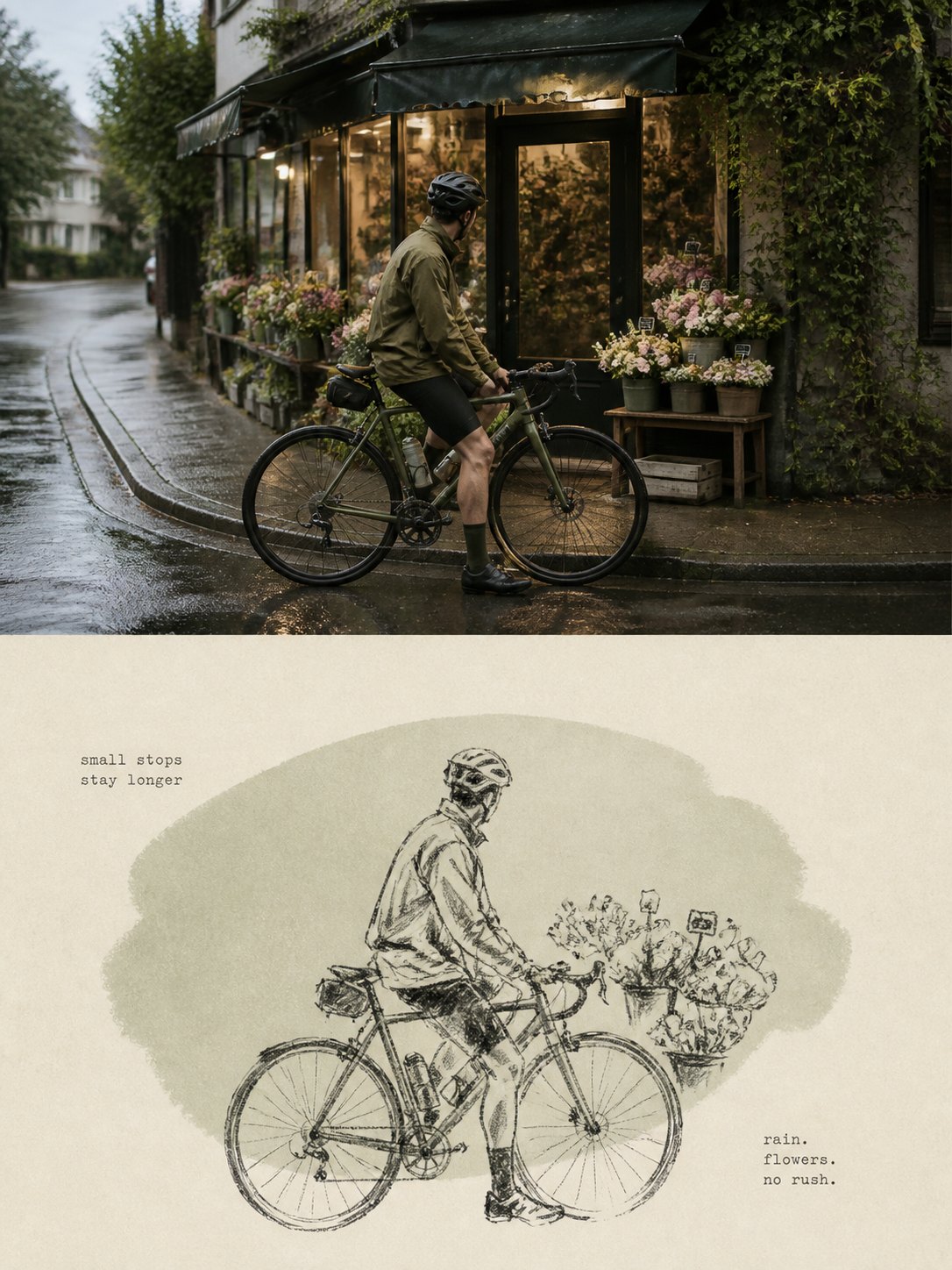
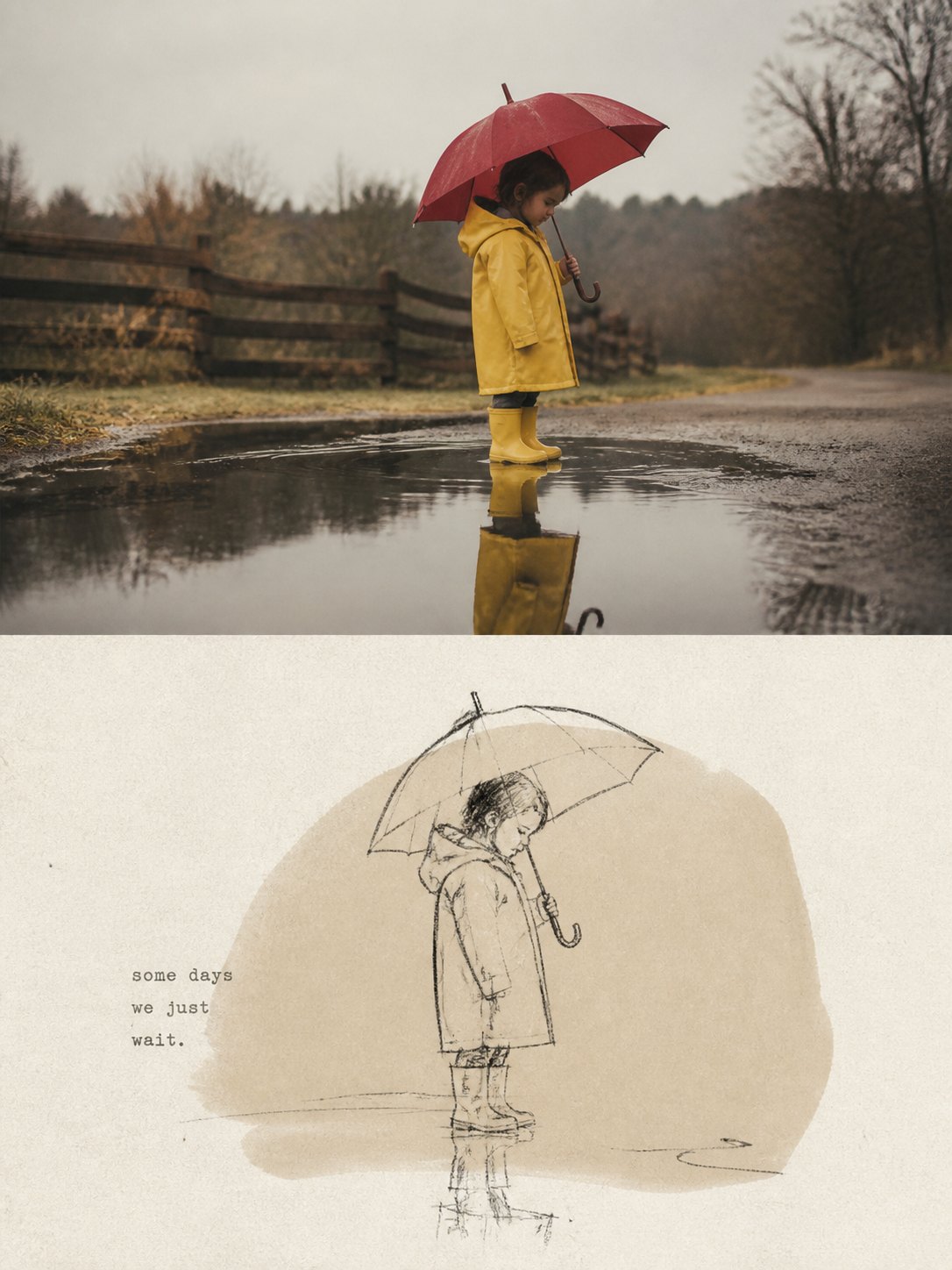
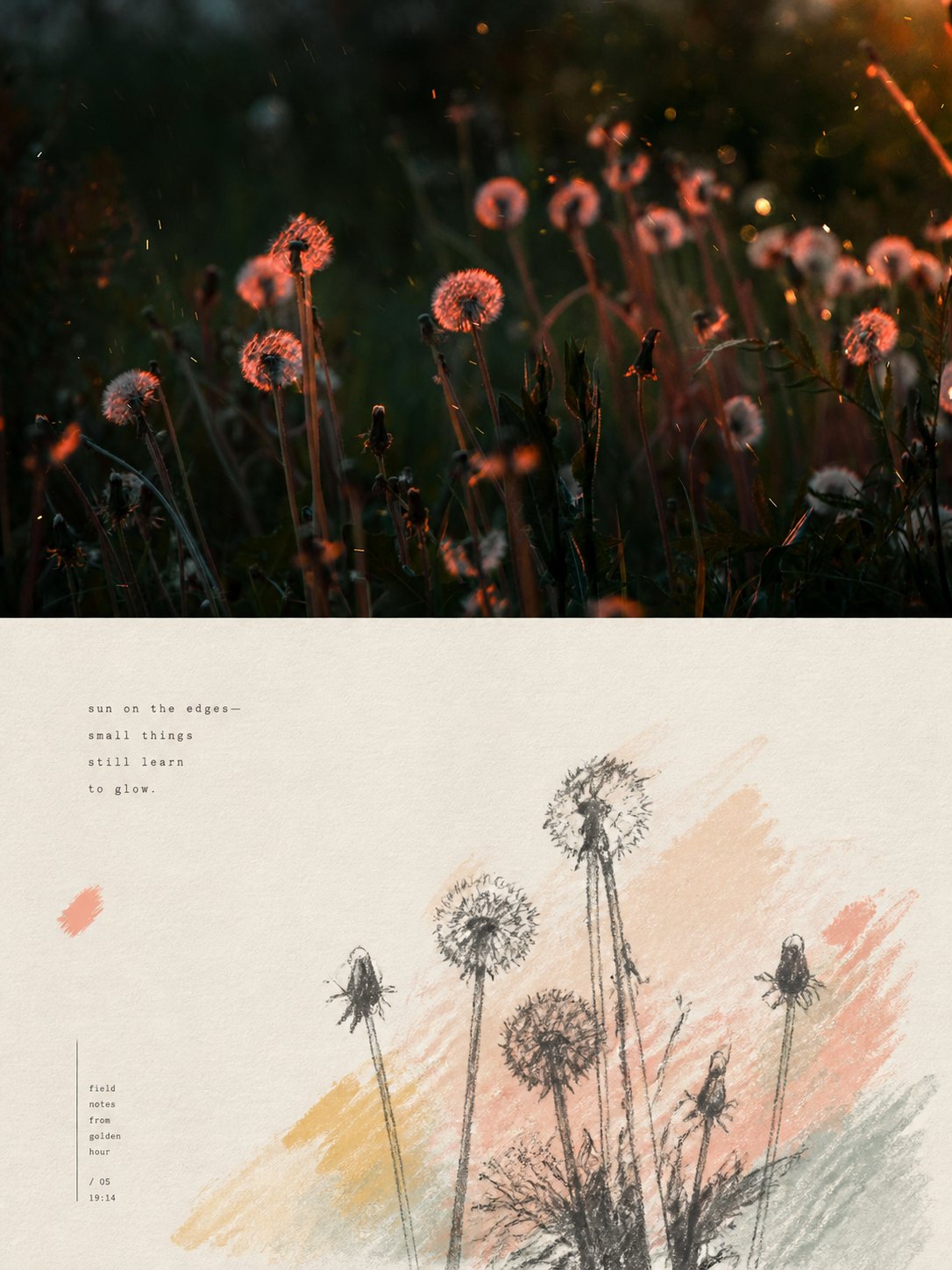
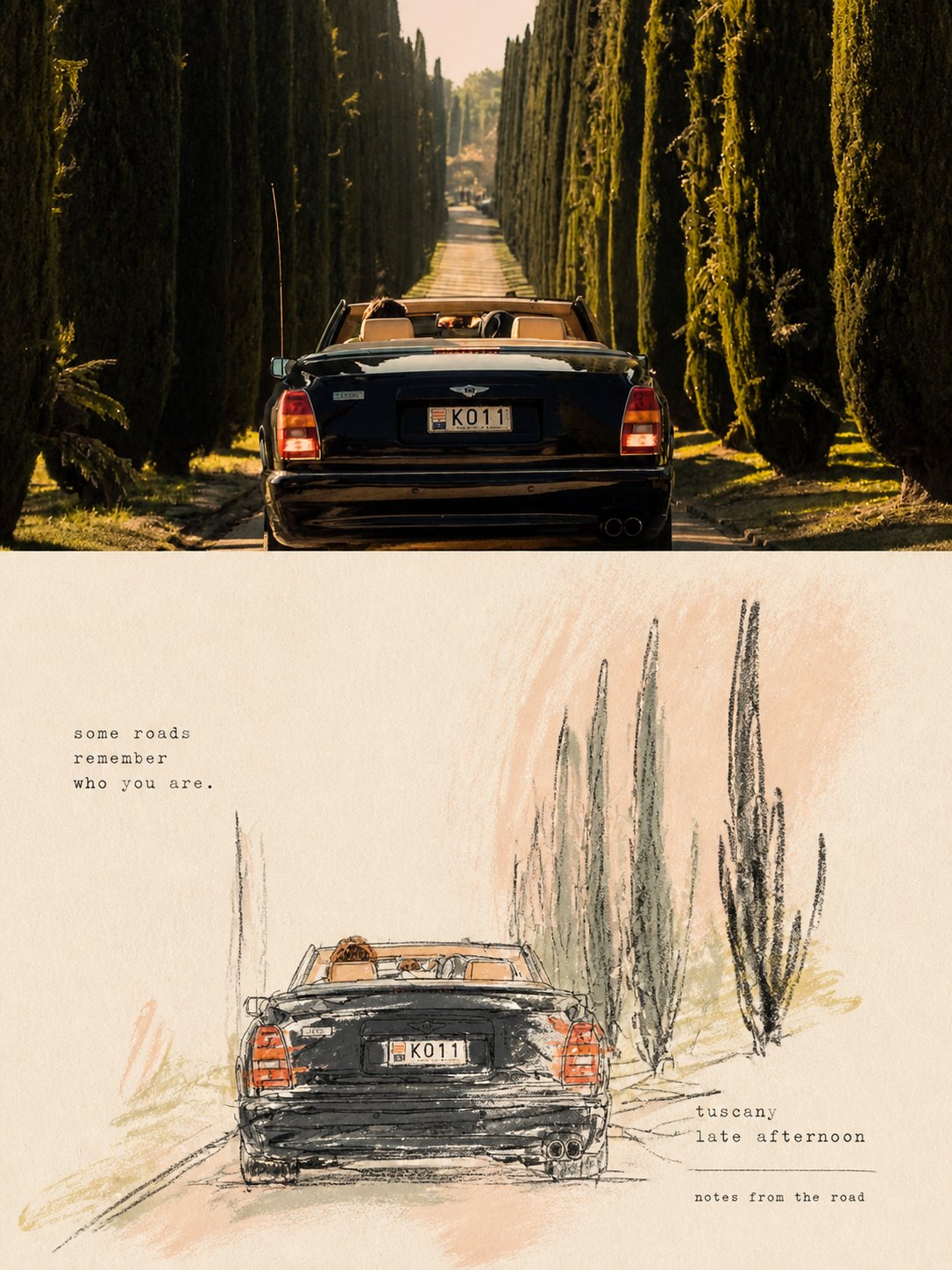
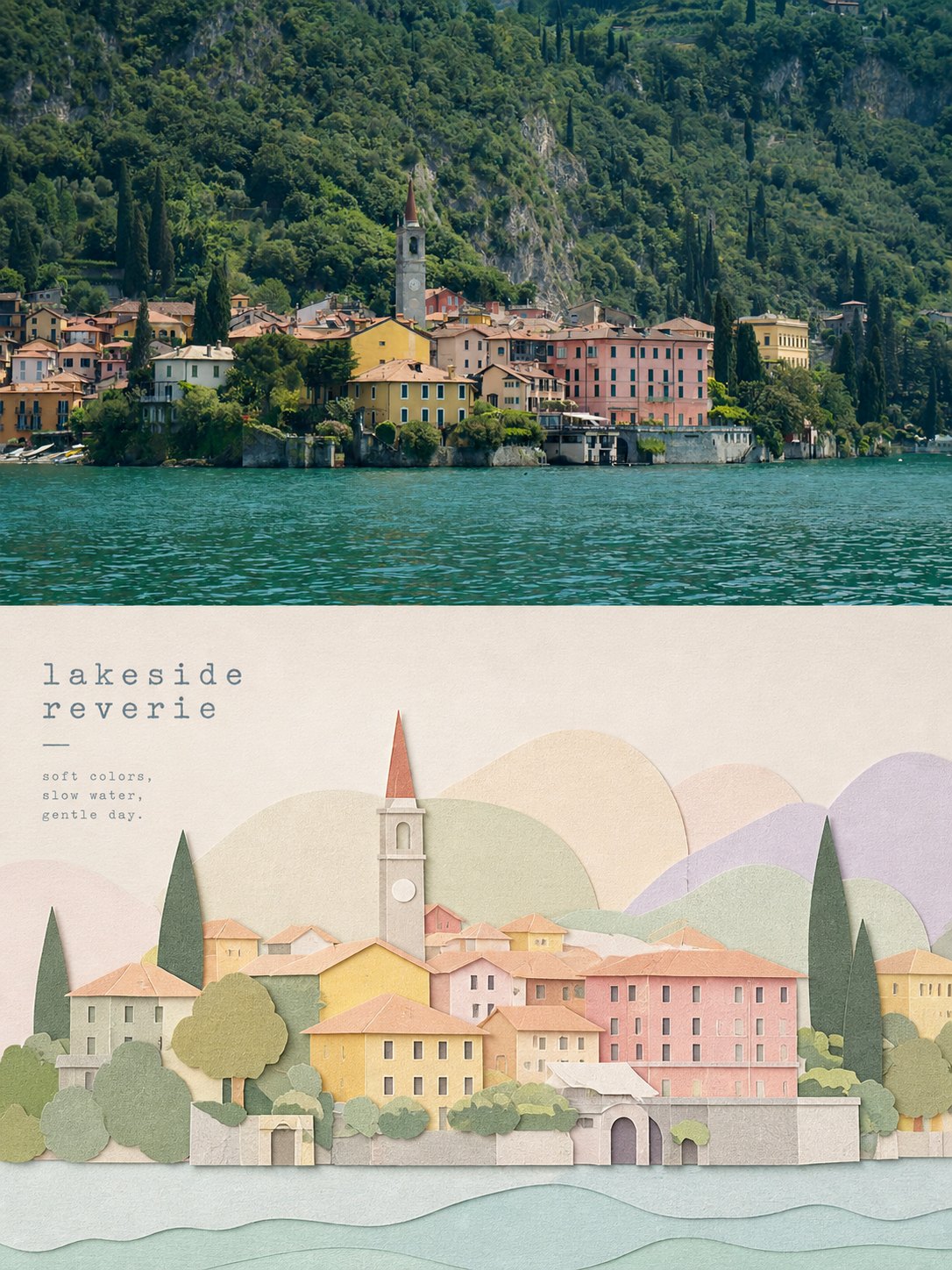
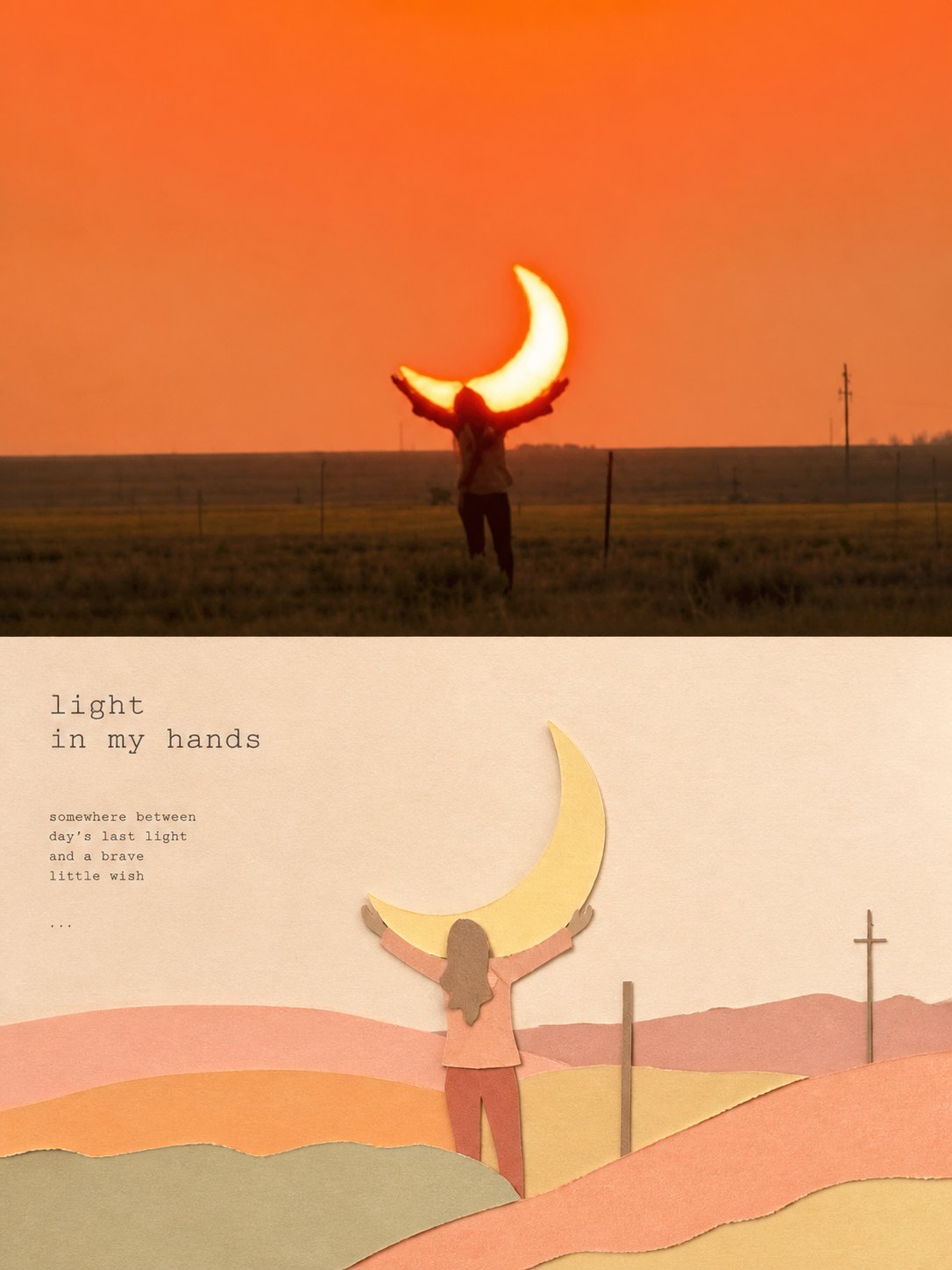
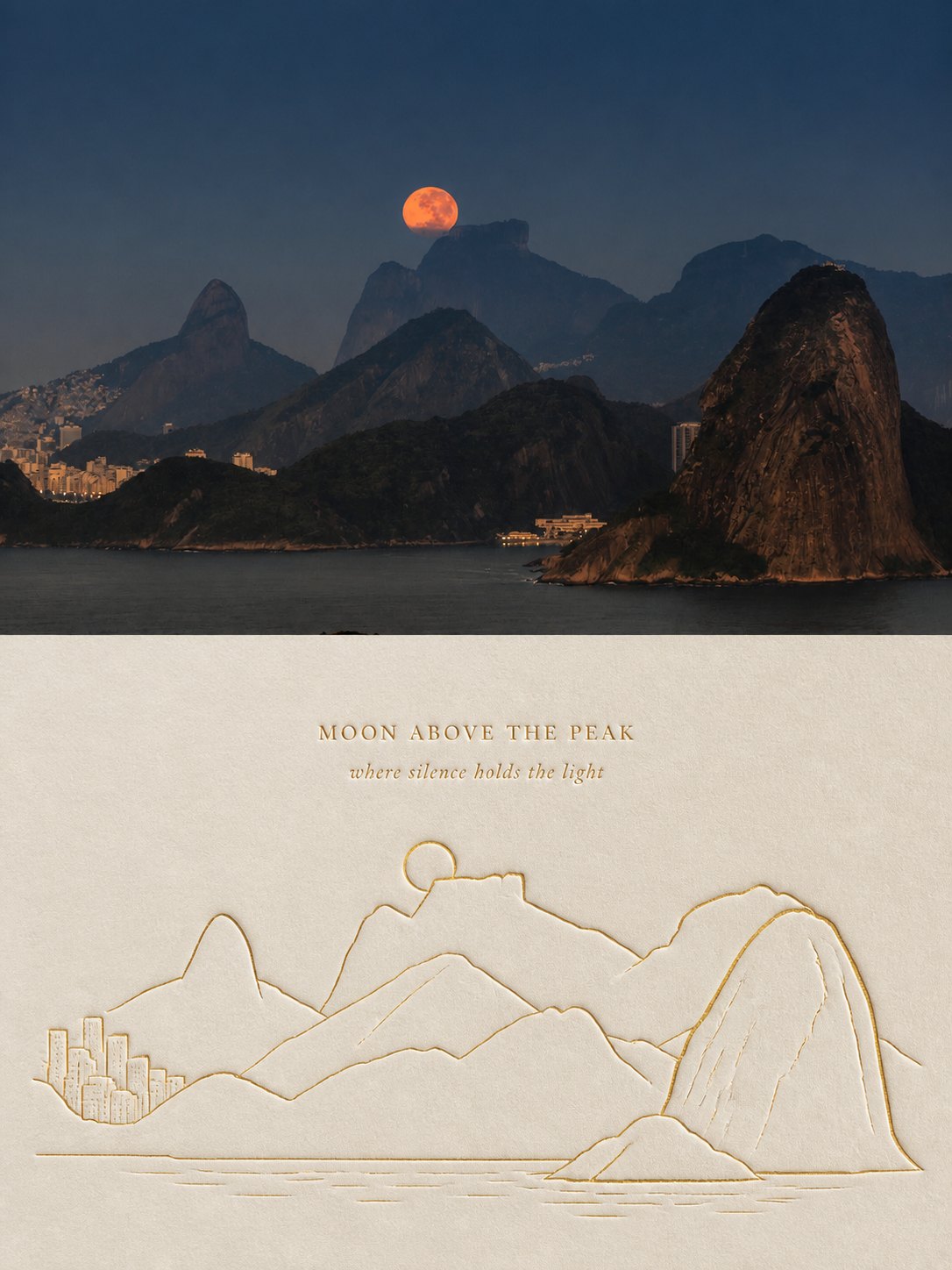
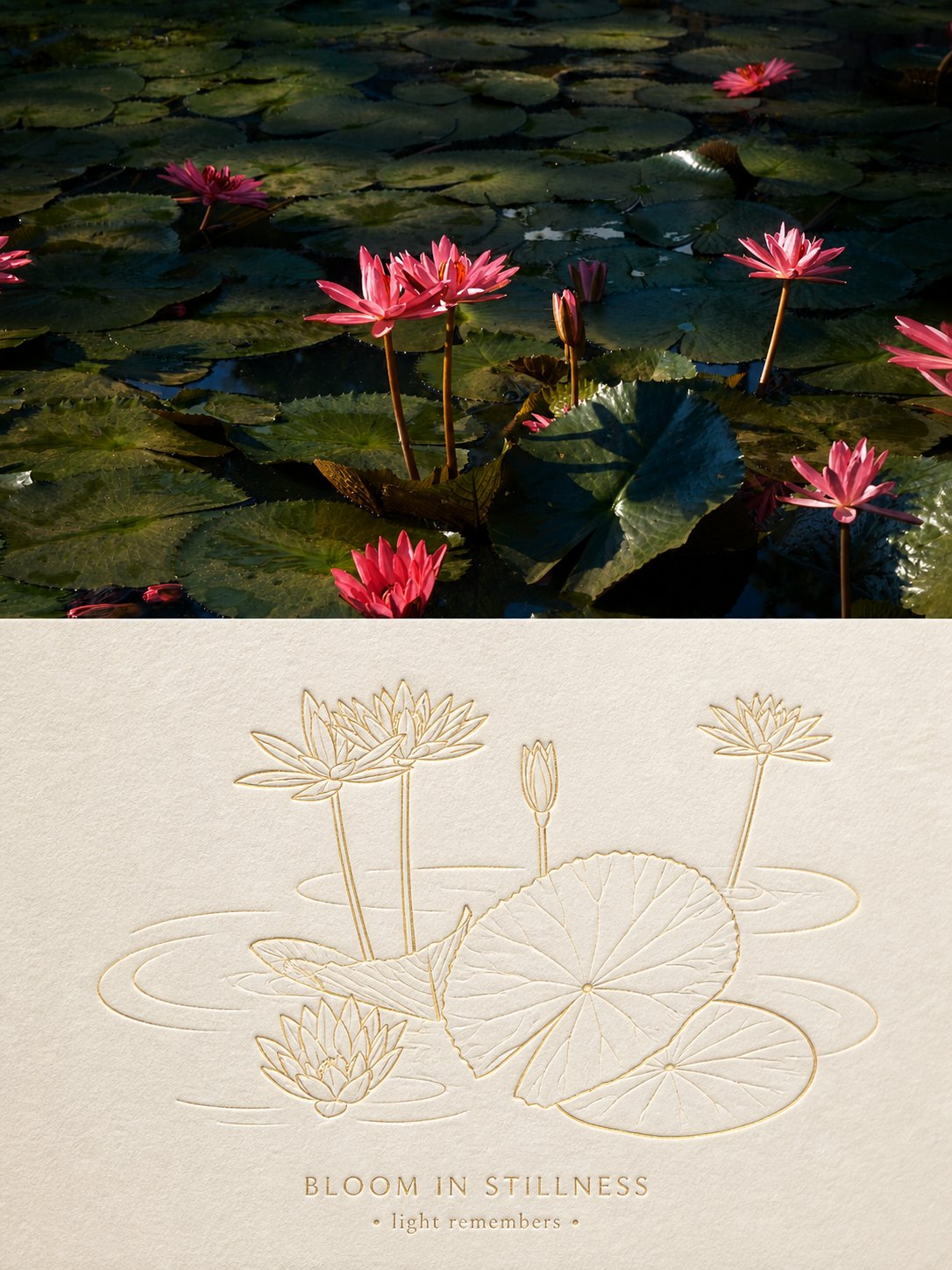
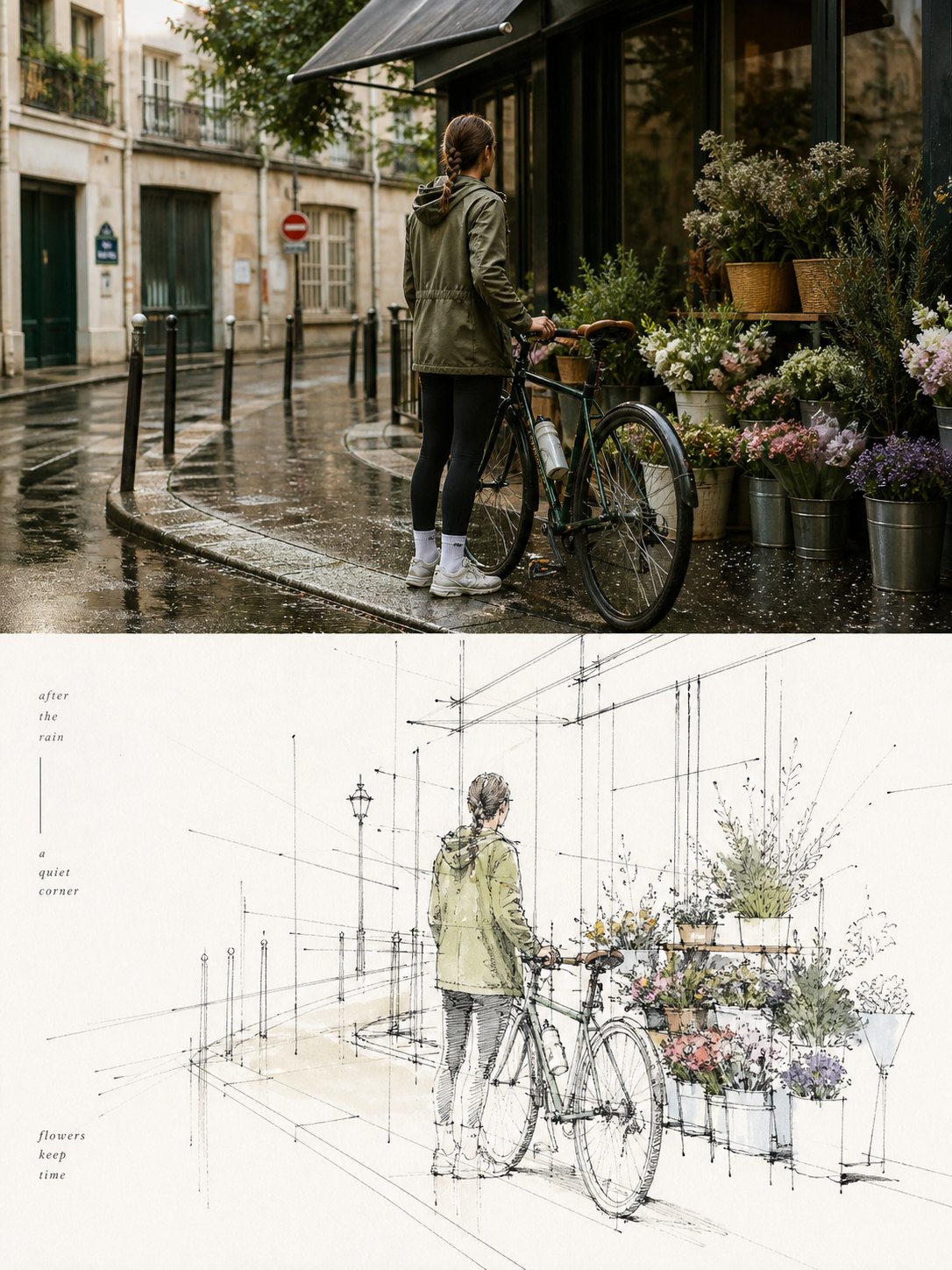
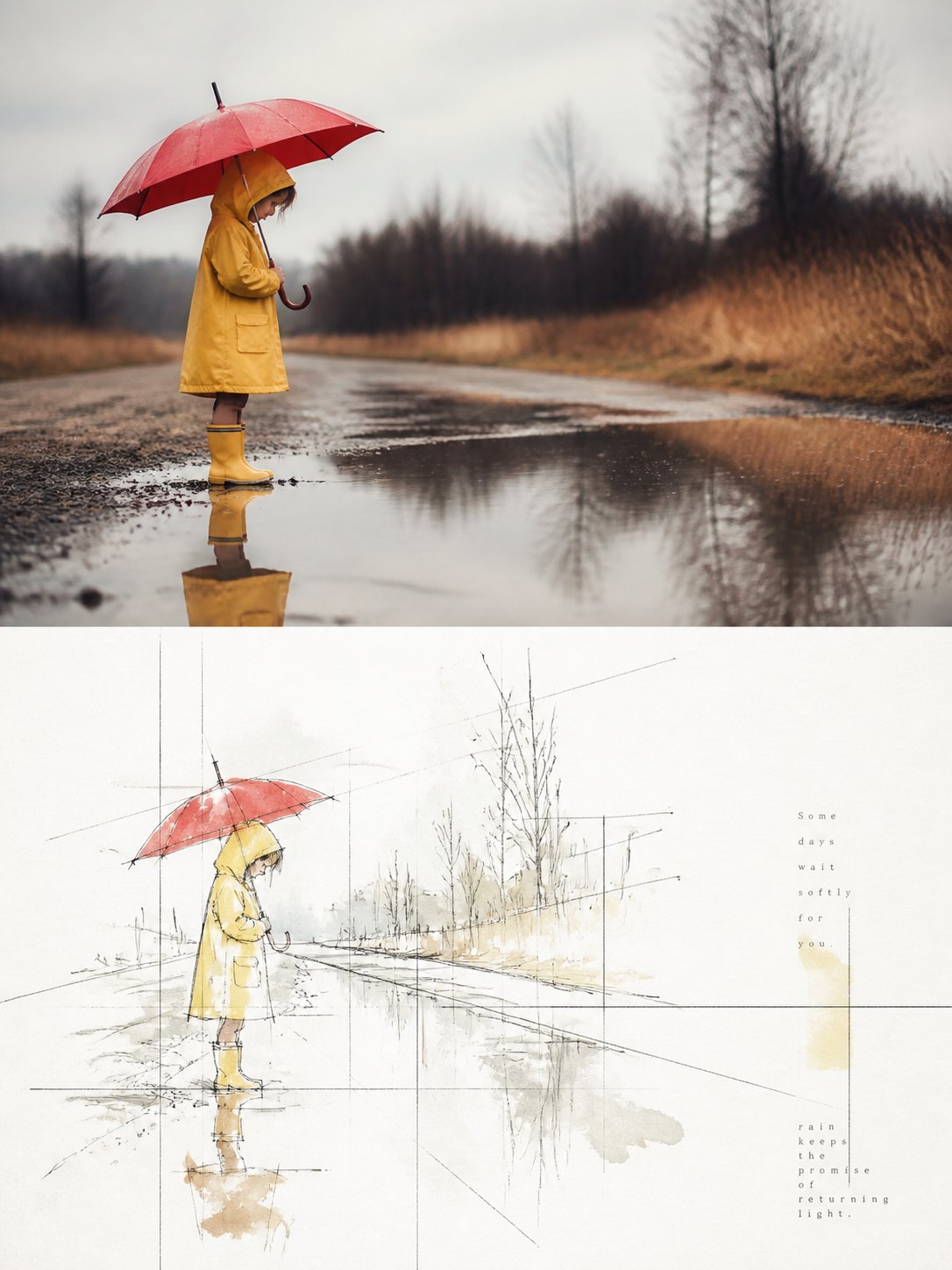
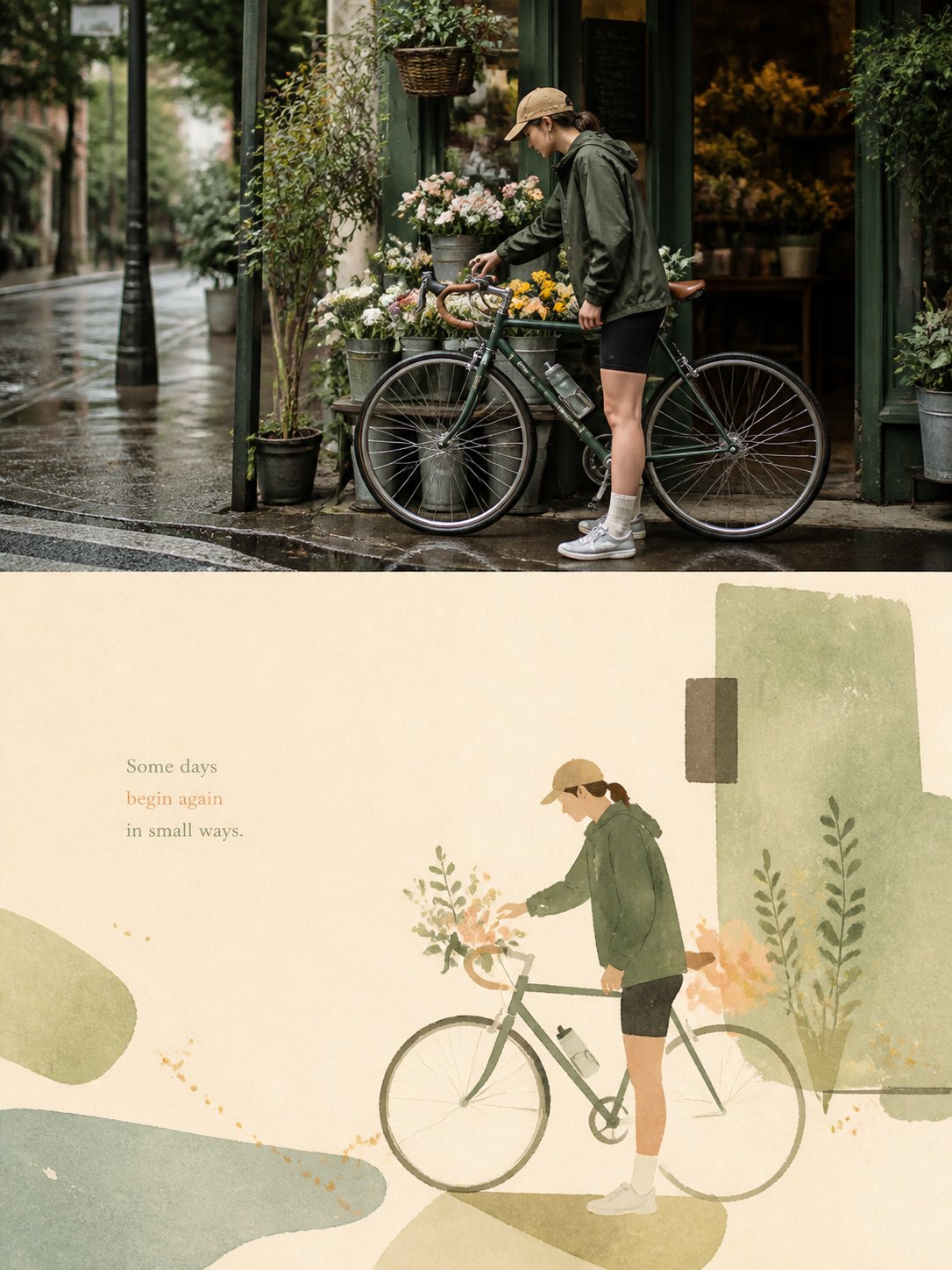
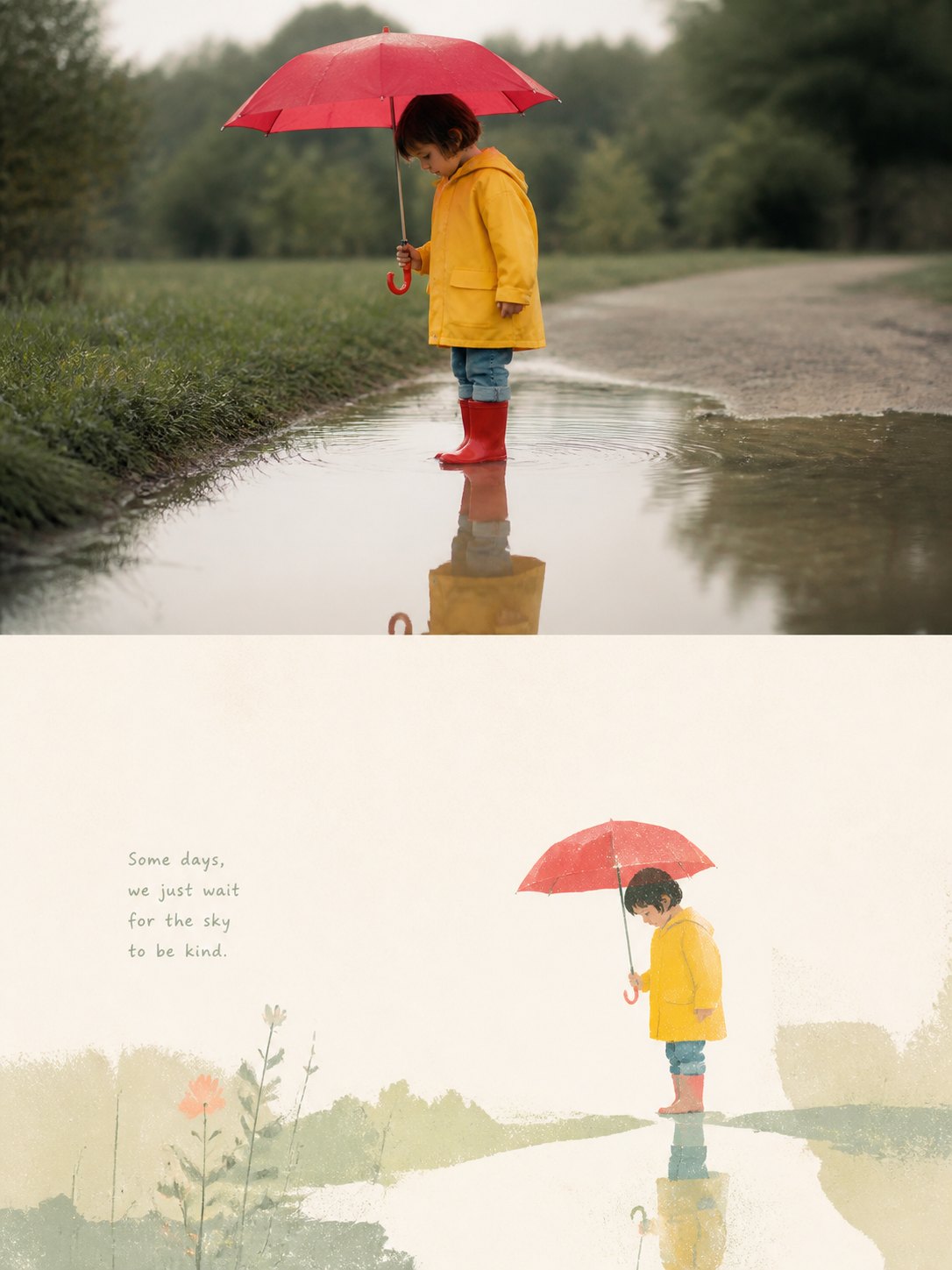
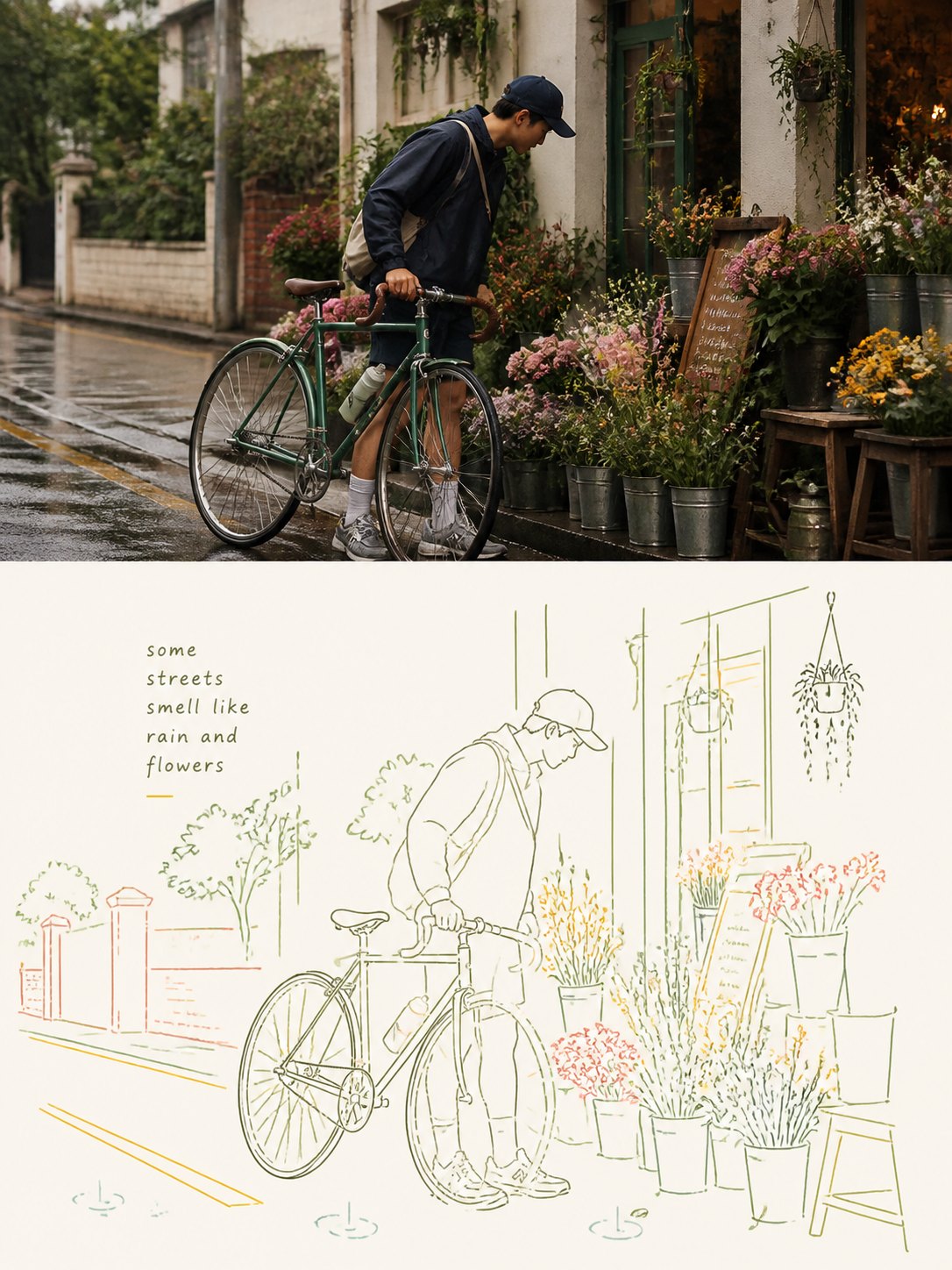
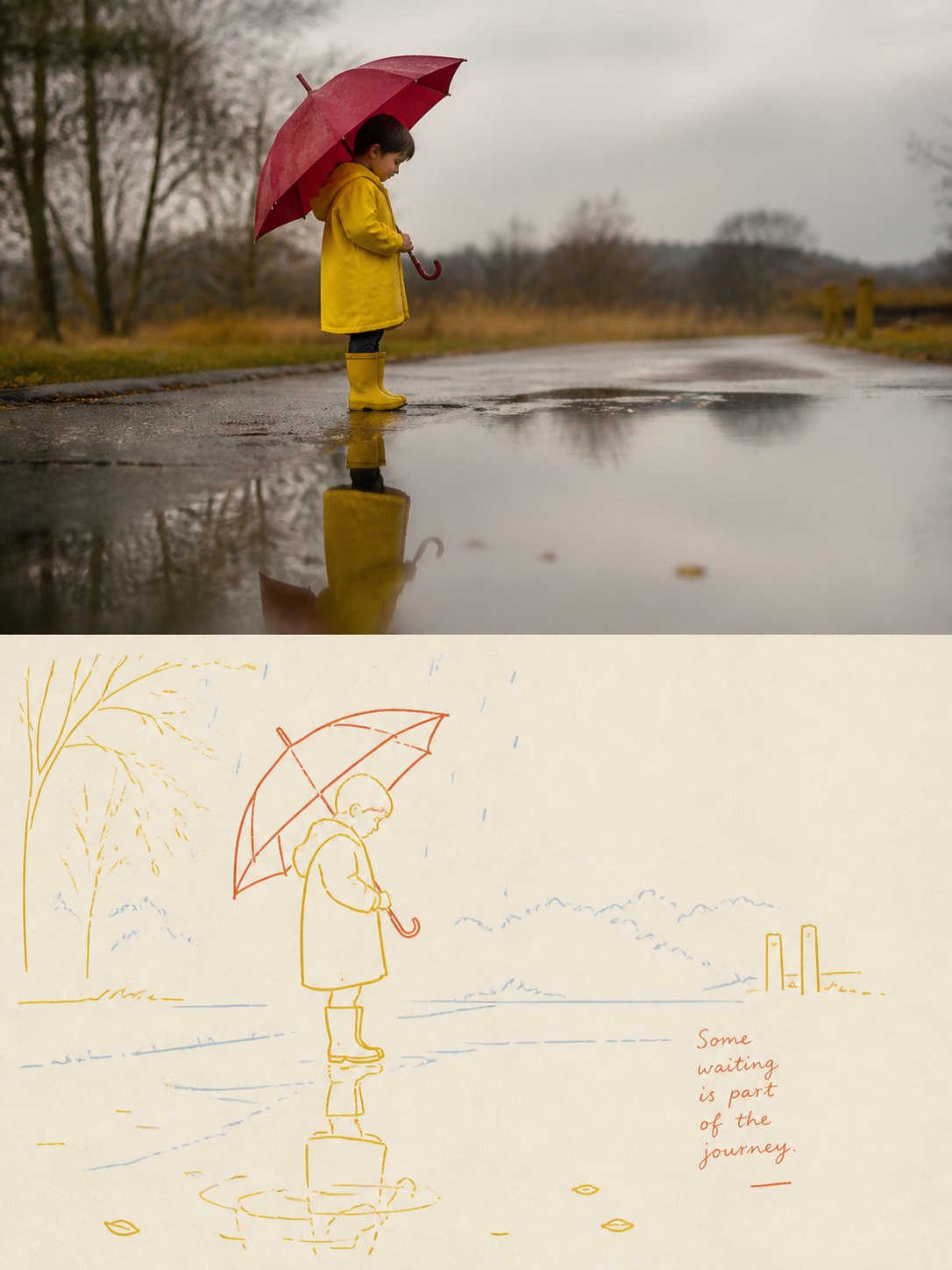
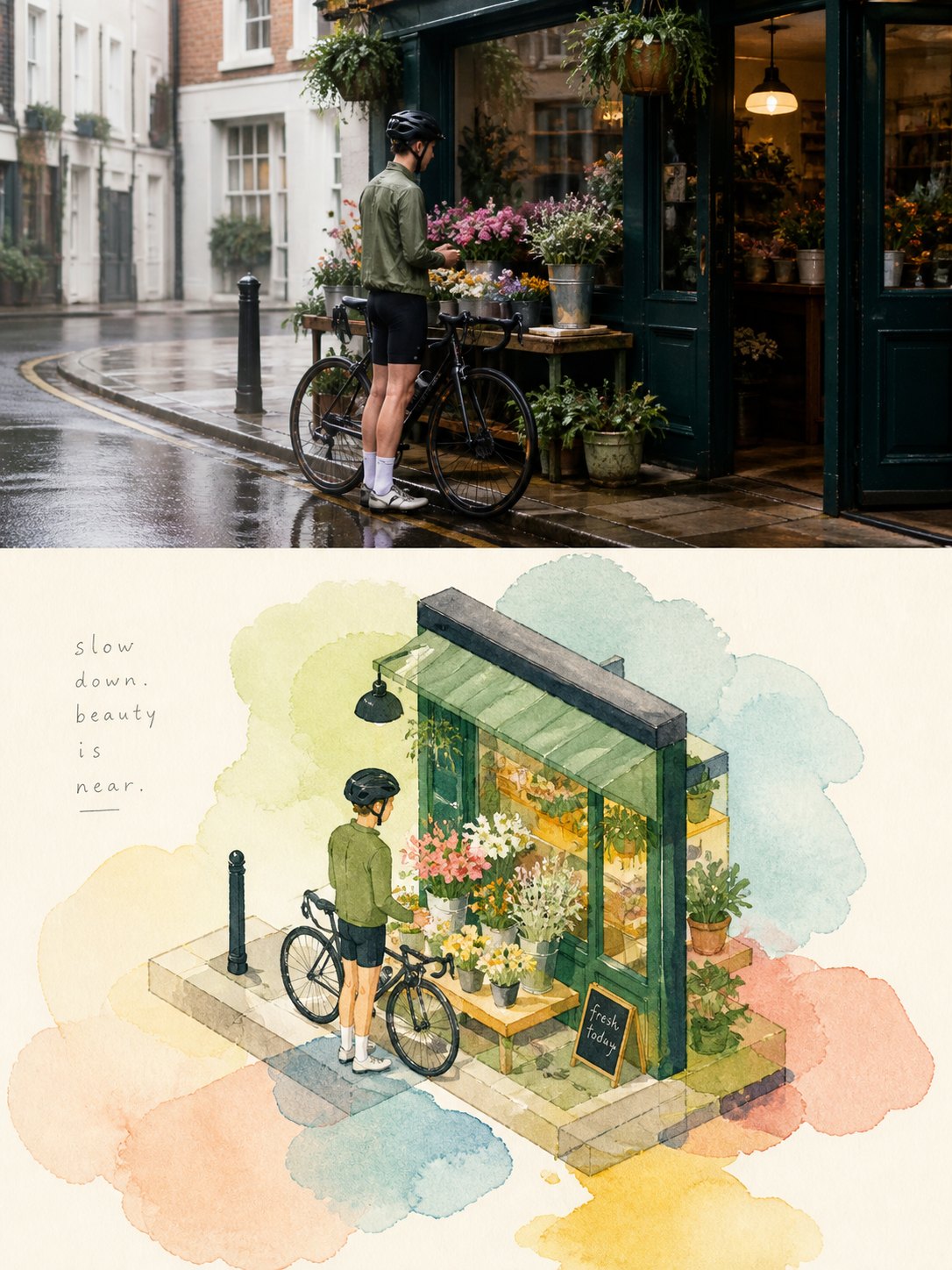
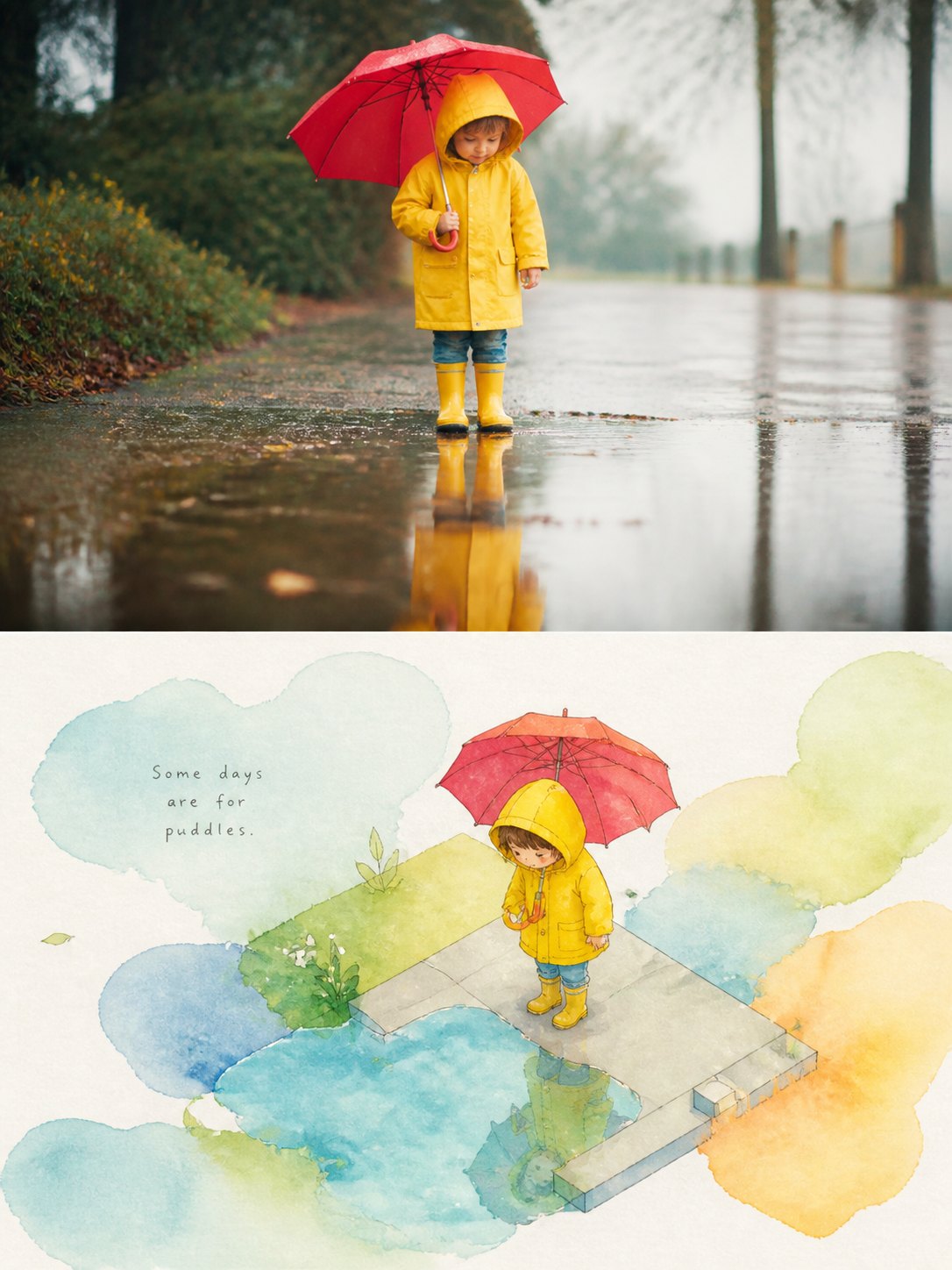
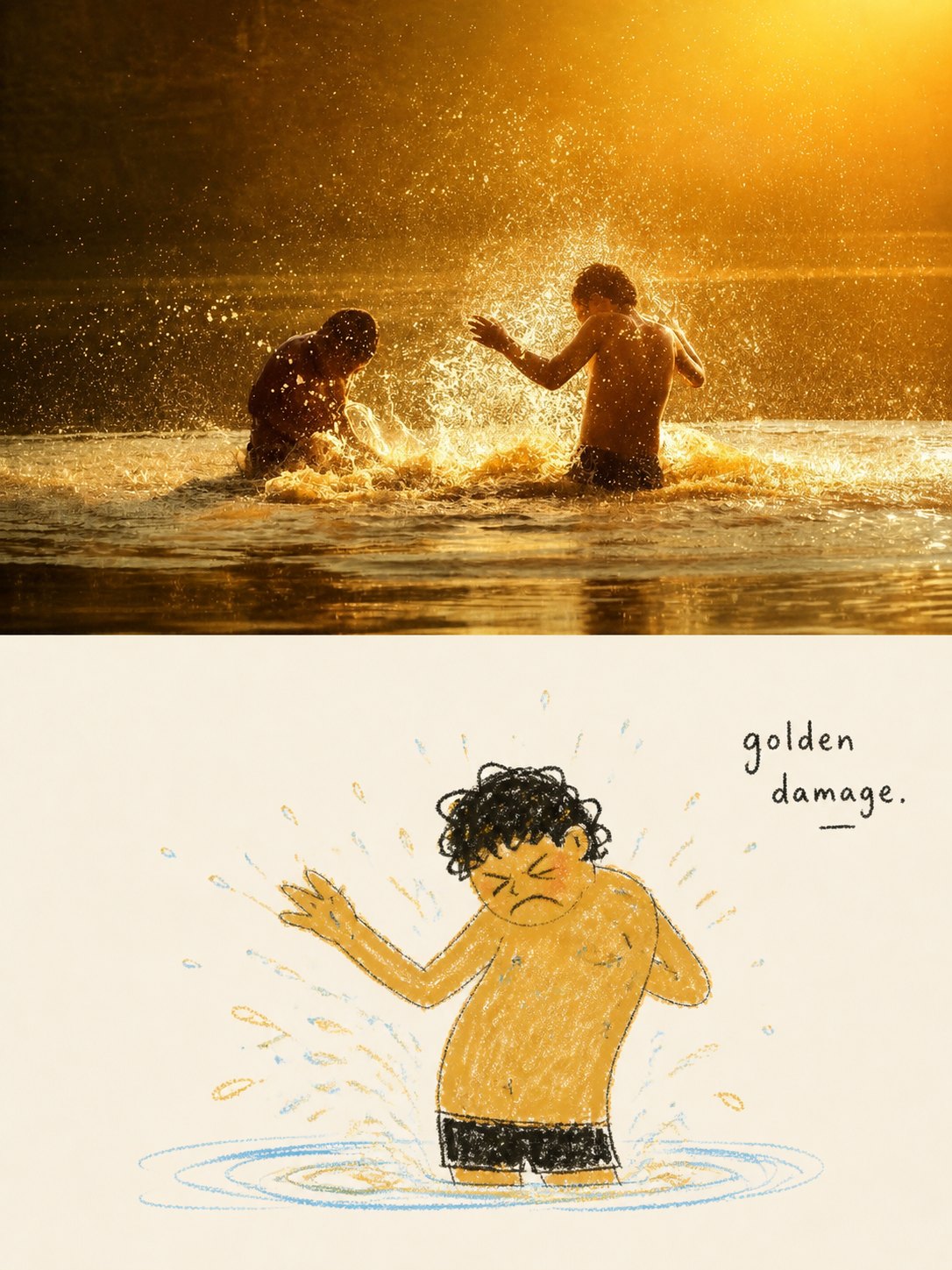
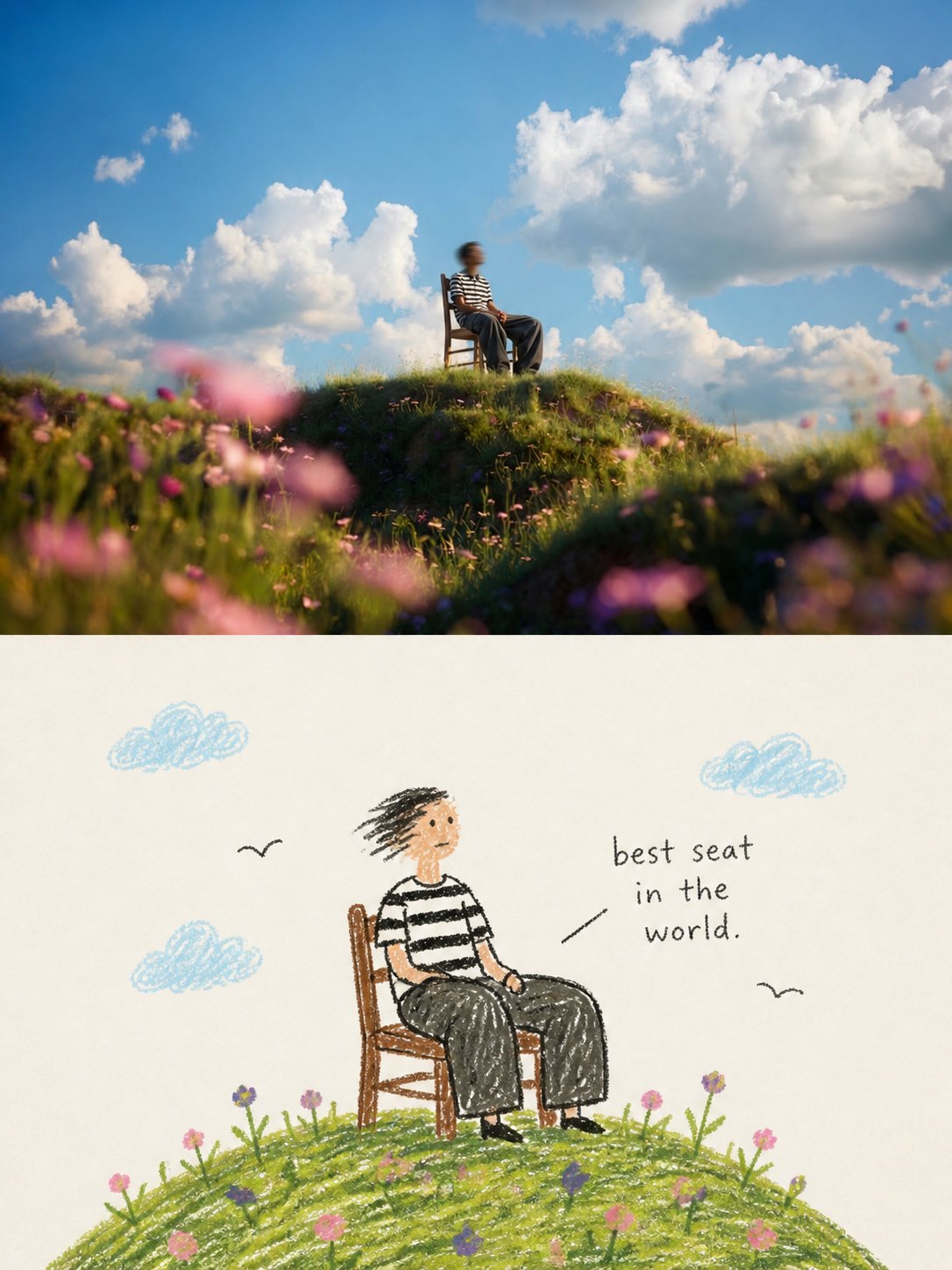
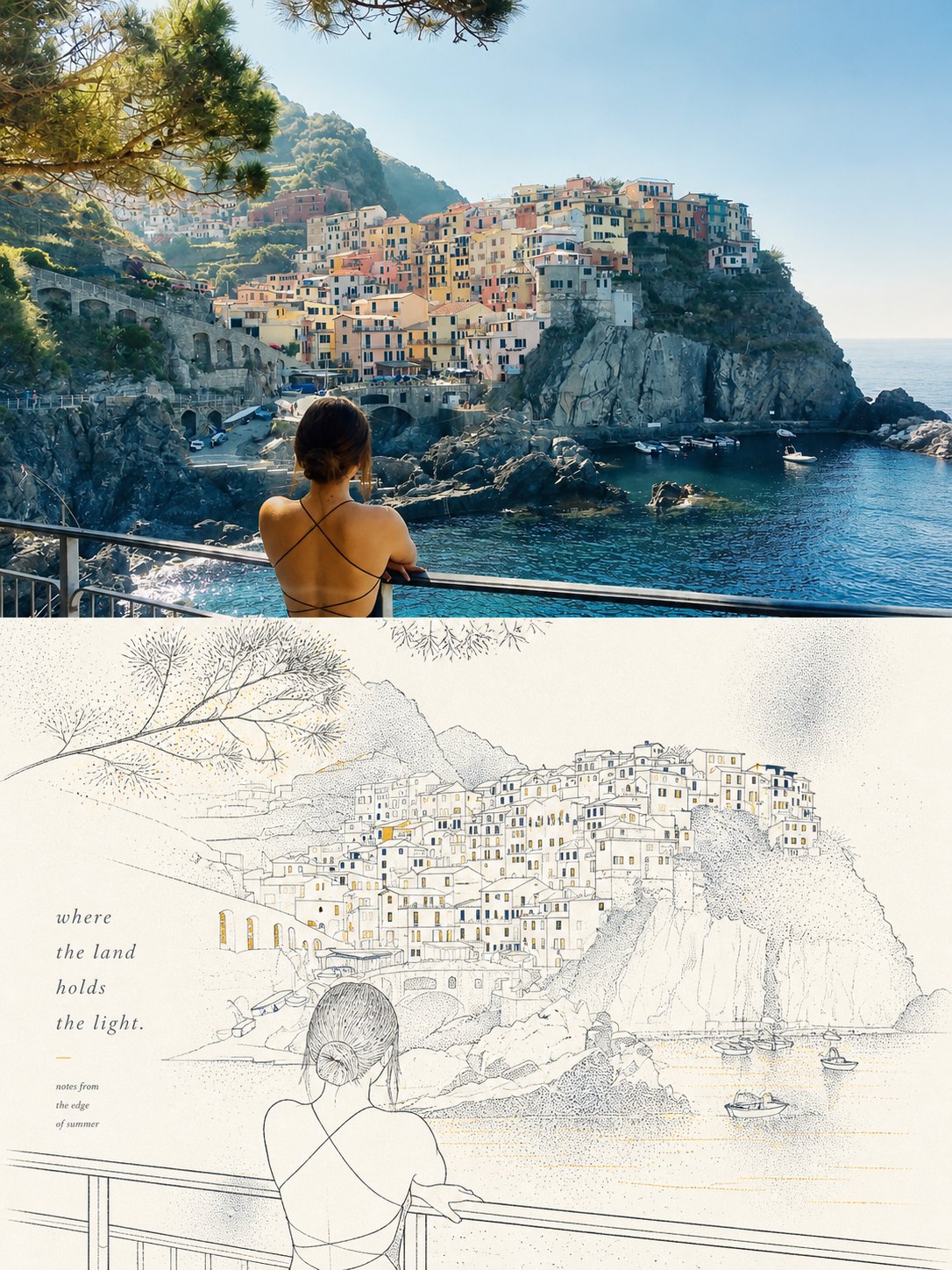
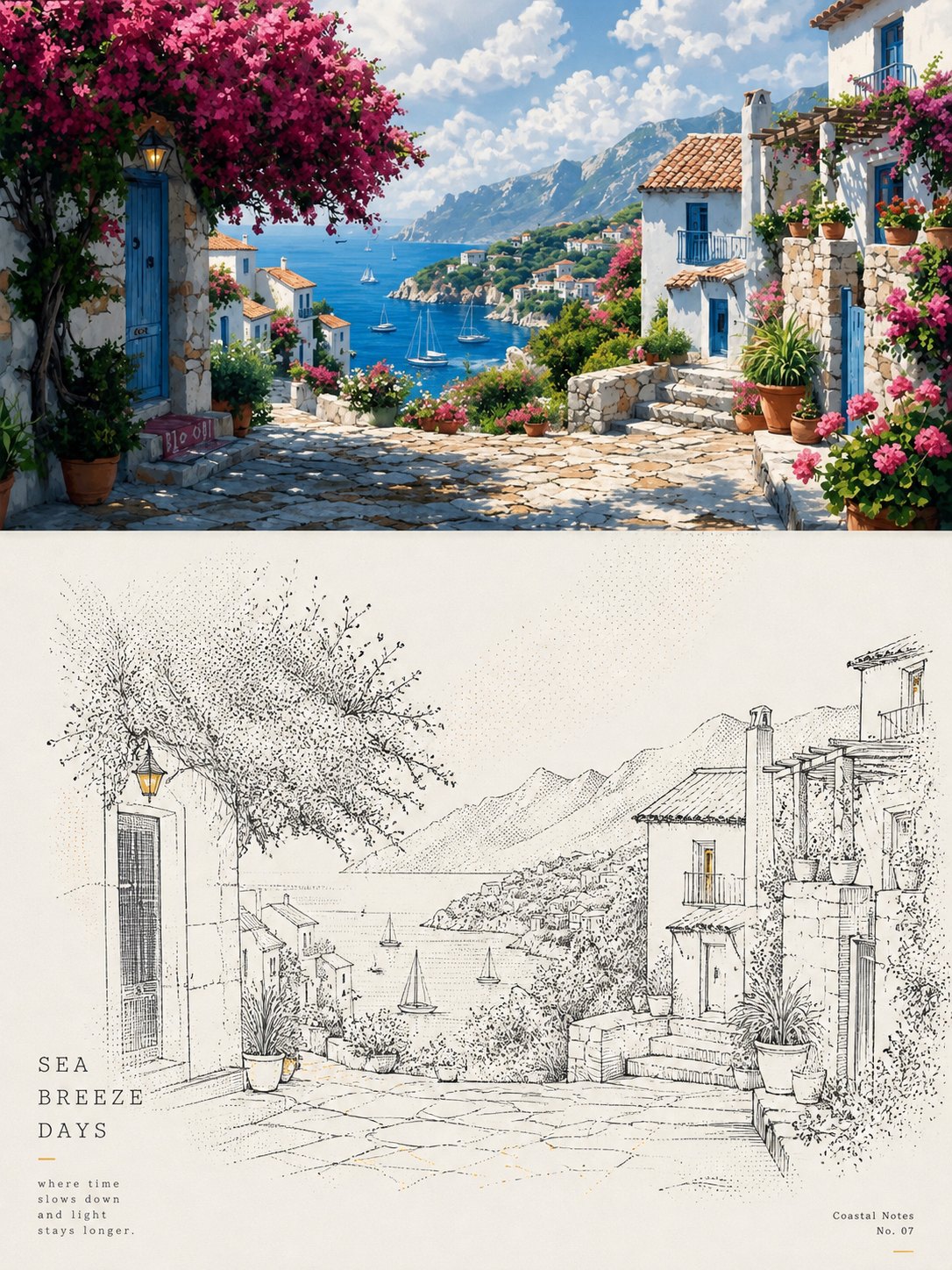
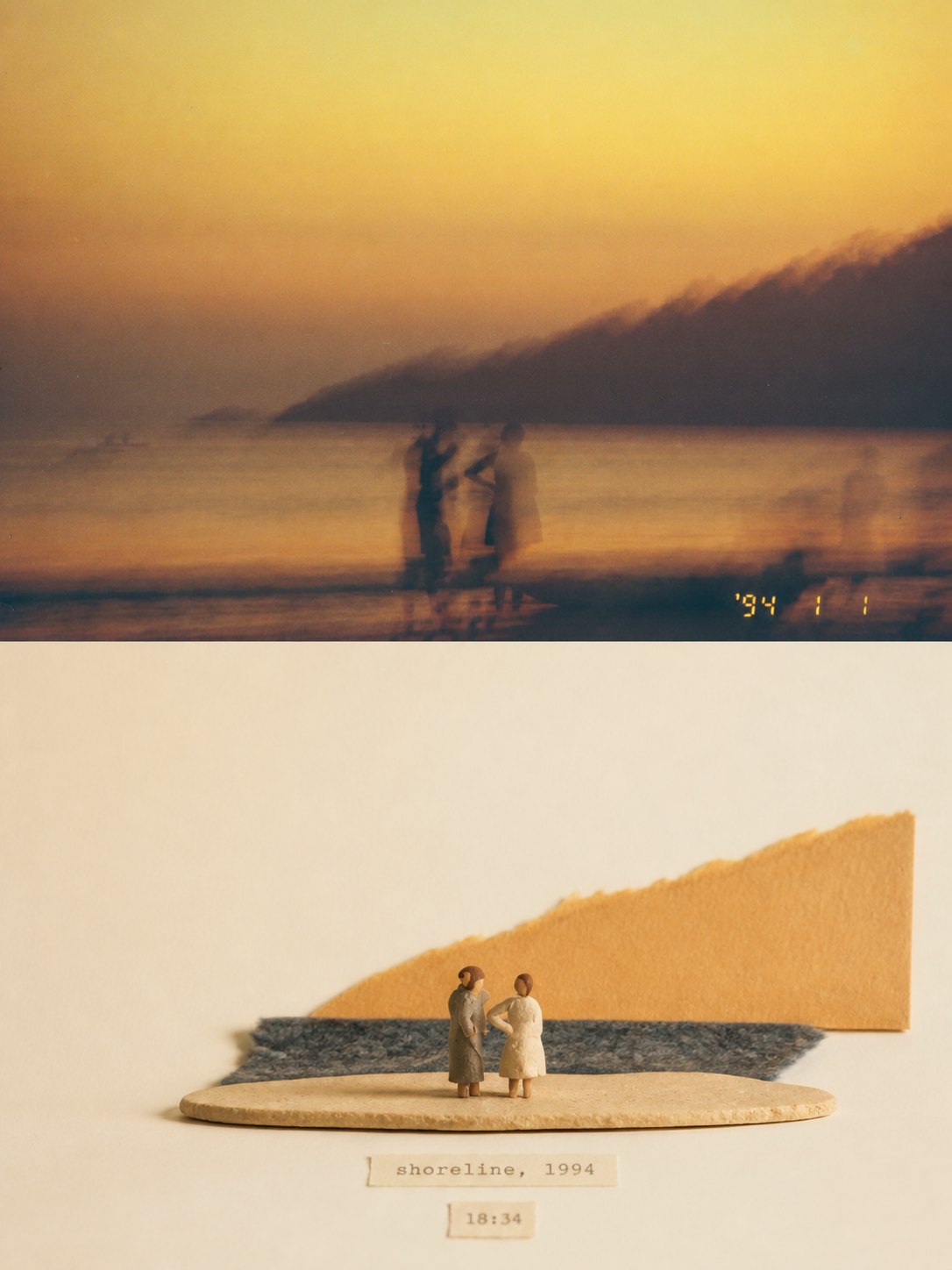
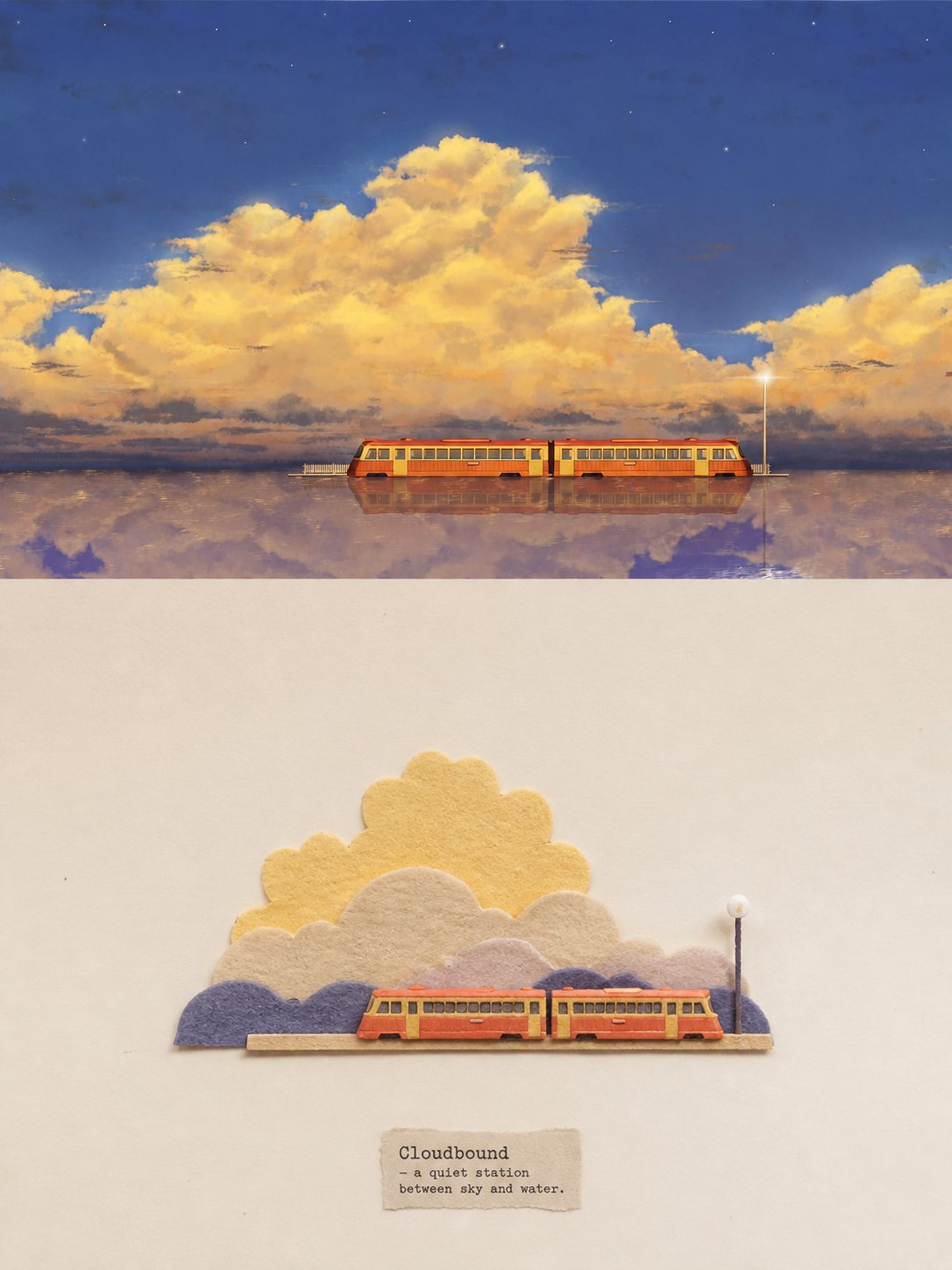
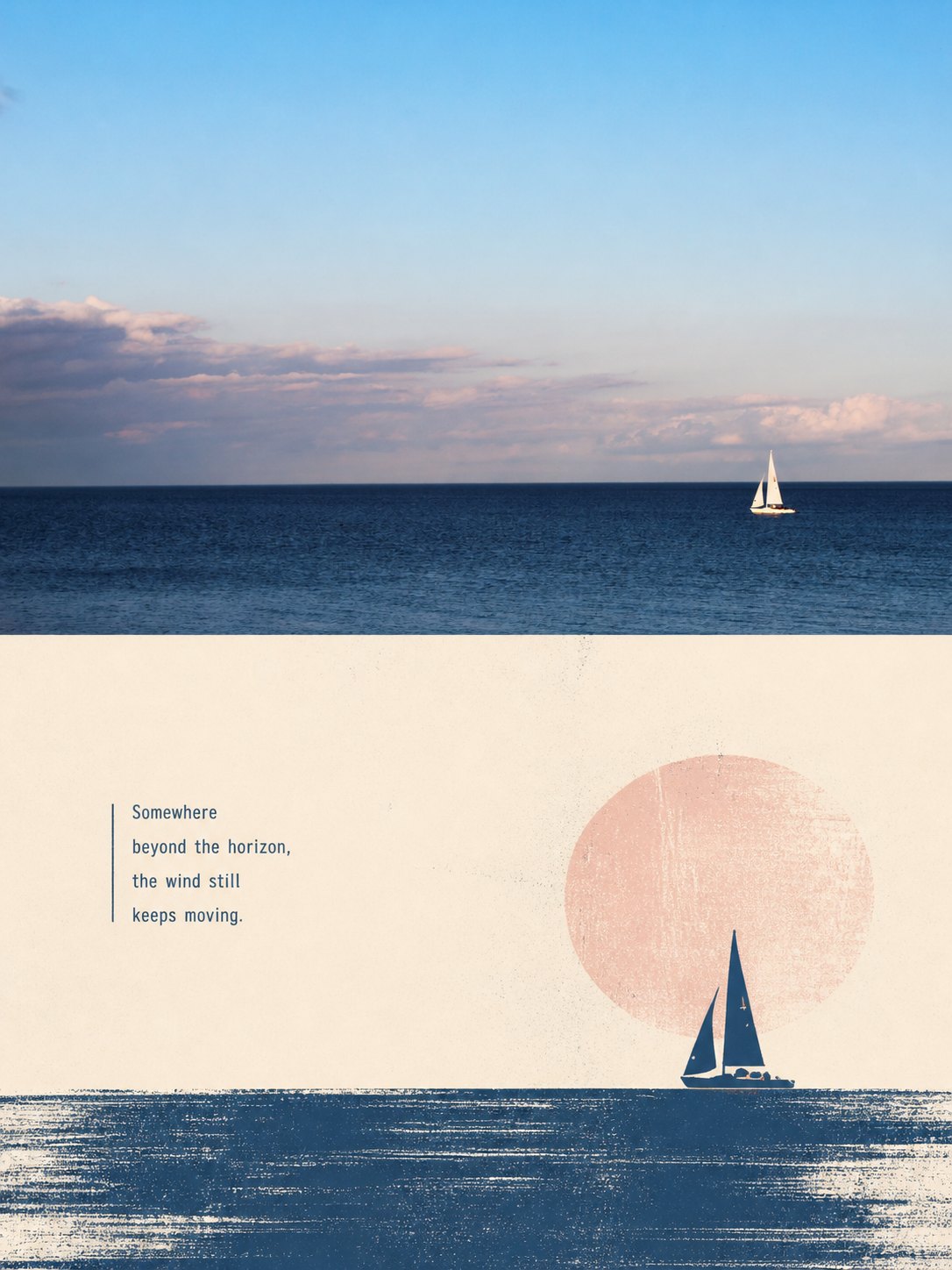
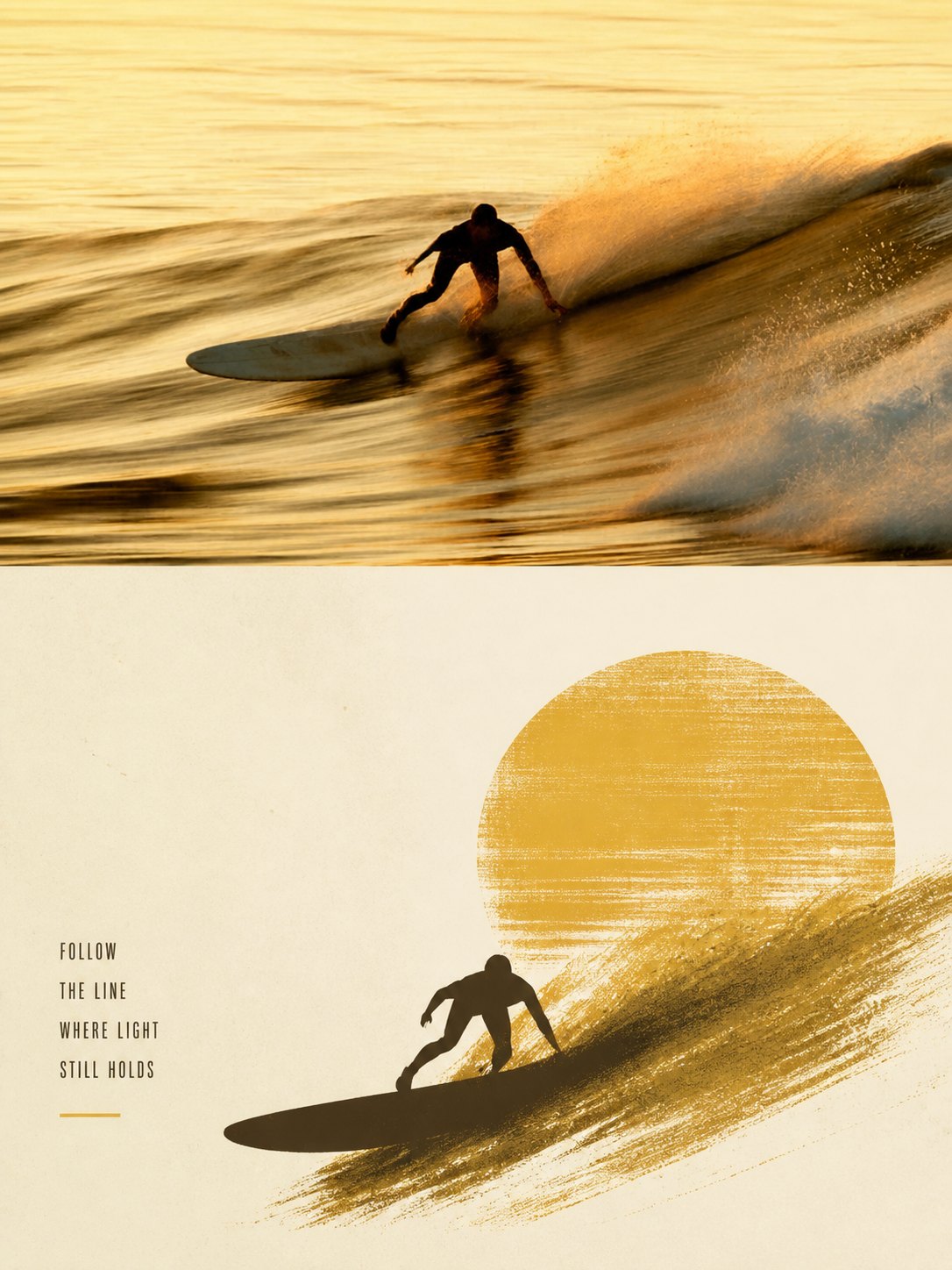
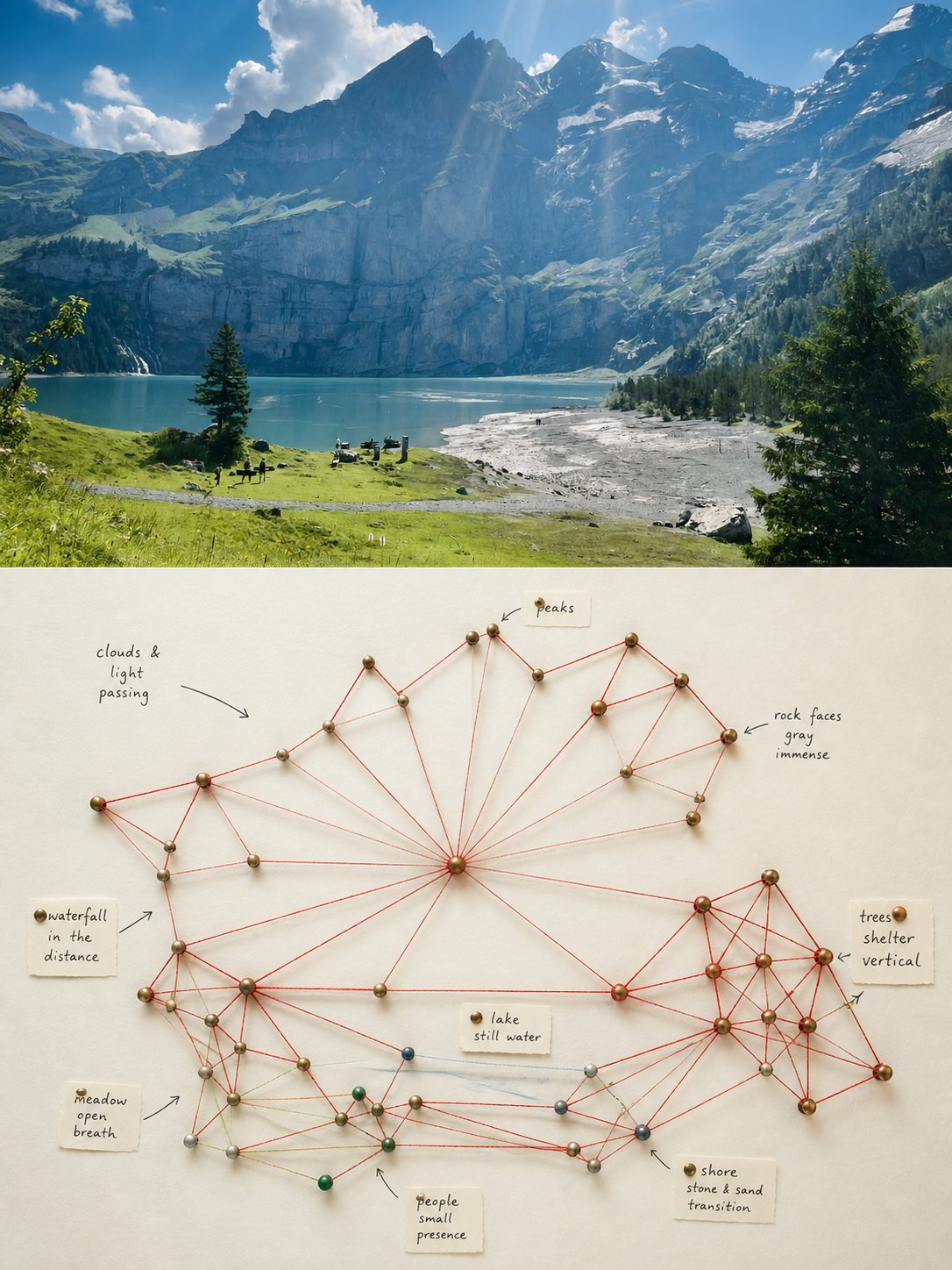
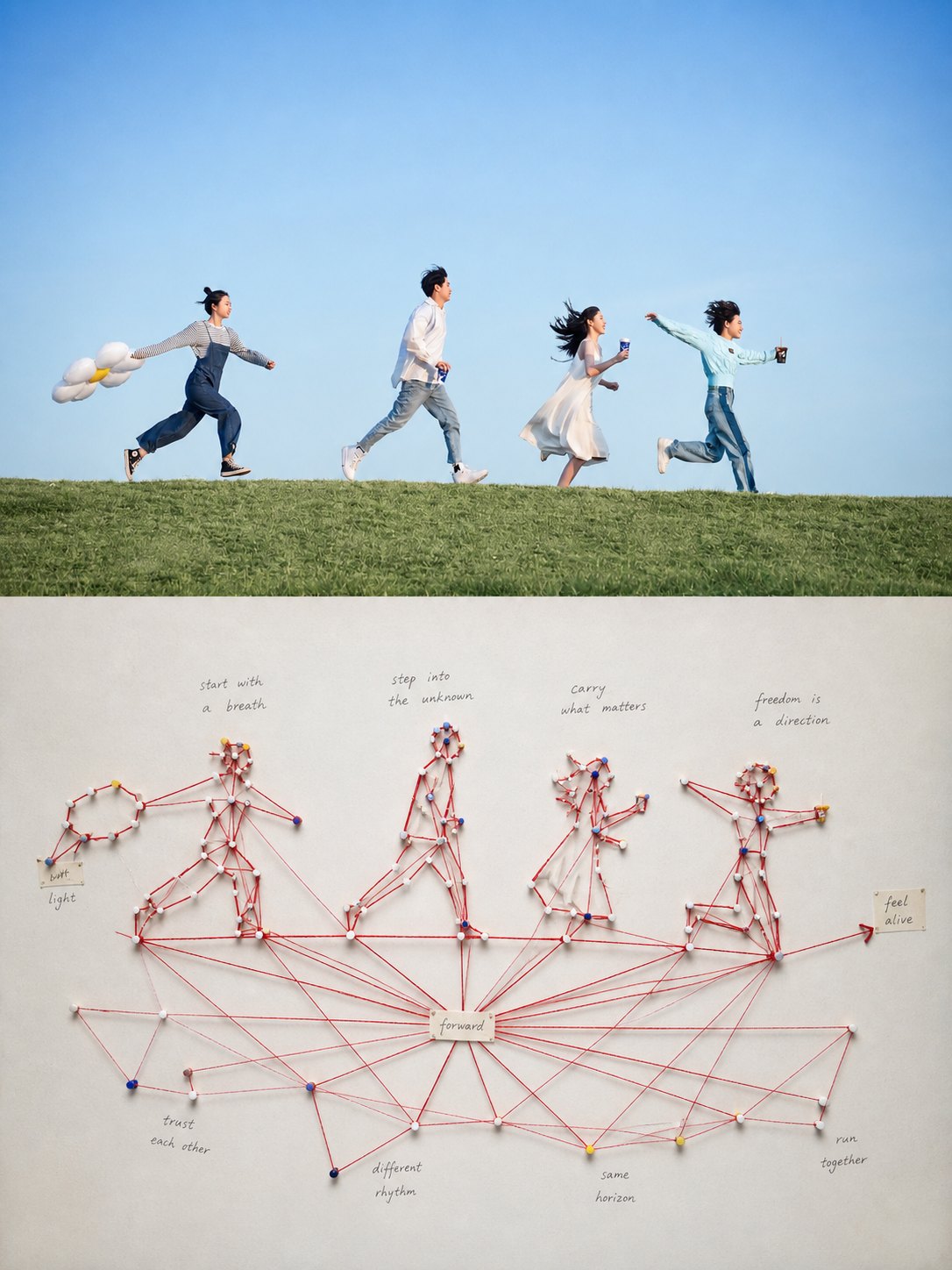
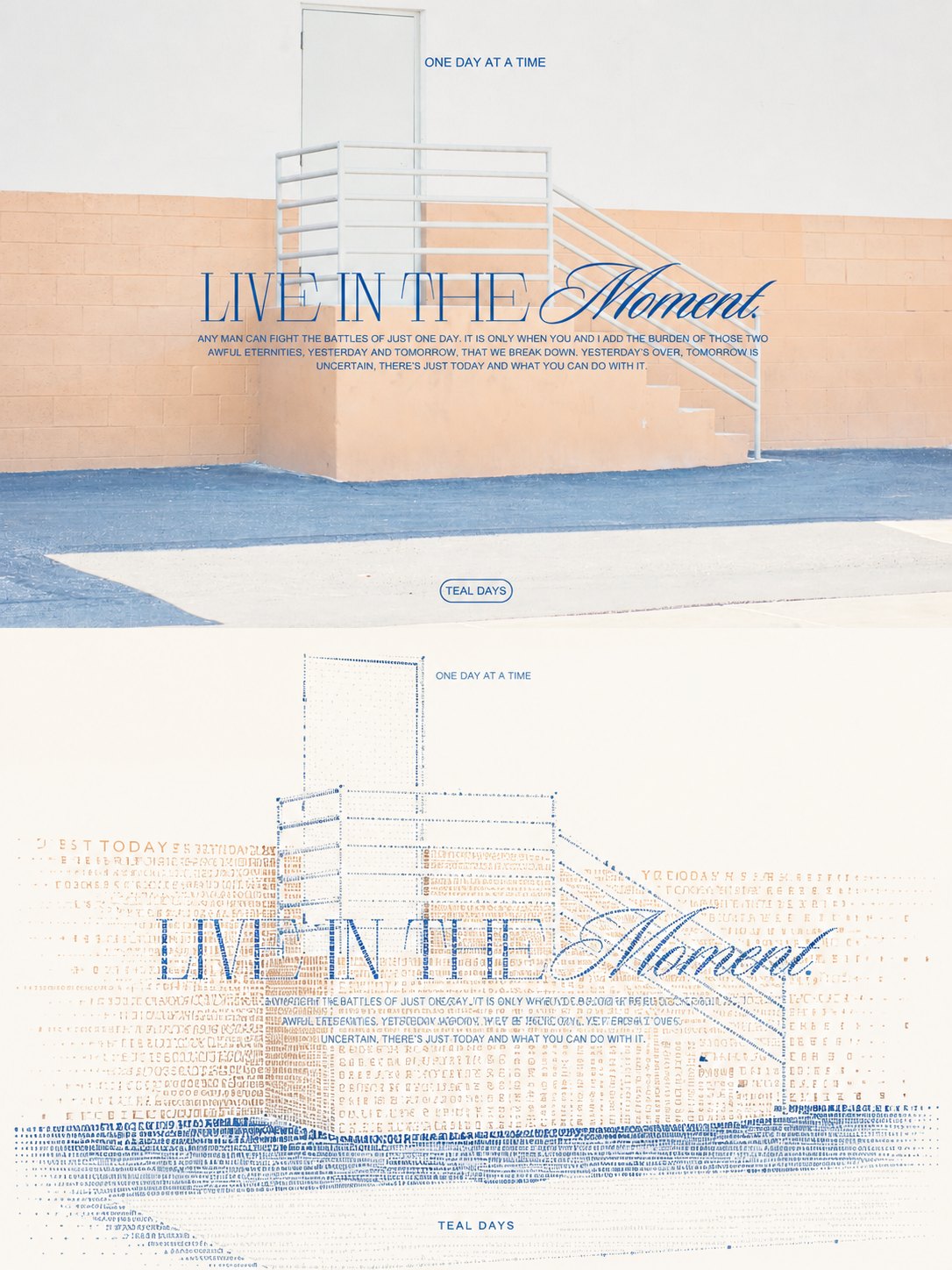
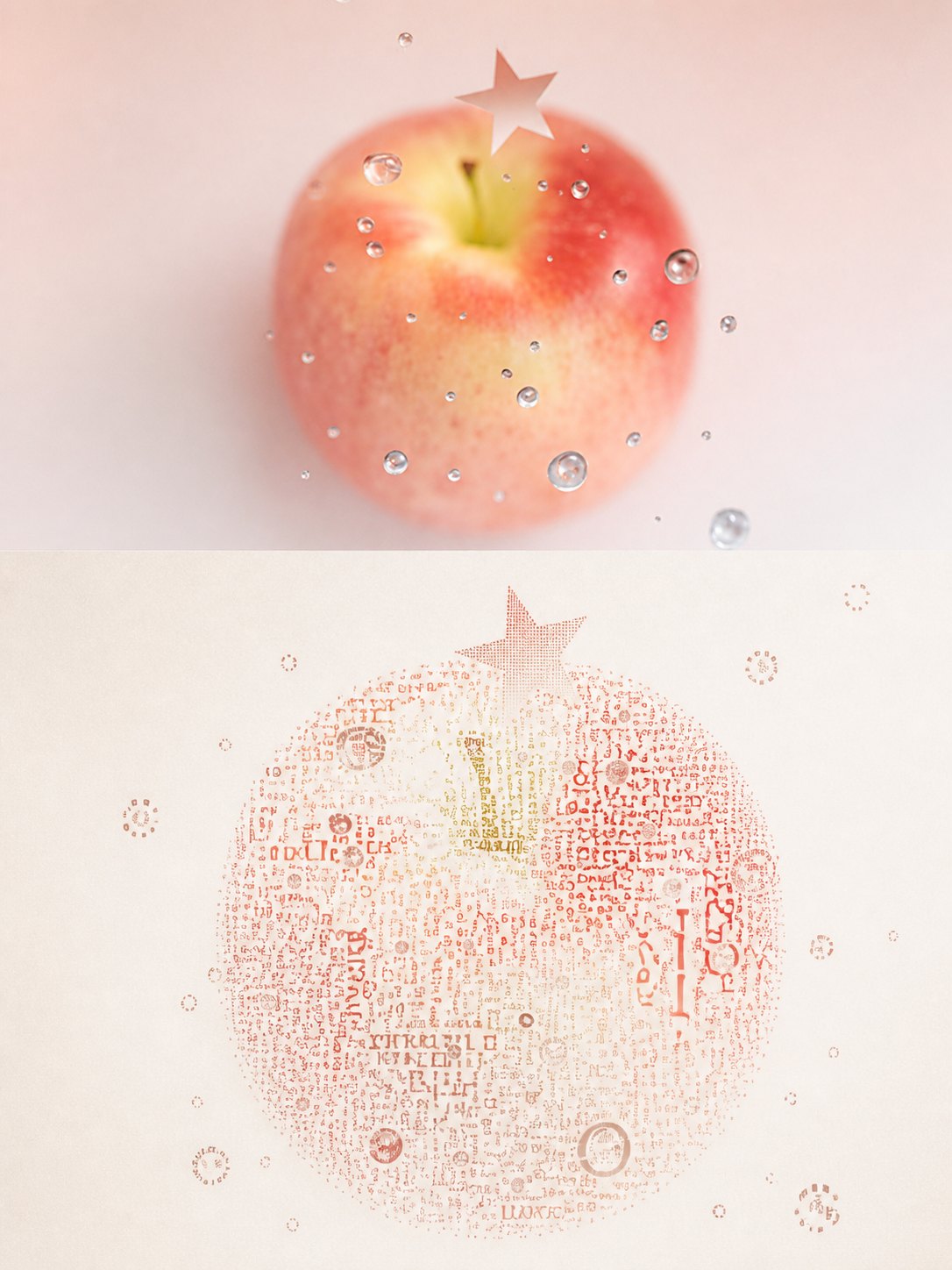
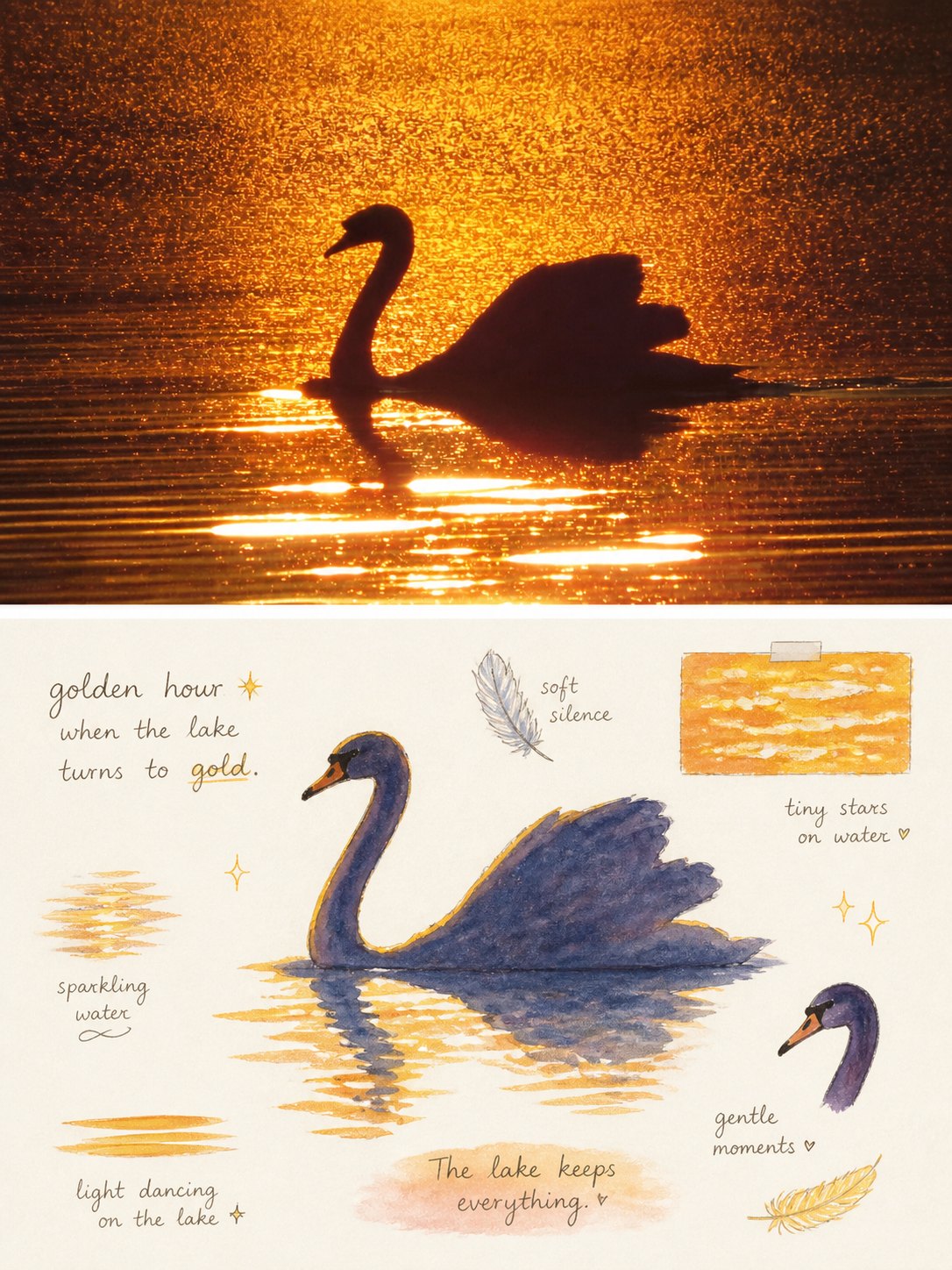
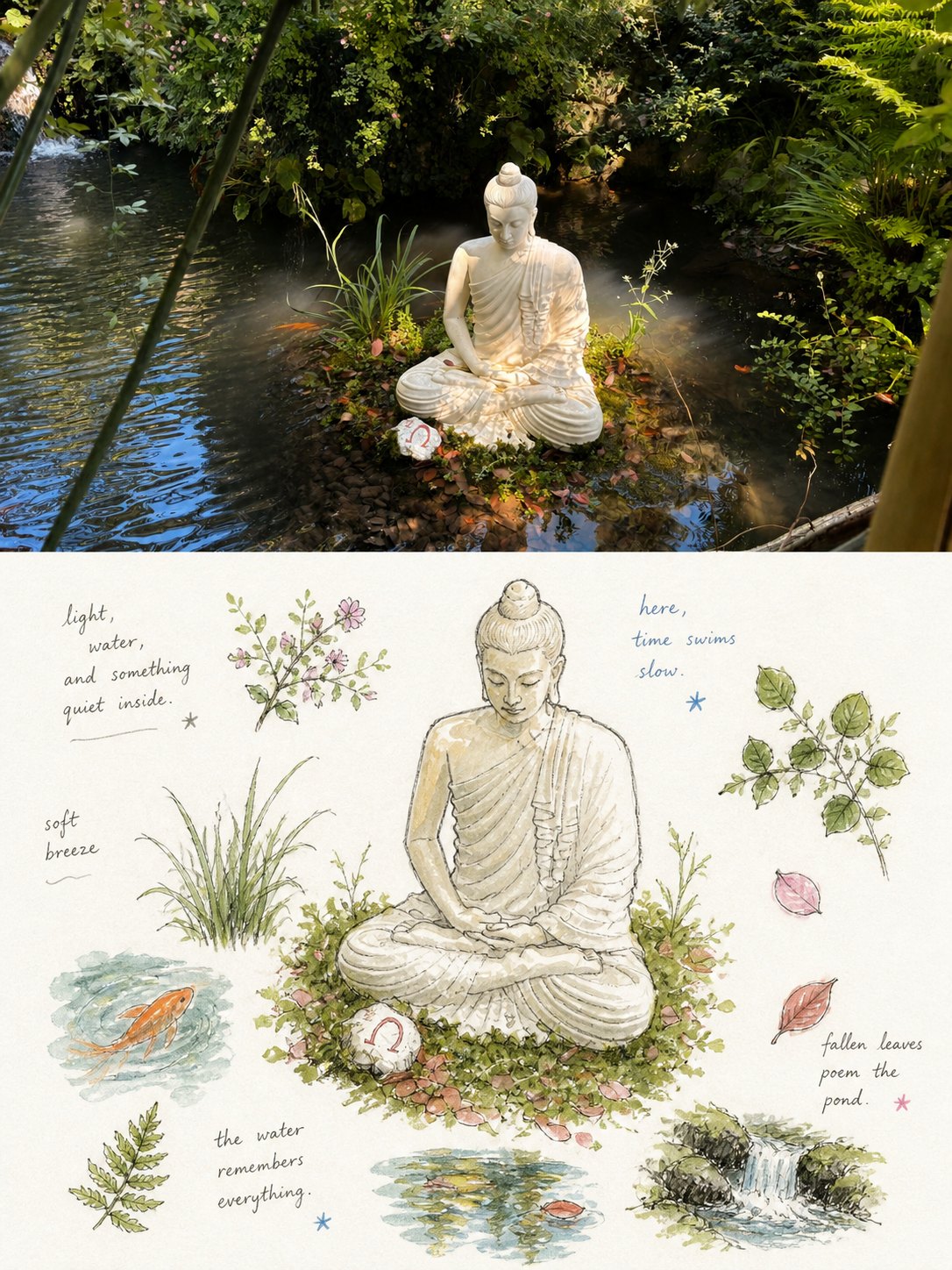
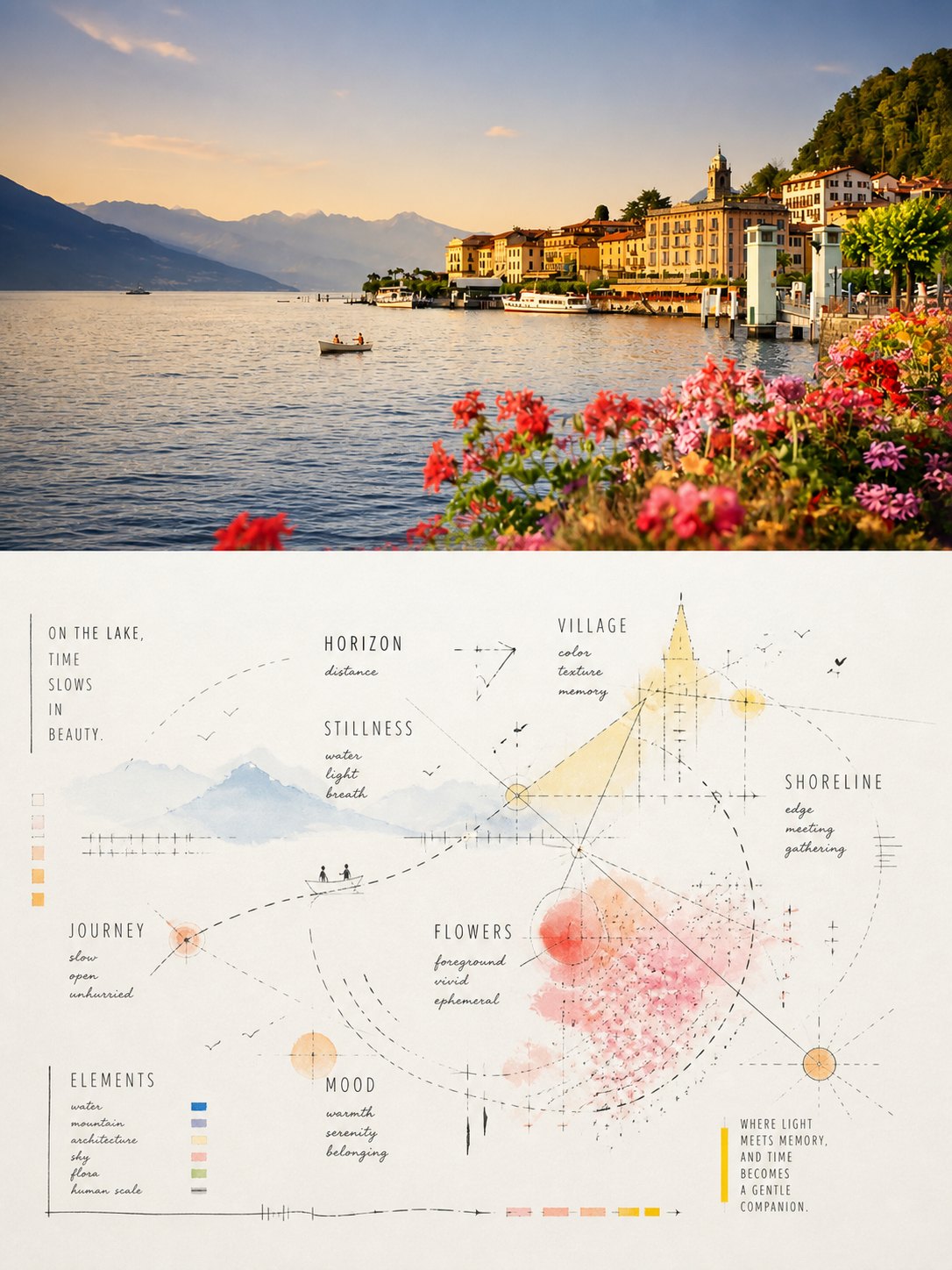
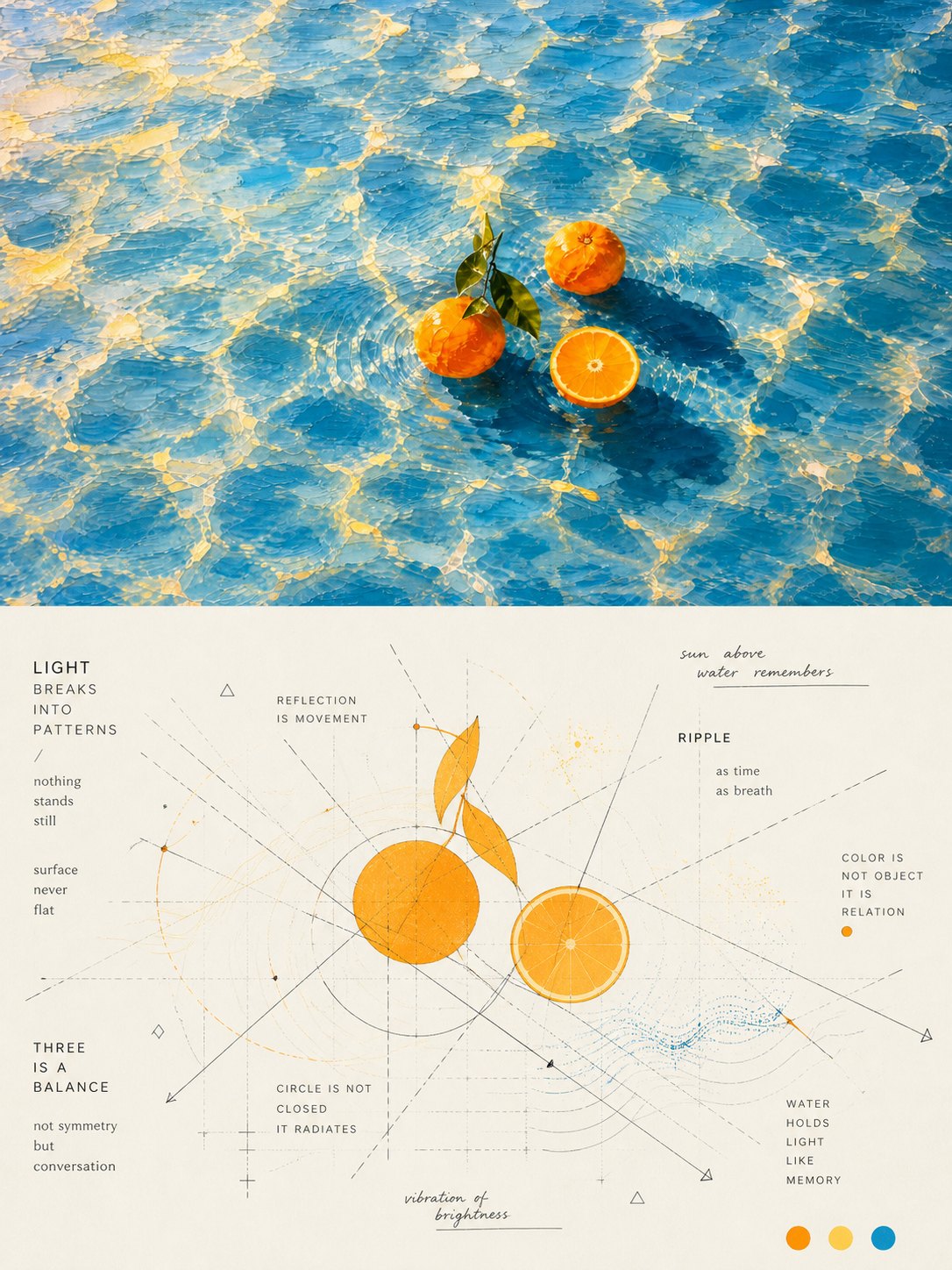
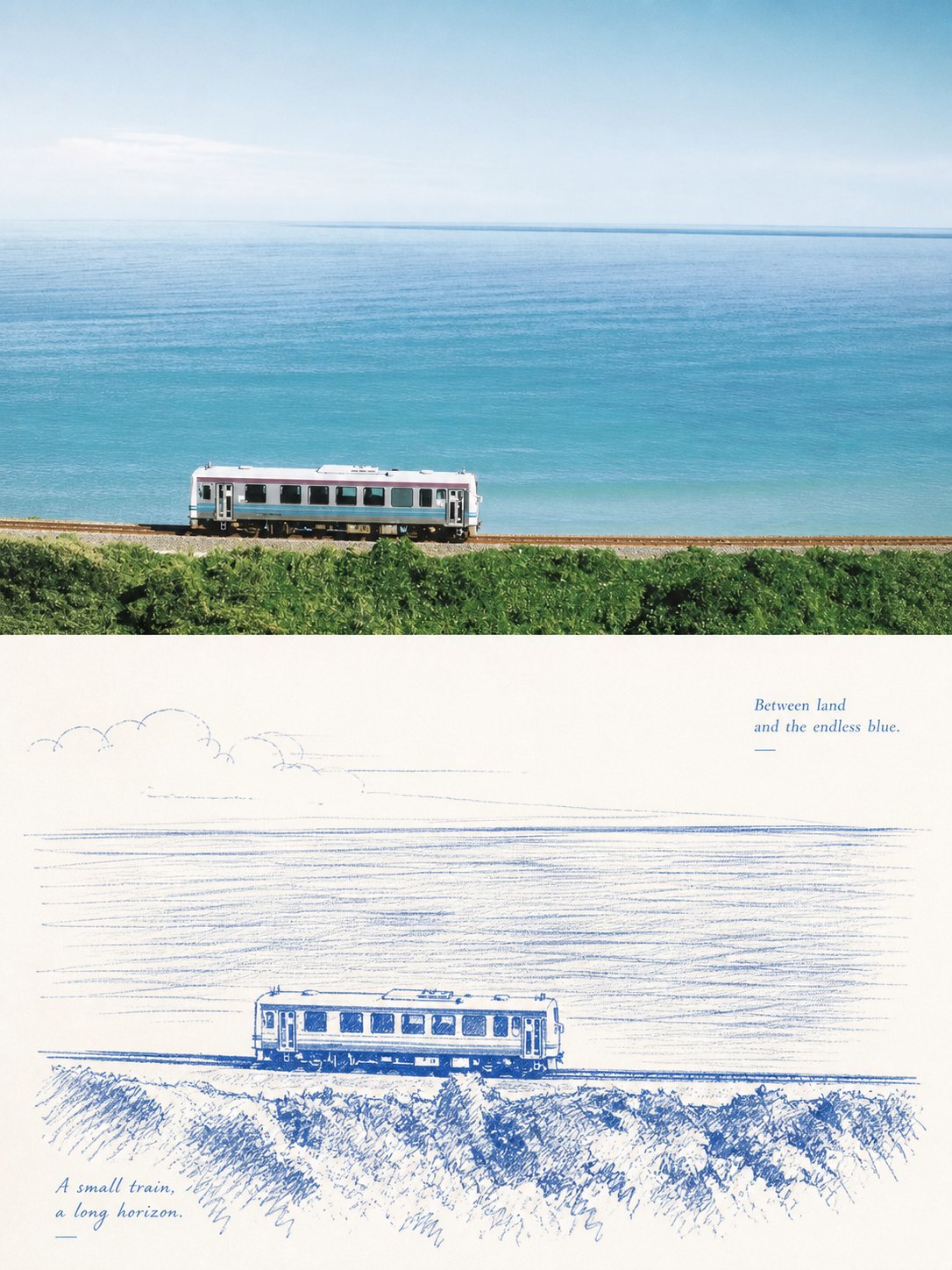
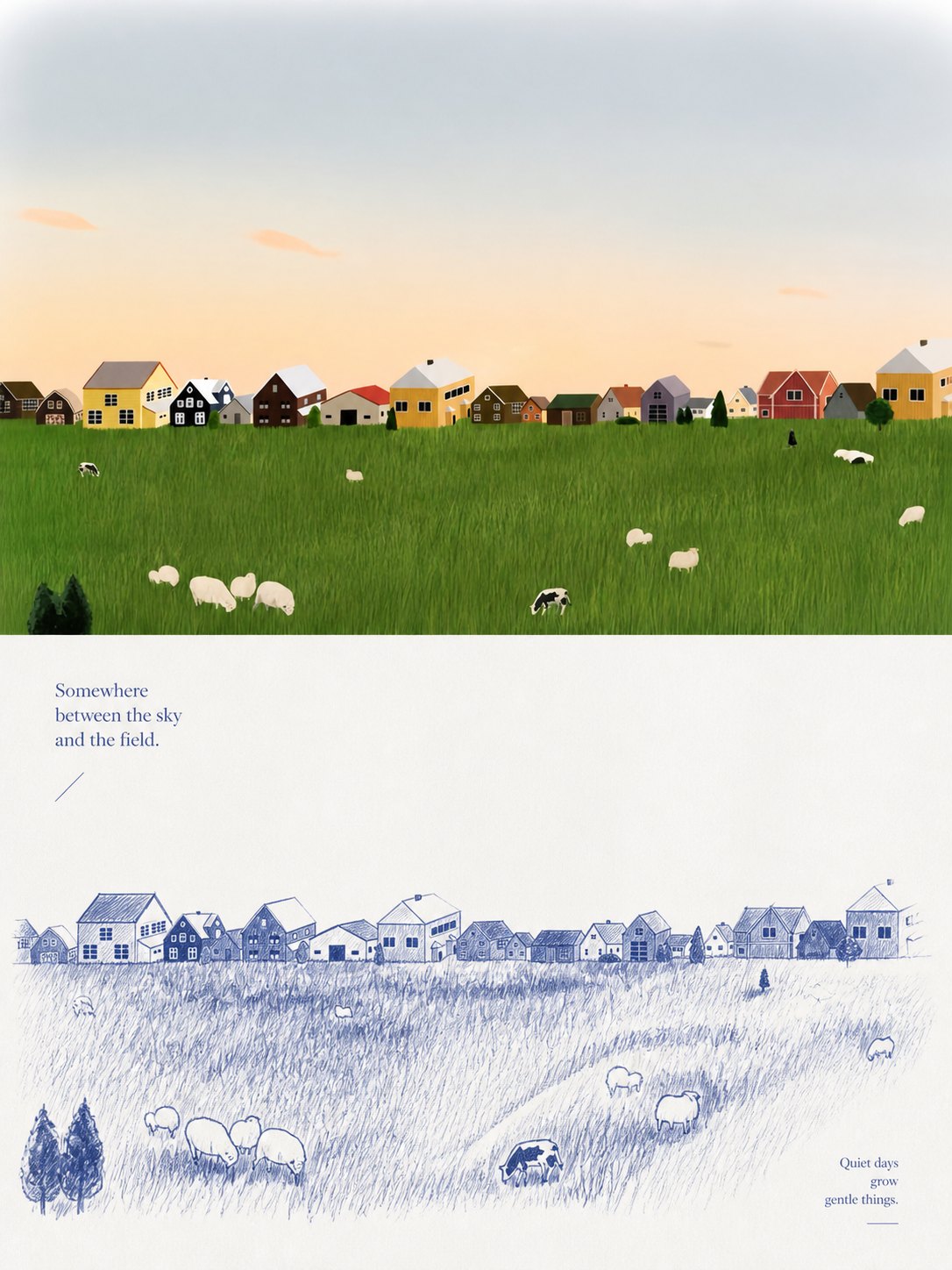
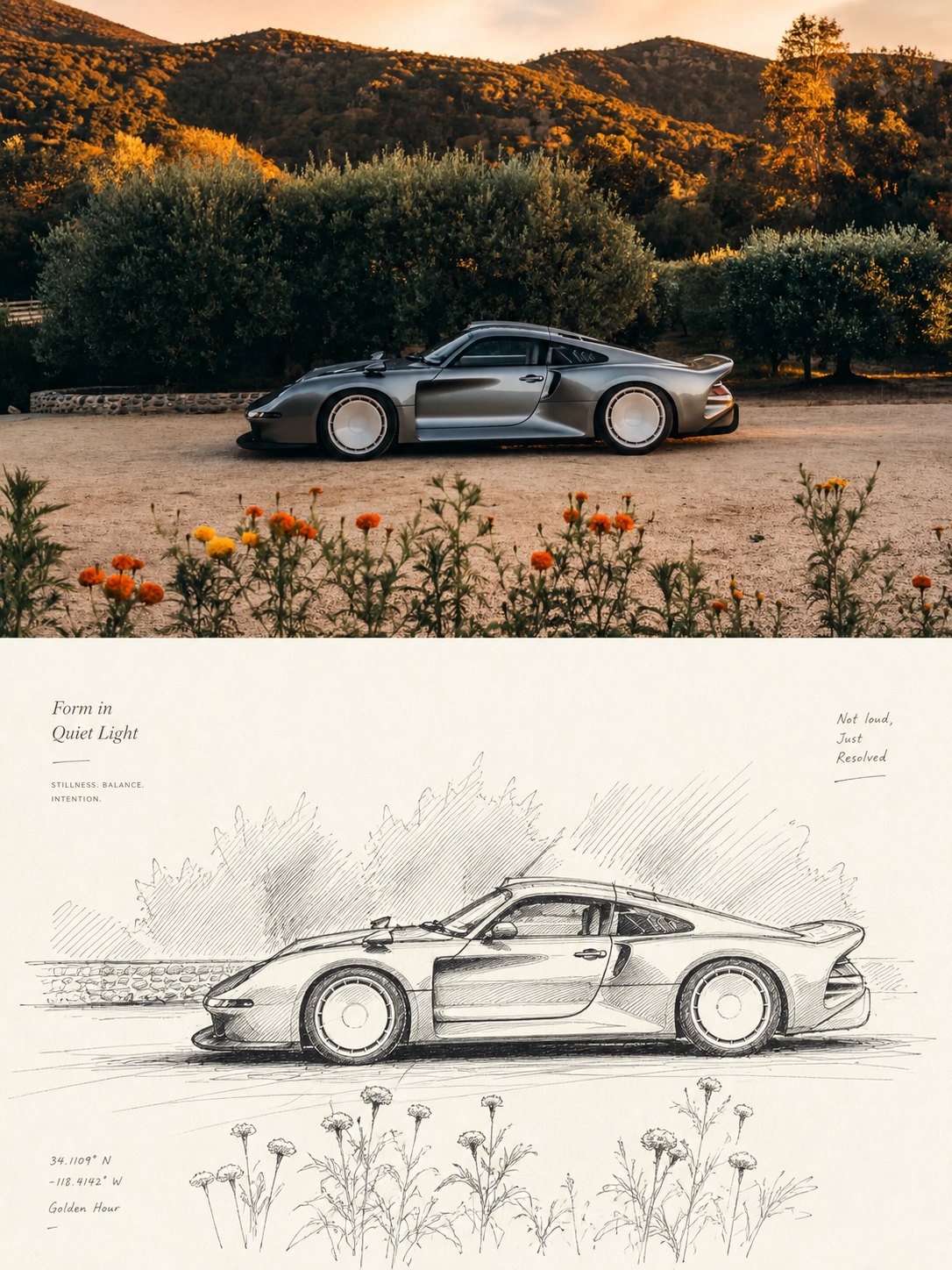
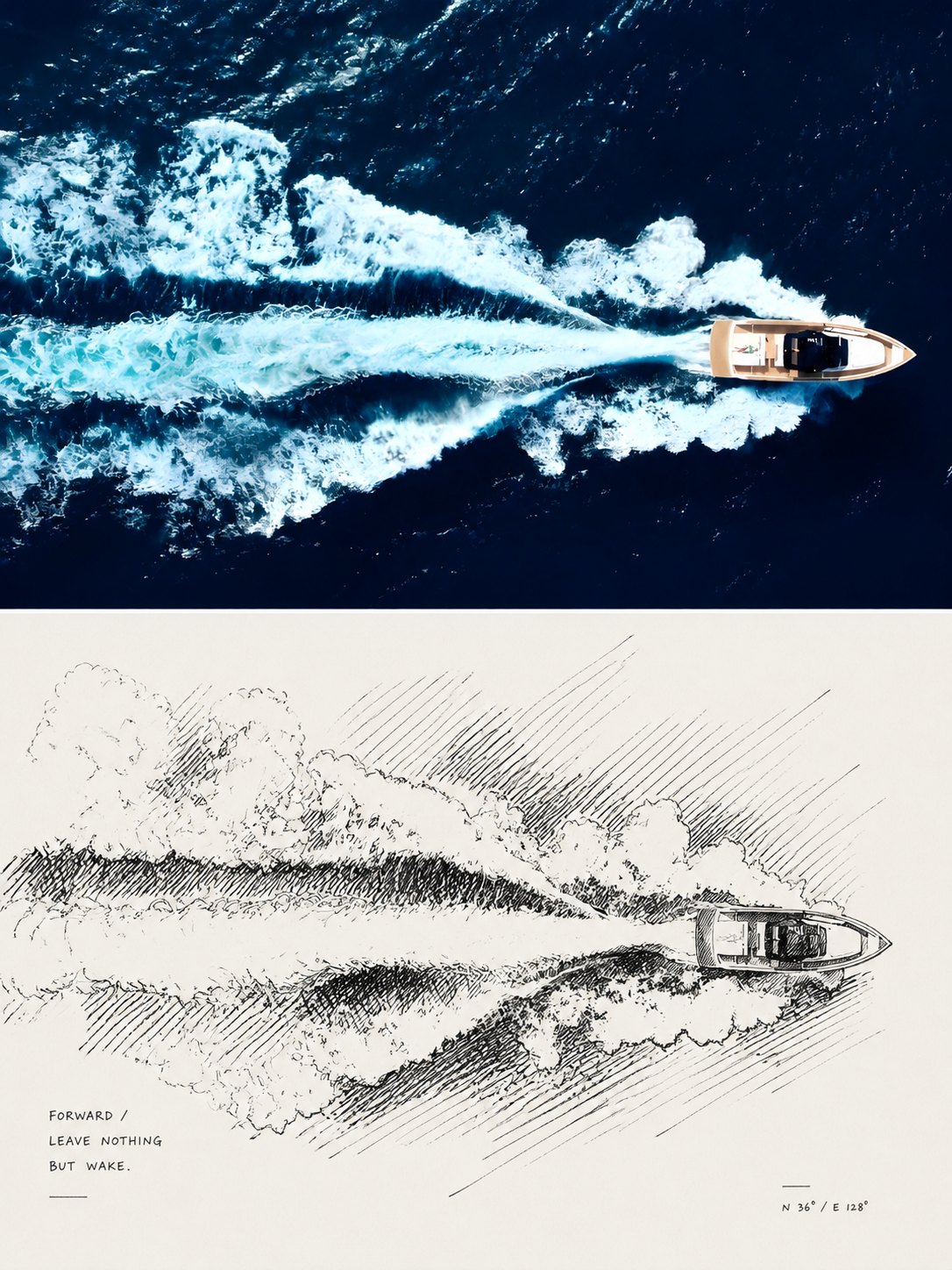
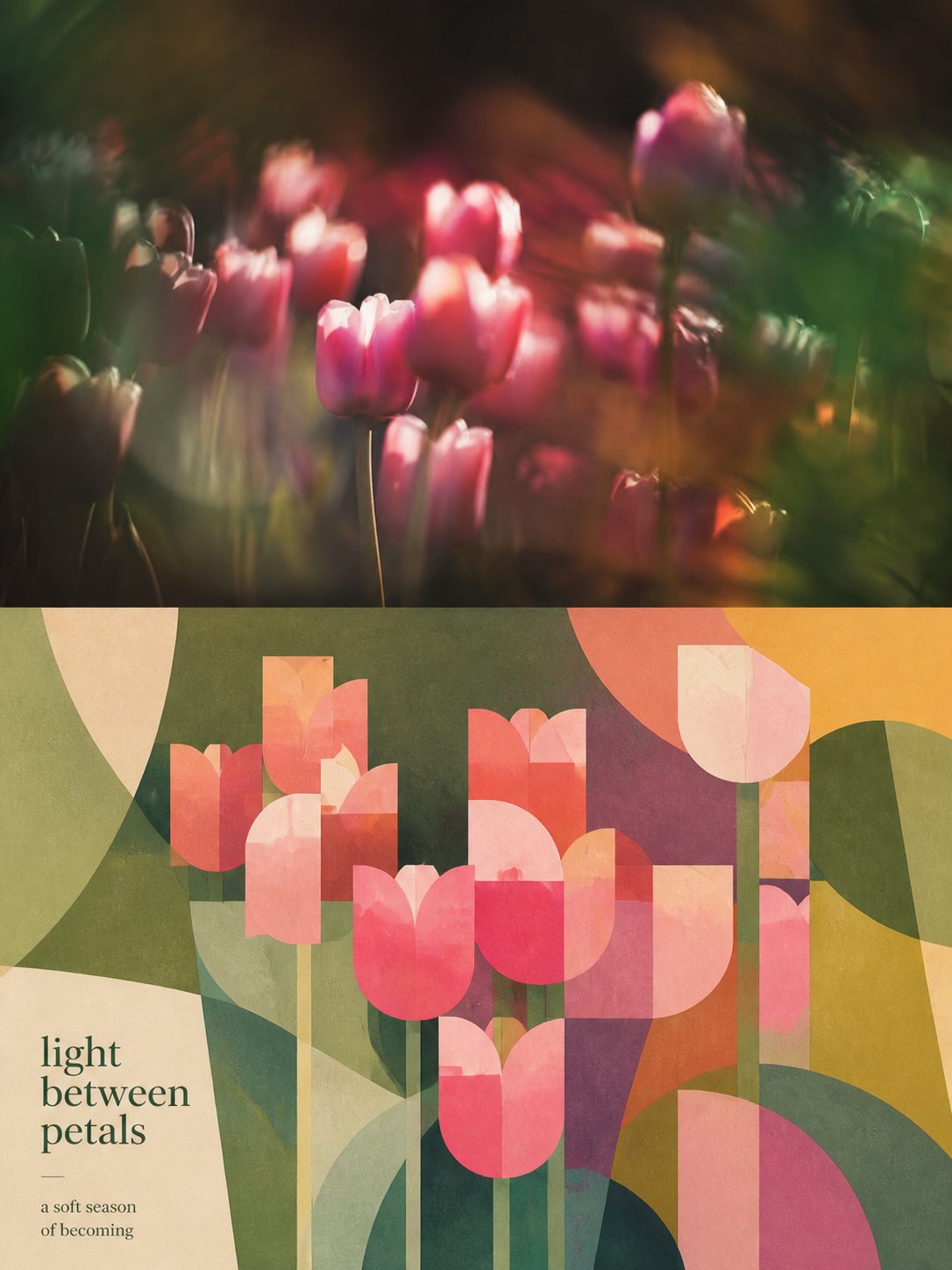
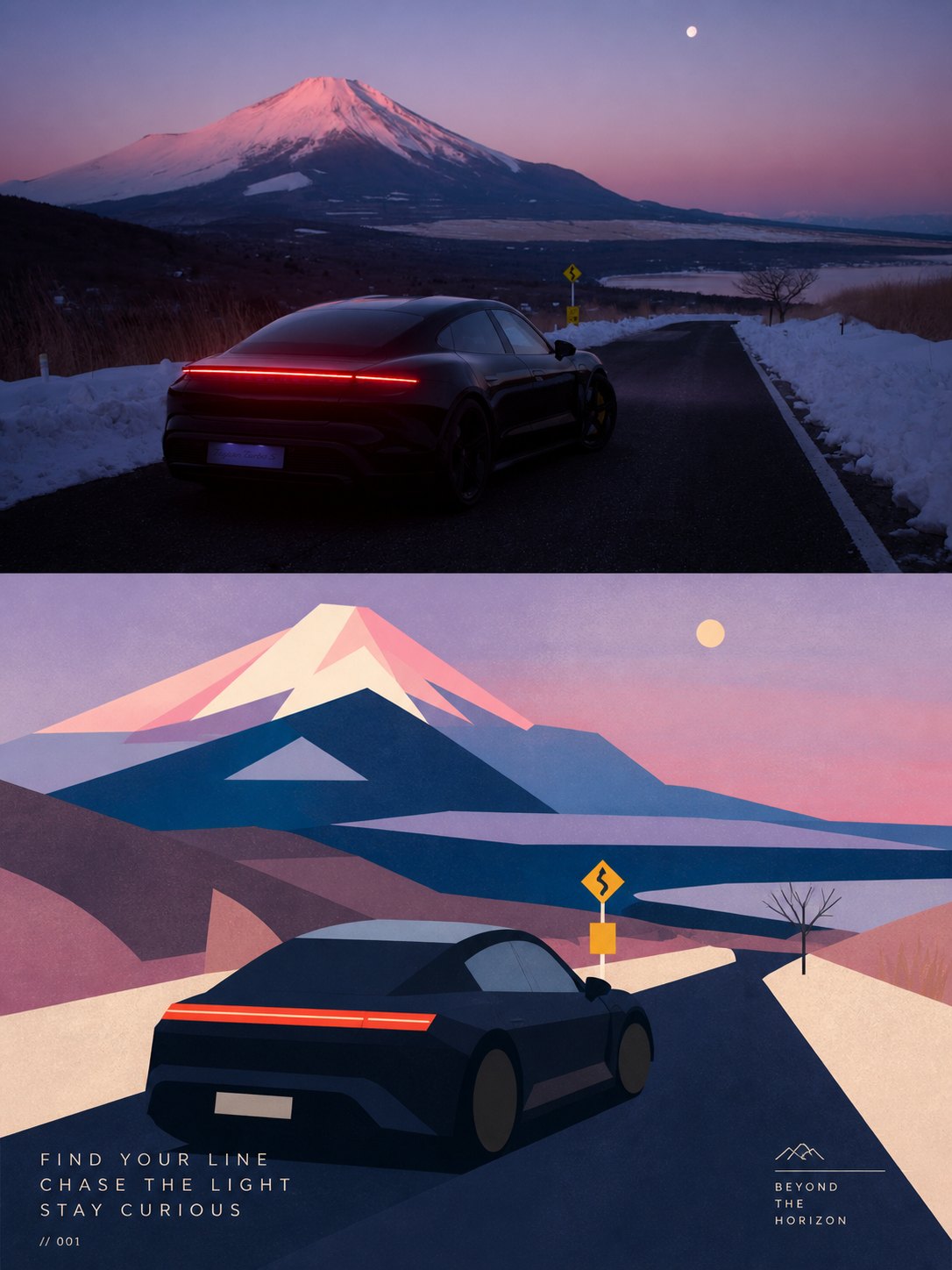
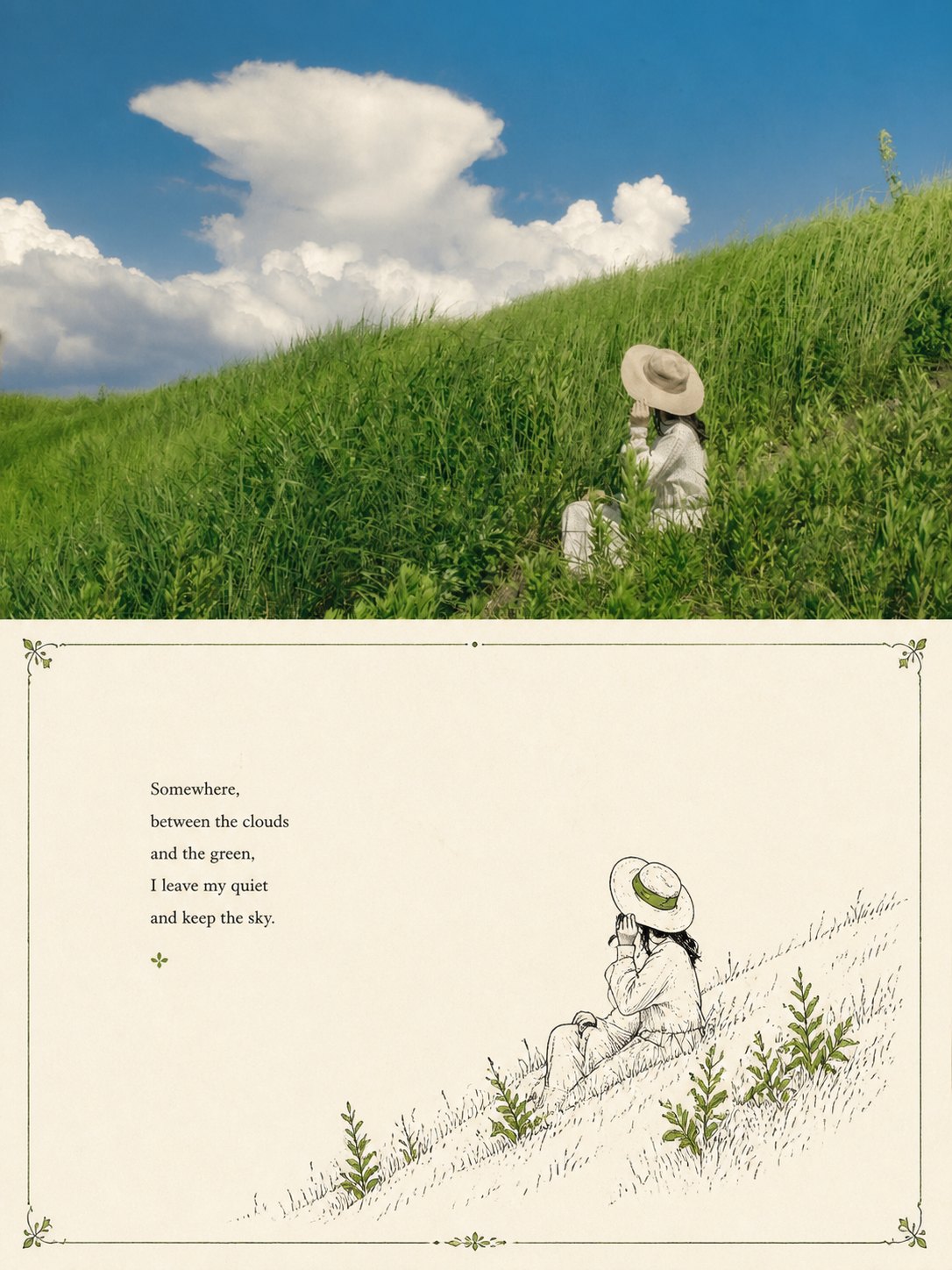
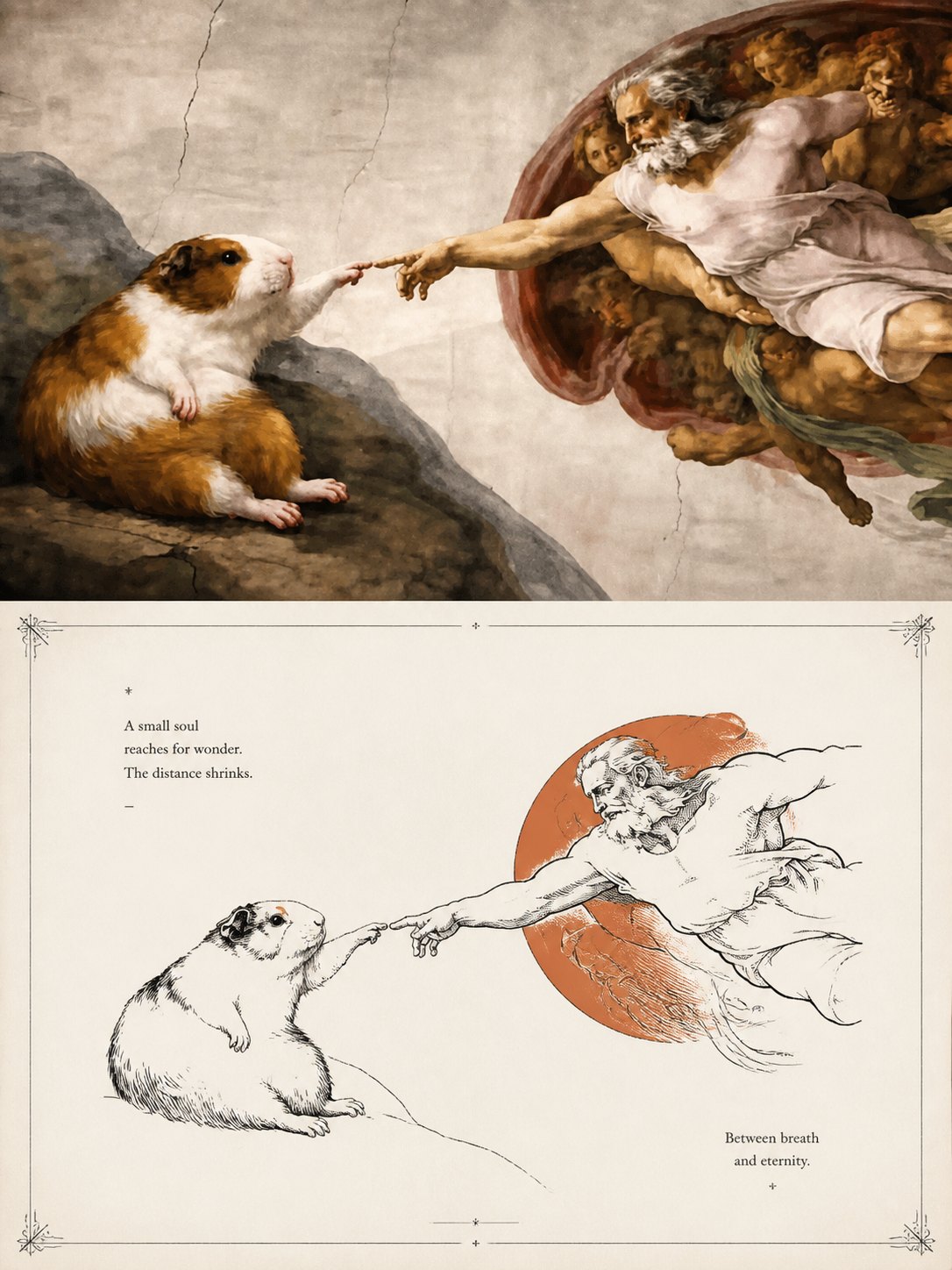
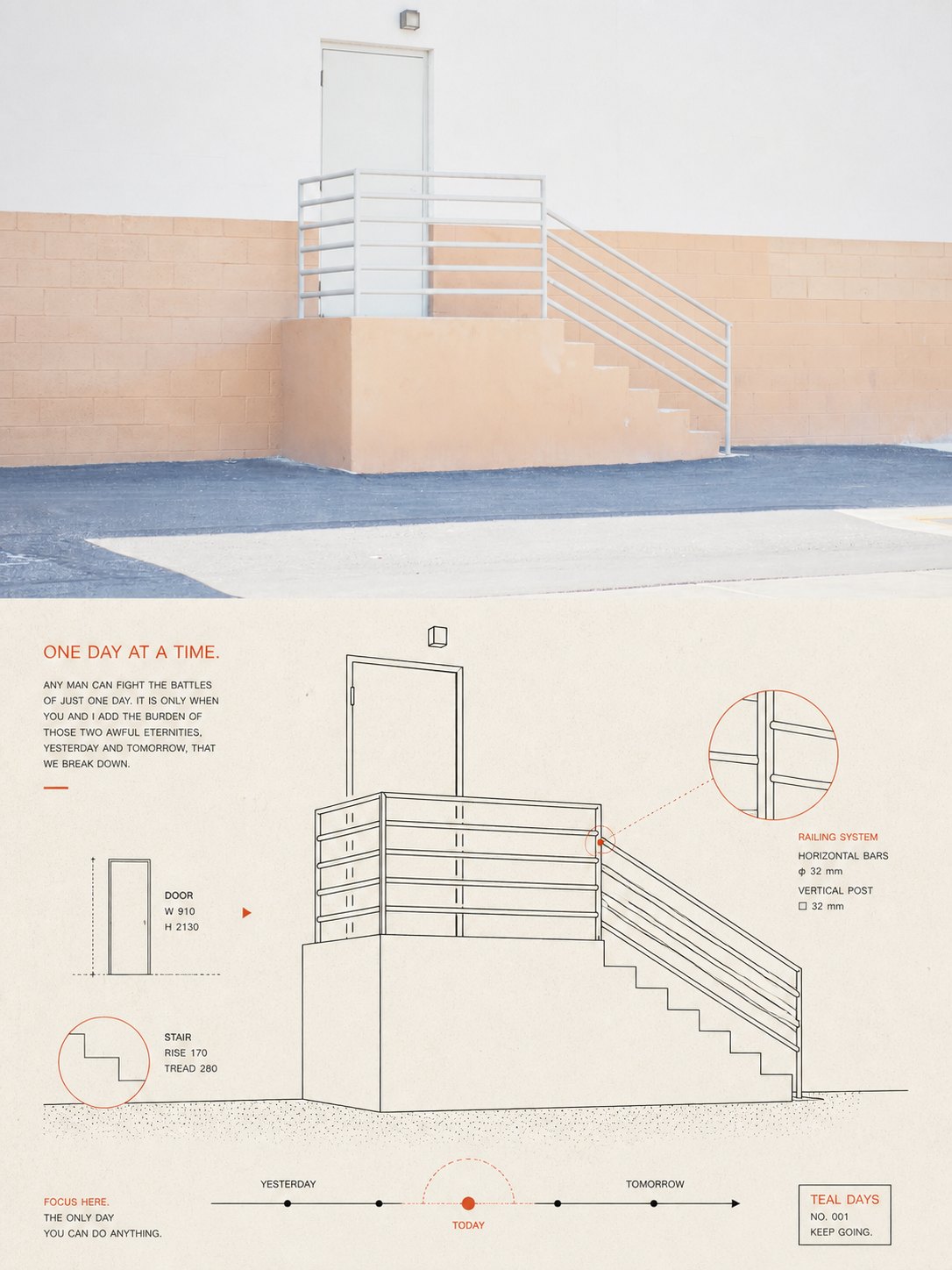
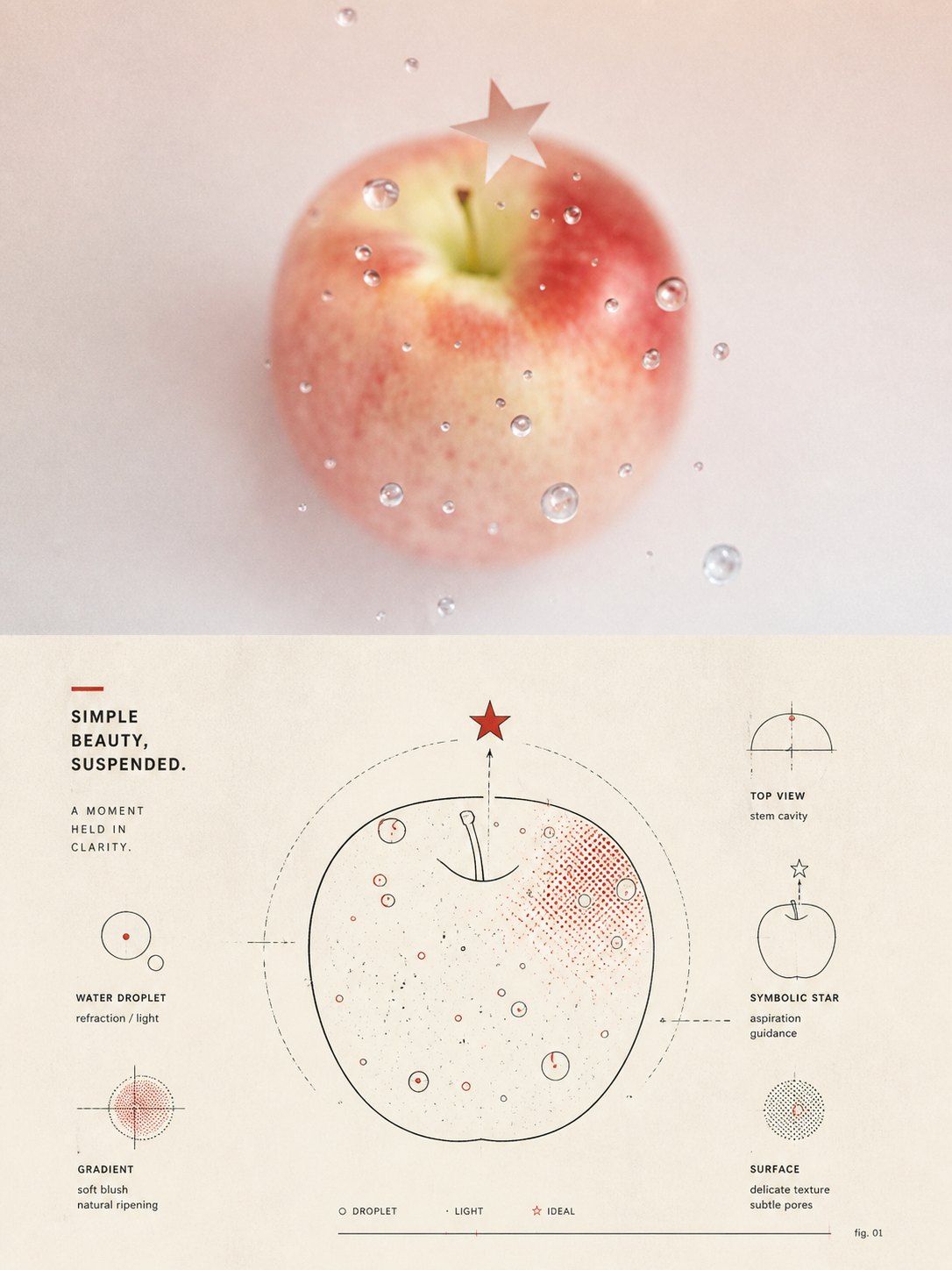
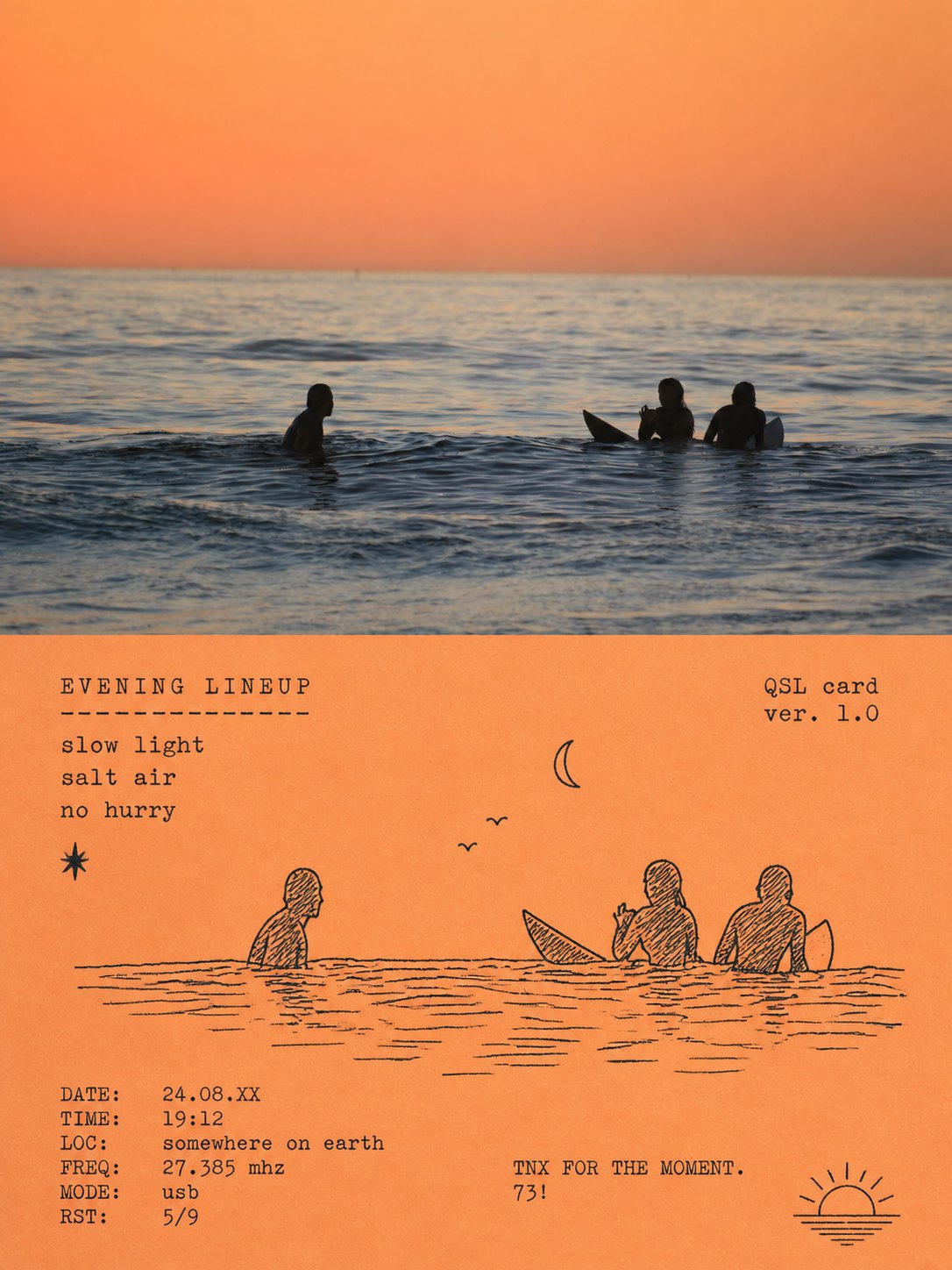
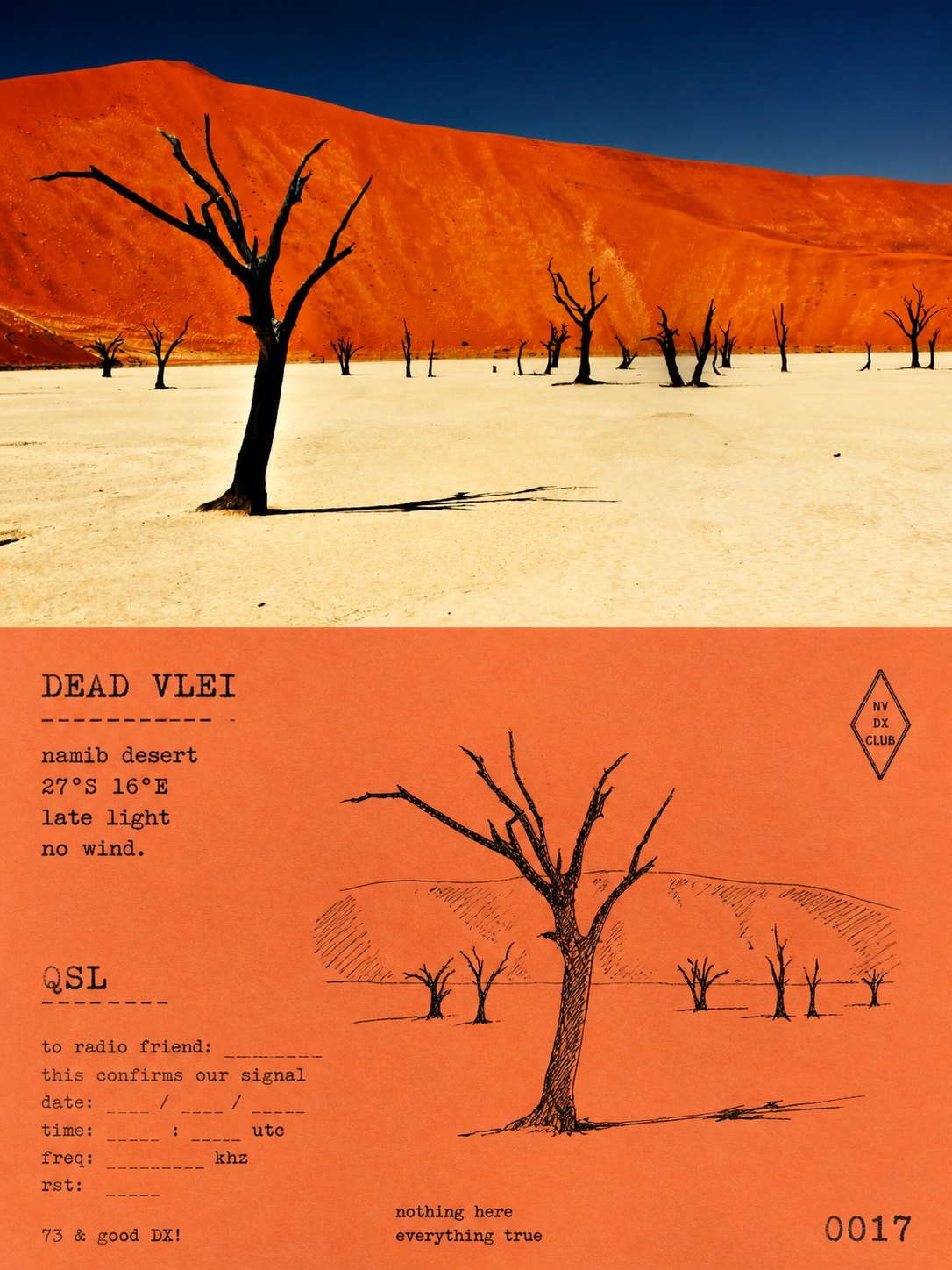
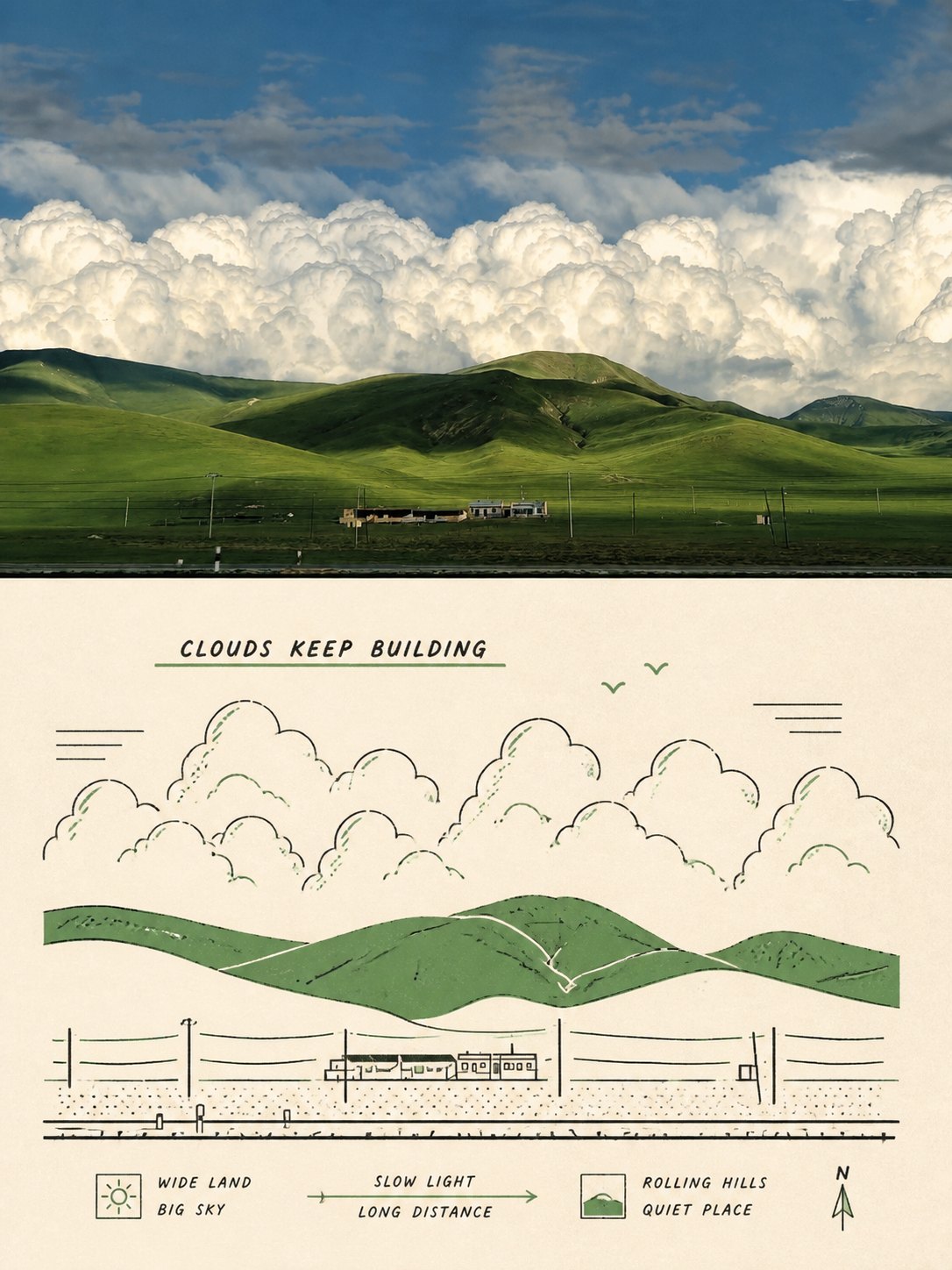
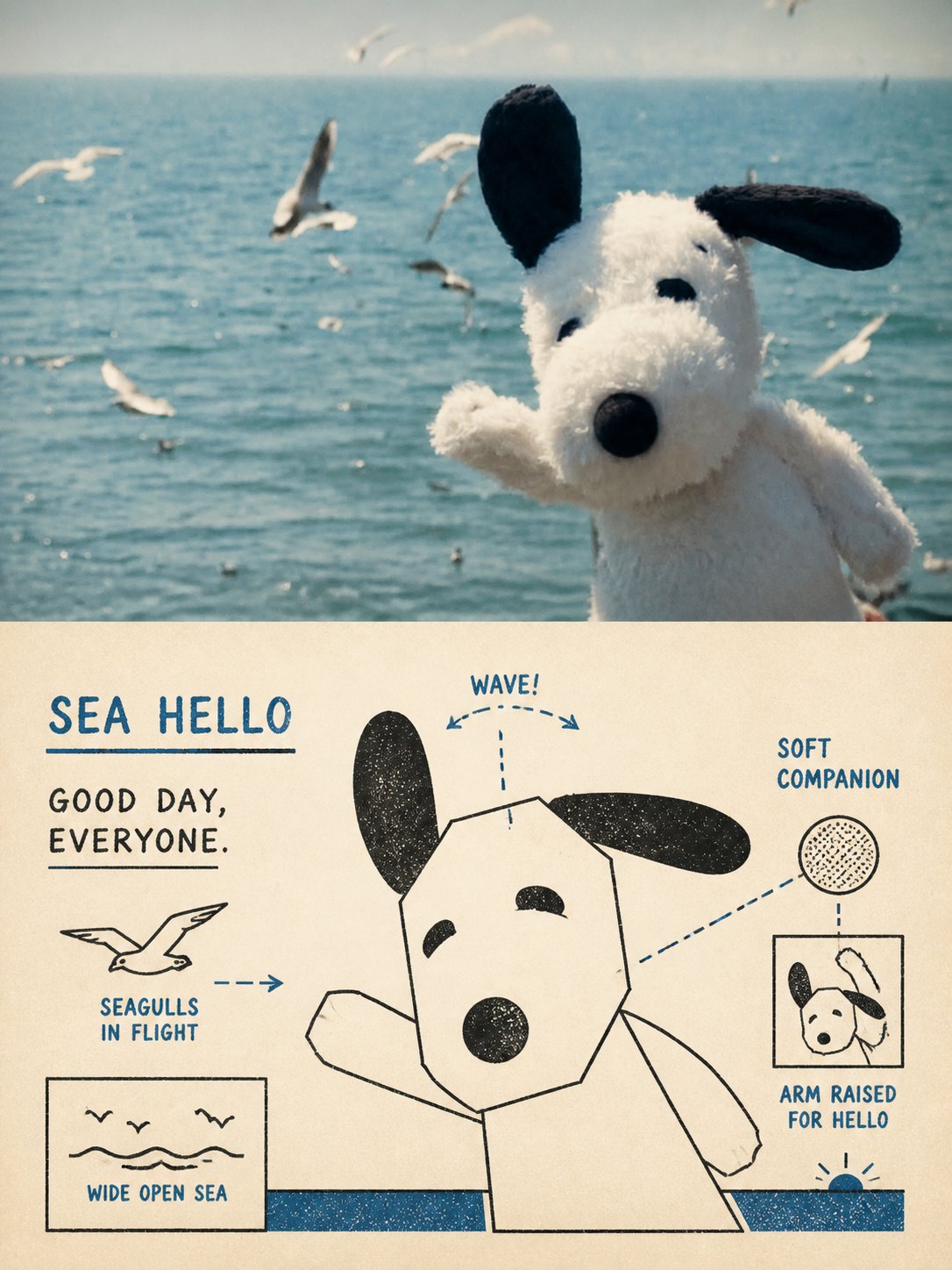
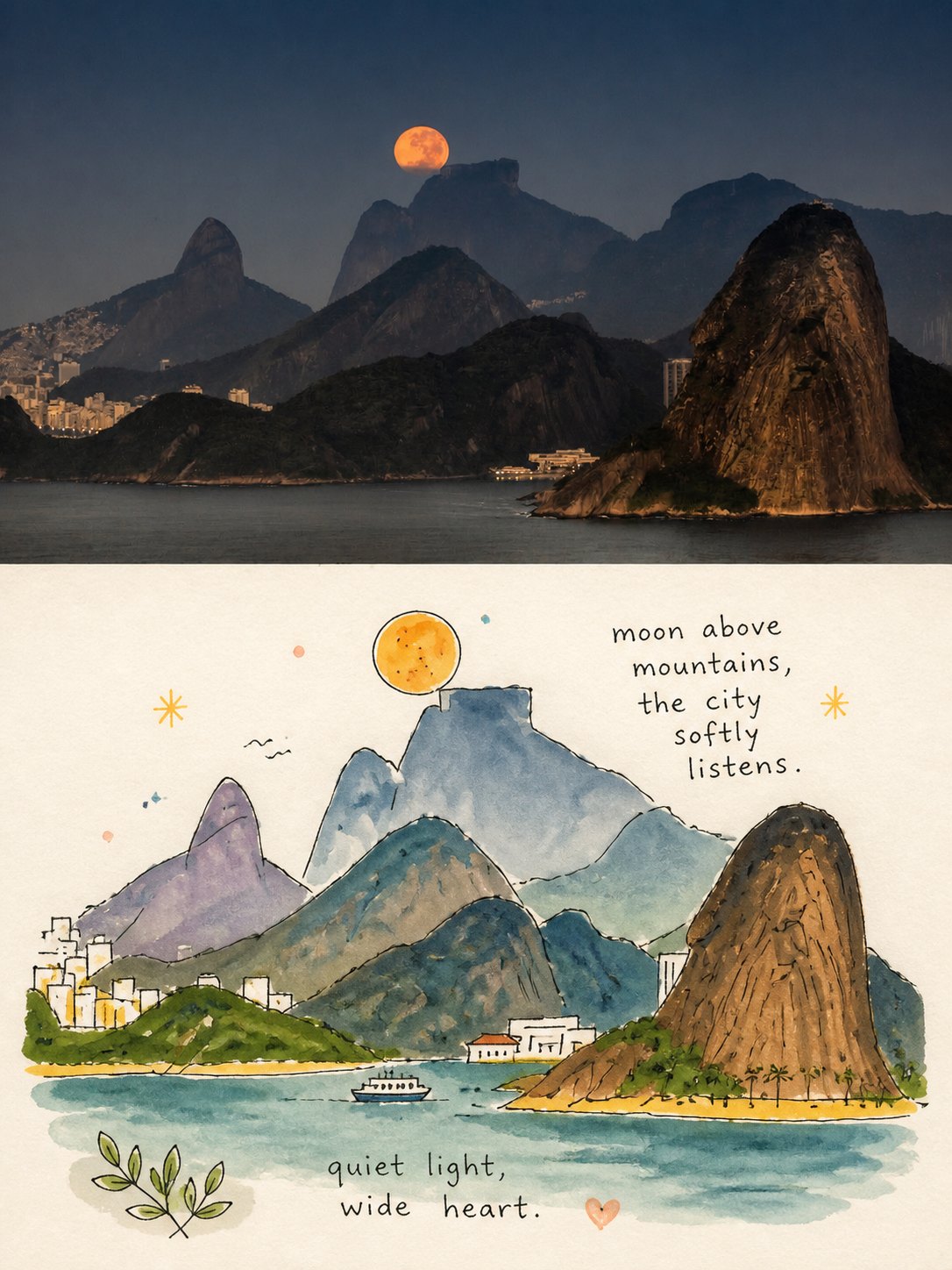
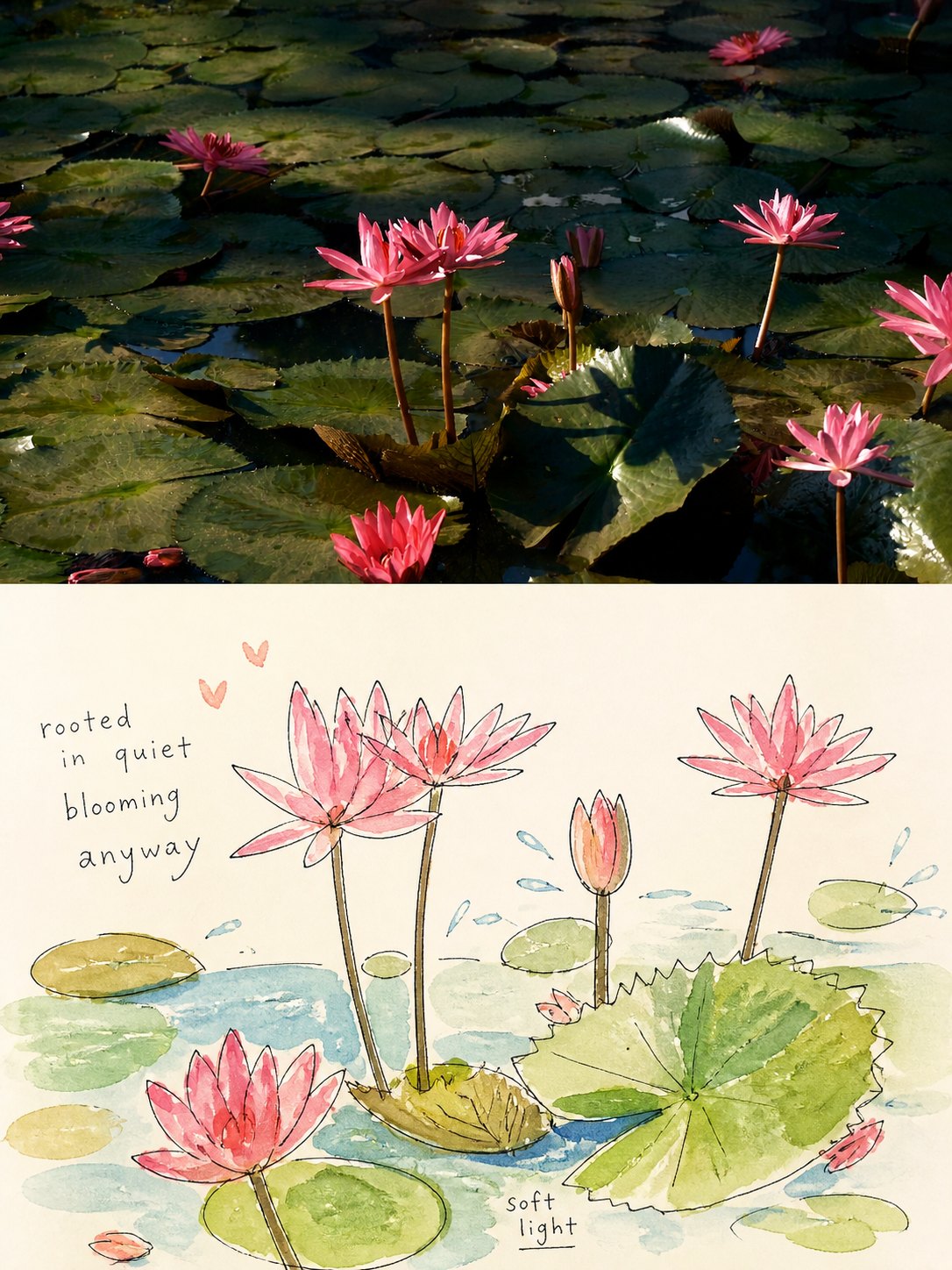
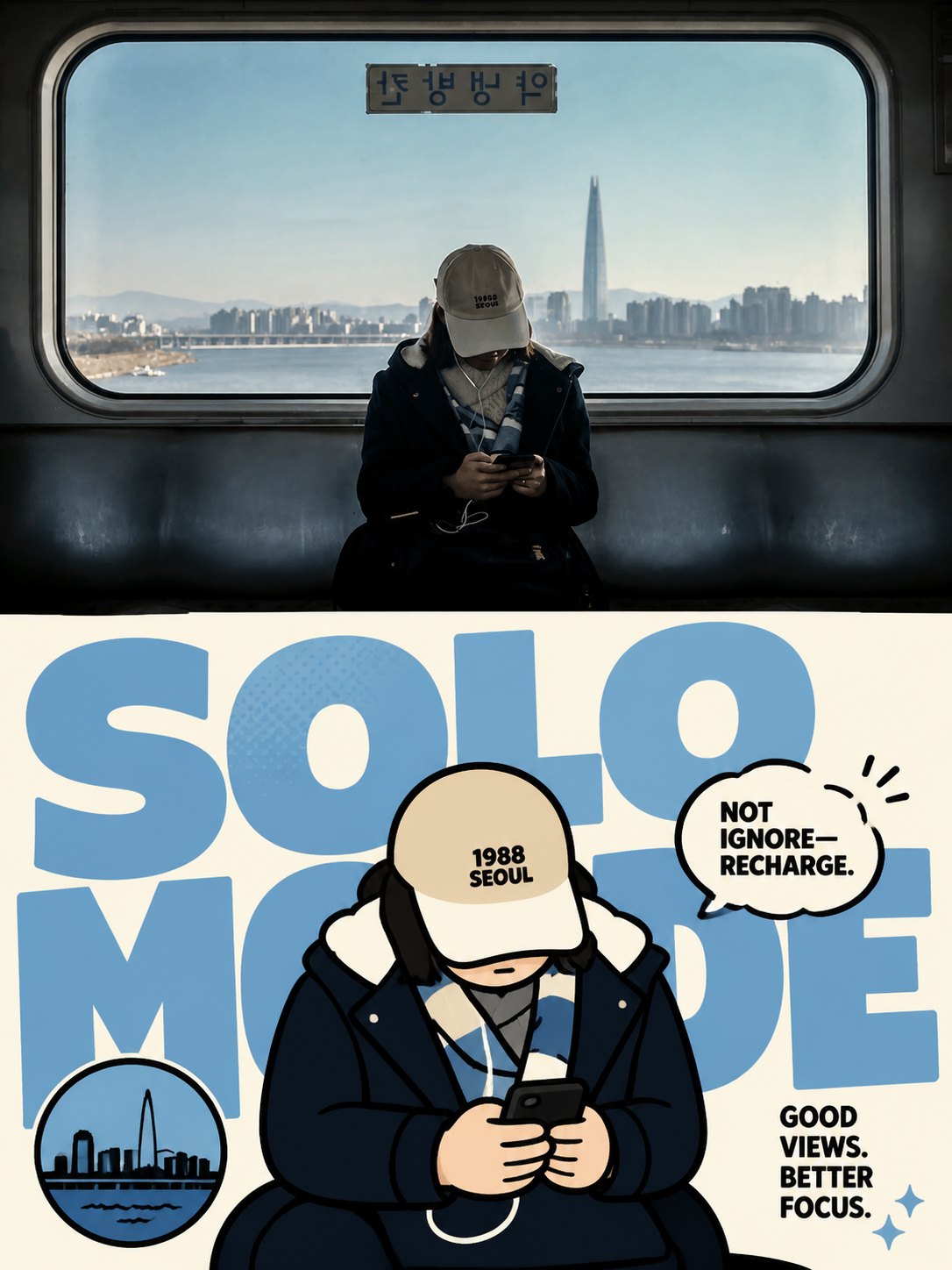
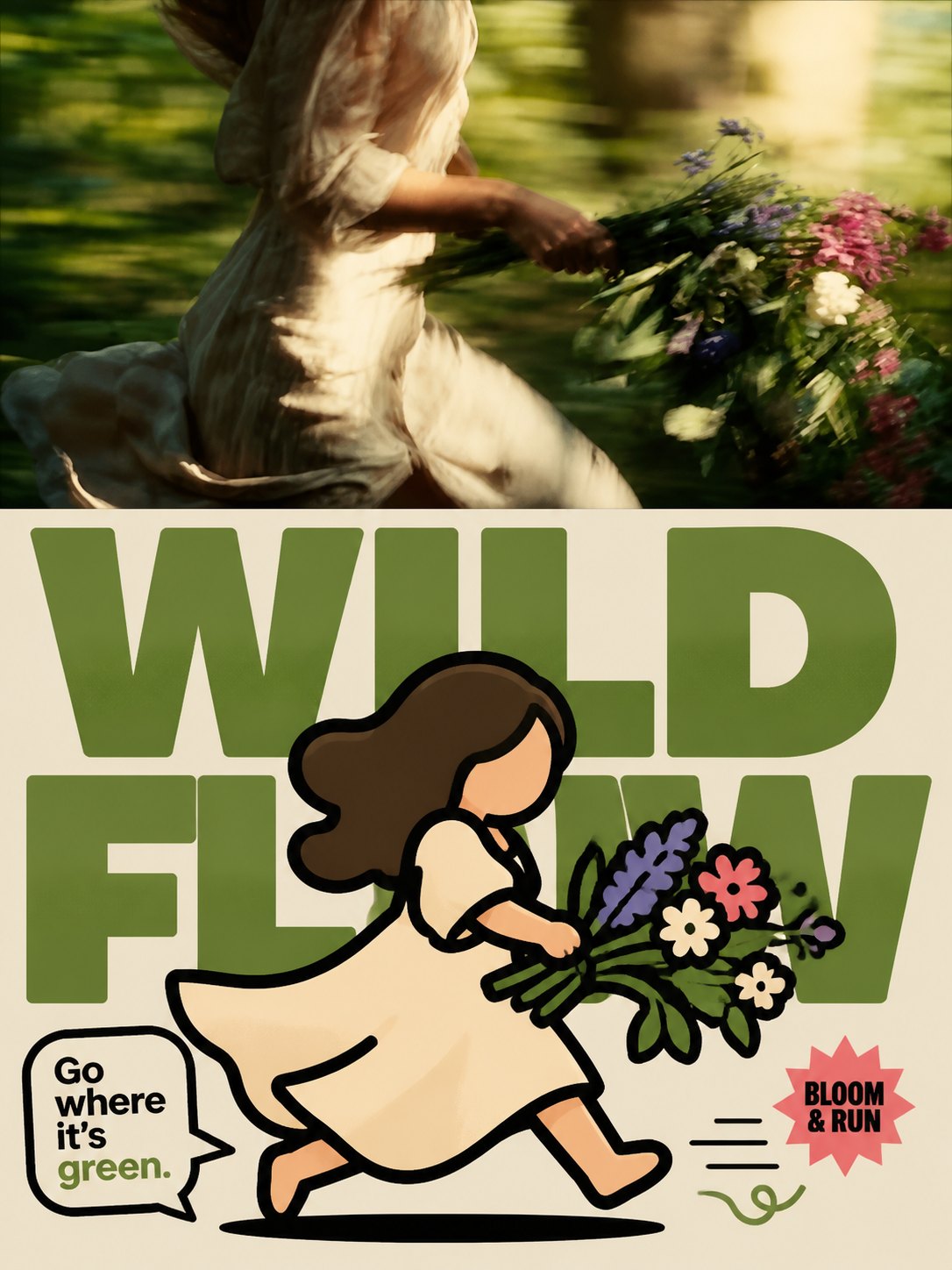
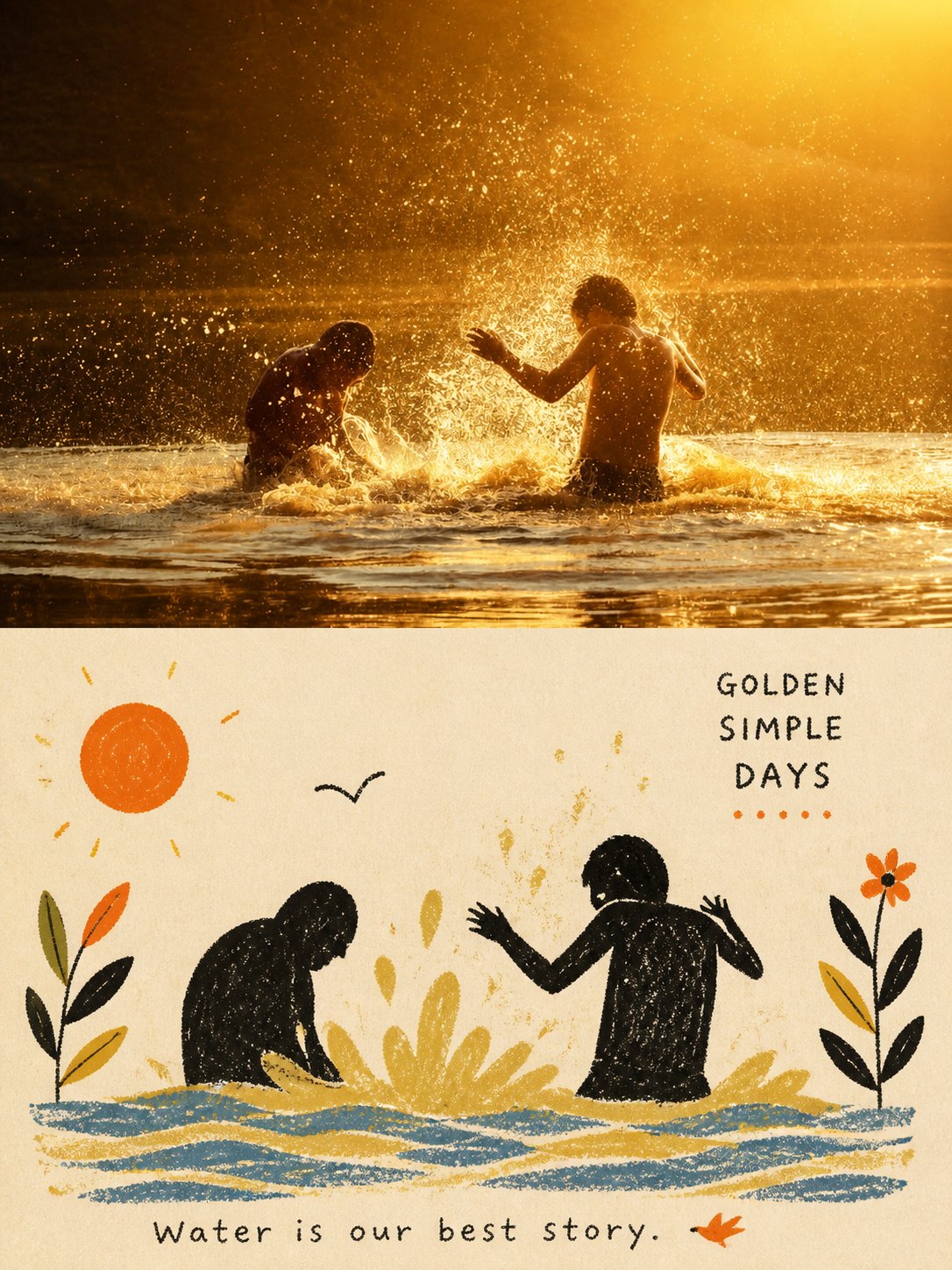
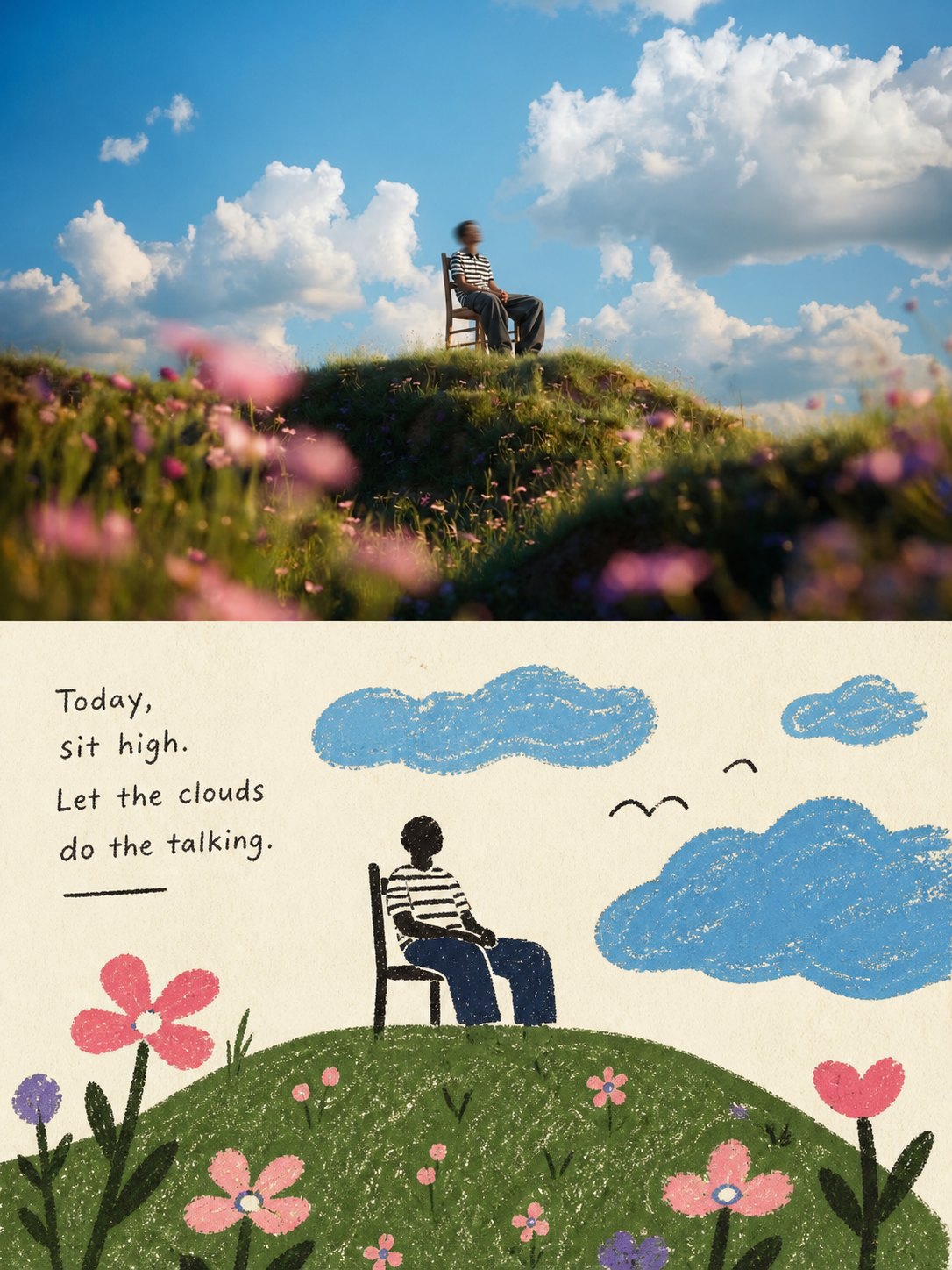
Colour-field paper scene
GPT Image 2paper craftcollage
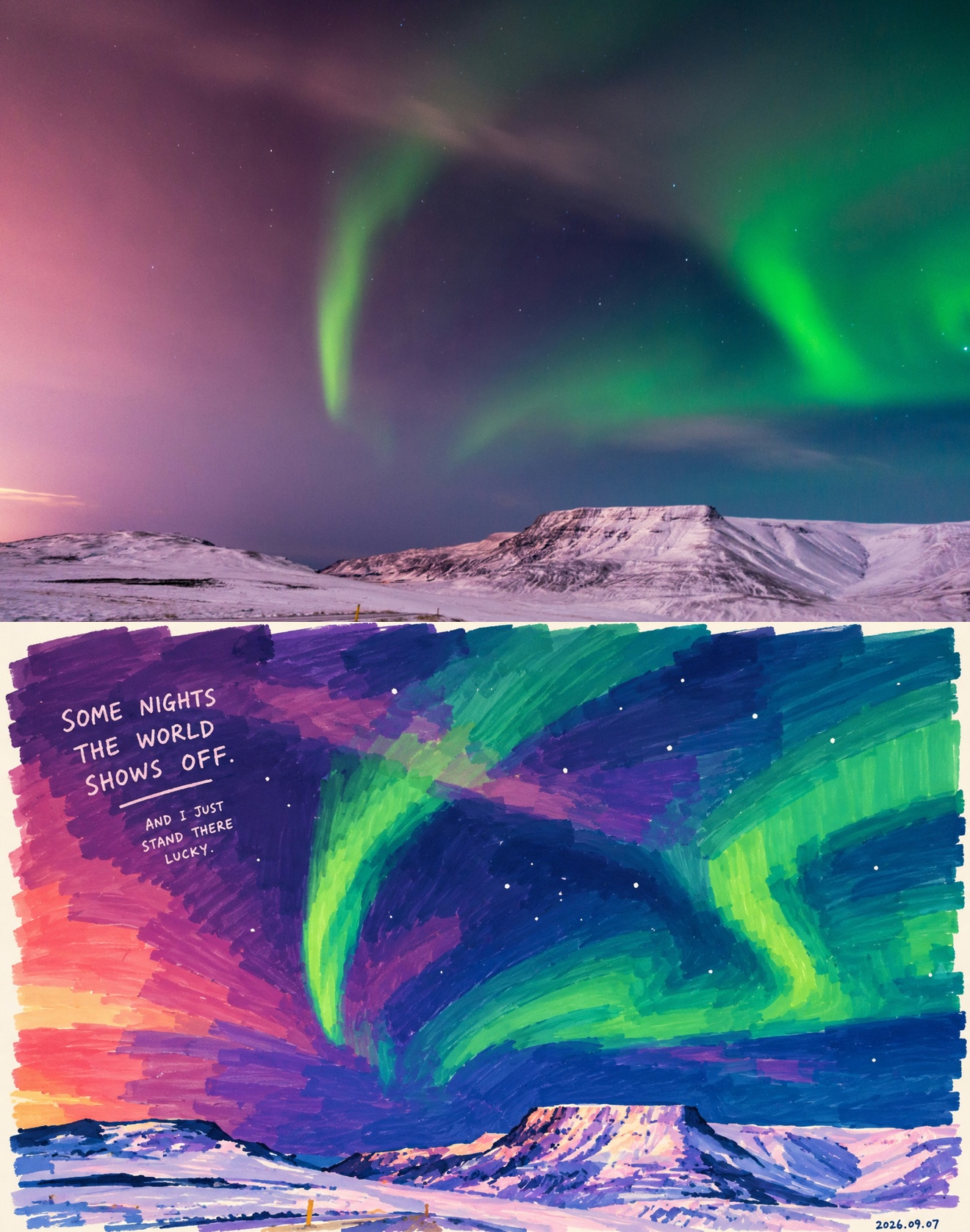
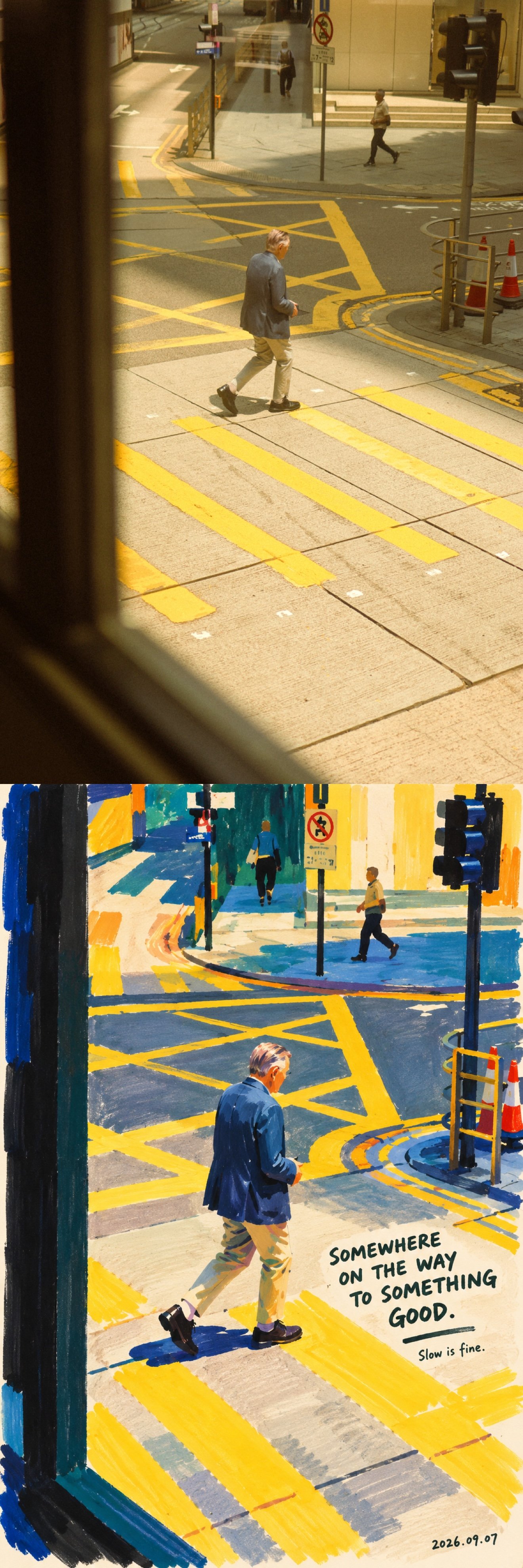
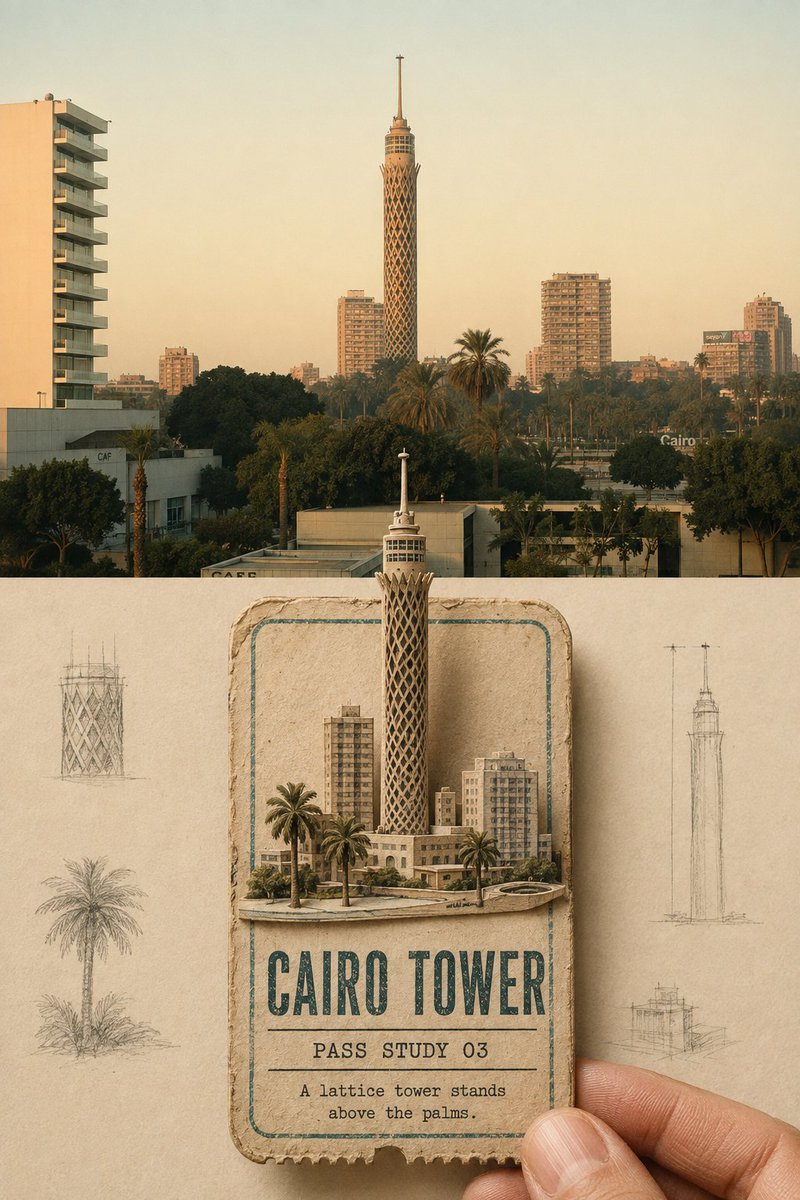
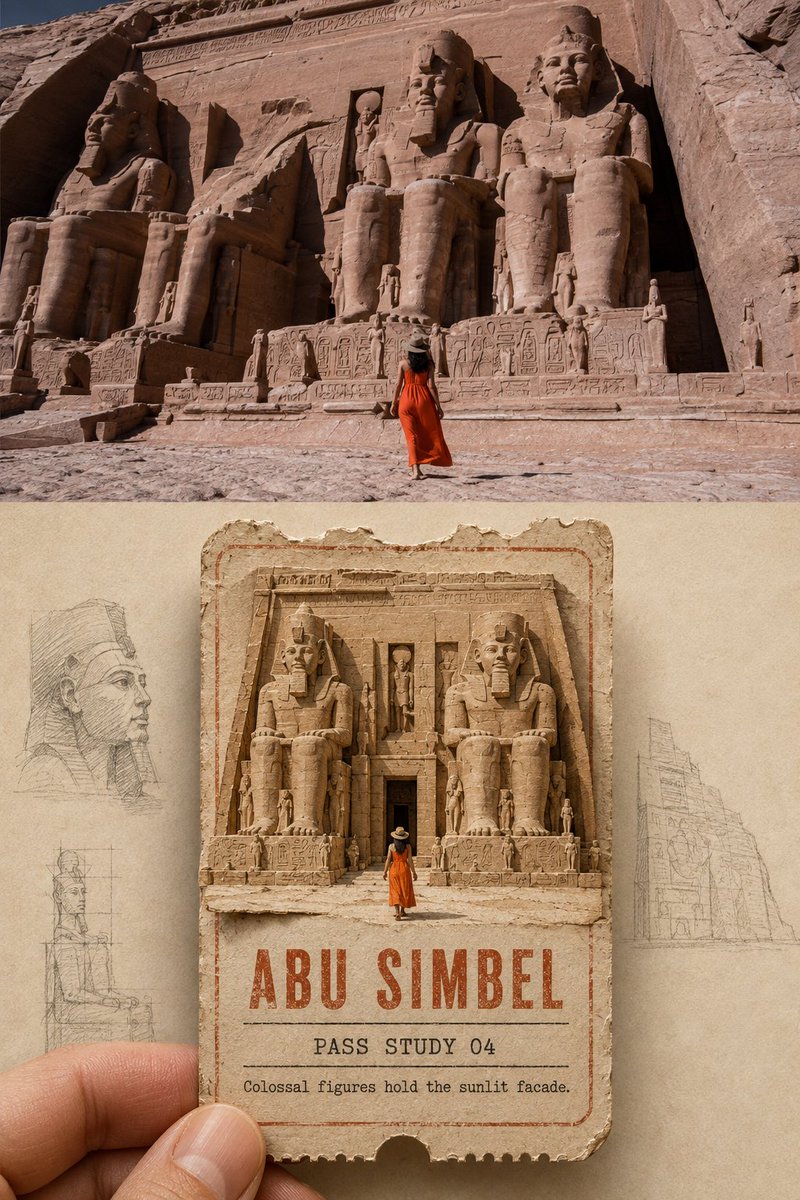
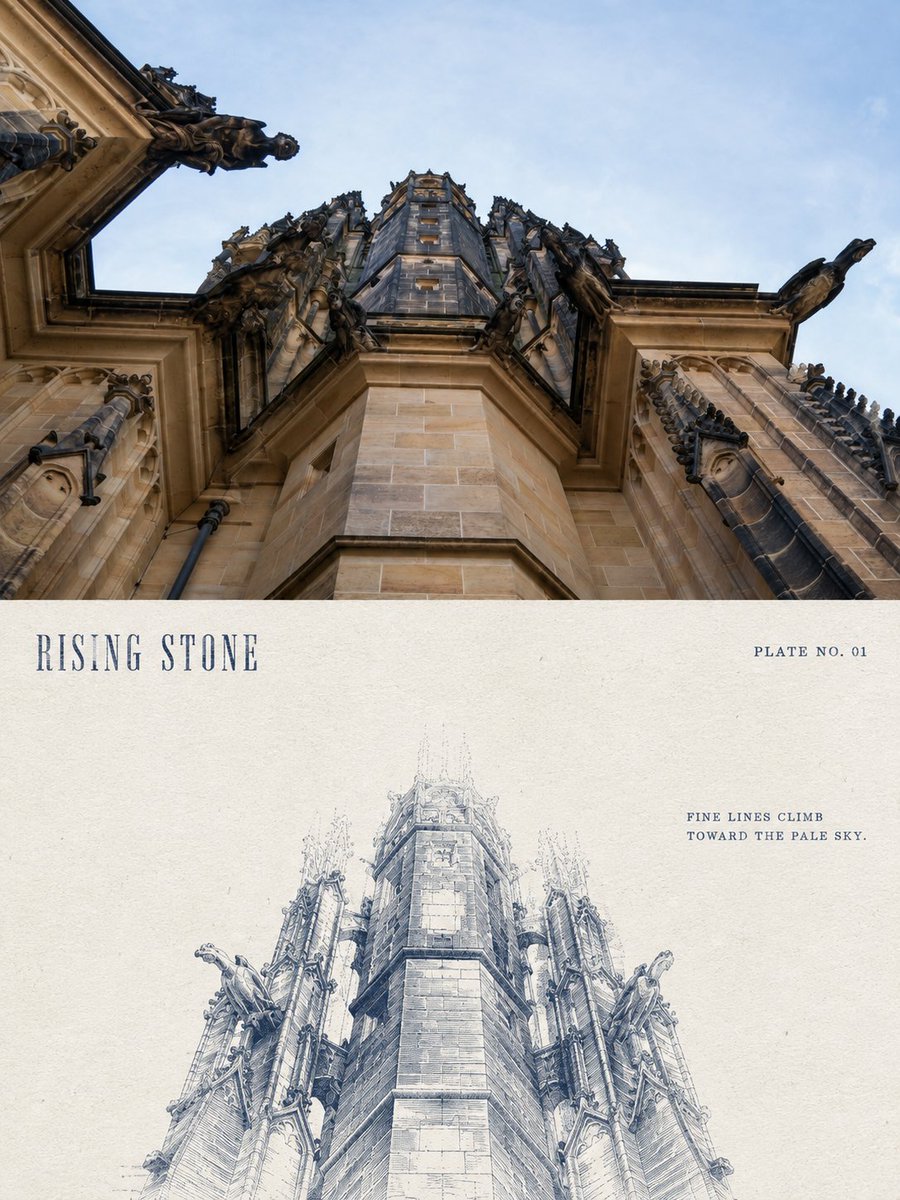
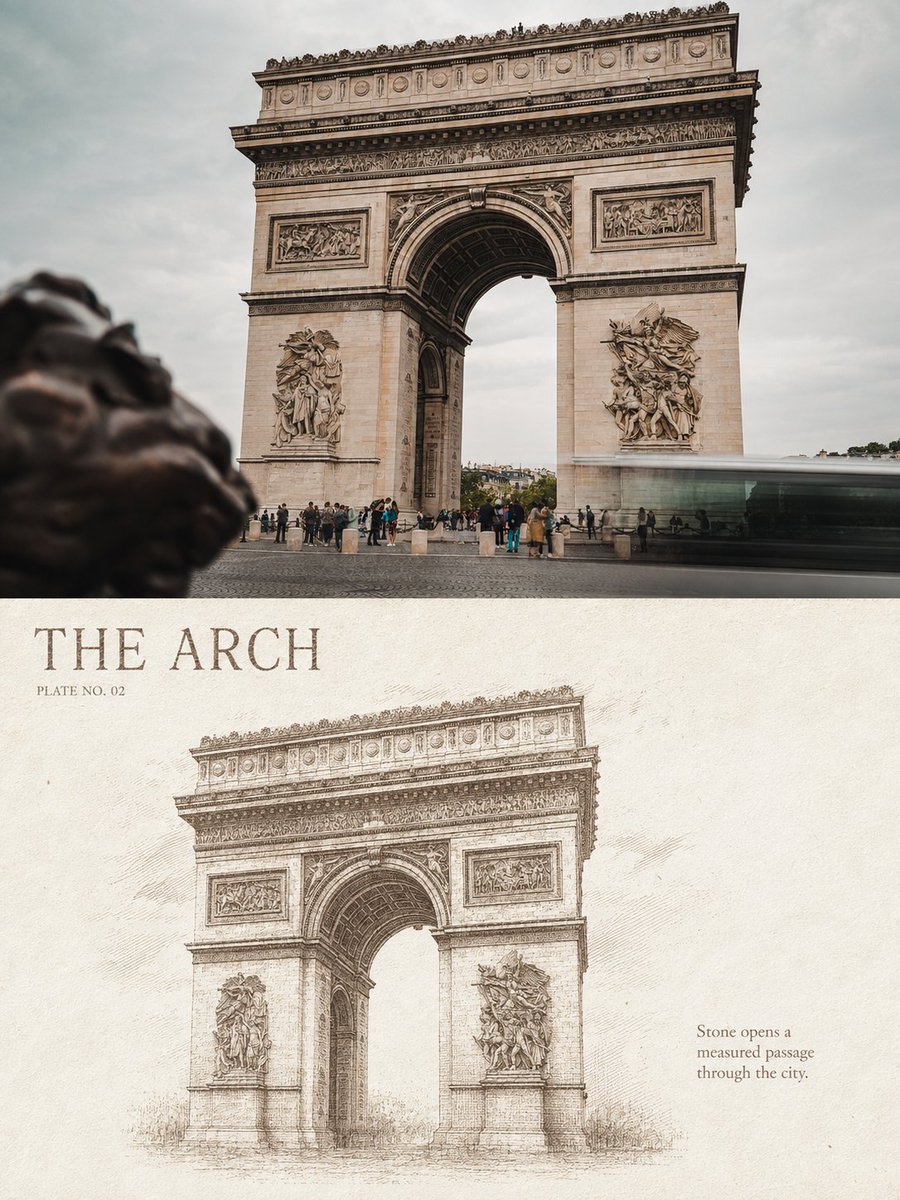
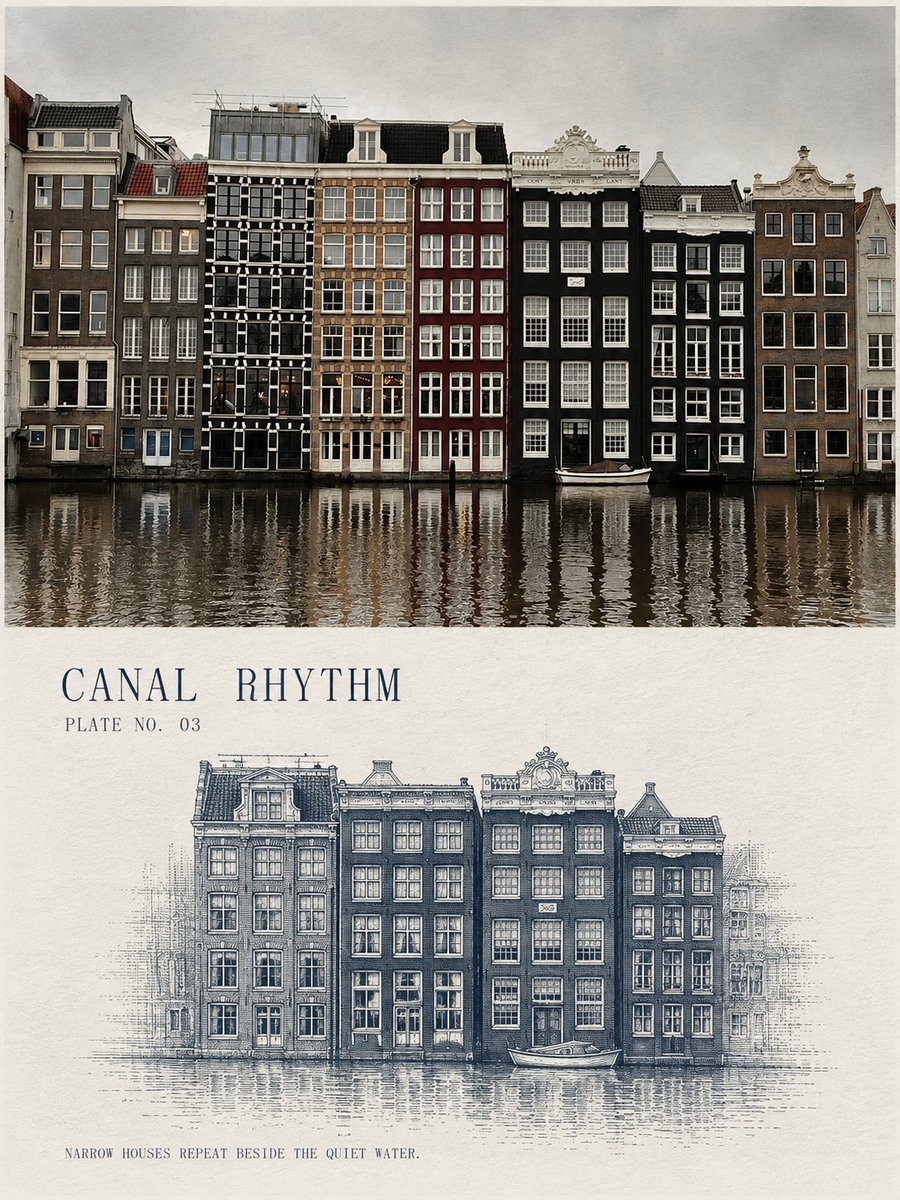
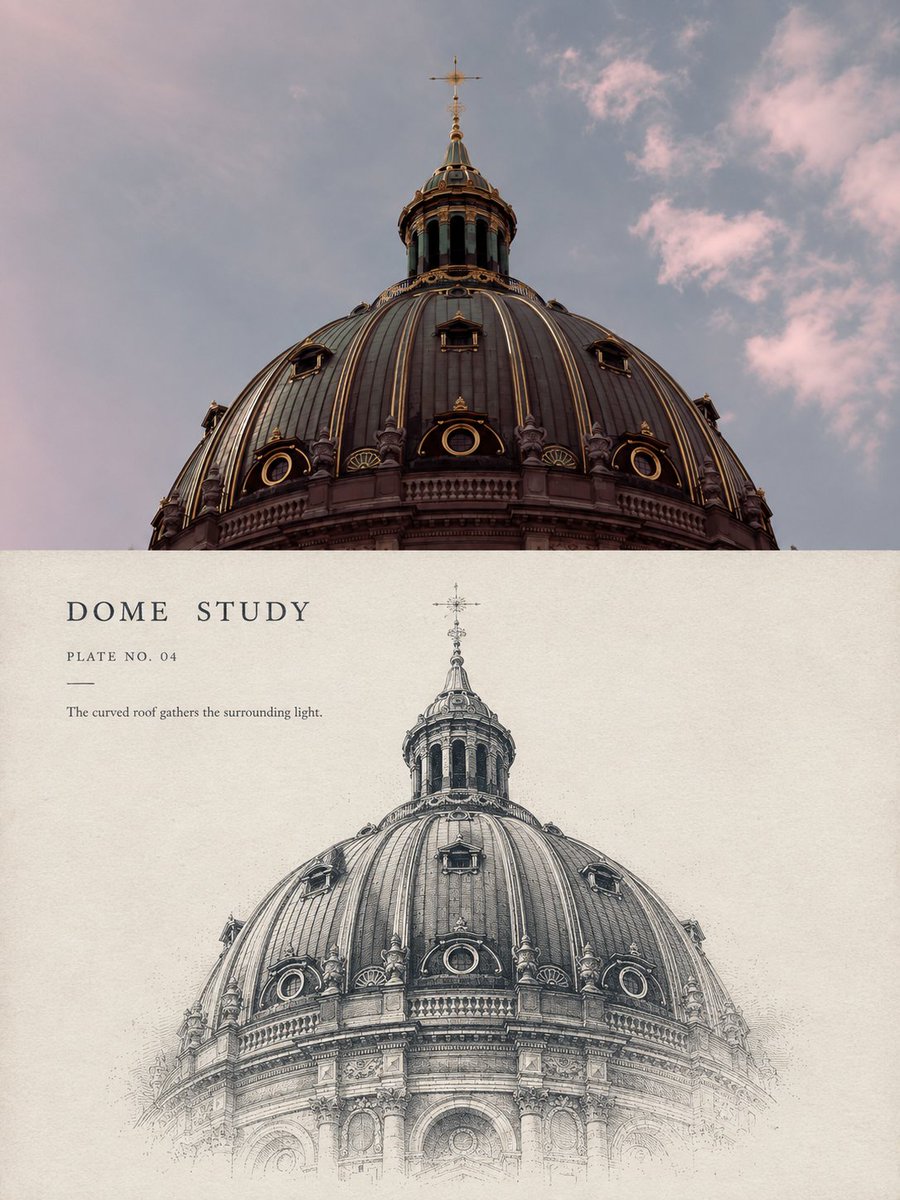
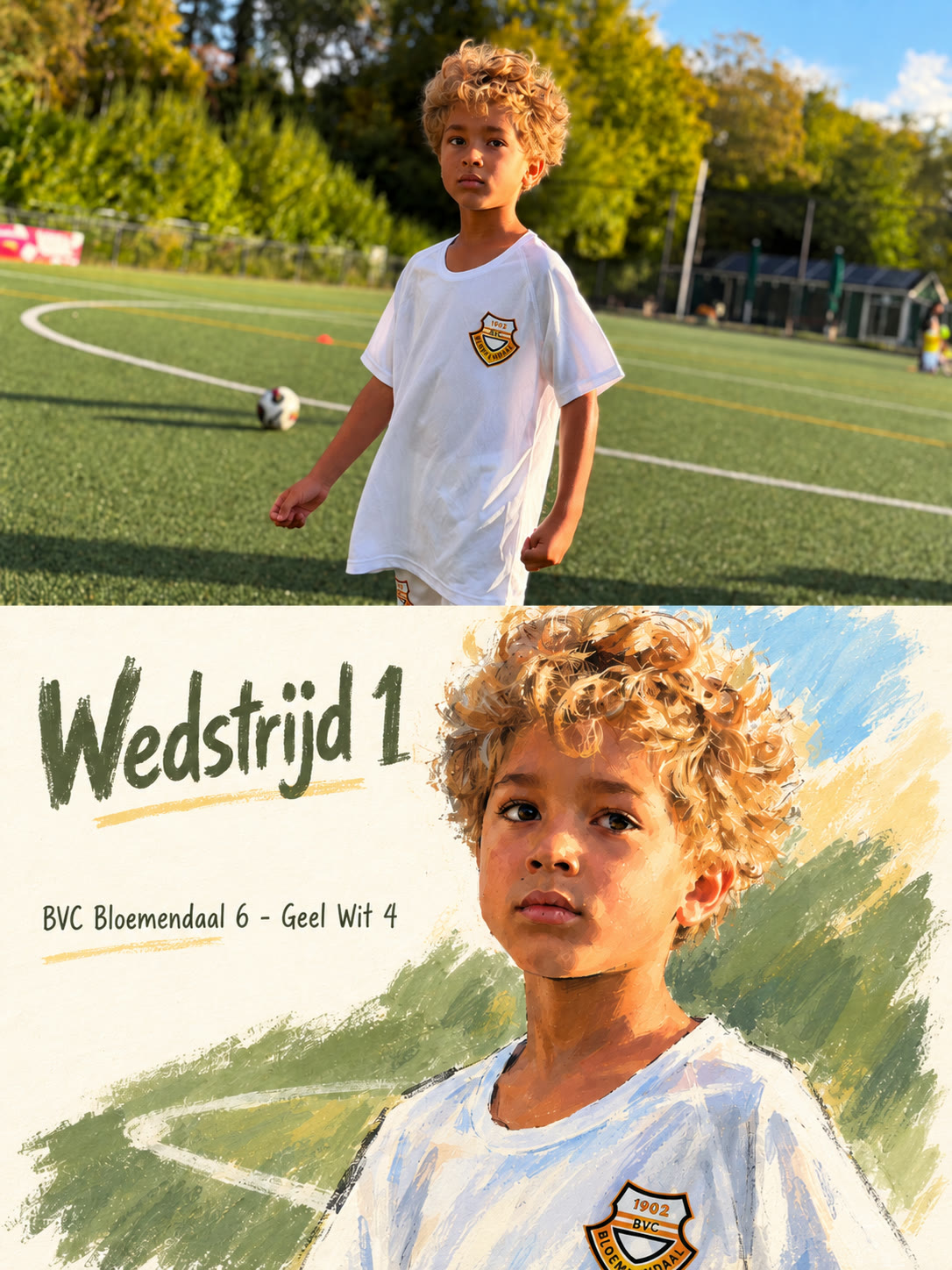
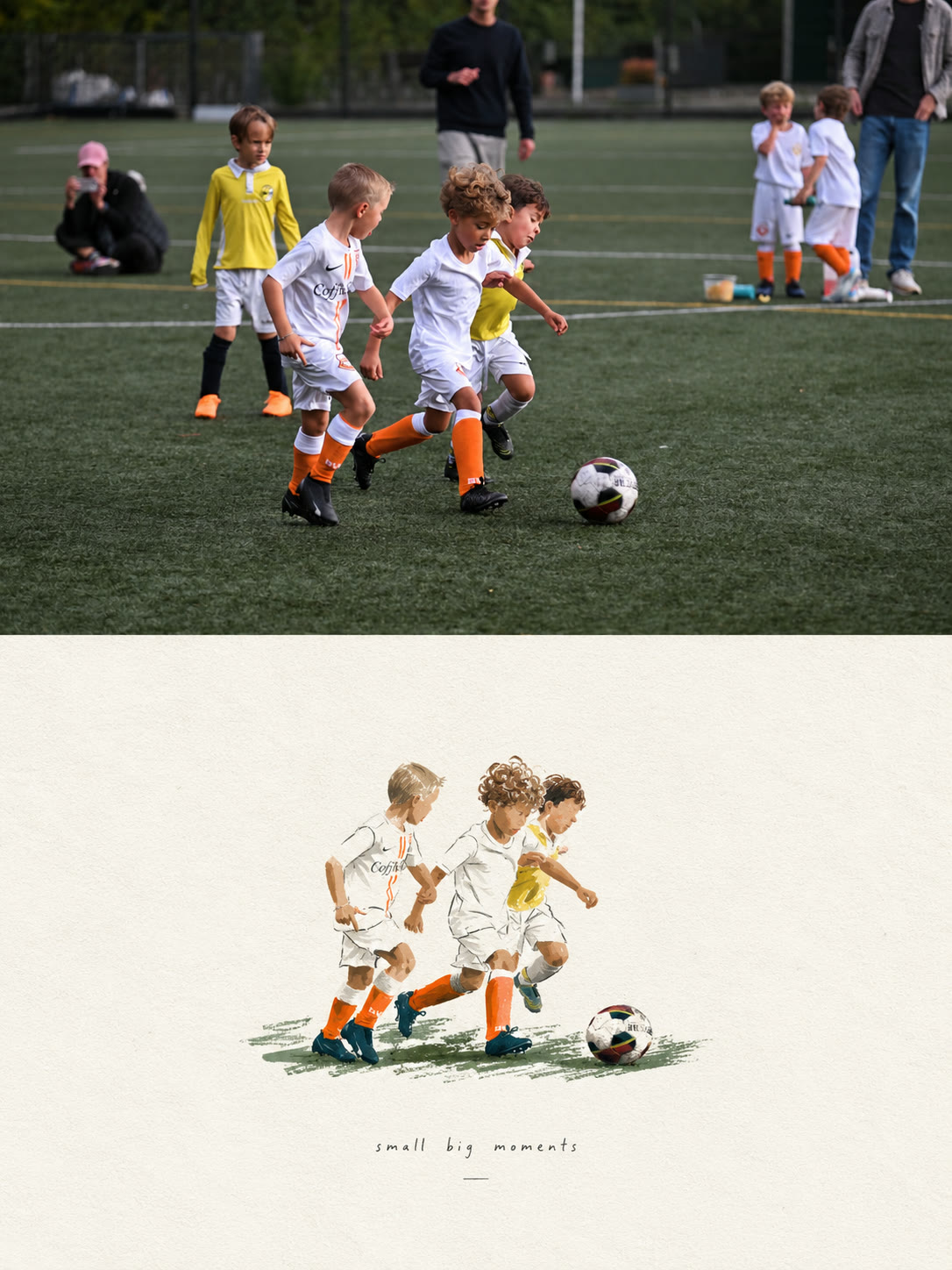
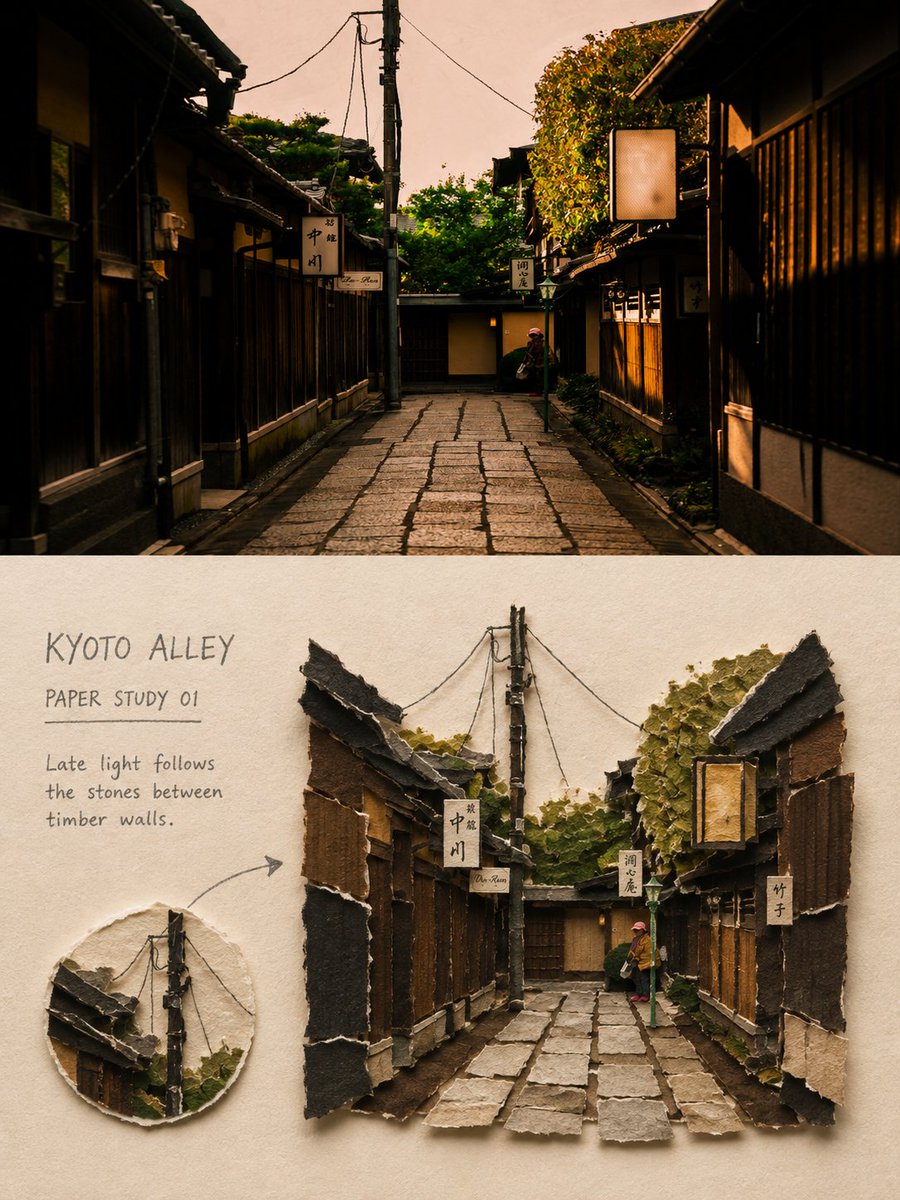
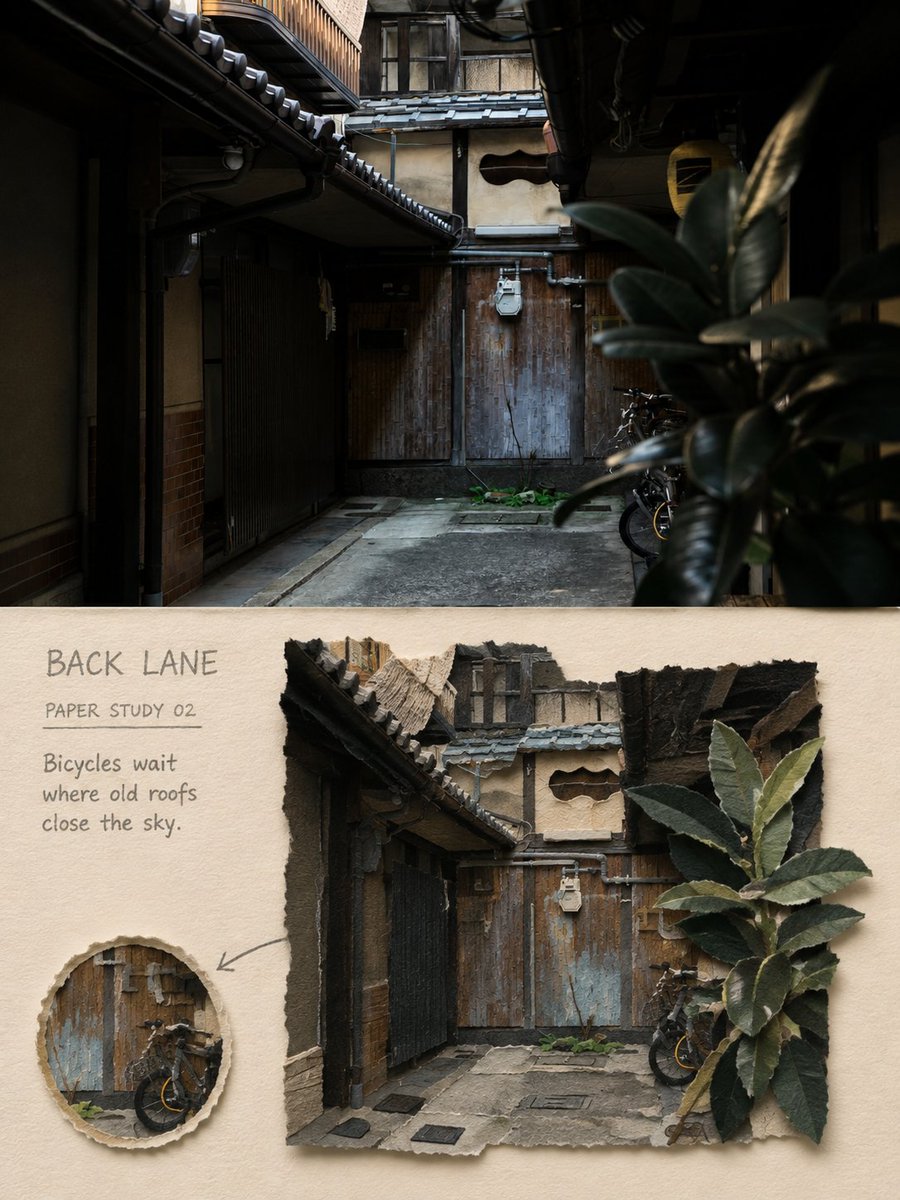
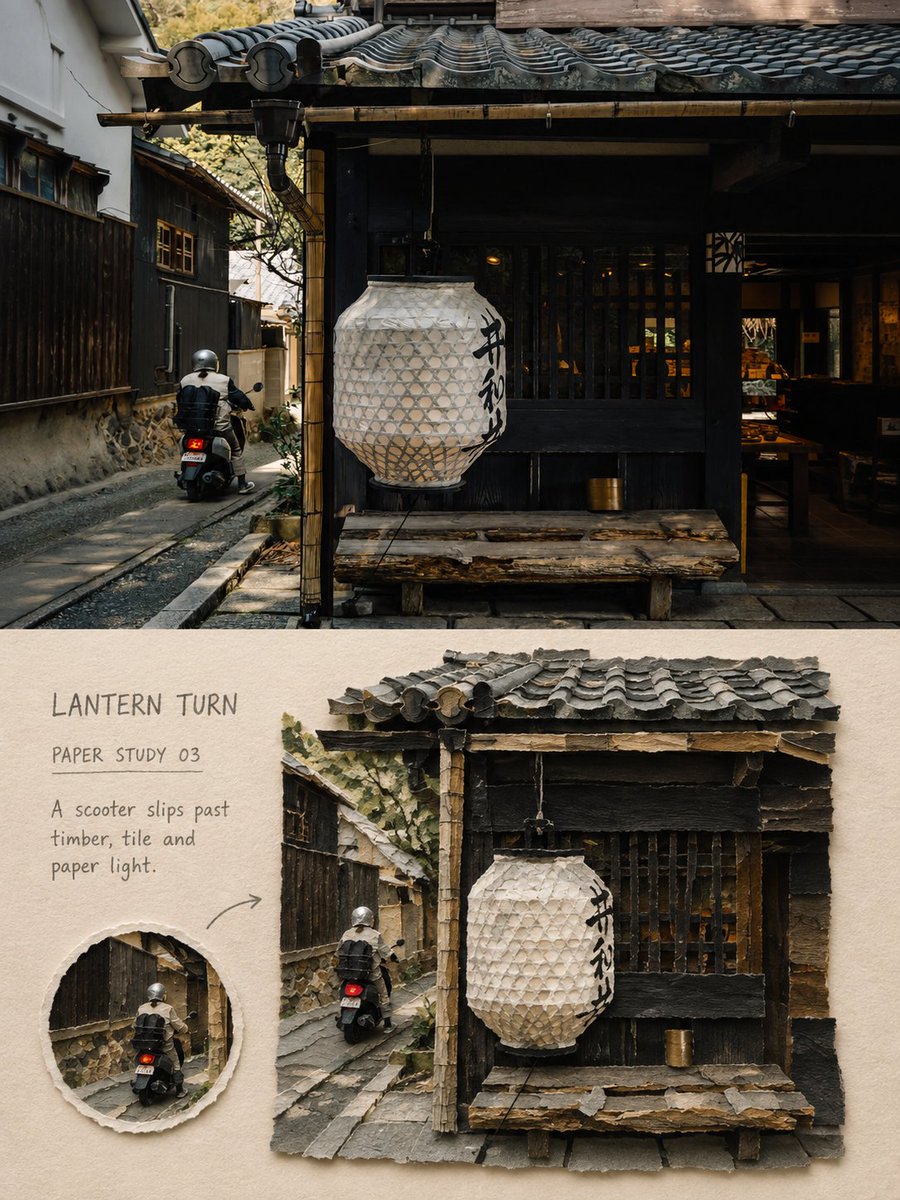
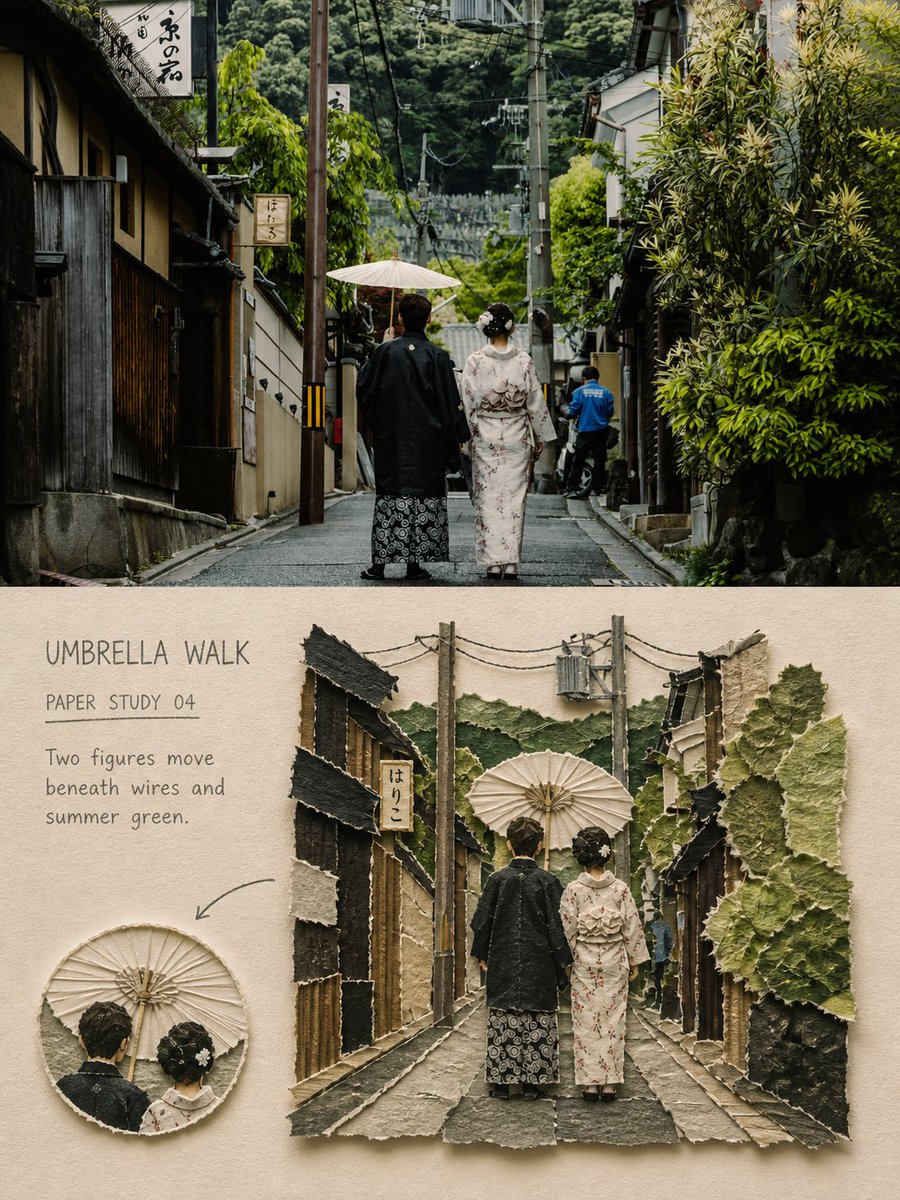
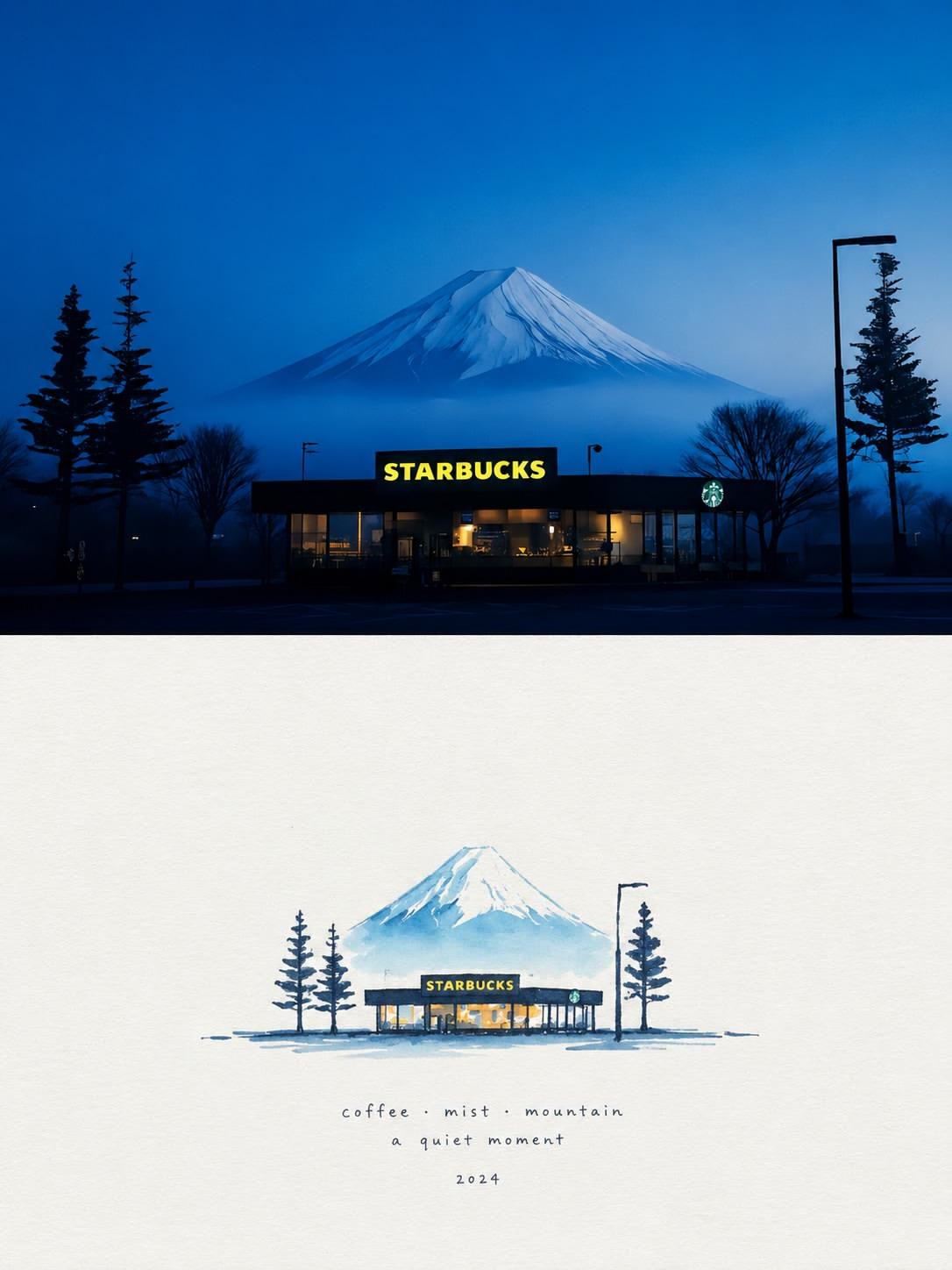
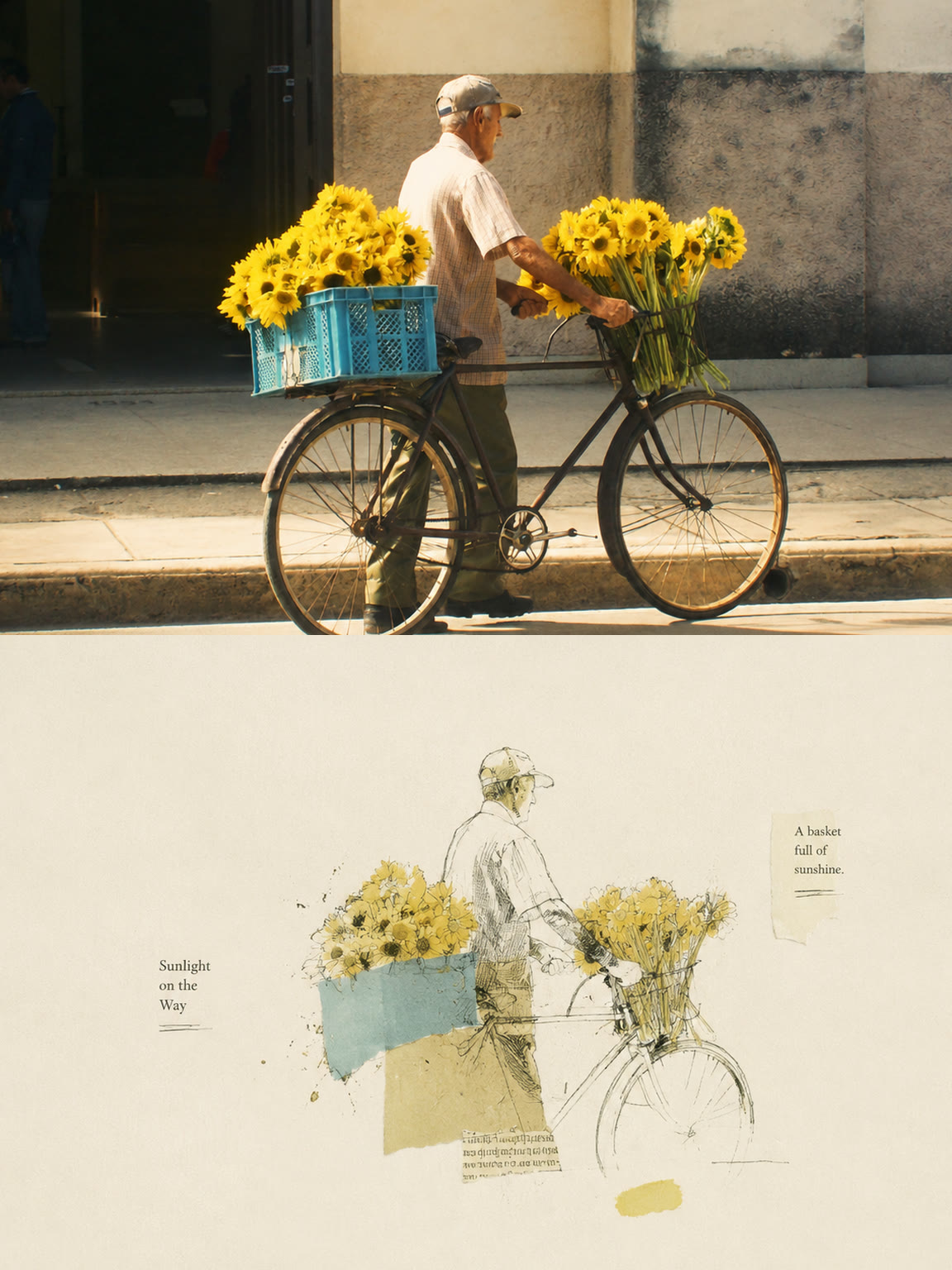
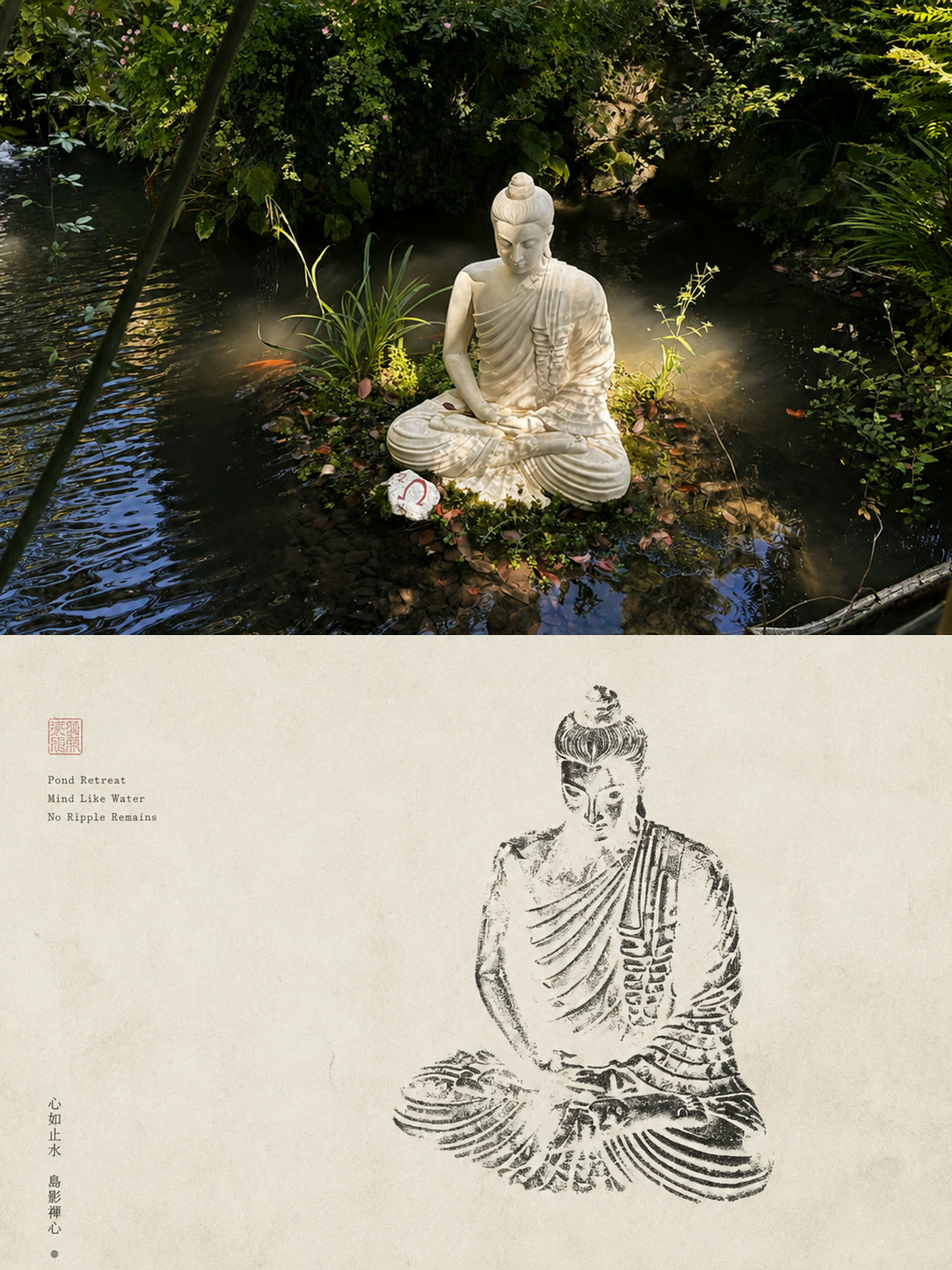
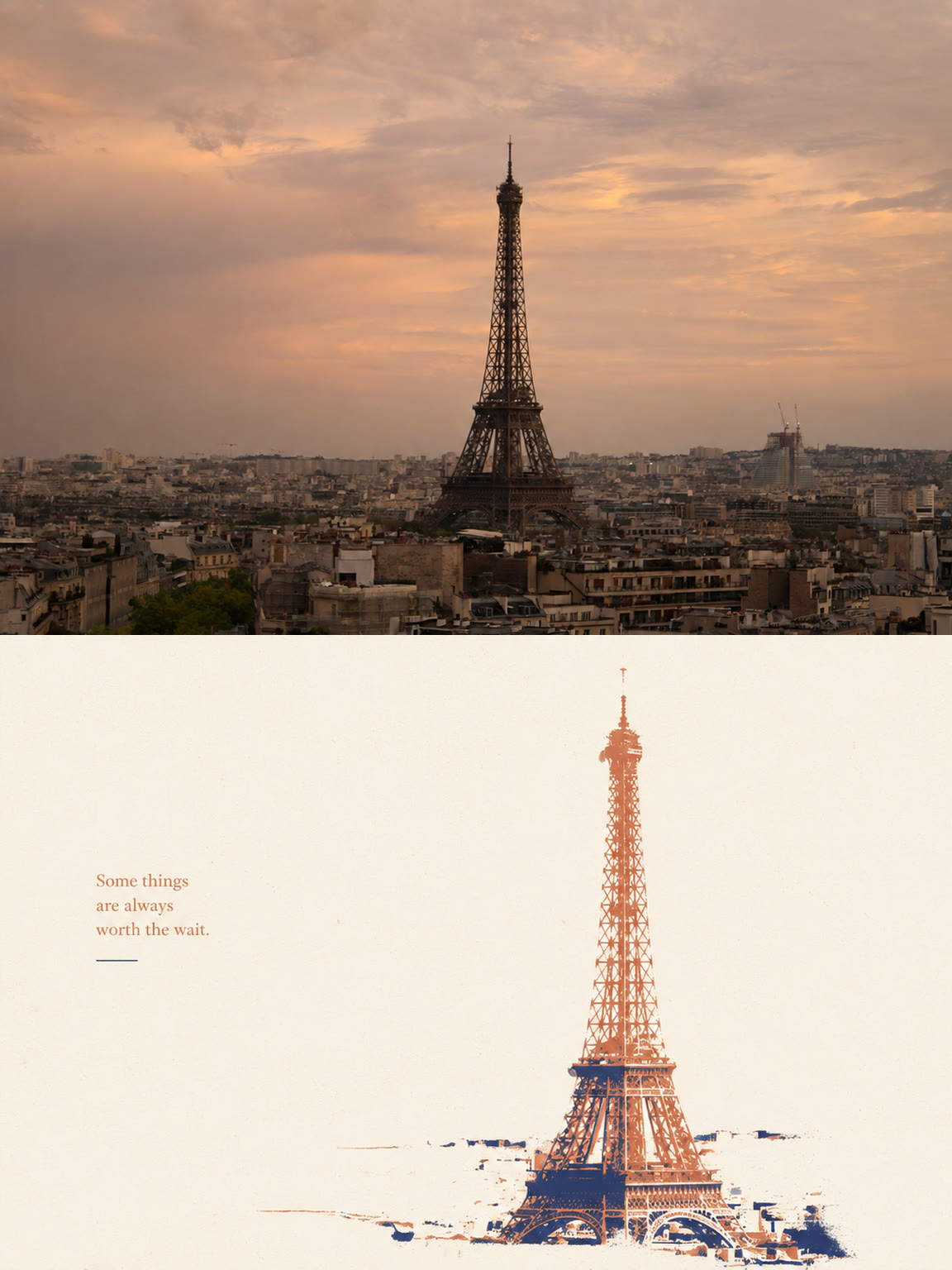
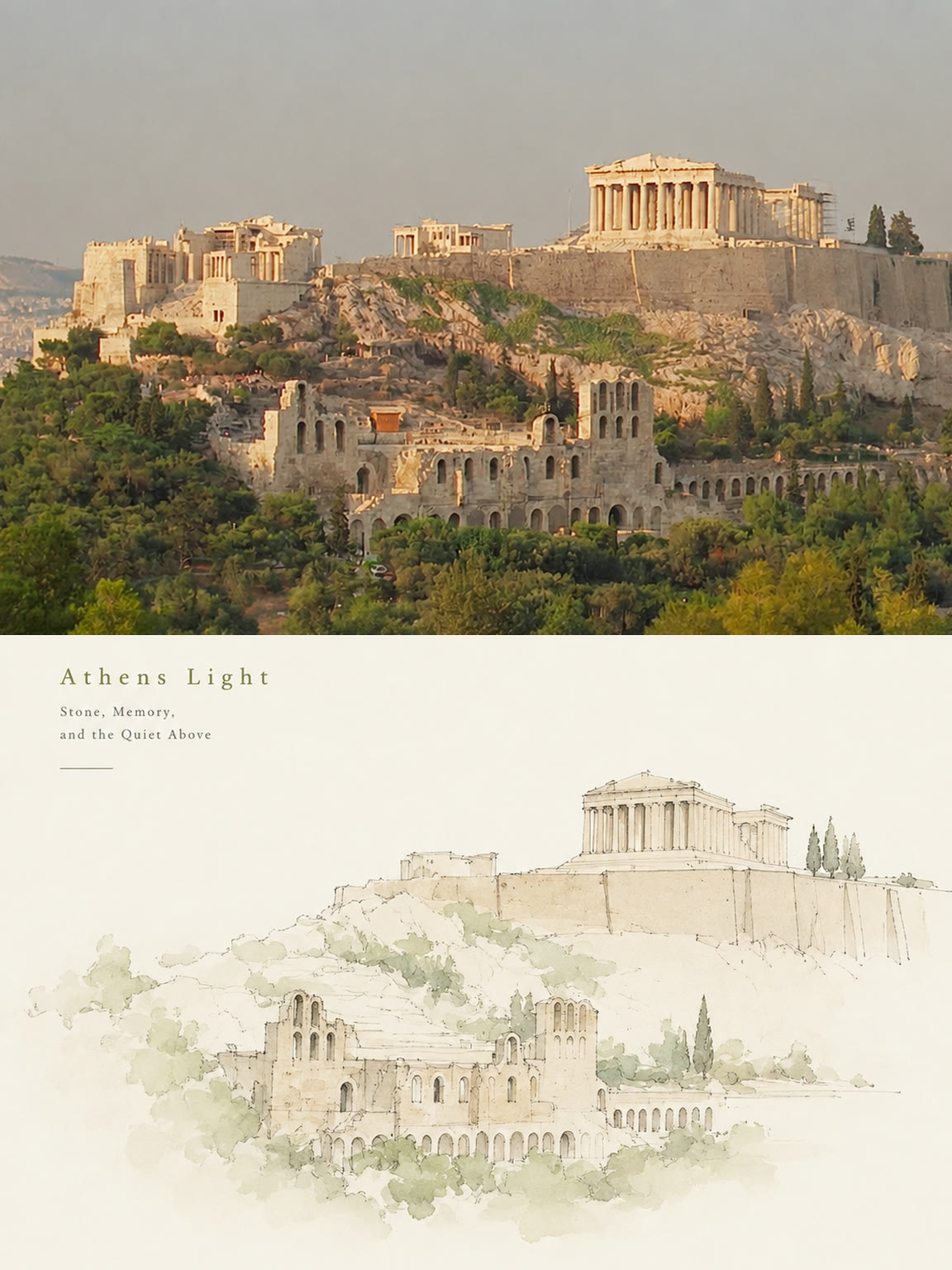
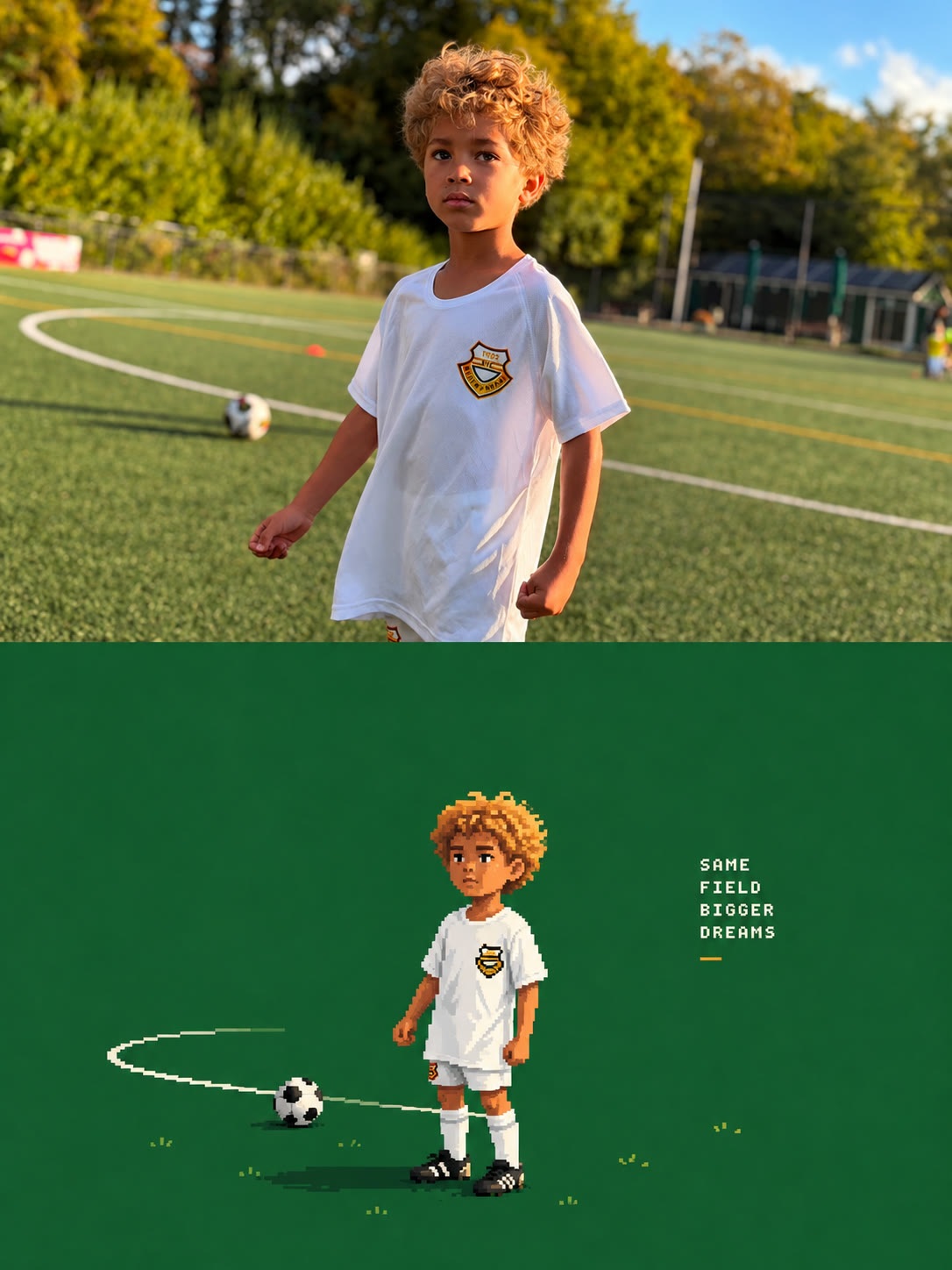
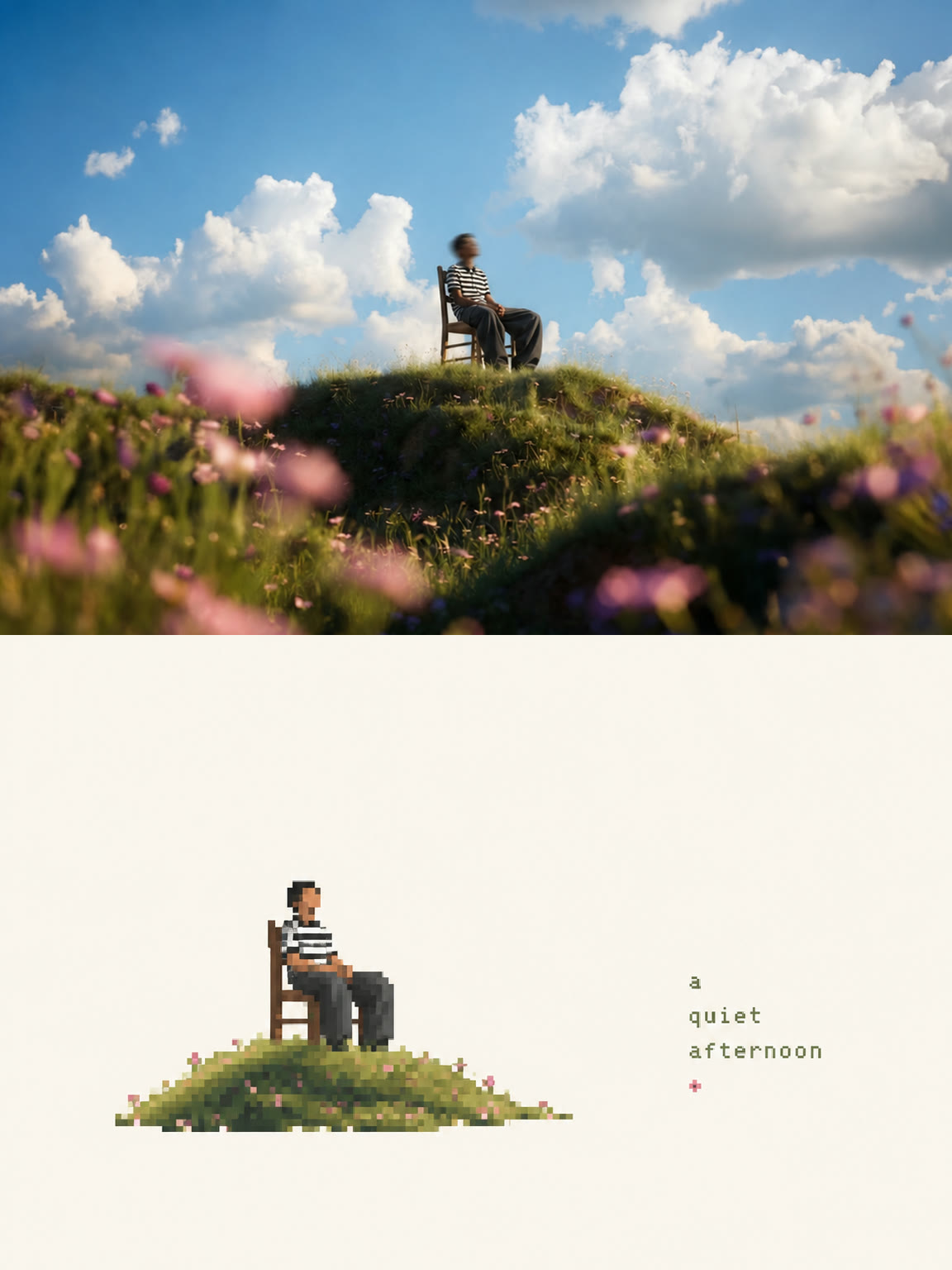
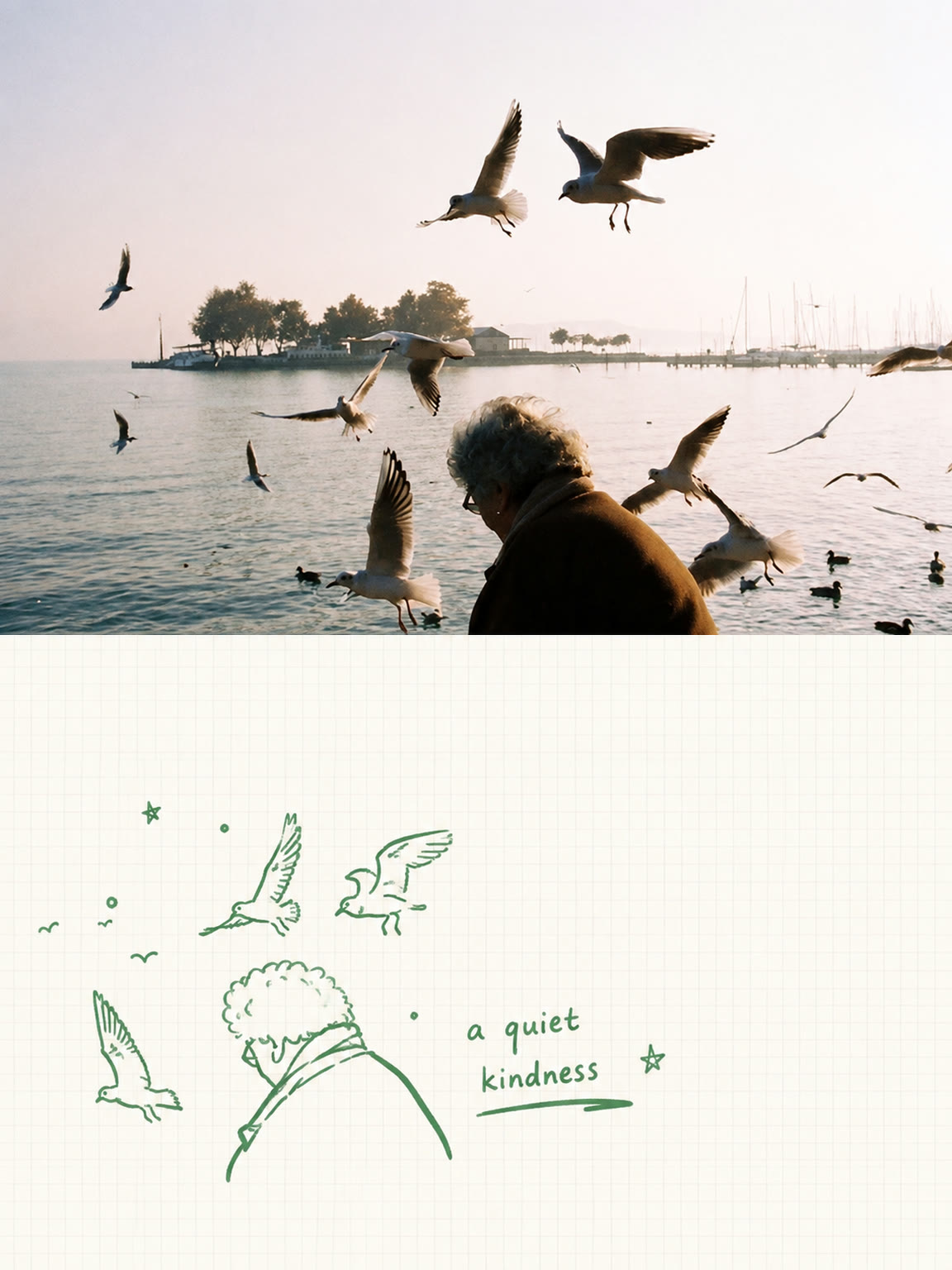
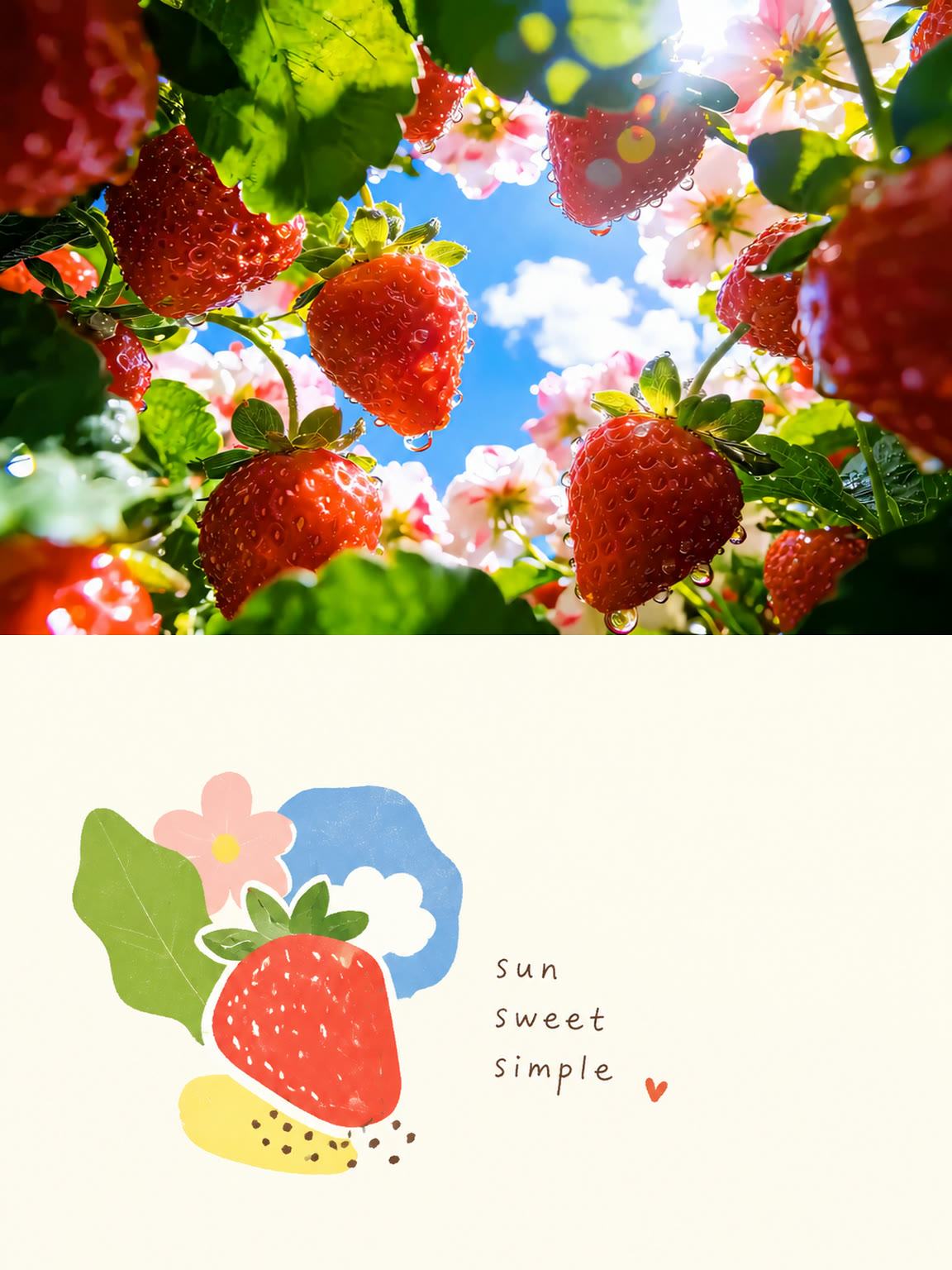
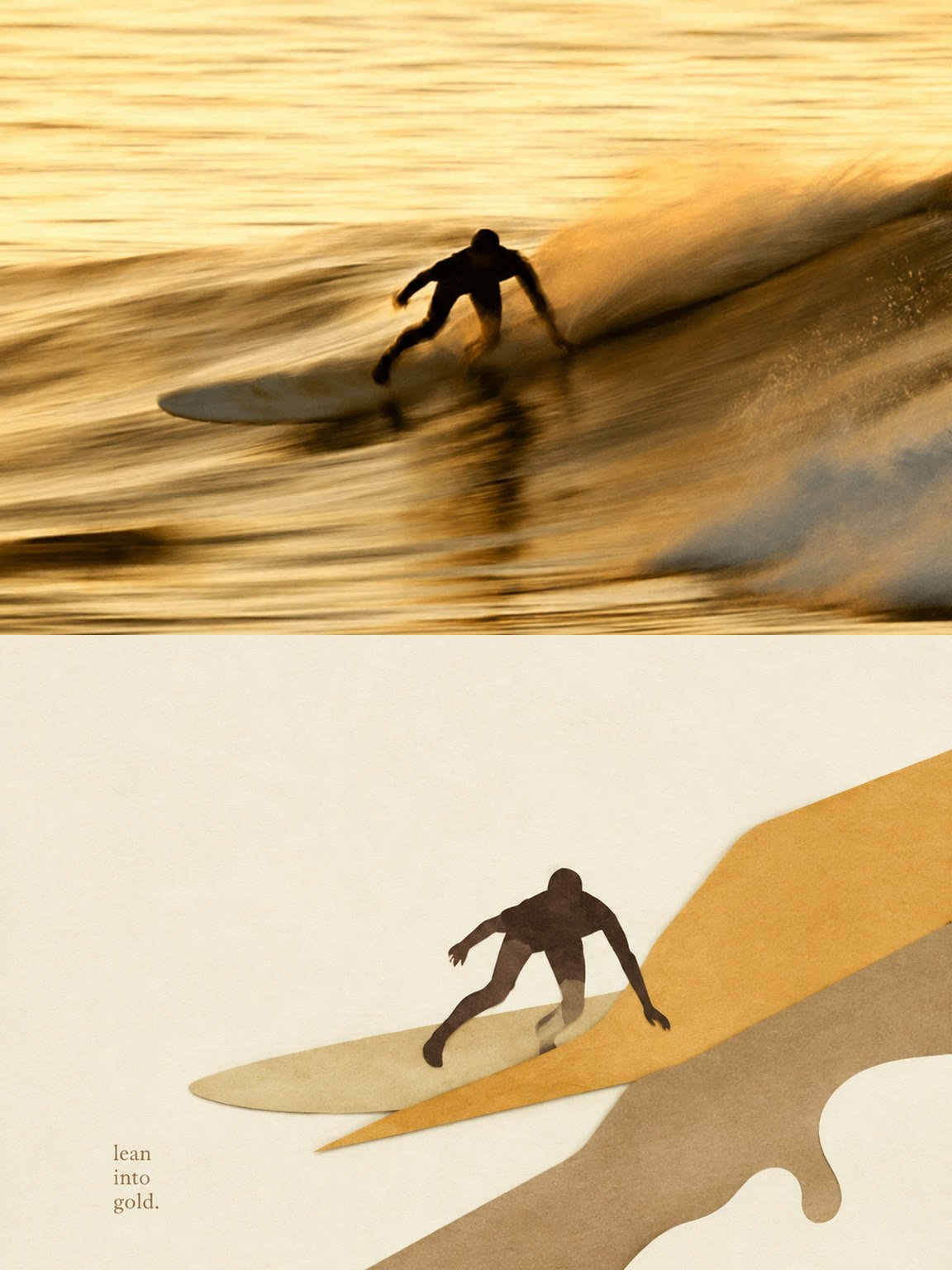
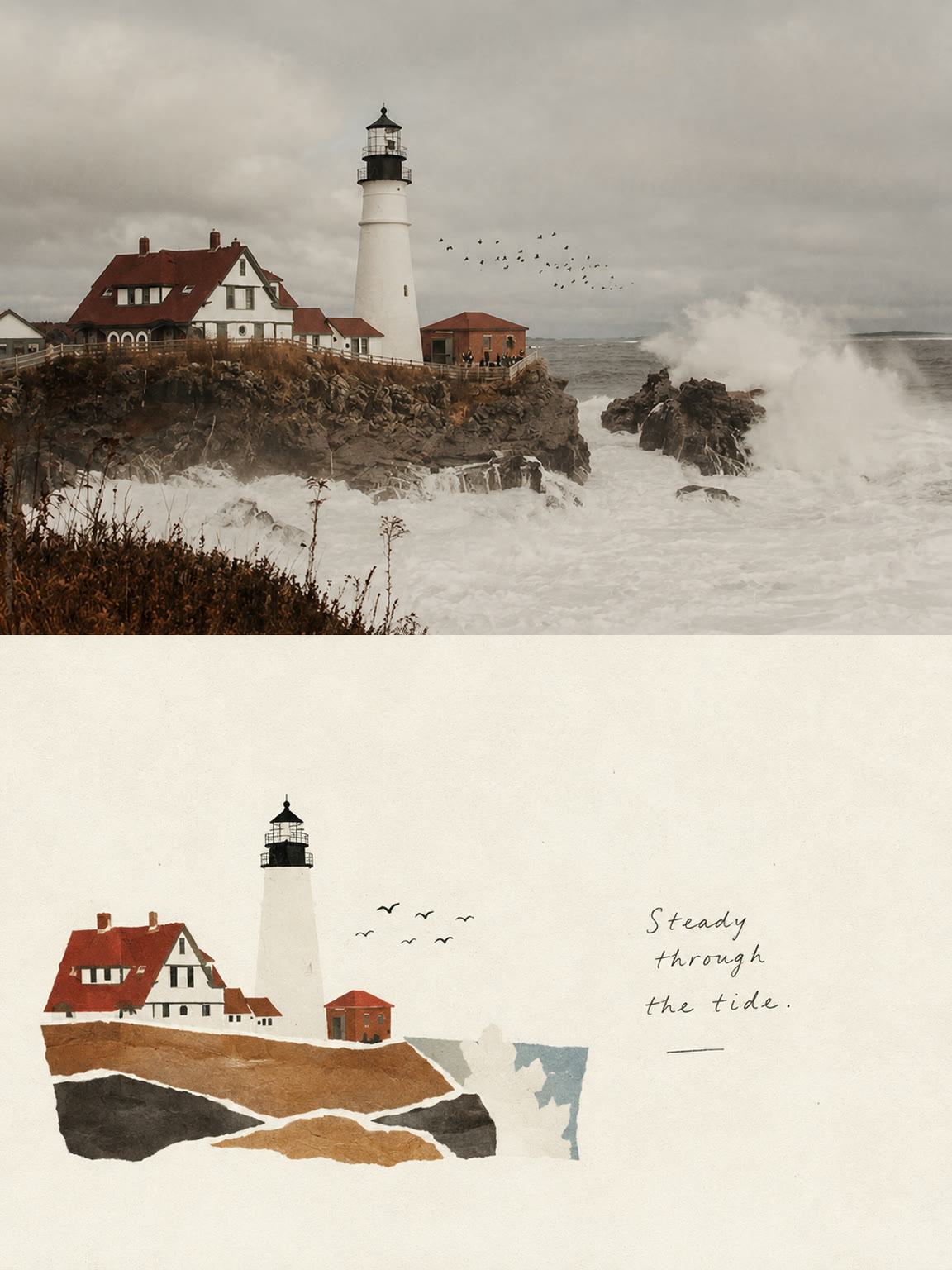
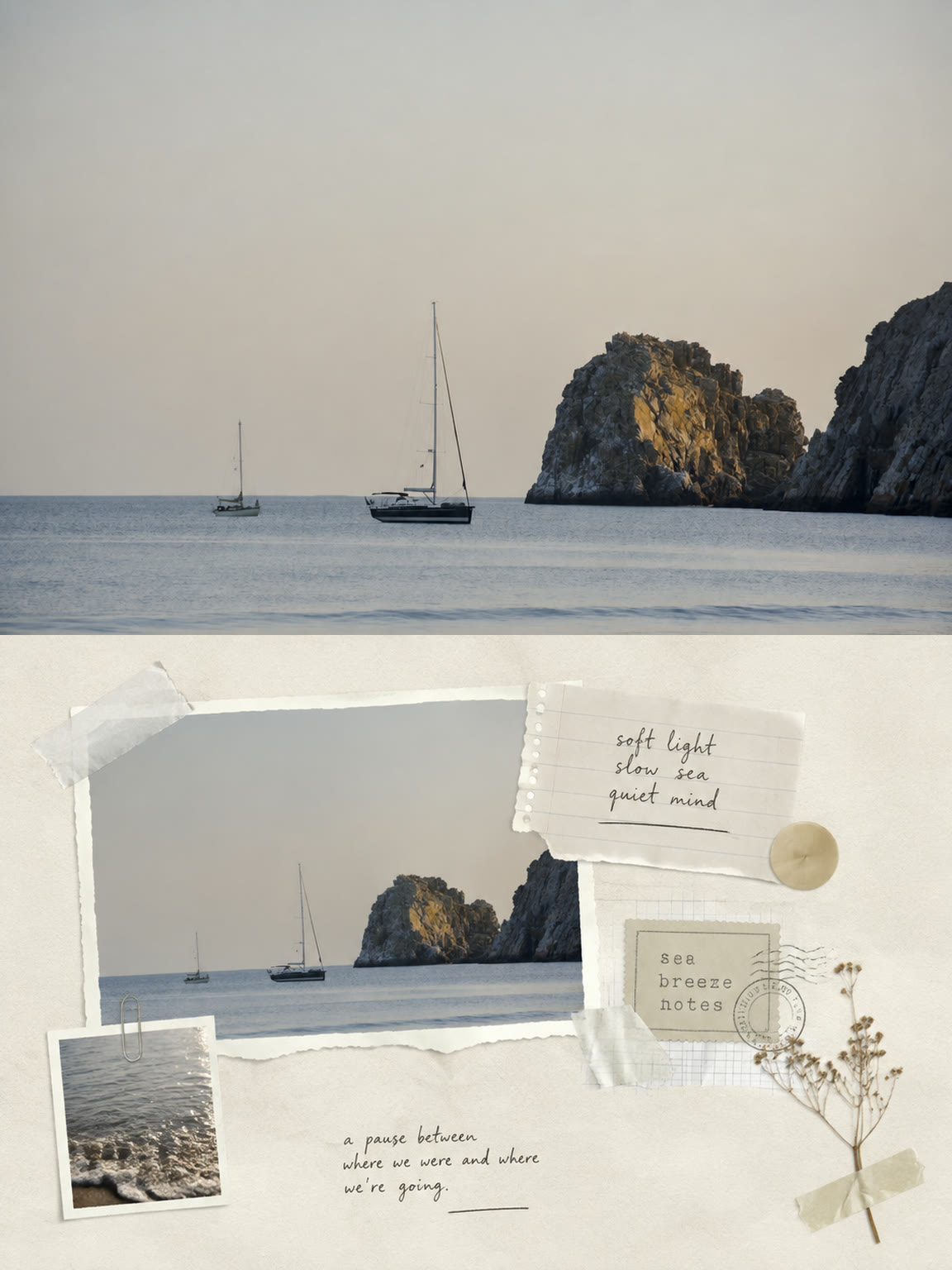
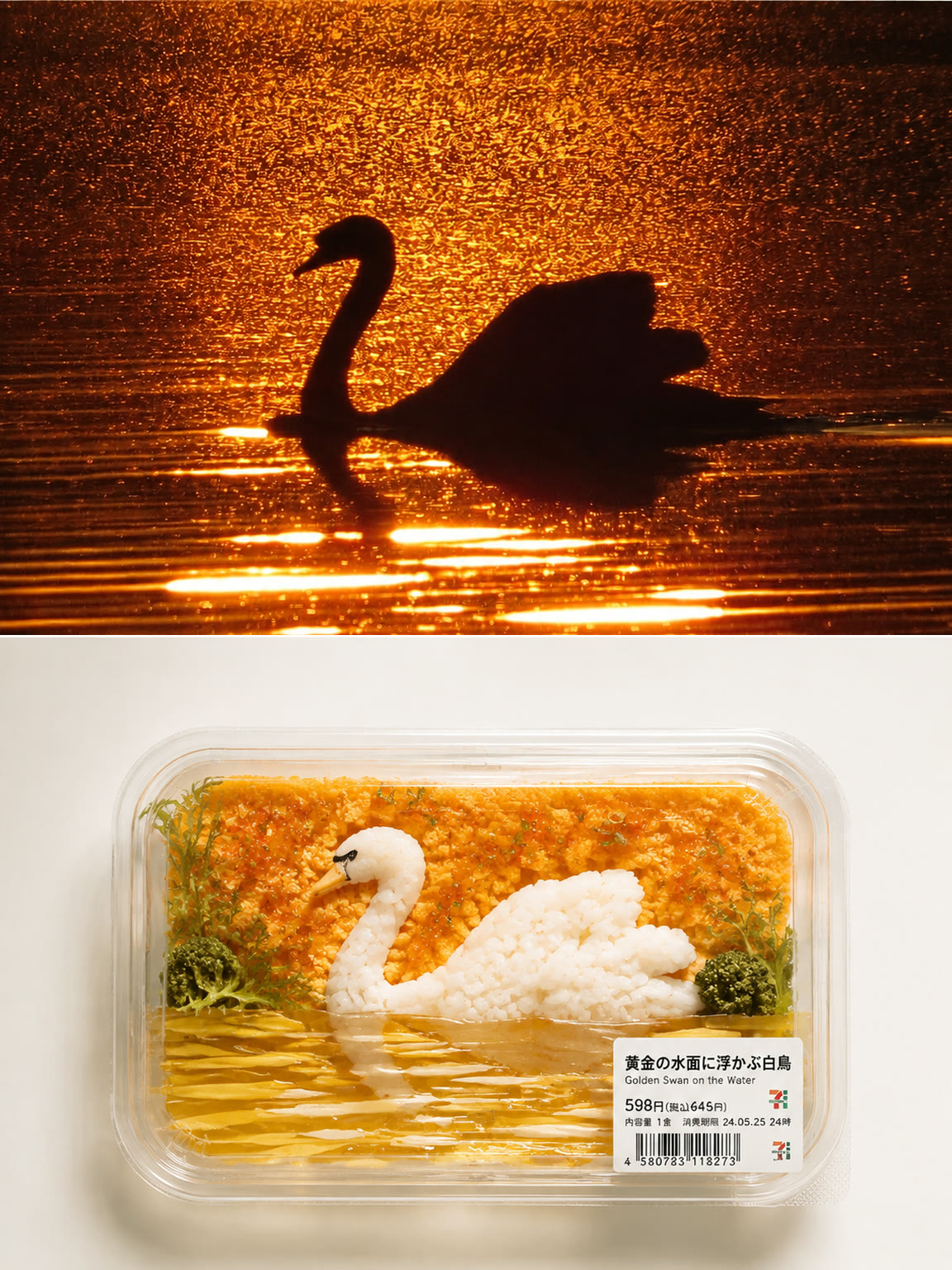
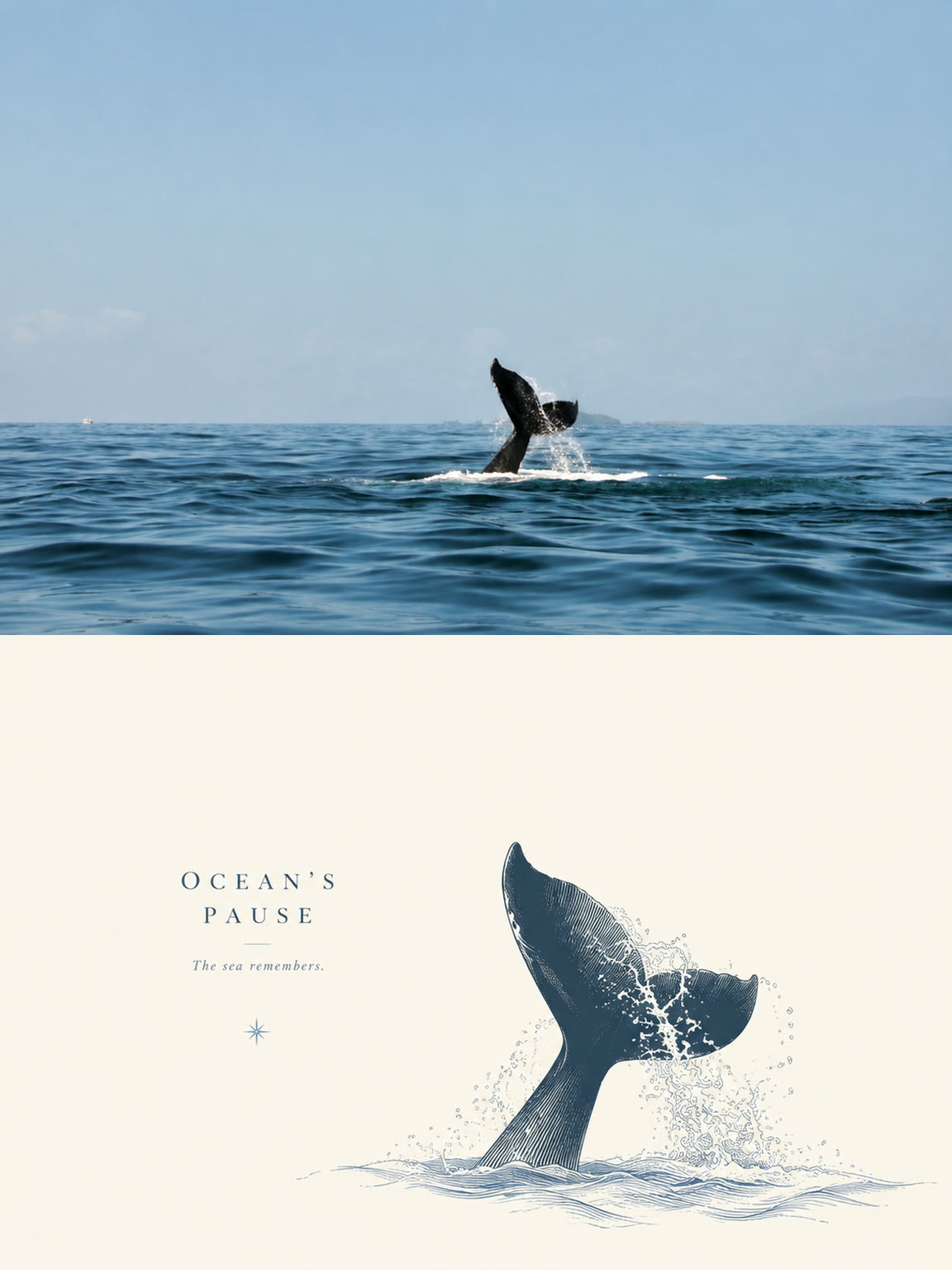
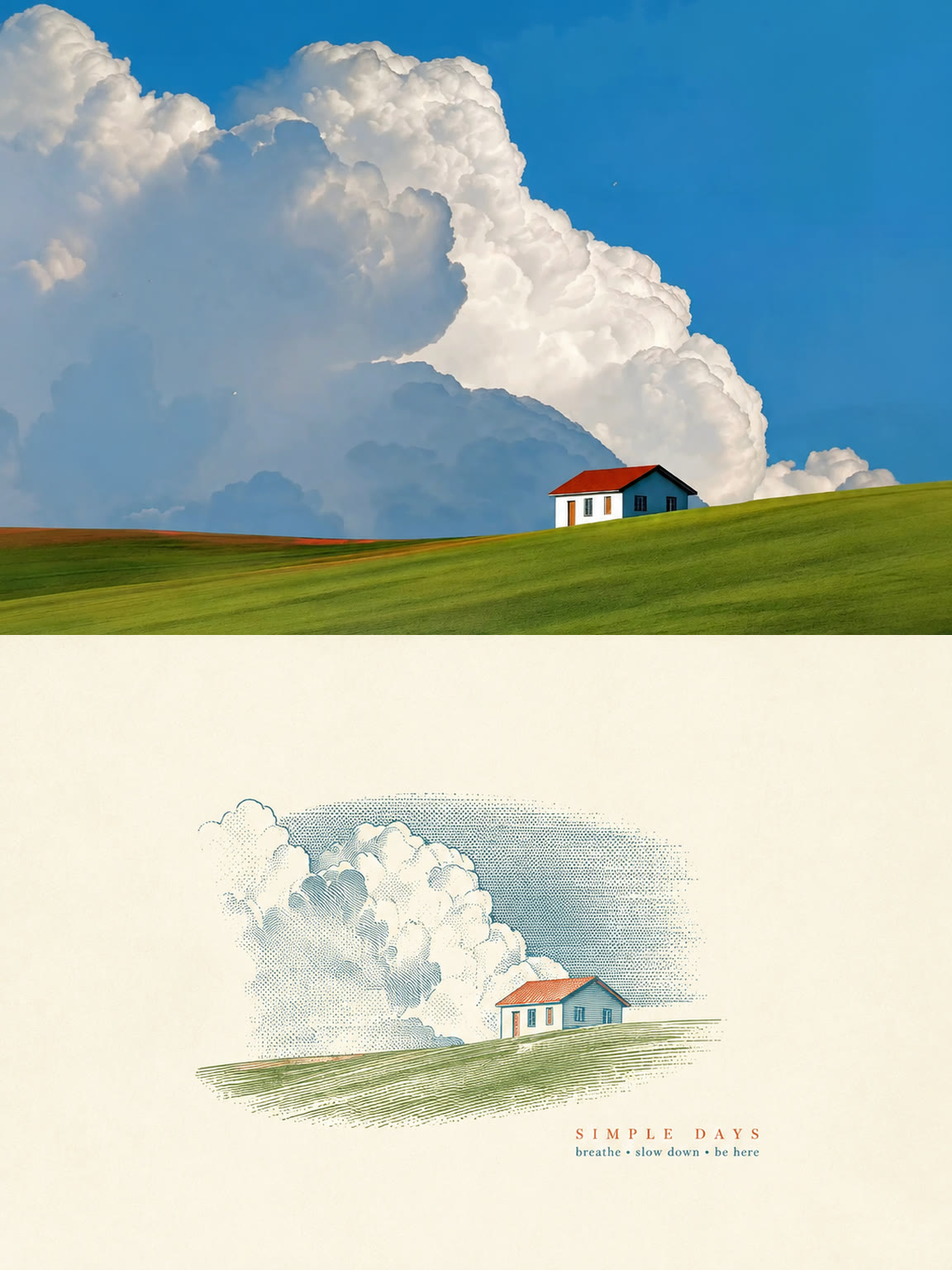
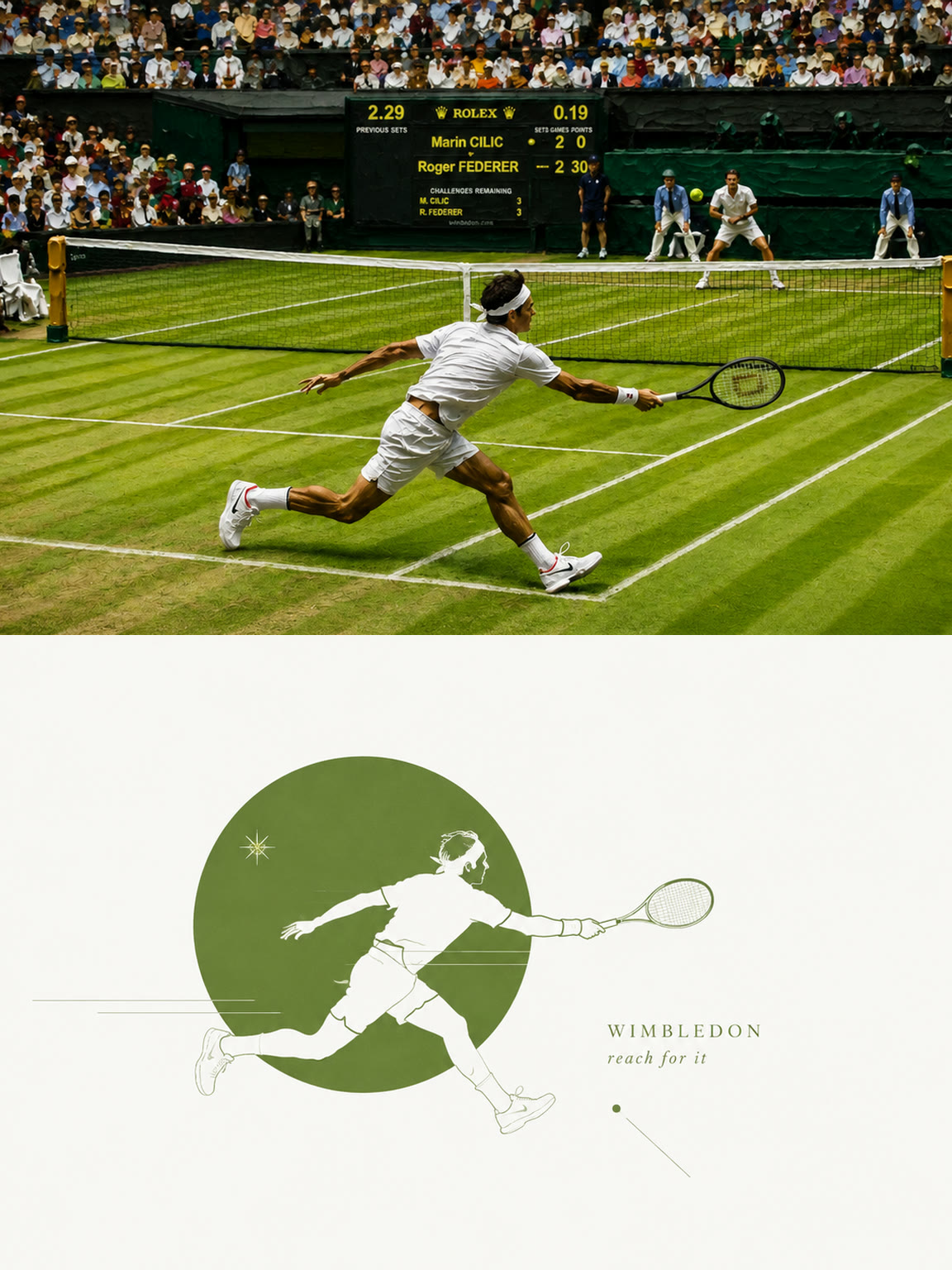
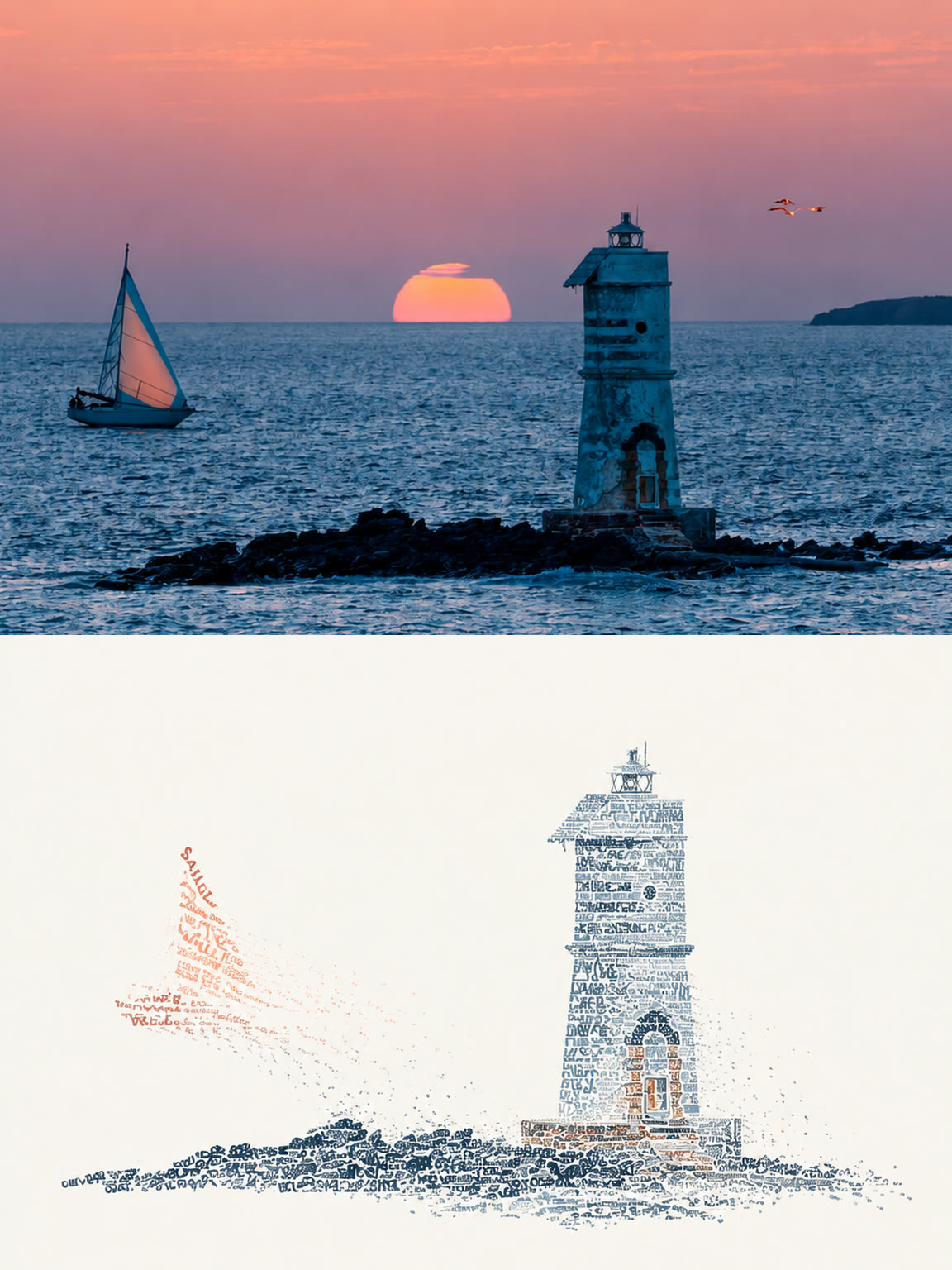
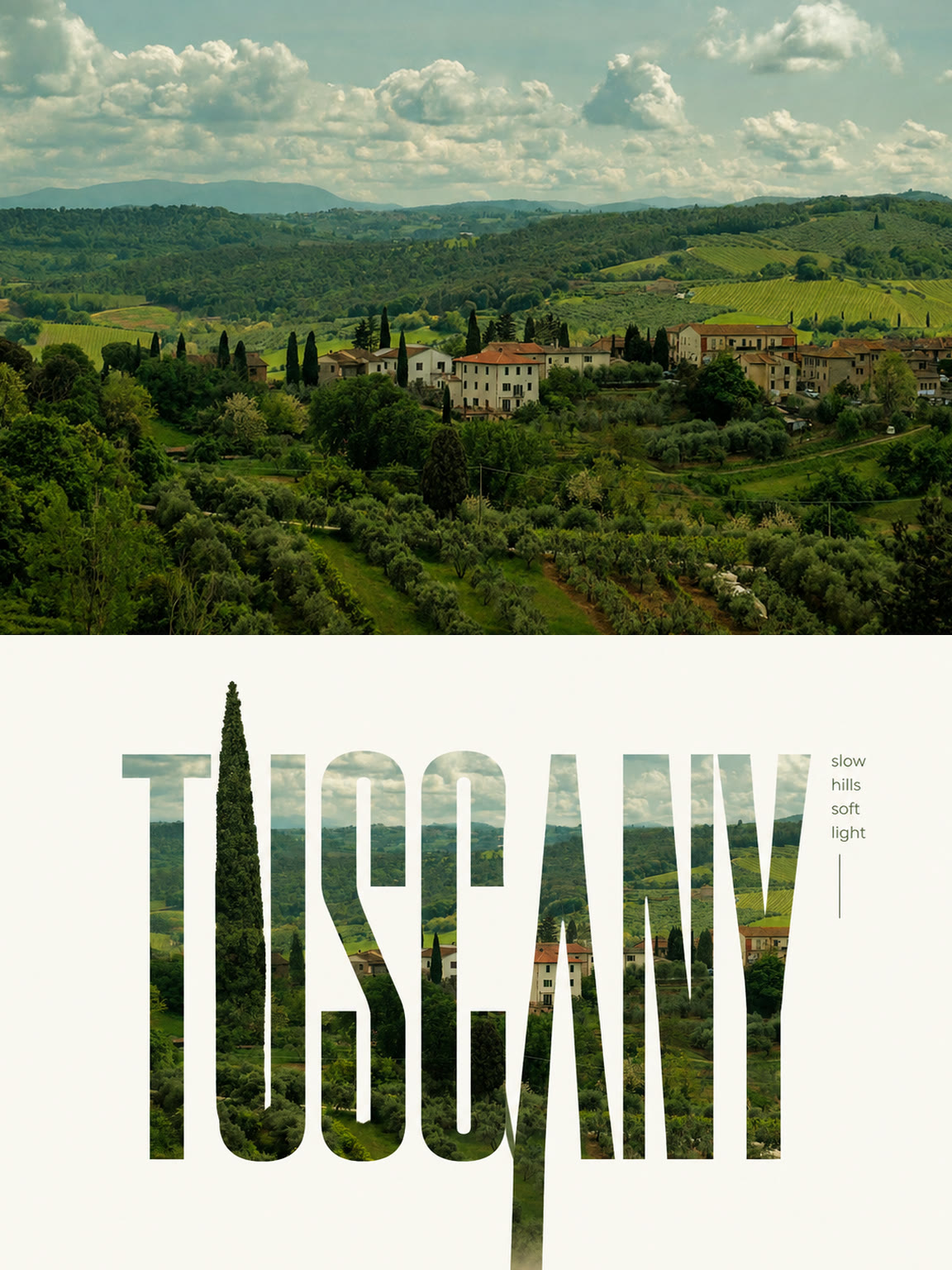
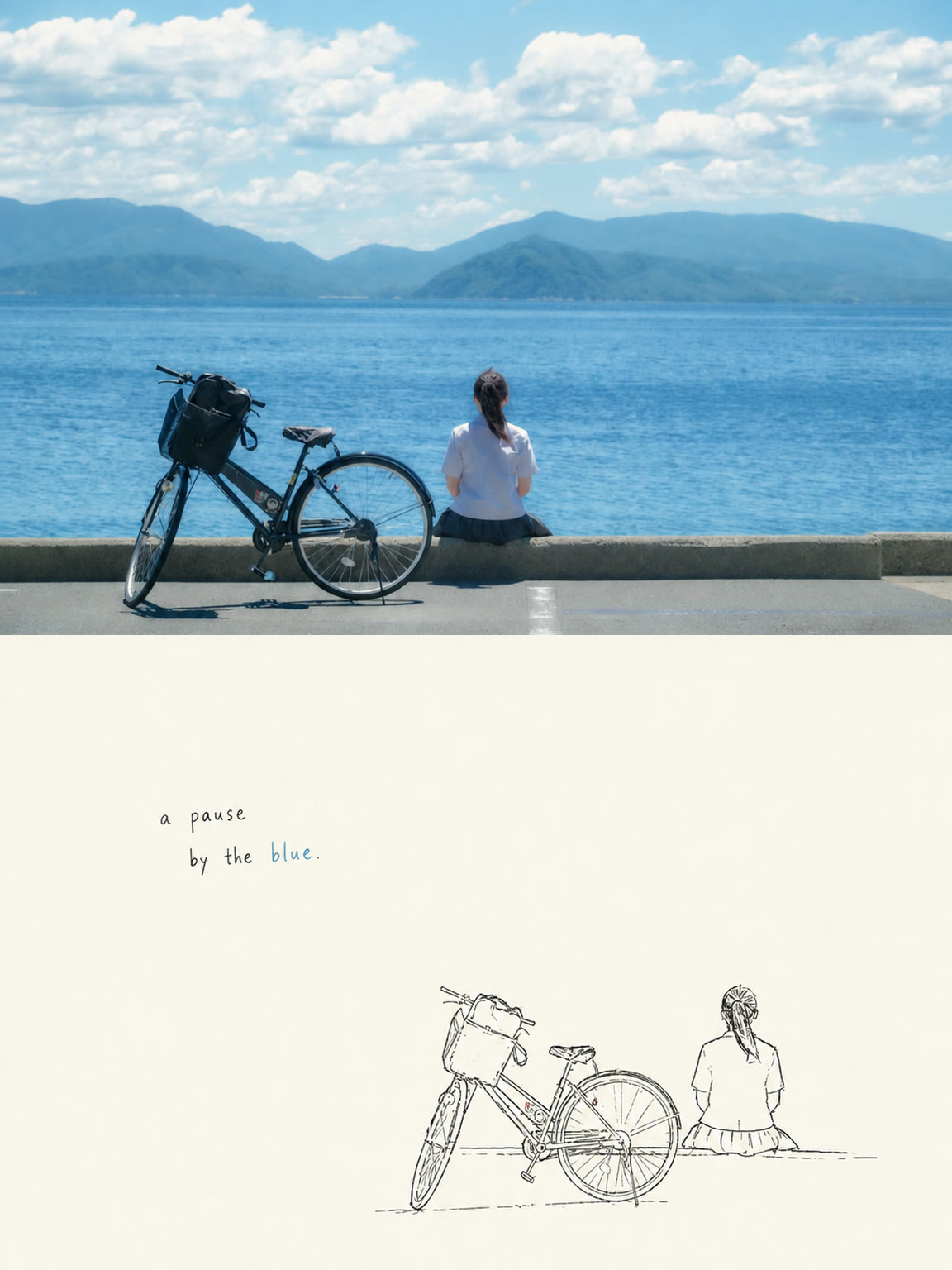
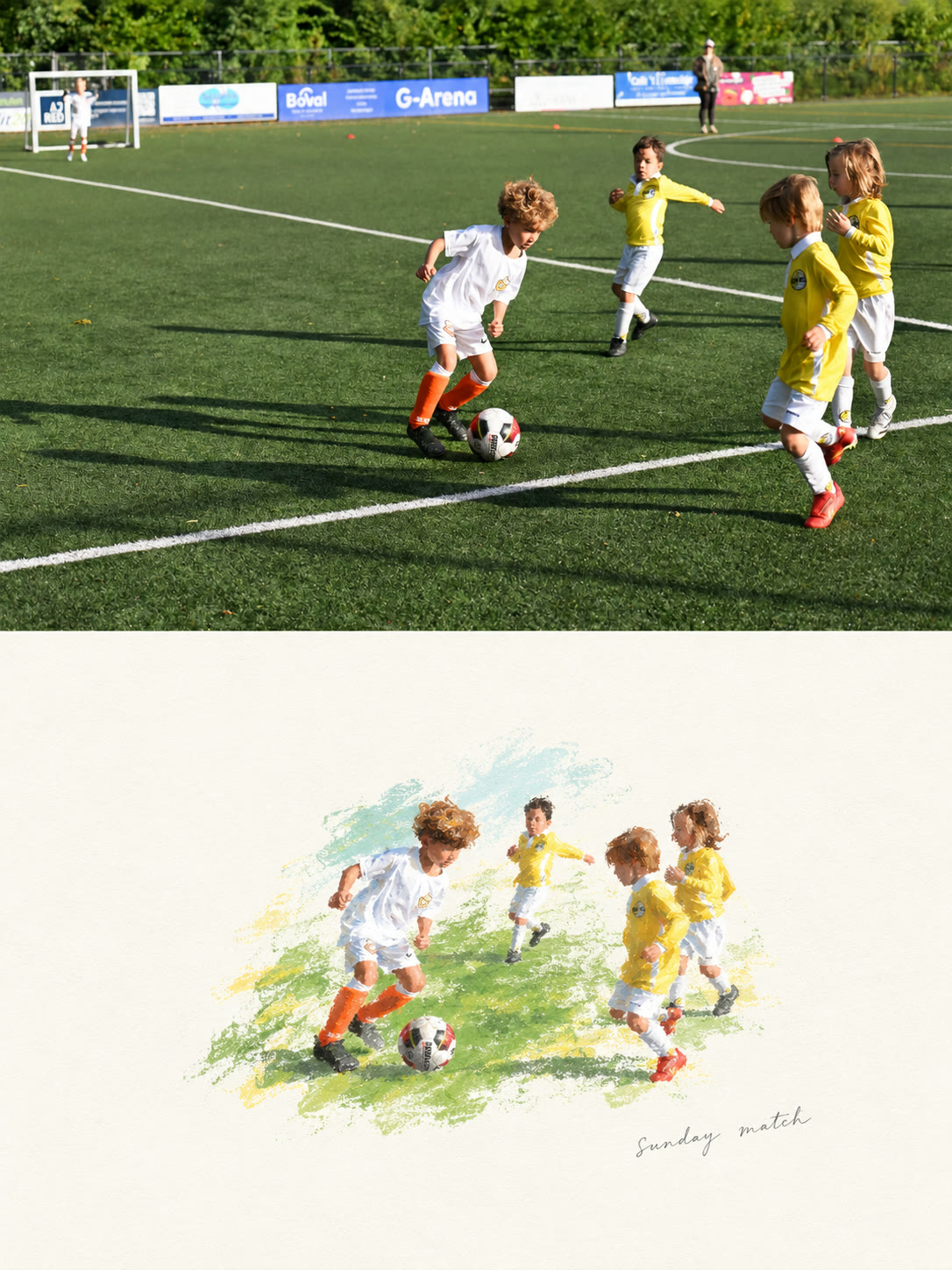
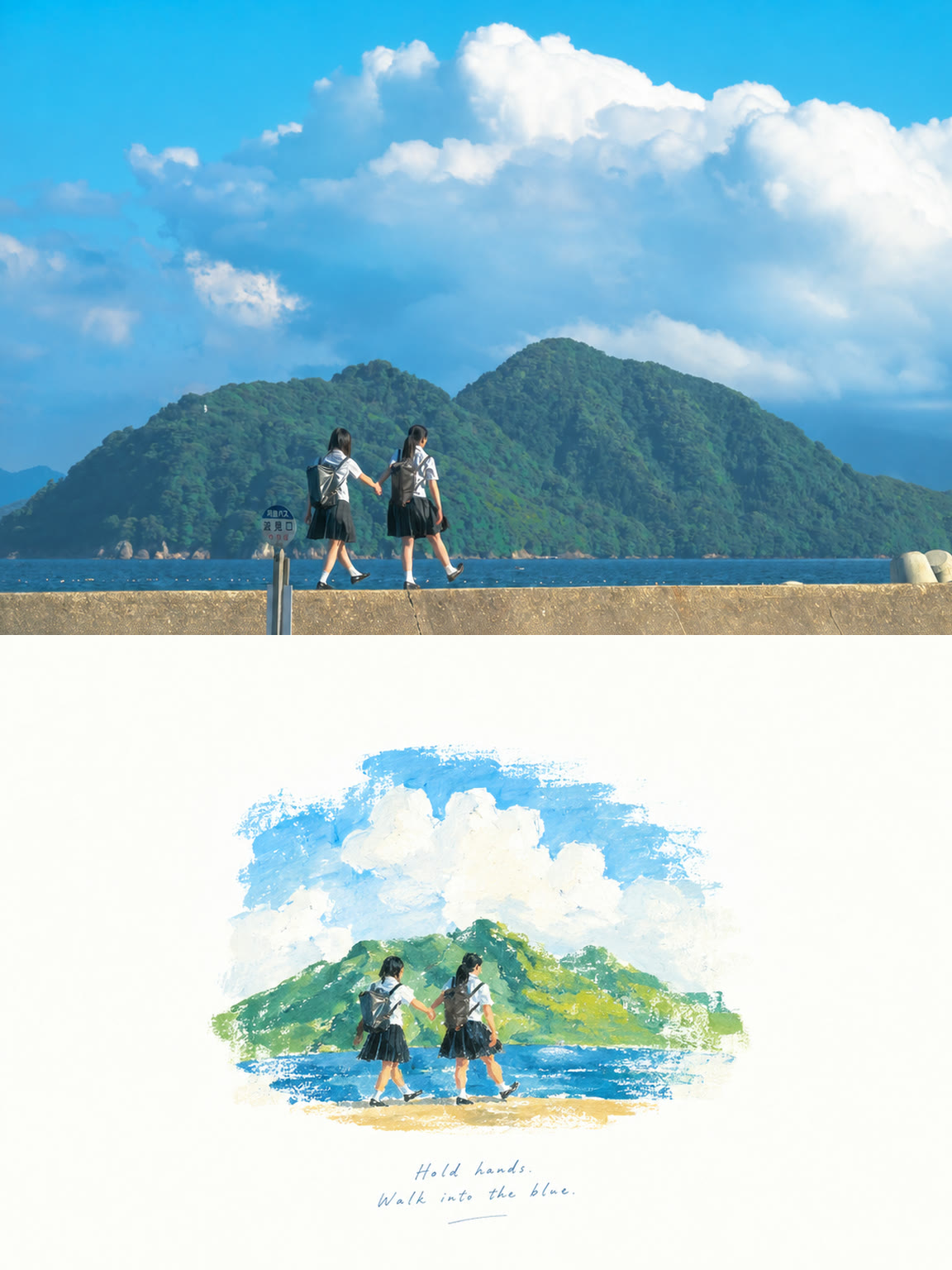
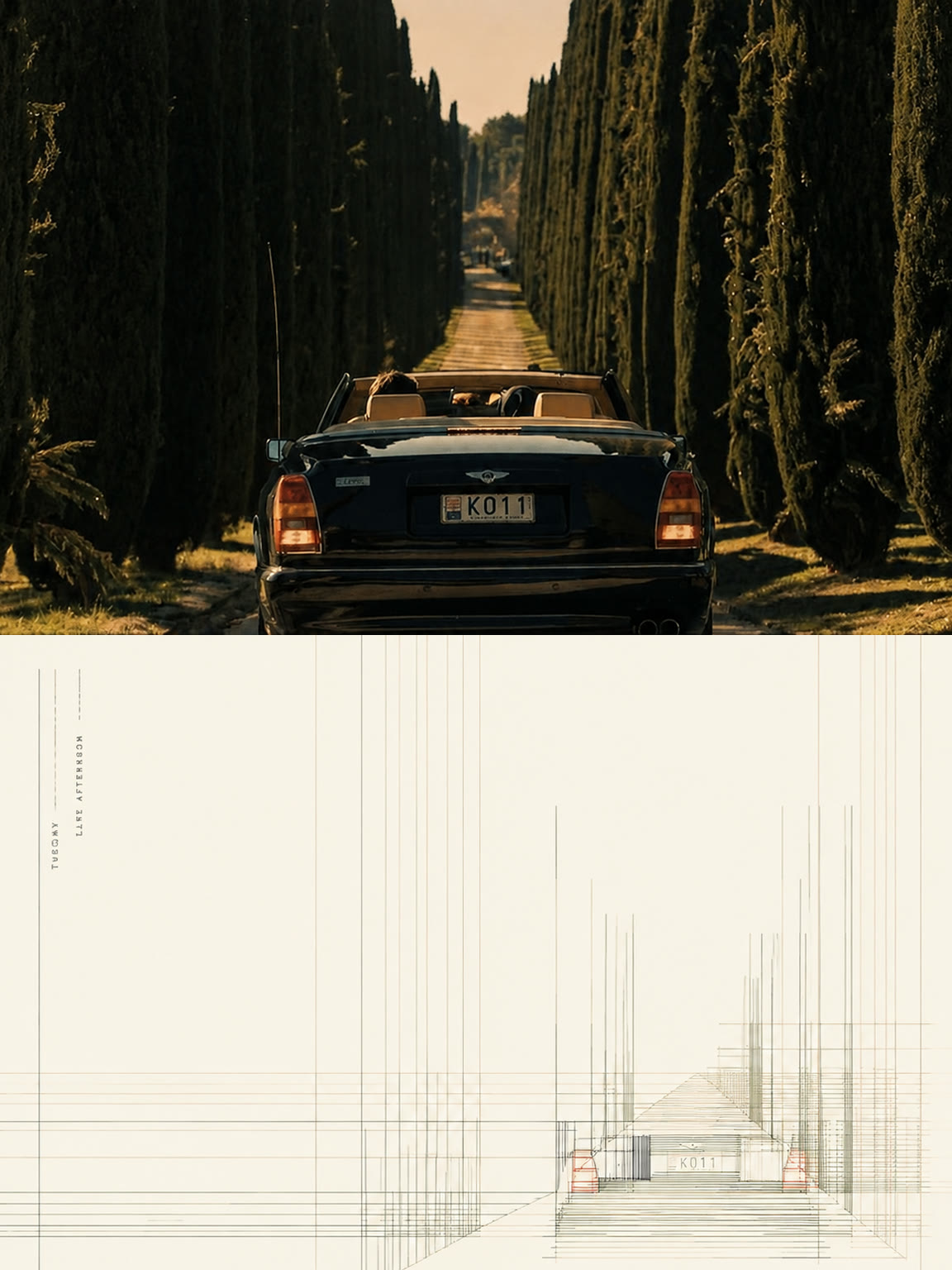
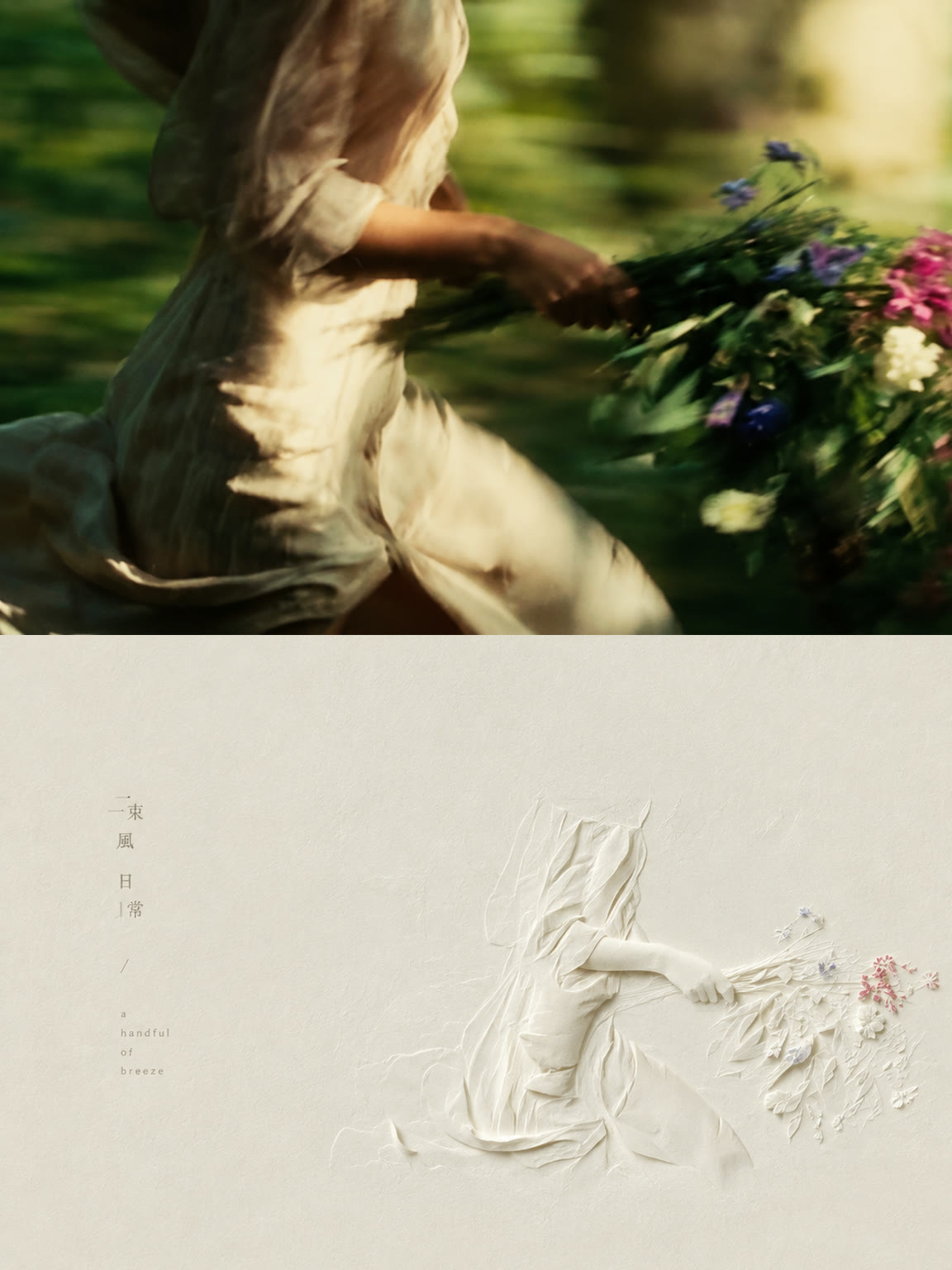
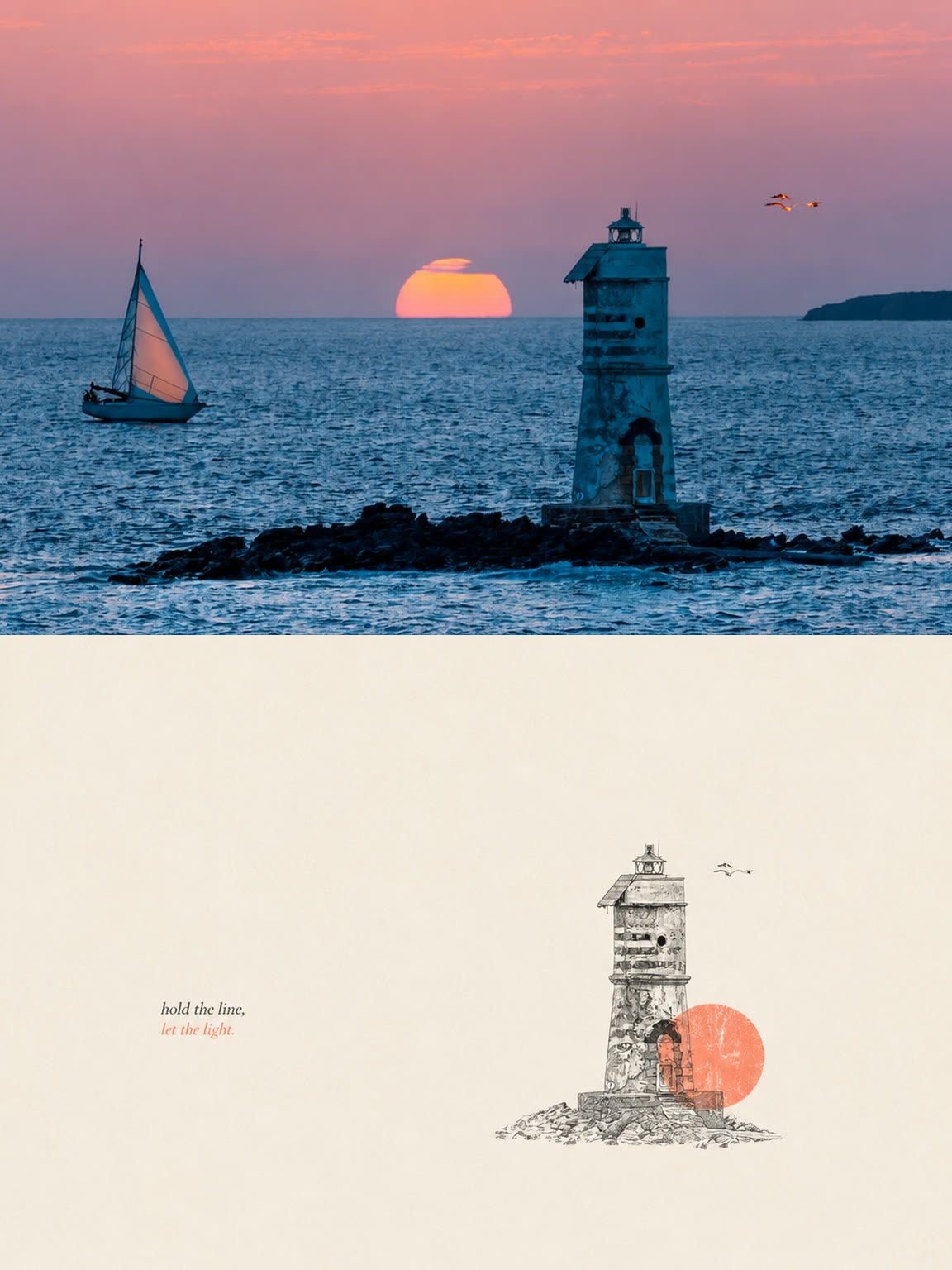
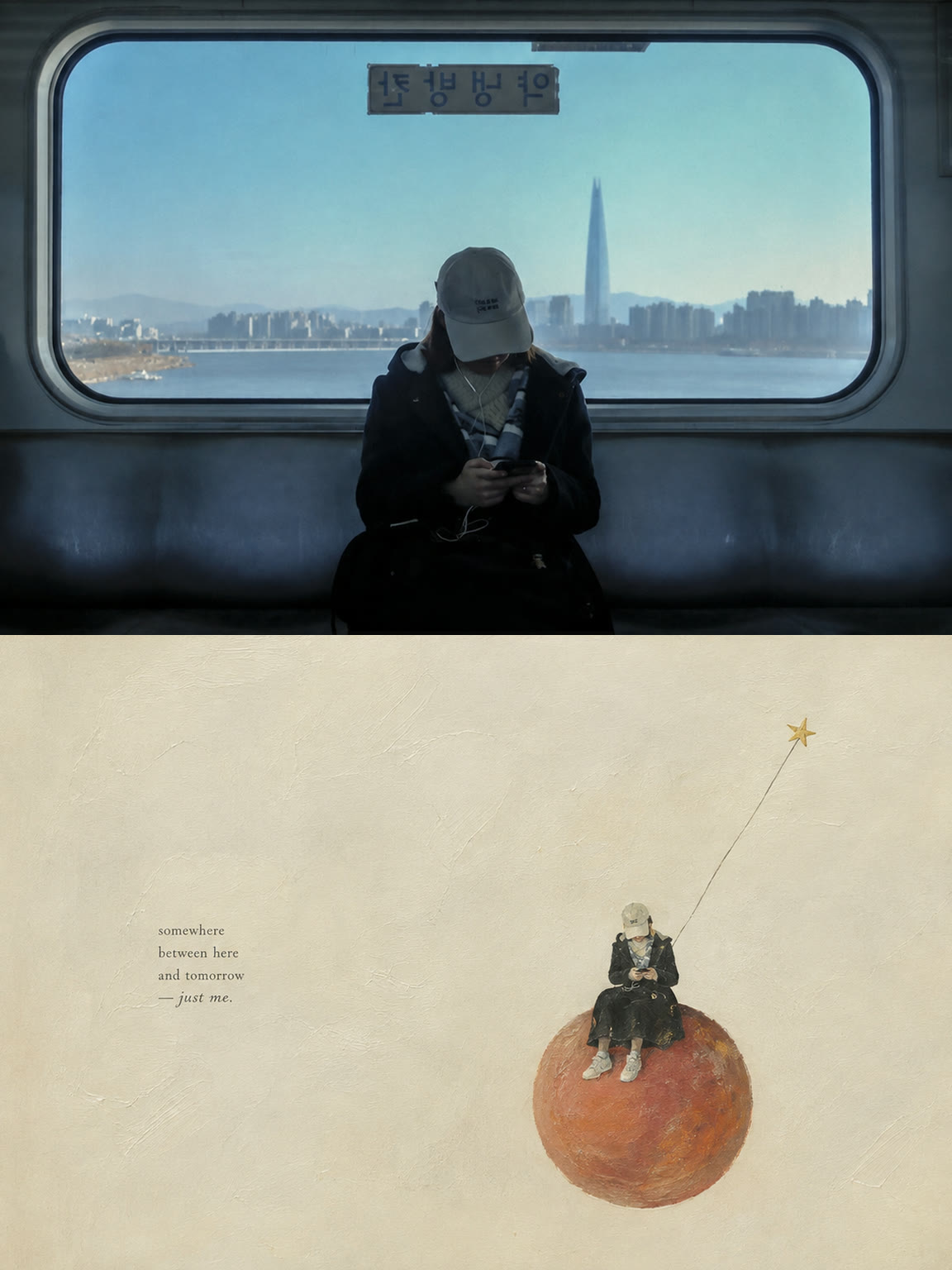
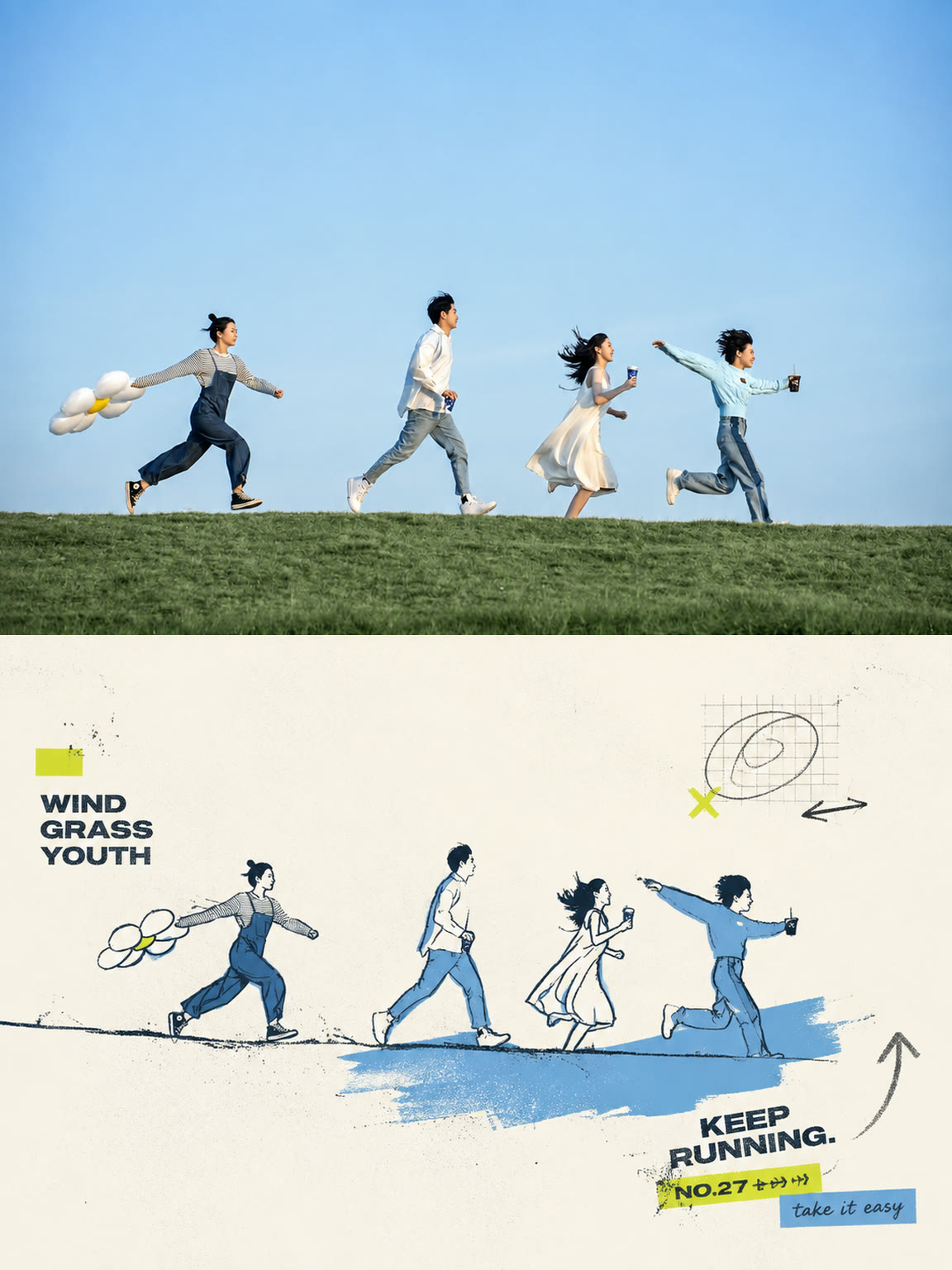
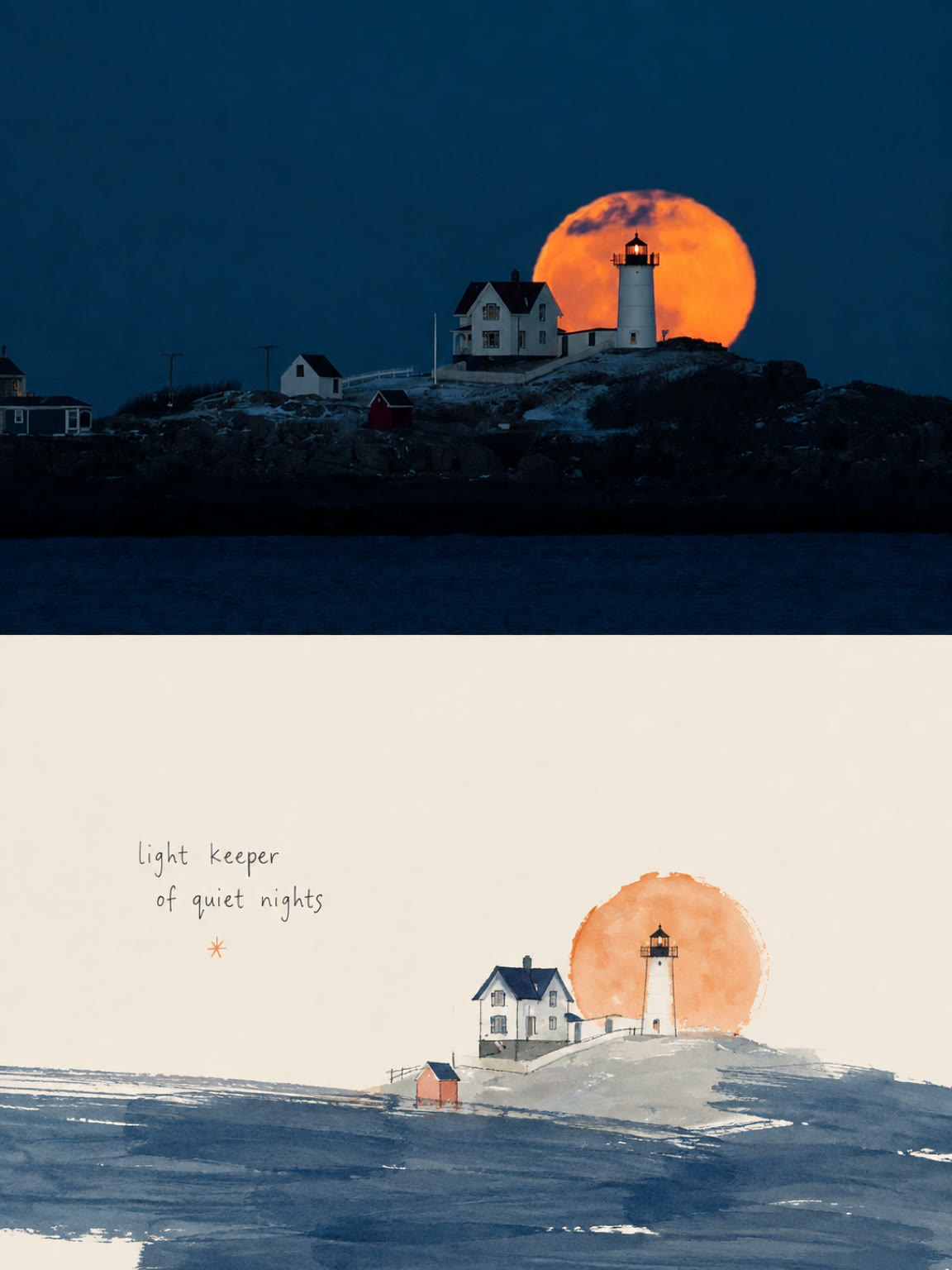
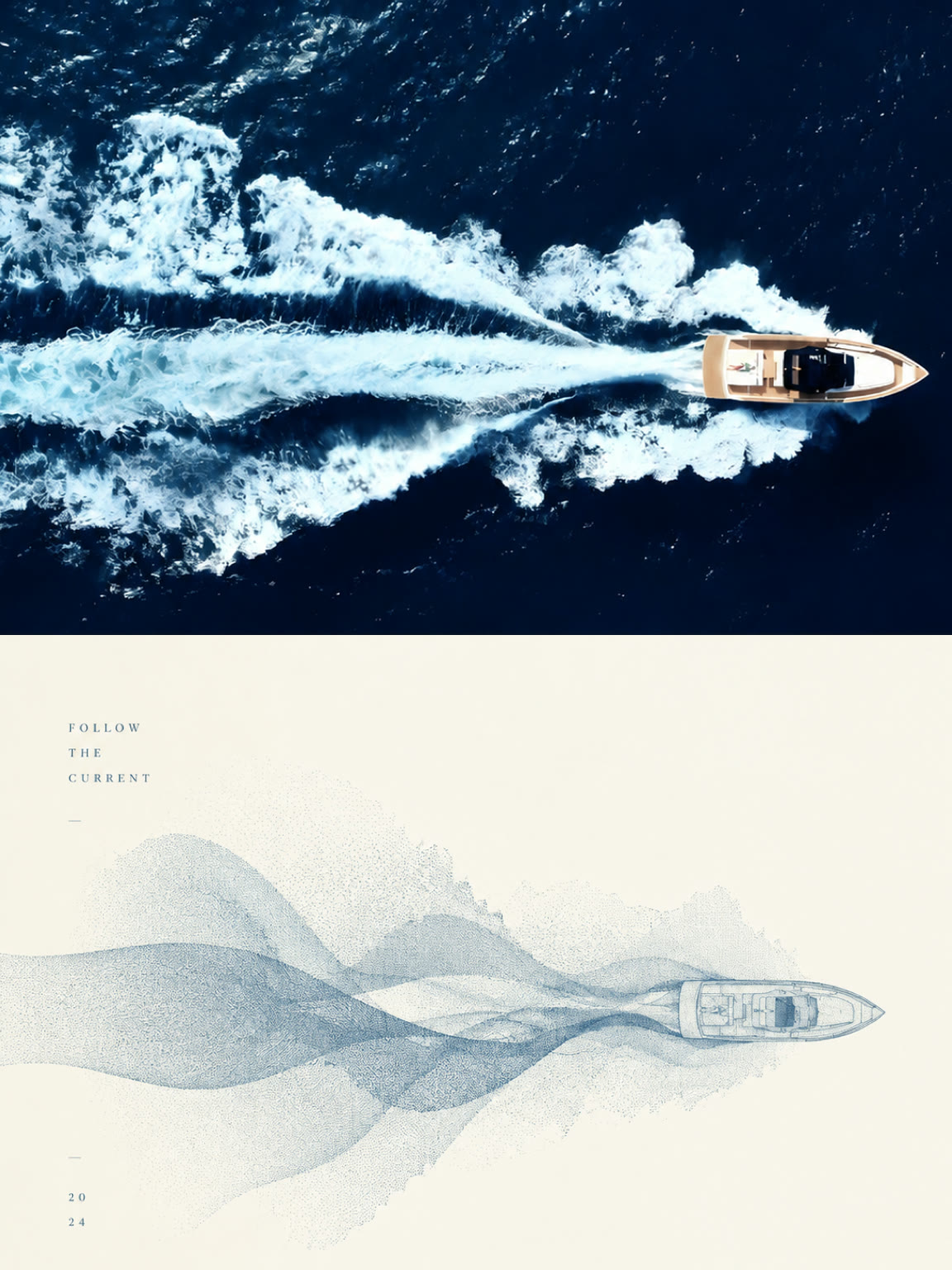
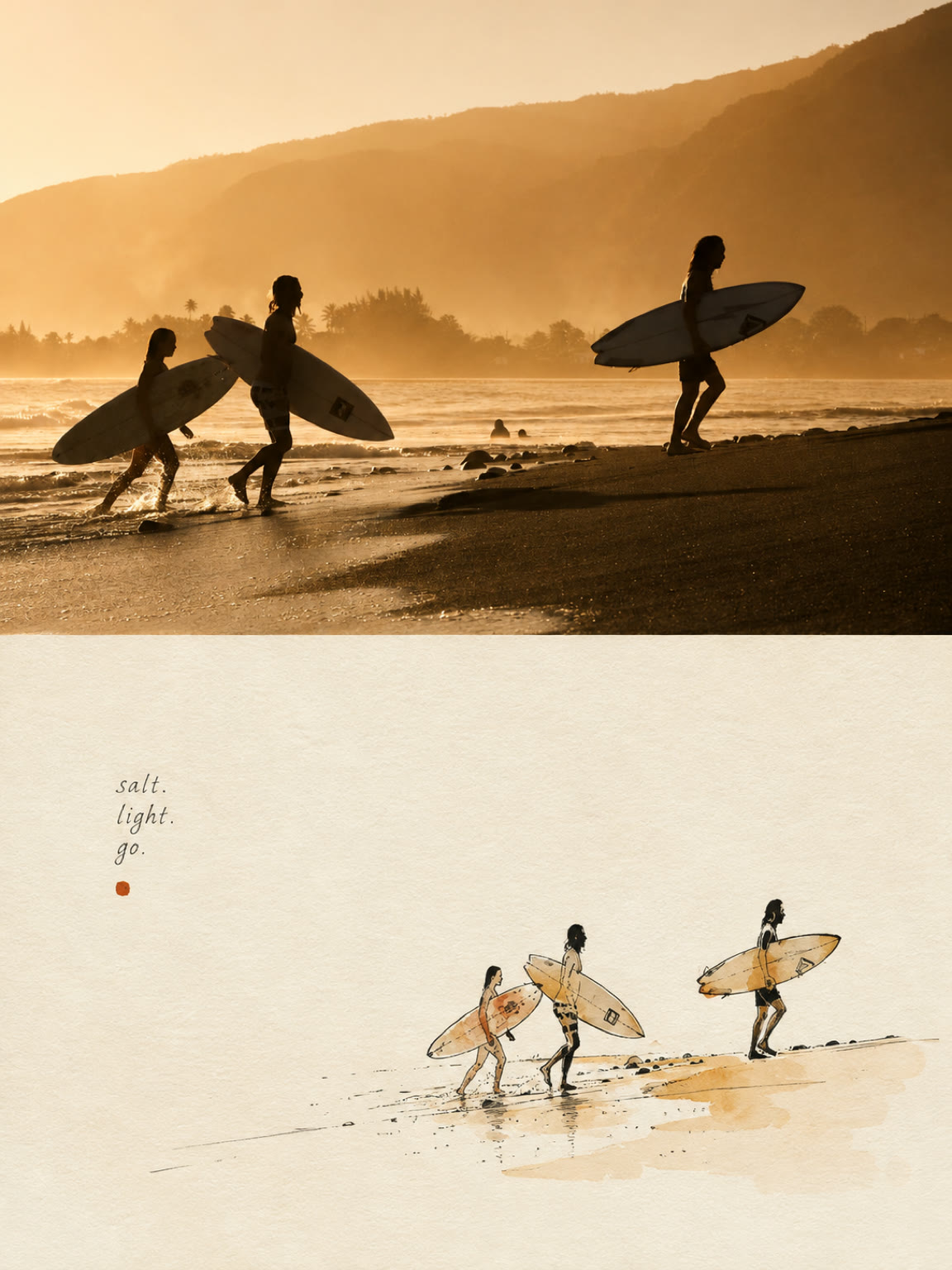
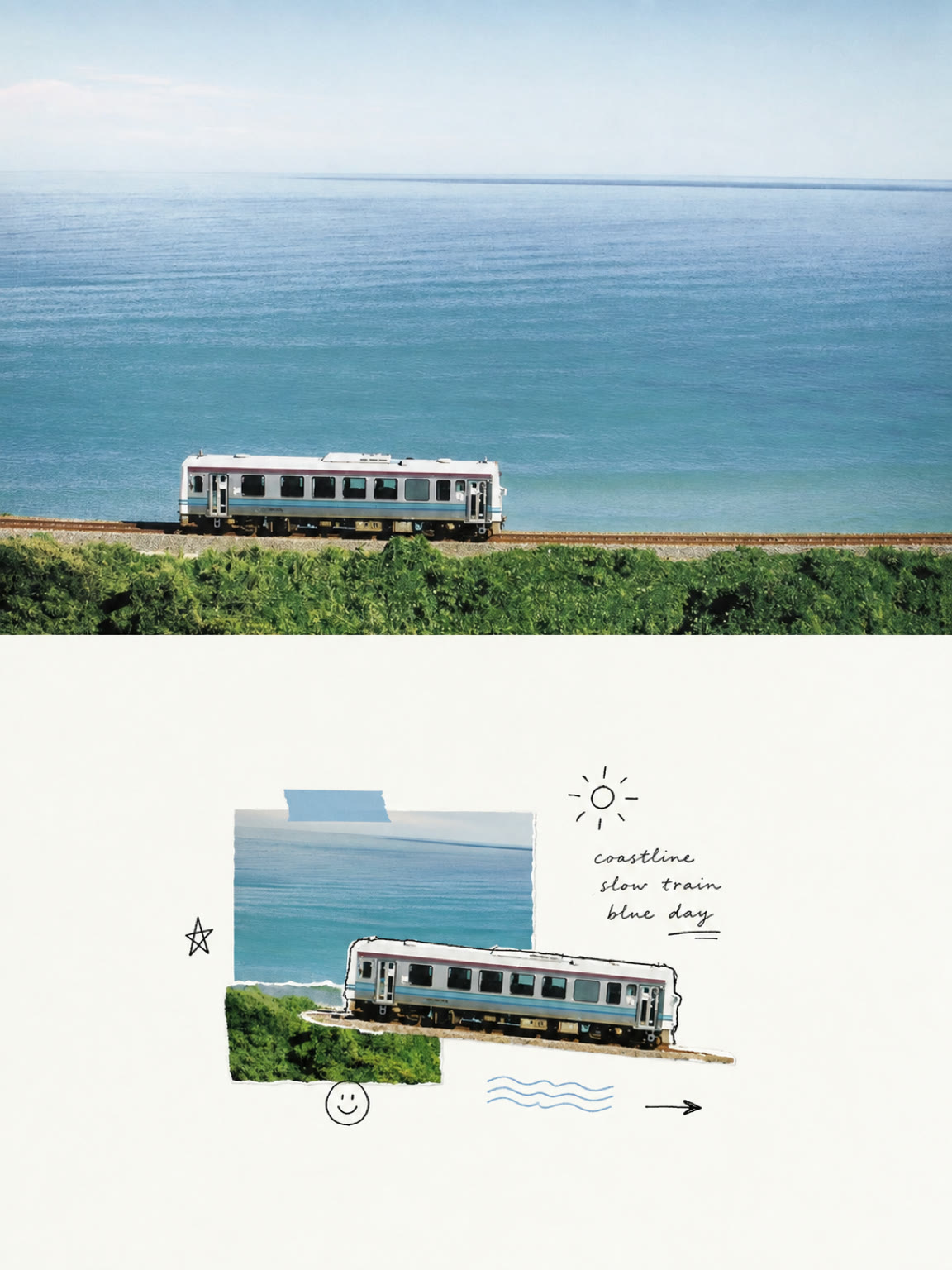
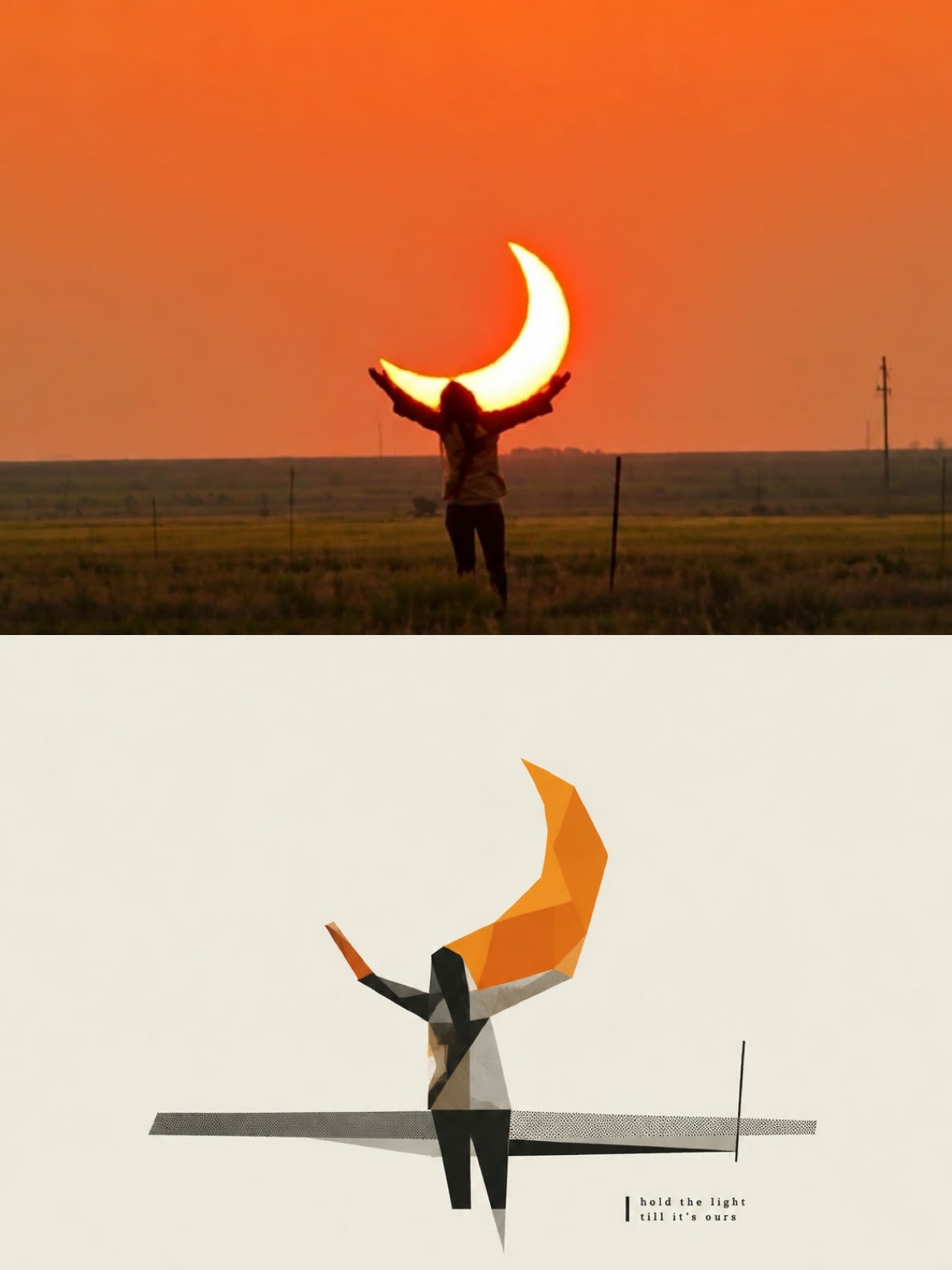
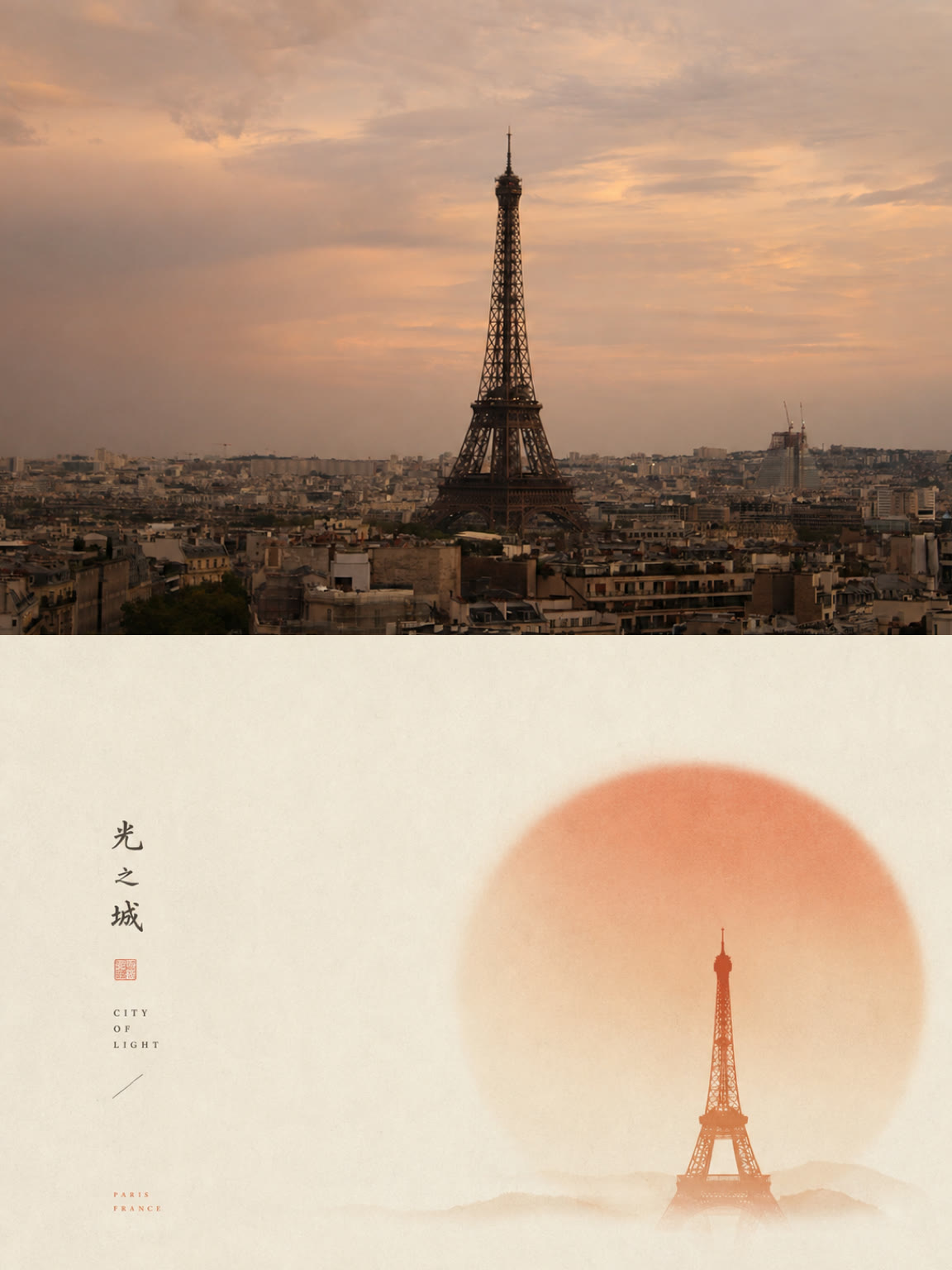
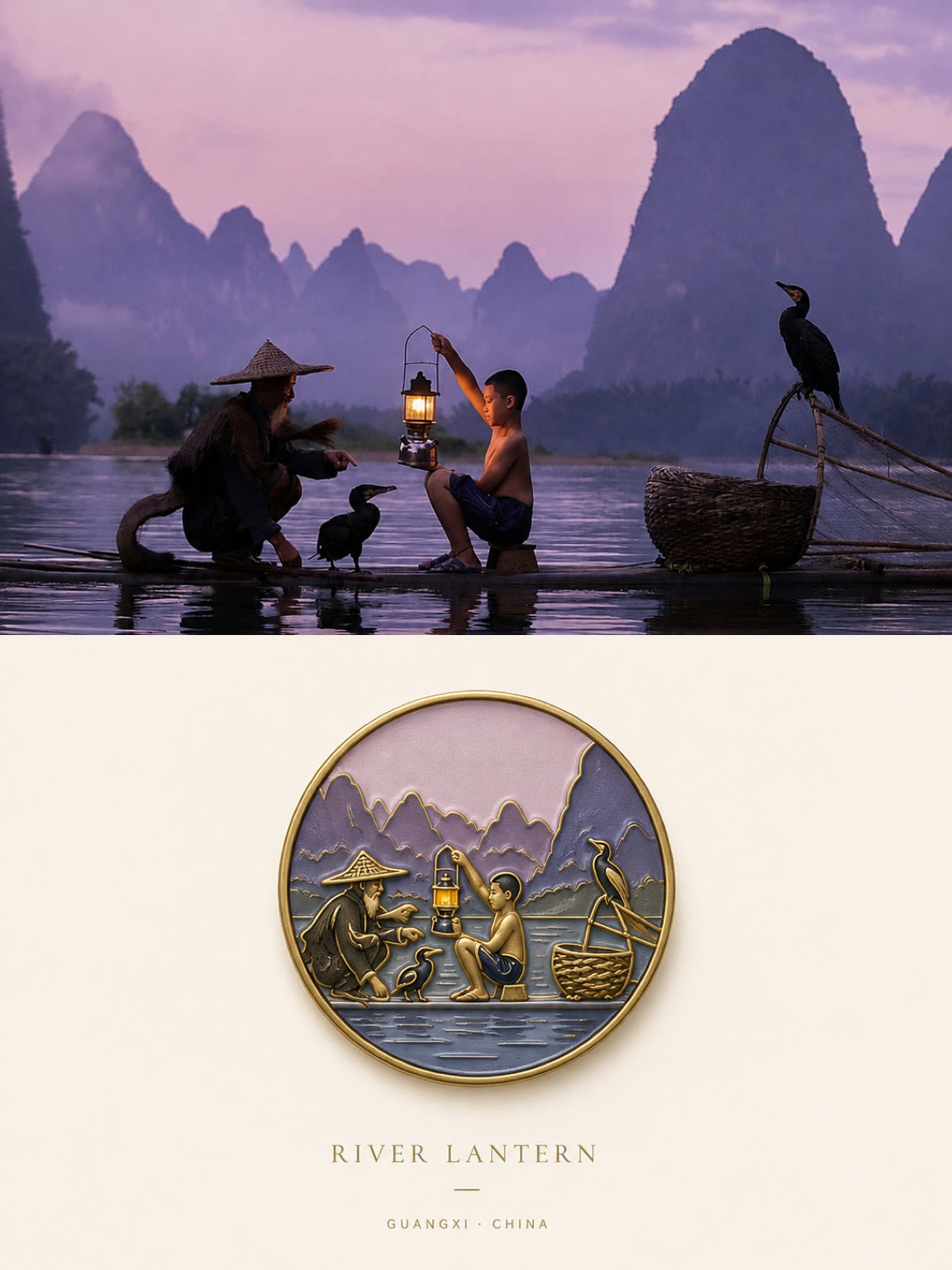
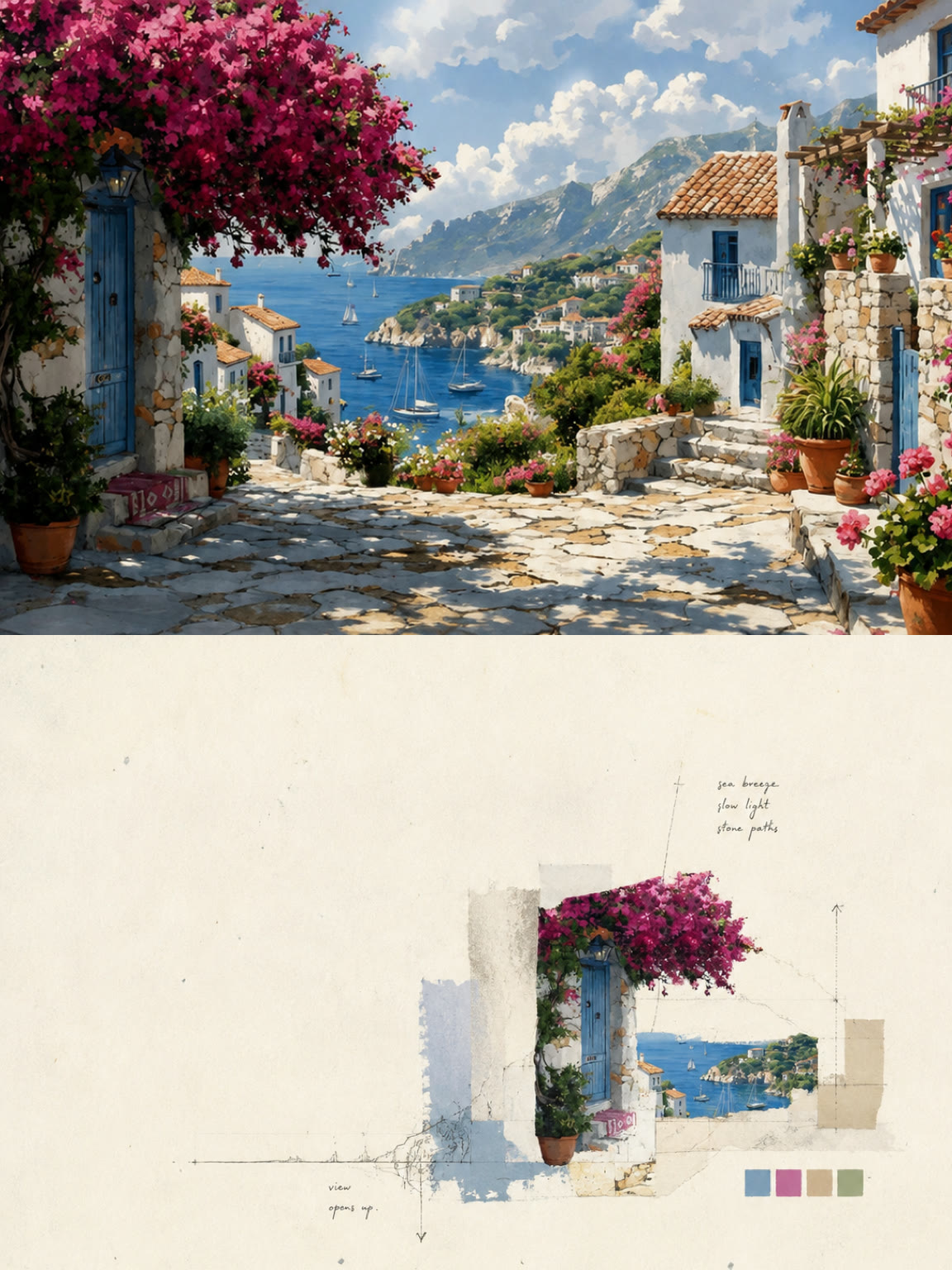
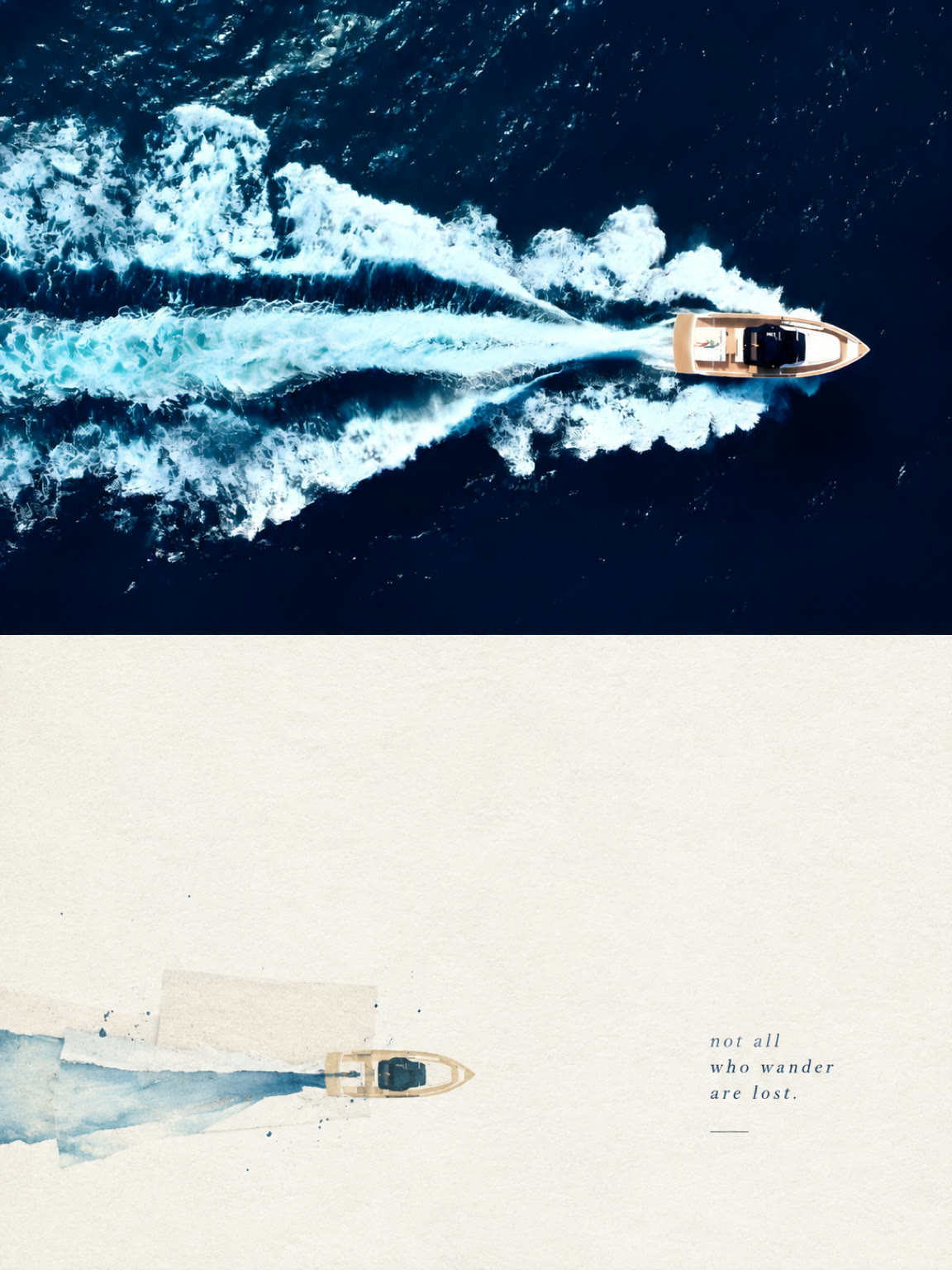
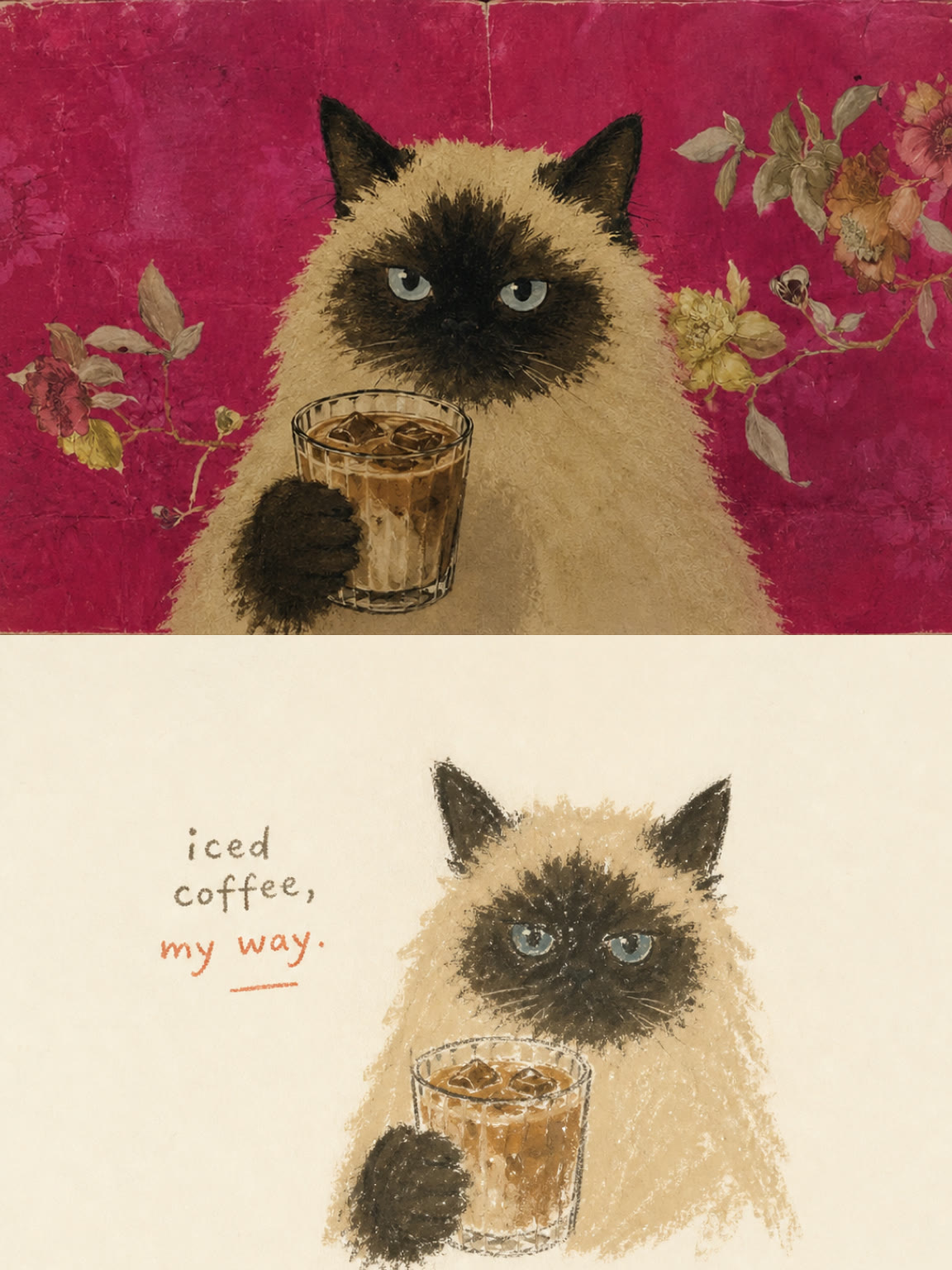
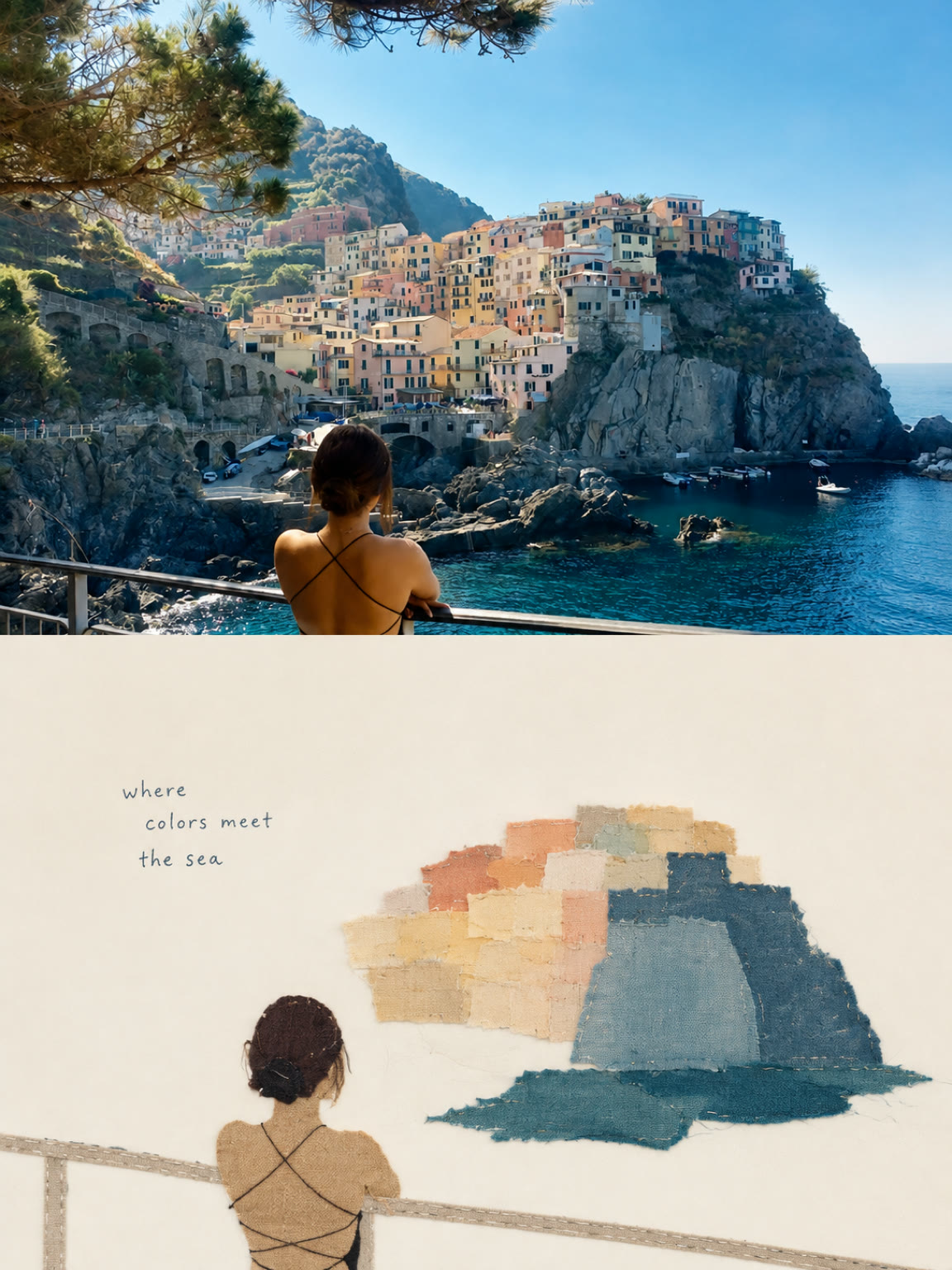
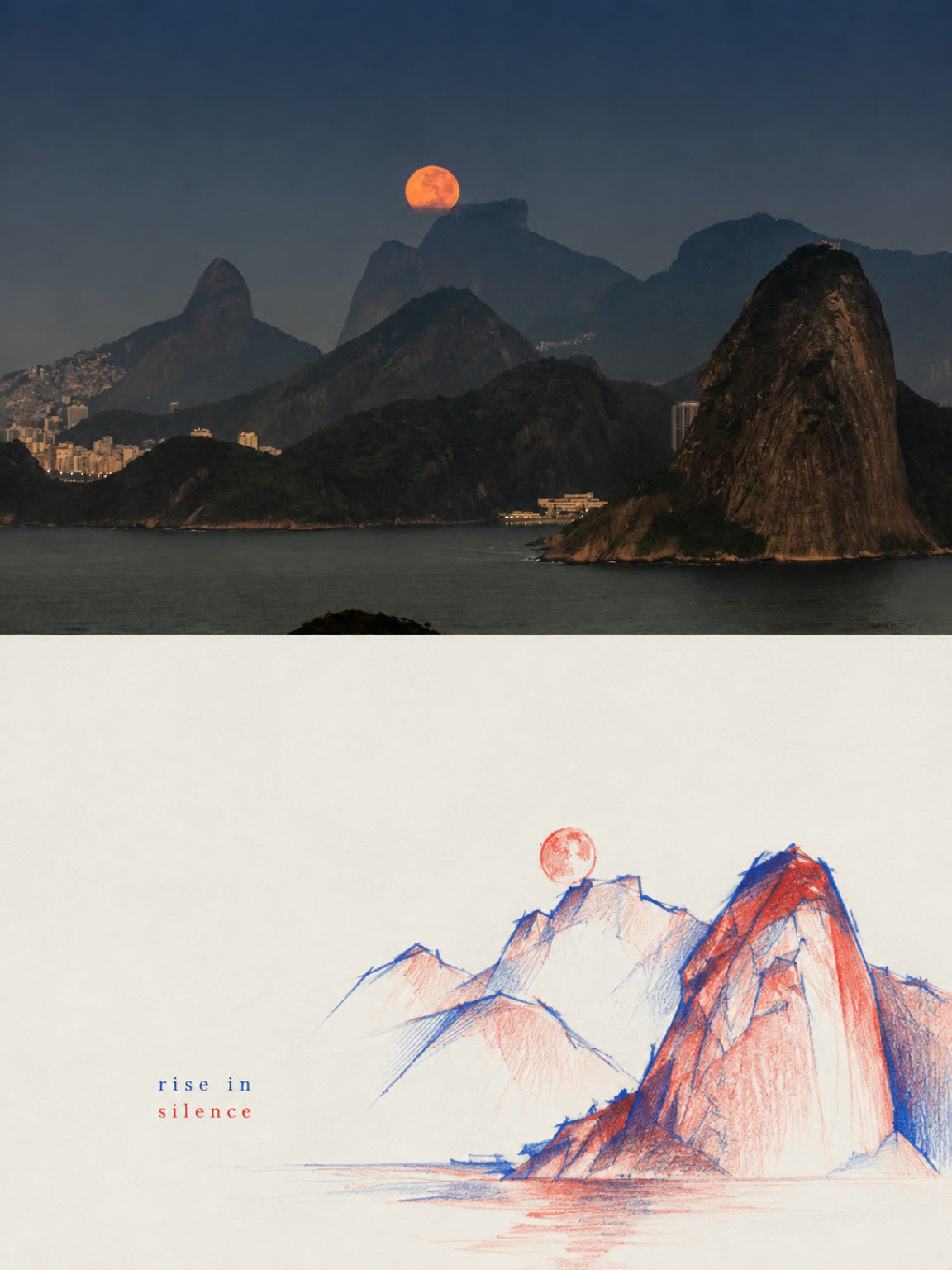
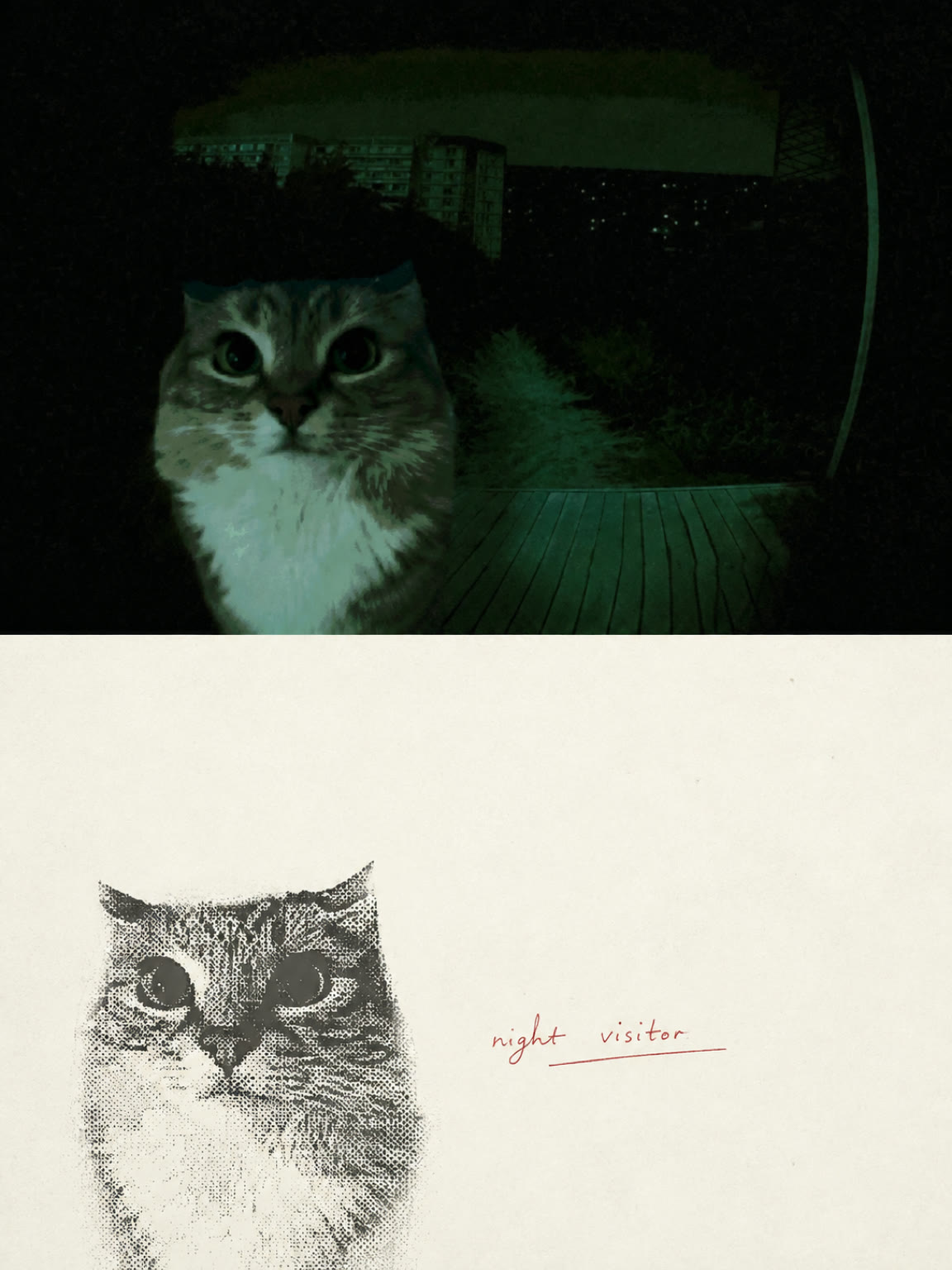
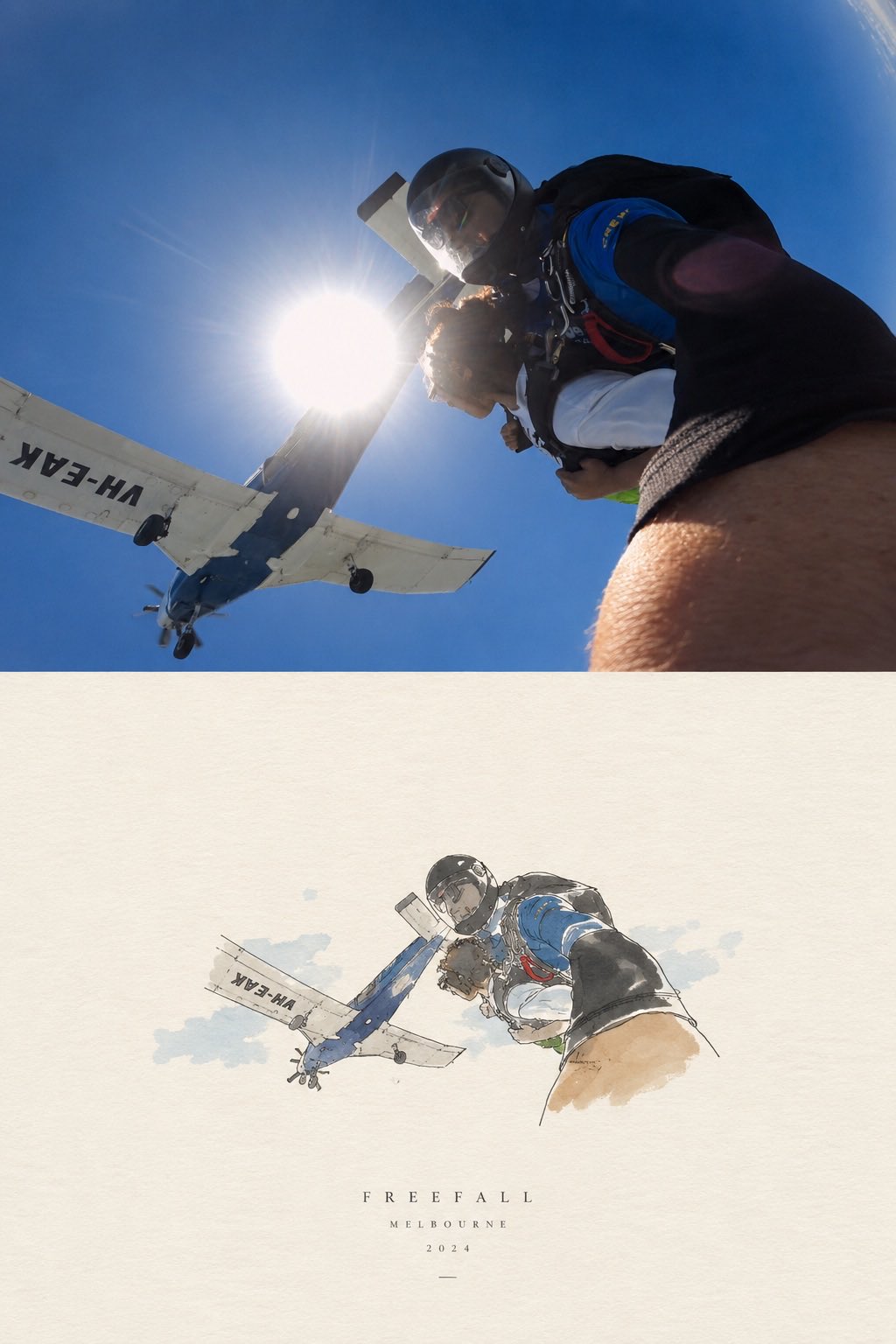
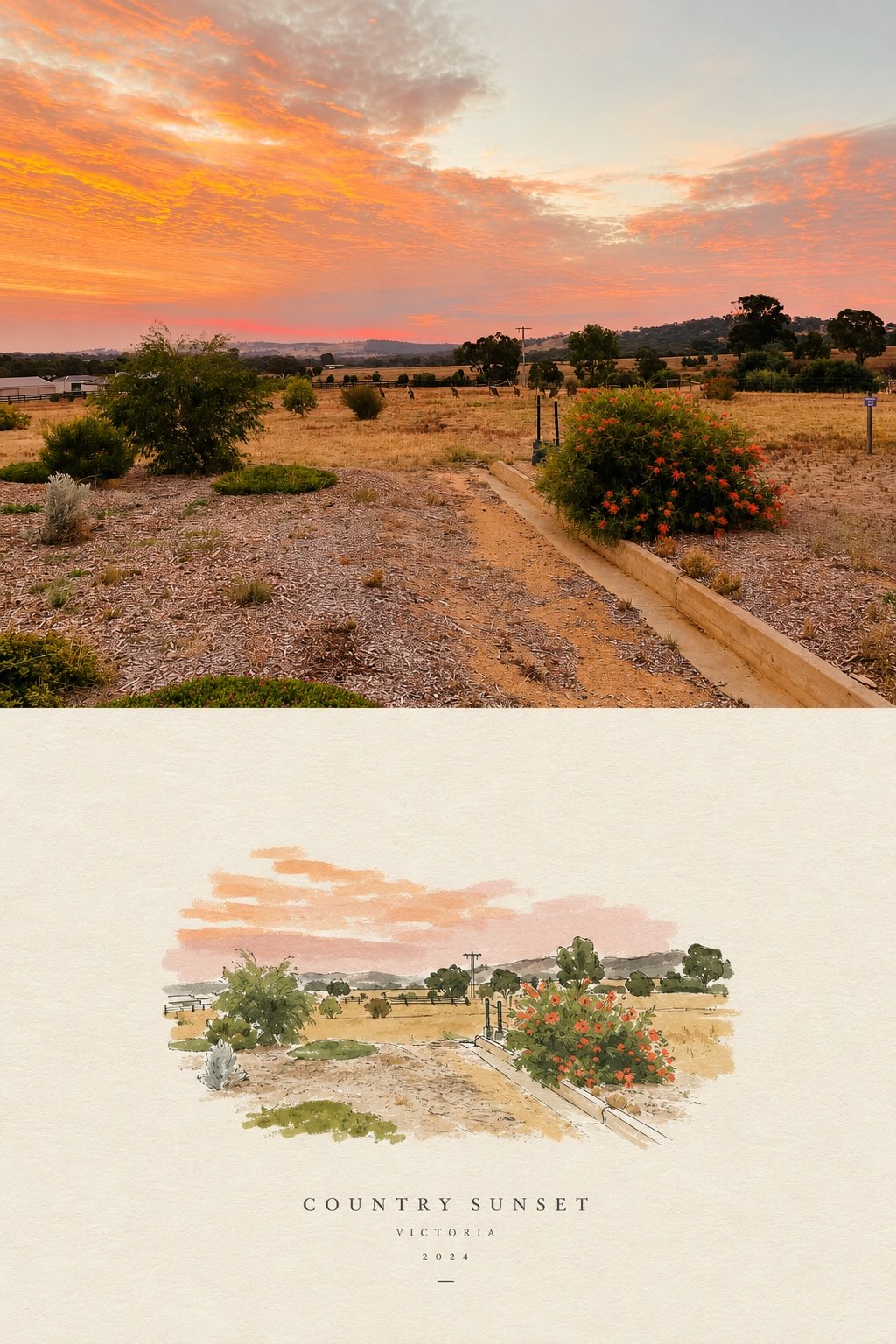
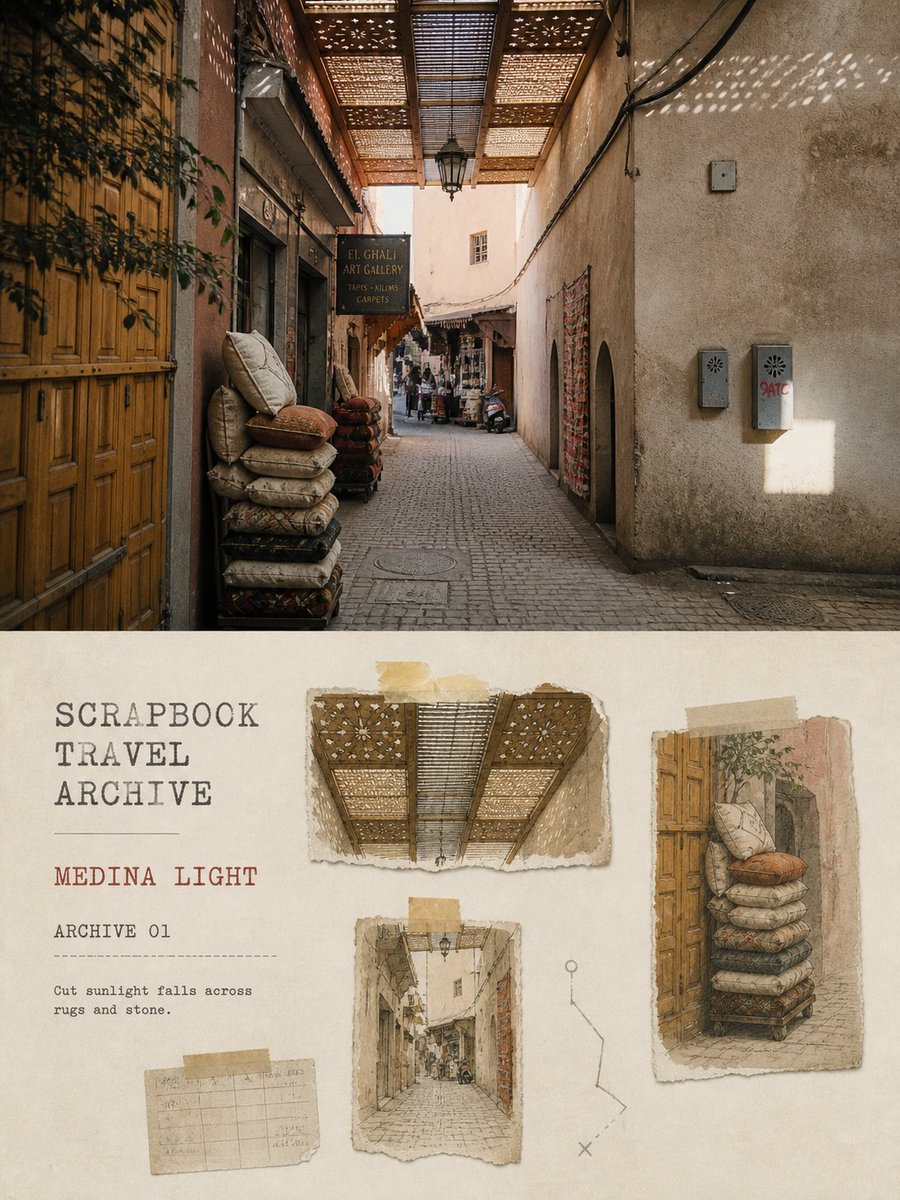
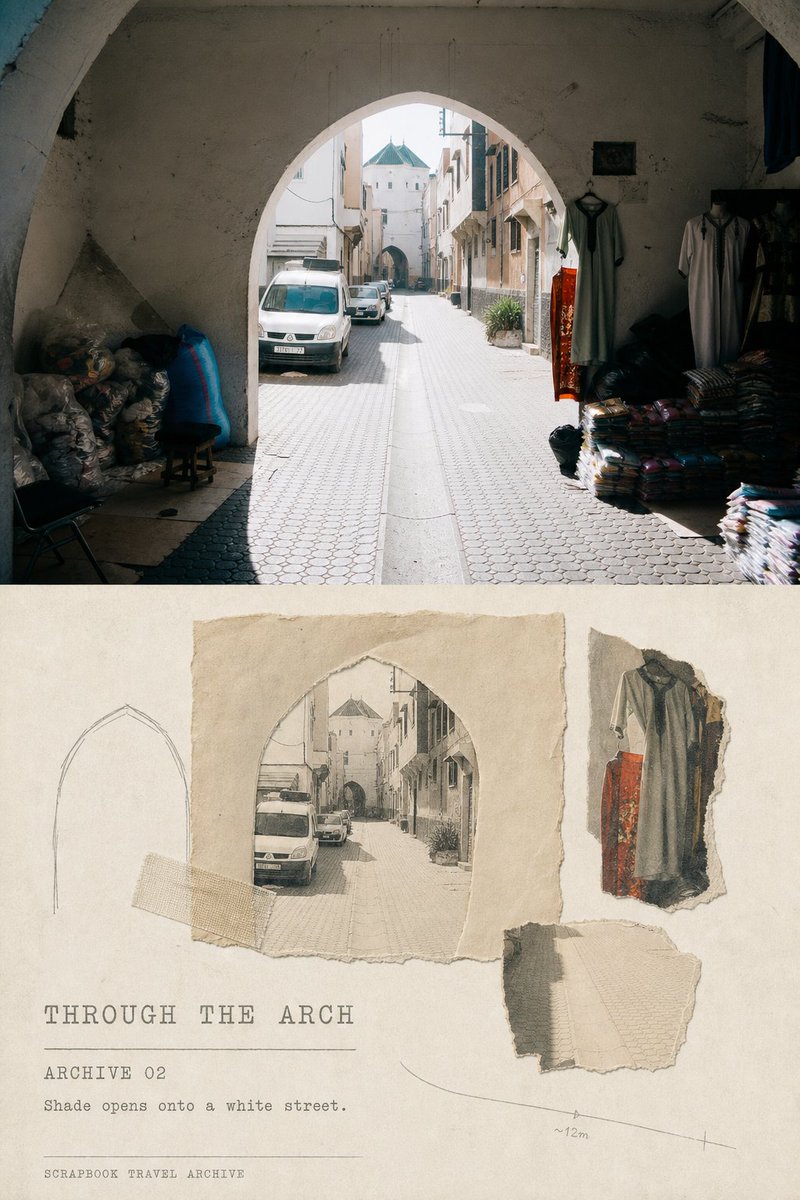
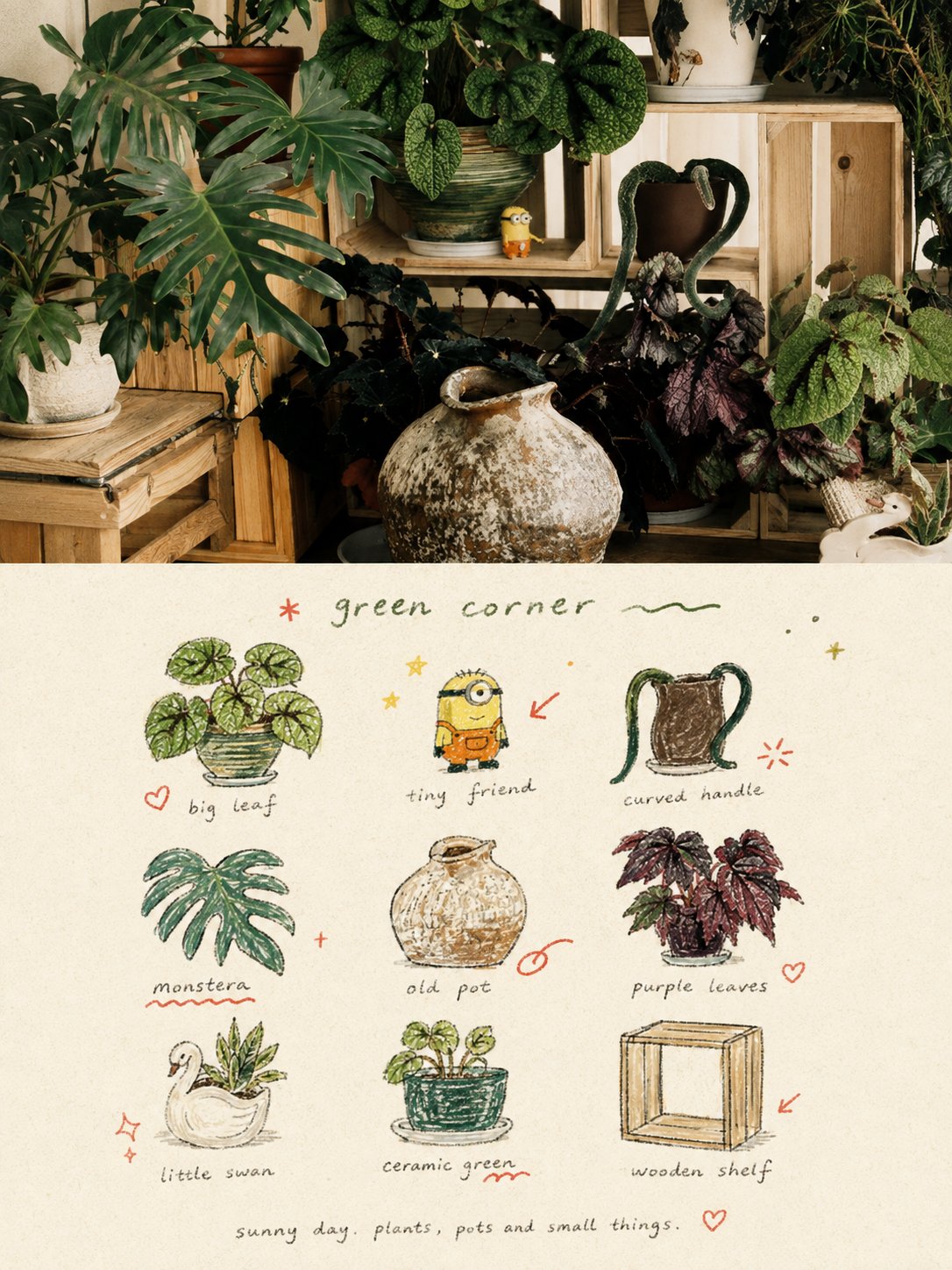
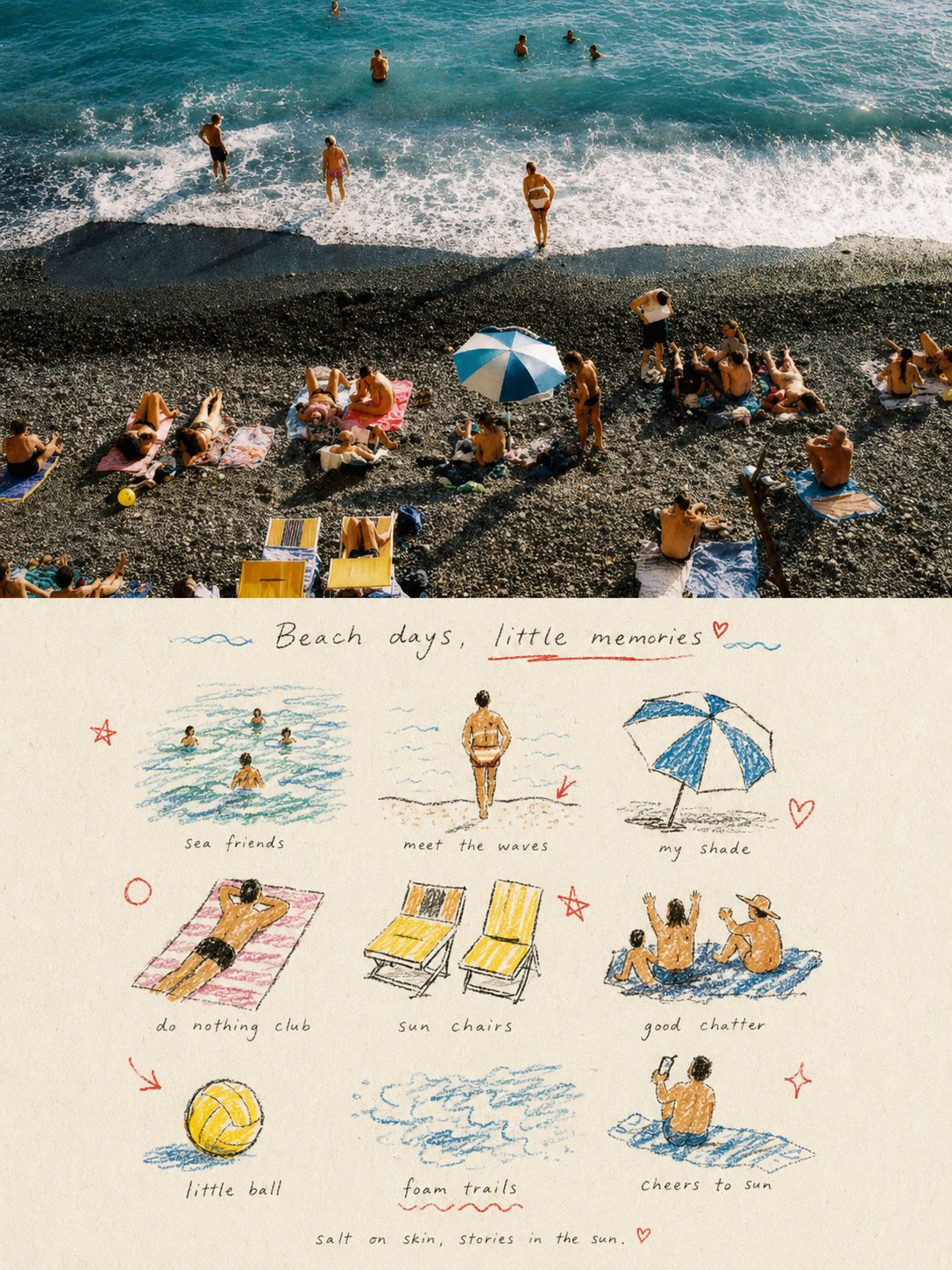
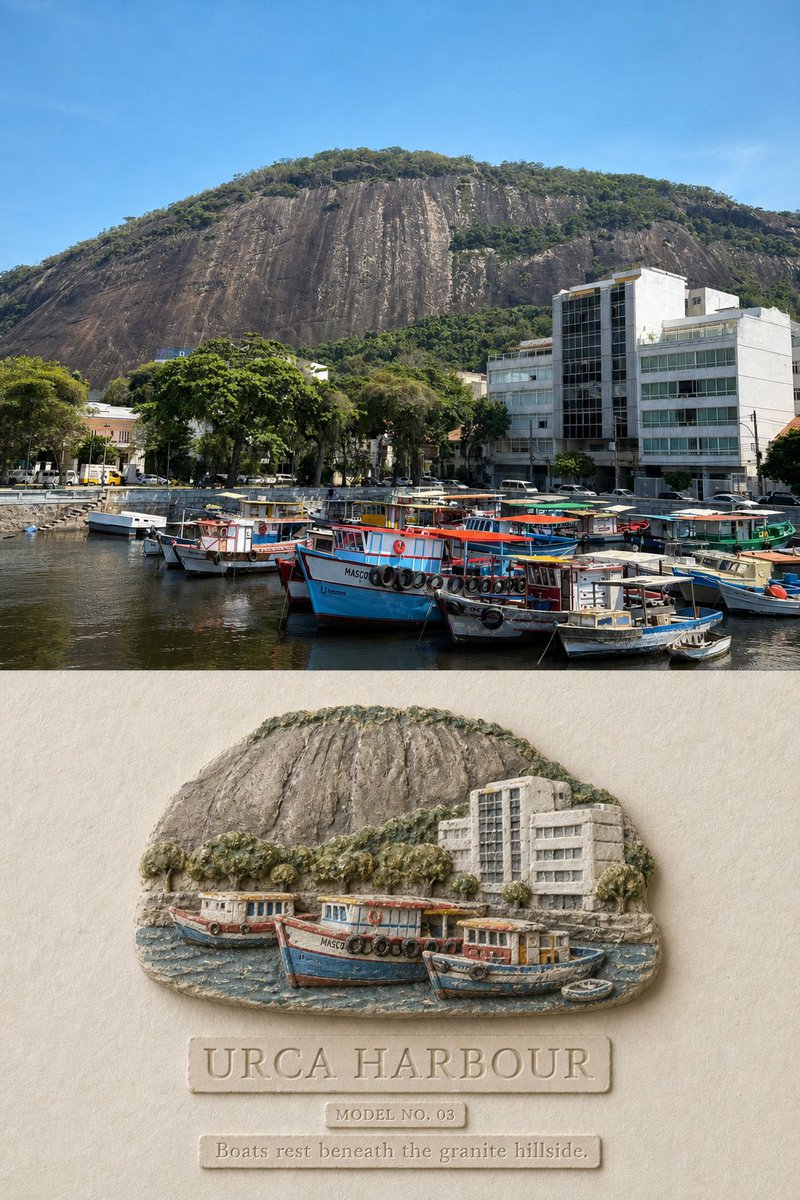
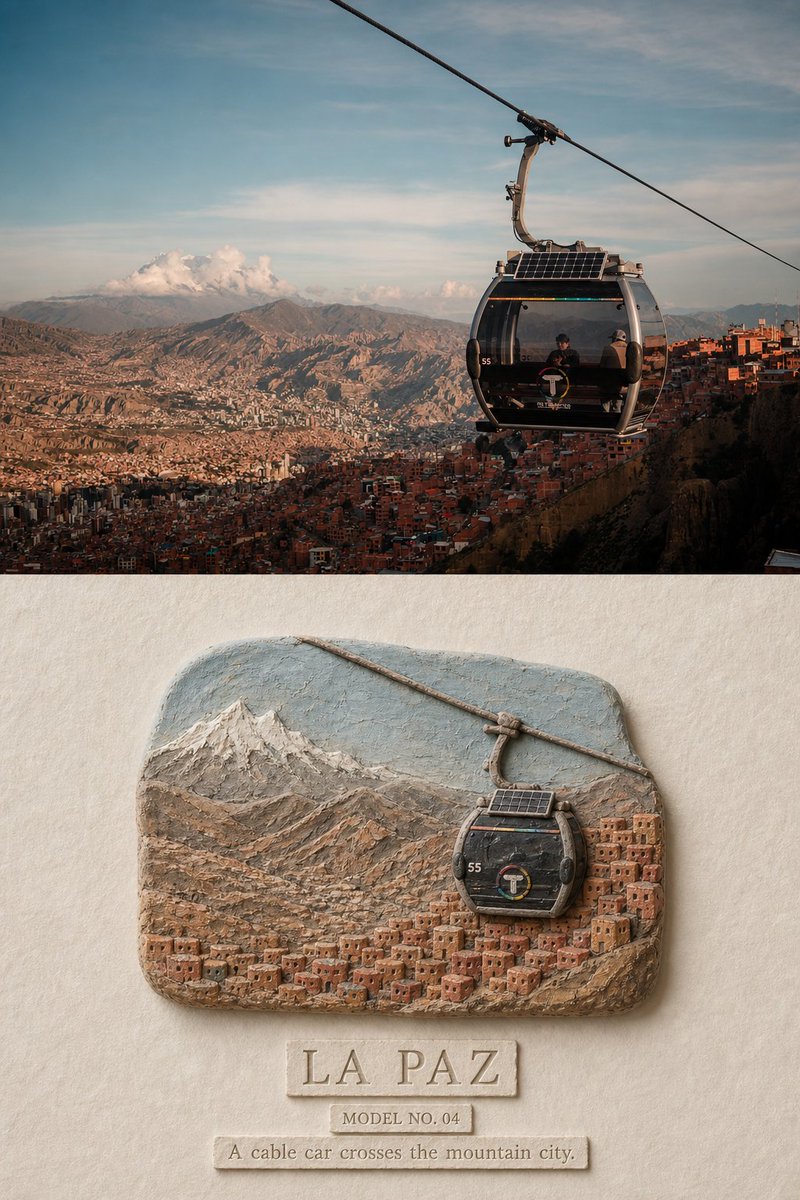
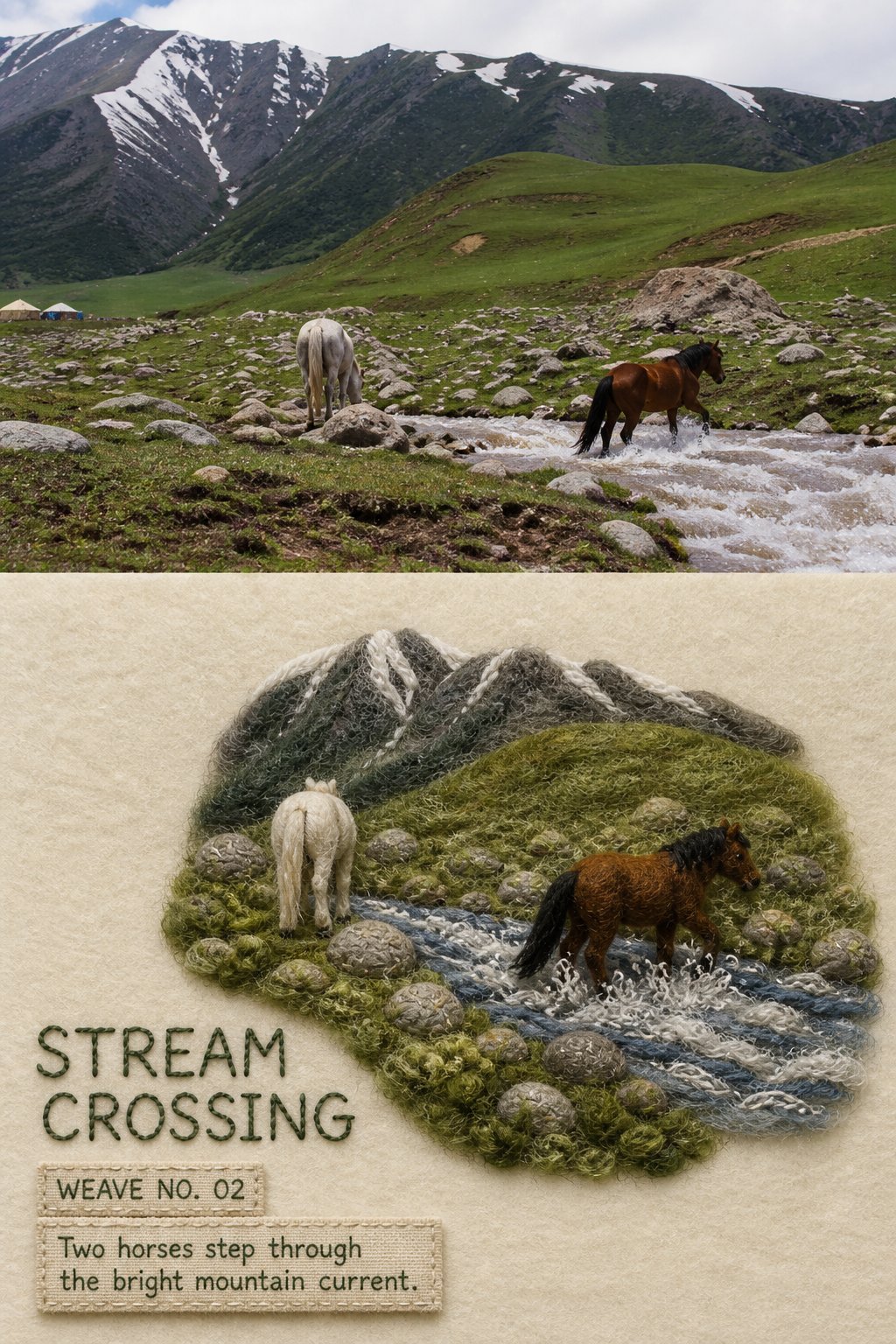
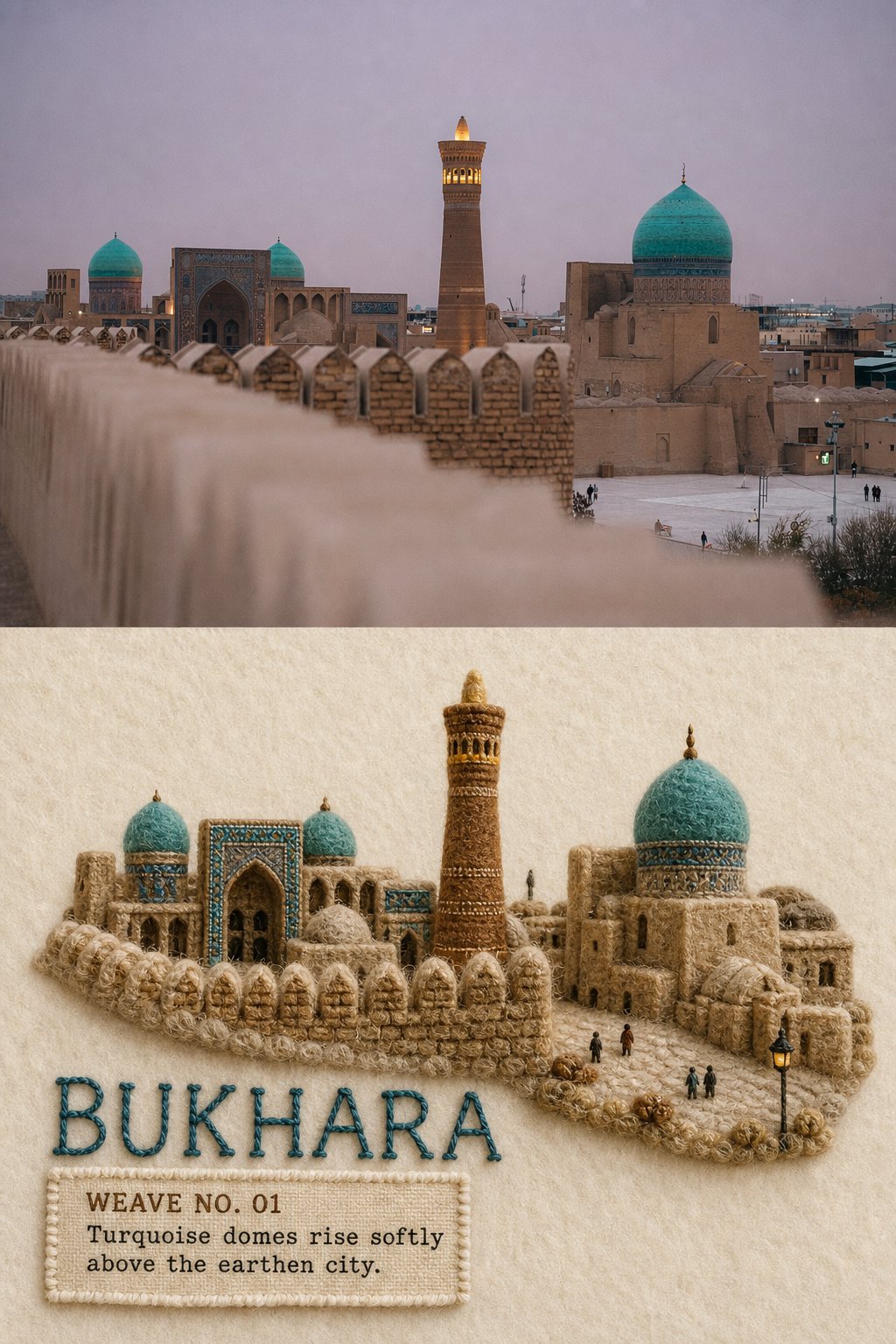
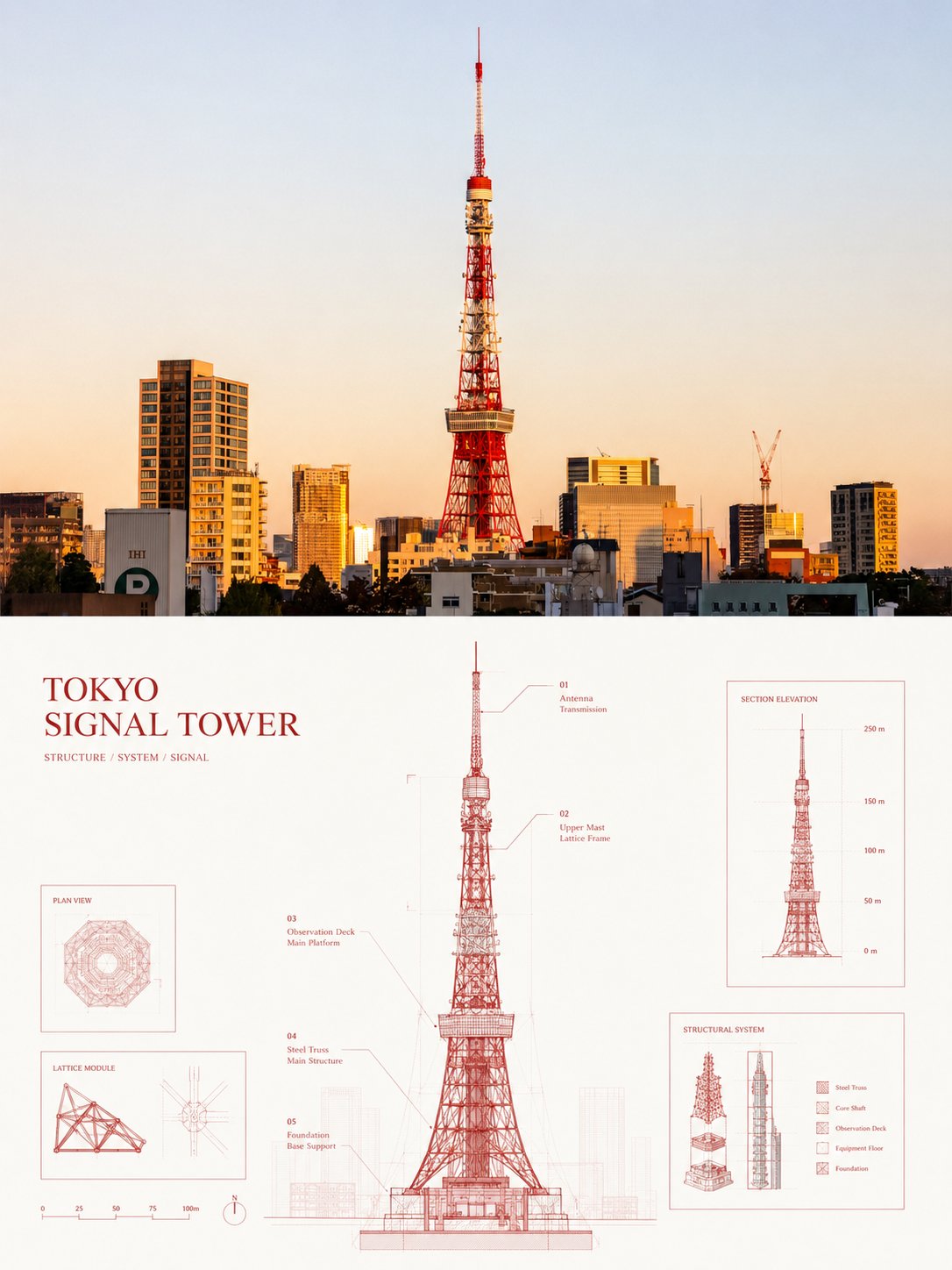
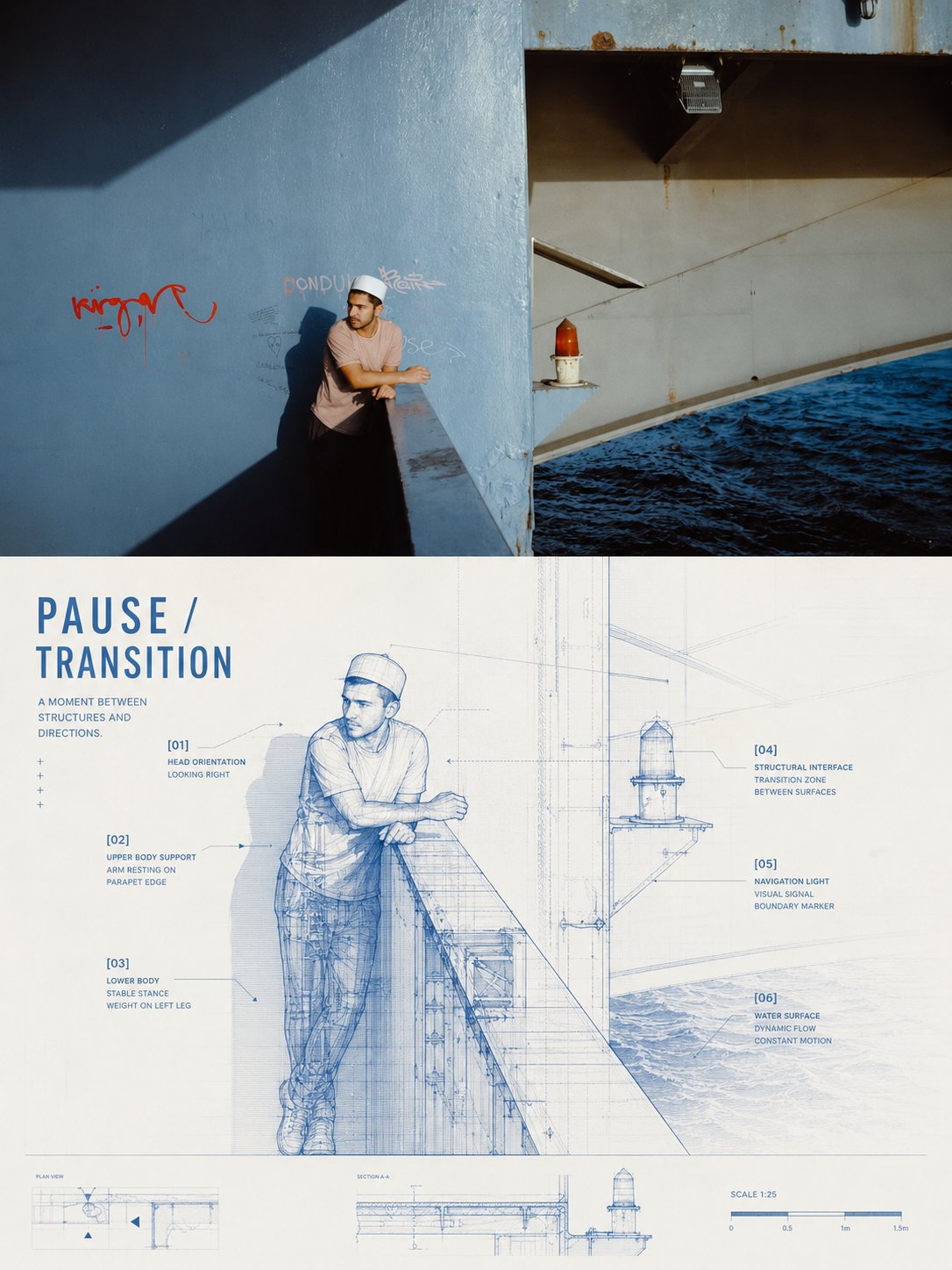
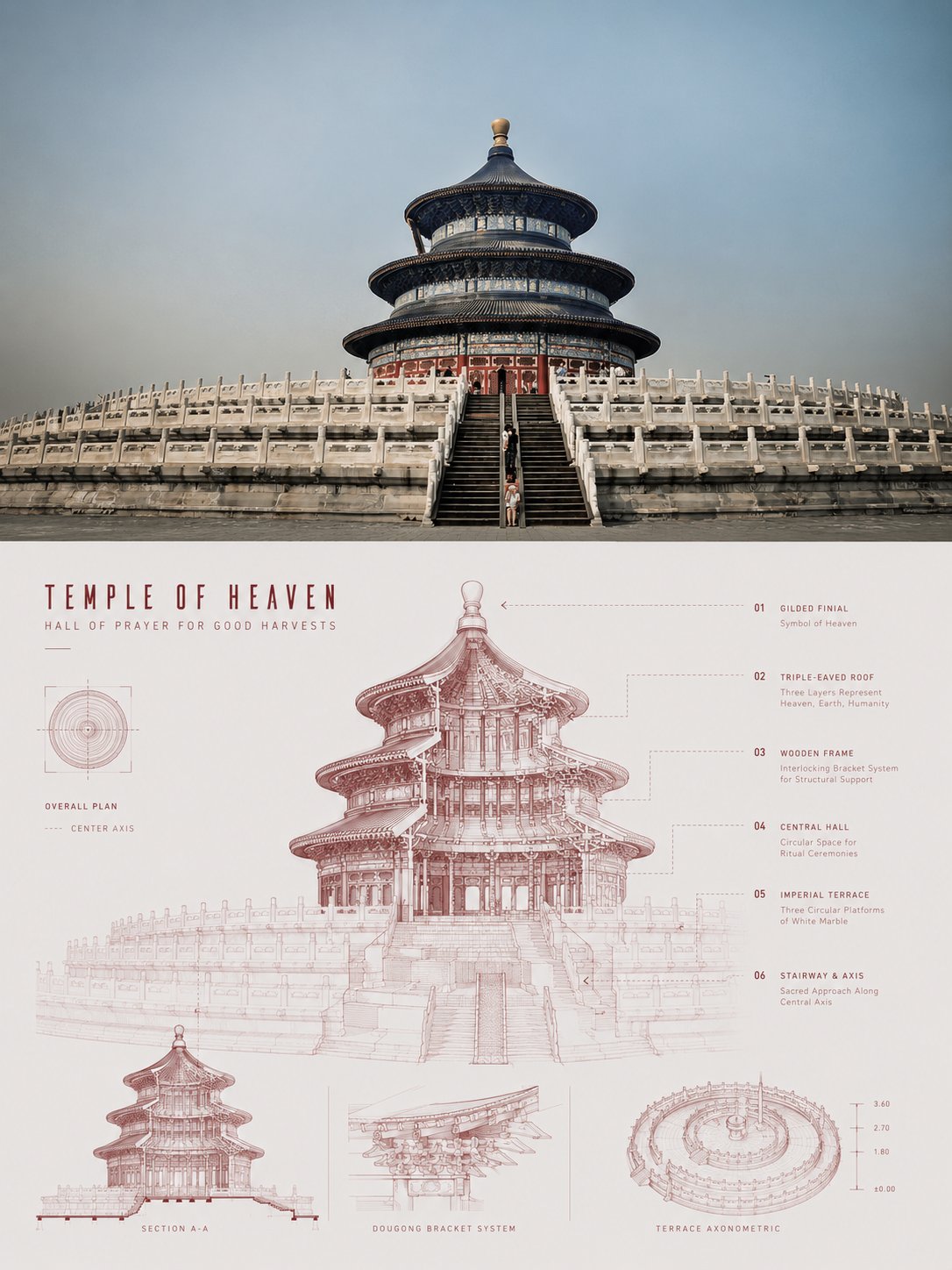
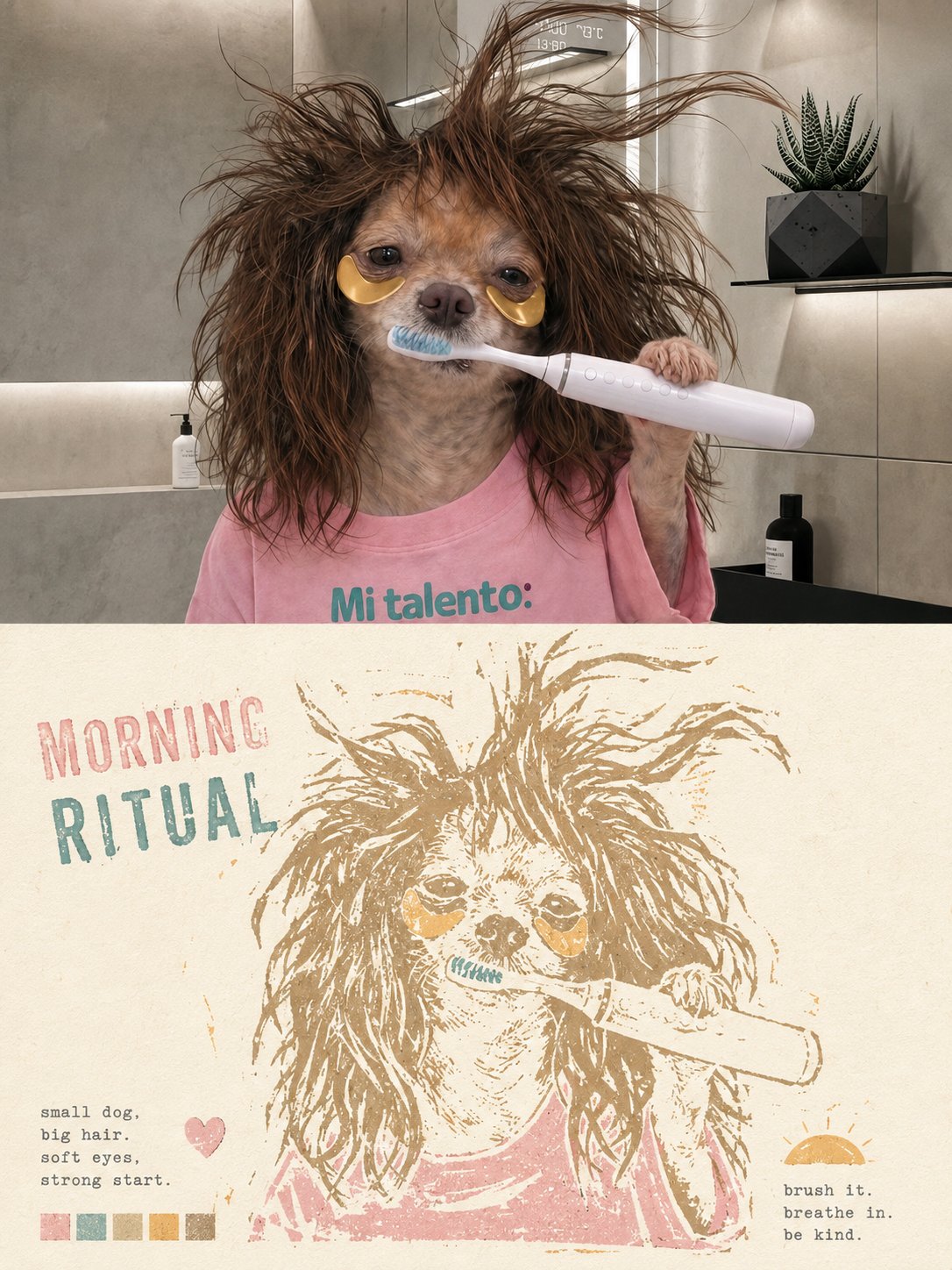
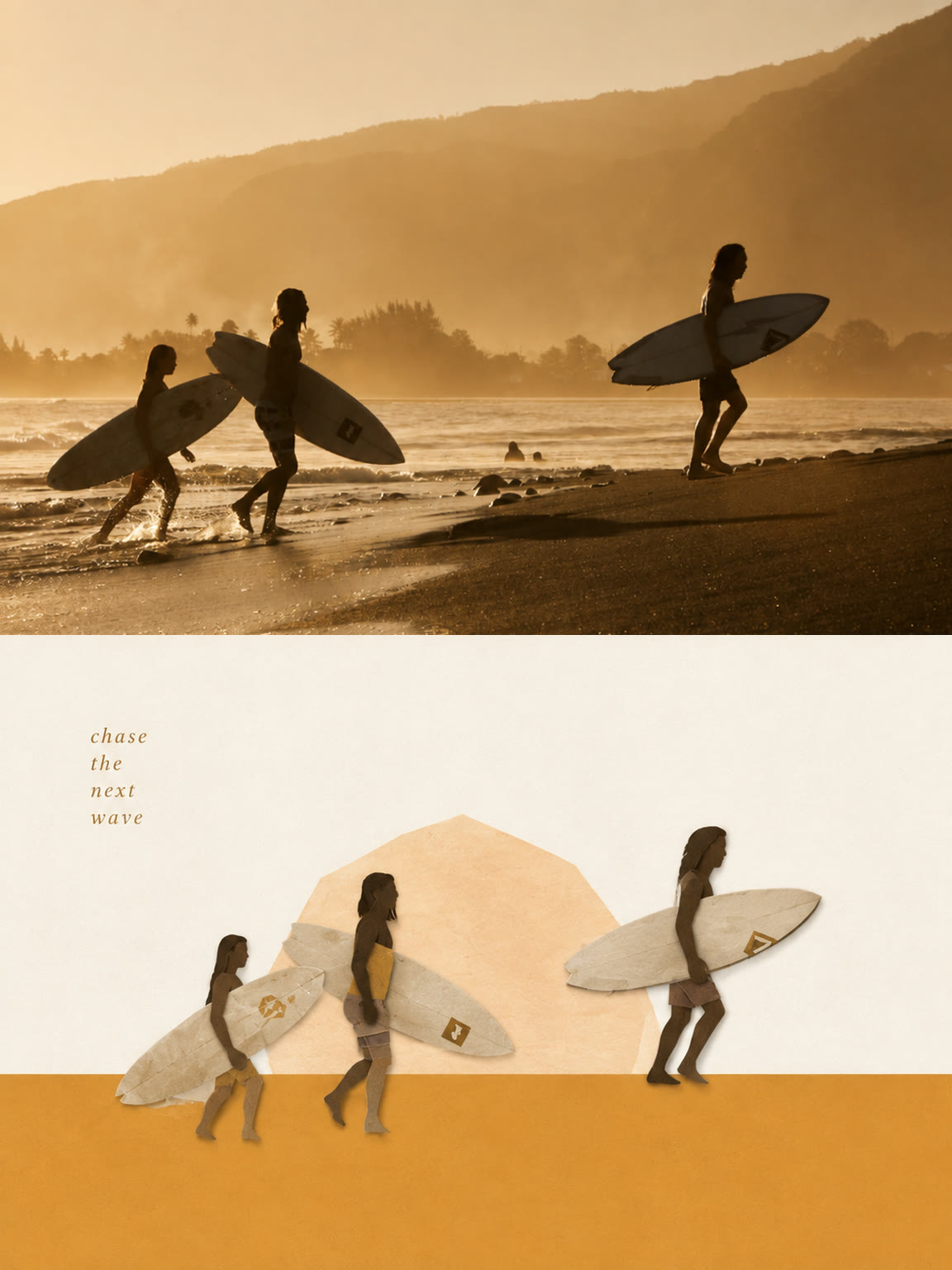
Turn each uploaded photograph into its own independent, refined design poster. Do not combine multiple photographs; output each one separately. Use a 3:4 portrait composition with two vertically stacked regions of strictly equal height, each occupying 50% of the image.
Keep the original photograph in the upper half, preserving the subject's identity, structure, pose, authentic texture, natural light and shadow, and original color atmosphere. Apply only subtle, sophisticated color grading for the character of an art magazine, independent publication, or exhibition image. The surrounding environment may be extended naturally to fit the format, but never stretch, distort, or change the subject.
In the lower half, extract the photograph's most recognizable **subject, silhouette, structure, pose, and narrative relationships**, make fresh artistic judgments, and reconstruct them as a **paper-art collage illustration anchored by a color-field base**. Do not copy the complete photograph or redraw it object by object. Actively remove most of the background and irrelevant details, retaining only the visual memory cues that best represent the original. Reorganize them through cut-paper contours, overlapping paper pieces, geometric simplification, and a little texture, so the relationship to the photograph above is immediately recognizable.
Use an explicit **split color-field composition** within the lower half: leave extensive near-white negative space above, and close the bottom with one **solid-color base field spanning the full width**. No perspective, tabletop edge, or gradient. Place the subject near this horizontal color-field boundary; it may straddle the two fields to create a stable visual anchor. If the image needs it, add a localized geometric background block behind the subject, creating flat layered space in the sequence “near-white negative space—local backing panel—subject—solid-color base.”
Give the model authority to direct the image anew. Even if the original composition is cluttered, the background complex, or the subject too small, redesign through **subtraction, rearrangement, cropping, changes in scale, repositioning, and negative space**, concentrating the subject, clarifying relationships, and making the composition work. Emphasize extensive negative space, asymmetric balance, proportions of color masses, and rhythms of density and openness. Prefer drawing less over filling the frame.
Use the material logic of **cut-paper collage**. Translate people, buildings, animals, plants, objects, or landscapes into a few complete paper shapes, with slightly irregular hand-cut edges, fine paper grain, subtle layering, and a printed texture. Build space mainly through occlusion by color shapes and front-to-back layering, not realistic perspective, dimensional shadows, or complex light and dark modeling.
Extract and reorganize 2–4 of the most distinctive, lively colors from the upper photograph into soft, bright, clean pastel color-field relationships. Use one stable dominant color for the lower base, with analogous hues or a little contrasting color in the local backing panel and subject to establish layers. Keep the whole light, gentle, and connected to everyday life; avoid dirty gray, gloom, excessive Morandi-like muting, highly saturated clashes, and cheap candy-like color.
Let text make only a very small editorial intervention. Do not restrict the language or prescribe a fixed title or number. Freely distill a few words from the subject, location, action, emotion, or metaphor, and place them quietly in the upper negative space, along a color-field boundary, or near the layout's edges and corners, creating a restrained, refined relationship between text and imagery.
The overall result should combine **cut-paper collage, upper/lower color-field division, a full-width solid-color base, localized background color blocks, extensive negative space, and editorial typography** into a refined visual effect. Avoid redrawing the complete scene, complex backgrounds, realistic perspective, gradients, heavy shadows, filling the frame, cartoon or 3D effects, and formulaic collage.
2026-09-07via @xiaoxiaodong01