Visuele inspiratie
Promptbibliotheek
Sterke AI-resultaten uit het wild, mét de prompt erbij. Klik op een beeld, kopieer de prompt en maak er iets eigens van.
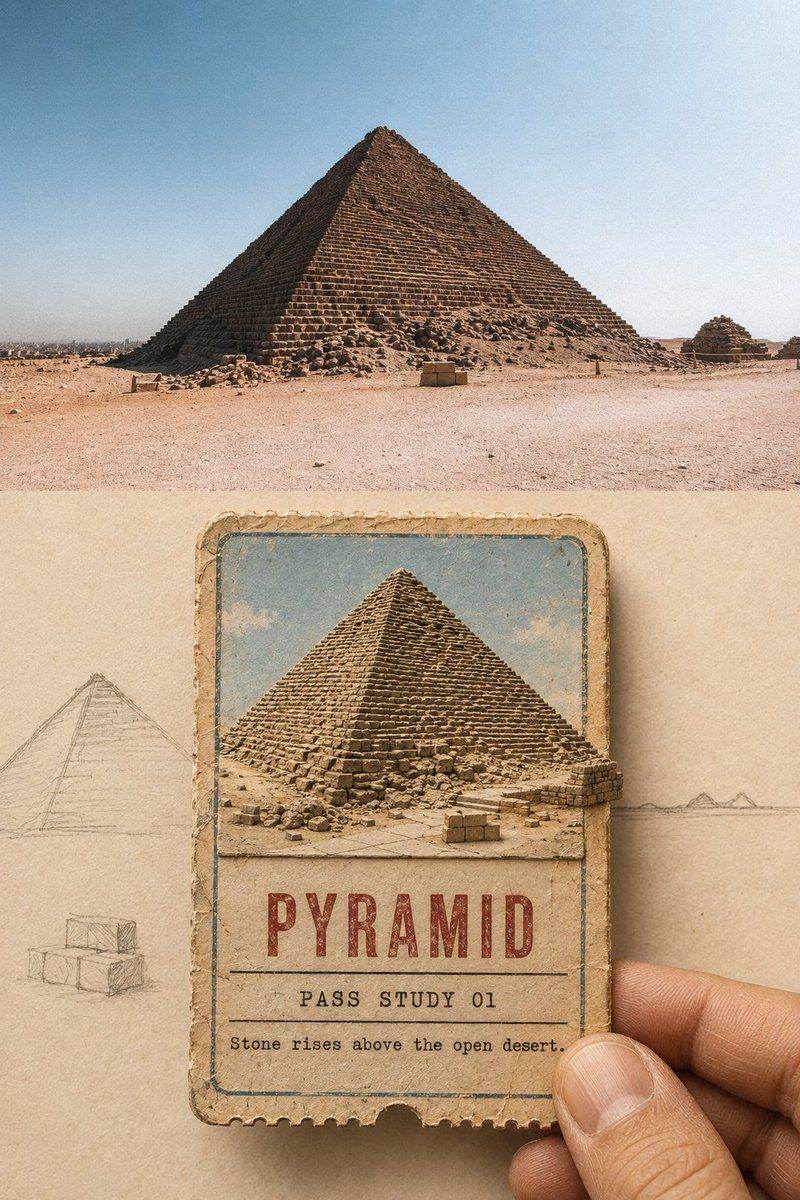
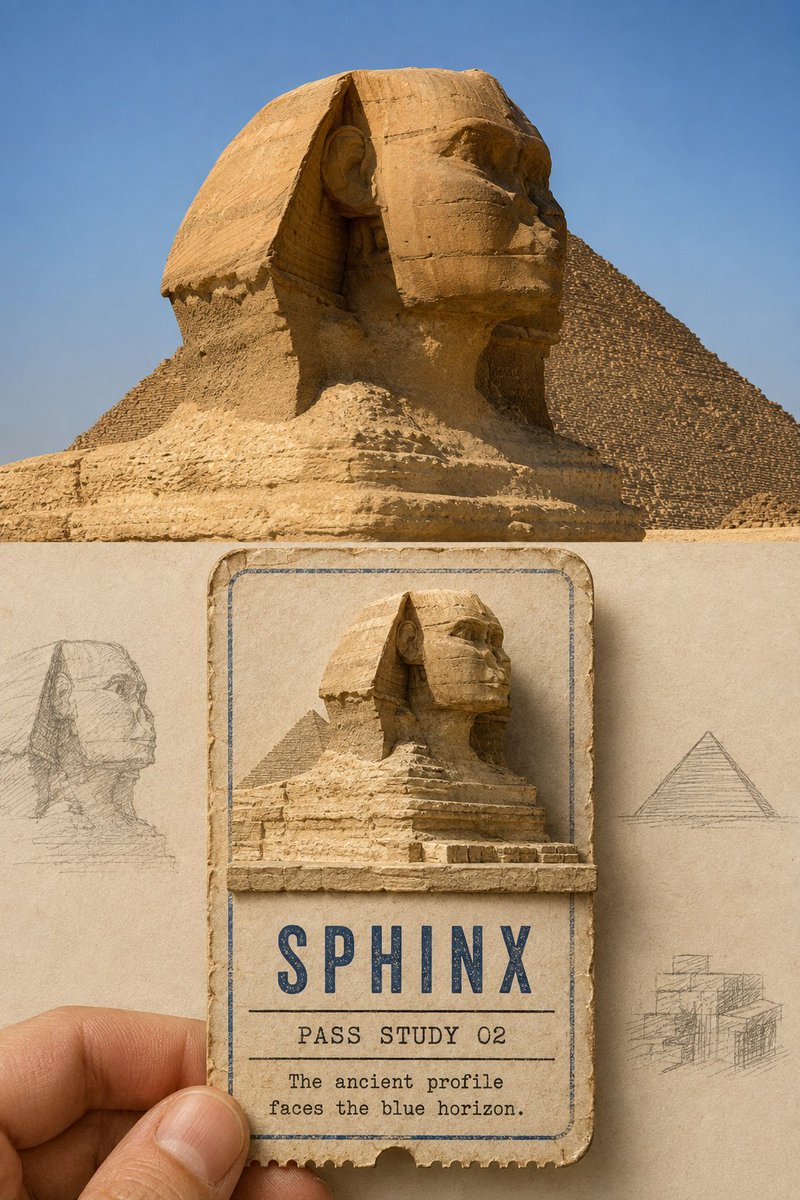
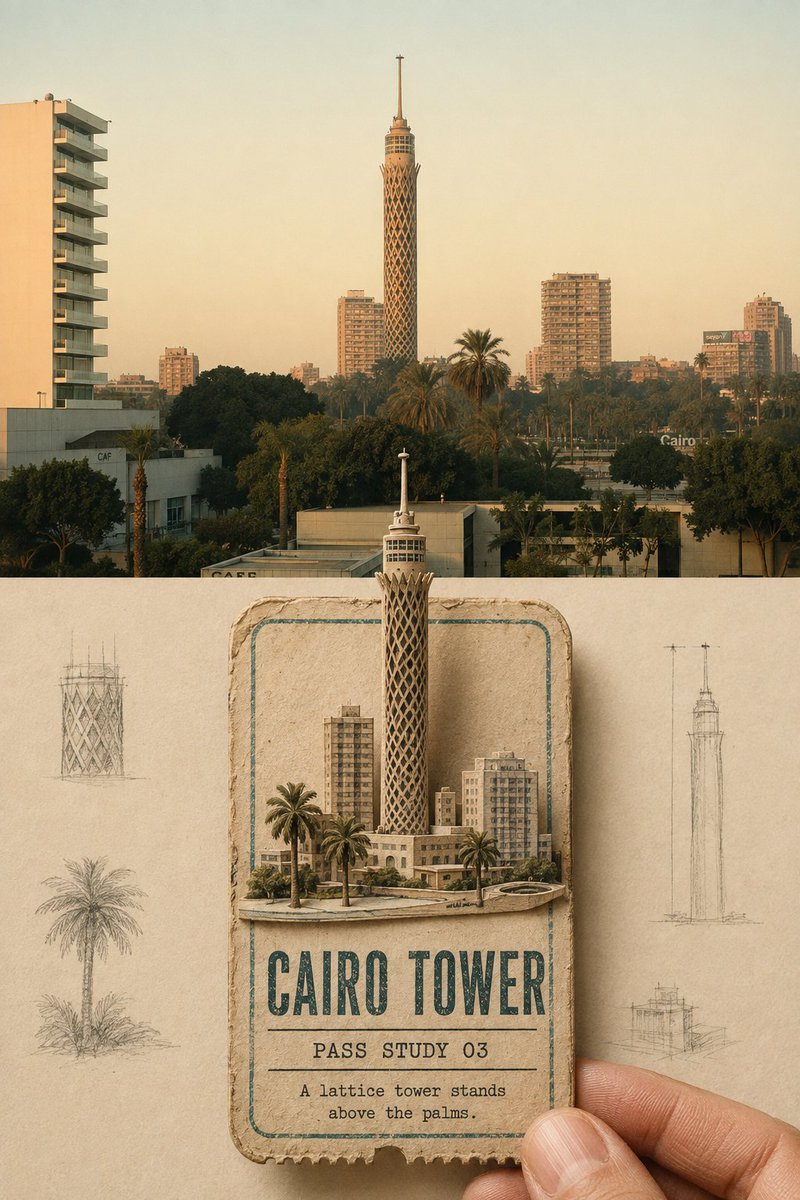
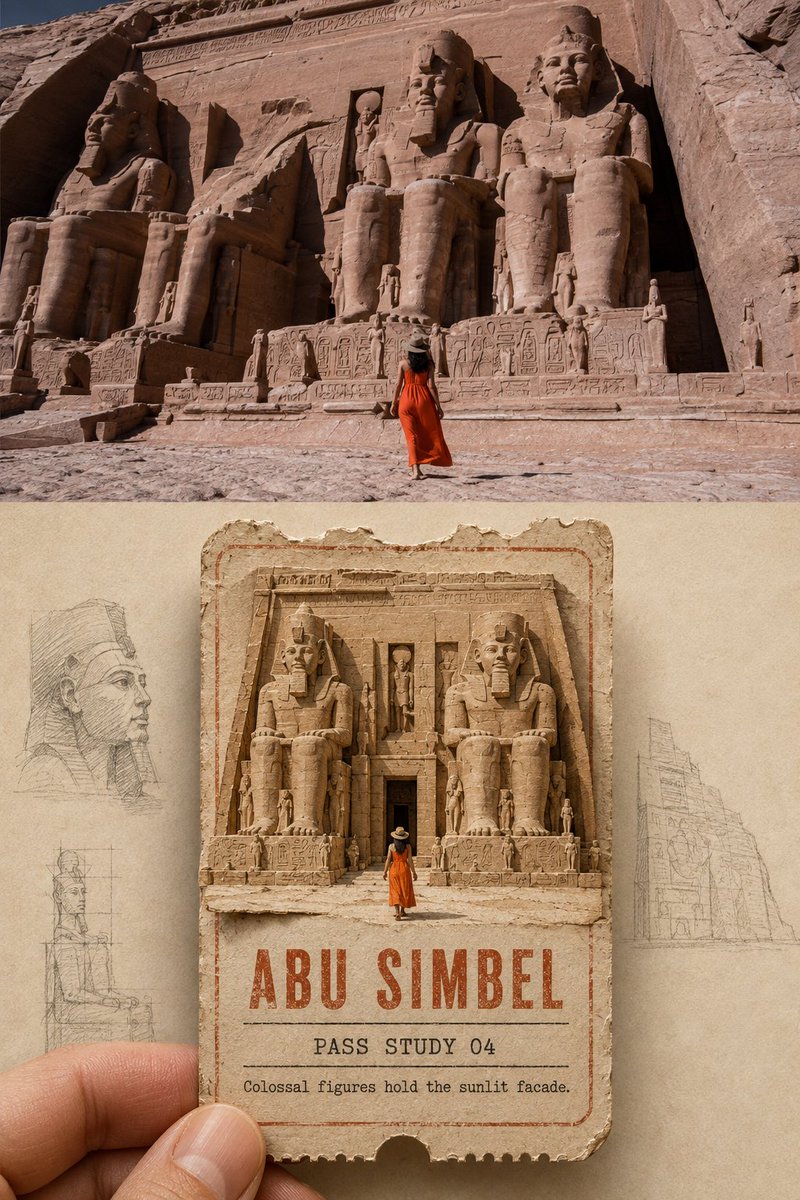
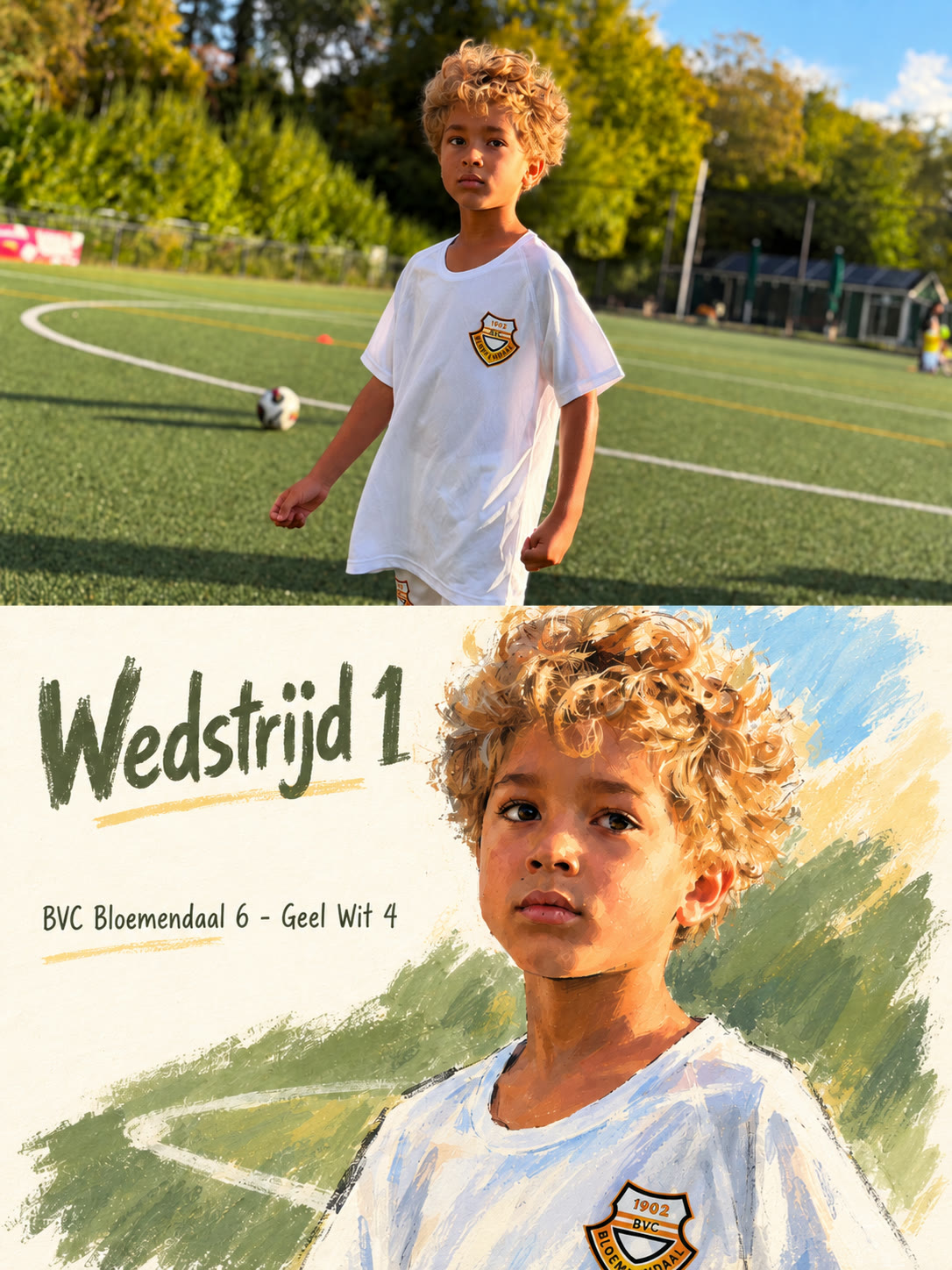
Krijg de prompts die indruk maken
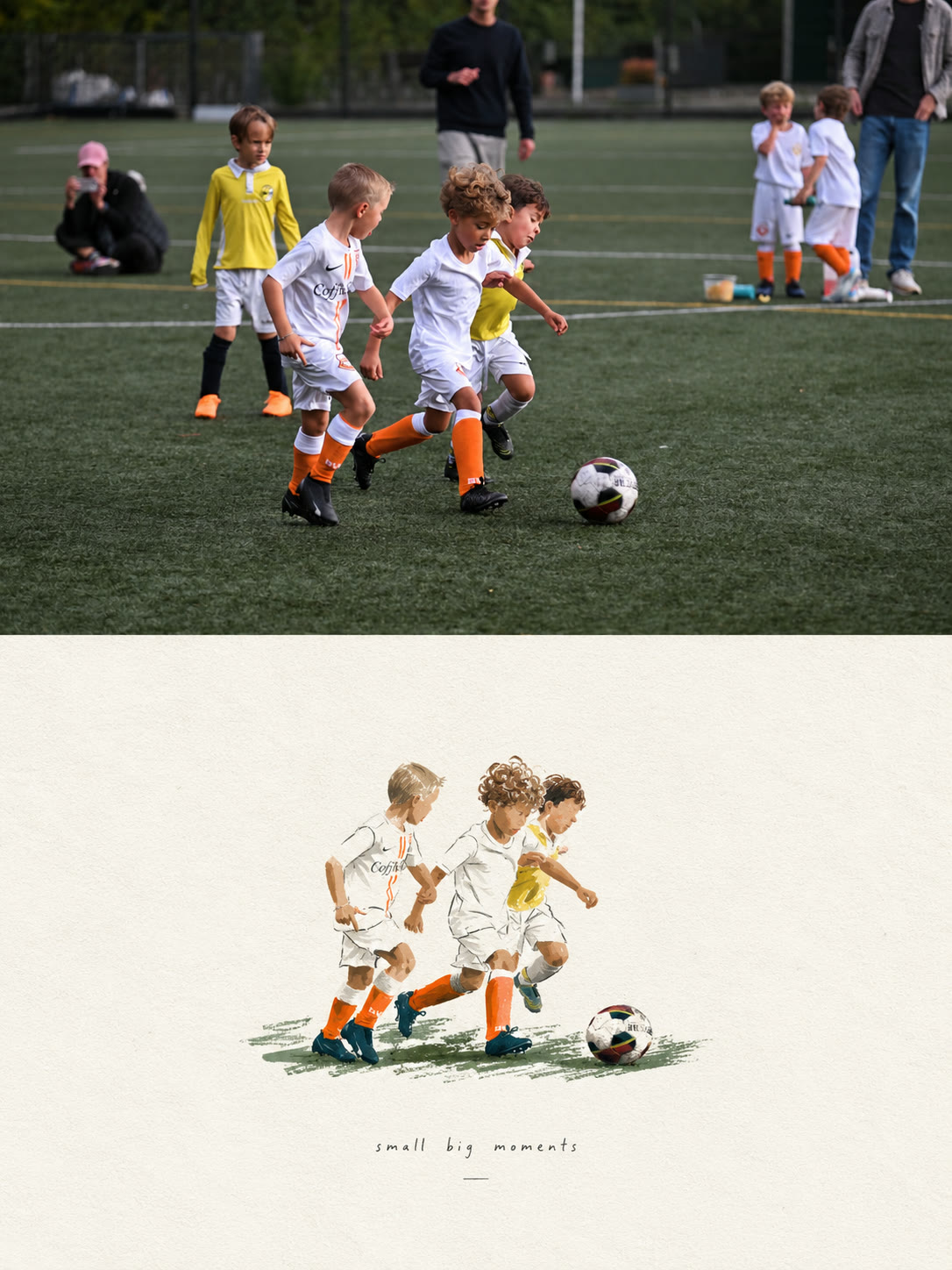
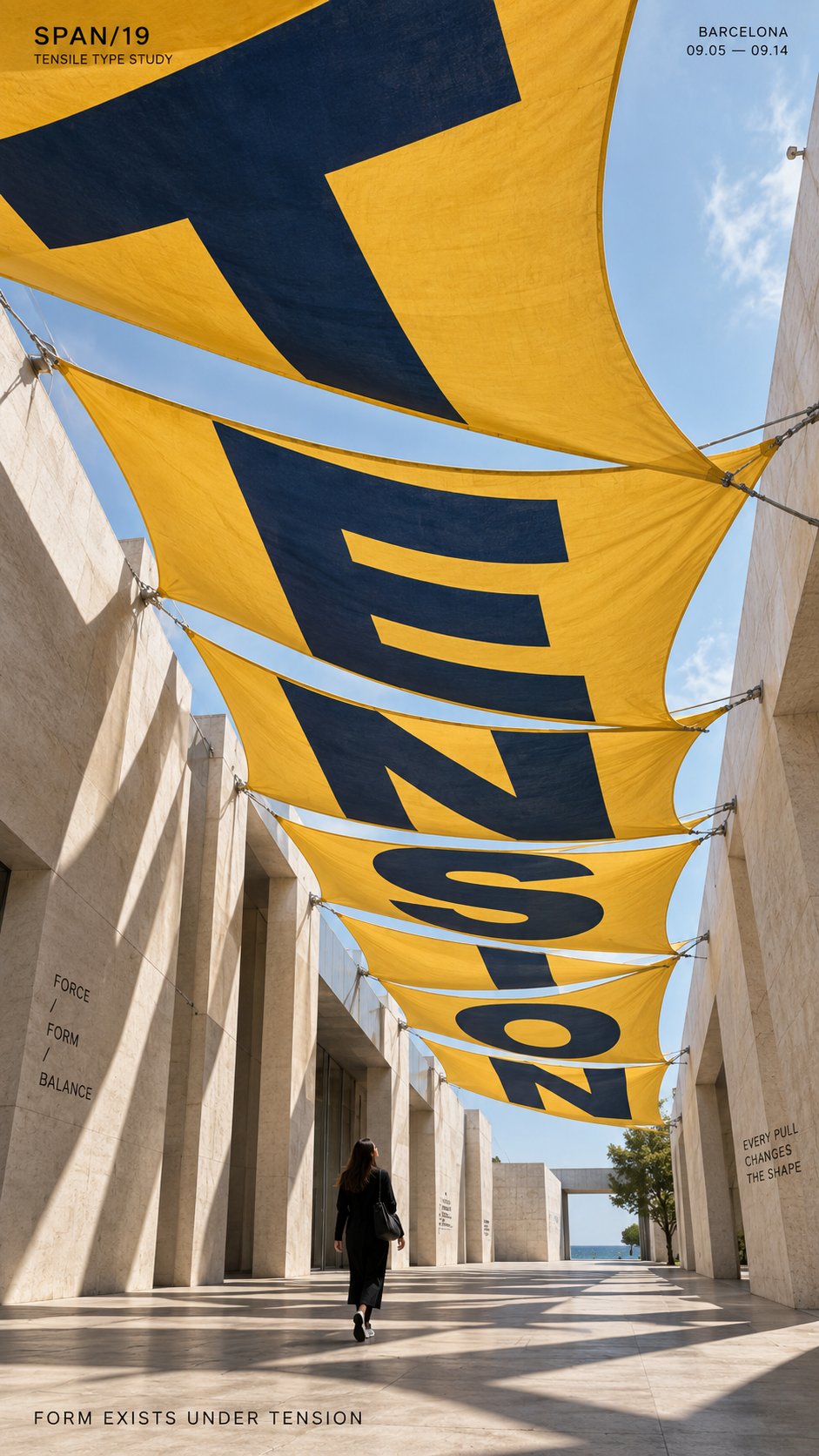
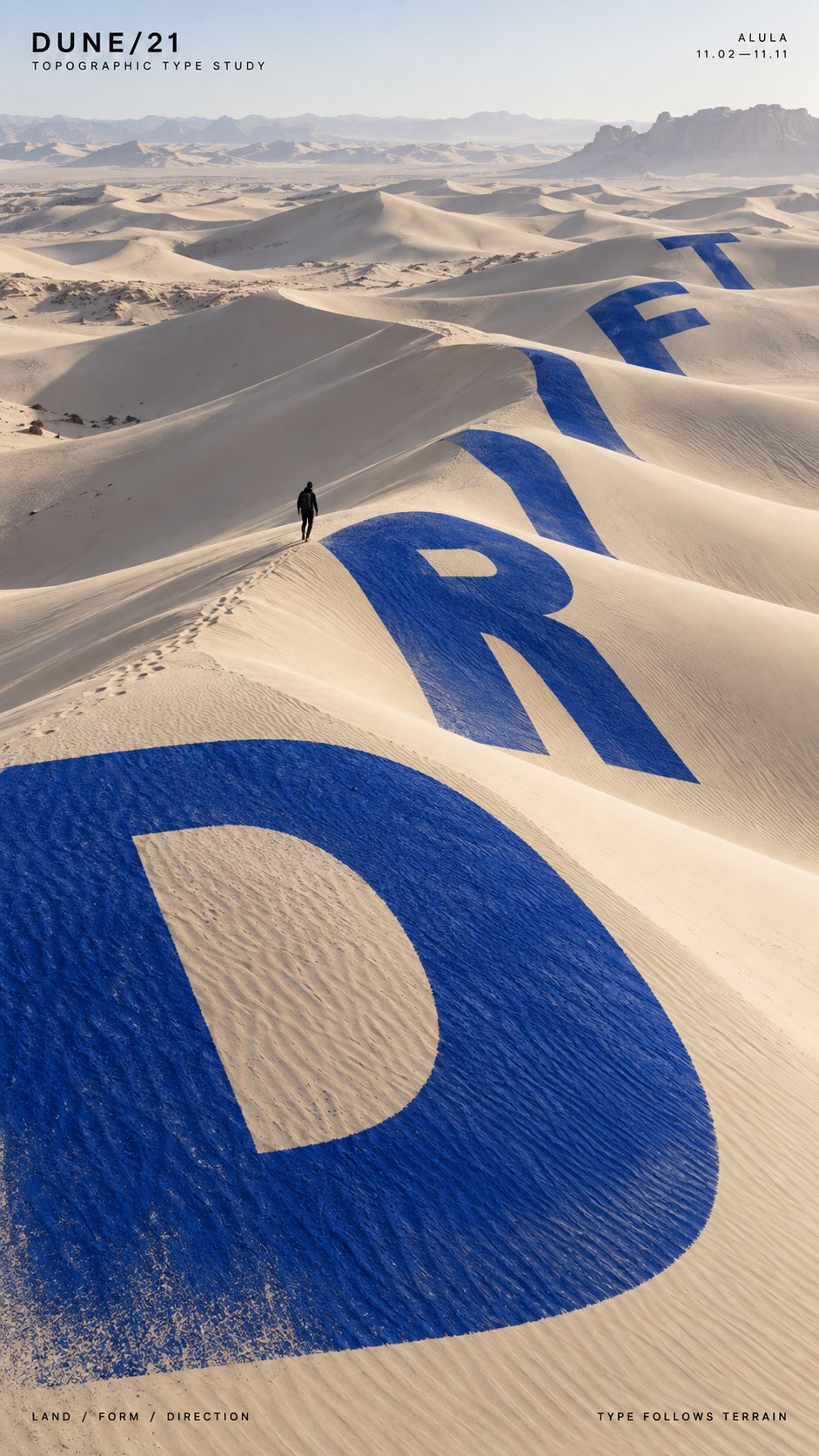
Krijg de prompts die indruk maken
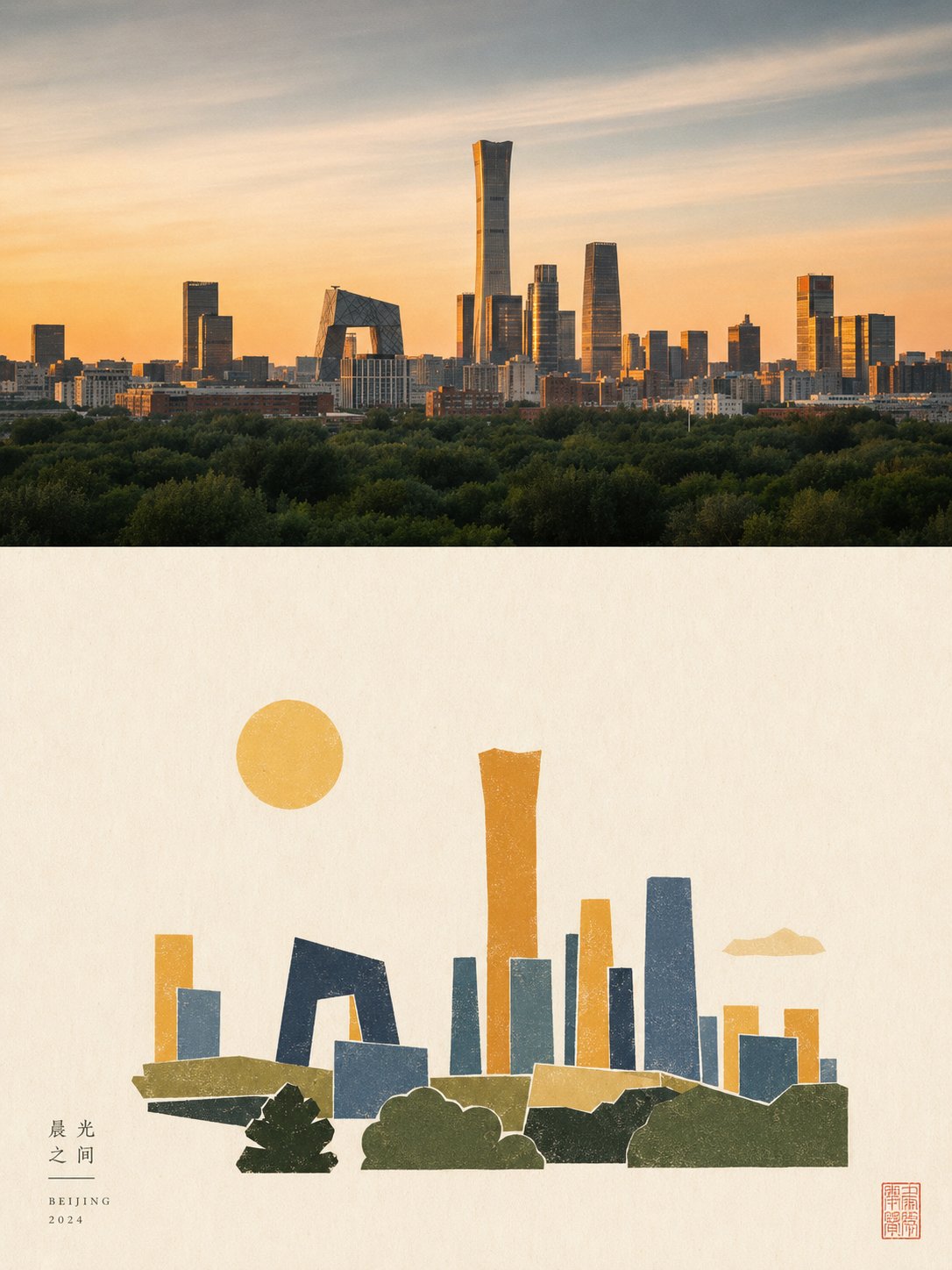
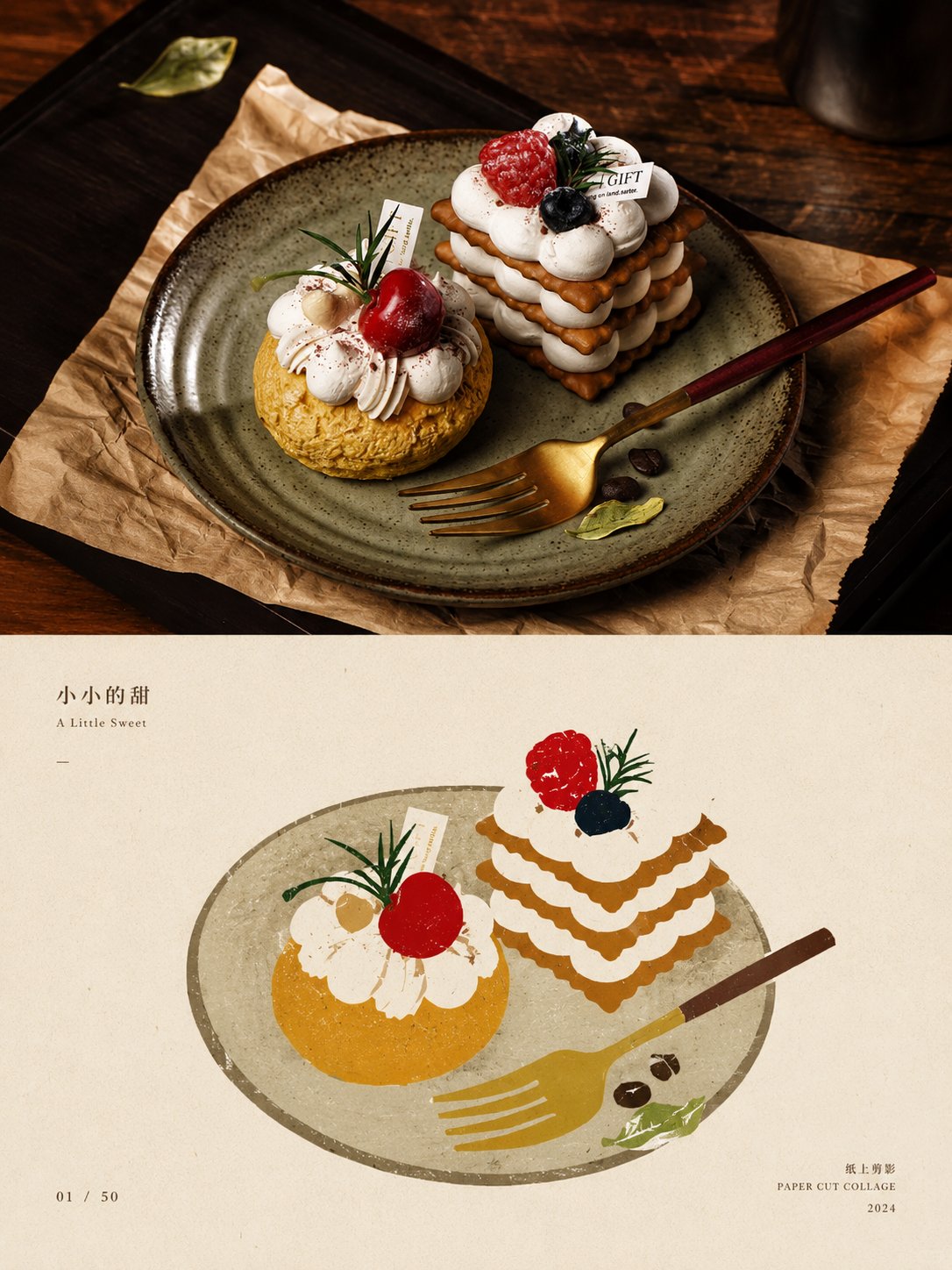
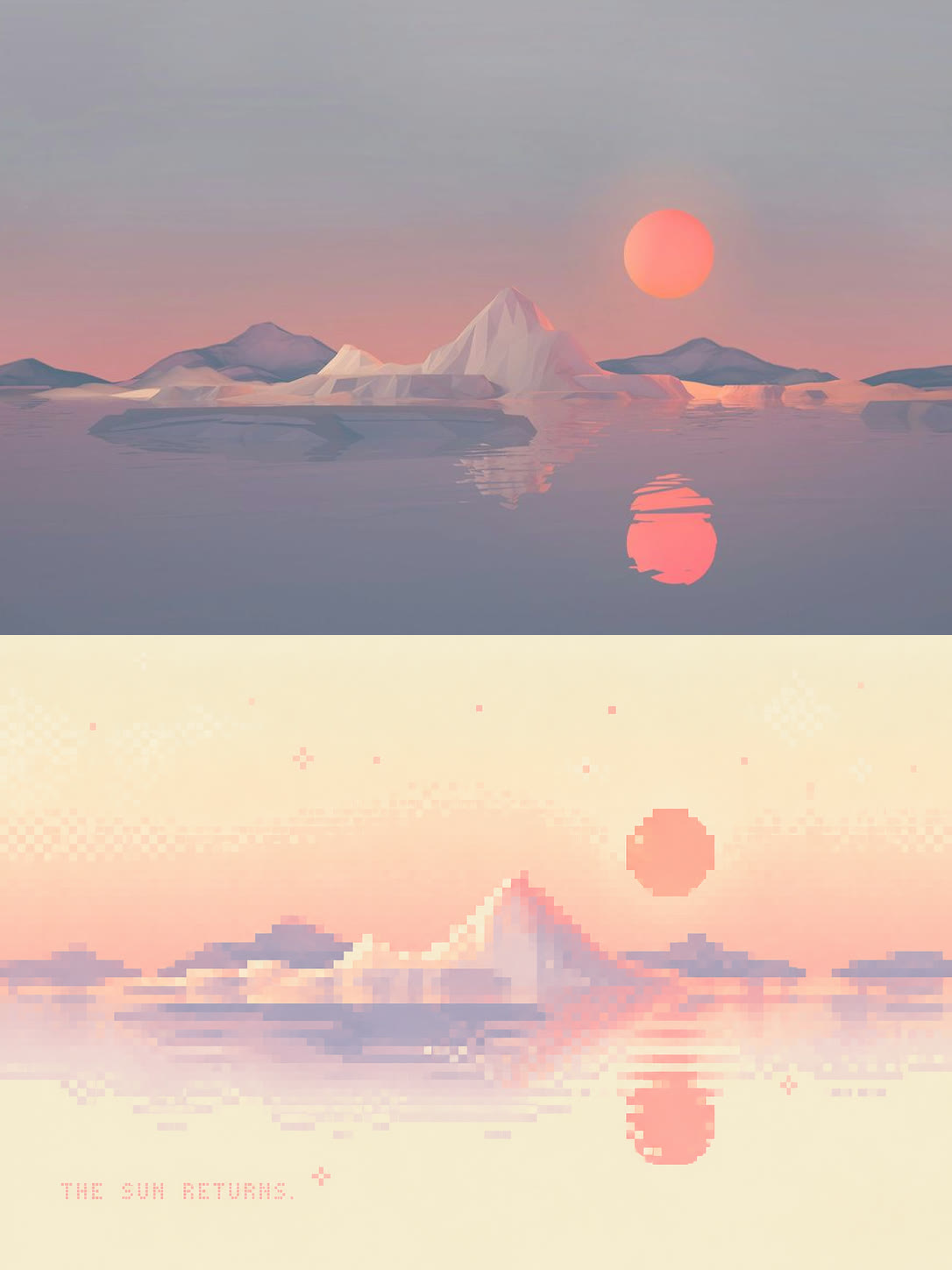
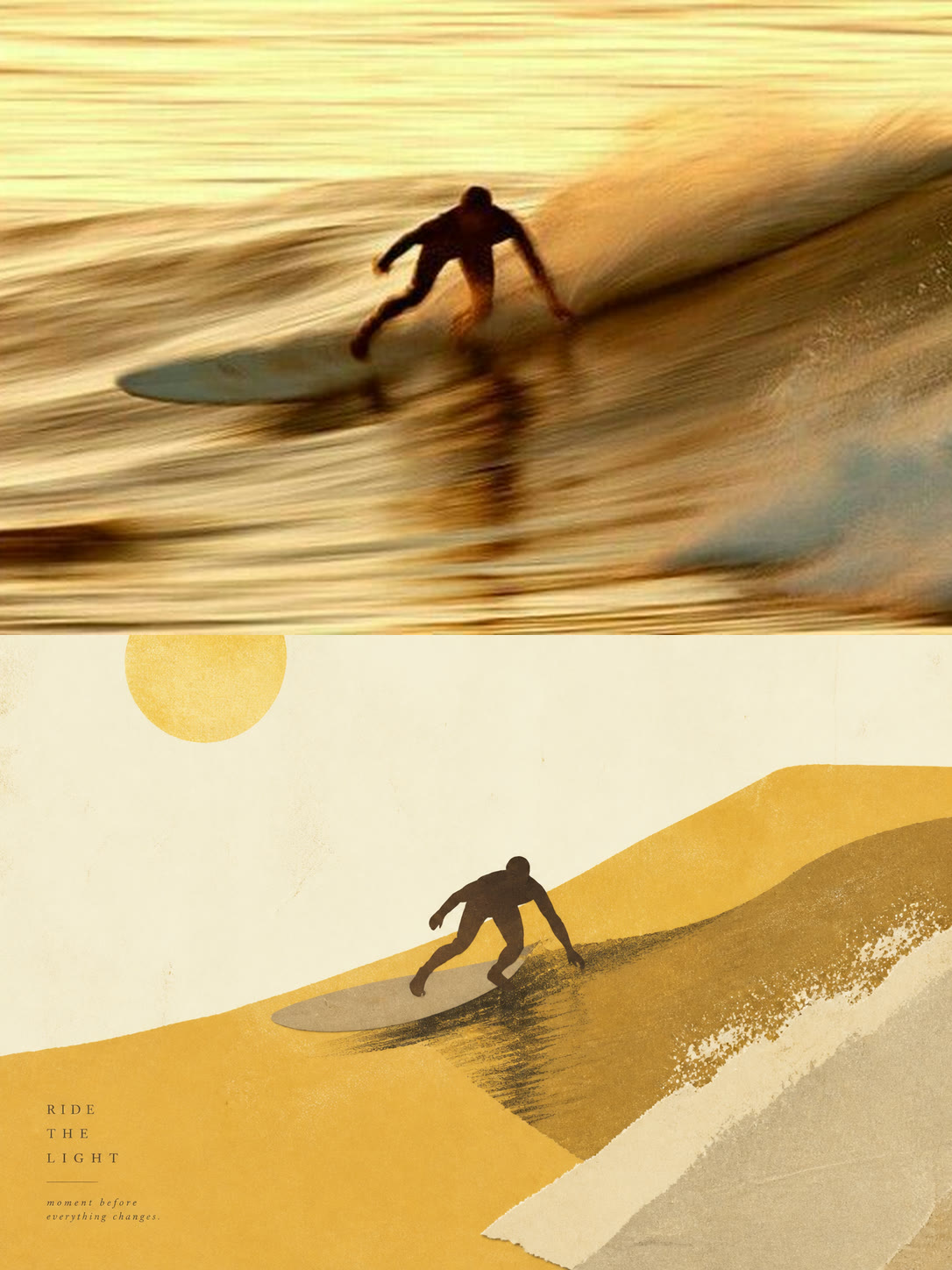
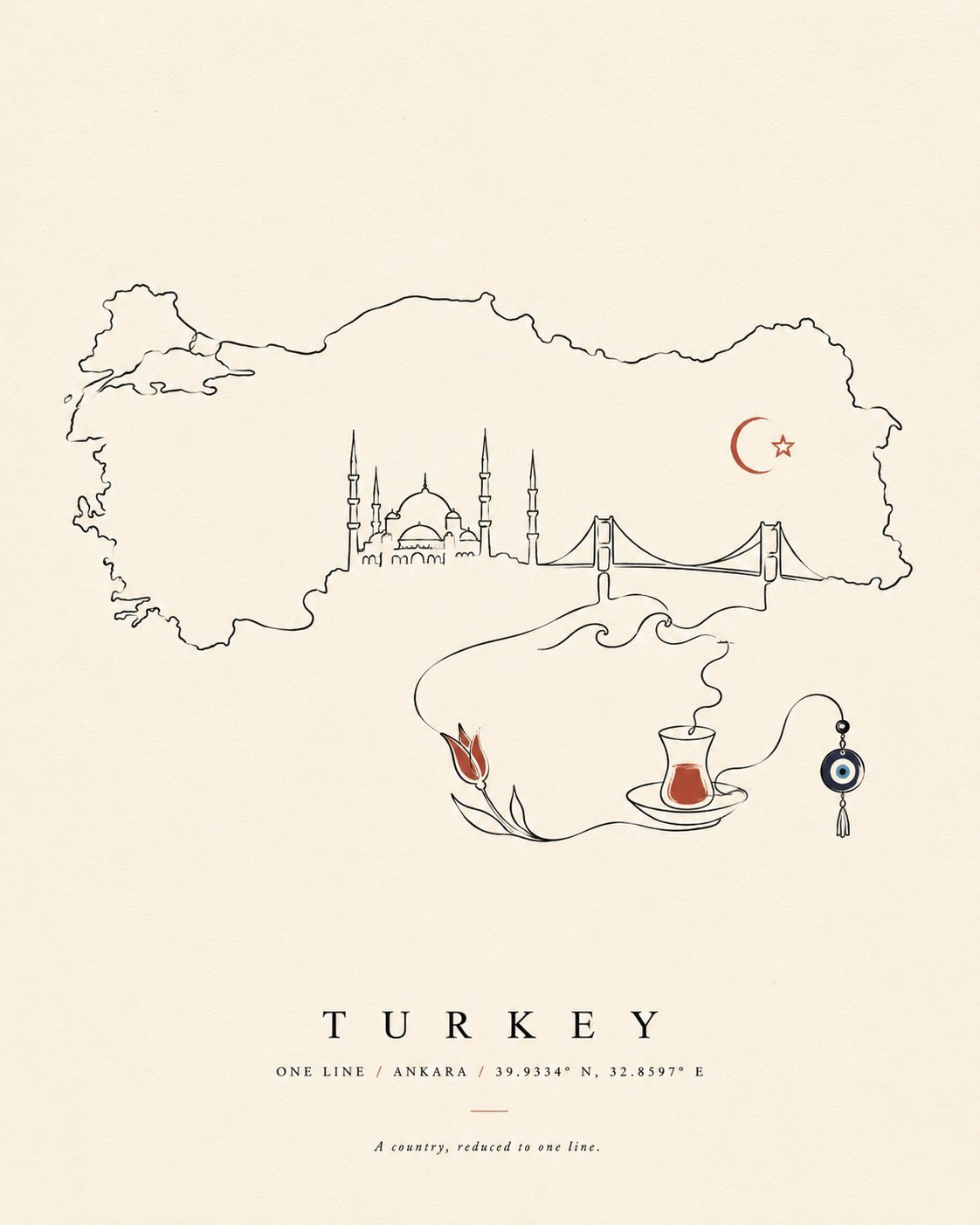
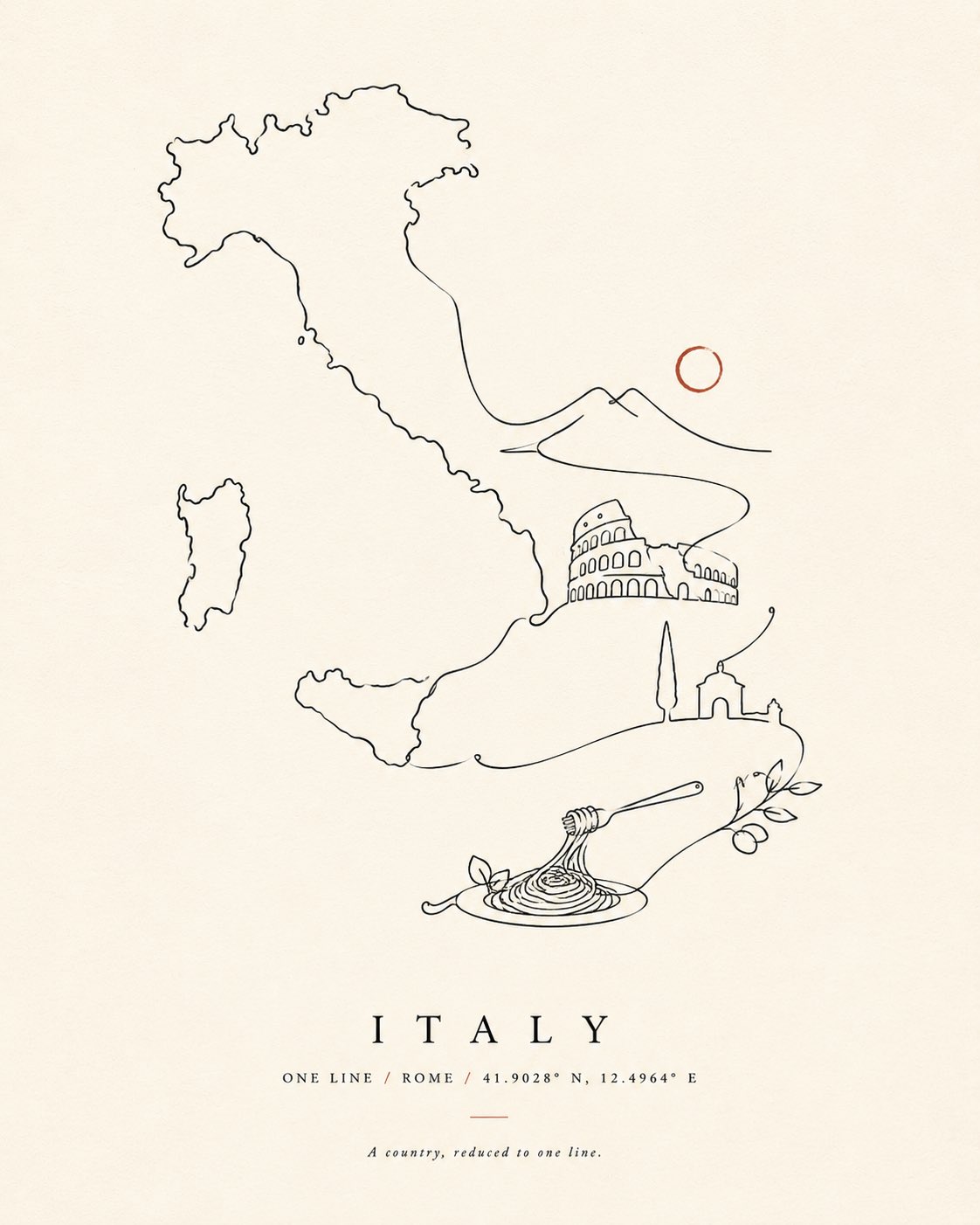
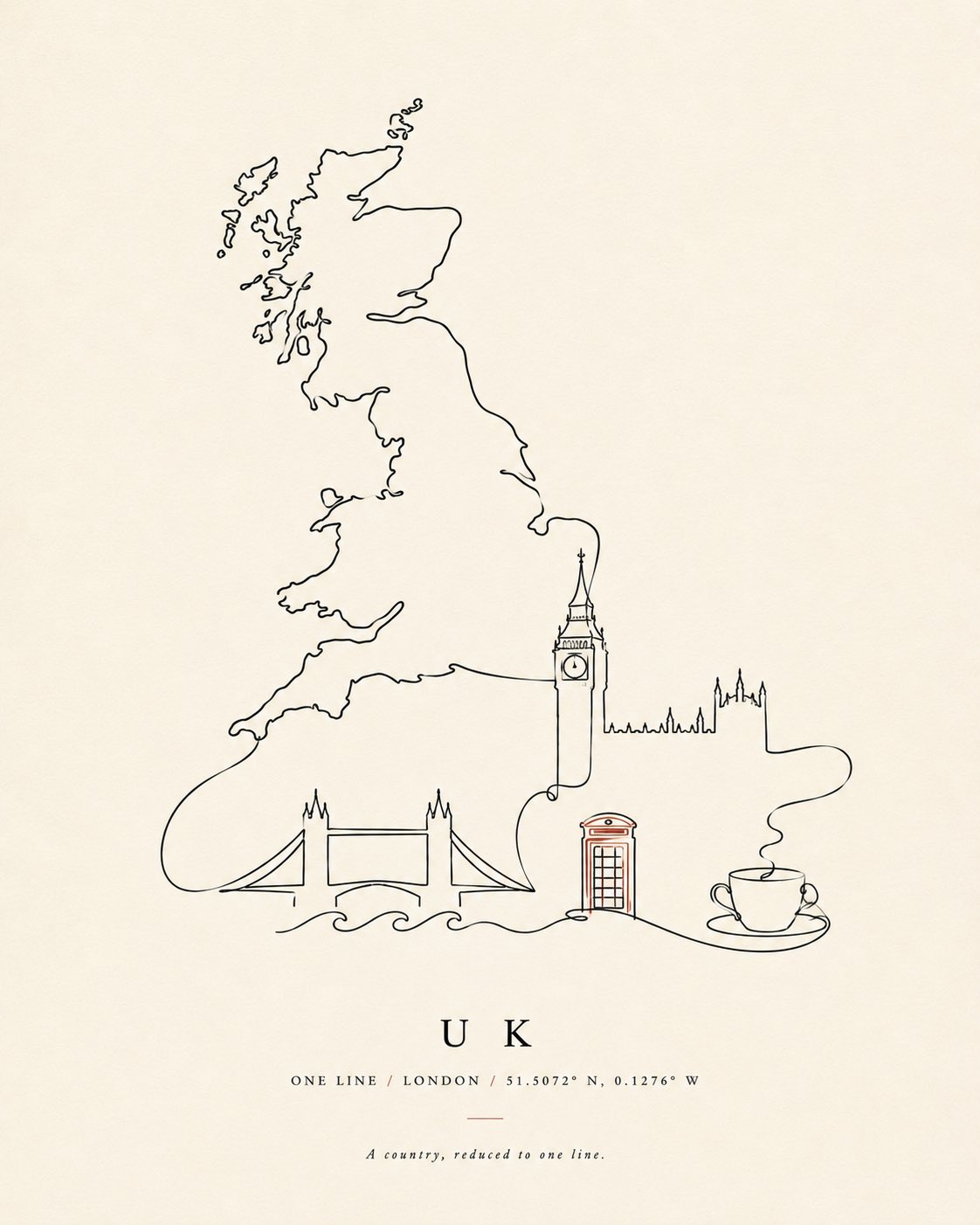
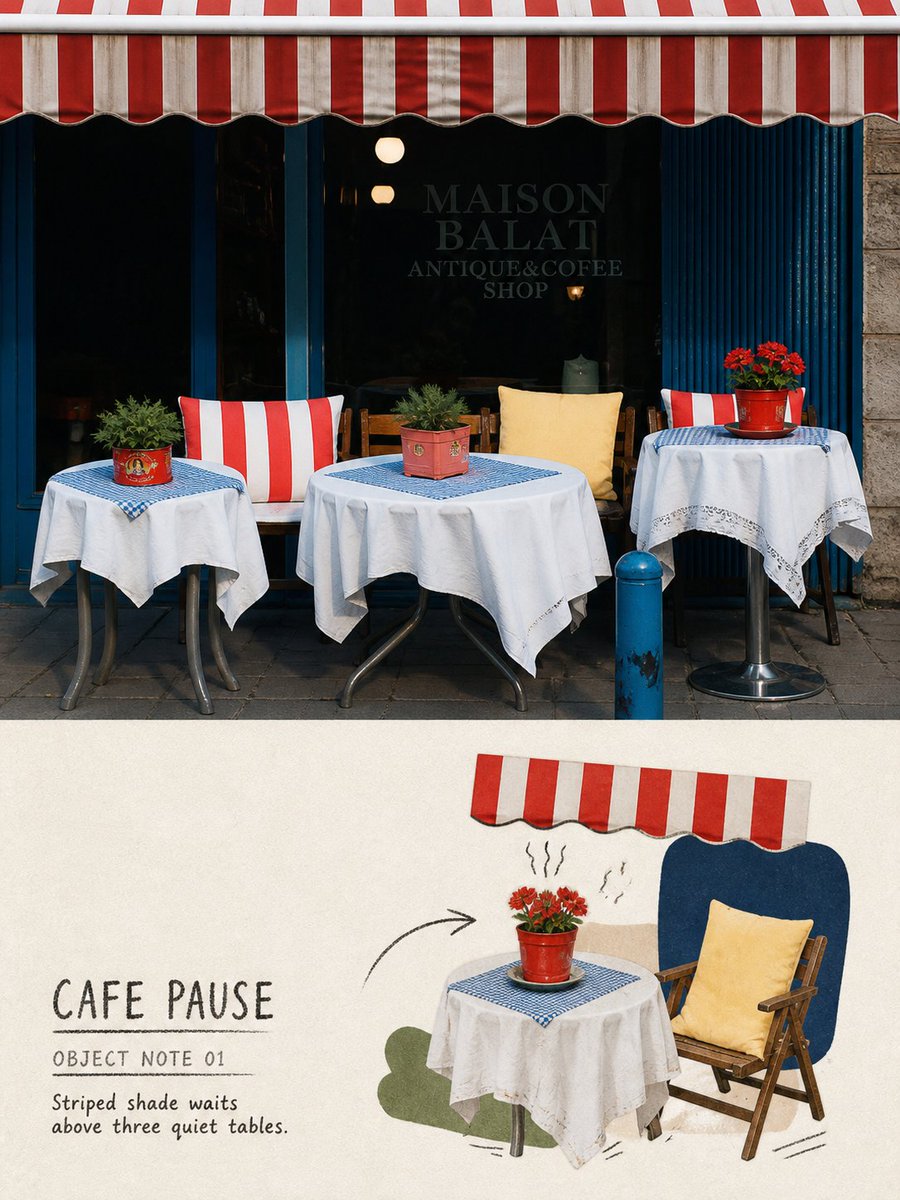
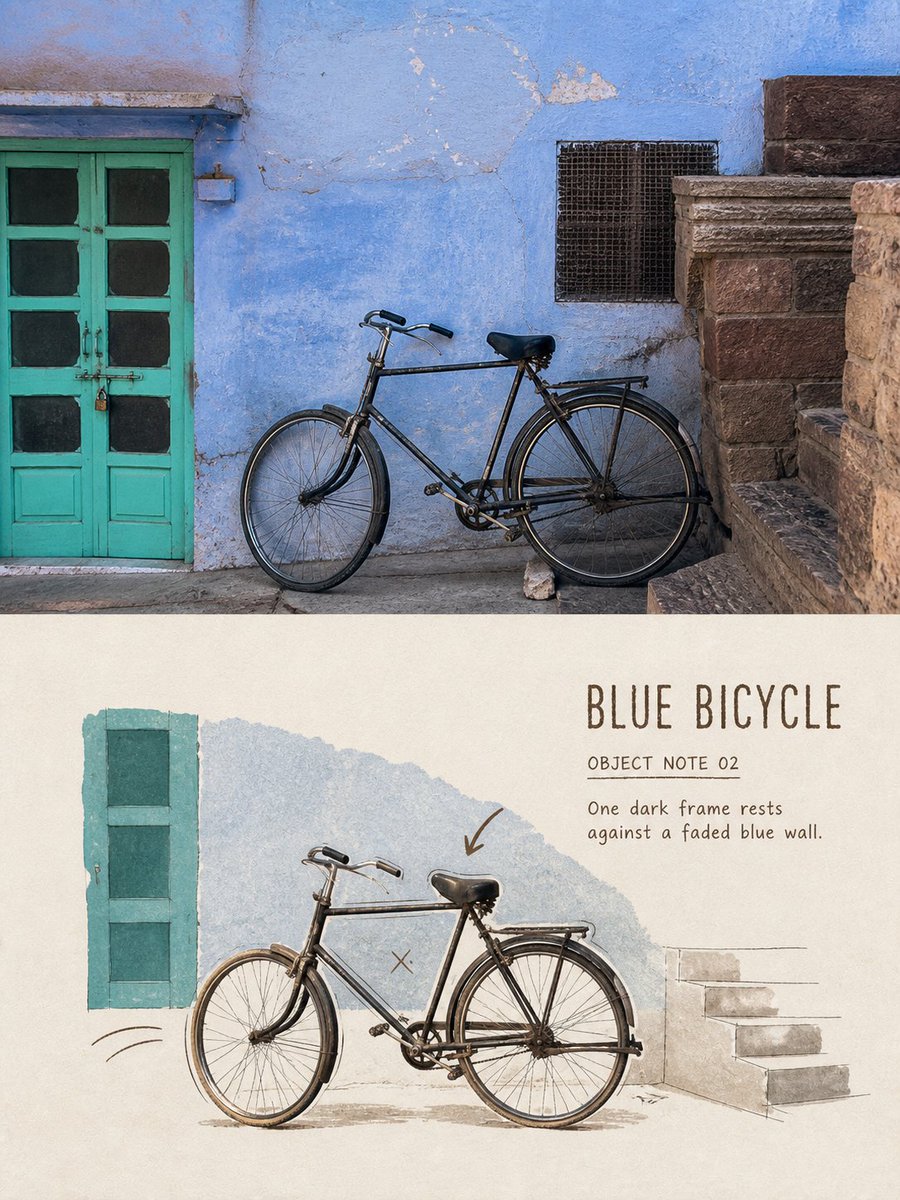
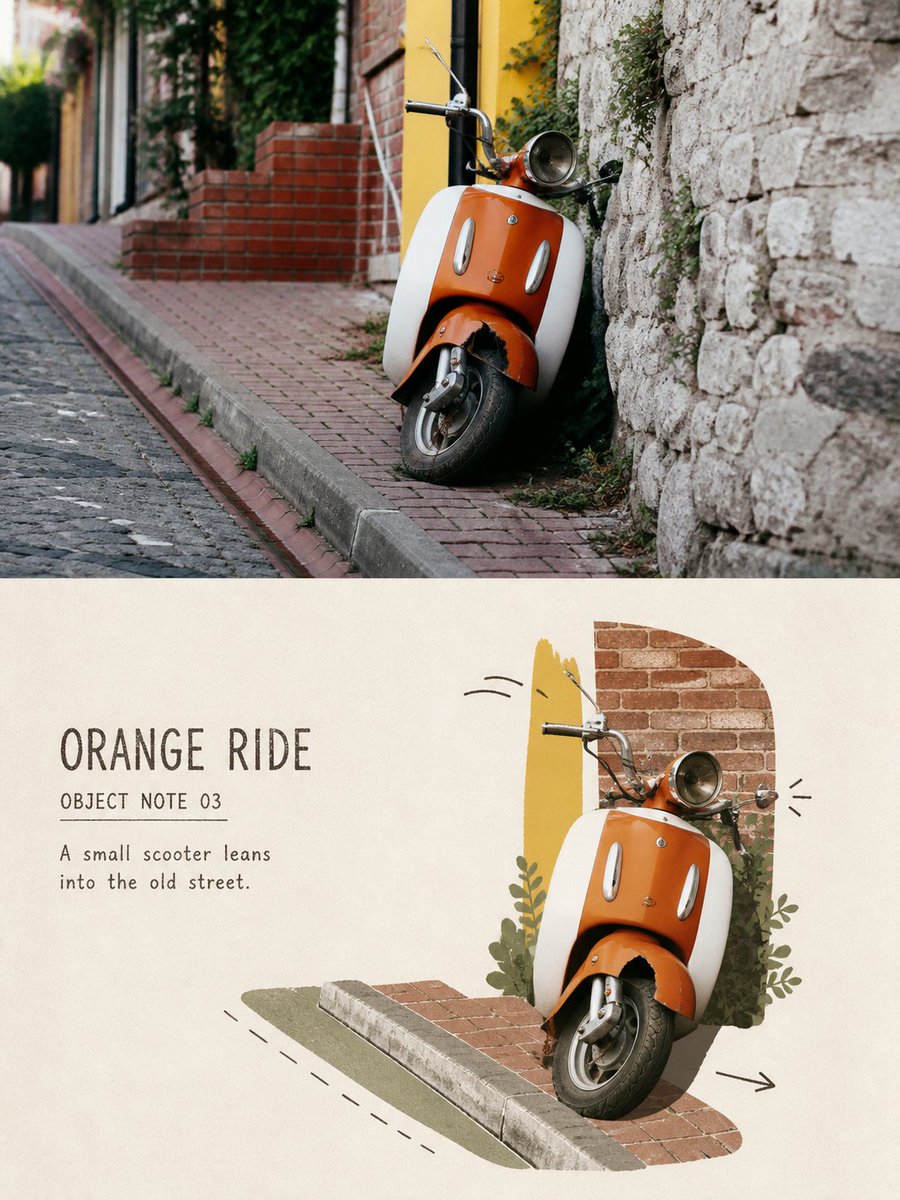
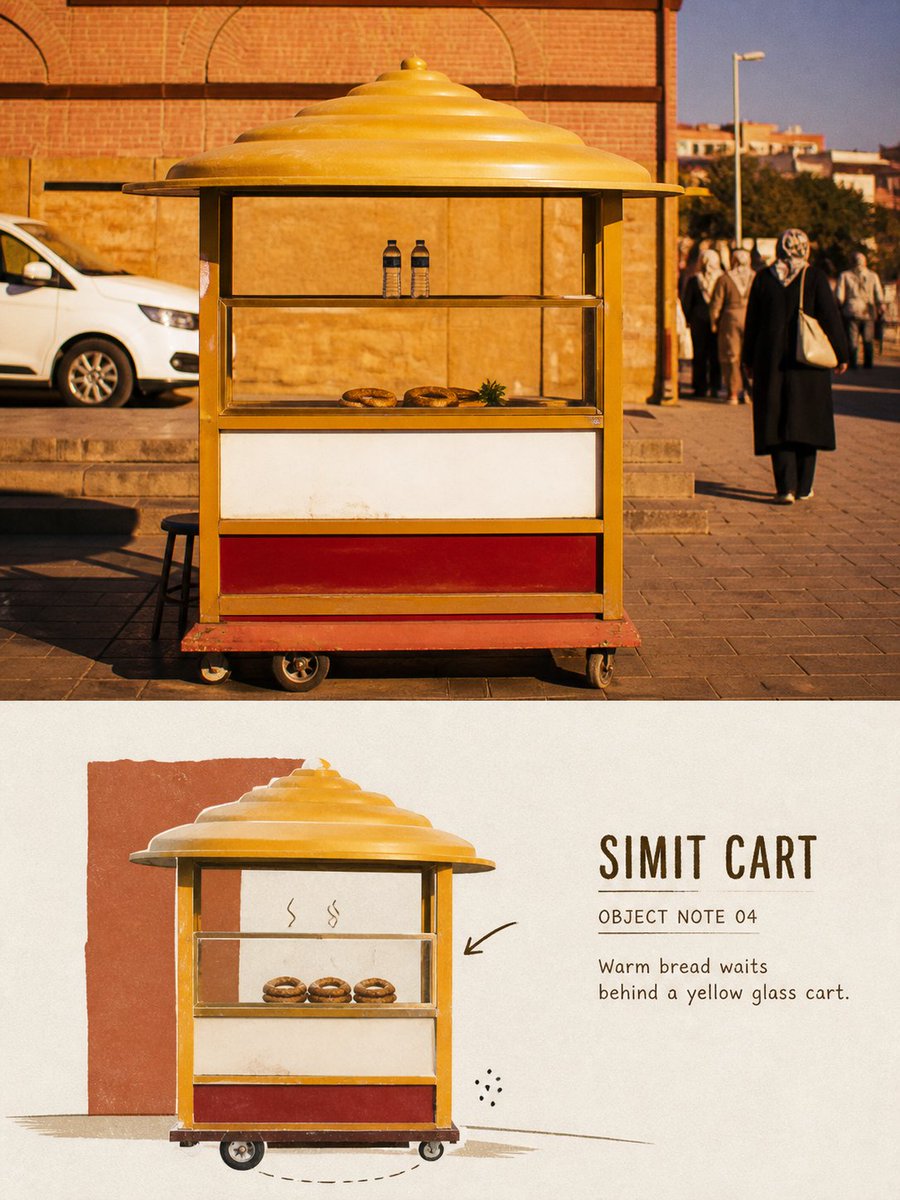
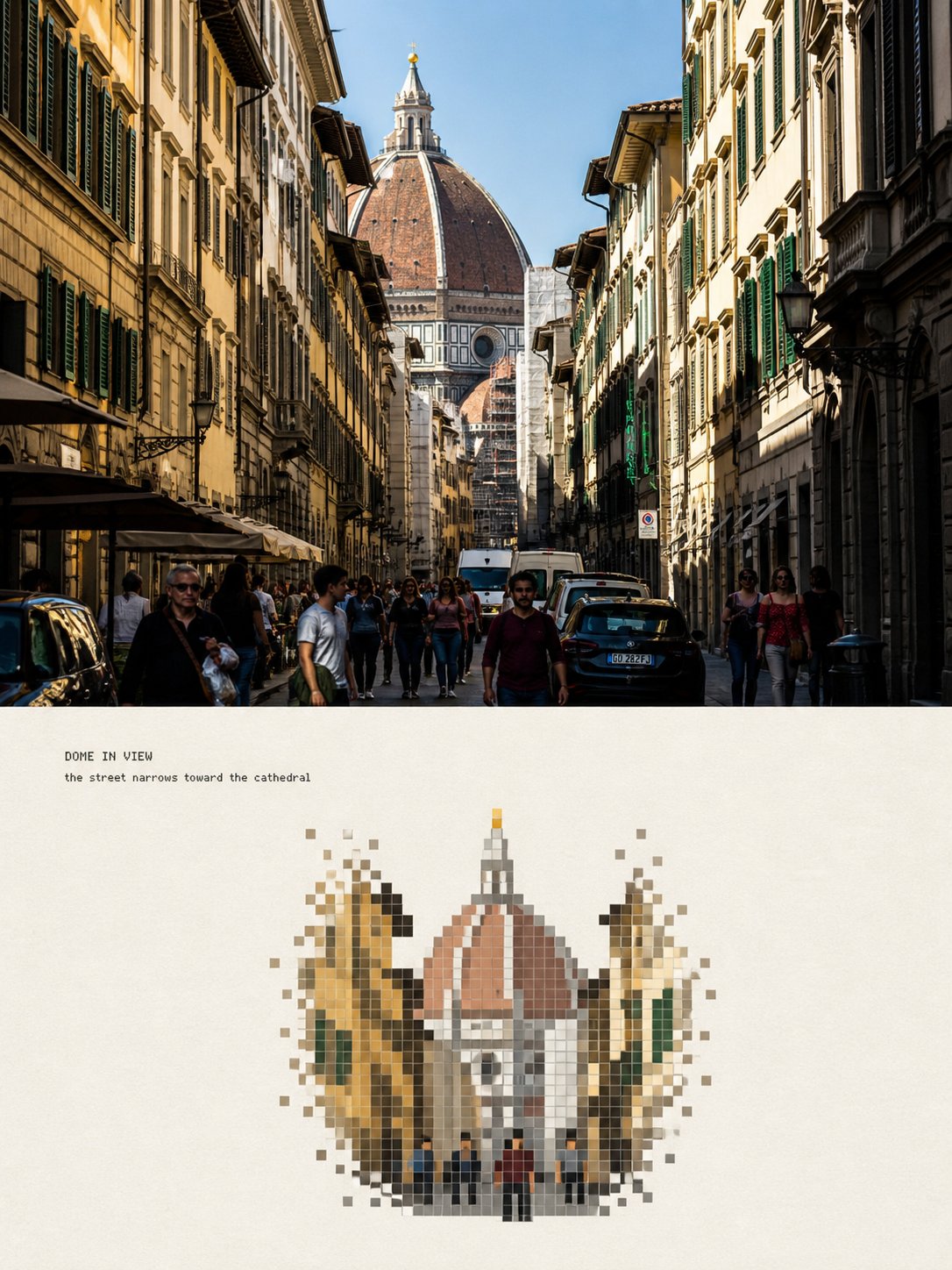
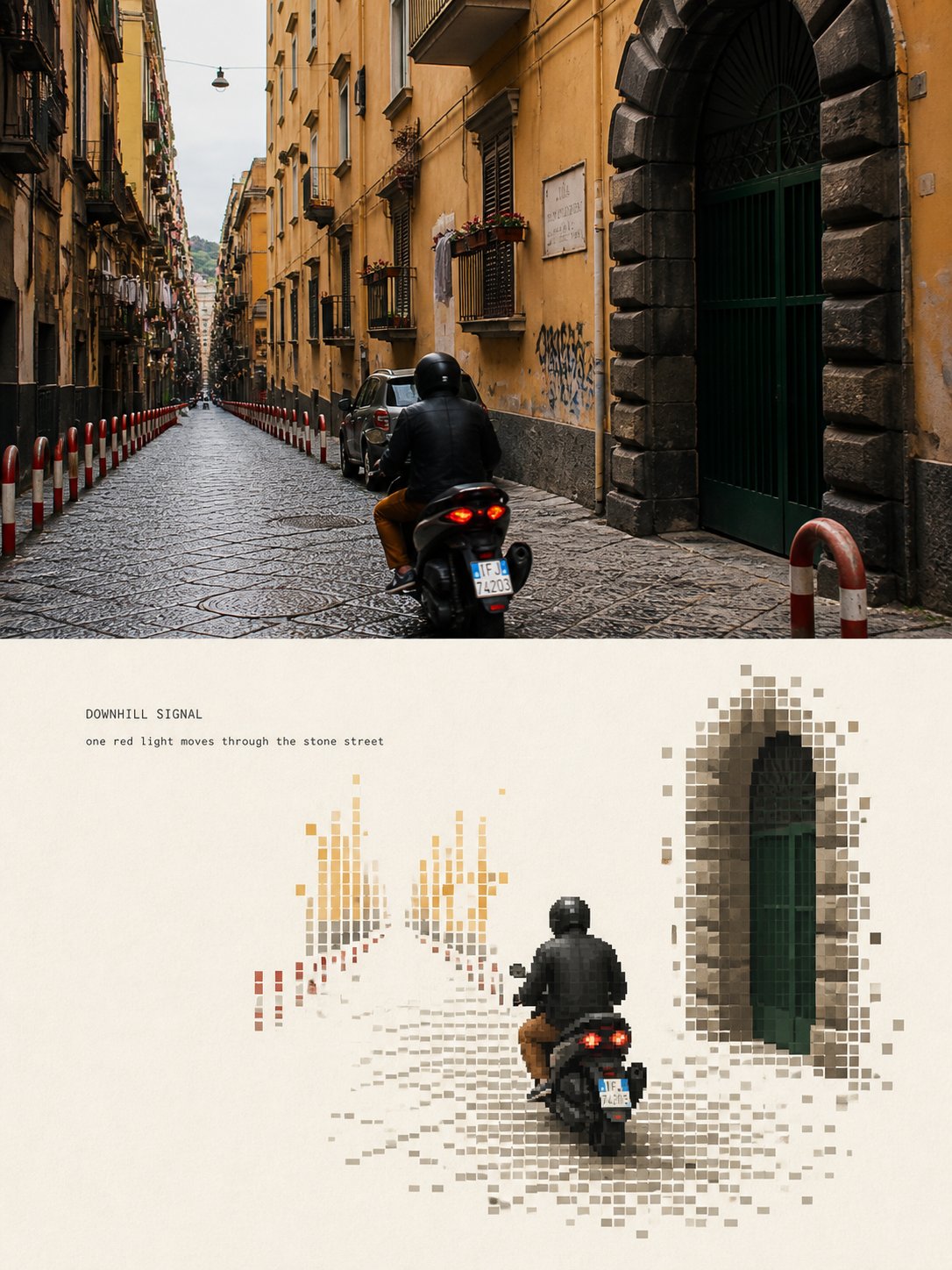
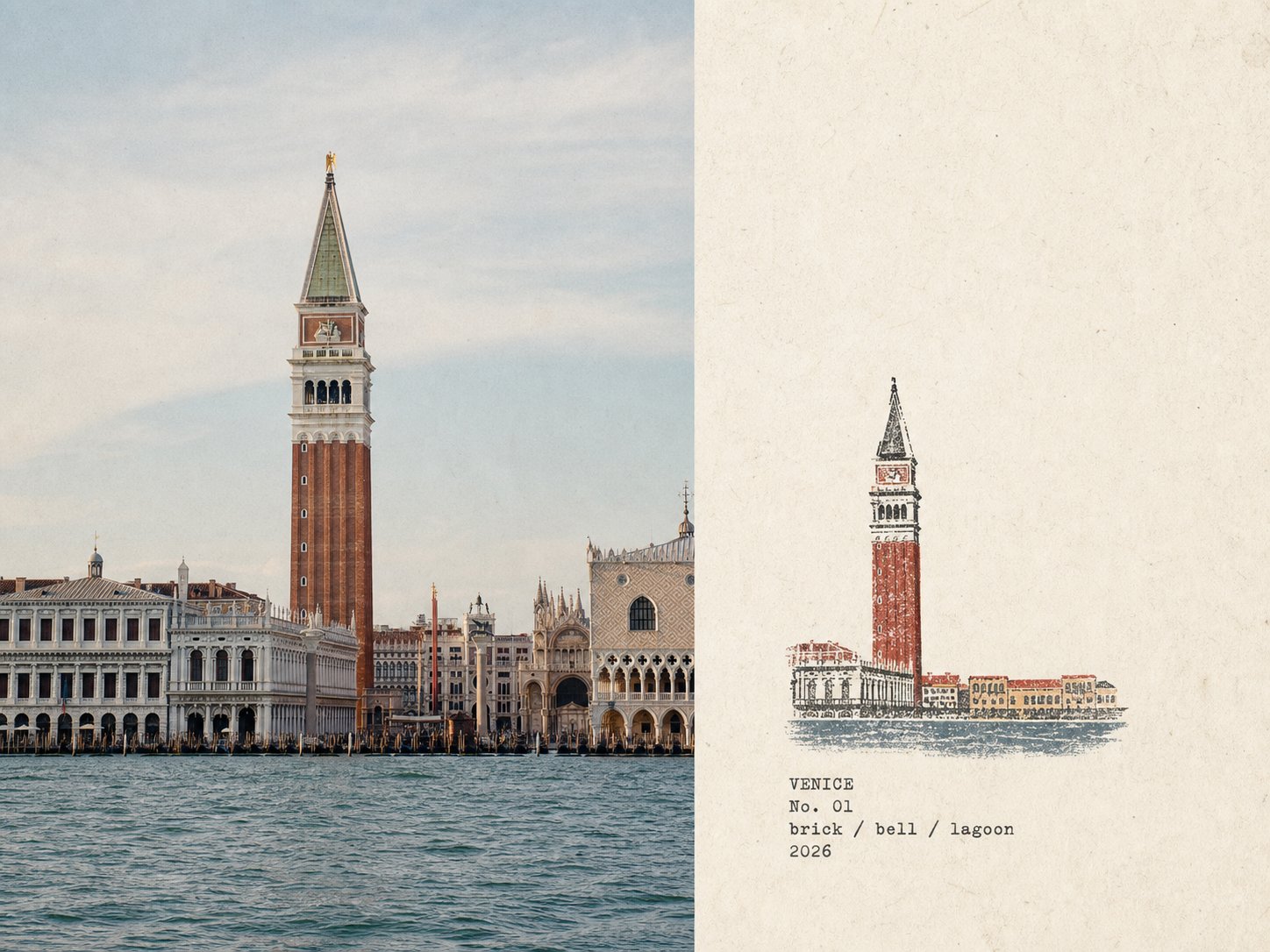
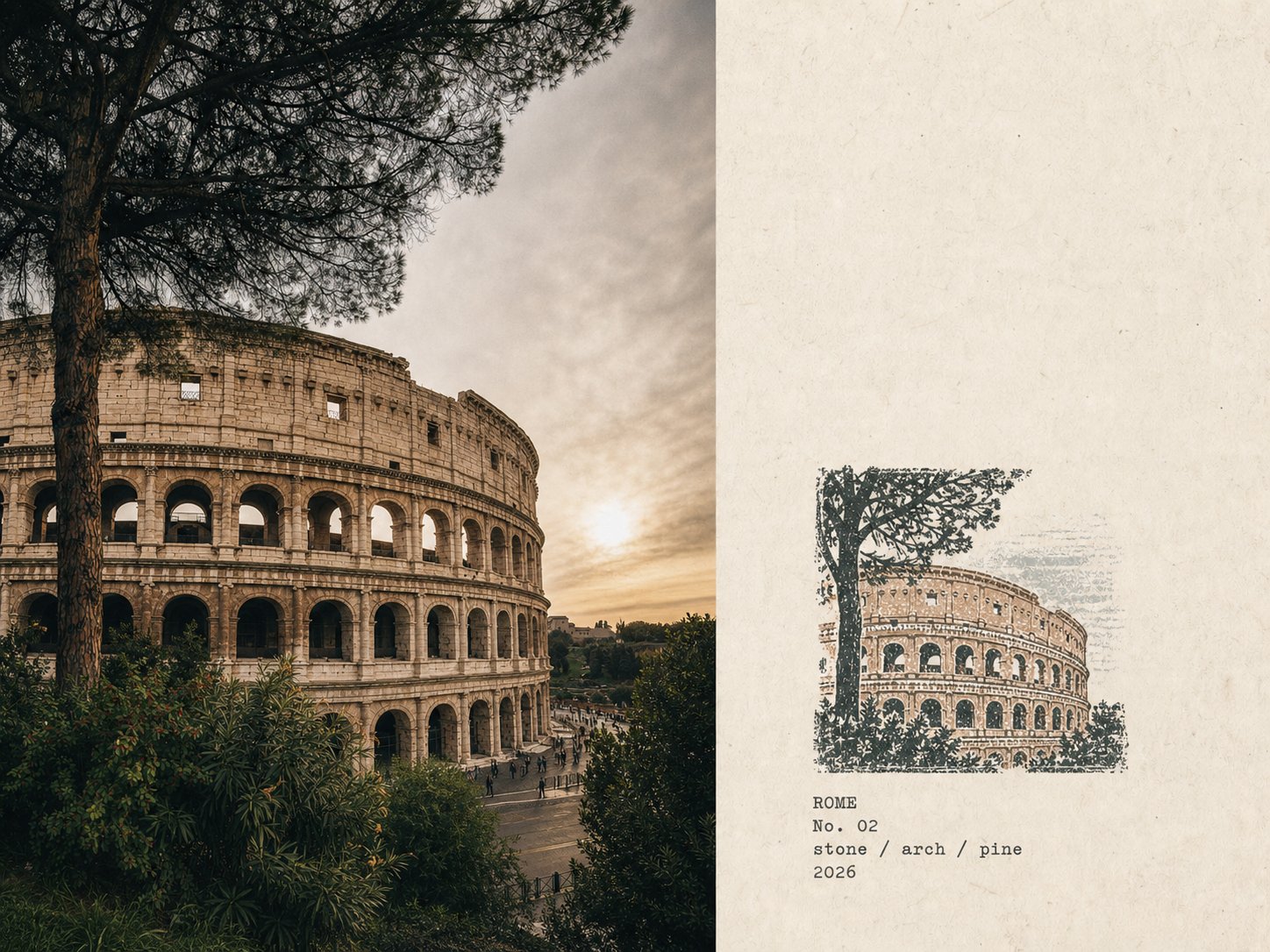
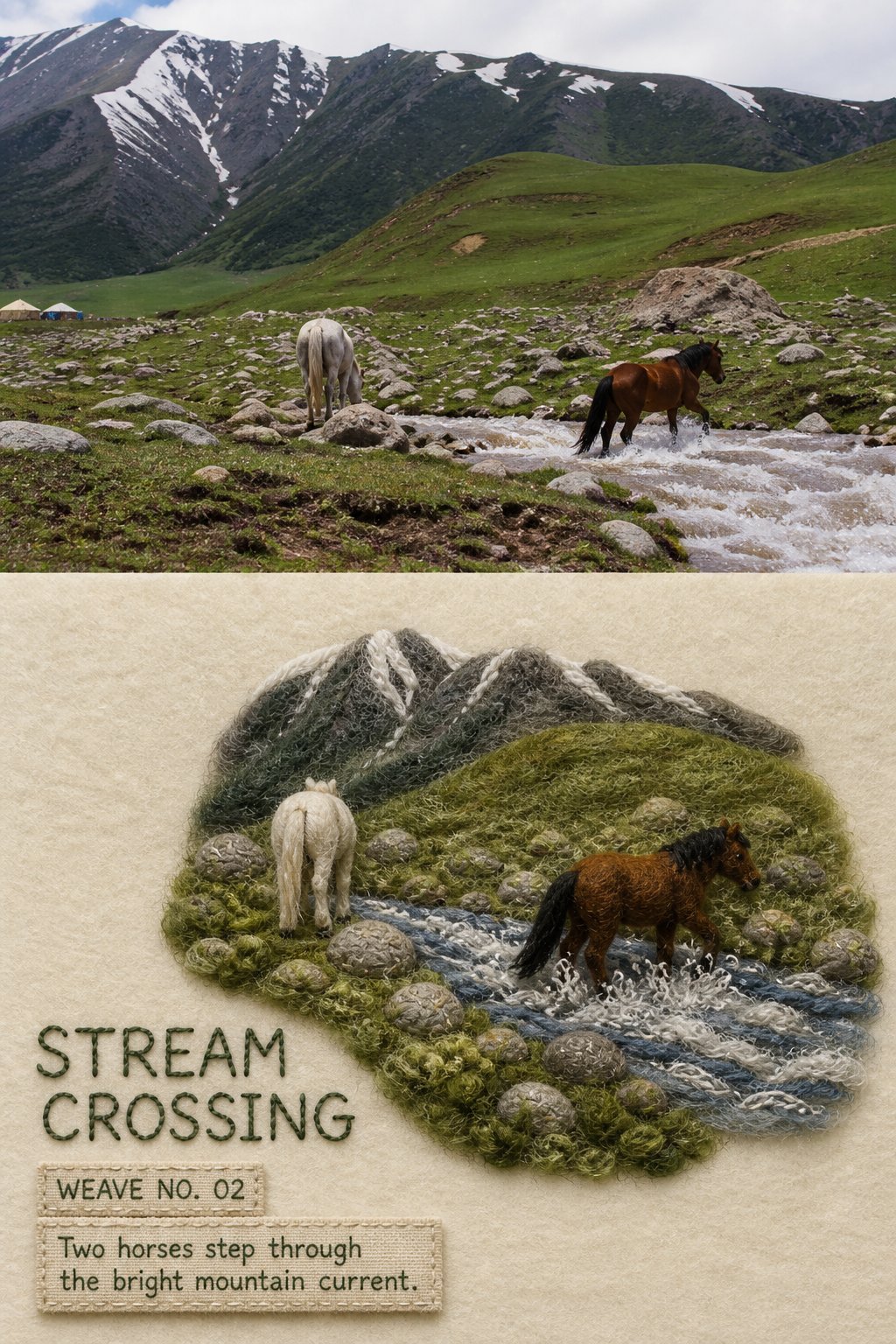
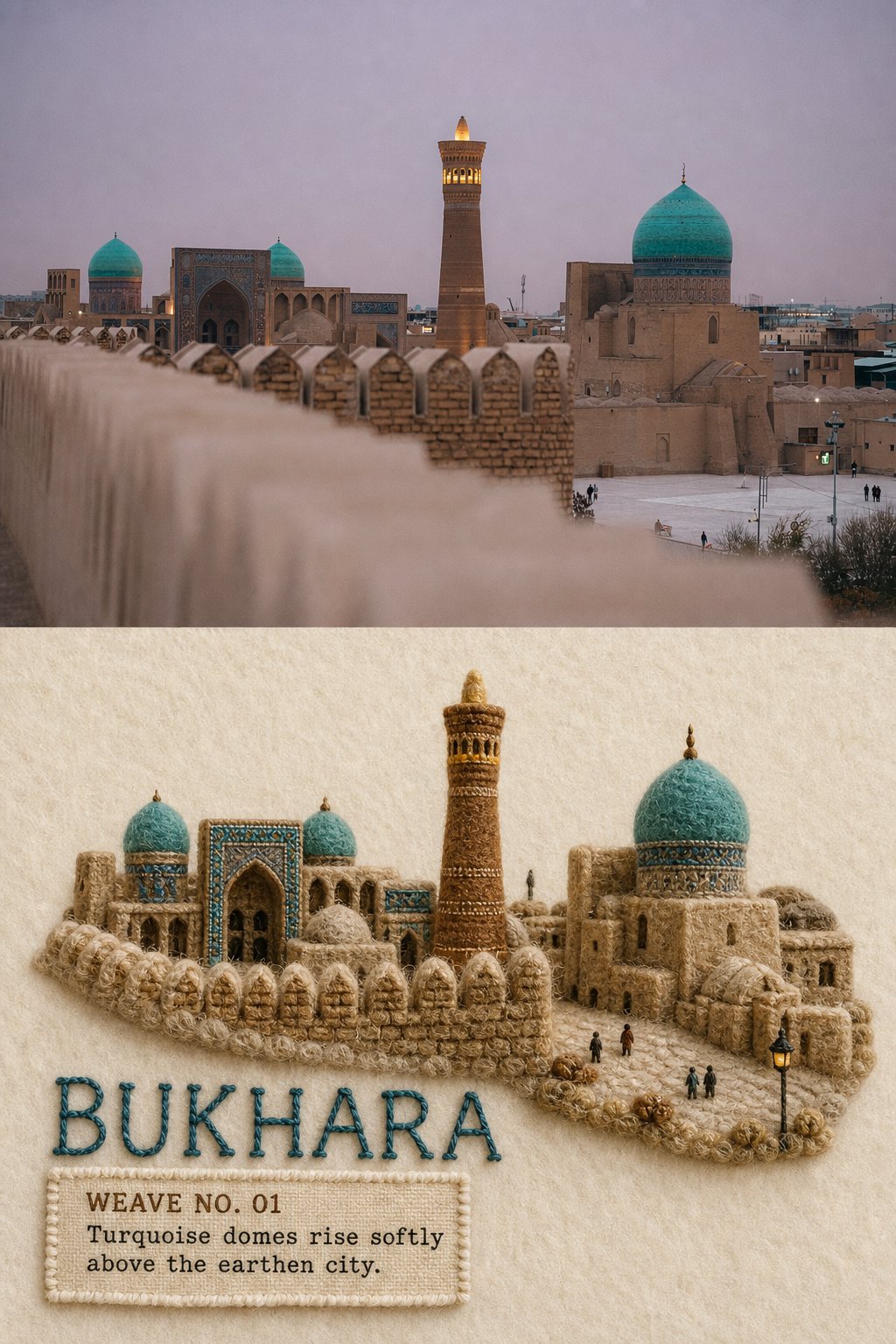
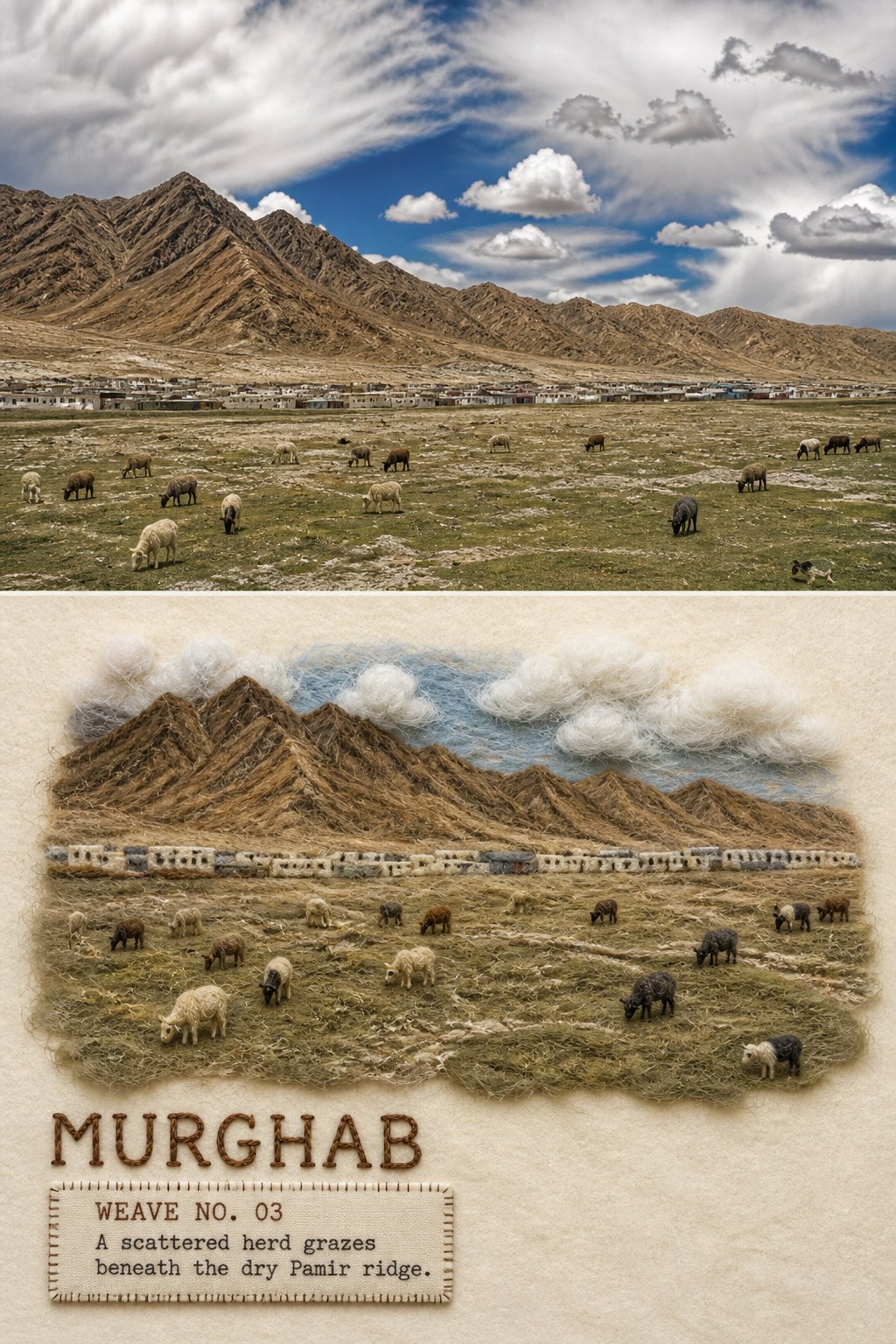
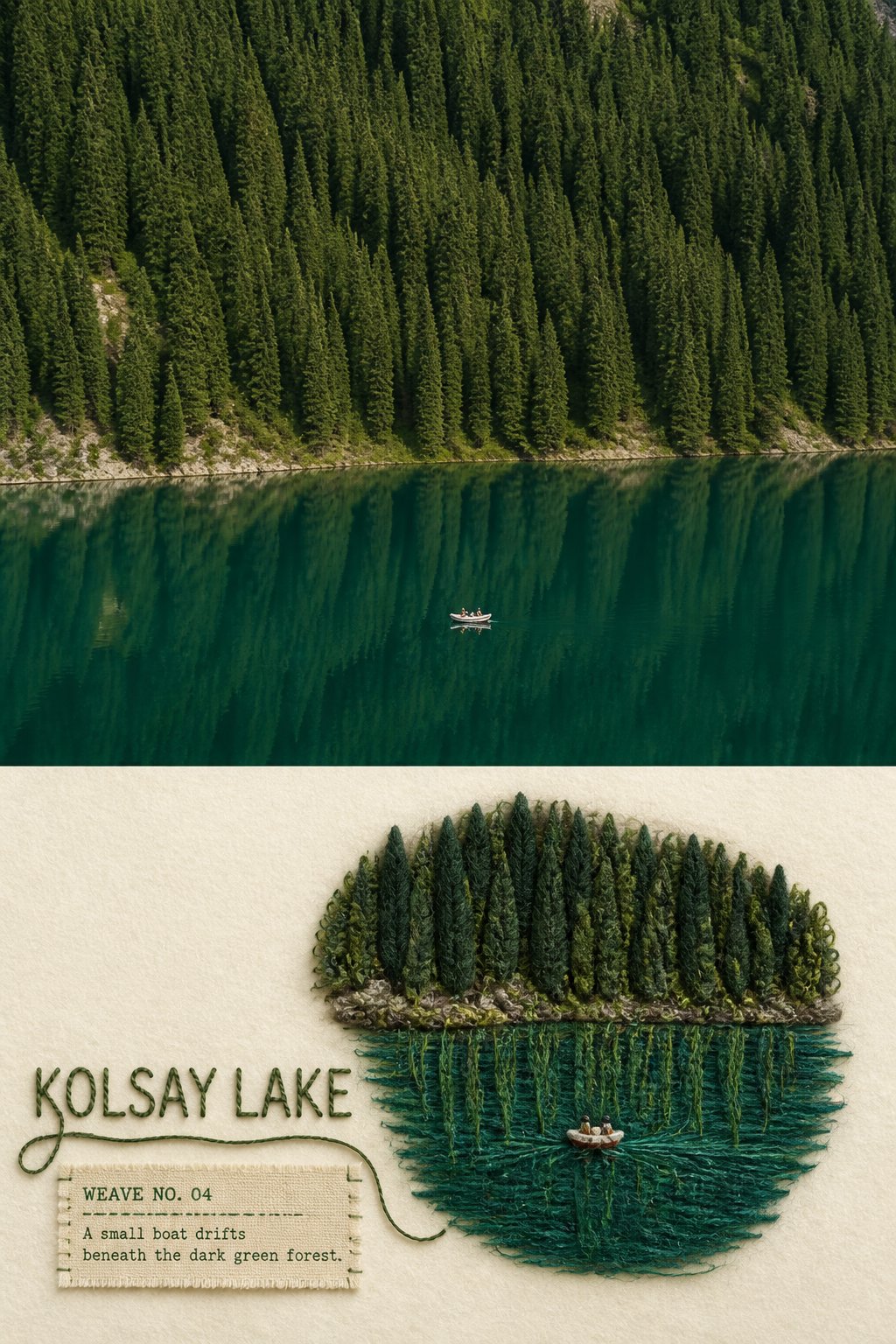
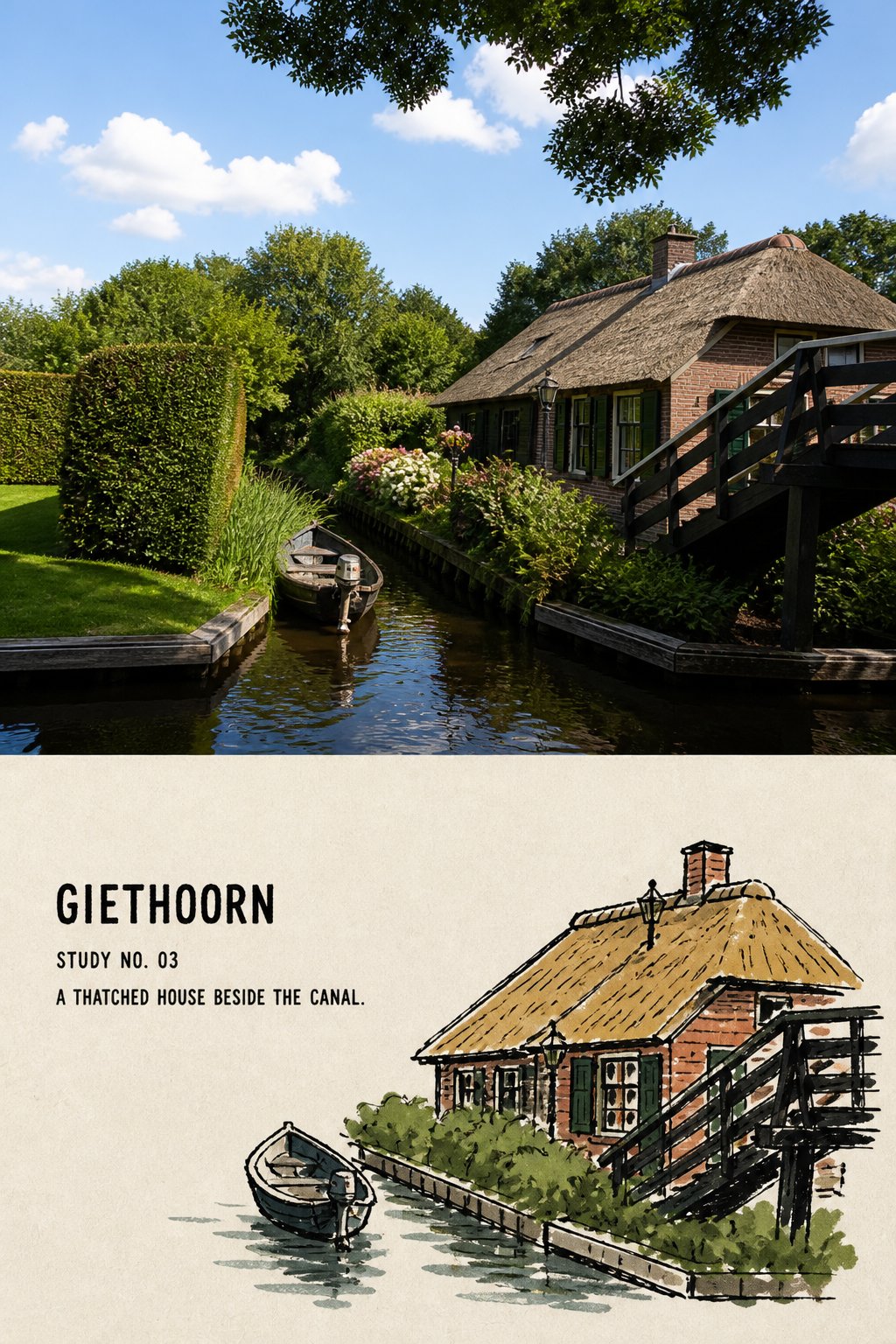
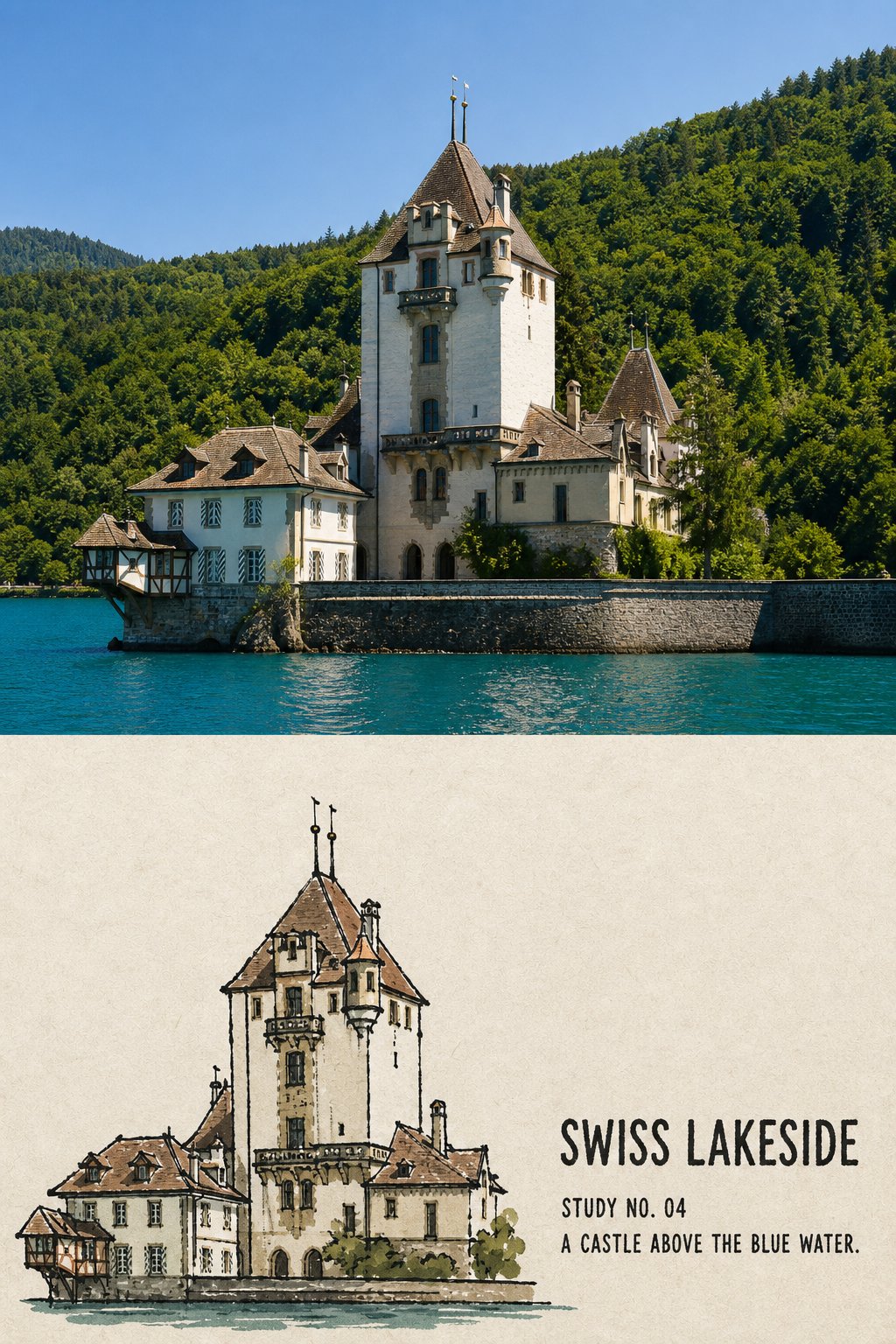
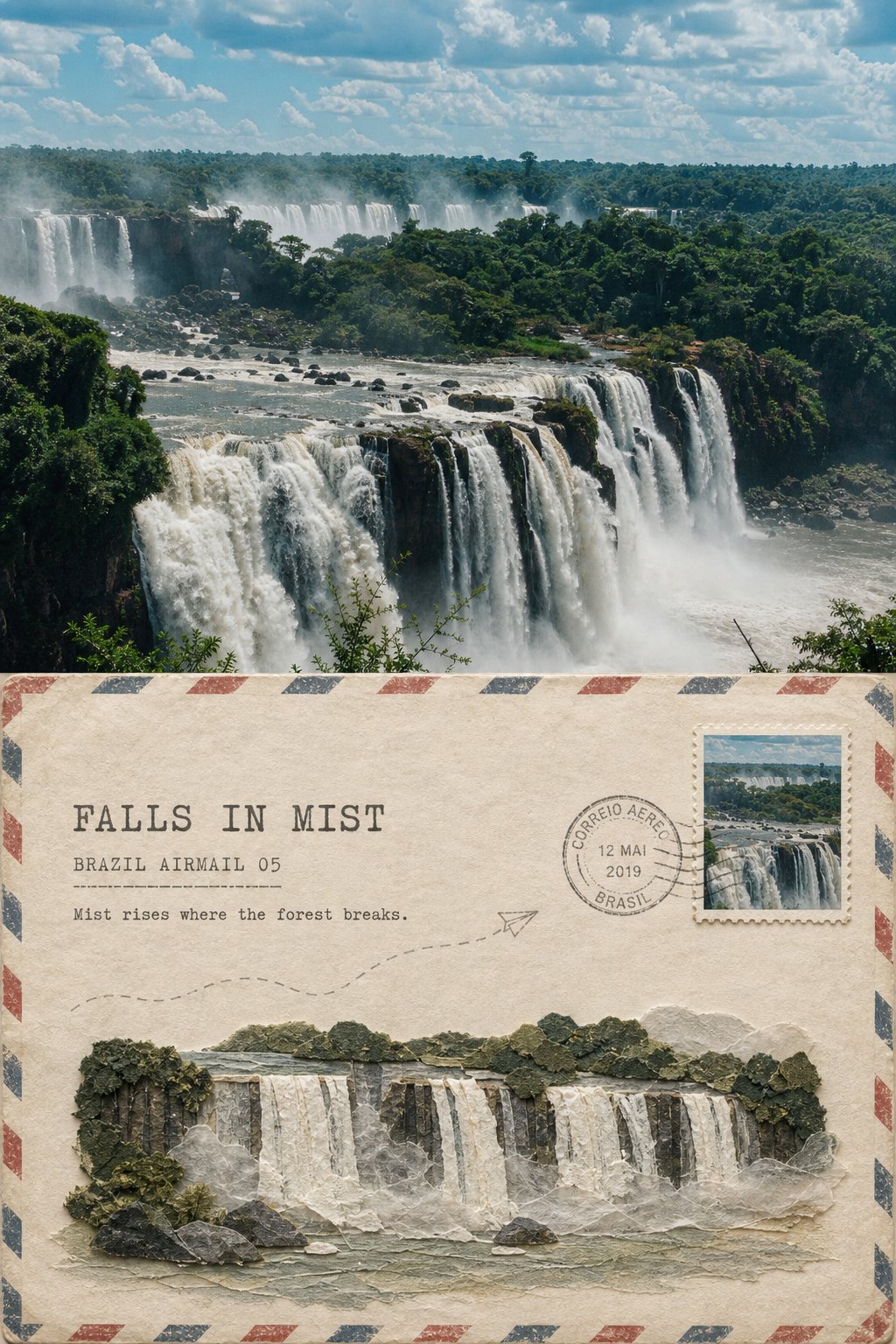
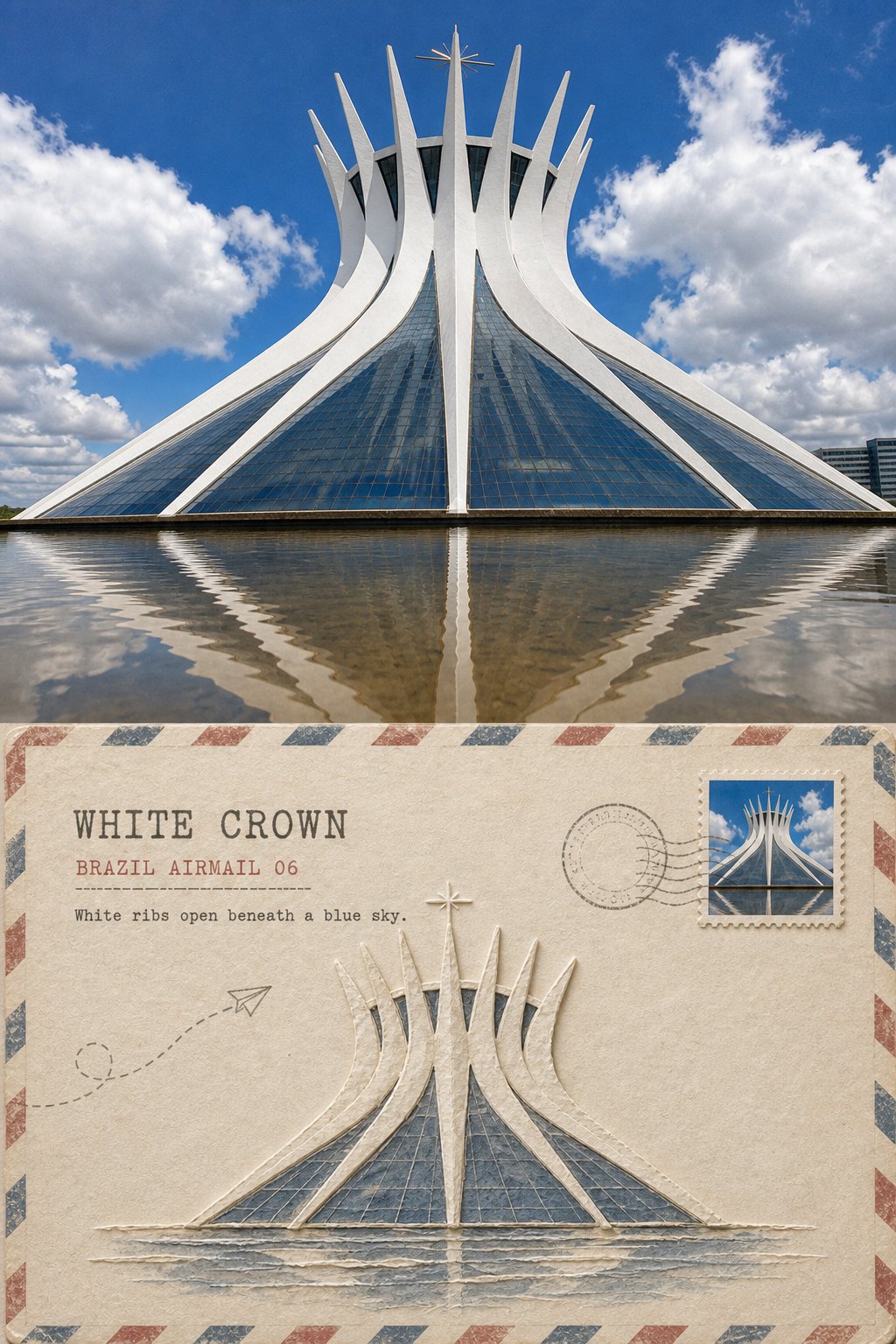
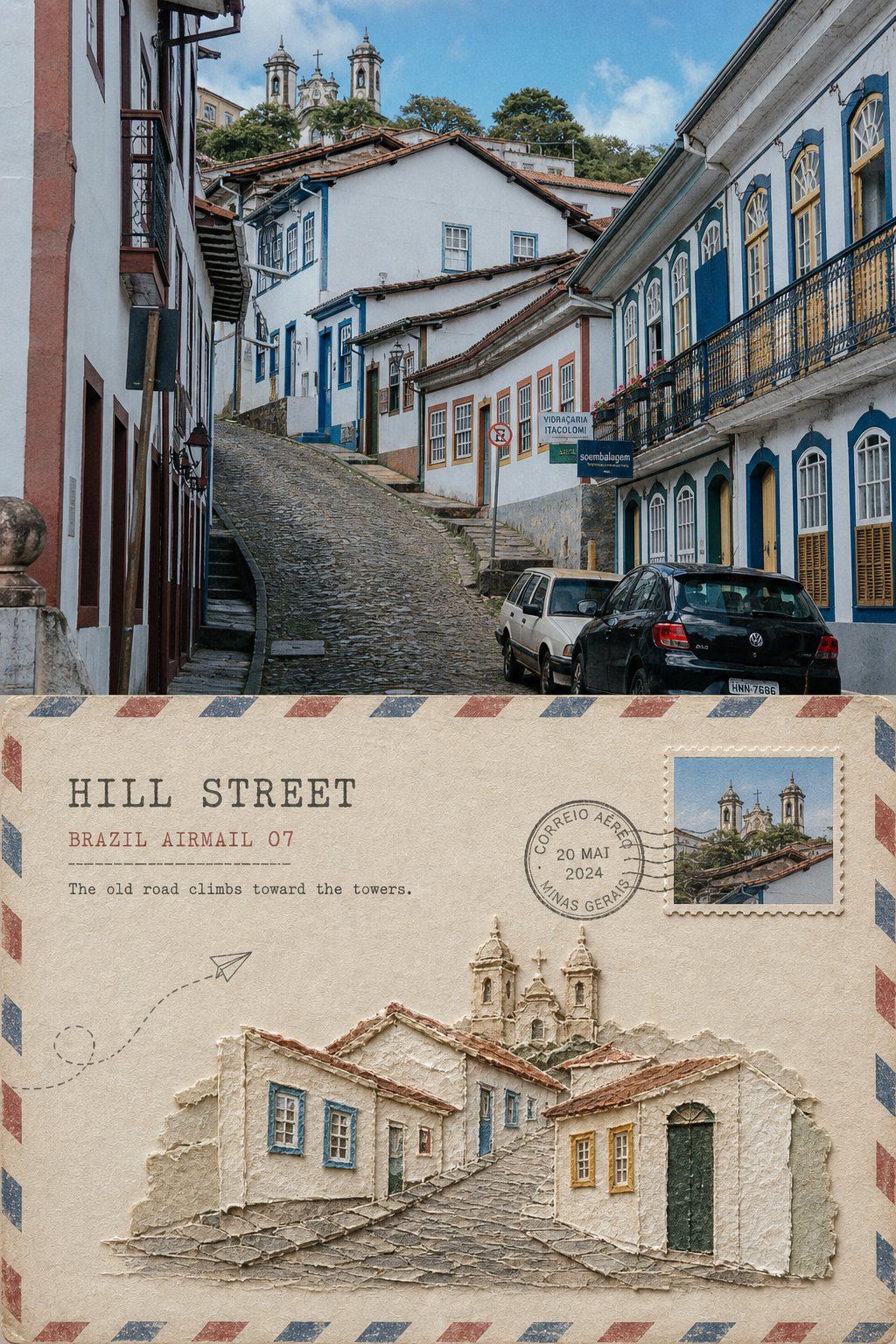
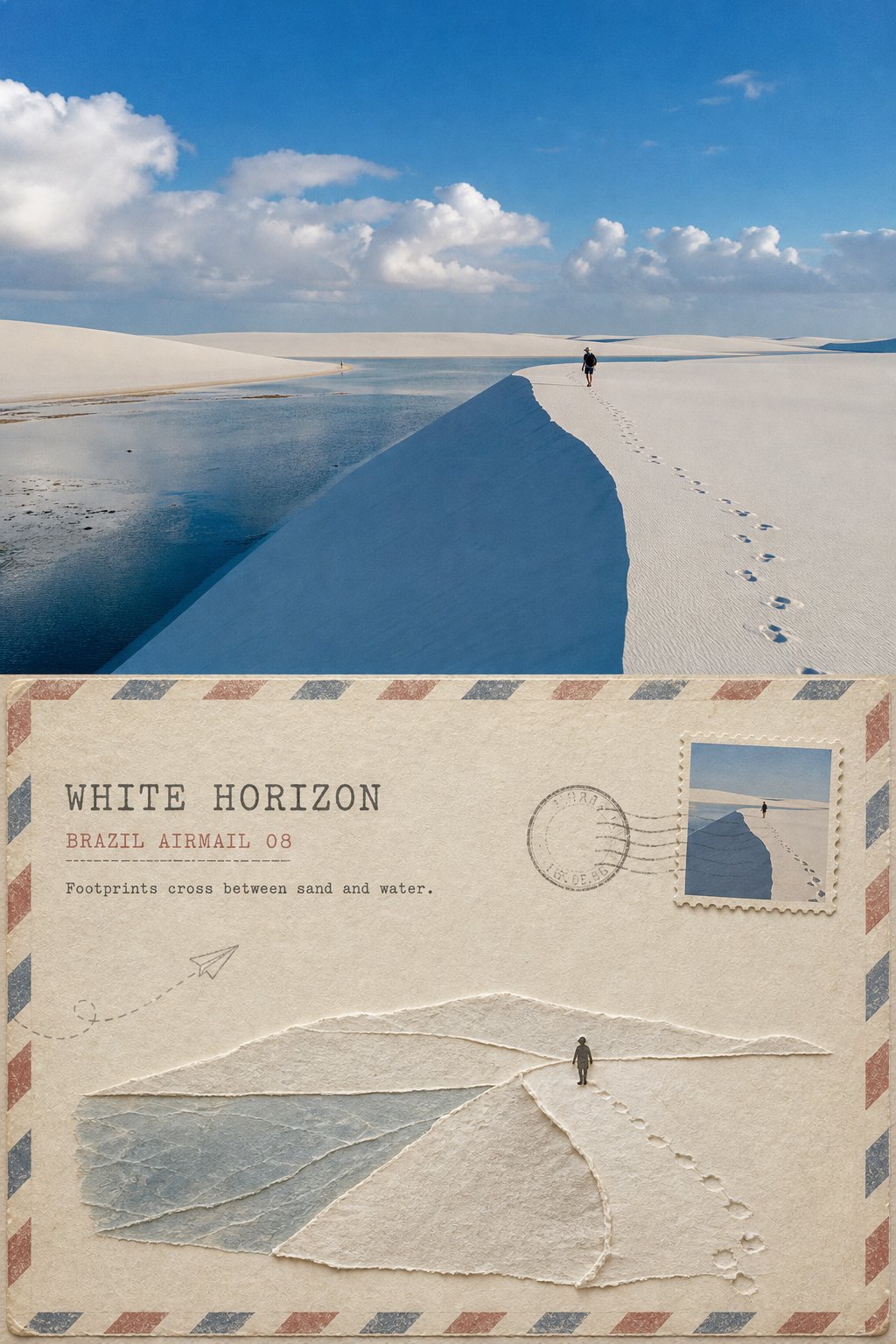
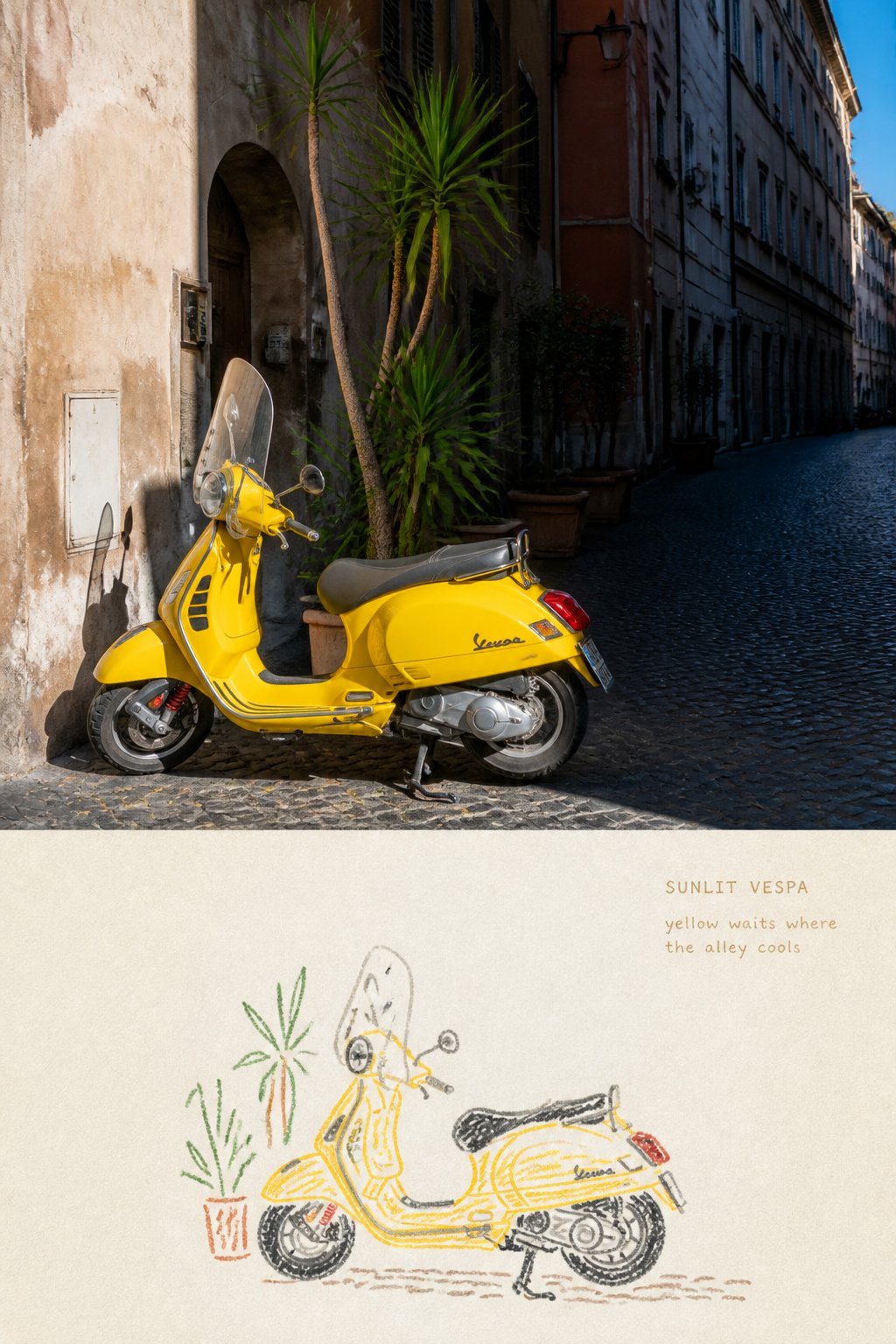
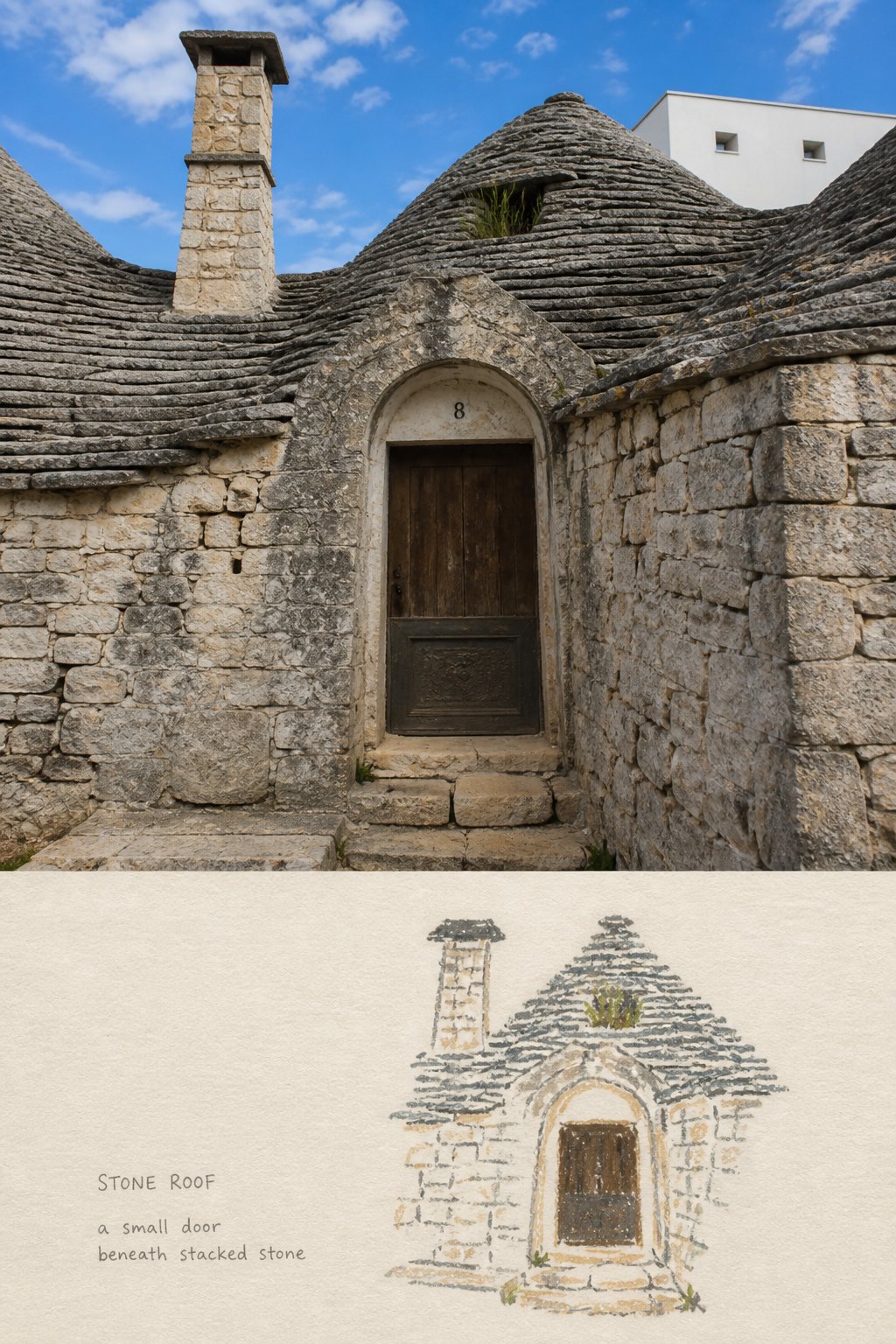
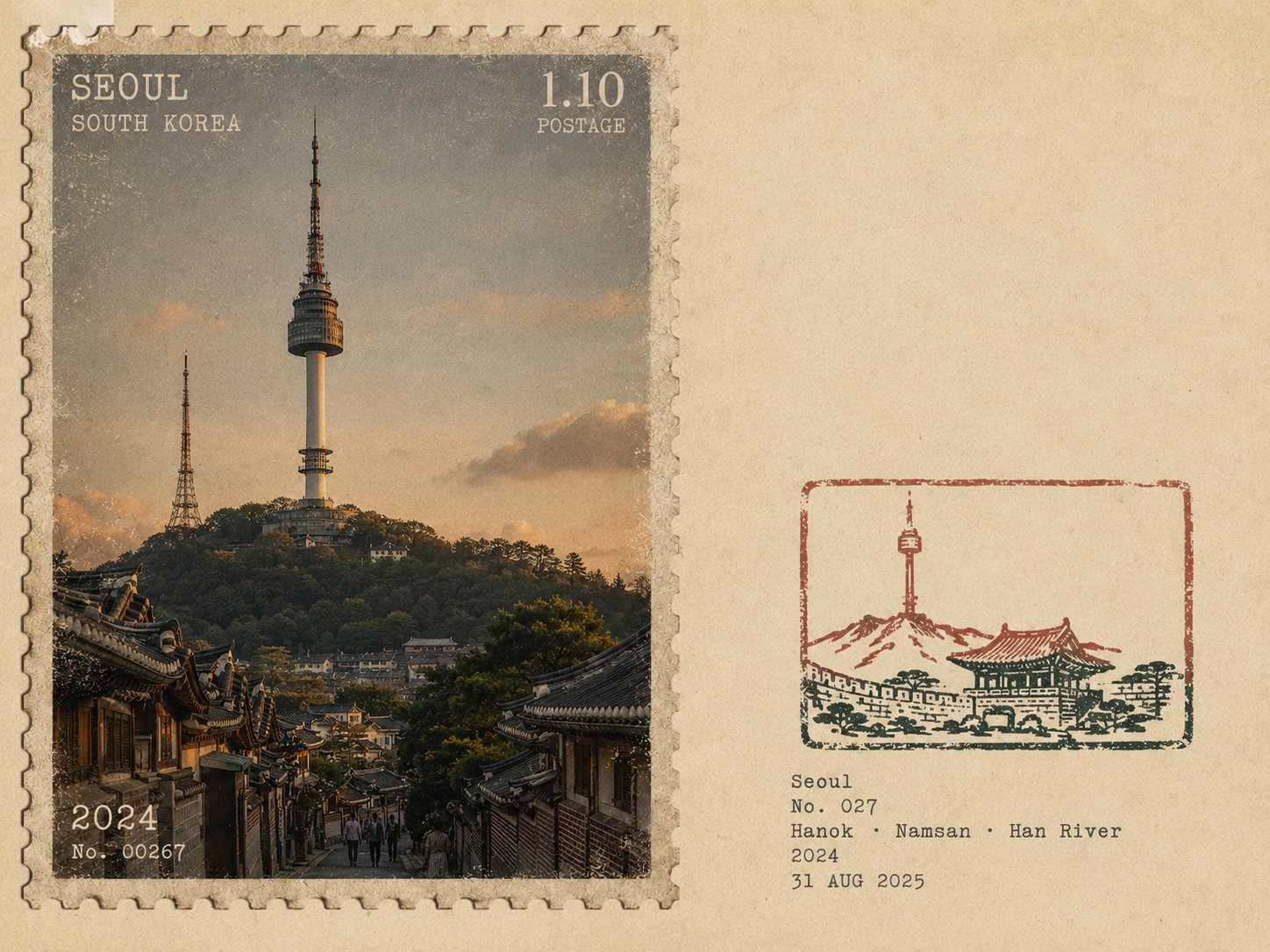
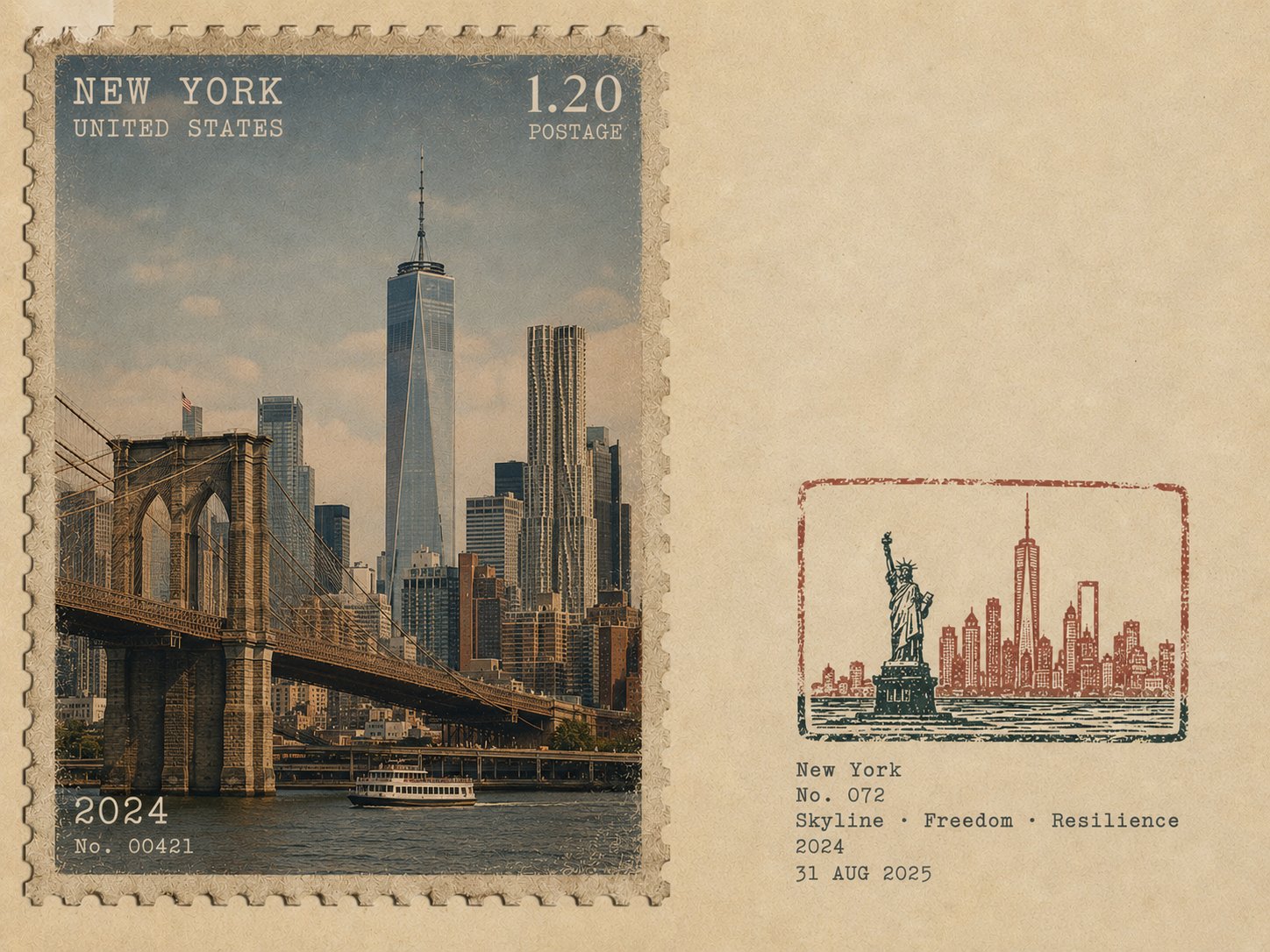
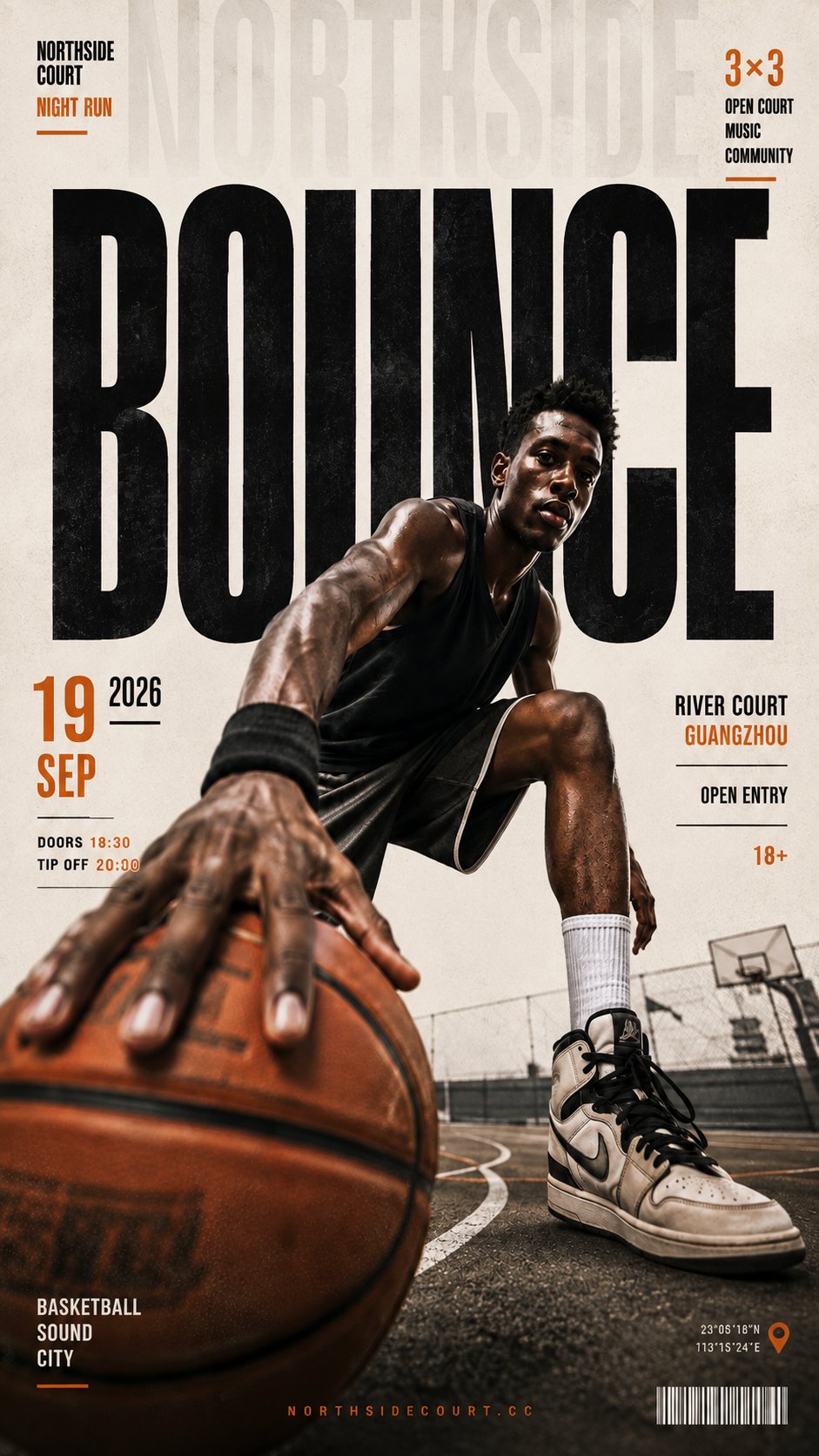
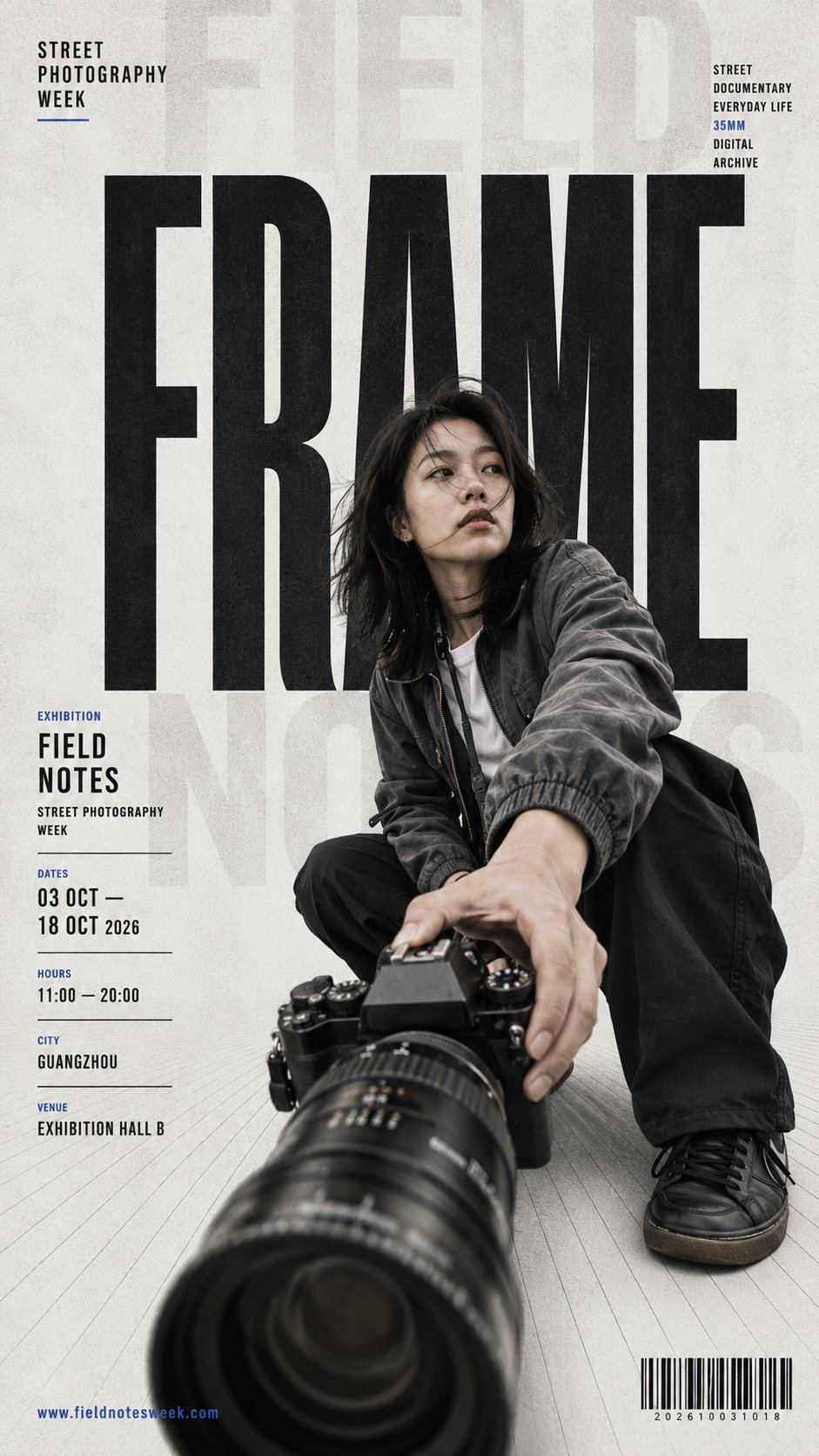
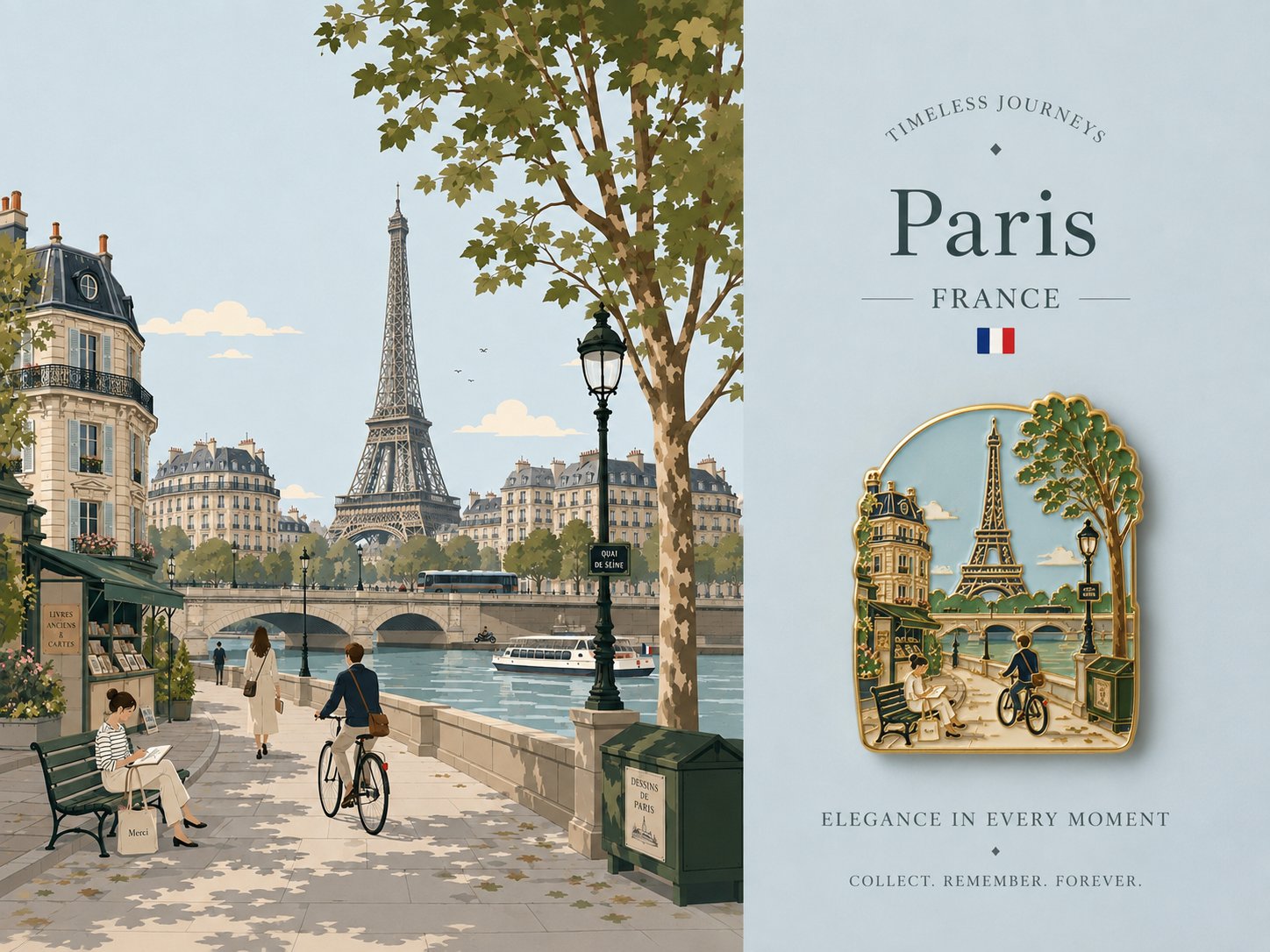
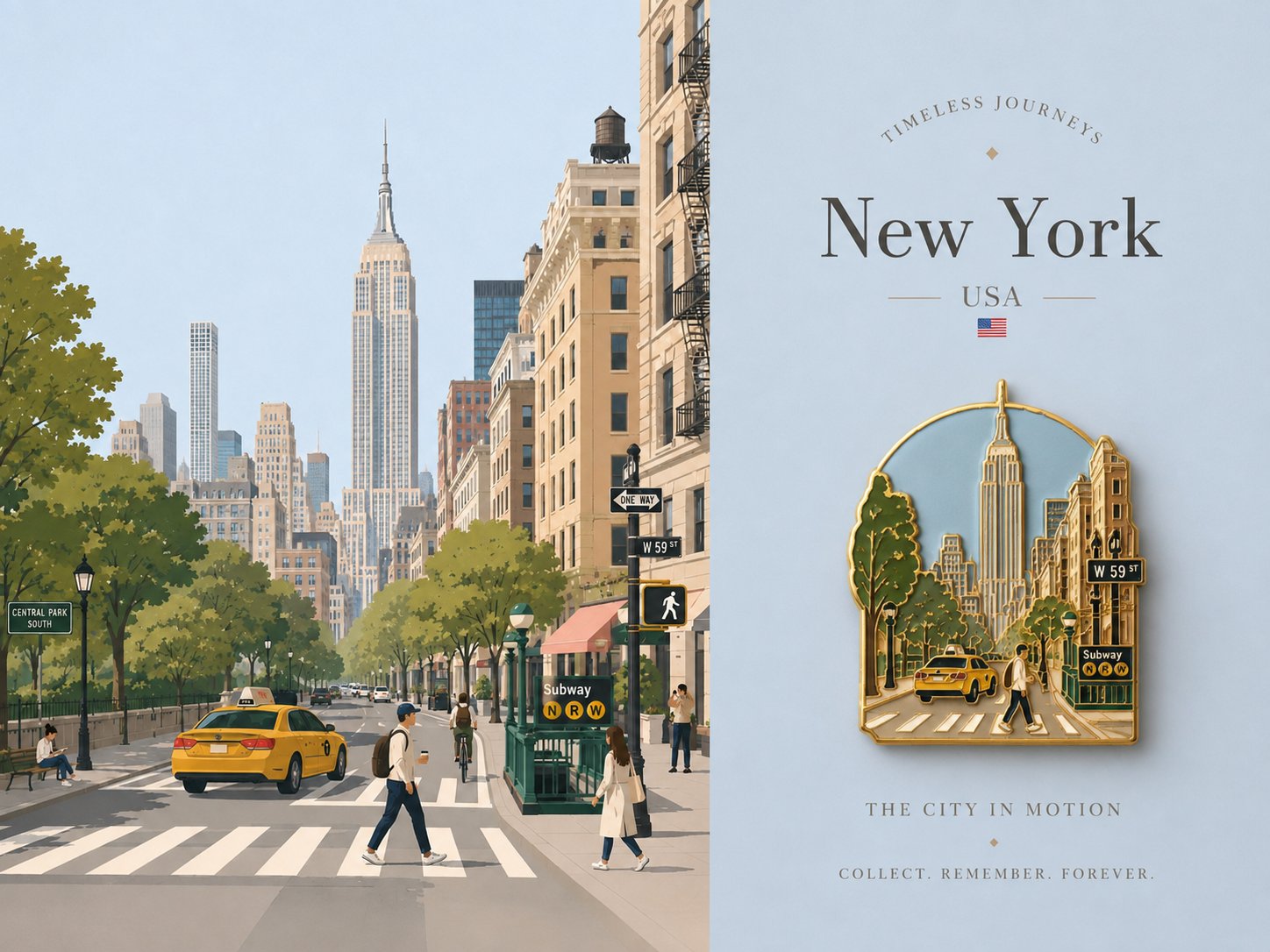
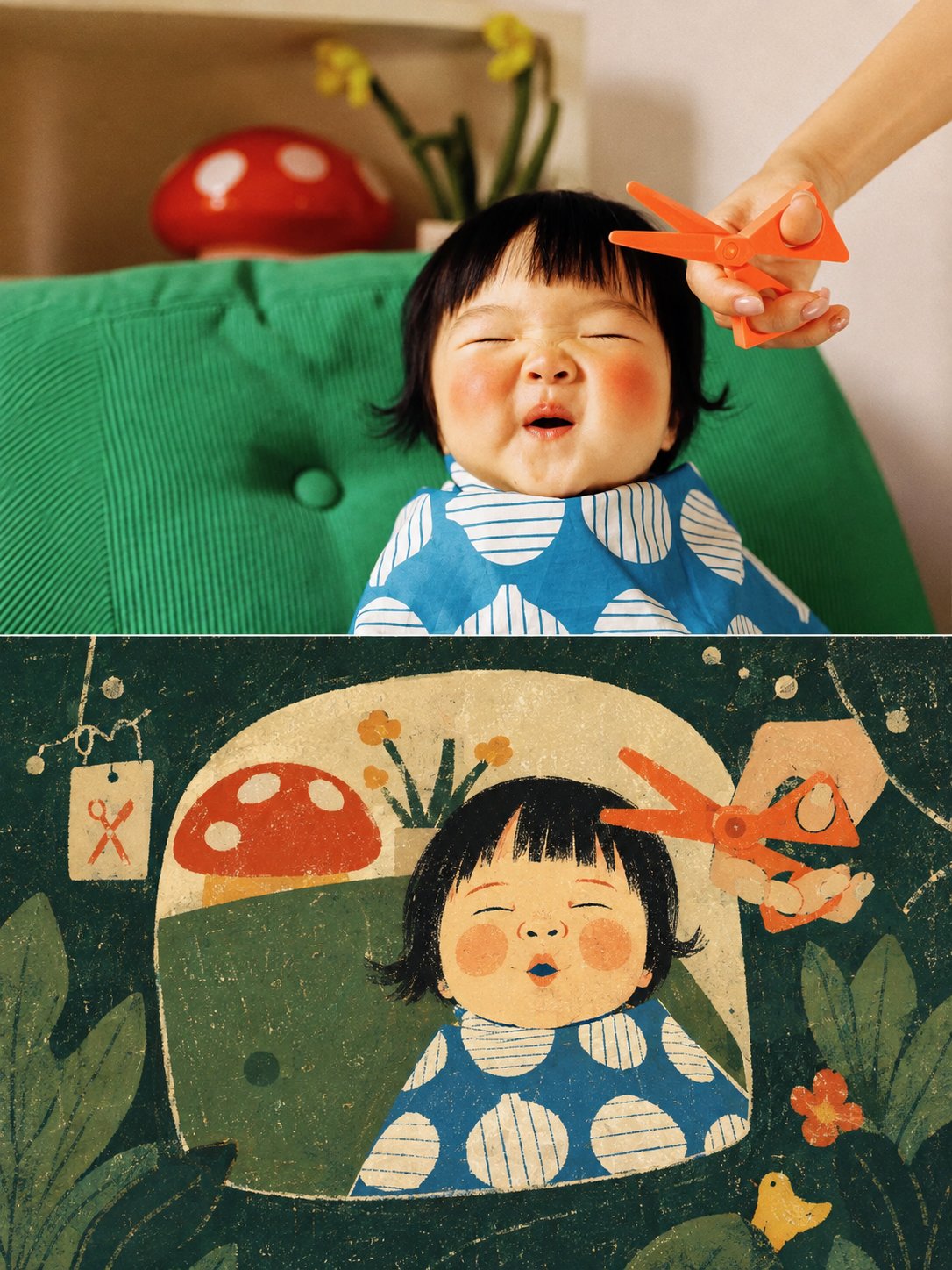
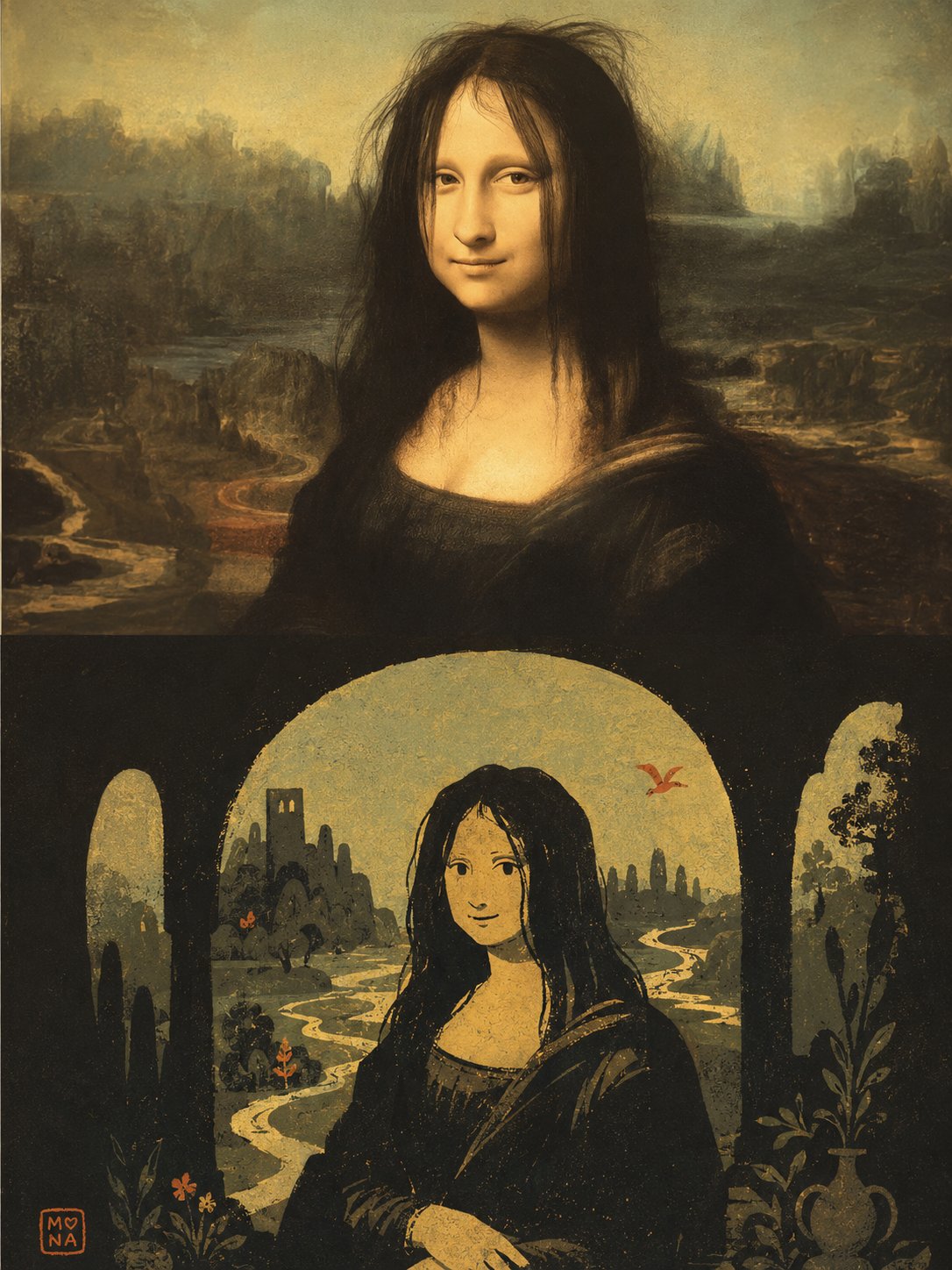
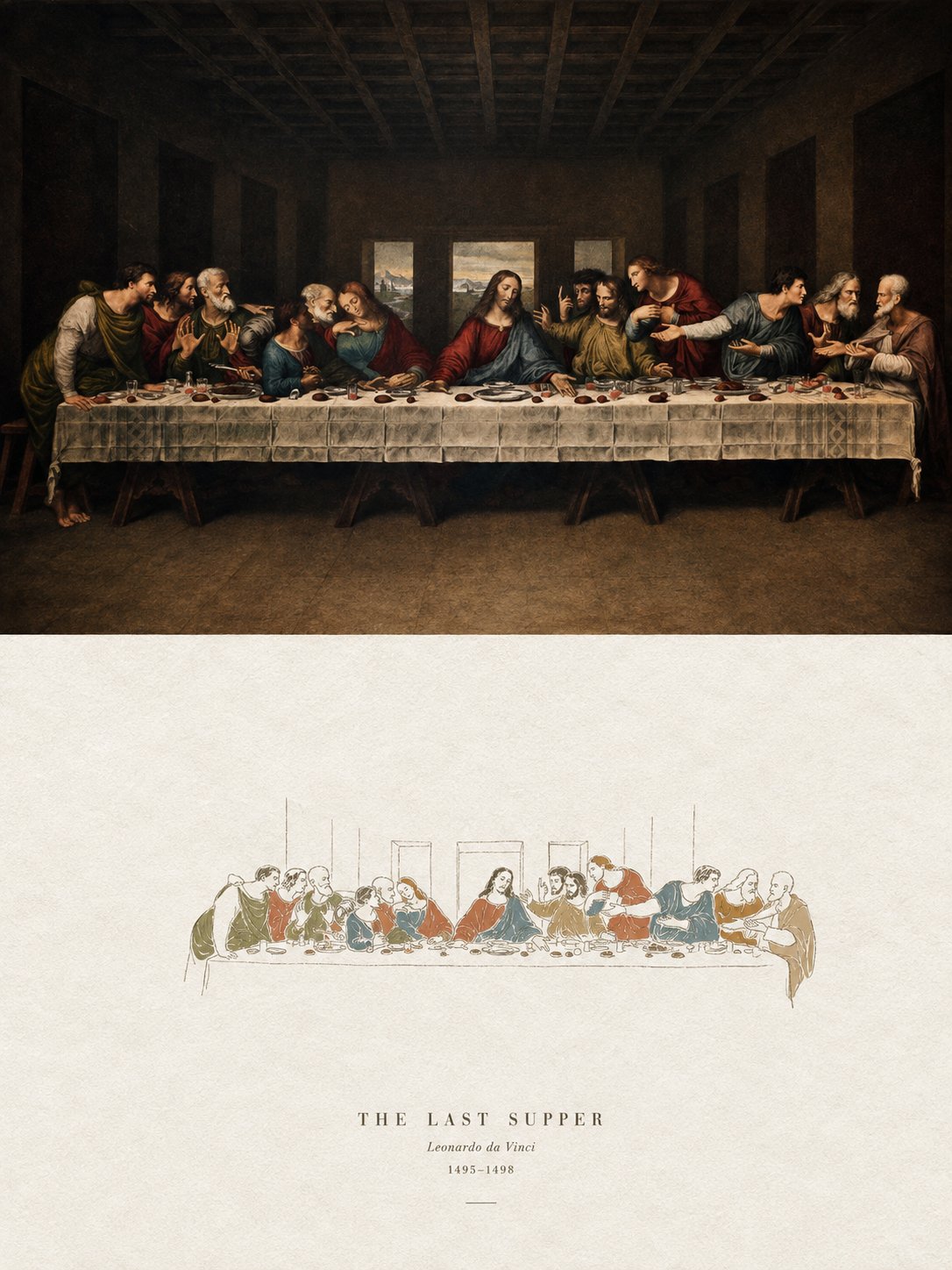
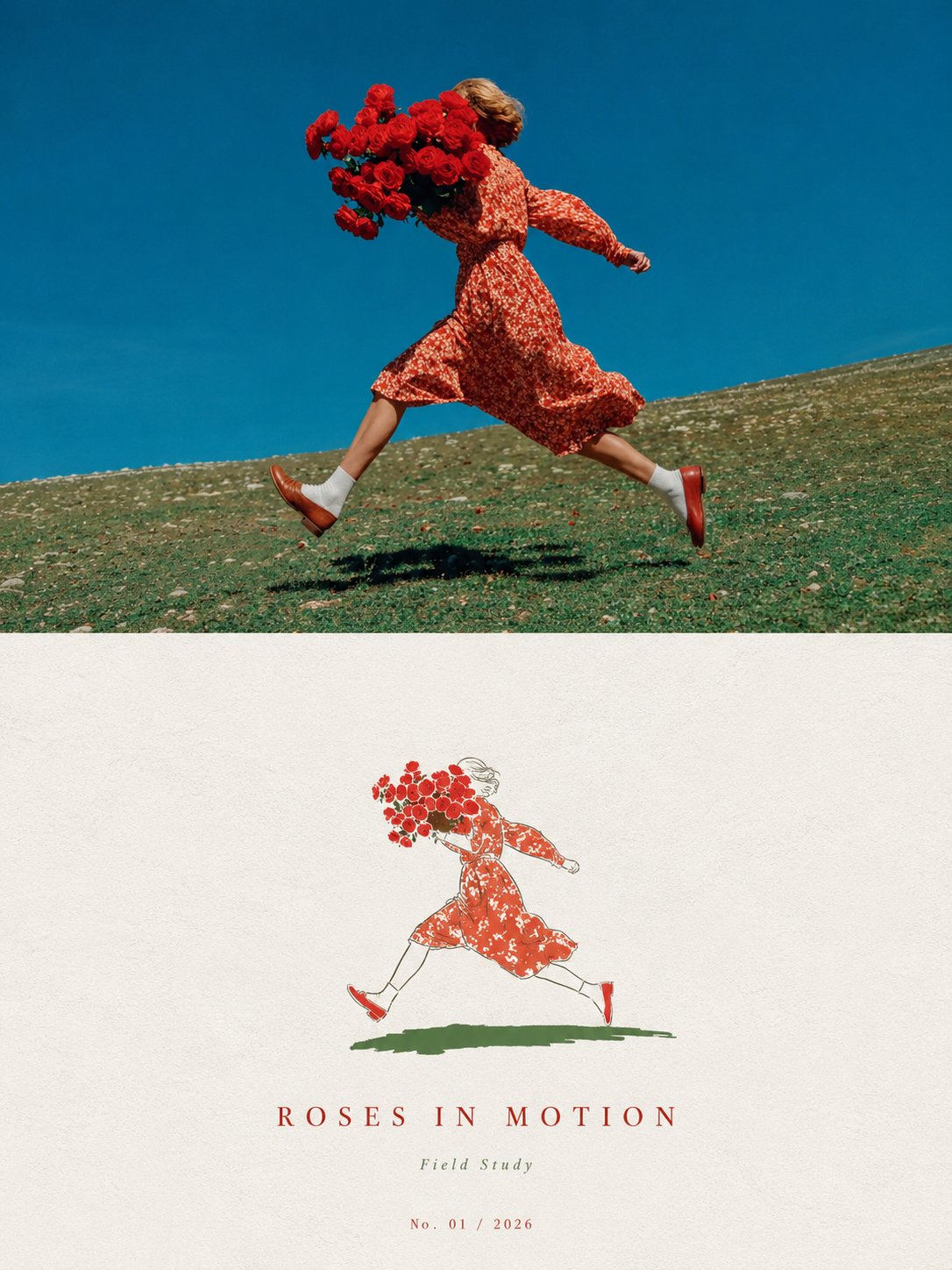
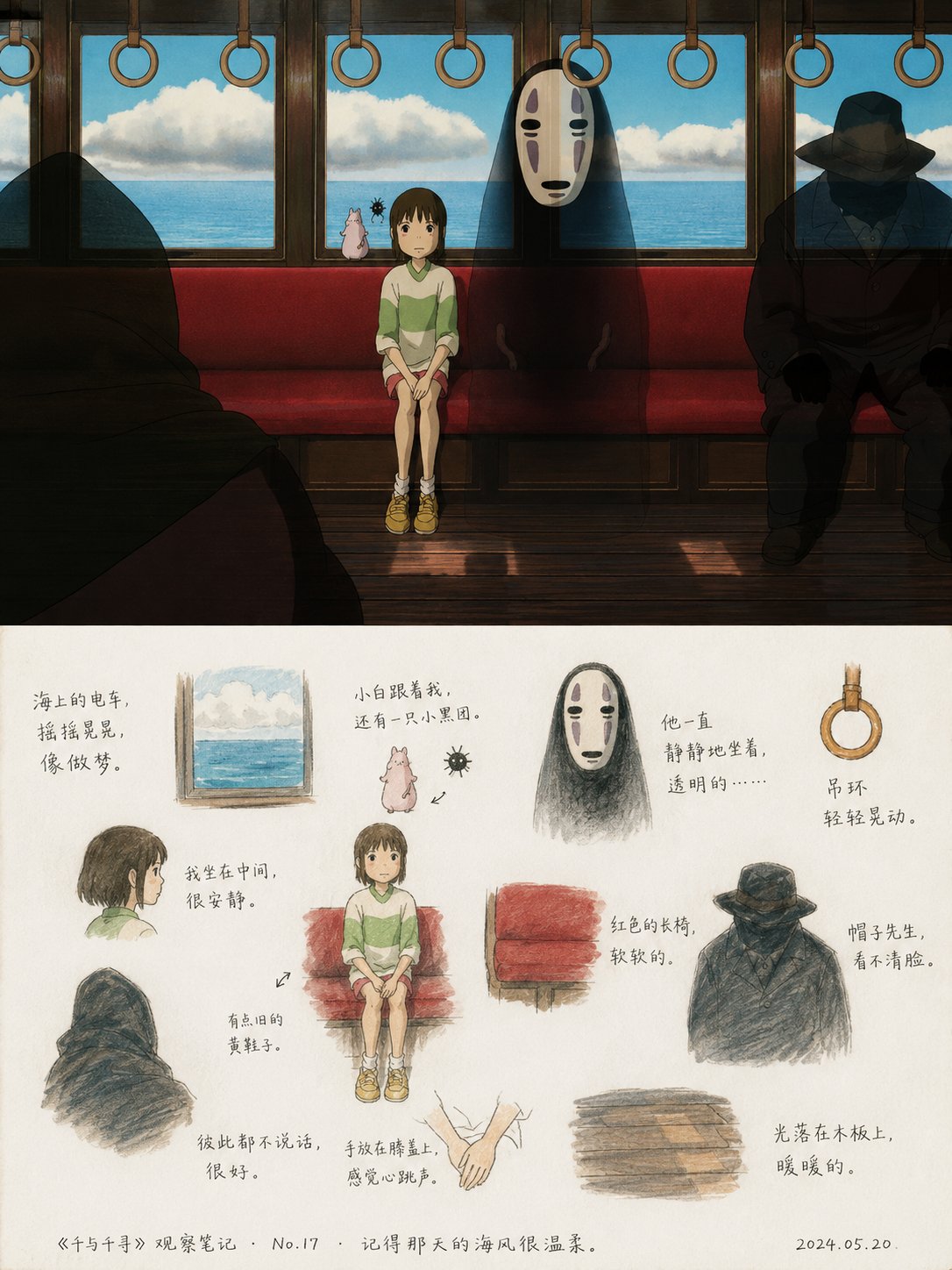
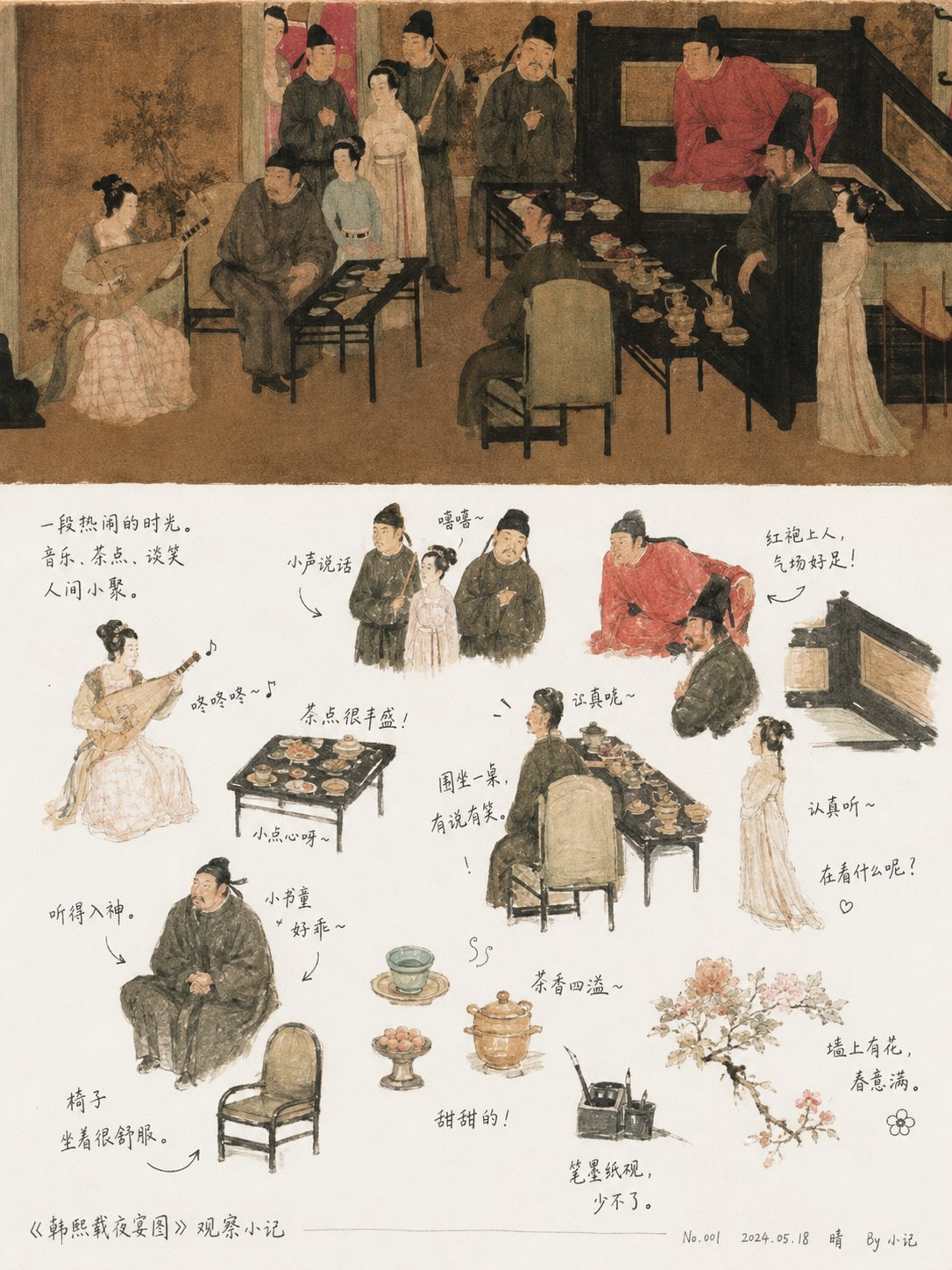
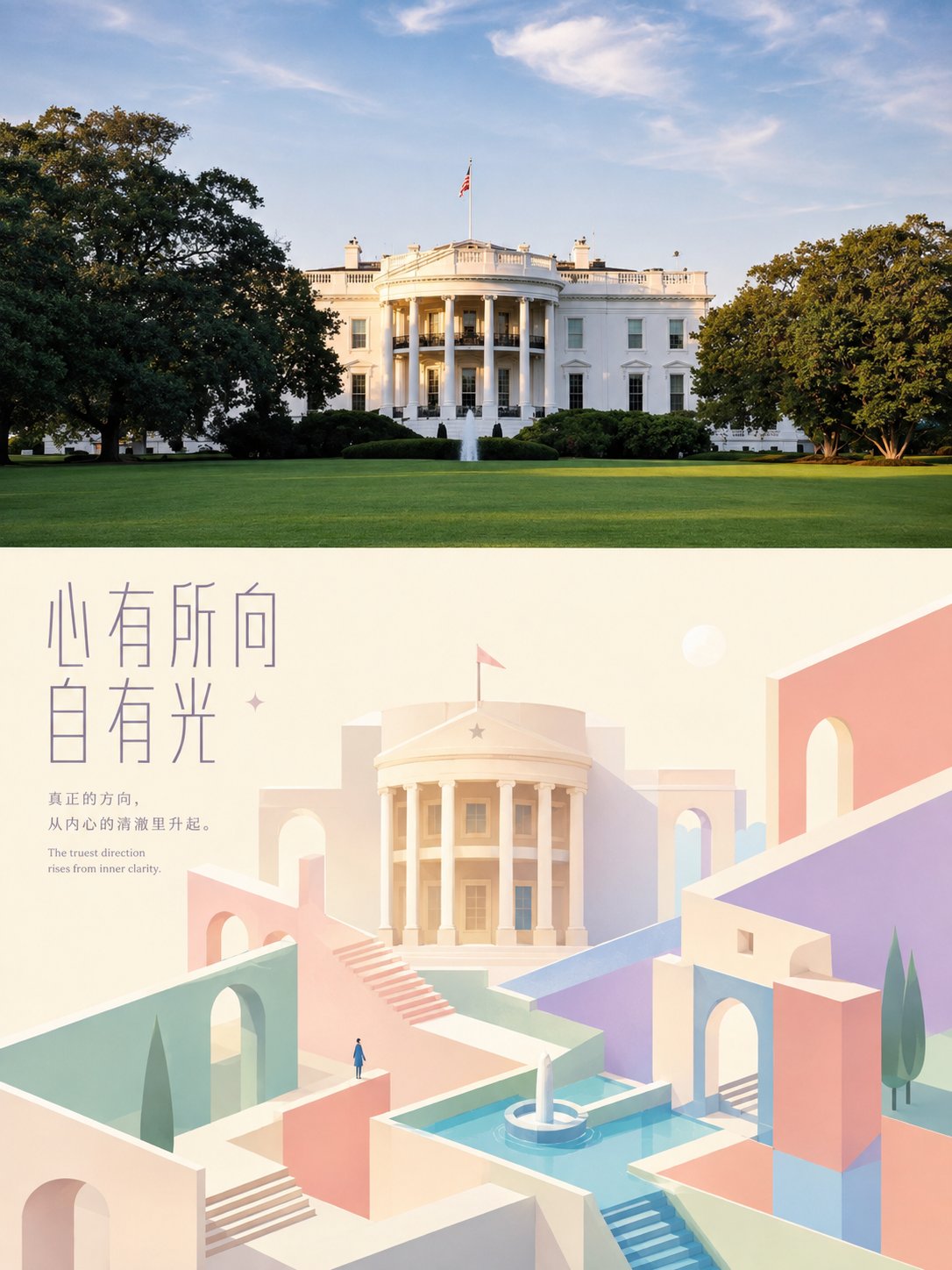
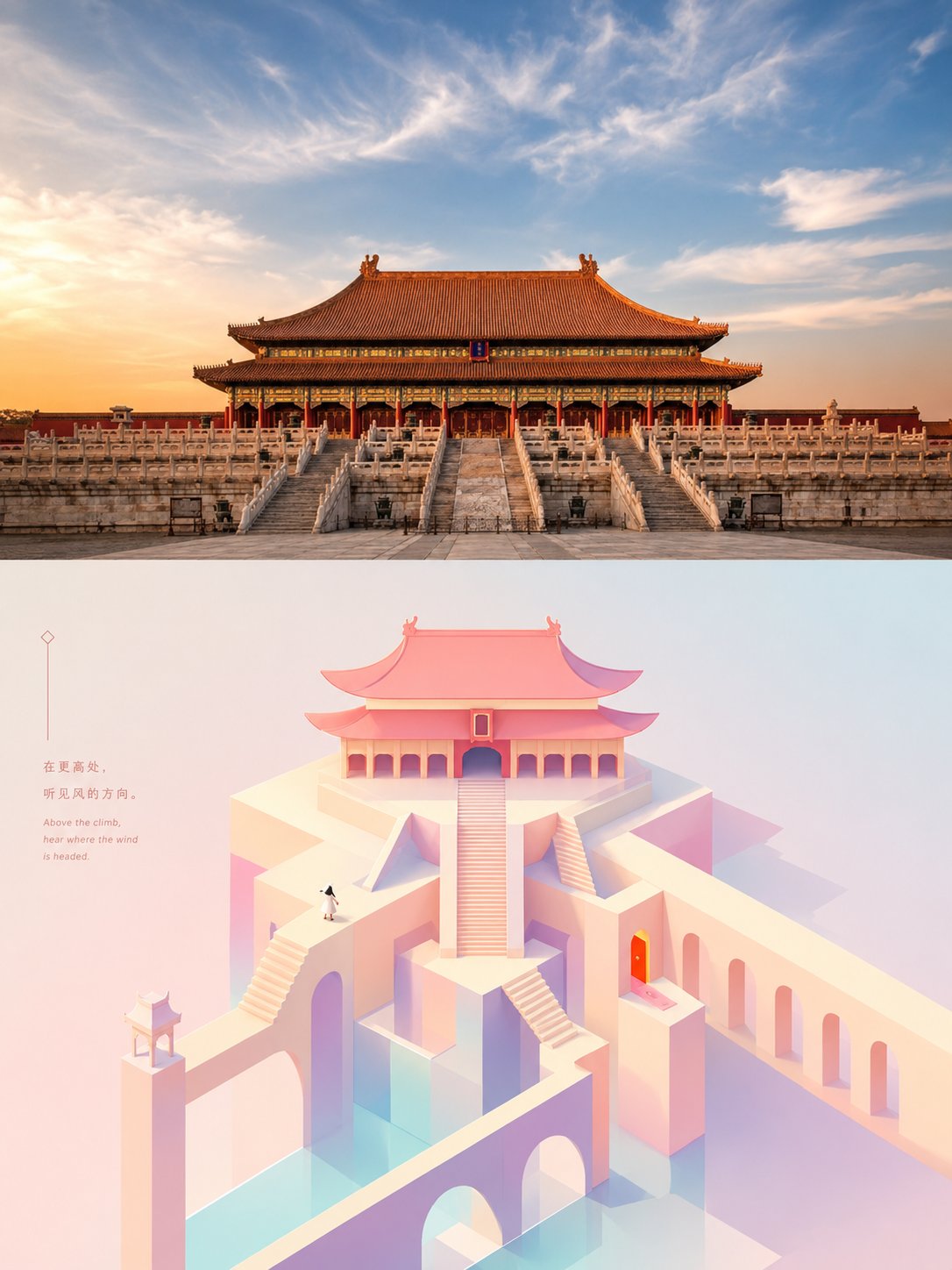
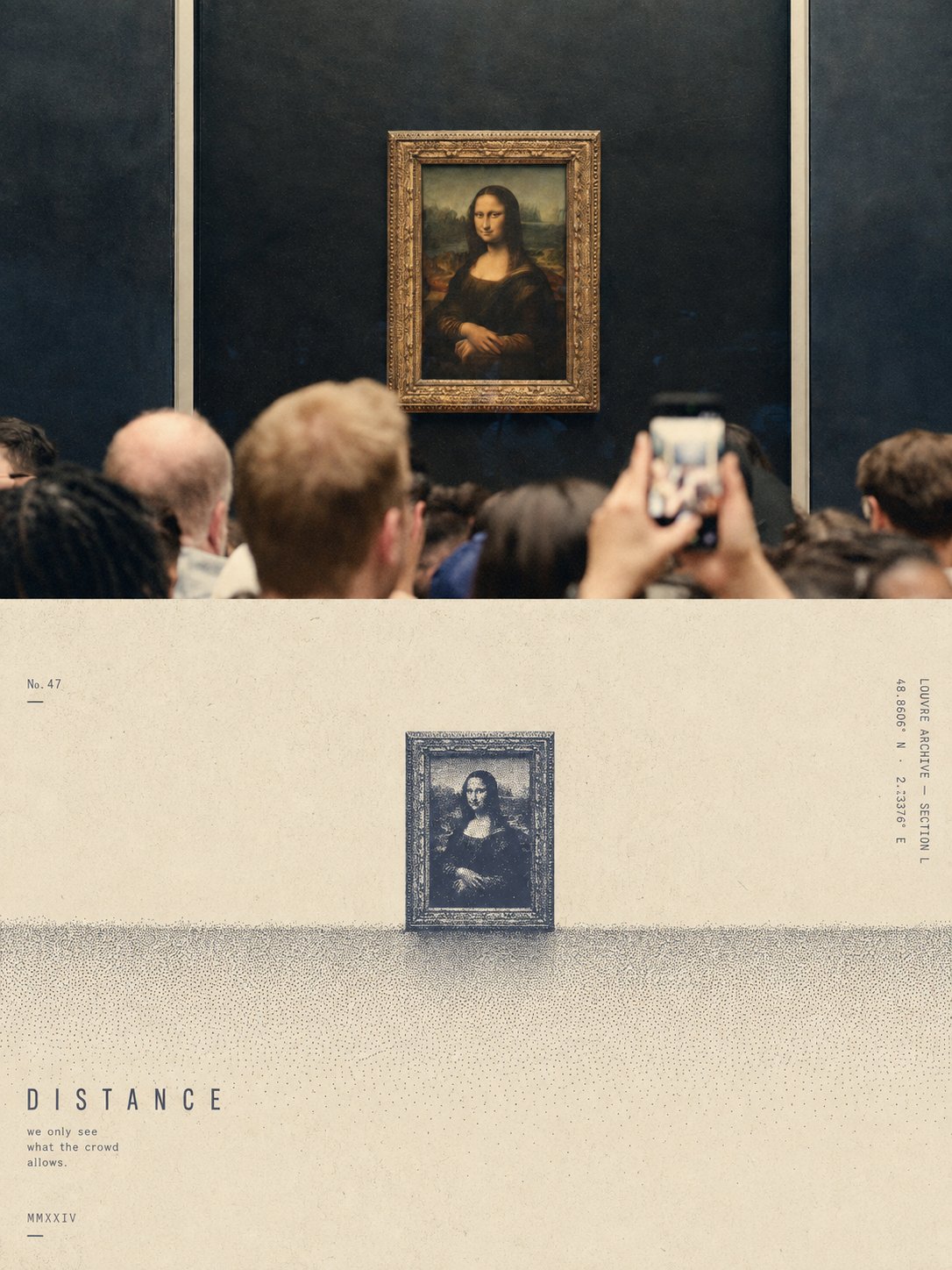
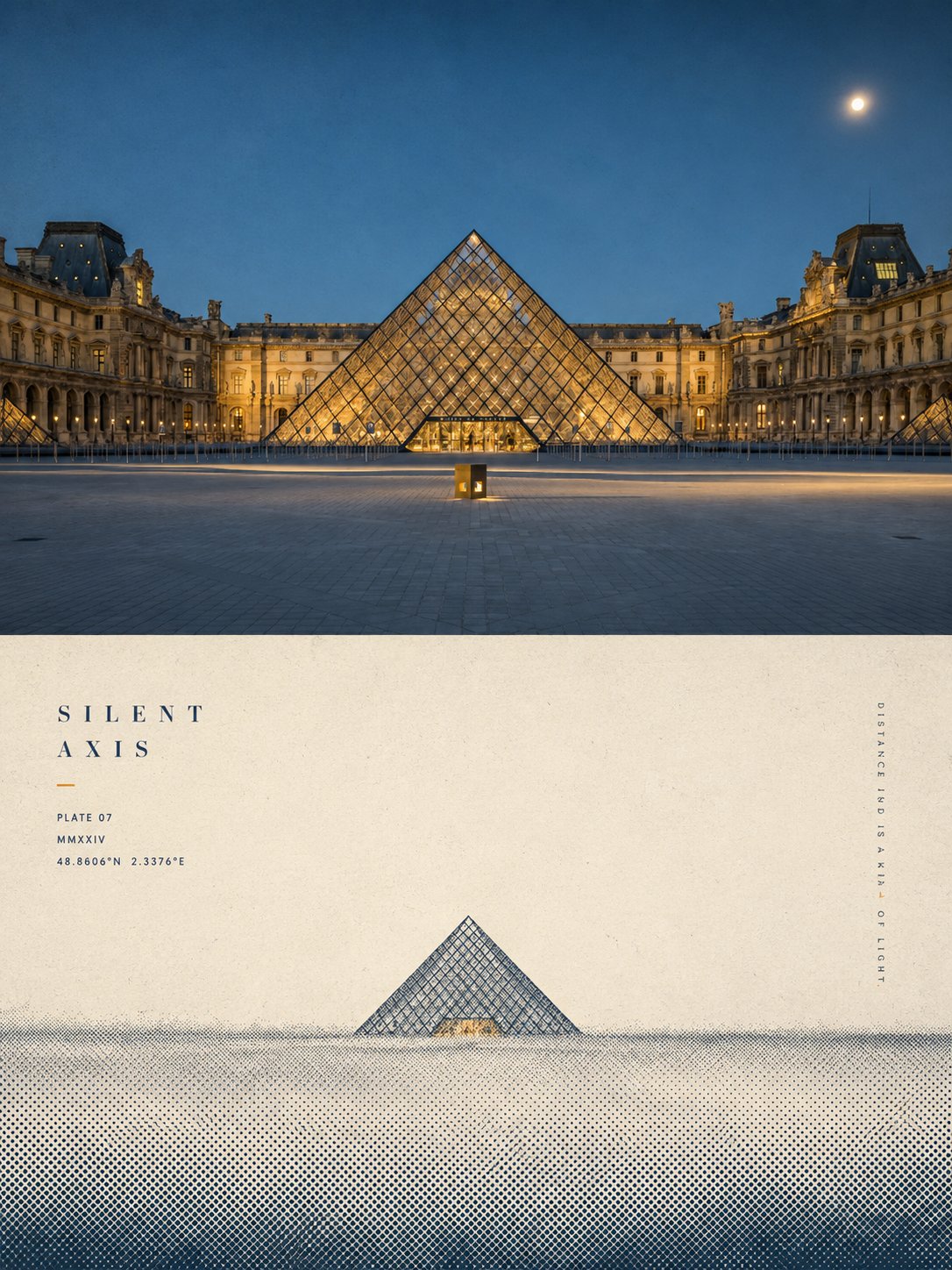
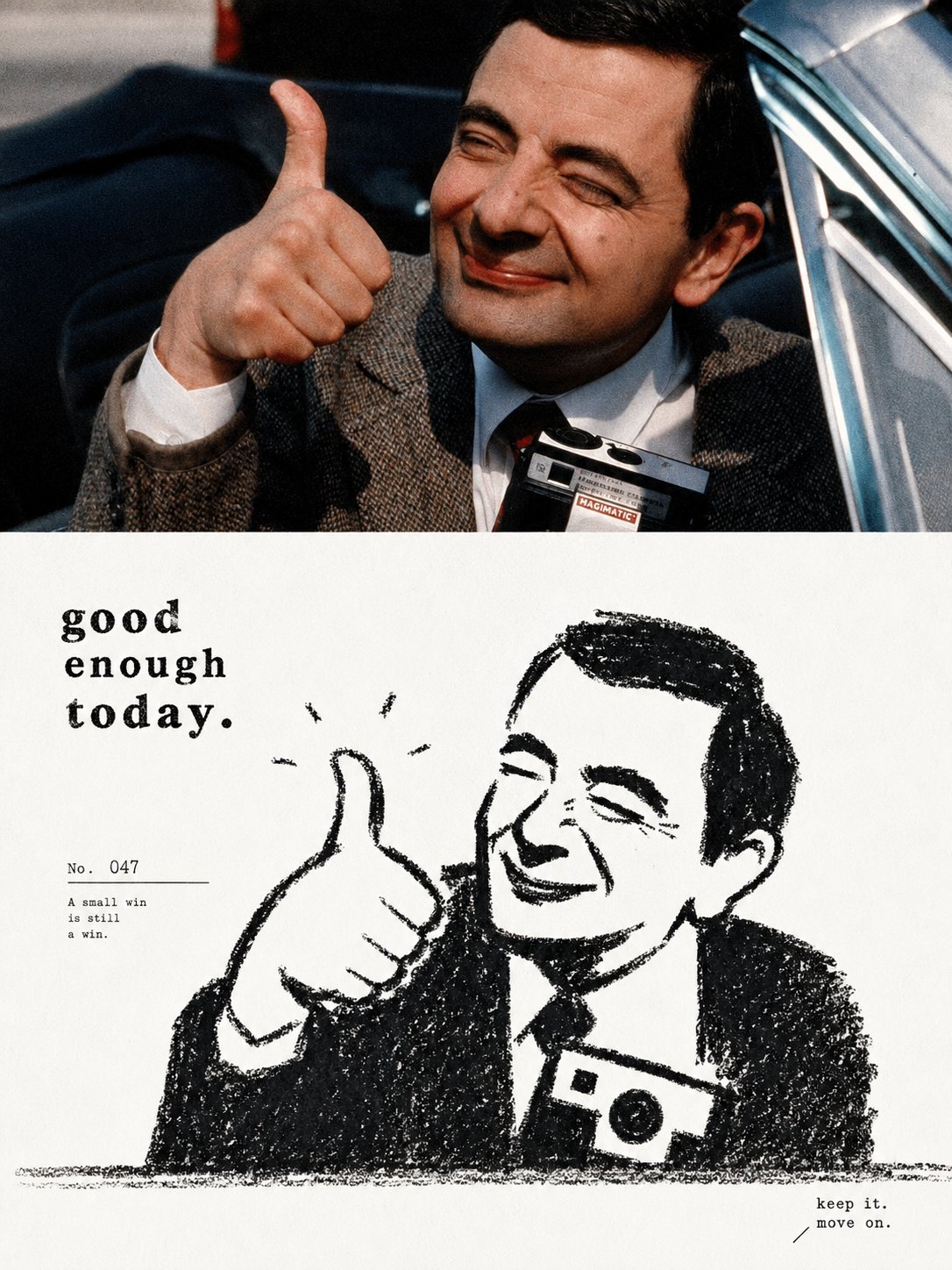
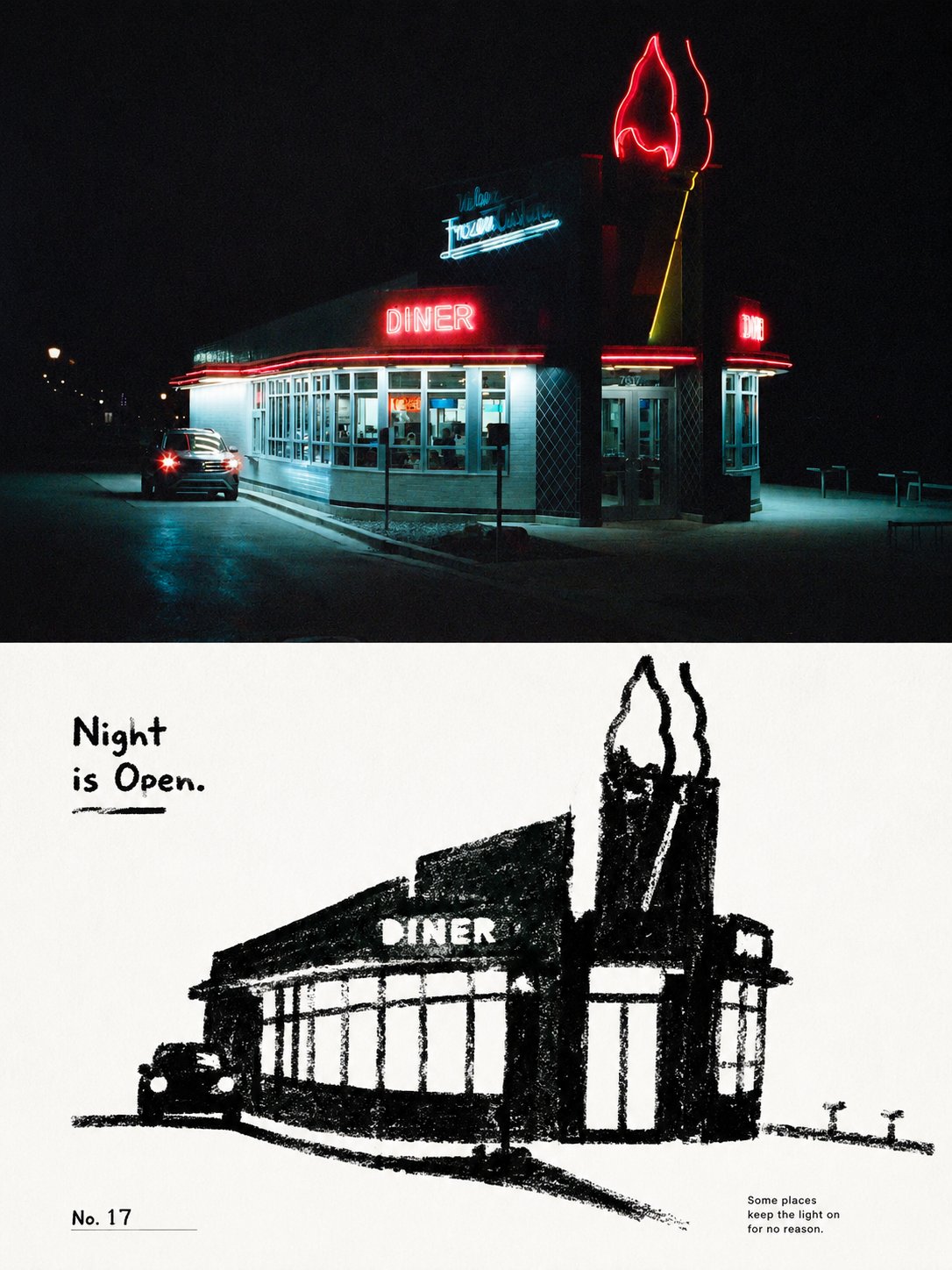
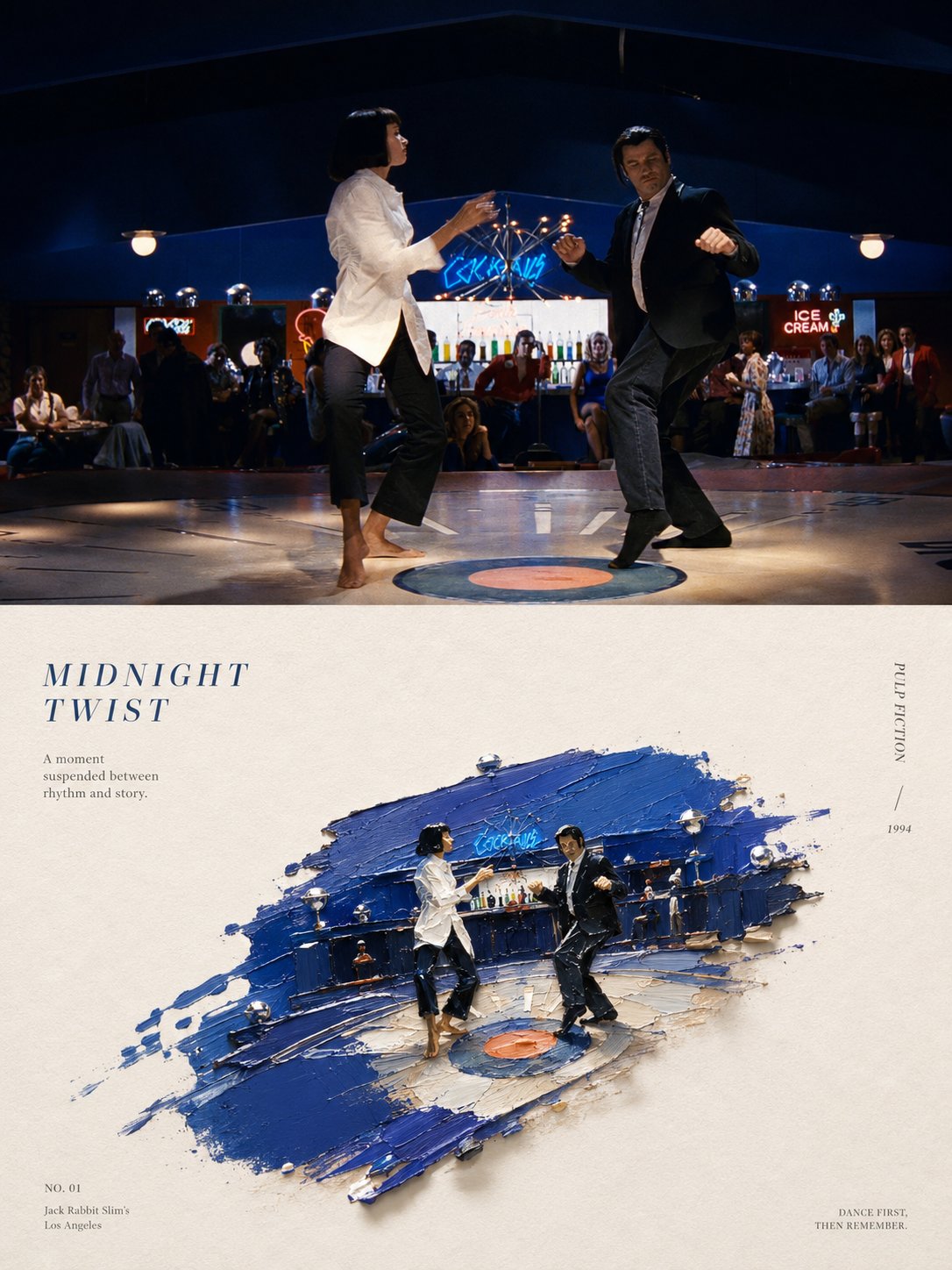
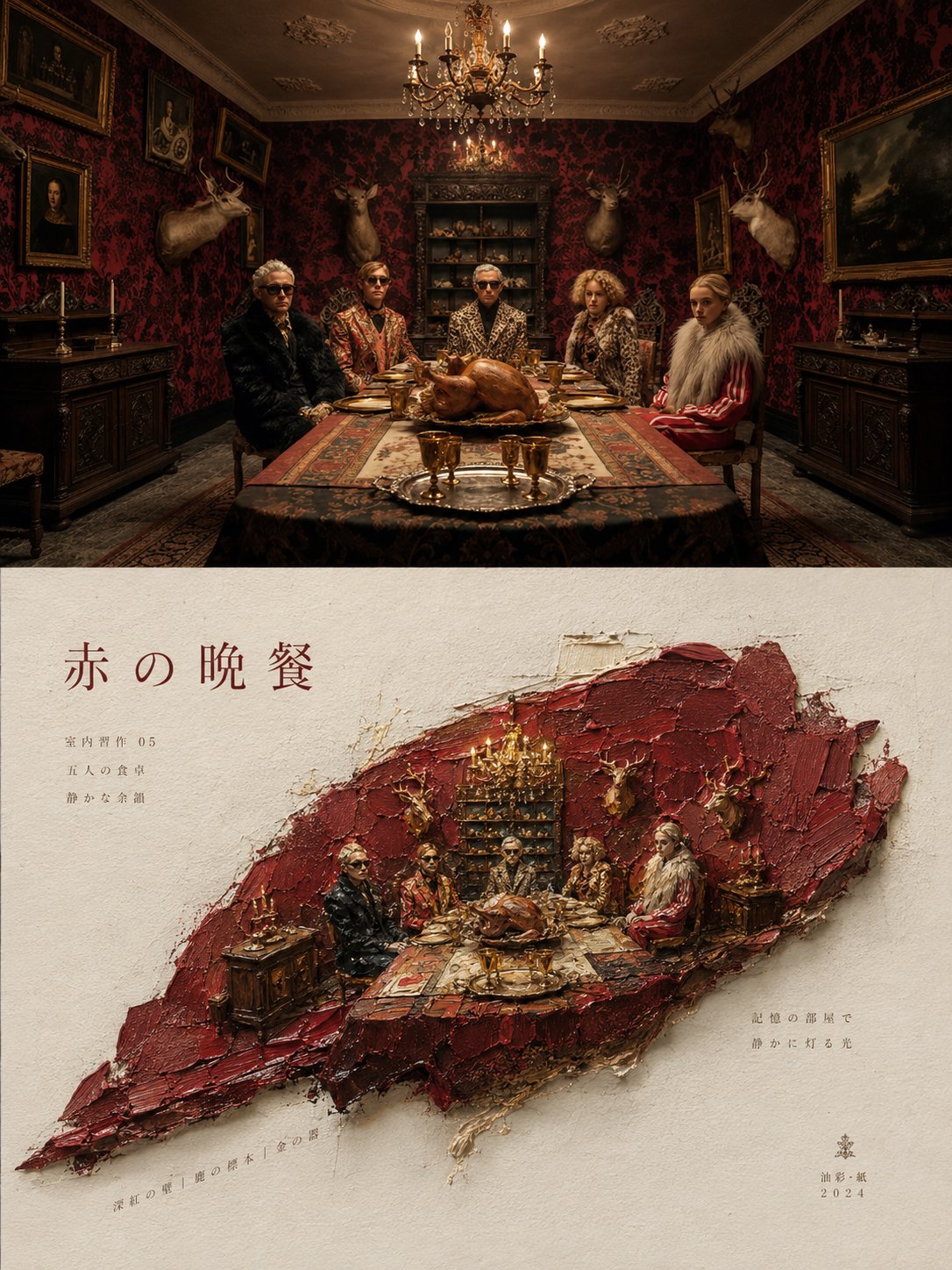
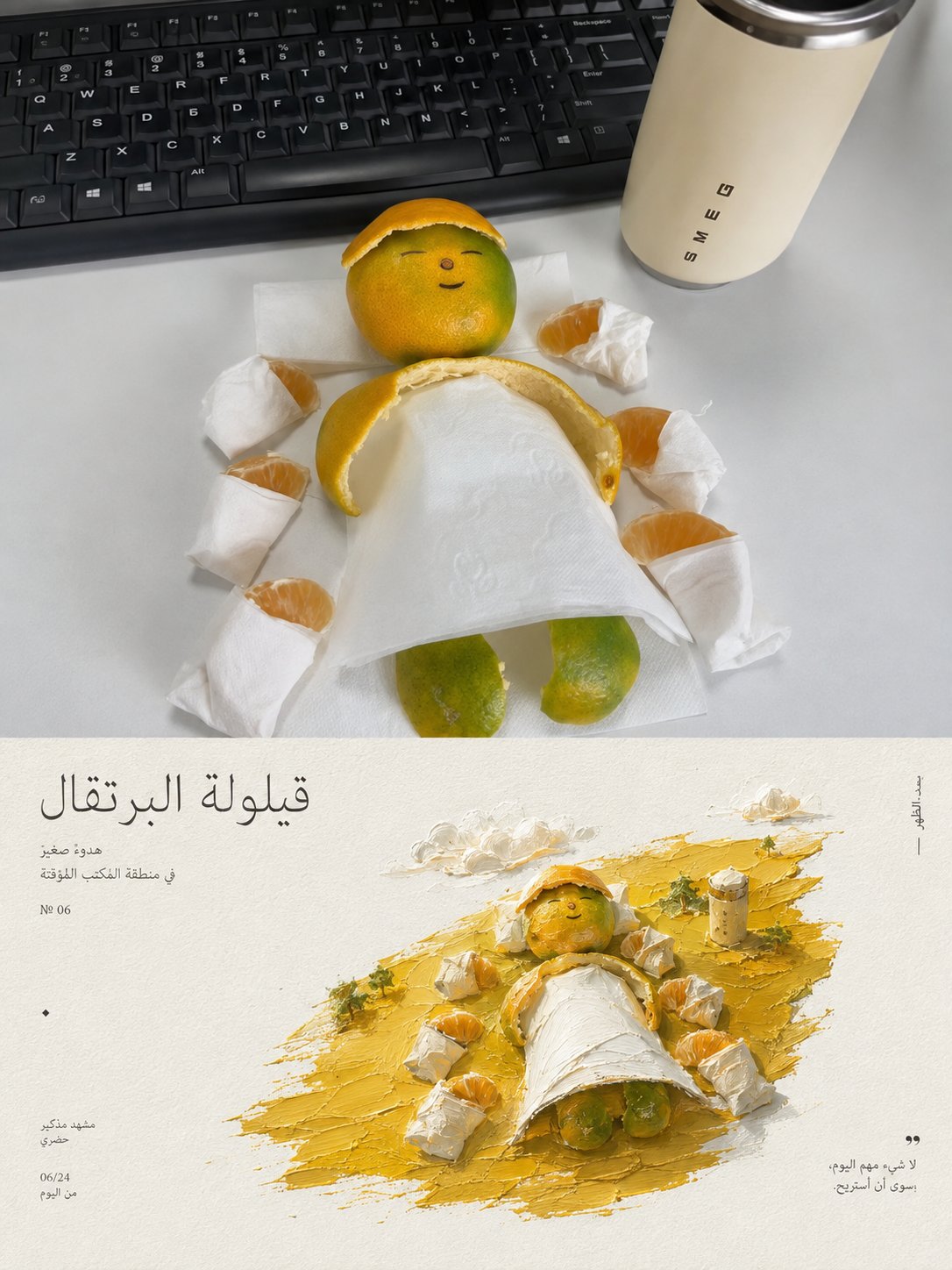
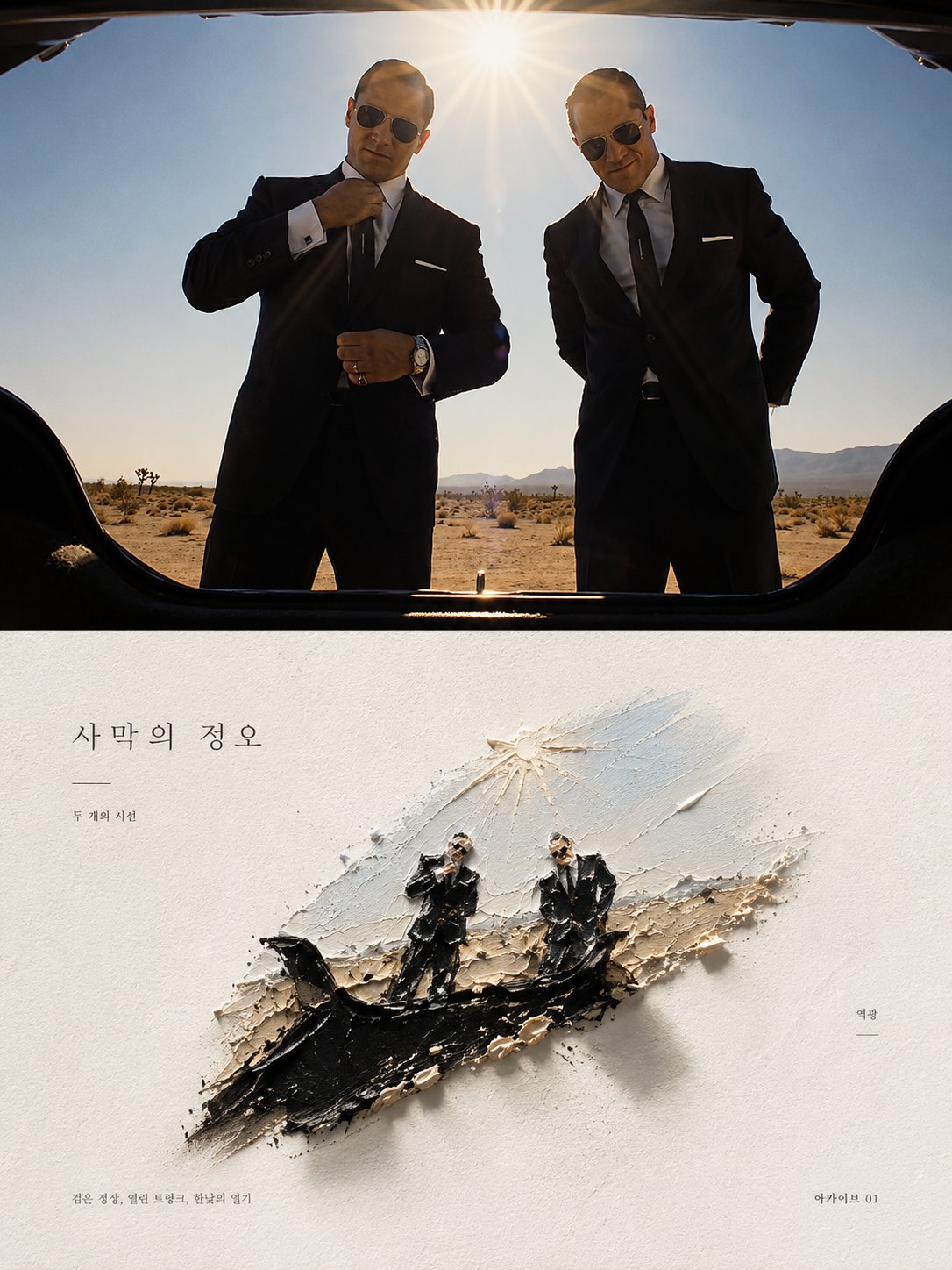

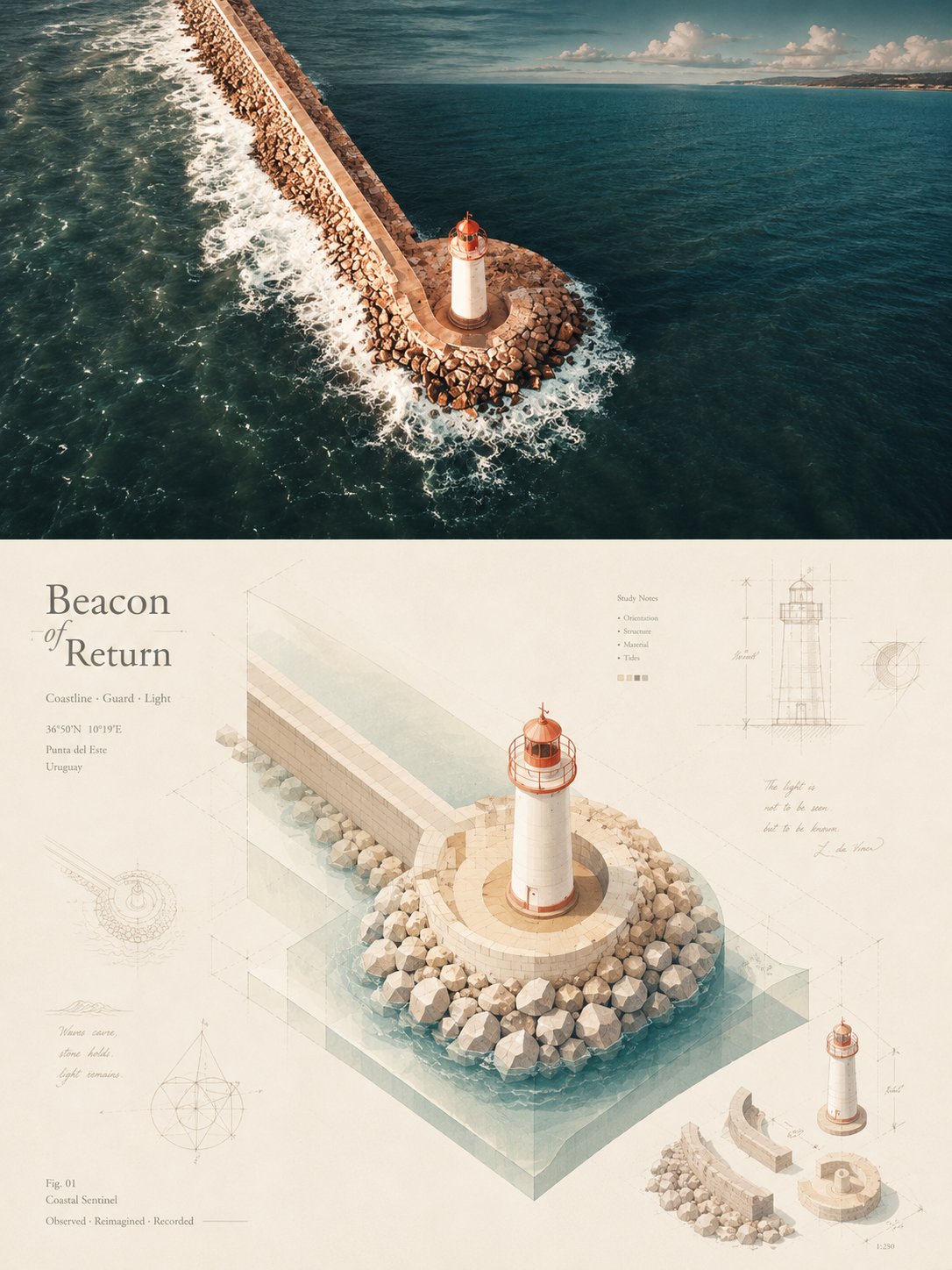
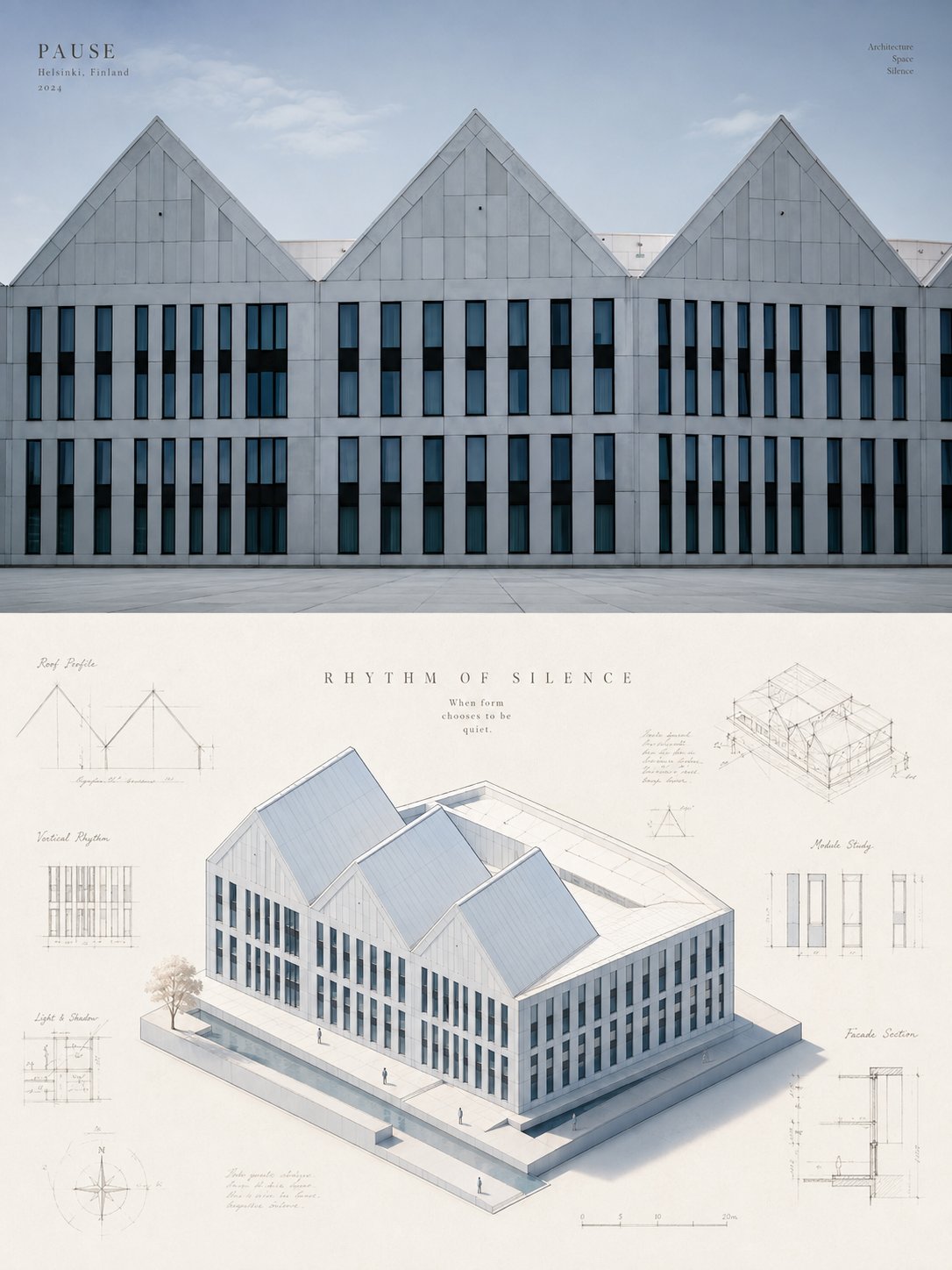
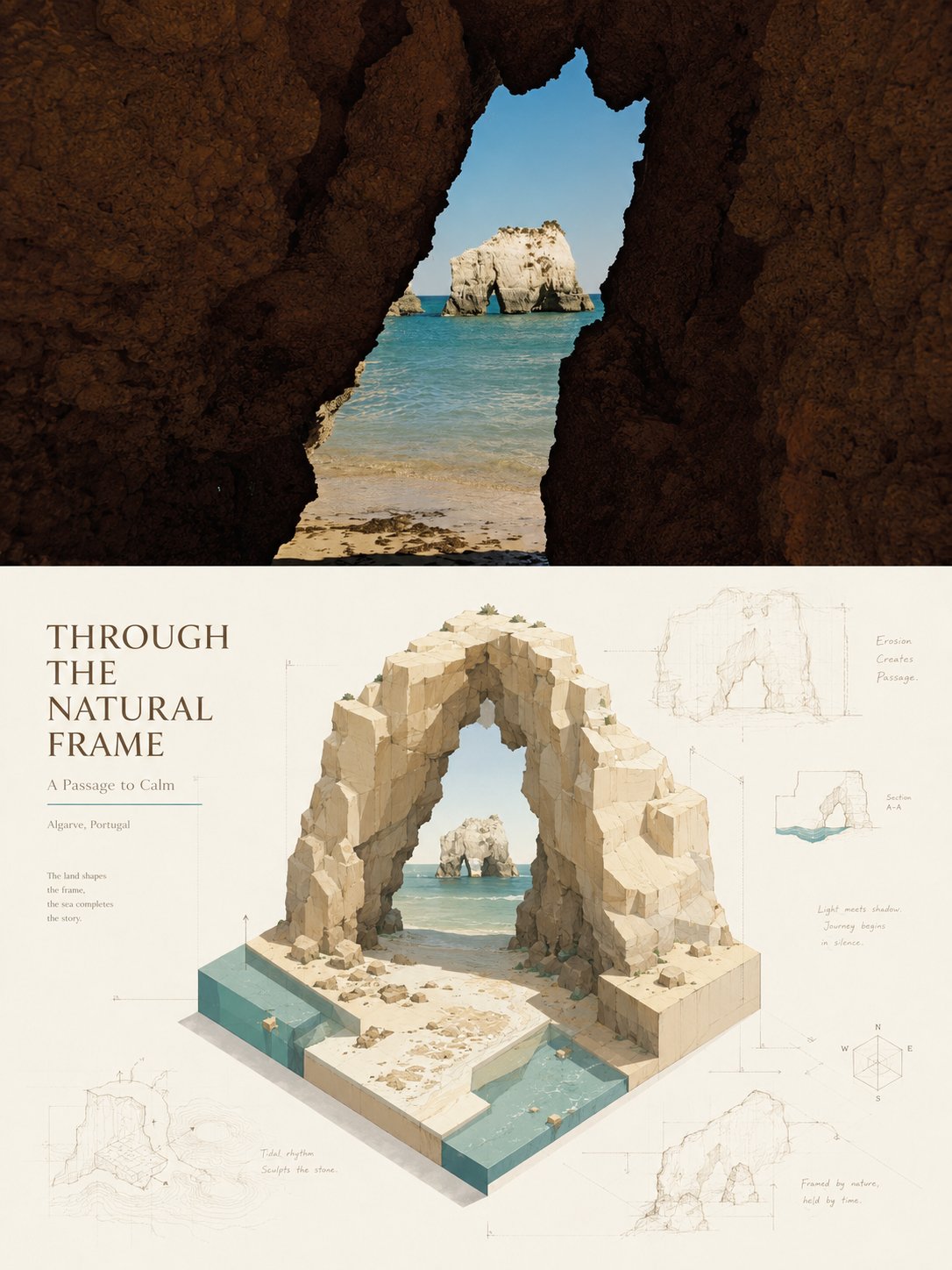
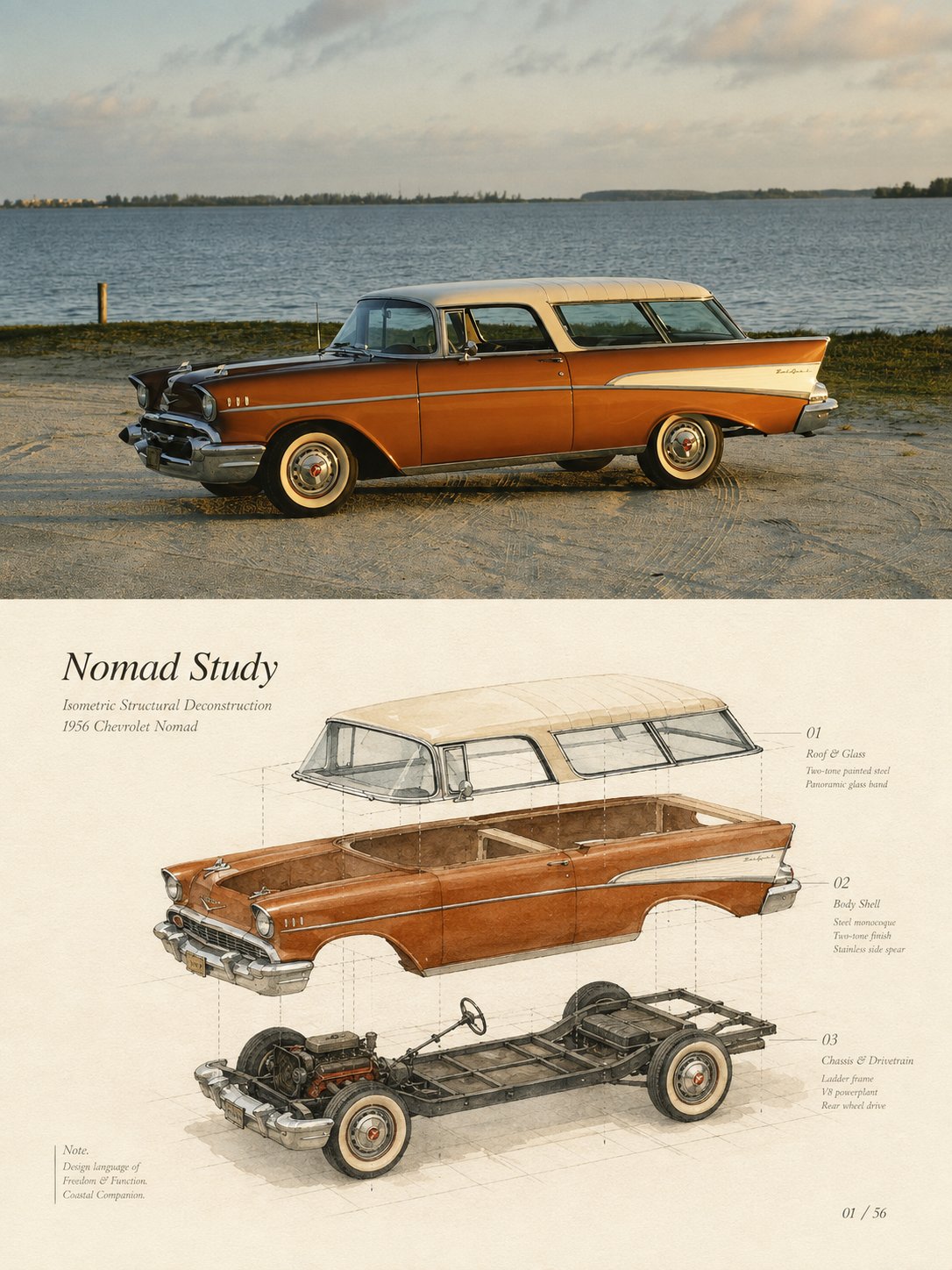
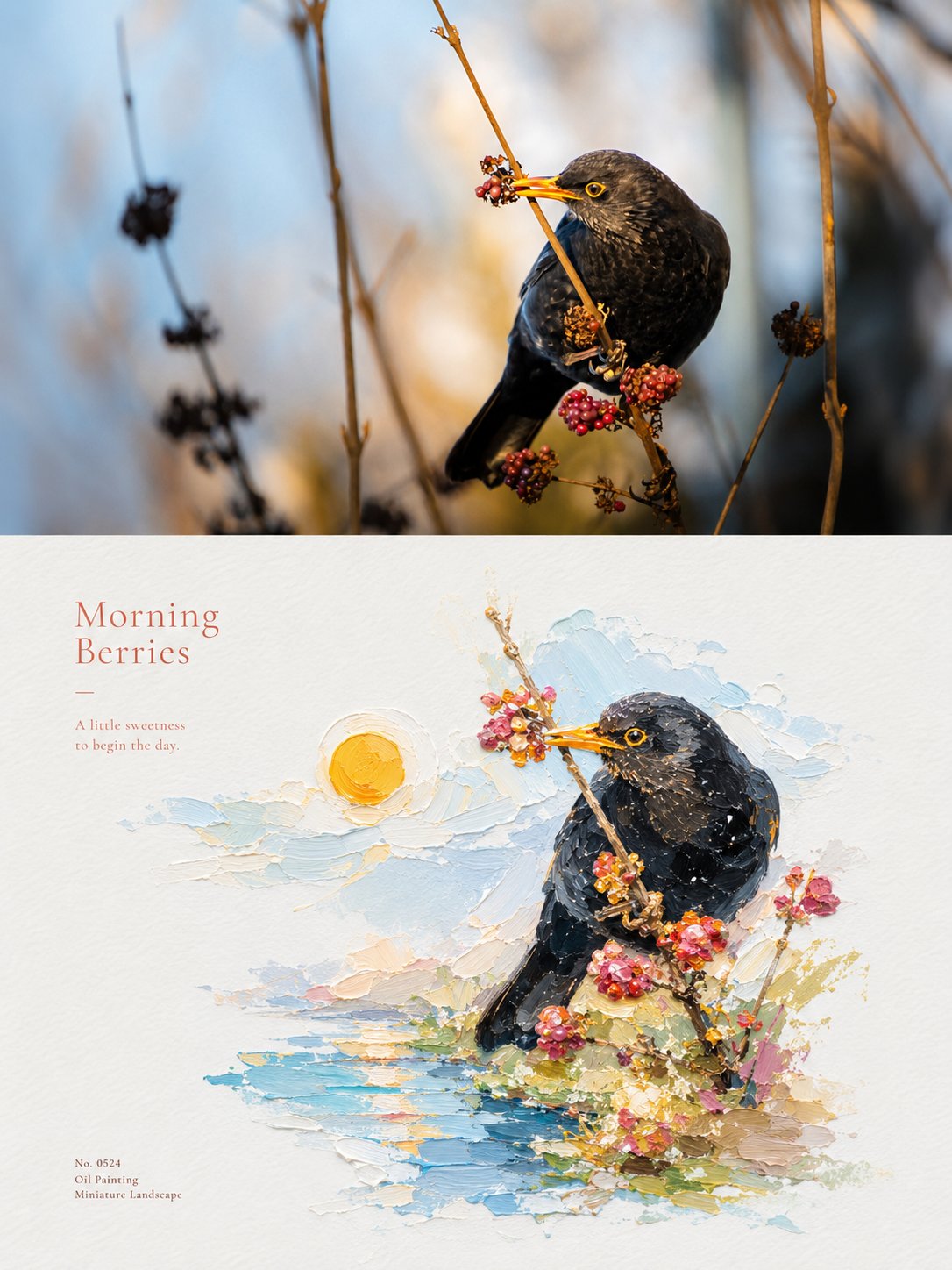
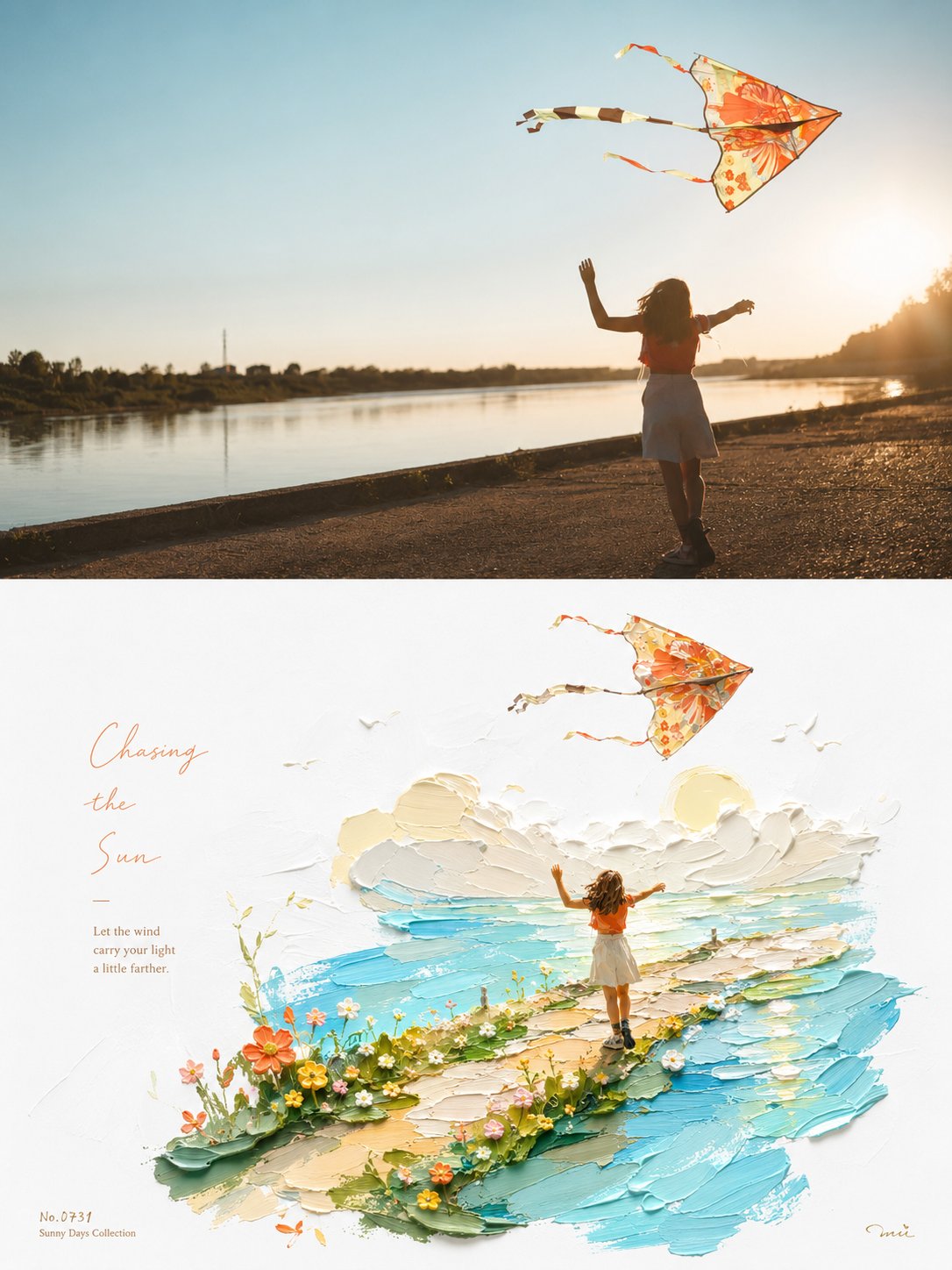
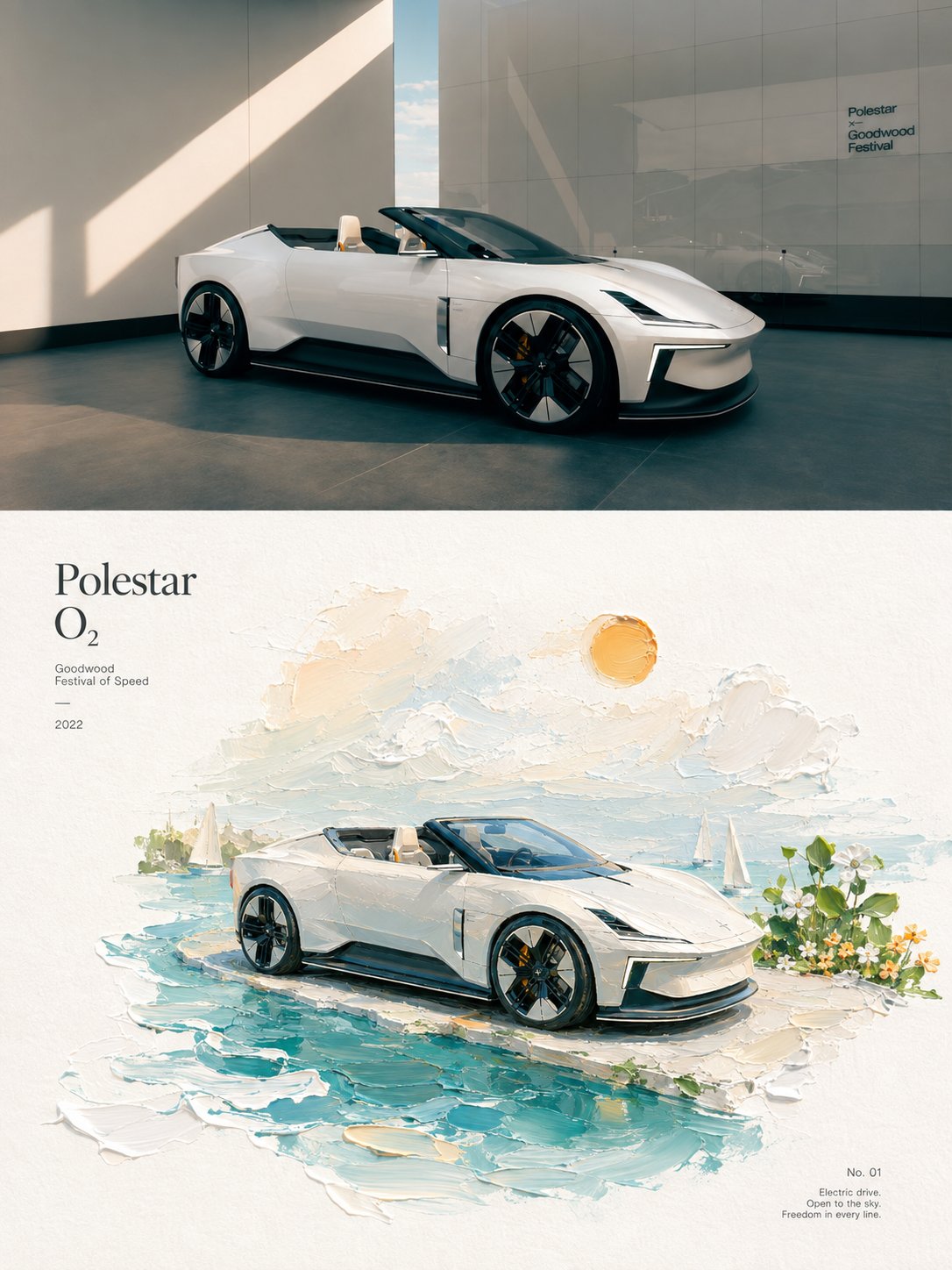
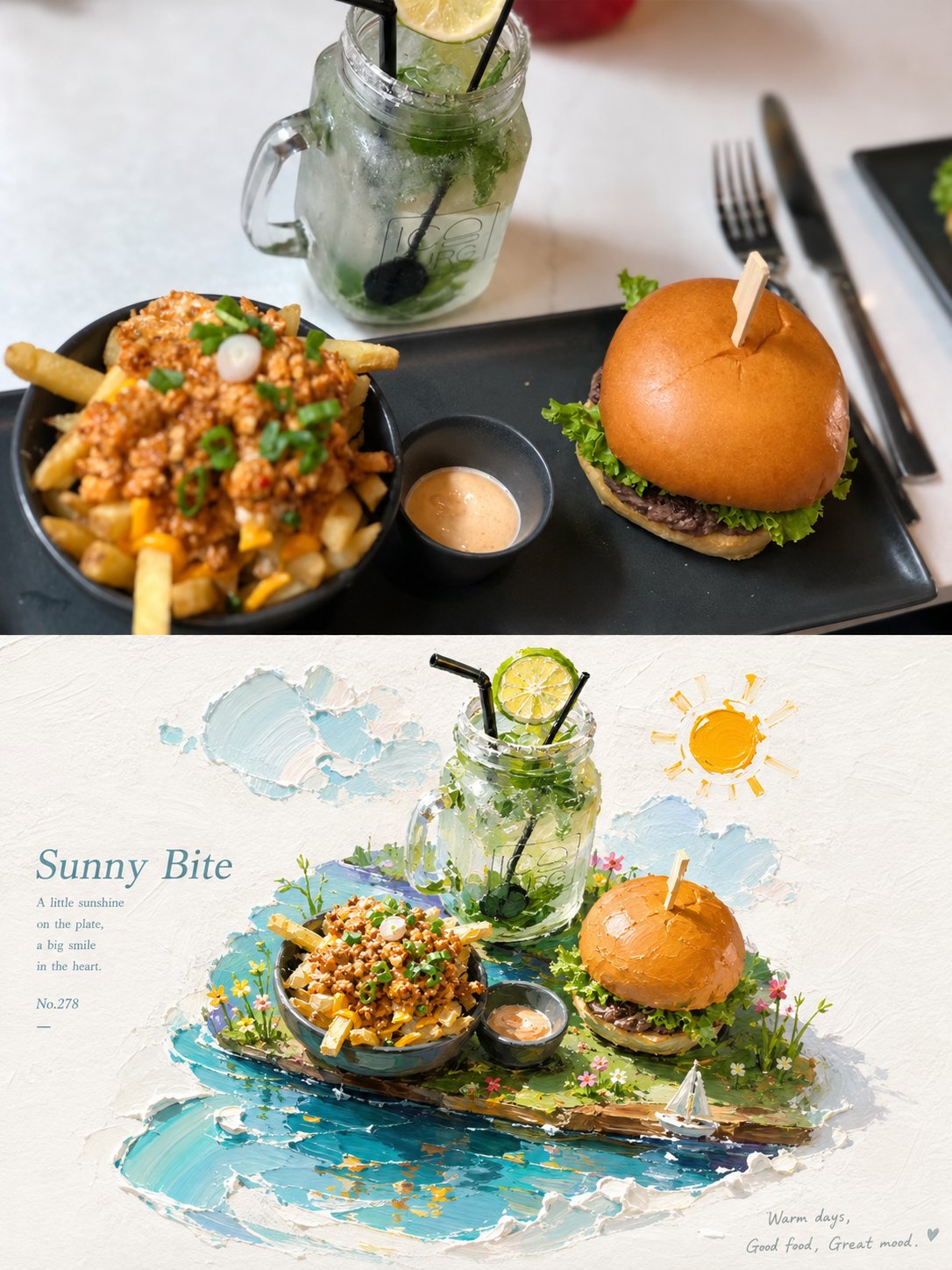

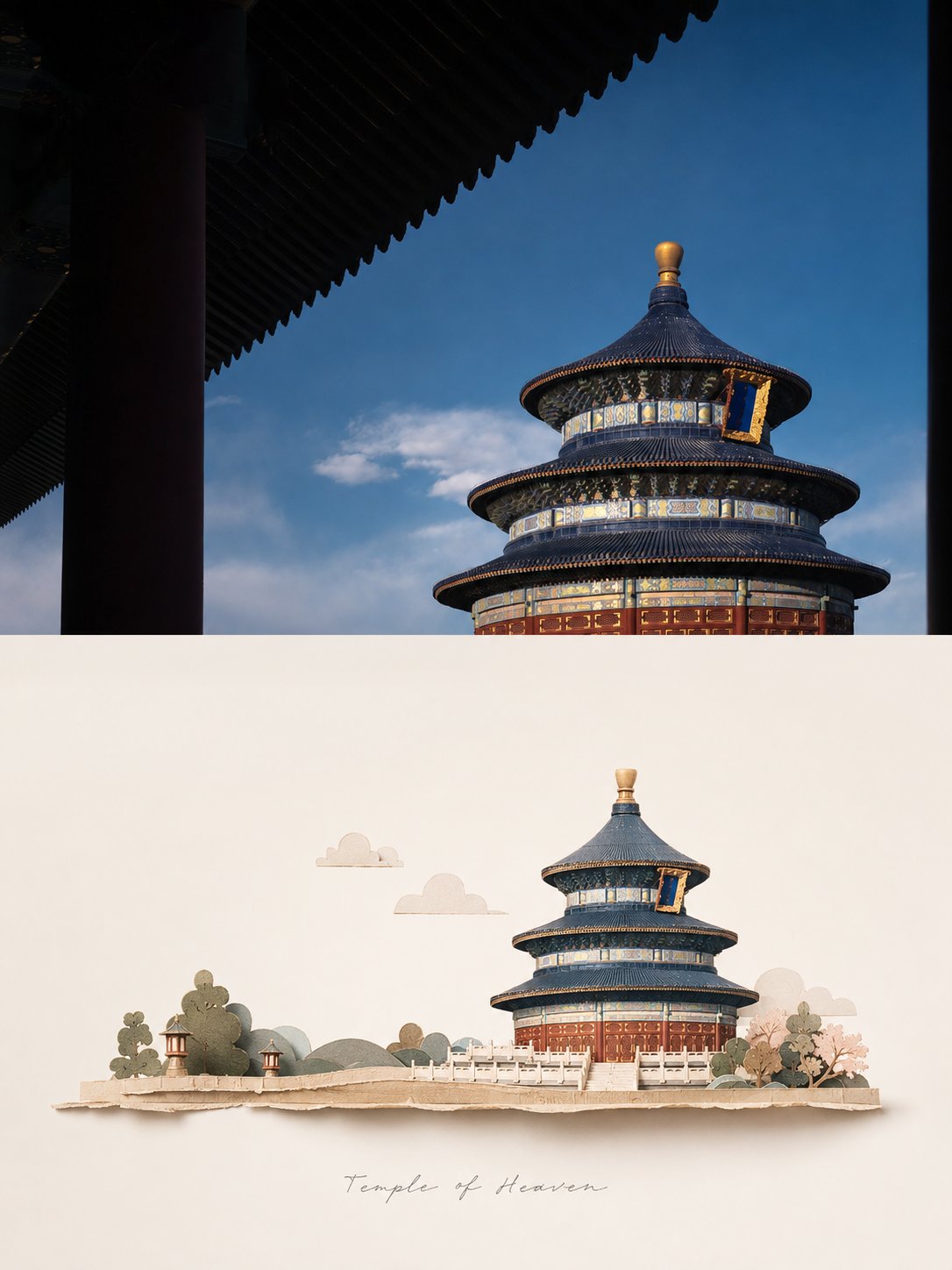
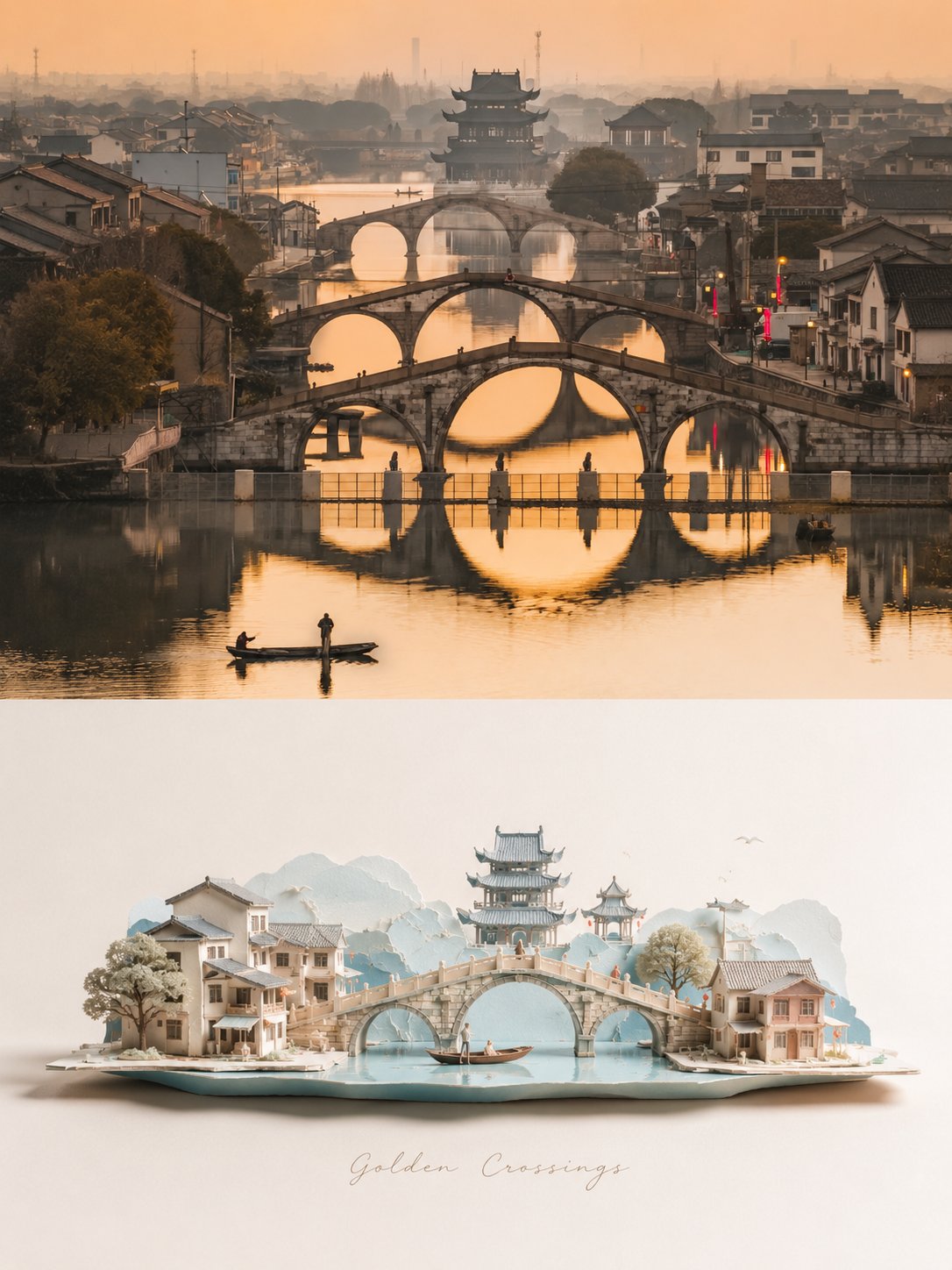
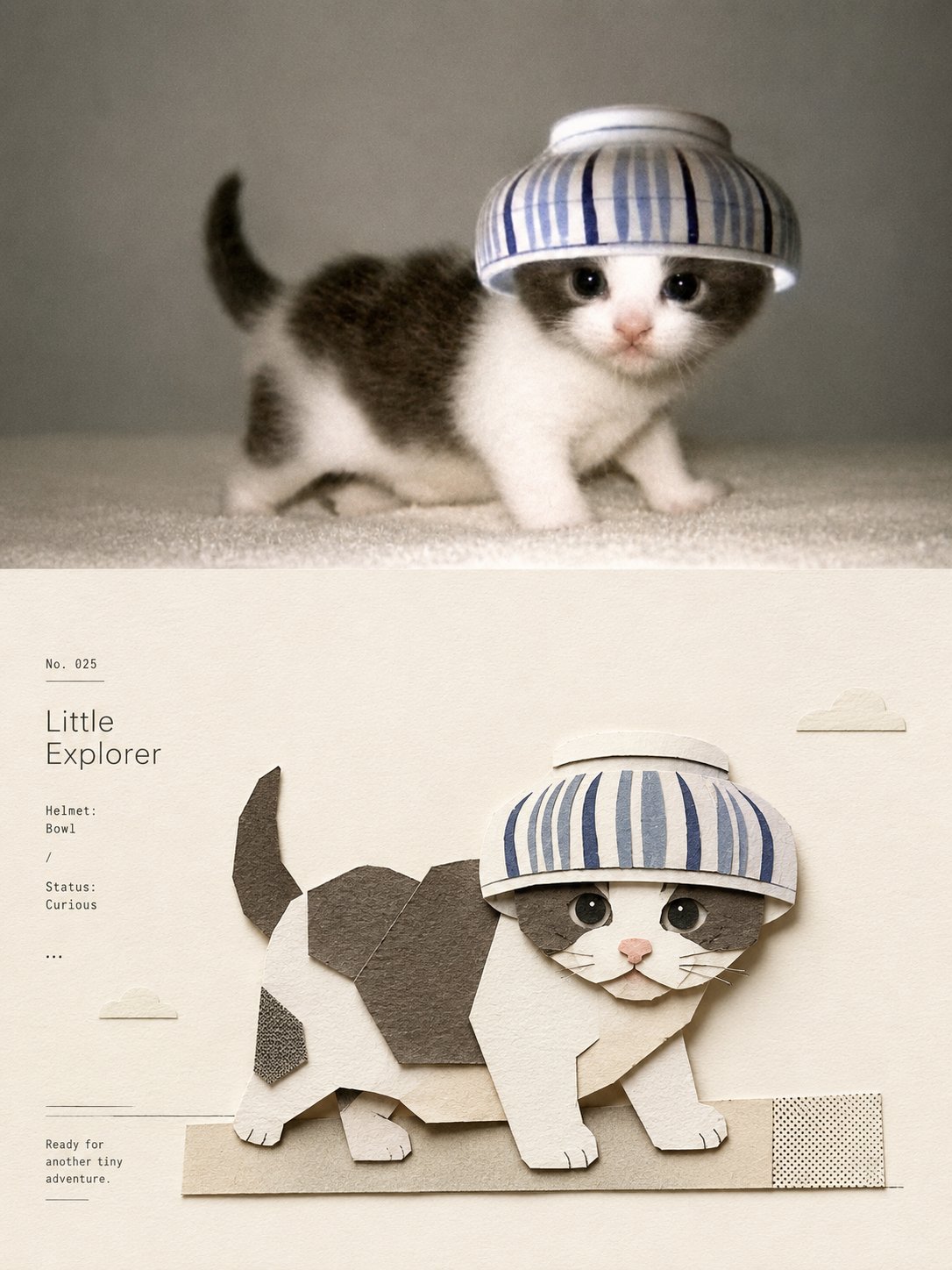
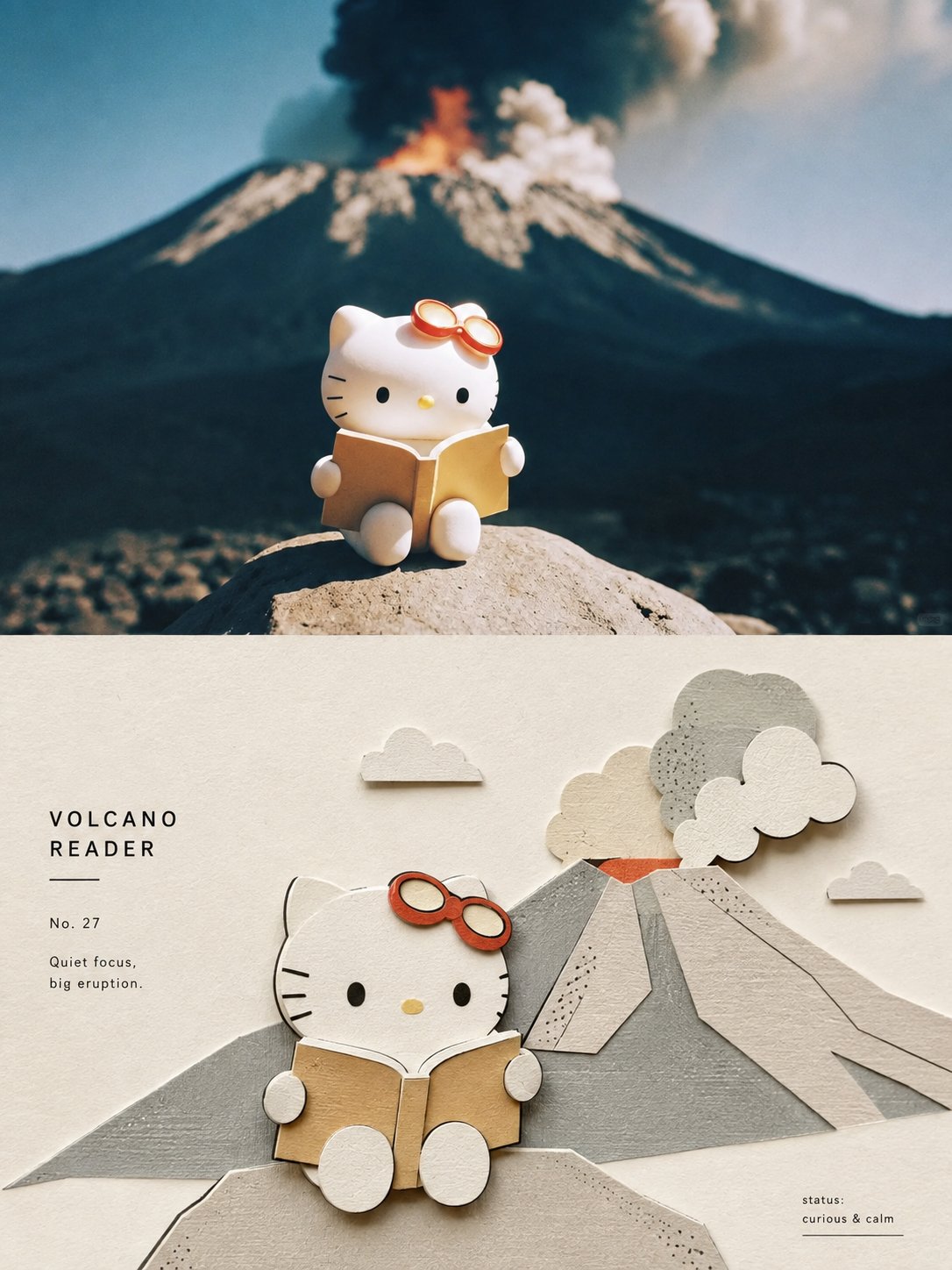
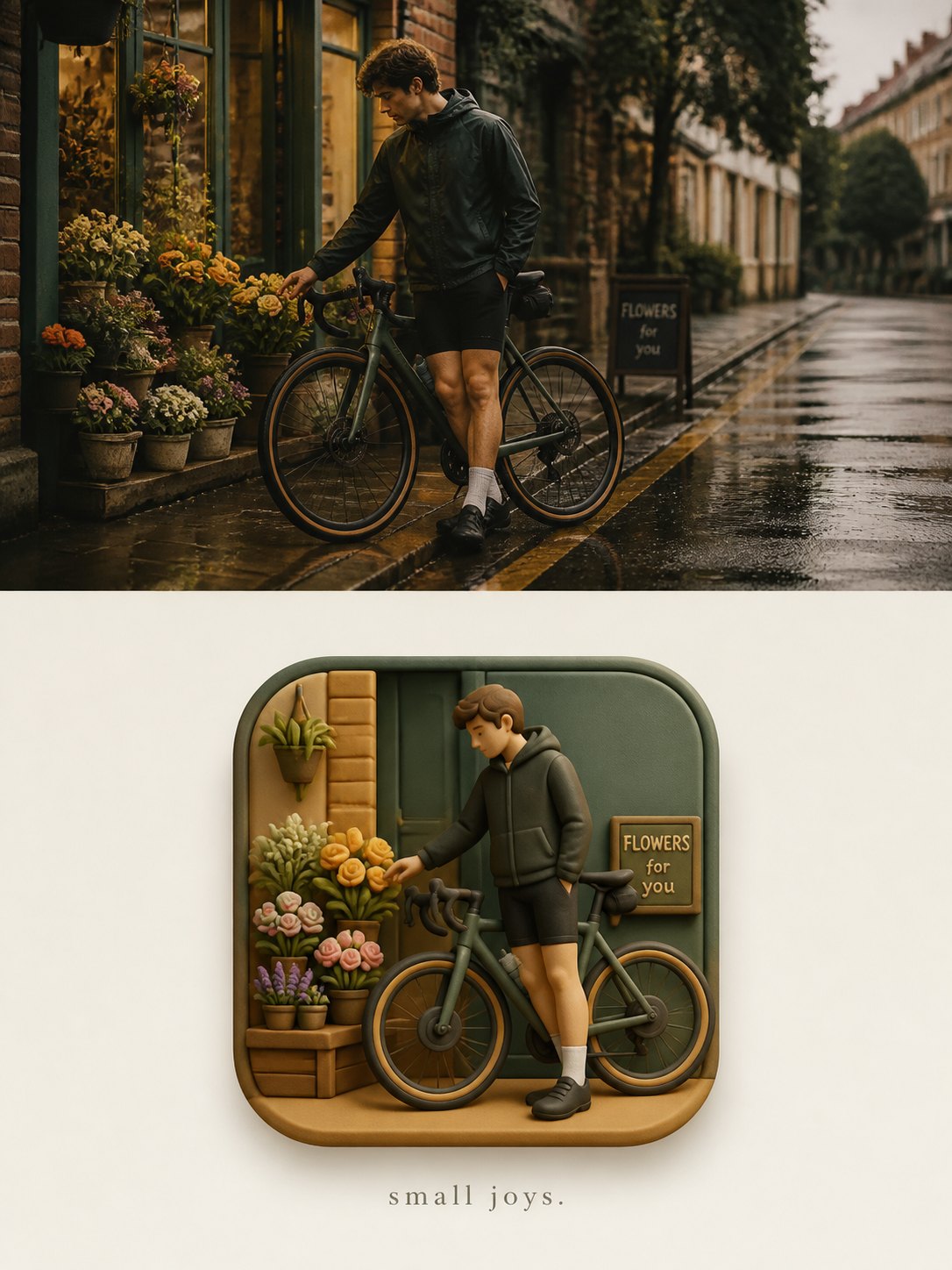
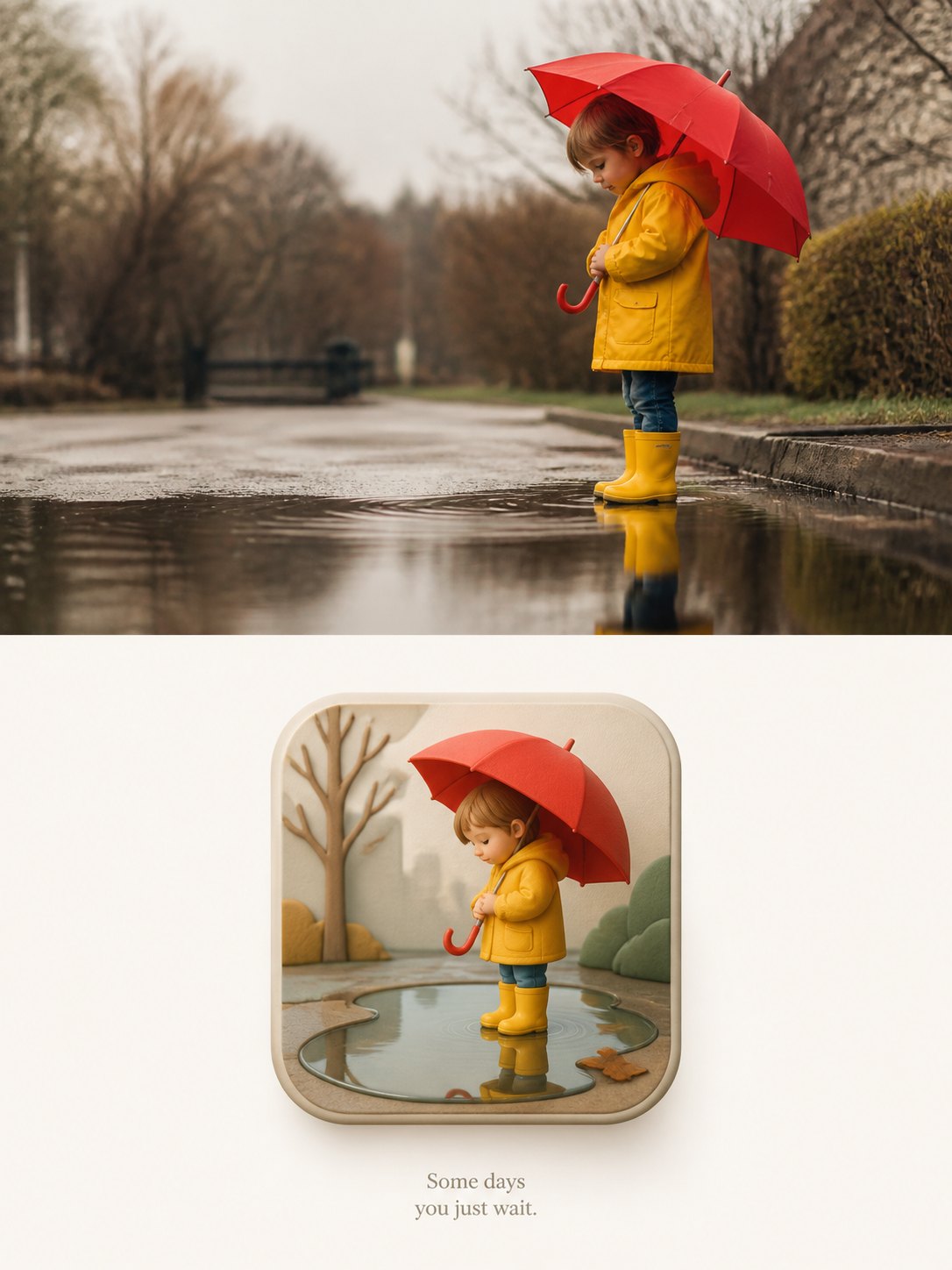
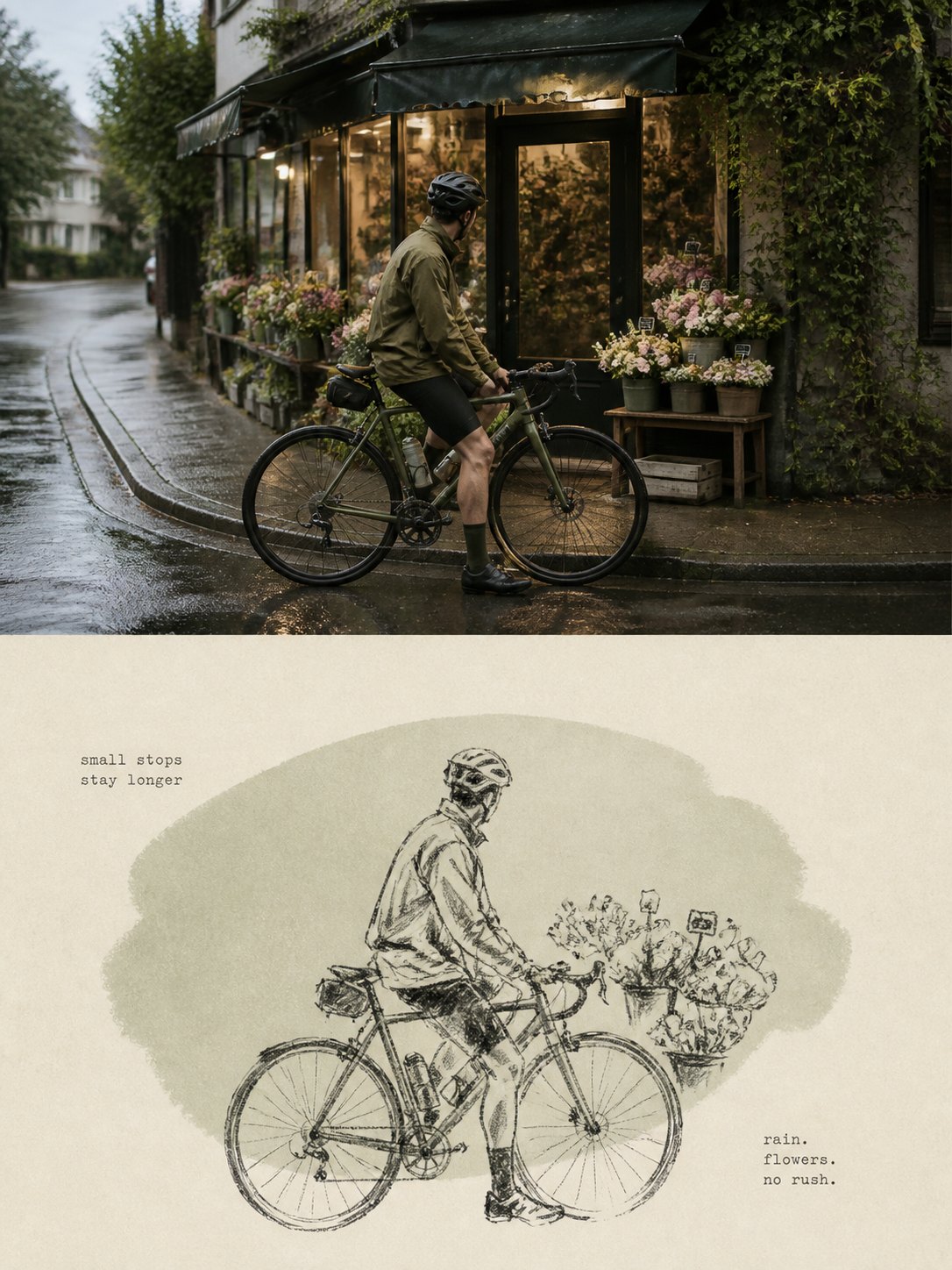
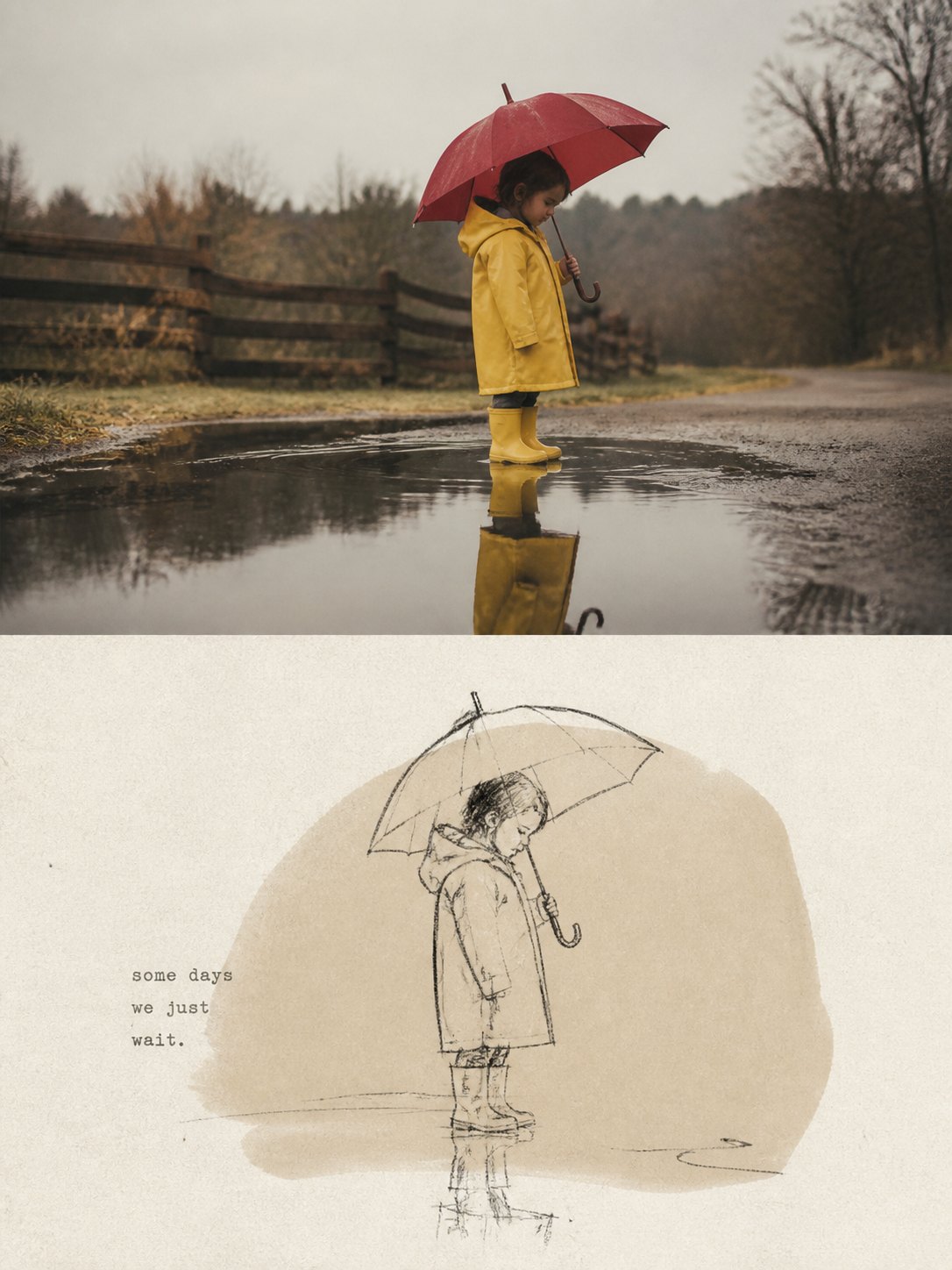
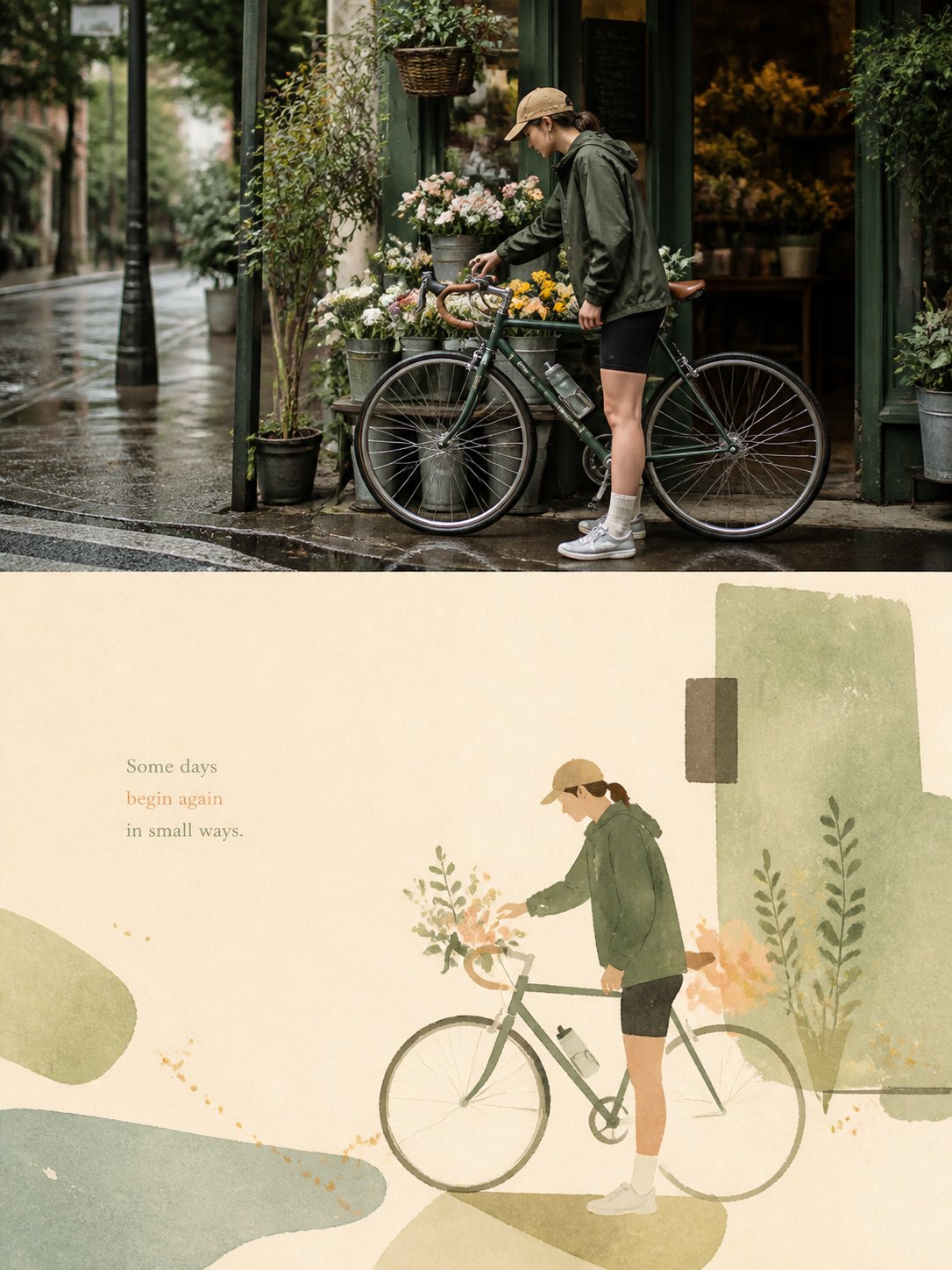
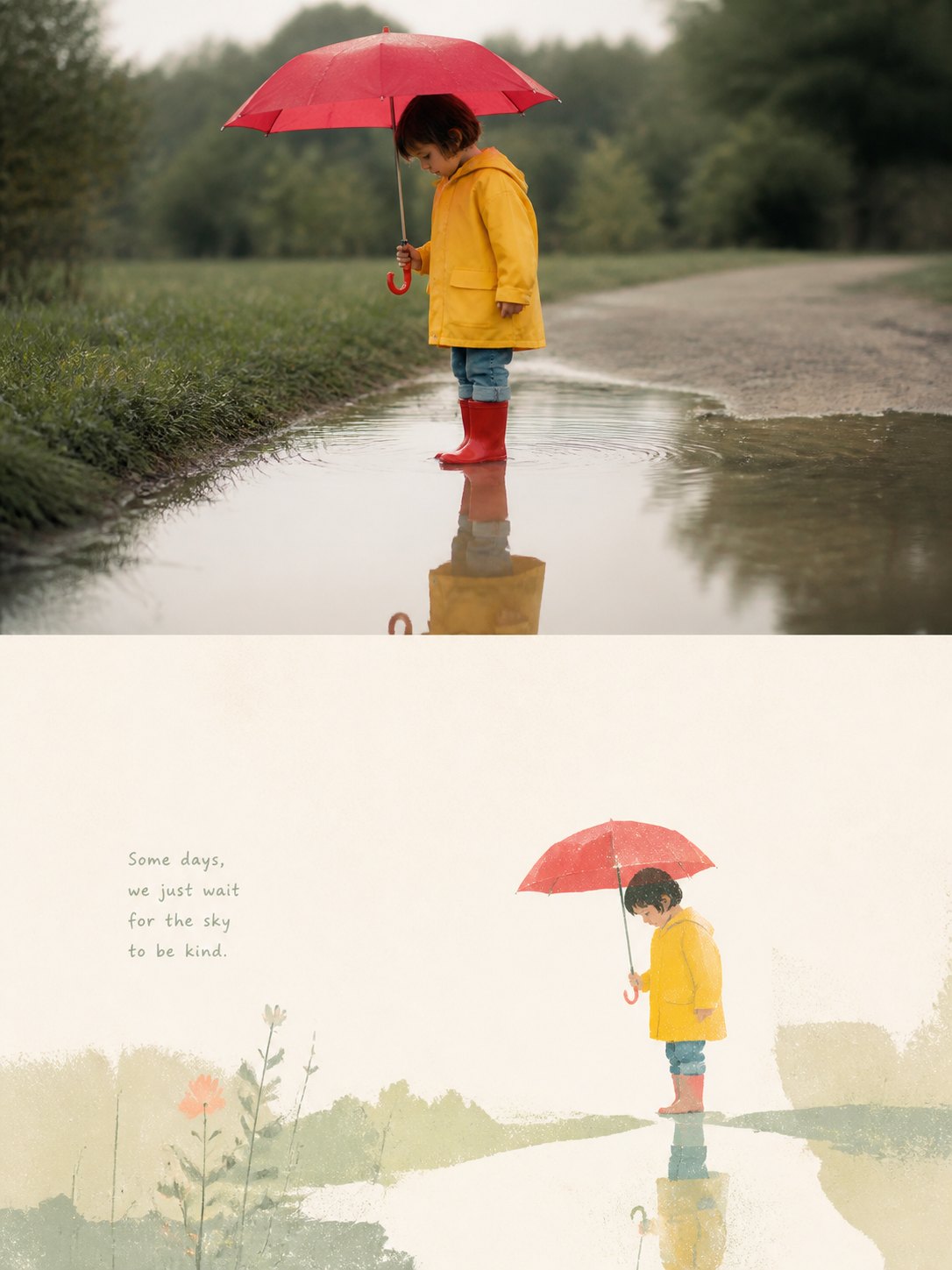
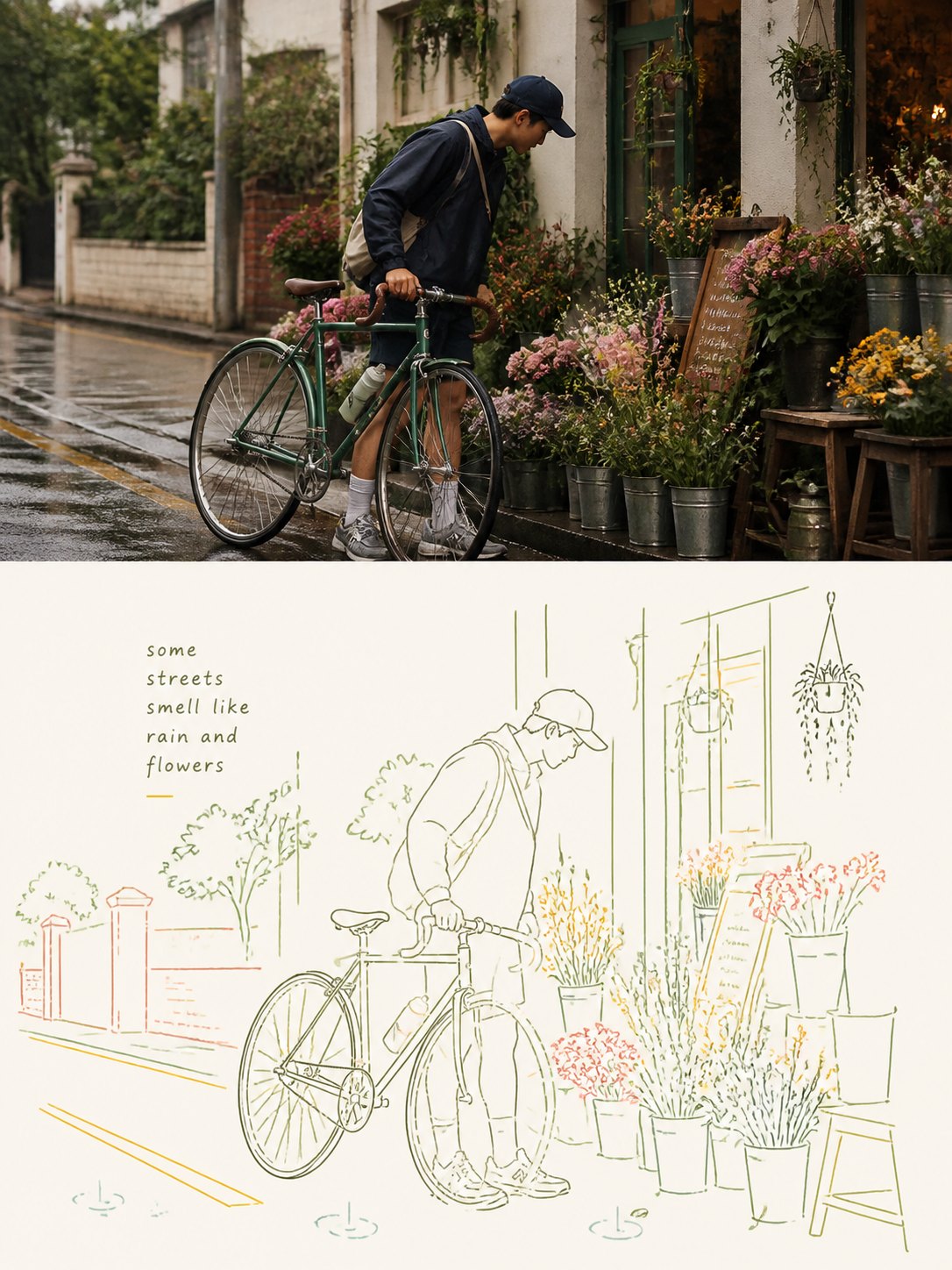
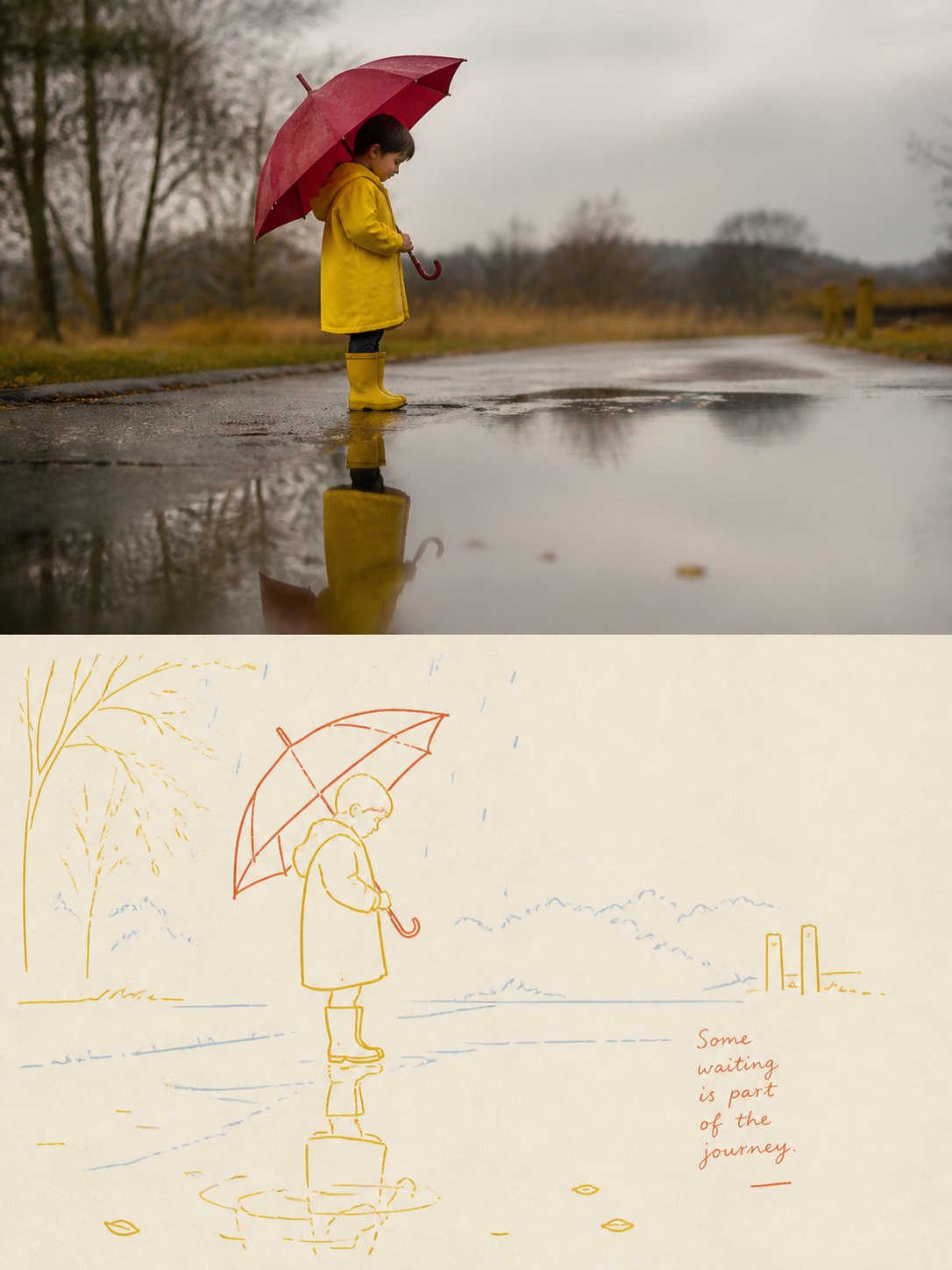
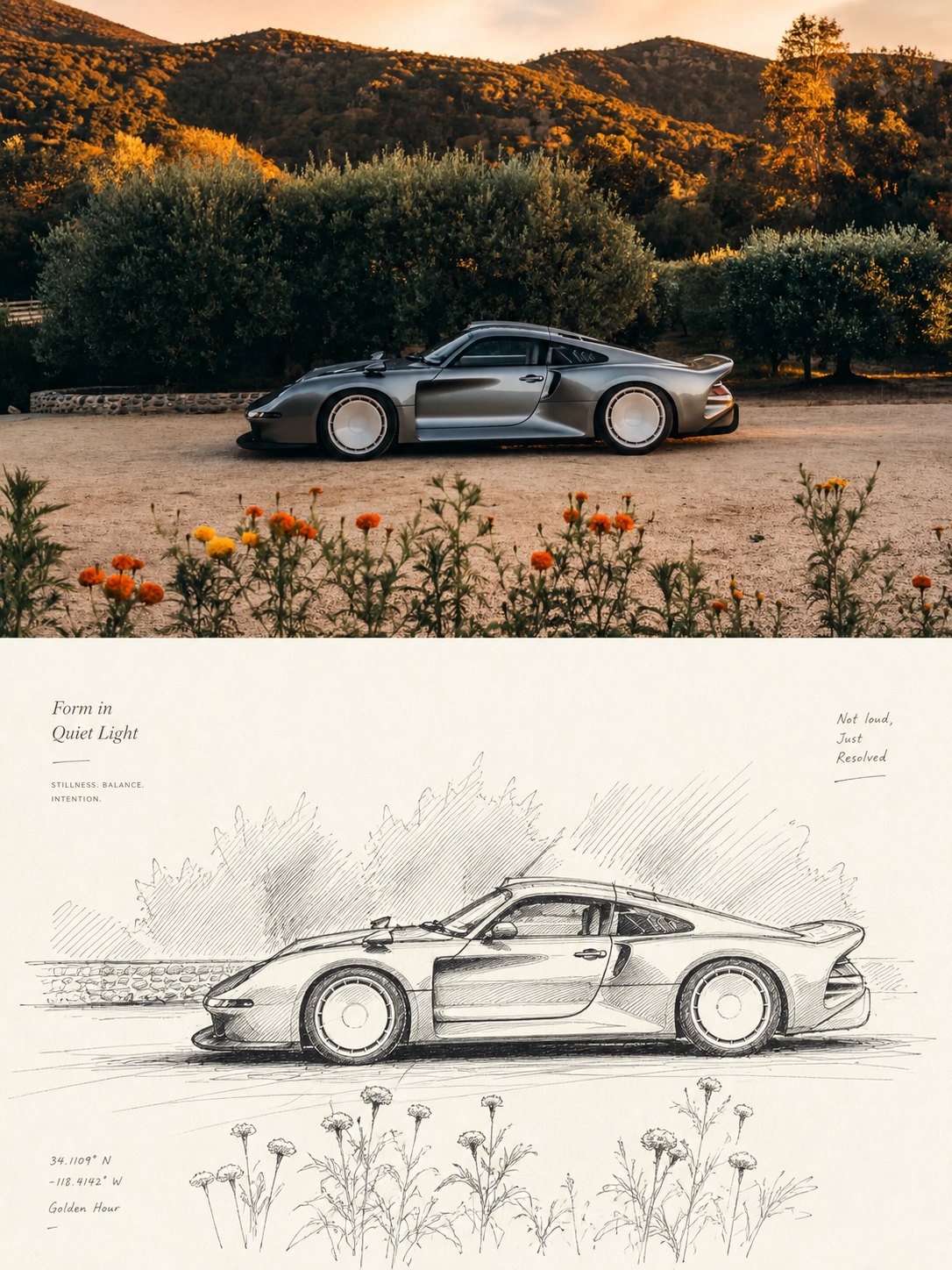
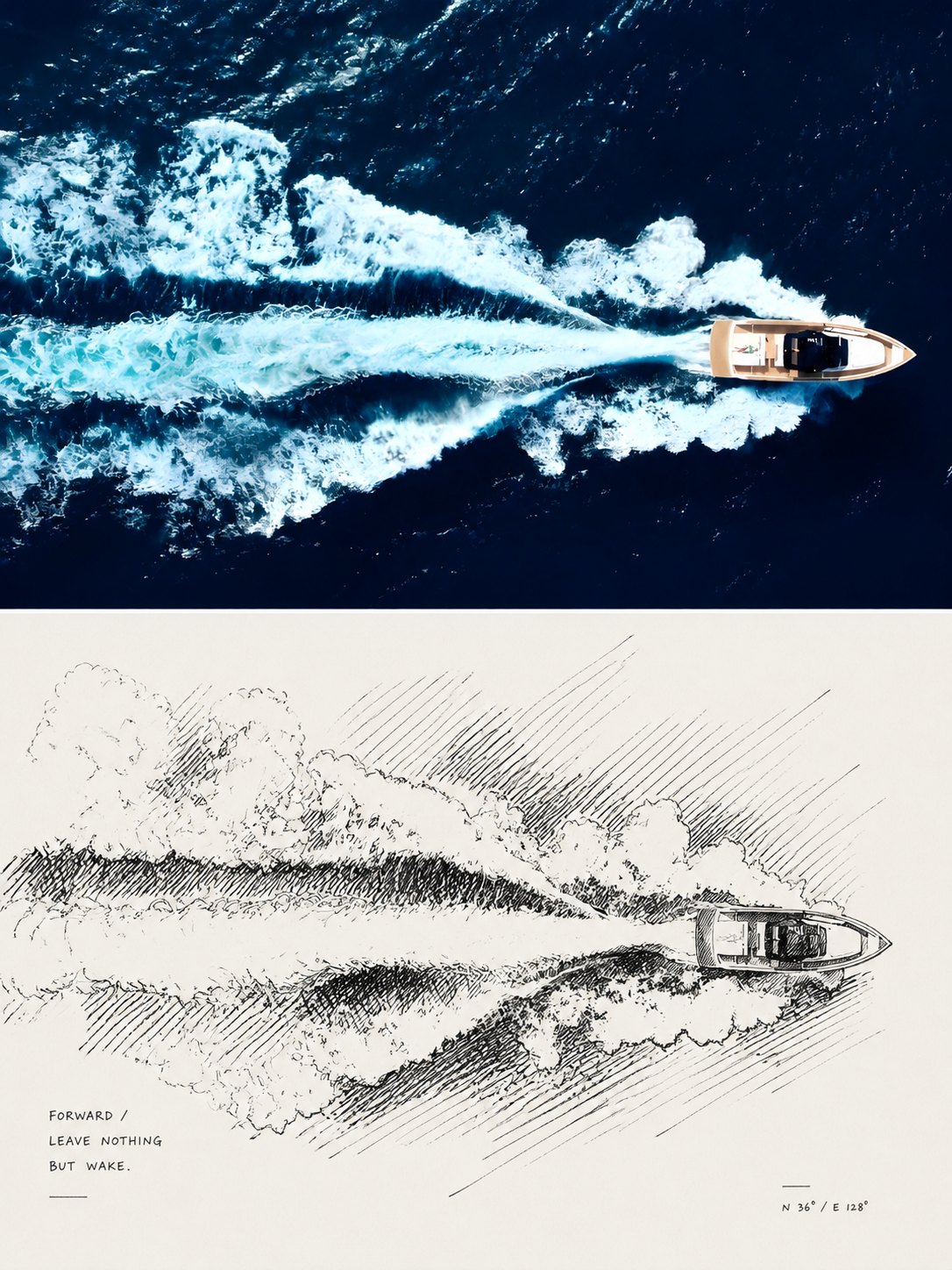
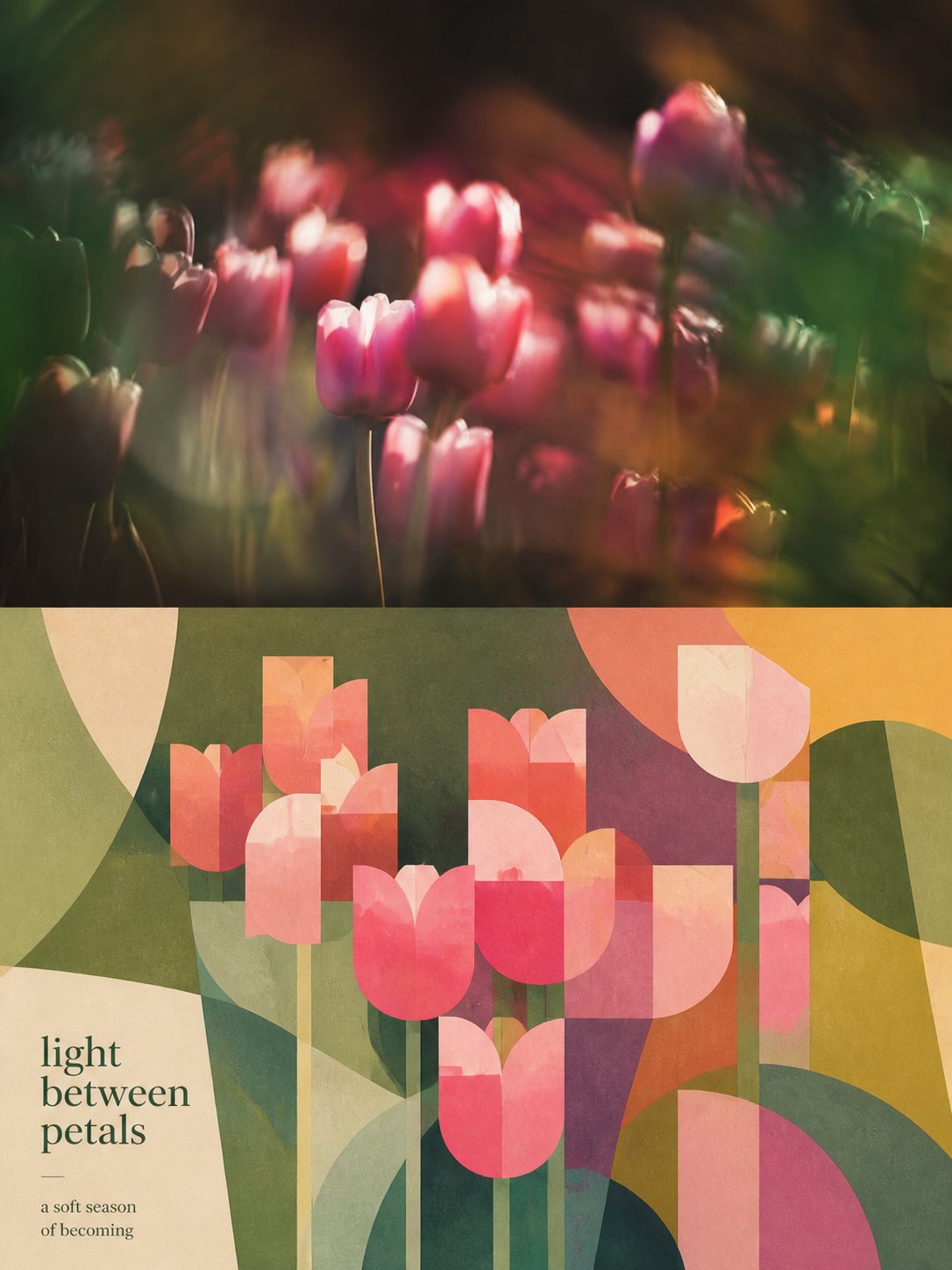
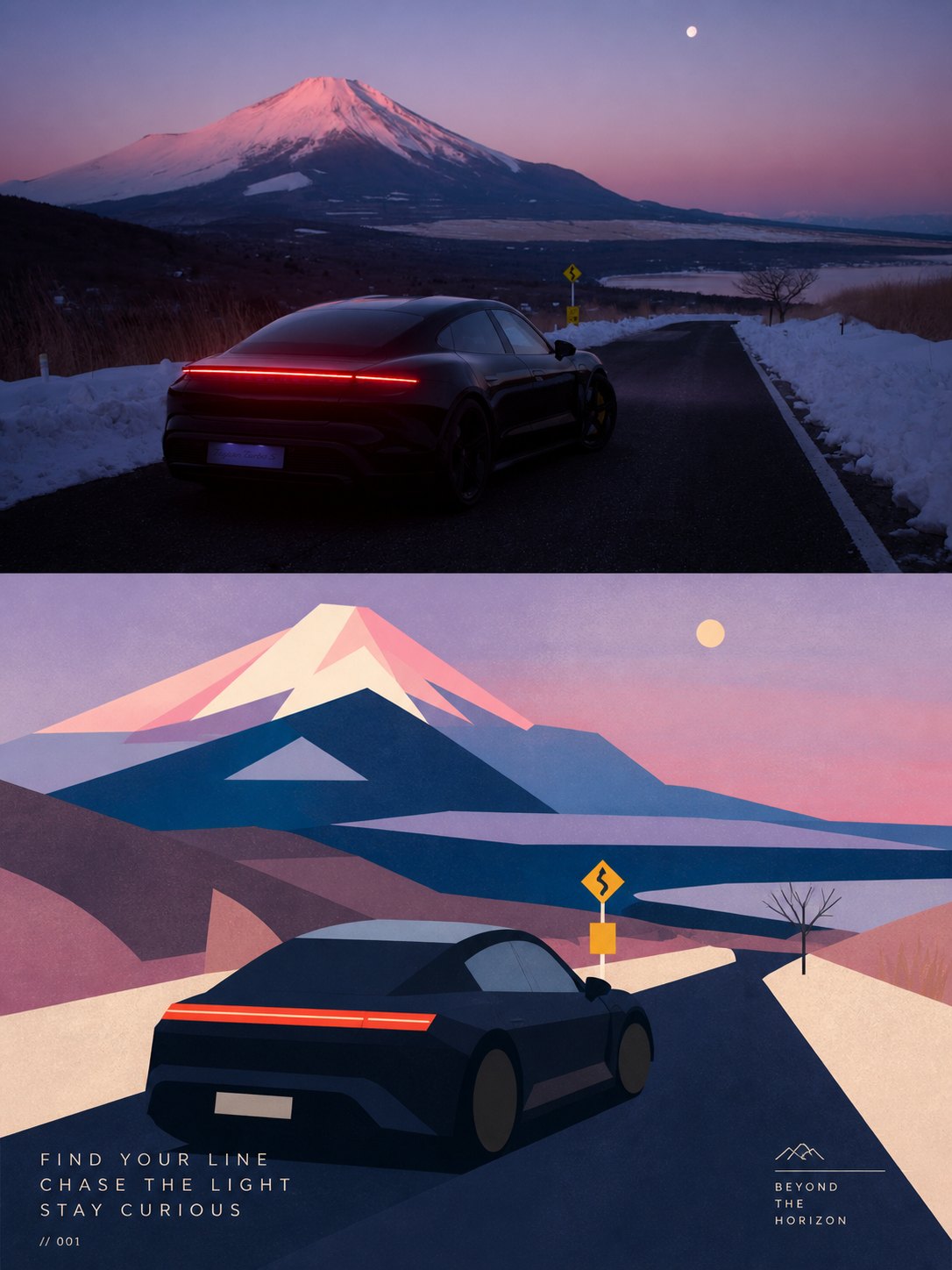
 1 / 4
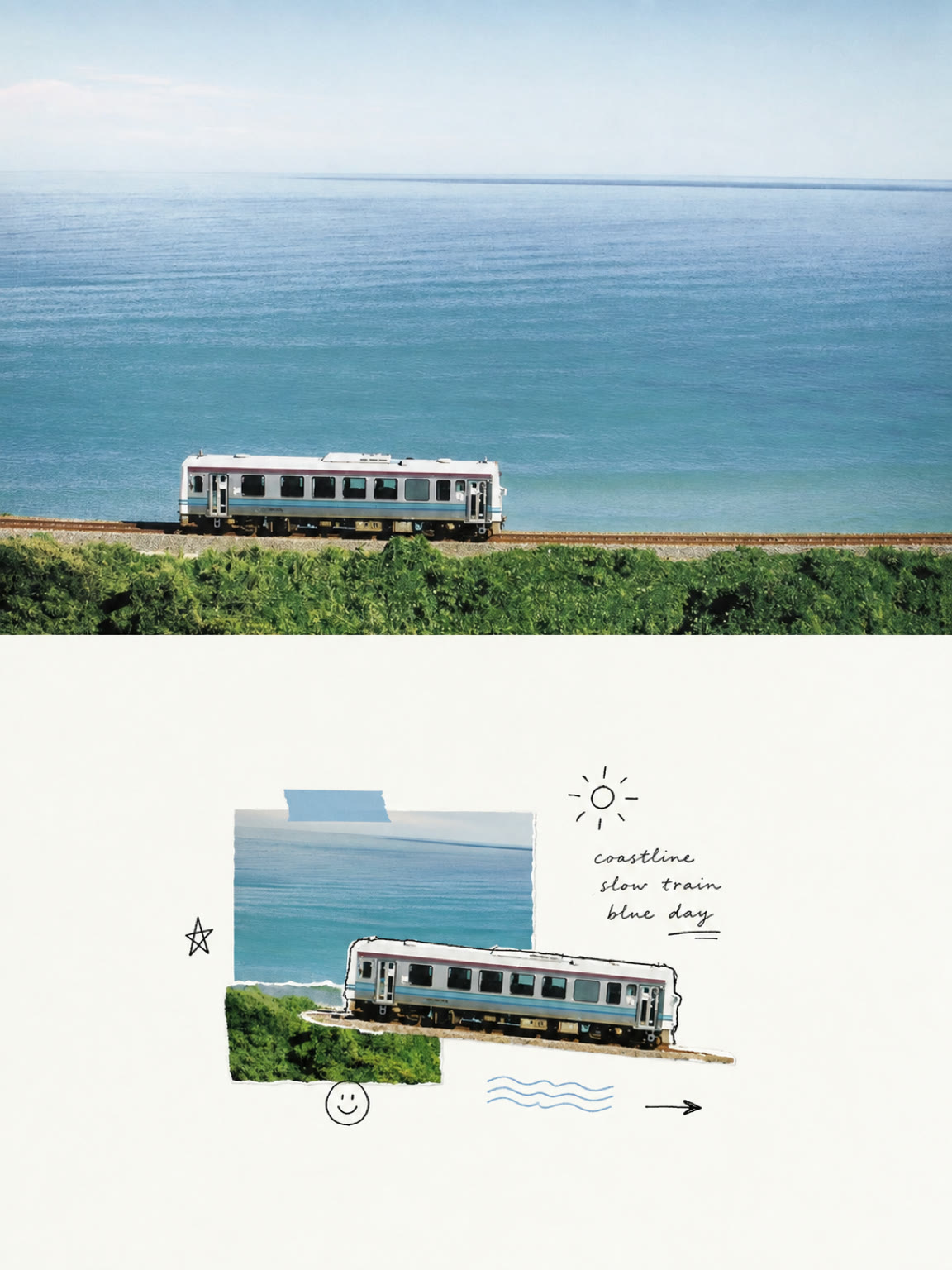
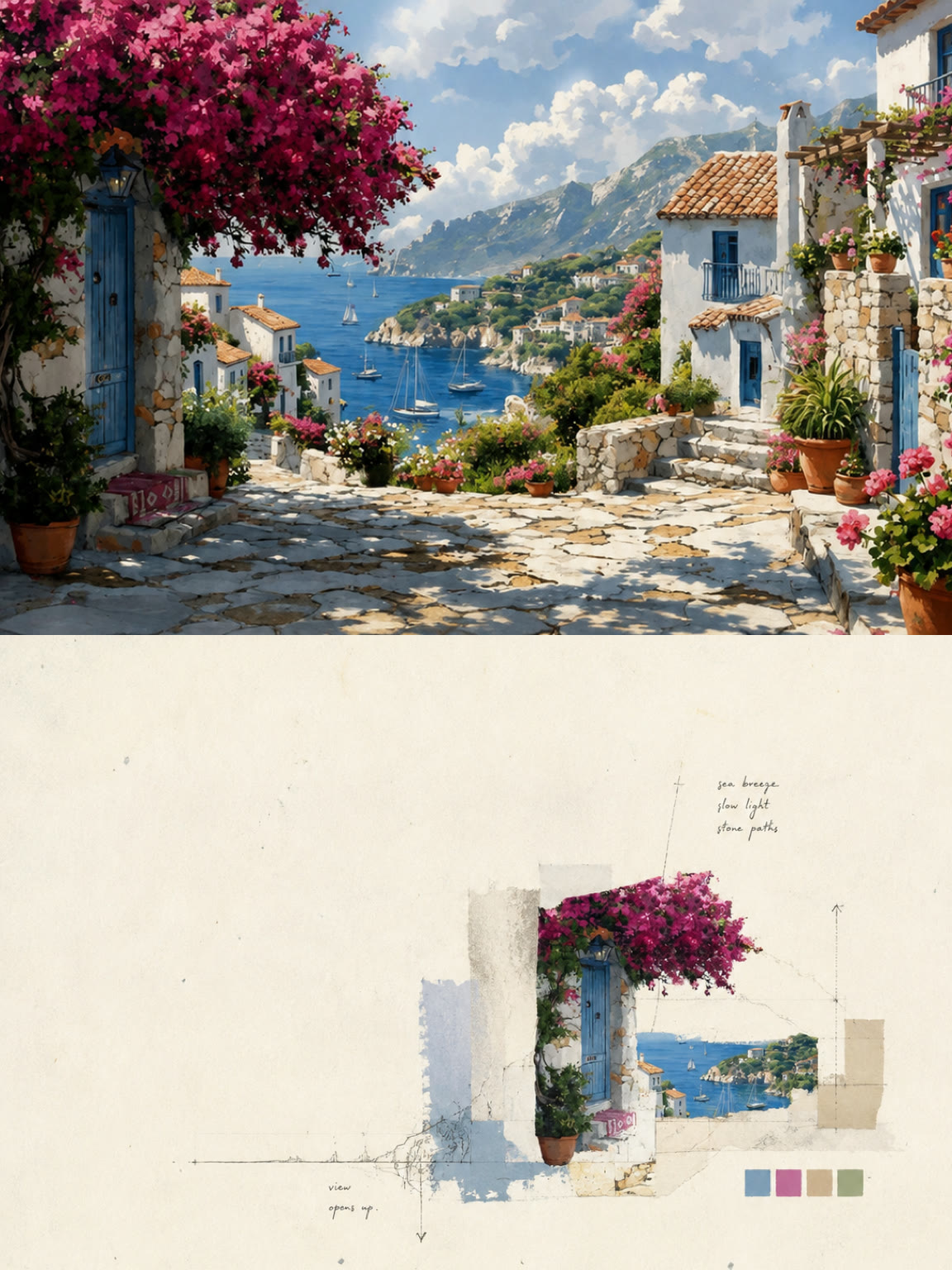
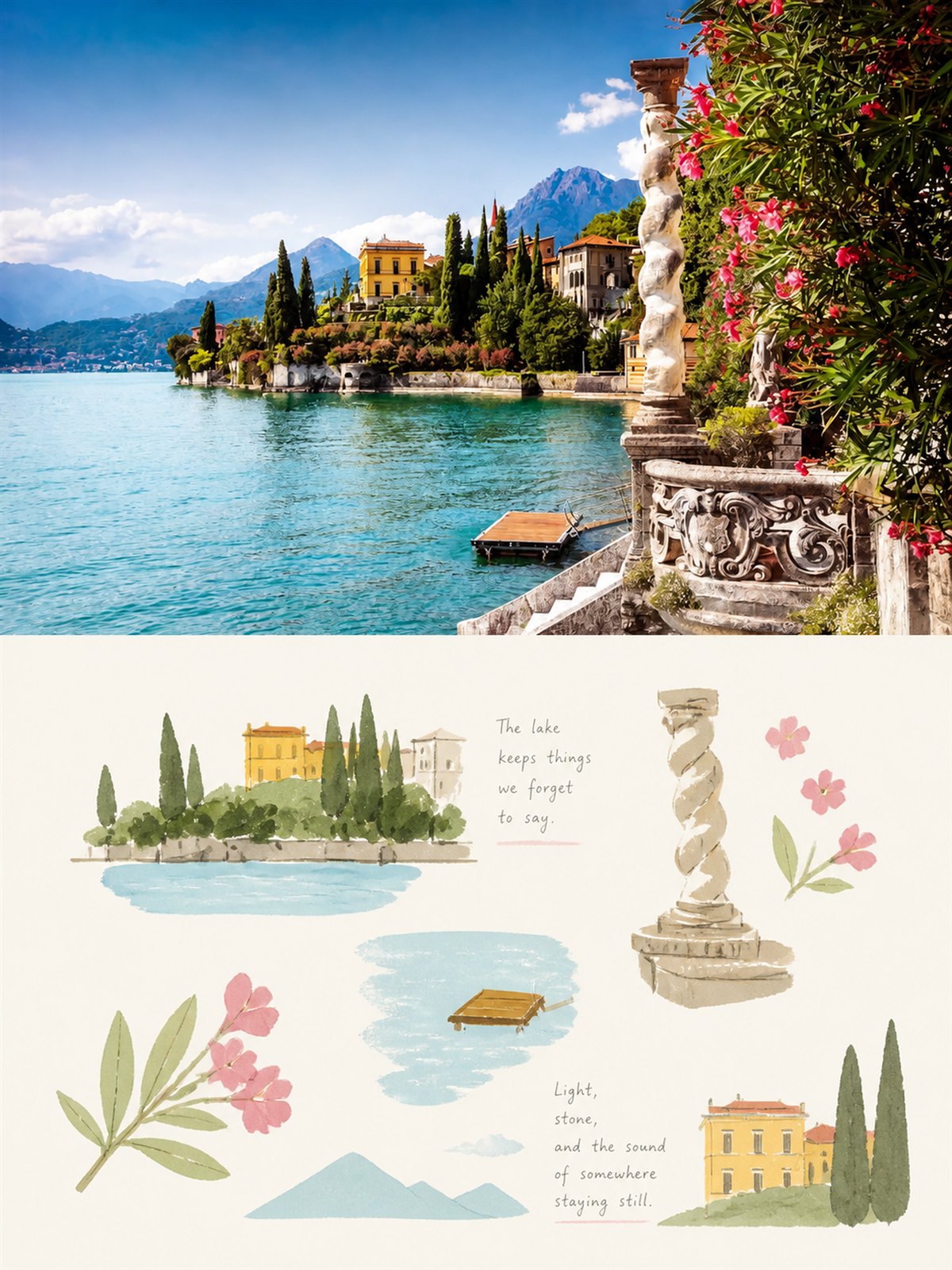
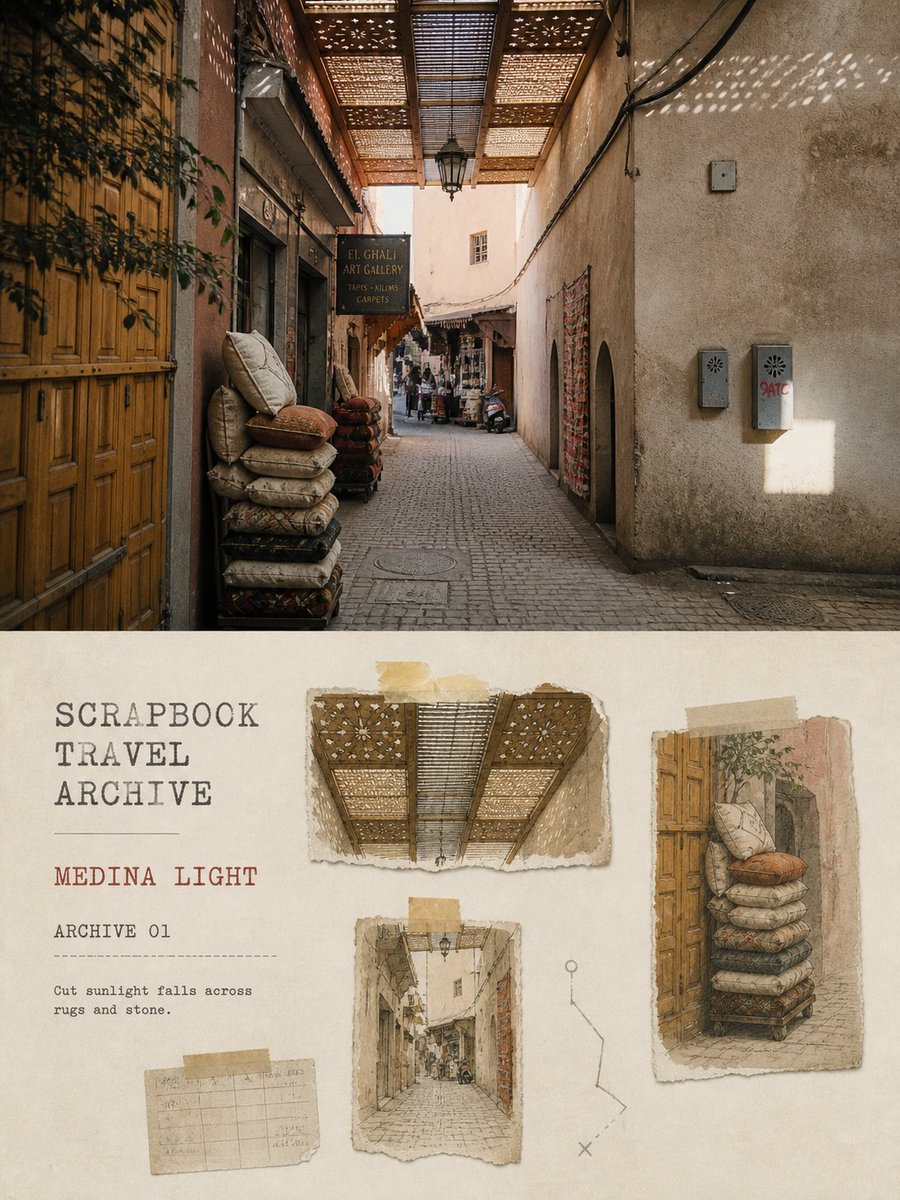
1 / 4Scrapbook travel archive
collageeditorial
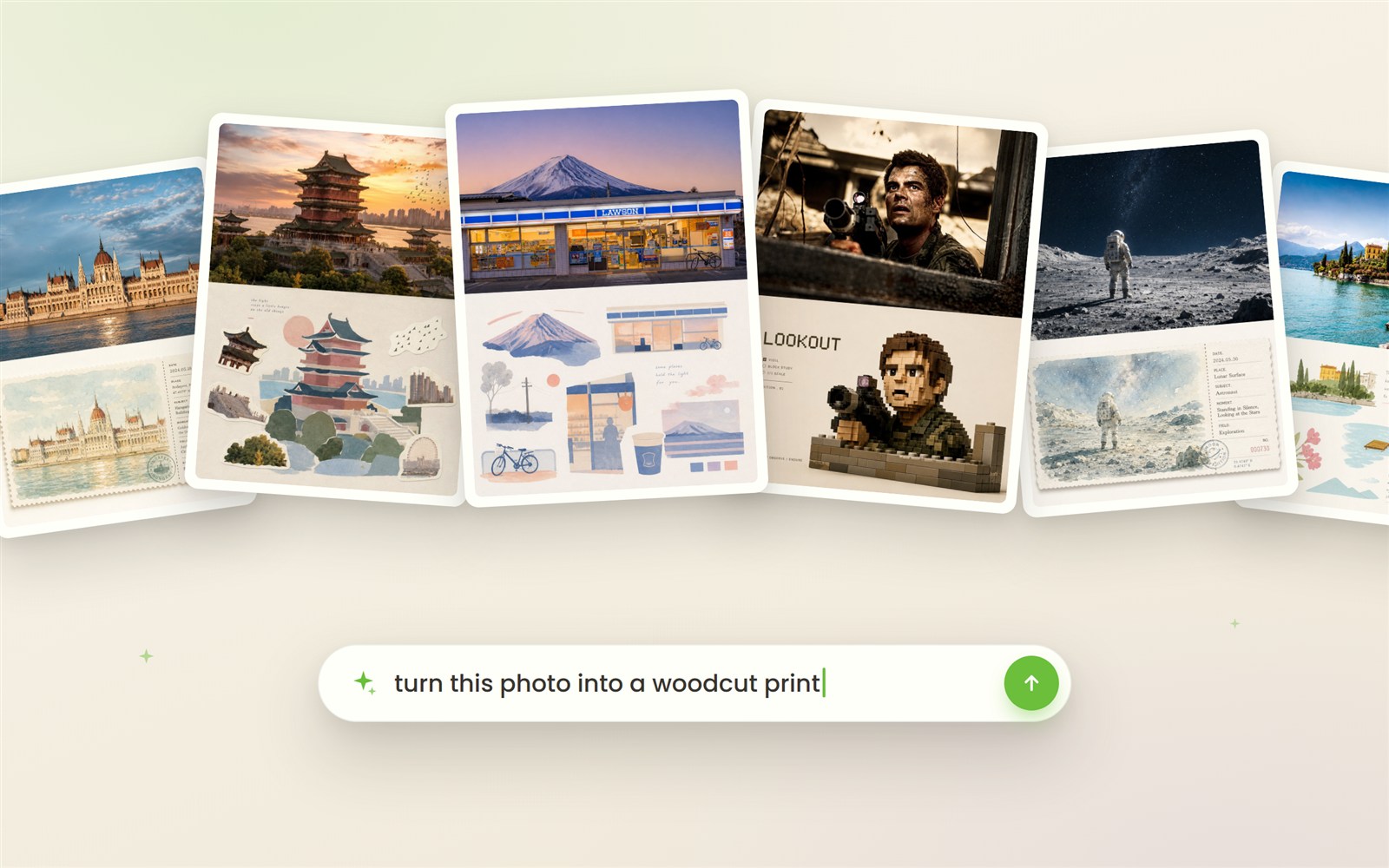
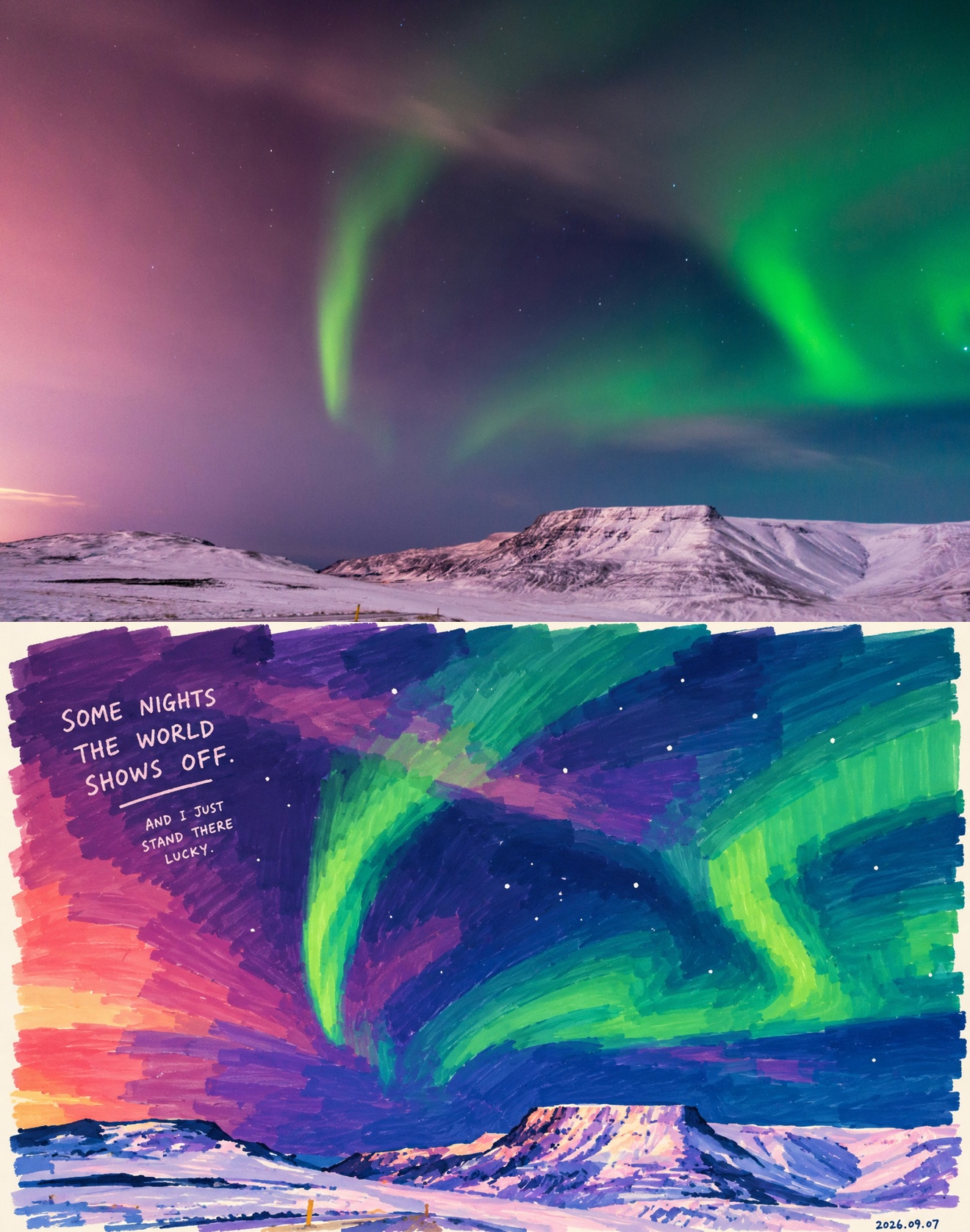
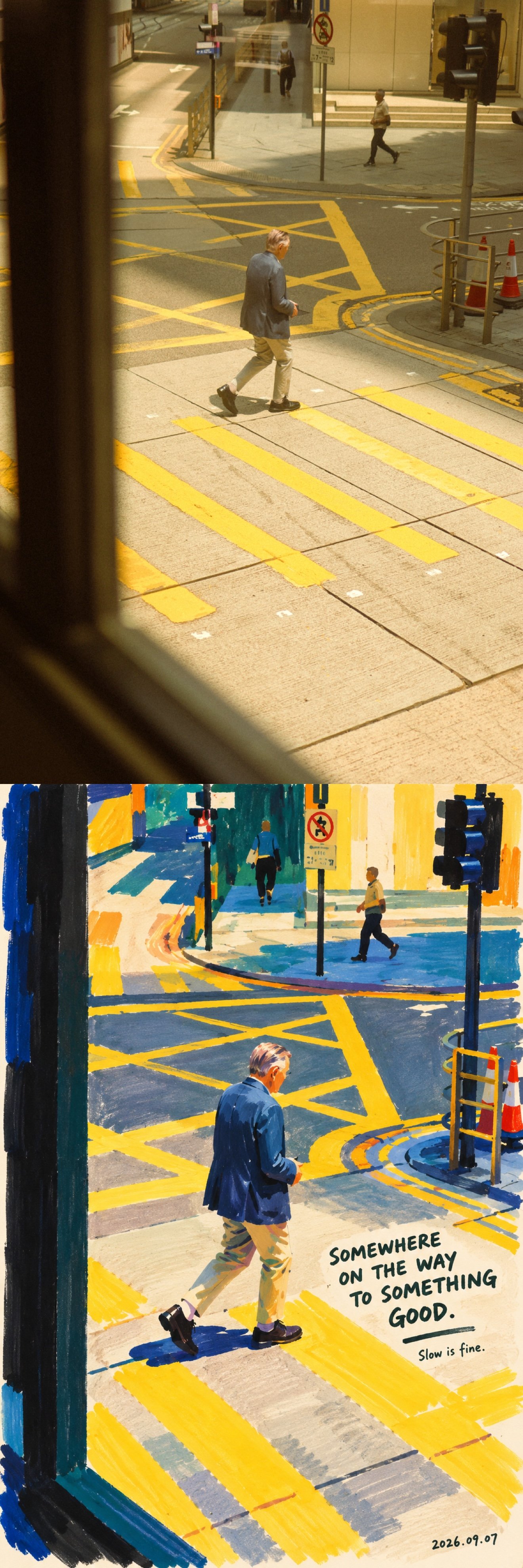
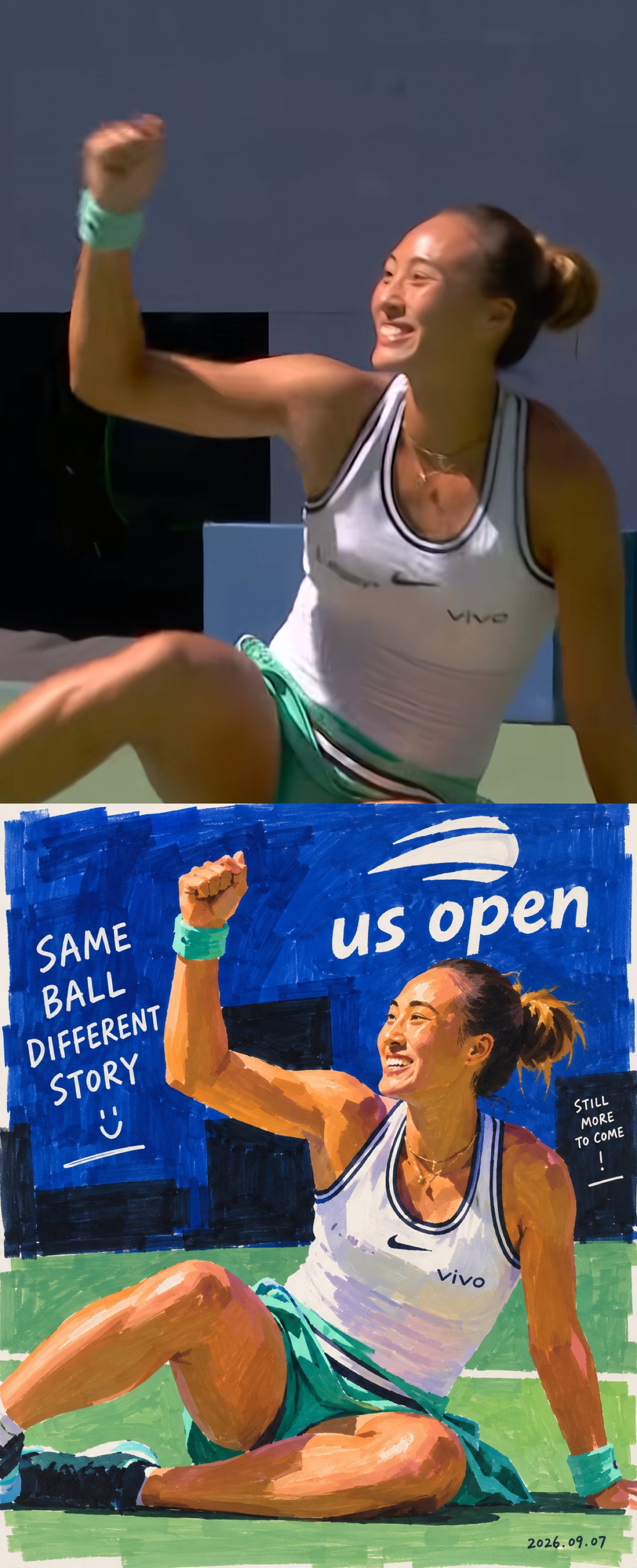
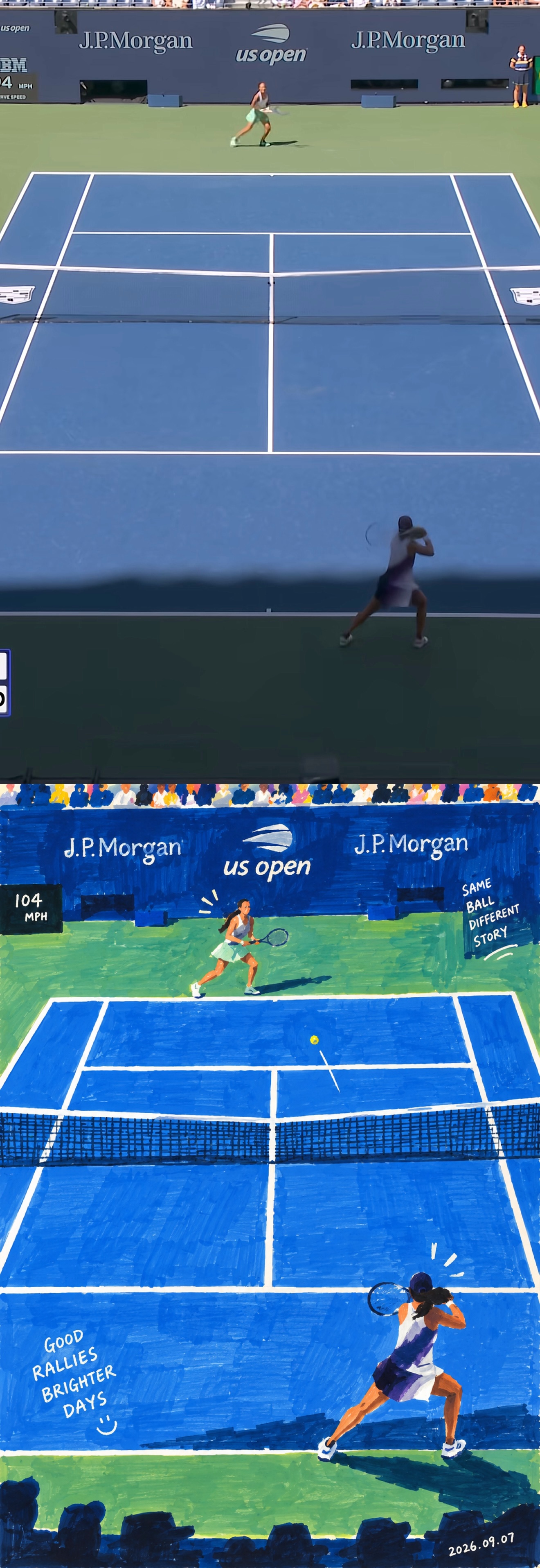
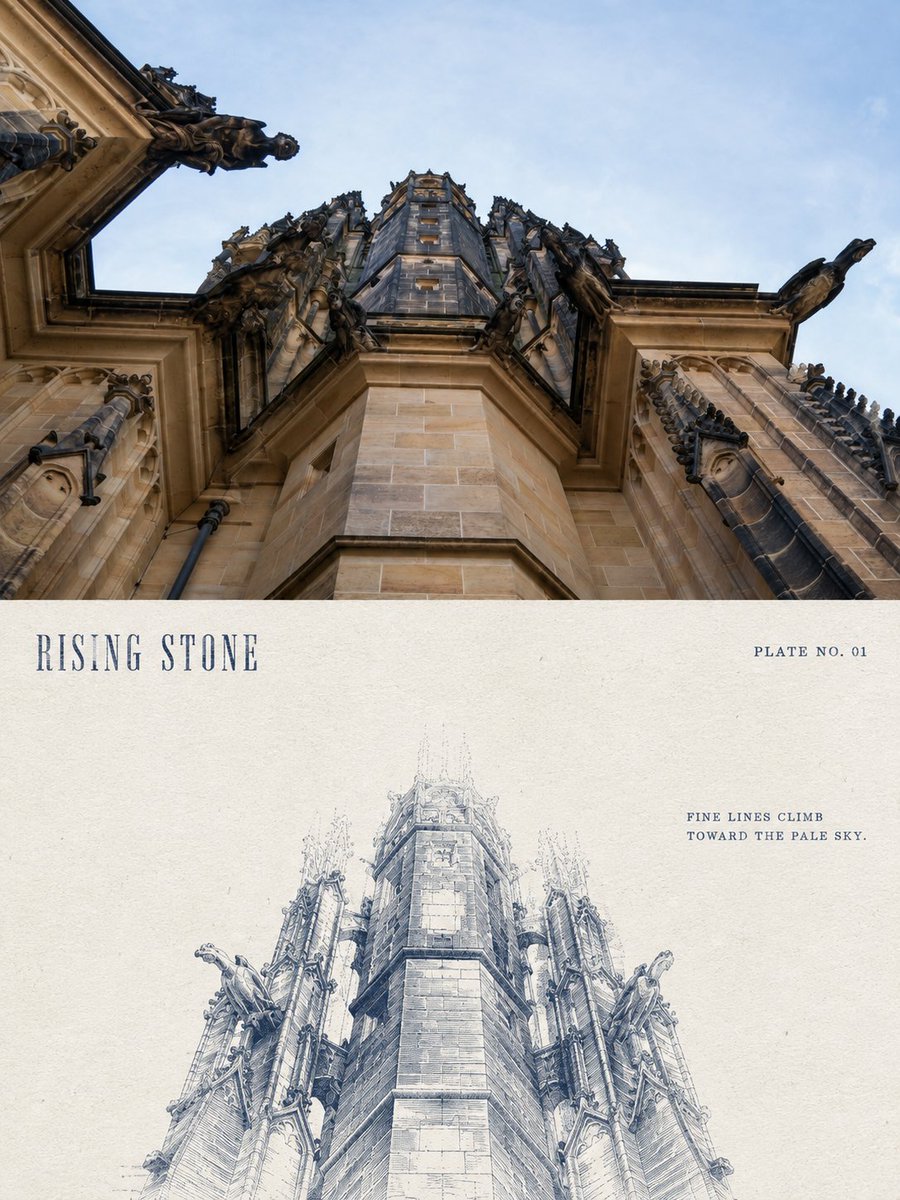
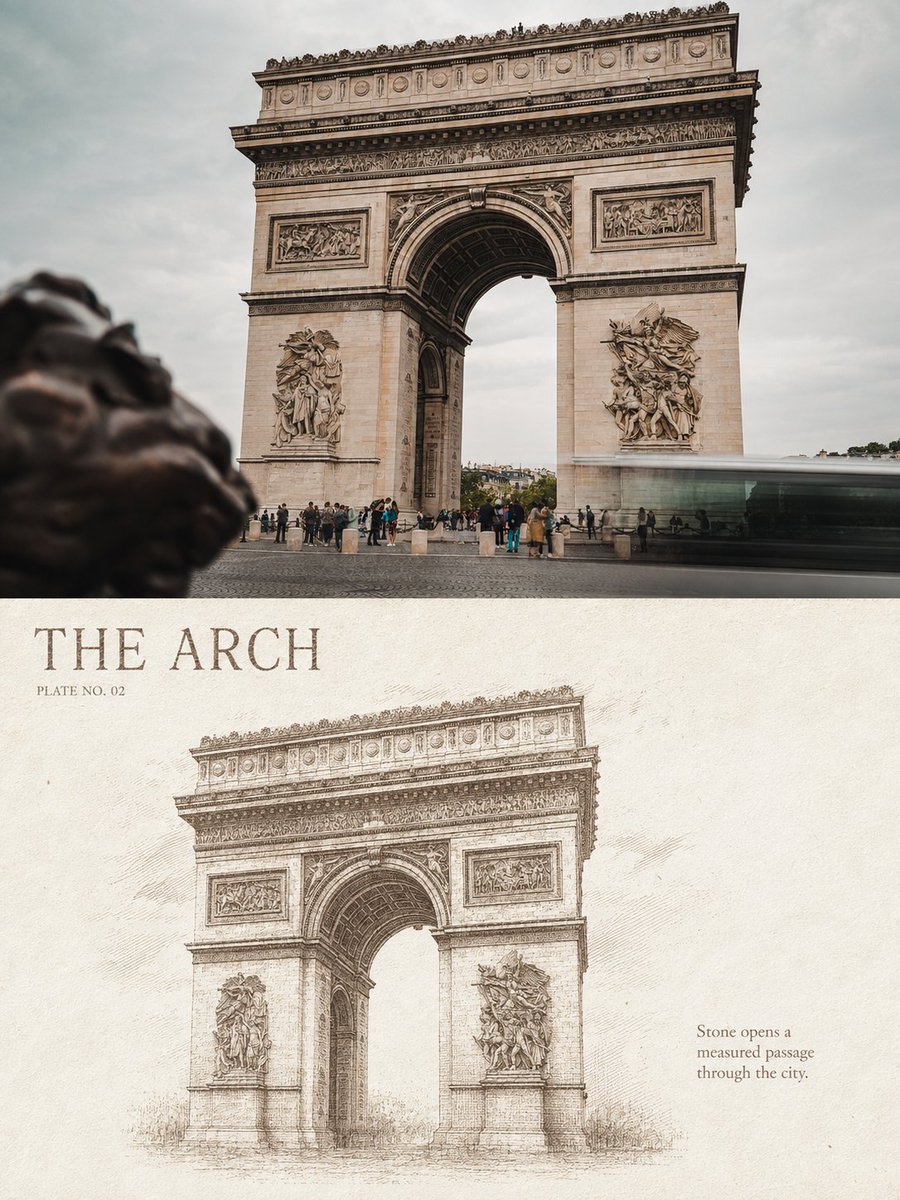
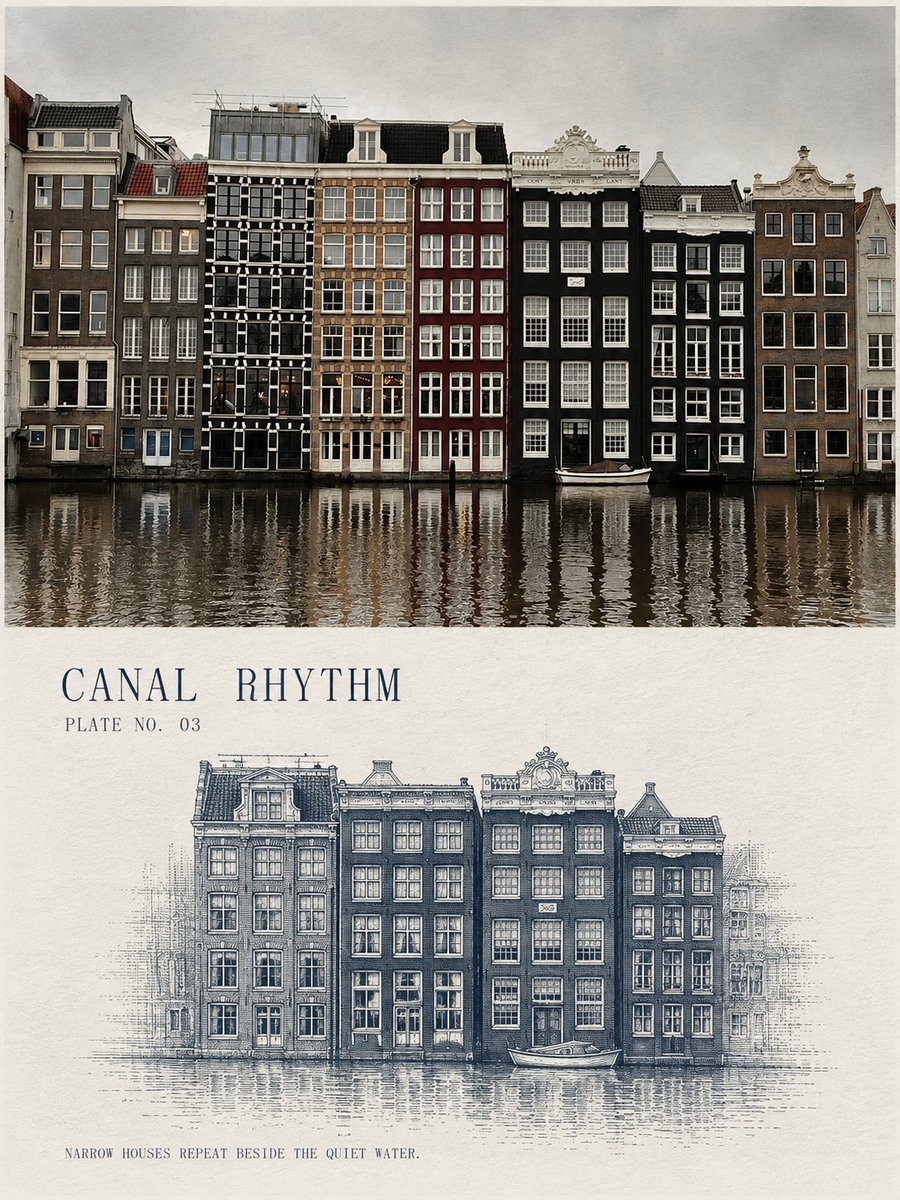
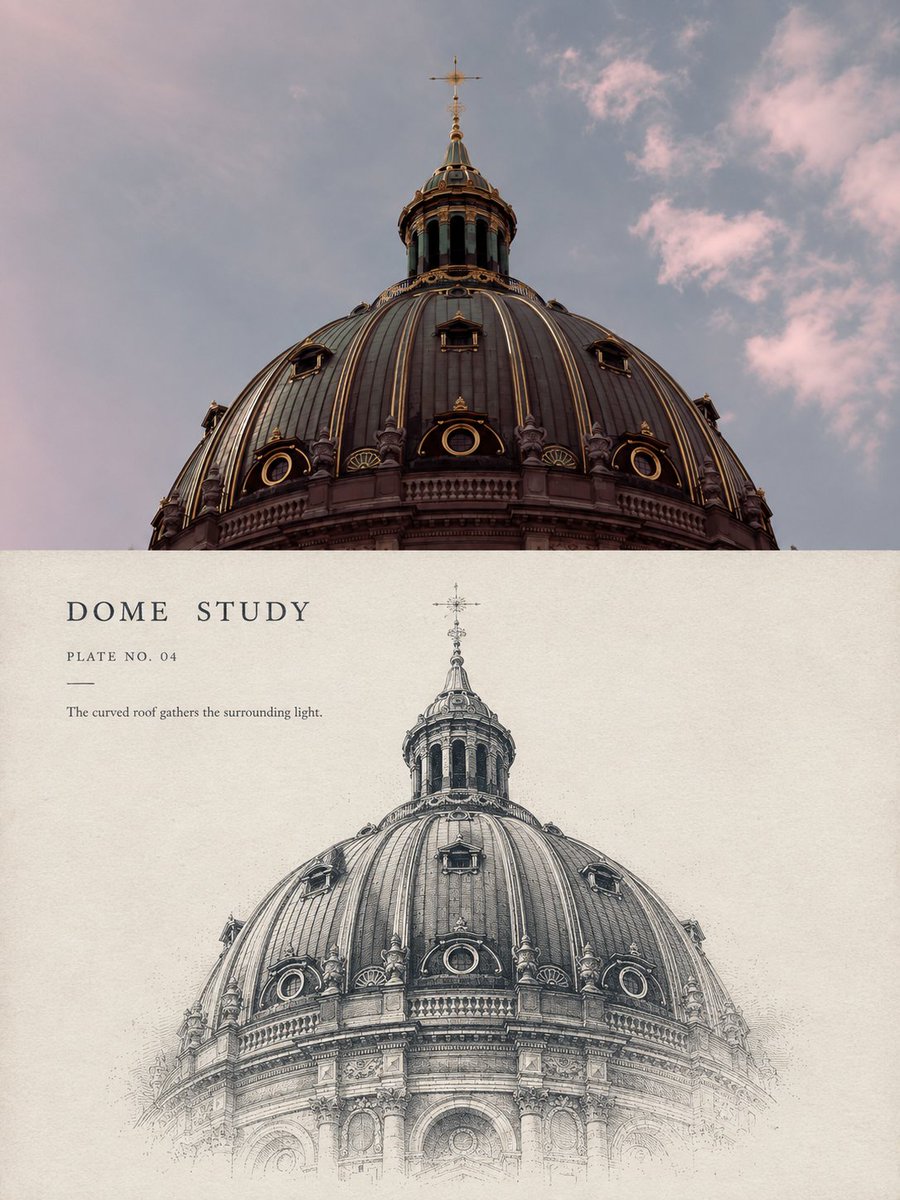
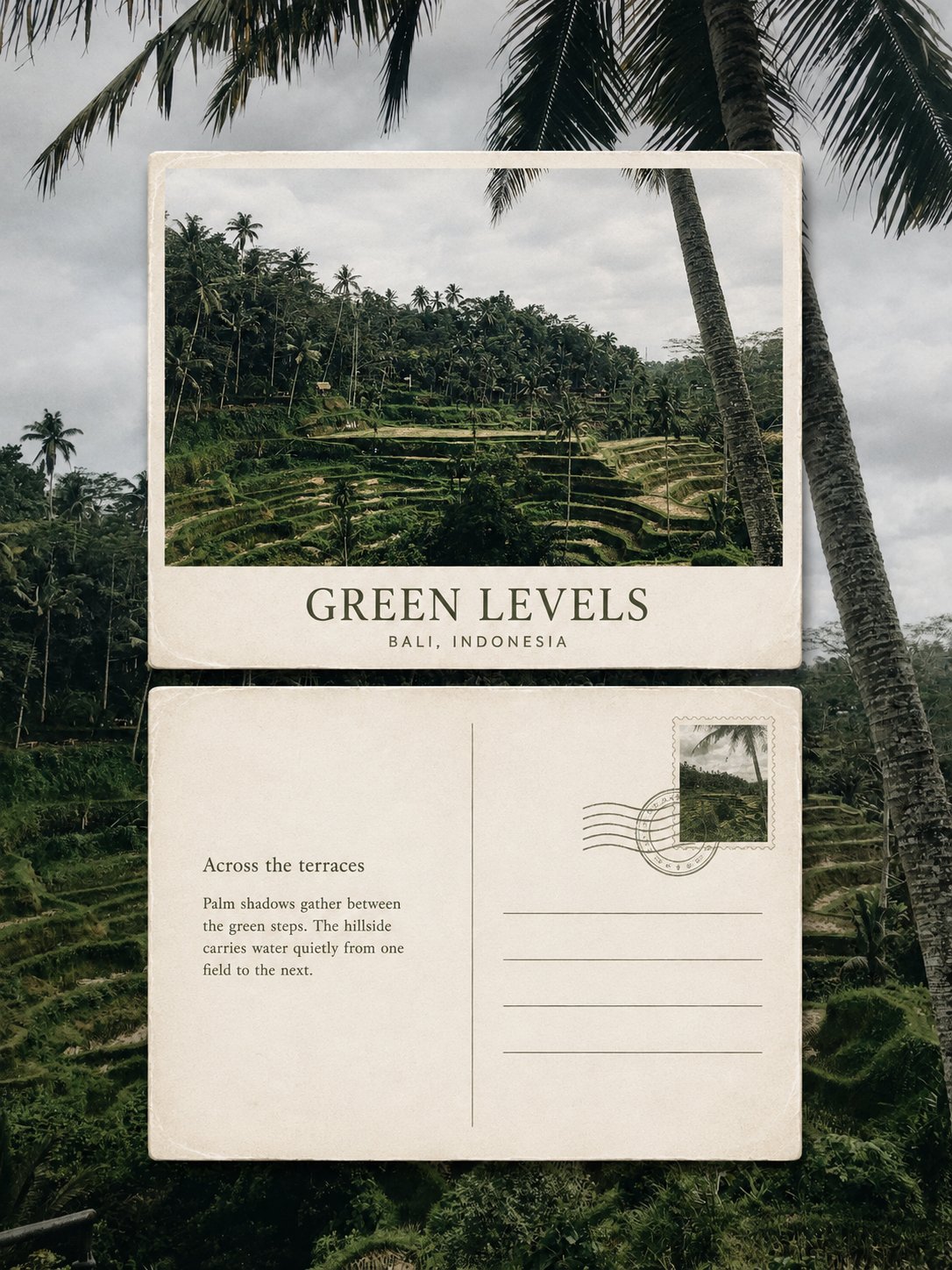
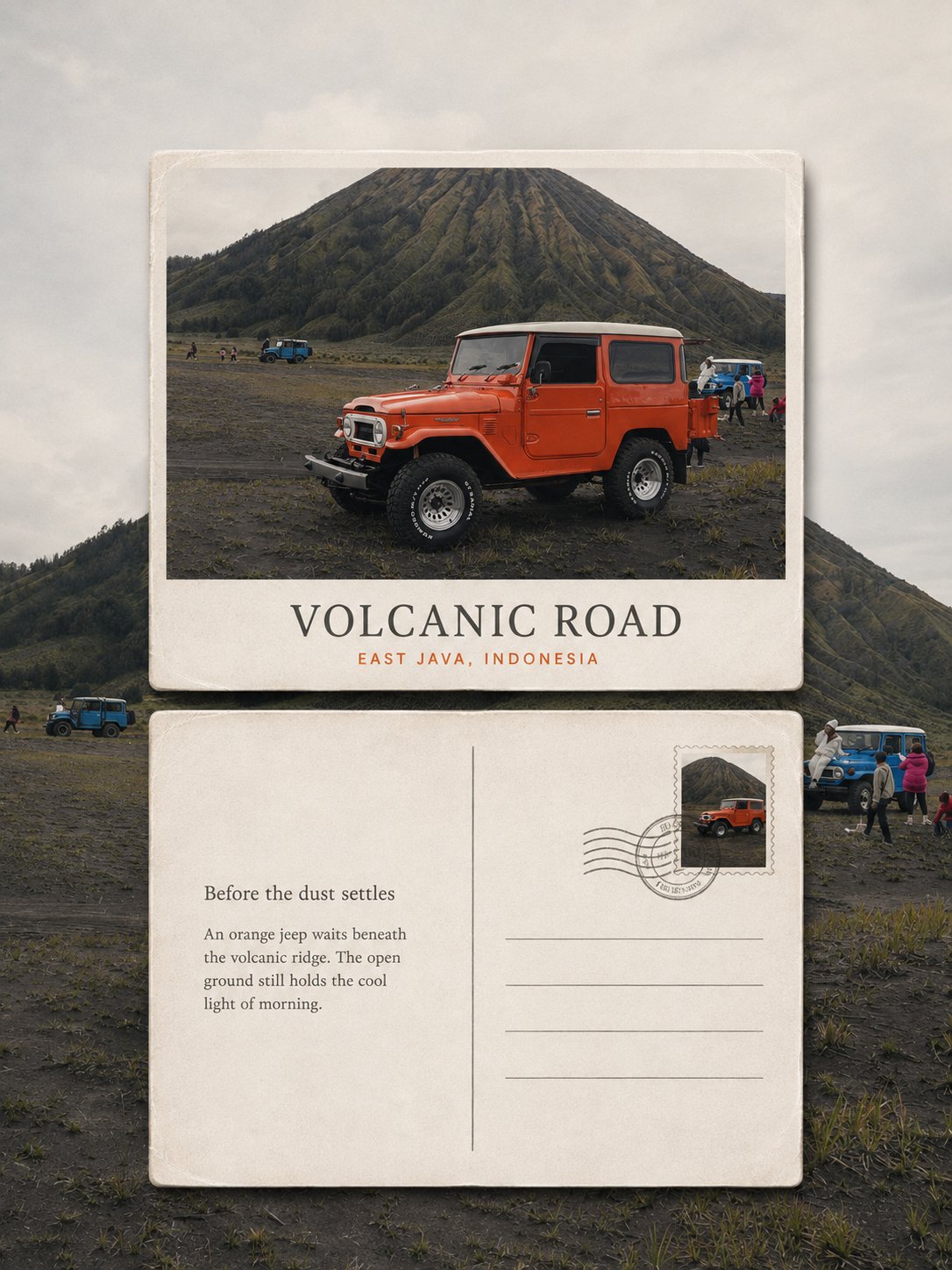
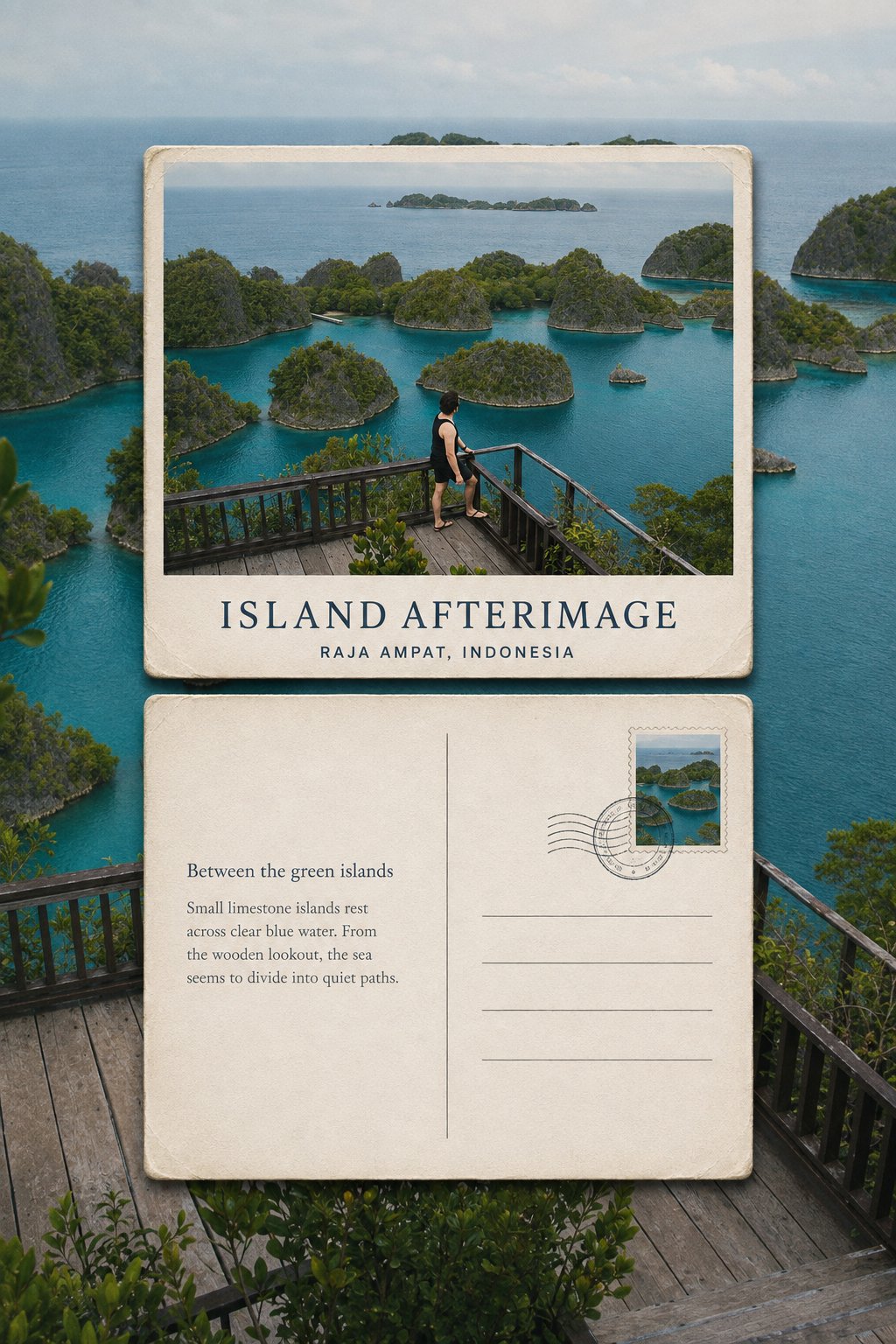
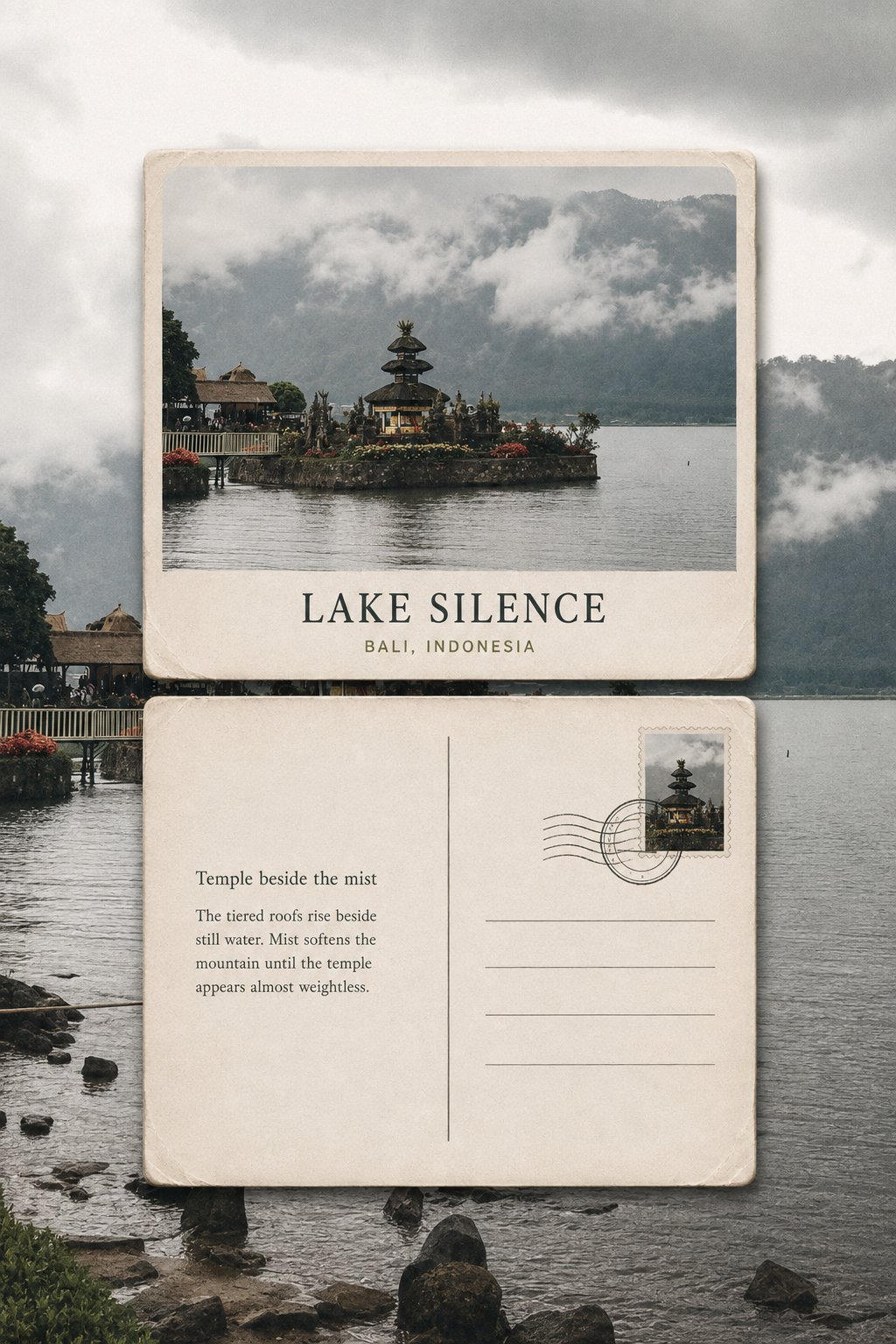
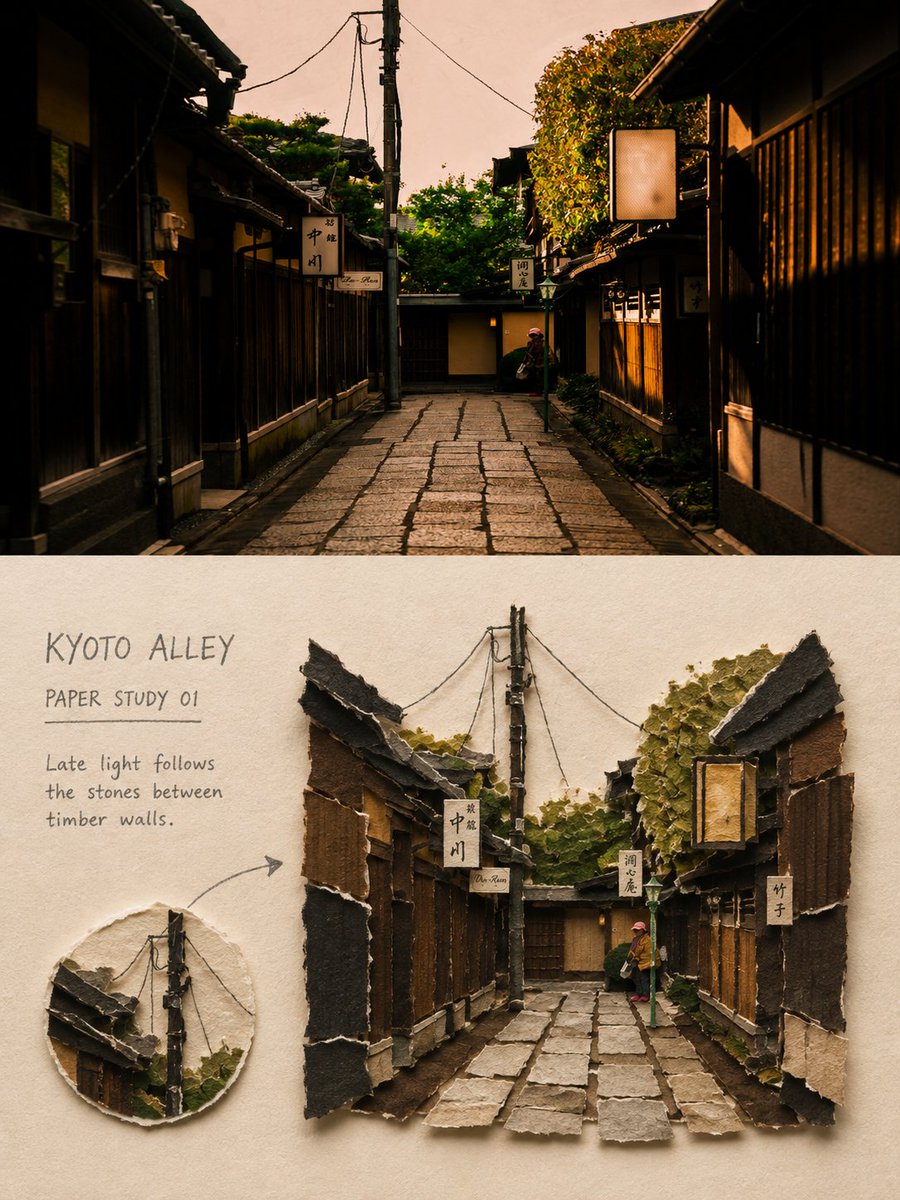
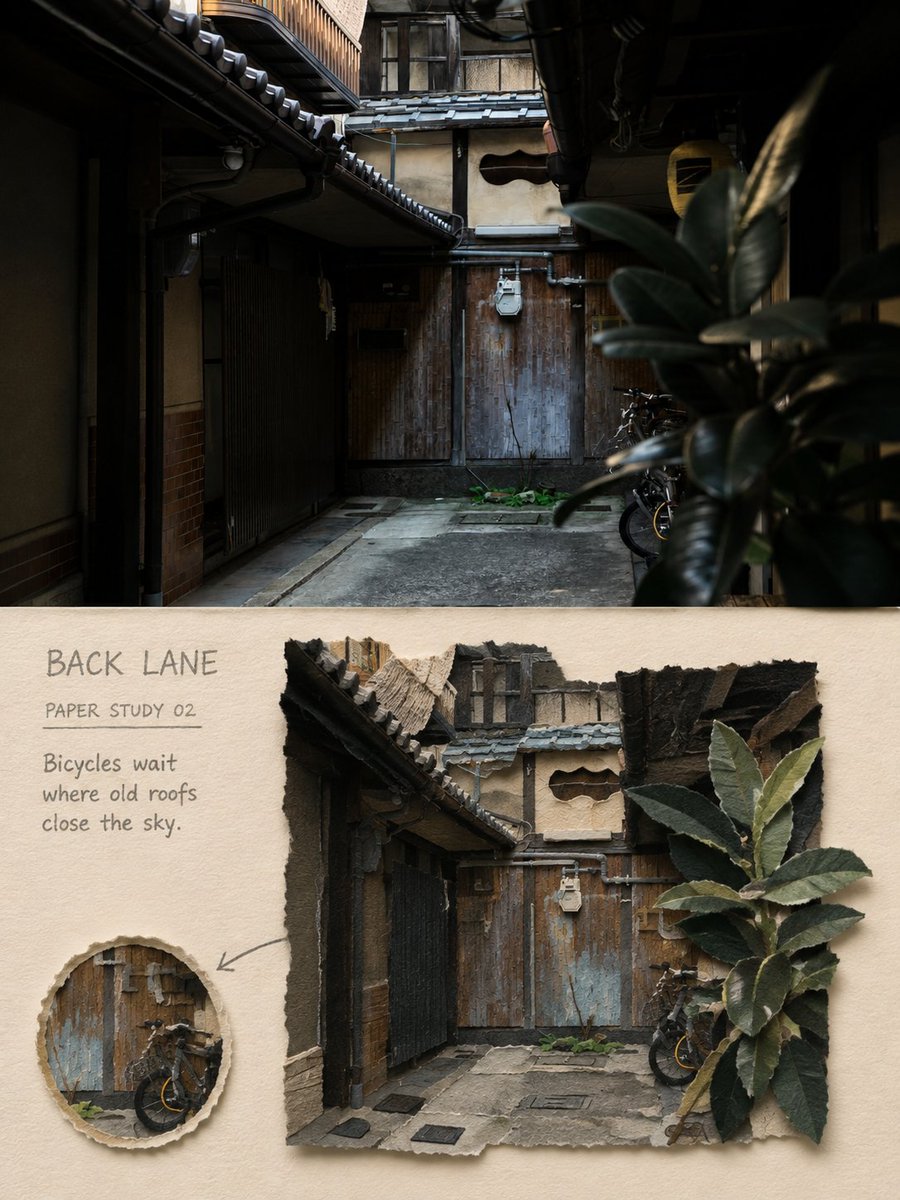
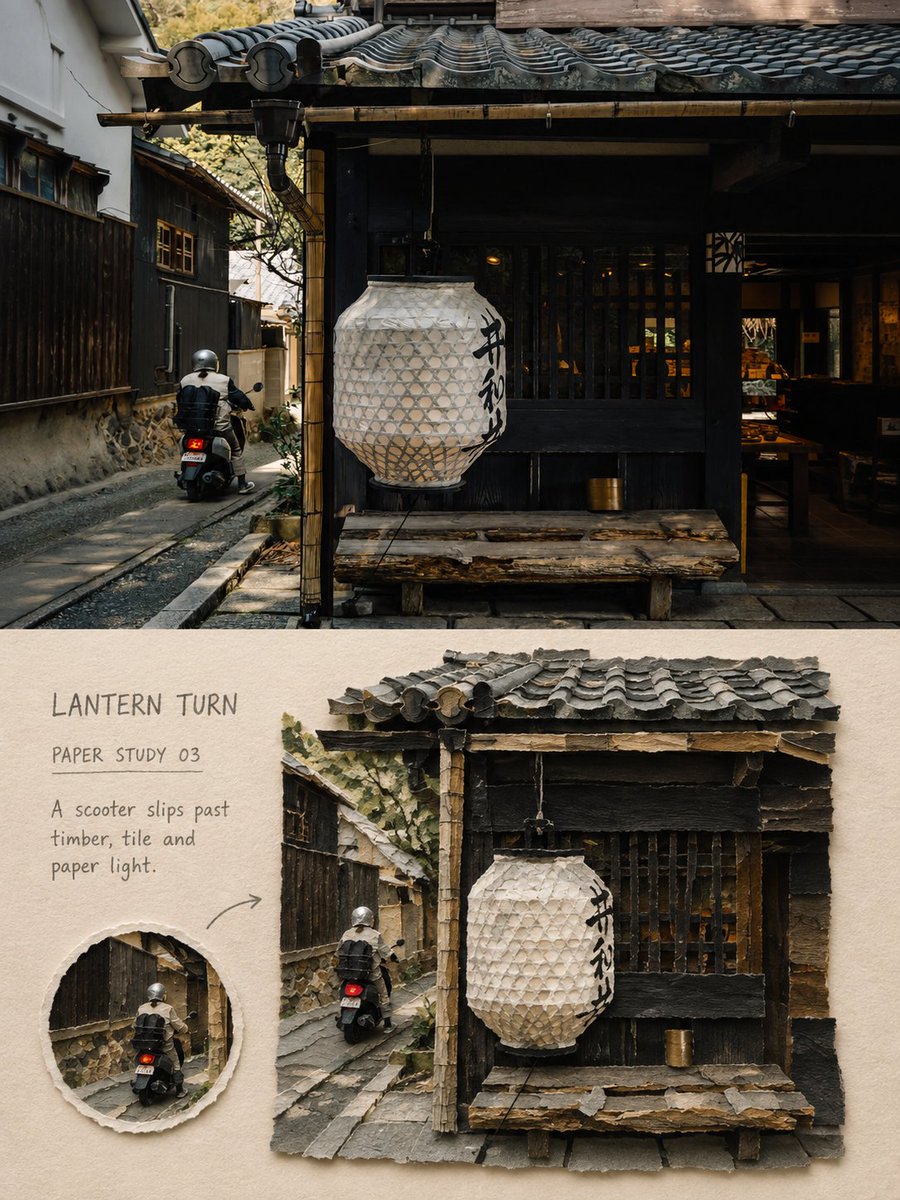
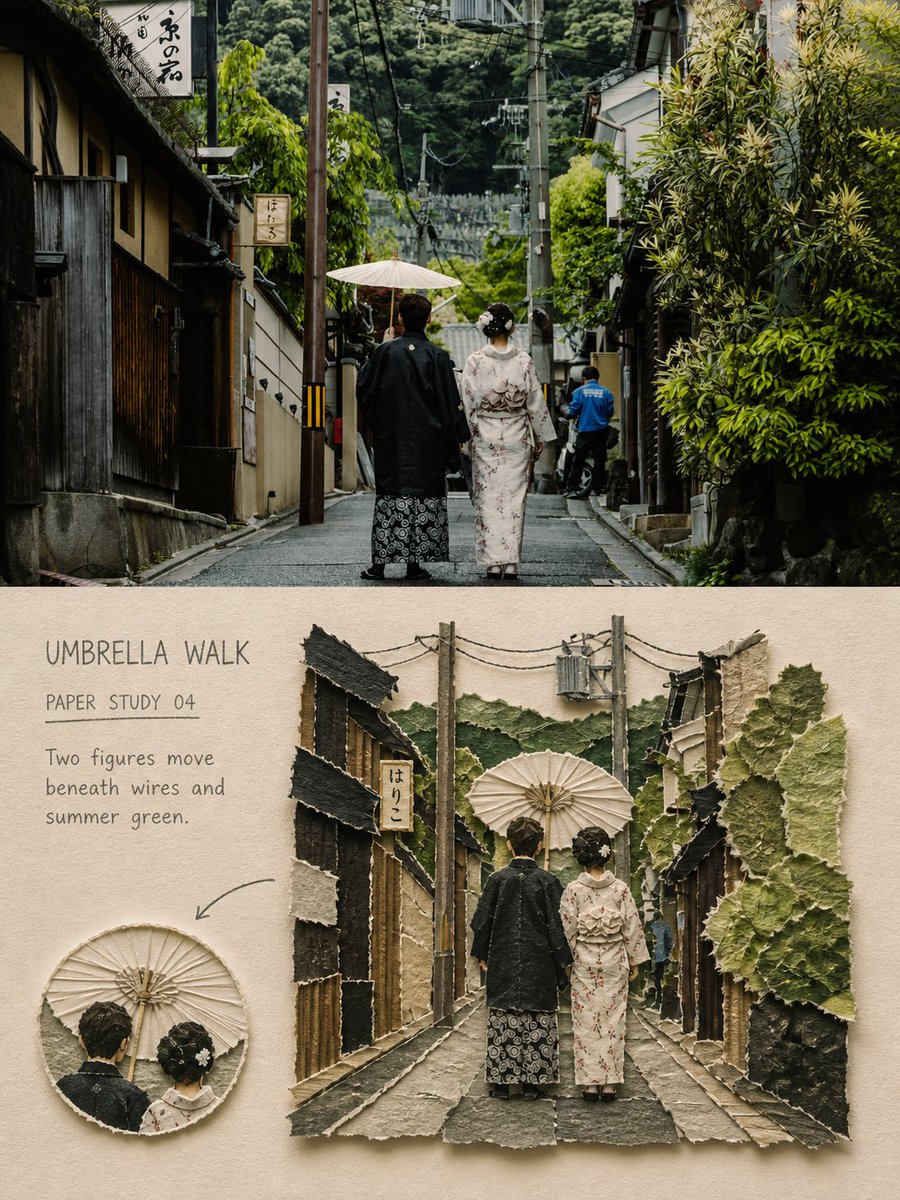
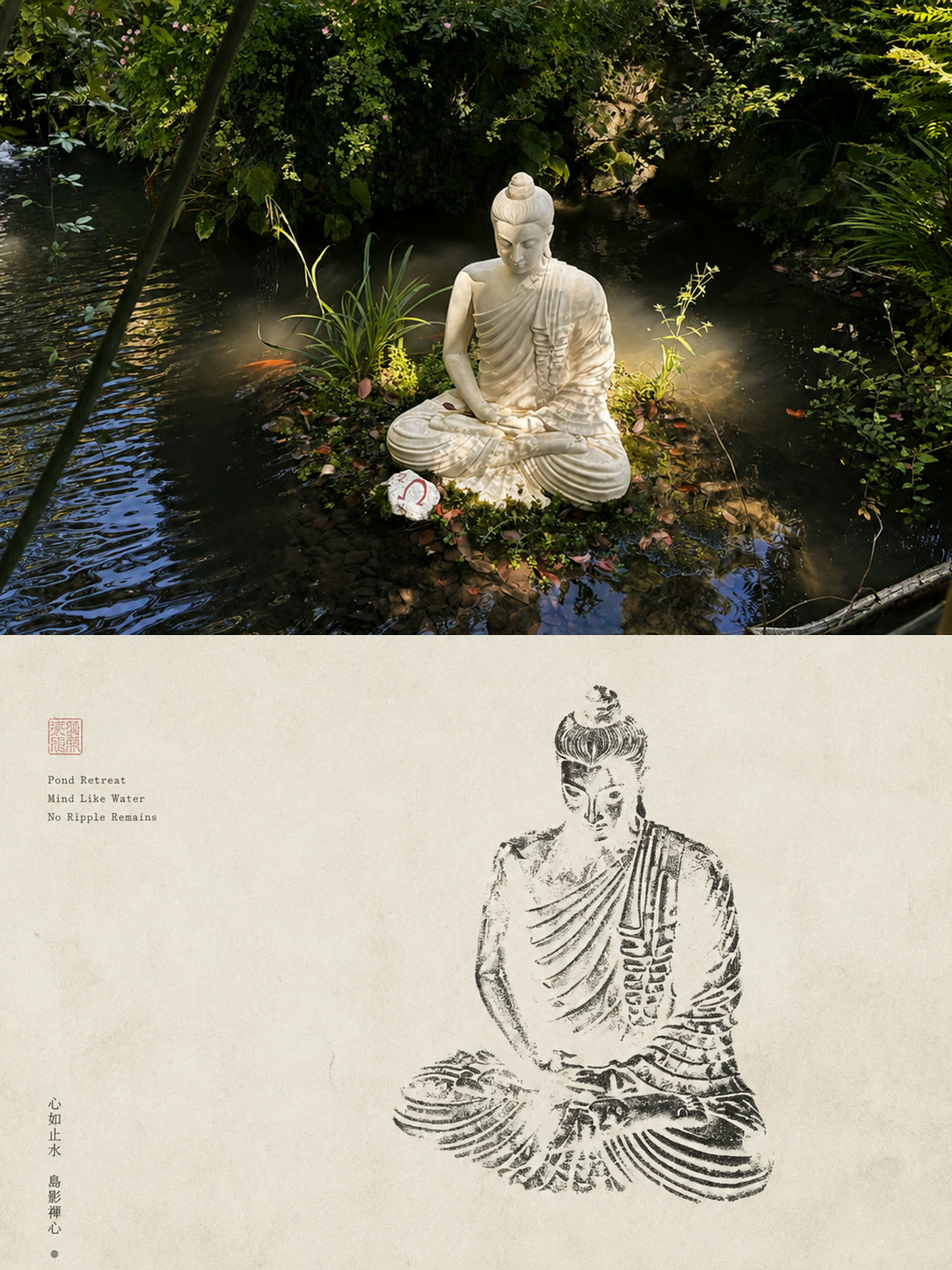
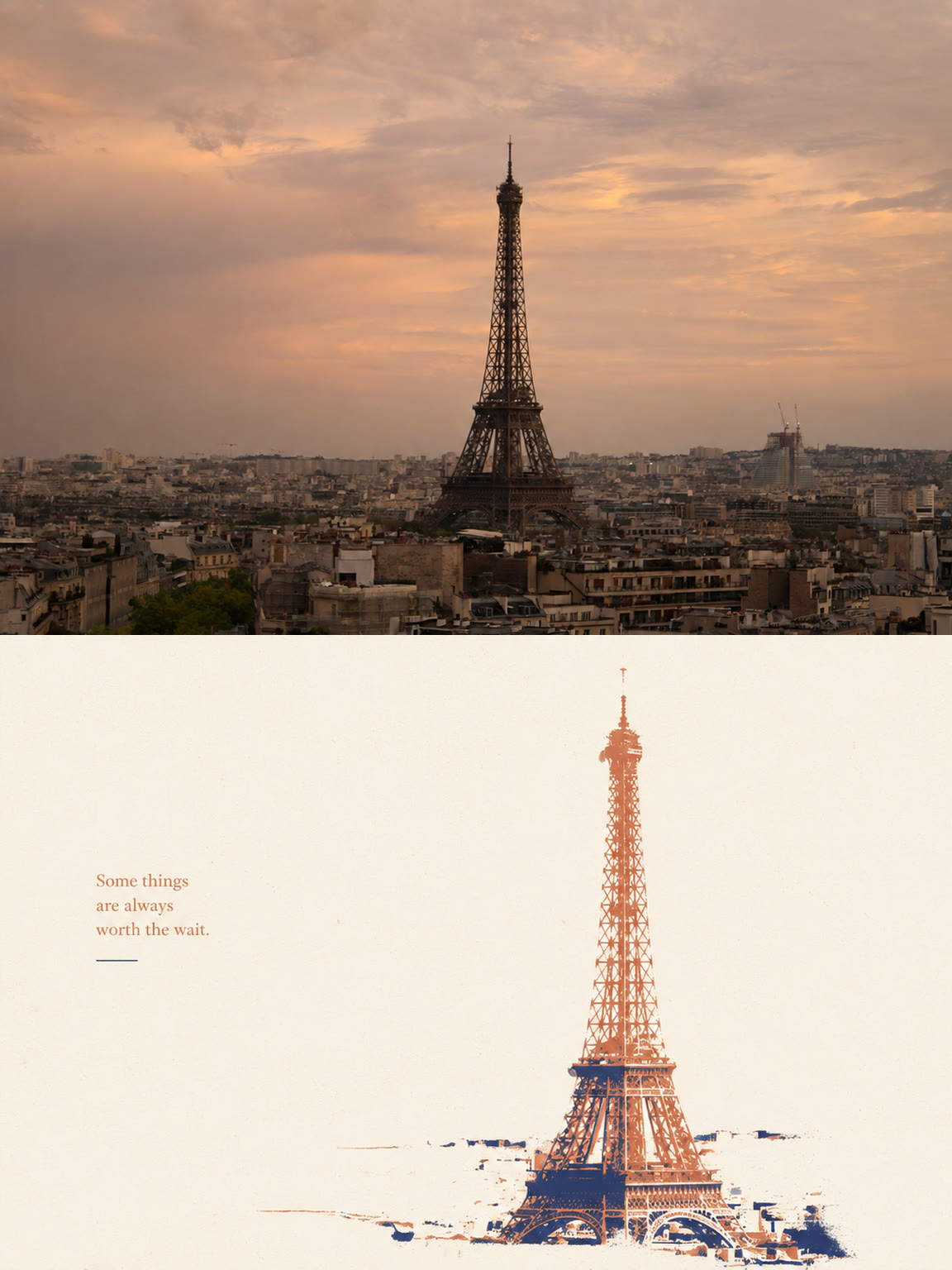
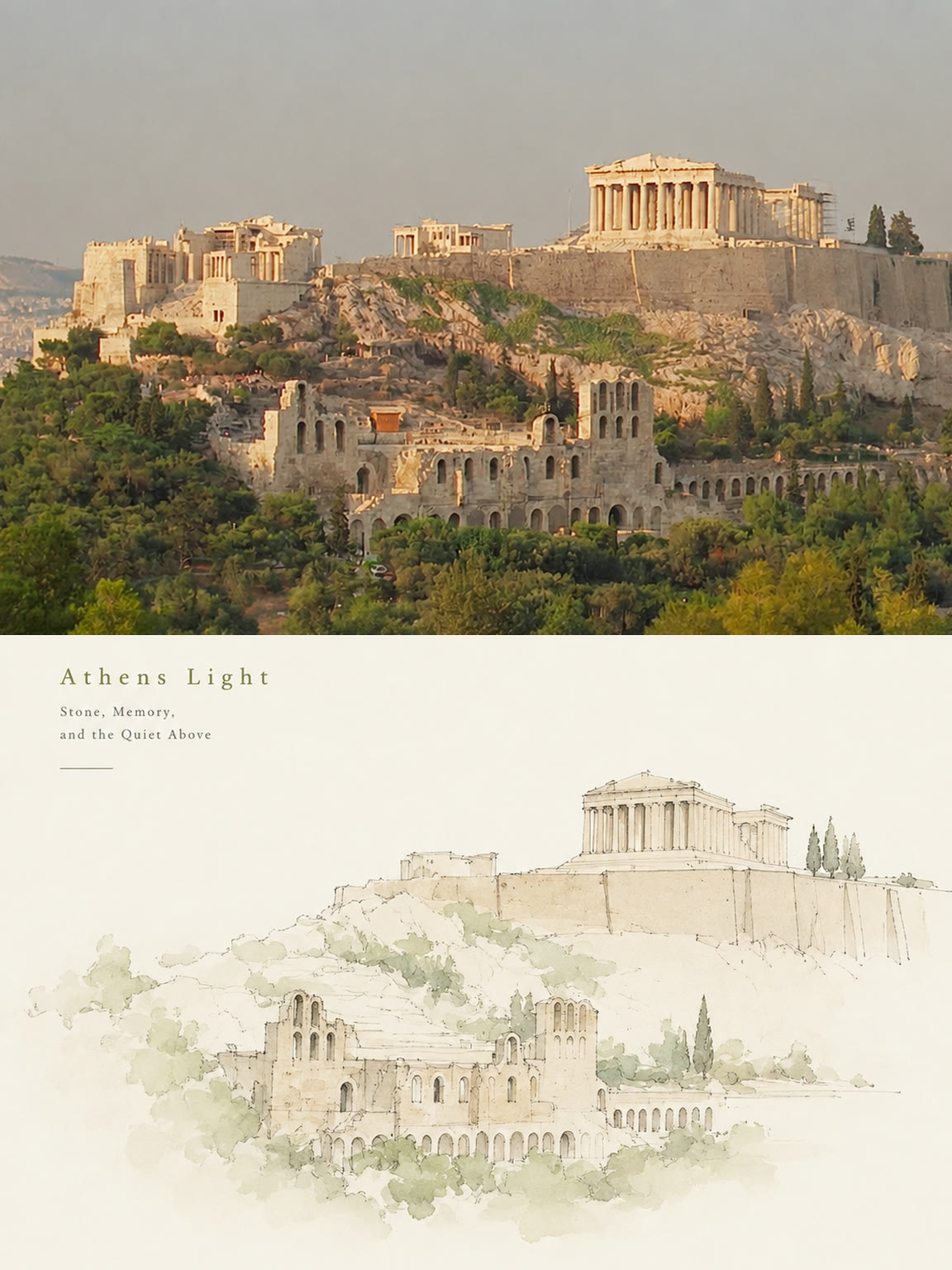
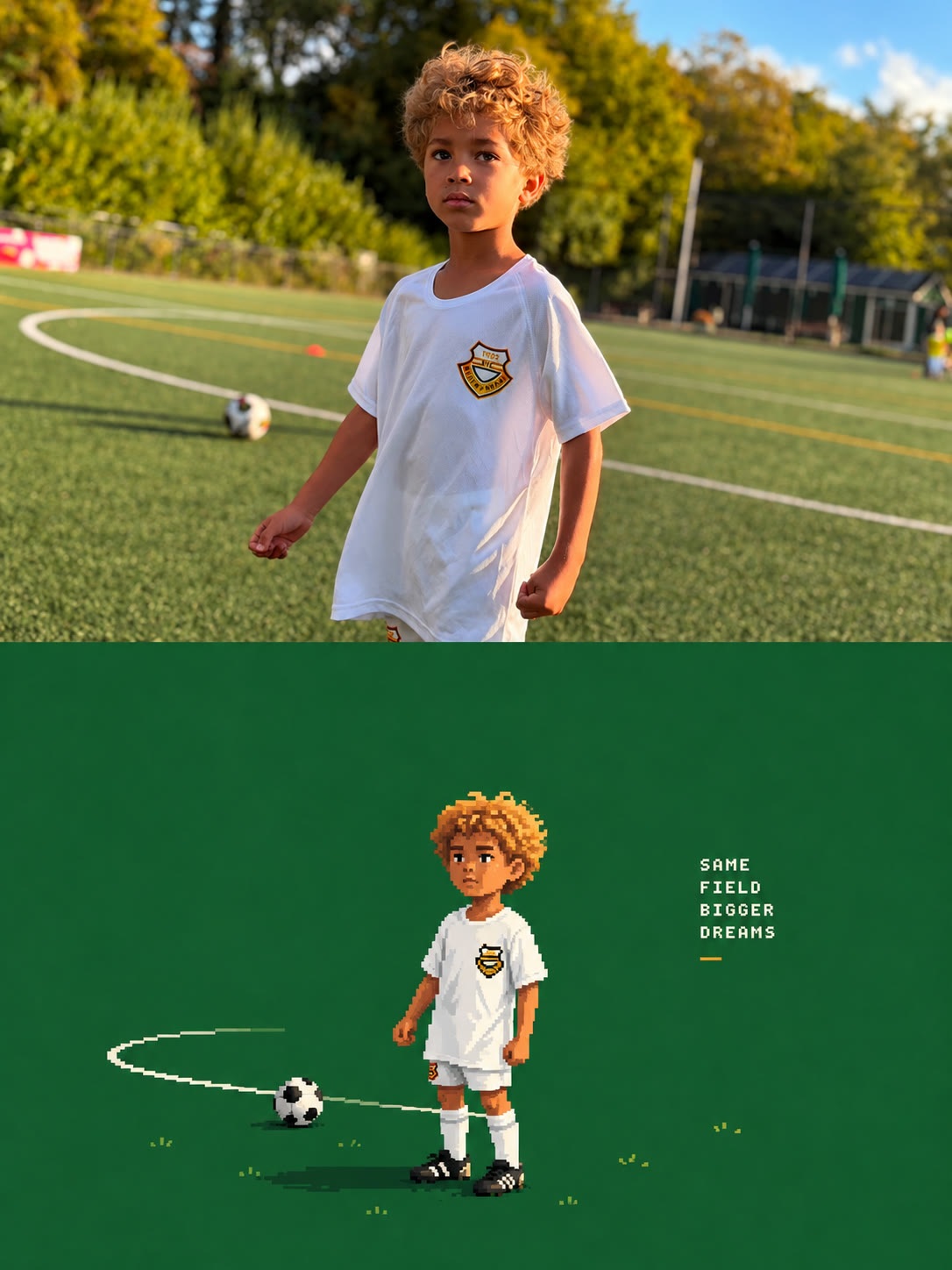
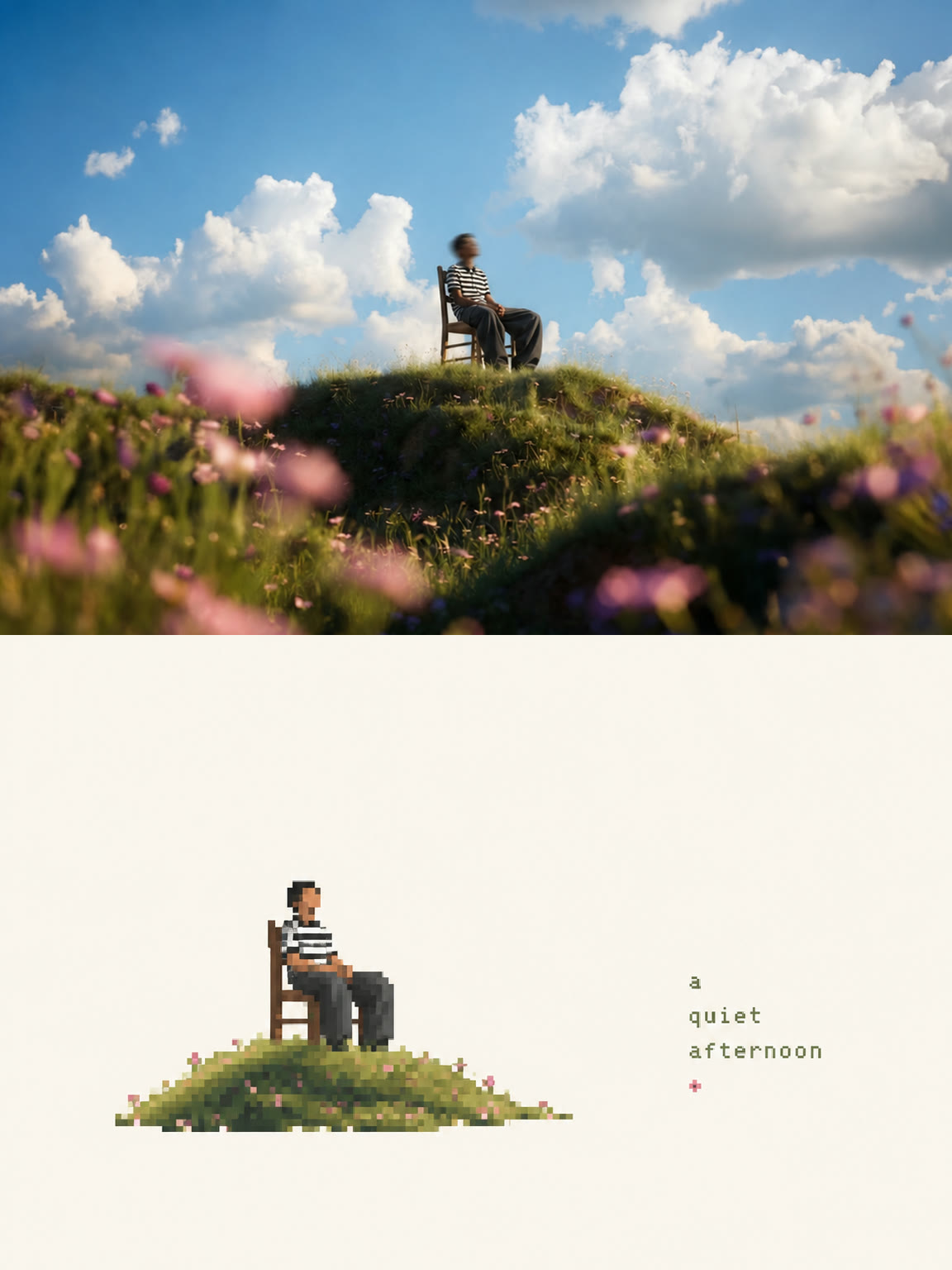
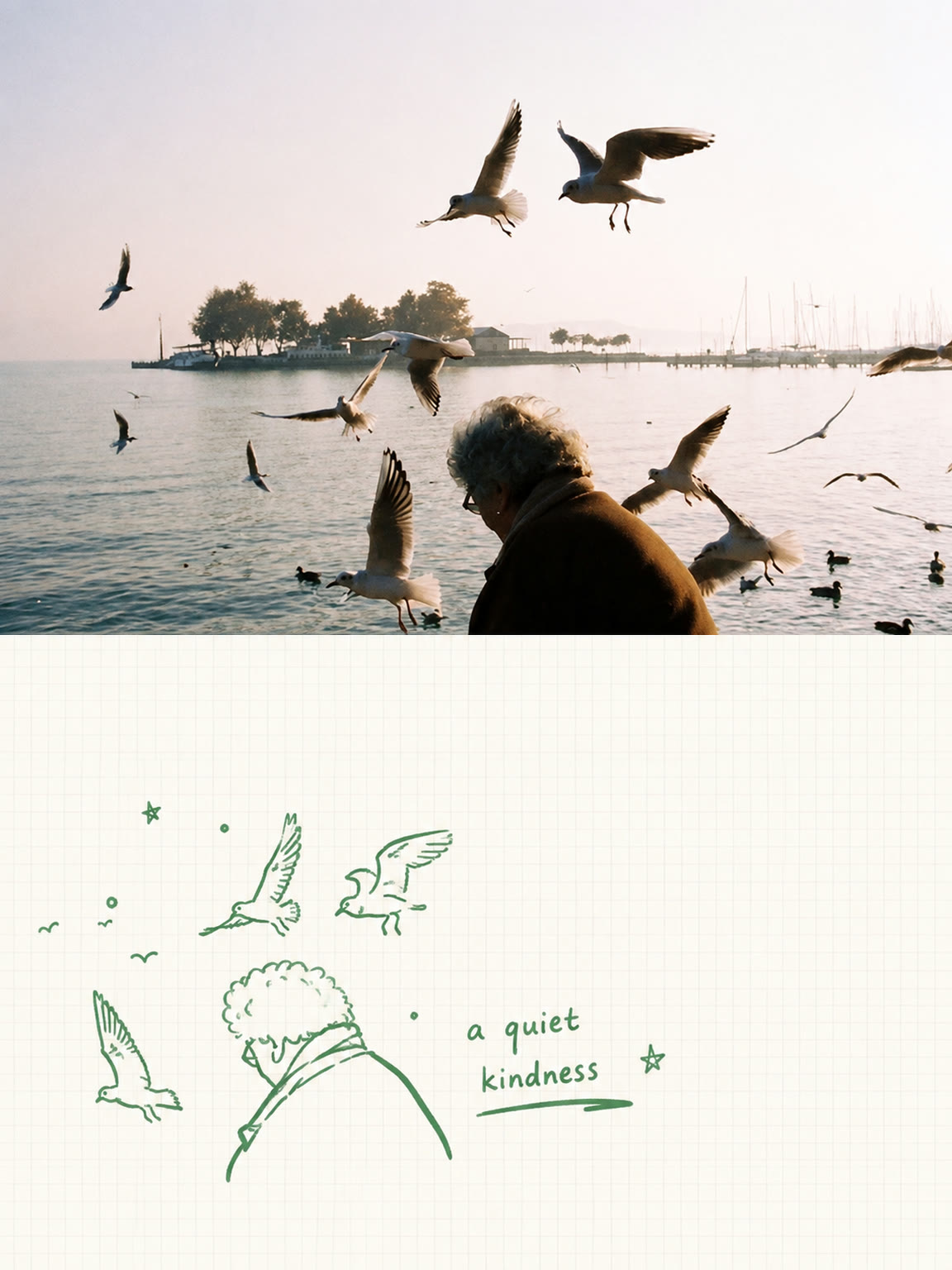
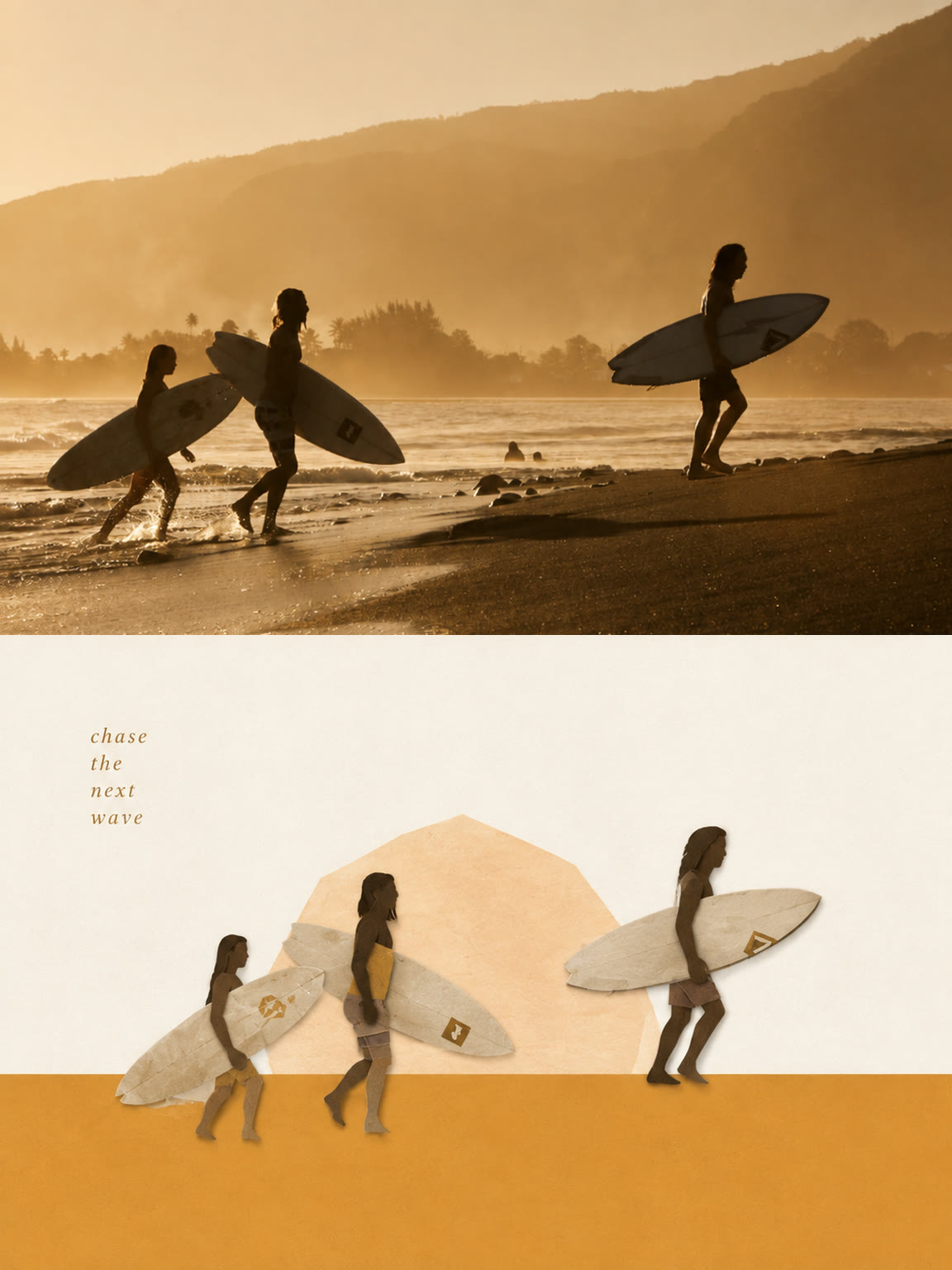
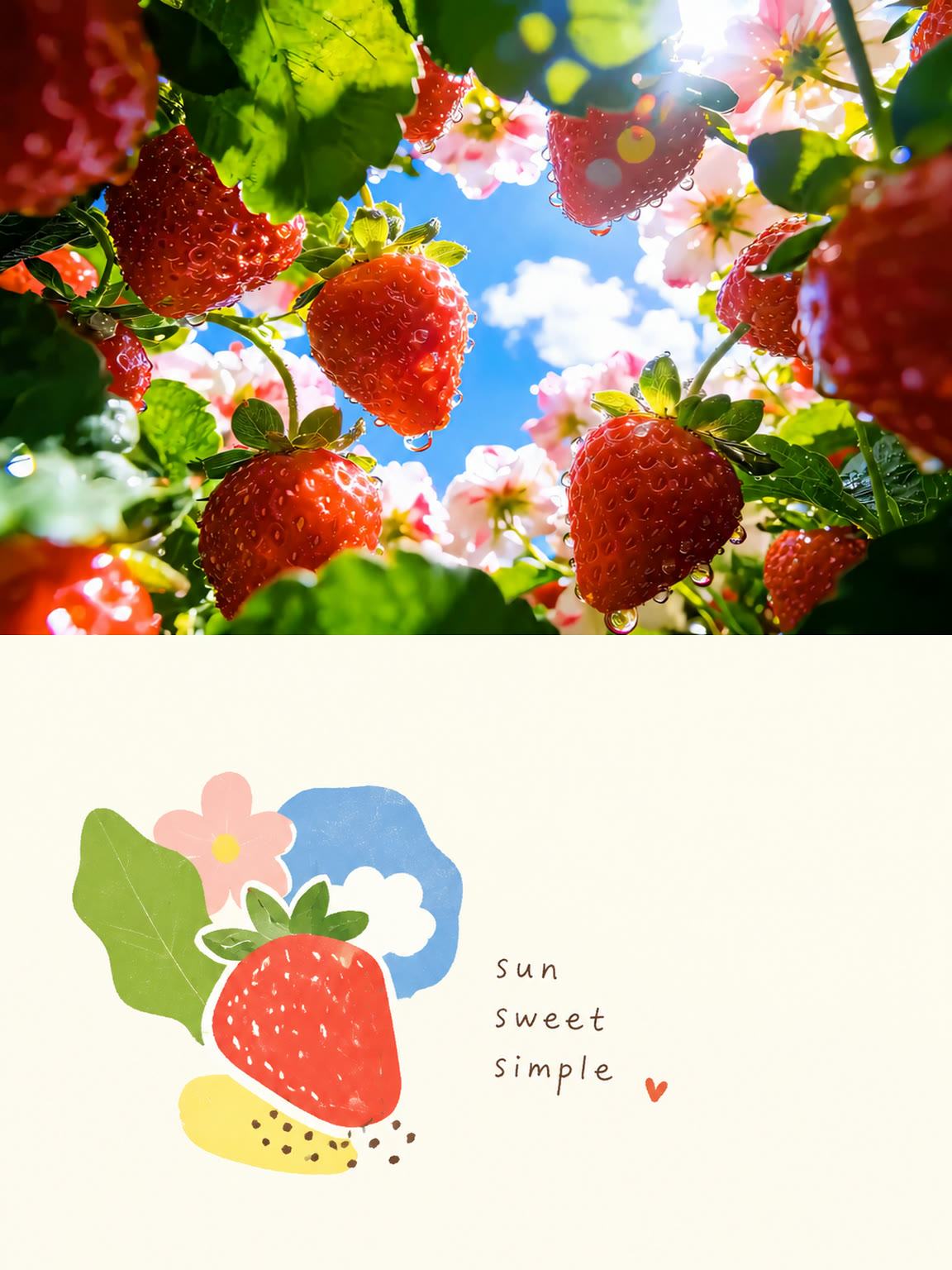
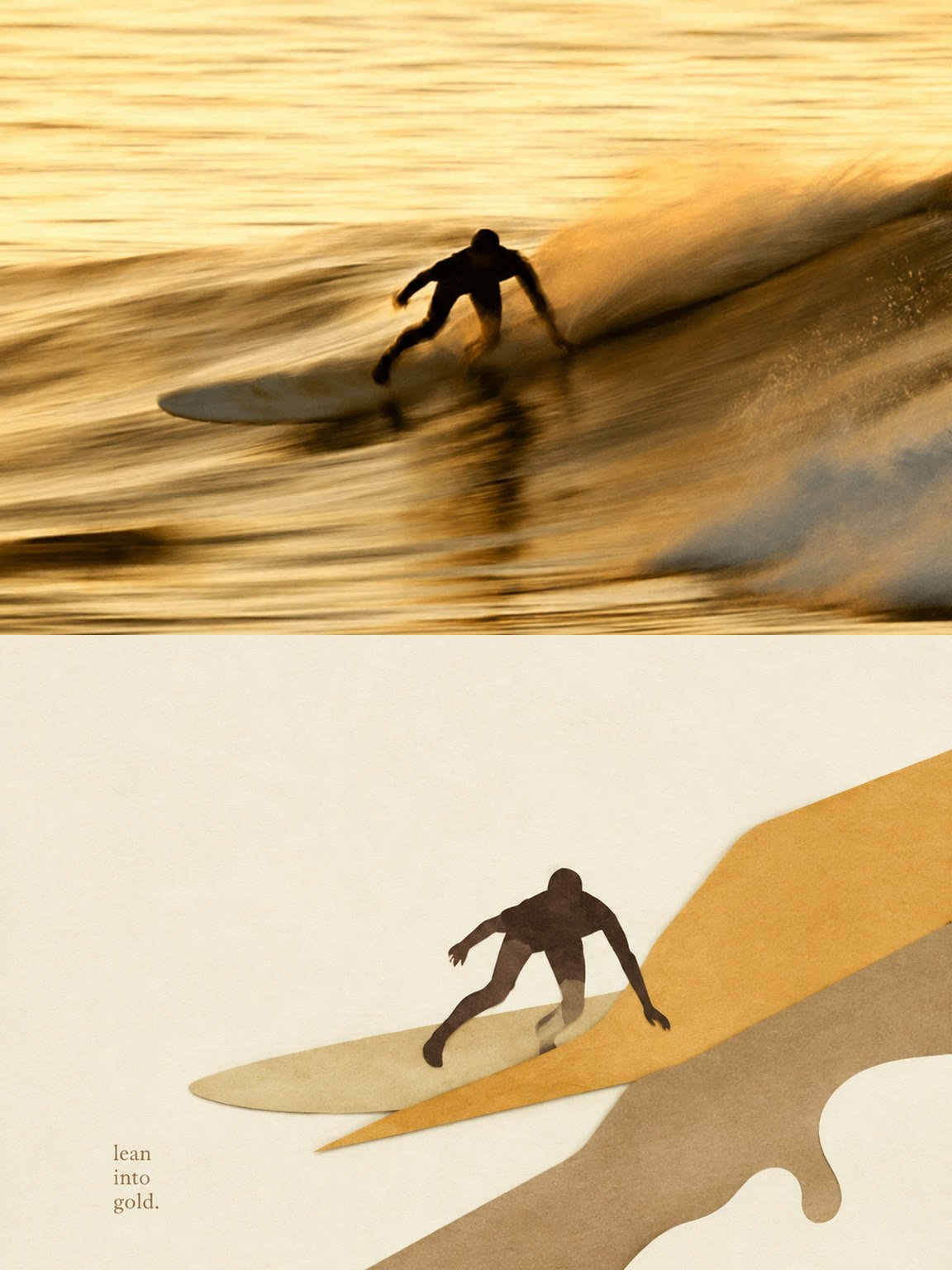
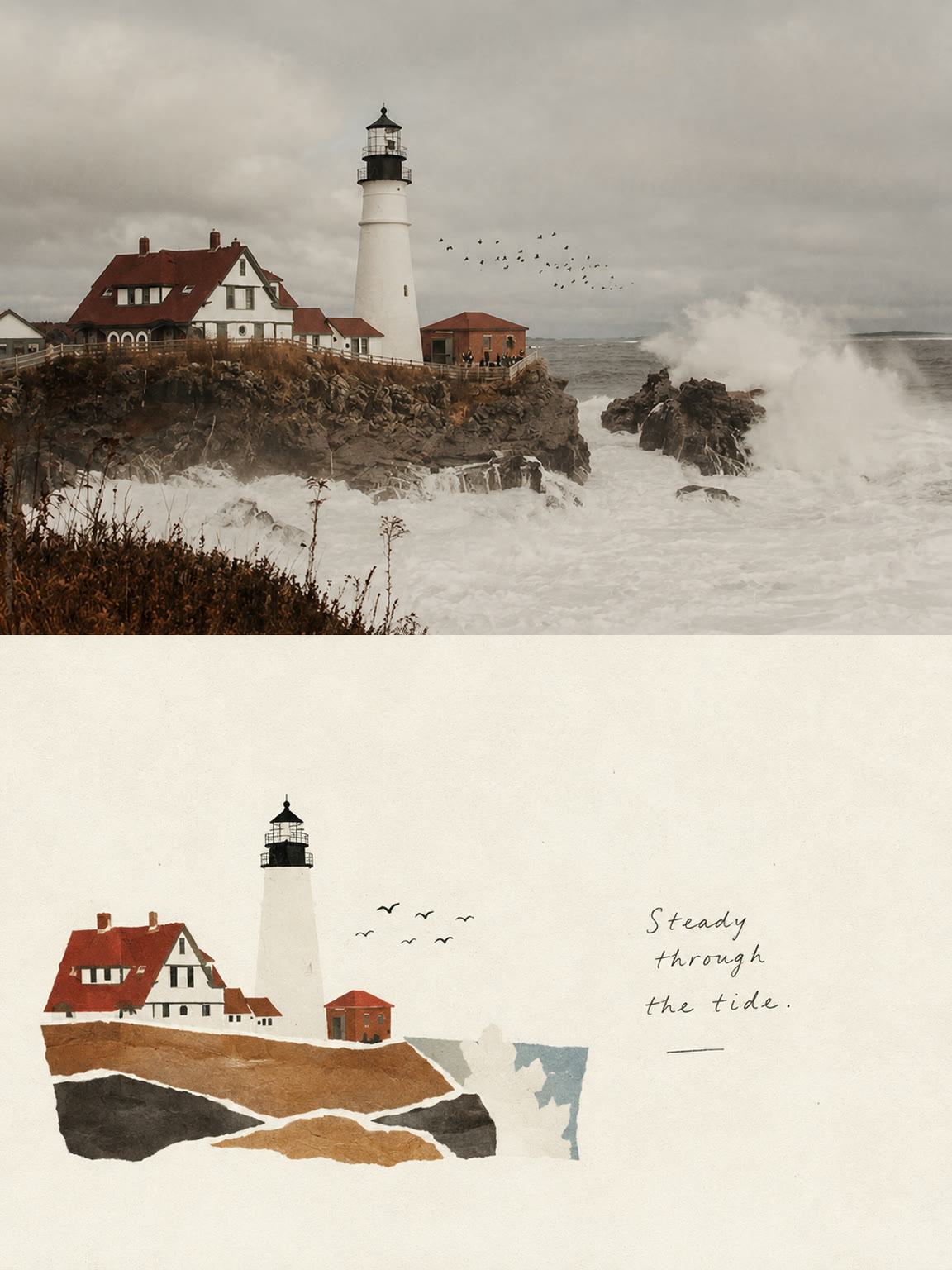
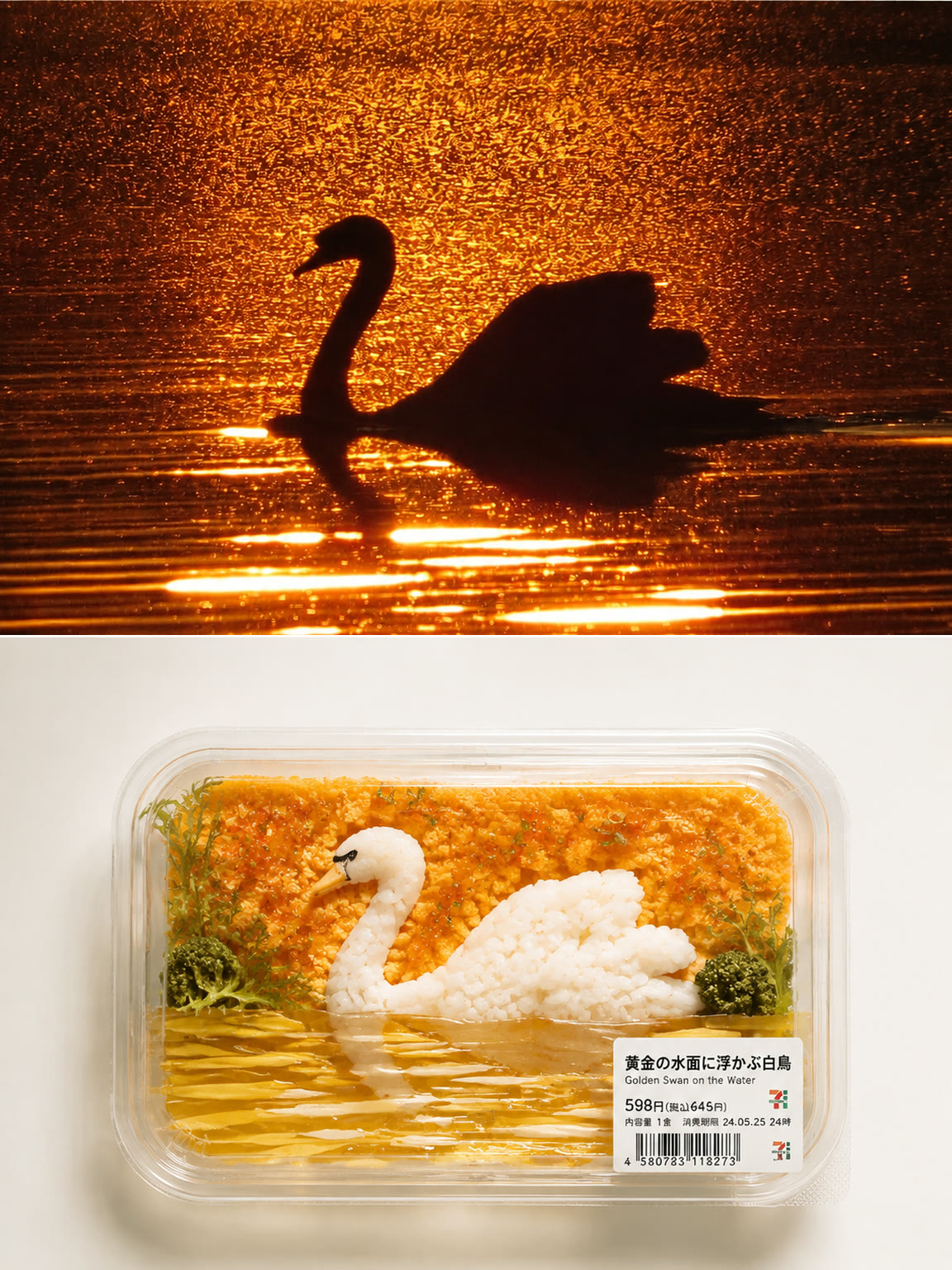
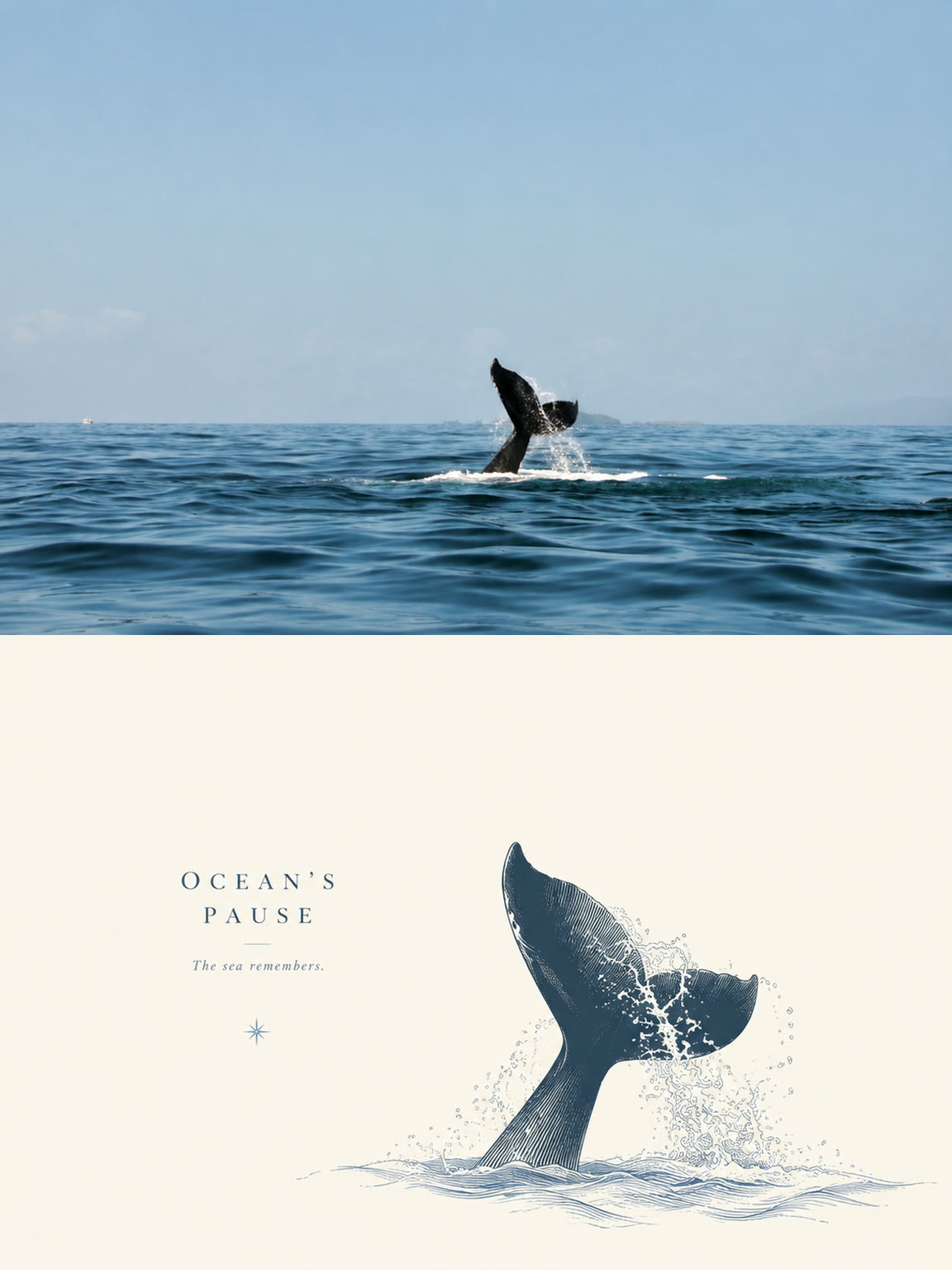
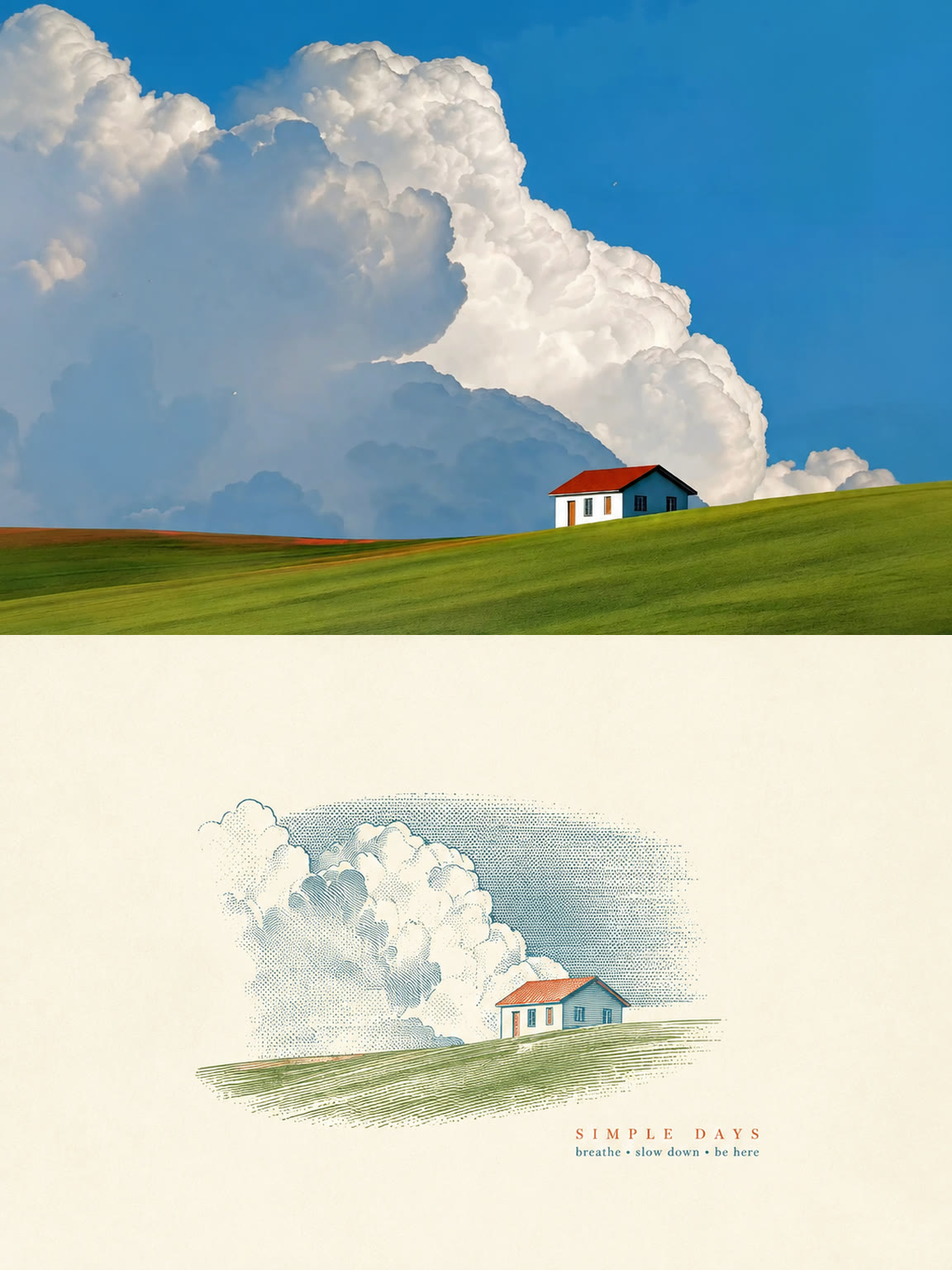
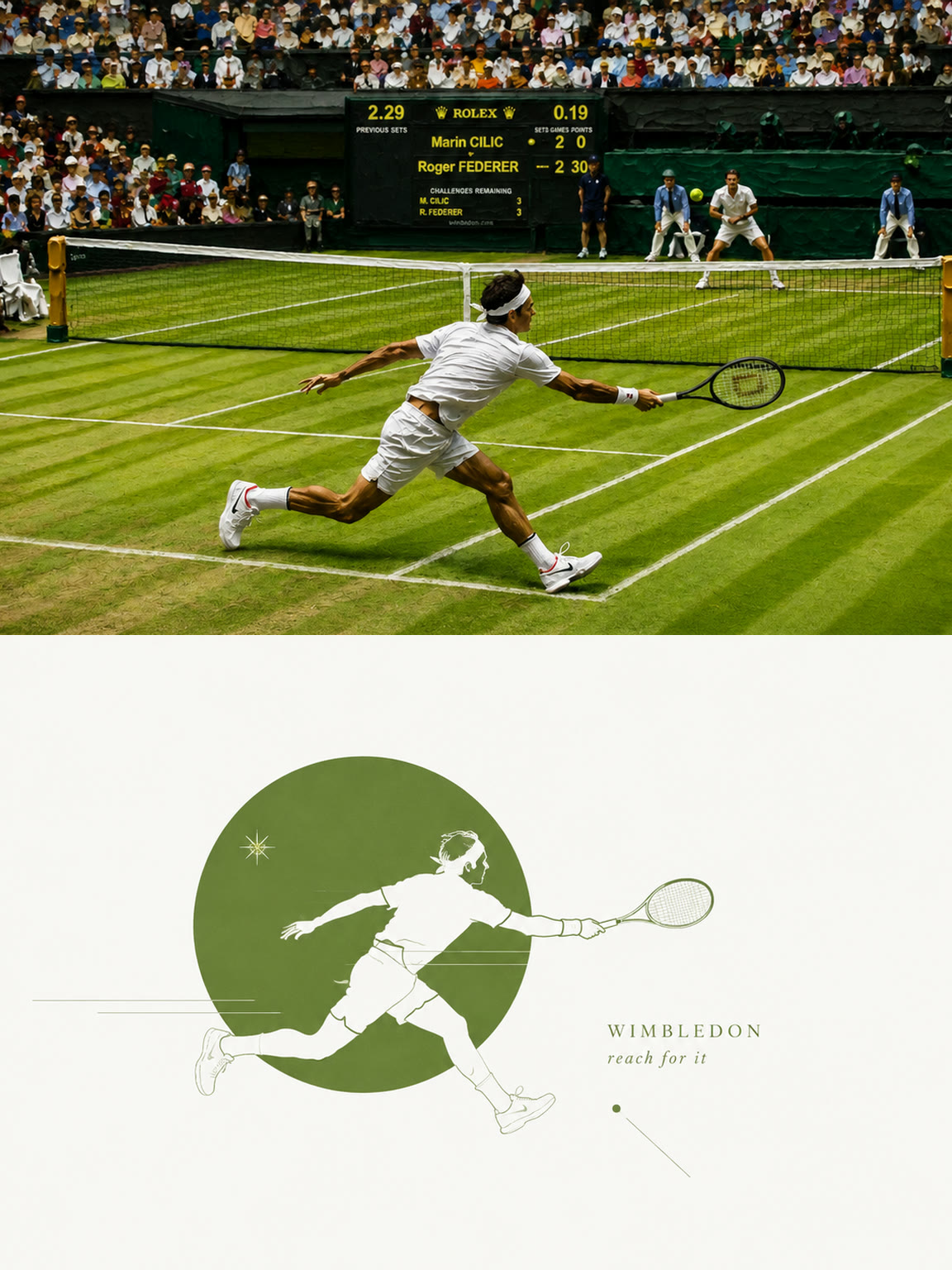
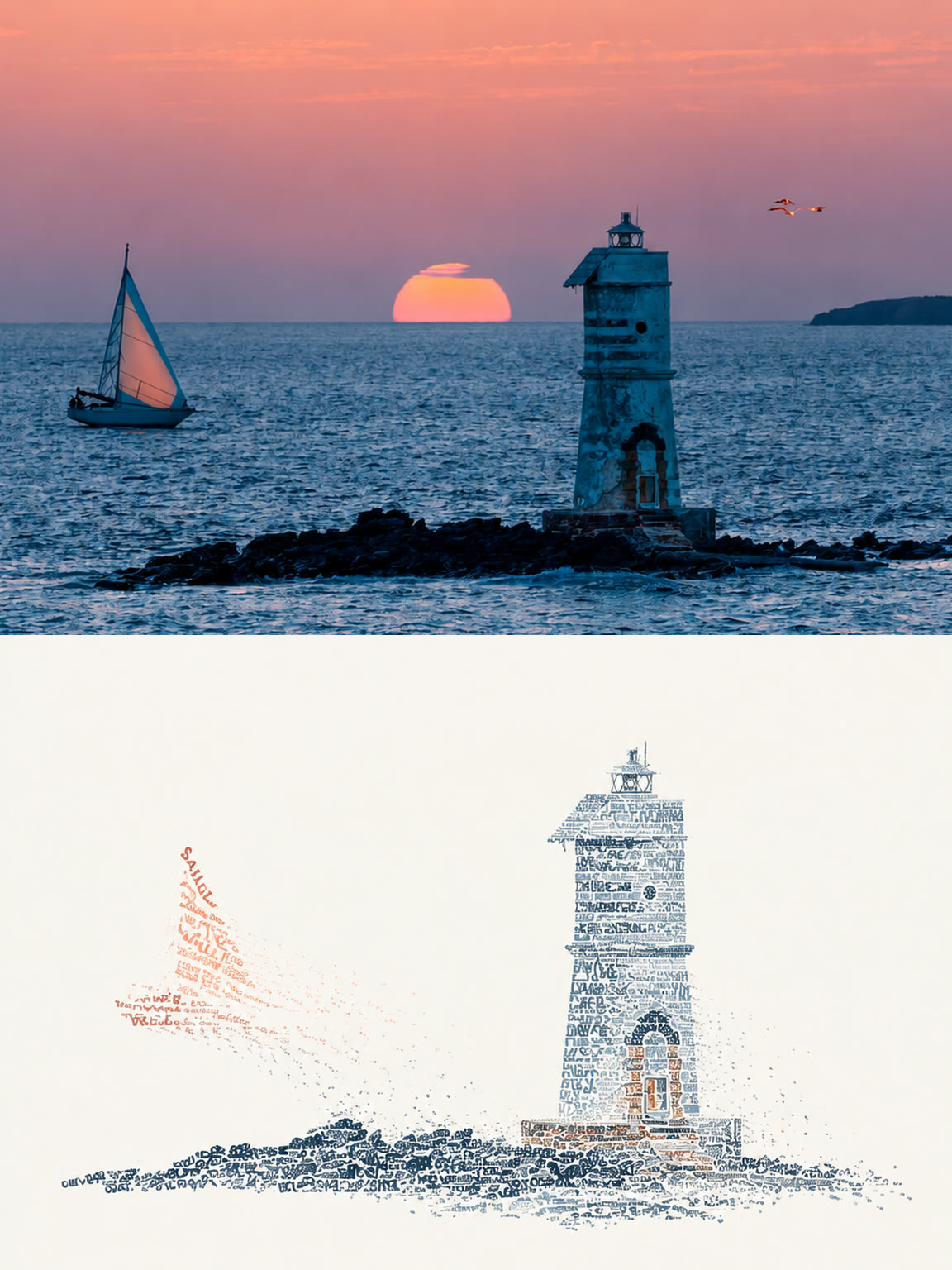
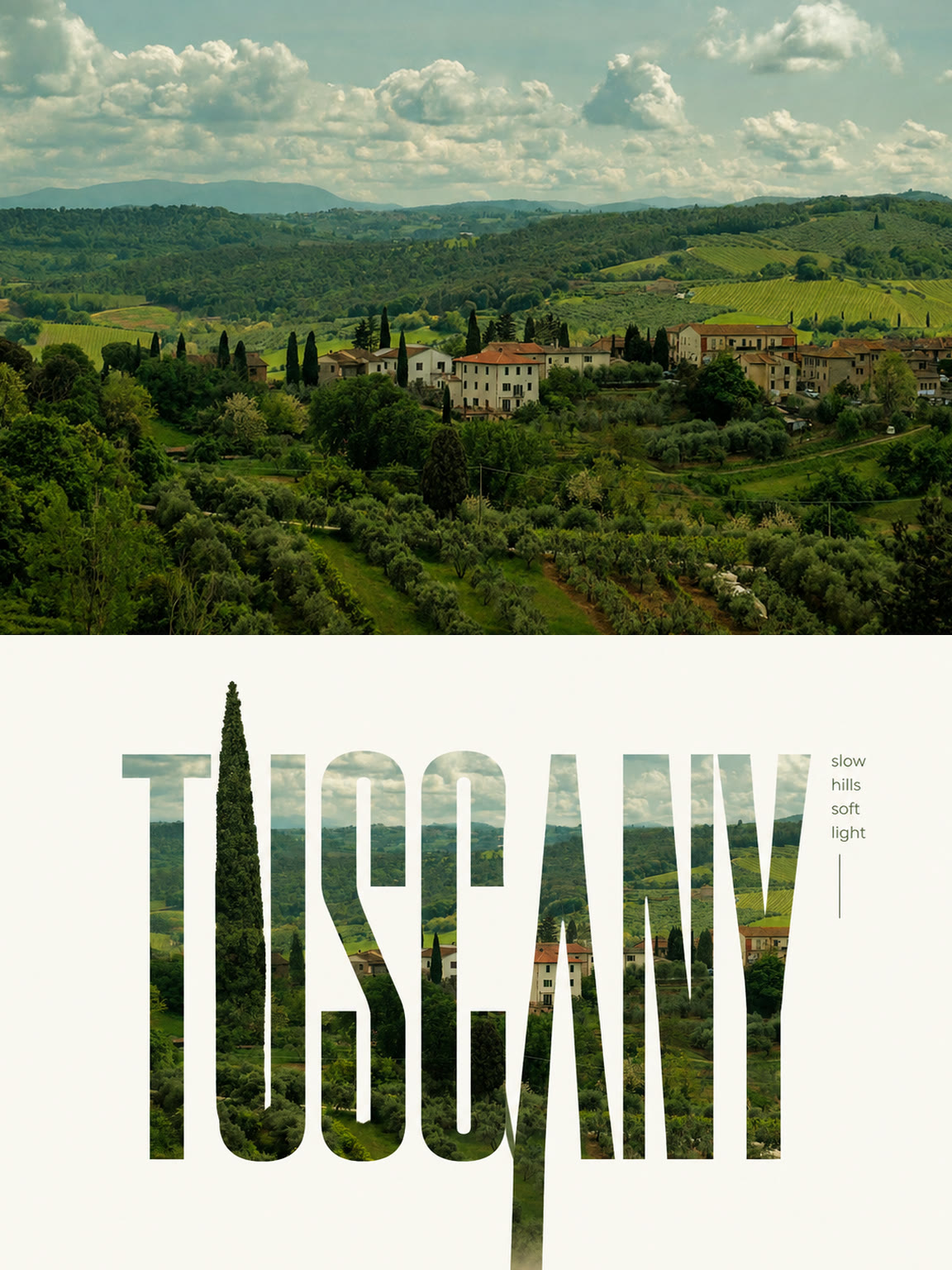
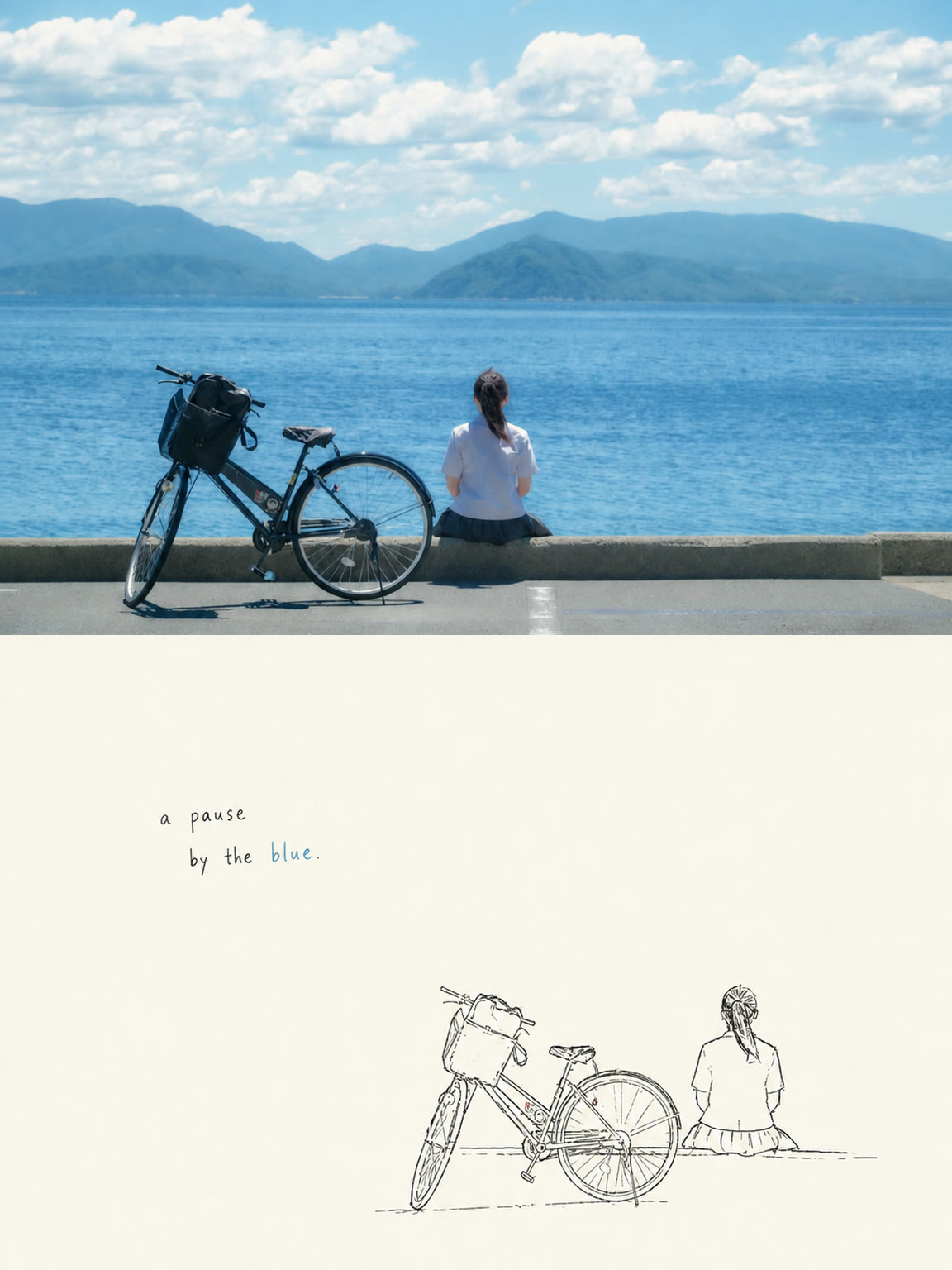
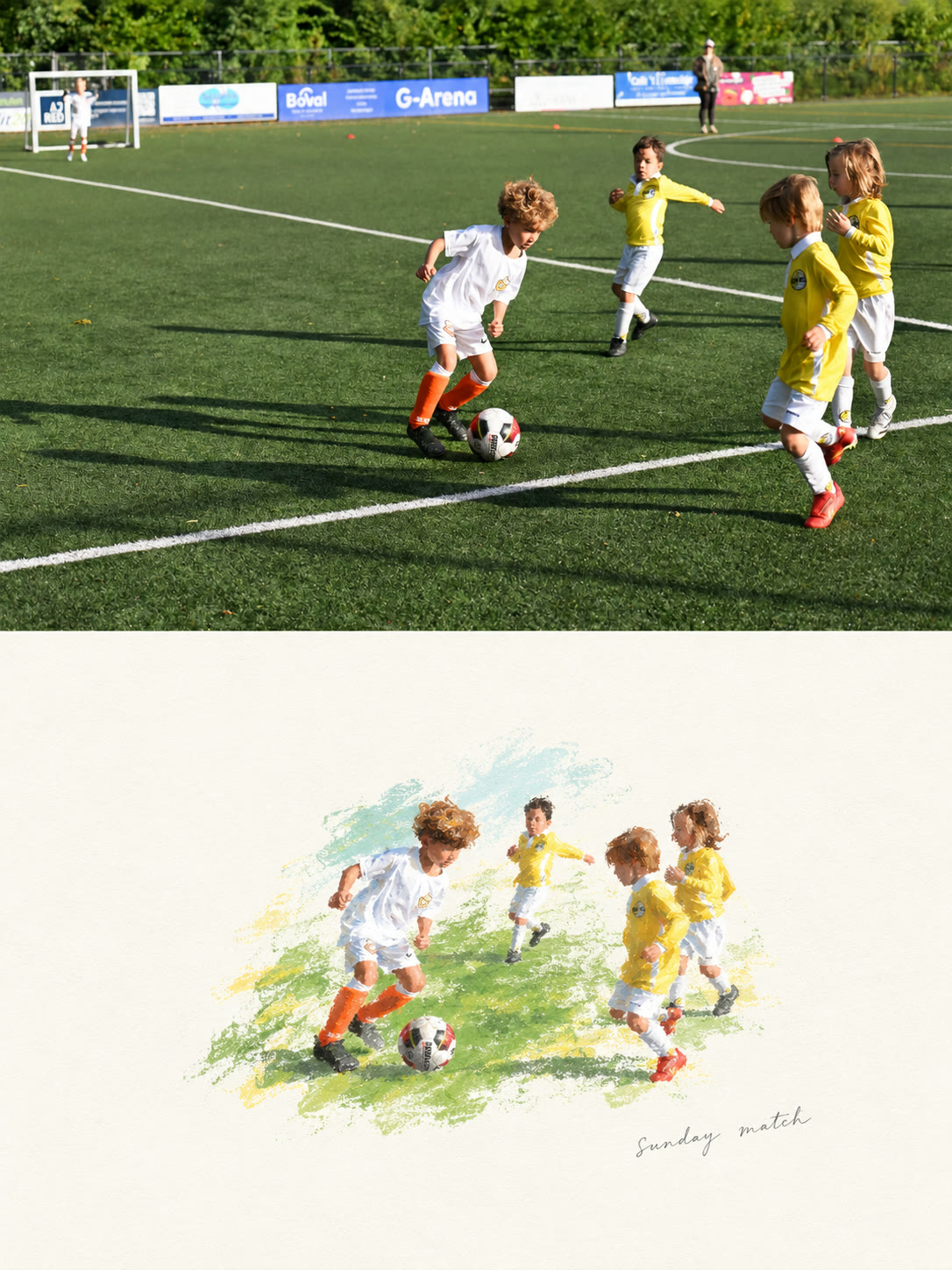
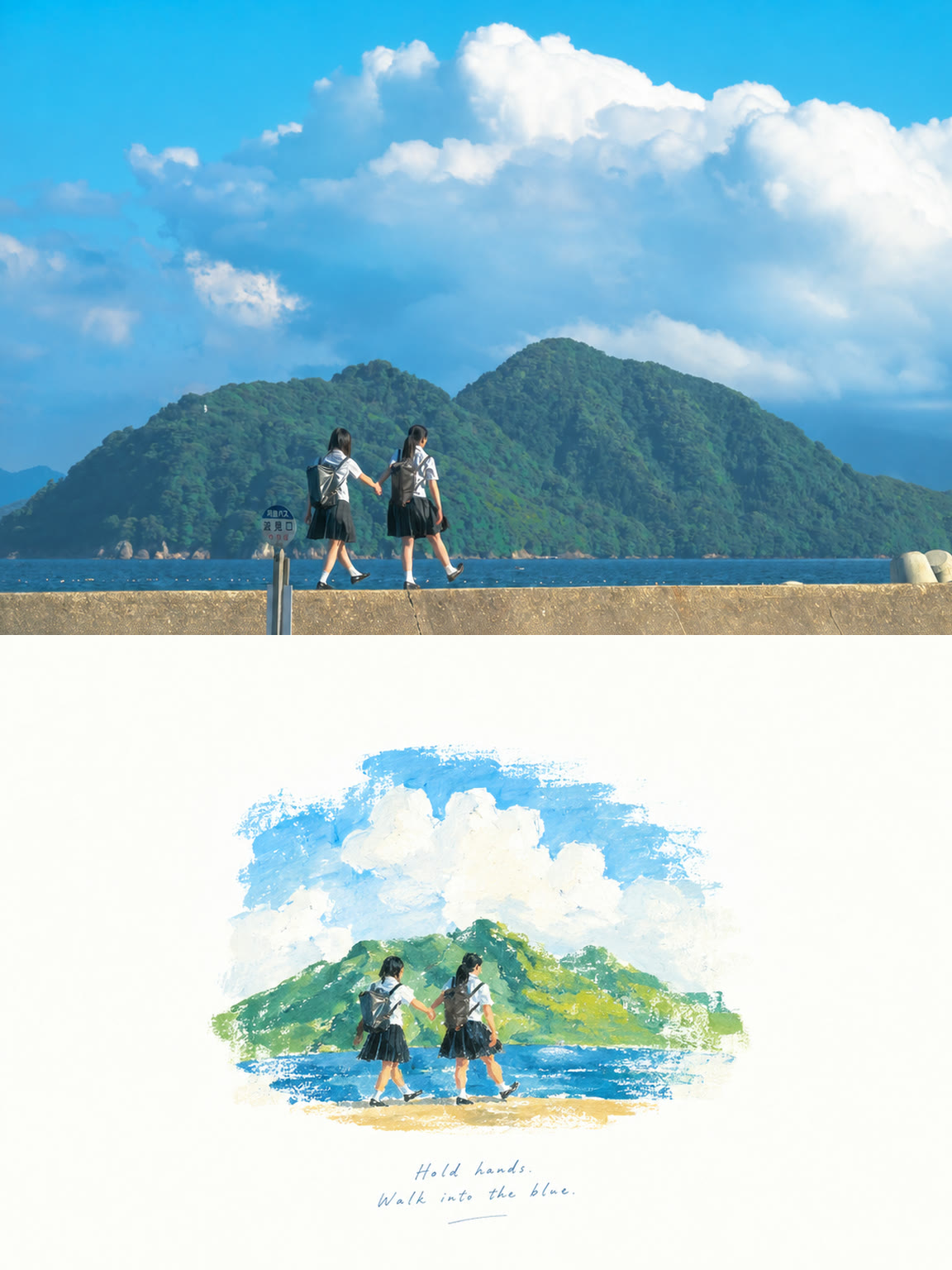
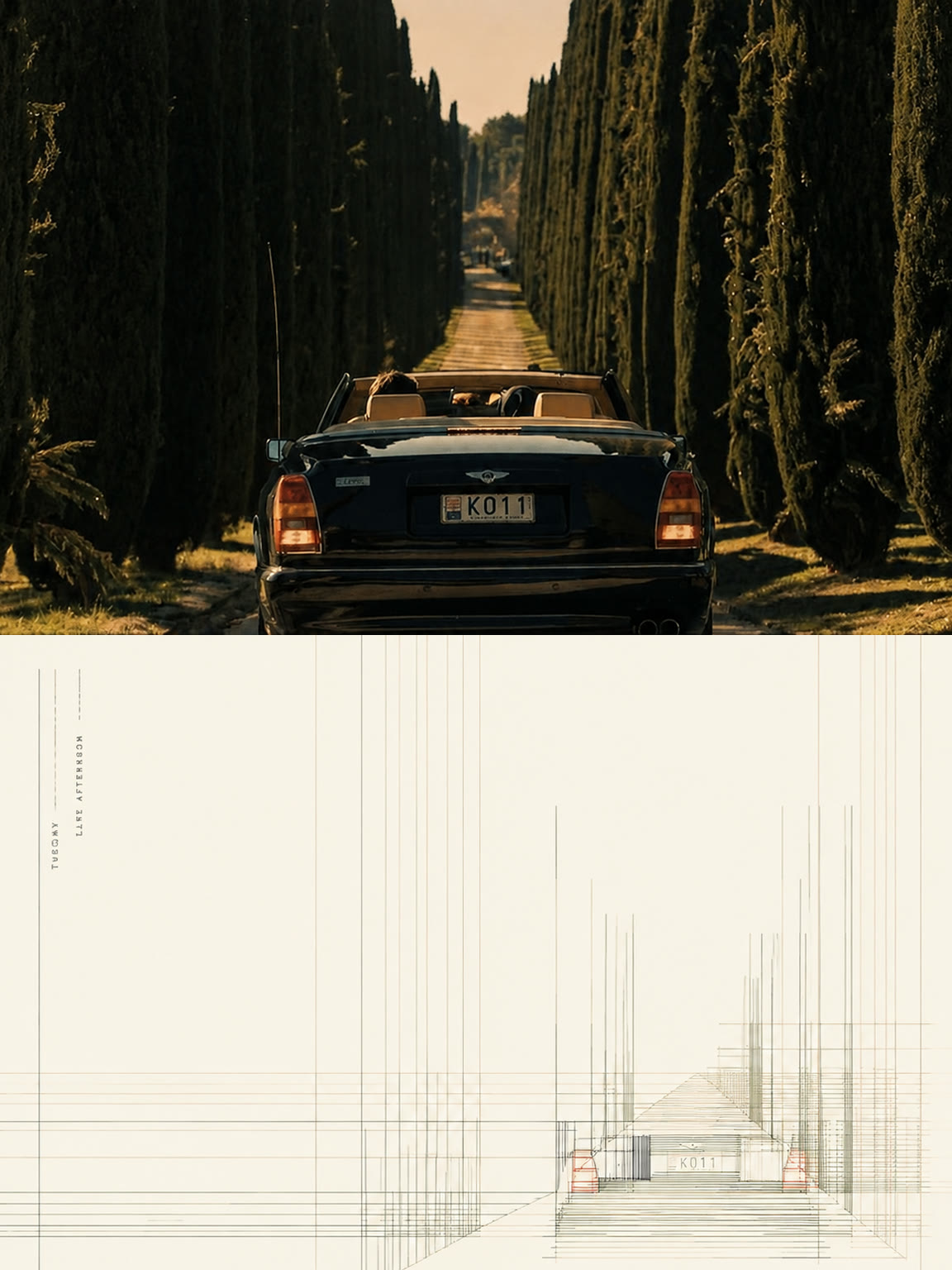
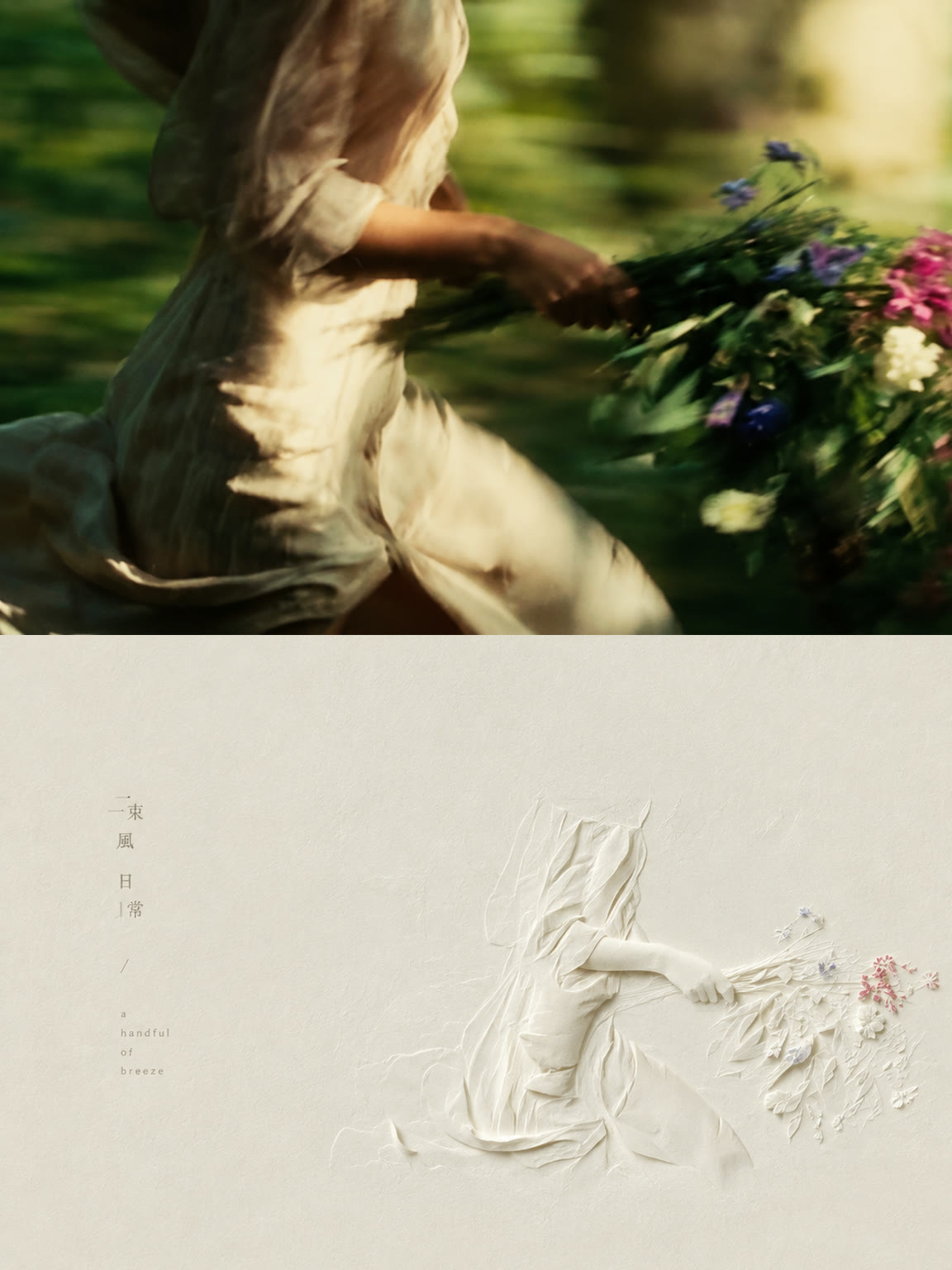
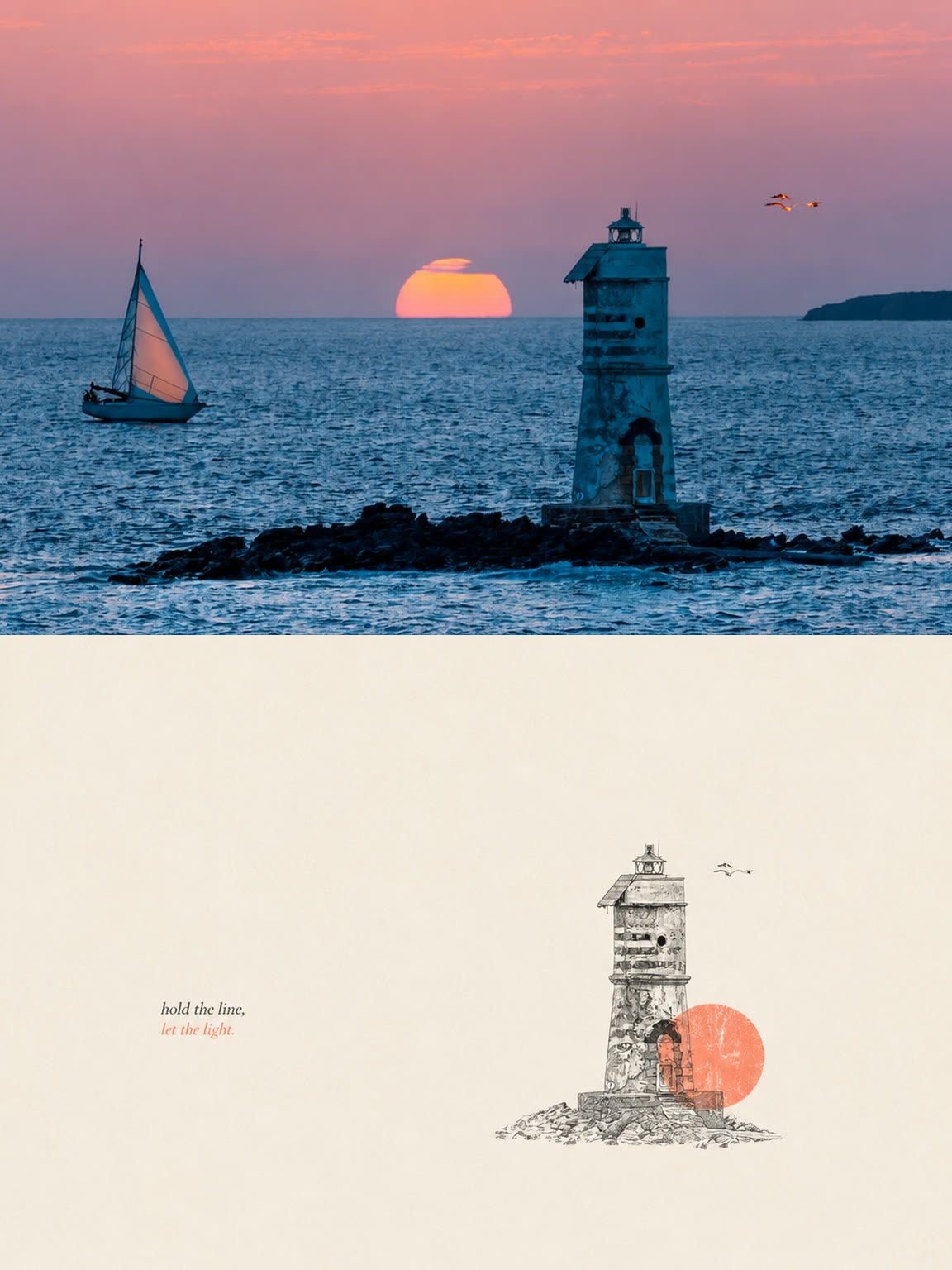
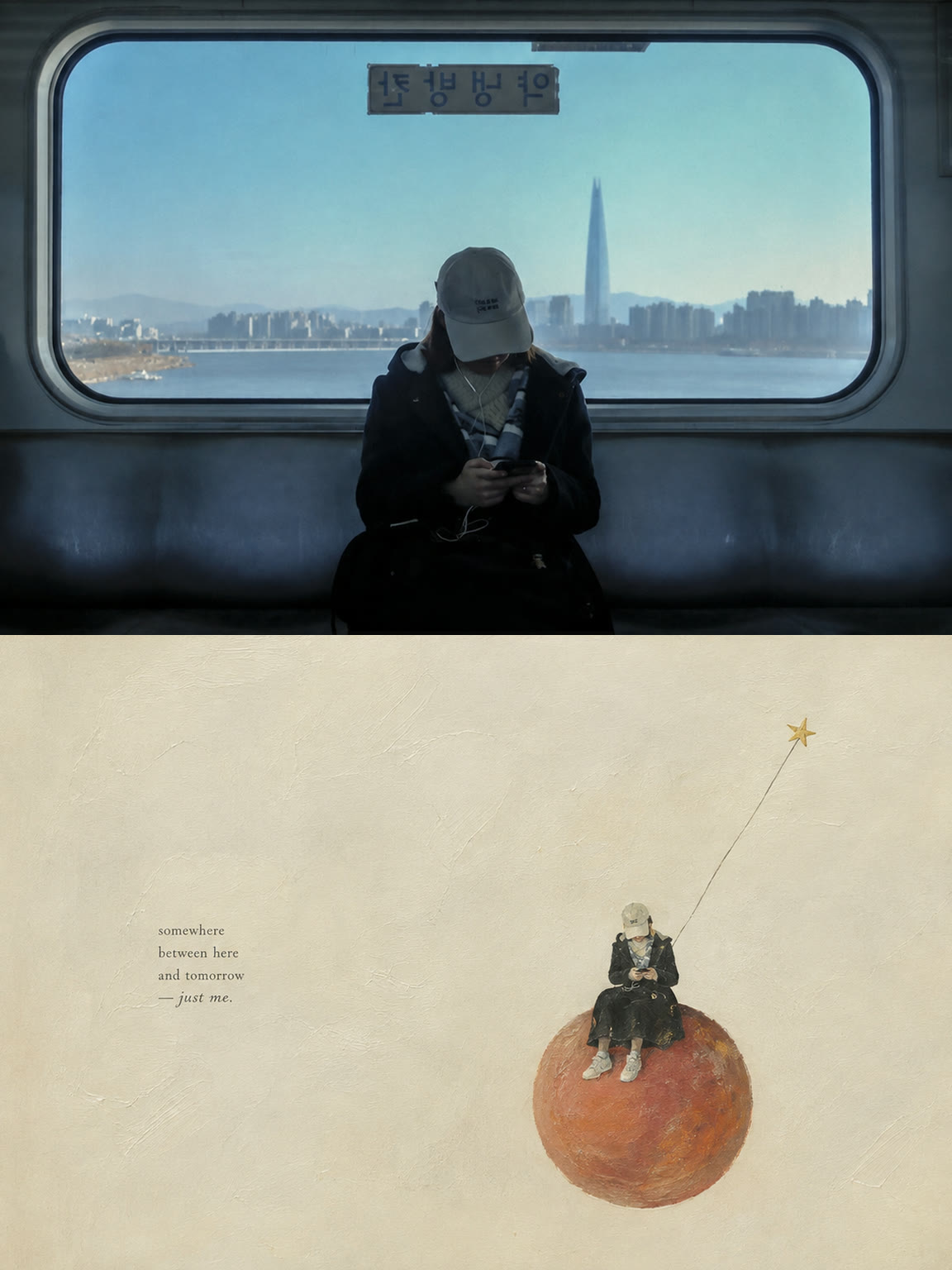
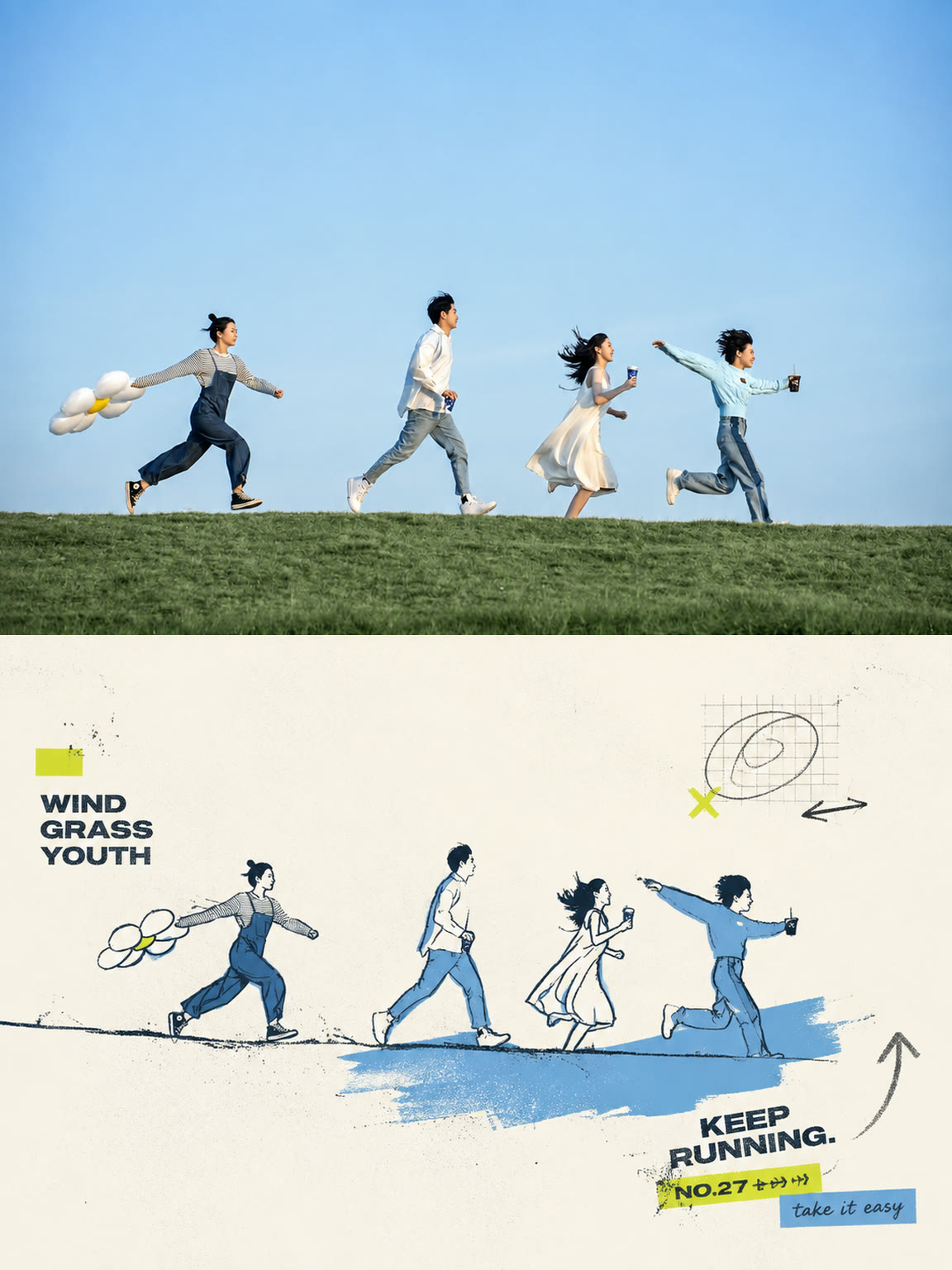
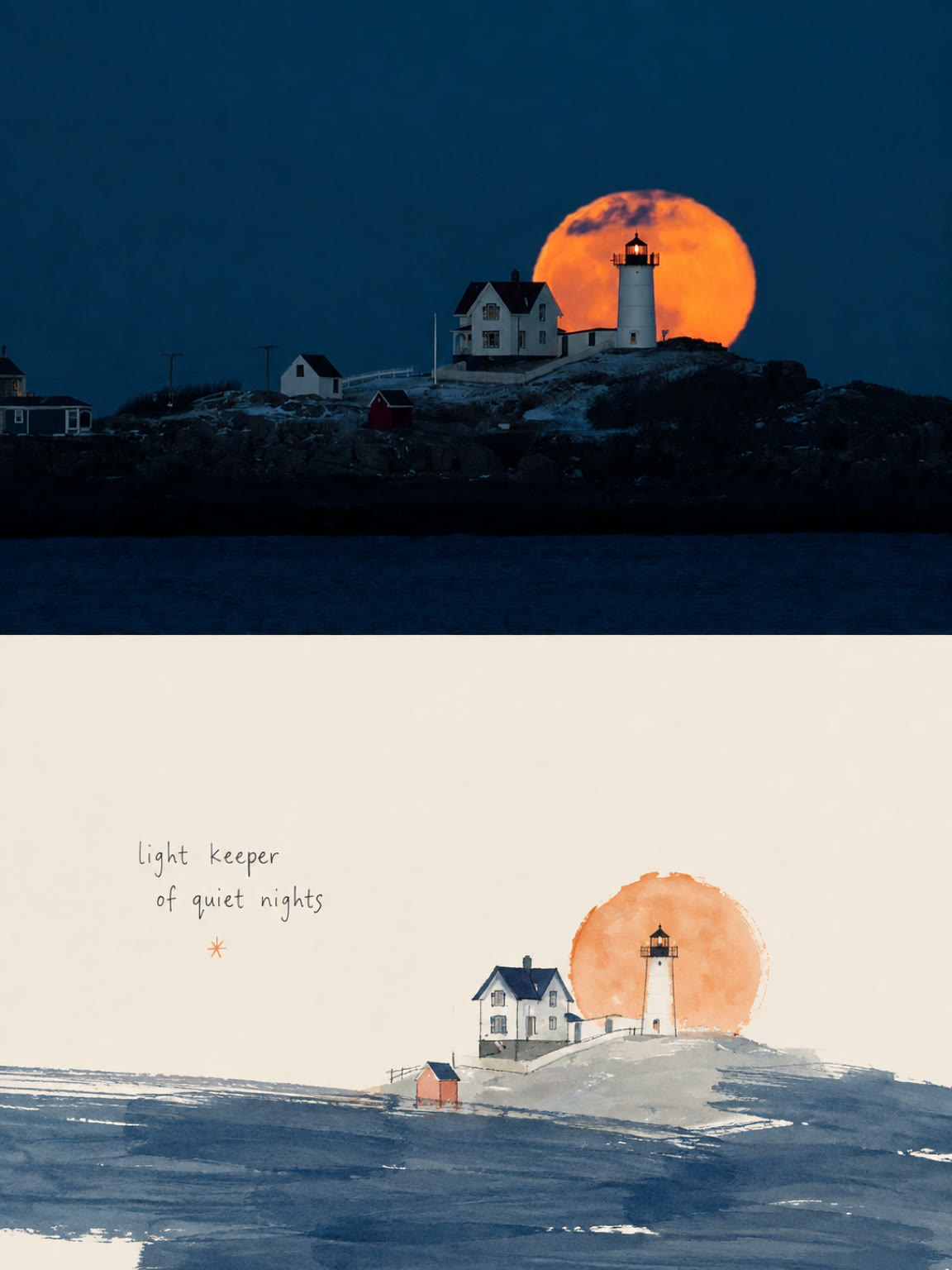
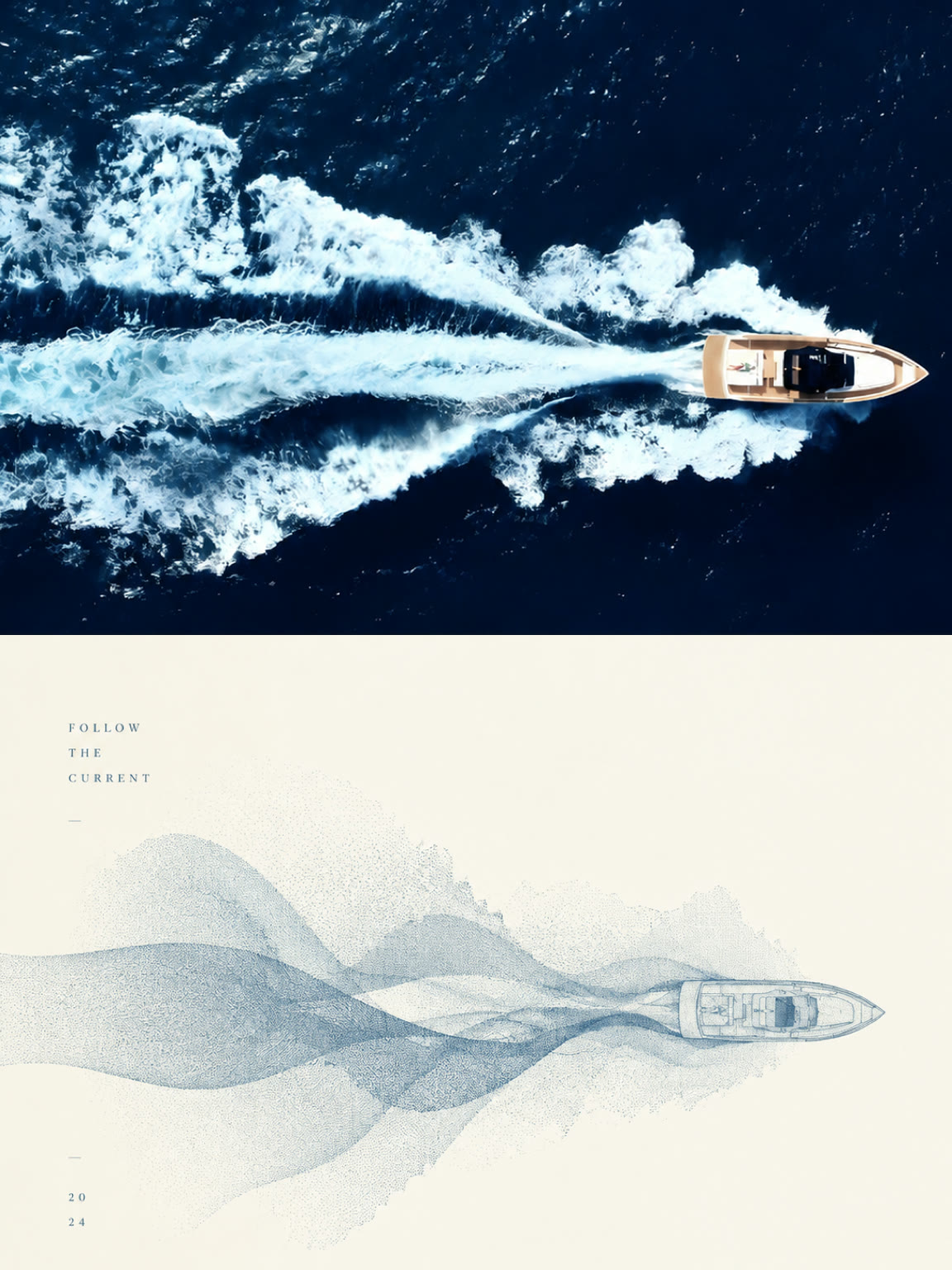
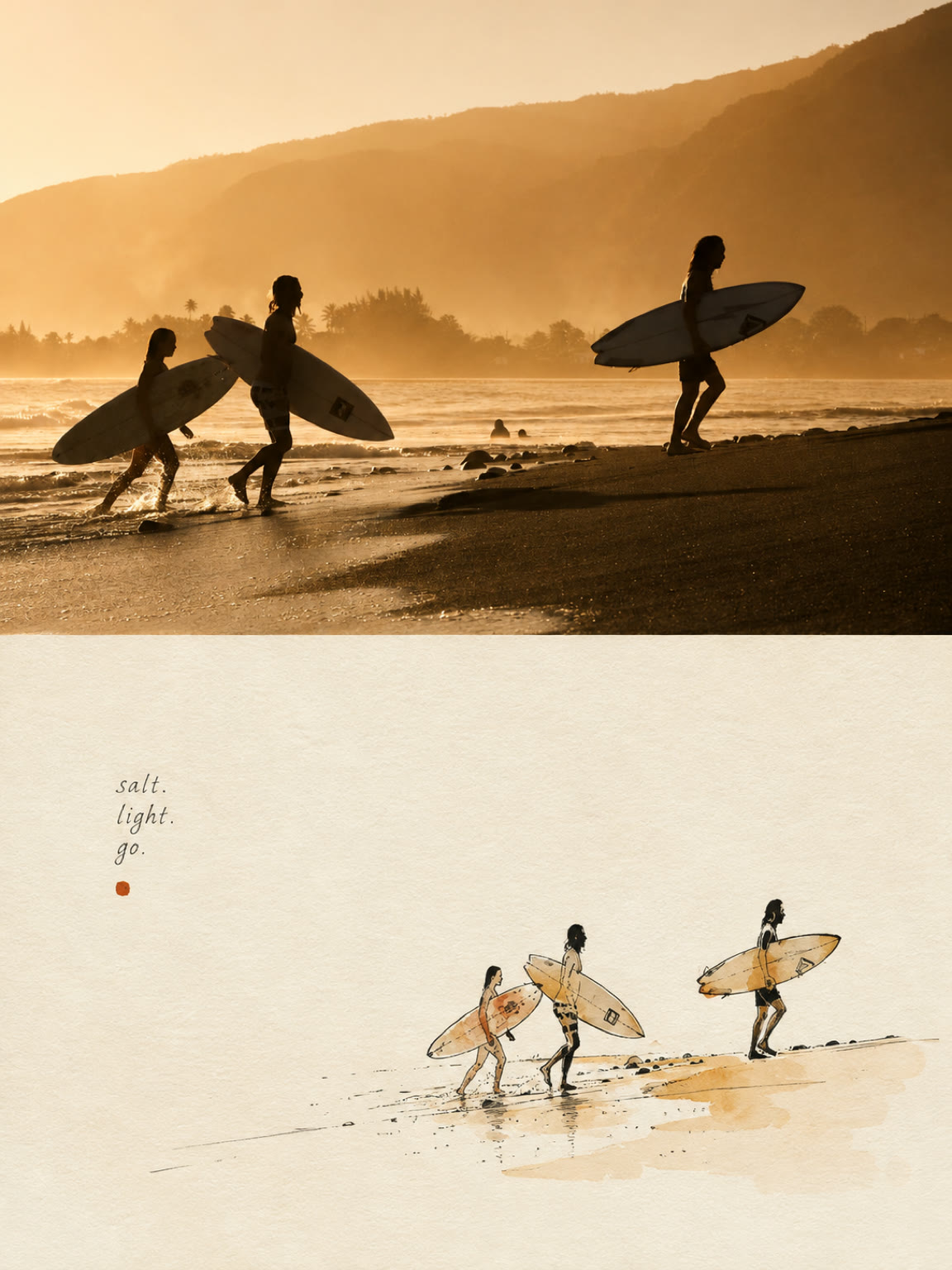
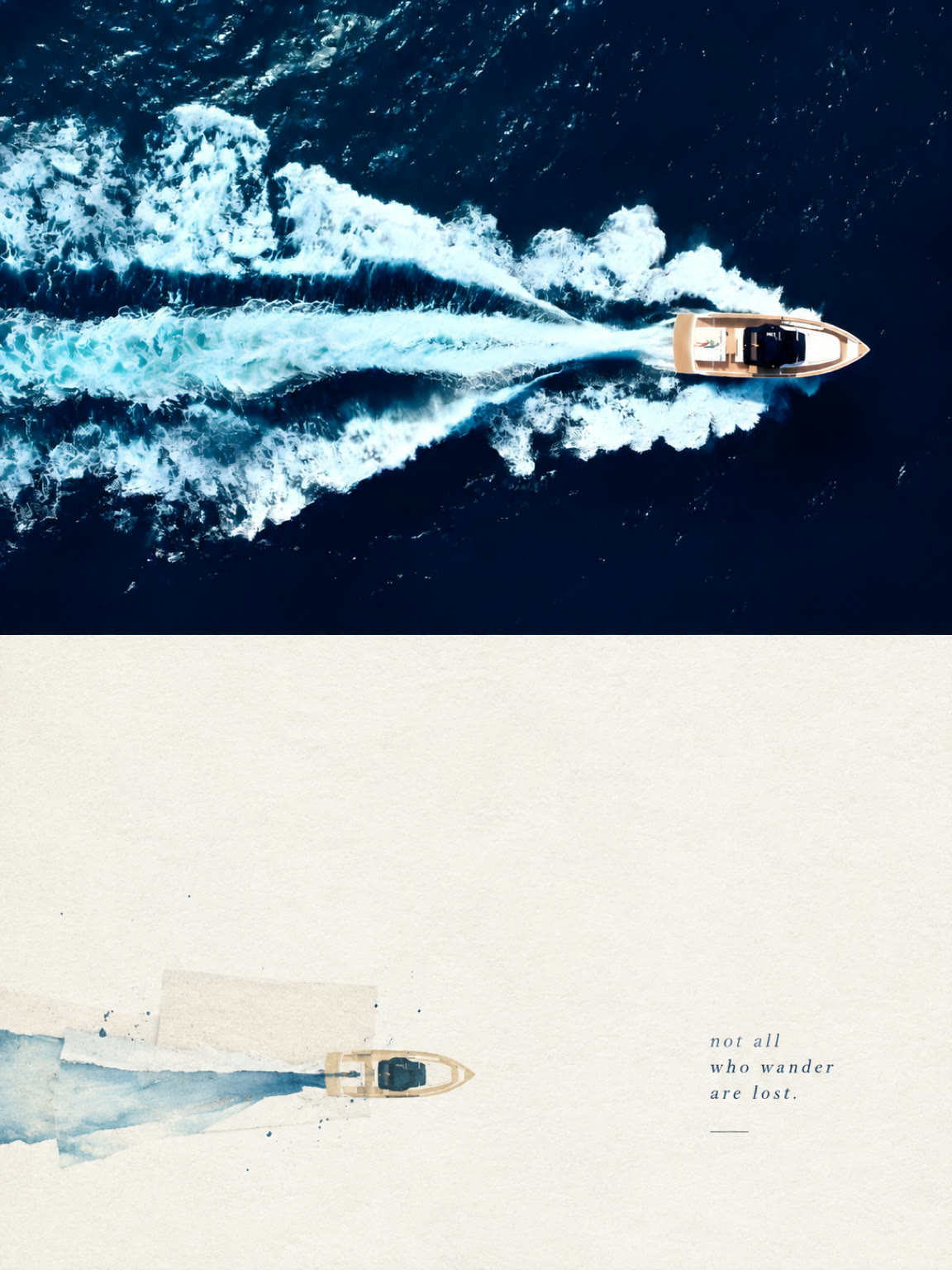
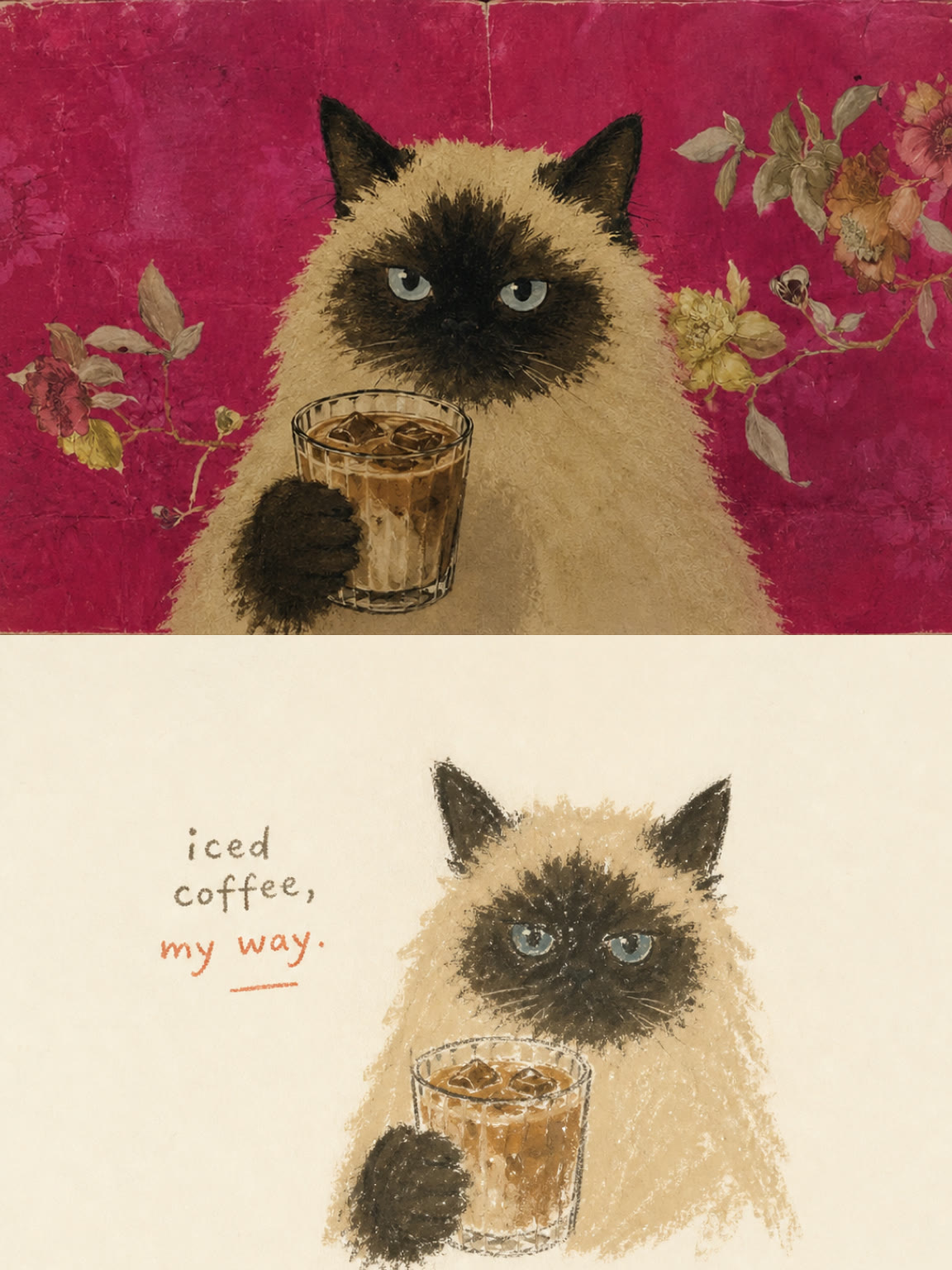
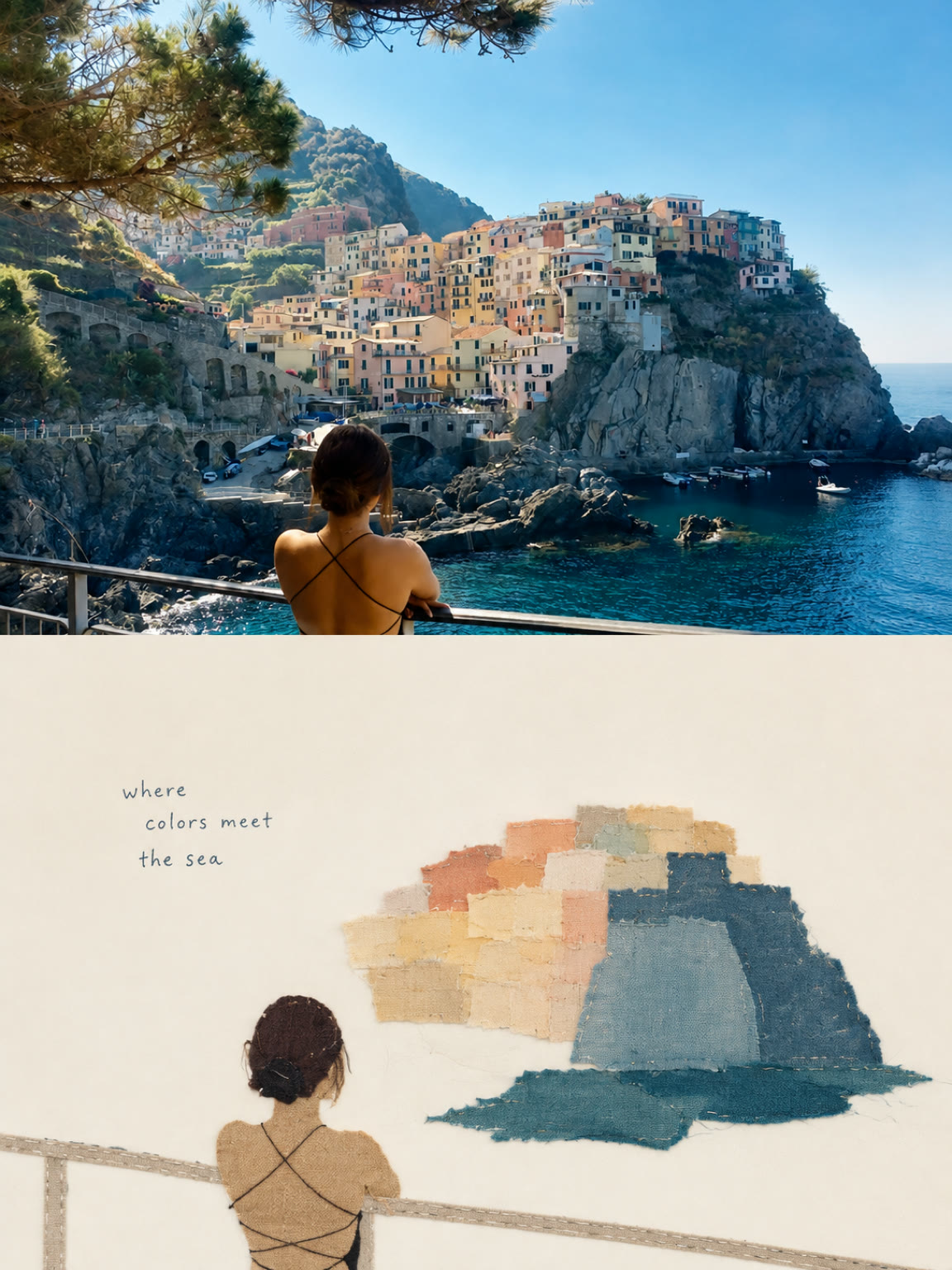
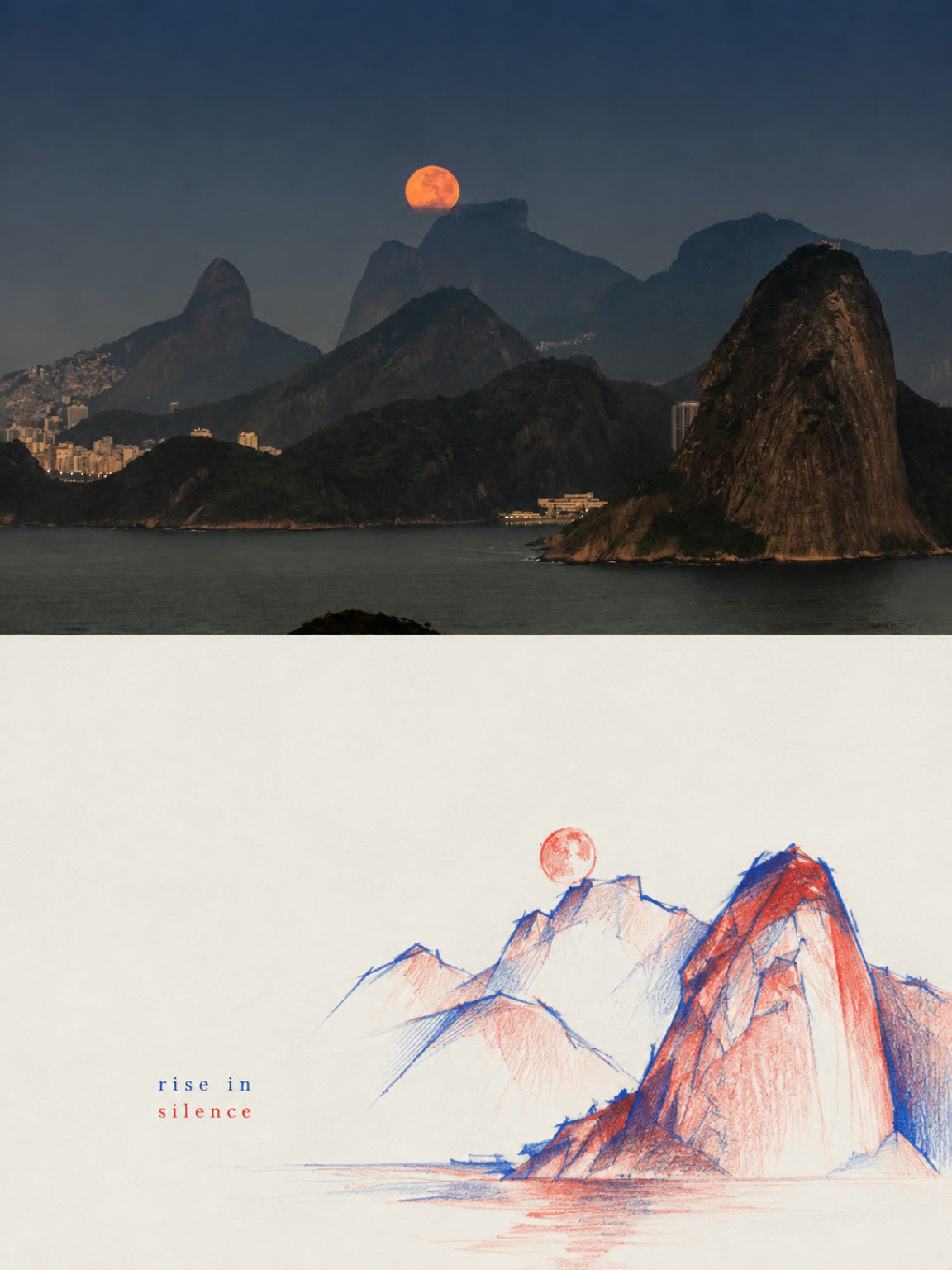
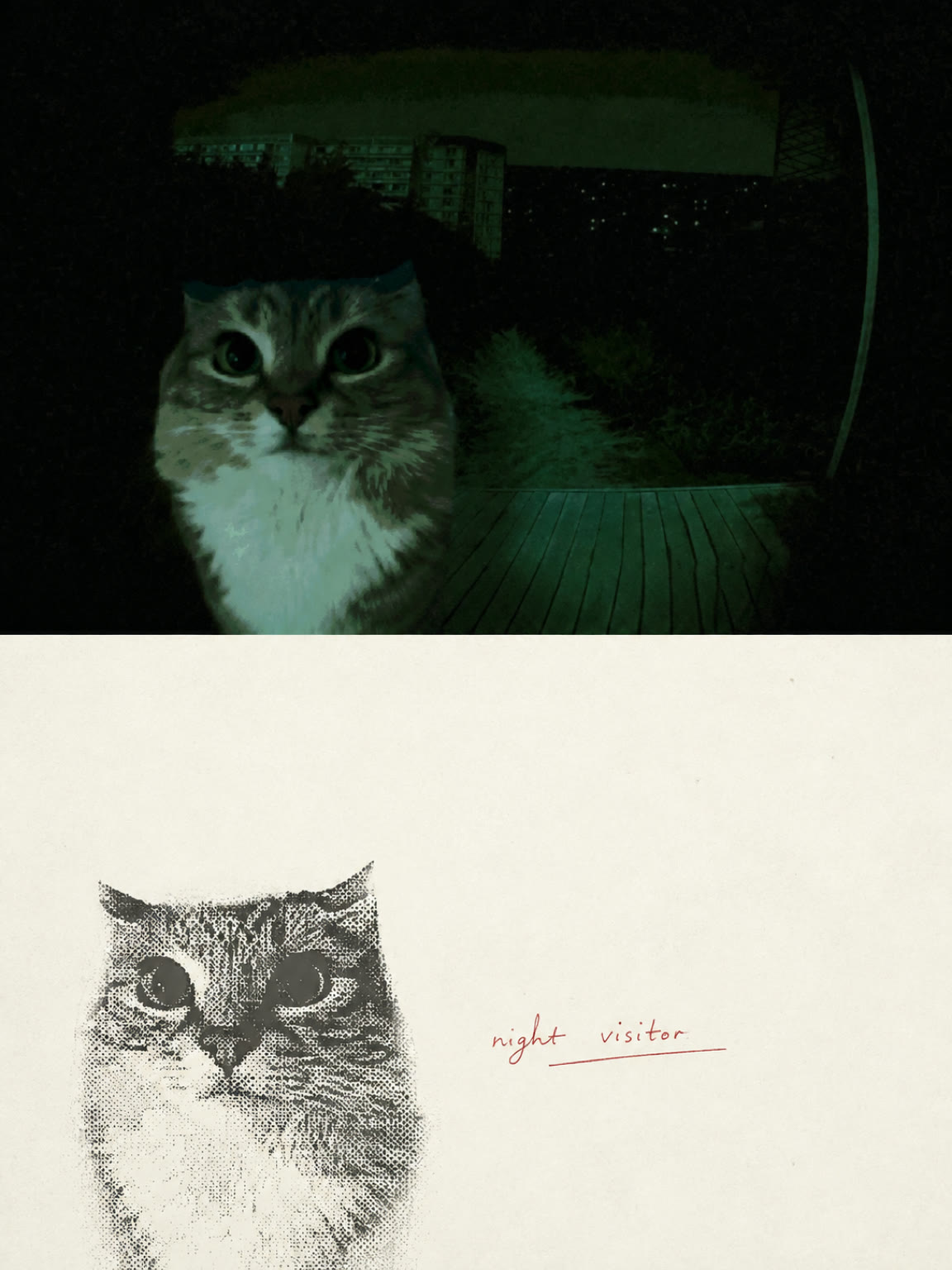
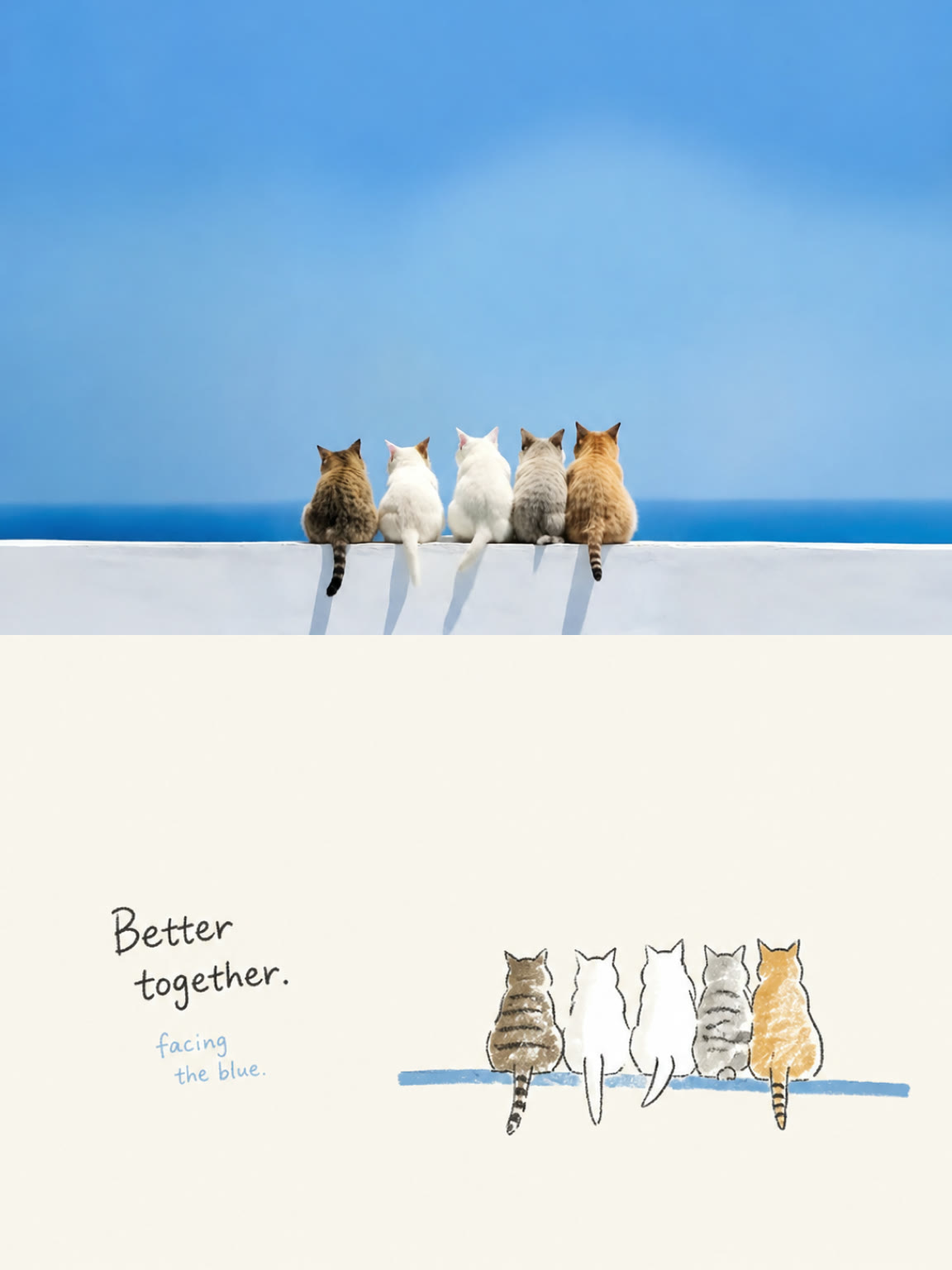
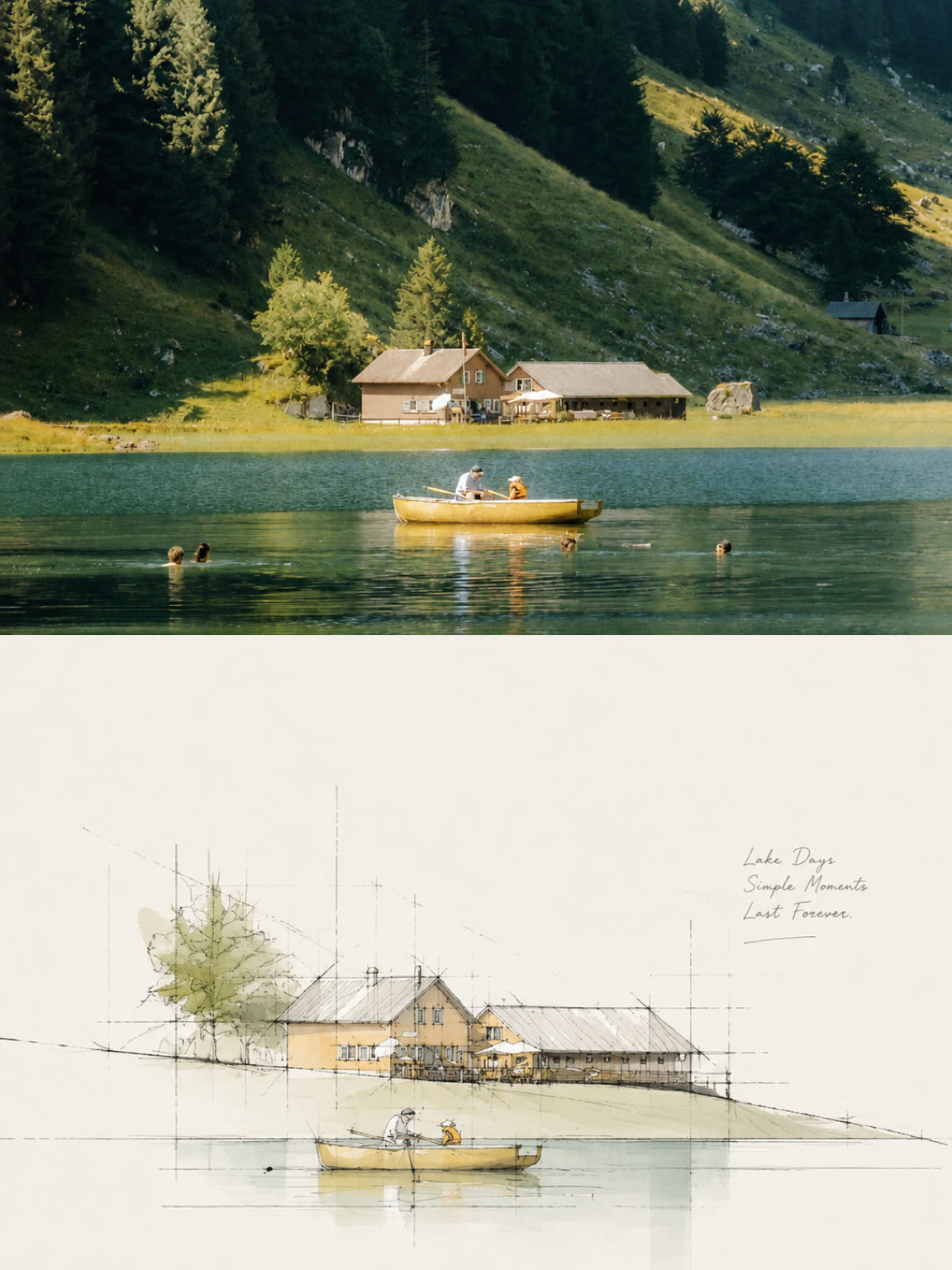
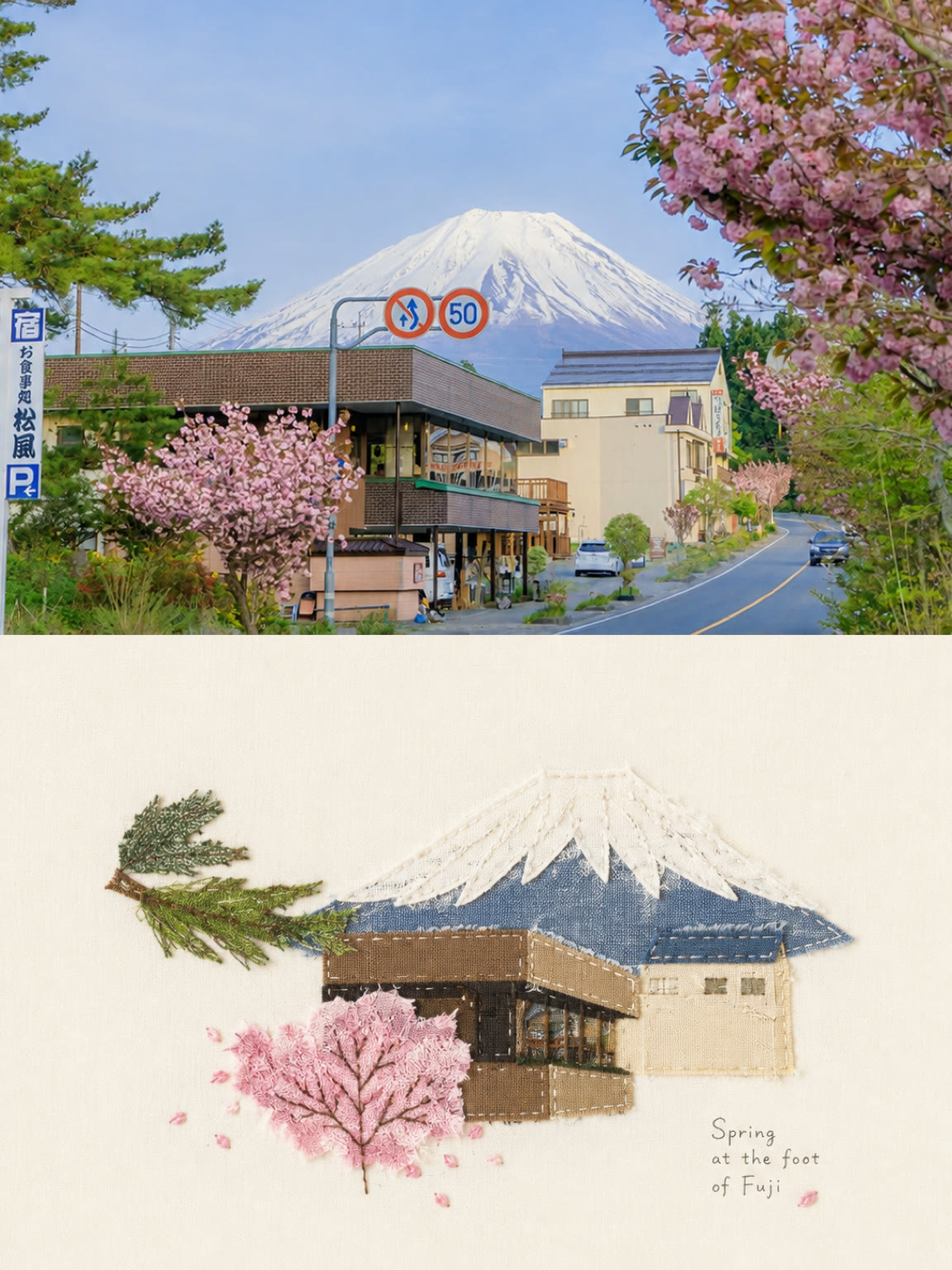
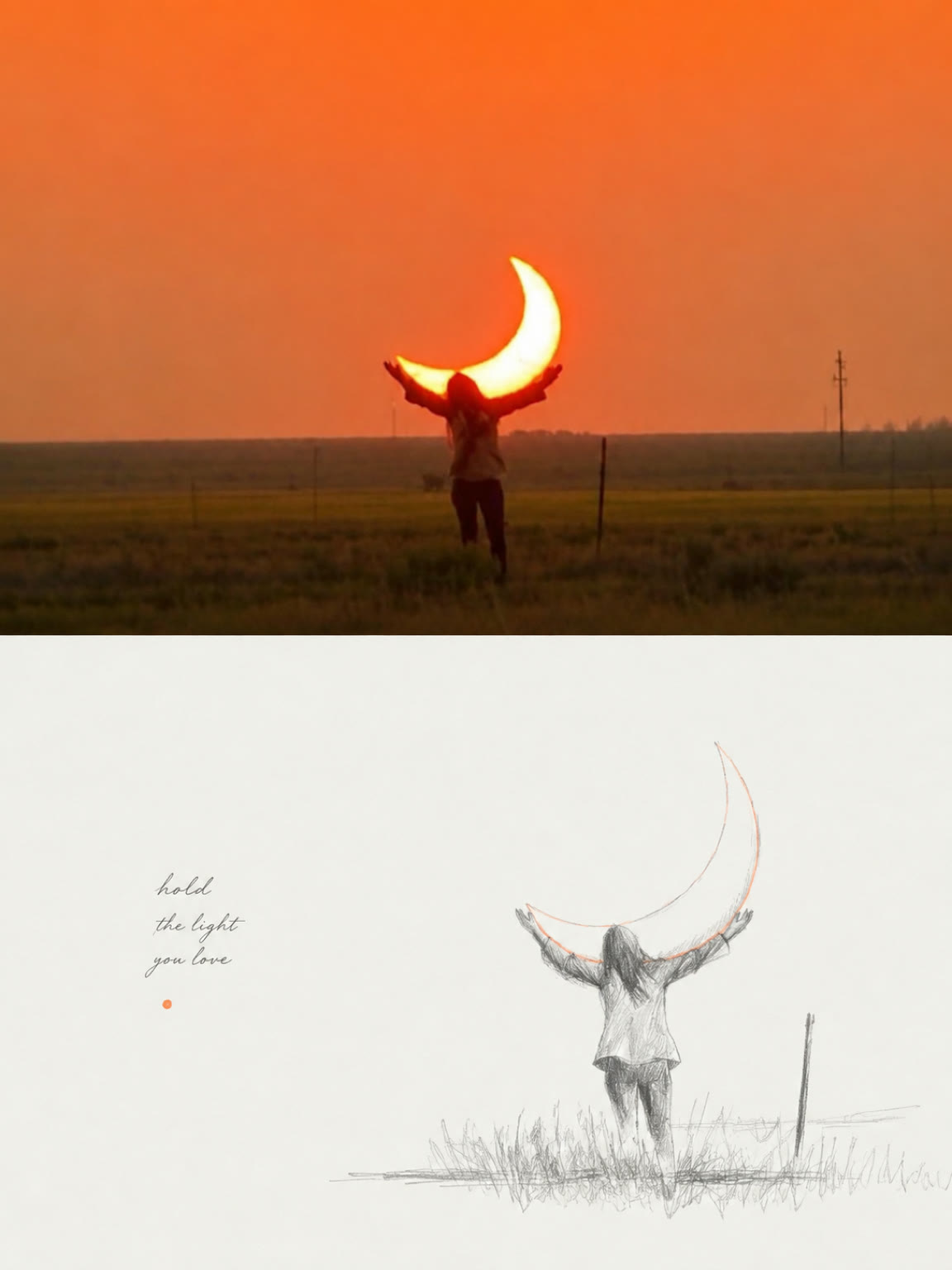
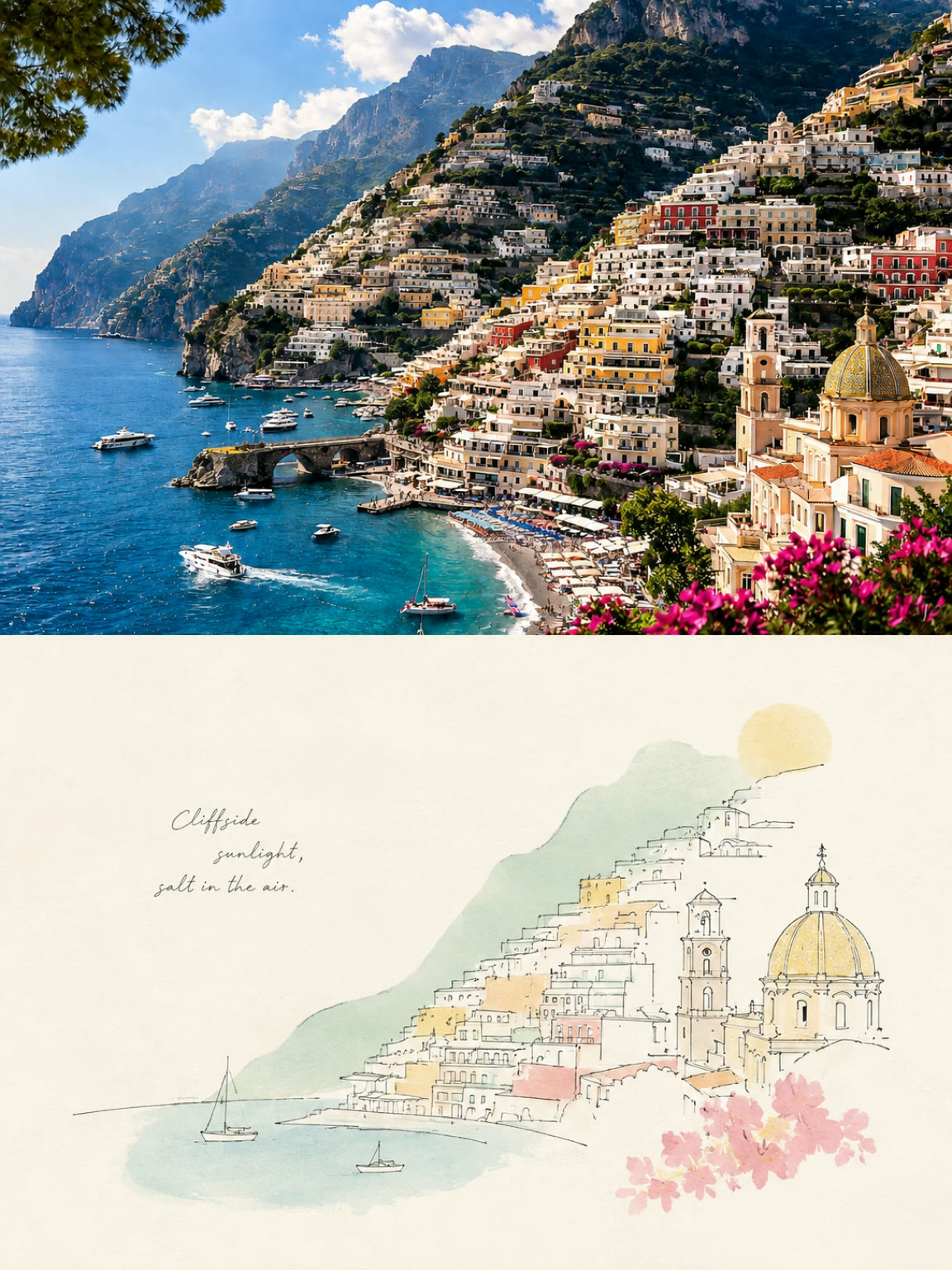
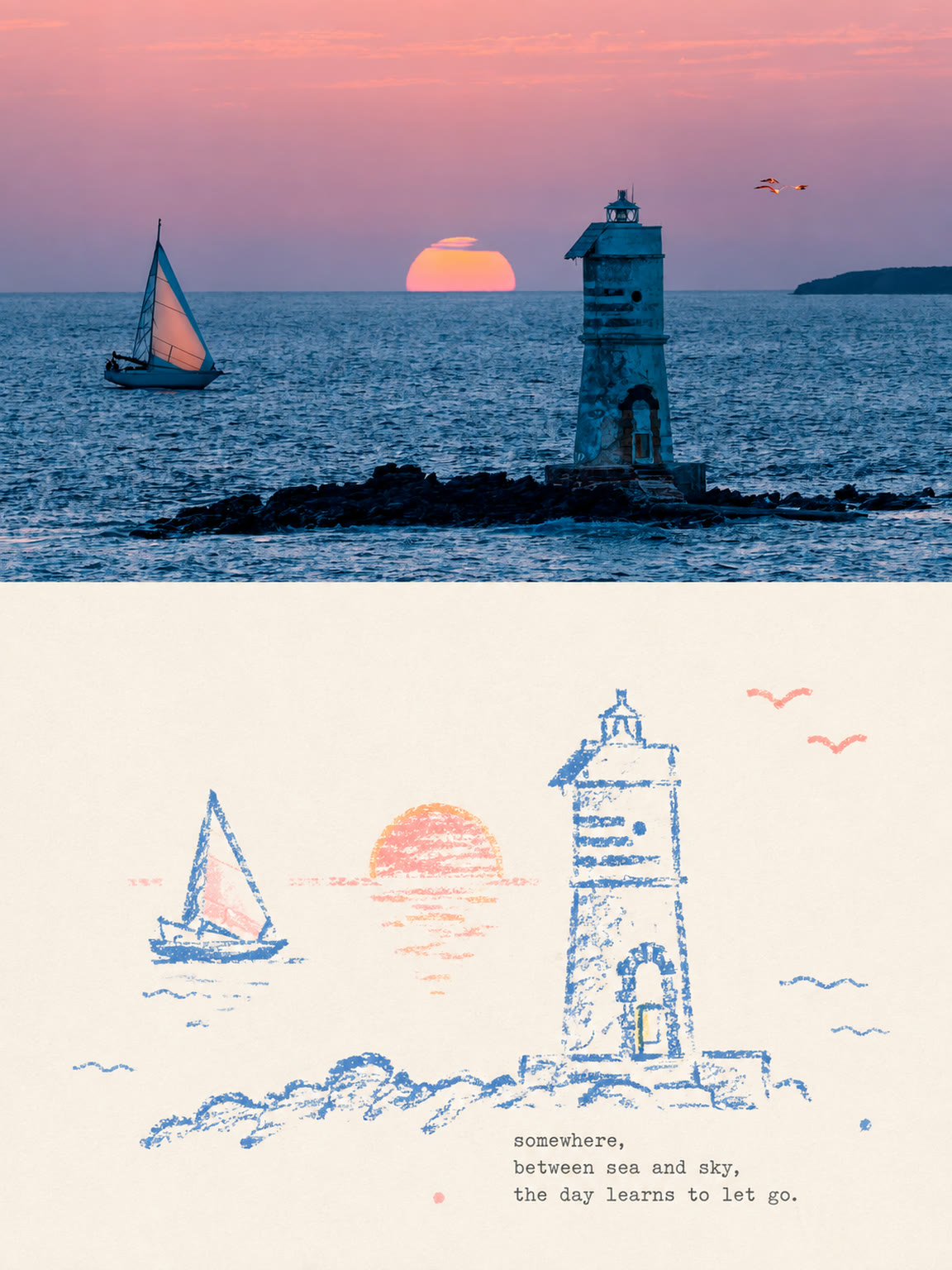
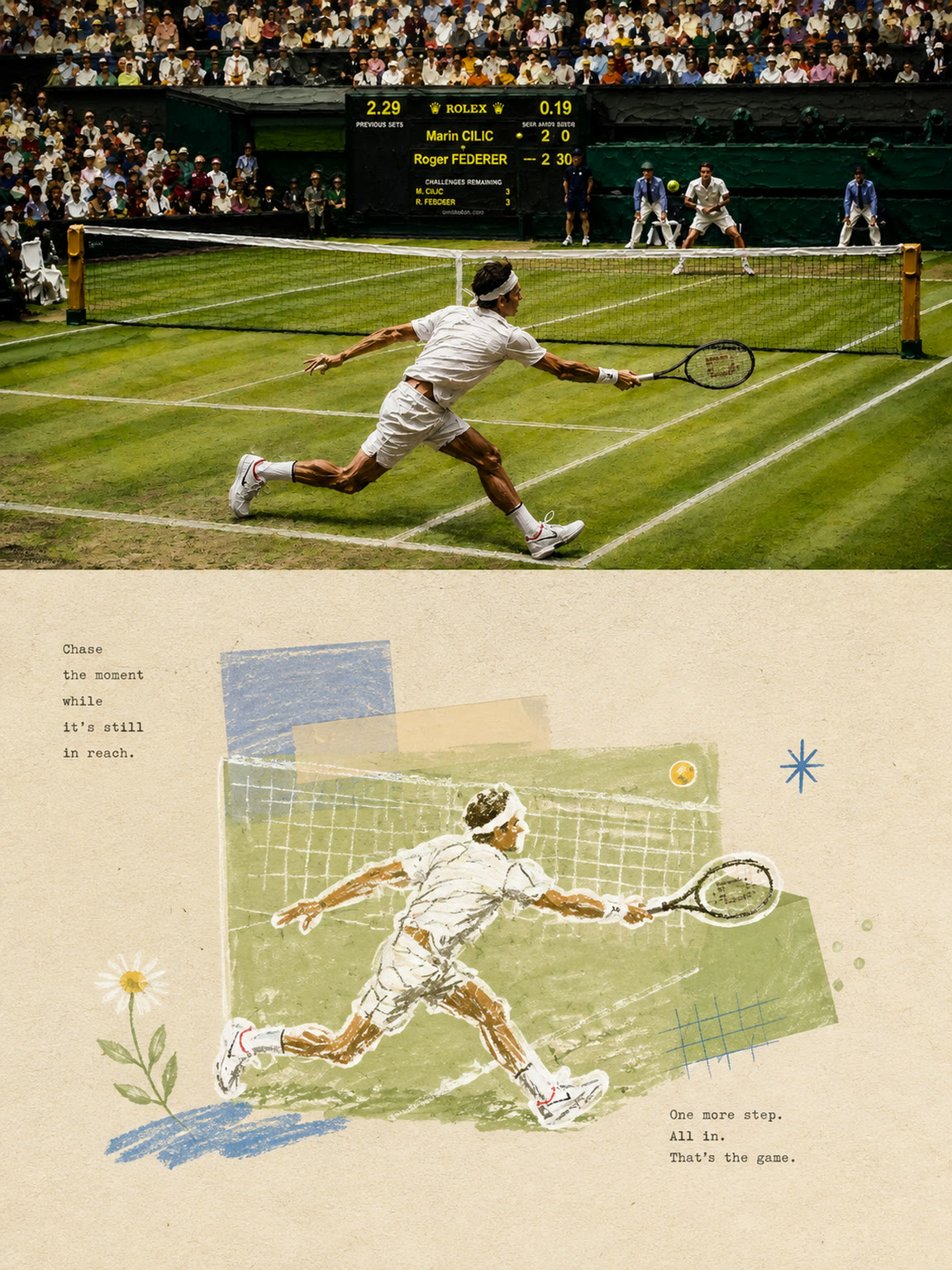
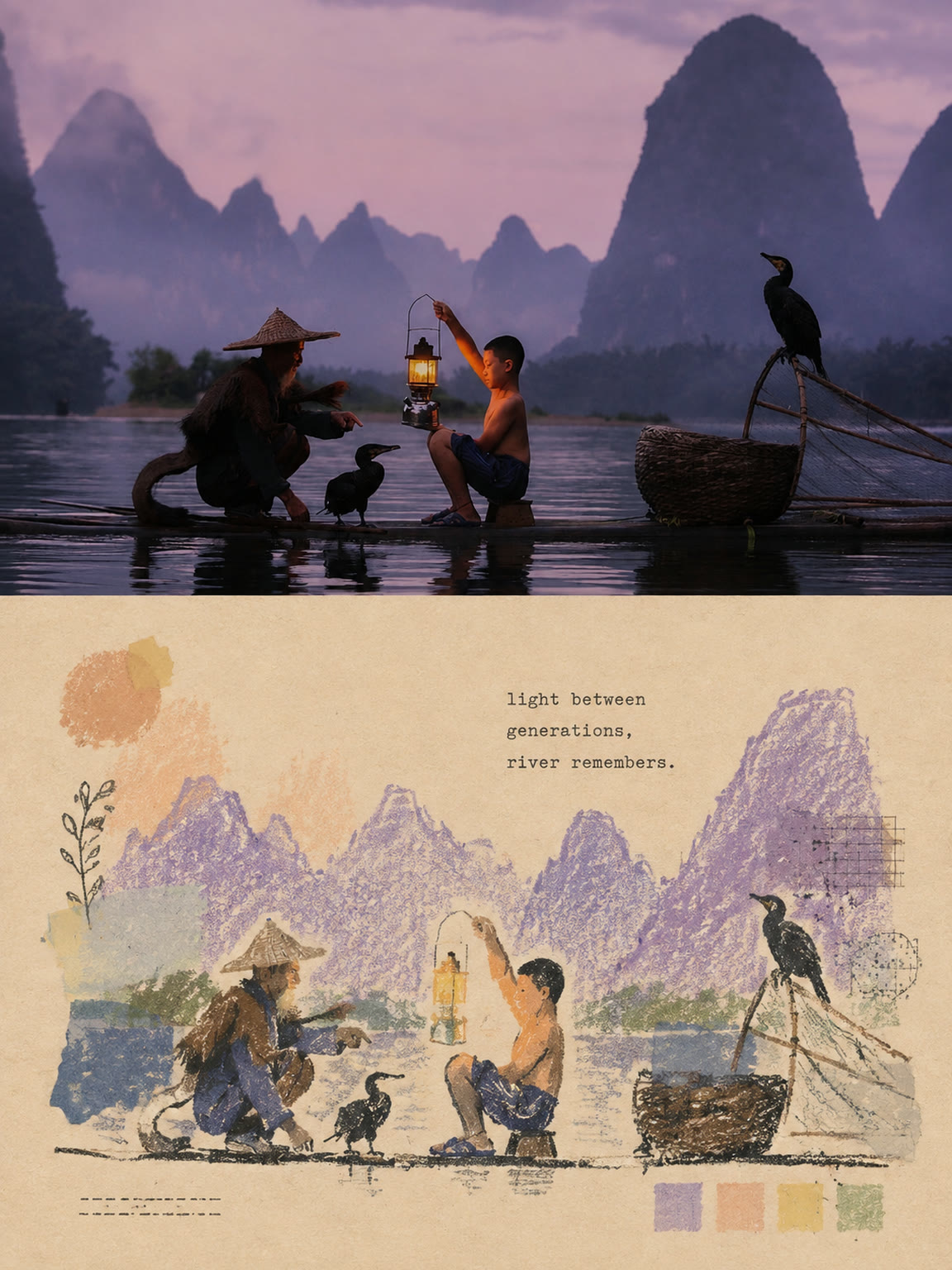
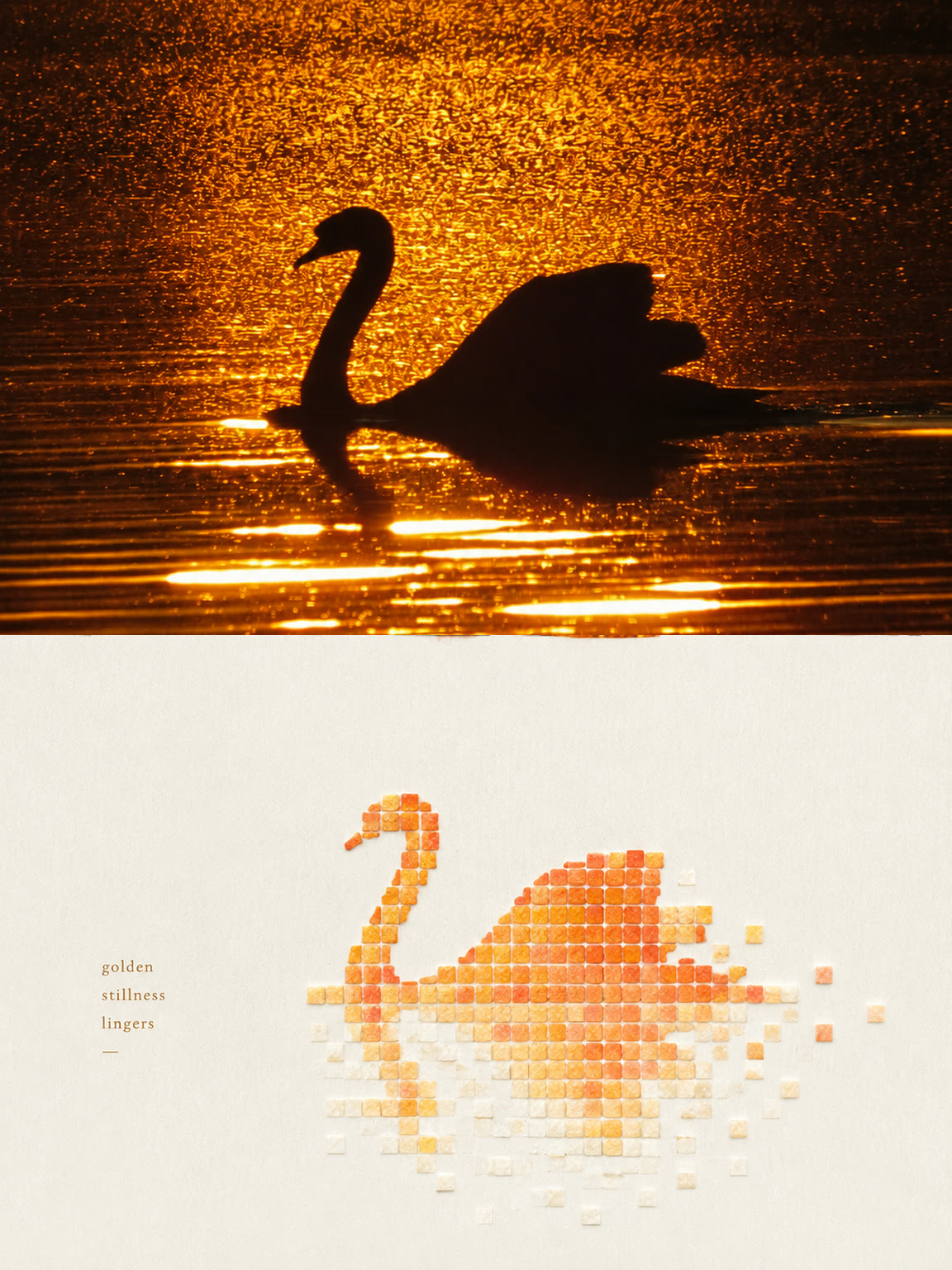
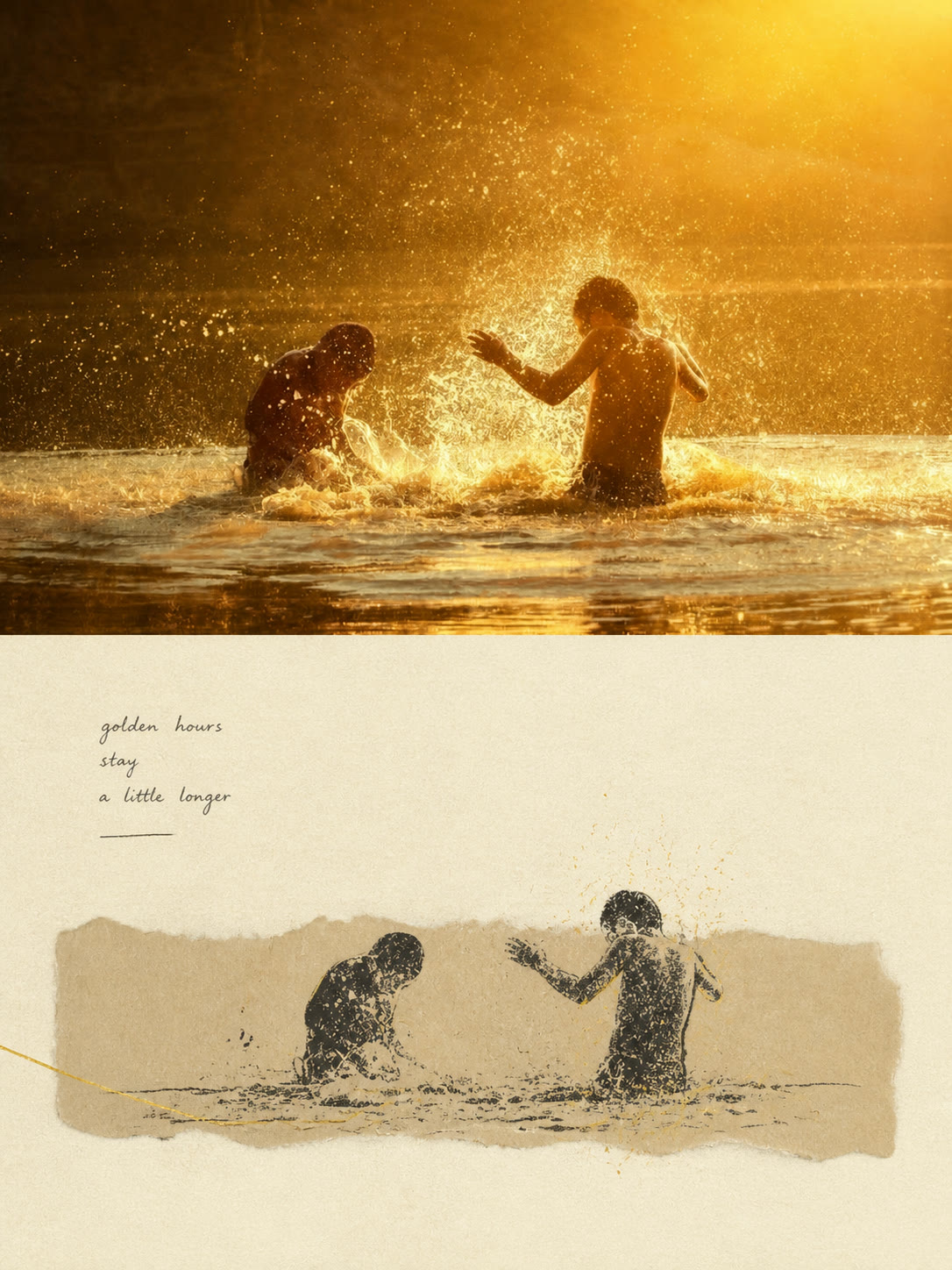
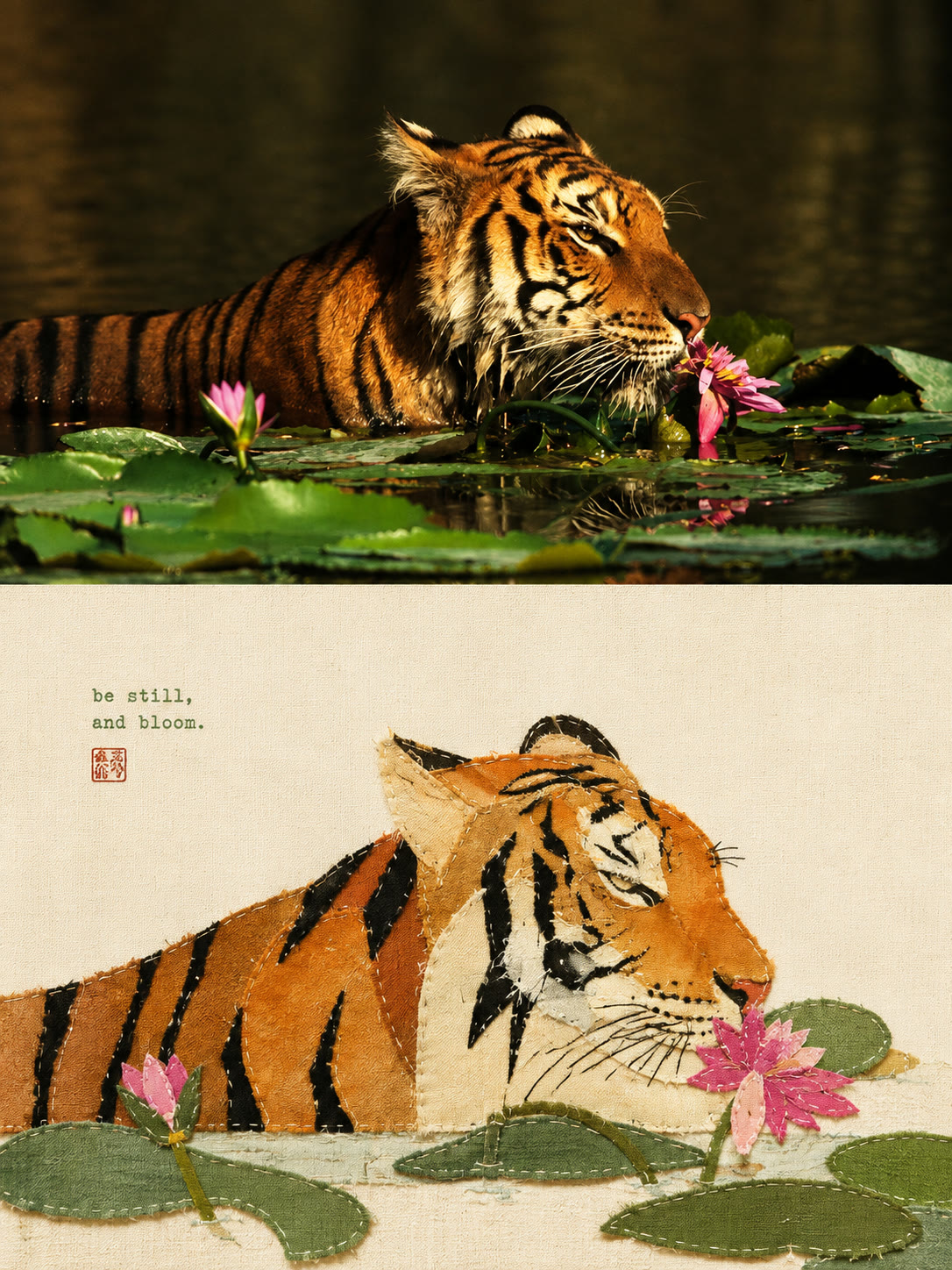
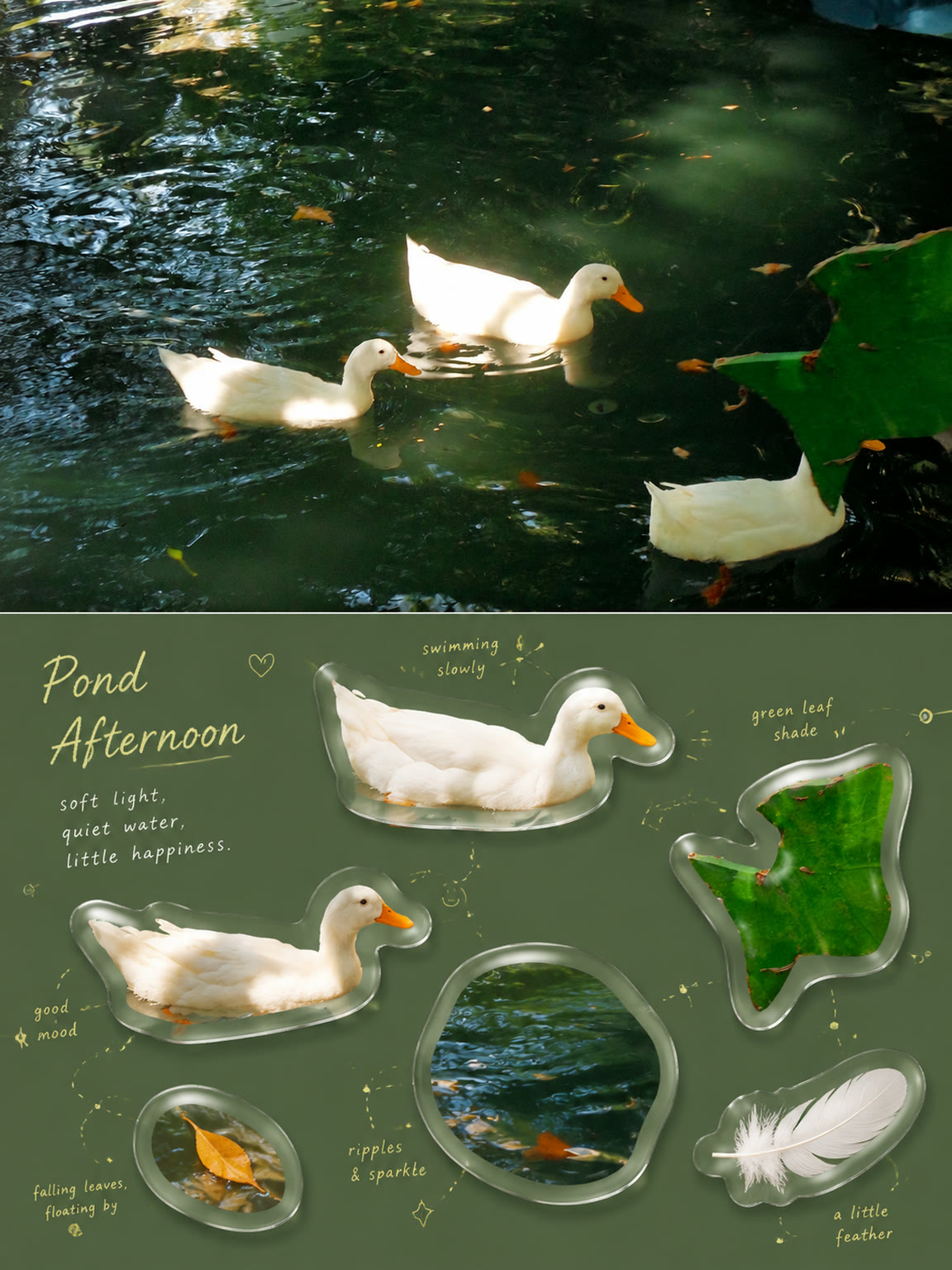
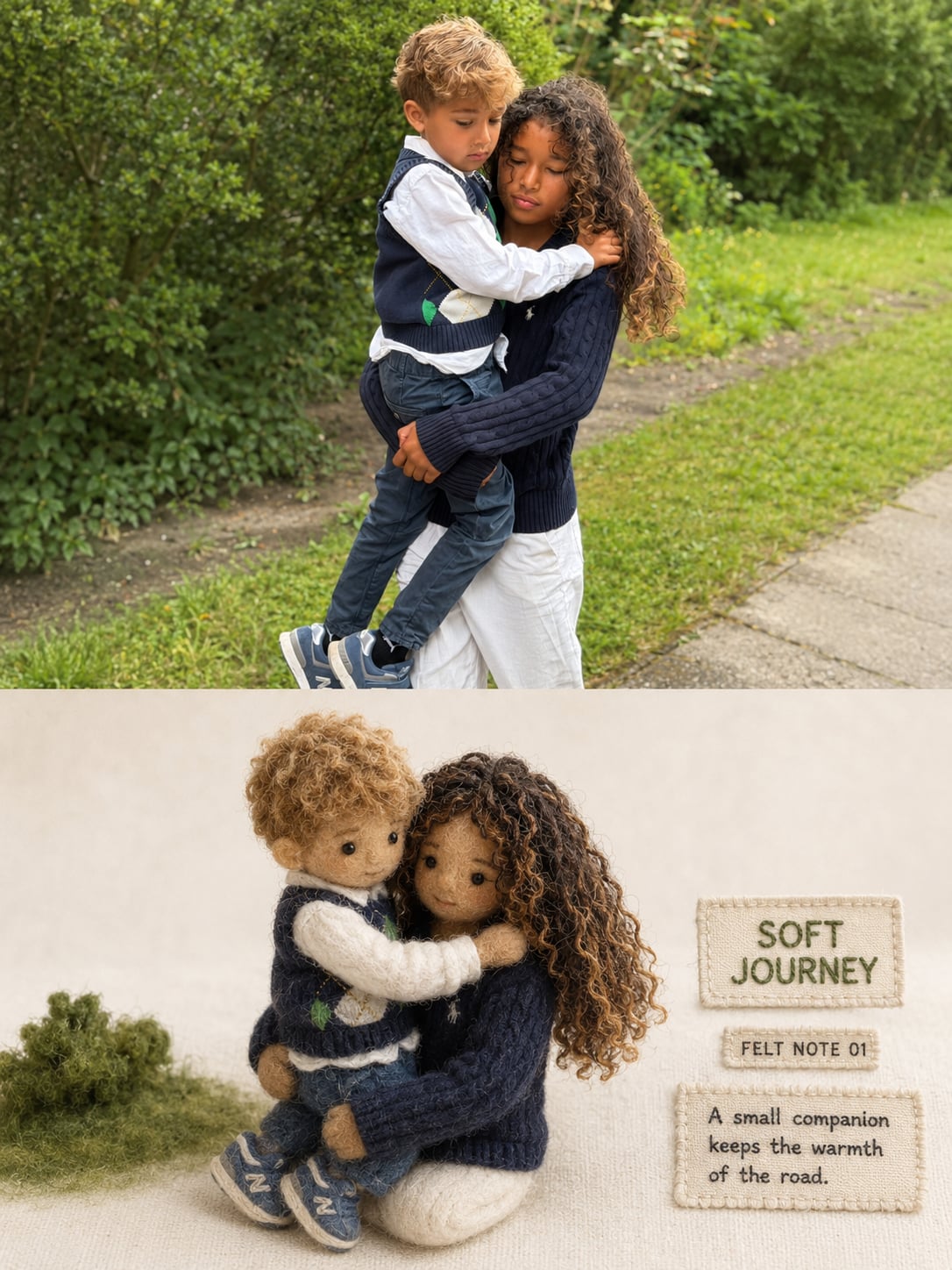
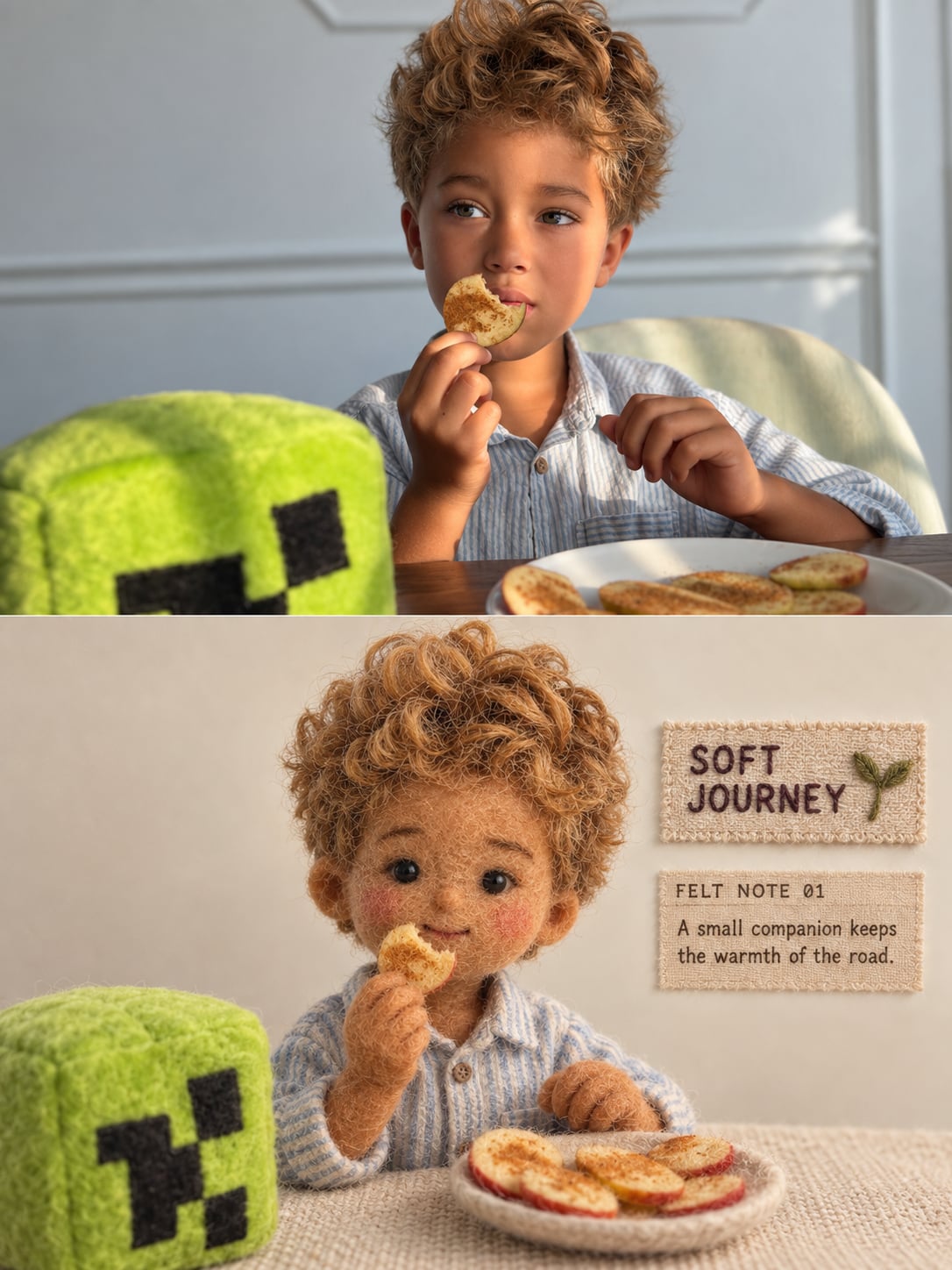
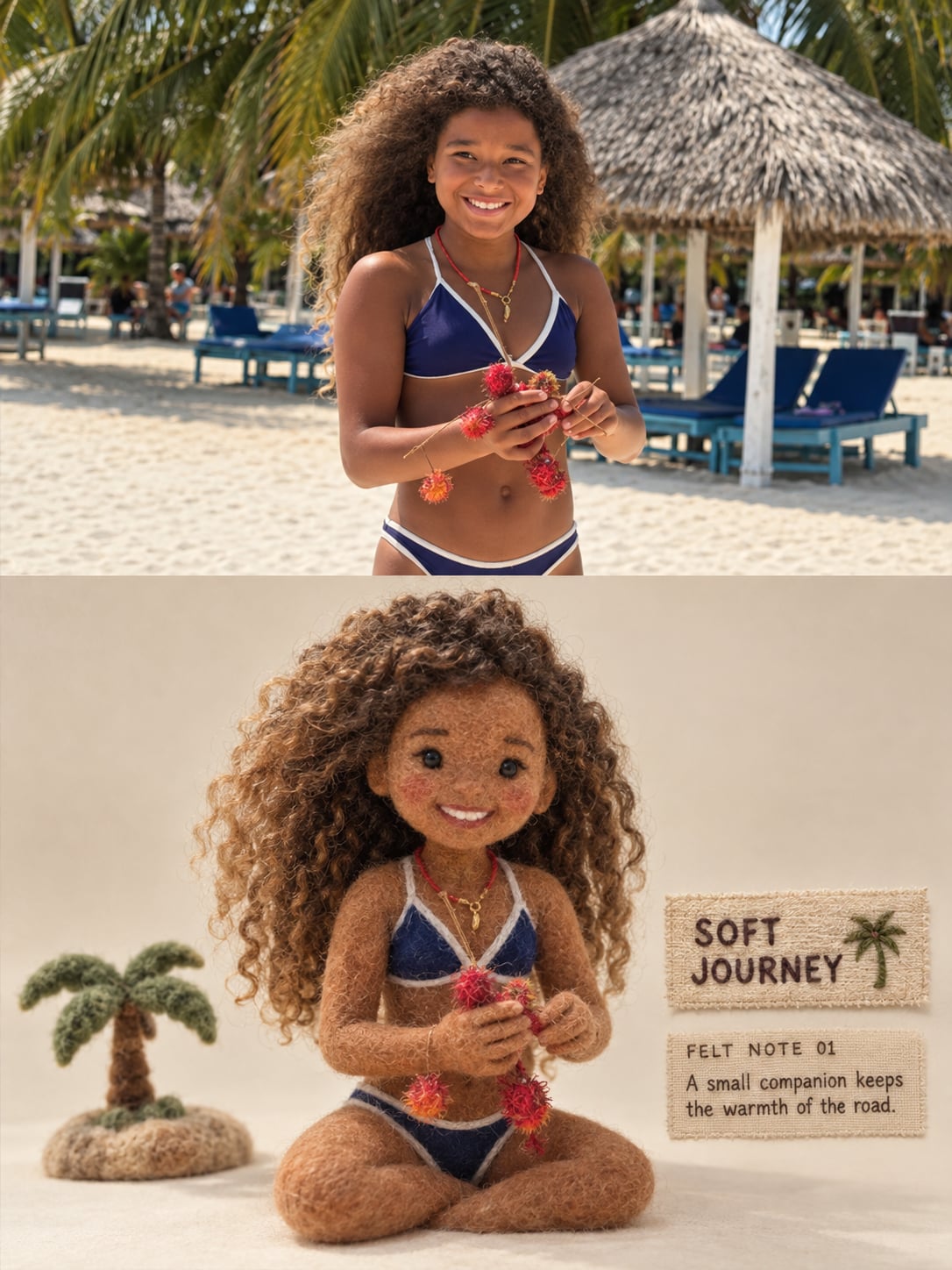
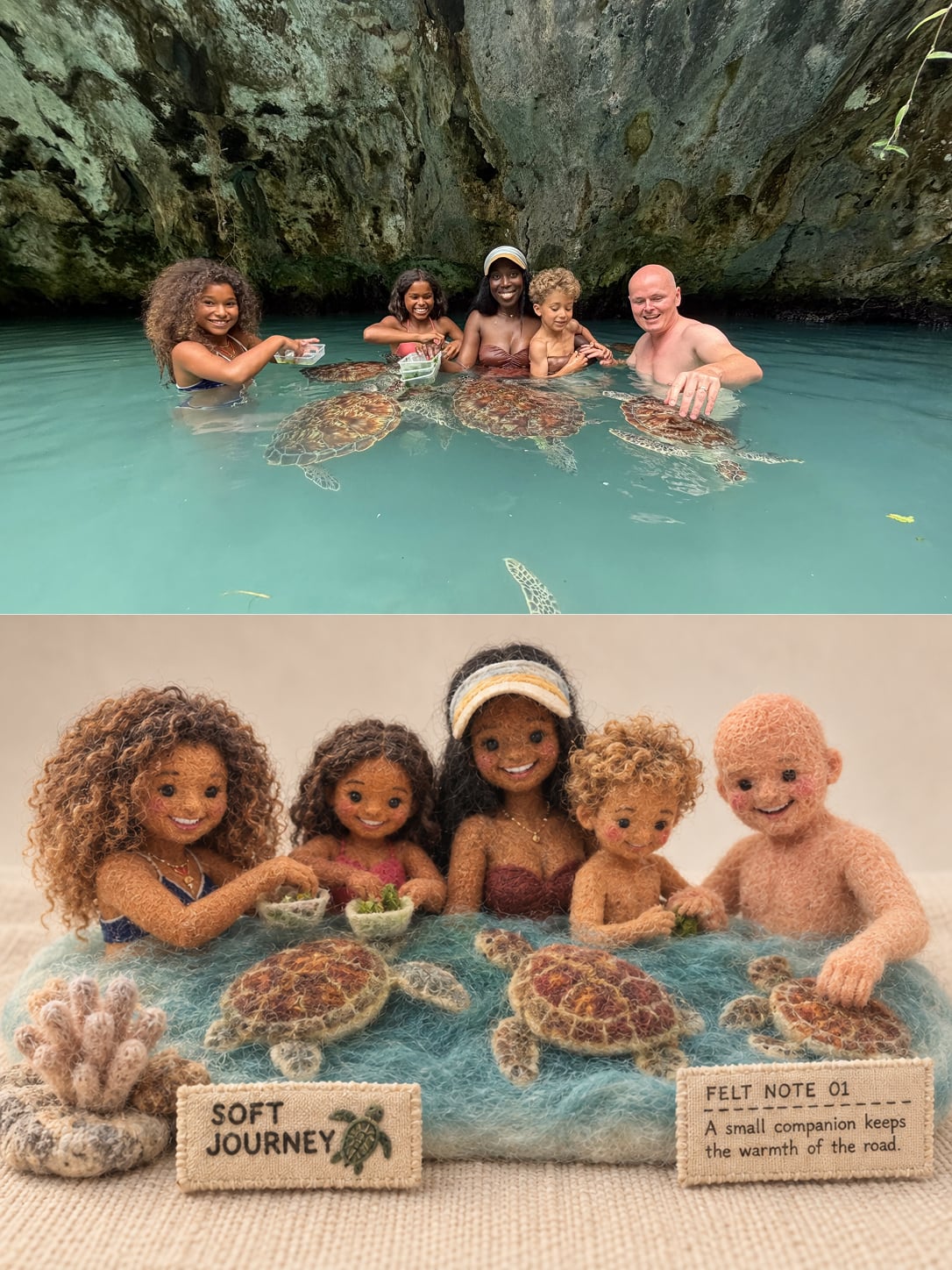
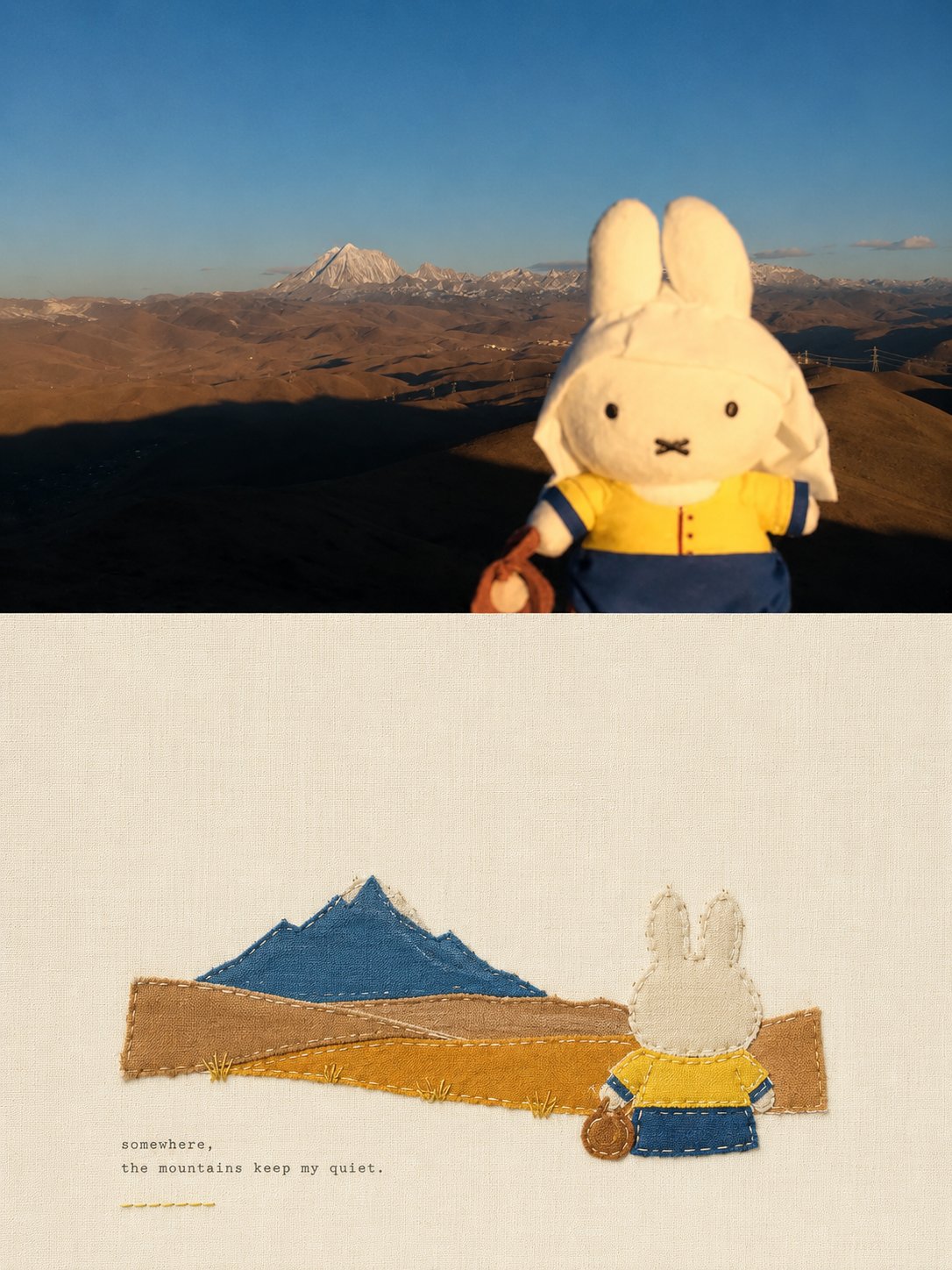
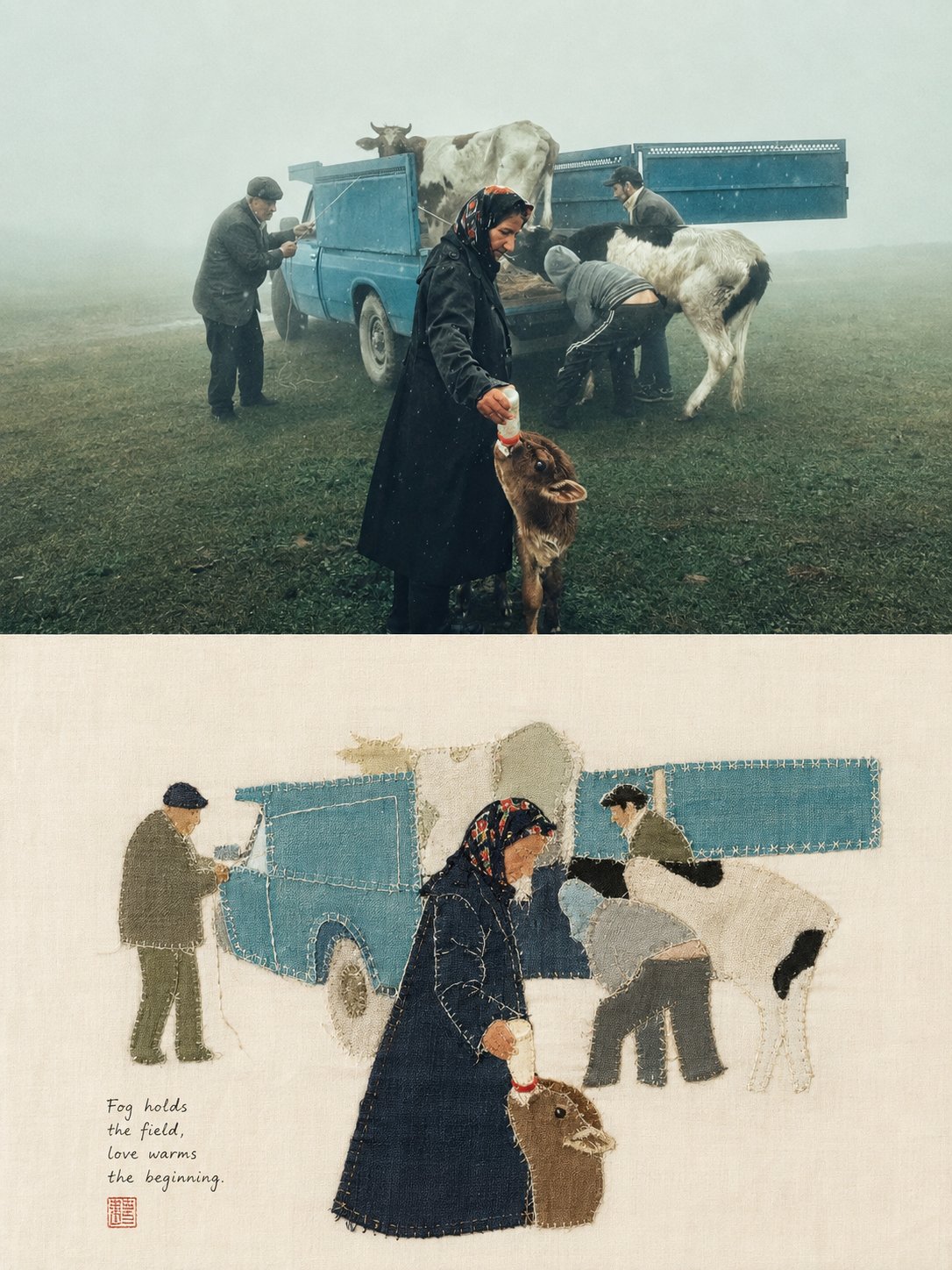
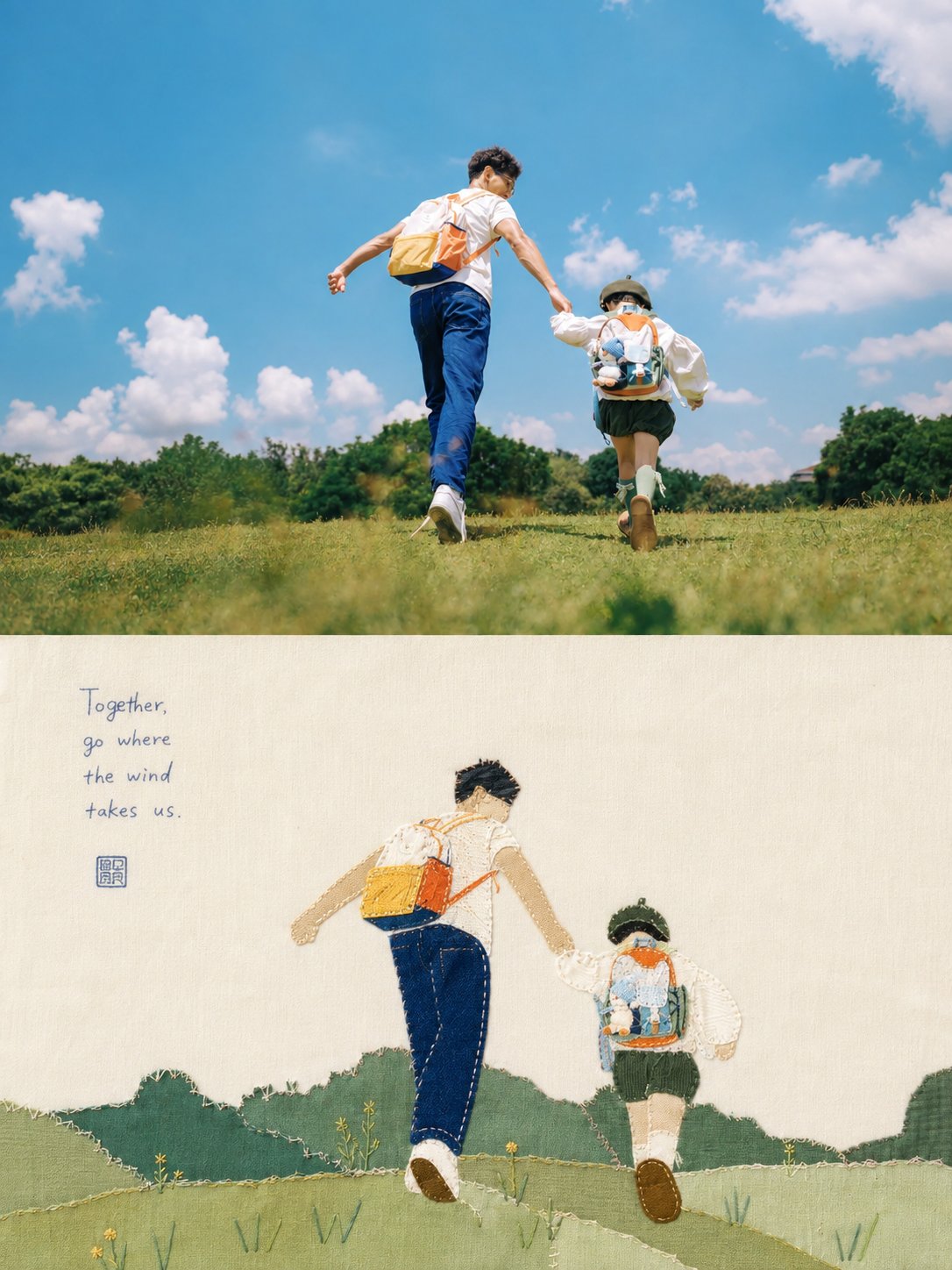
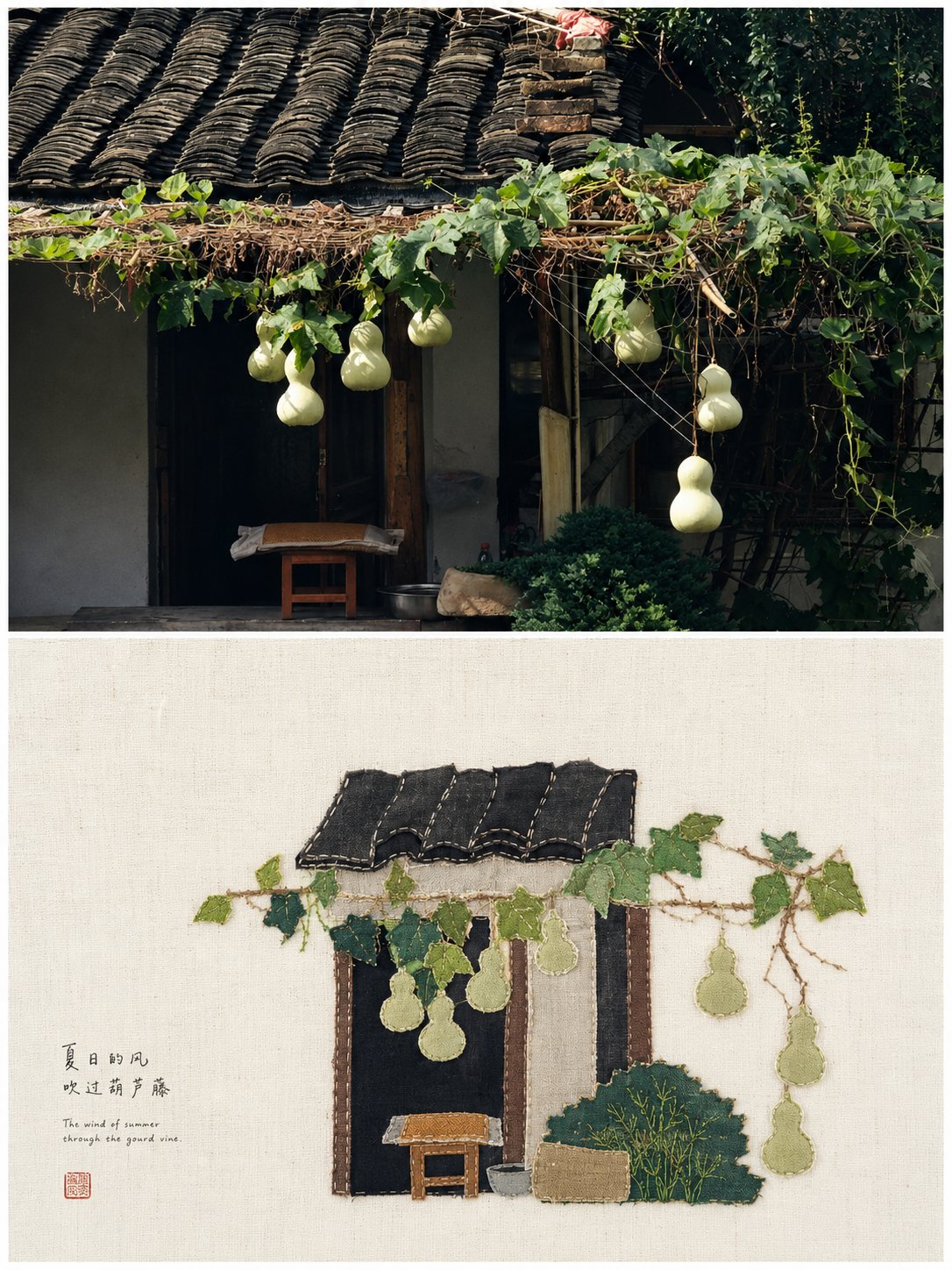
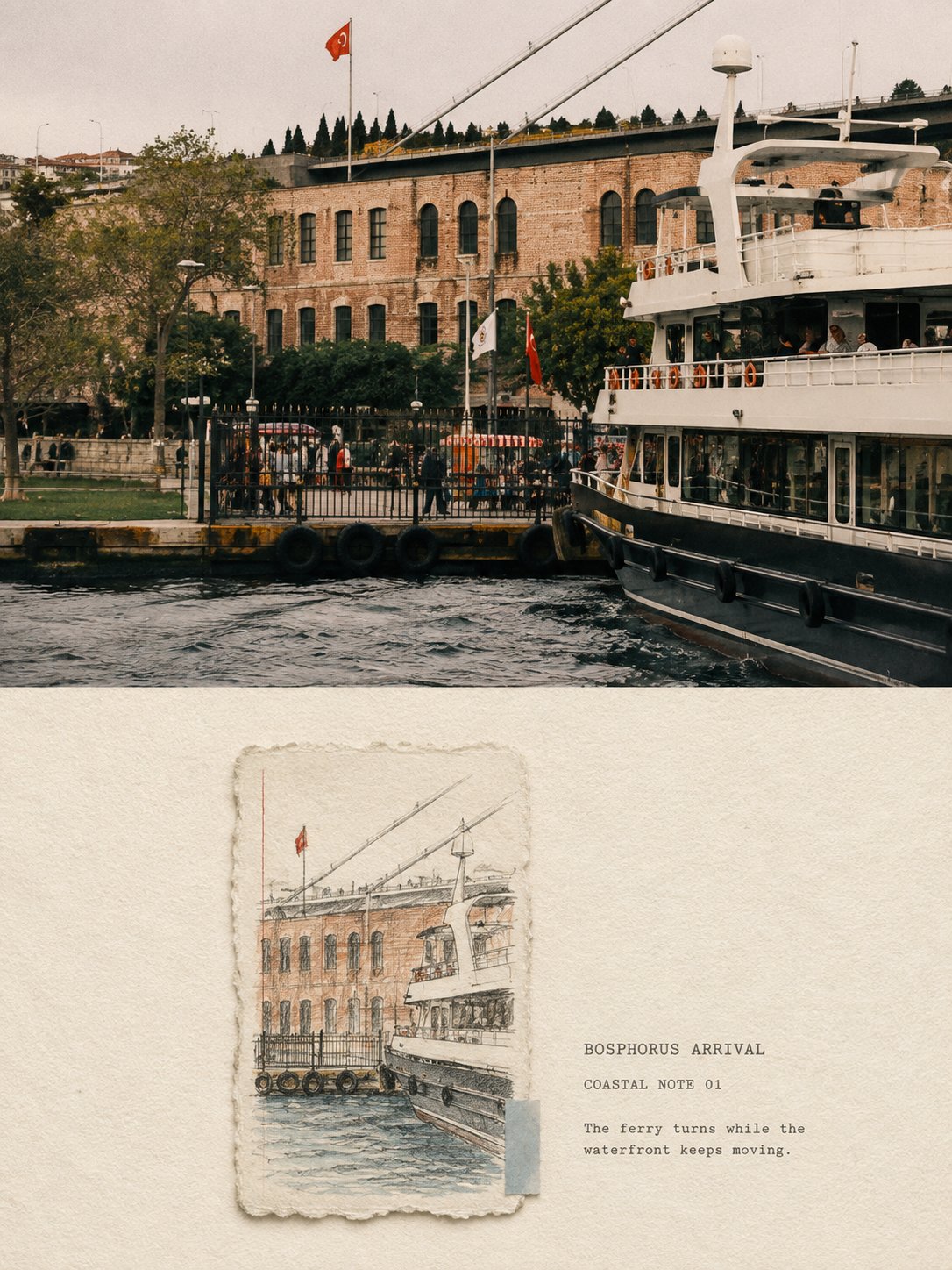
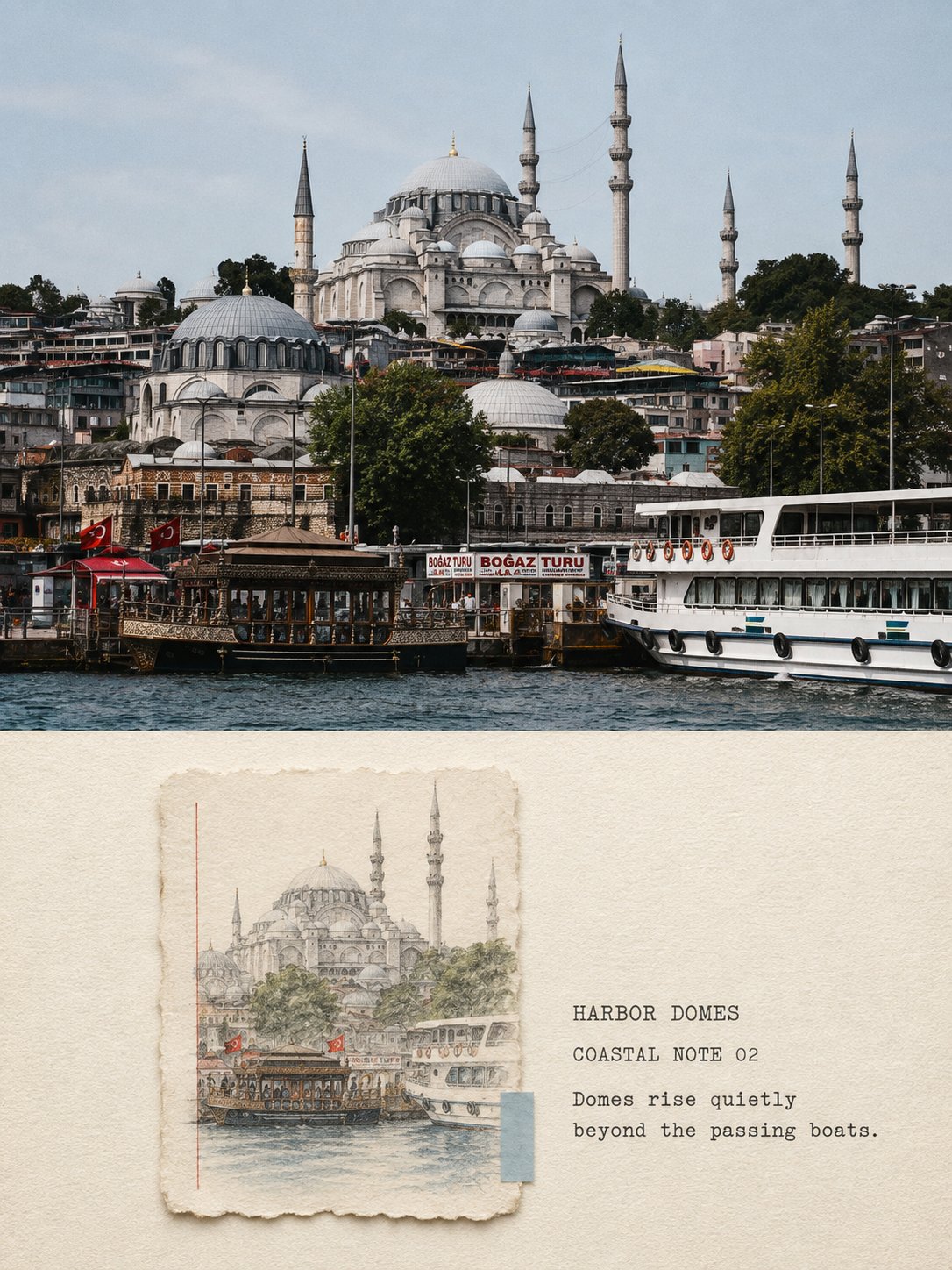
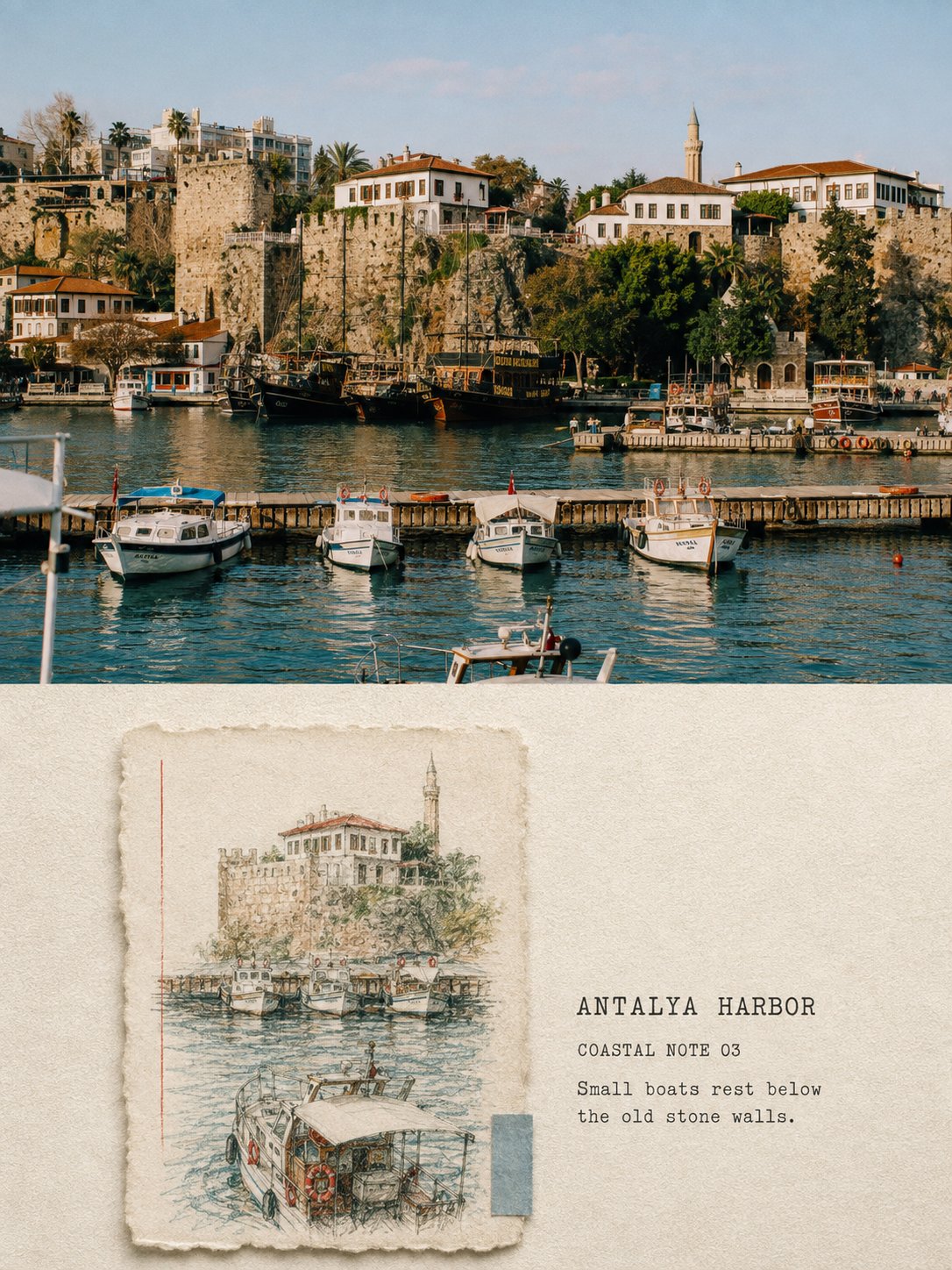
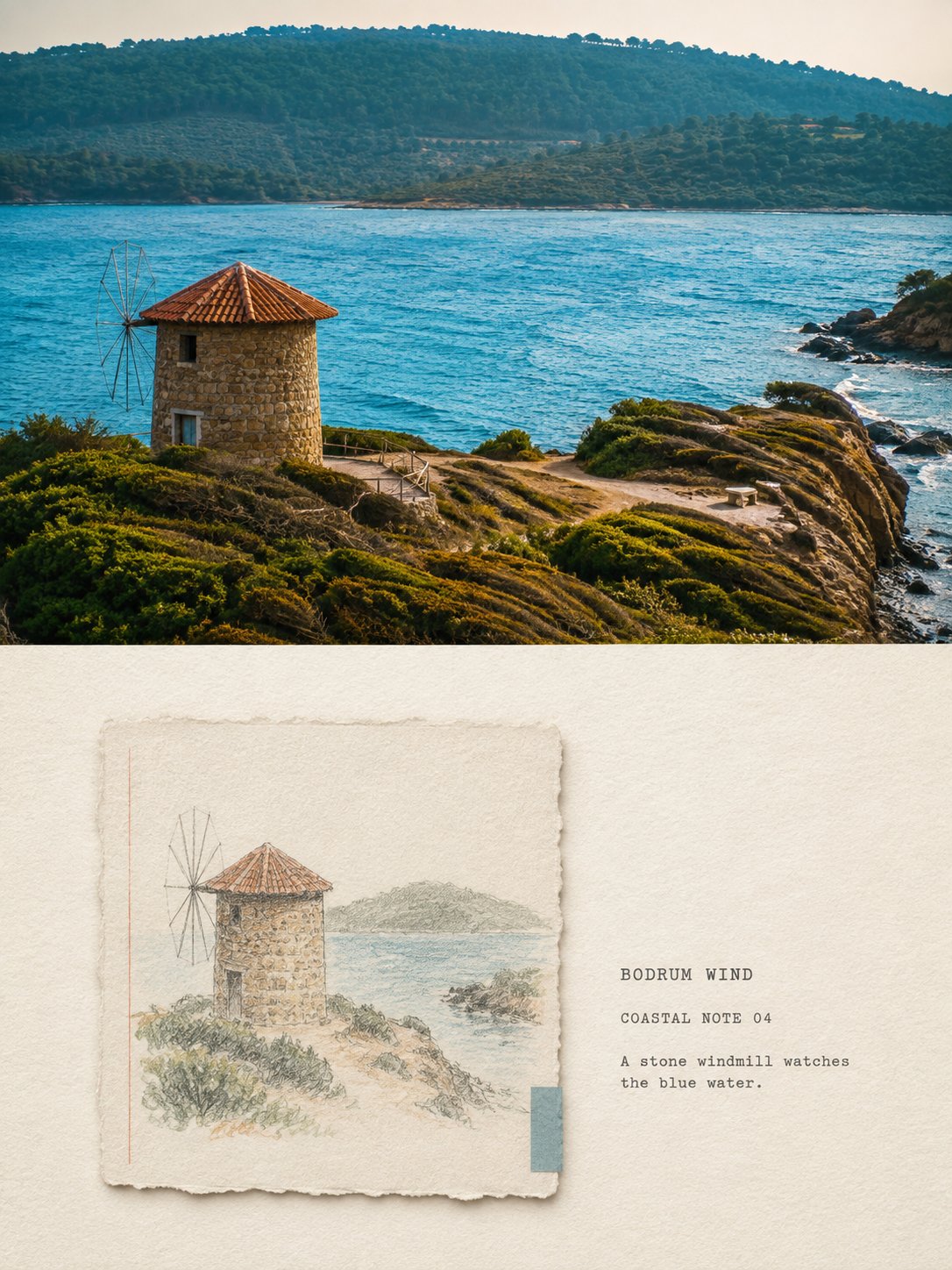
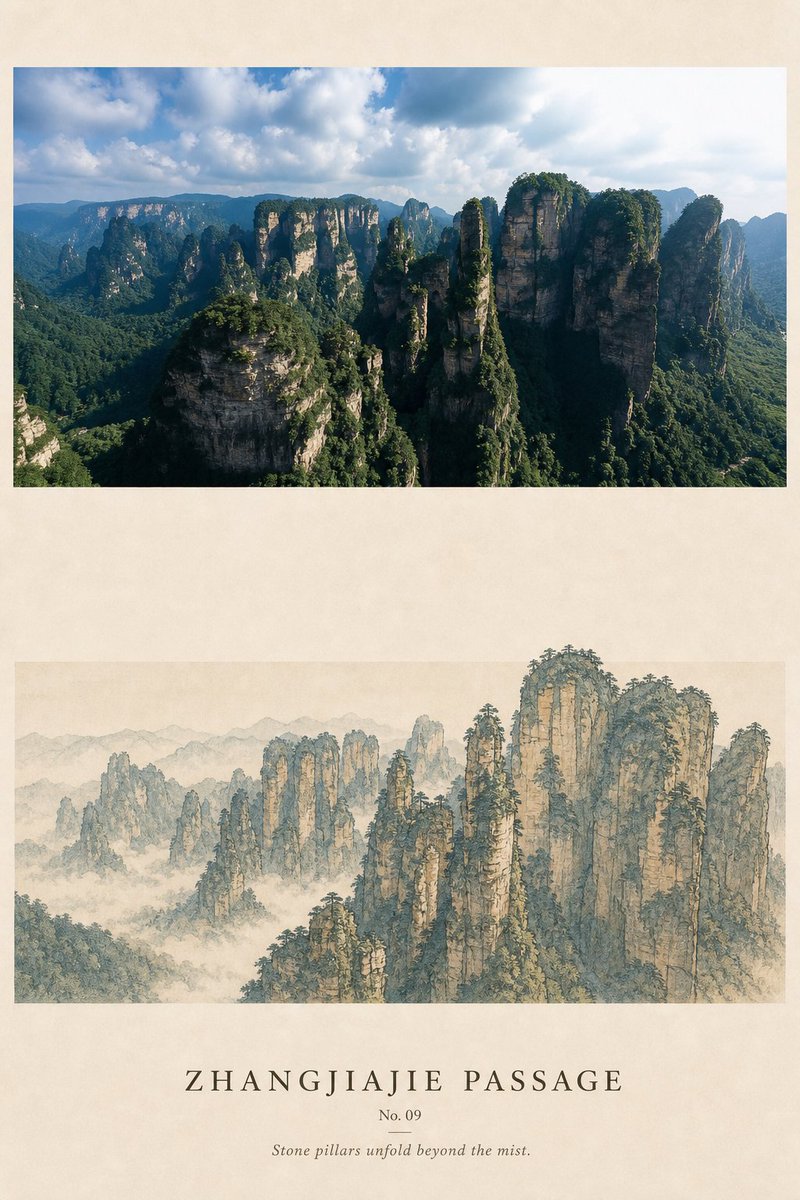
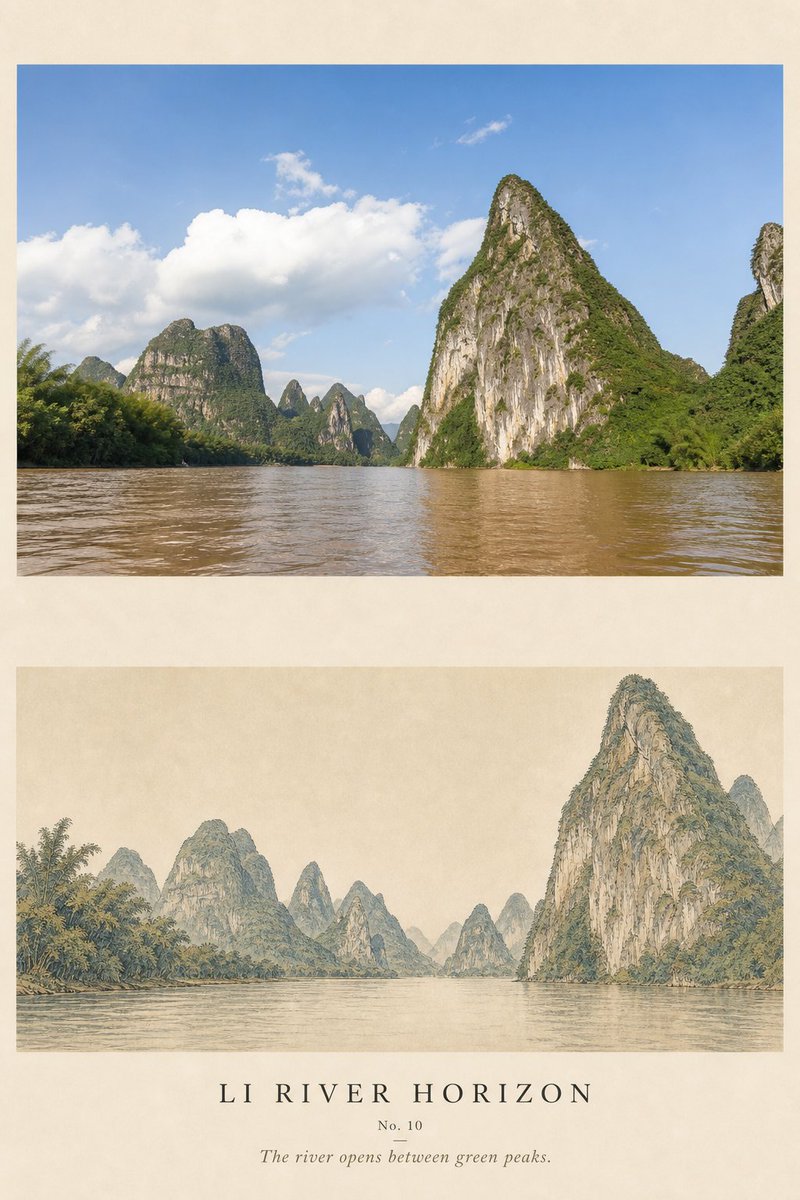
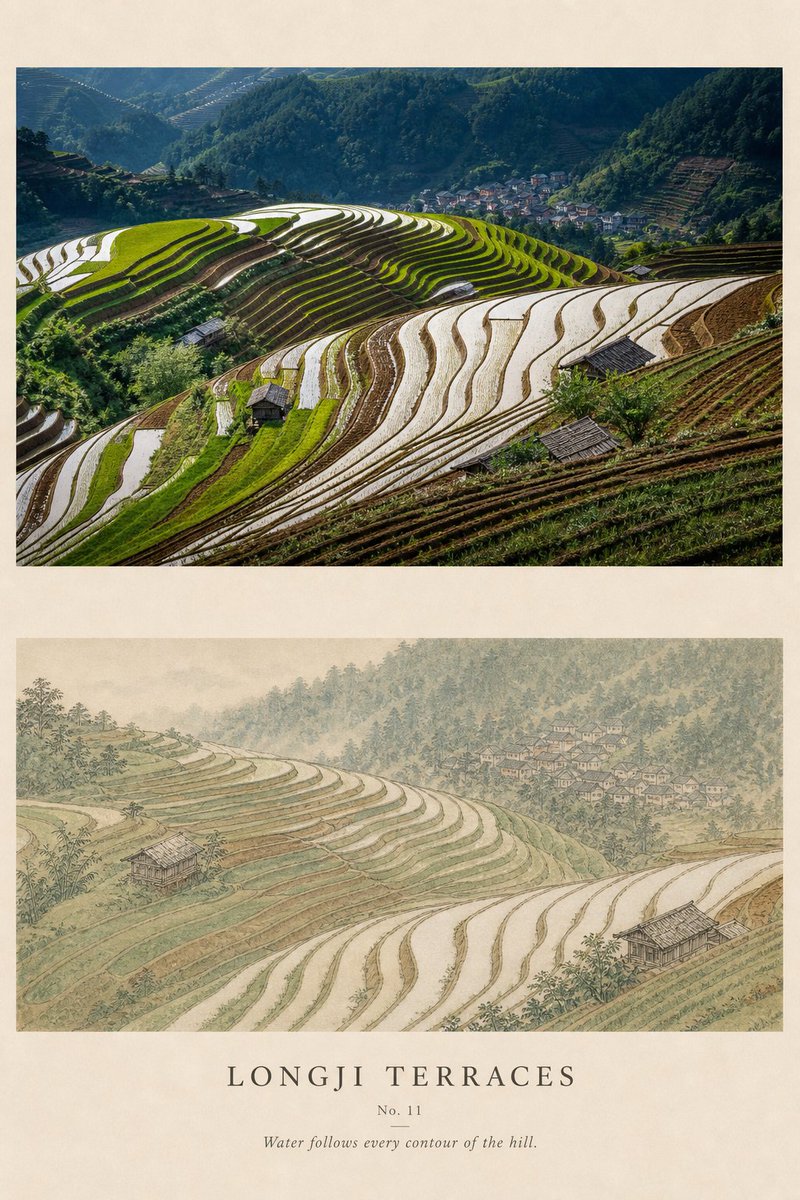
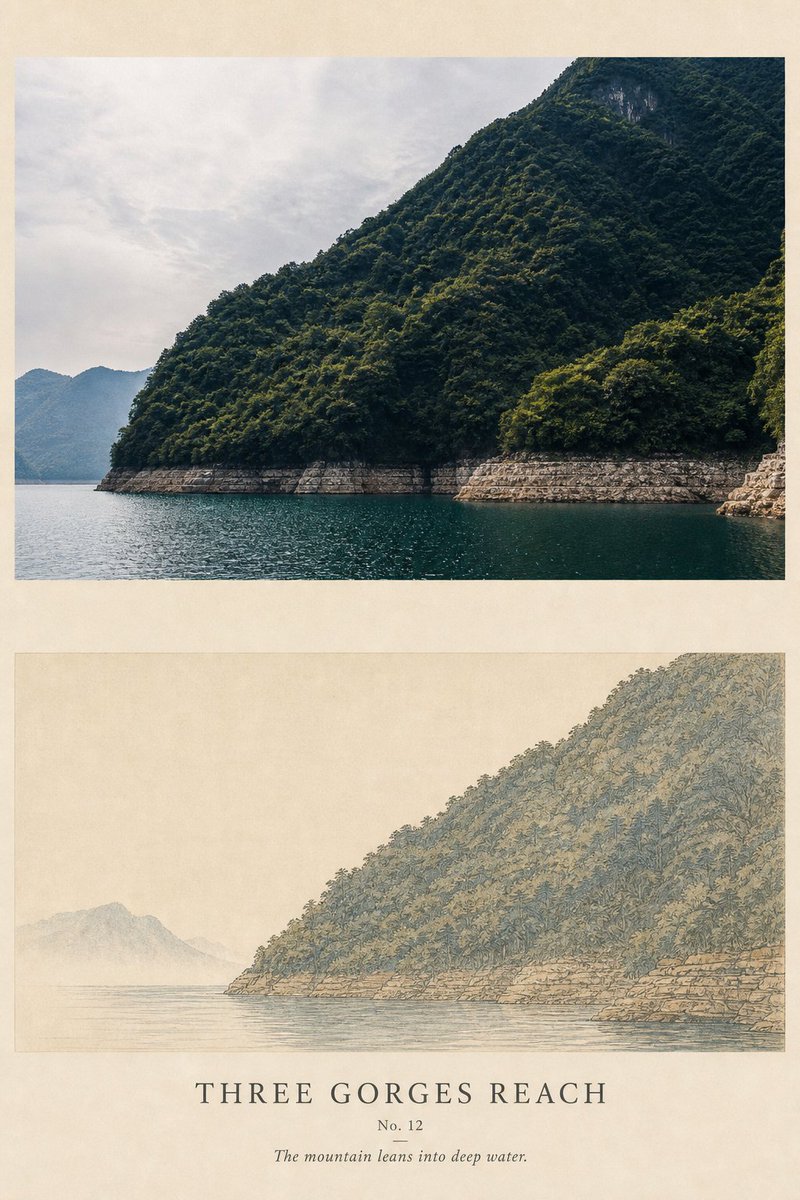
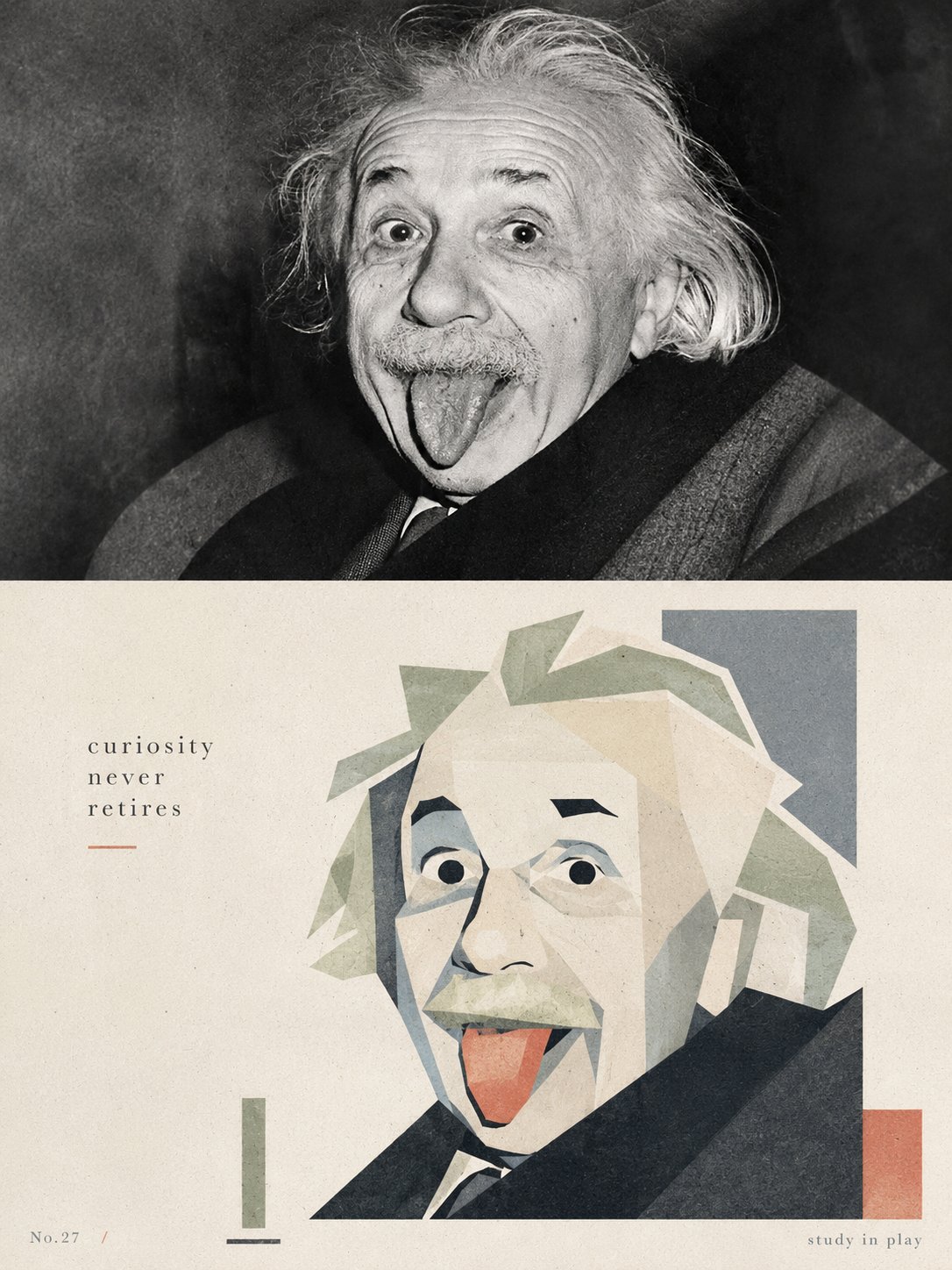
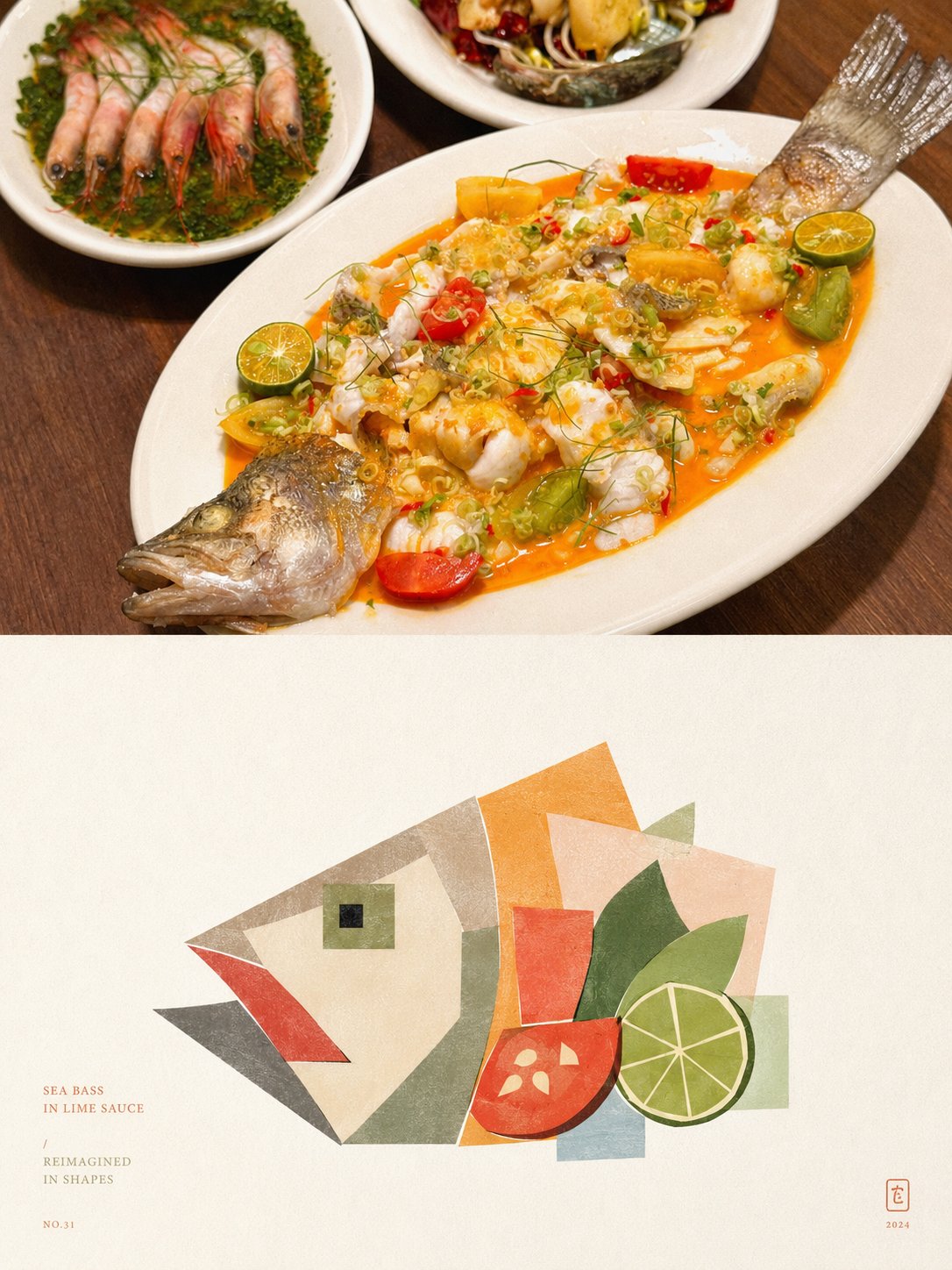
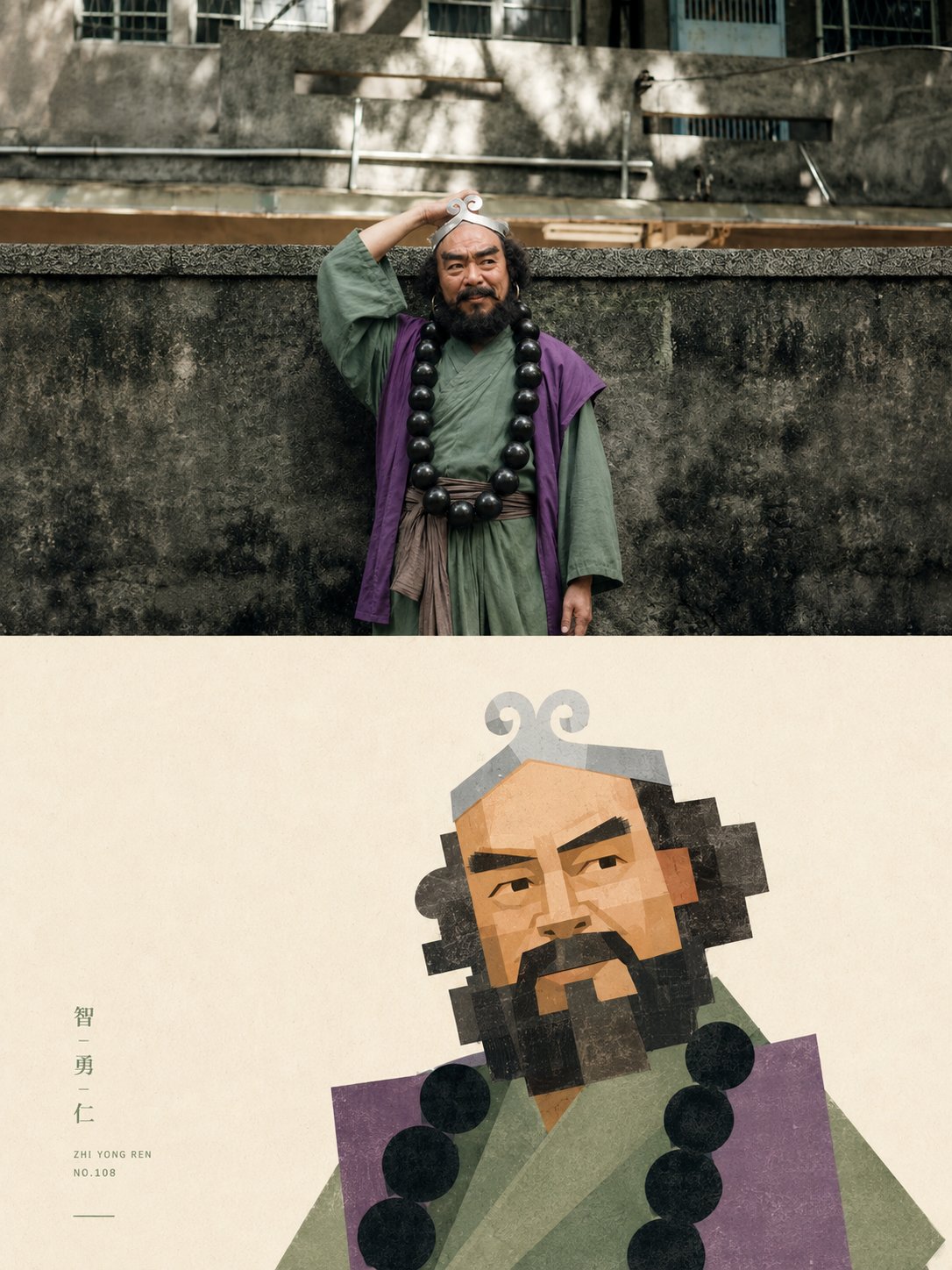
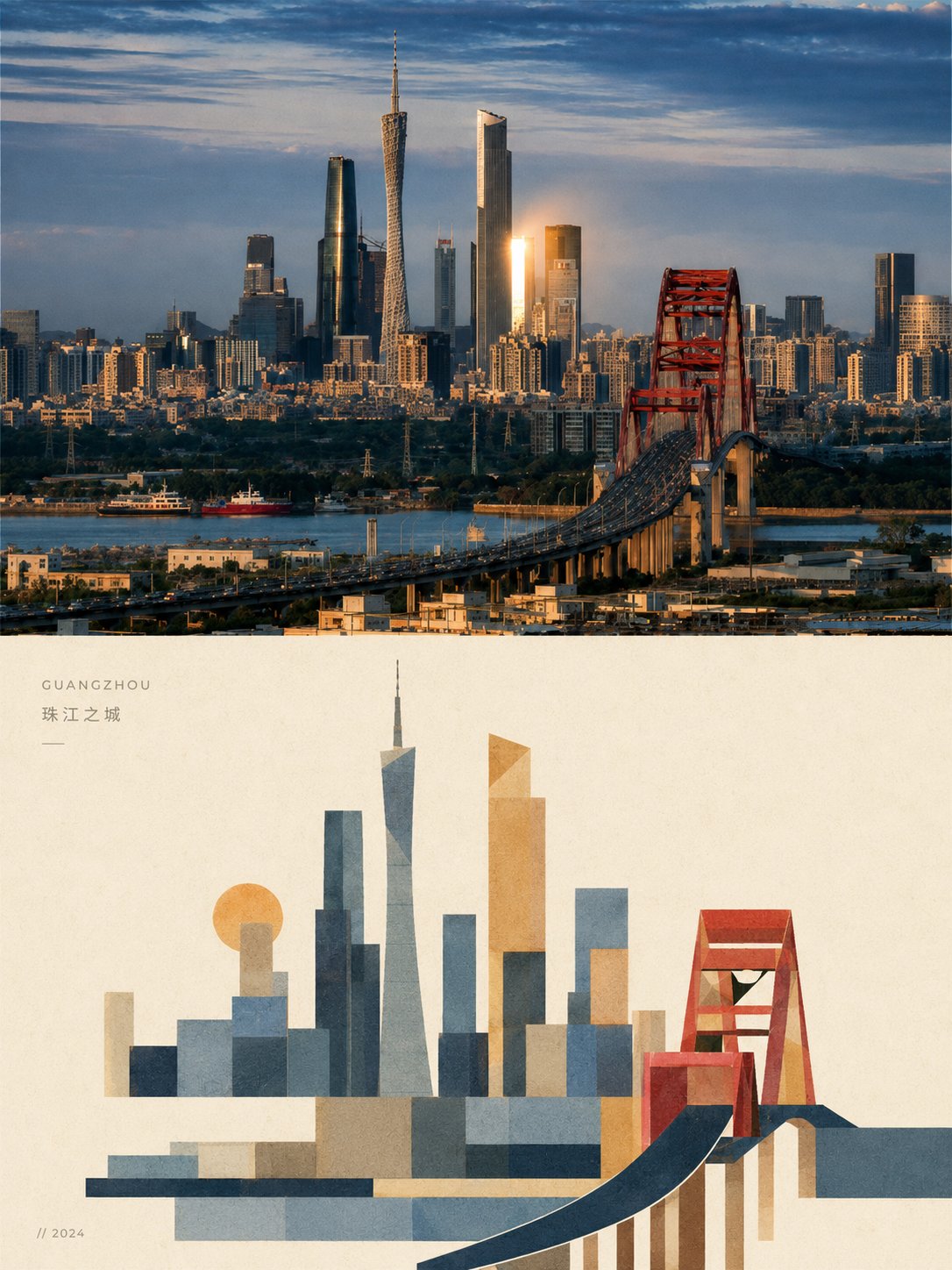
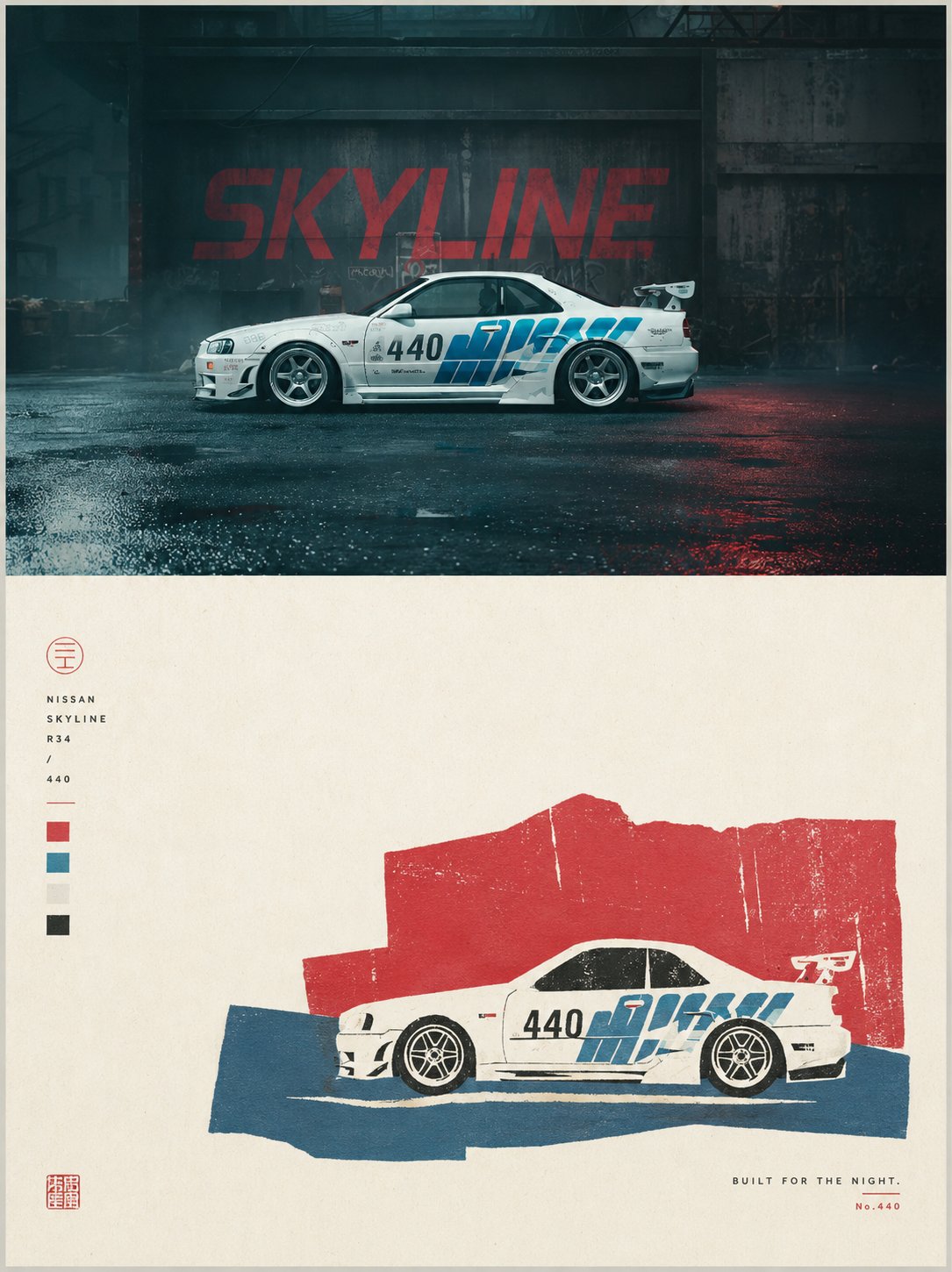
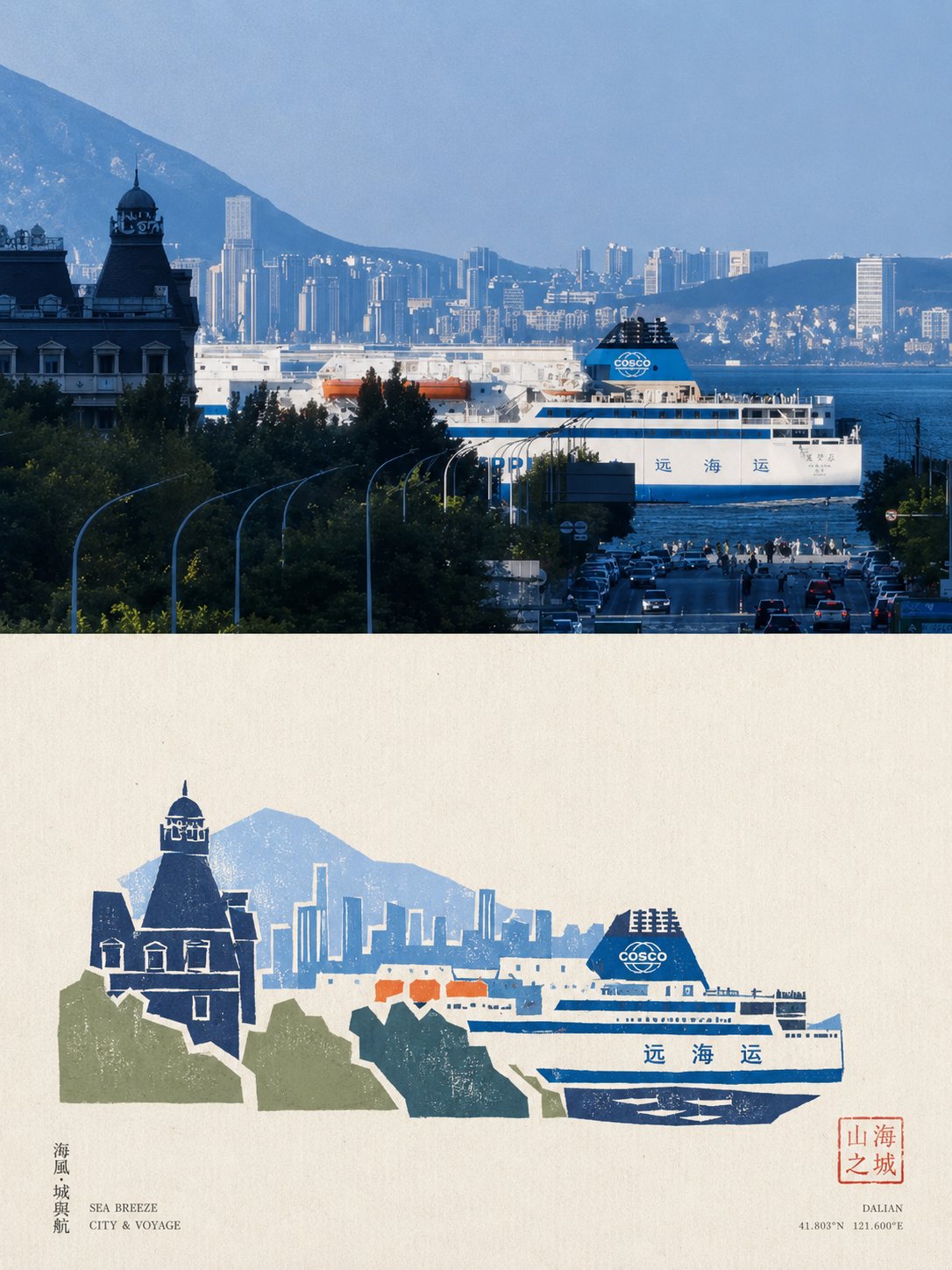
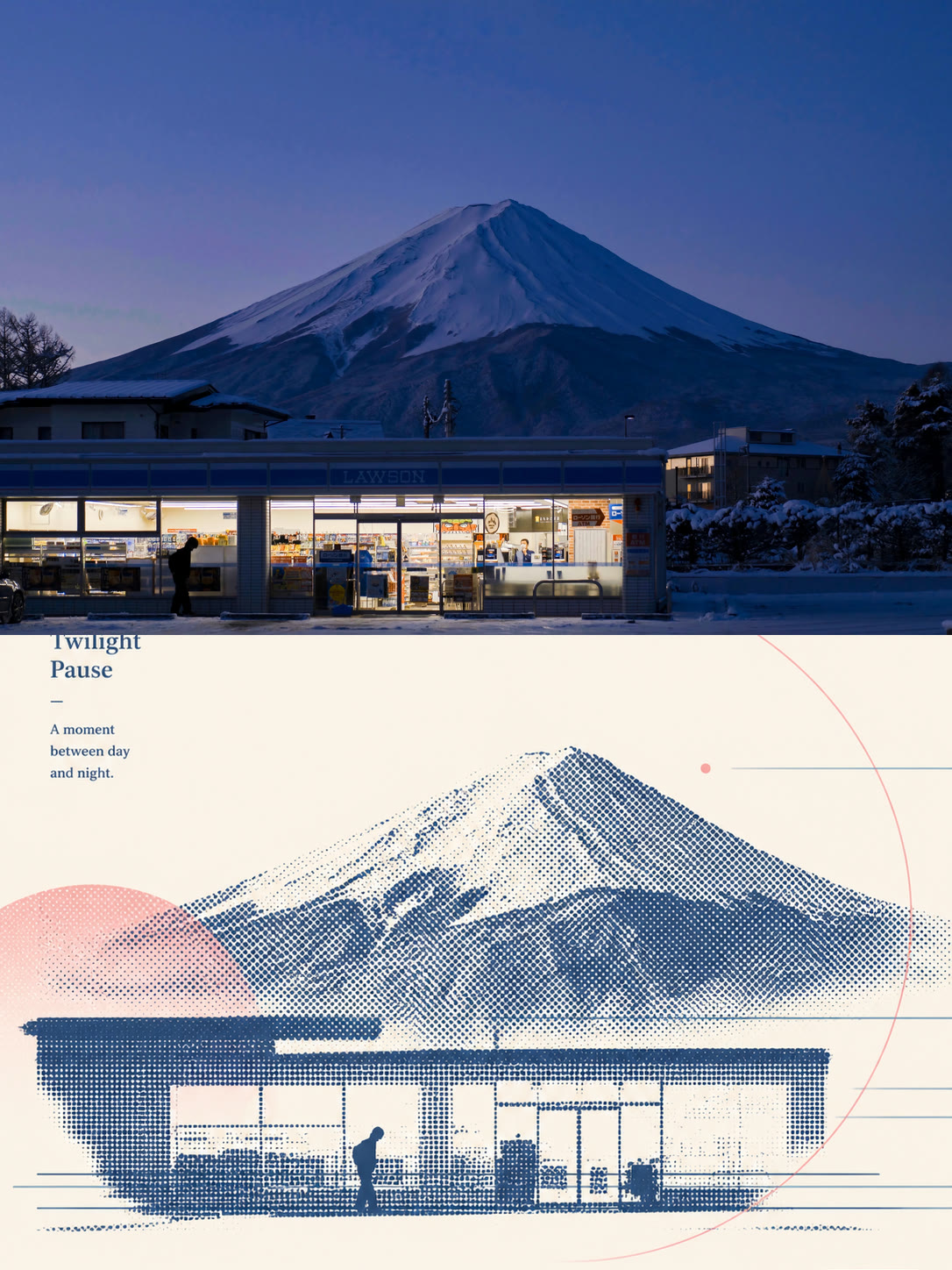
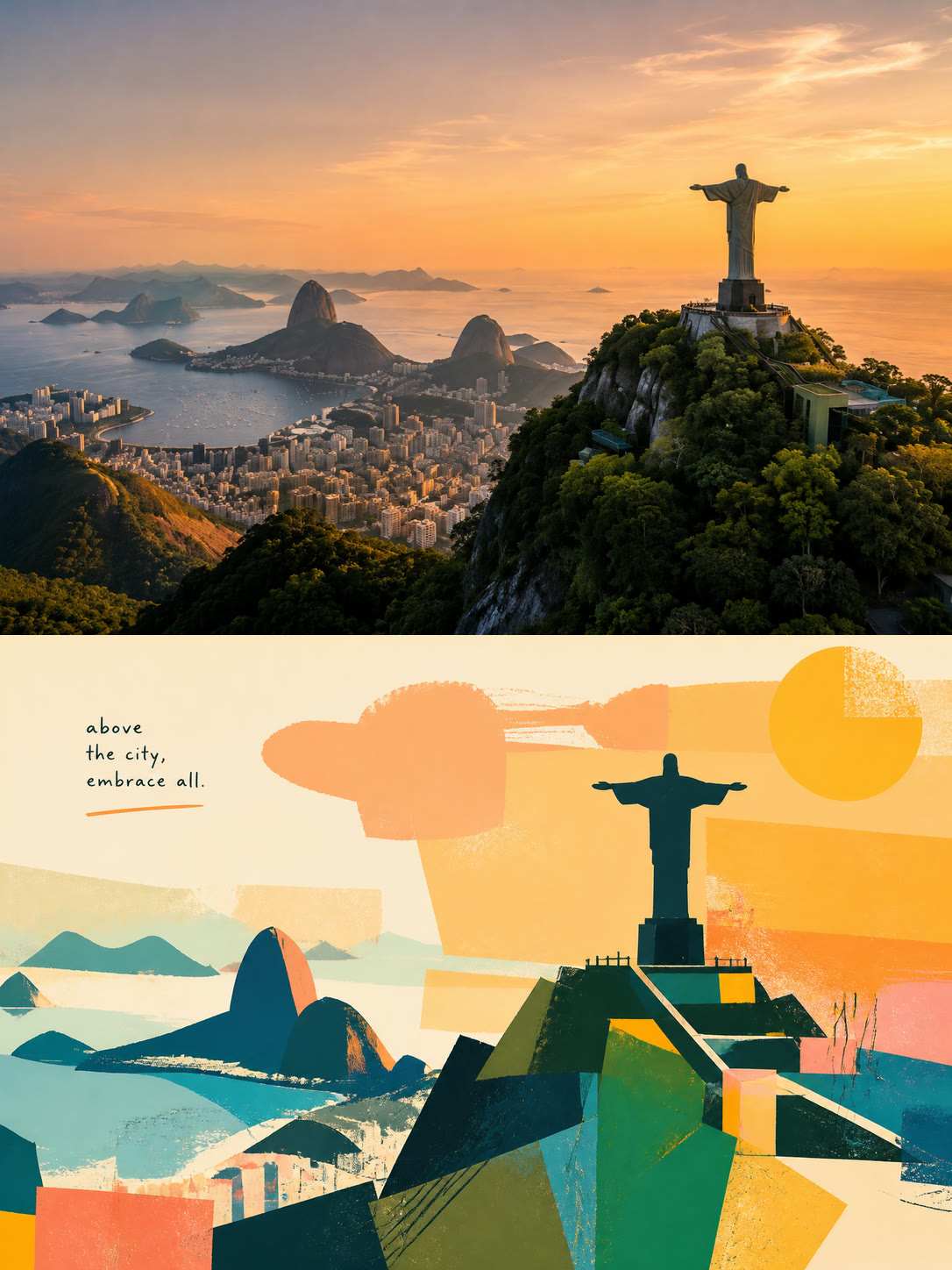
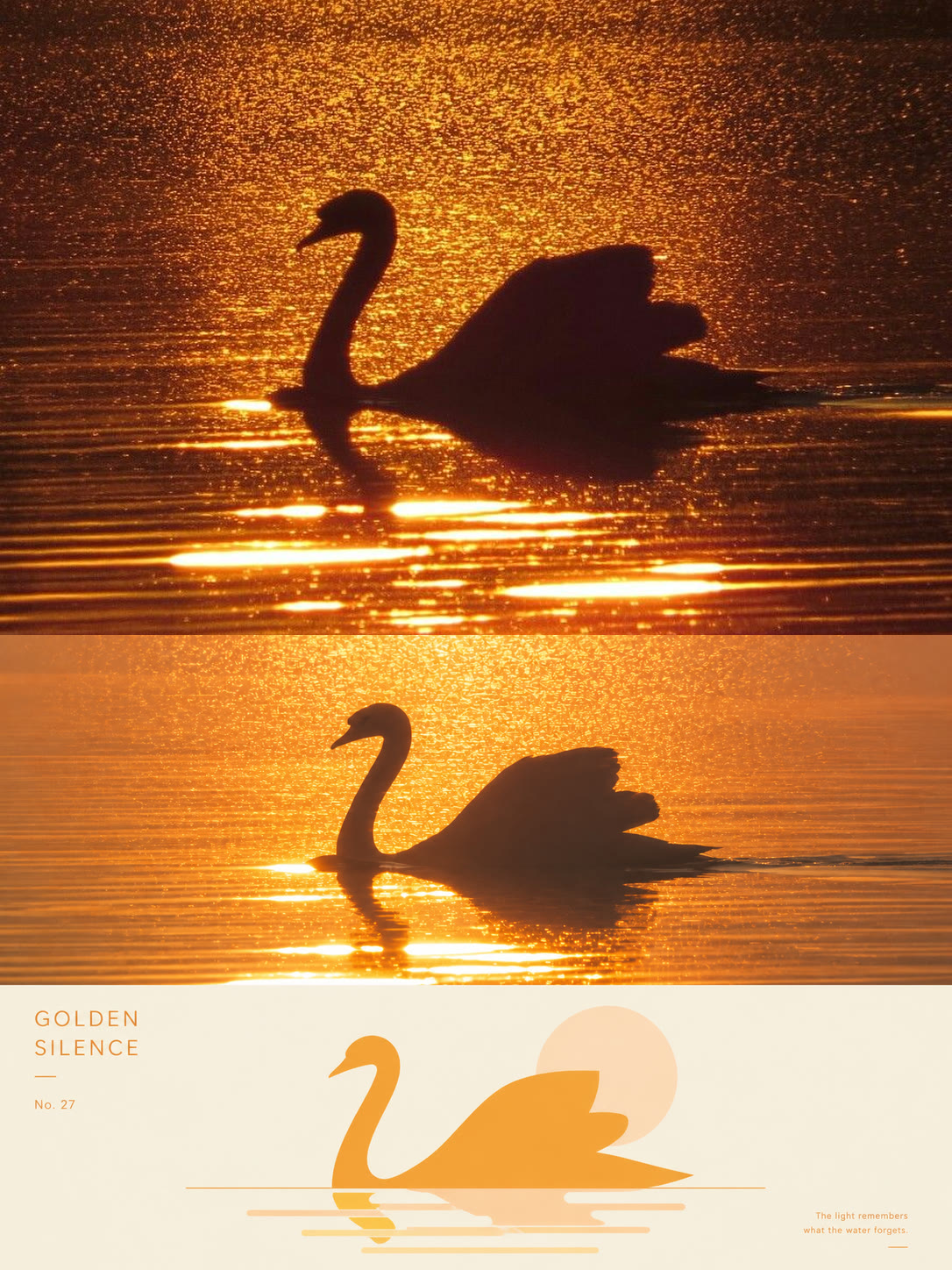
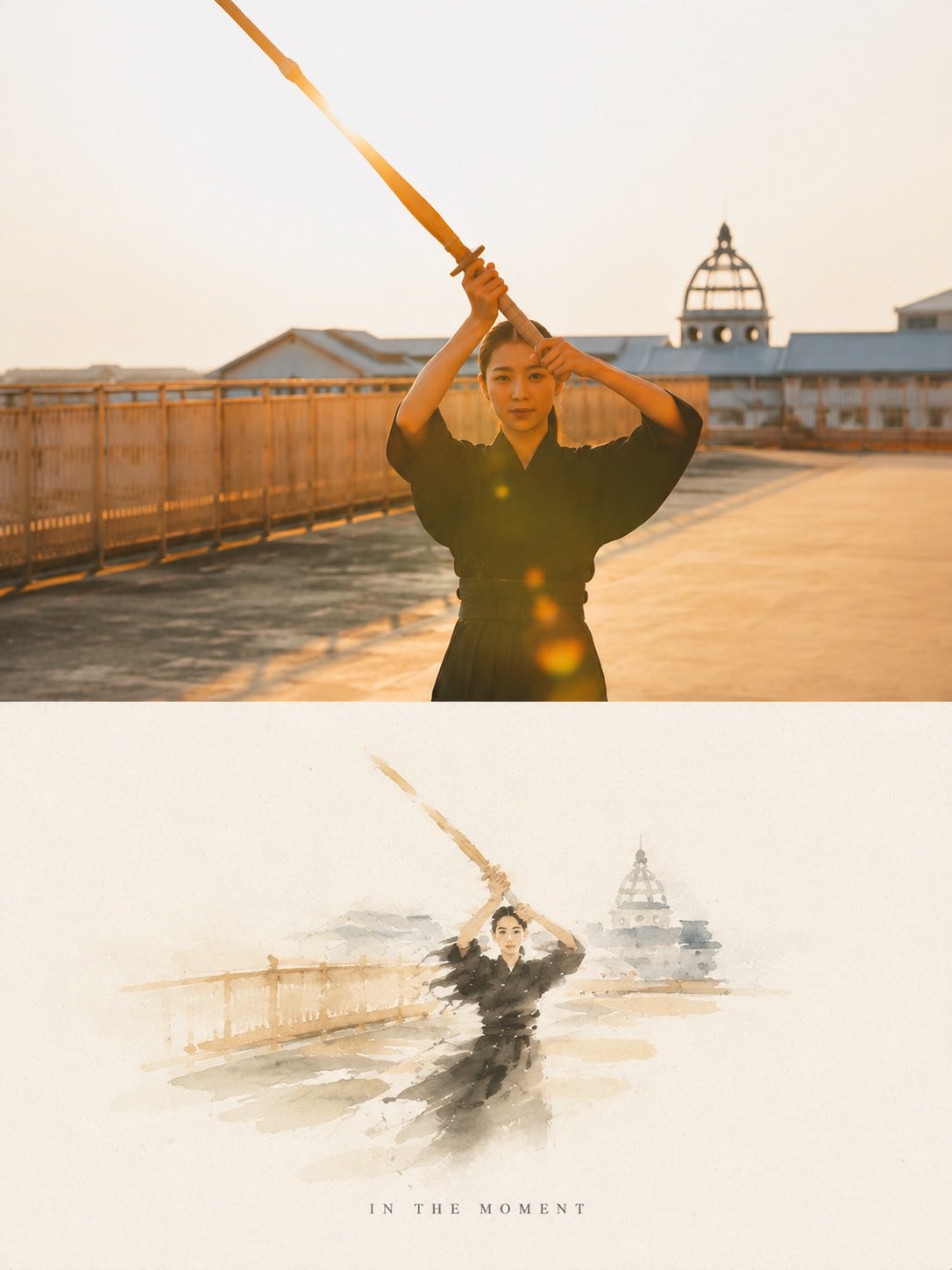
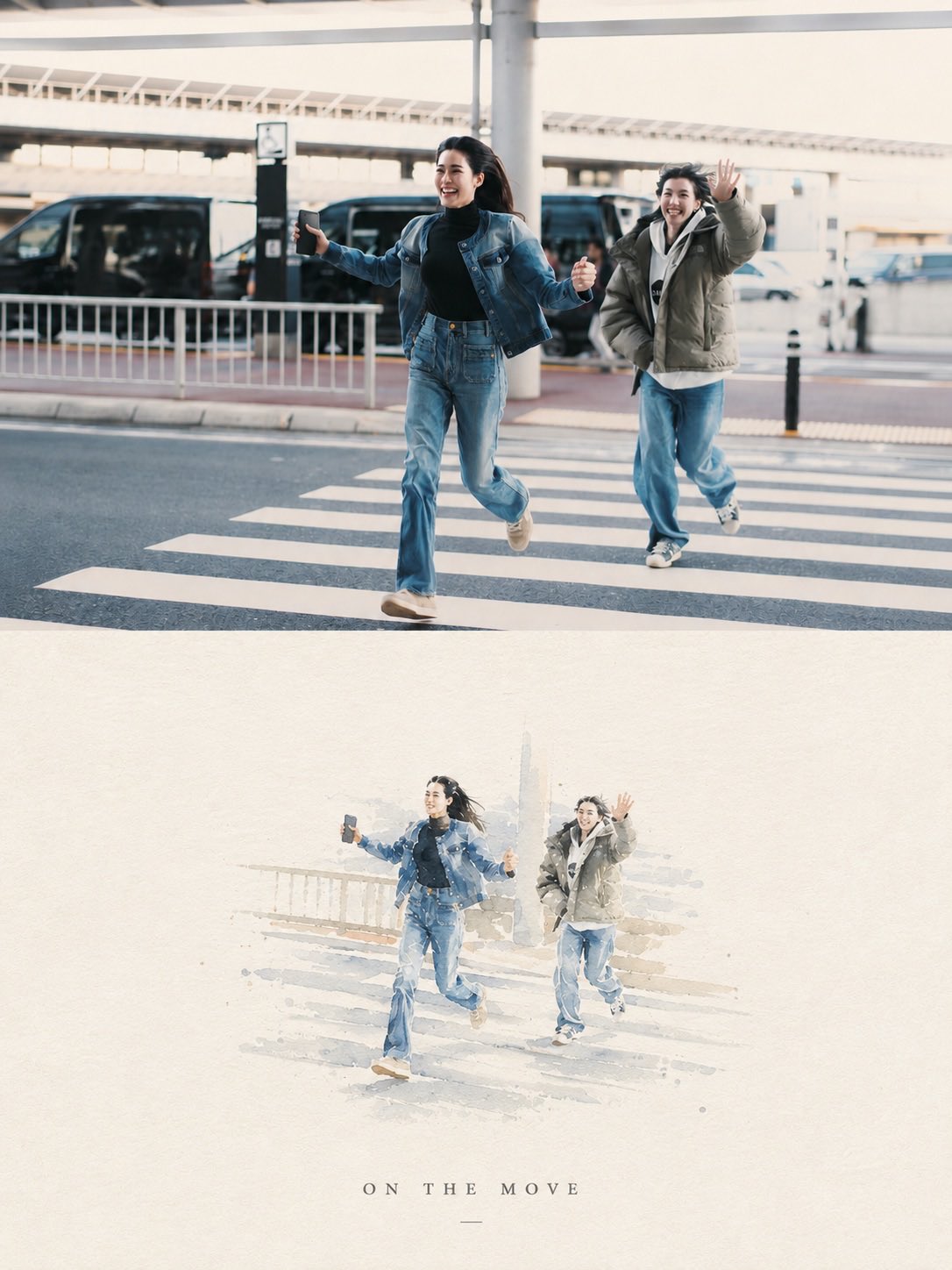
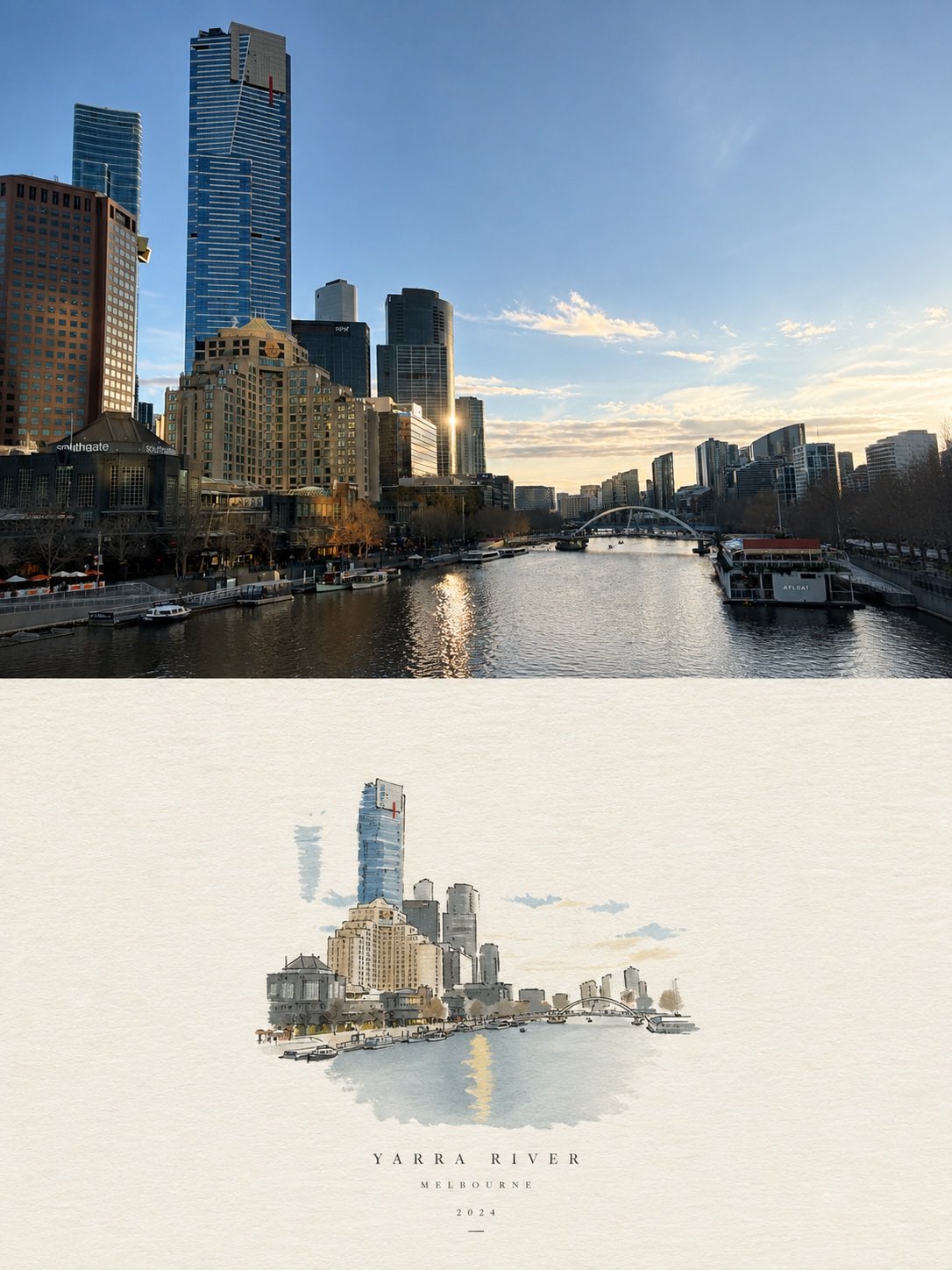
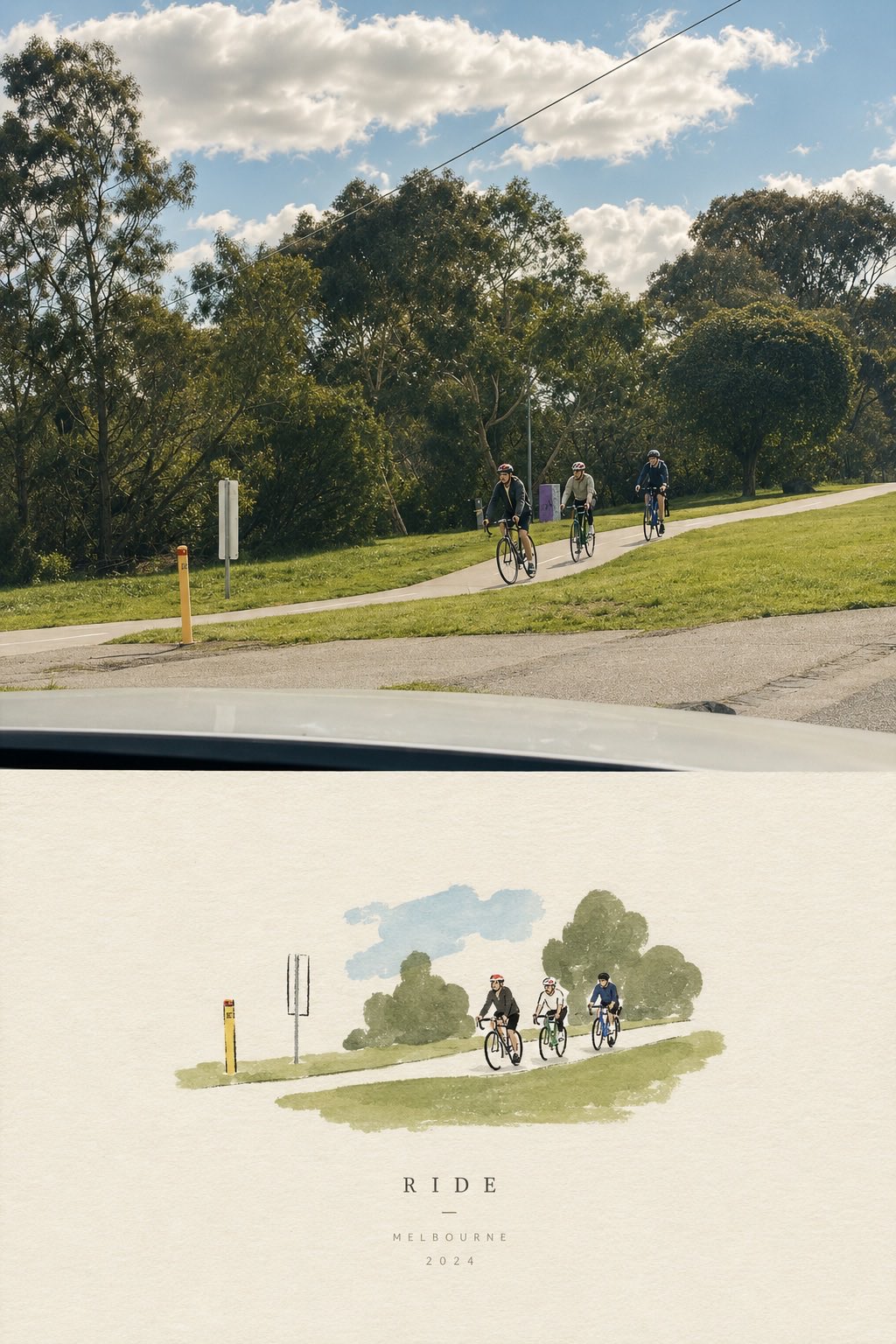
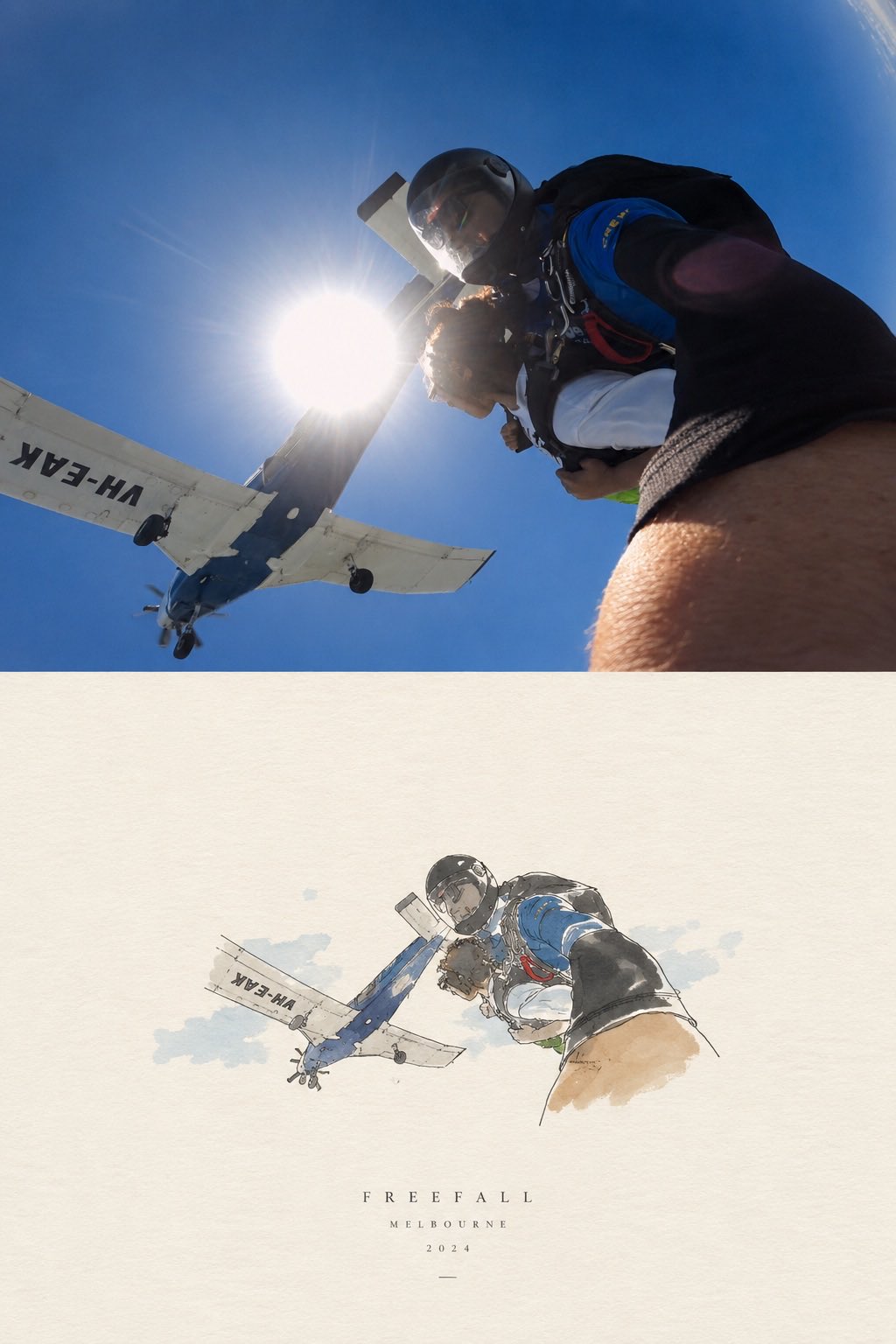
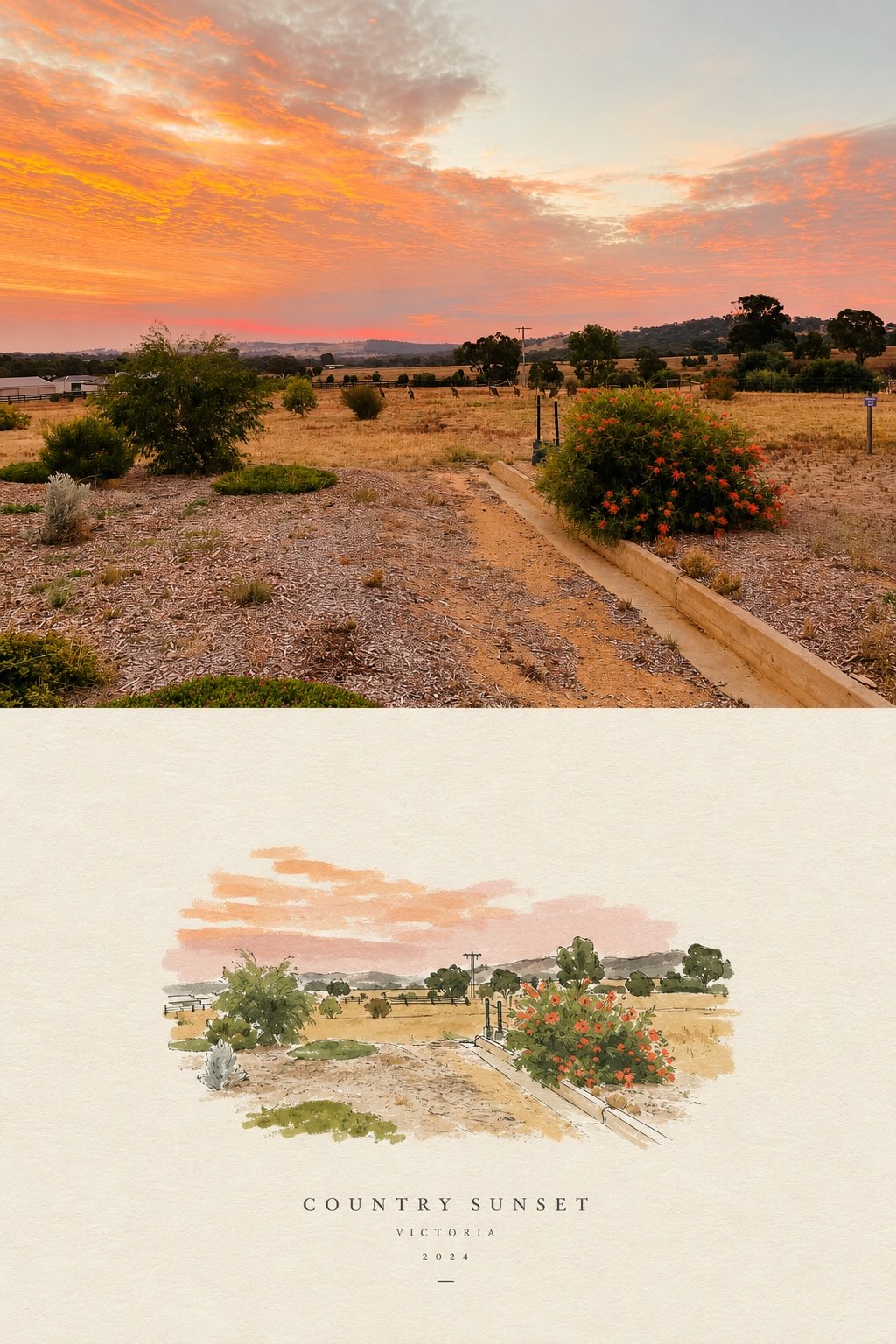
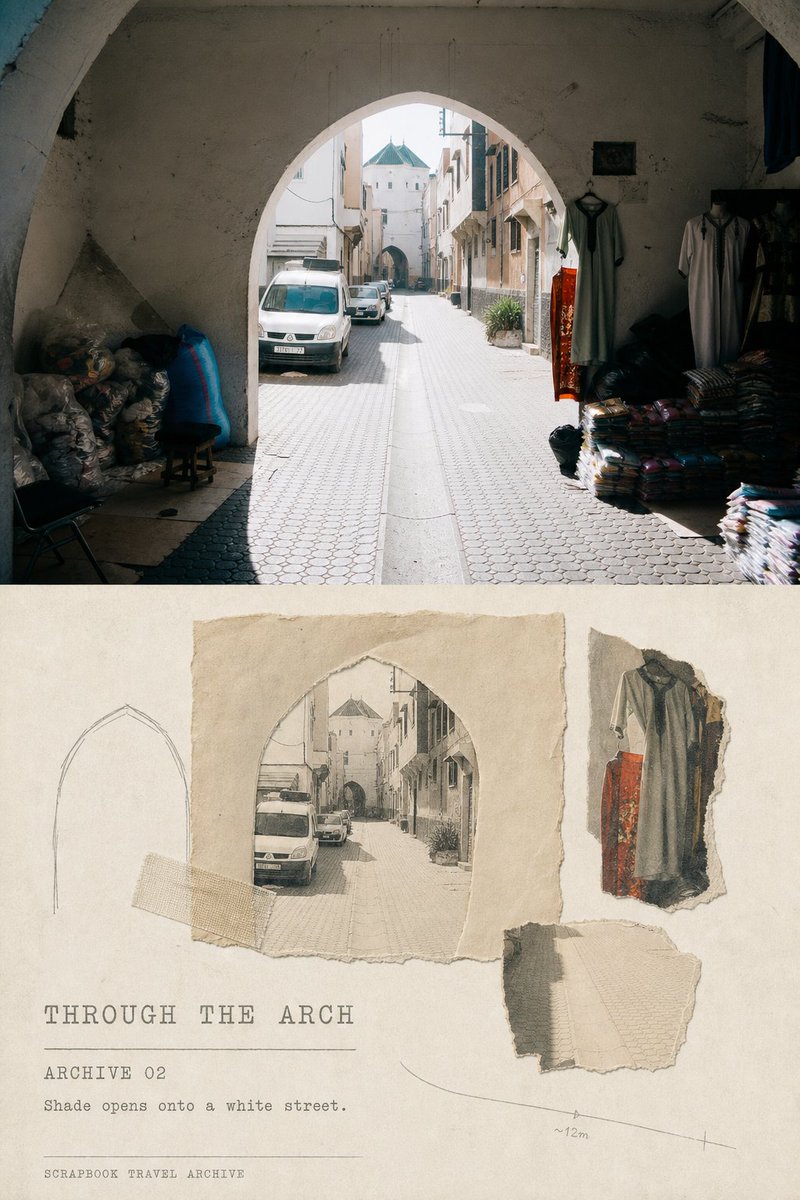
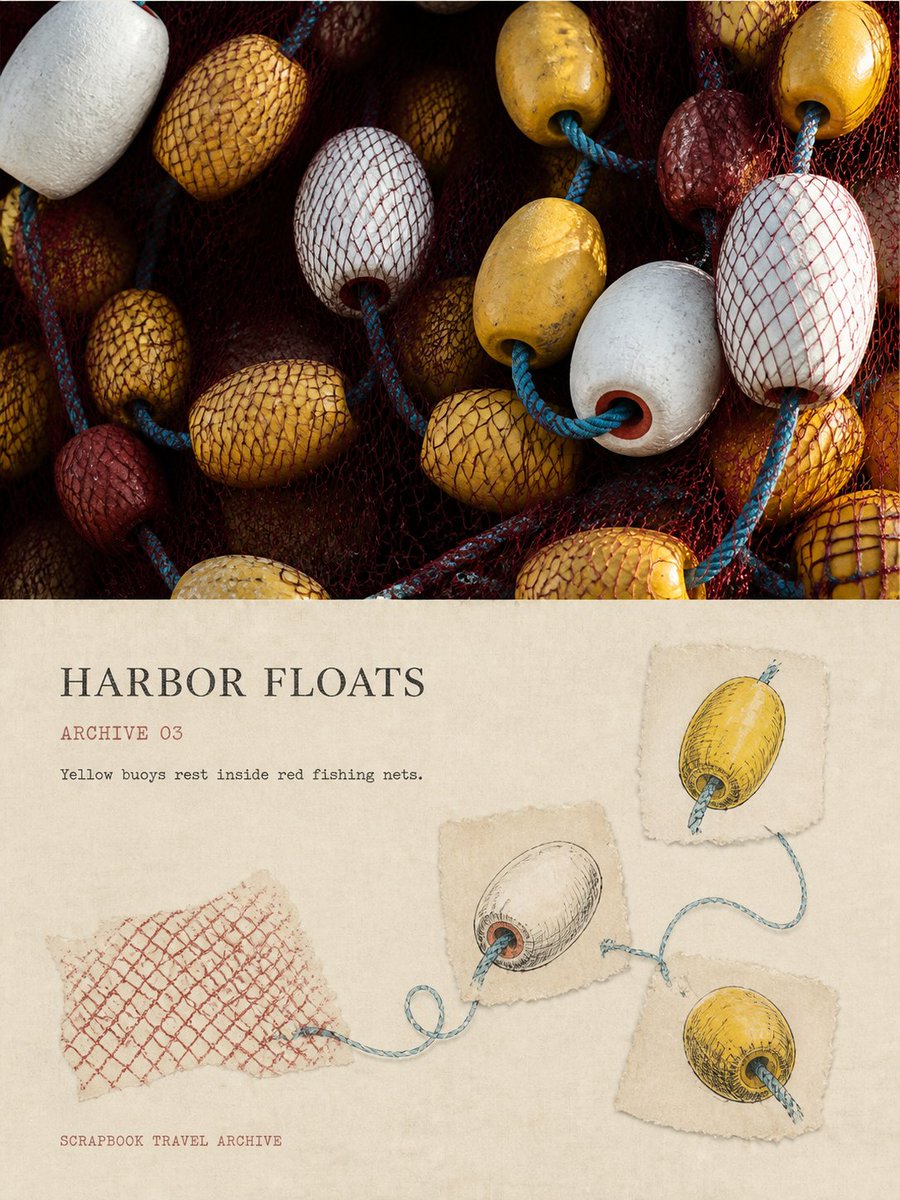
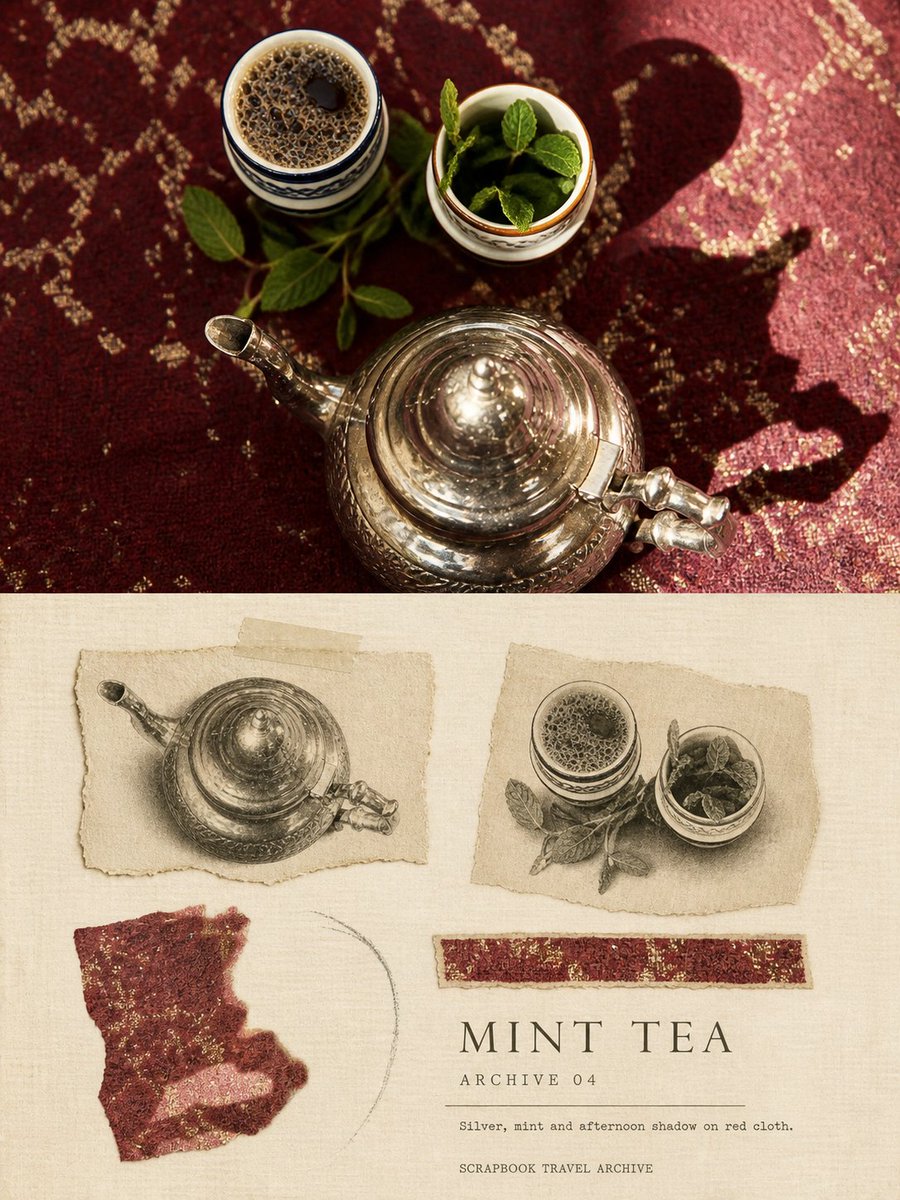
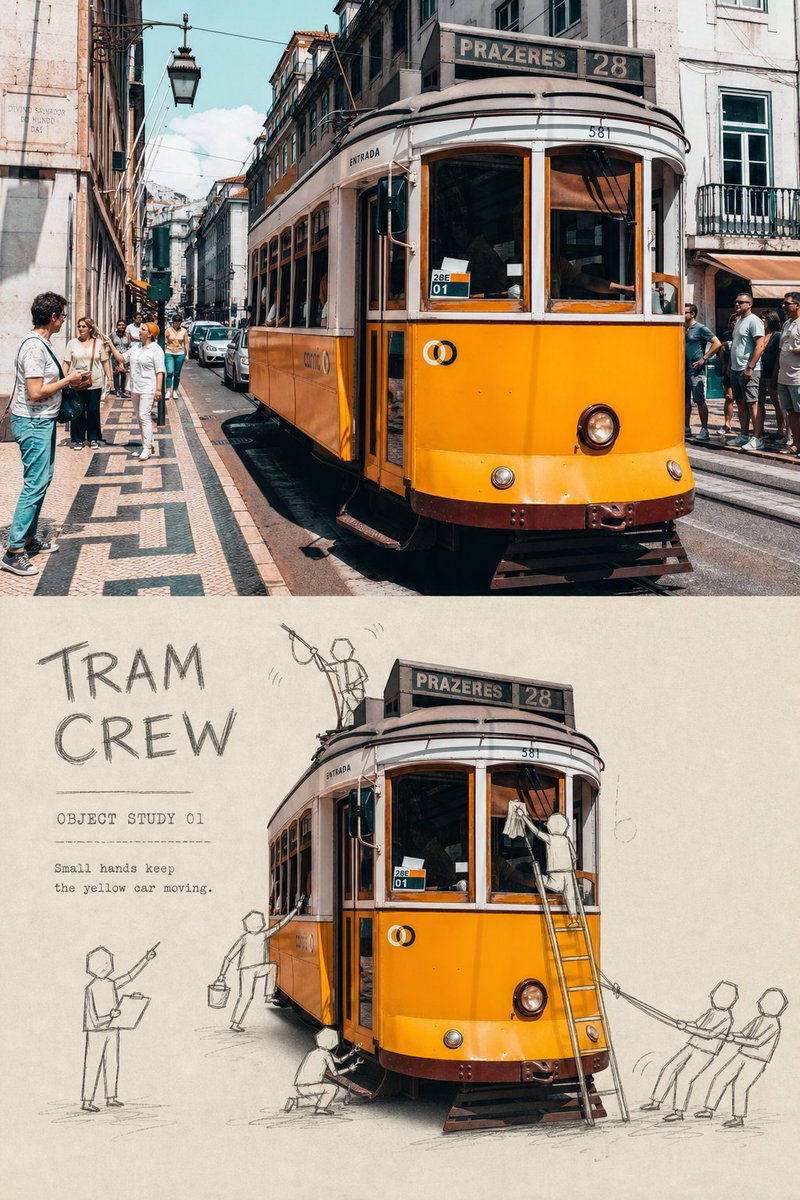
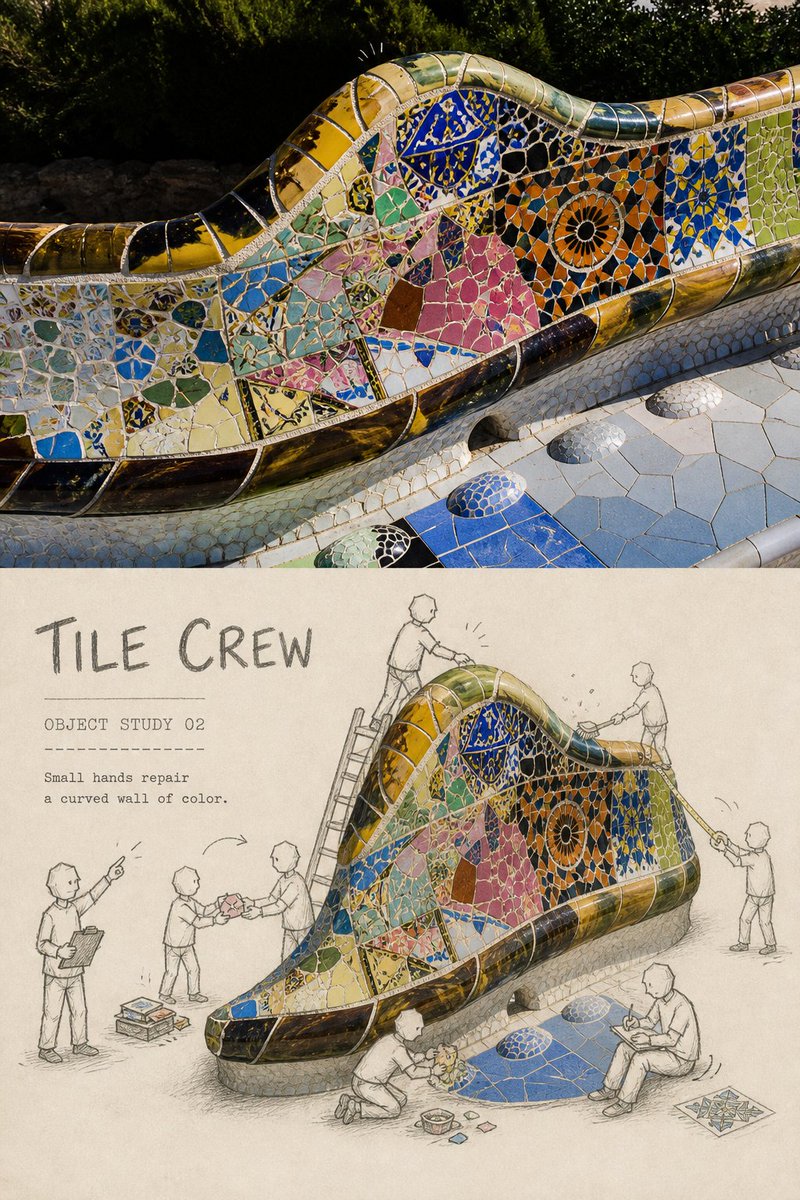
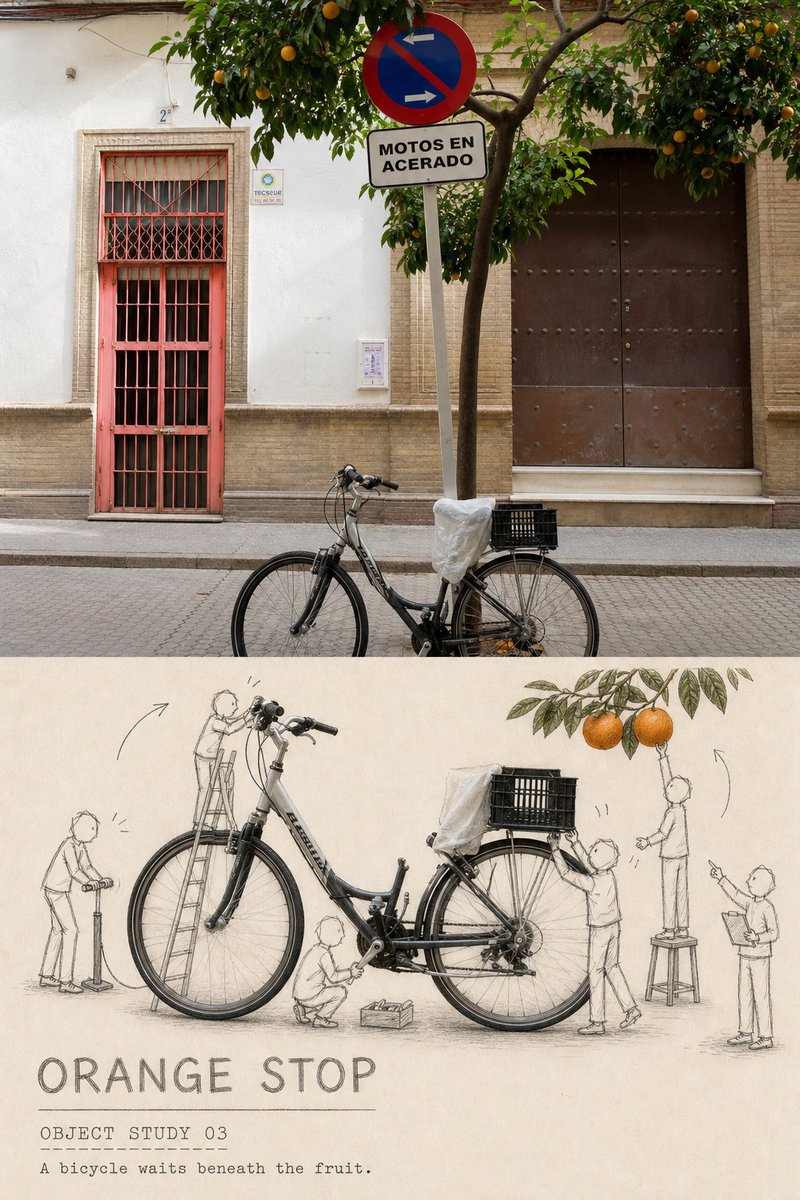
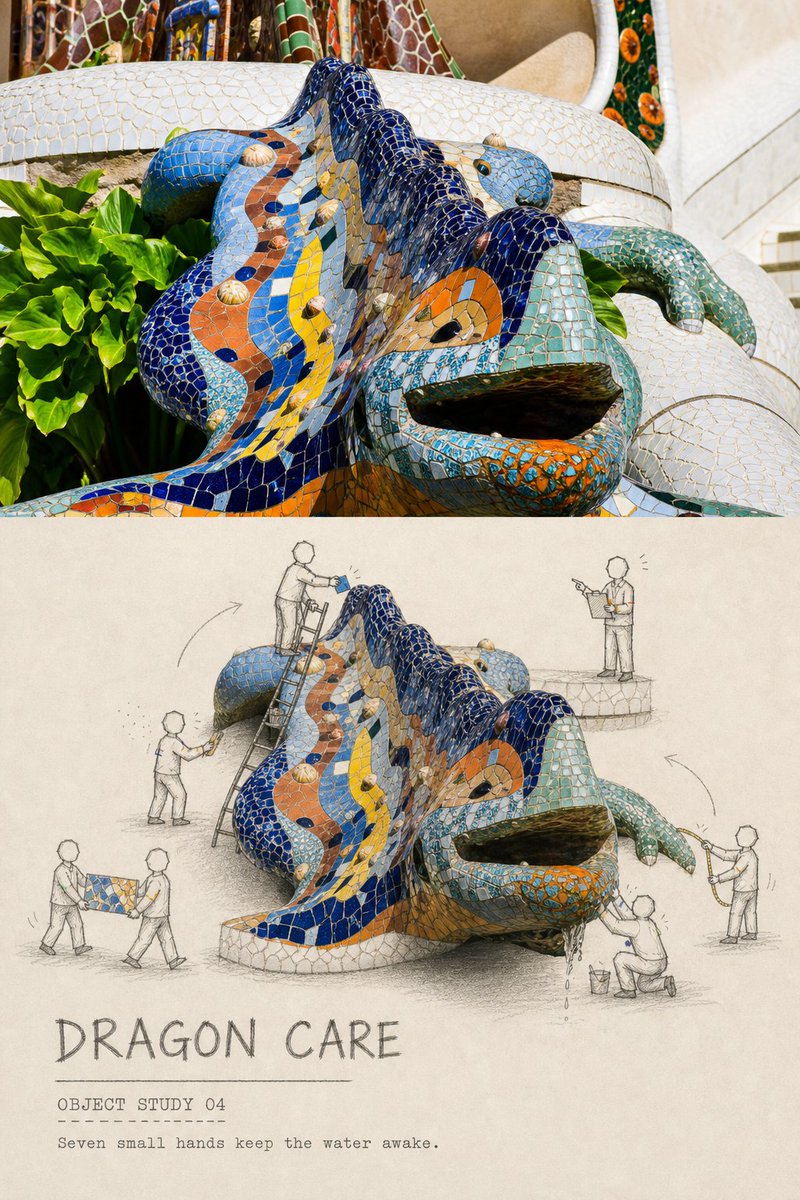
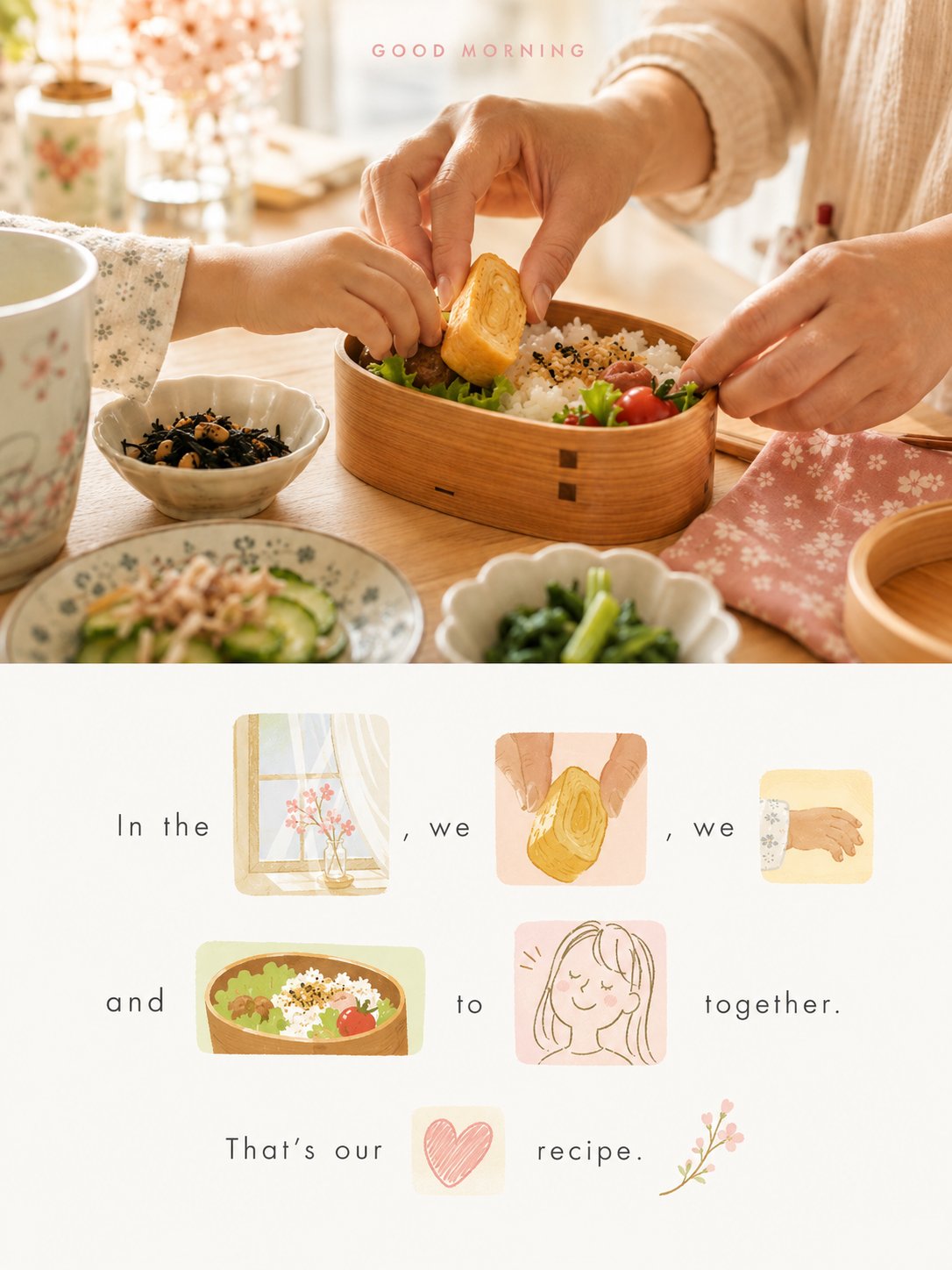
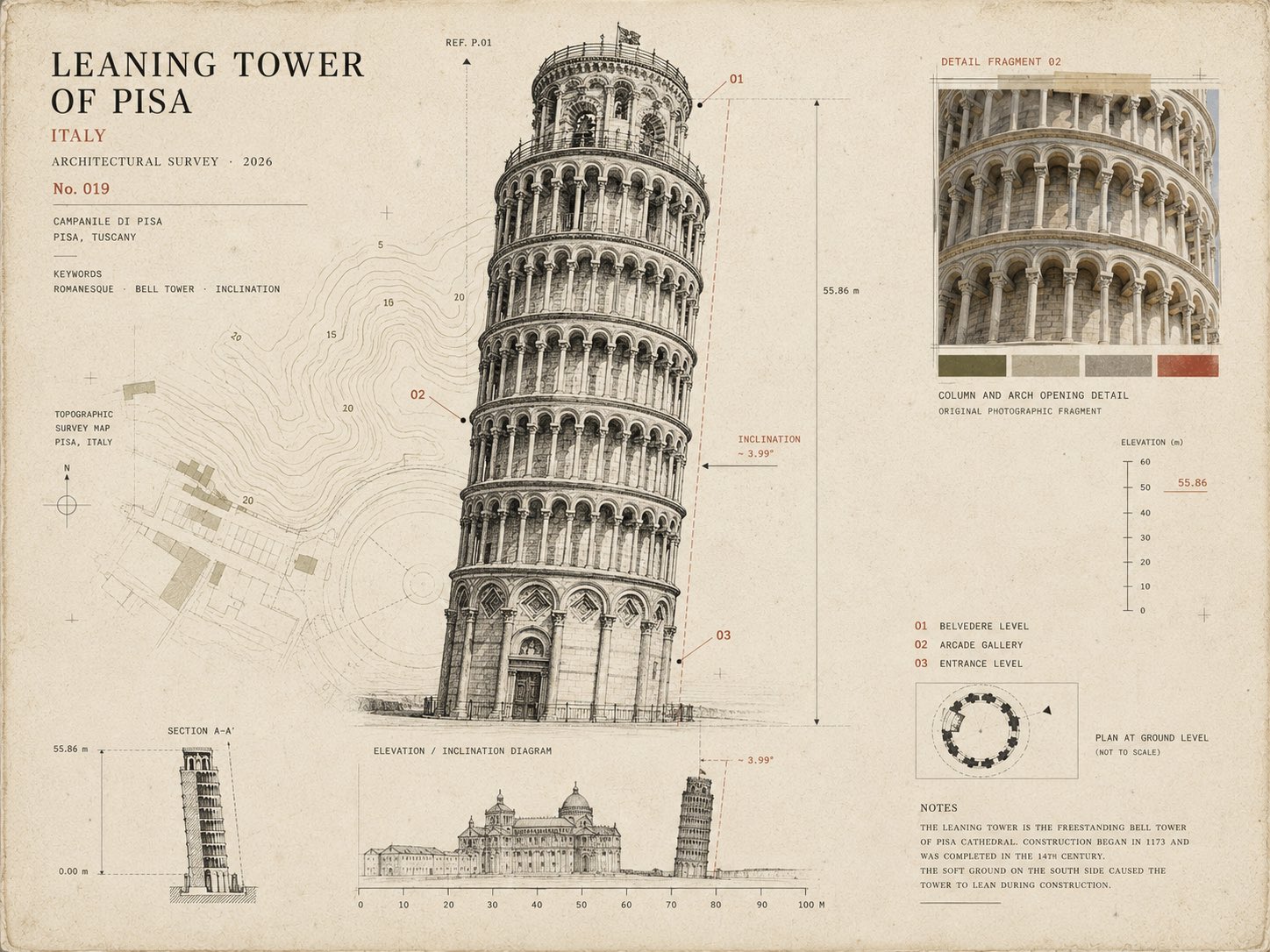
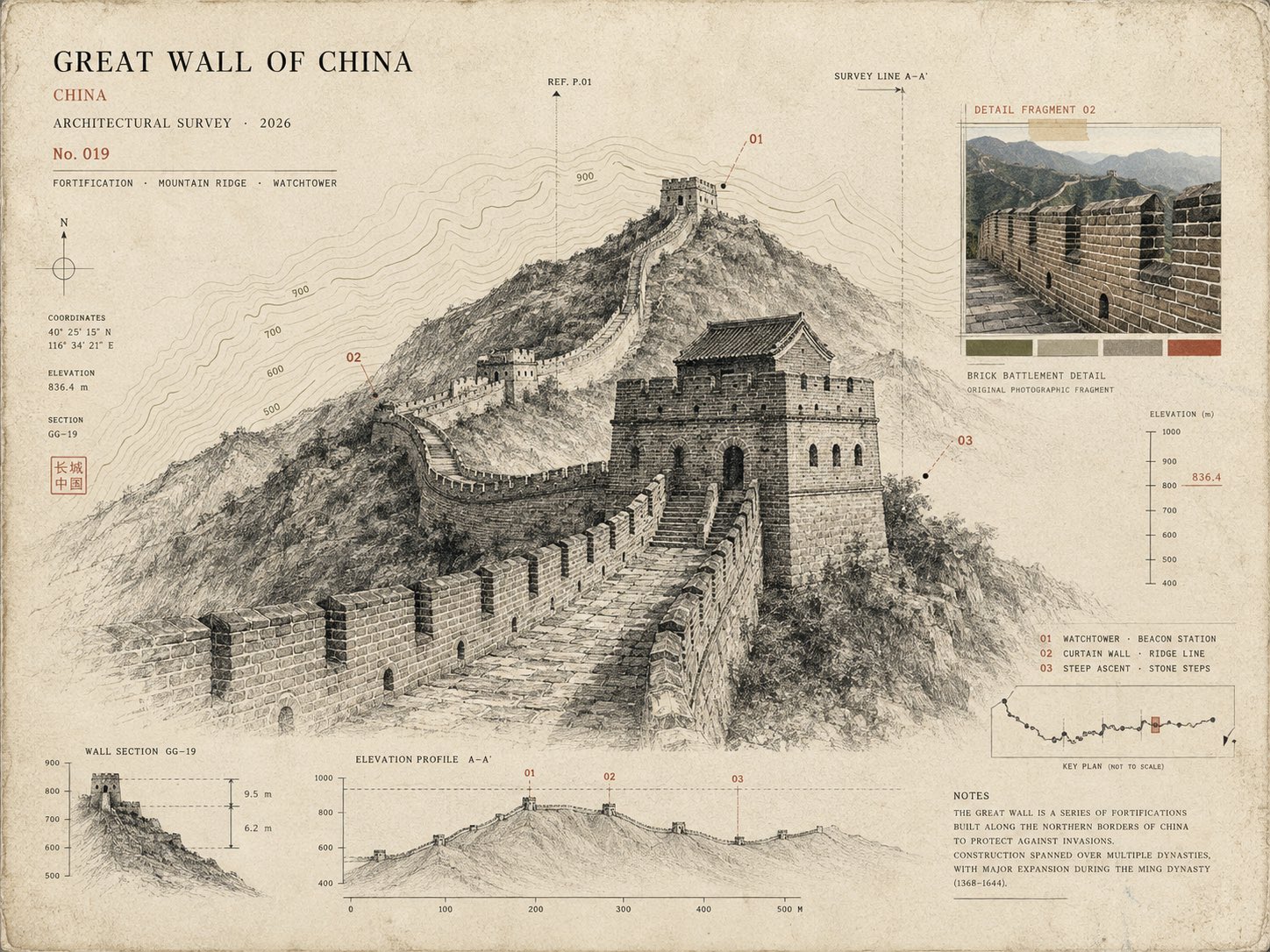
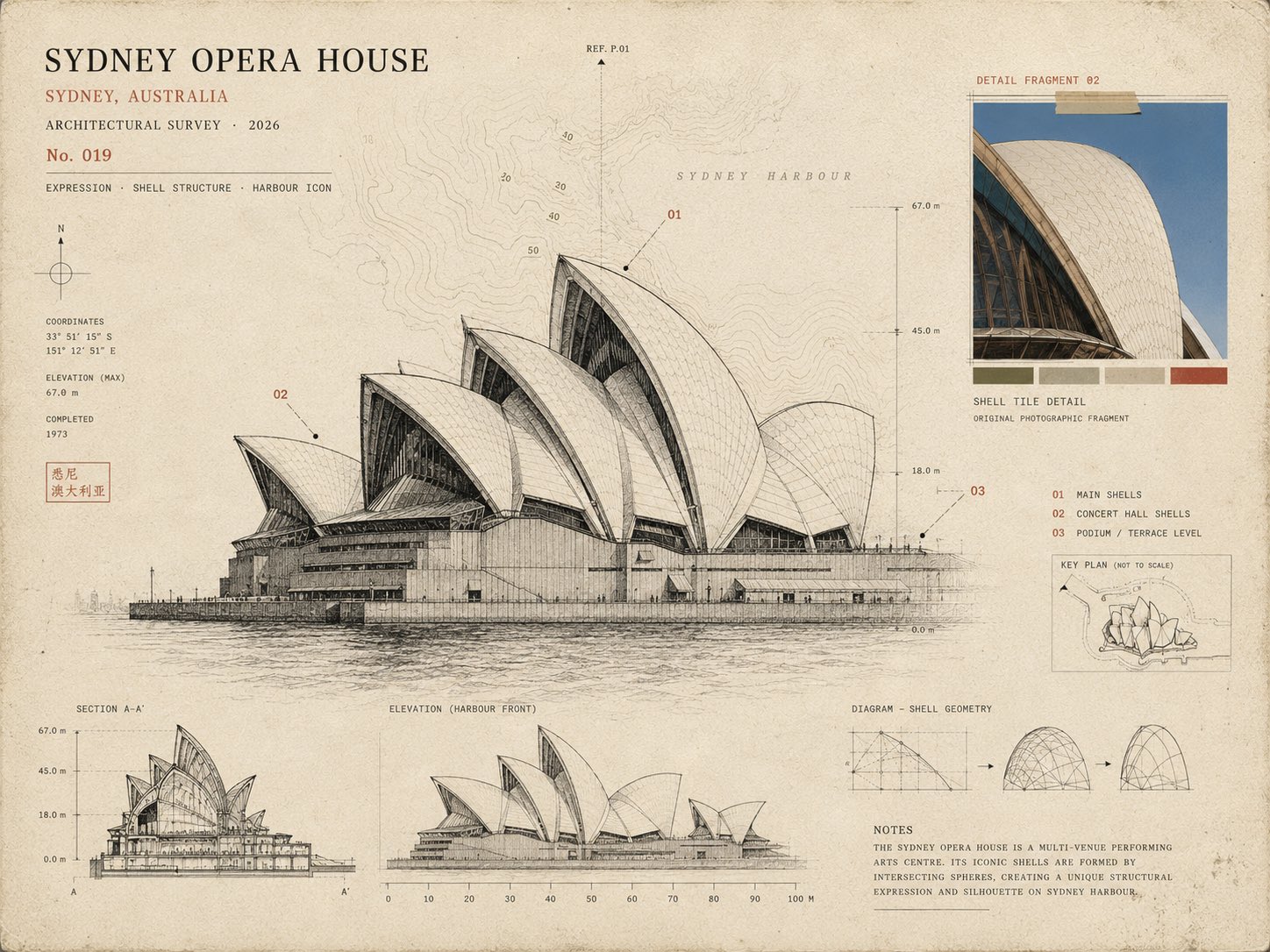
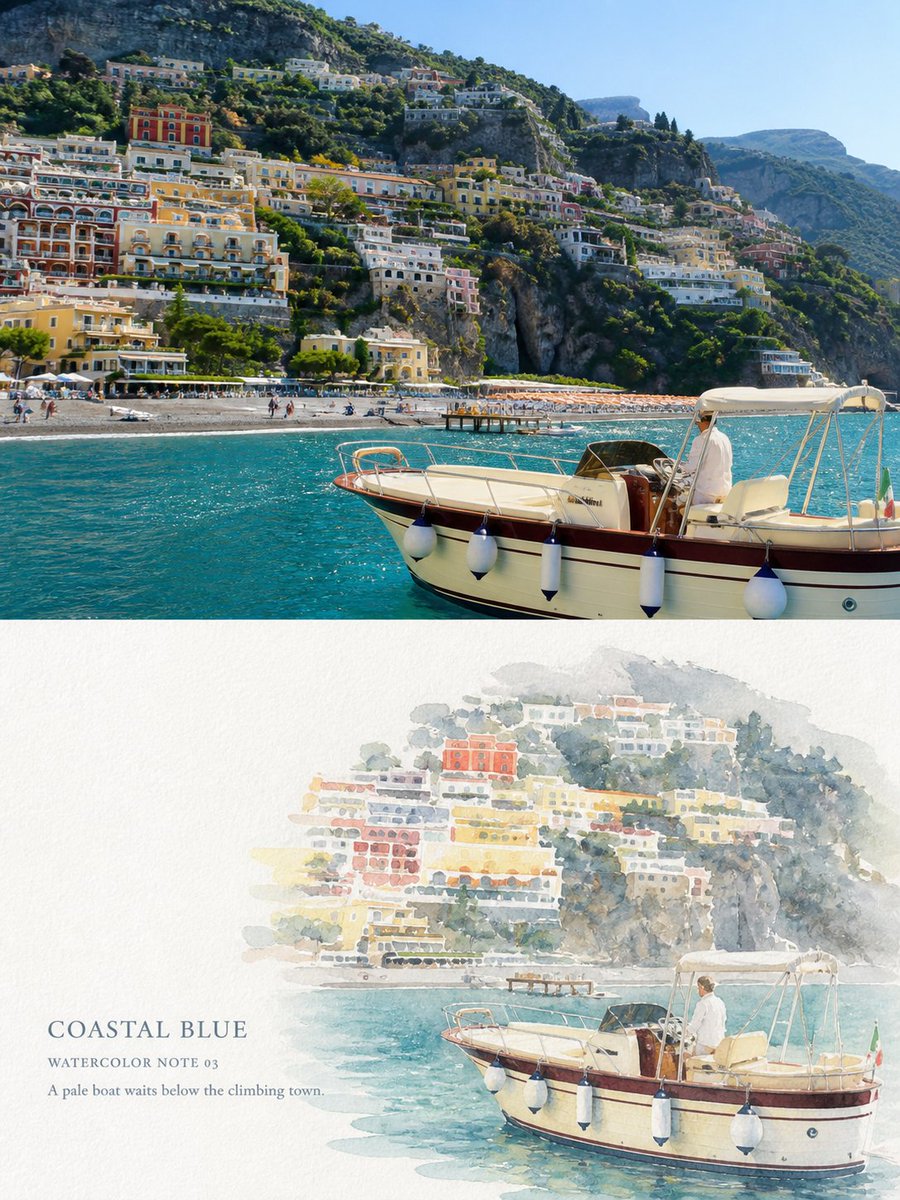
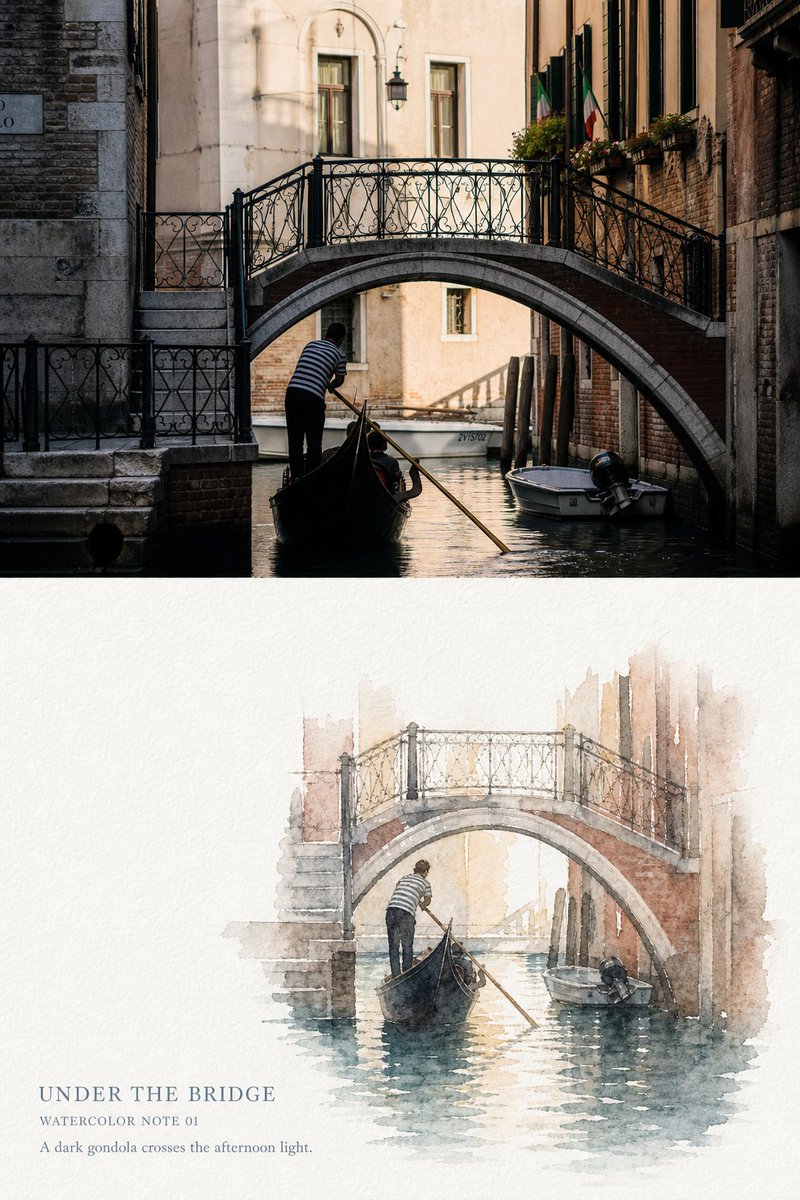
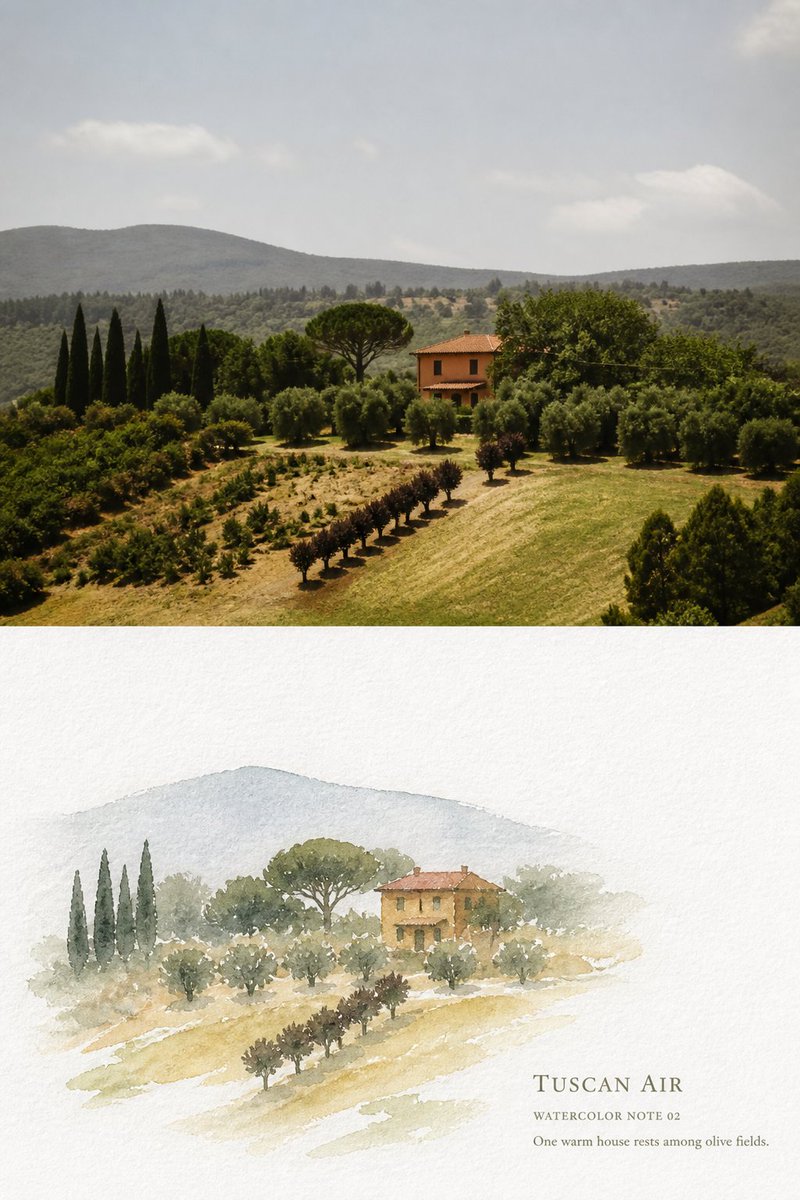
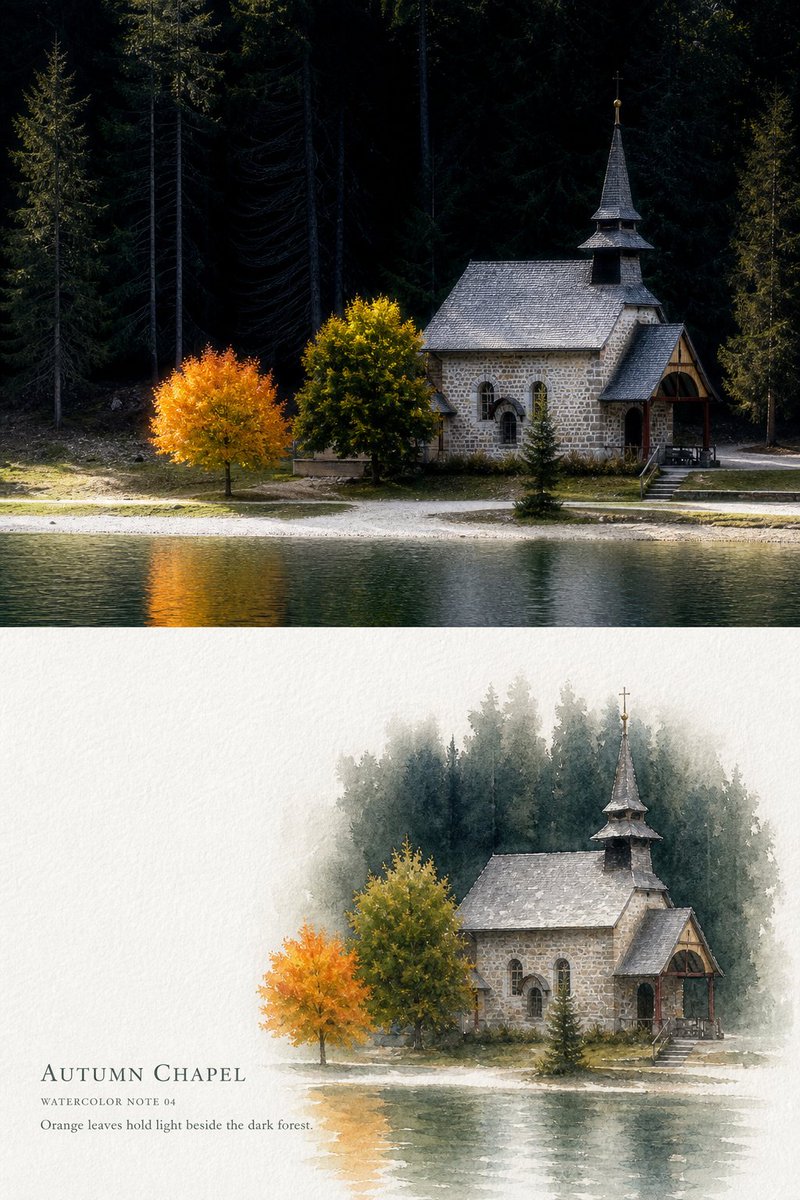
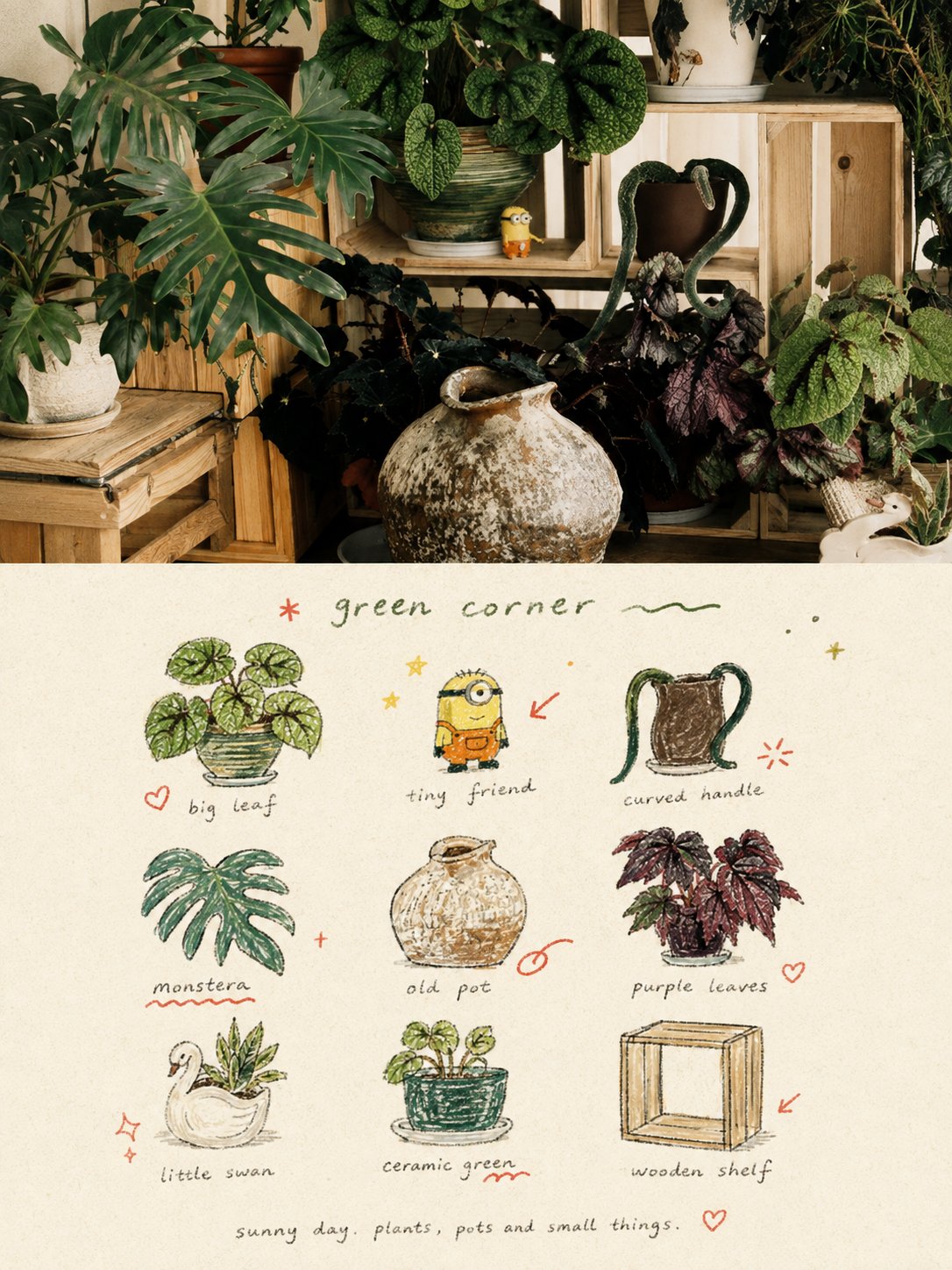
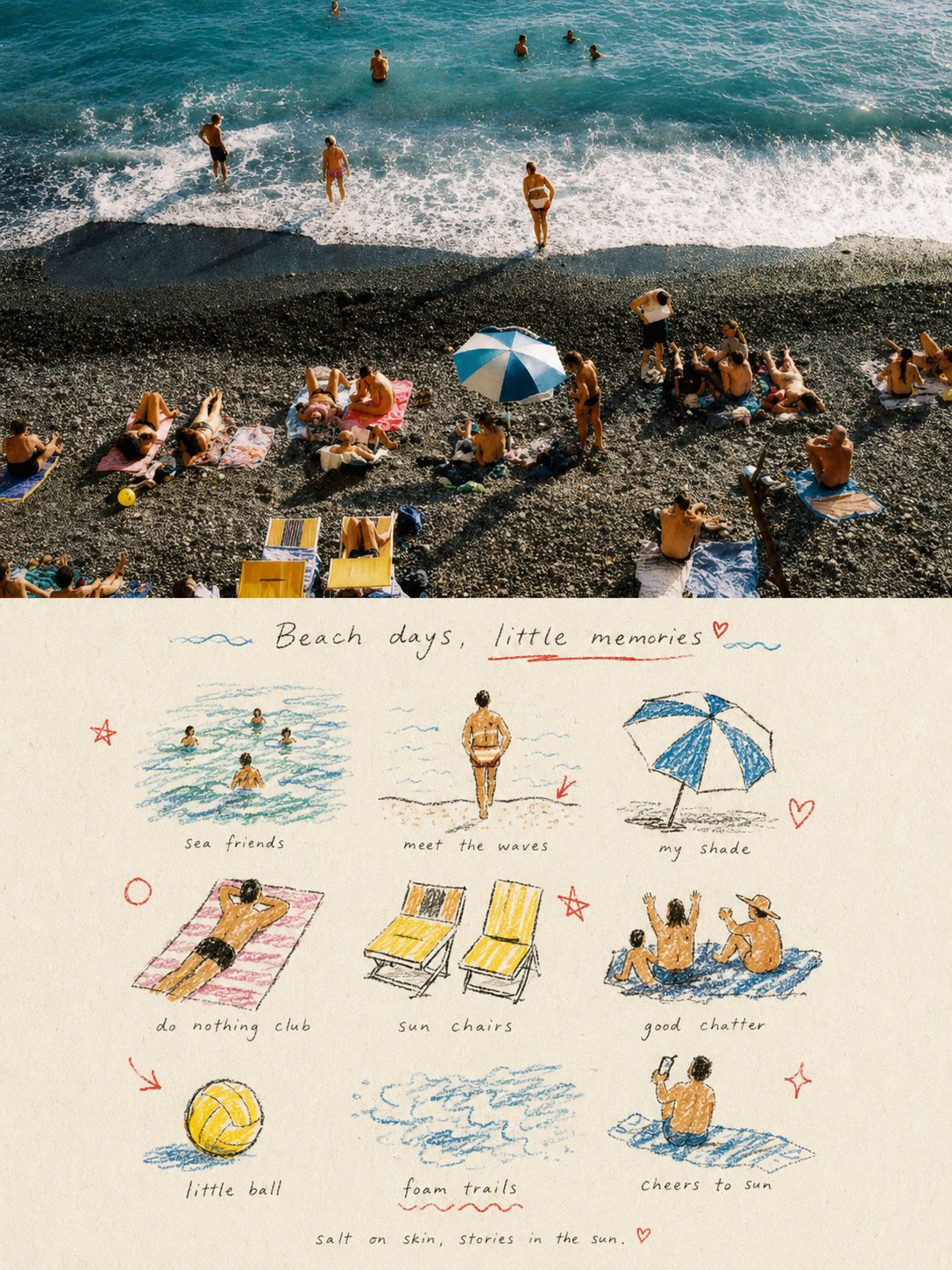
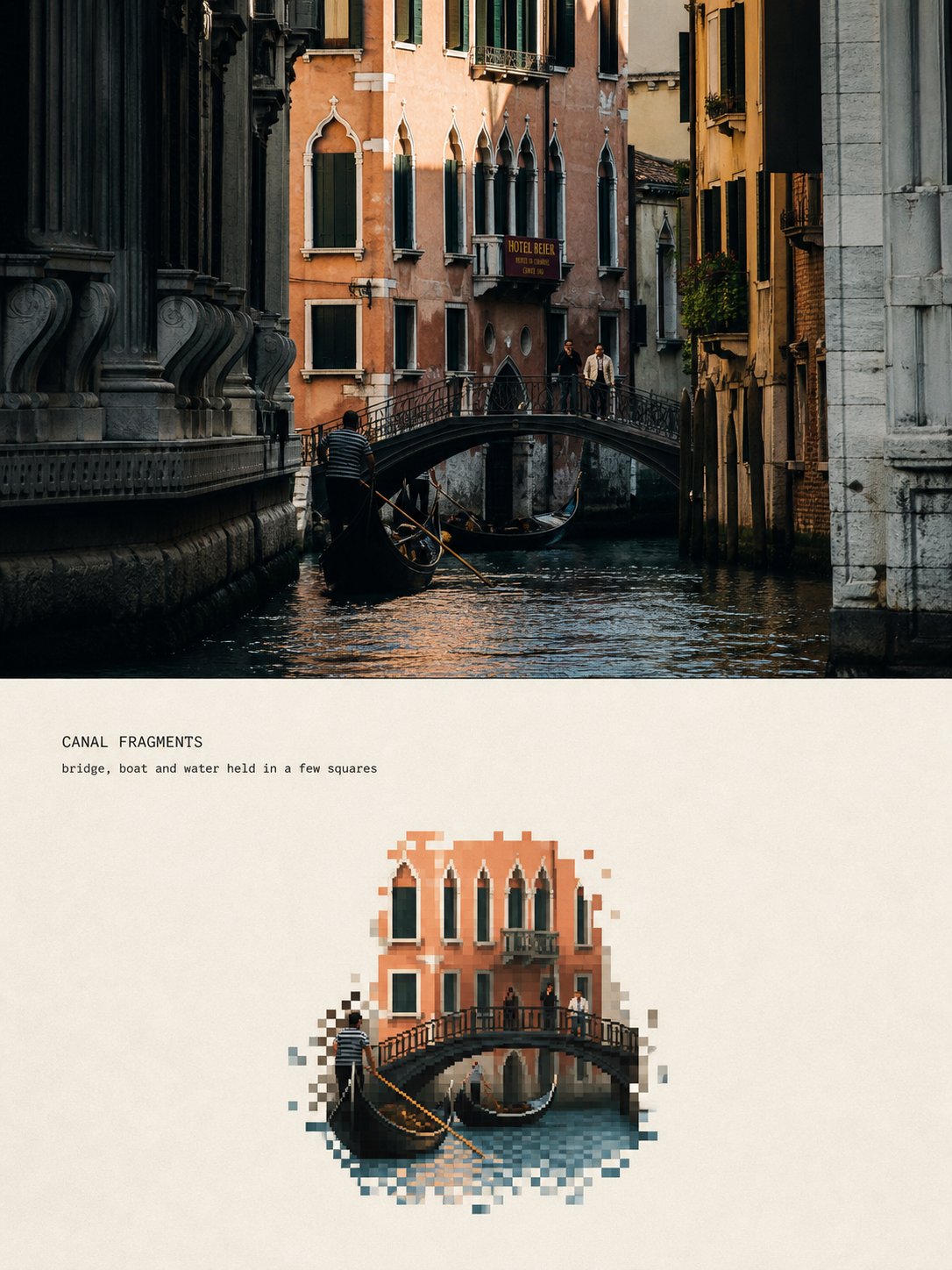
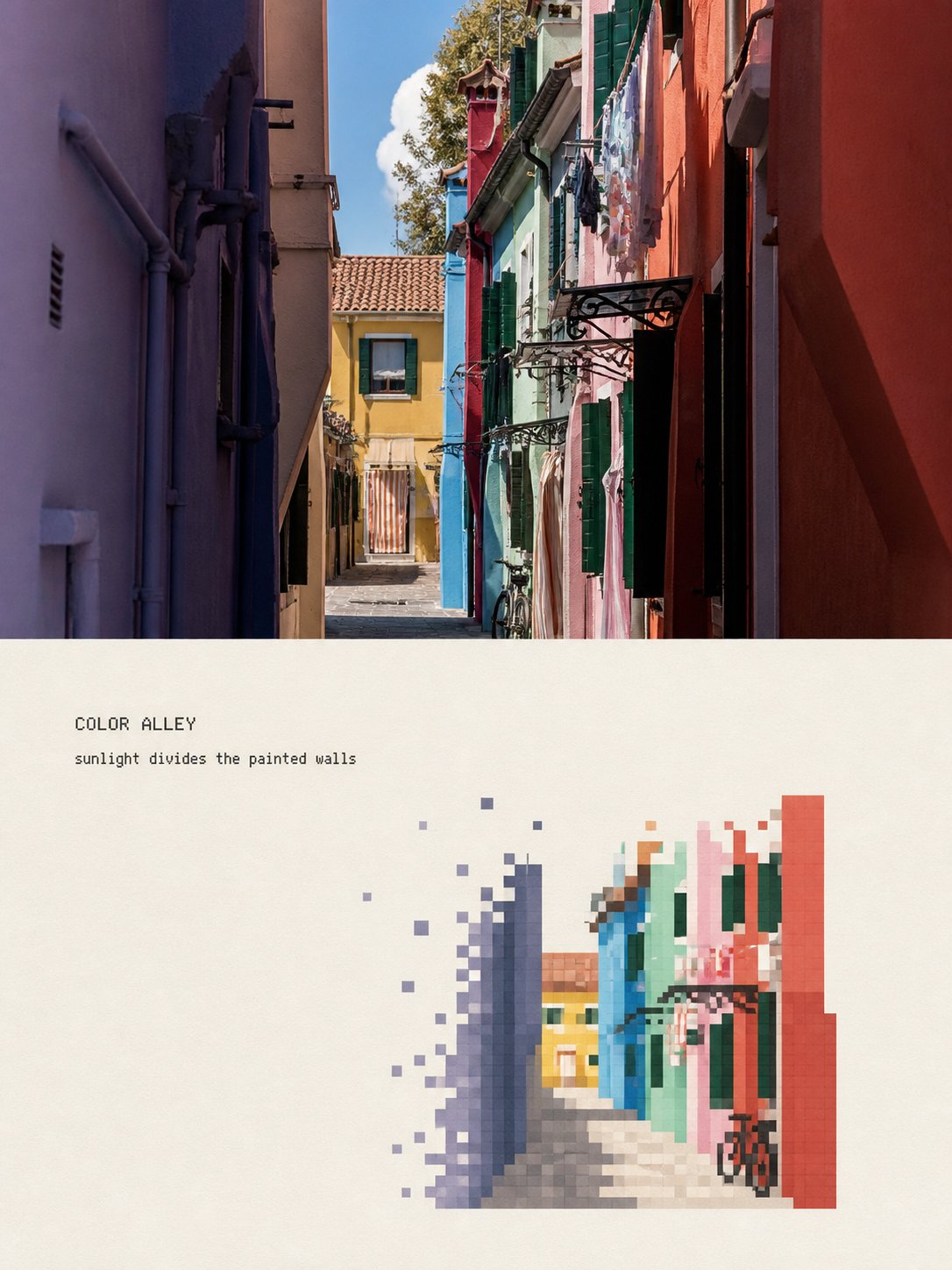
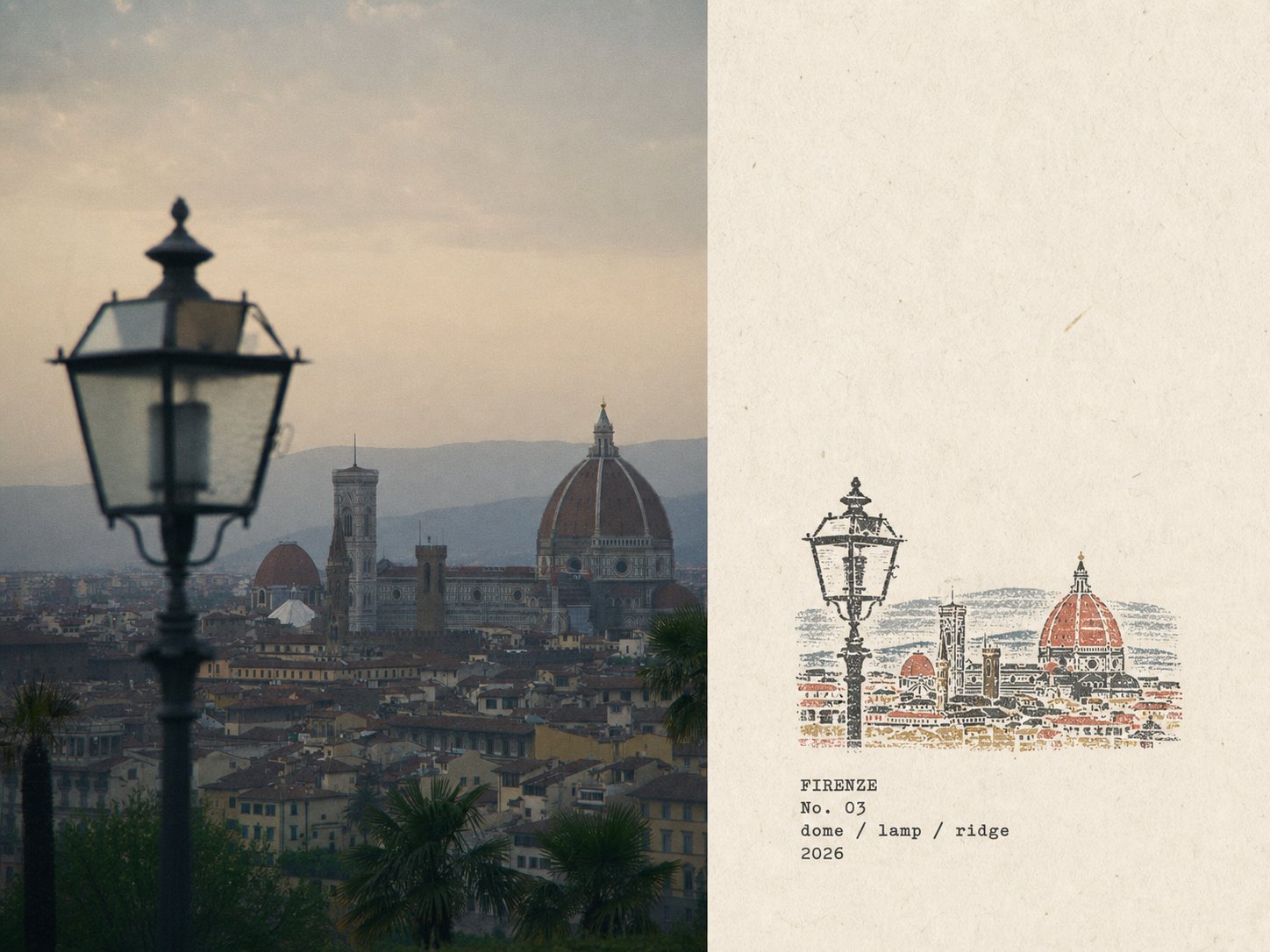
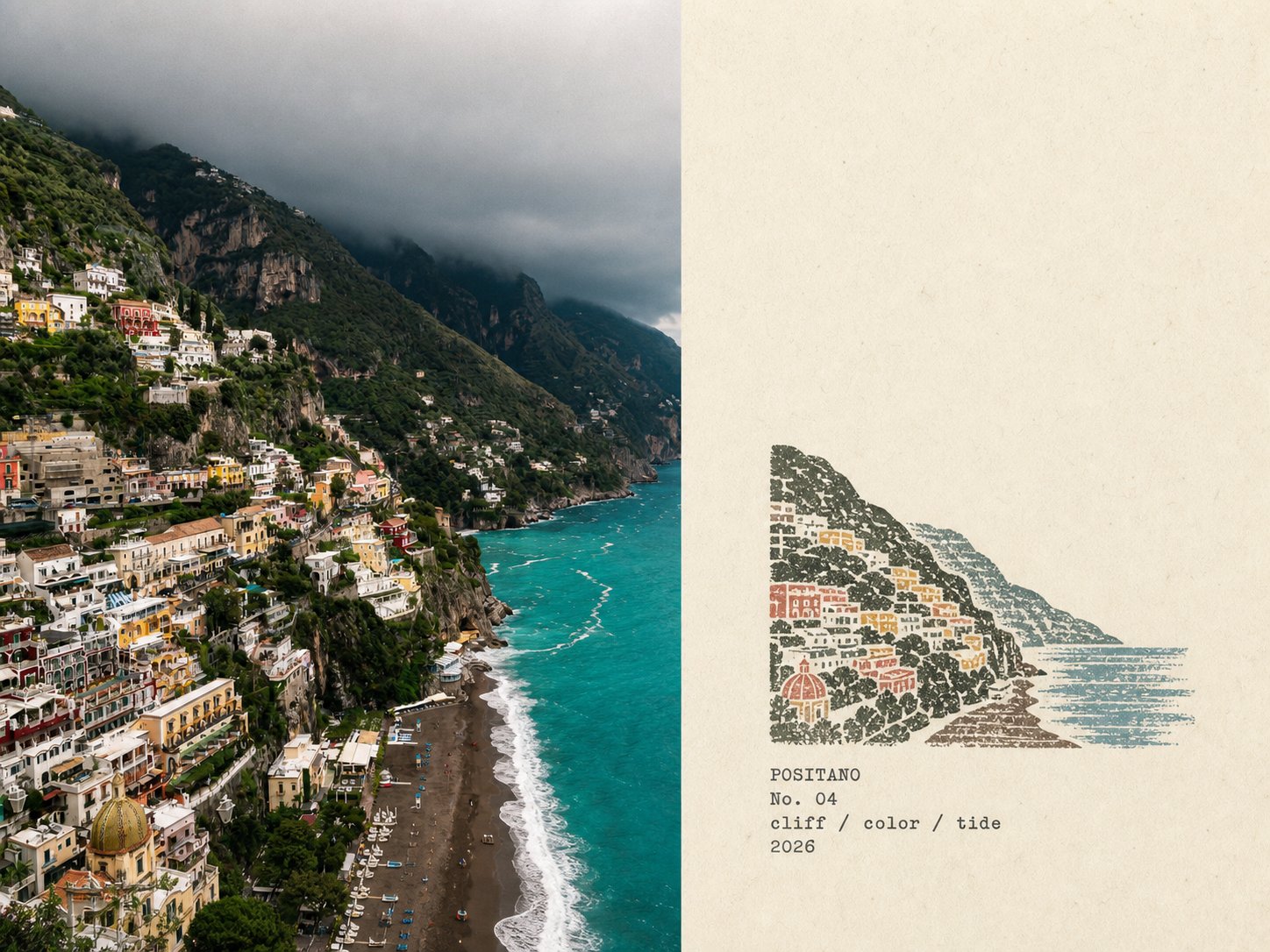
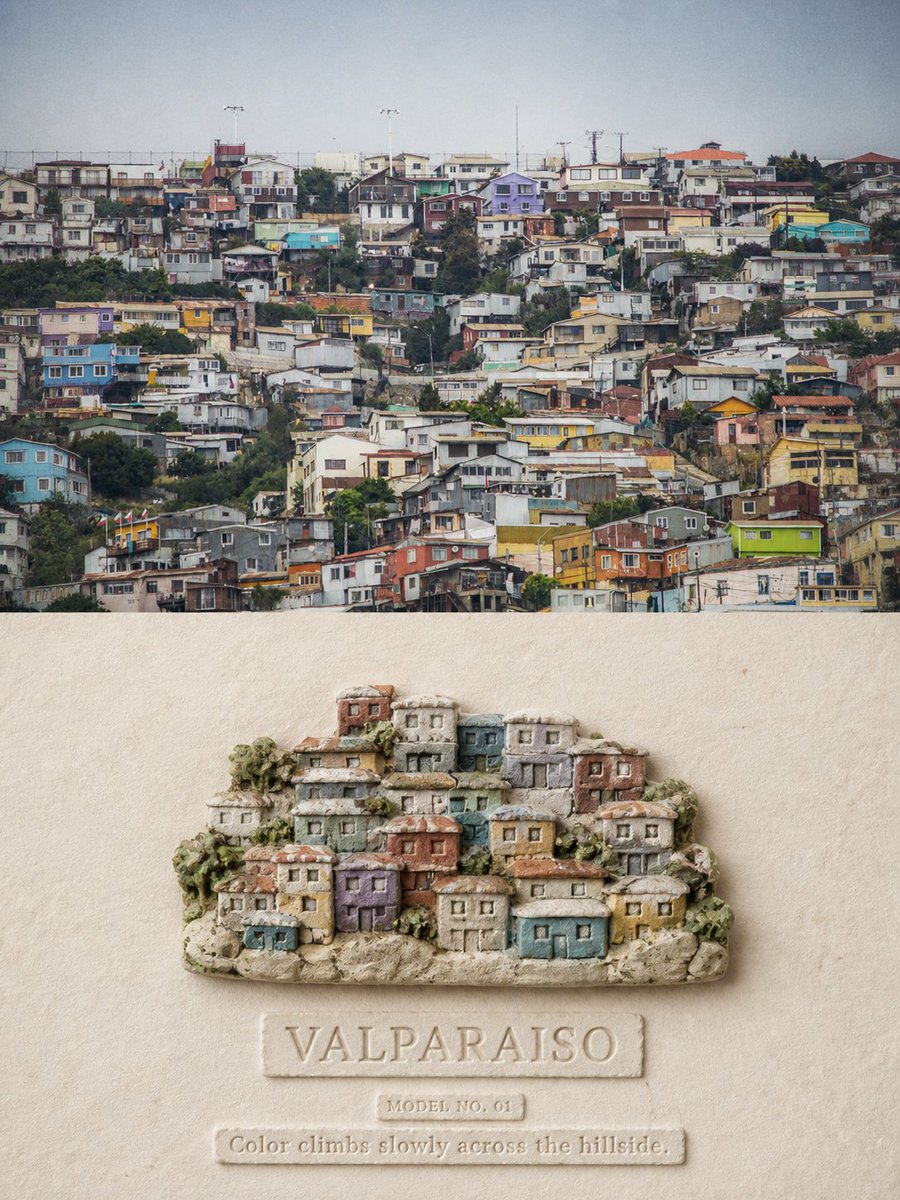
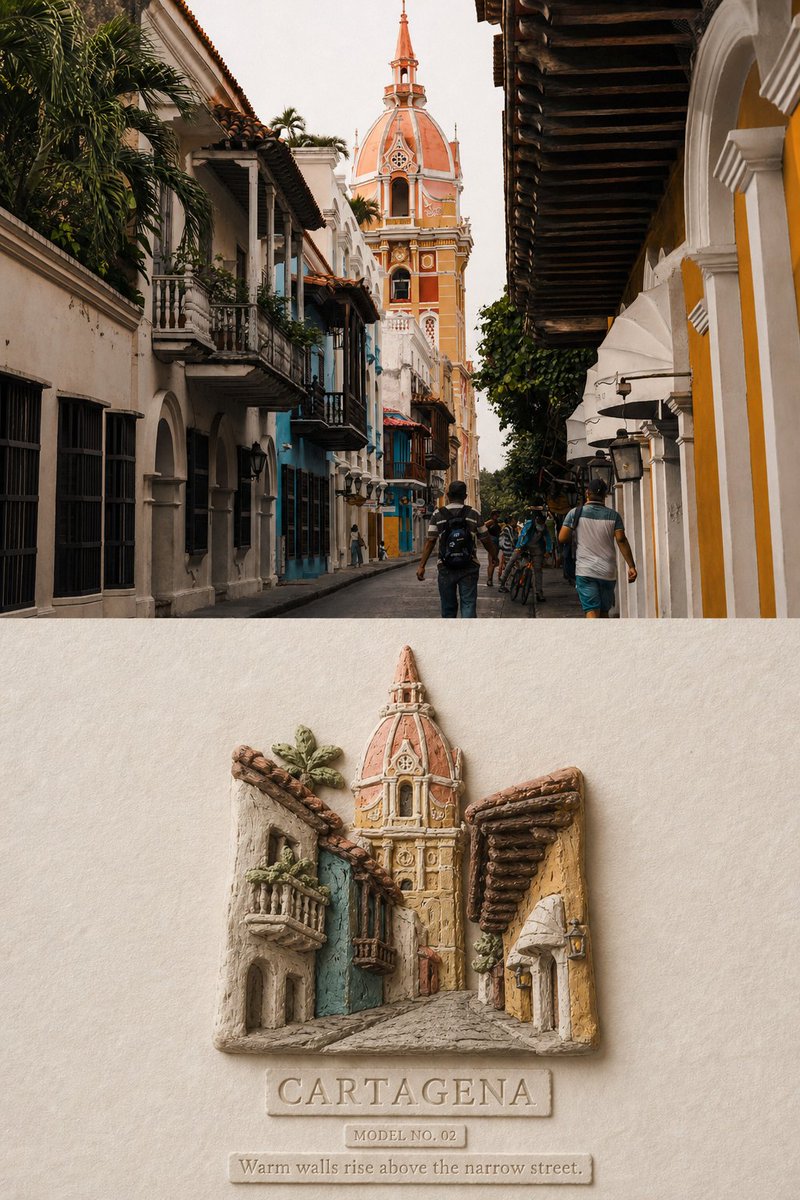
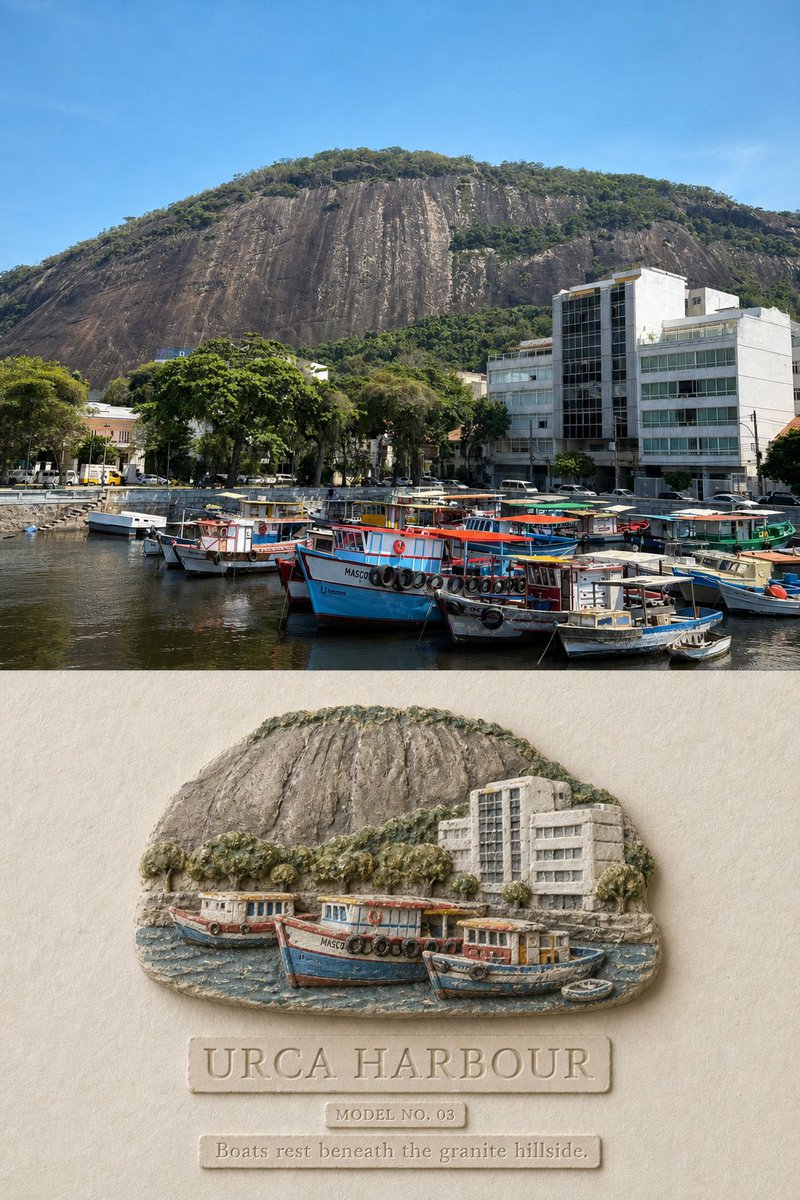
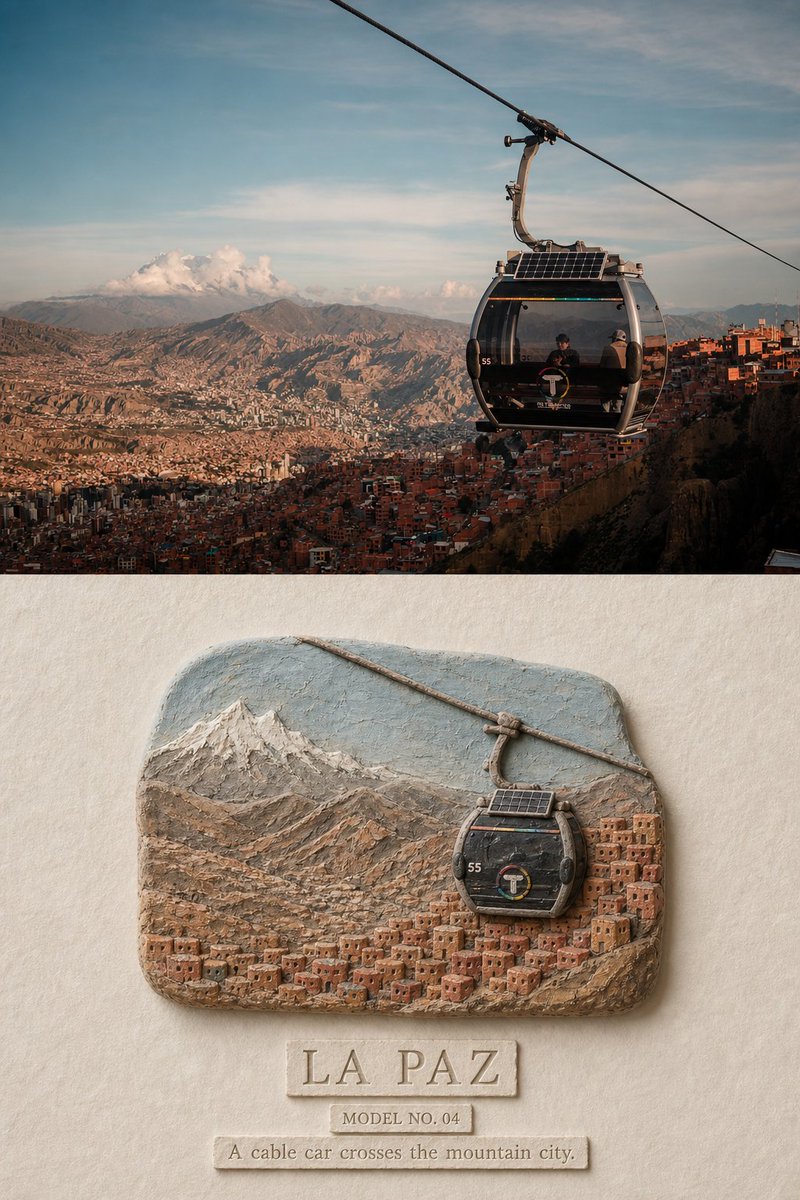
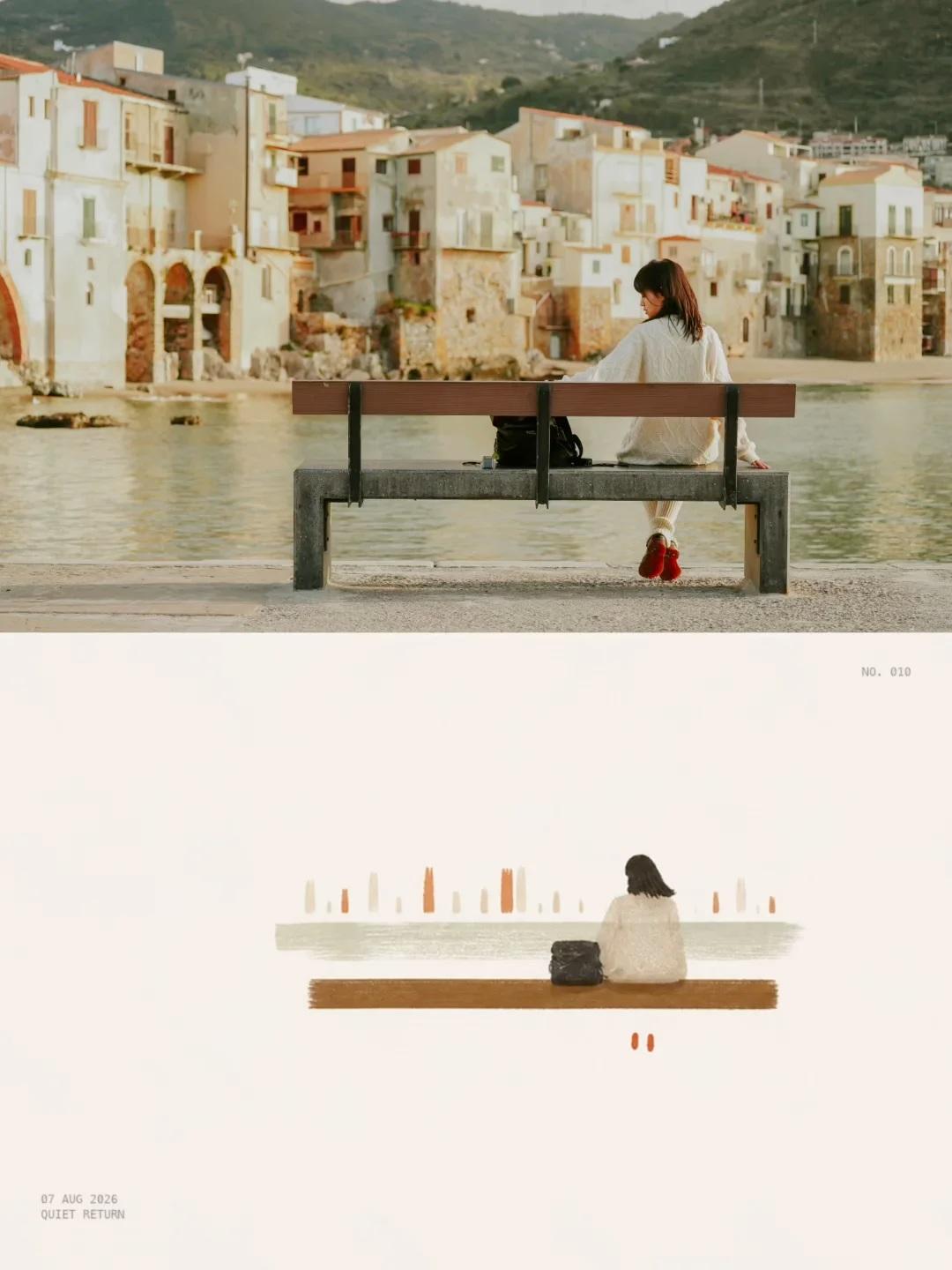
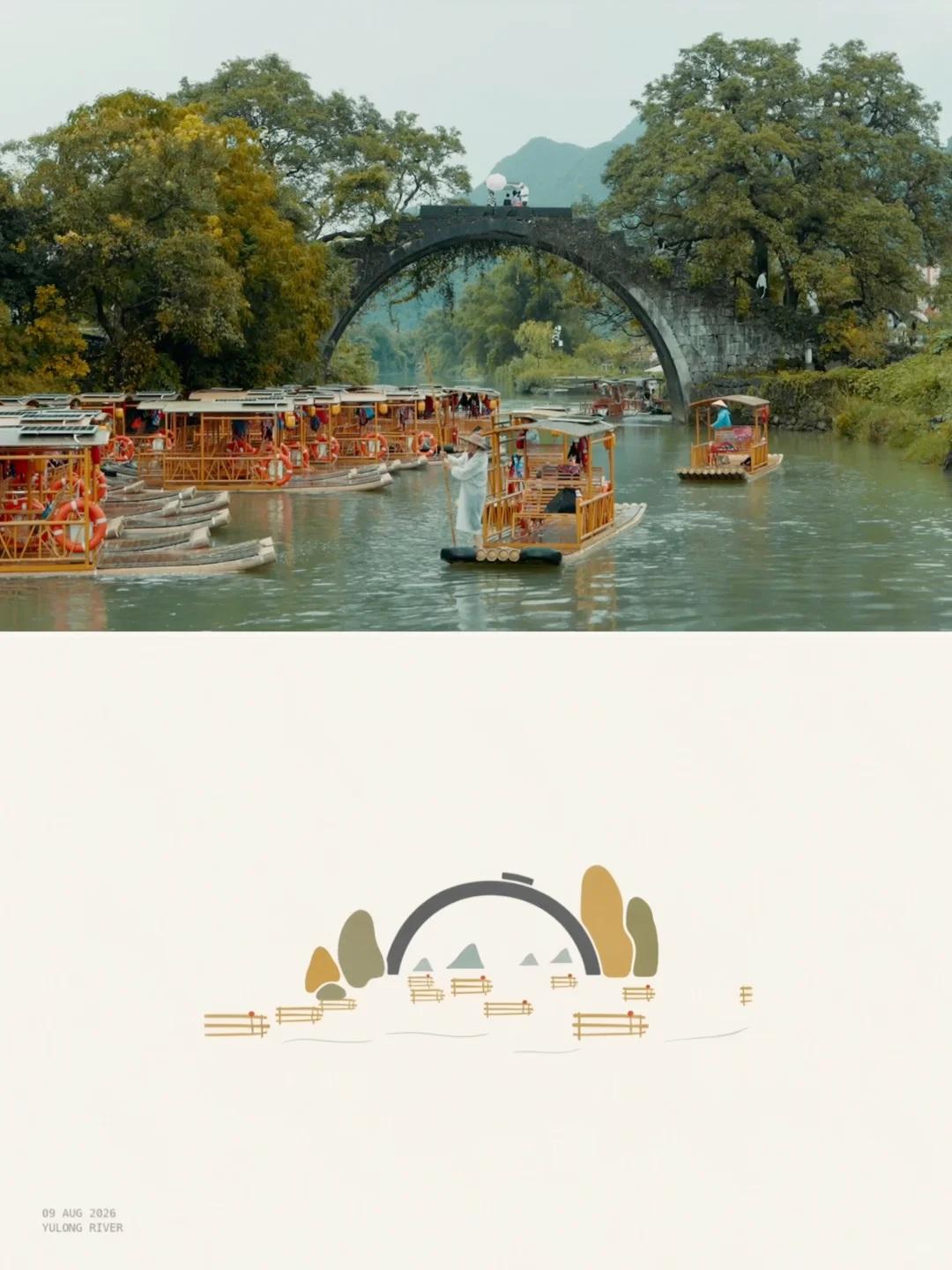
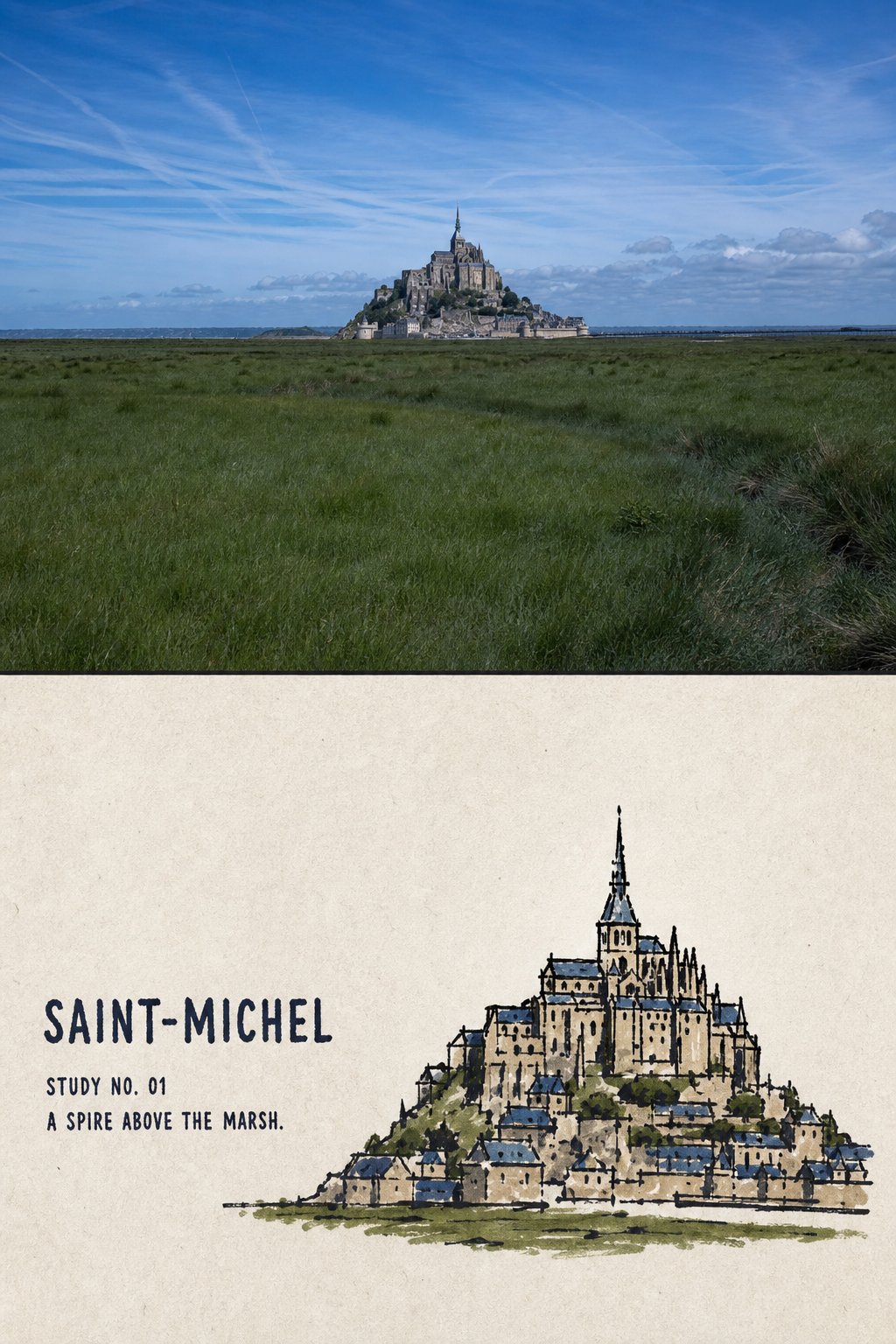
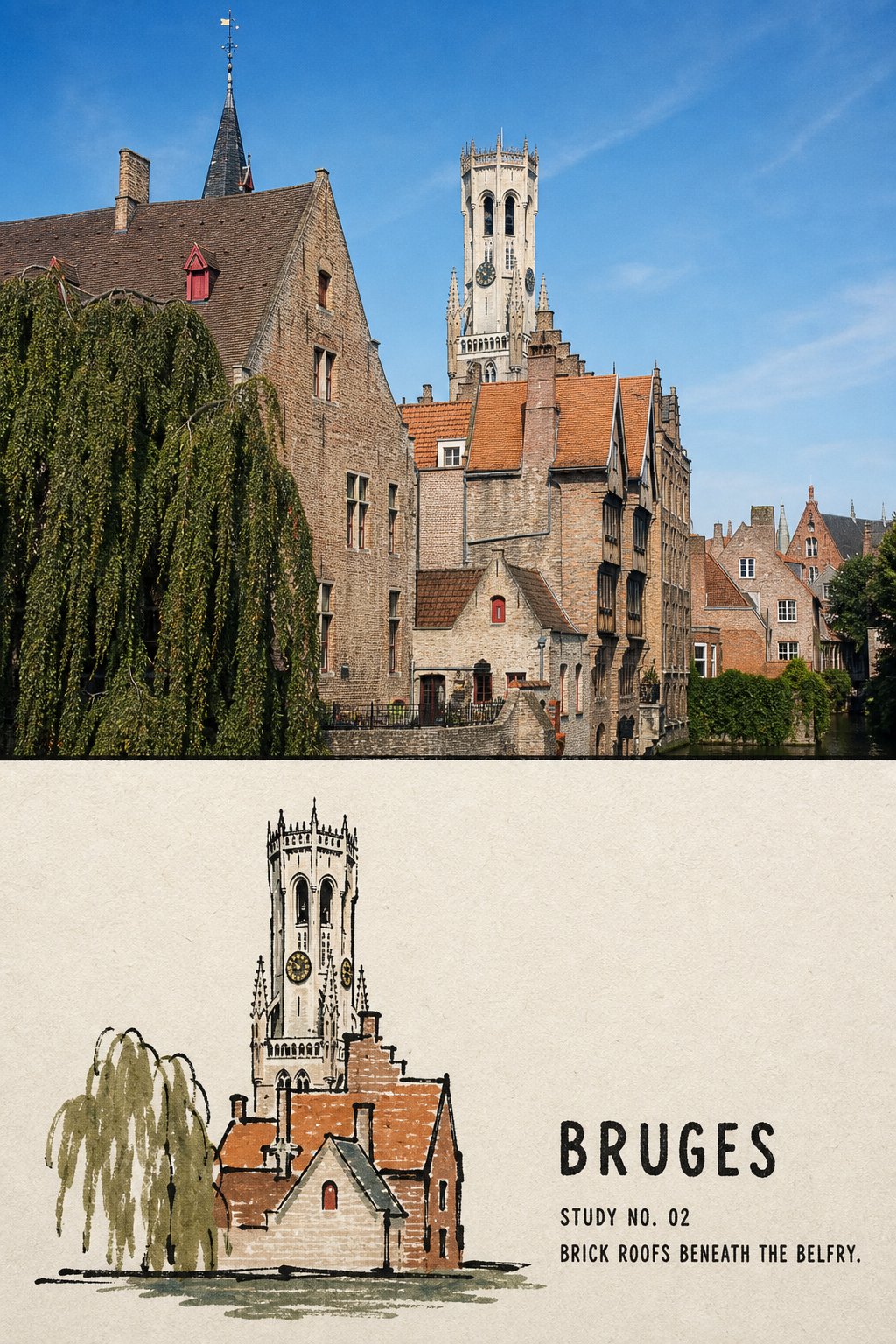
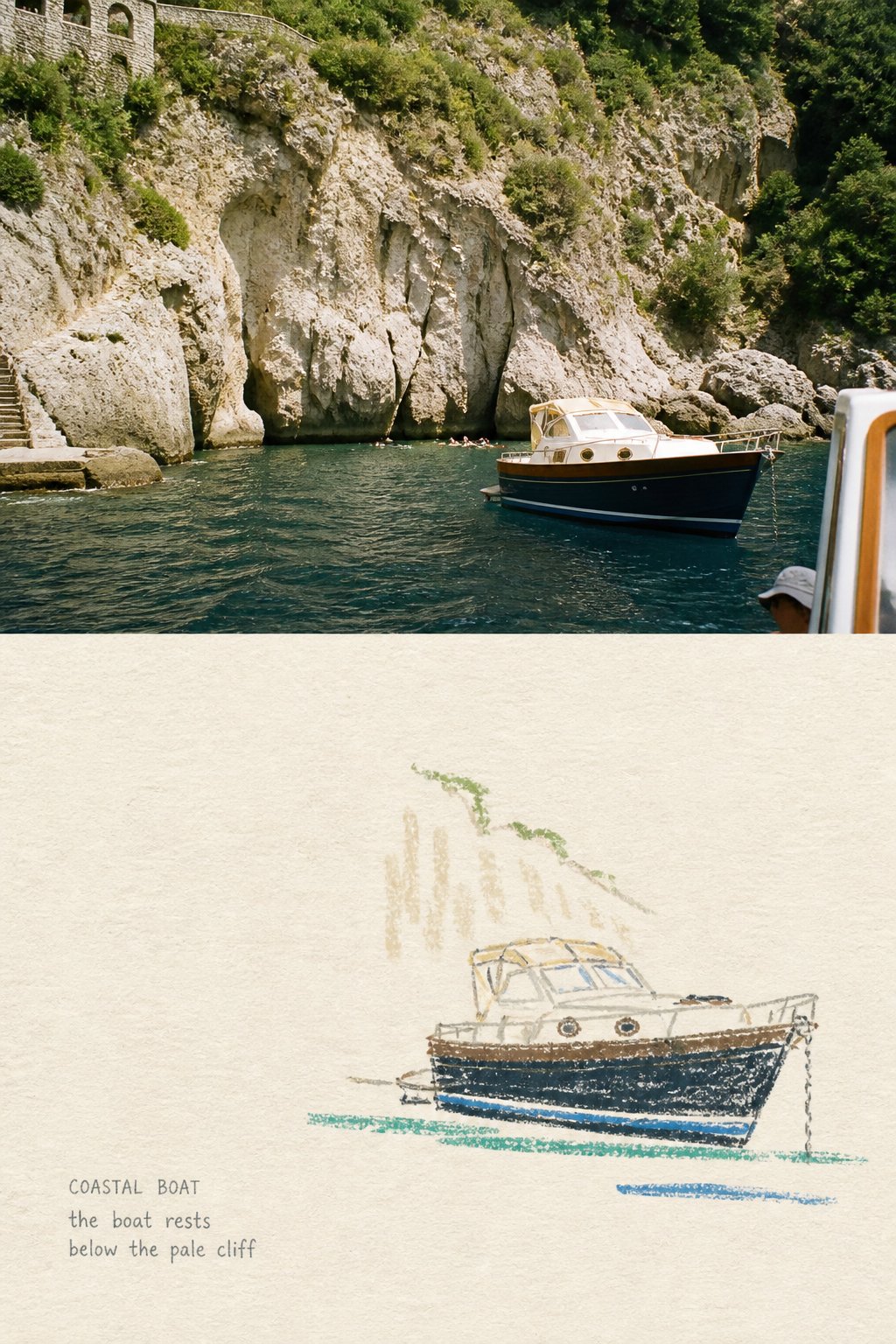
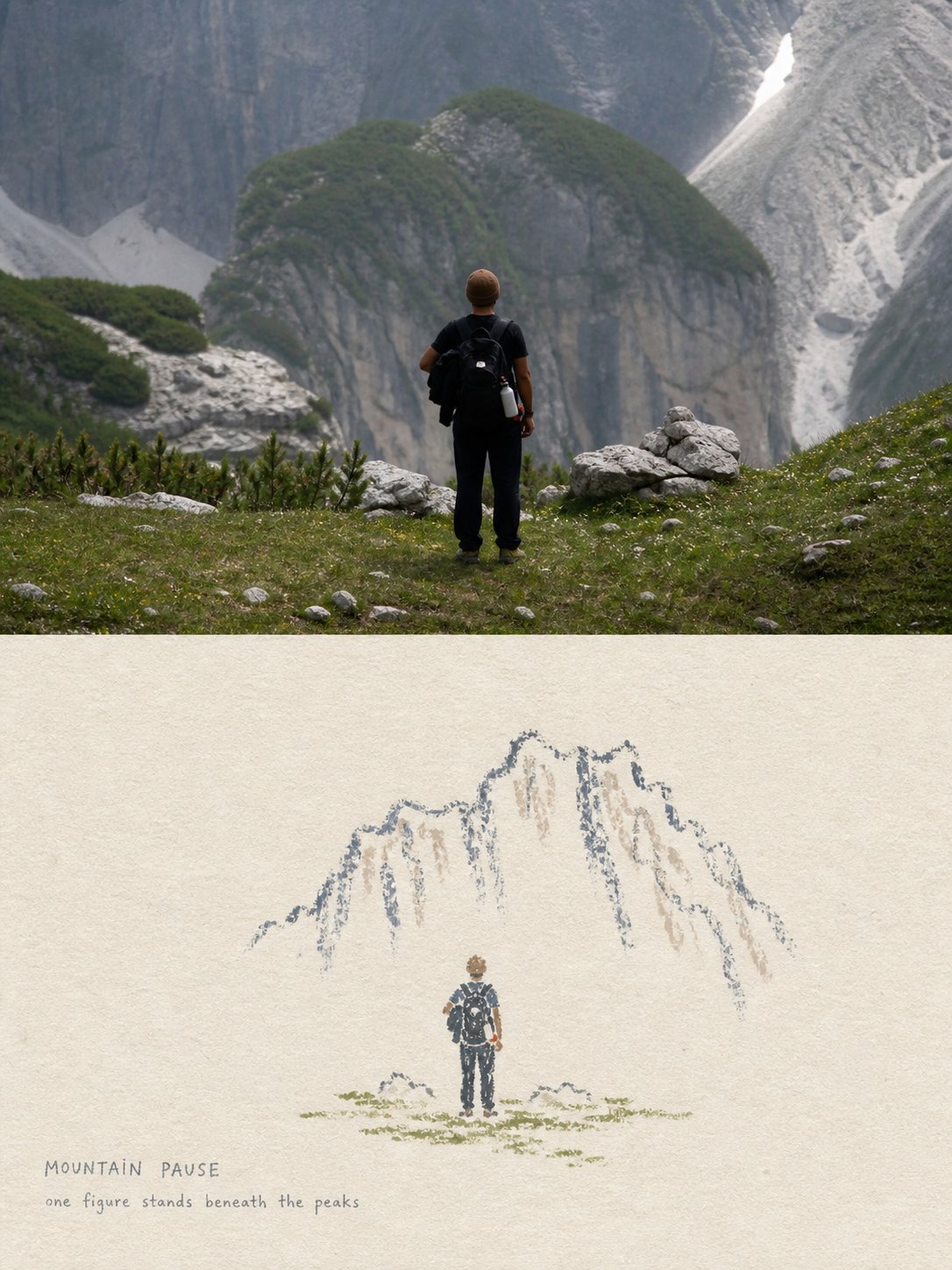
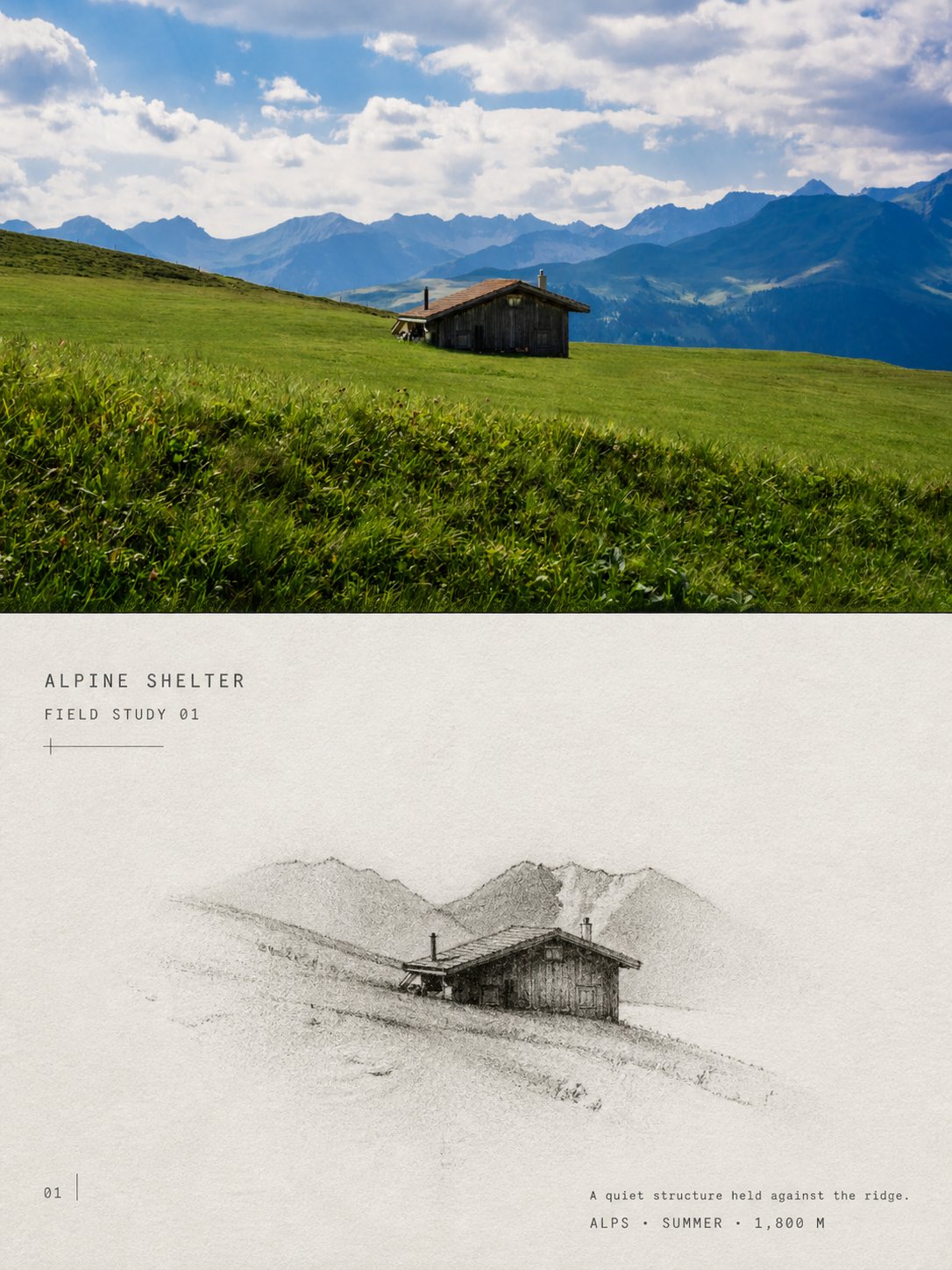
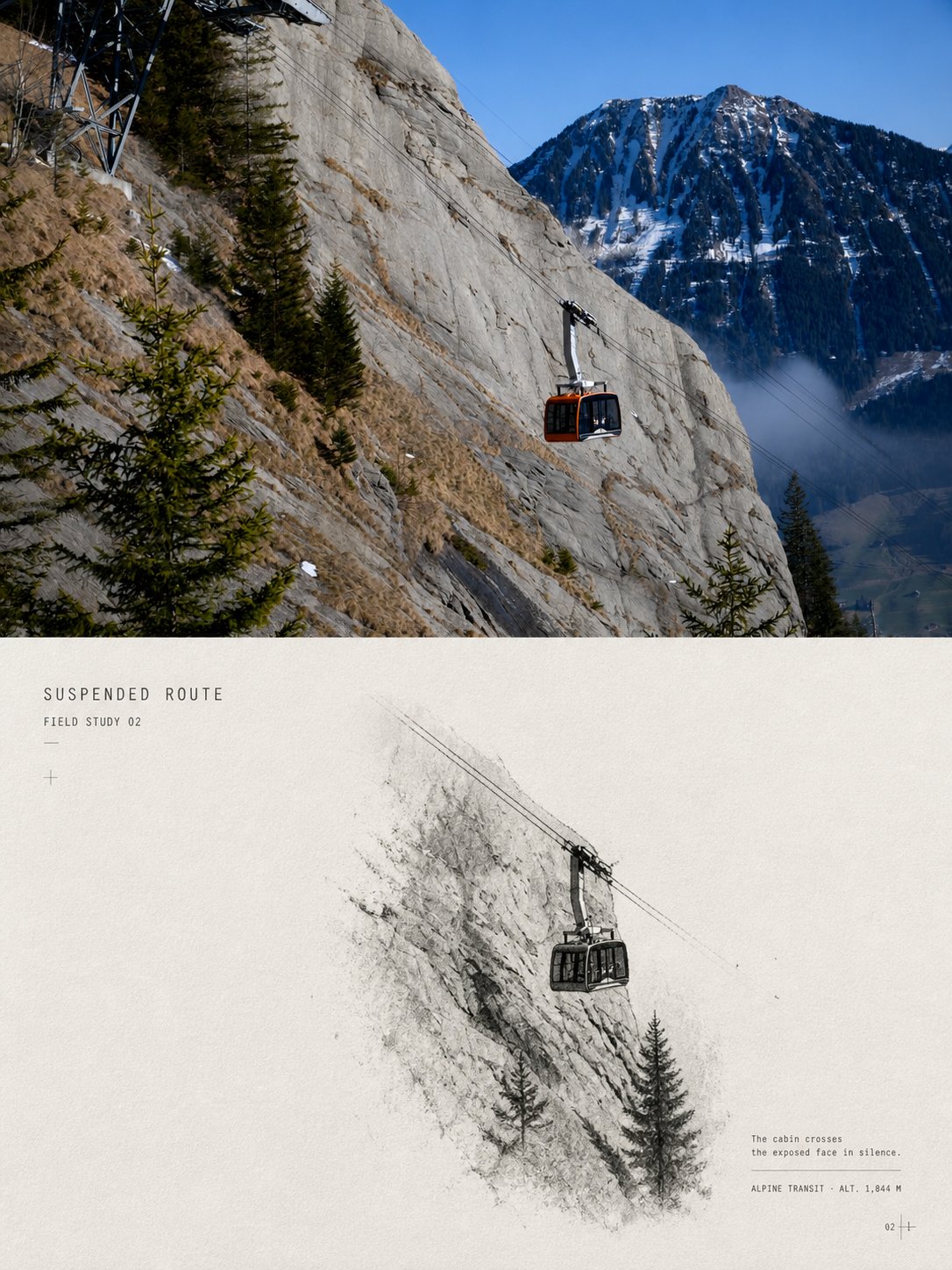
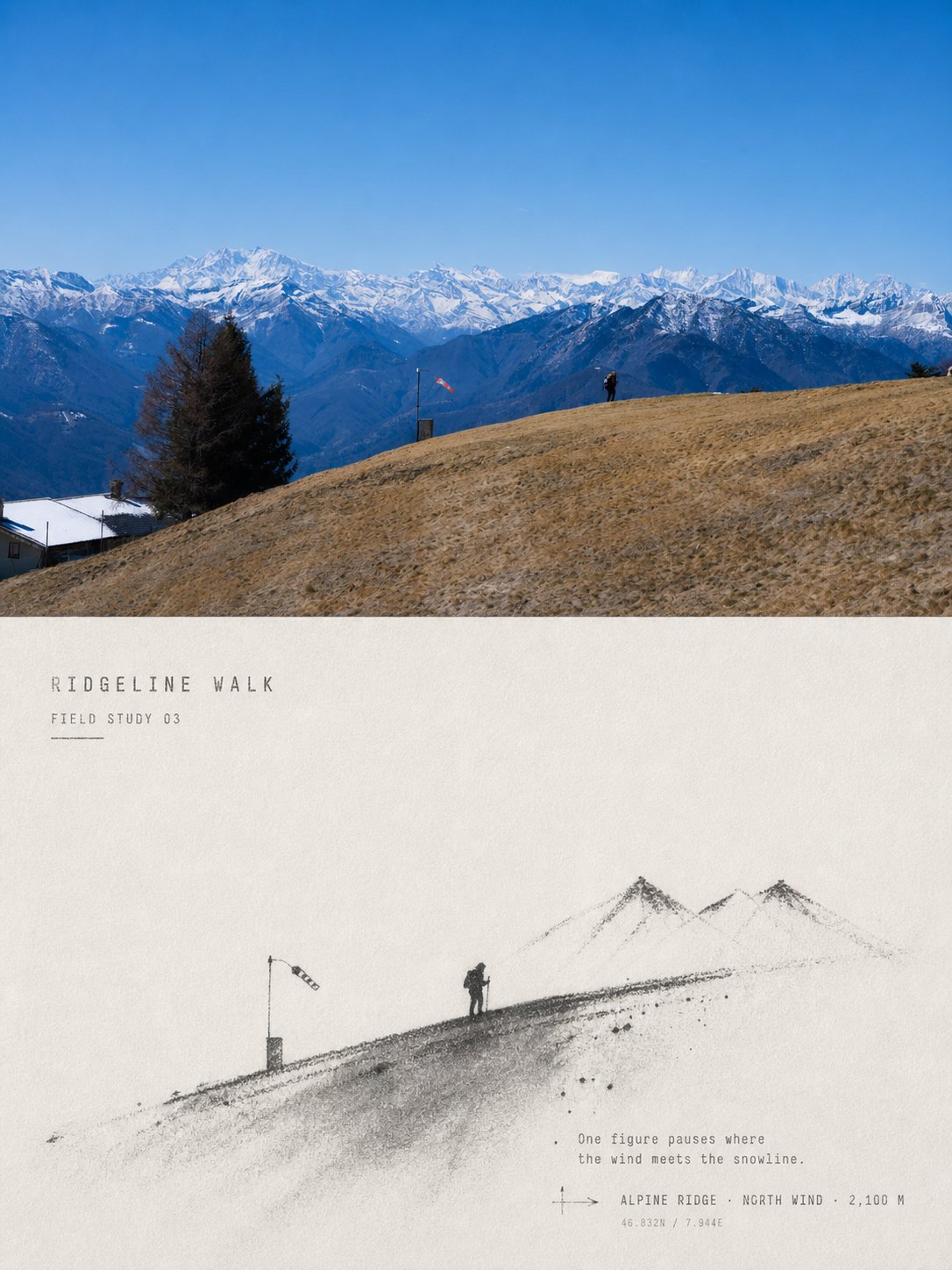
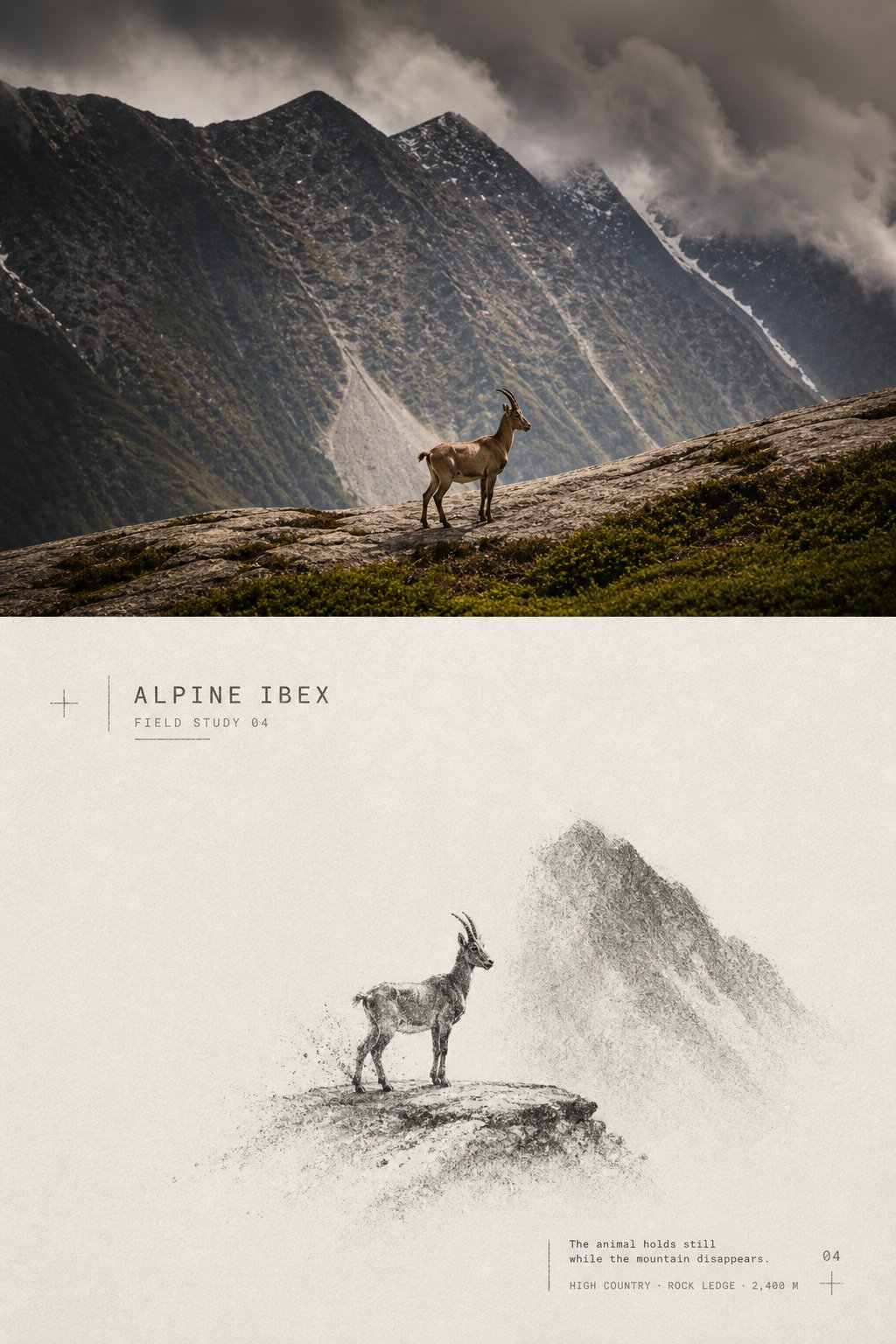
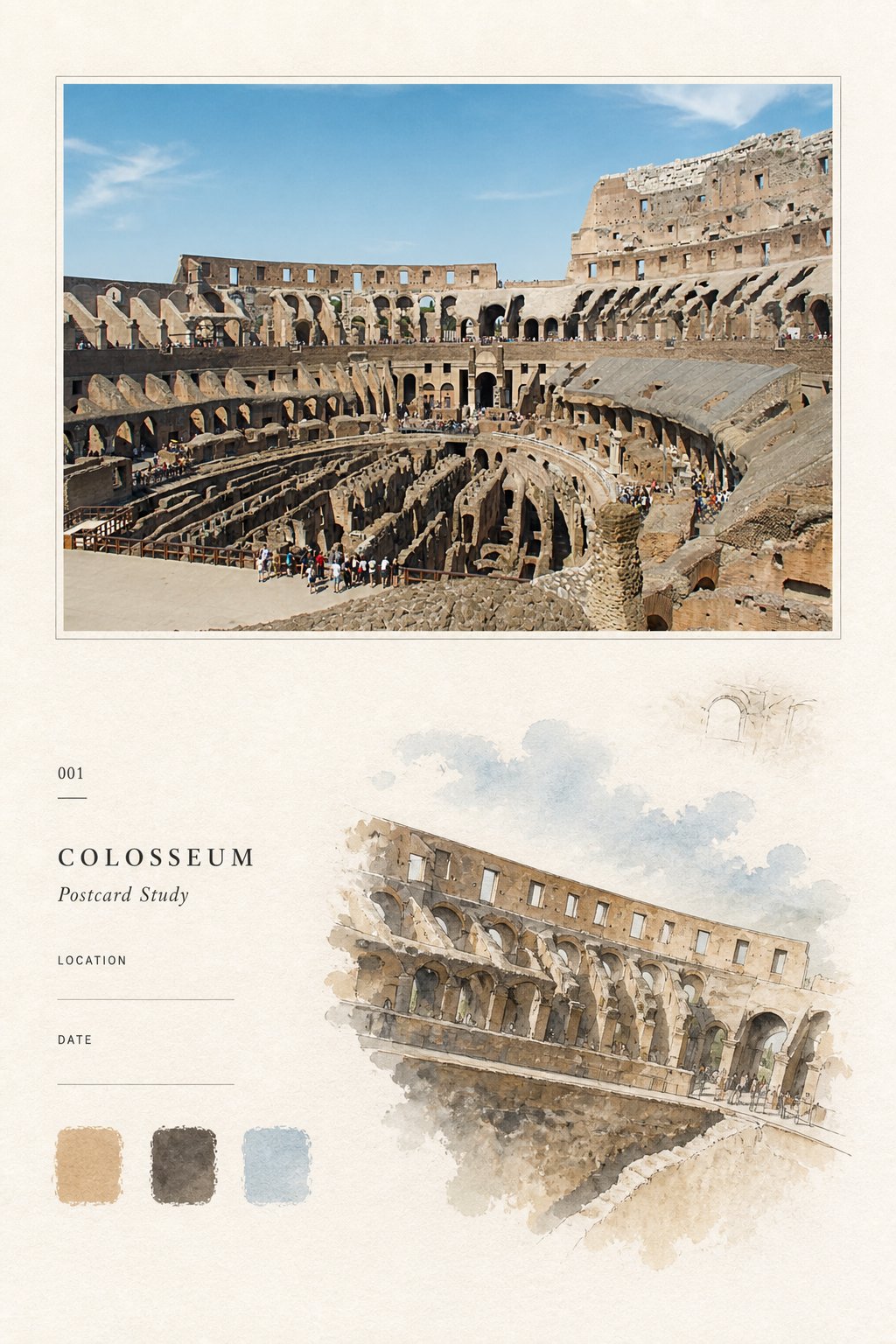
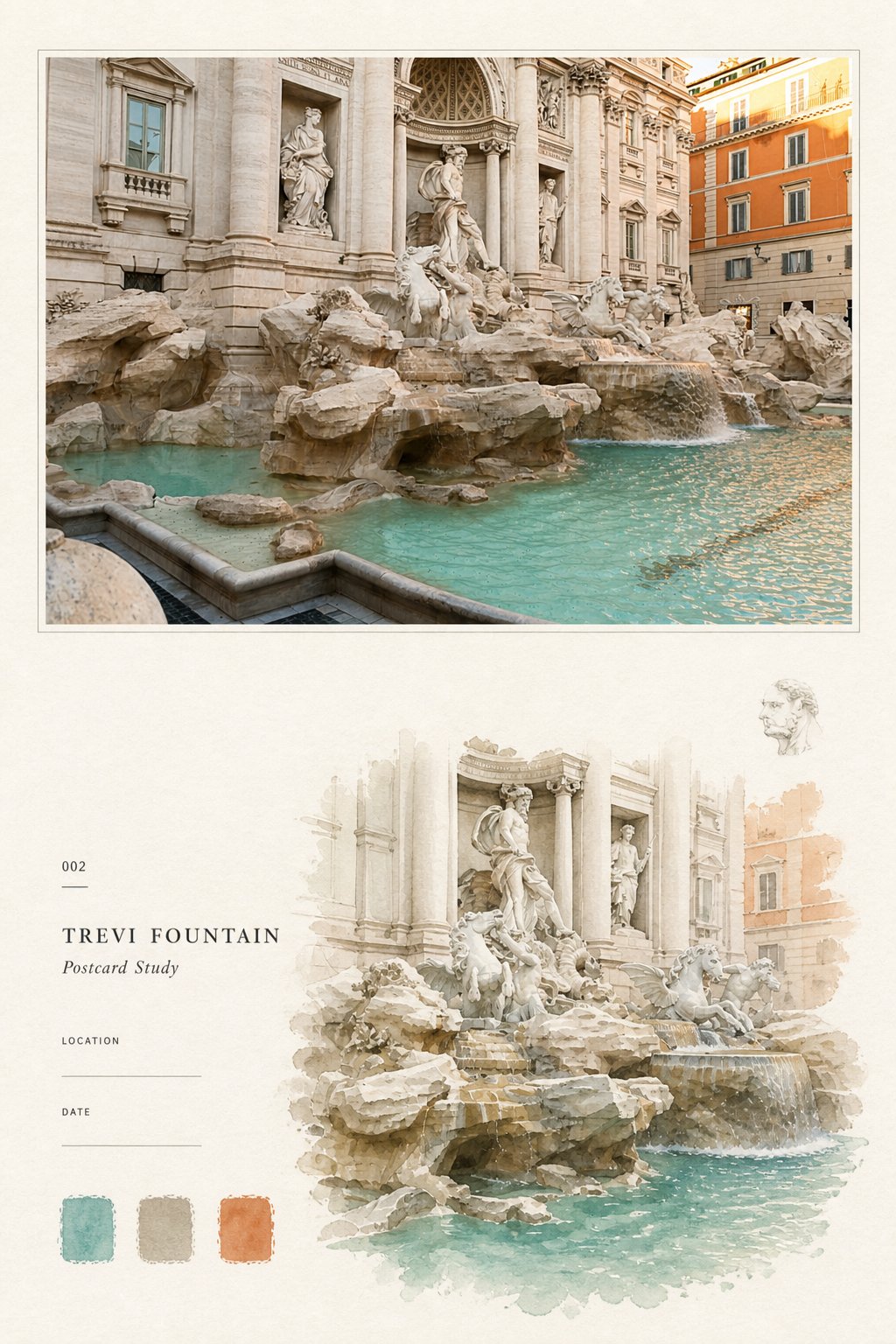
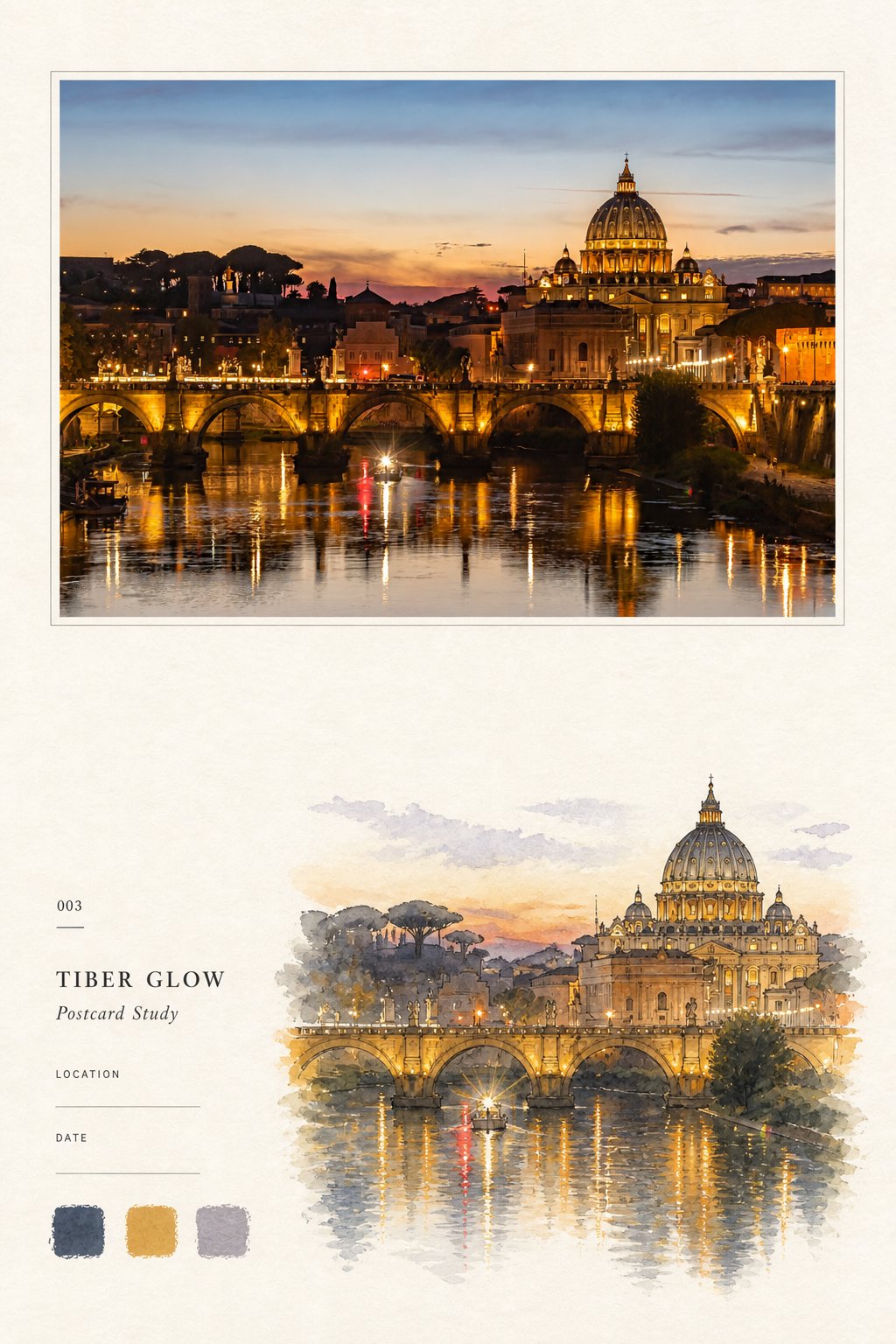
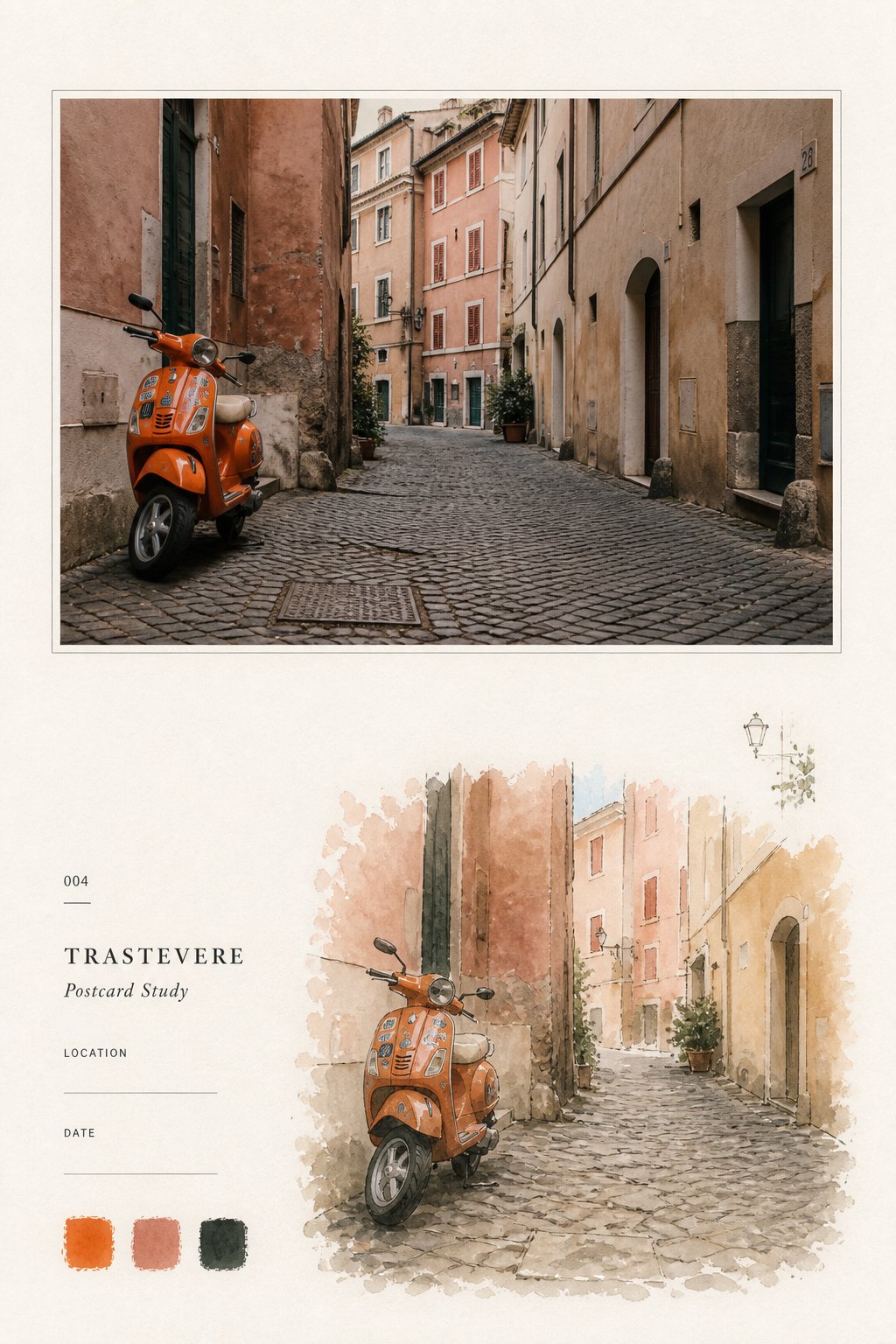
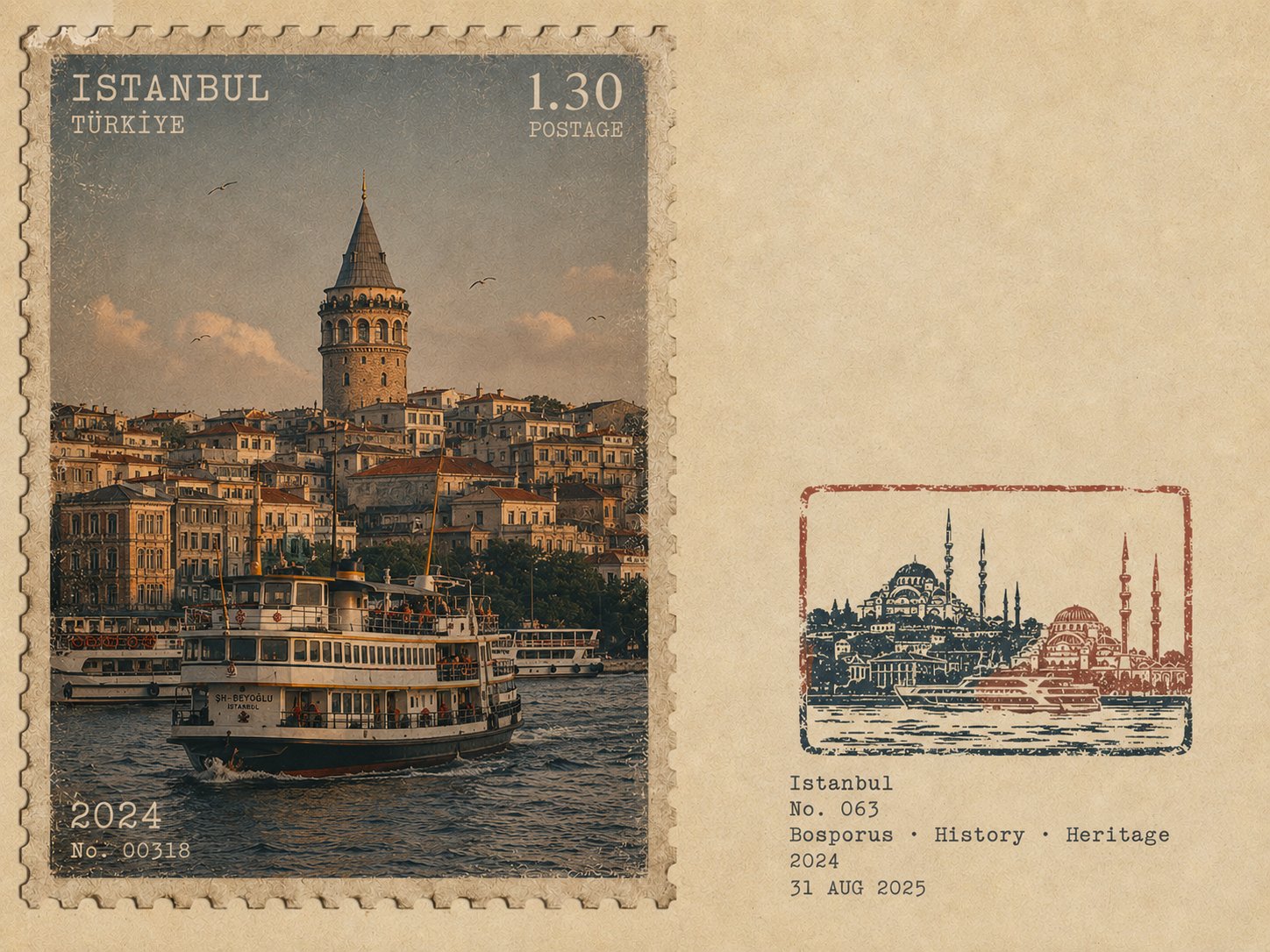
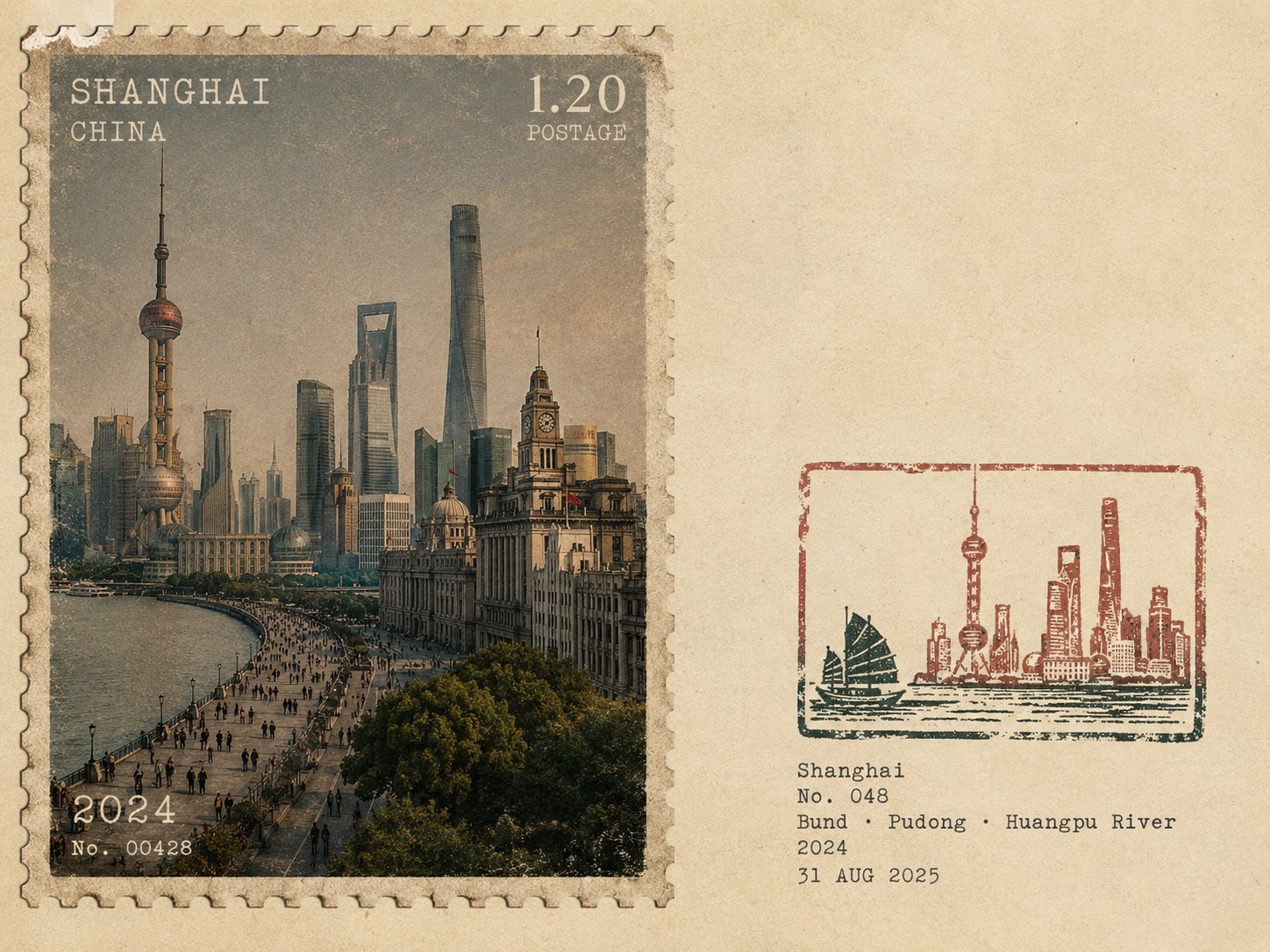
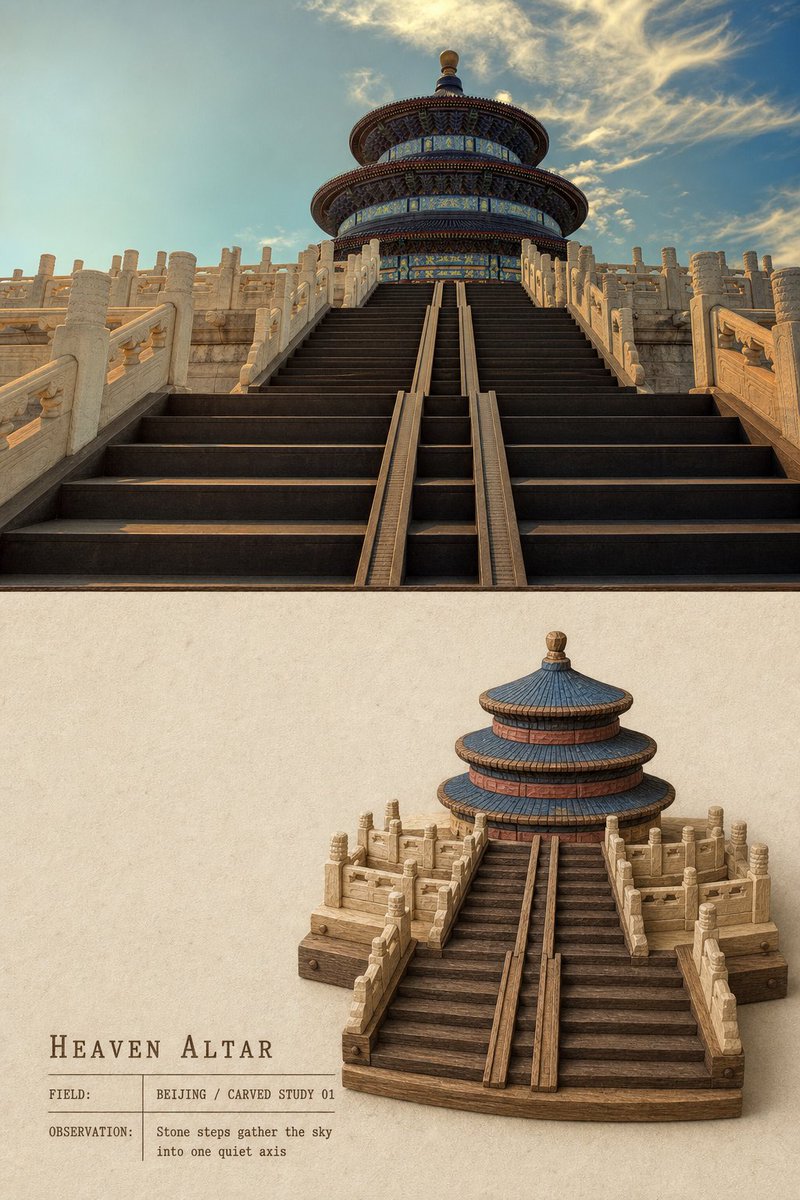
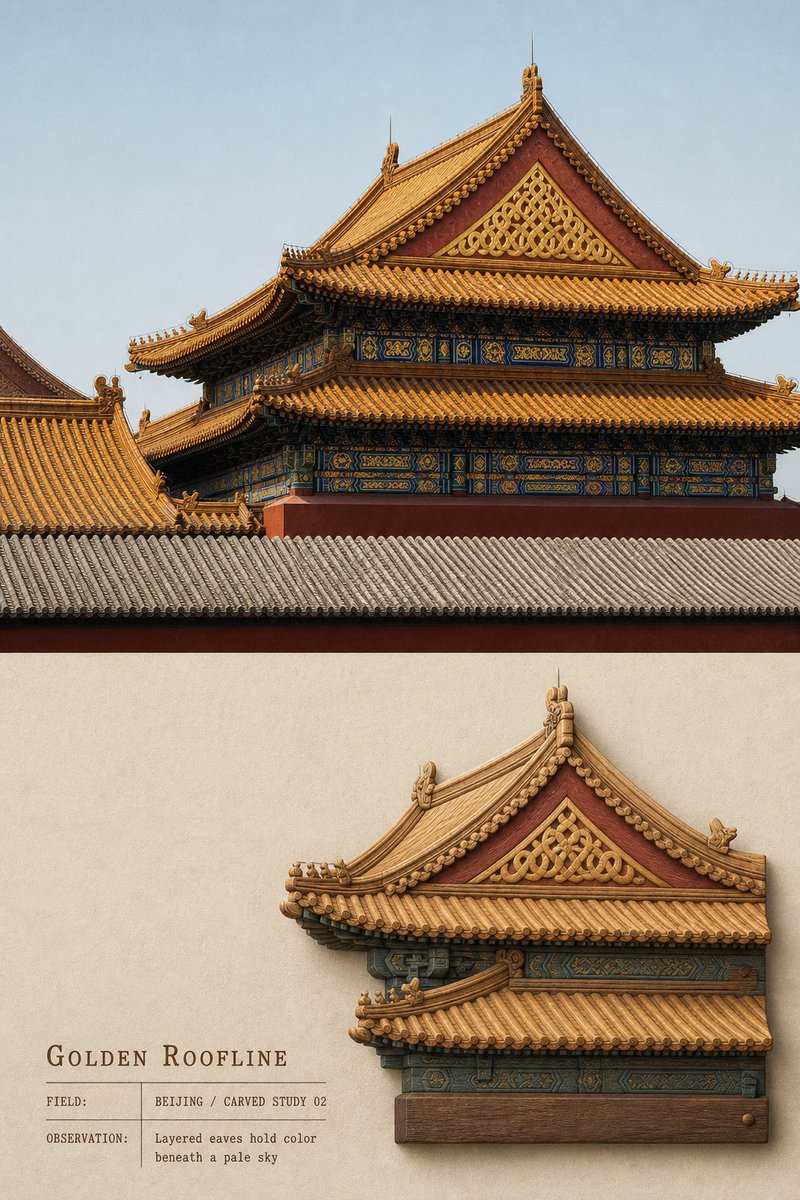
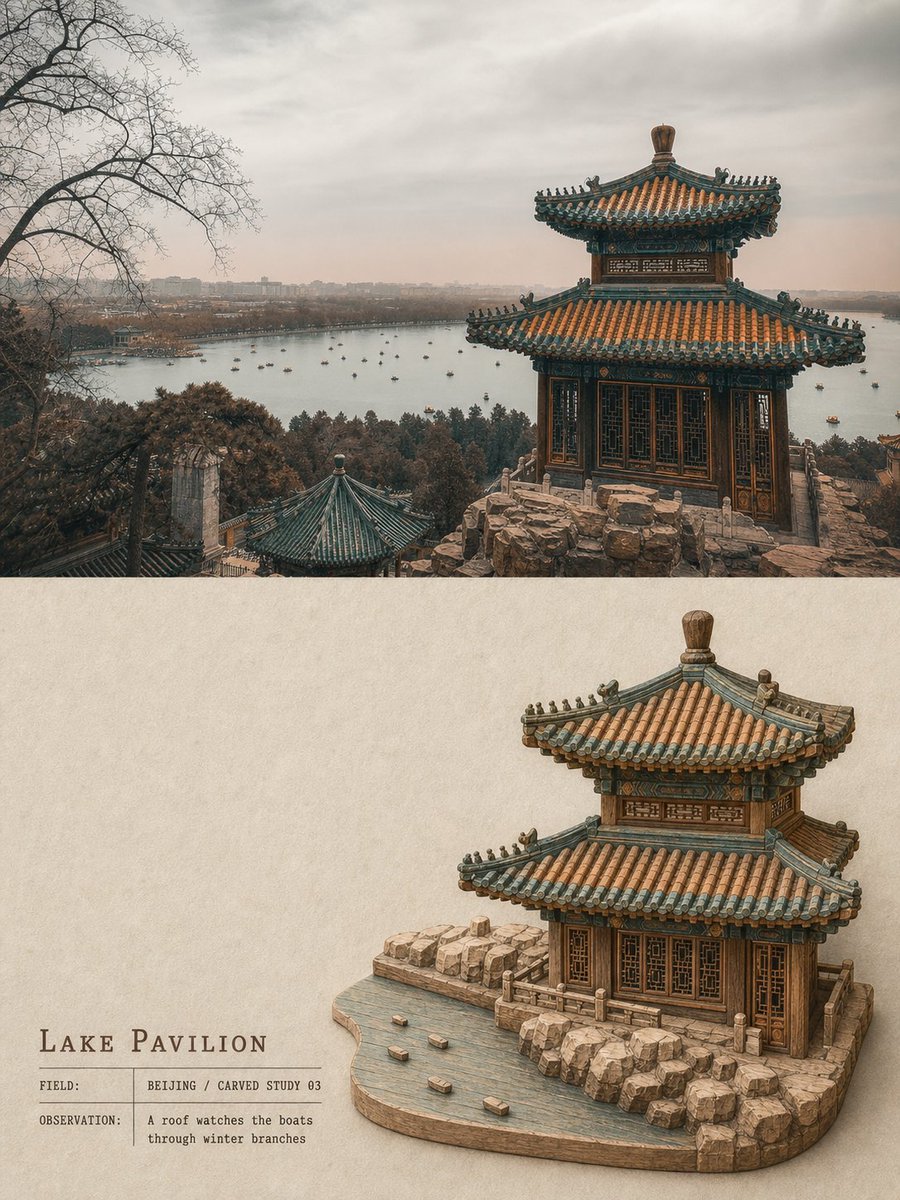
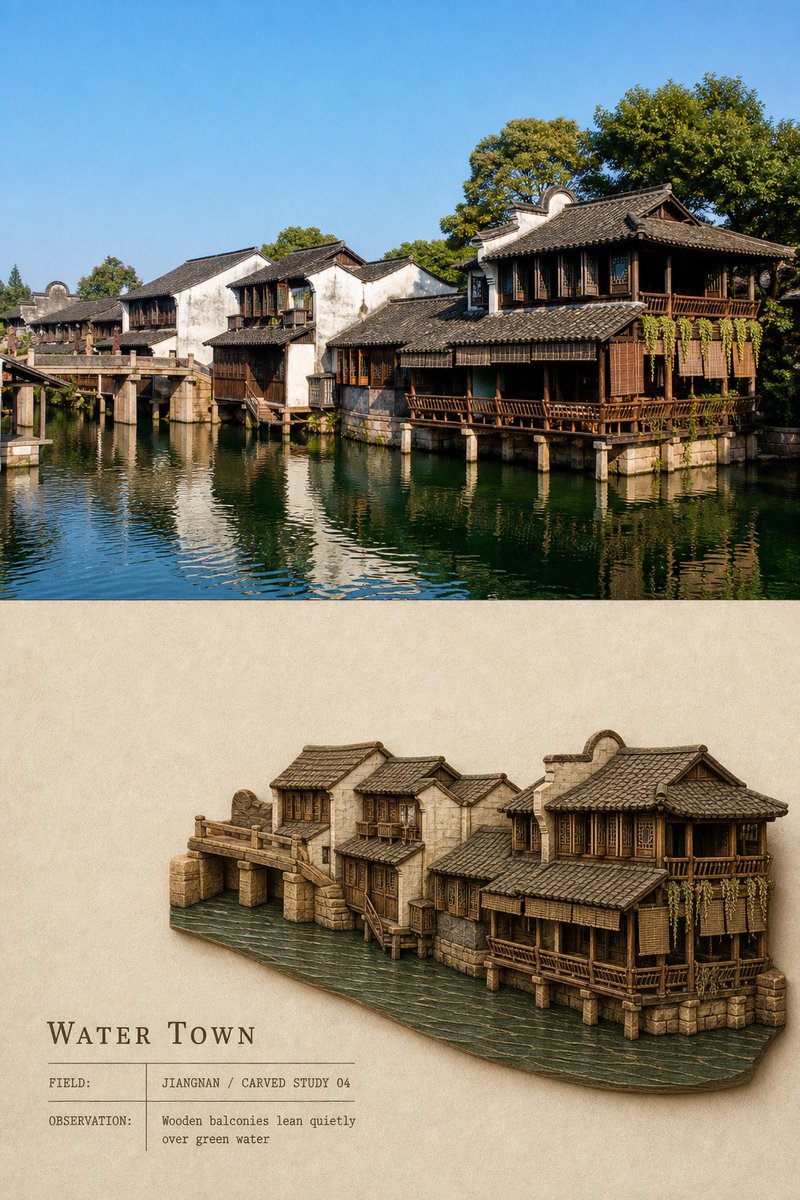
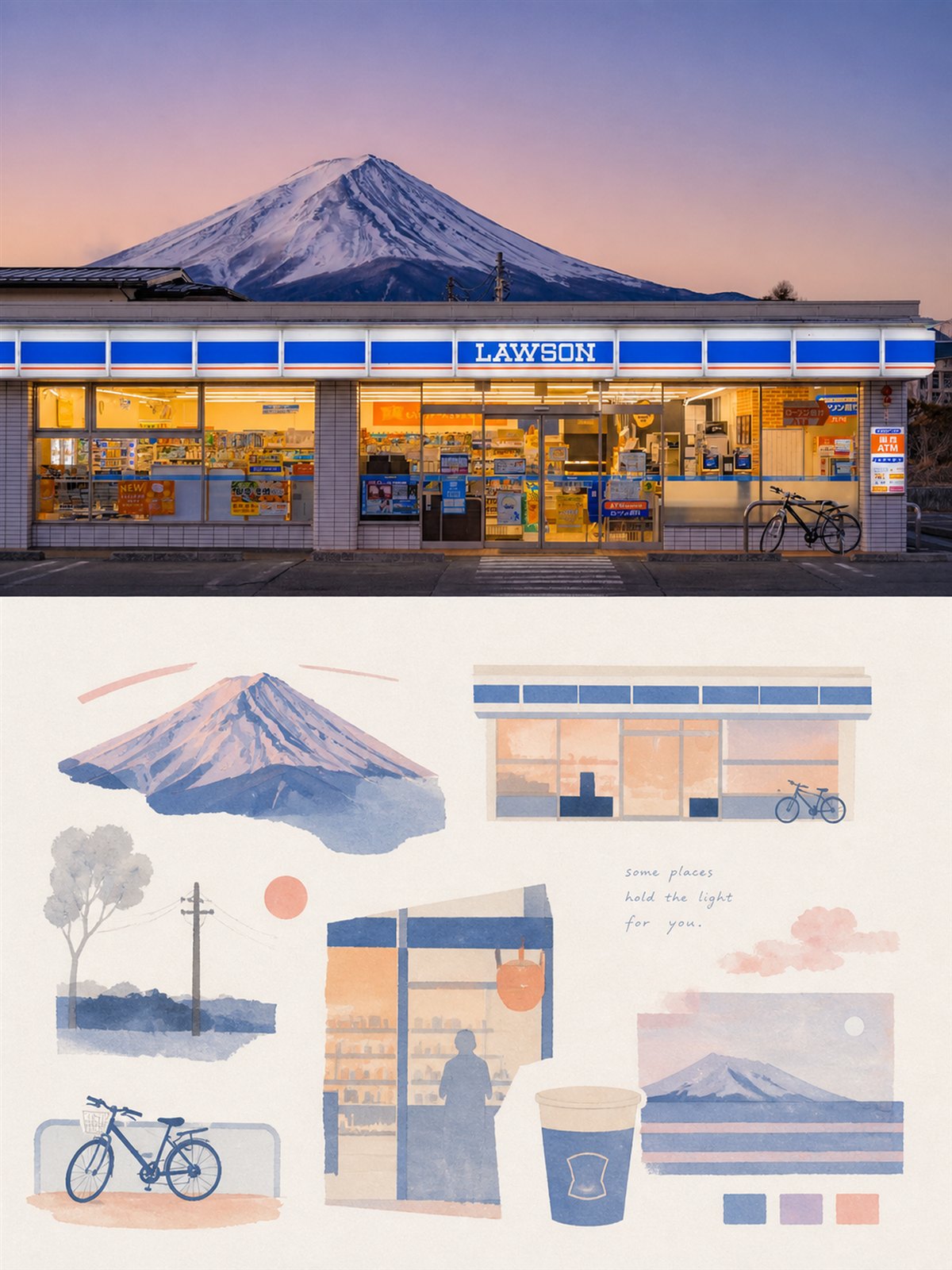
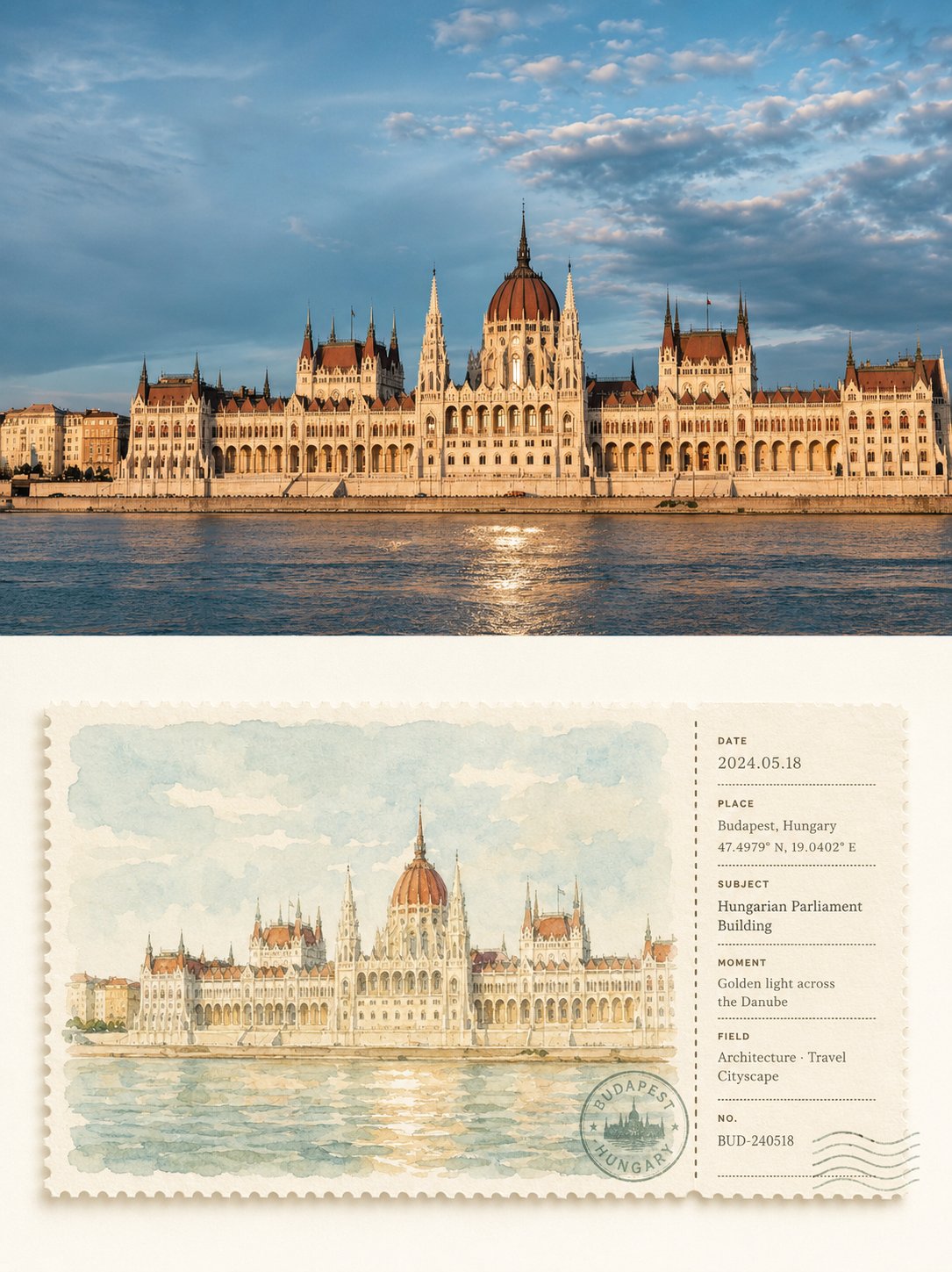
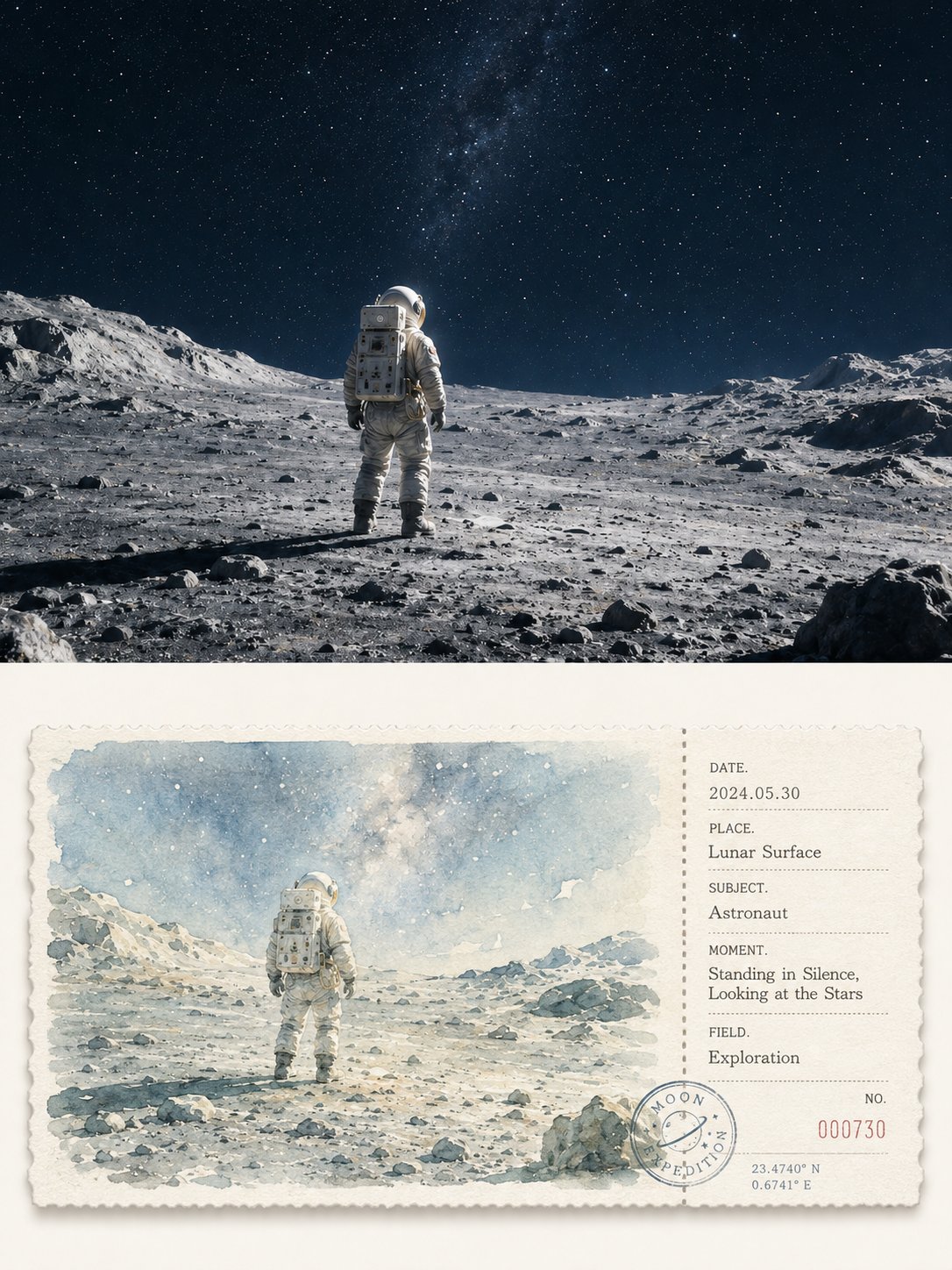
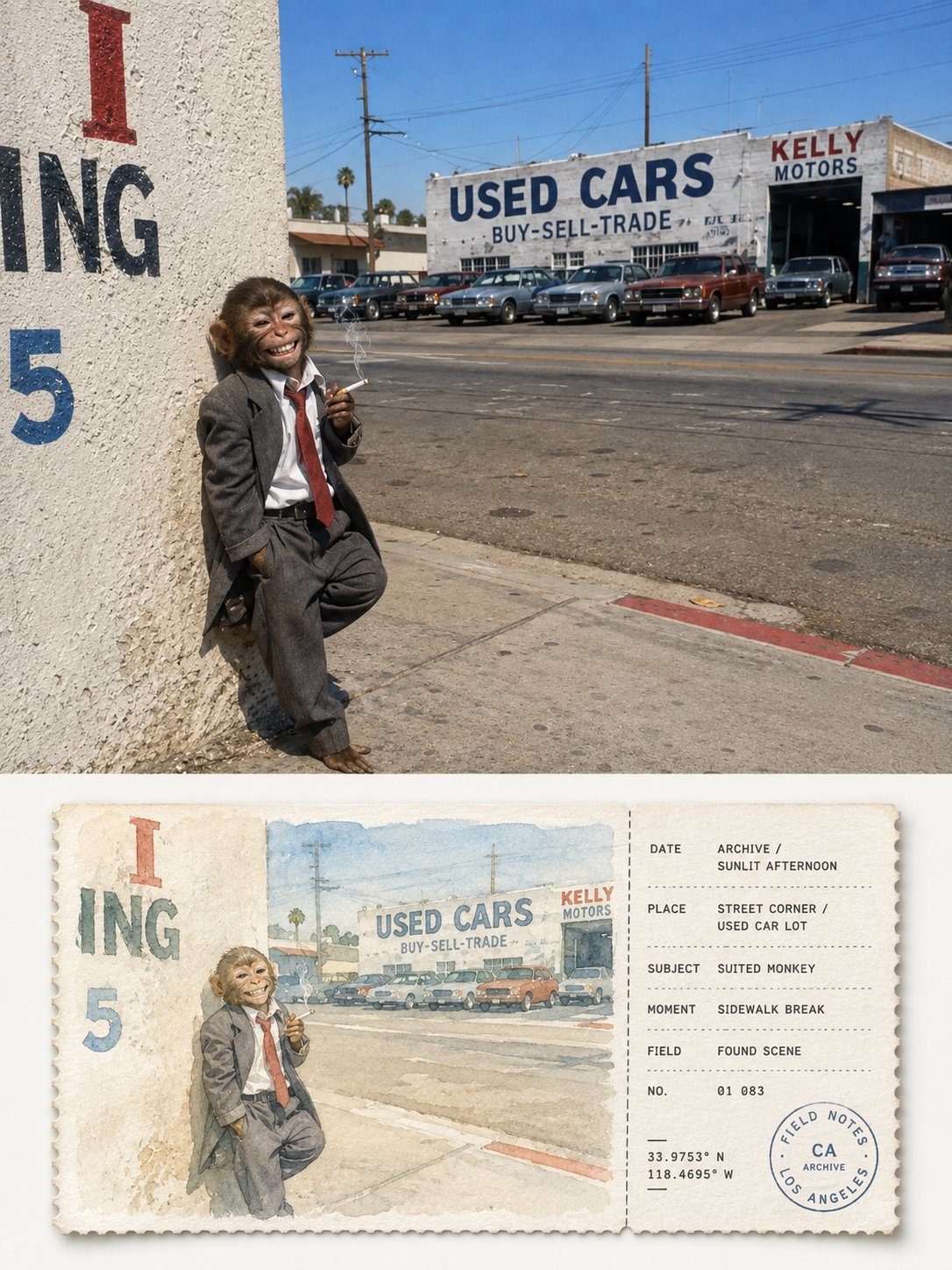
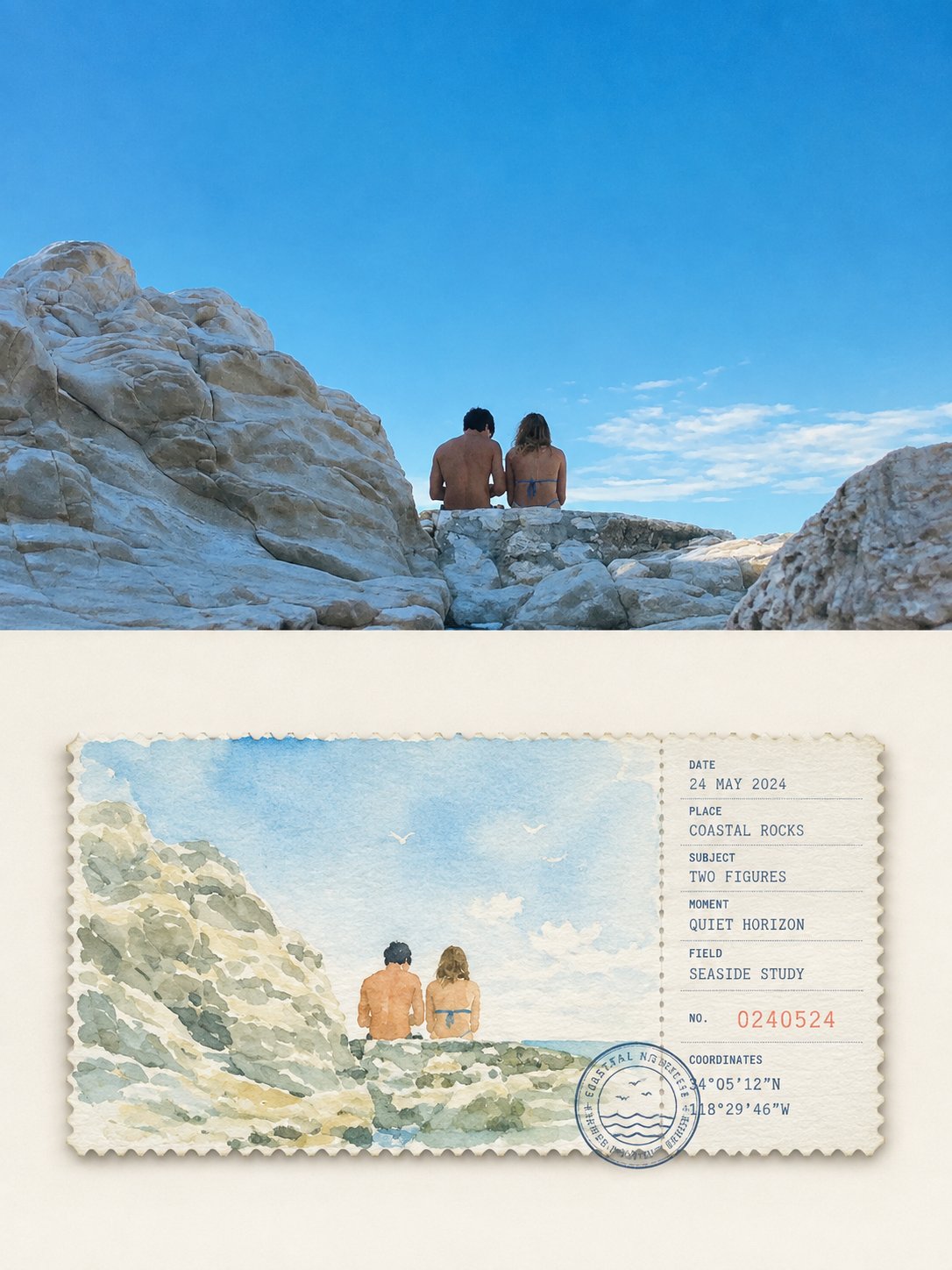
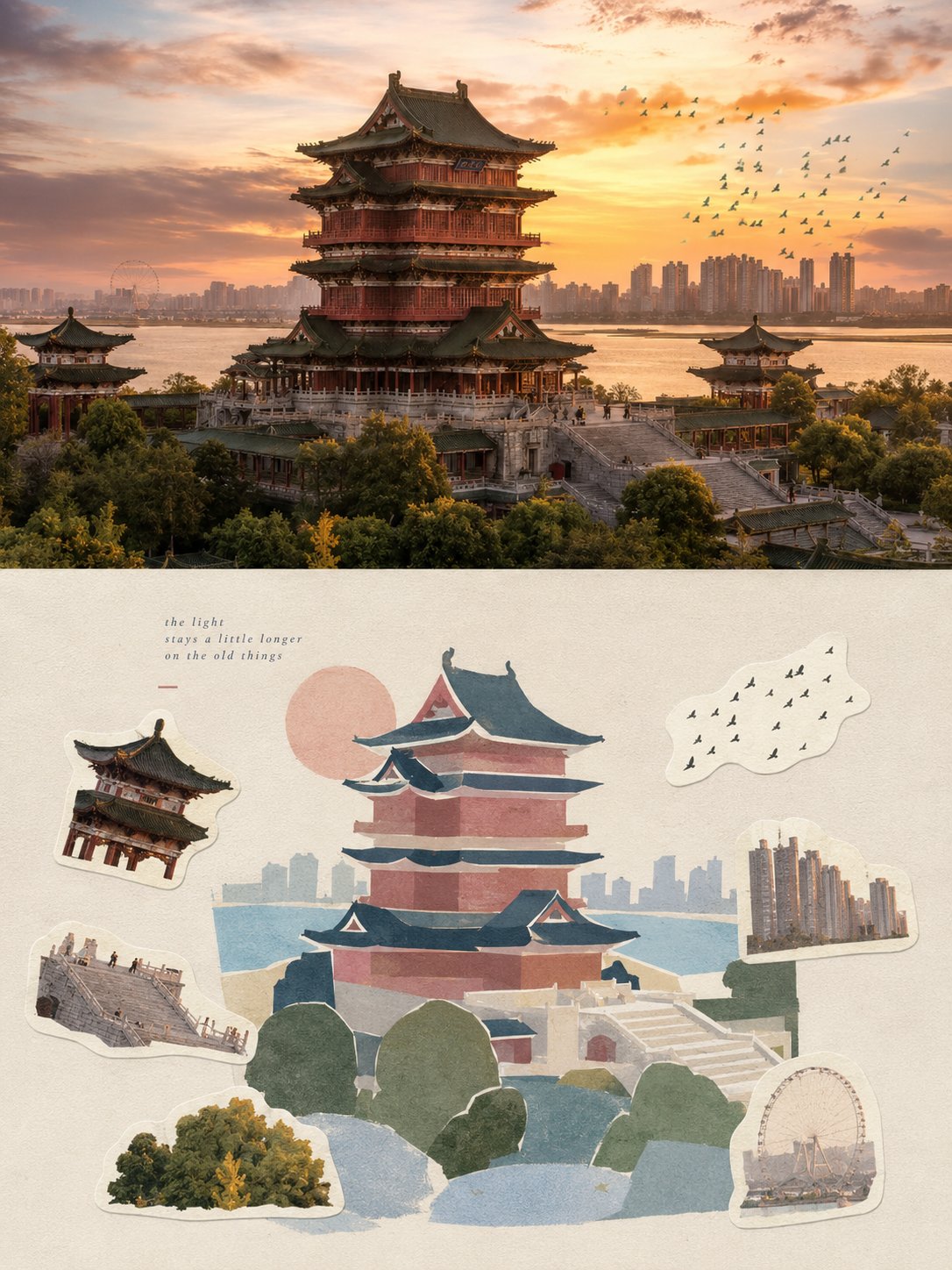
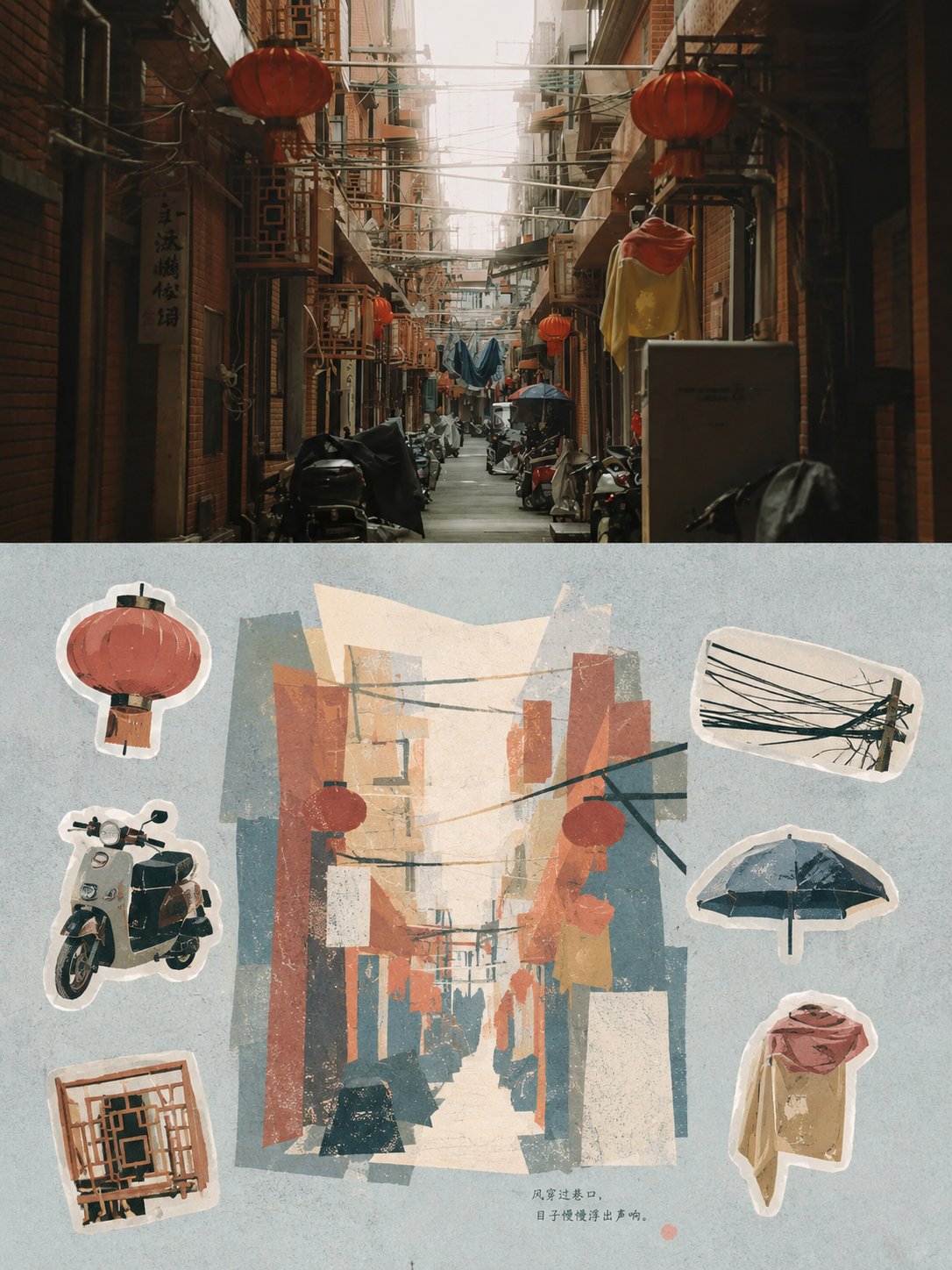
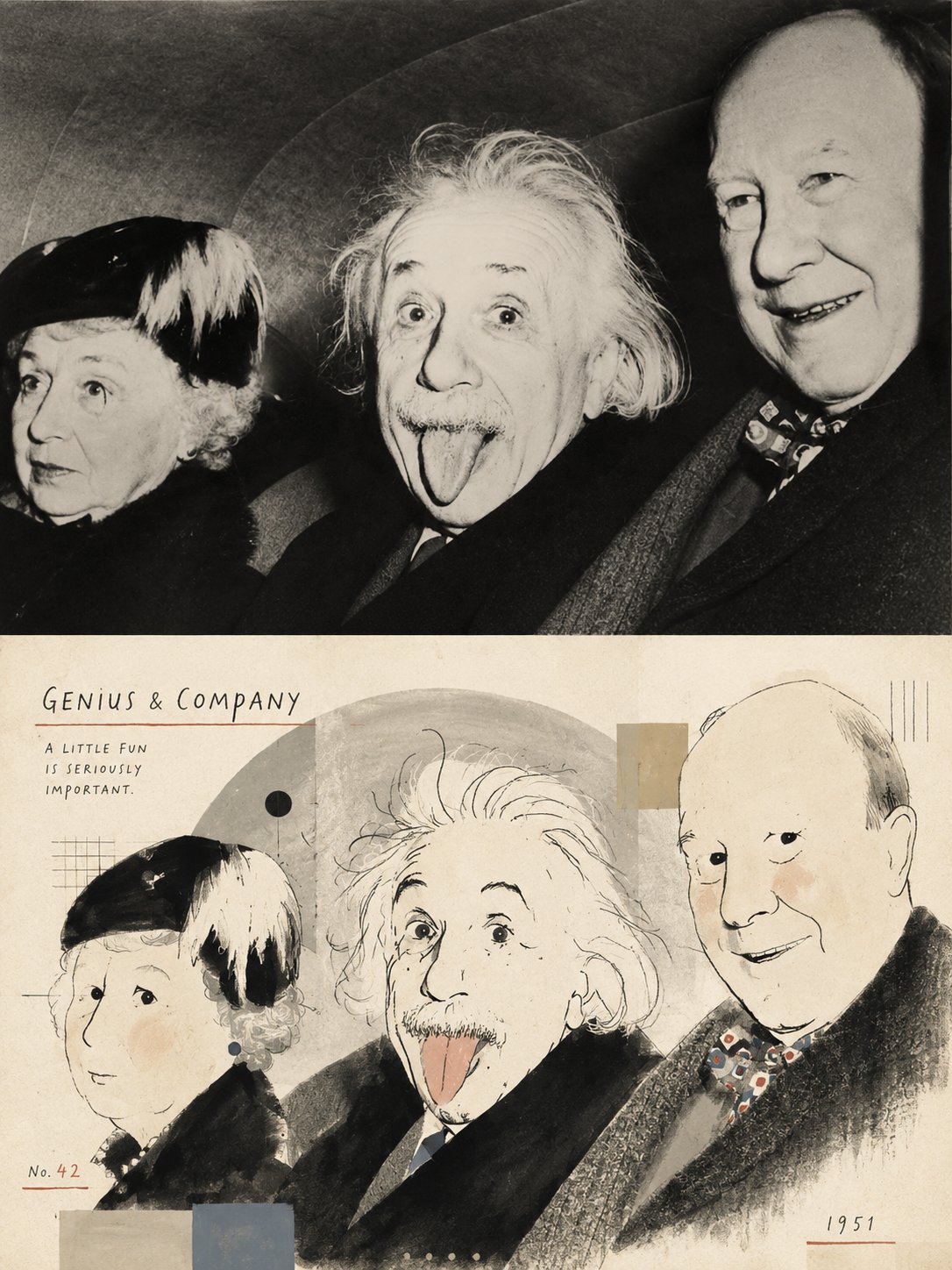
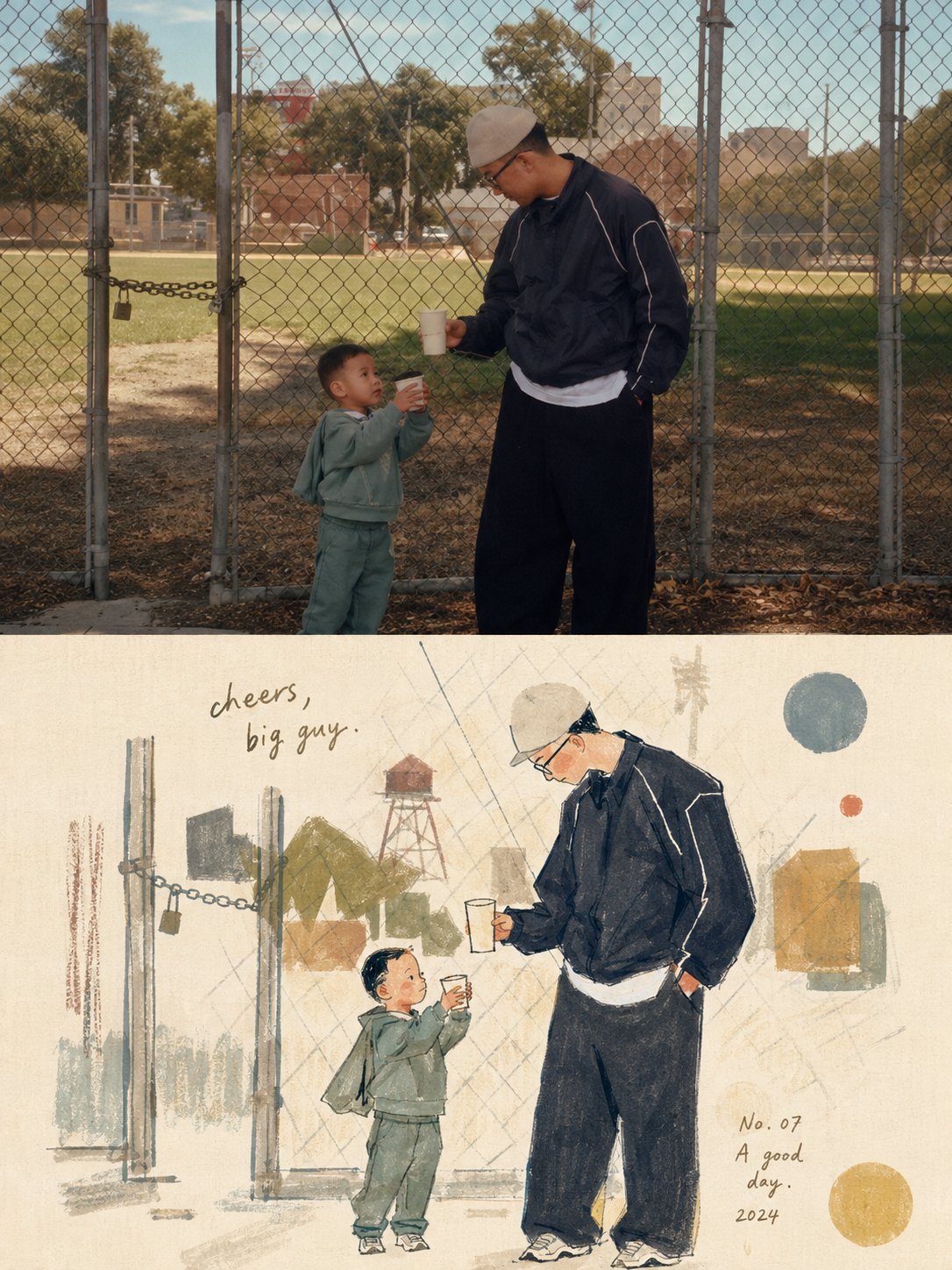
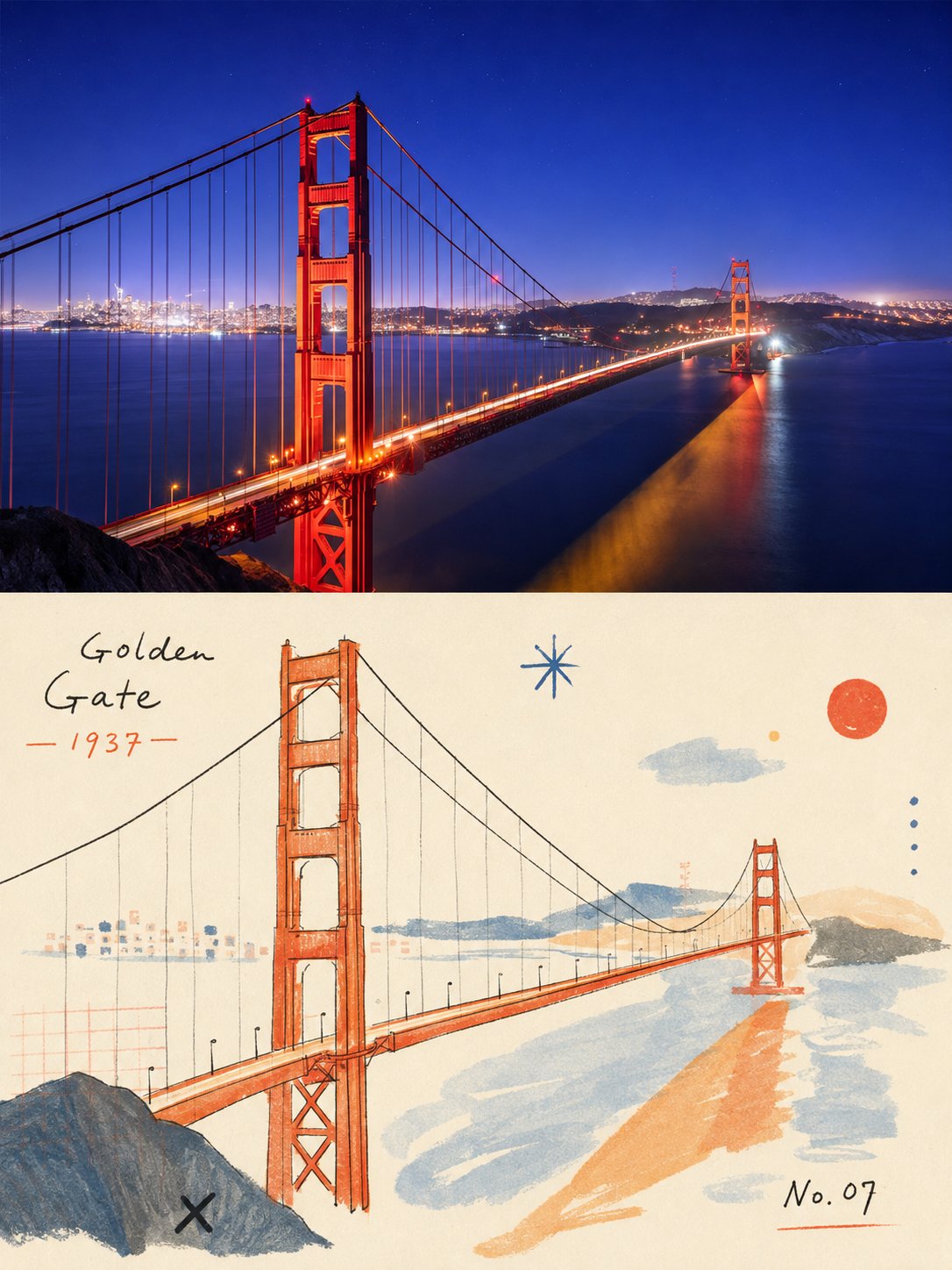
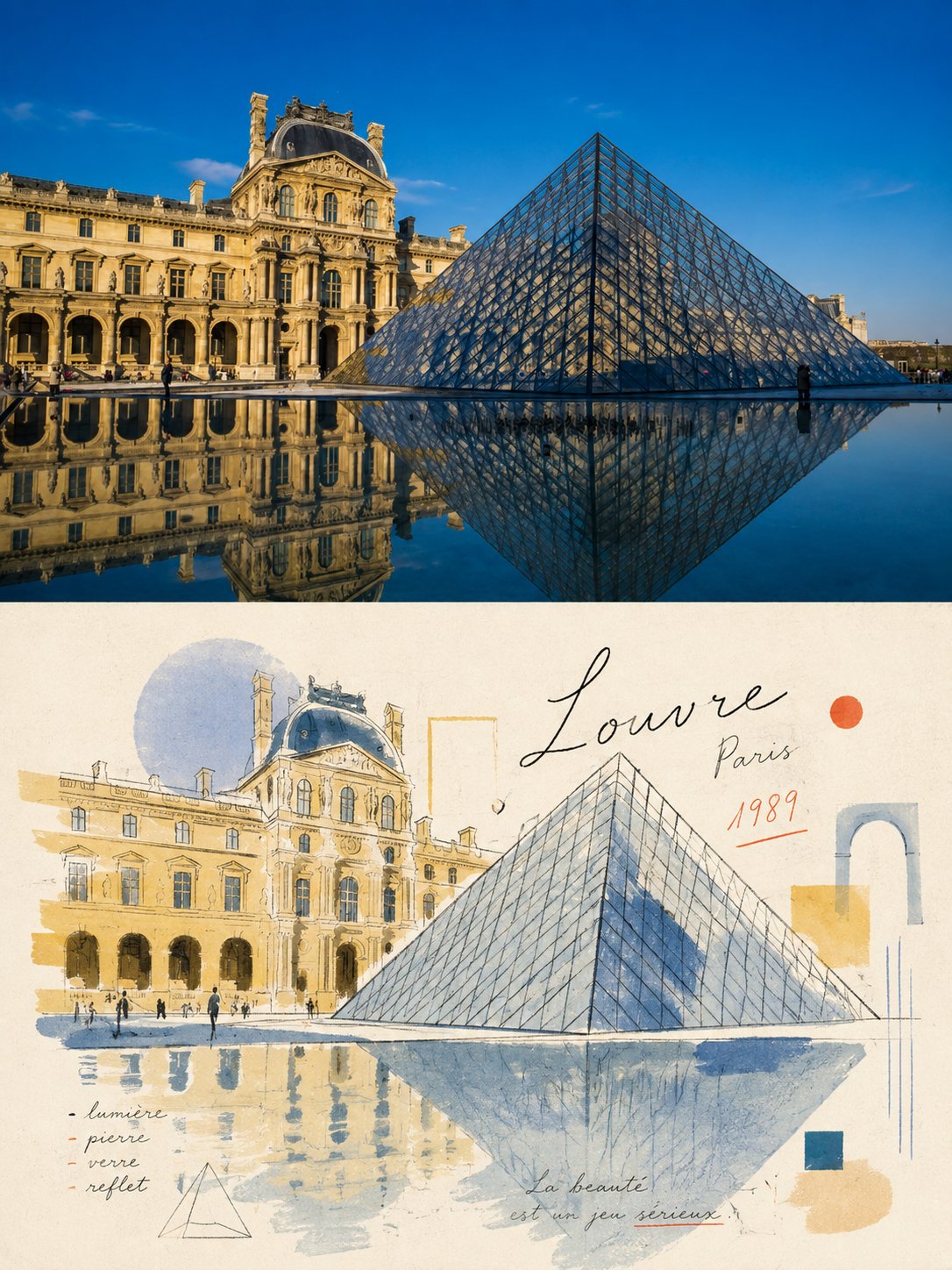
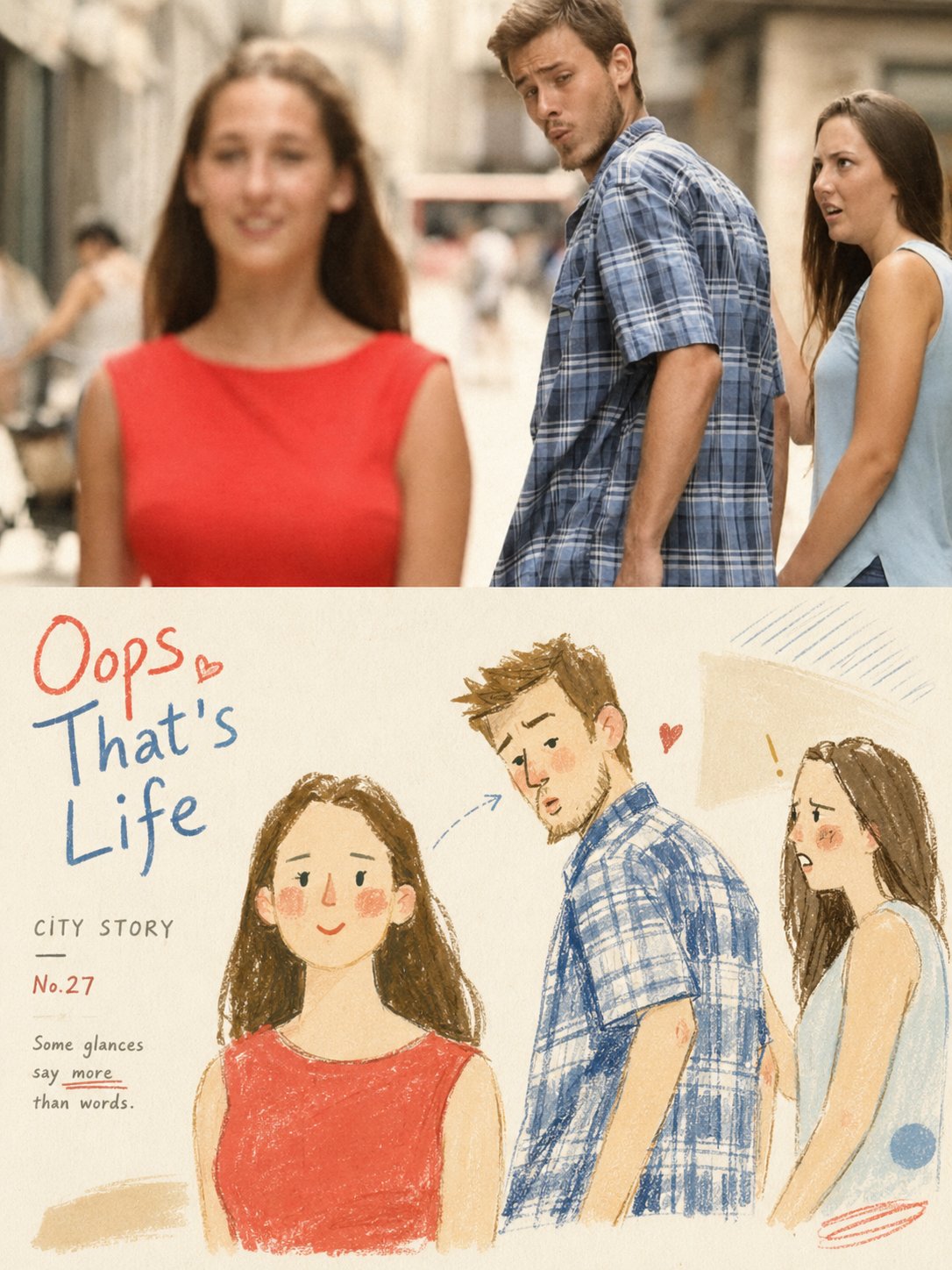
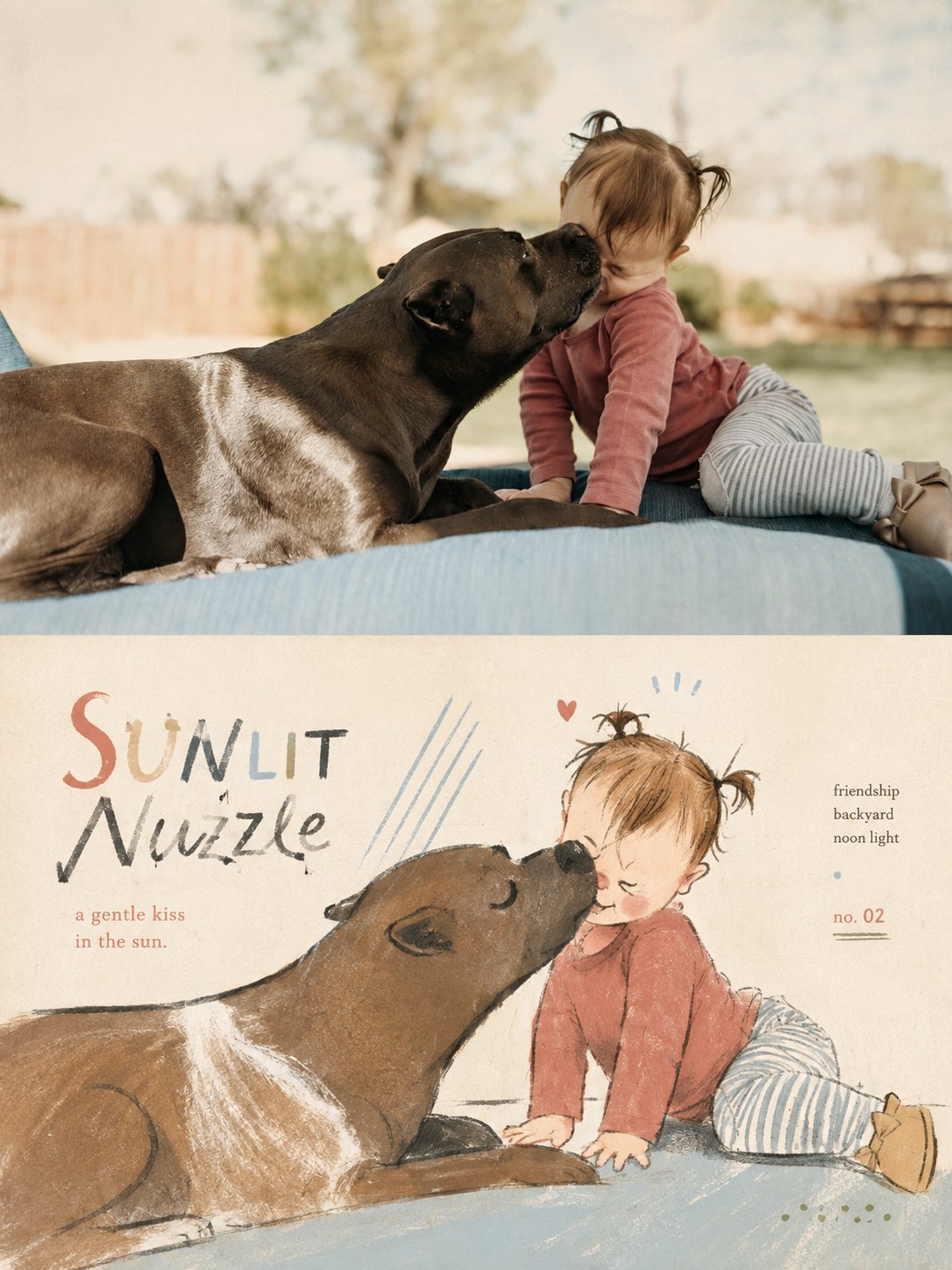
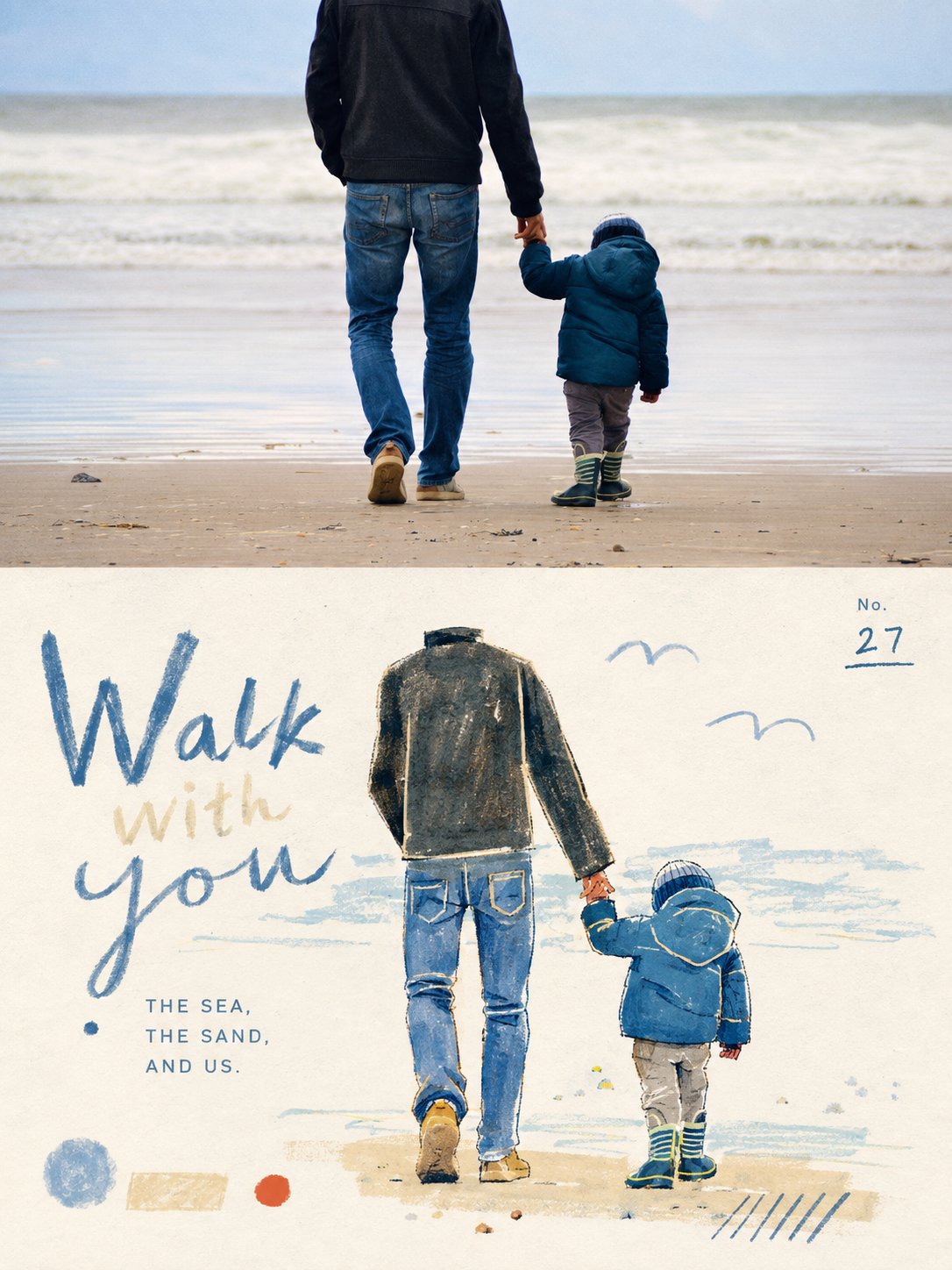
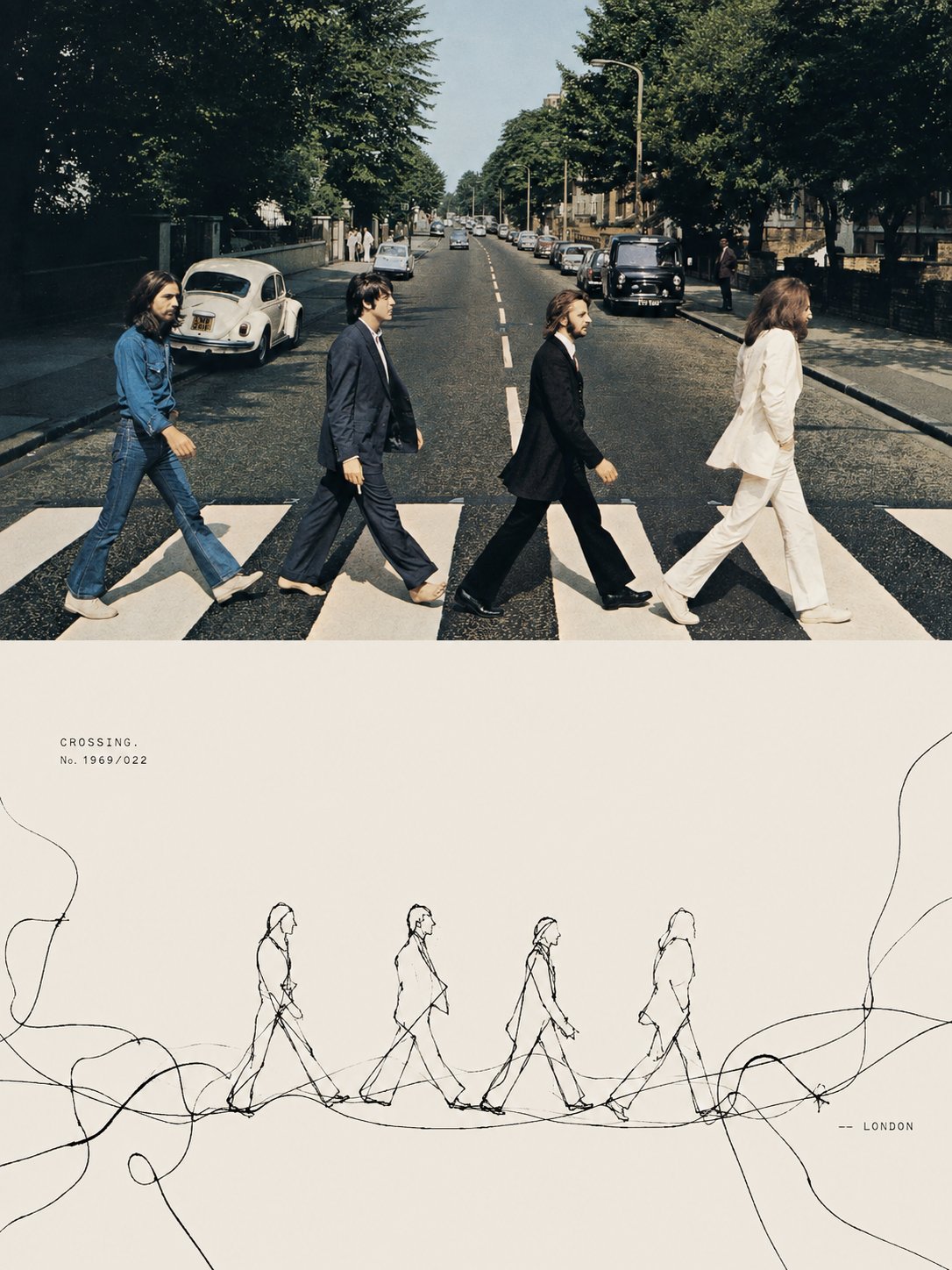
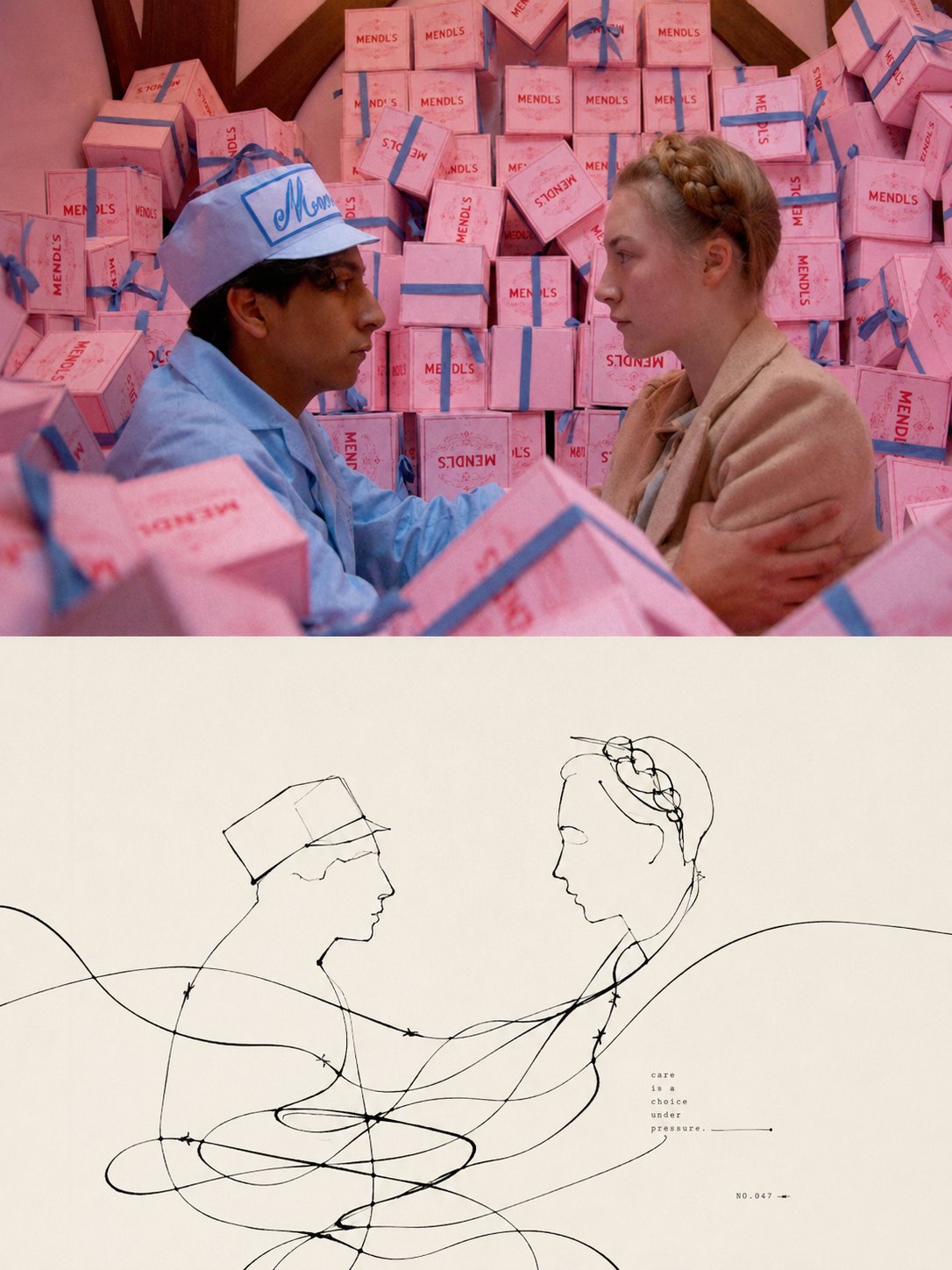
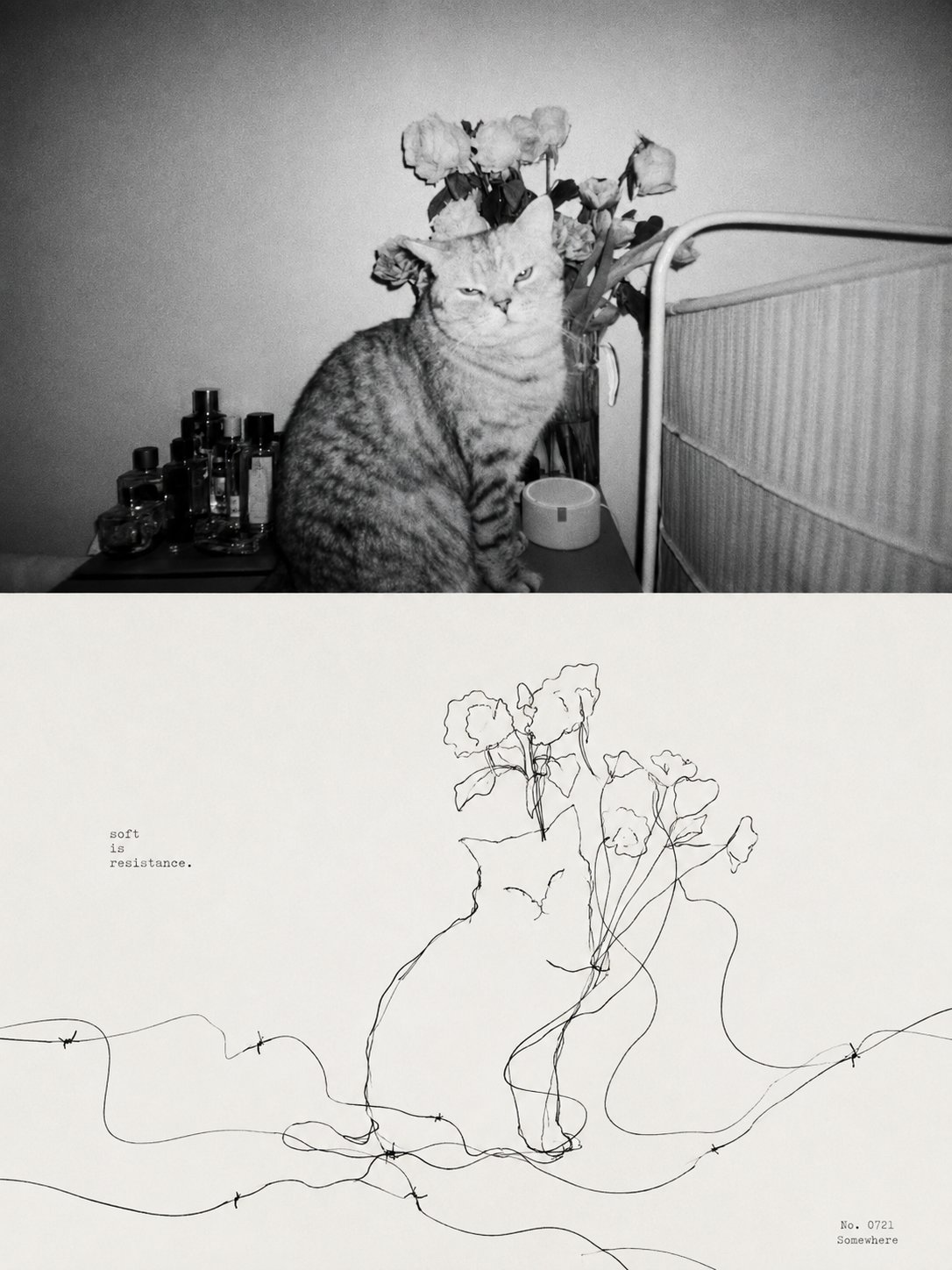
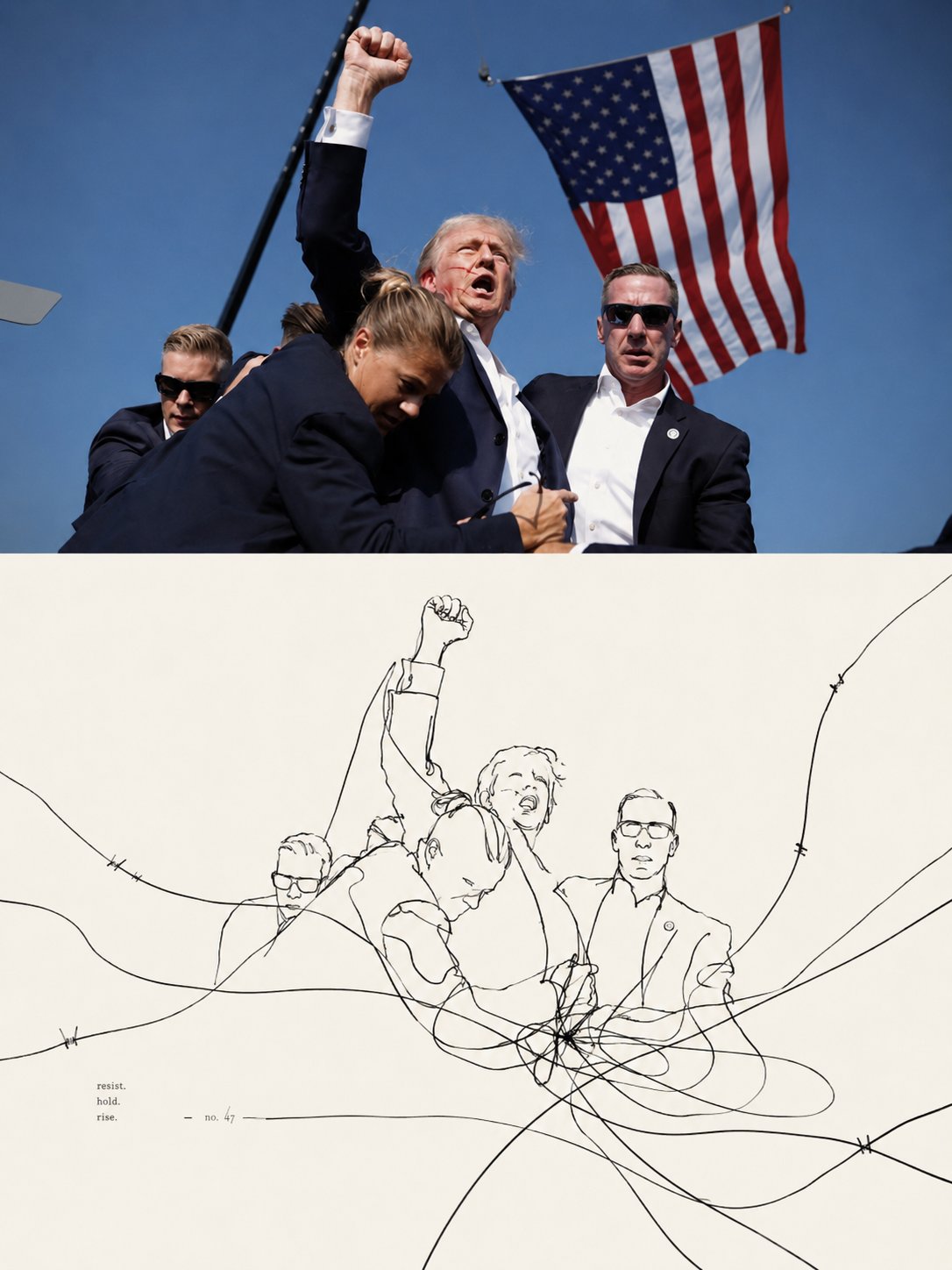
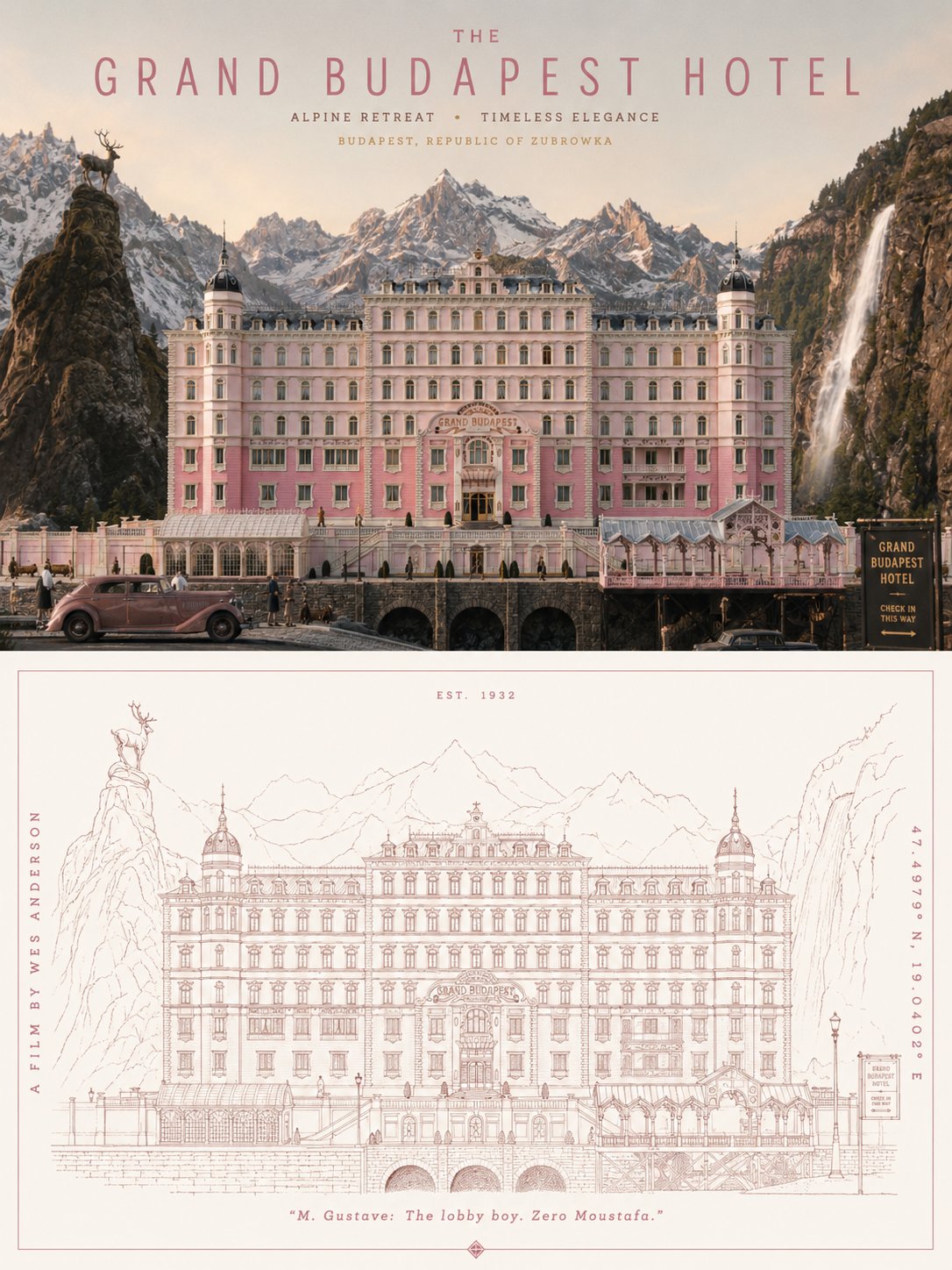
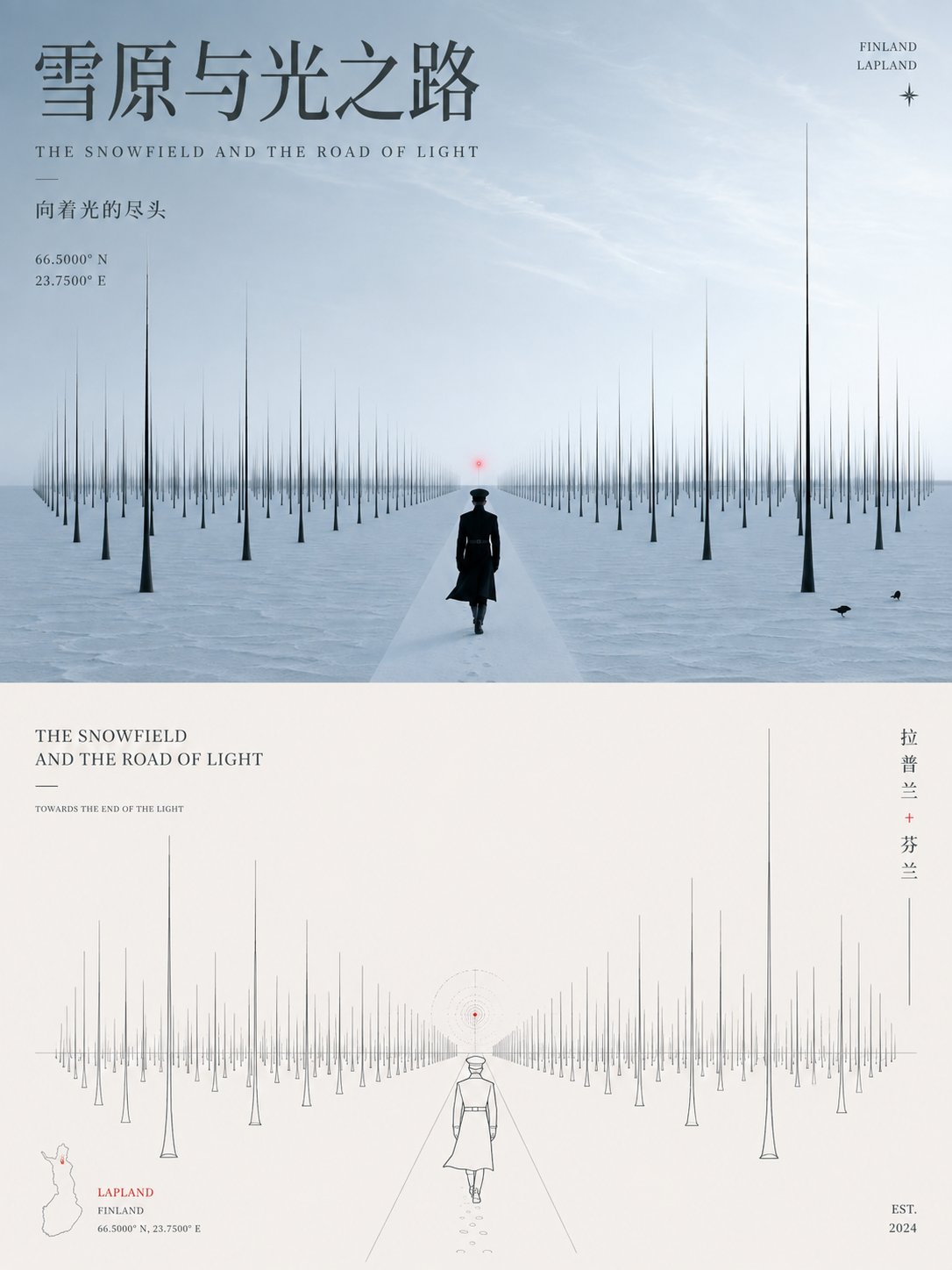
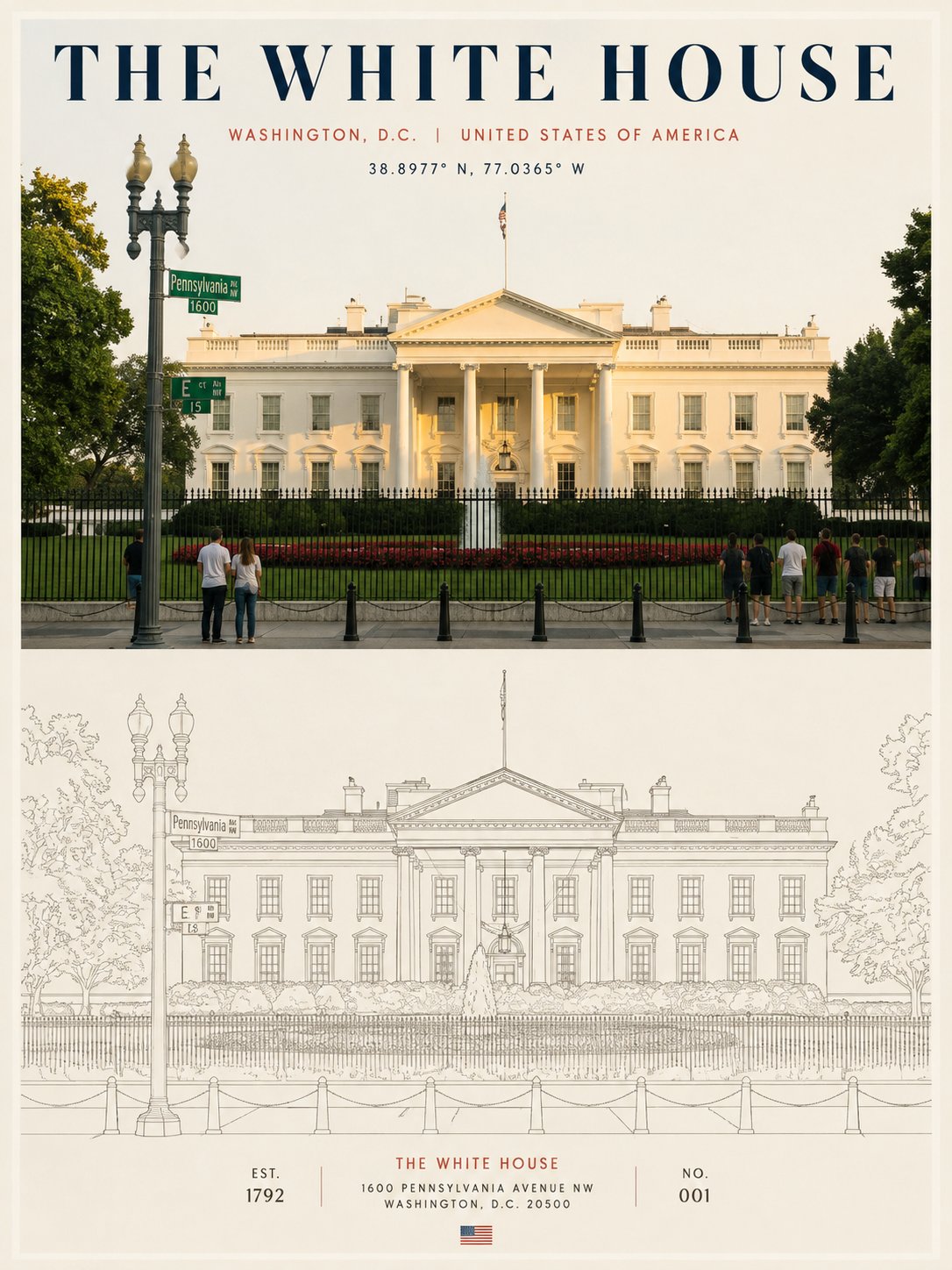
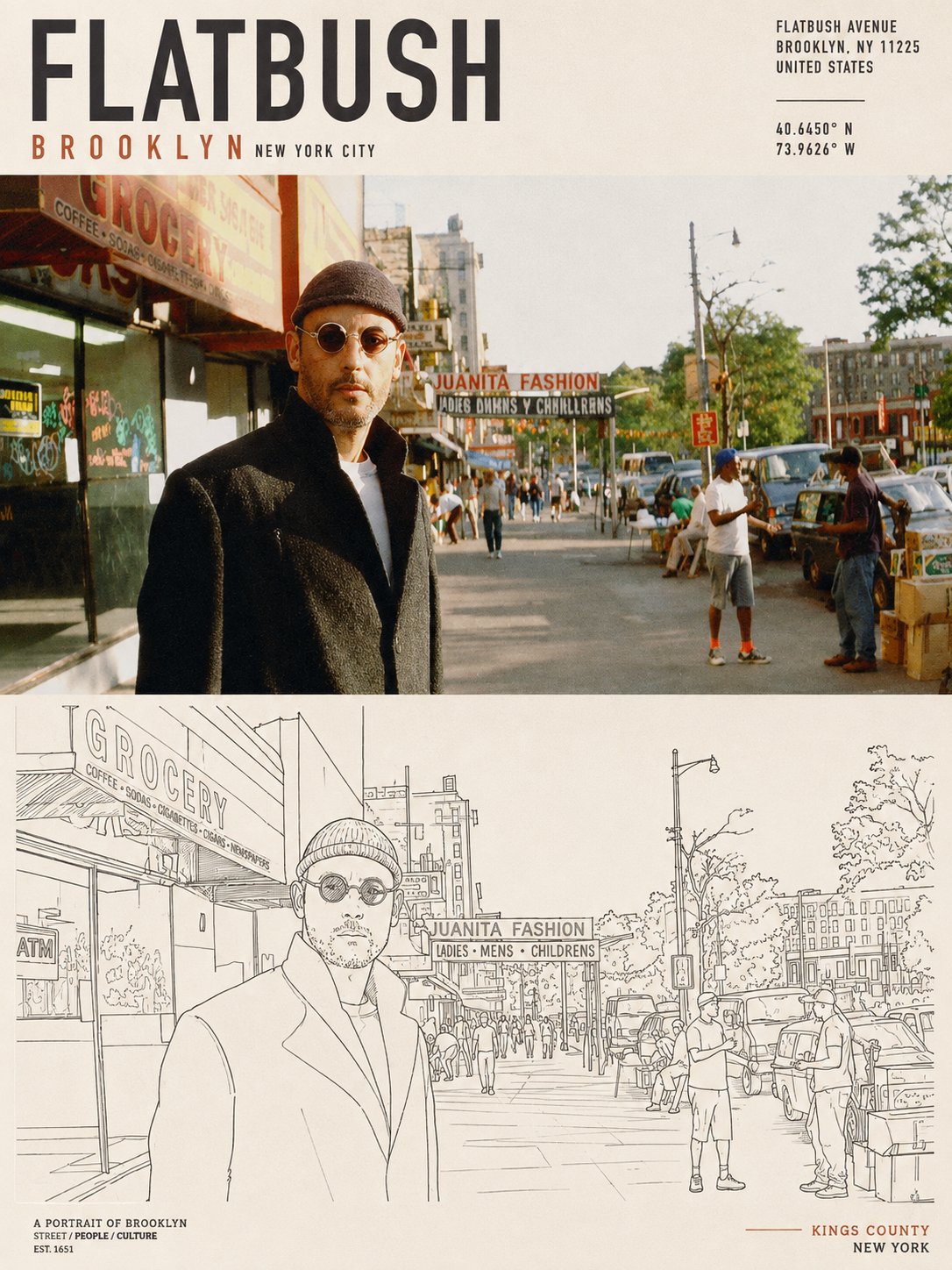
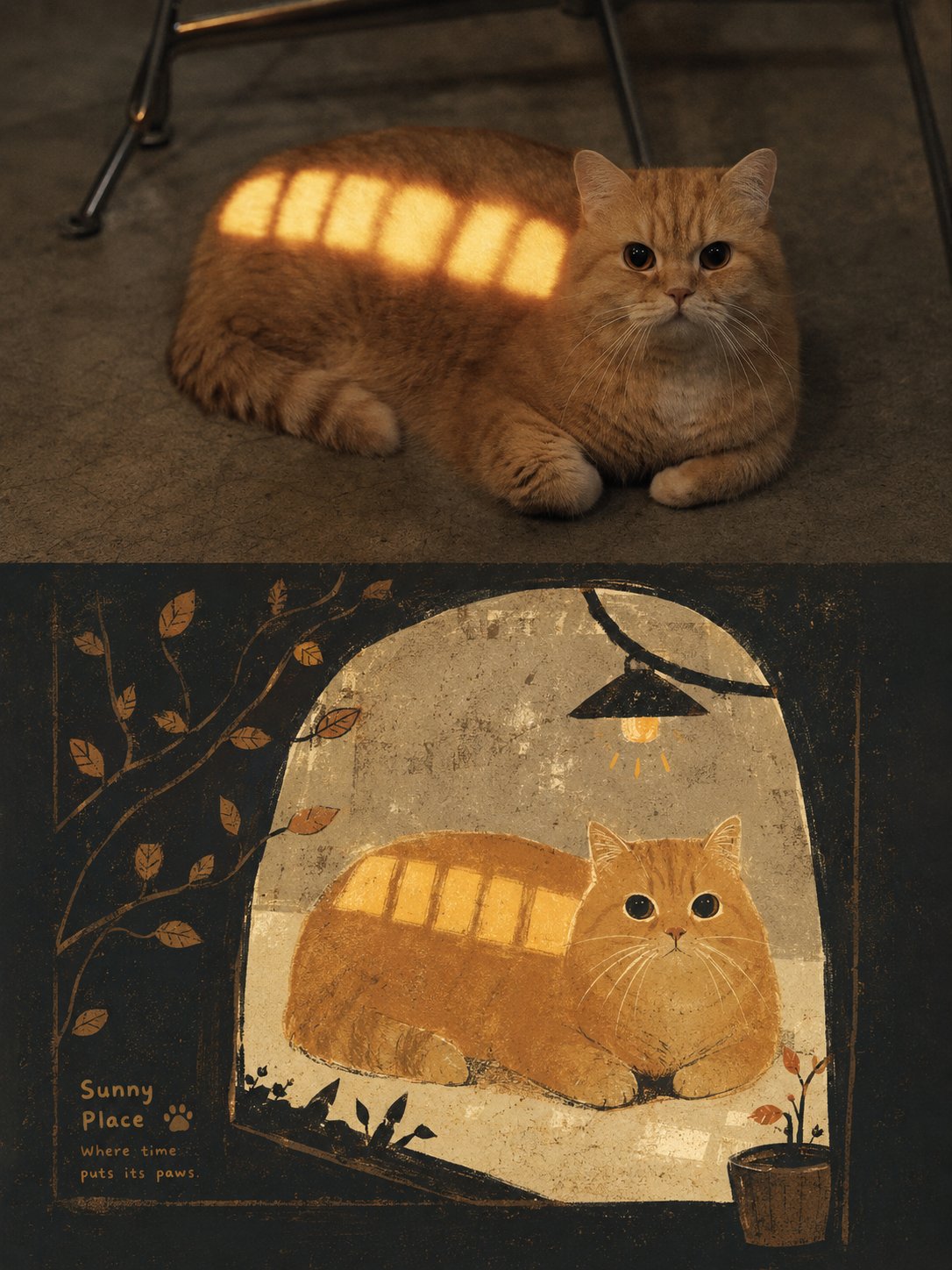
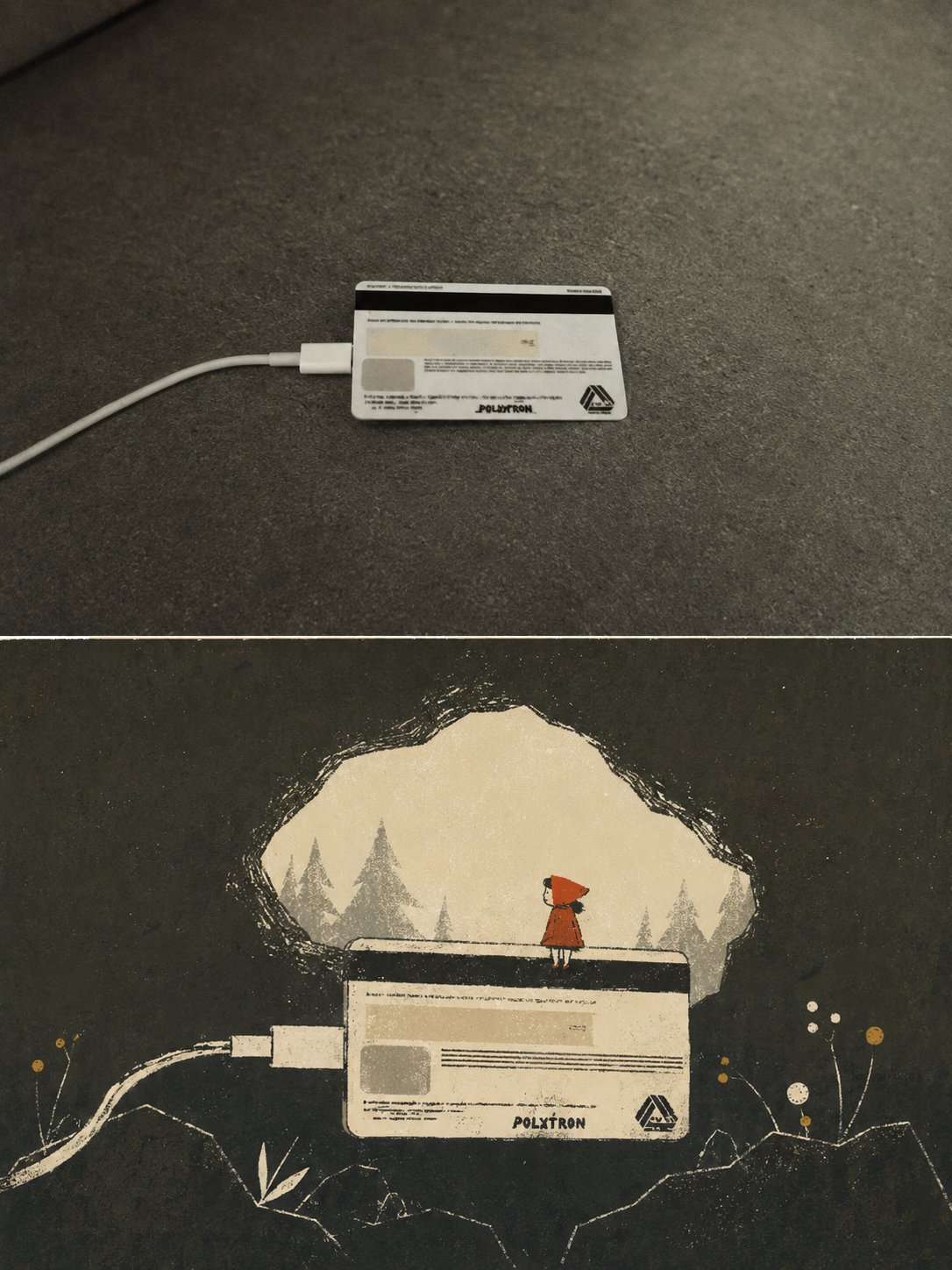
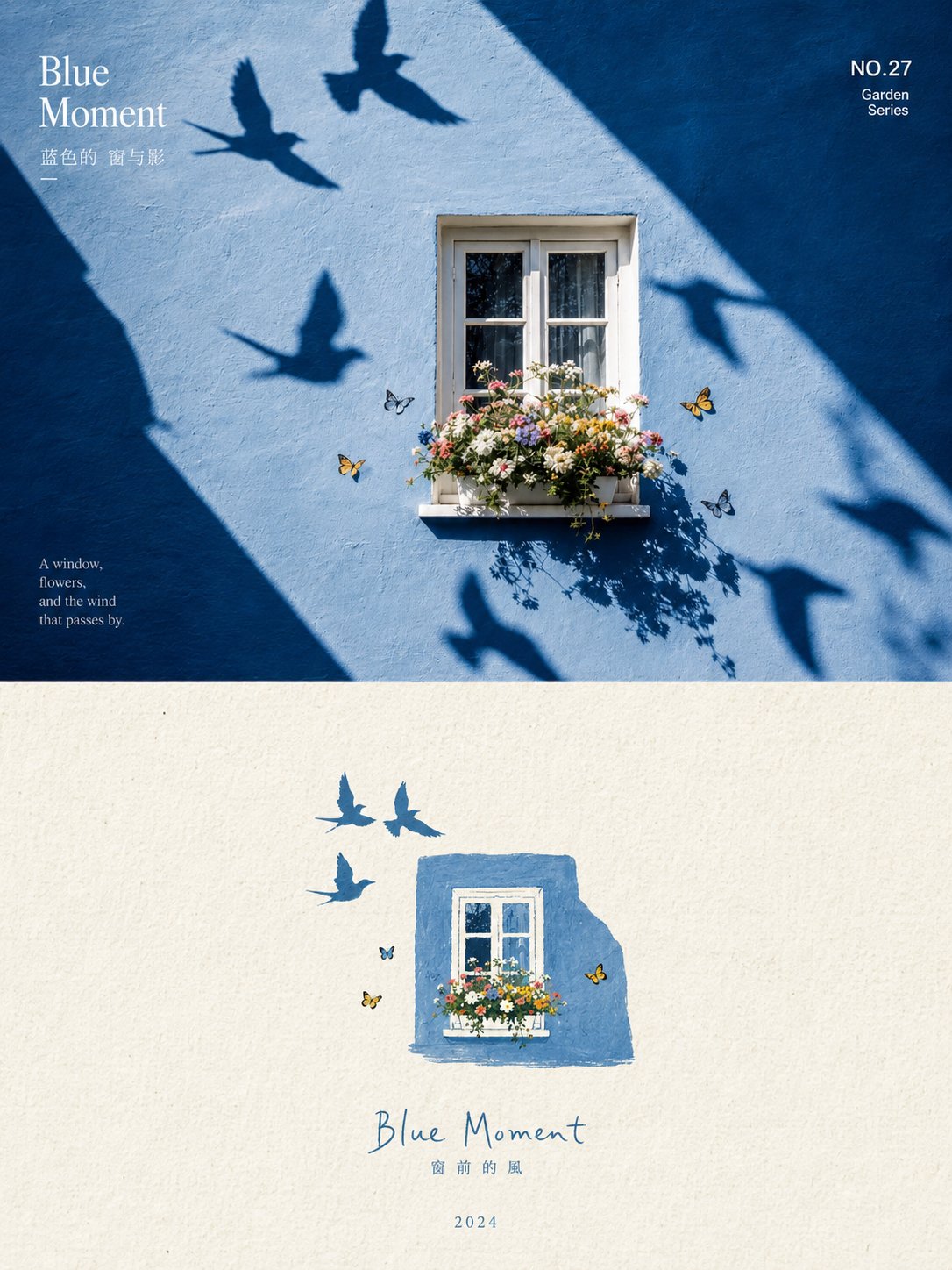
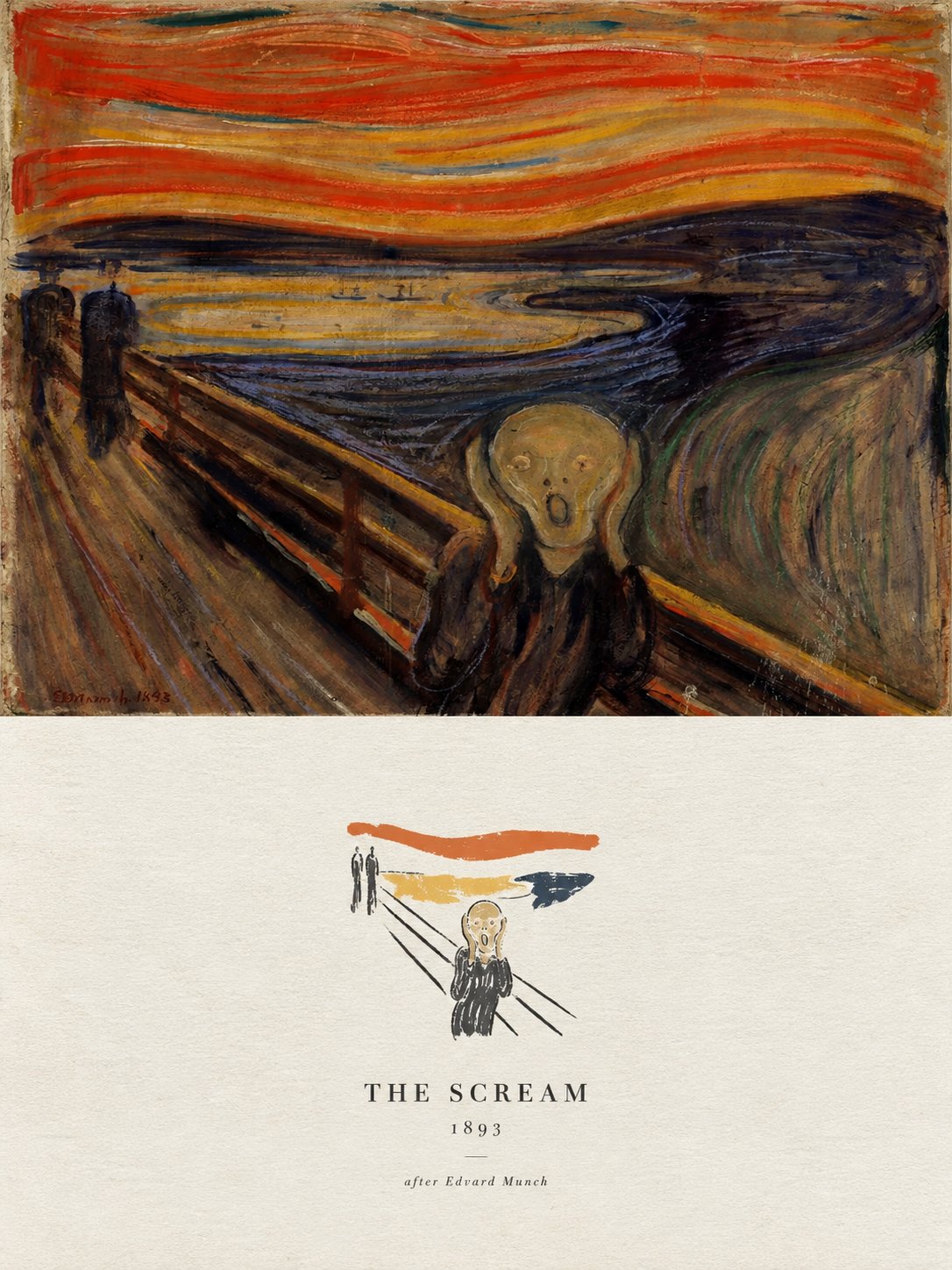
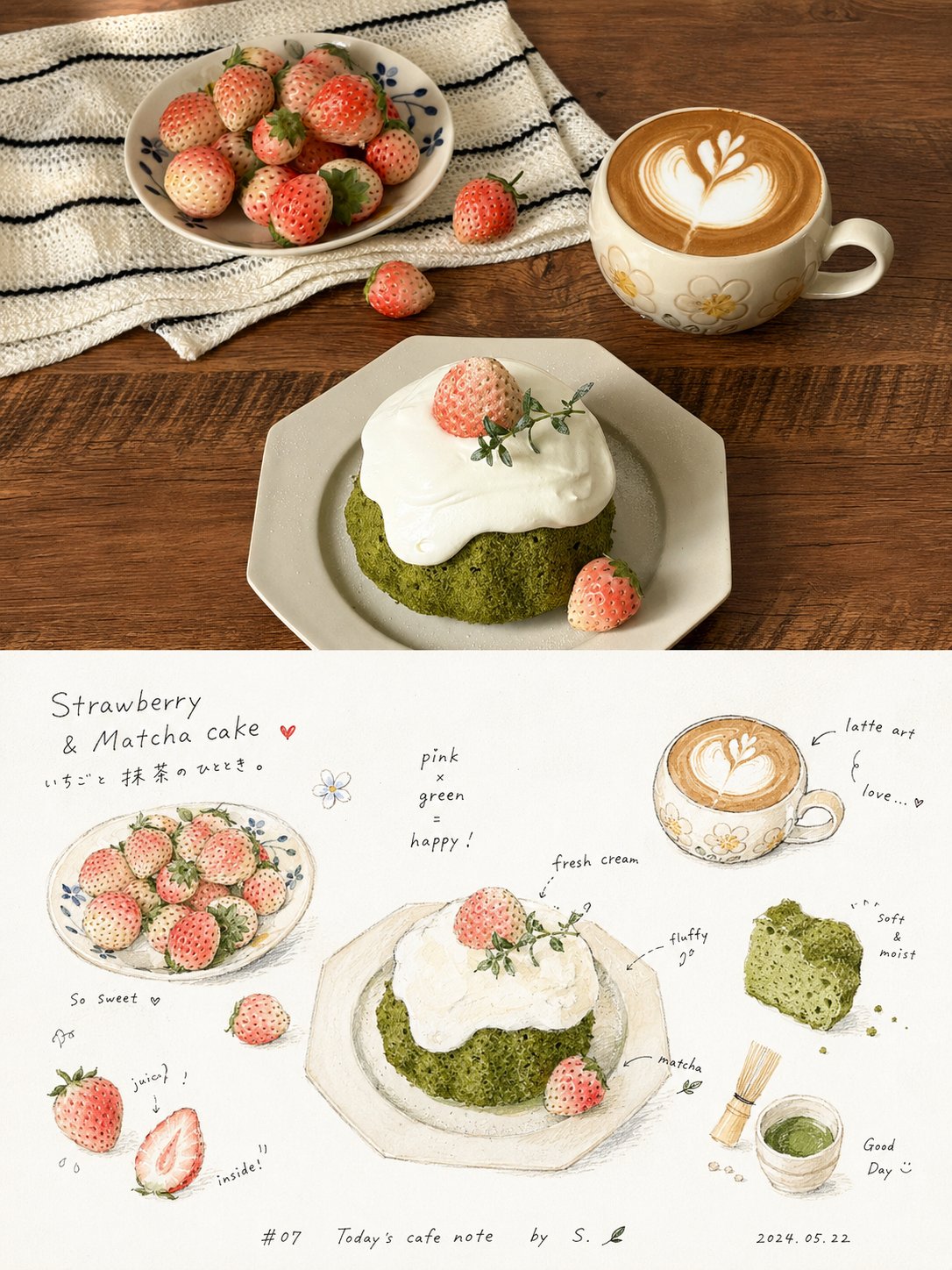
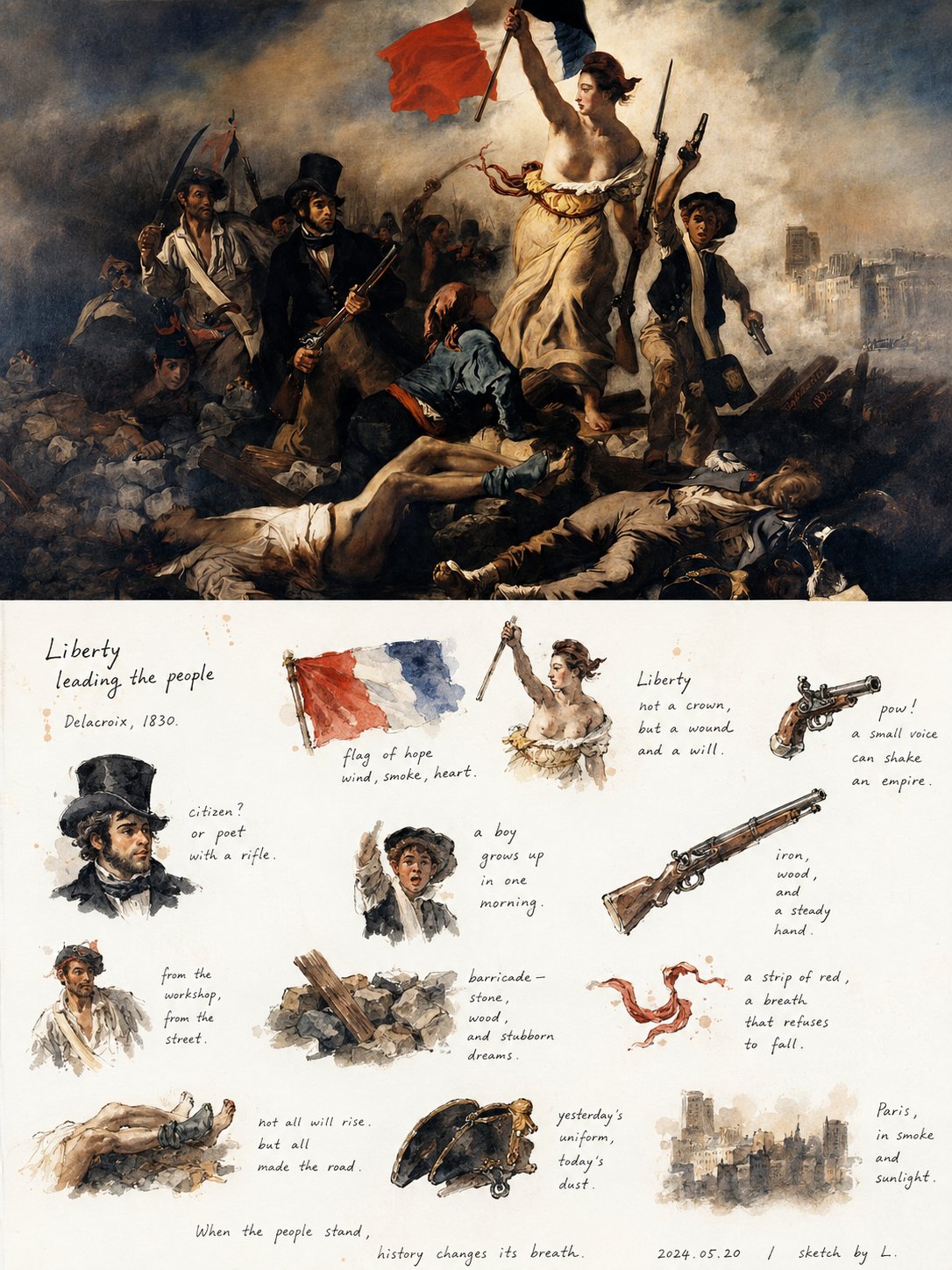
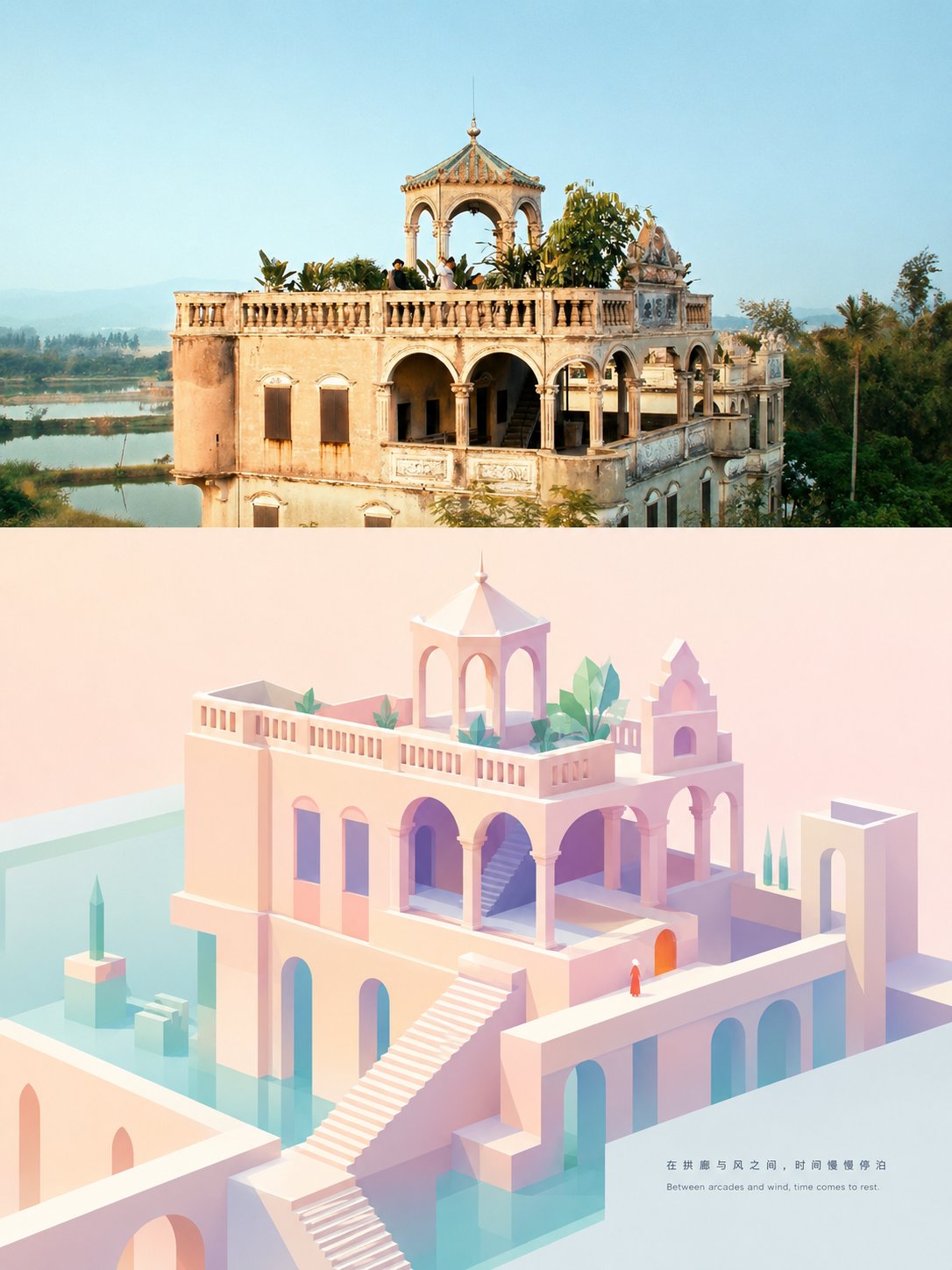
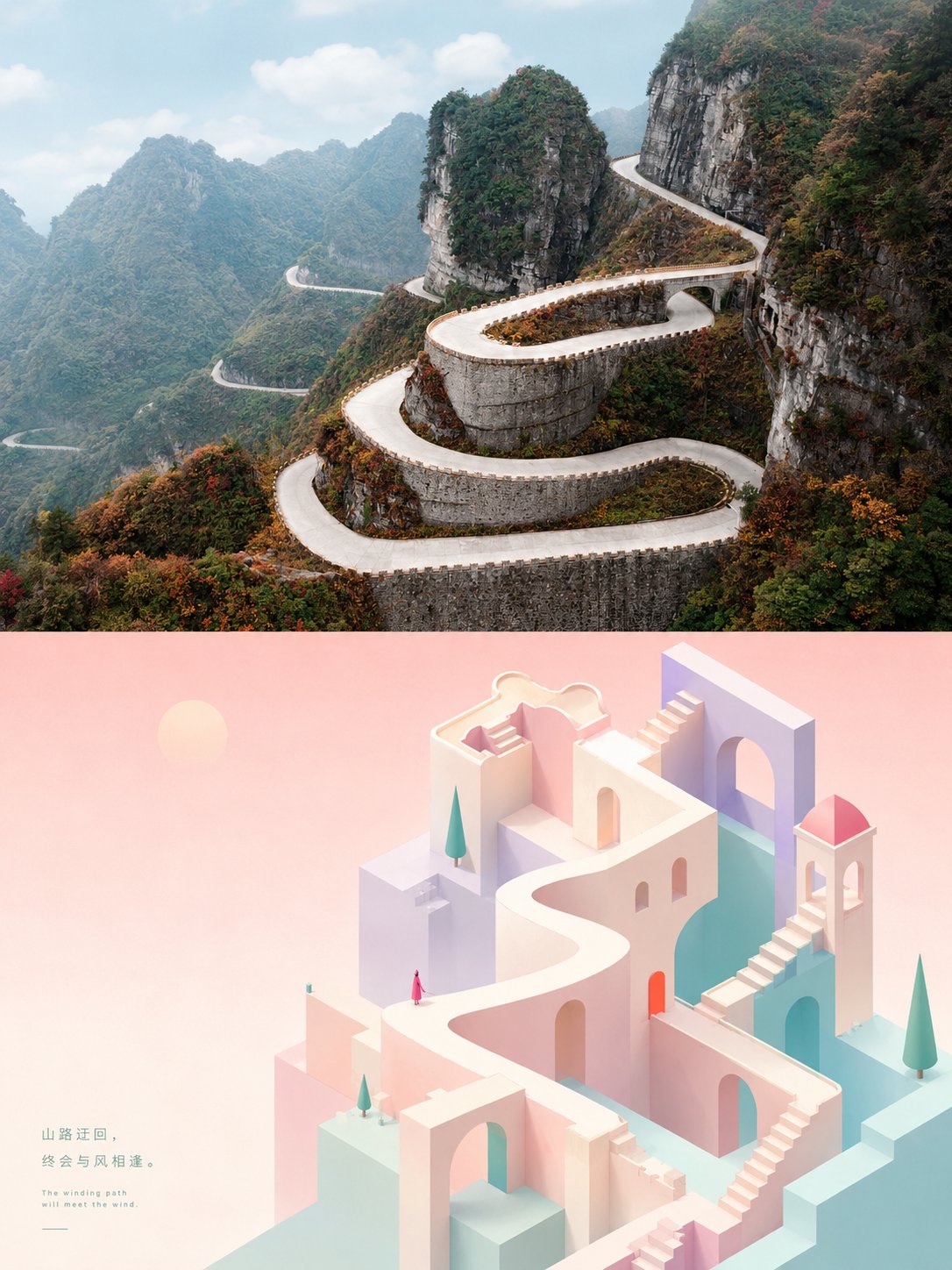
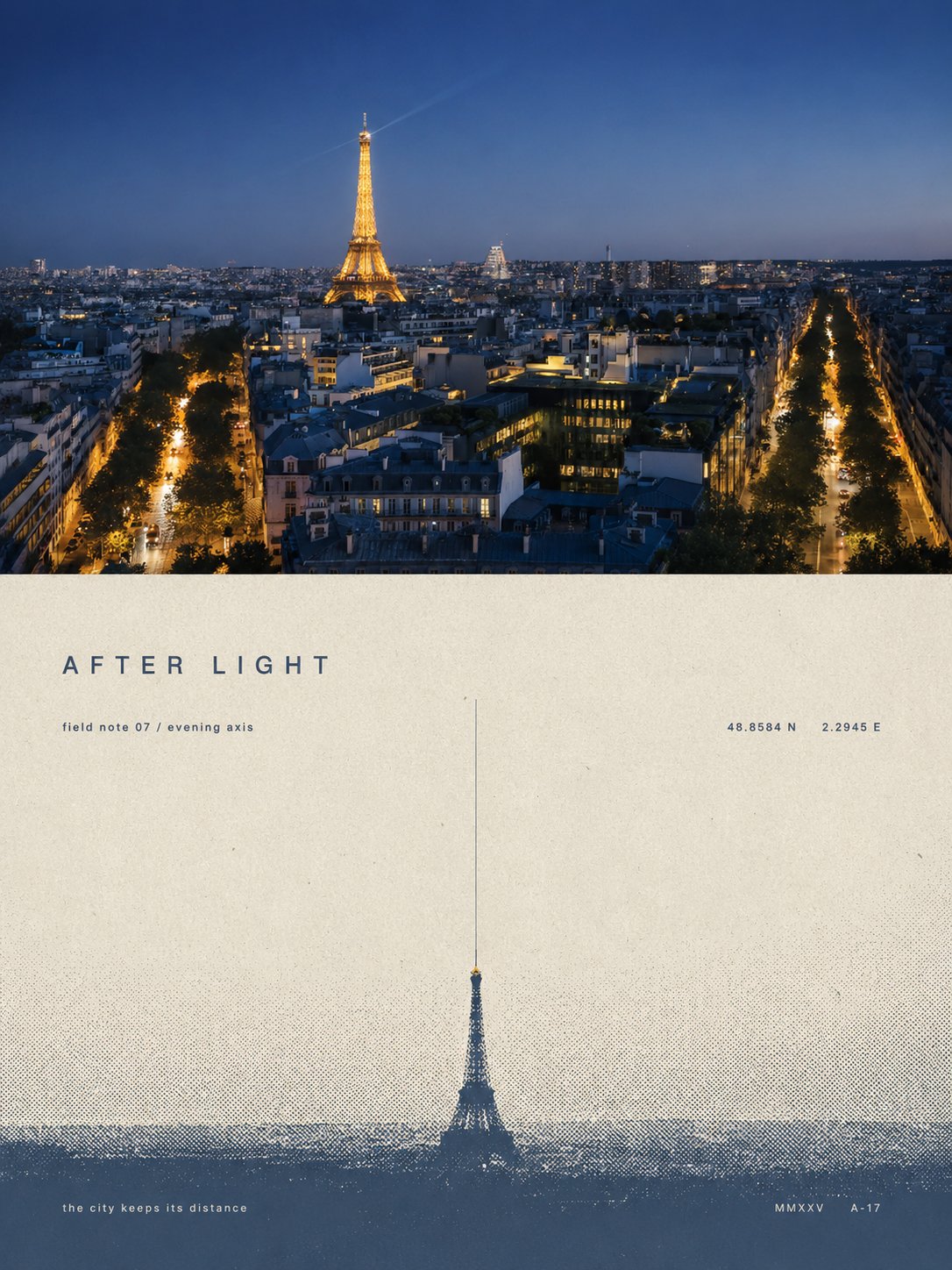
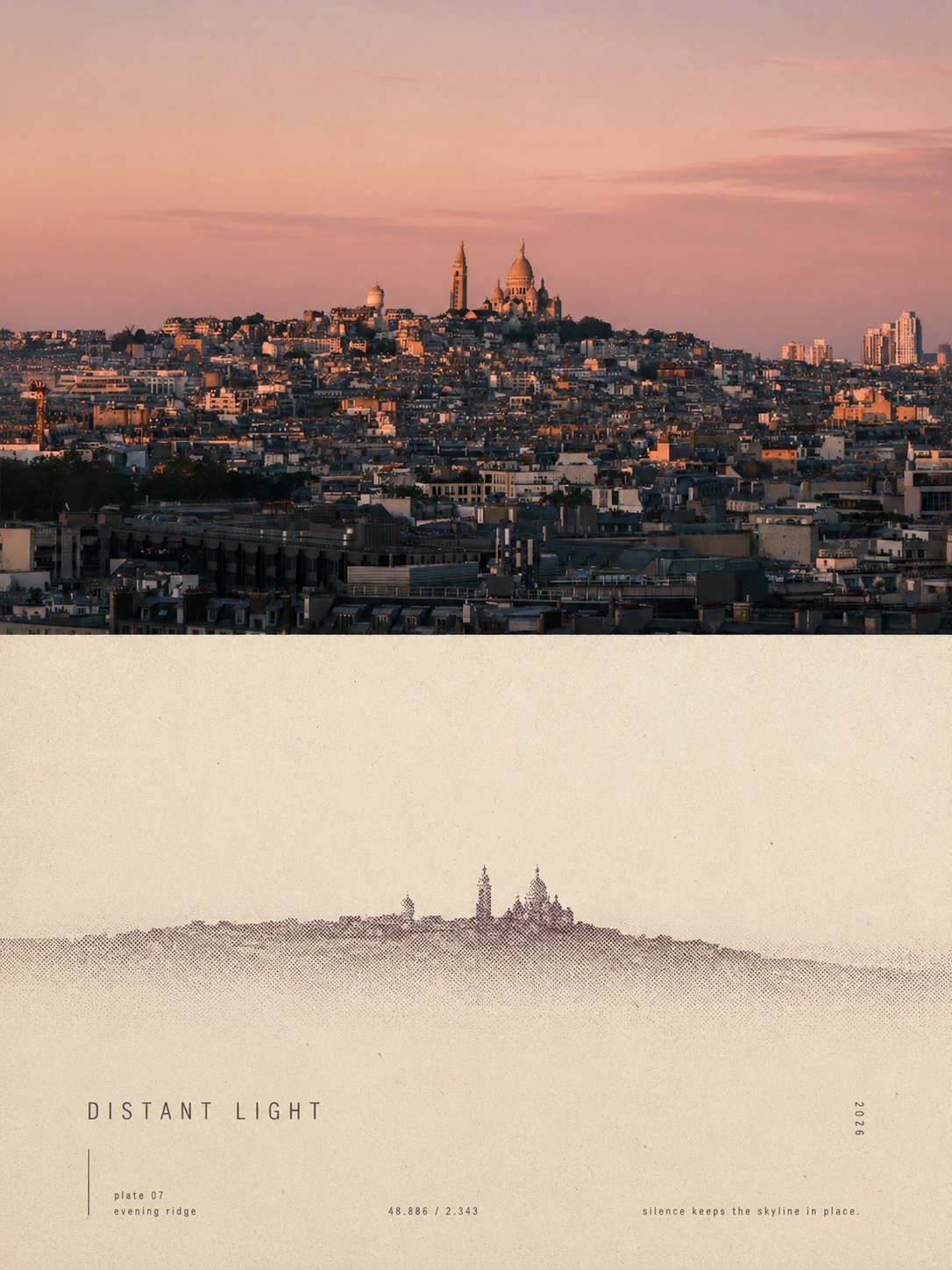
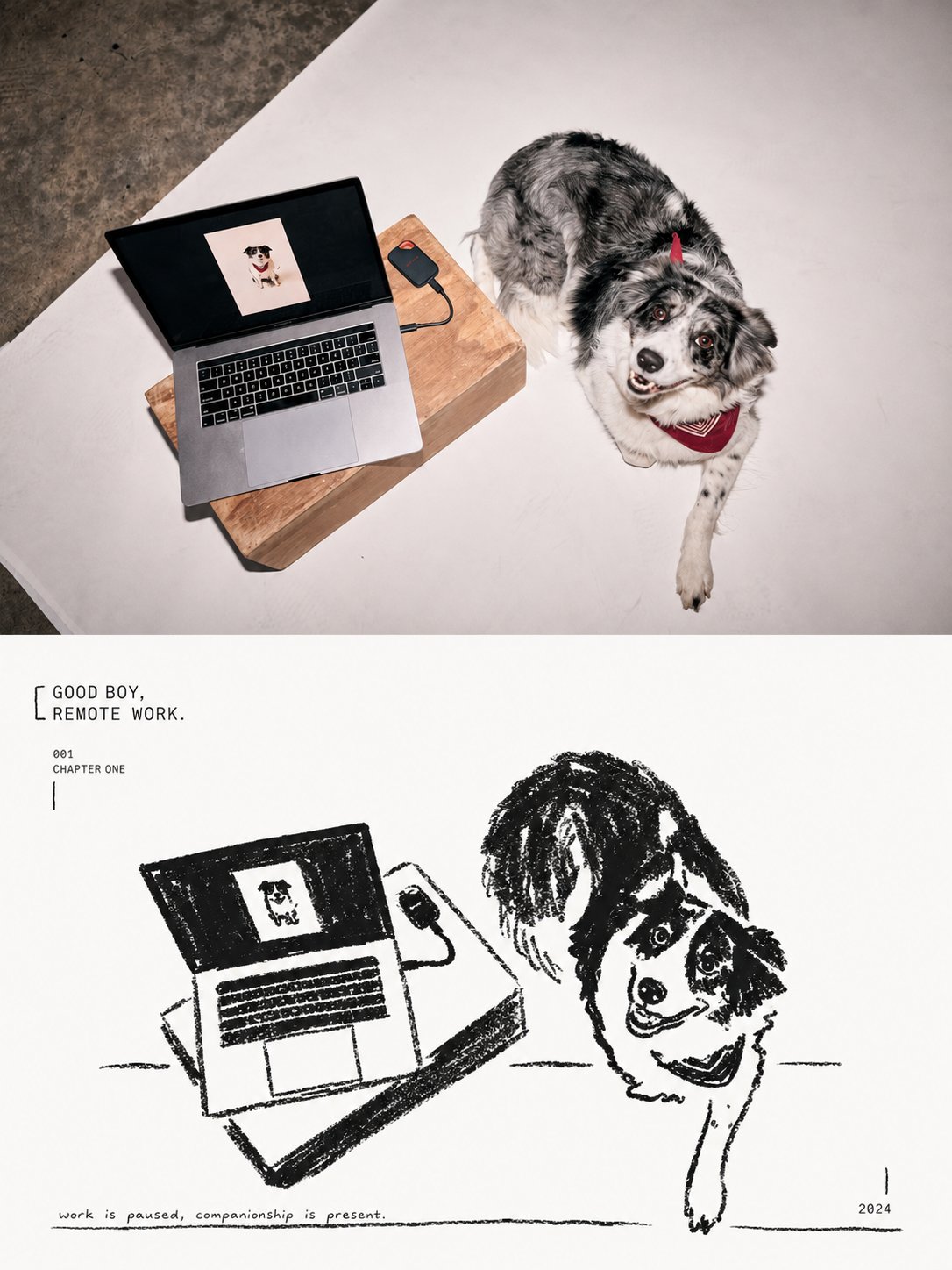
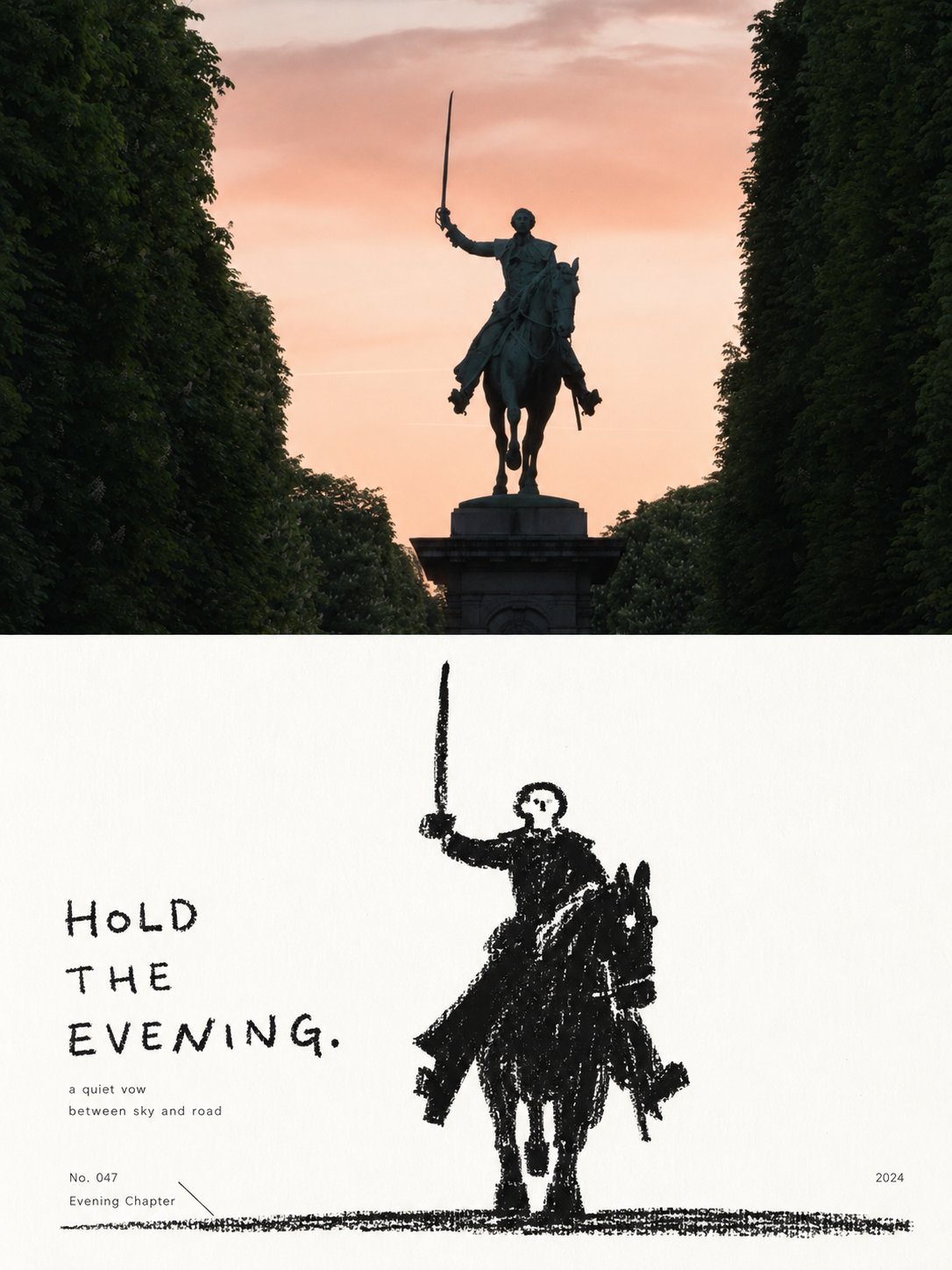
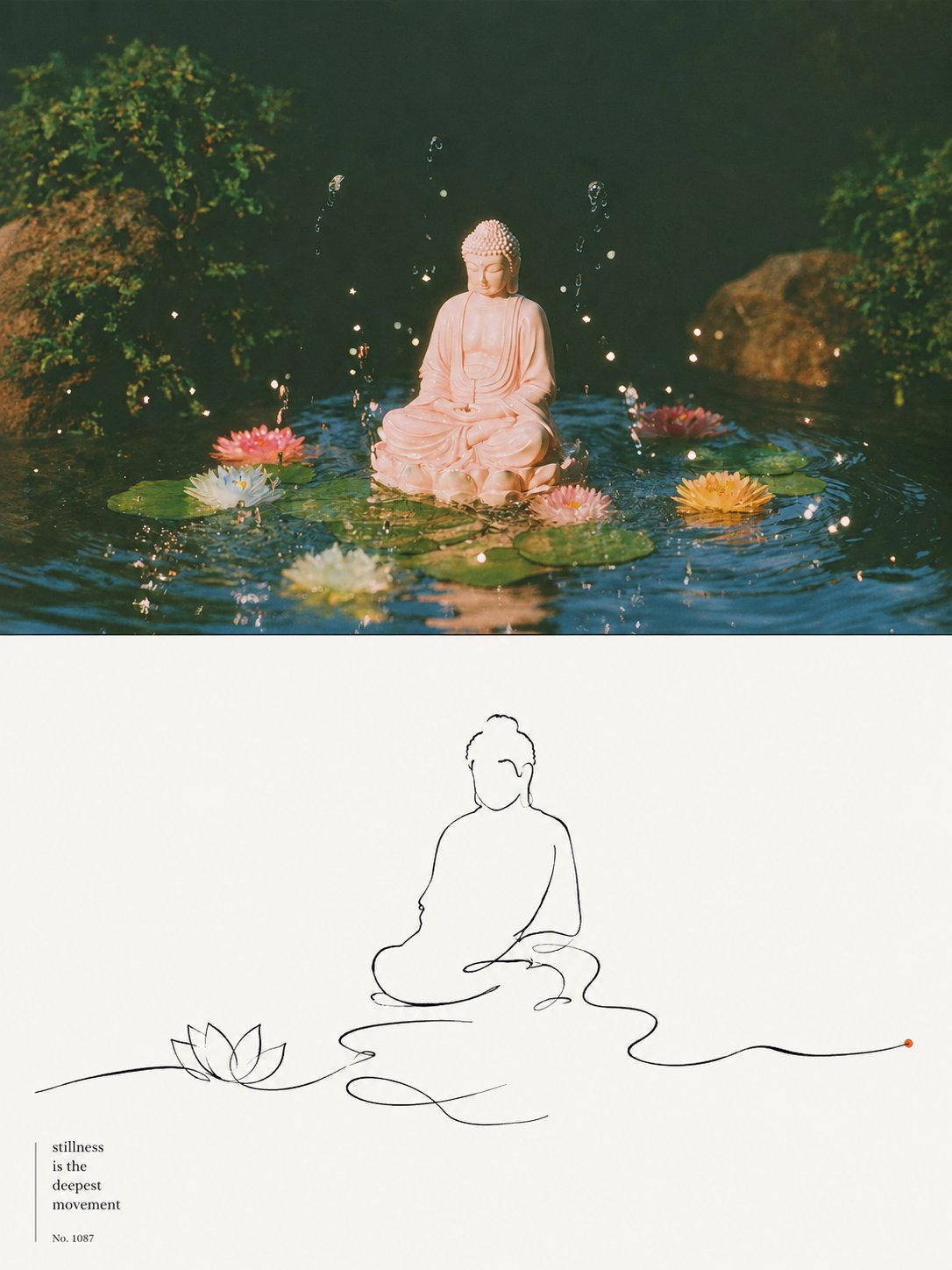
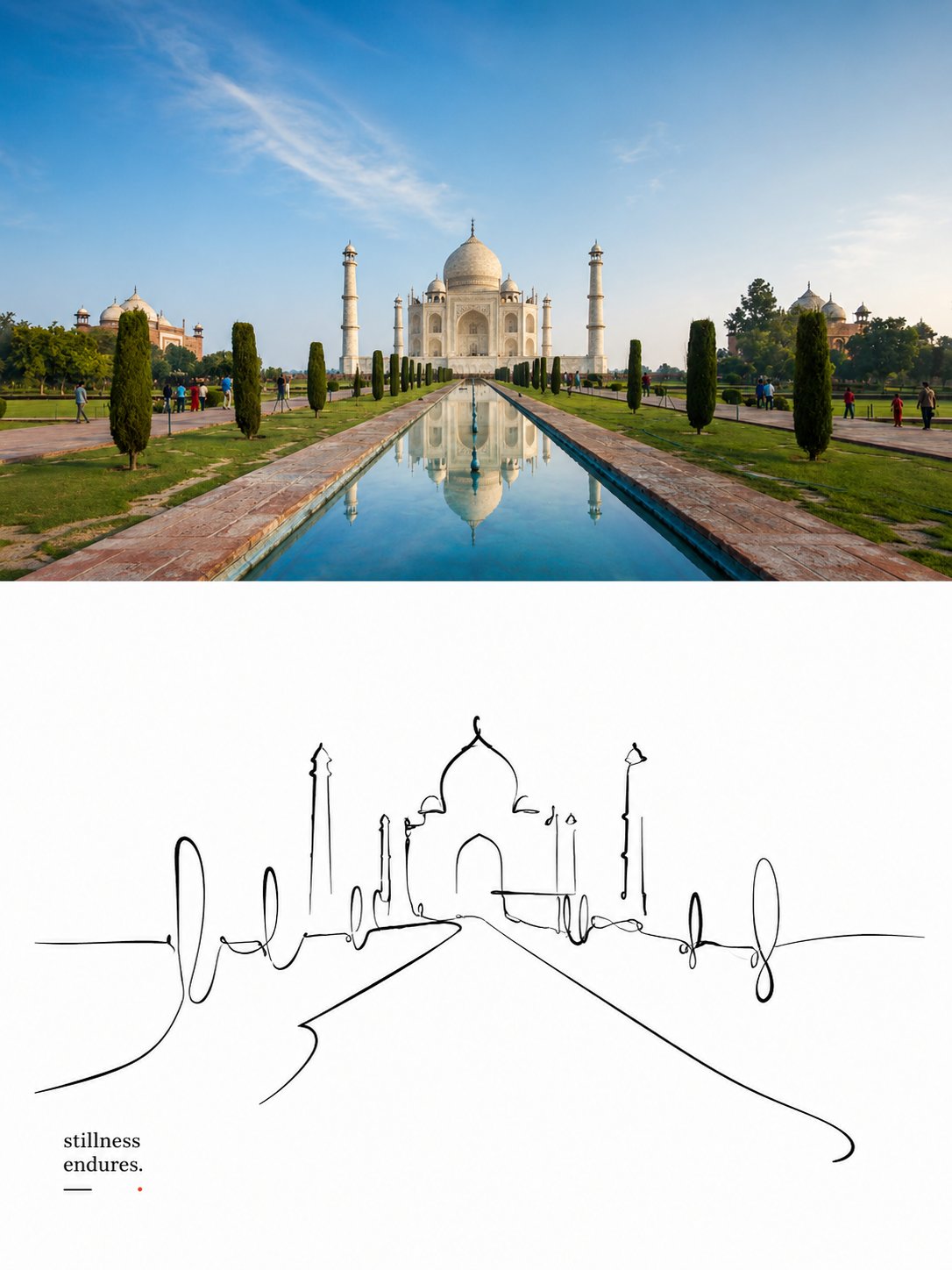
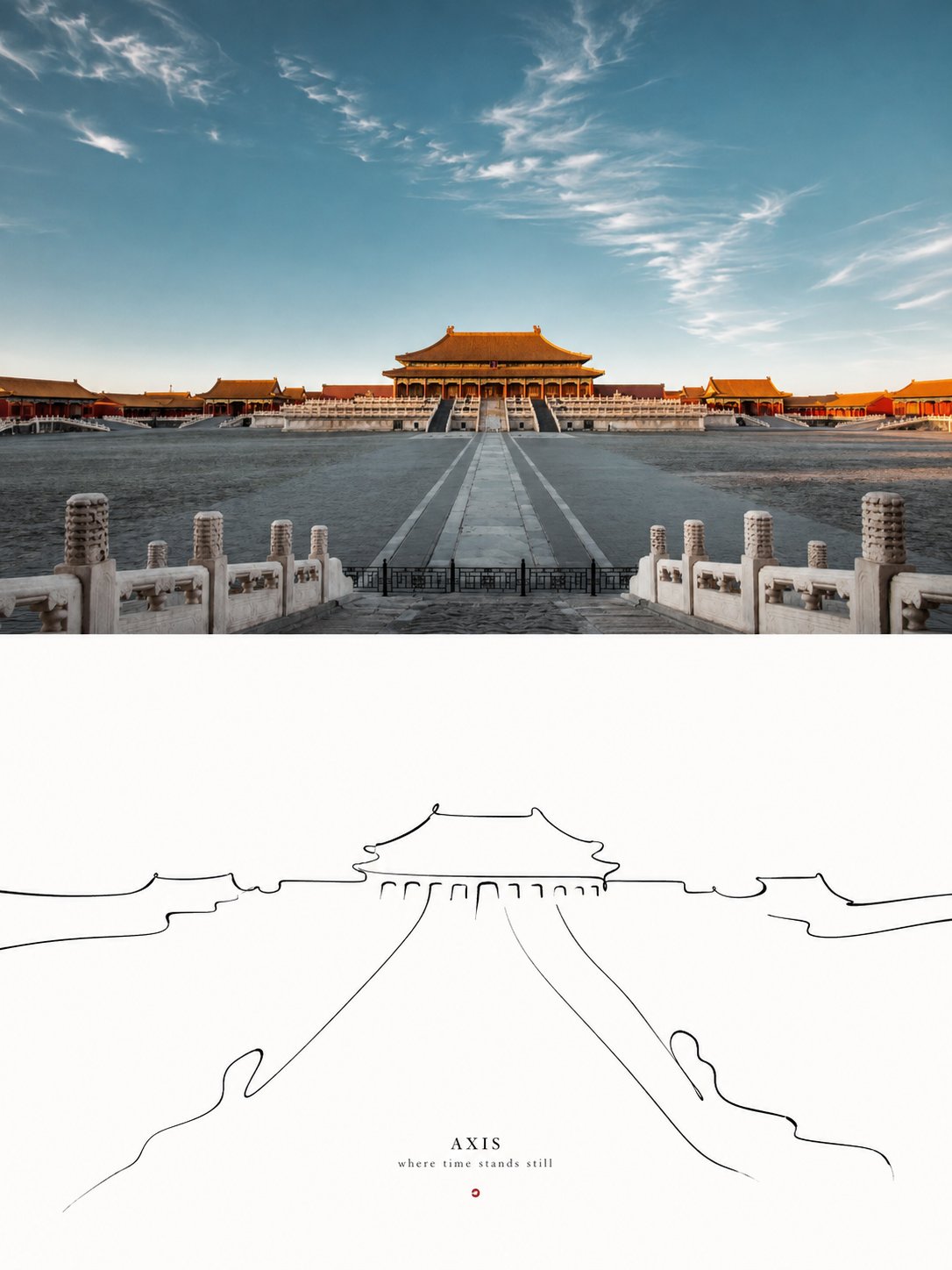
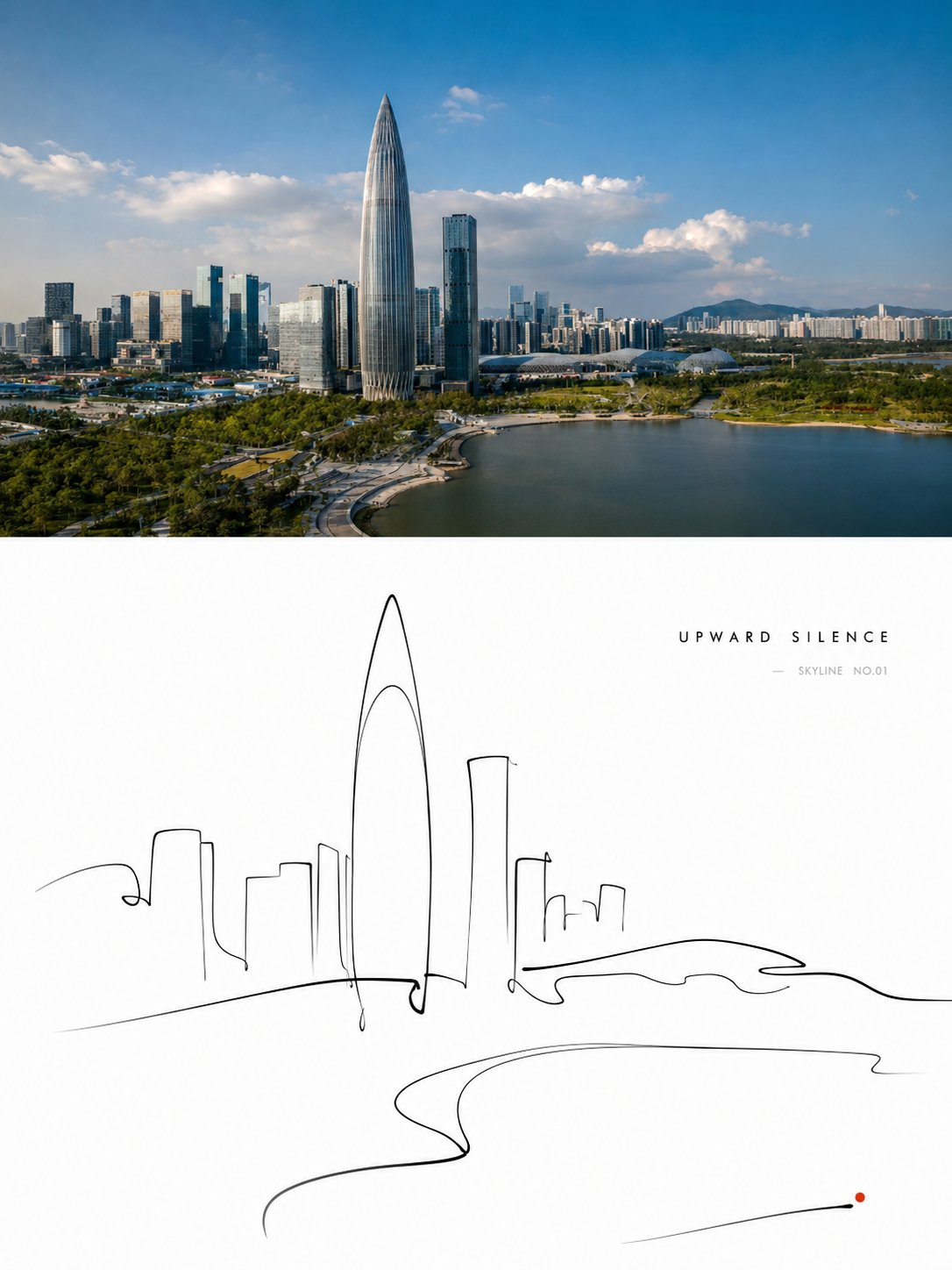
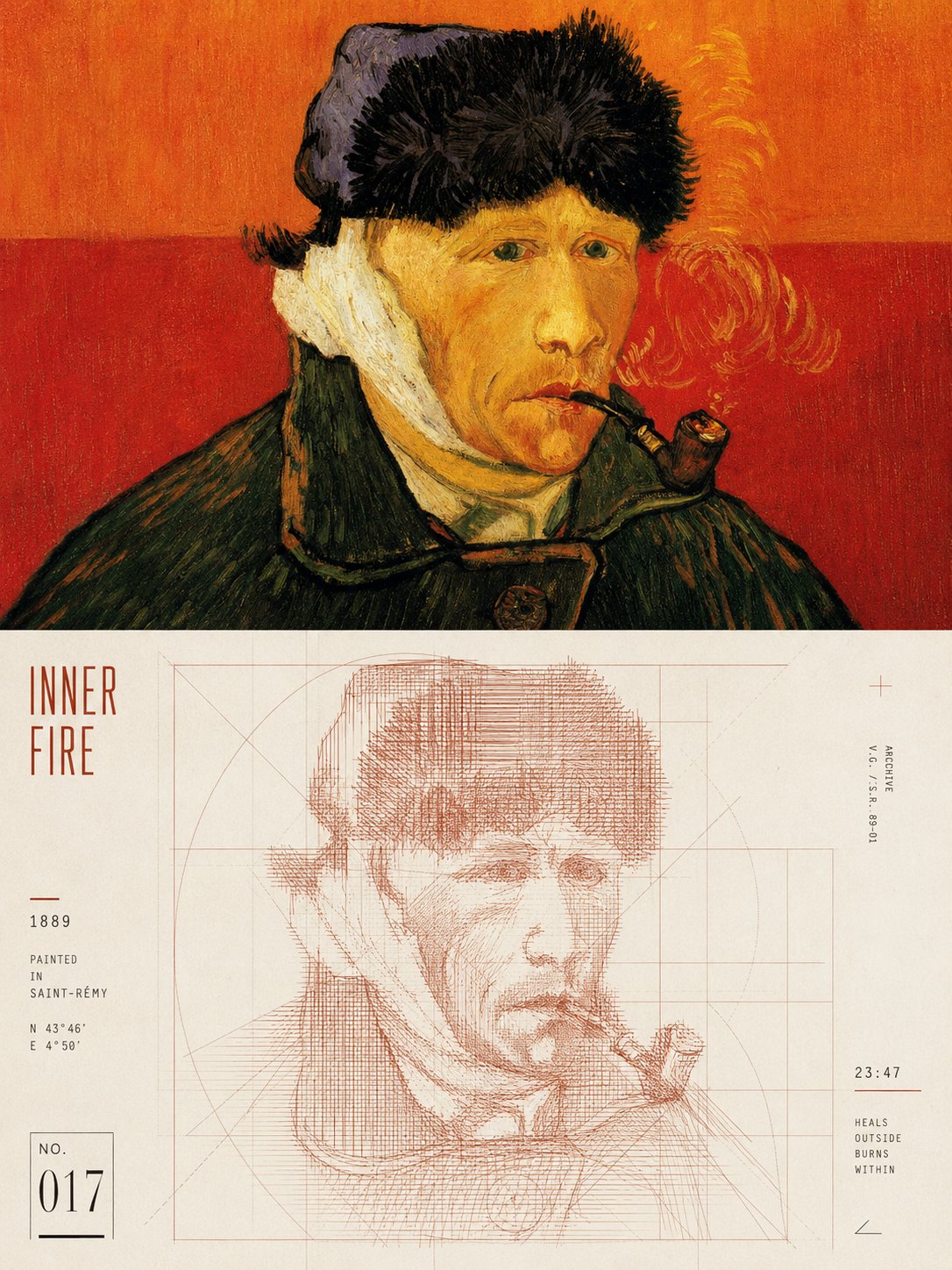
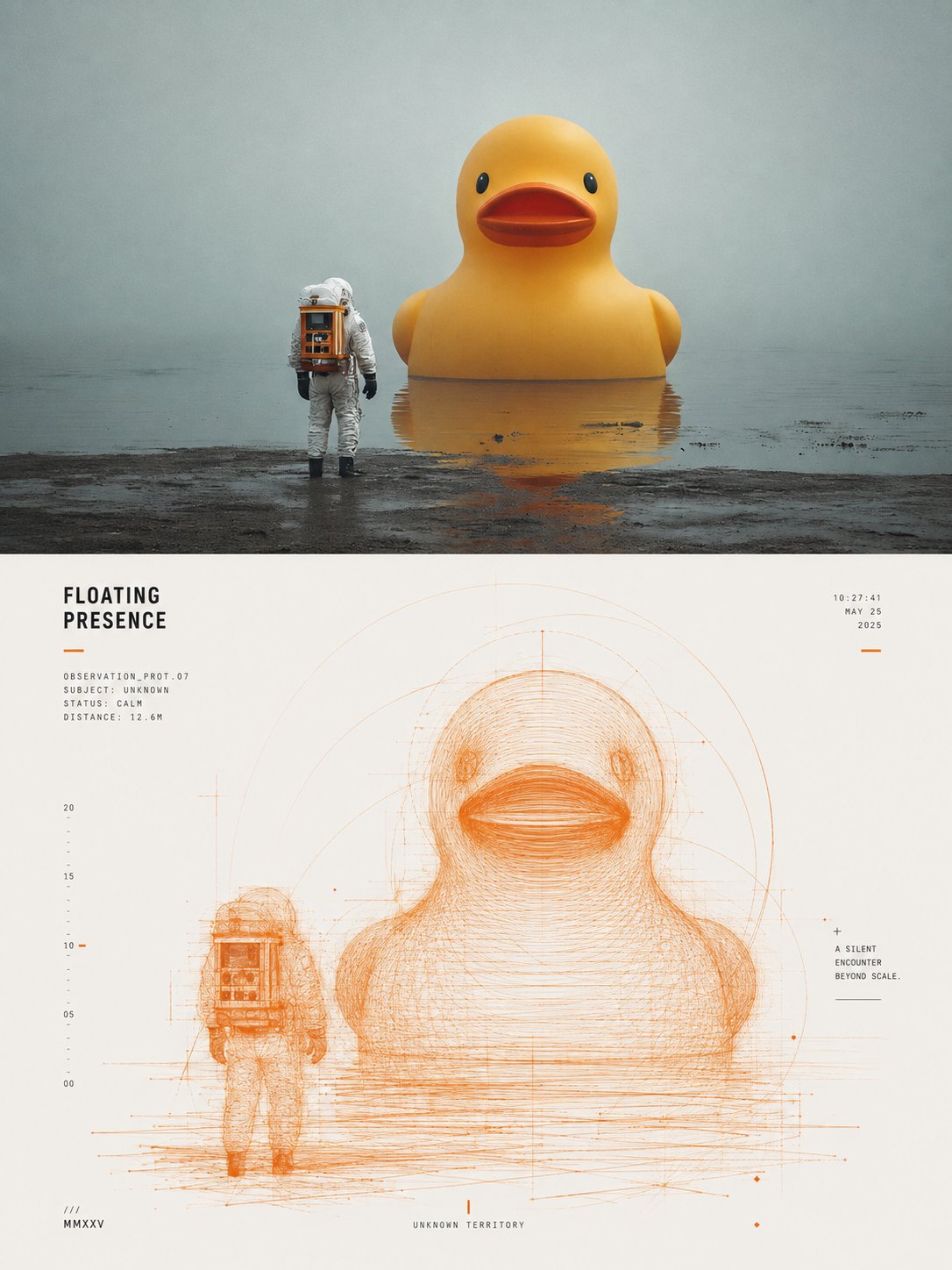
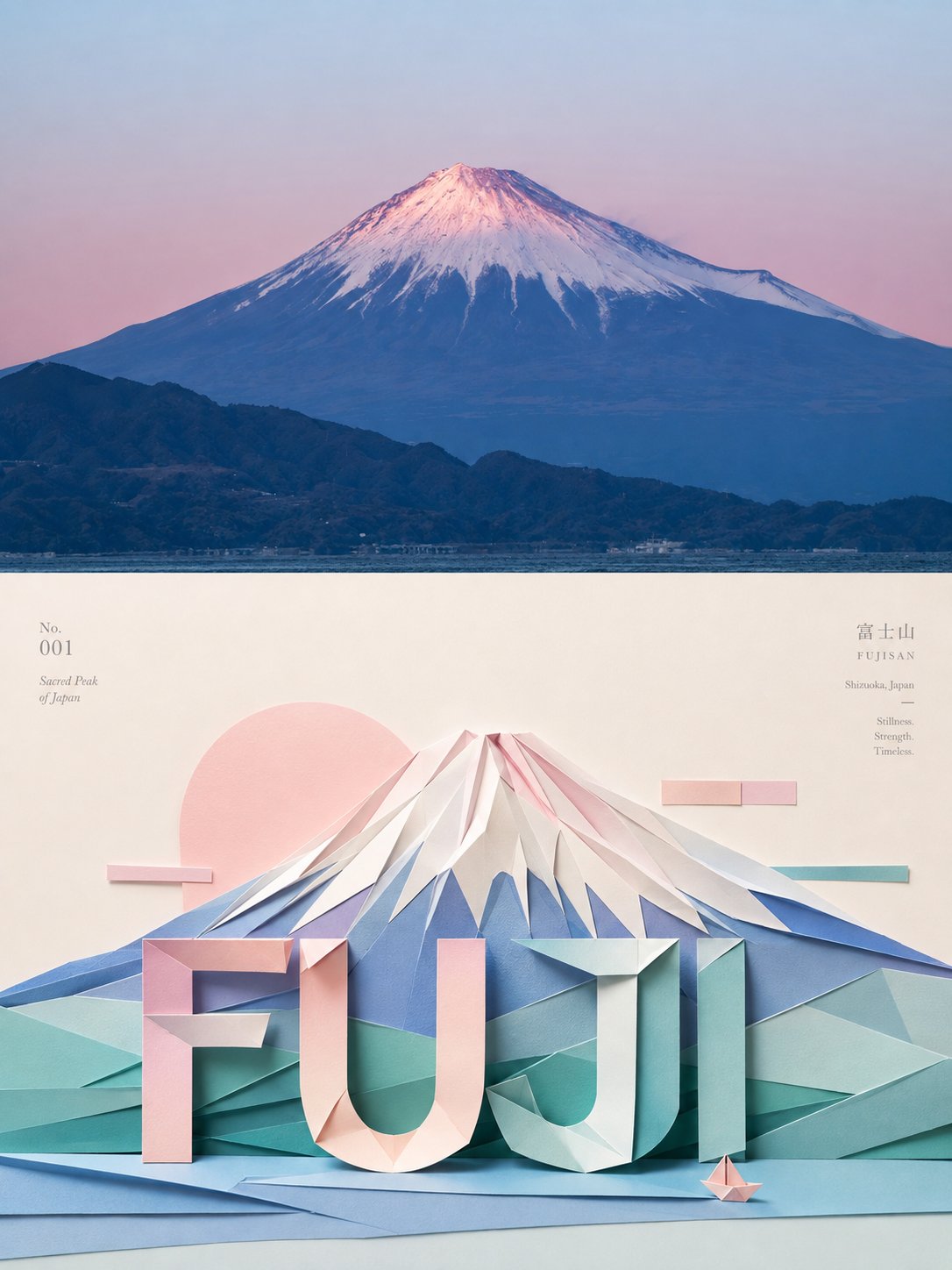
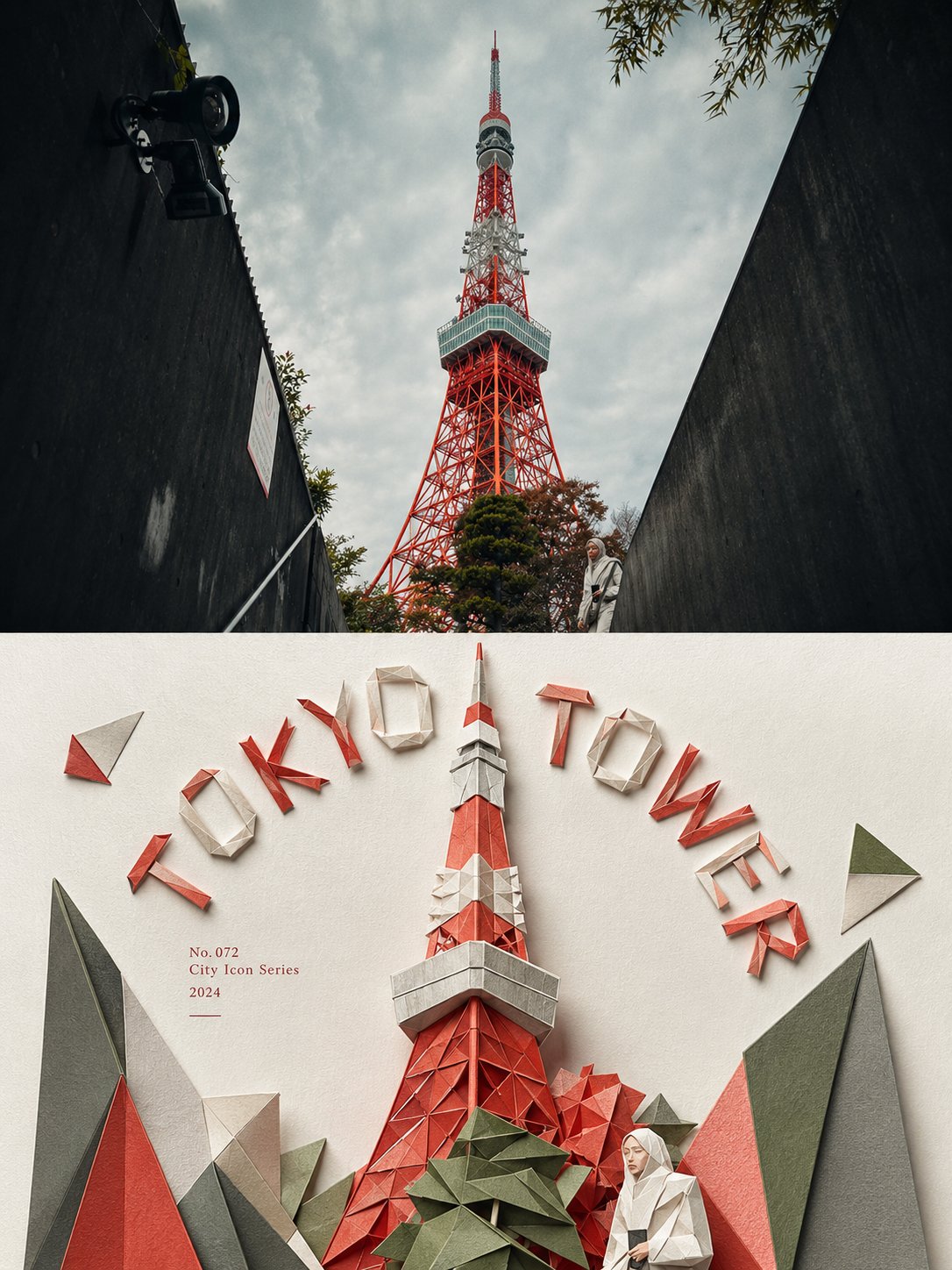
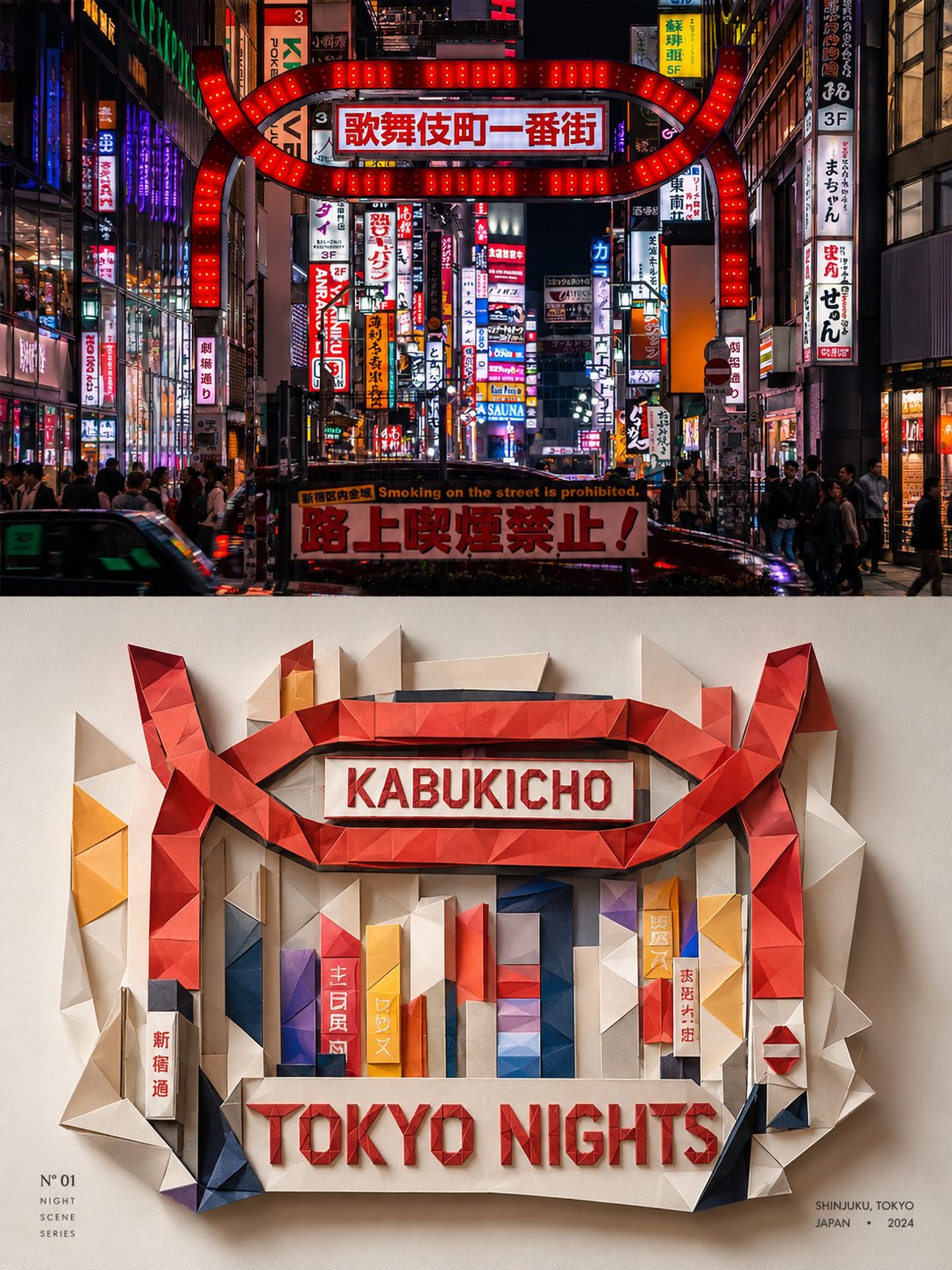
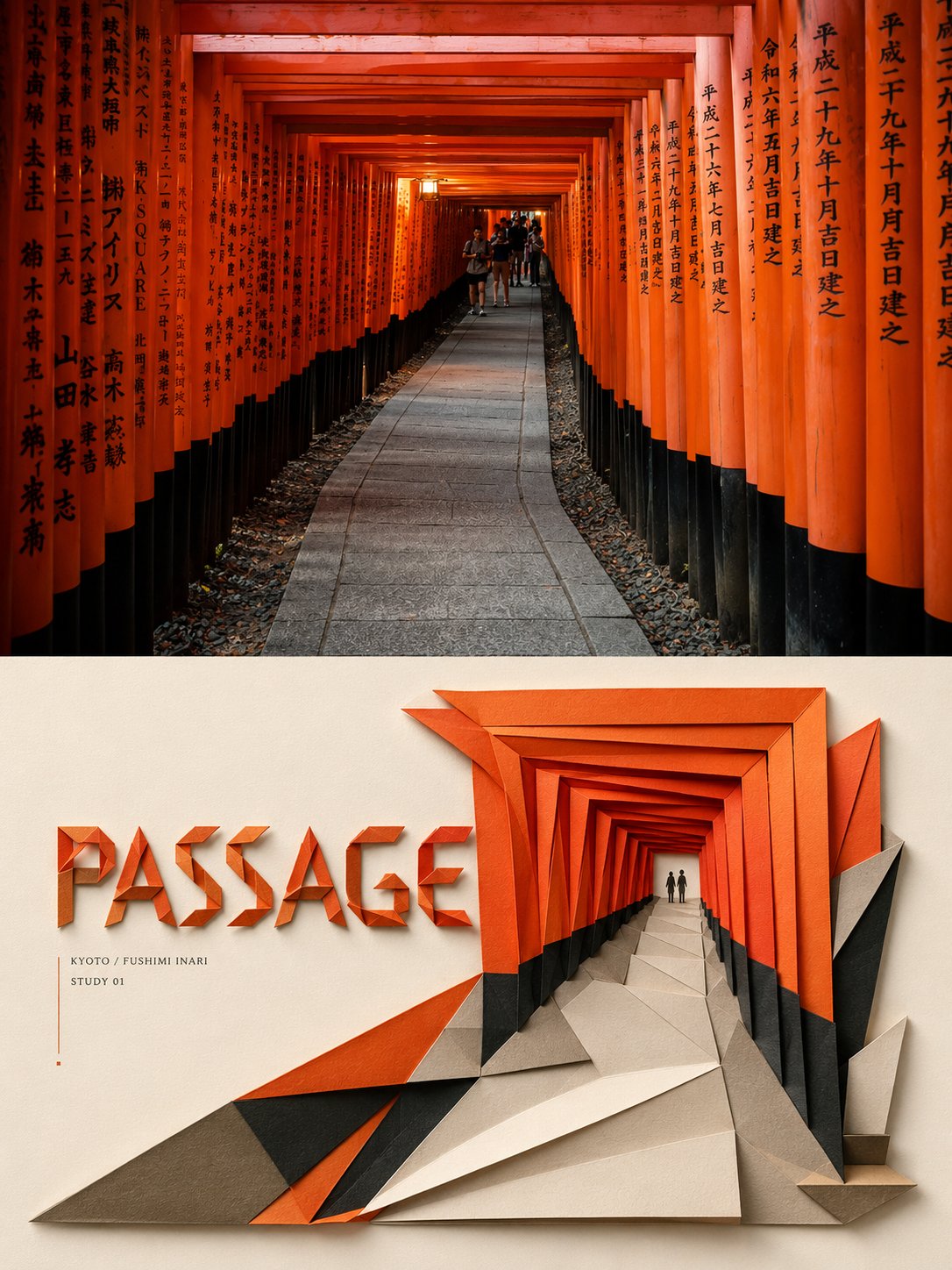
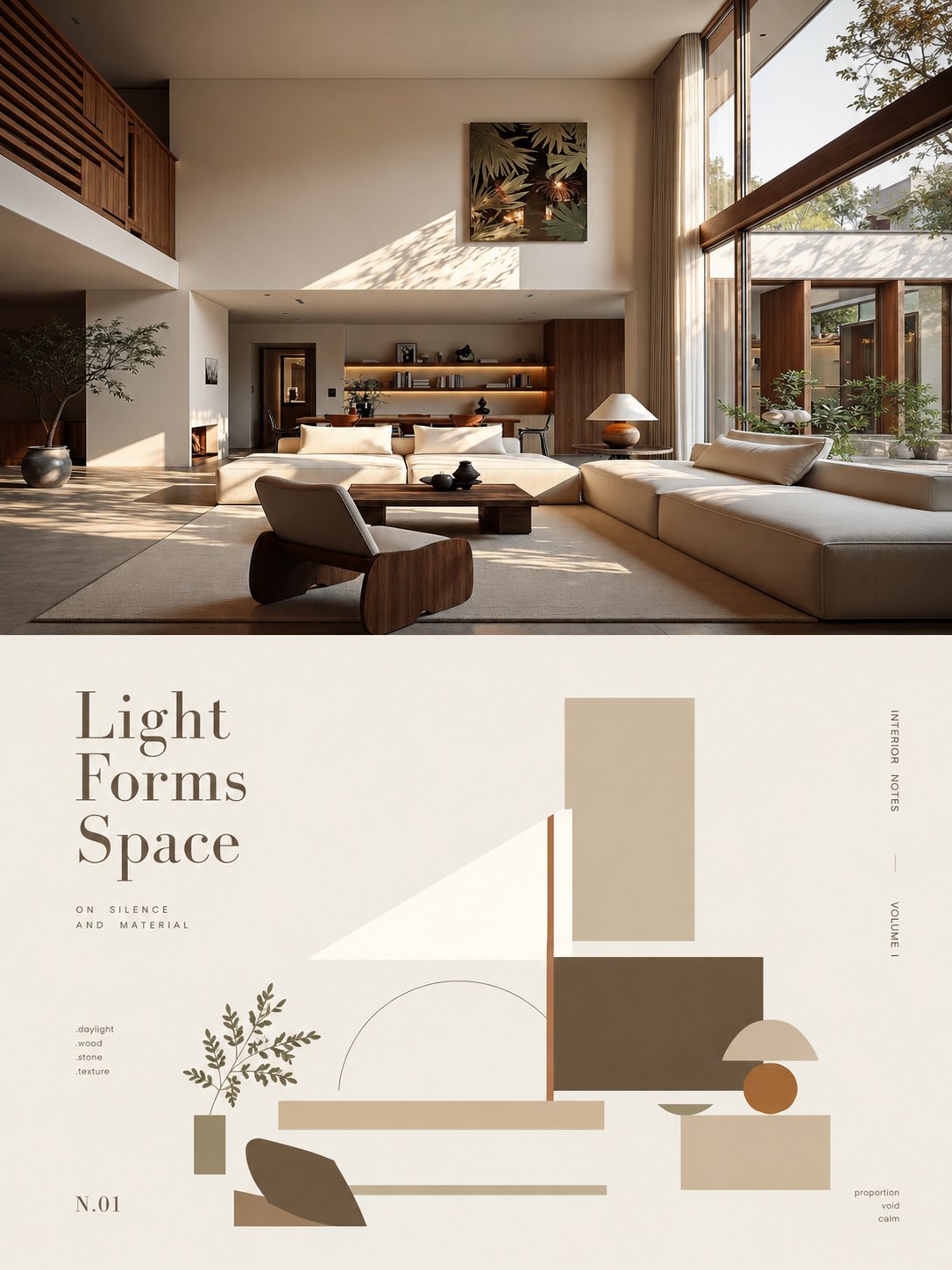
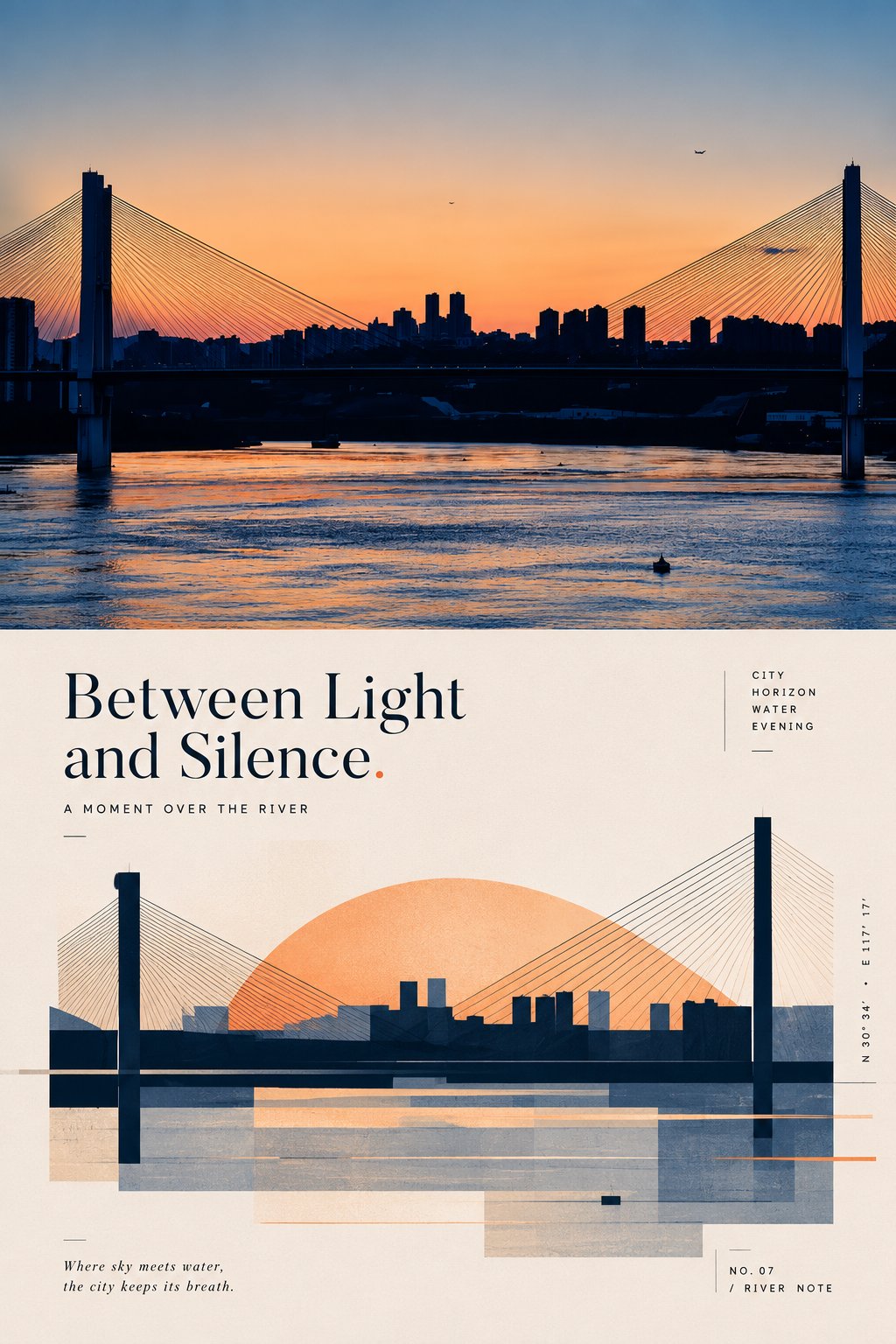
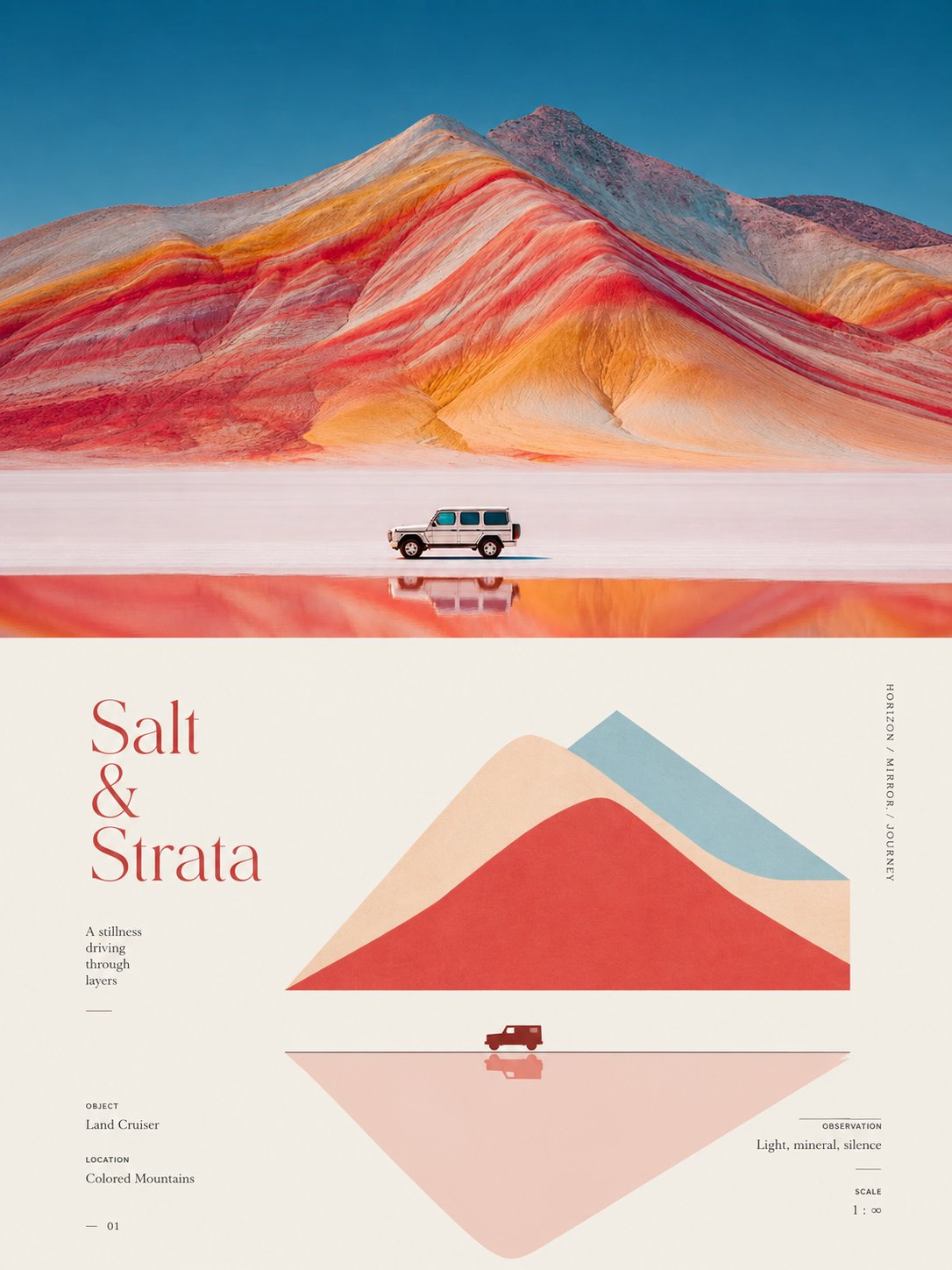
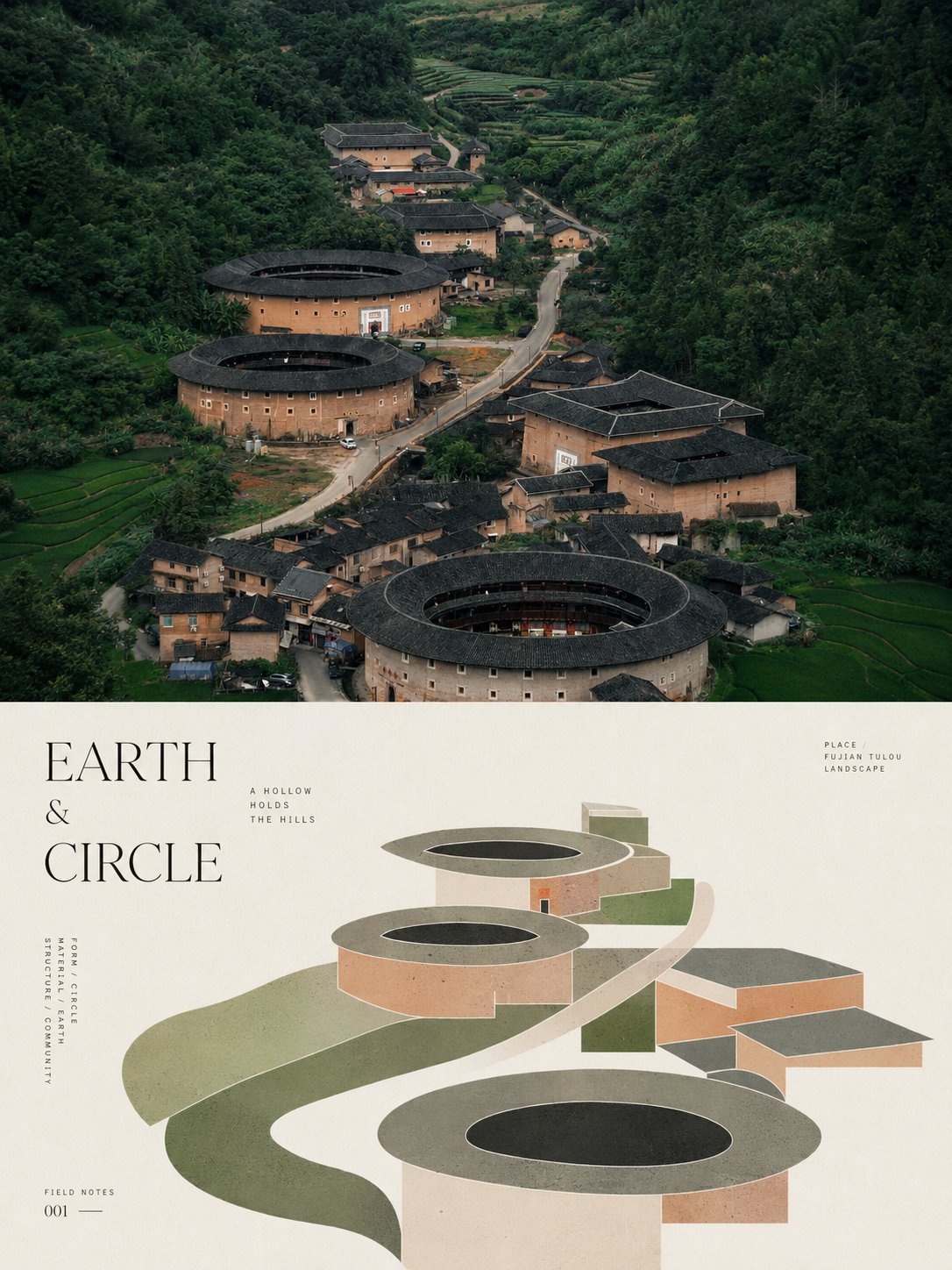
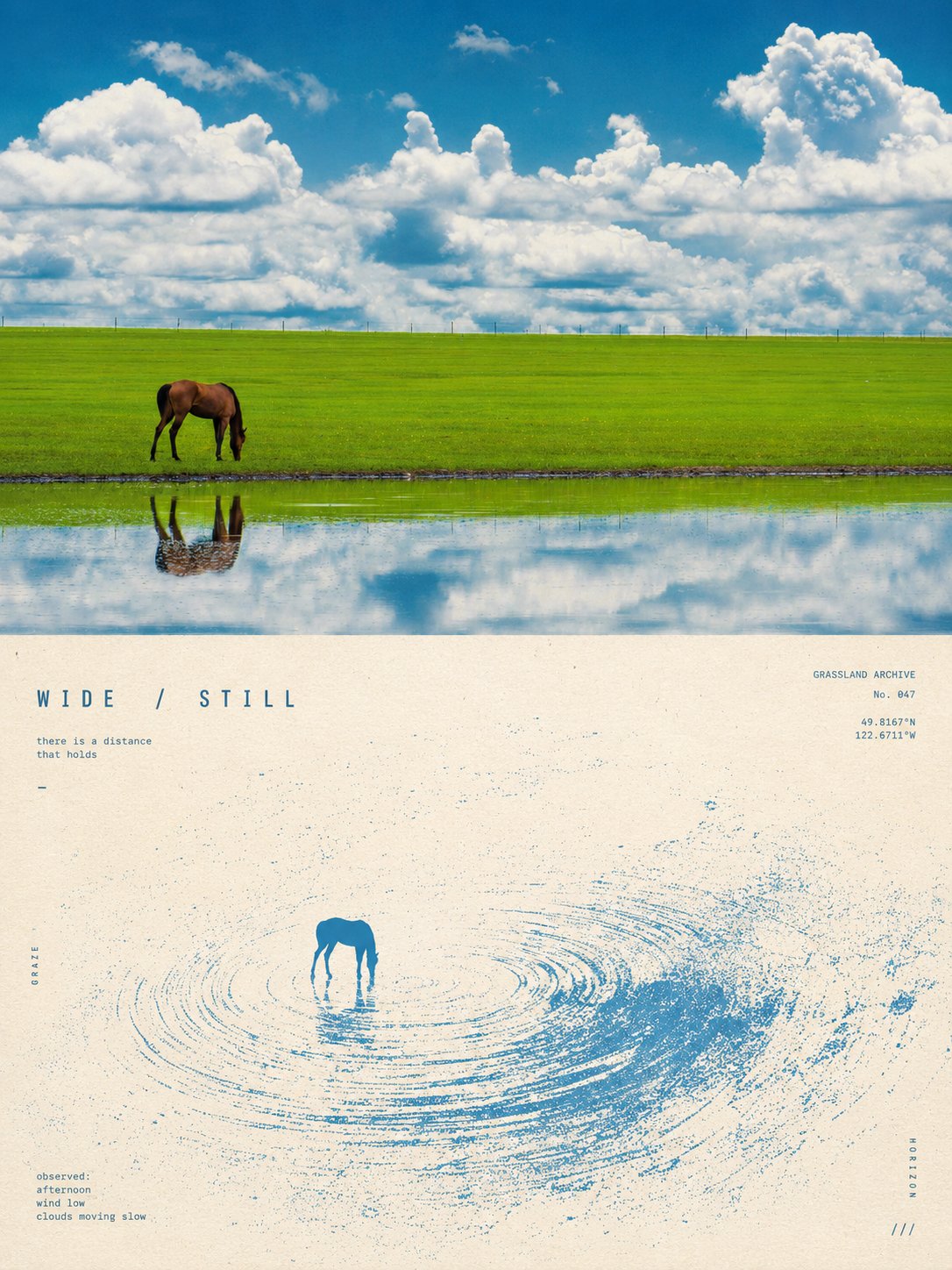
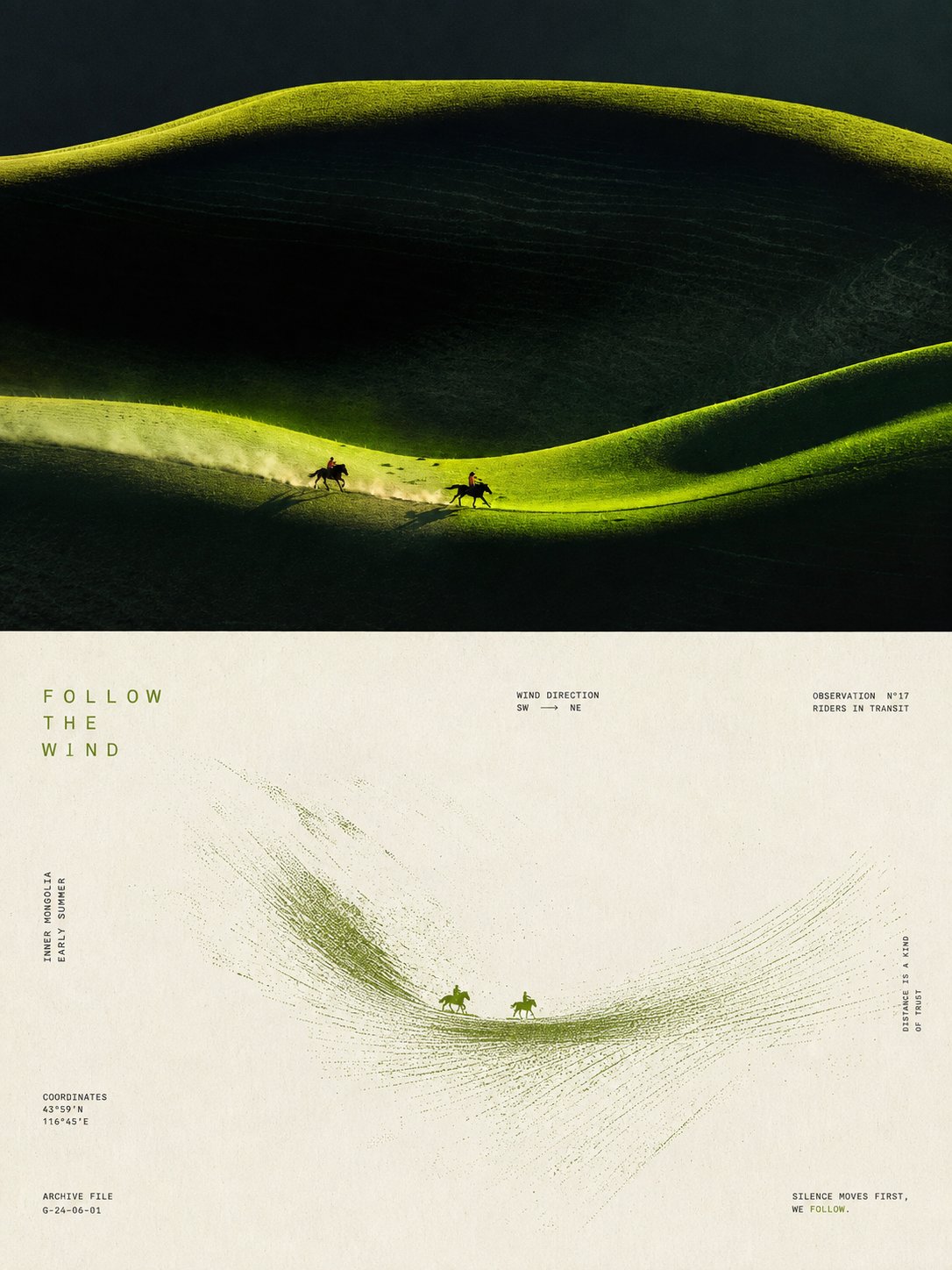
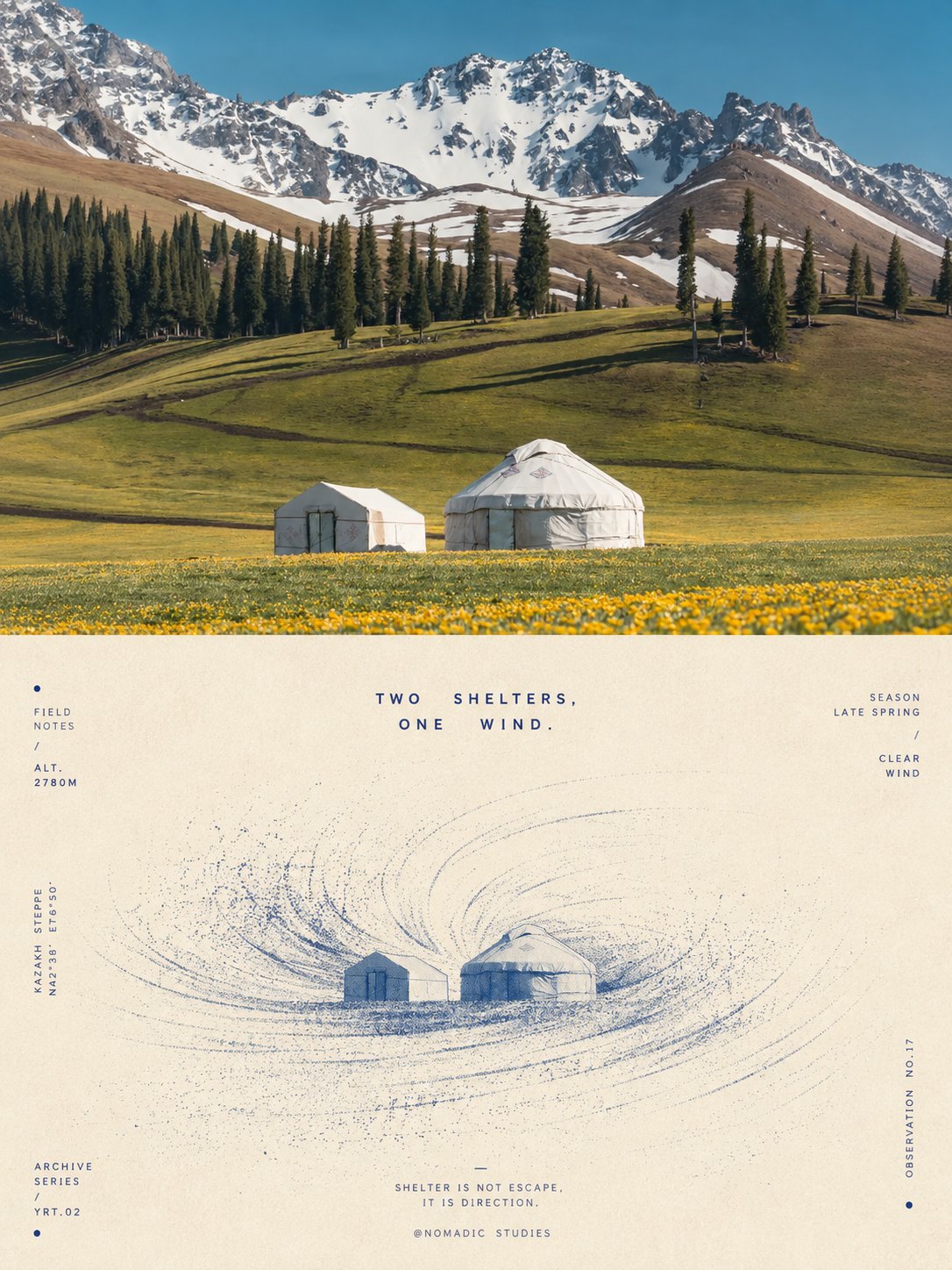
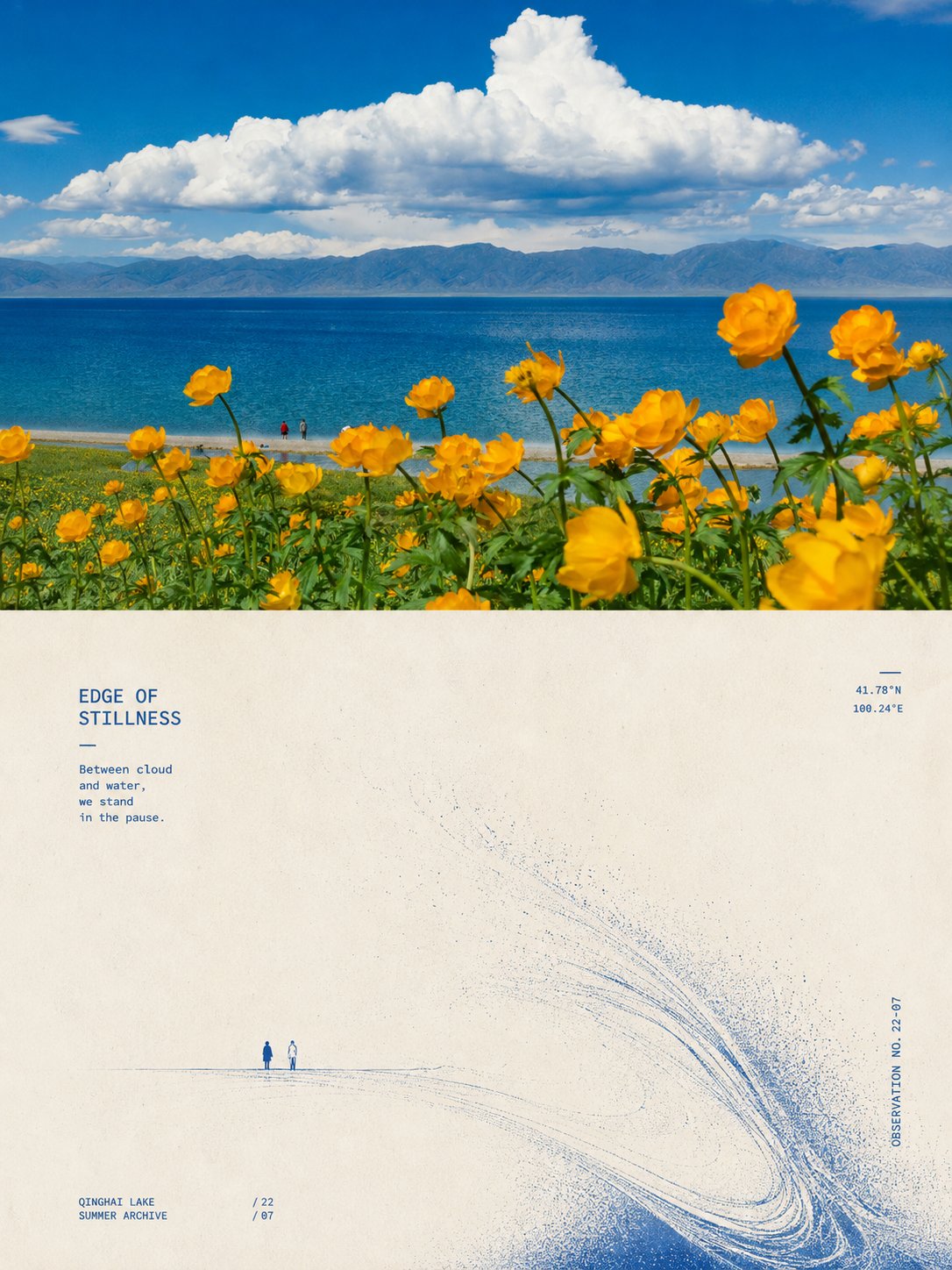
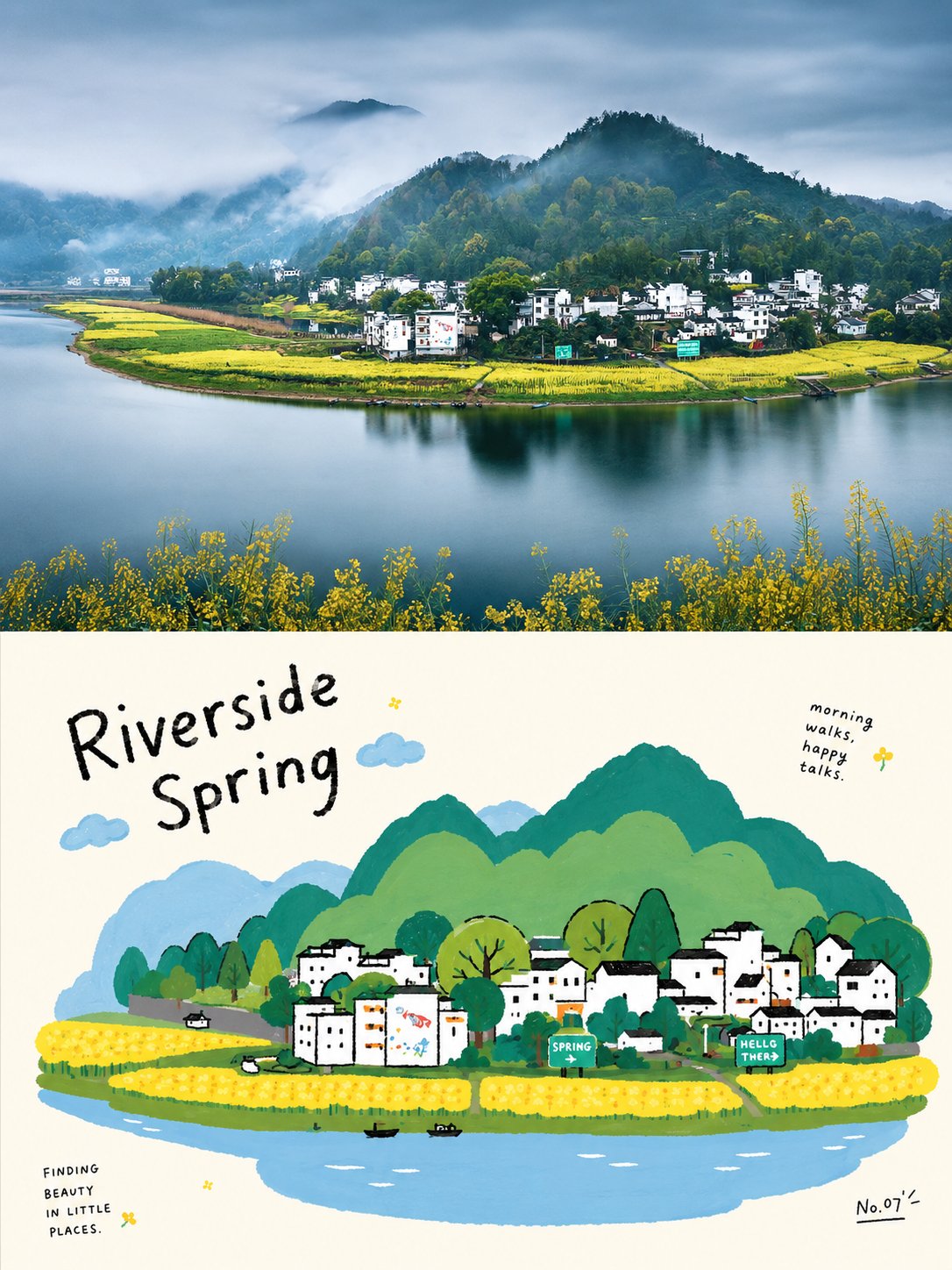
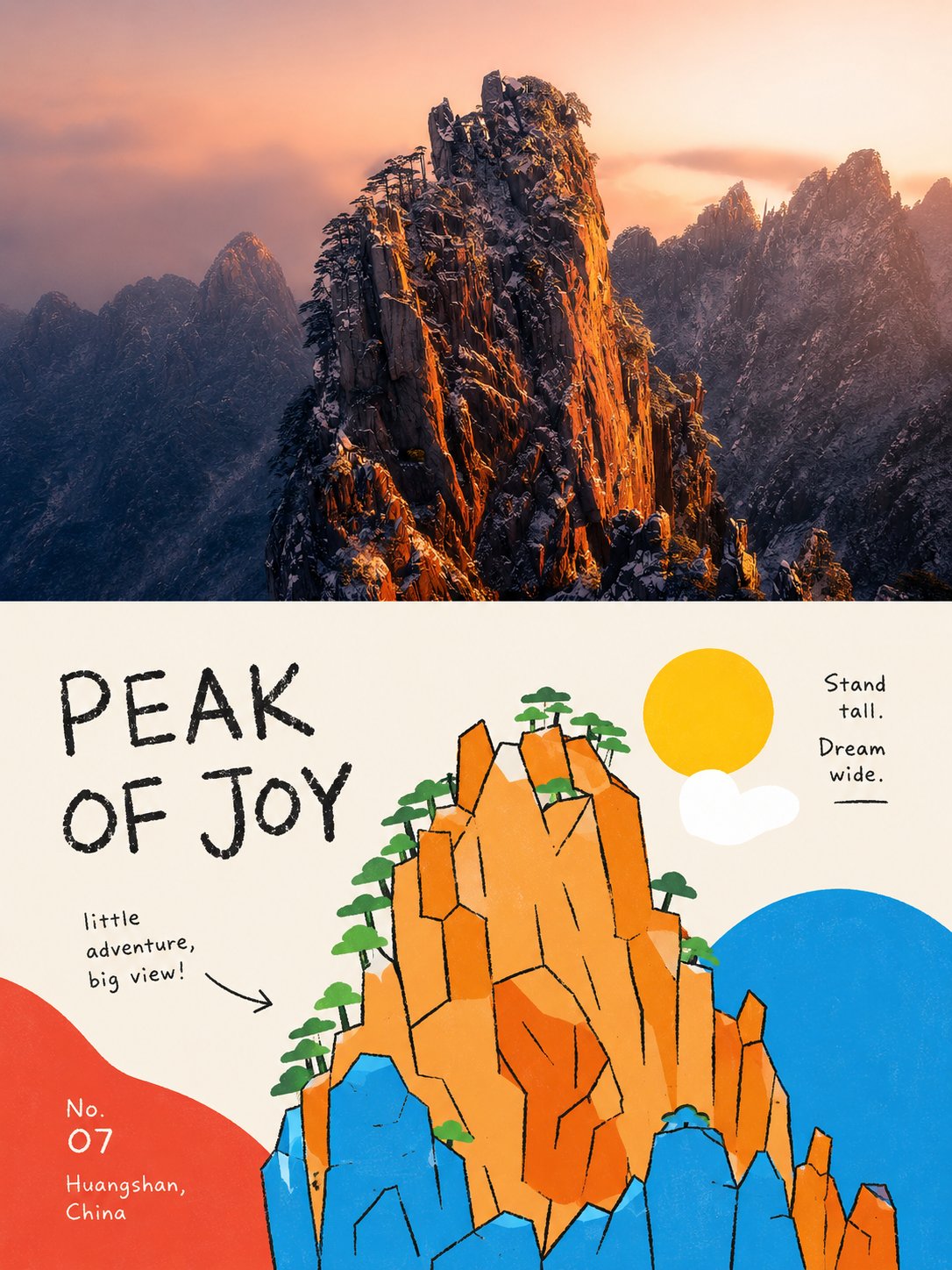
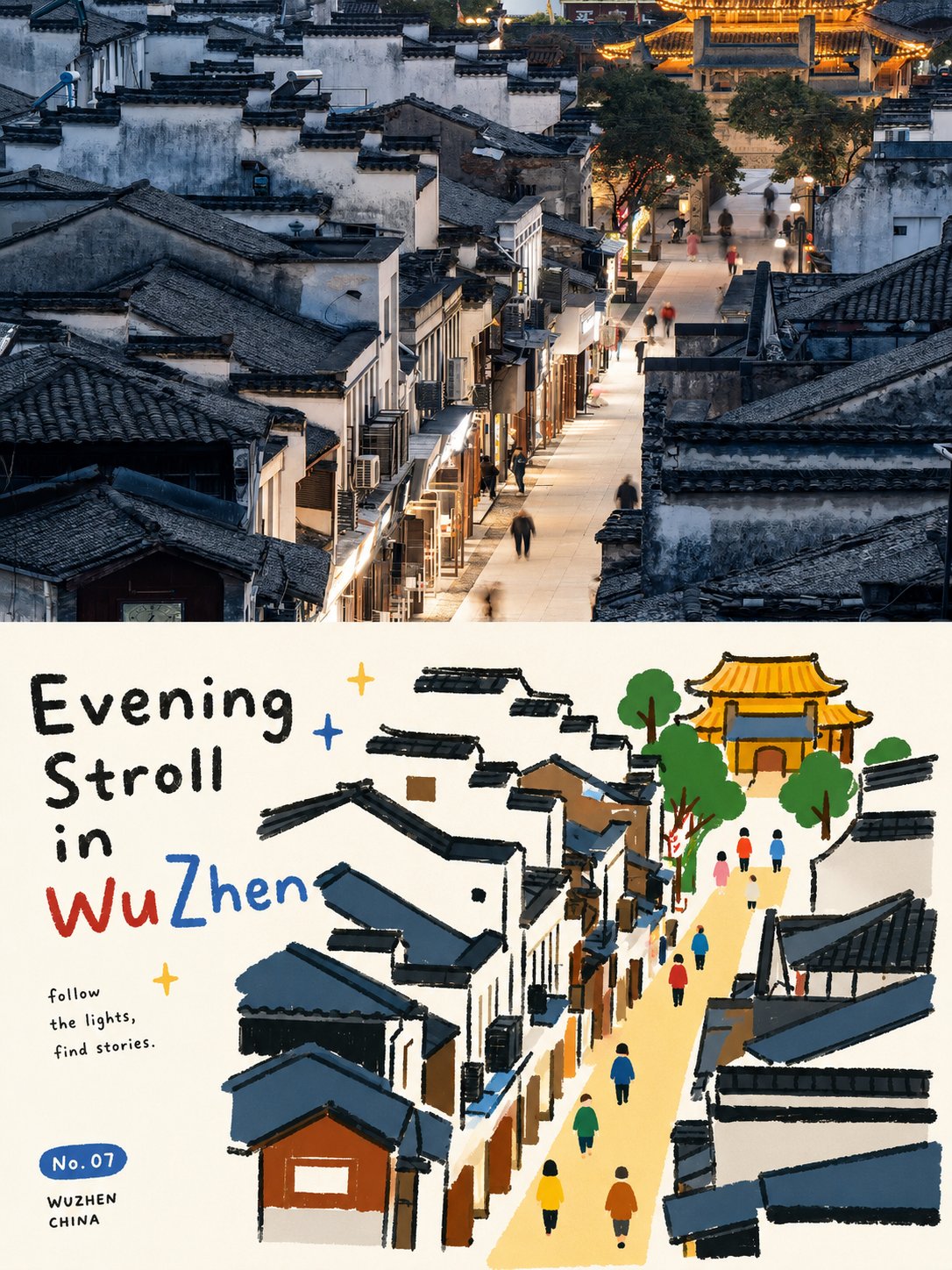
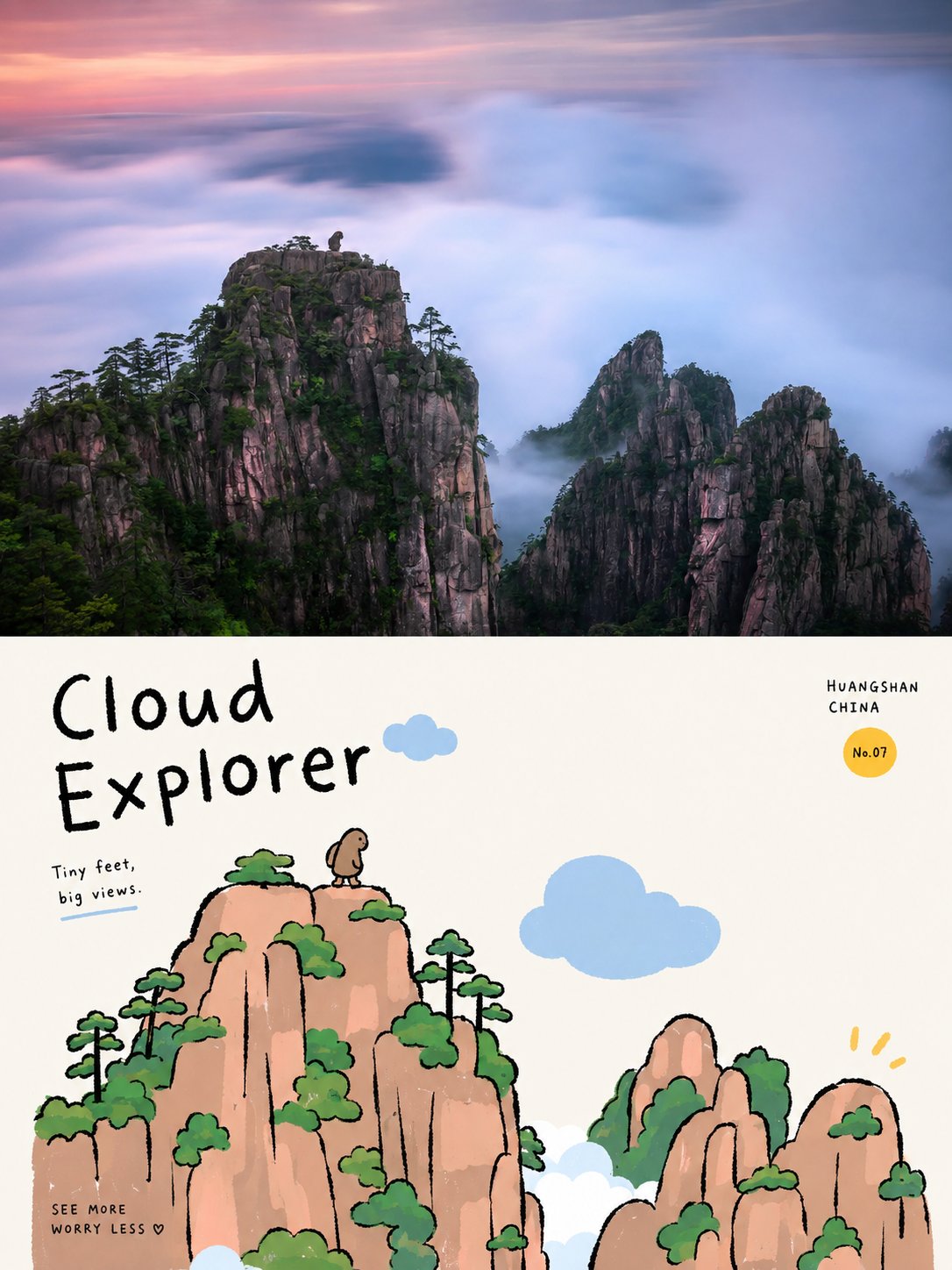
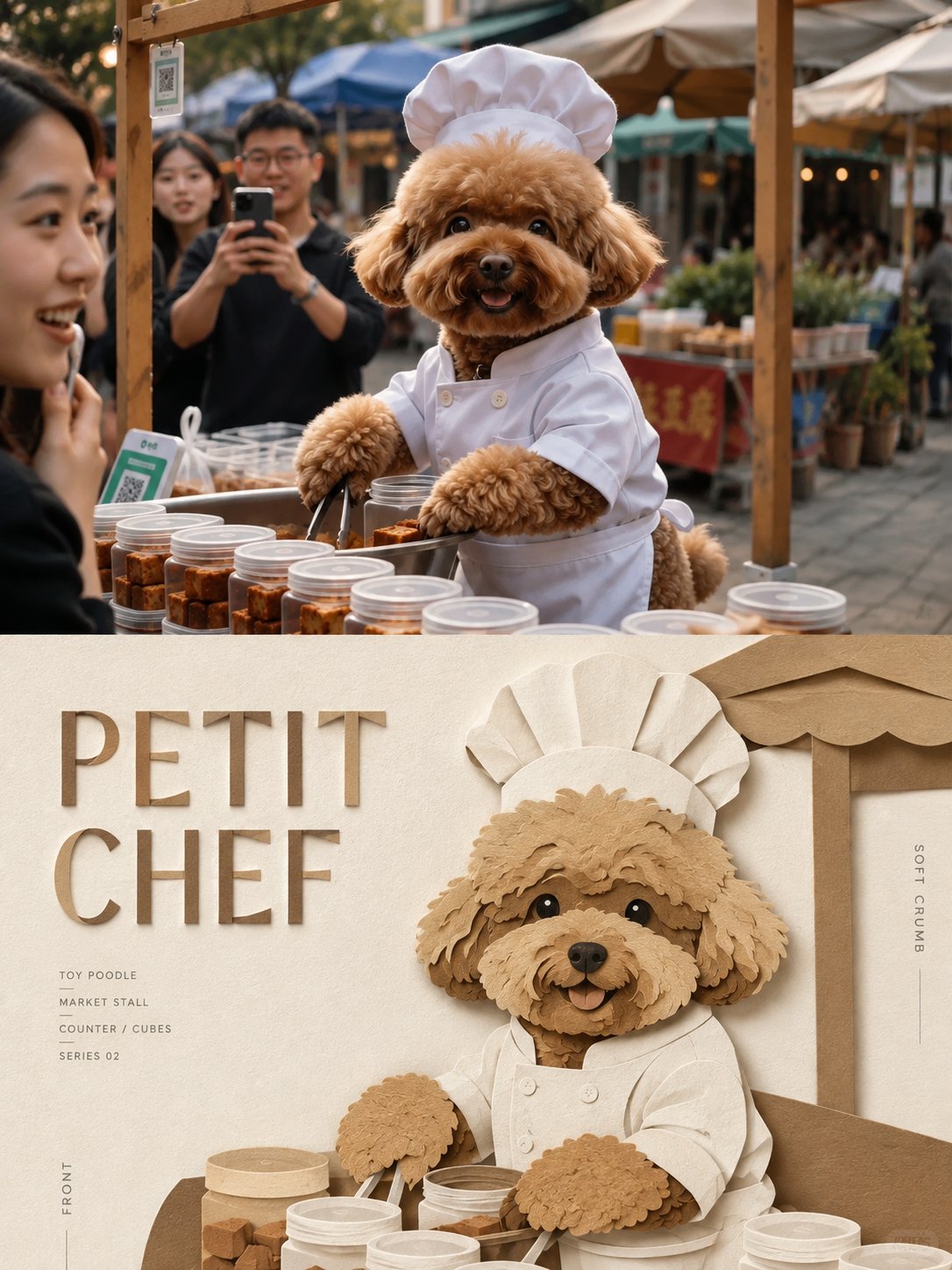
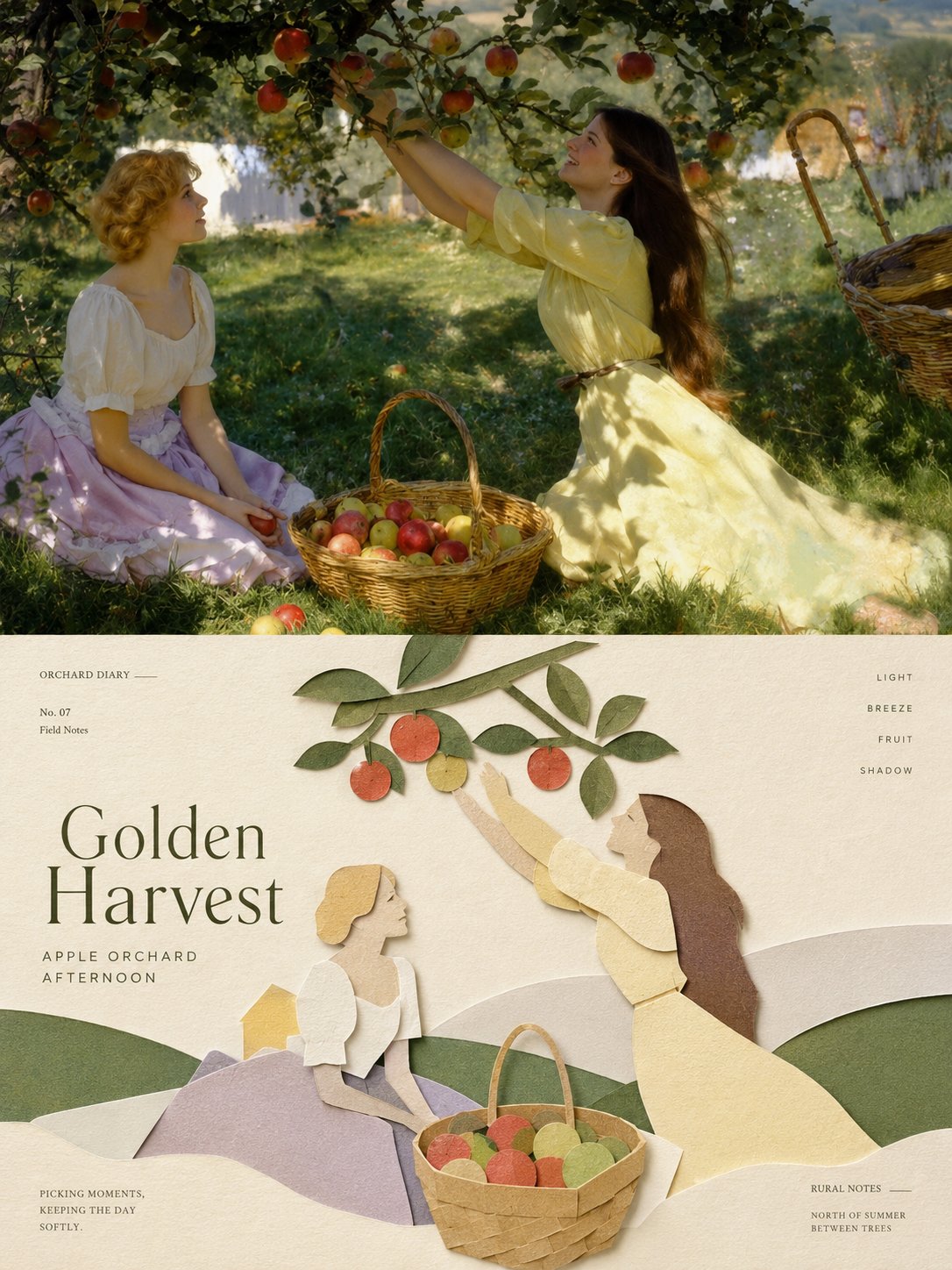
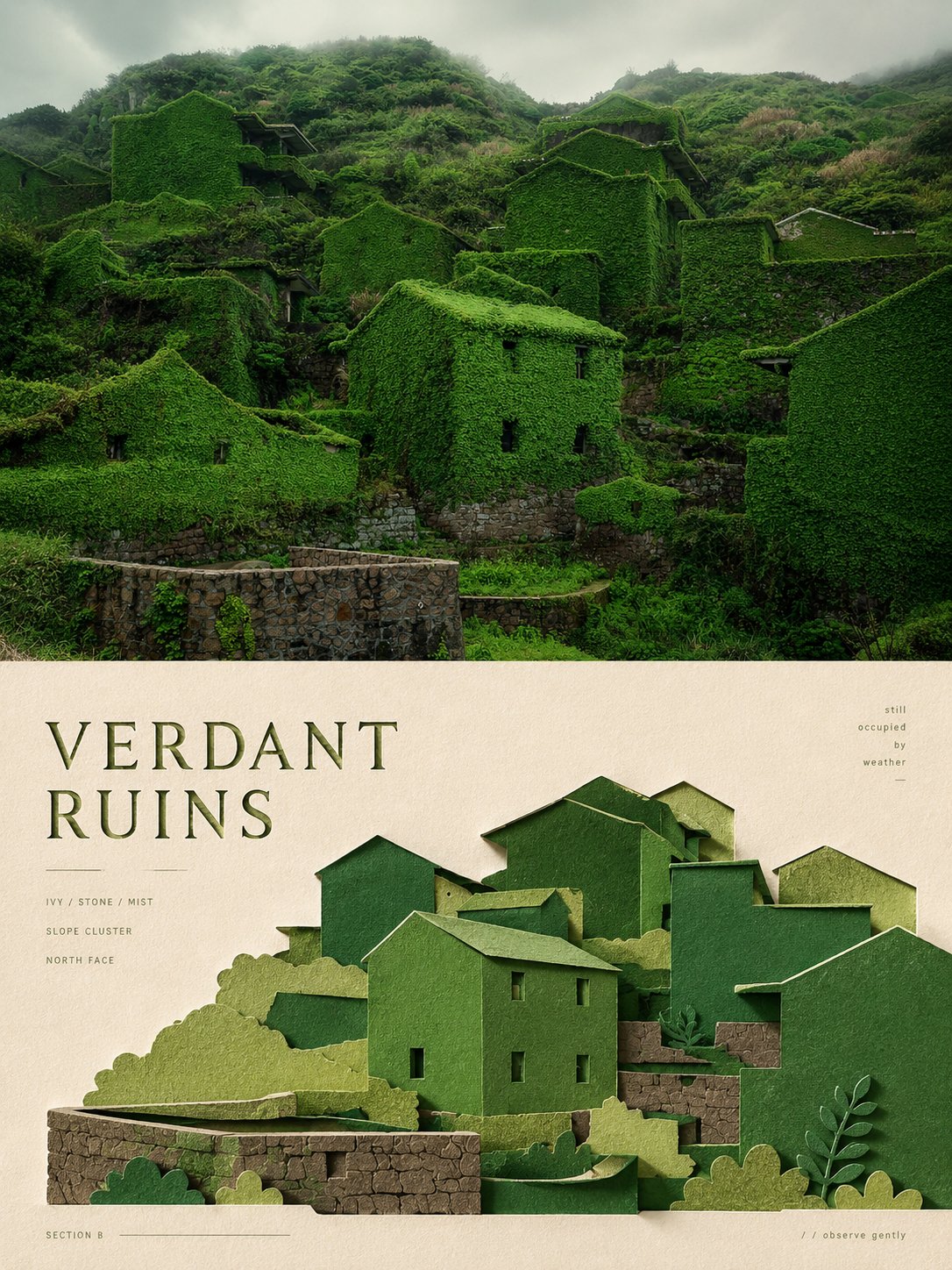
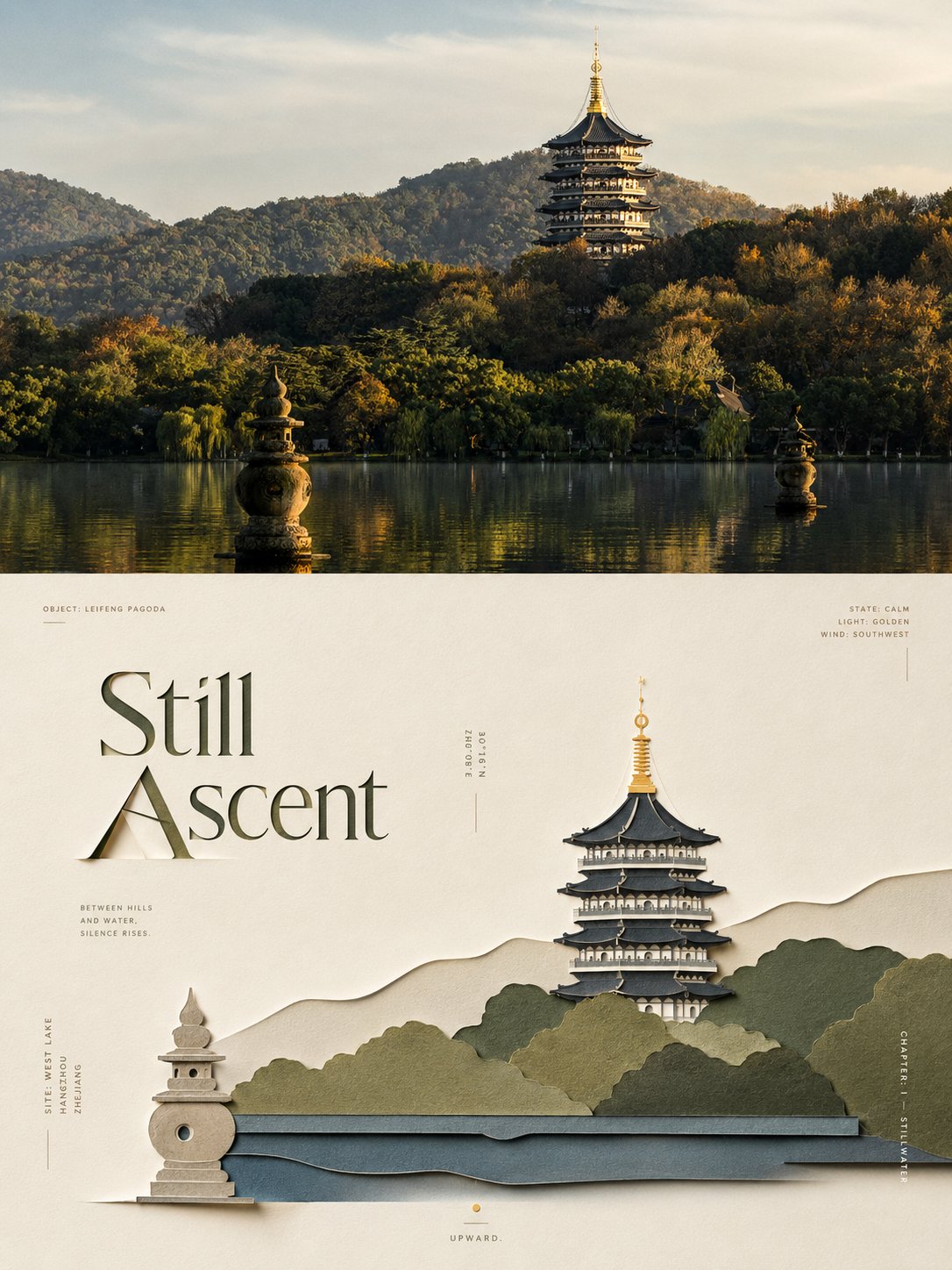
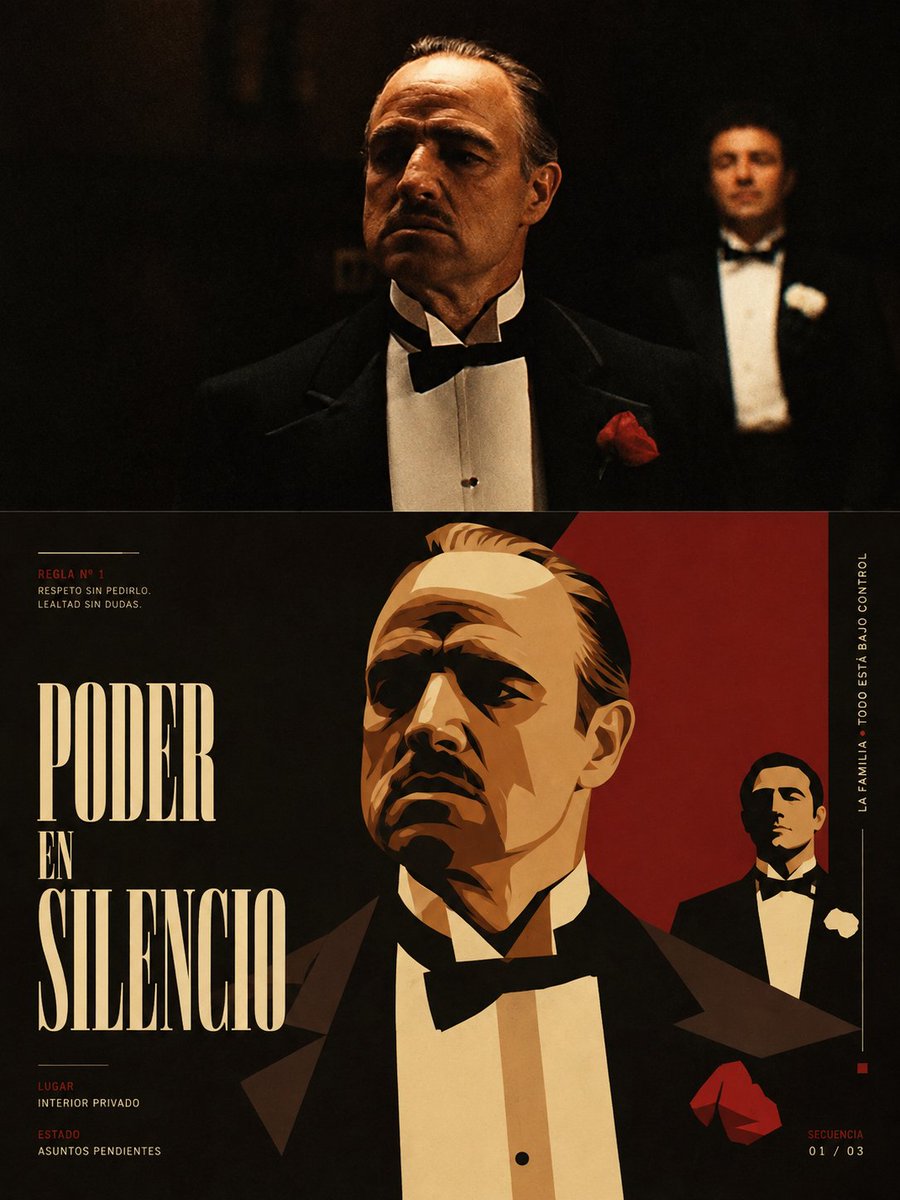
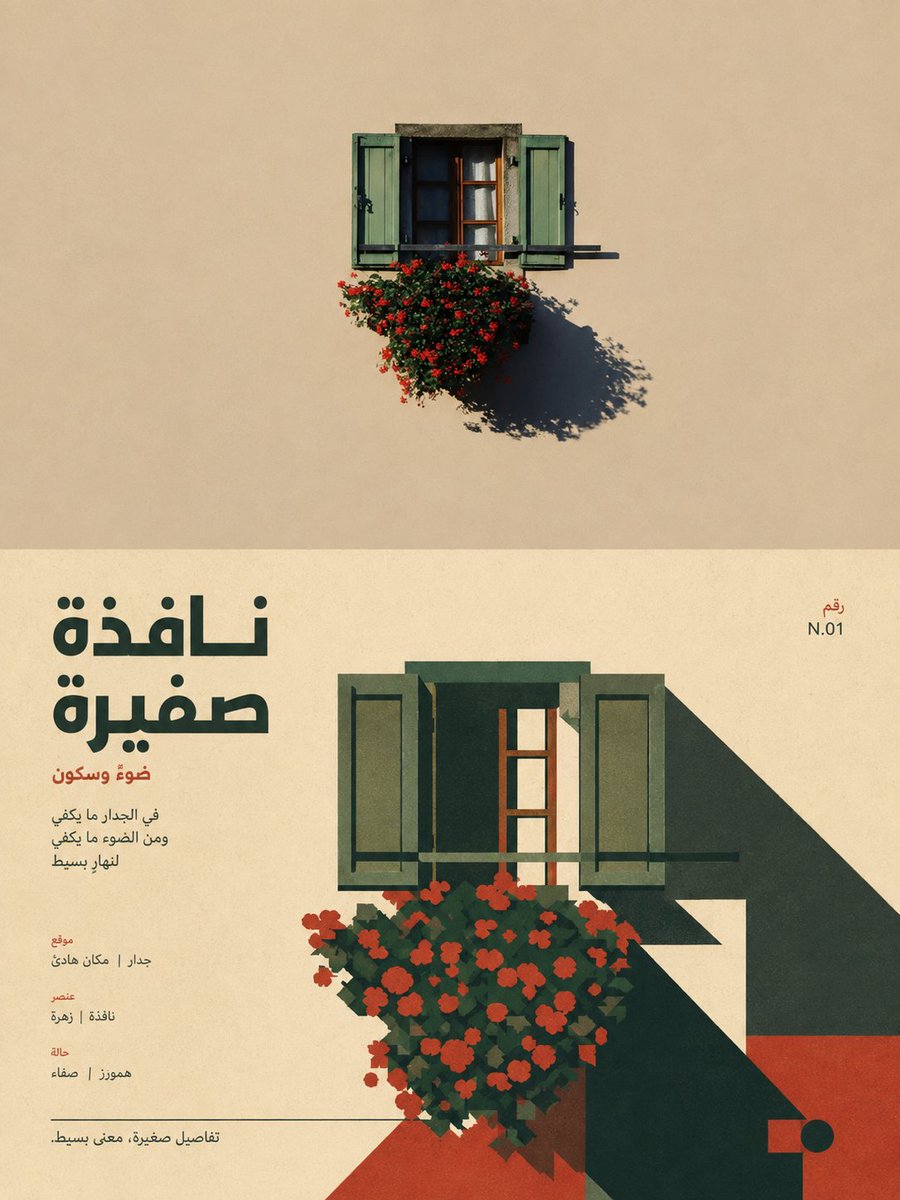
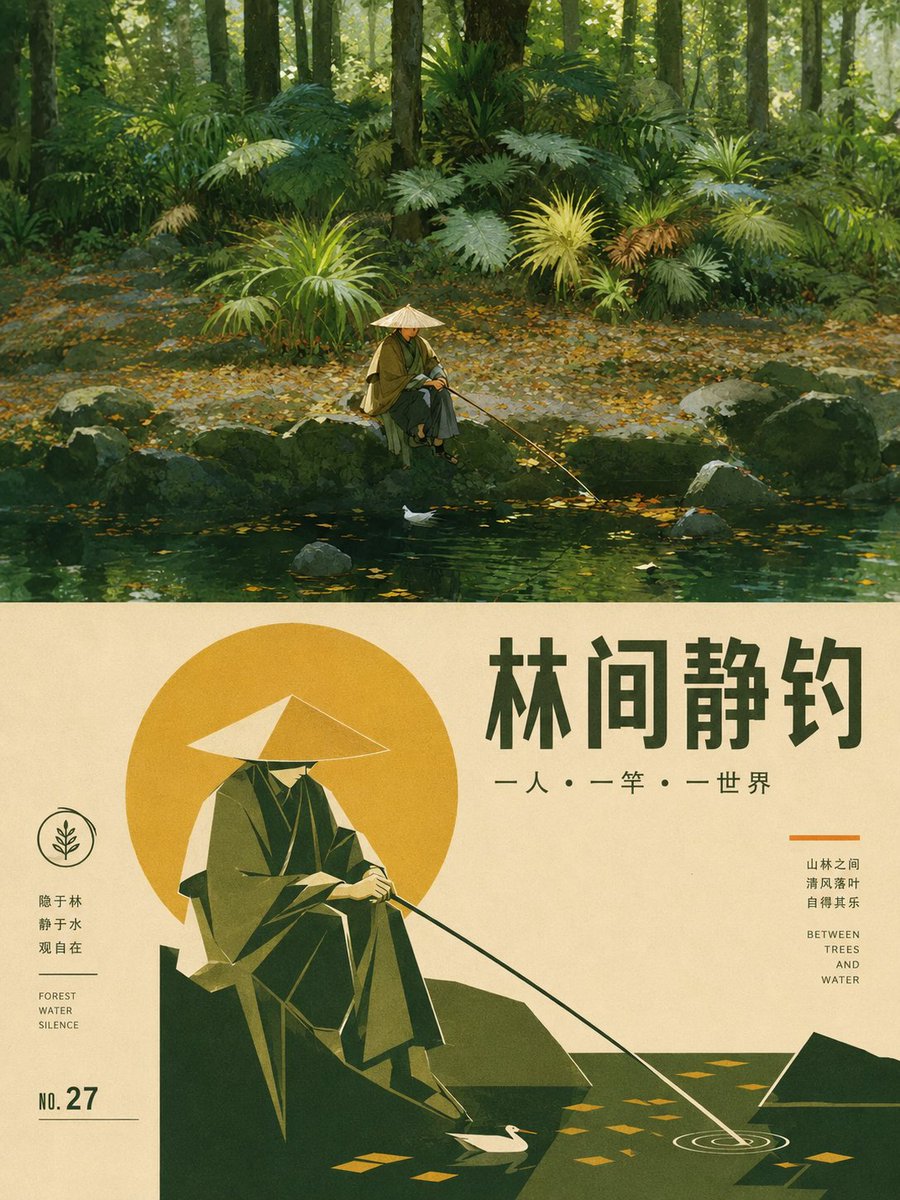
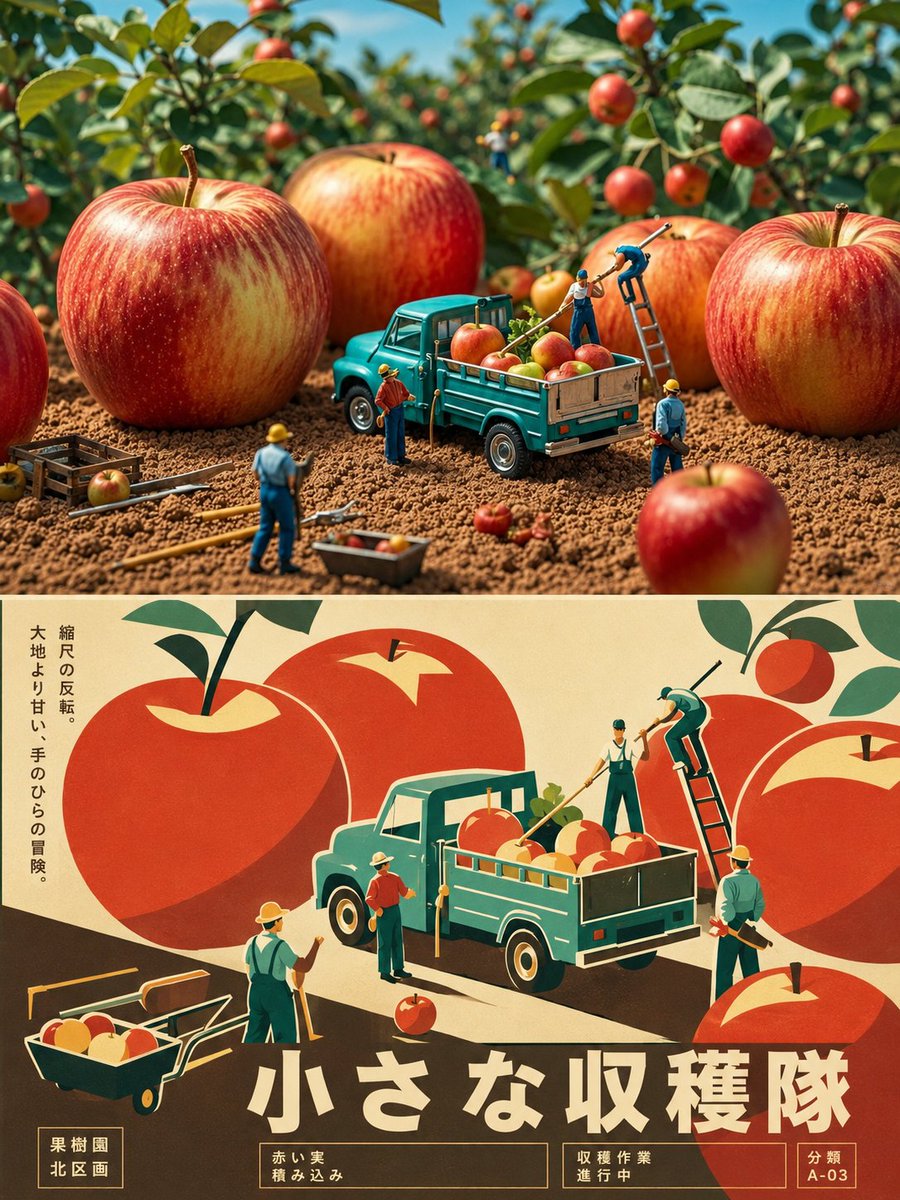
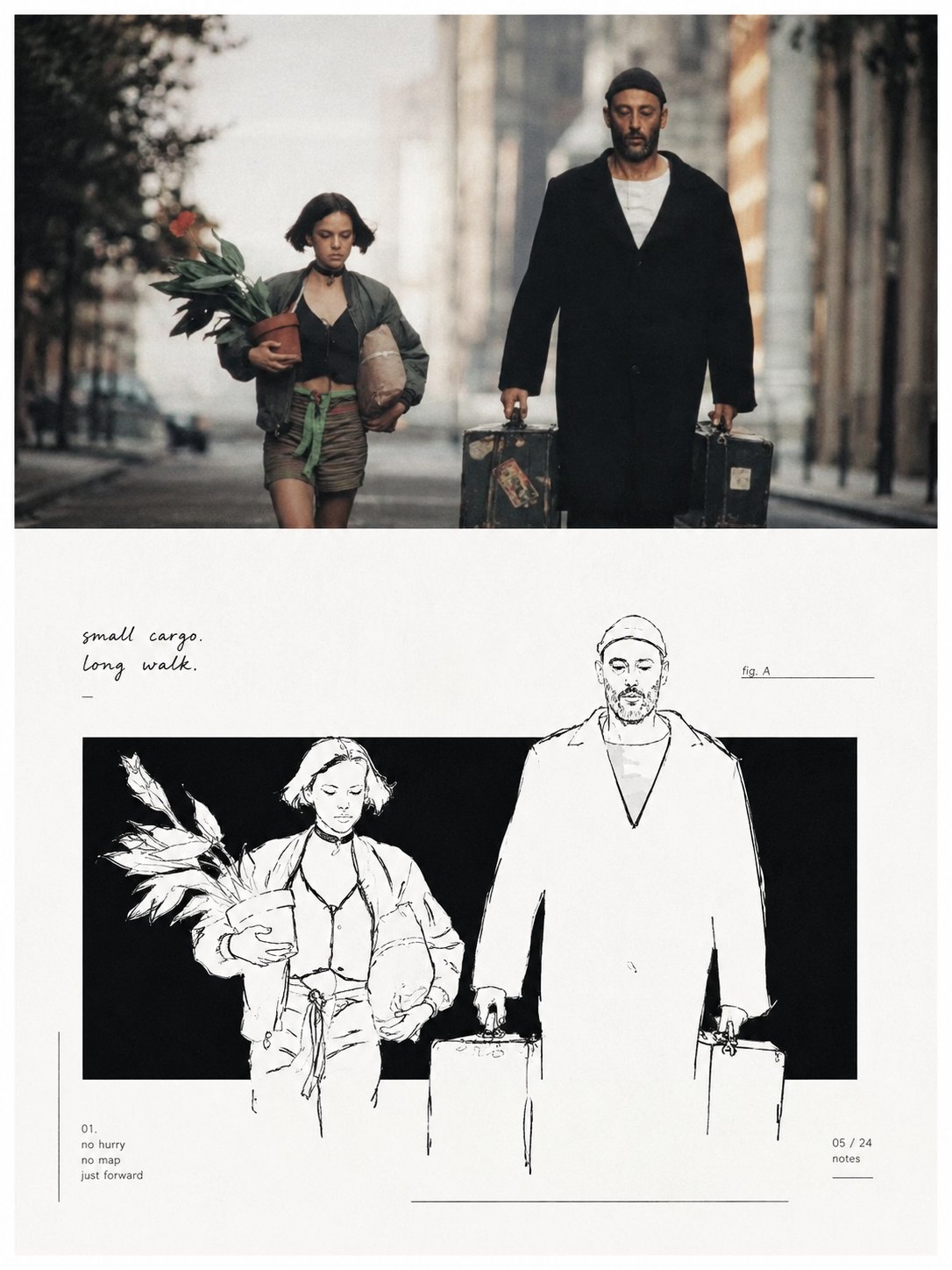
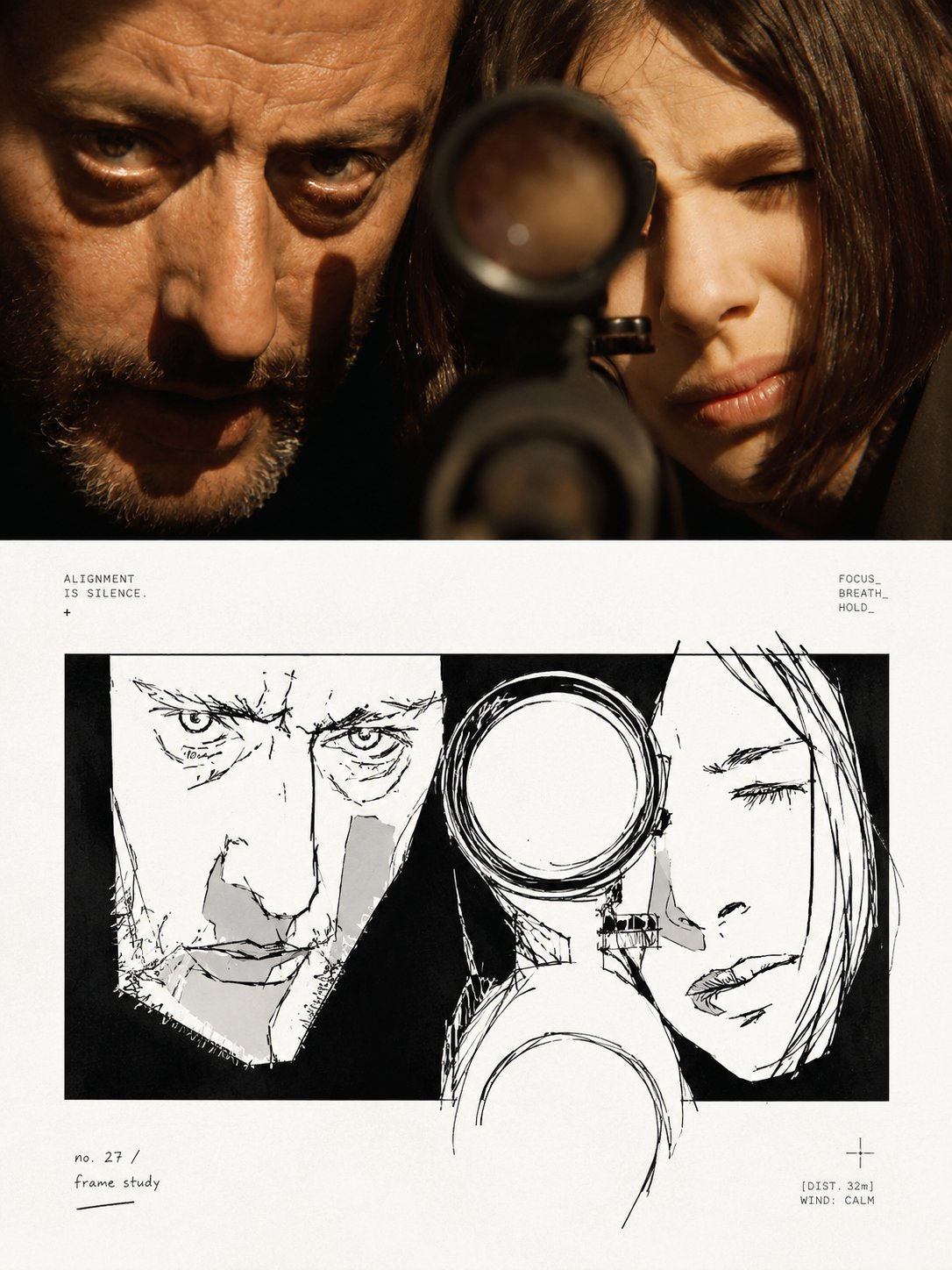
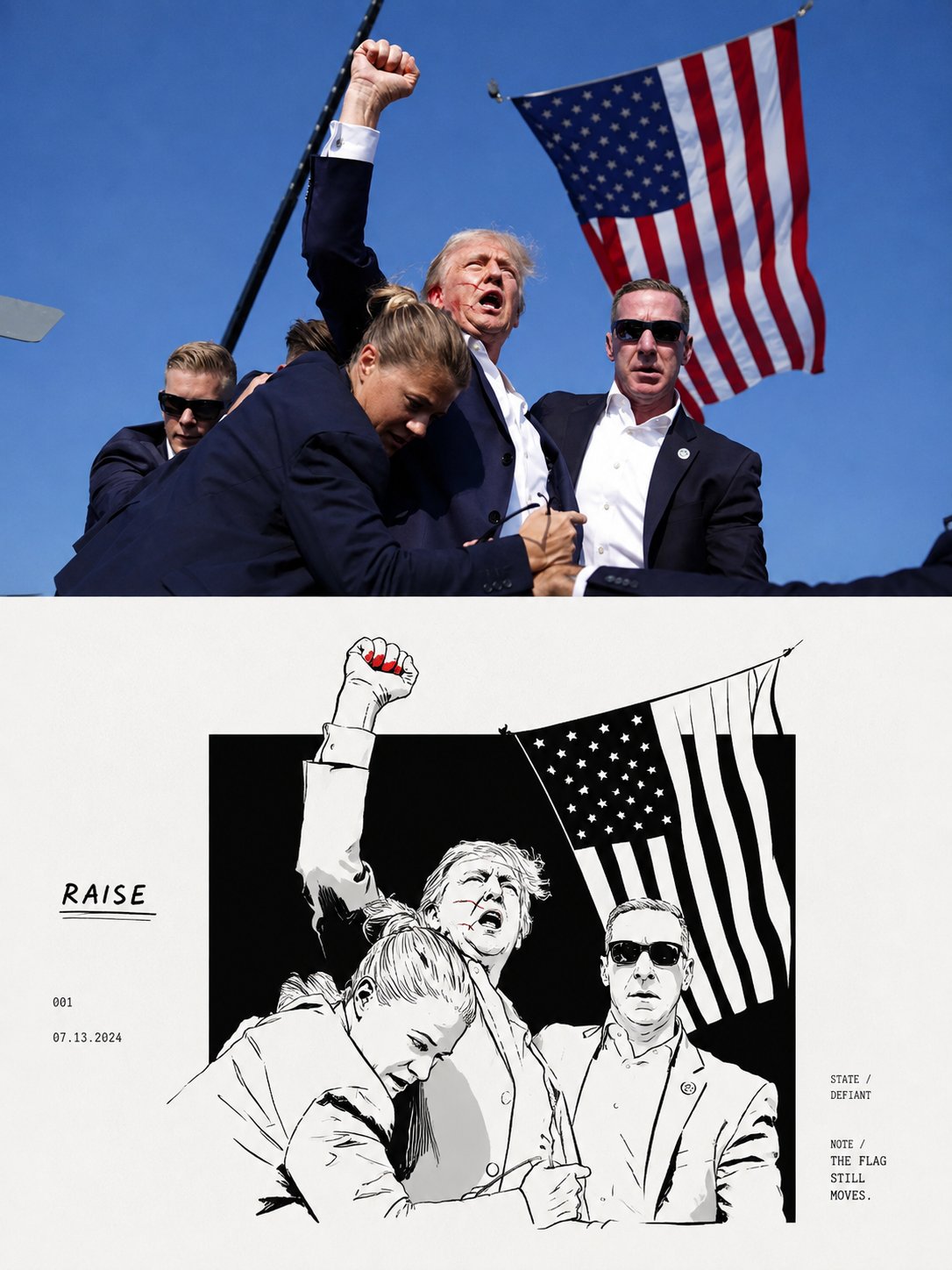
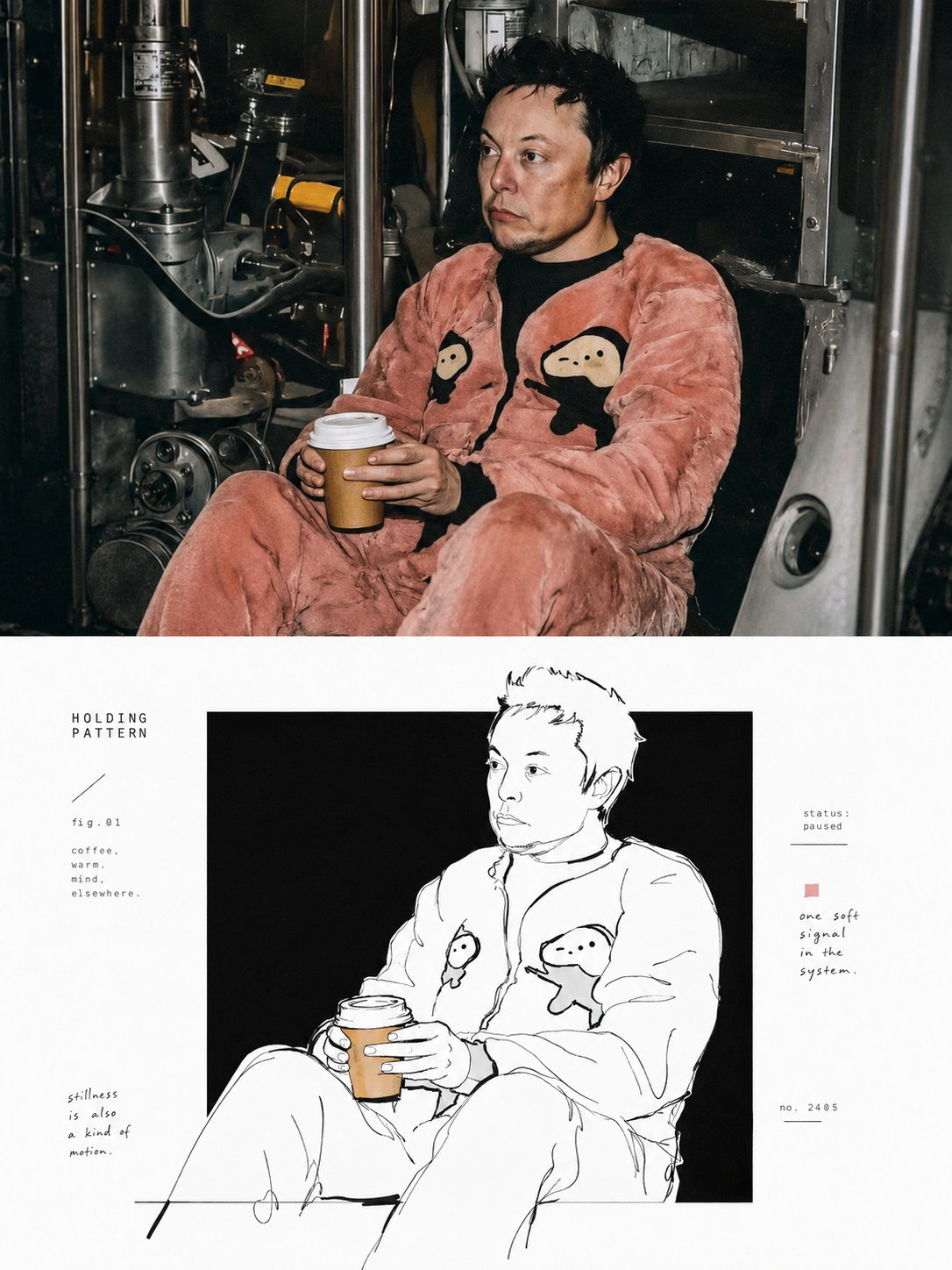
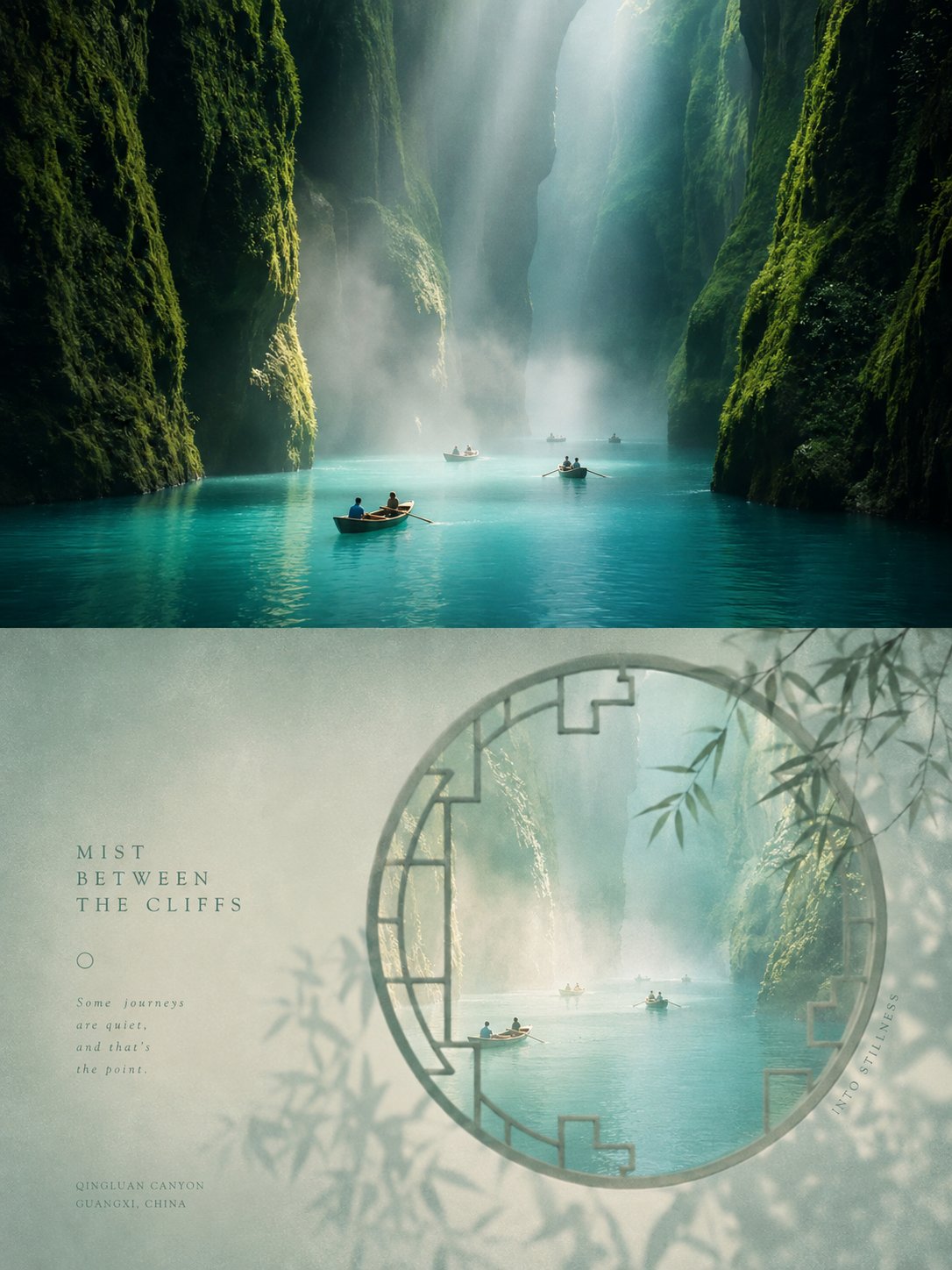
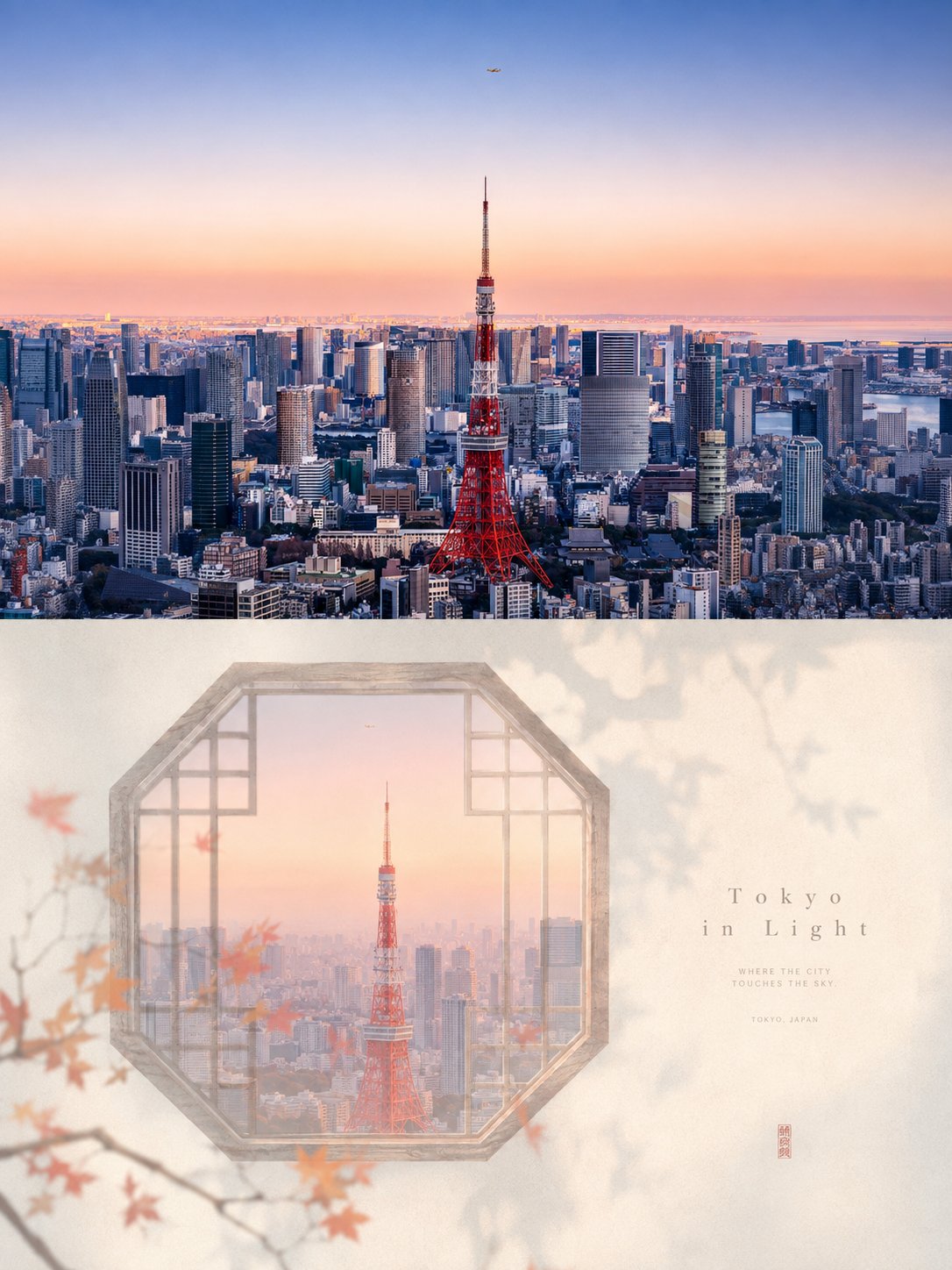
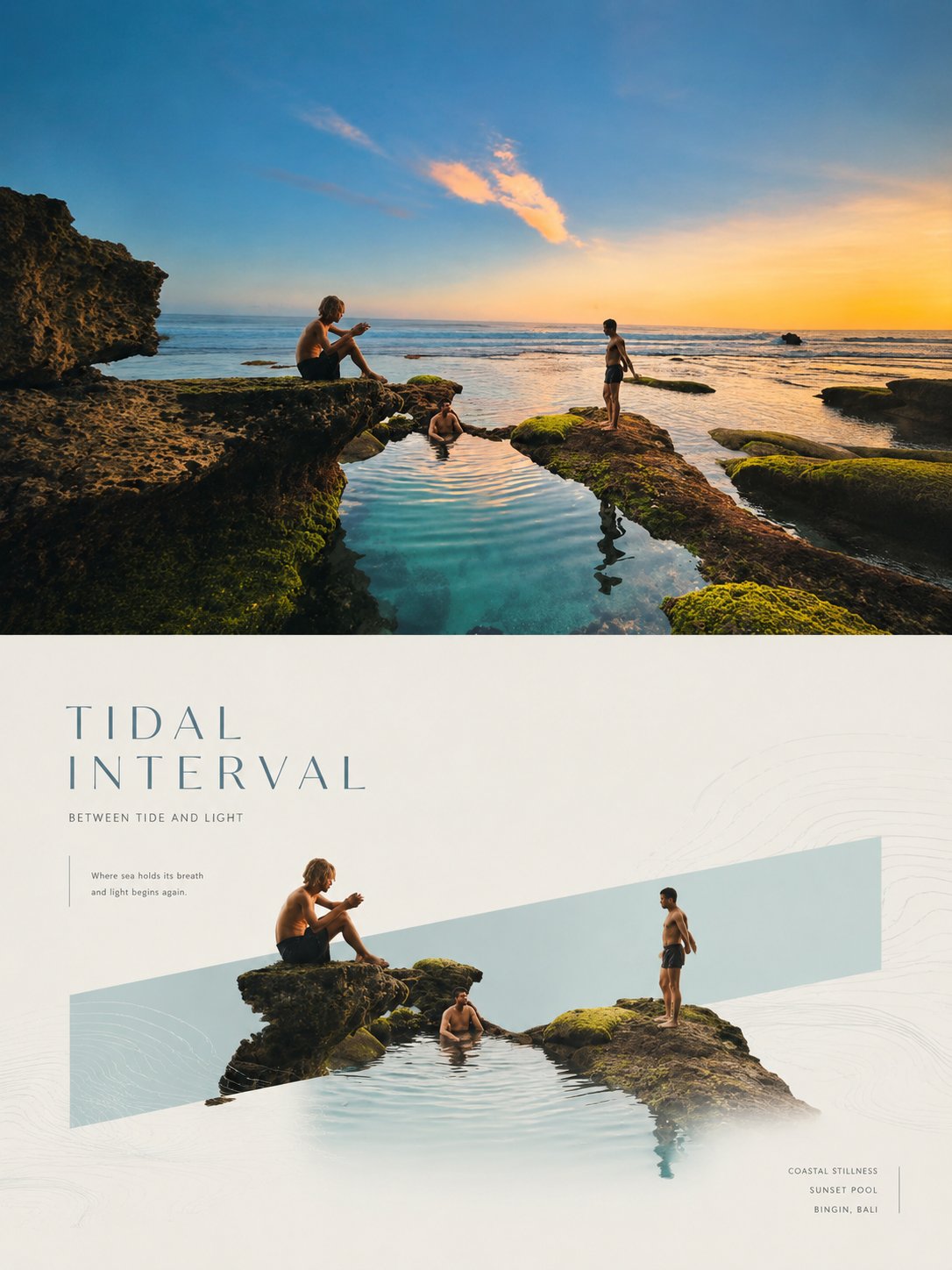
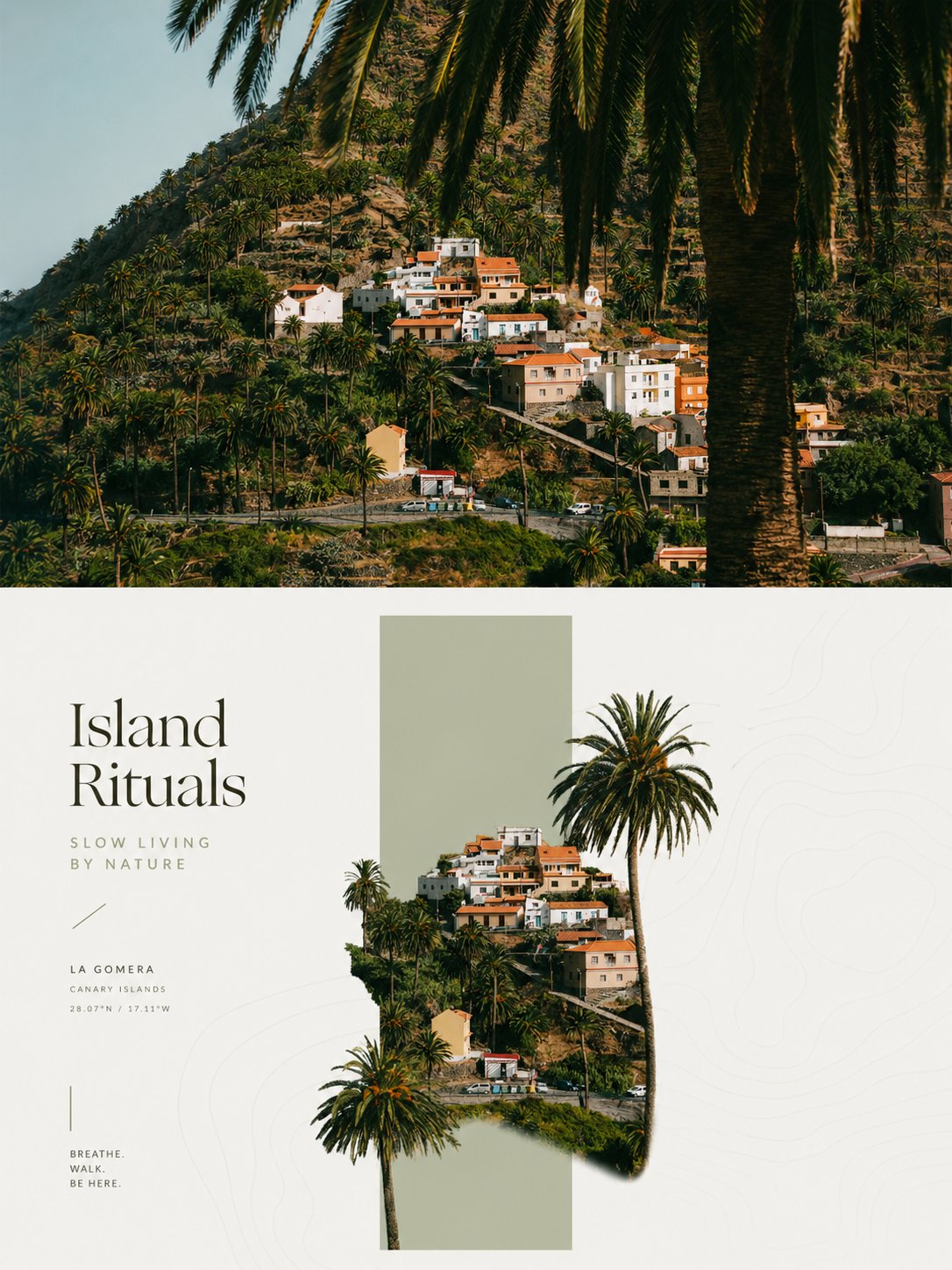
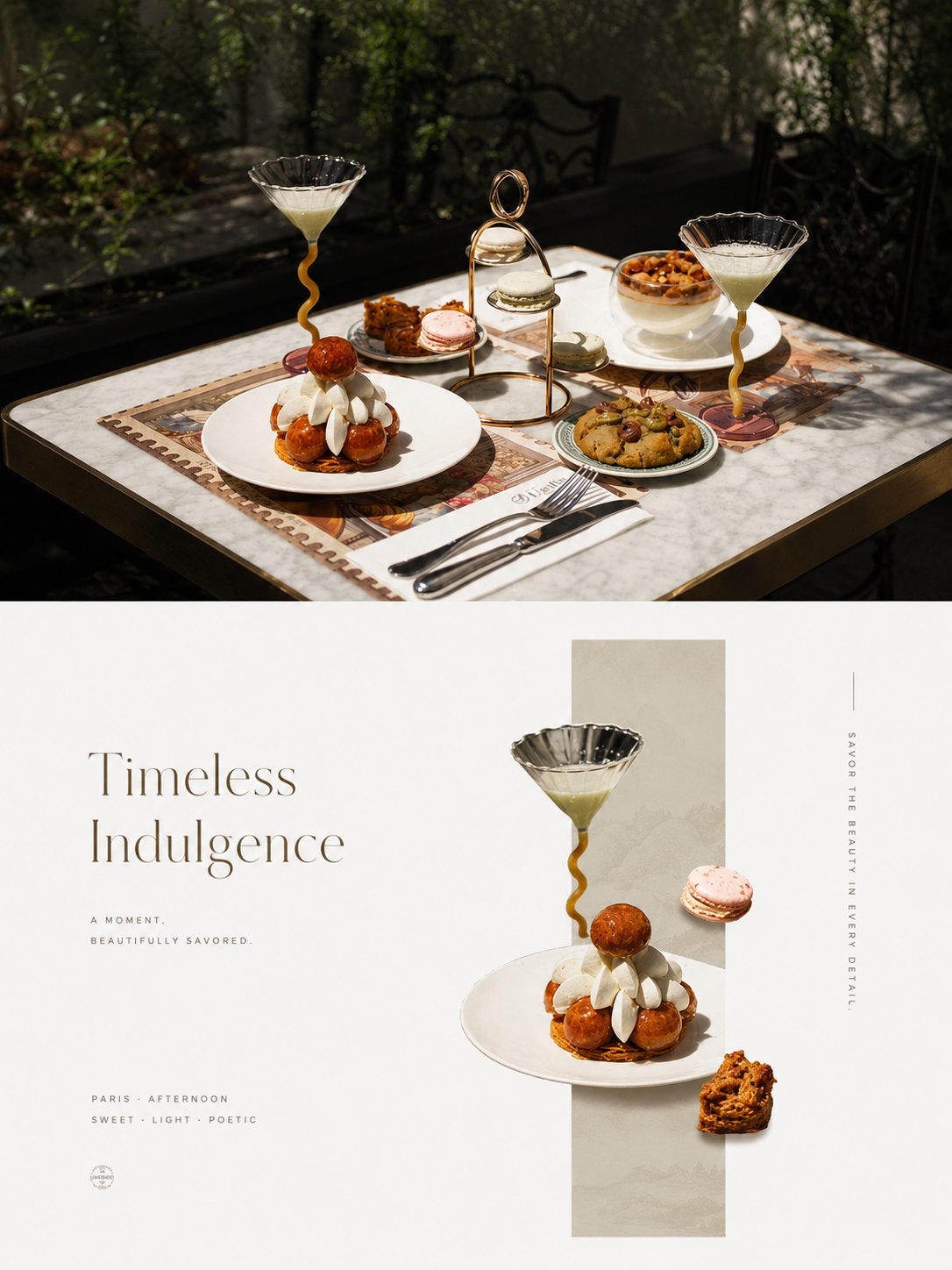
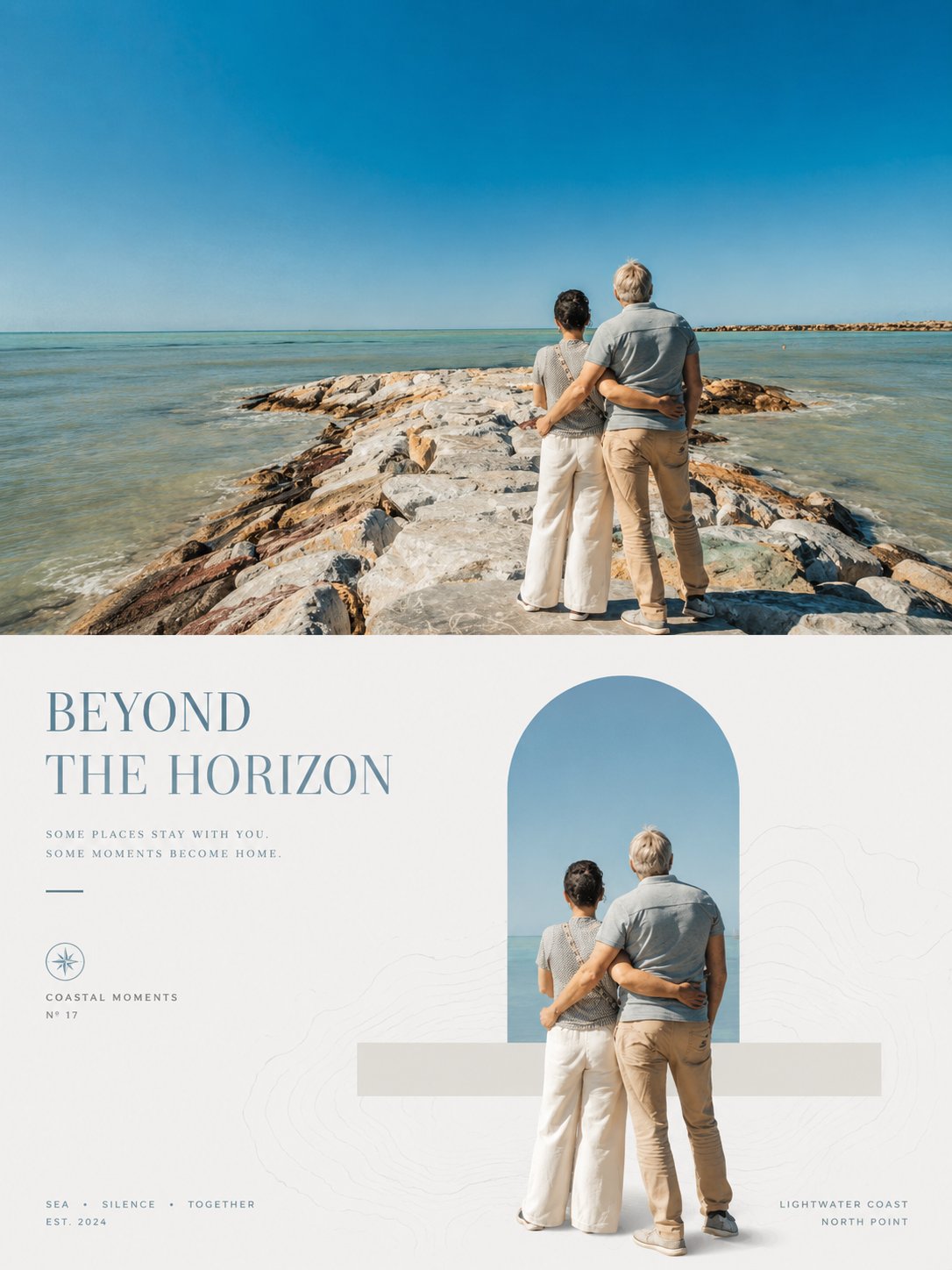
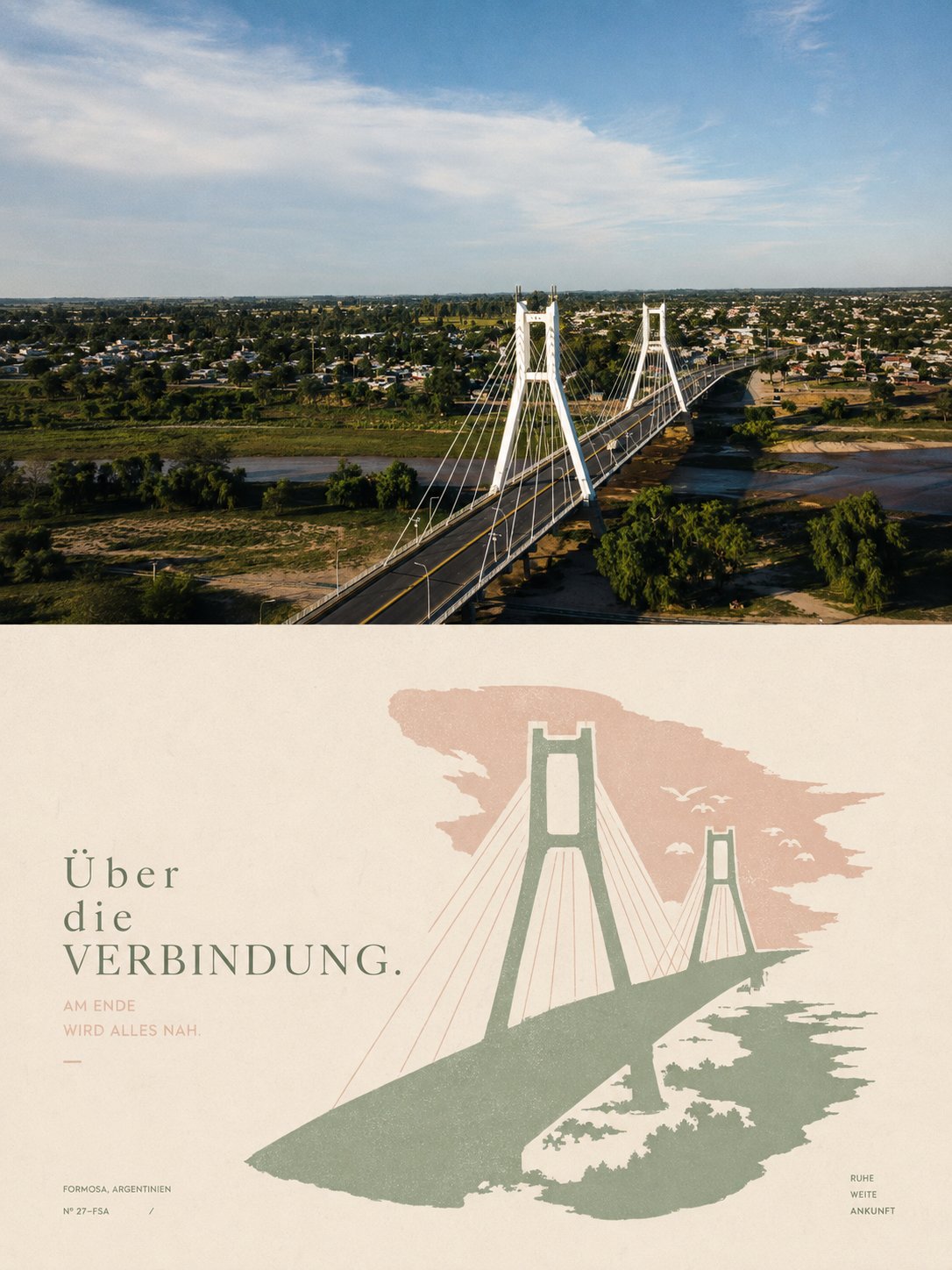
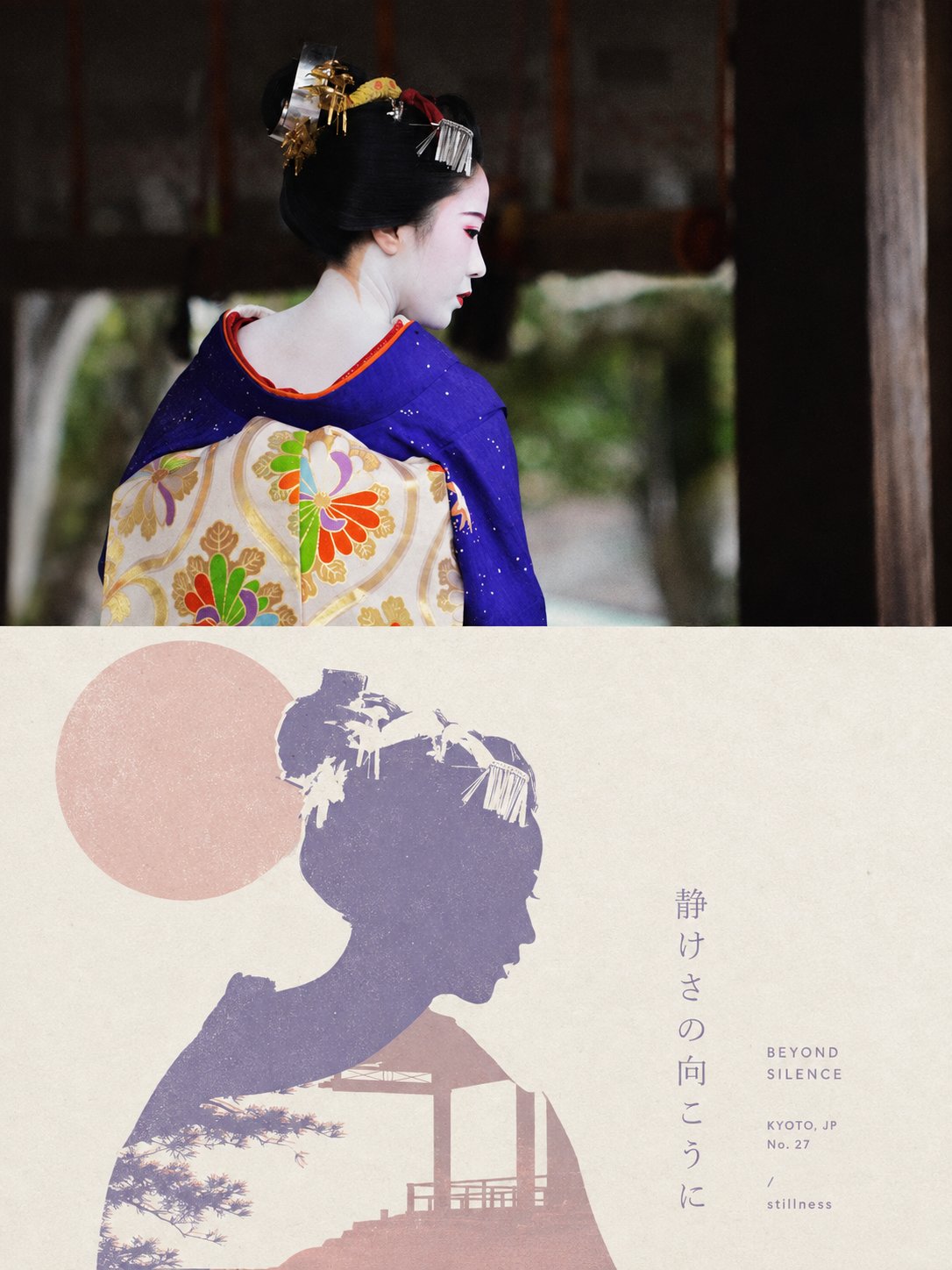
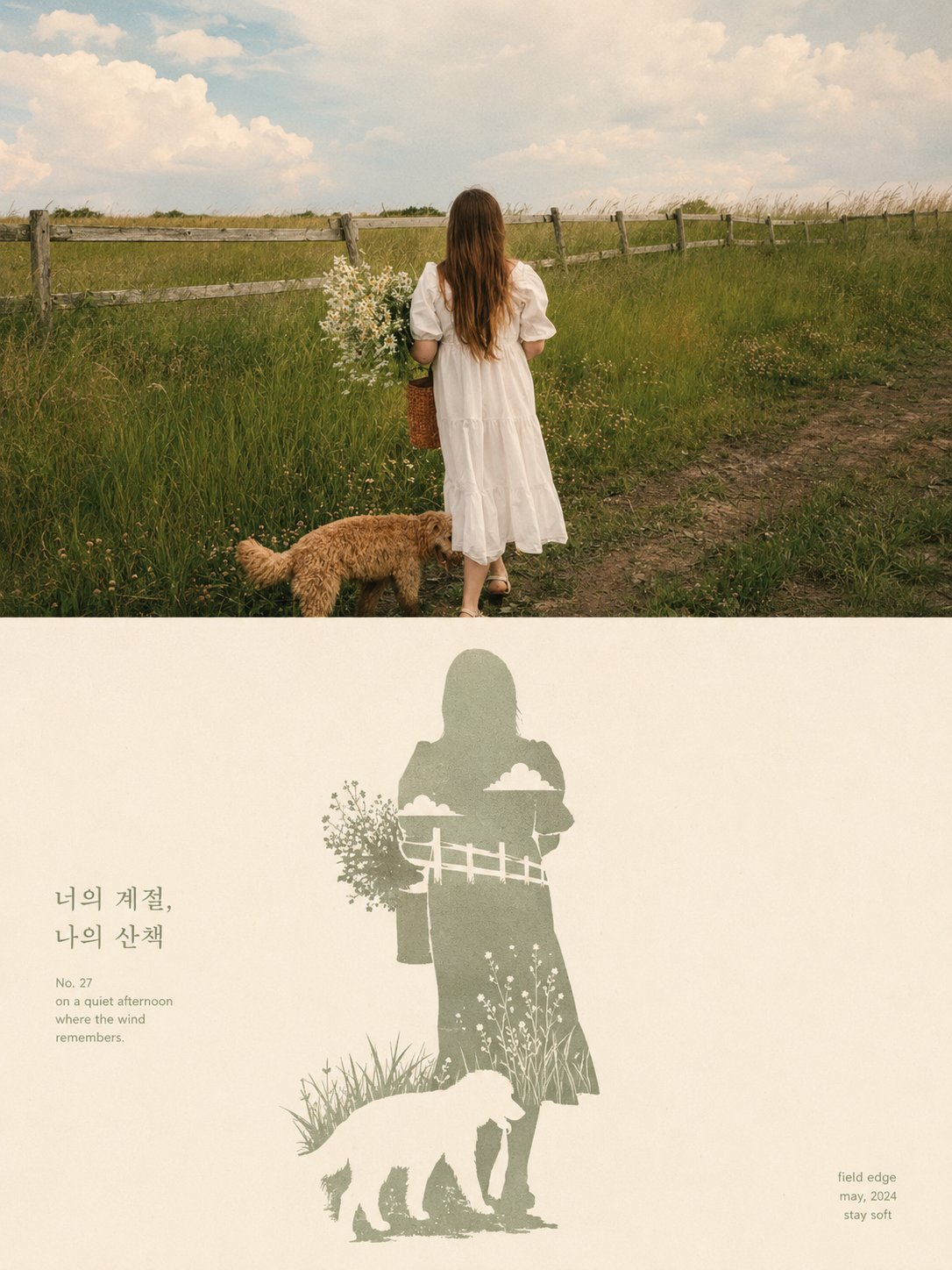
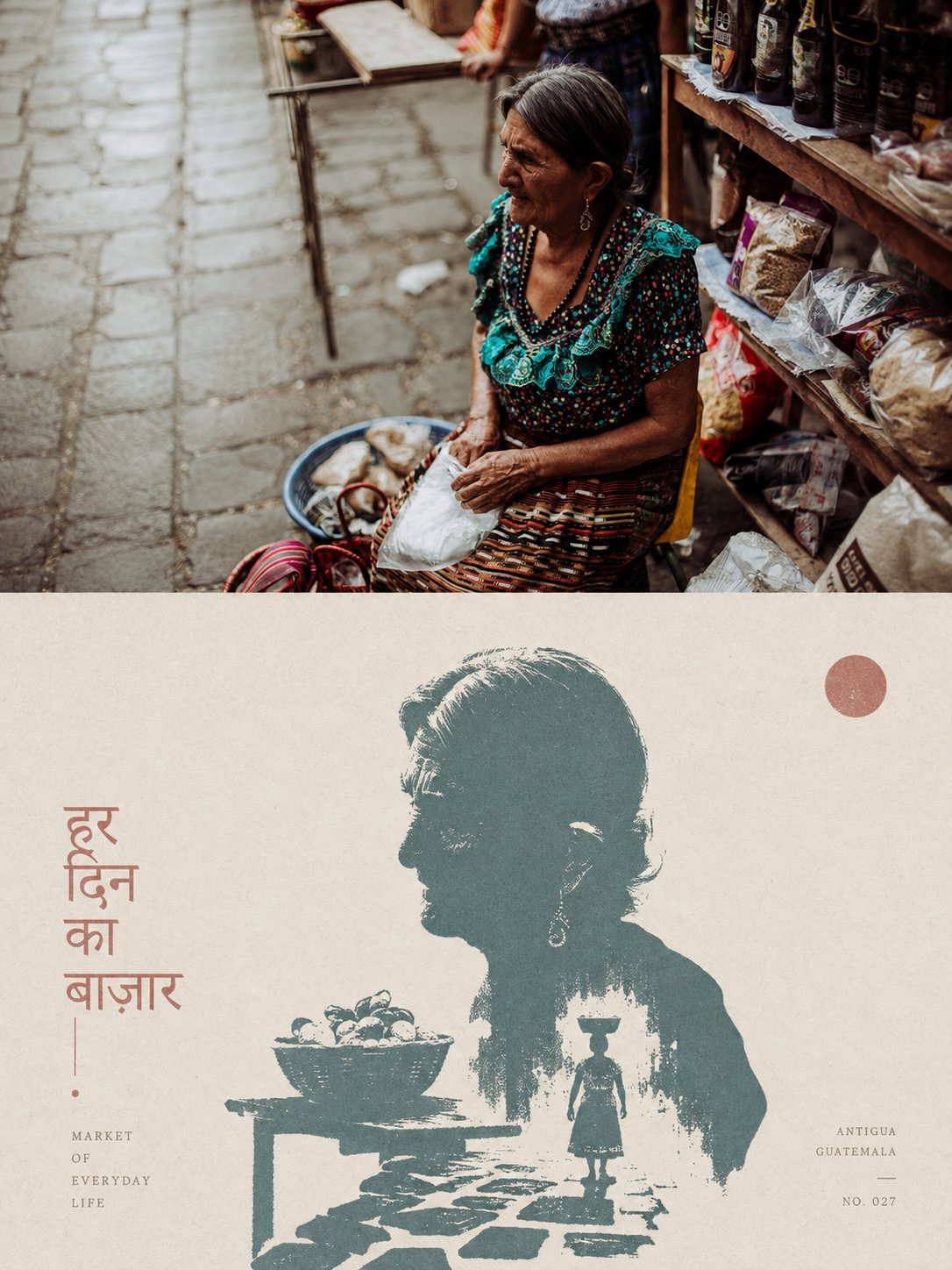
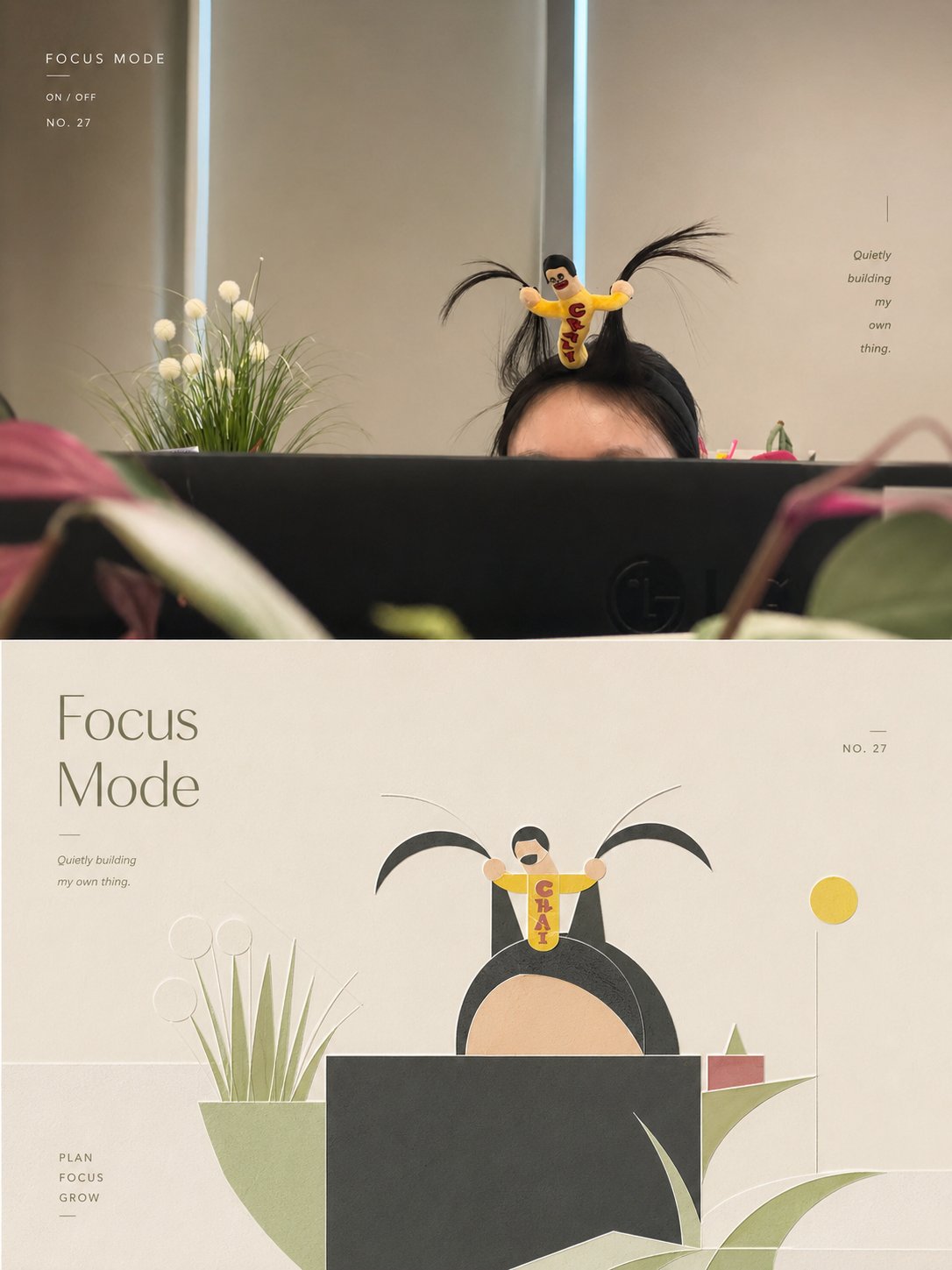
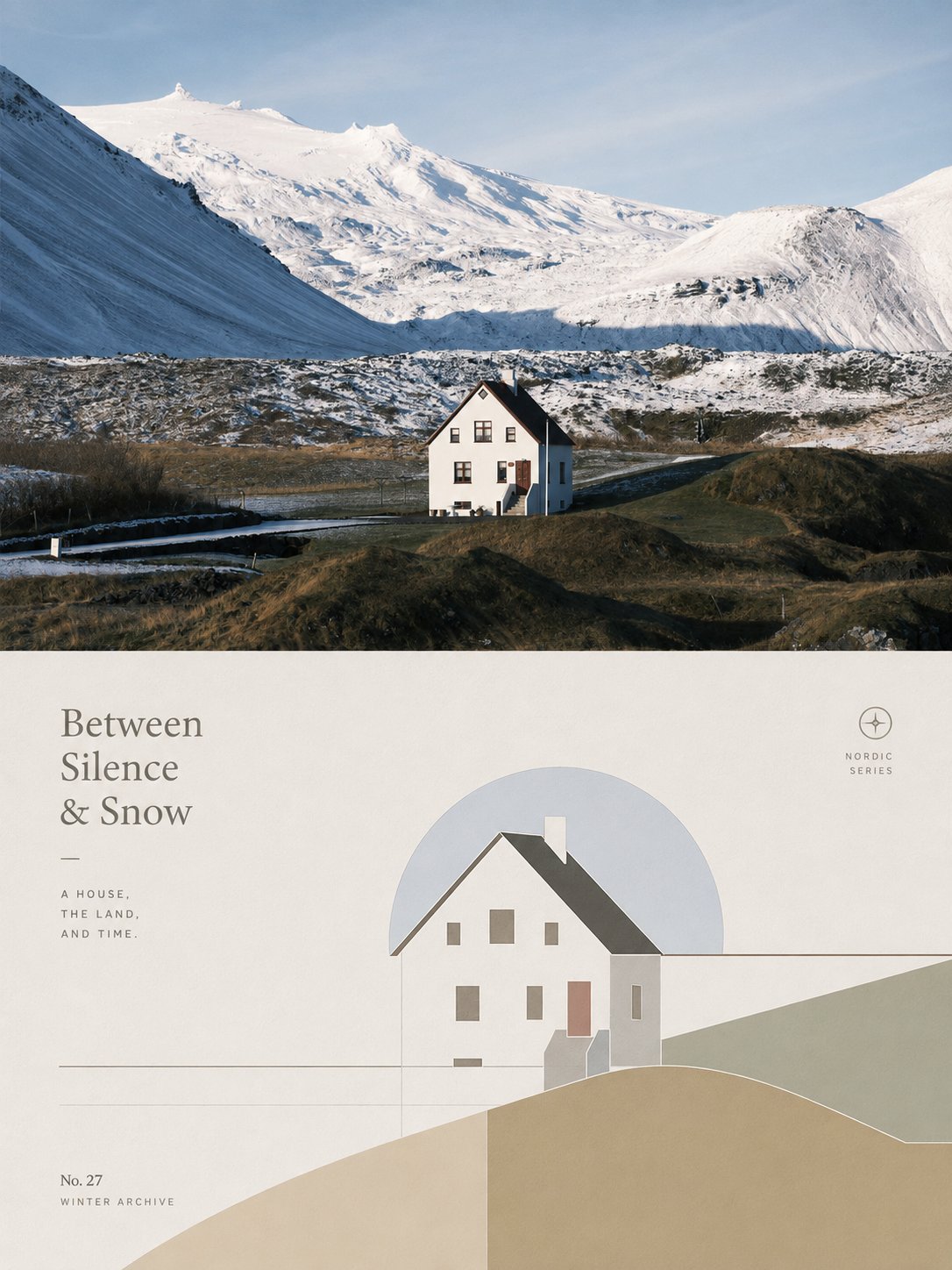
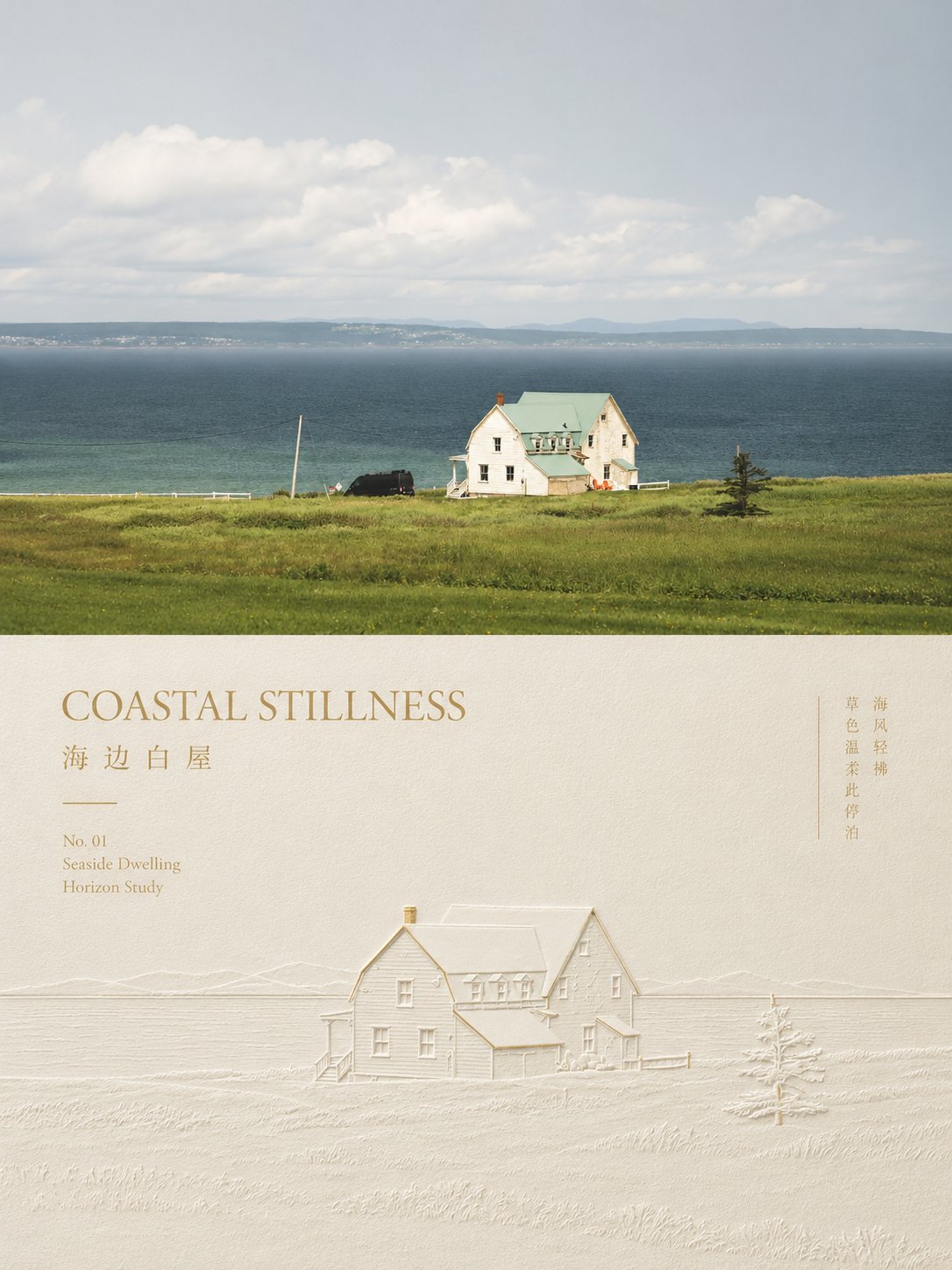
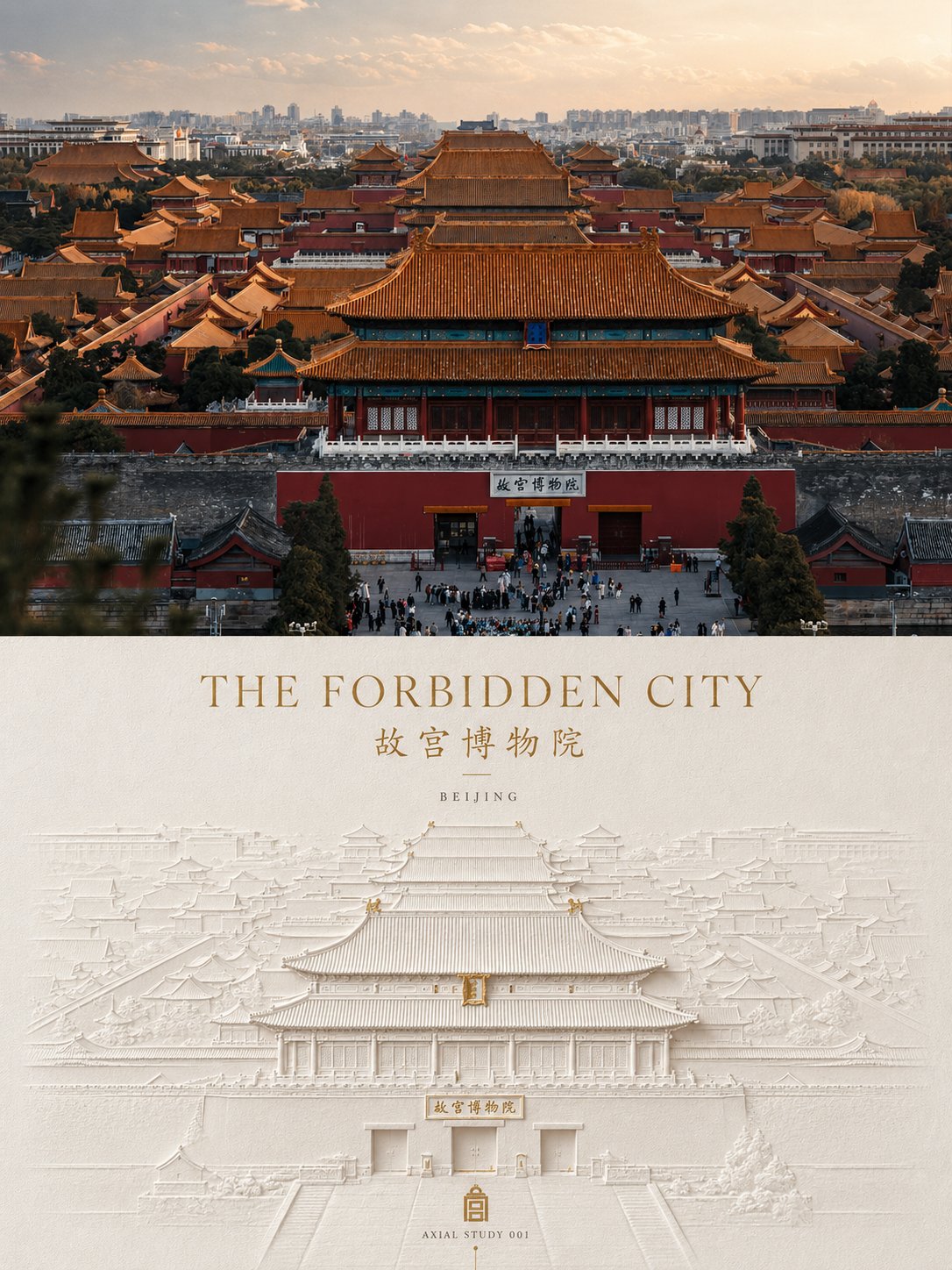
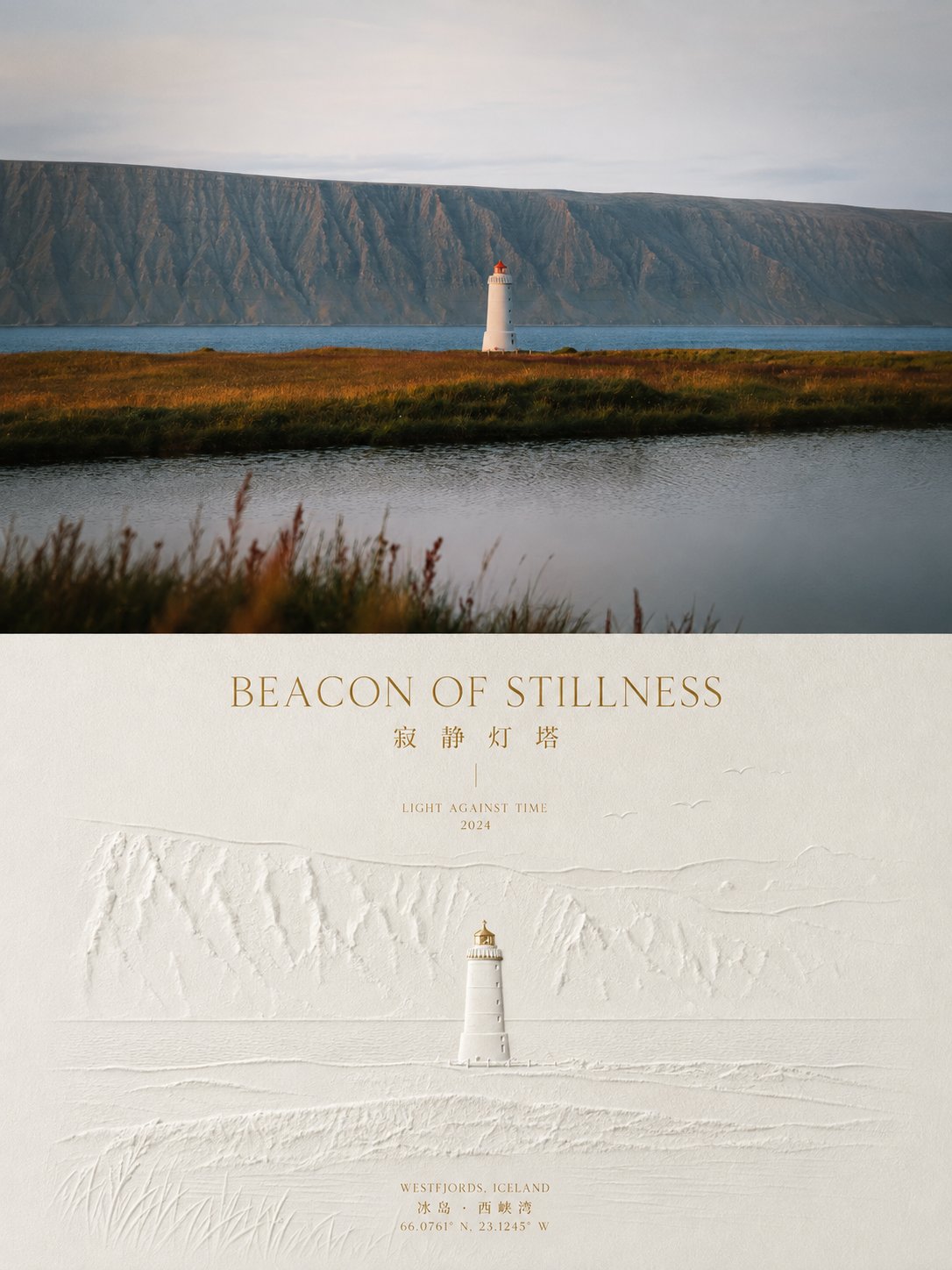
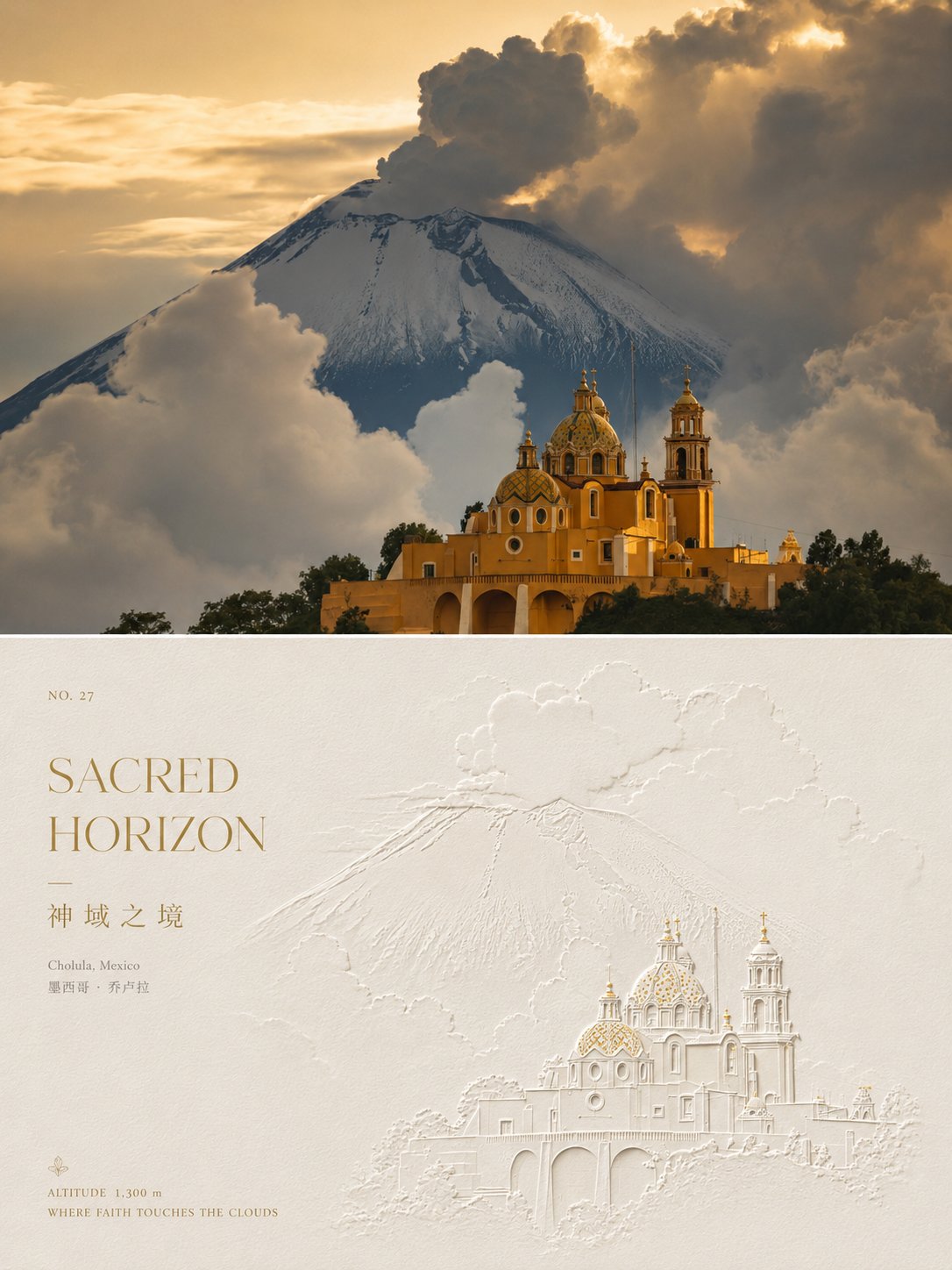
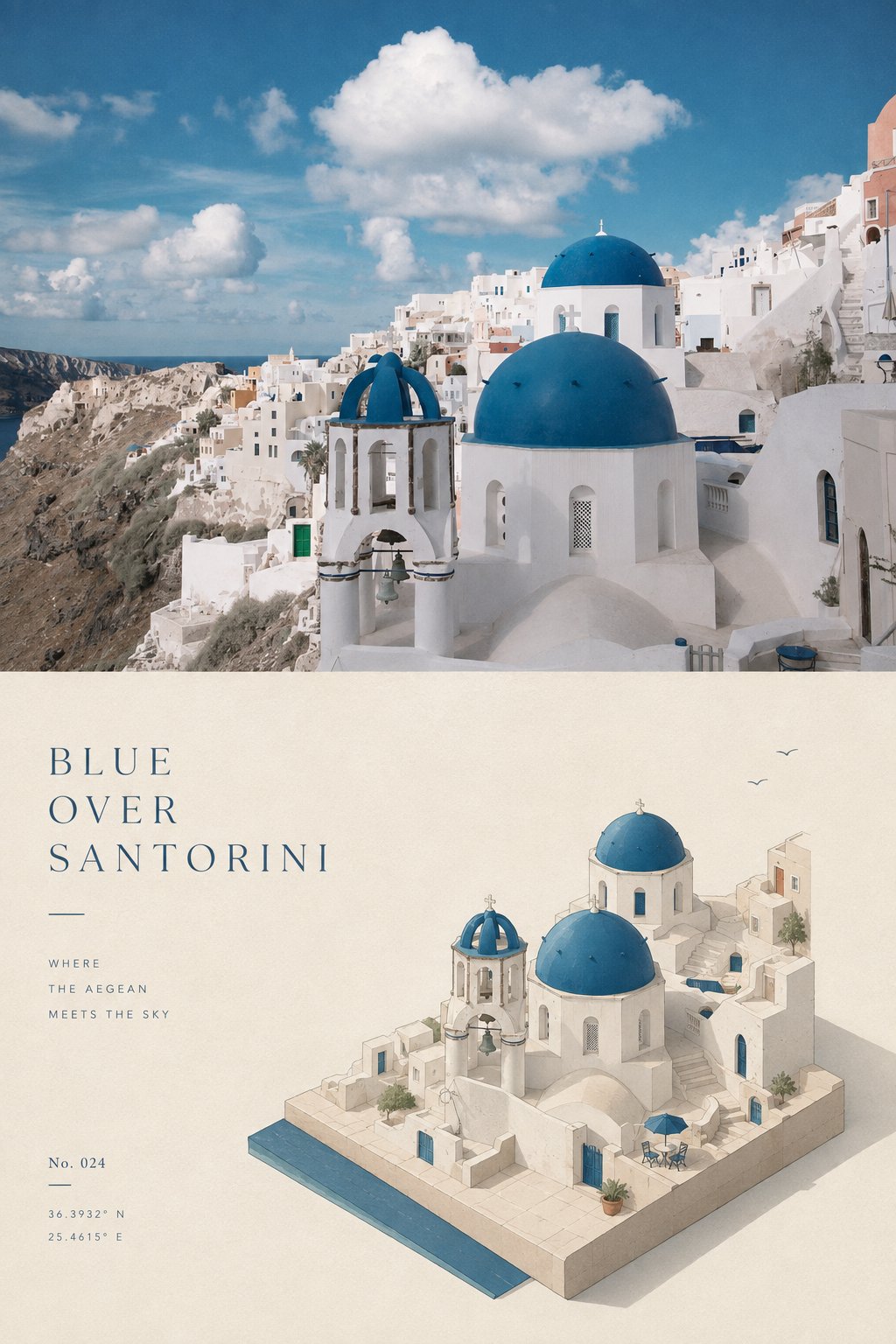
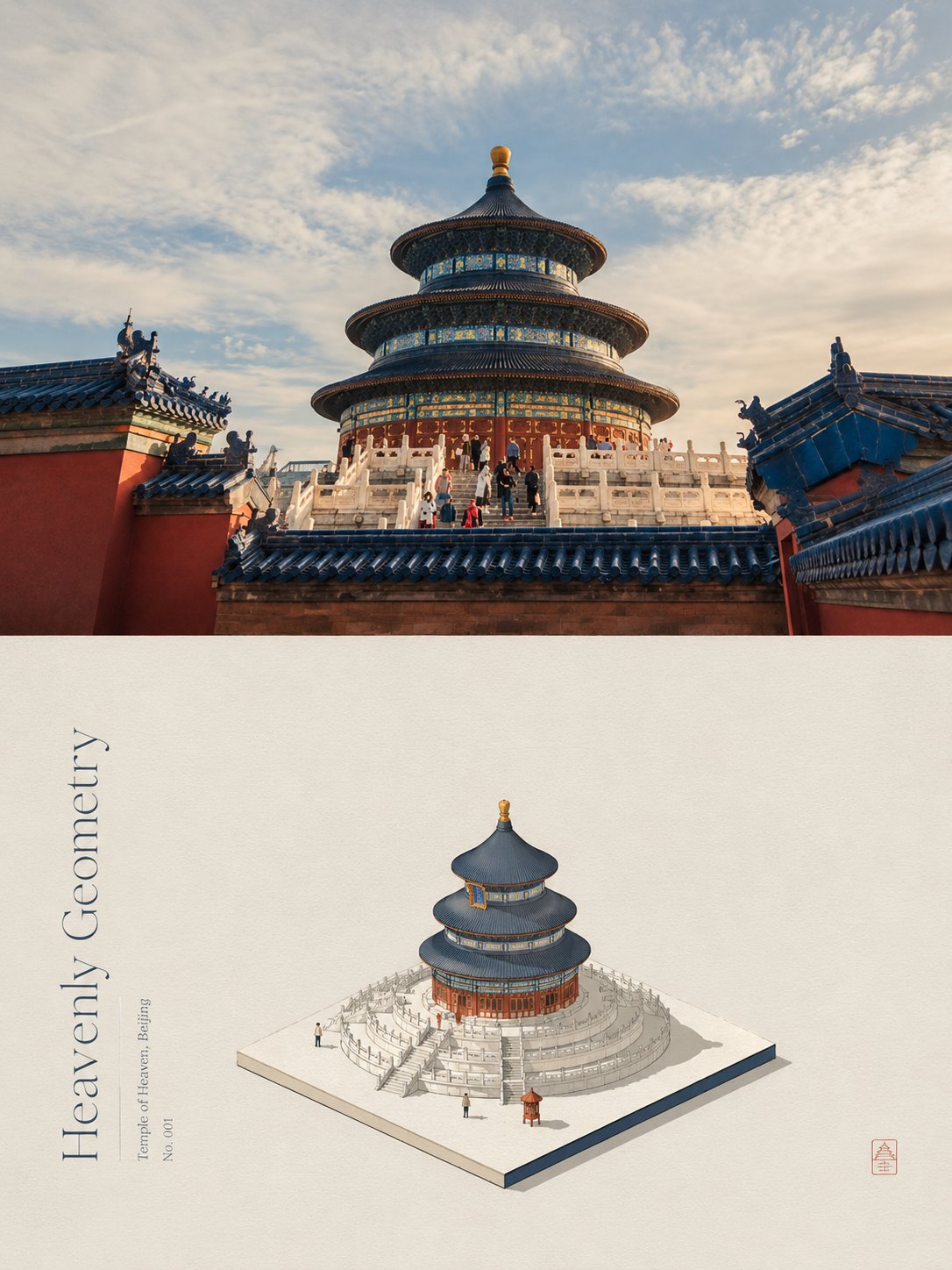
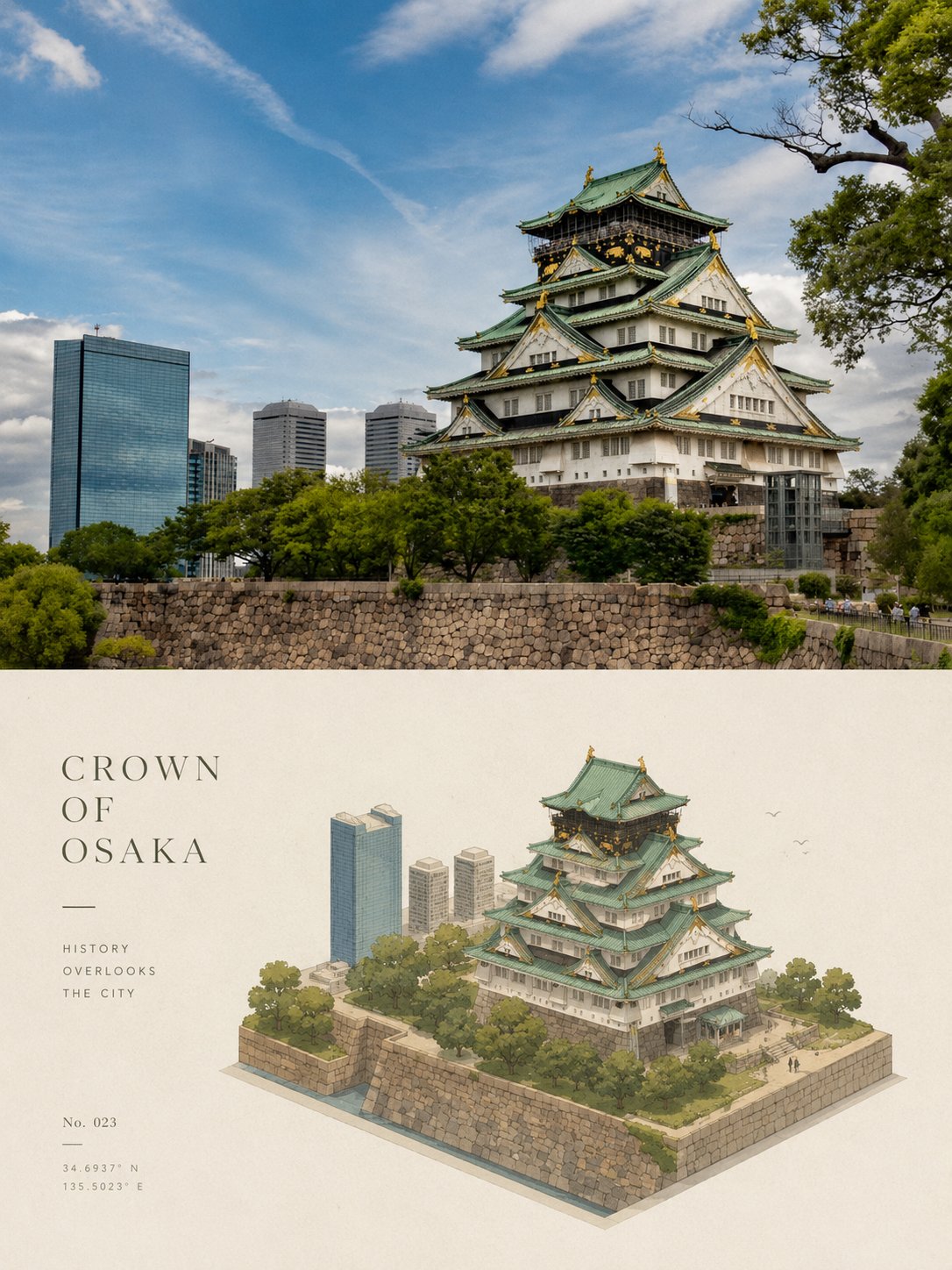
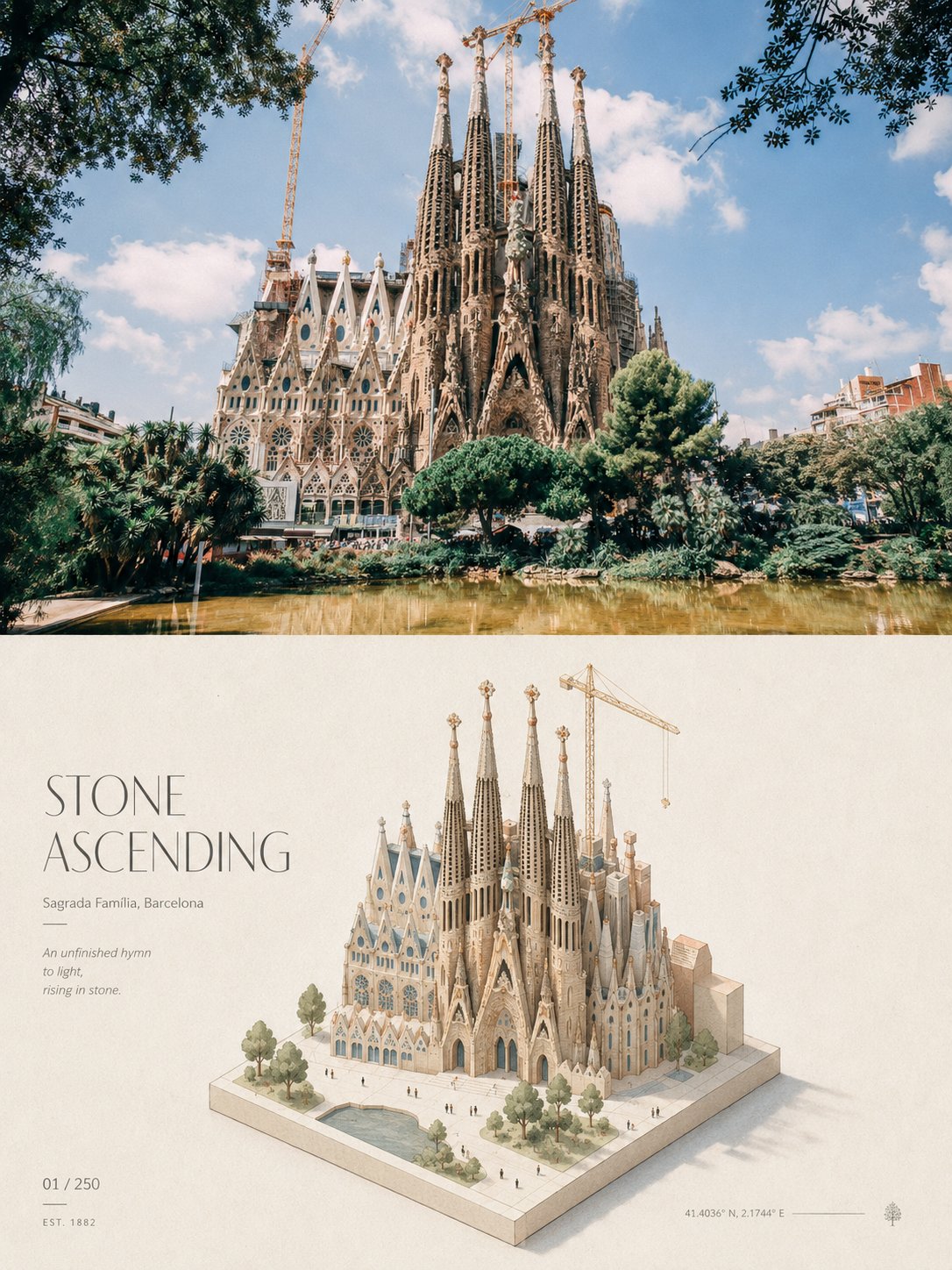
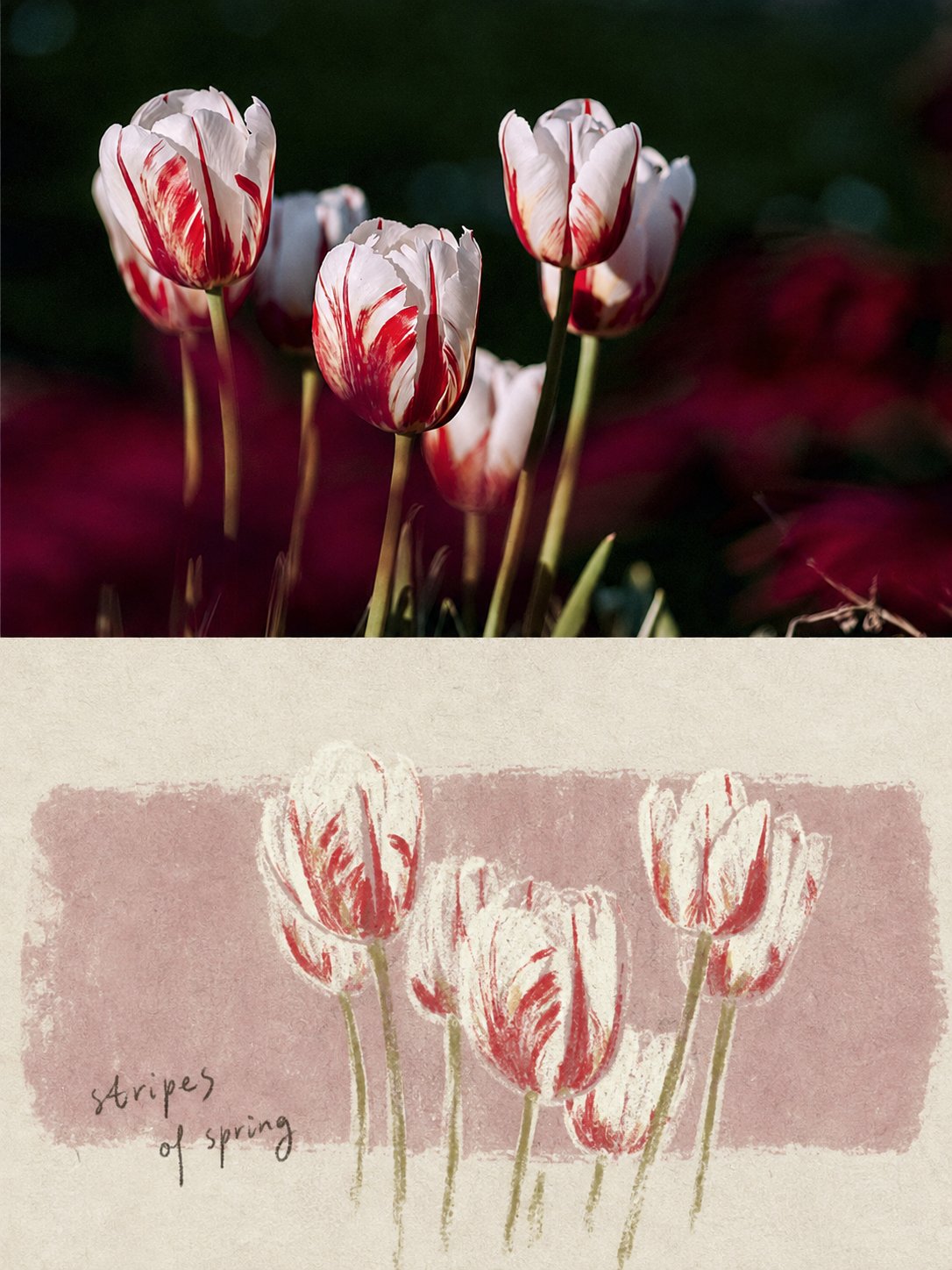
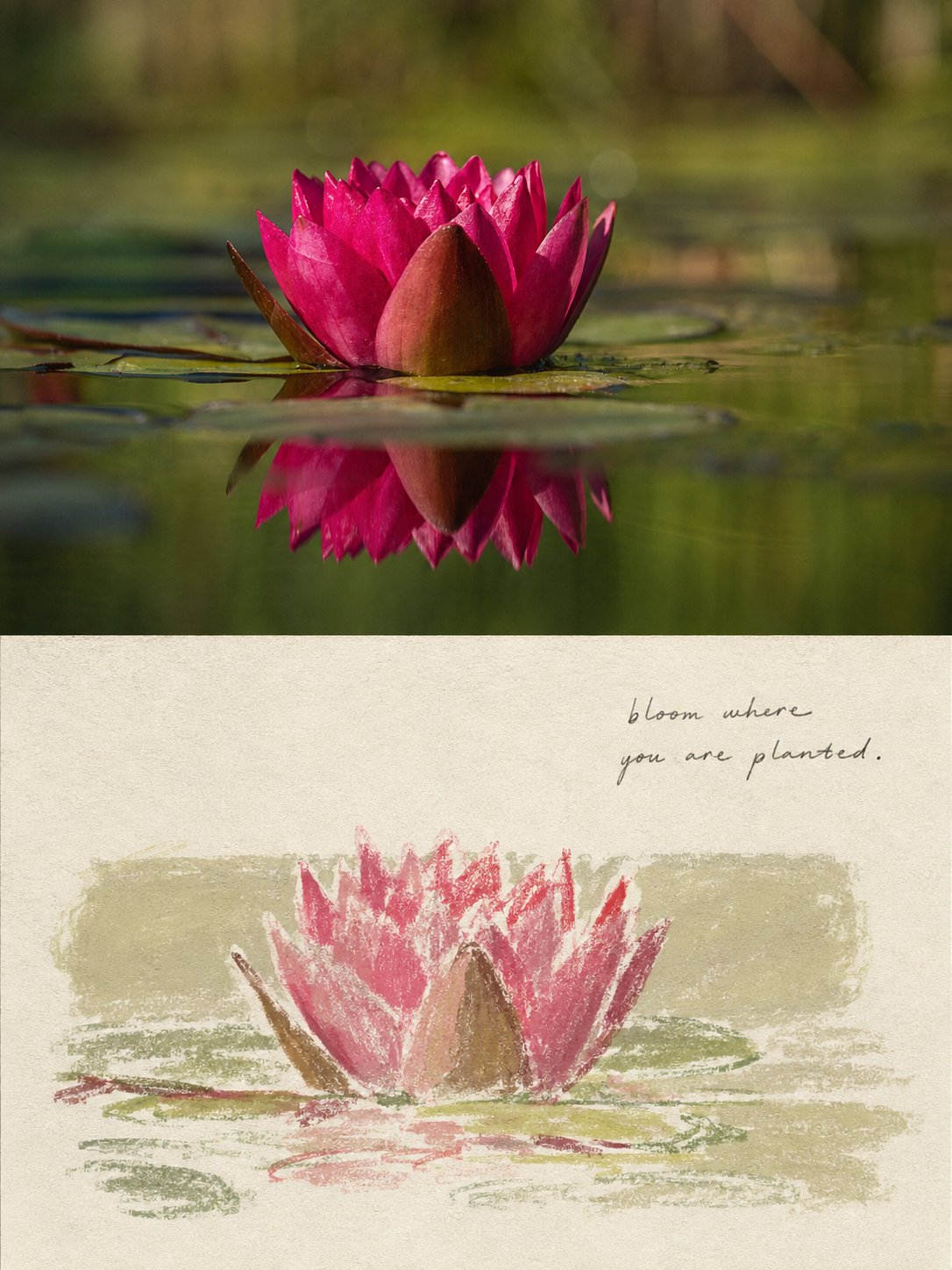
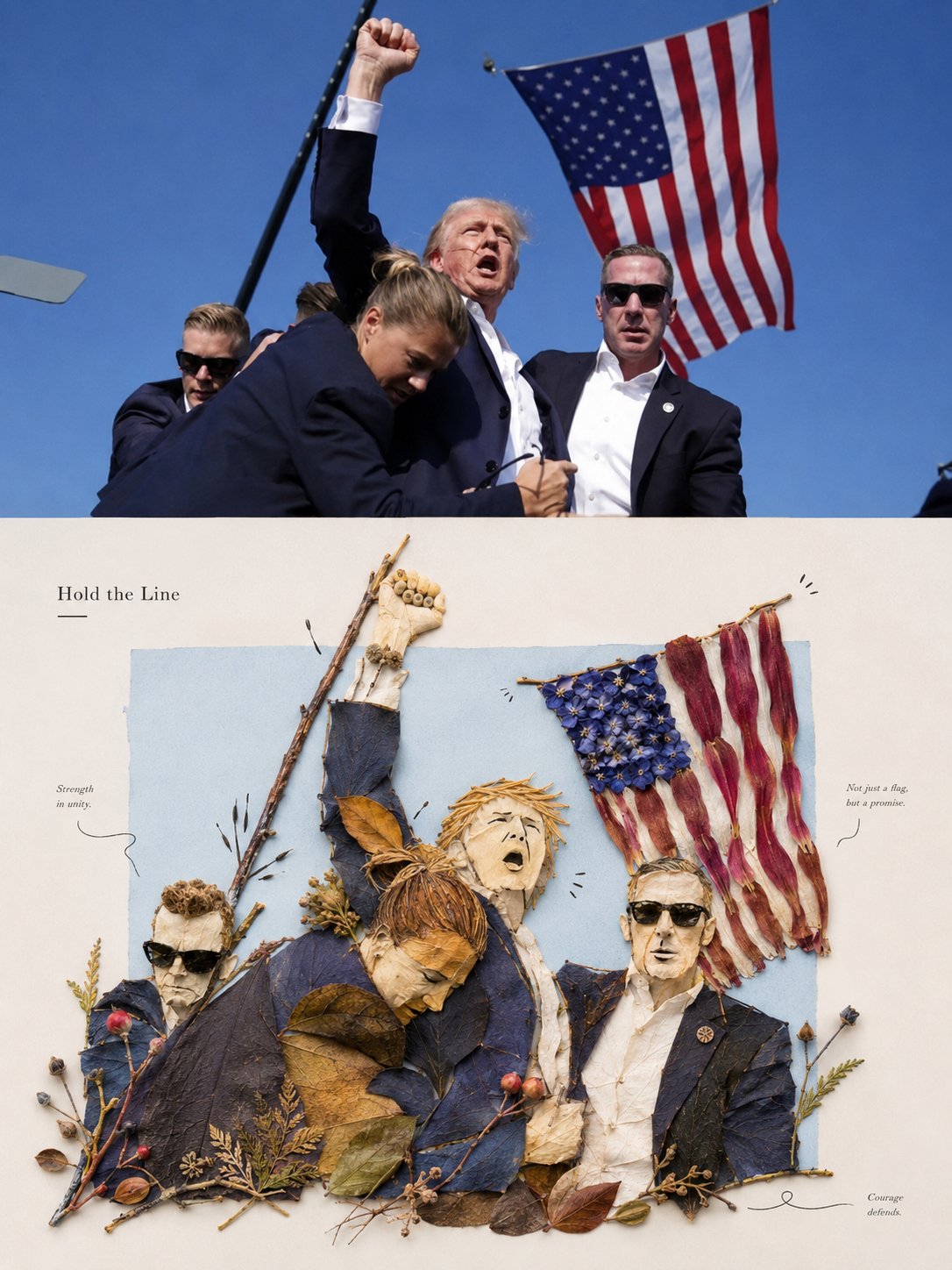
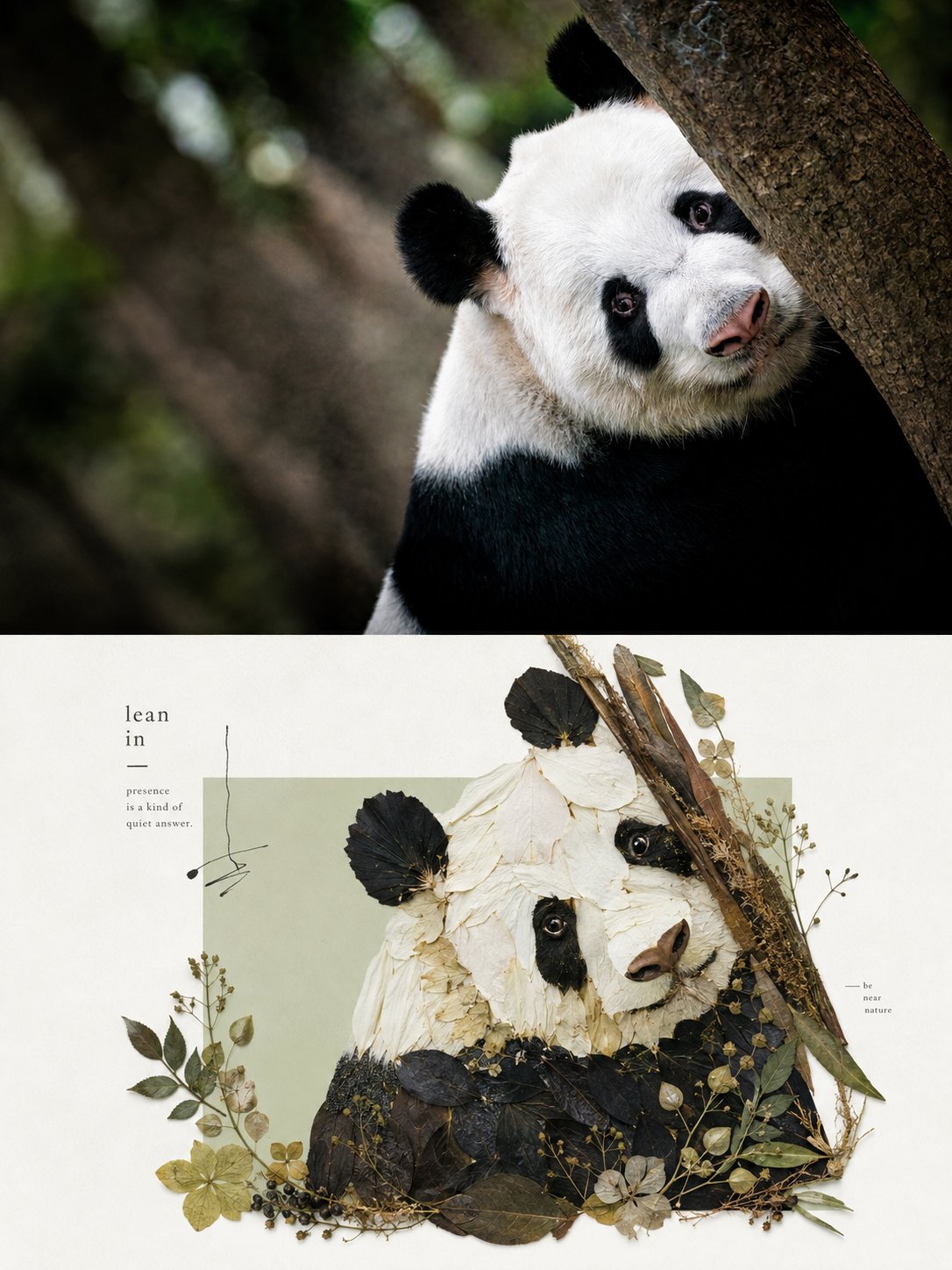
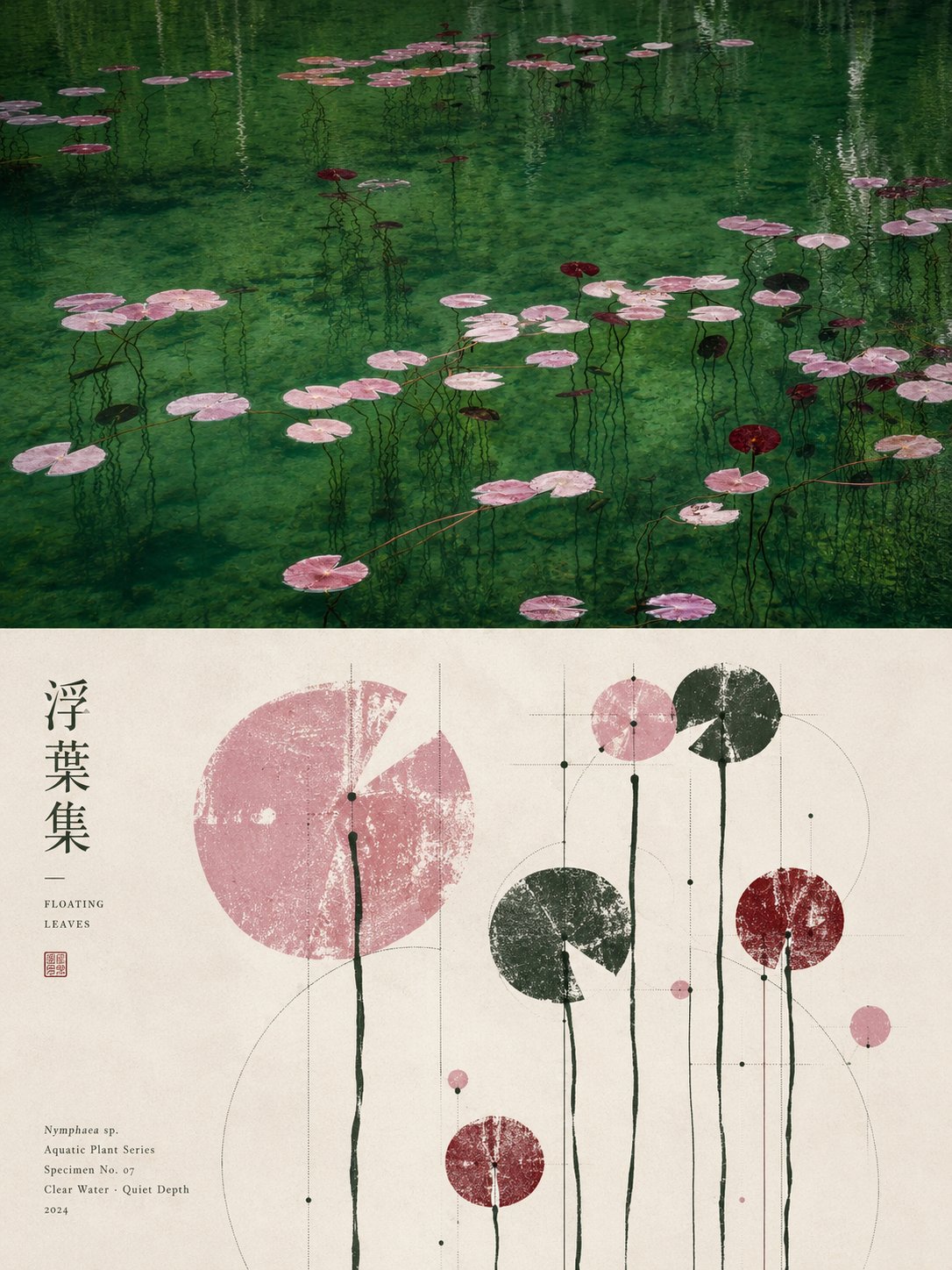
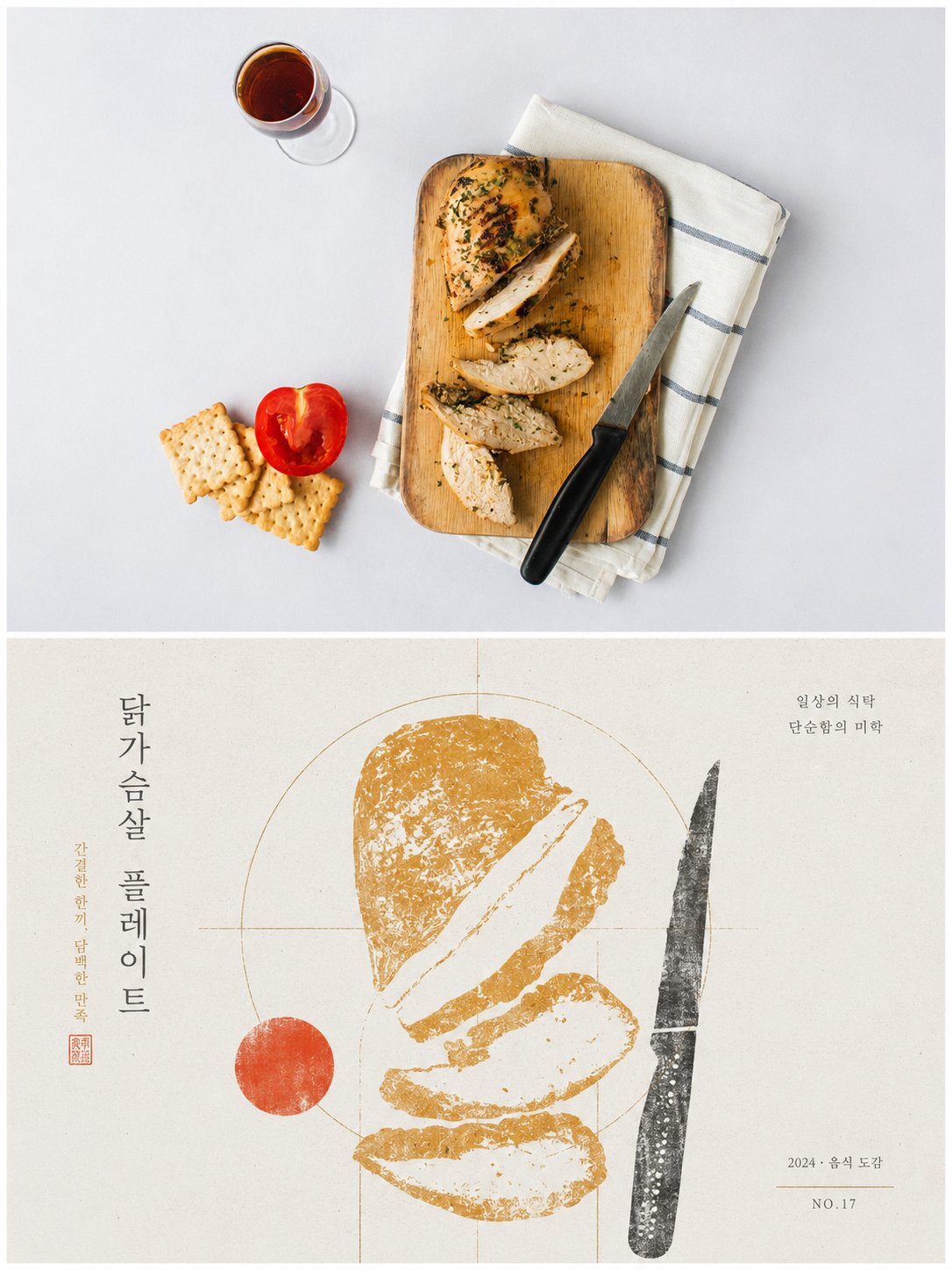
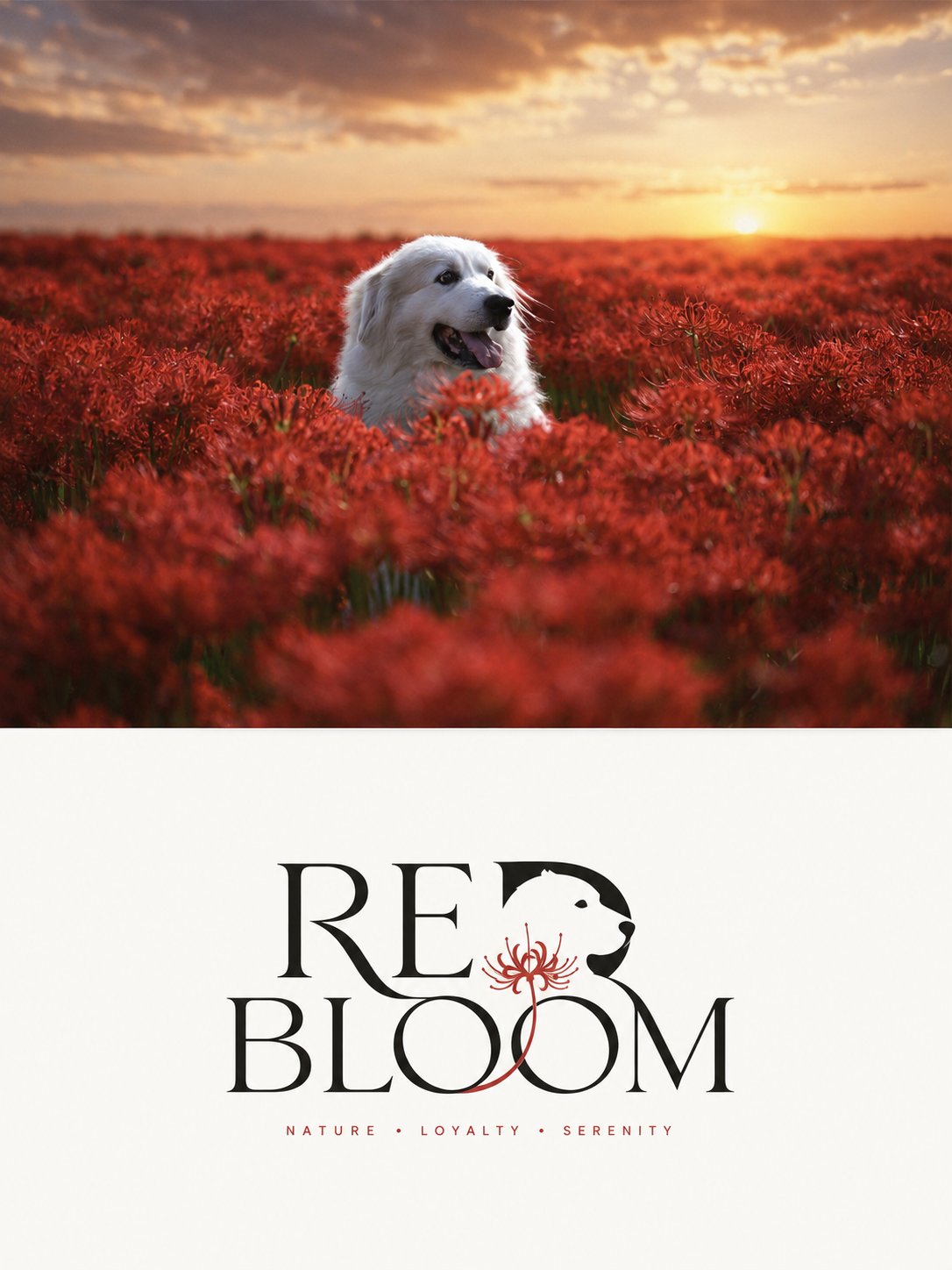
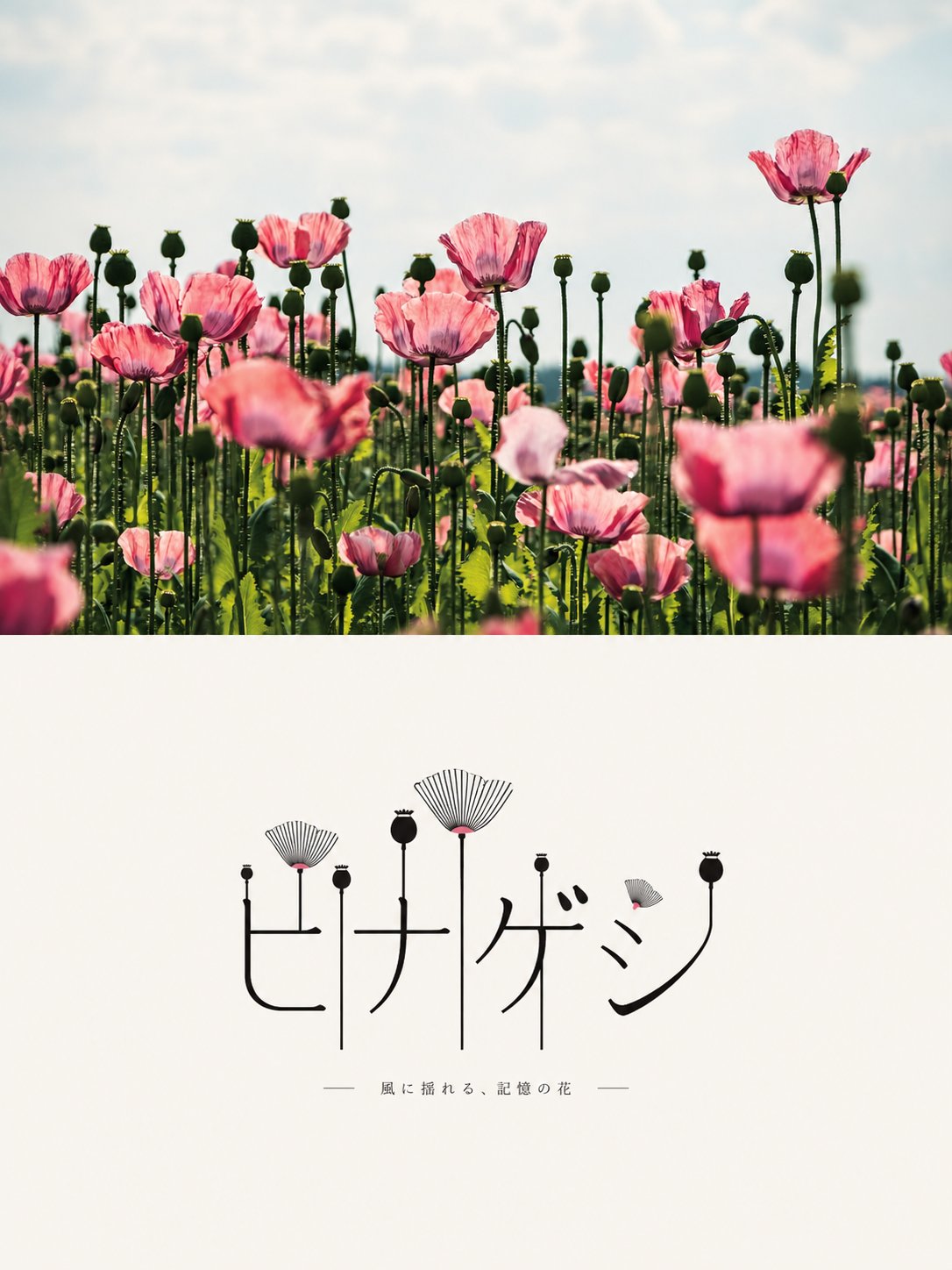
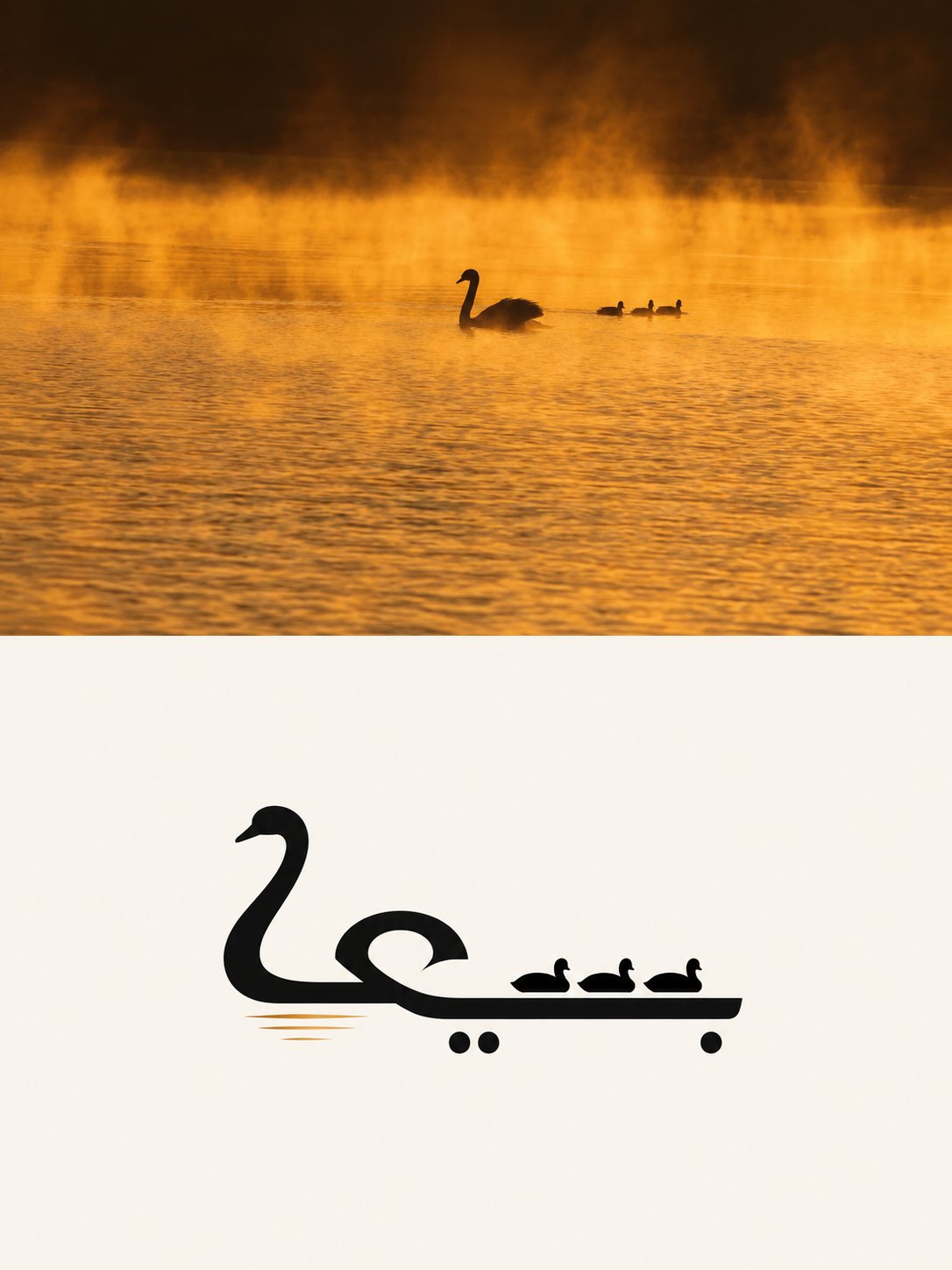
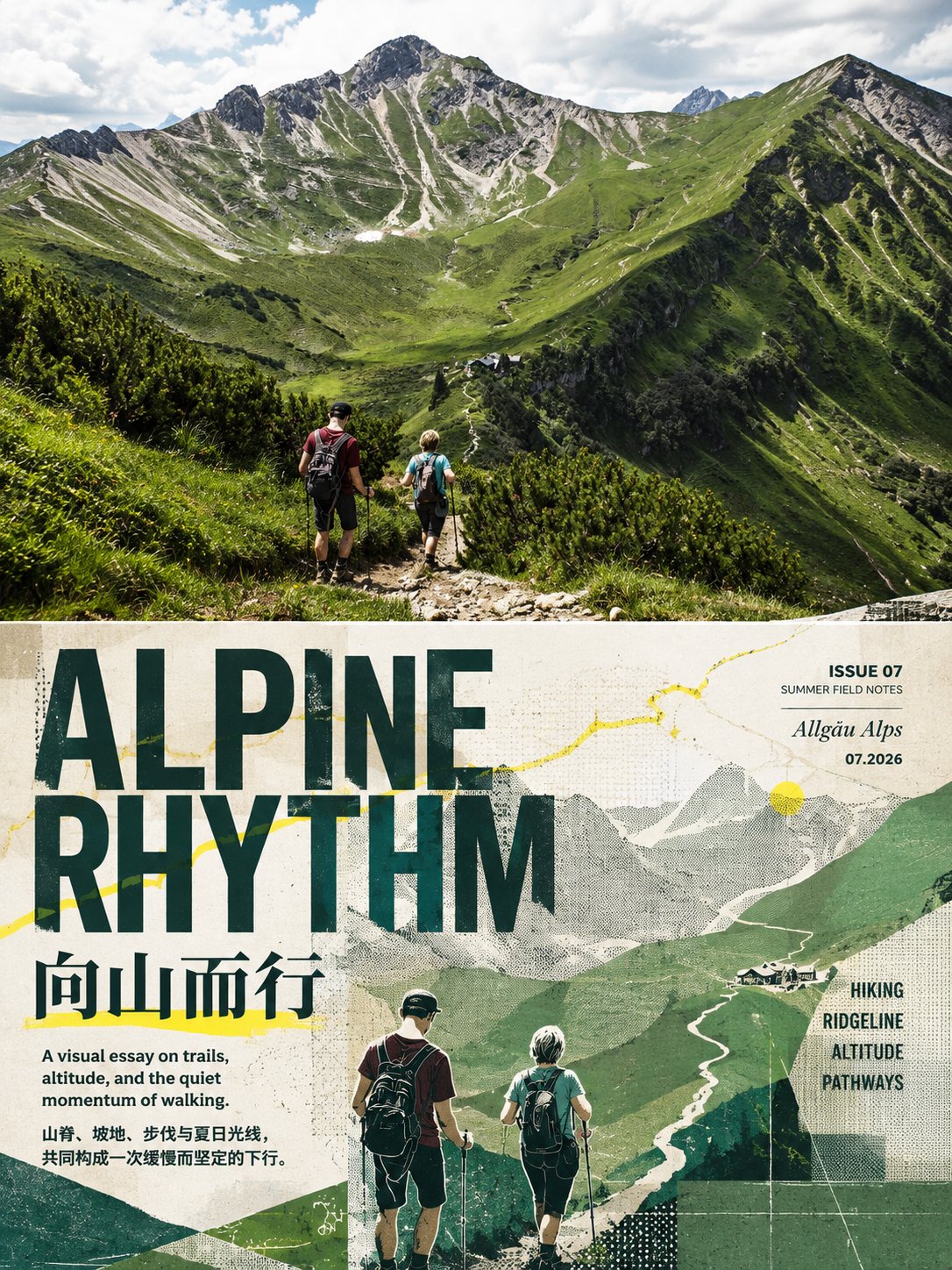
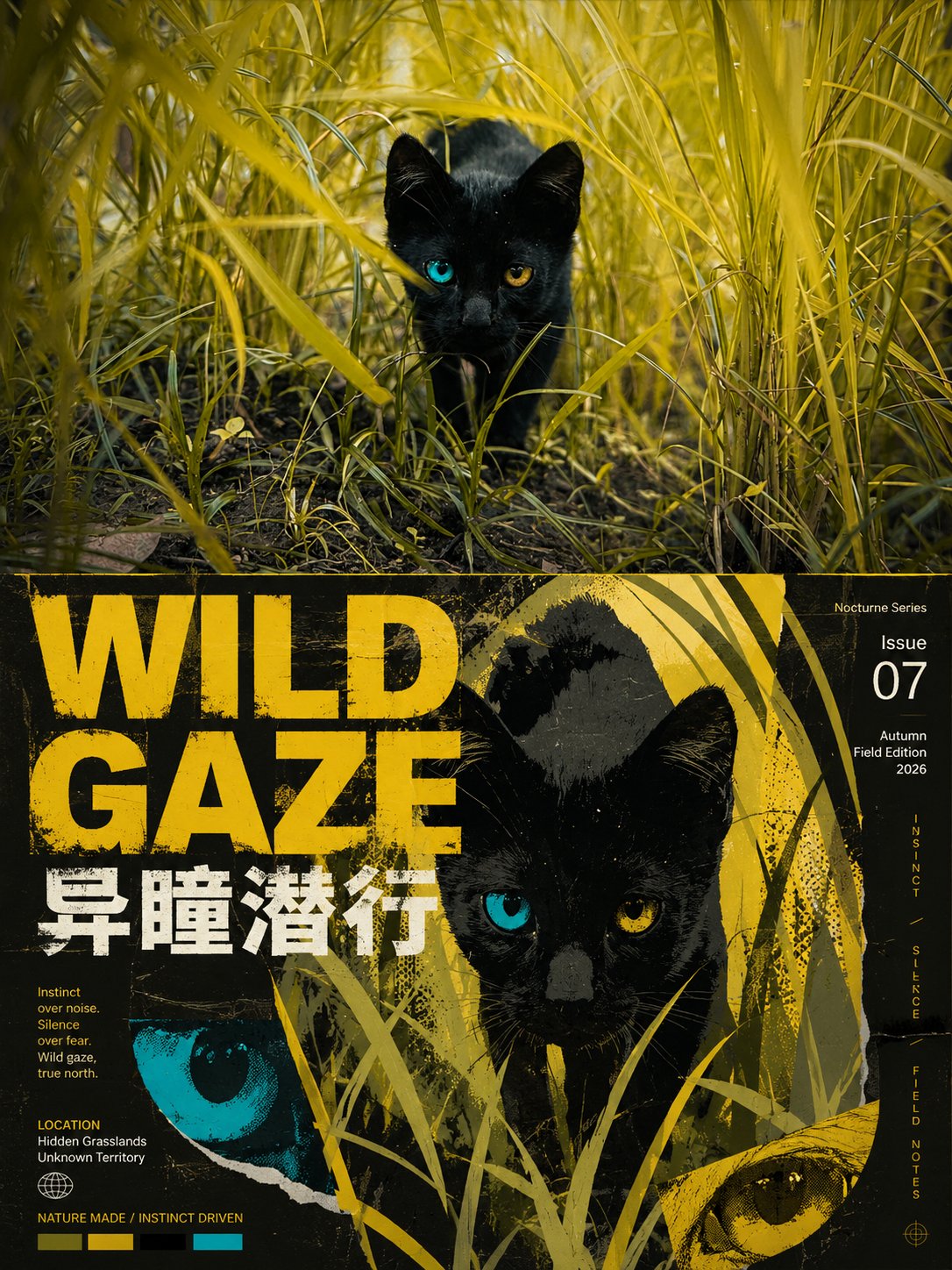
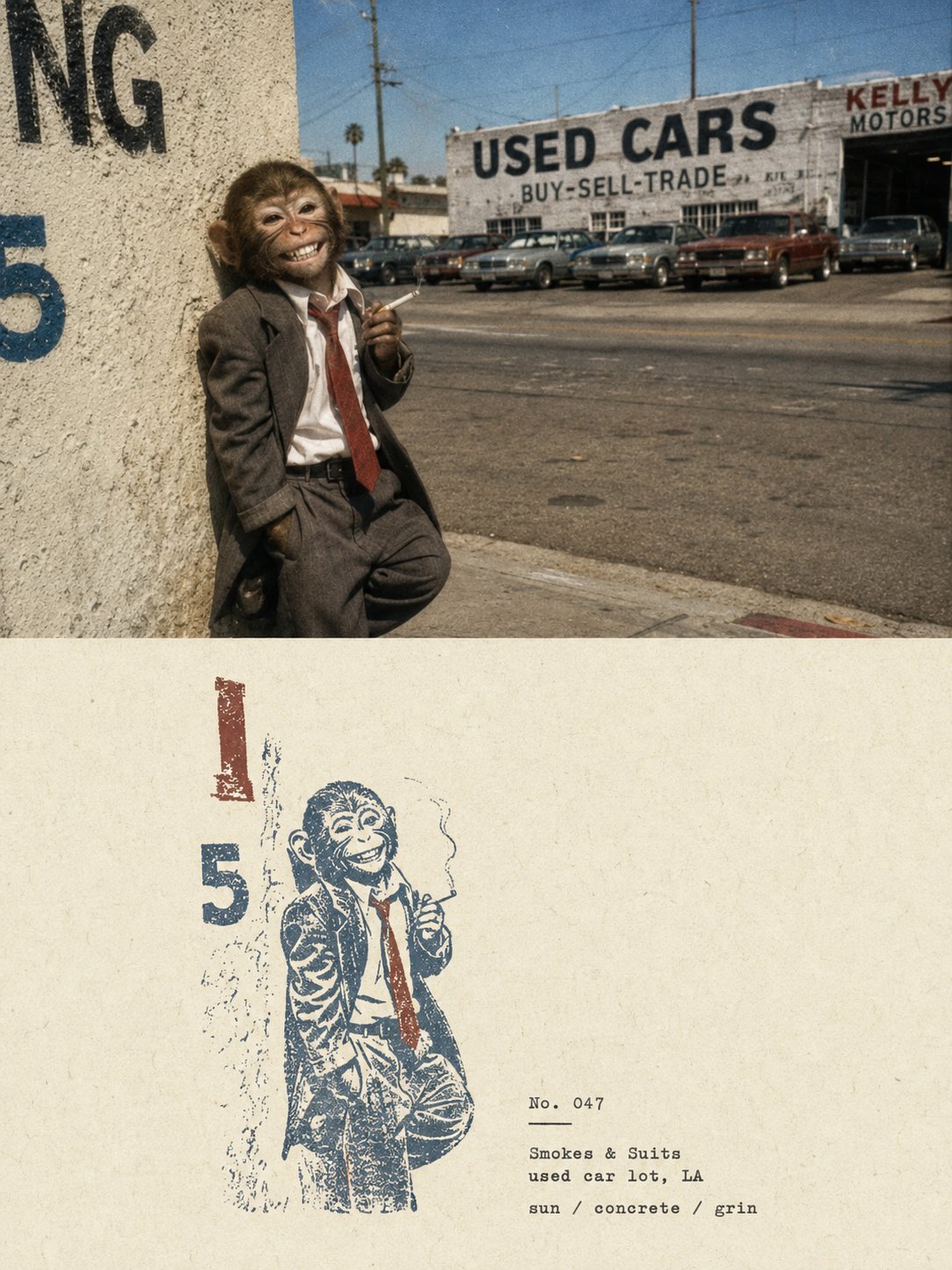
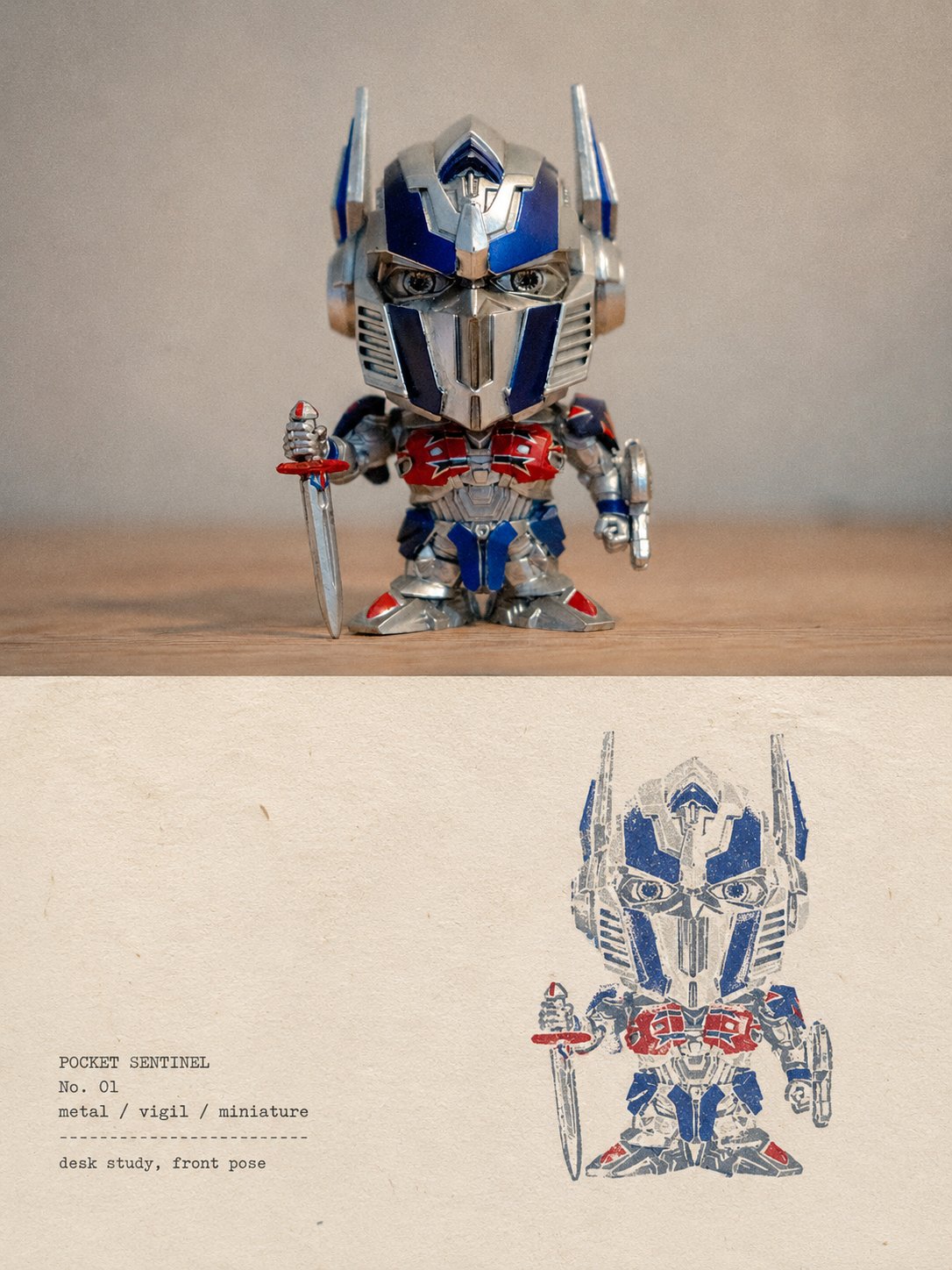
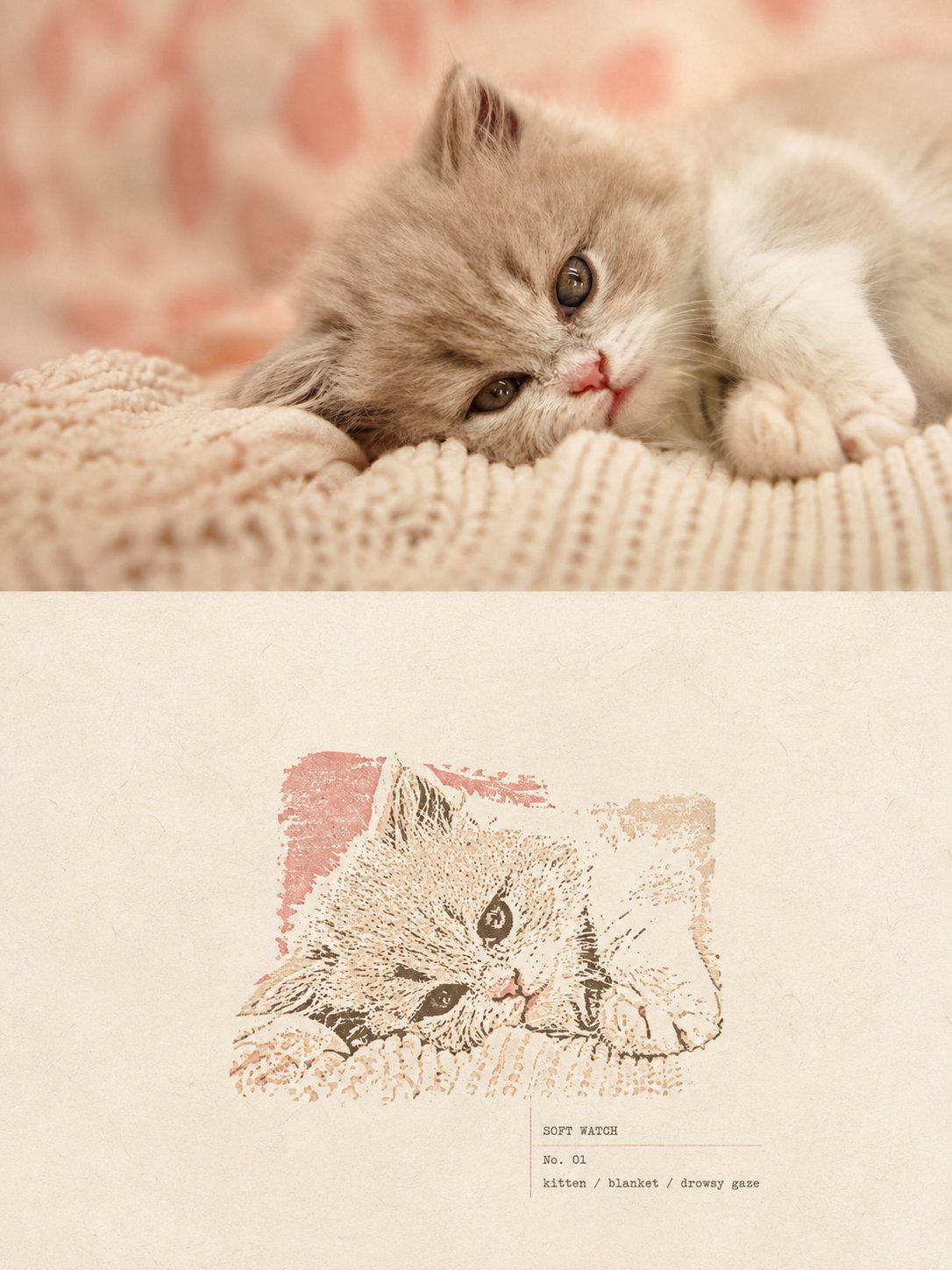
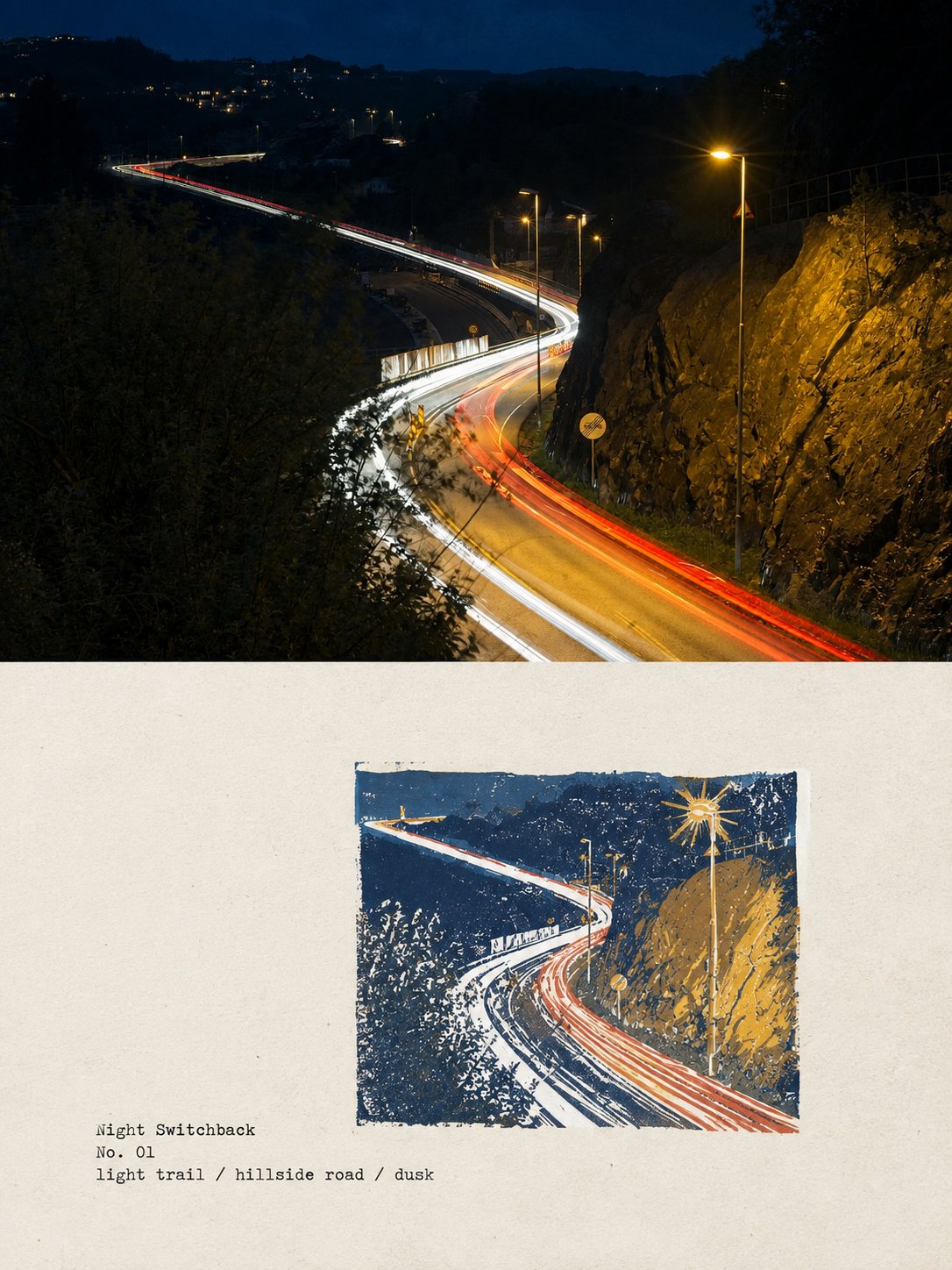
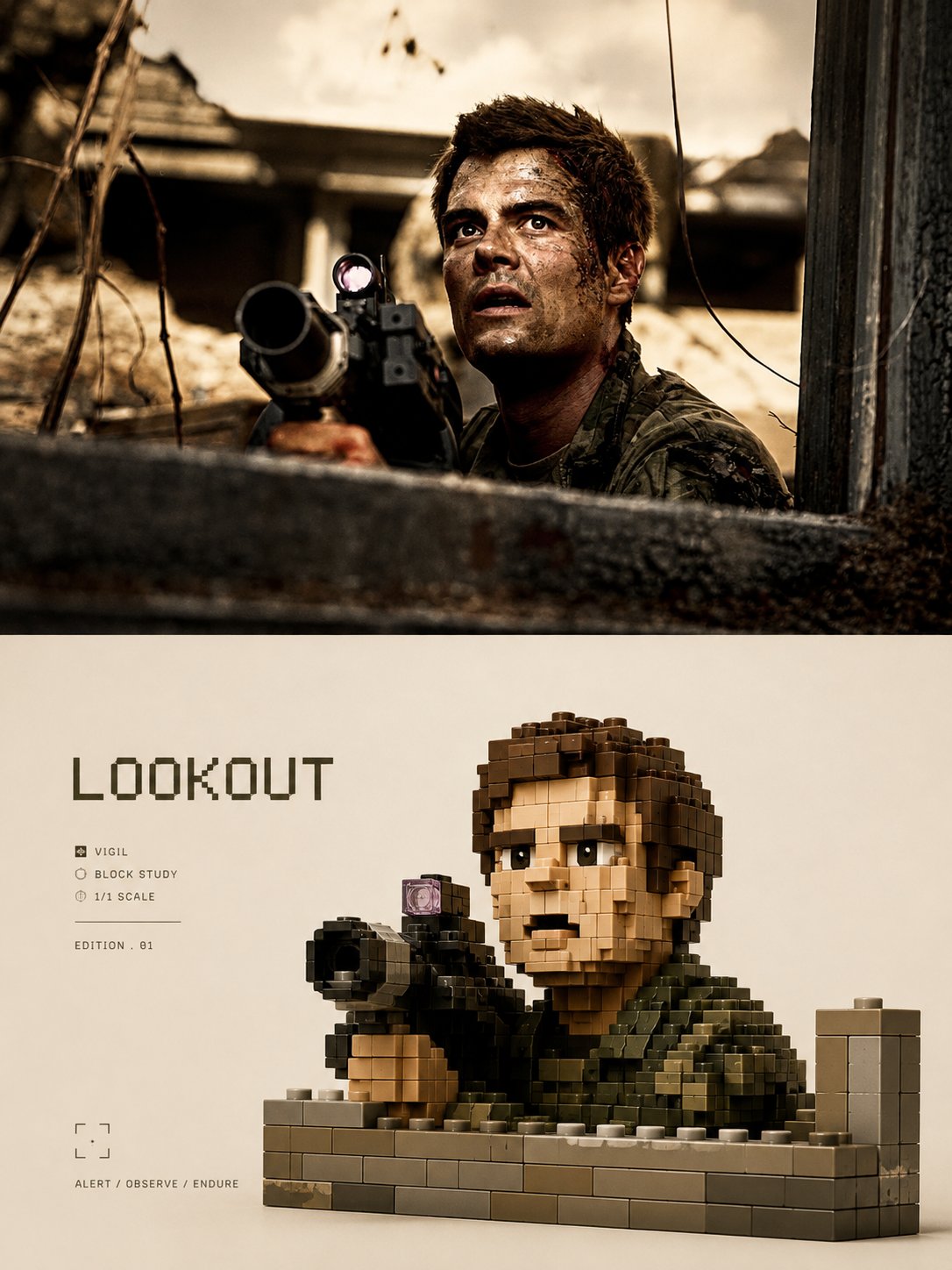
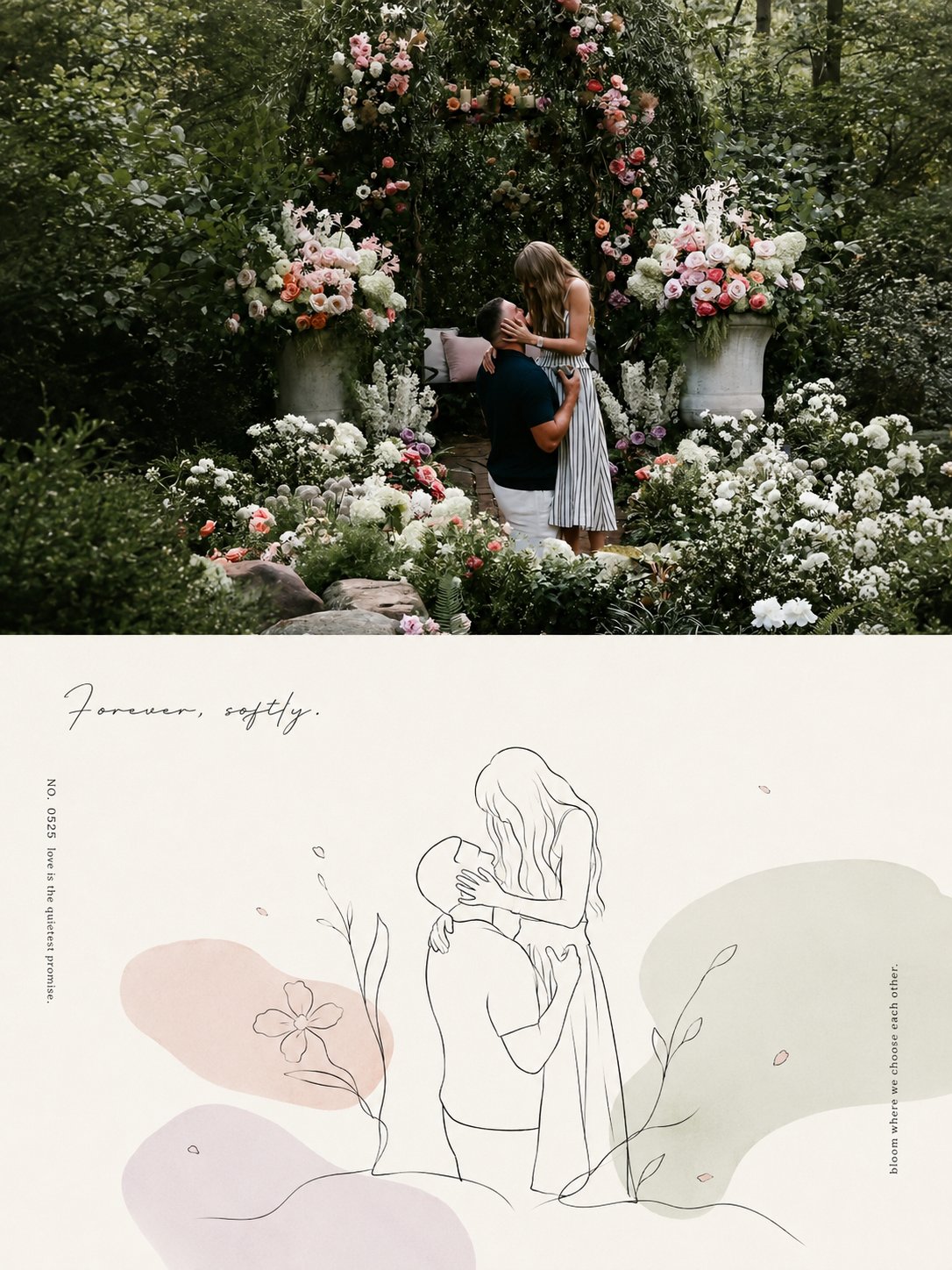
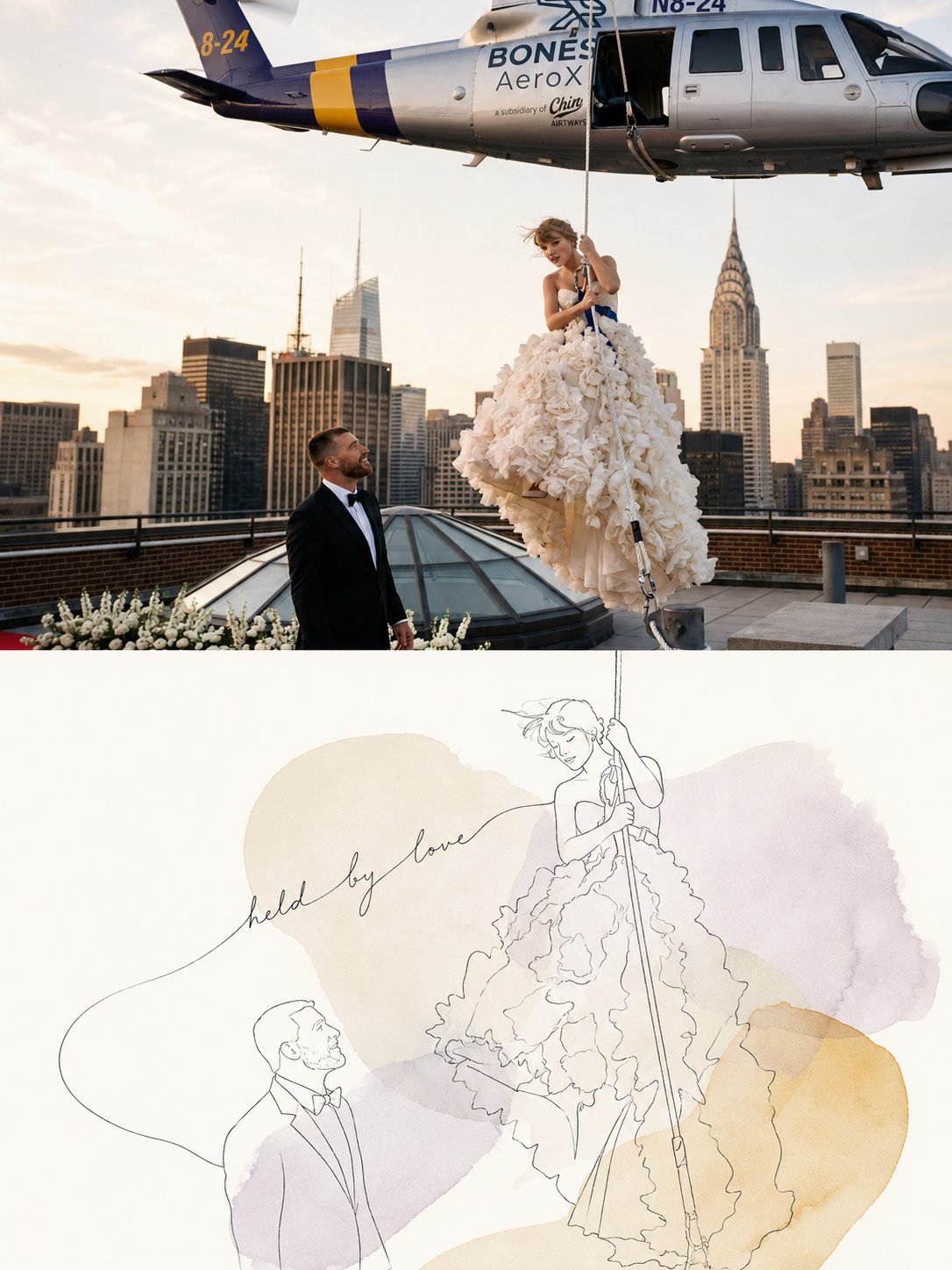
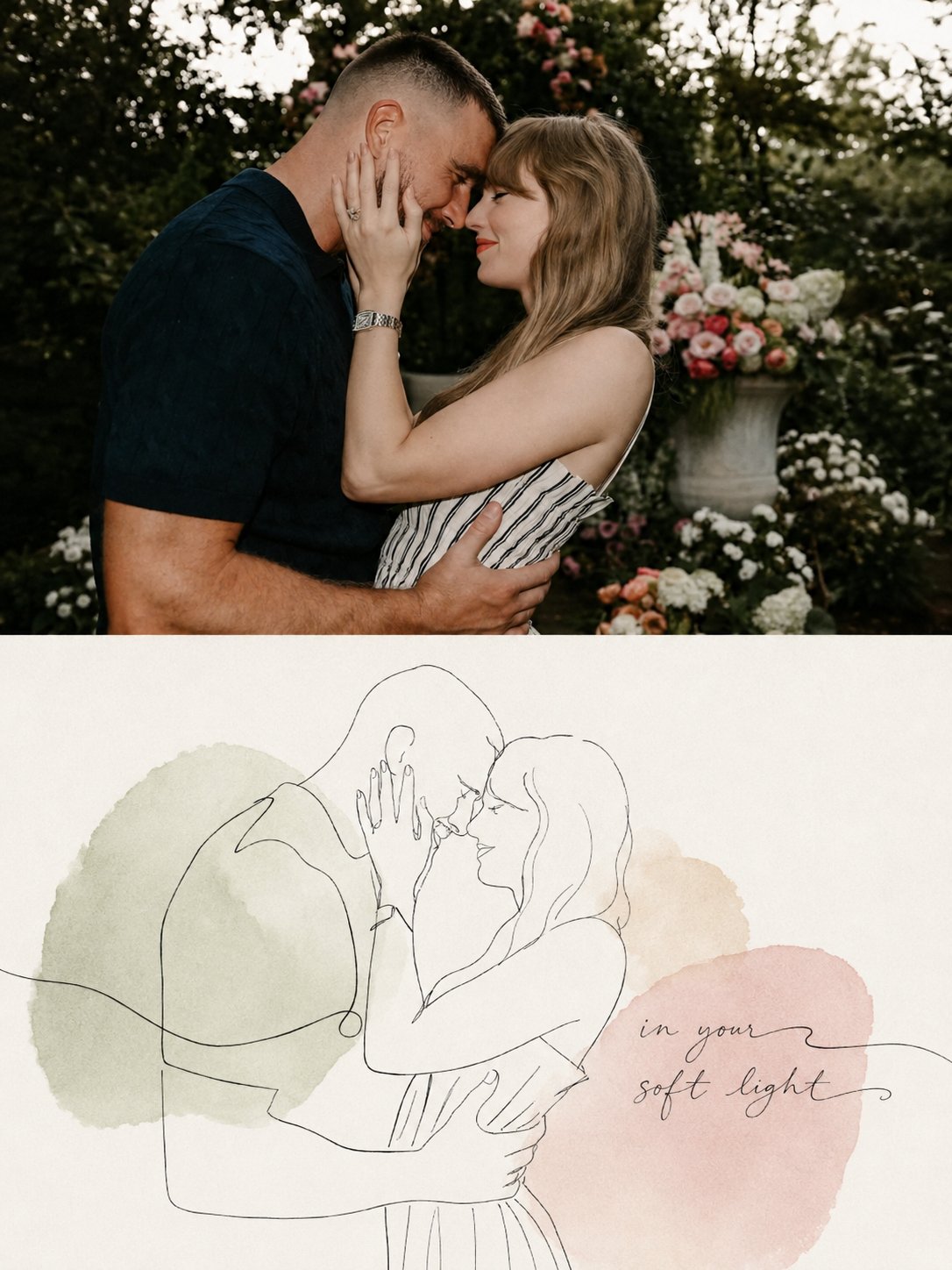
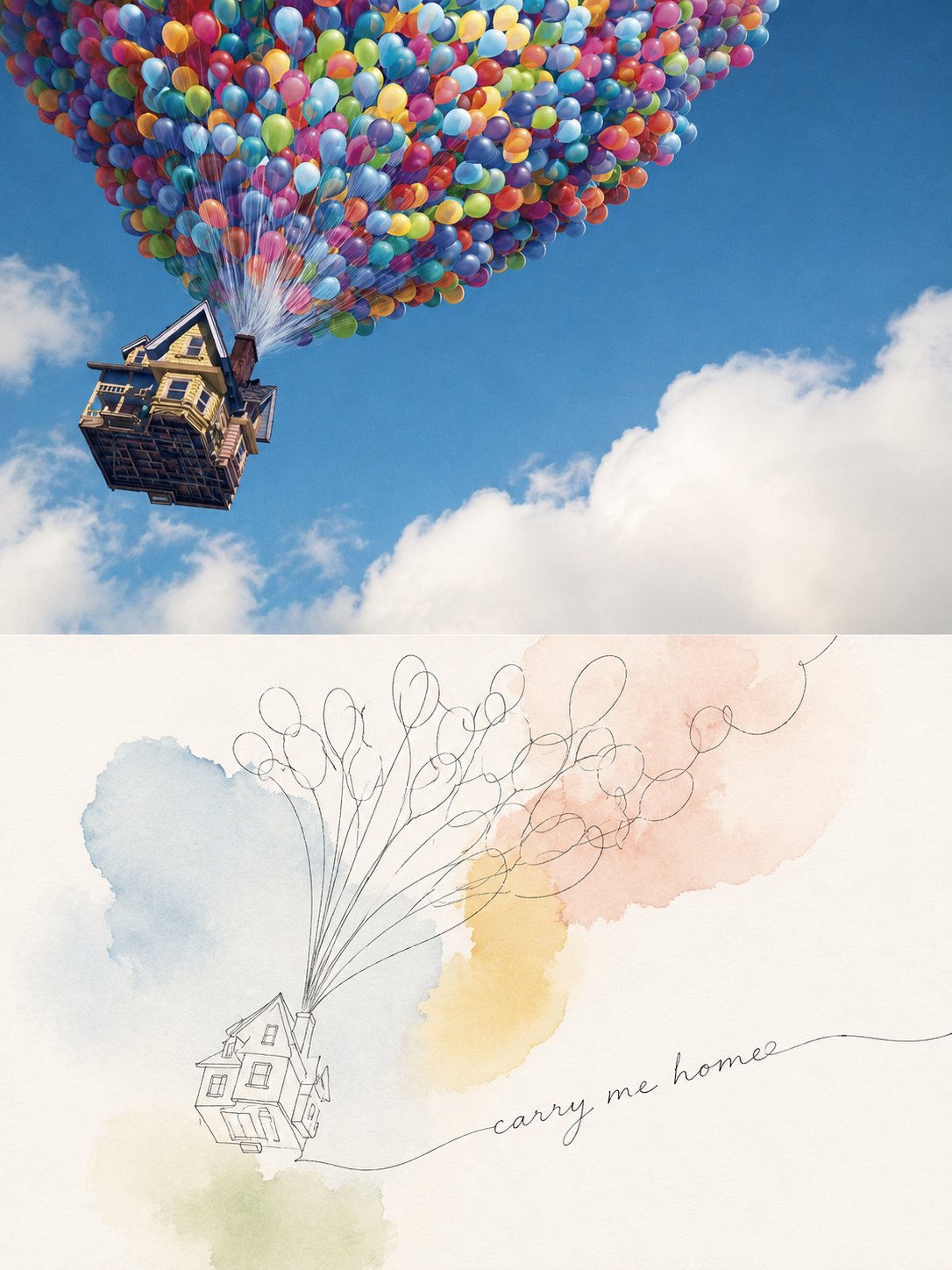
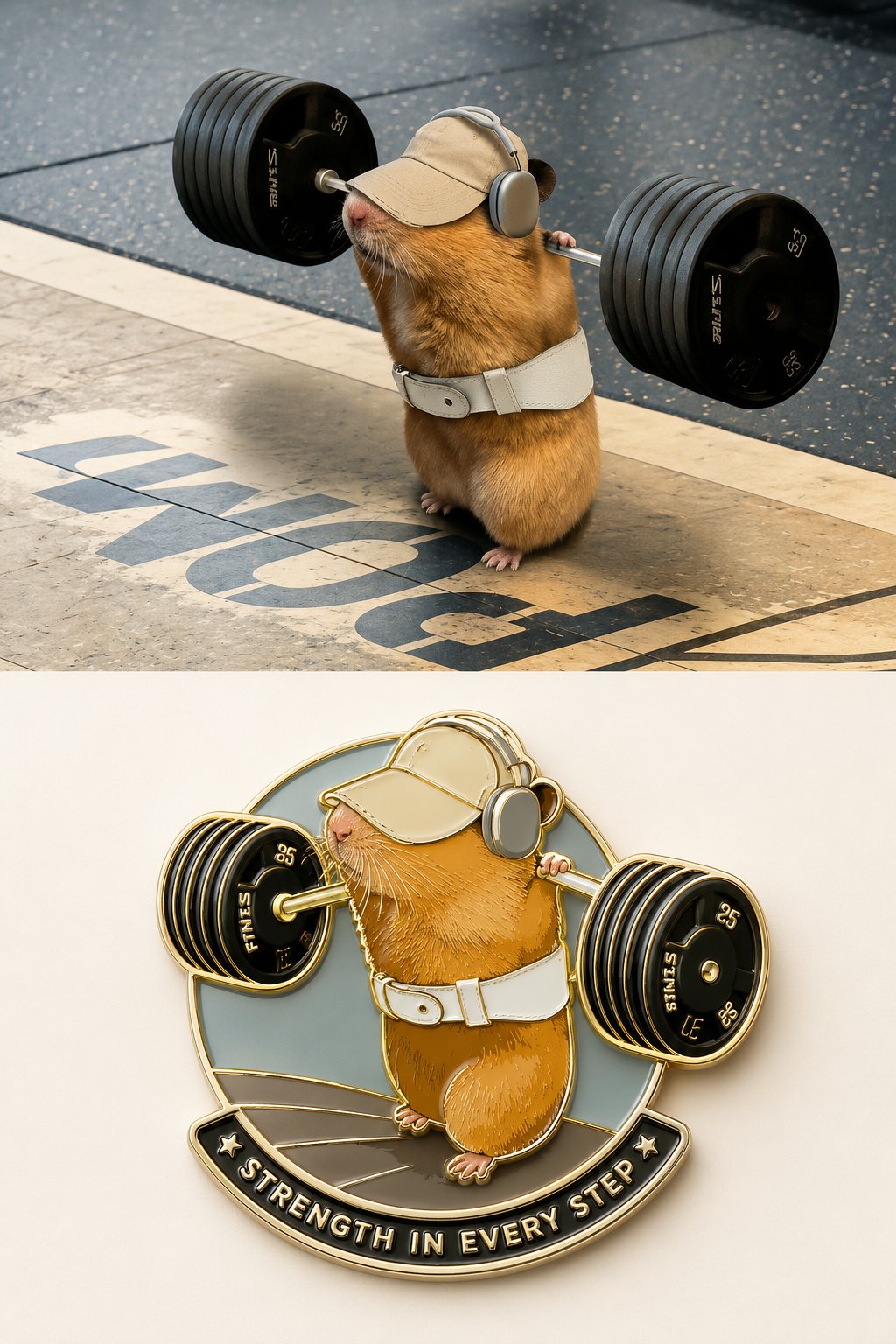
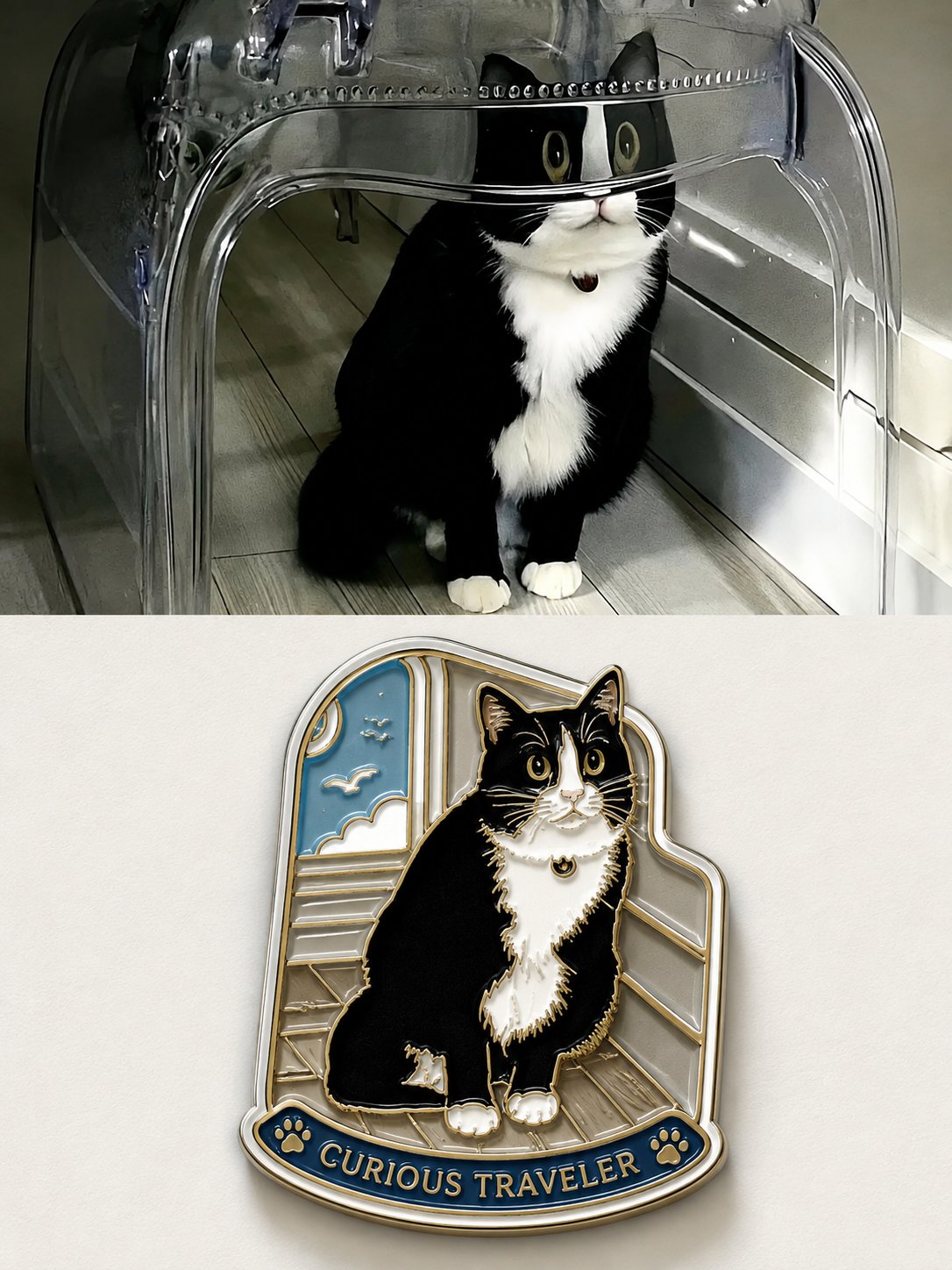
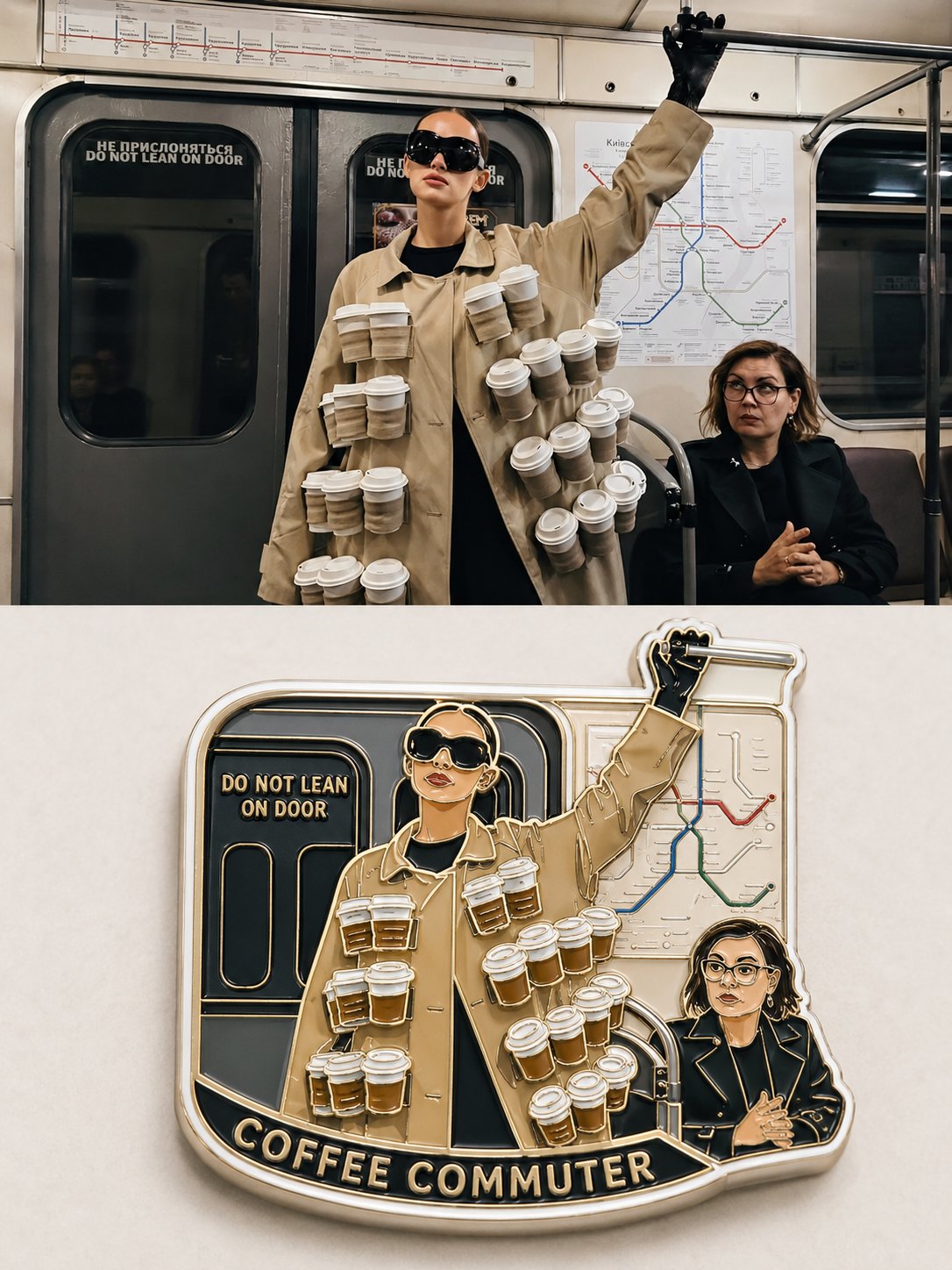
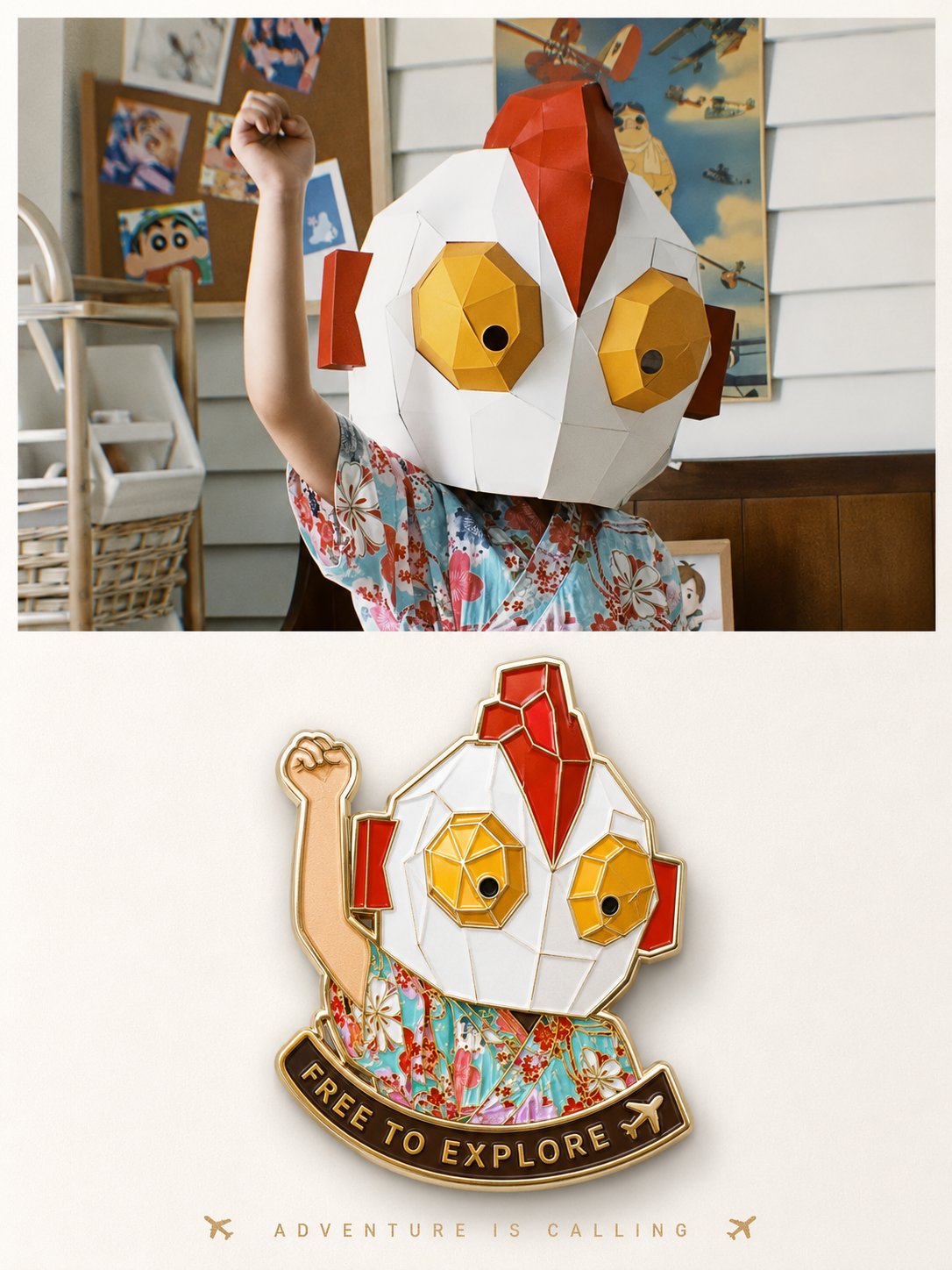
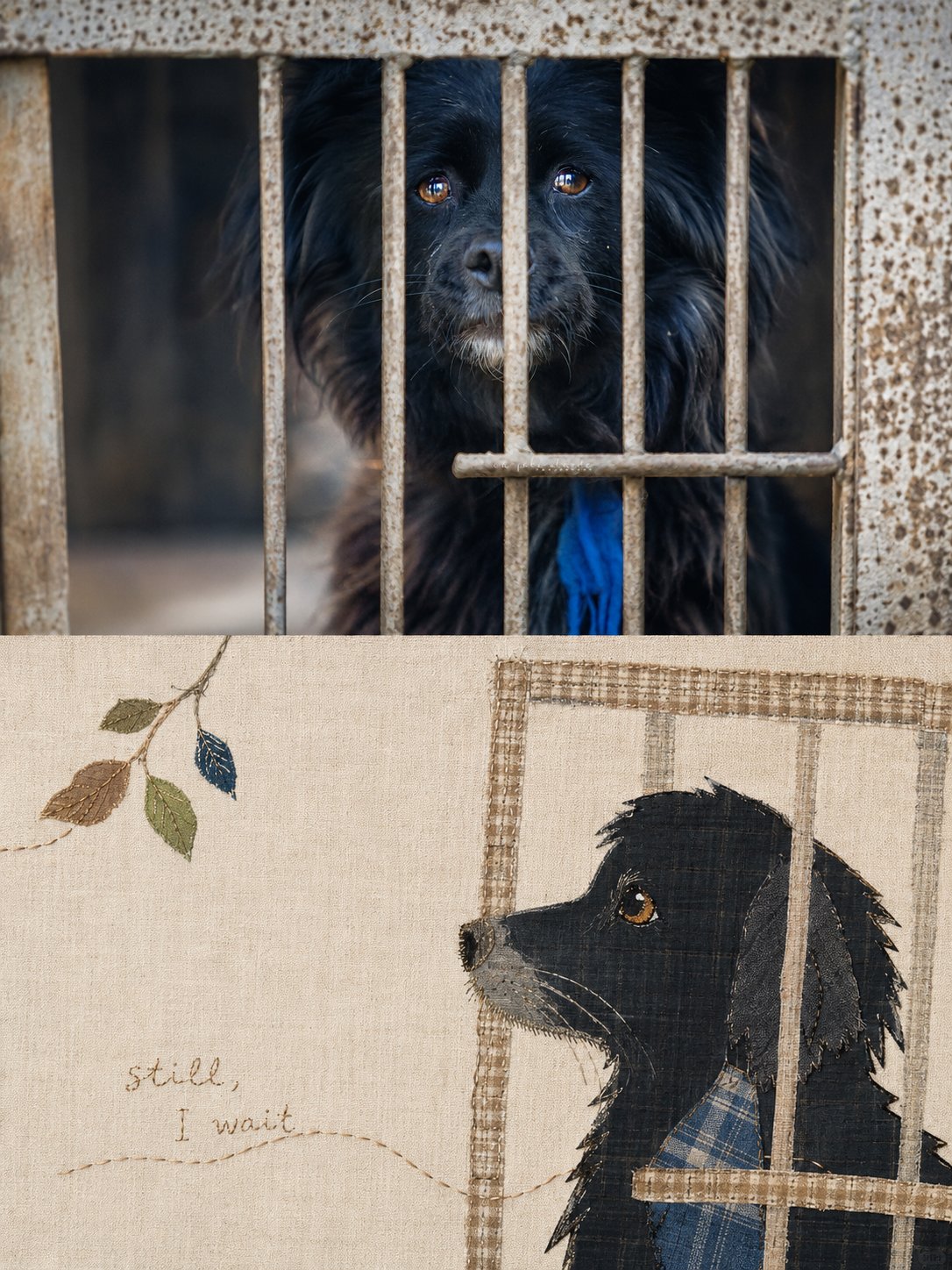
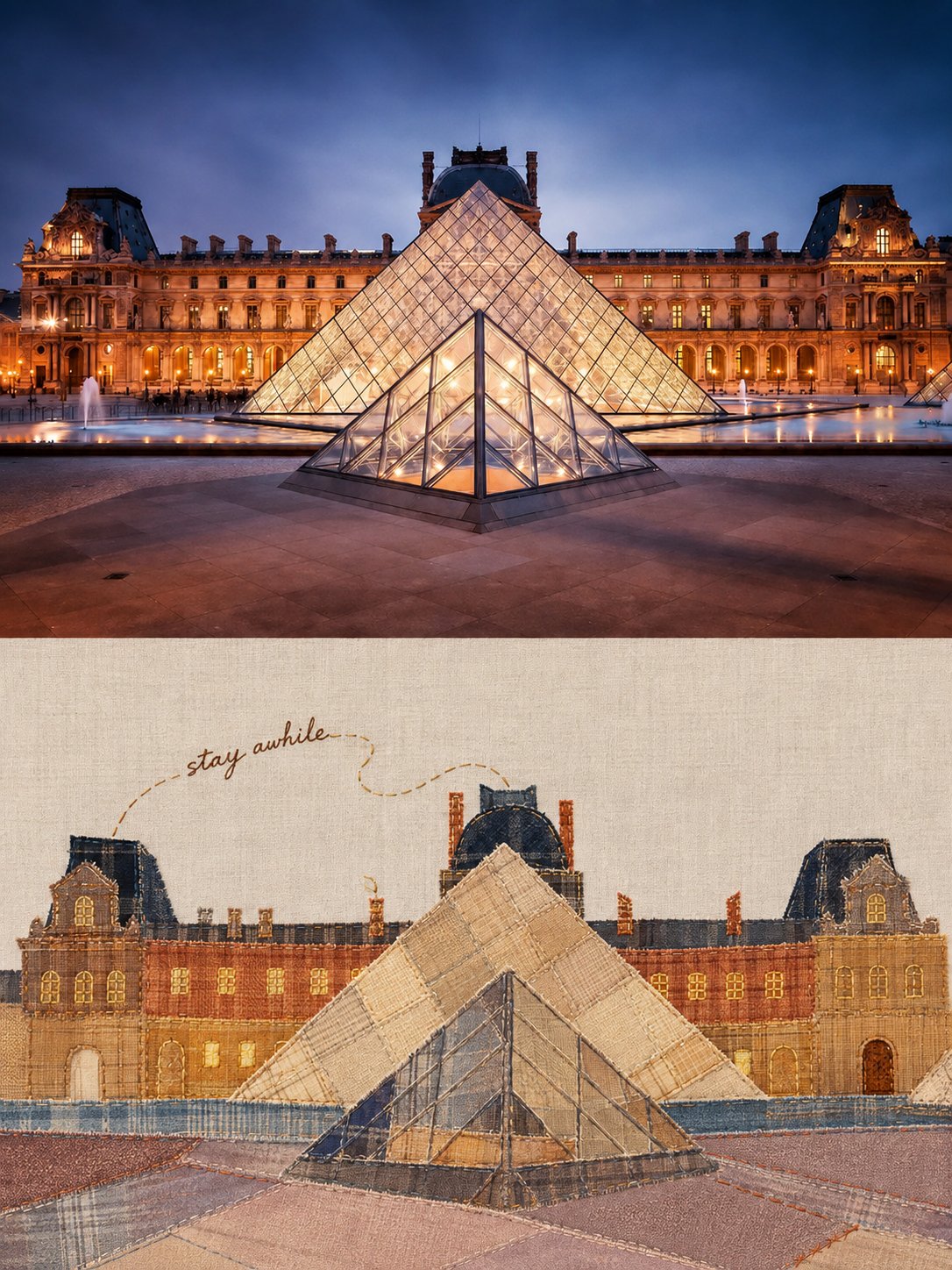
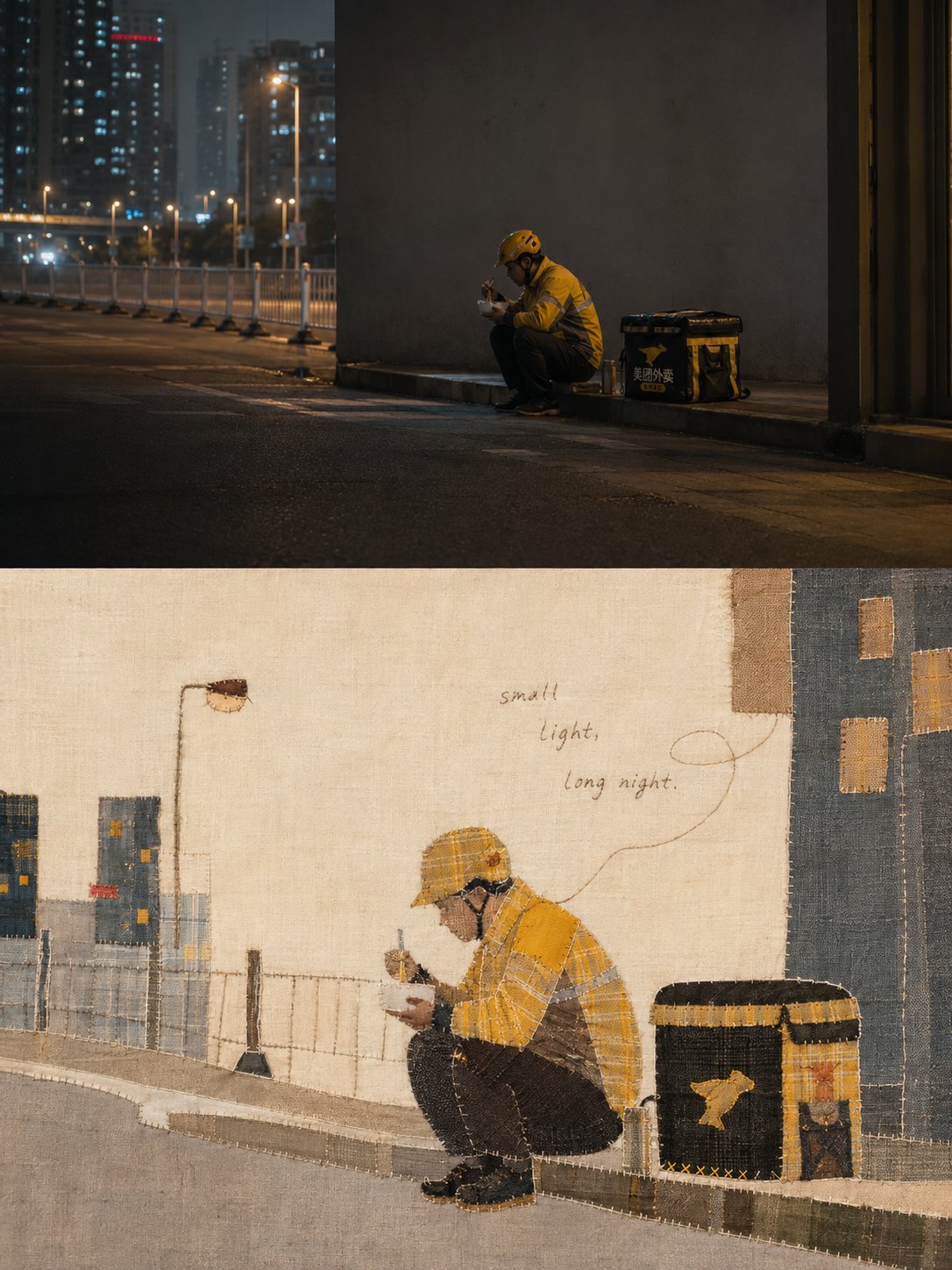
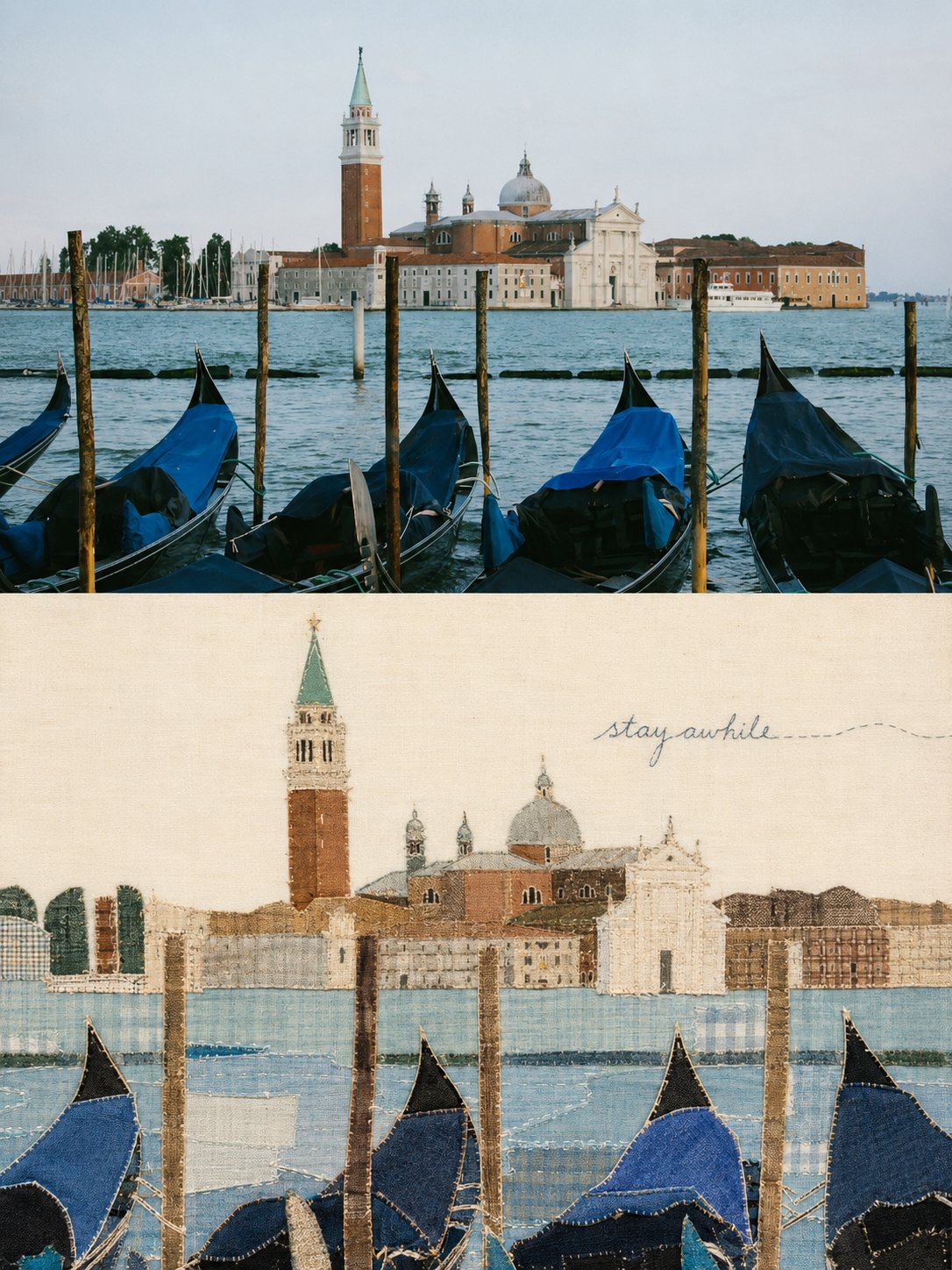
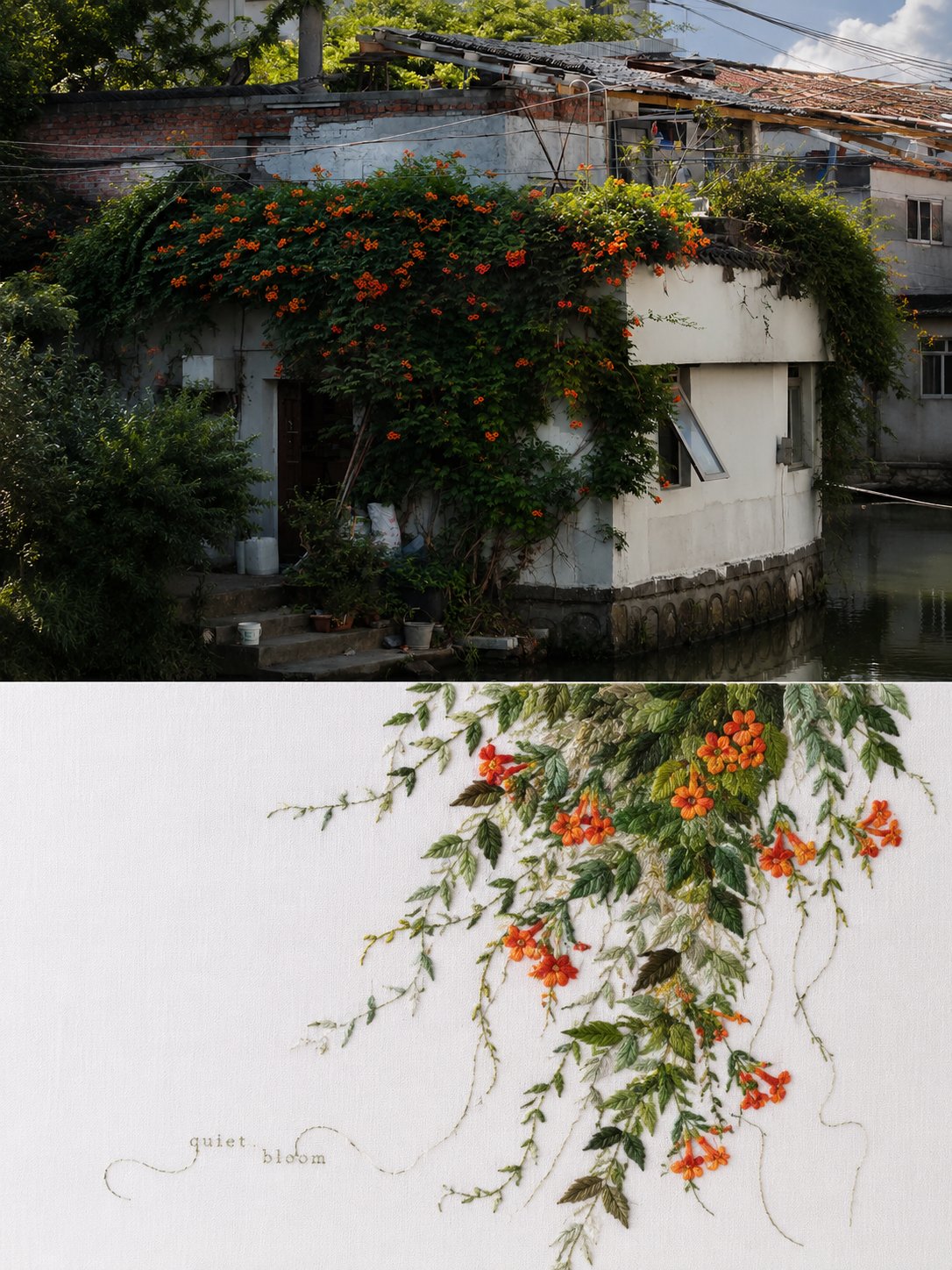
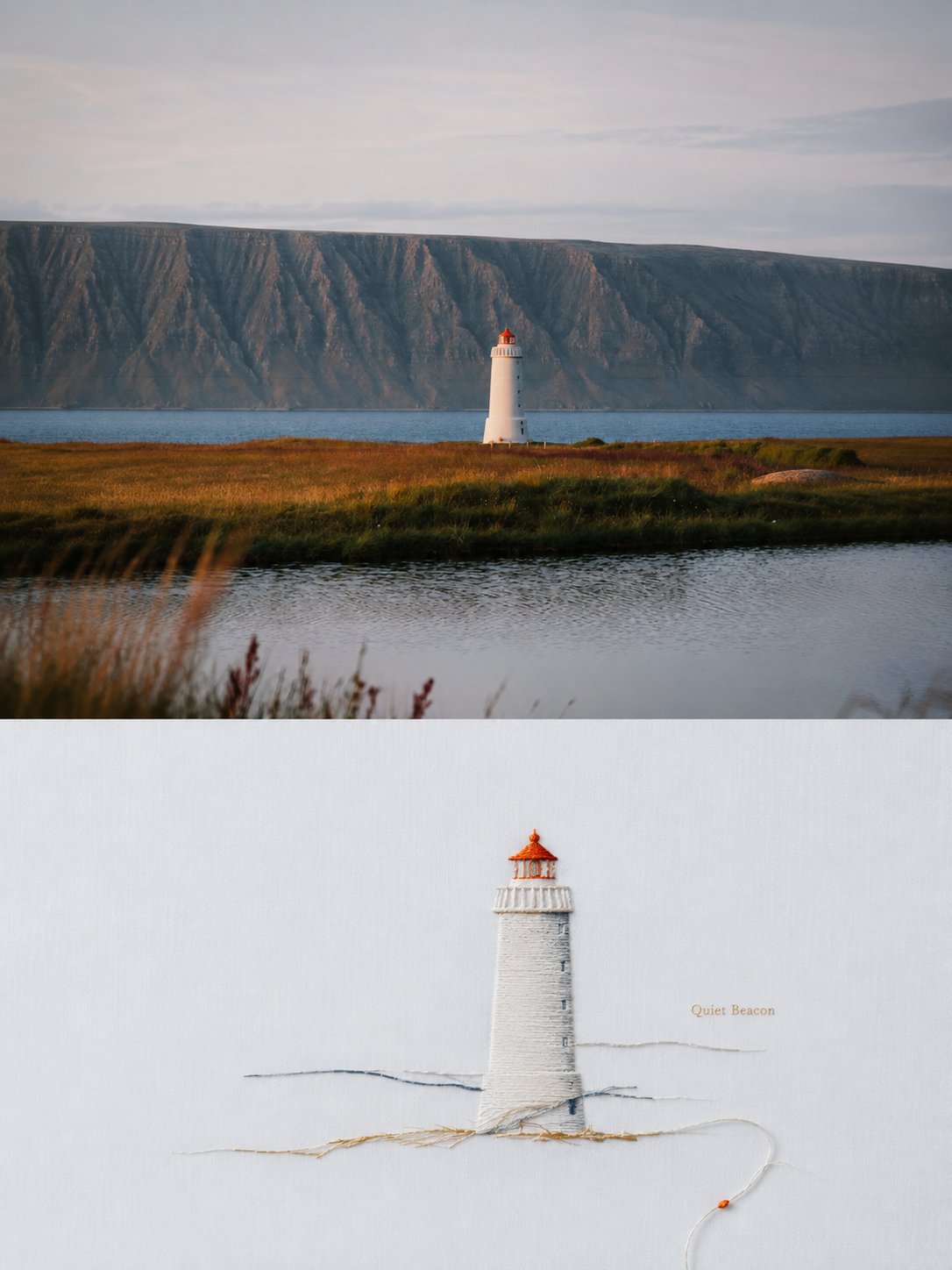
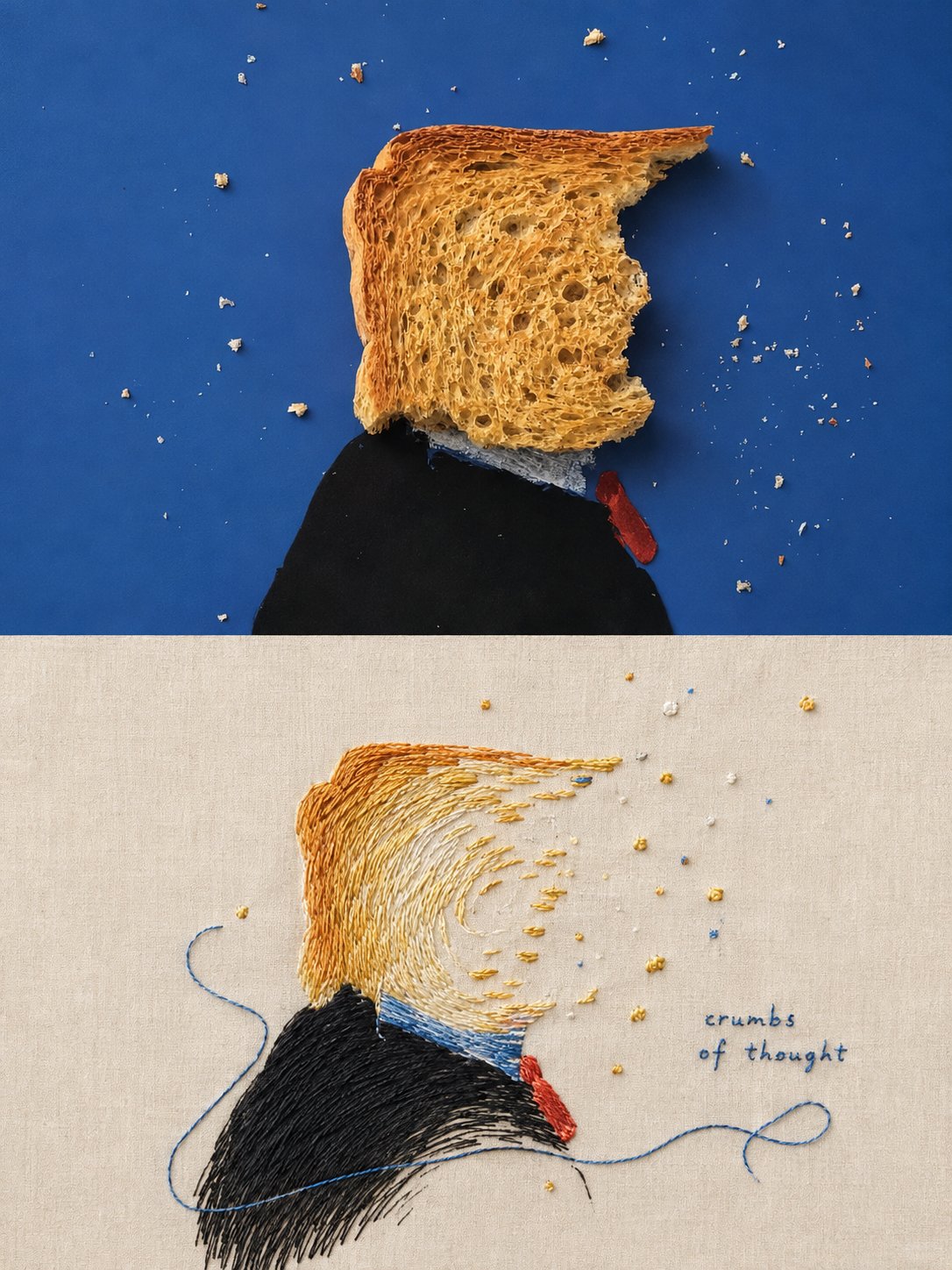
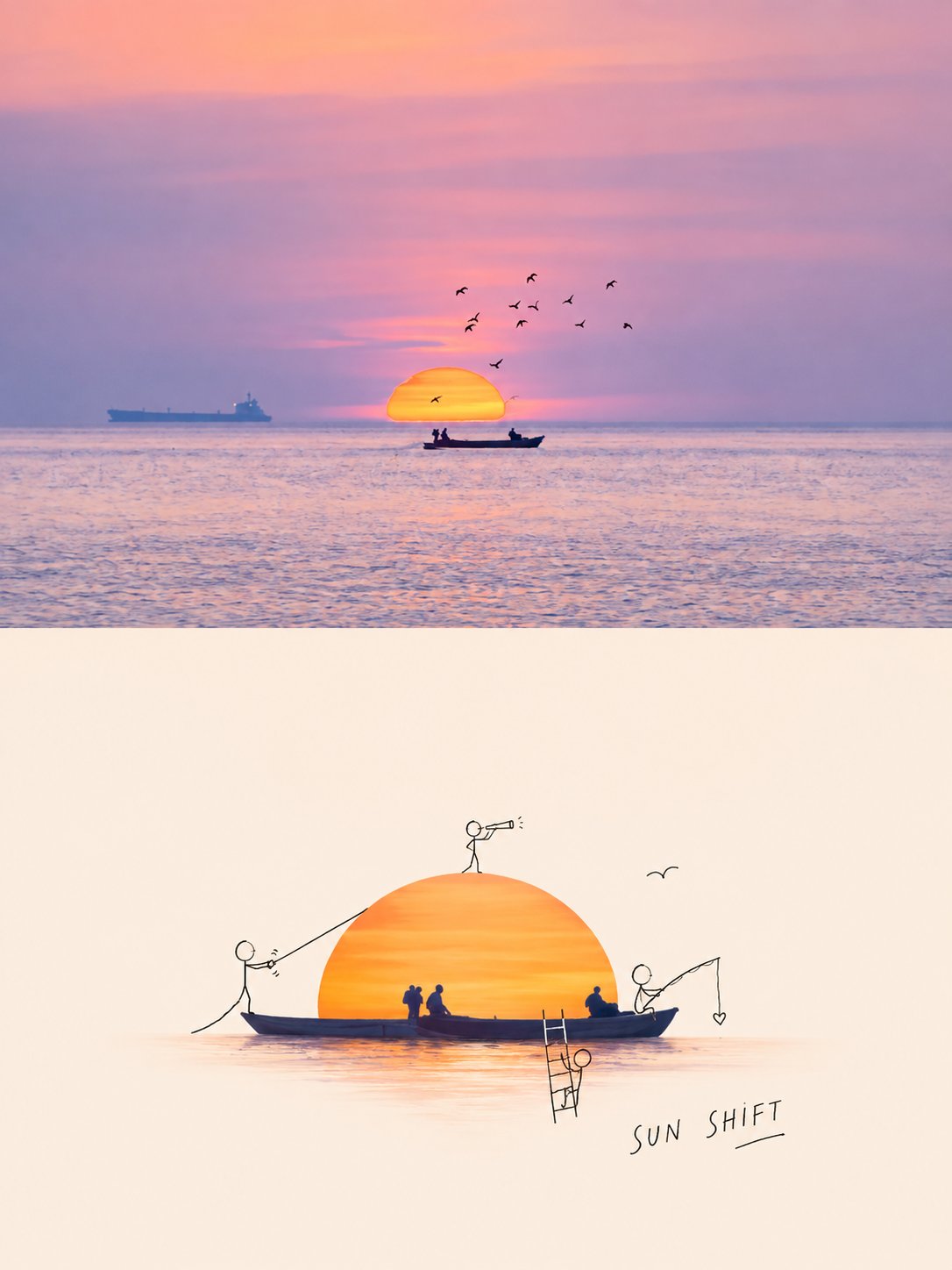
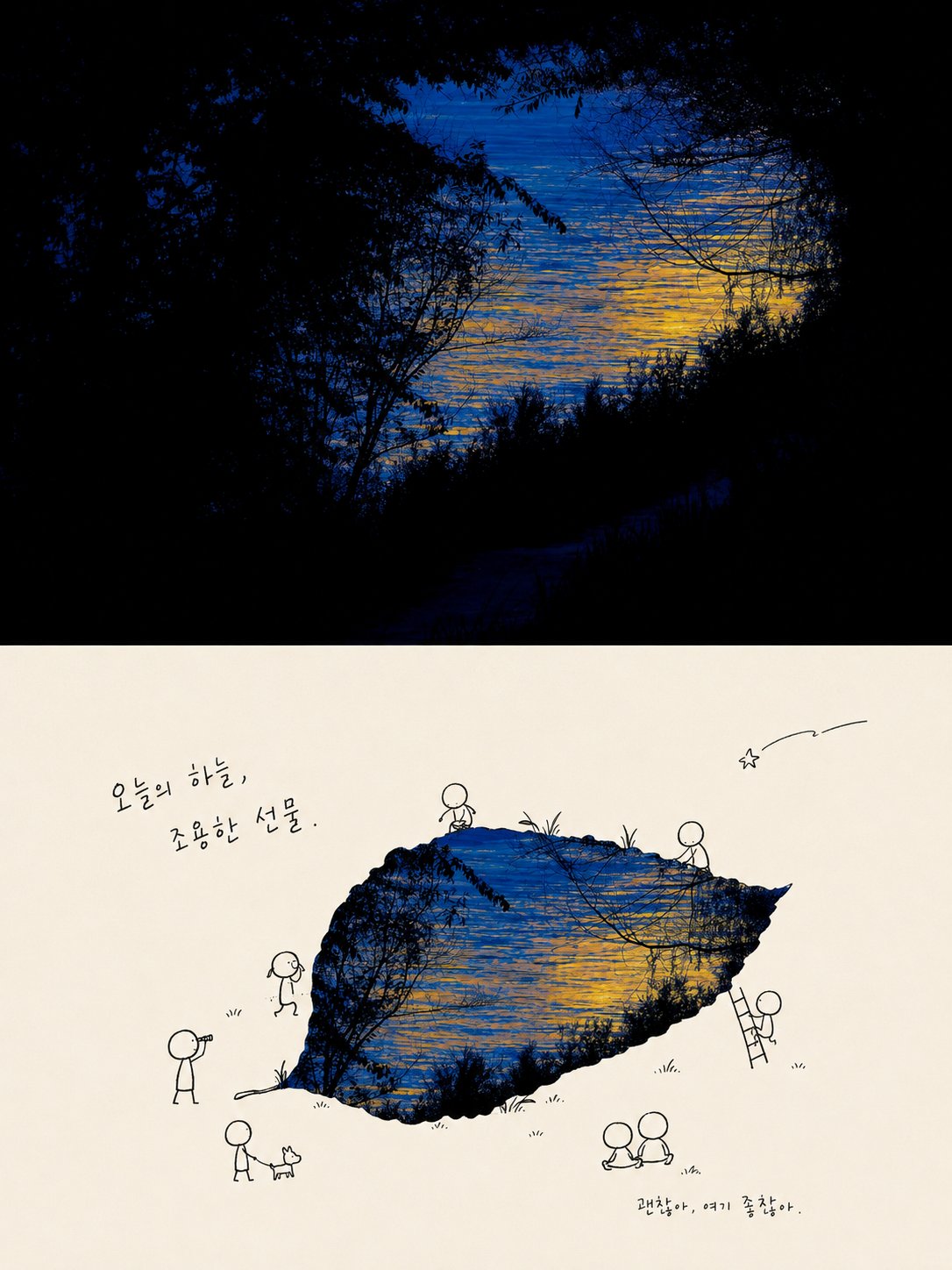
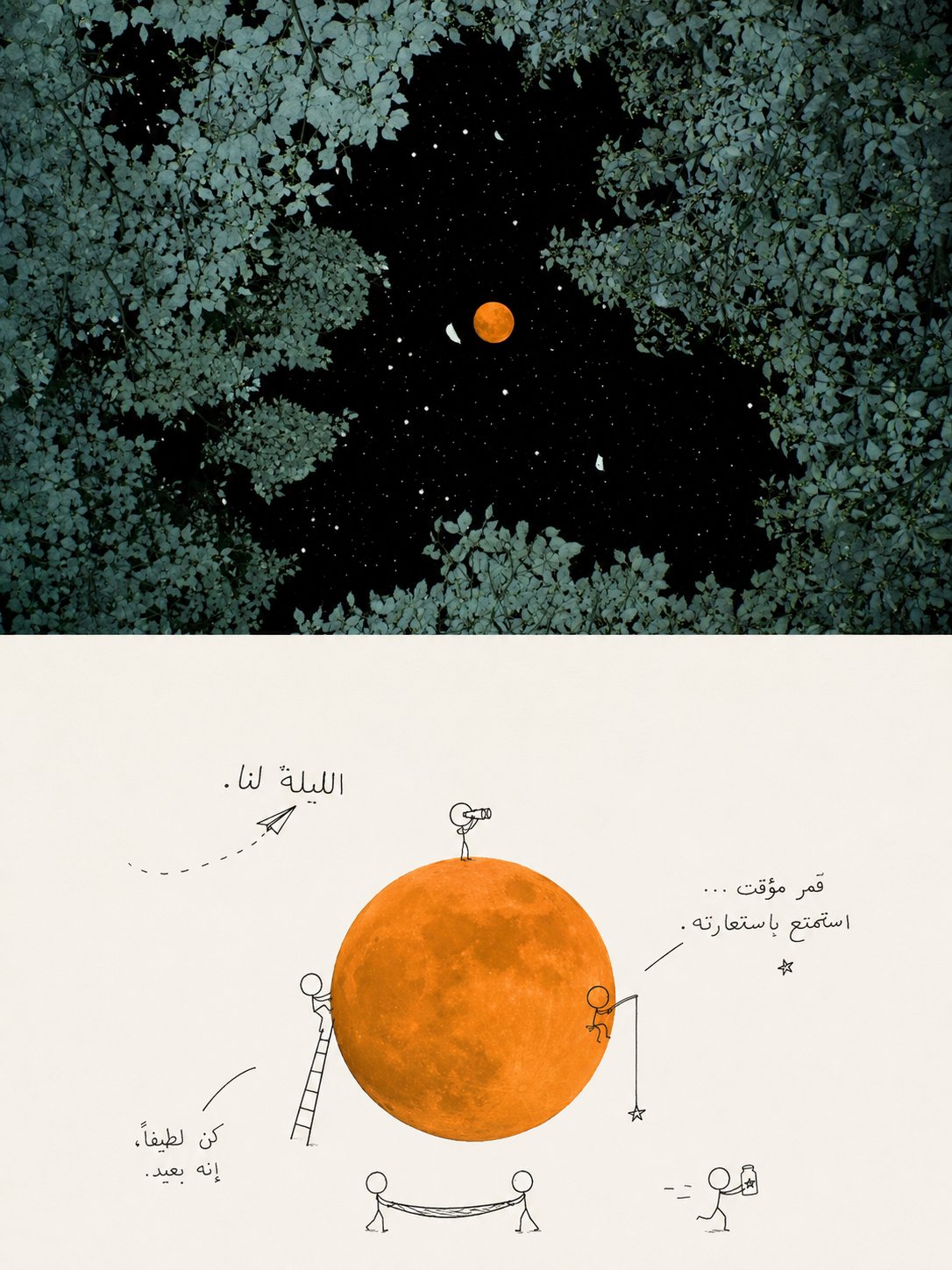
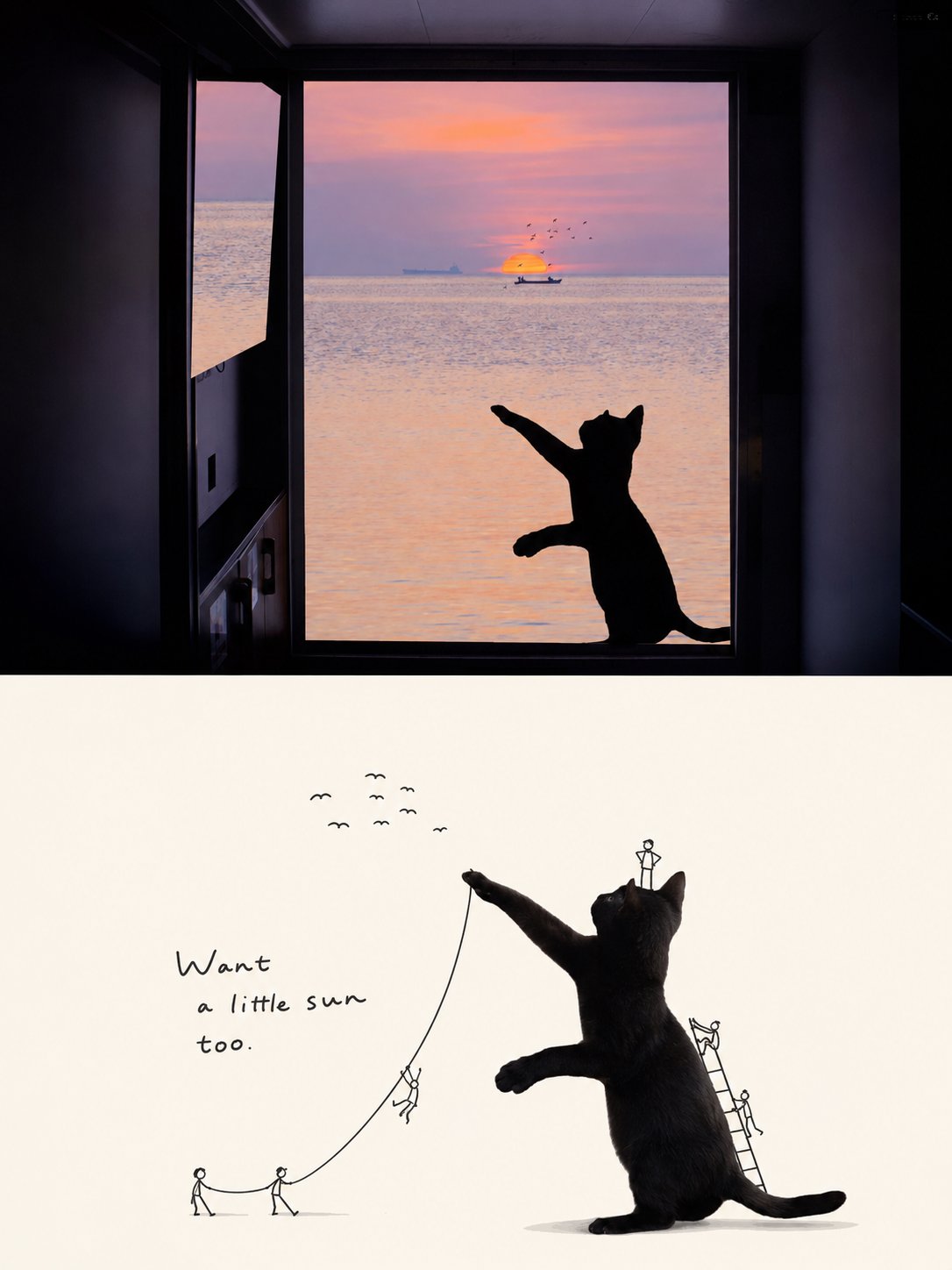
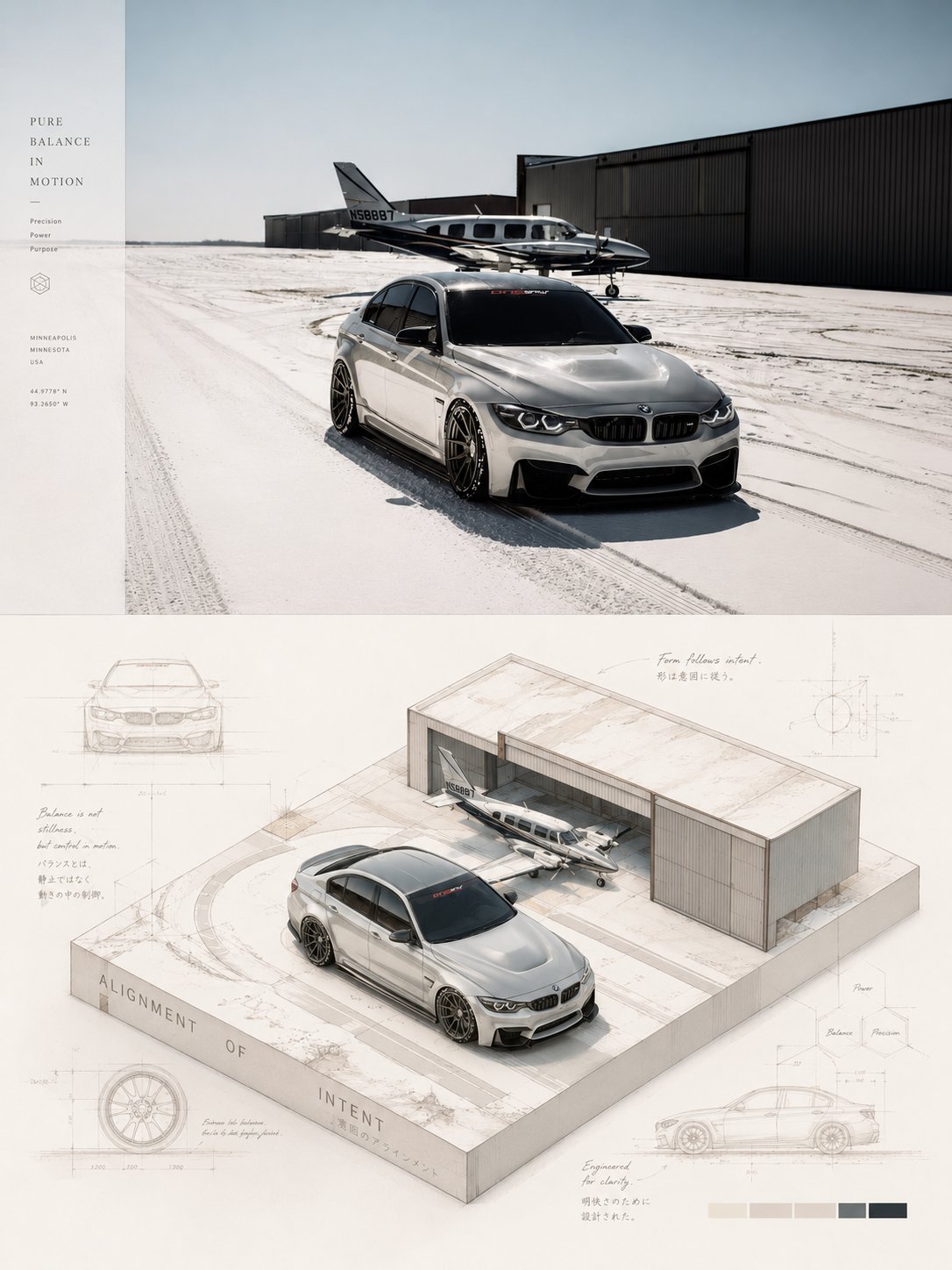
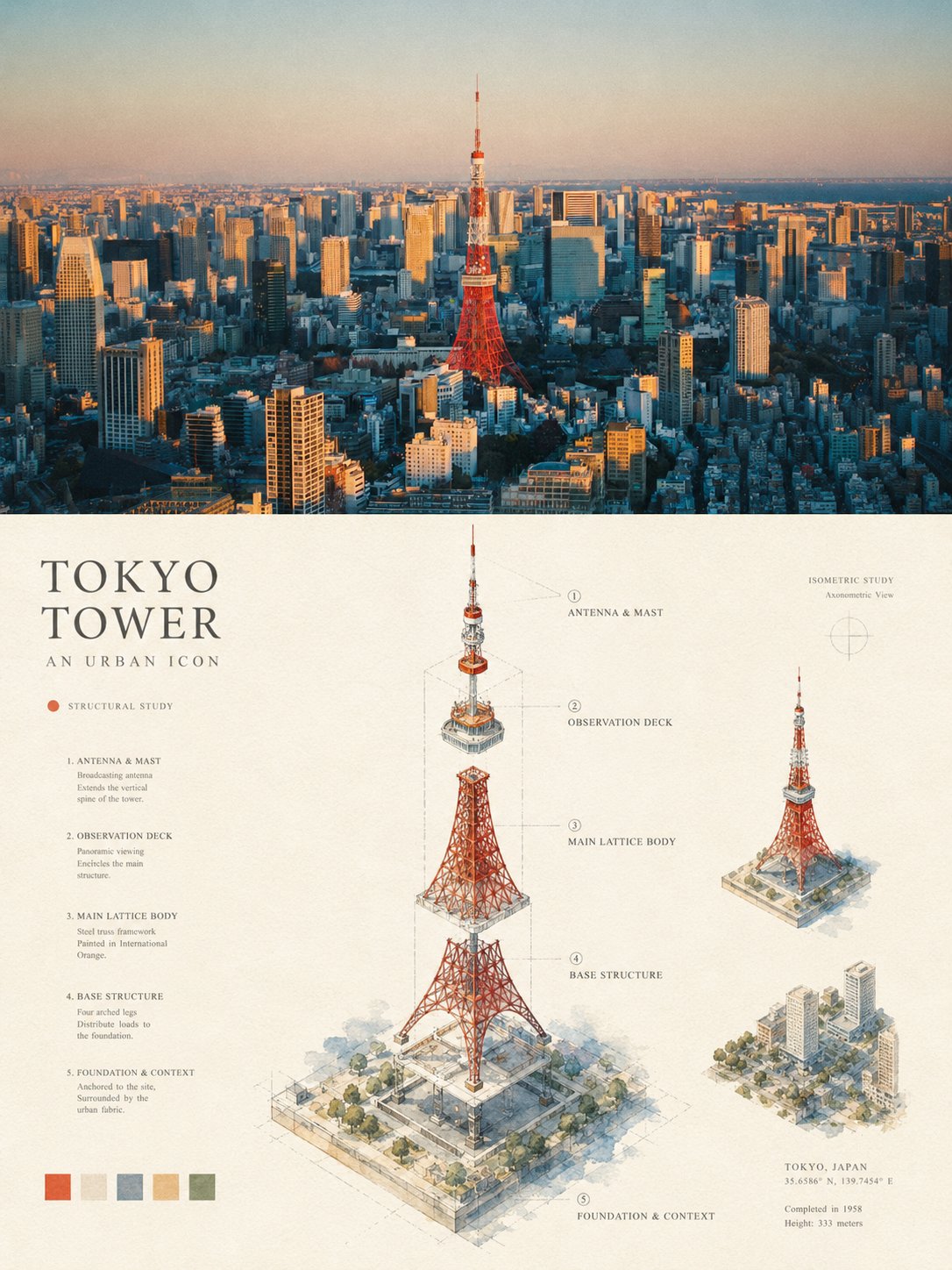
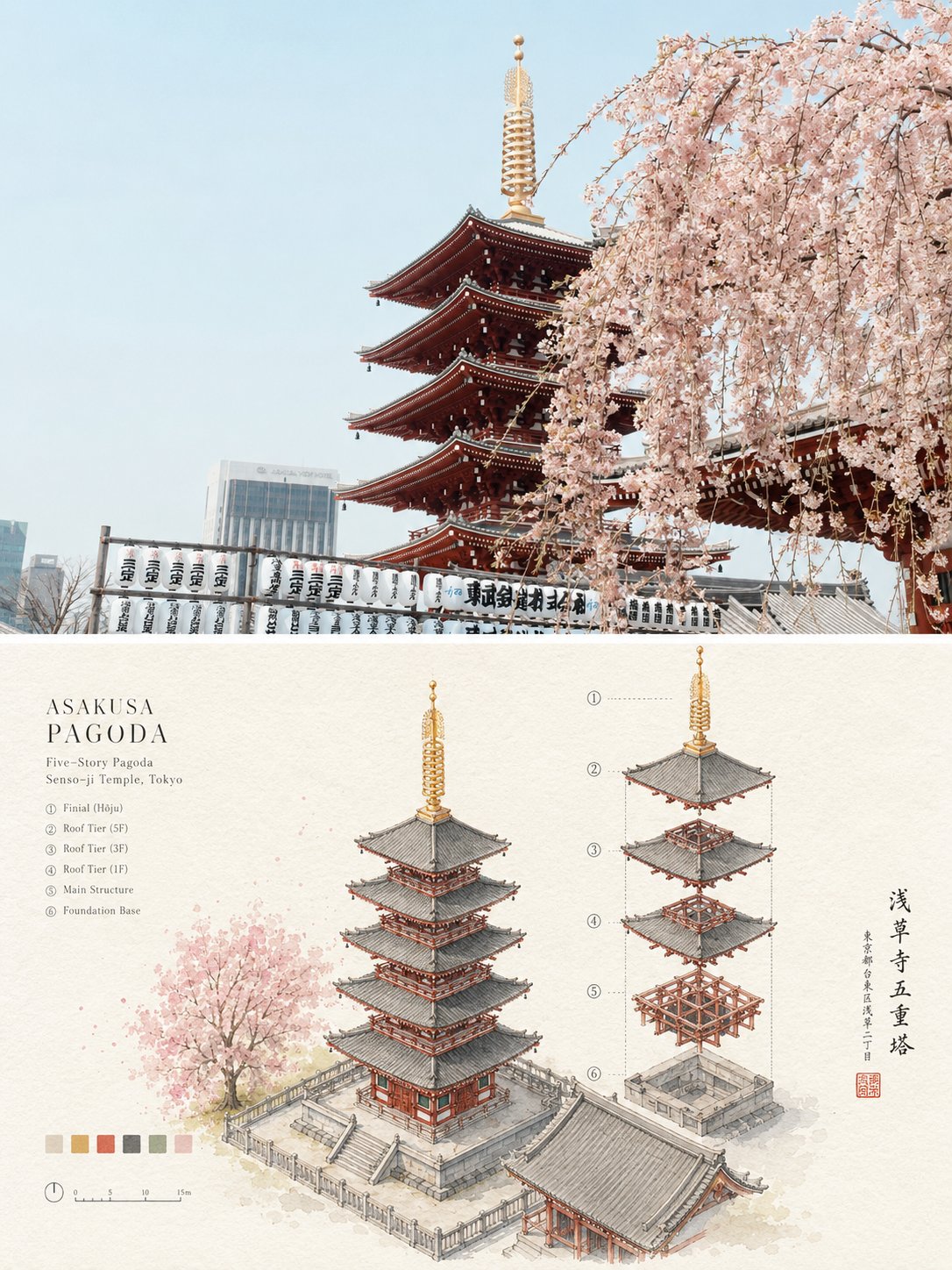
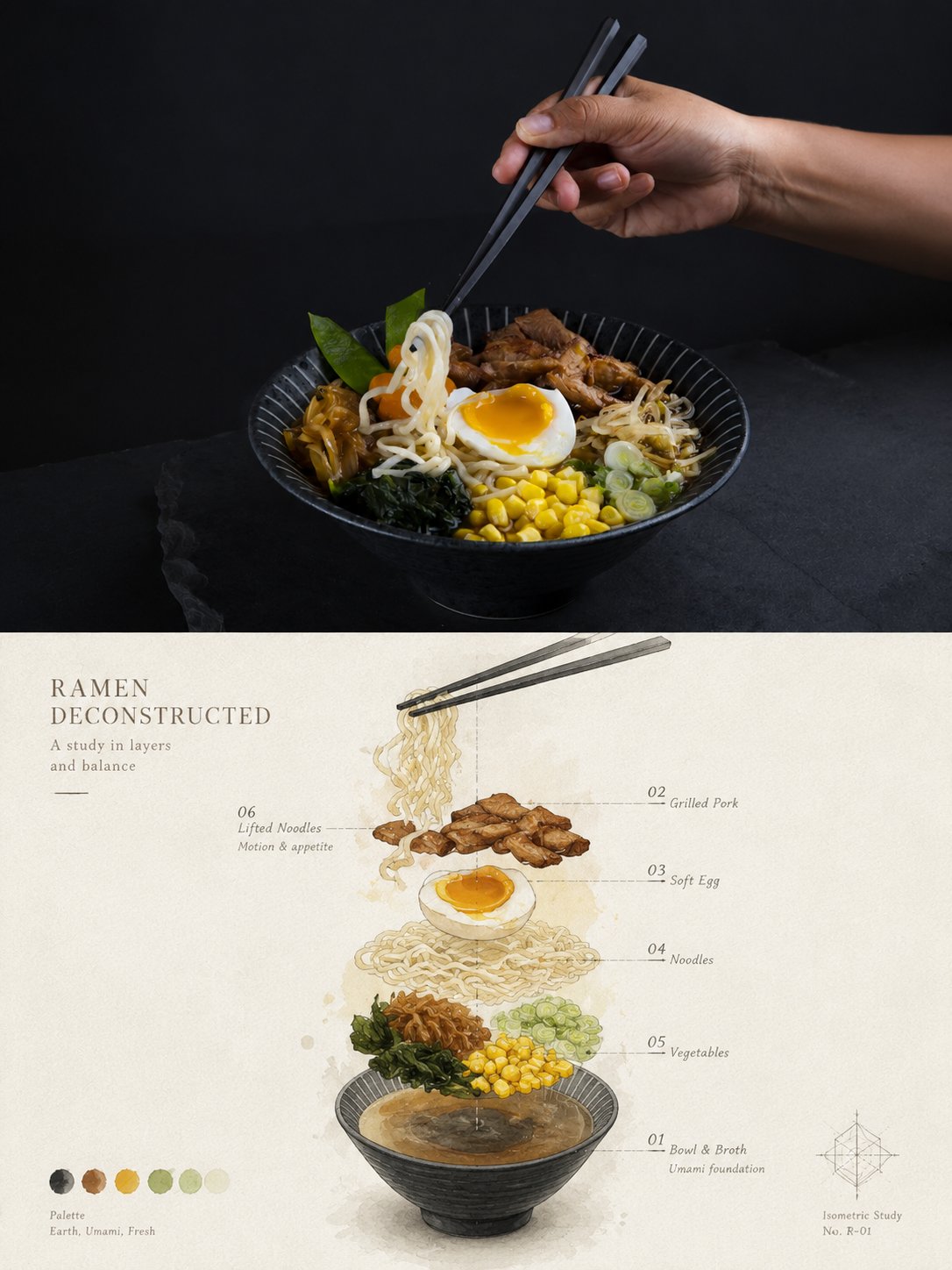
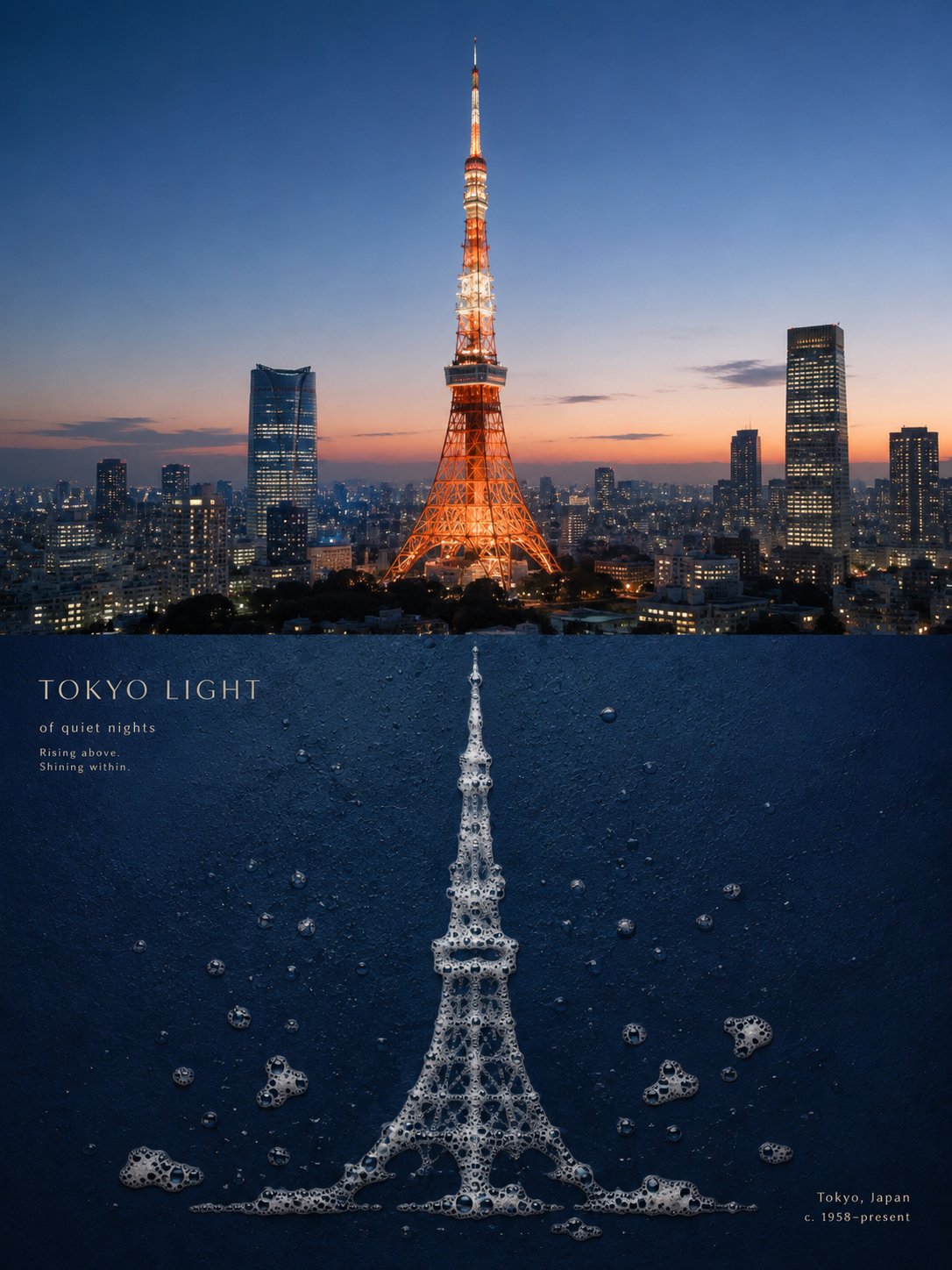
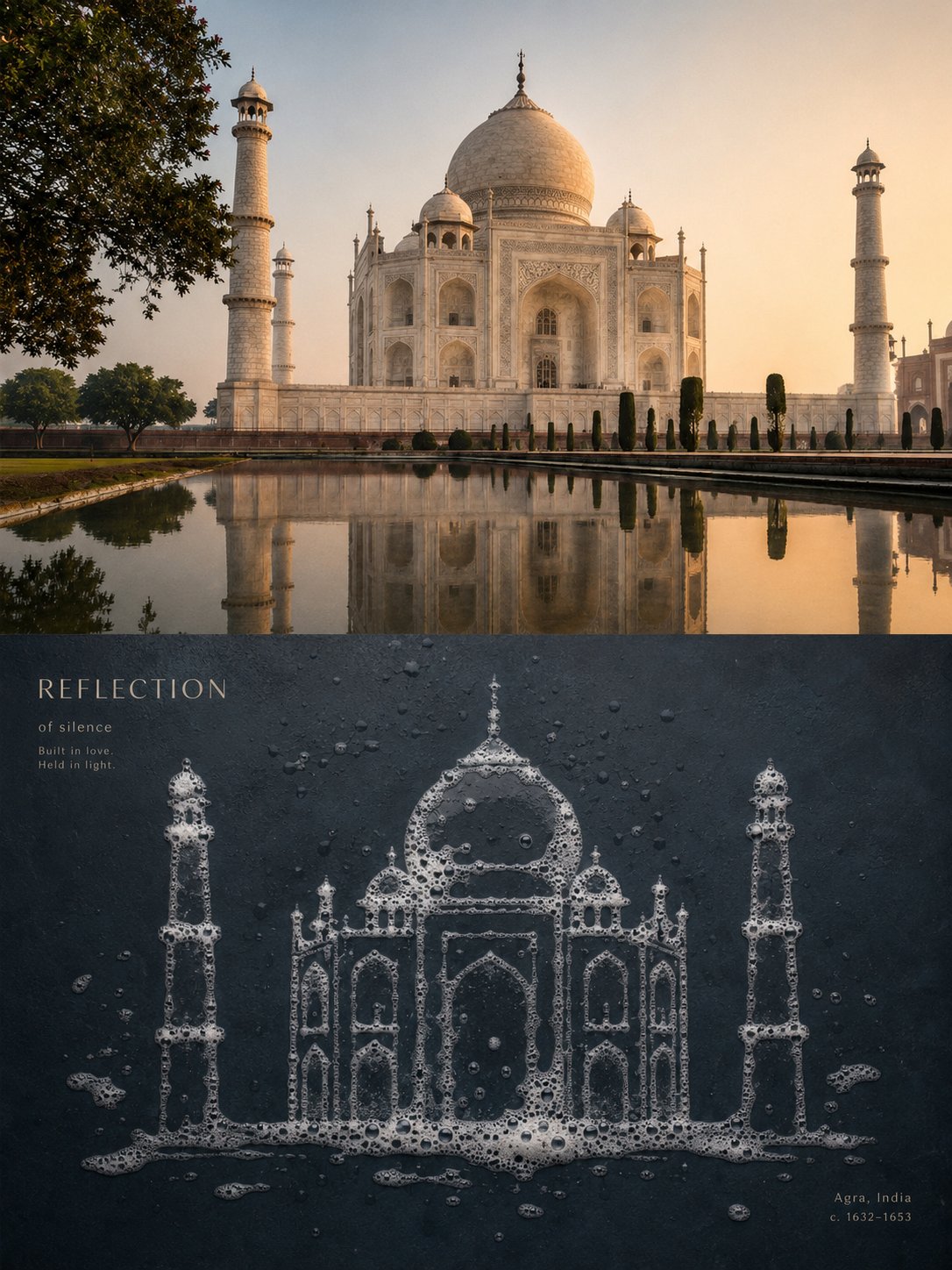
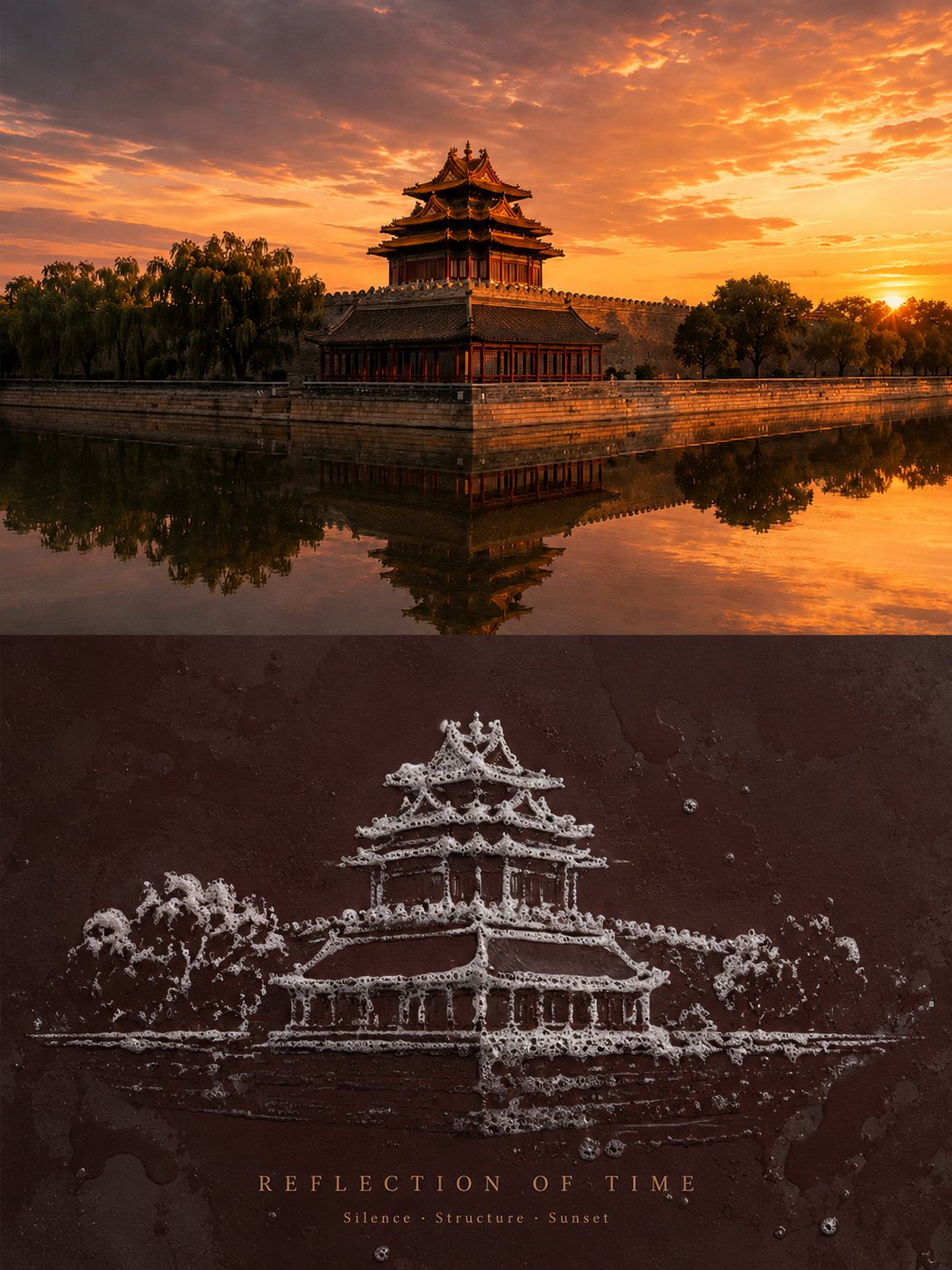
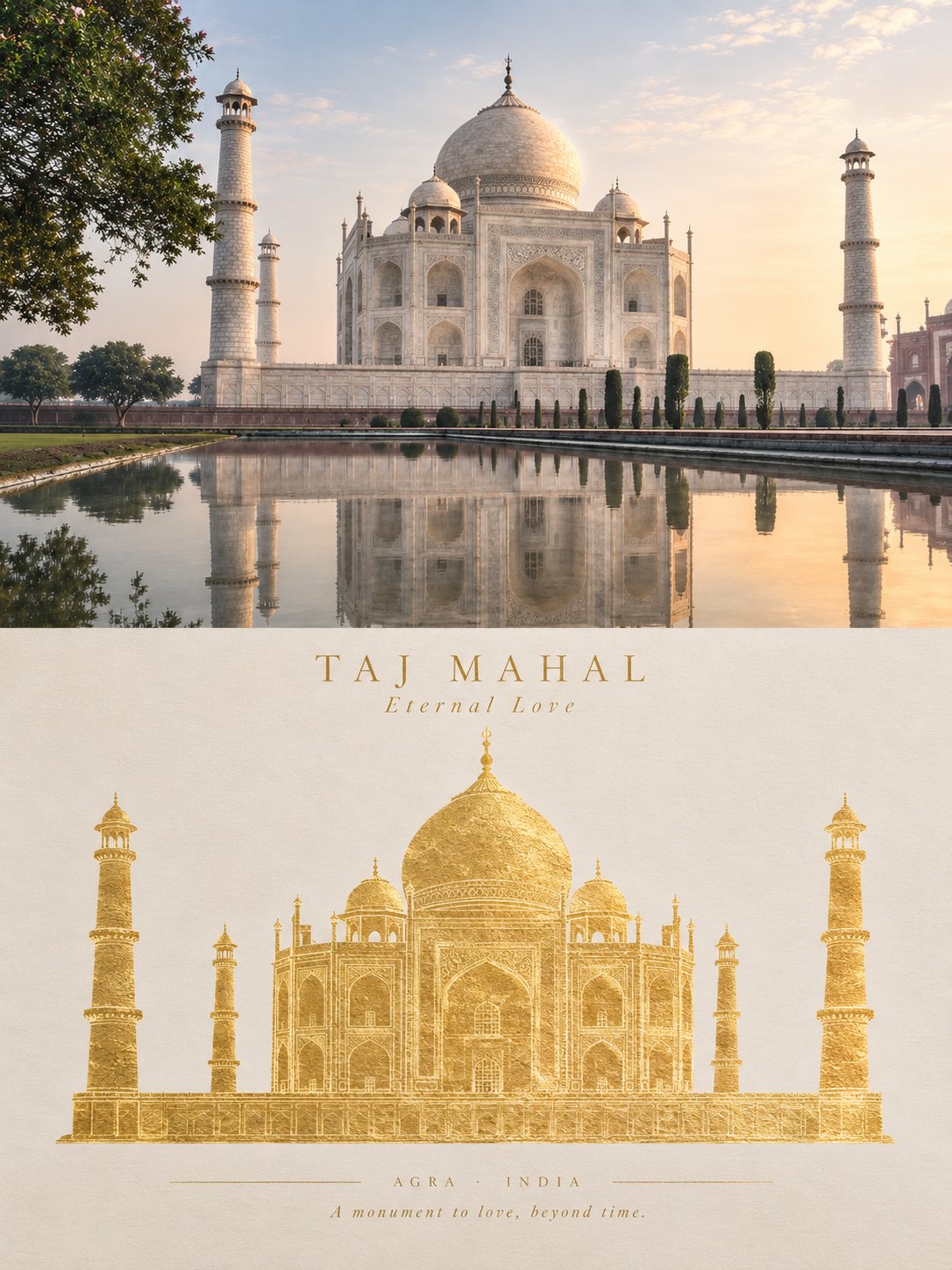
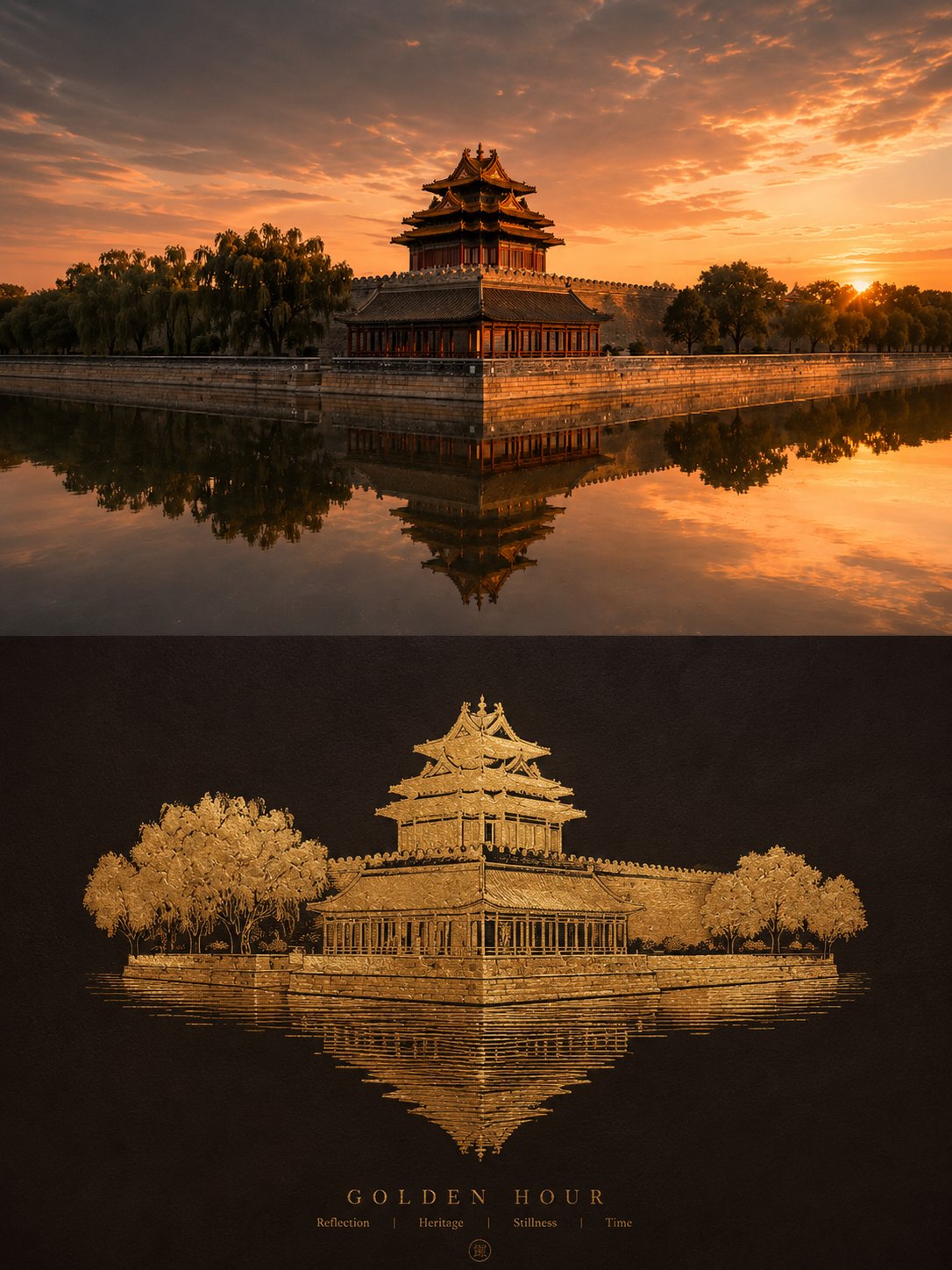
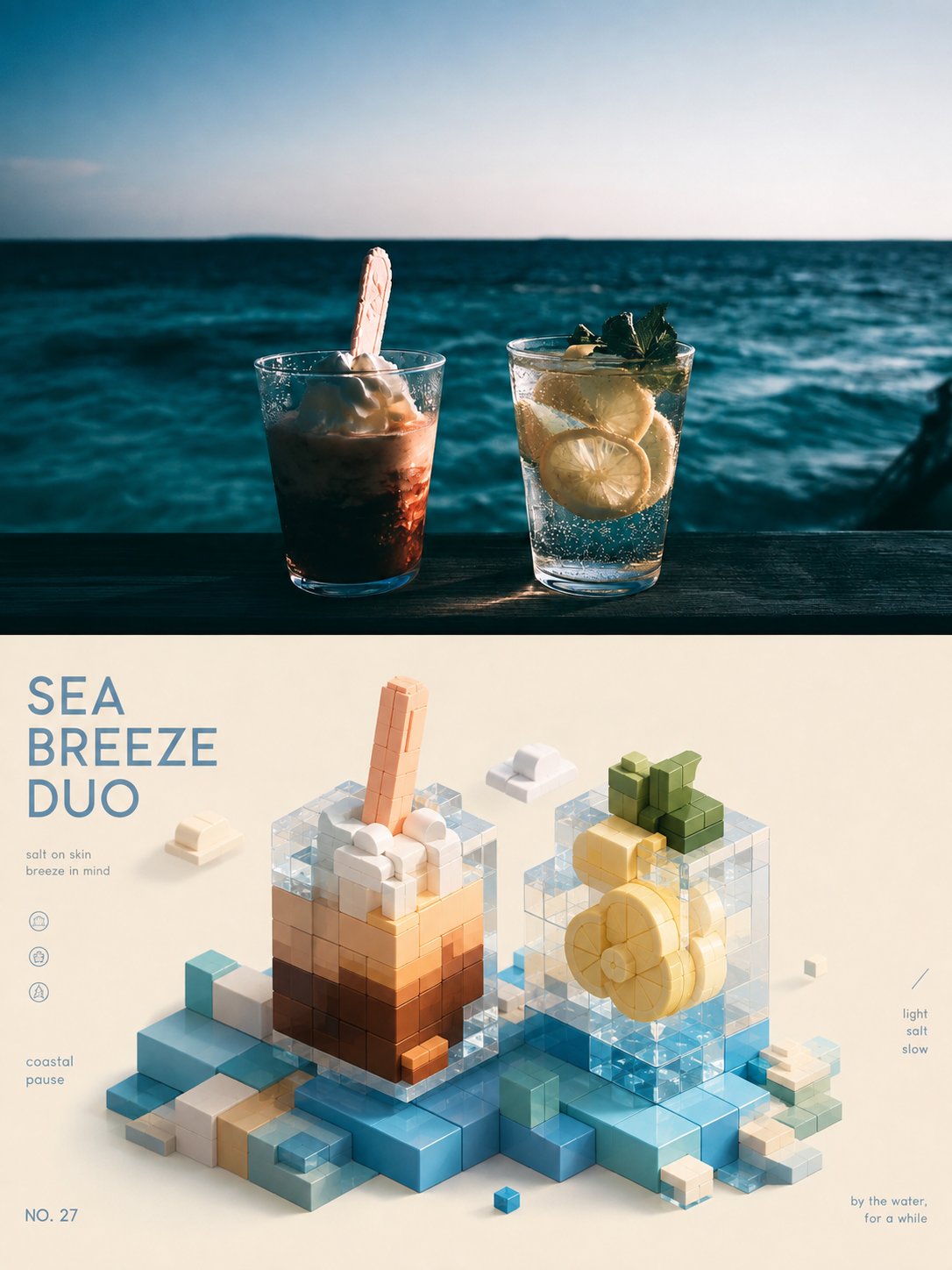
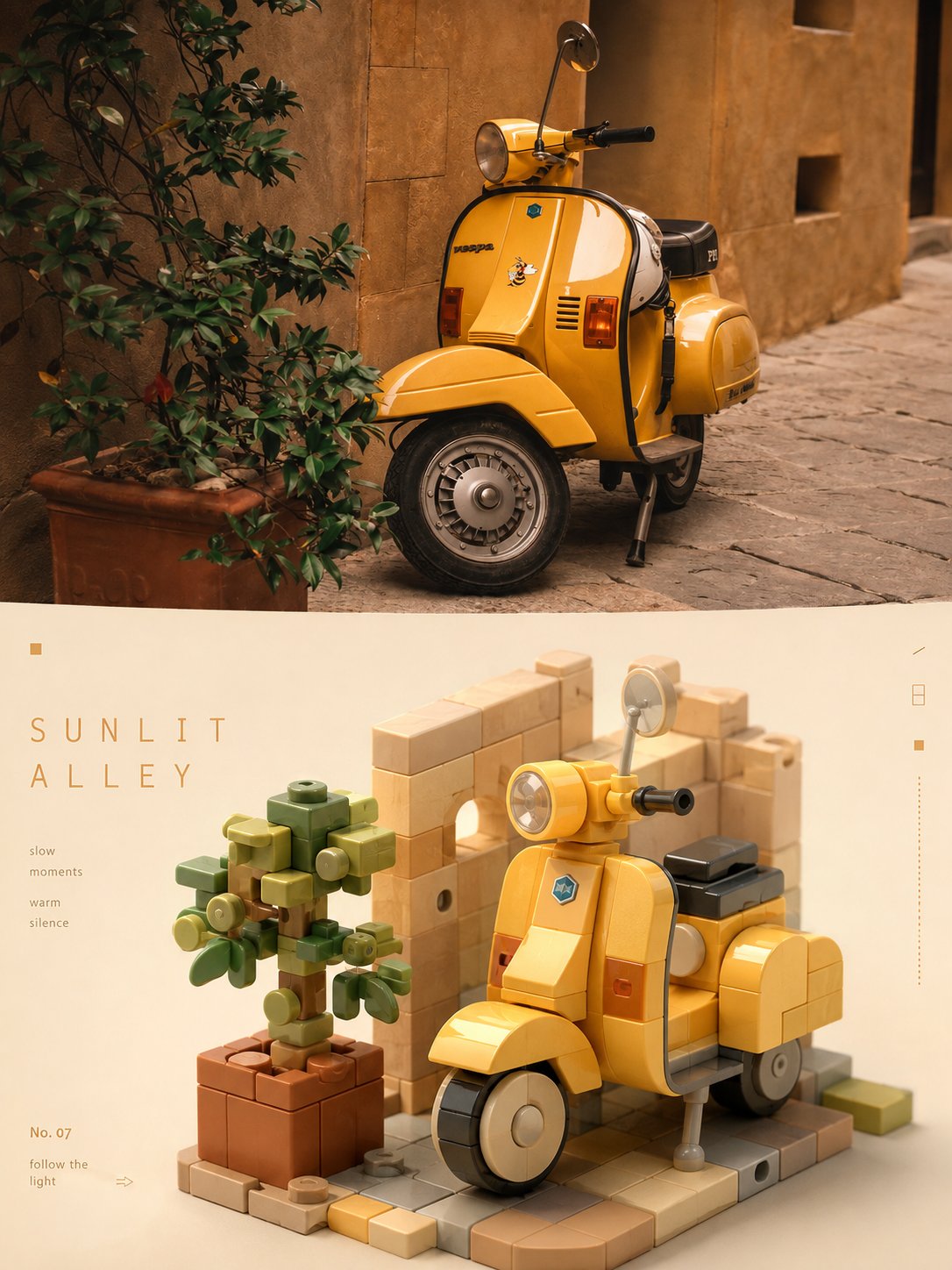
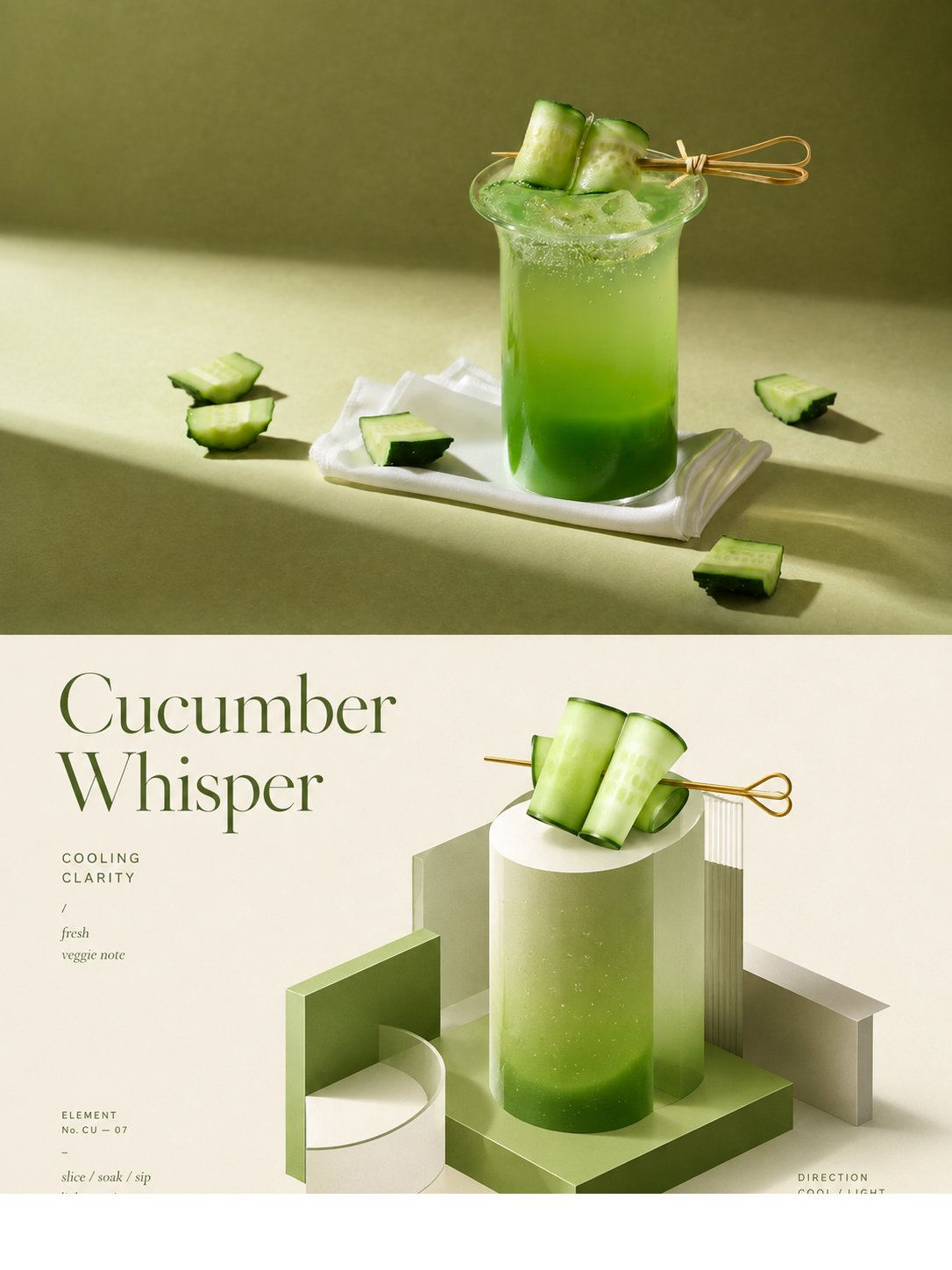
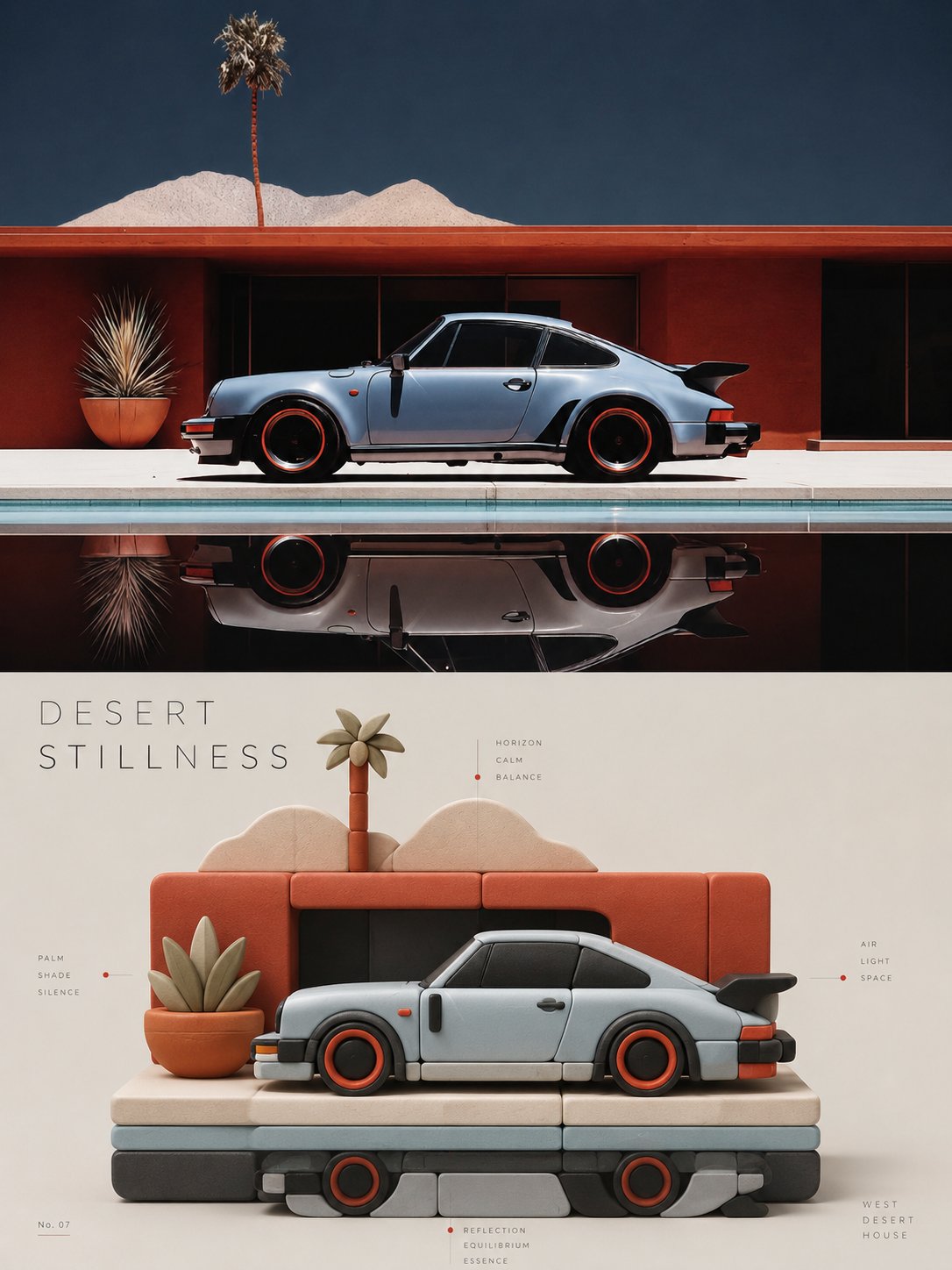
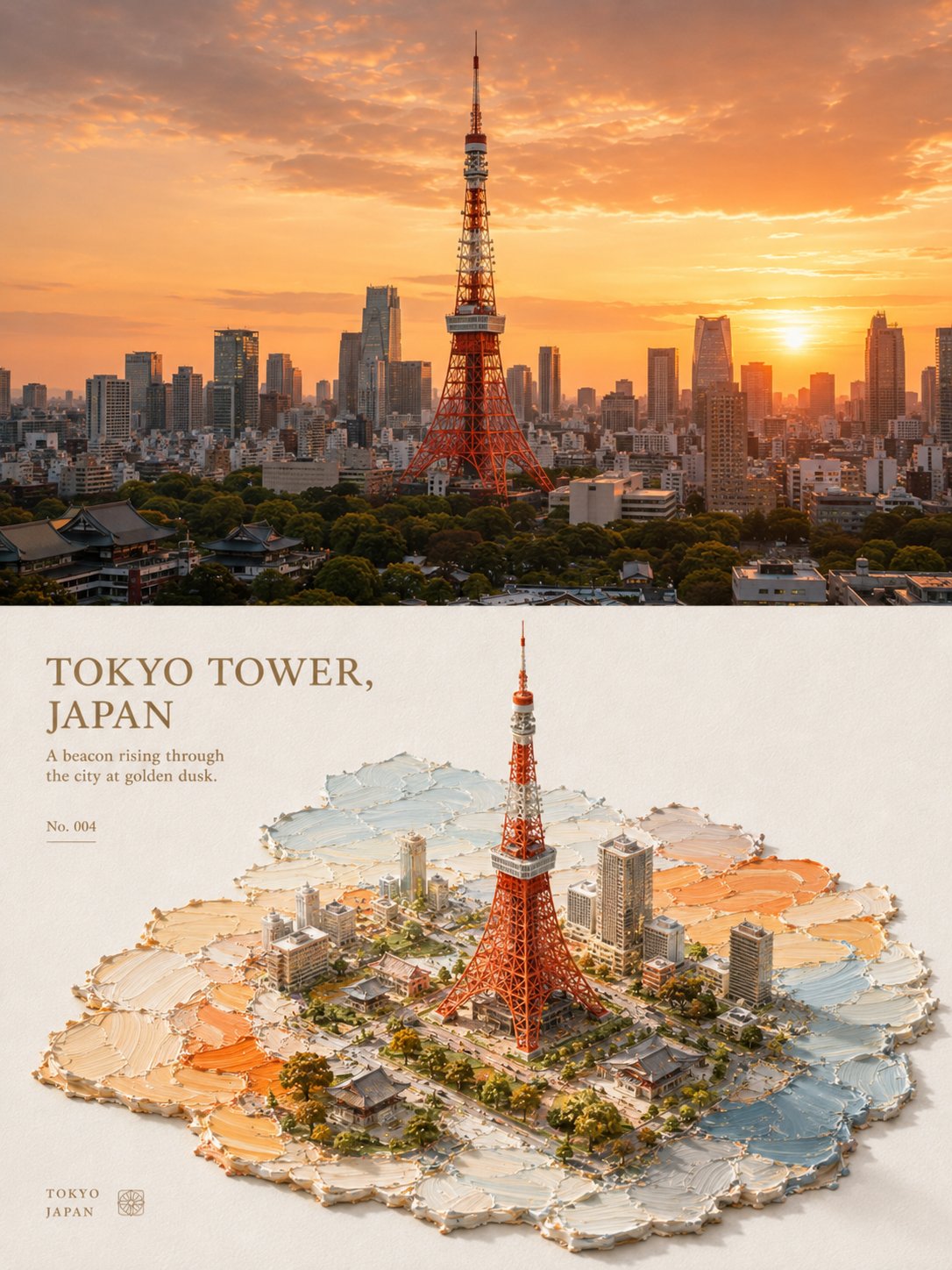
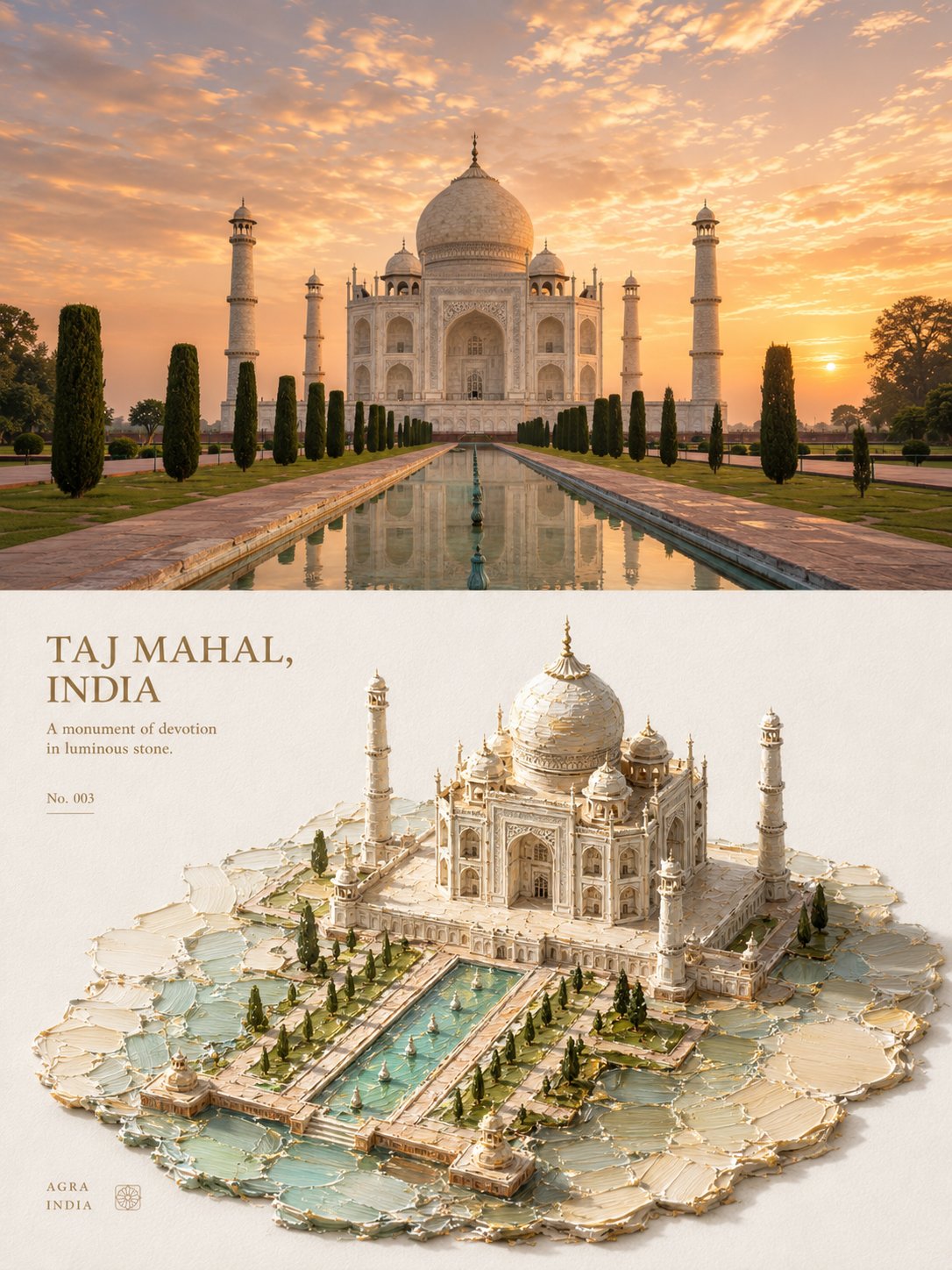
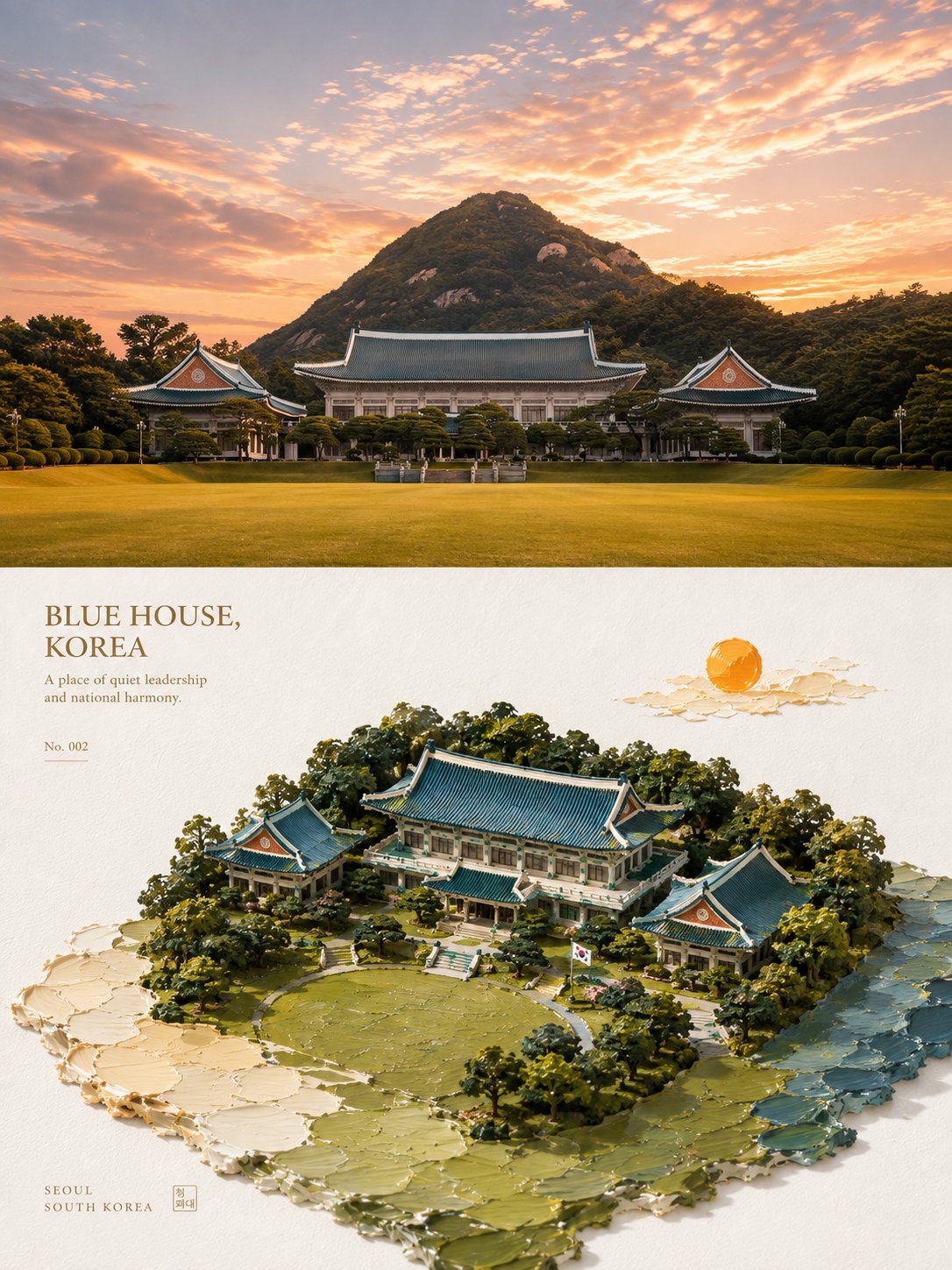
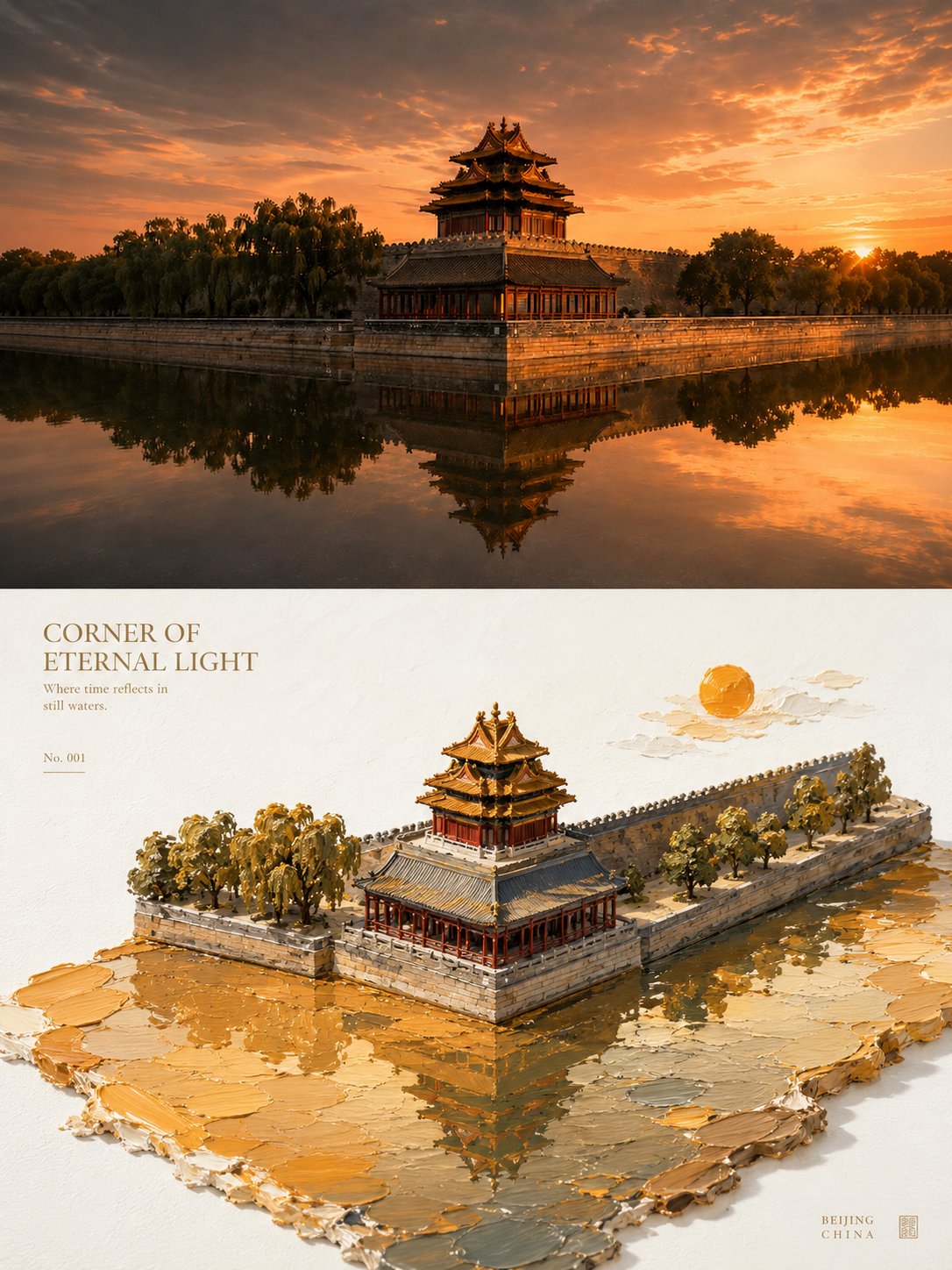
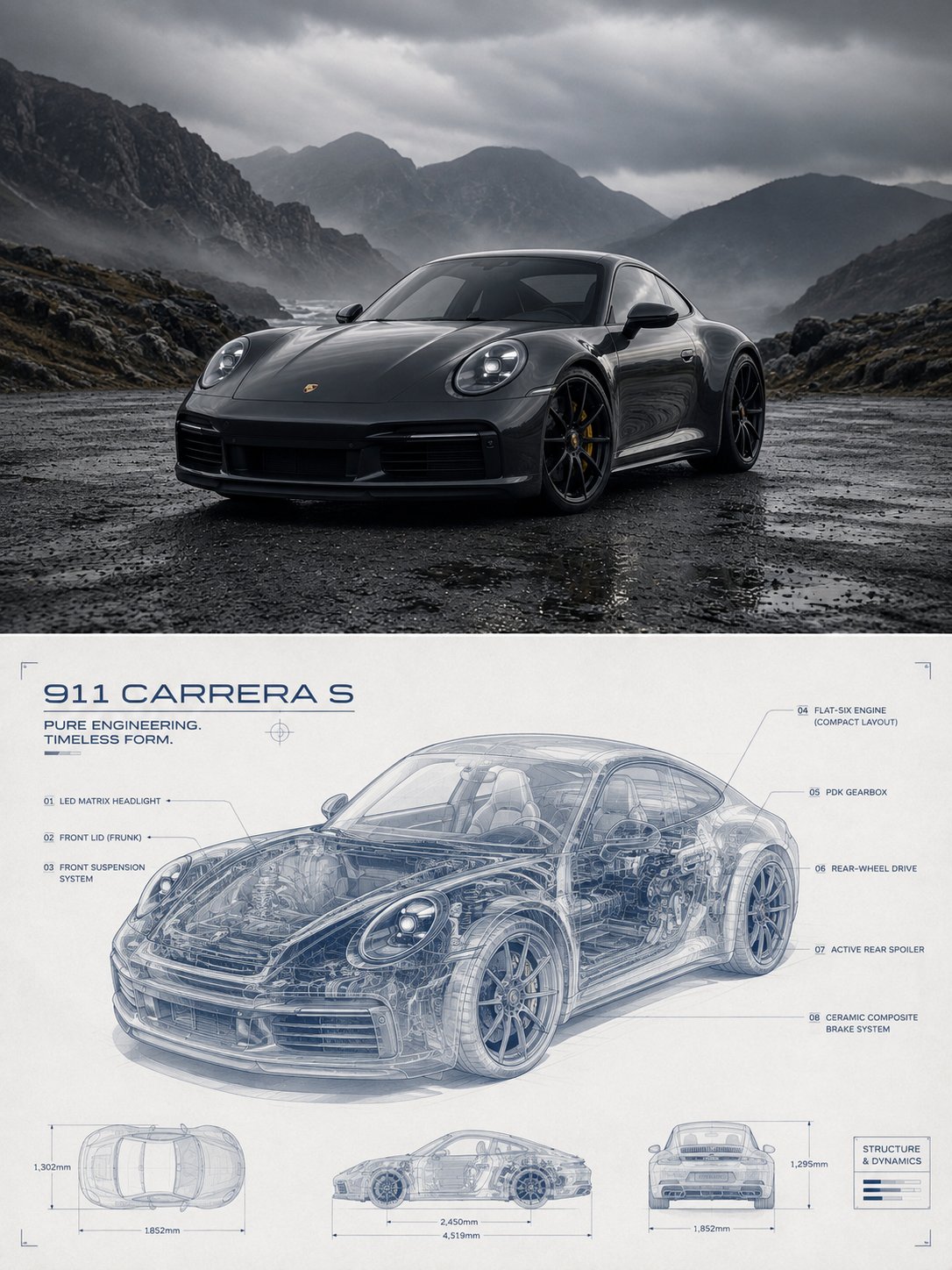
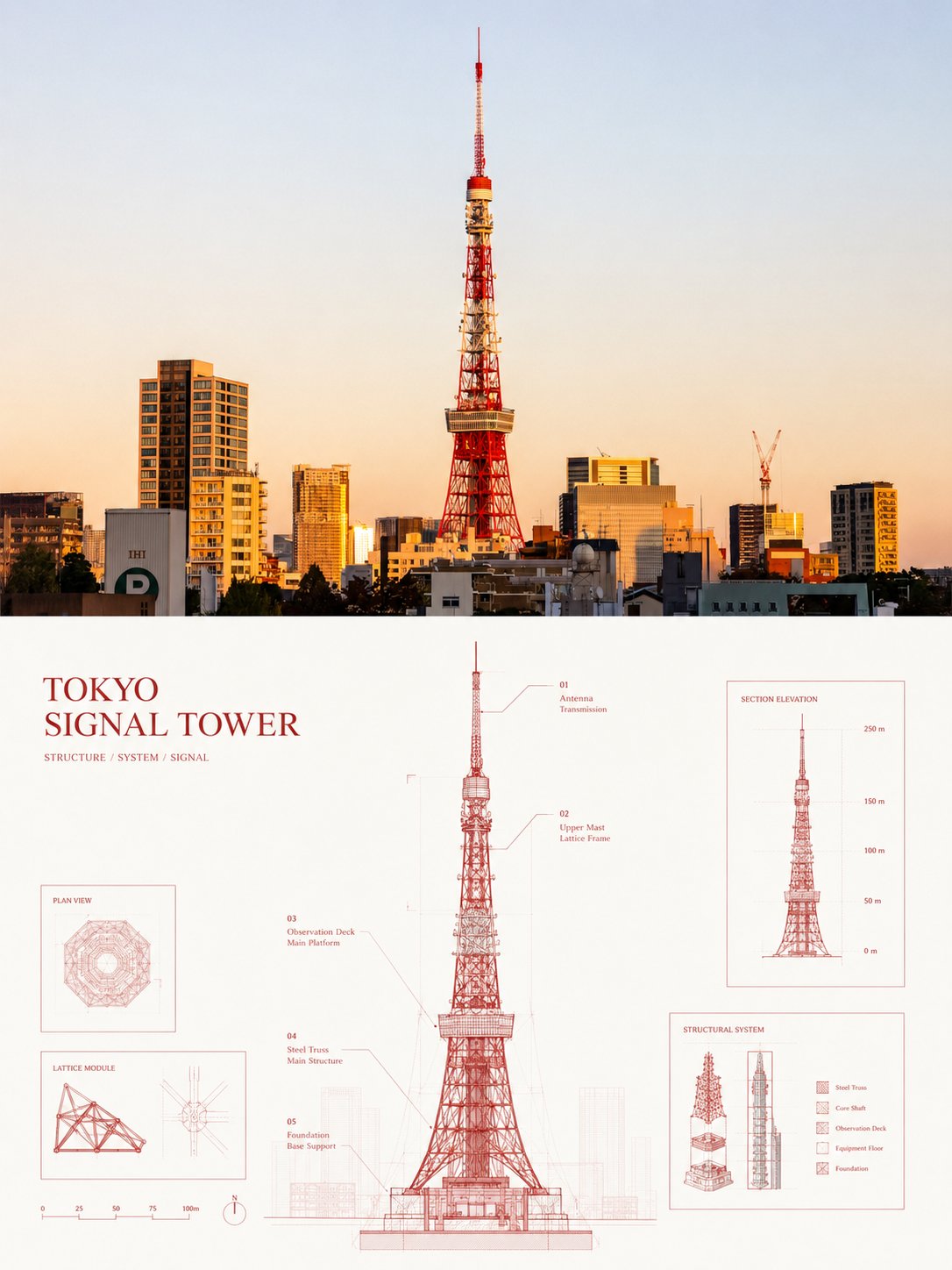
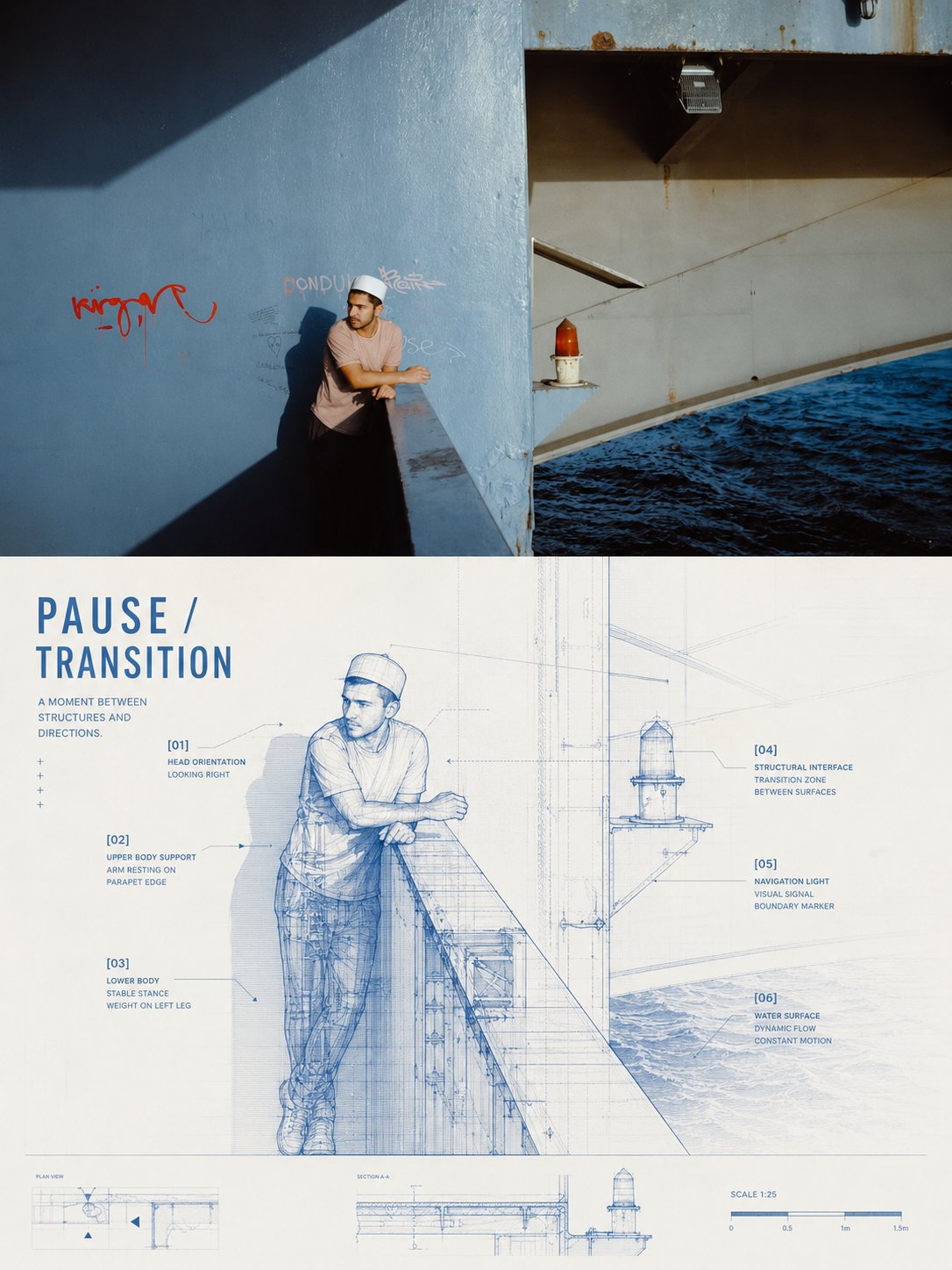
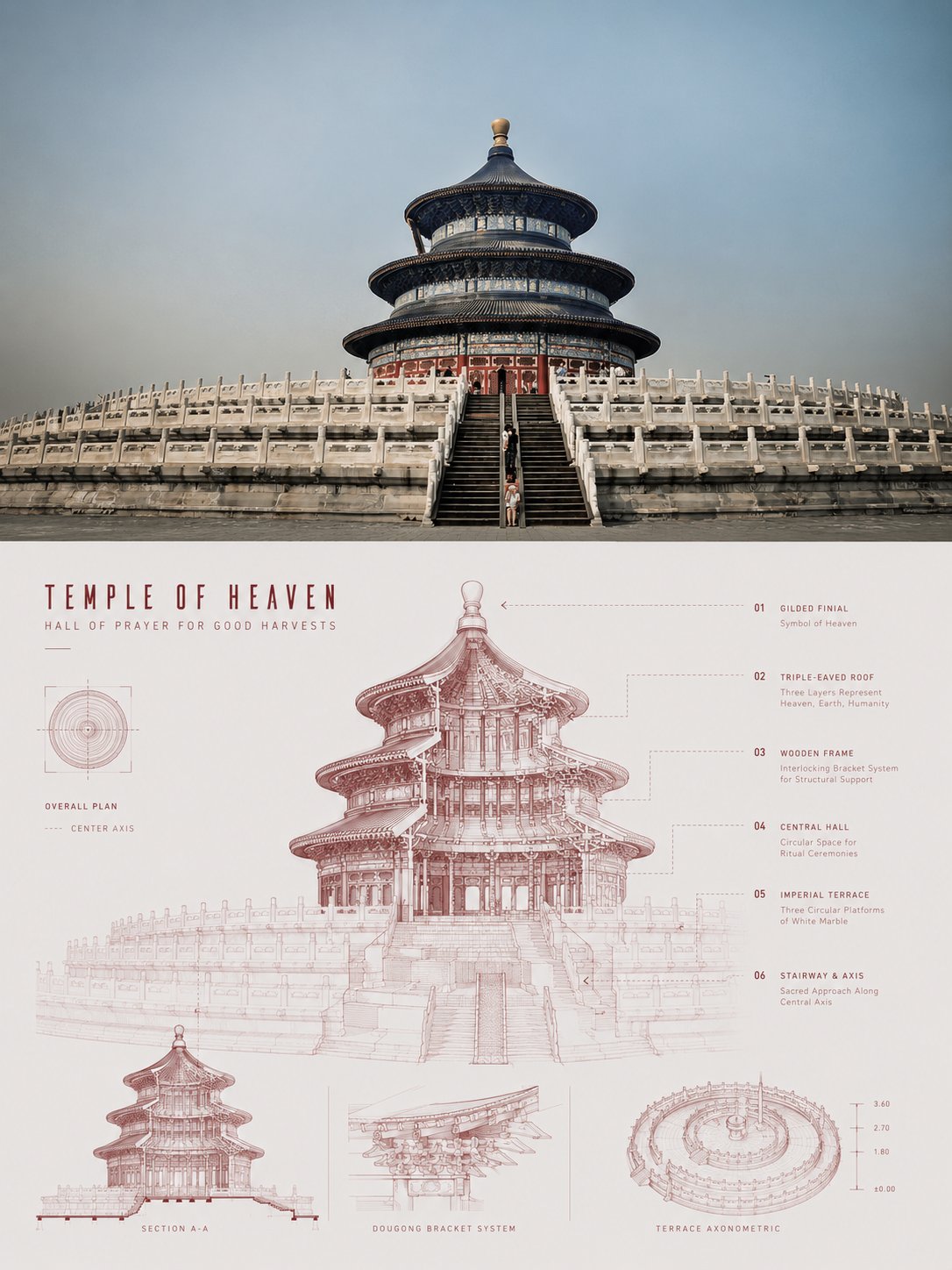
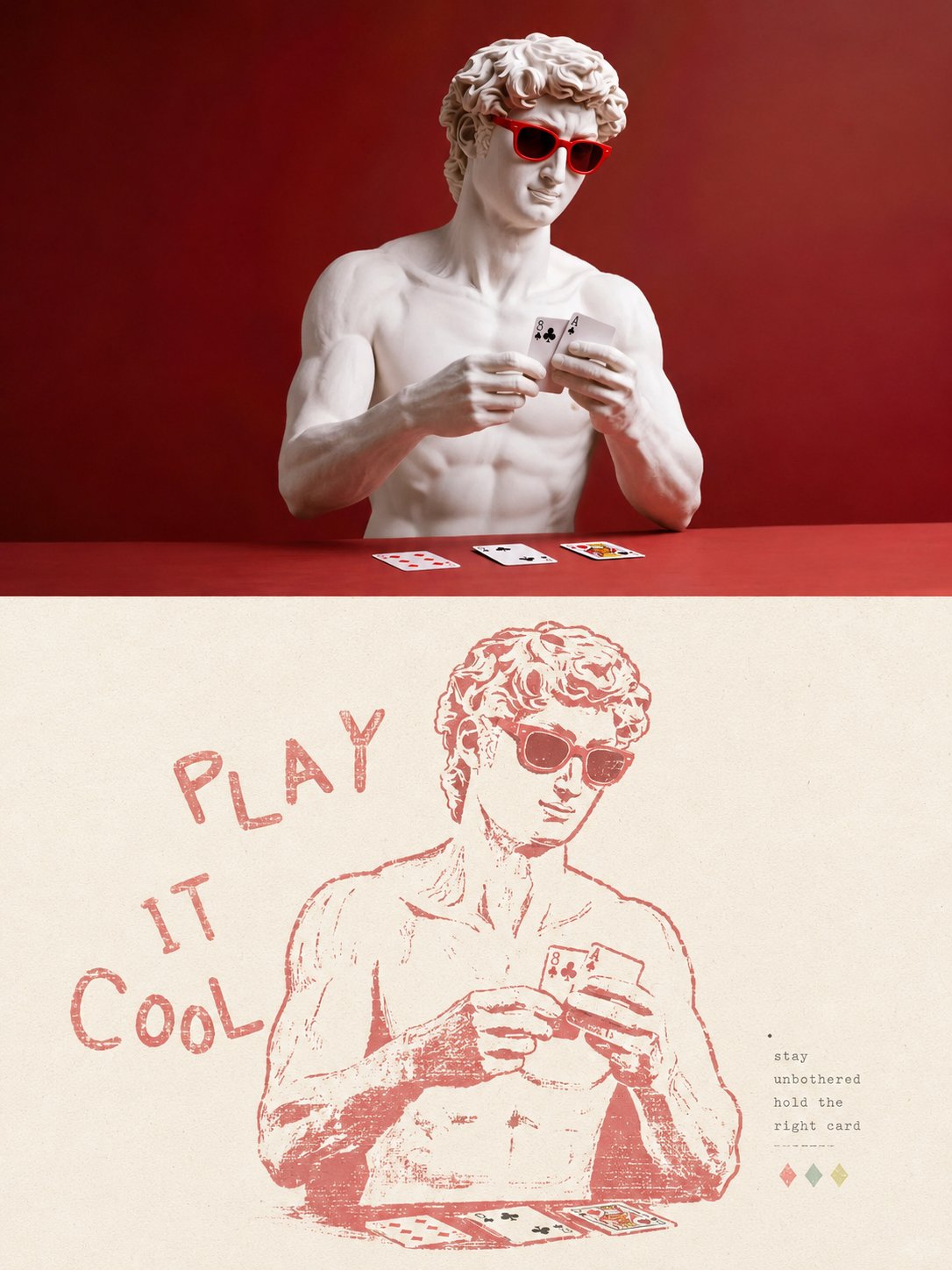
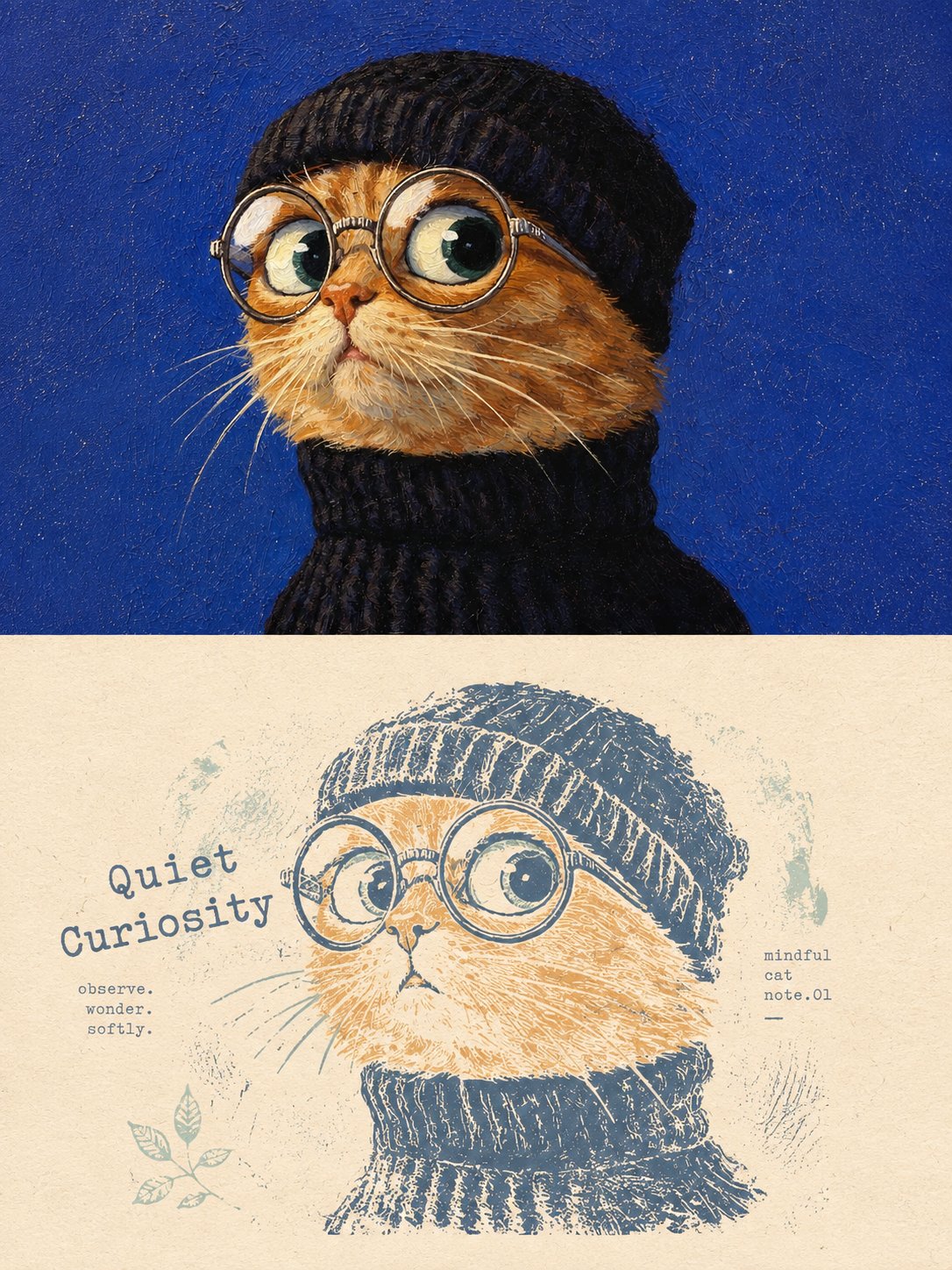
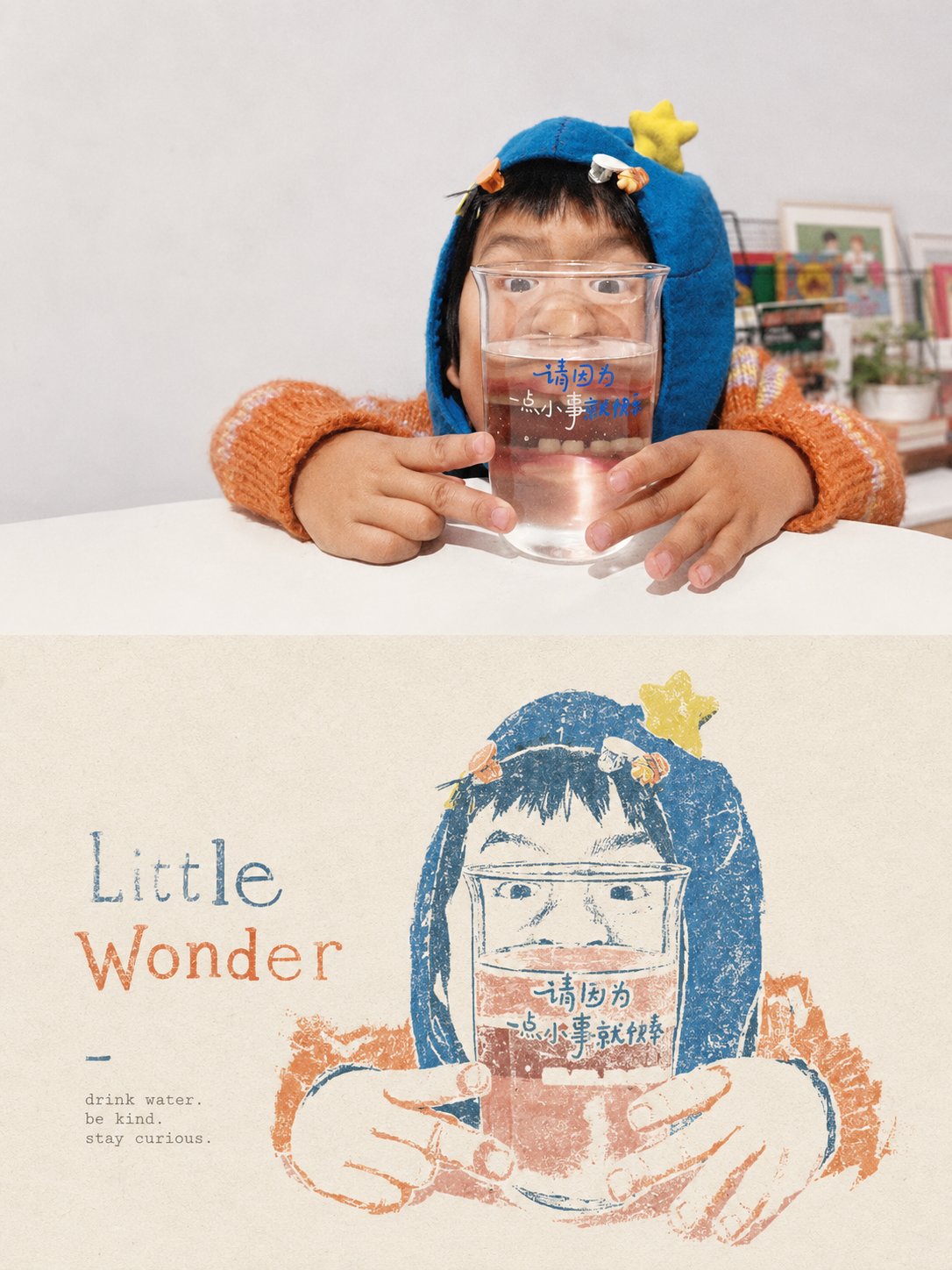
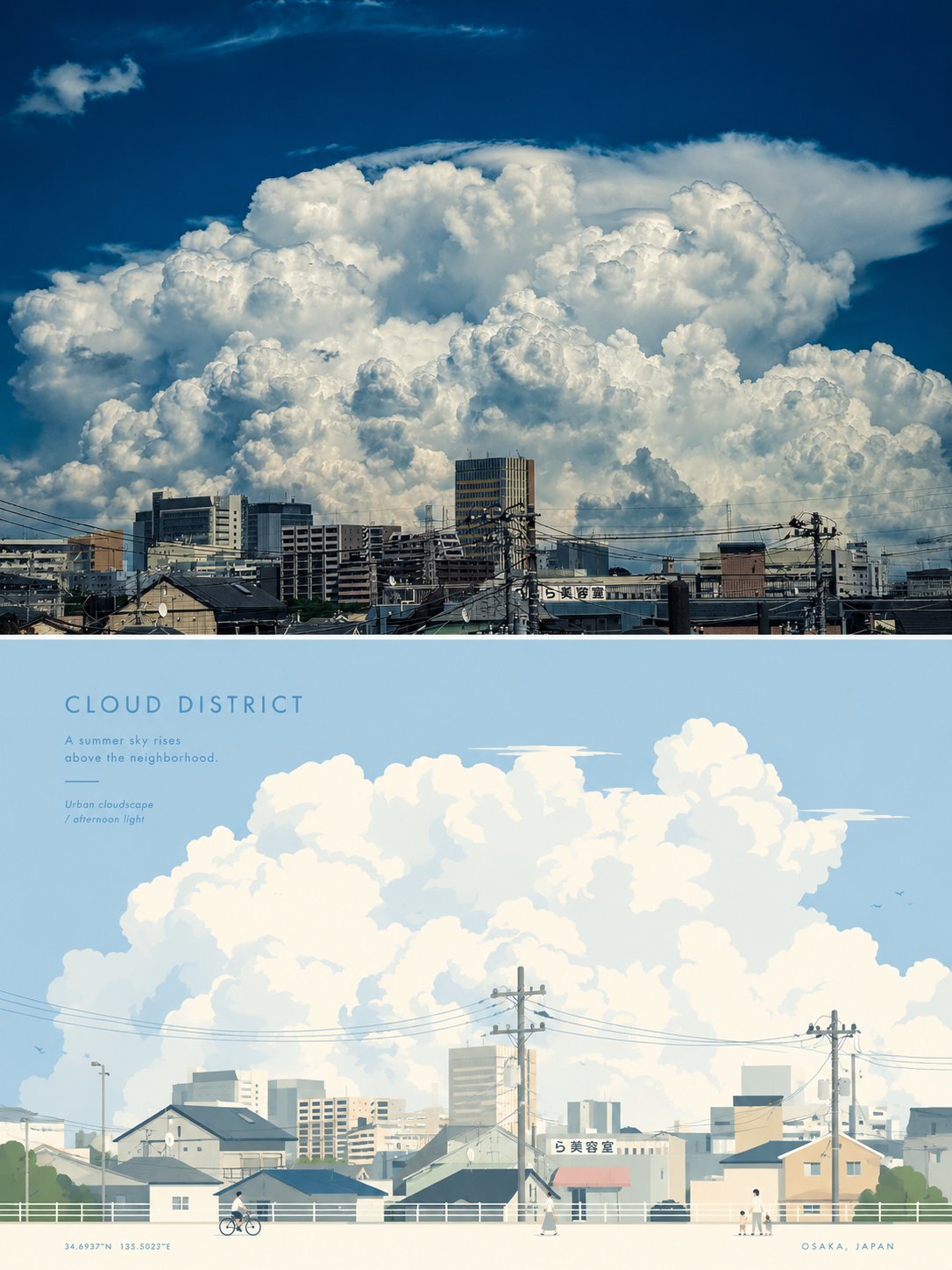
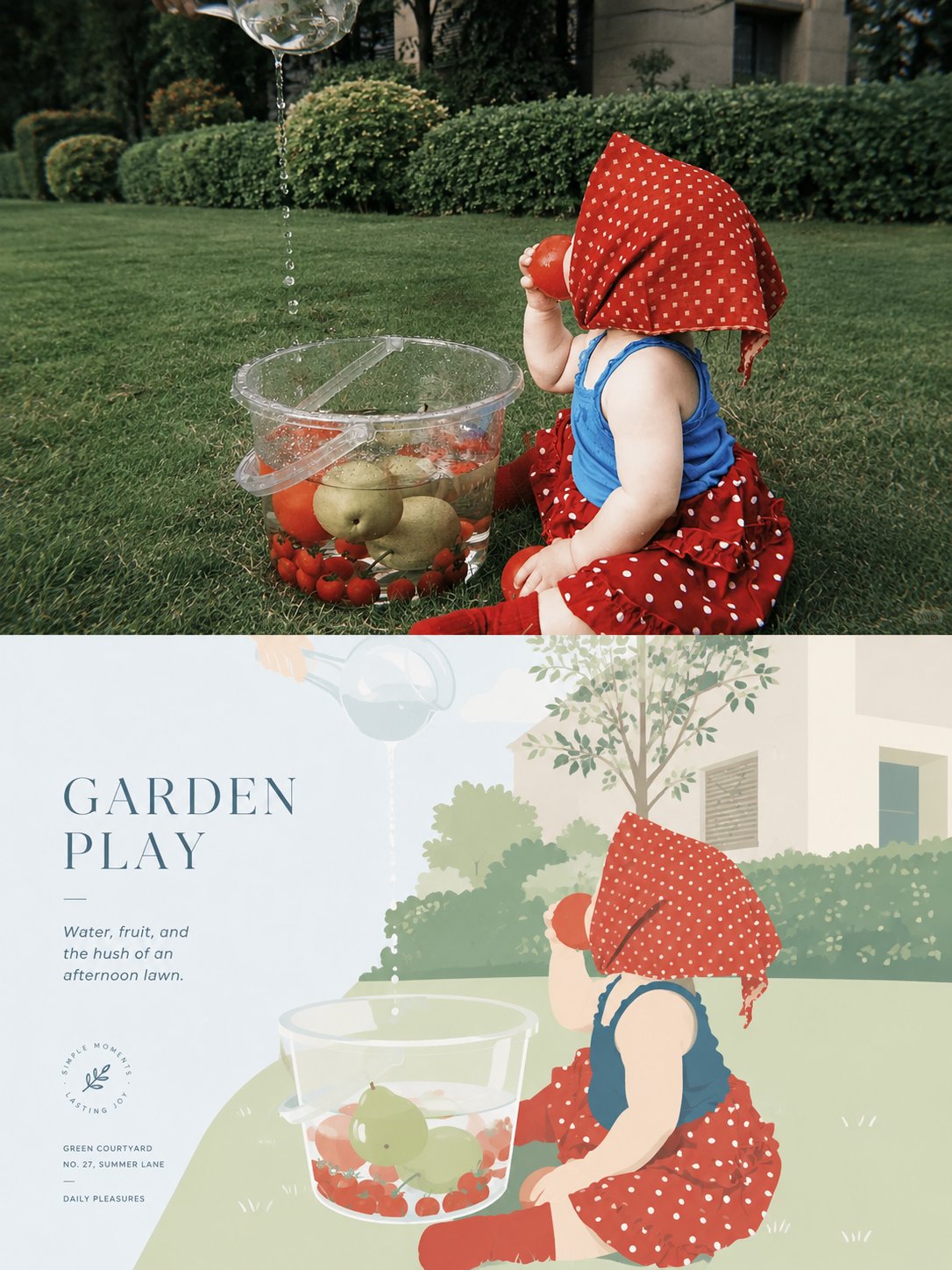
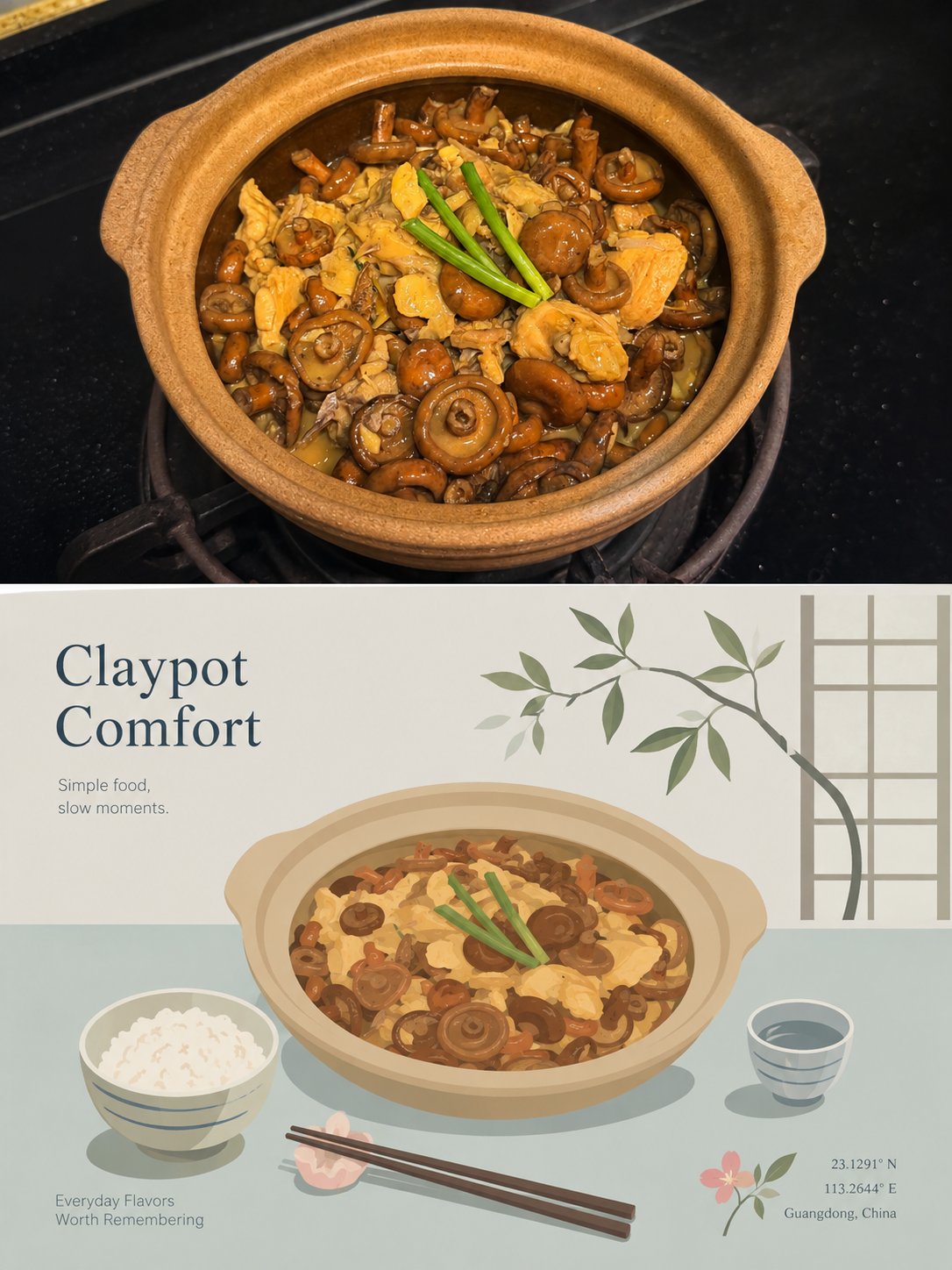
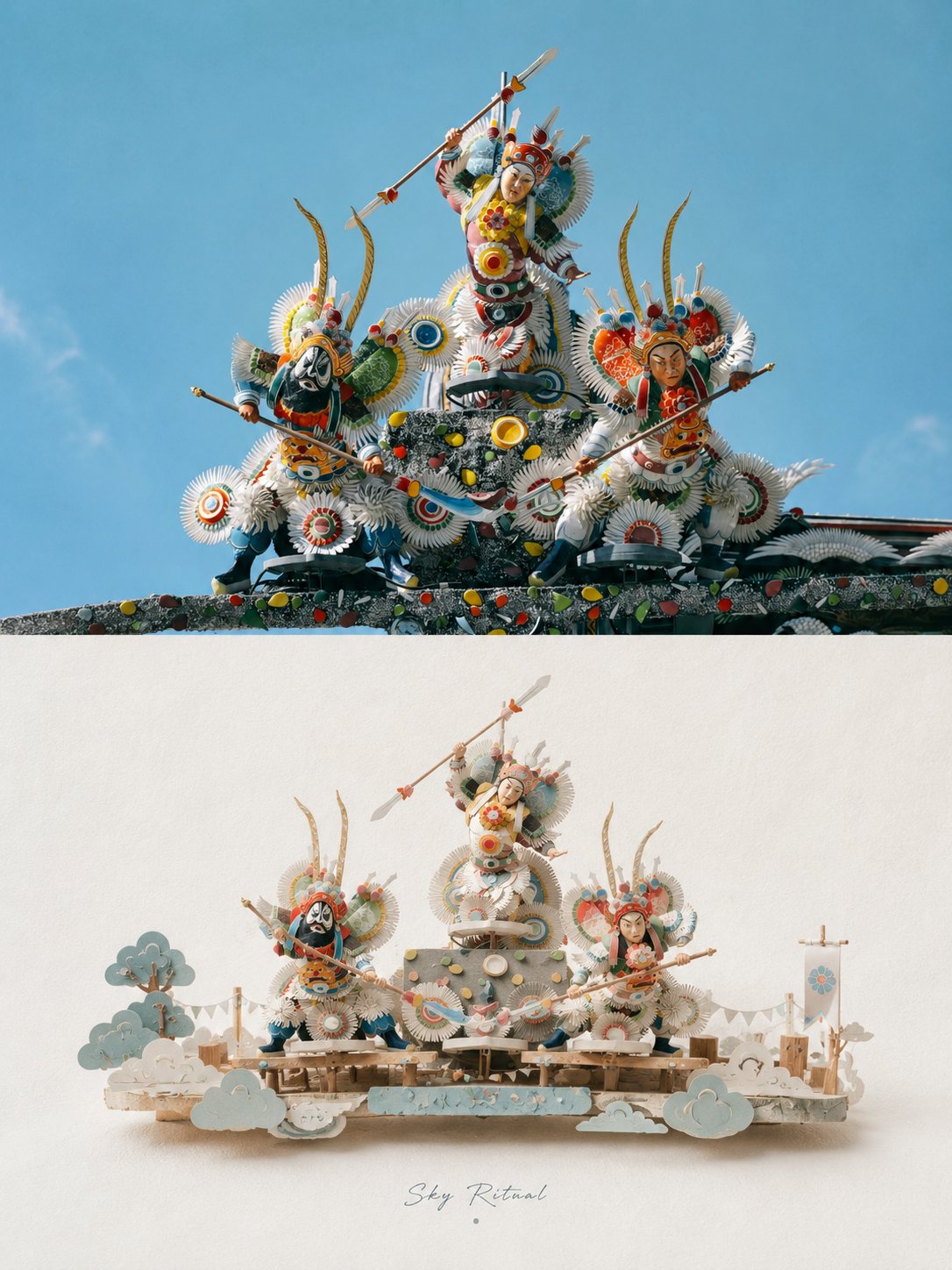
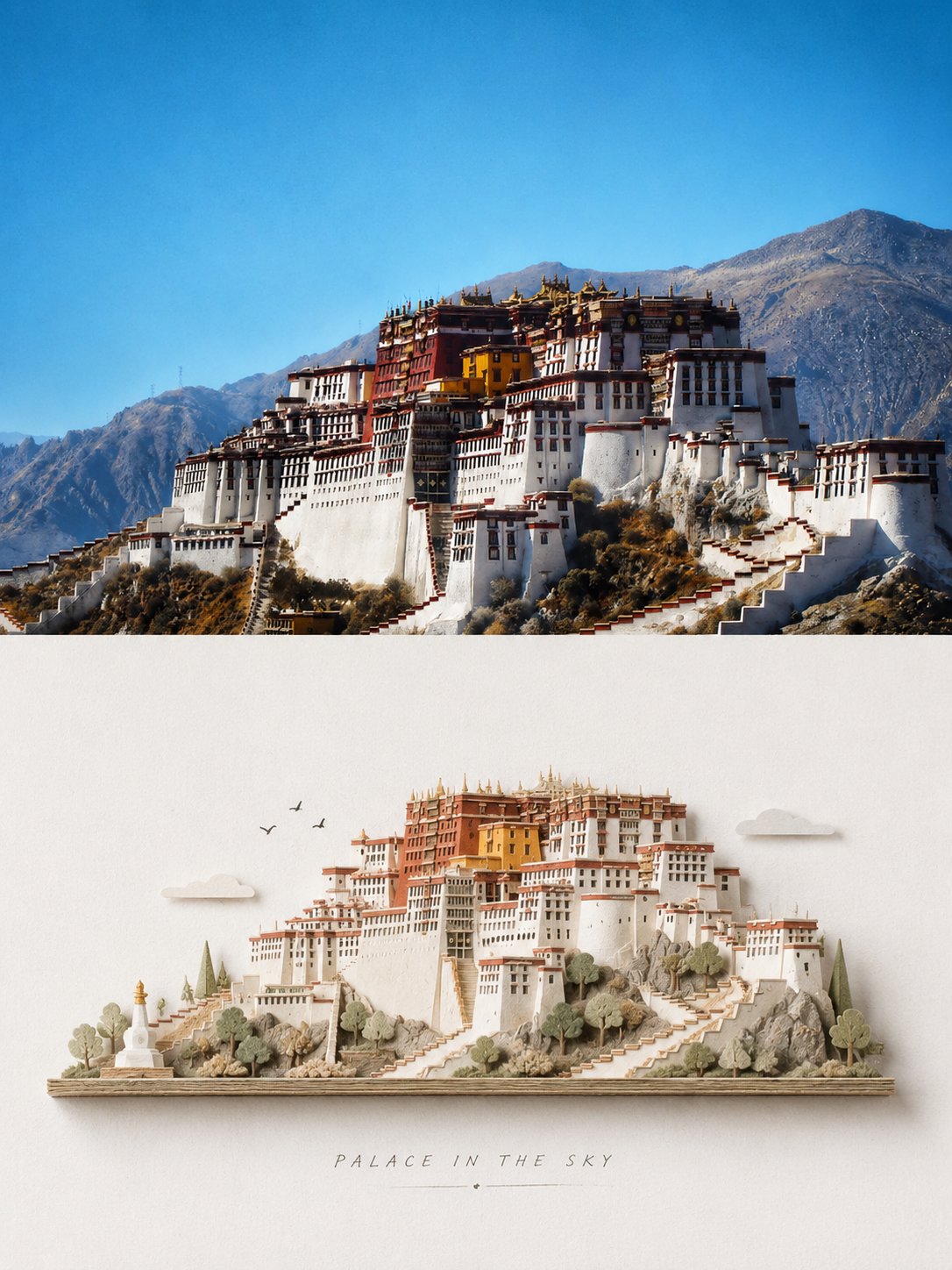
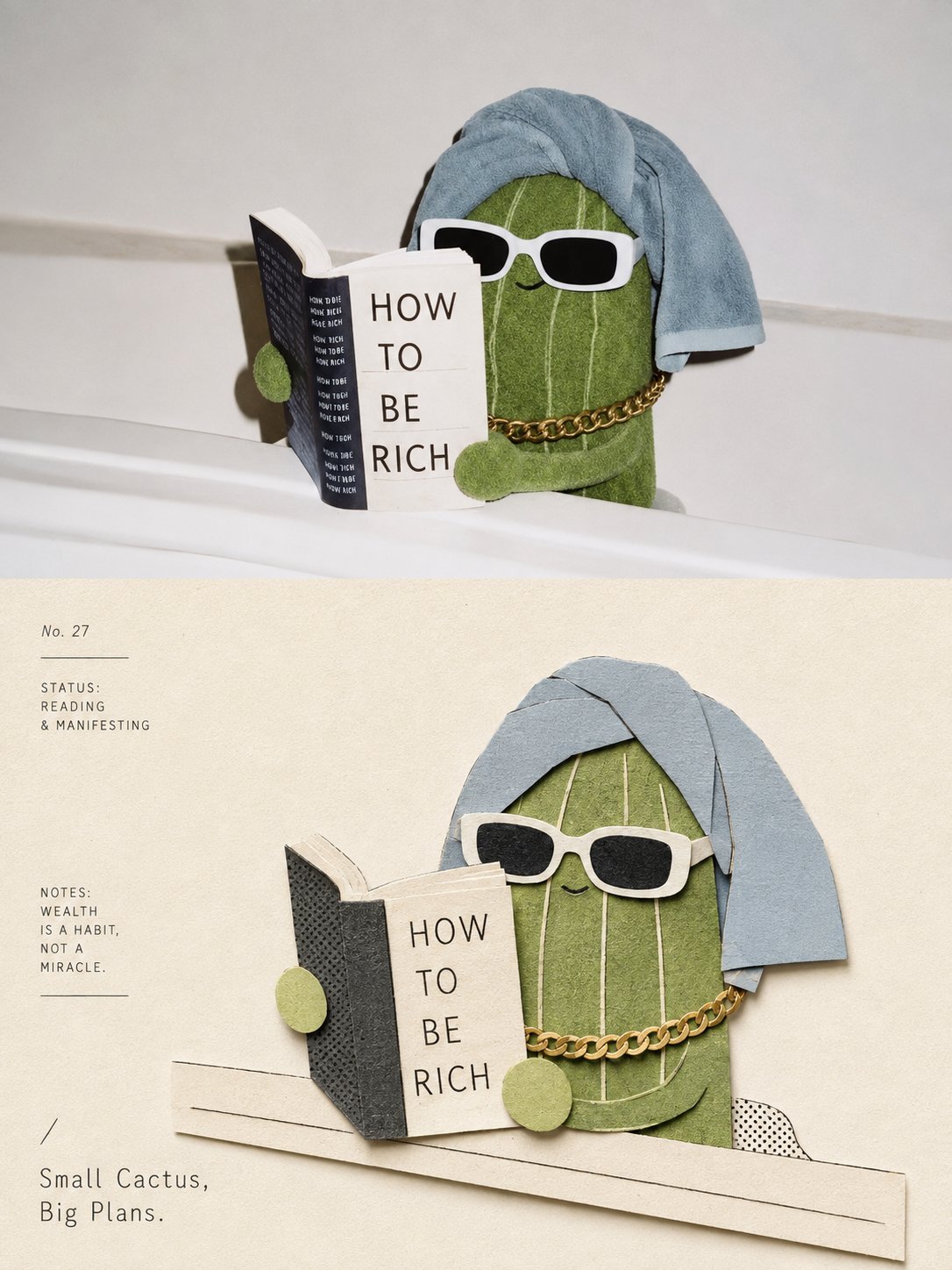
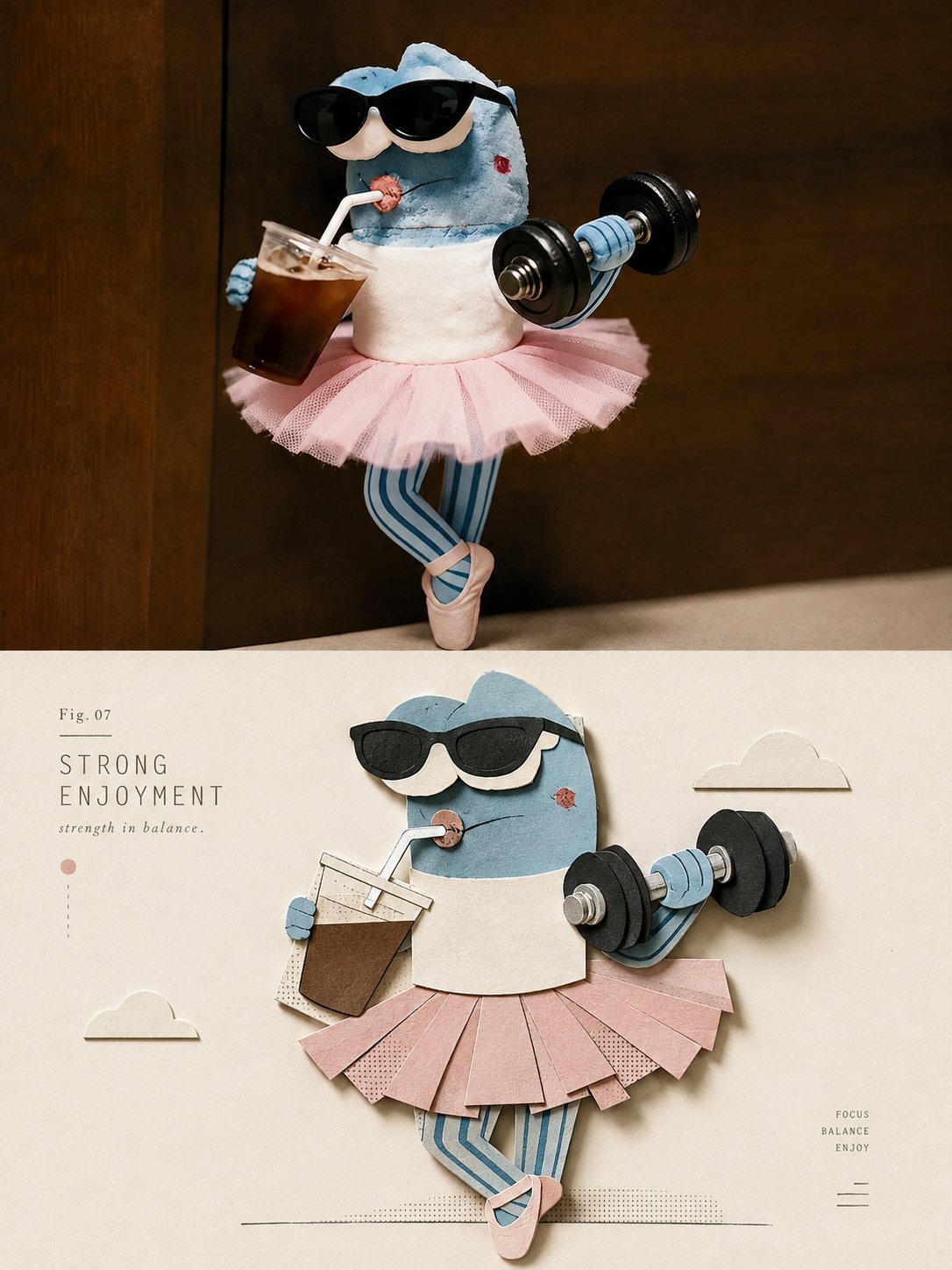
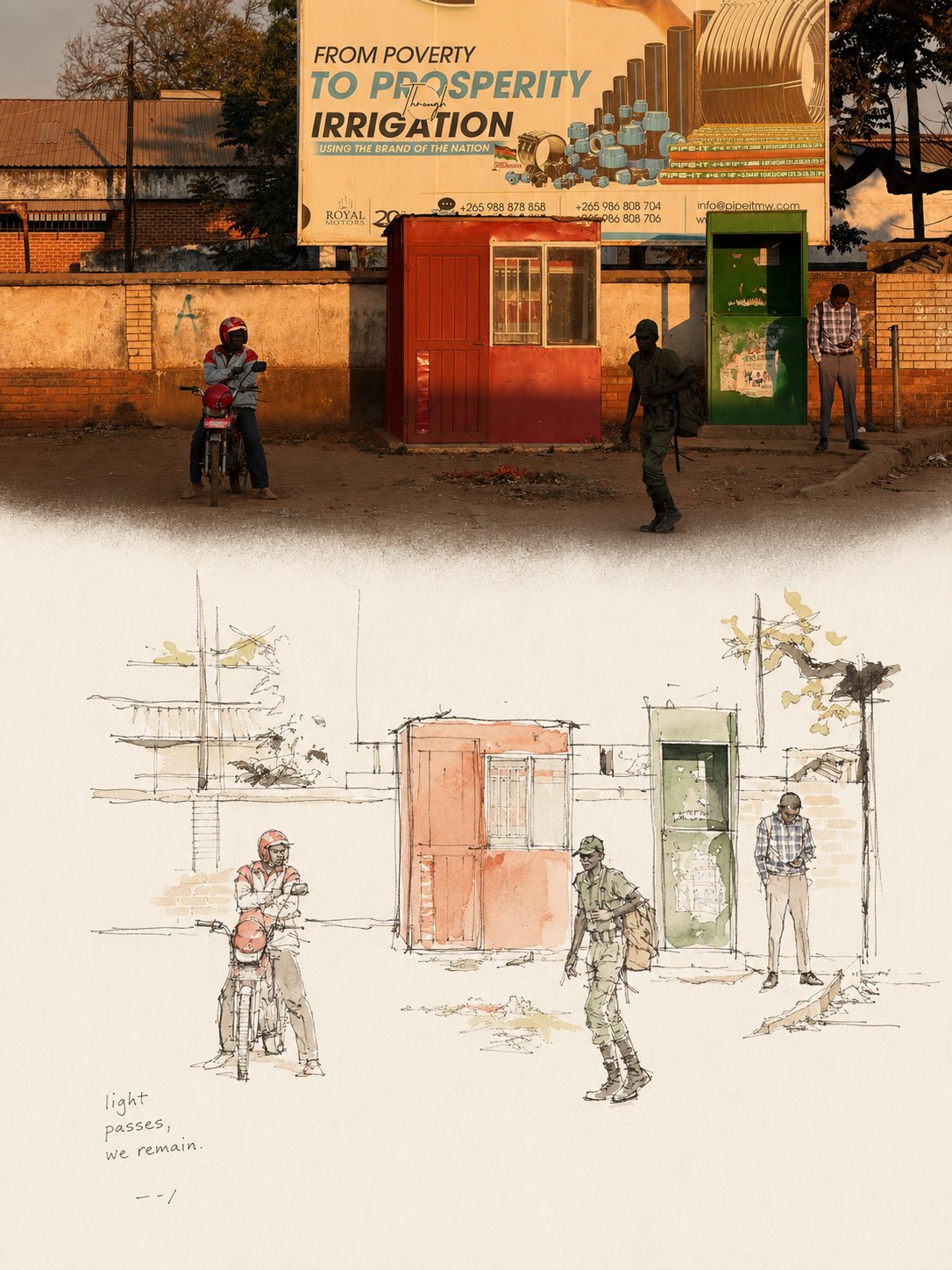
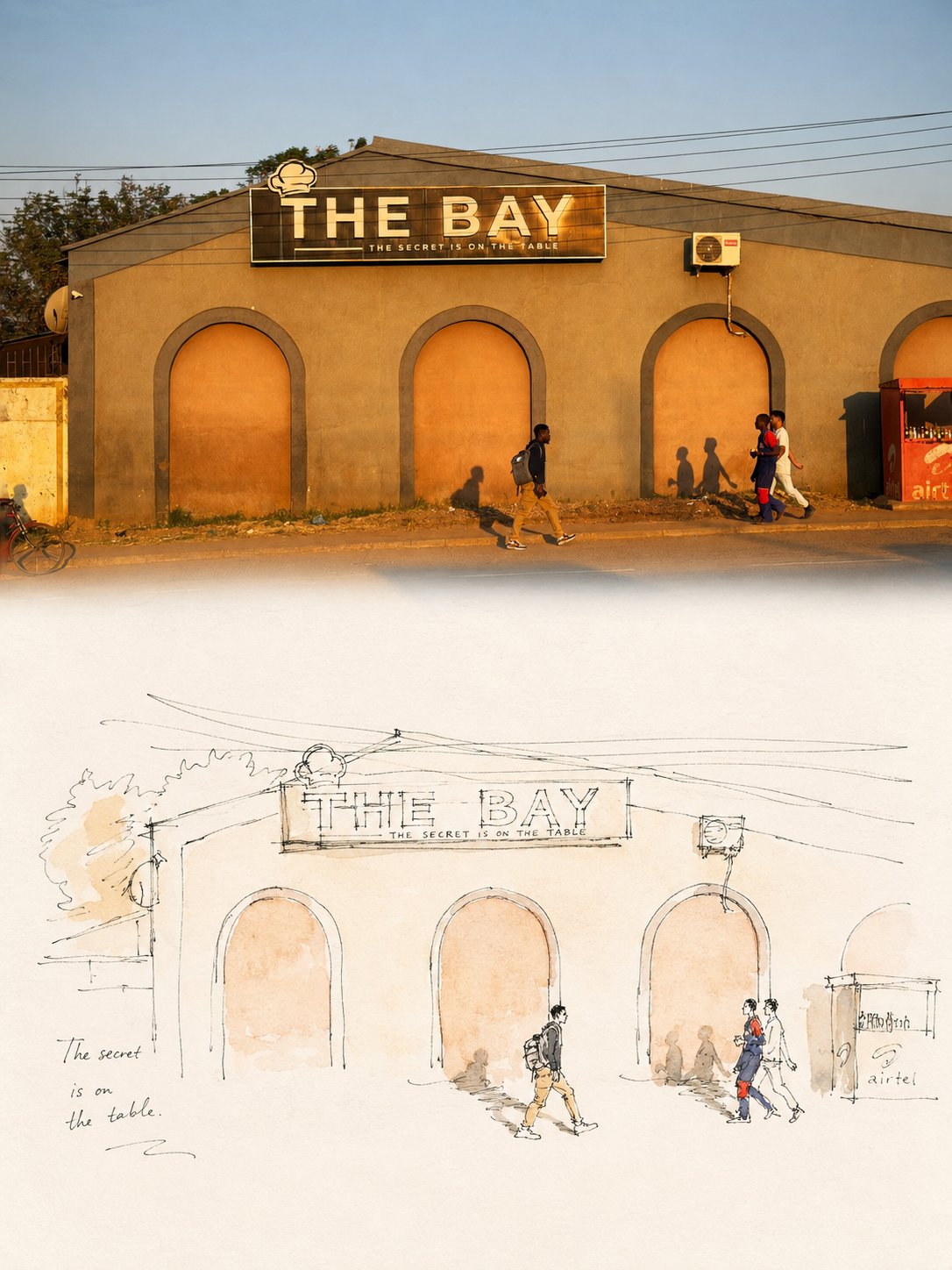
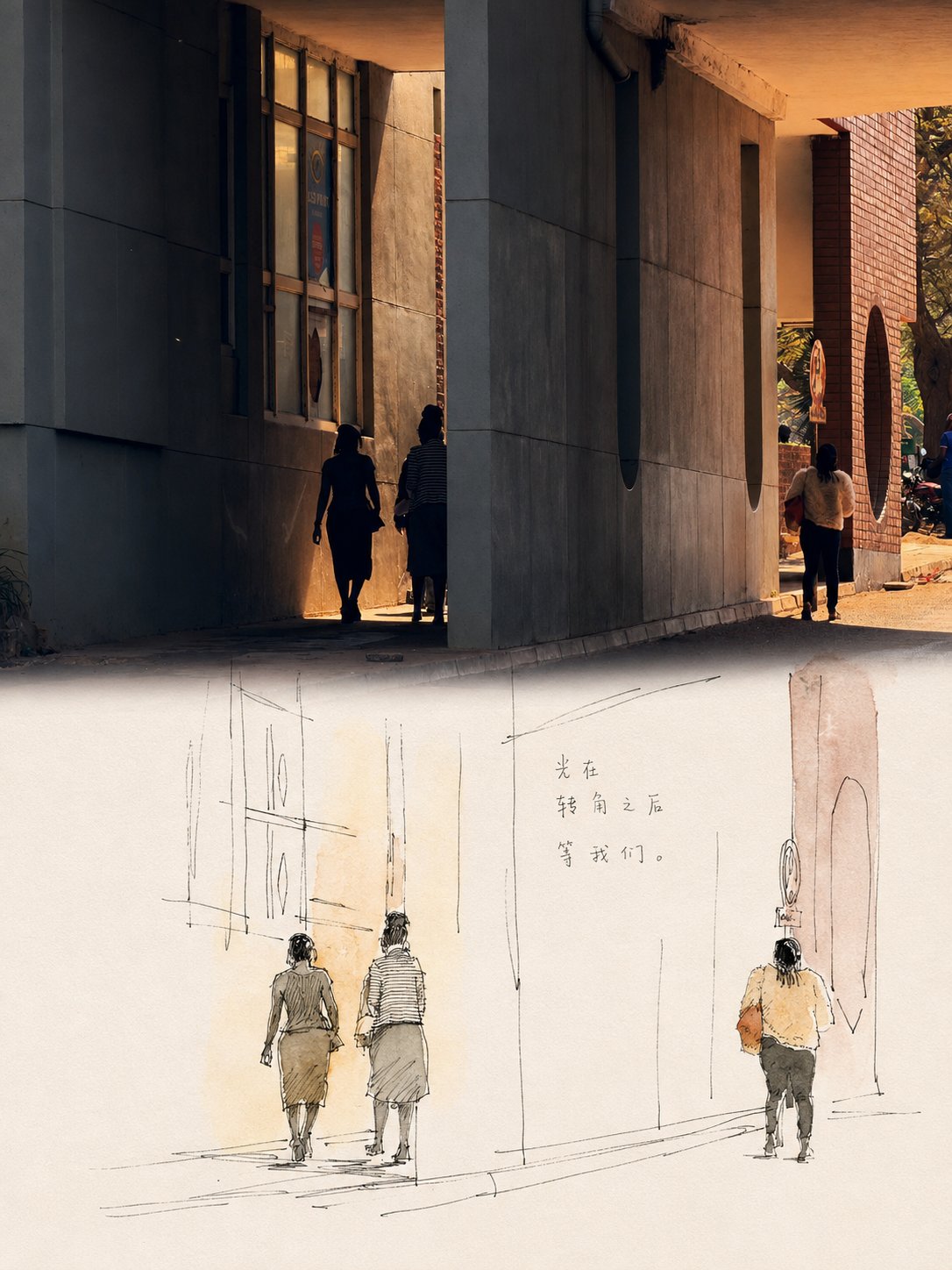
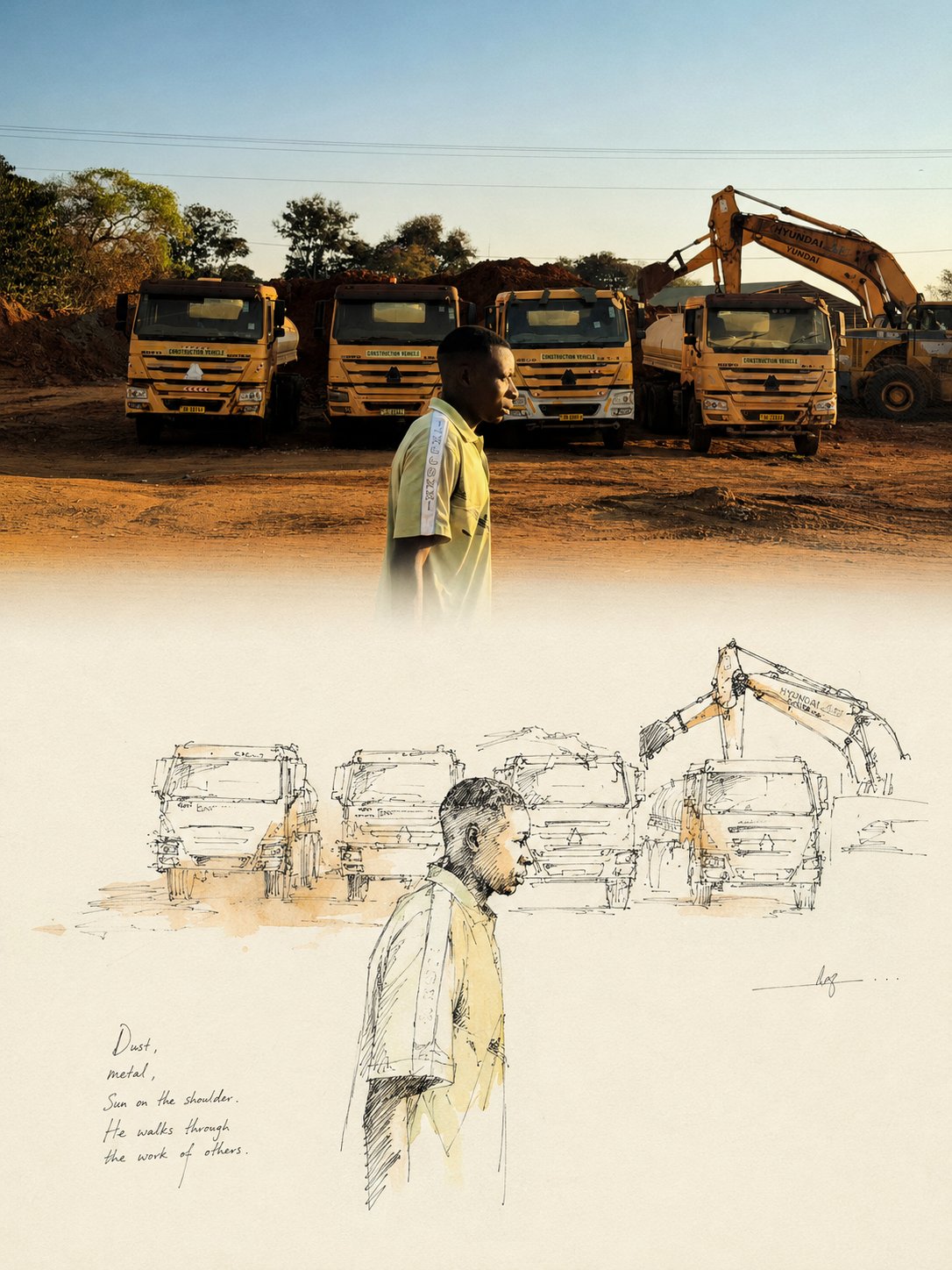
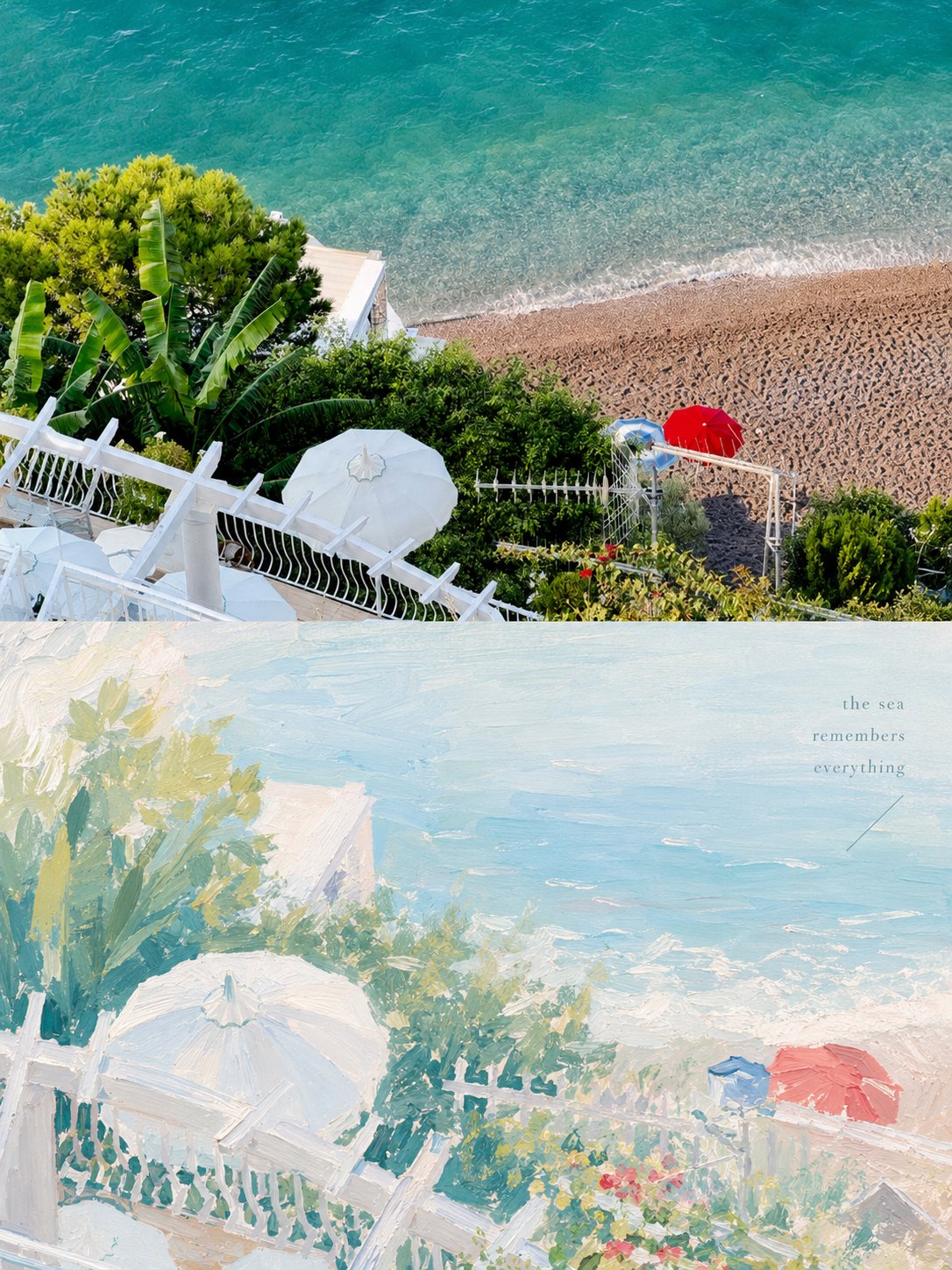
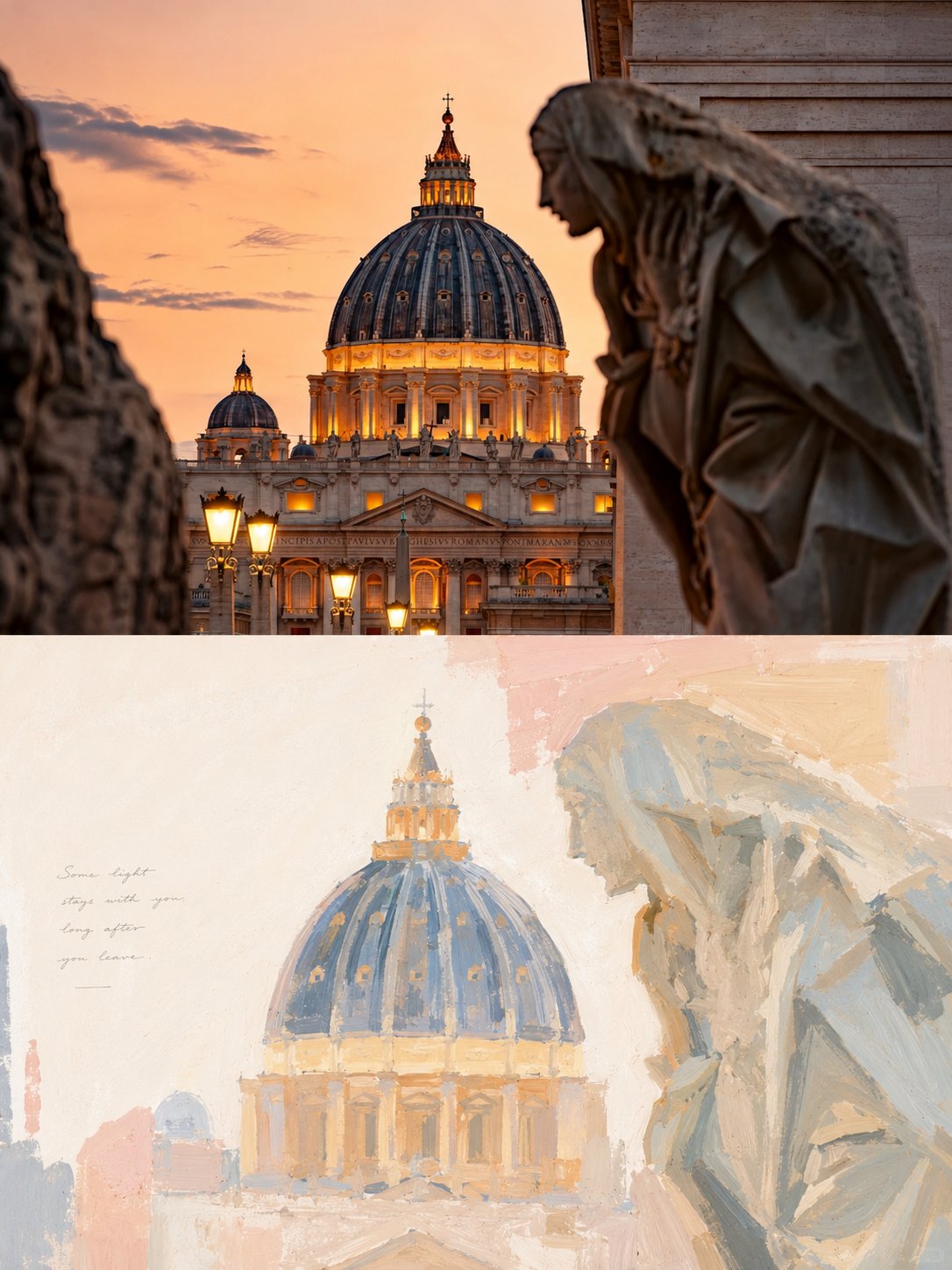
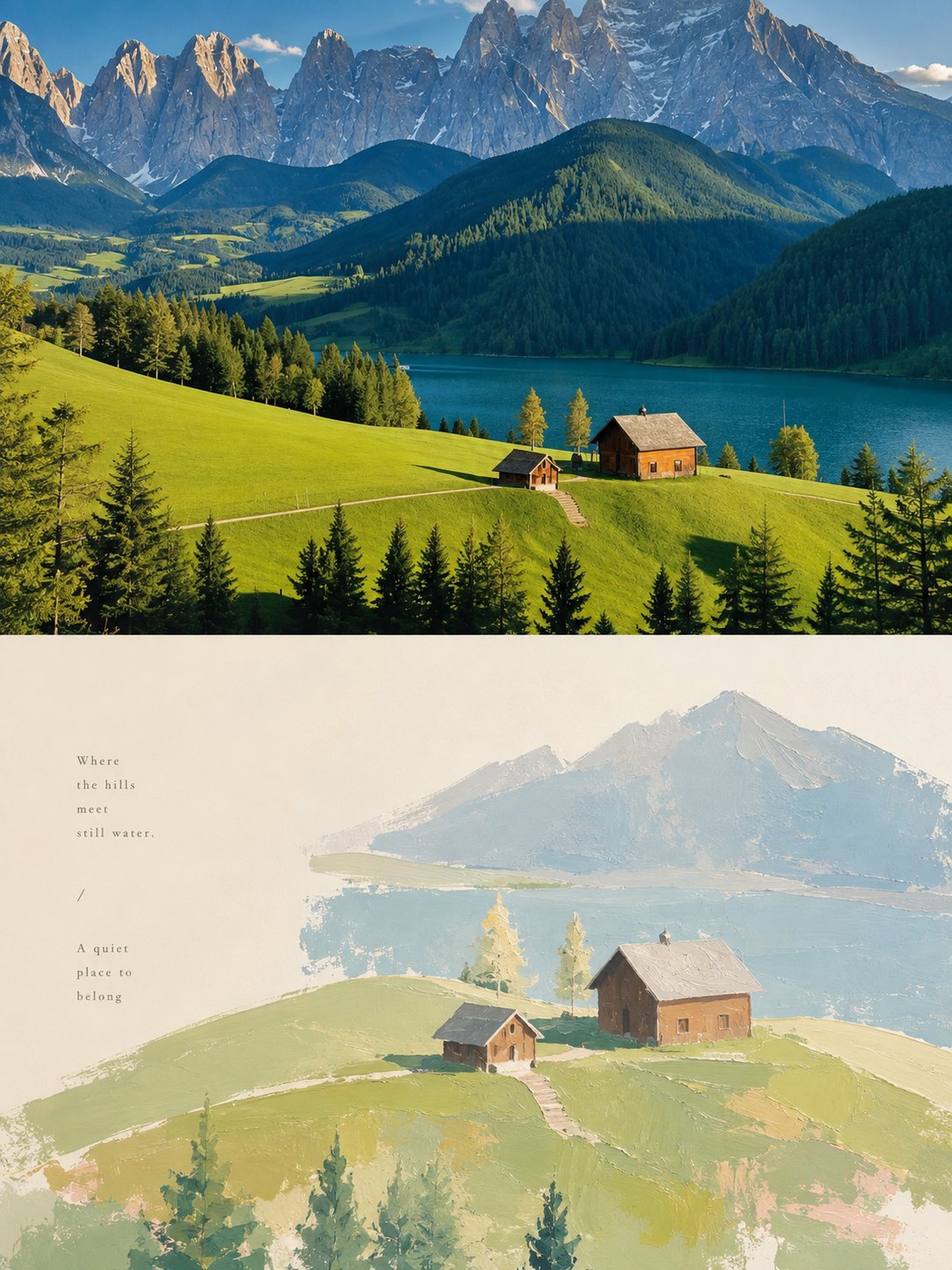
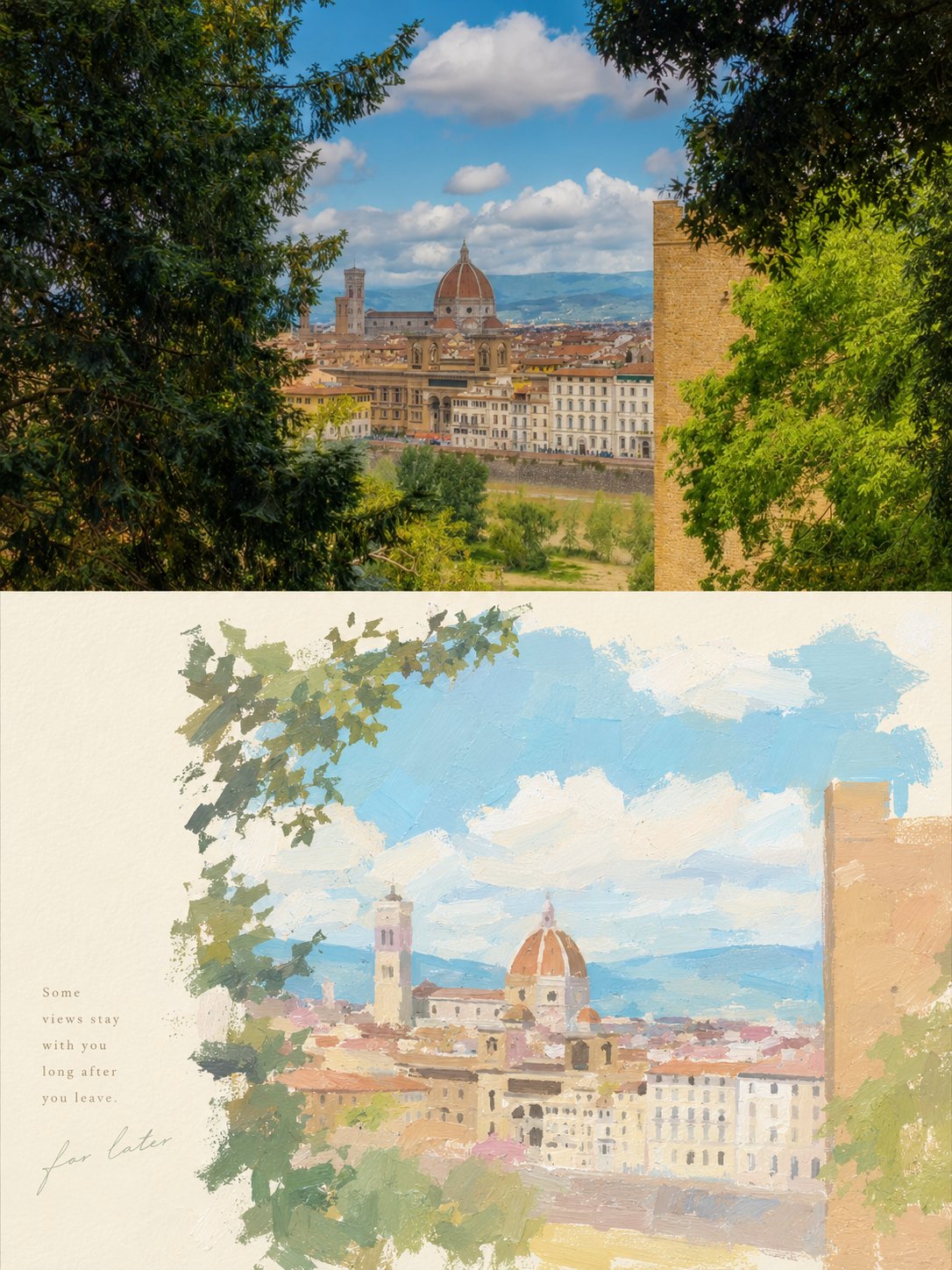
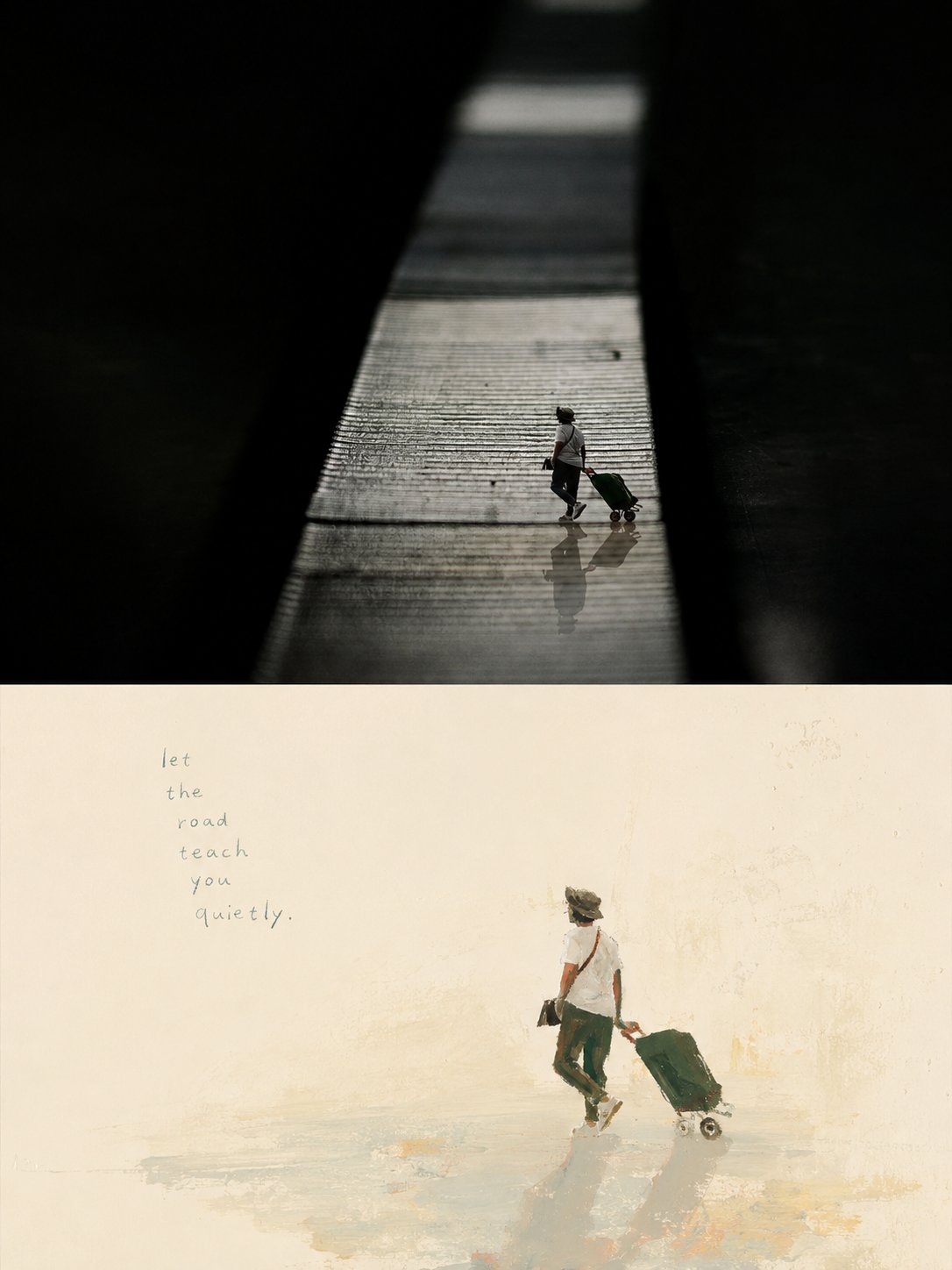
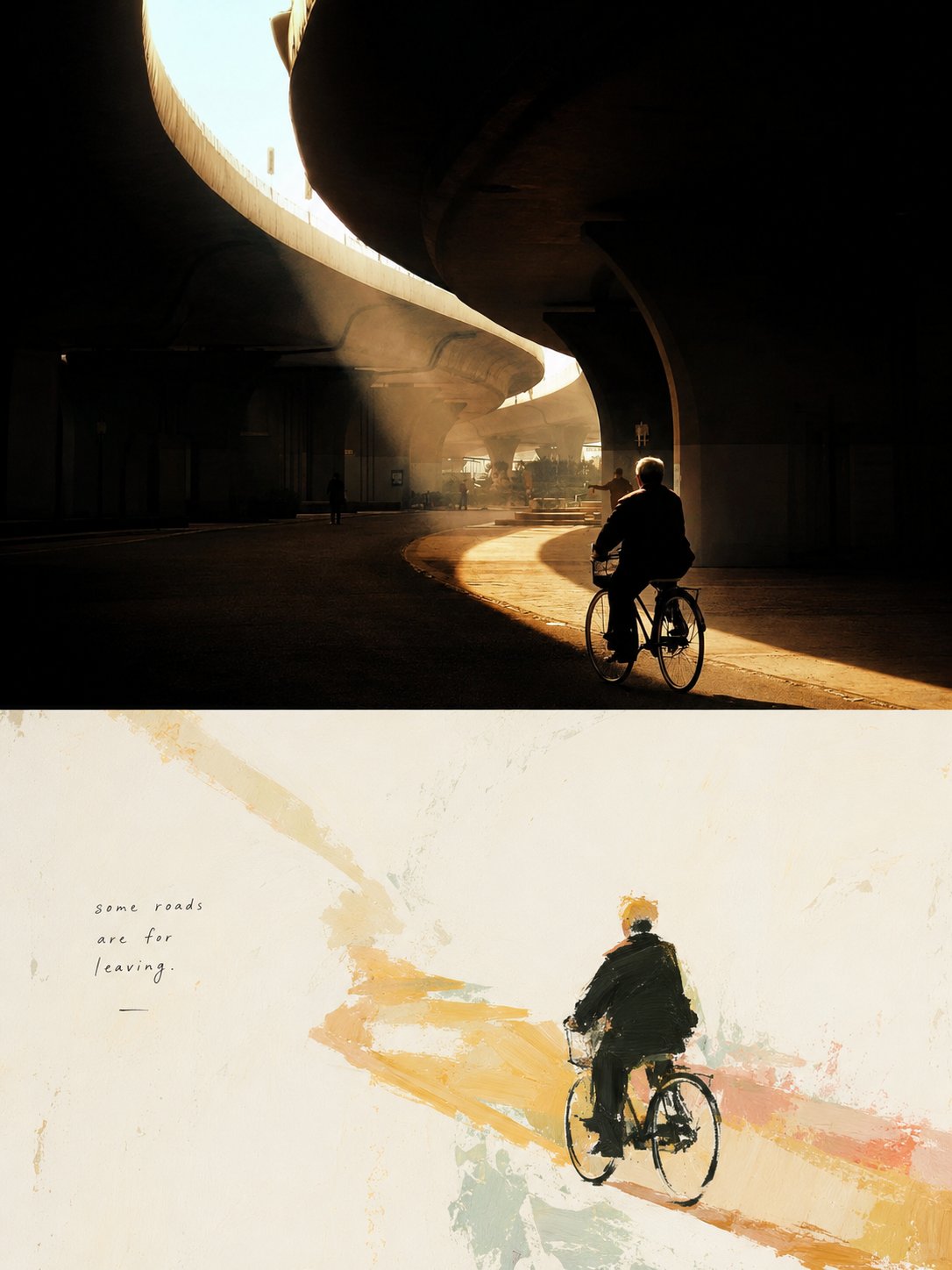
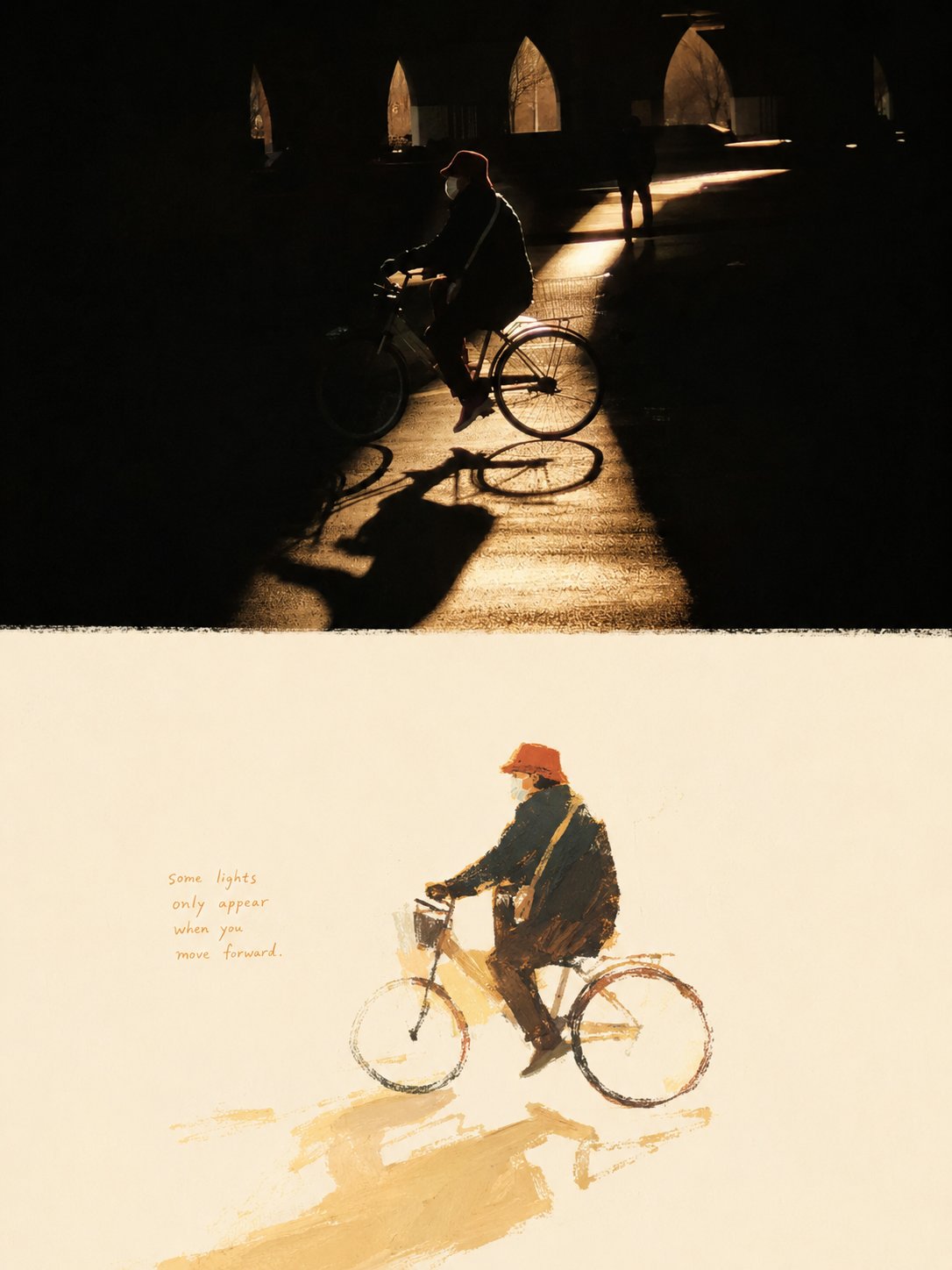
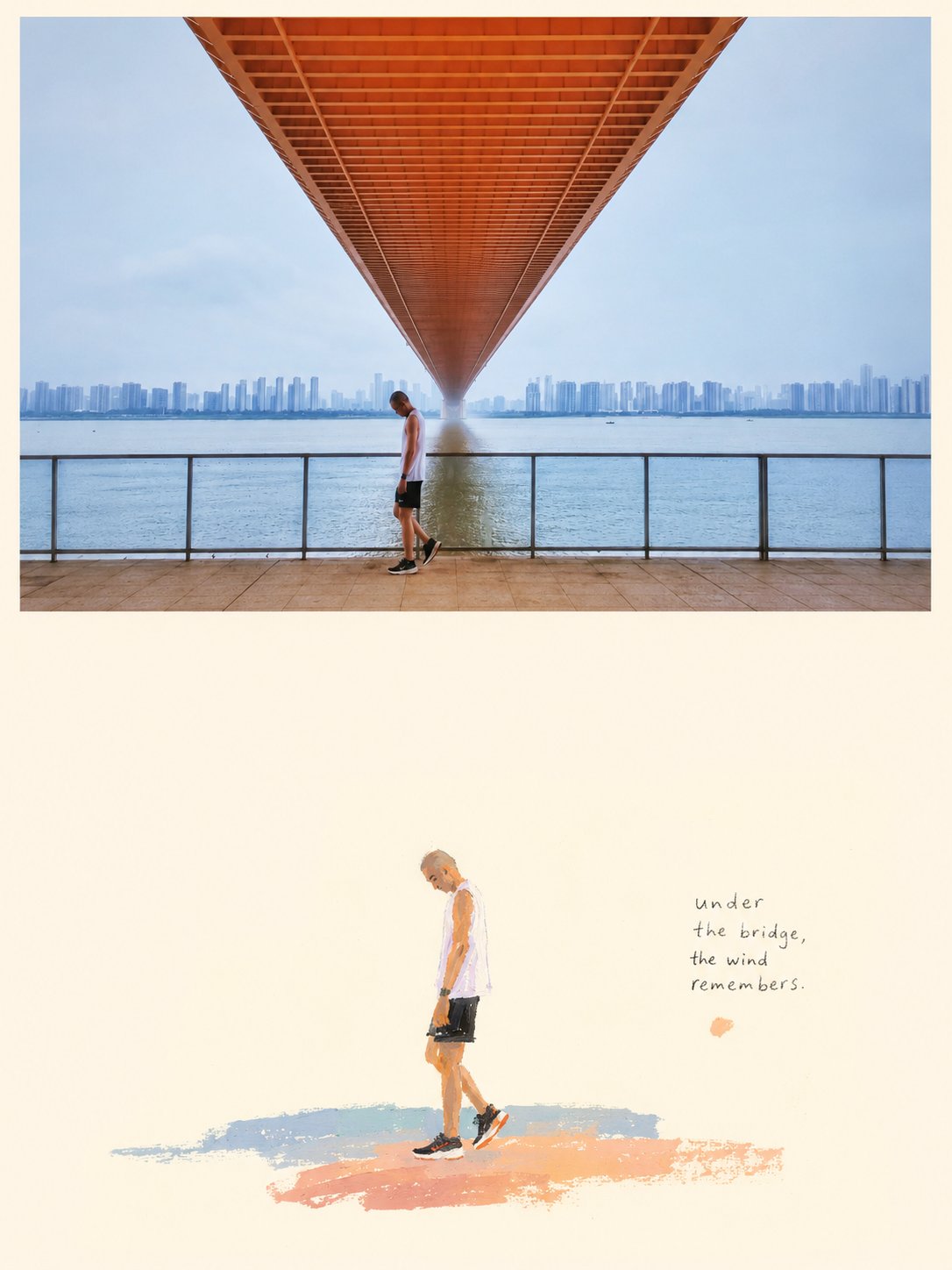
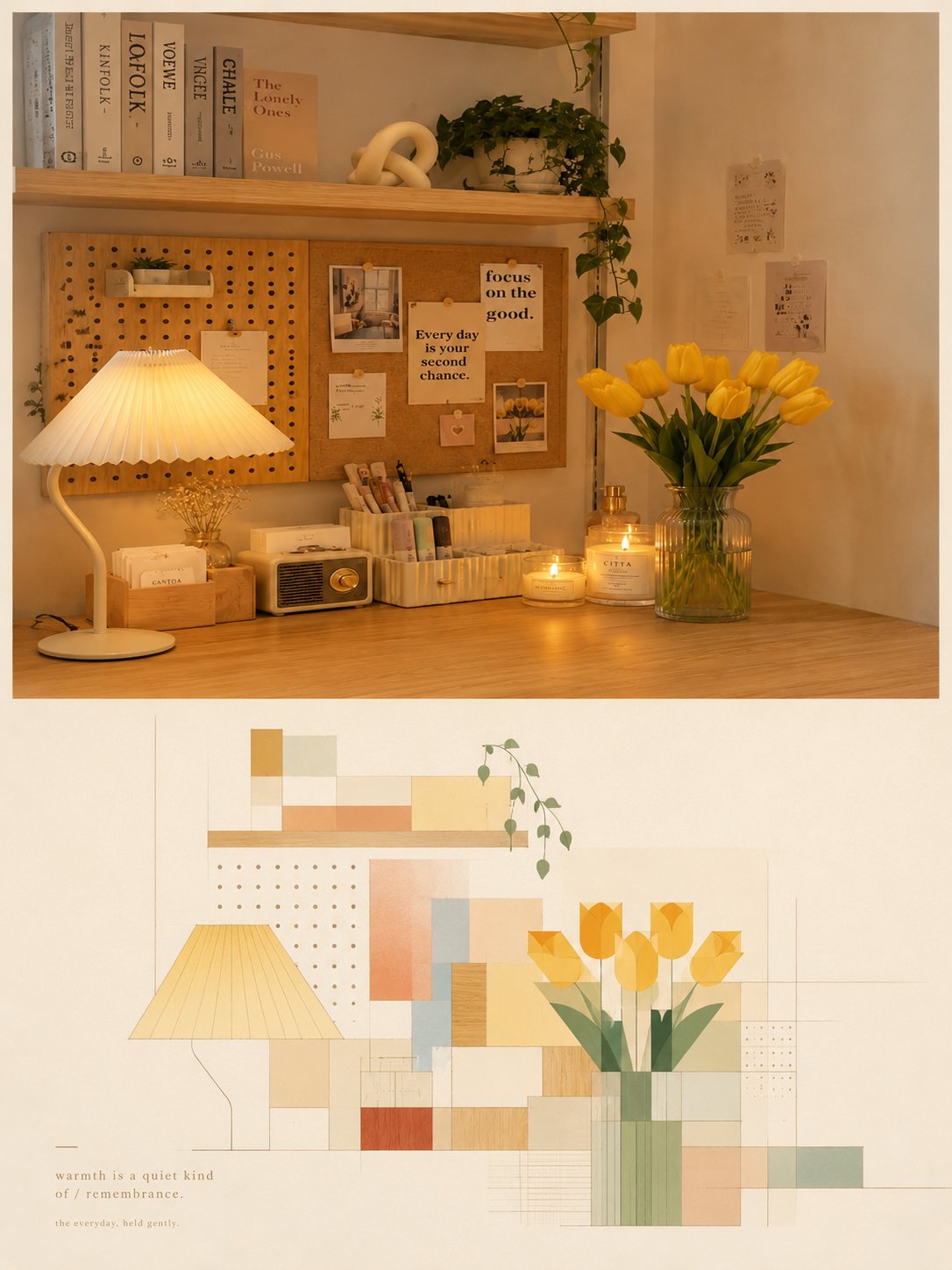
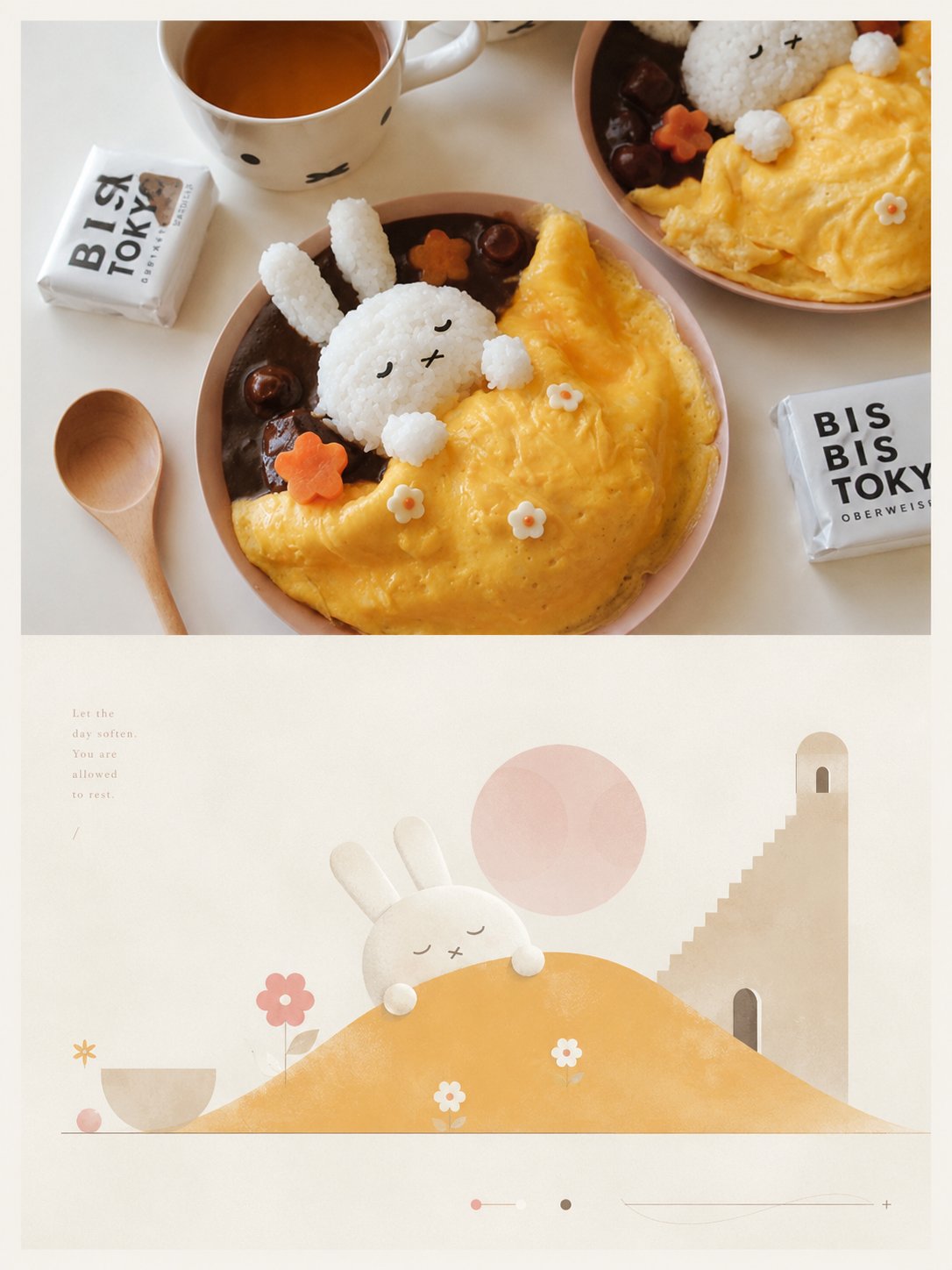
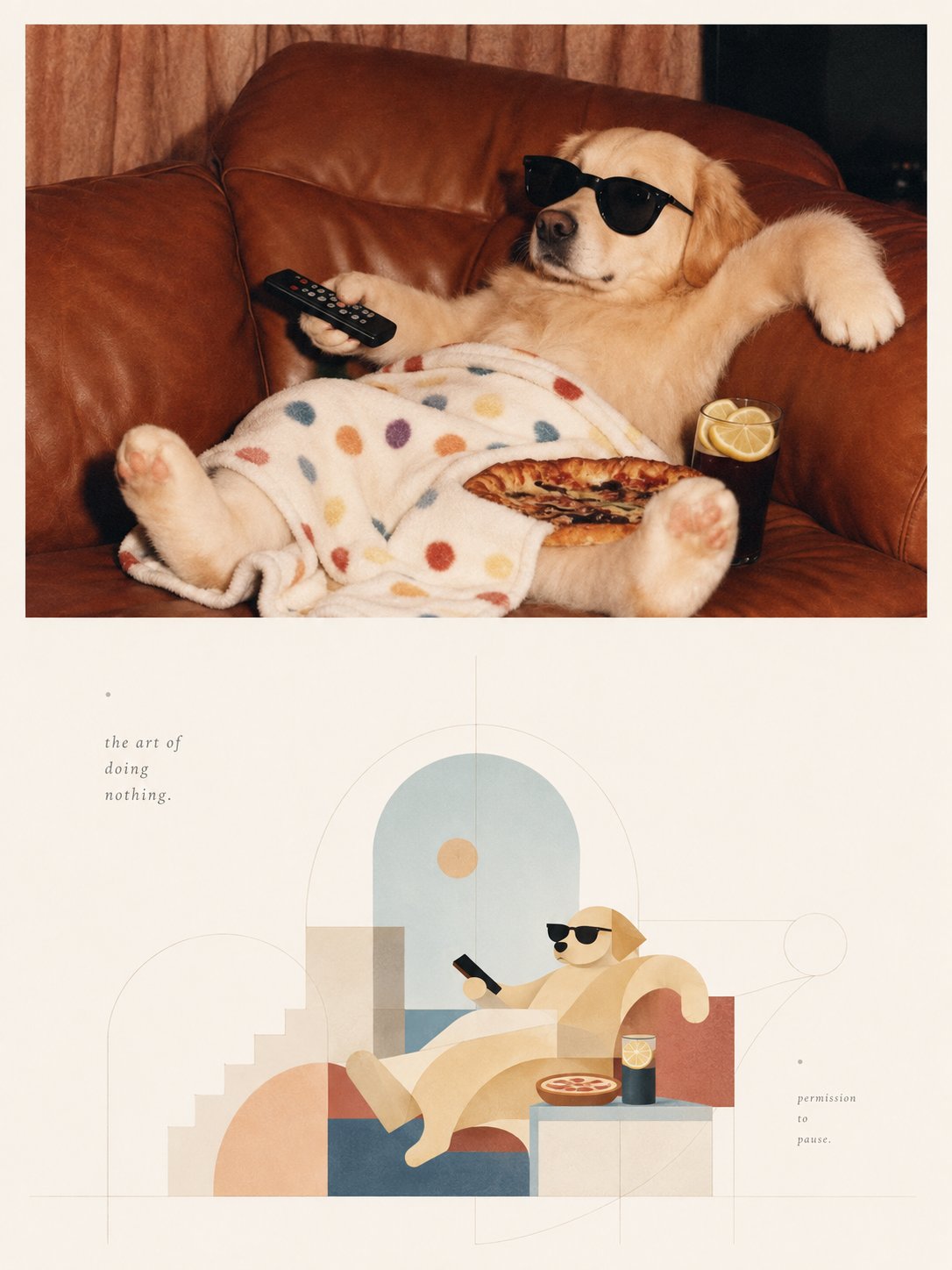
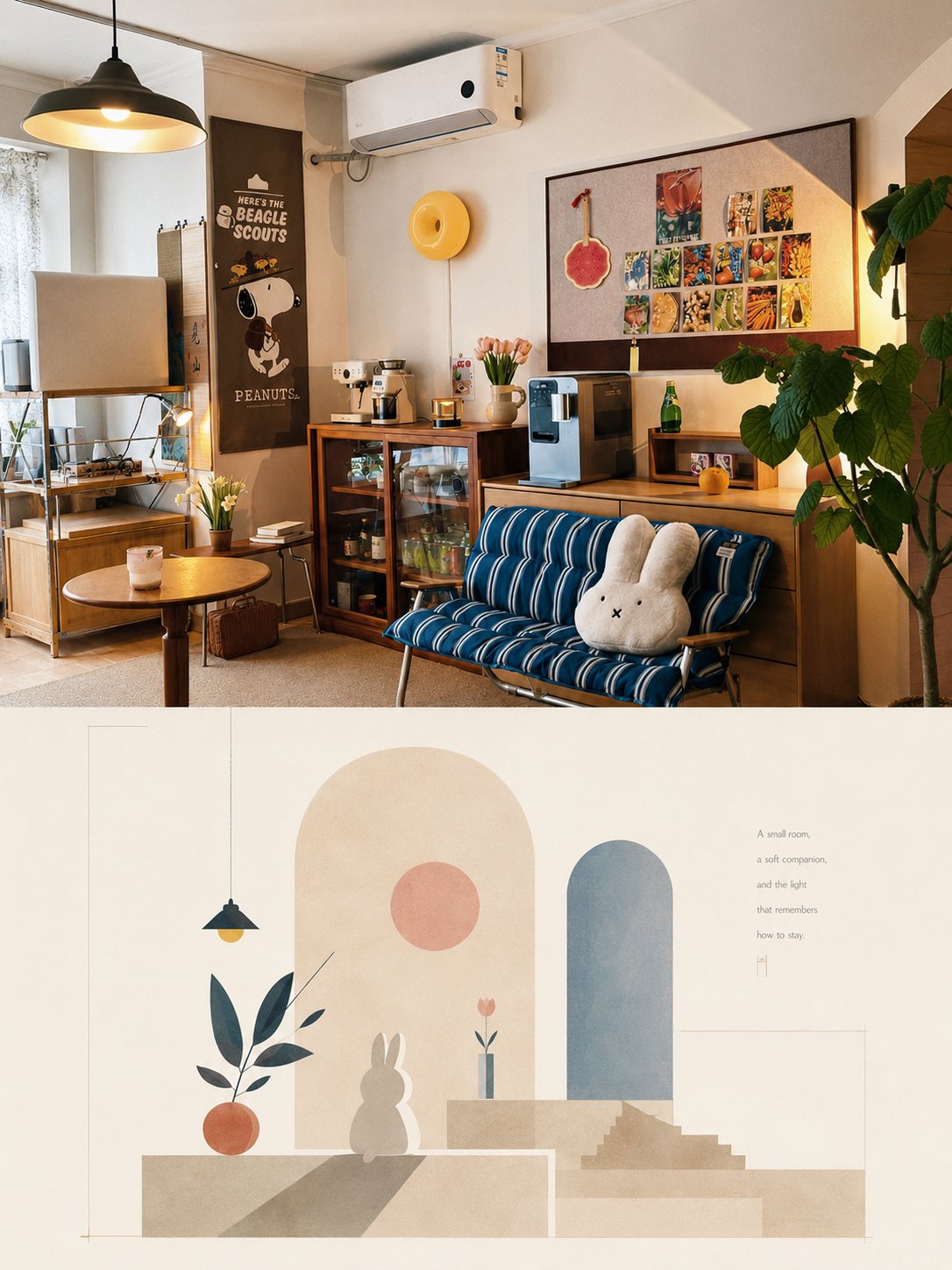
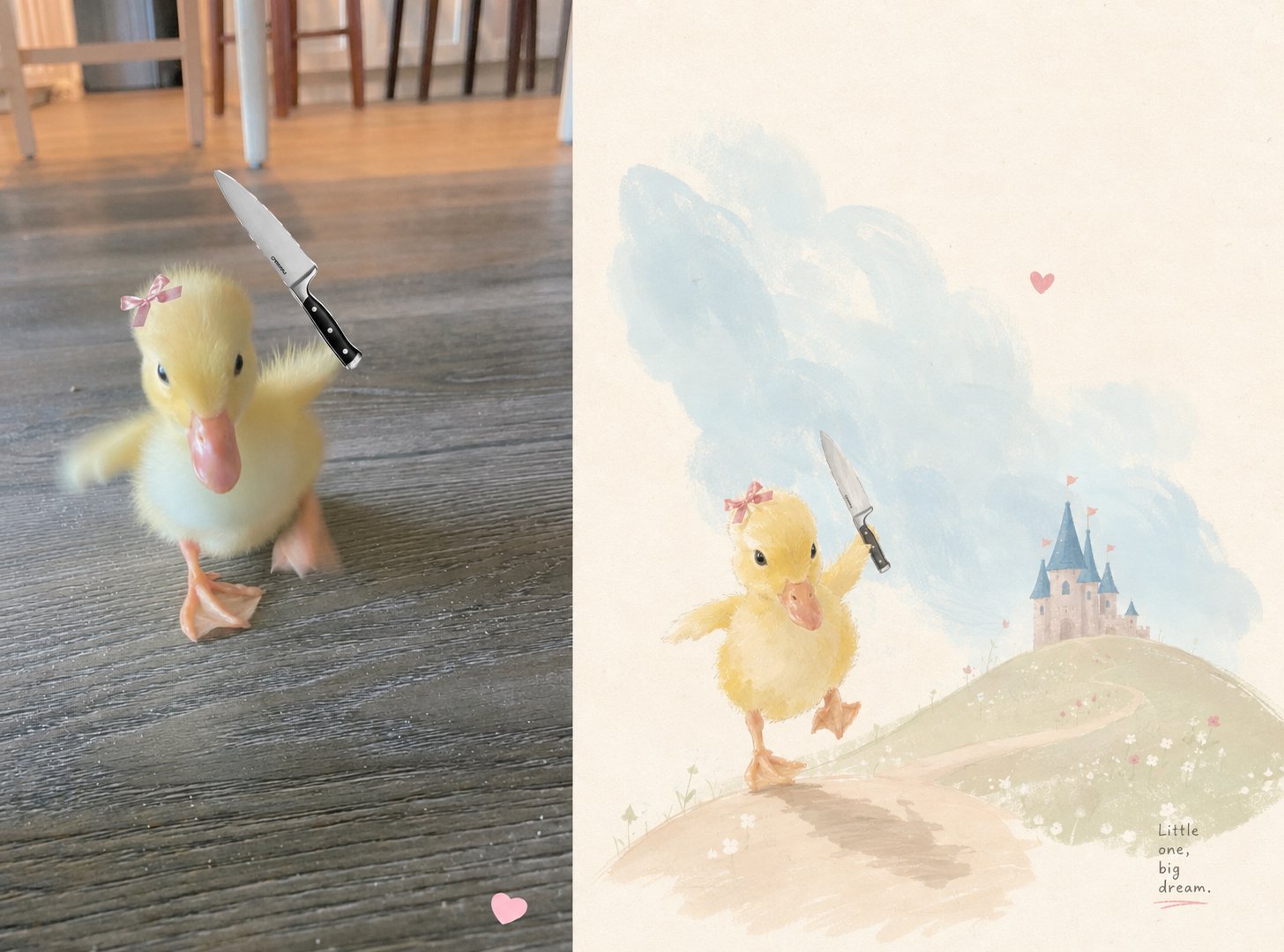
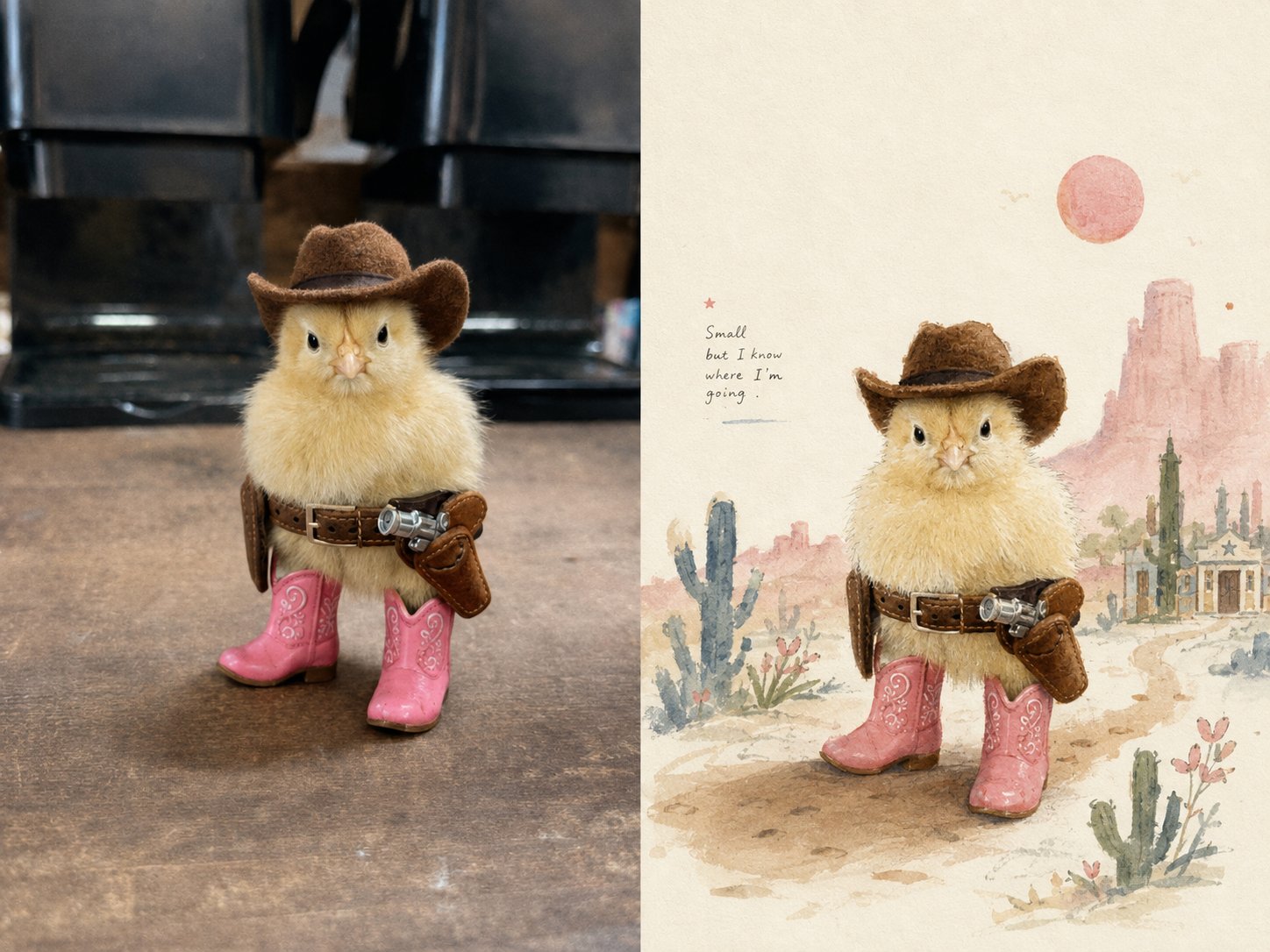
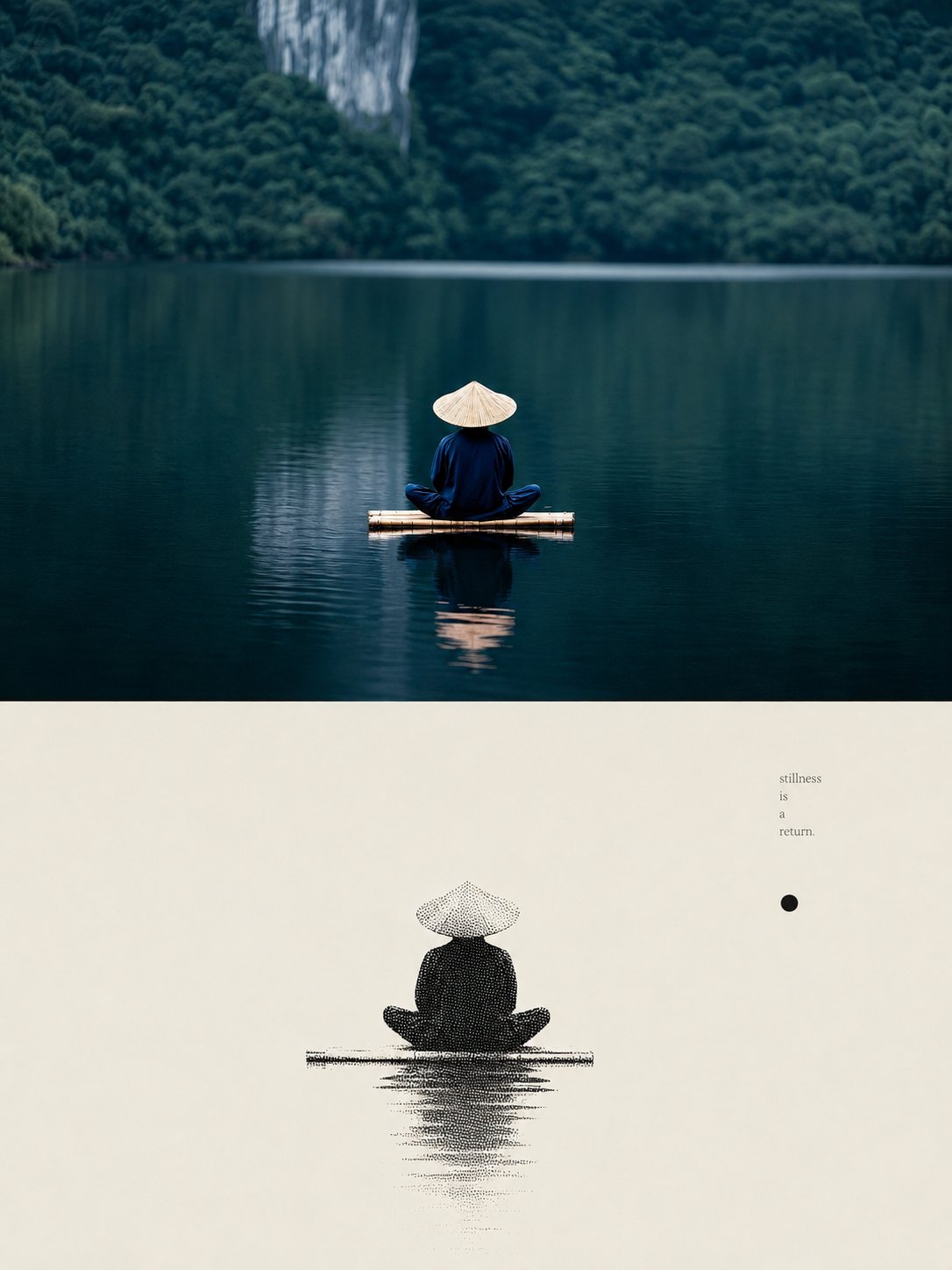
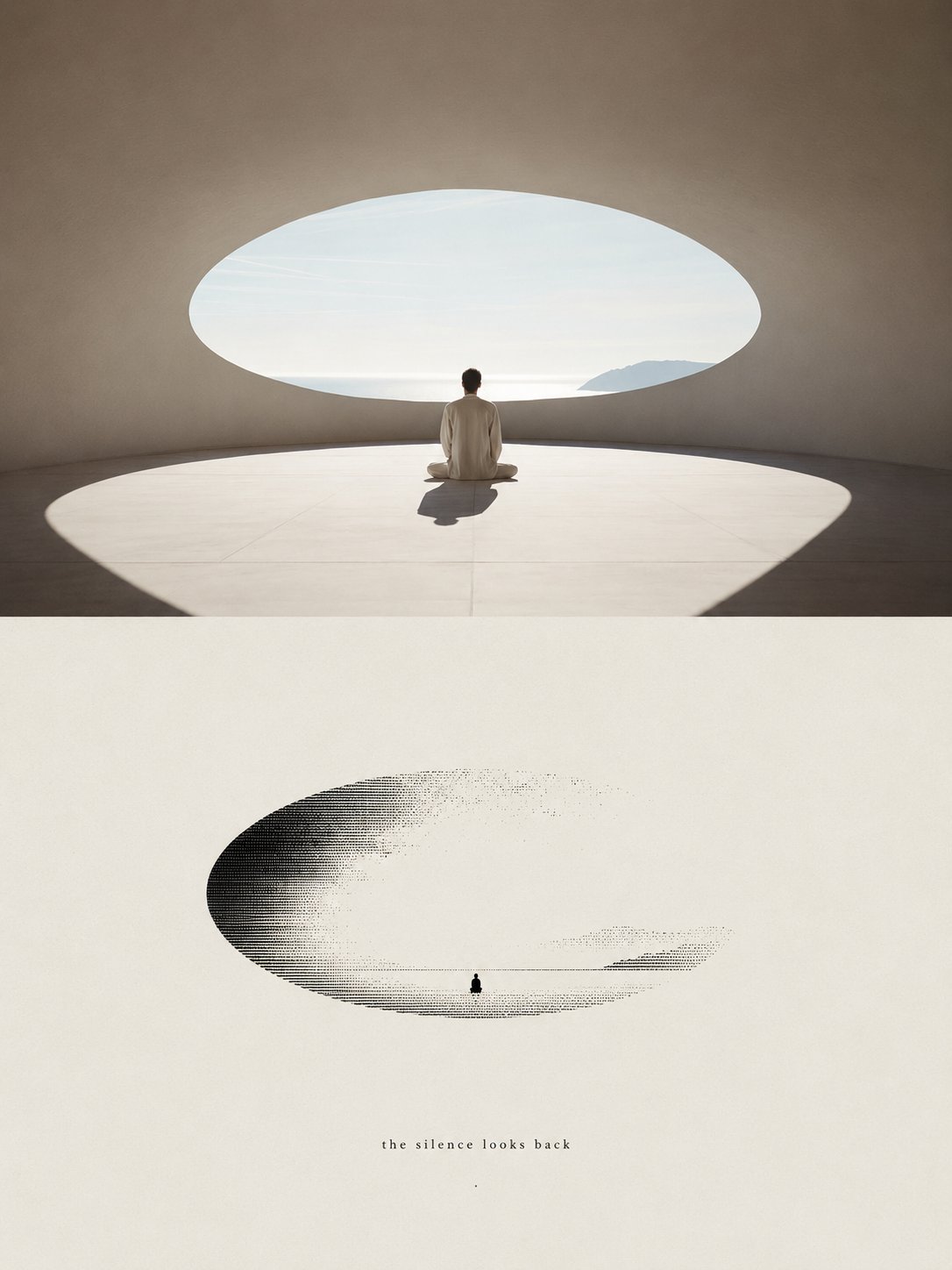
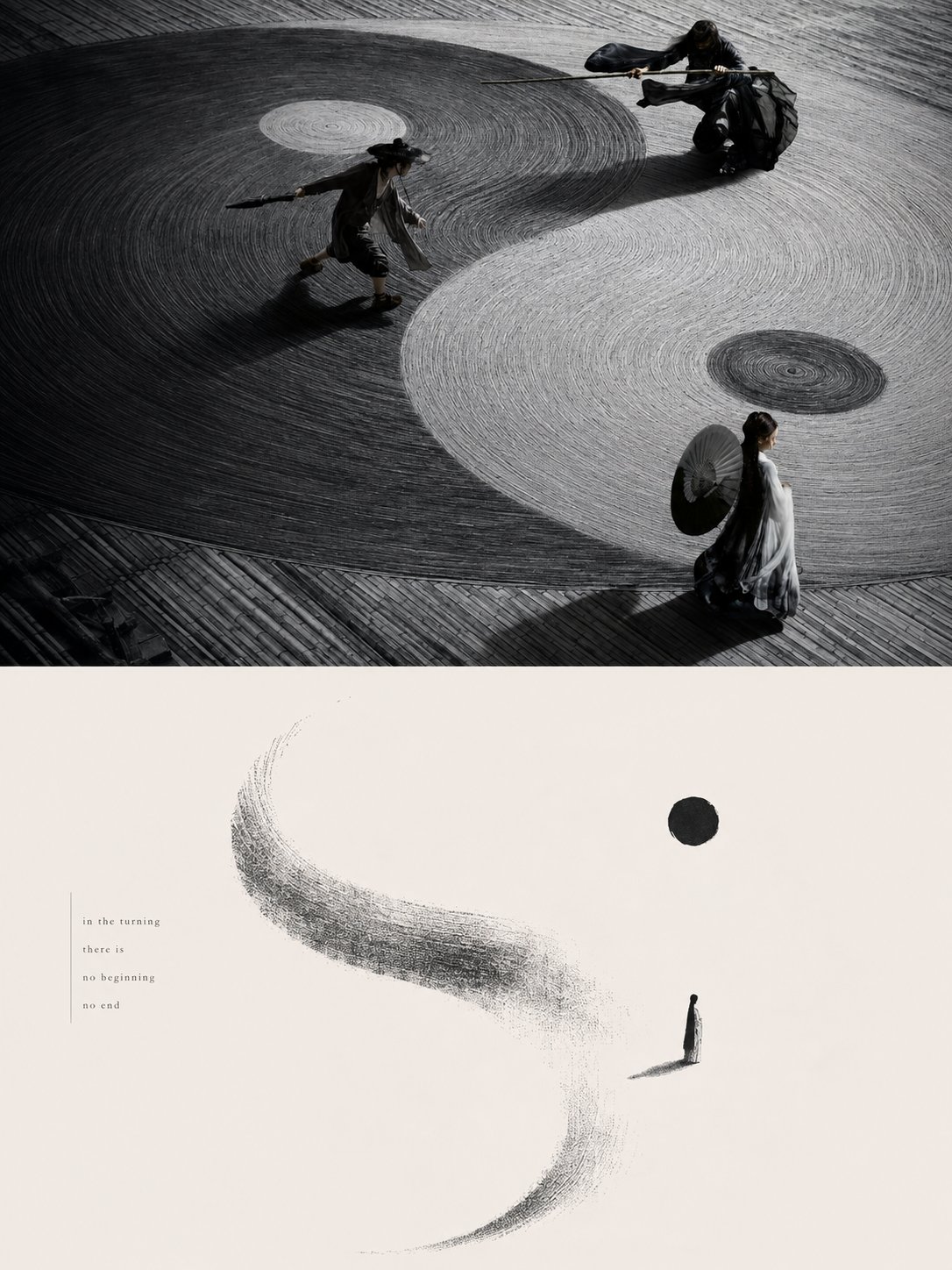
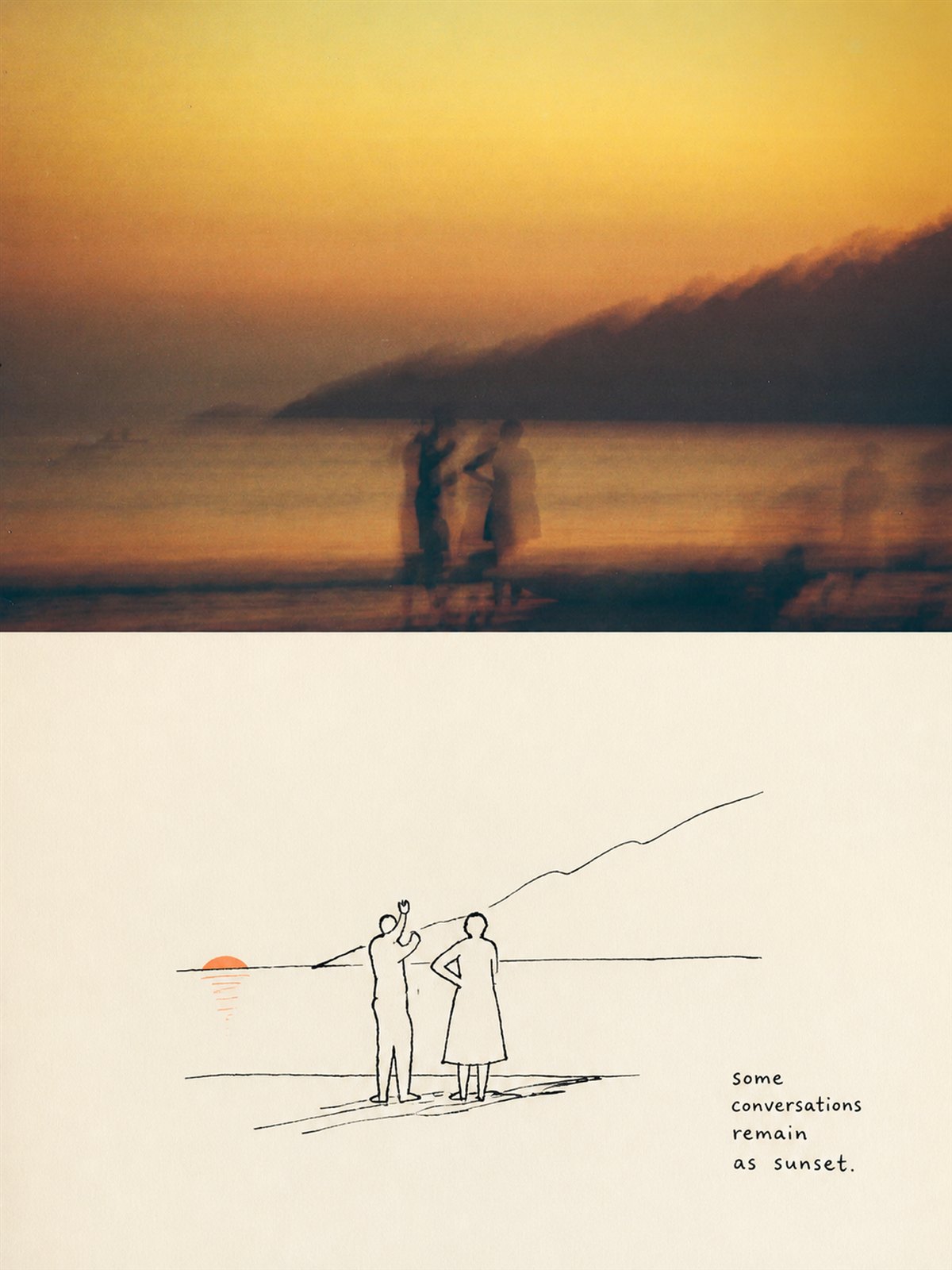
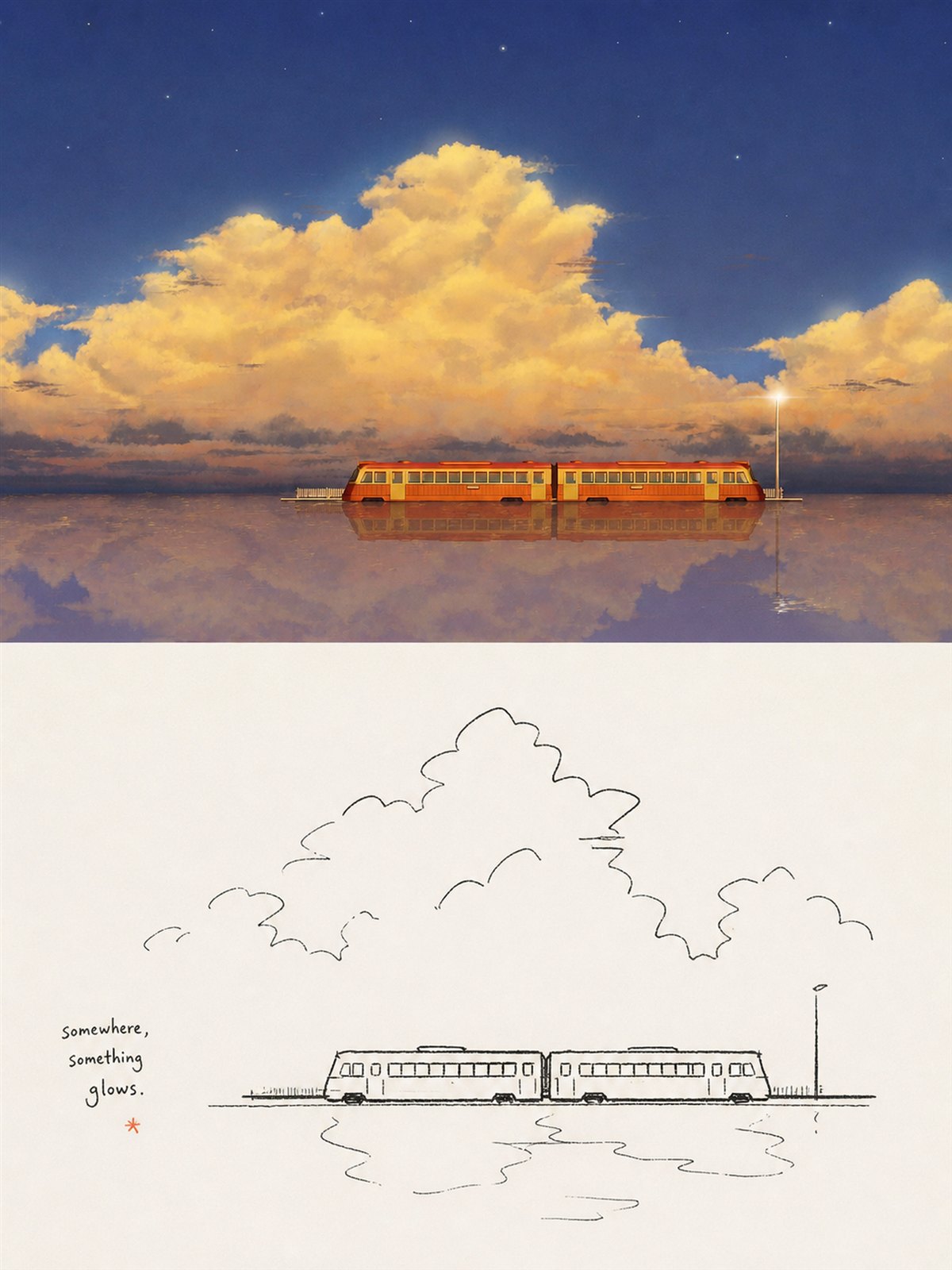
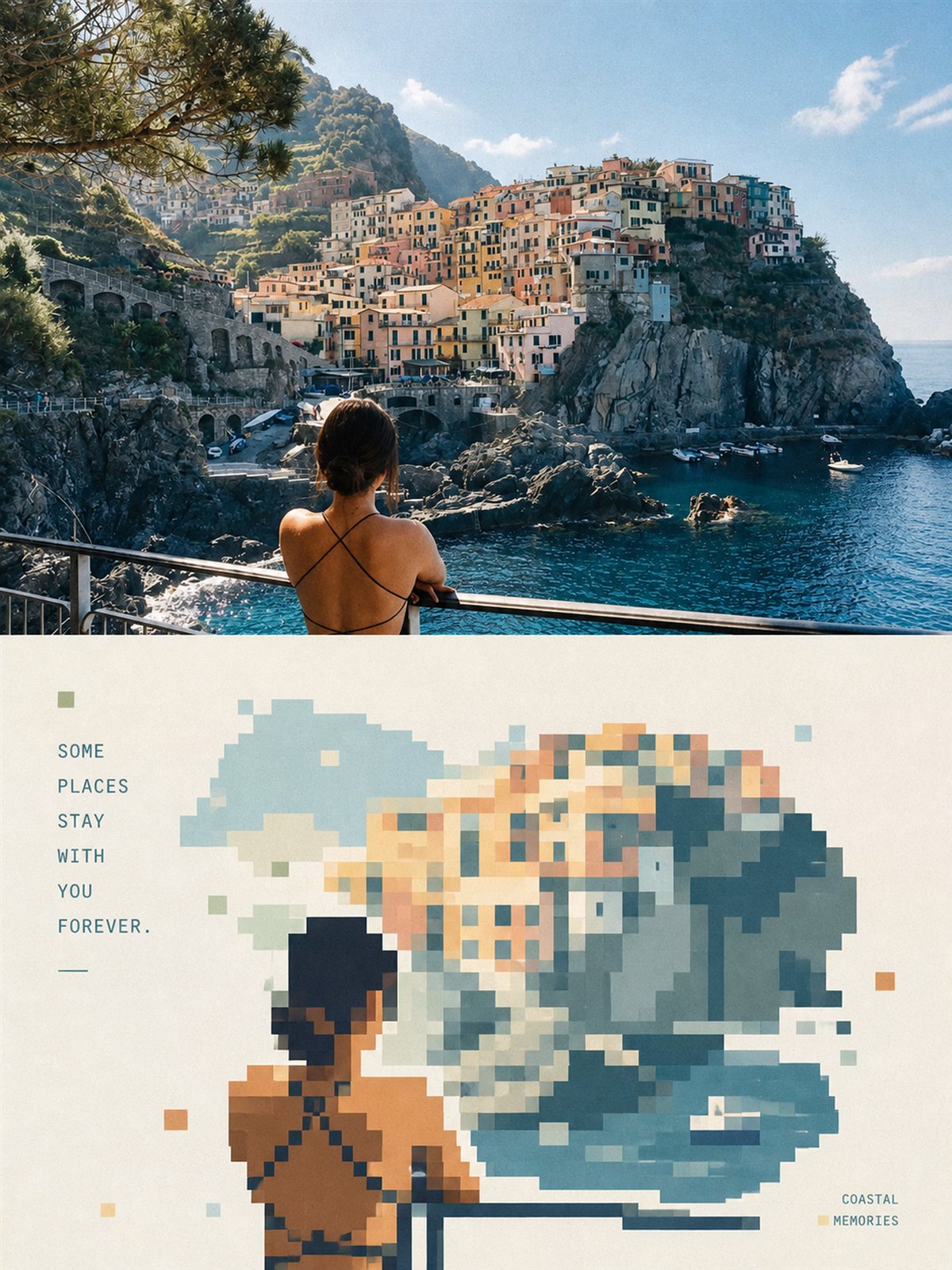
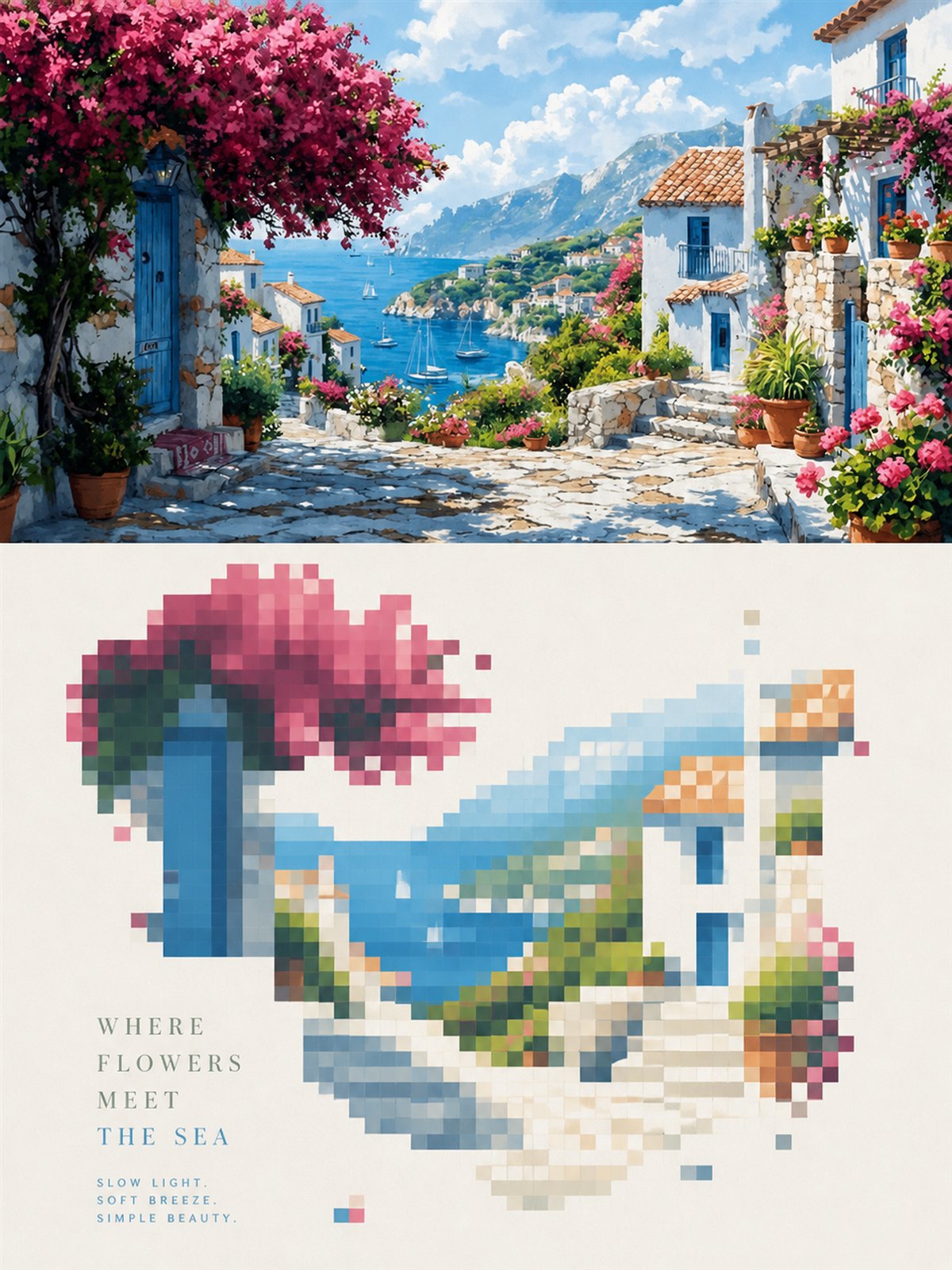
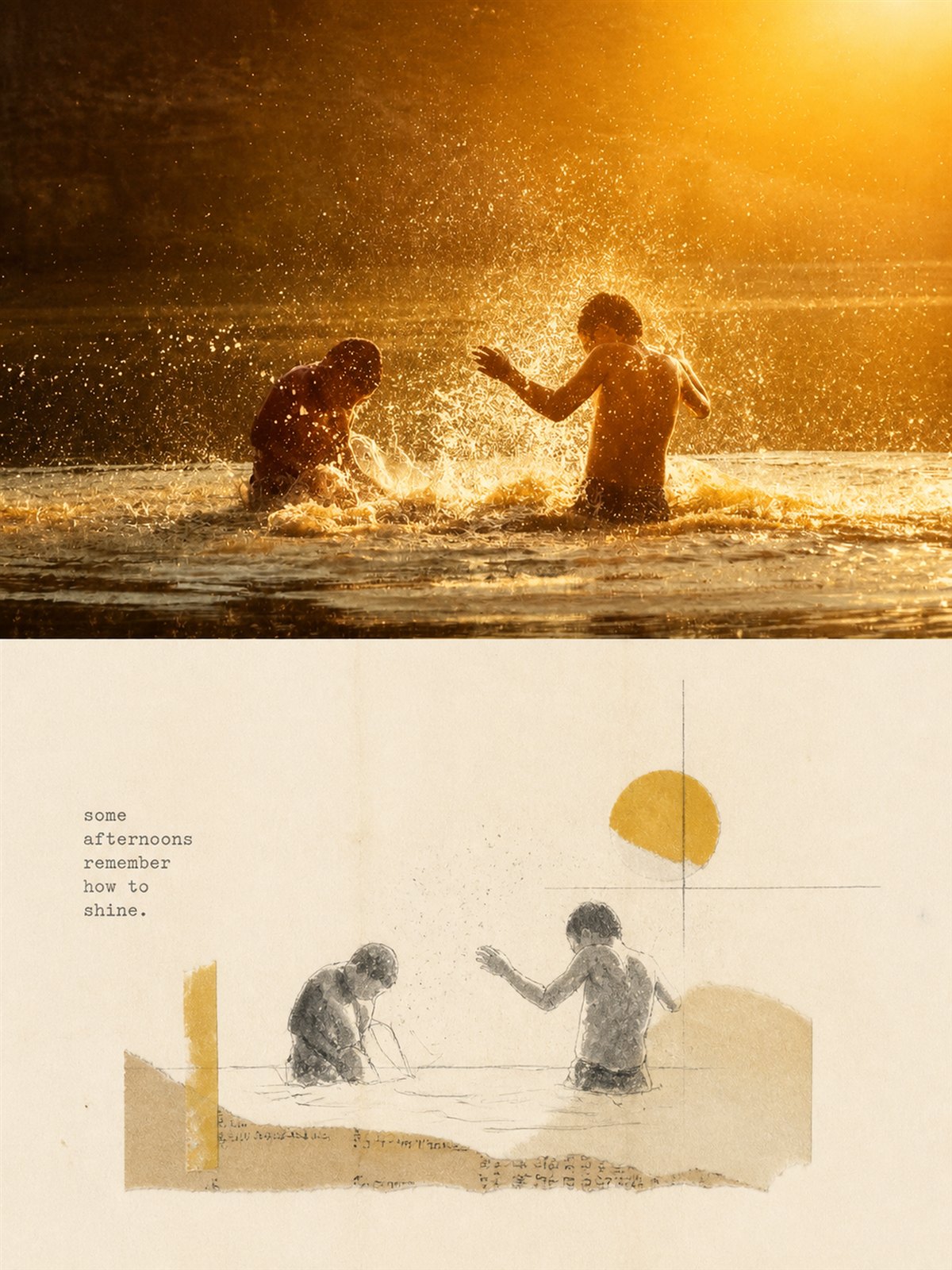
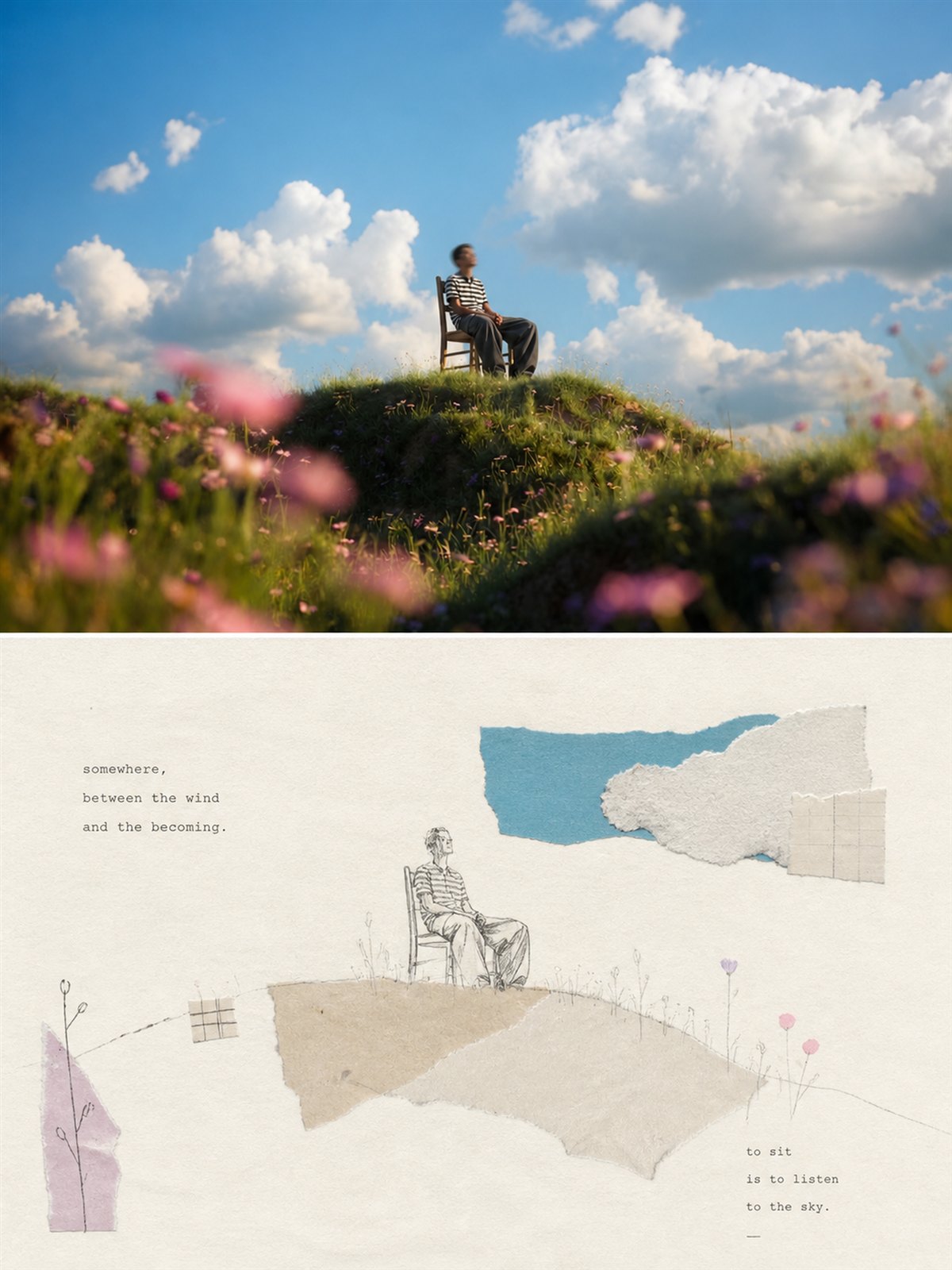
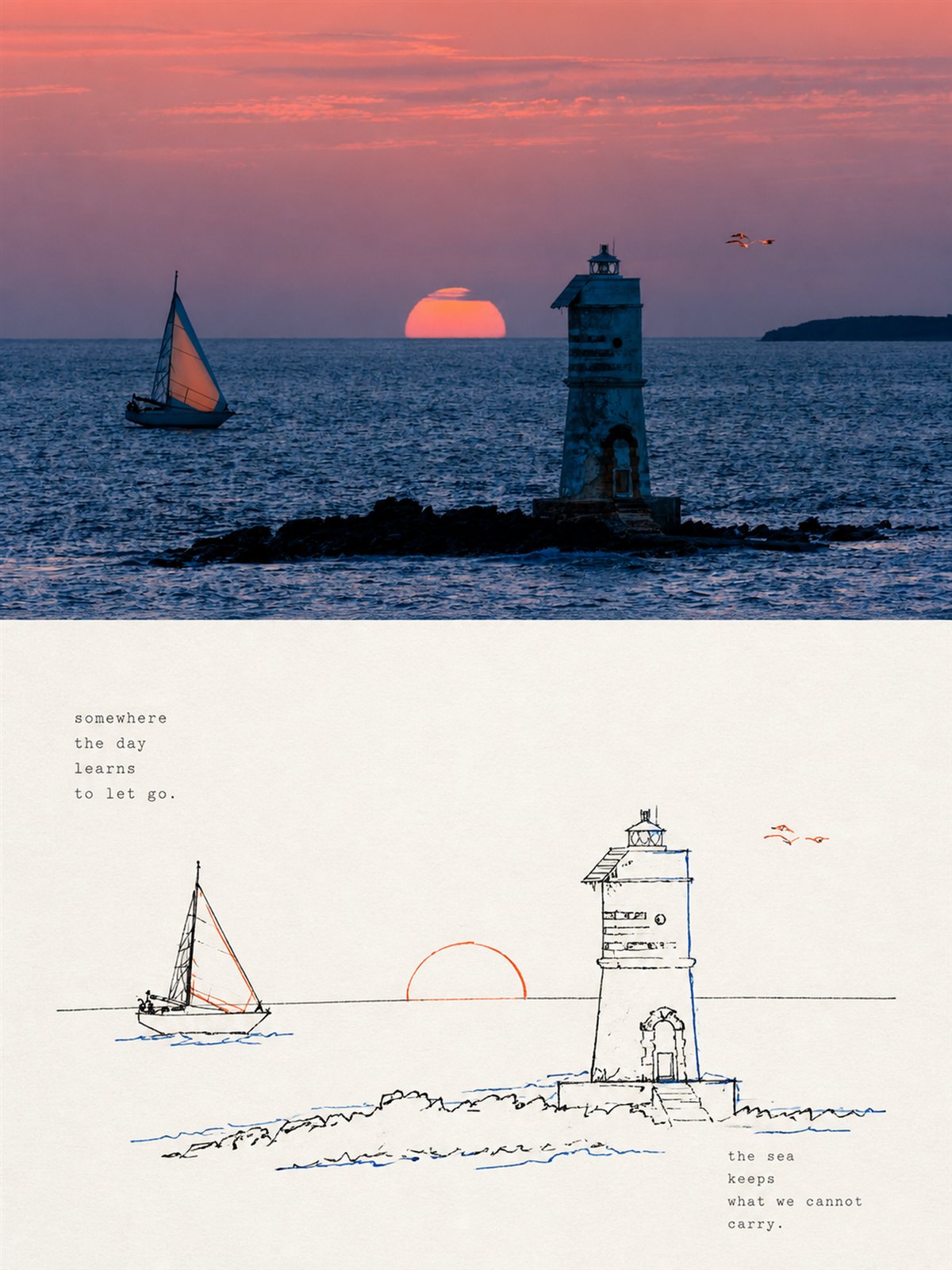
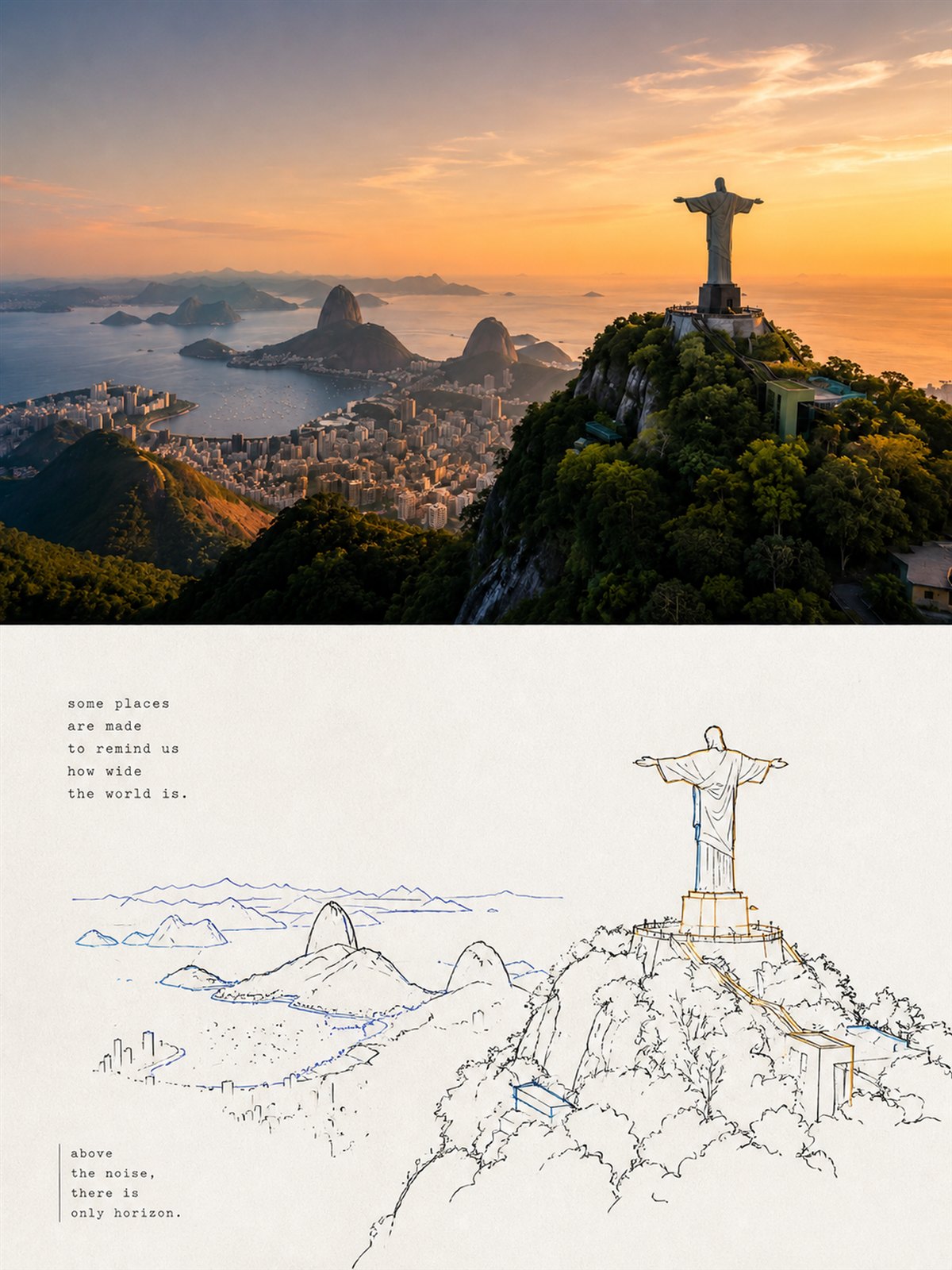
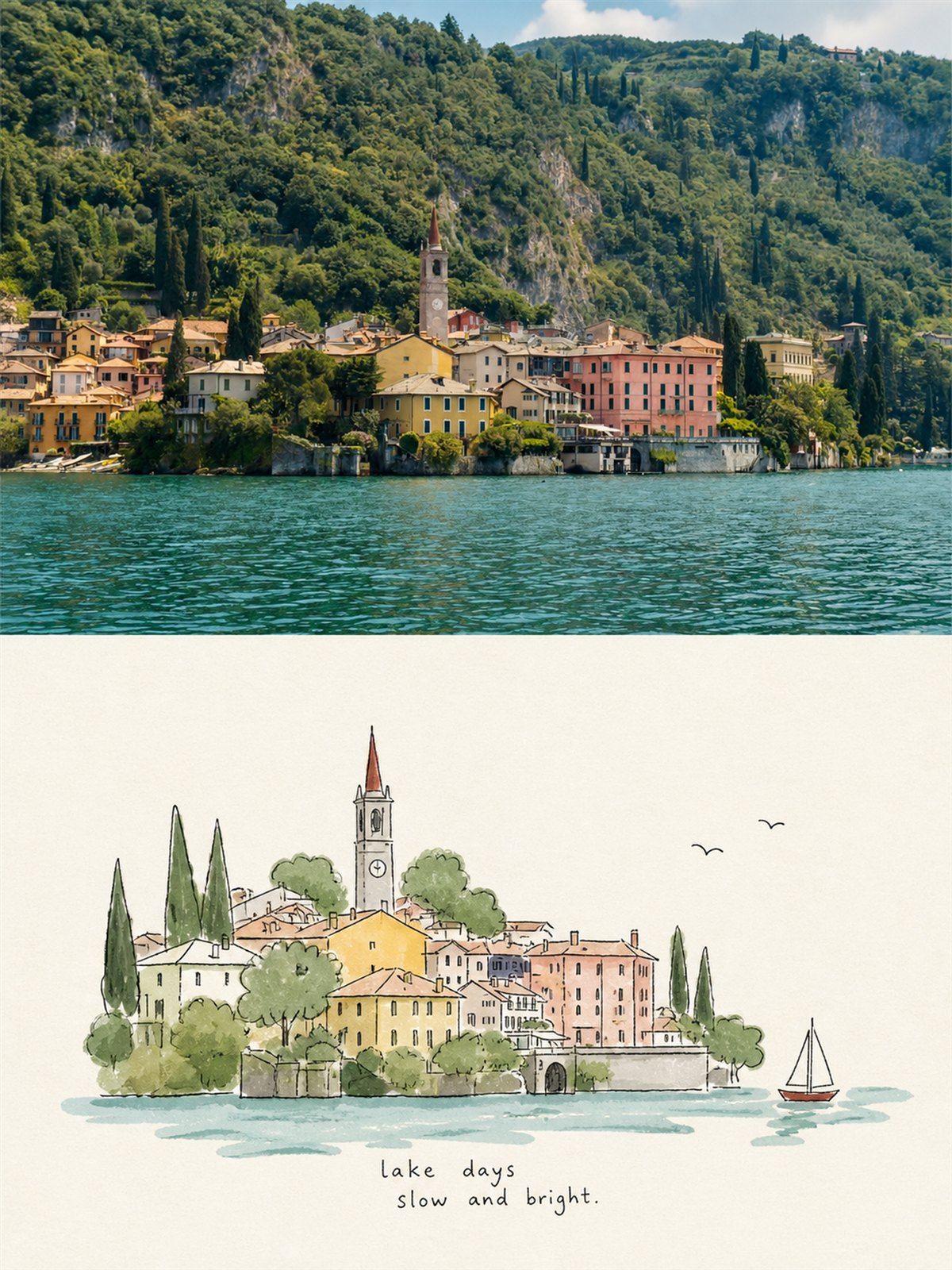
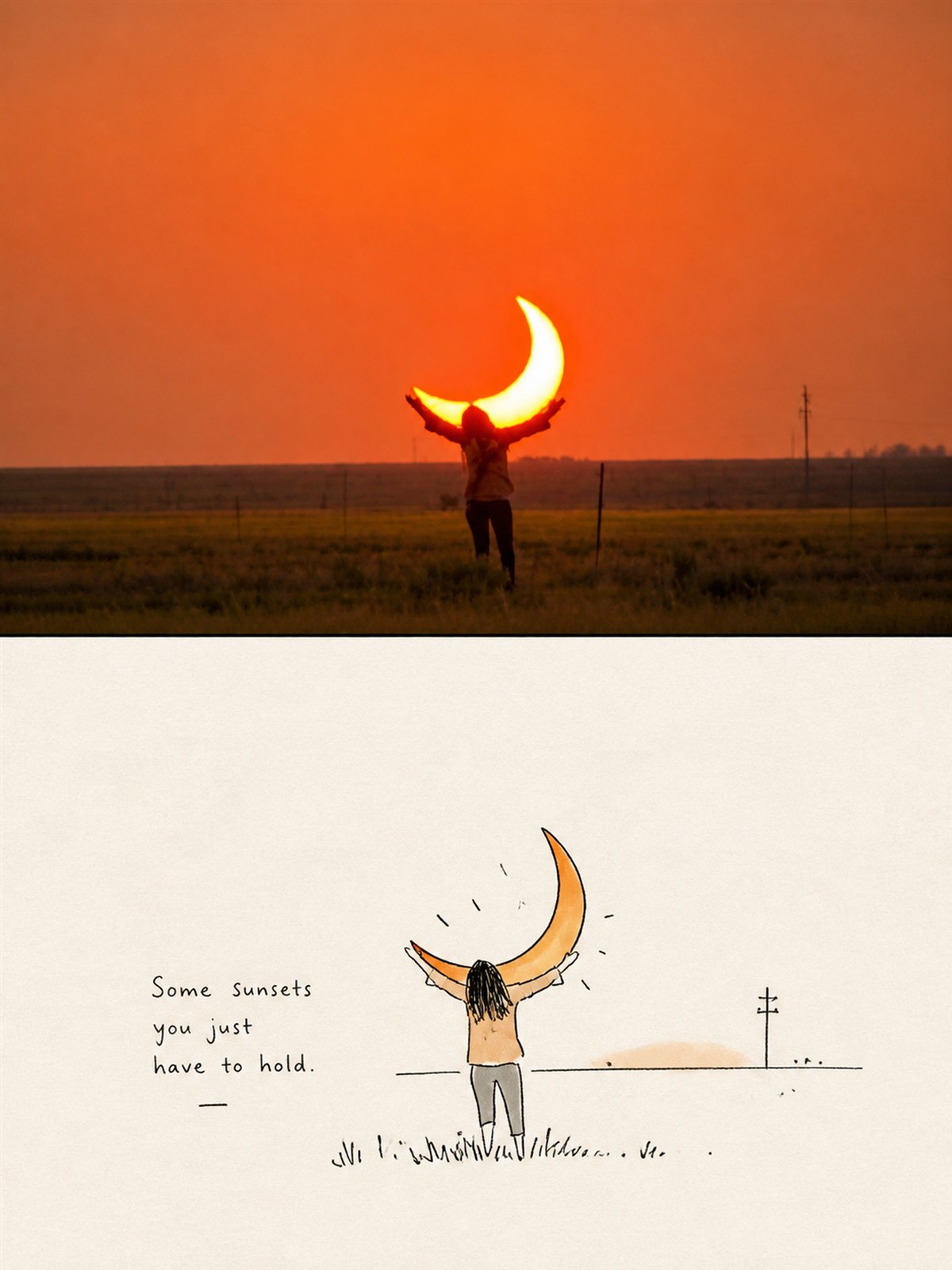
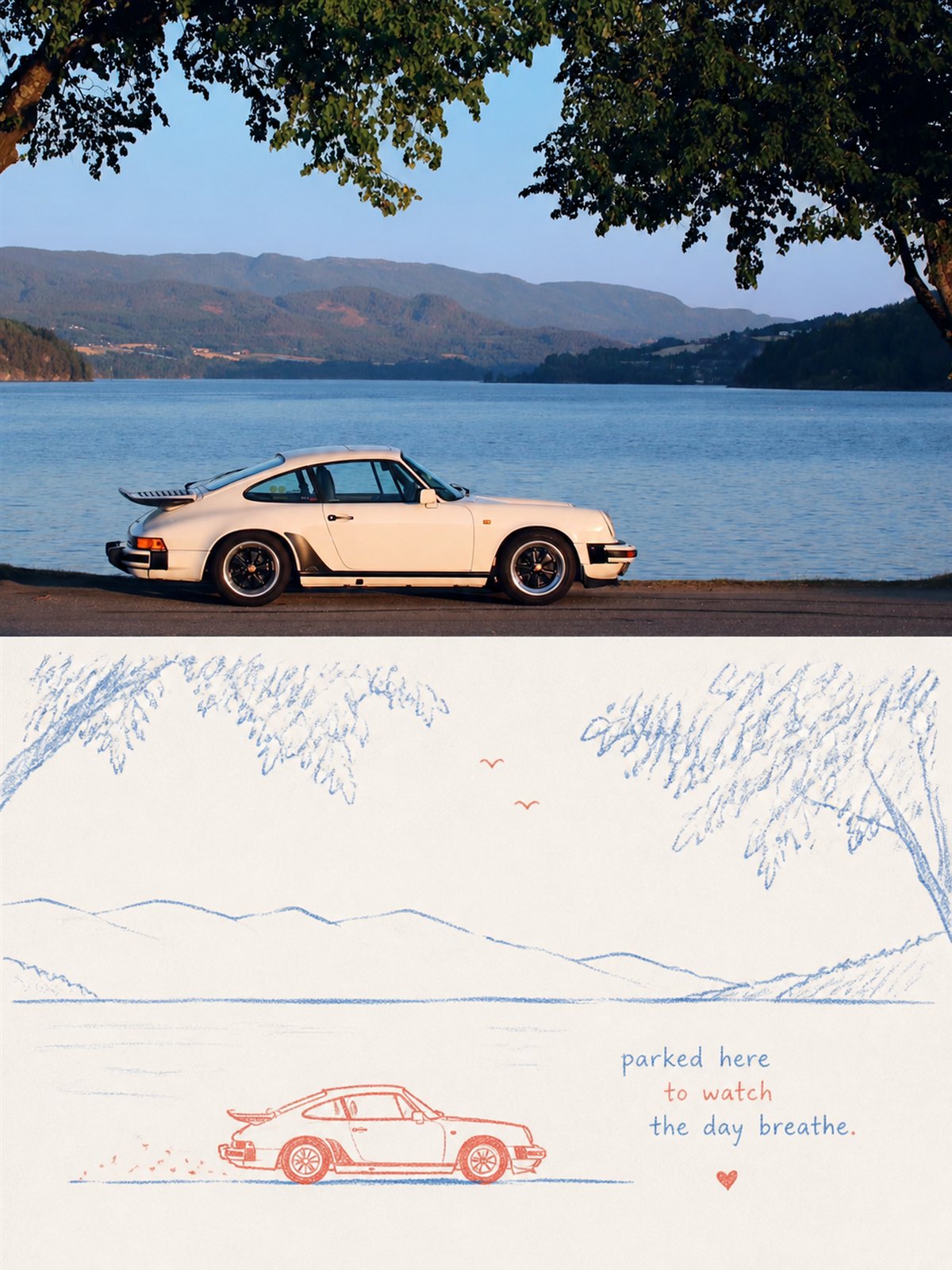
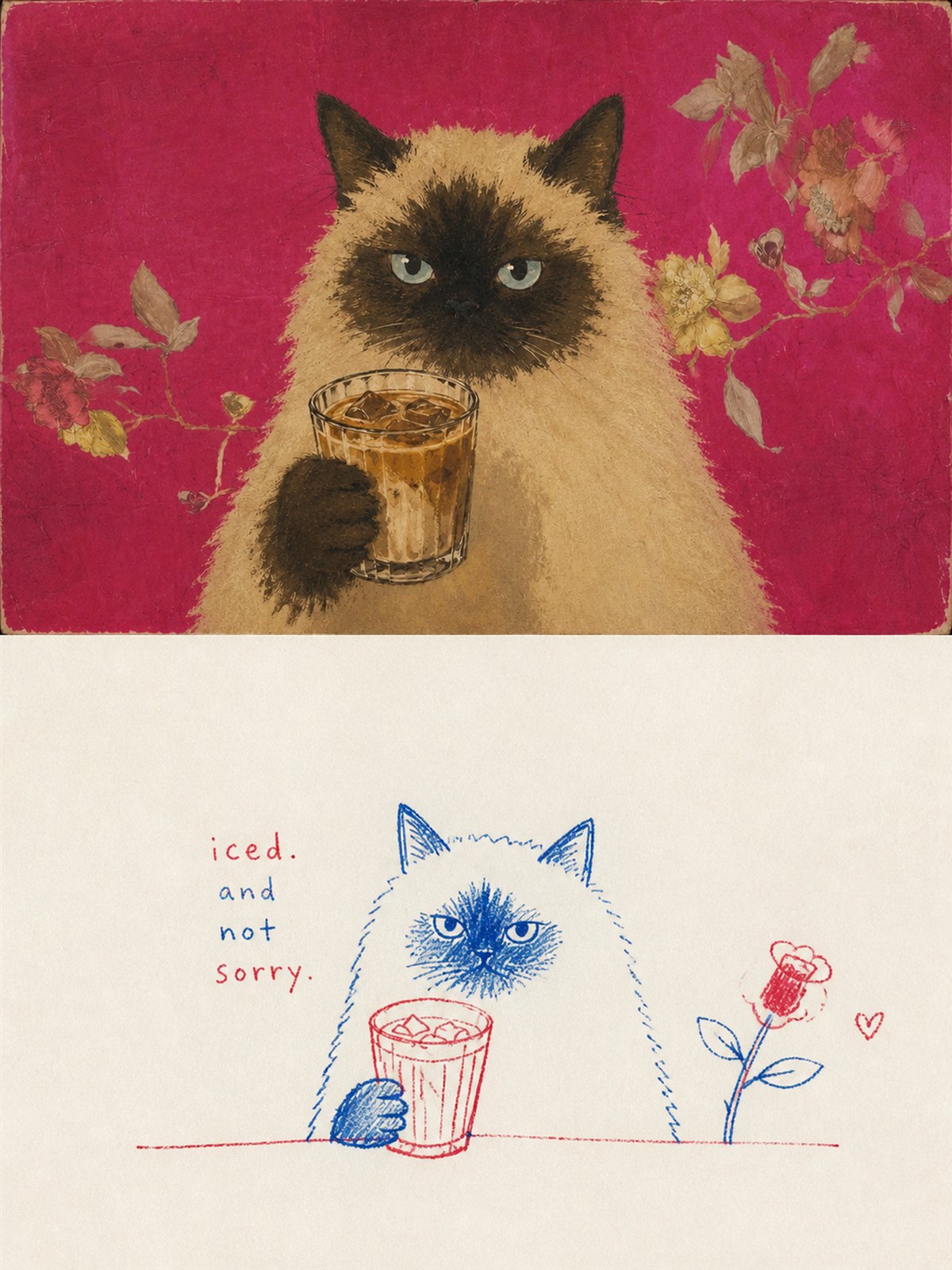
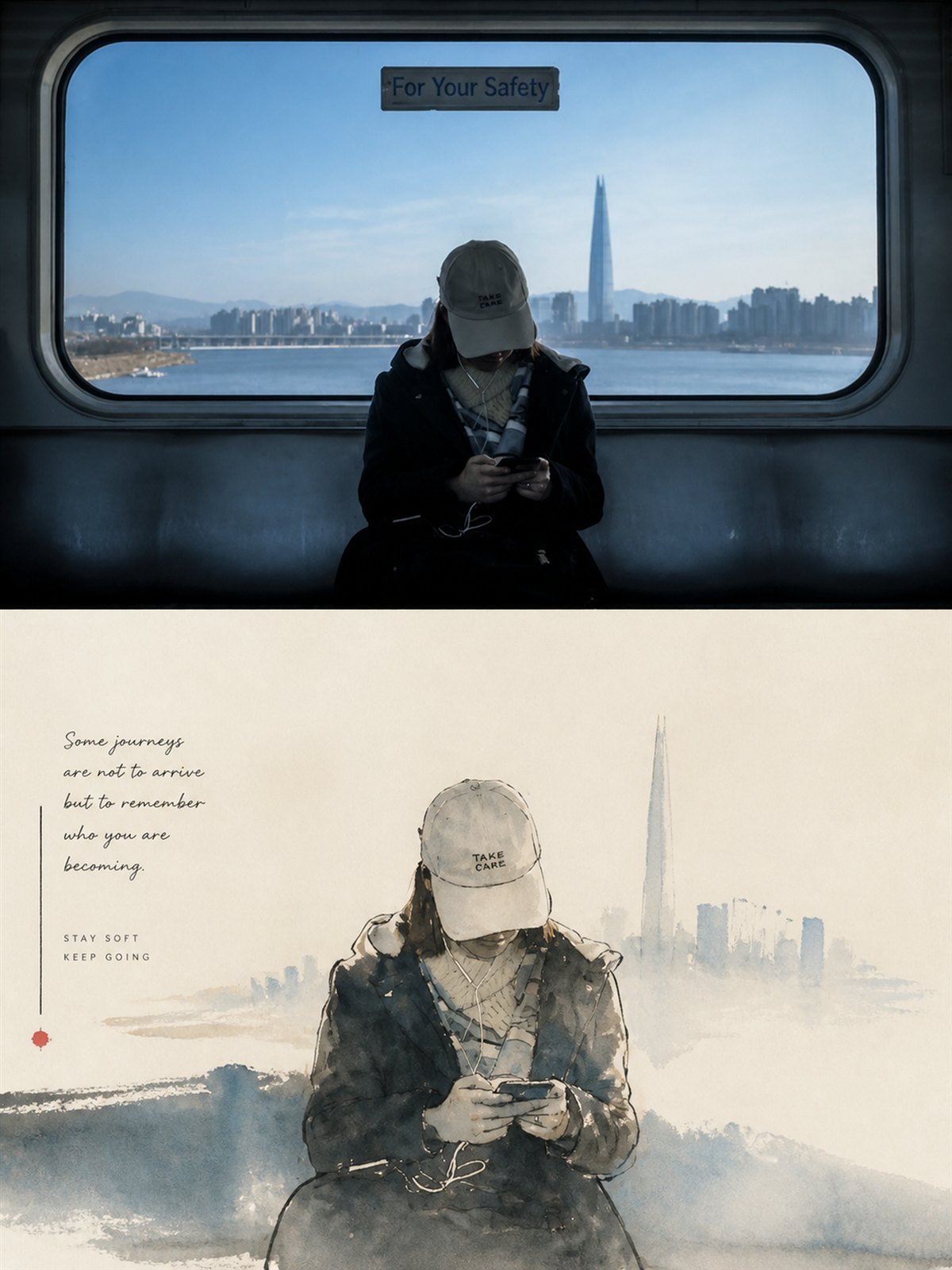
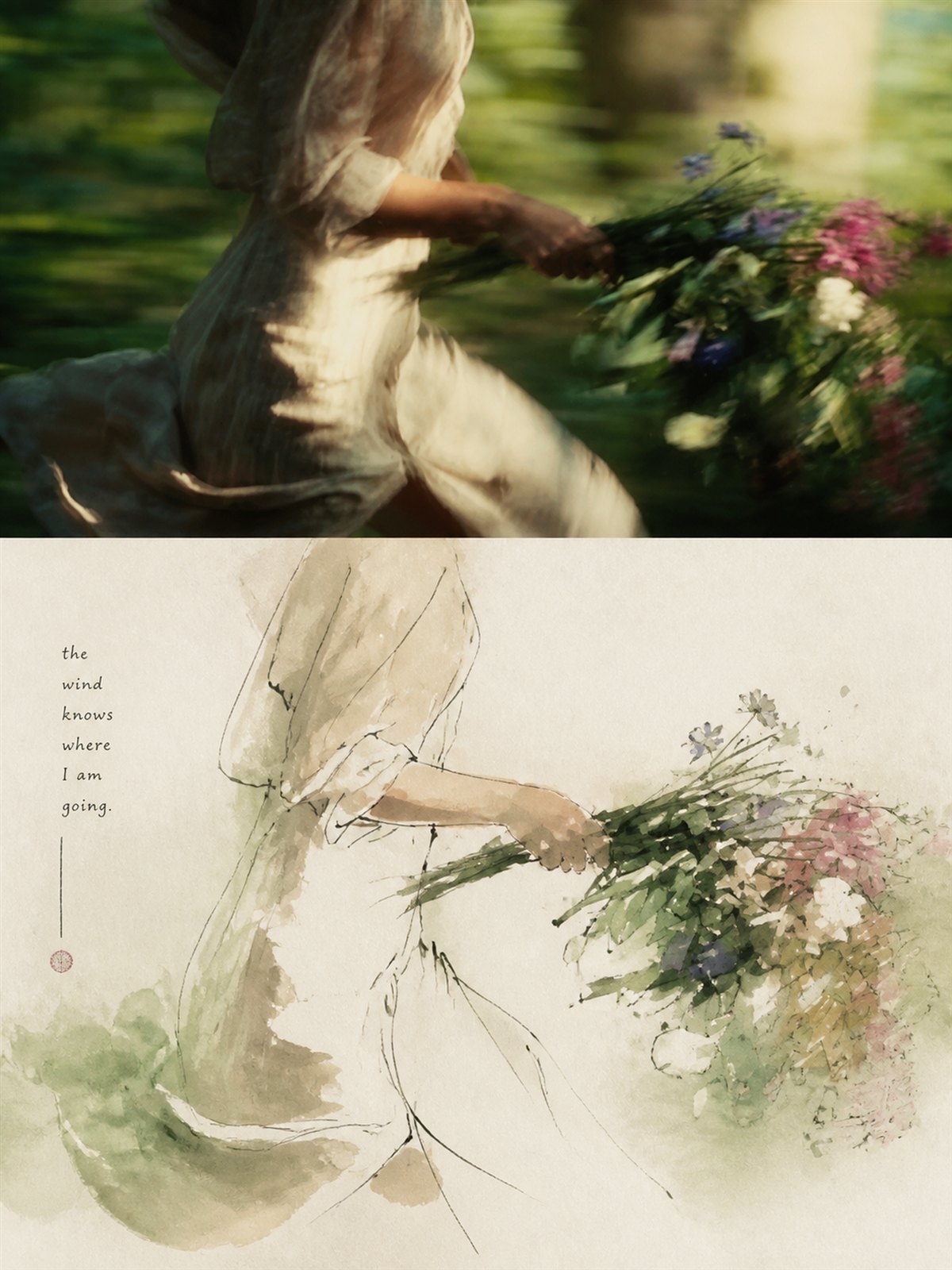
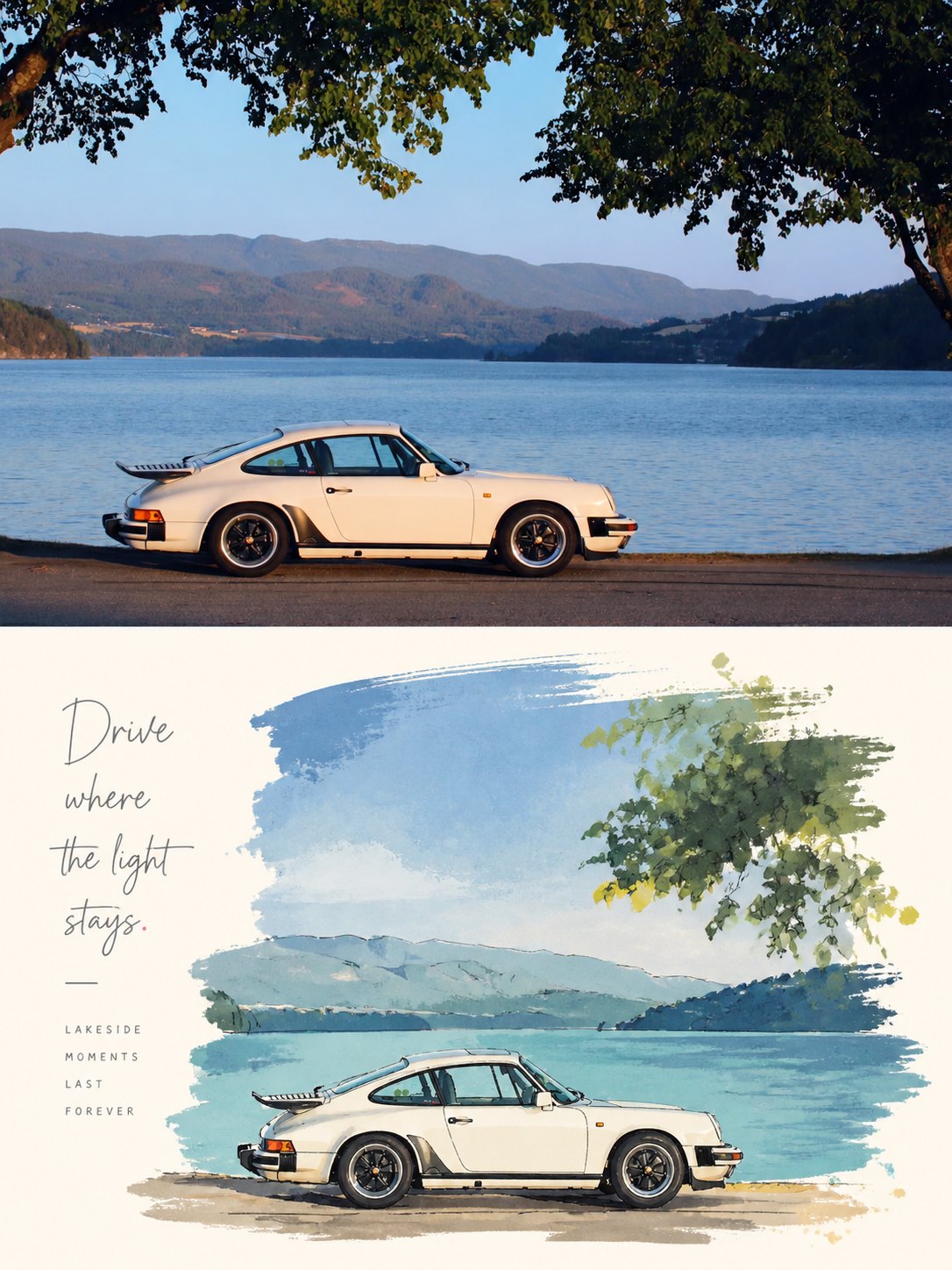
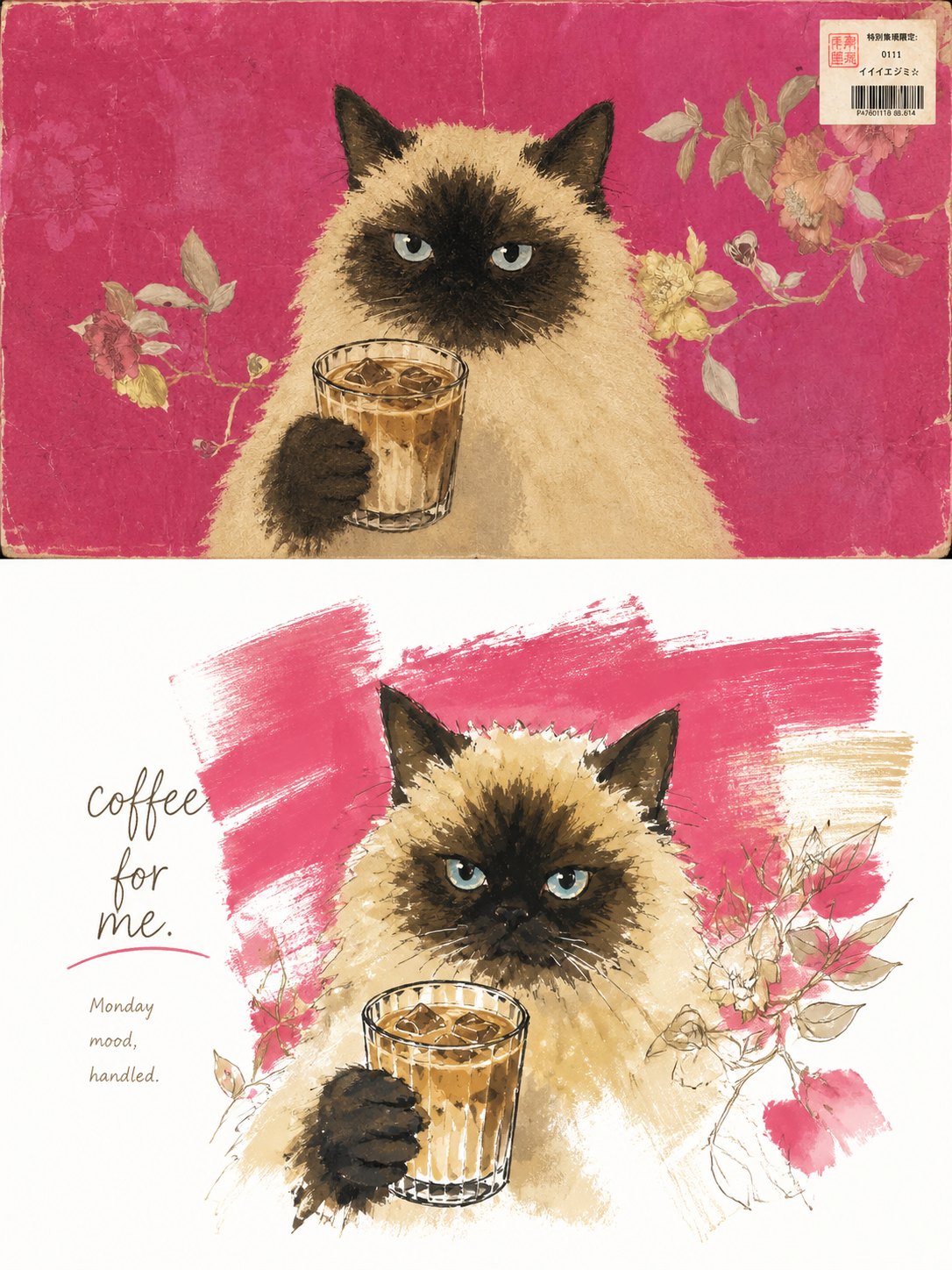
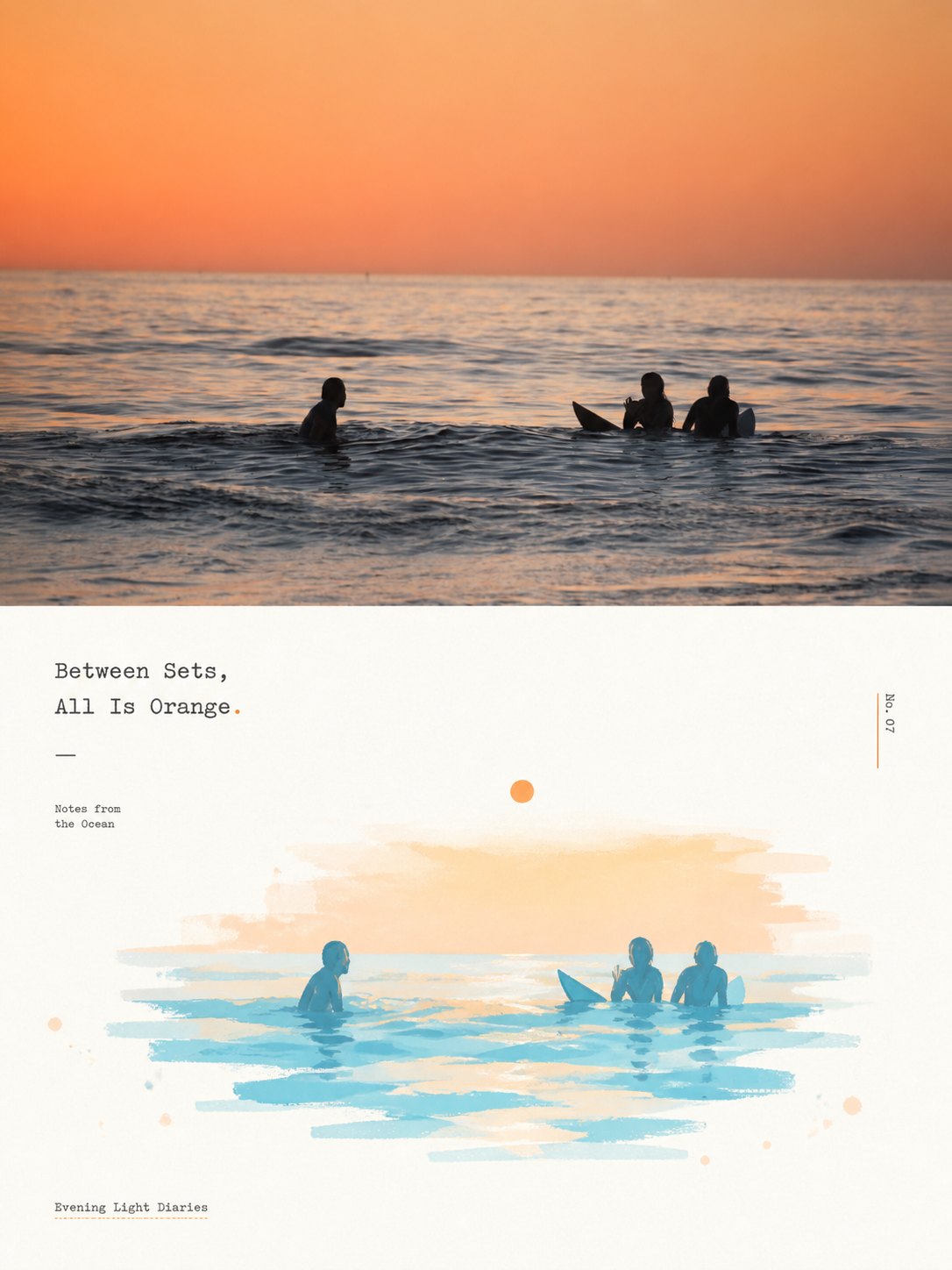
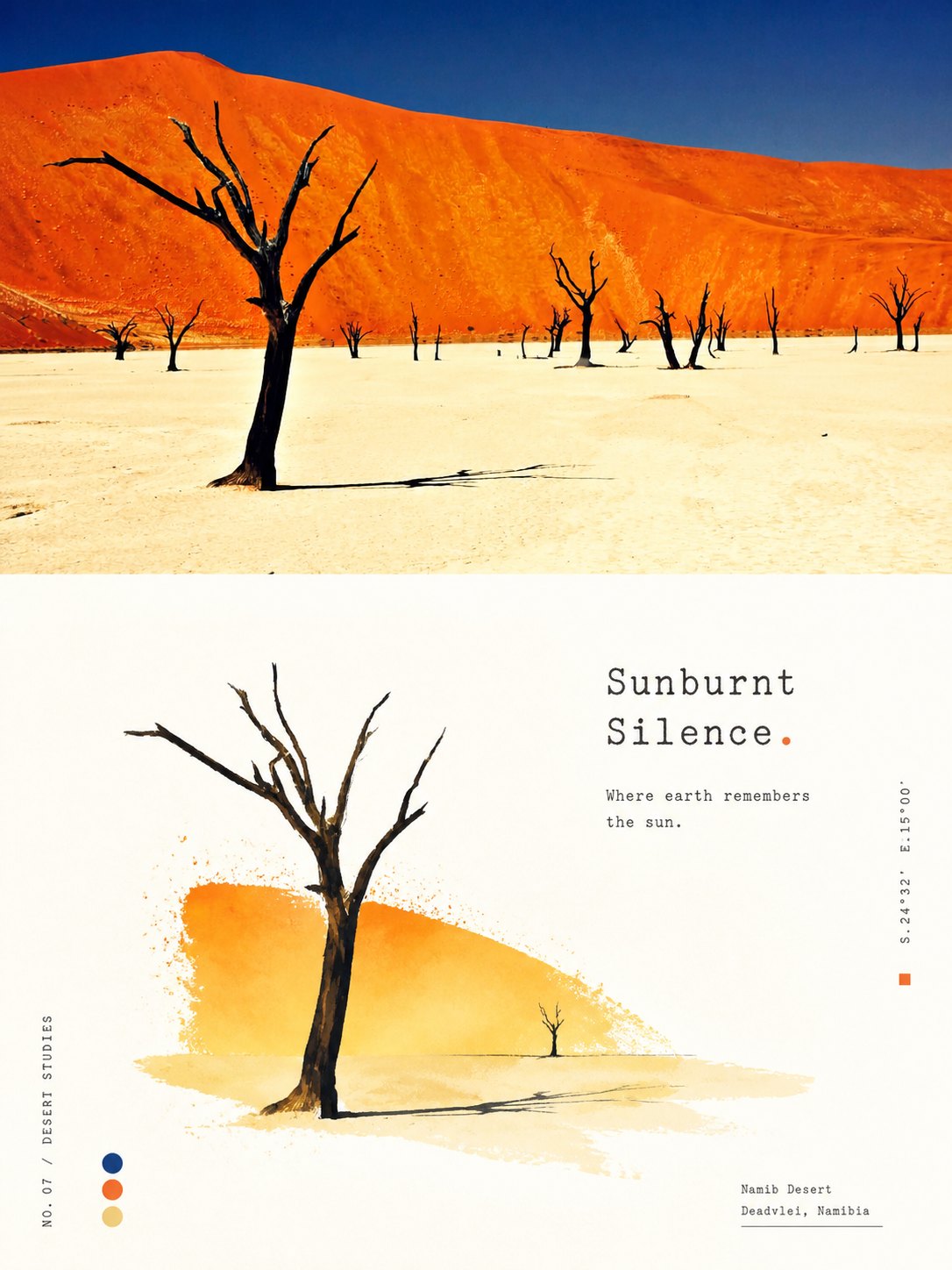
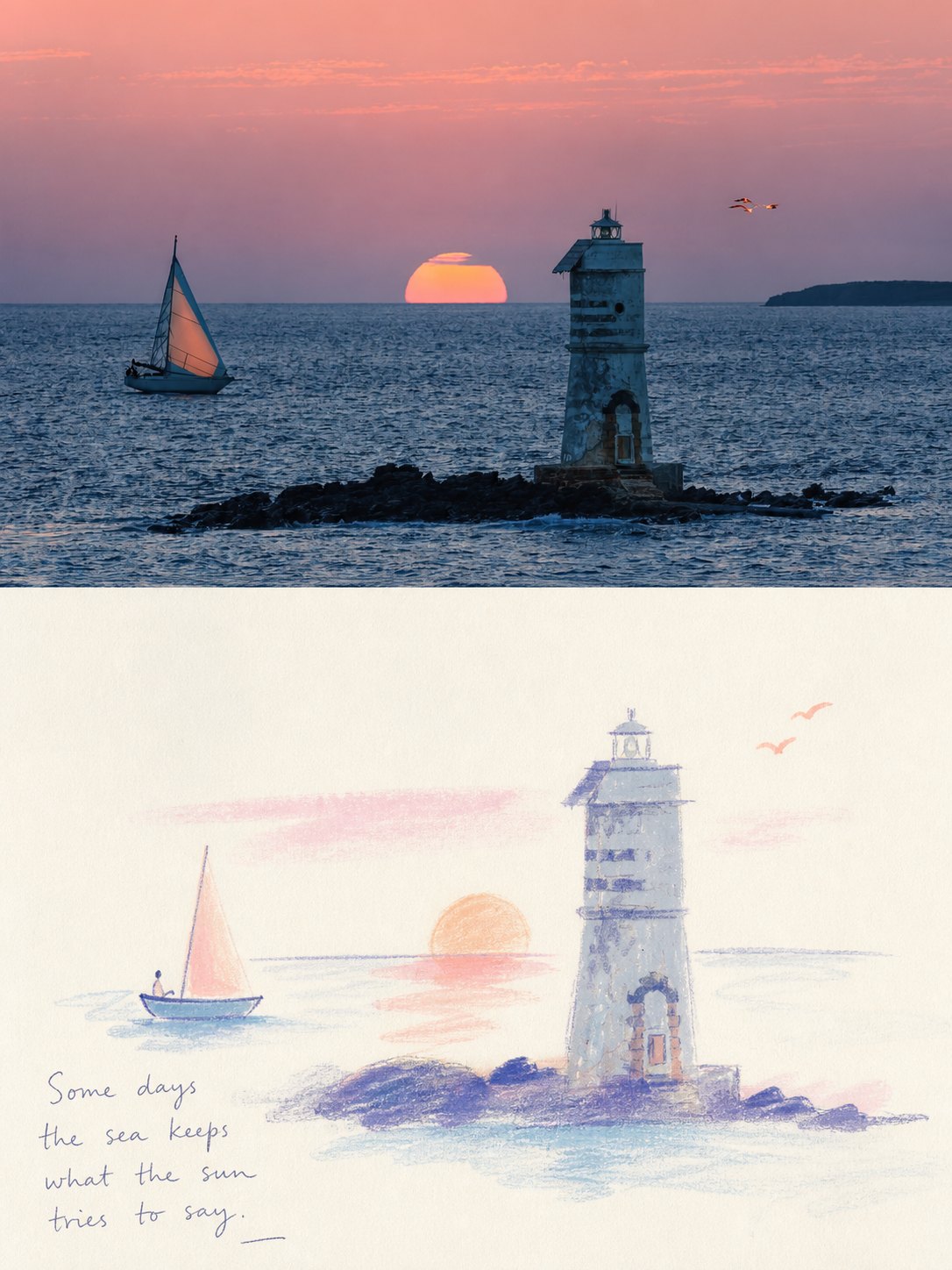
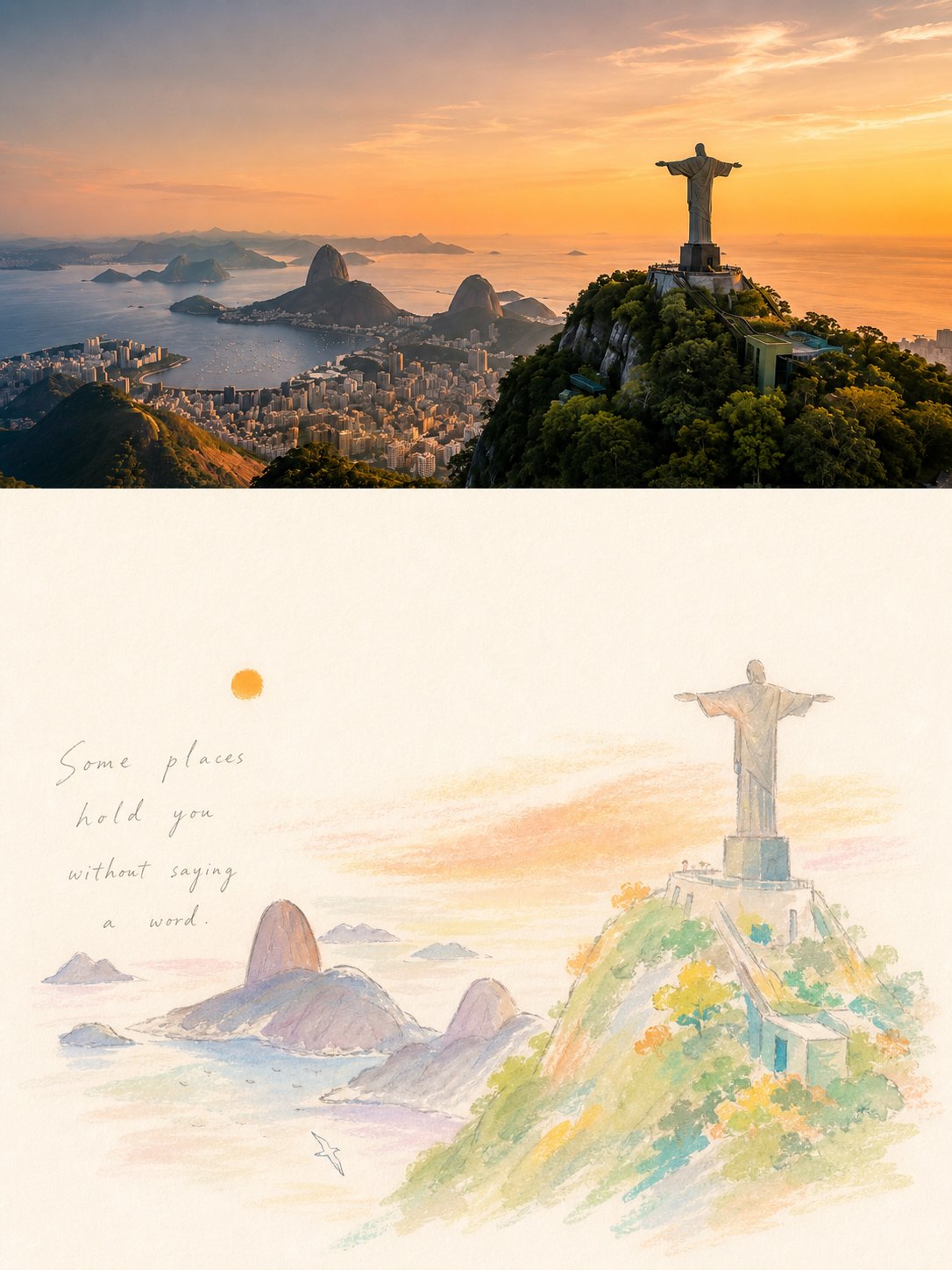
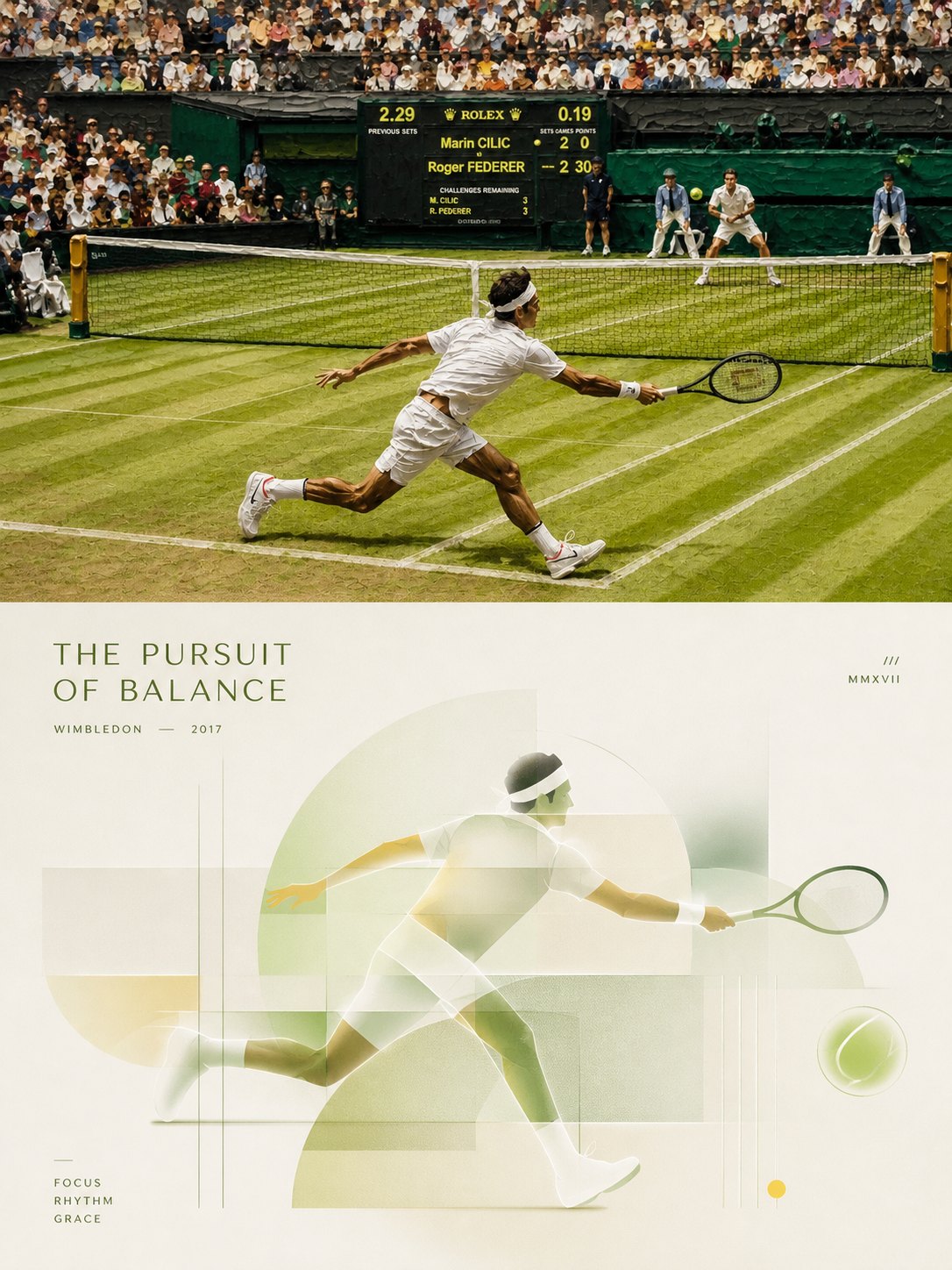
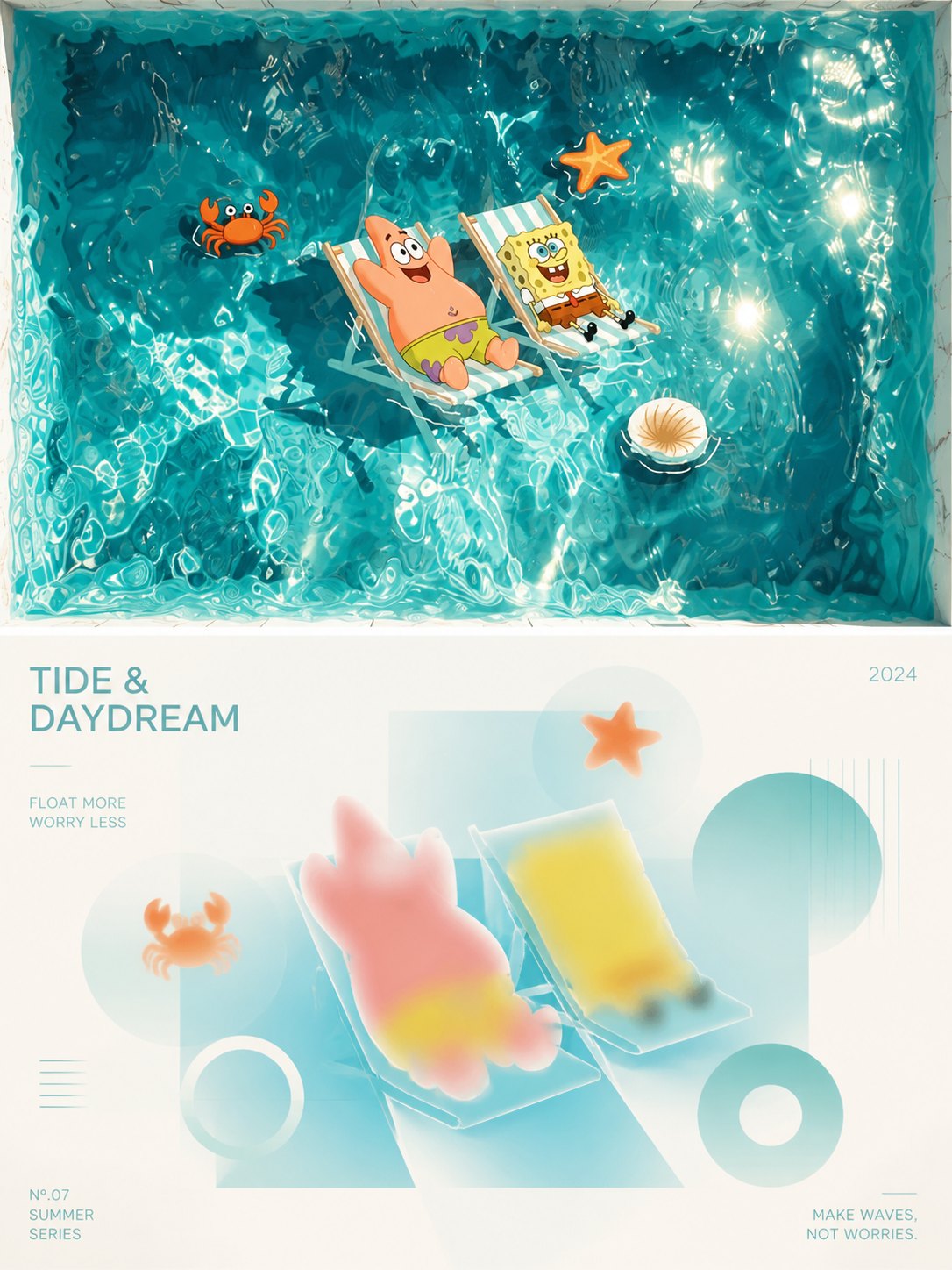
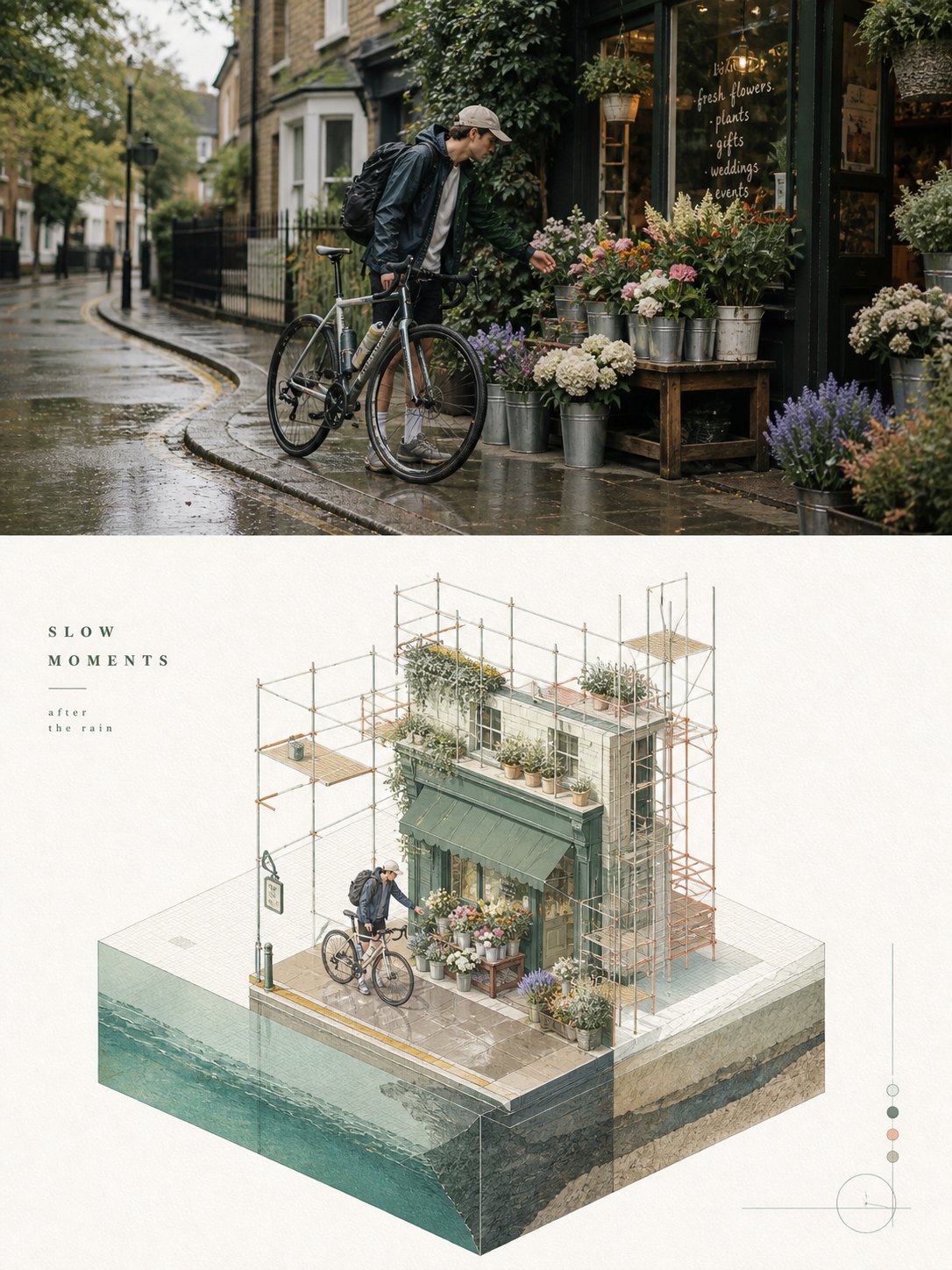
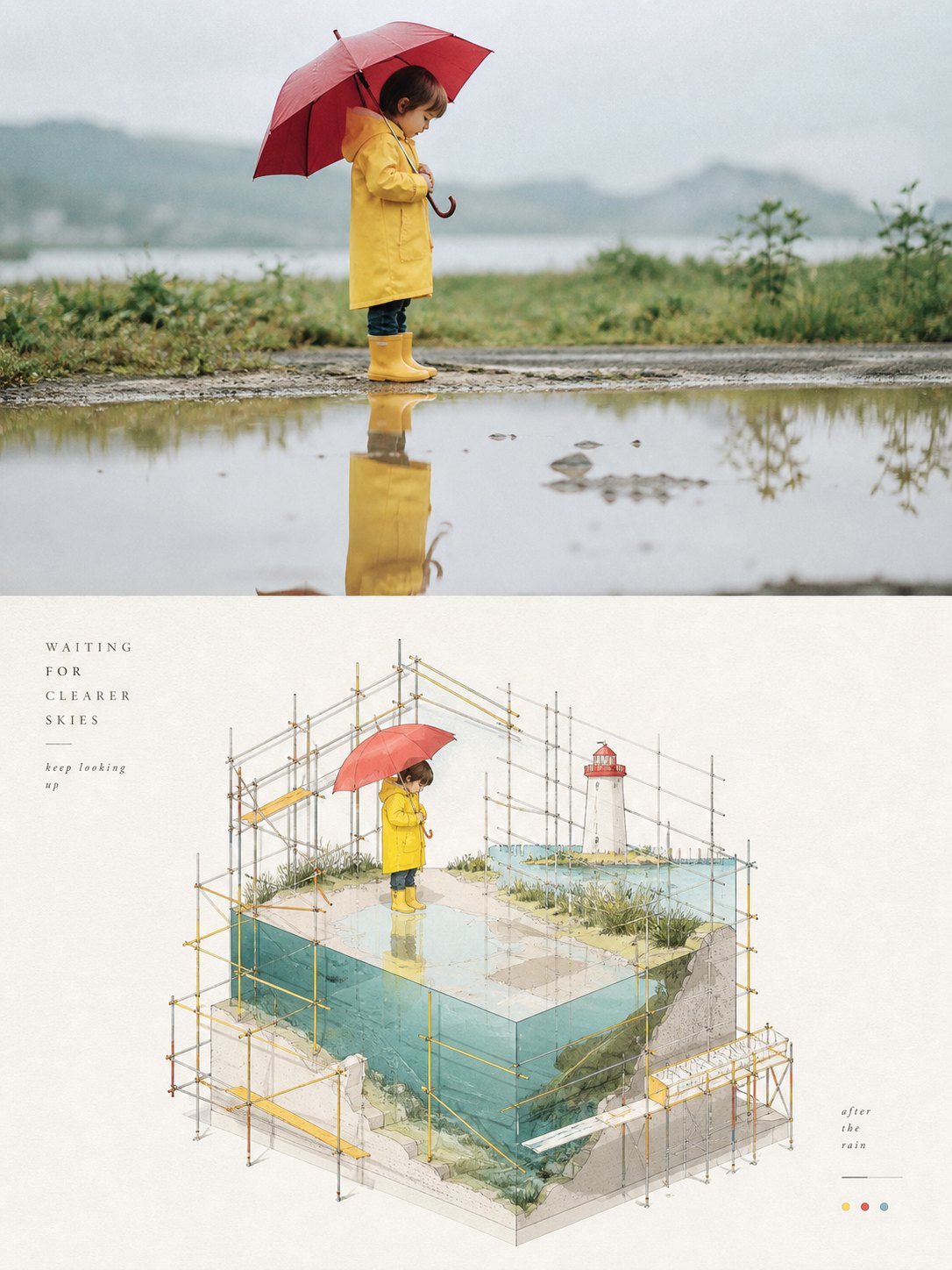
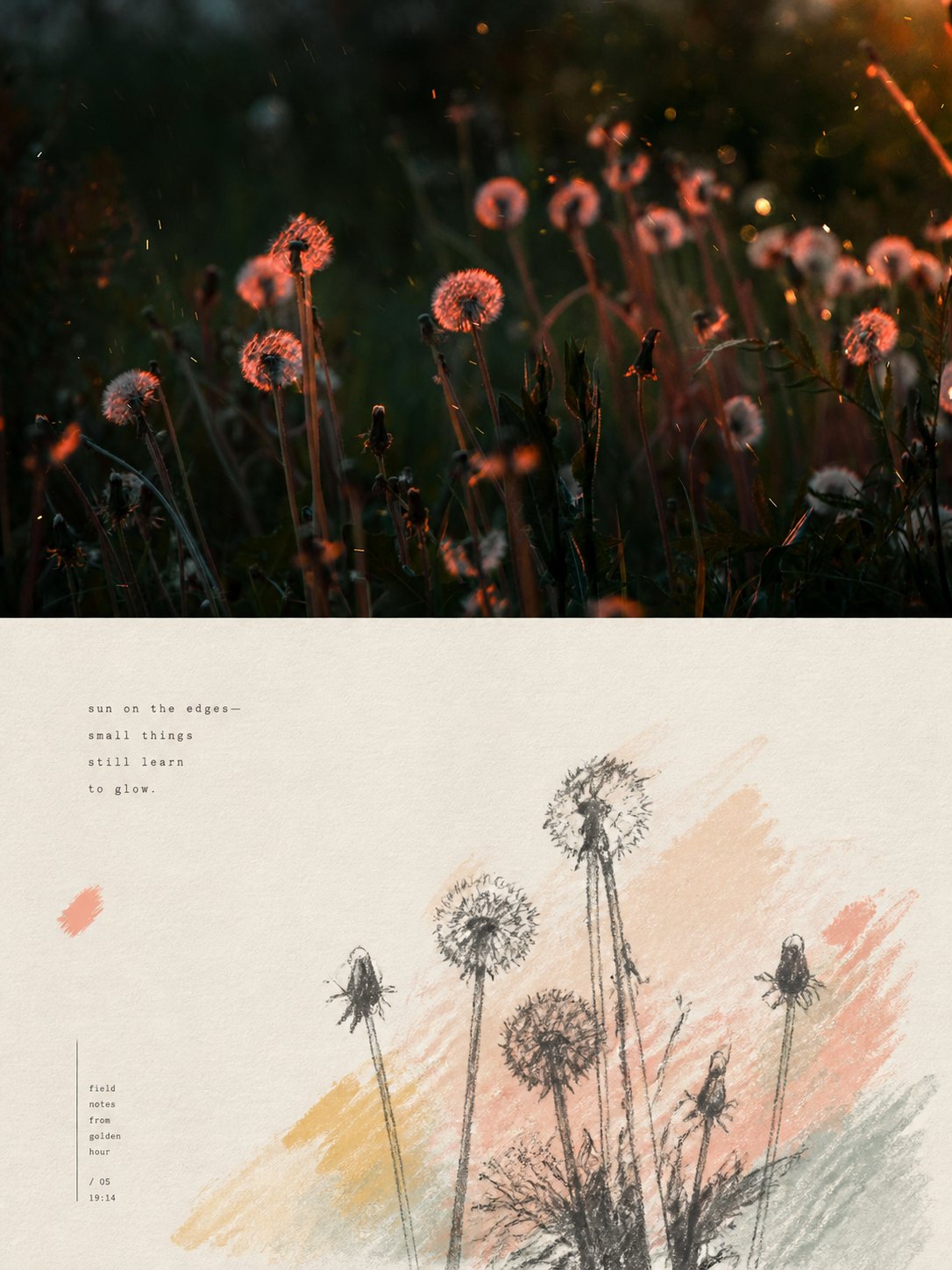
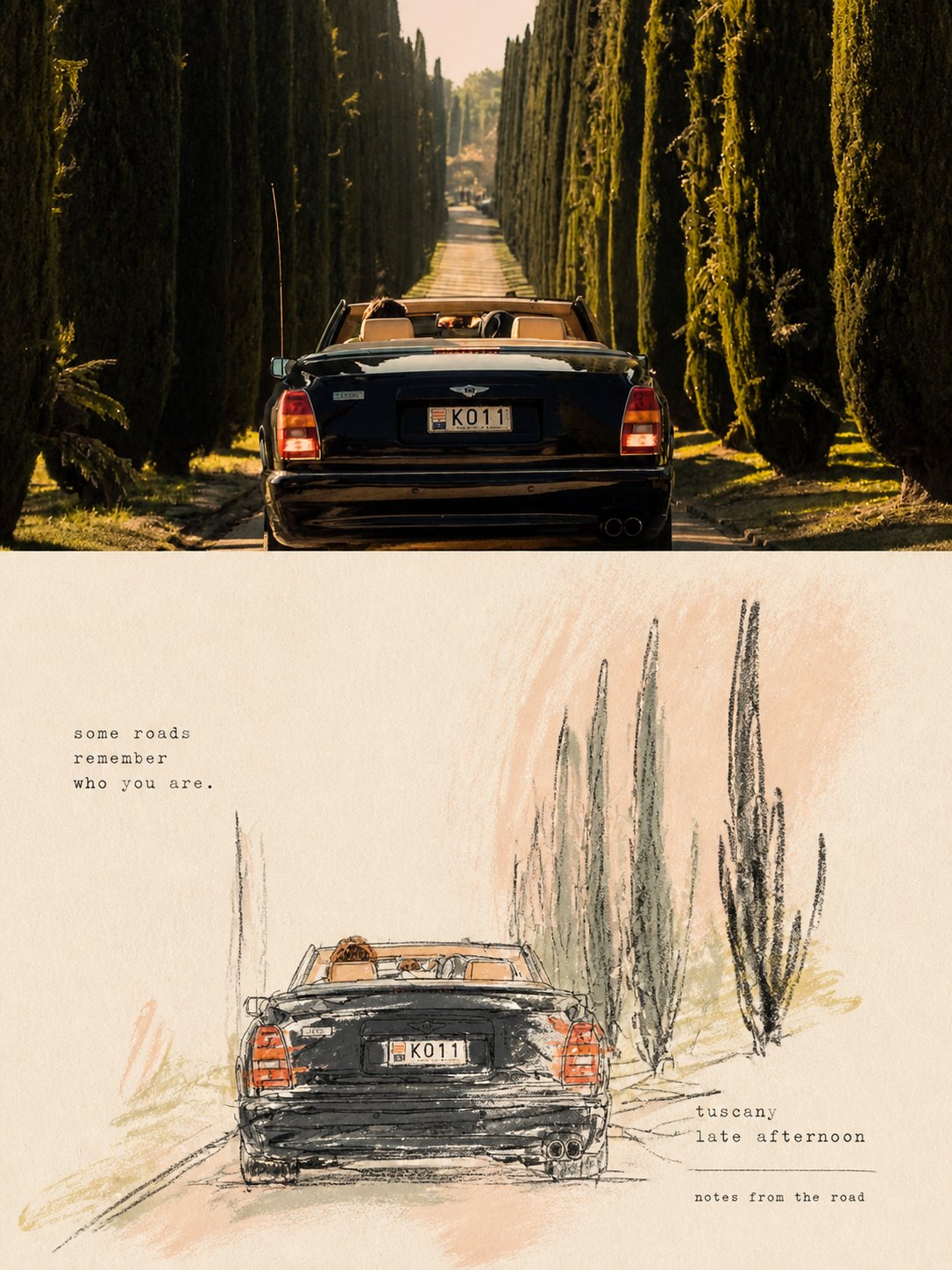
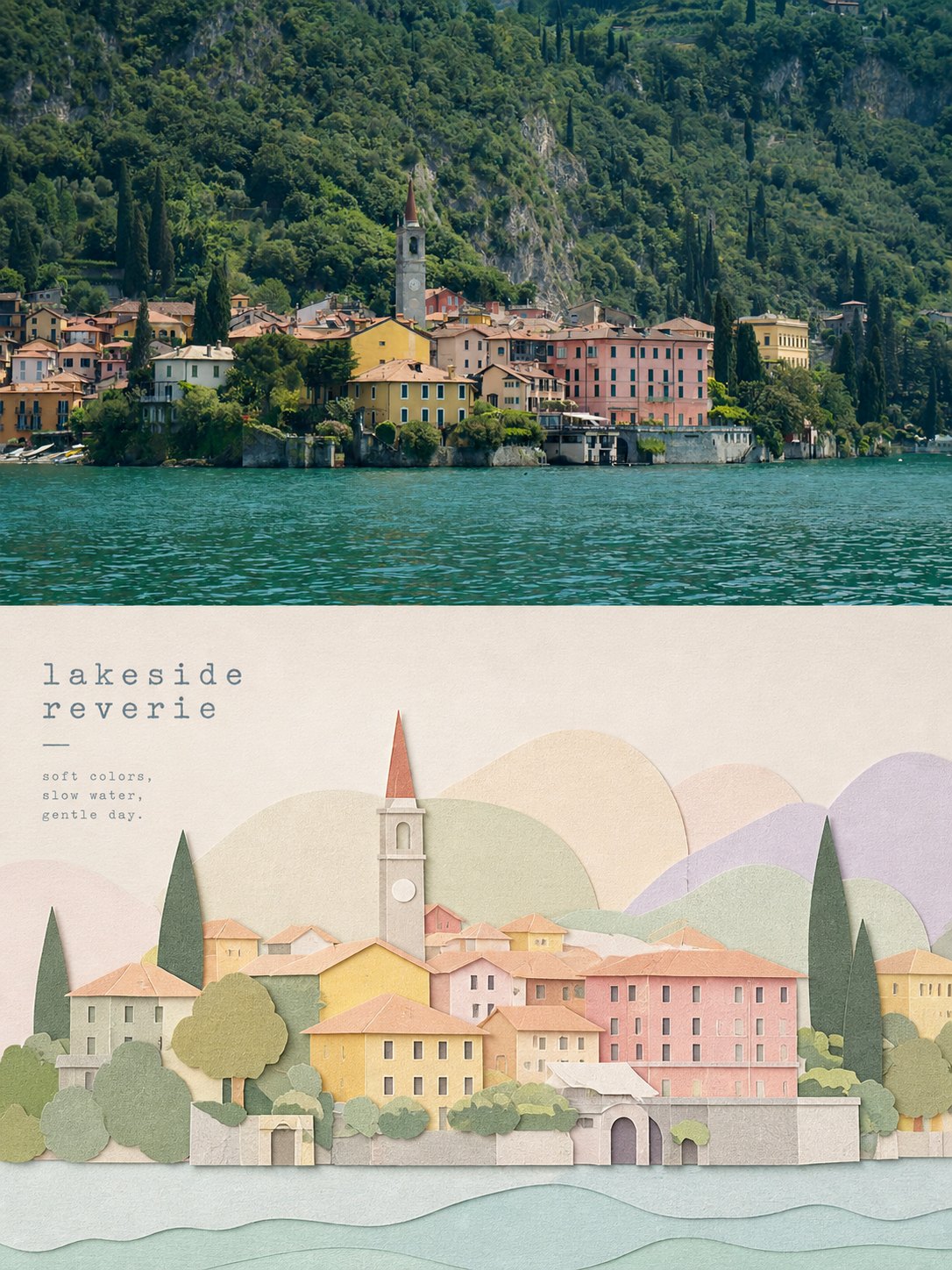
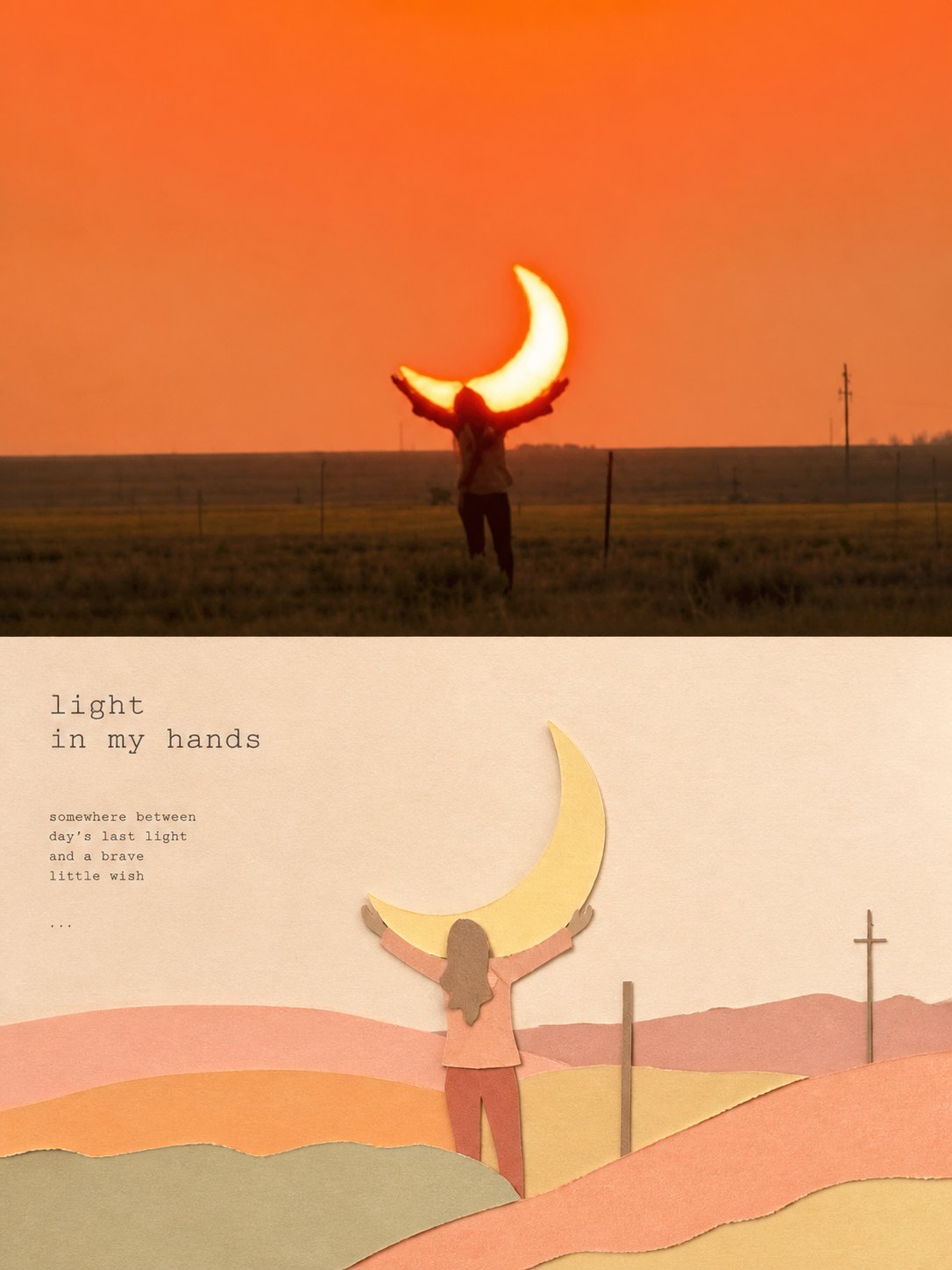
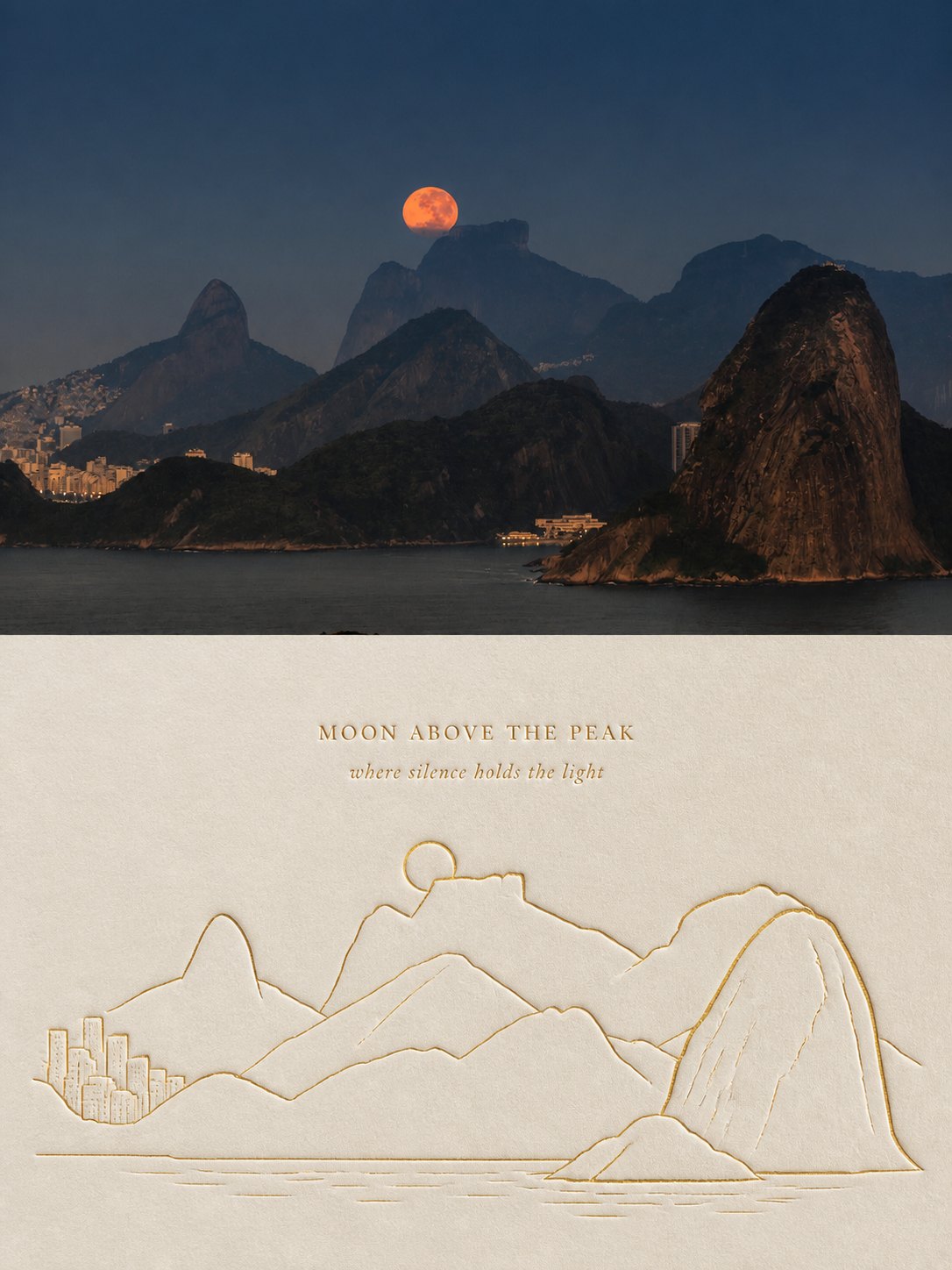
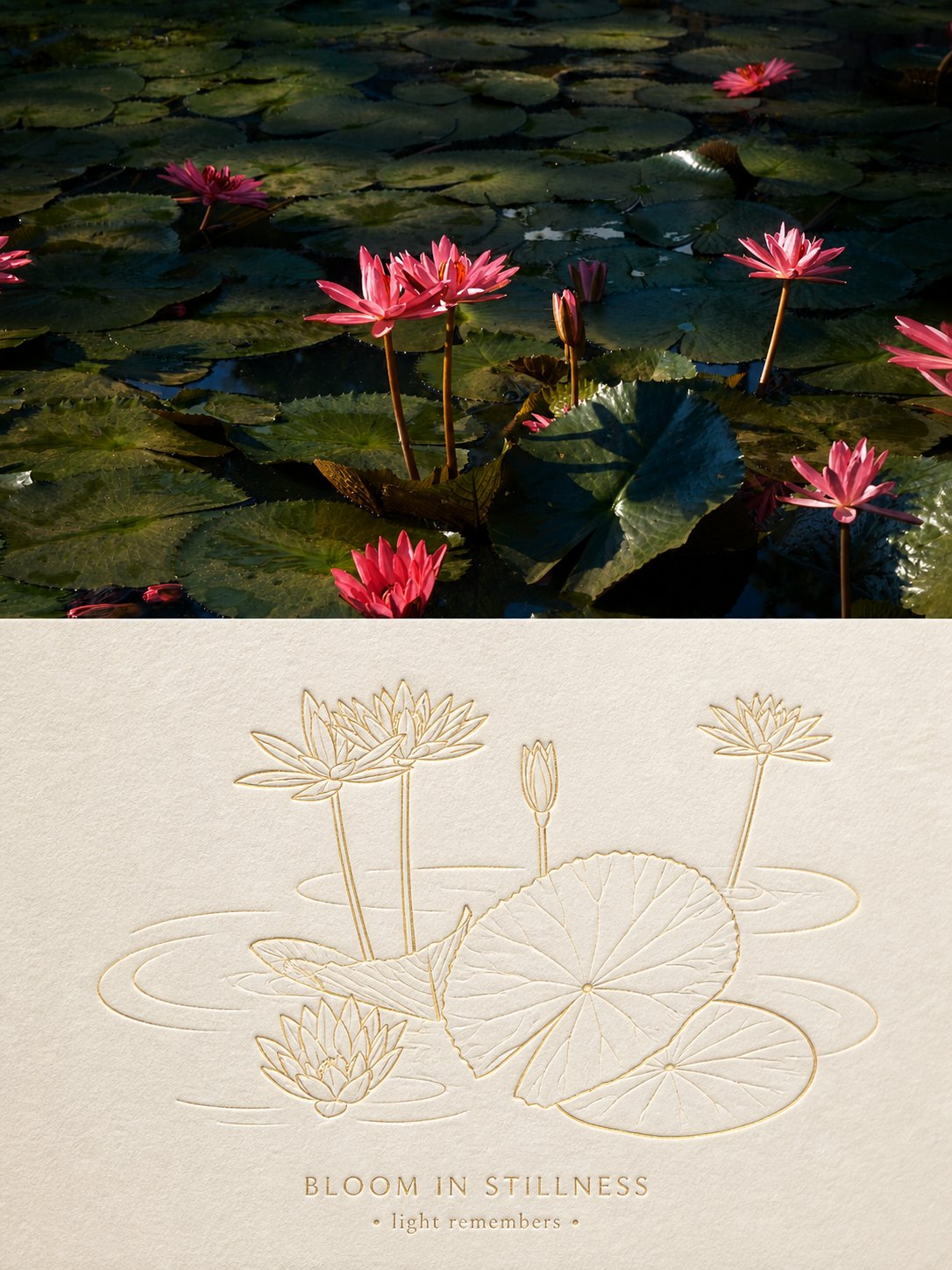
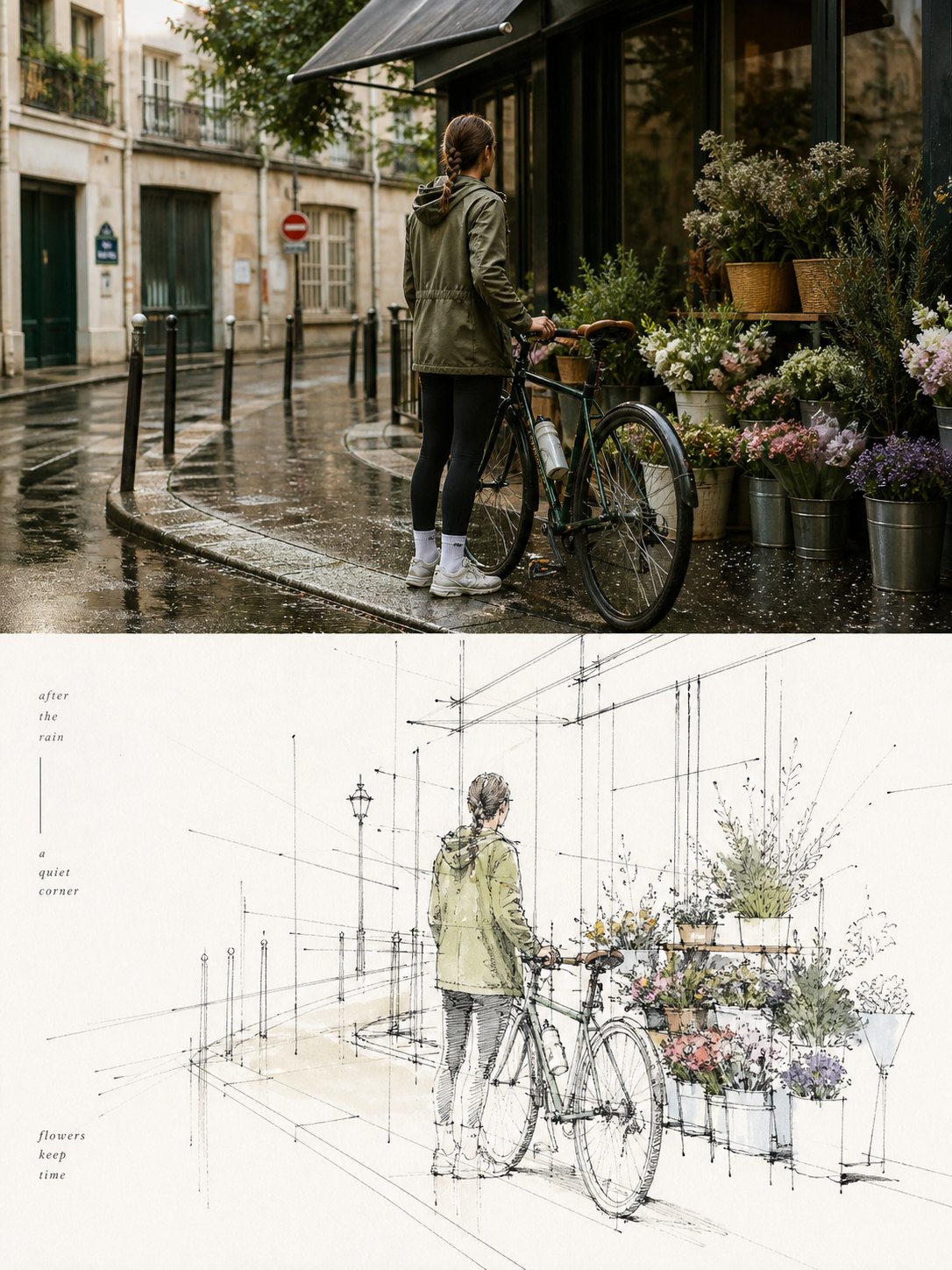
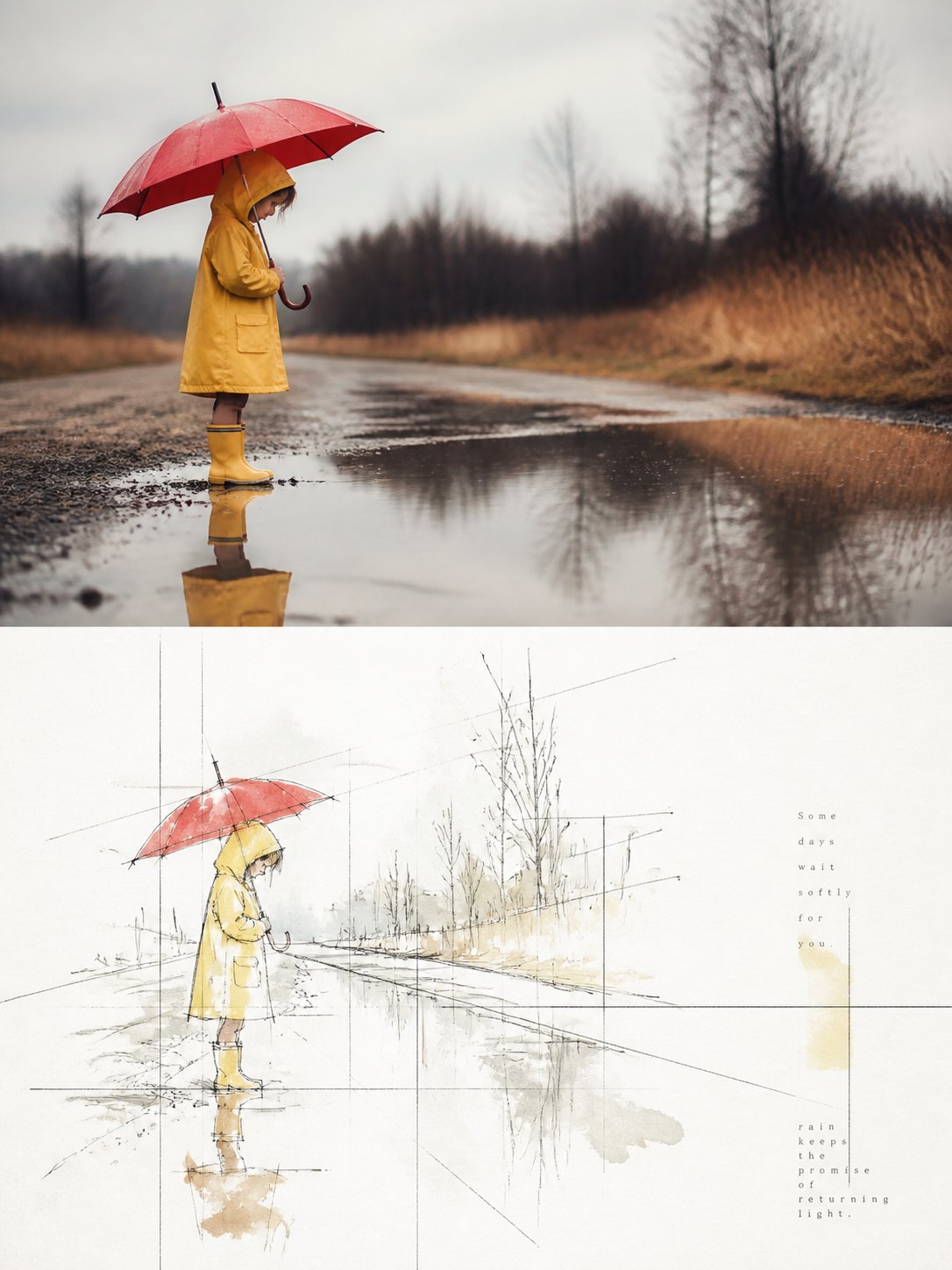
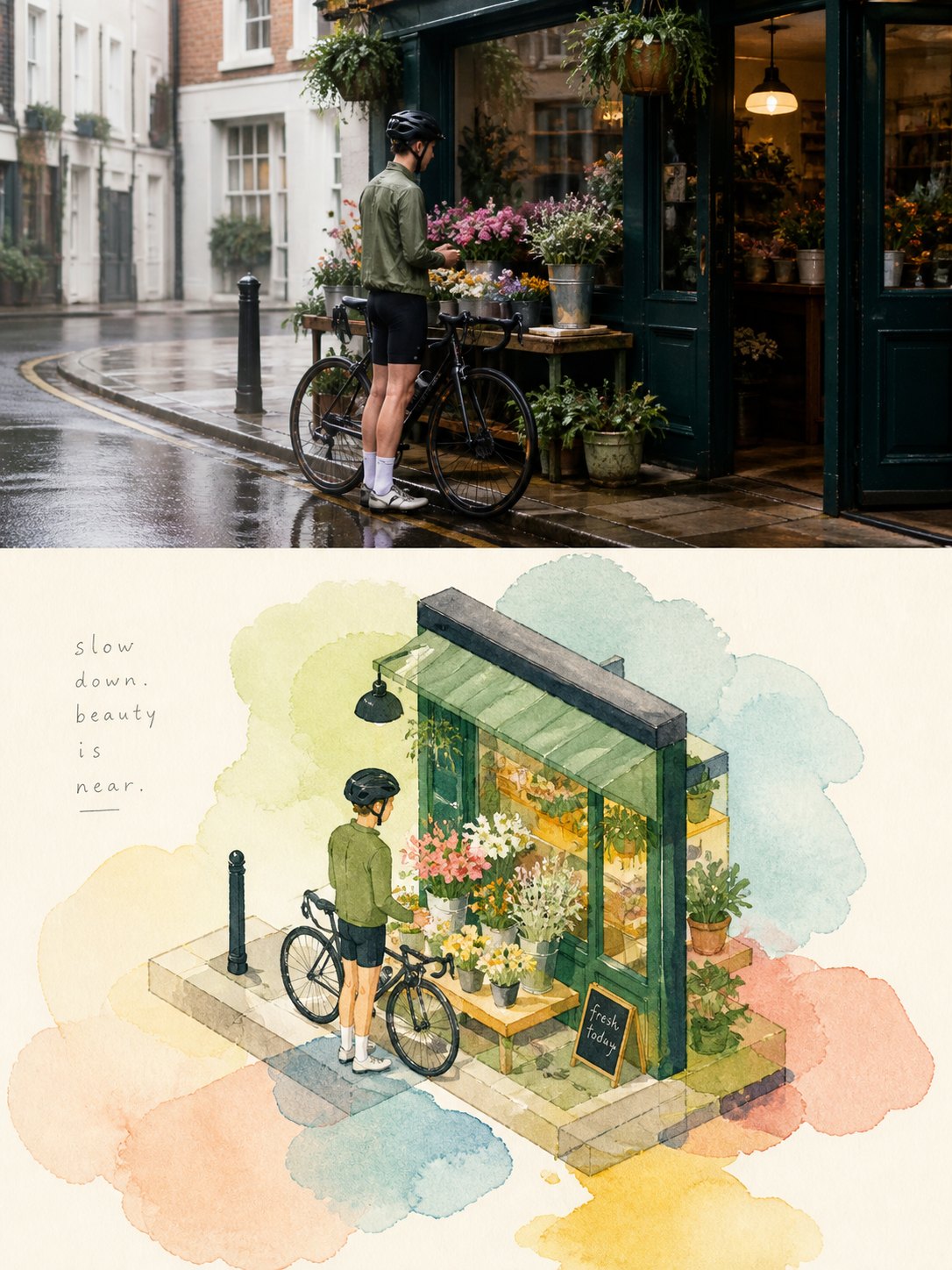
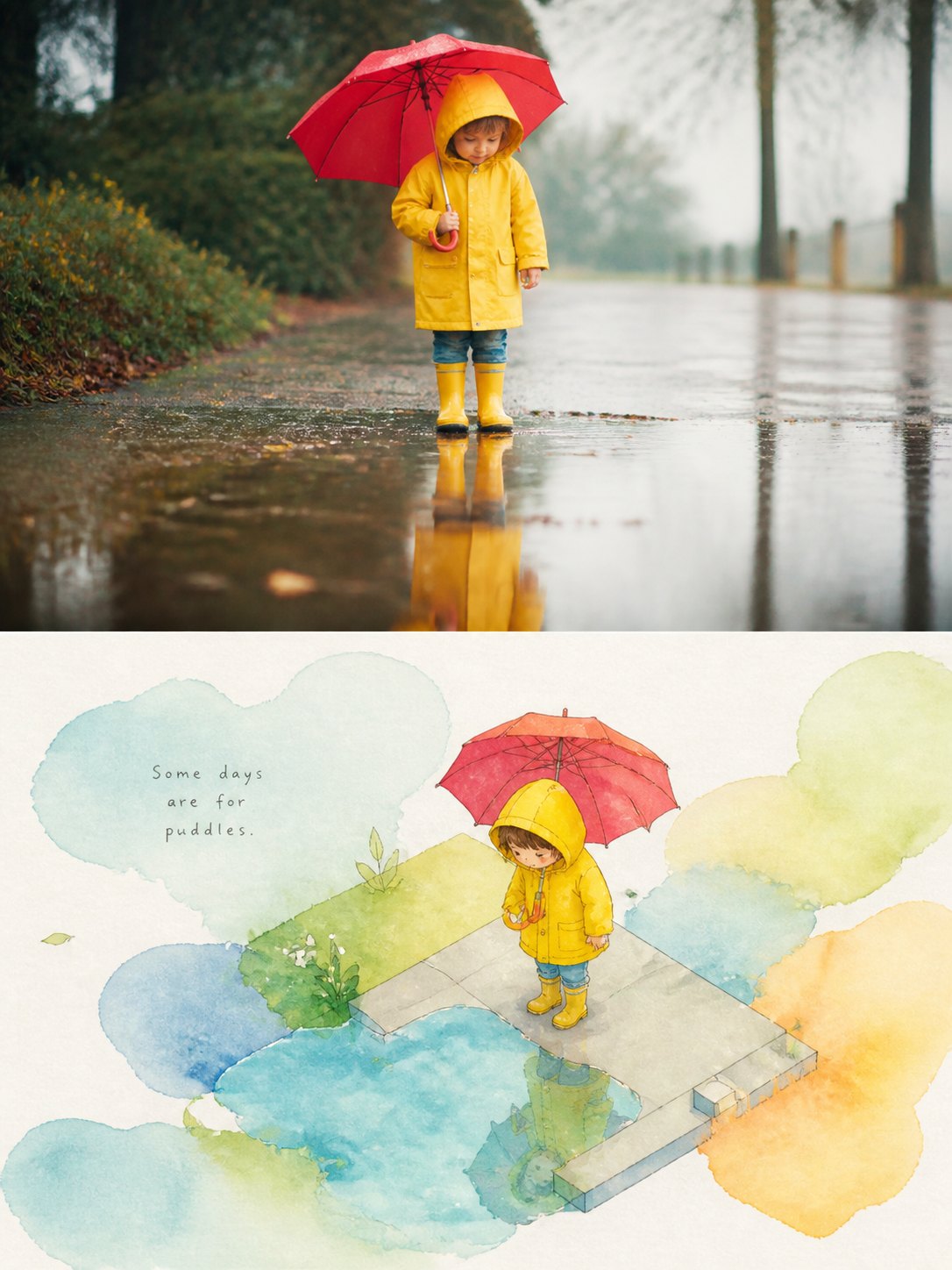
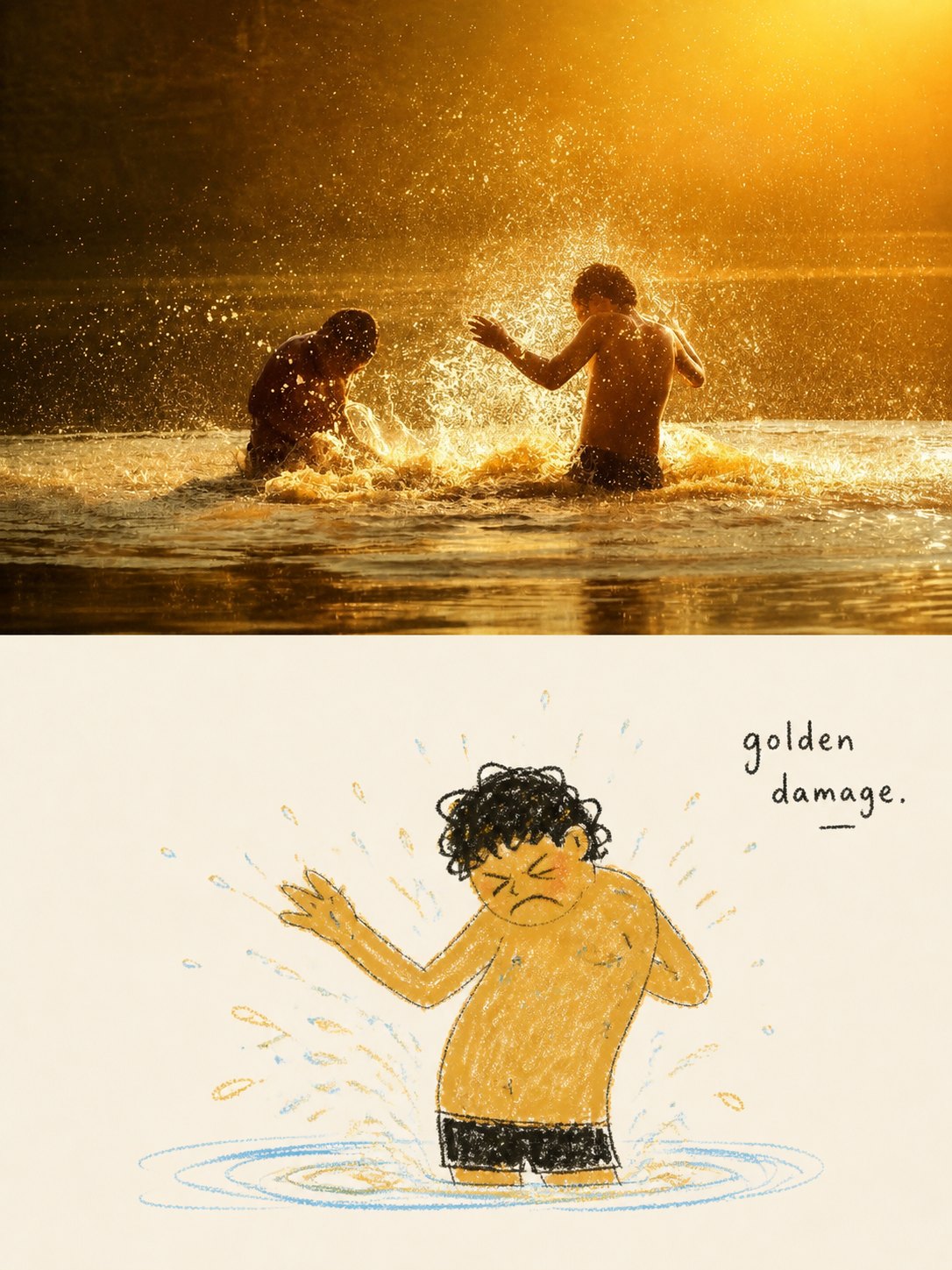
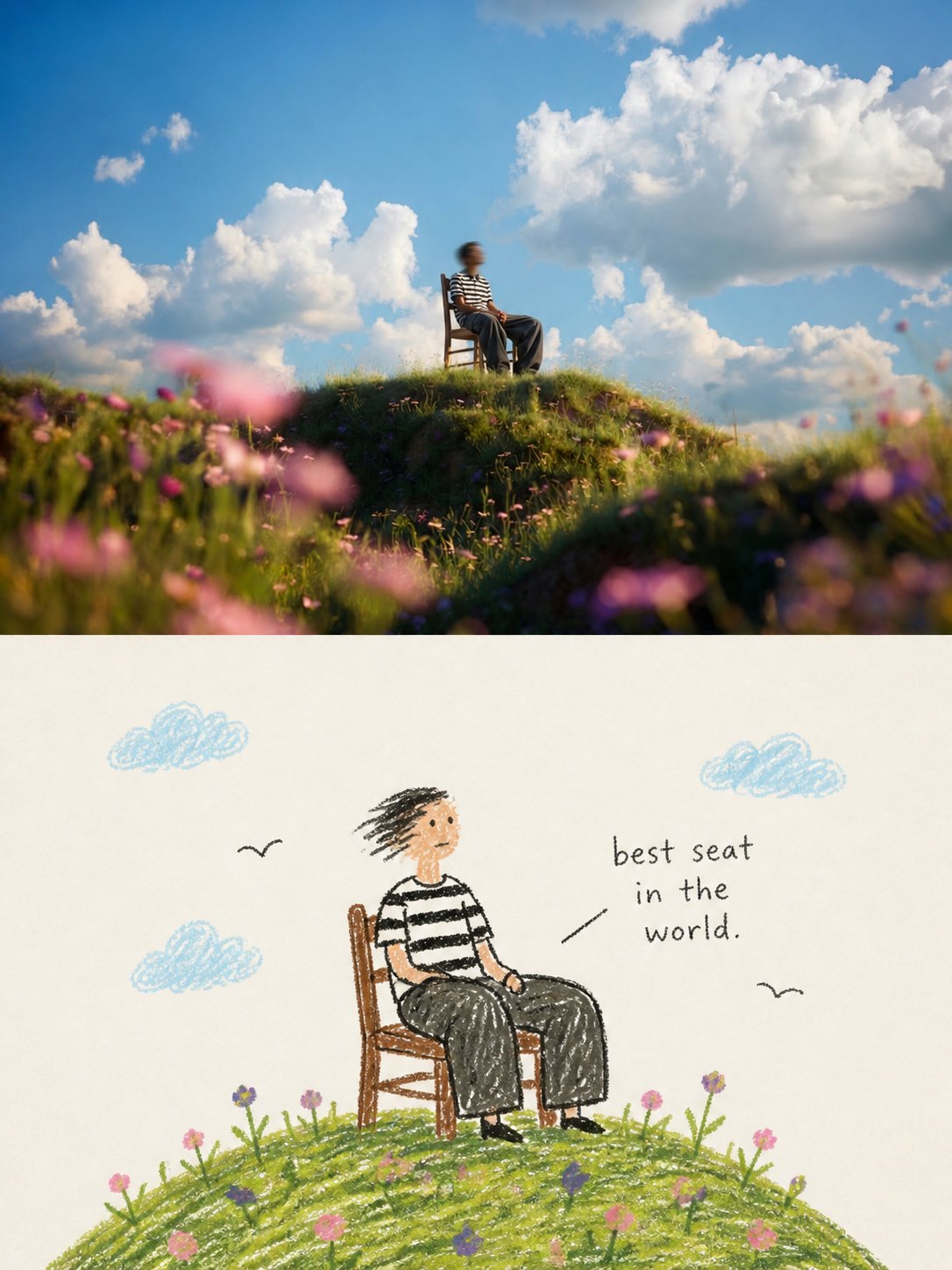
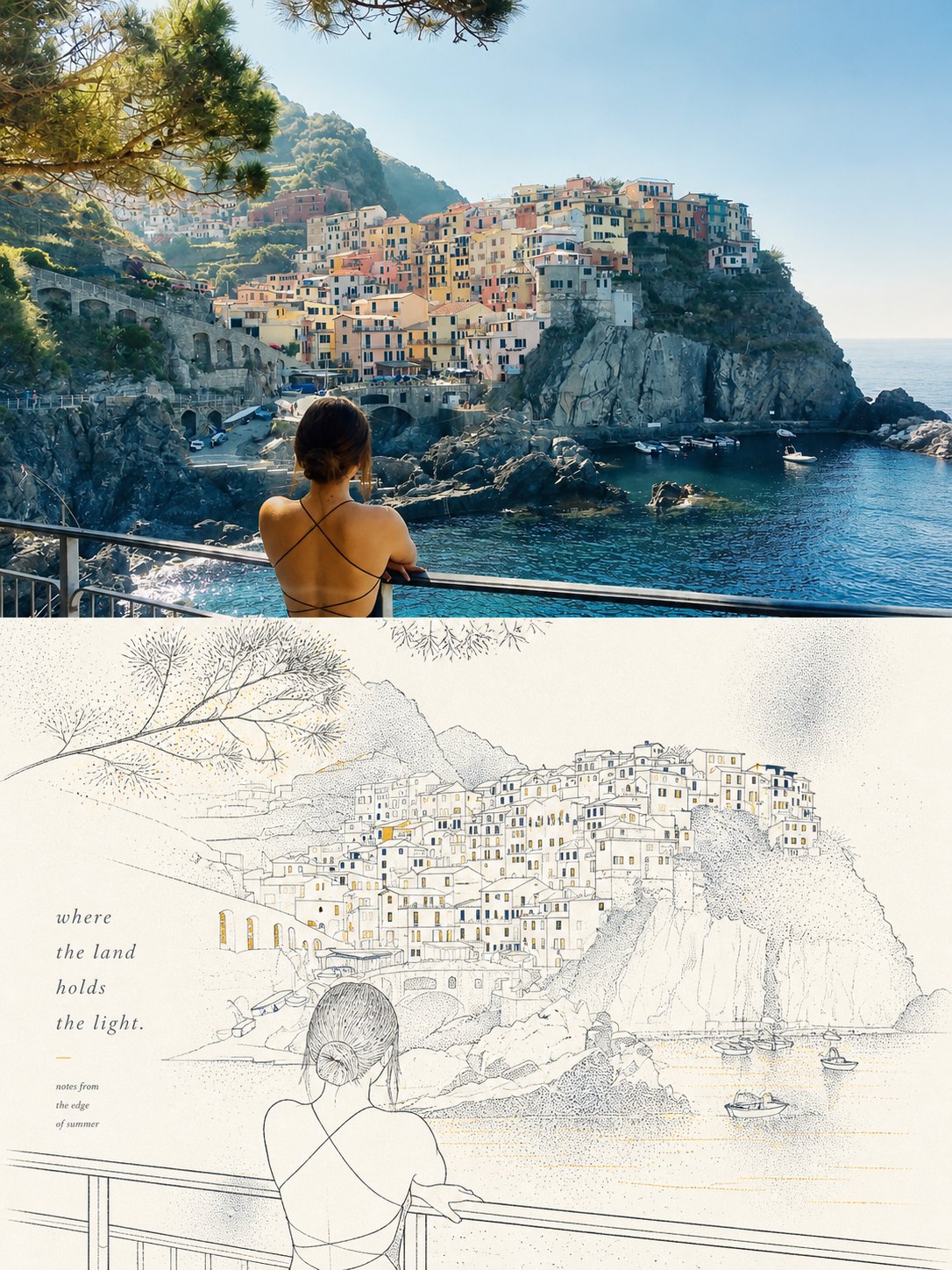
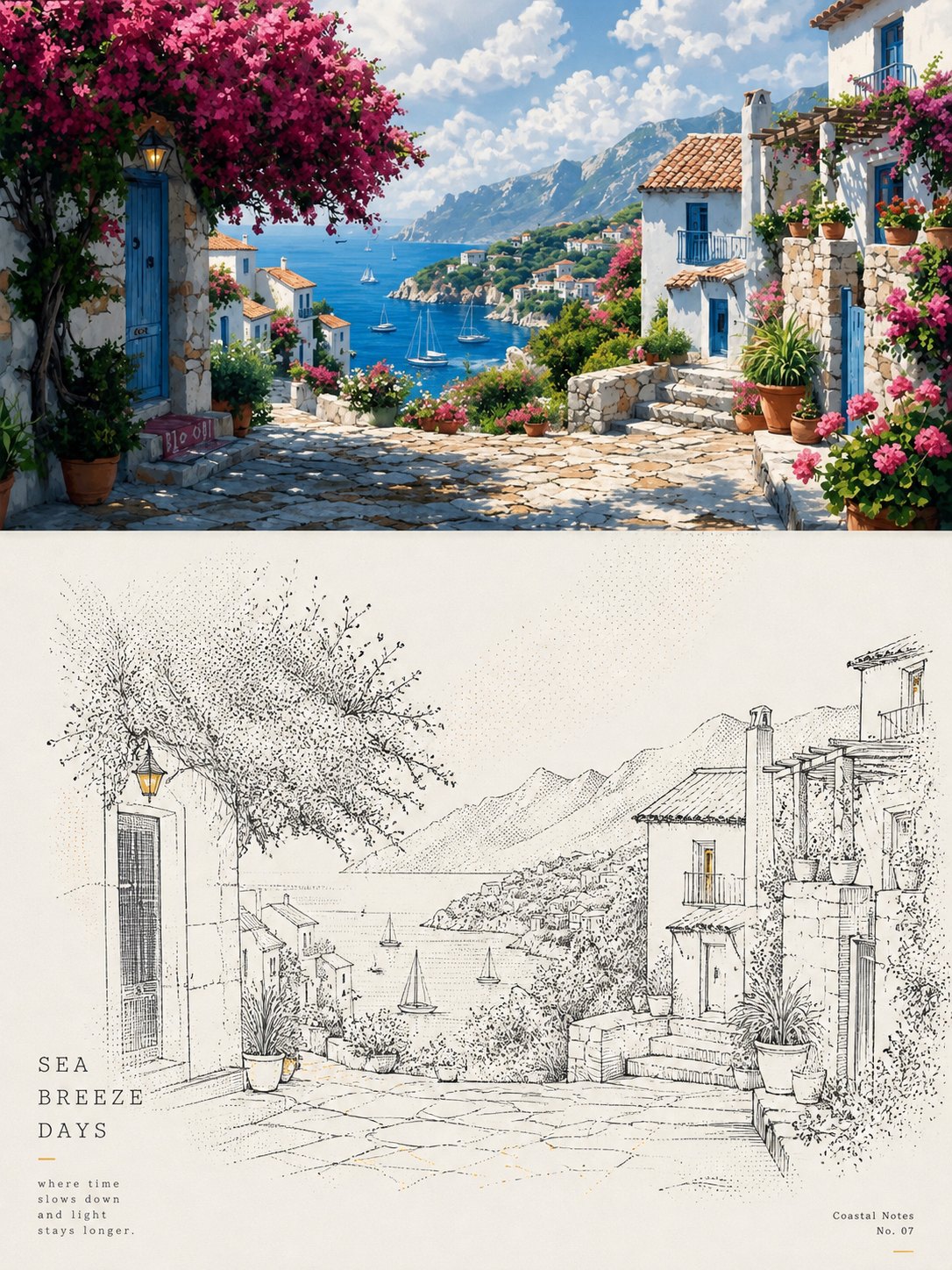
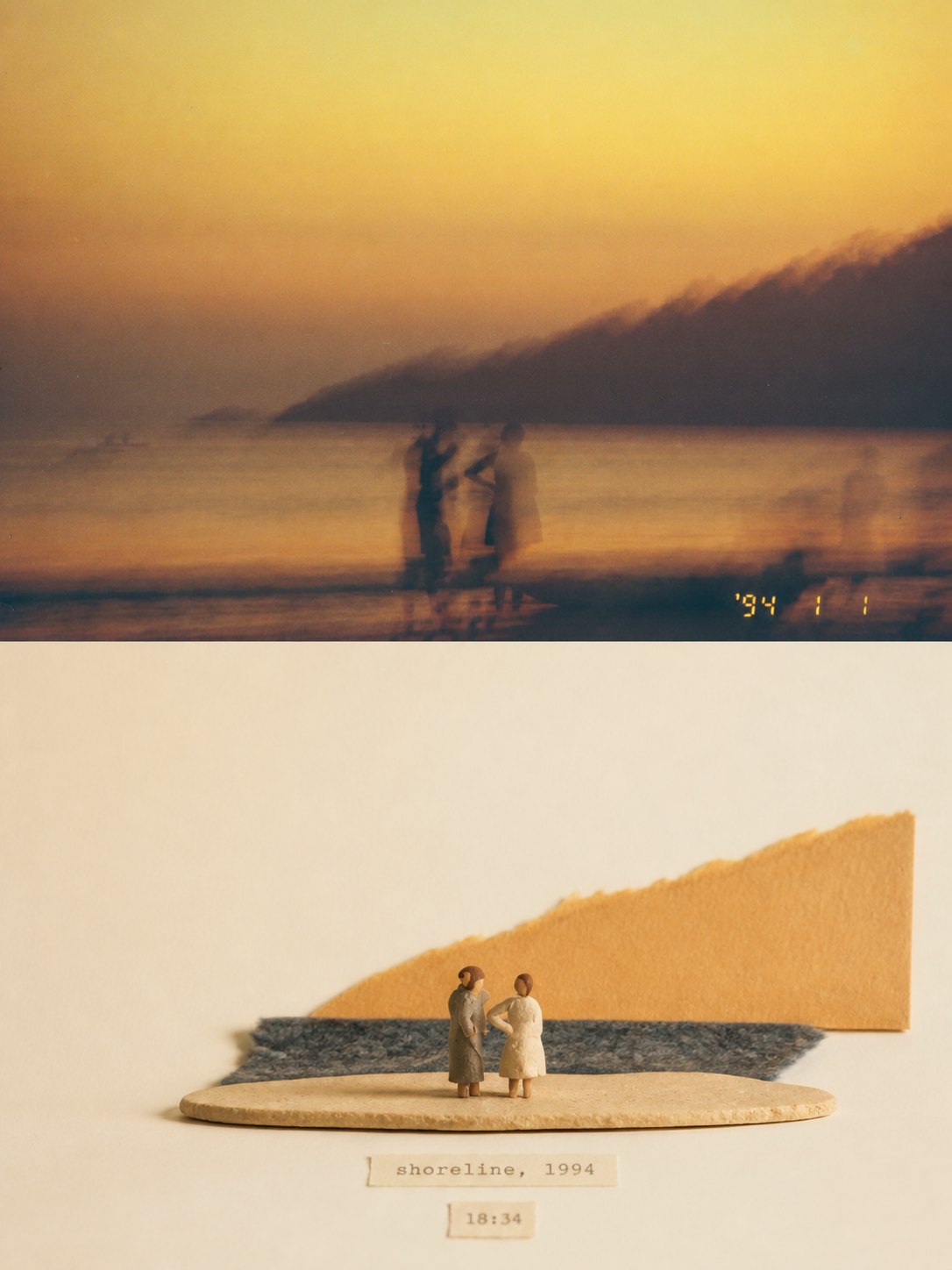
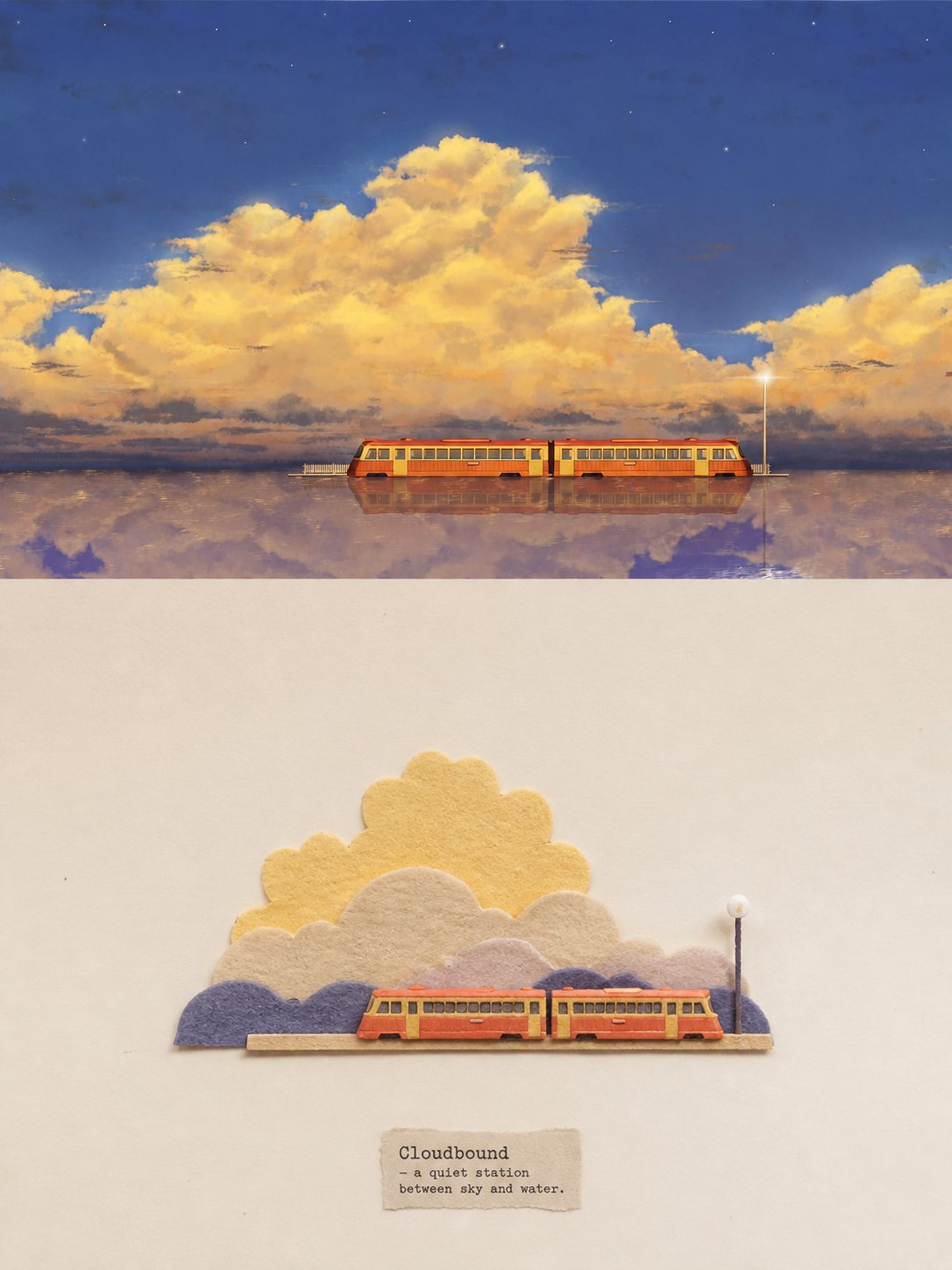
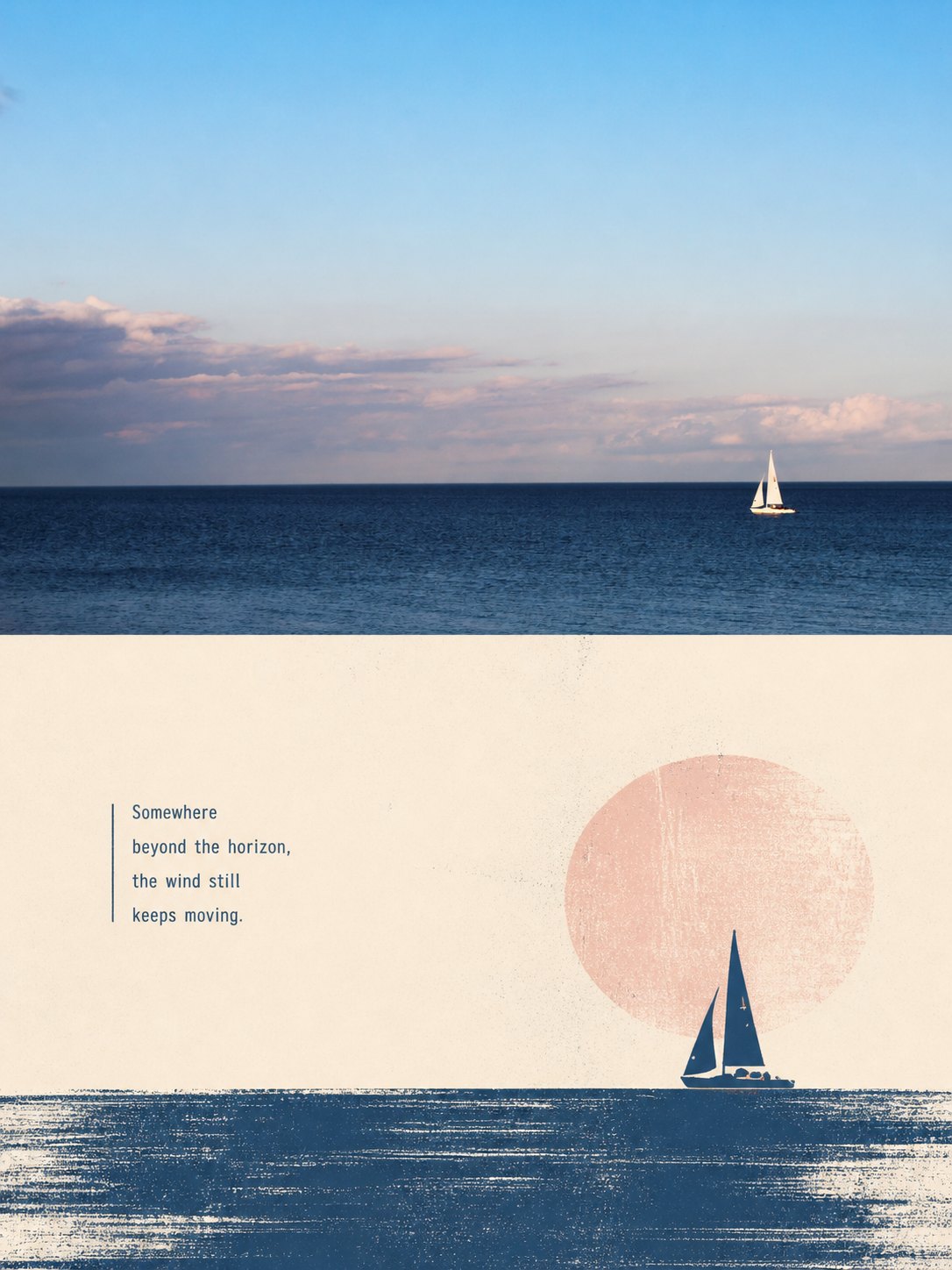
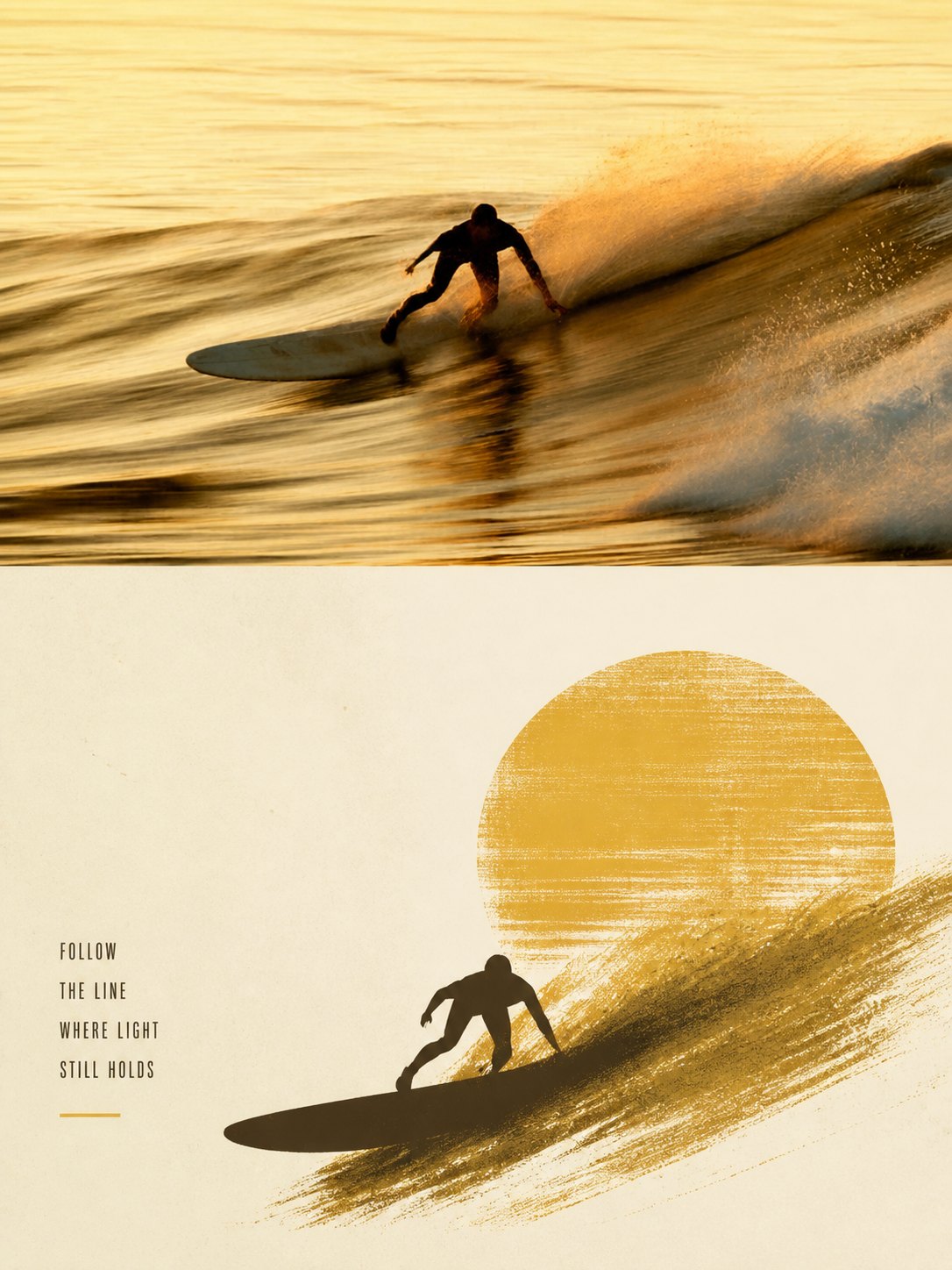
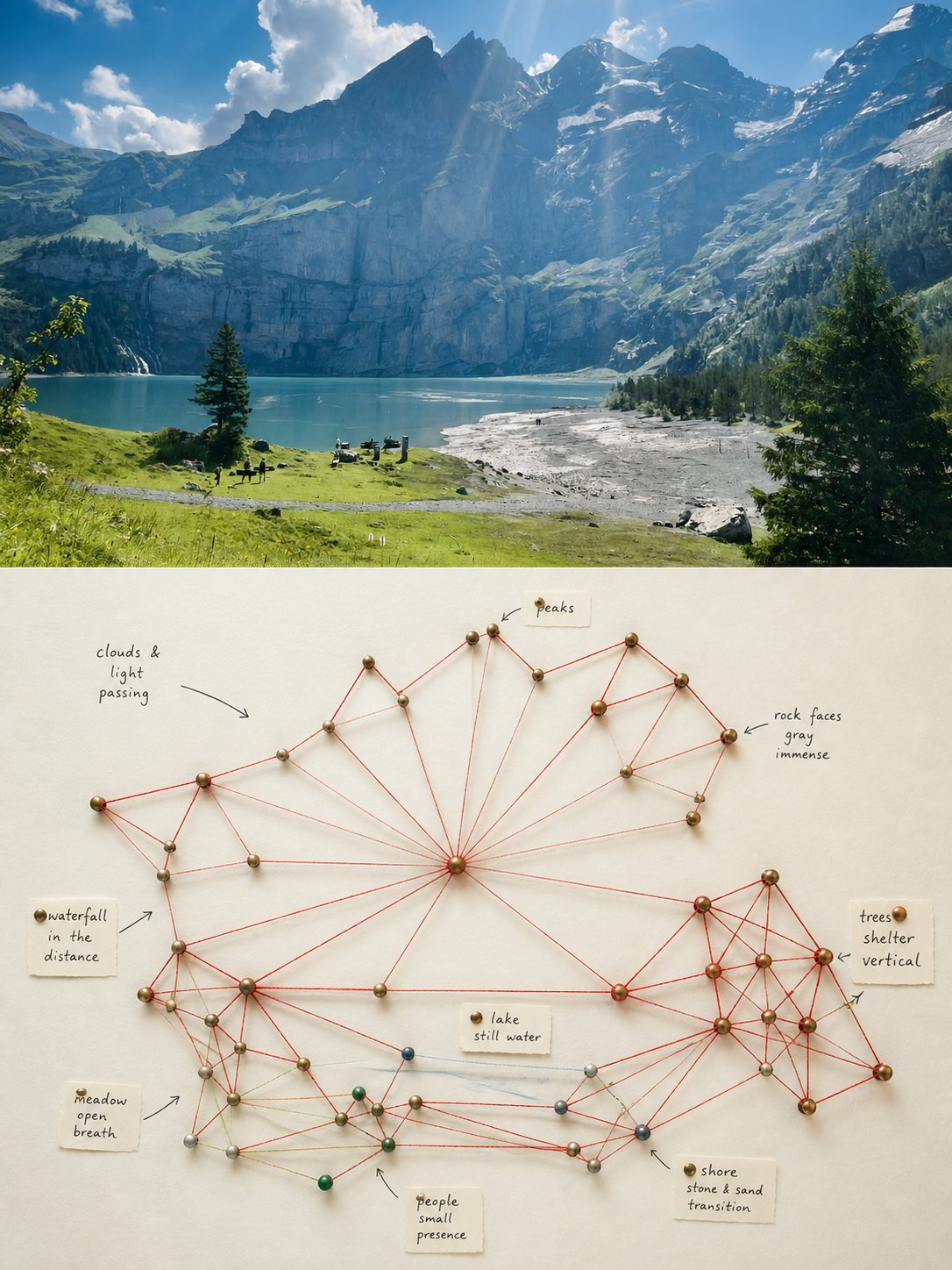
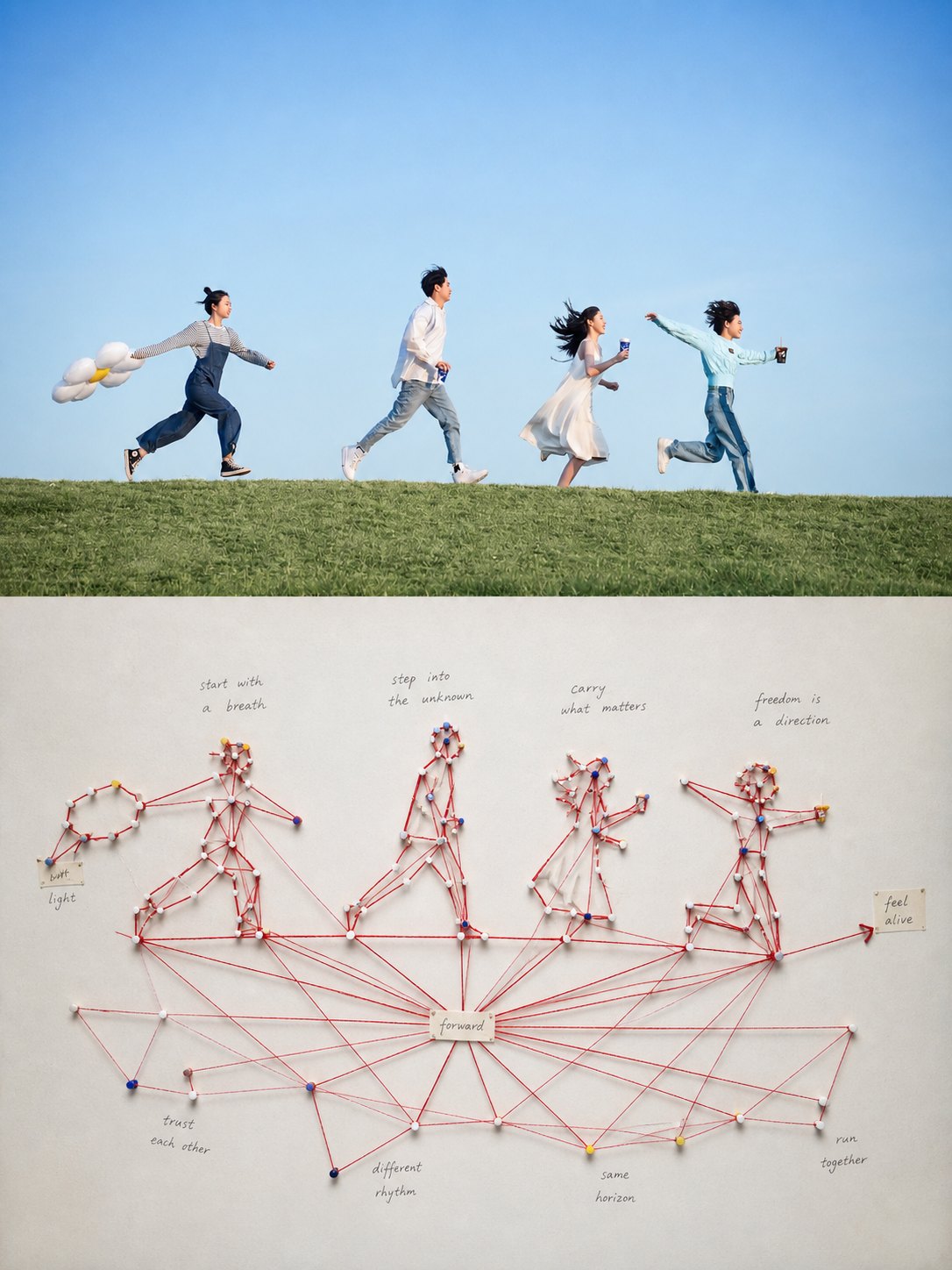
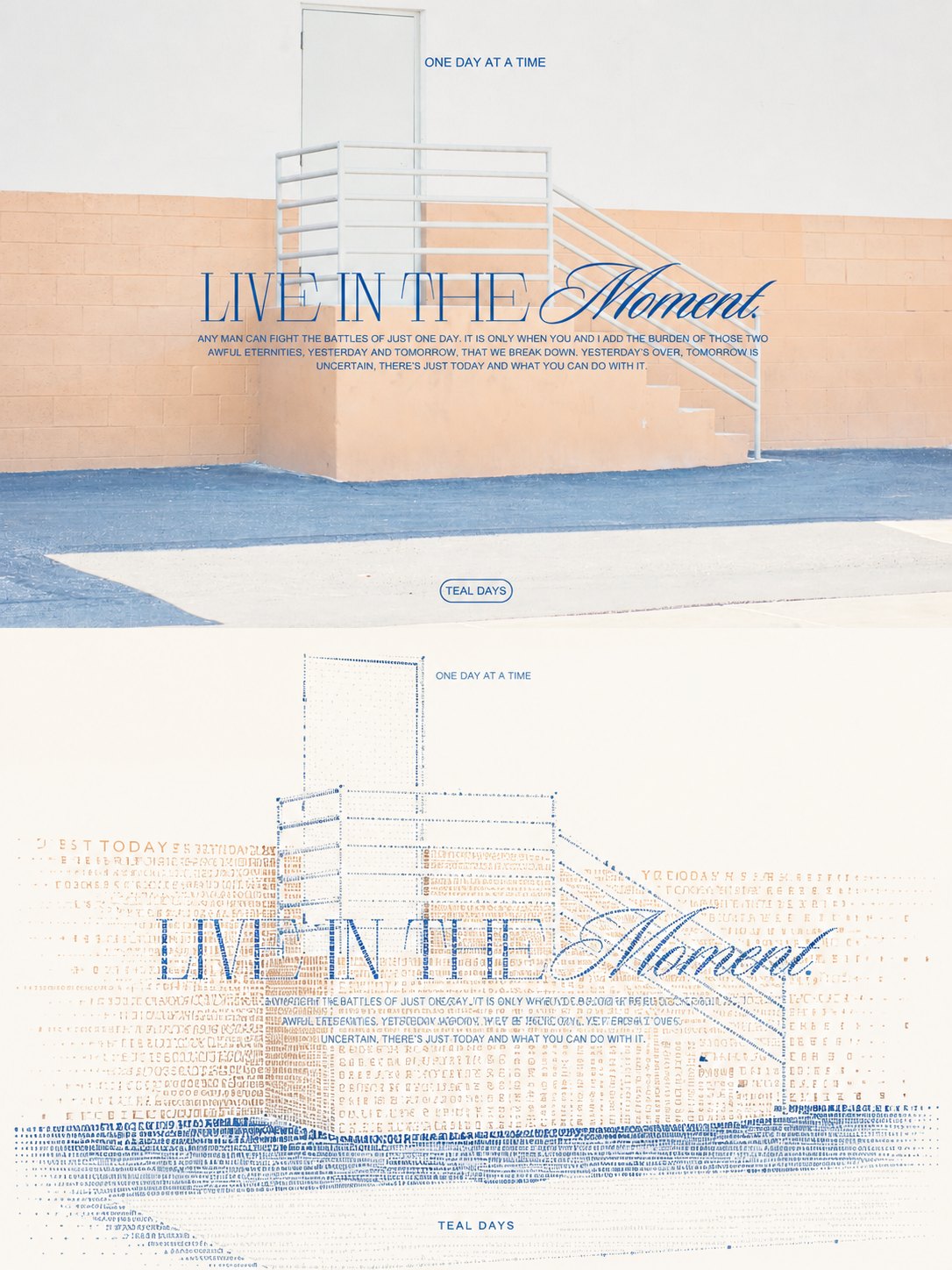
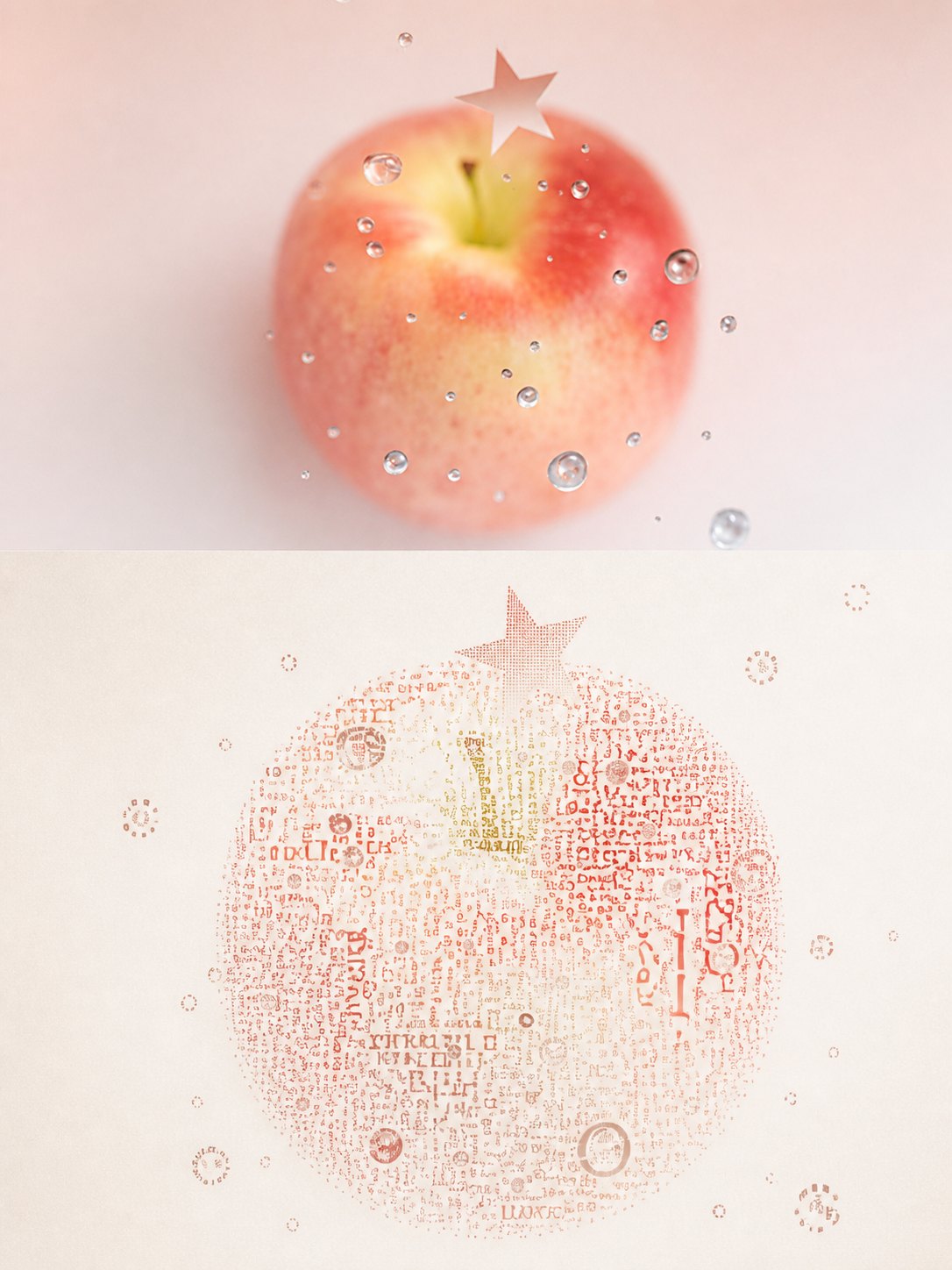
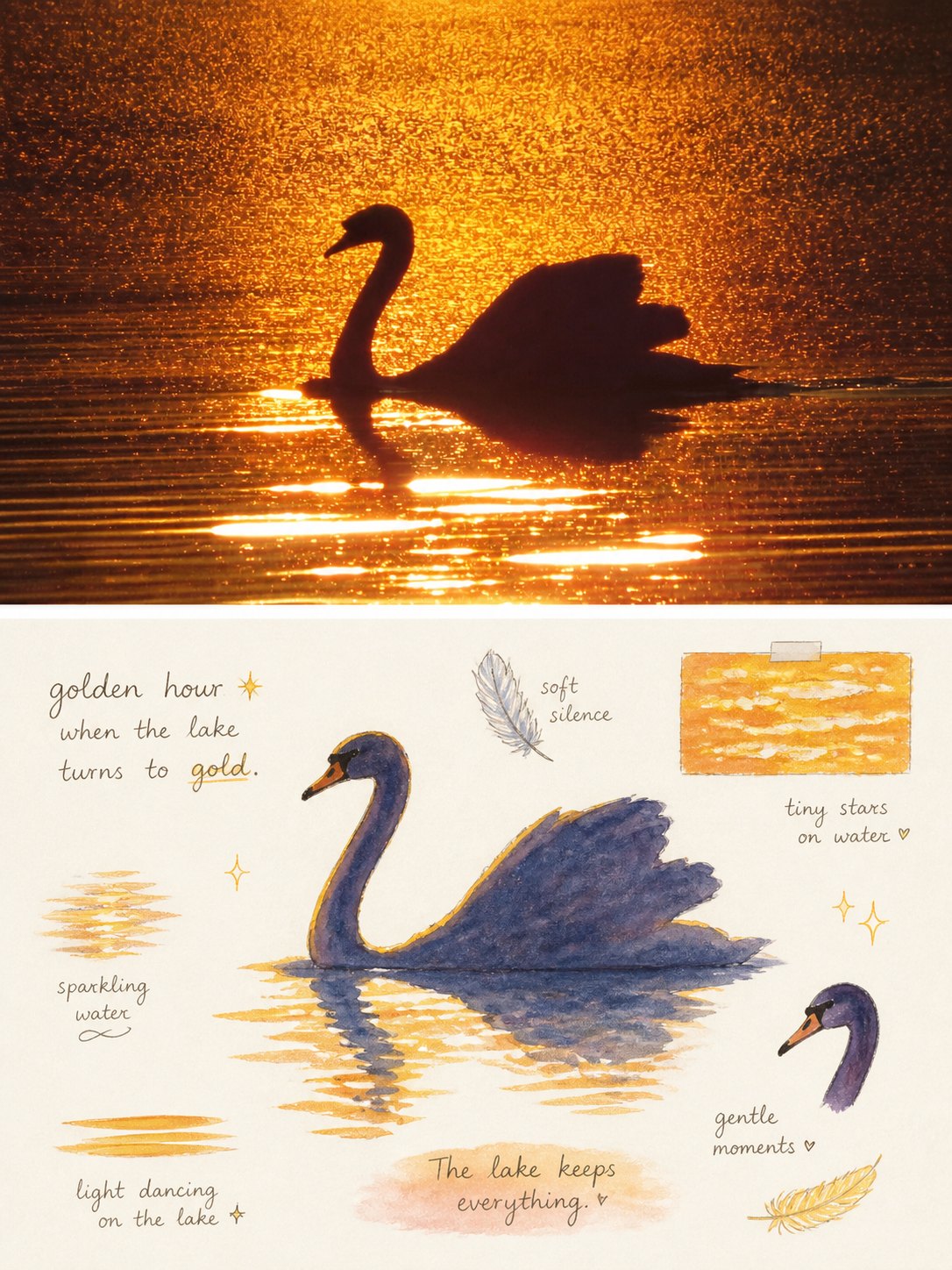
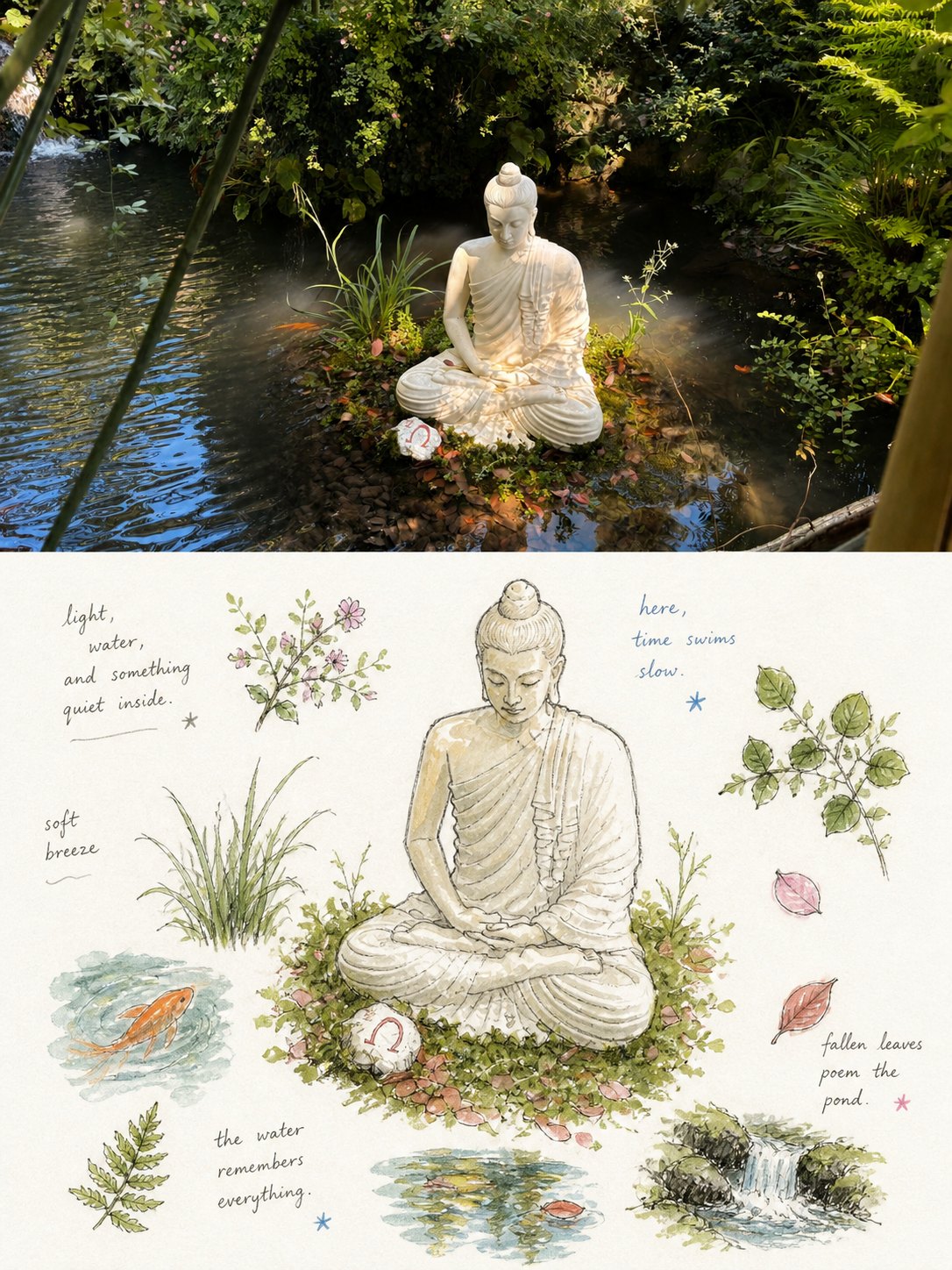
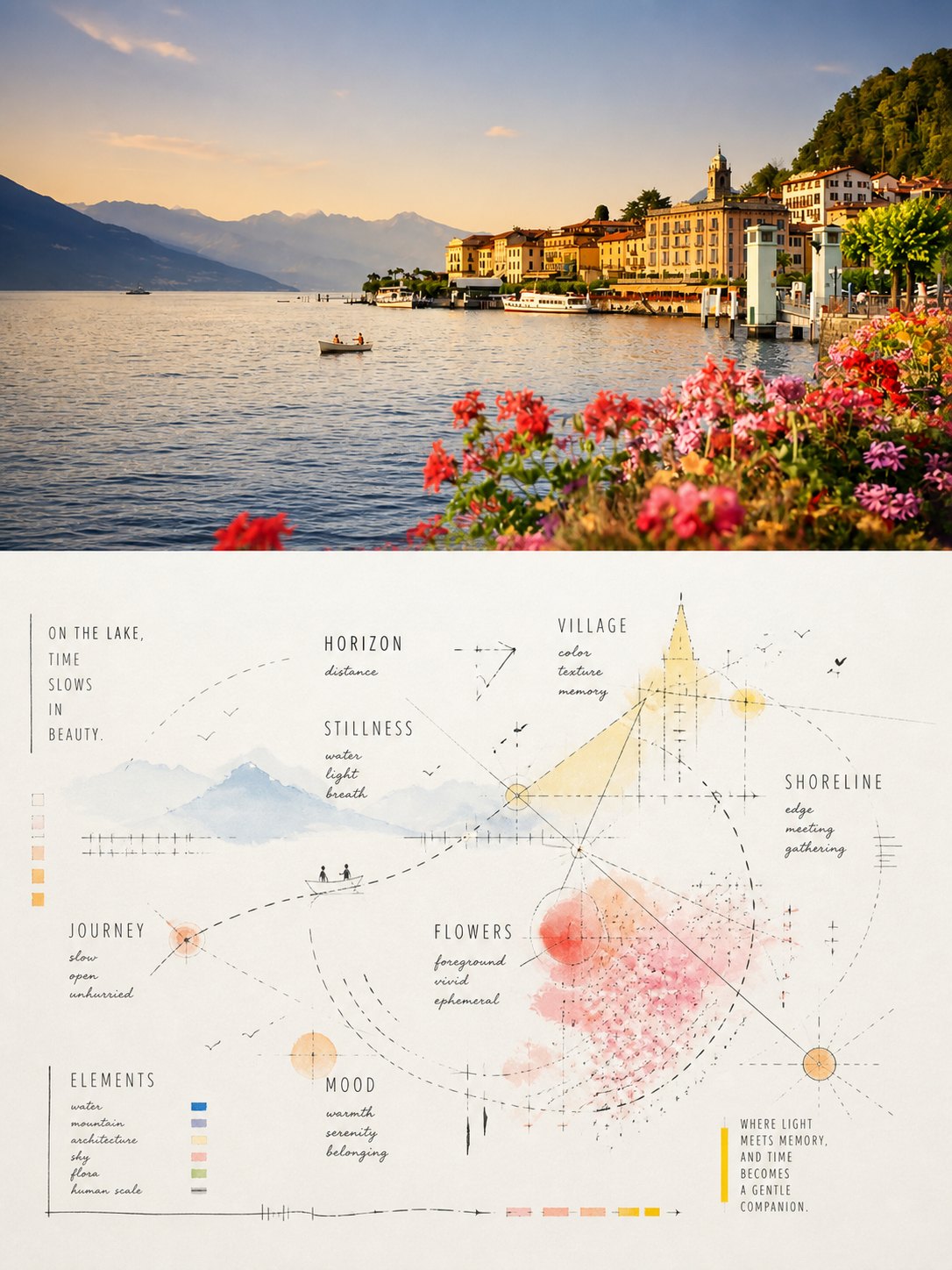
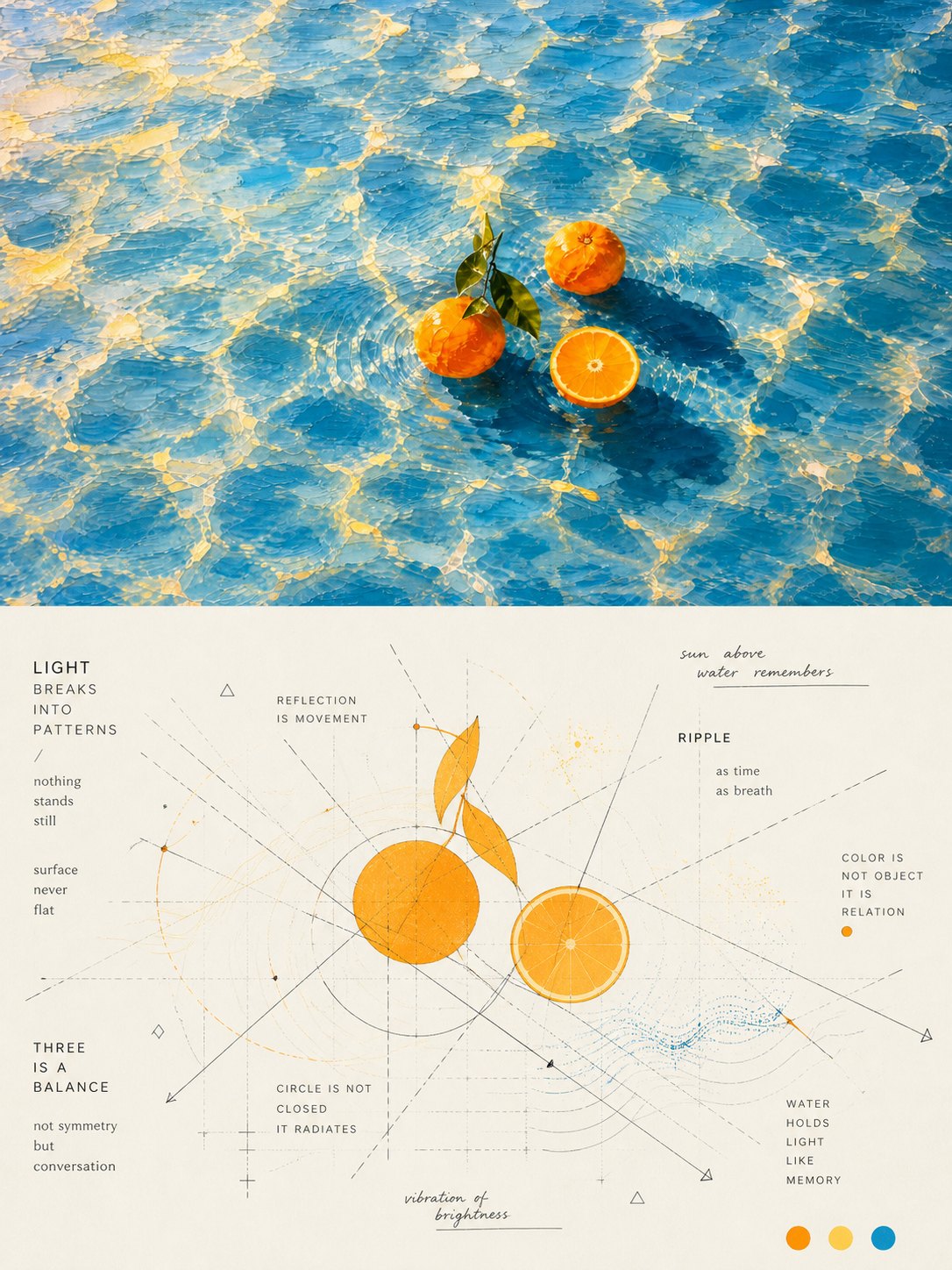
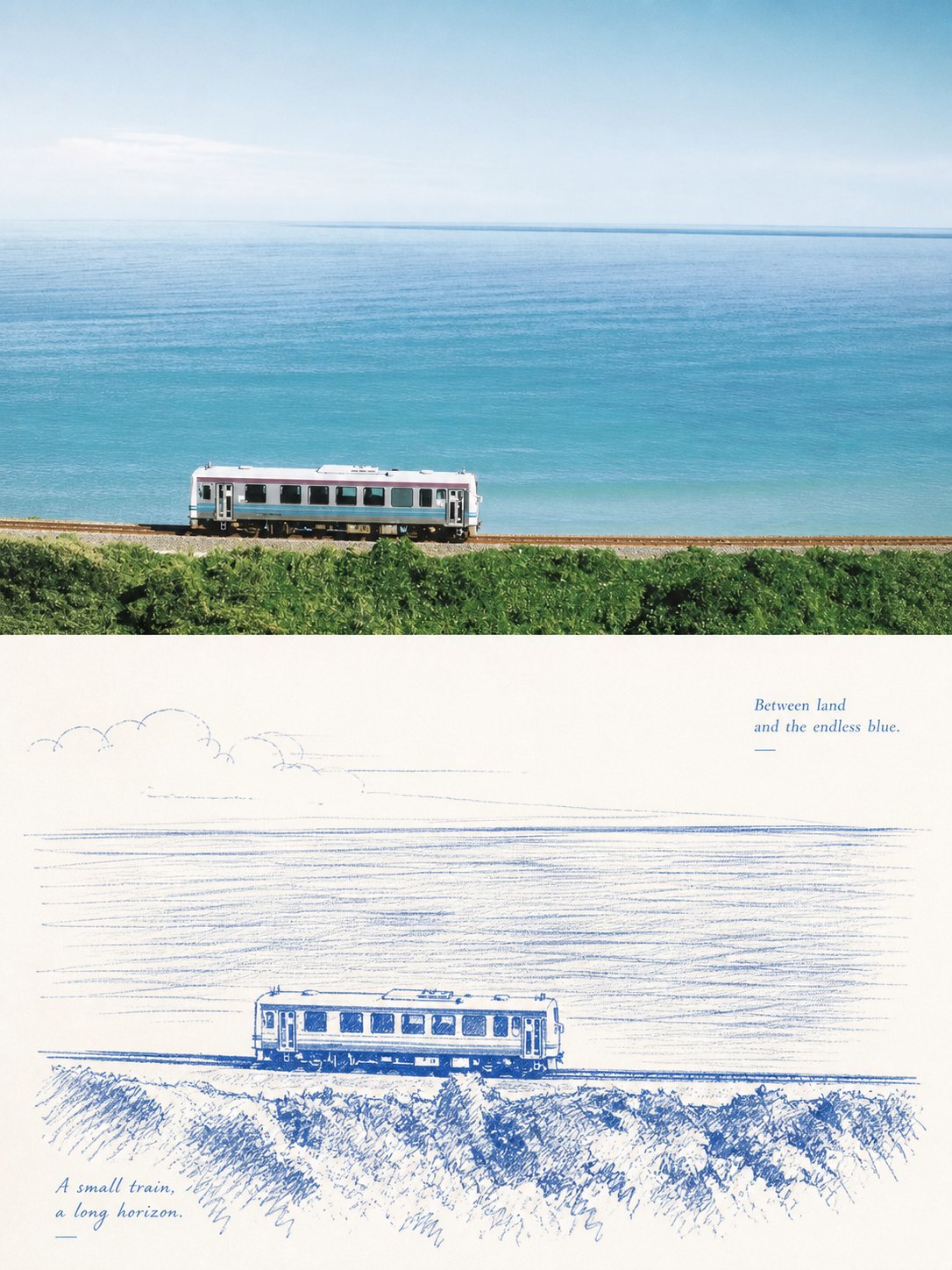
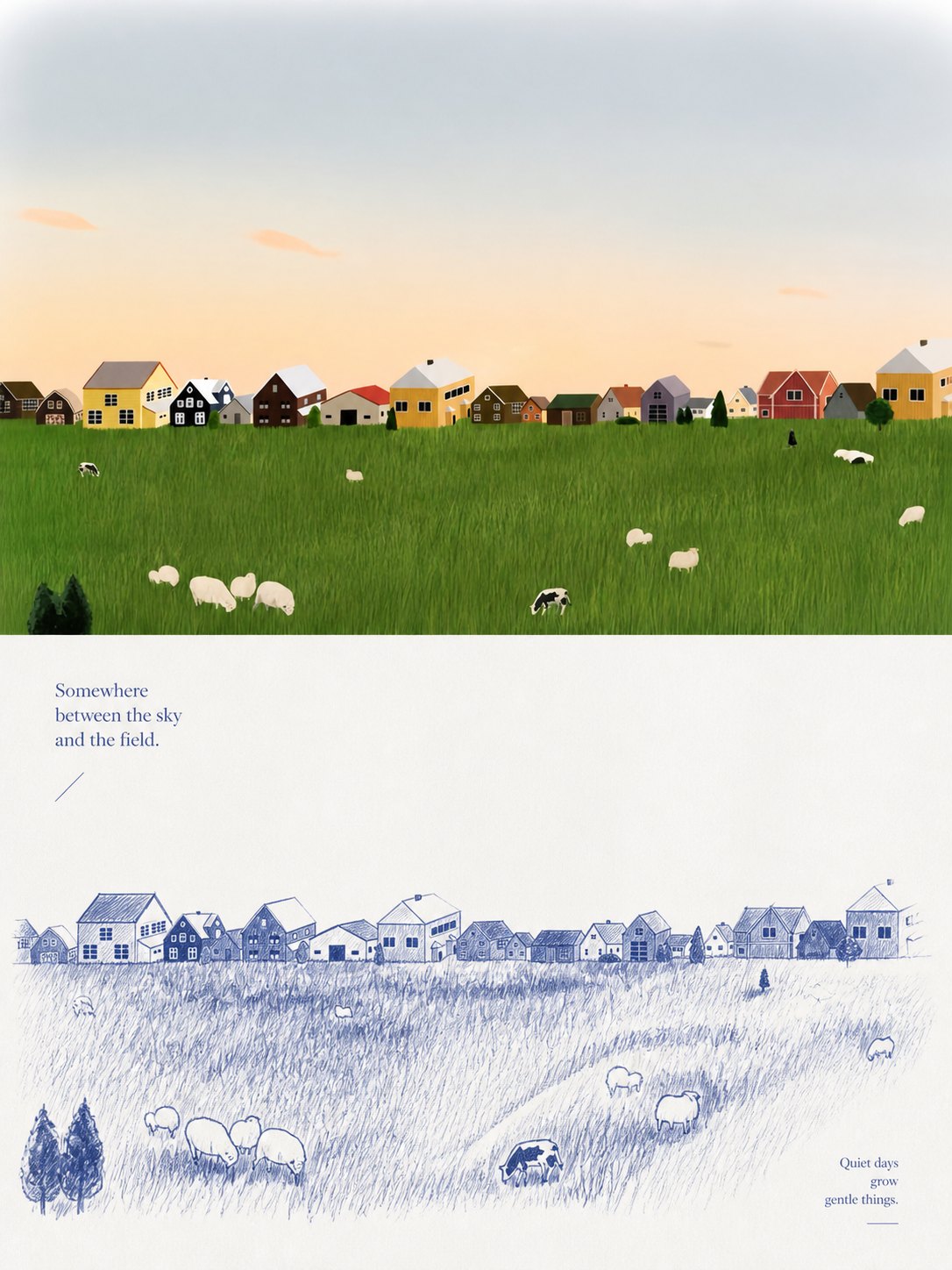
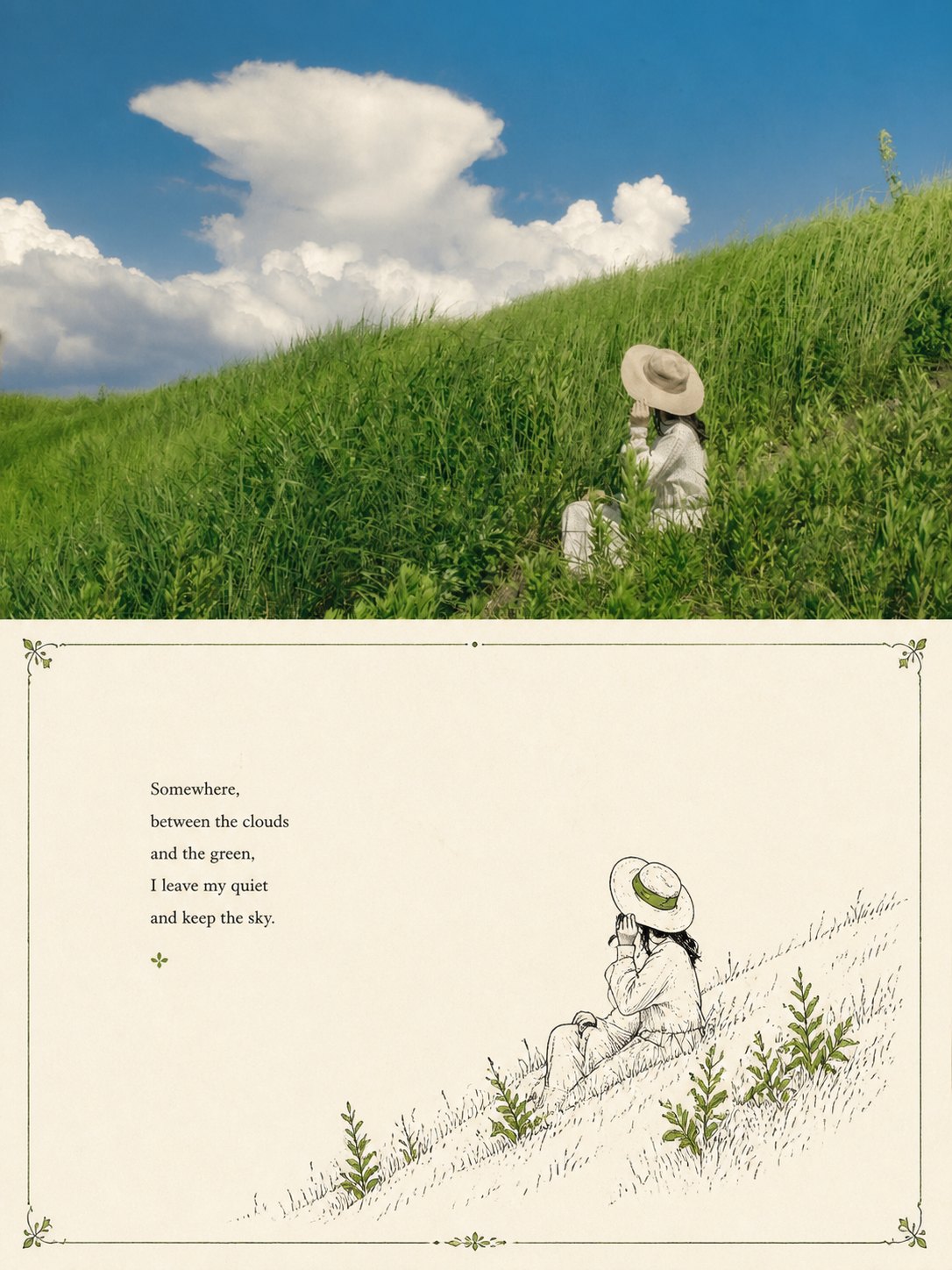
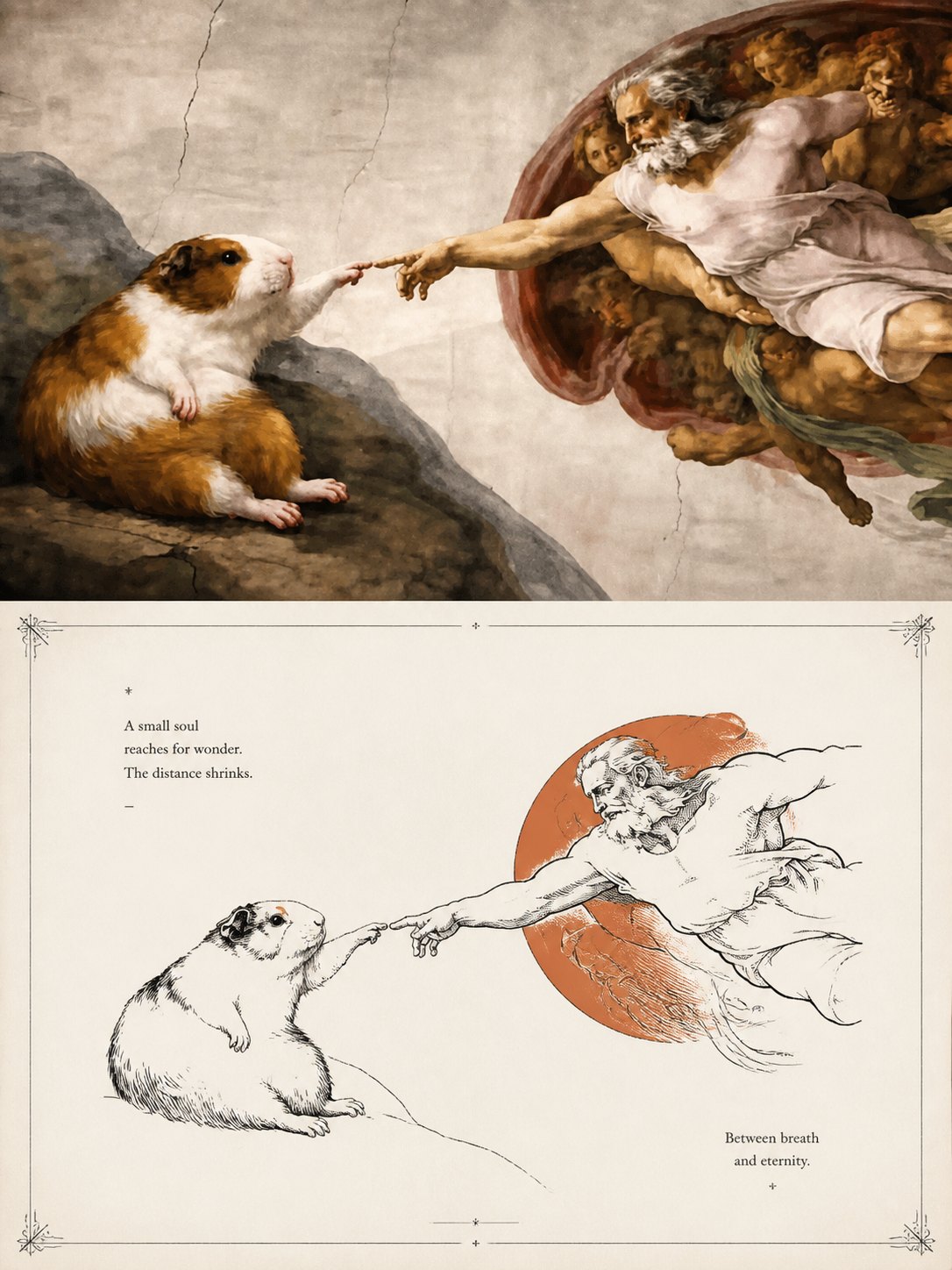
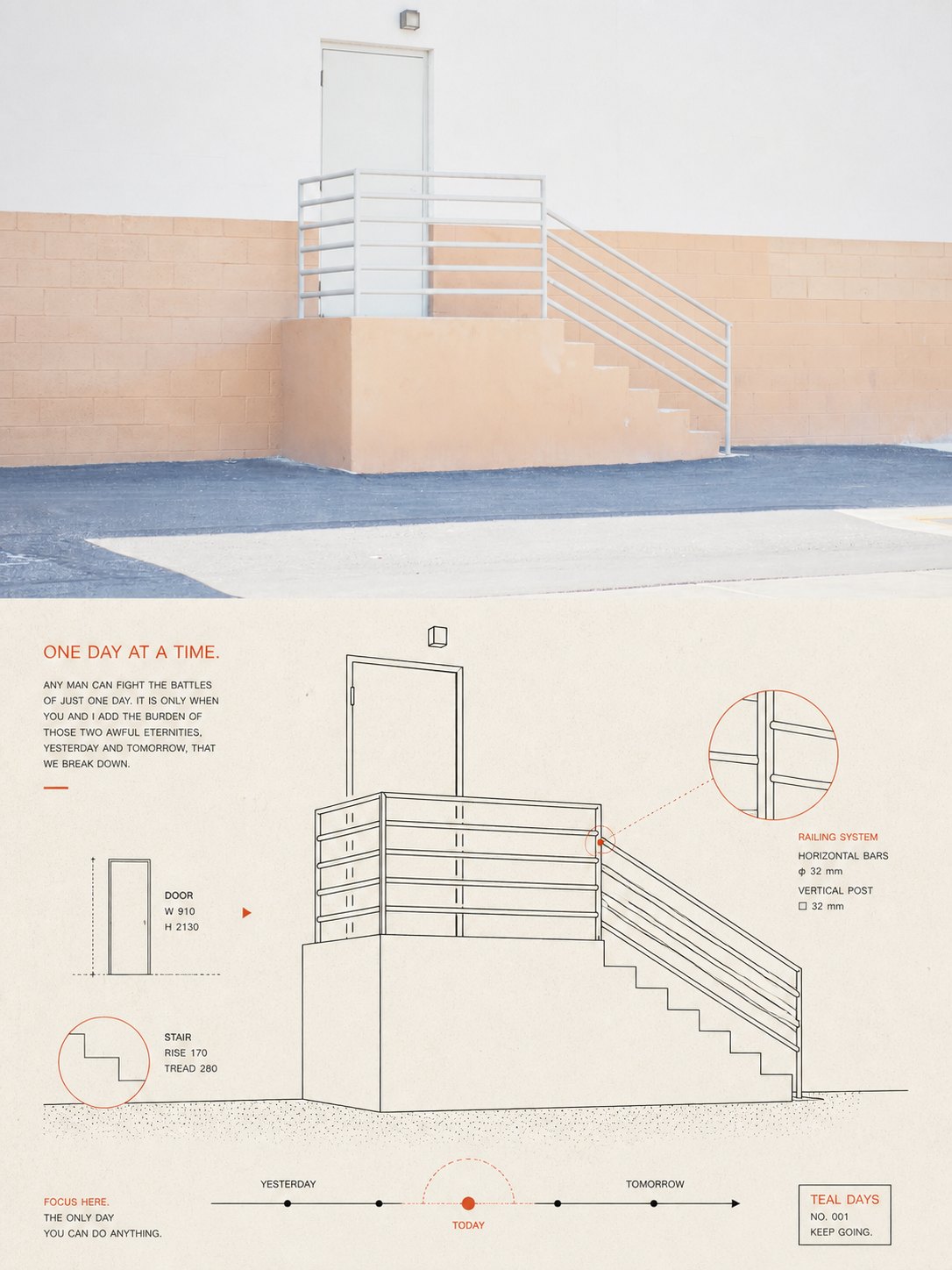
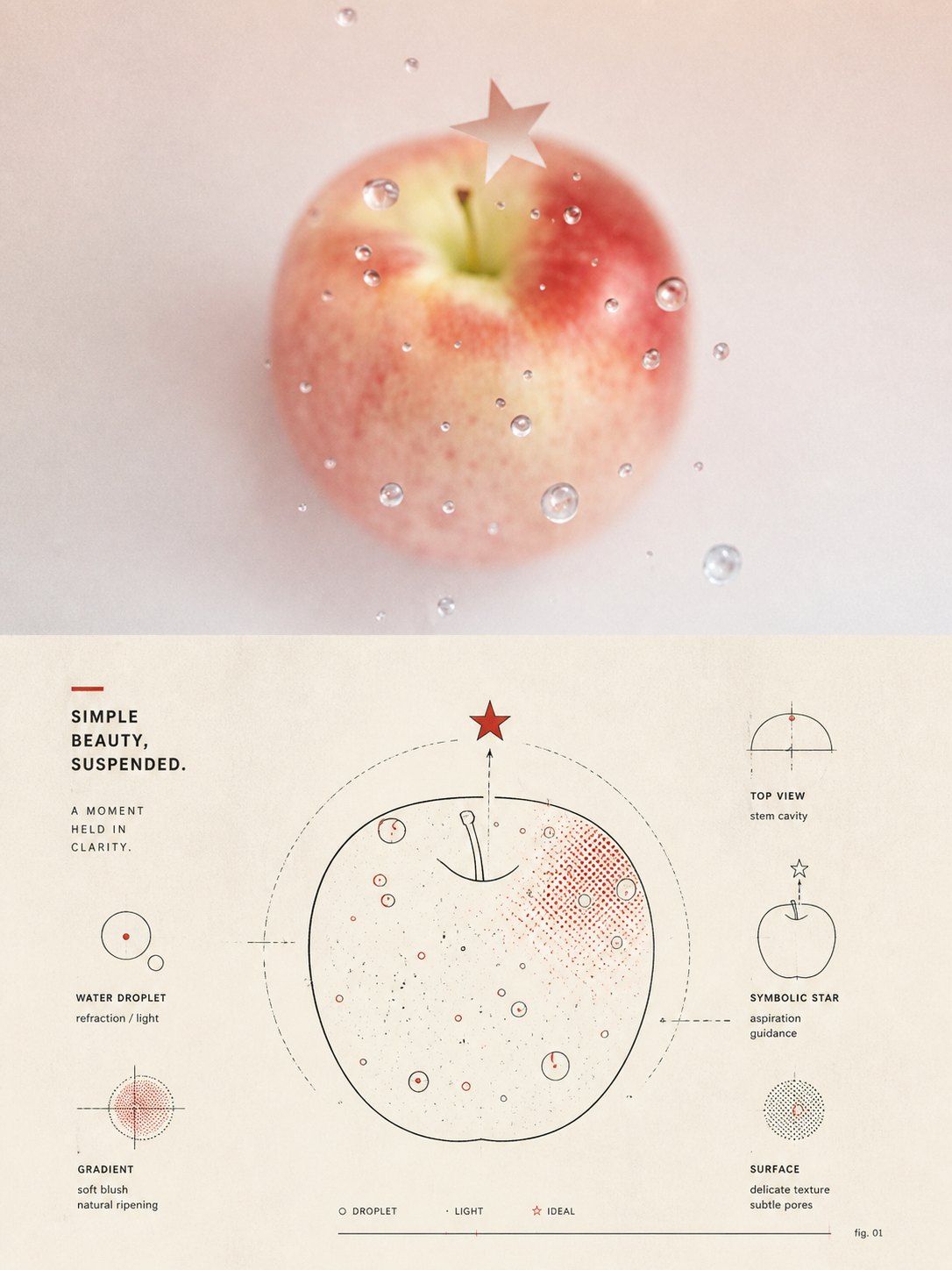
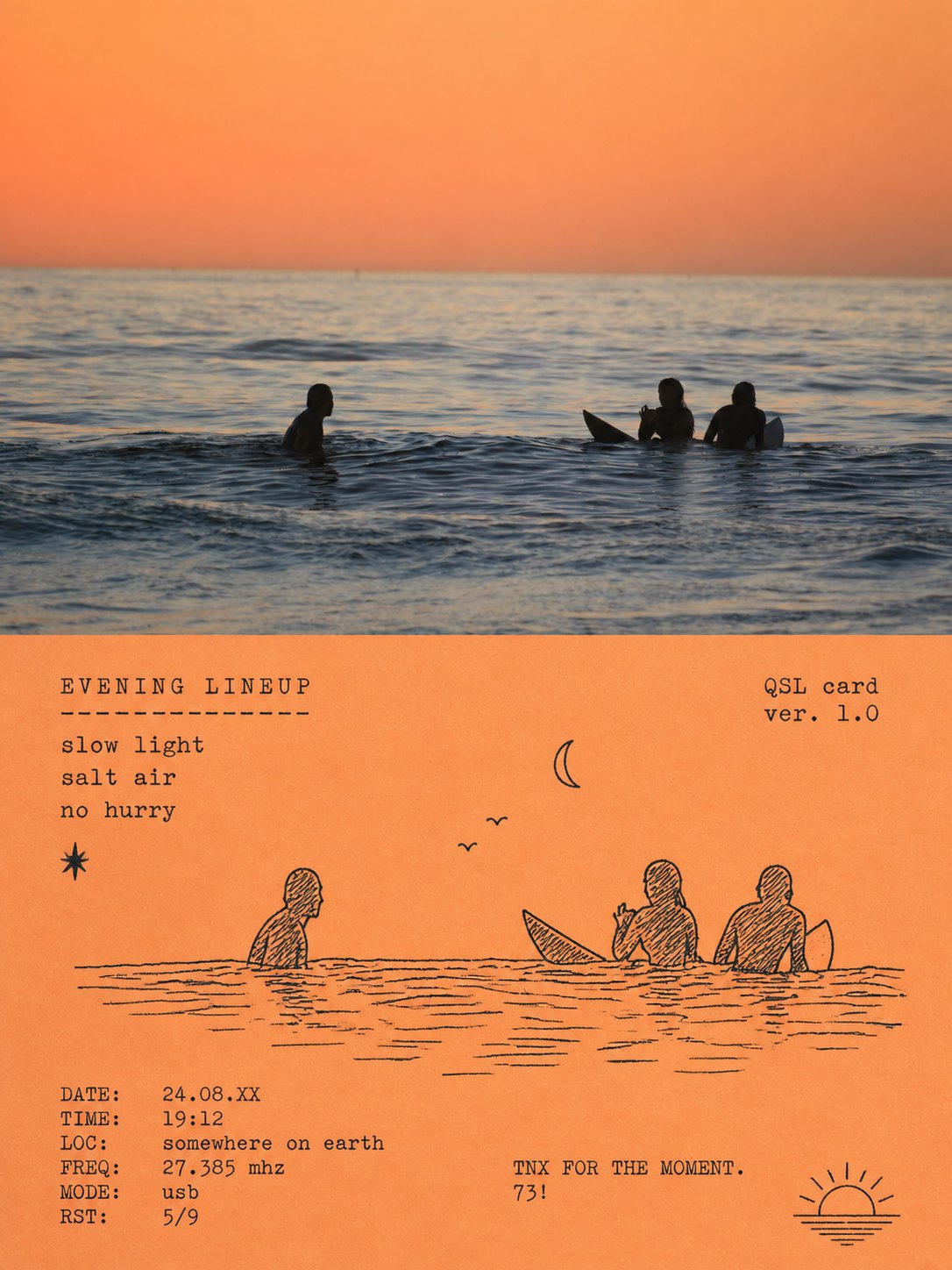
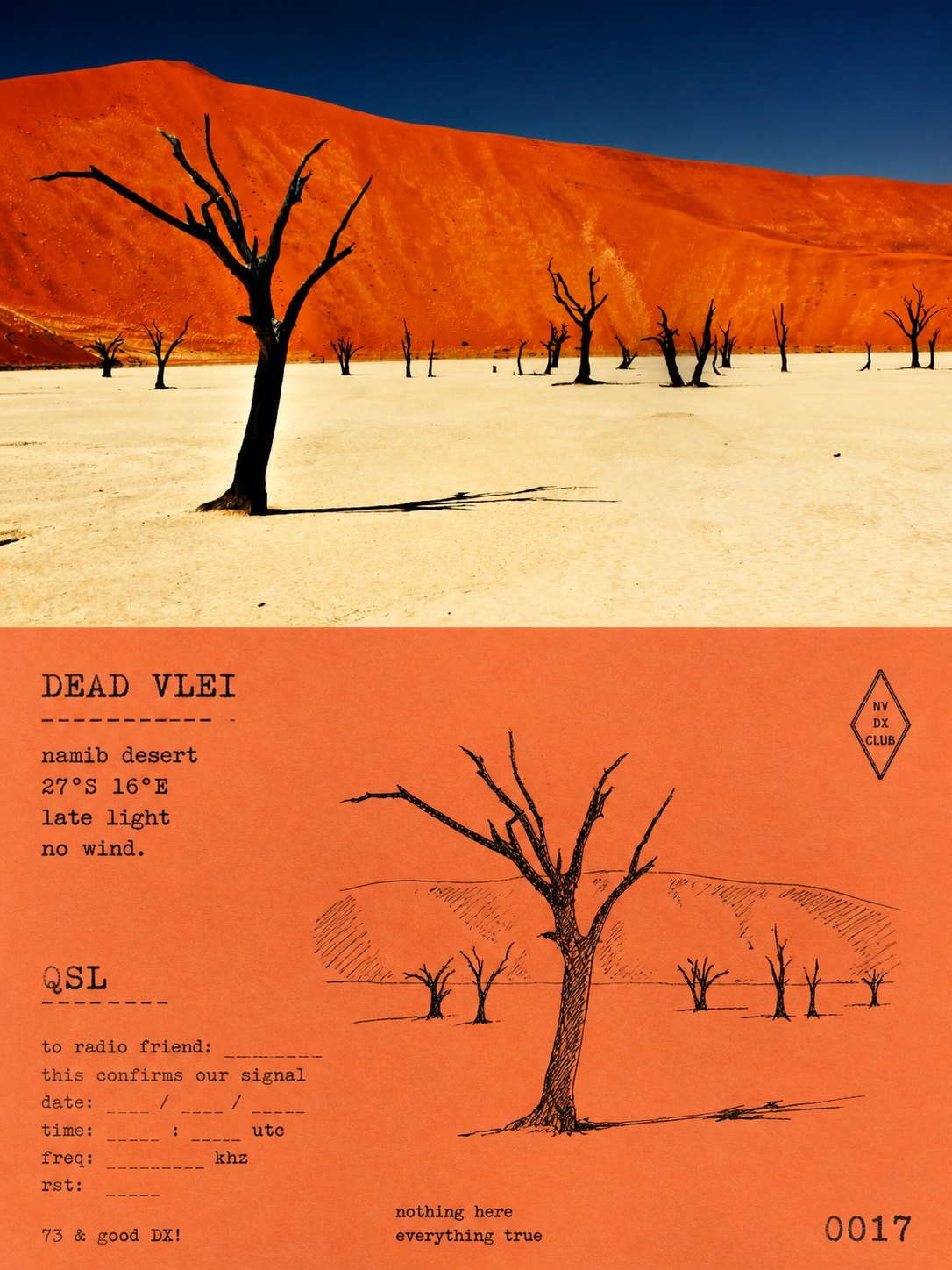
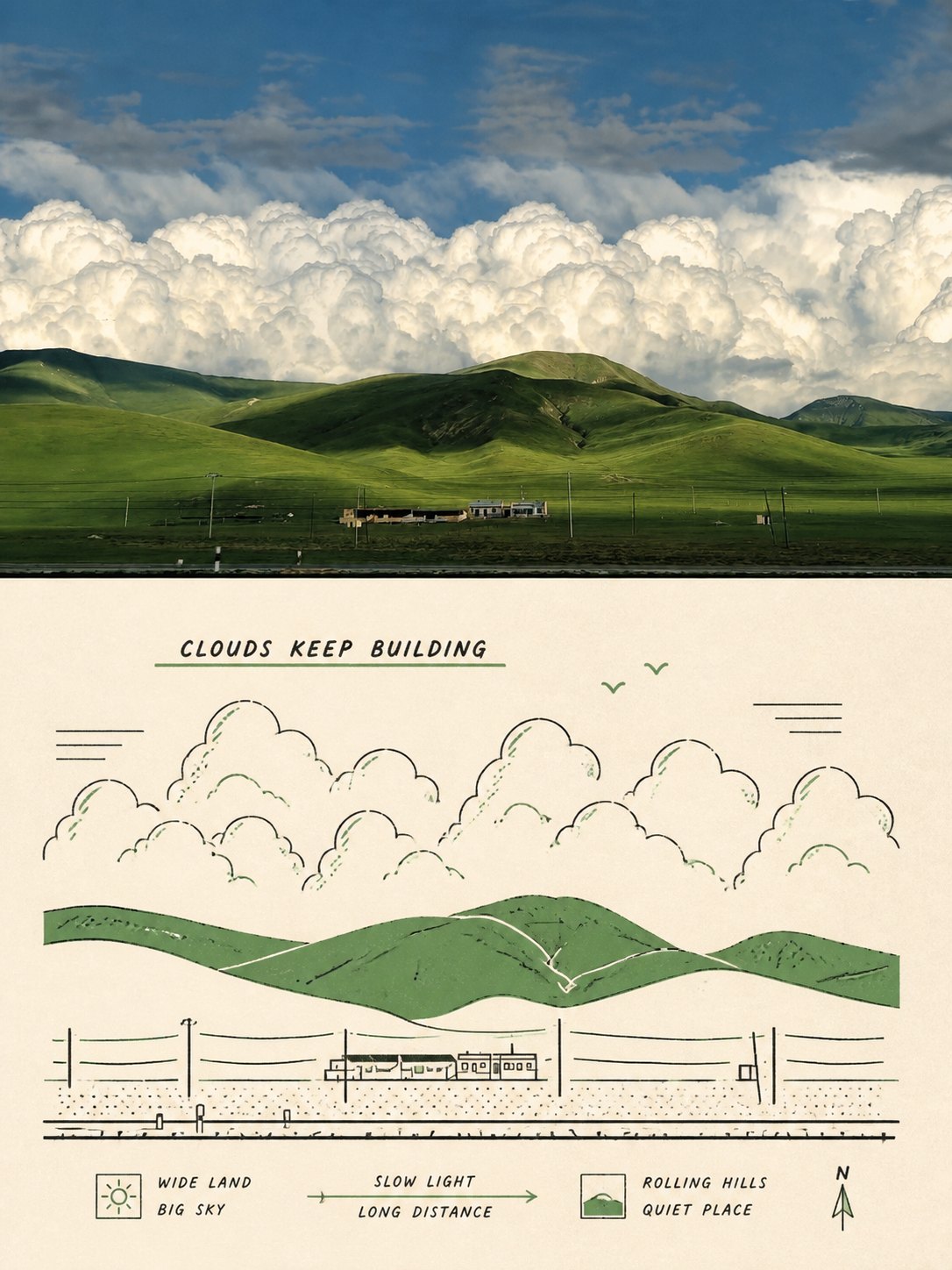
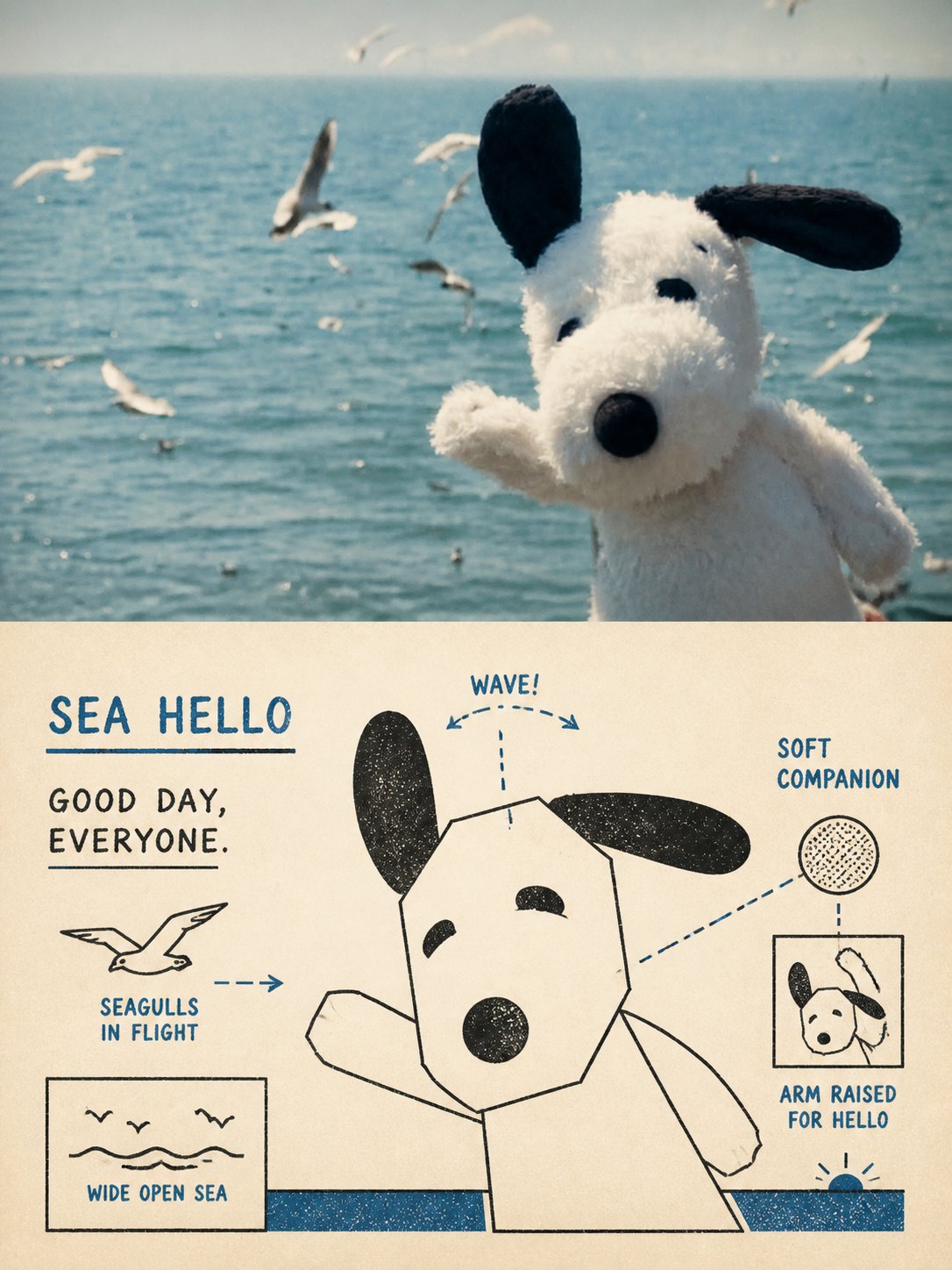
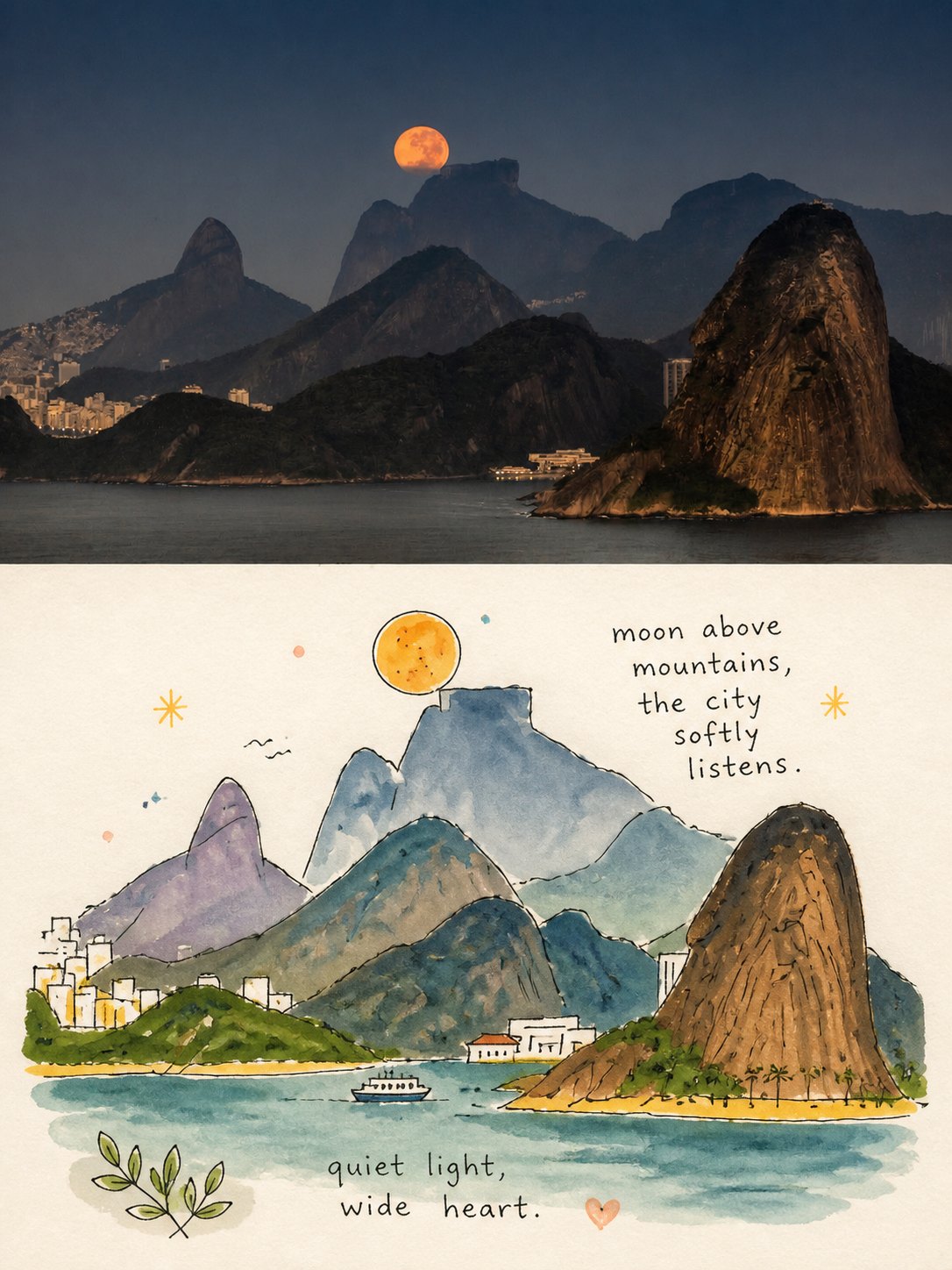
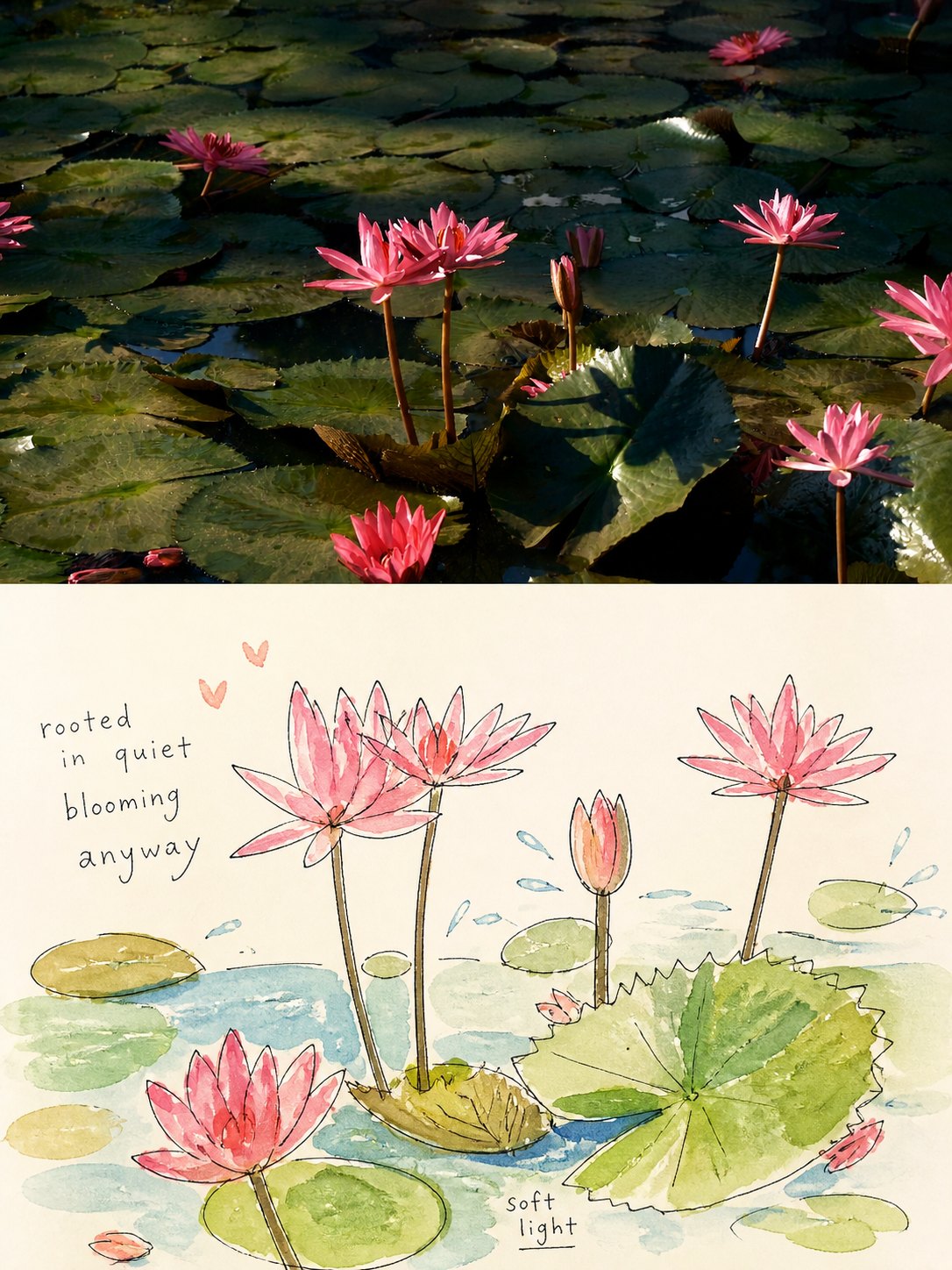
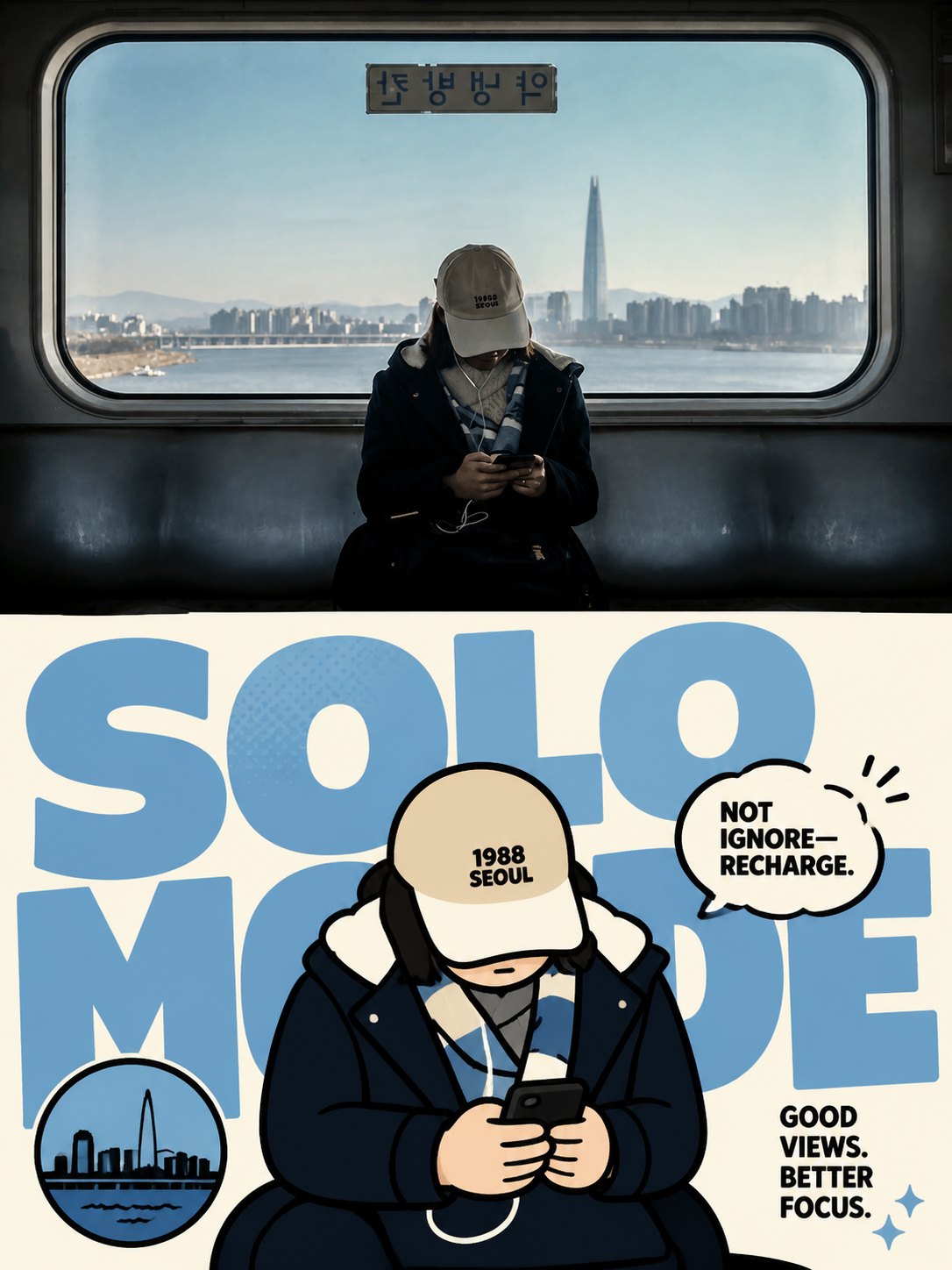
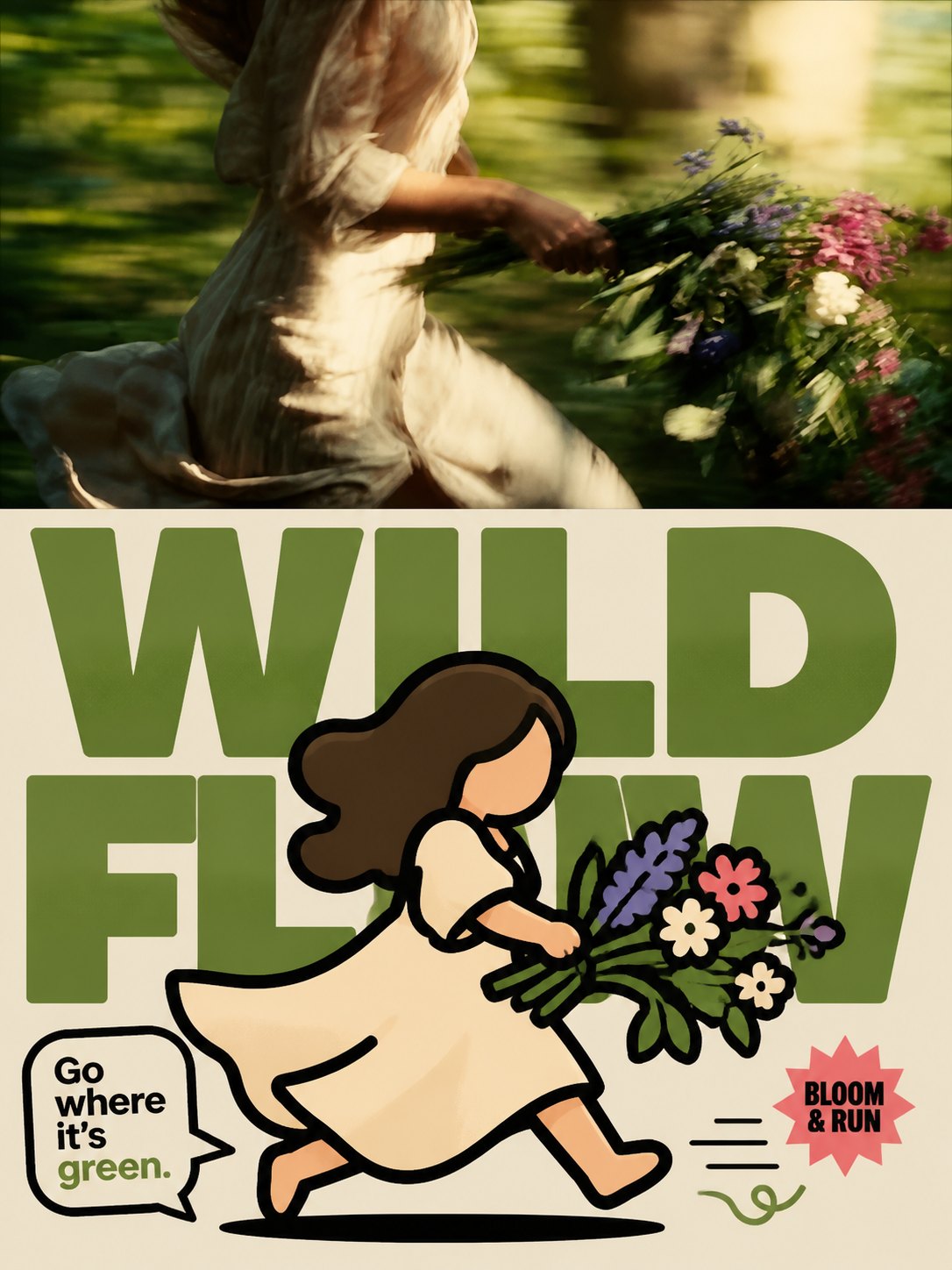
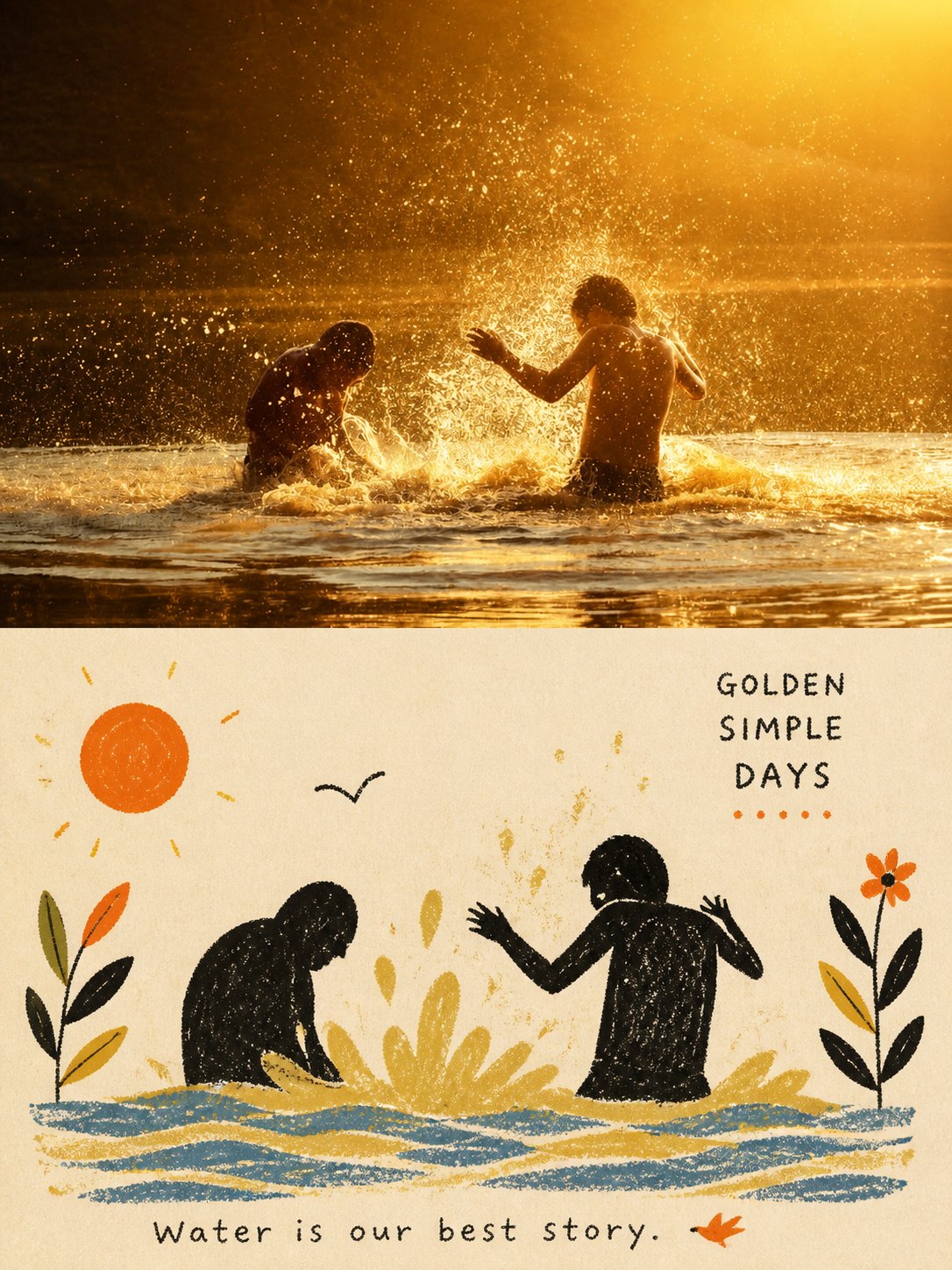
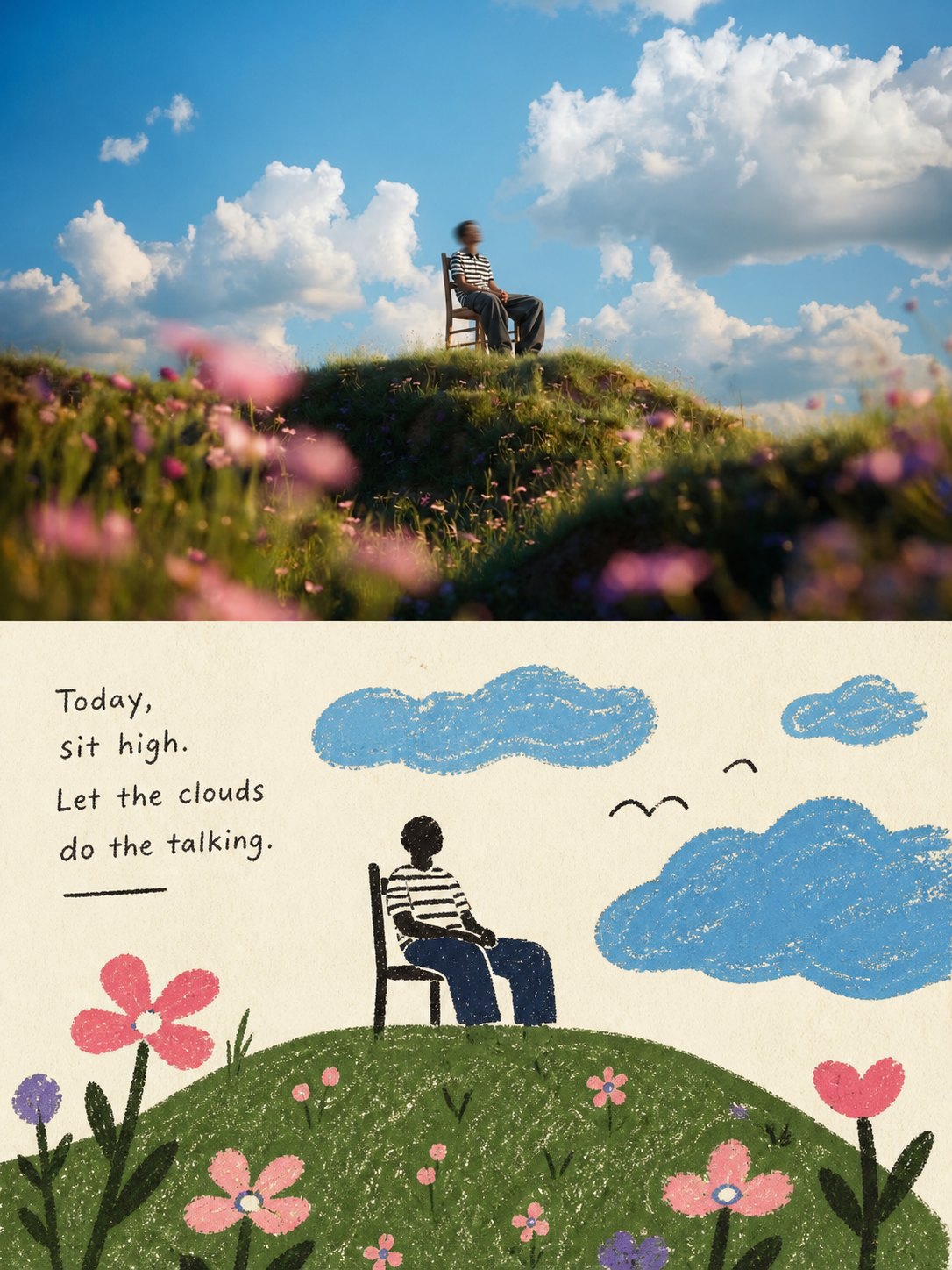
Please create each of my uploaded travel photos into a separate high-end design poster, without multi-image splicing, and output each photo individually.
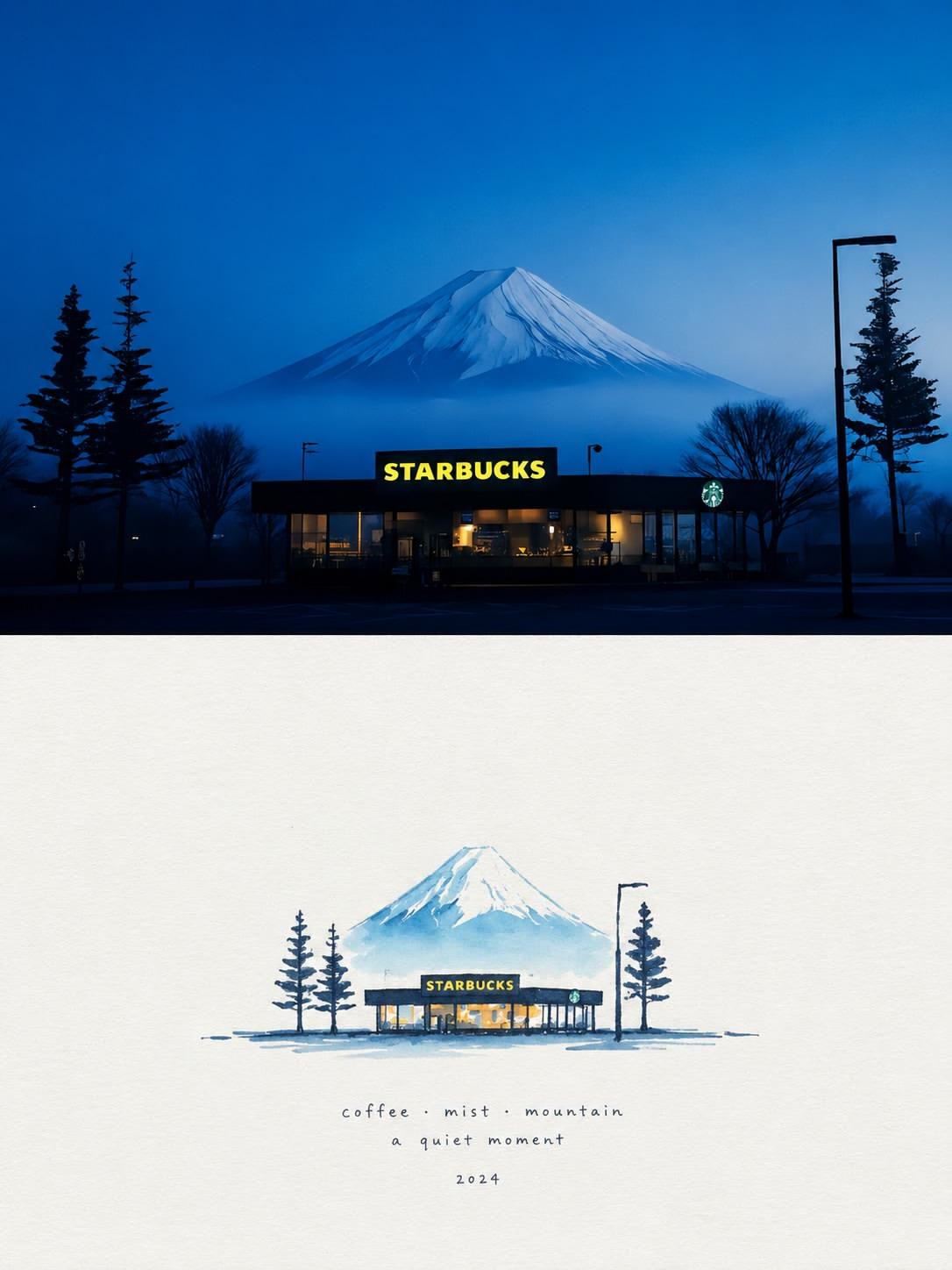
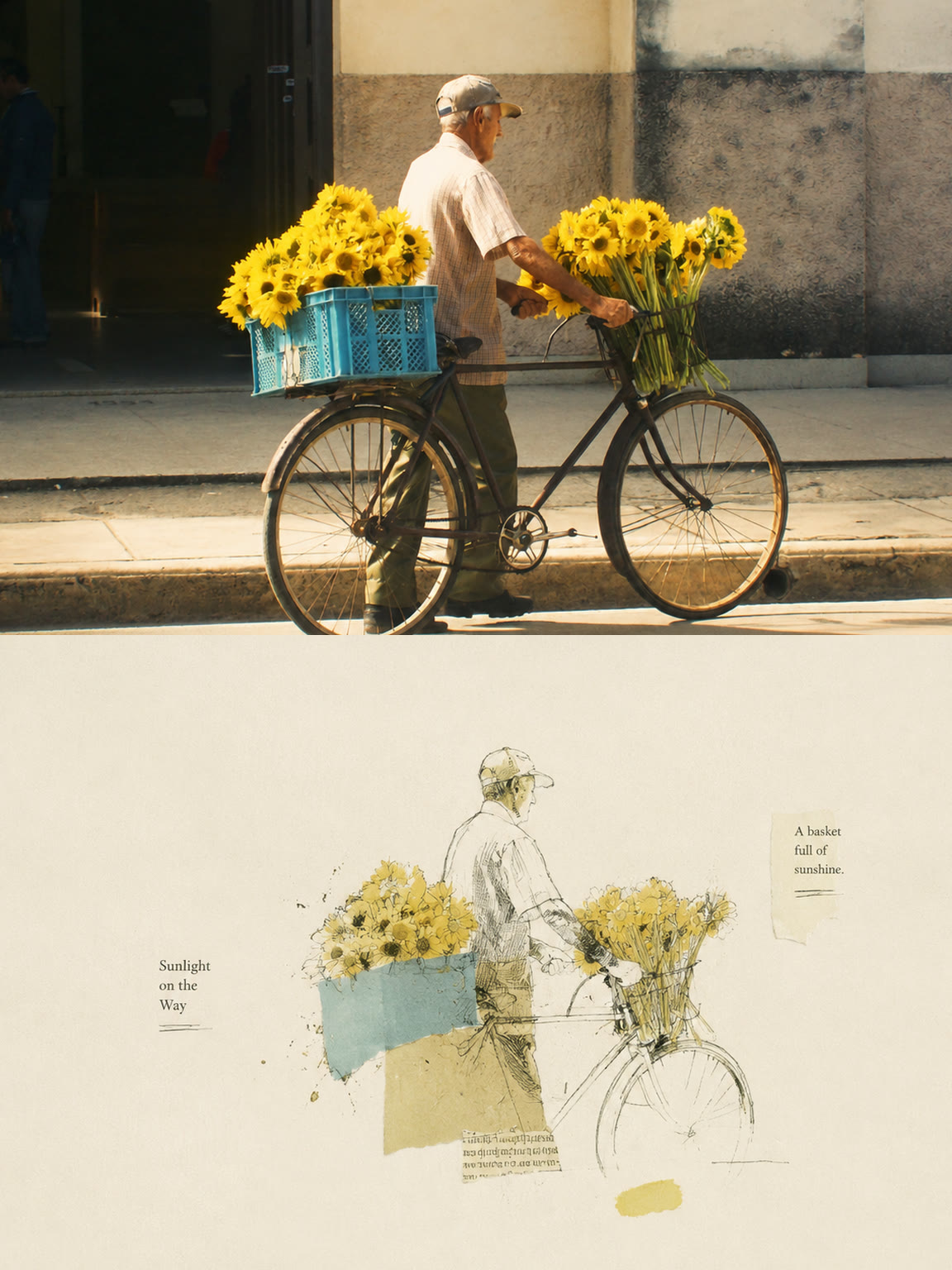
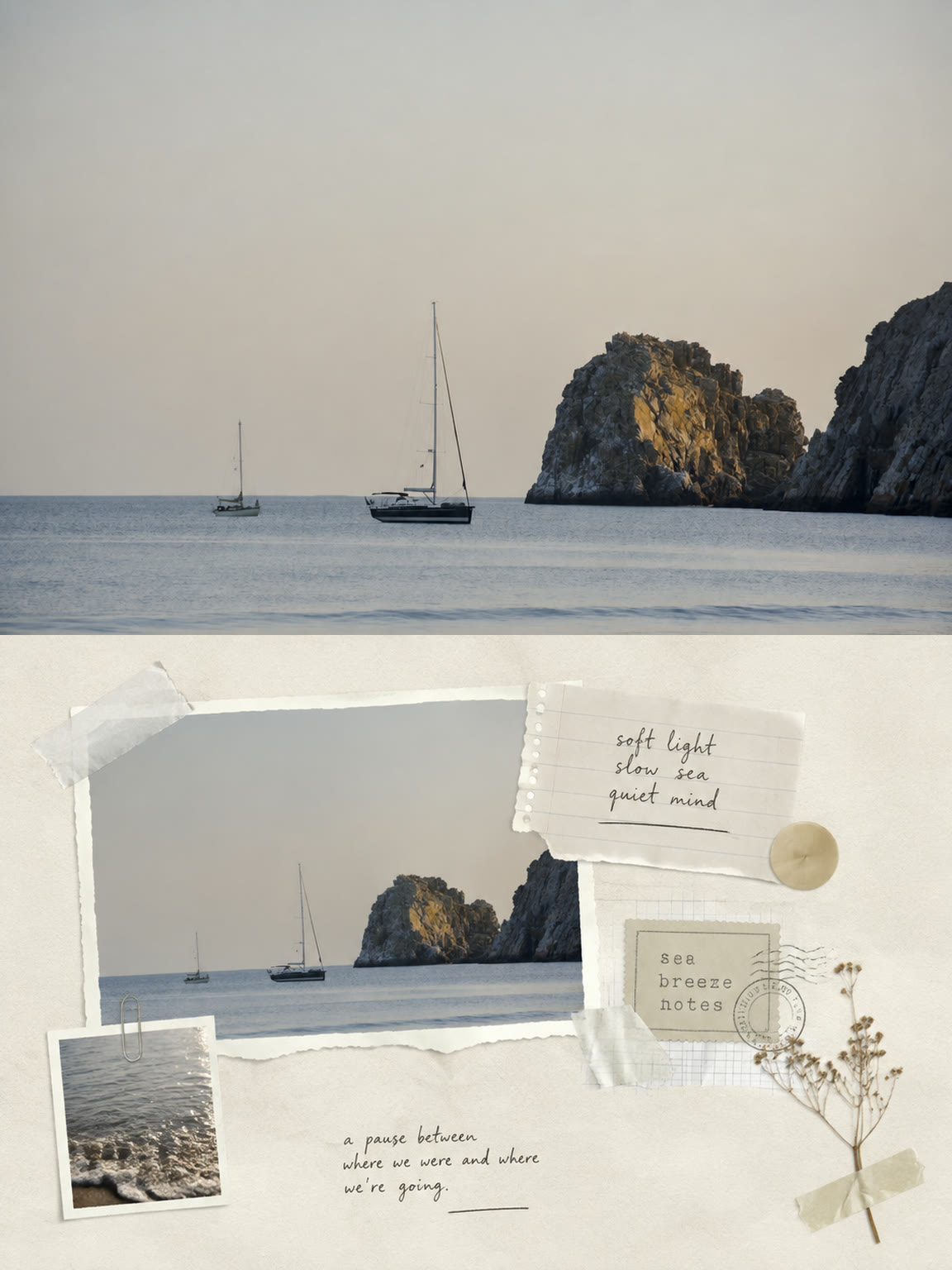
Overall, adopt a 3:4 vertical composition, with the image consisting of the real original photo and a scrapbook travel archive from the same scene. The upper and lower proportions can be naturally adjusted based on the photo's subject, but must retain a clear, substantial-area original image for comparison.
The upper section occupies about 43%–48% of the image, faithfully preserving the original photo. Accurately maintain the subject identity, number of people and poses, architectural structures, street directions, object positions, spatial perspectives, real textures, natural light and shadow, and the original color atmosphere in the photo. Only apply light travel magazine color grading and extremely subtle film grain processing—do not redraw, stretch, distort, or replace the subject in the upper photo.
For the lower section, use warm beige old archive paper as the background, extracting 2–4 of the most memorable visual fragments from the same photo, such as:
- The most identifiable subject or landmark
- A segment of architectural structure, door or window, archway, or street perspective
- An on-site object, clothing, vessel, sign, or plant
- A special light and shadow, color, texture, or localized action
Reorganize these elements into a restrained travel scrapbook archive. Use irregular torn-edge paper pieces, slightly misaligned old paper rectangles, narrow translucent tape strips, pencil lines, distance markers, archive ruling lines, and a few printed symbols to establish layout relationships.
The scrapbook fragments are not simply duplicated small photos or random stickers. Some fragments can retain a faded photo texture, while others can be transformed into fine pencil sketches, light ink, colored pencil, or low-saturation faint color observational drawings. All fragments must come from subjects and details that truly exist in the original image, and together maintain the direction and story of the original scene.
The main subject should be appropriately scaled down, with the lower section reserving about 45%–60% of continuous blank space. Maintain breathing room between paper pieces—do not fill the entire lower half. Torn edges should be natural and delicate, with real paper fiber texture, but avoid creating thick three-dimensional paper sculptures or exaggerated shadows.
The color palette extracts 3–6 colors from the original photo, using warm beige, old paper gray, and pencil tones as the base, while retaining one most distinctive color from the photo as a visual accent, such as vermilion red, deep blue, olive green, ochre yellow, or fabric hues. Overall, low saturation and slightly faded, evoking the temporal sense of old printed matter and travel archives.
Text intervenes in the image as part of the archive system. Based on the location, subject, lighting, or travel impressions in the photo, automatically distill:
1. A 2–4 word English main title
2. A numbered label, such as "ARCHIVE 01"
3. A short English on-site observation, about 5–10 words
4. Optional small series identifier "SCRAPBOOK TRAVEL ARCHIVE"
The main title uses a typewriter font with a slight old printing wear, narrow serif font, or archive print style. Supporting text can be aligned along ruling lines, paper piece edges, or pencil paths. All text must be accurately legible—no generating garbled code, fictional addresses, or author information.
The boundary between upper and lower sections should be clear but avoid heavy dividing bars. The upper is the real, complete travel scene; the lower feels like a page of private observational archive sorted out from the same scene after the trip.
Overall, it should evoke the qualities of an independent travel magazine, vintage field archive, artist's journal, and modern editorial design. Quiet, restrained, humane, with a sense of having been preserved over time, while maintaining a high-end, clear, and collectible feel.
Avoid: Dense journaling, full-page collages, multiple unrelated photos, generic travel stickers, airplanes, passports, map pins, stamp piles, cartoon icons, cute stickers, childish craft feel, random newspaper clippings, exaggerated tape, heavy paper sculptures, strong three-dimensional shadows, glossy 3D, plastic textures, realistic replication of the entire photo in the lower half, altering the subject, fictional objects, fake Chinese, garbled code, author names, social accounts, signatures, logos, and watermarks.
2026-09-02via @Hamburgerai