Visuele inspiratie
Promptbibliotheek
Sterke AI-resultaten uit het wild, mét de prompt erbij. Klik op een beeld, kopieer de prompt en maak er iets eigens van.
Krijg de prompts die indruk maken
Krijg de prompts die indruk maken
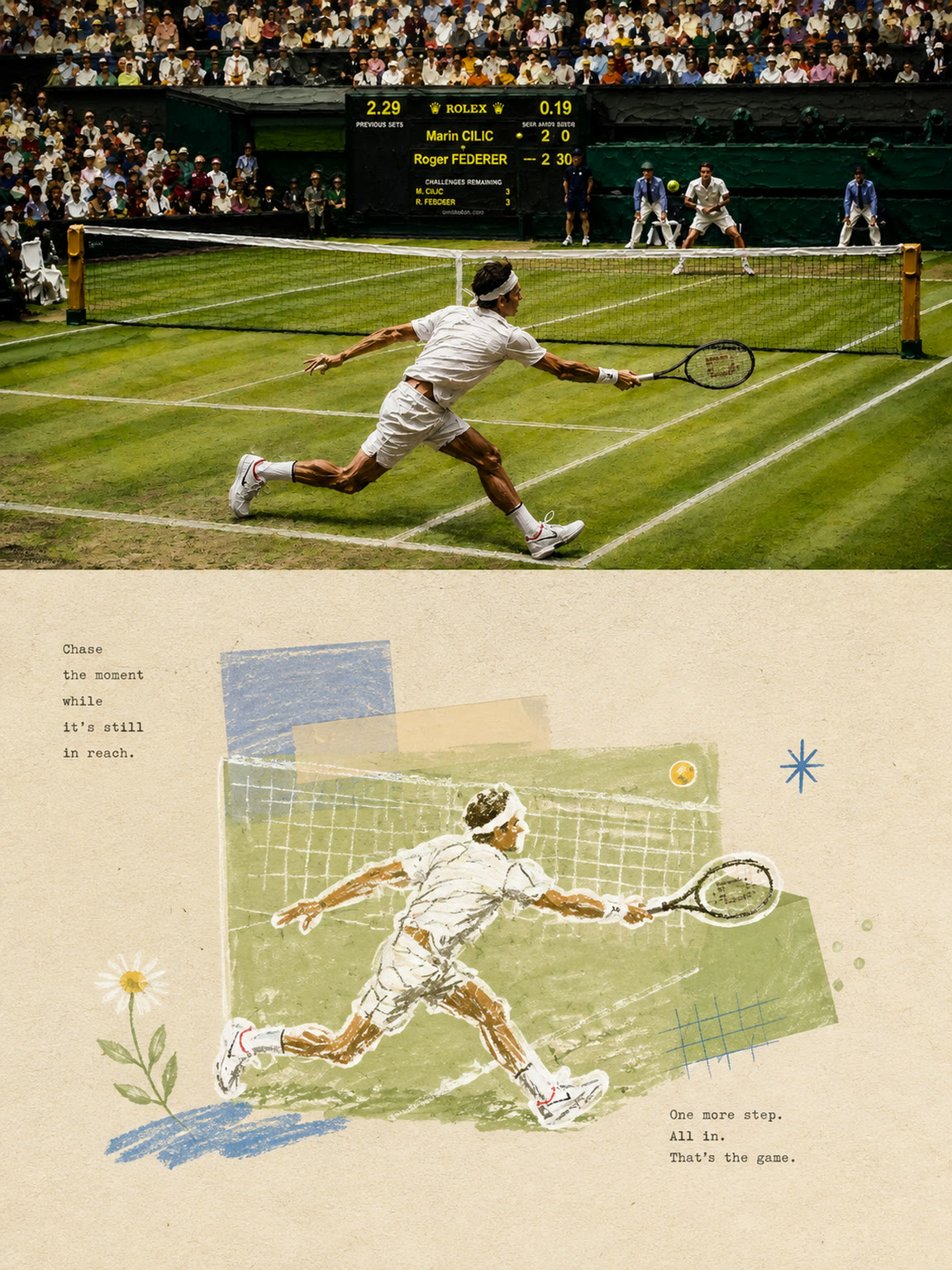
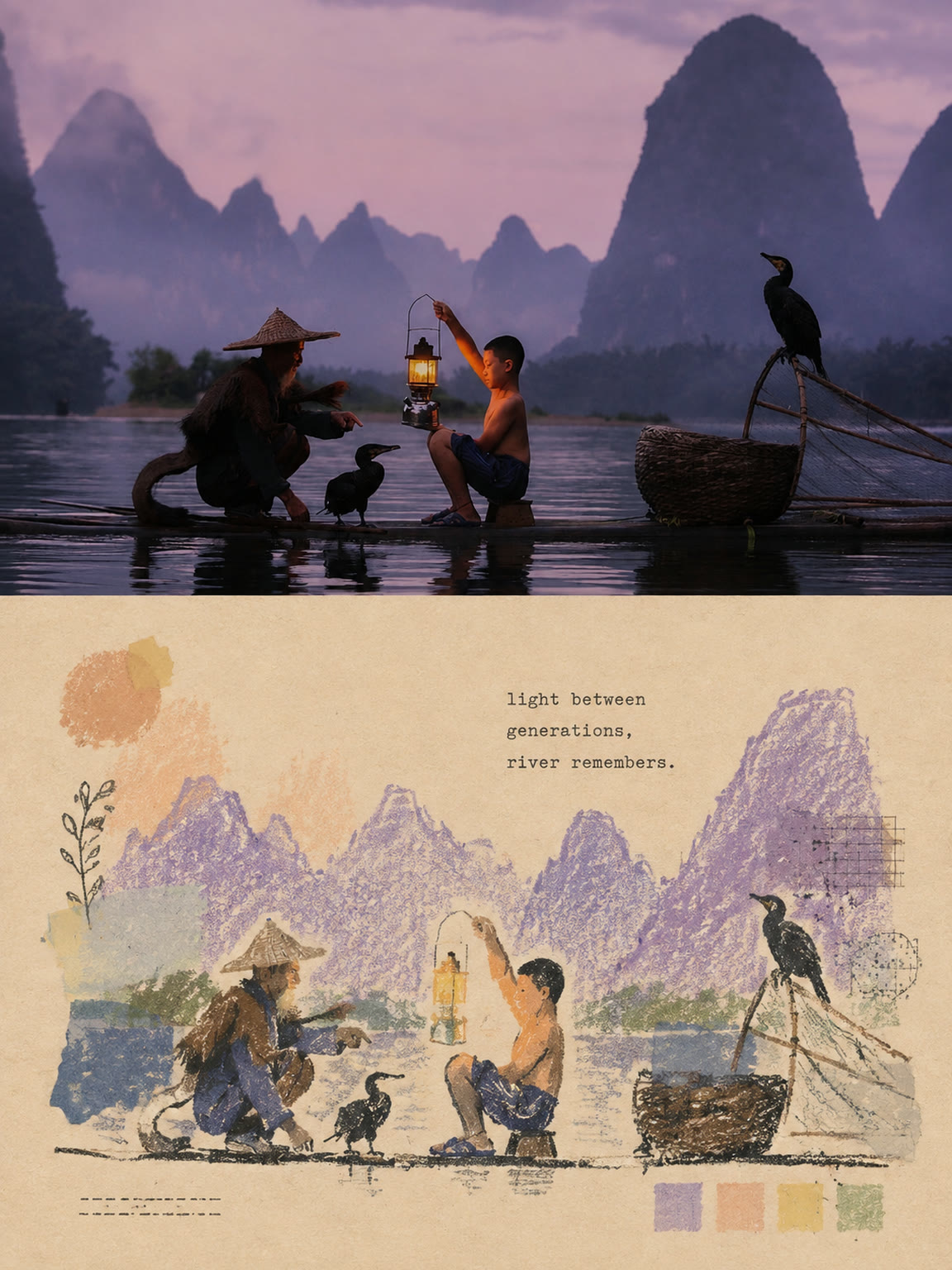
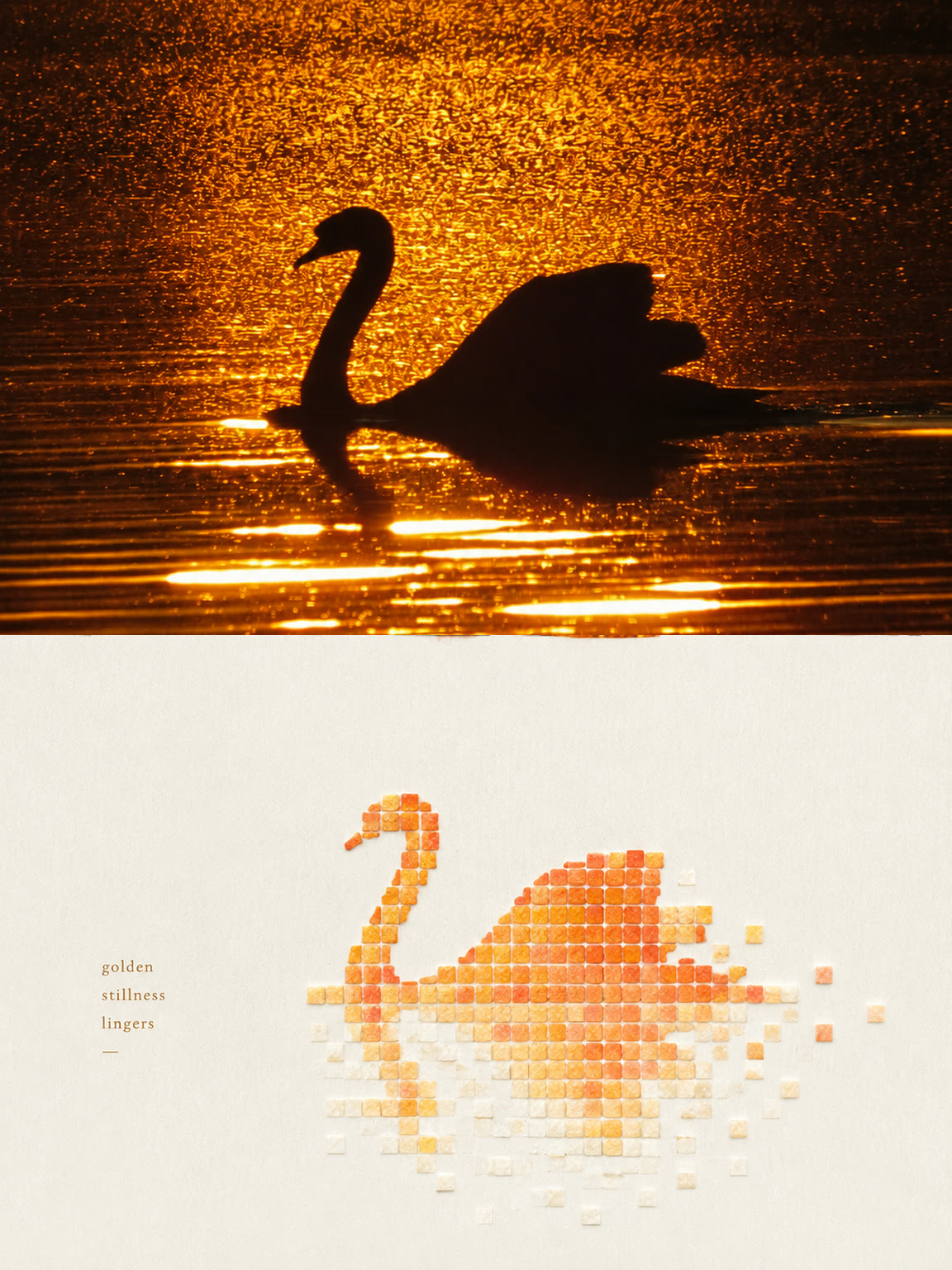
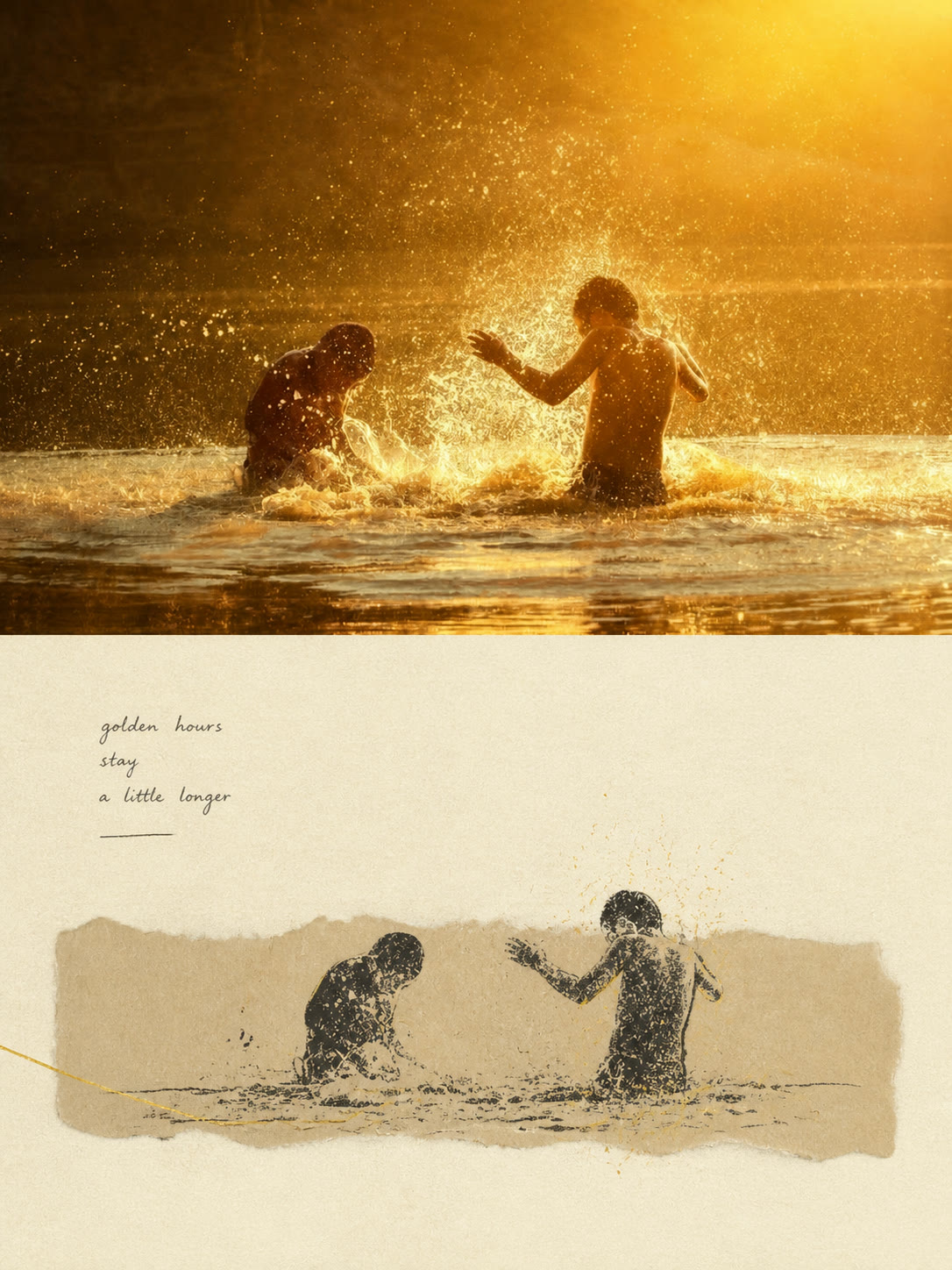
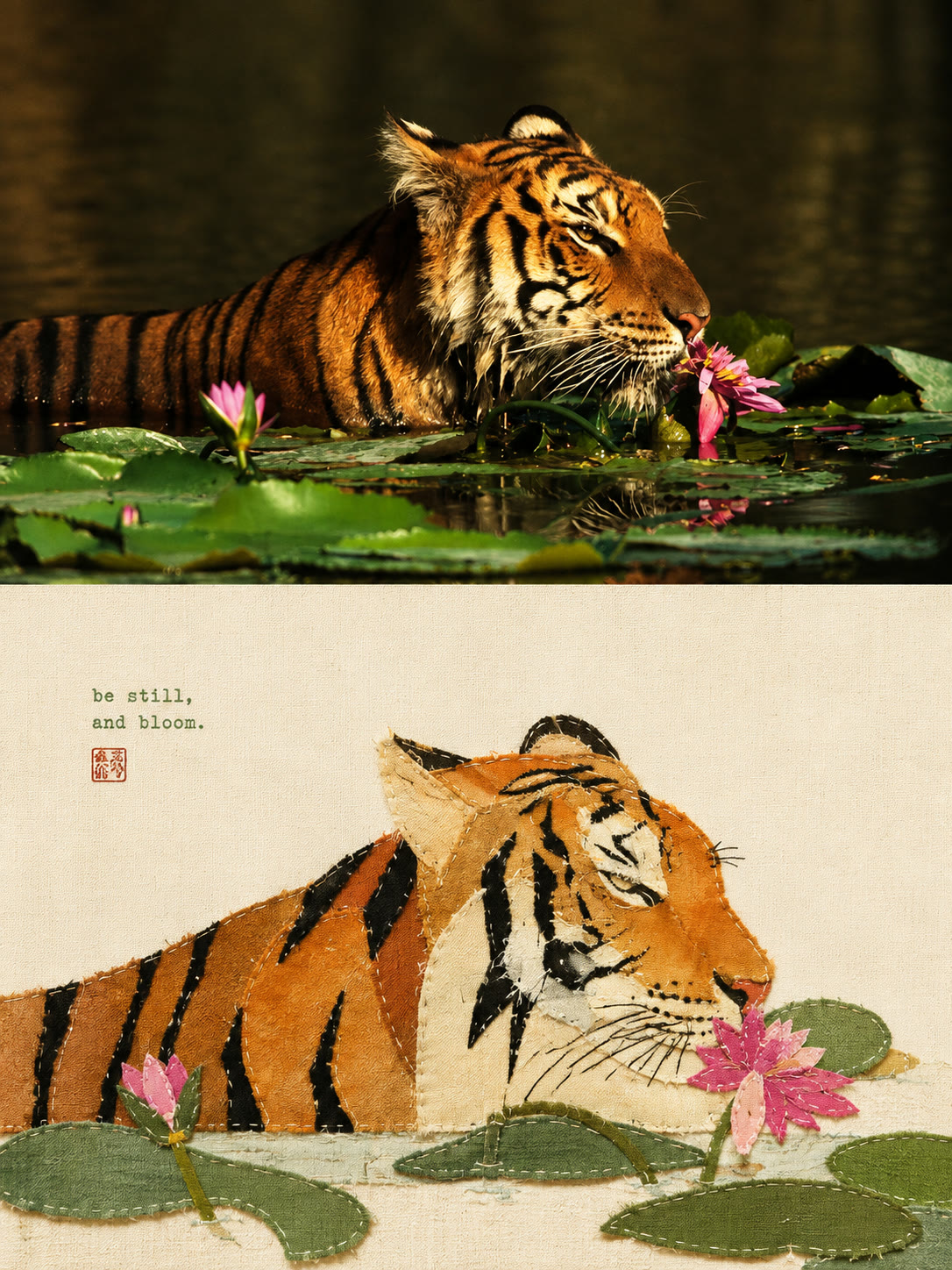
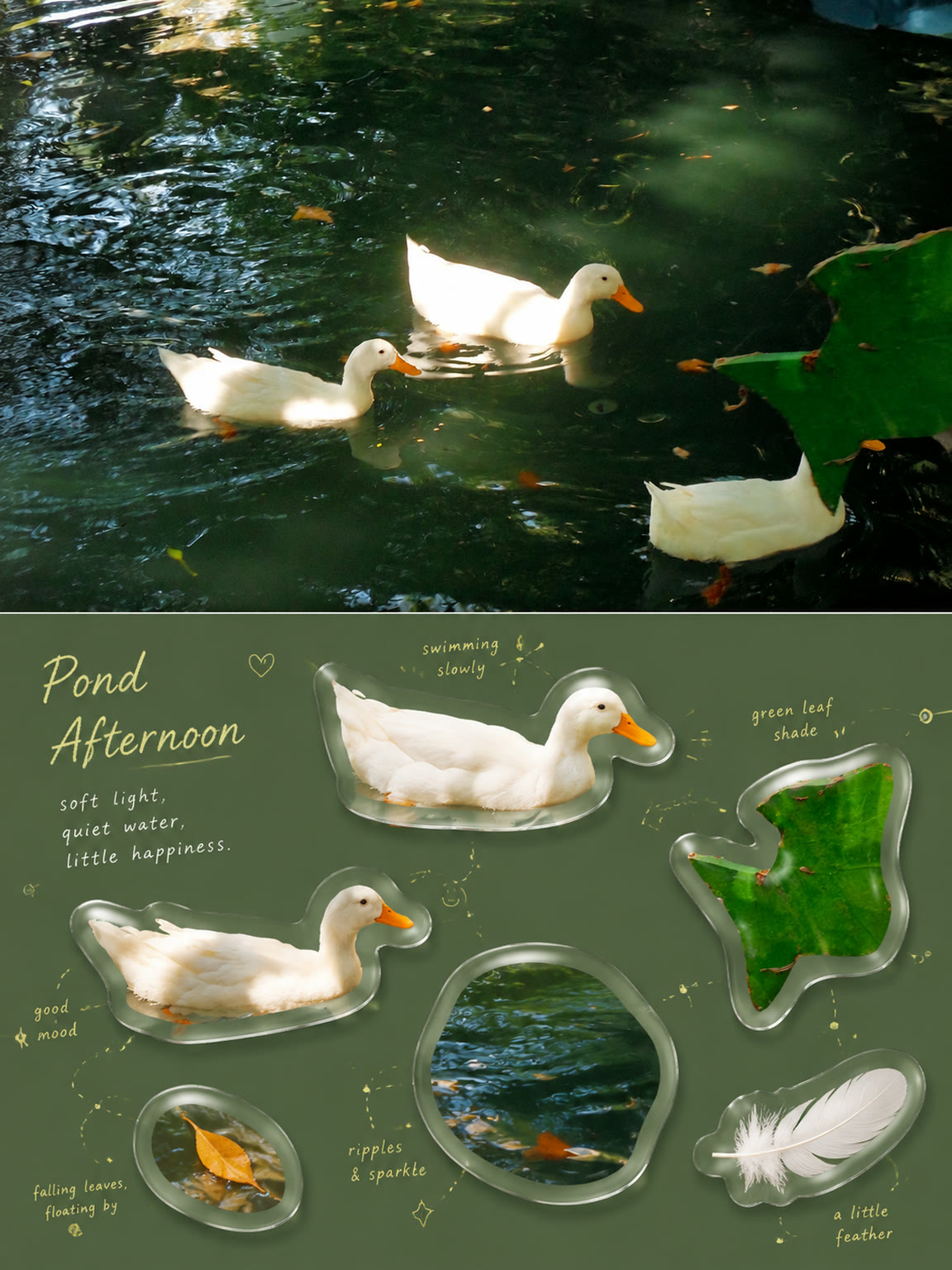
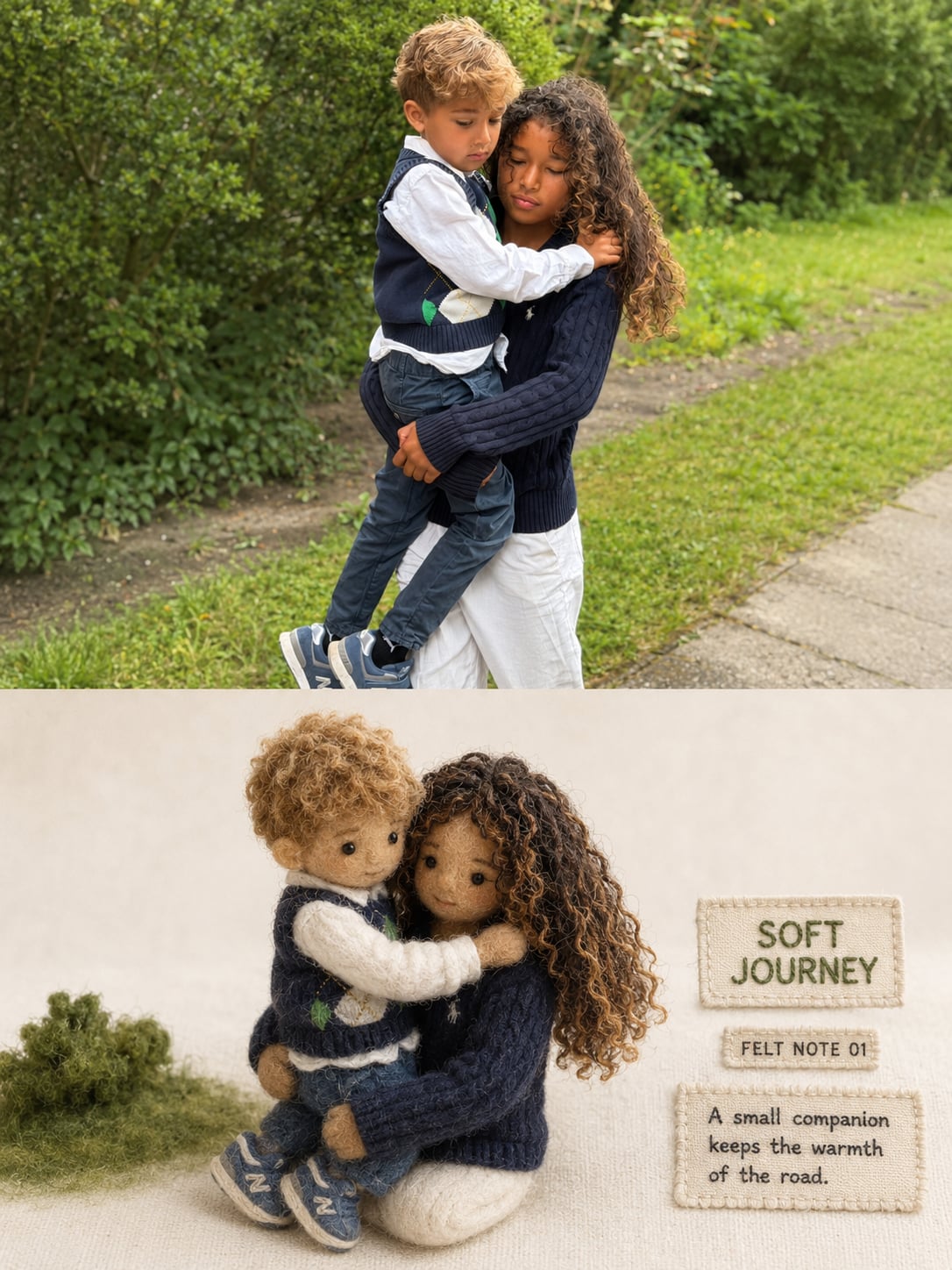
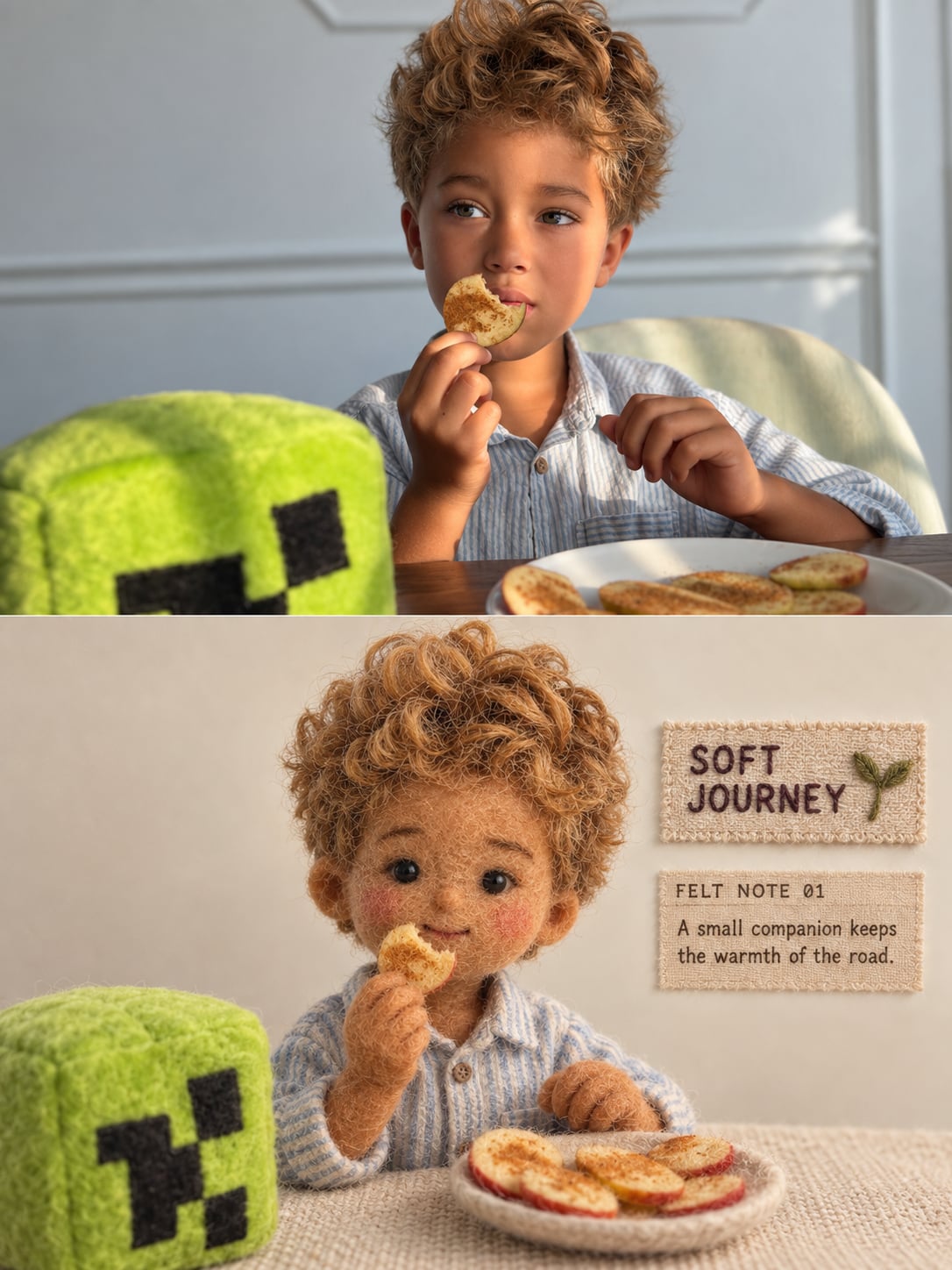
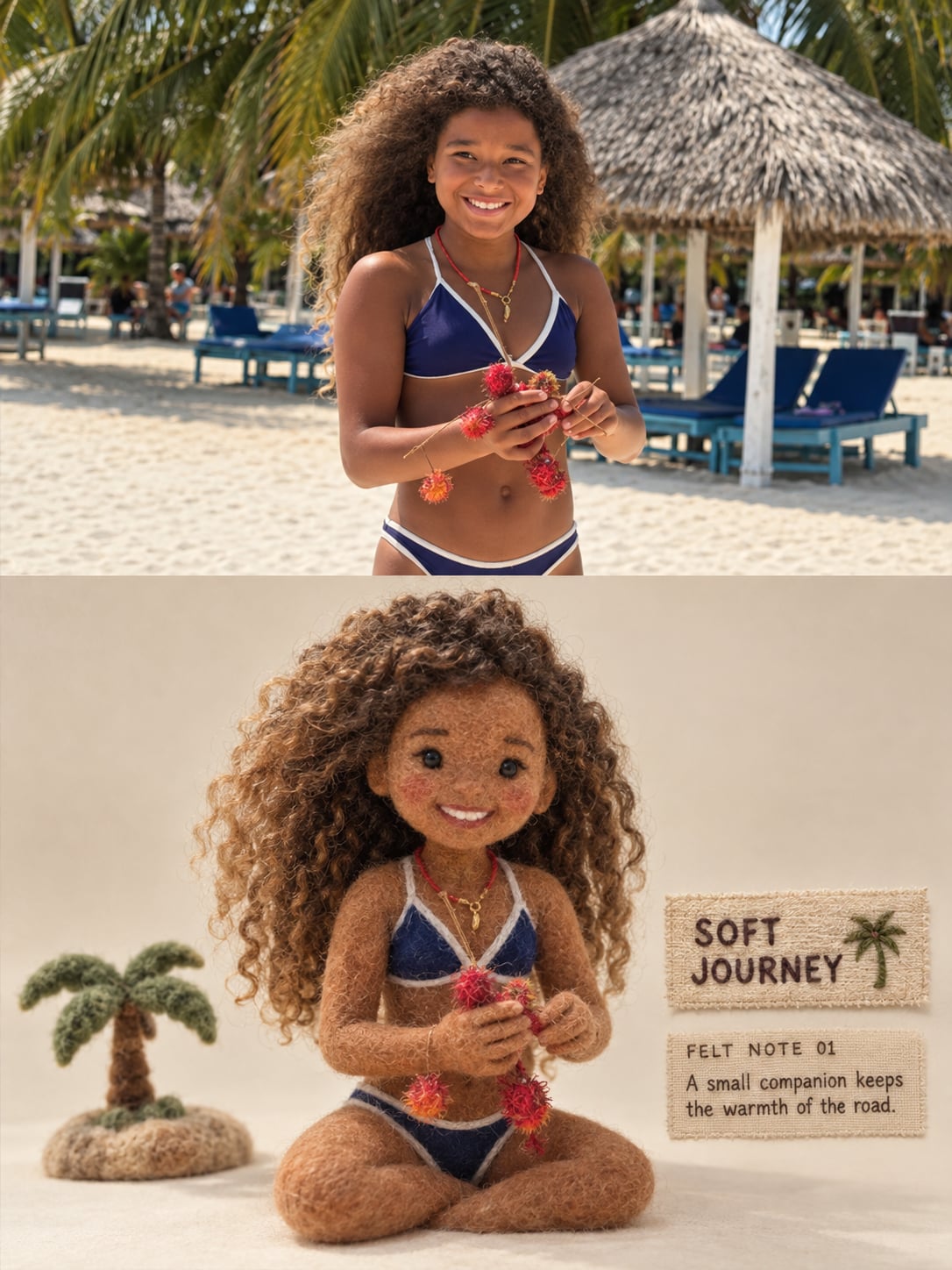
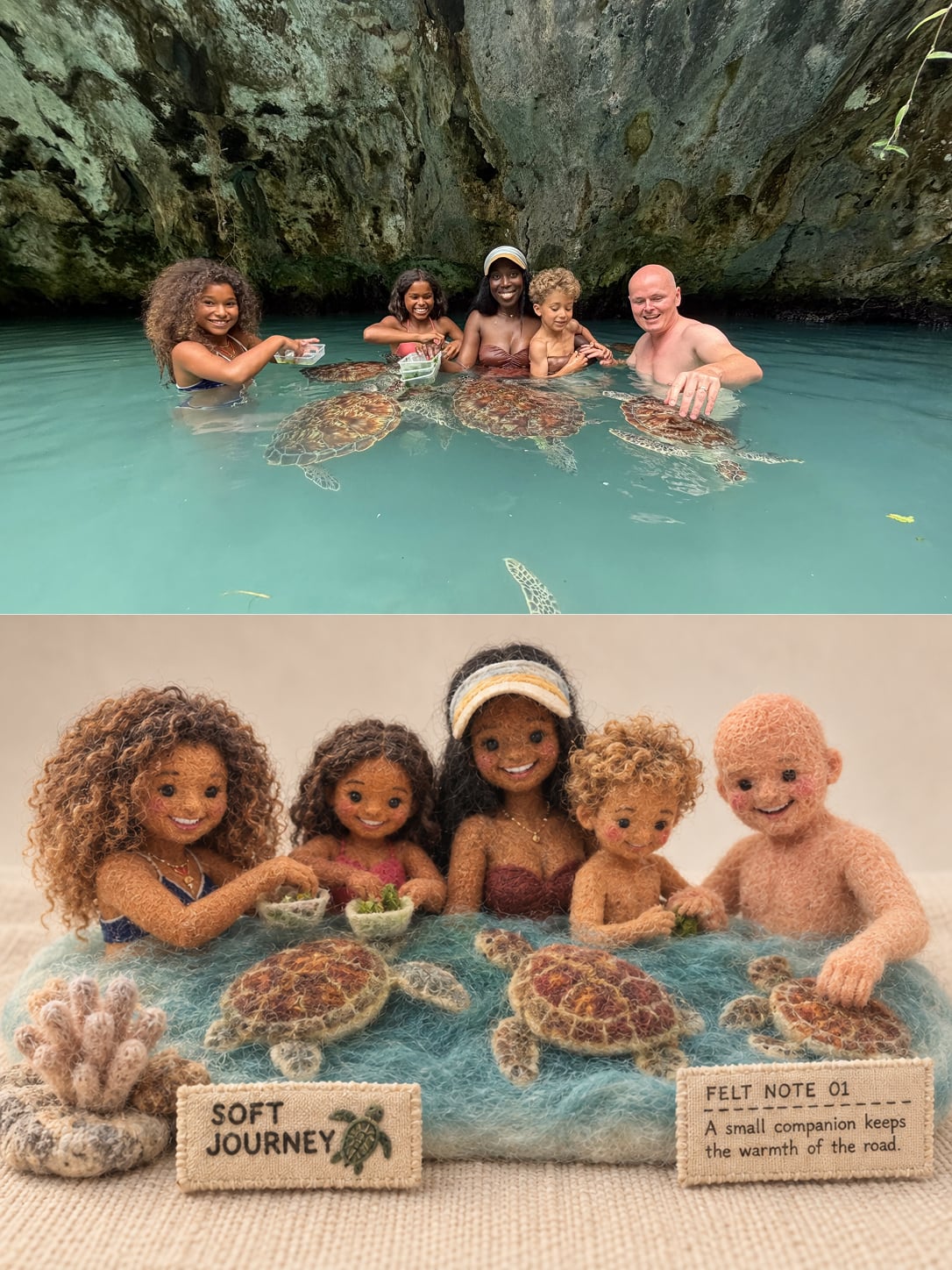
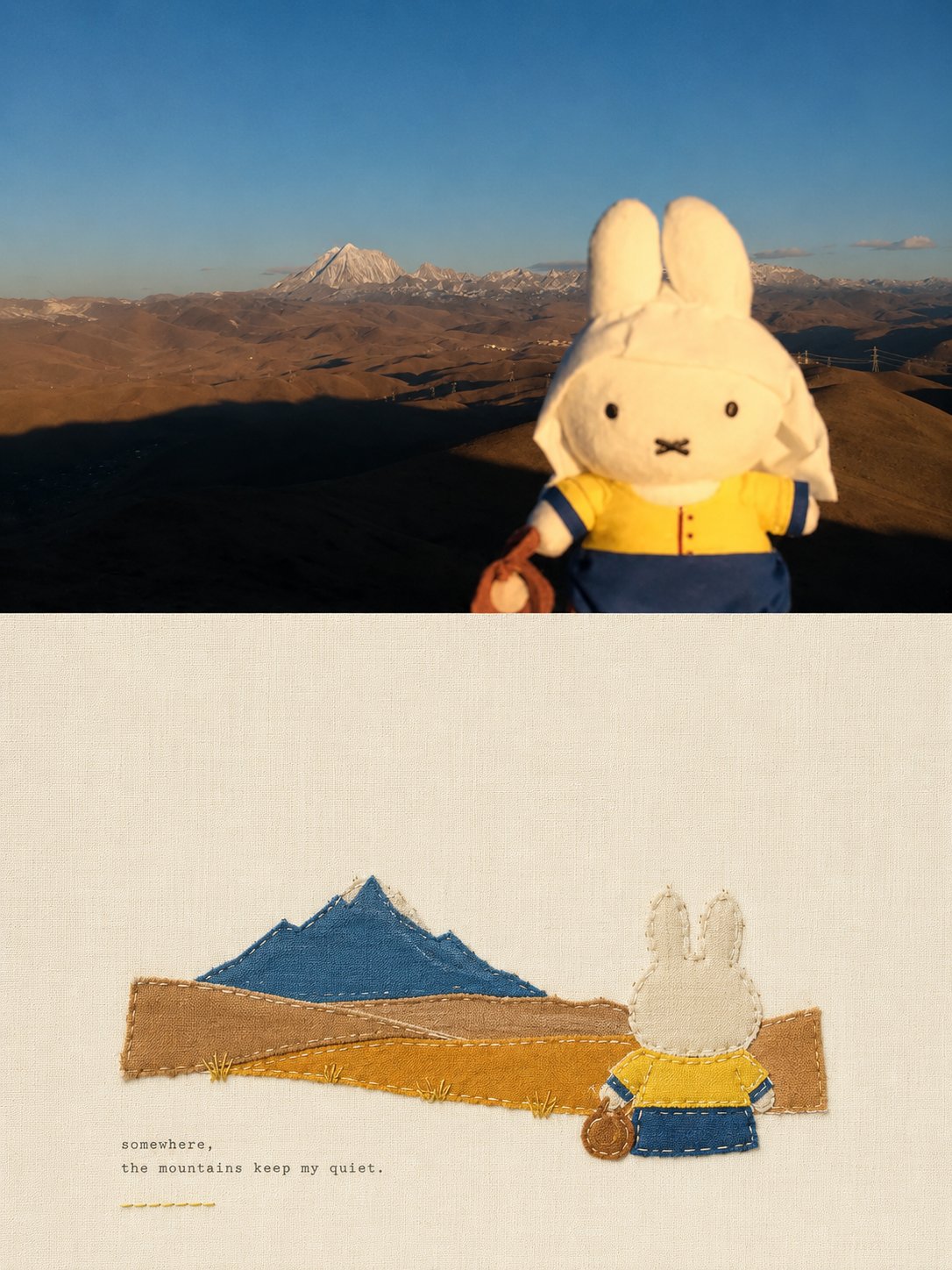
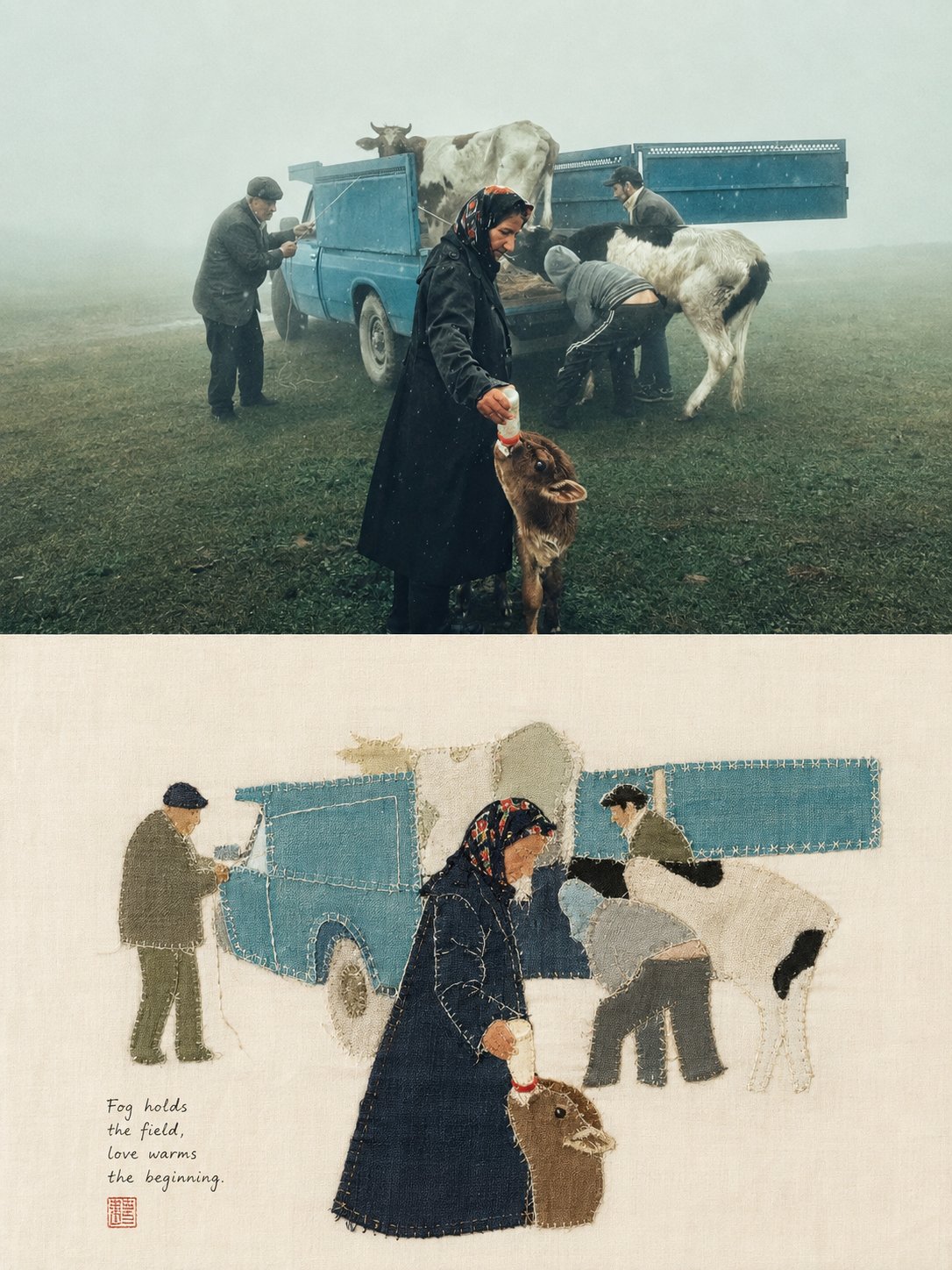
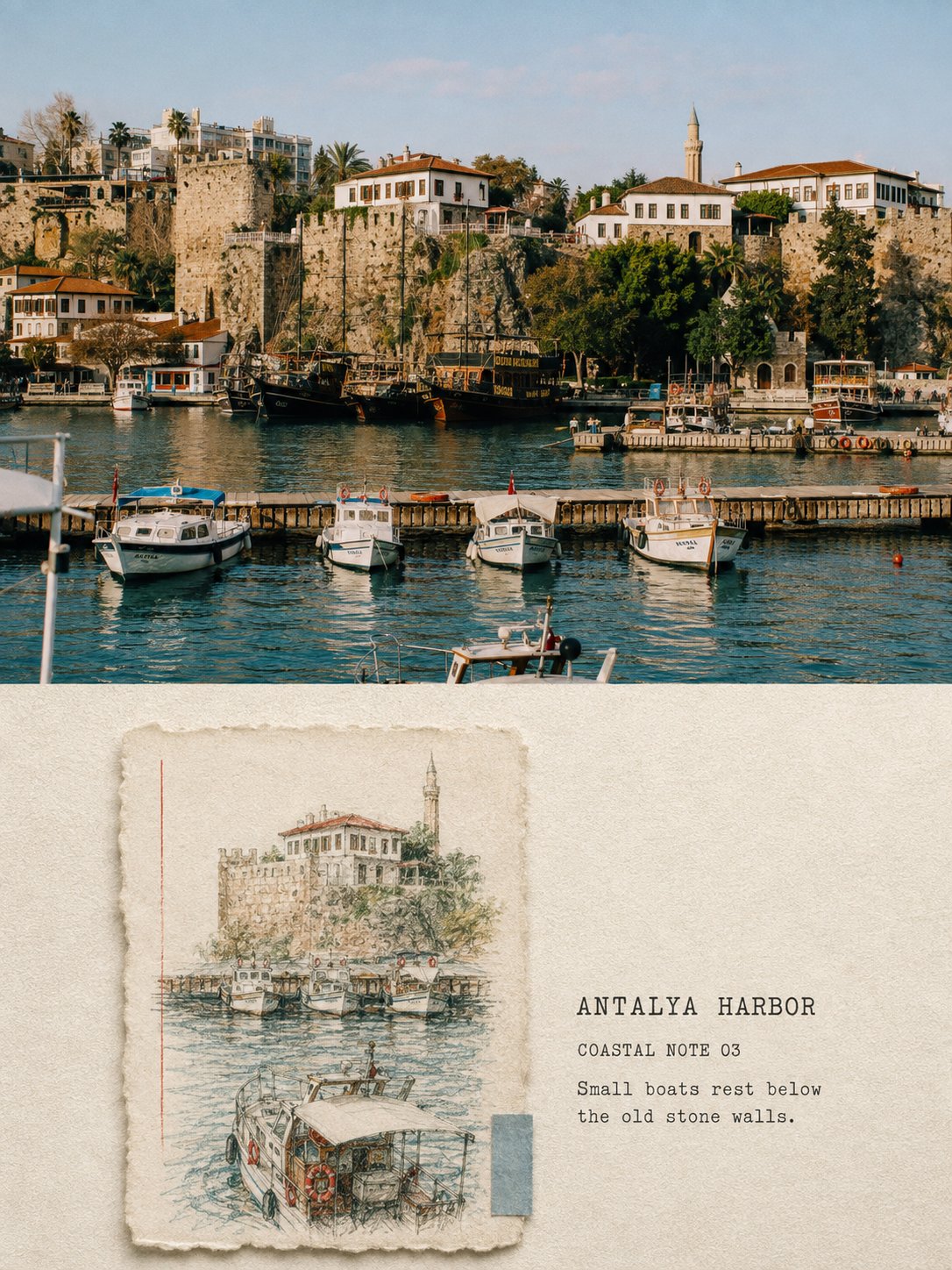
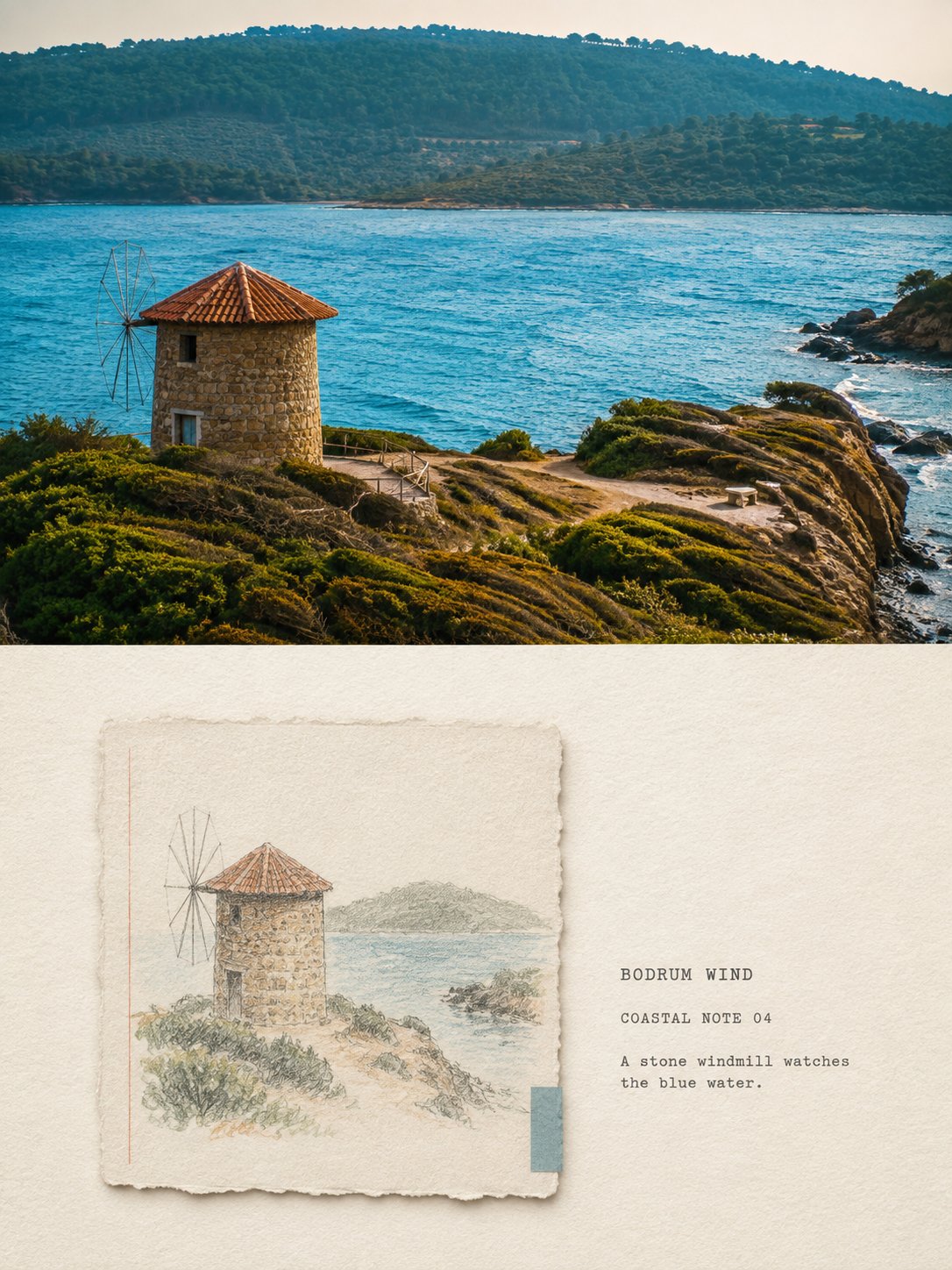
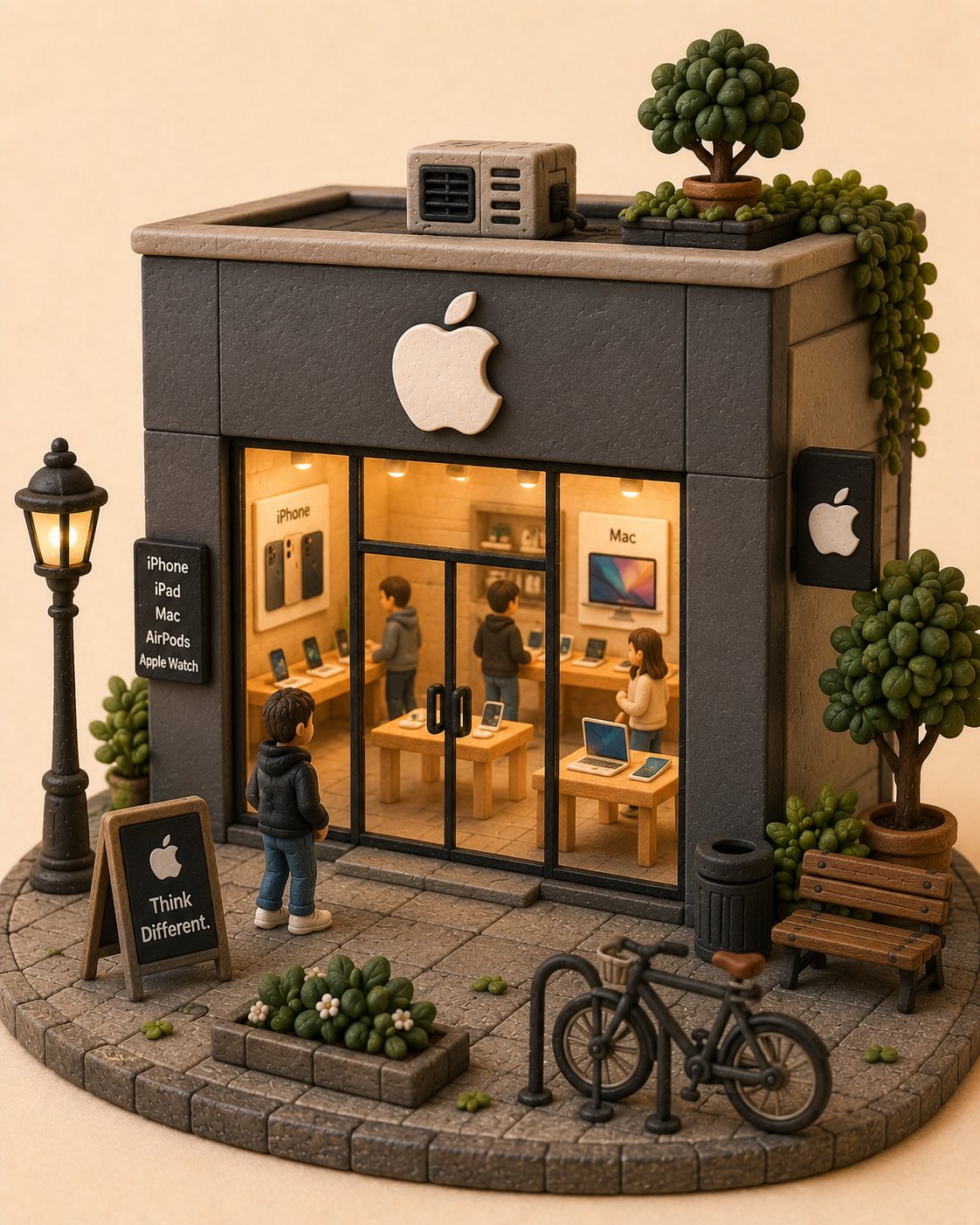
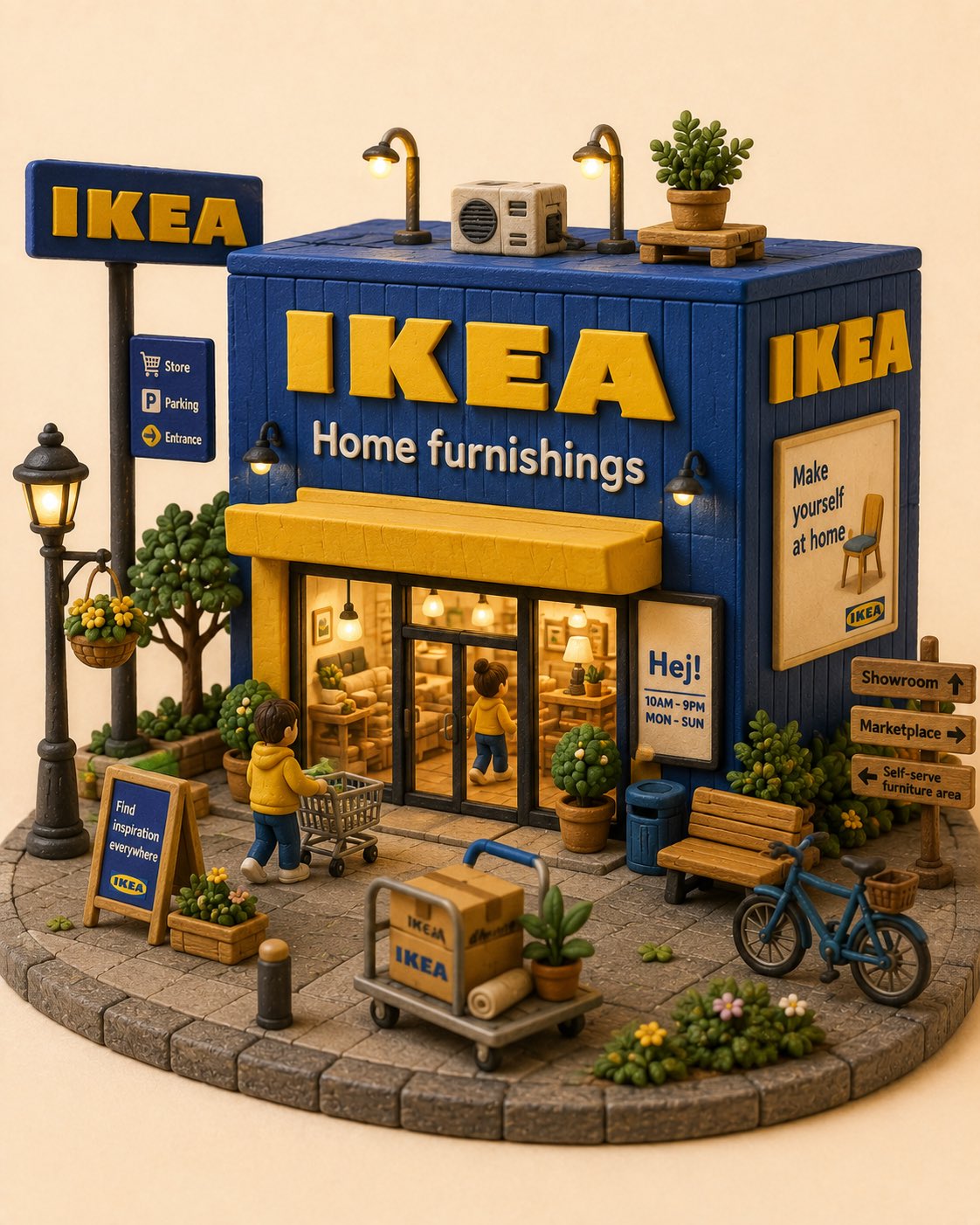
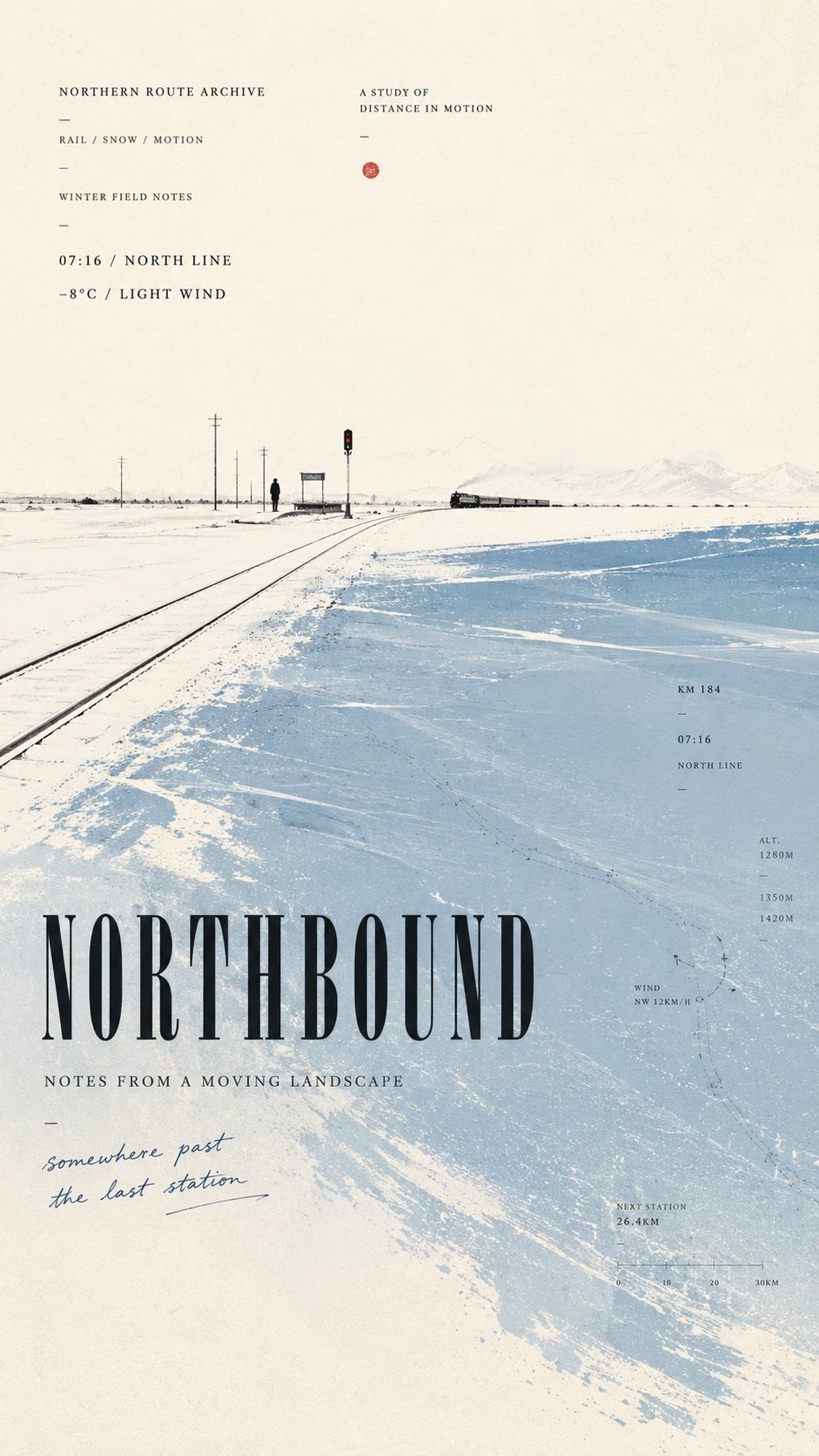
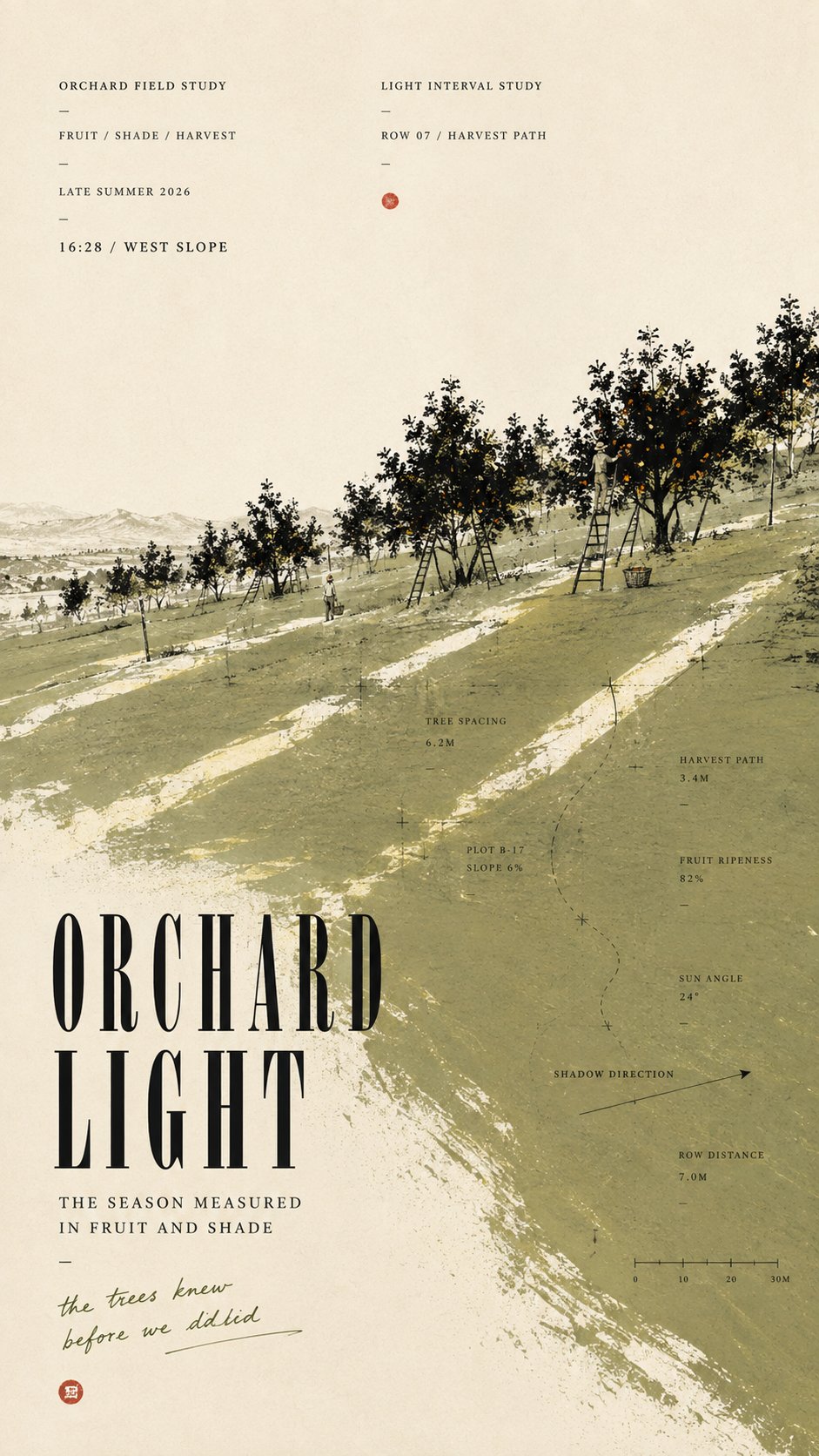
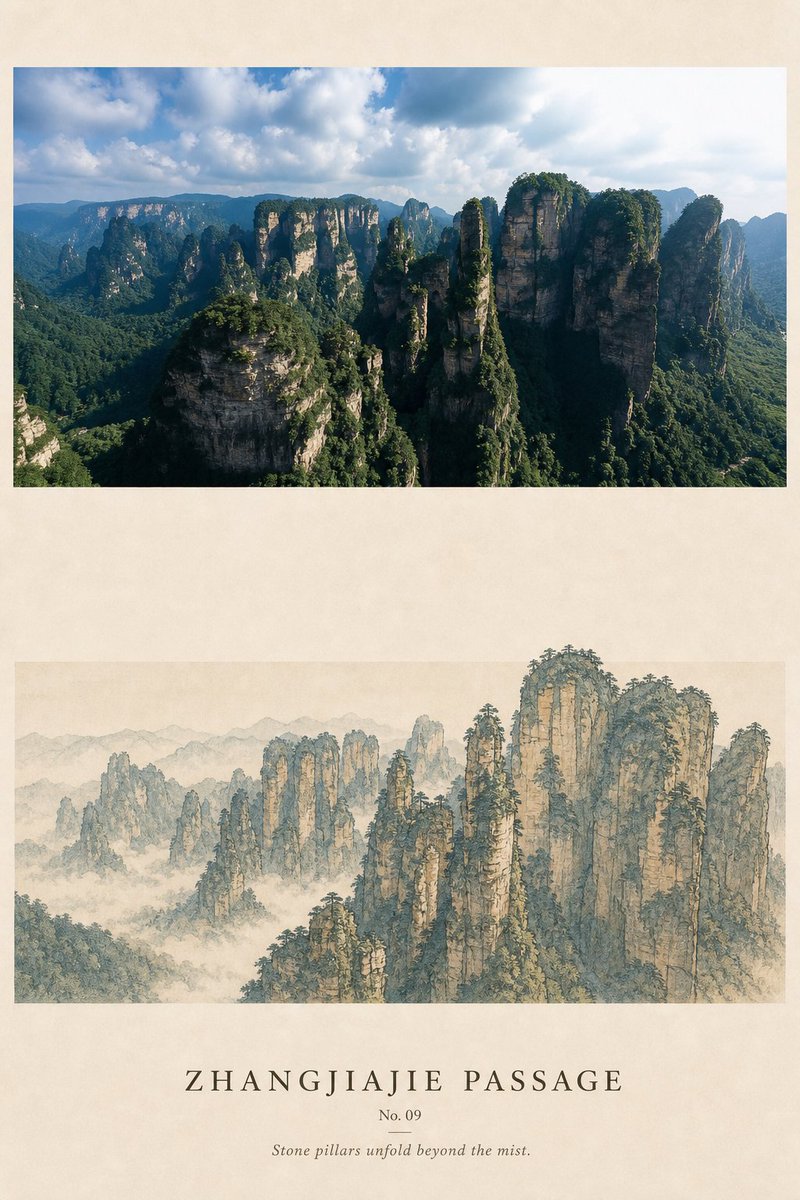
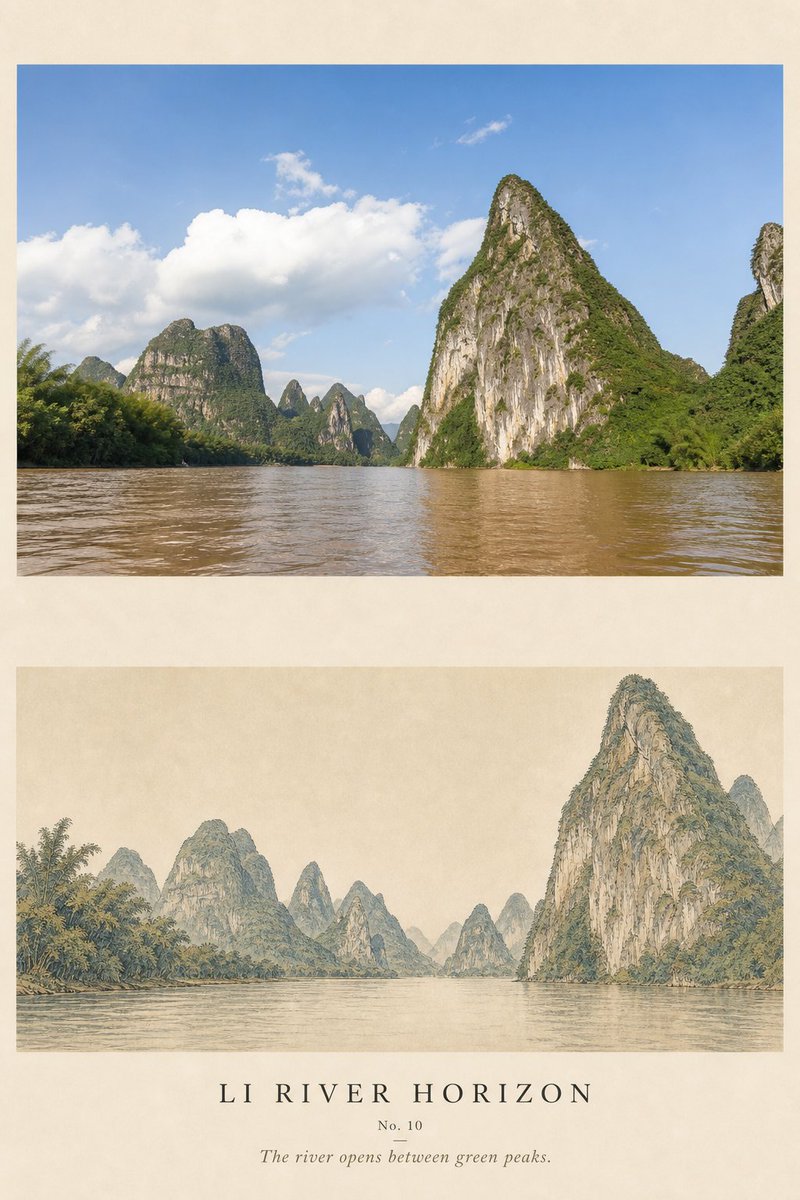
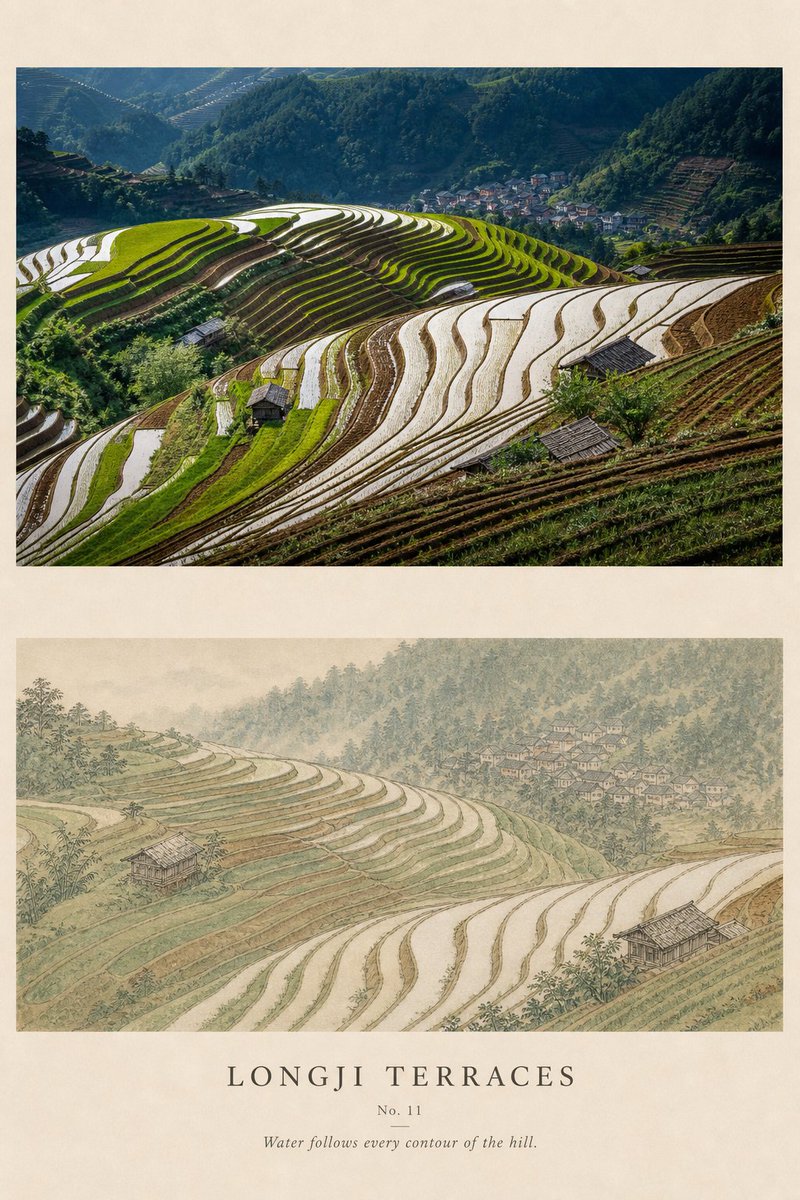
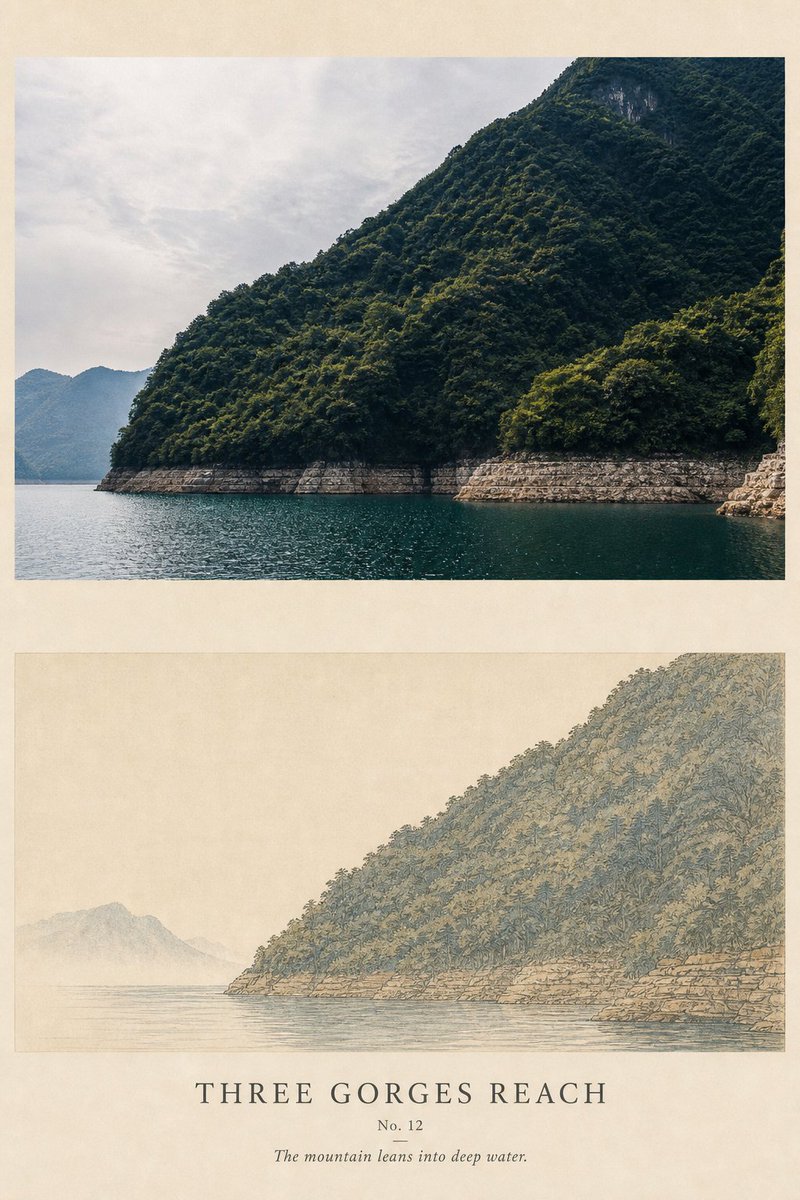
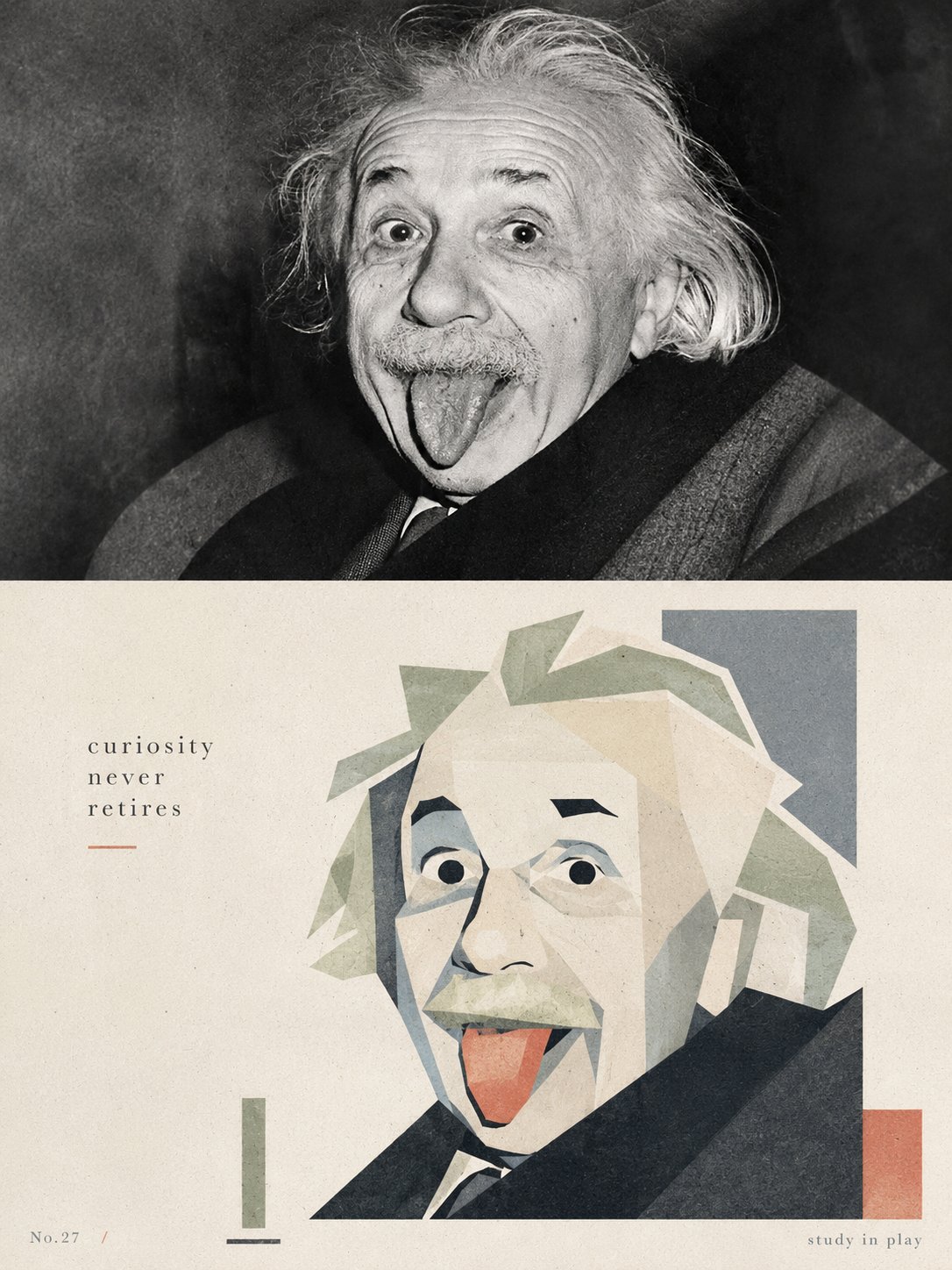
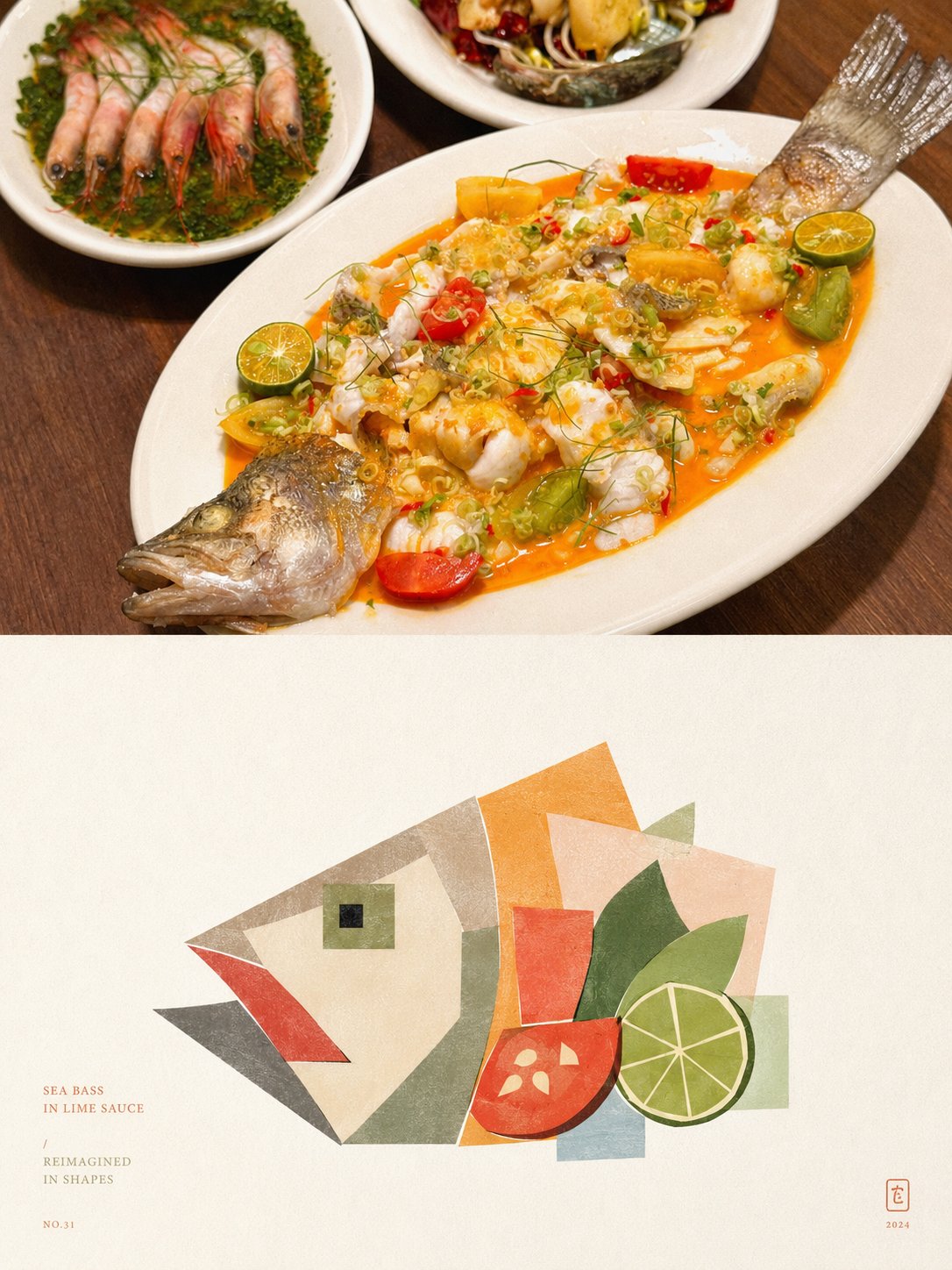
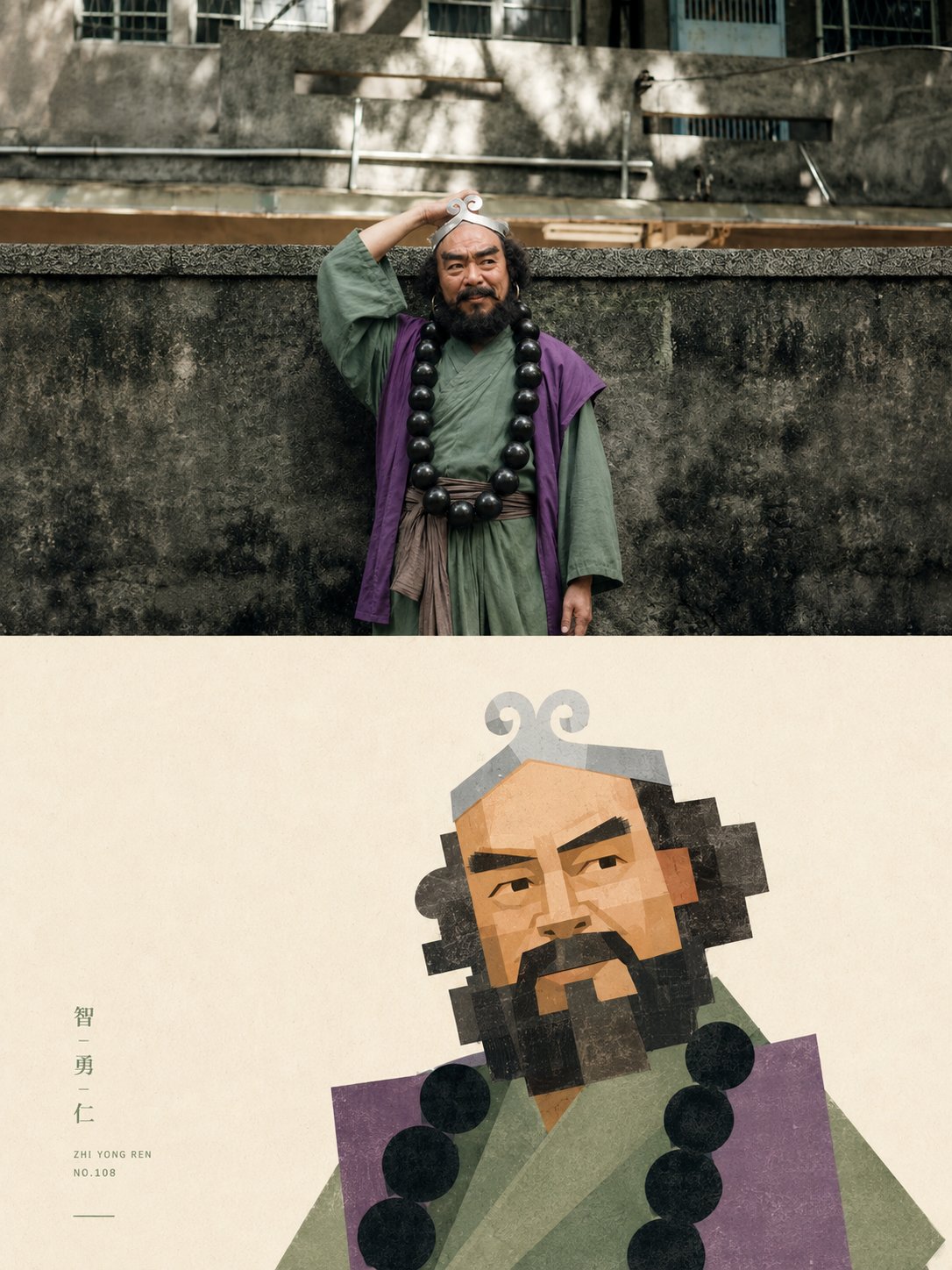
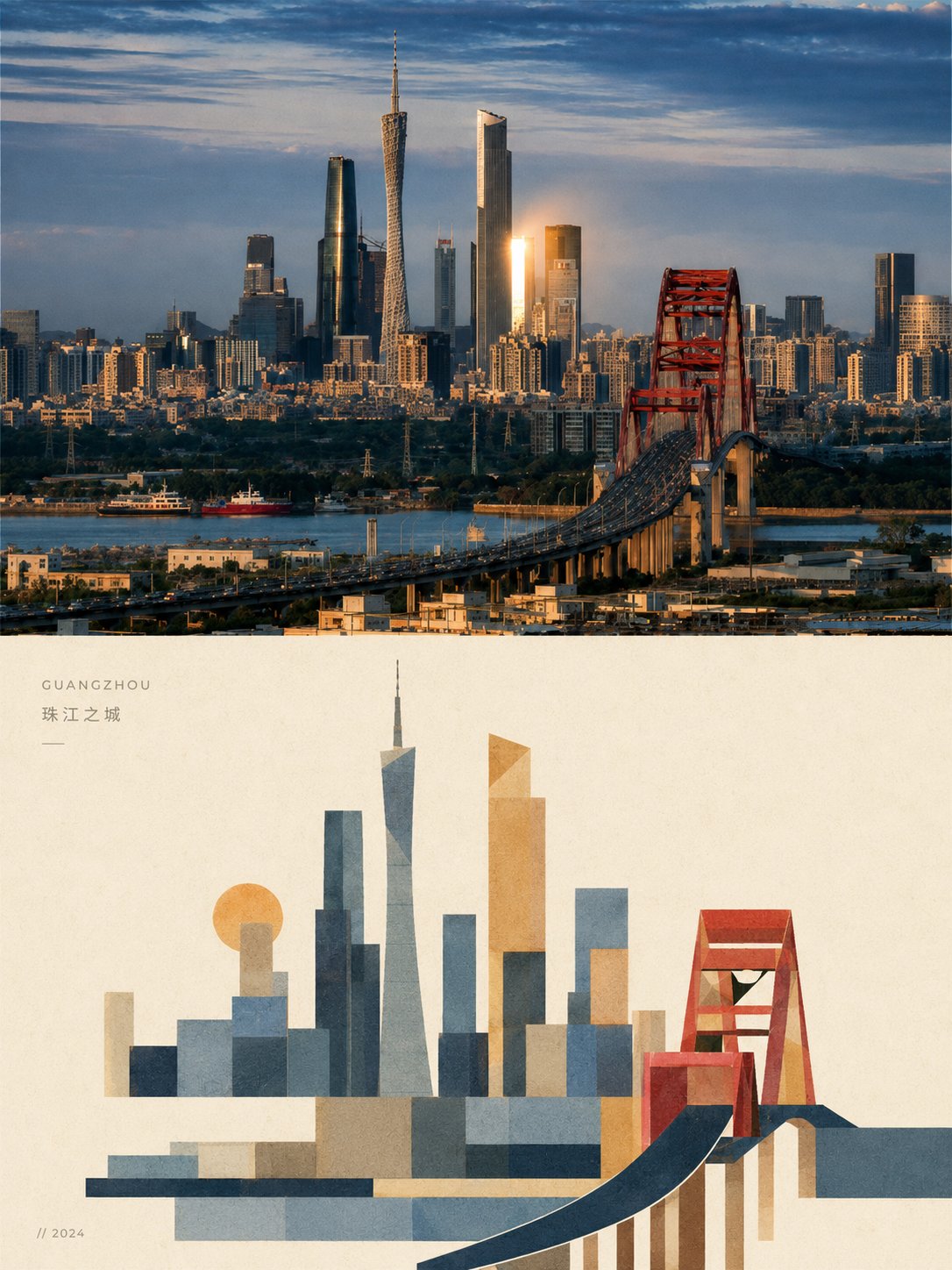
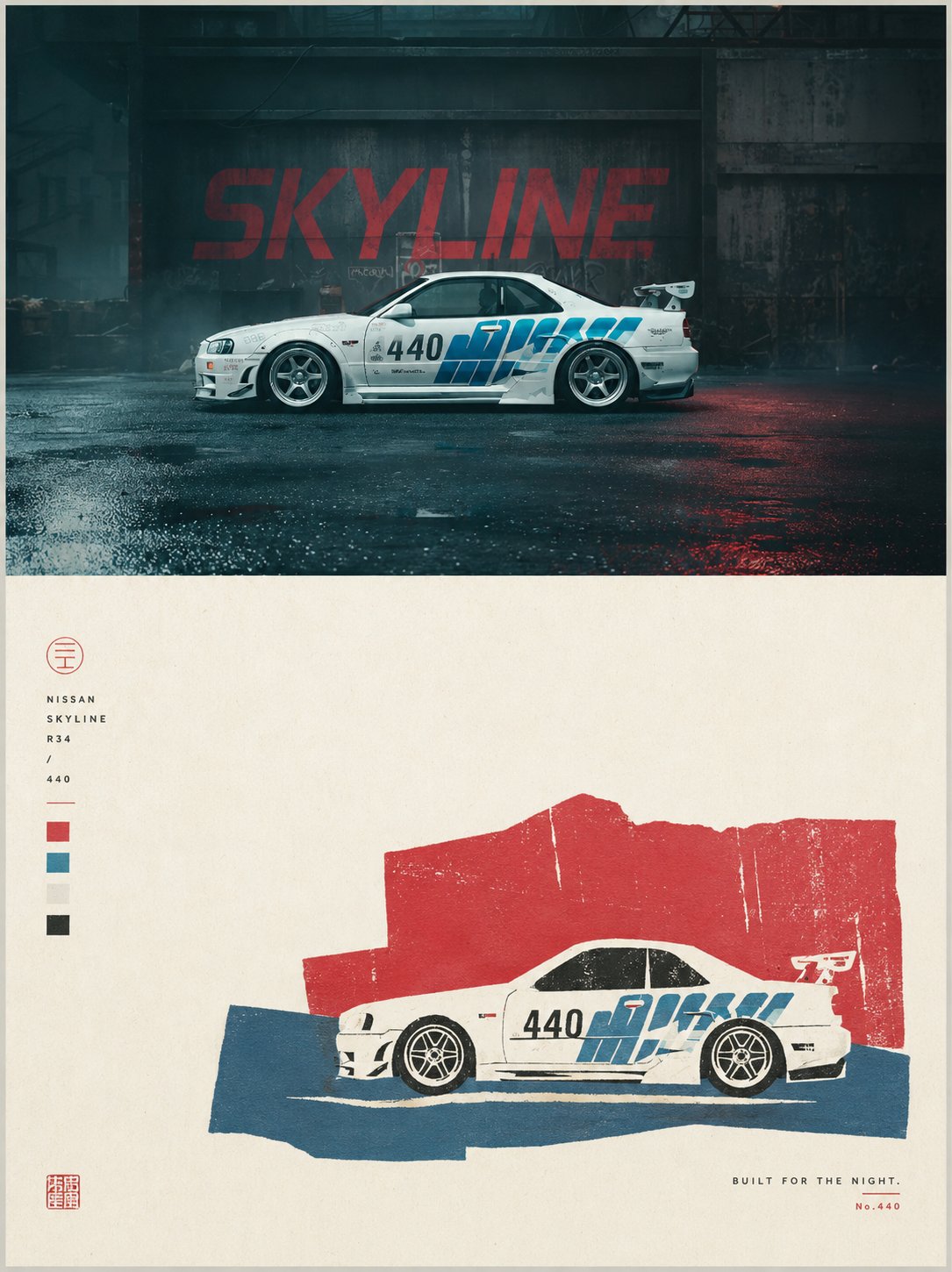
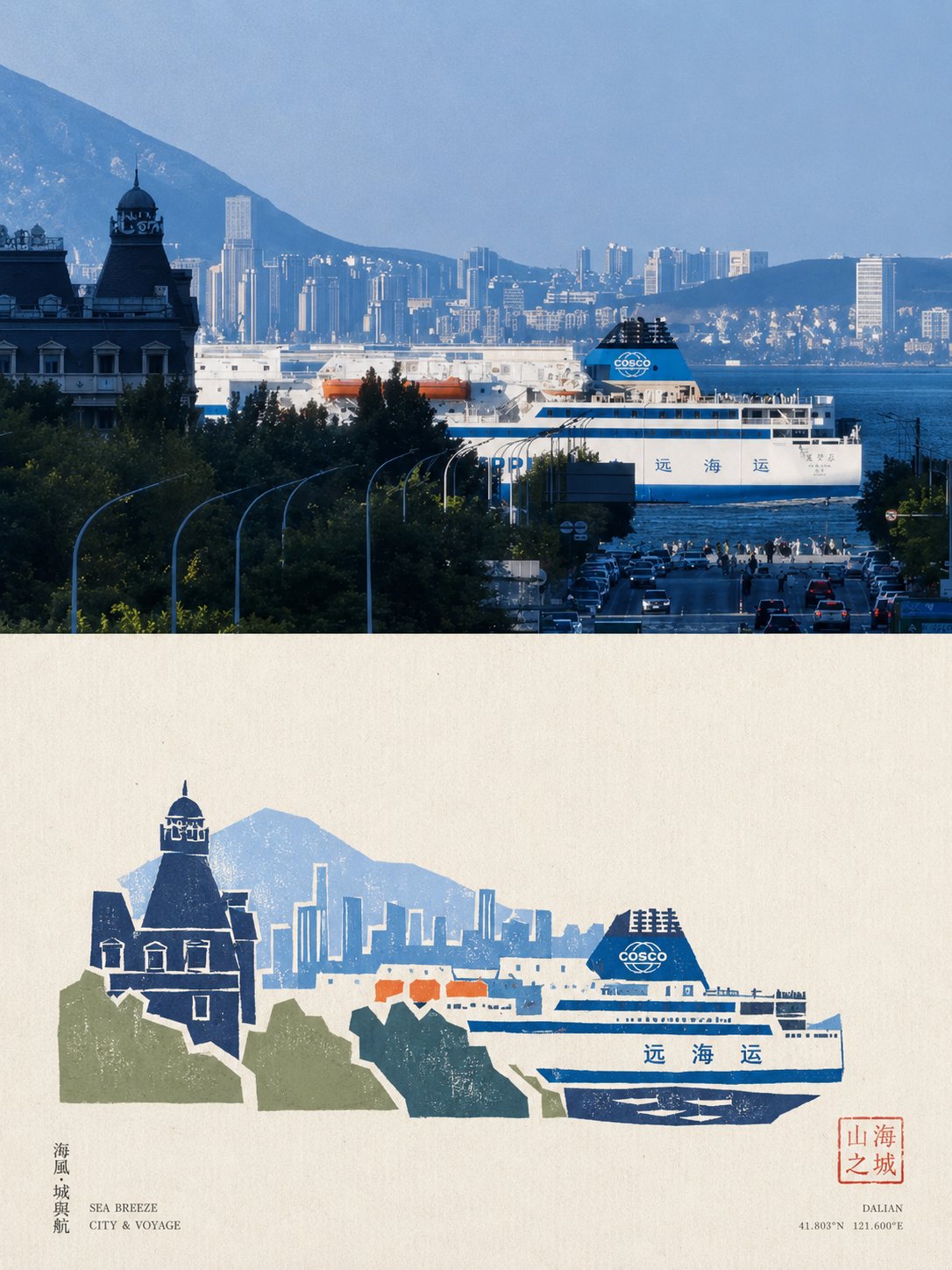
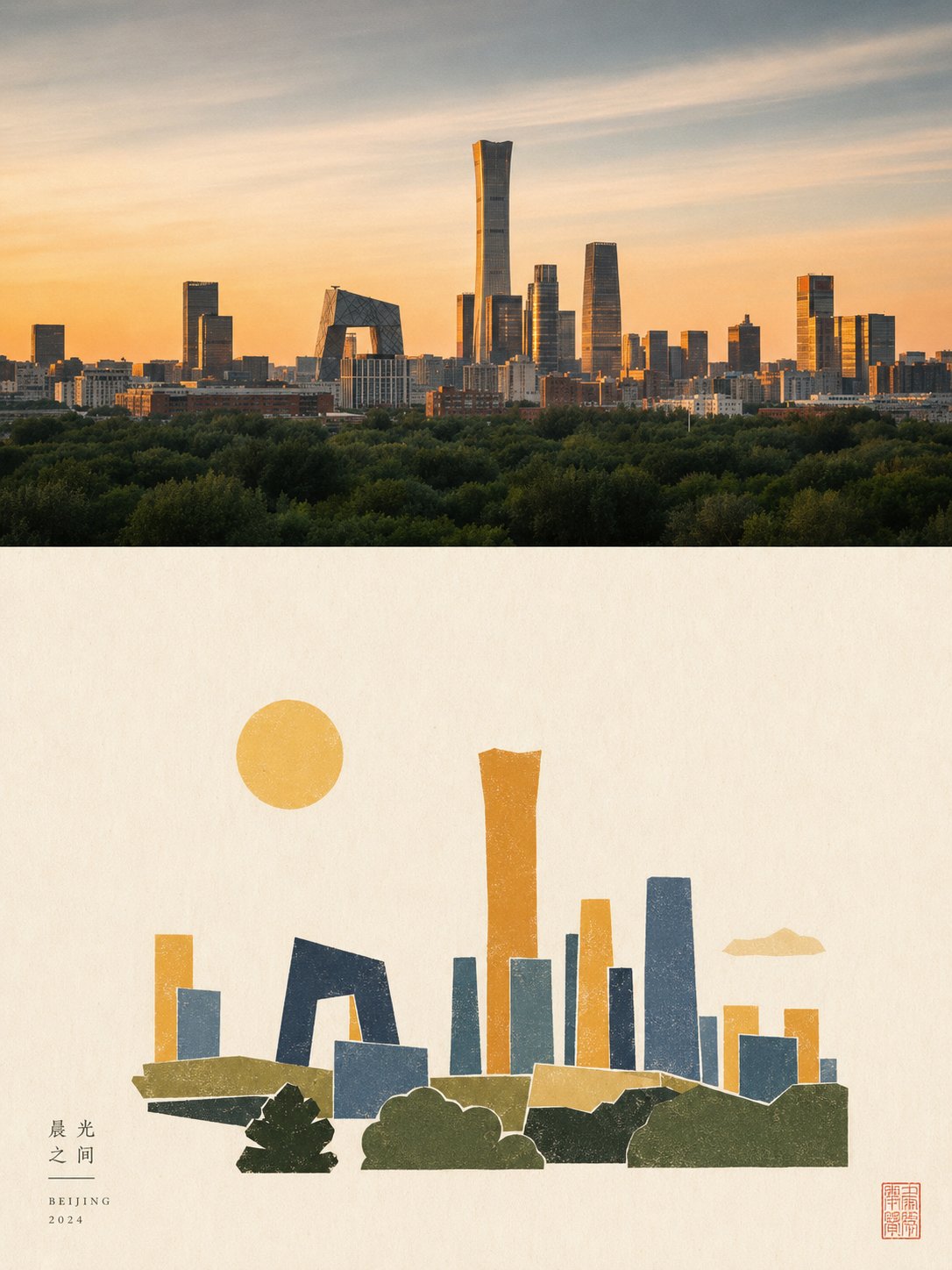
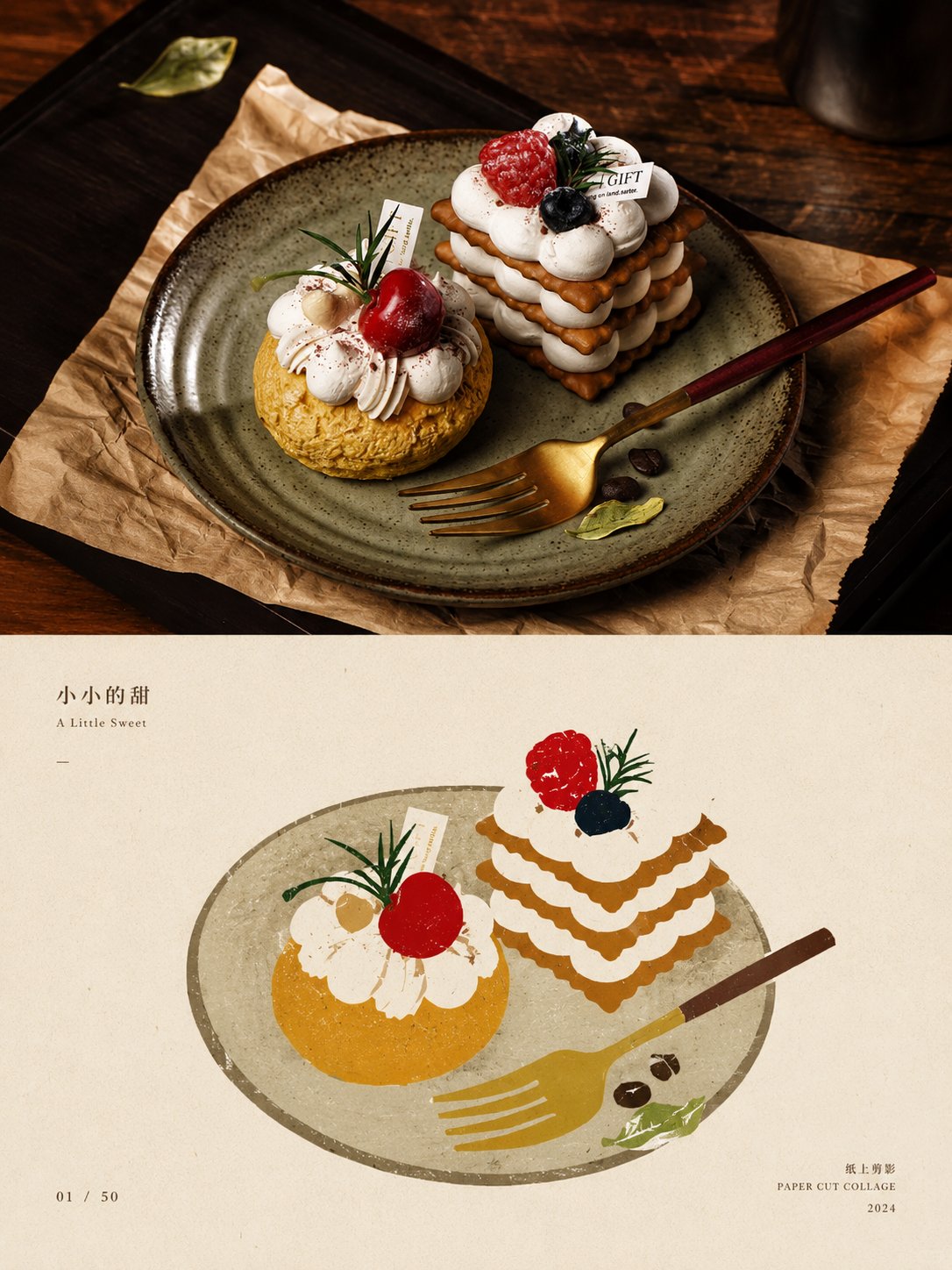
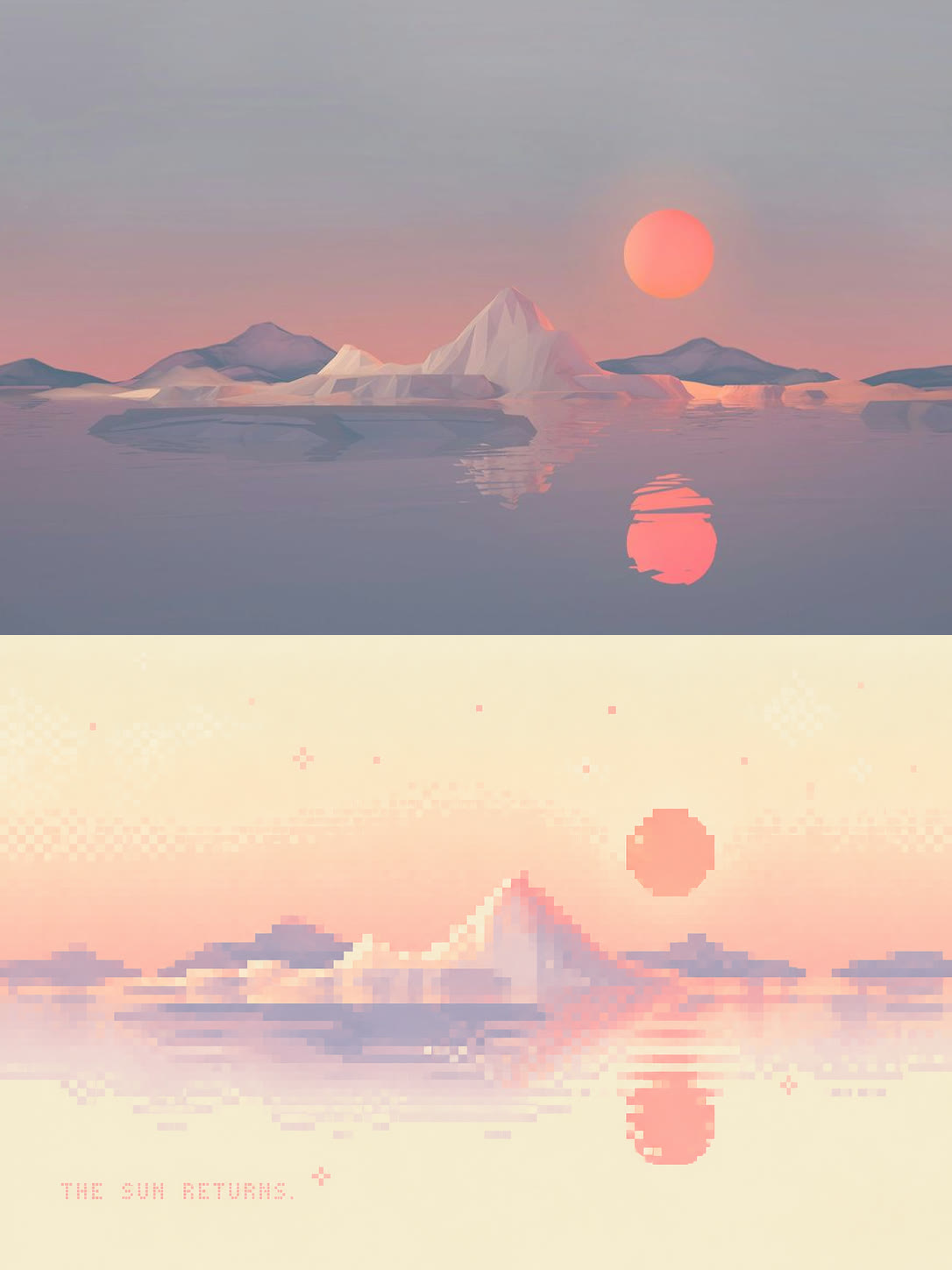
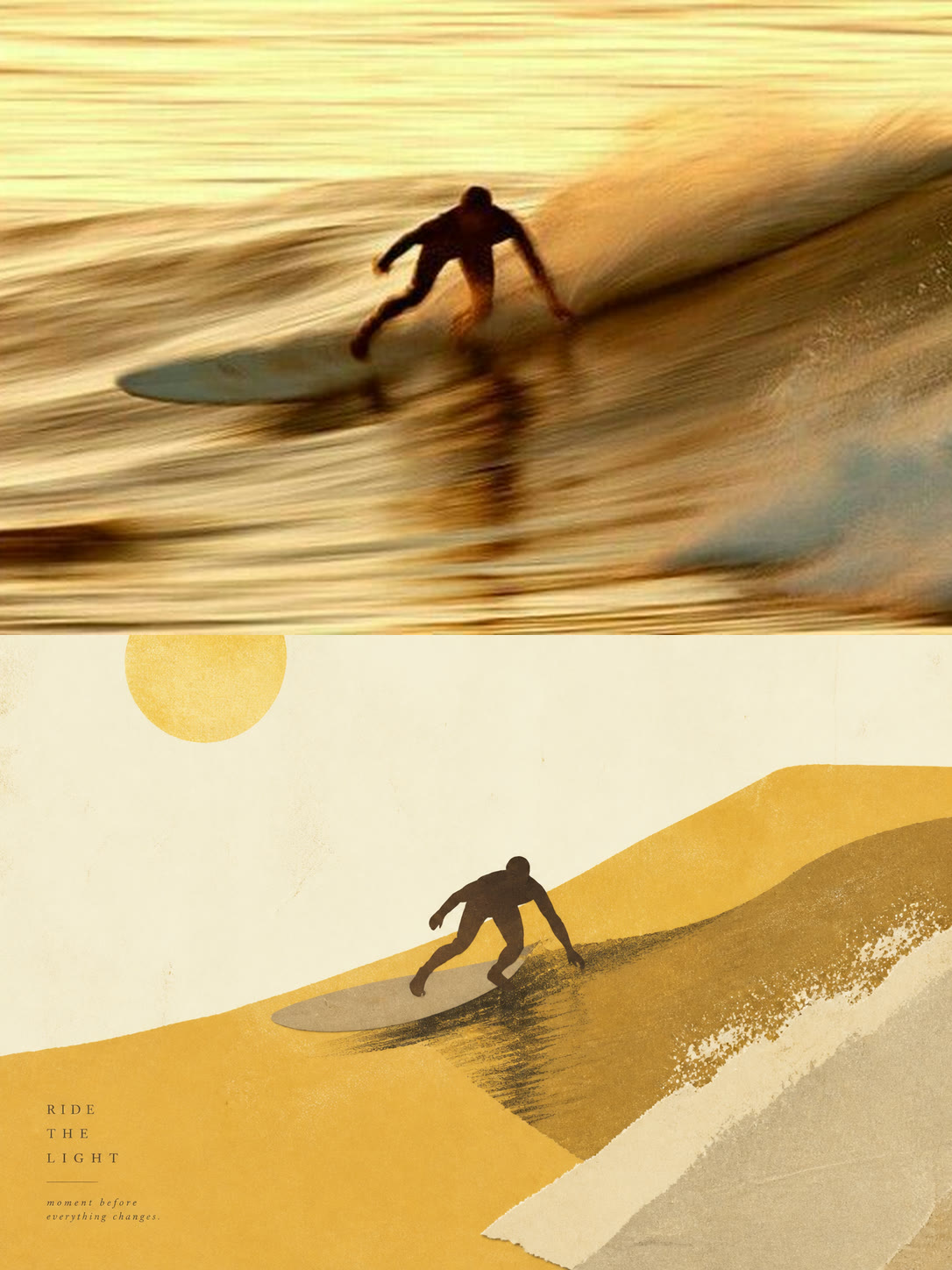
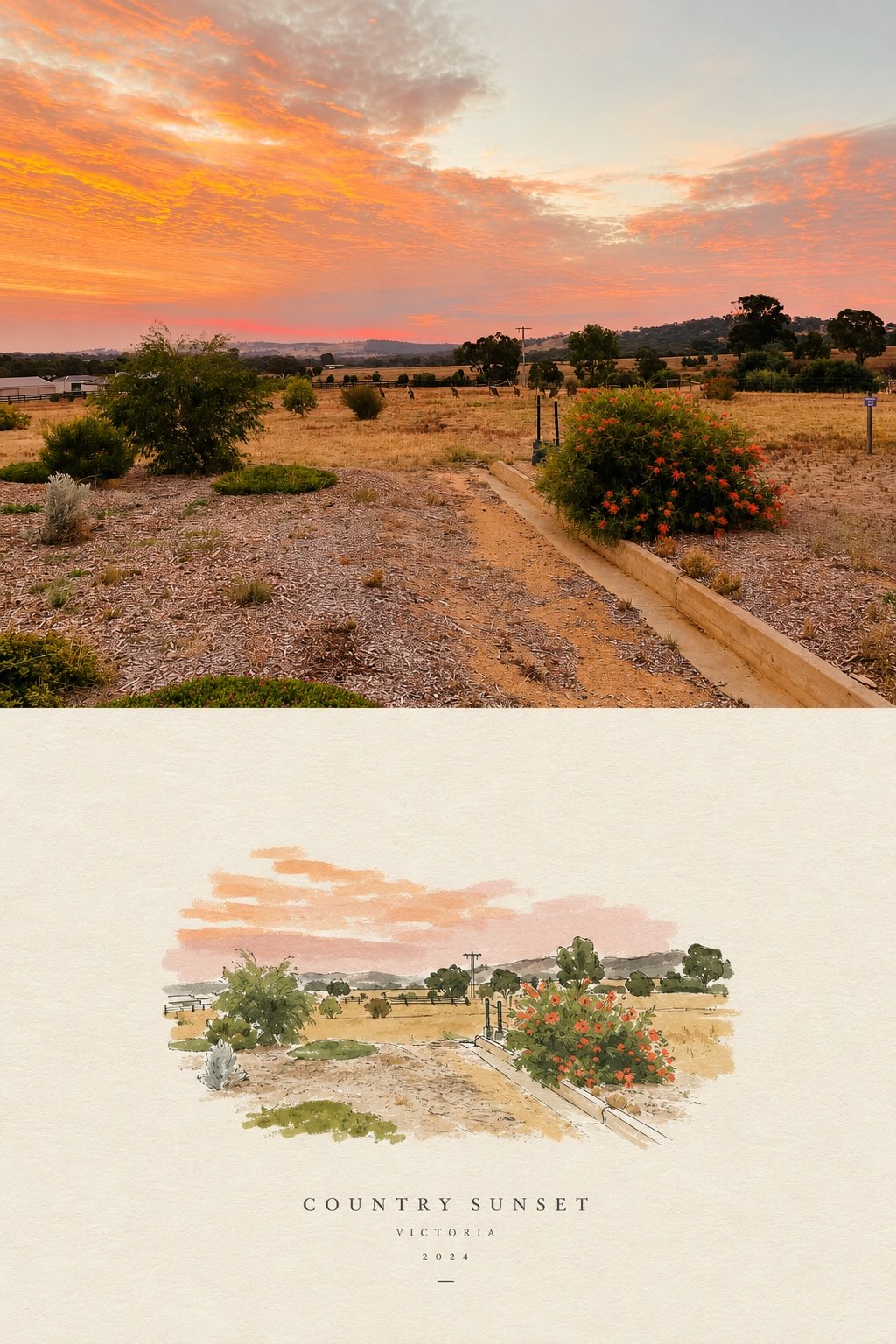
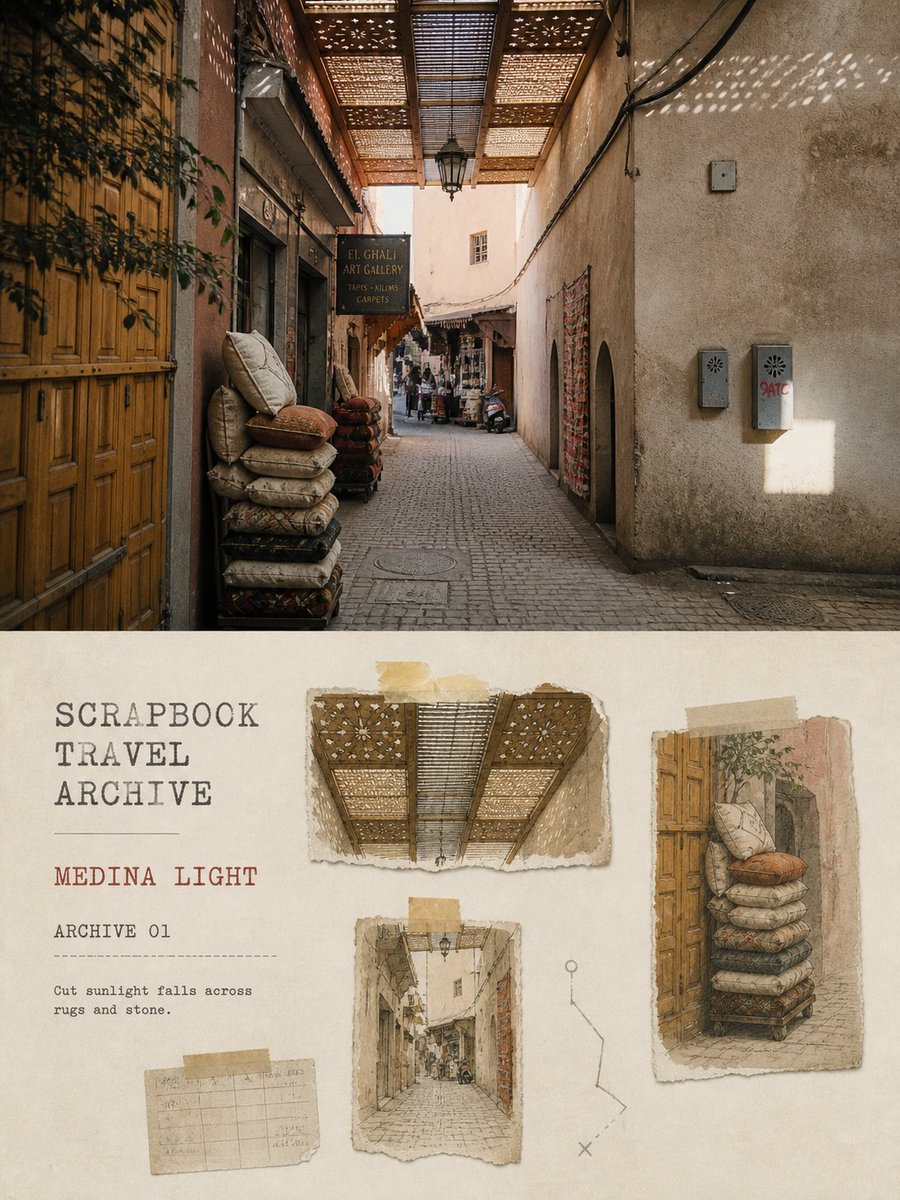
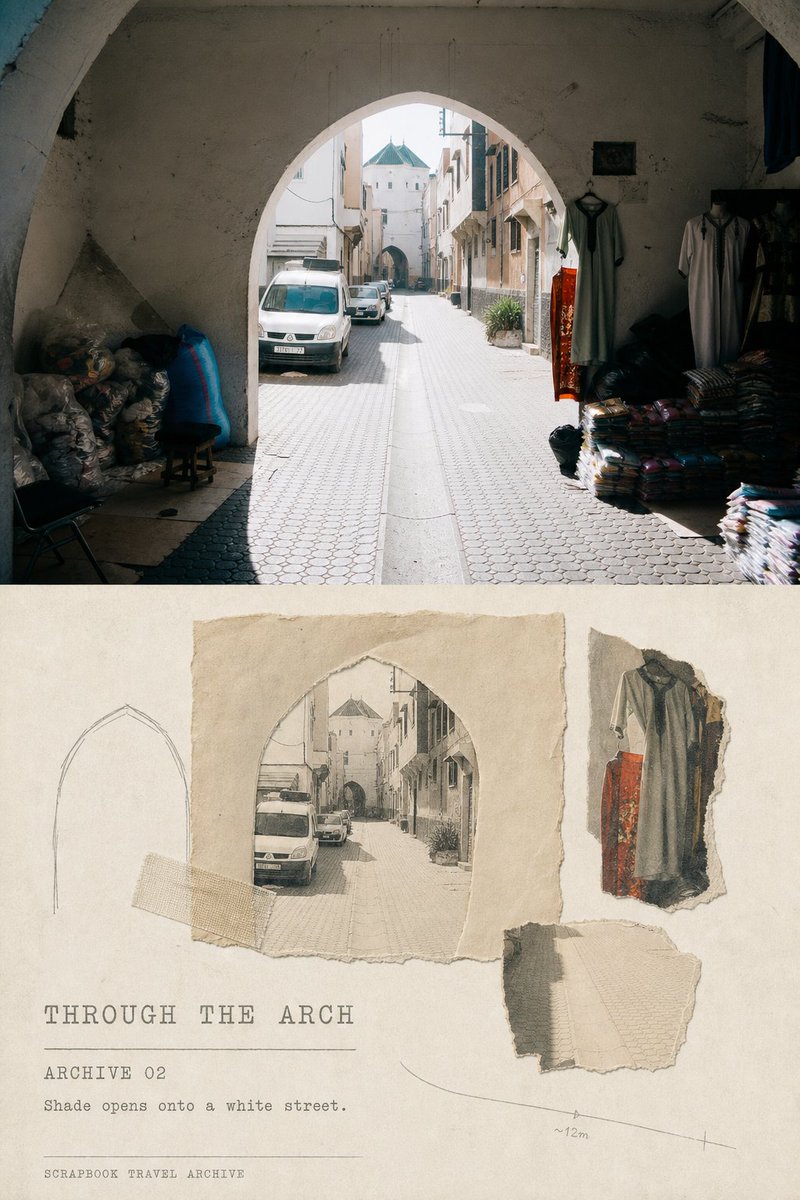
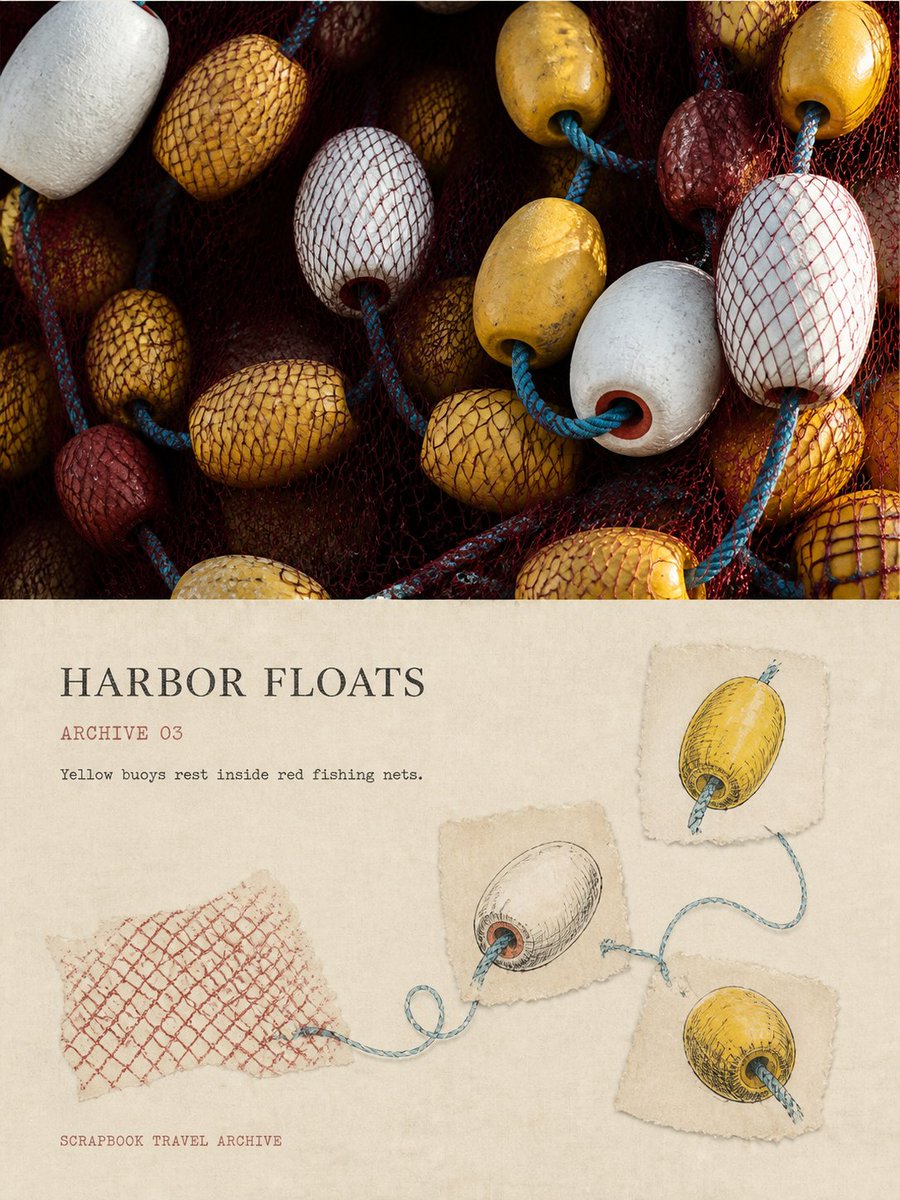
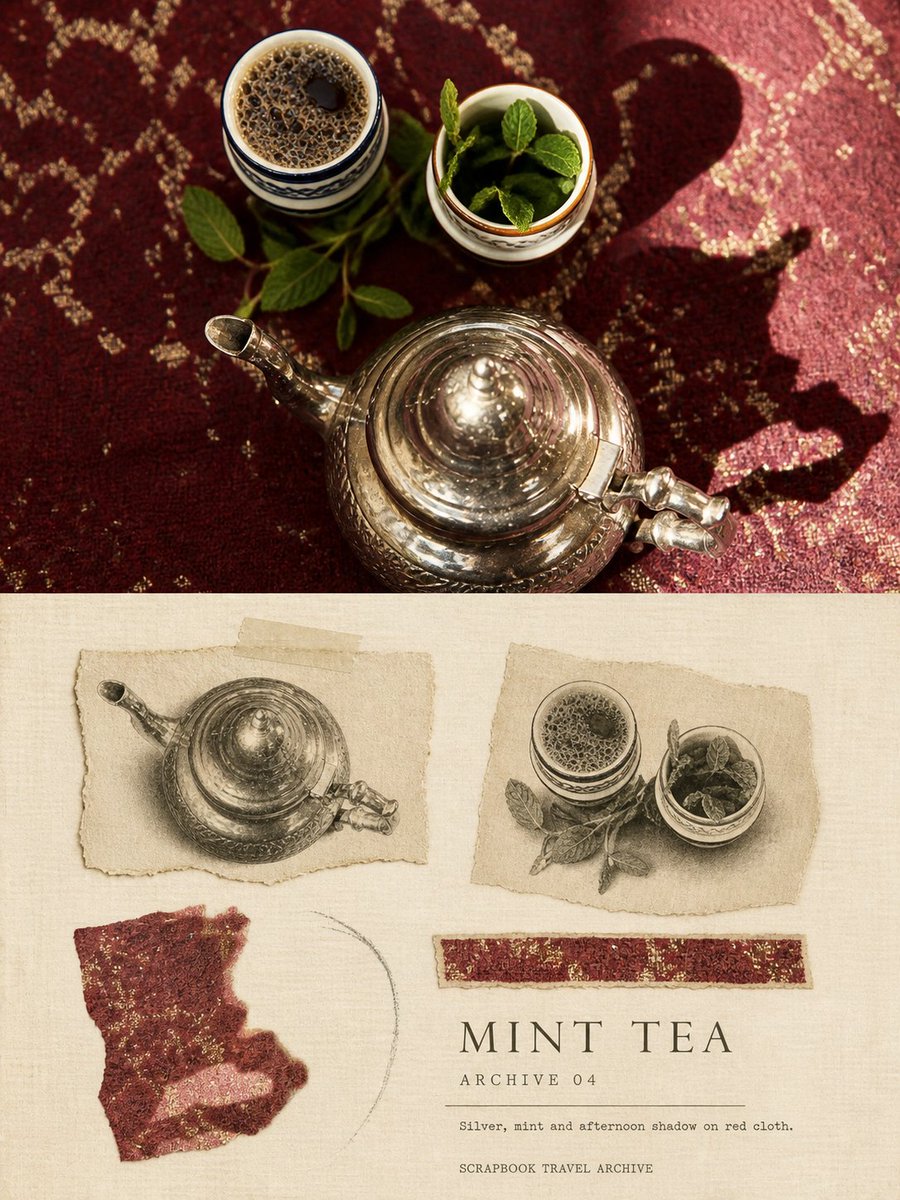
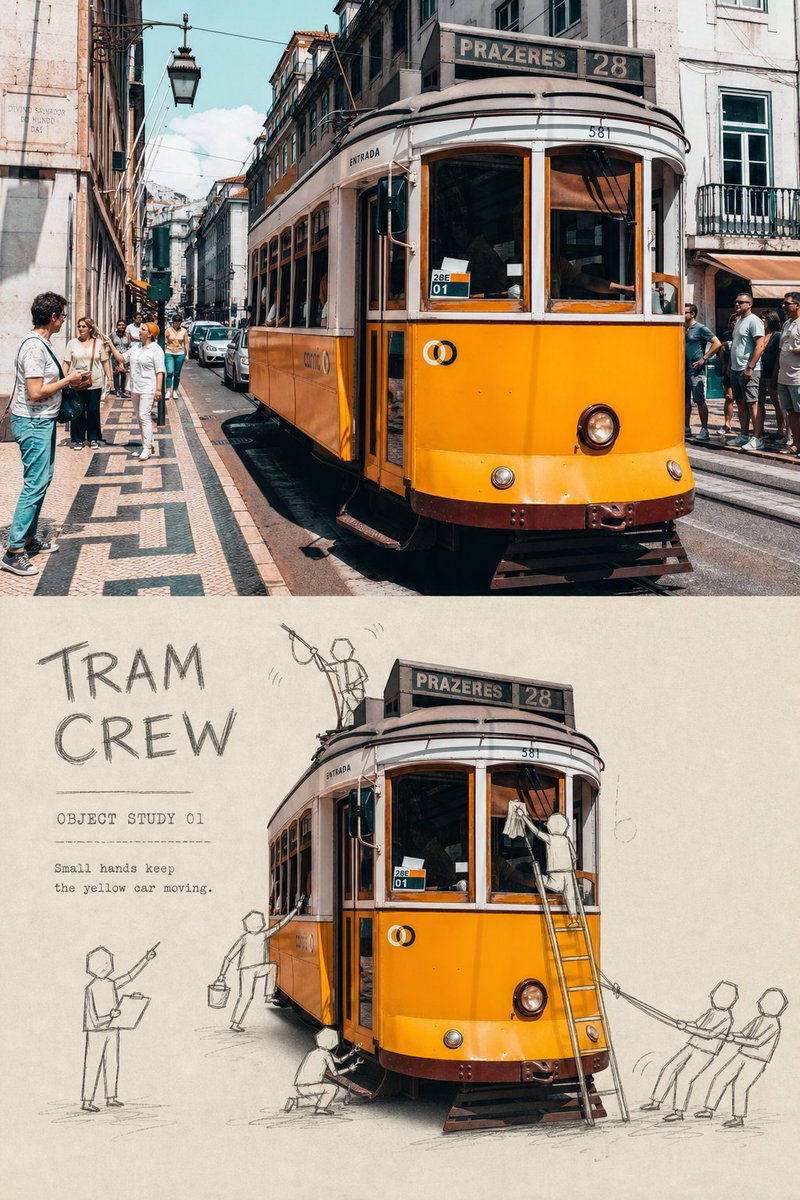
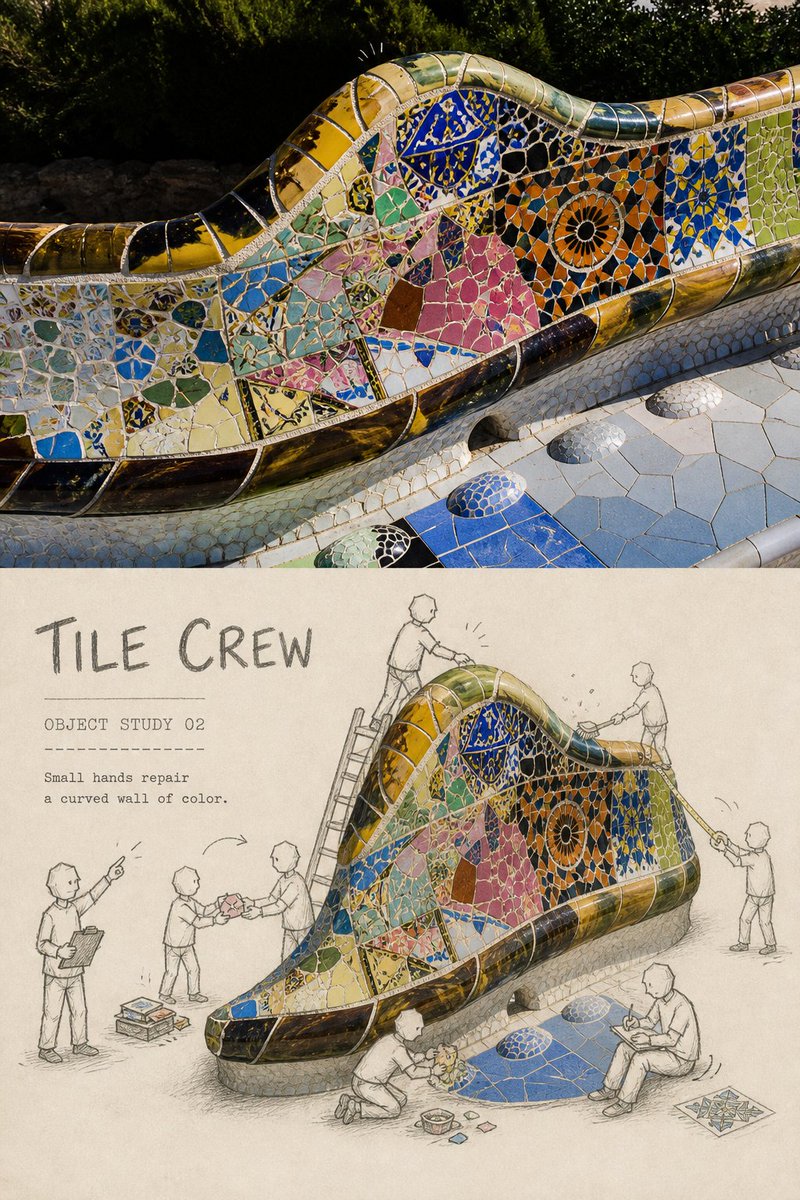
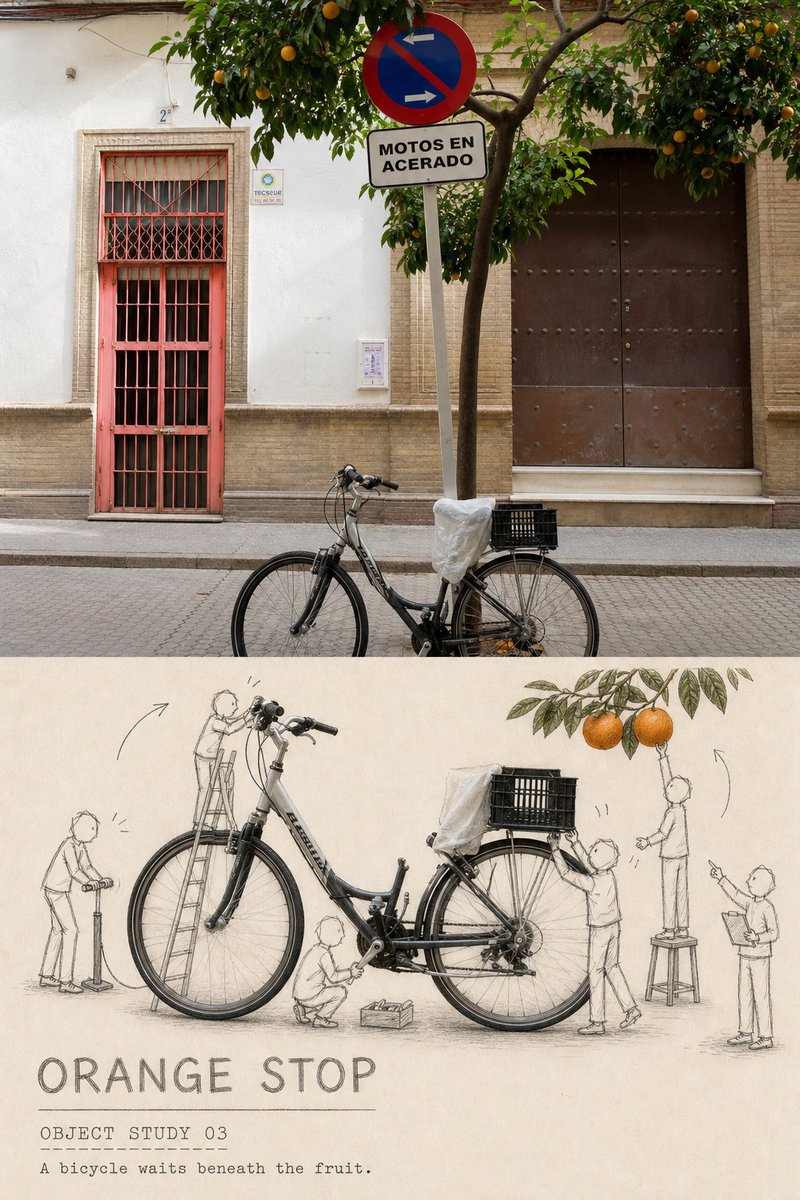
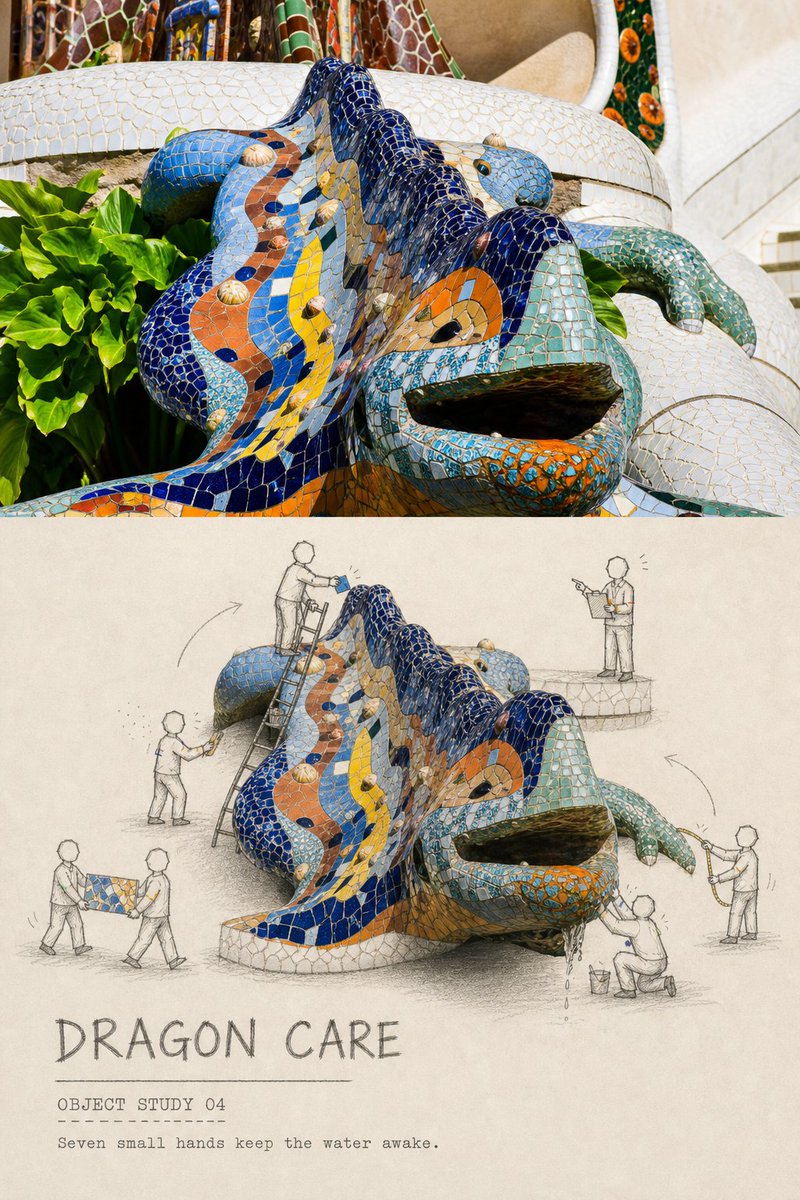
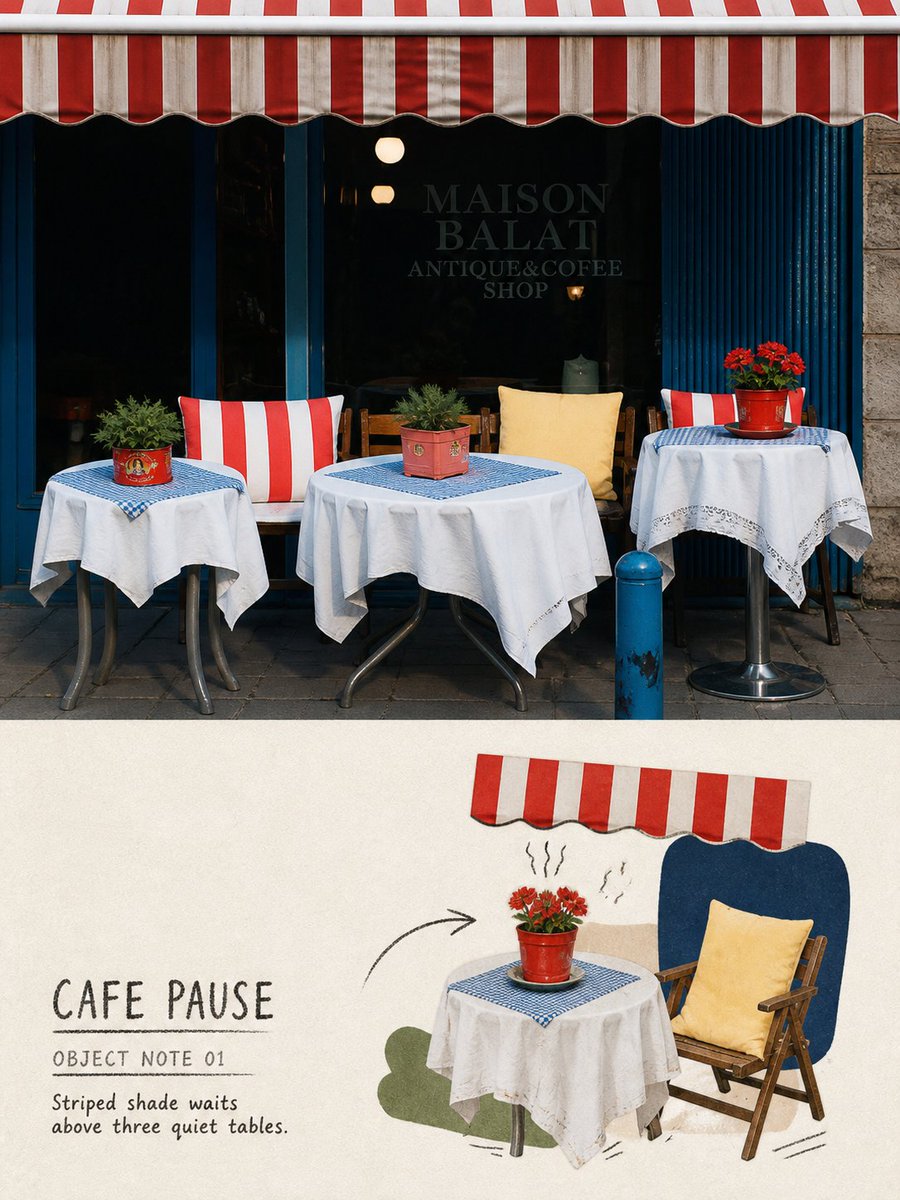
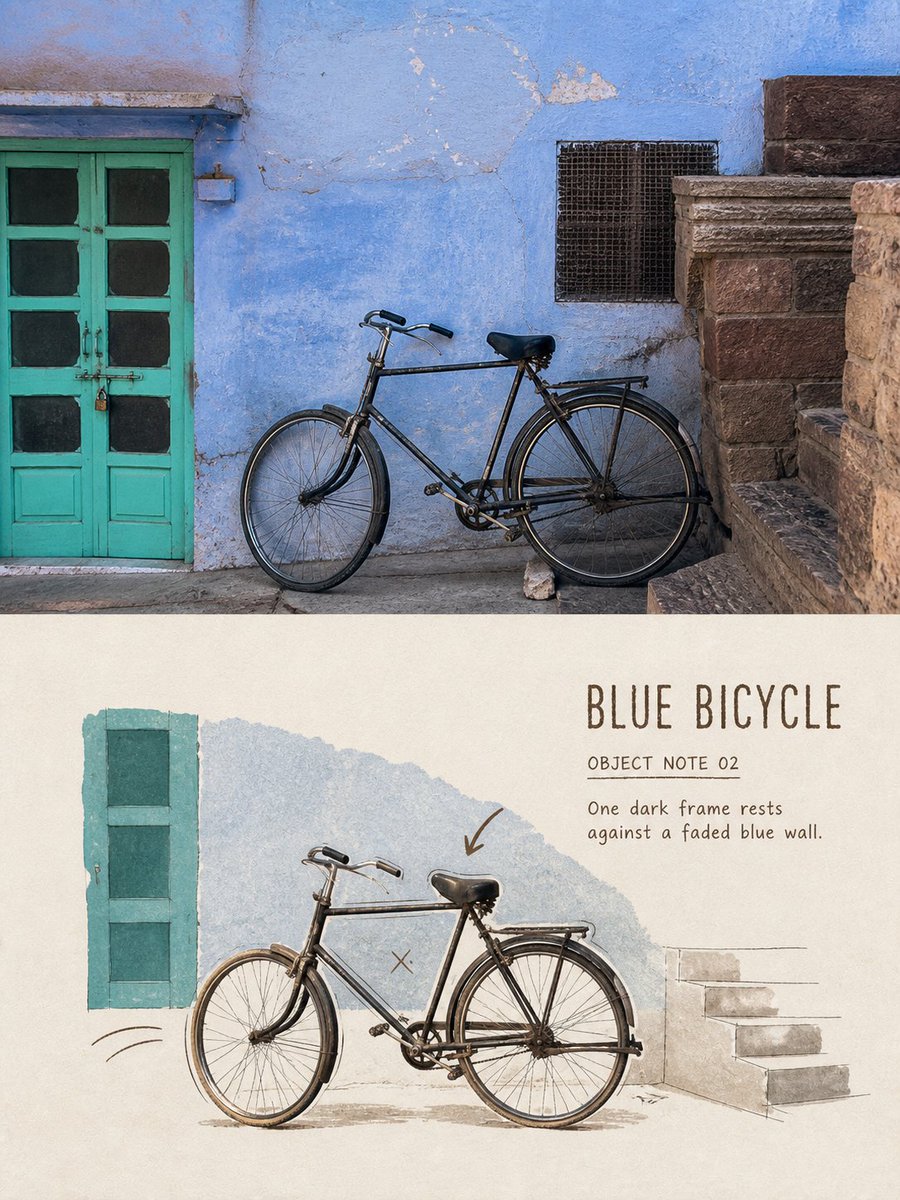
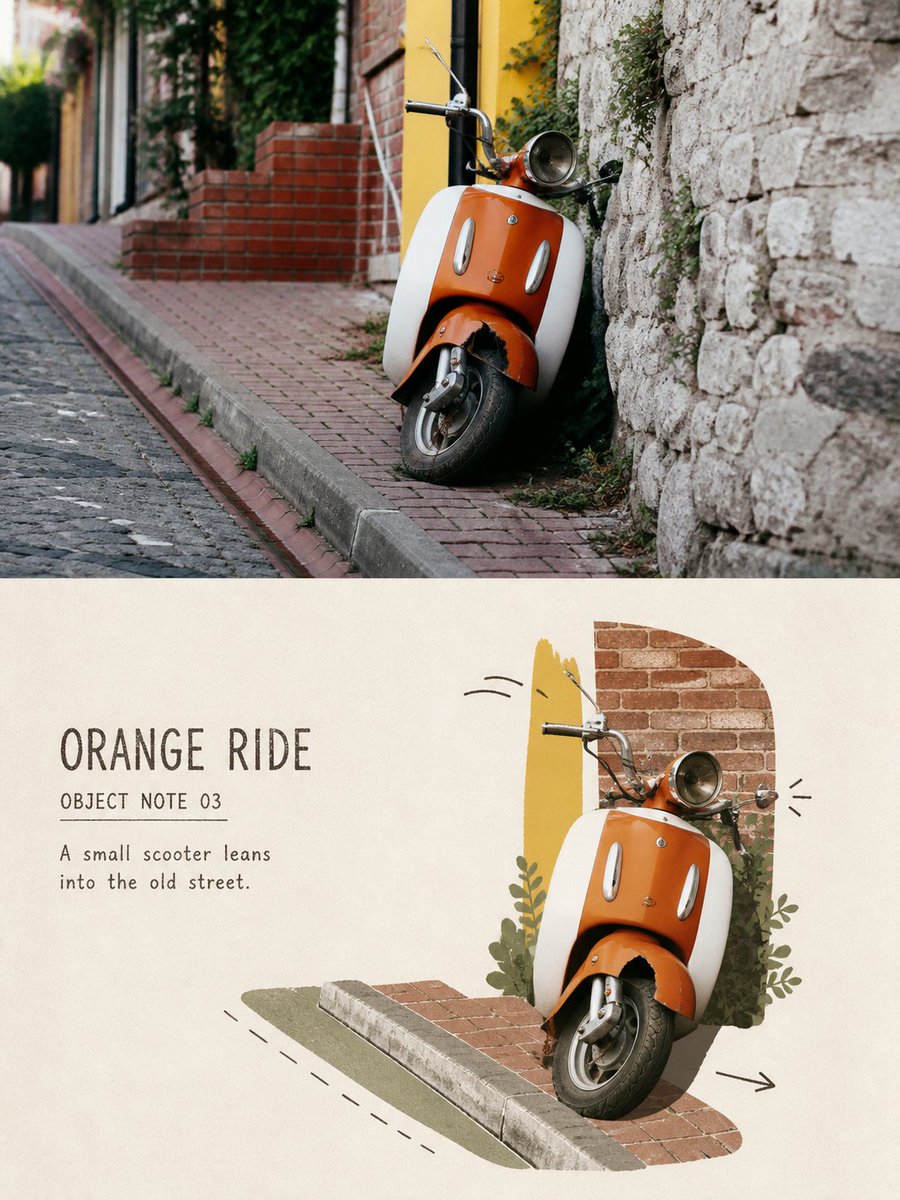
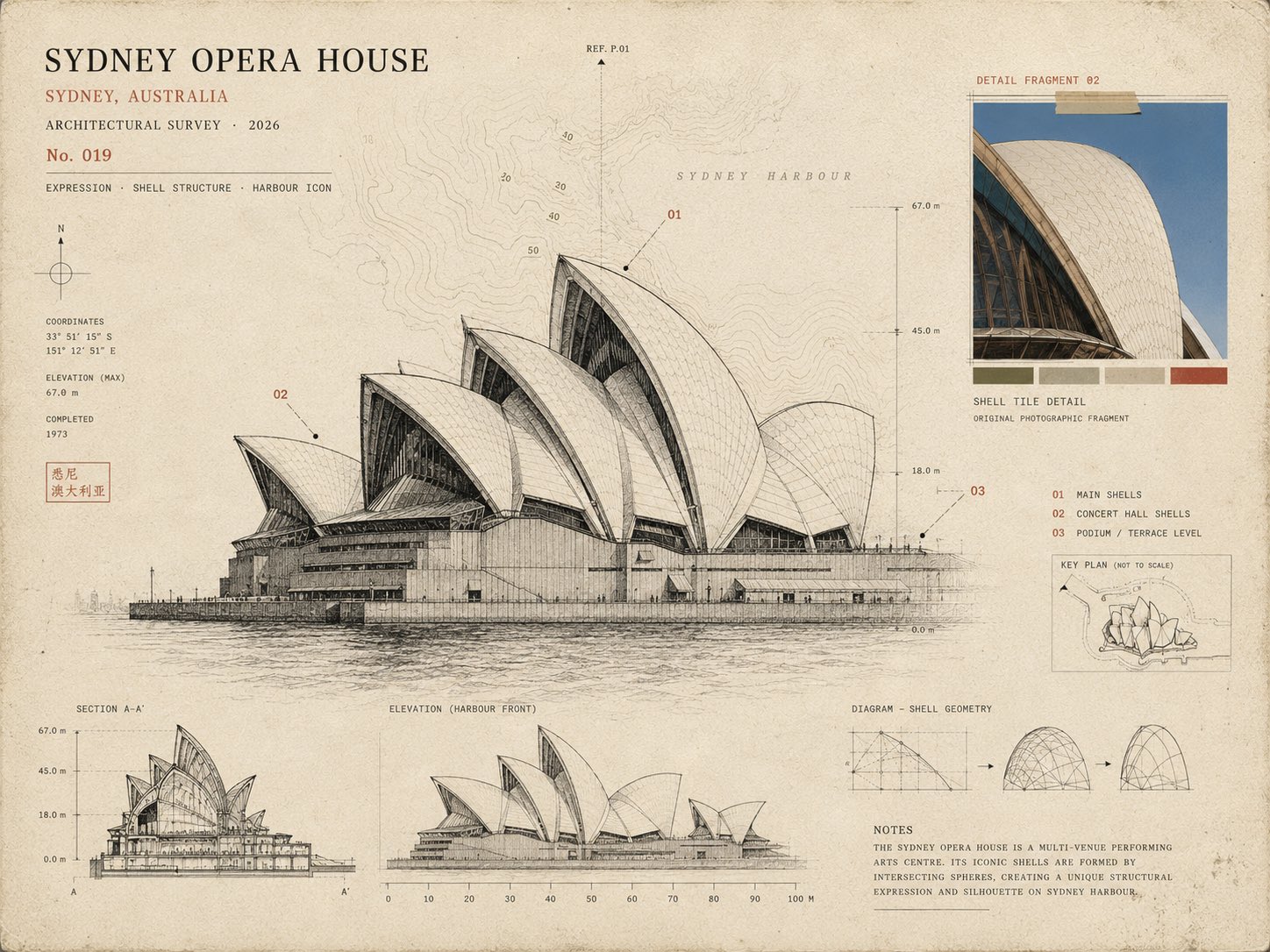
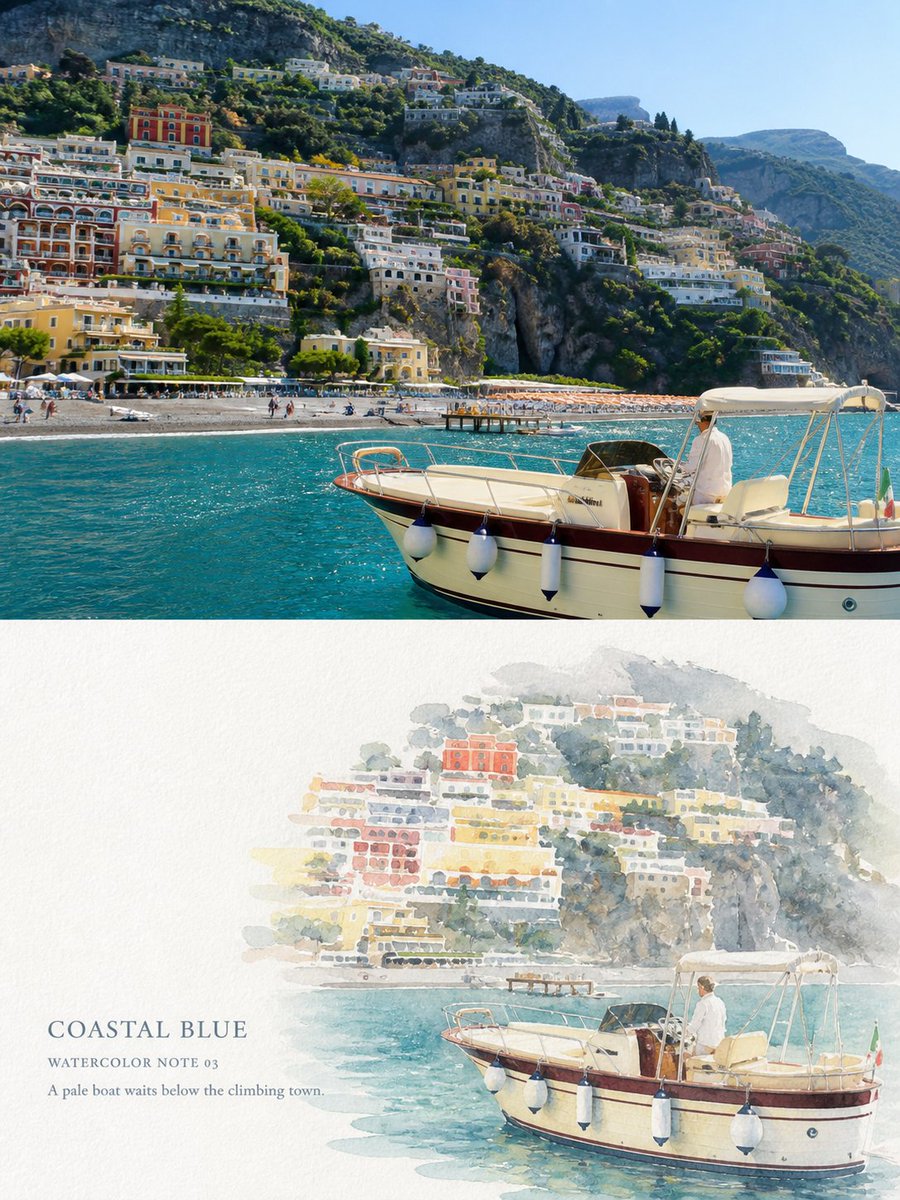
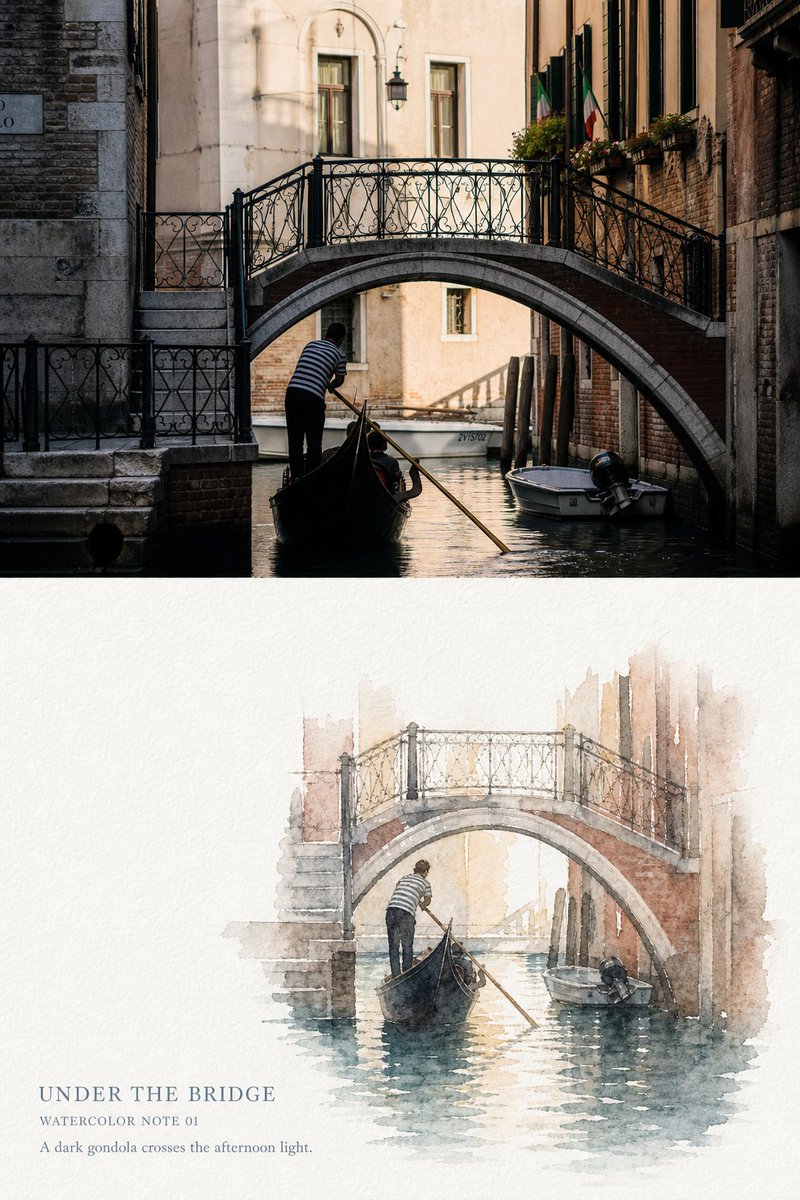
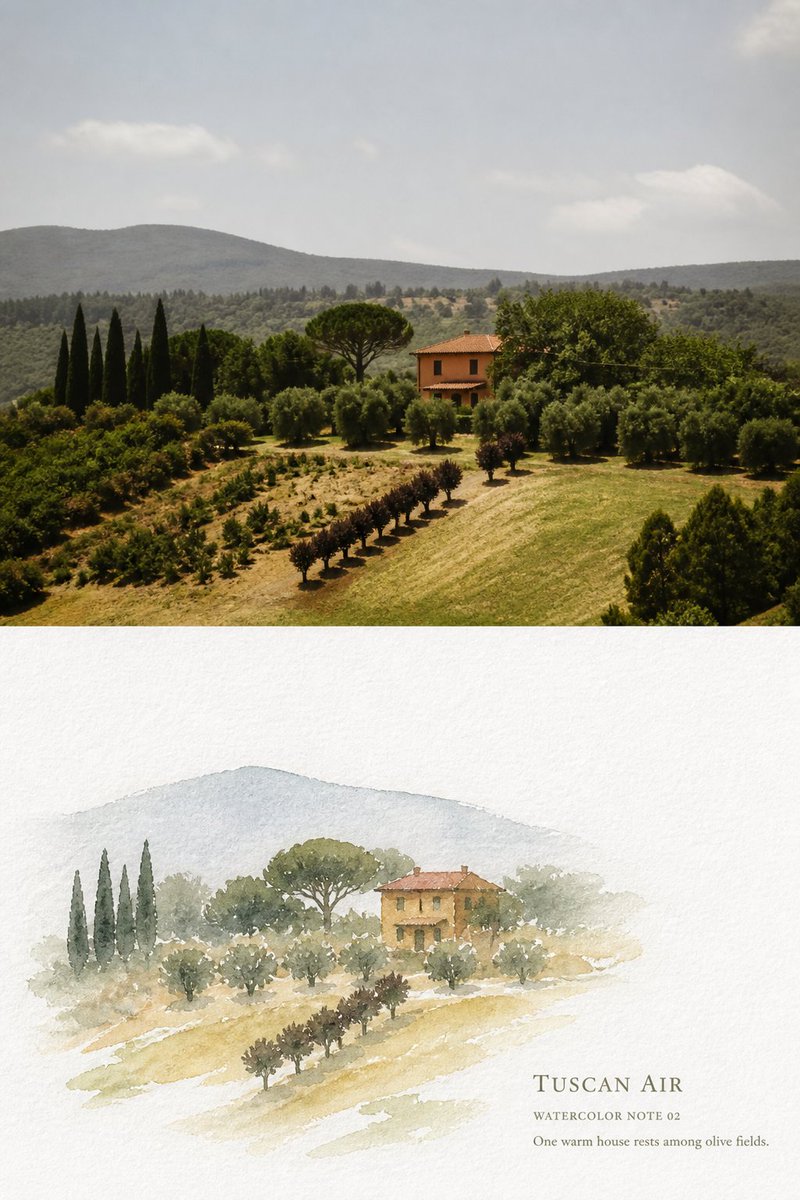
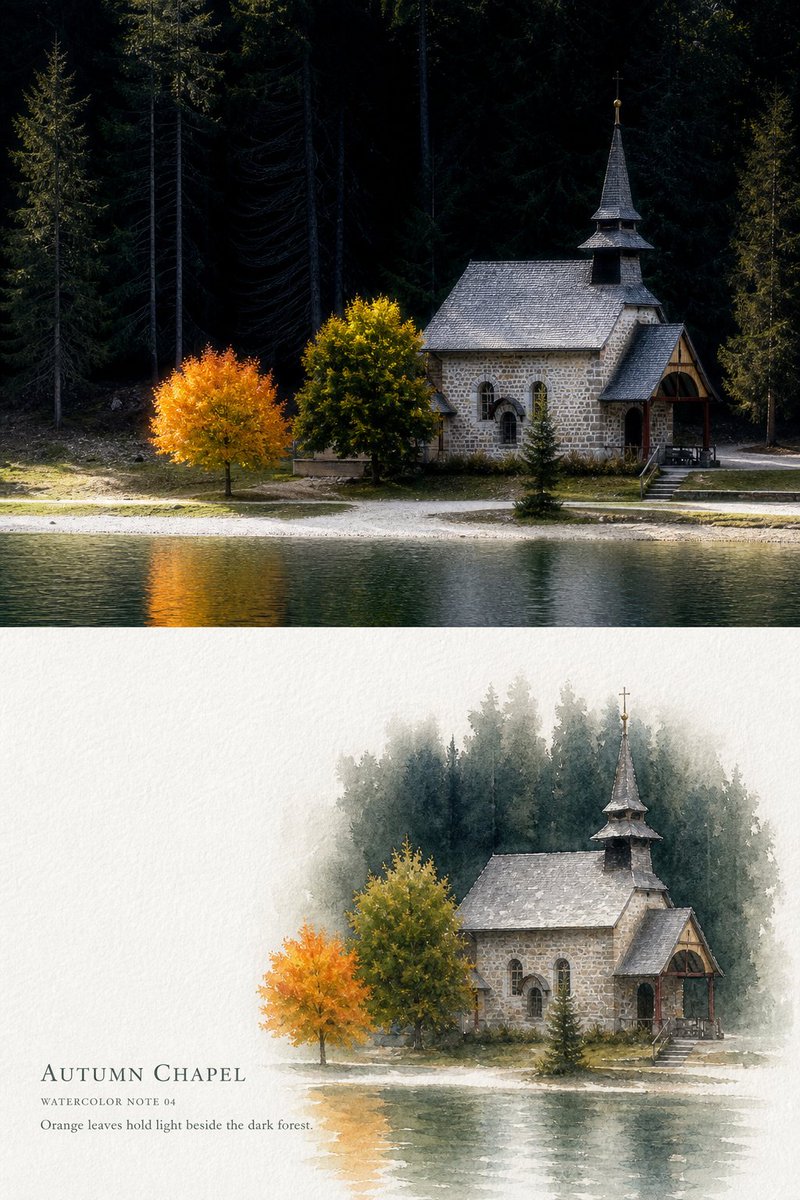
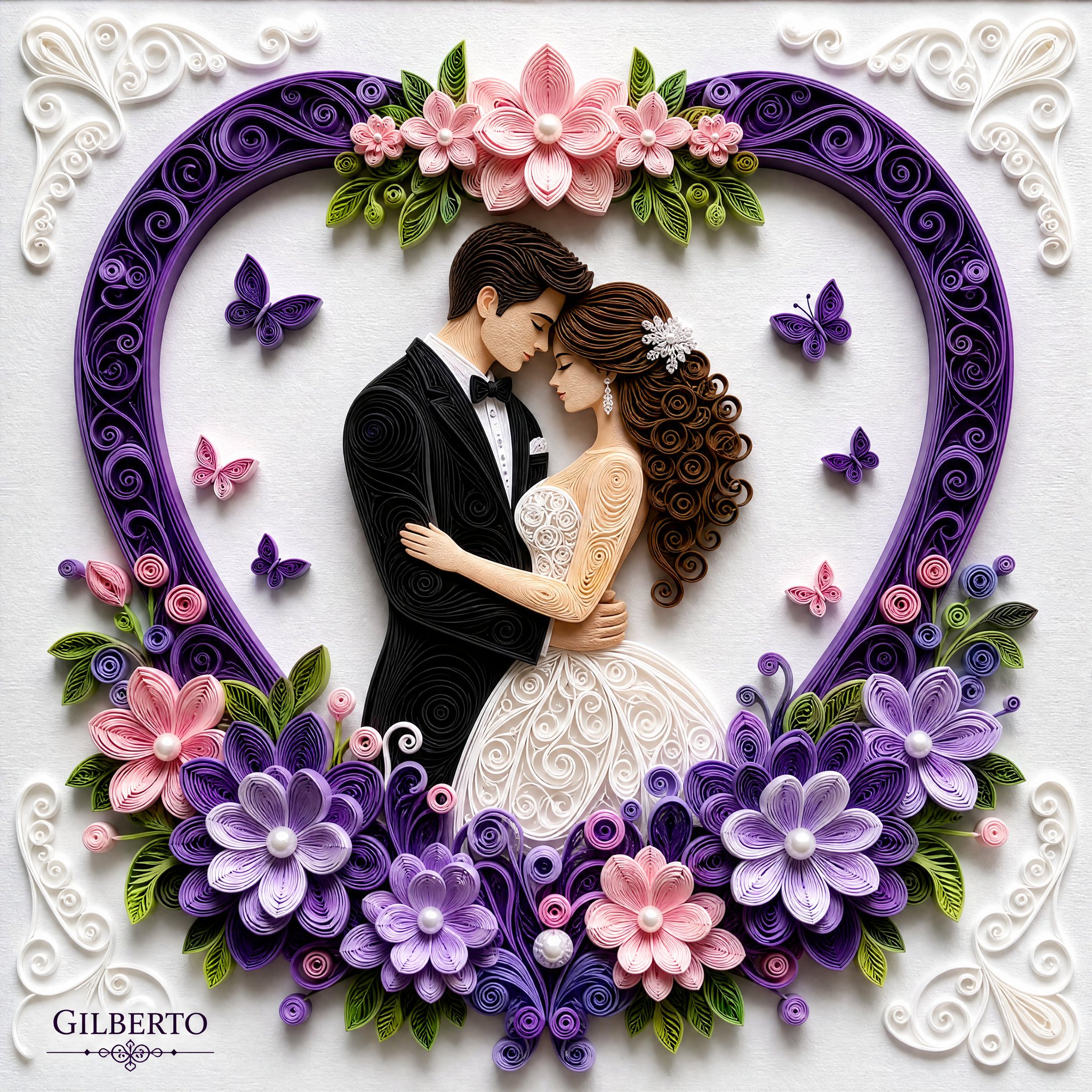
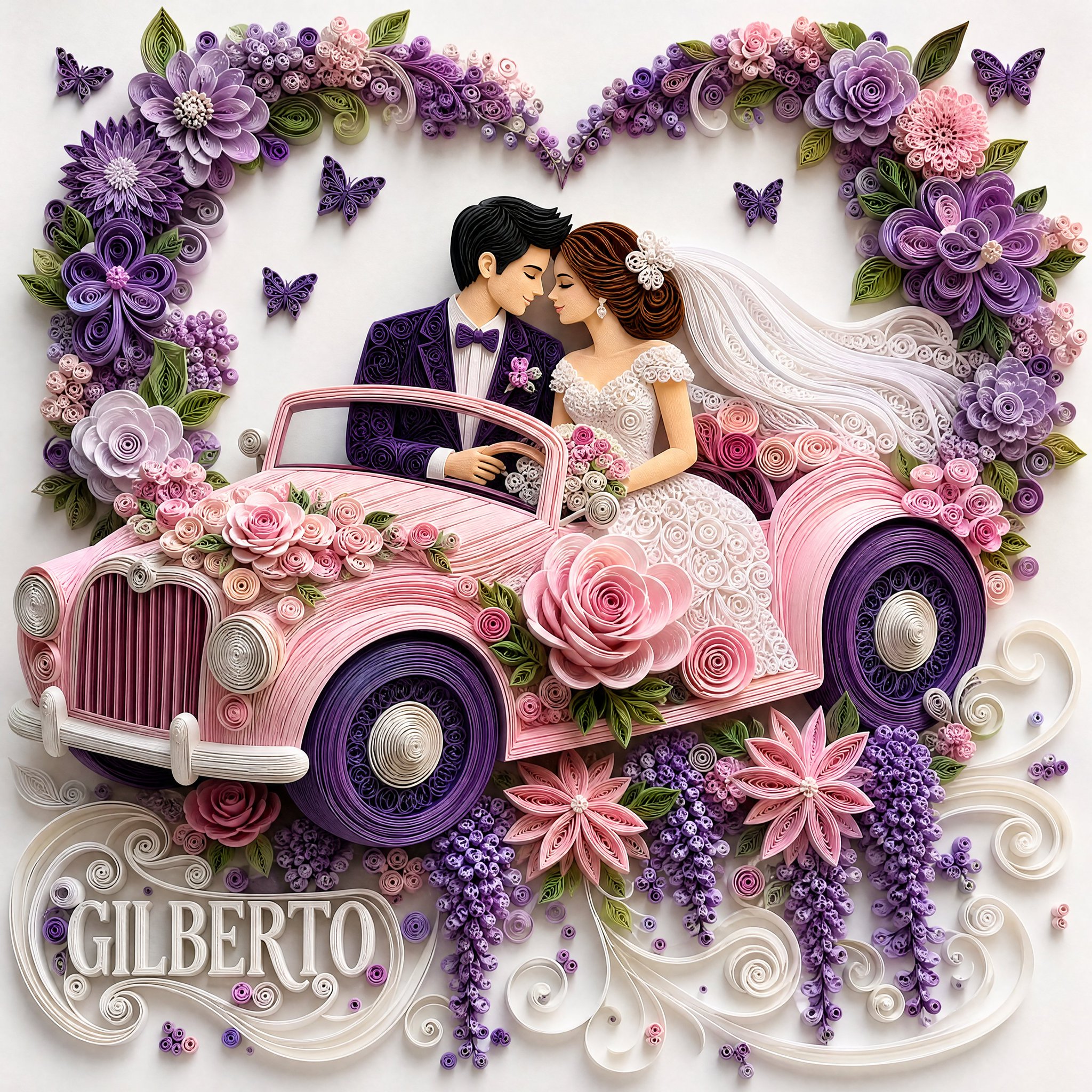
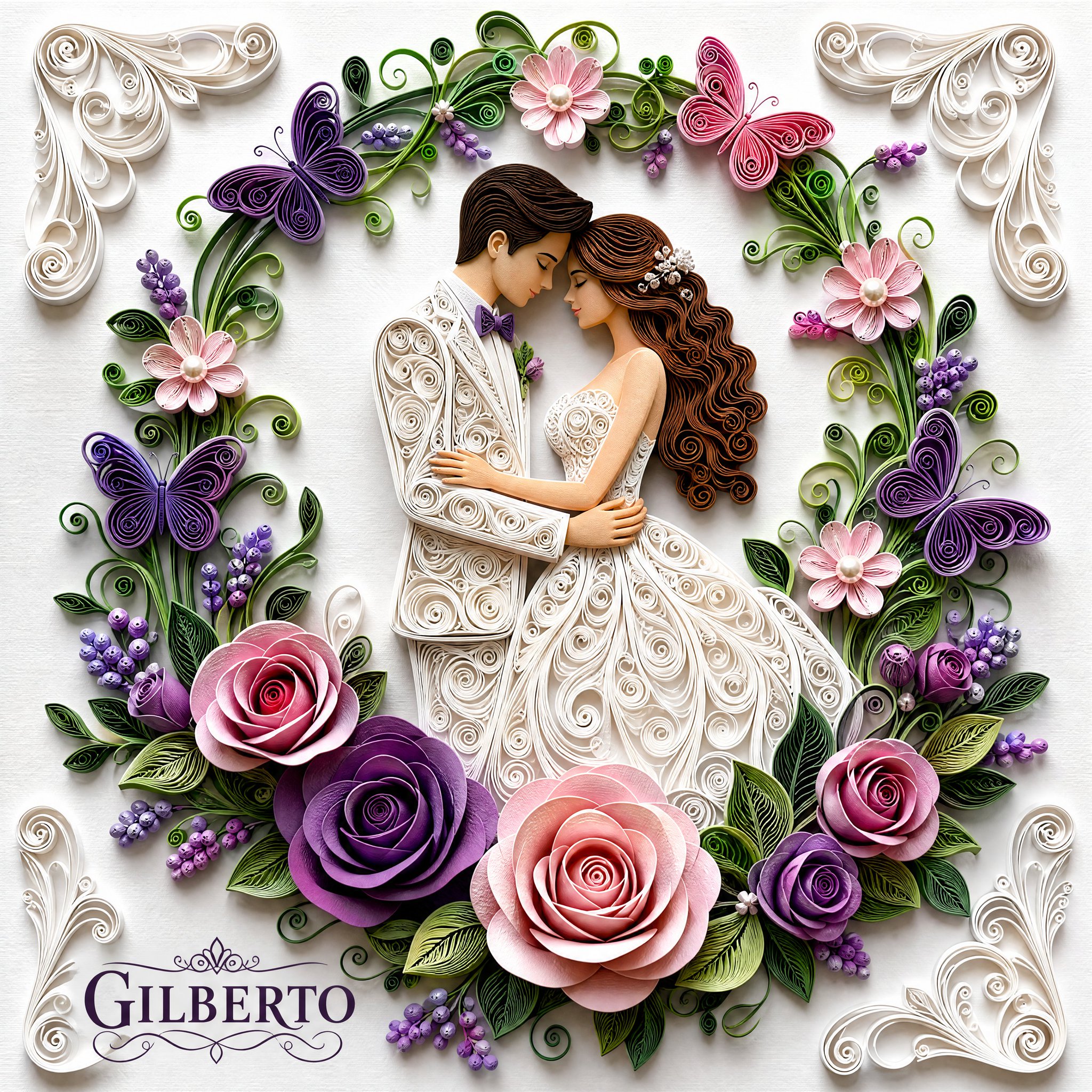
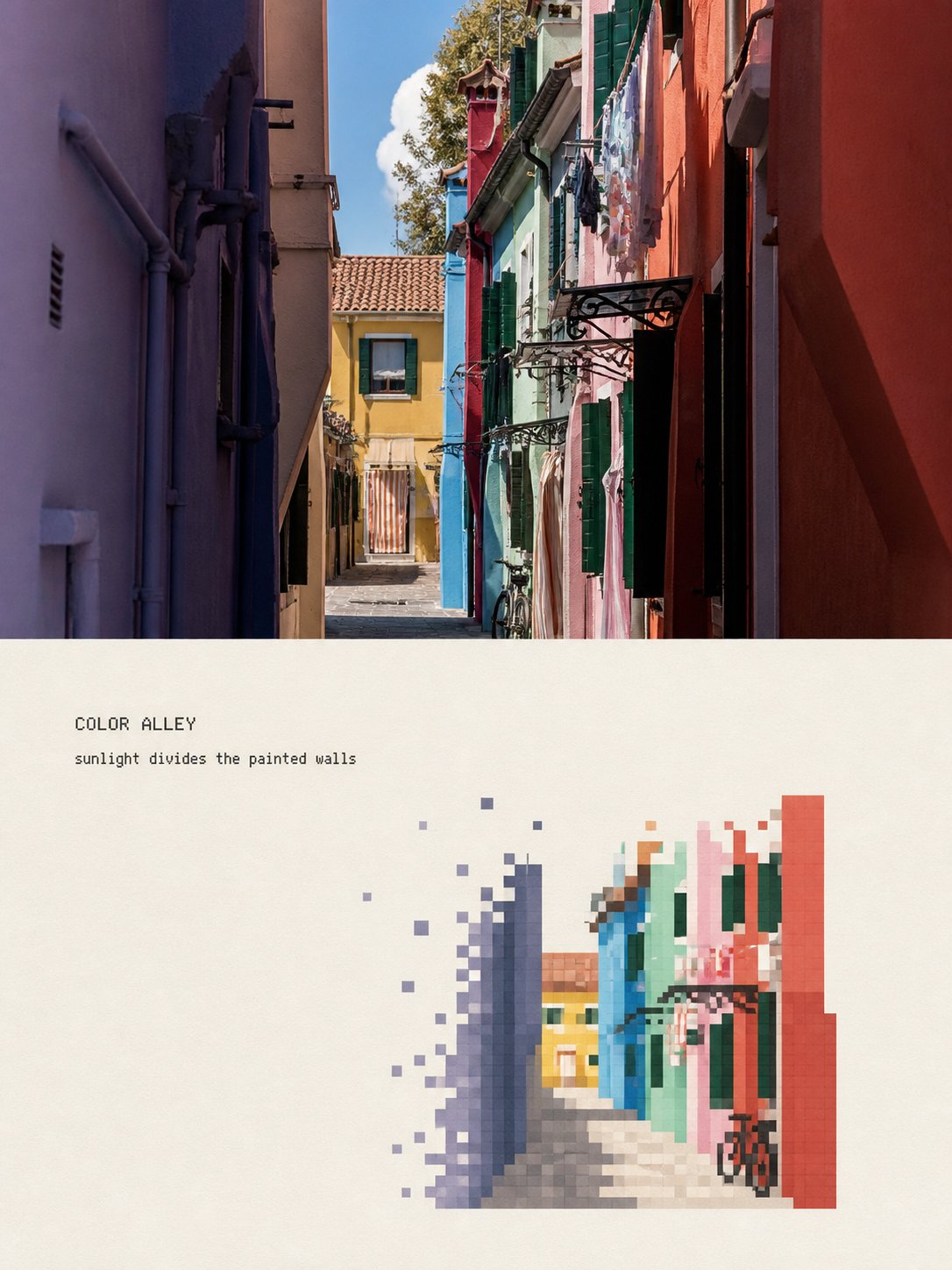
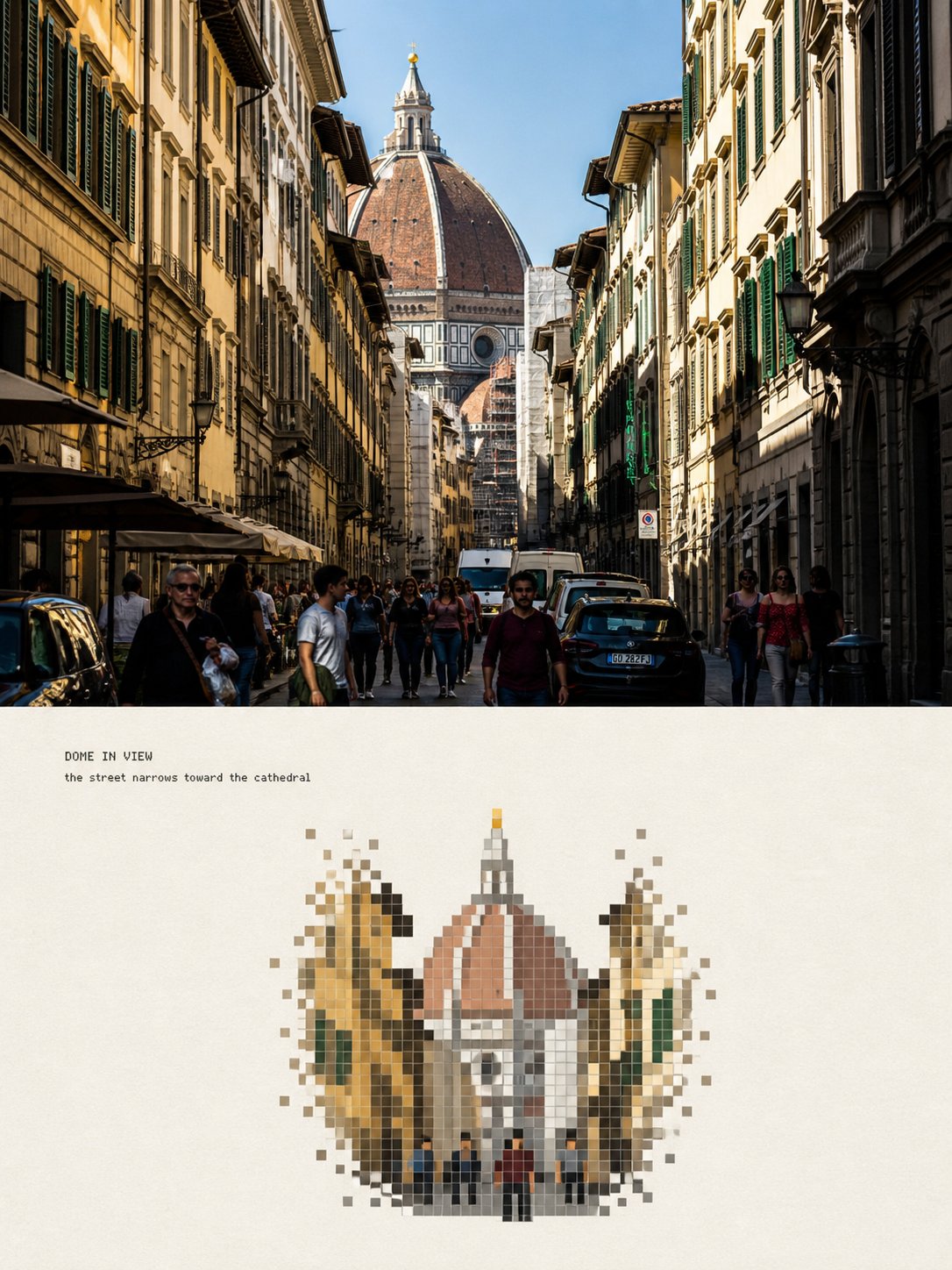
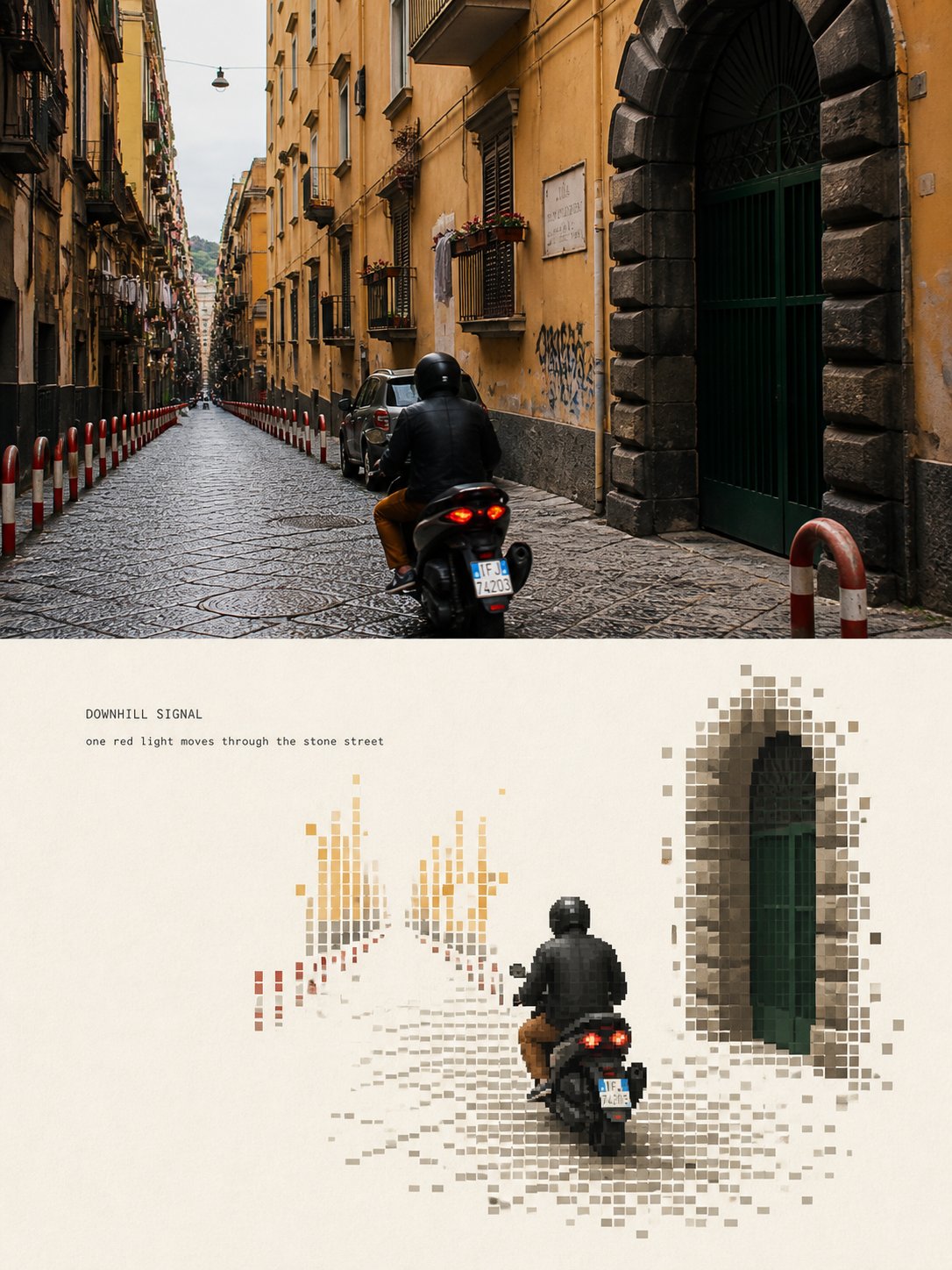
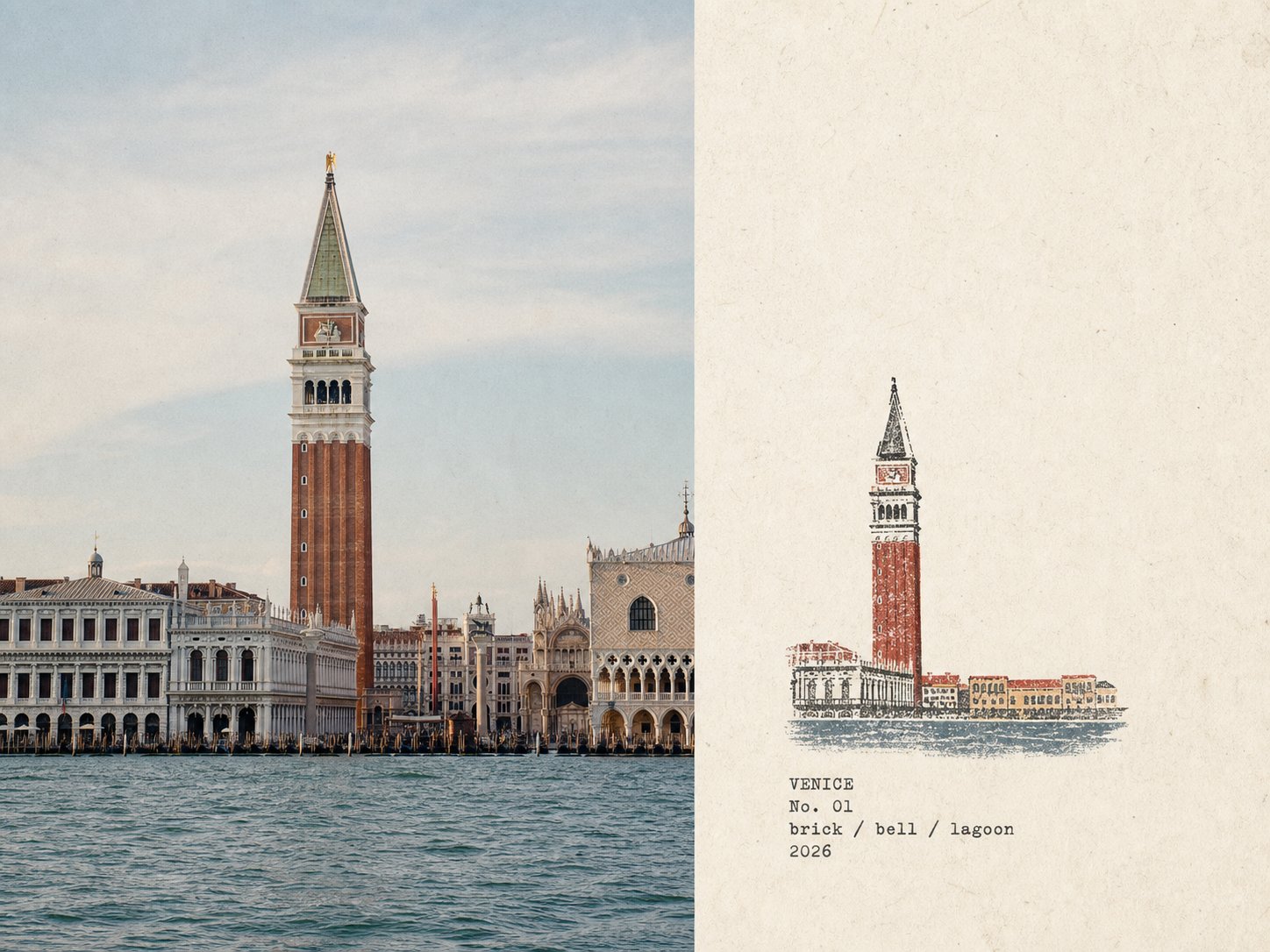
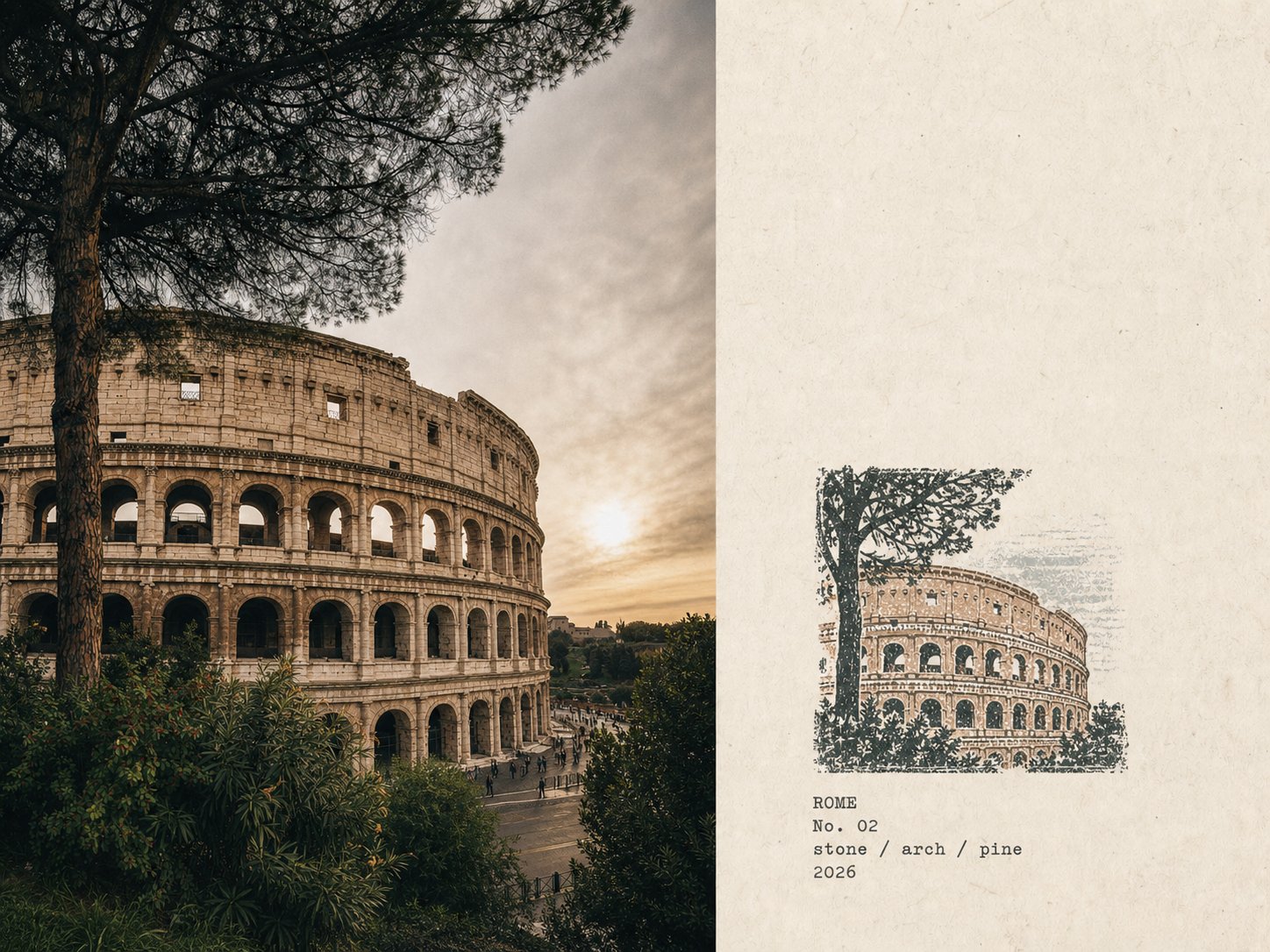
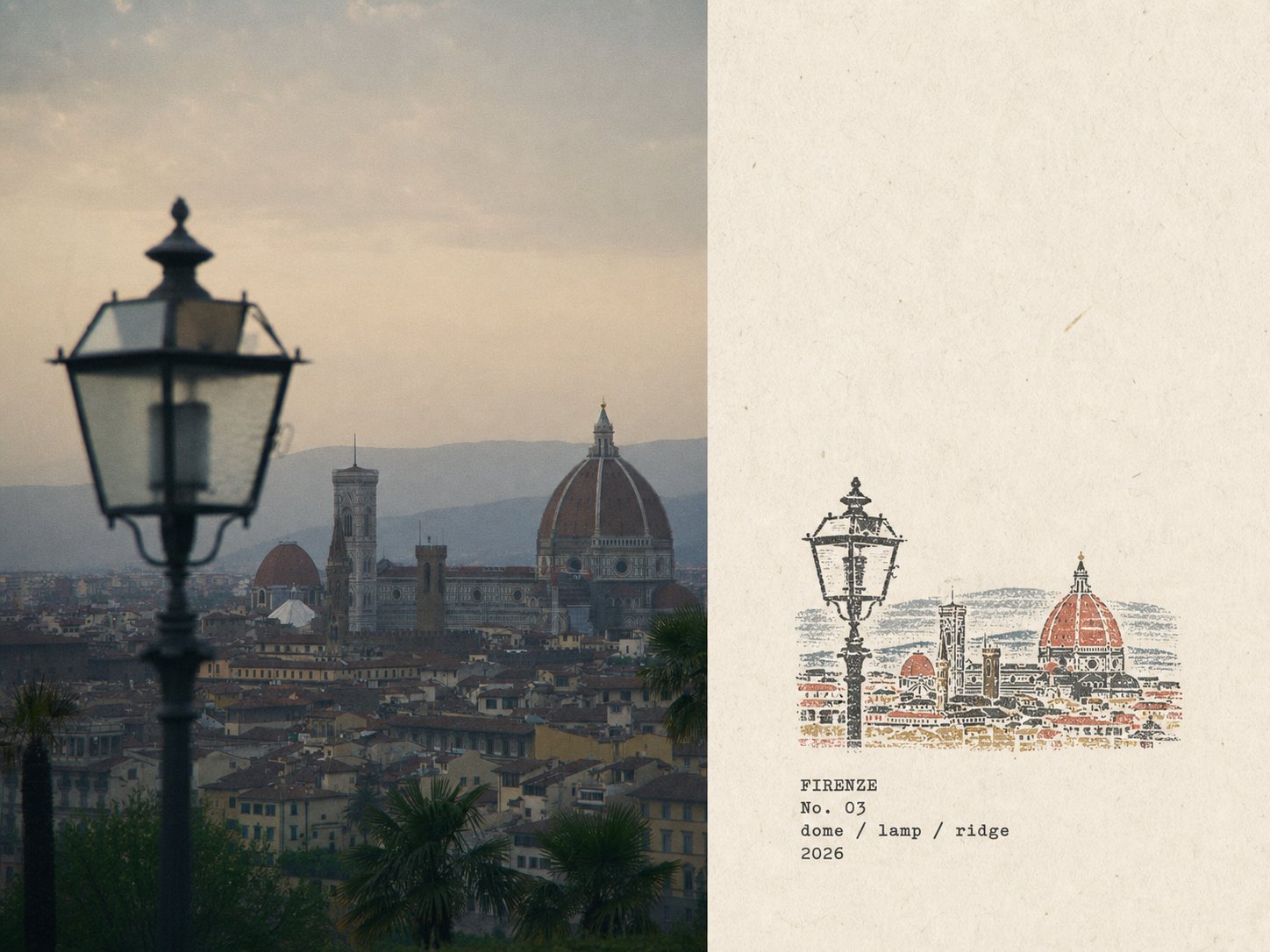
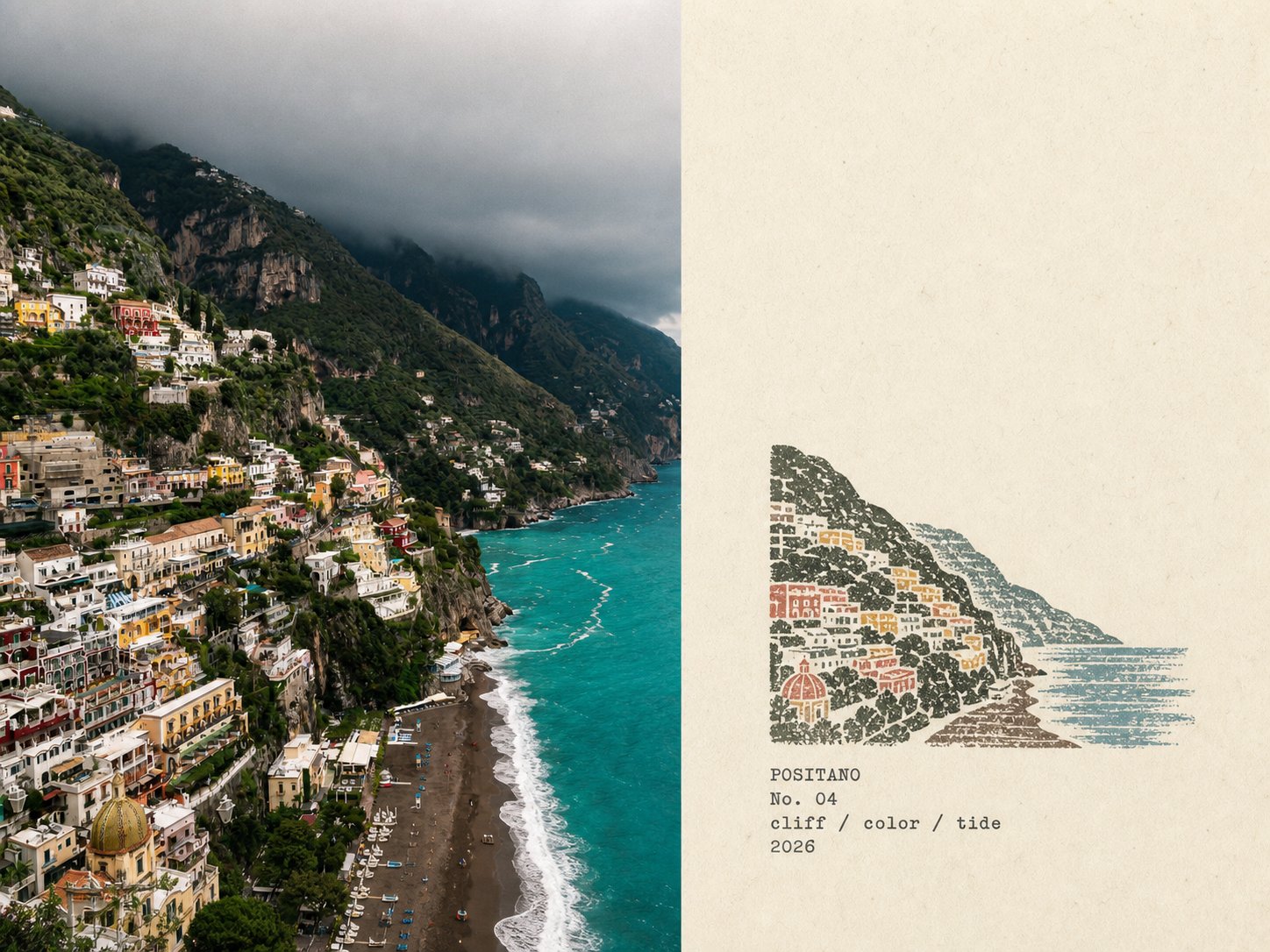
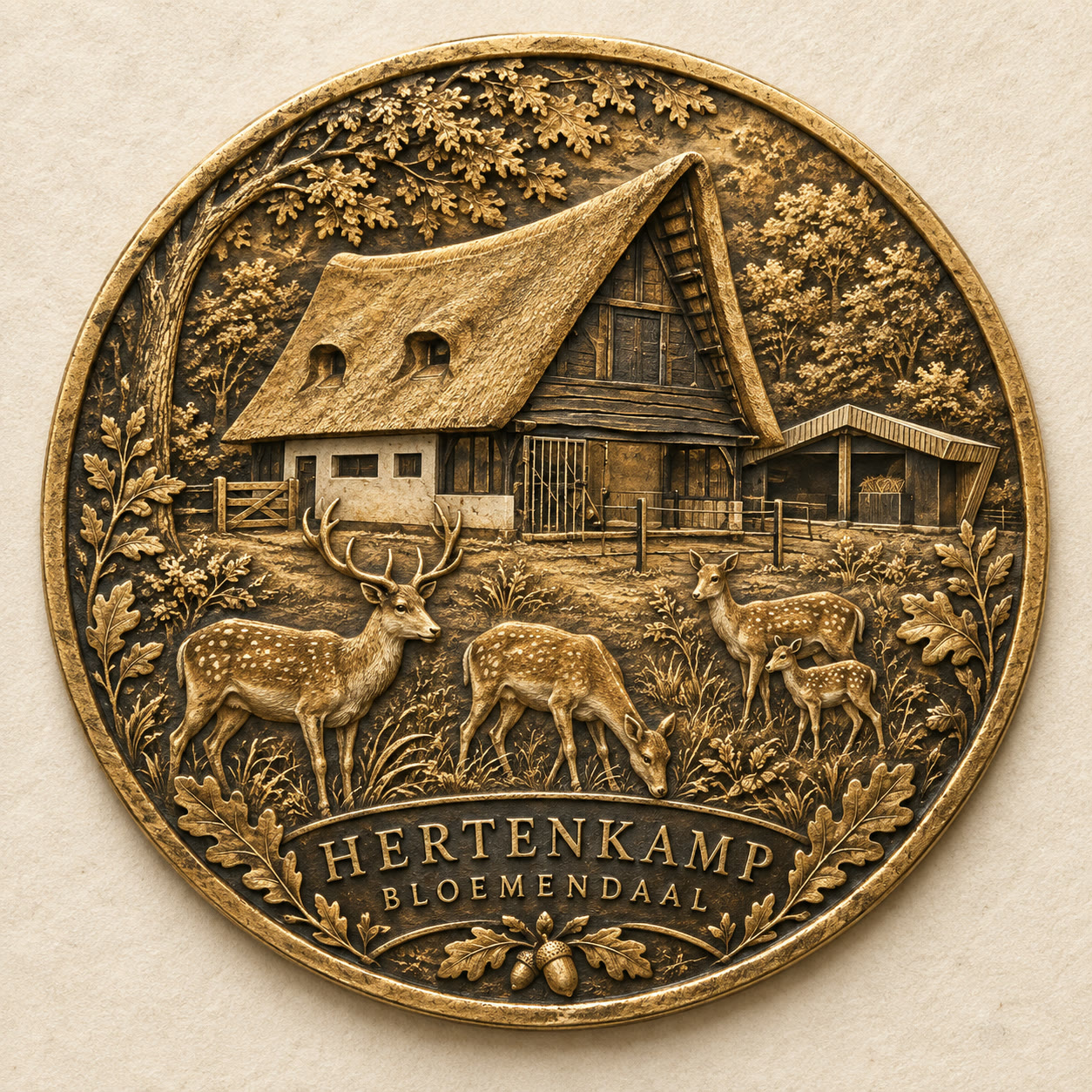
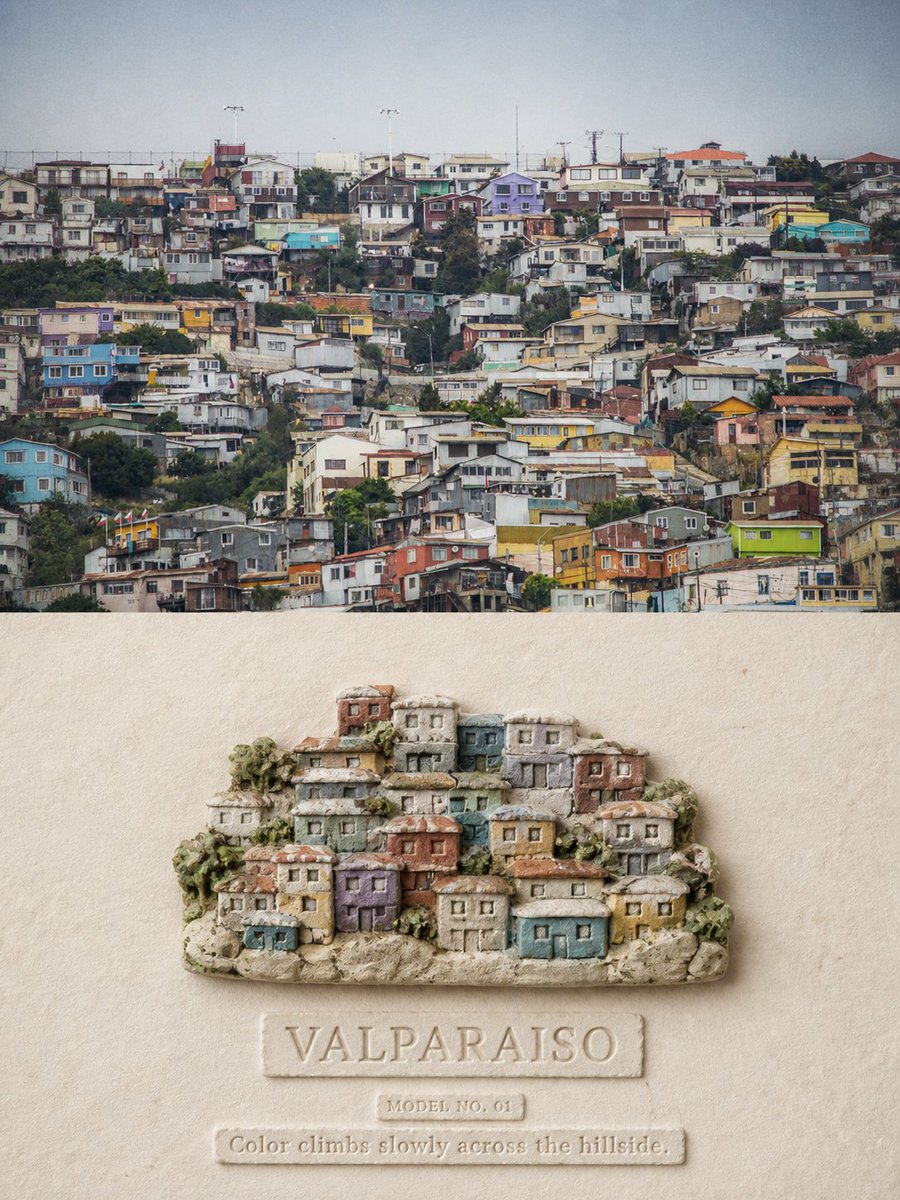
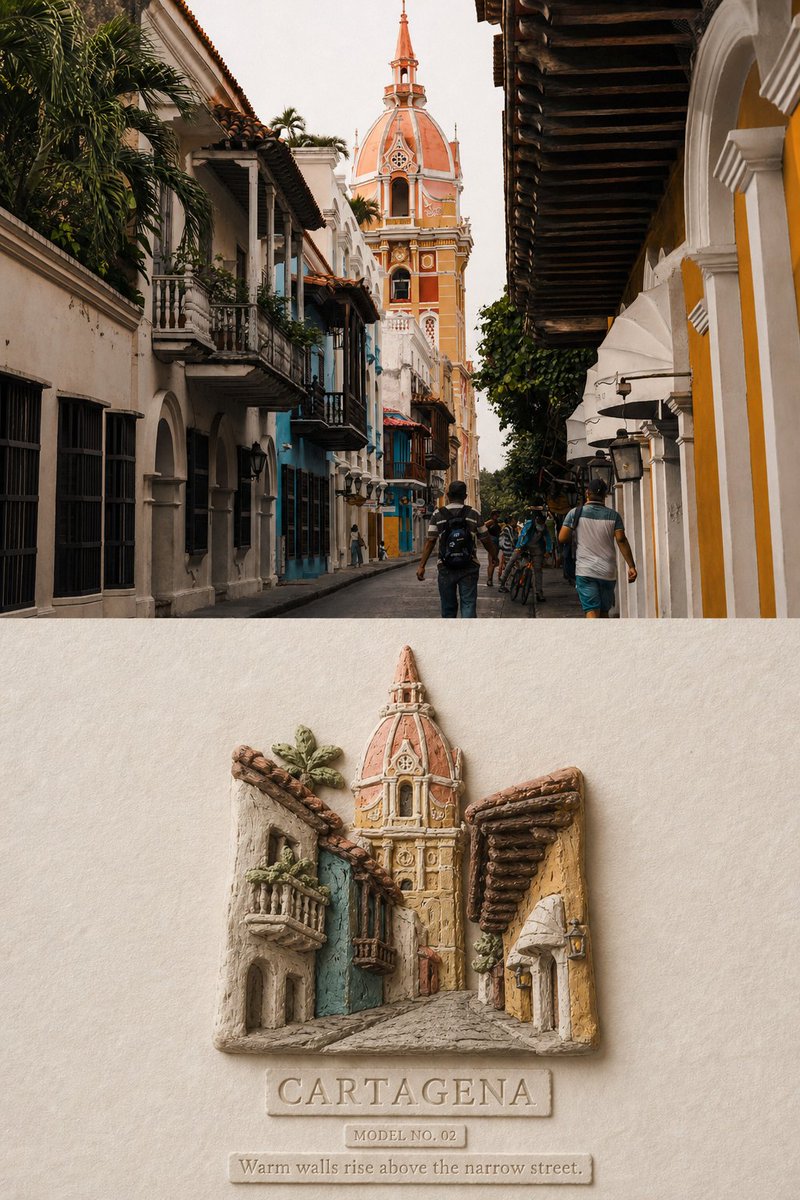
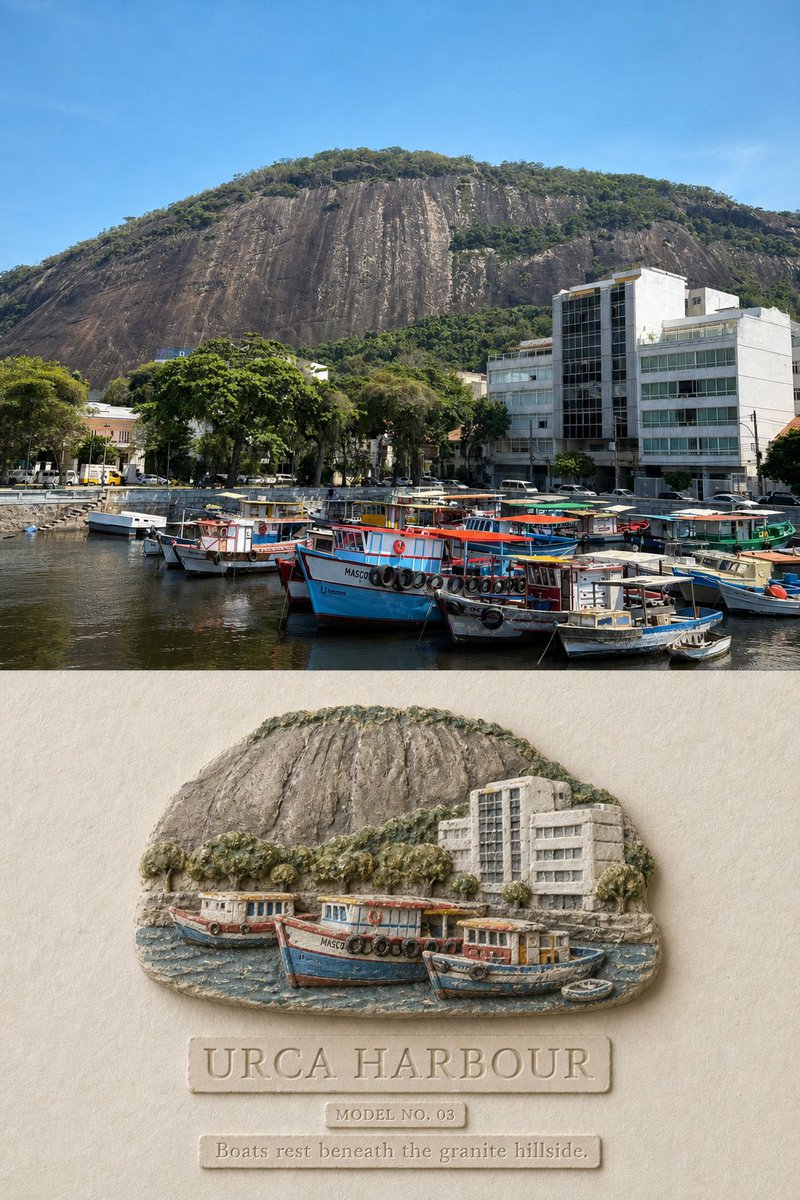
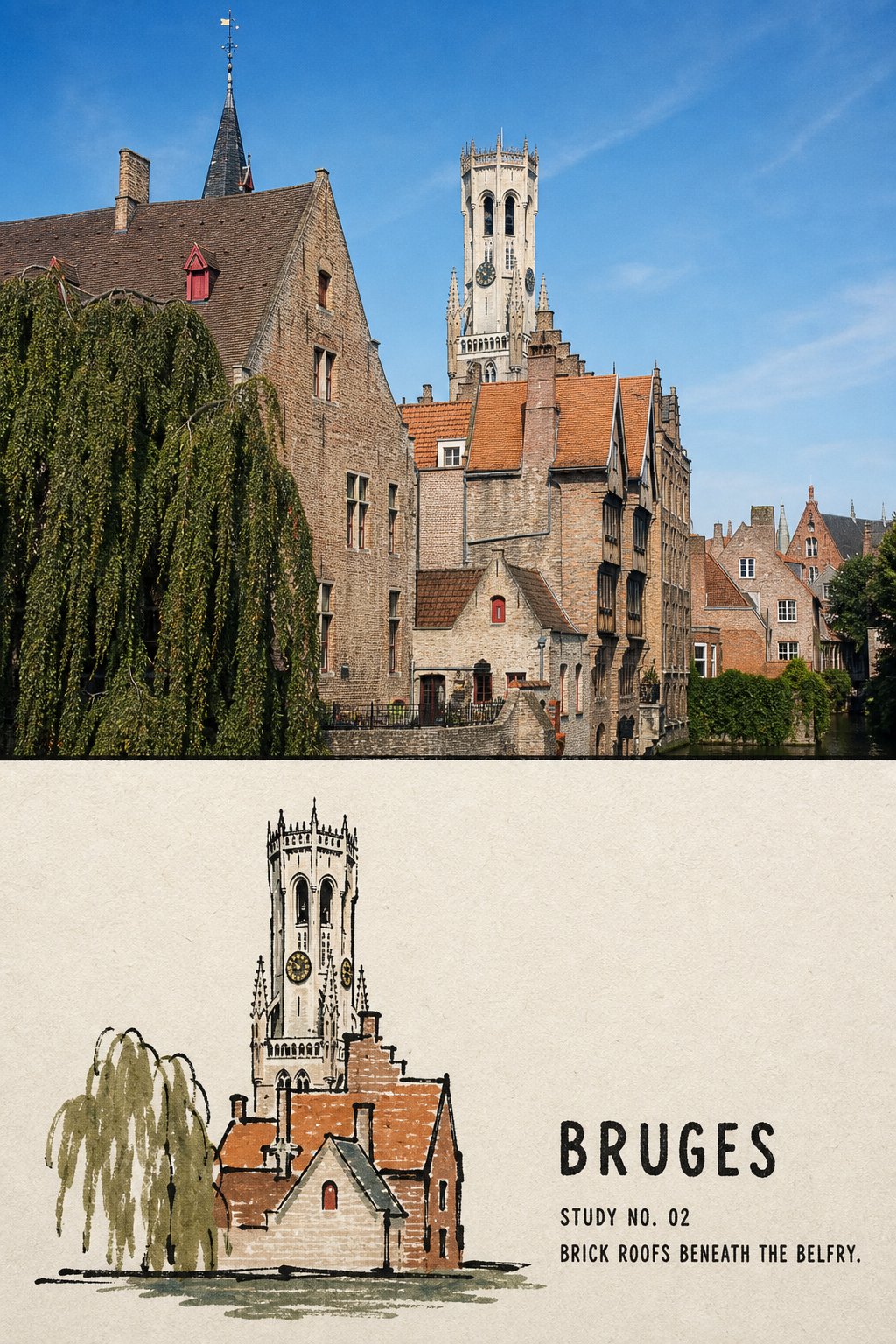
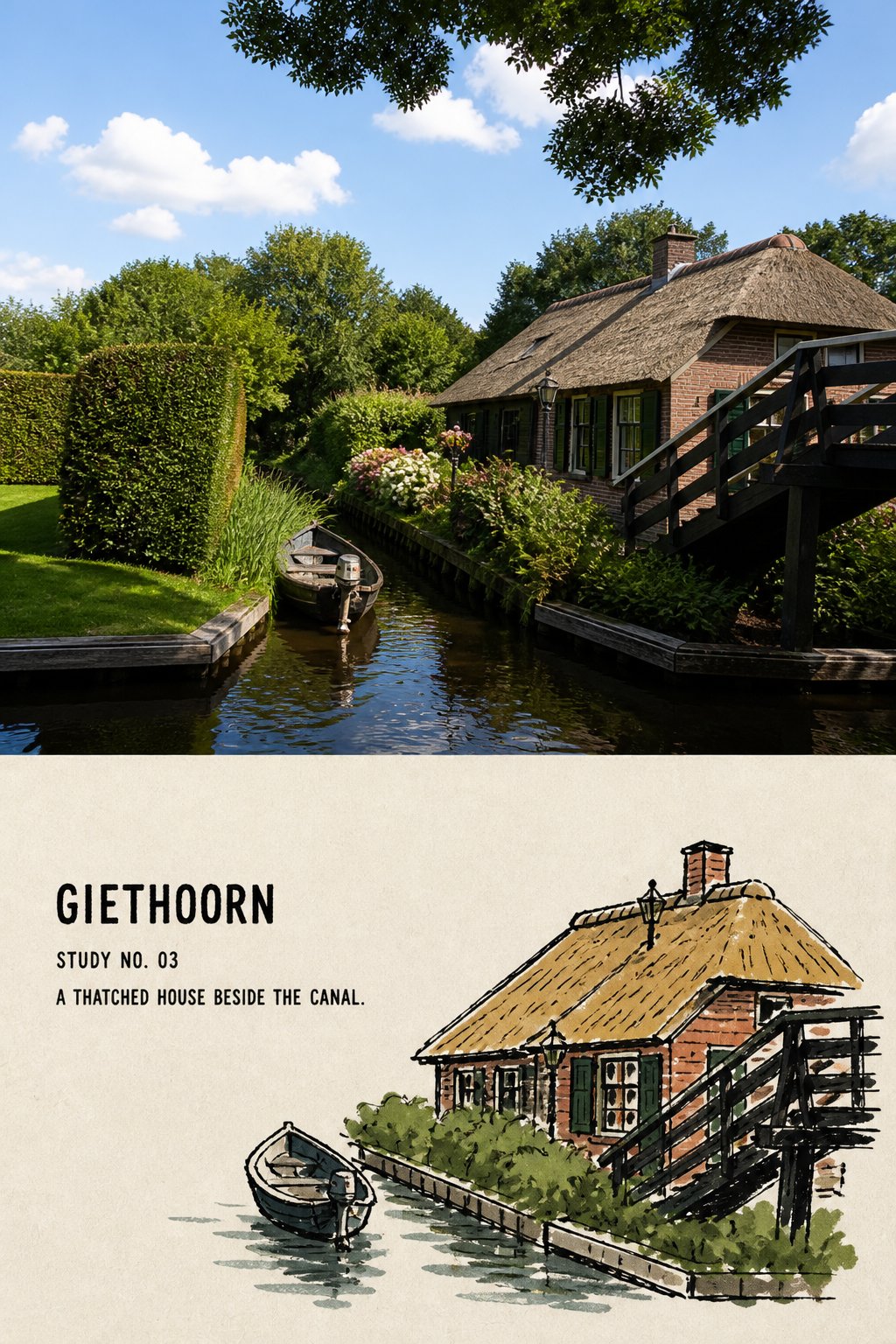
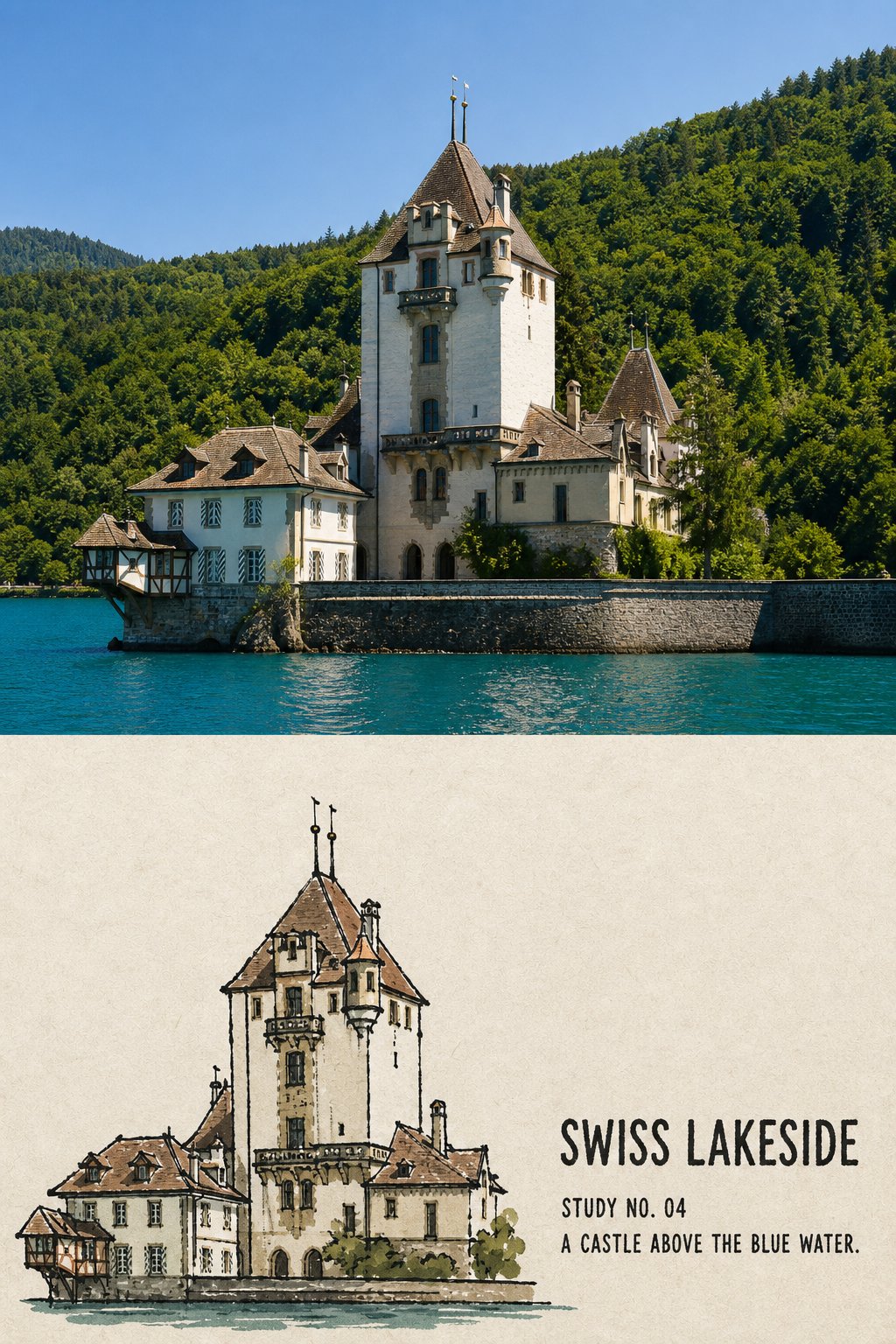
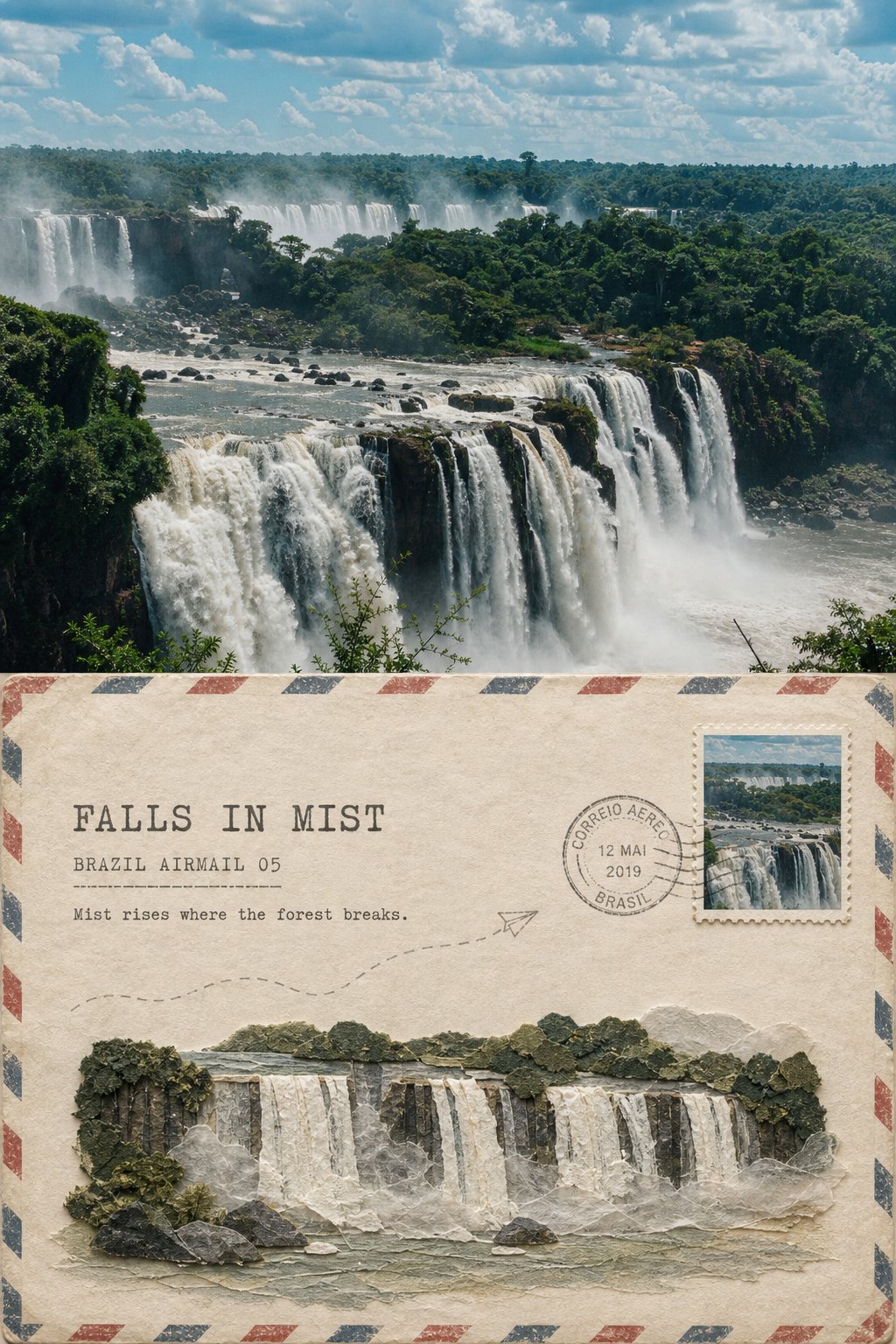
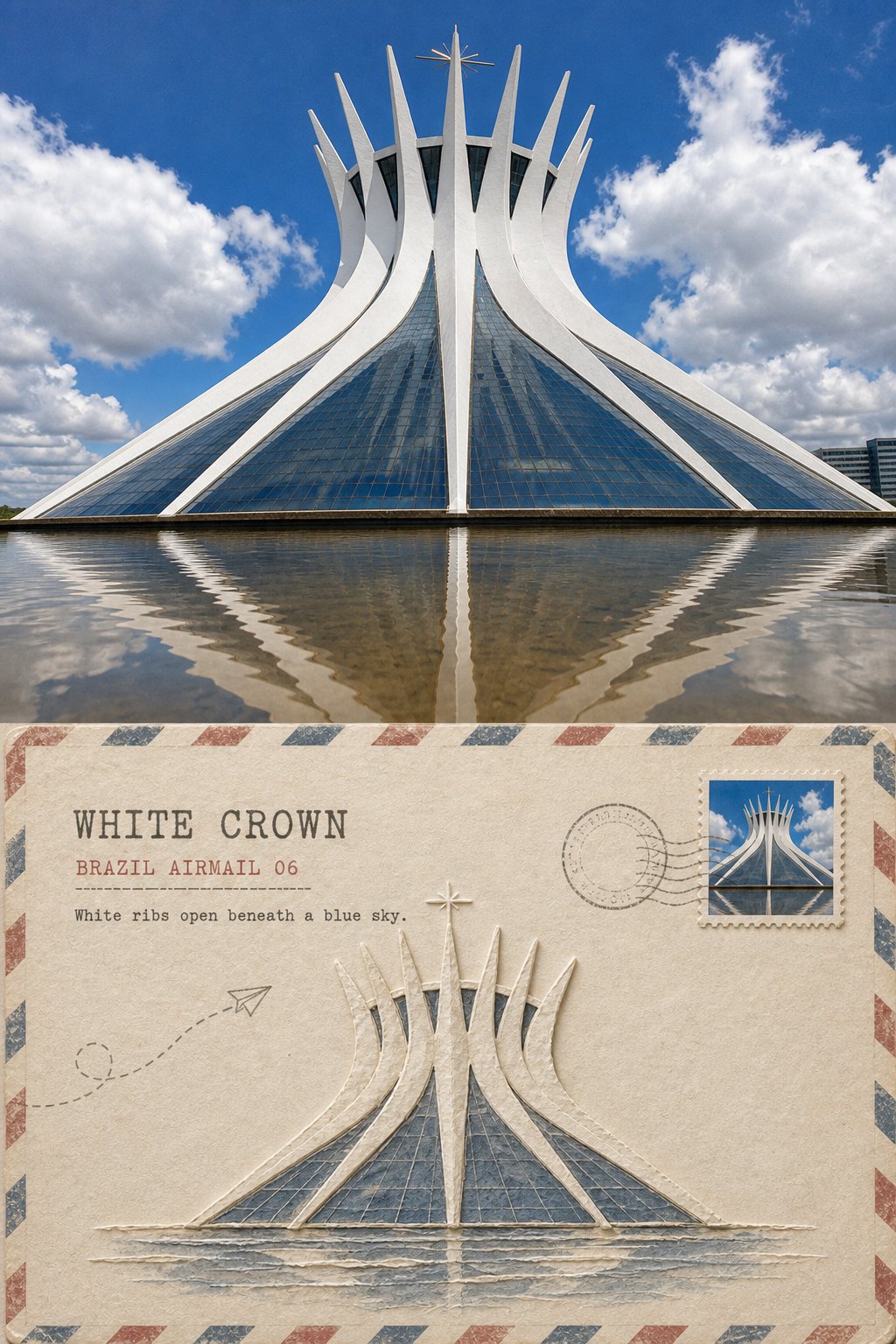
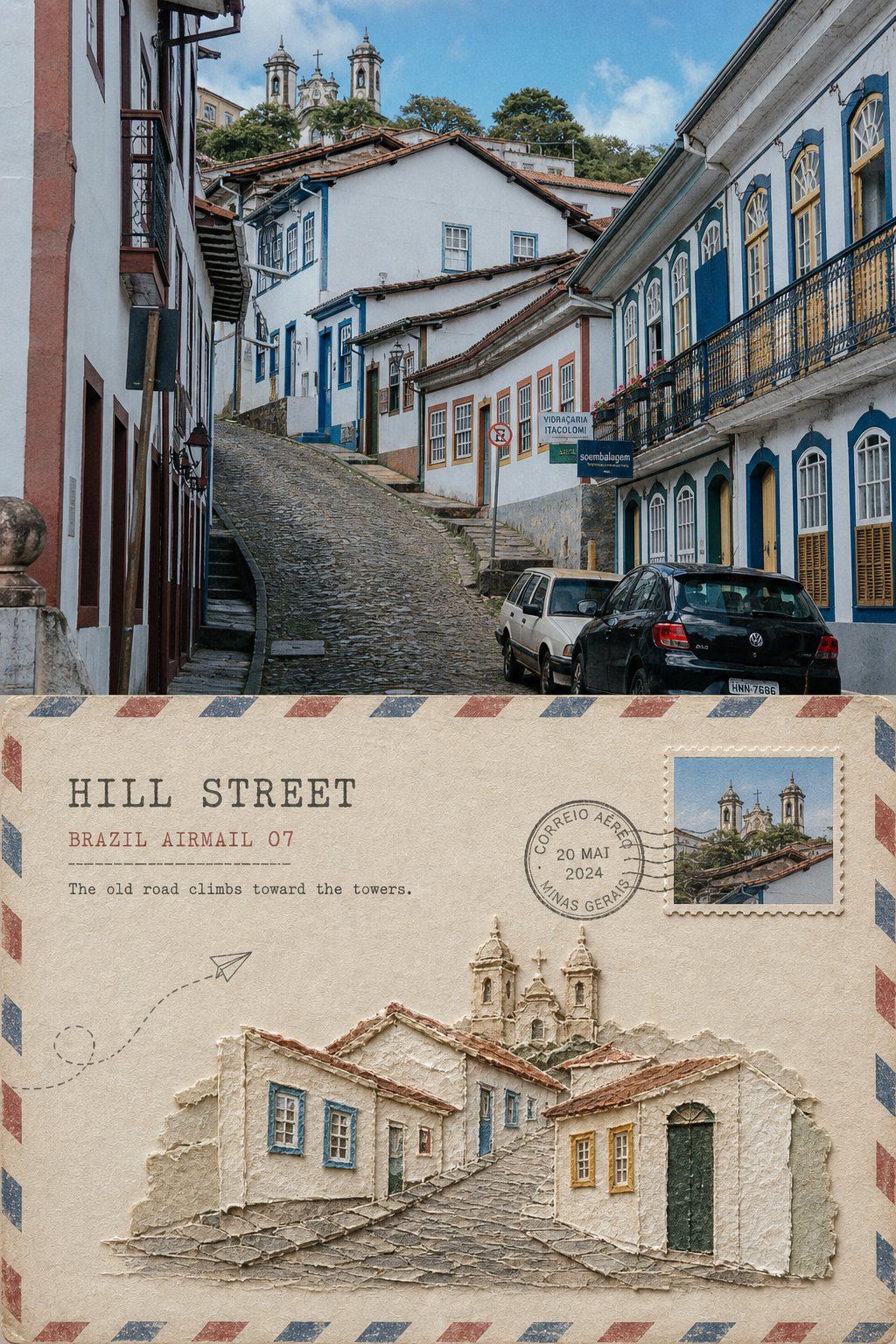
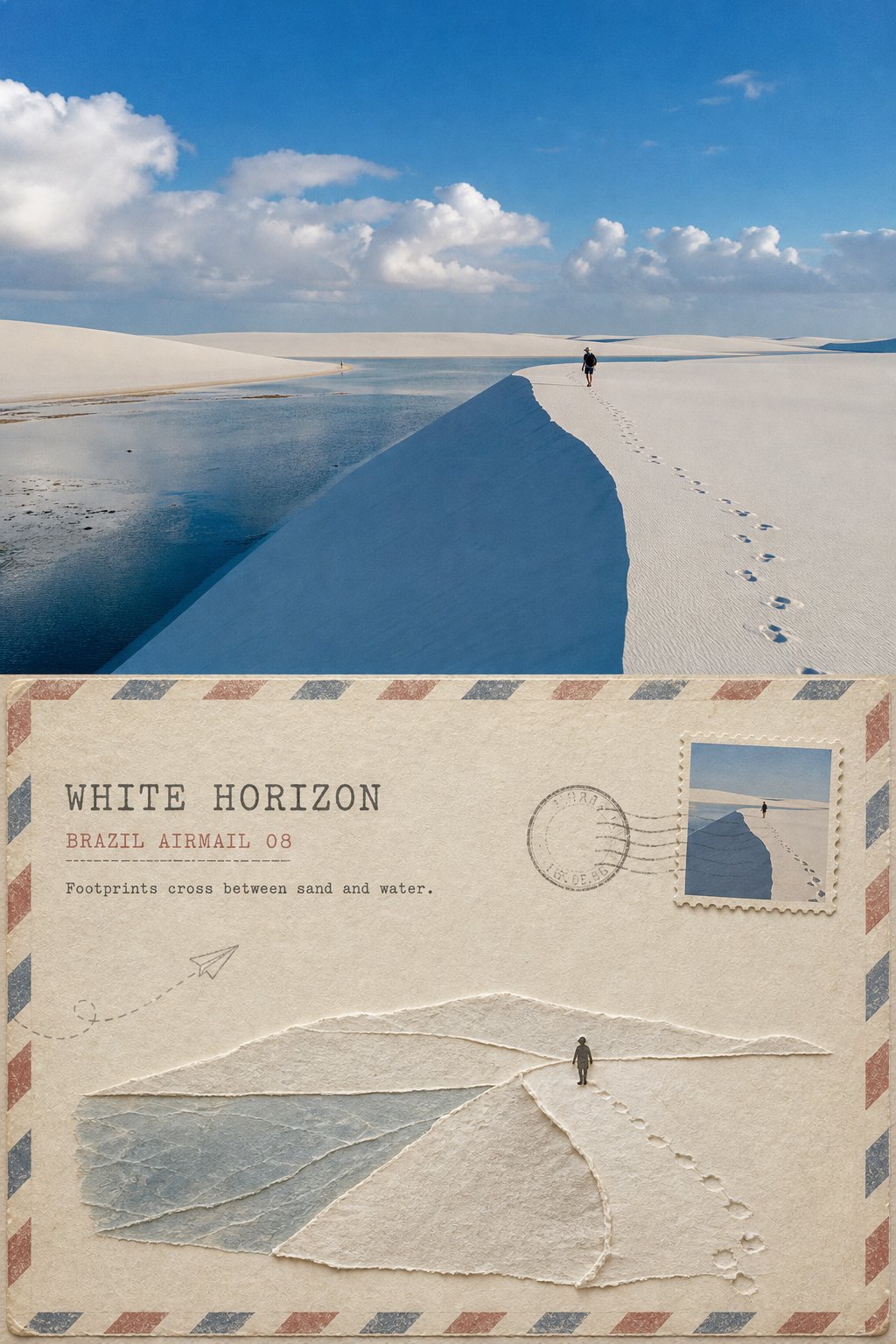
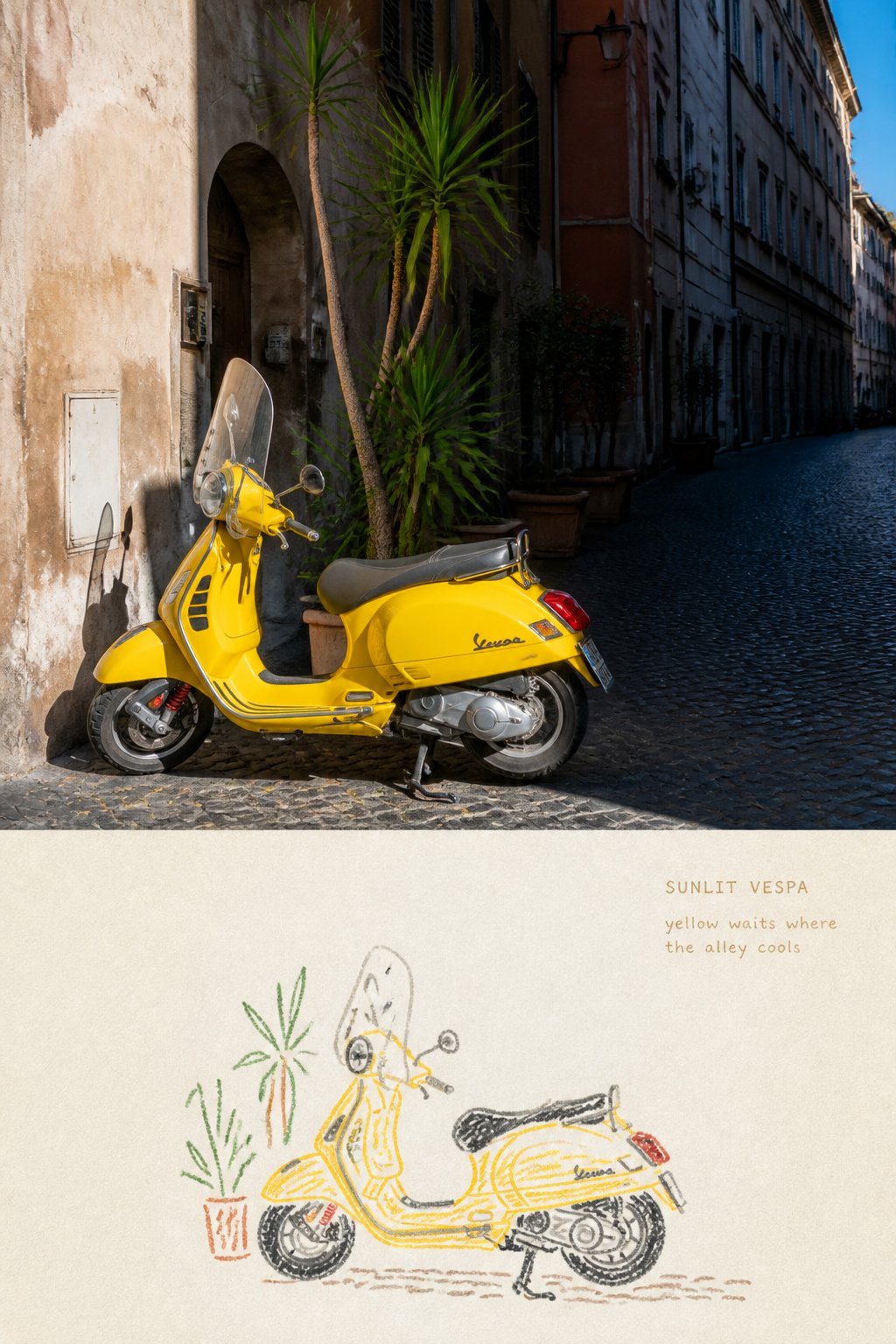
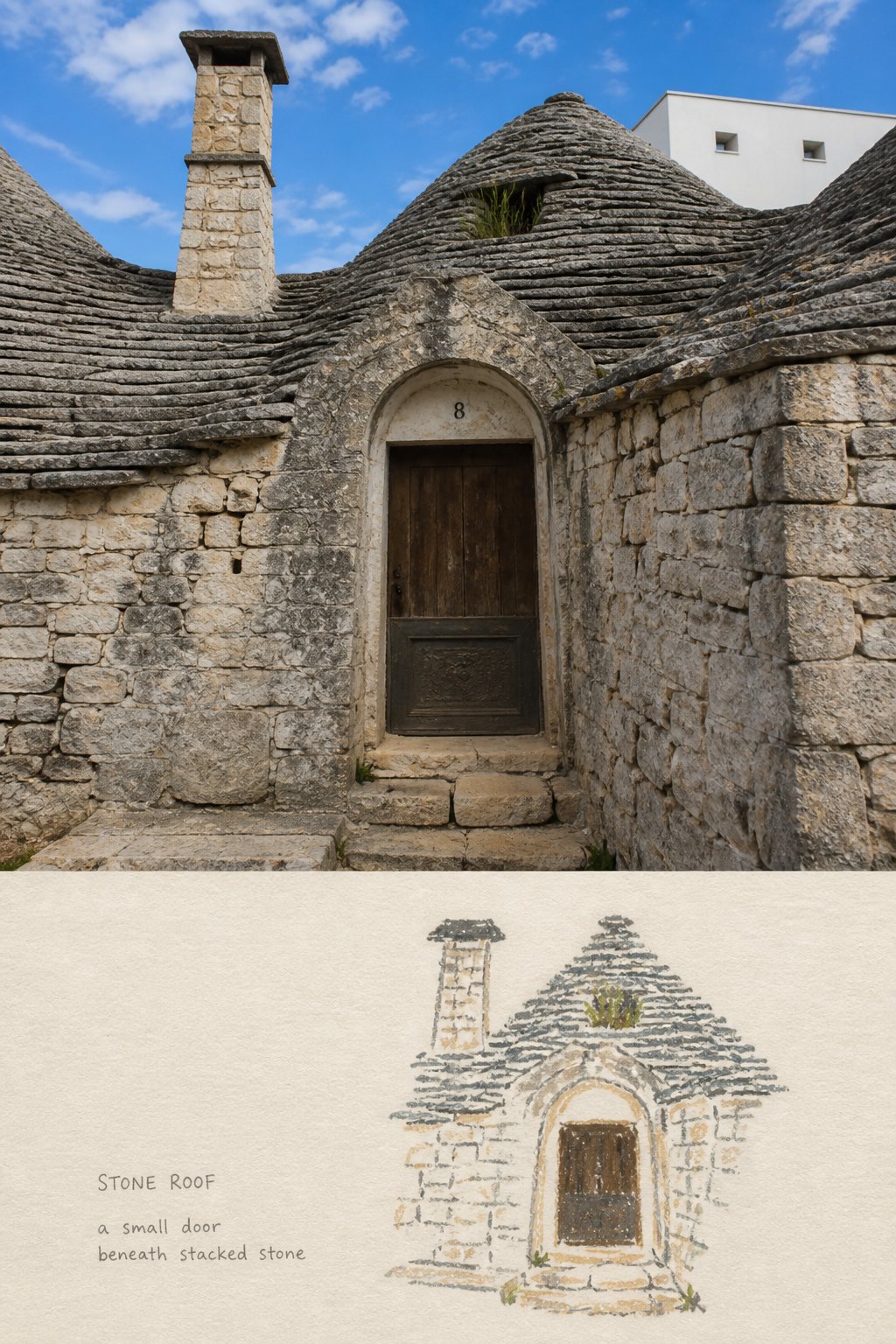
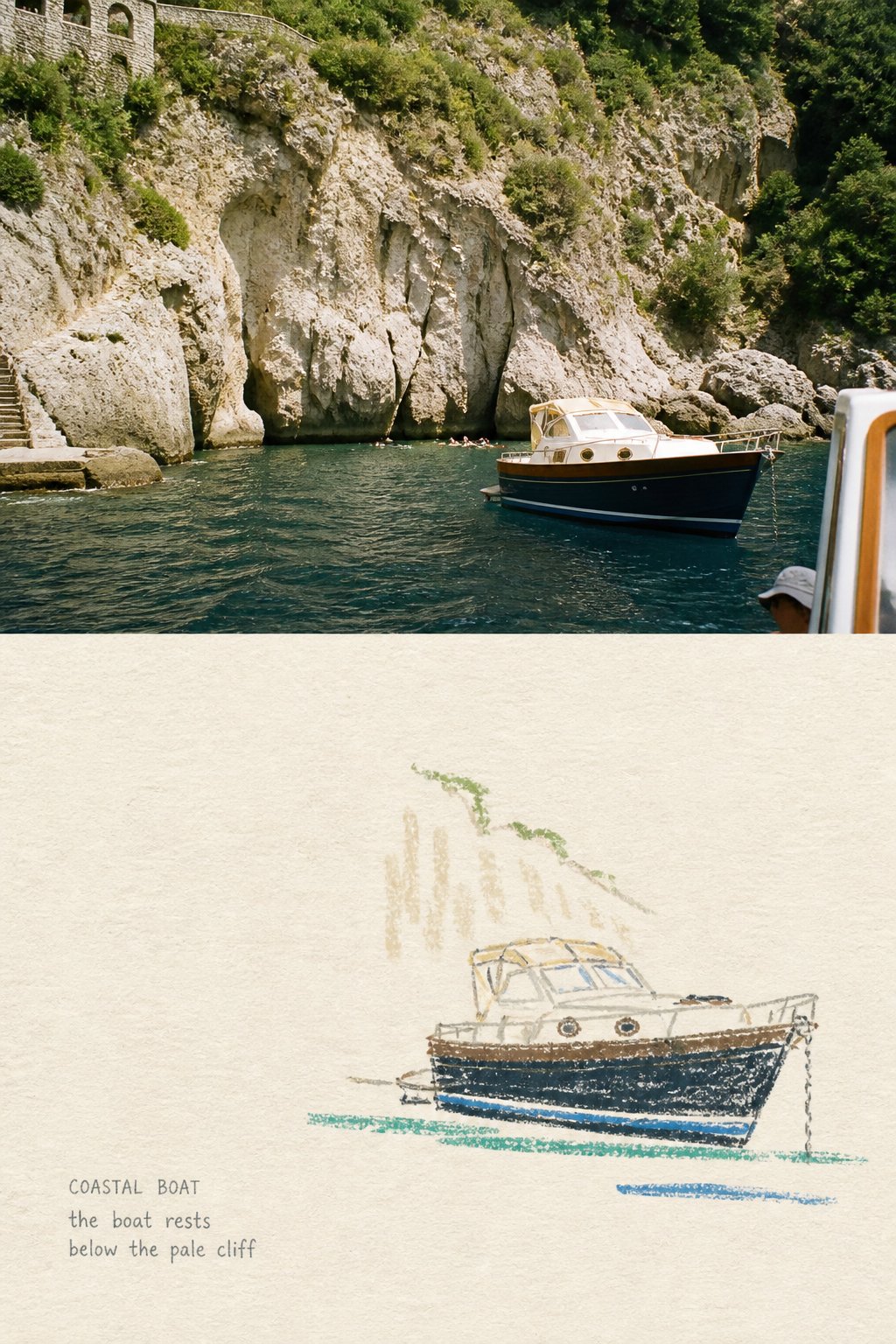
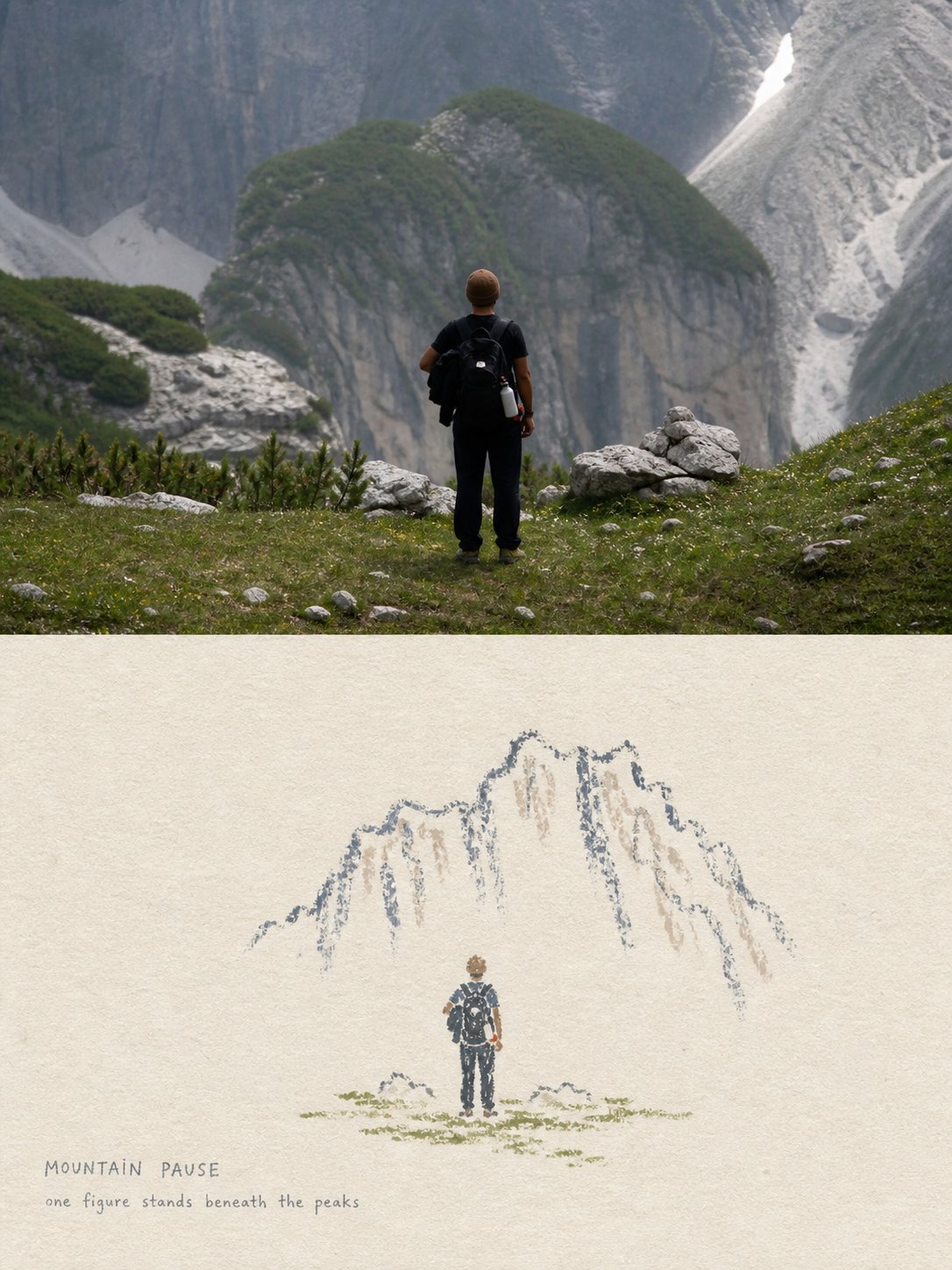
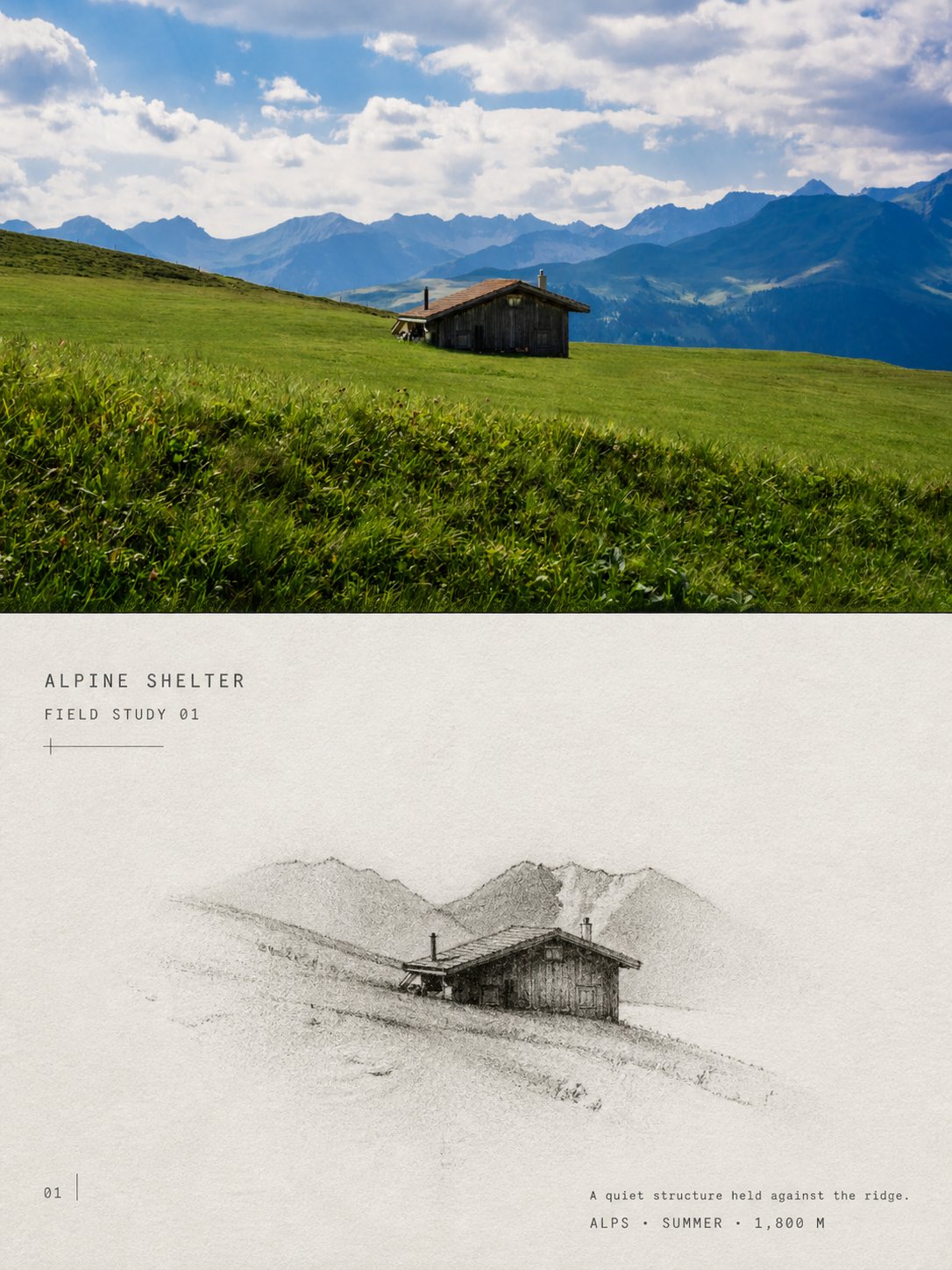
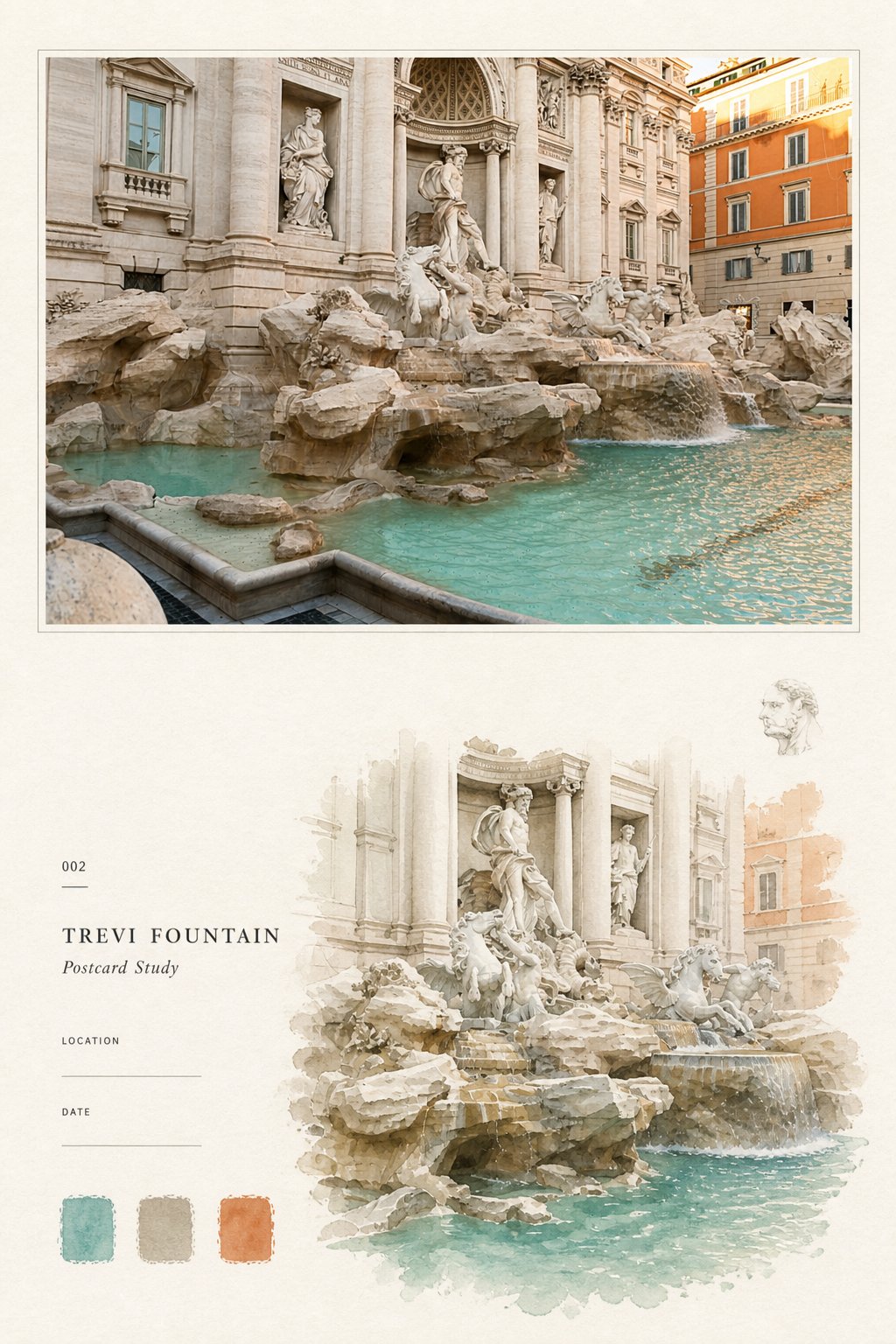
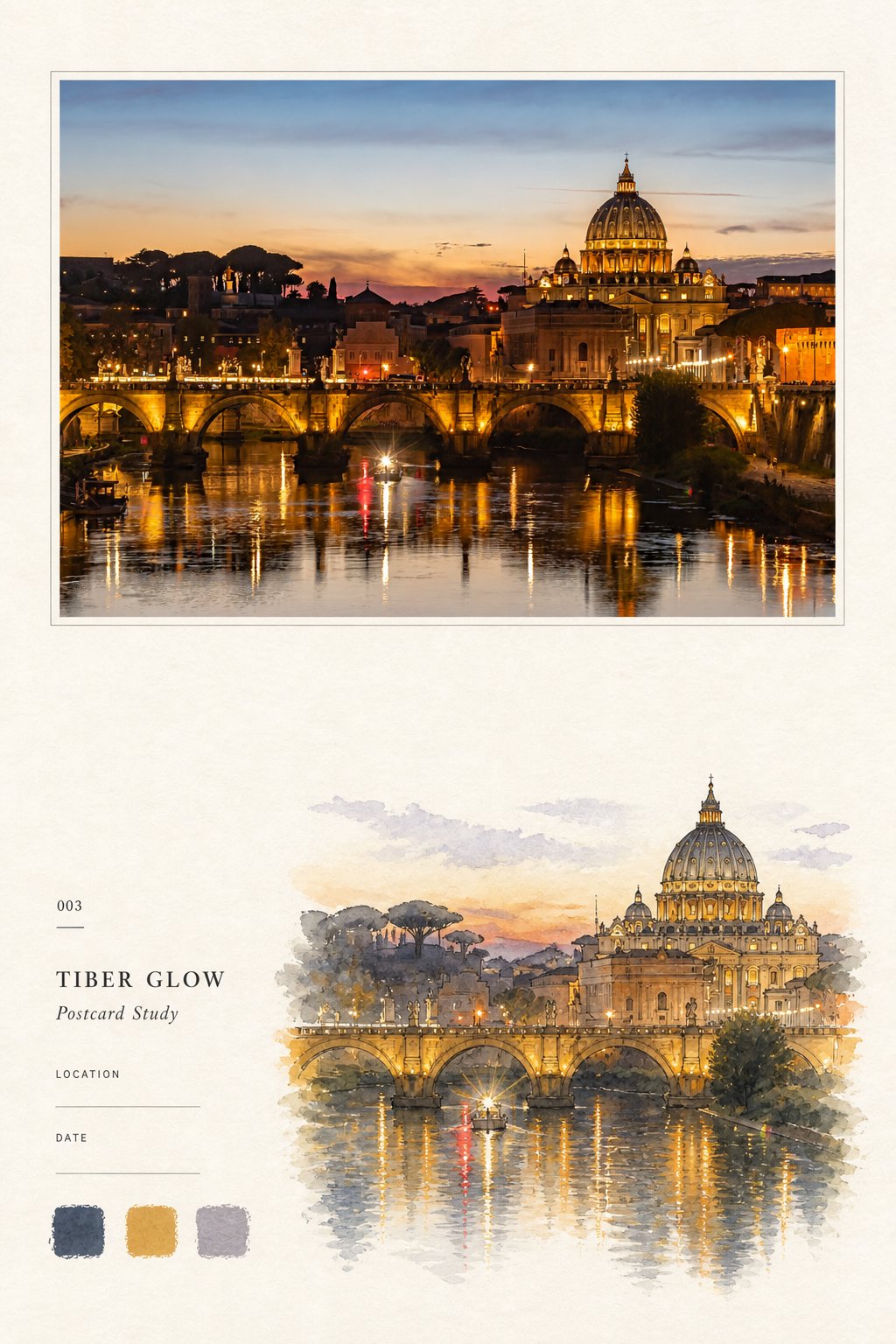
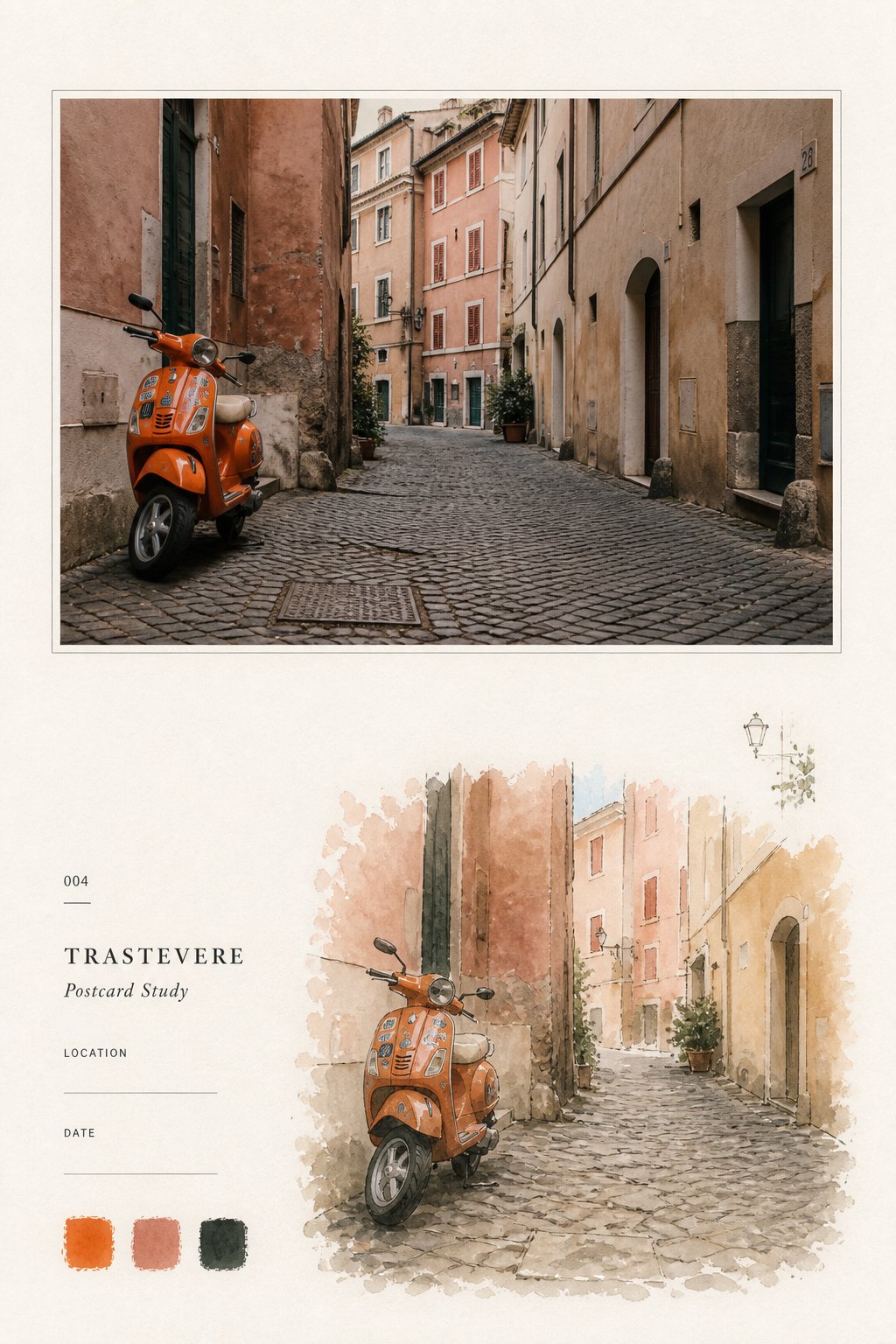
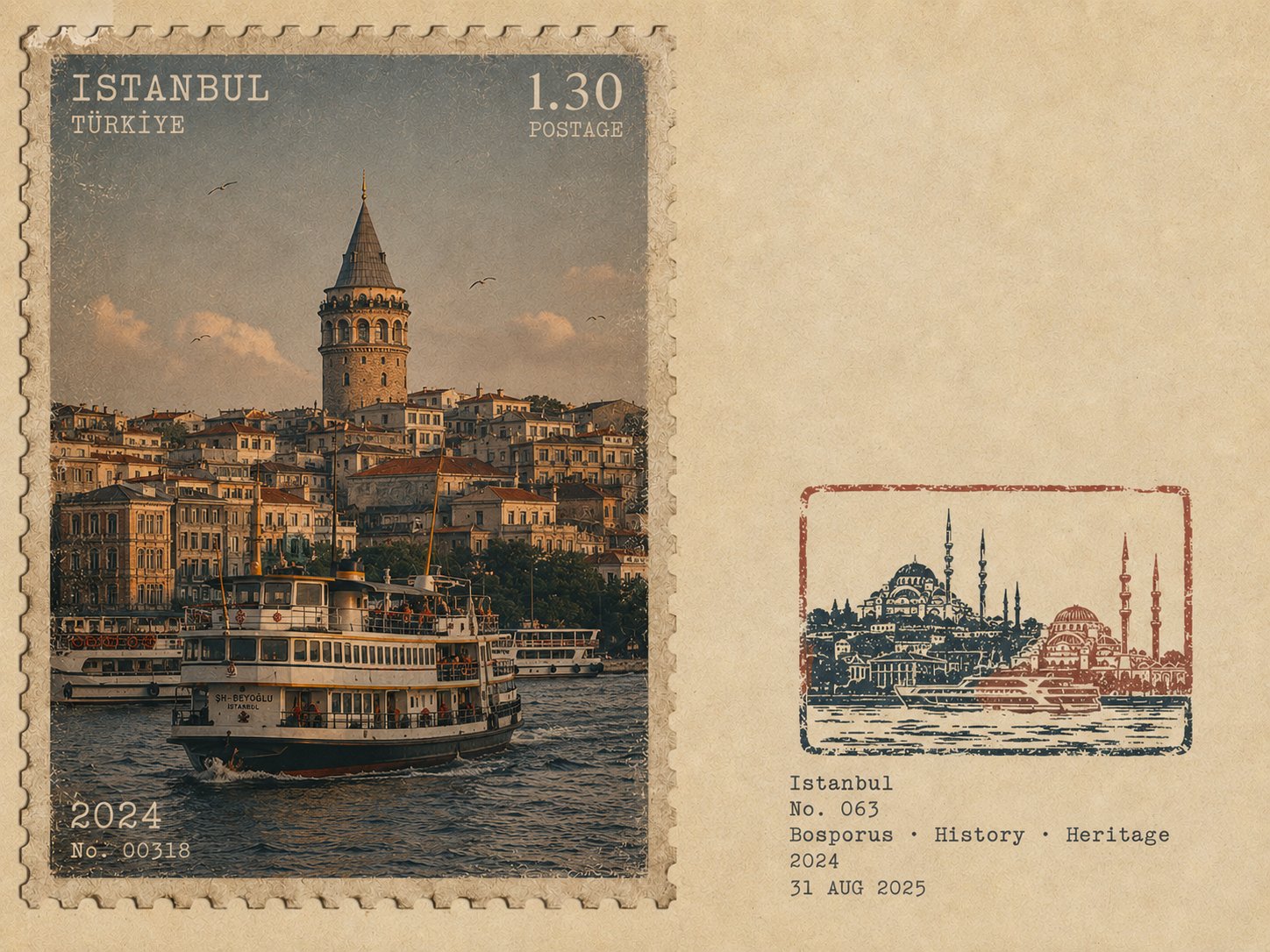
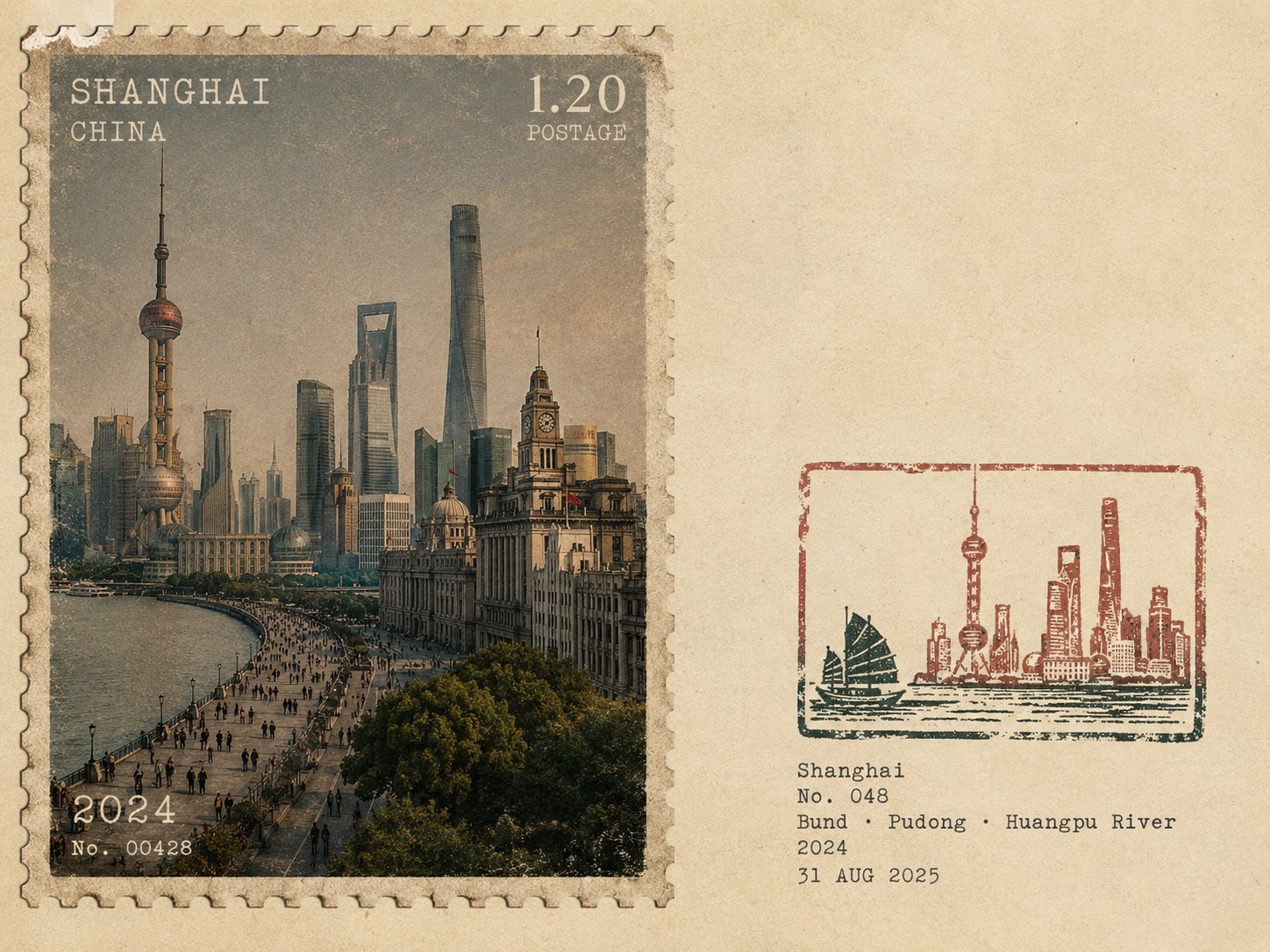
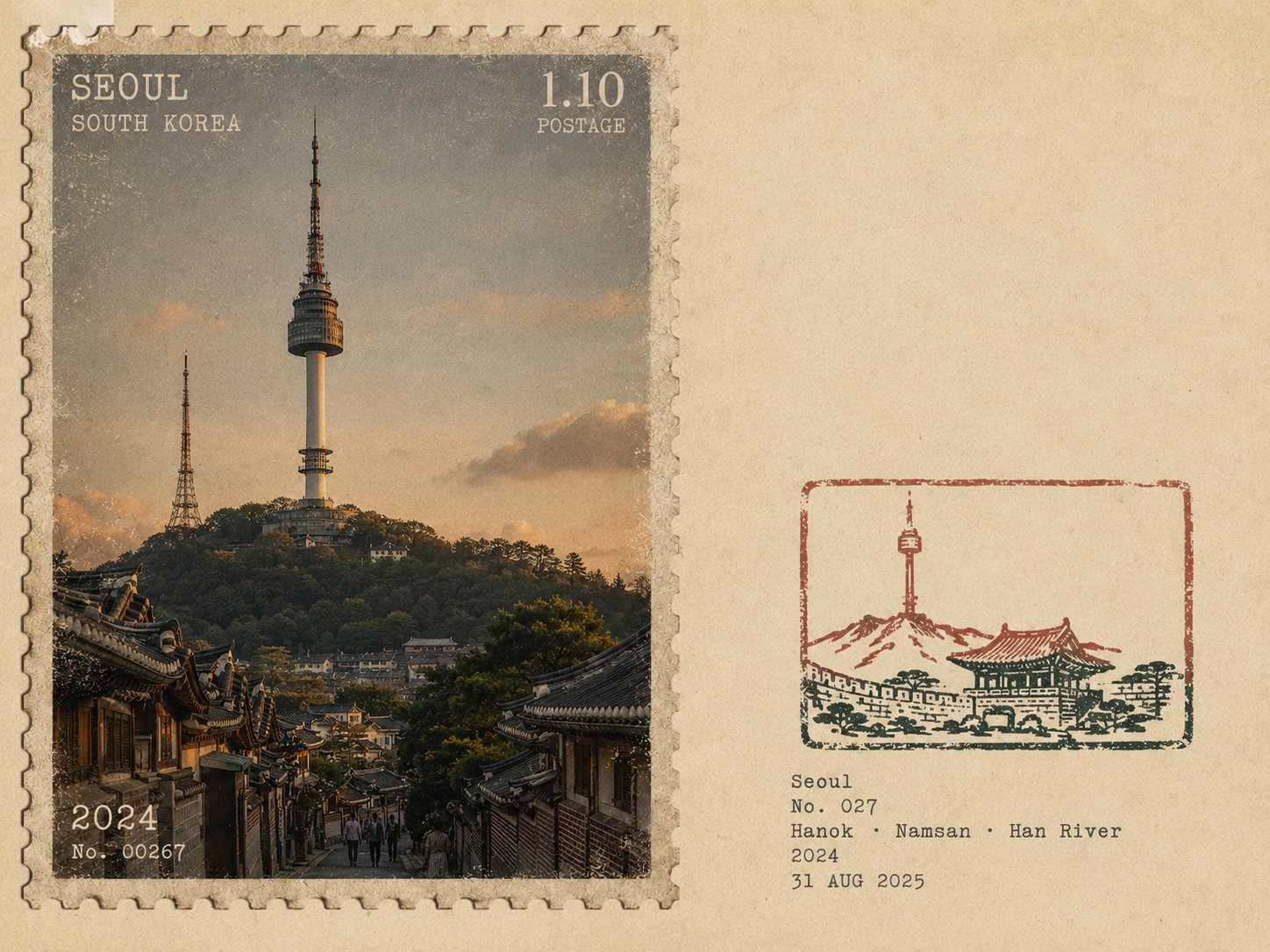
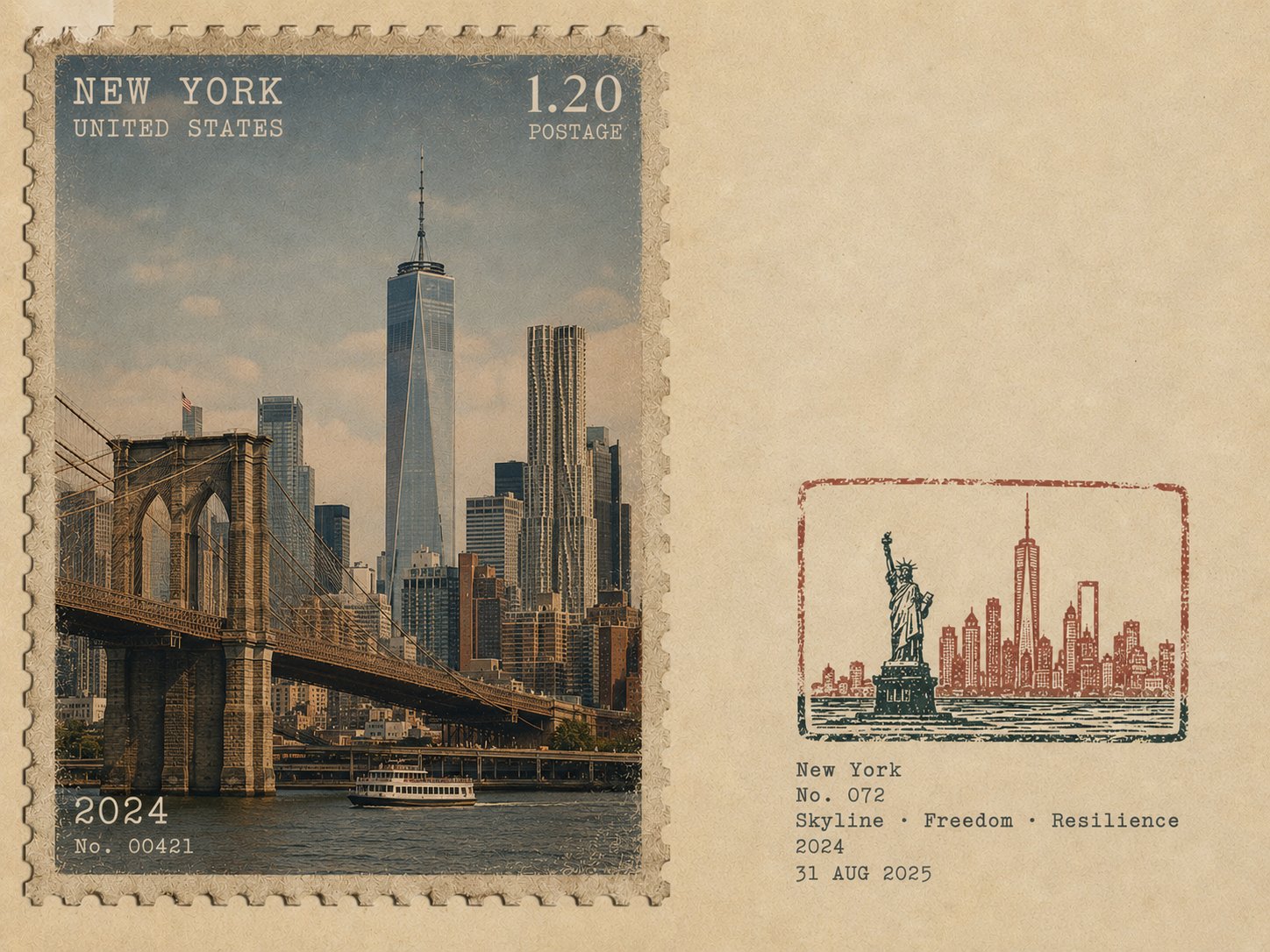
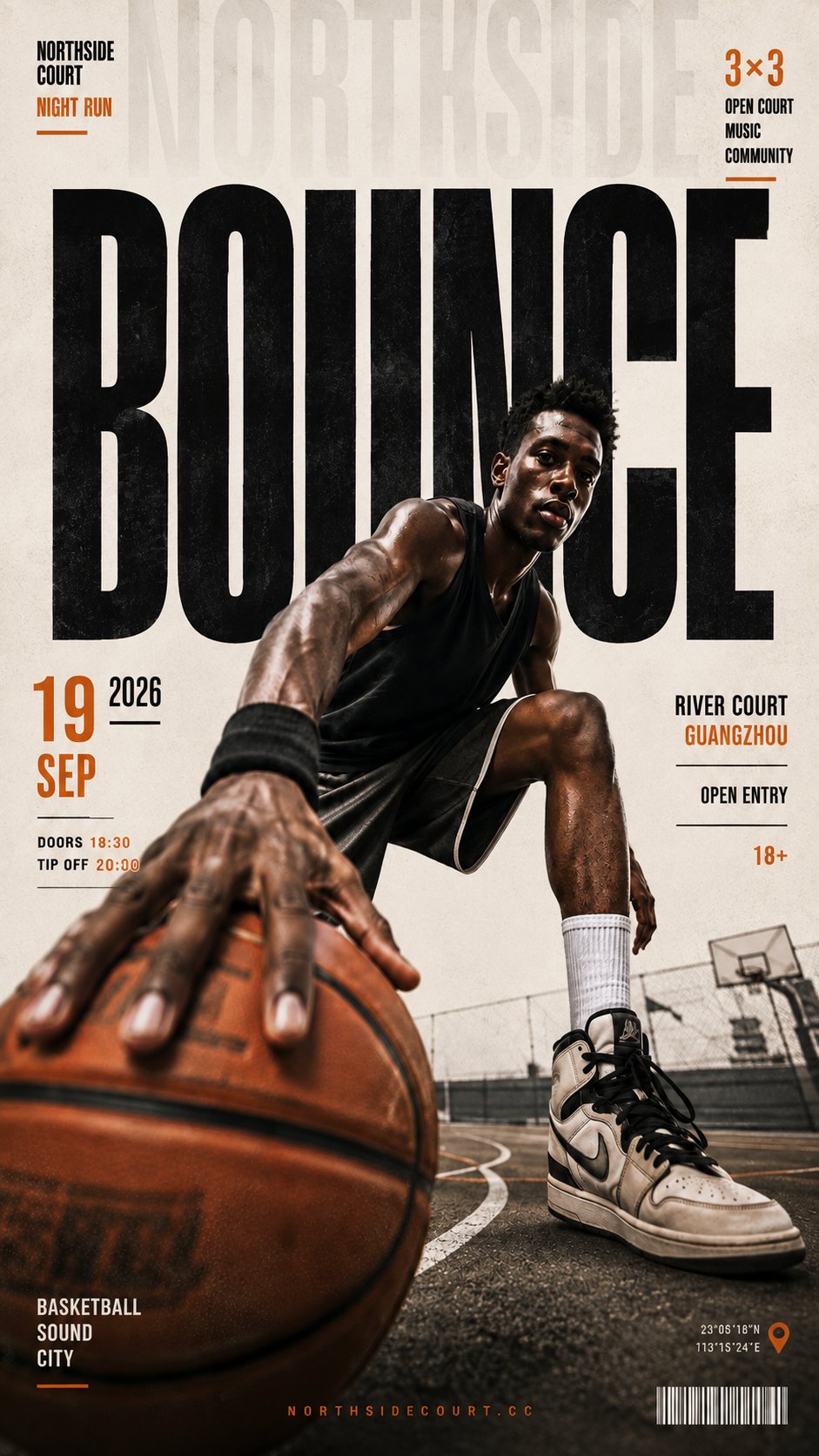
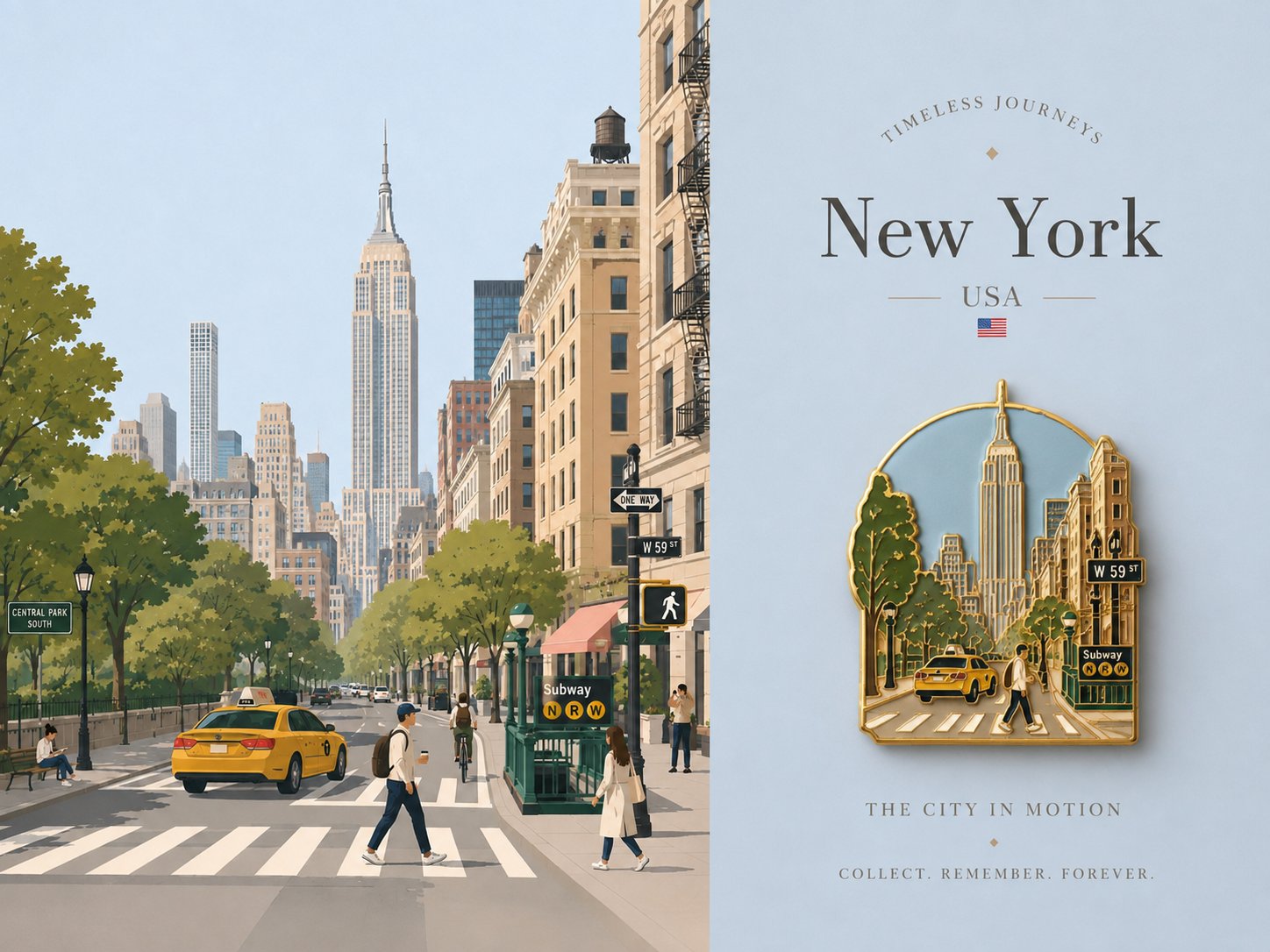
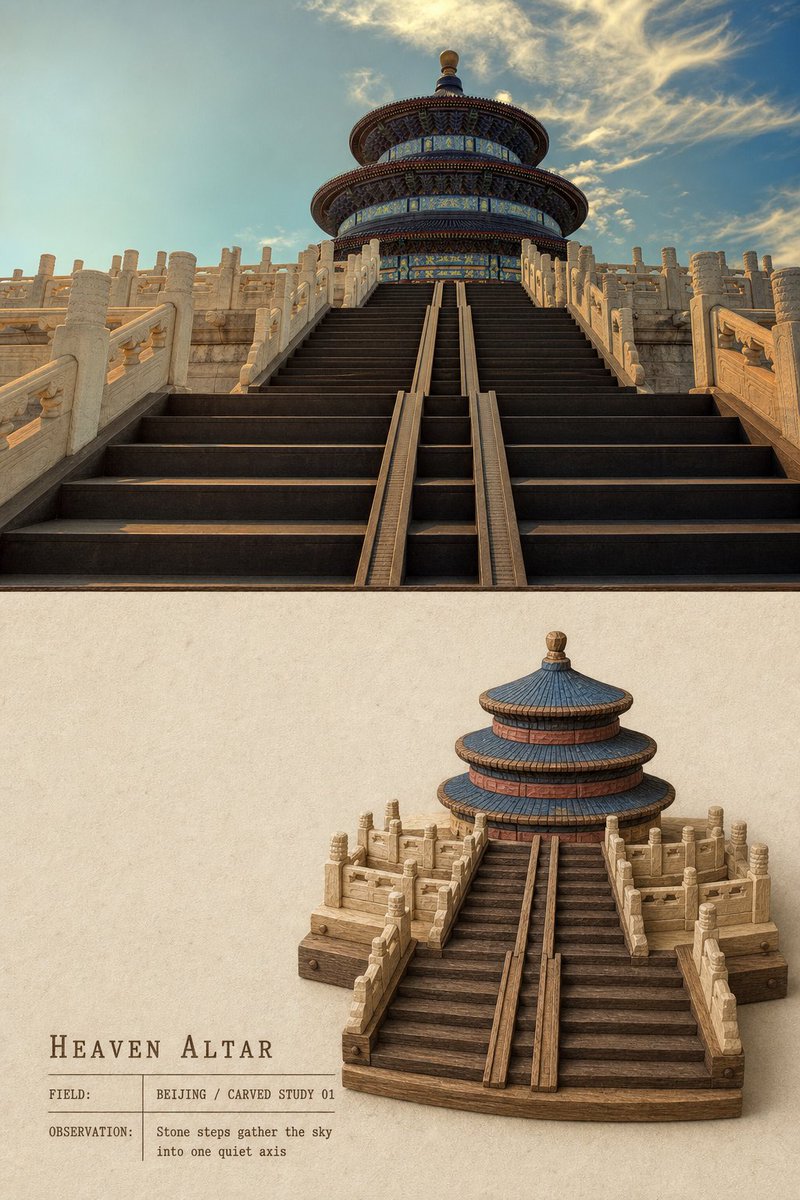
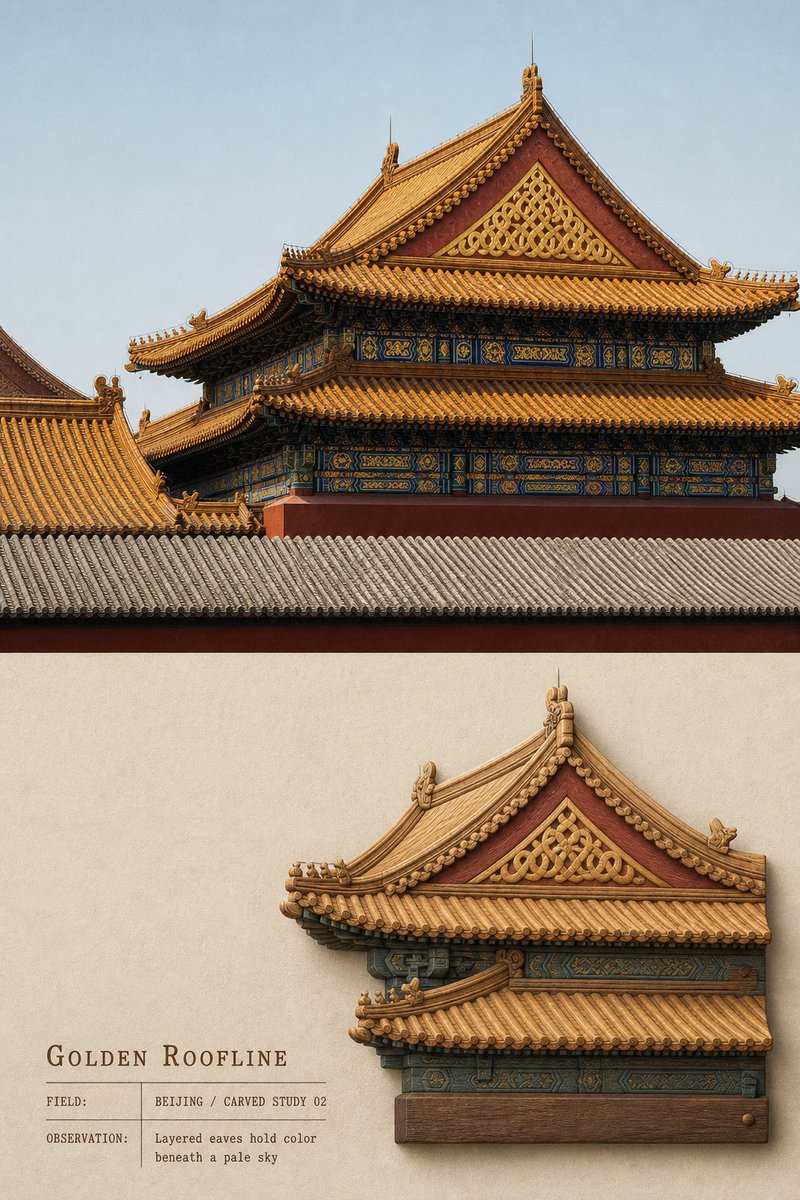
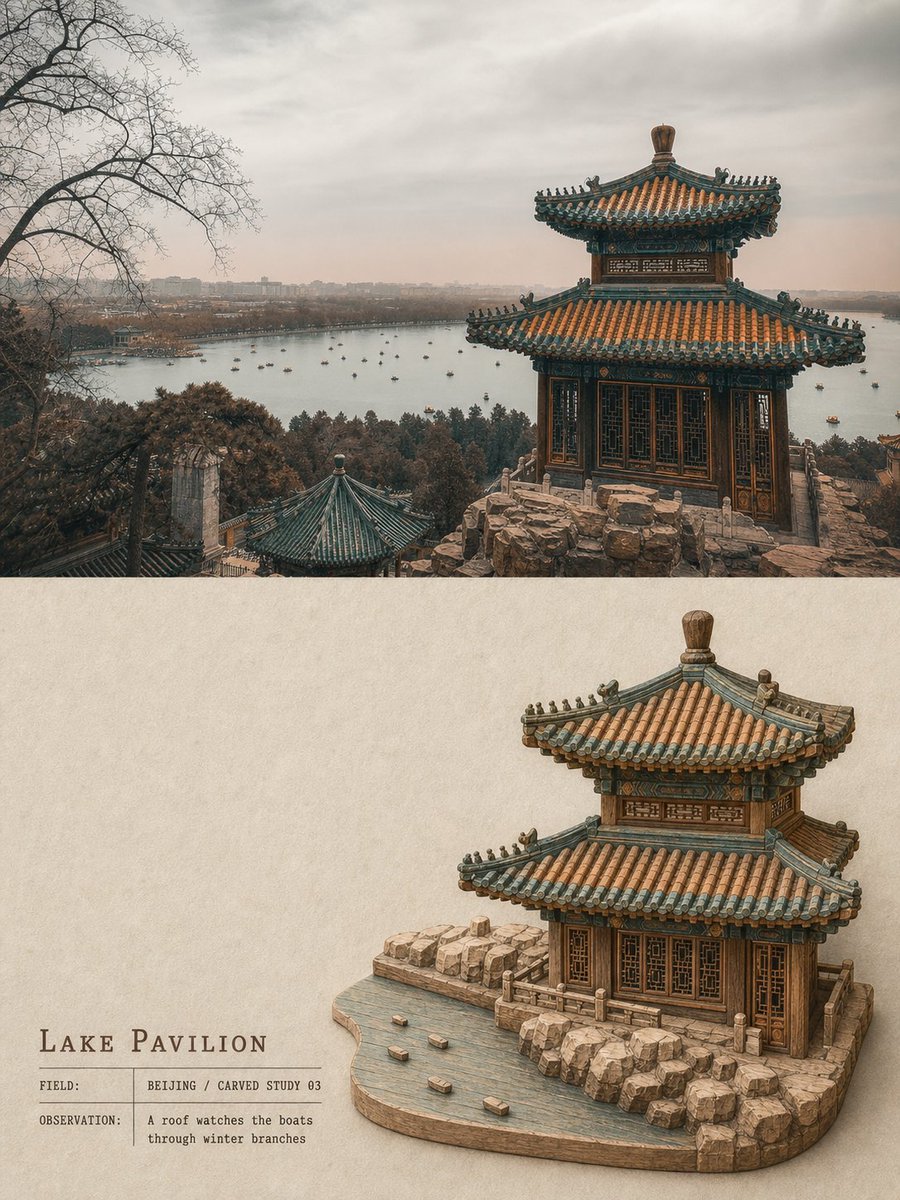
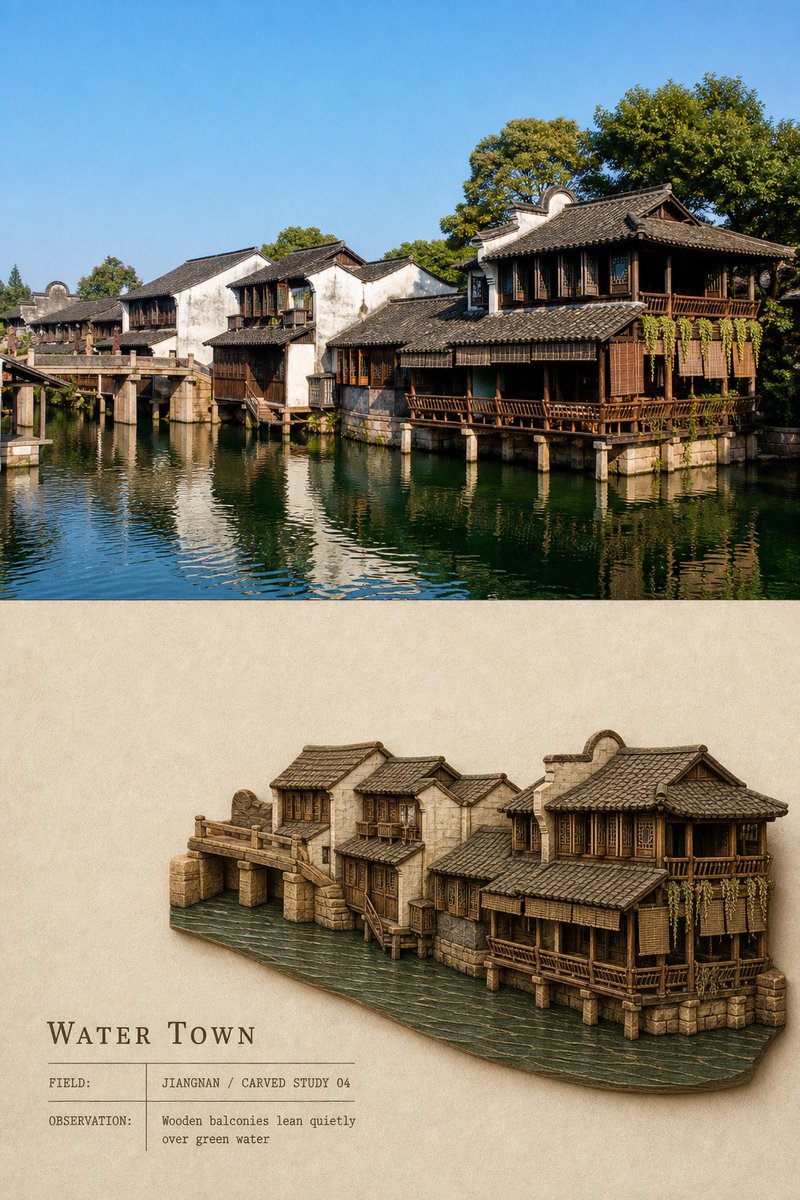
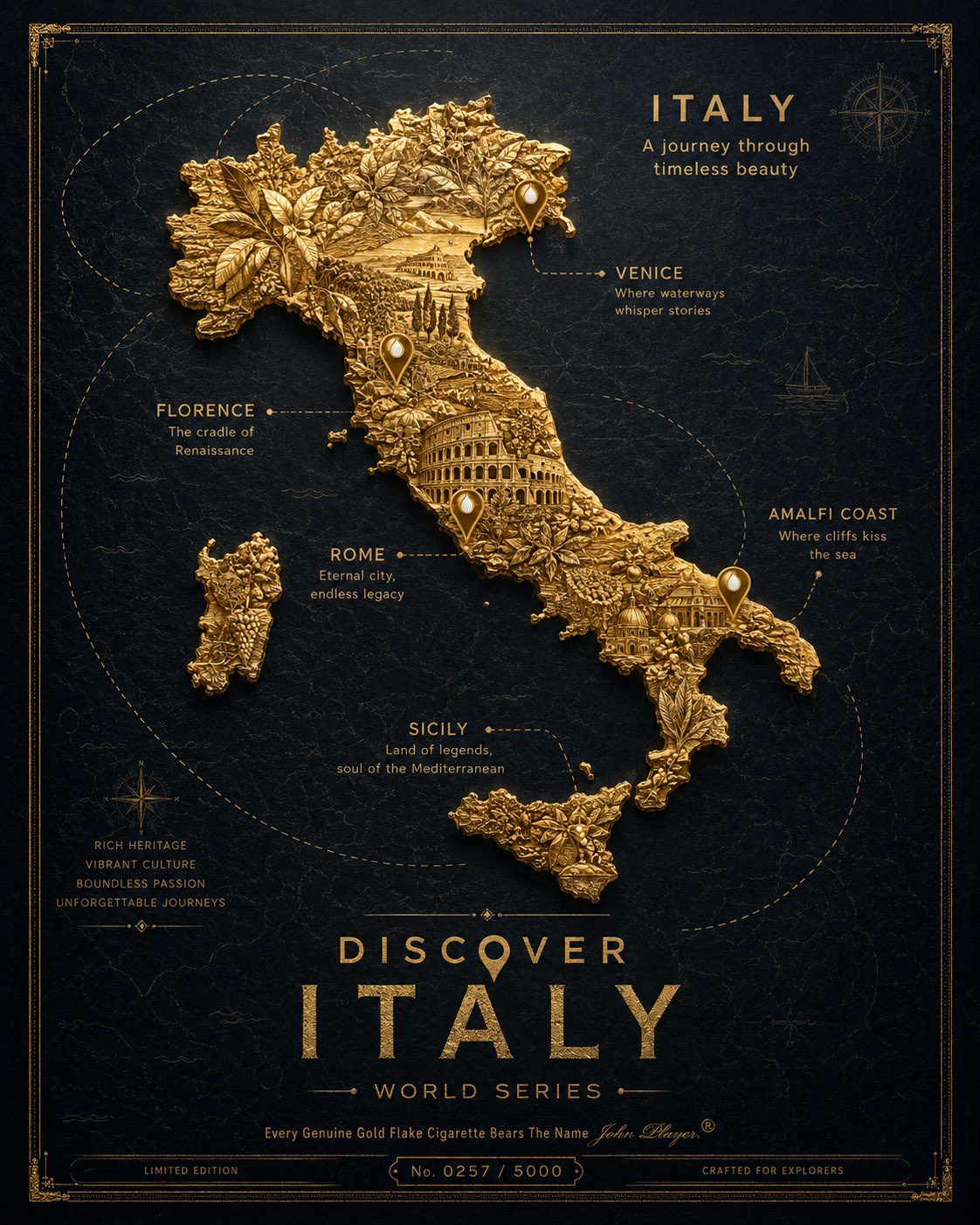
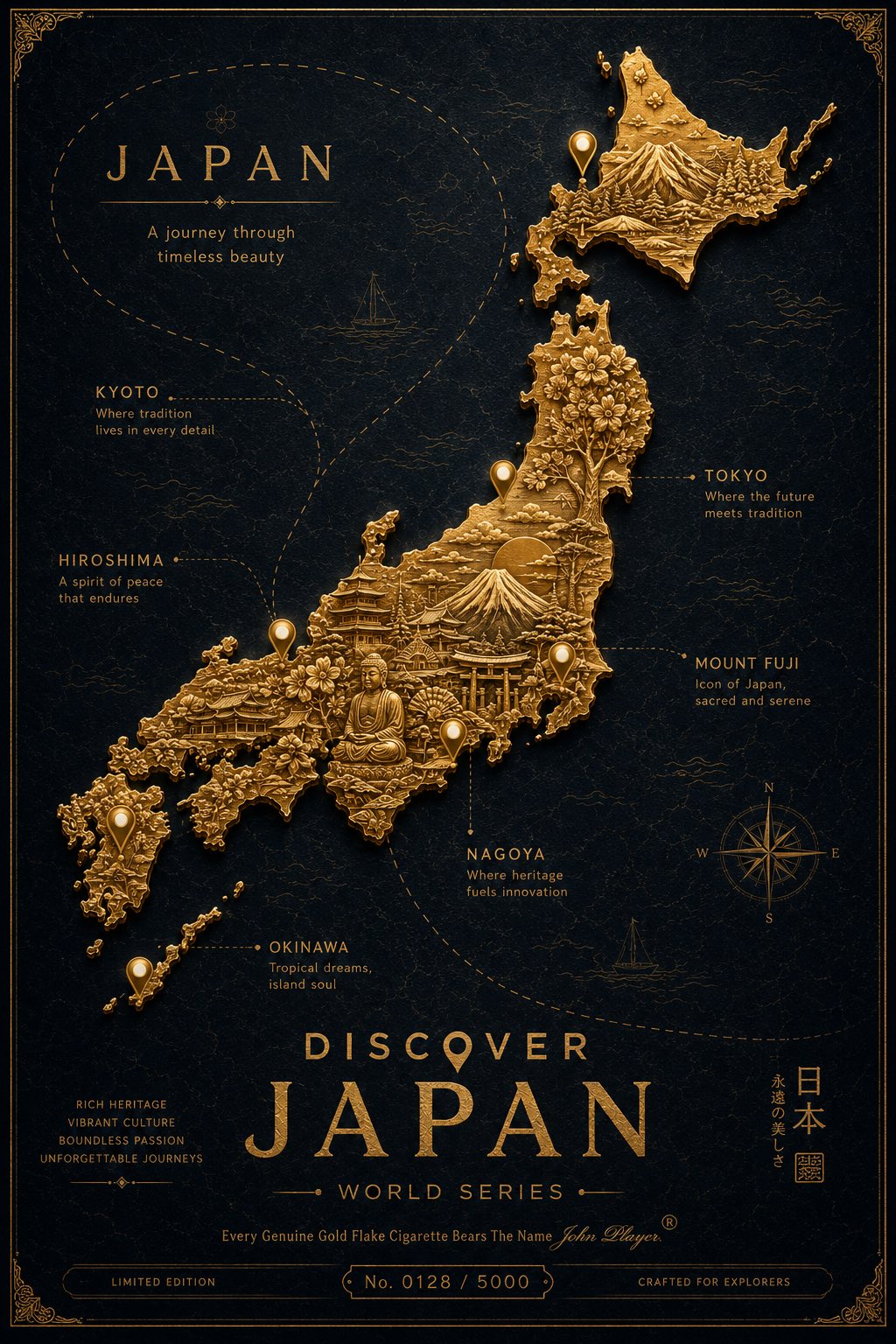

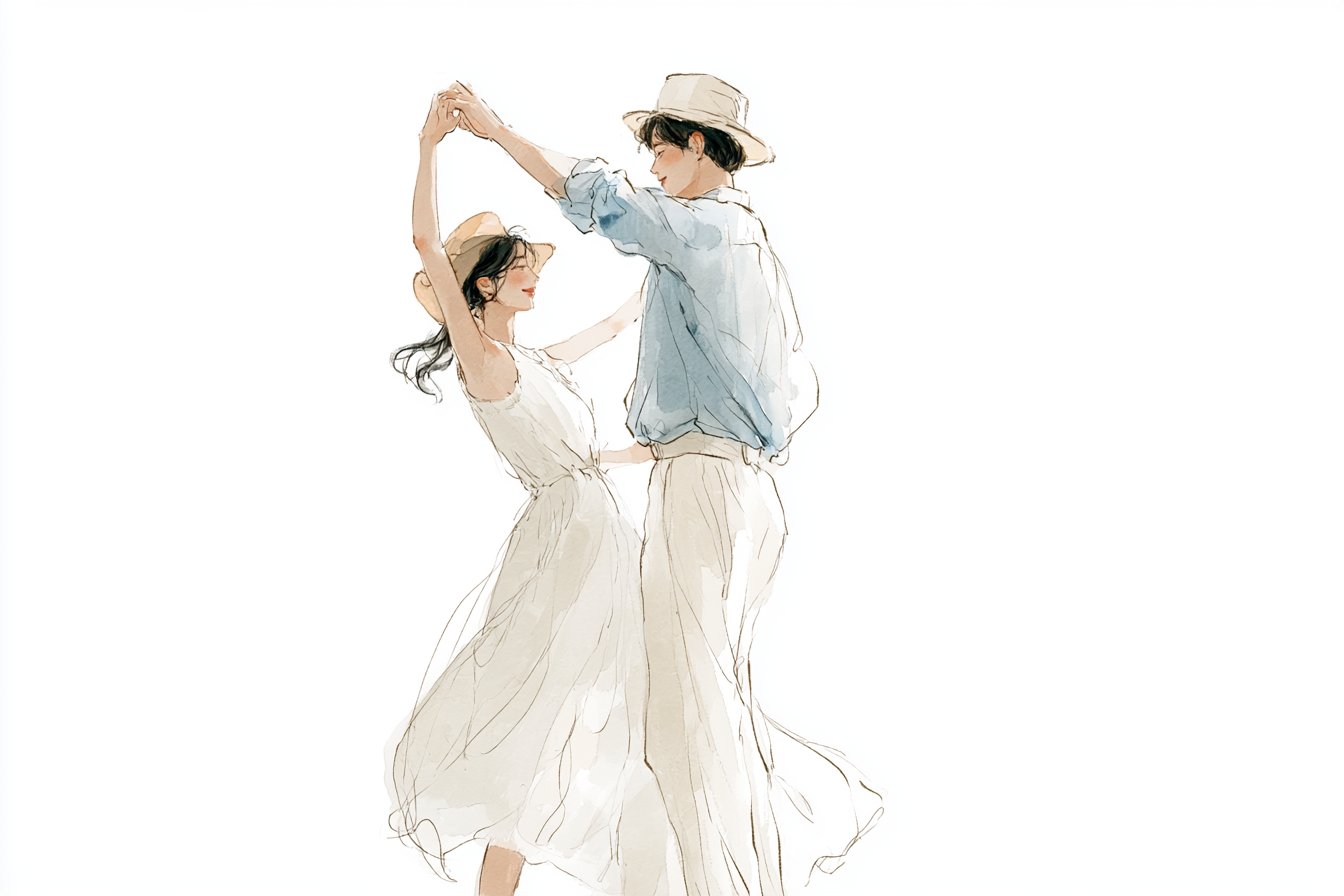
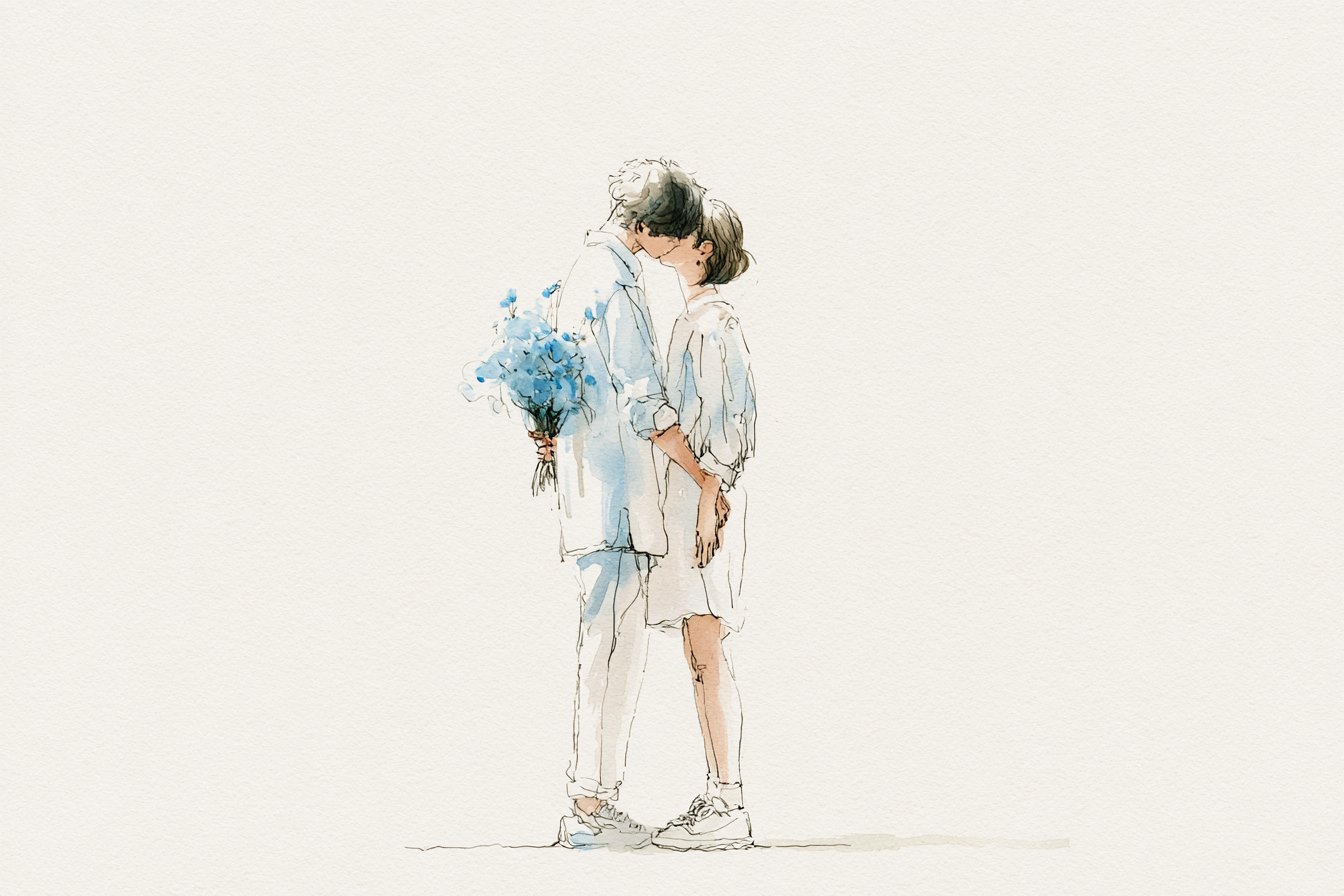
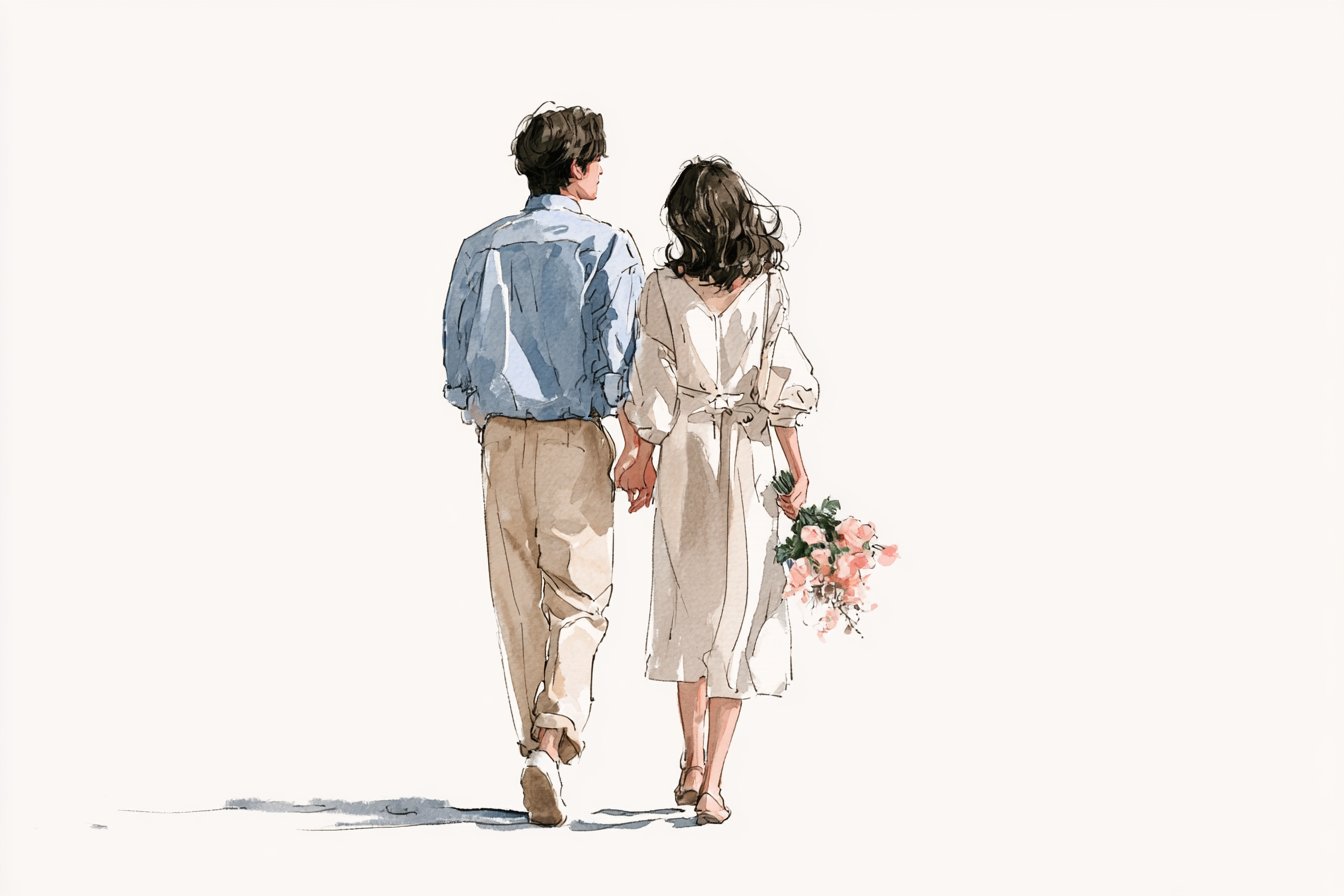
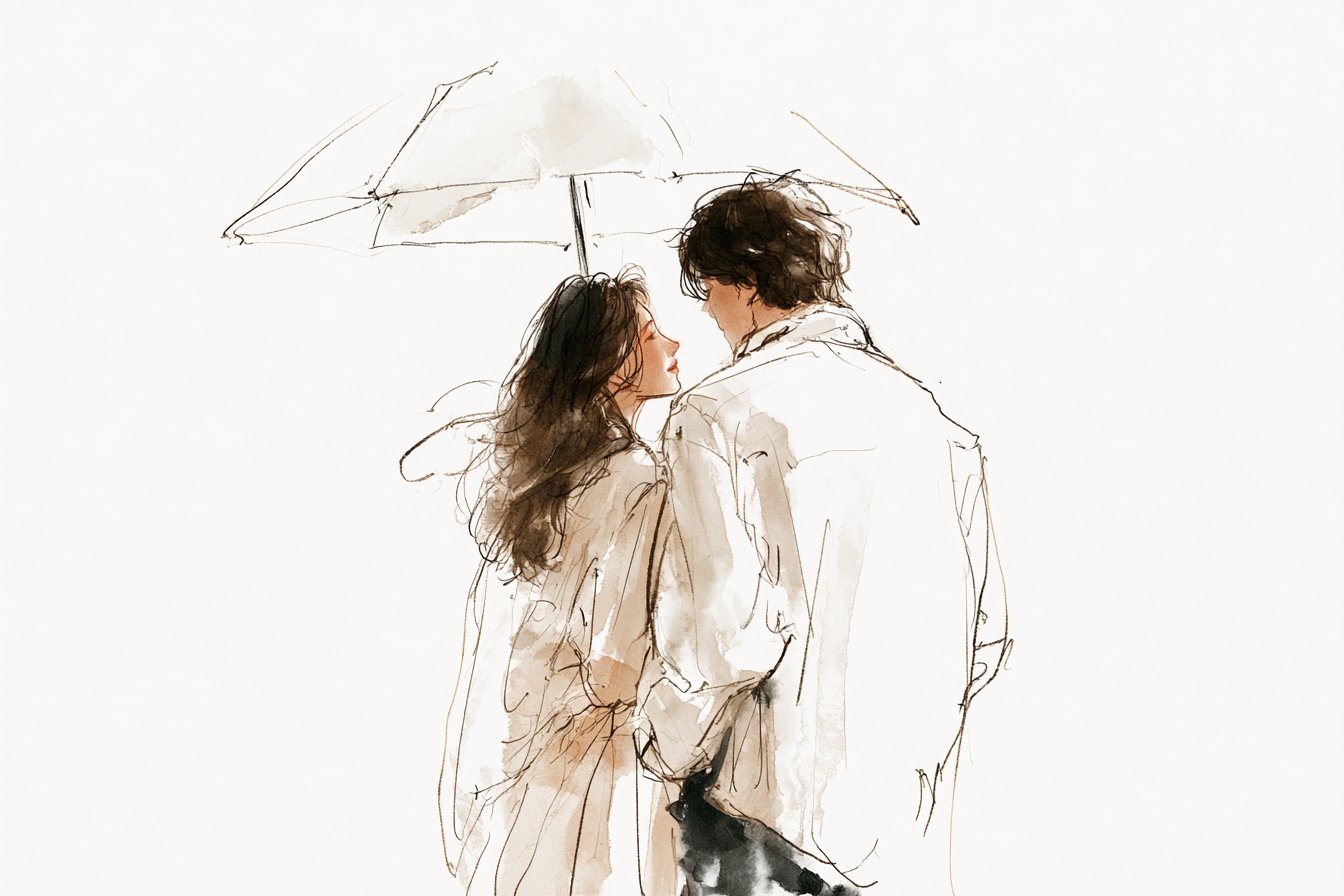
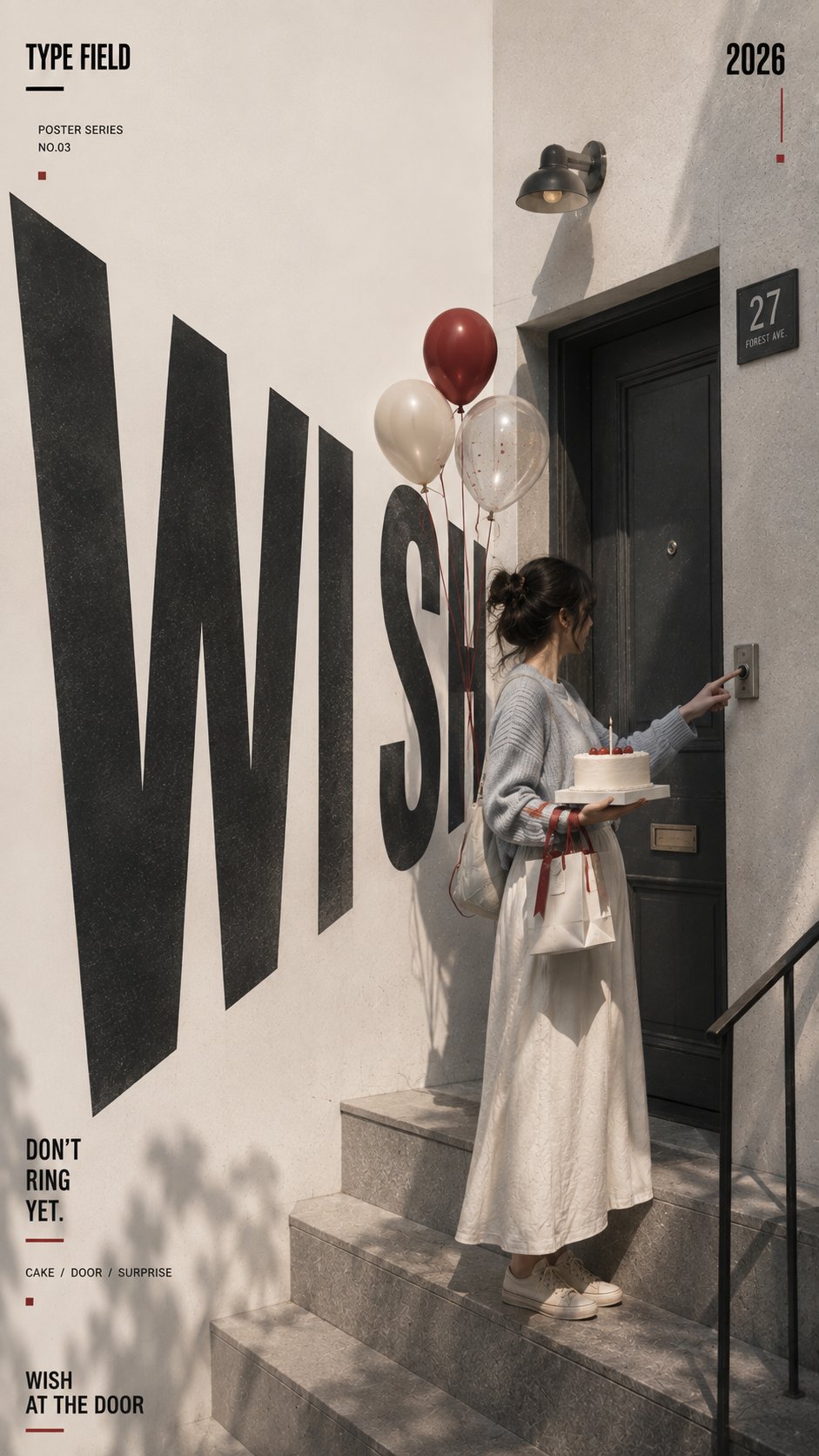
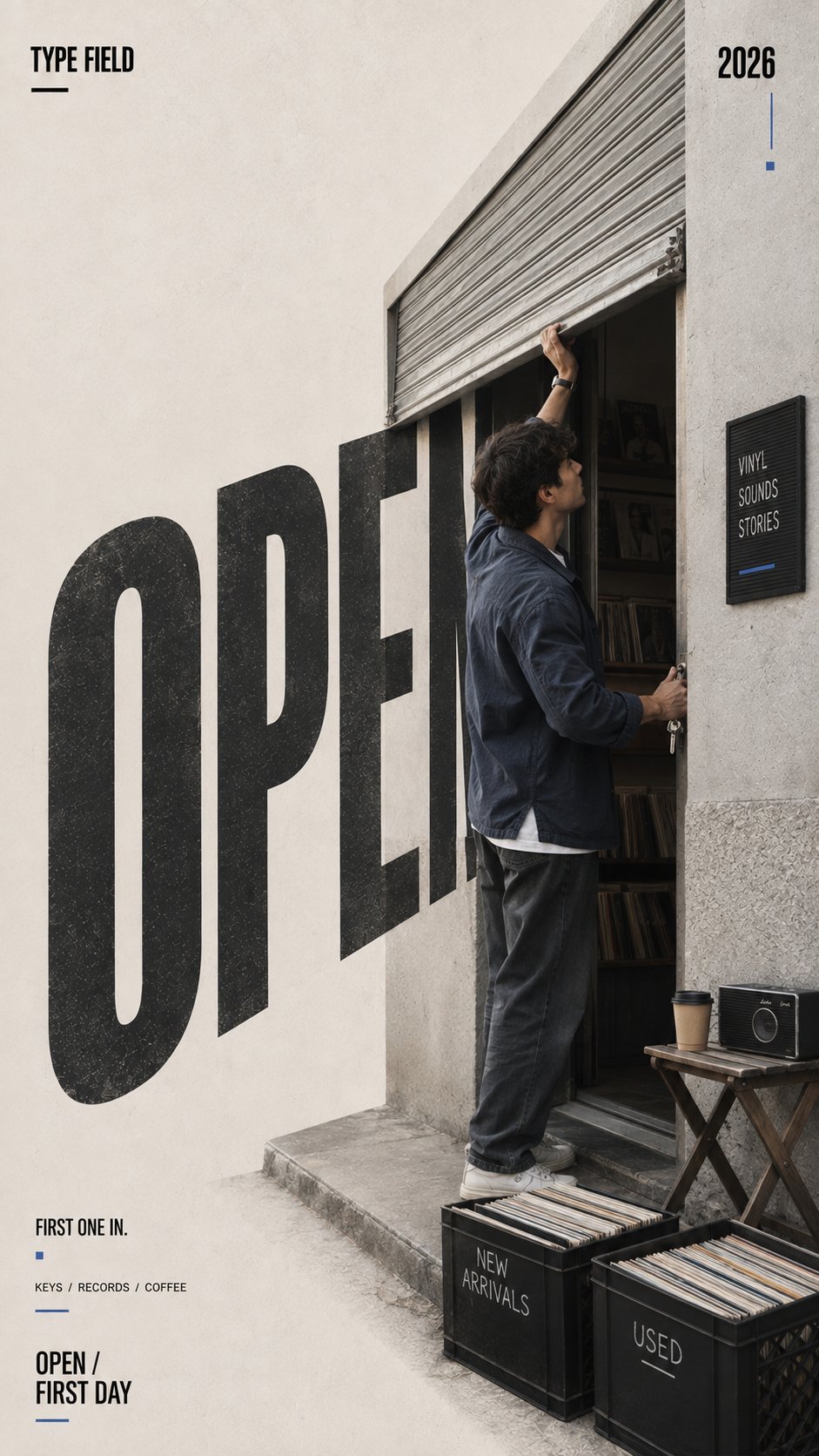
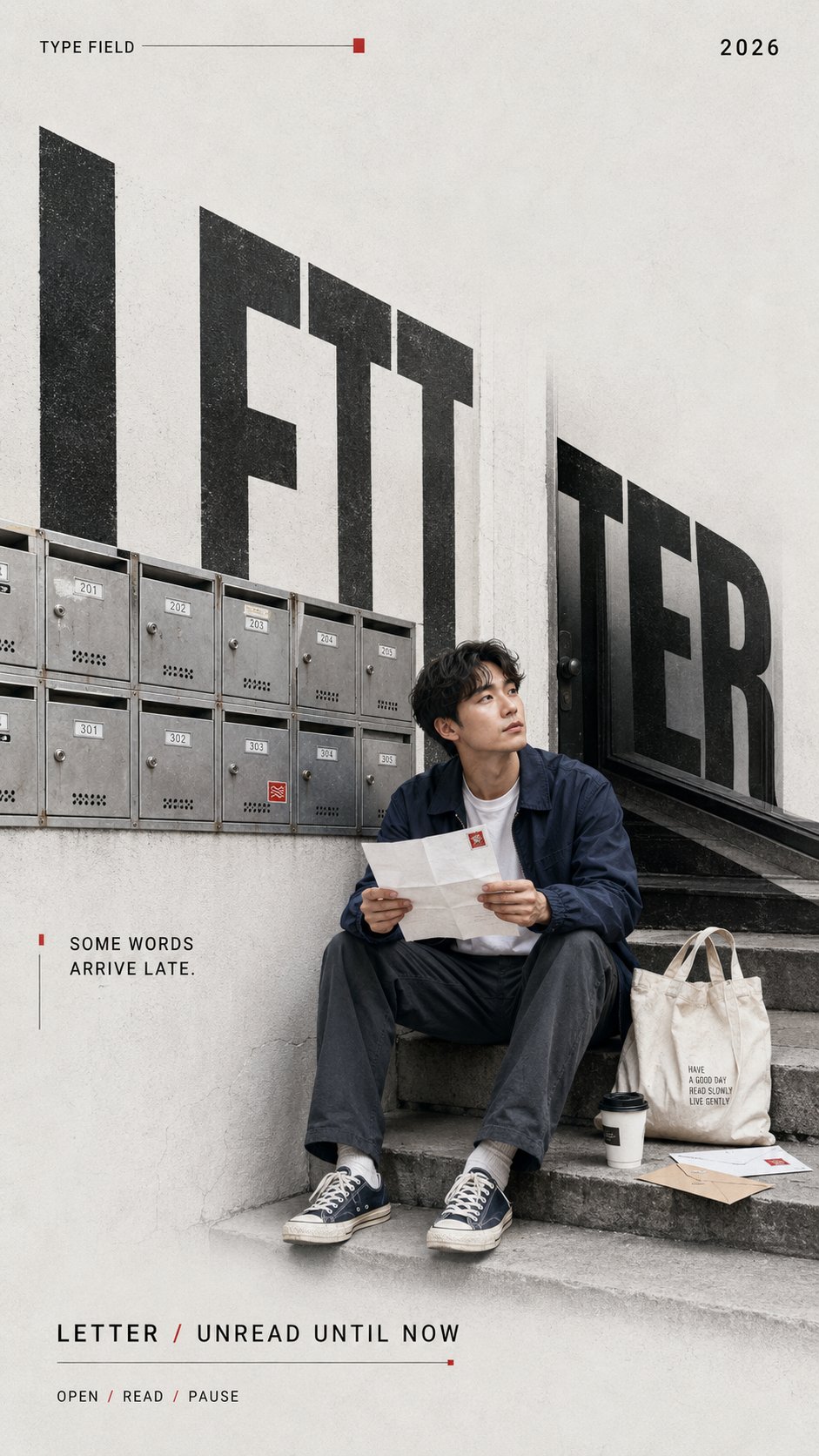
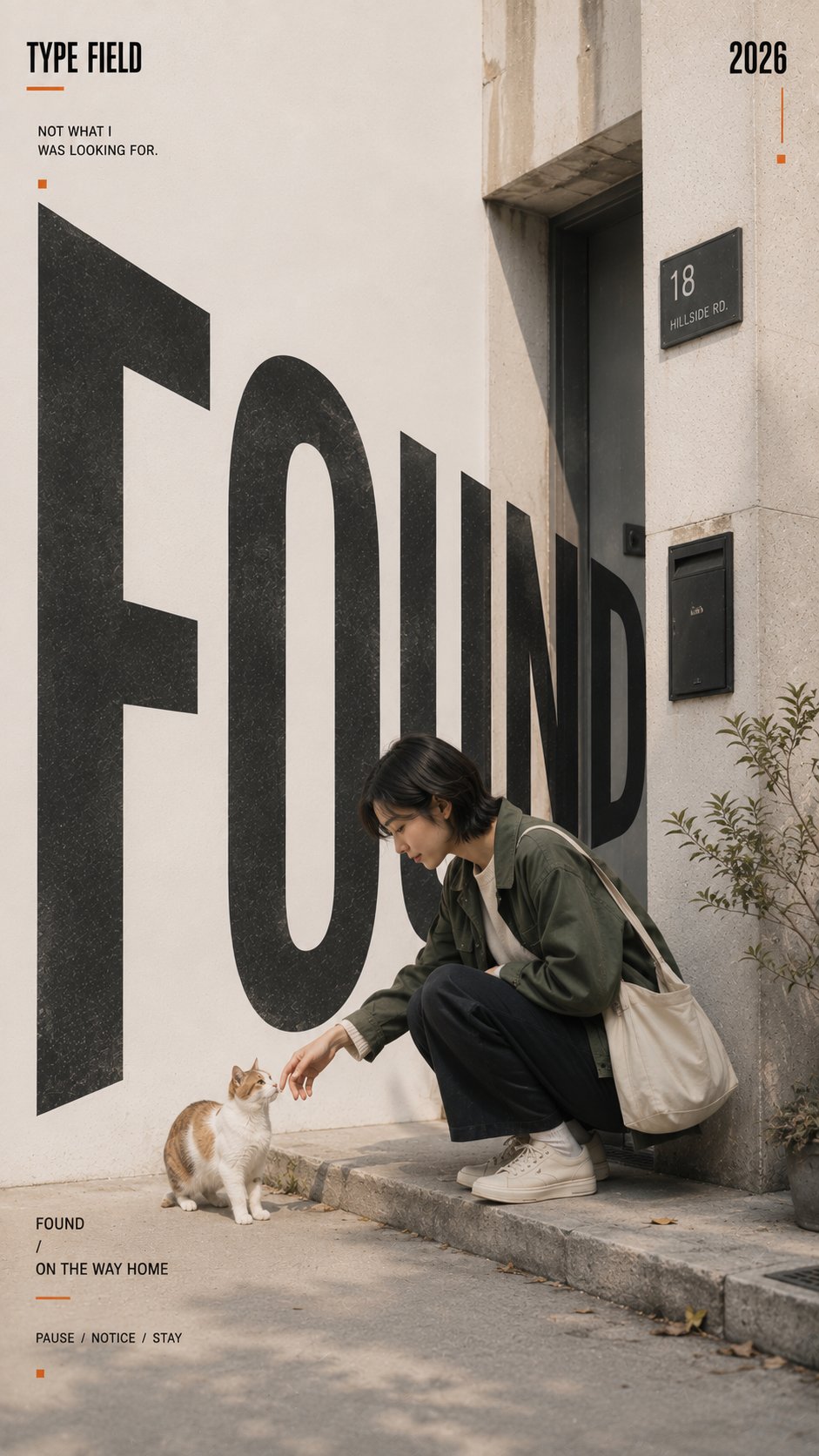
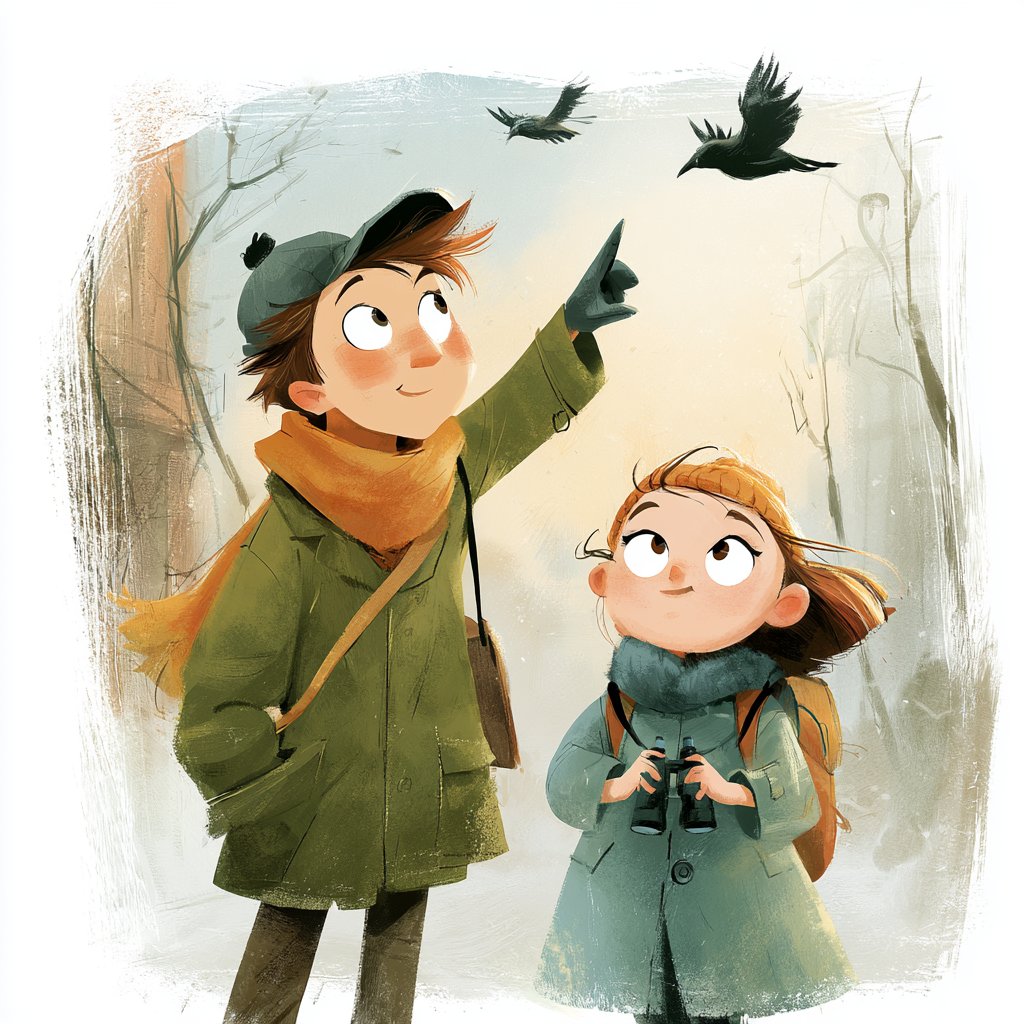
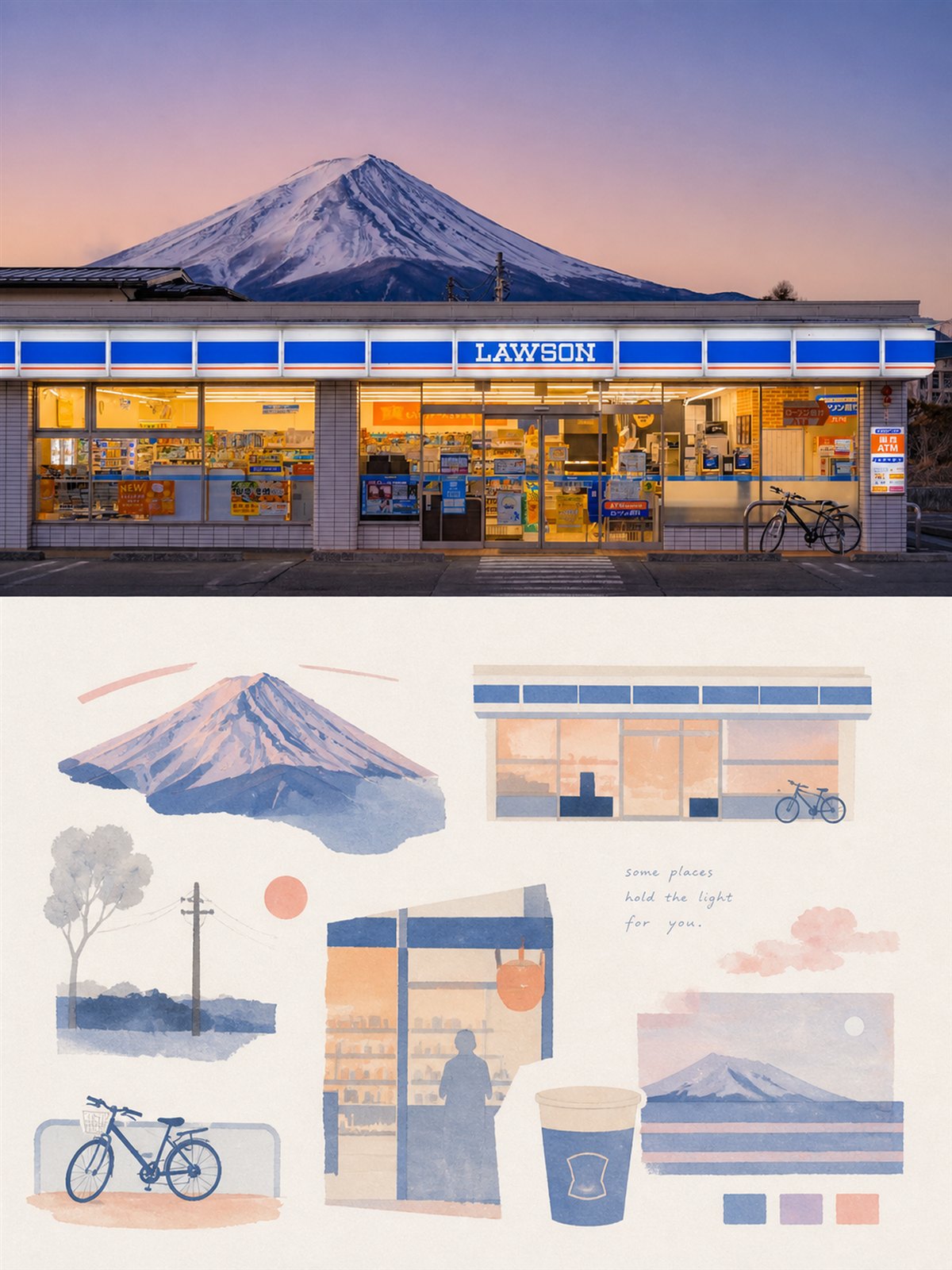
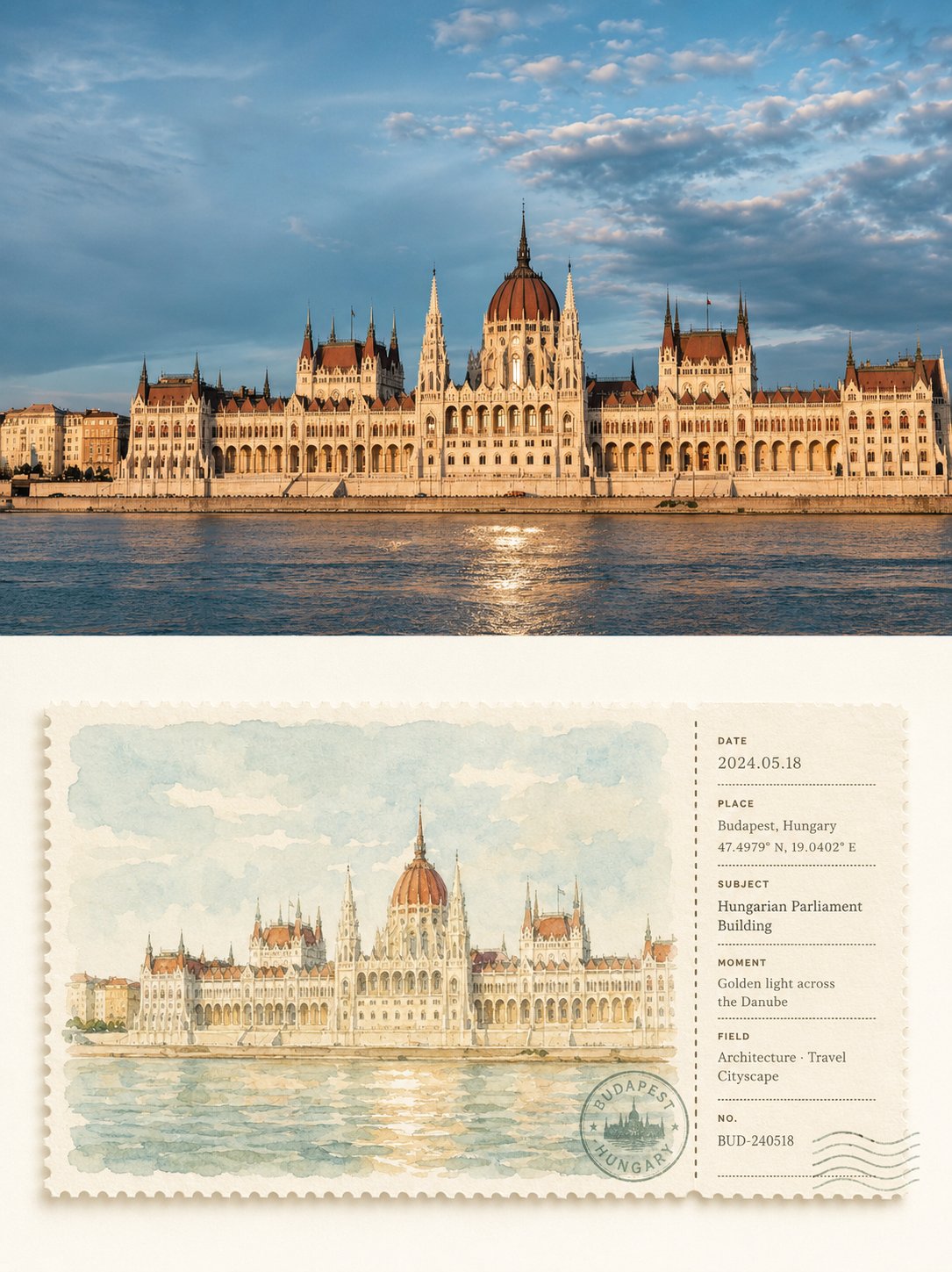
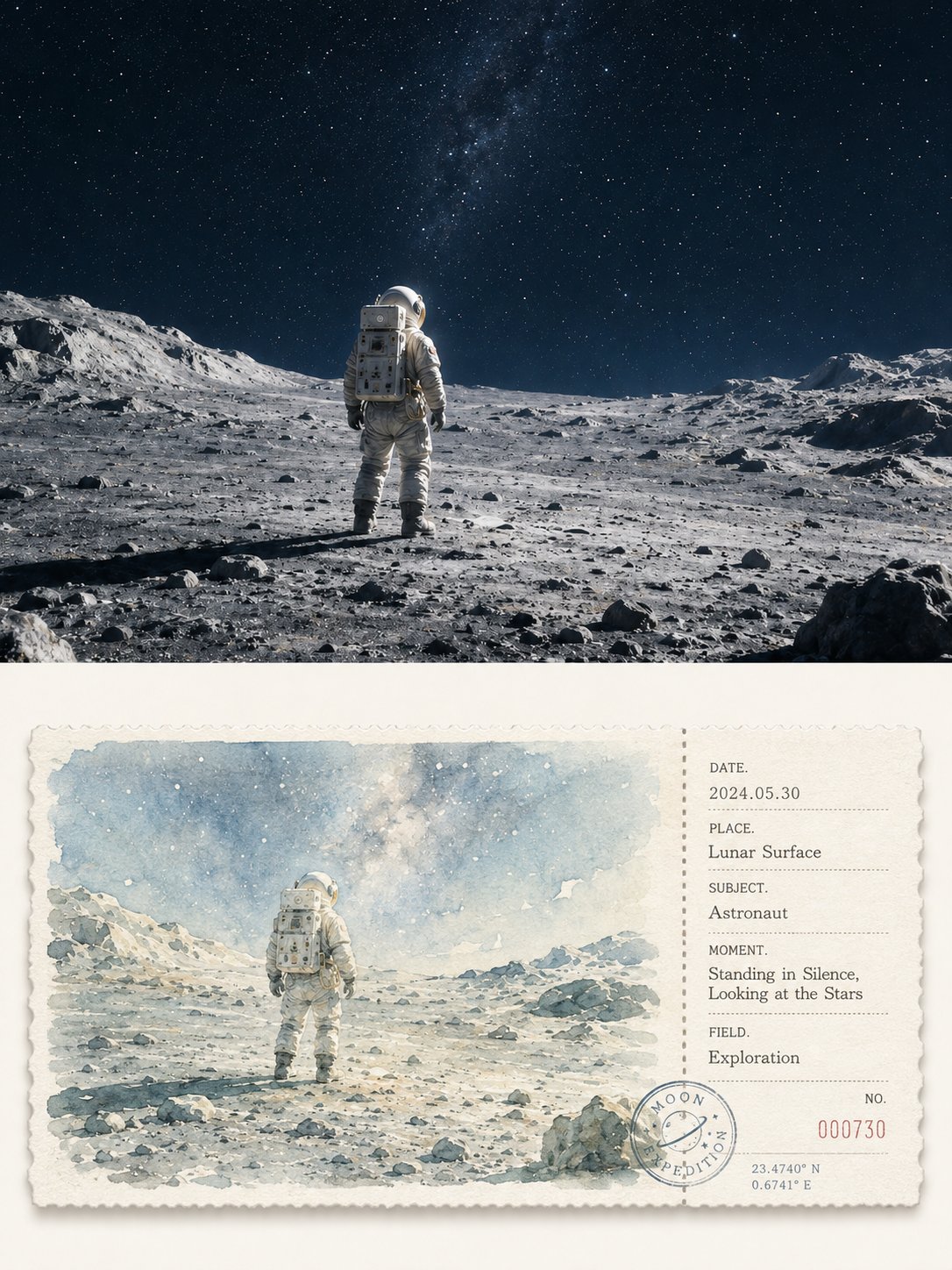
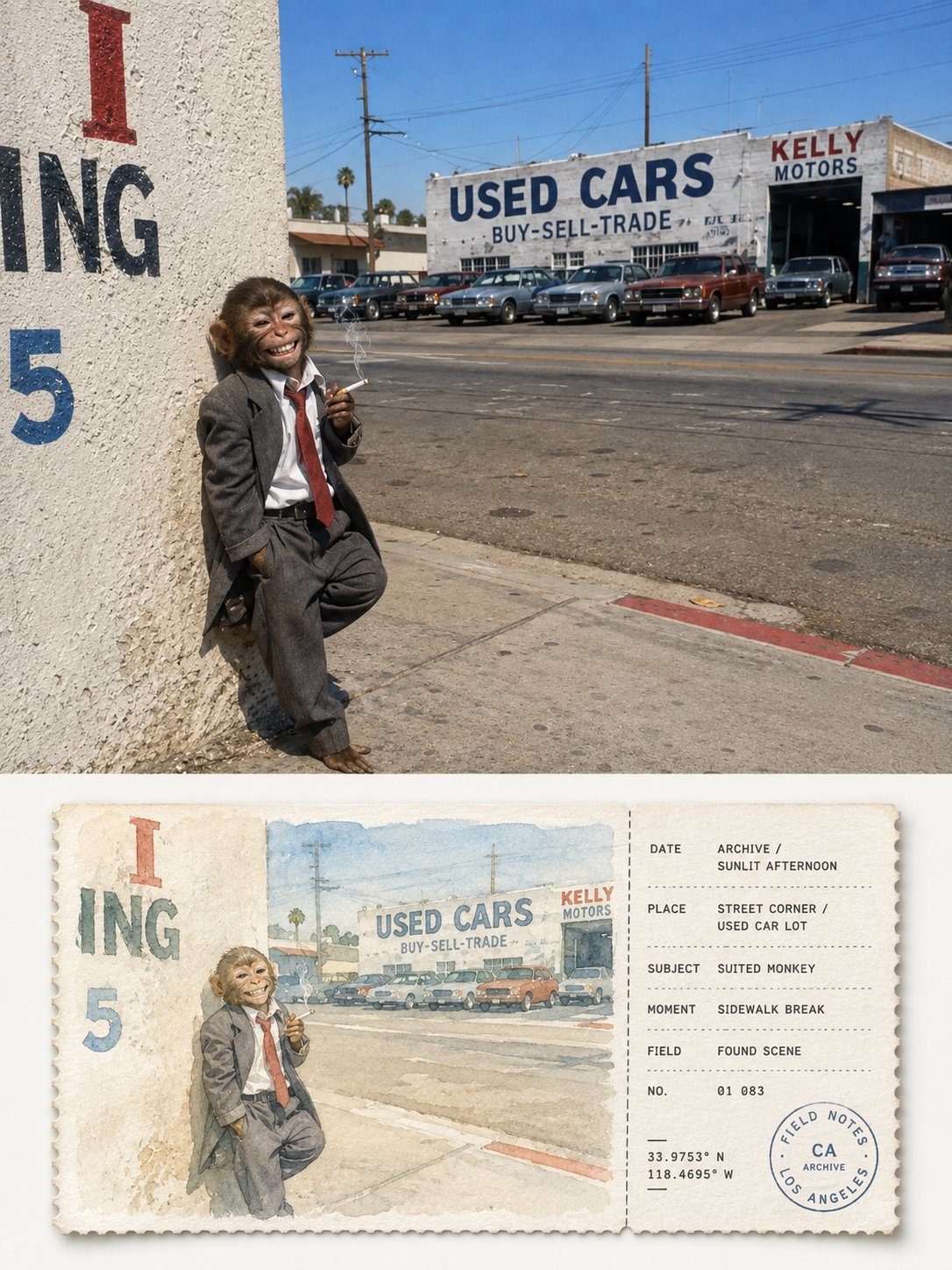
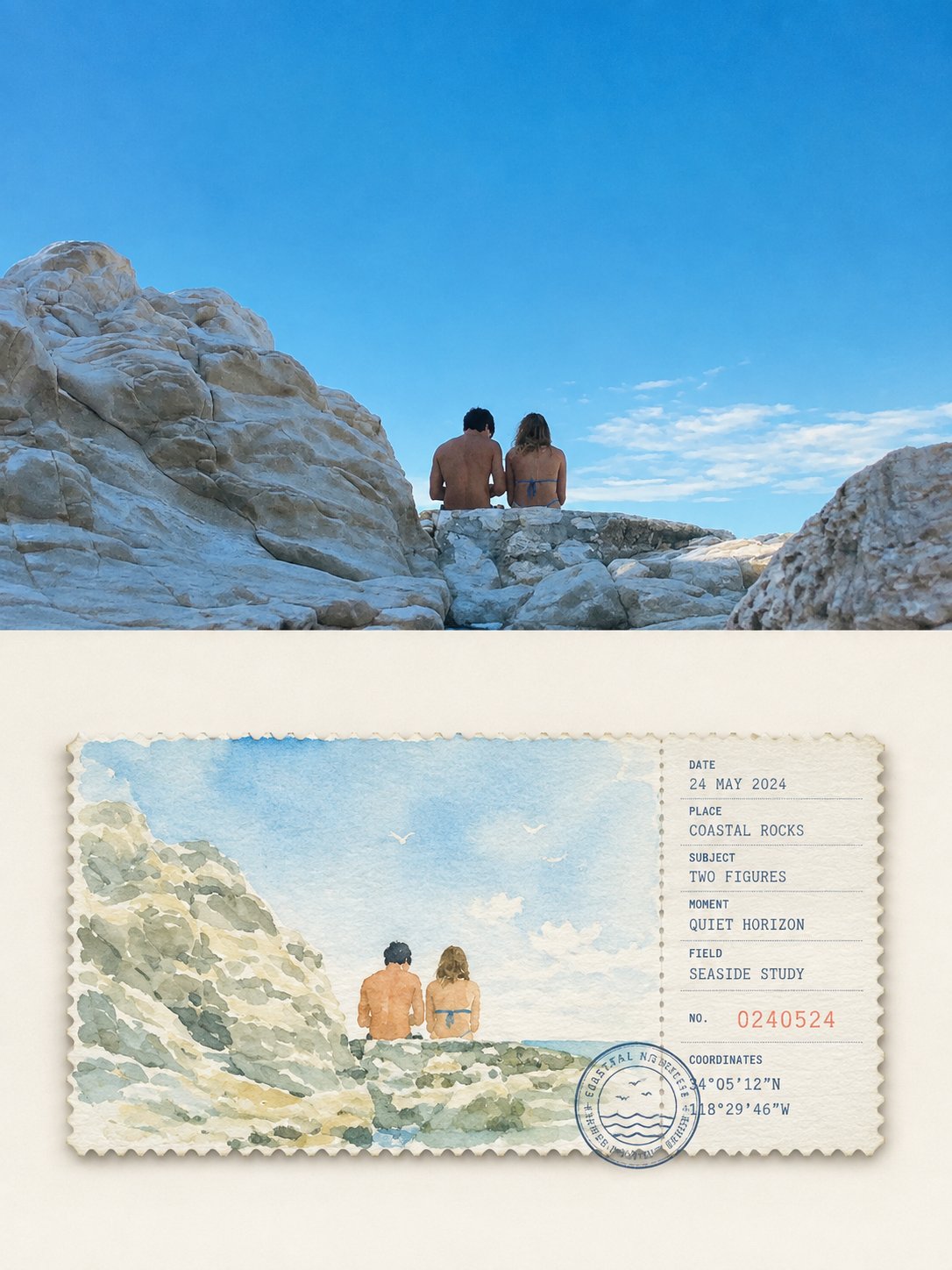
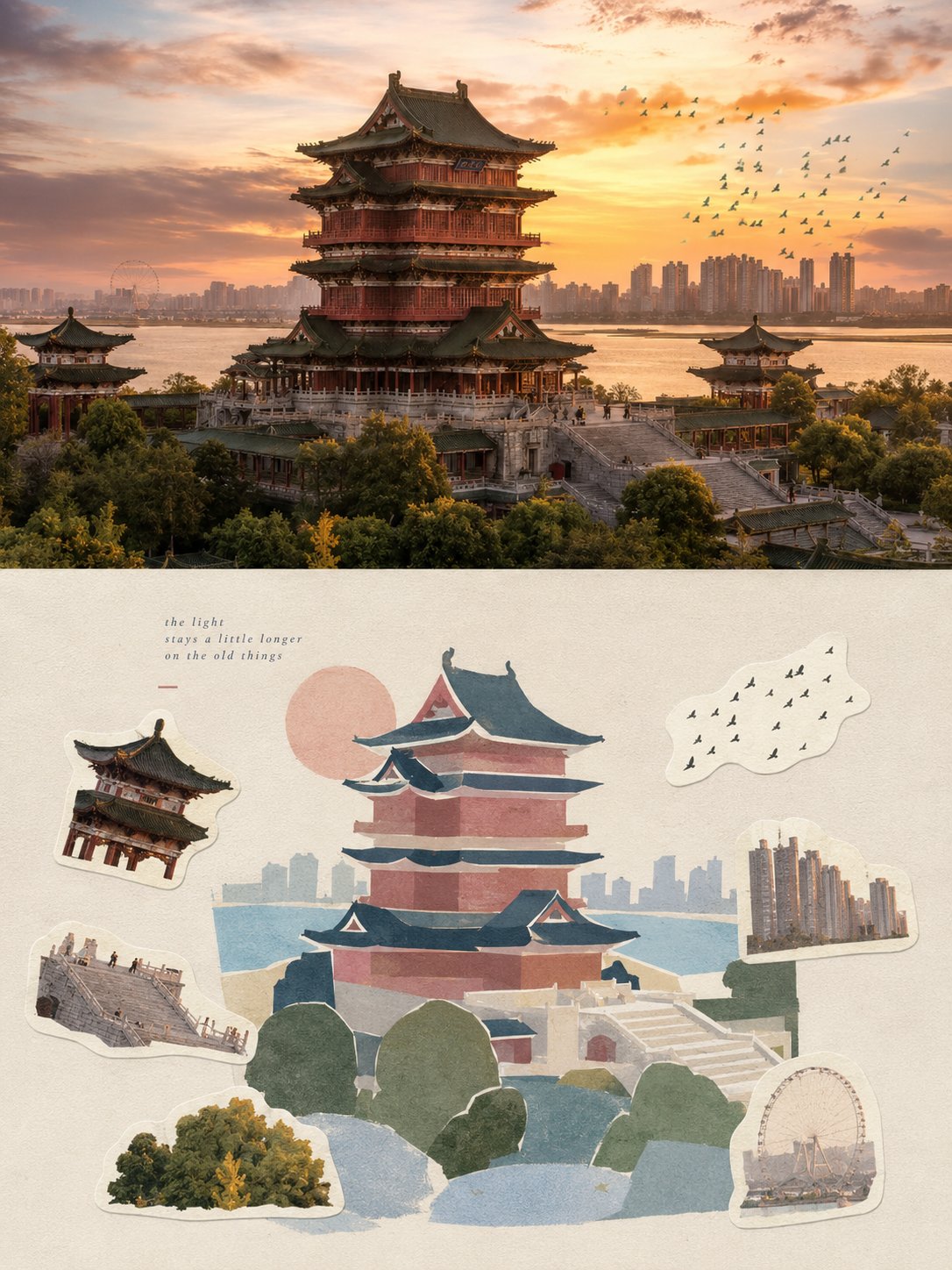
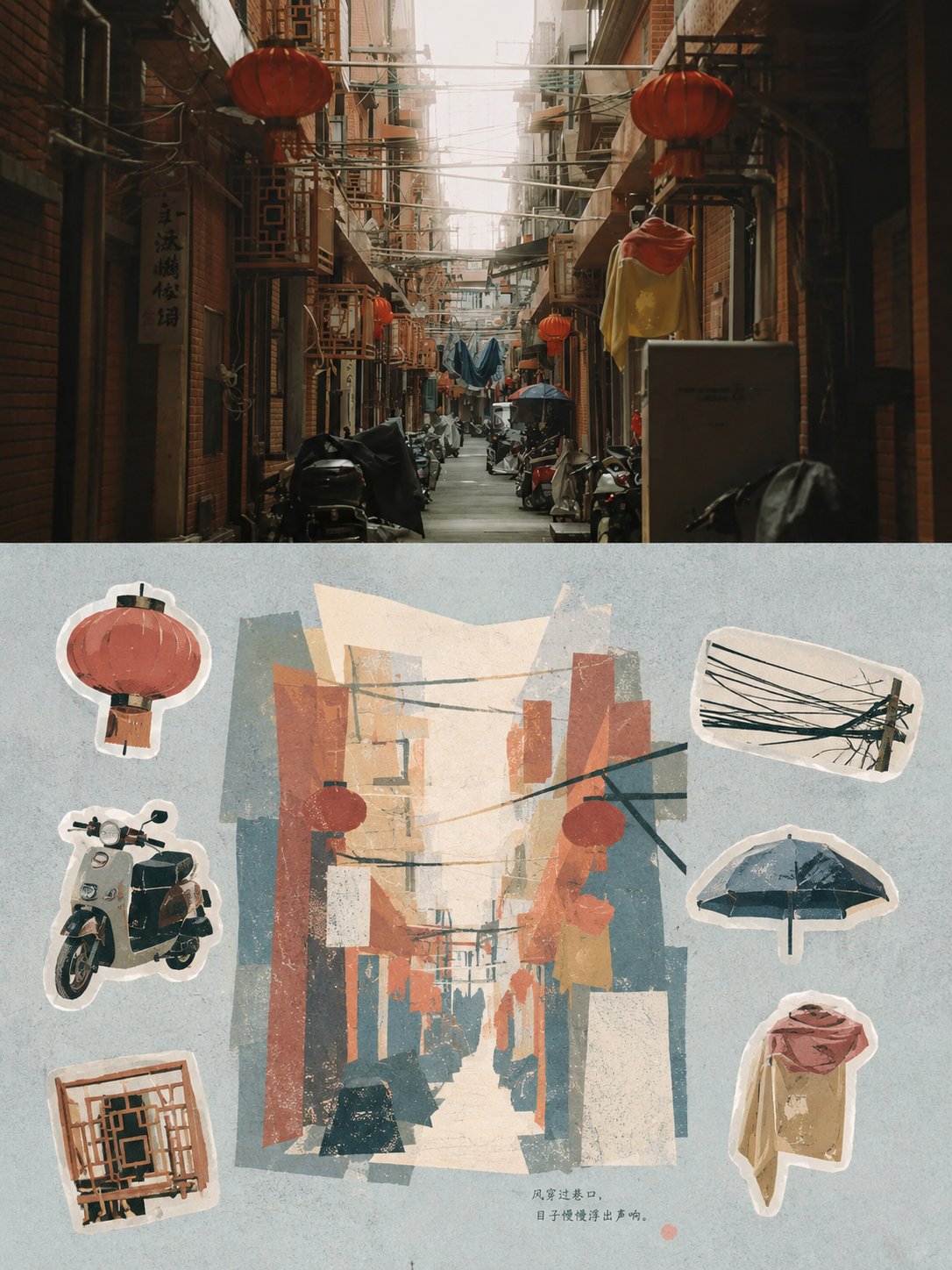
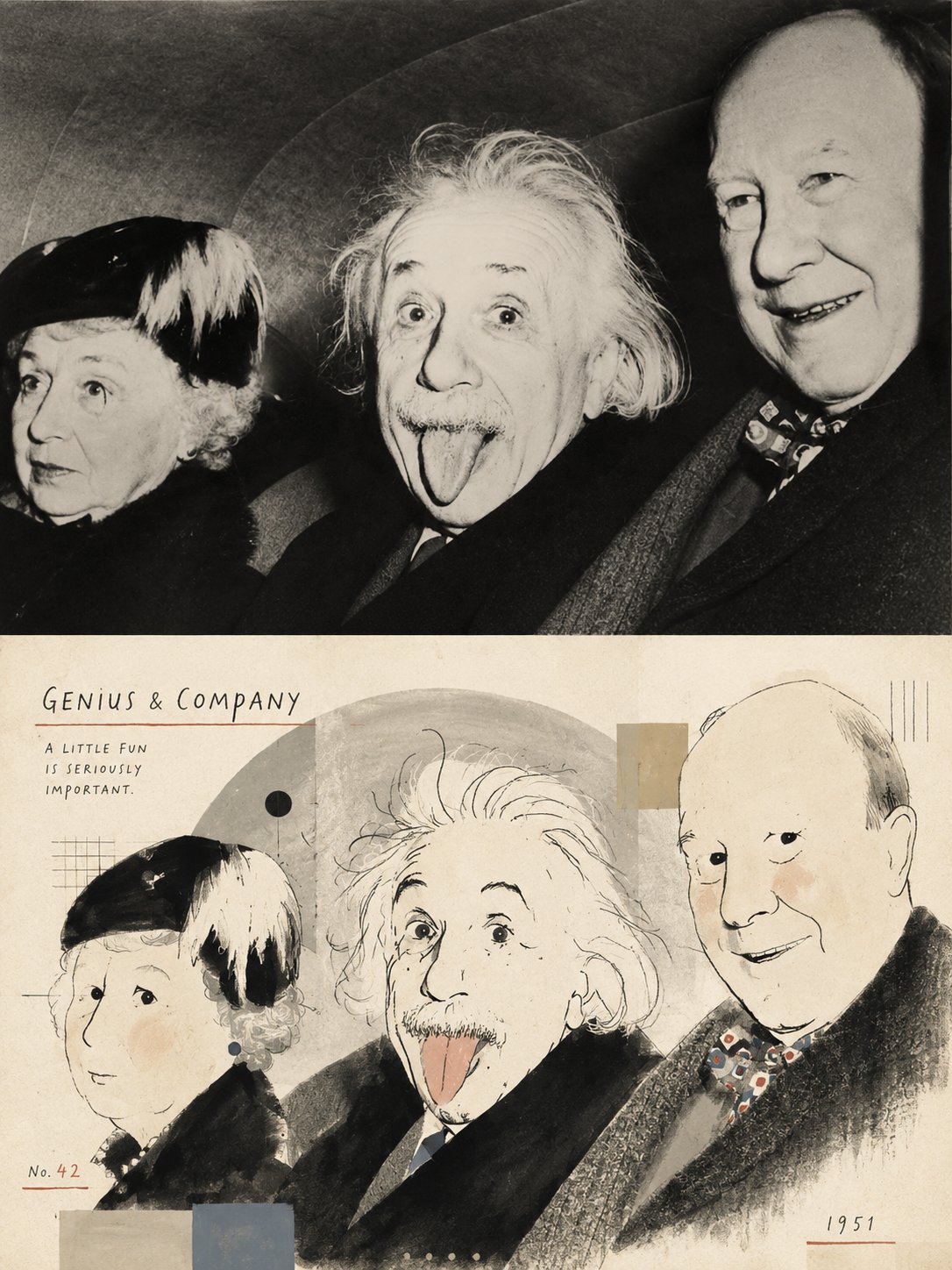
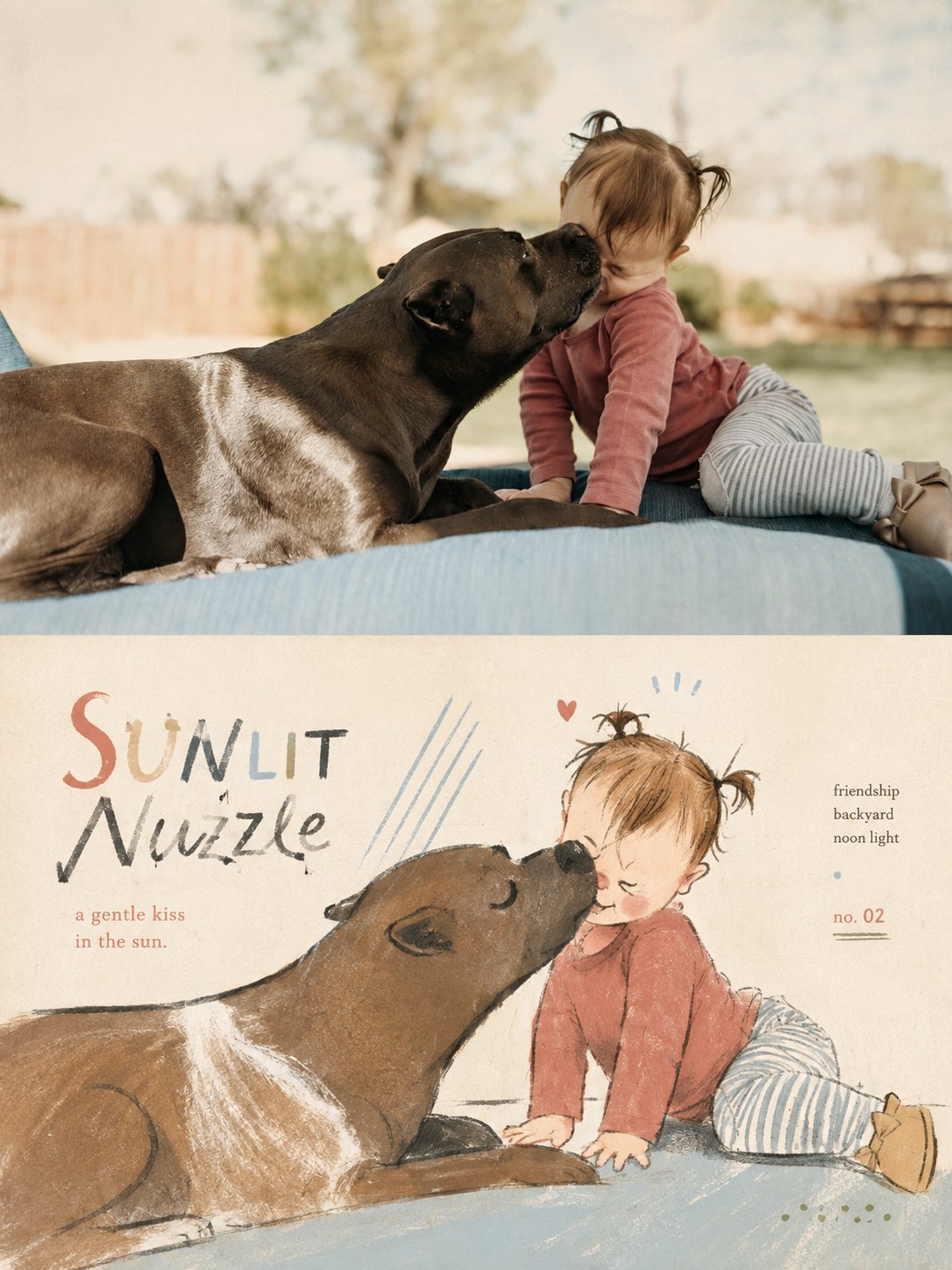
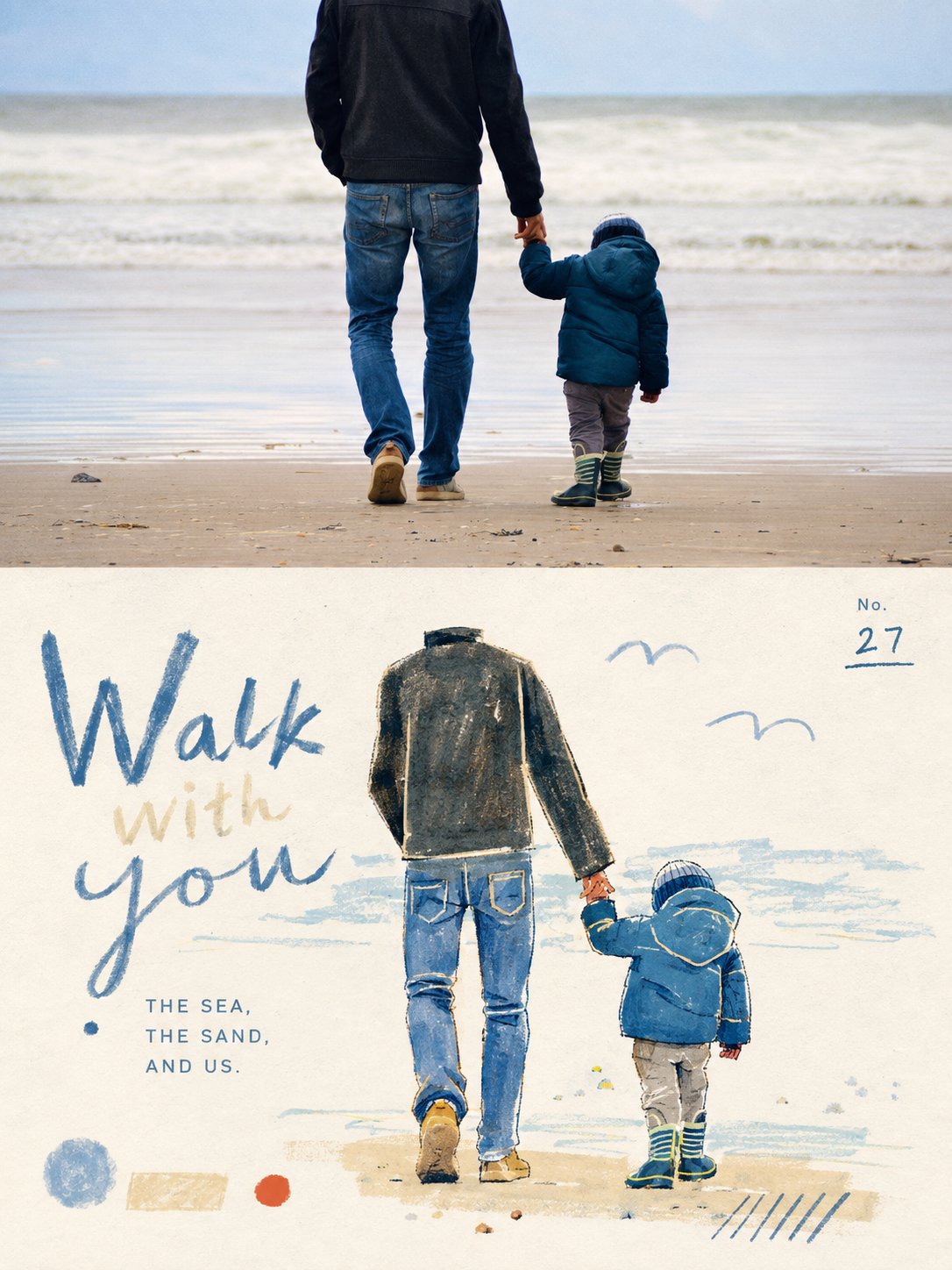
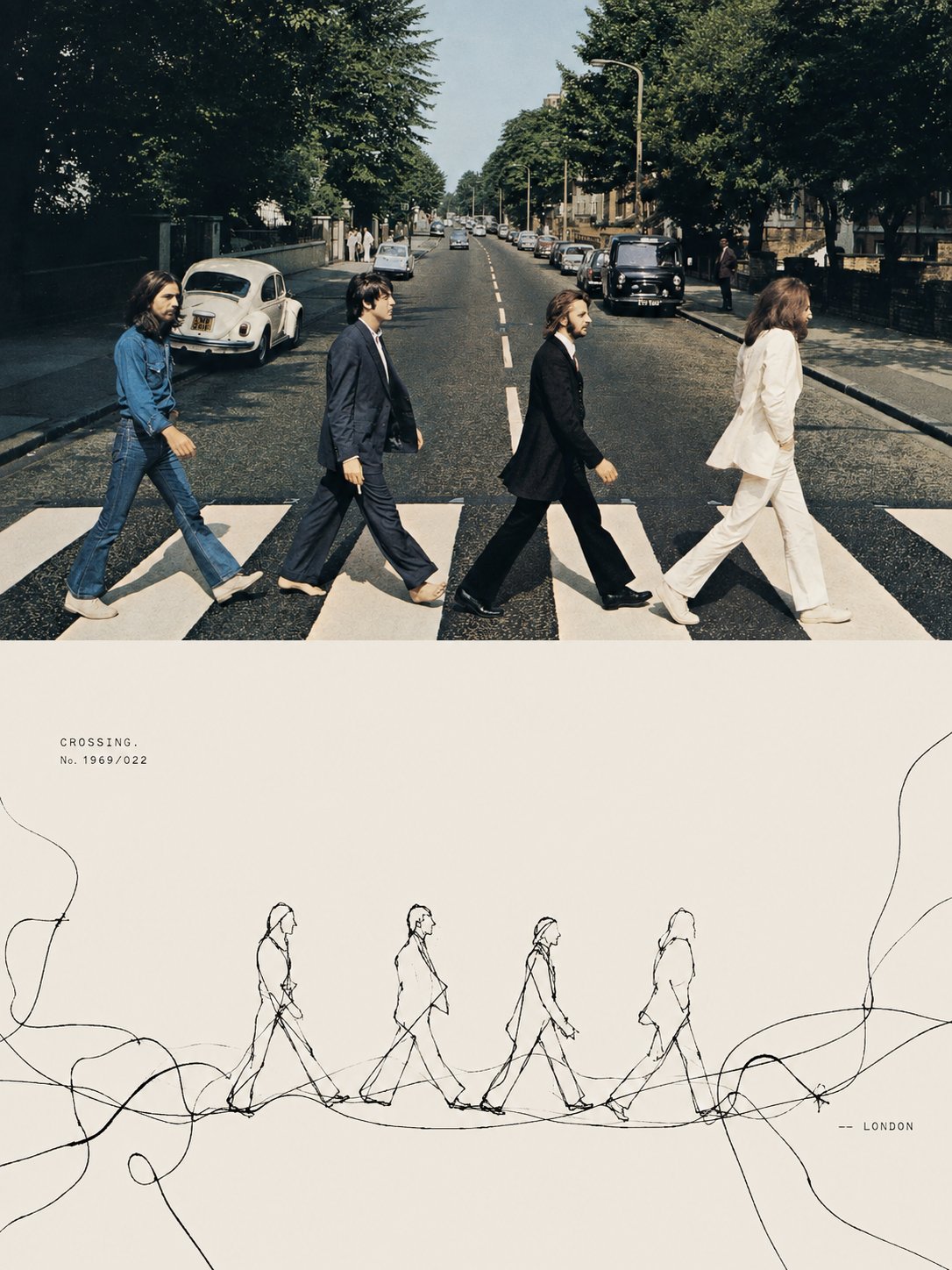
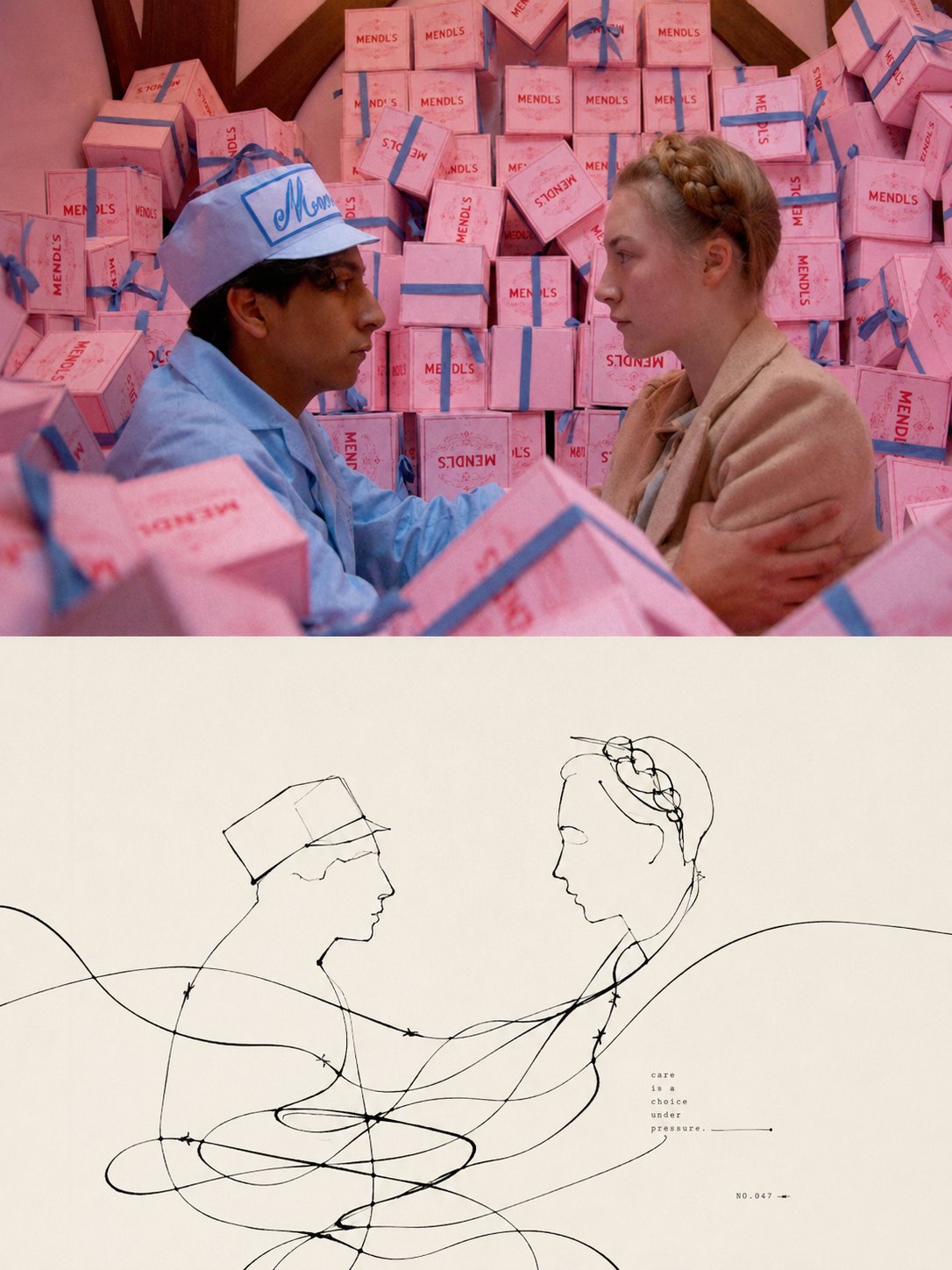
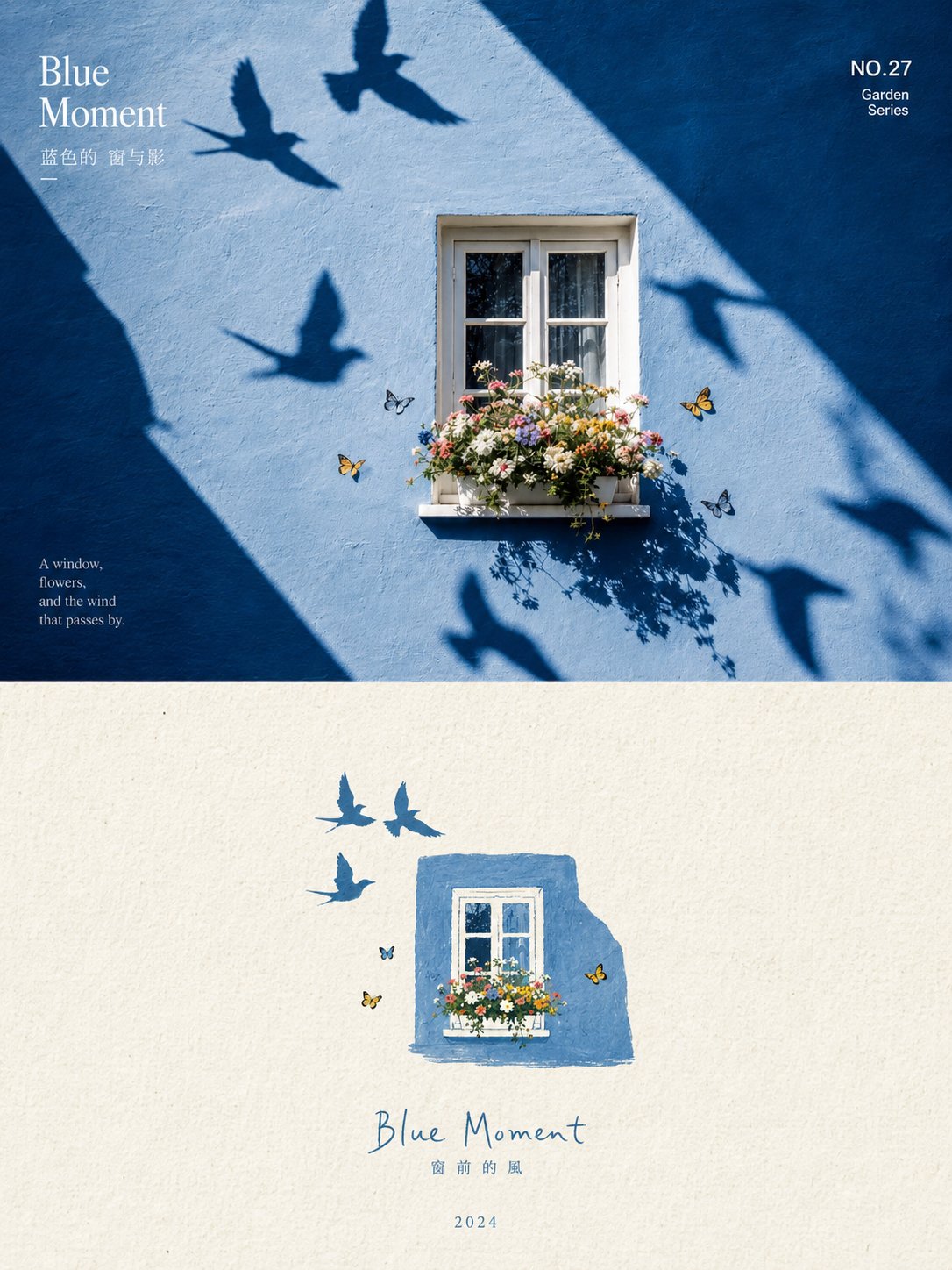
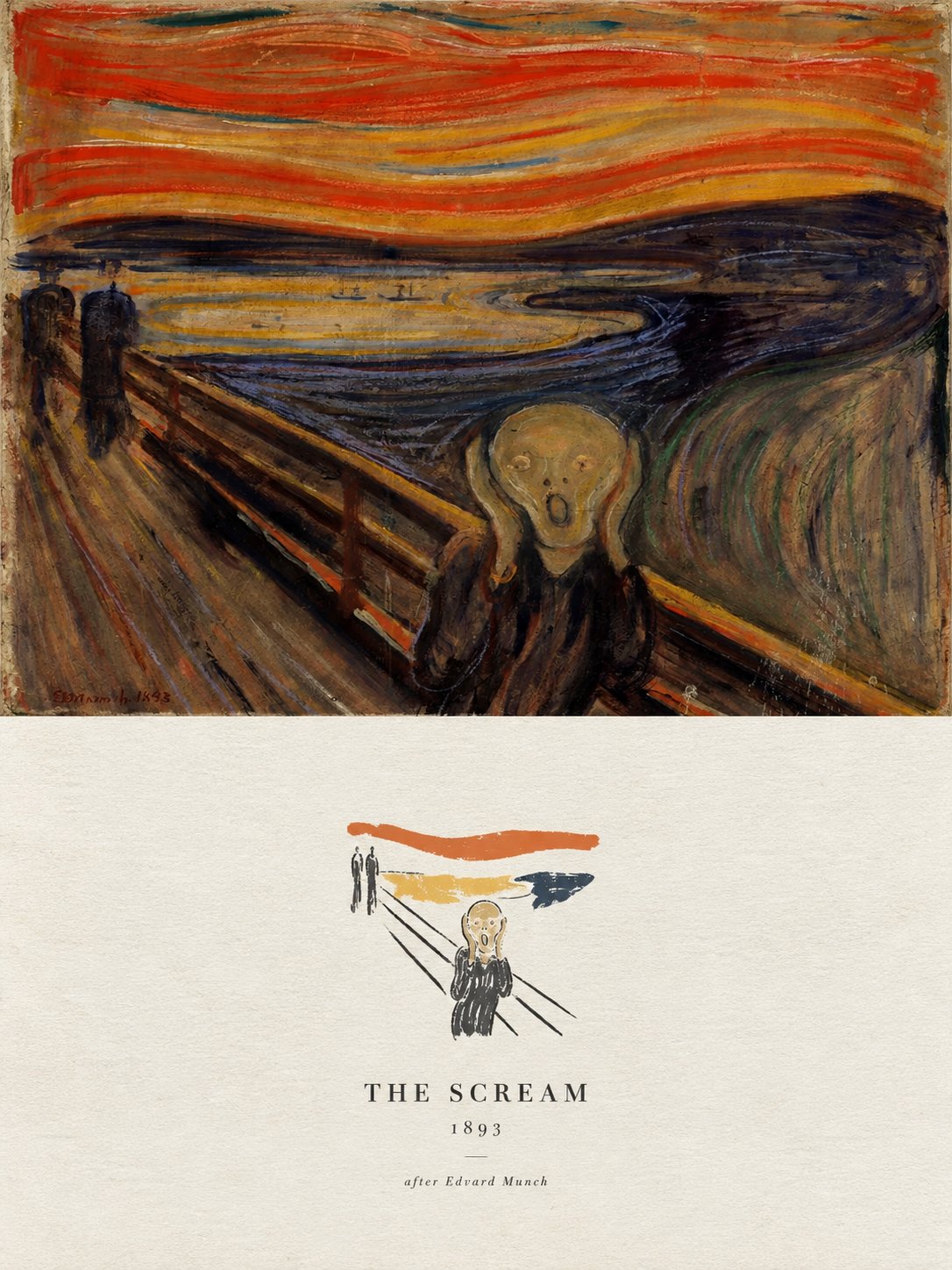
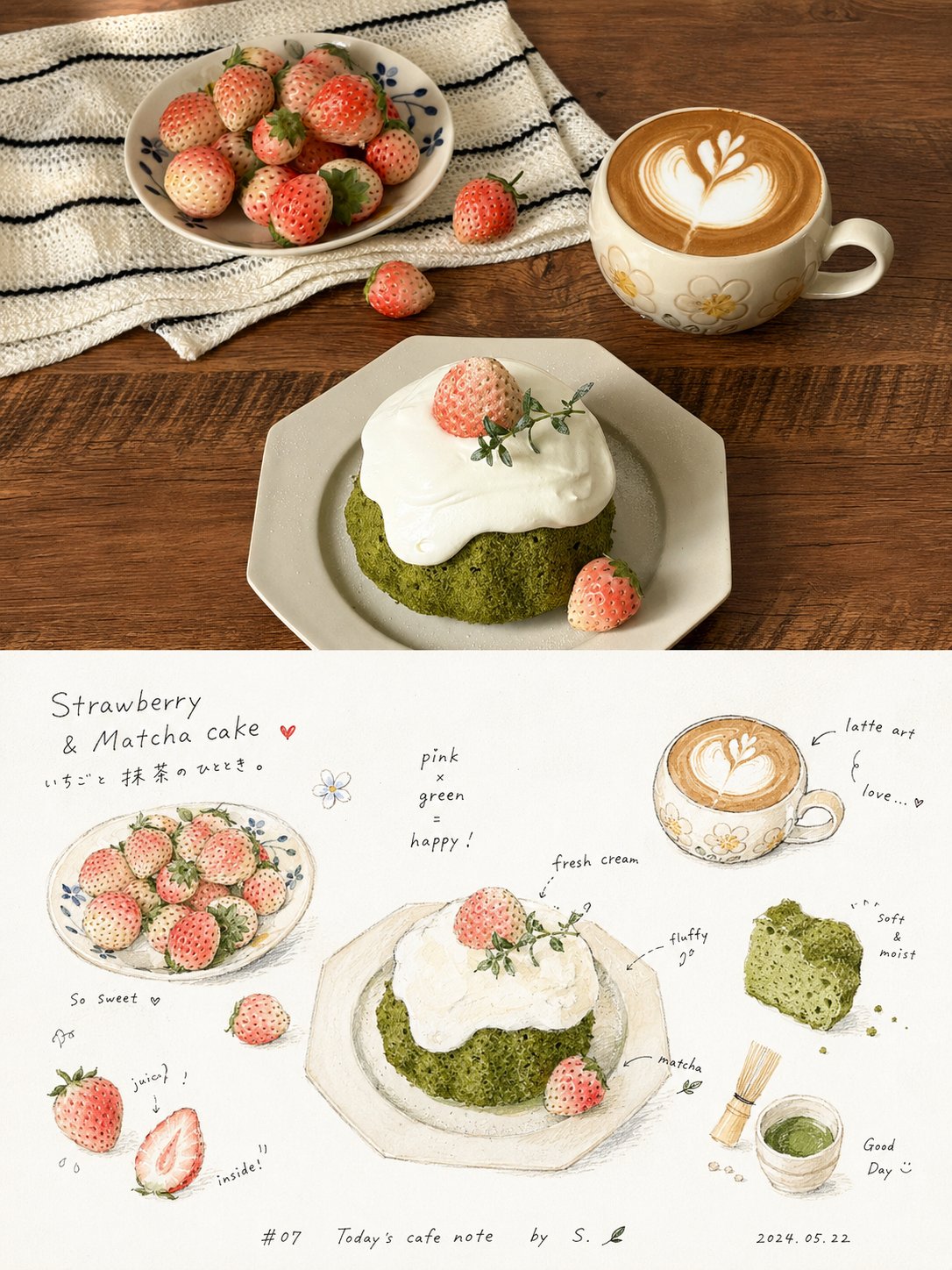
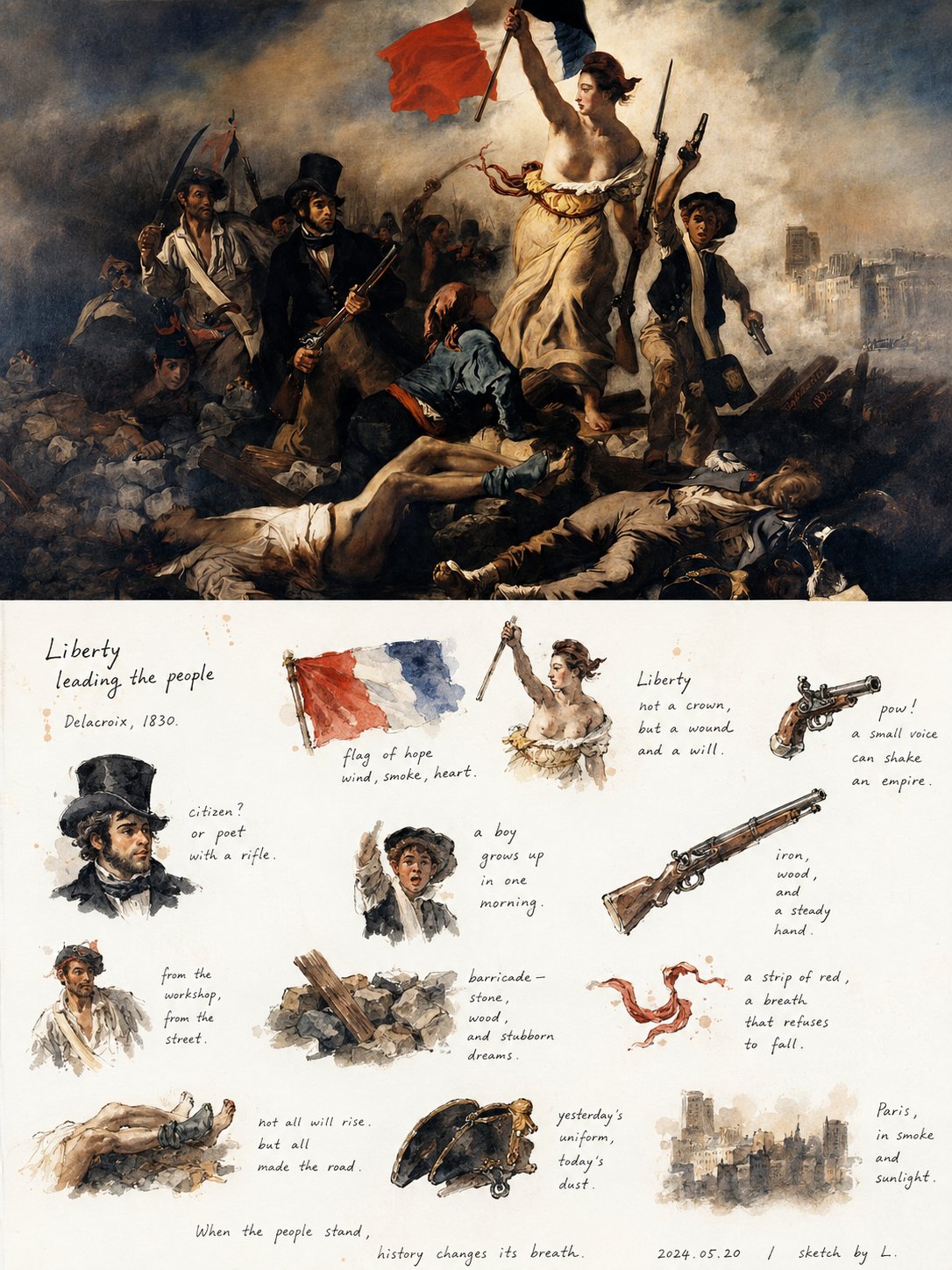
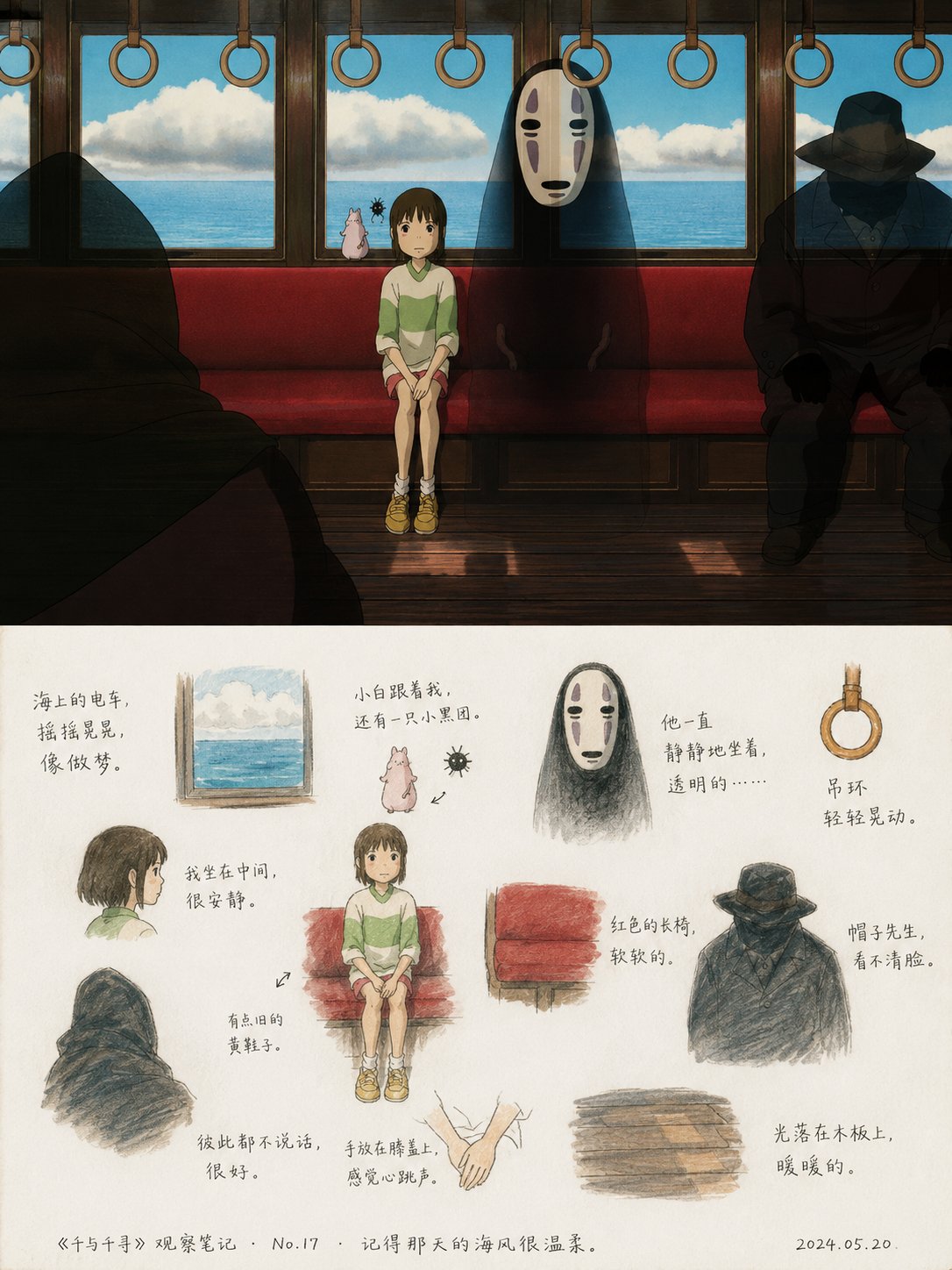
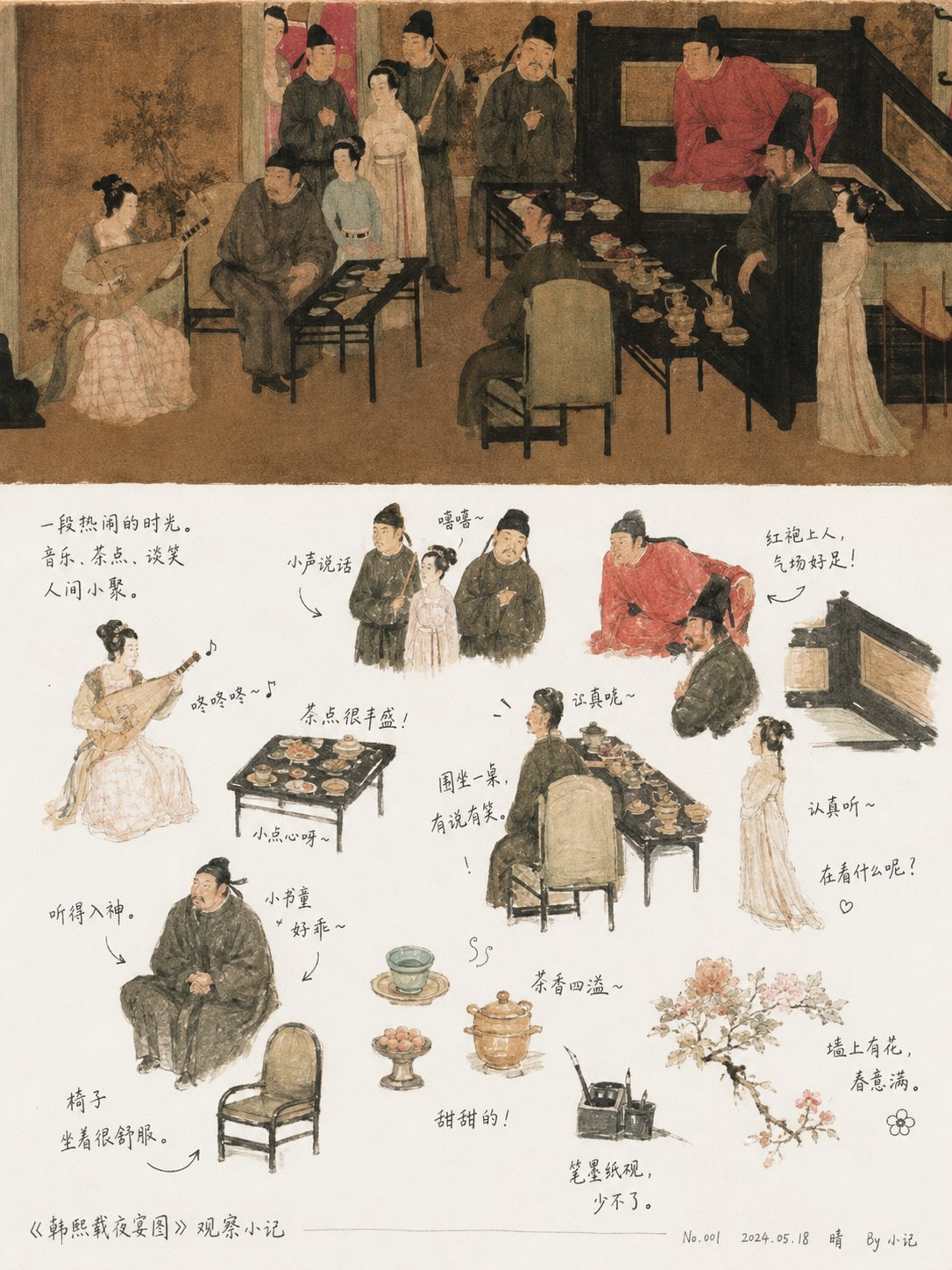
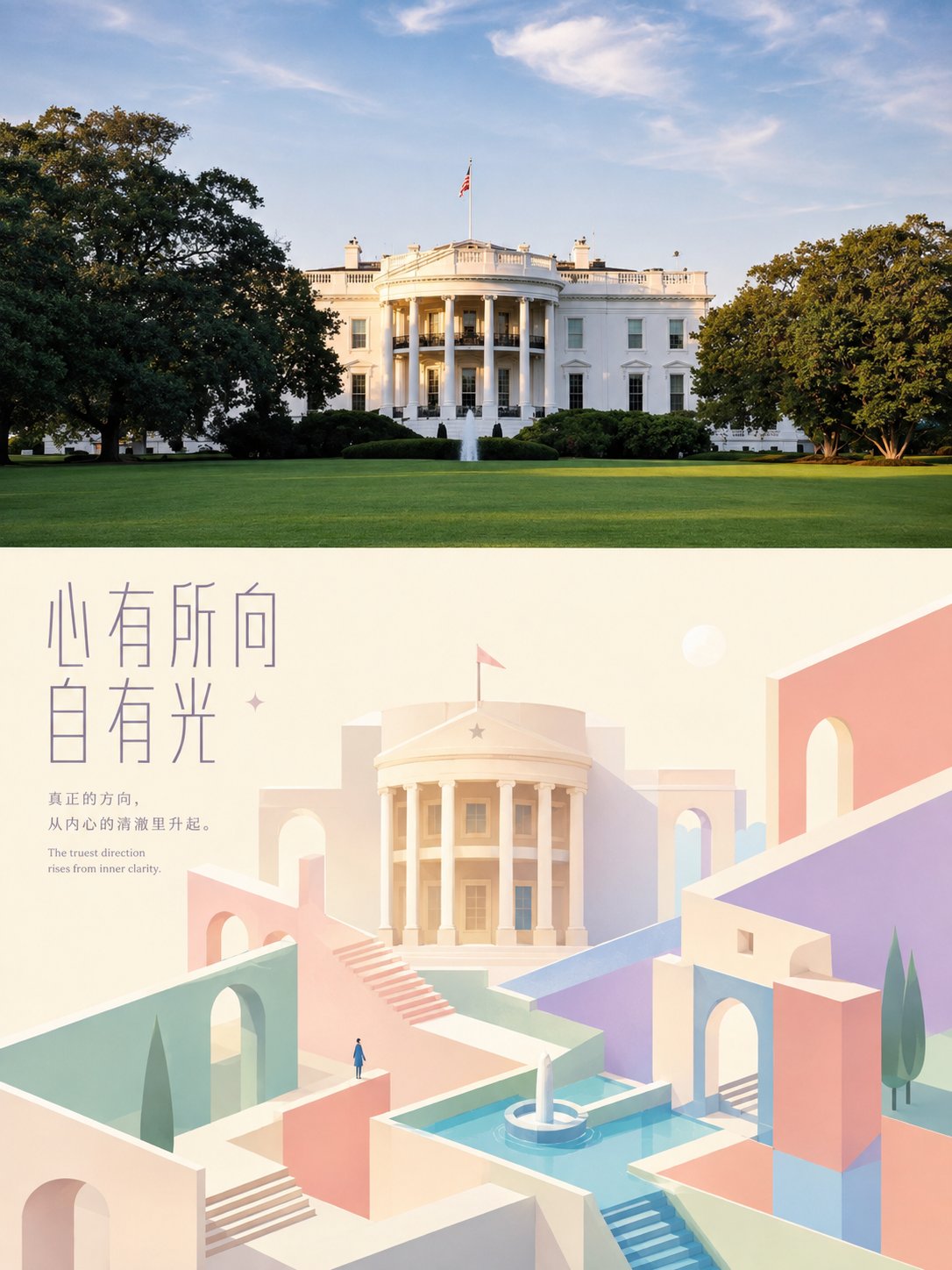
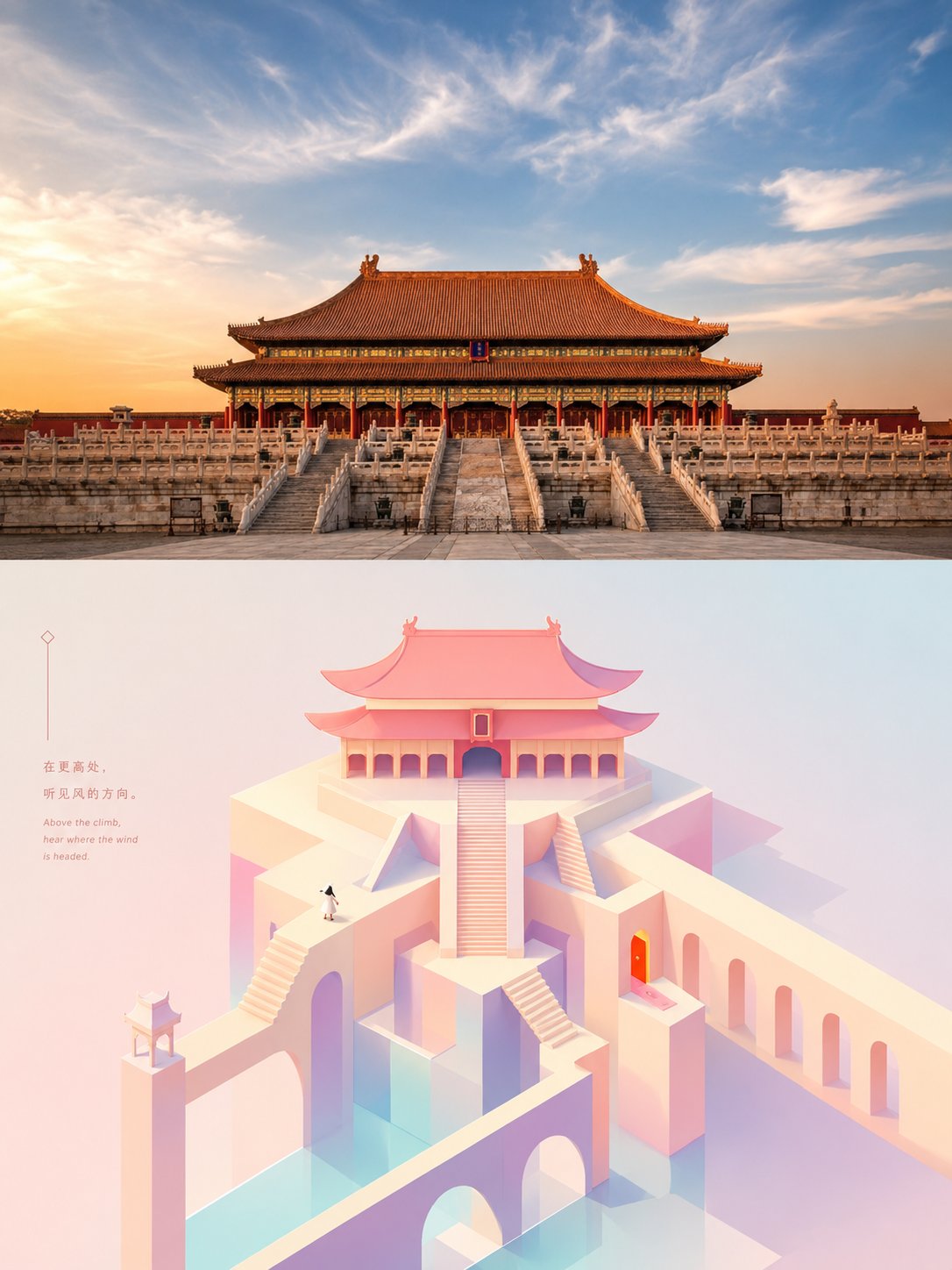
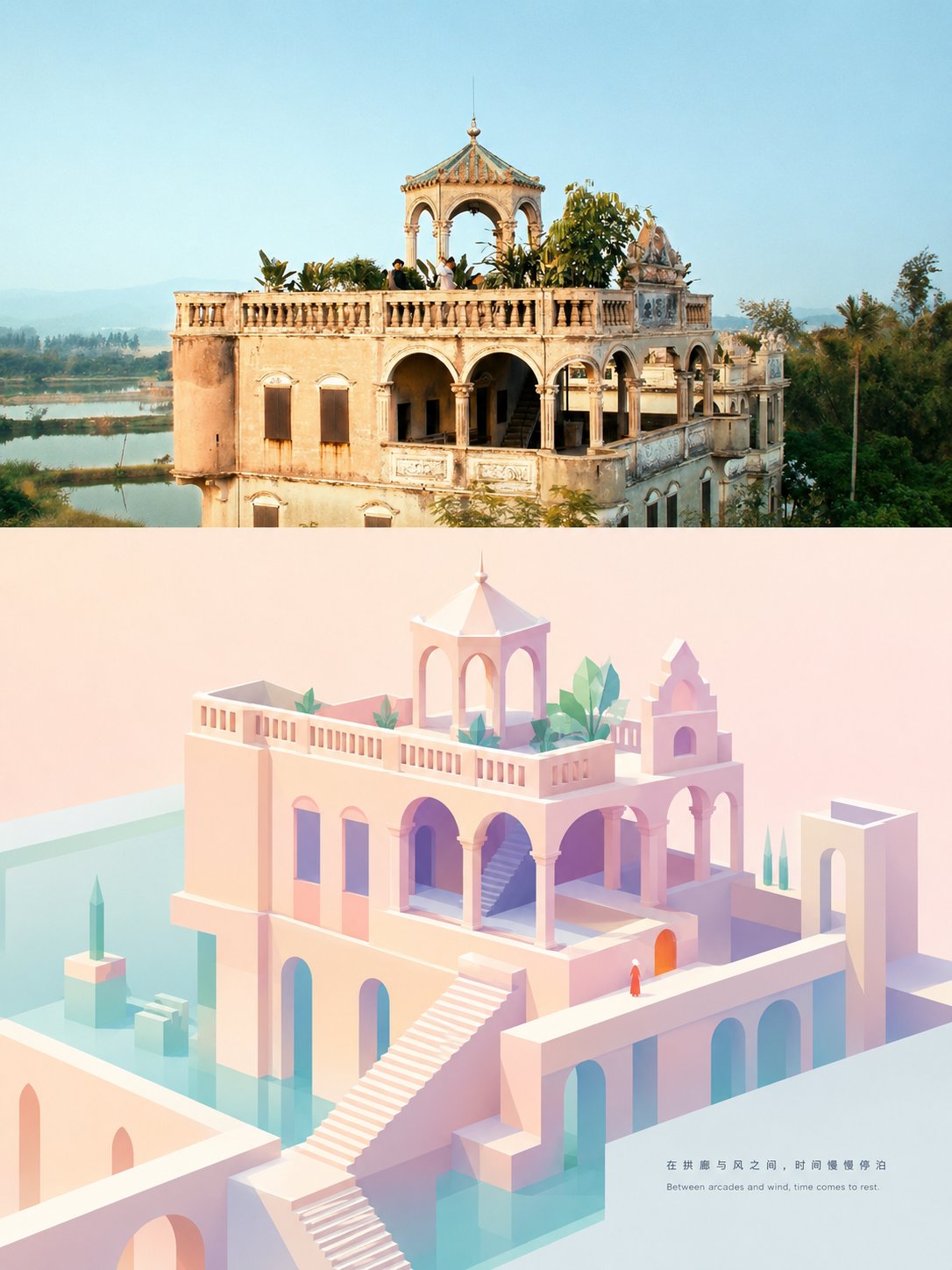
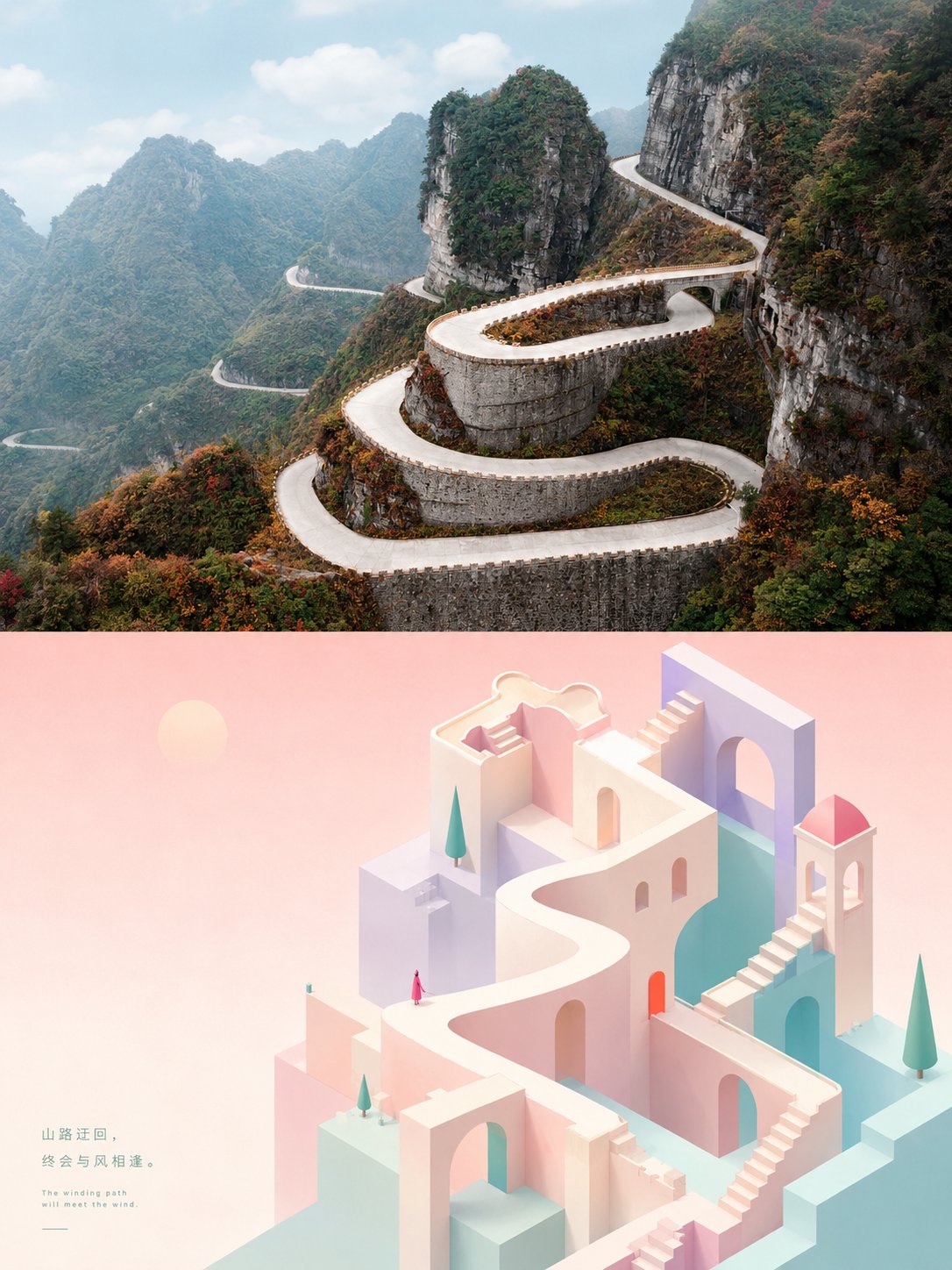
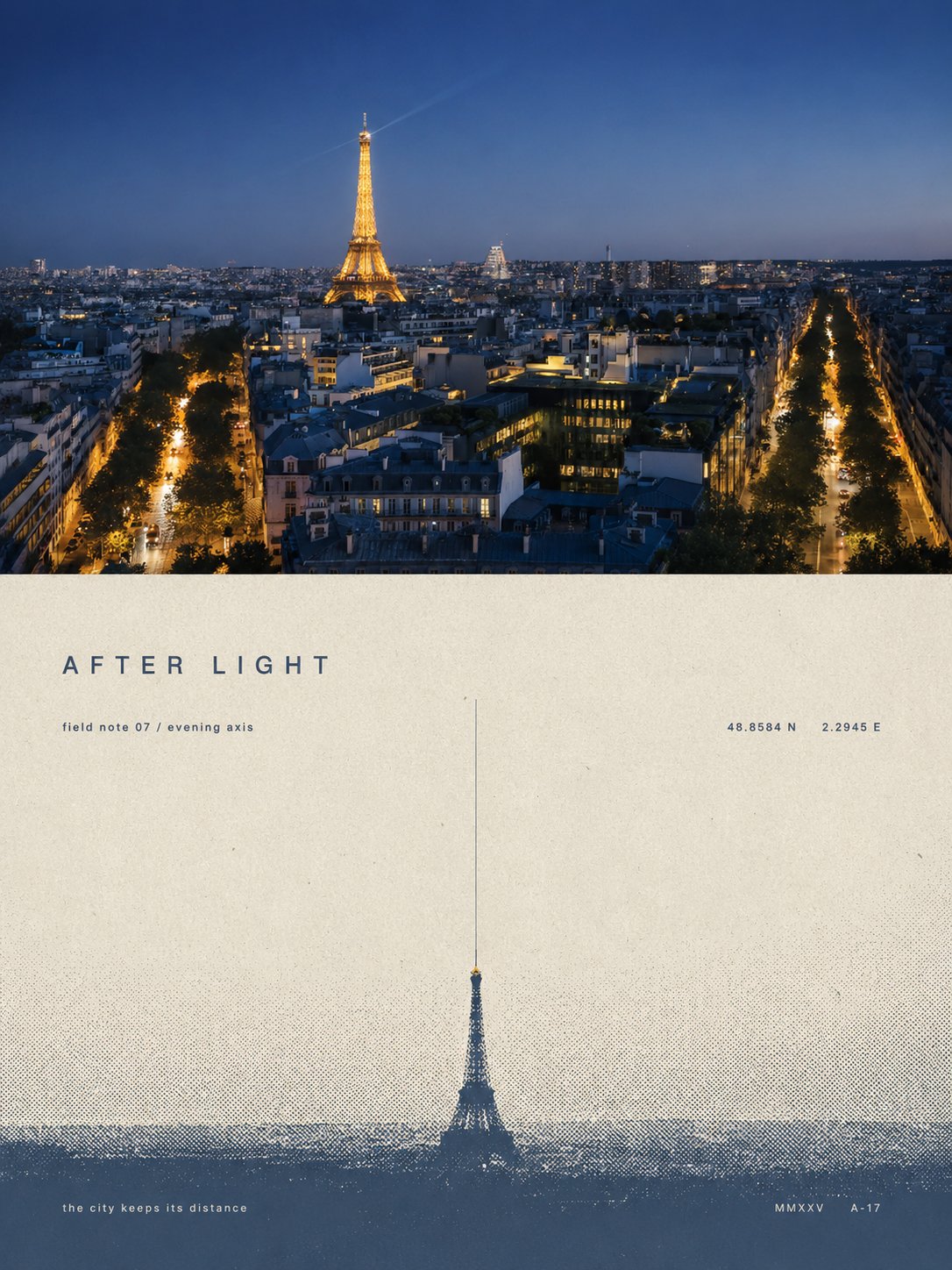
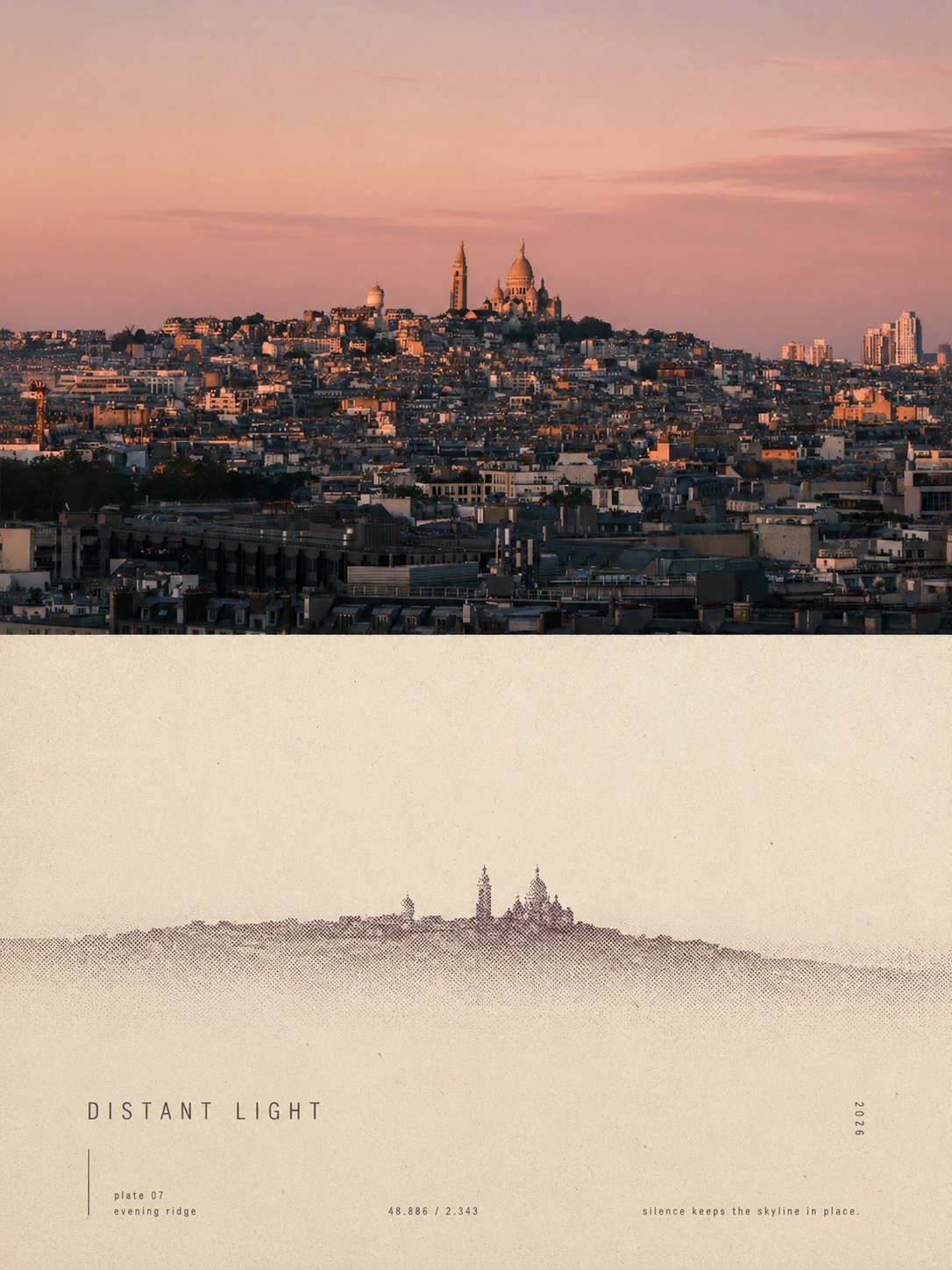
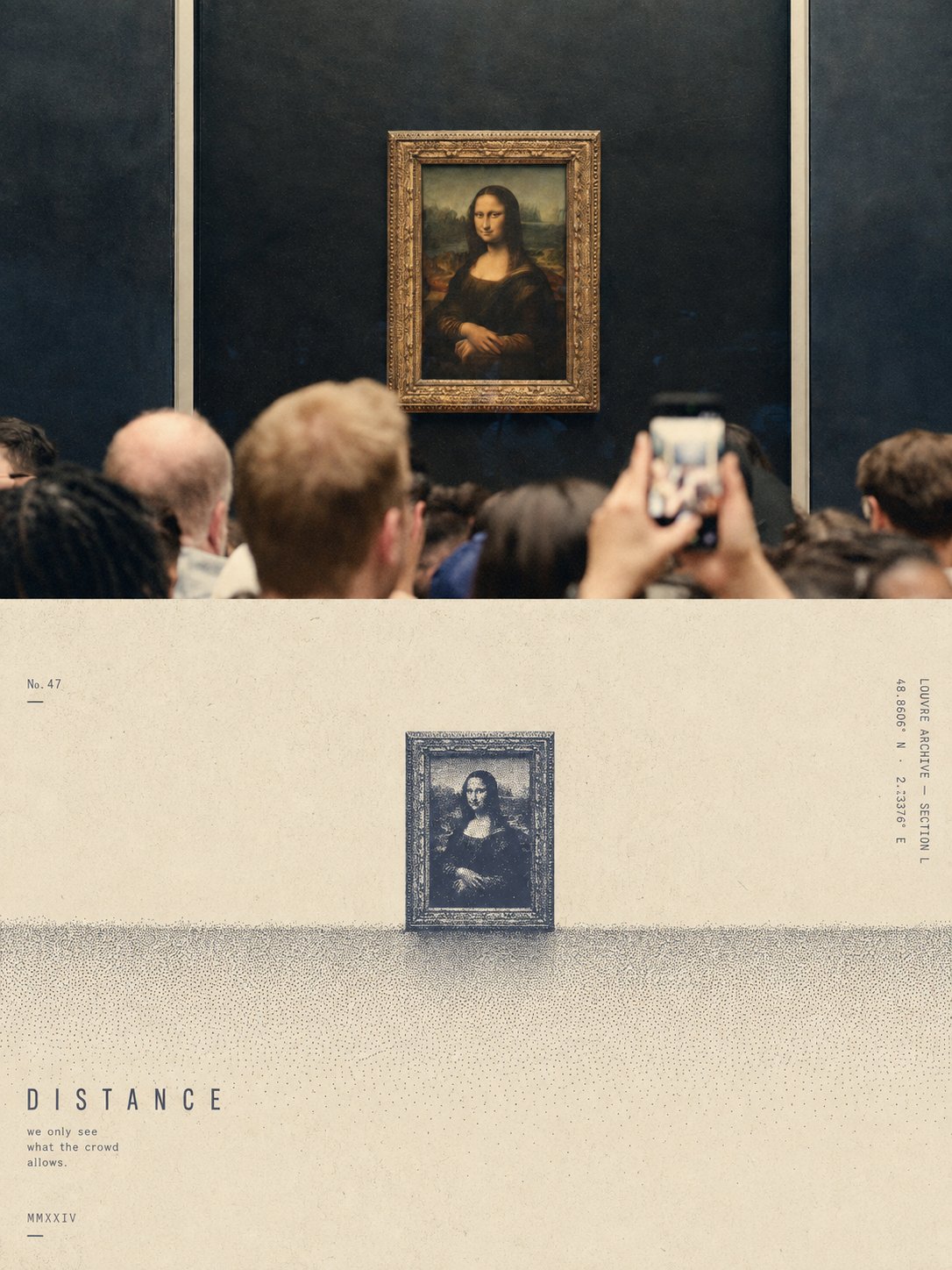
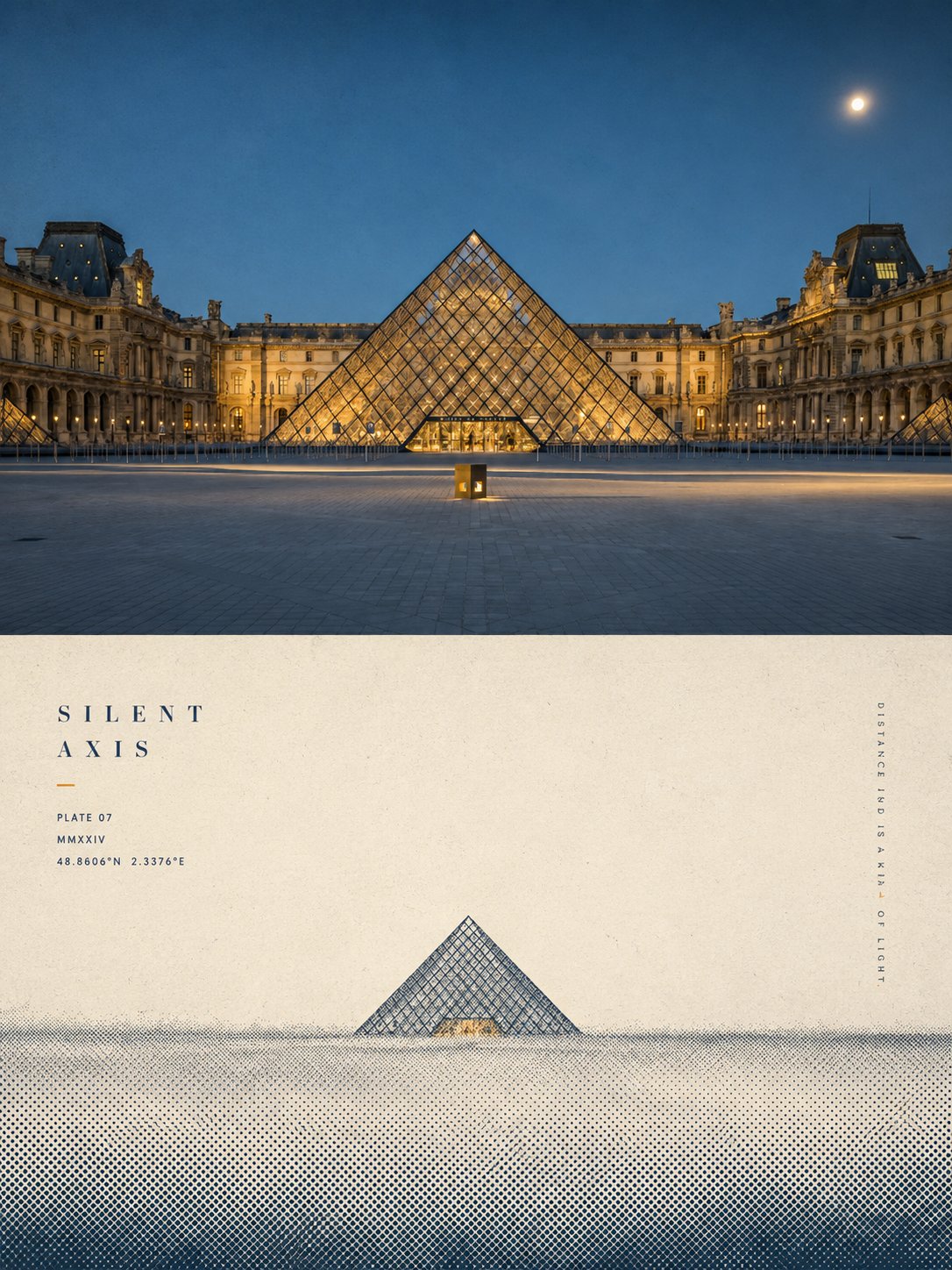
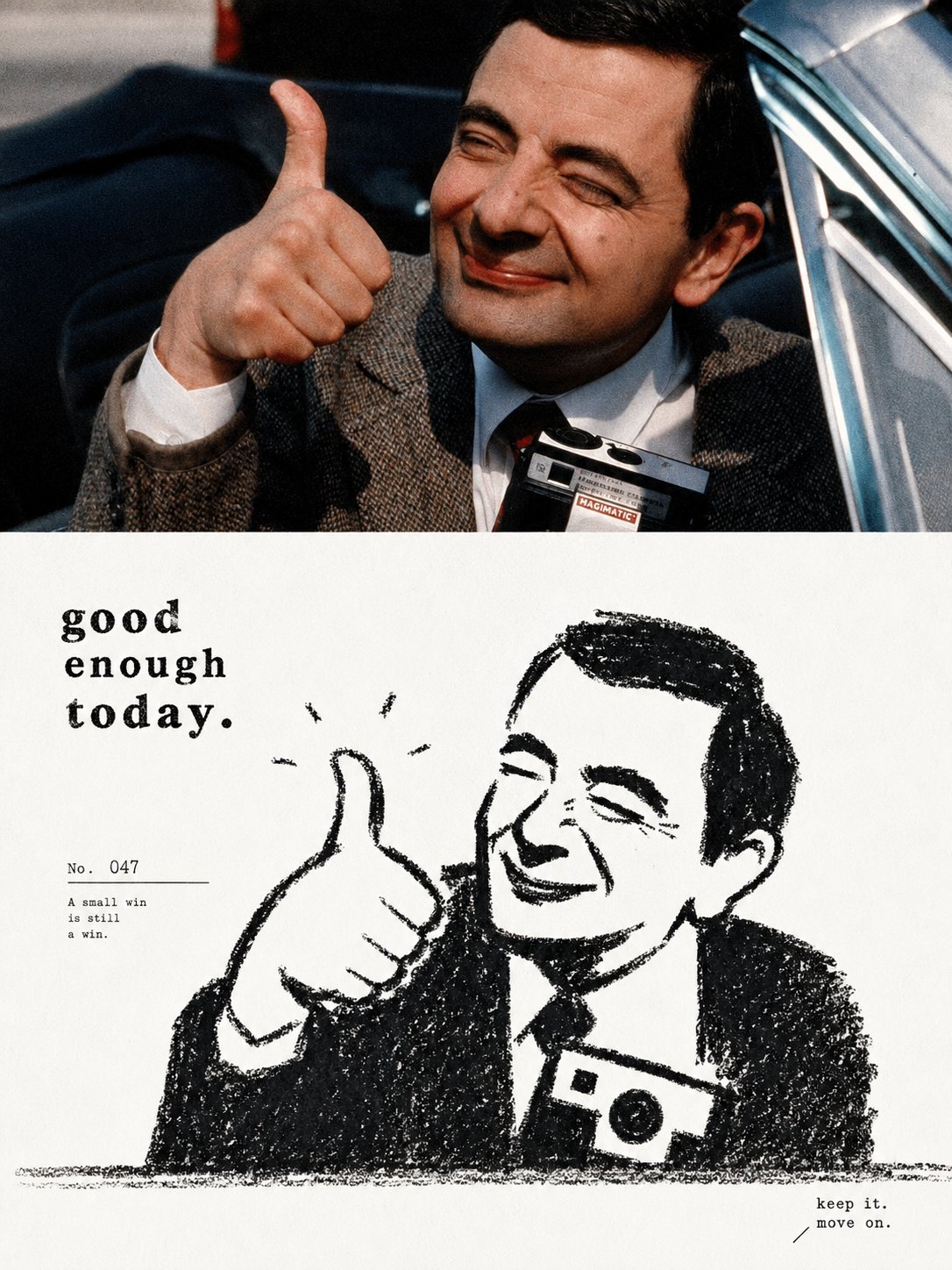
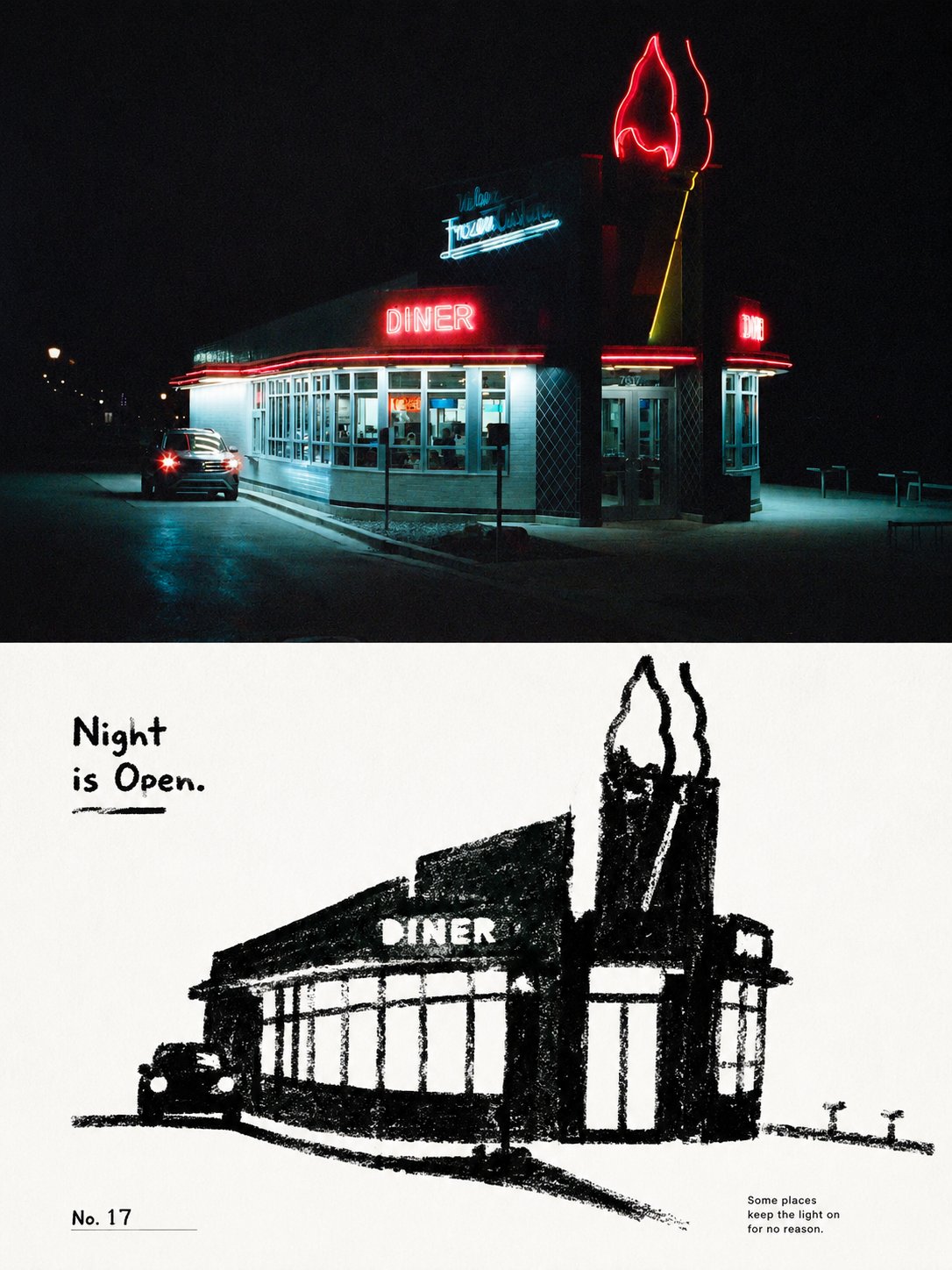
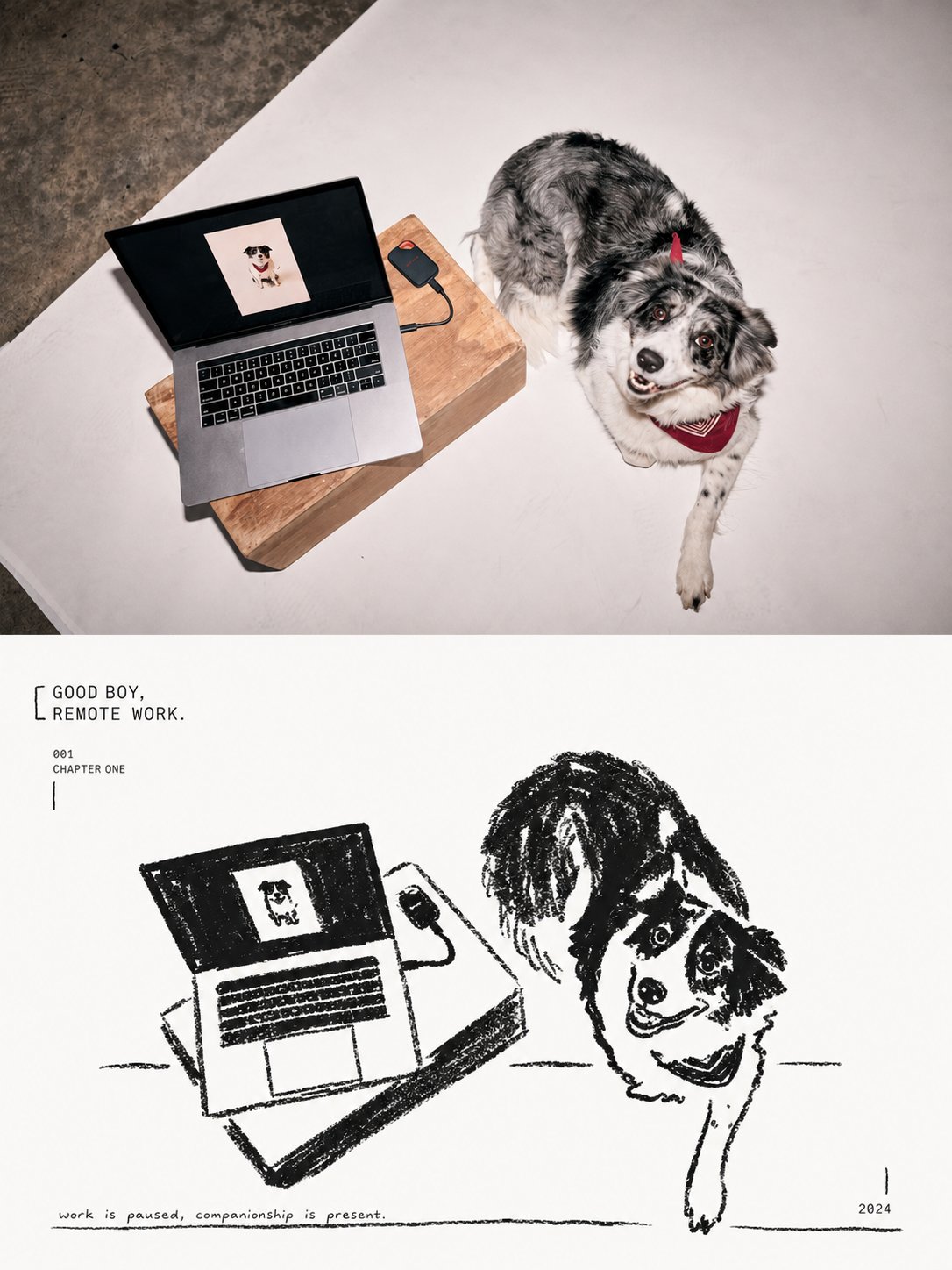
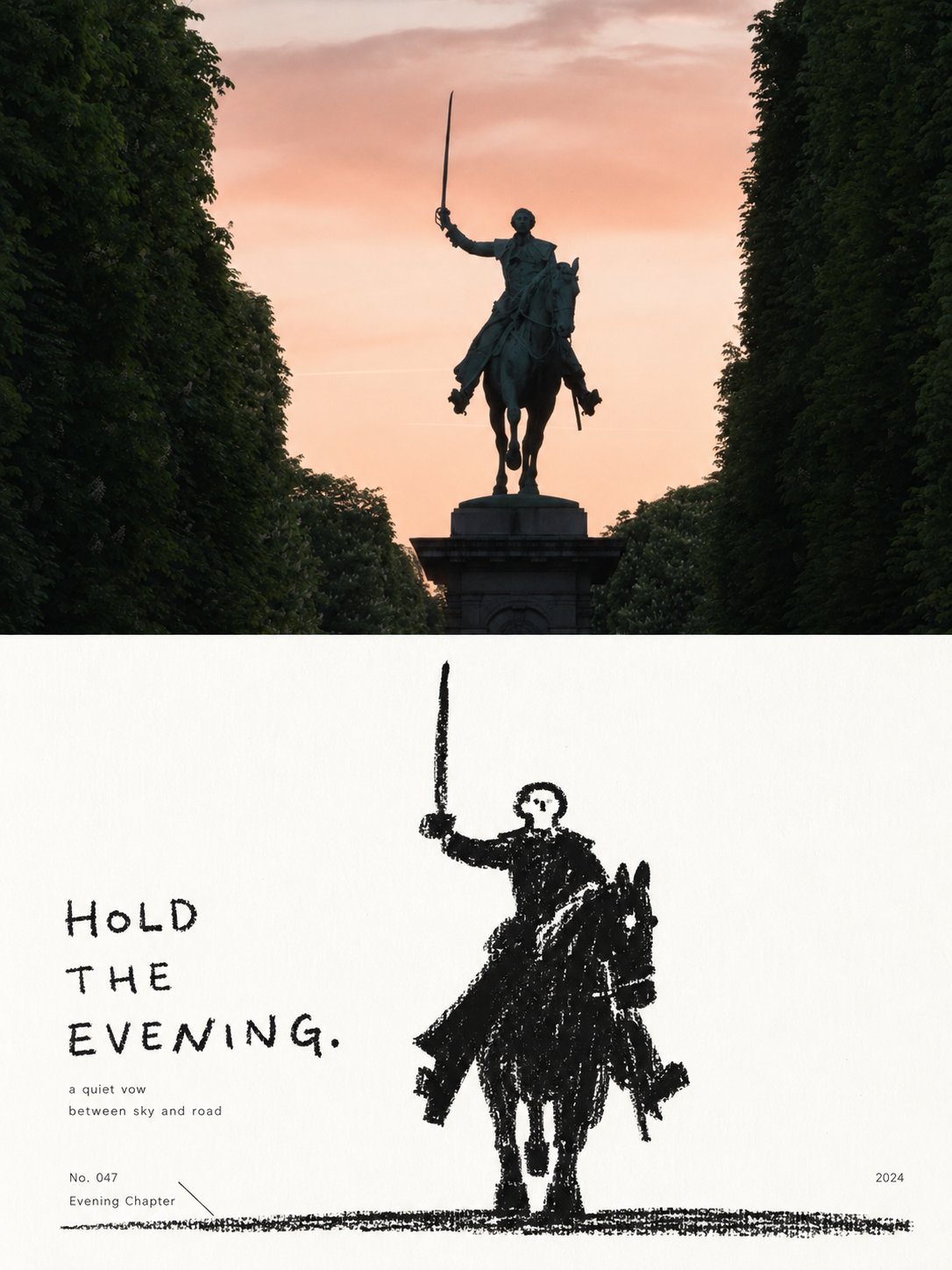
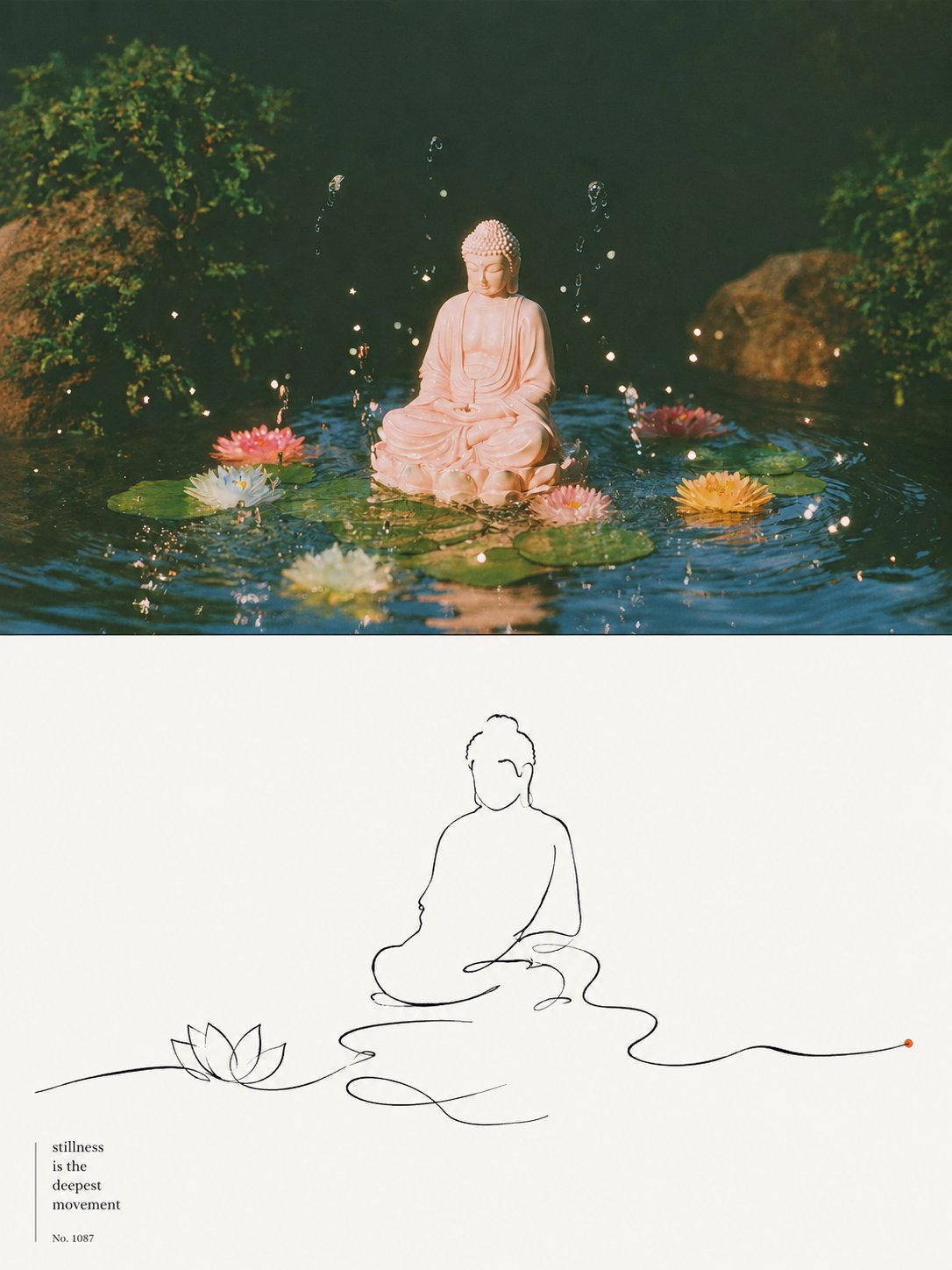
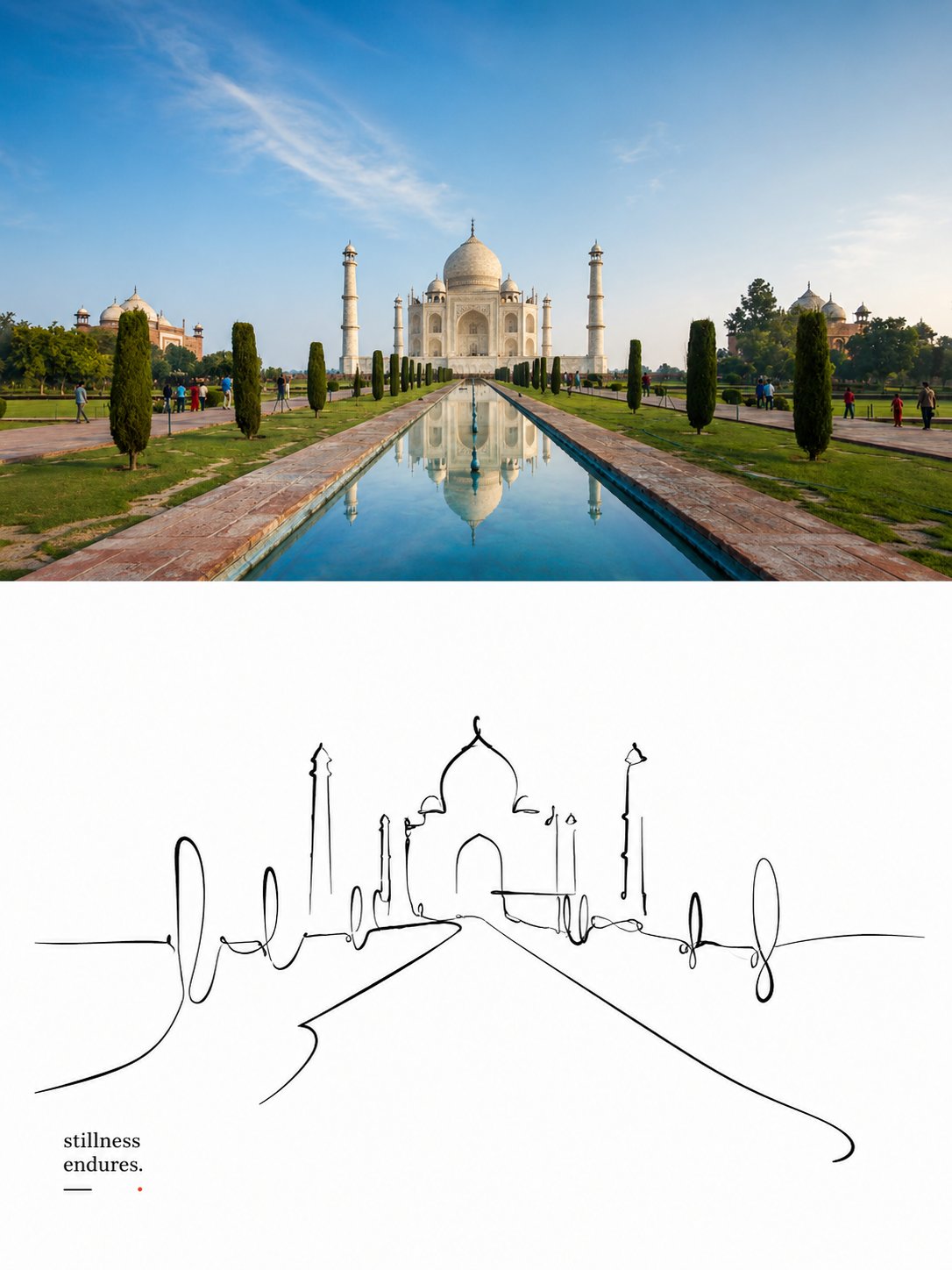
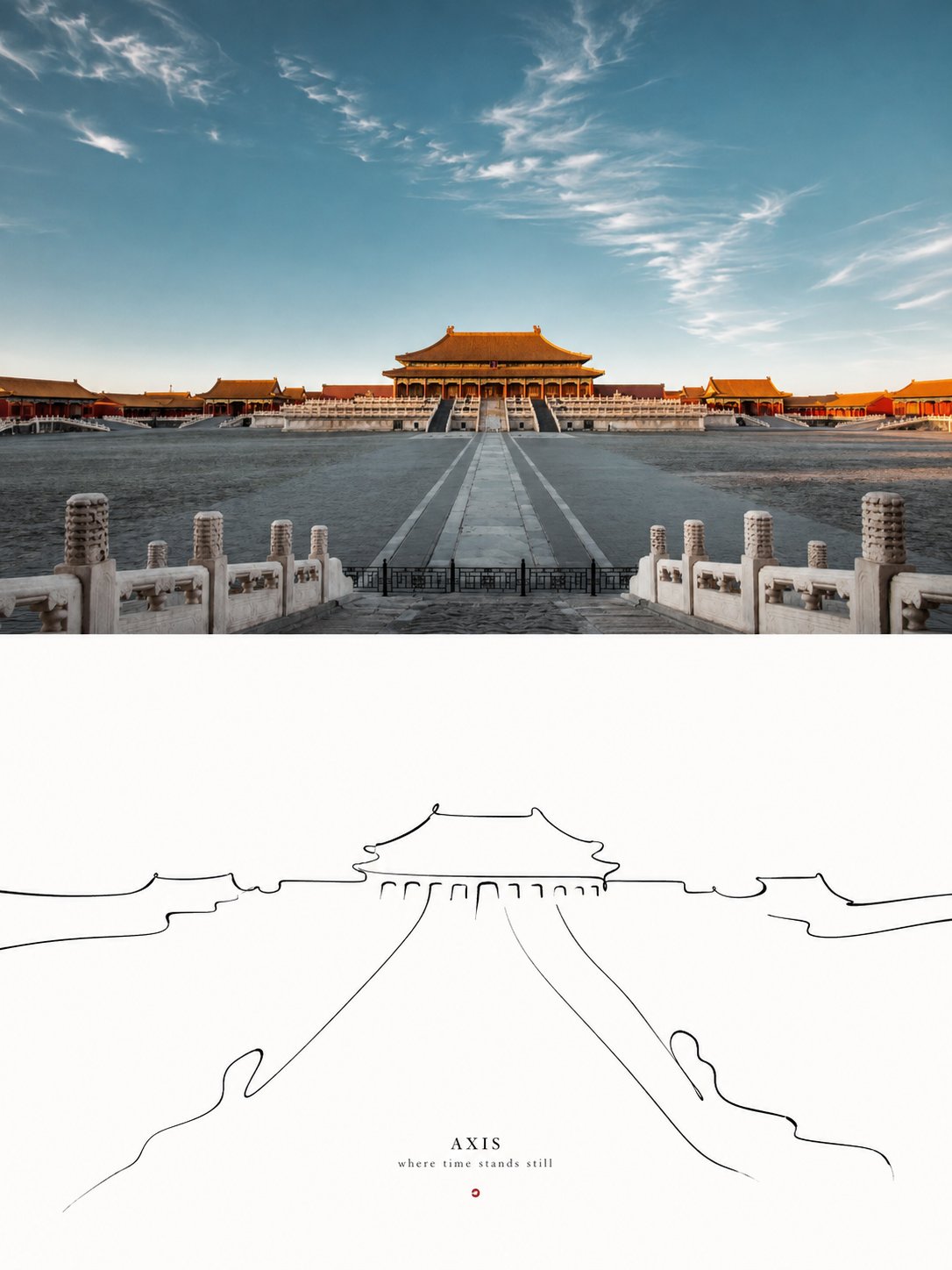
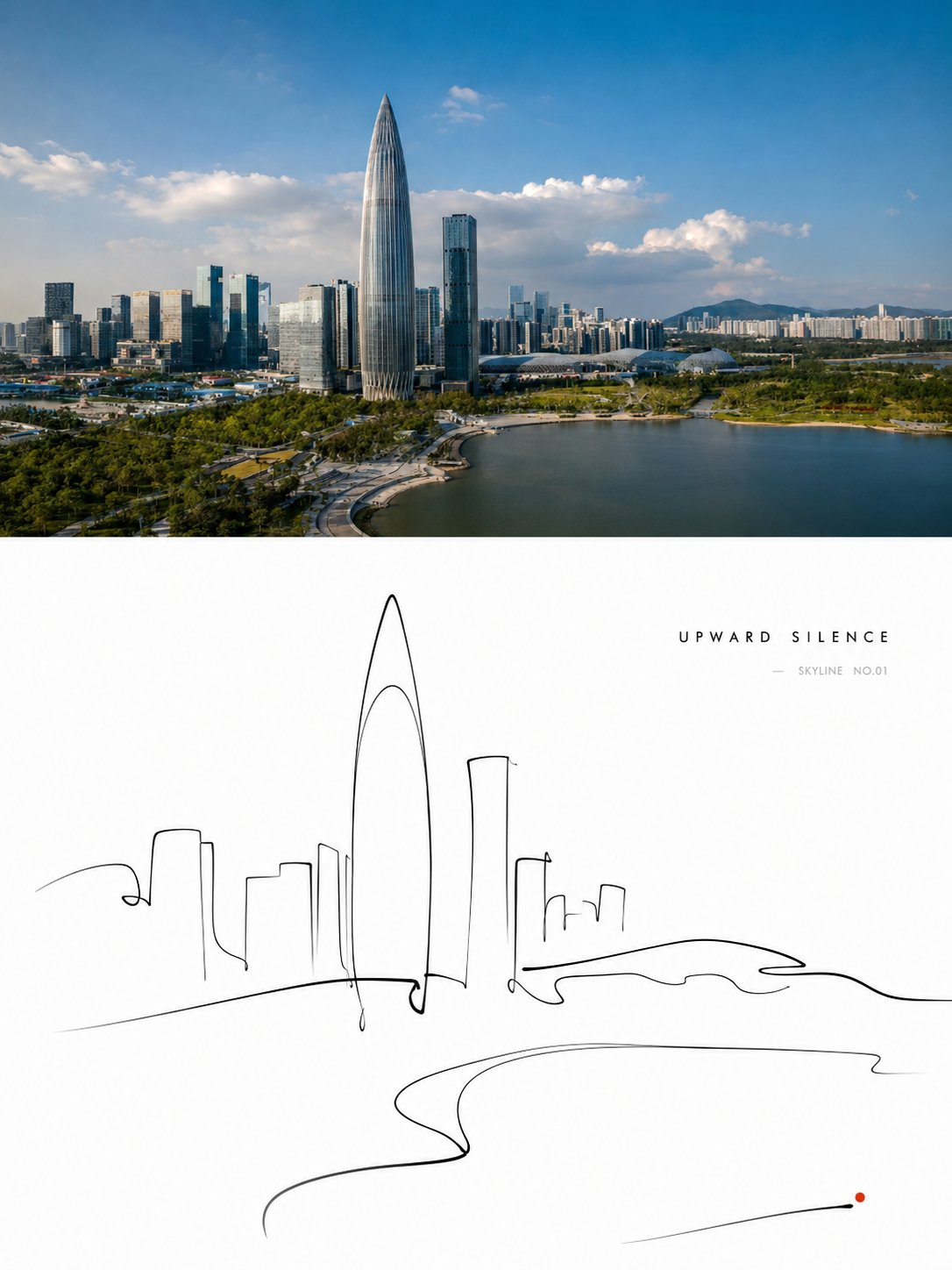
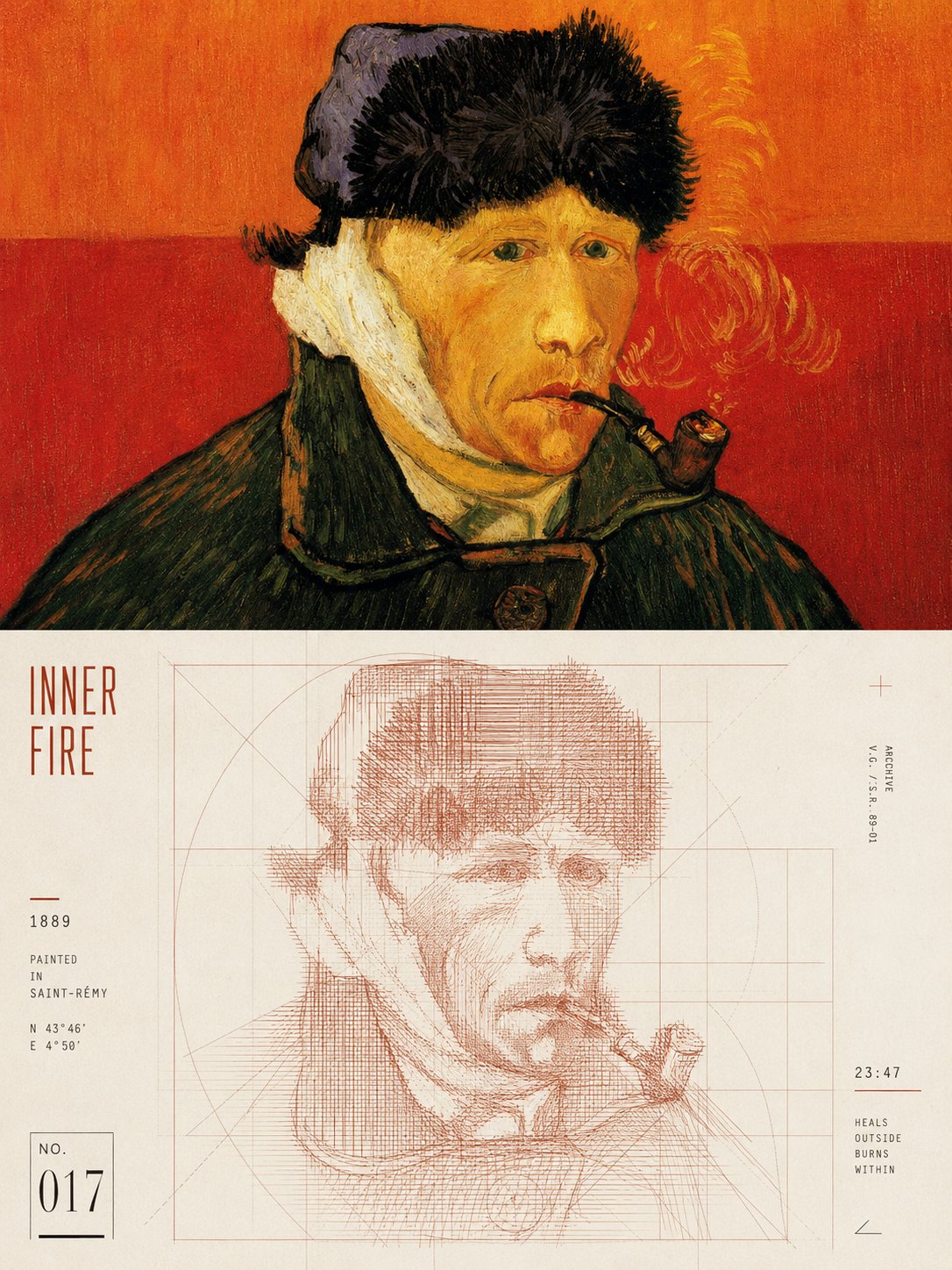
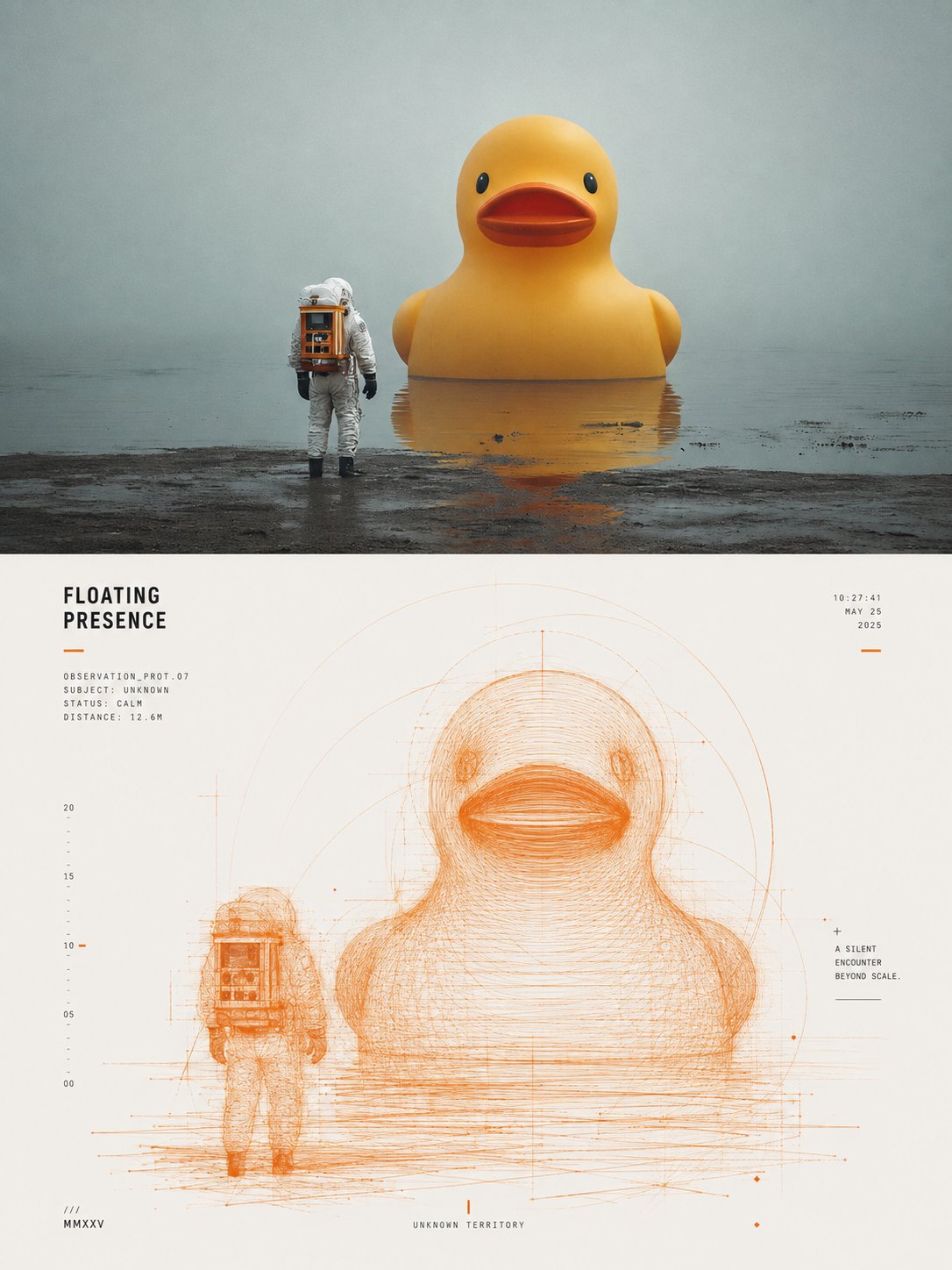
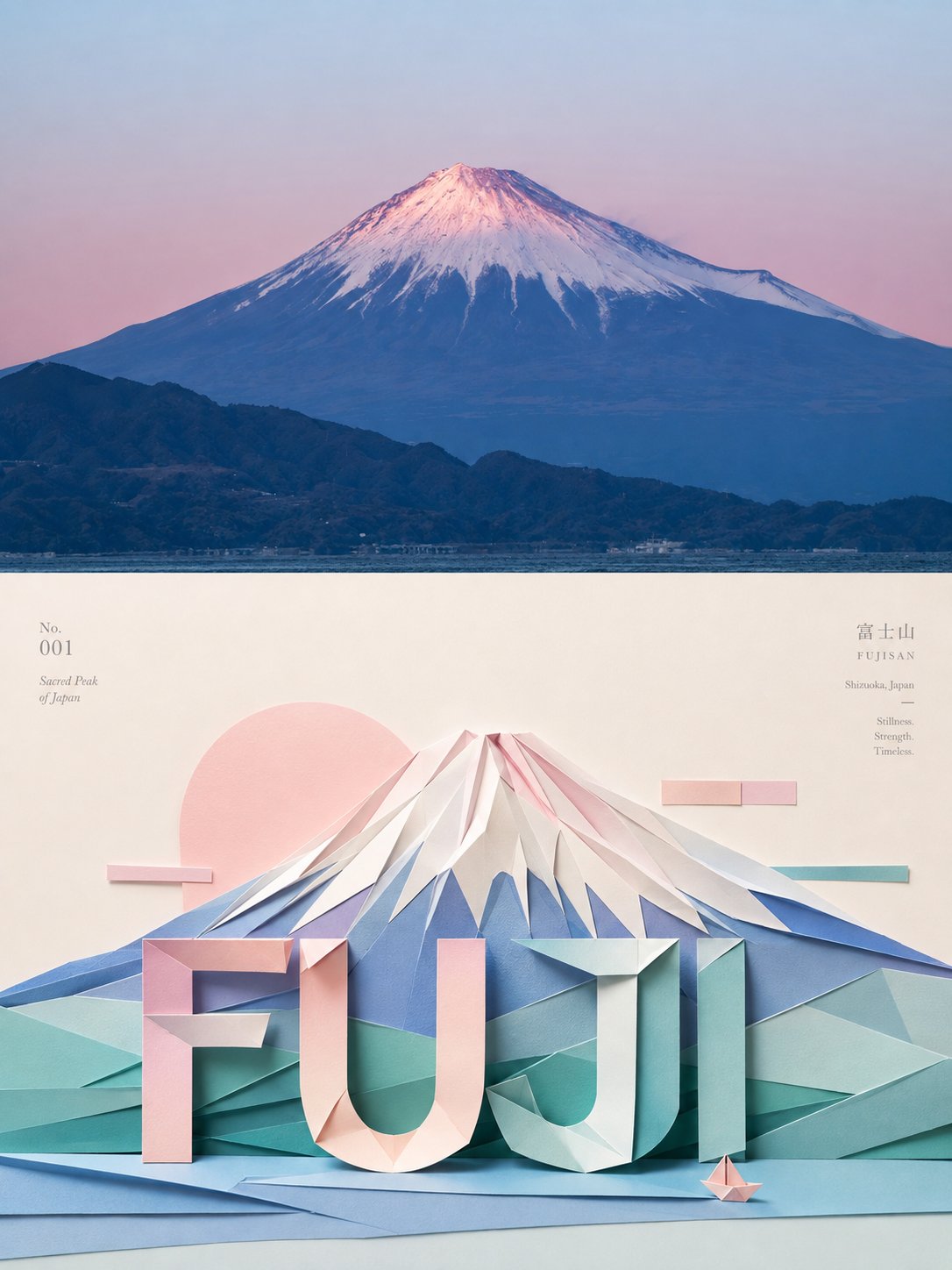
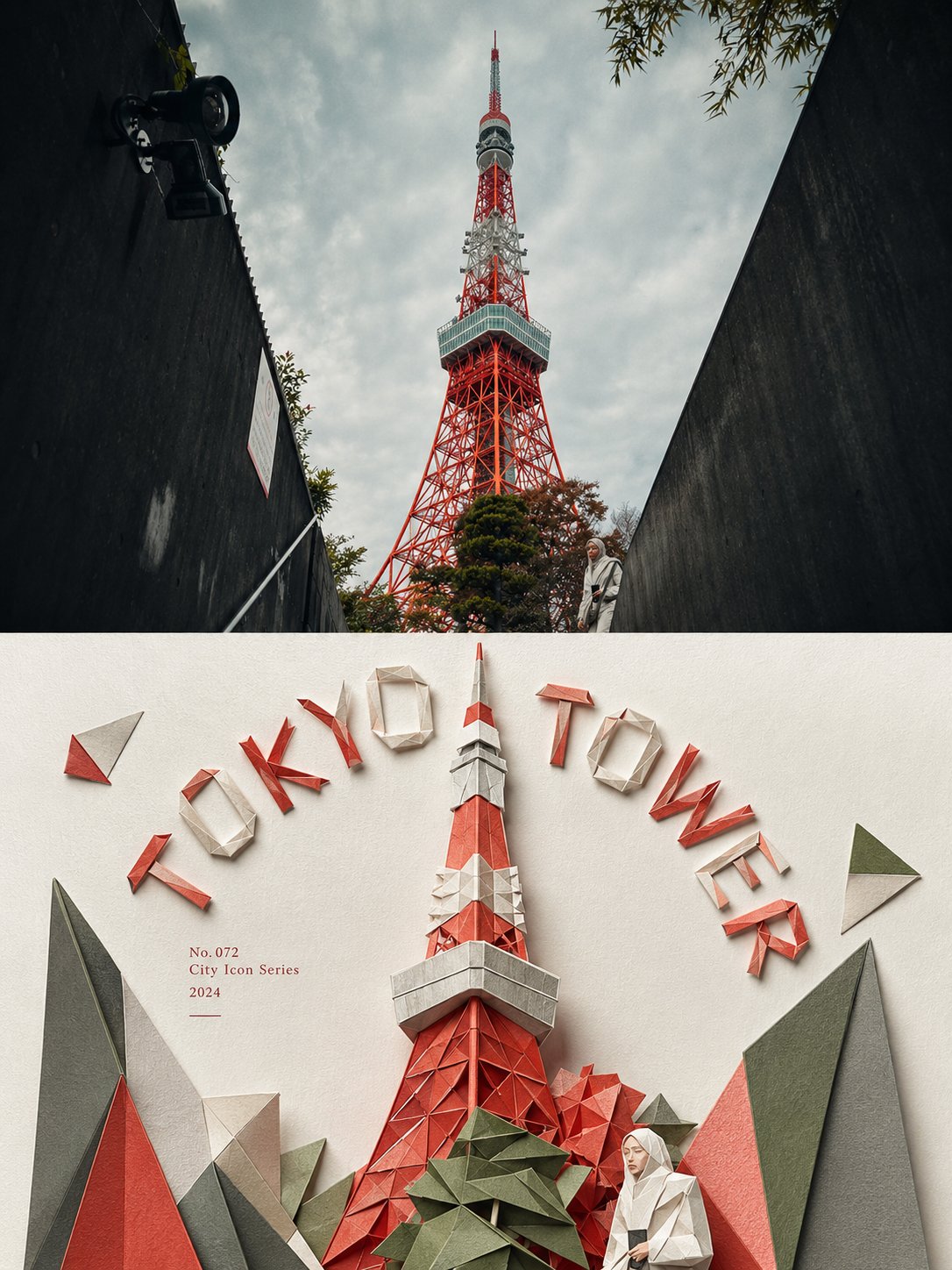
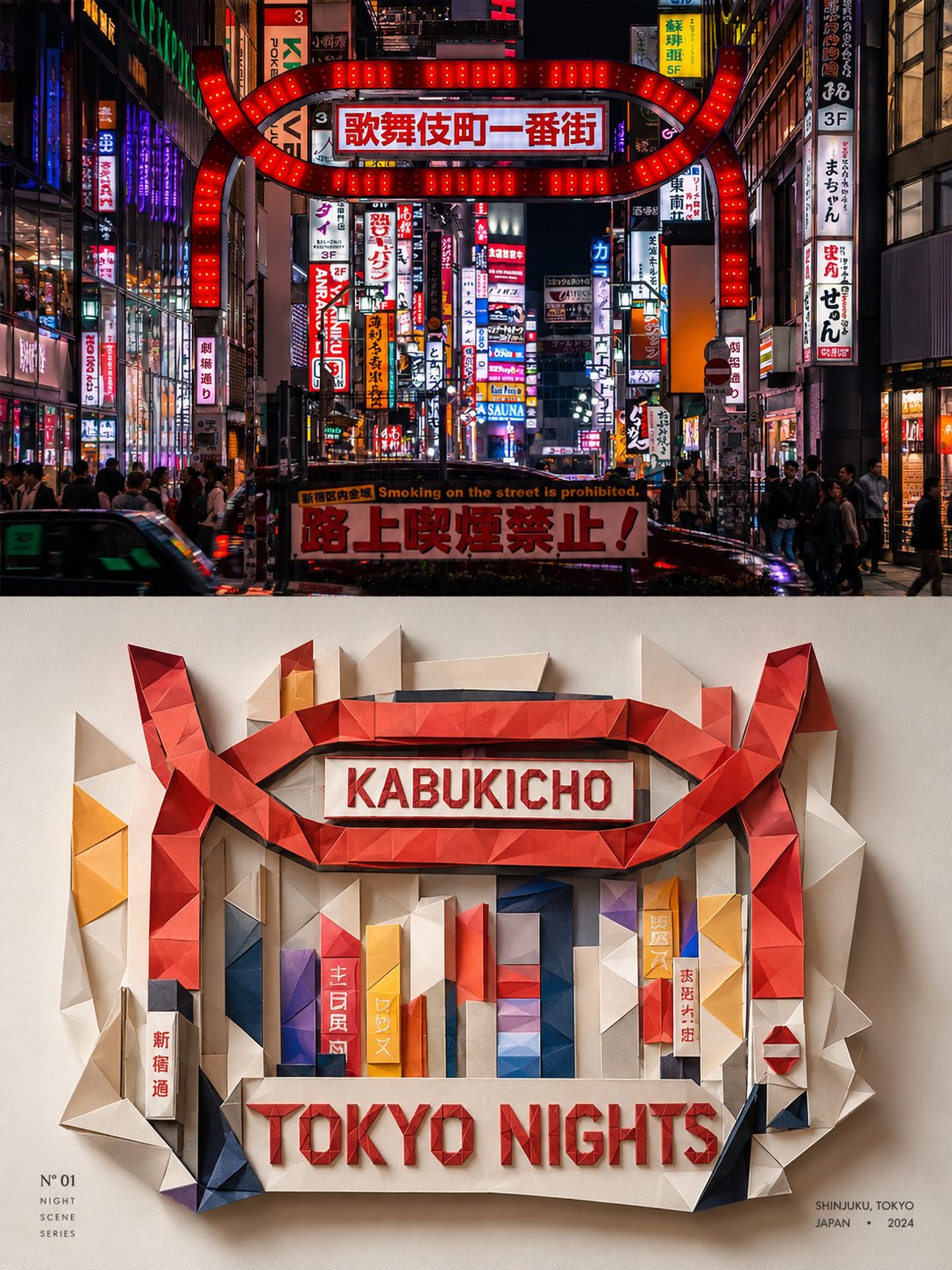
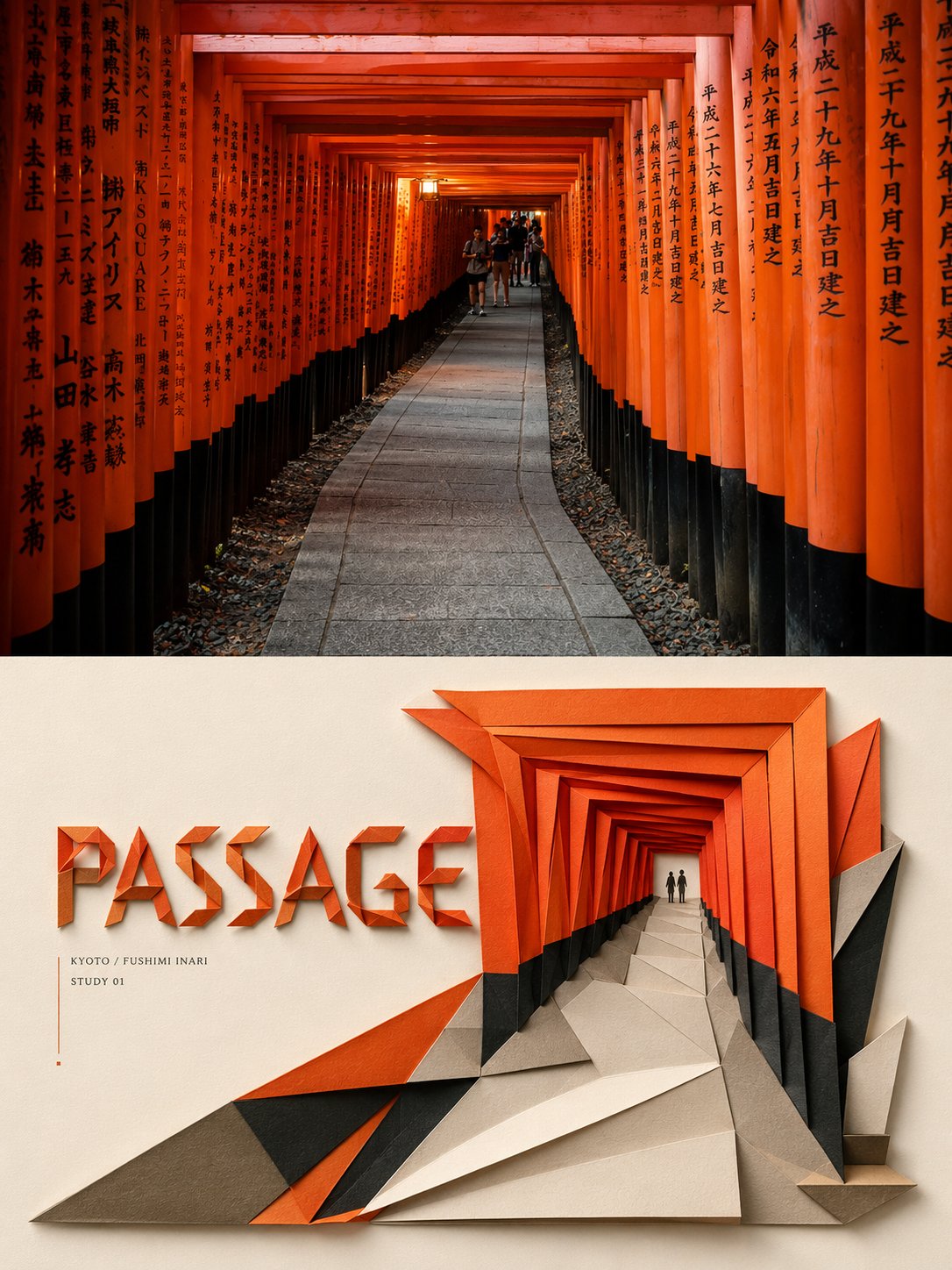
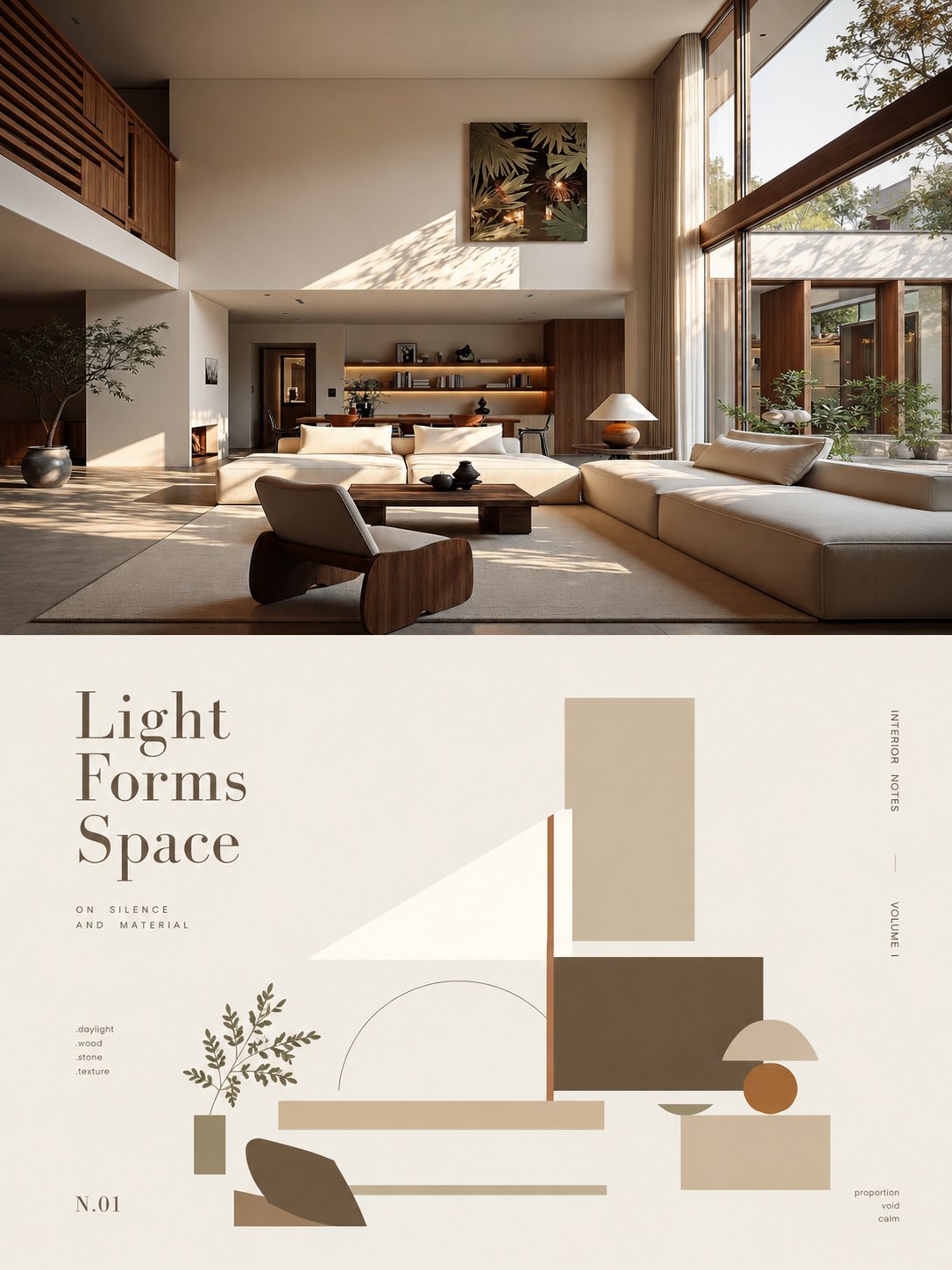
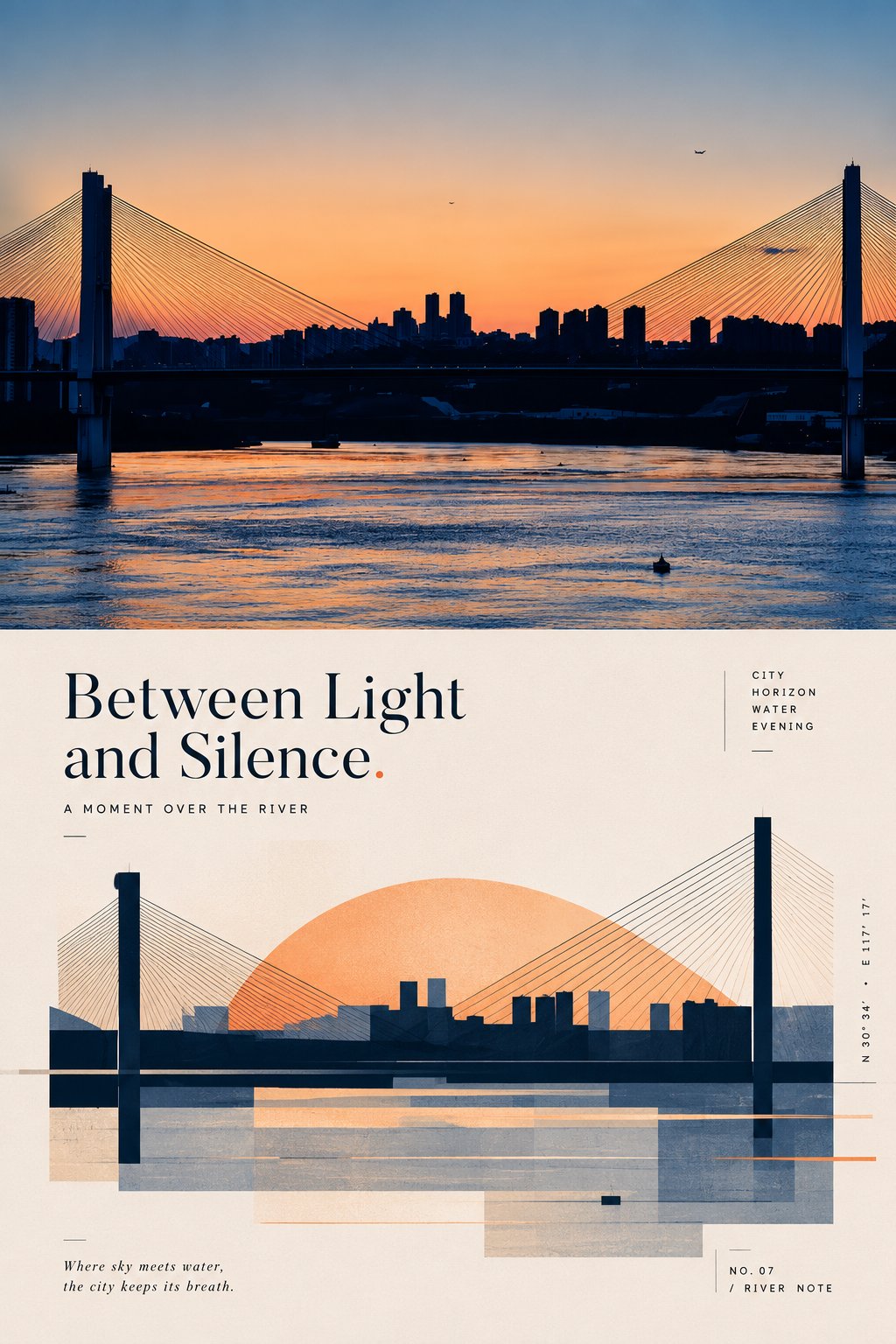
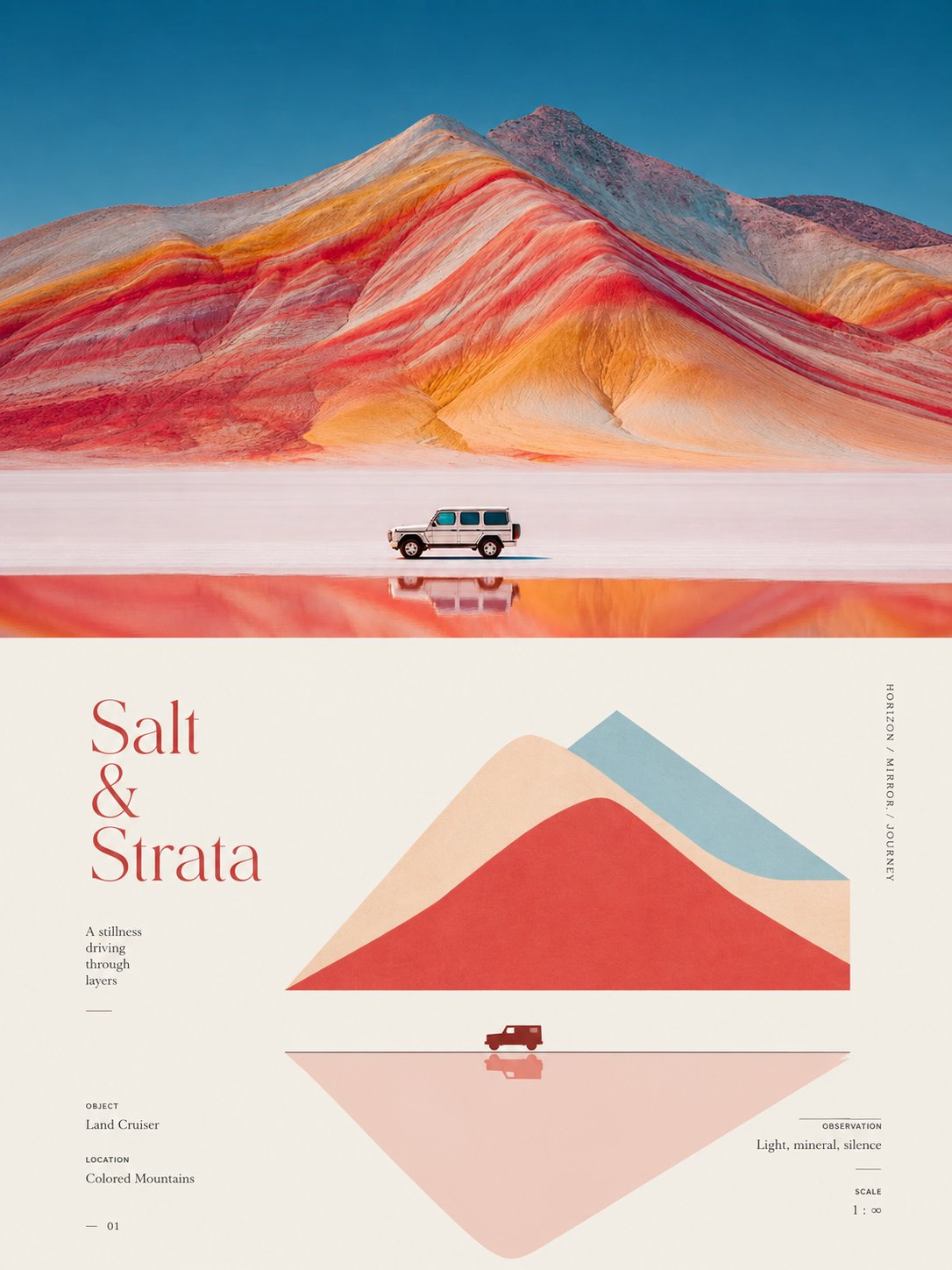
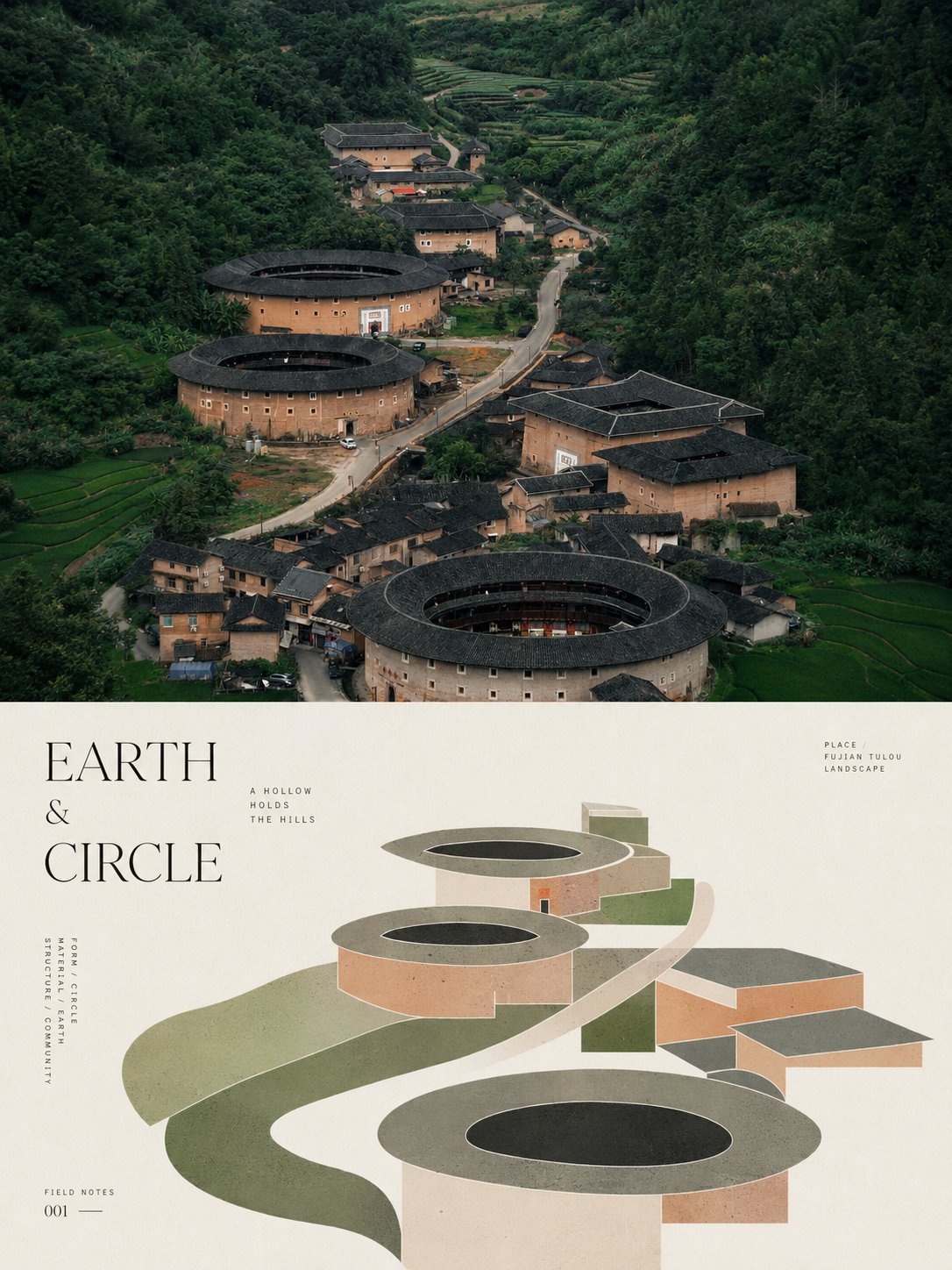
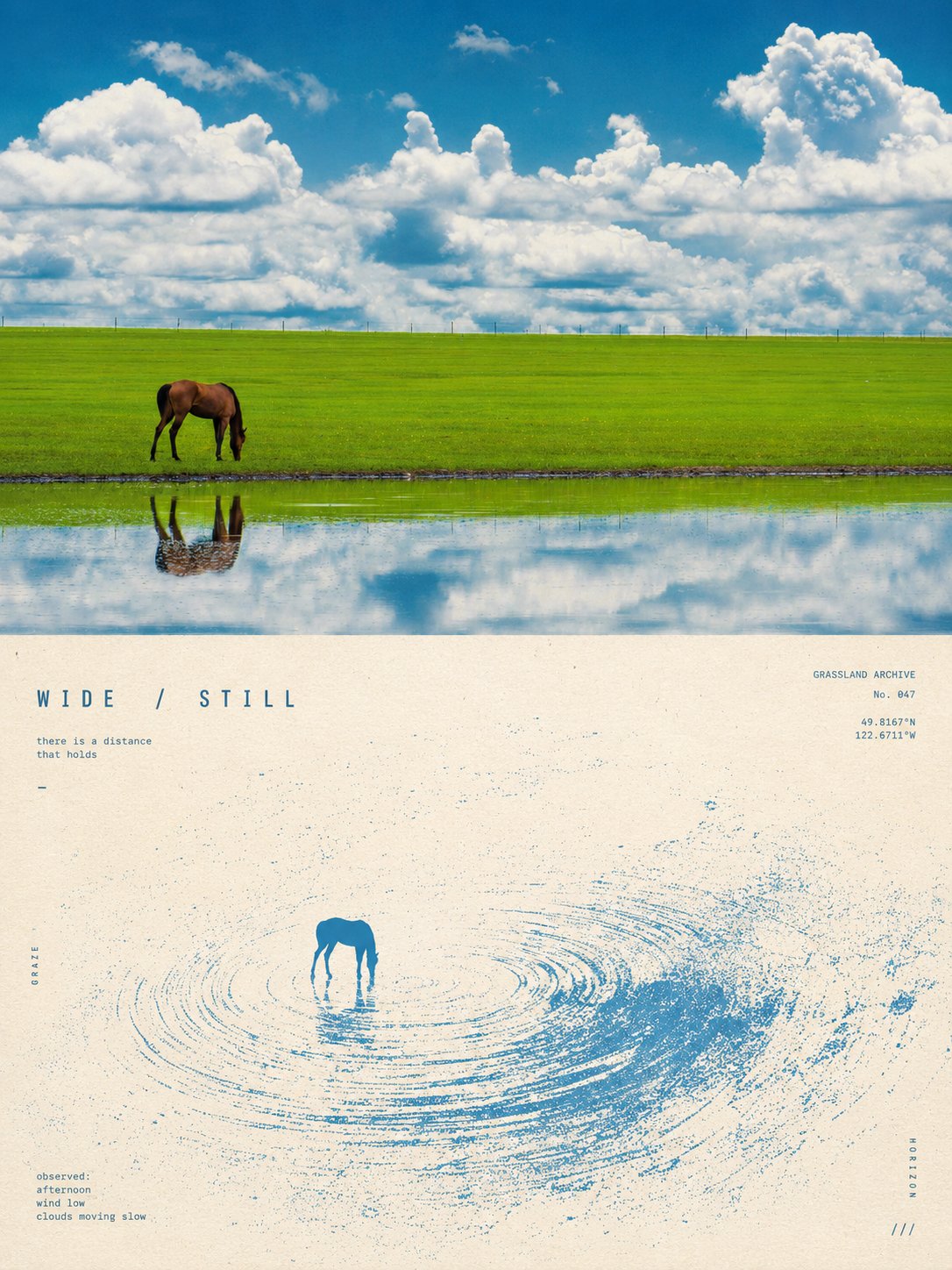
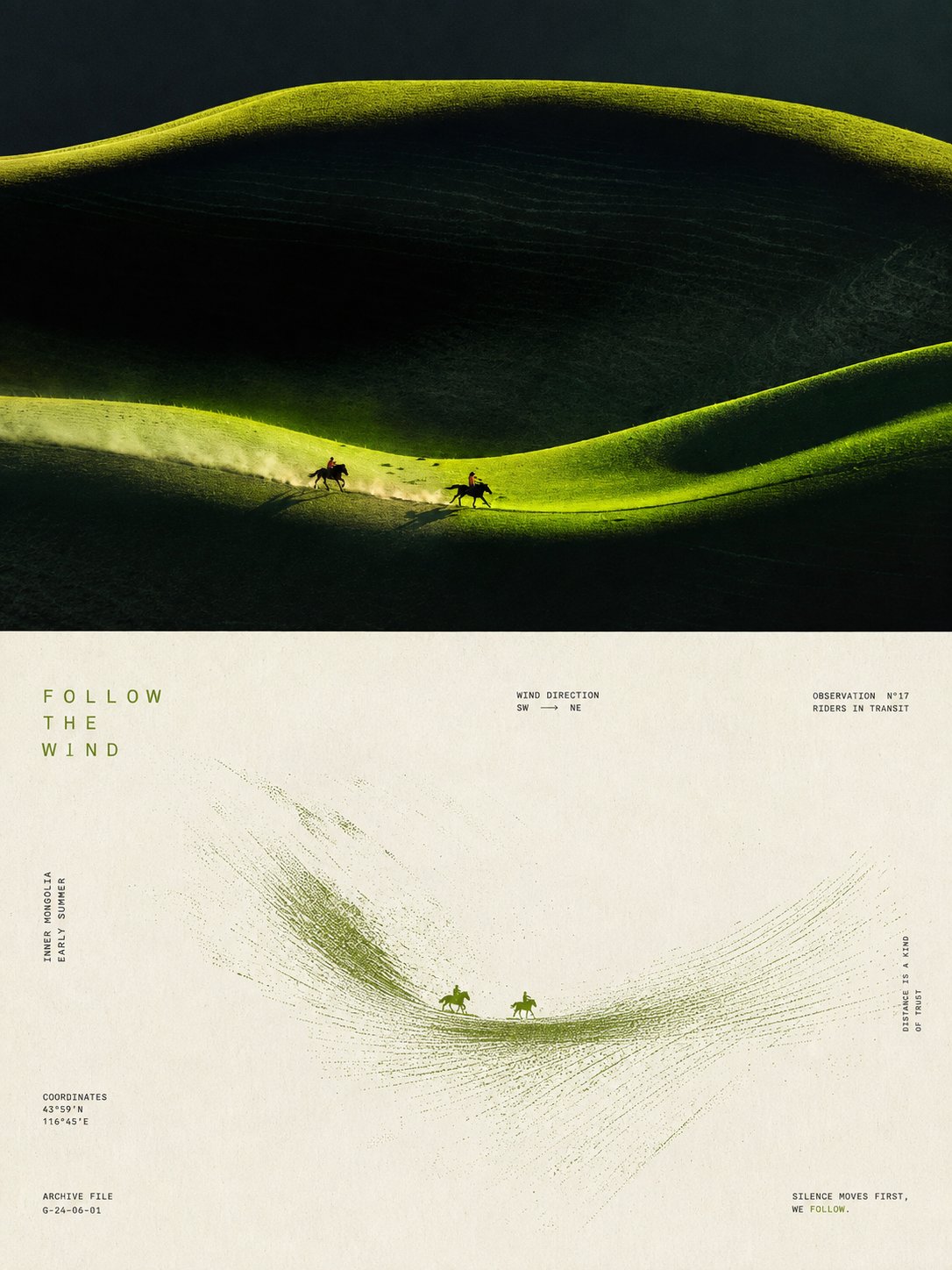
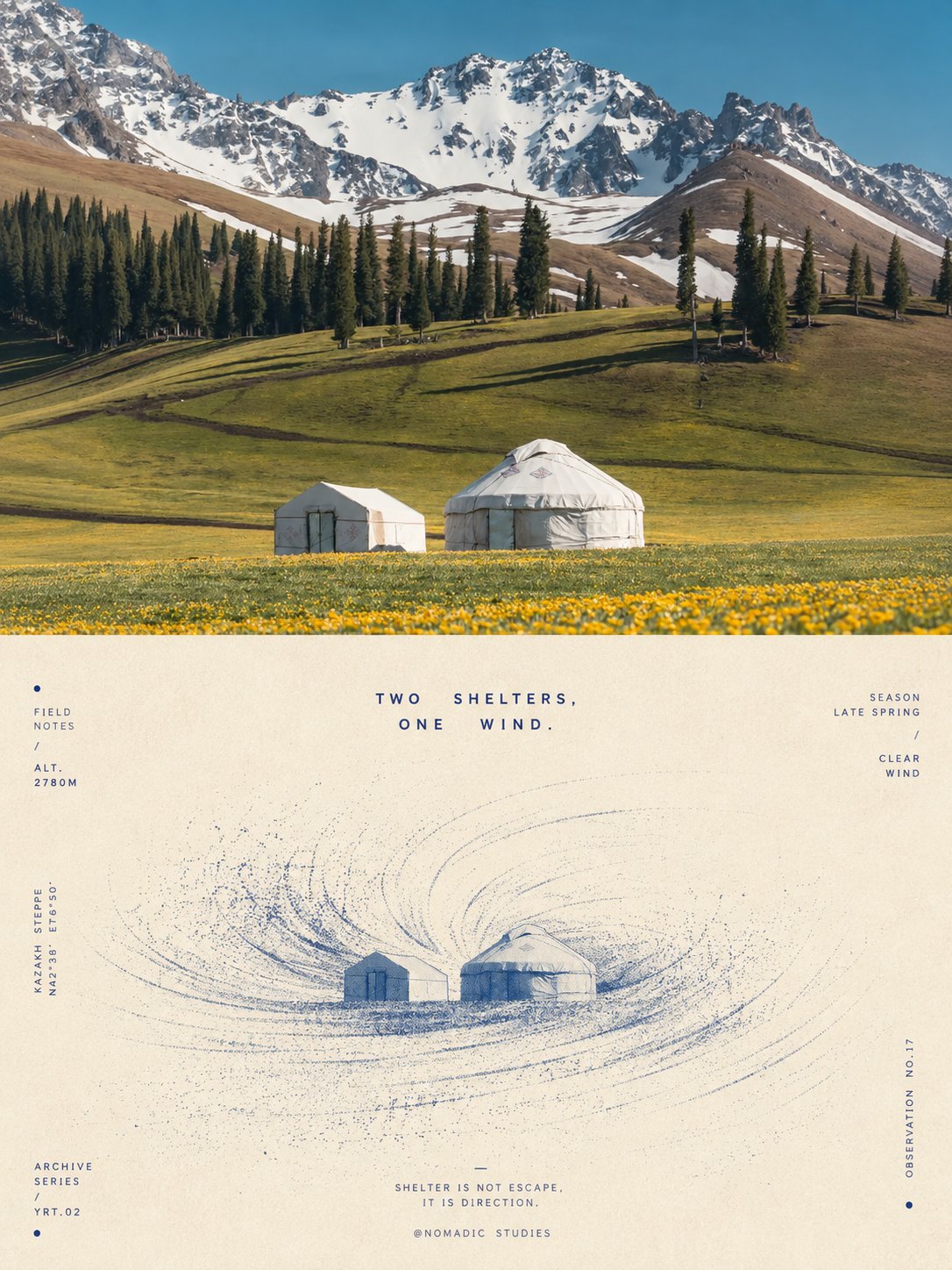
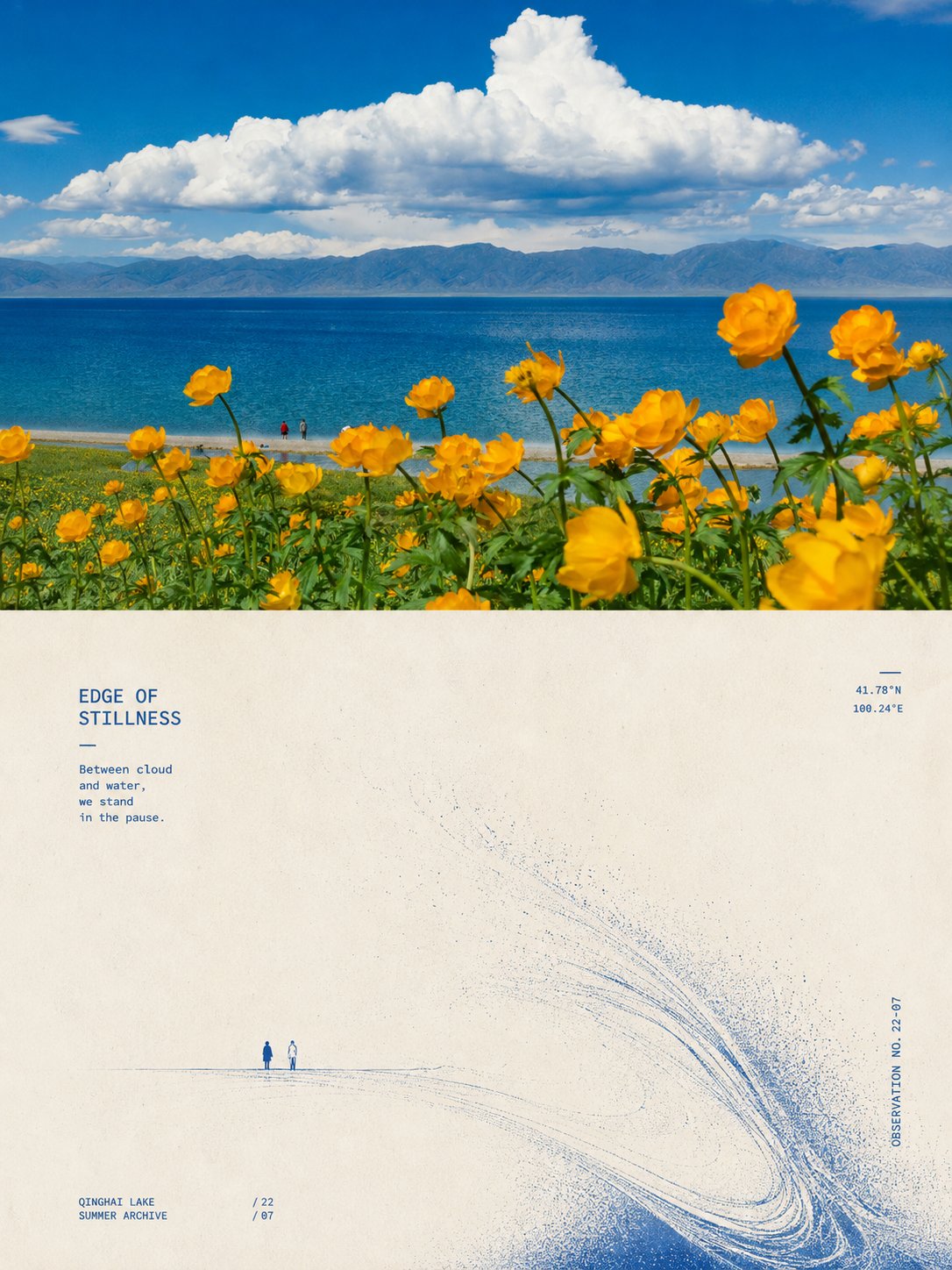
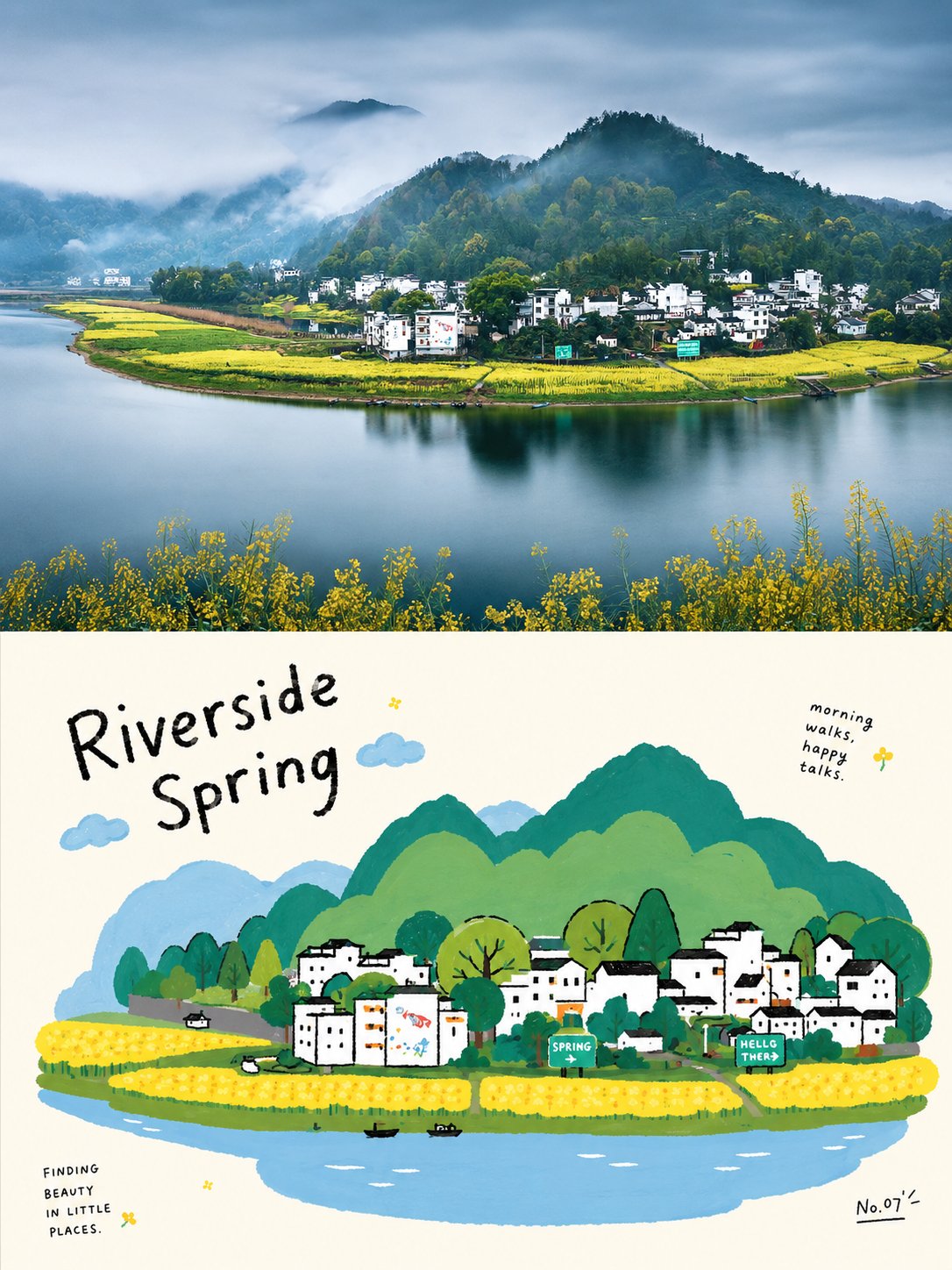
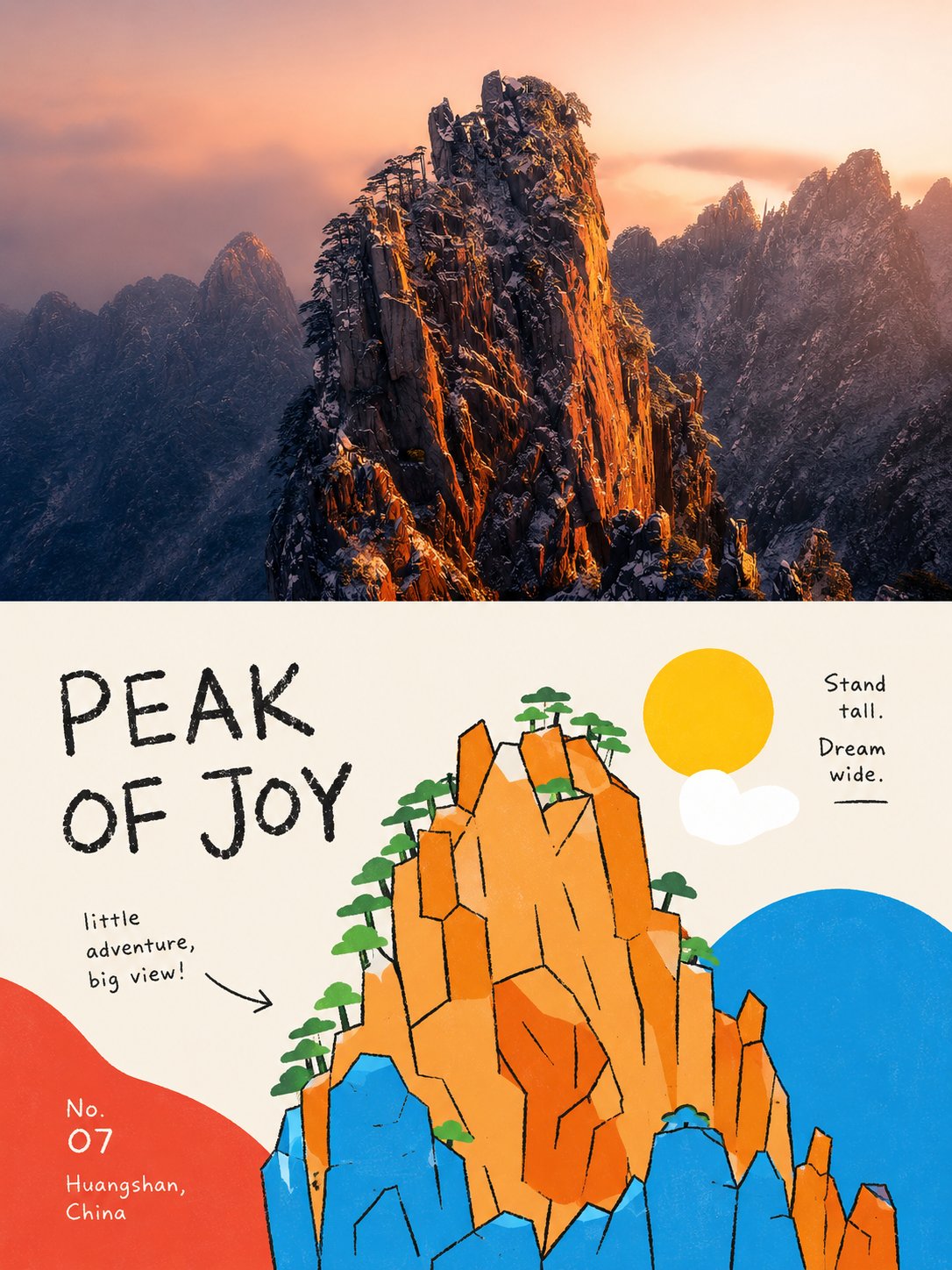
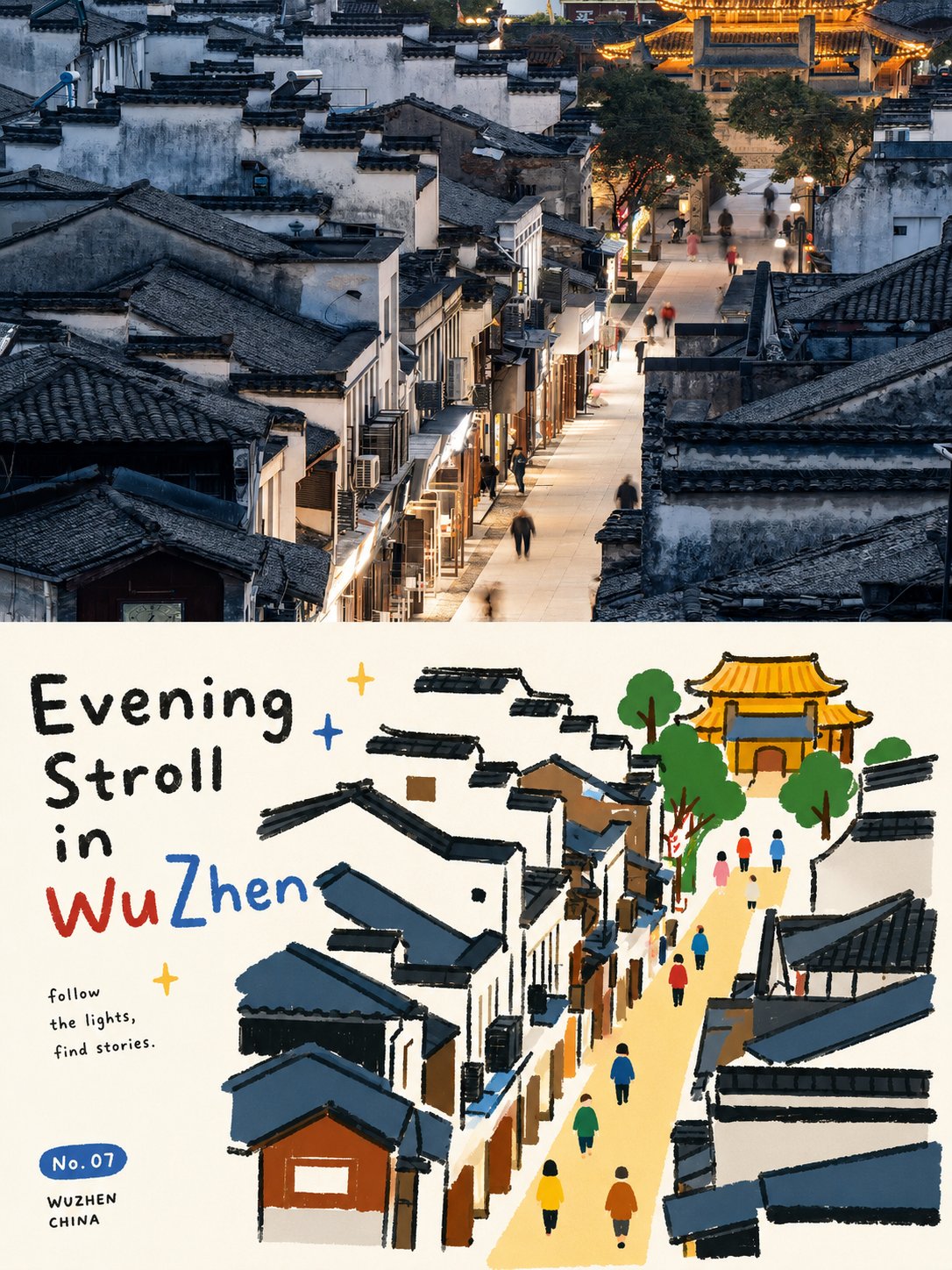
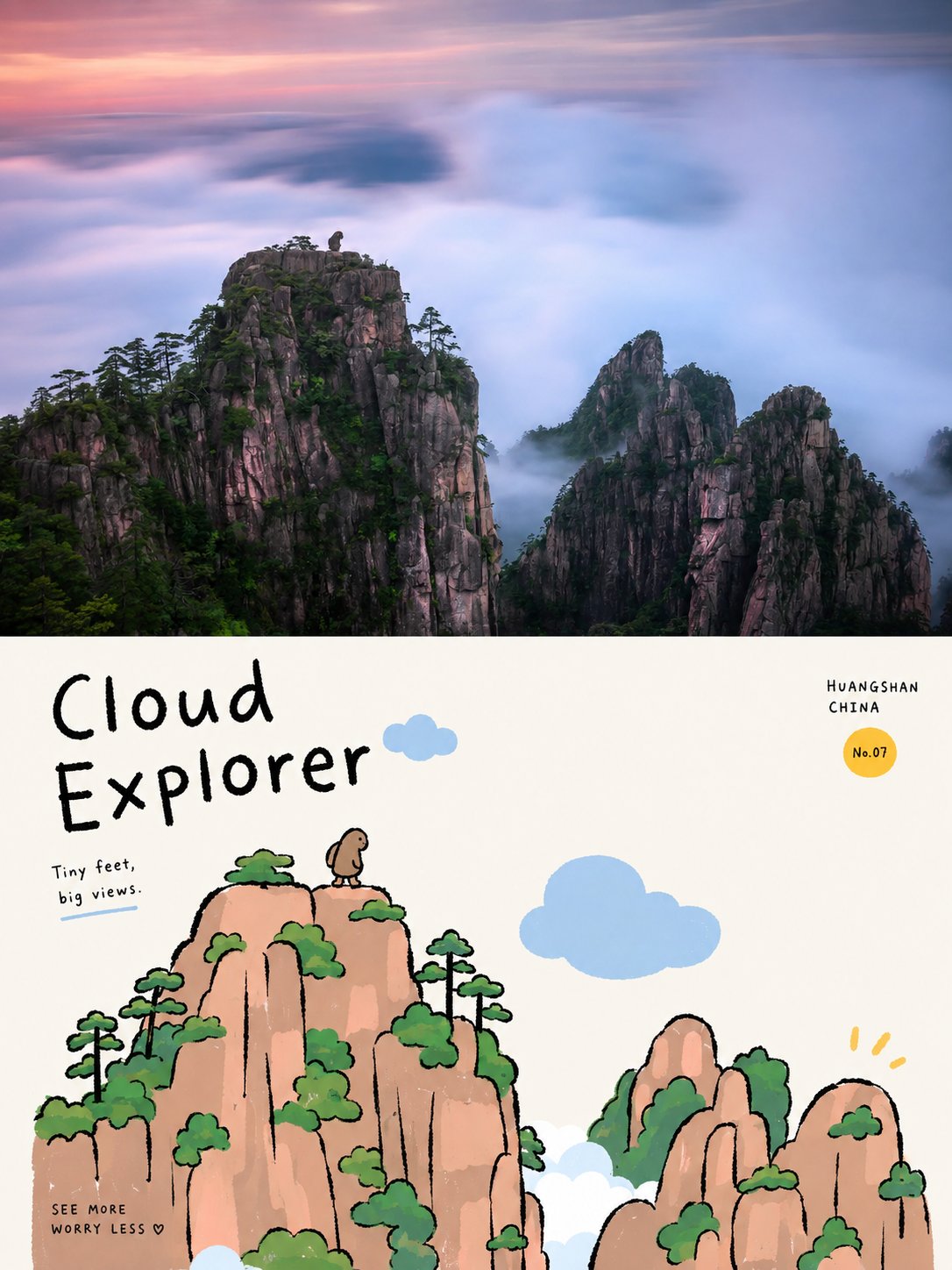
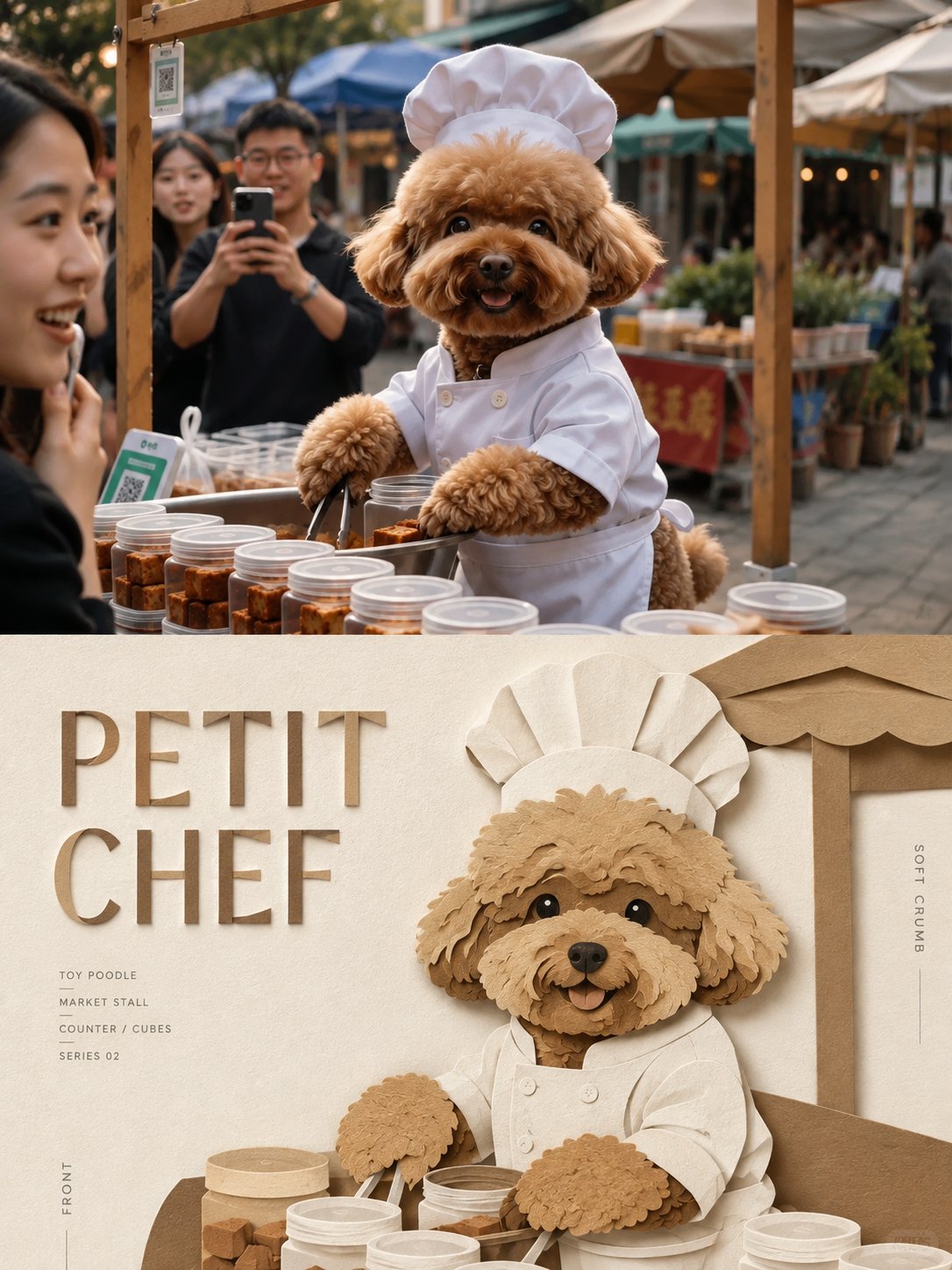
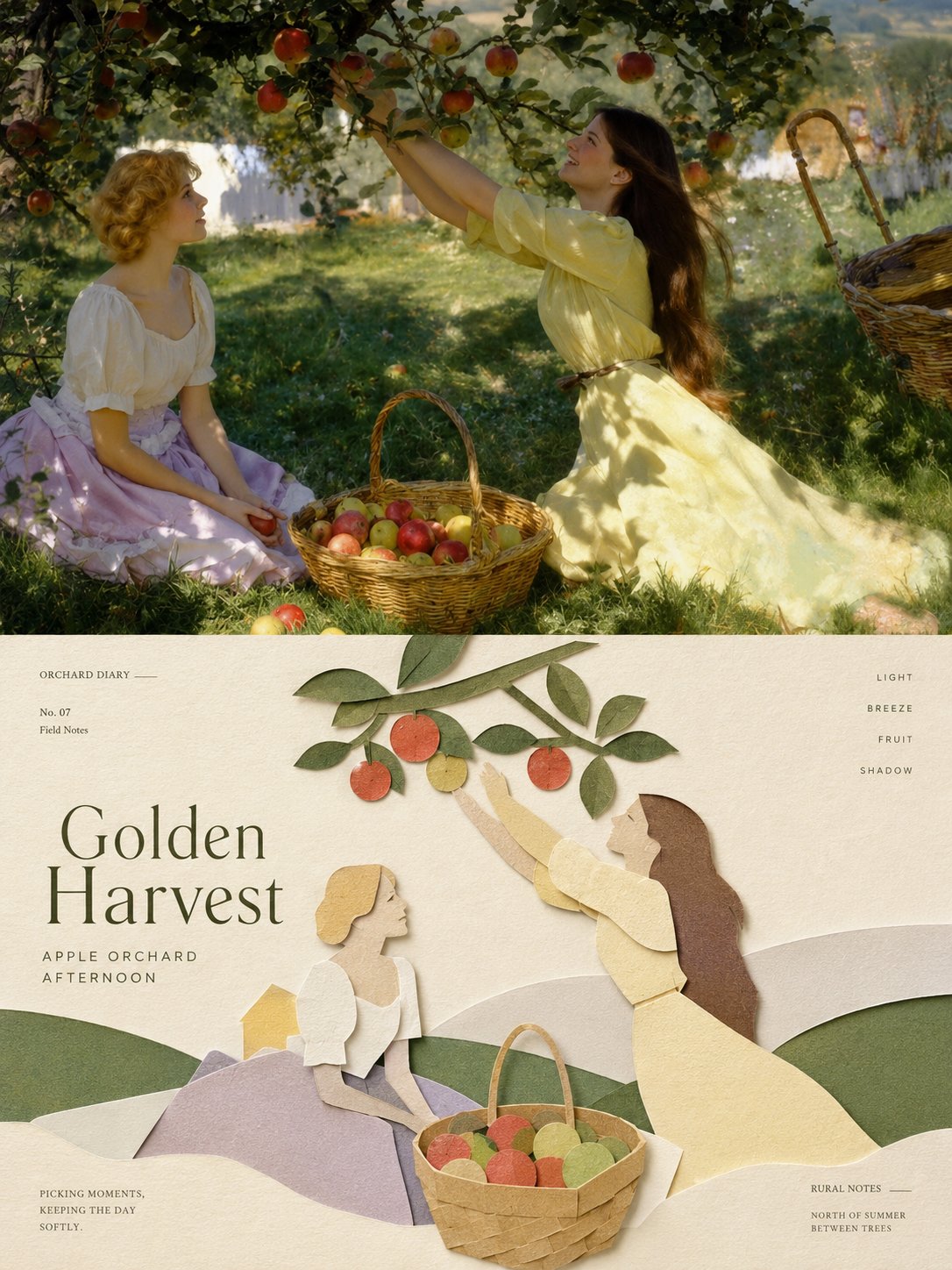
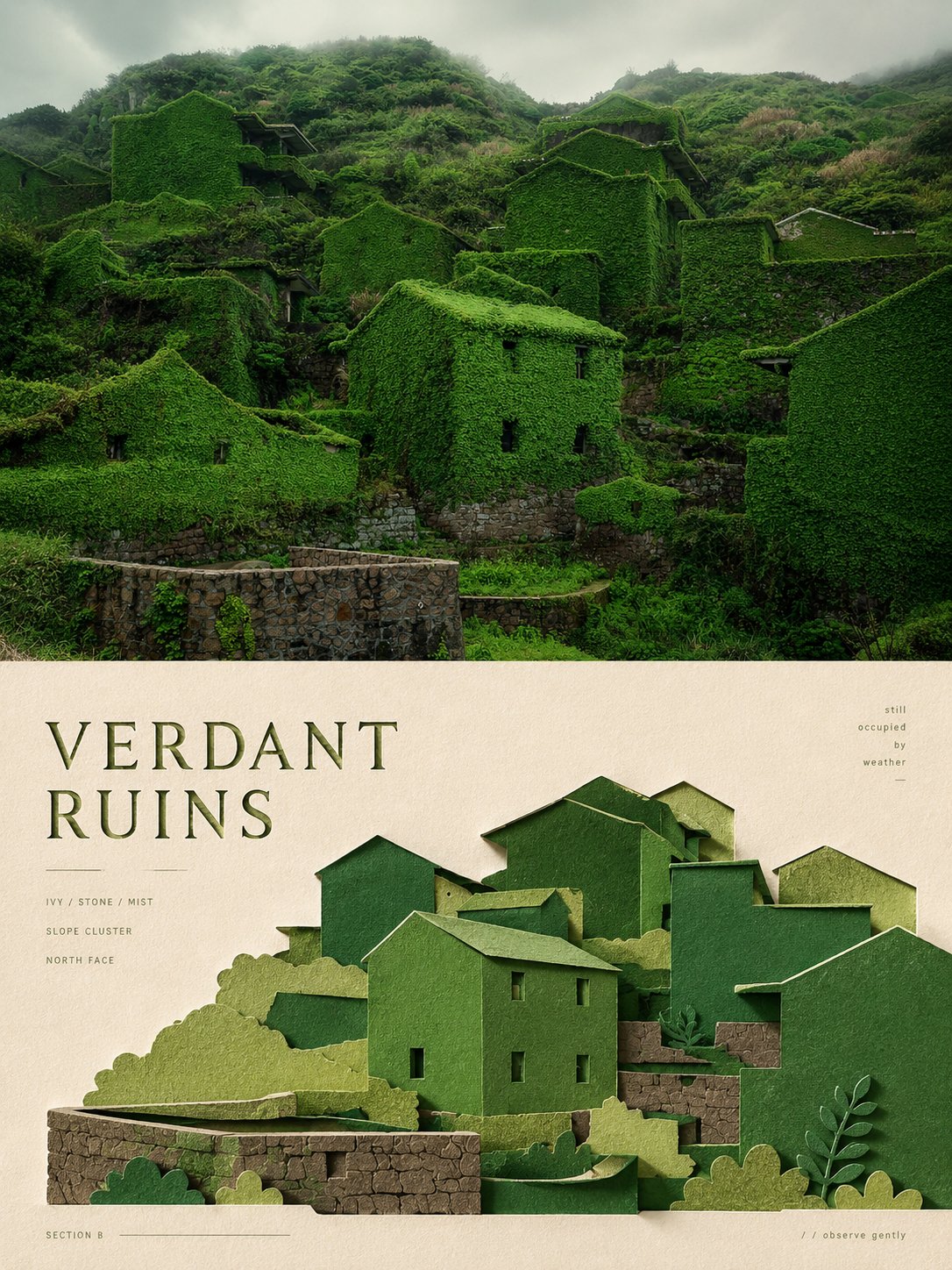
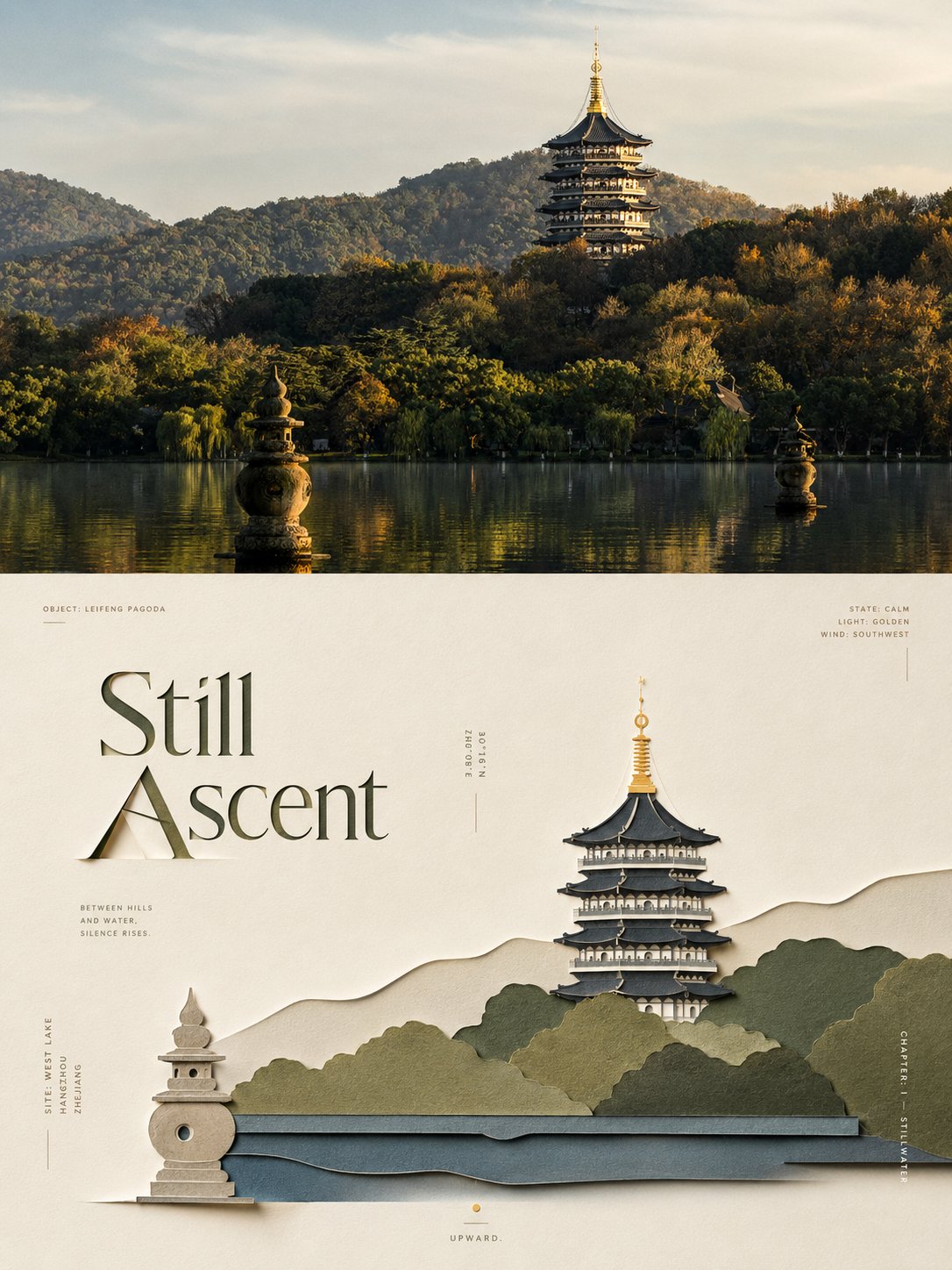
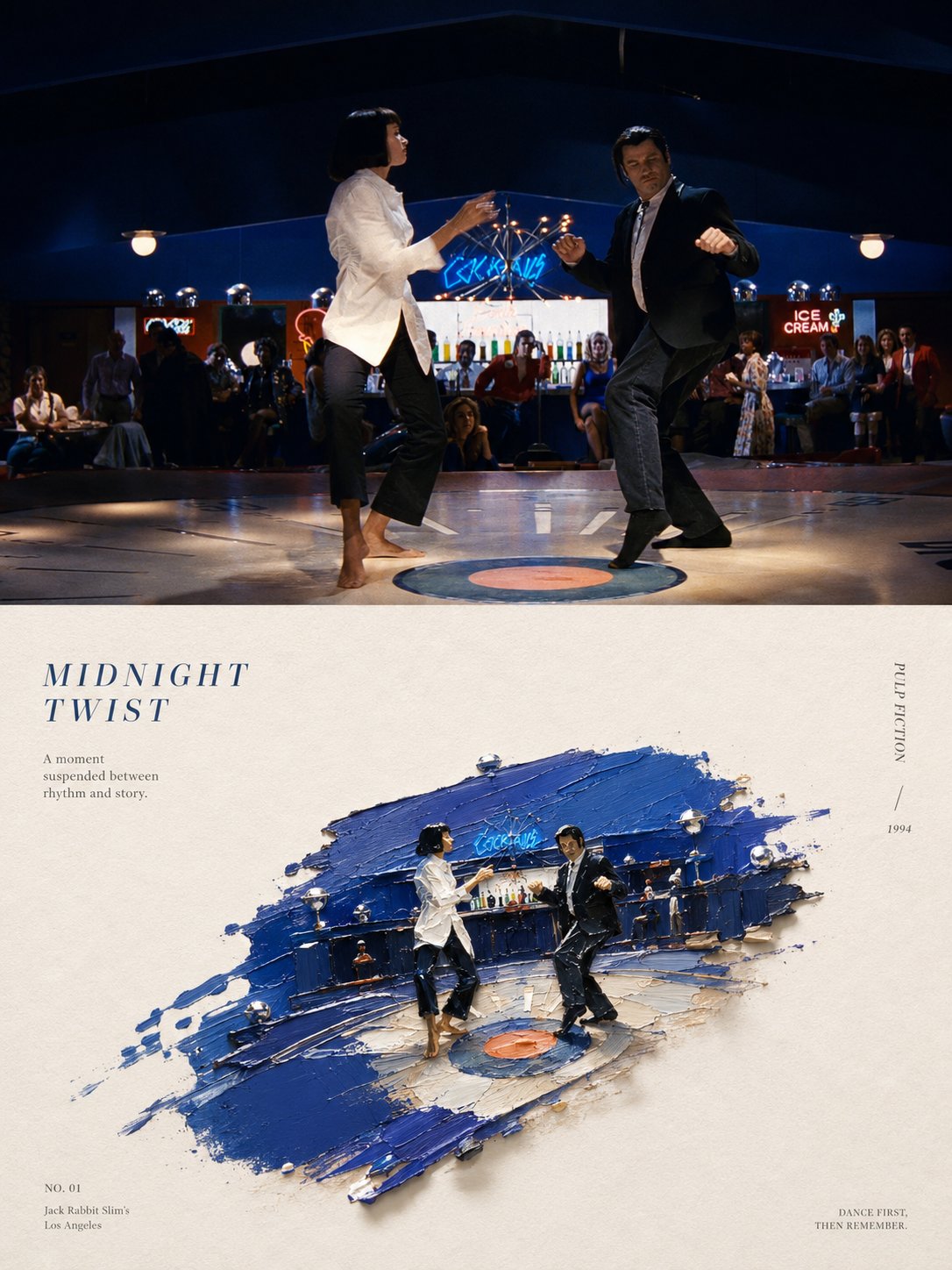
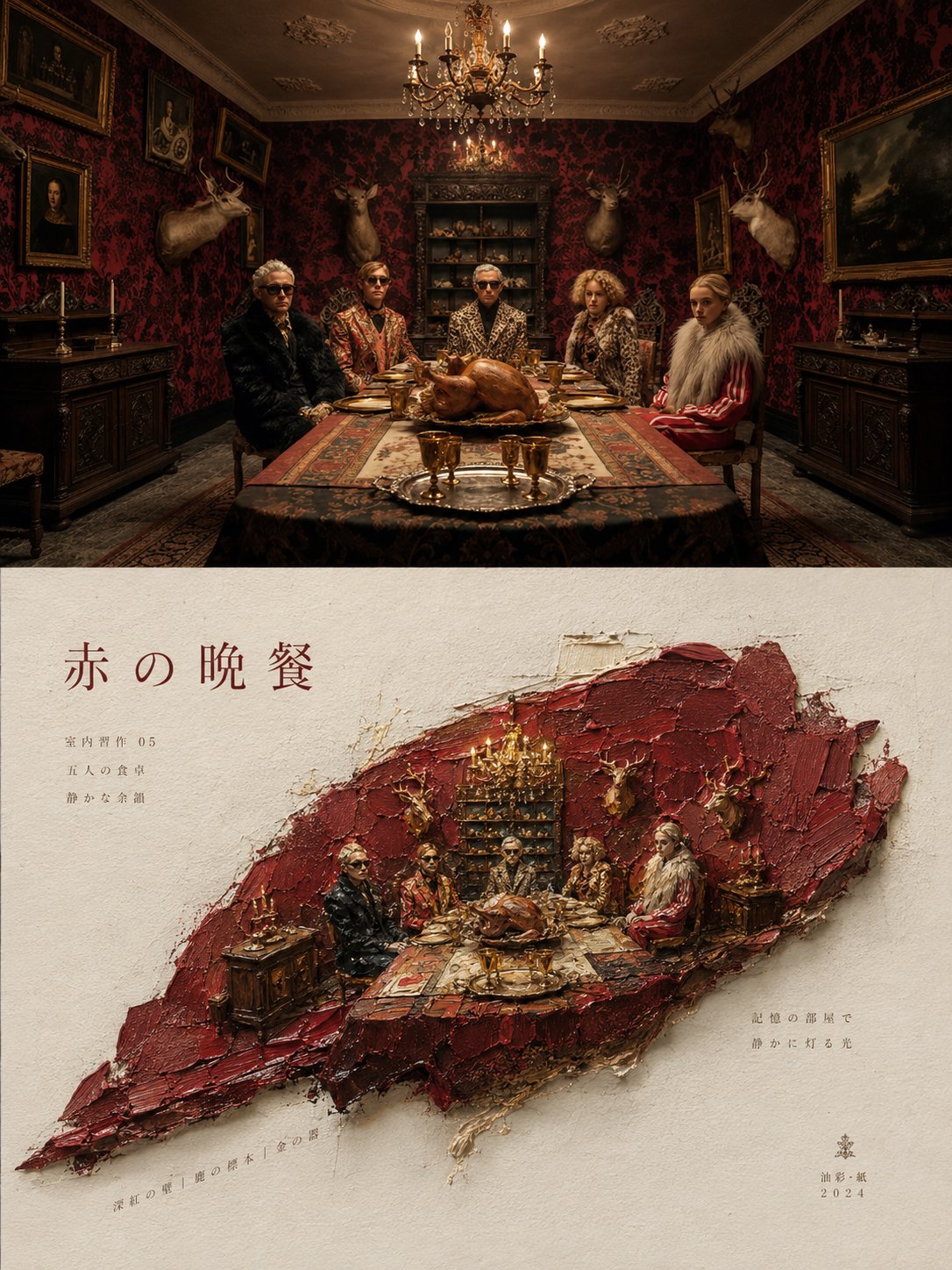
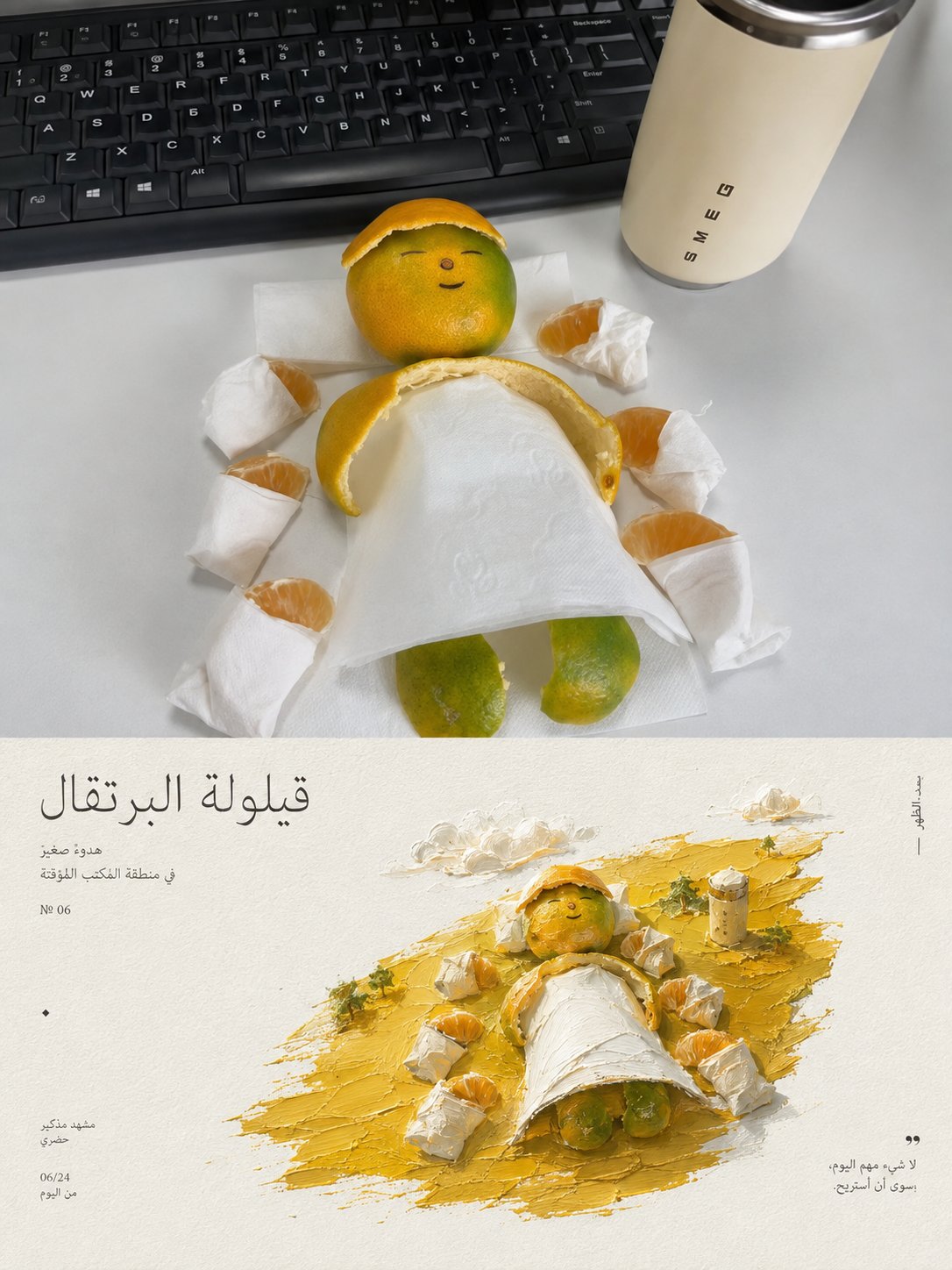
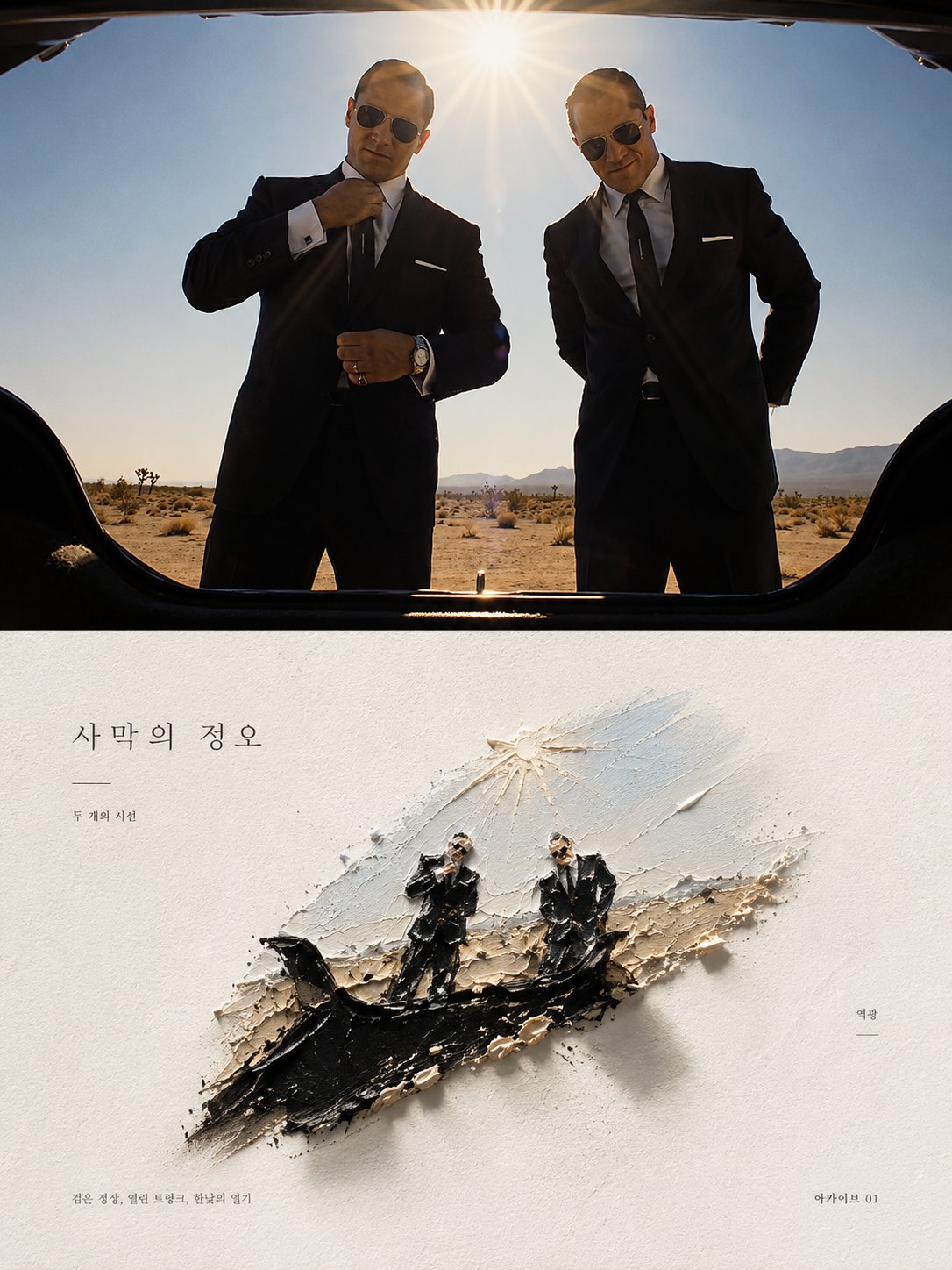
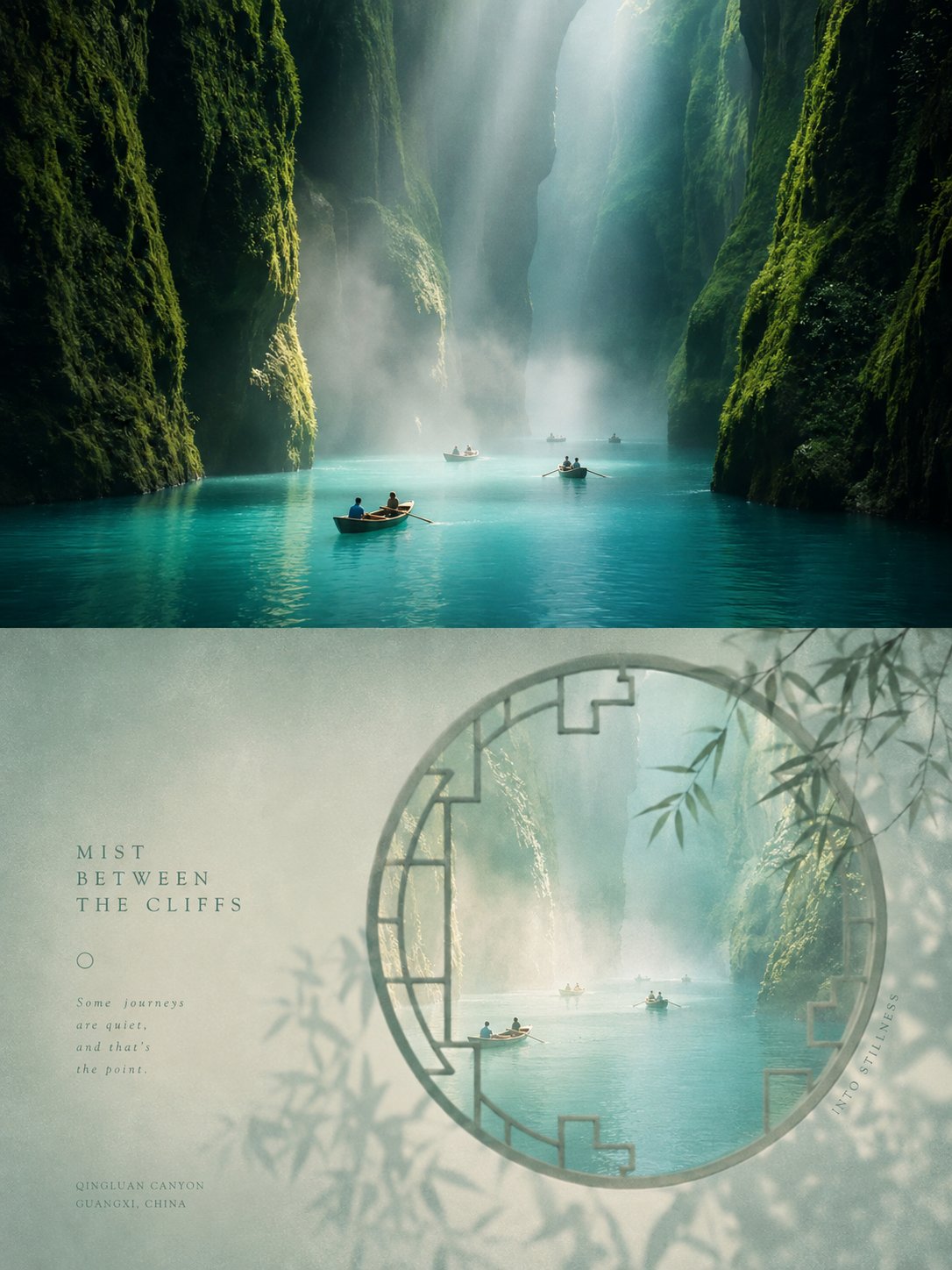
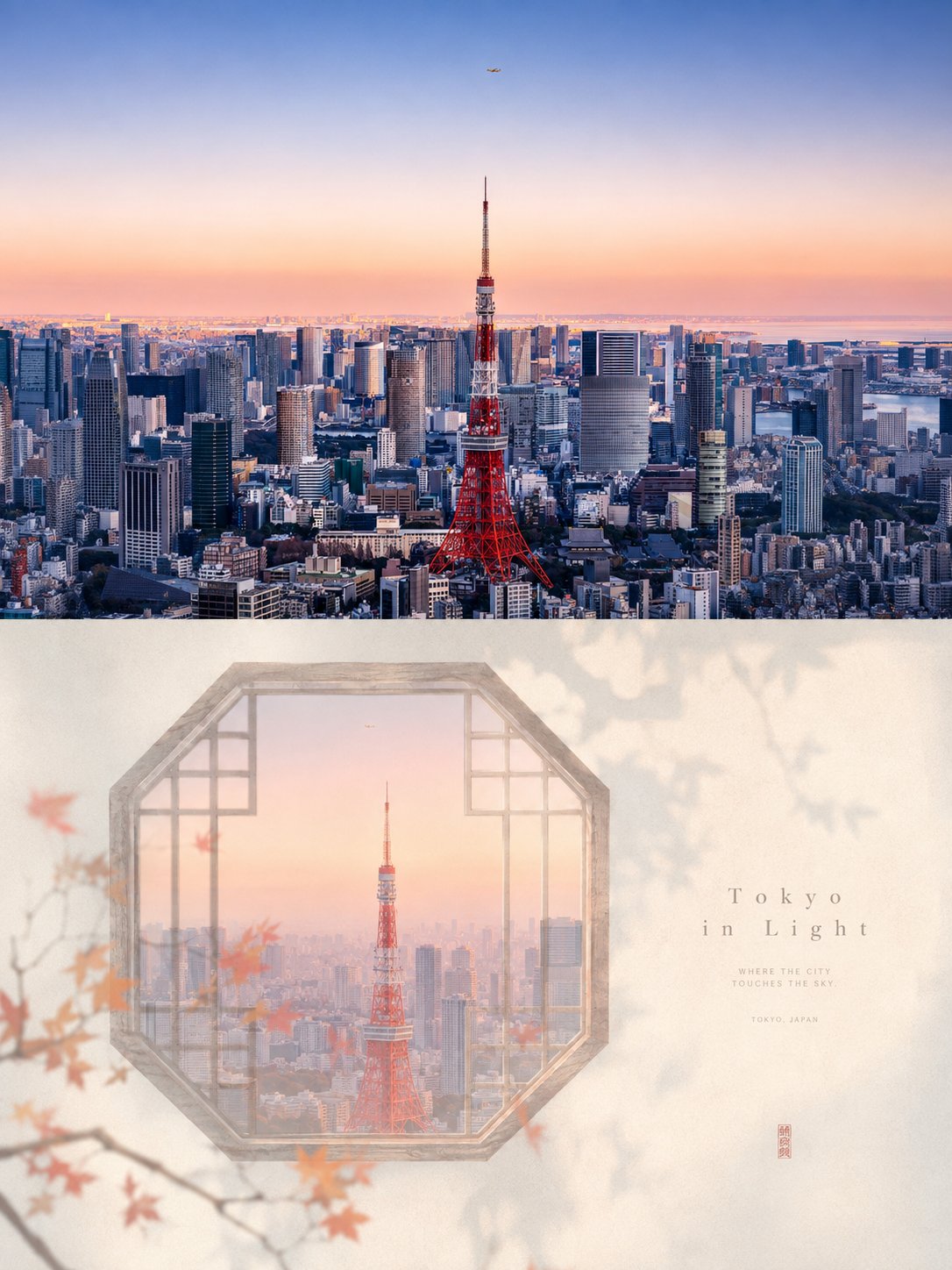
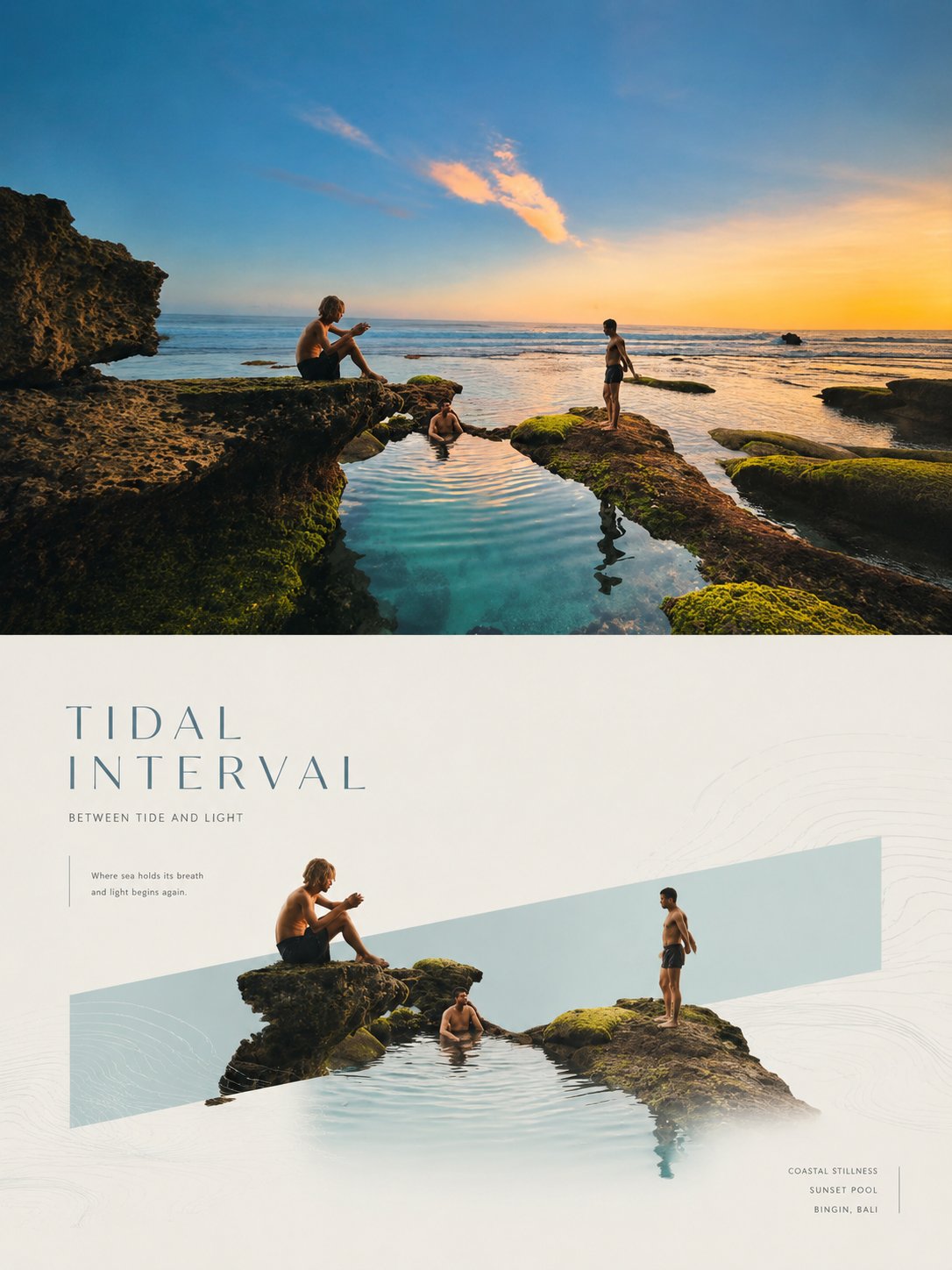
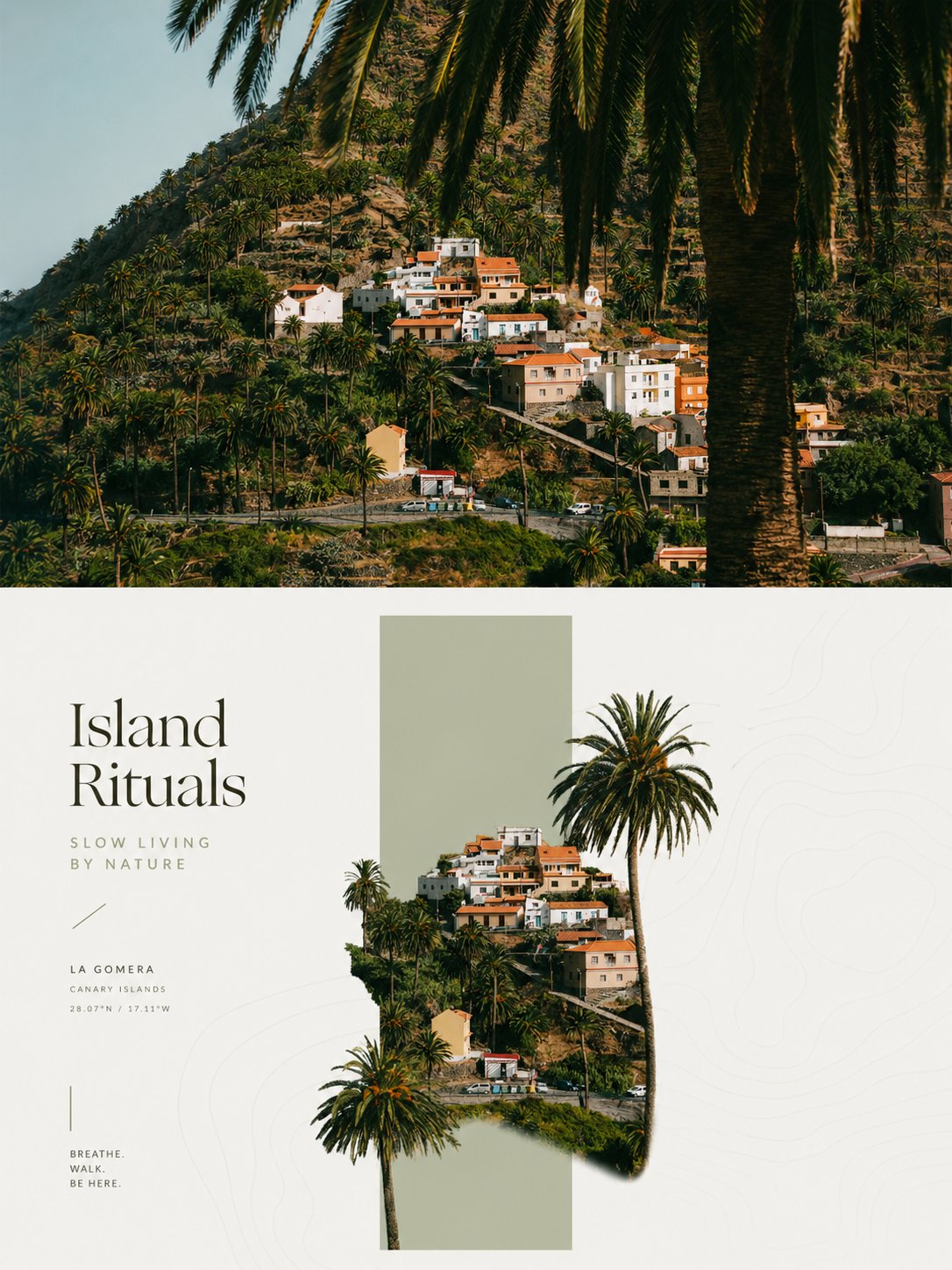
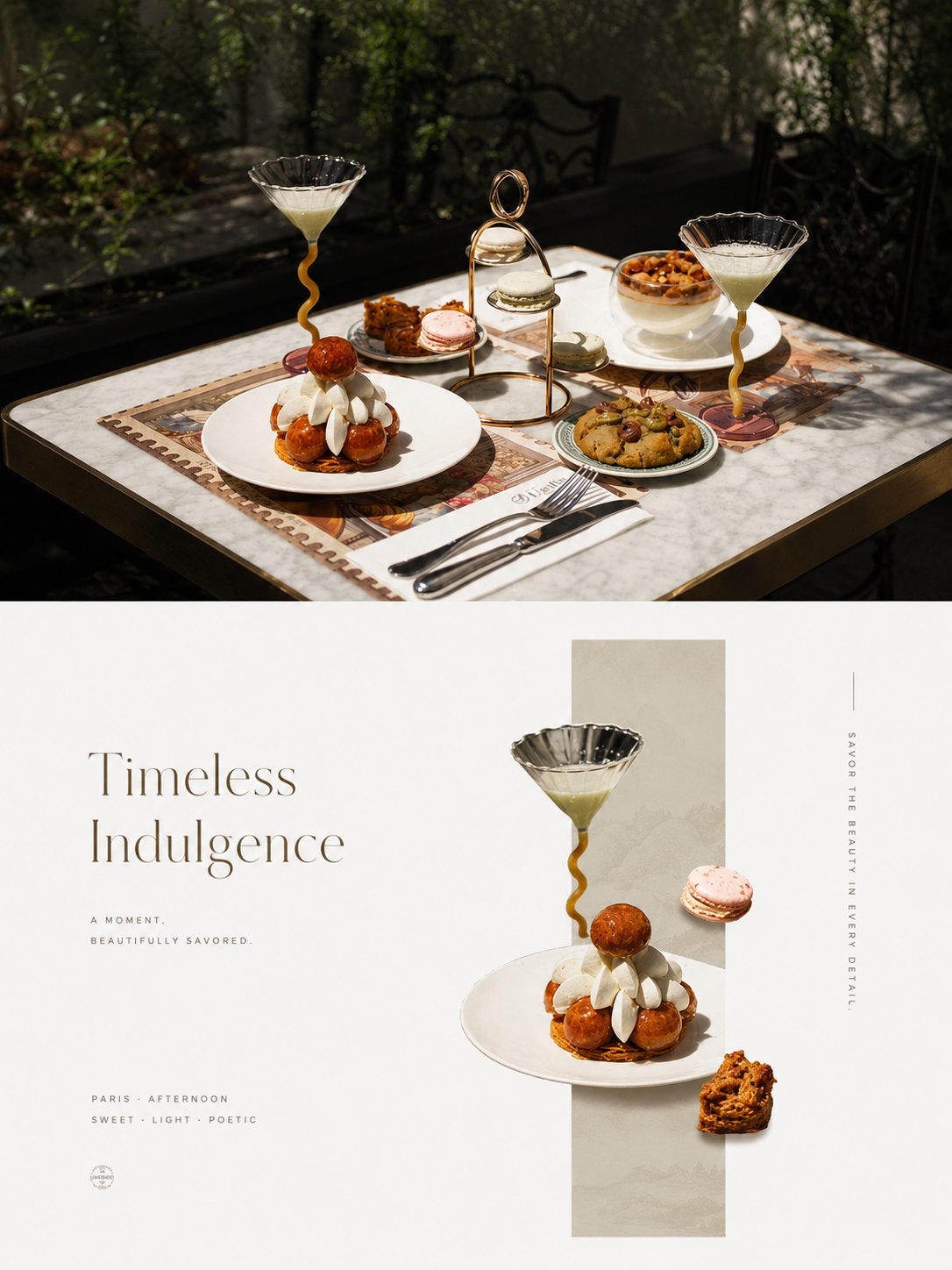
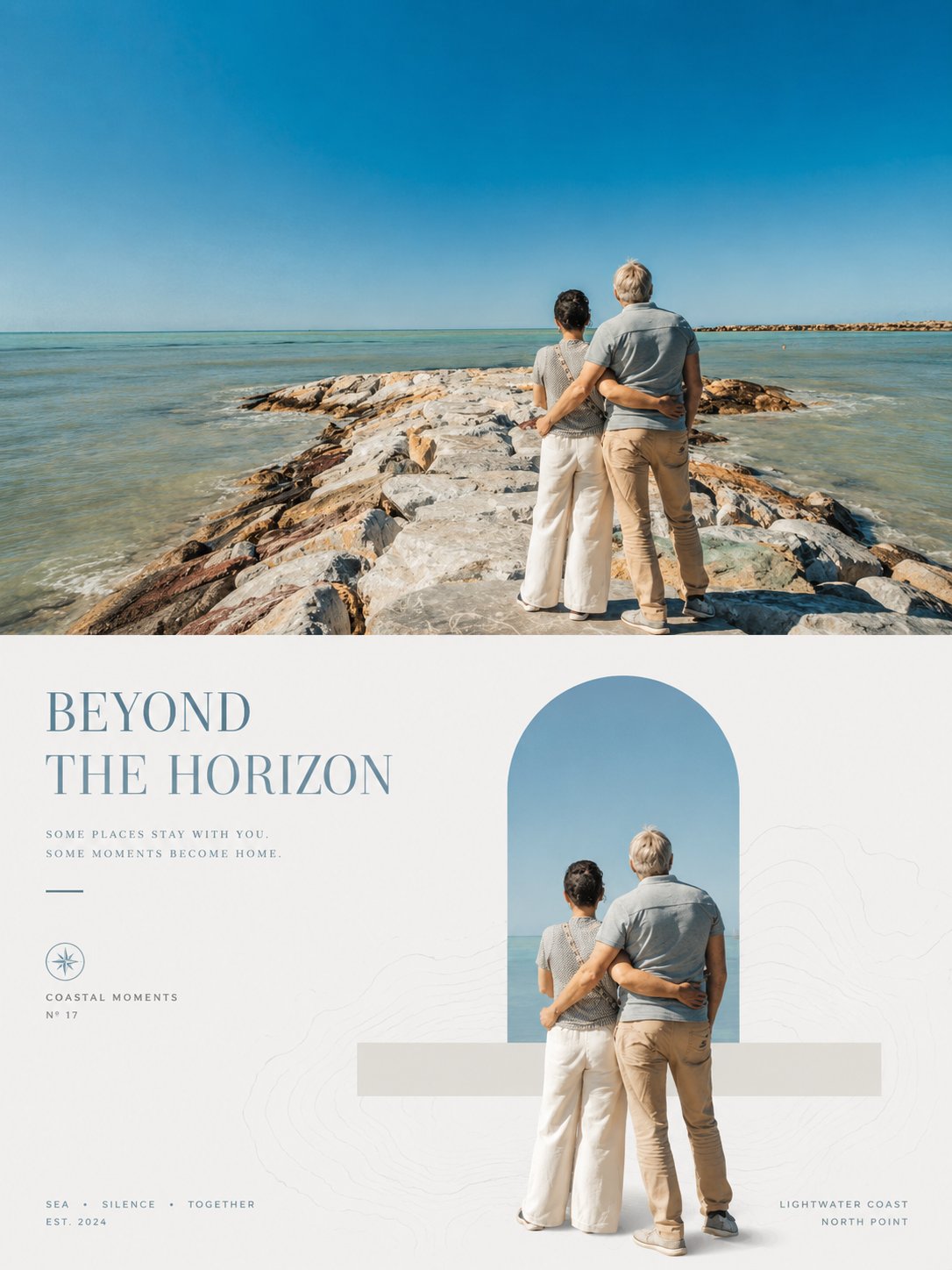
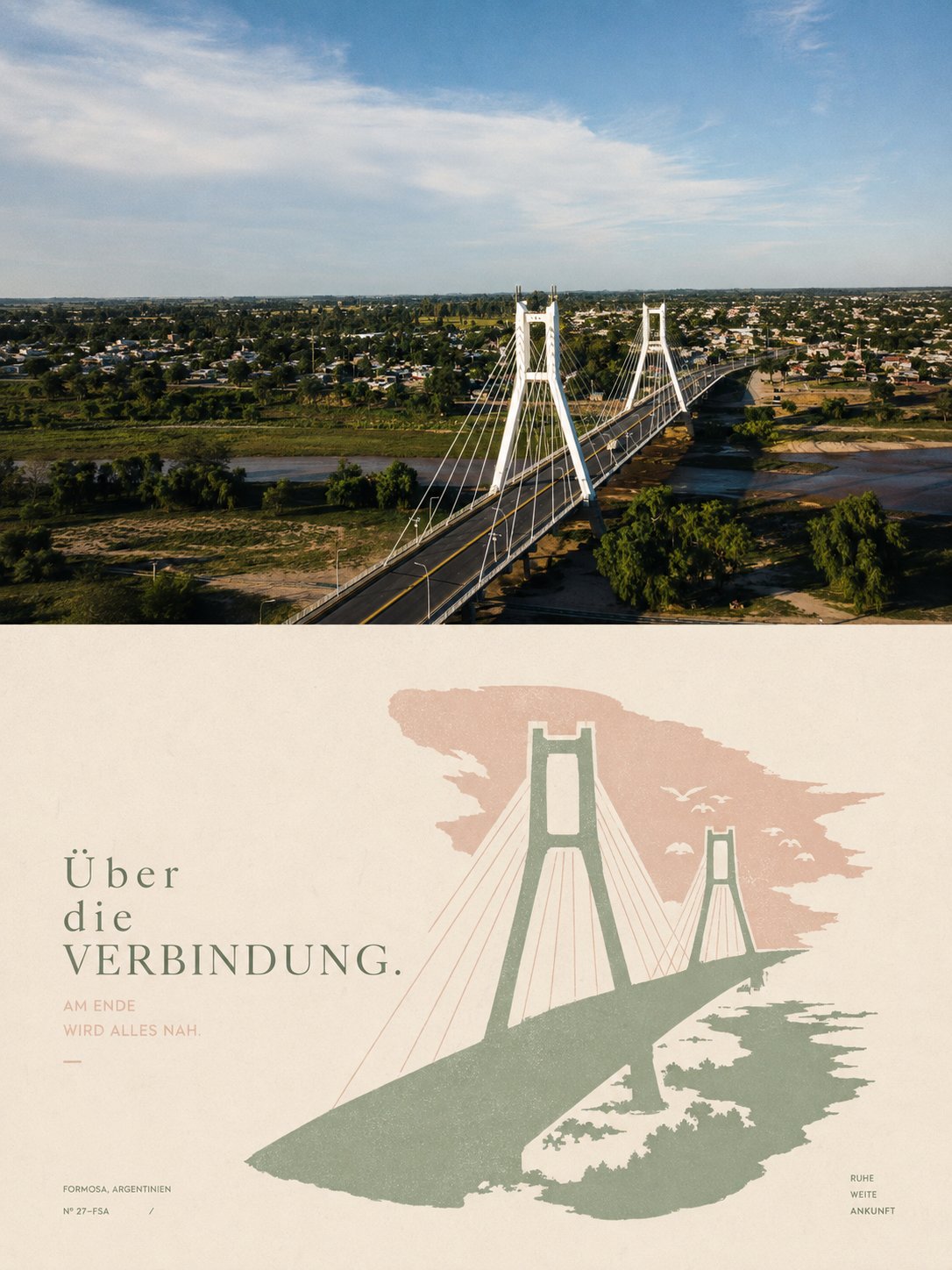
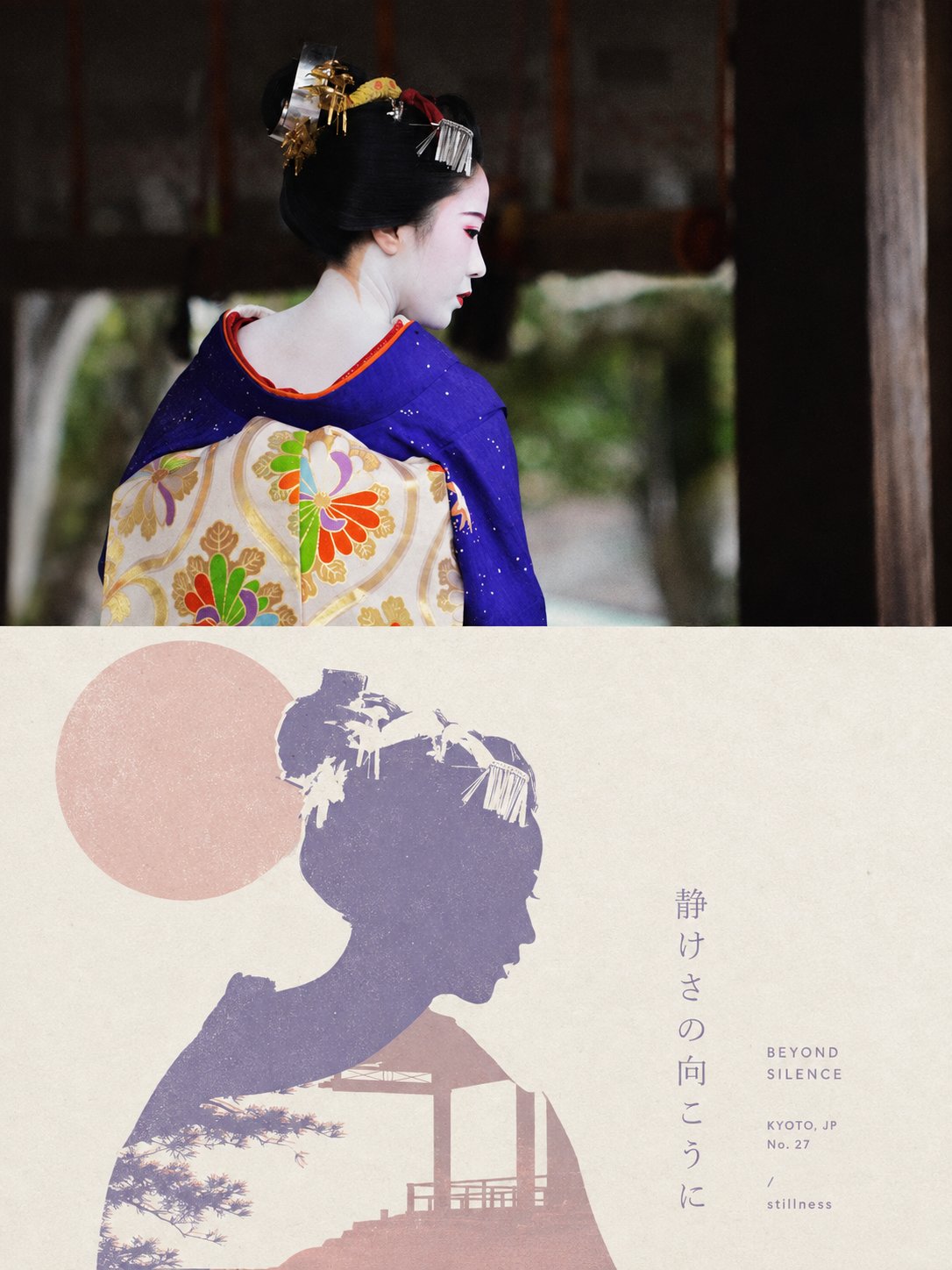
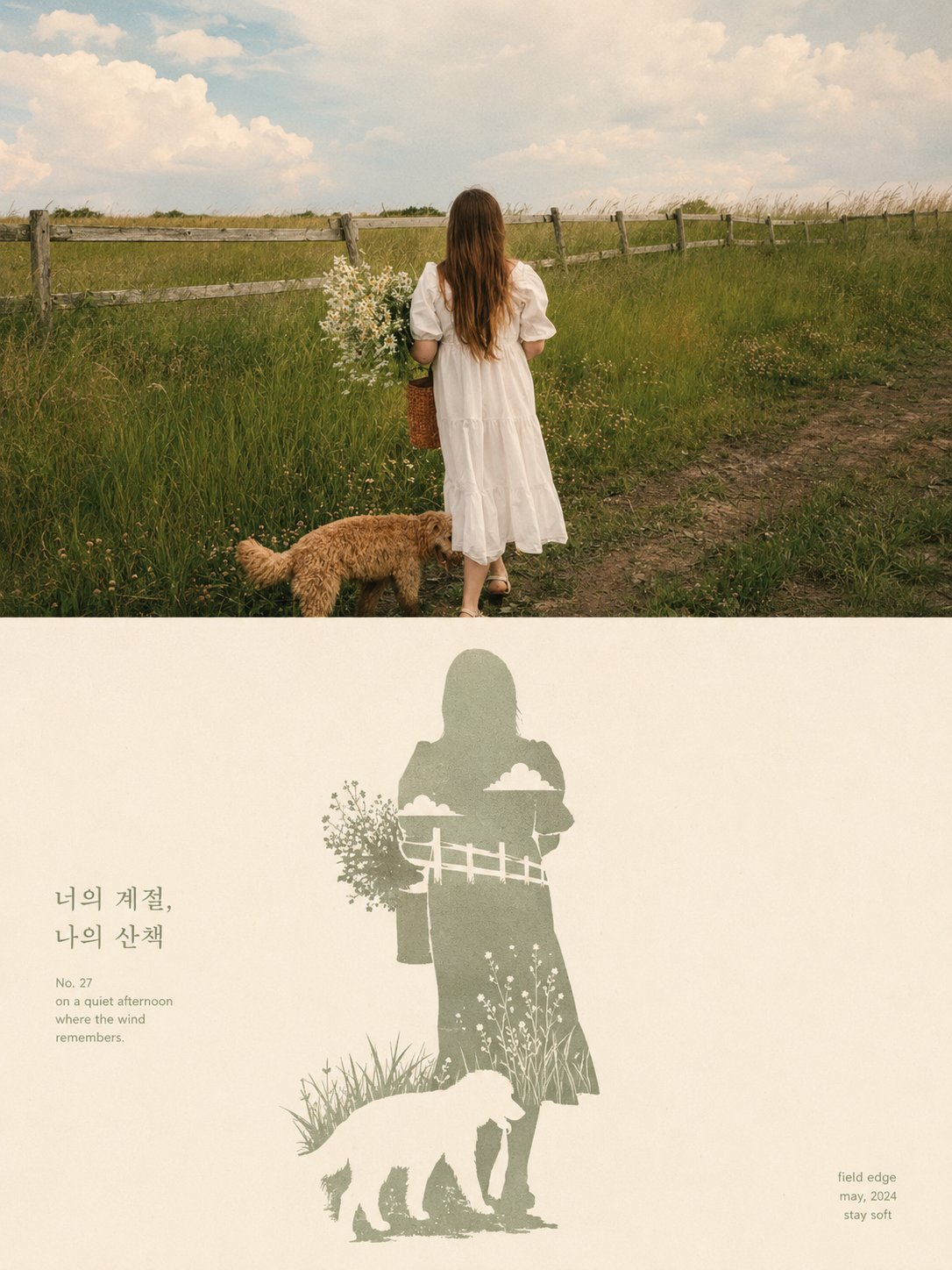
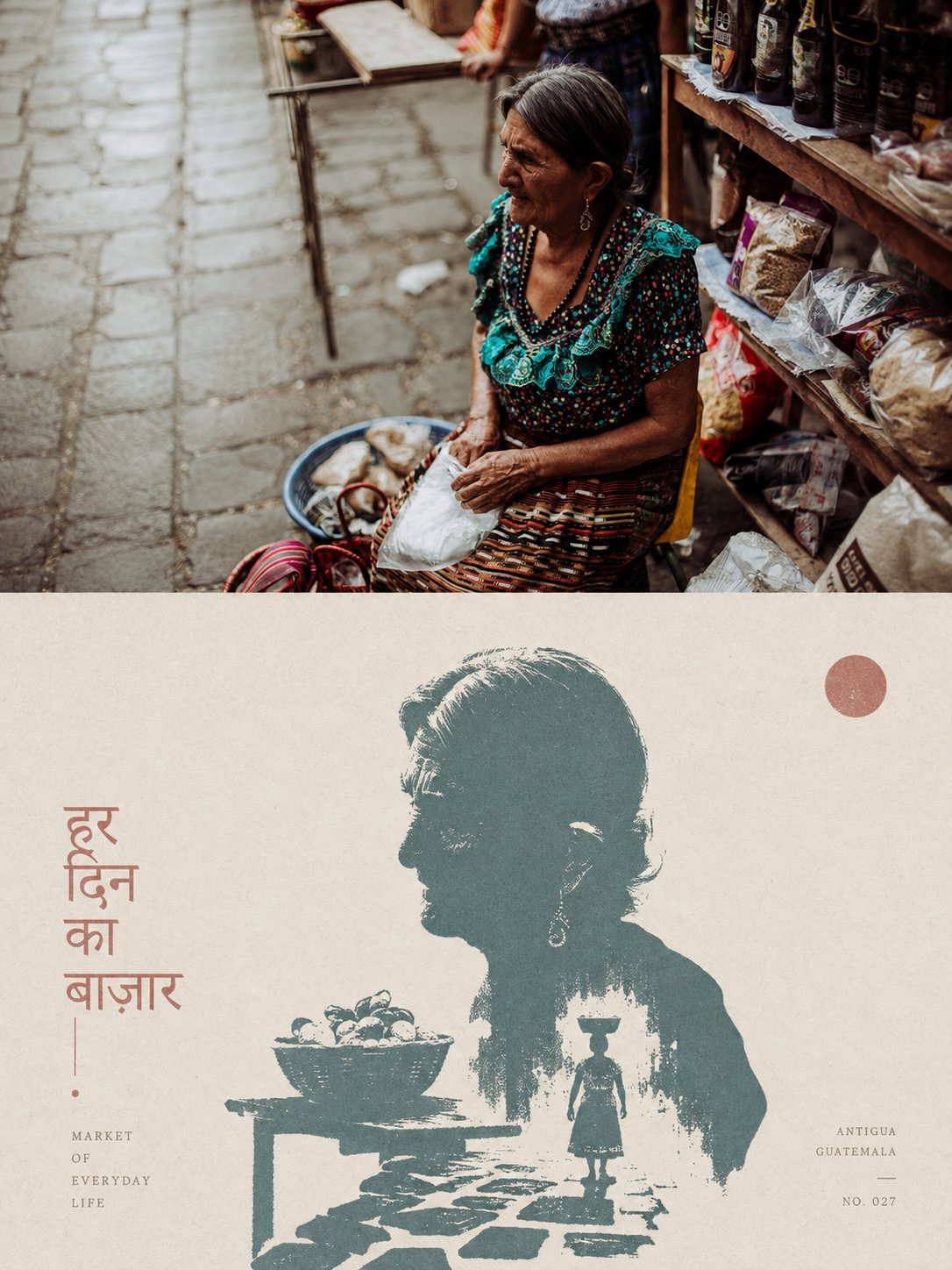
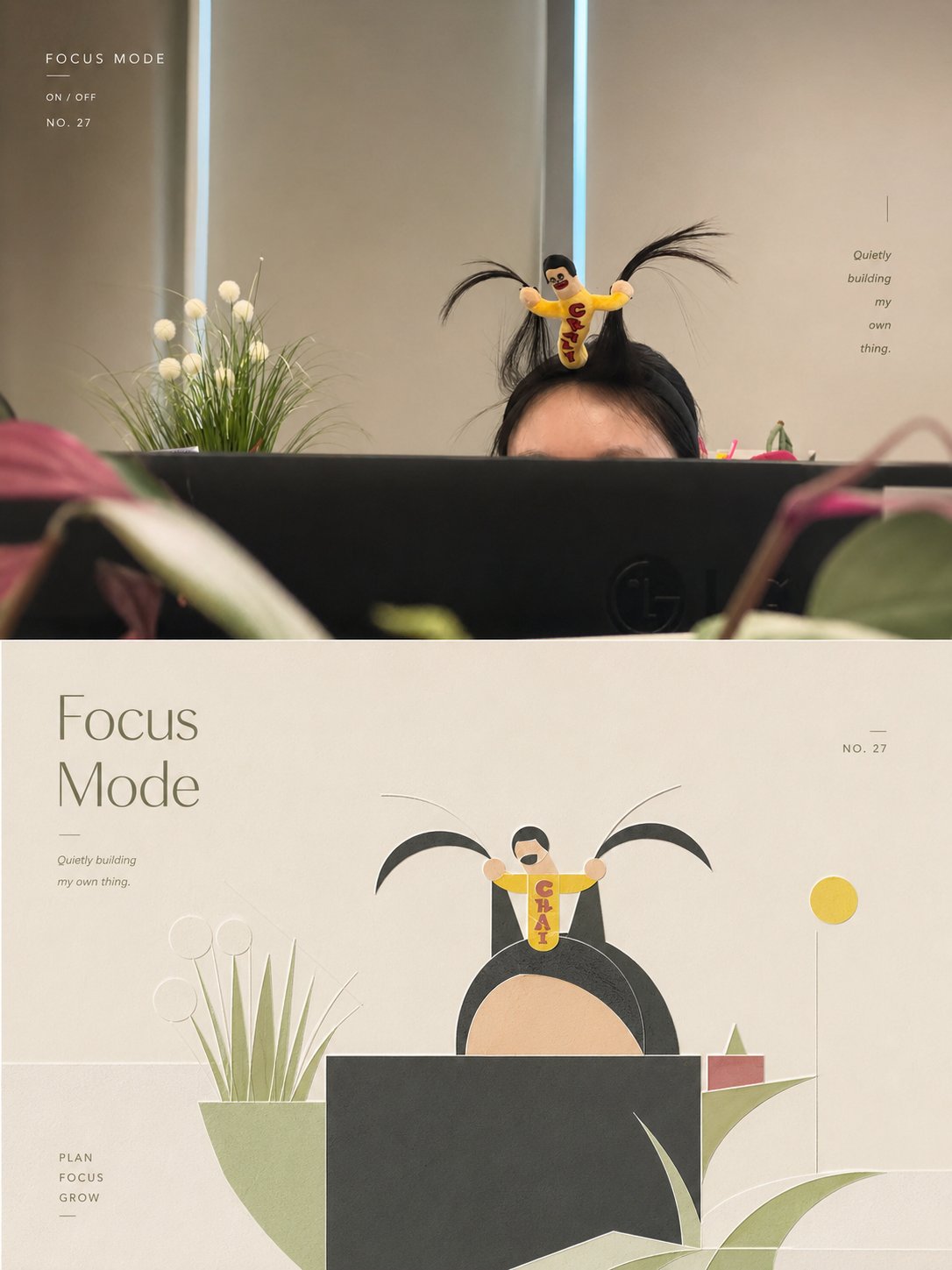
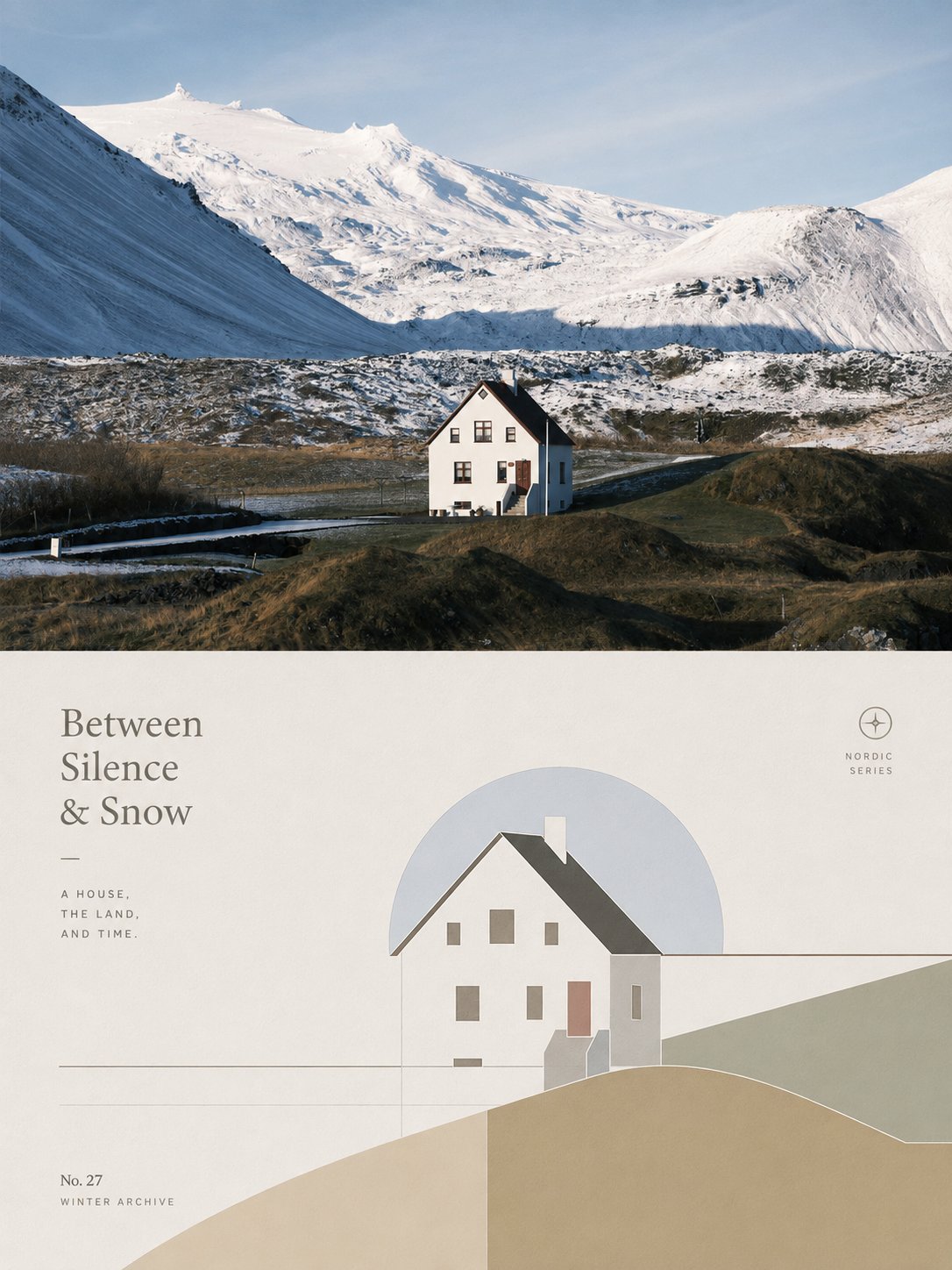
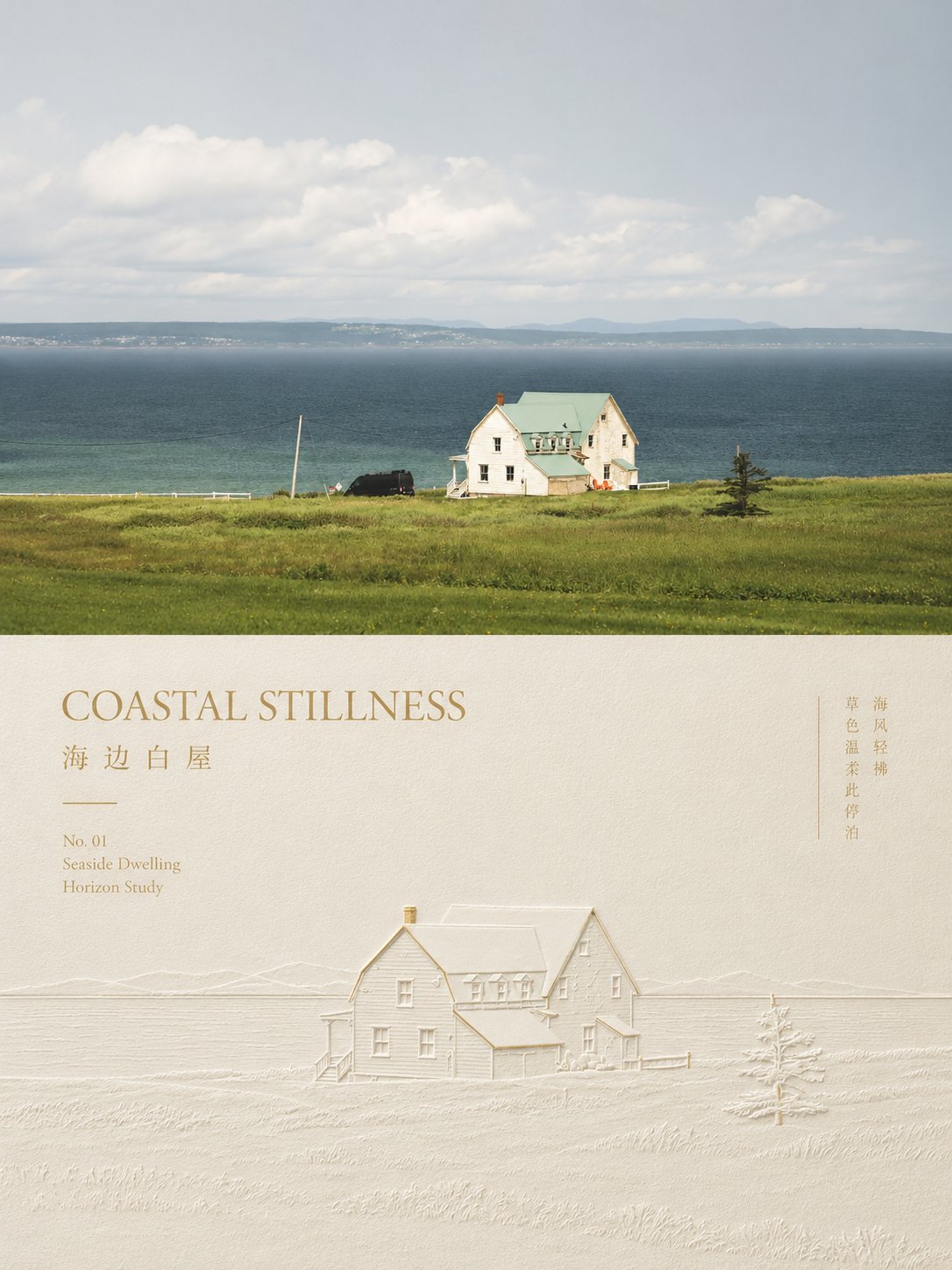
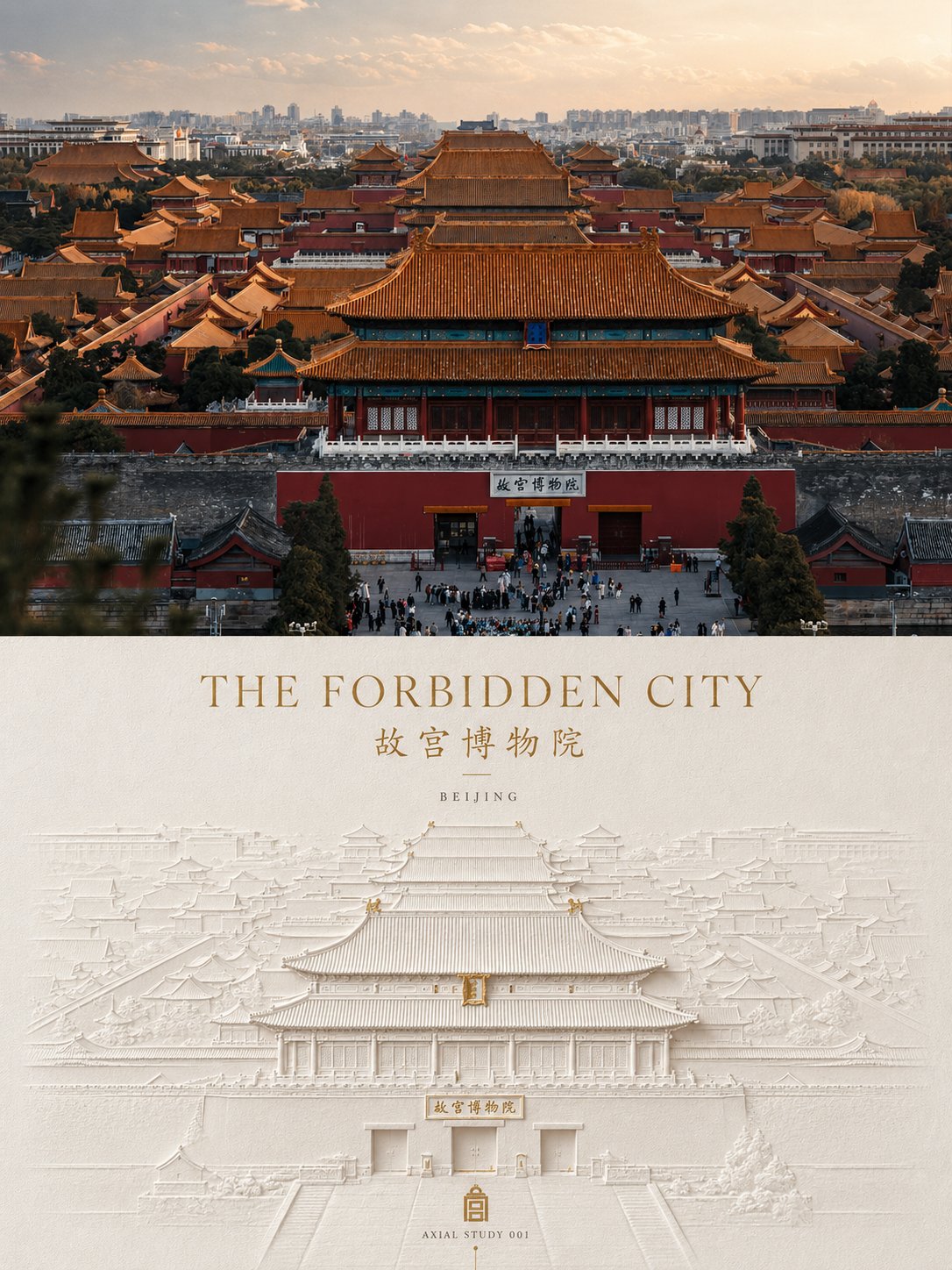
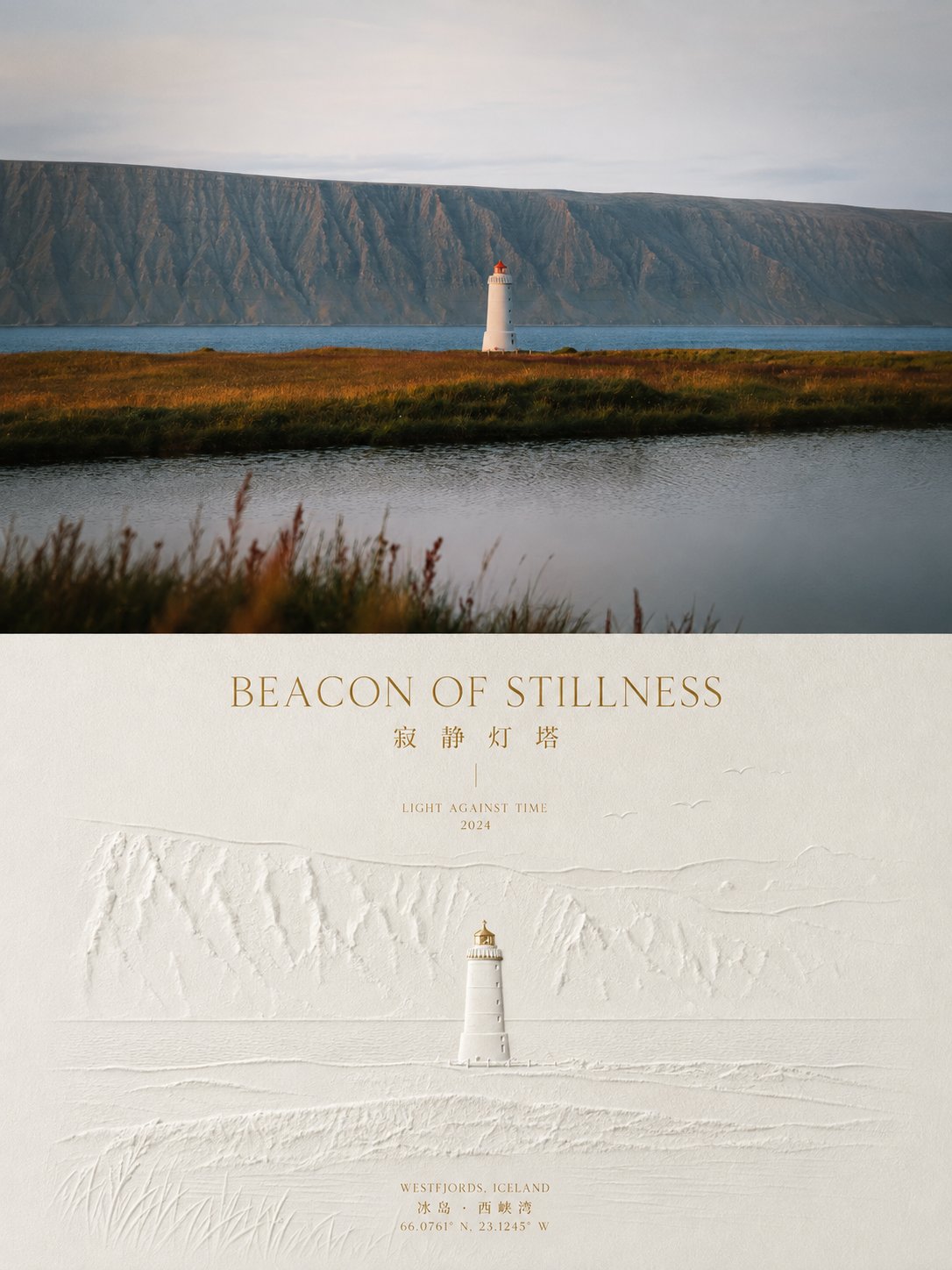
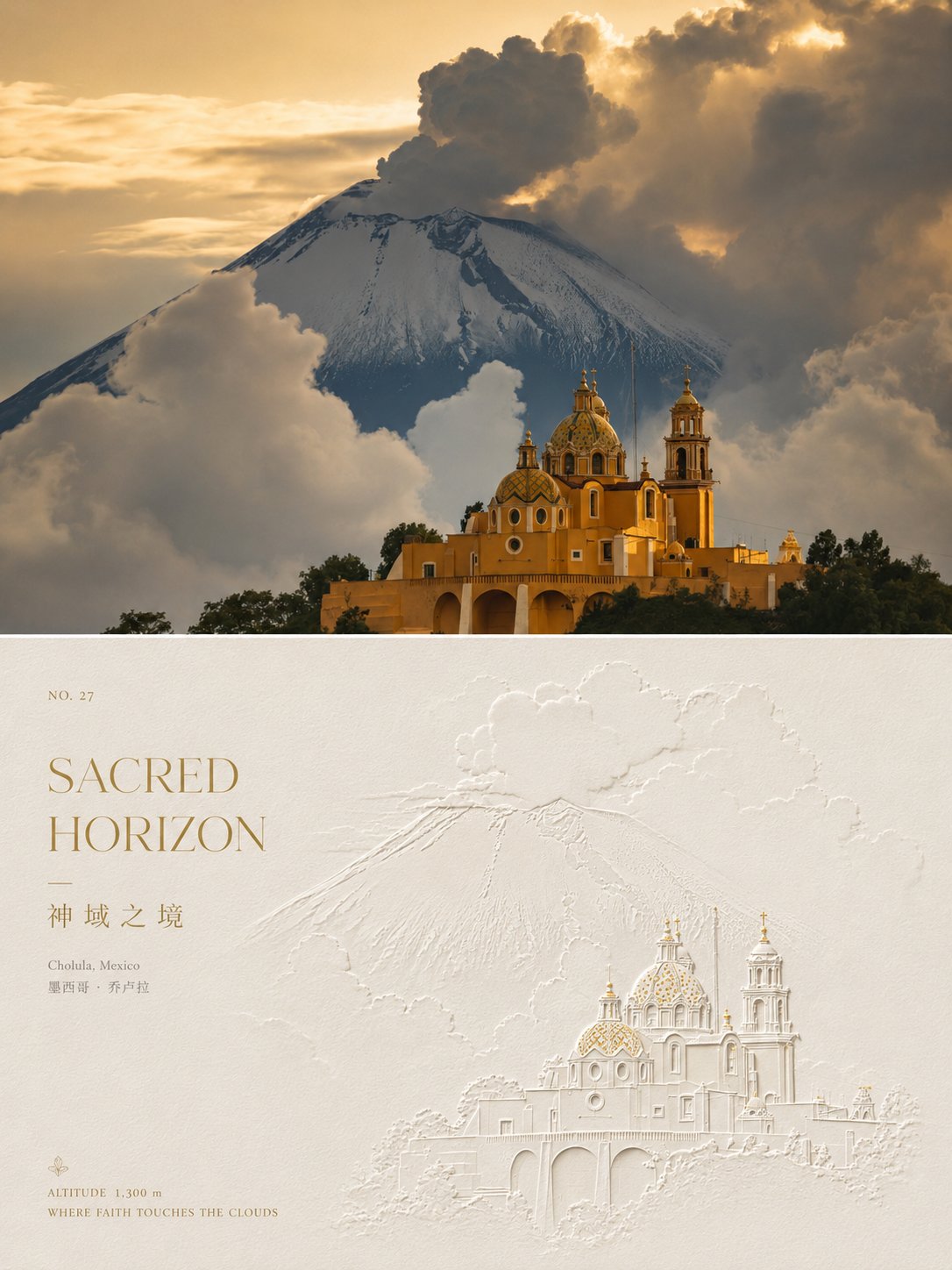
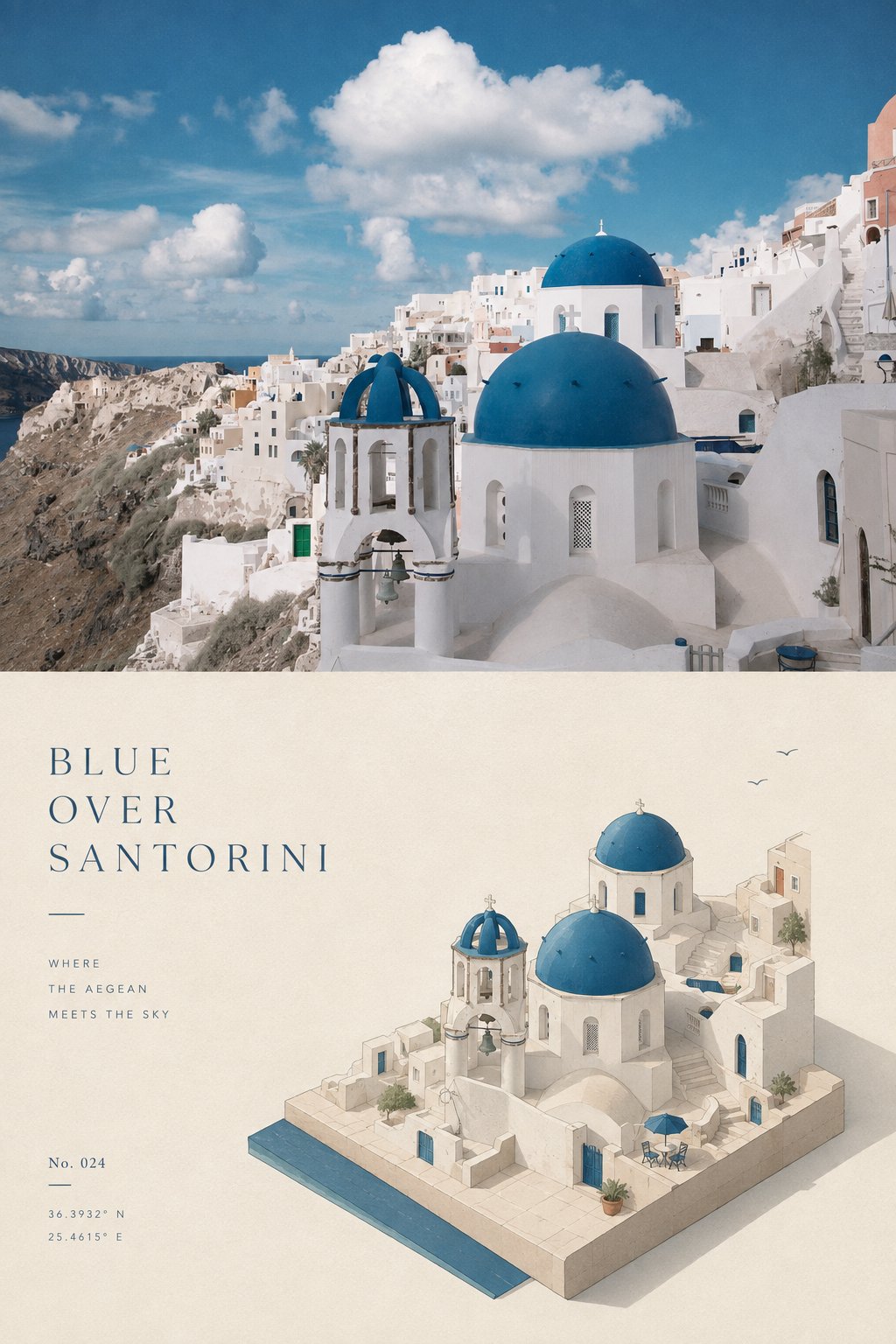
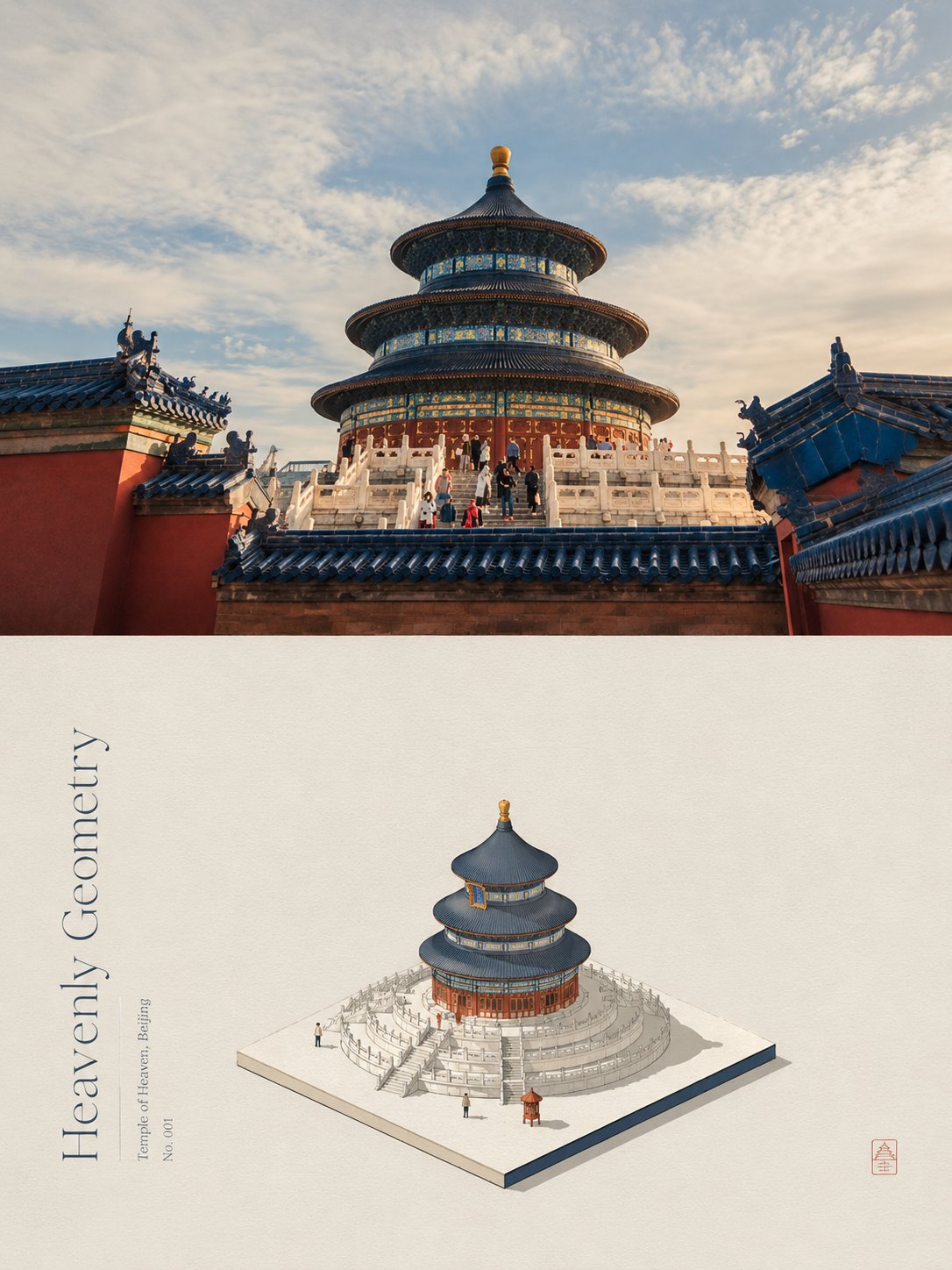
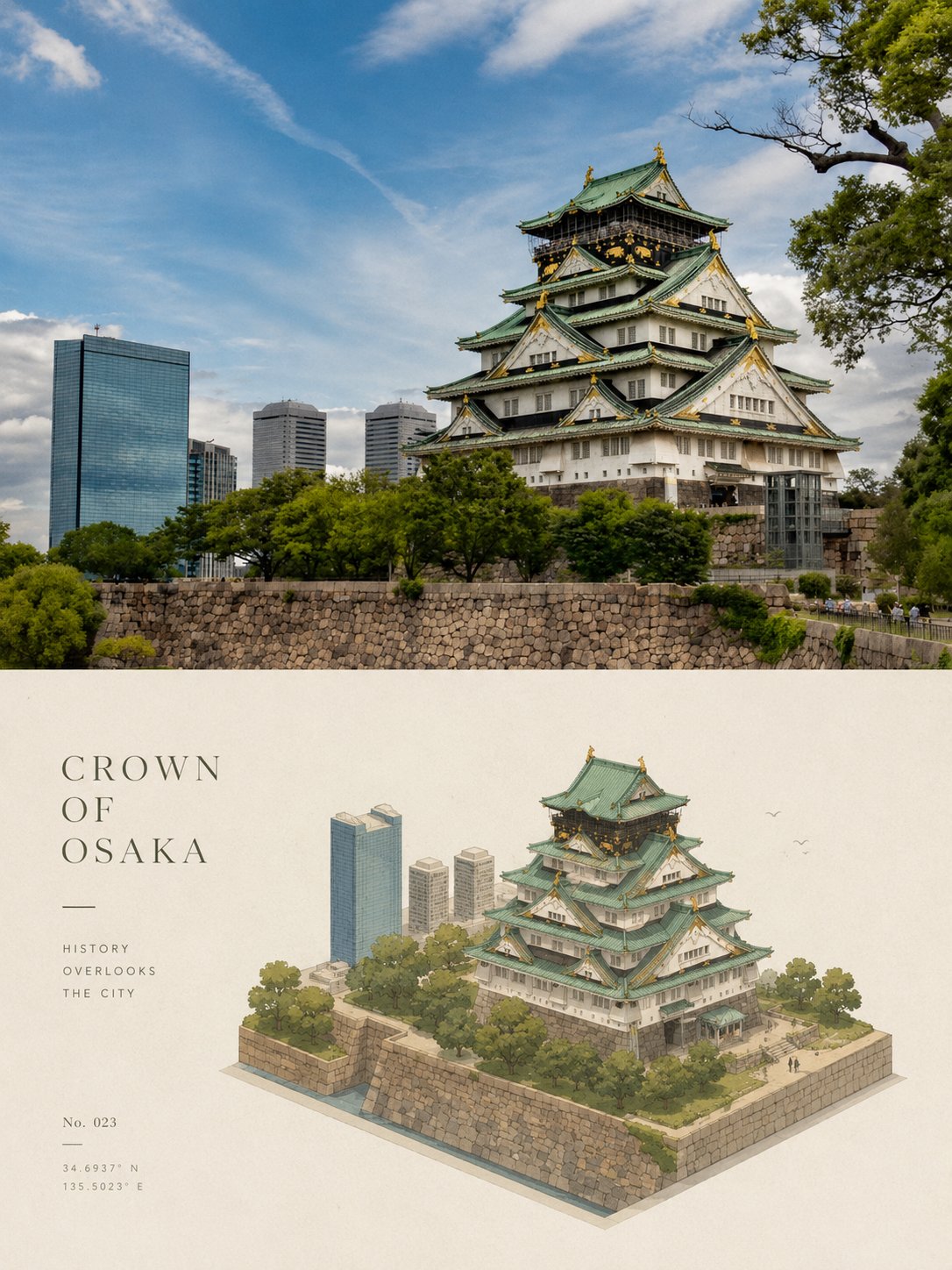
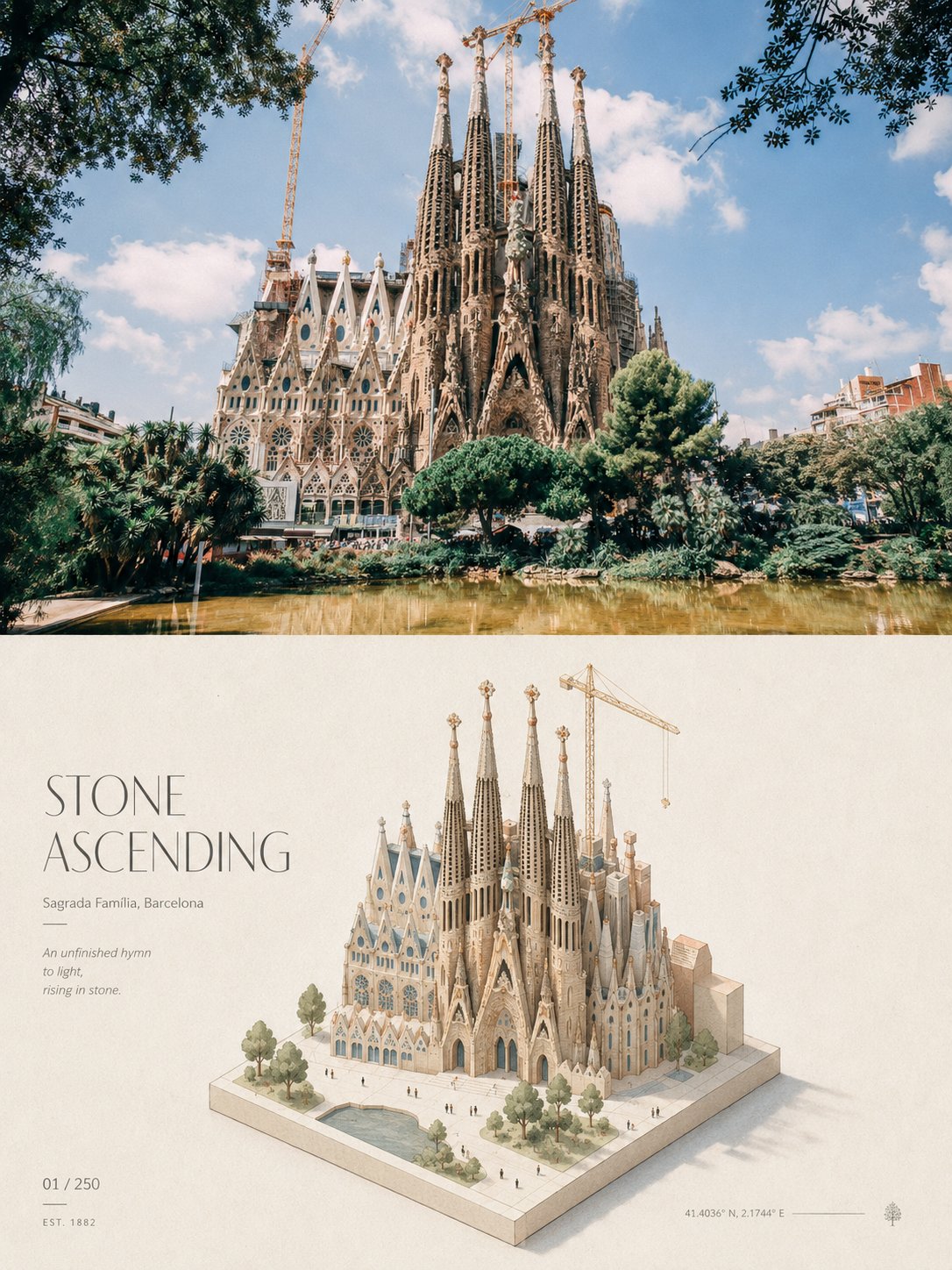
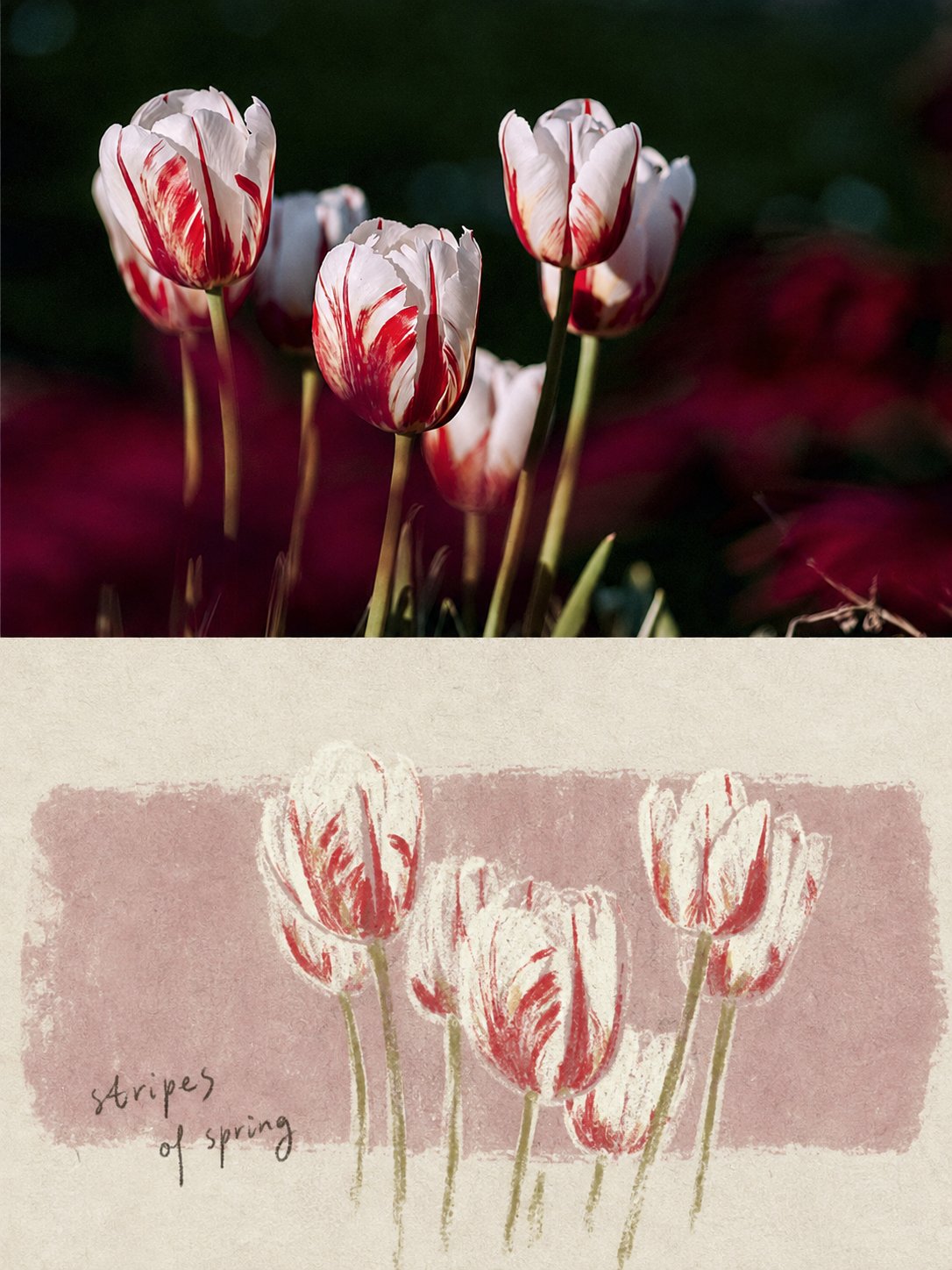
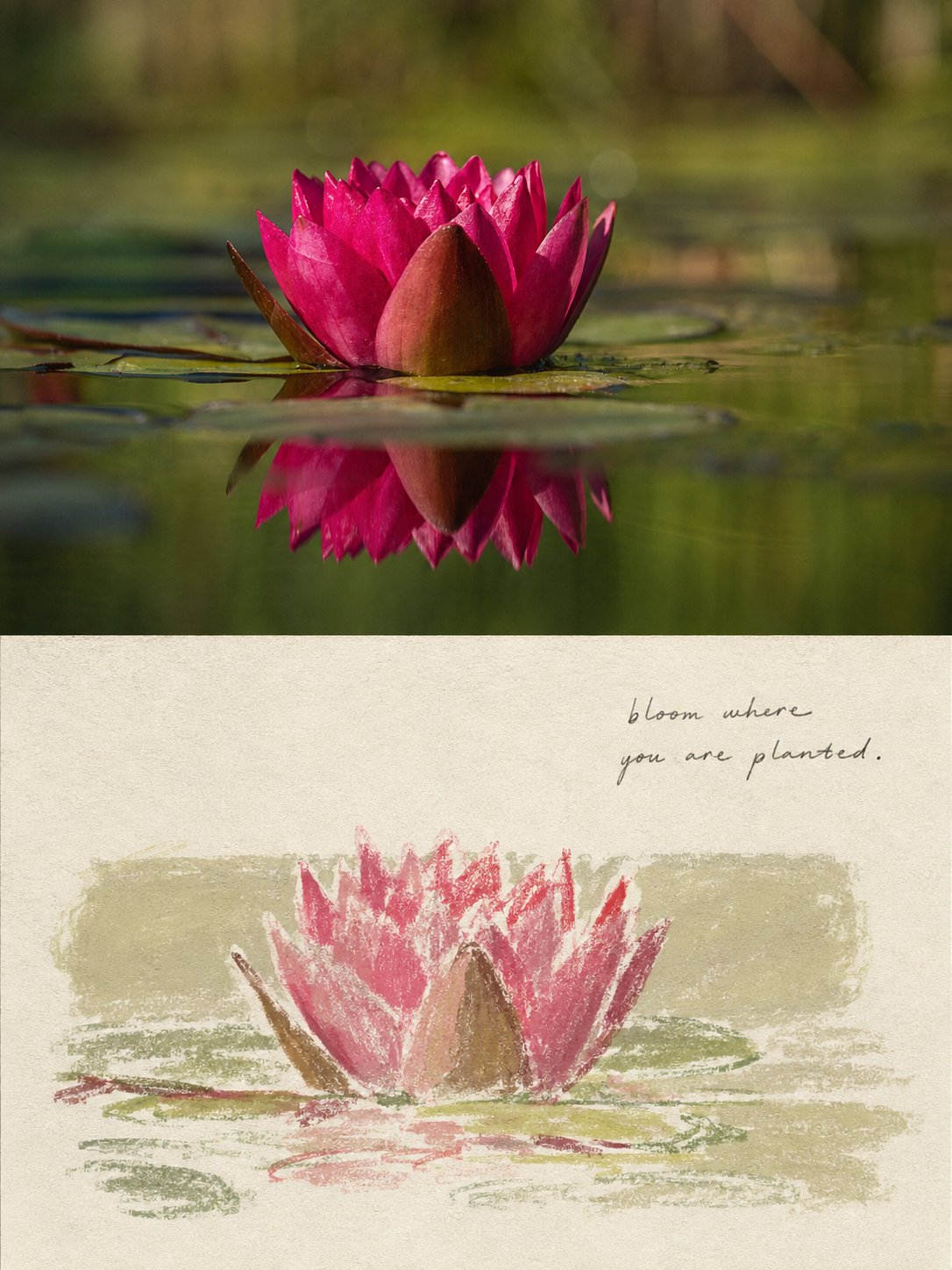
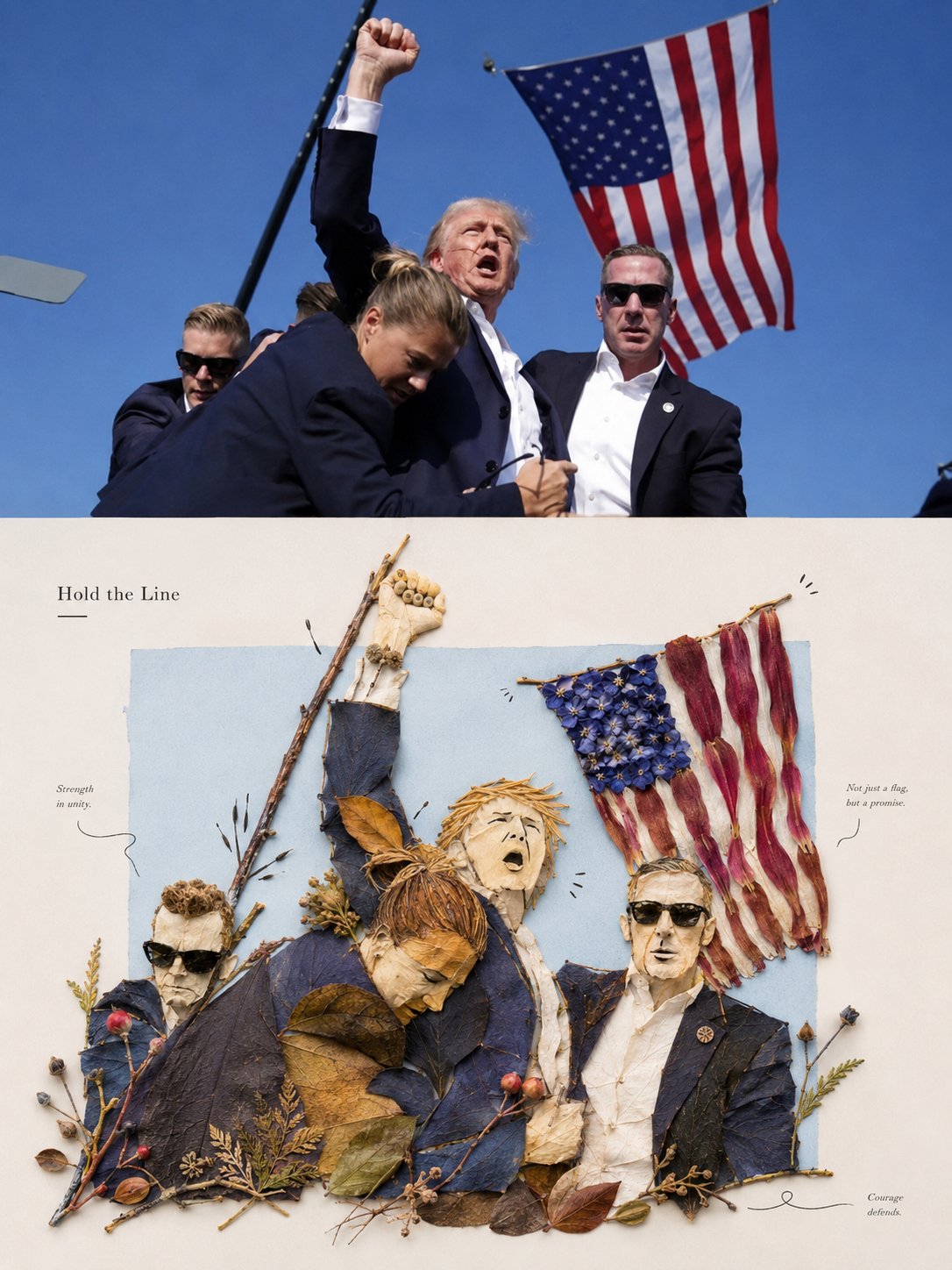
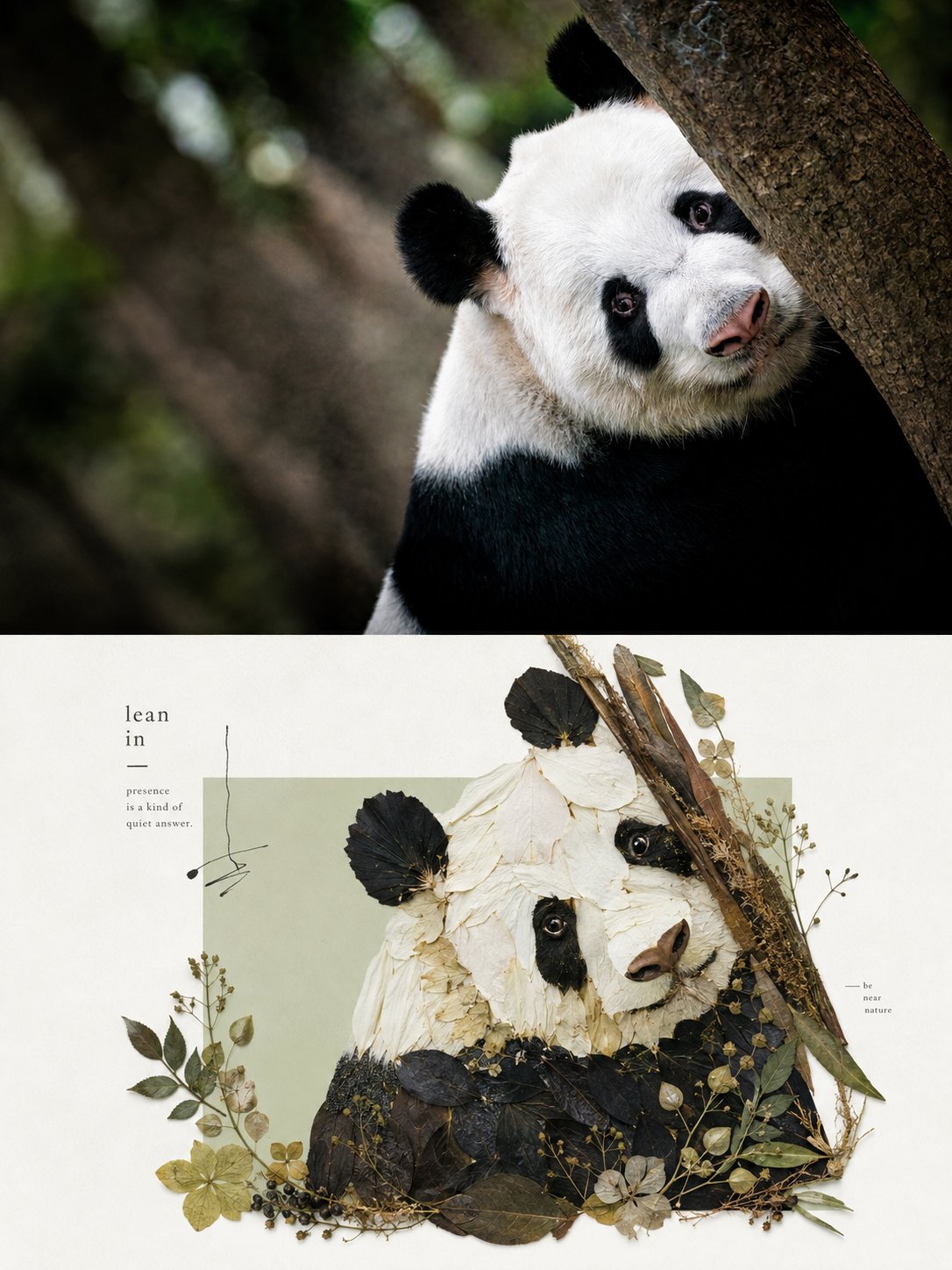
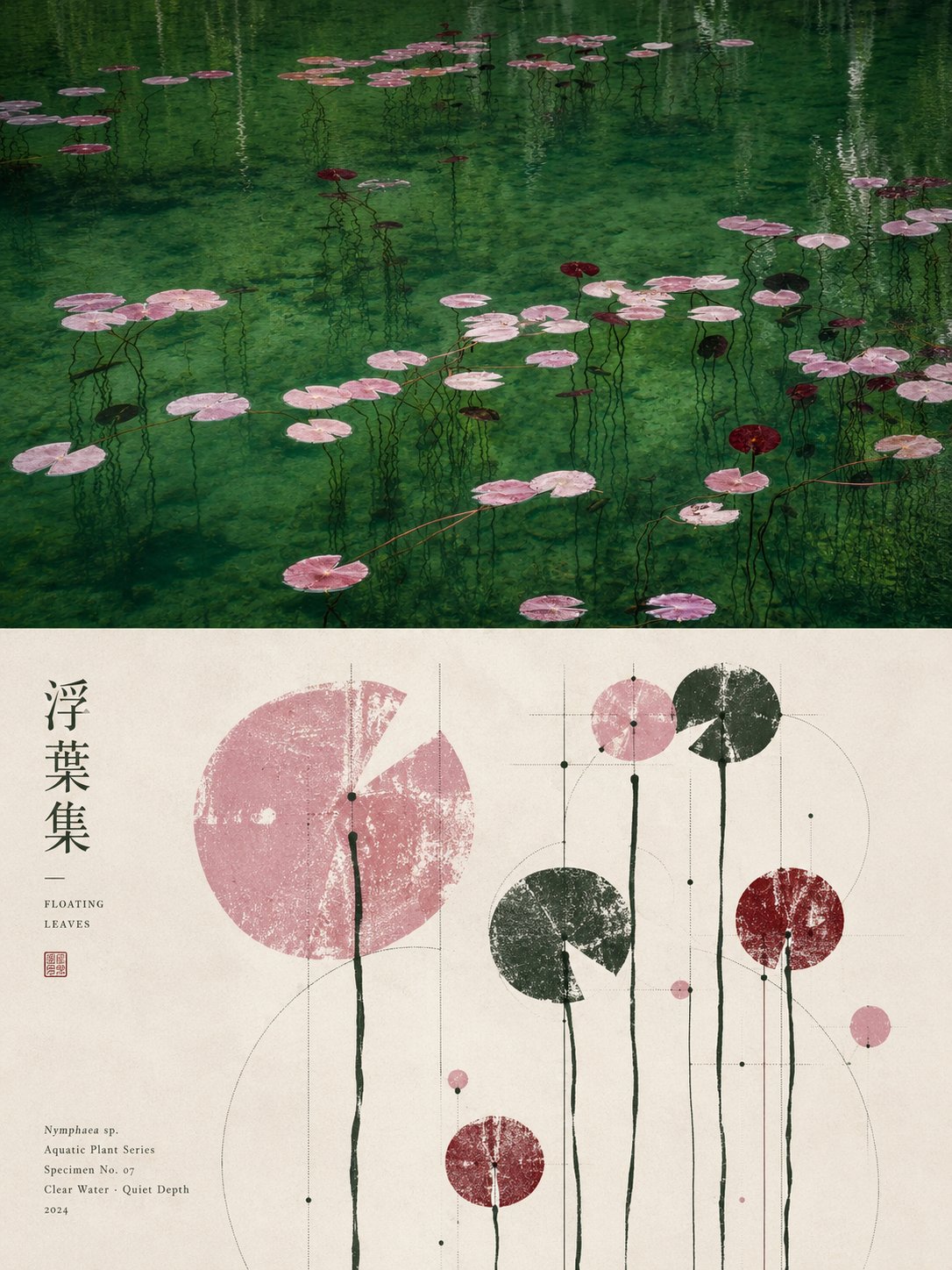
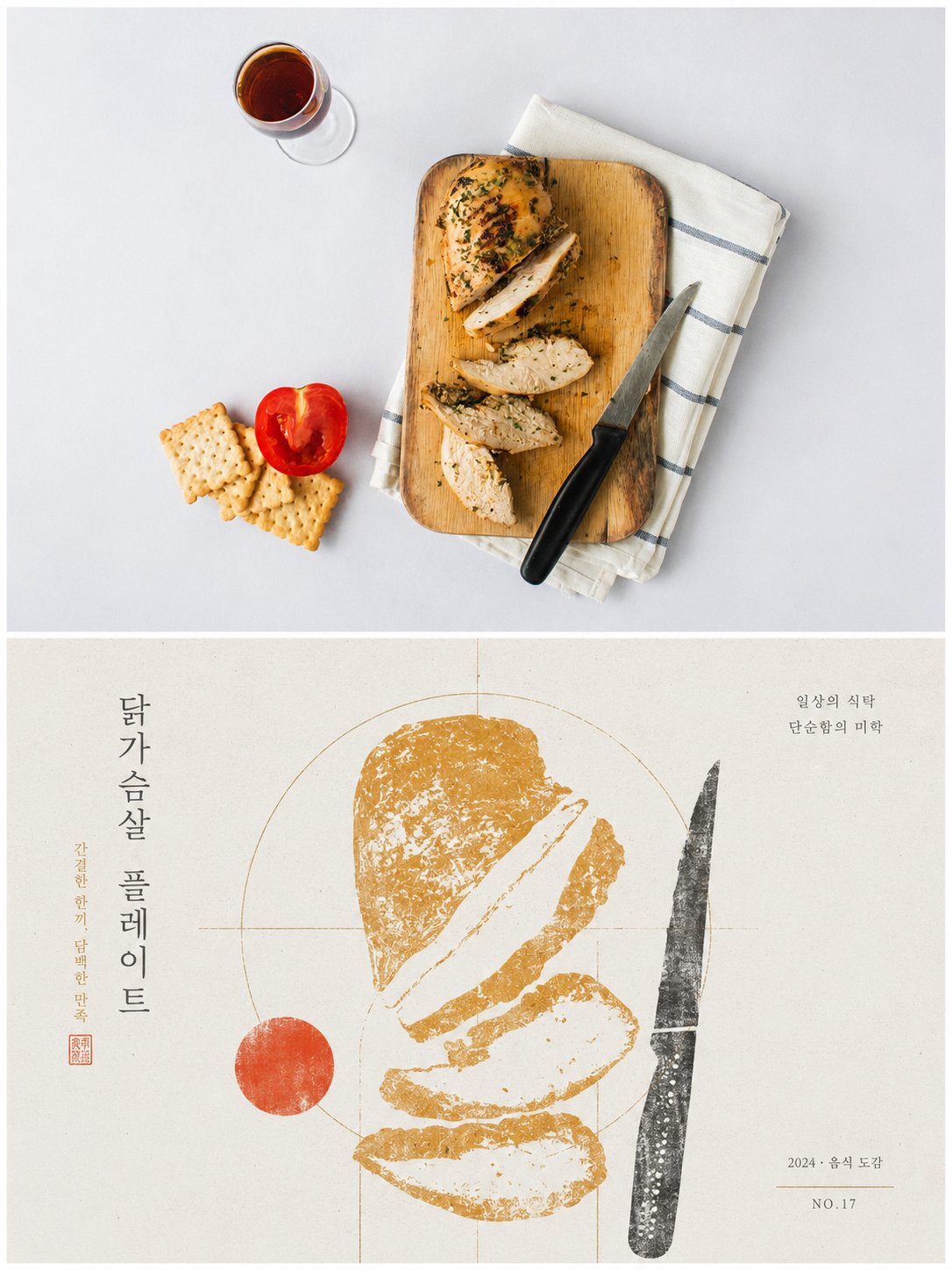
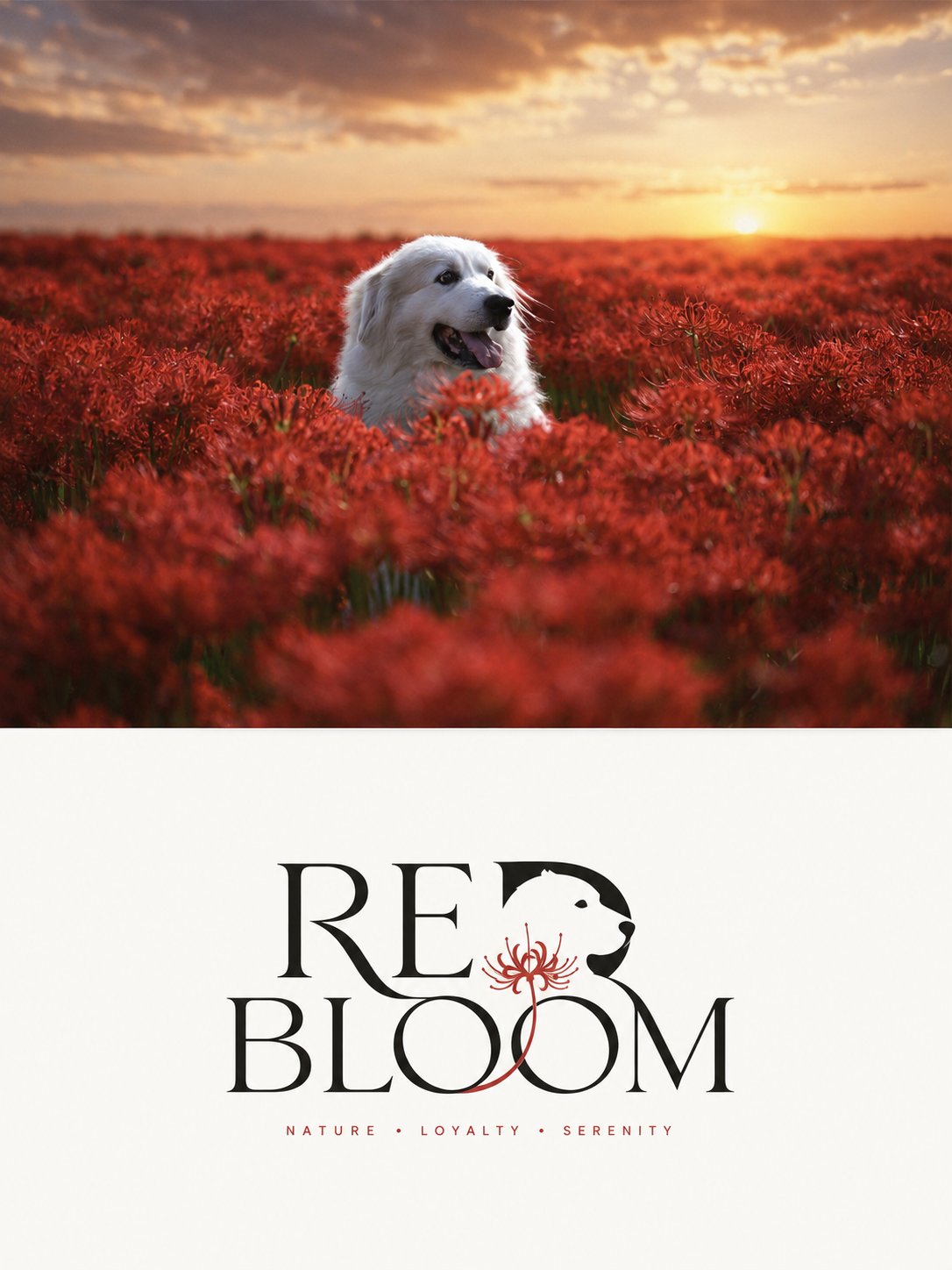
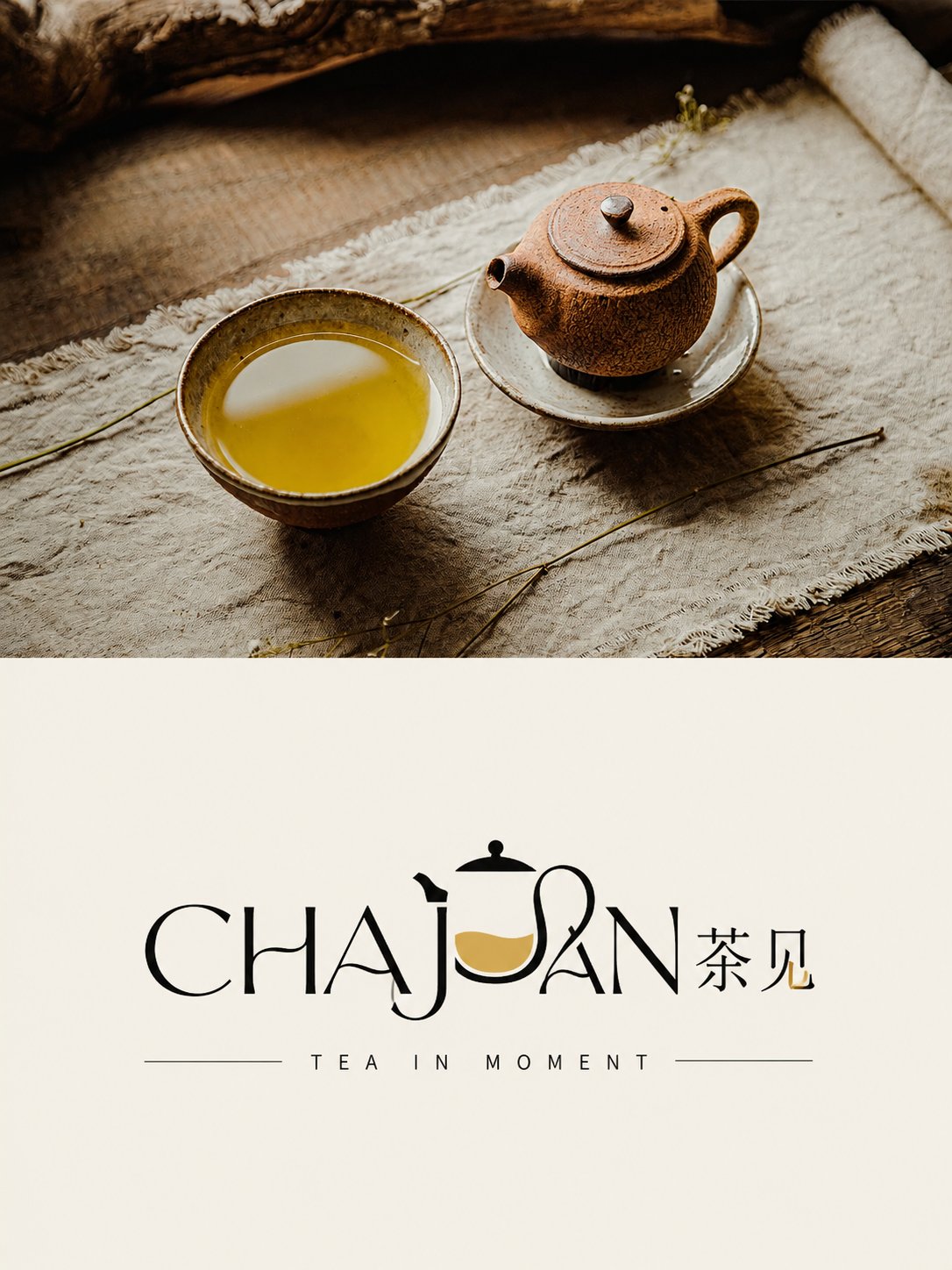
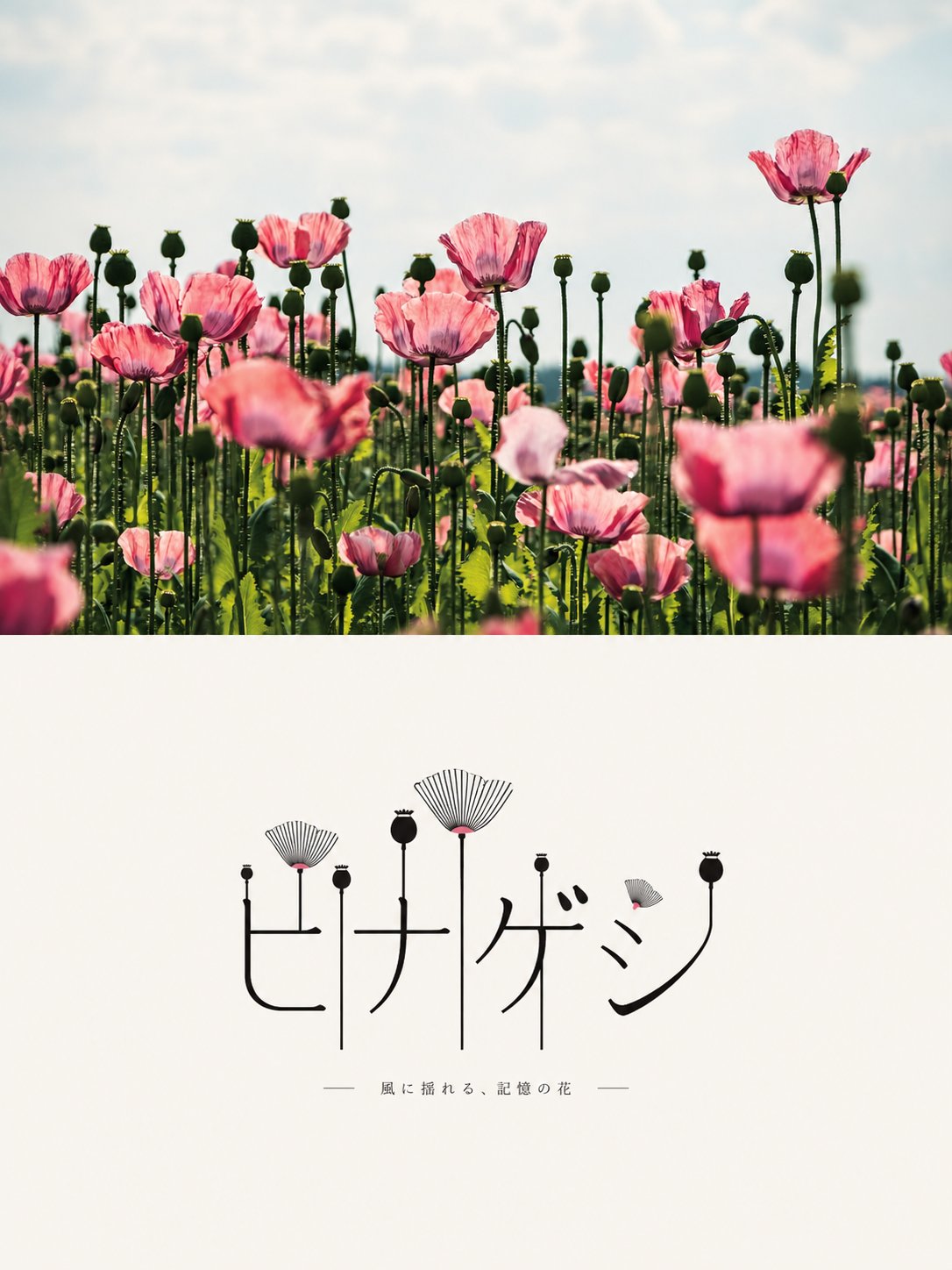
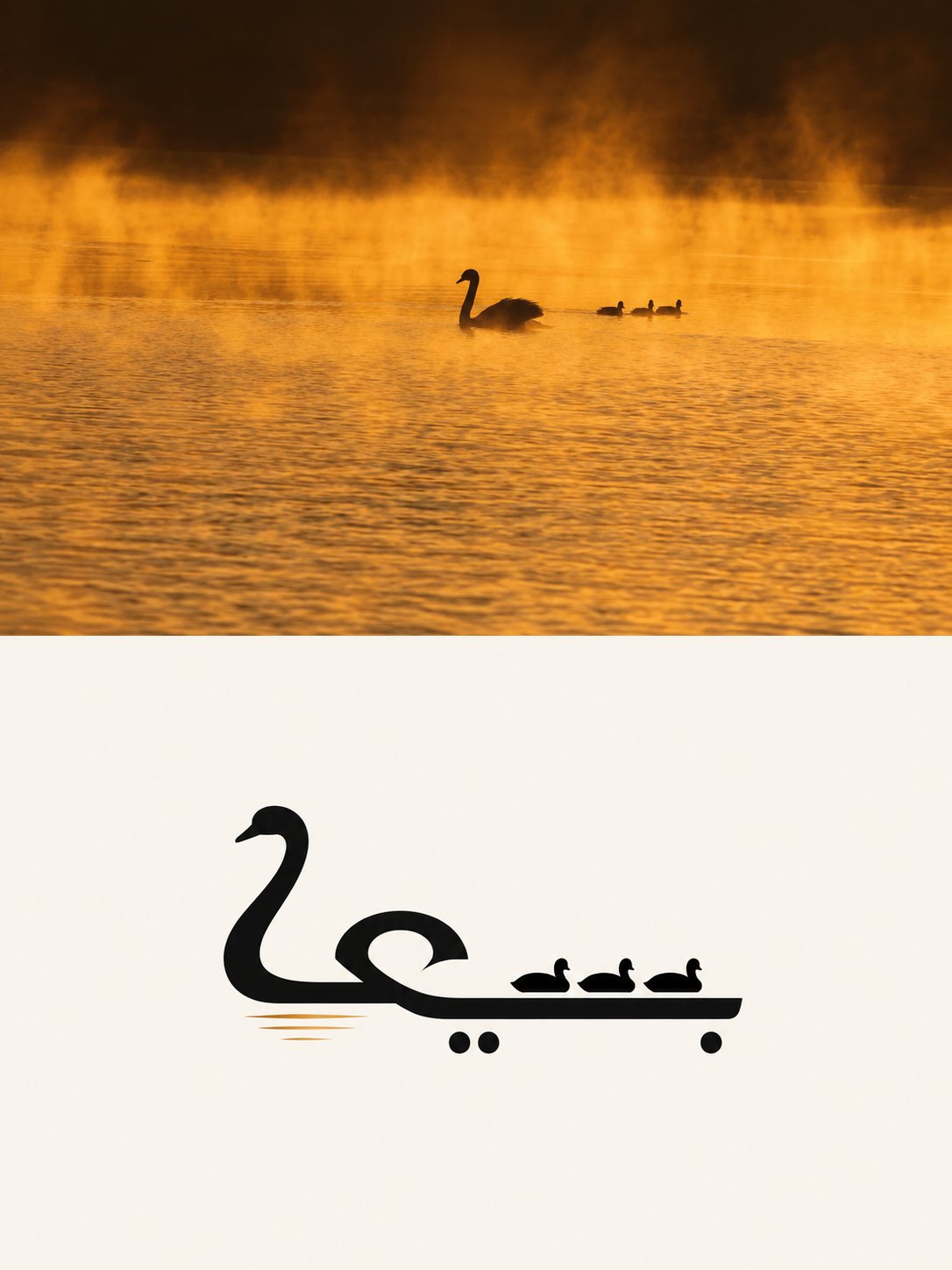
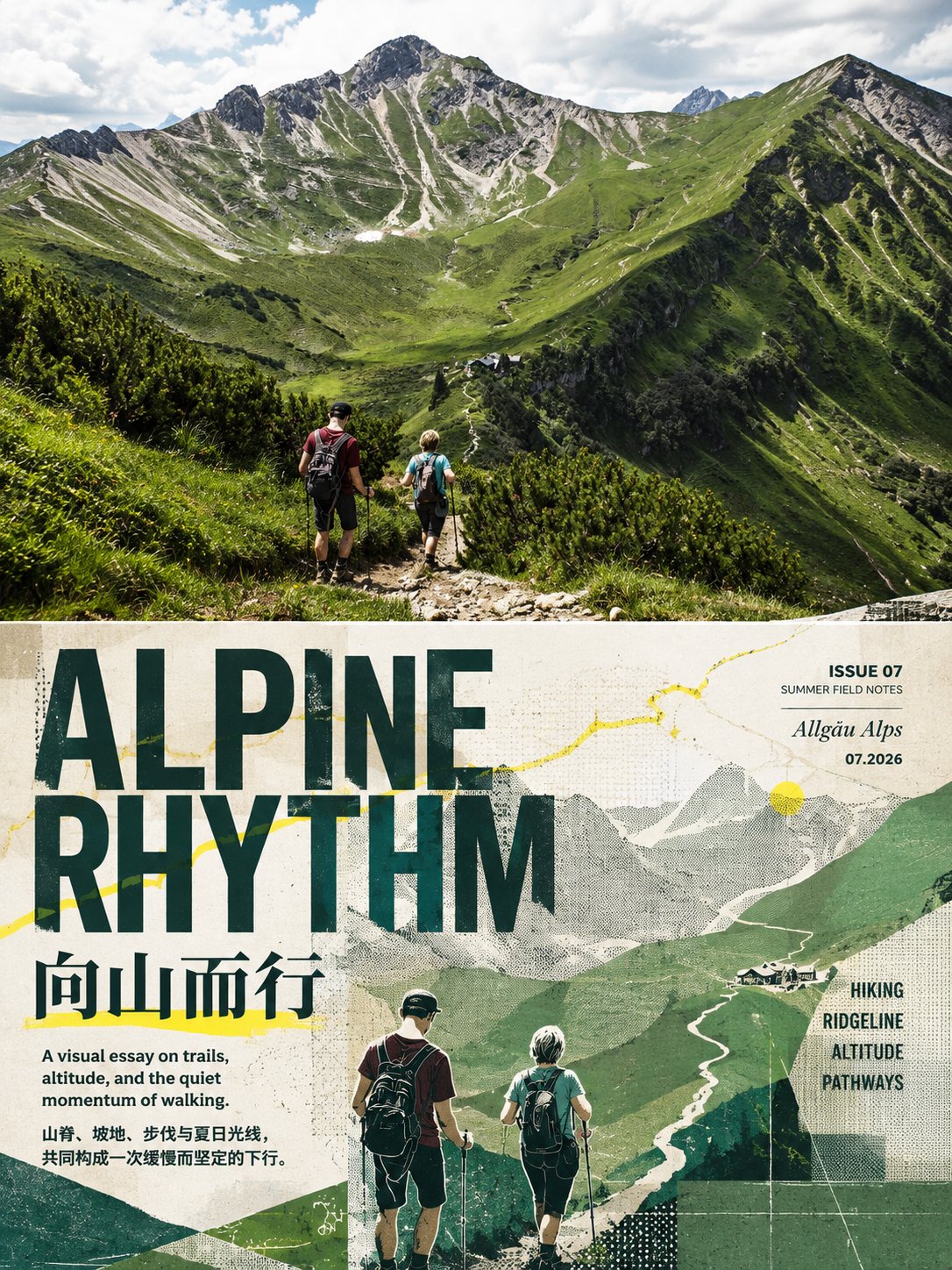
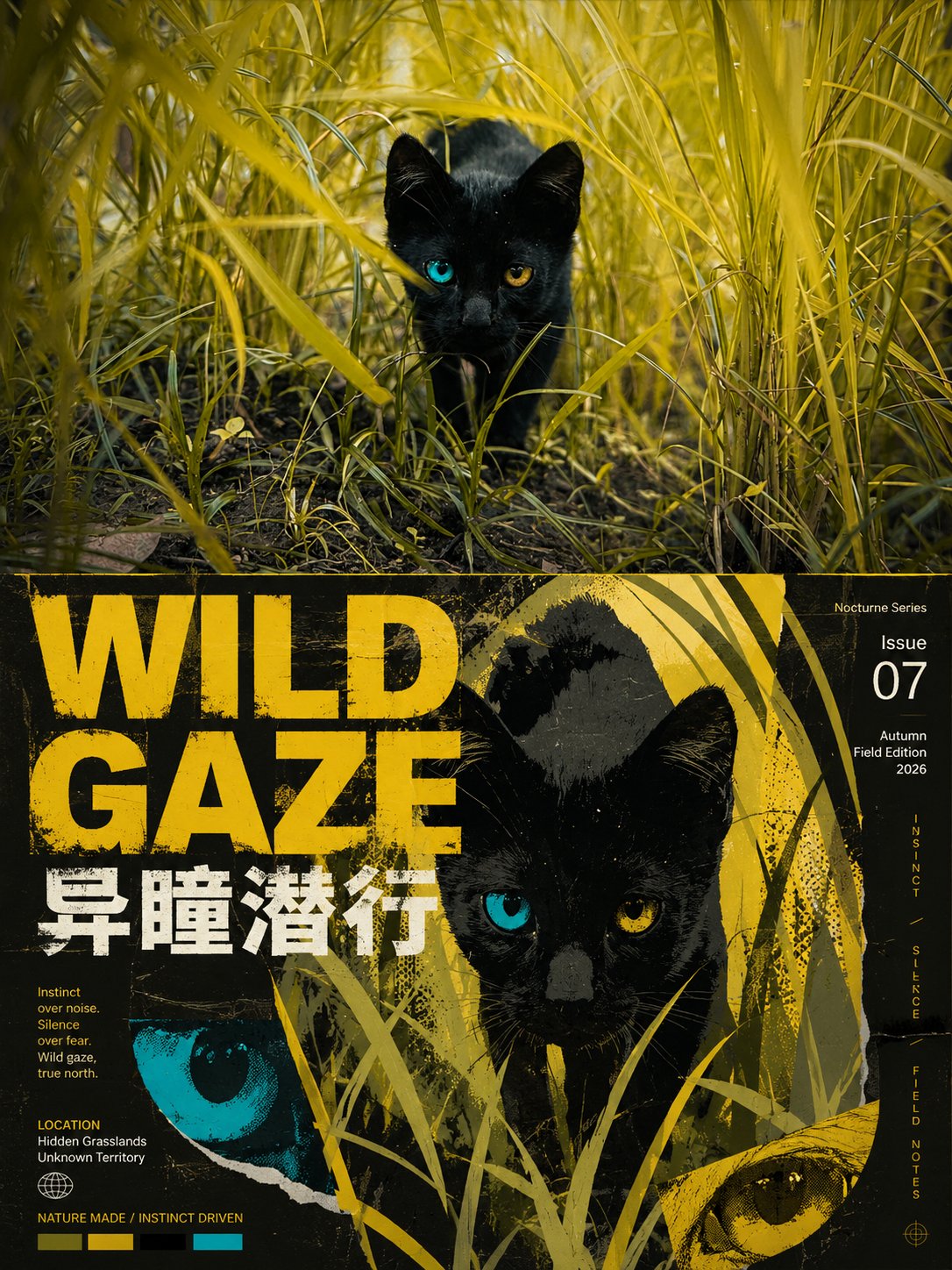
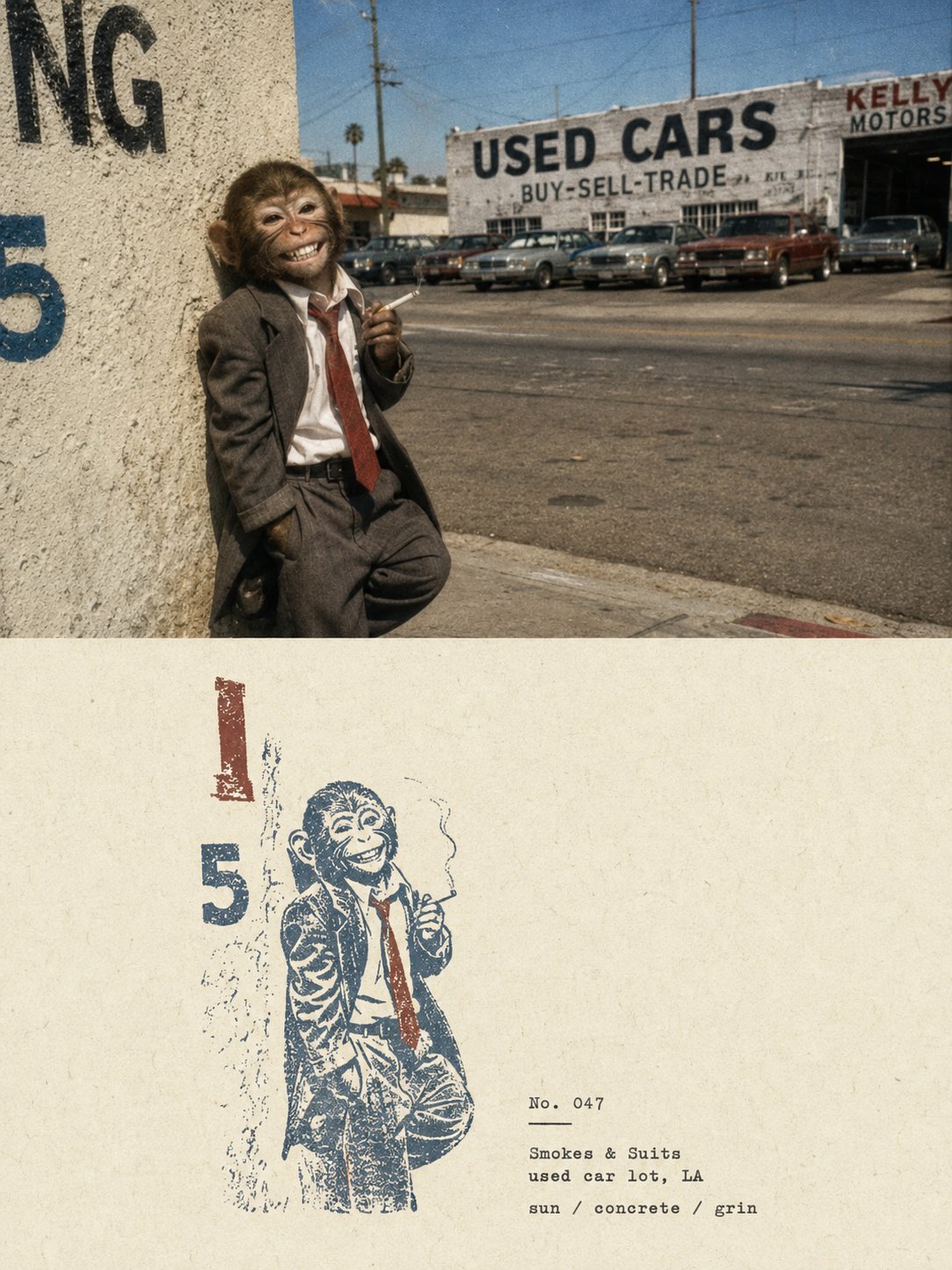
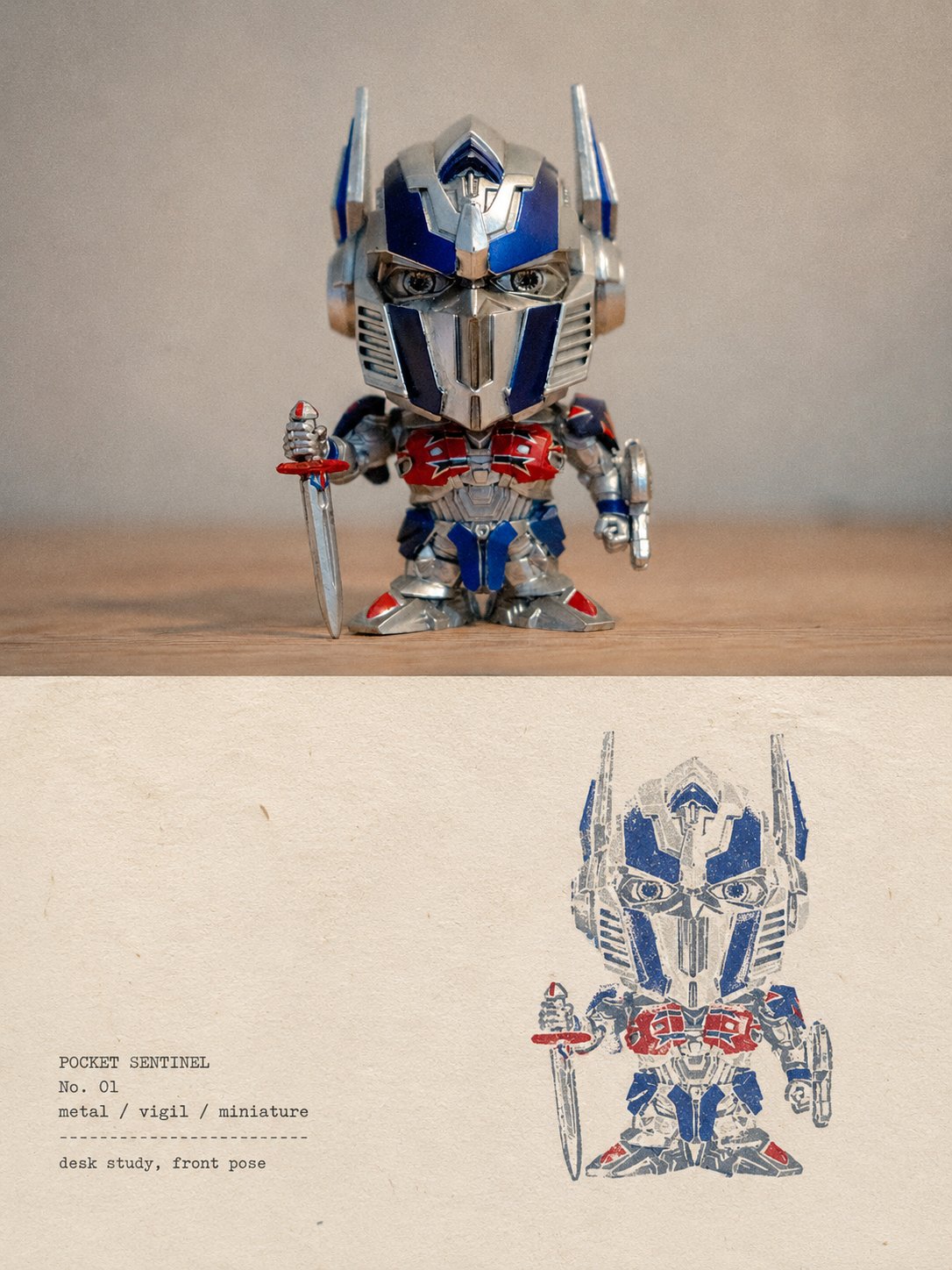
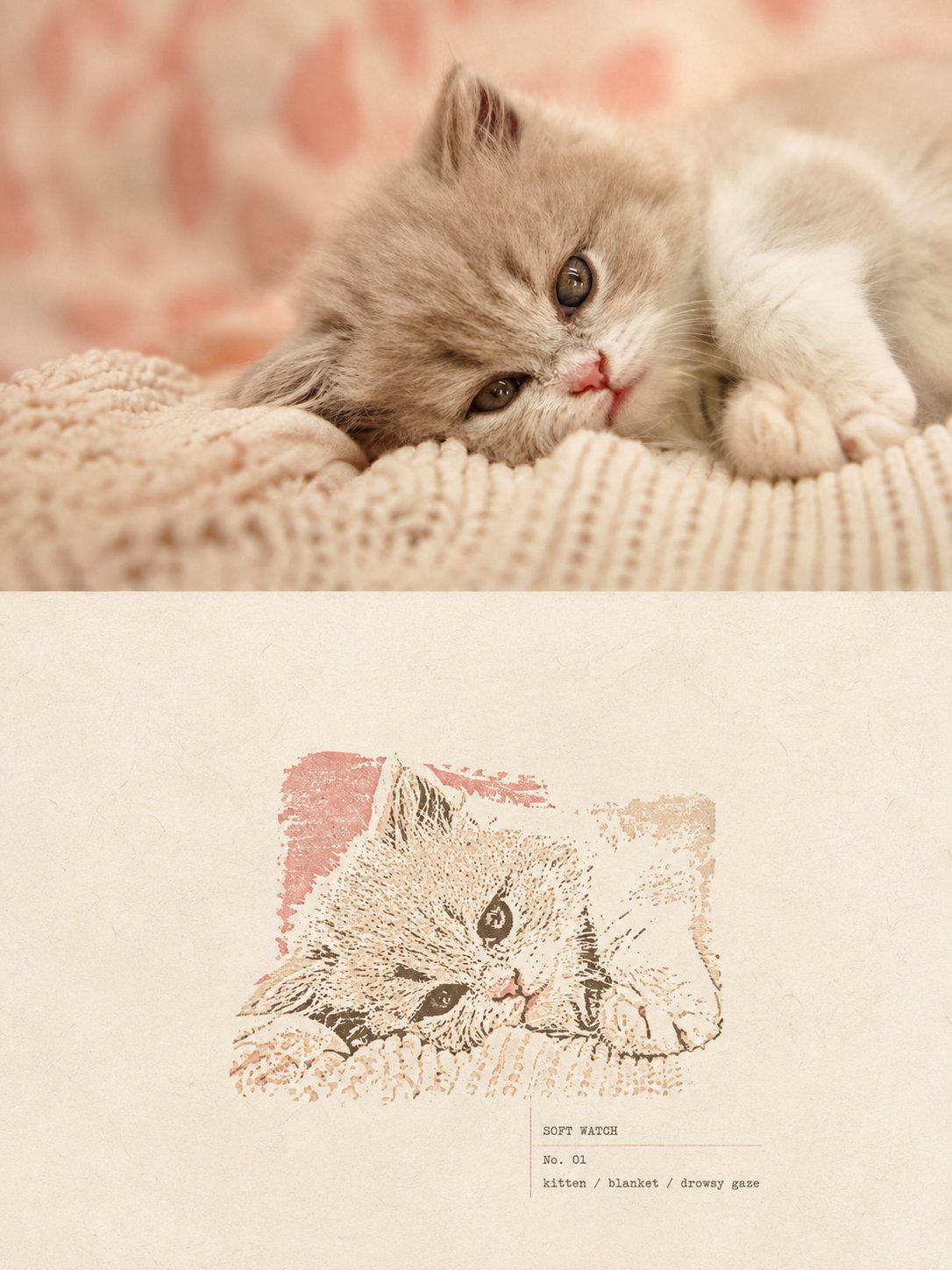
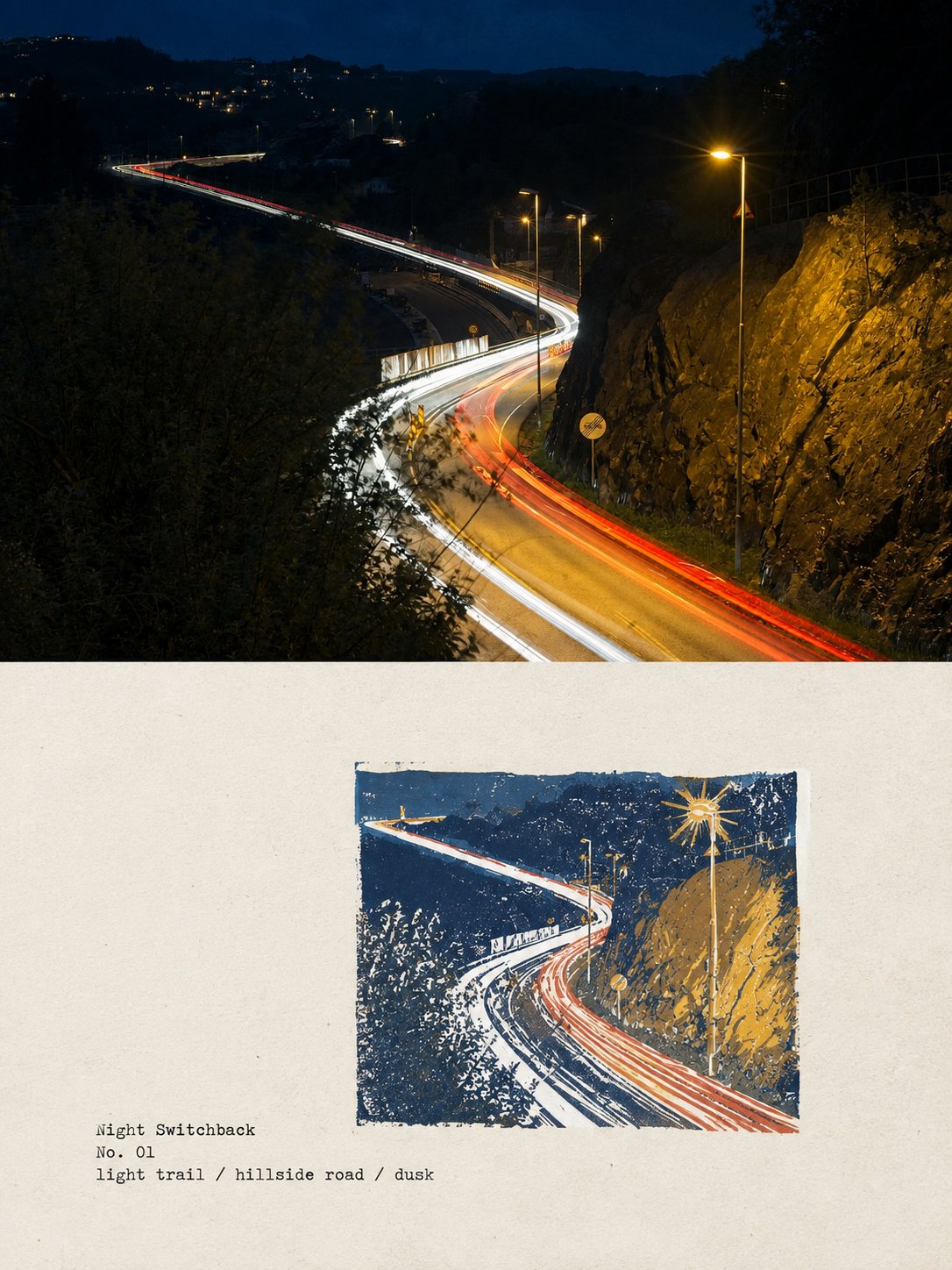
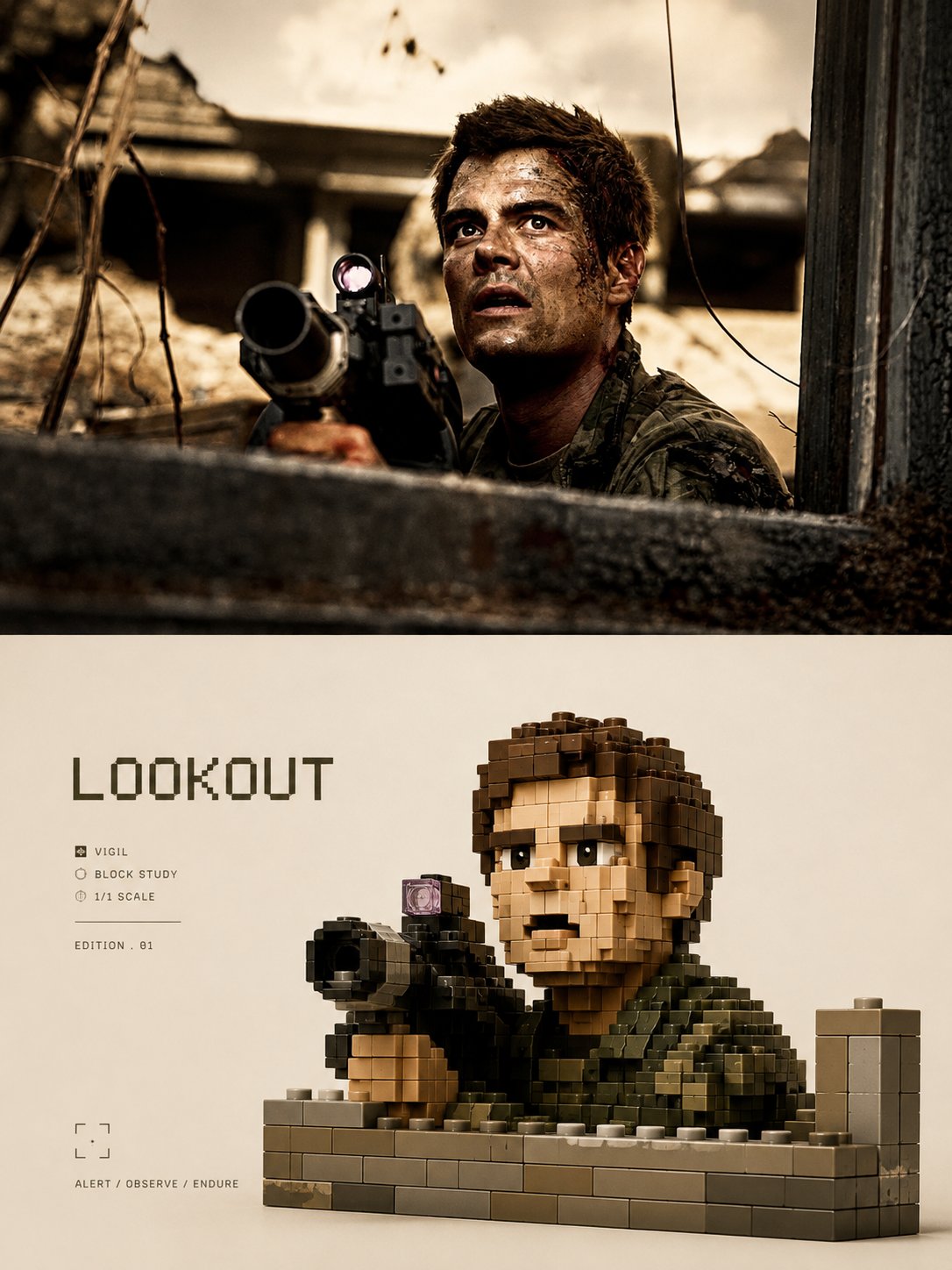
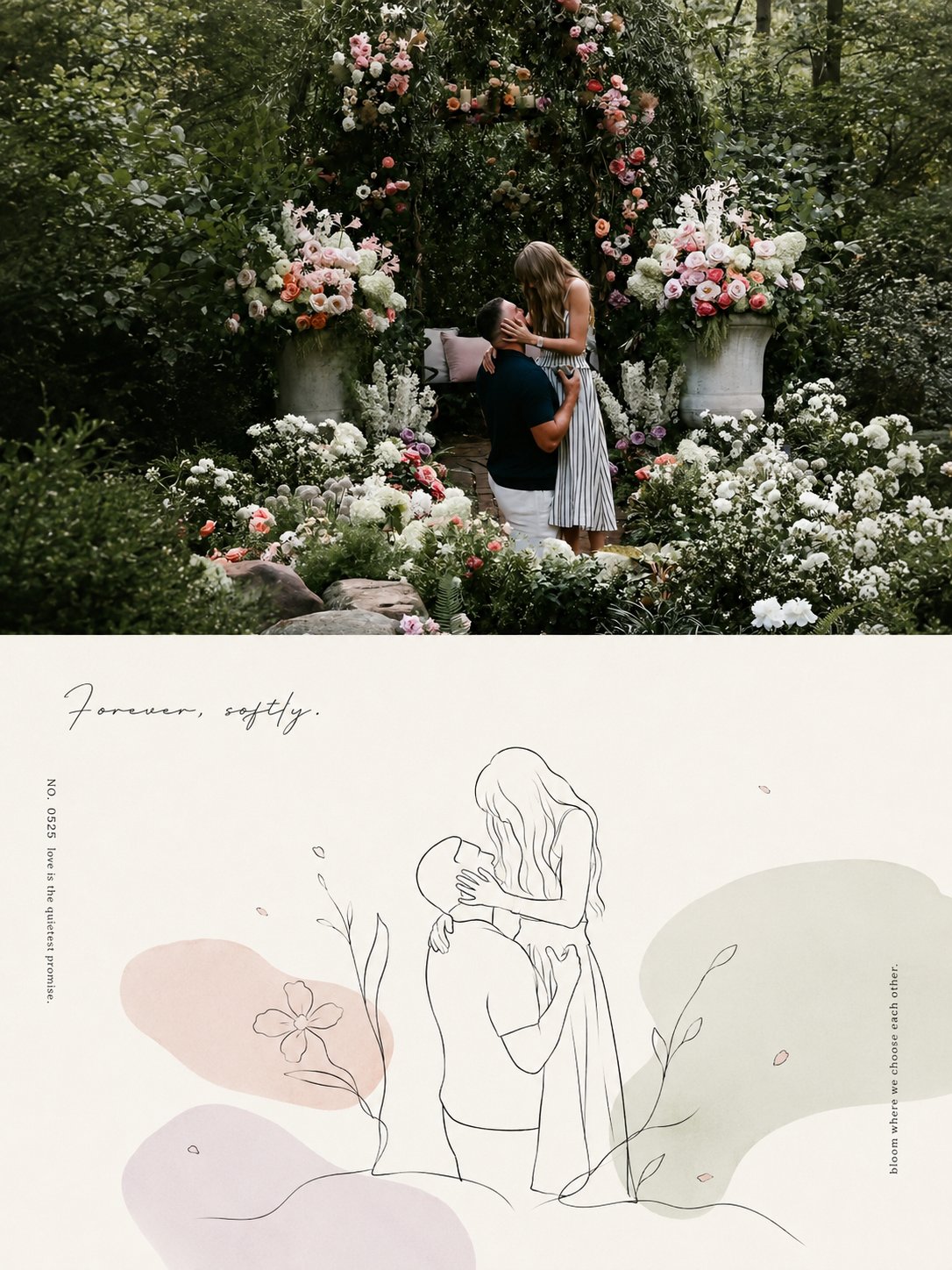
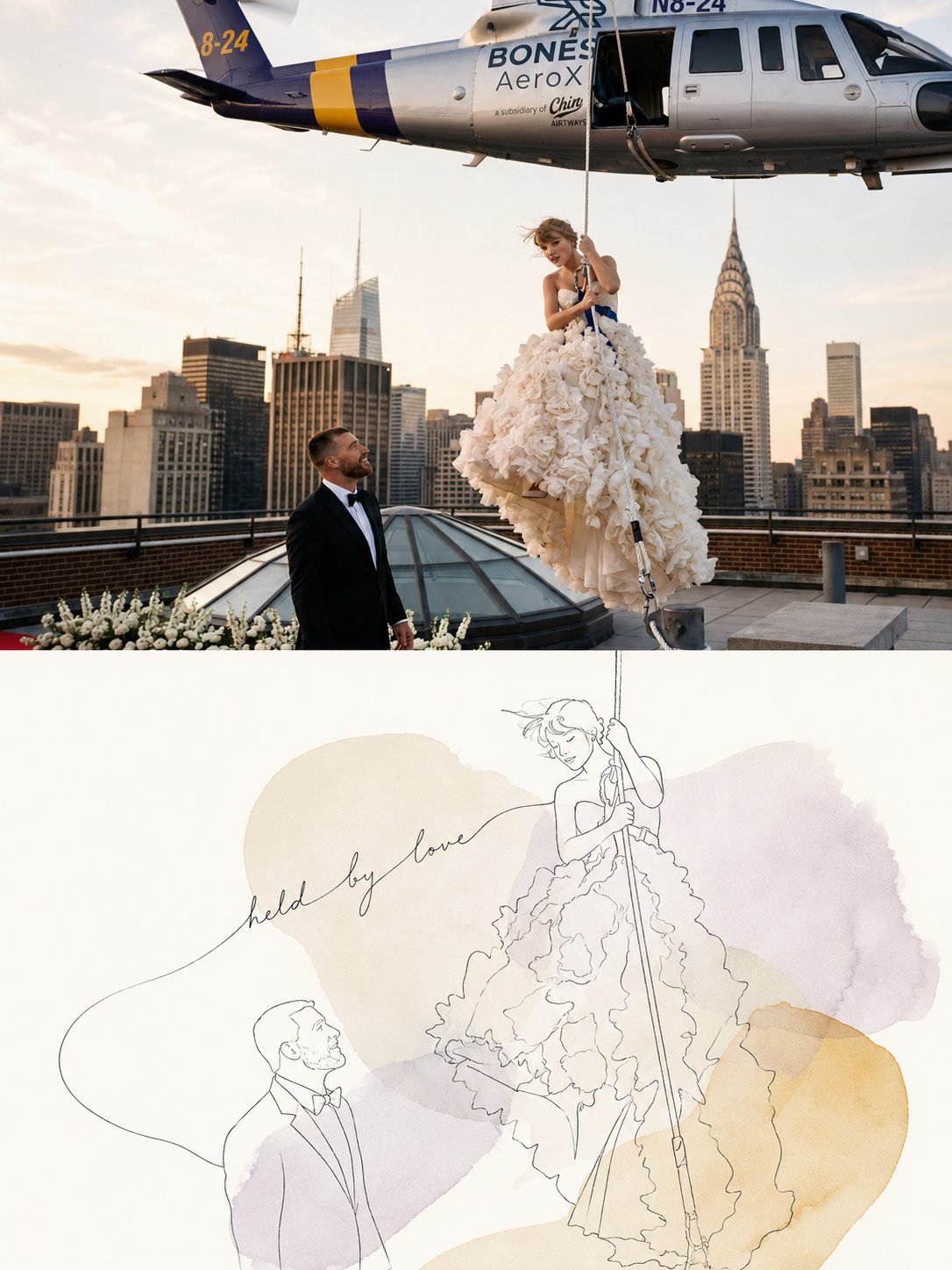
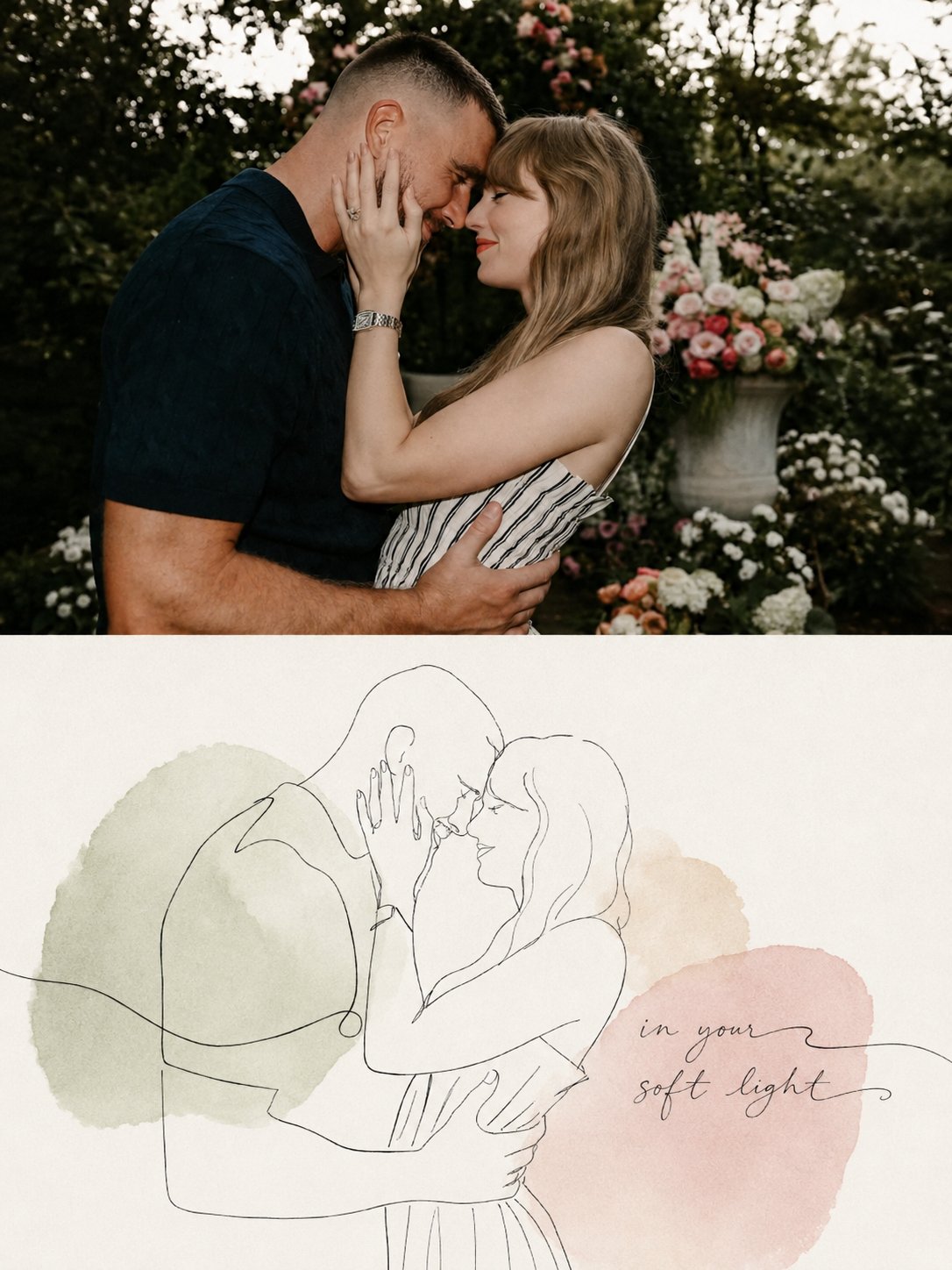
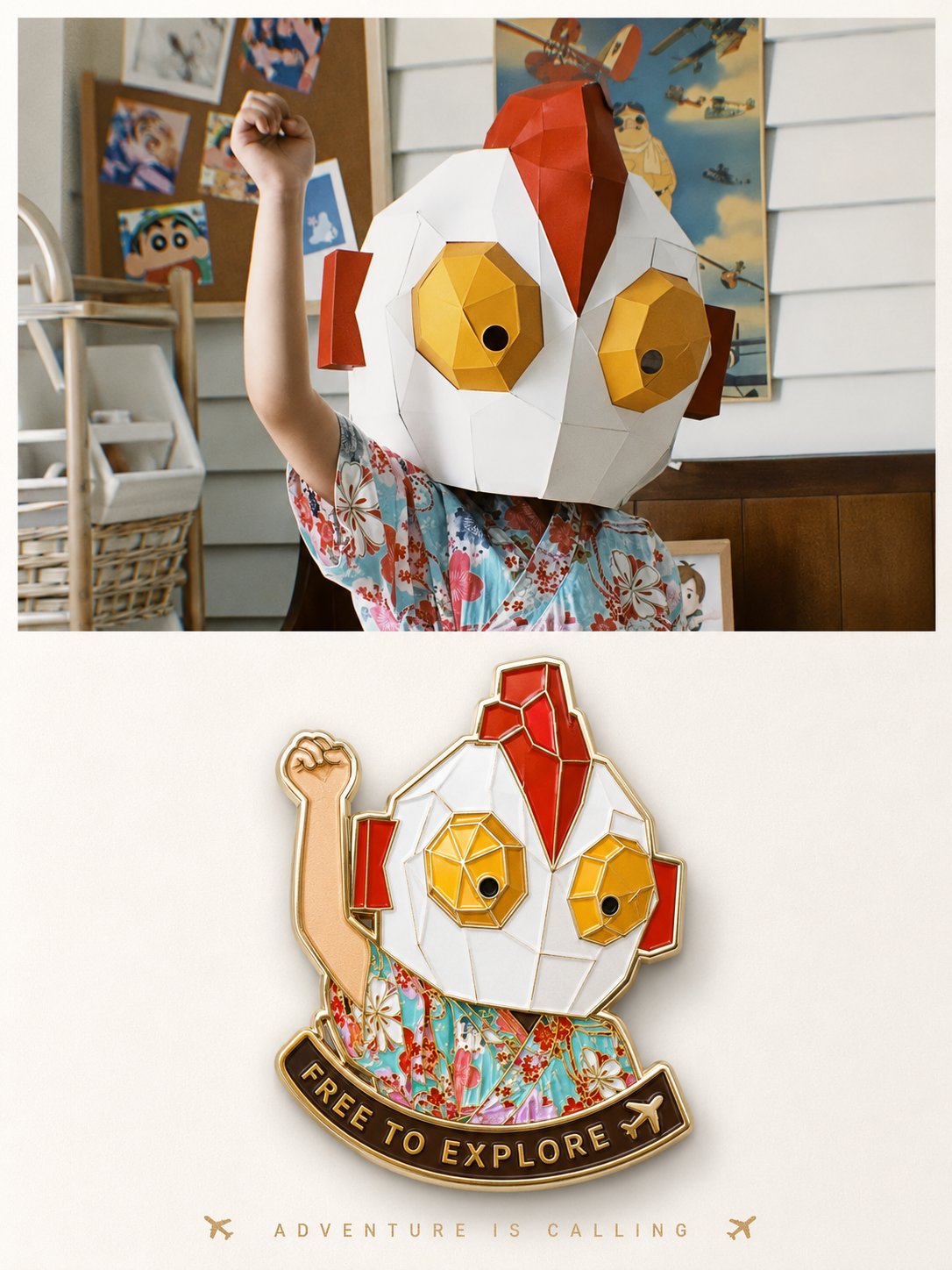
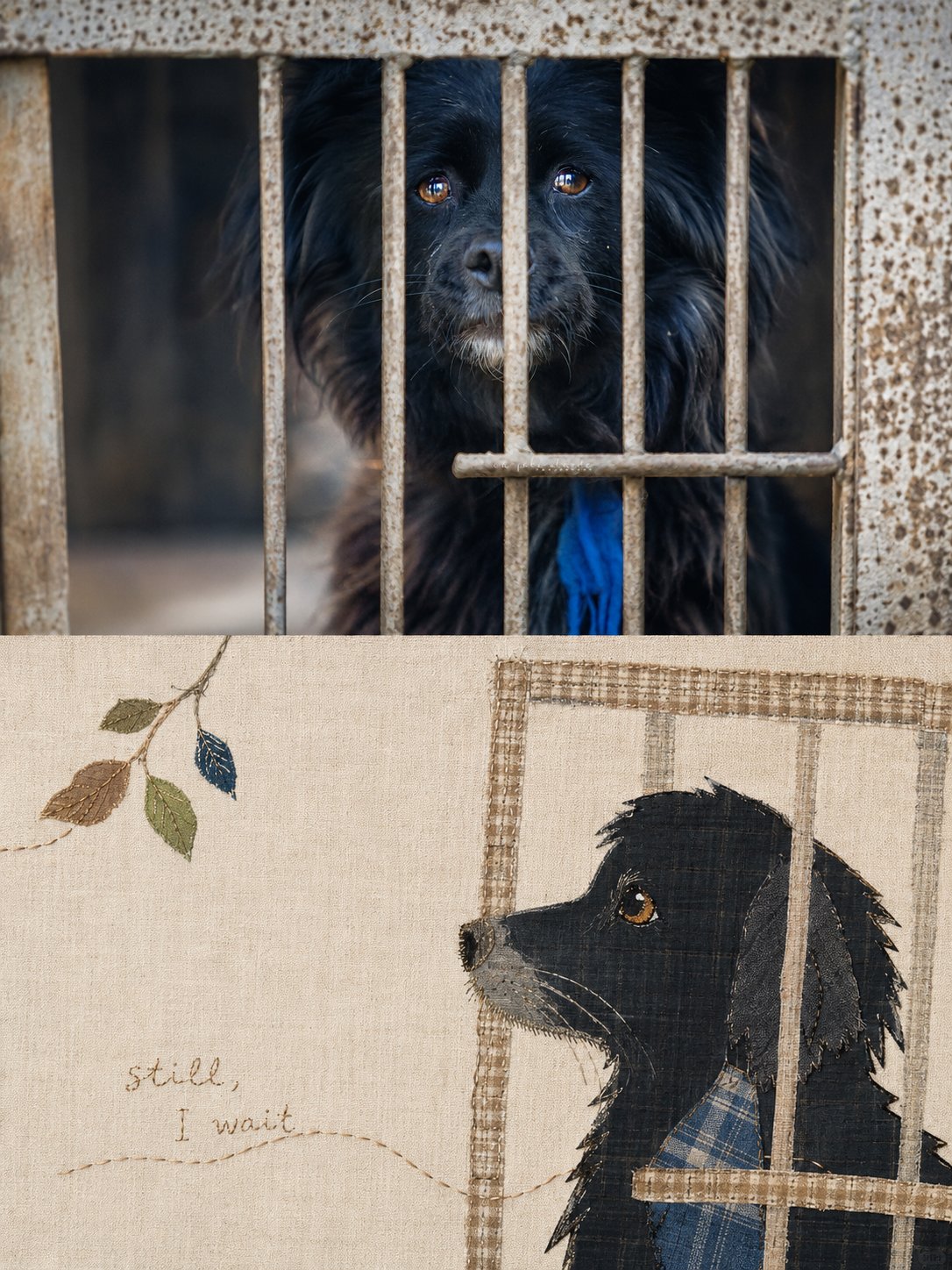
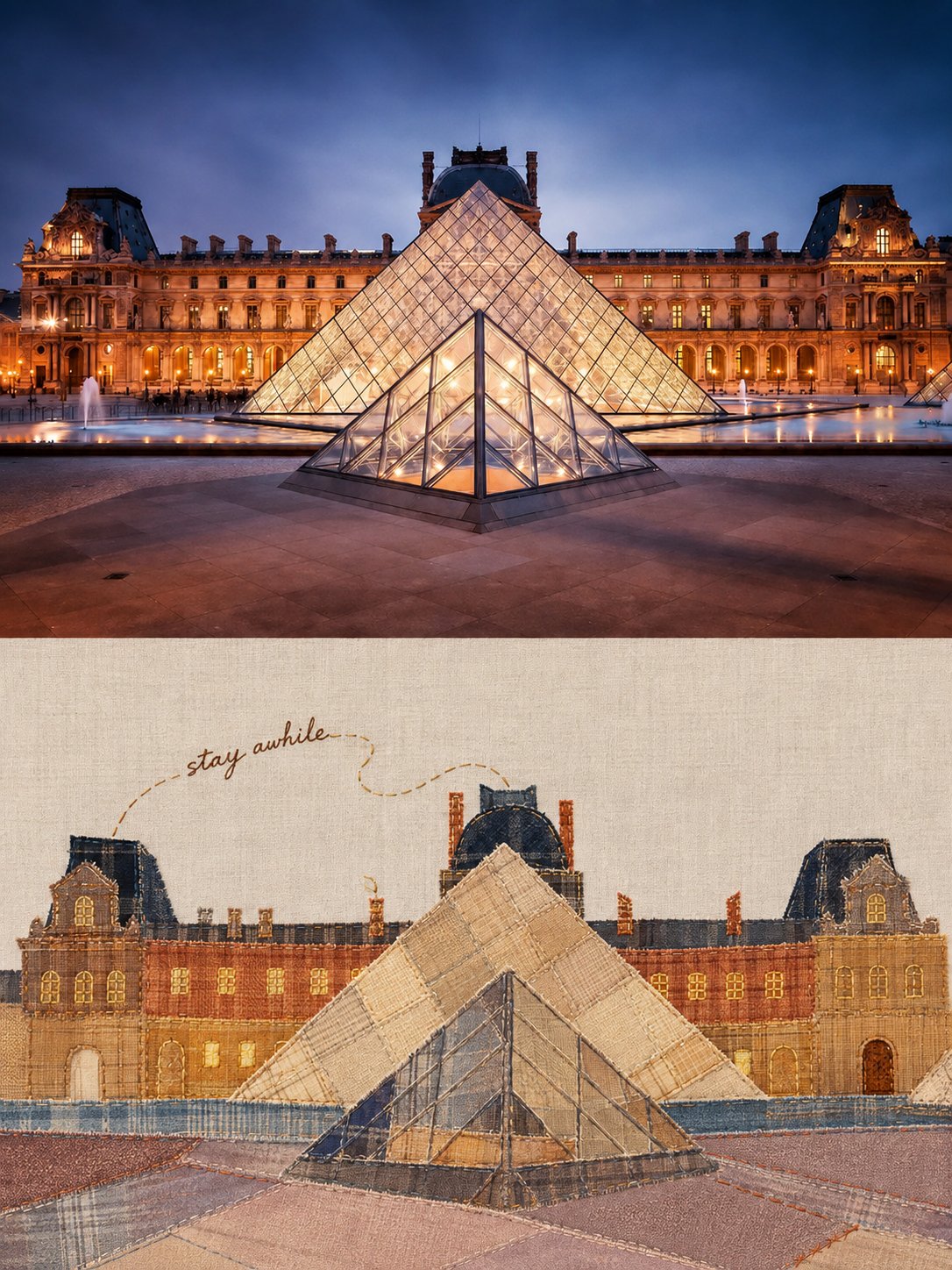
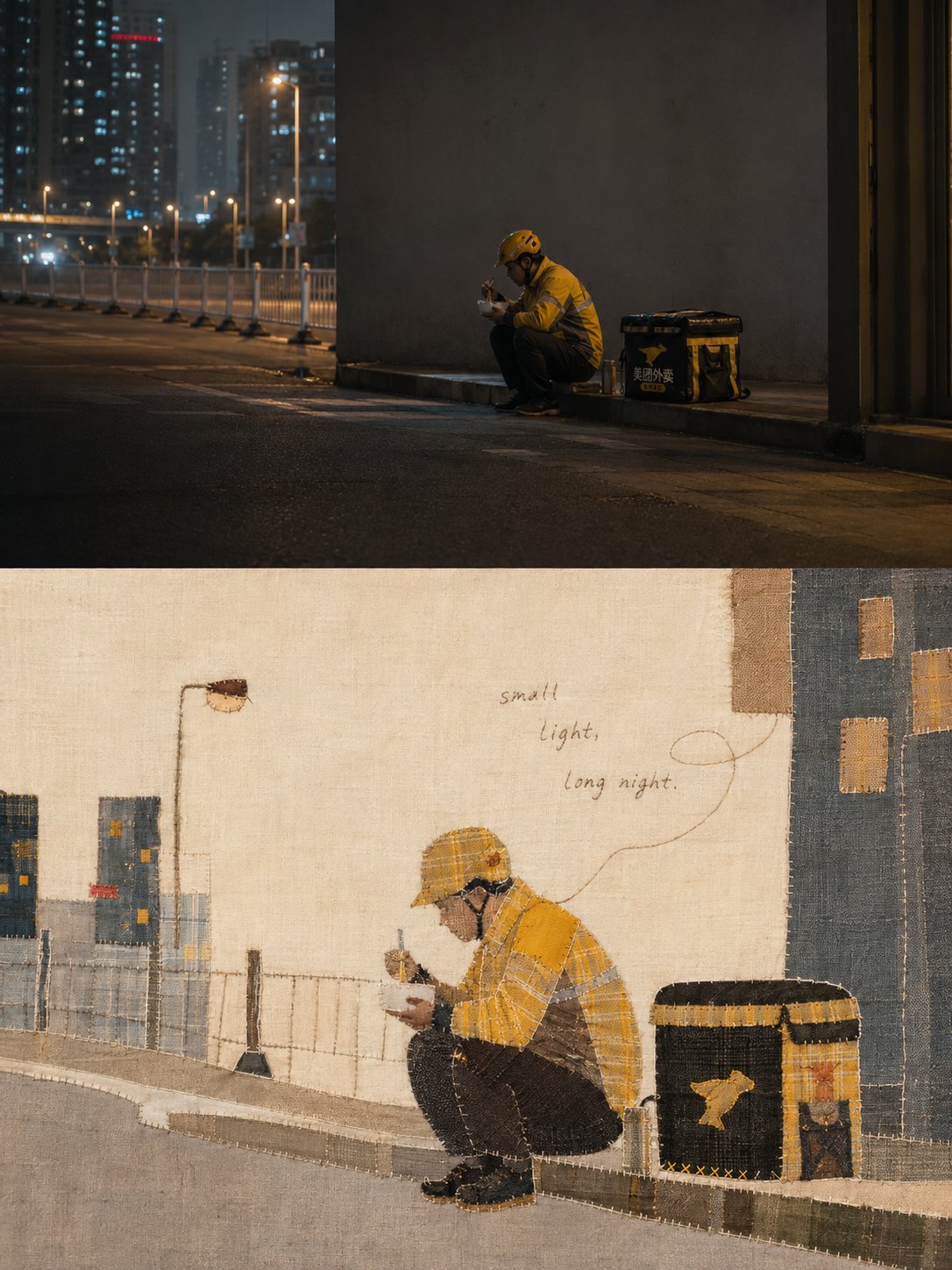
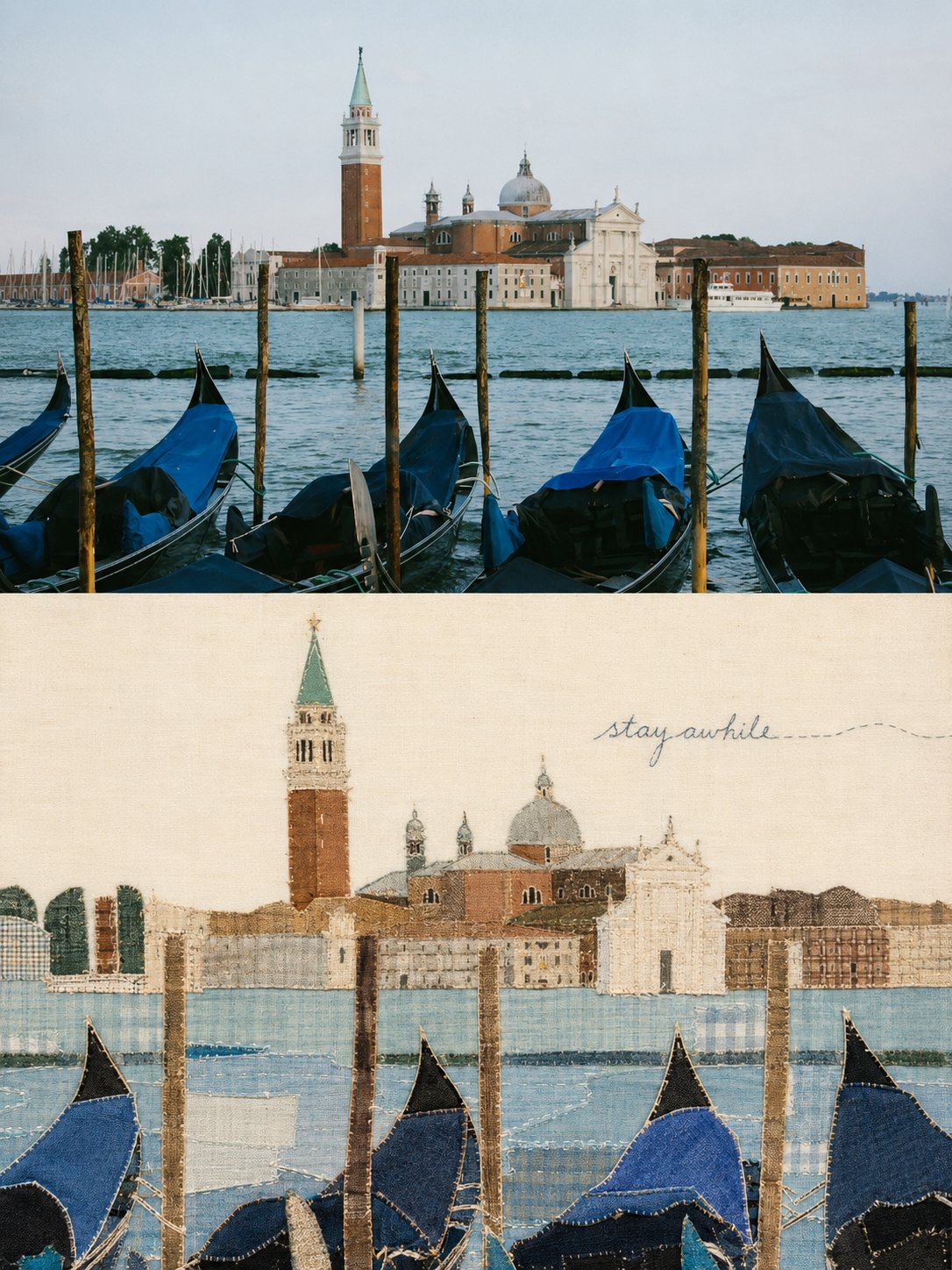
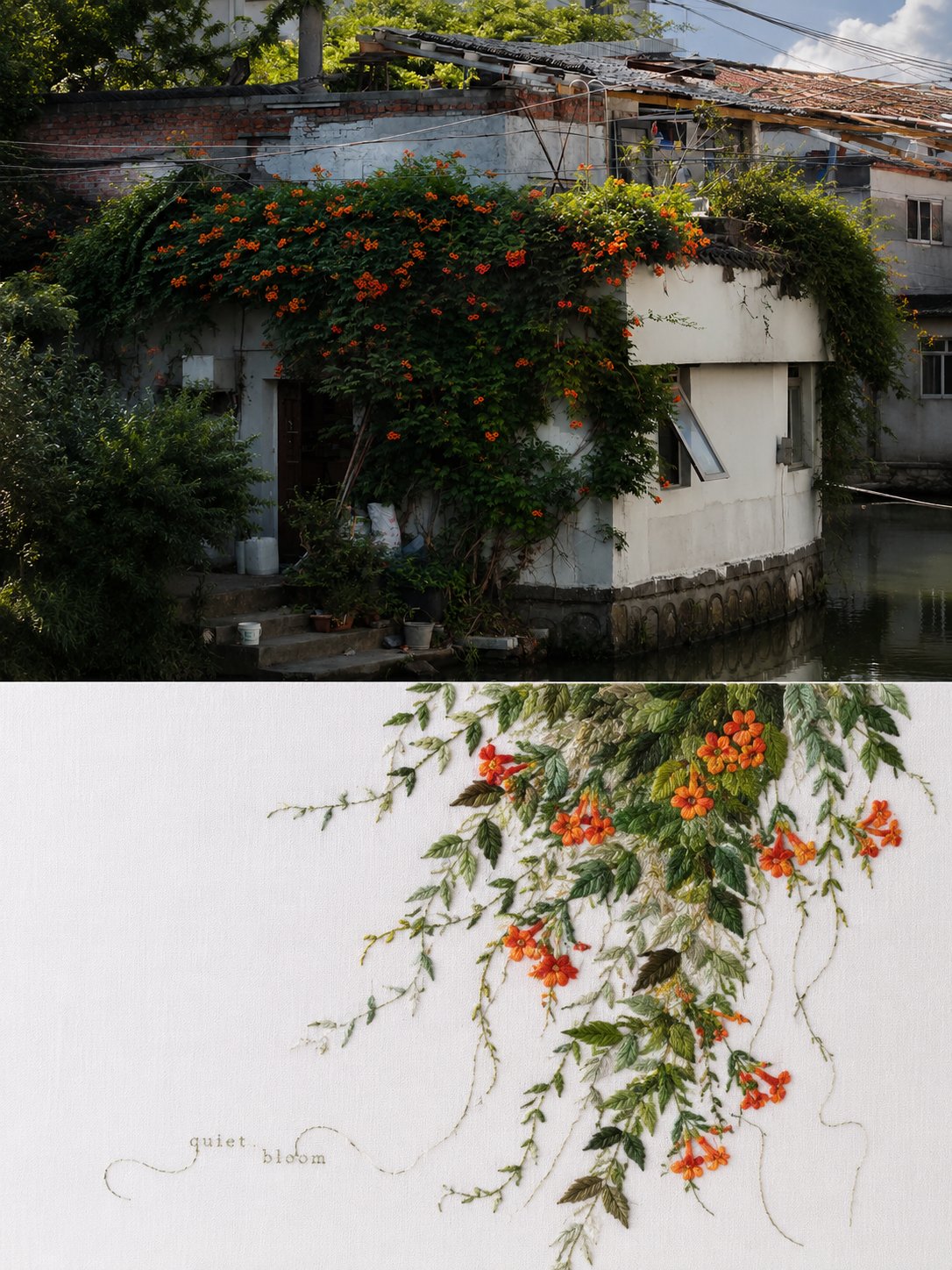
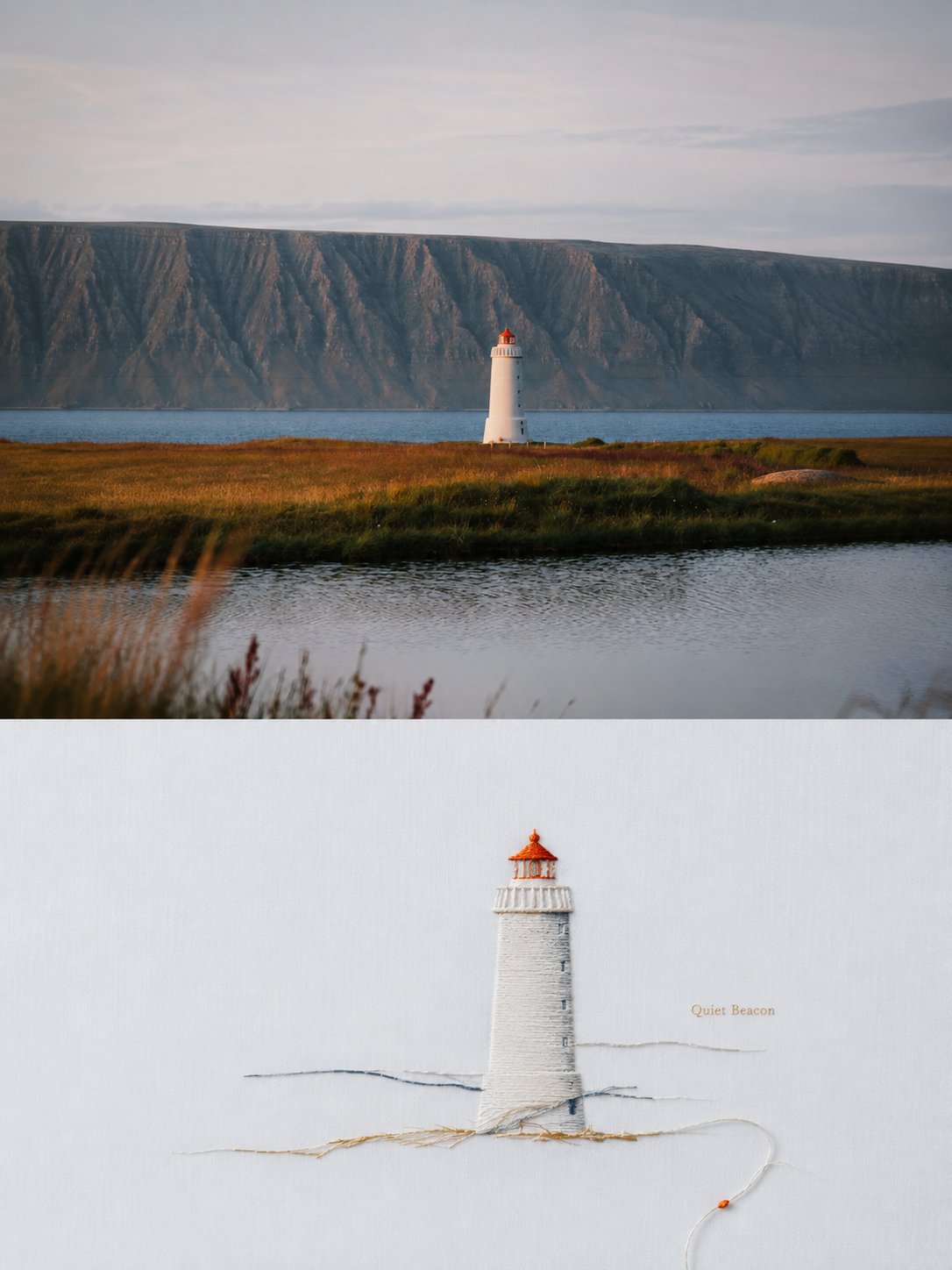
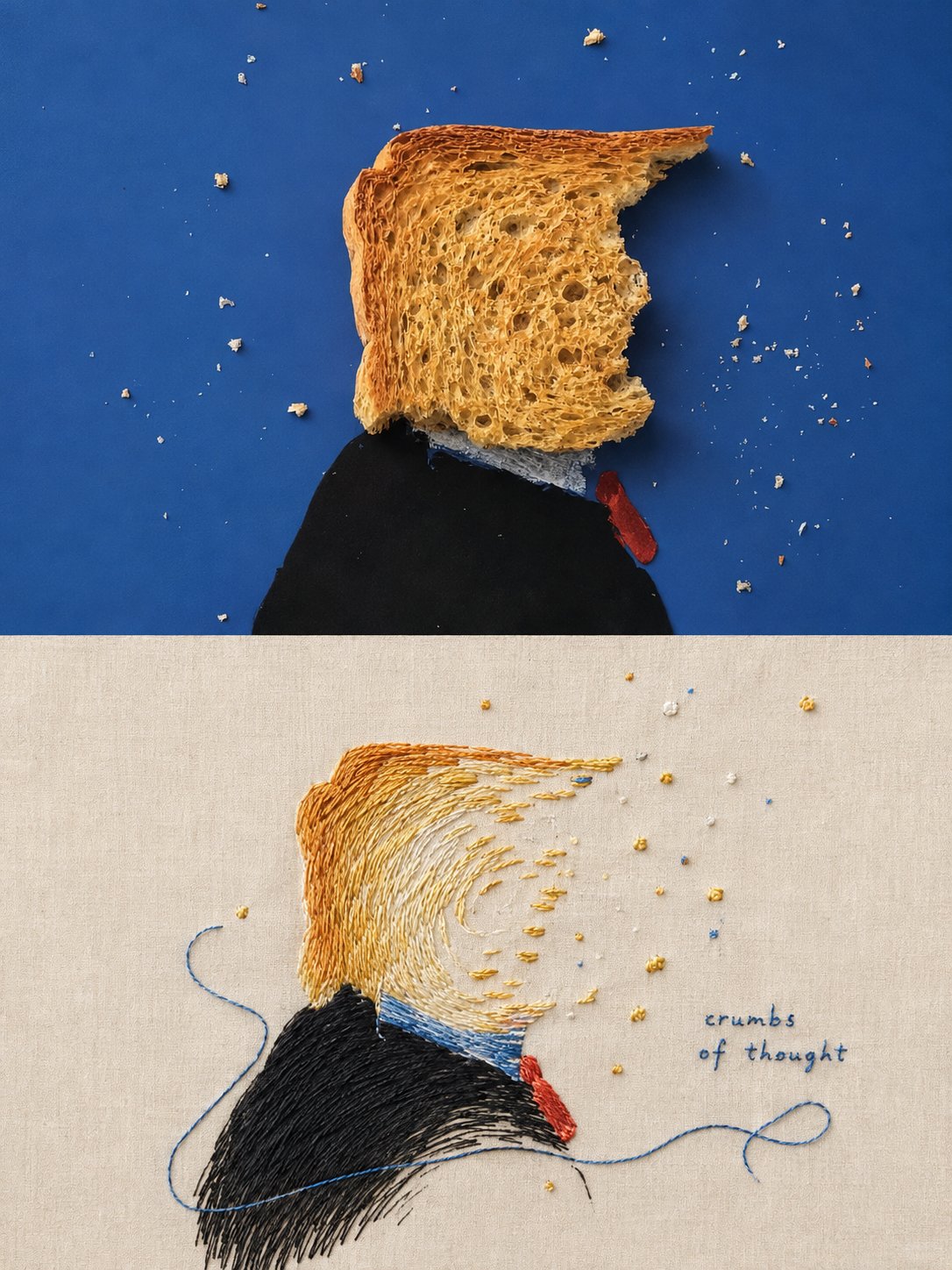
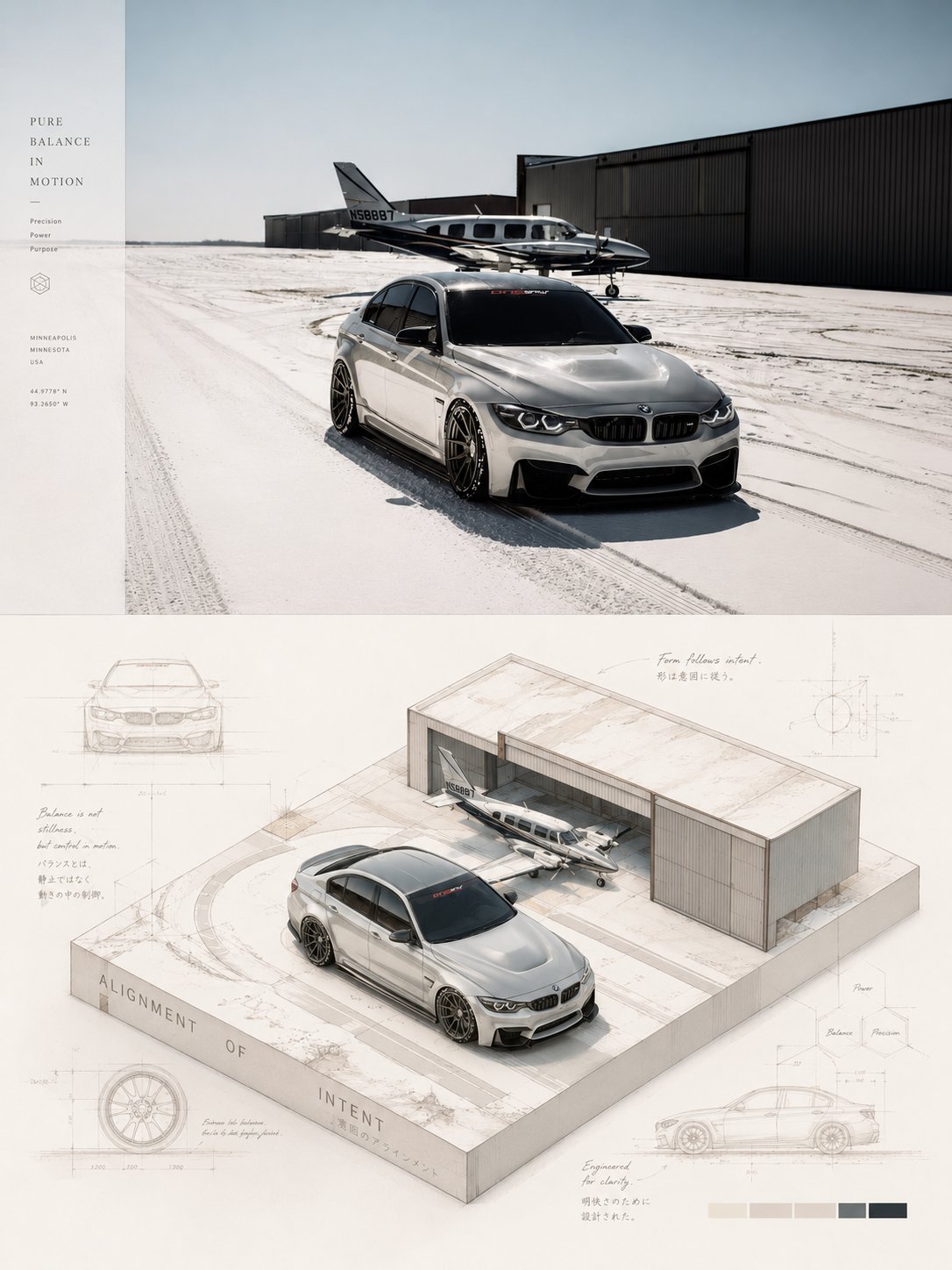
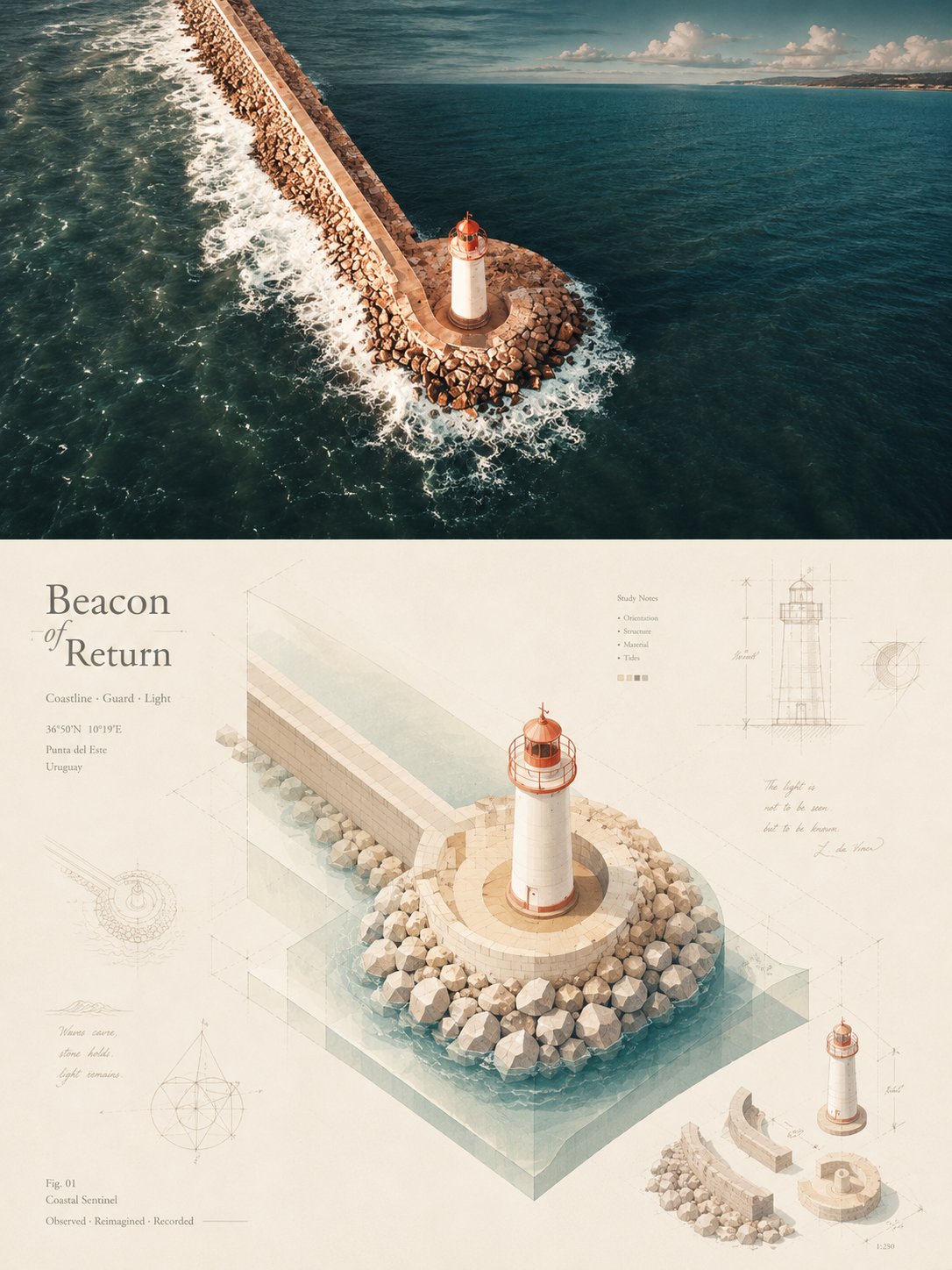
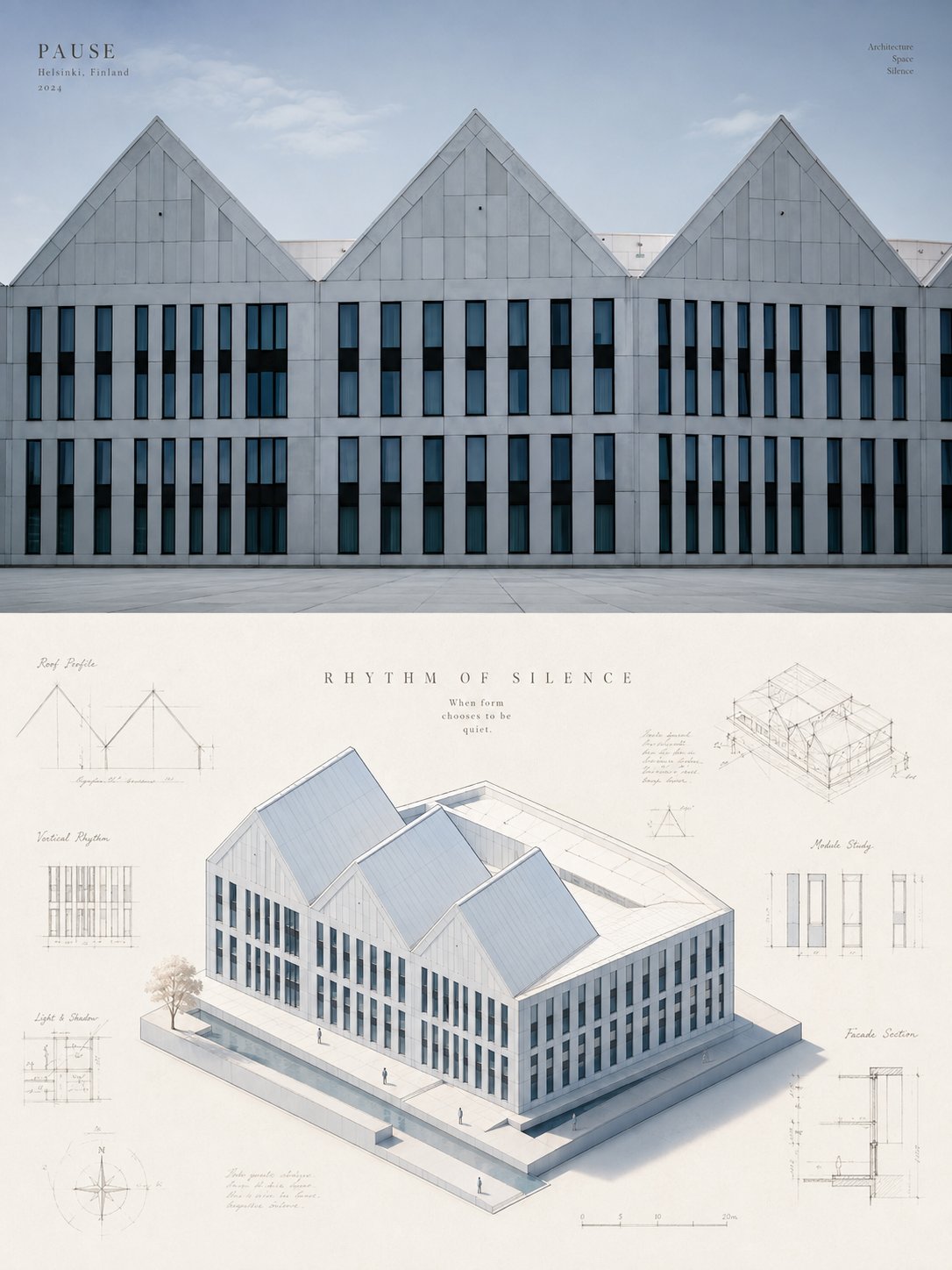
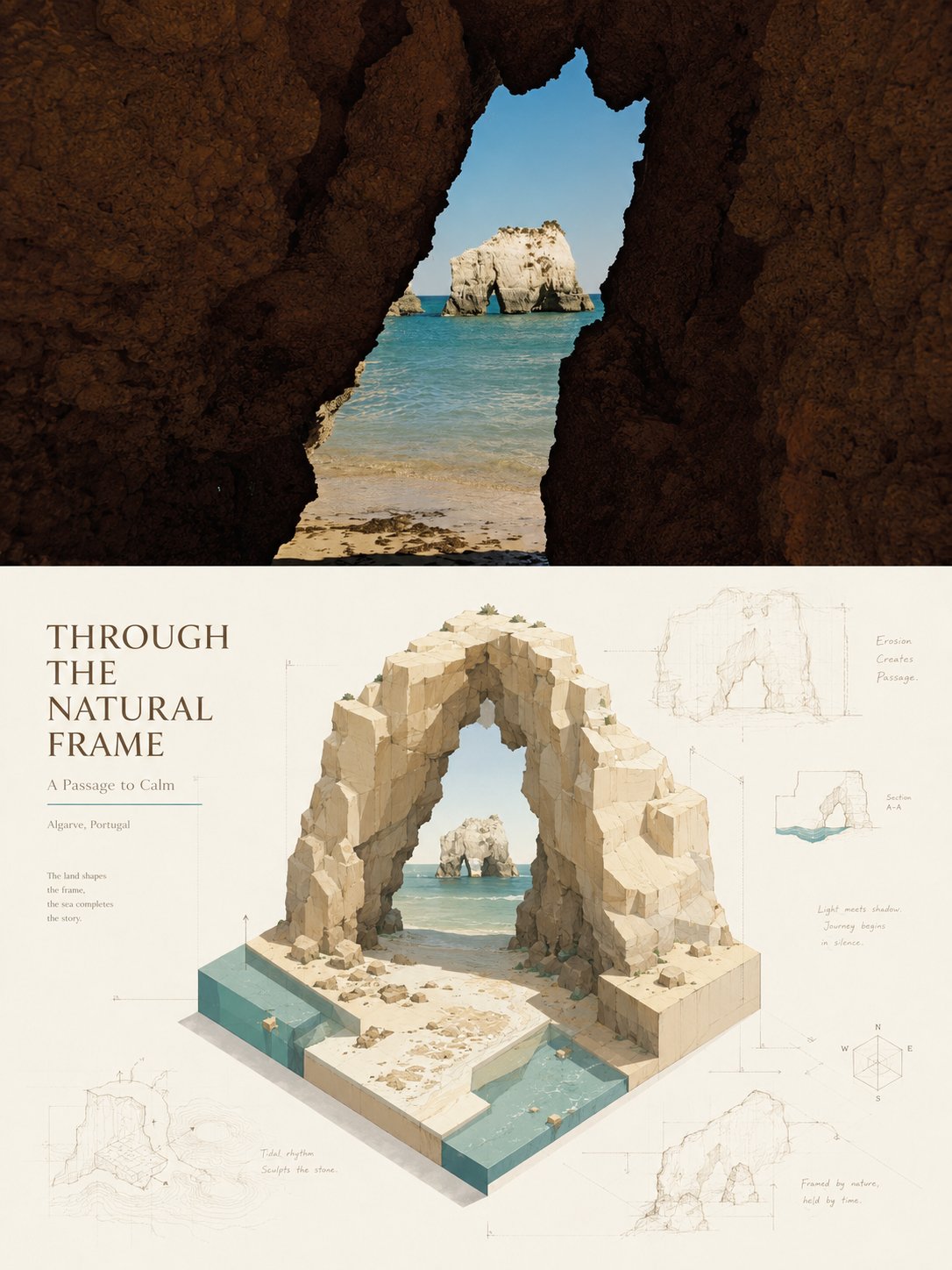
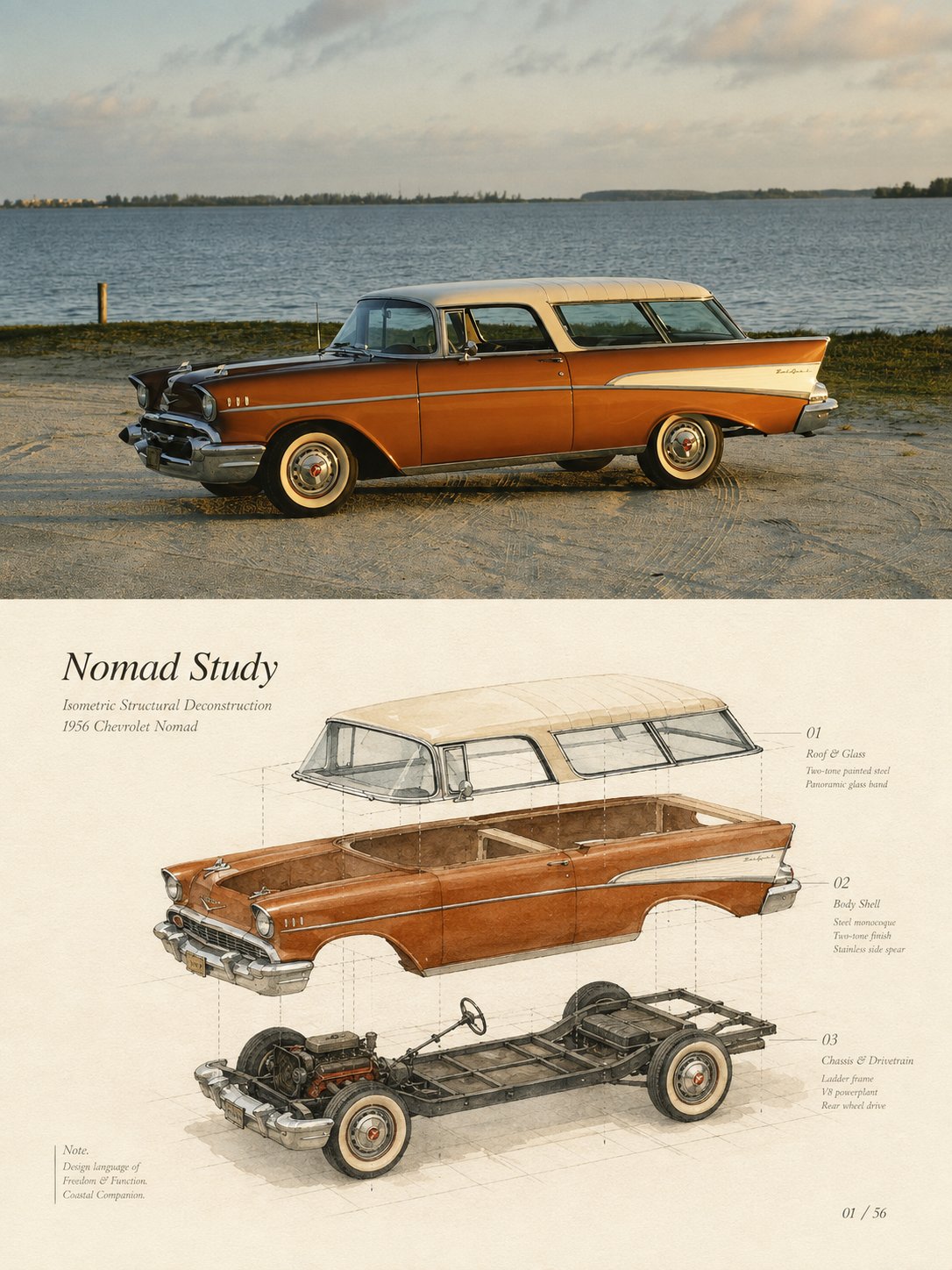
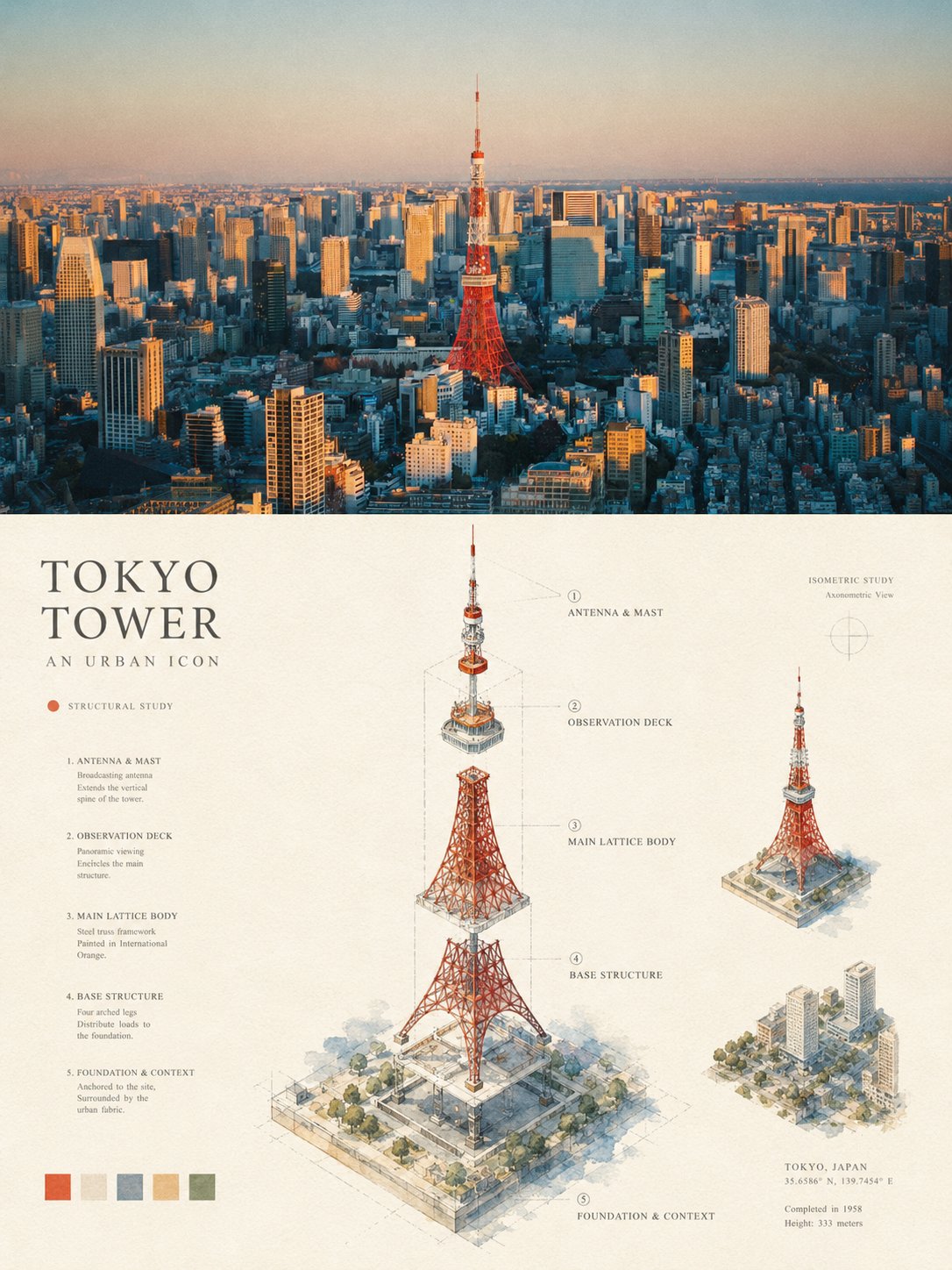
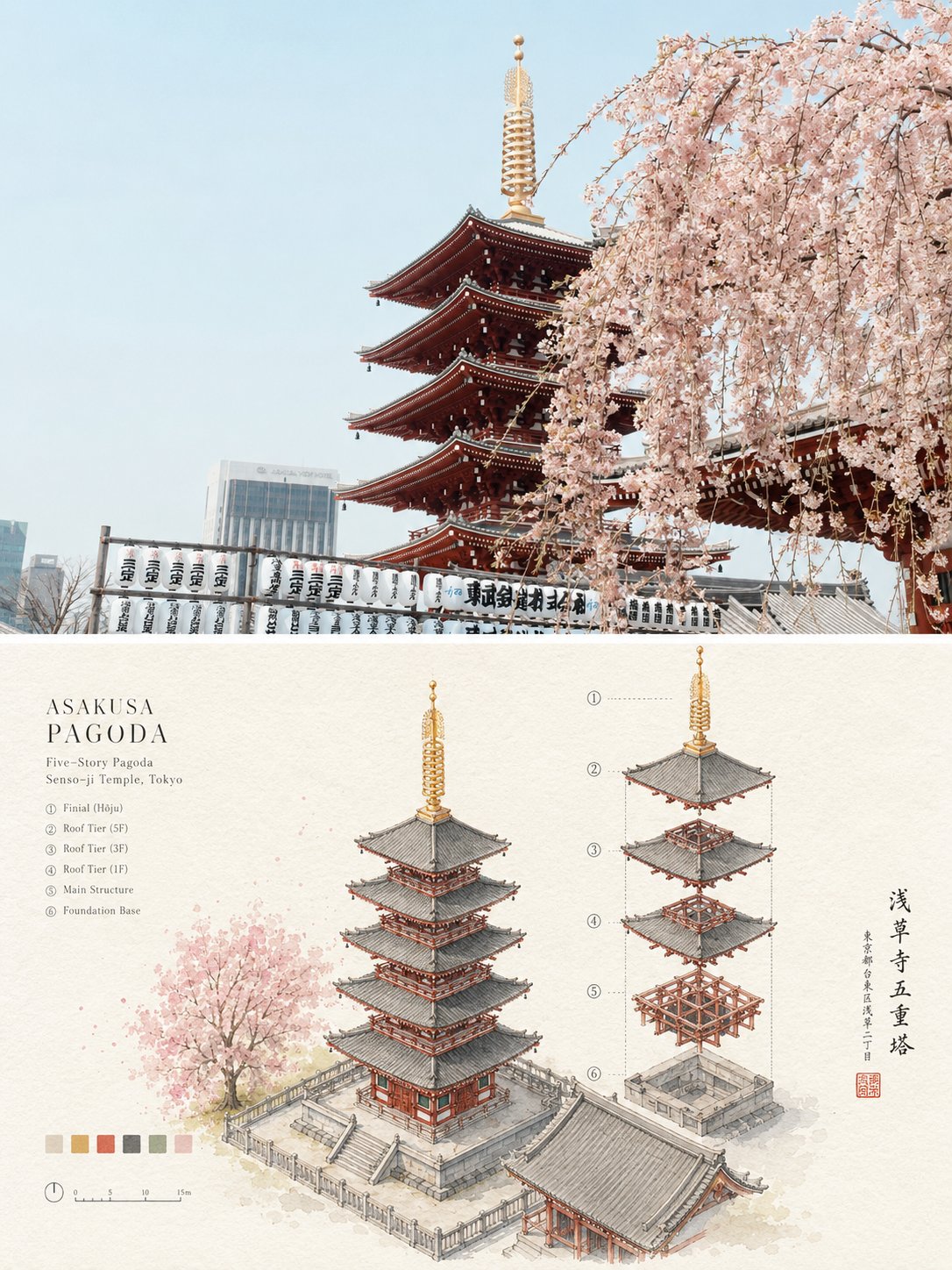
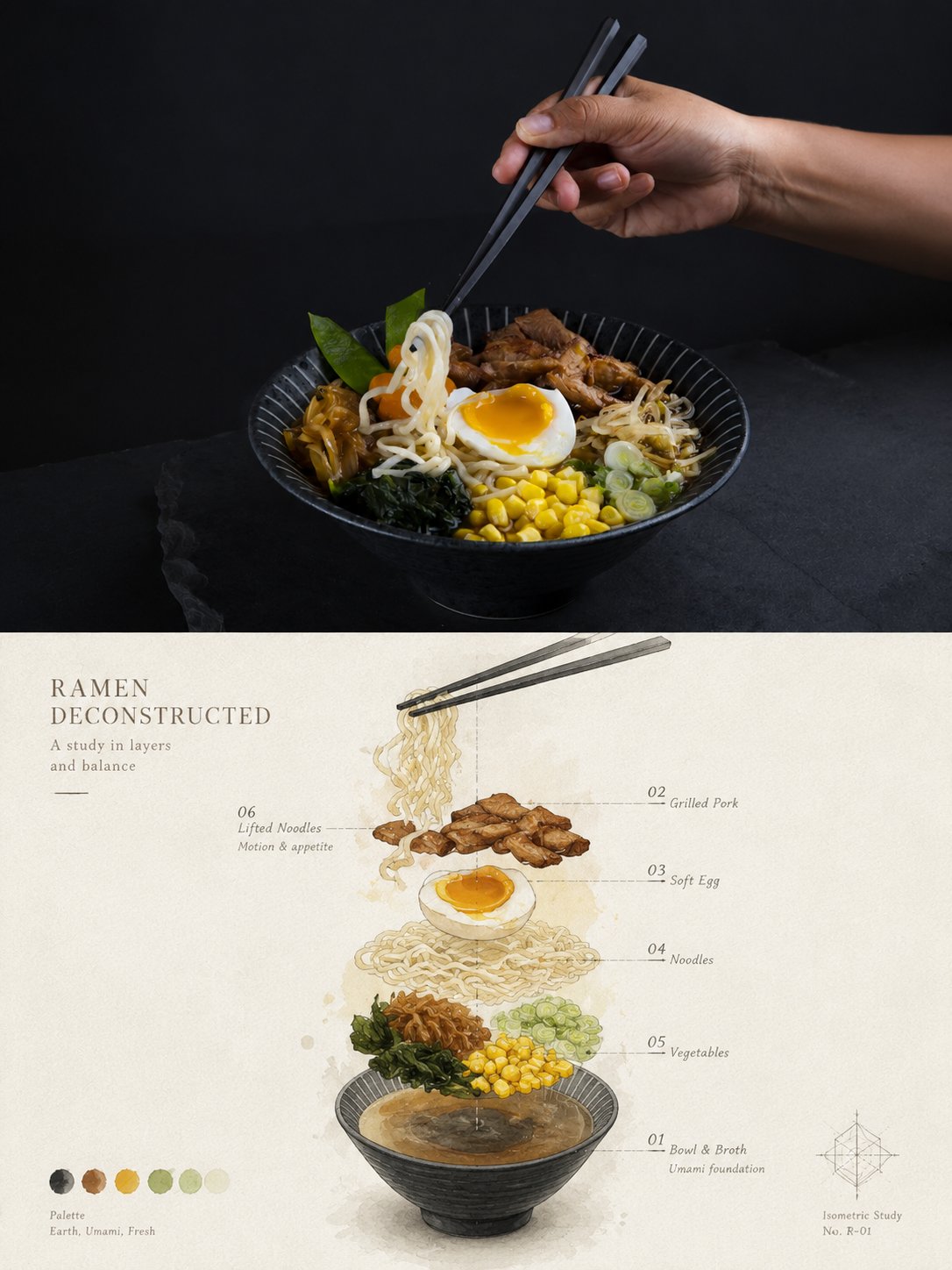
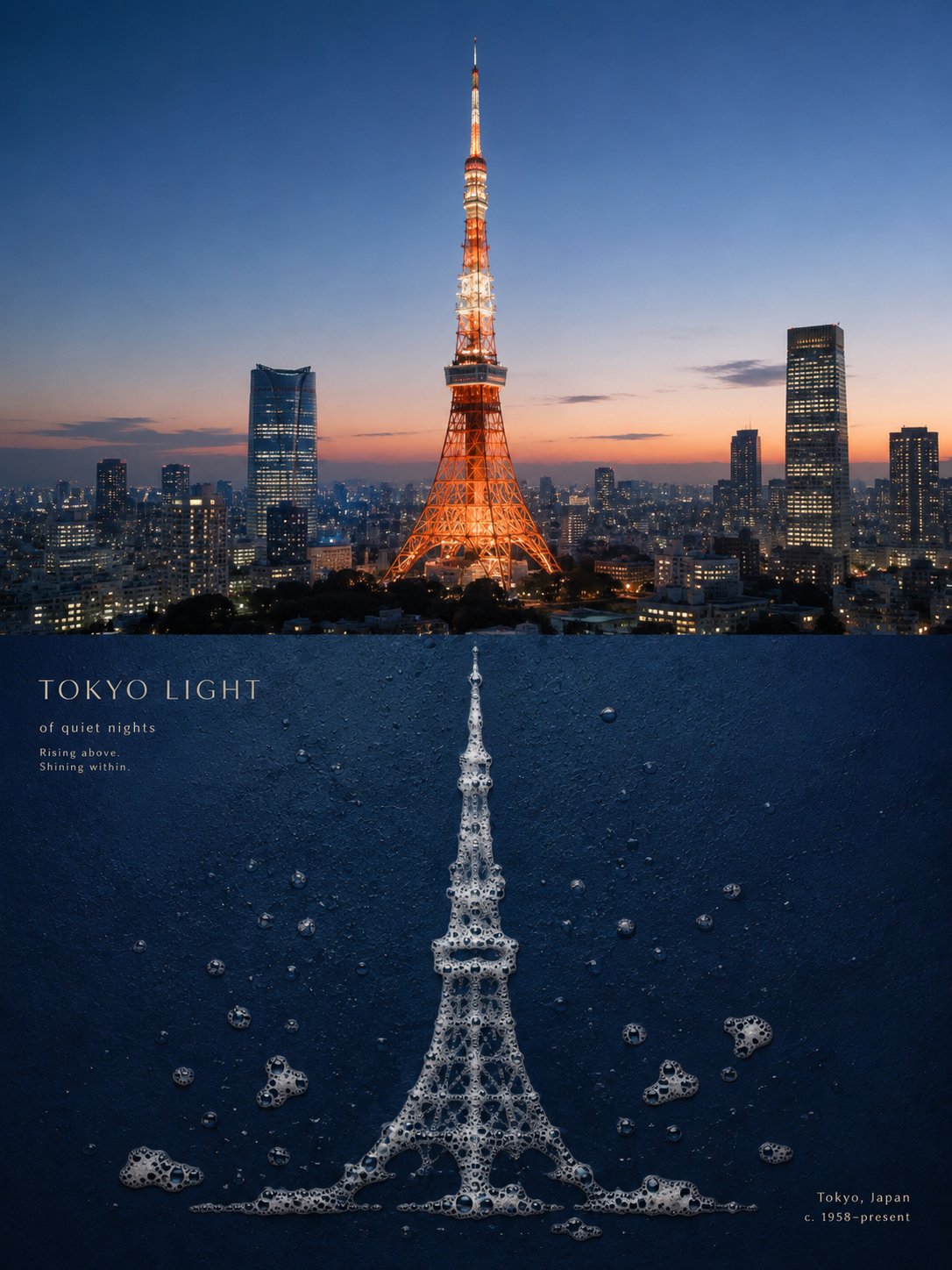
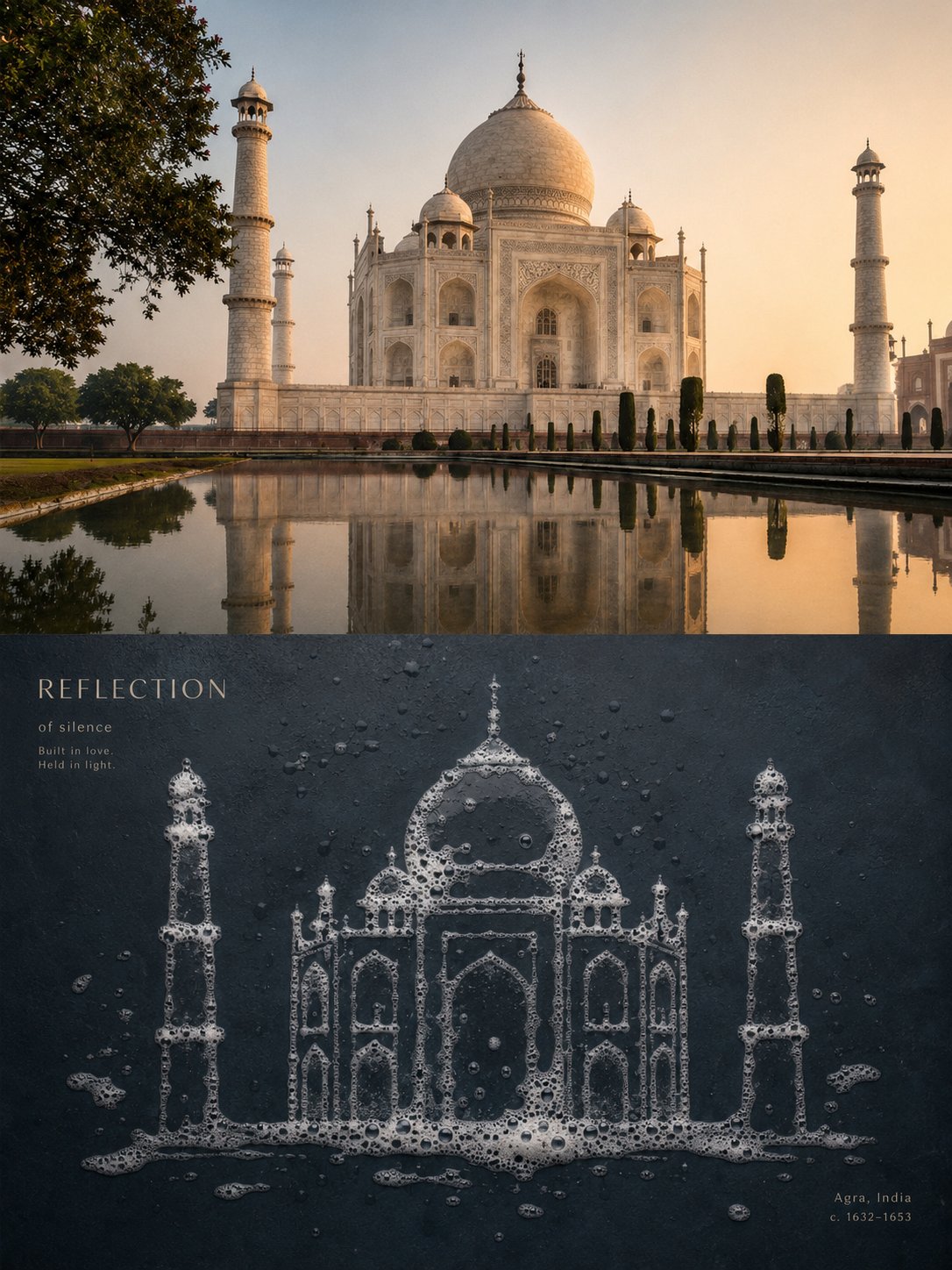
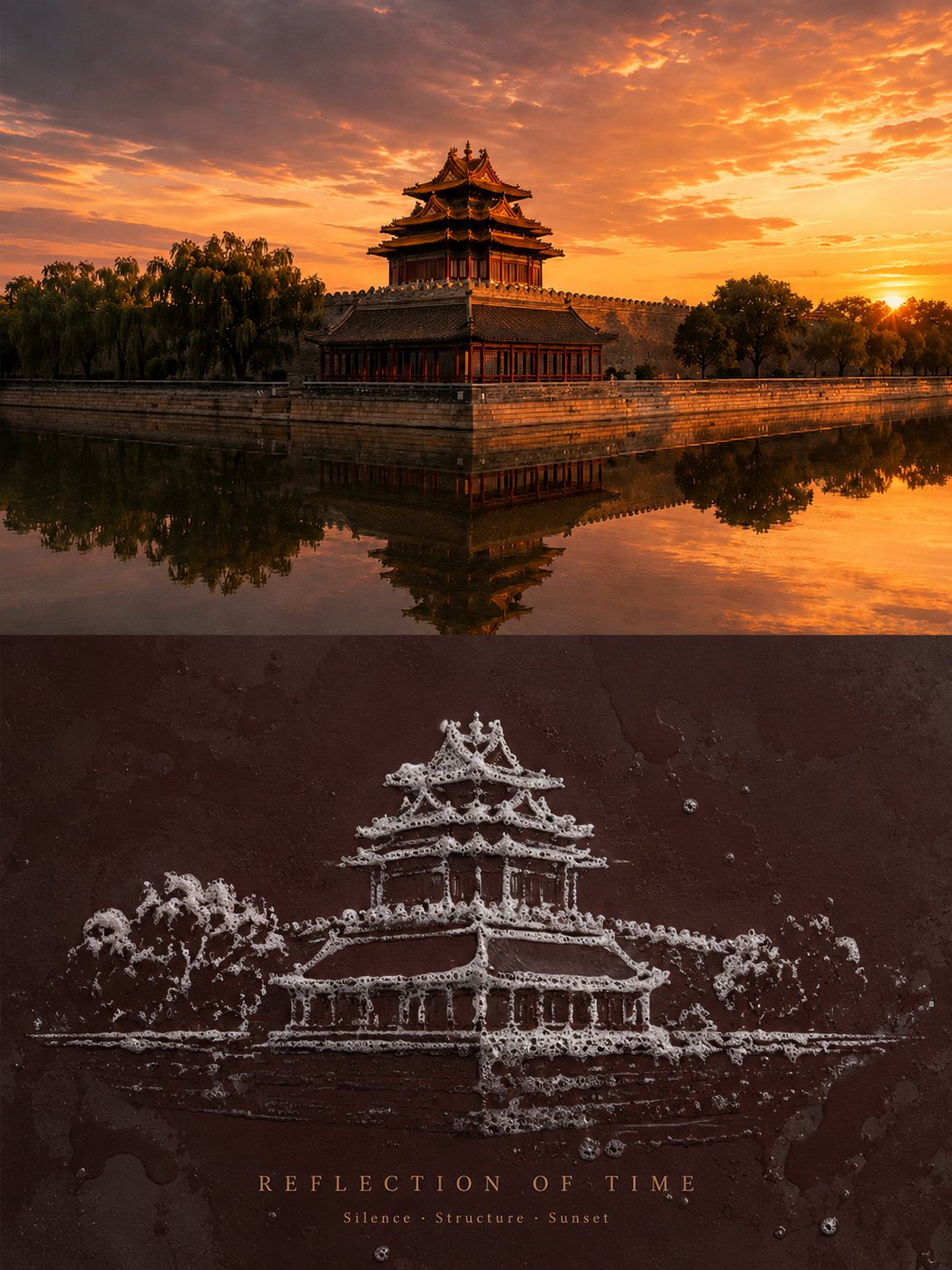
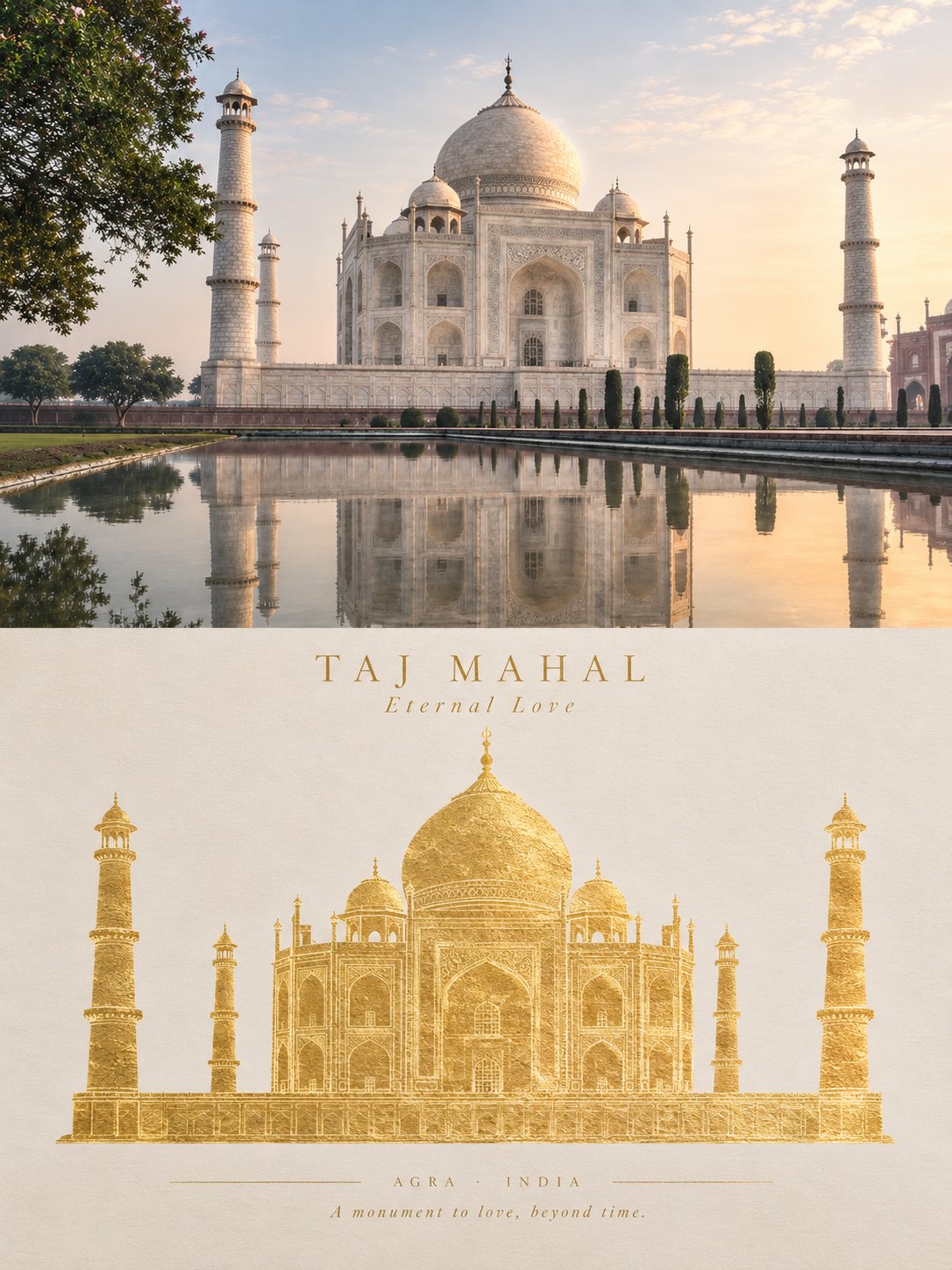
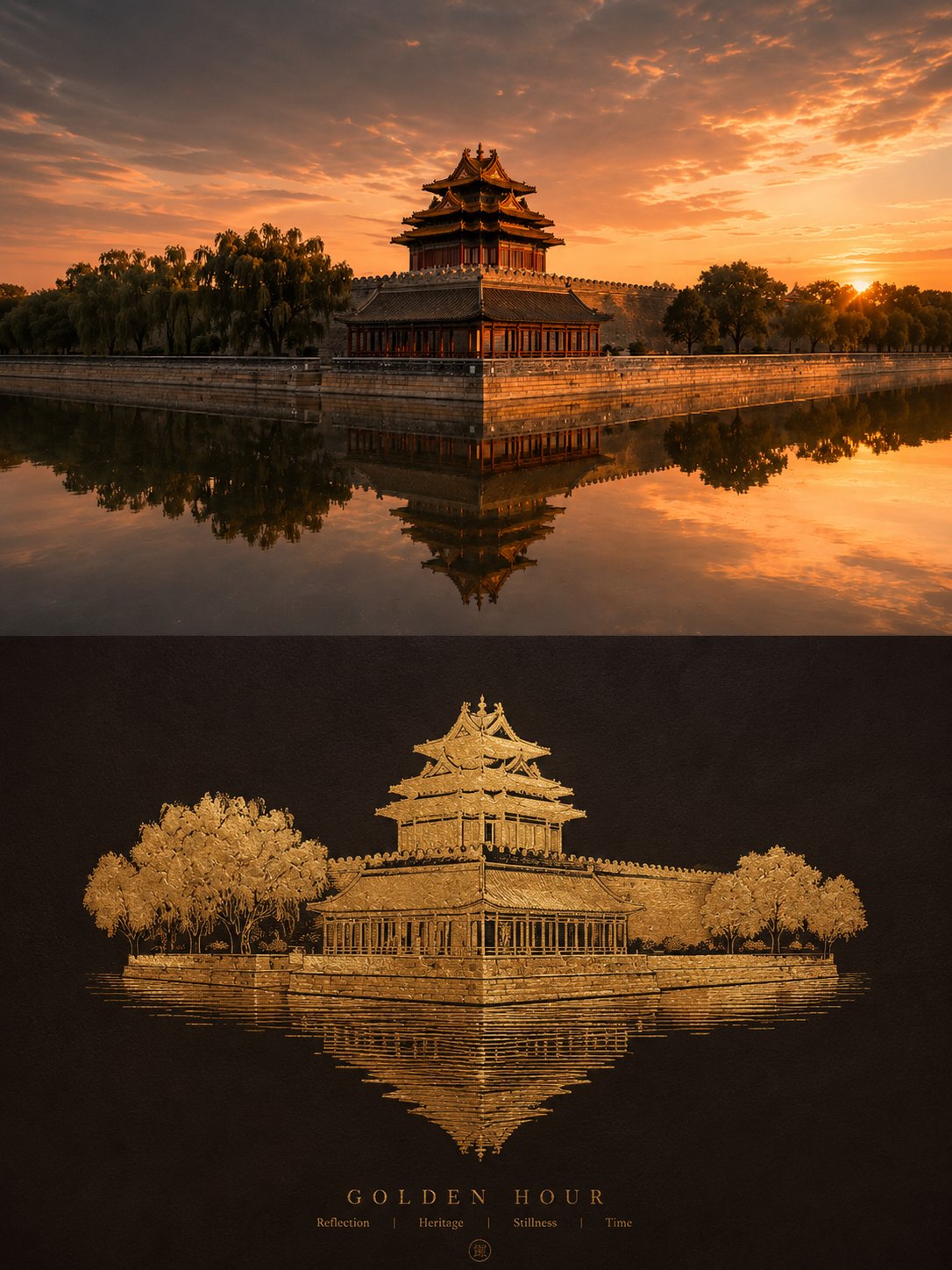
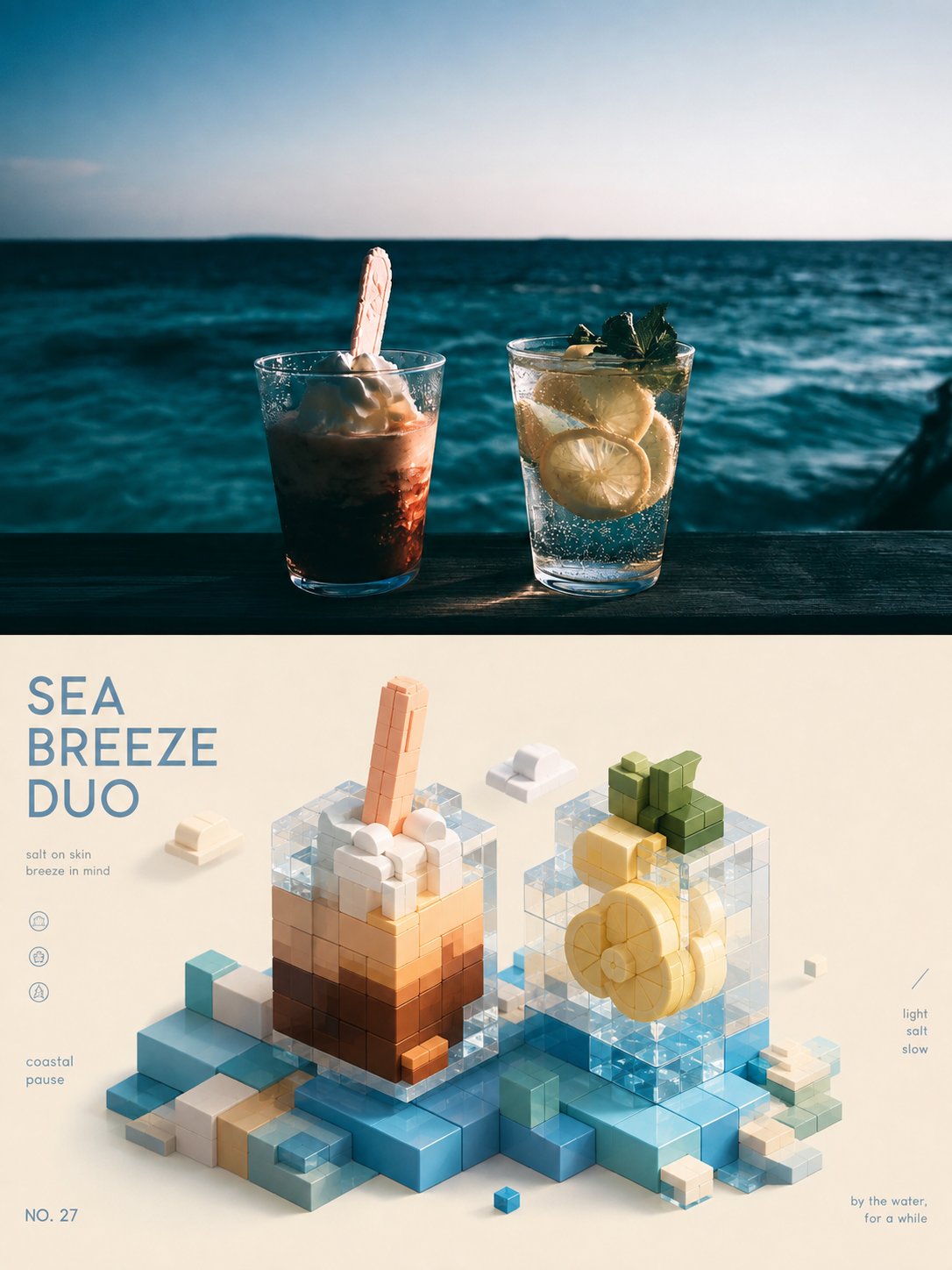
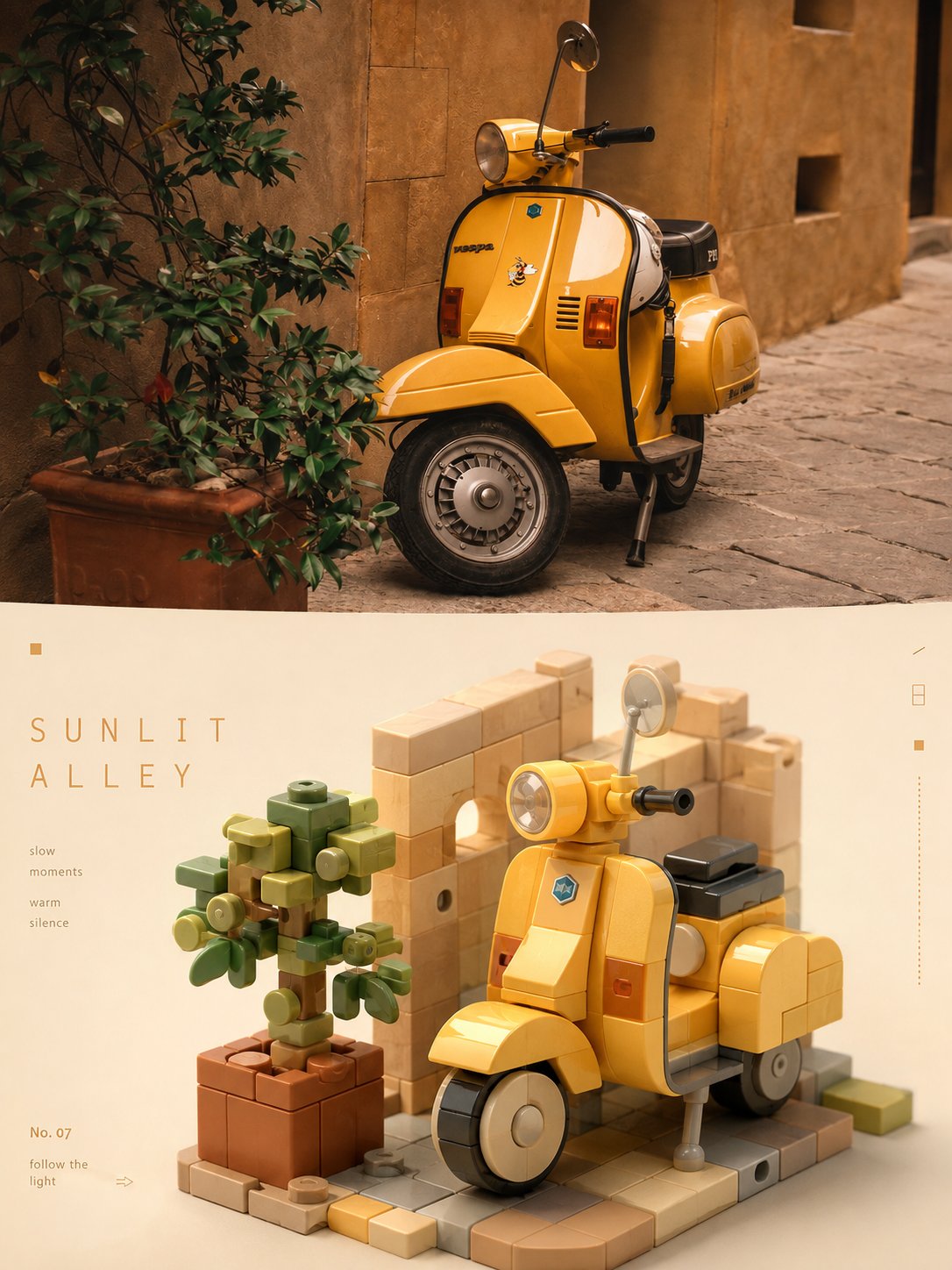
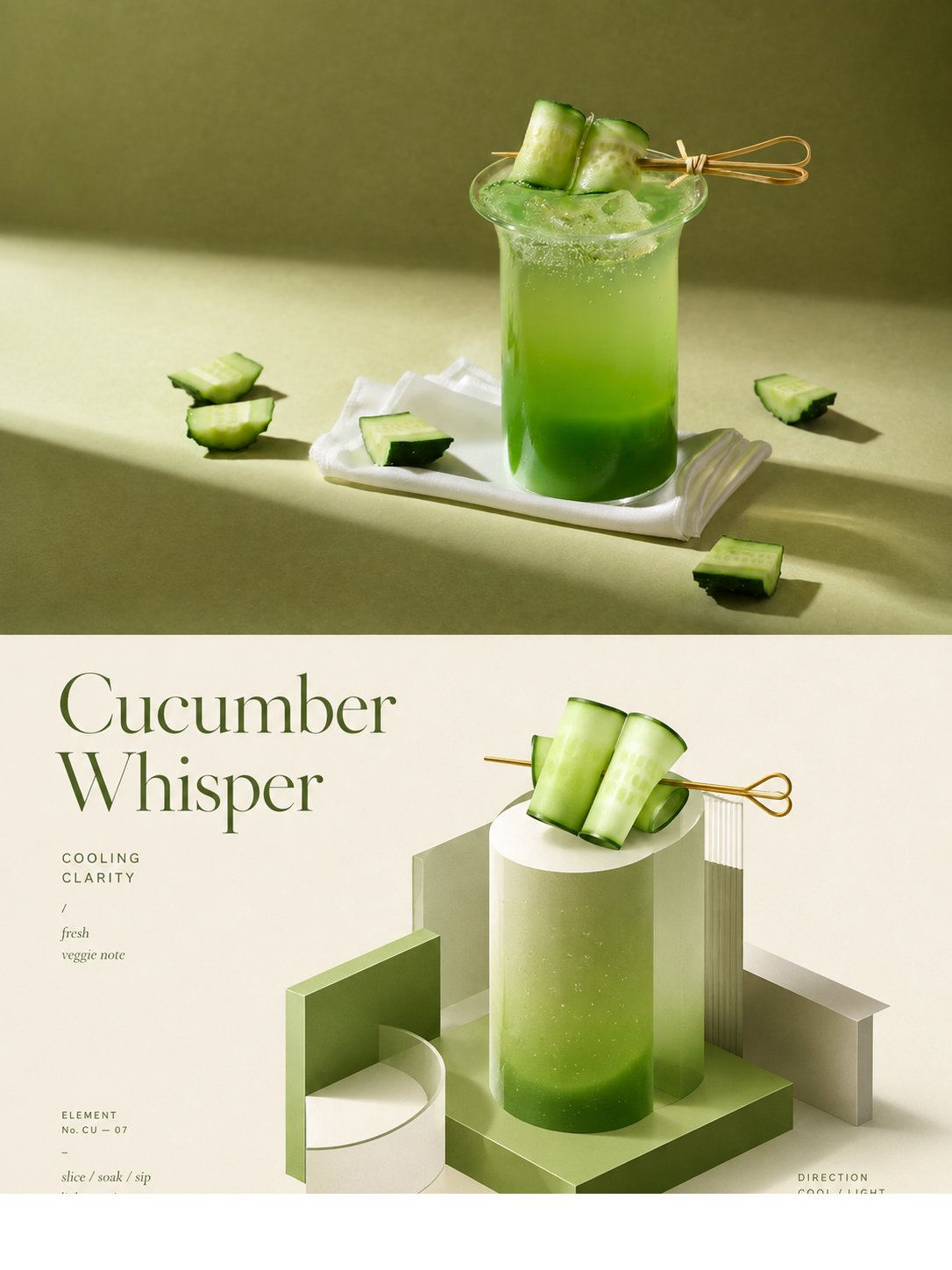
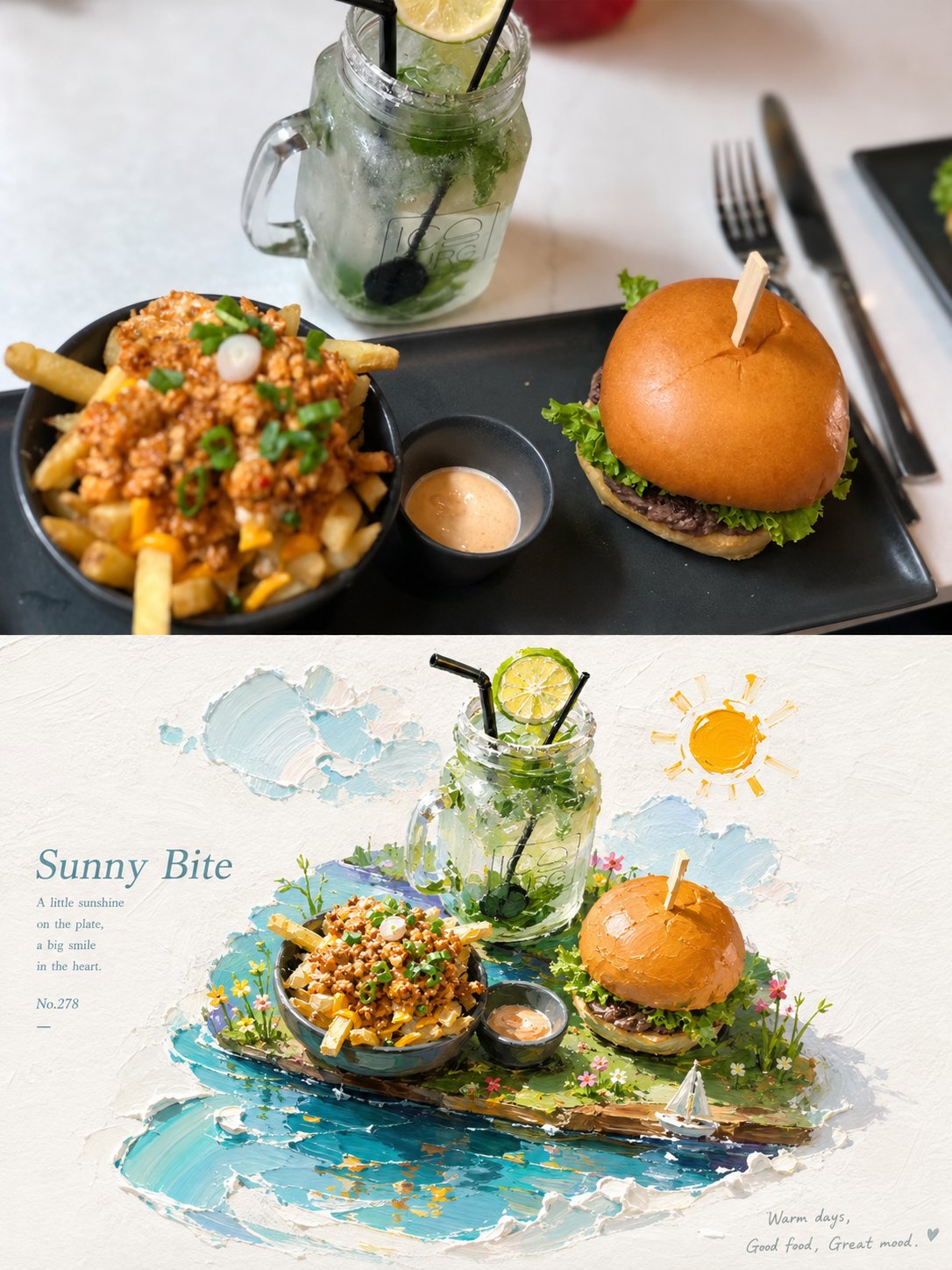
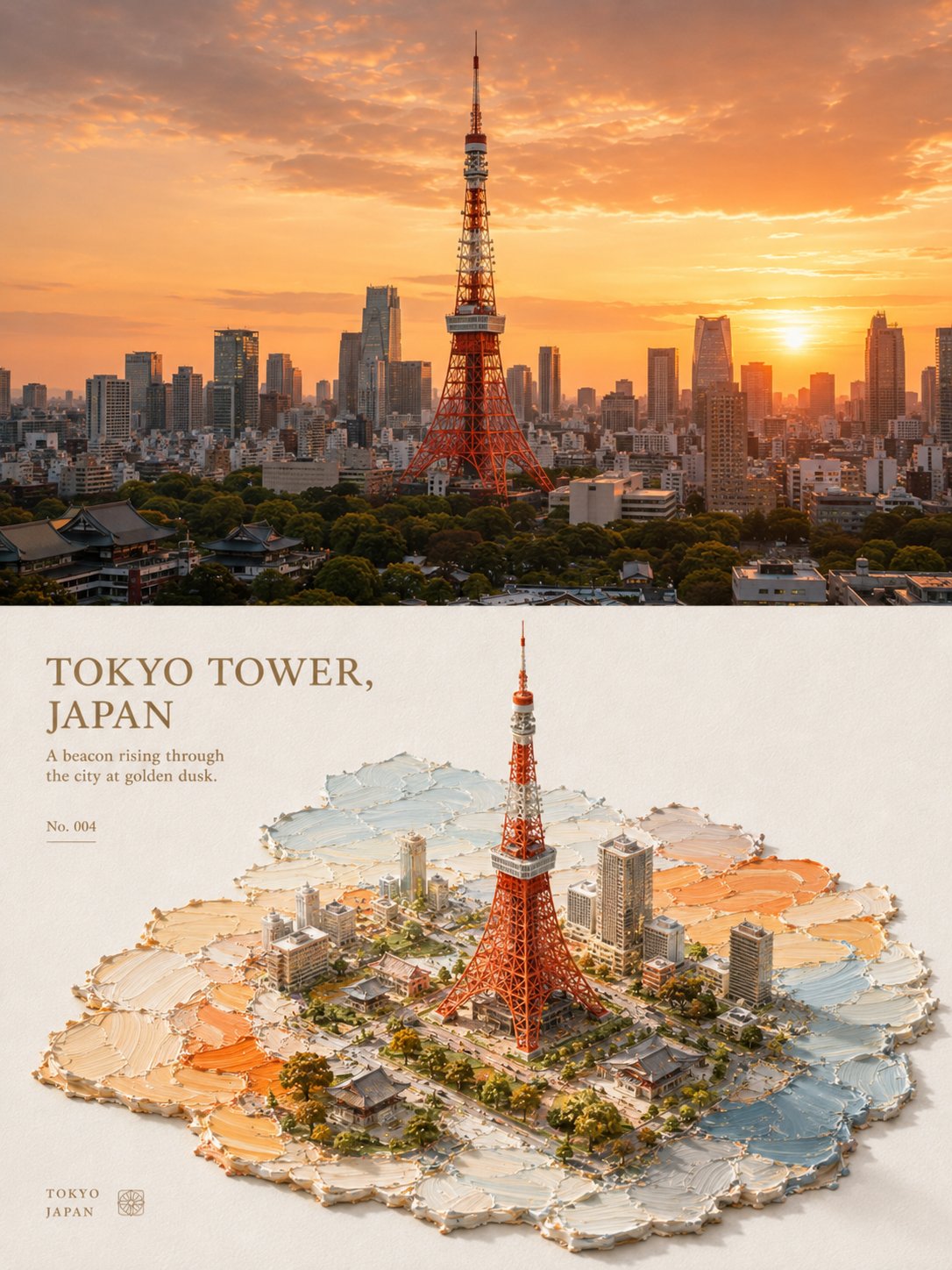
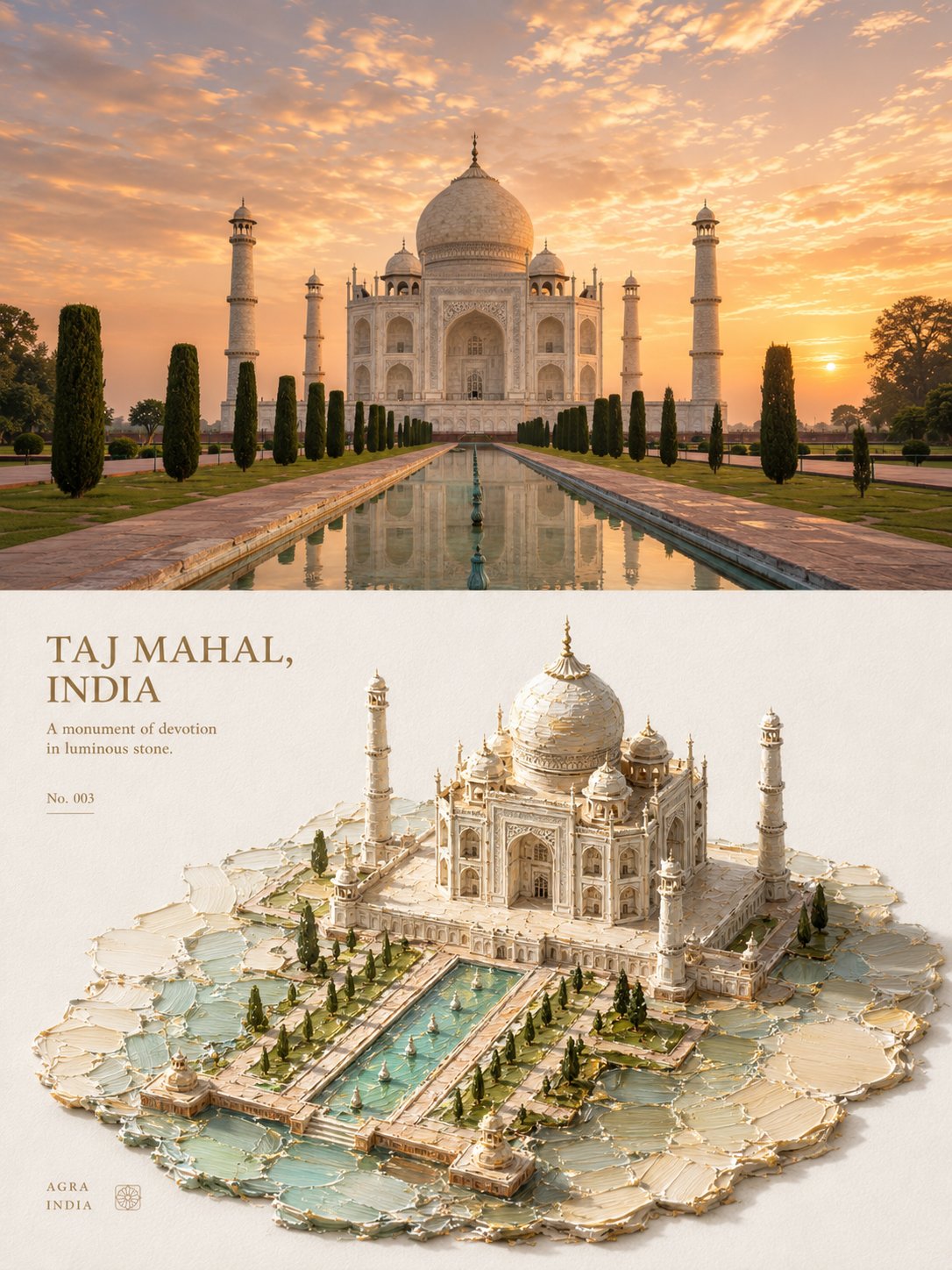
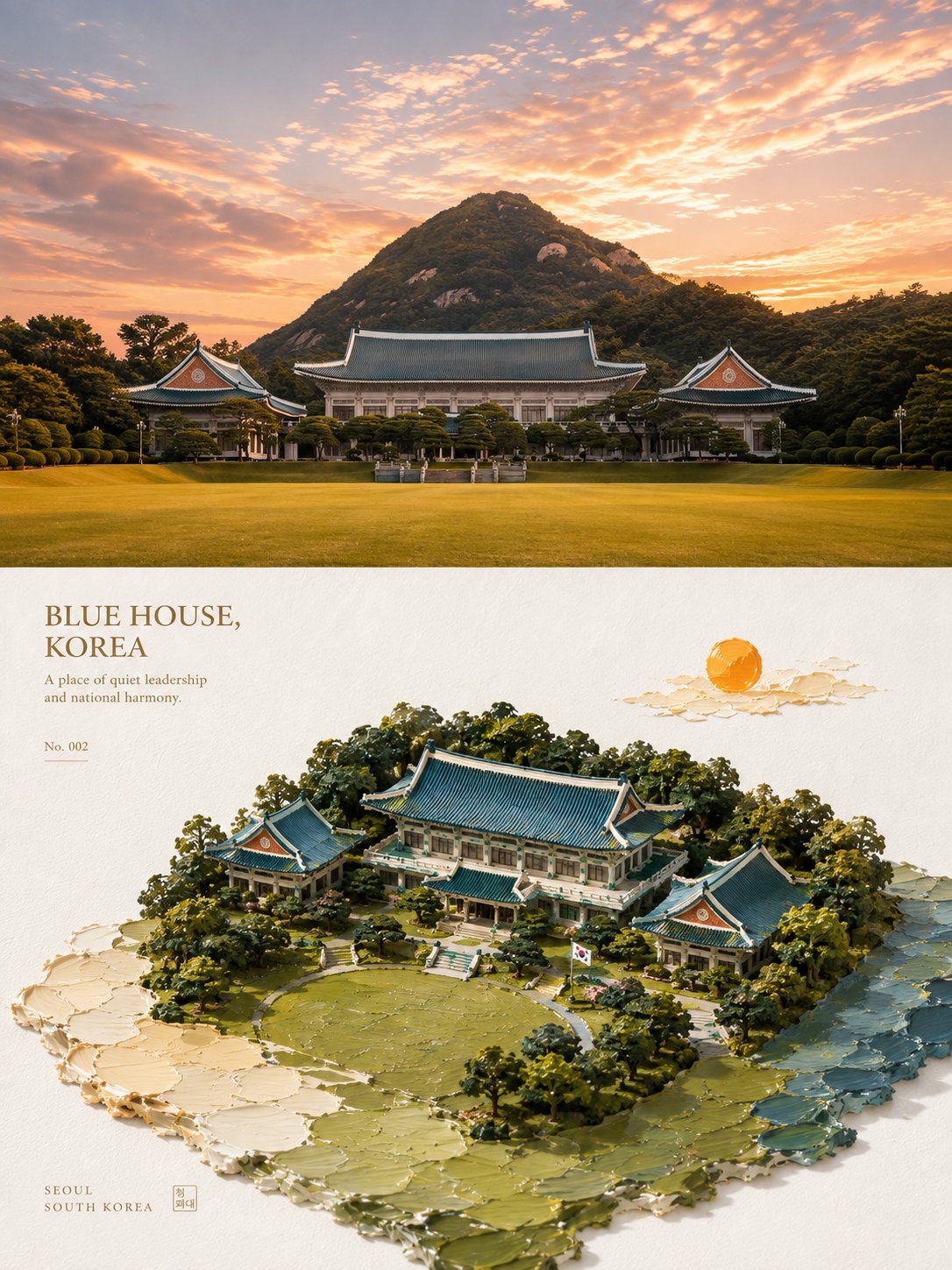
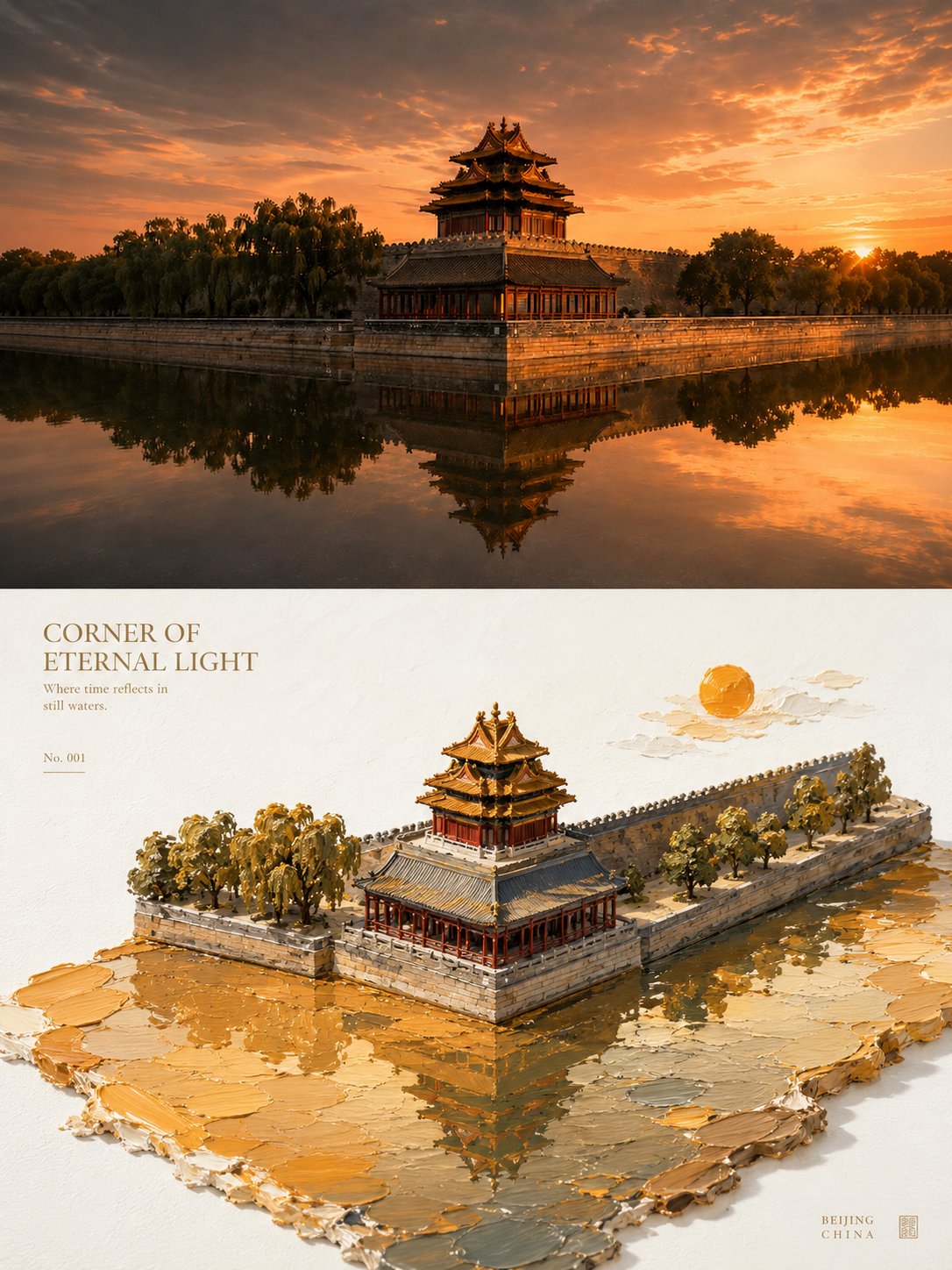
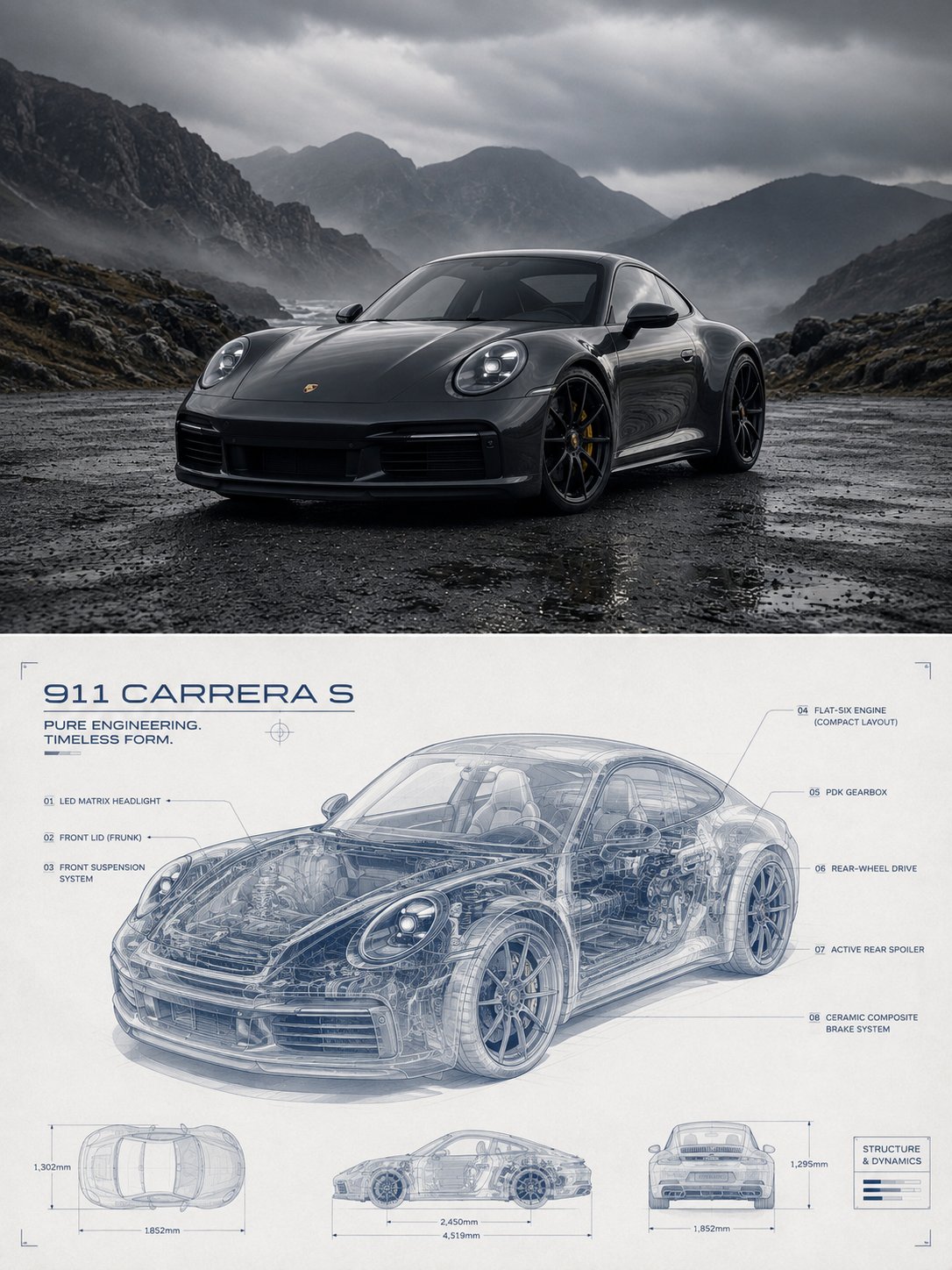
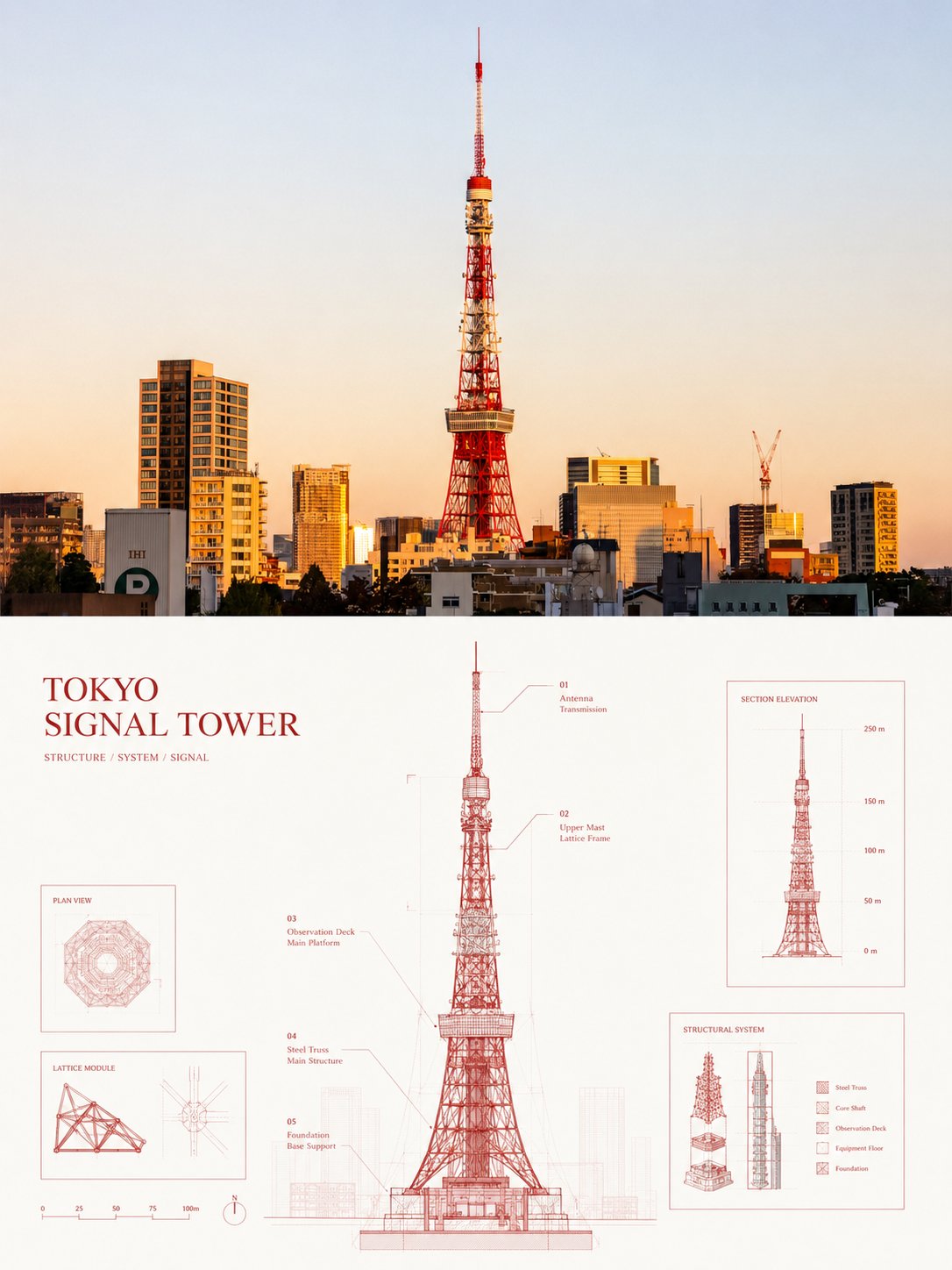
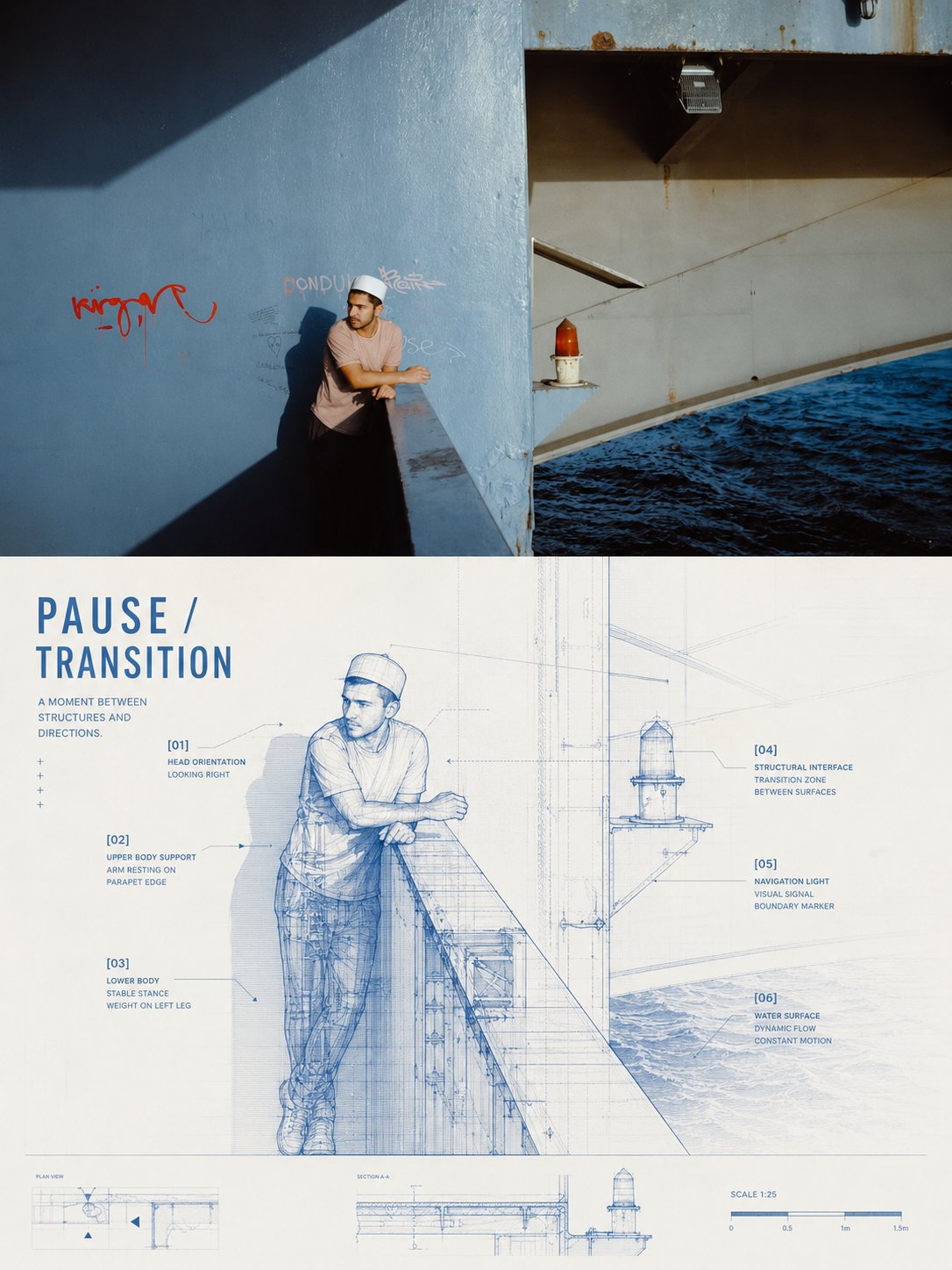
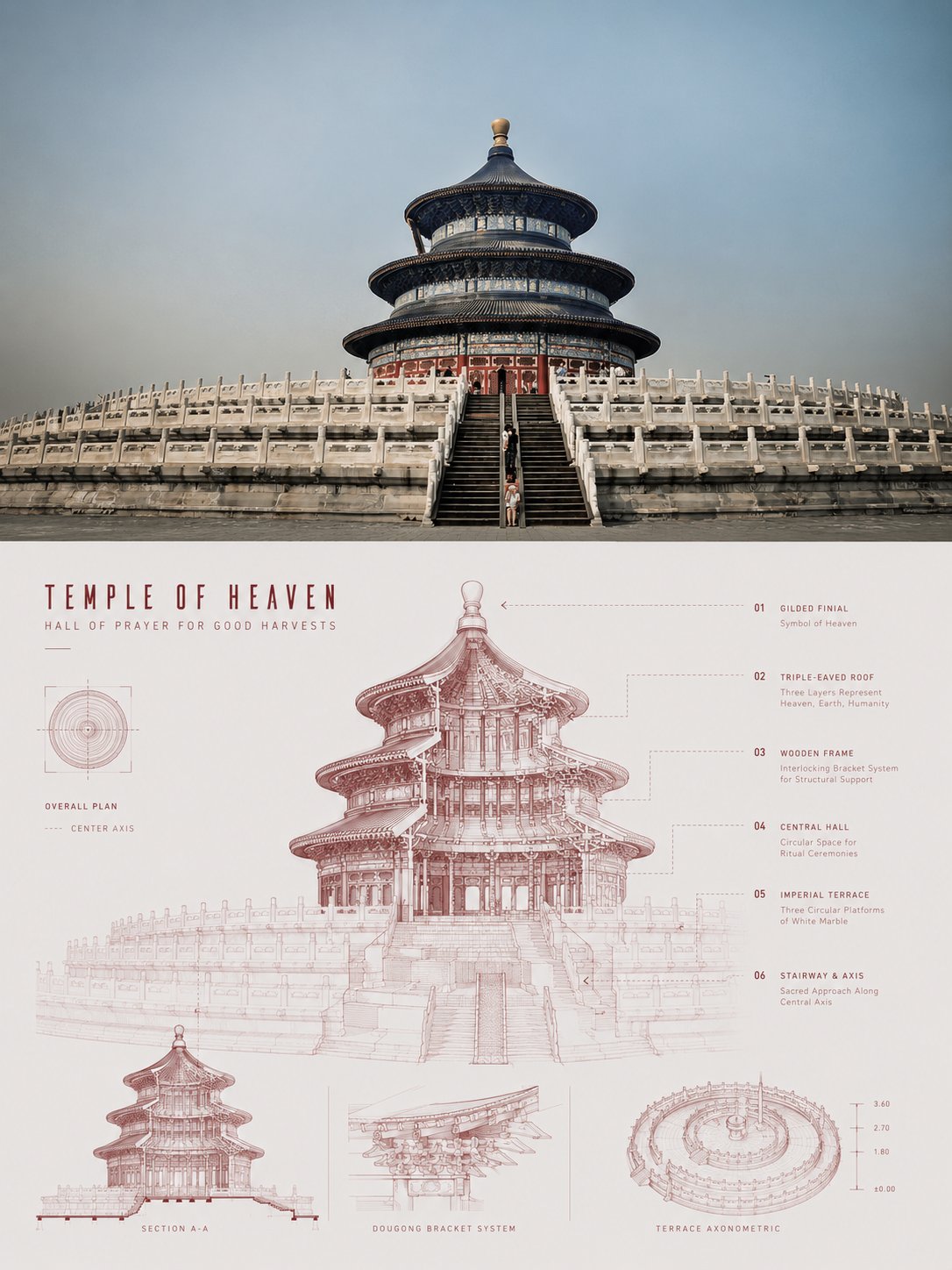
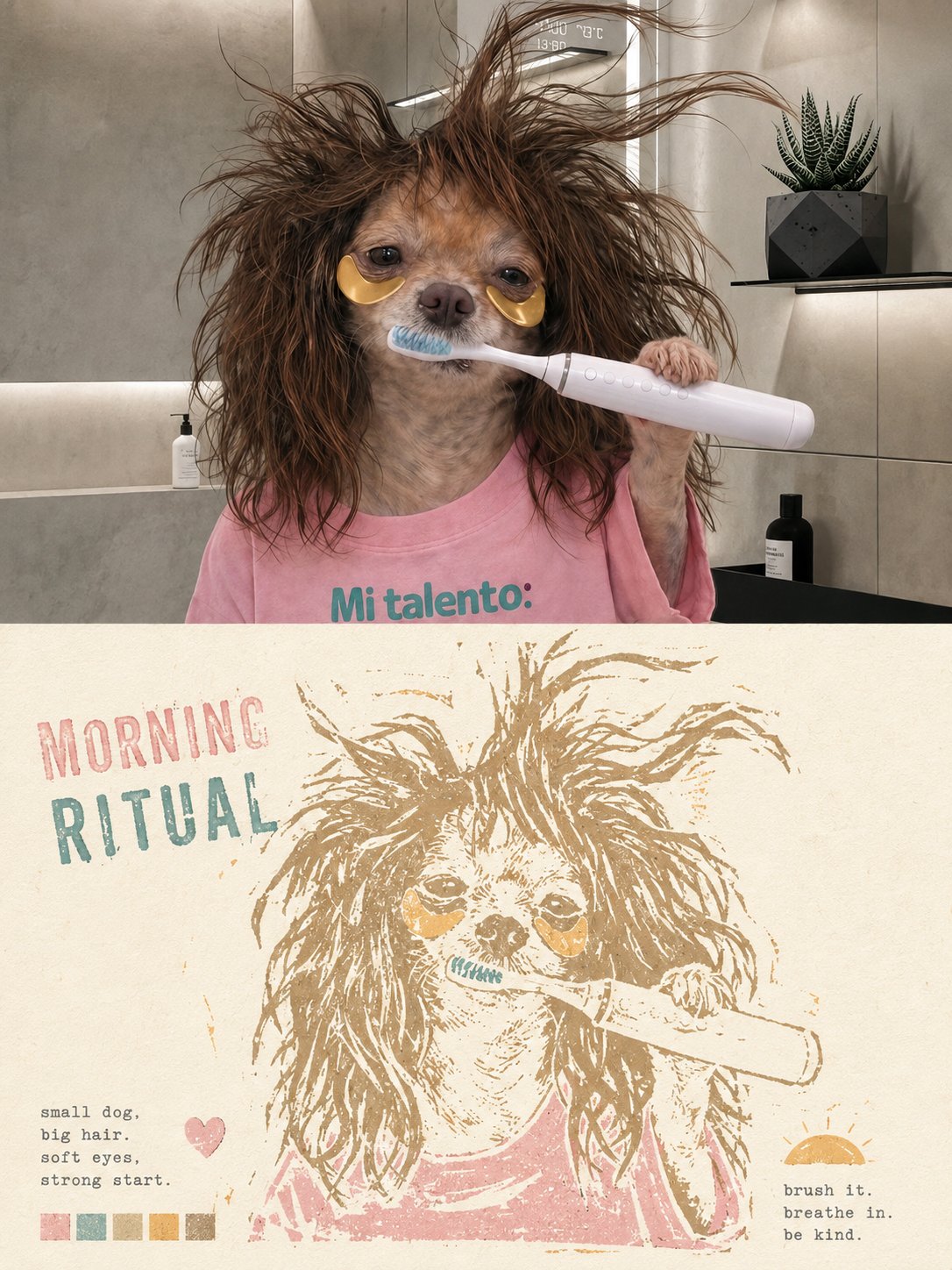
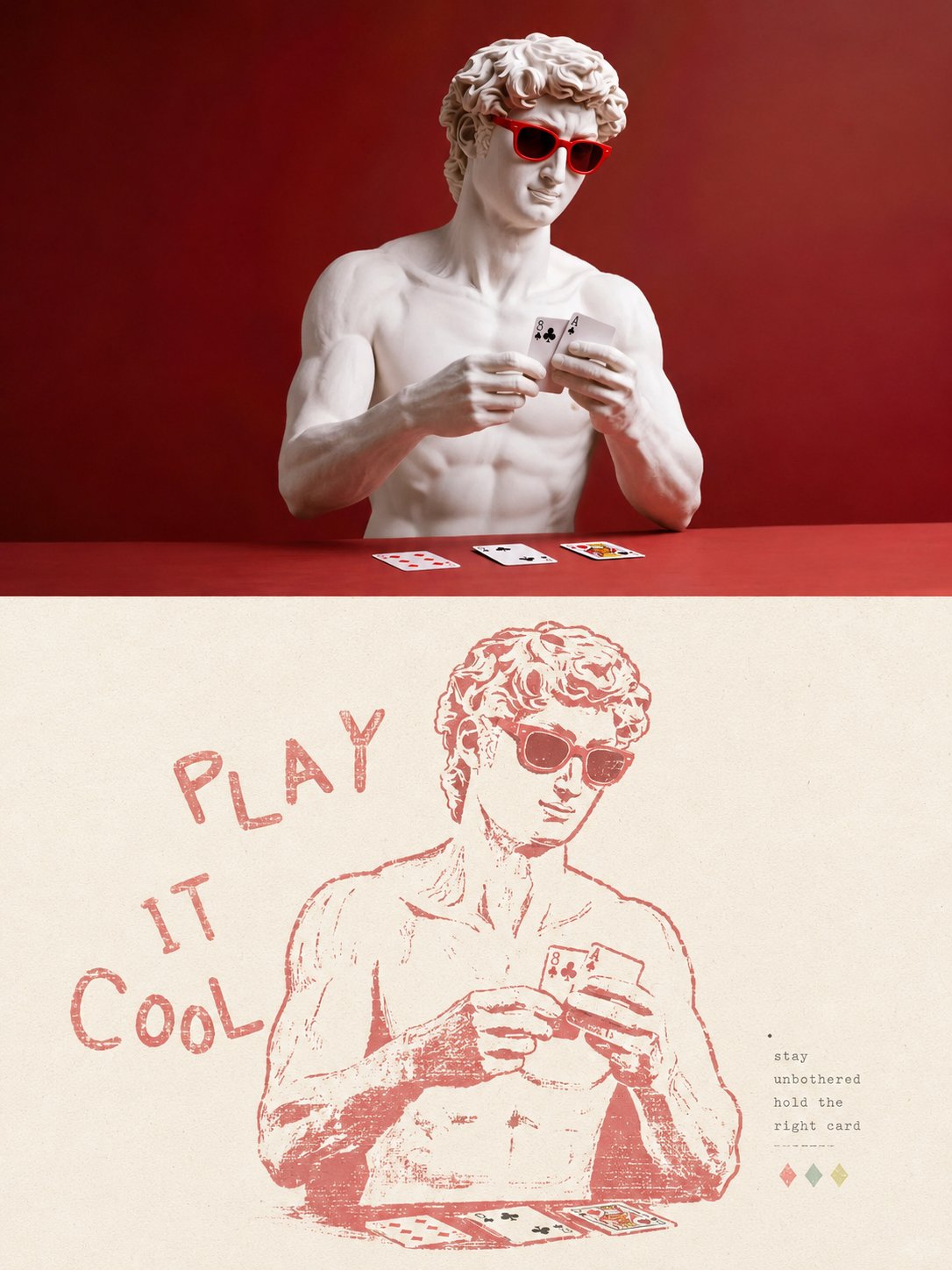
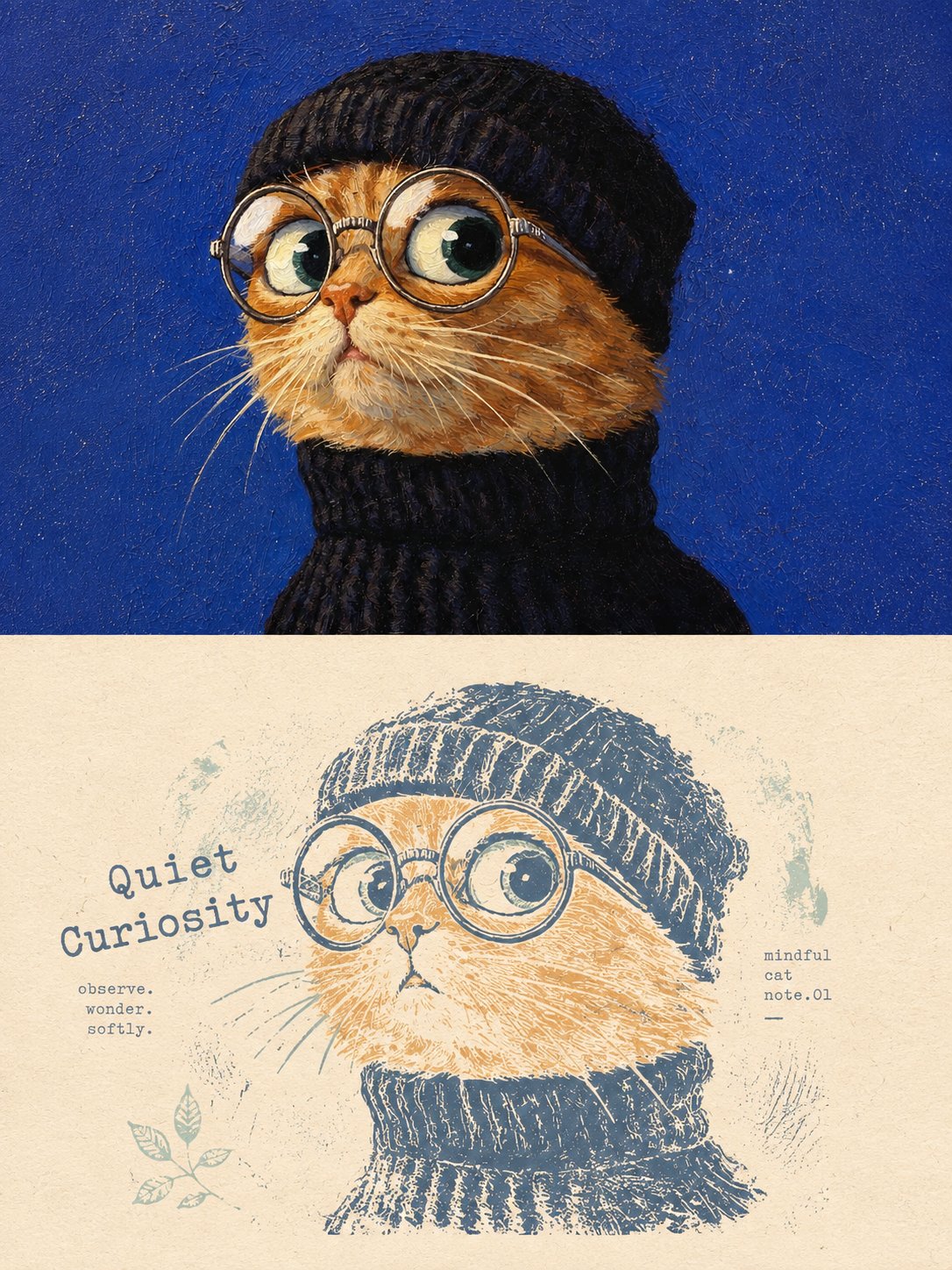
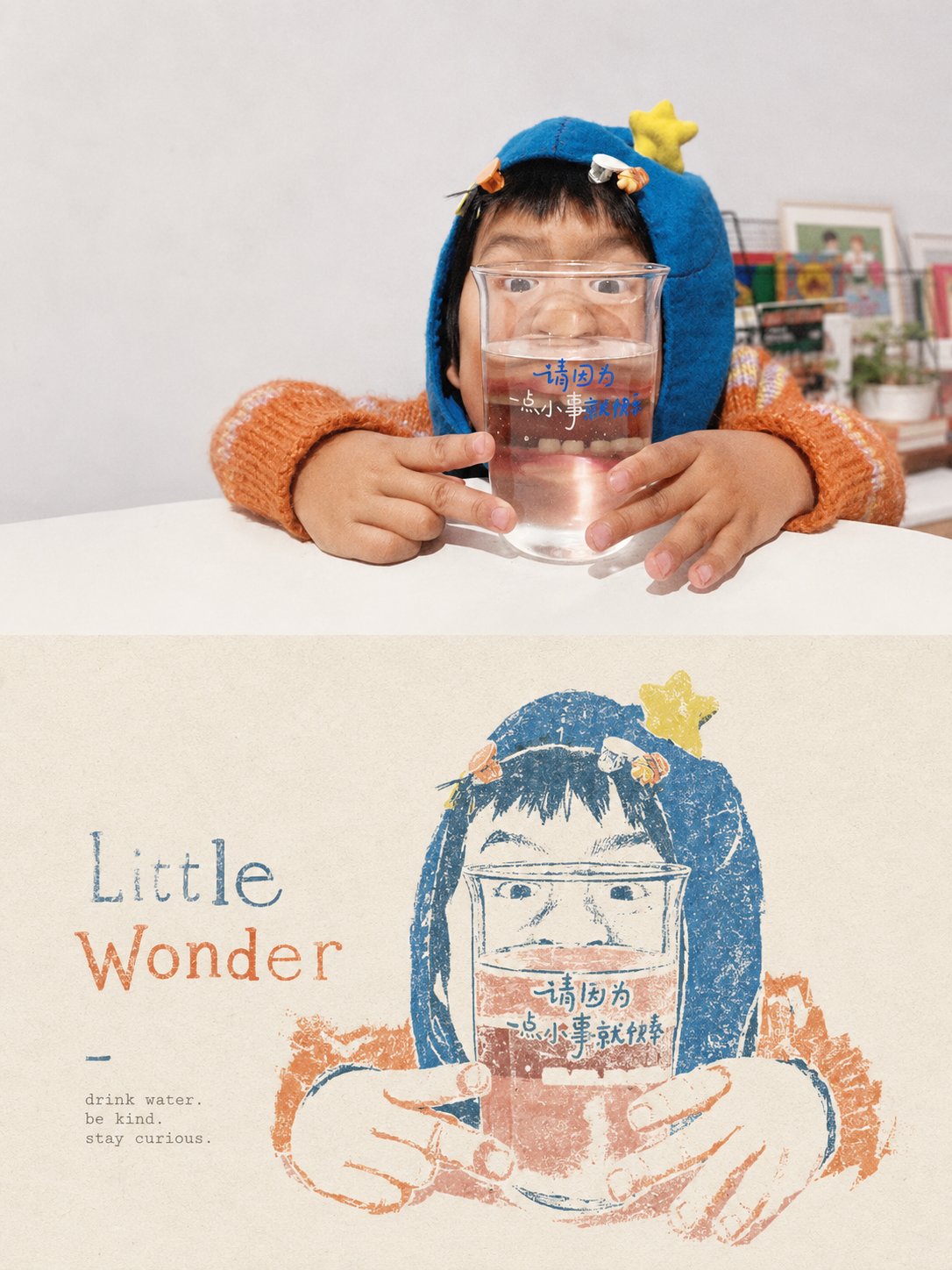
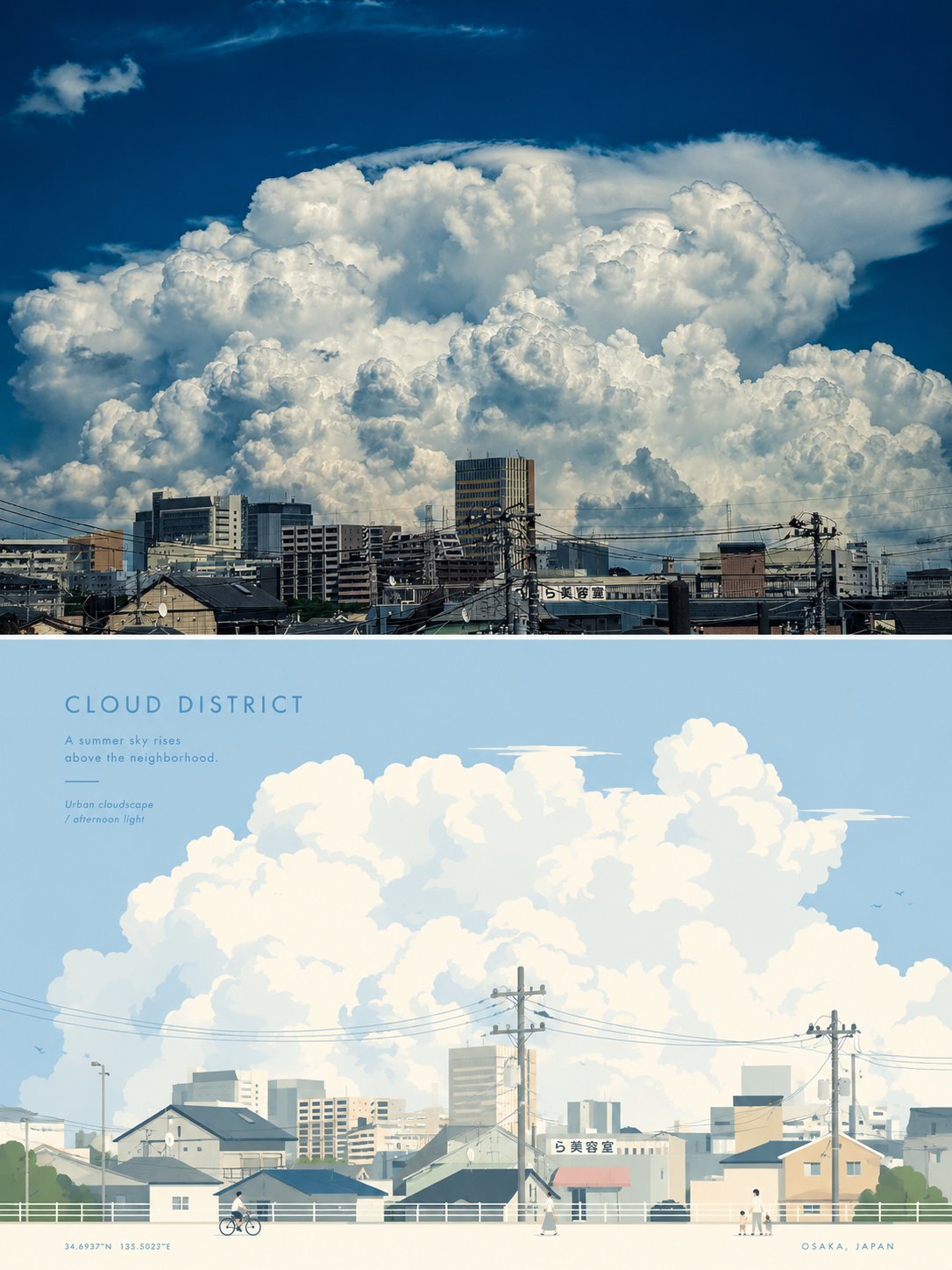
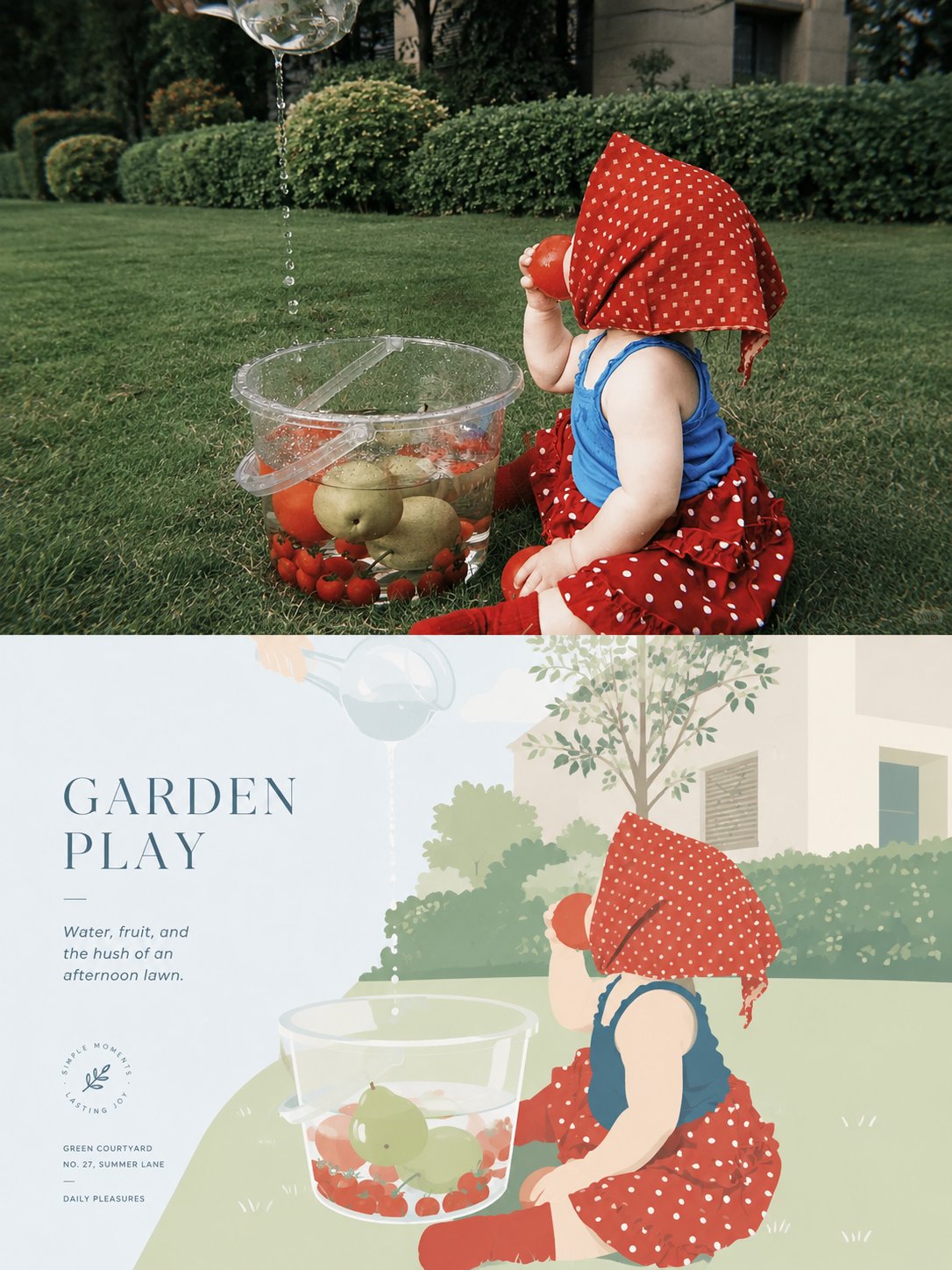
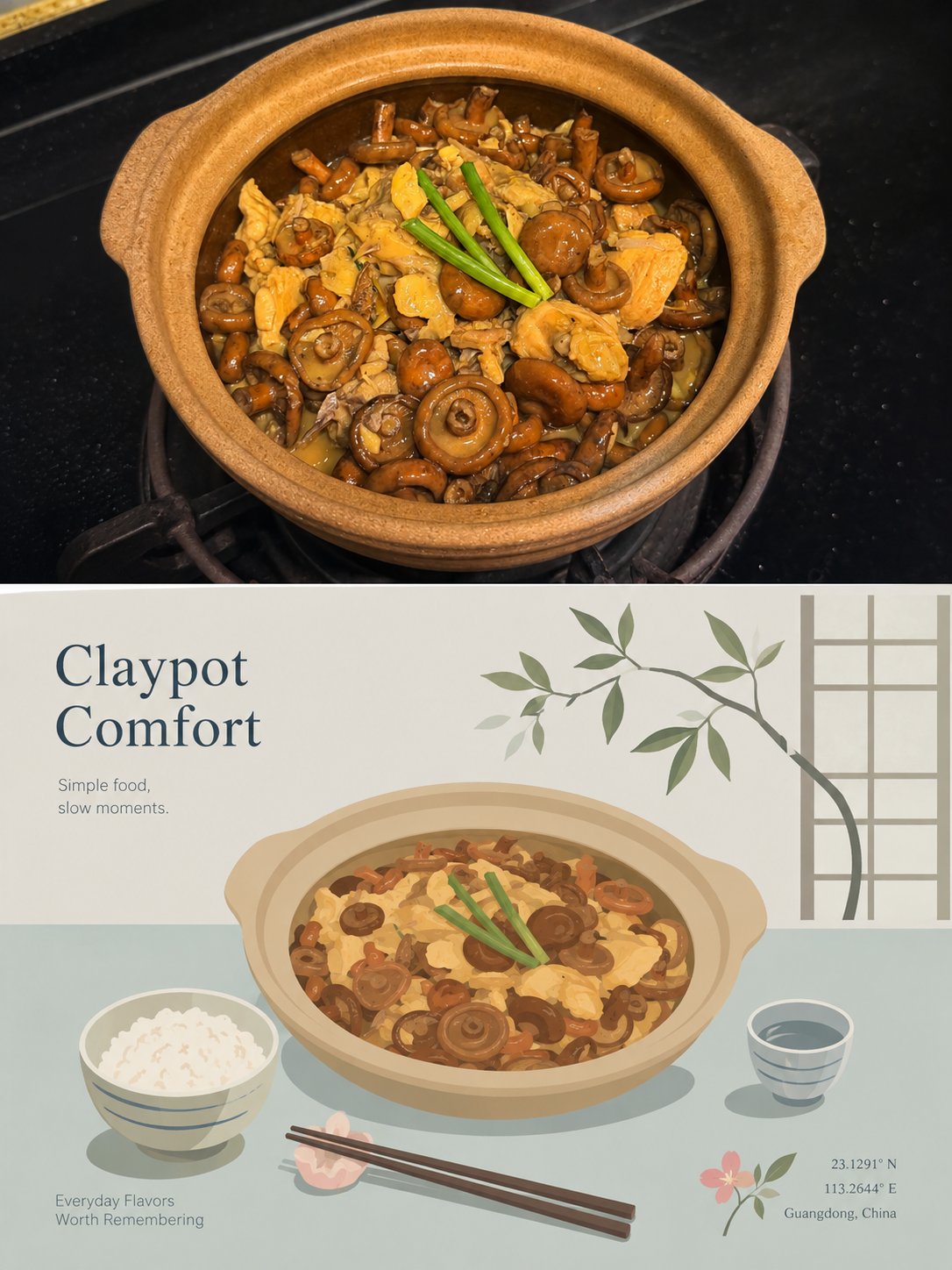
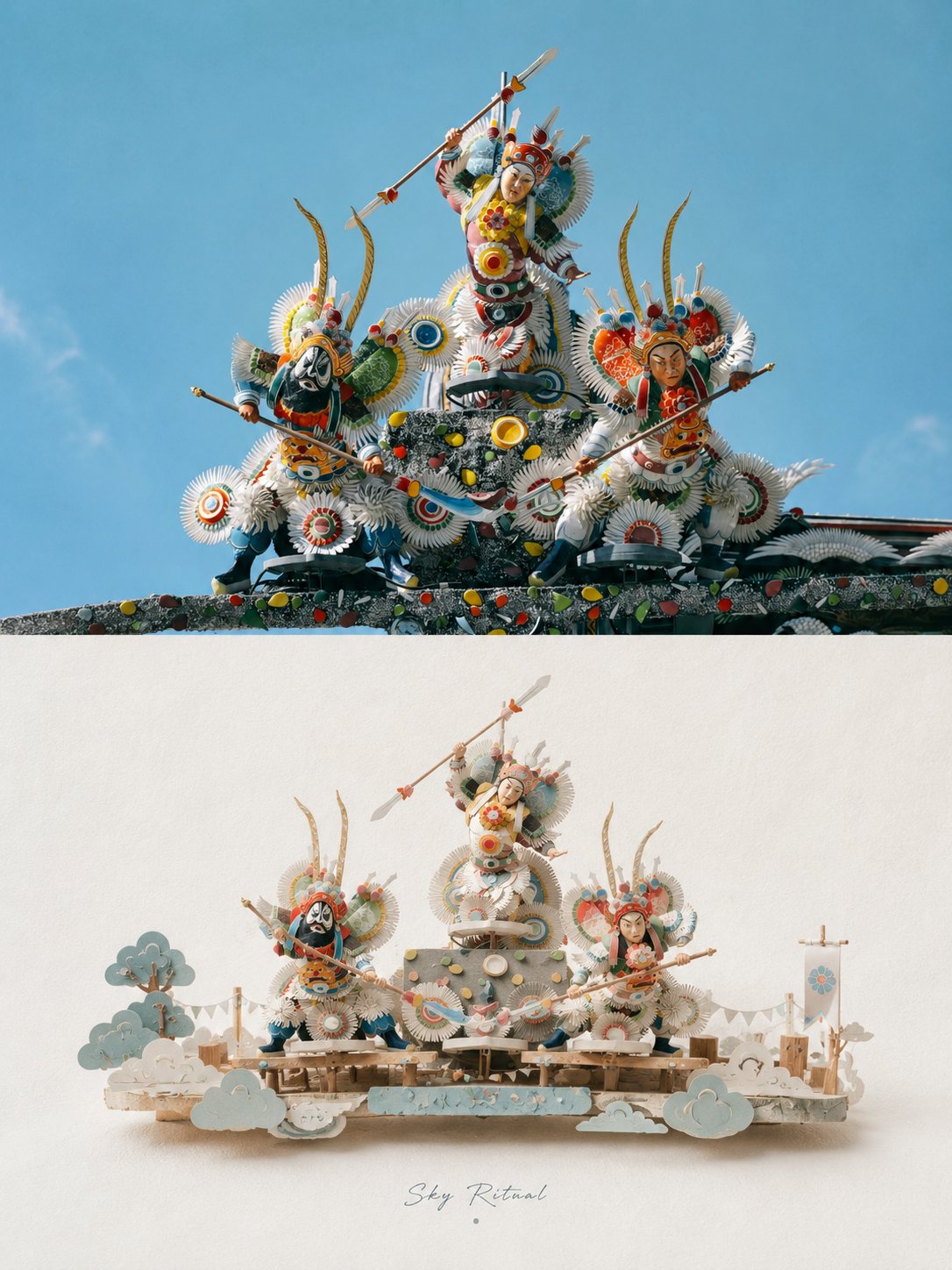
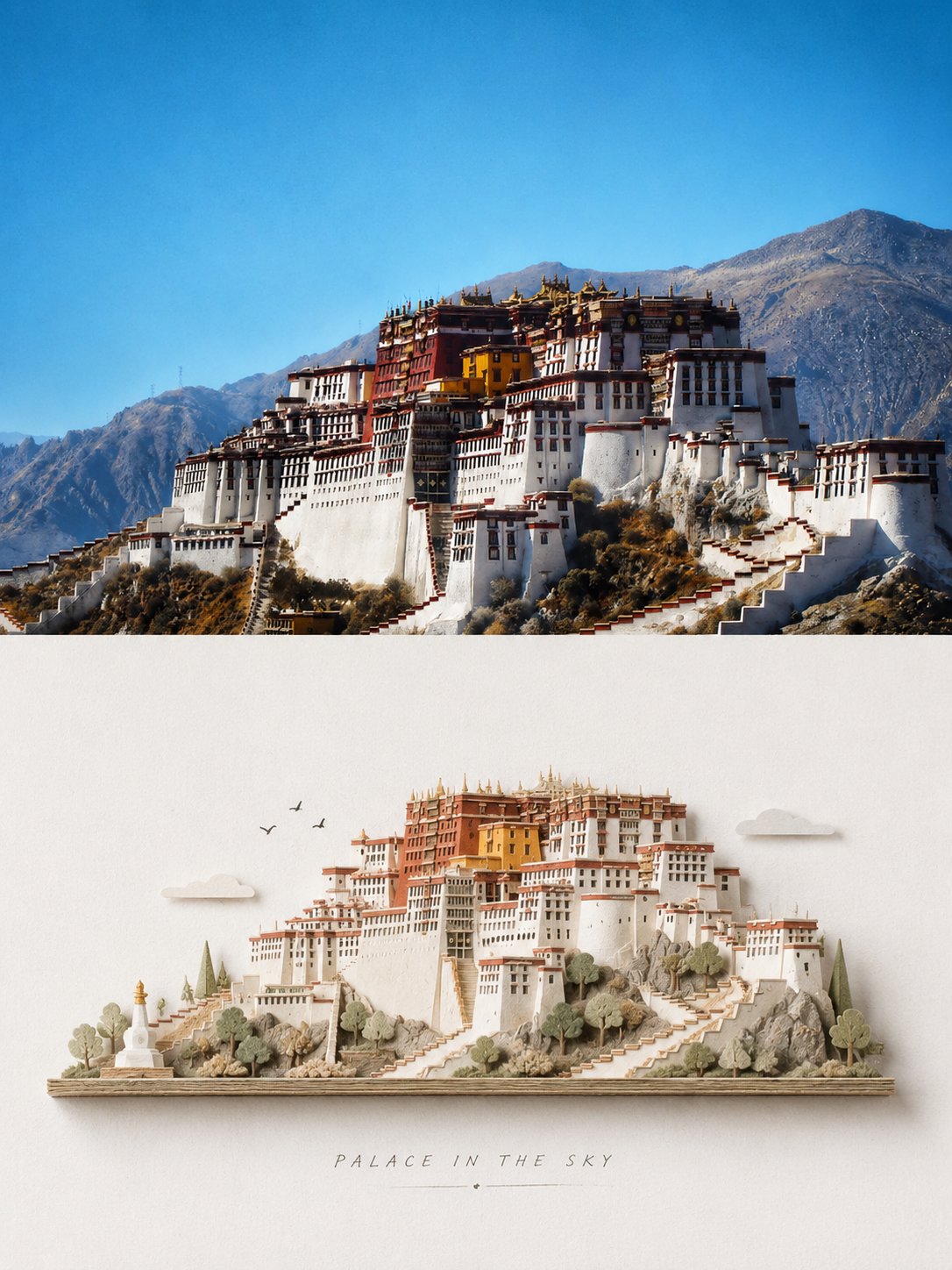
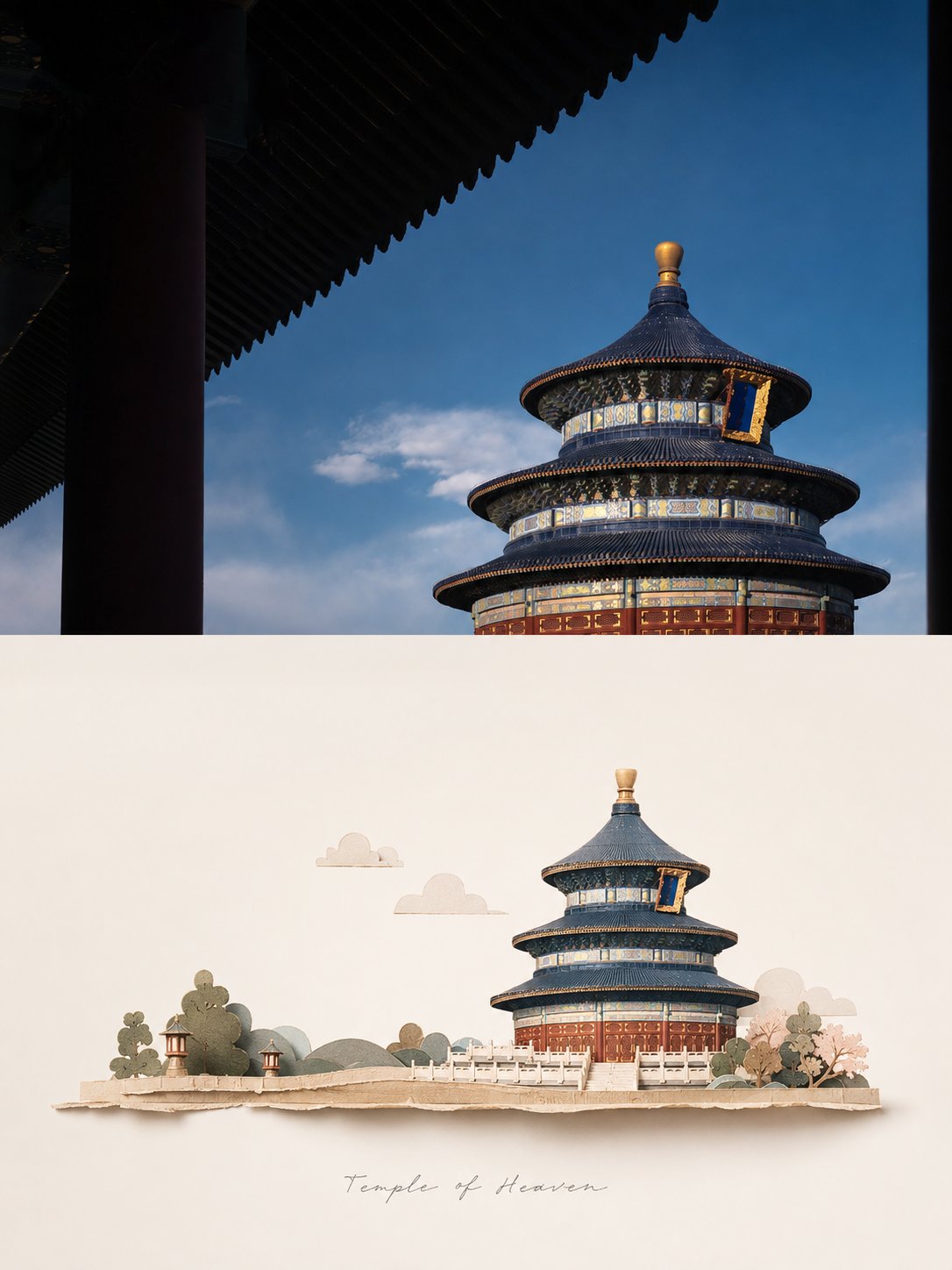
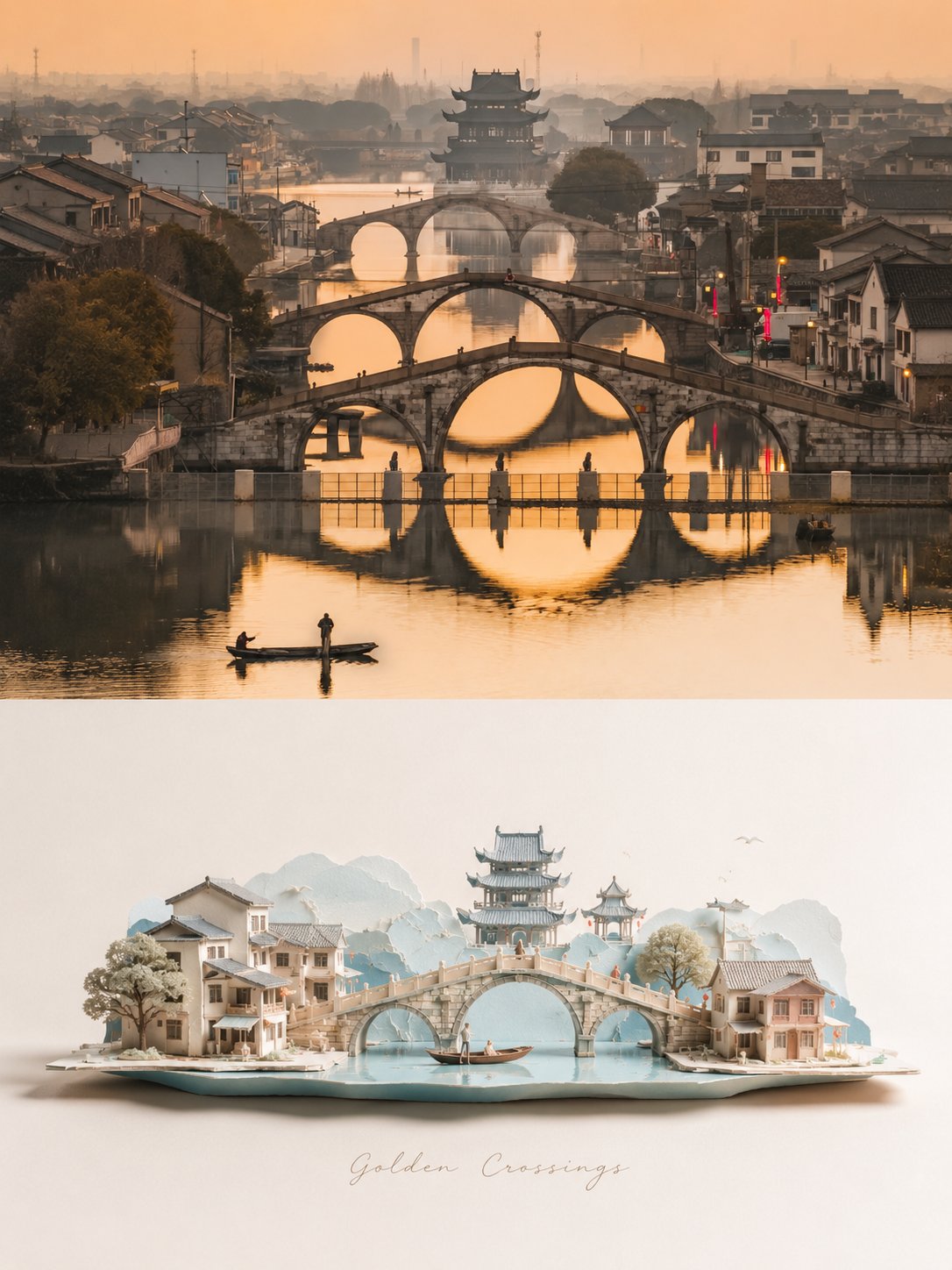
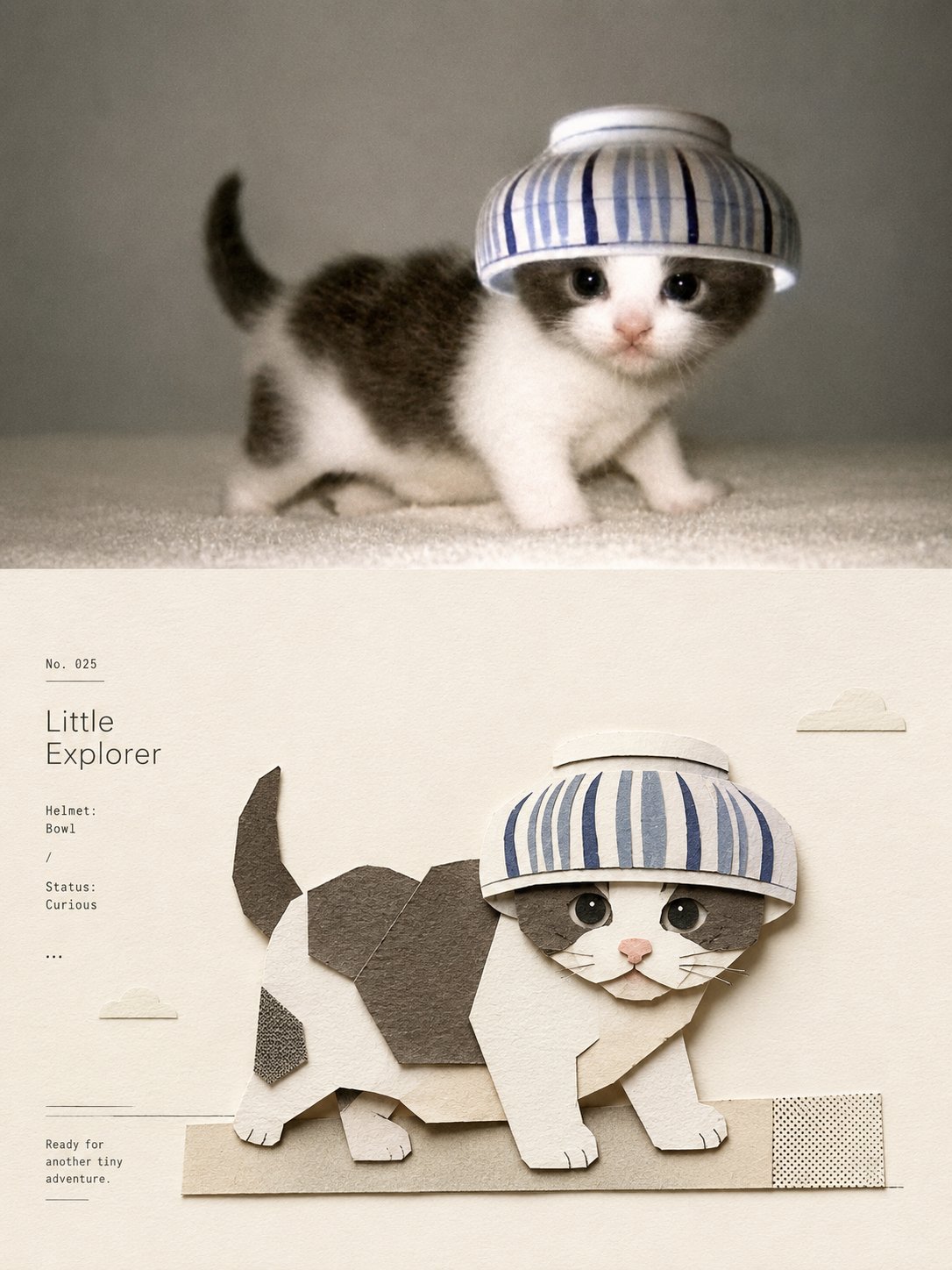
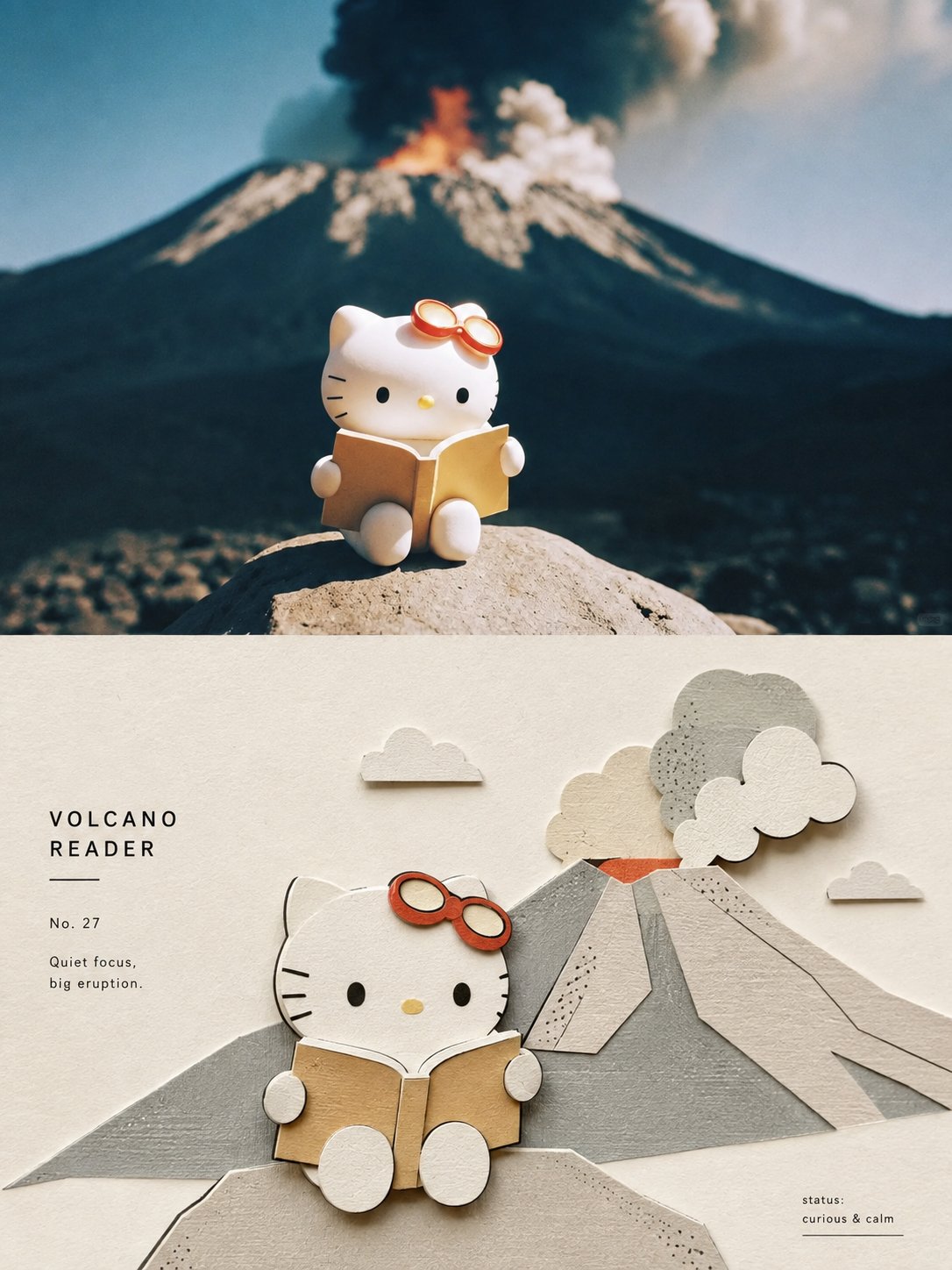
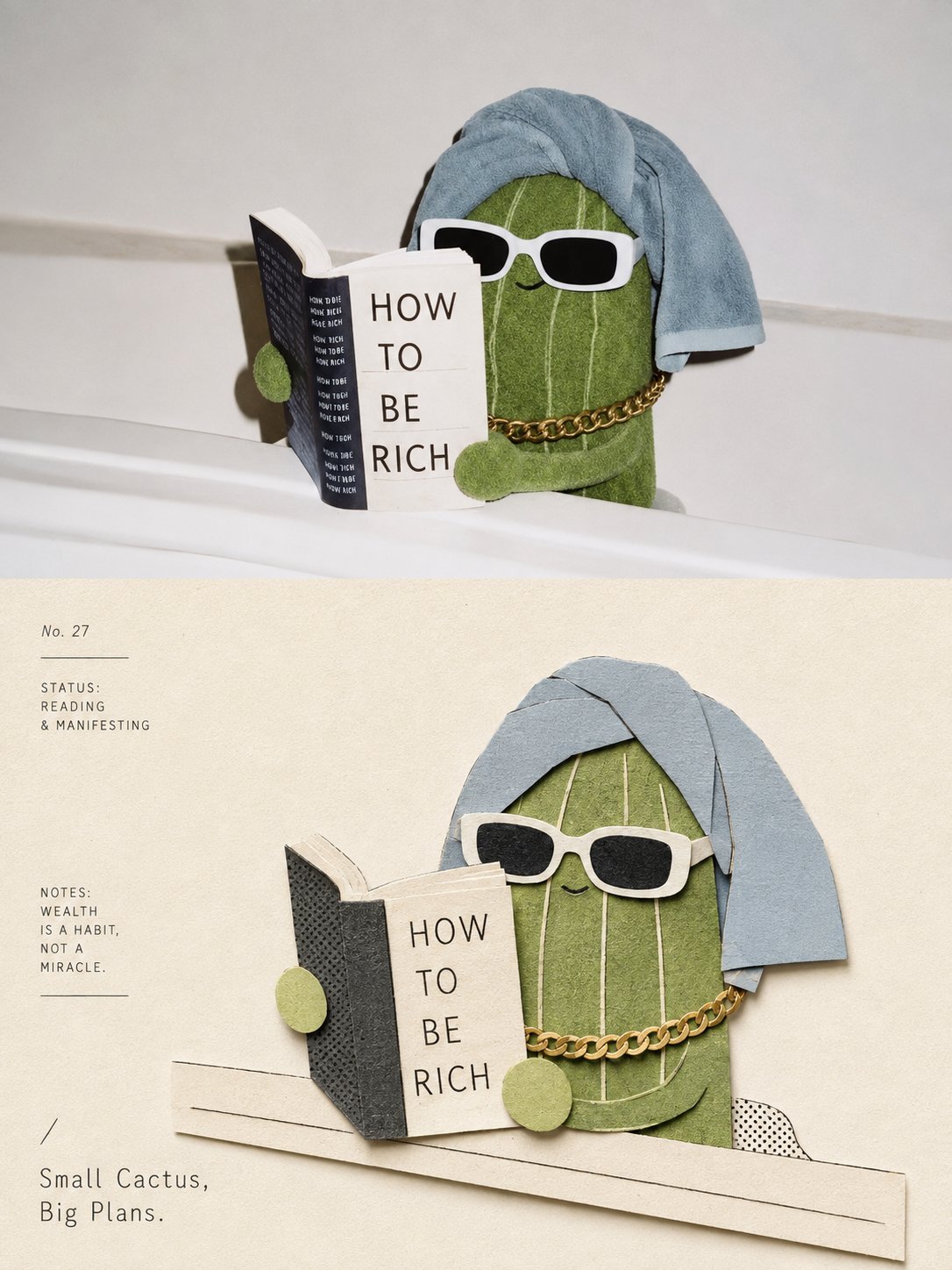
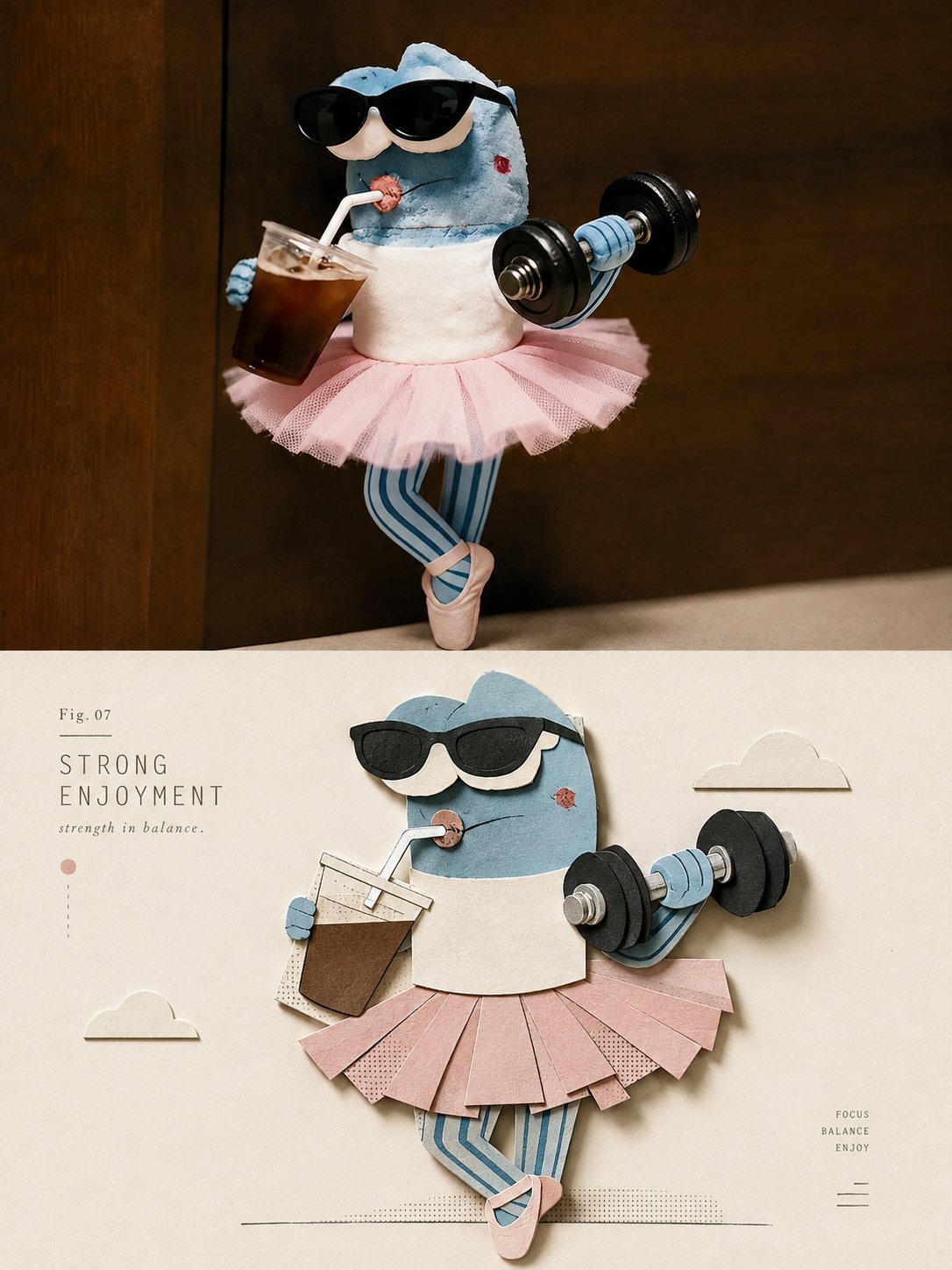
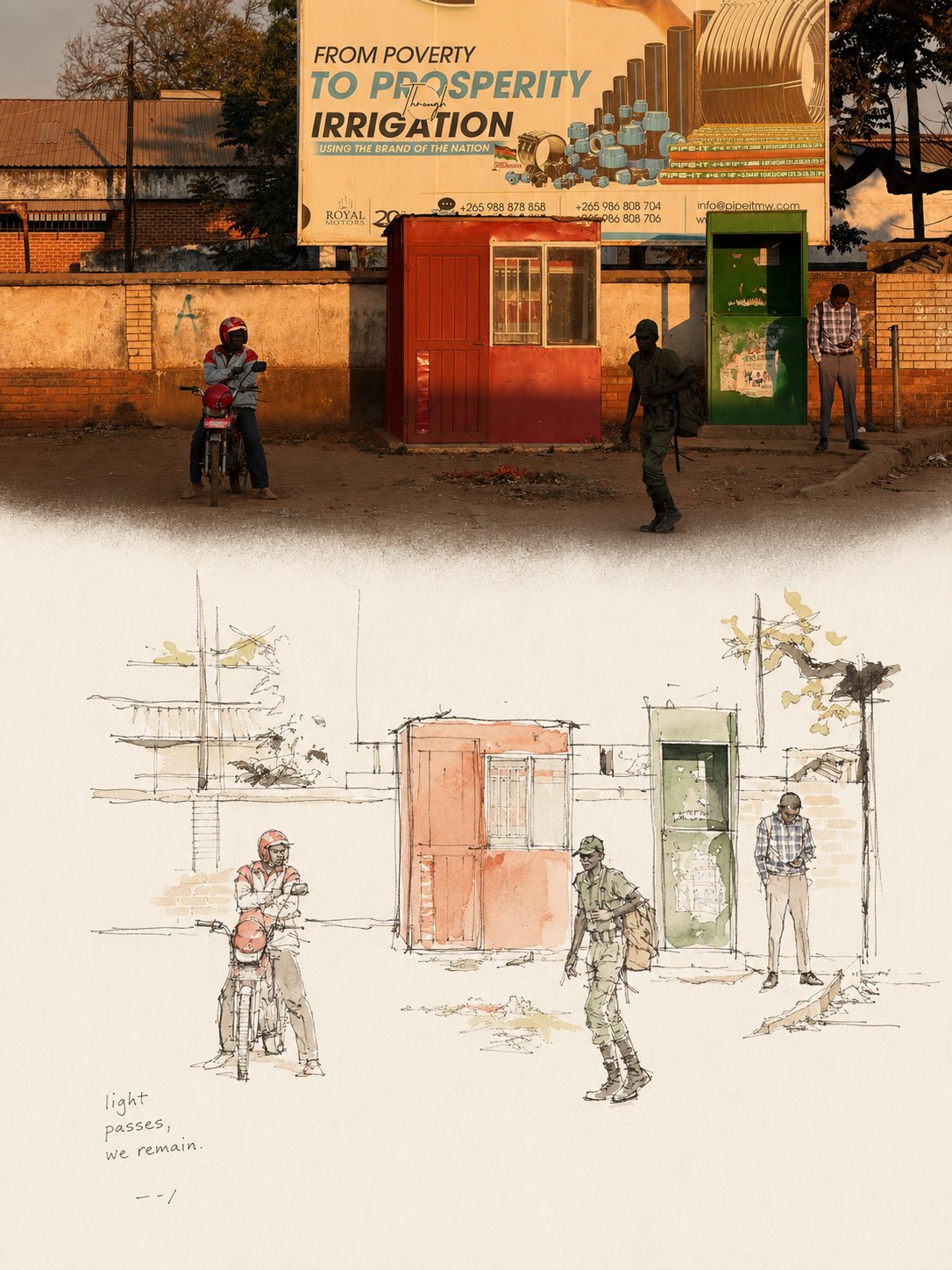
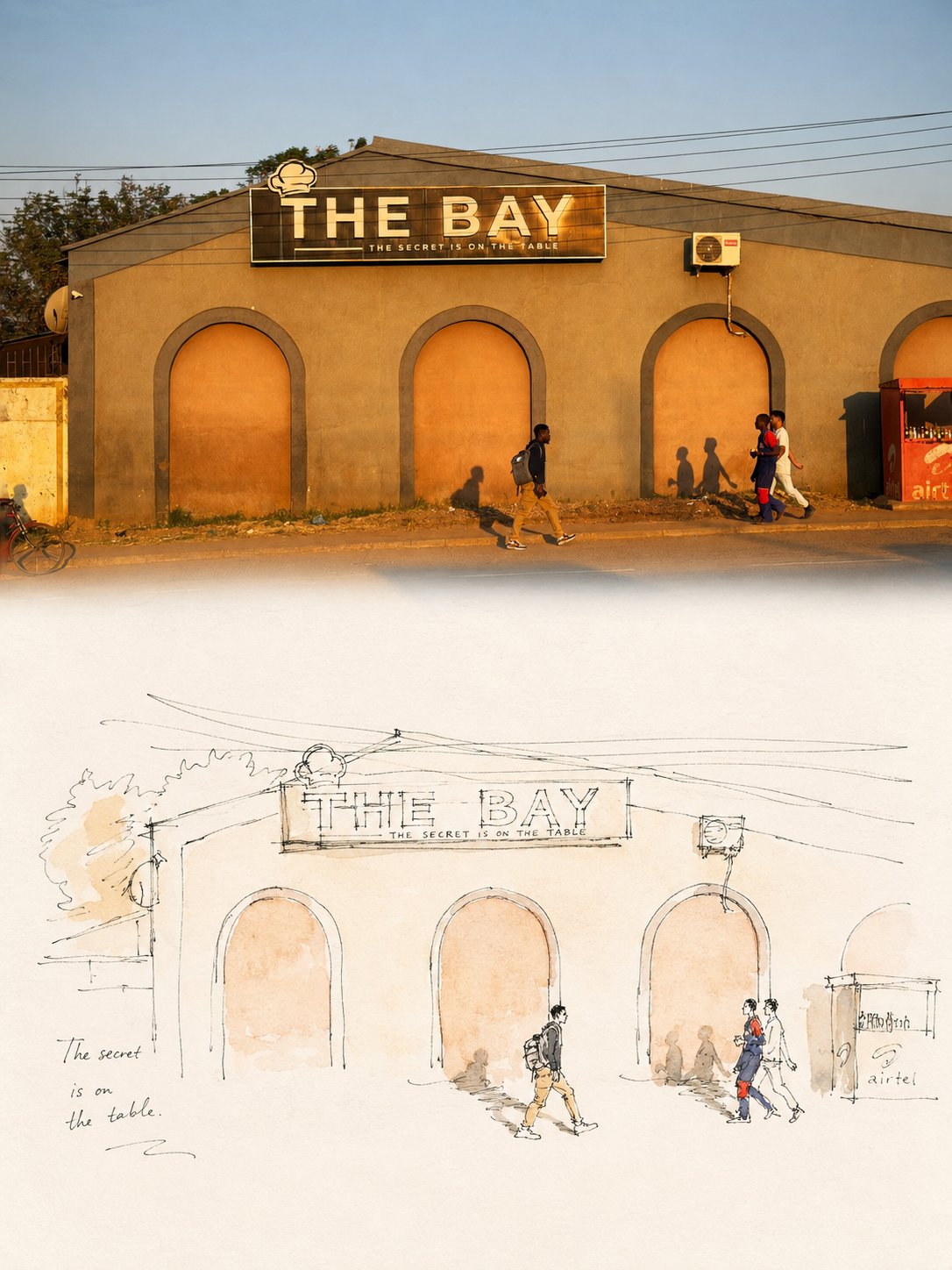
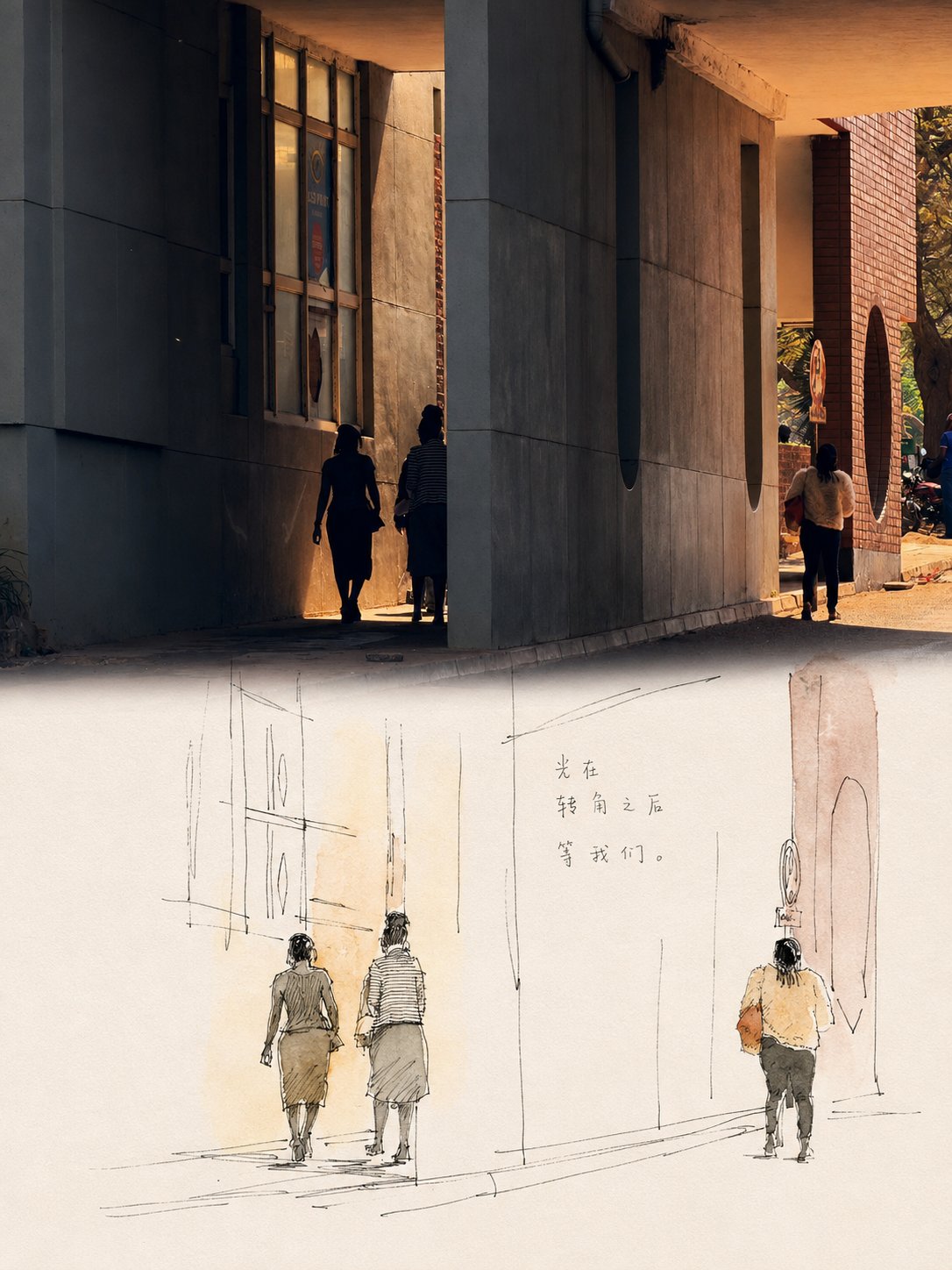
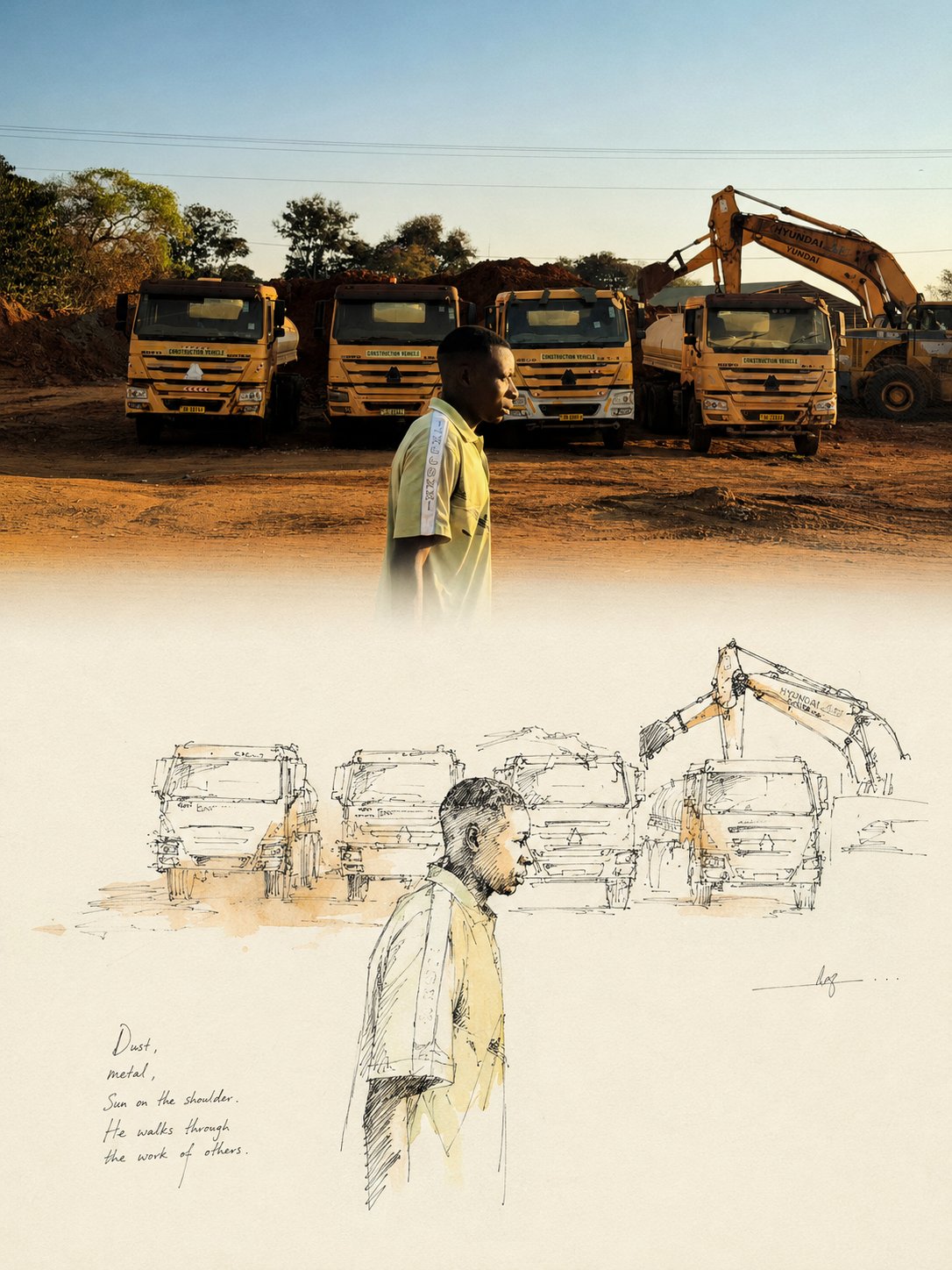
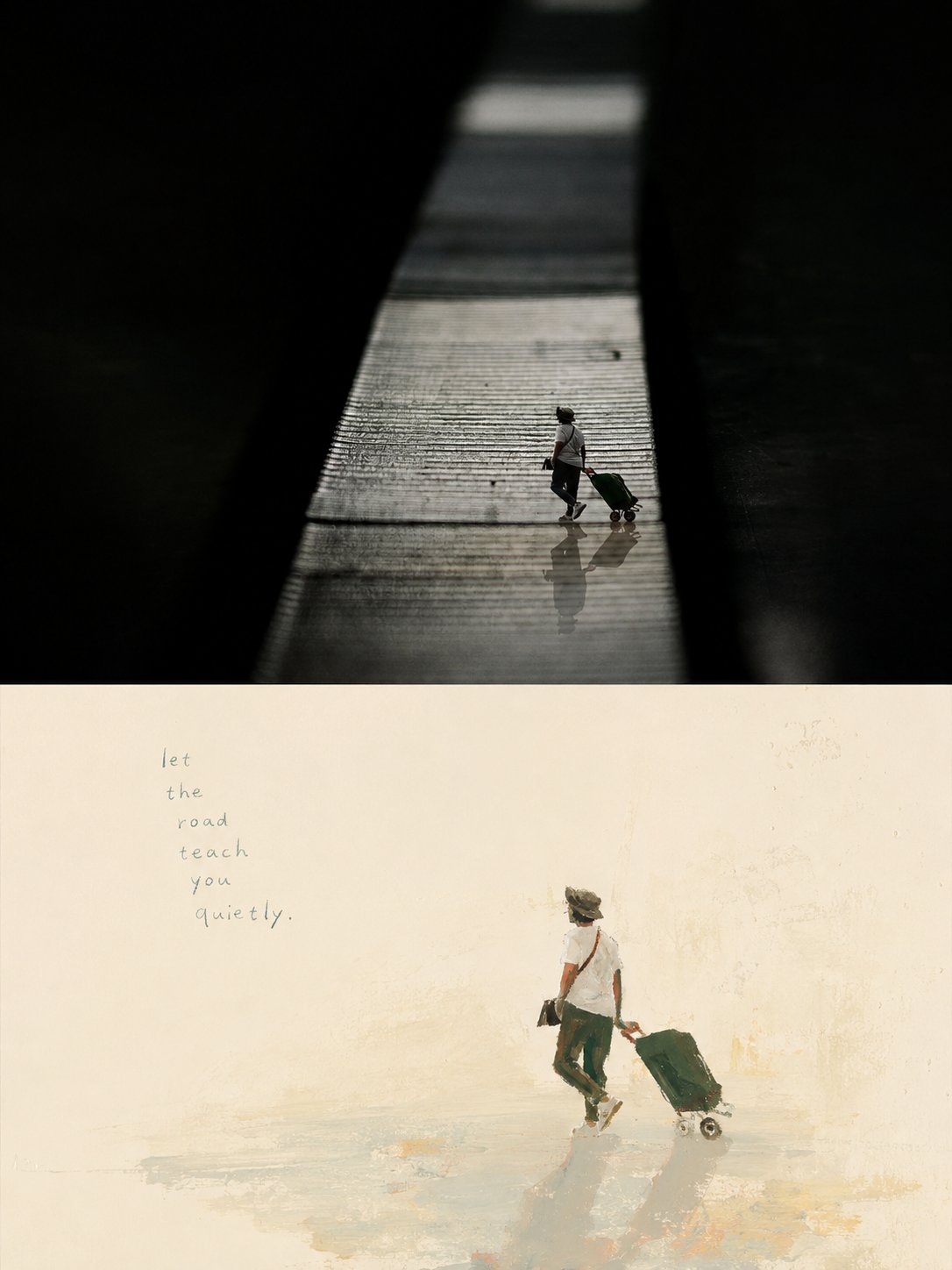
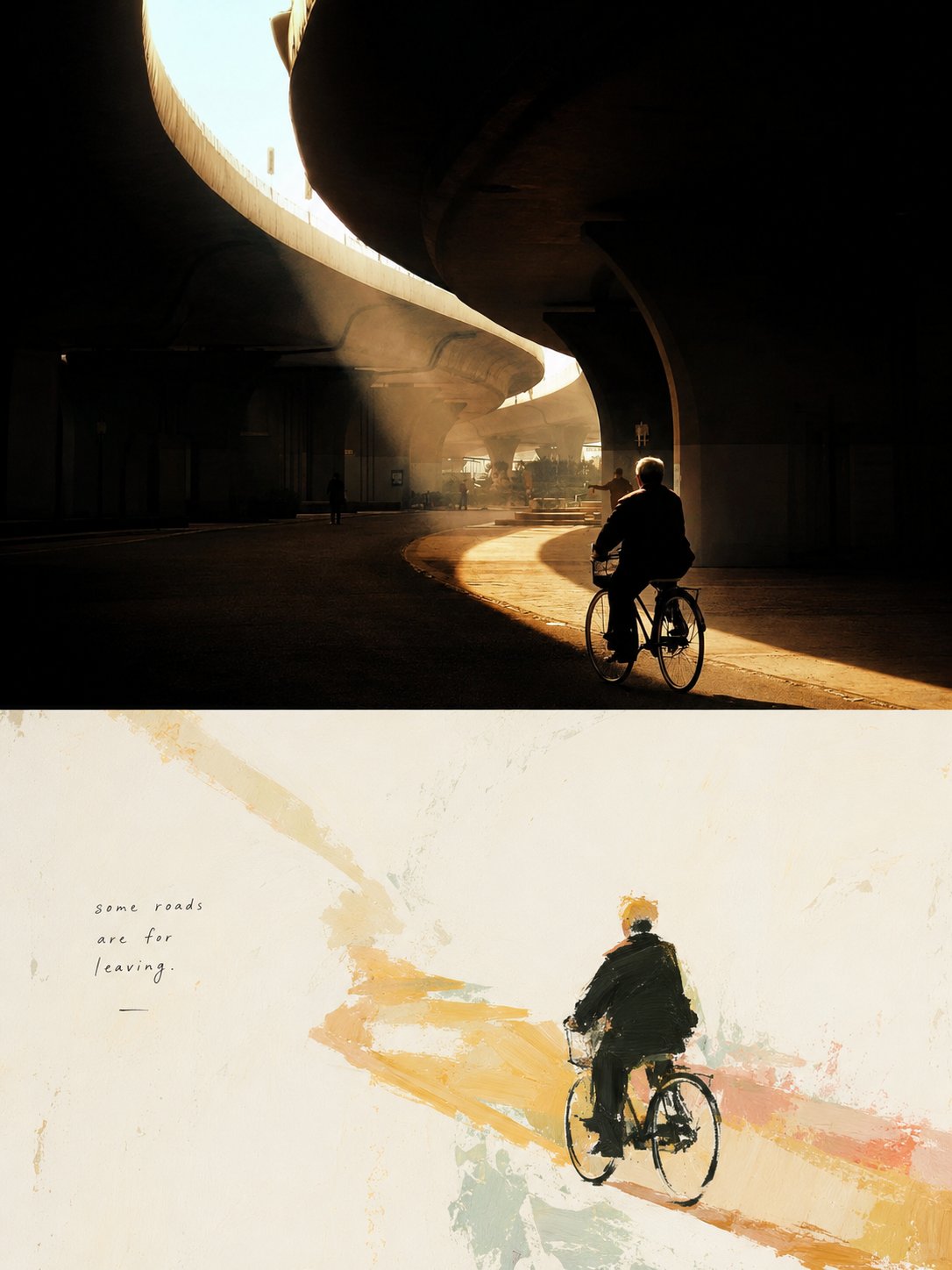
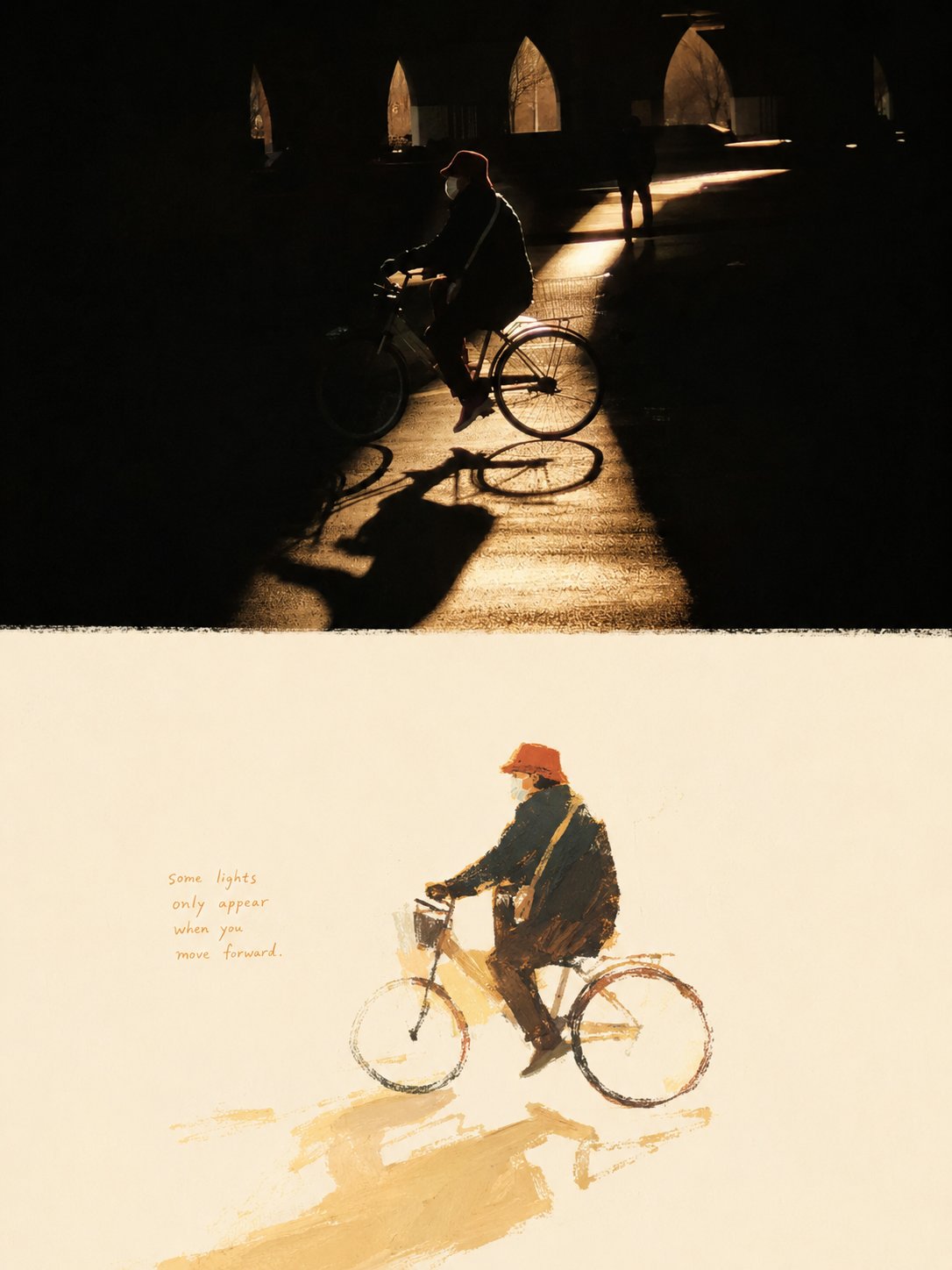
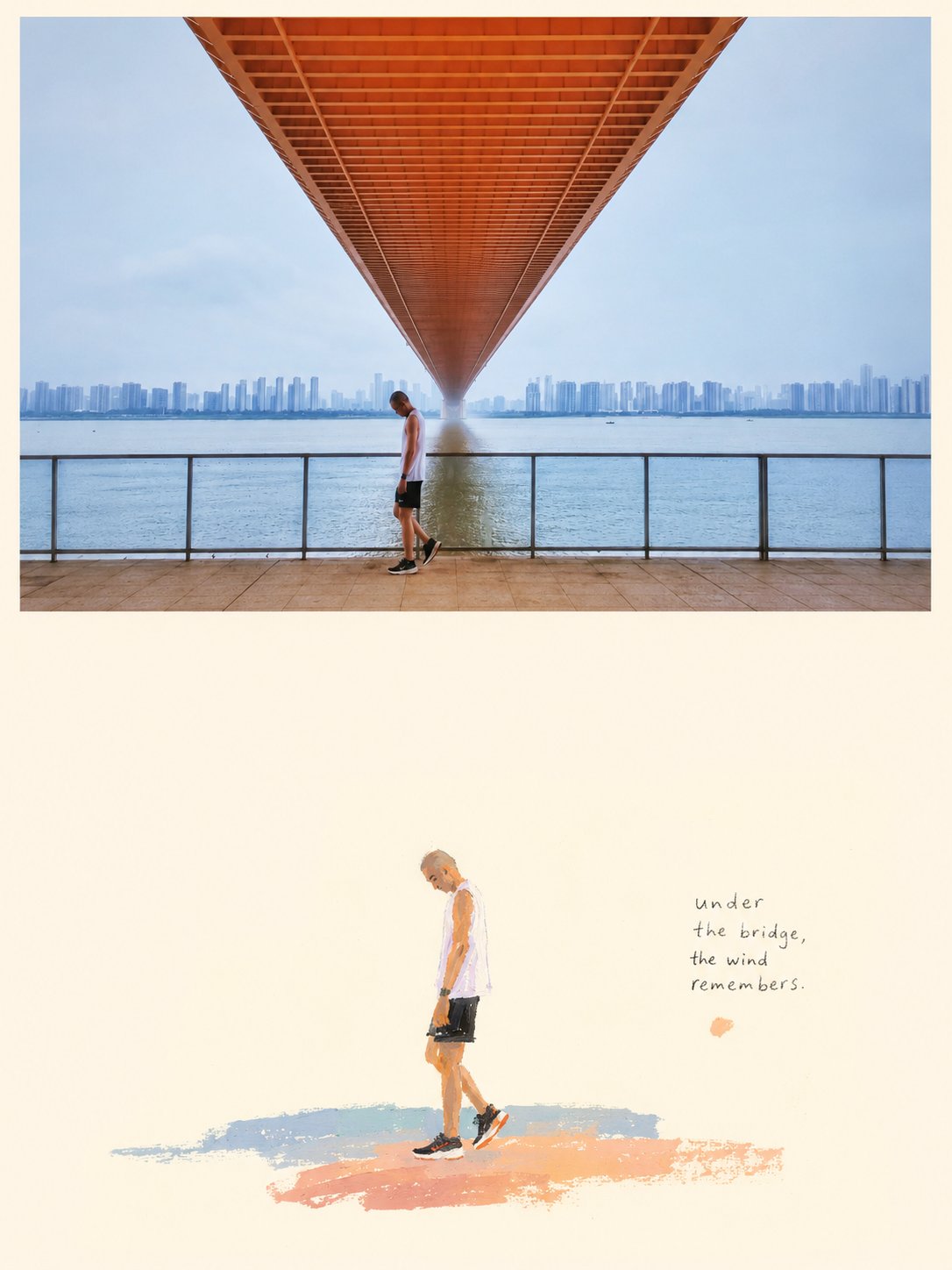
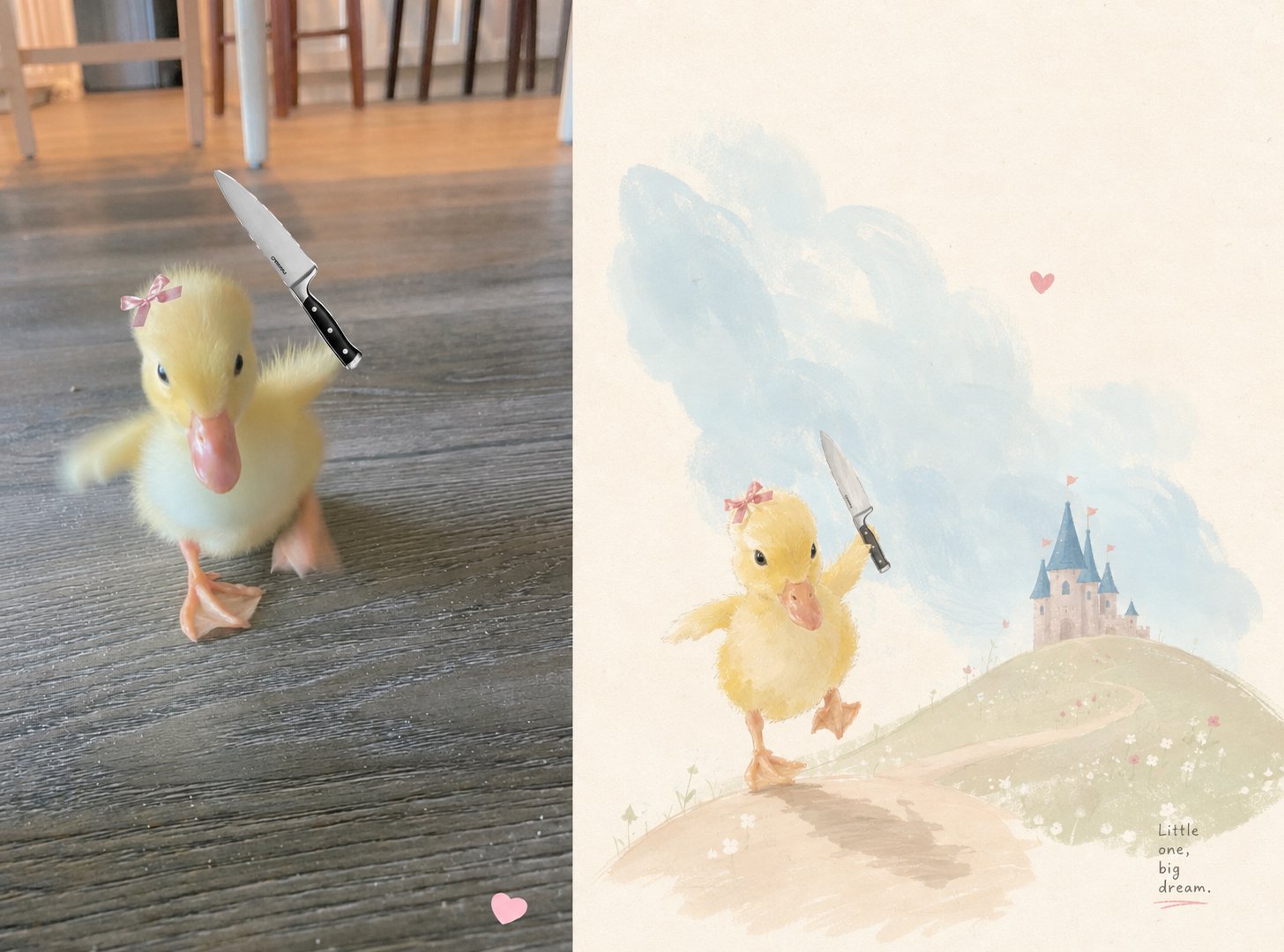
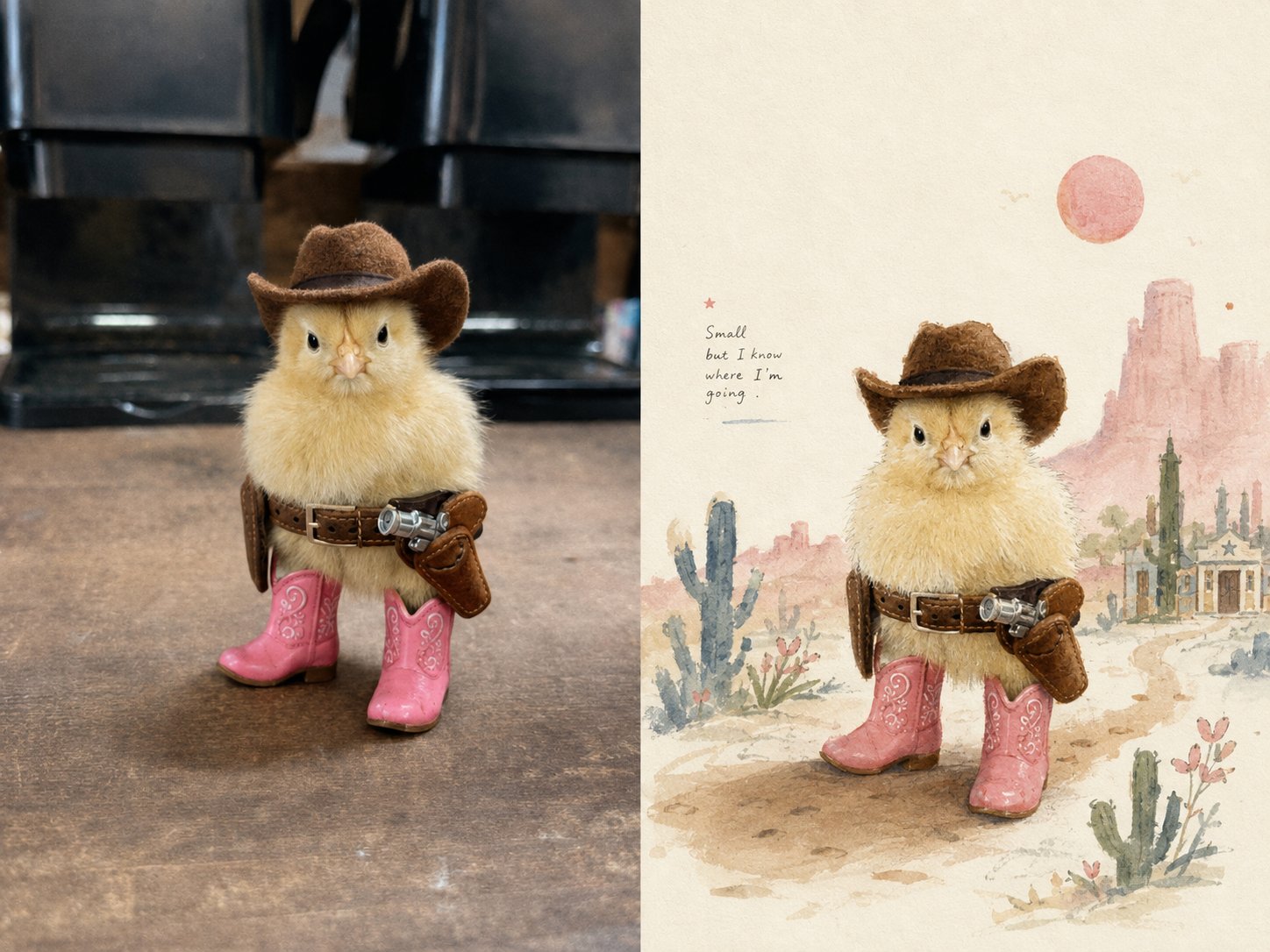
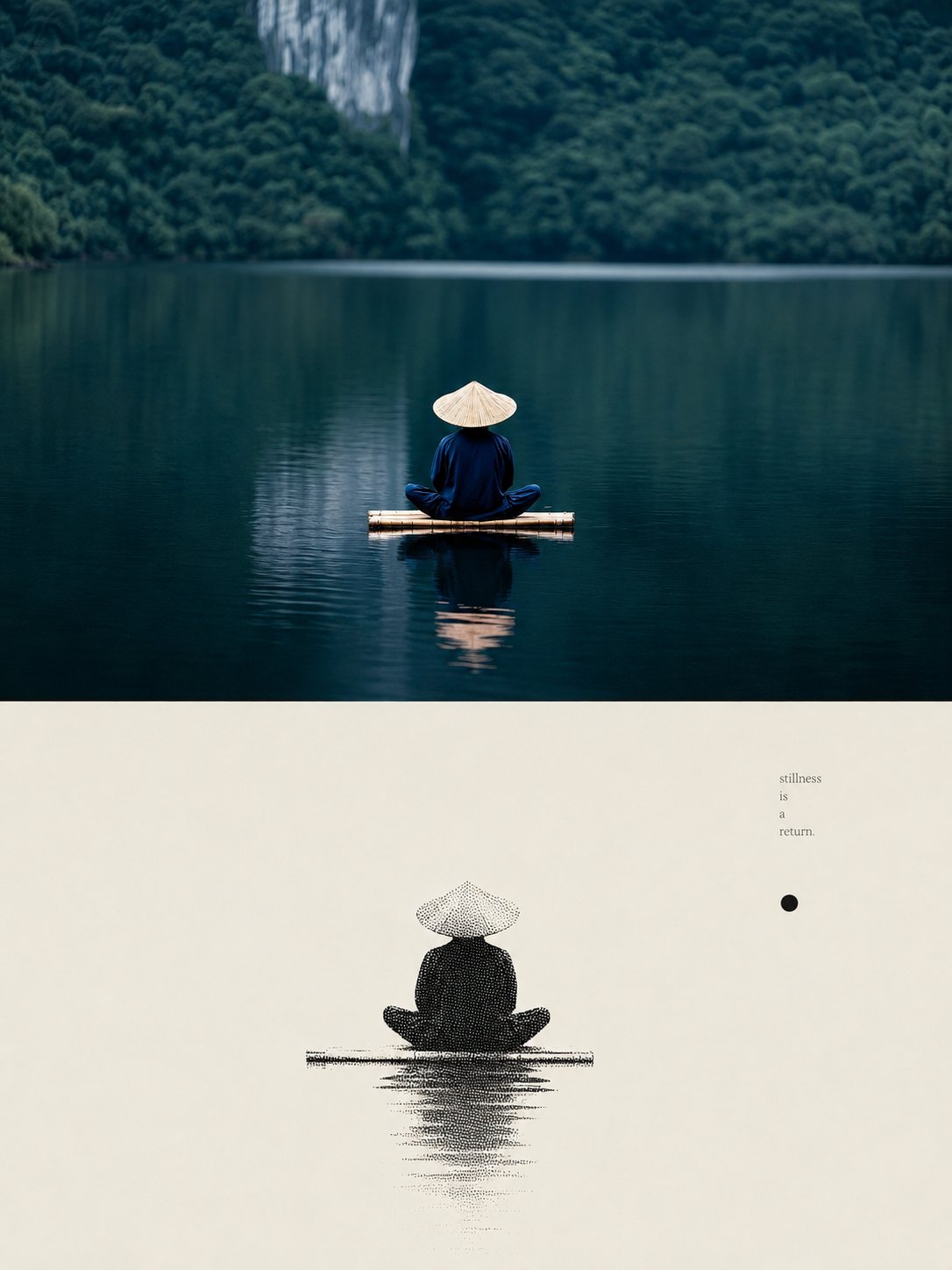
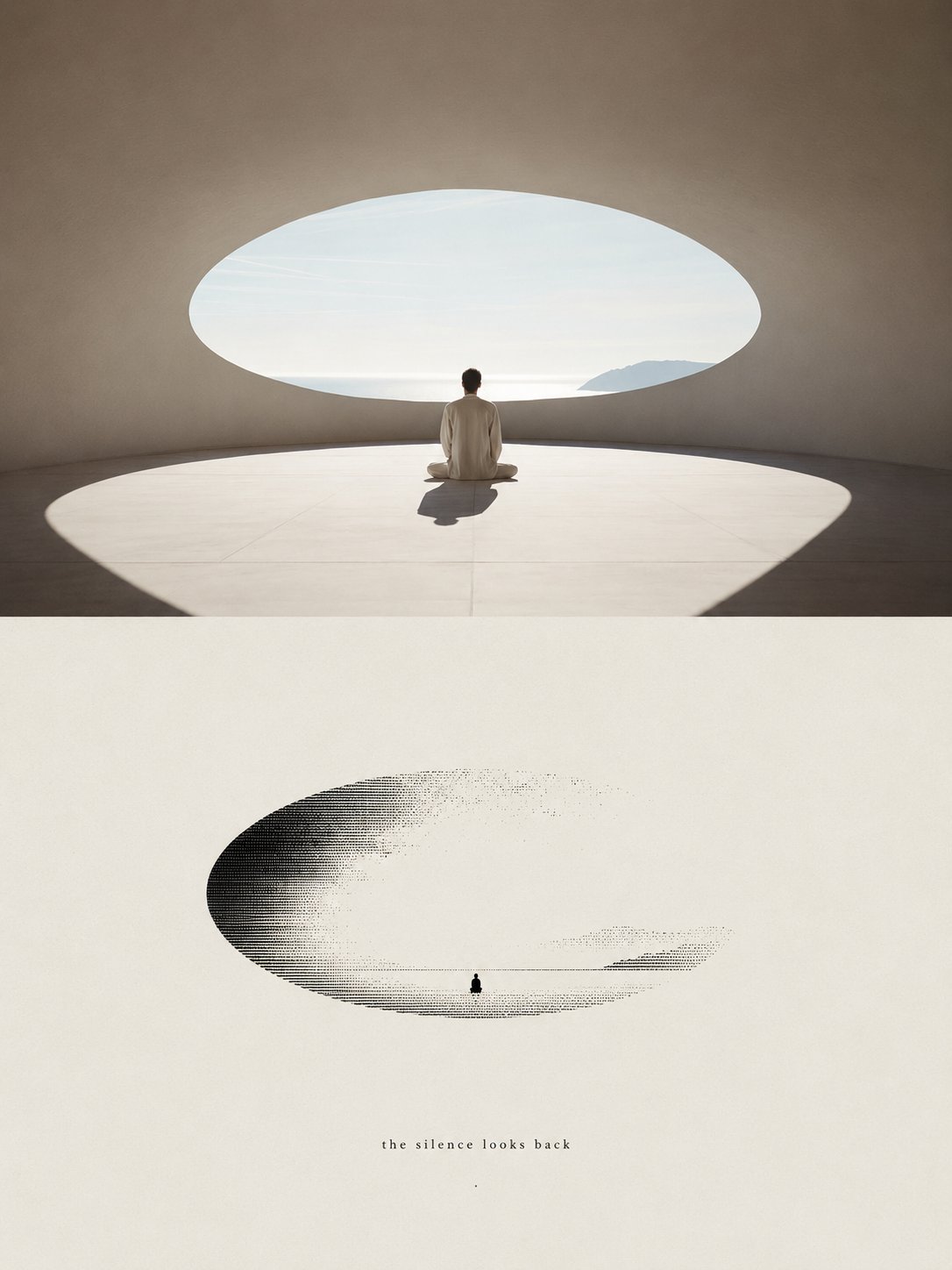
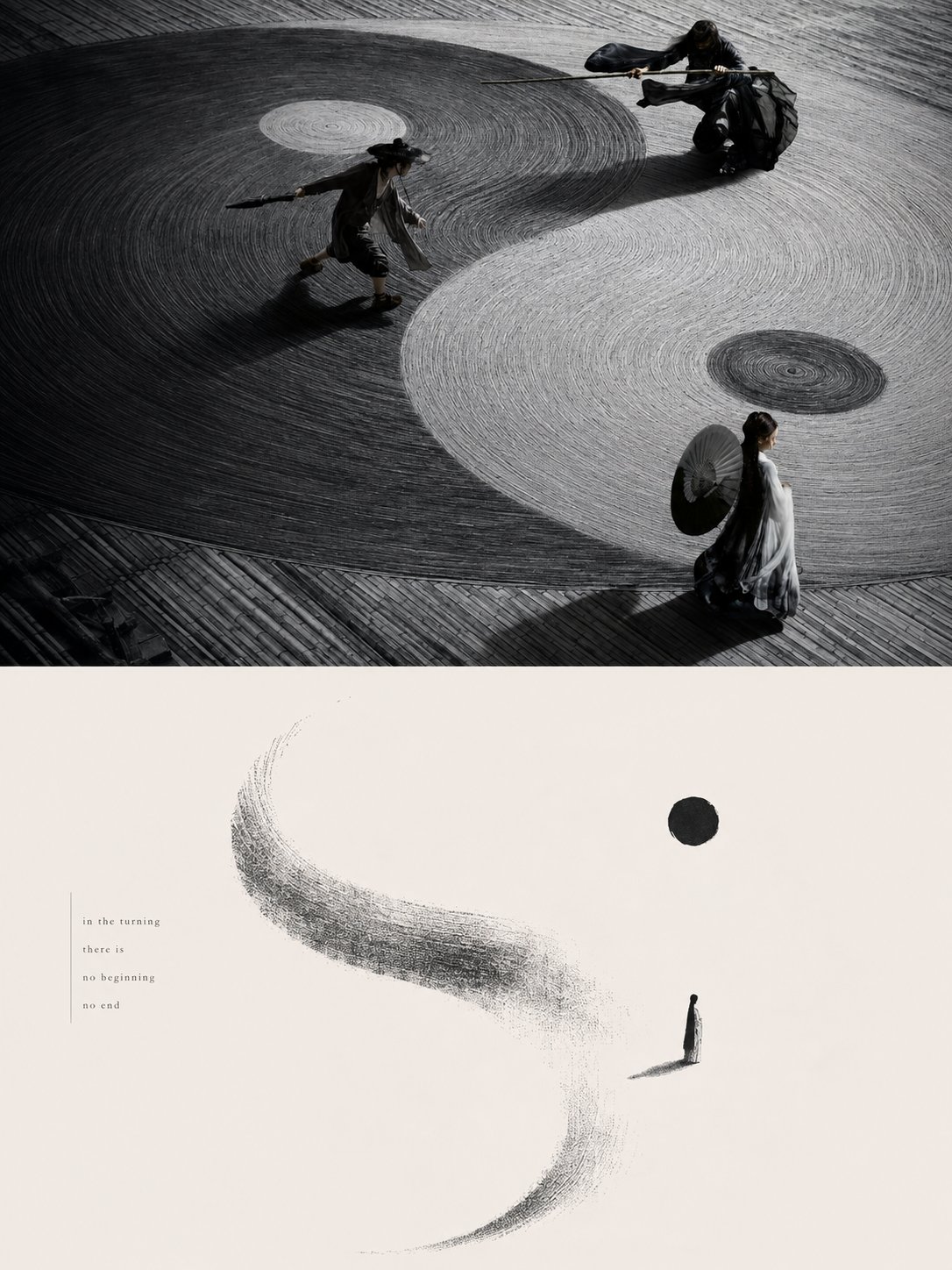
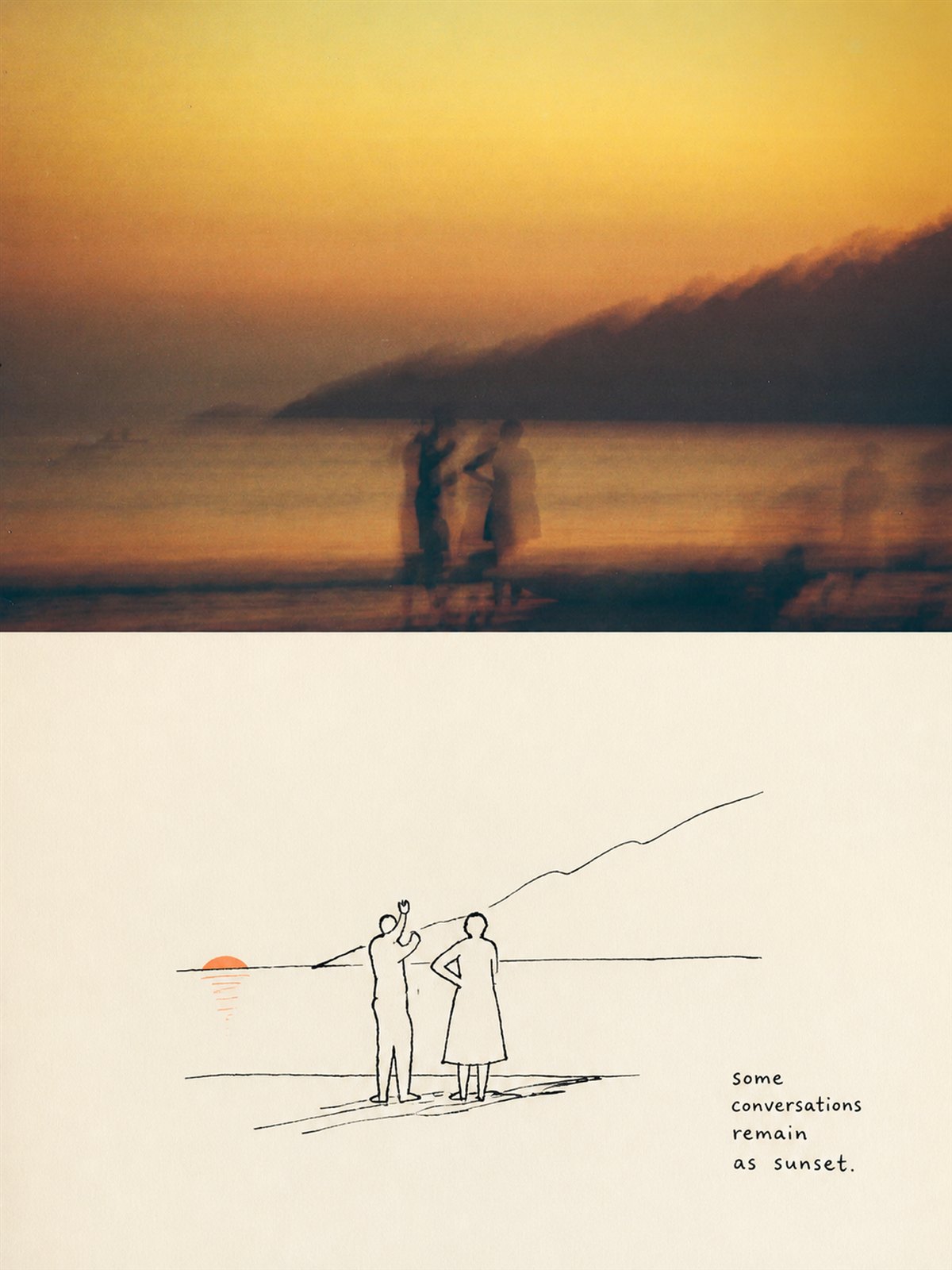
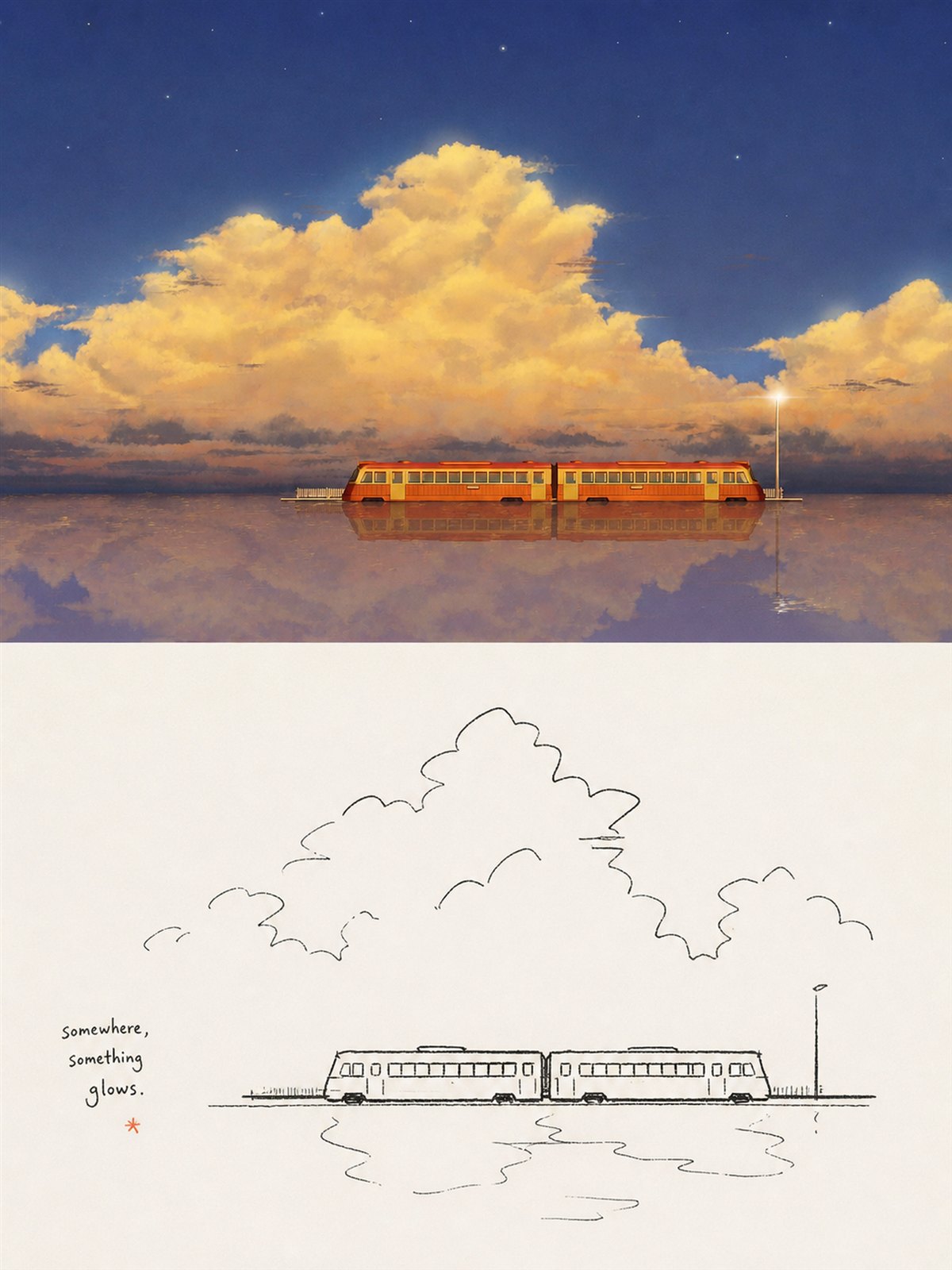
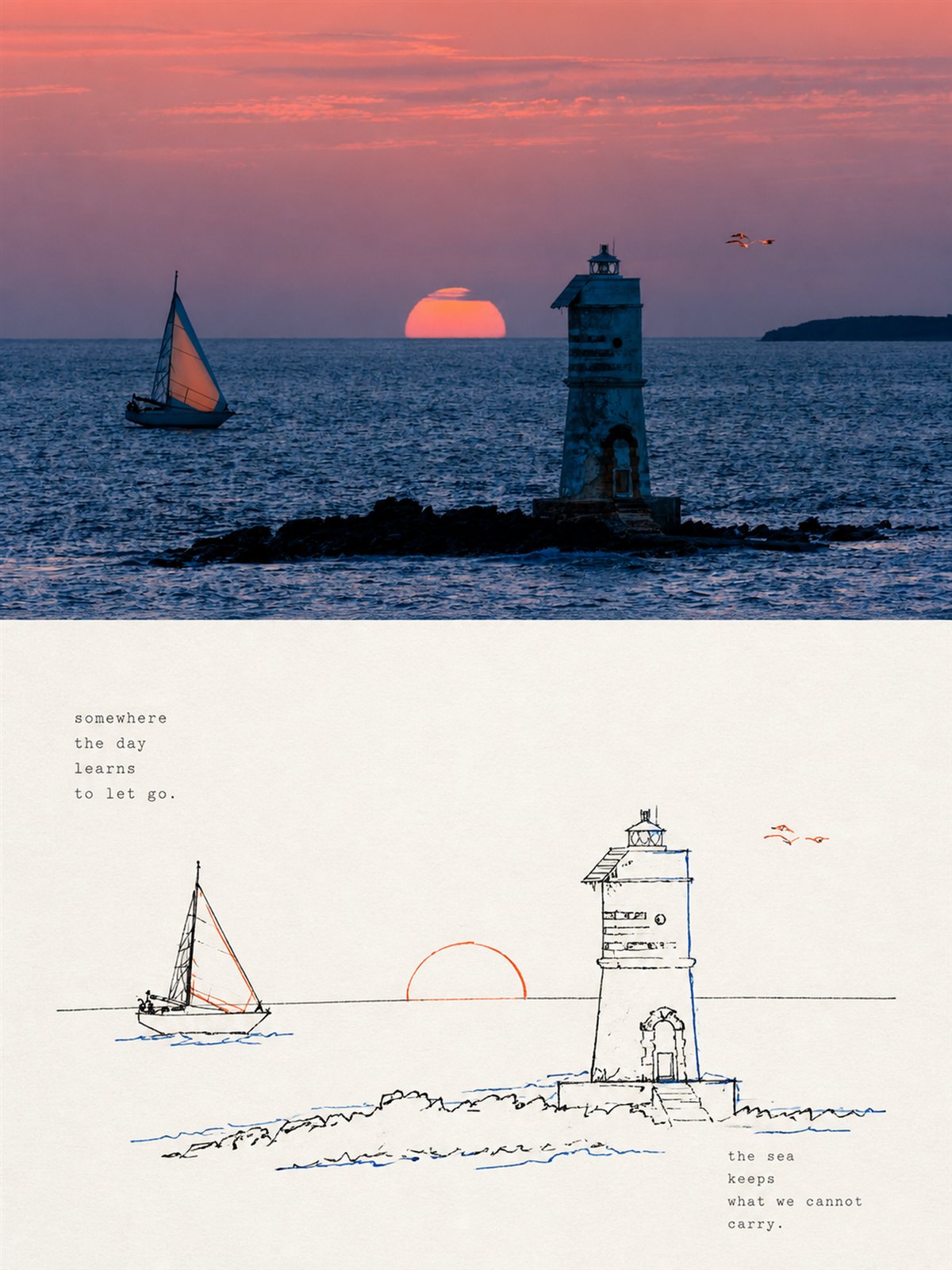
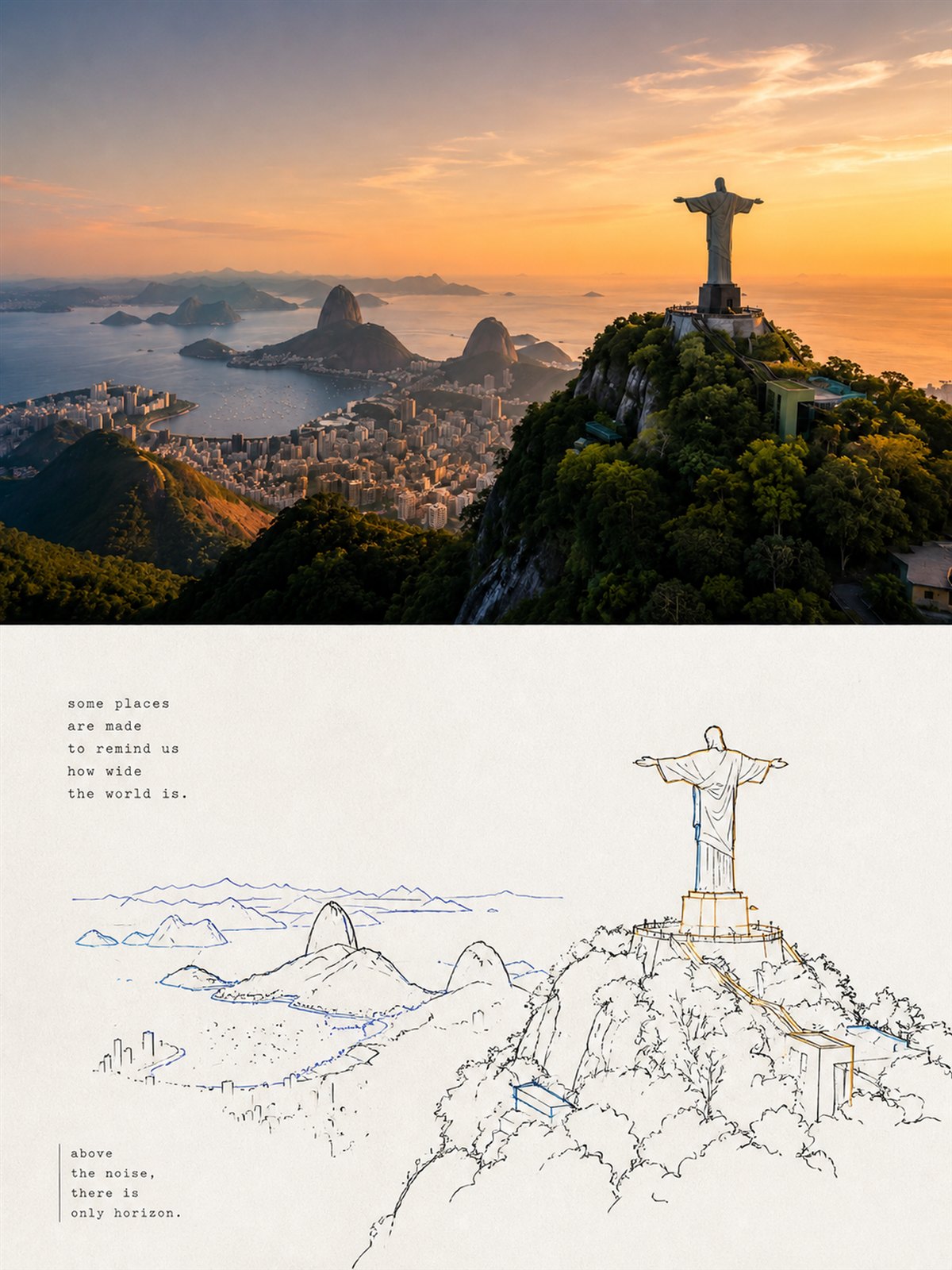
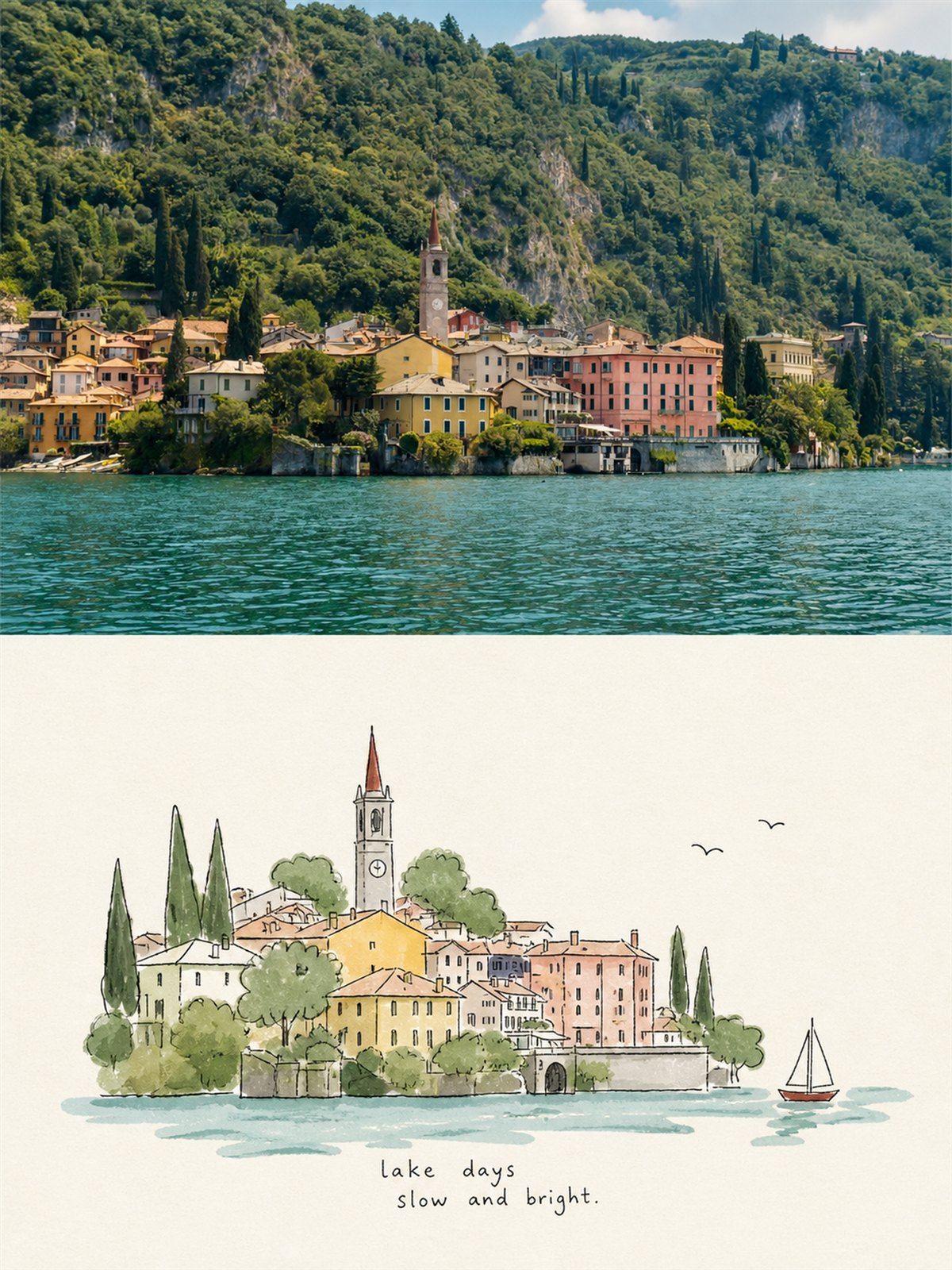
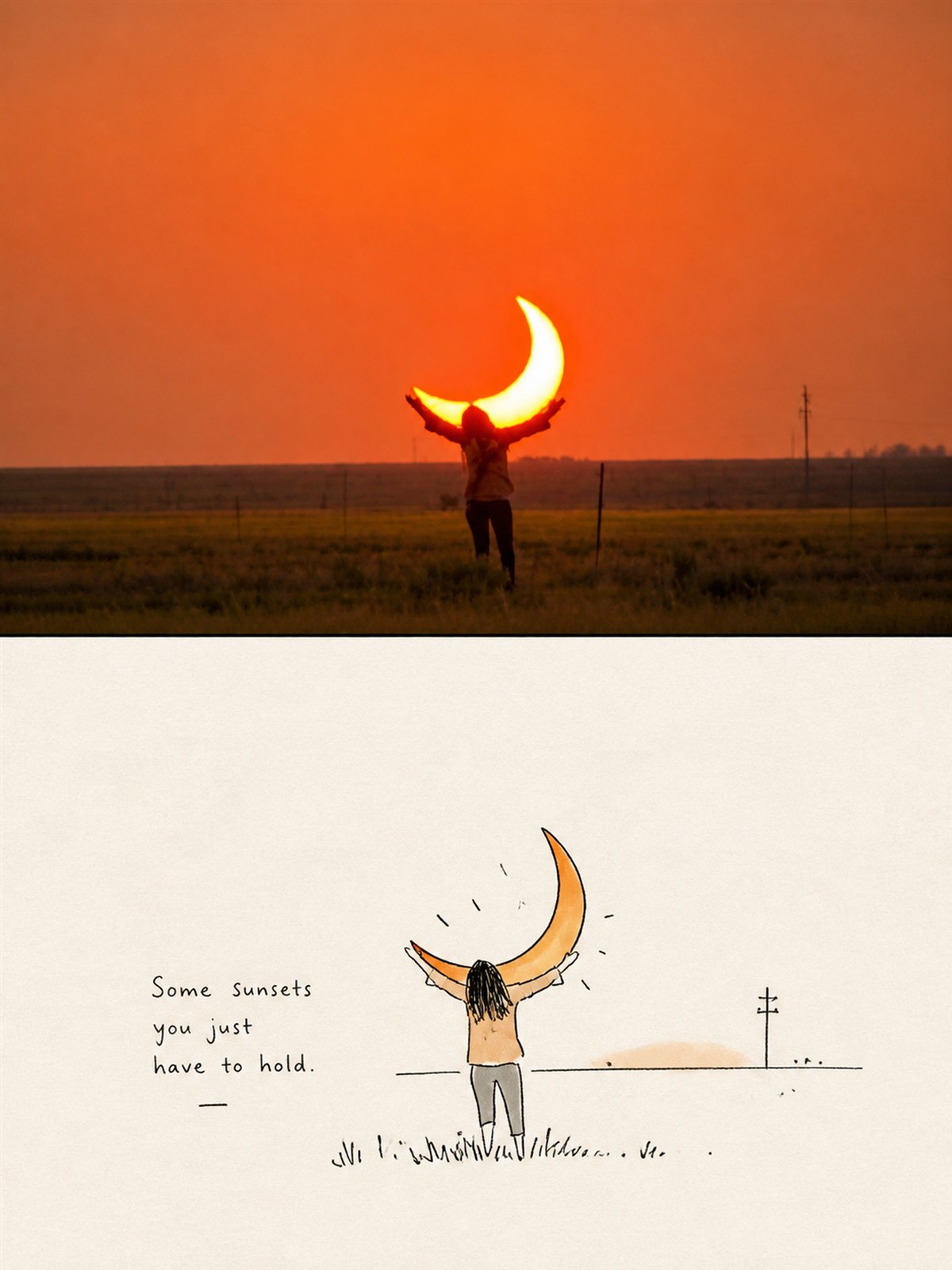
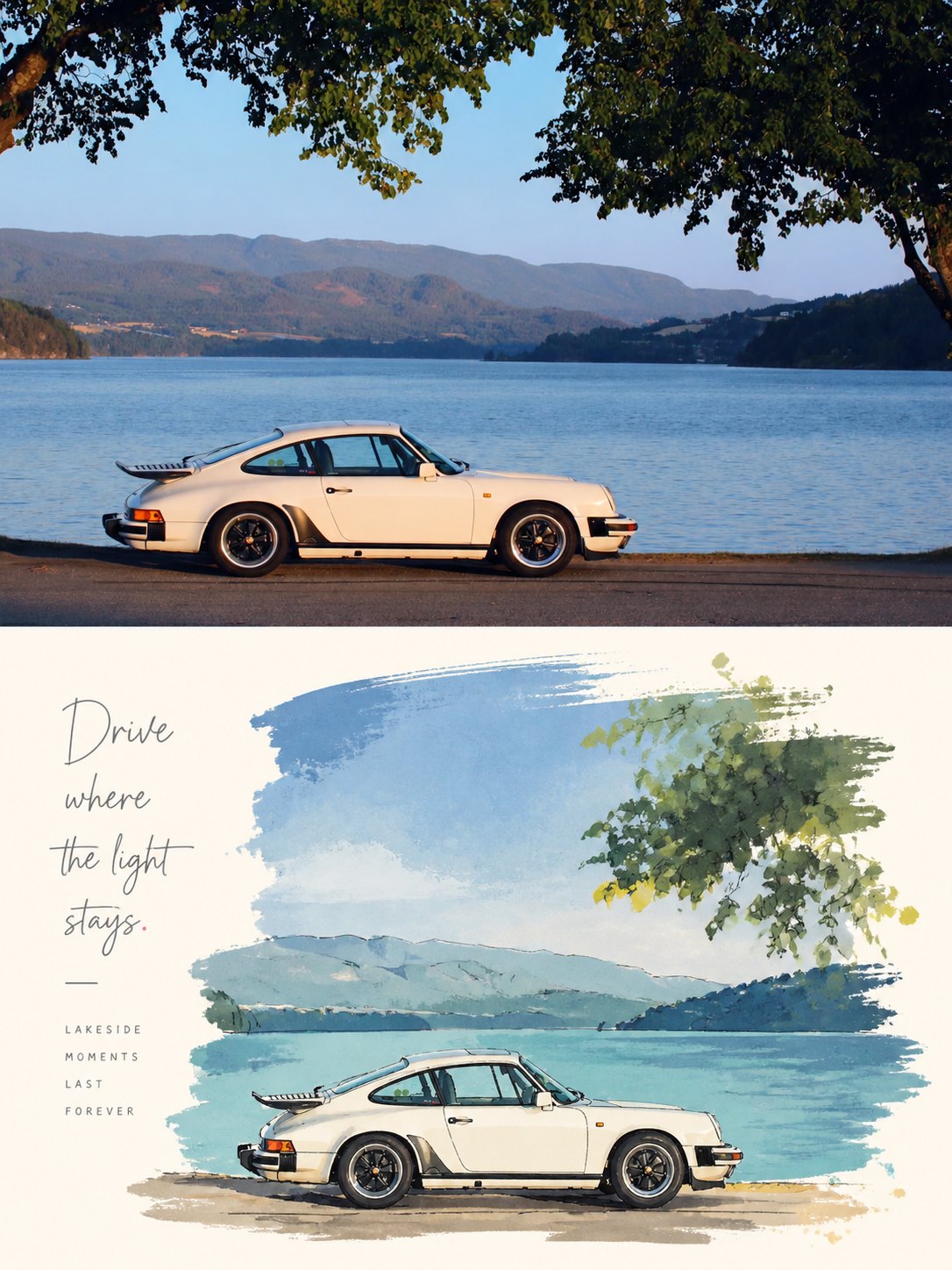
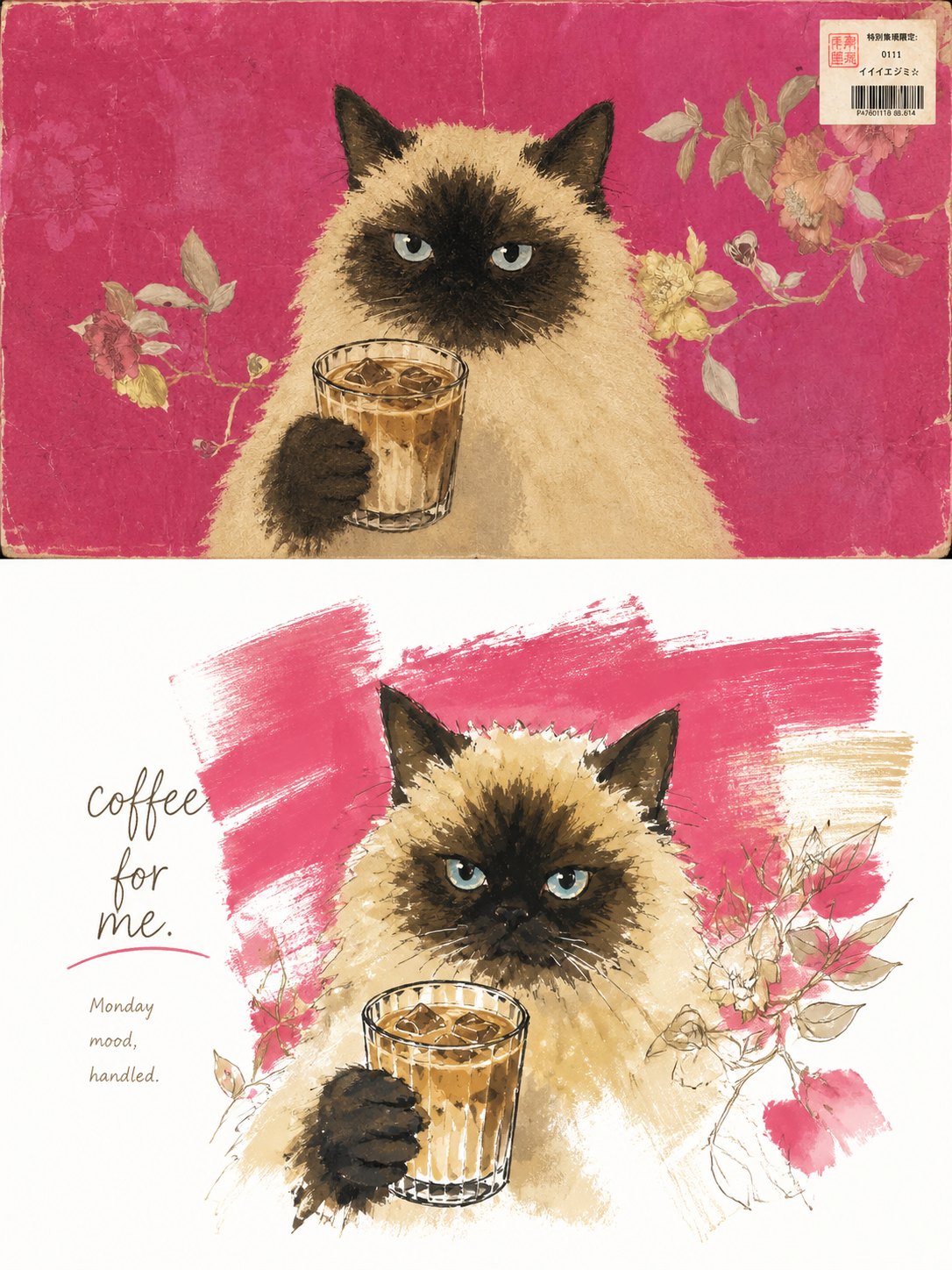
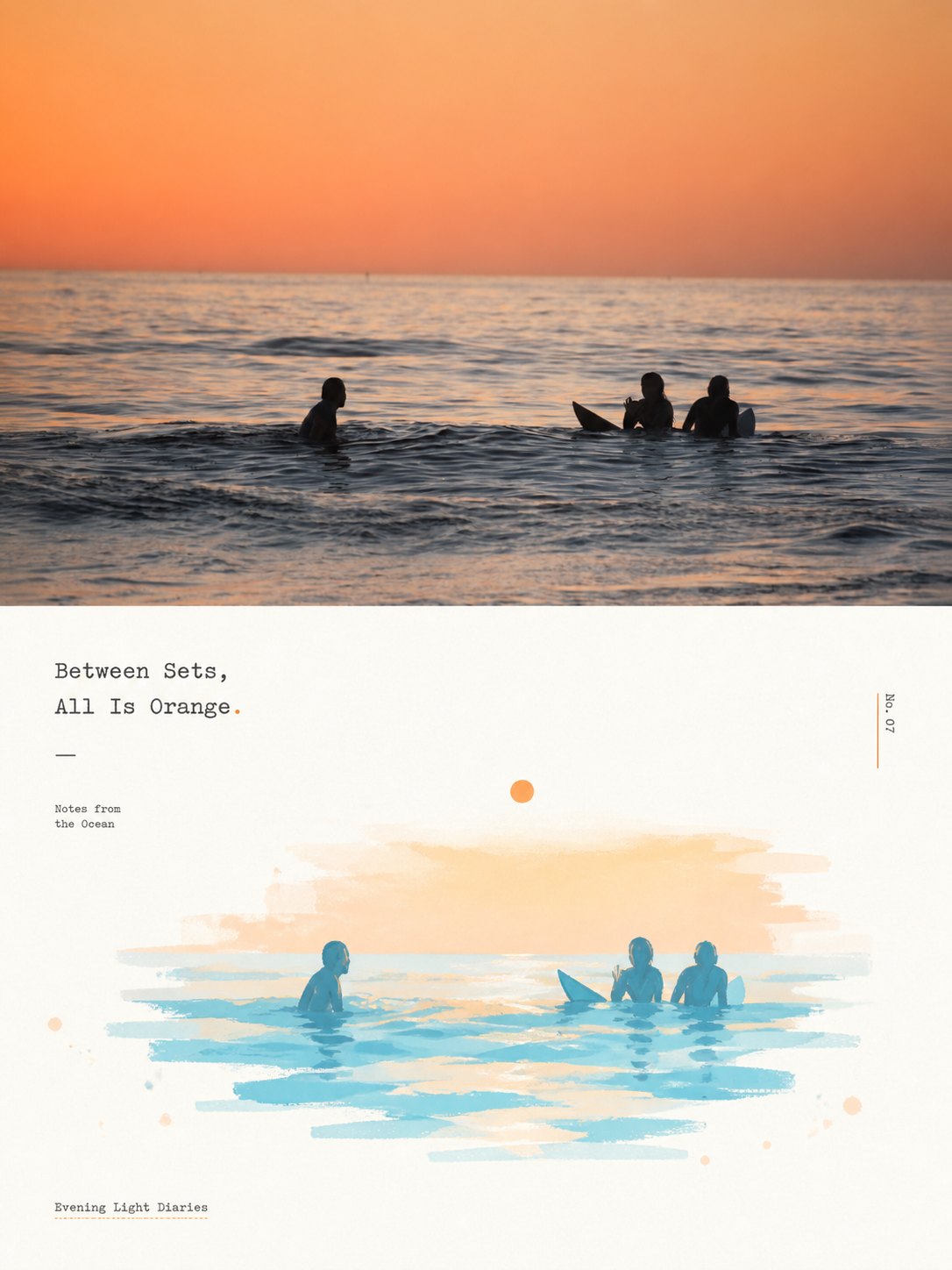
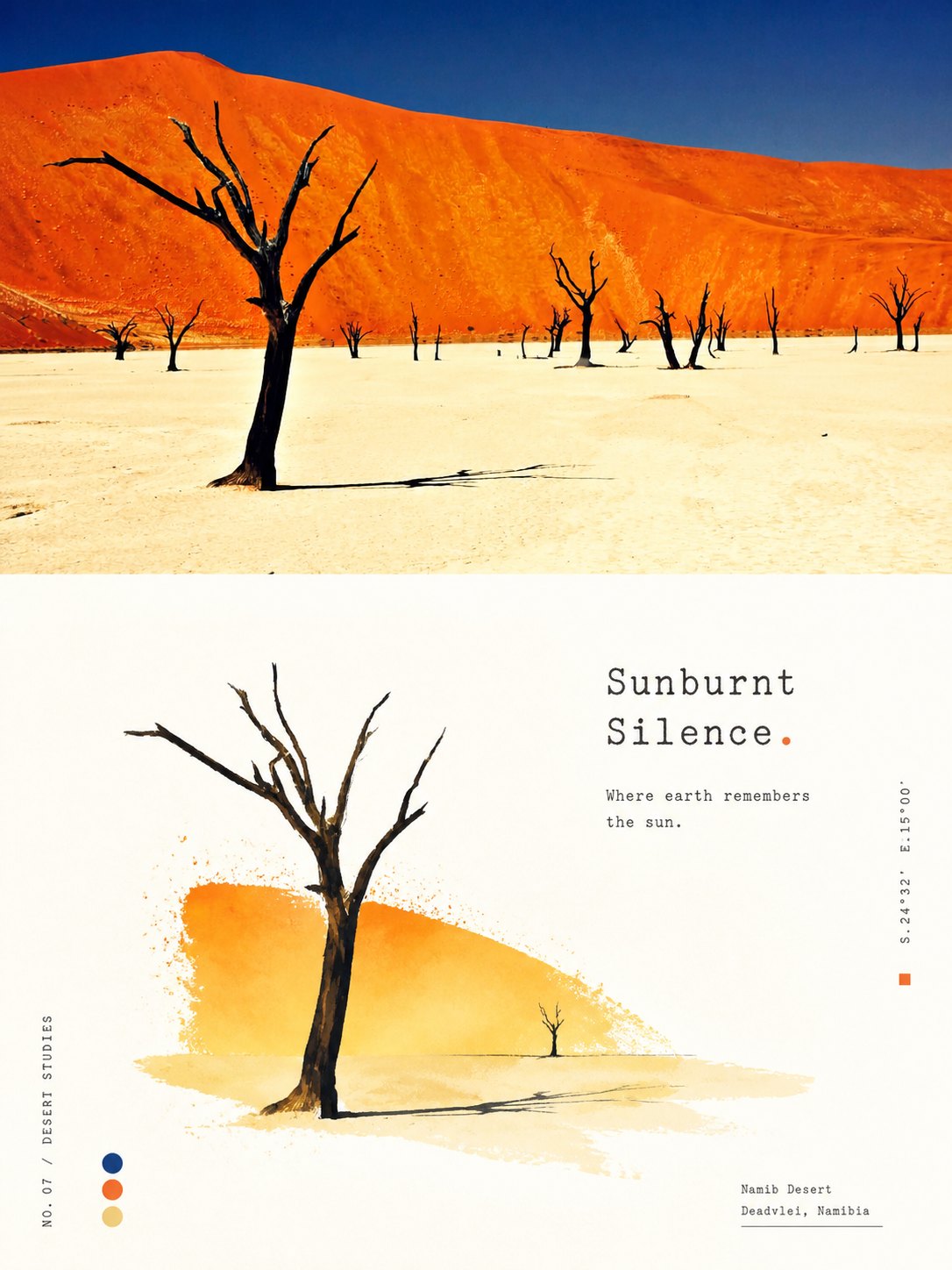
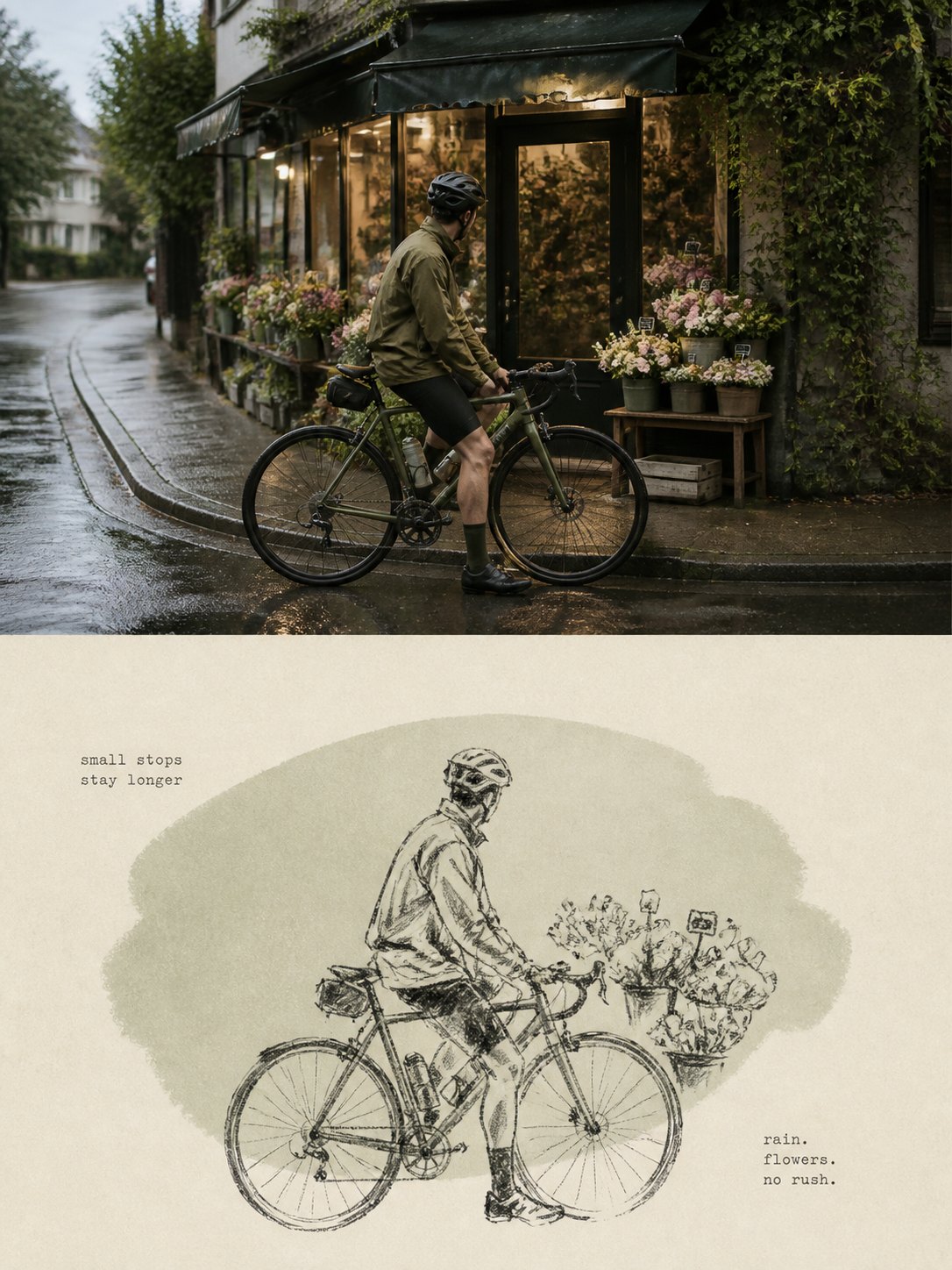
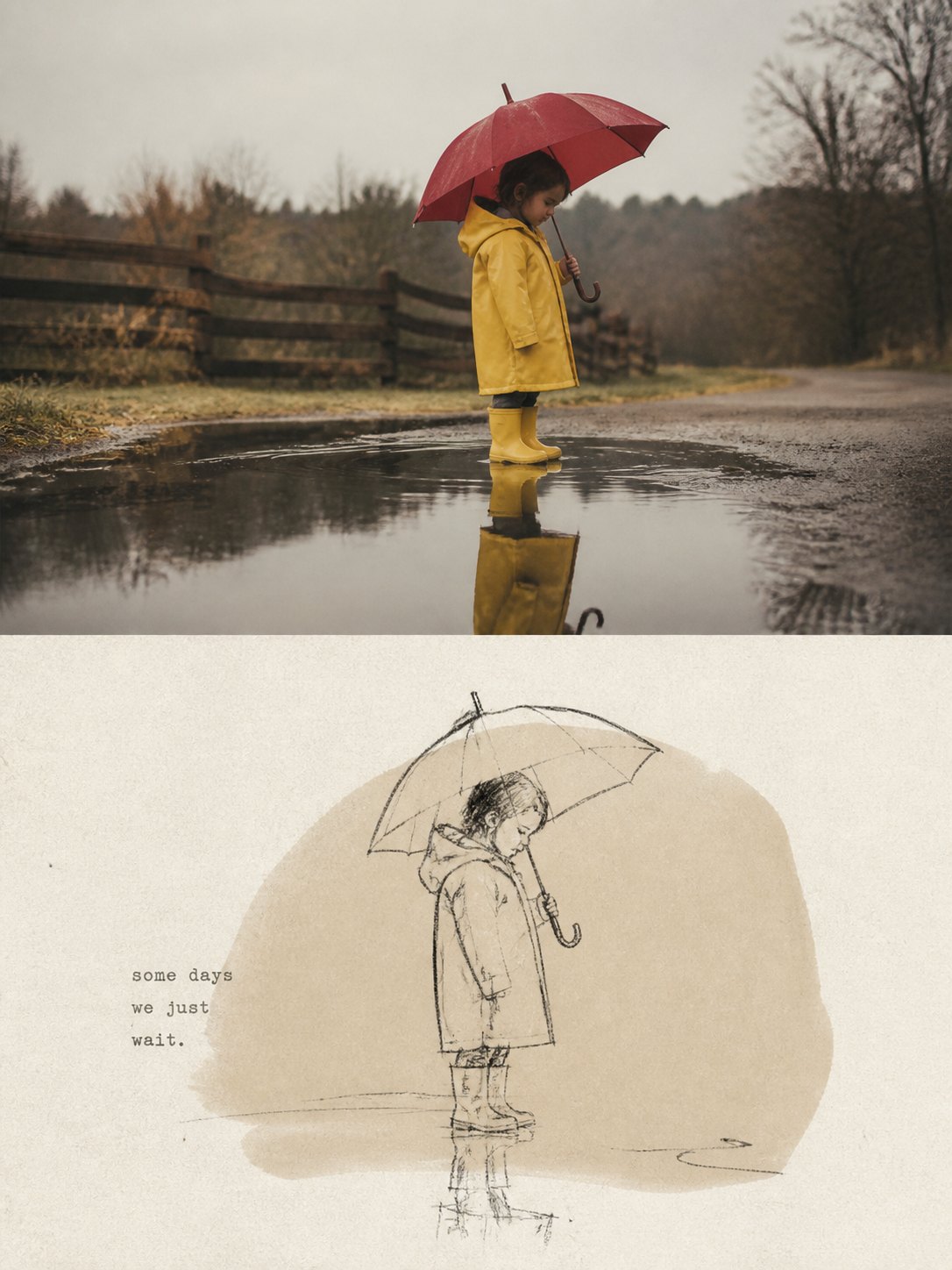
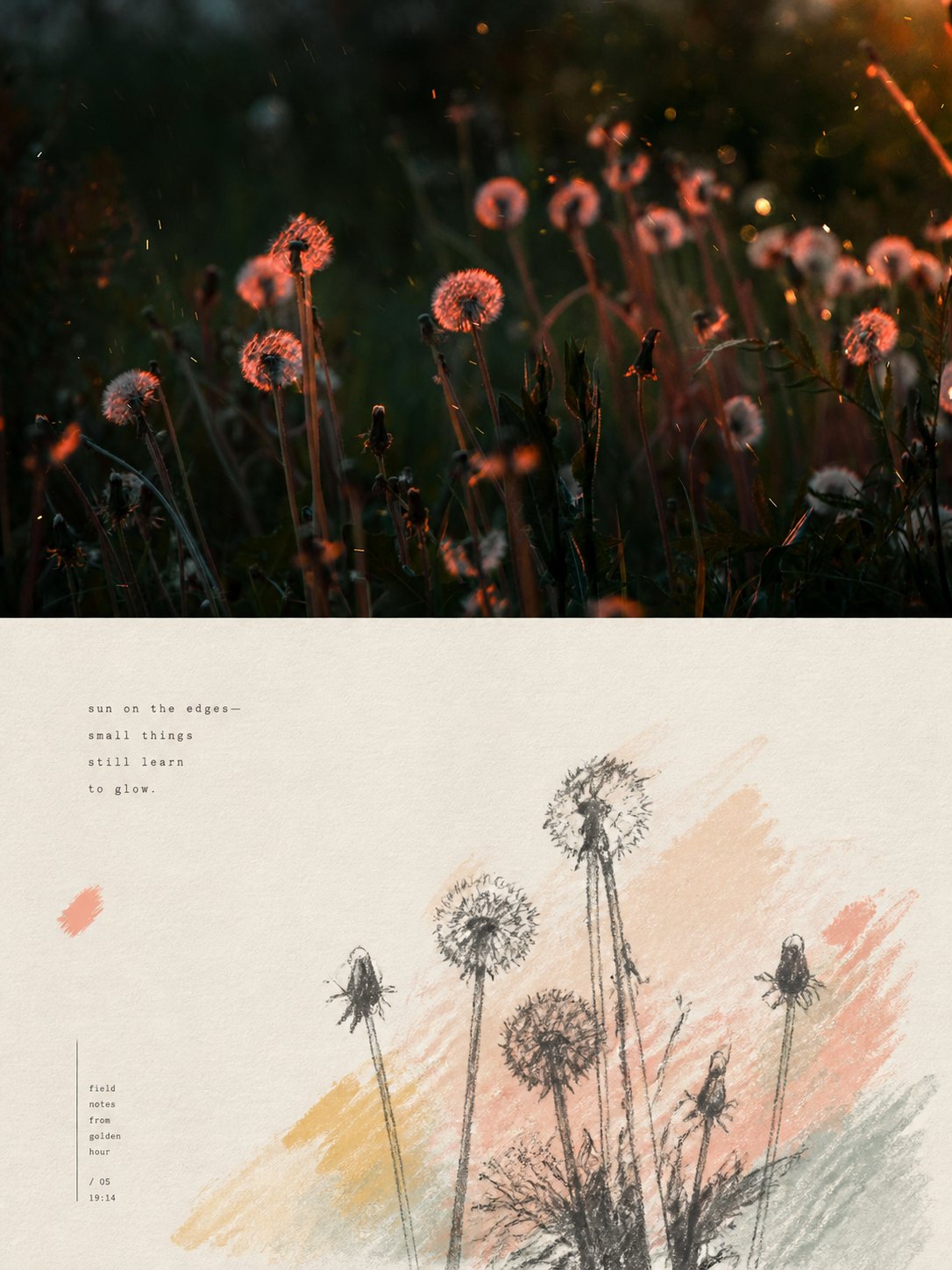
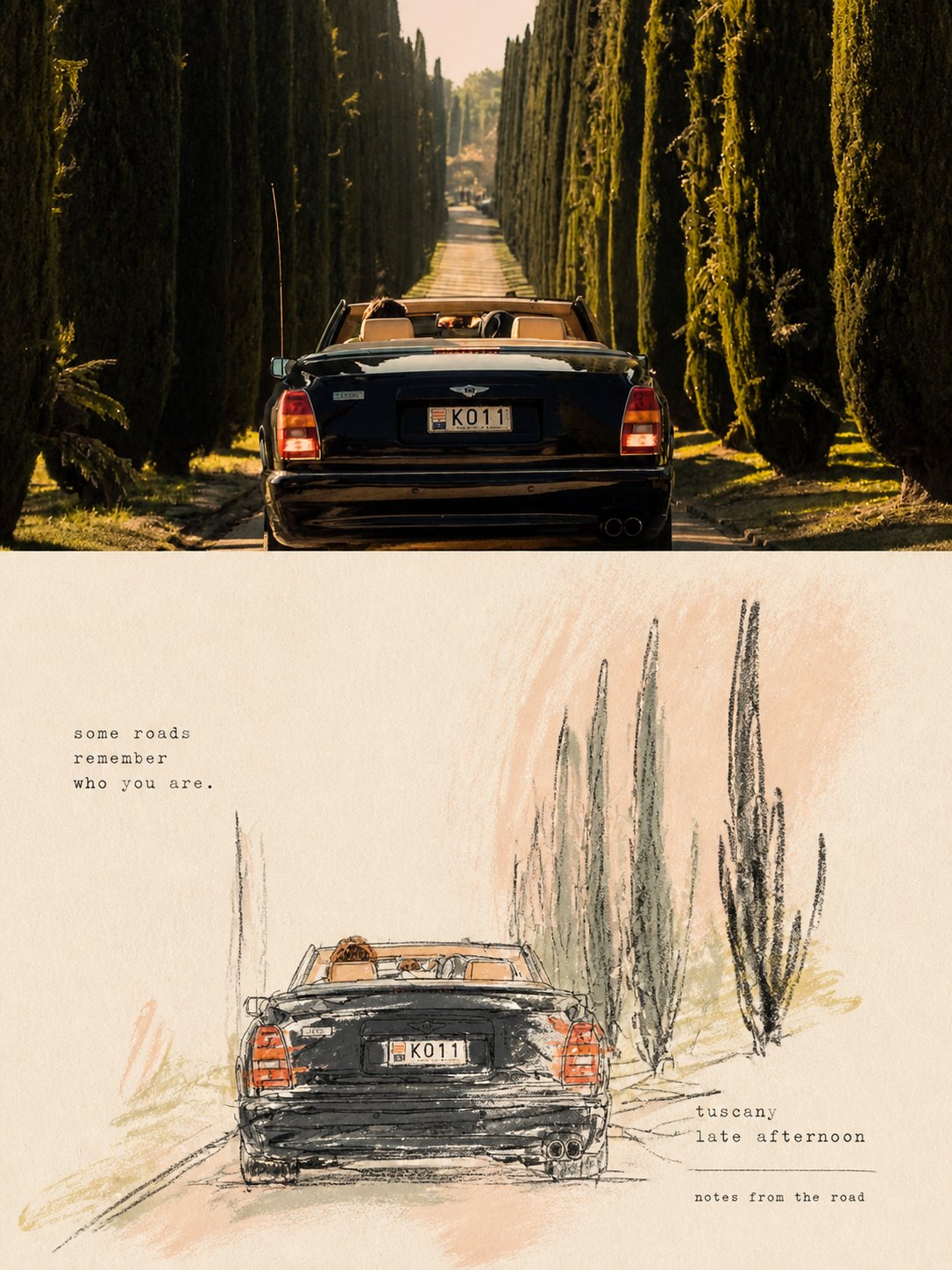
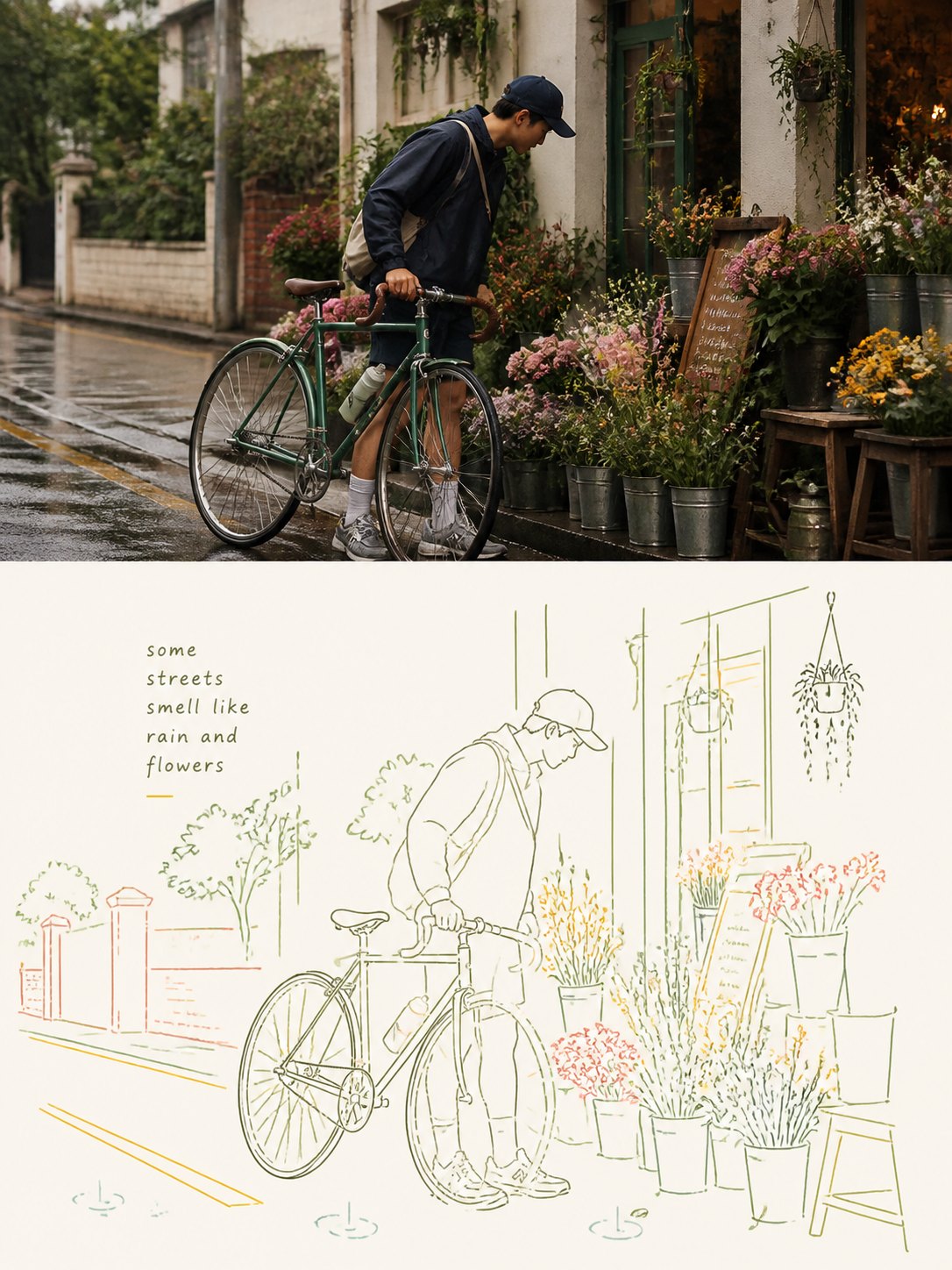
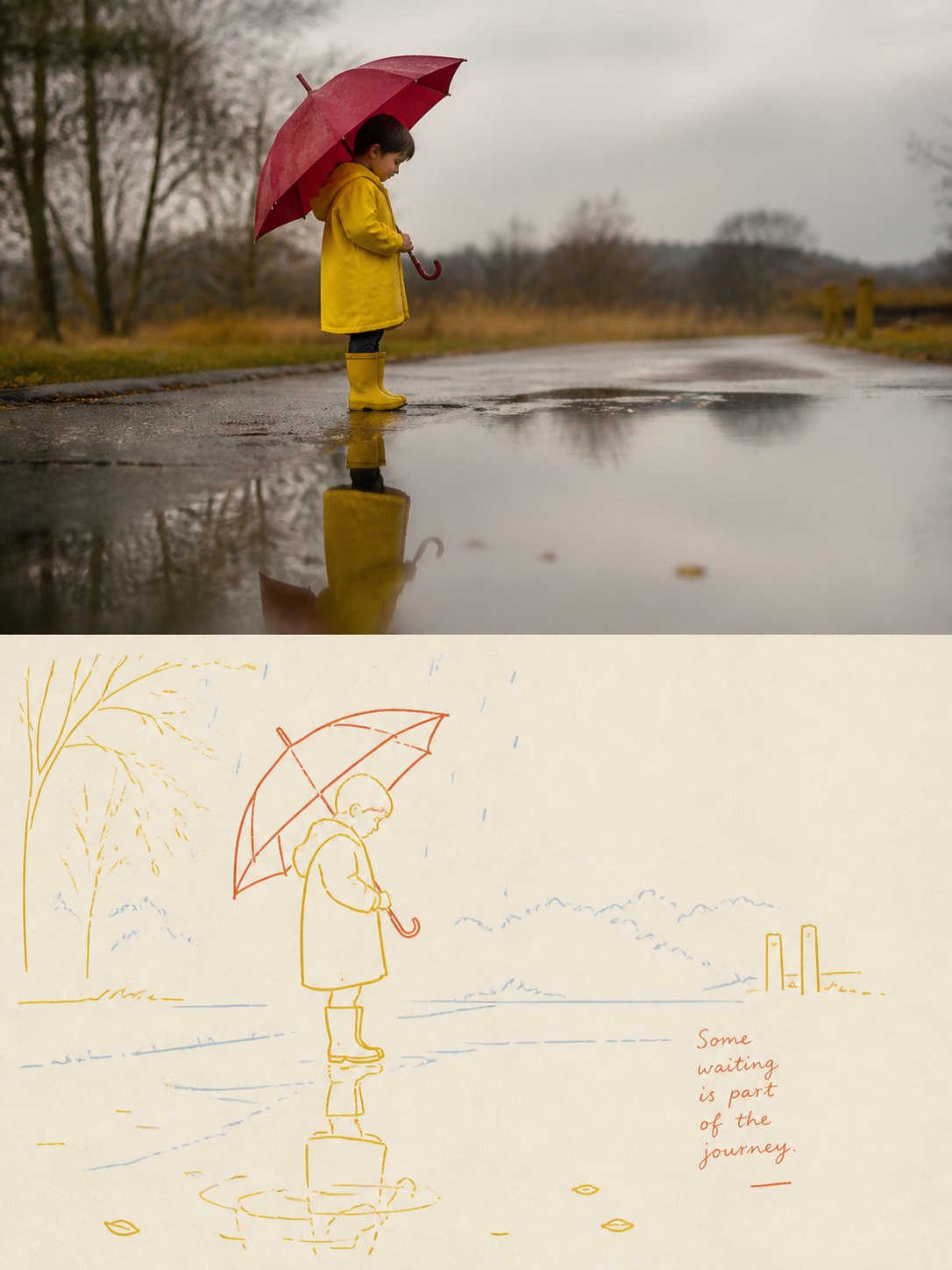
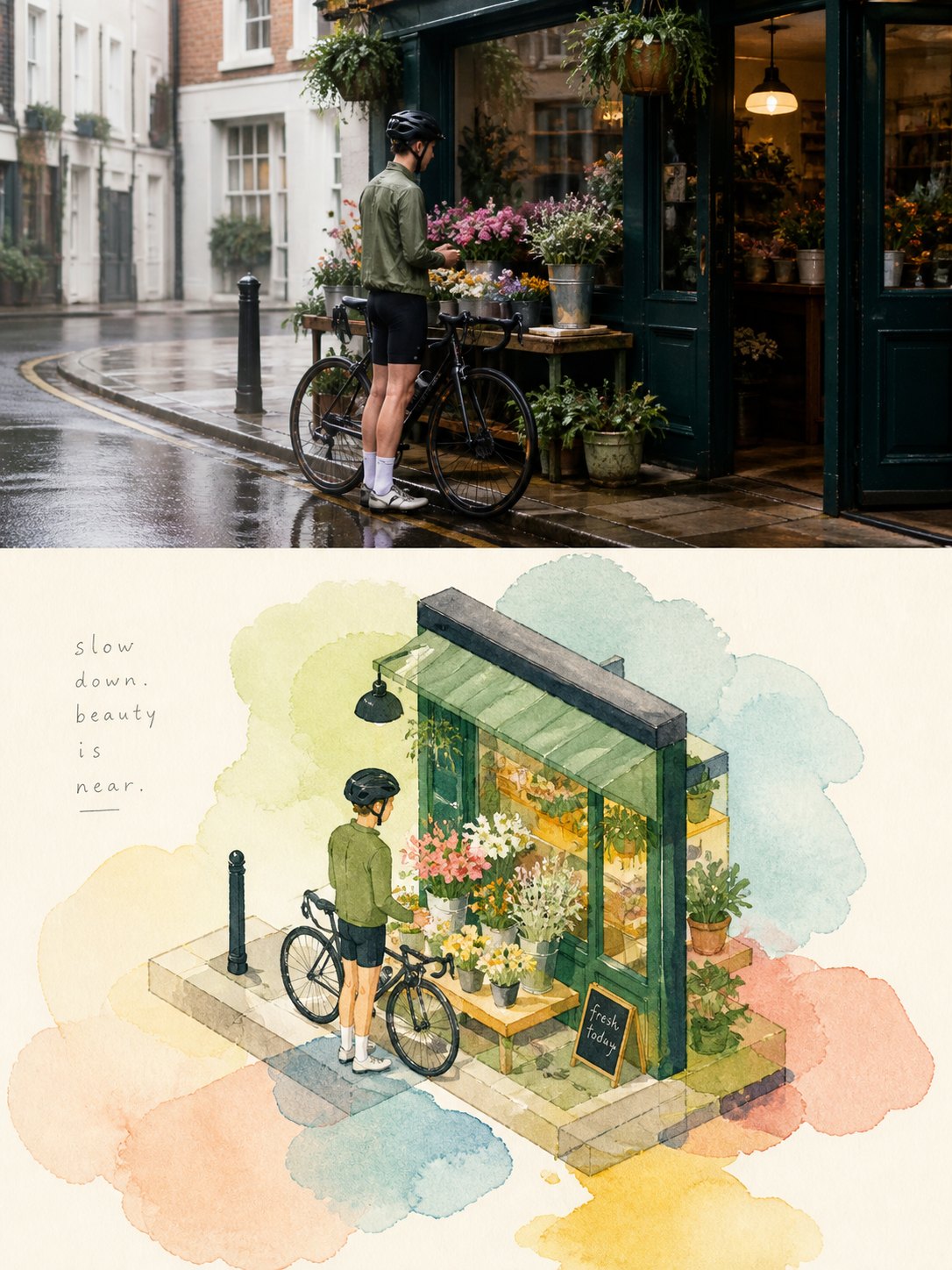
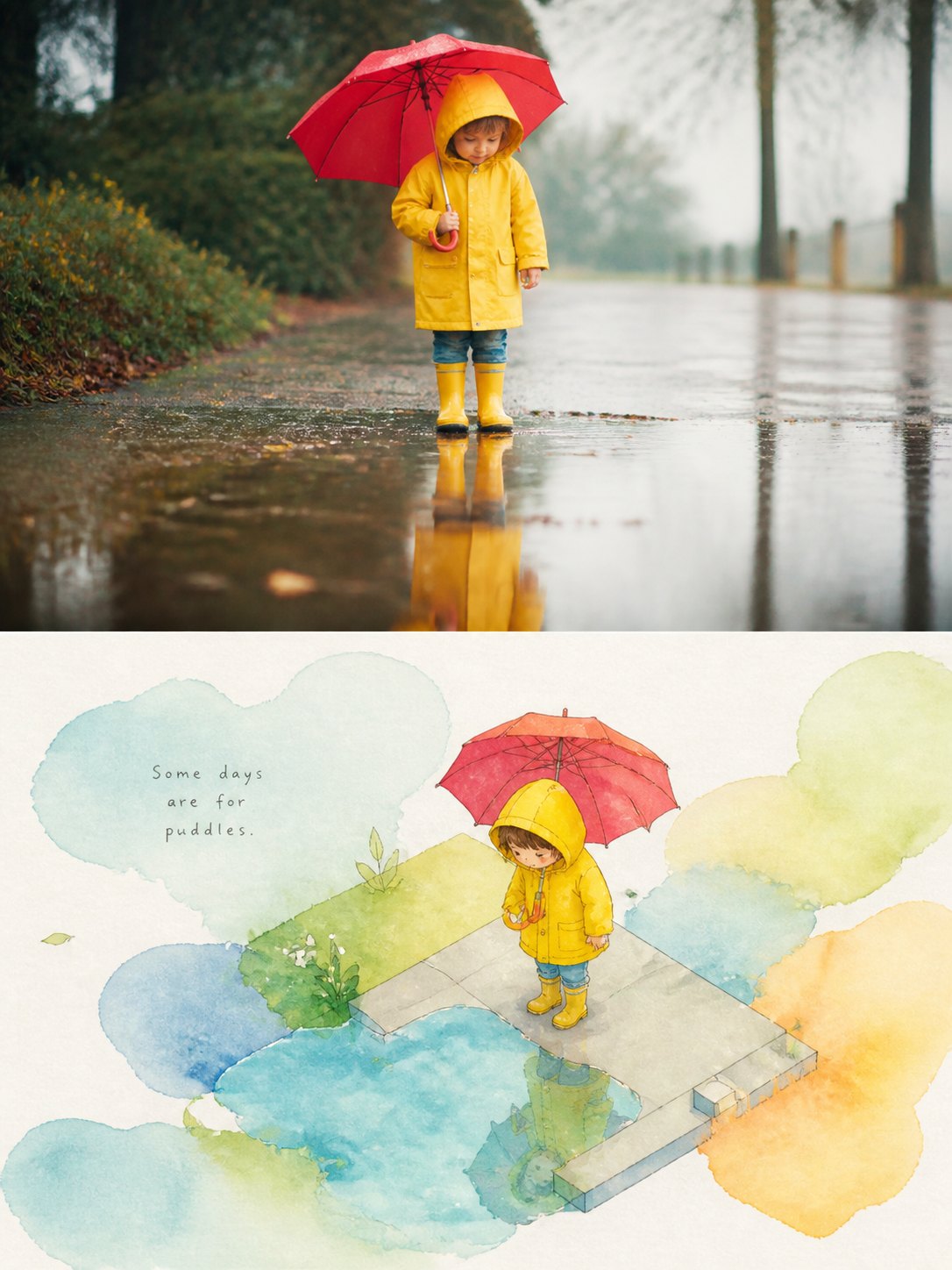
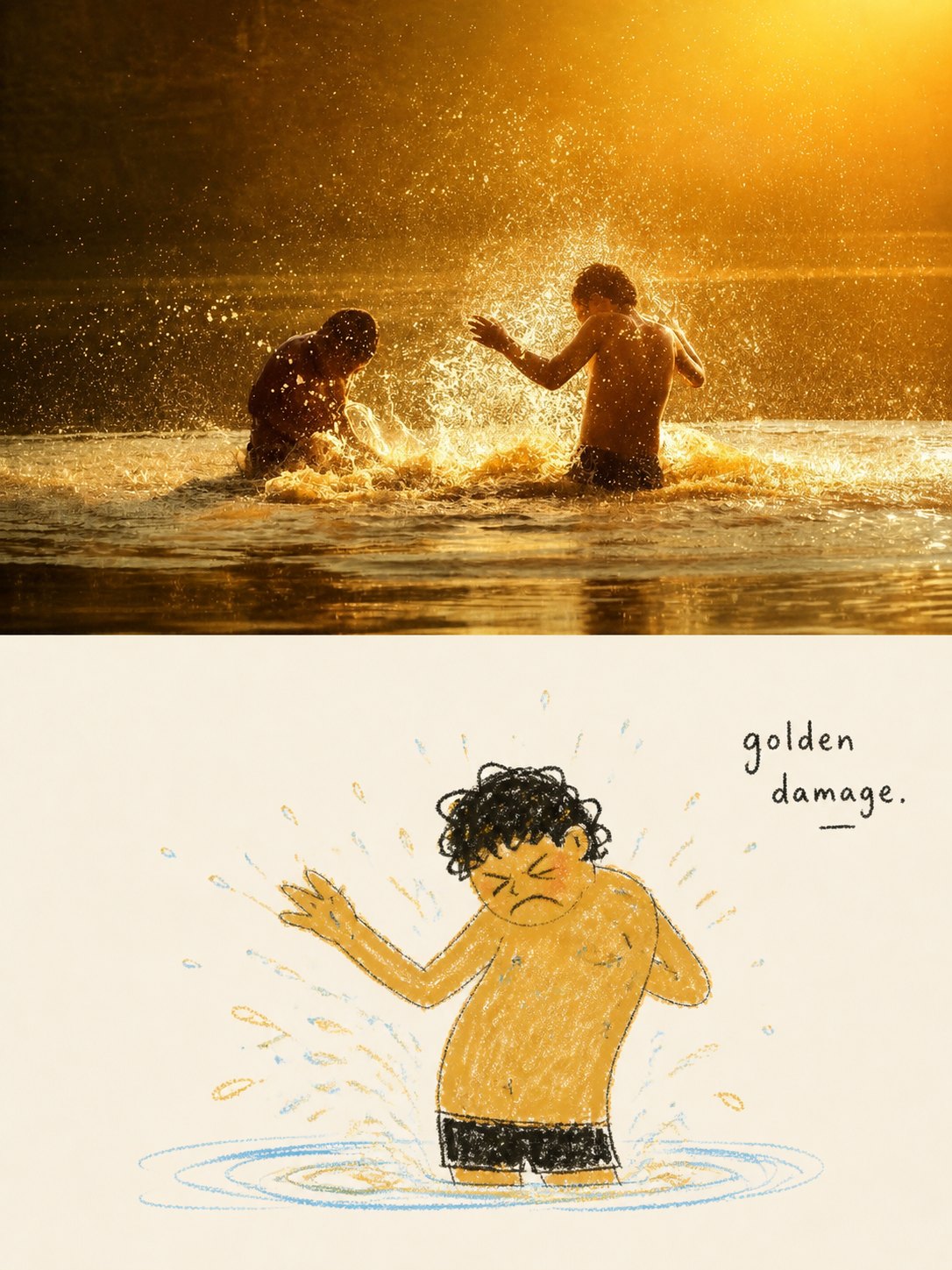
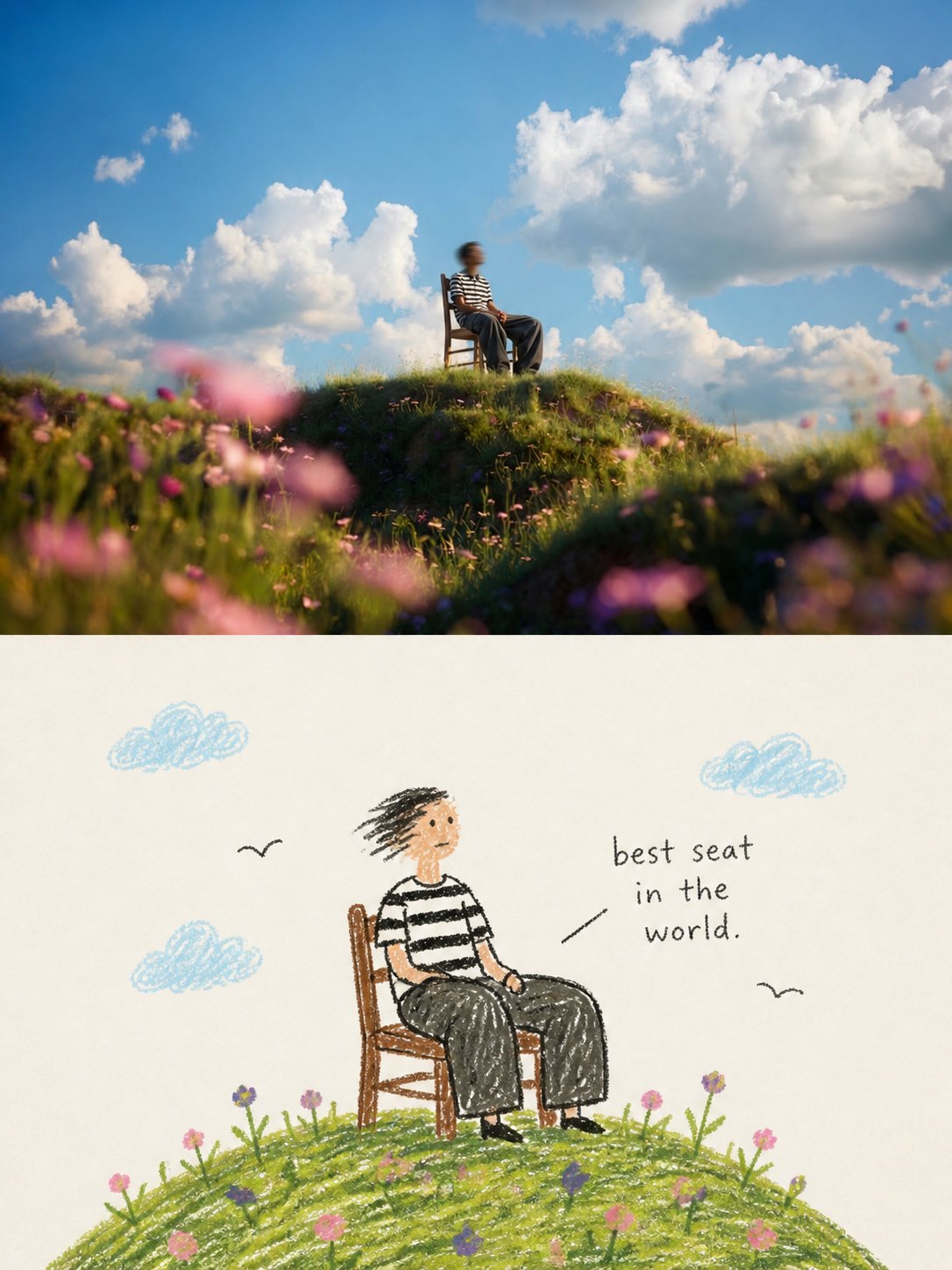
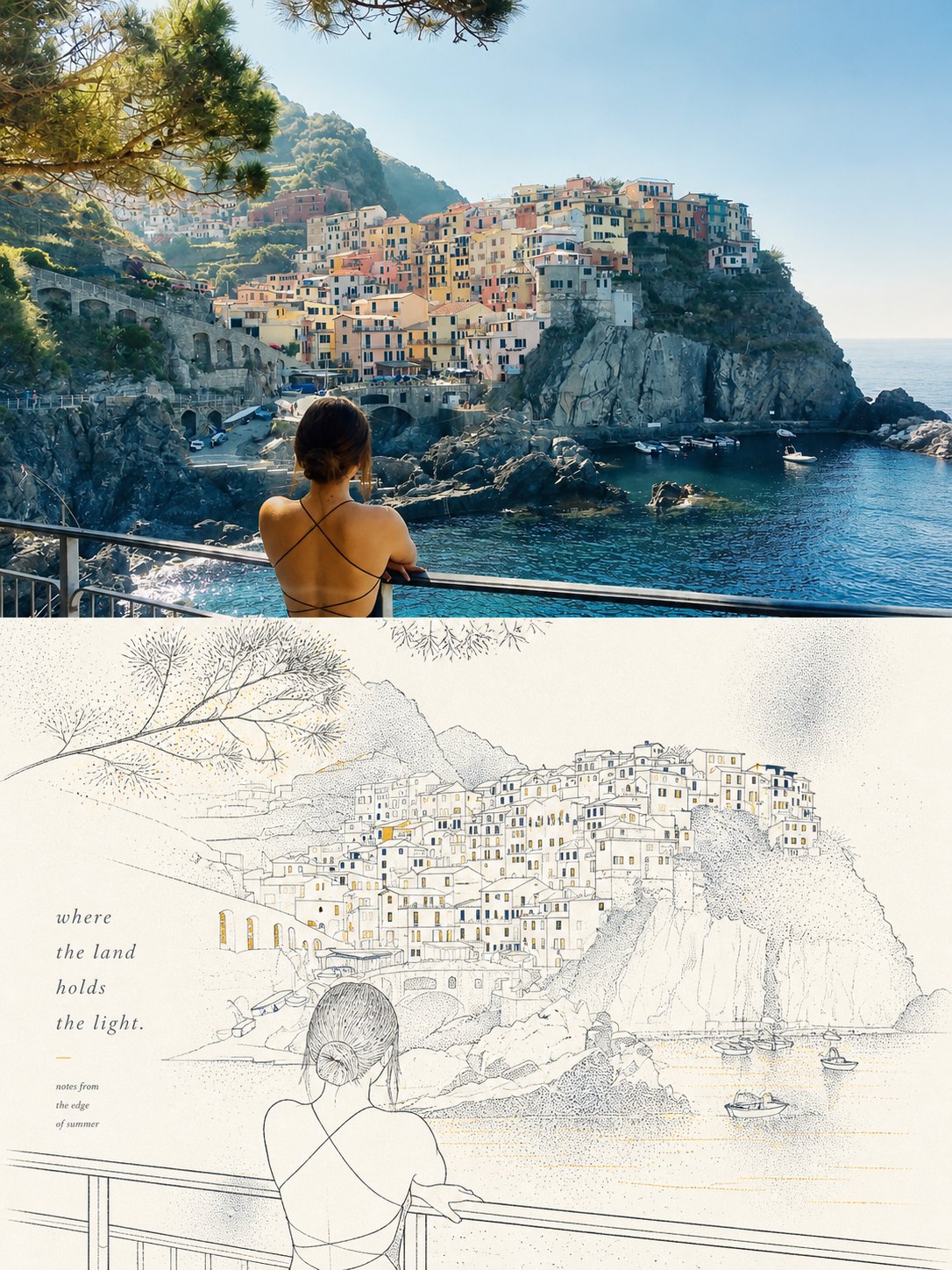
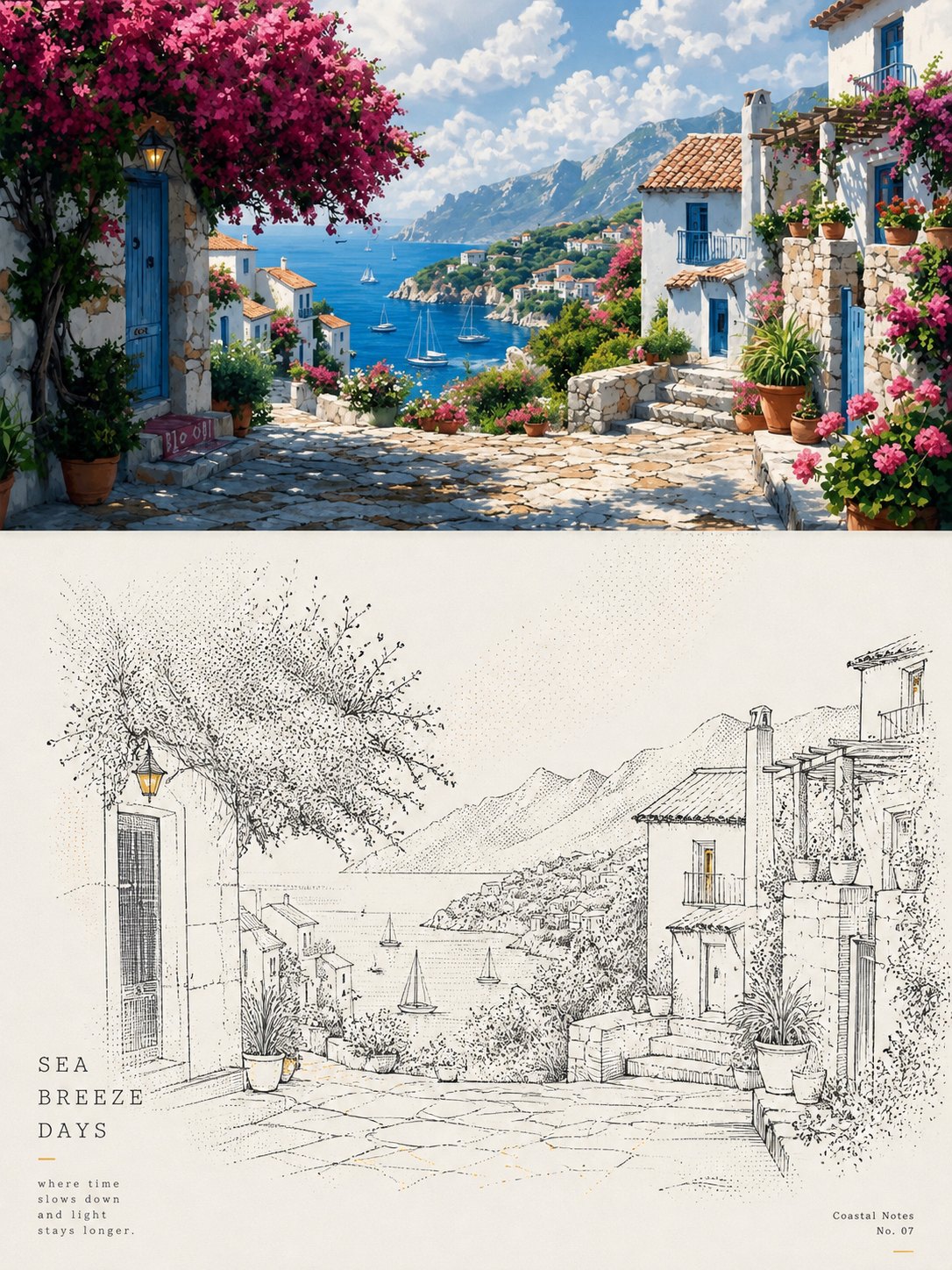
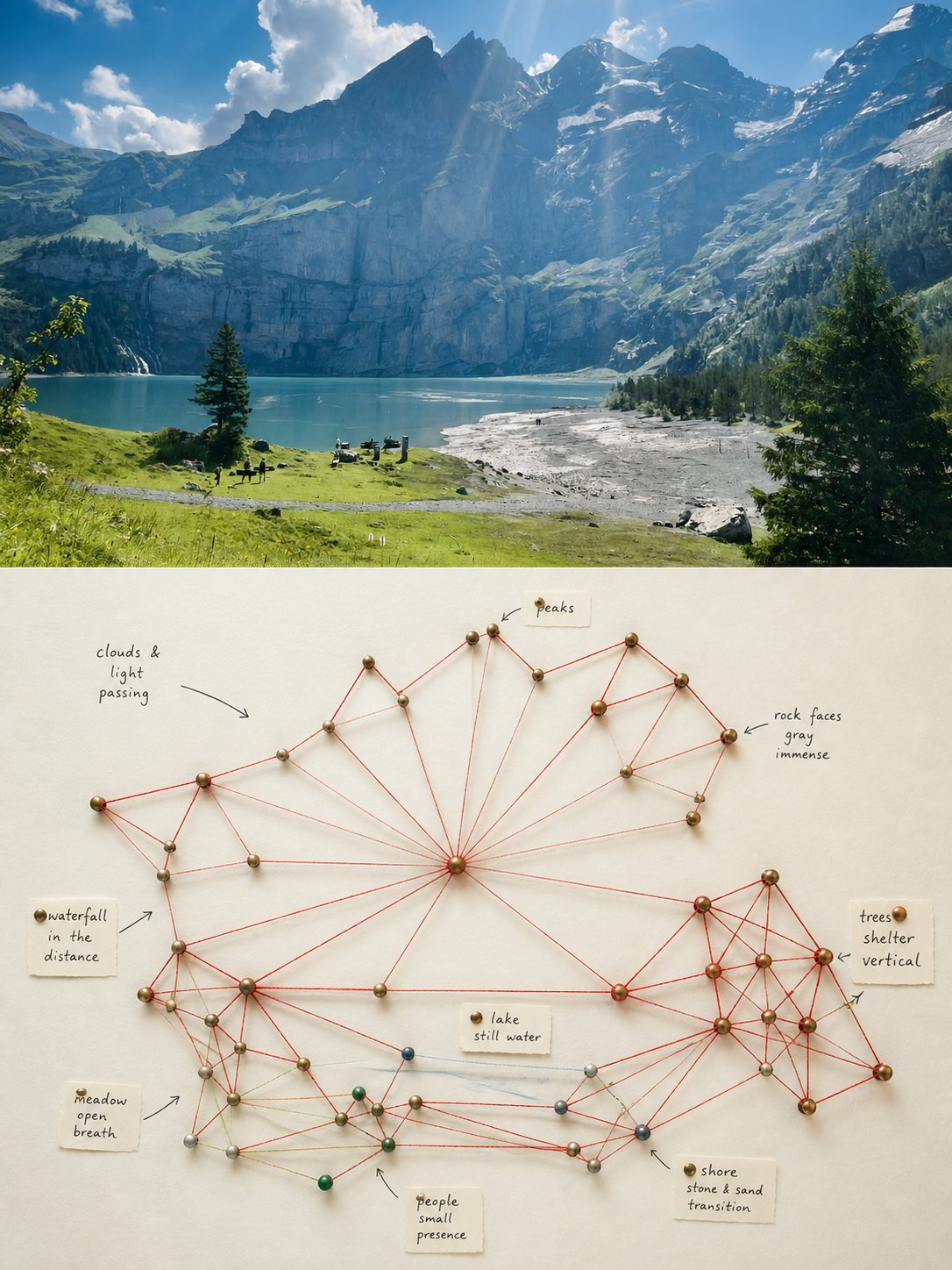
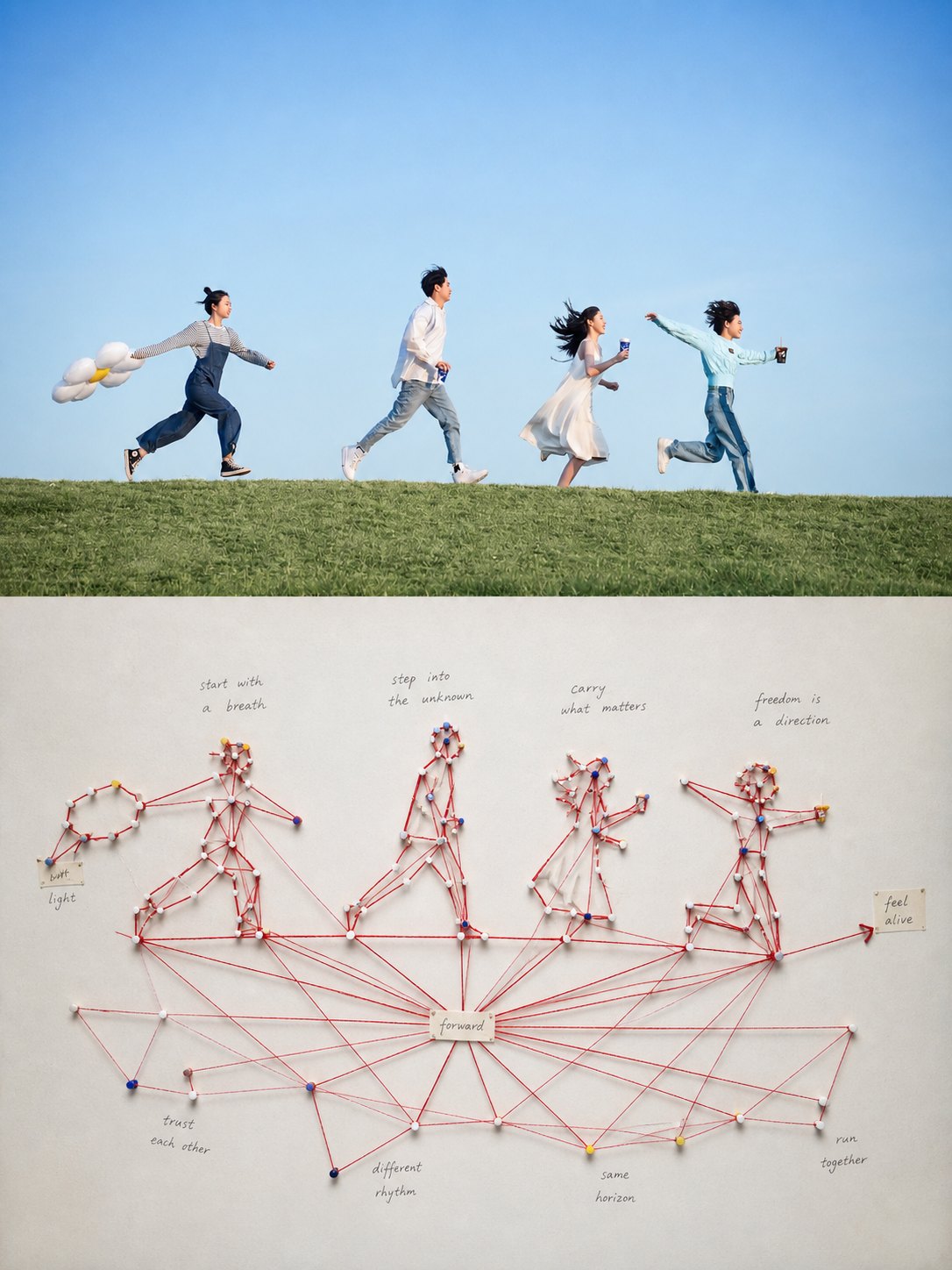
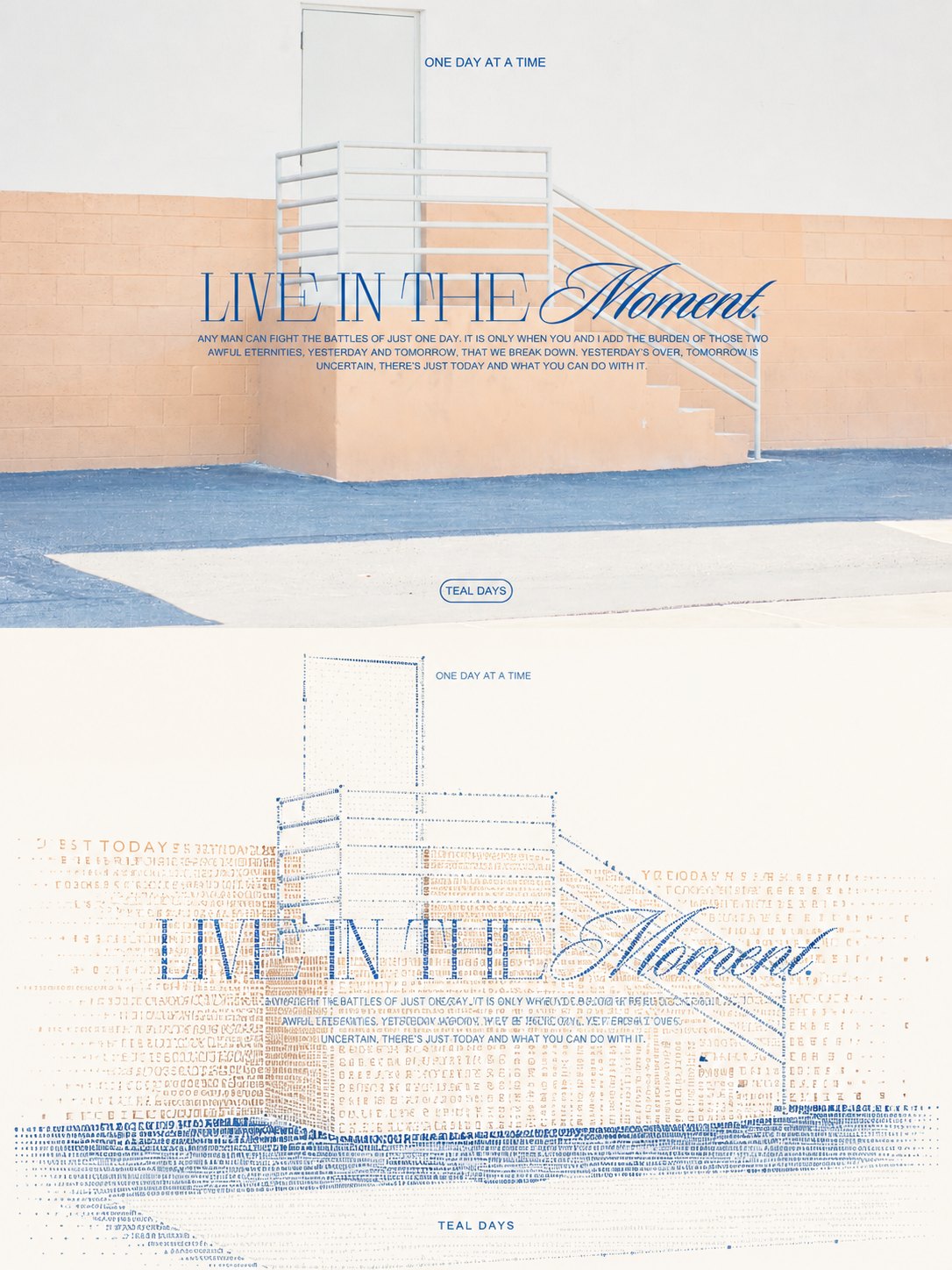
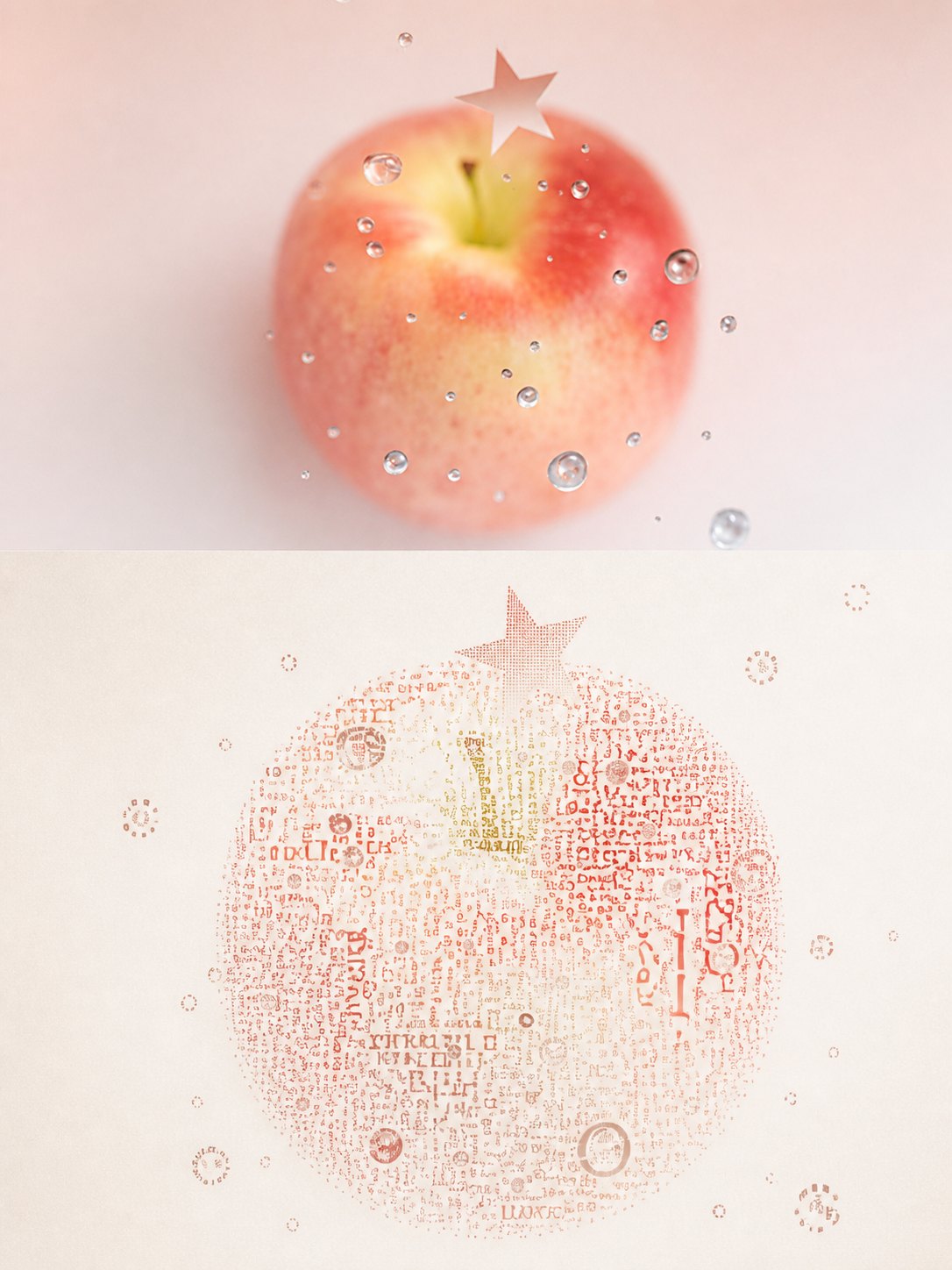
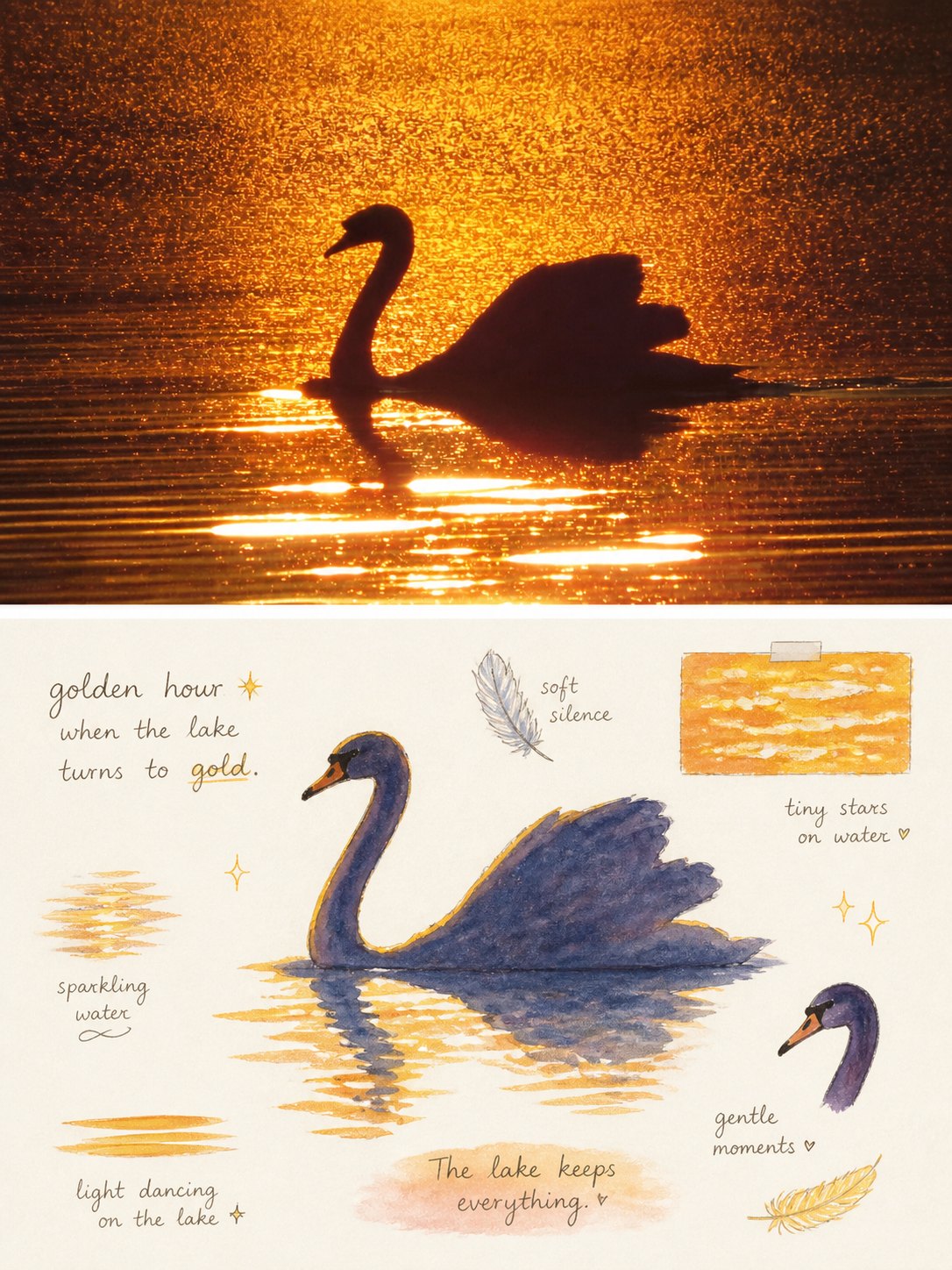
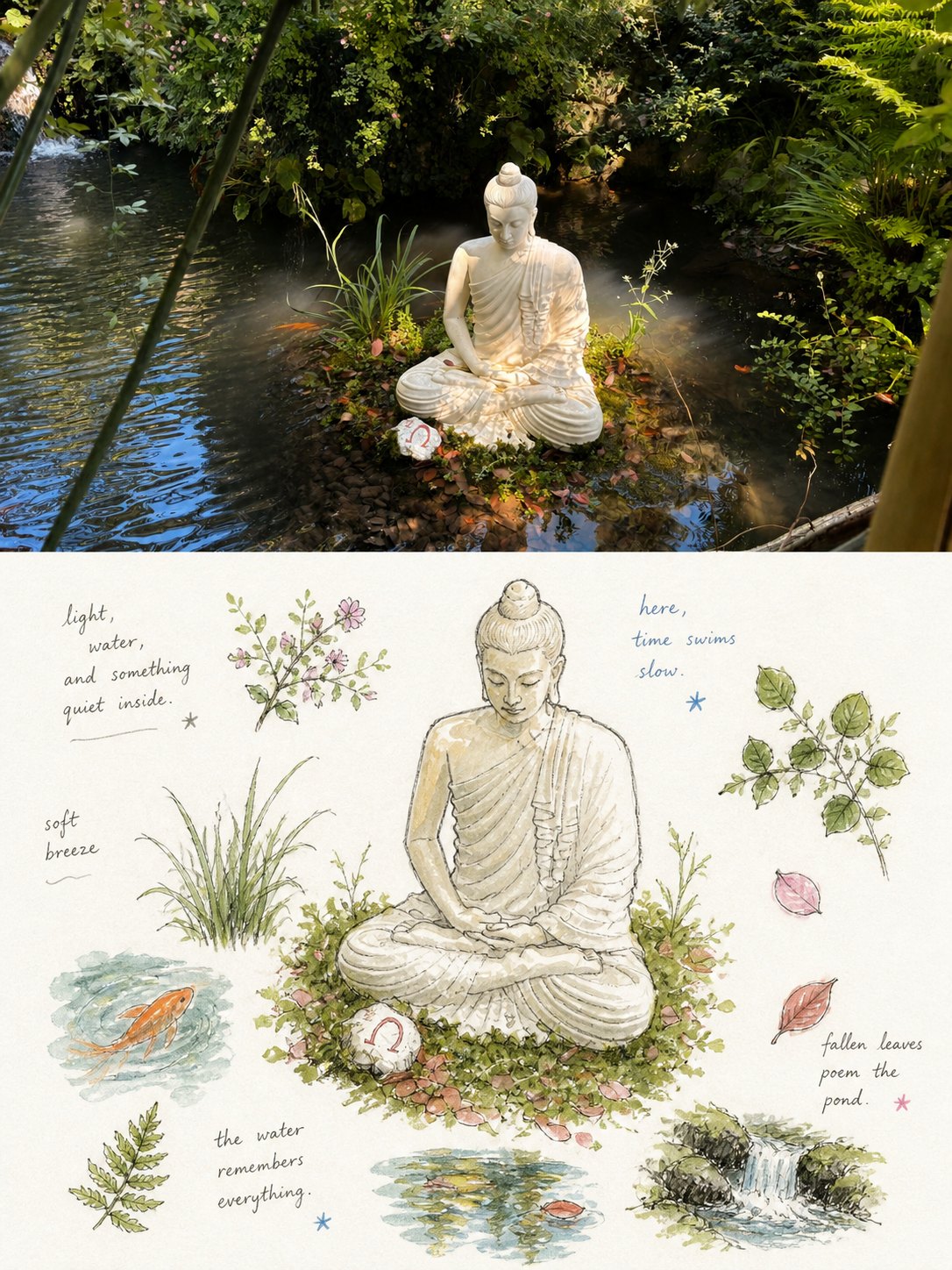
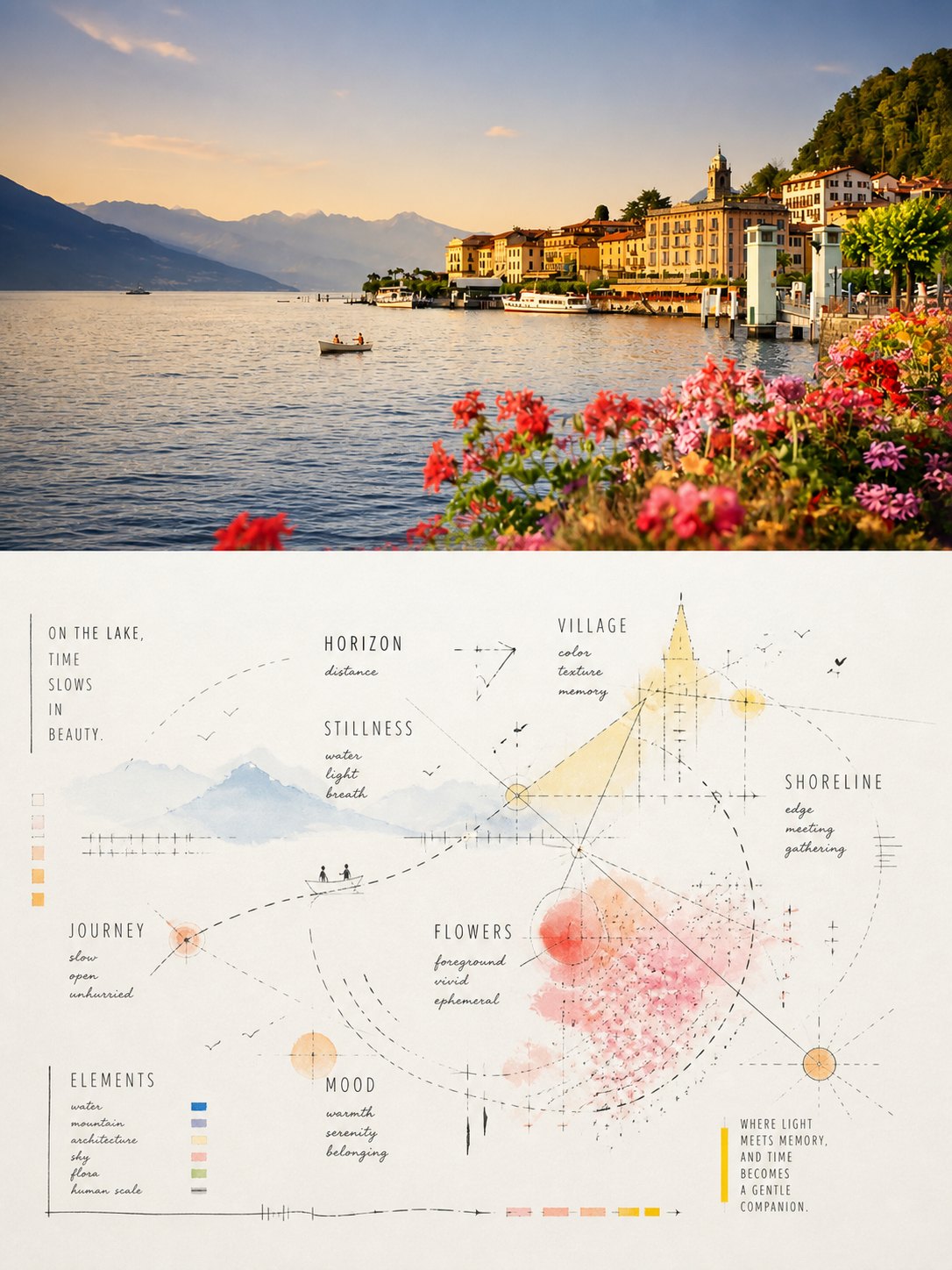
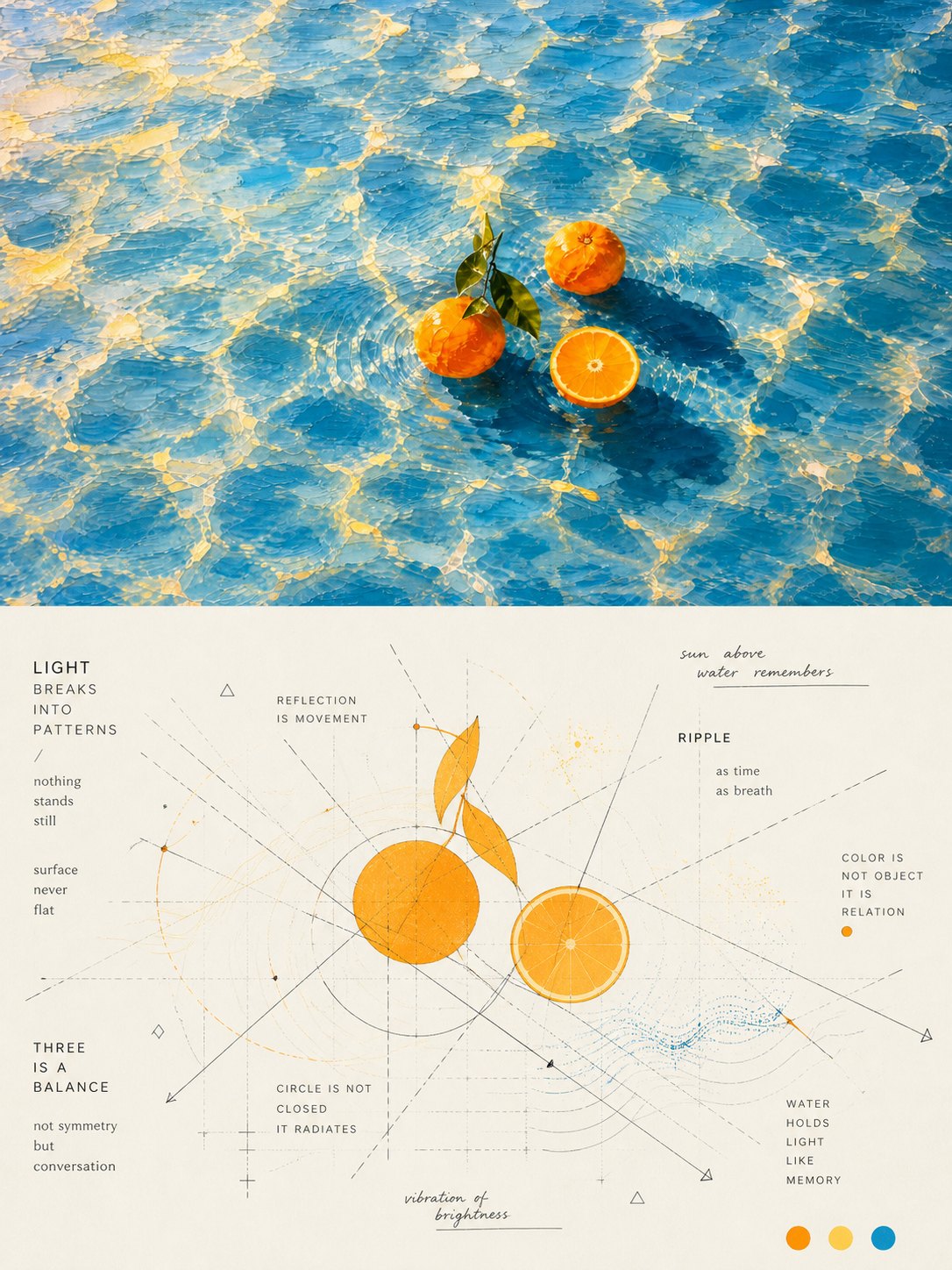
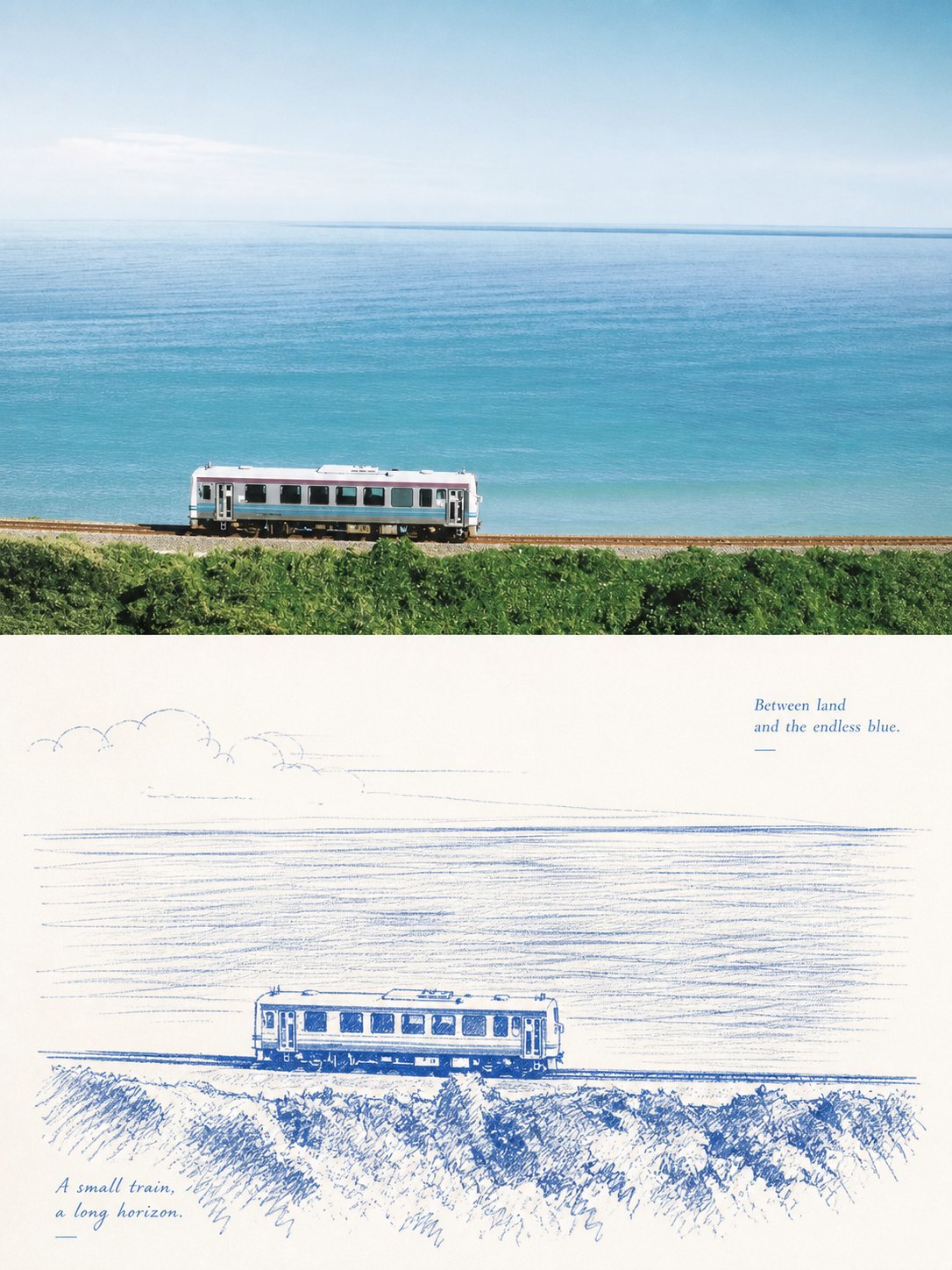
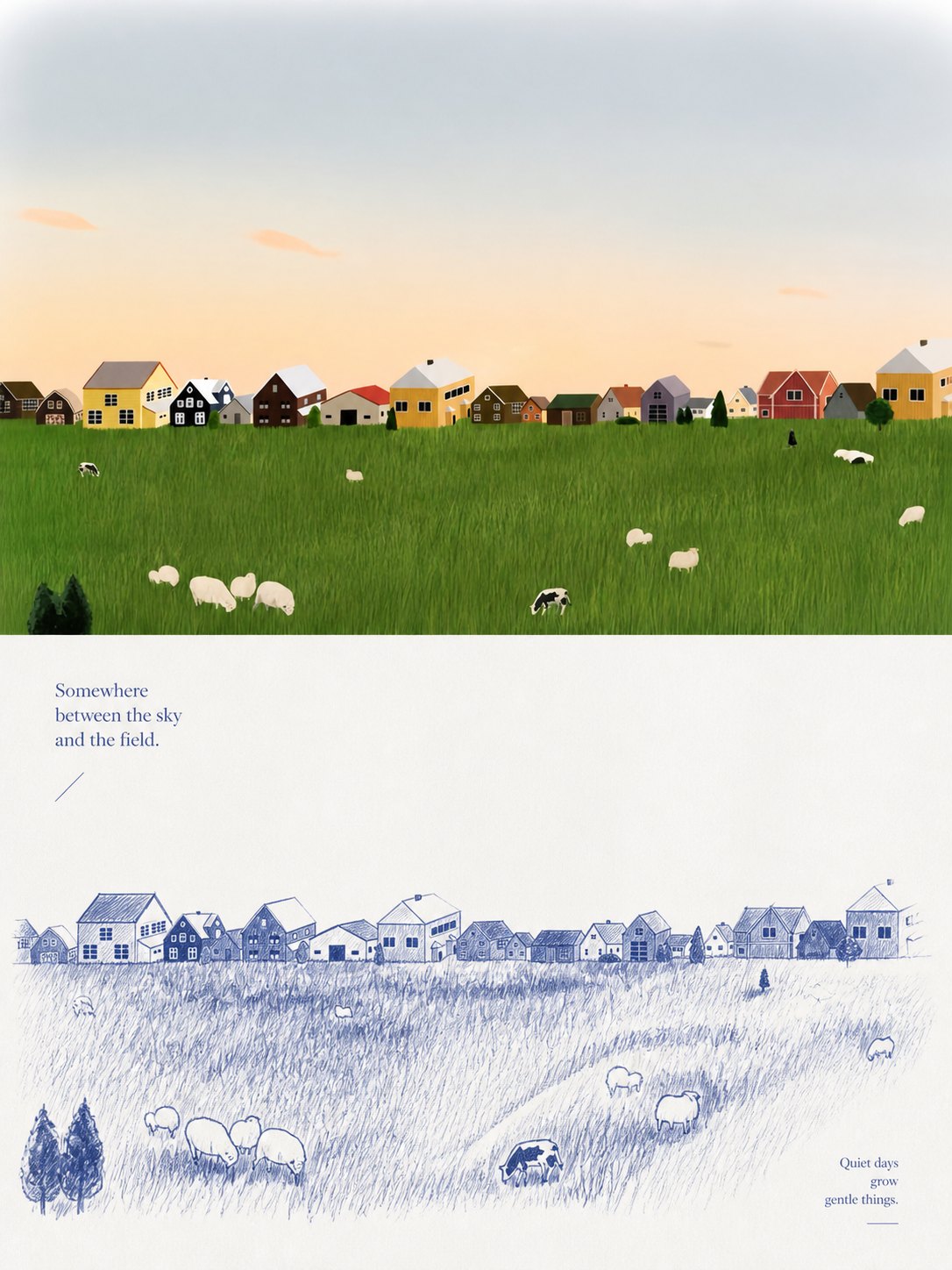
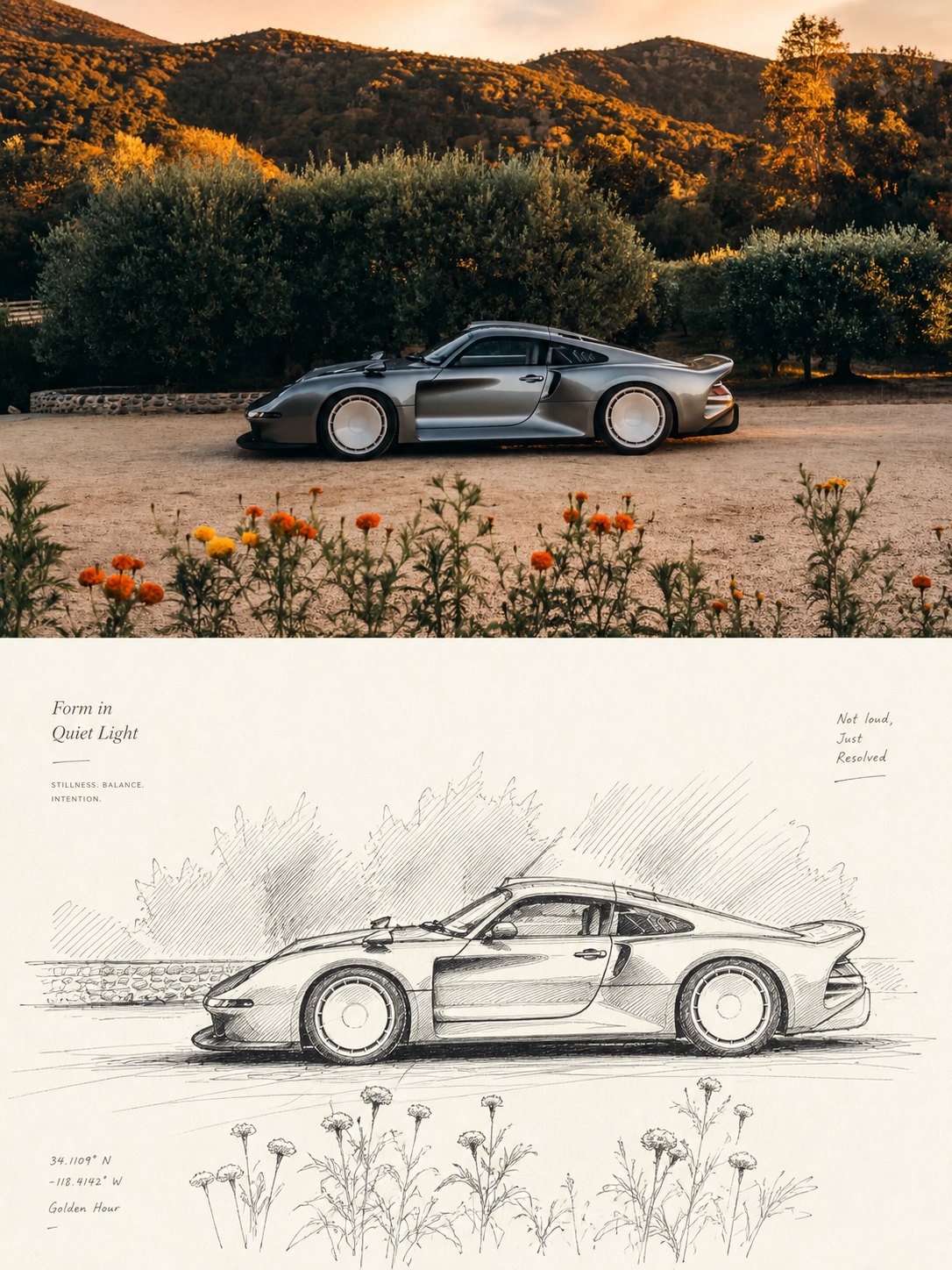
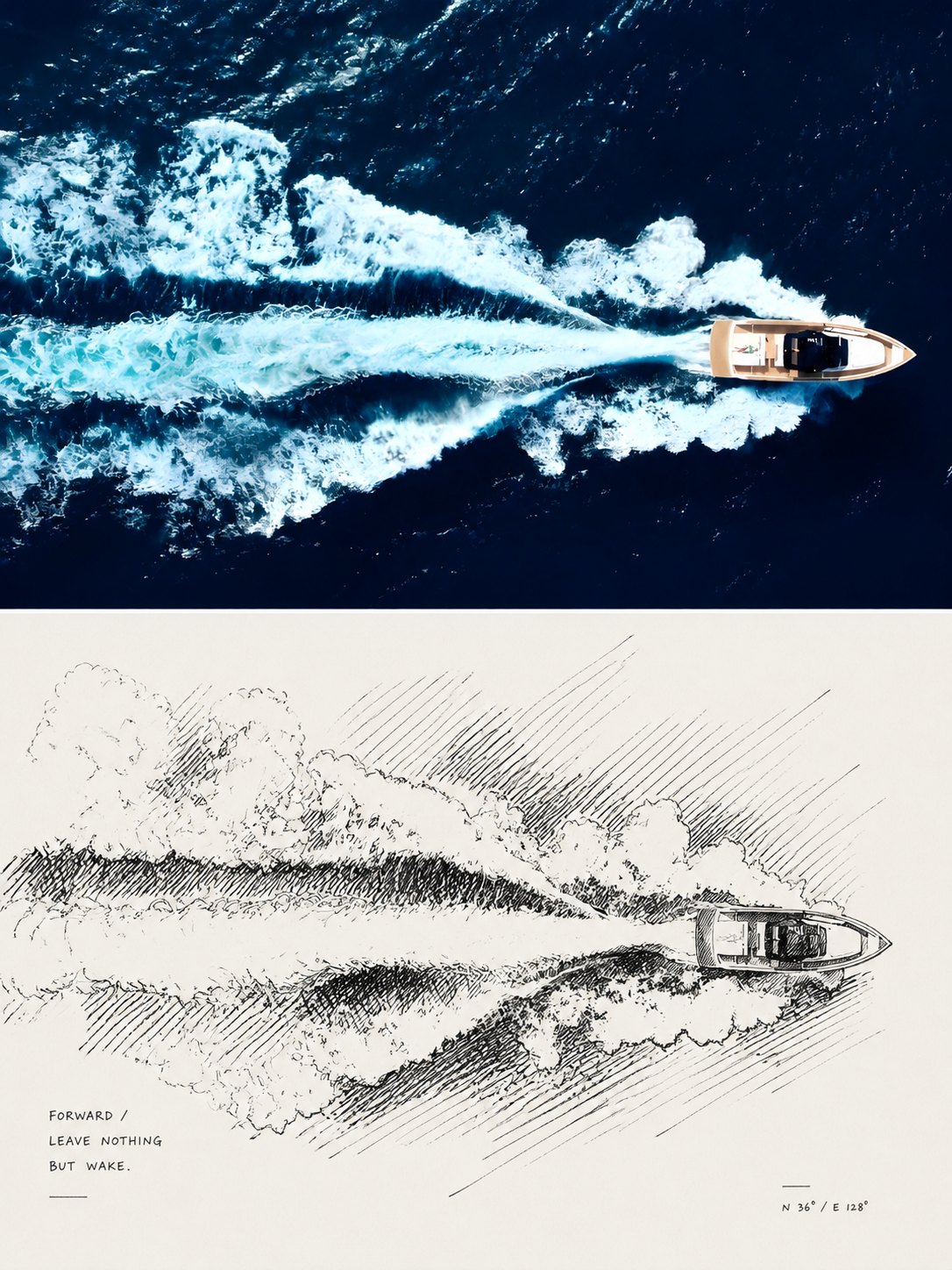
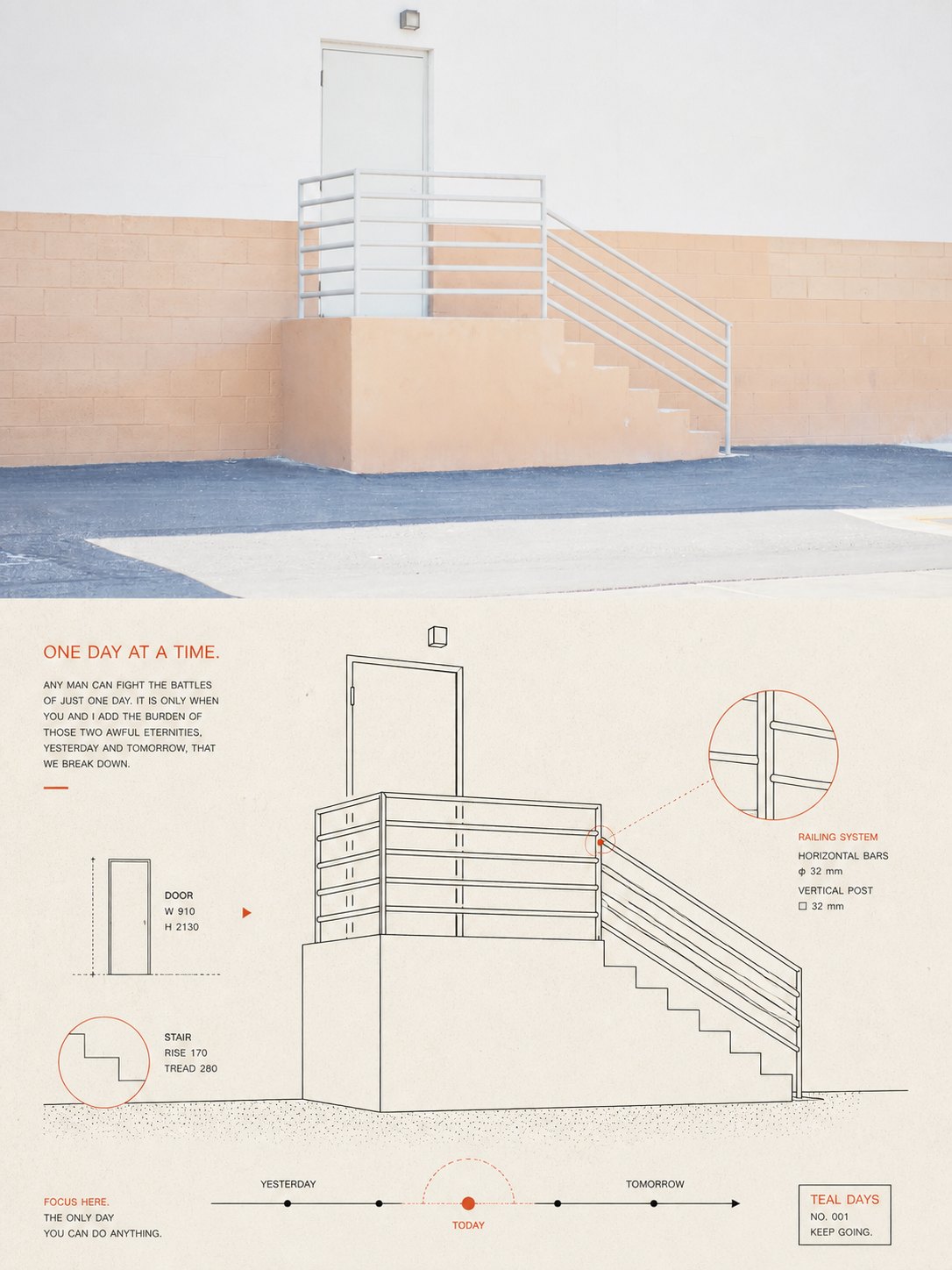
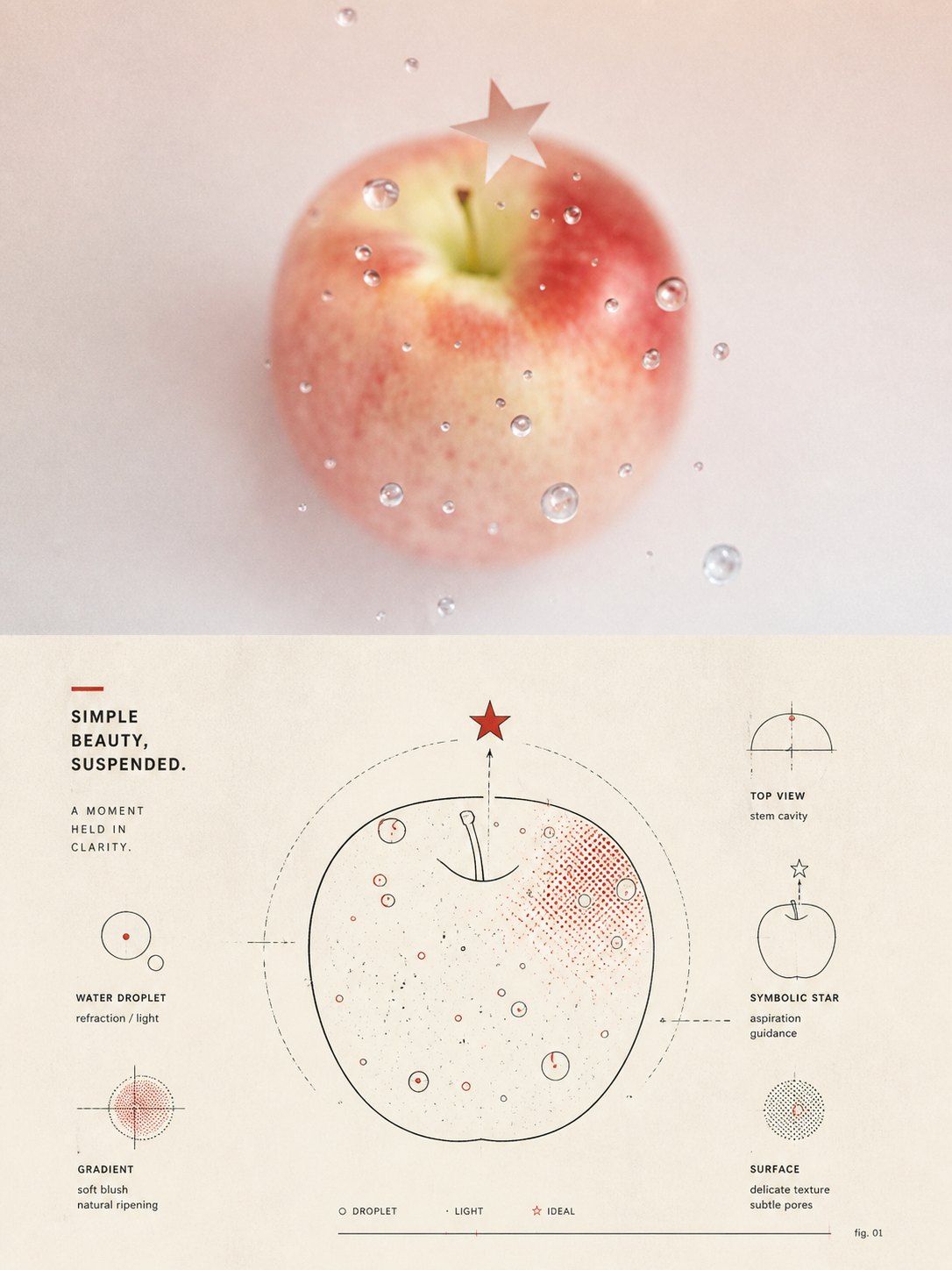
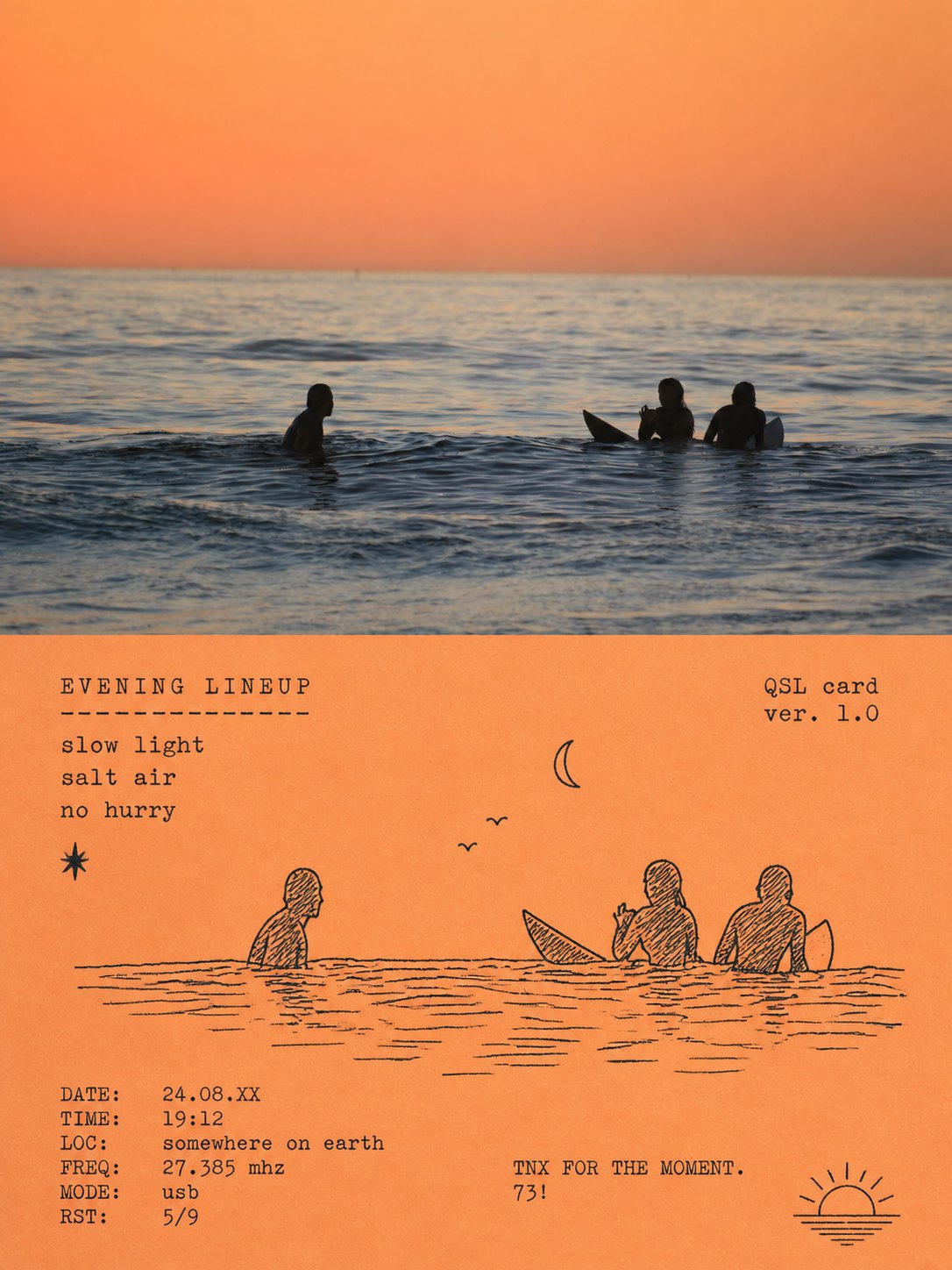
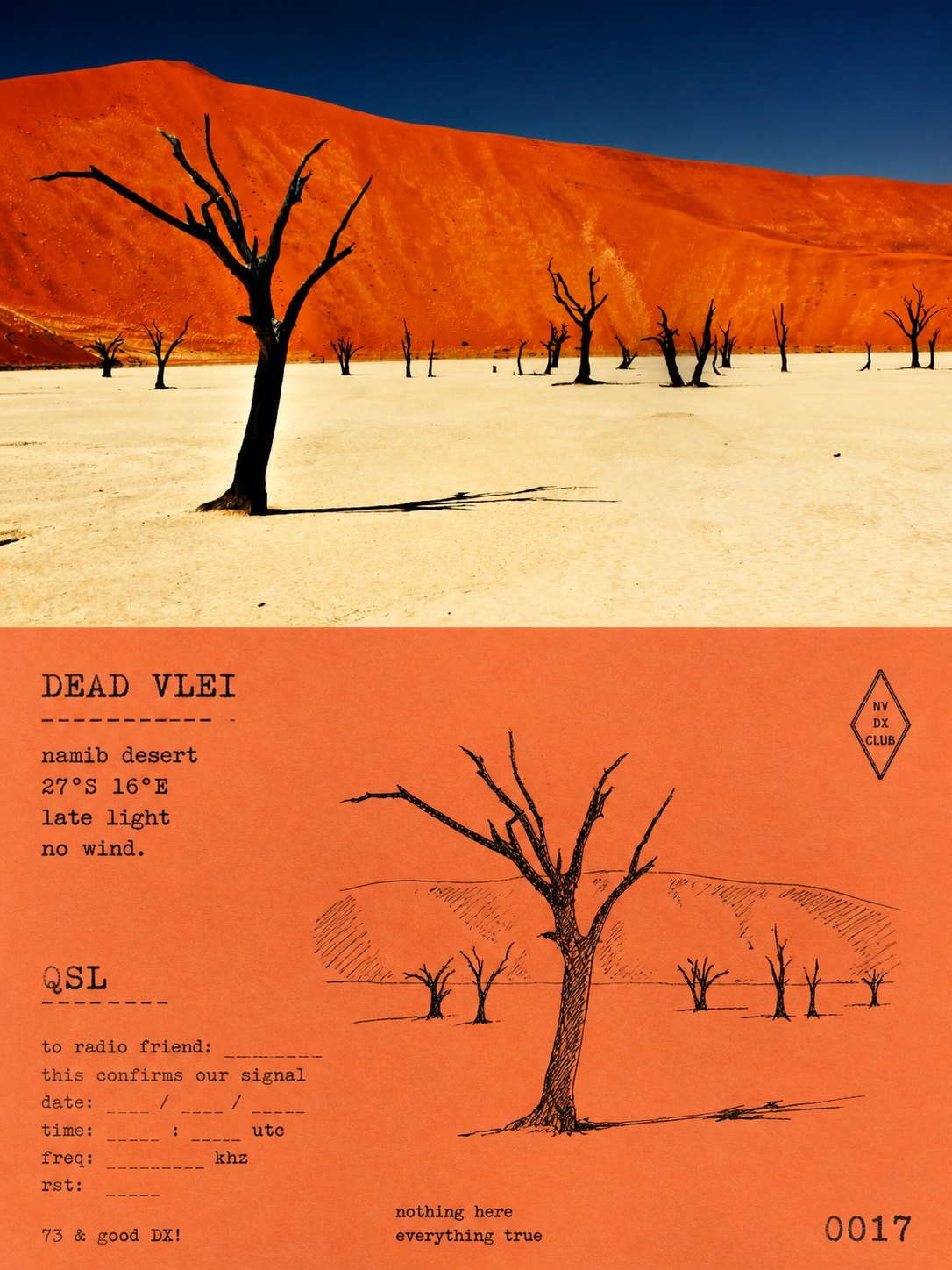
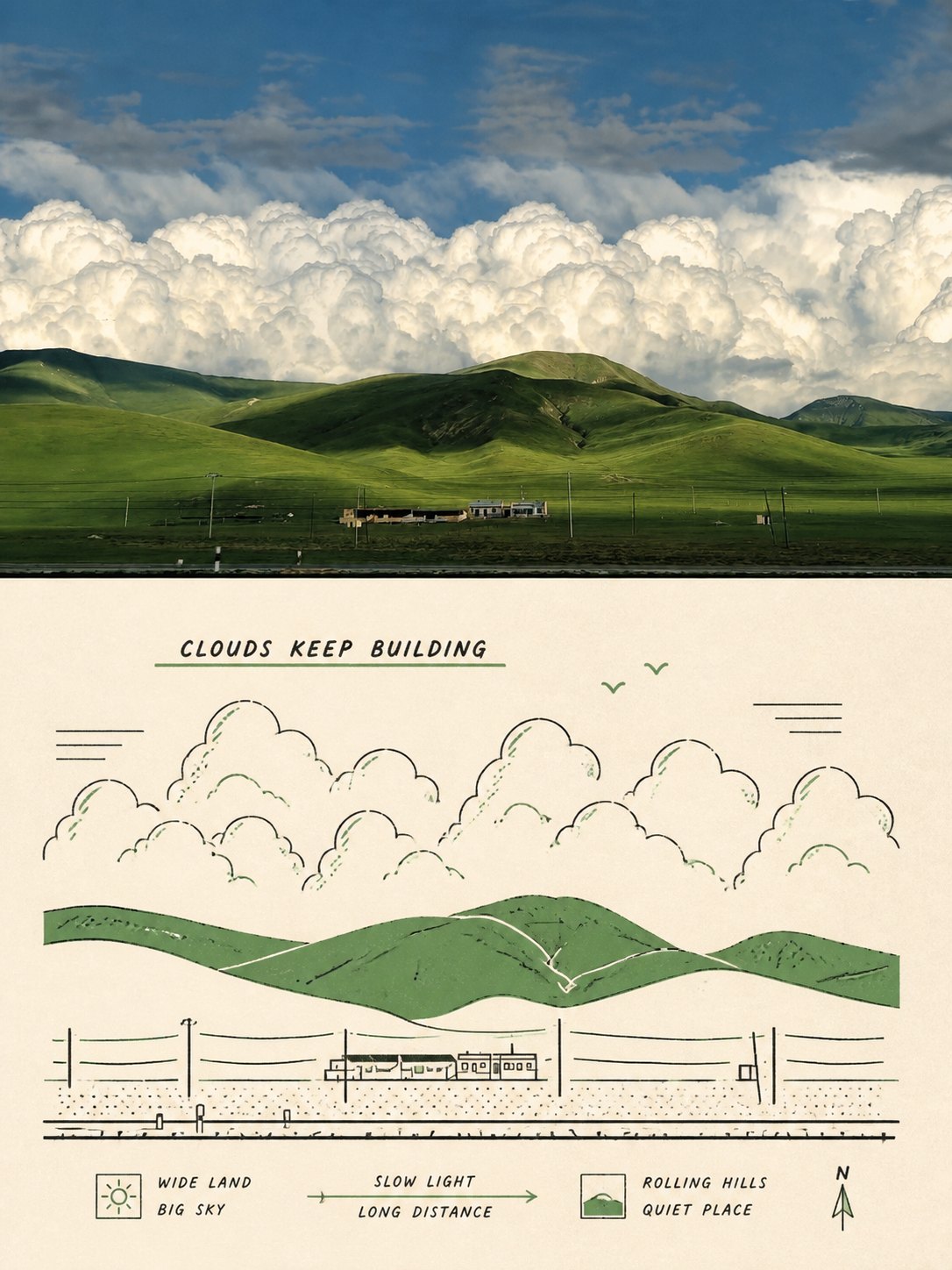
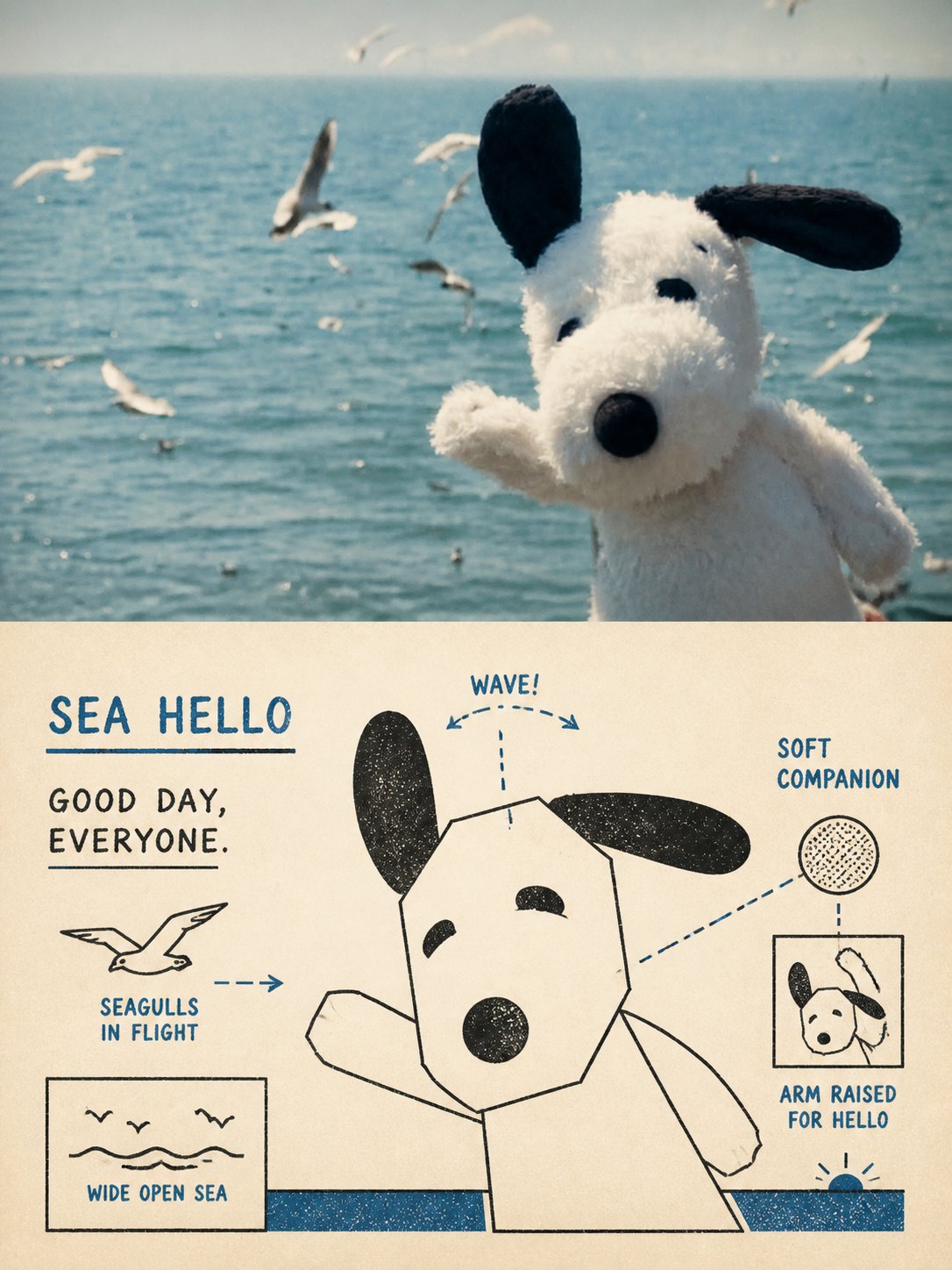
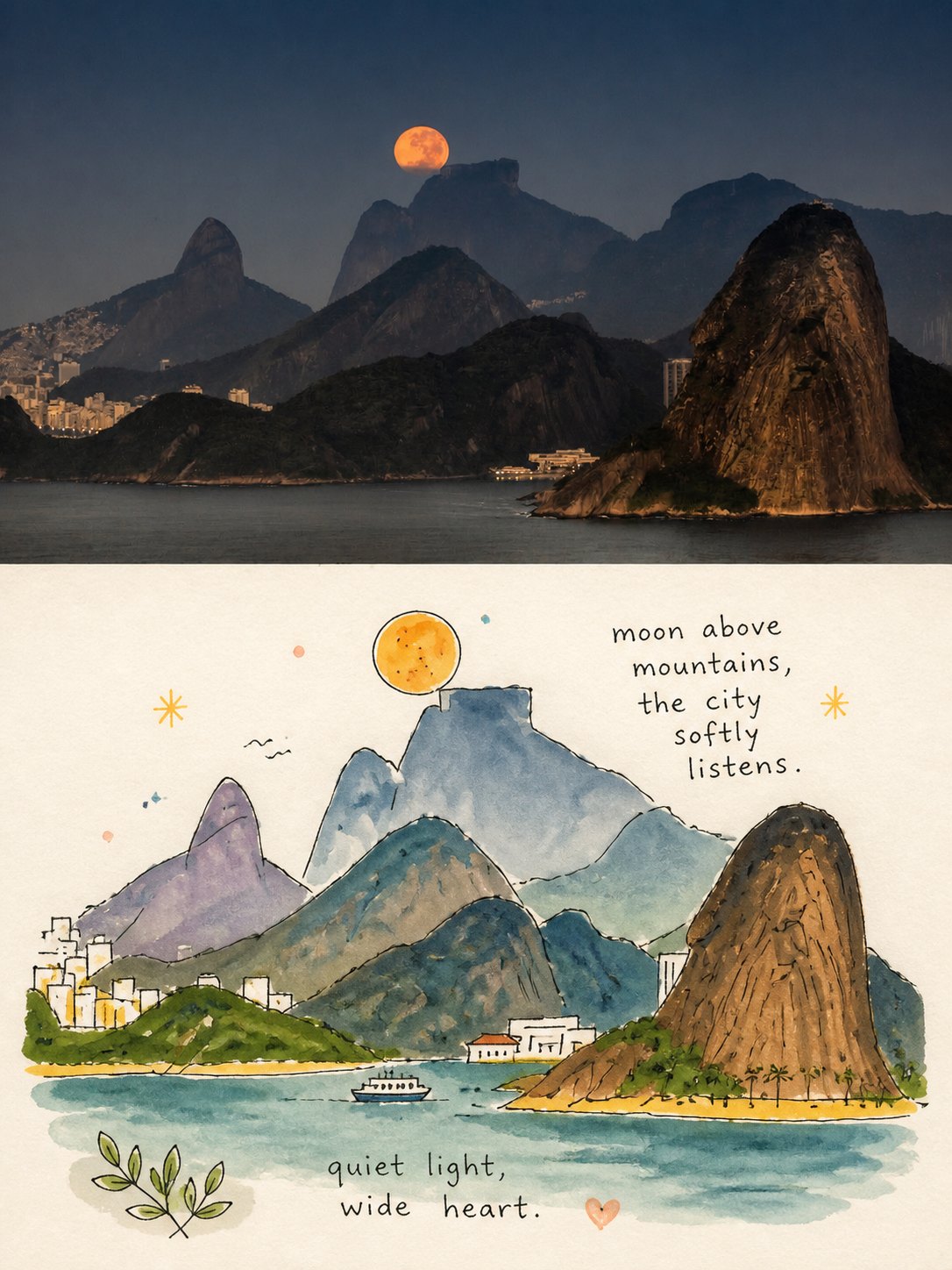
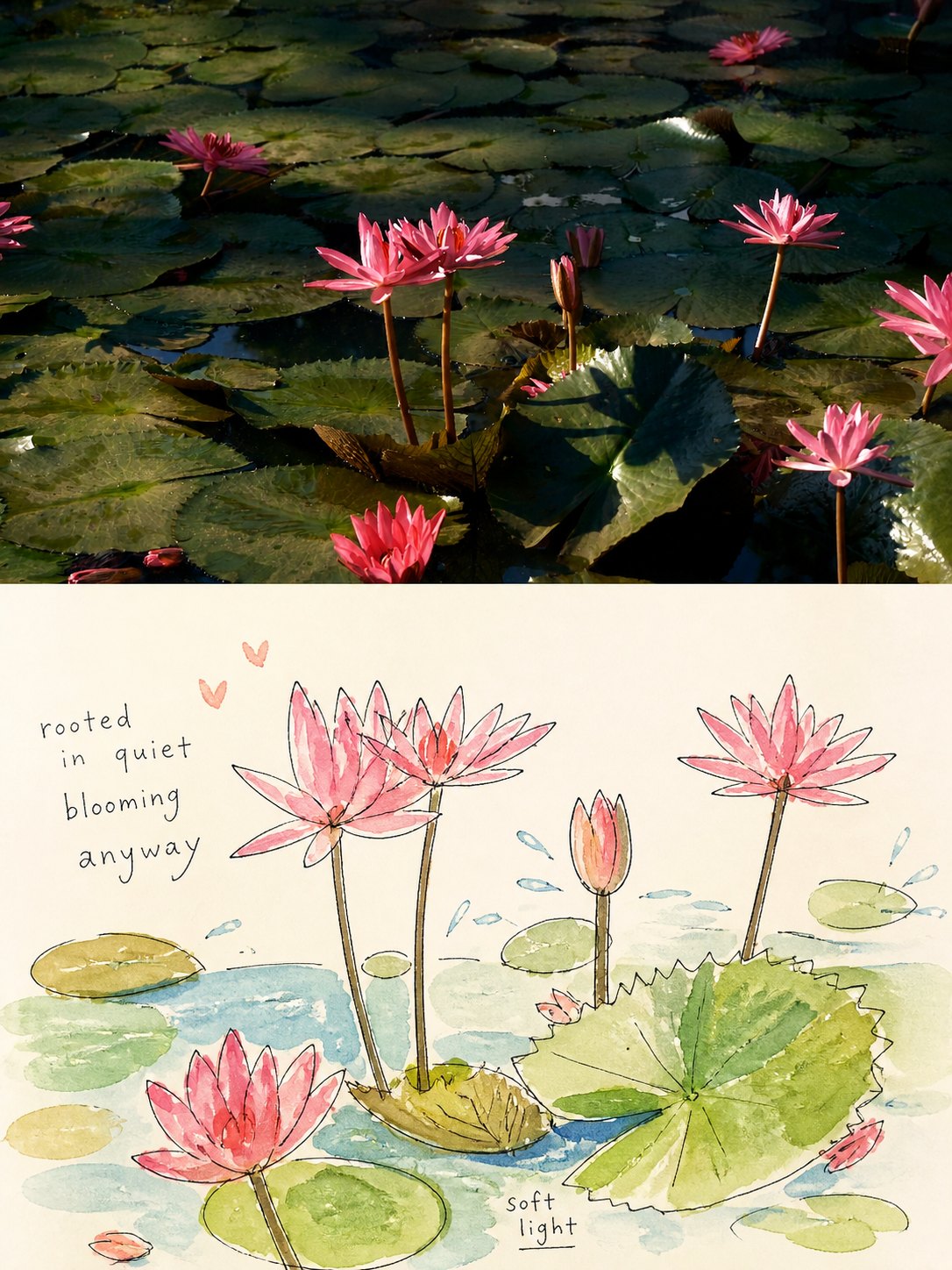
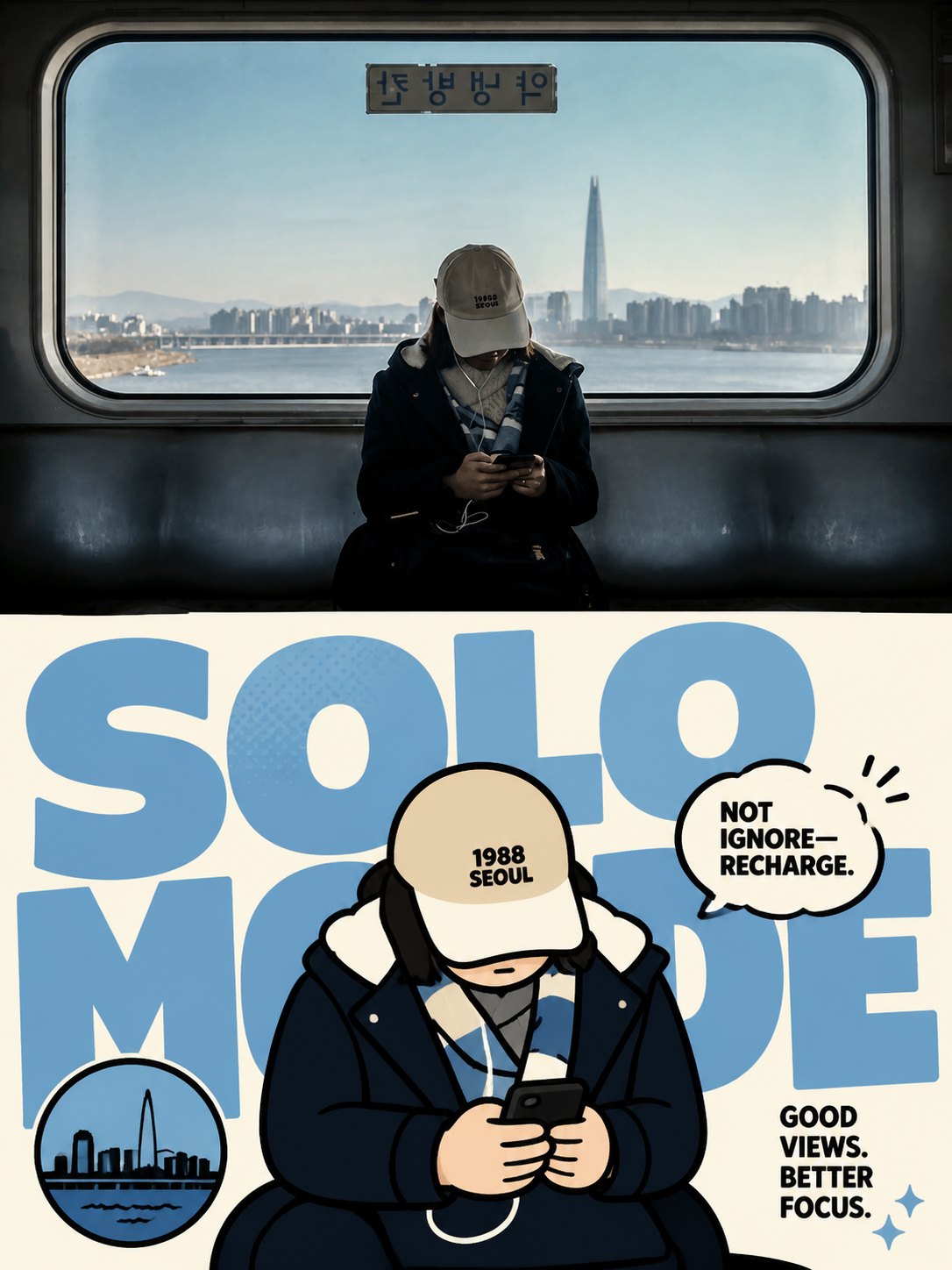
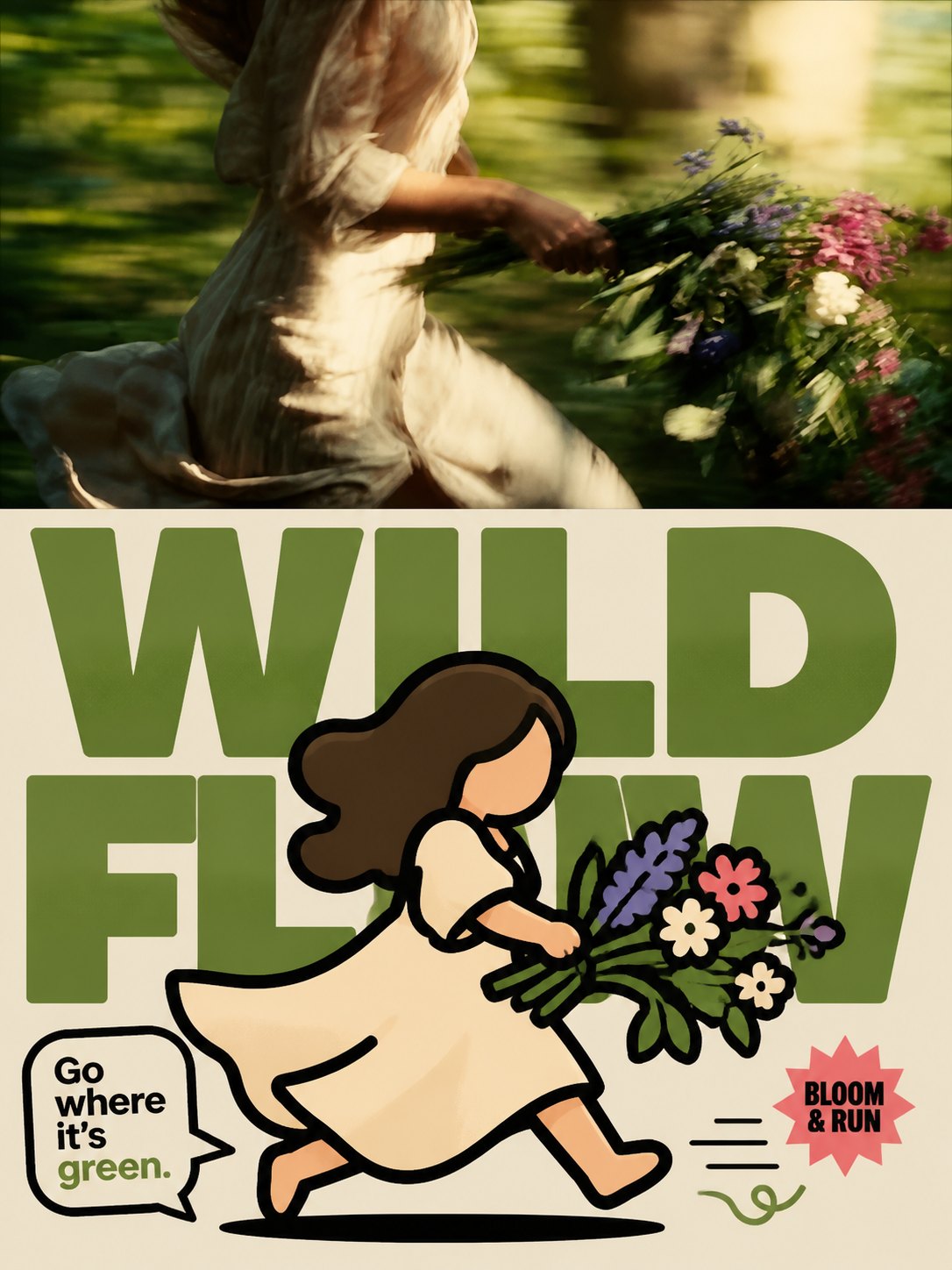
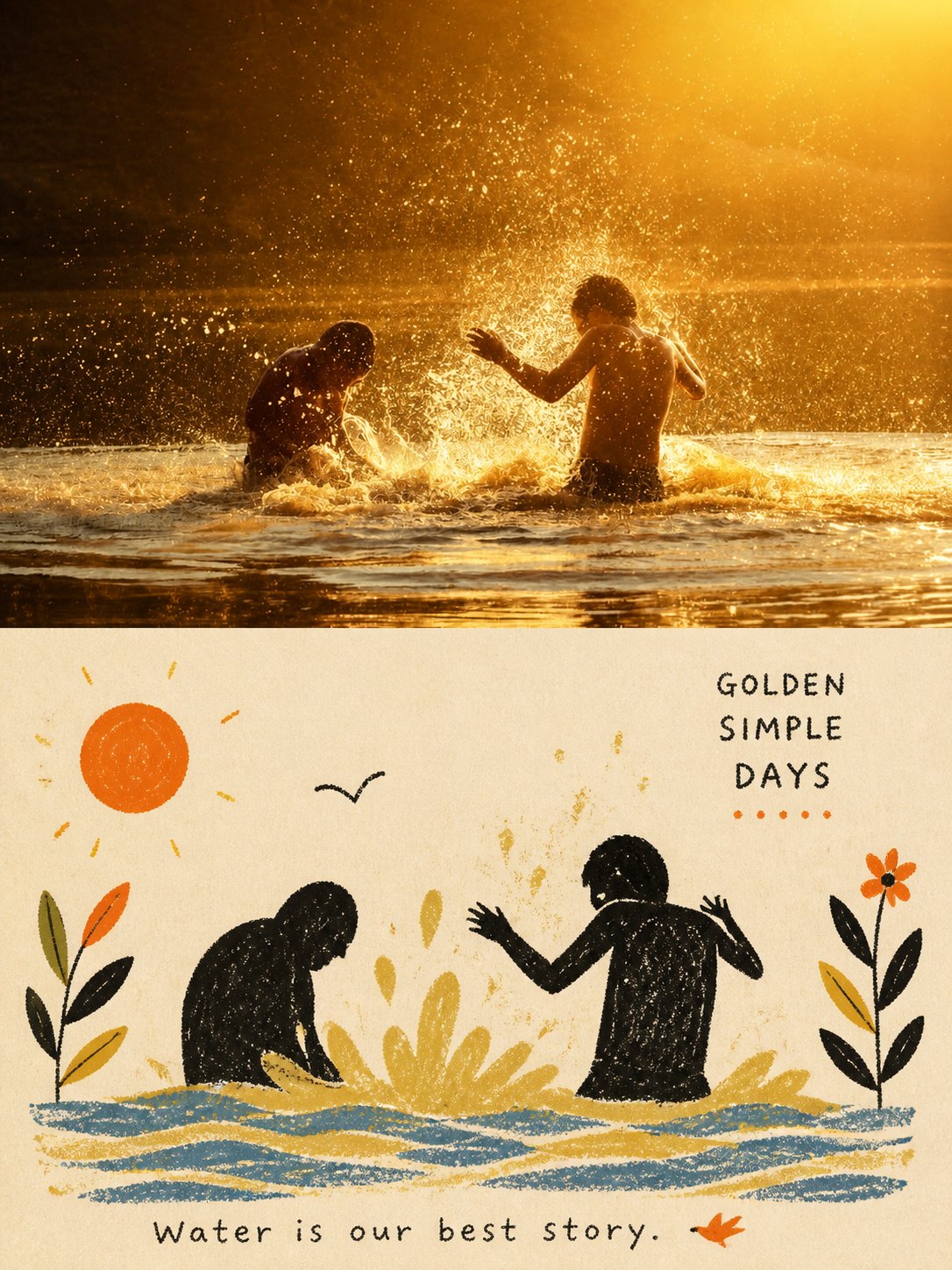
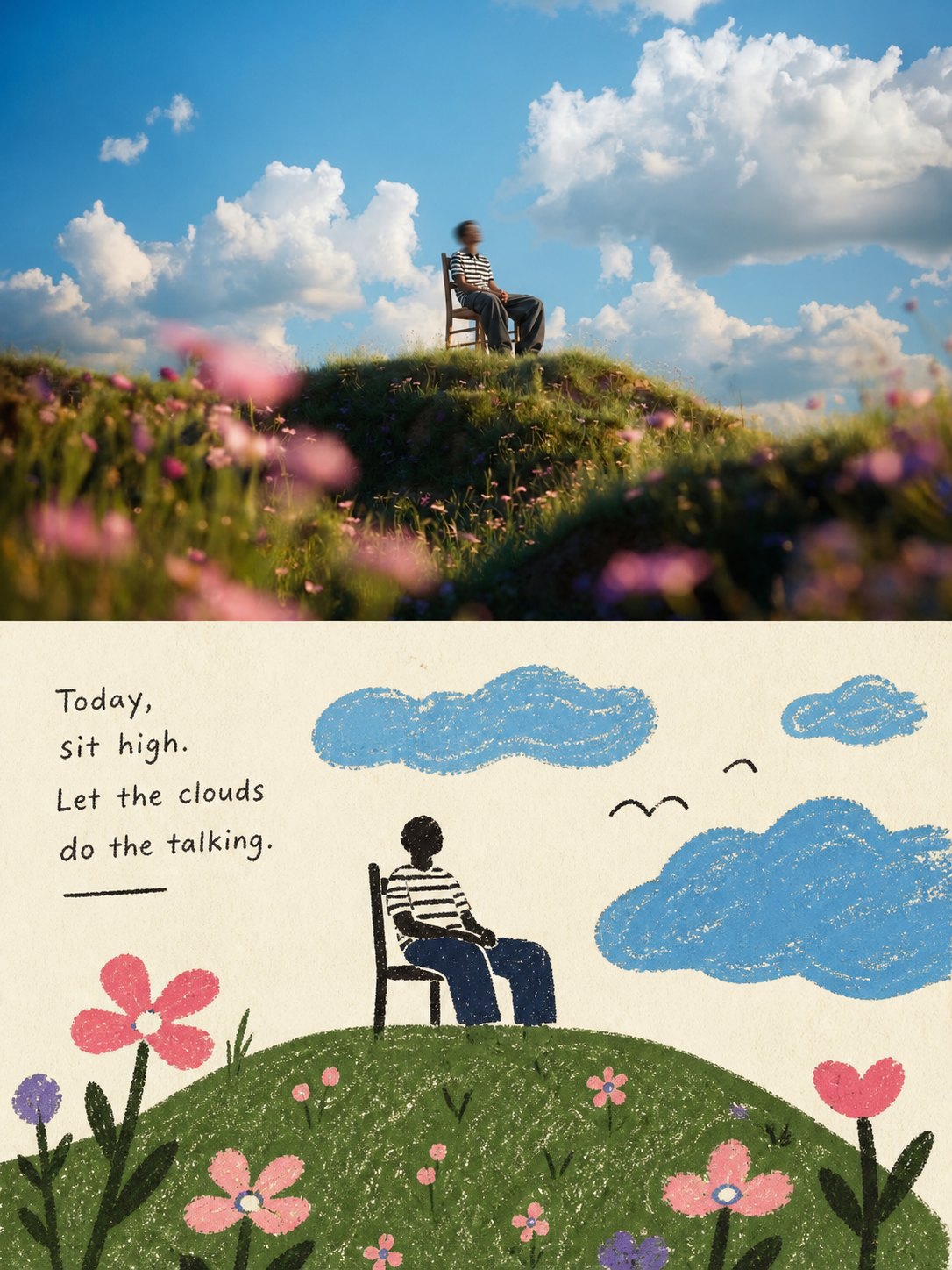
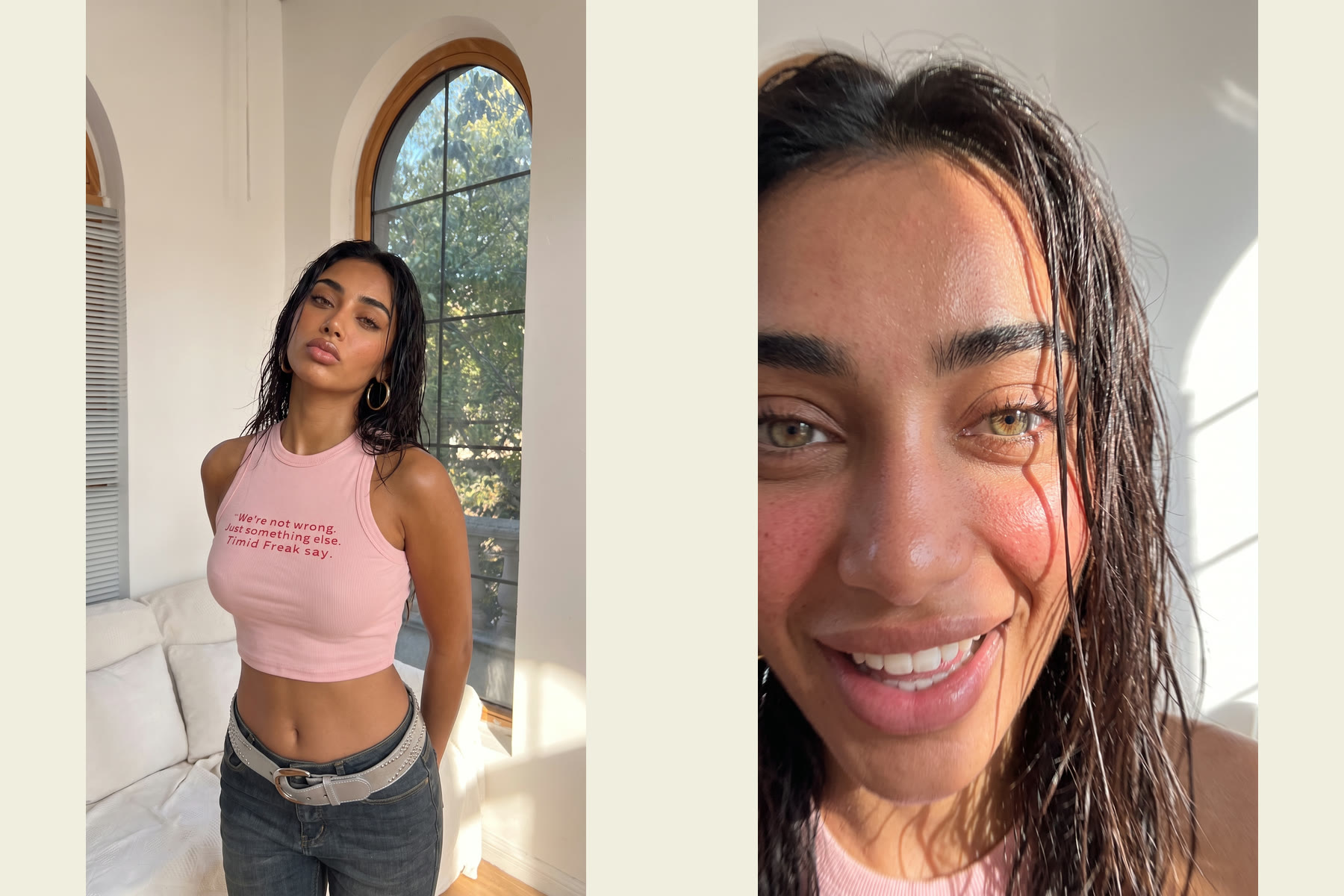
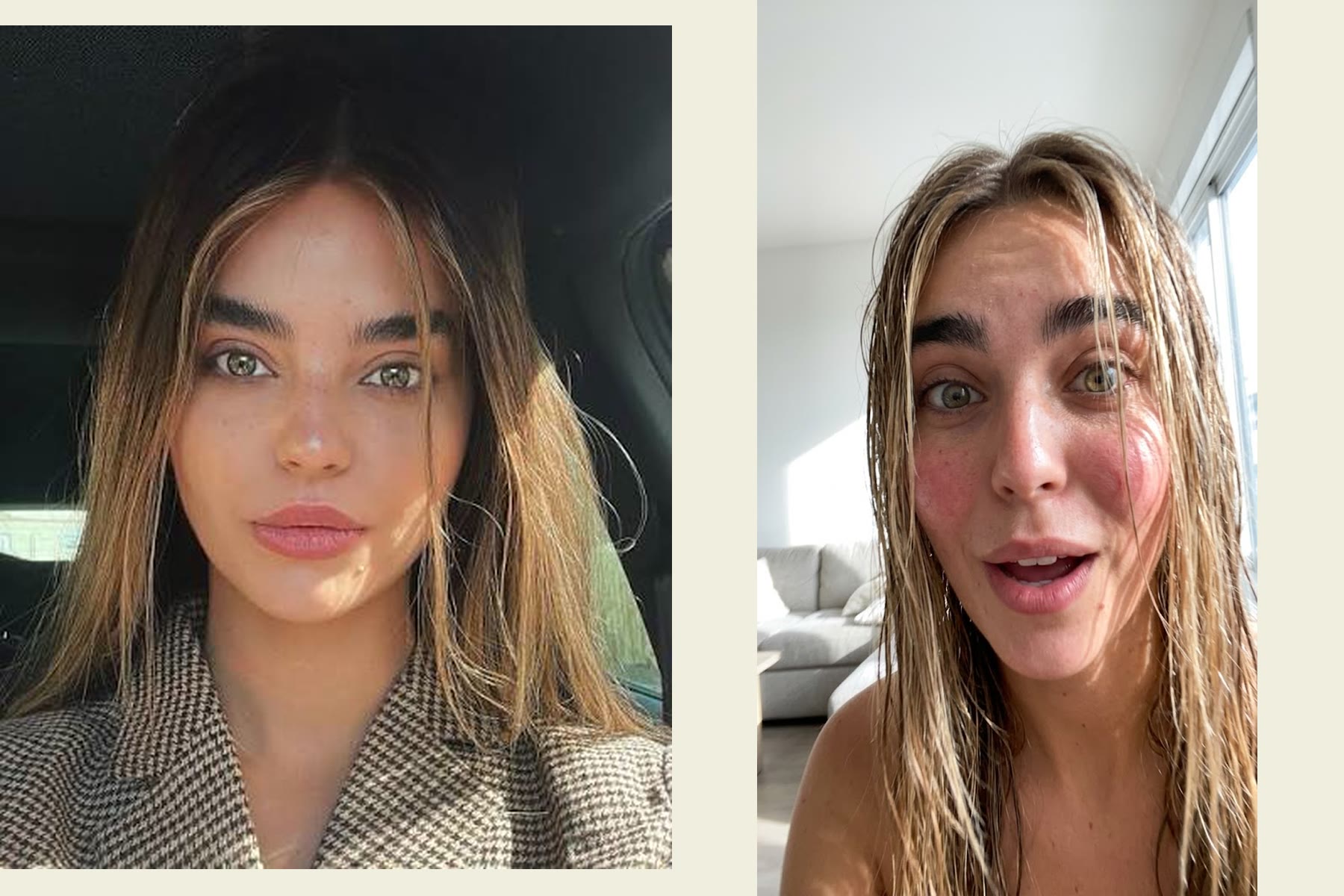
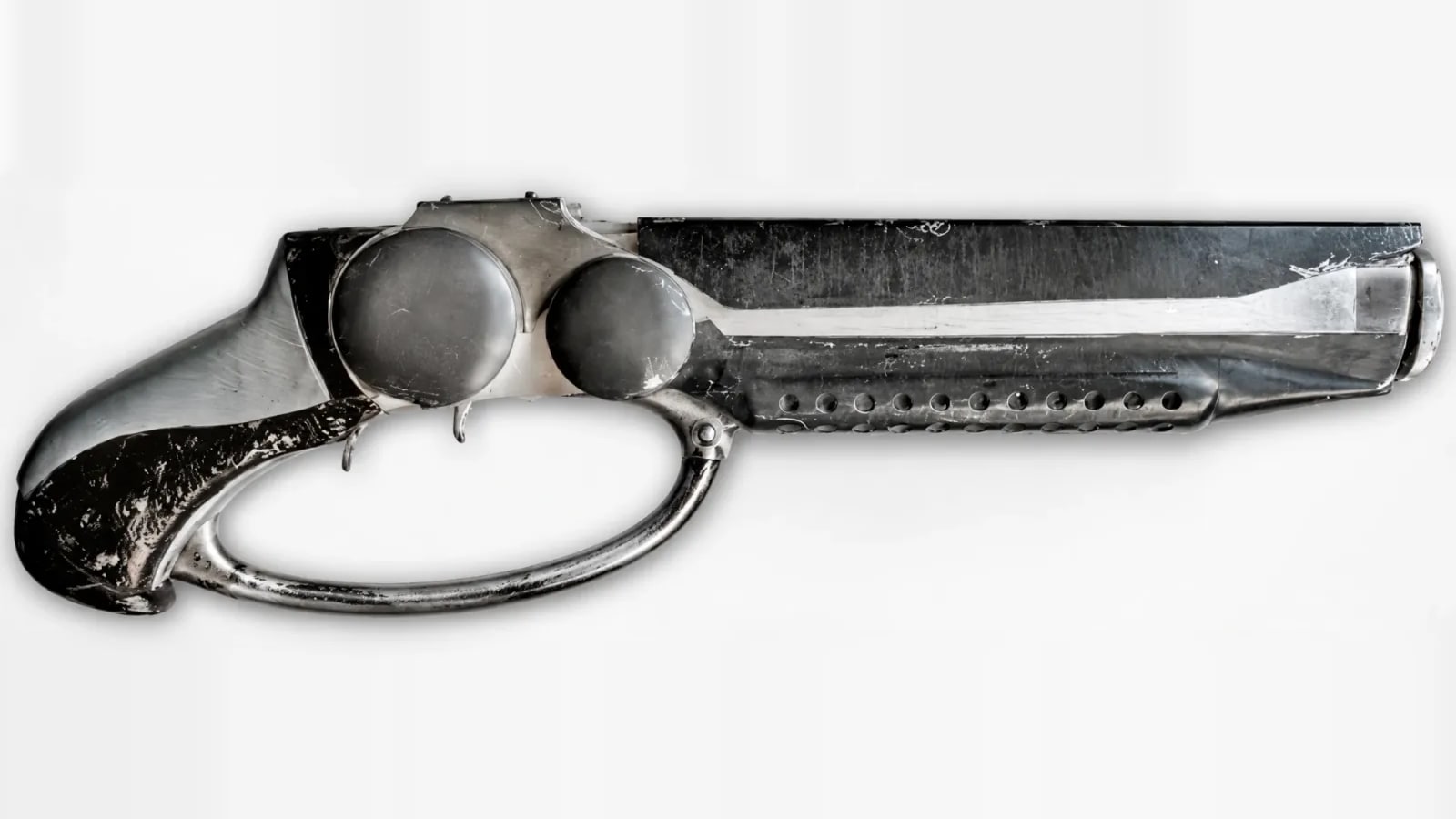
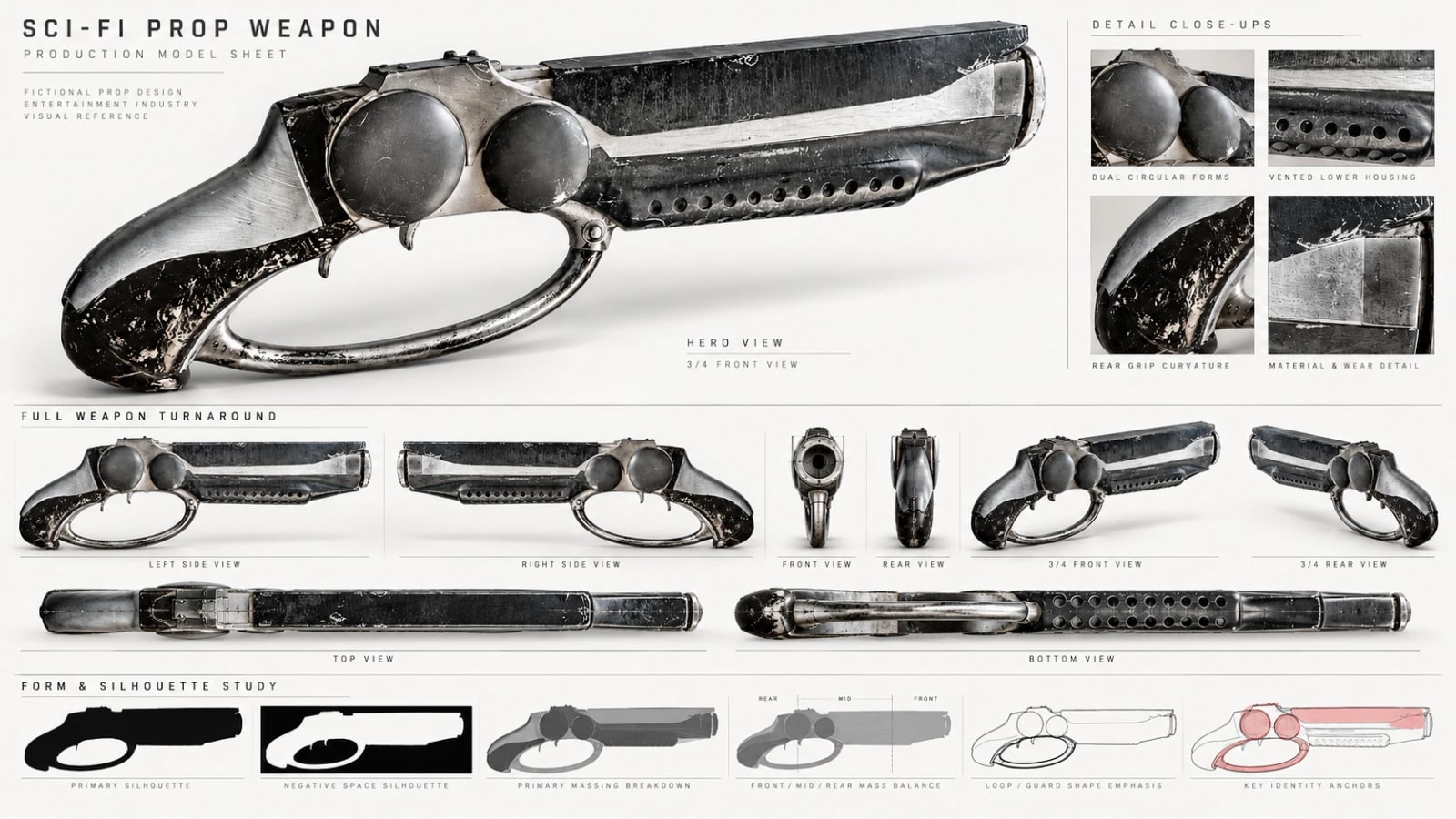
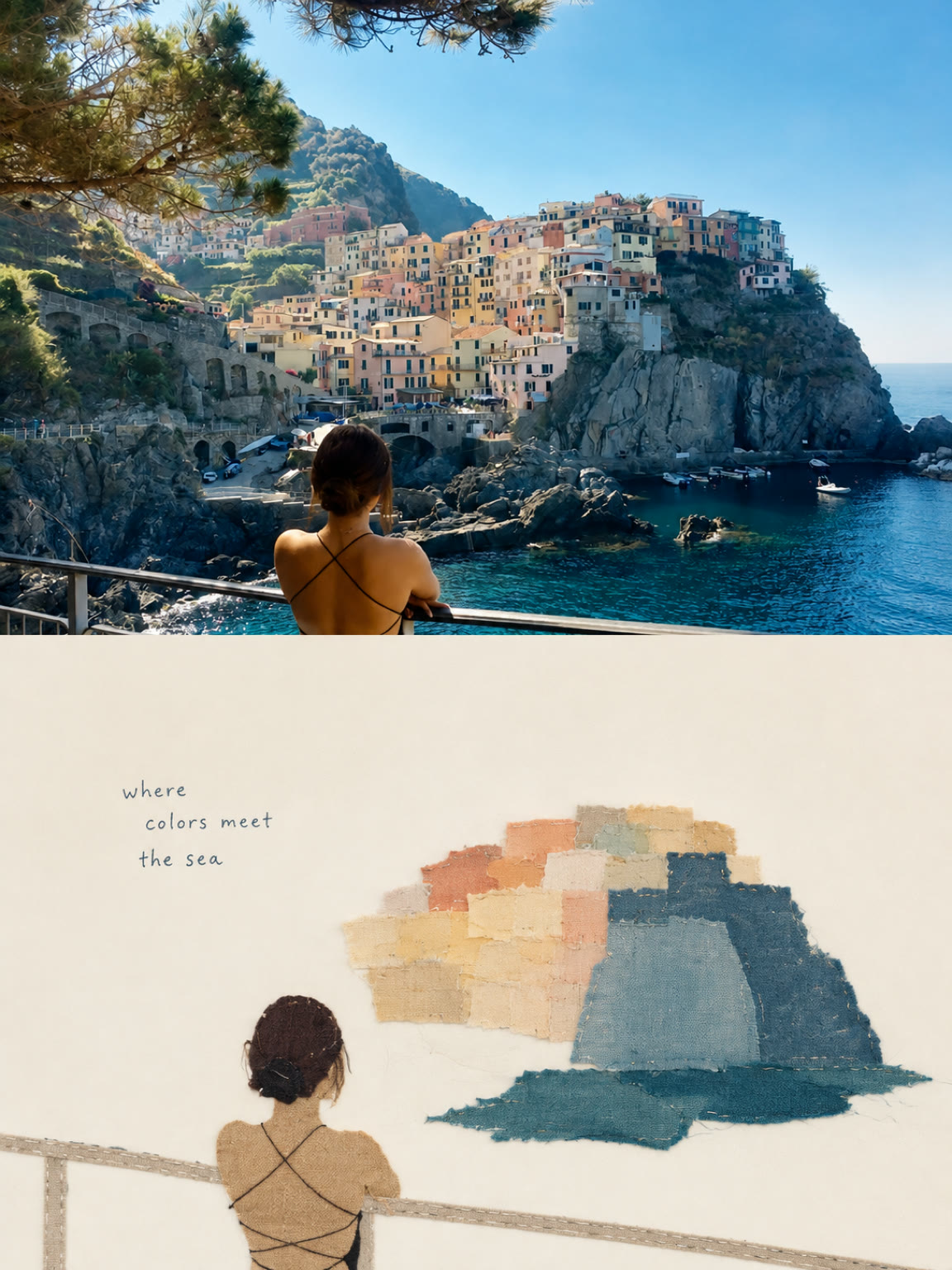
Fabric collage whitespace
GPT Image 2feltminimal
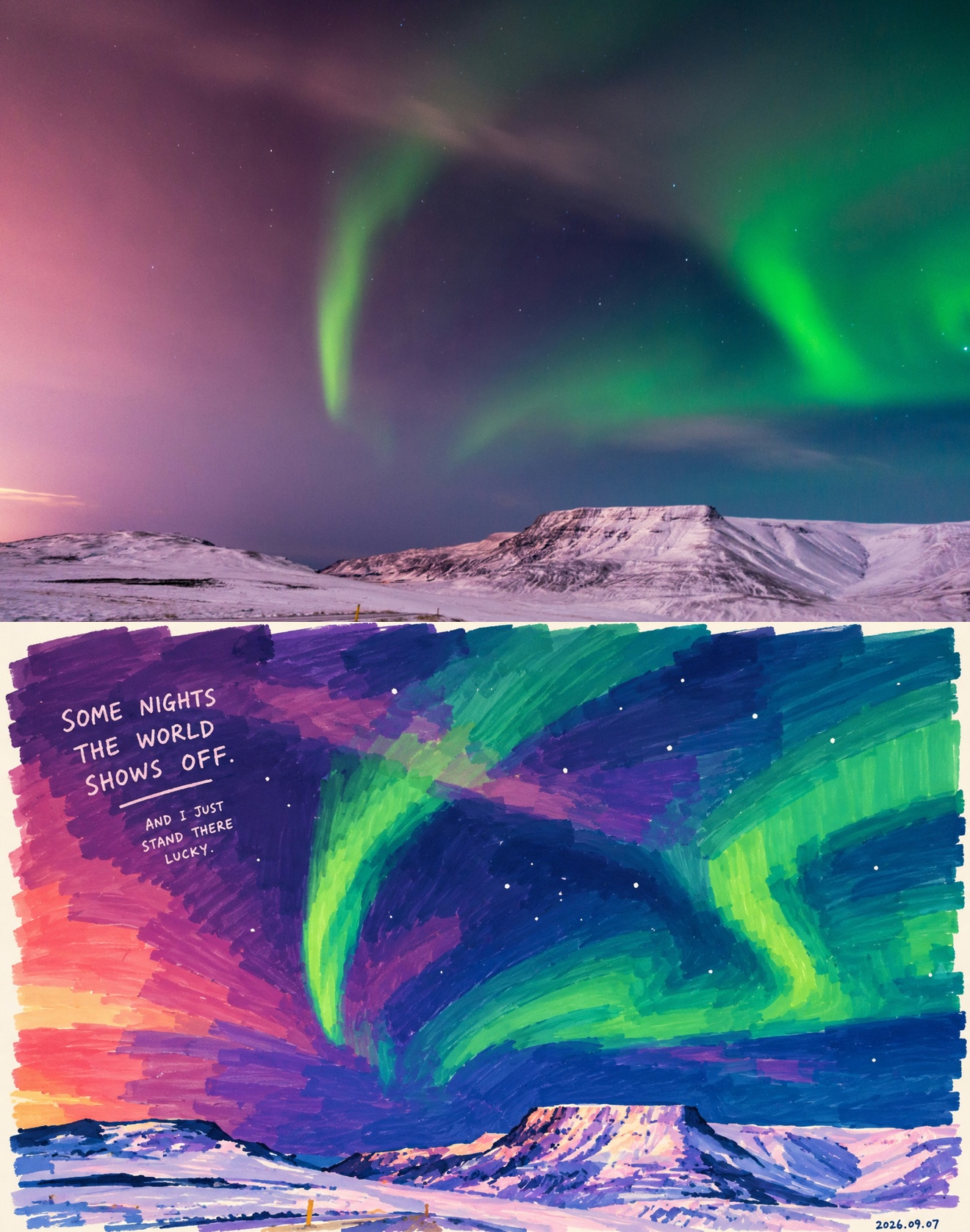
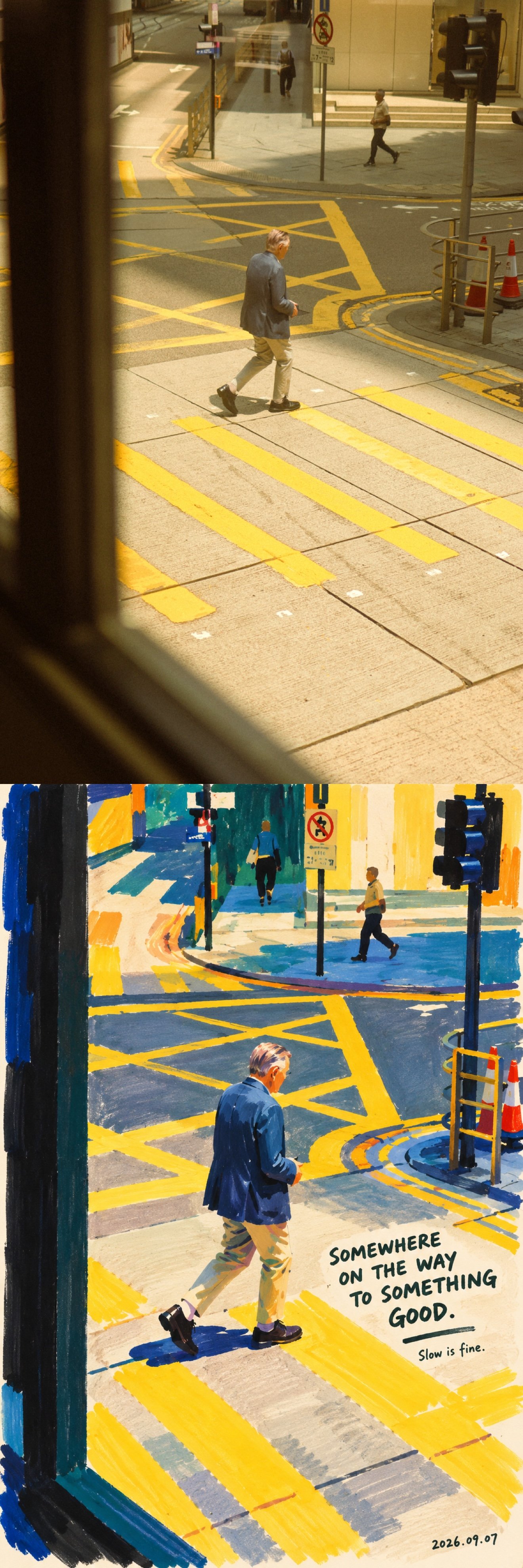
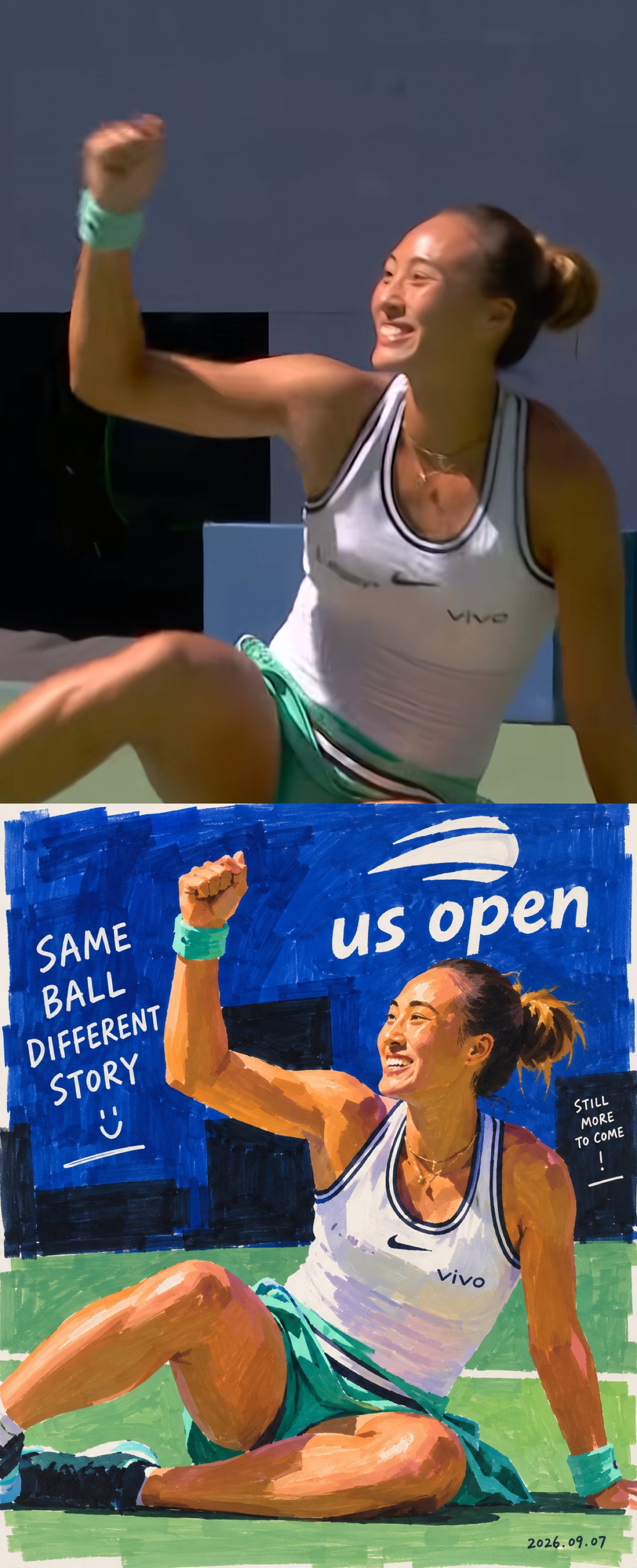
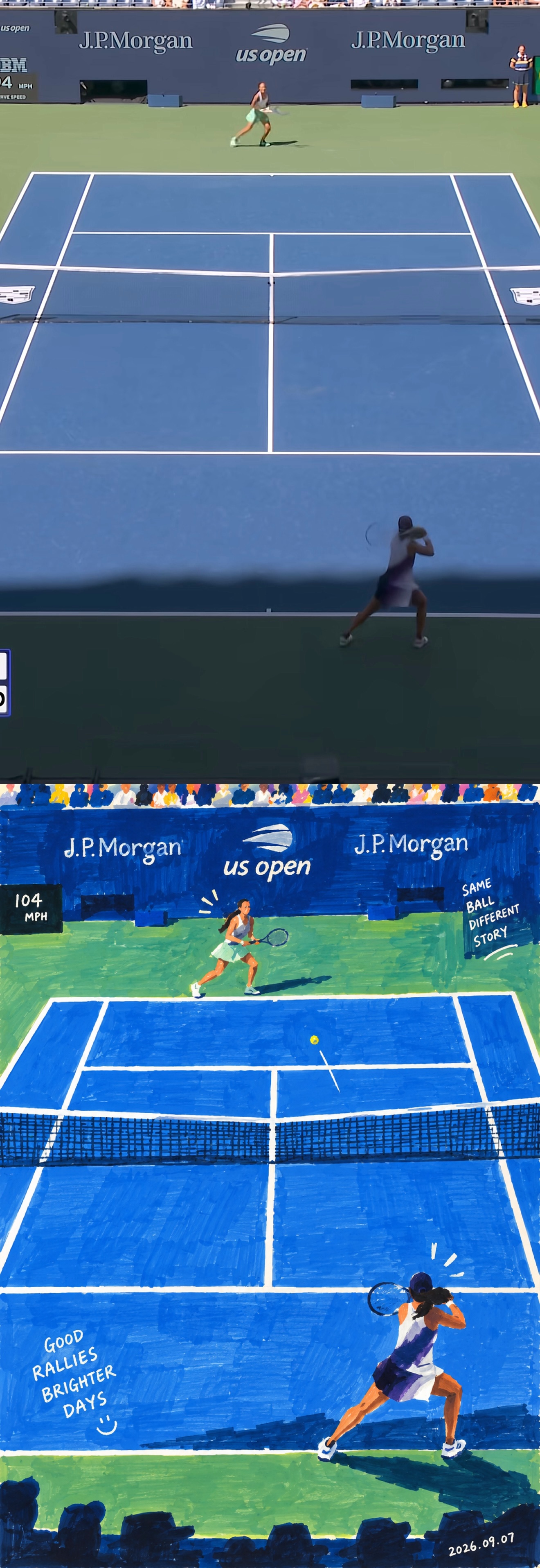
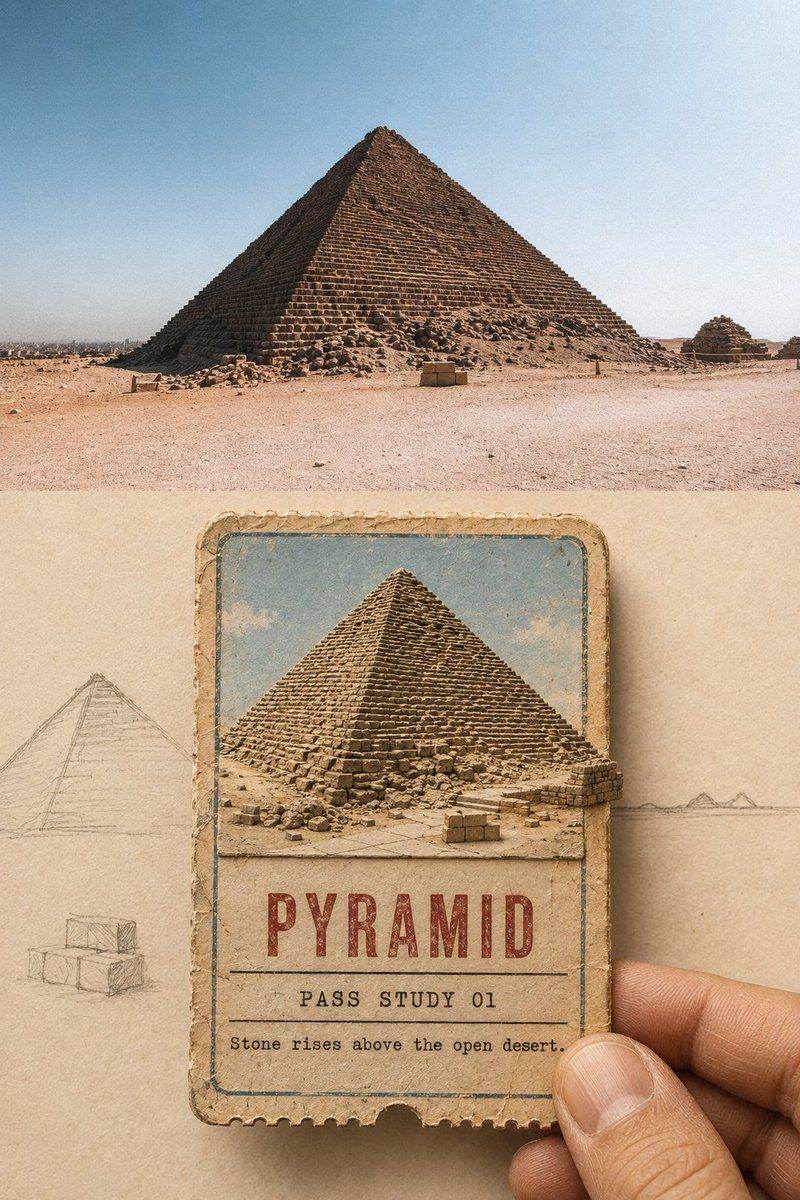
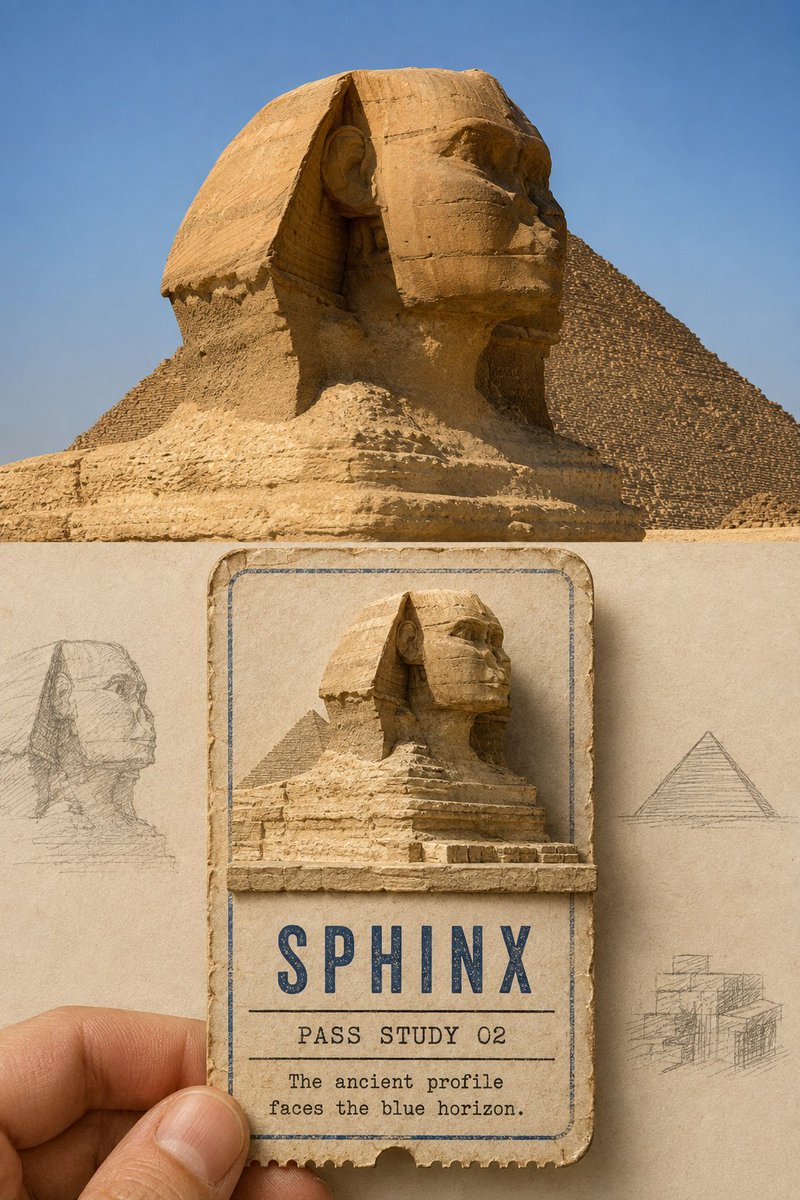
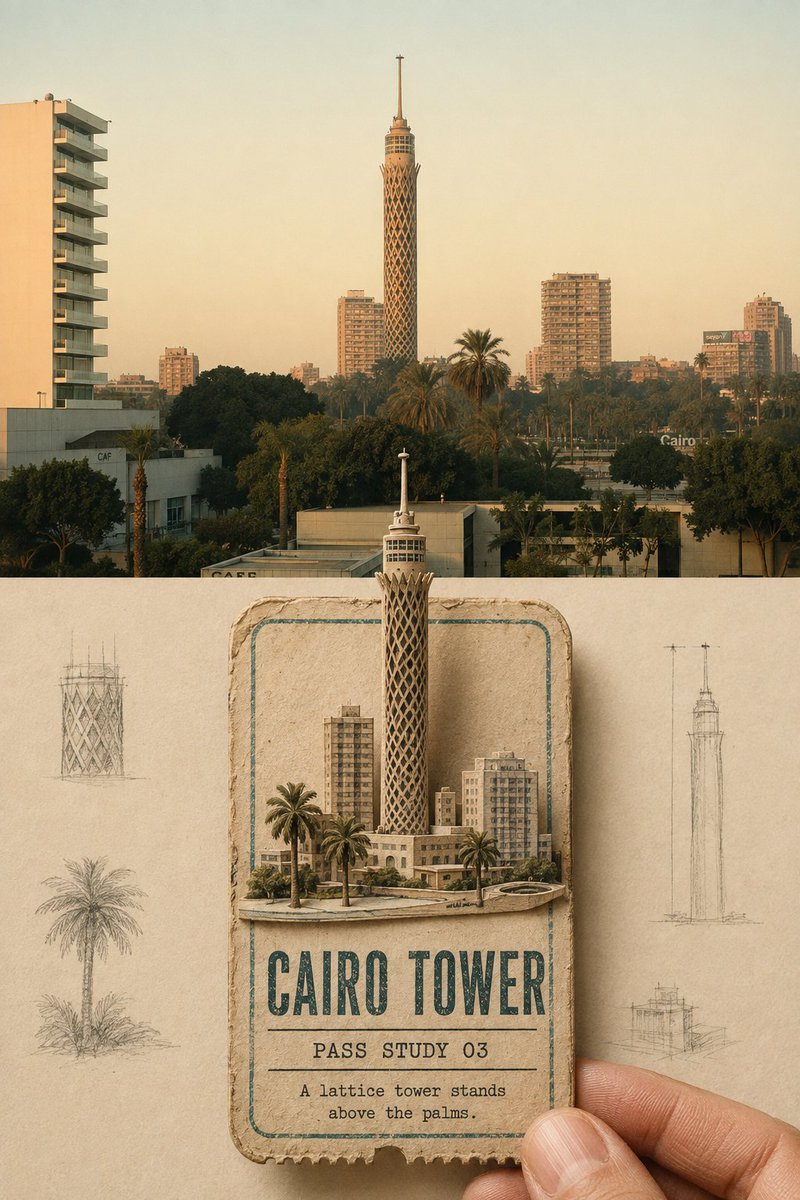
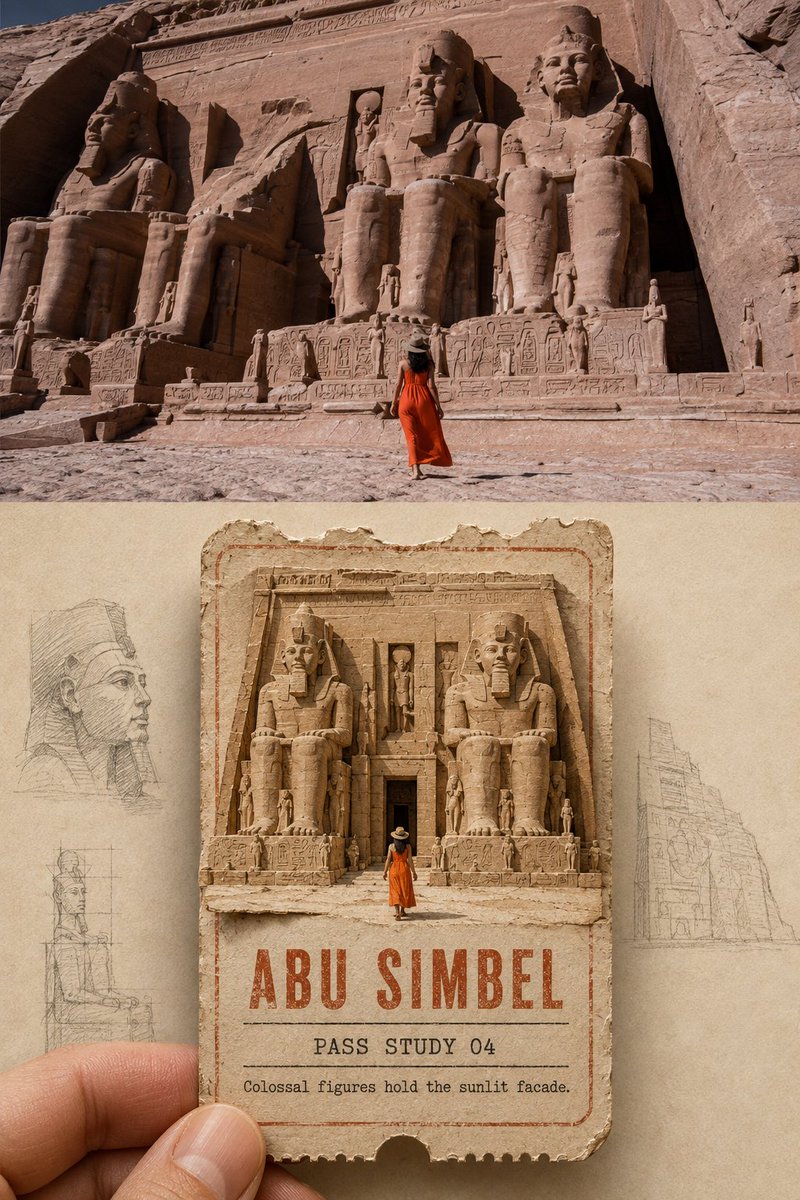
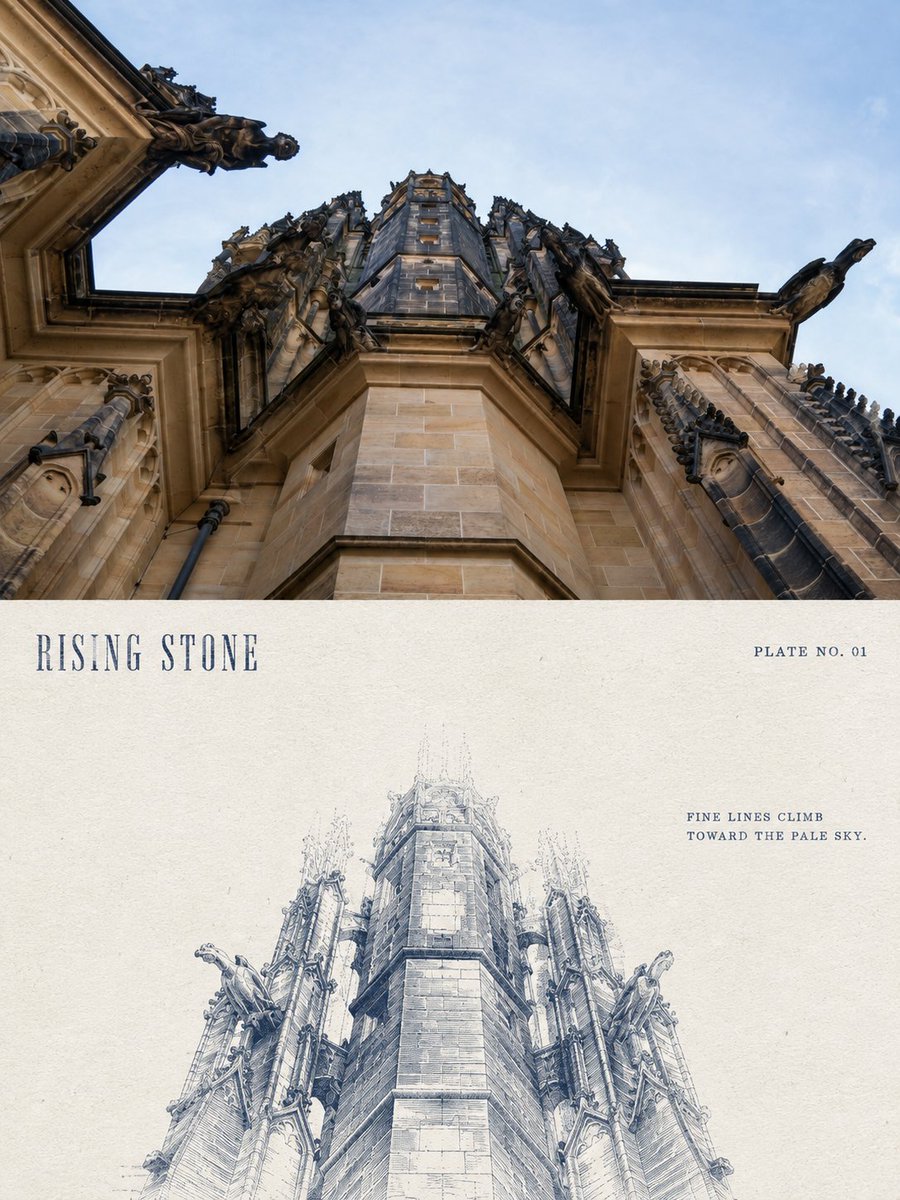
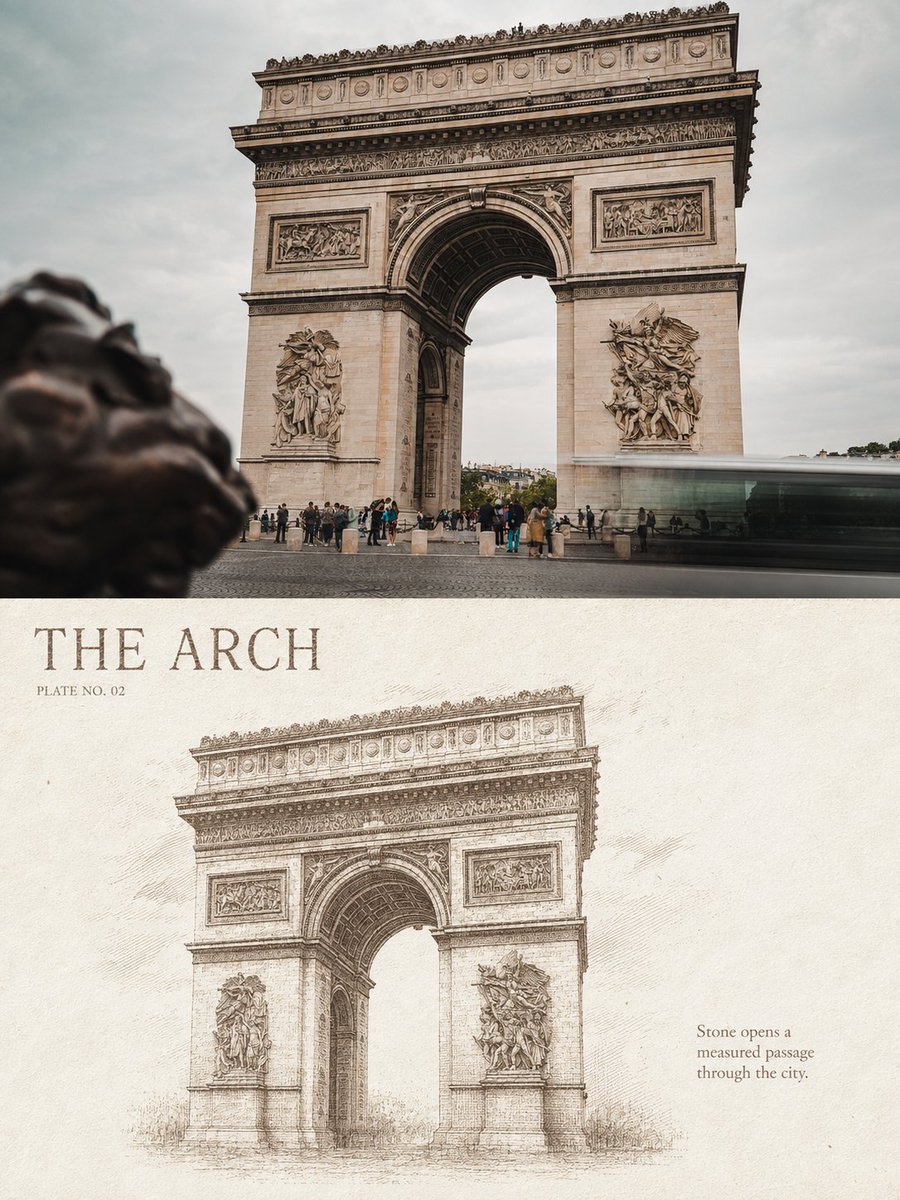
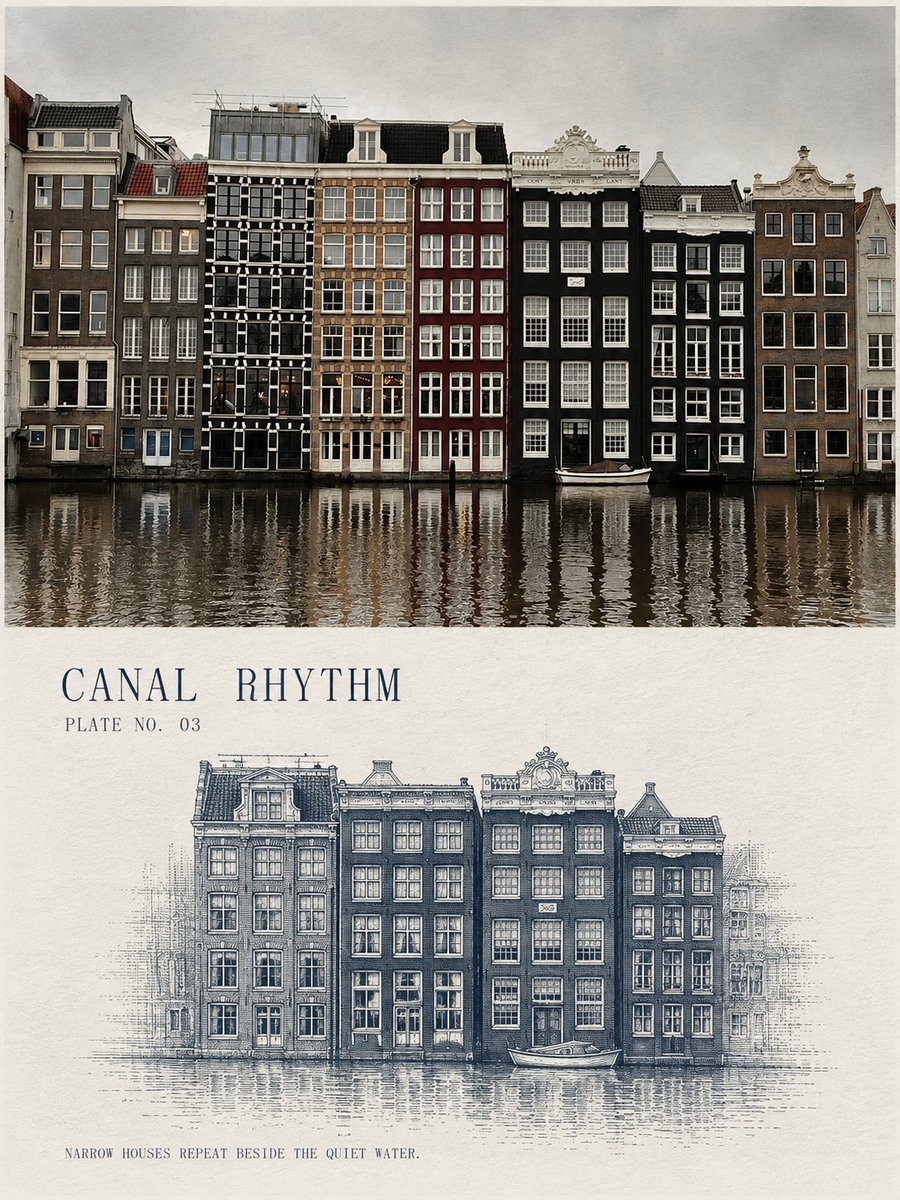
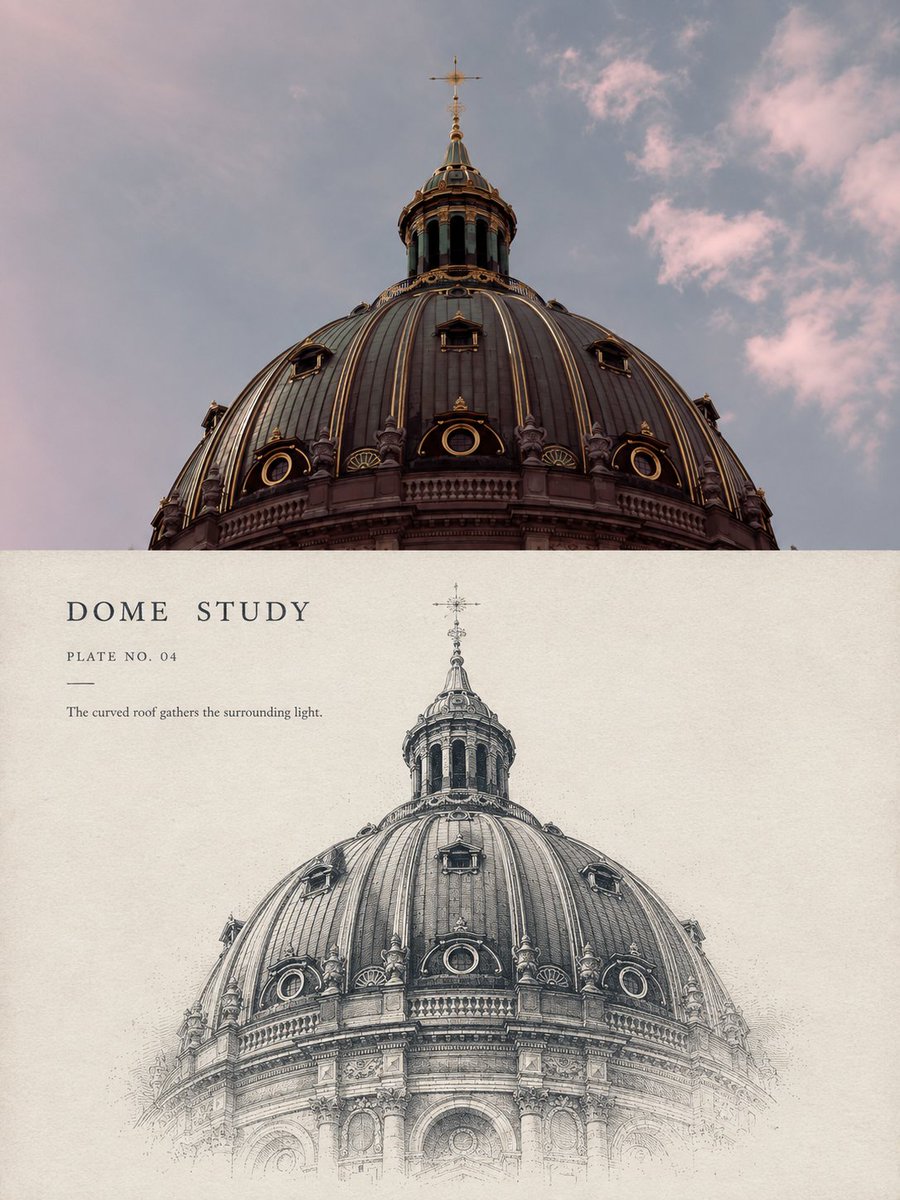
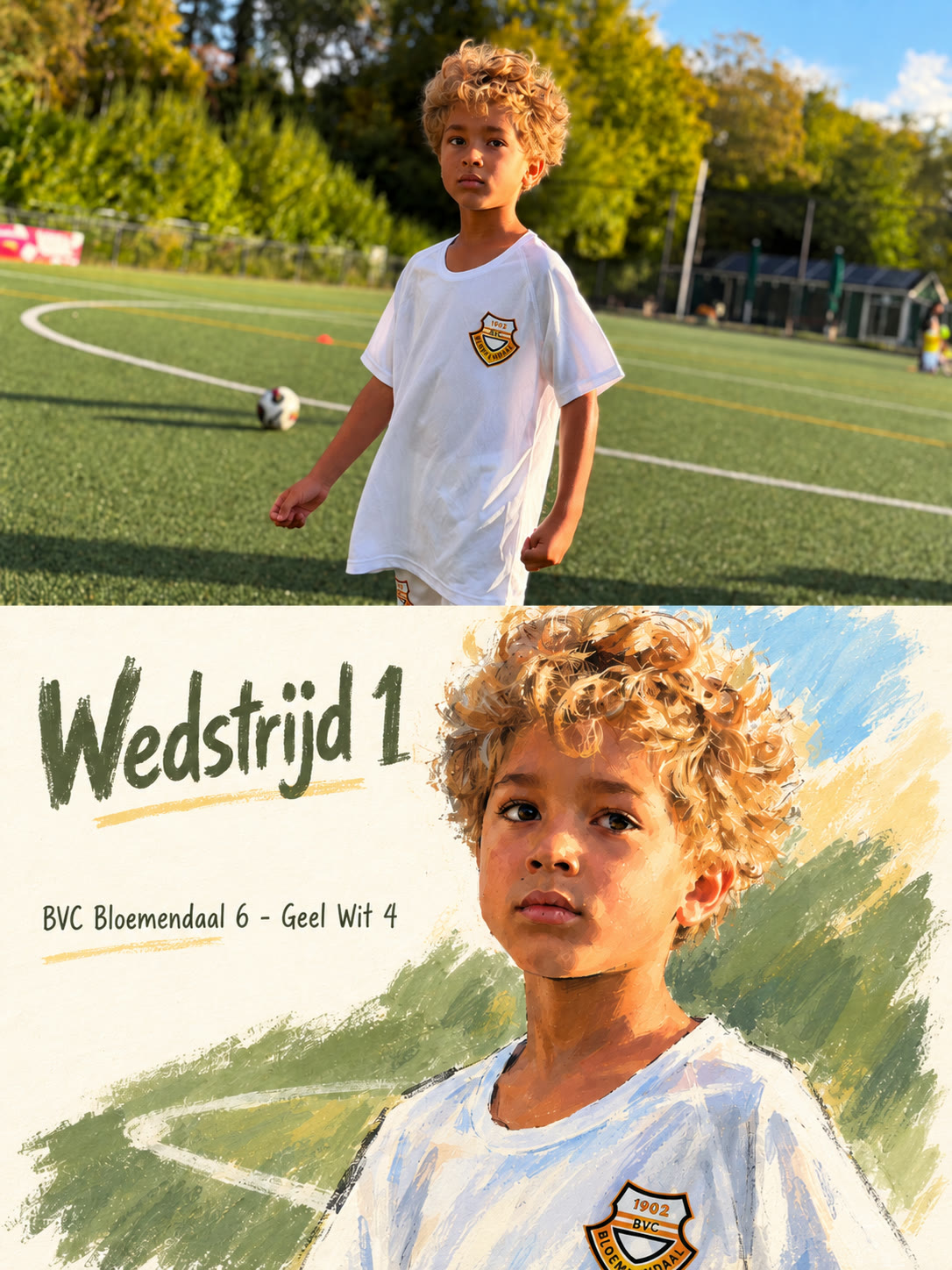
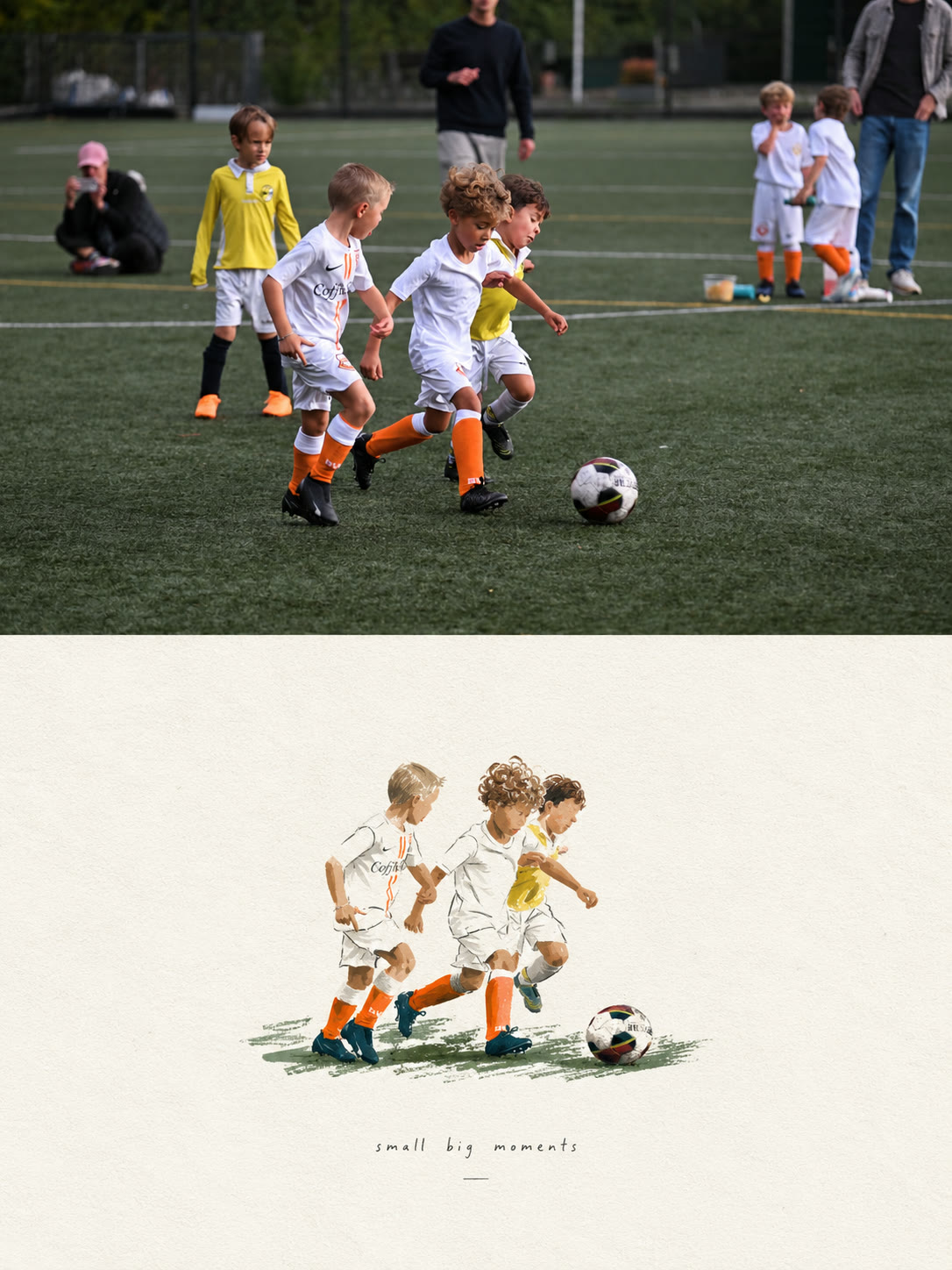
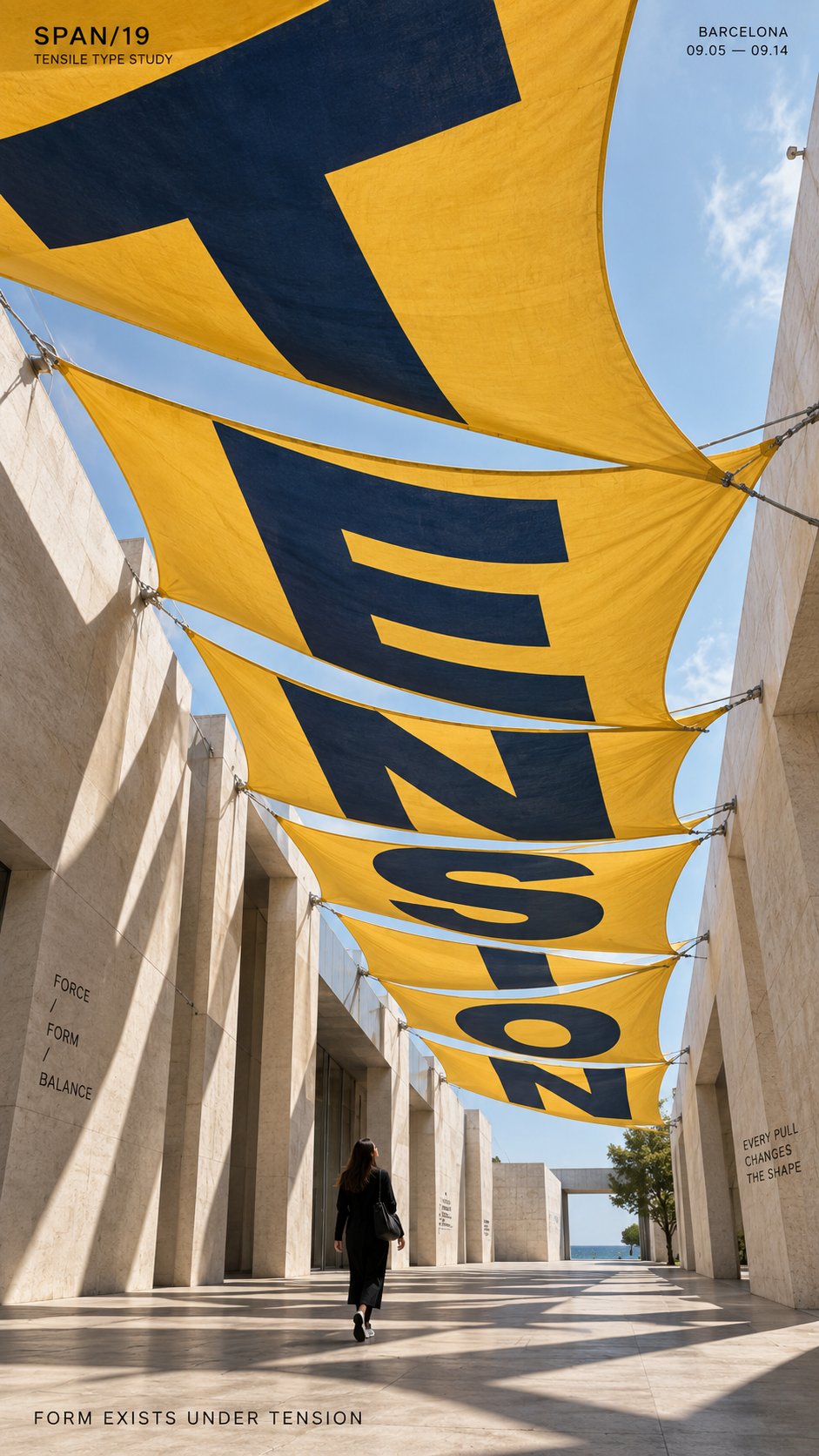
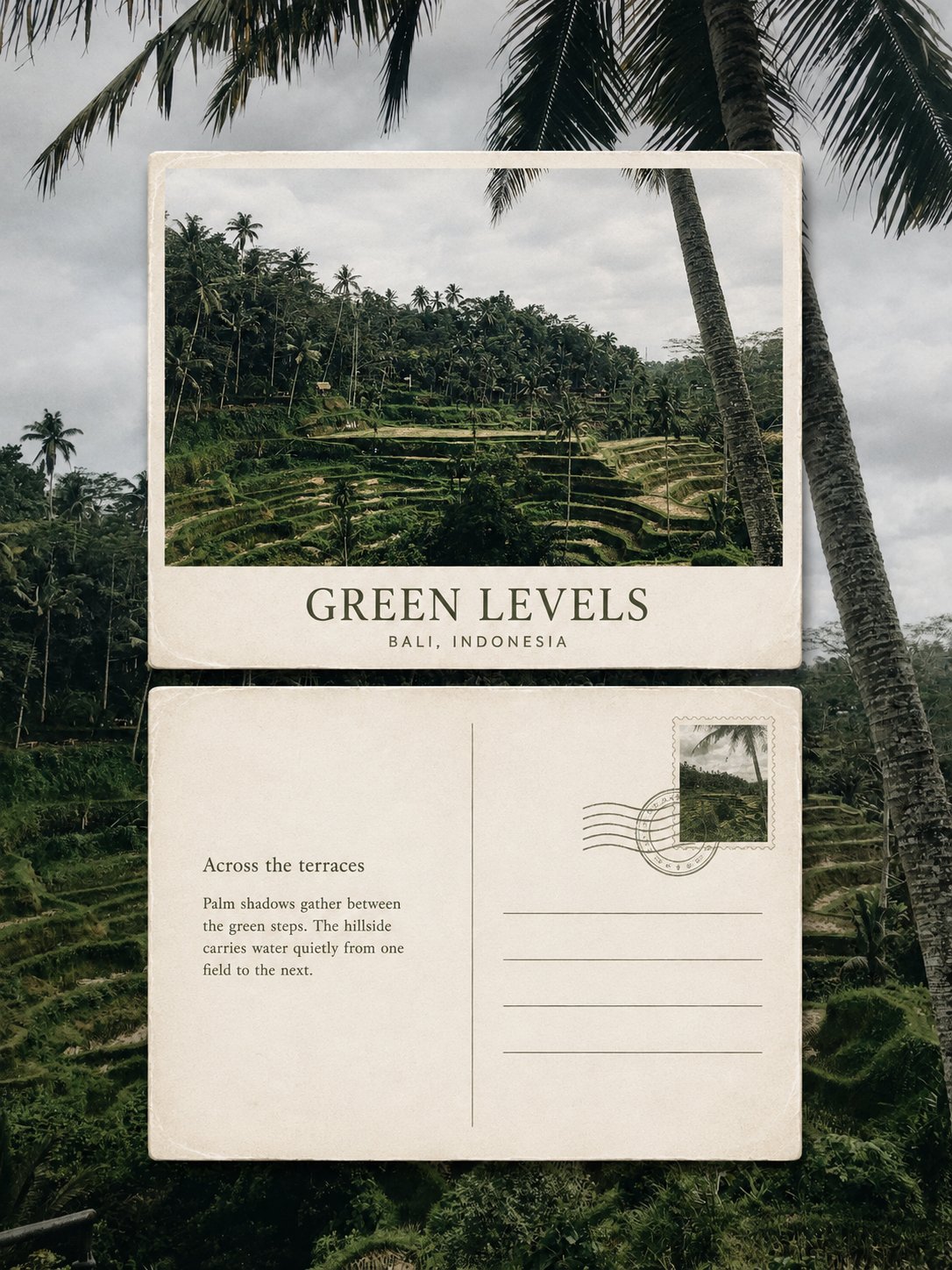
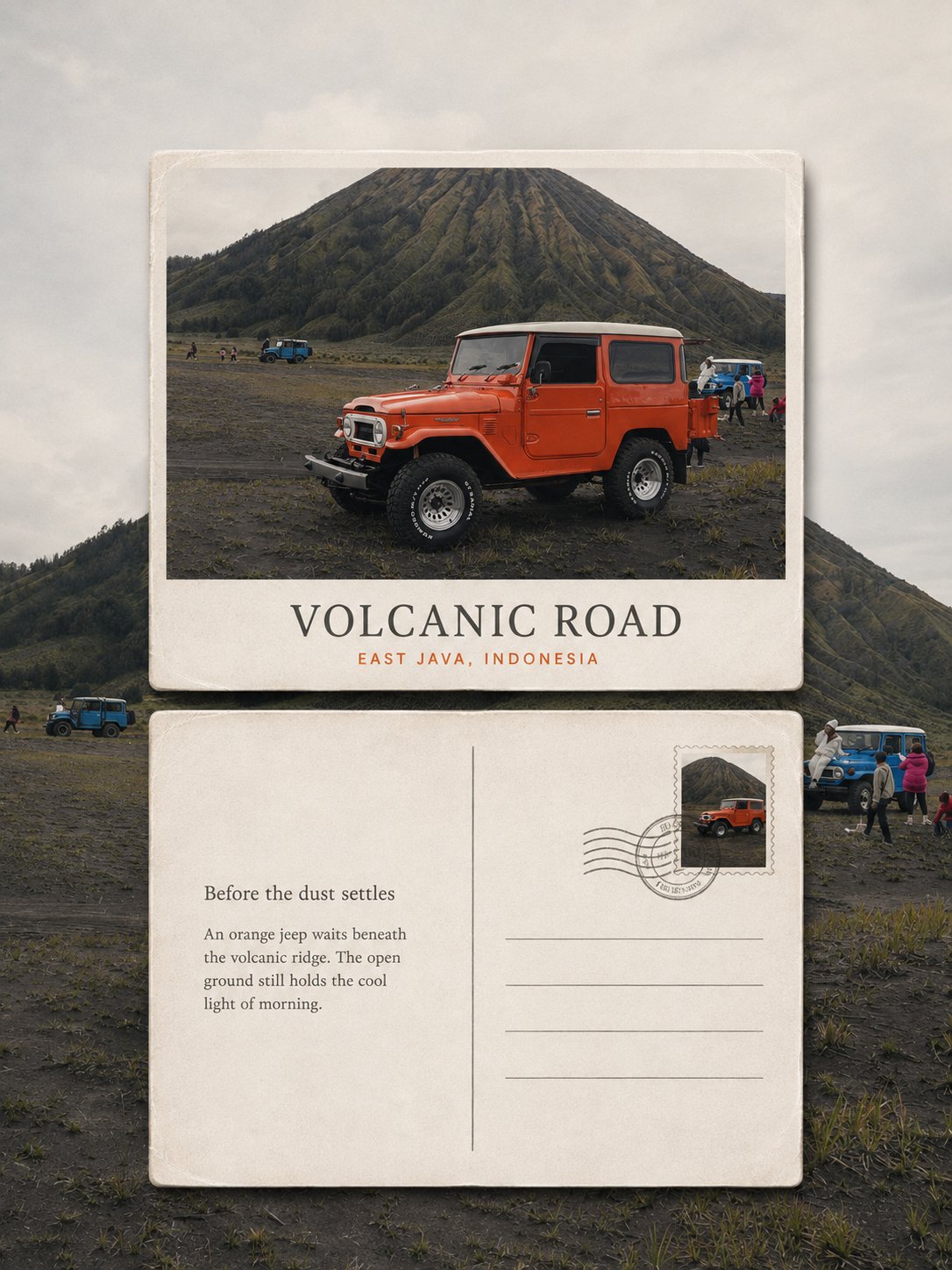
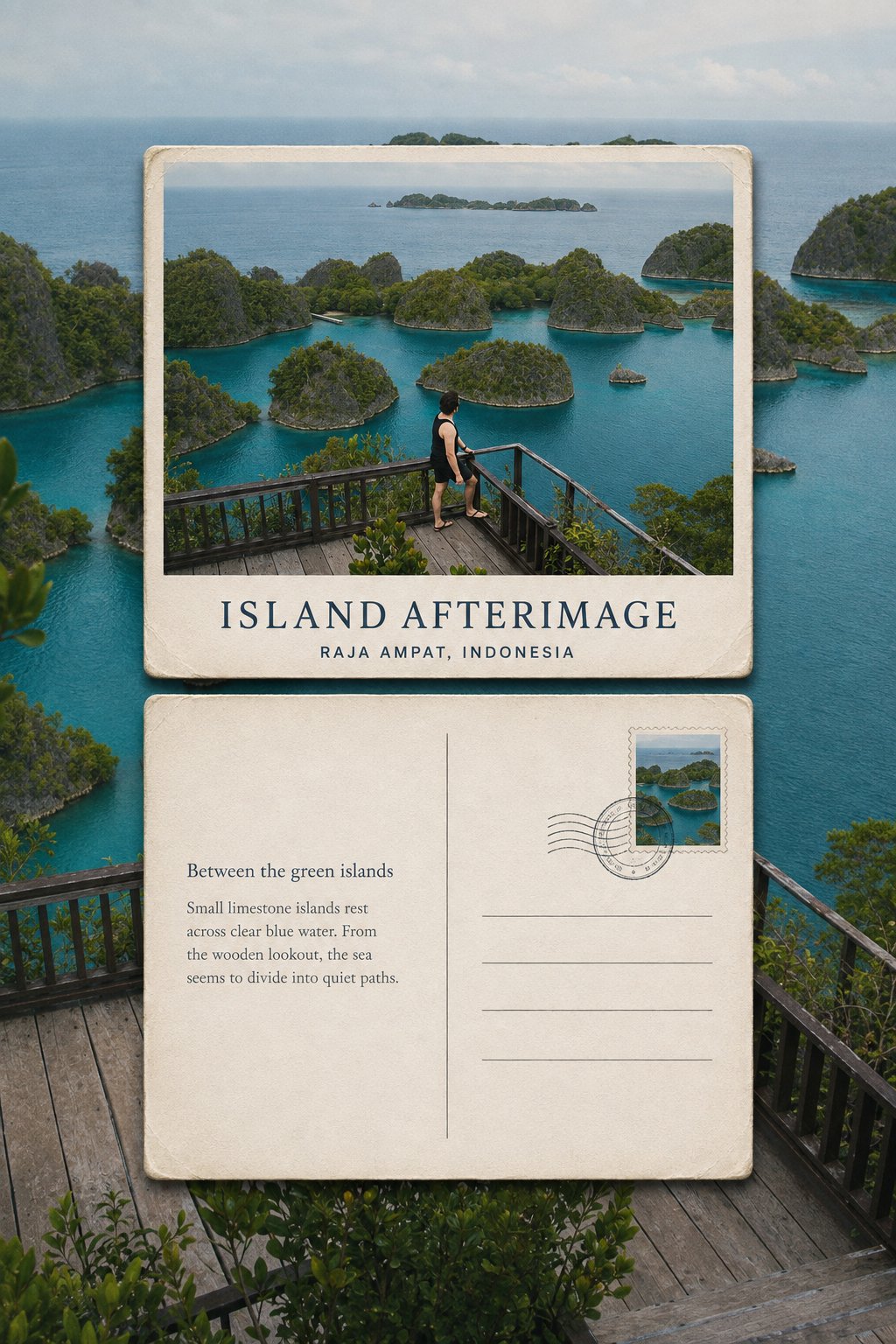
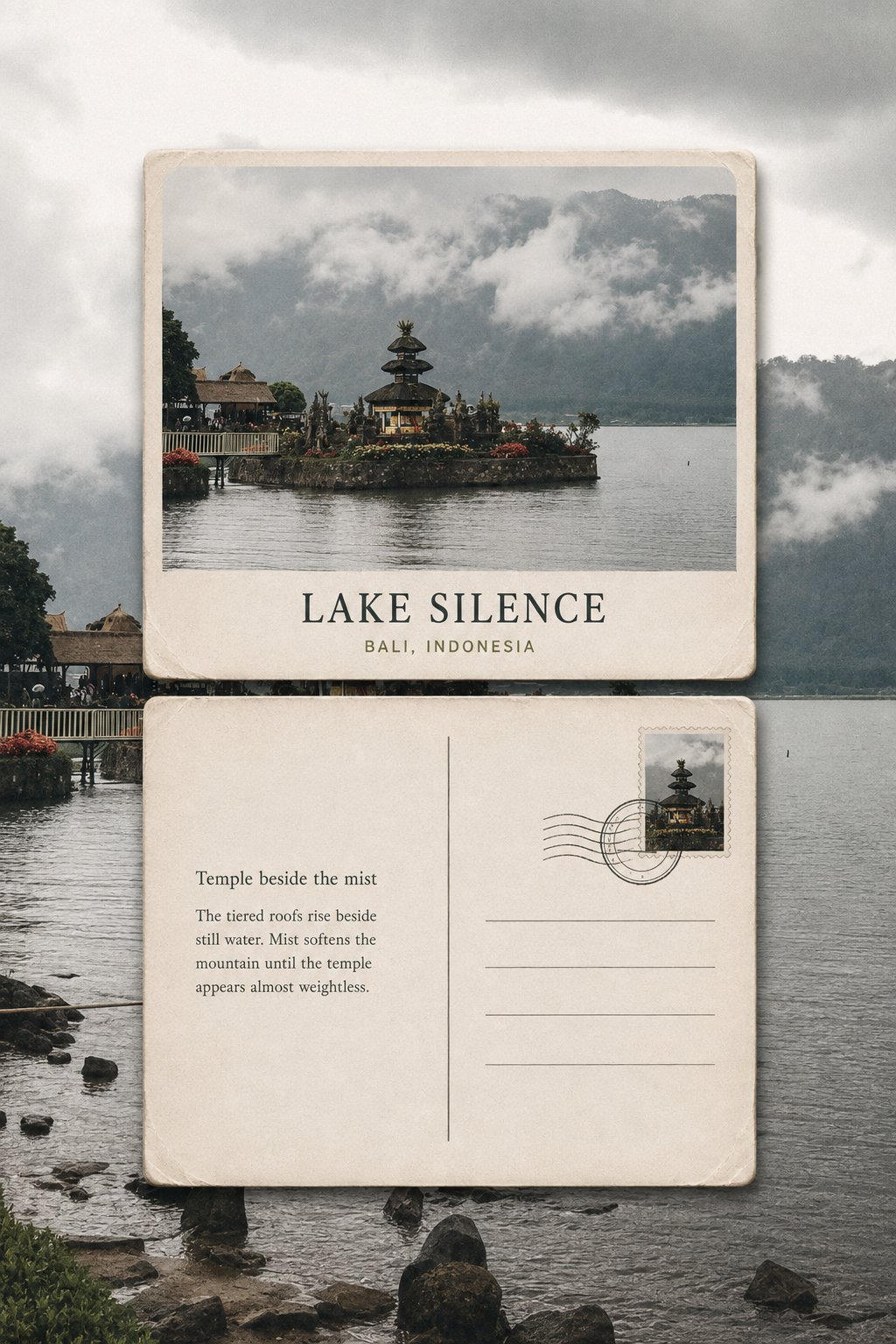
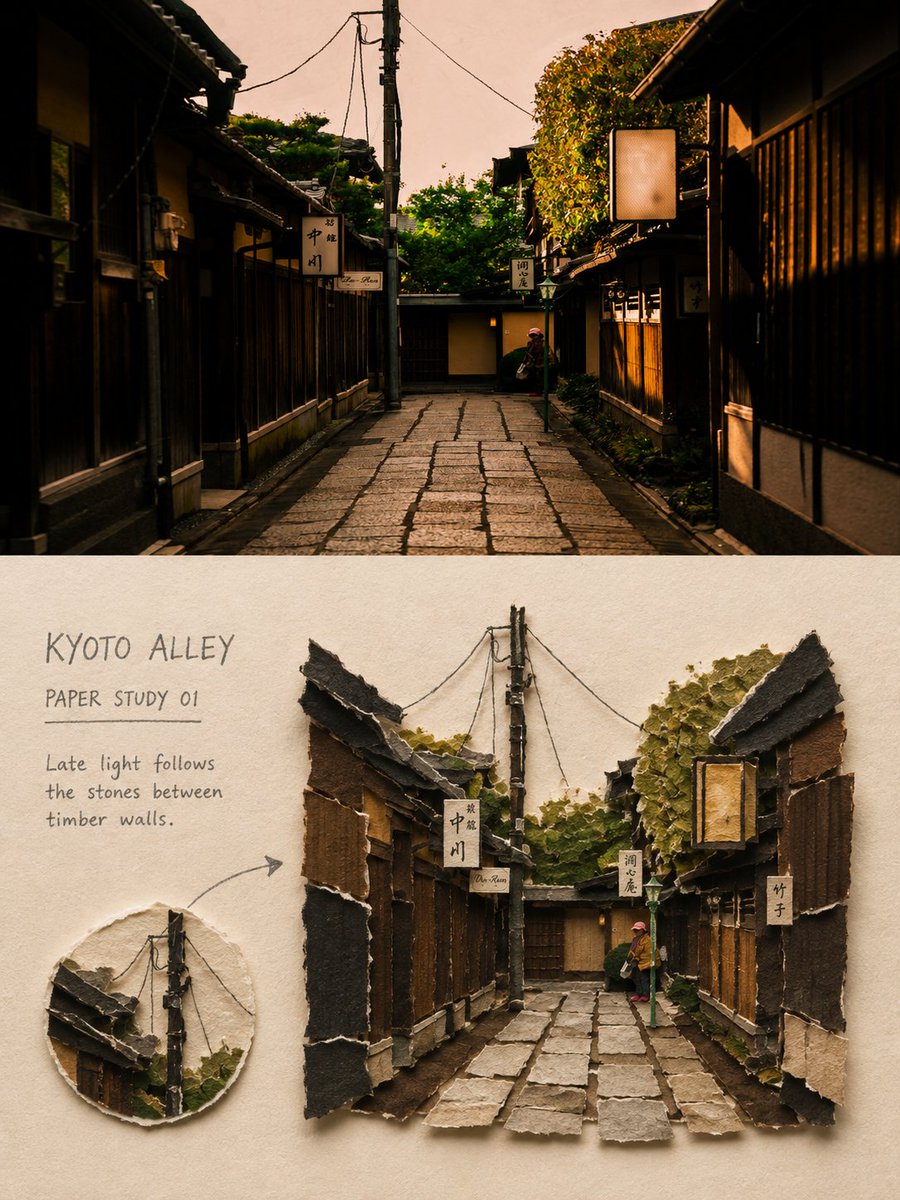
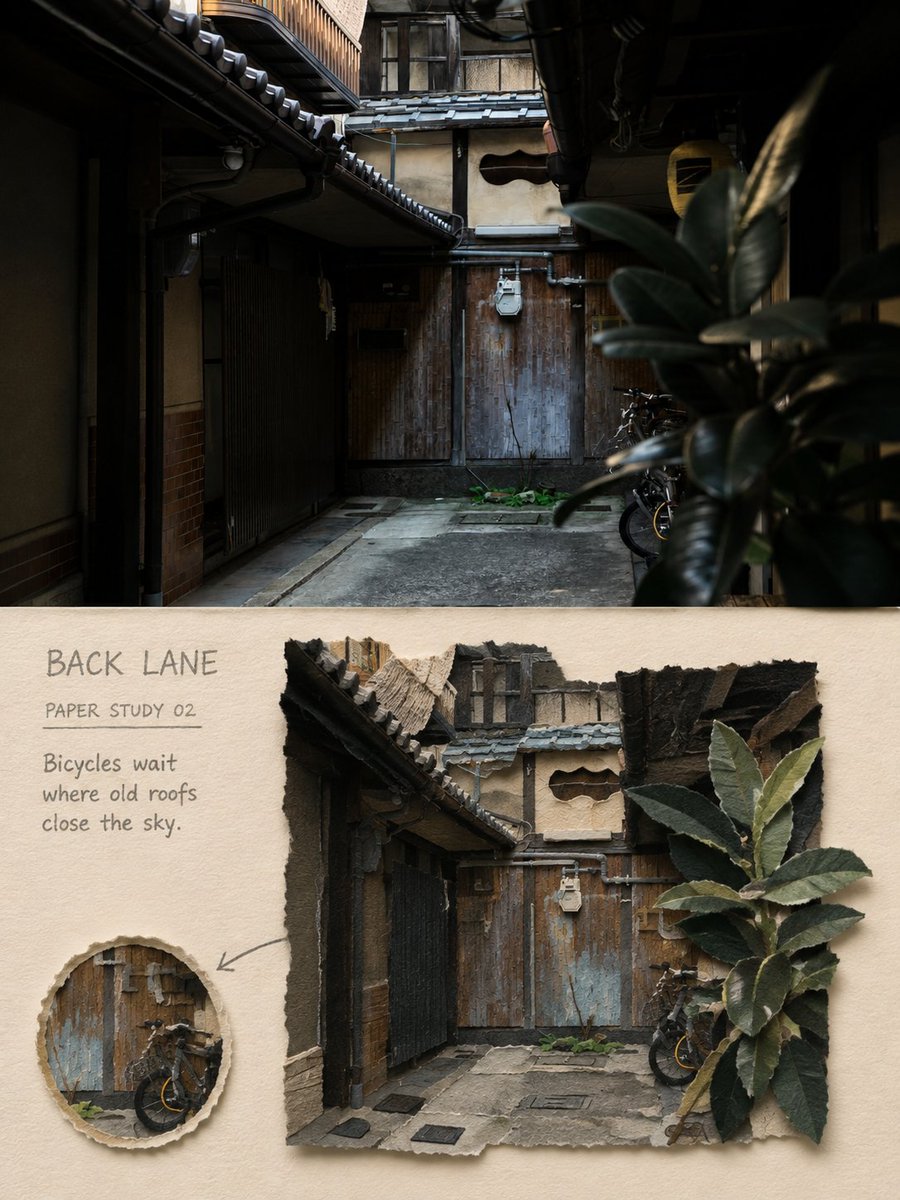
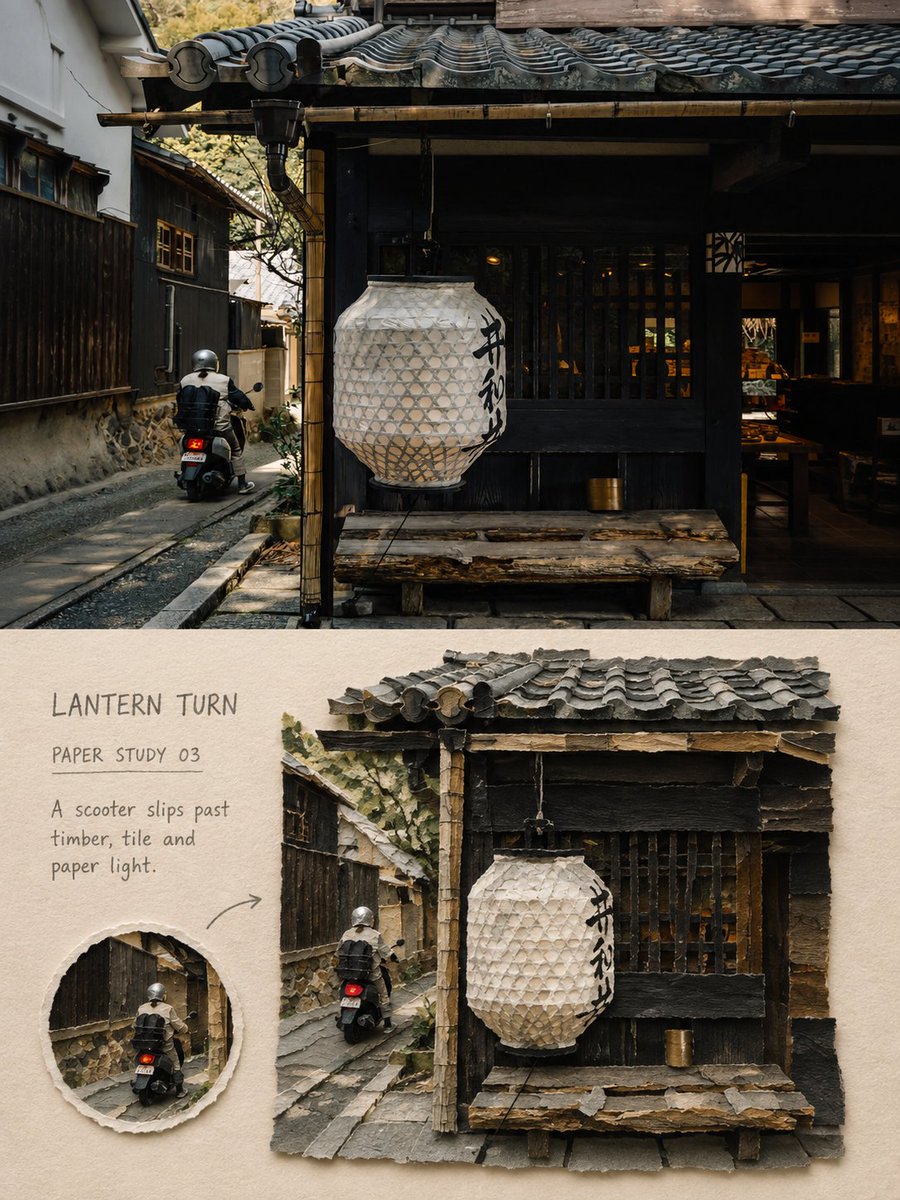
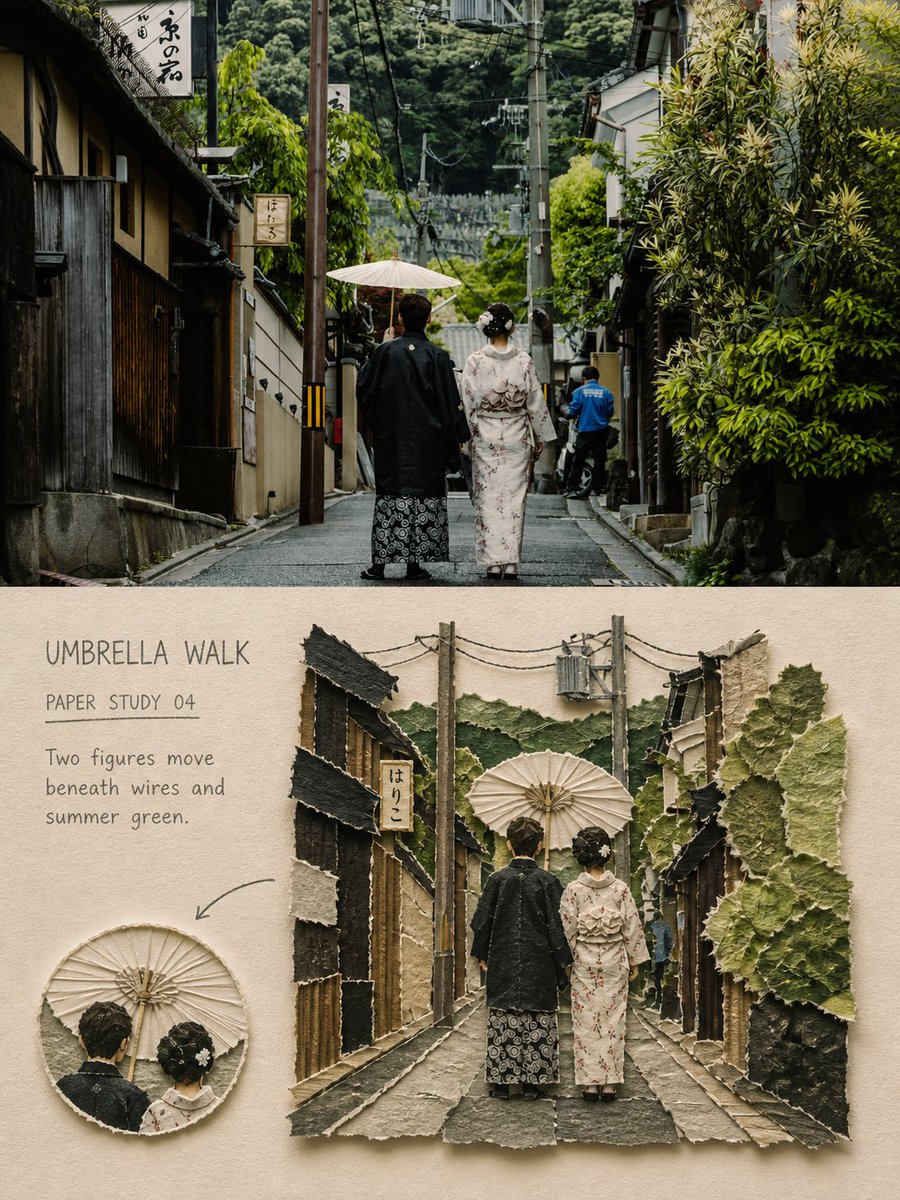
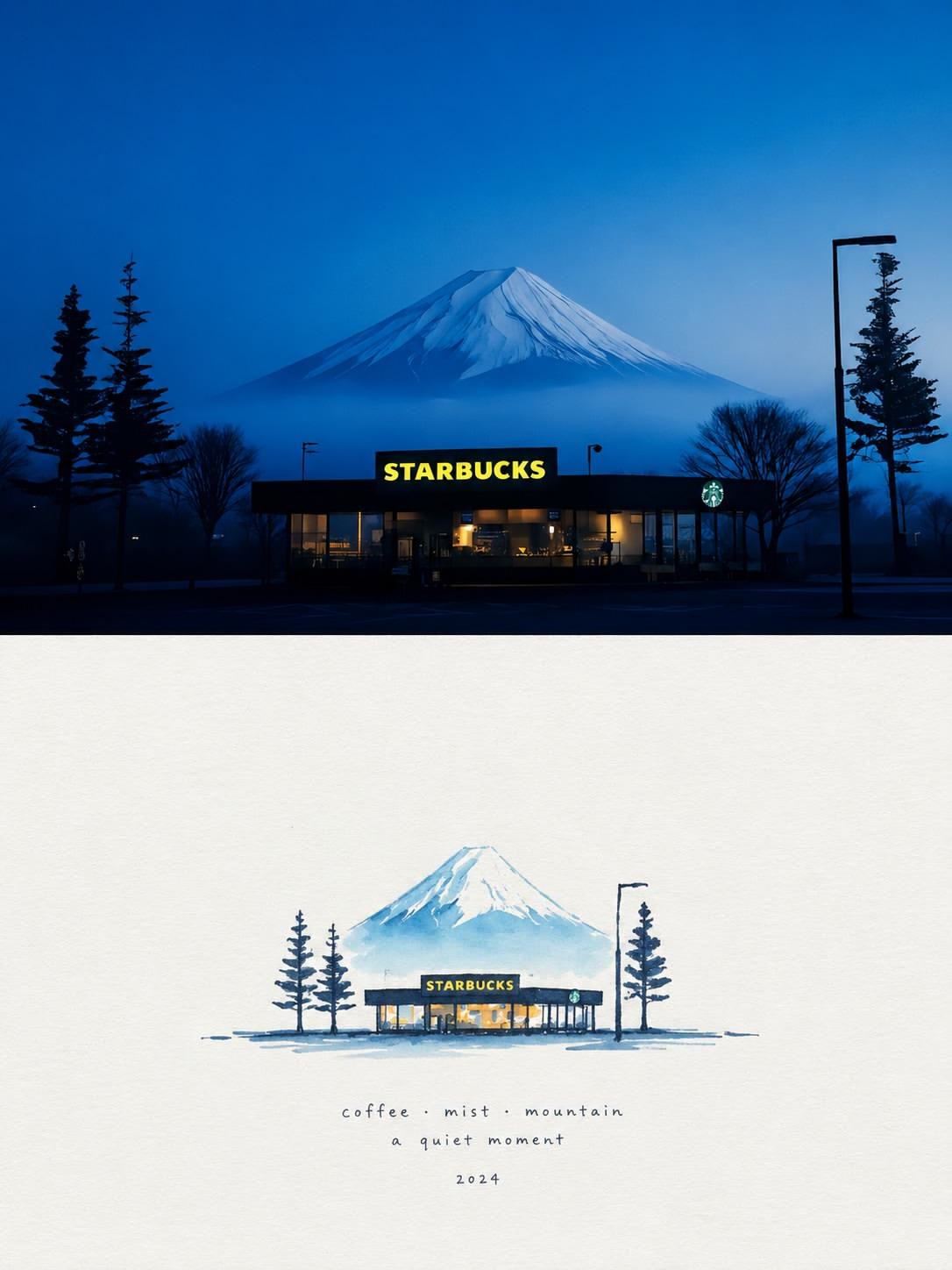
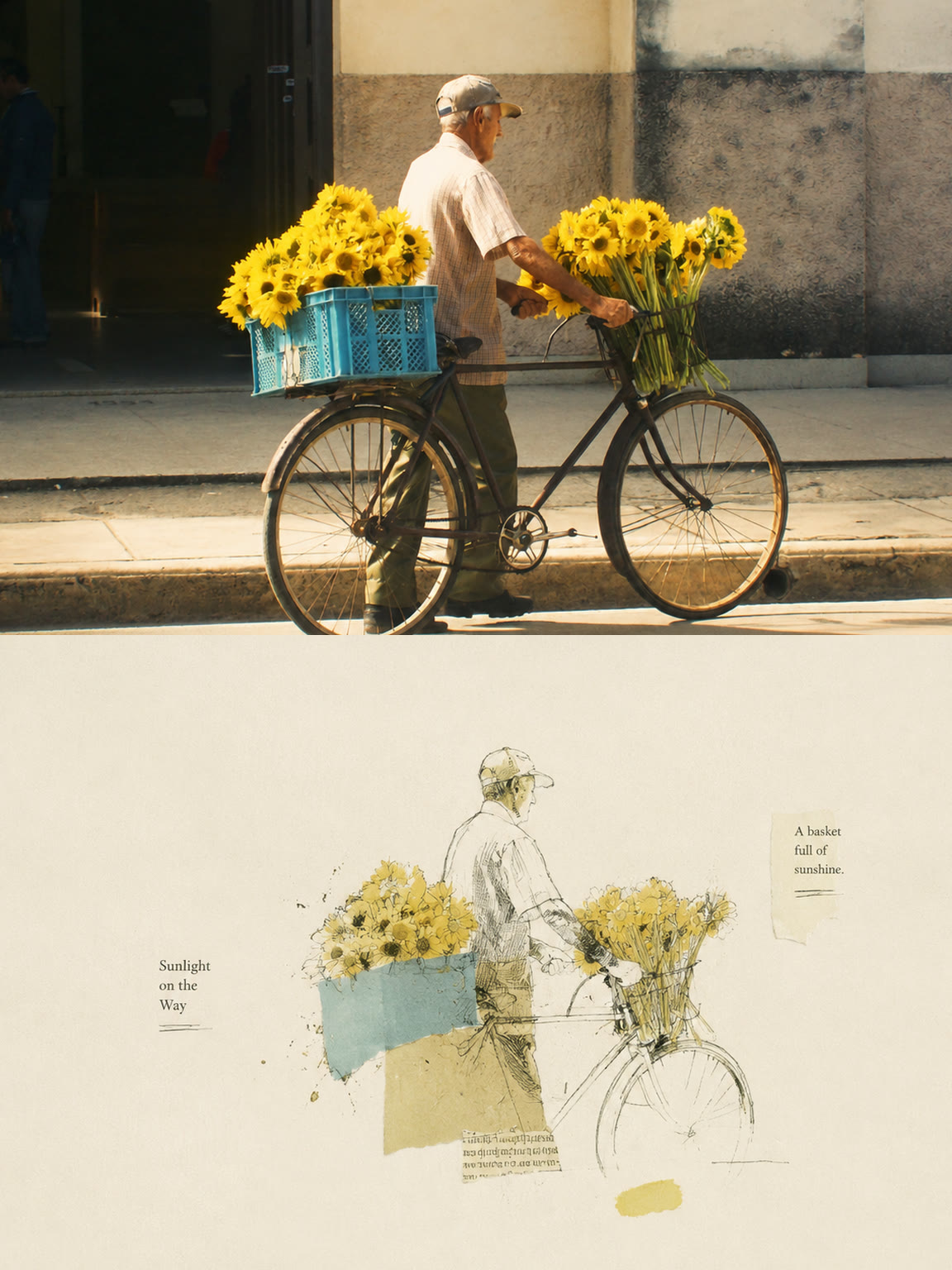
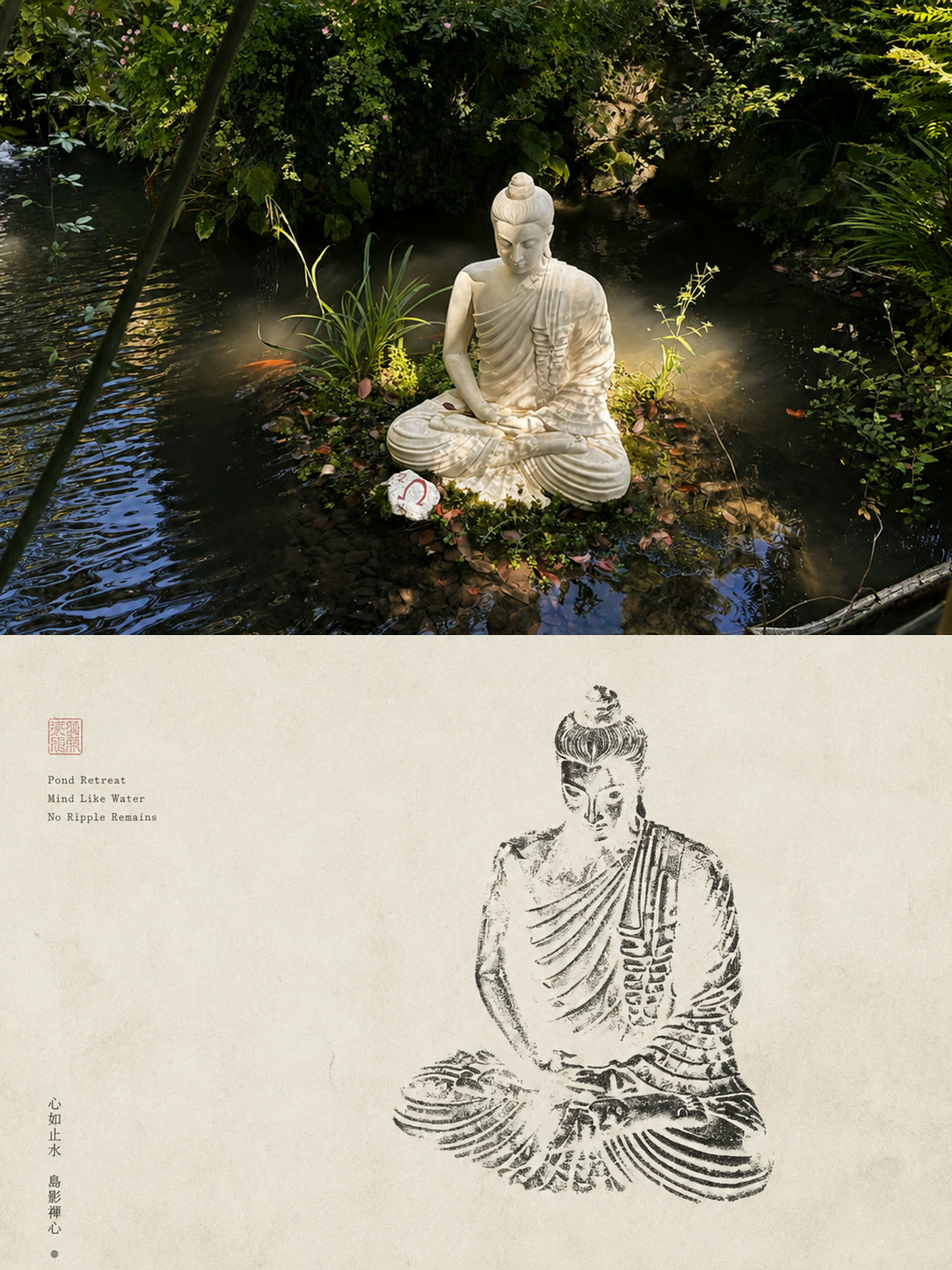
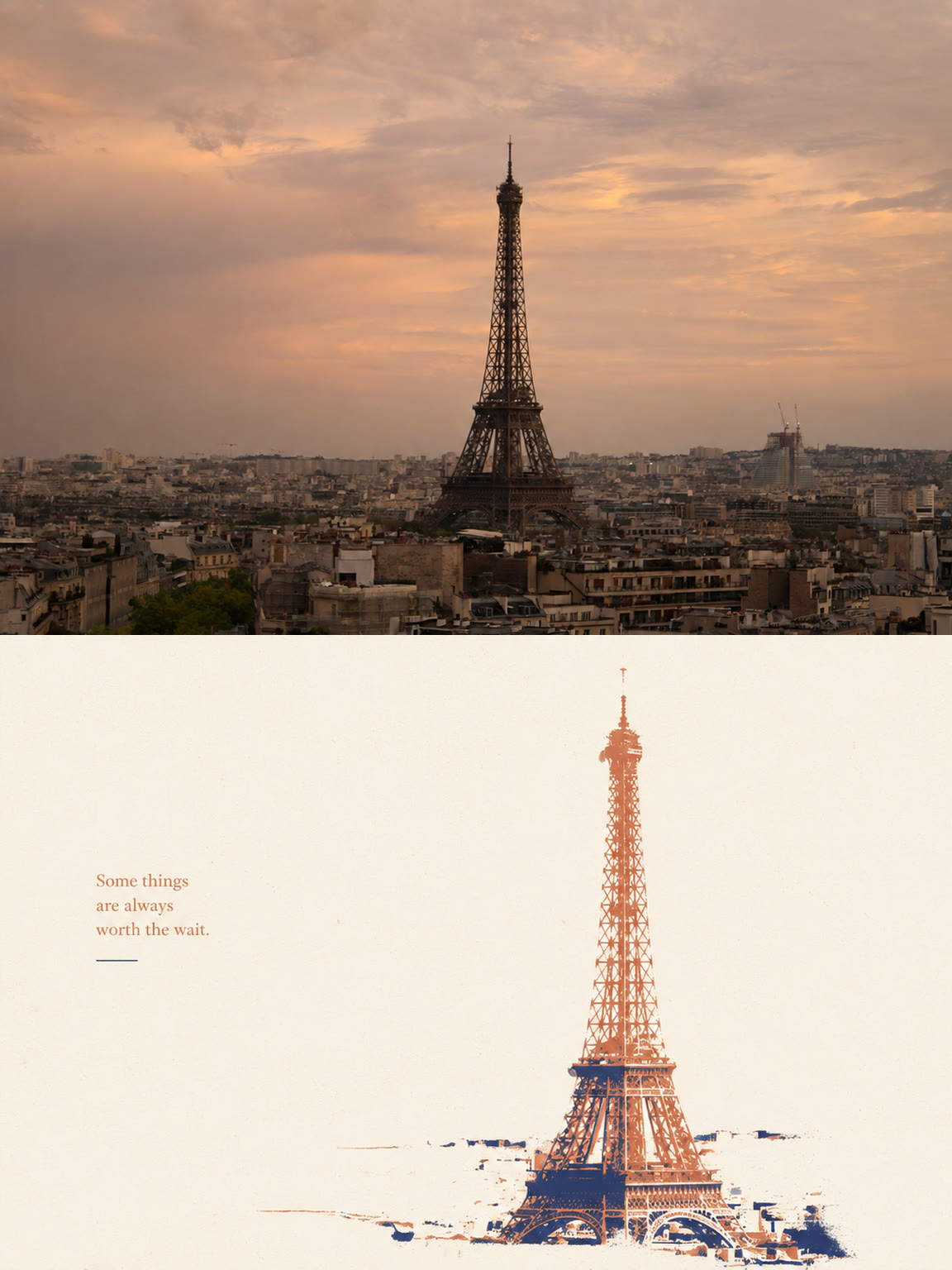
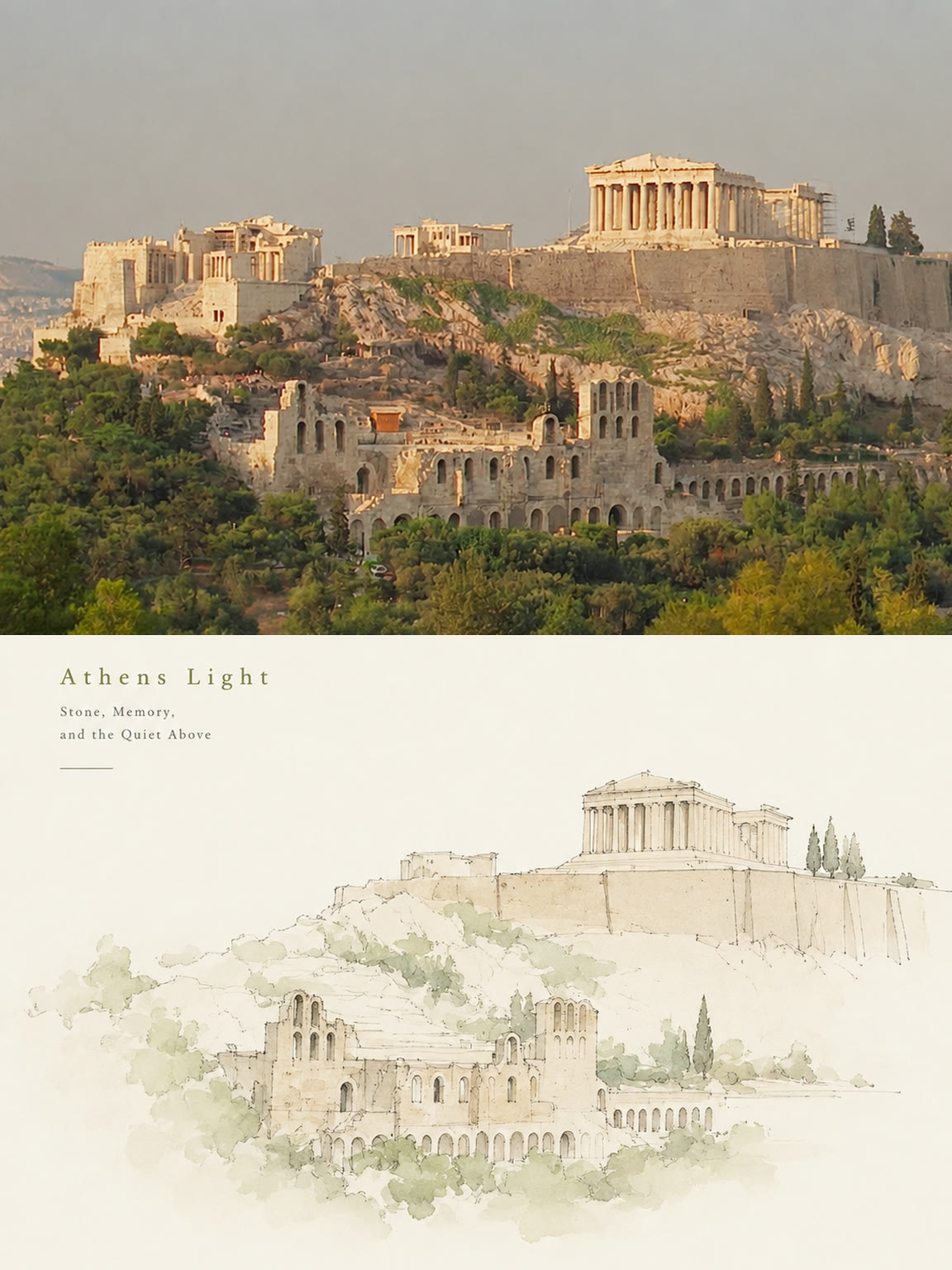
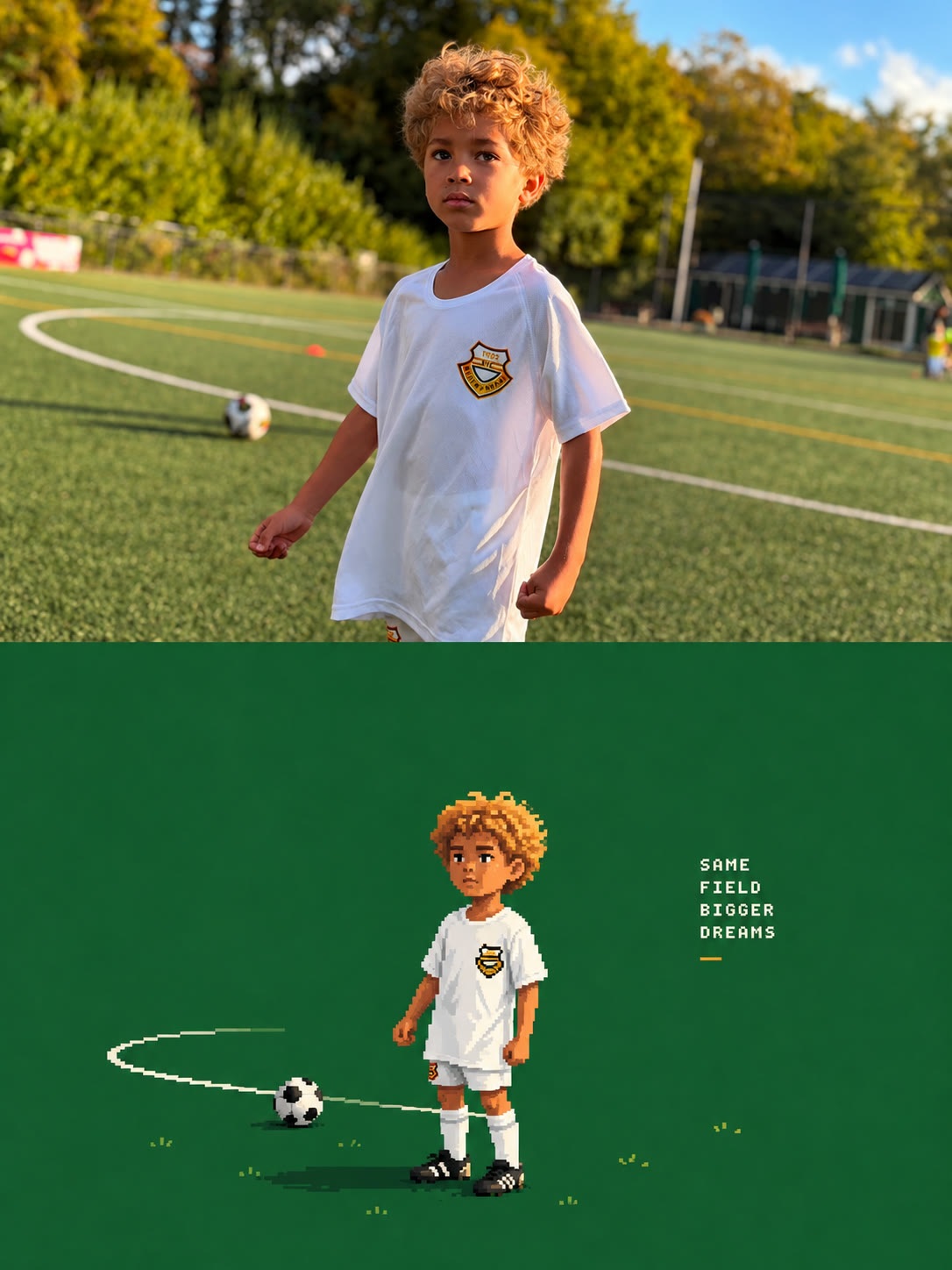
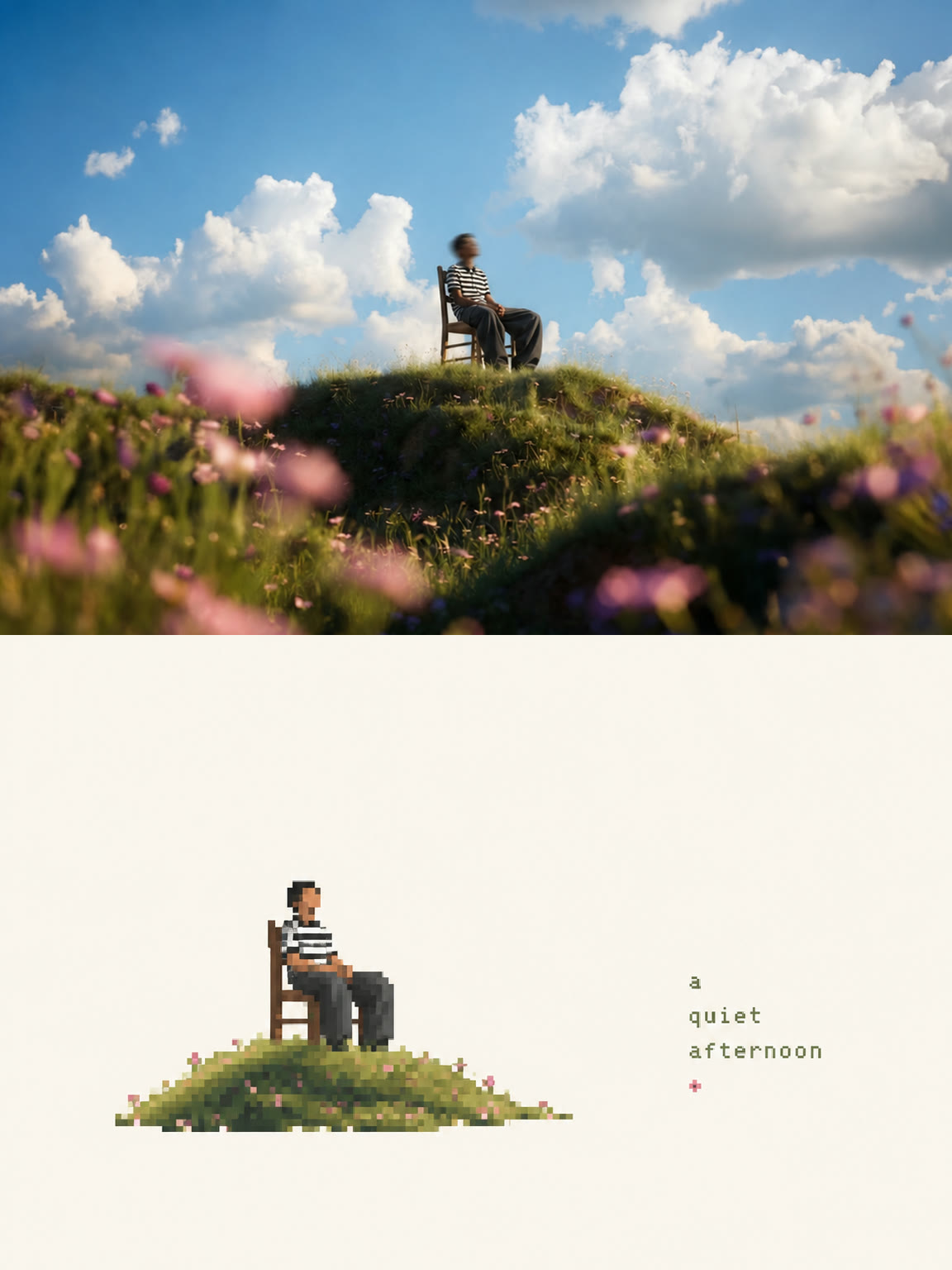
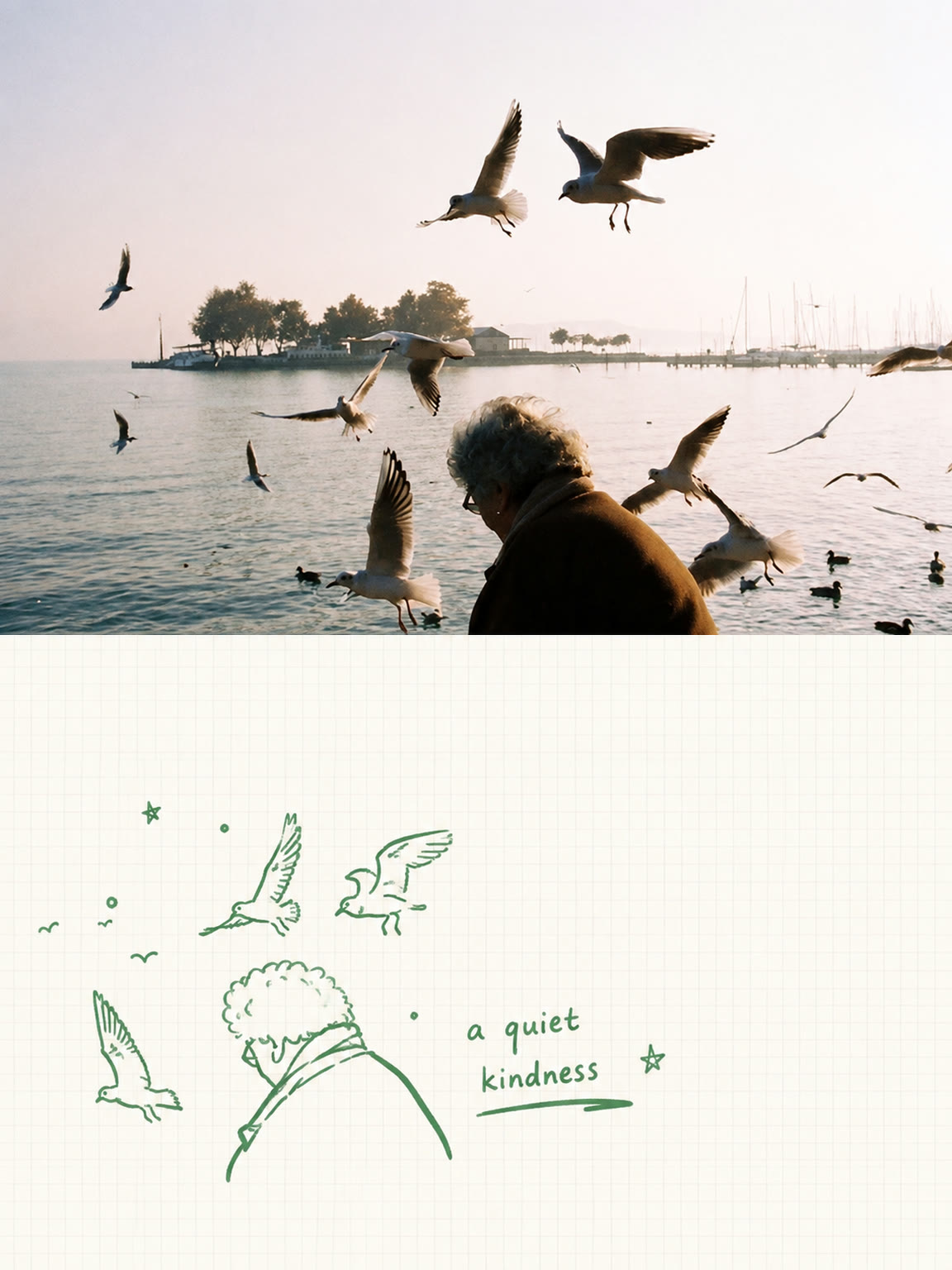
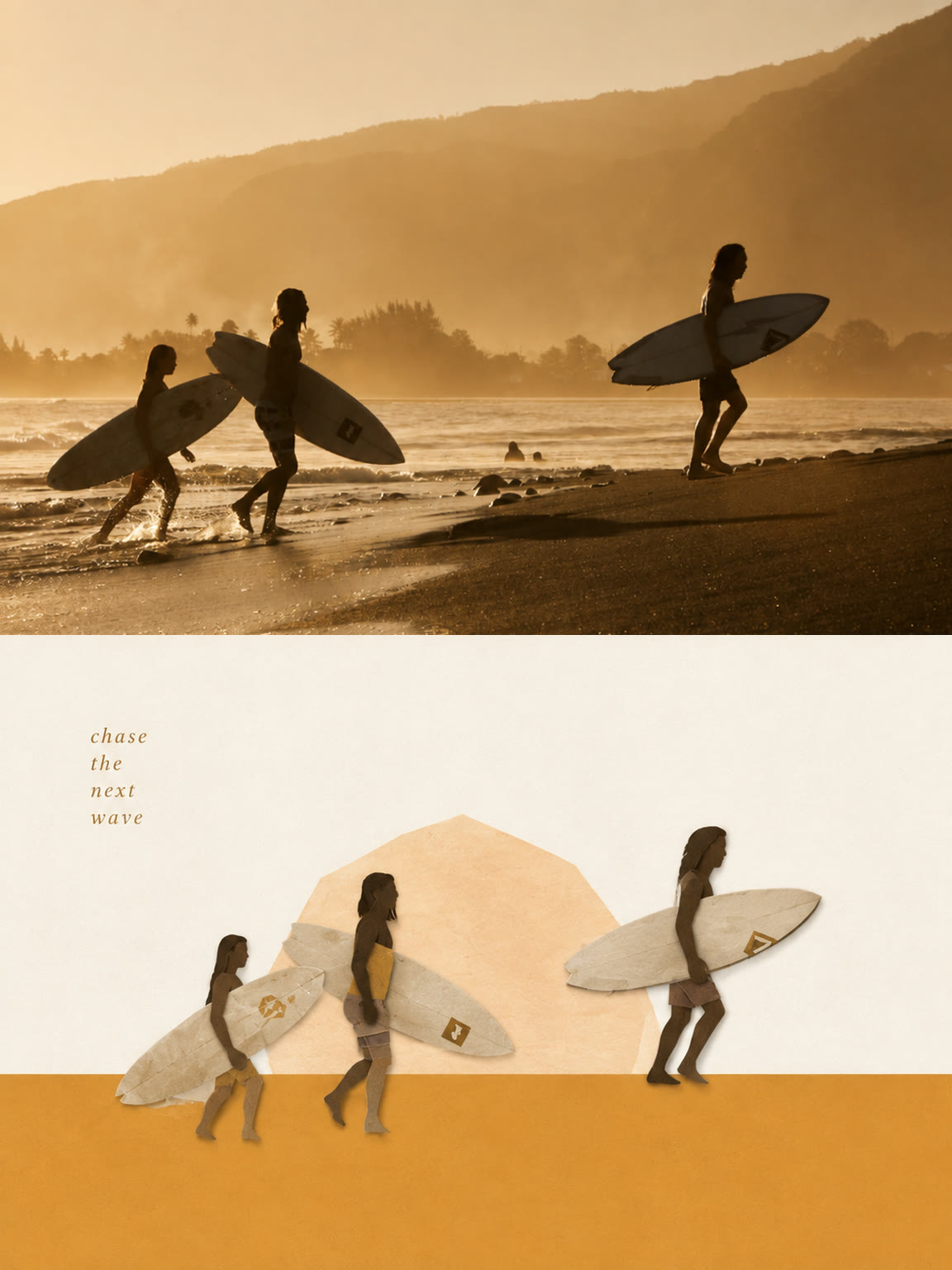
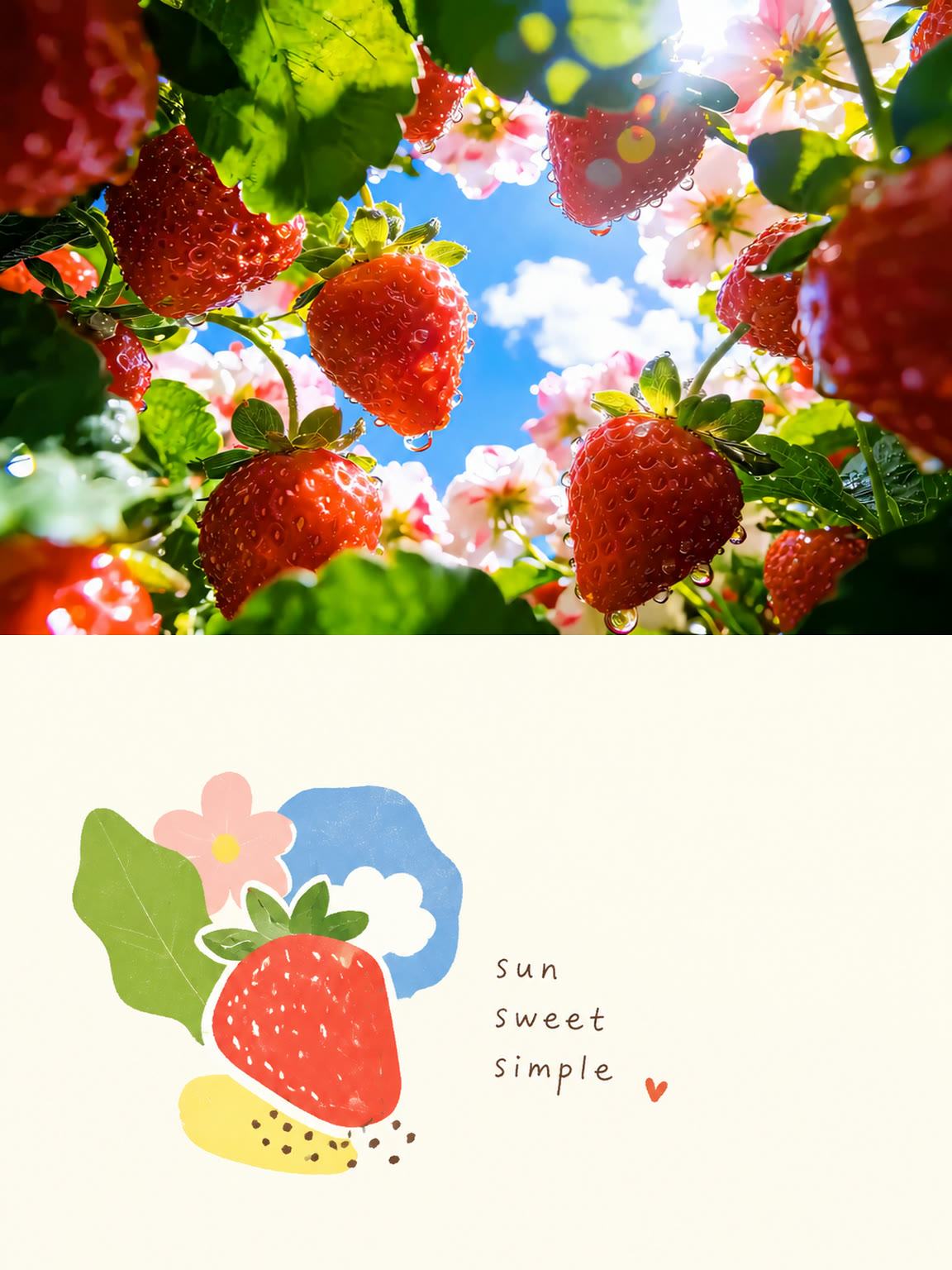
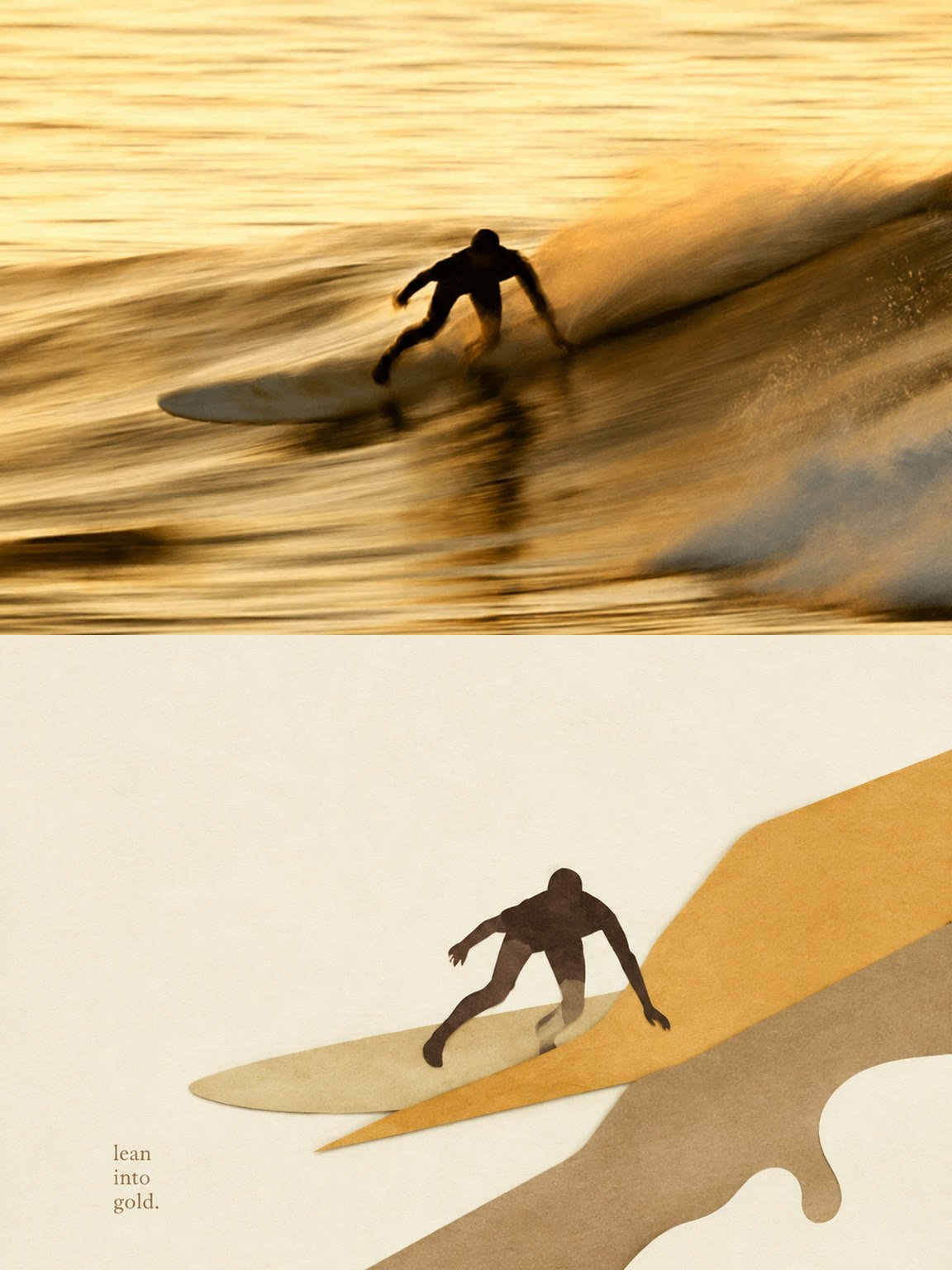
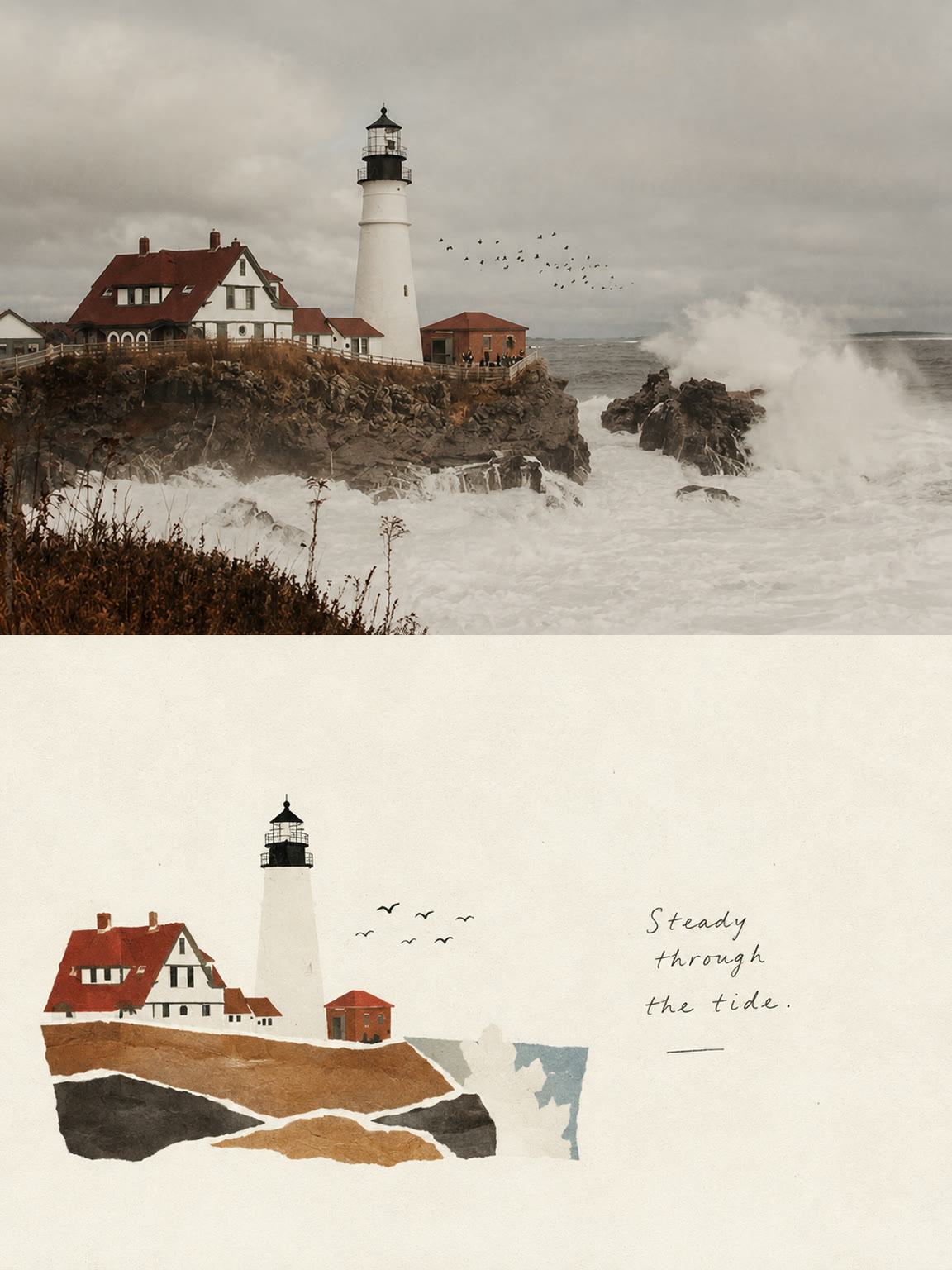
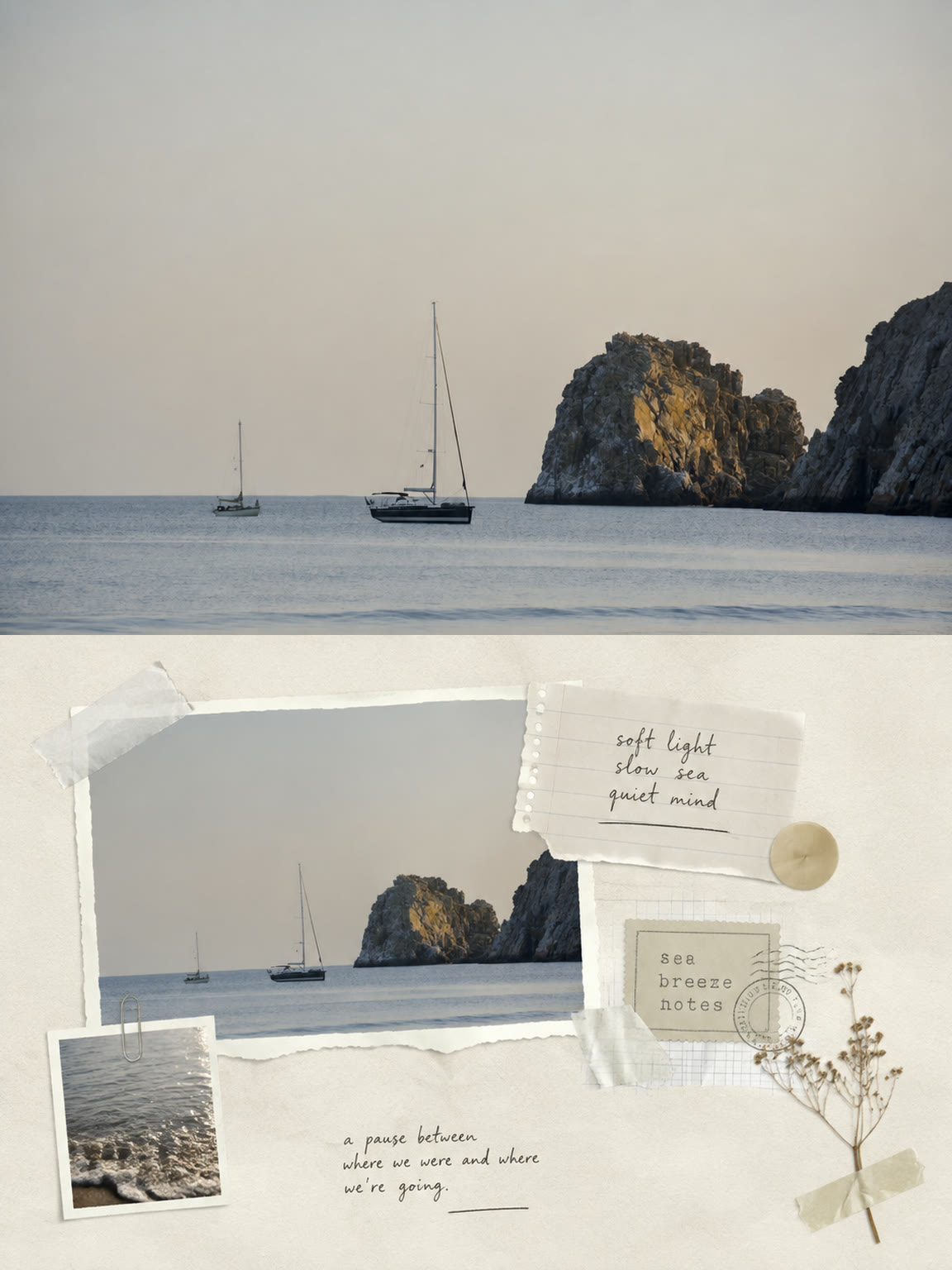
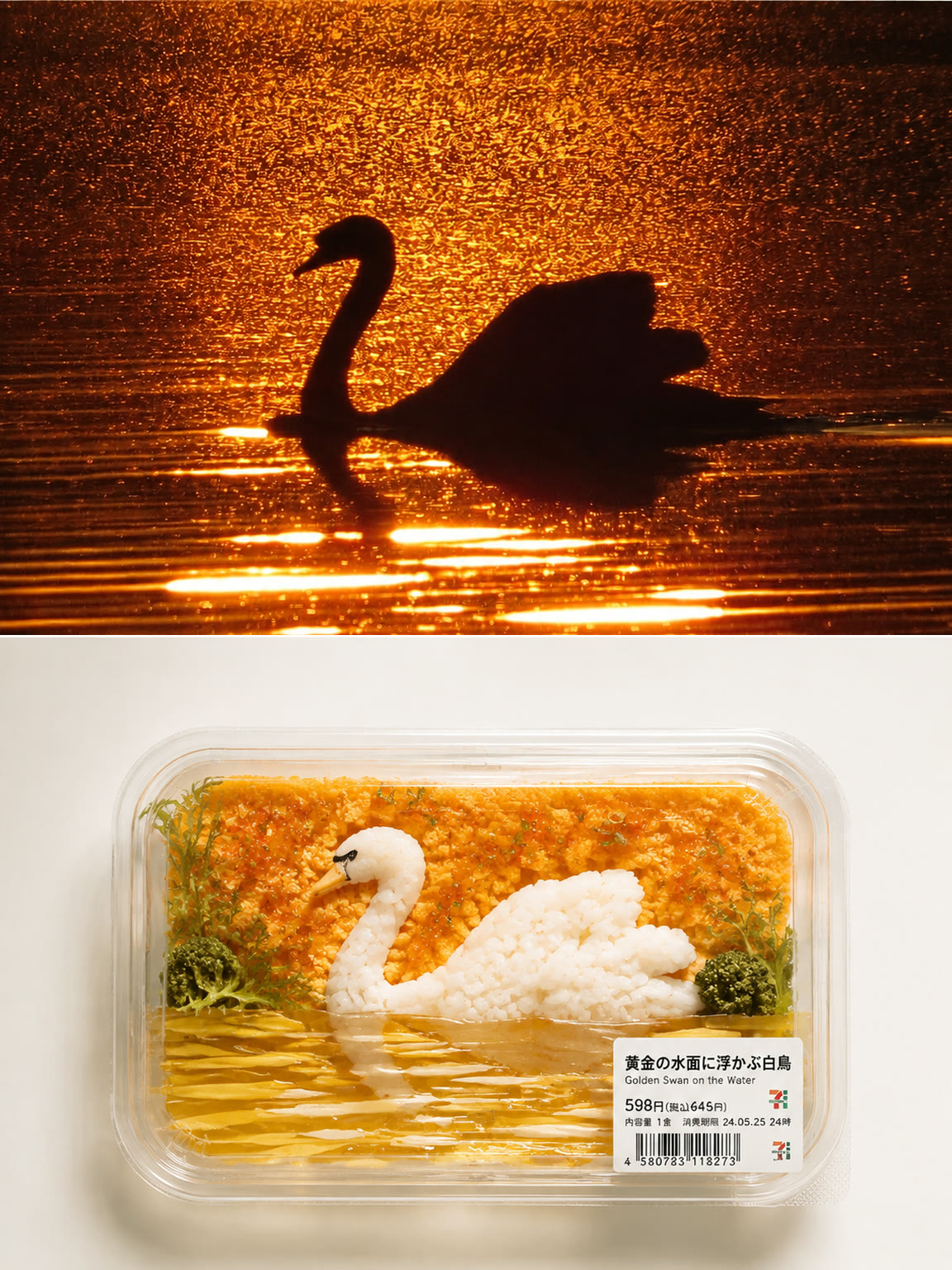
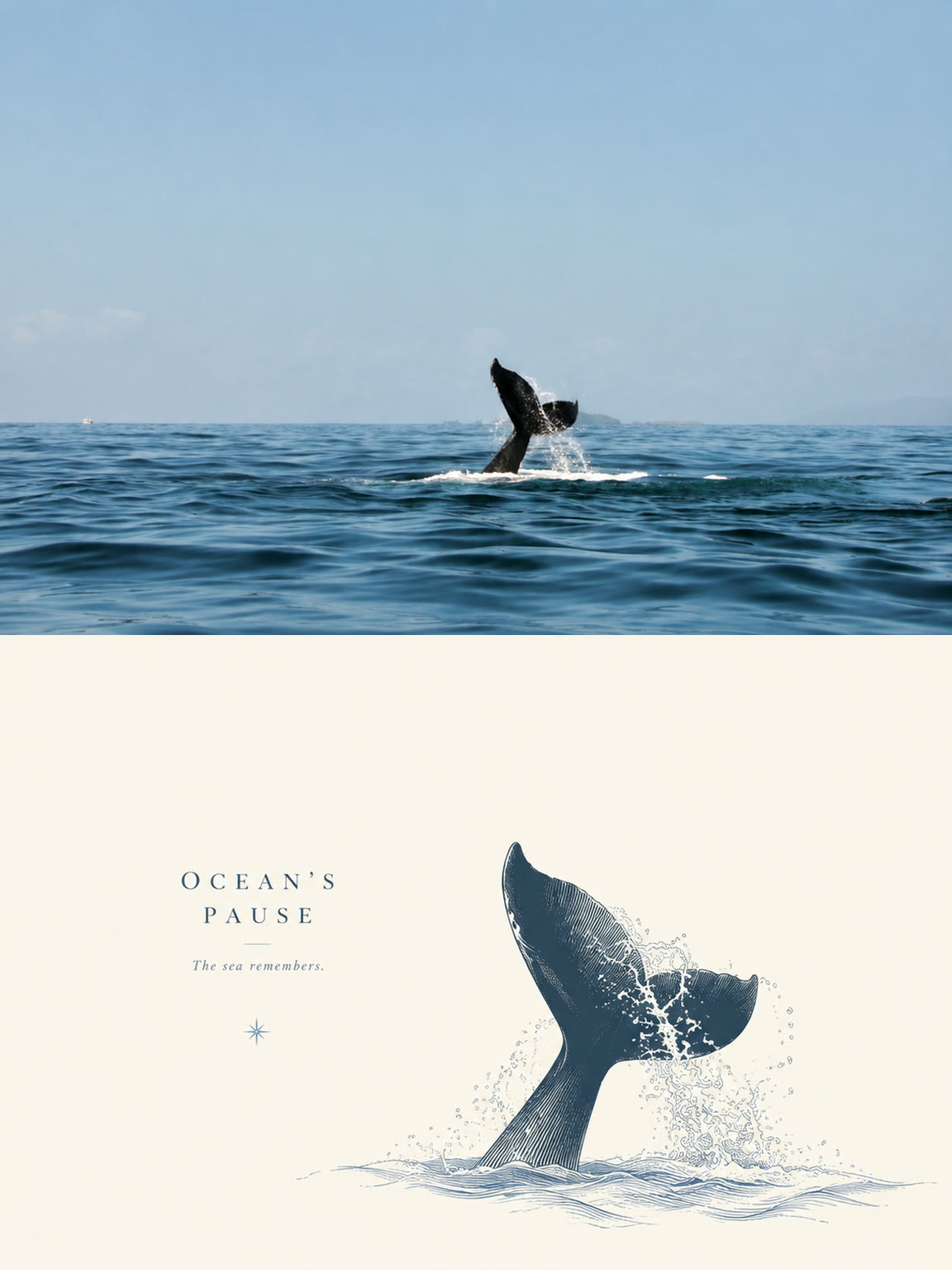
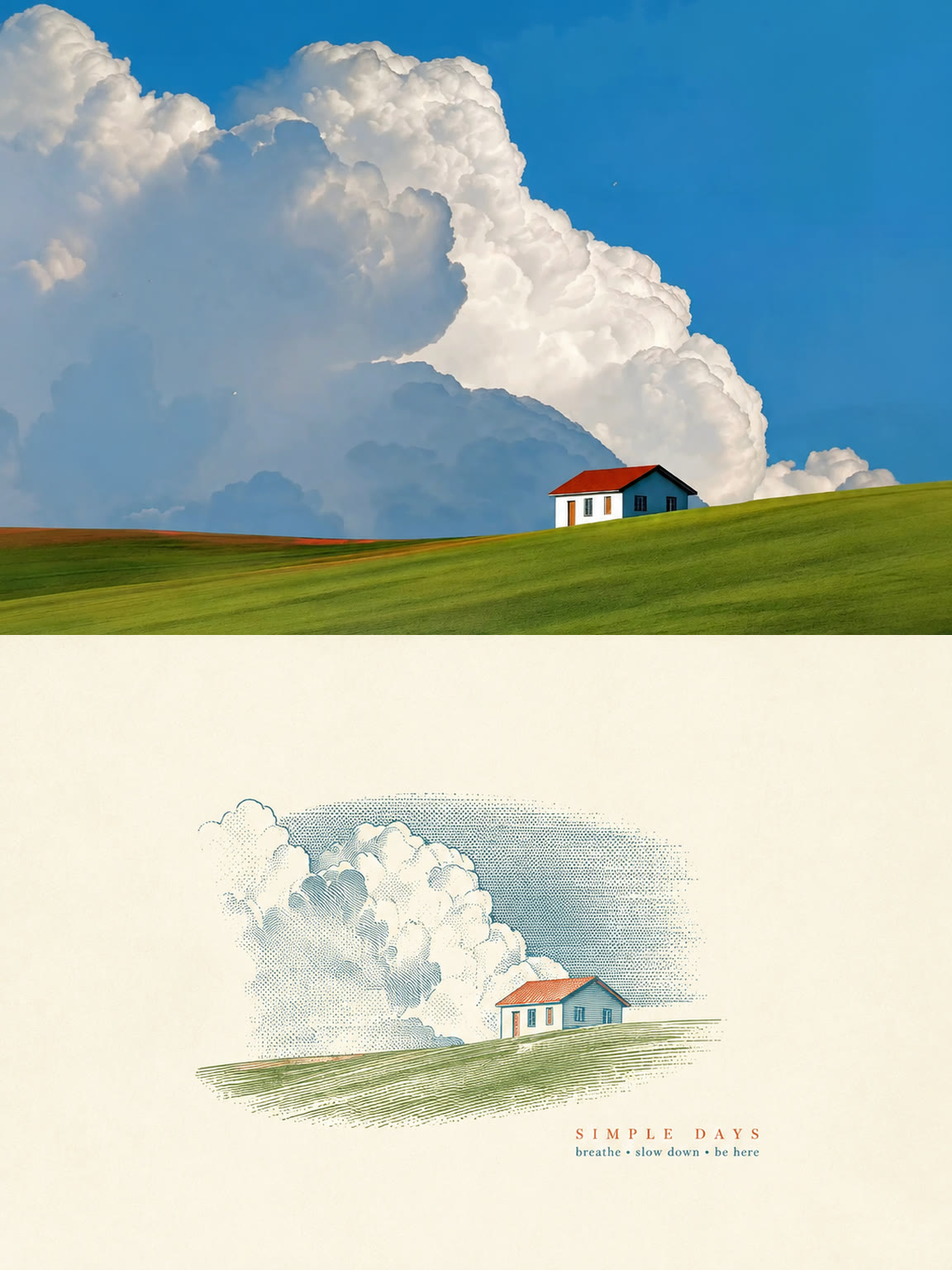
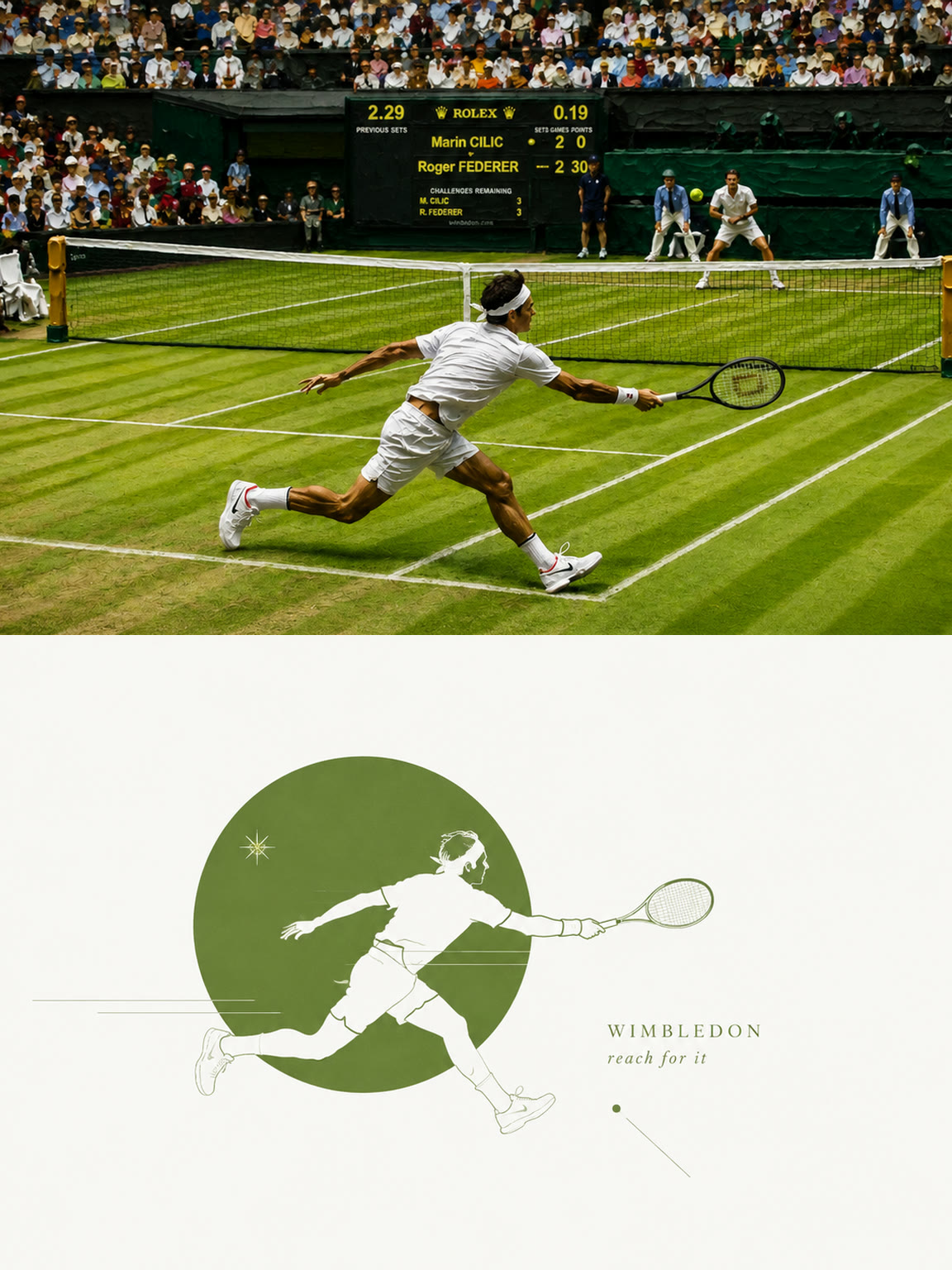
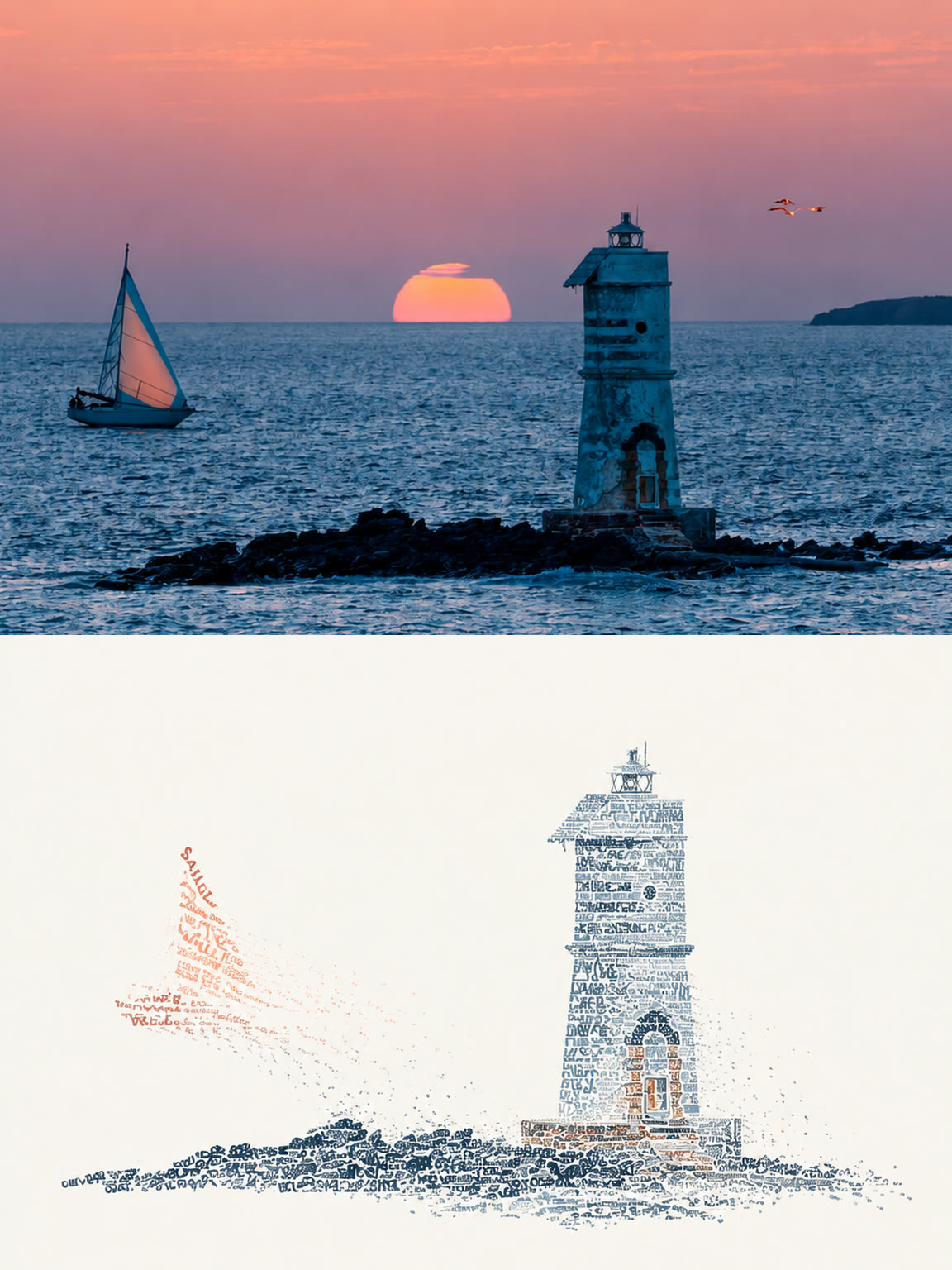
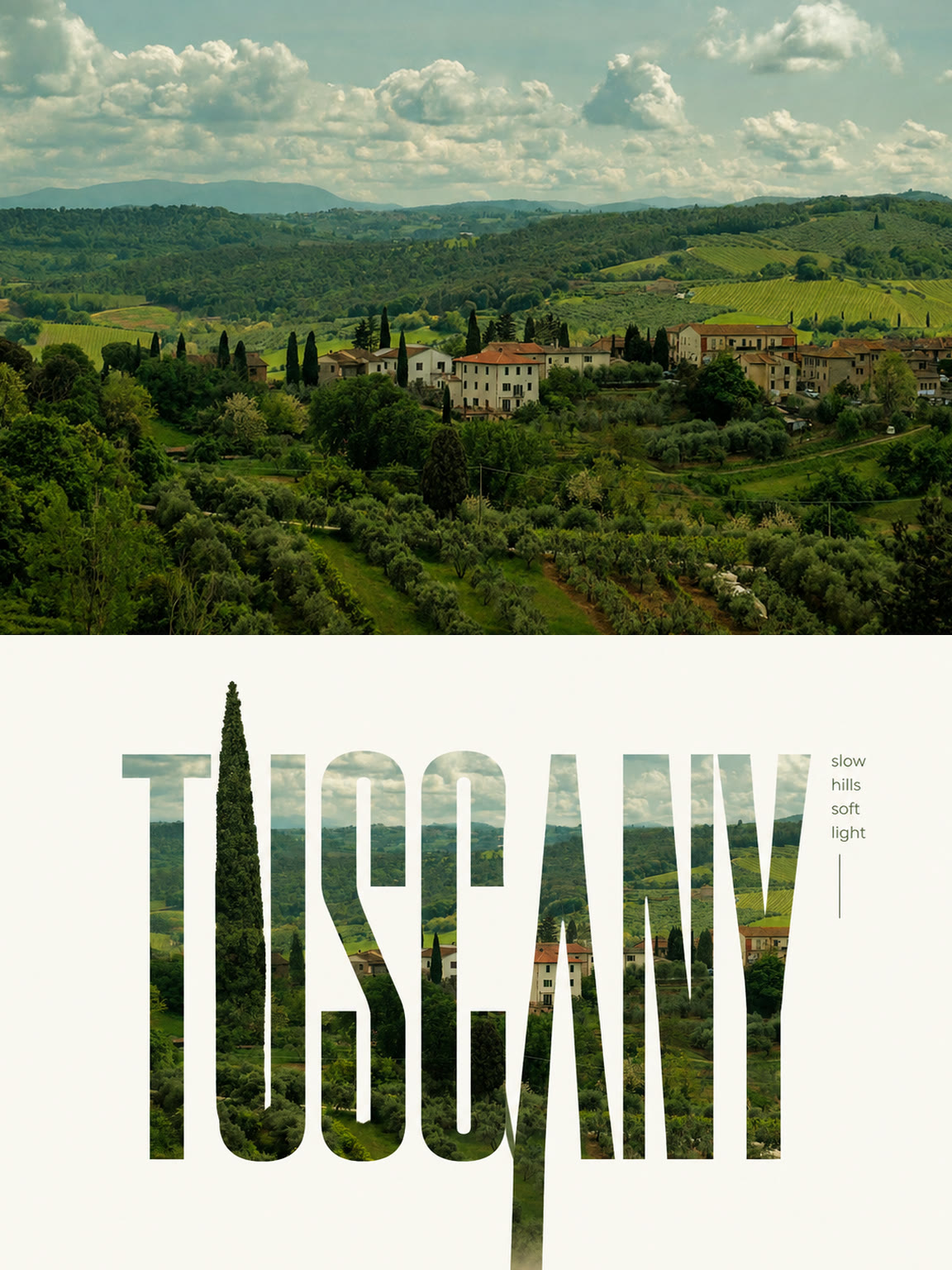
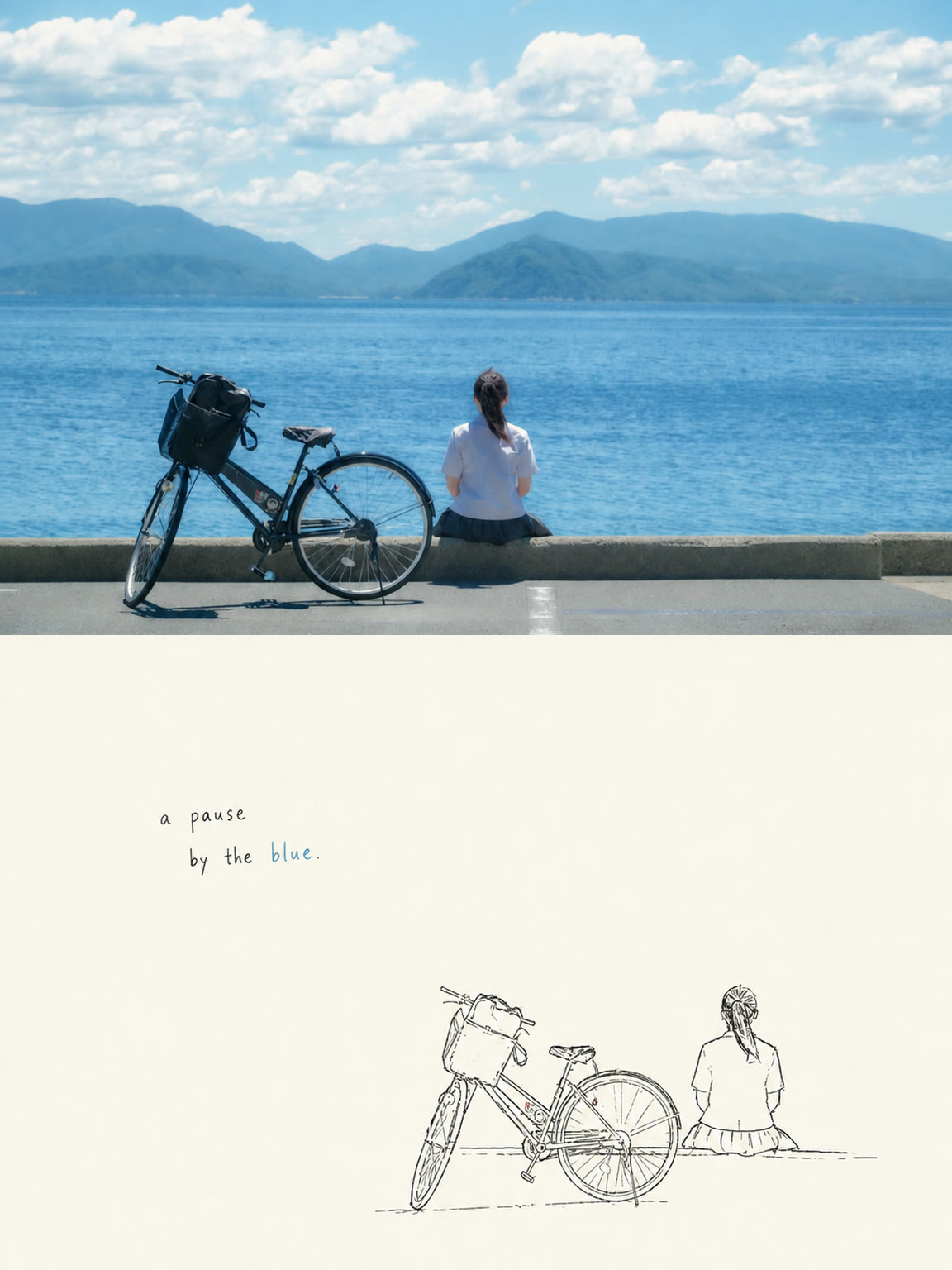
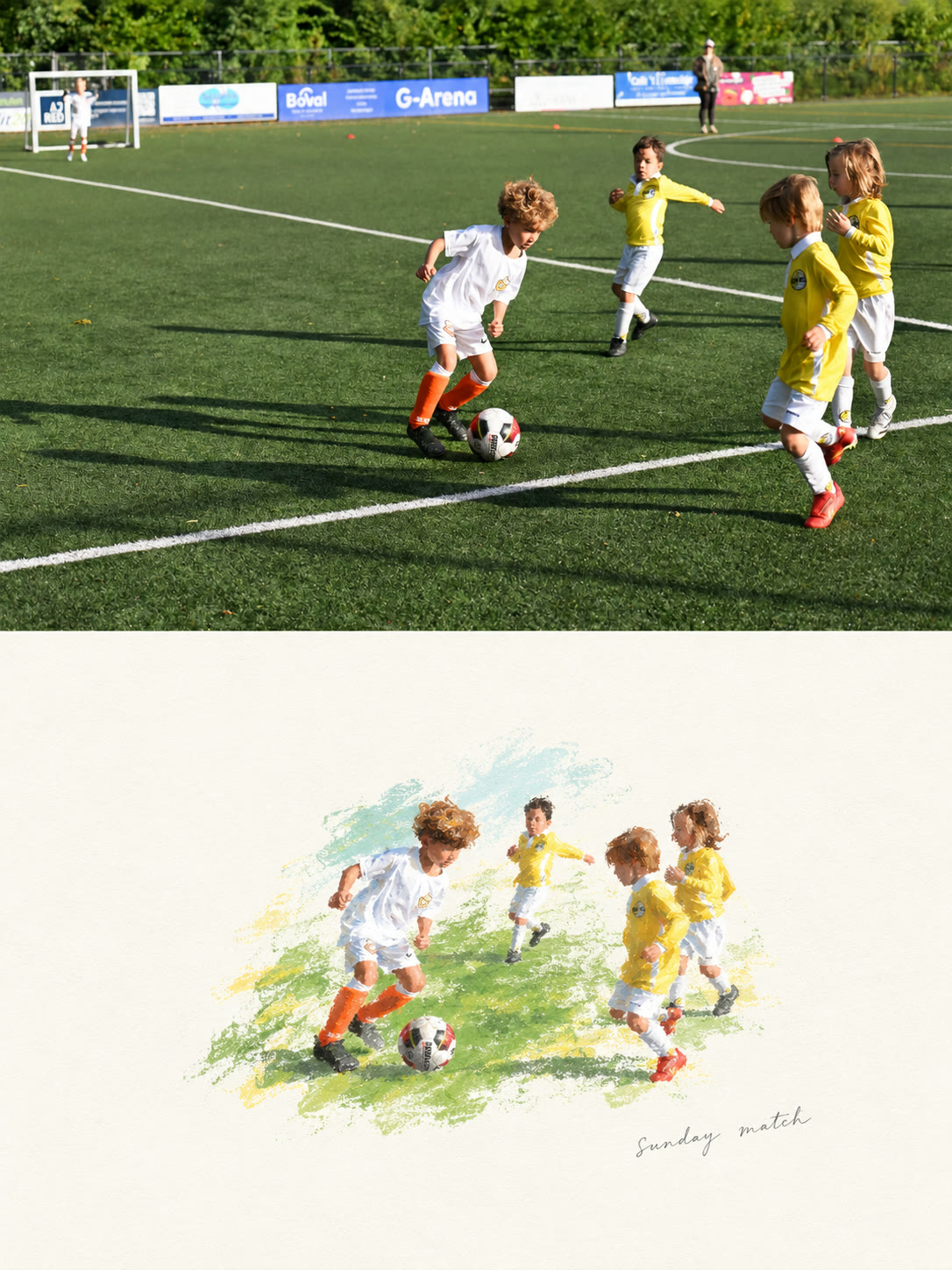
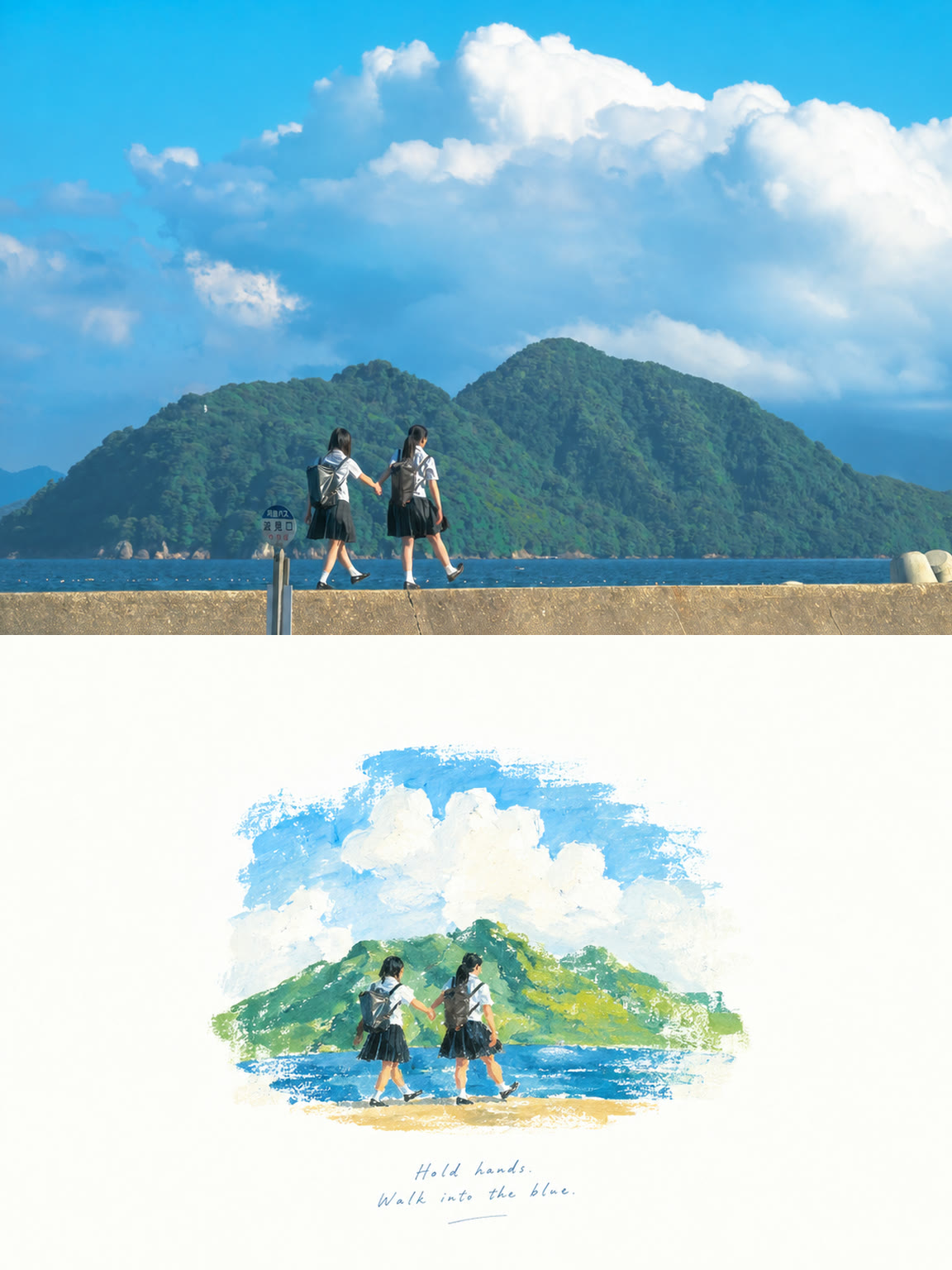
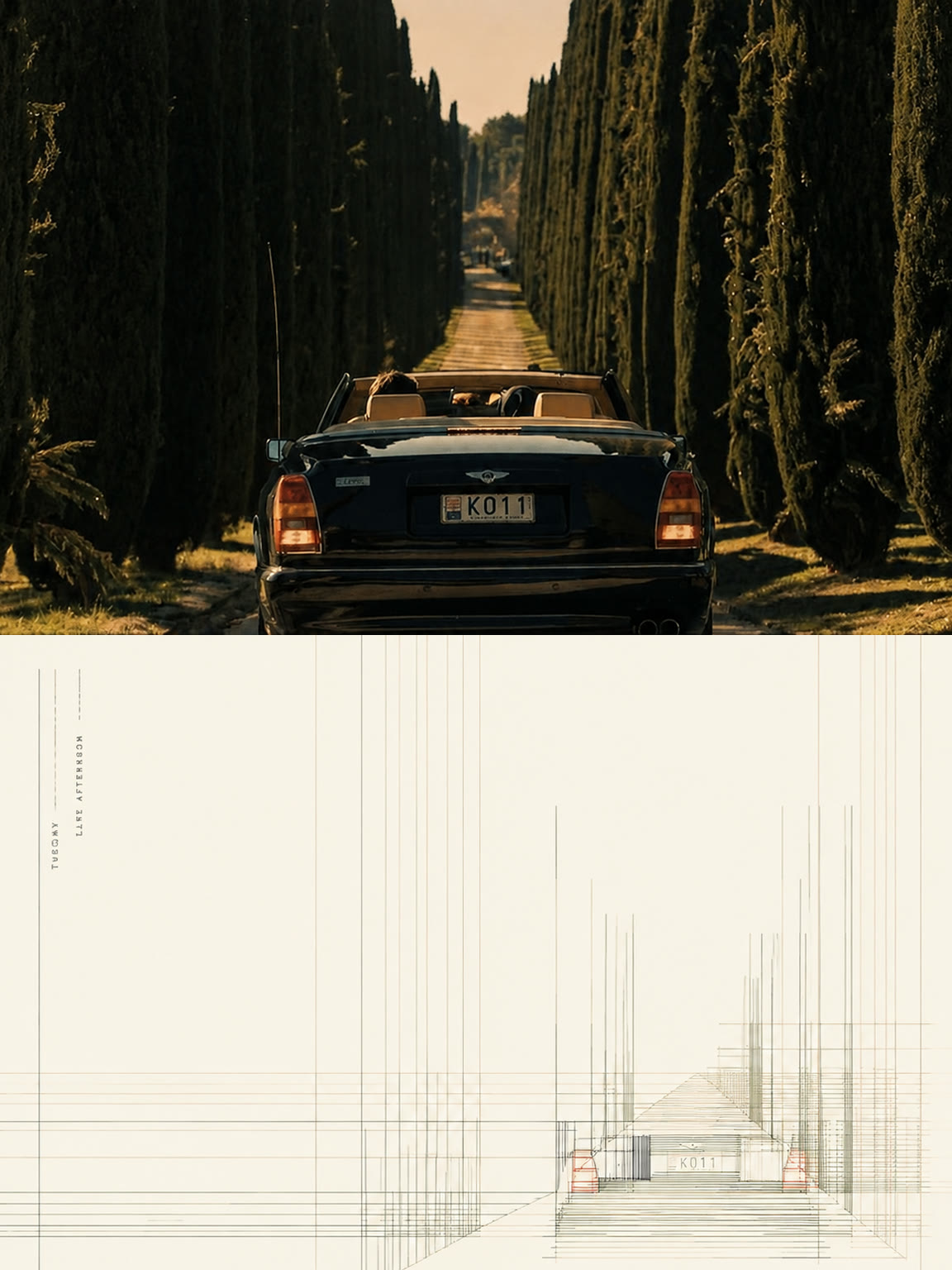
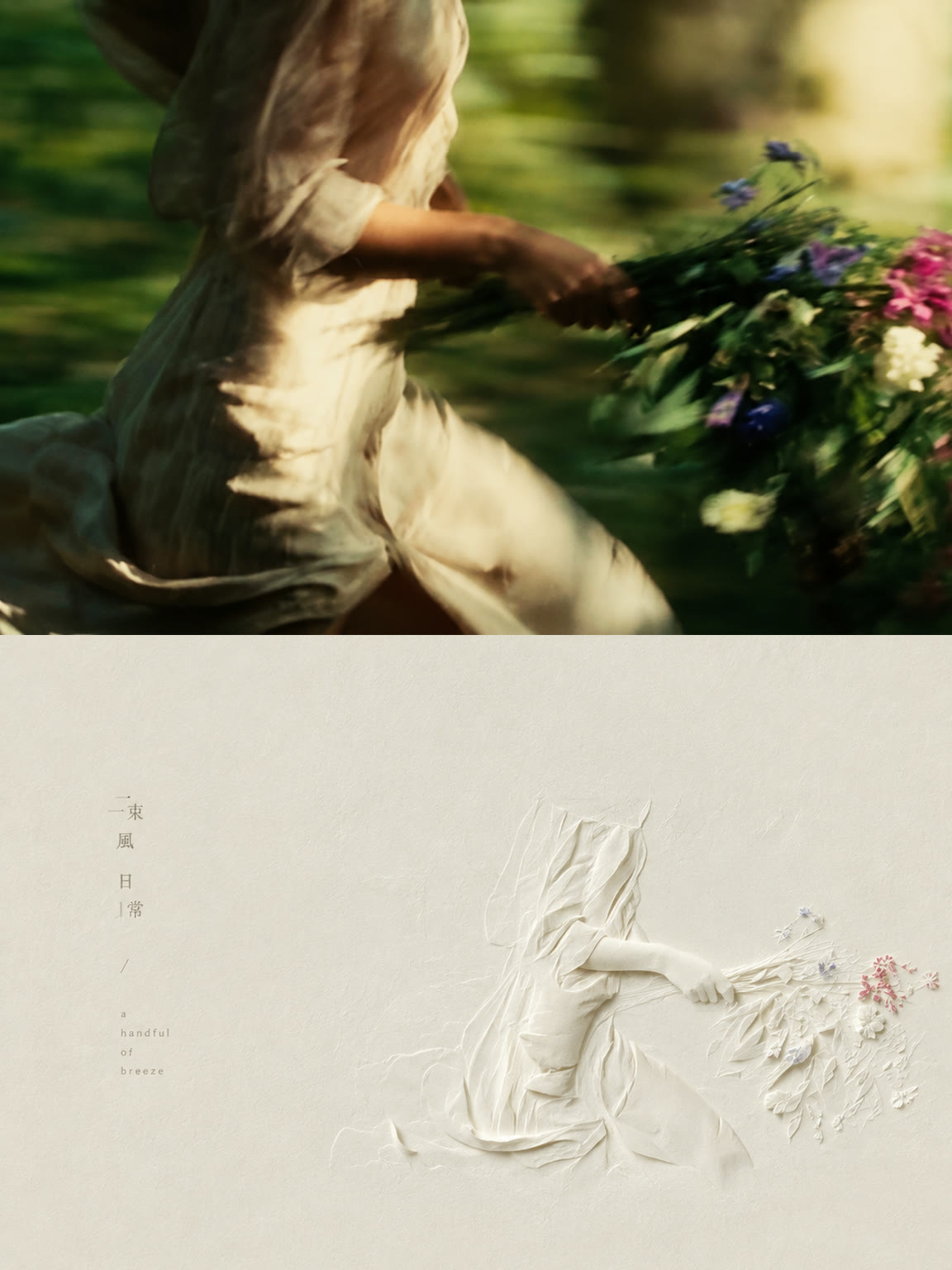
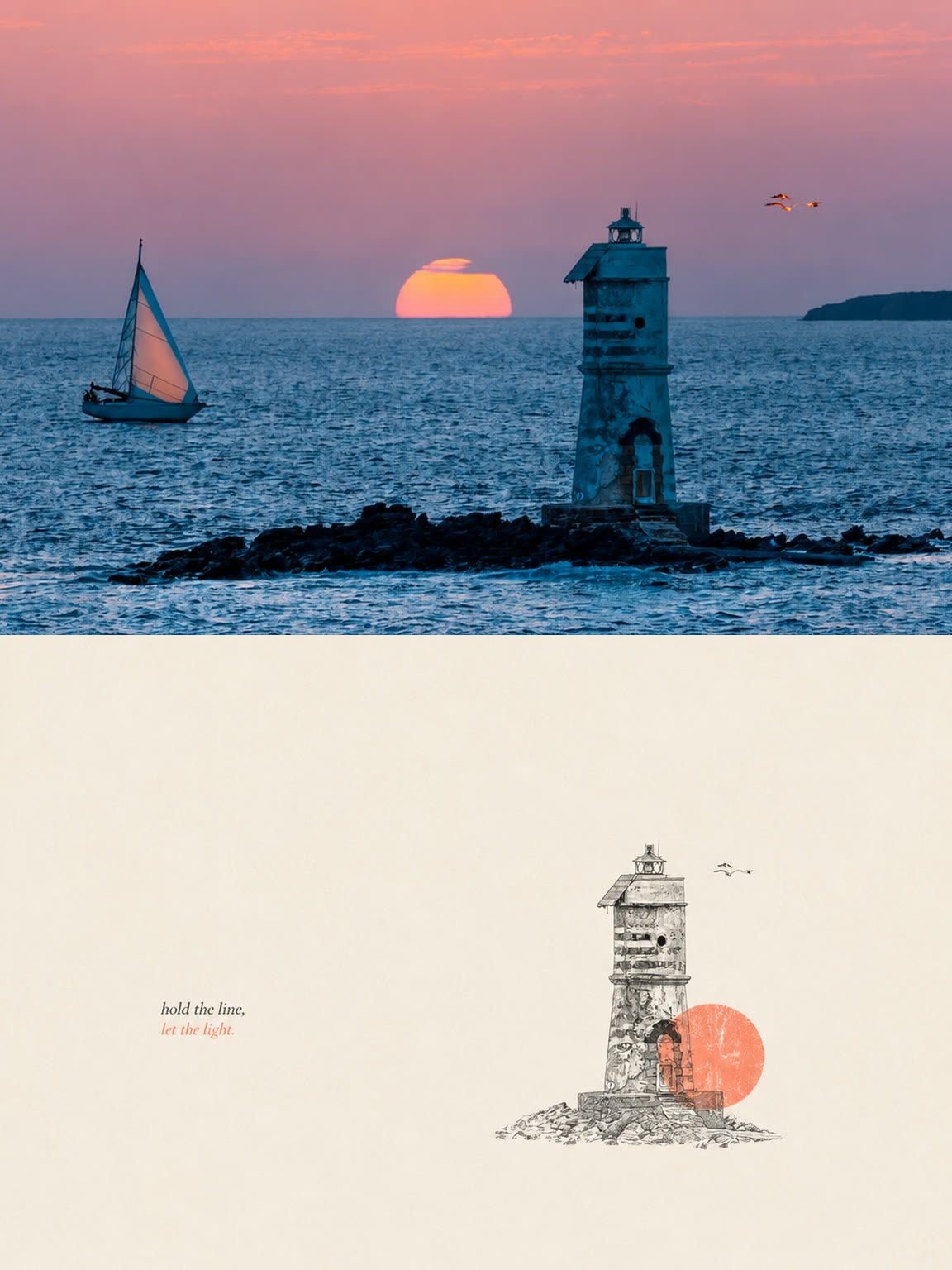
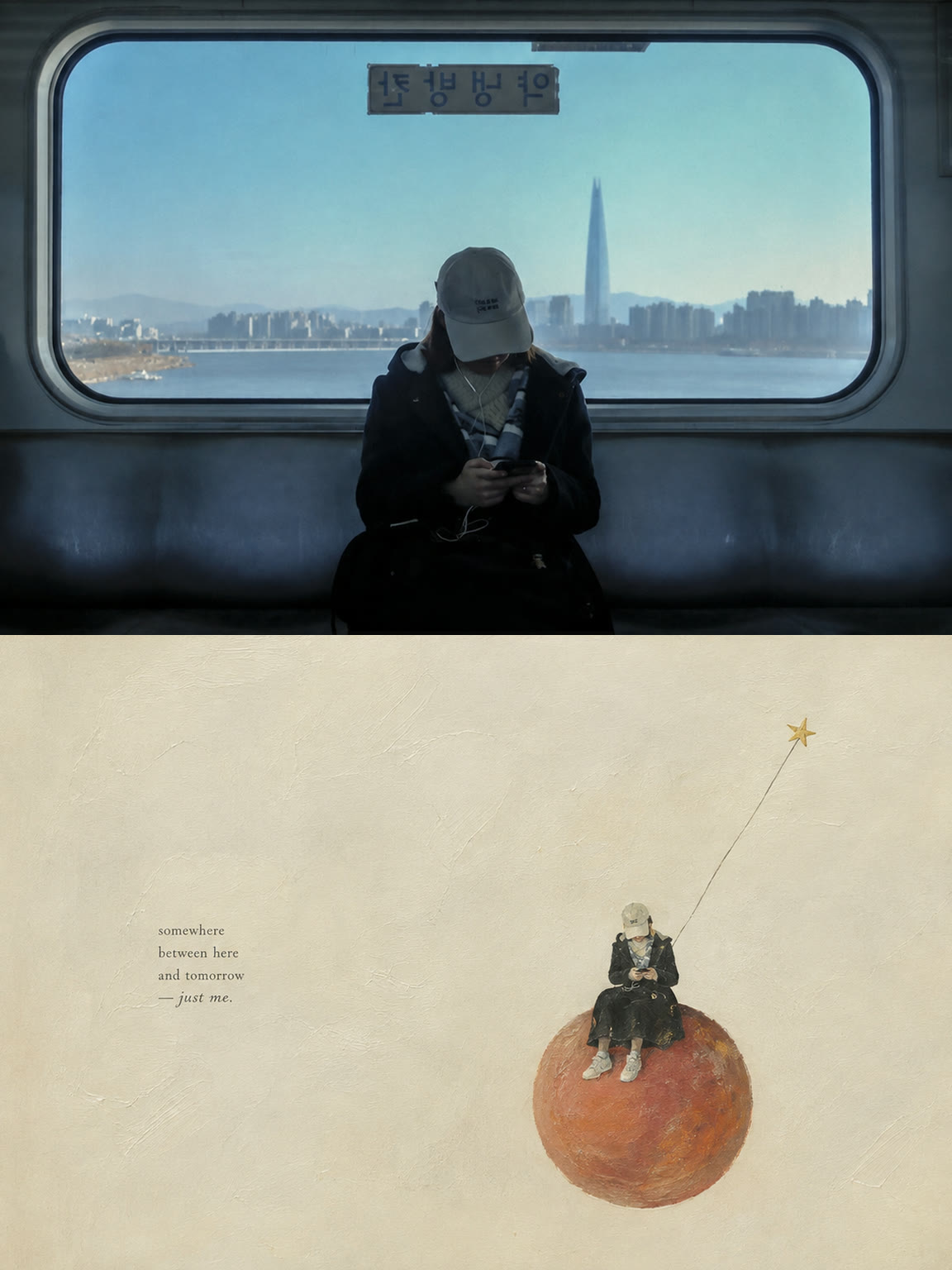
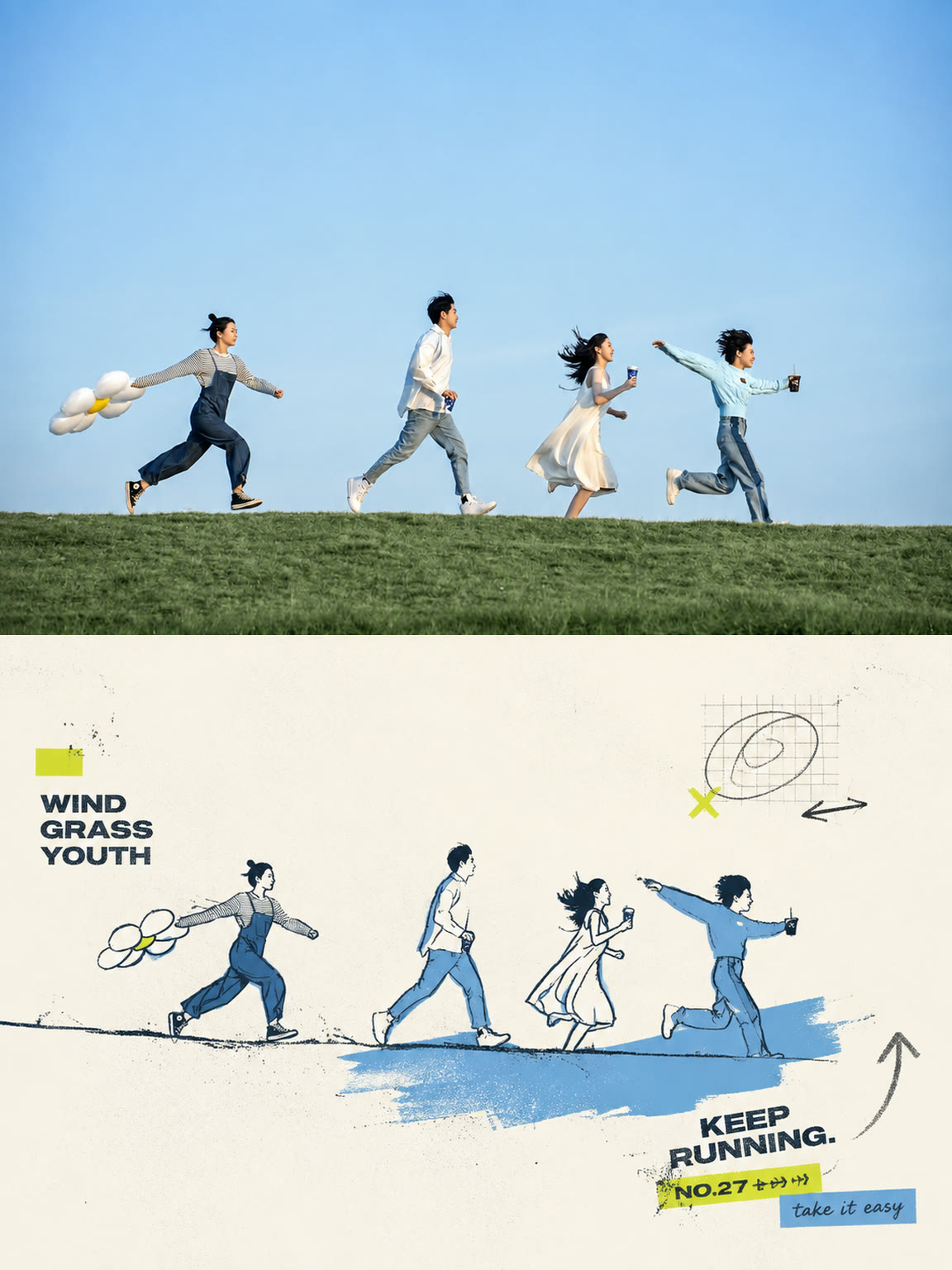
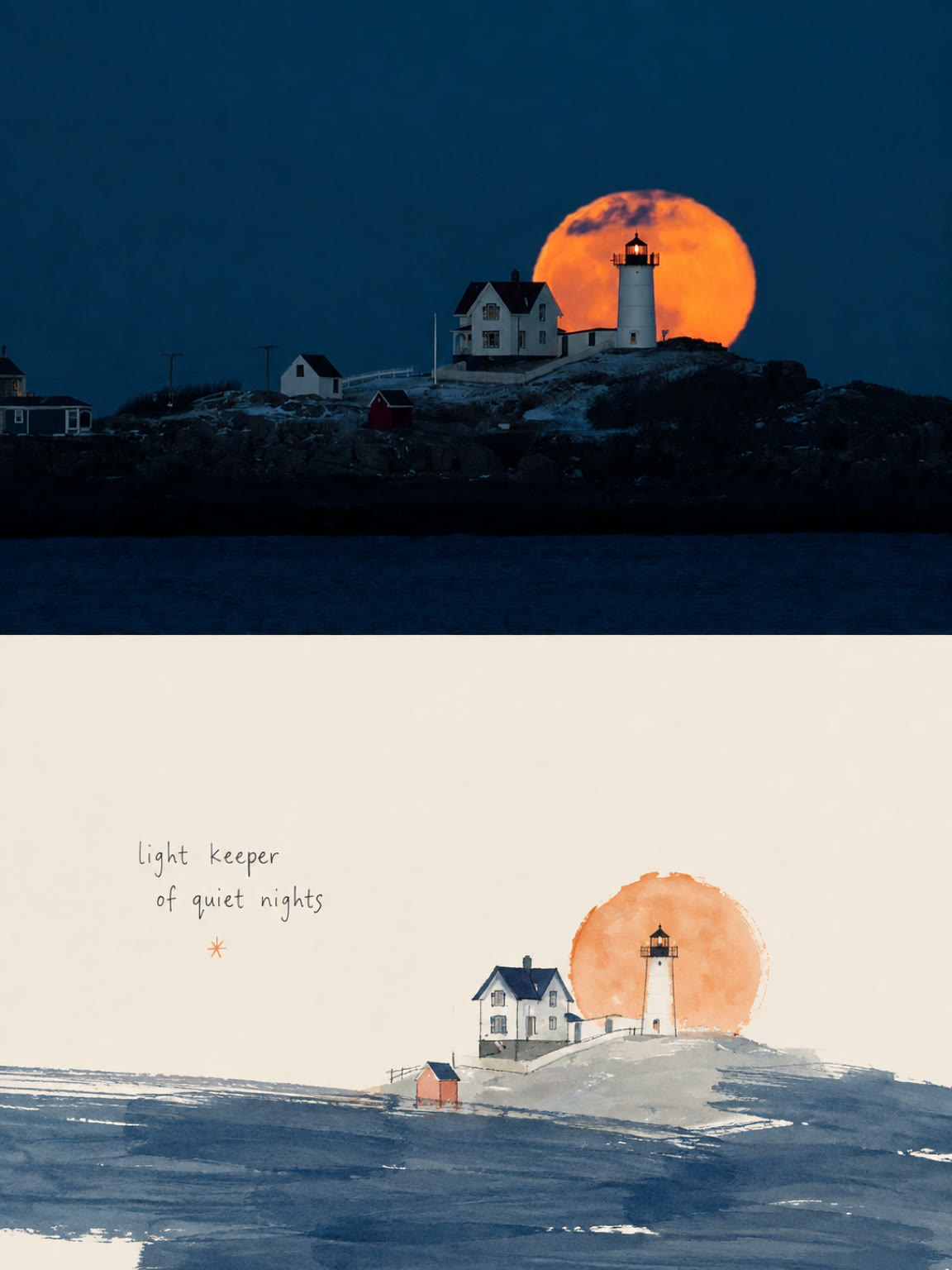
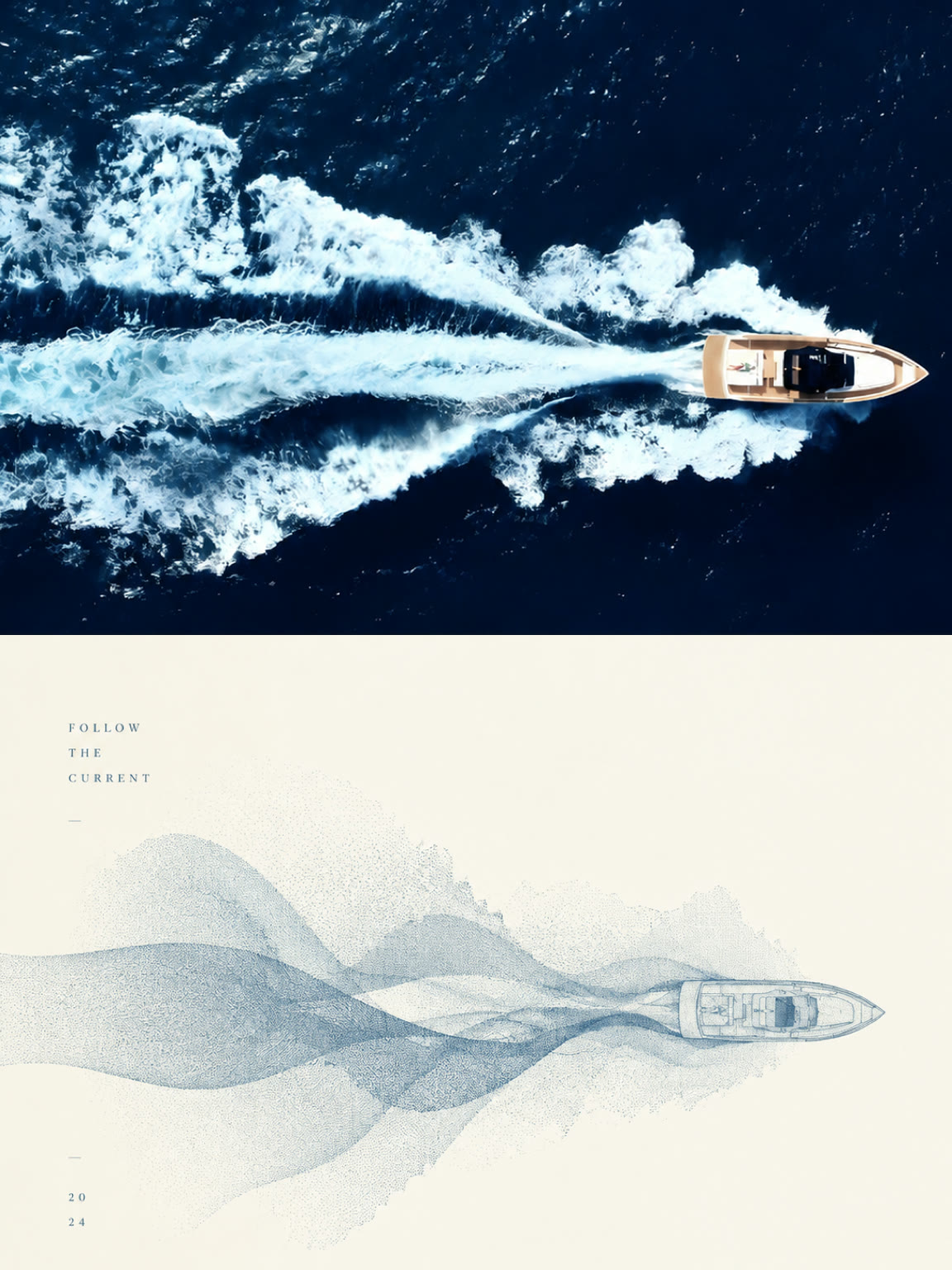
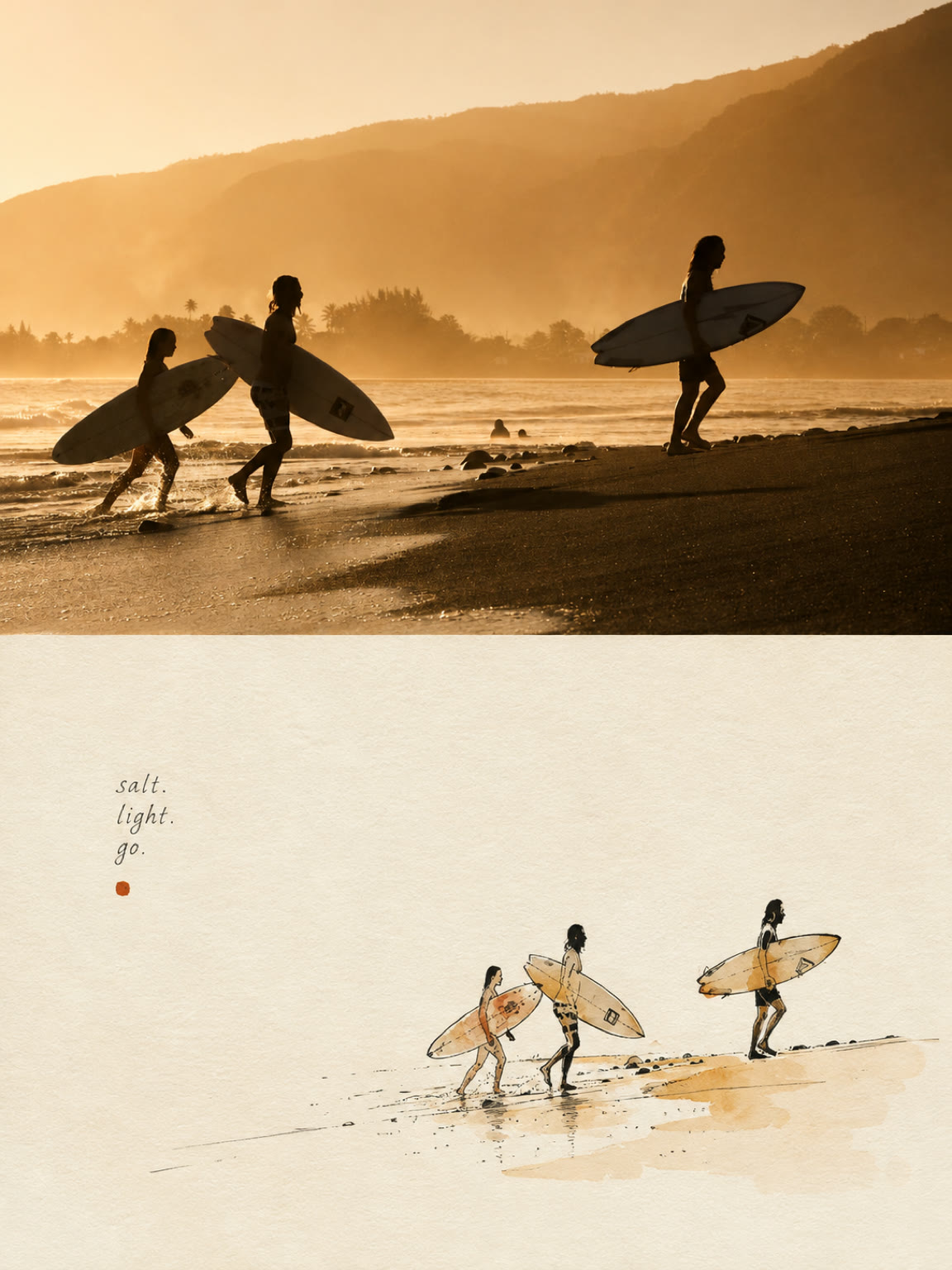
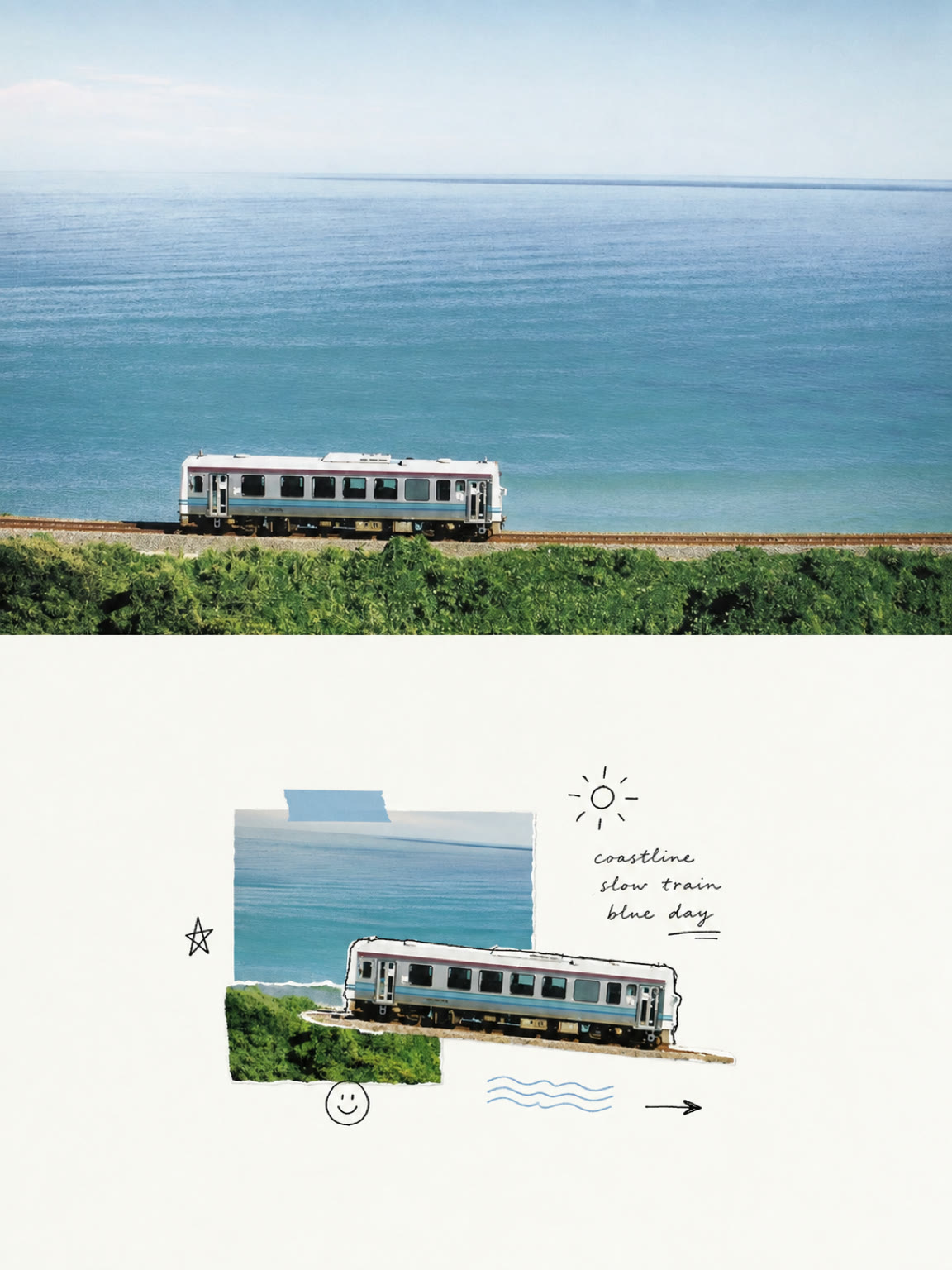
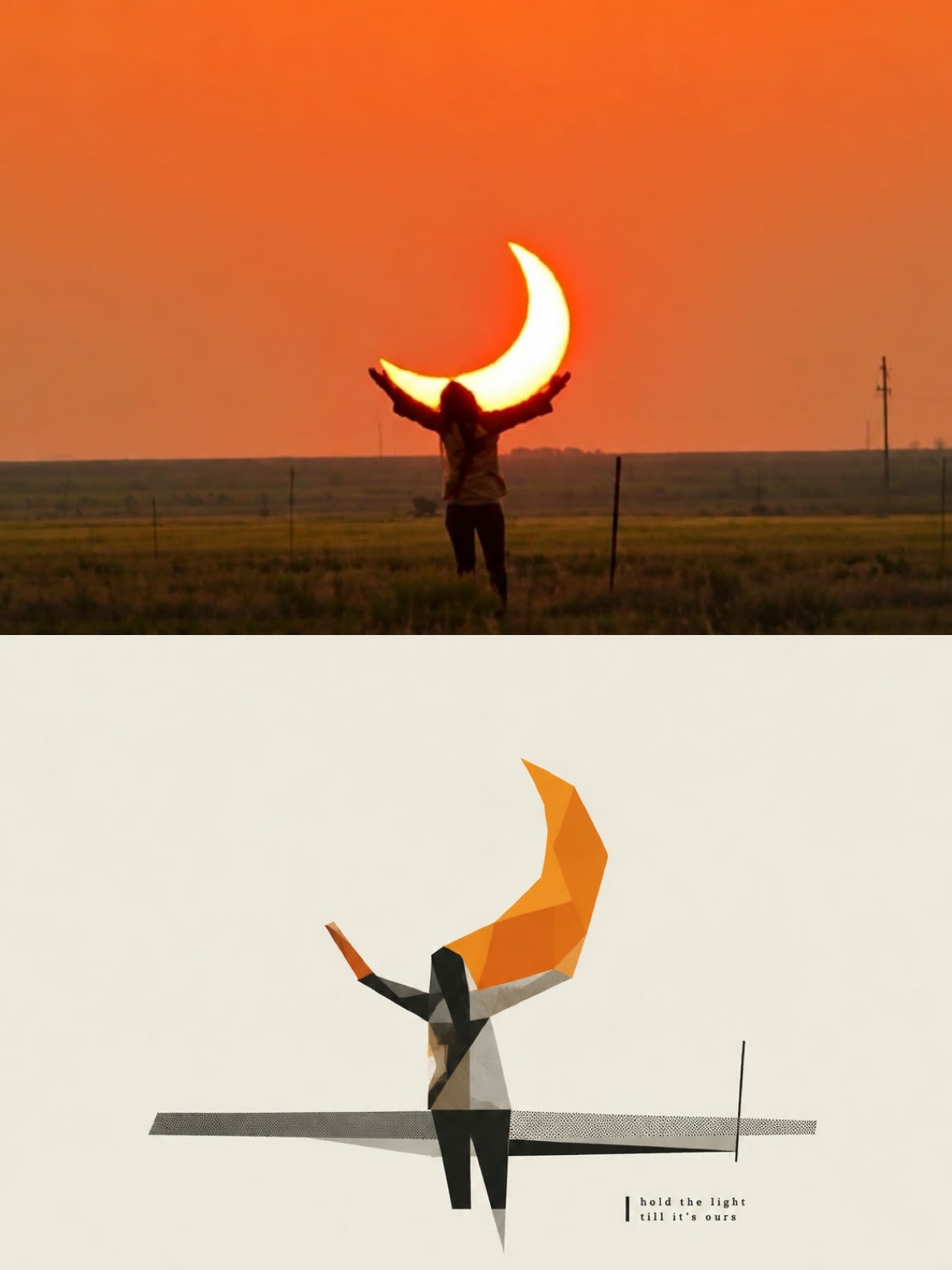
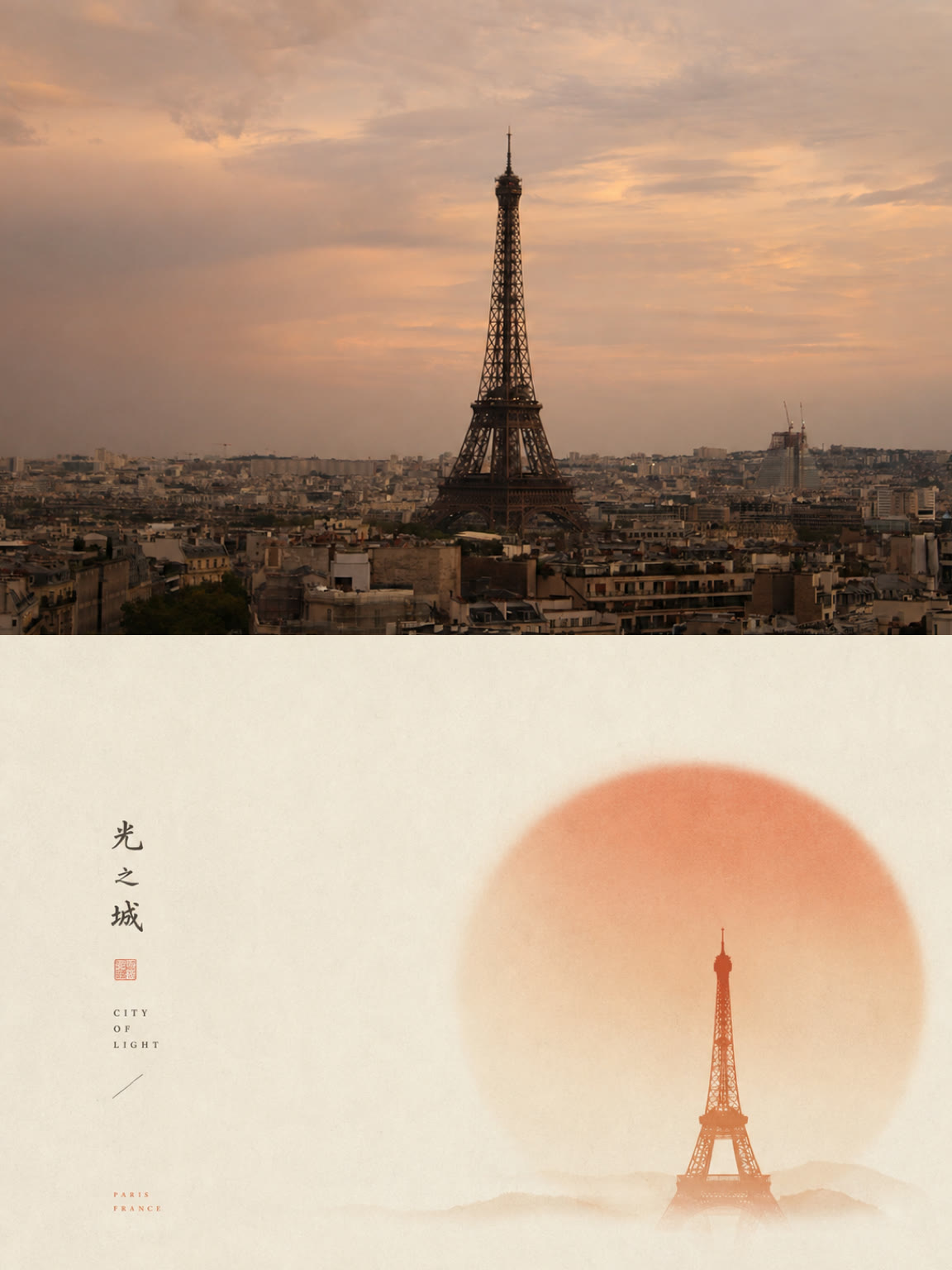
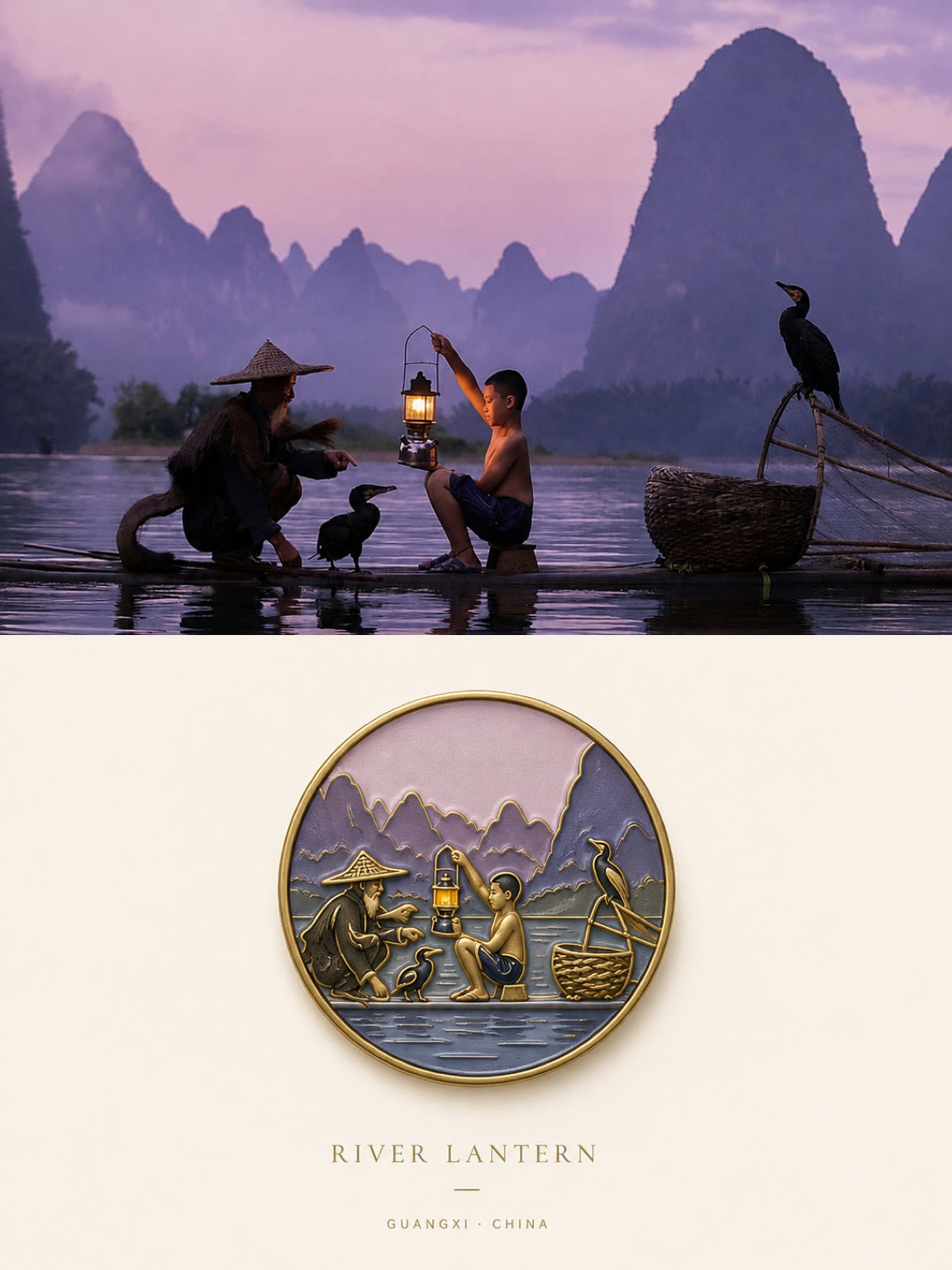
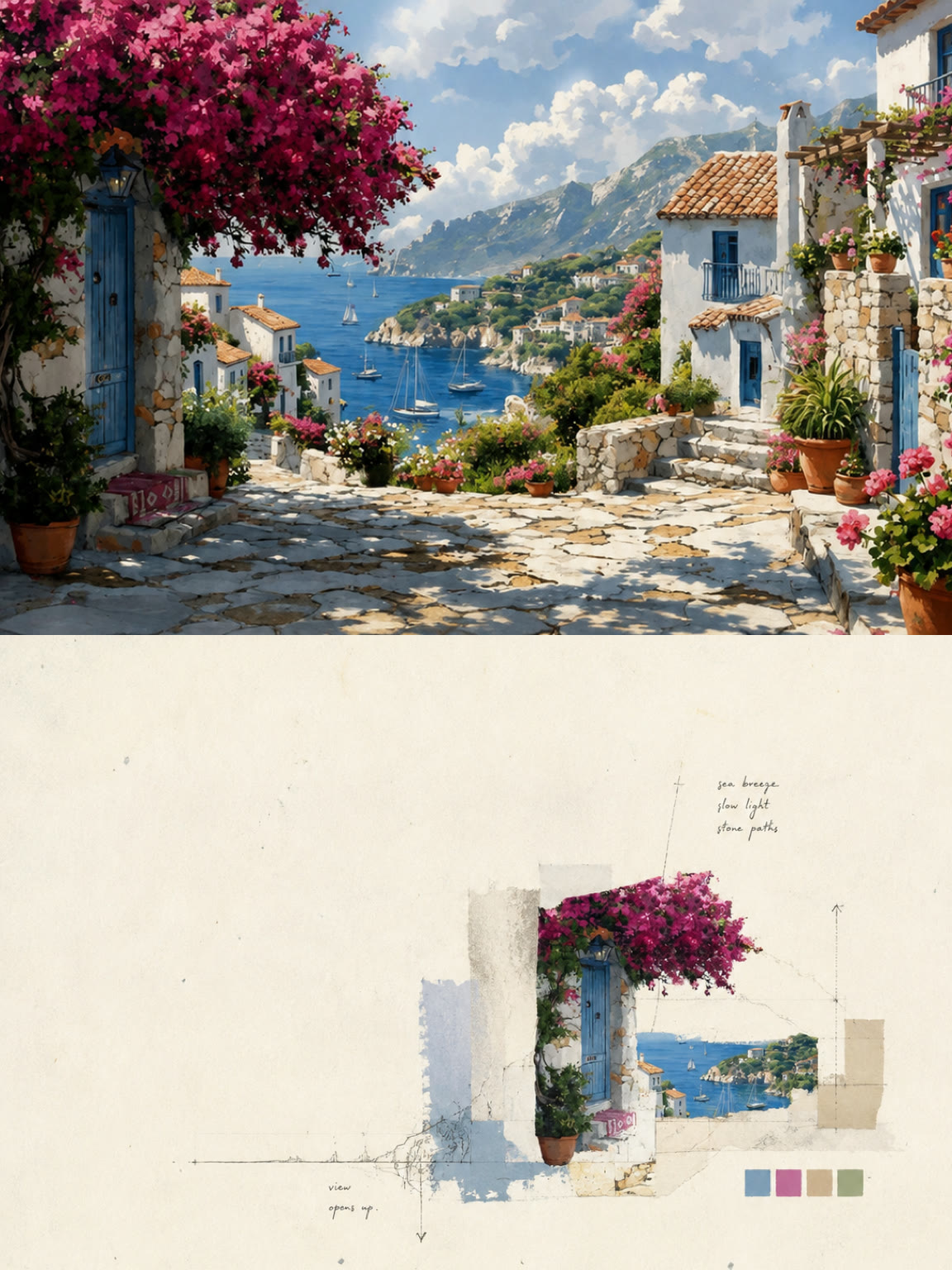
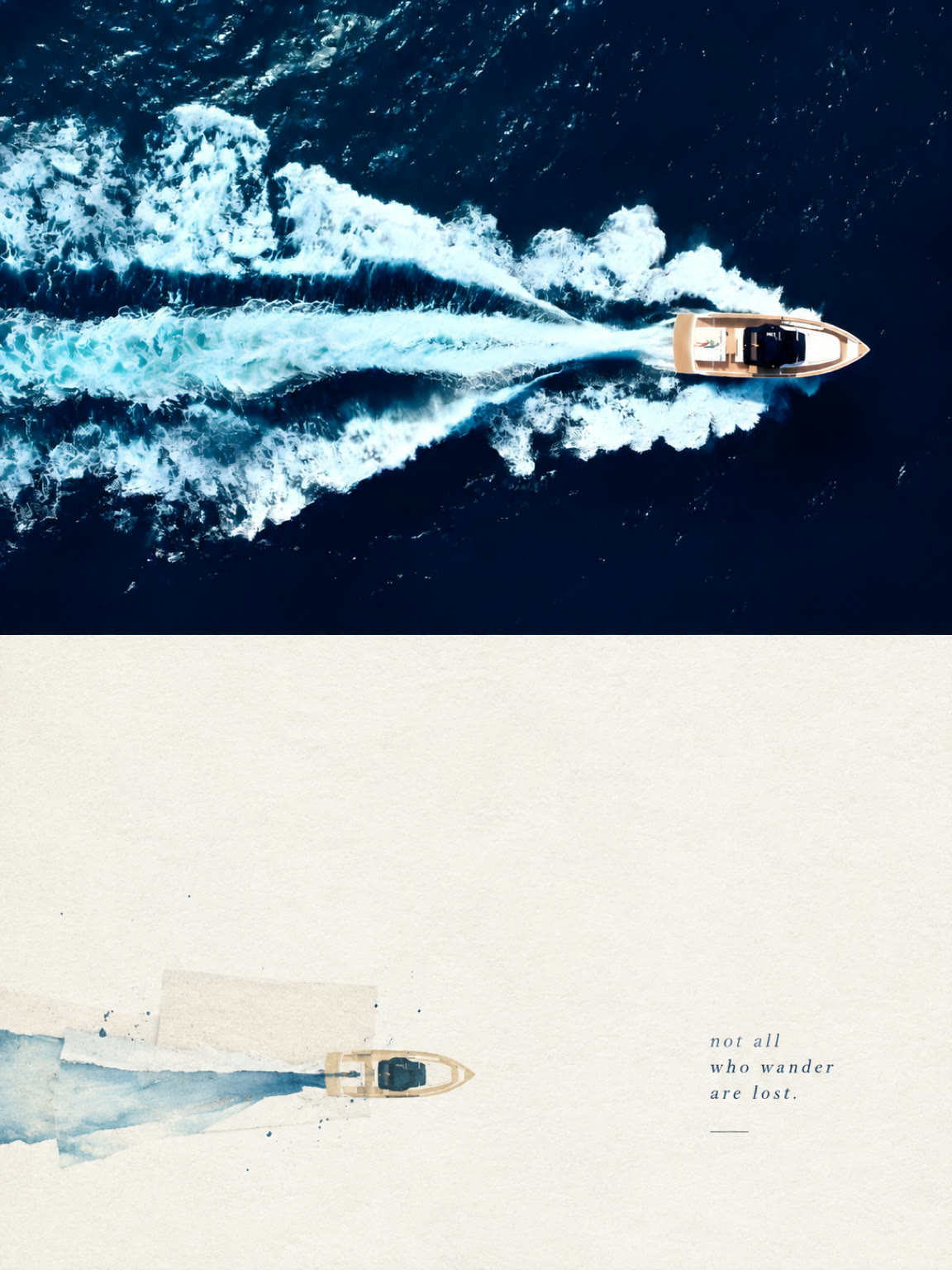
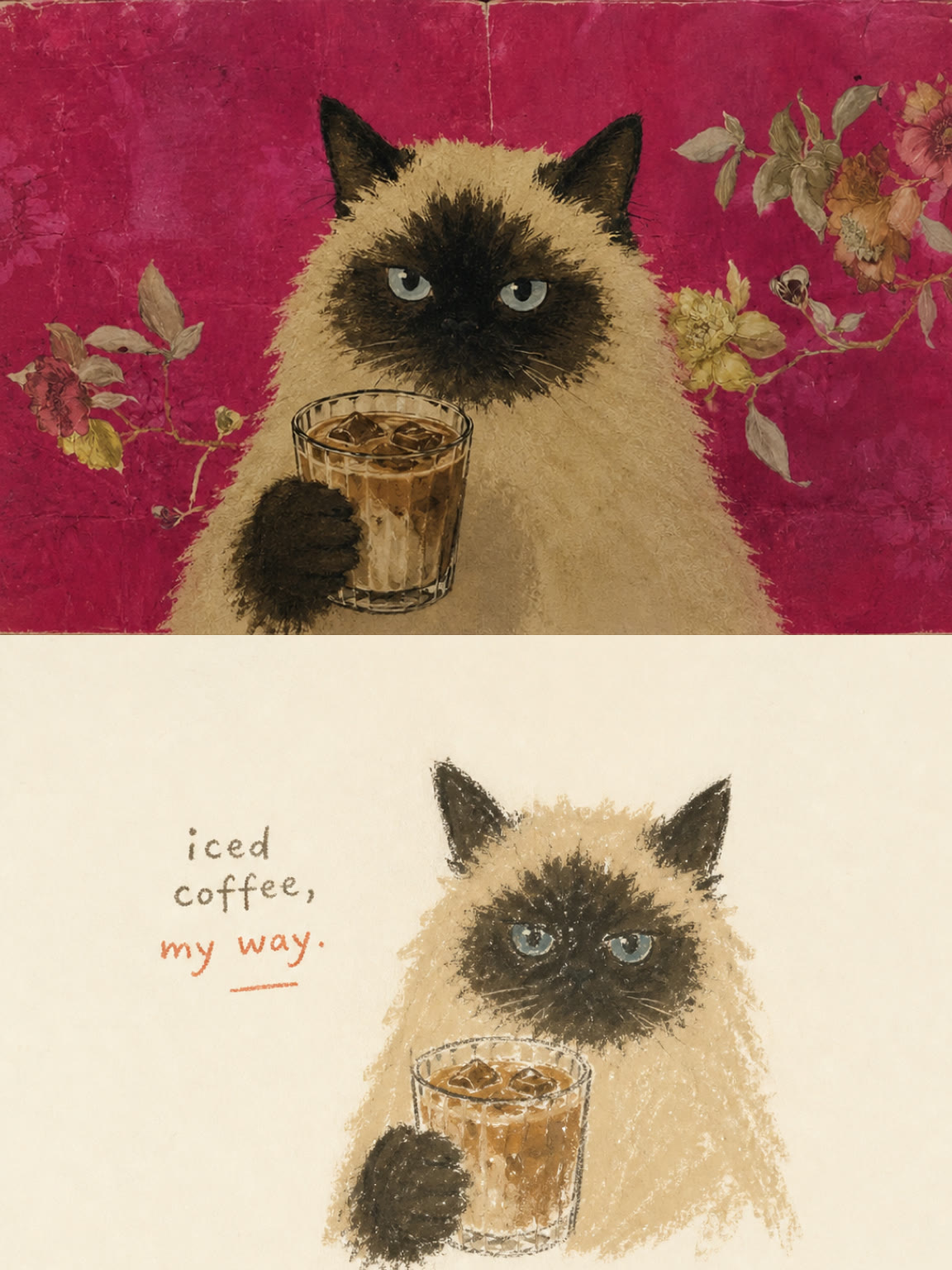
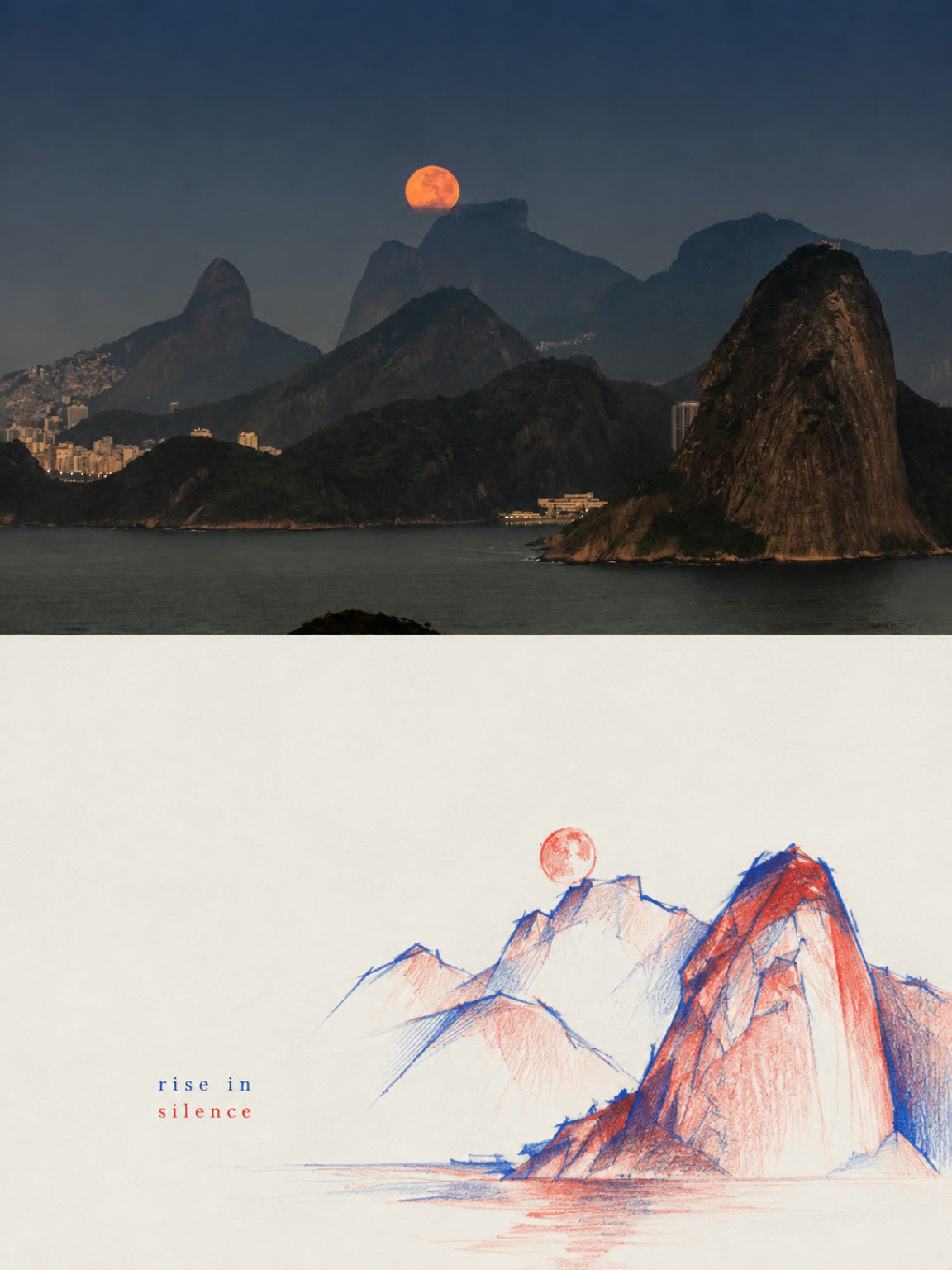
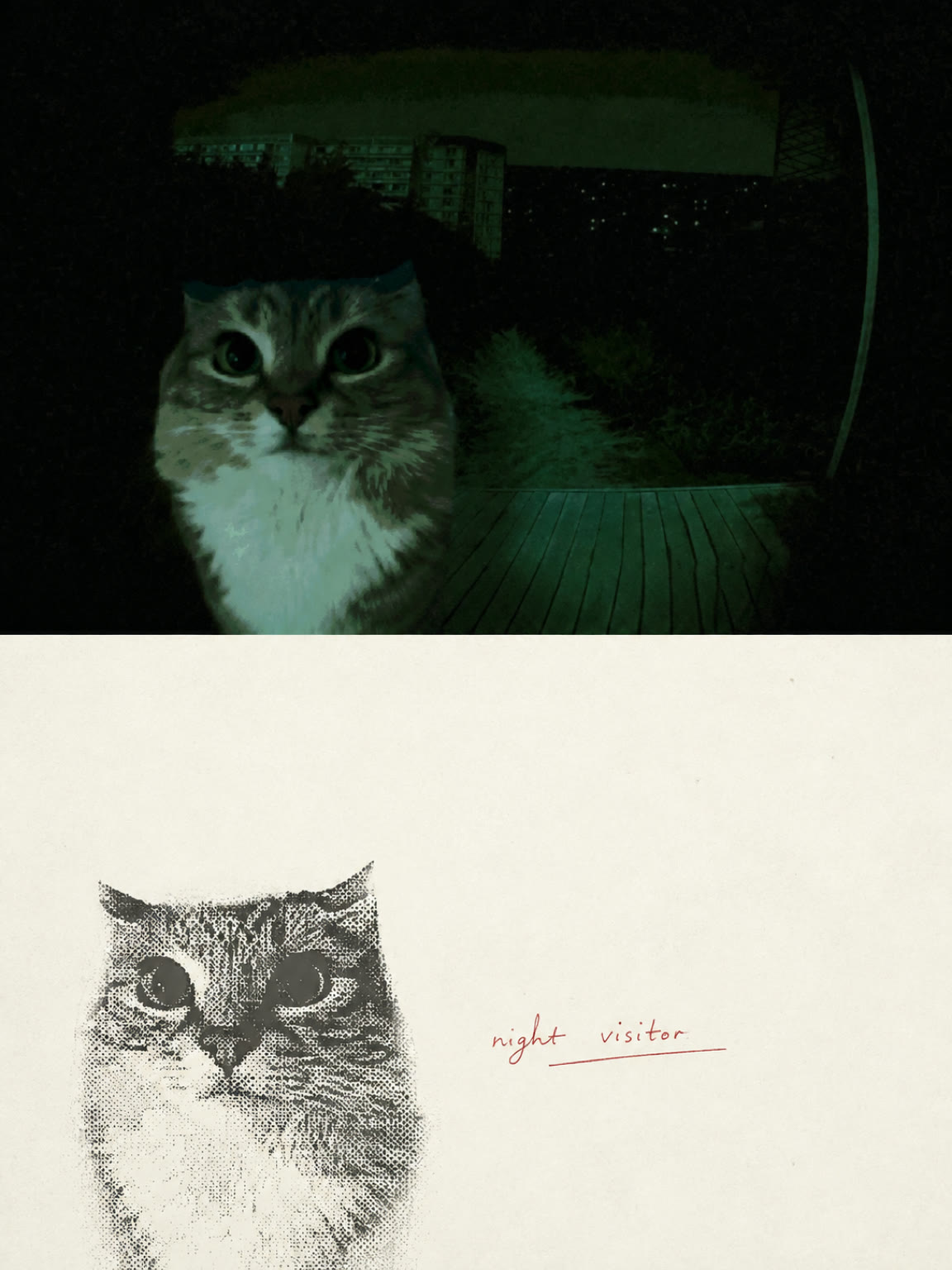
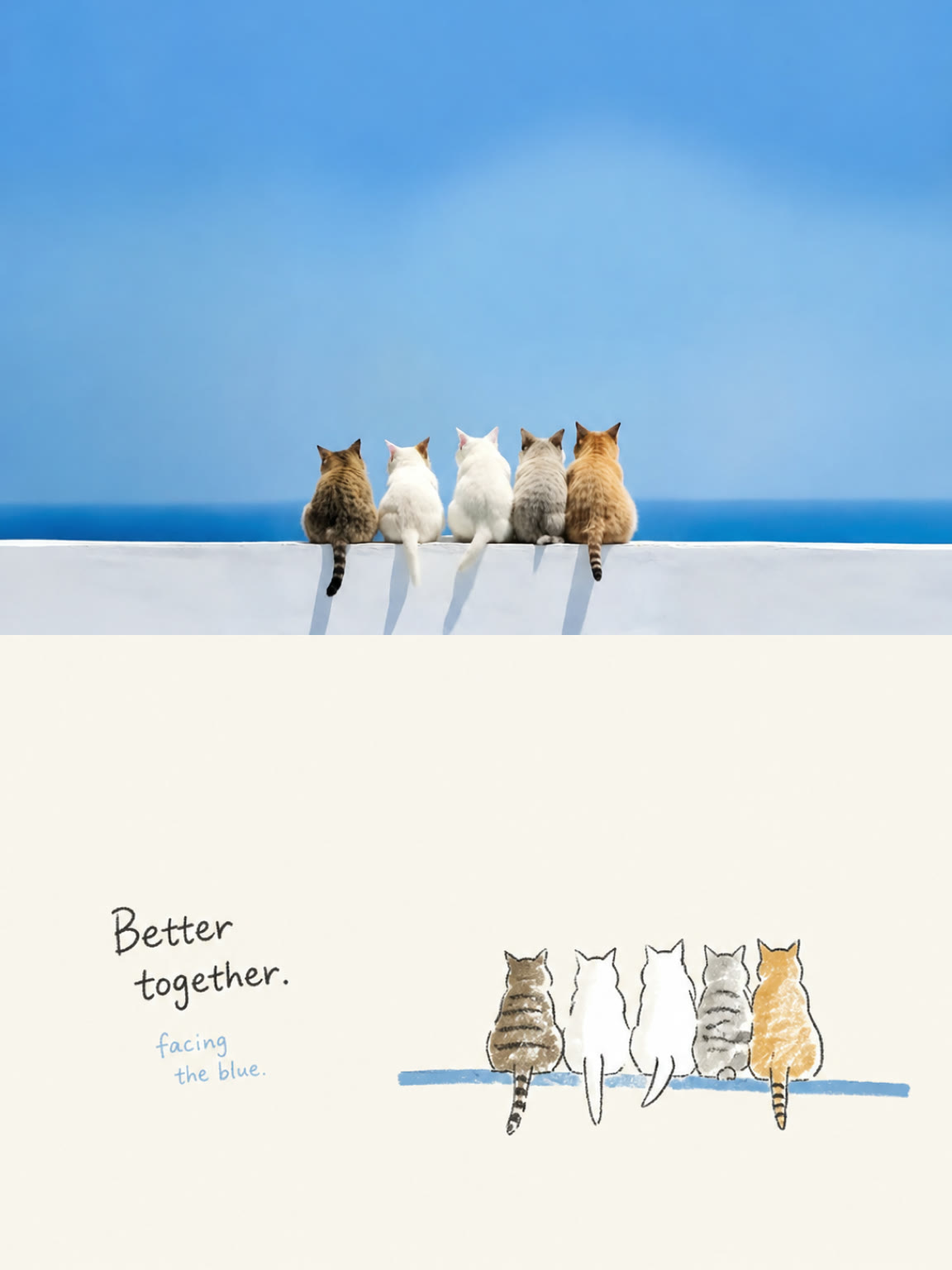
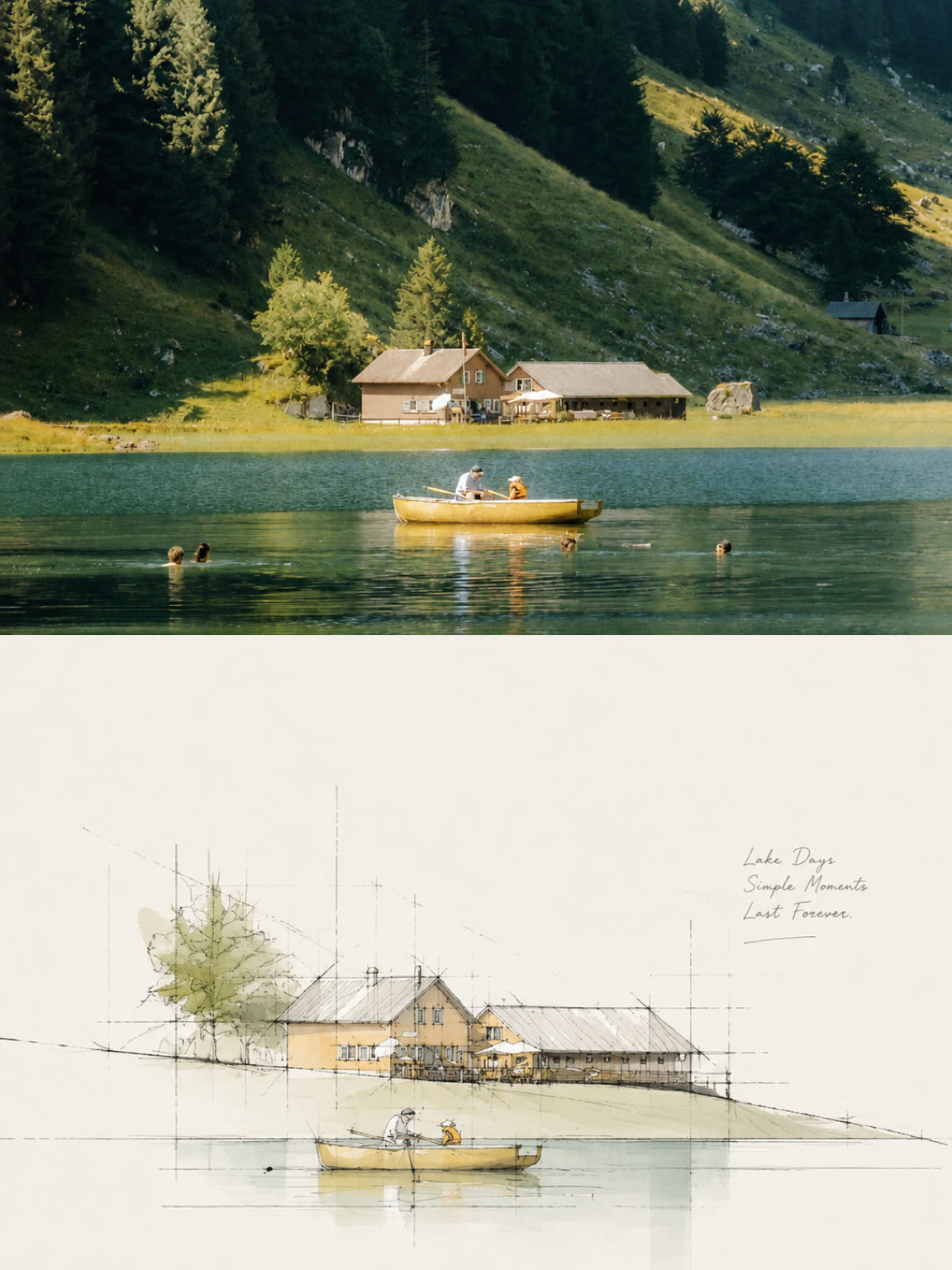
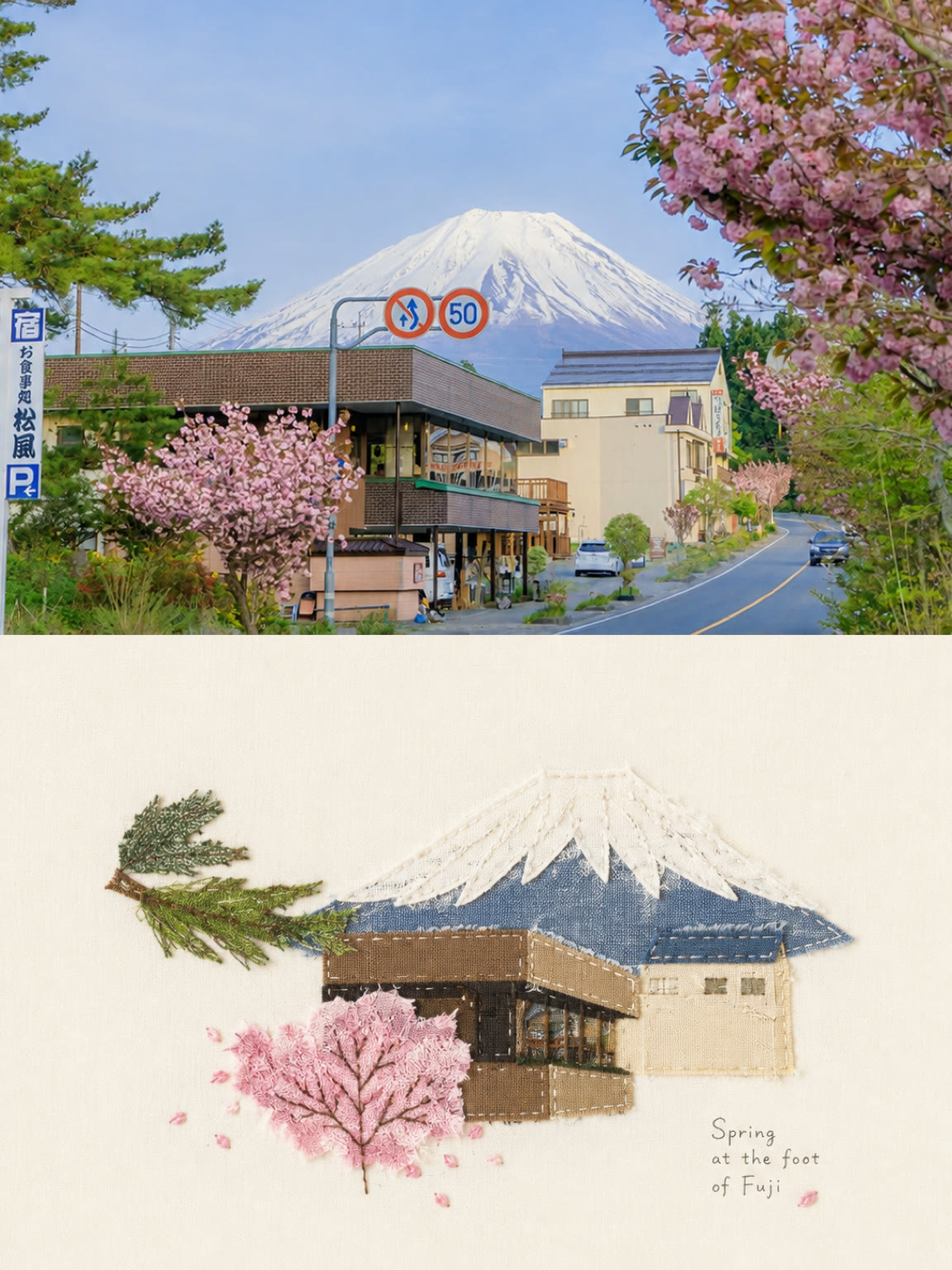
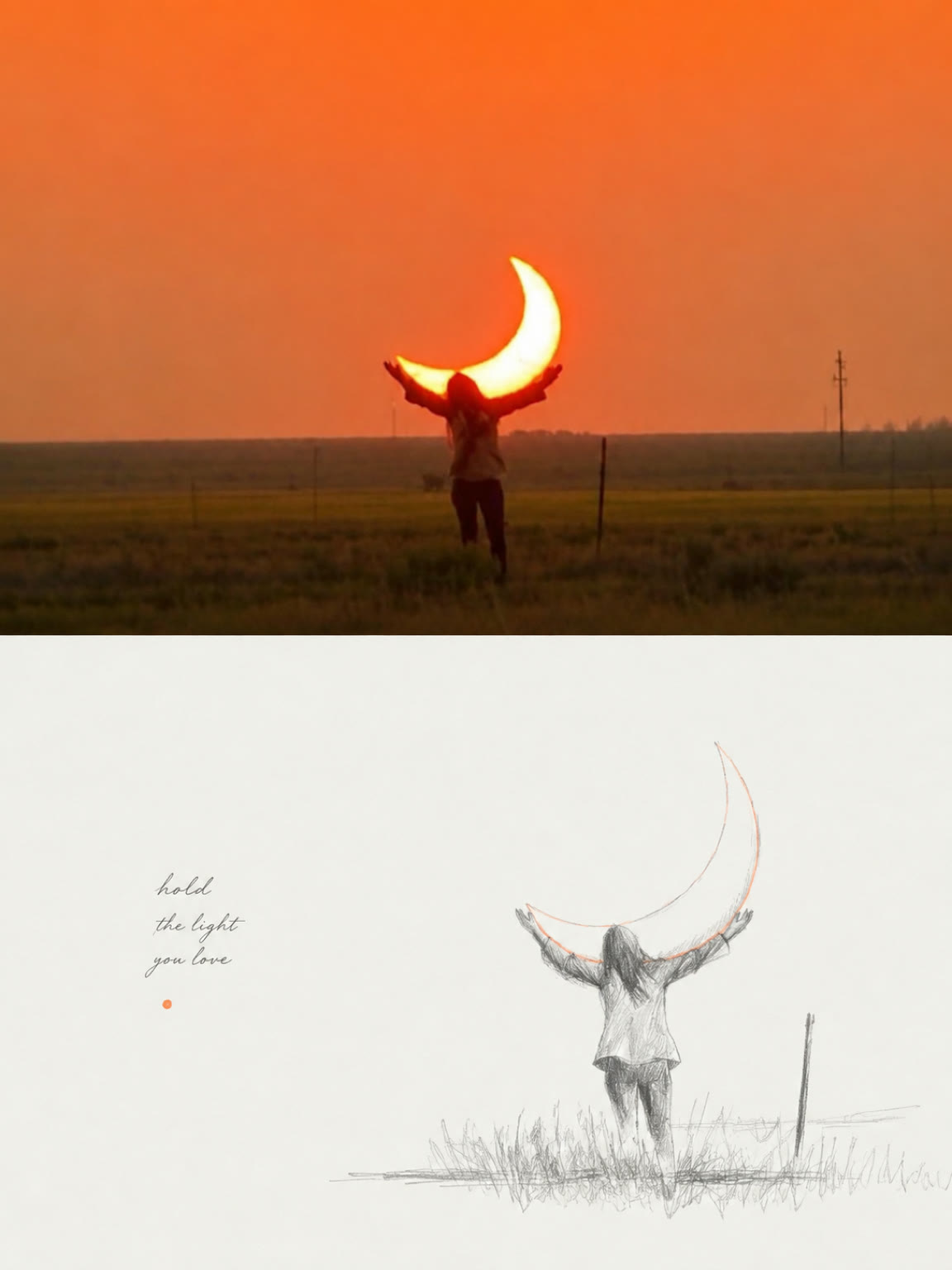
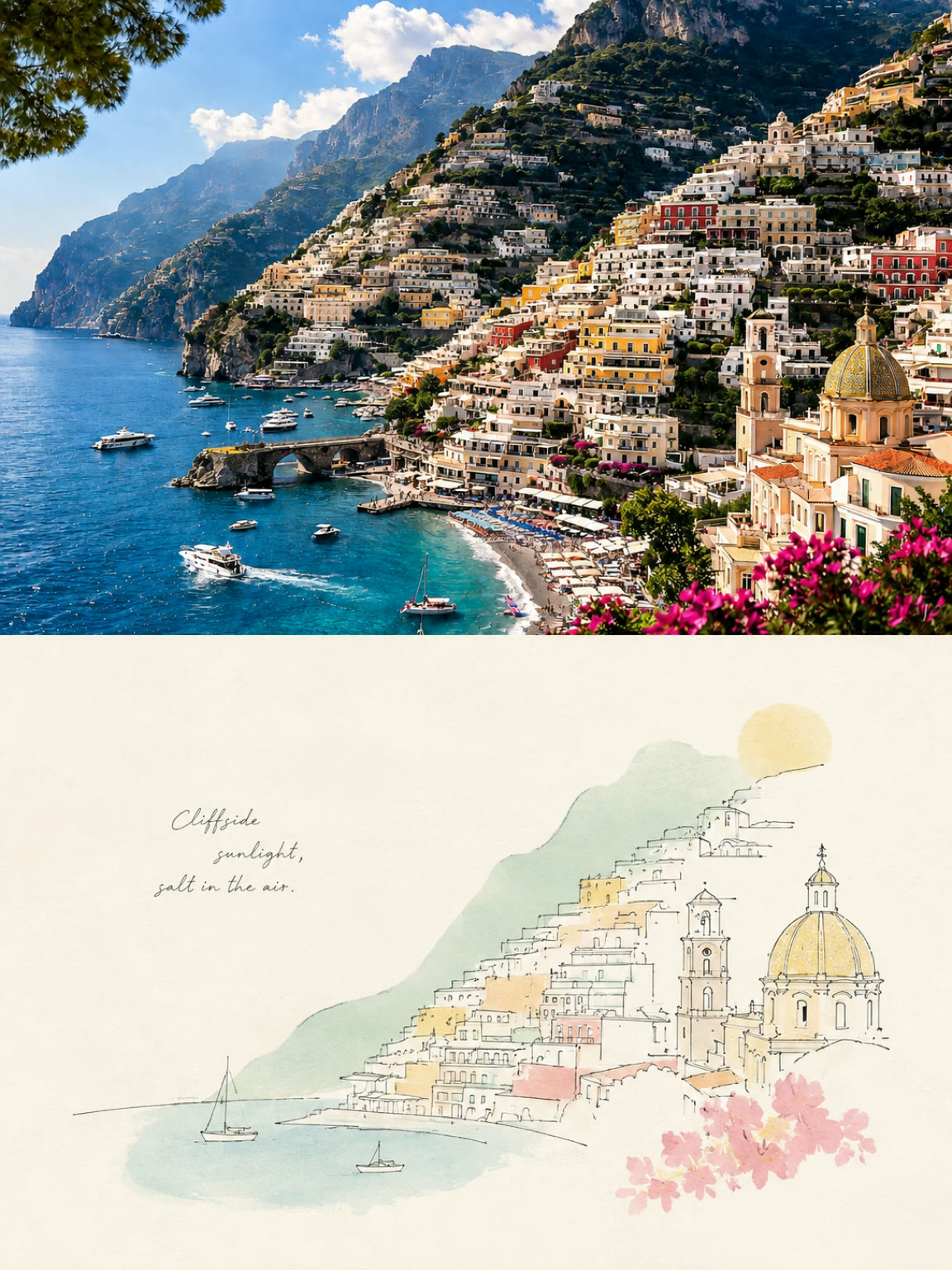
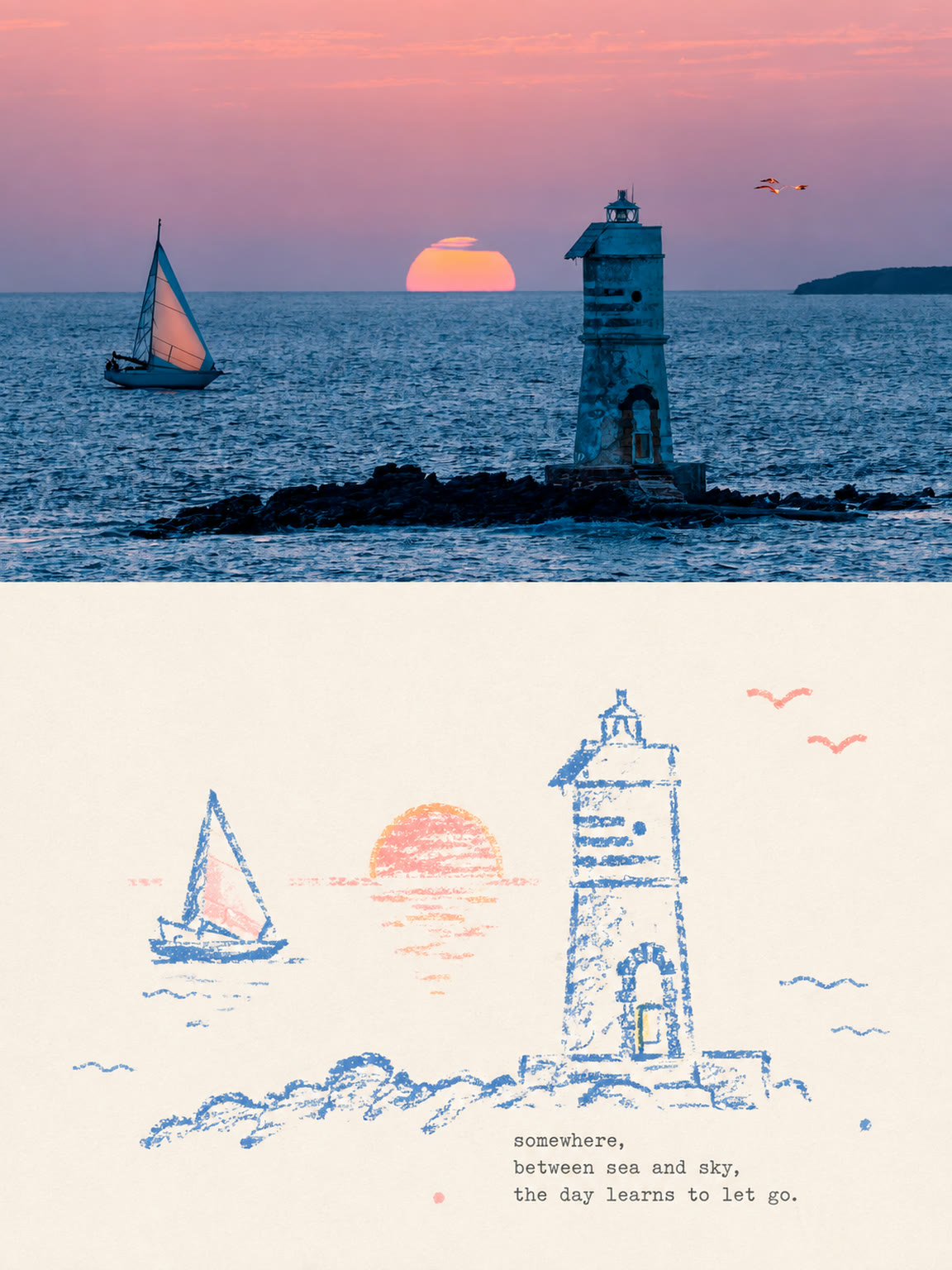
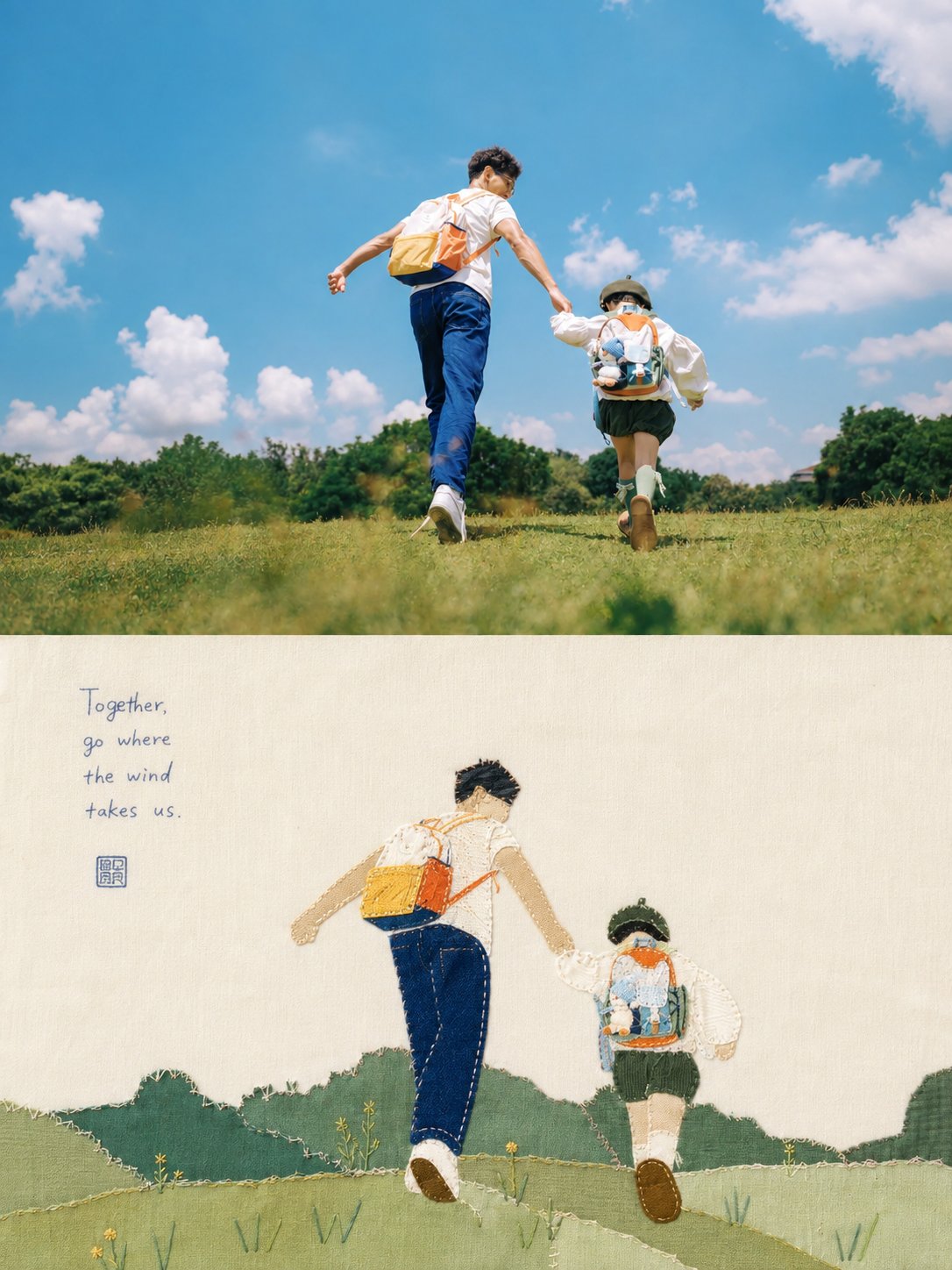
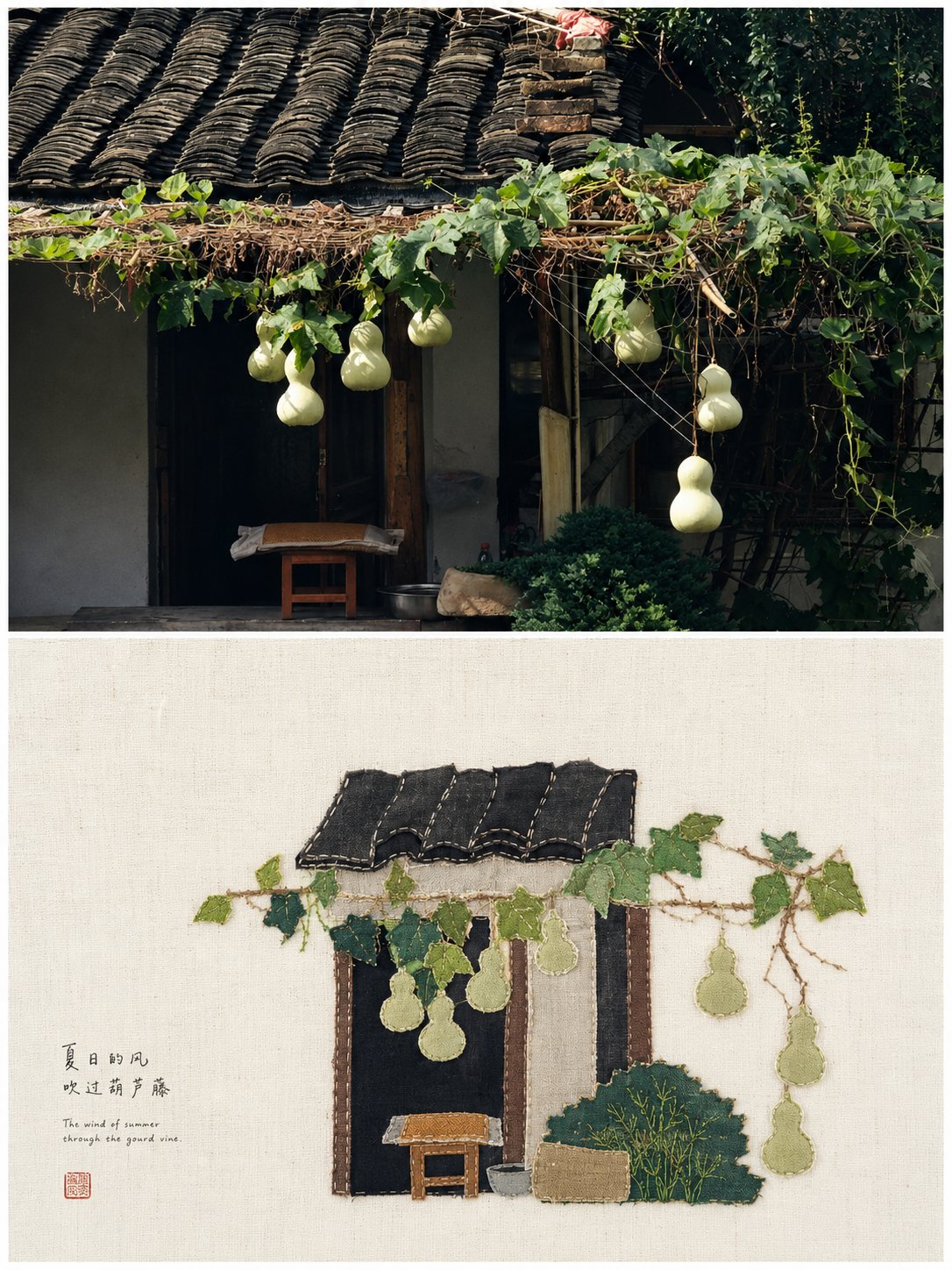
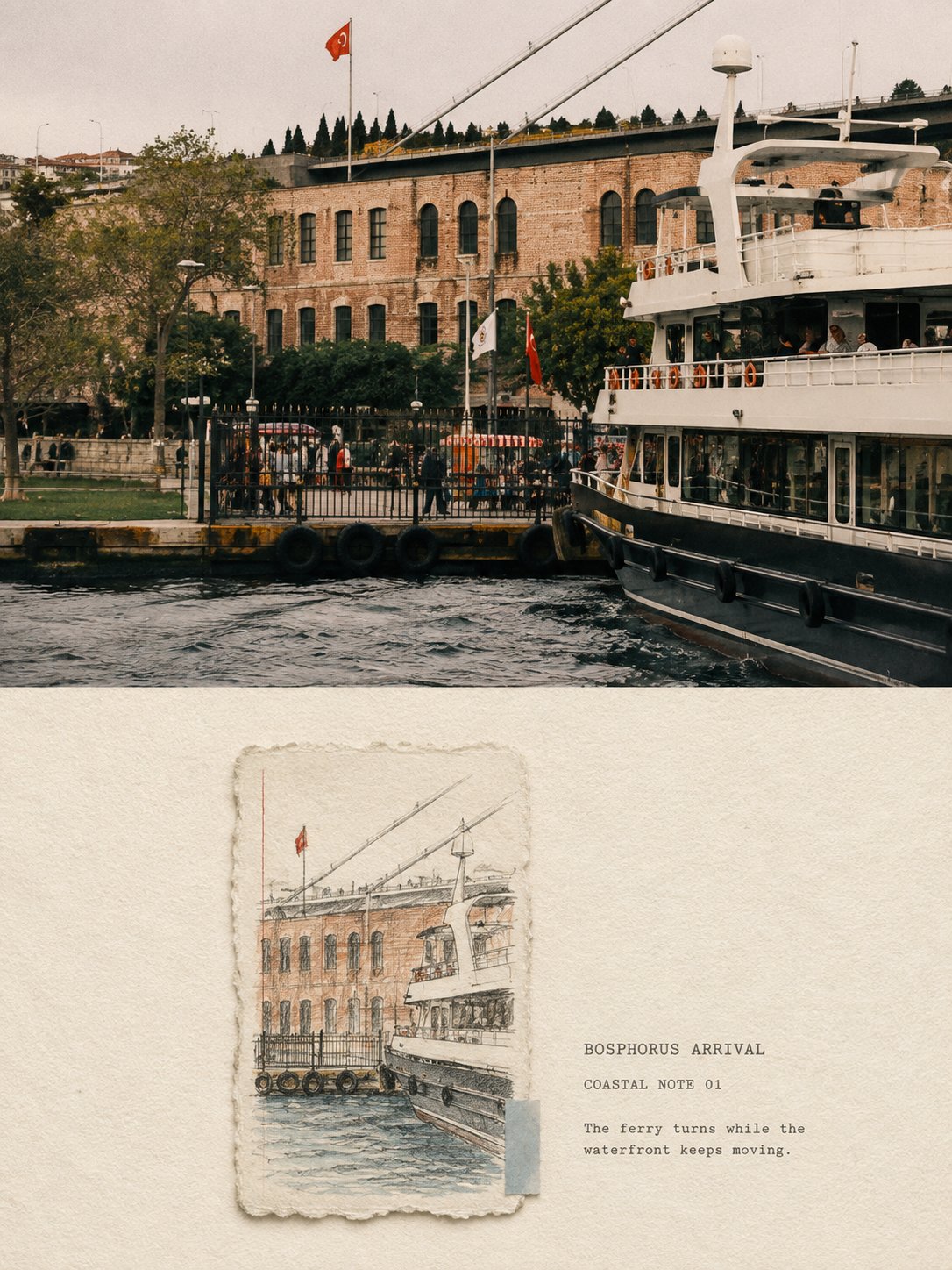
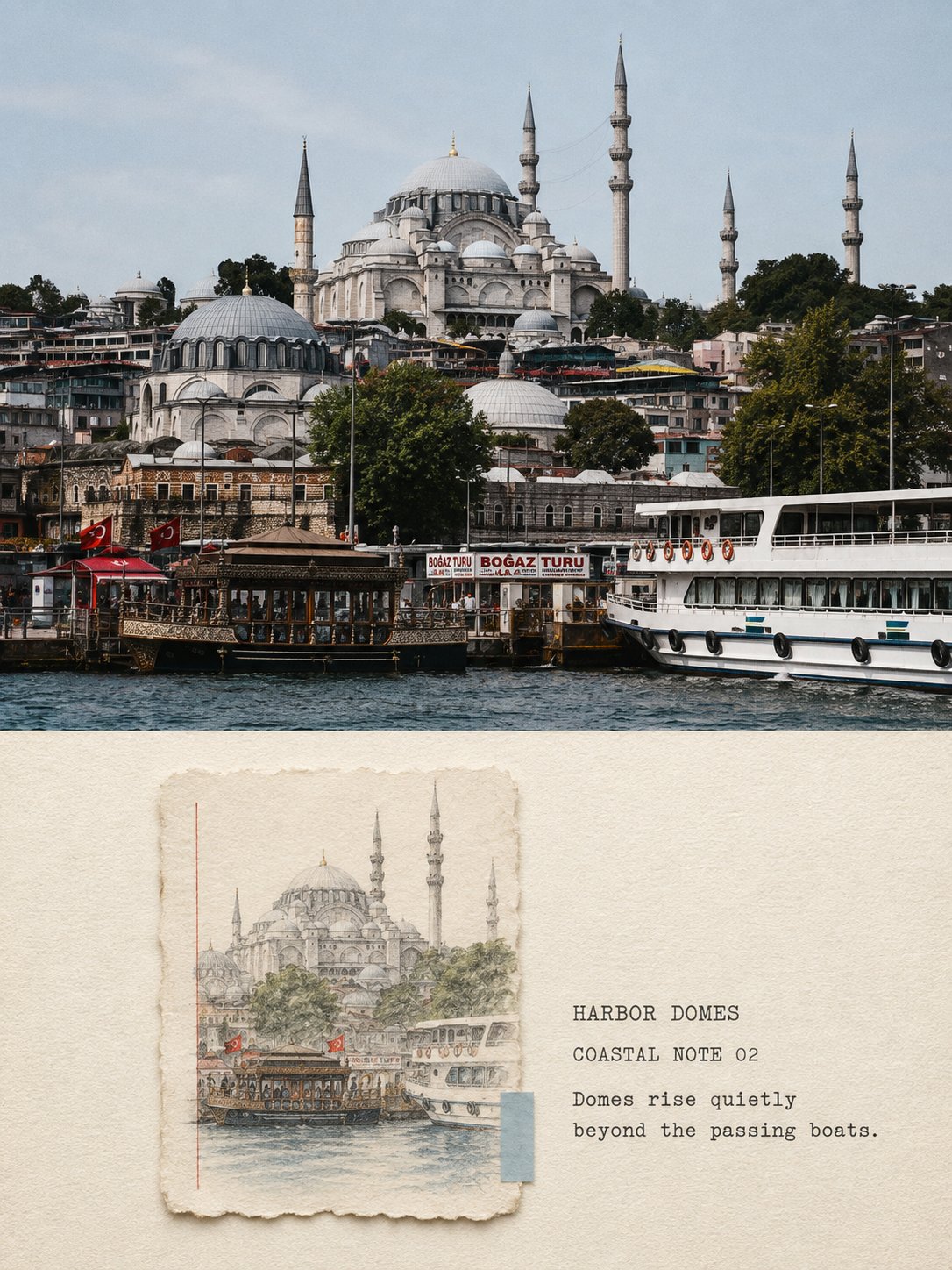
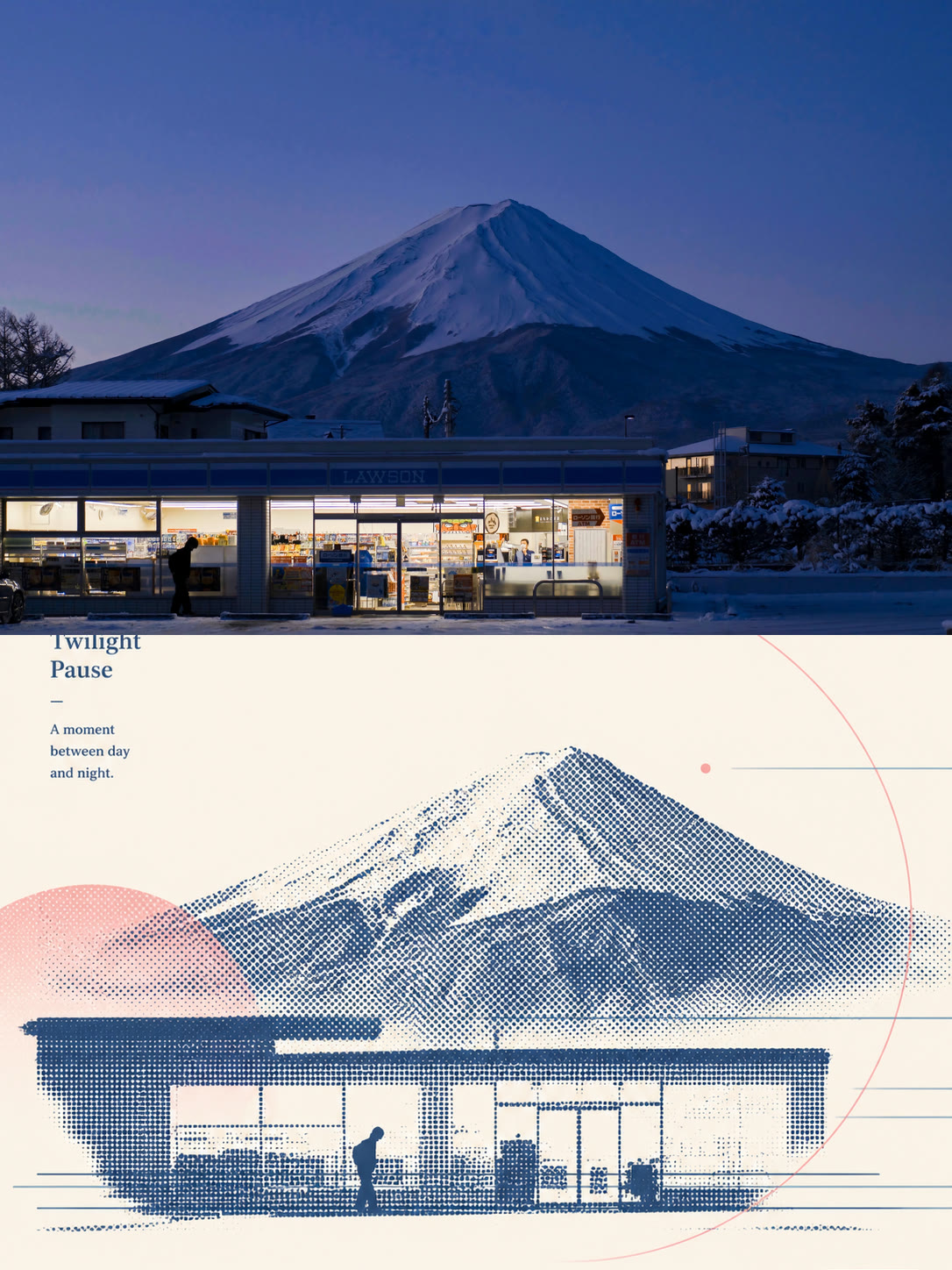
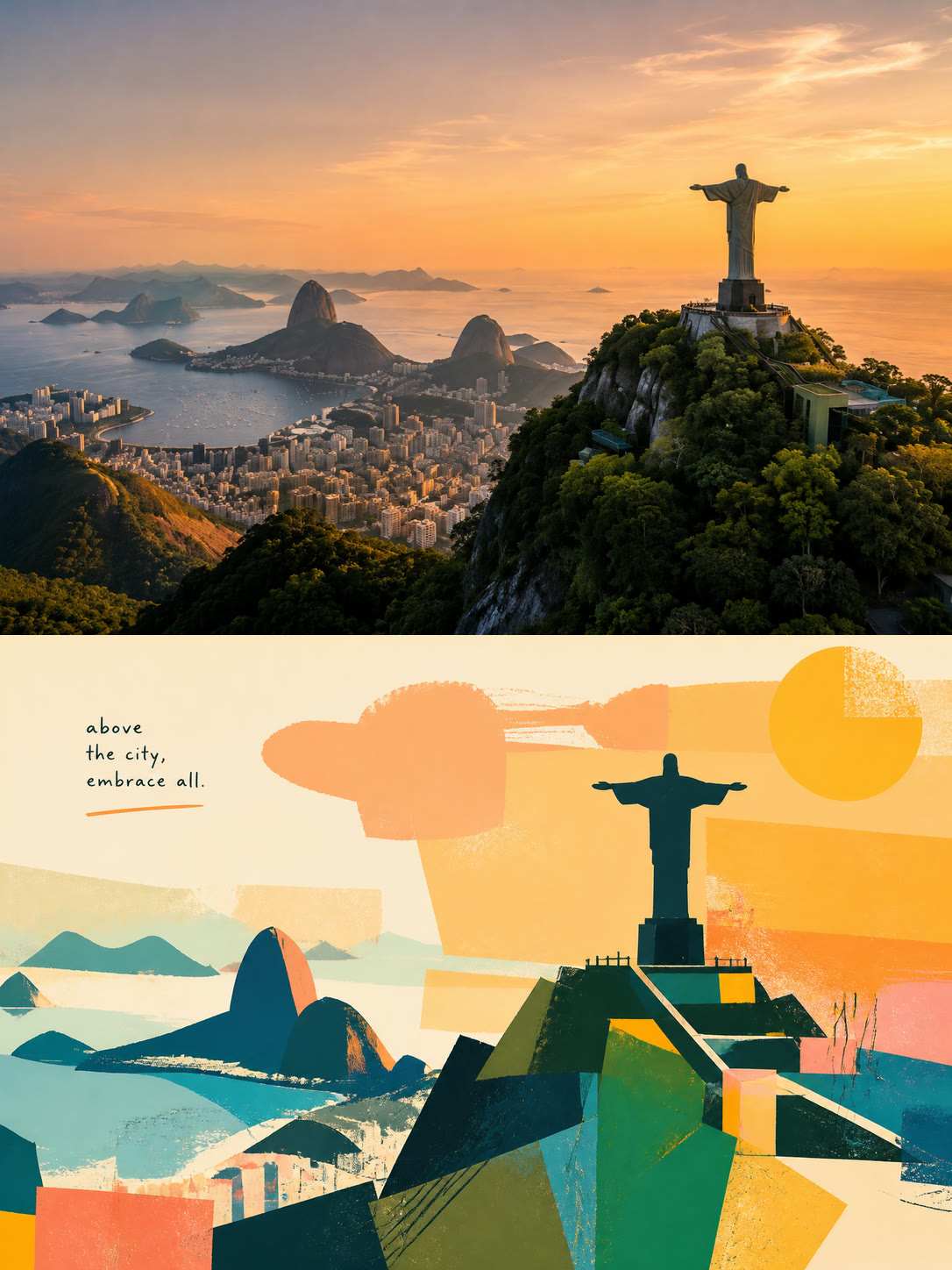
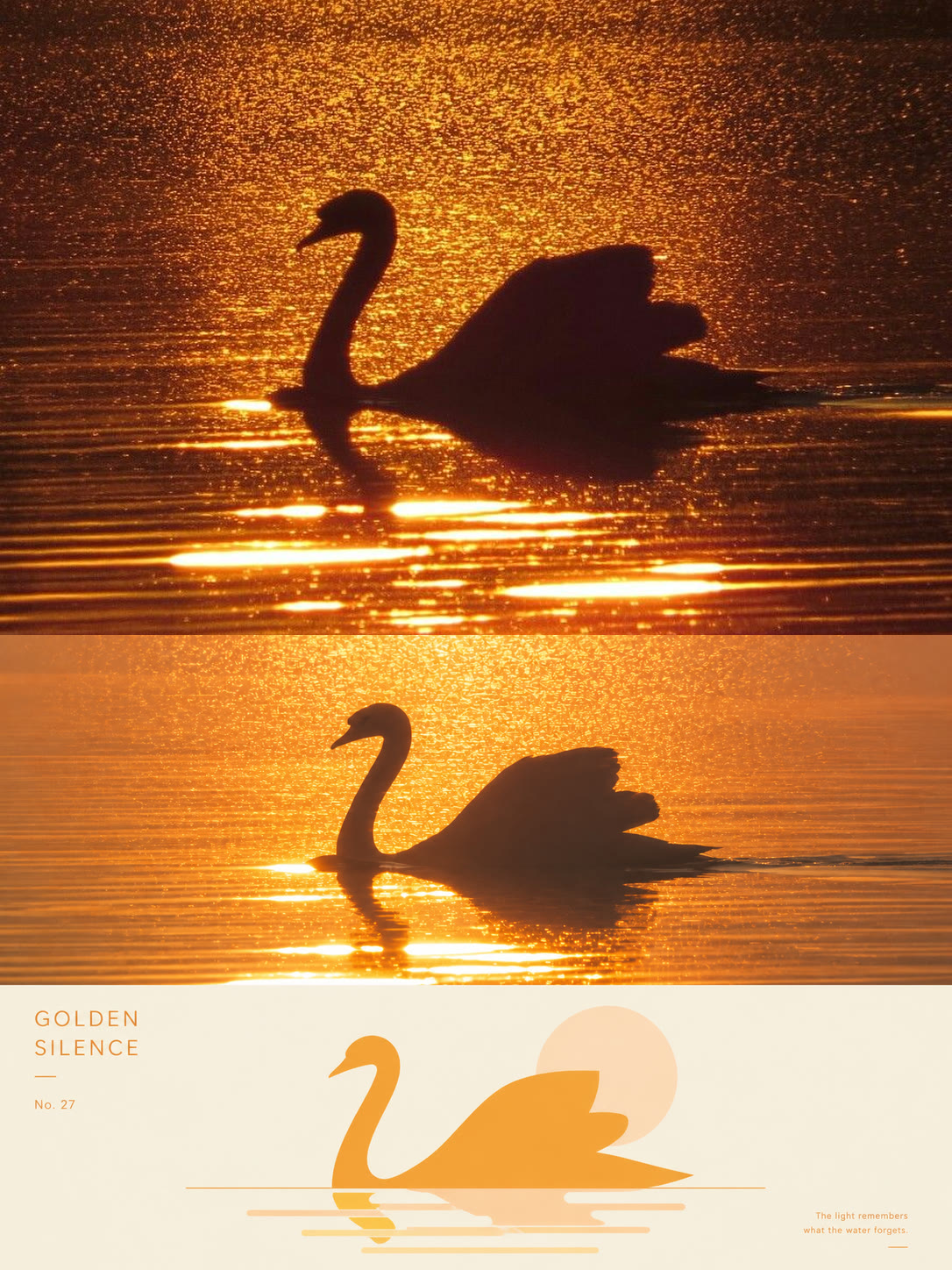
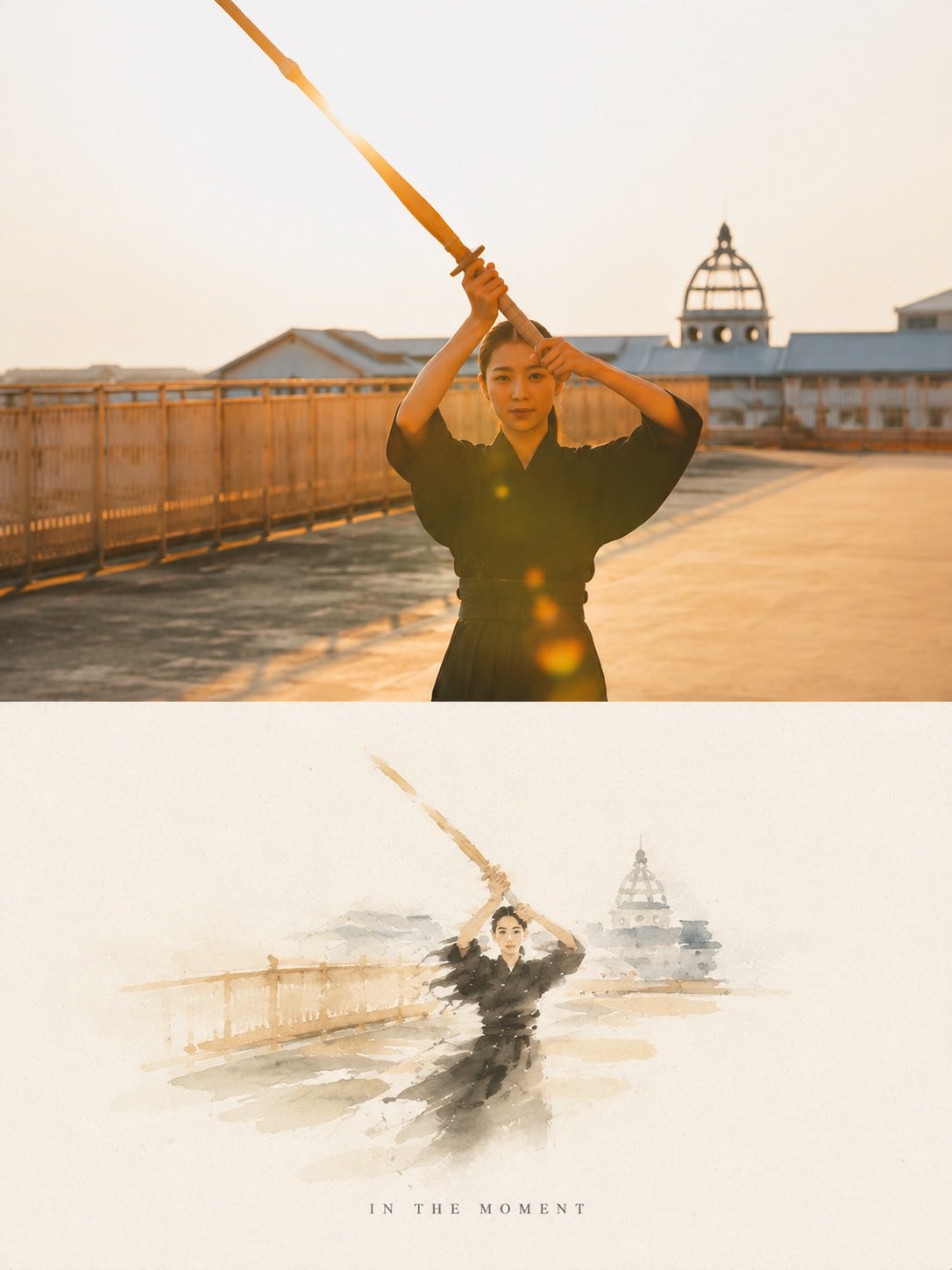
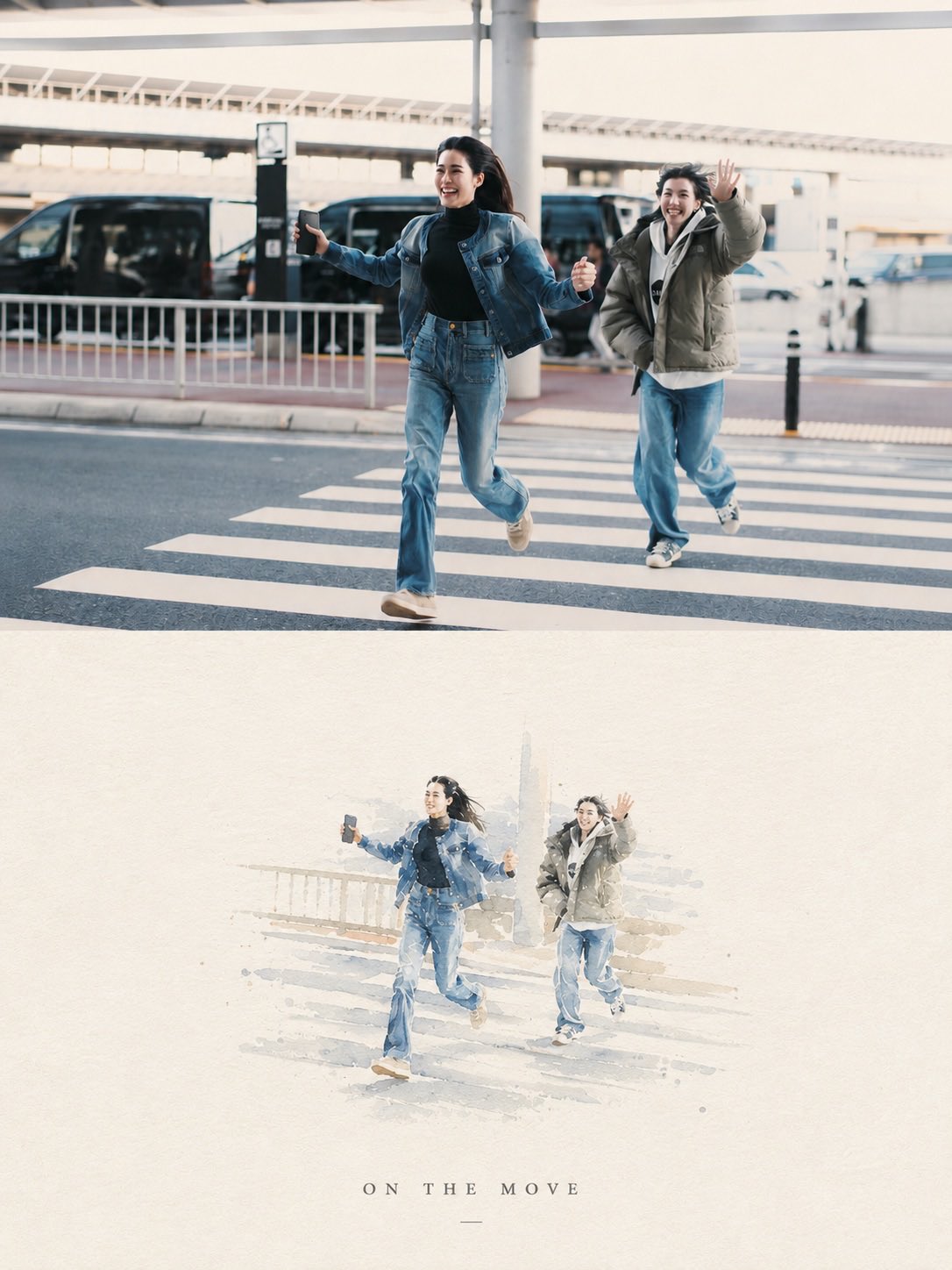
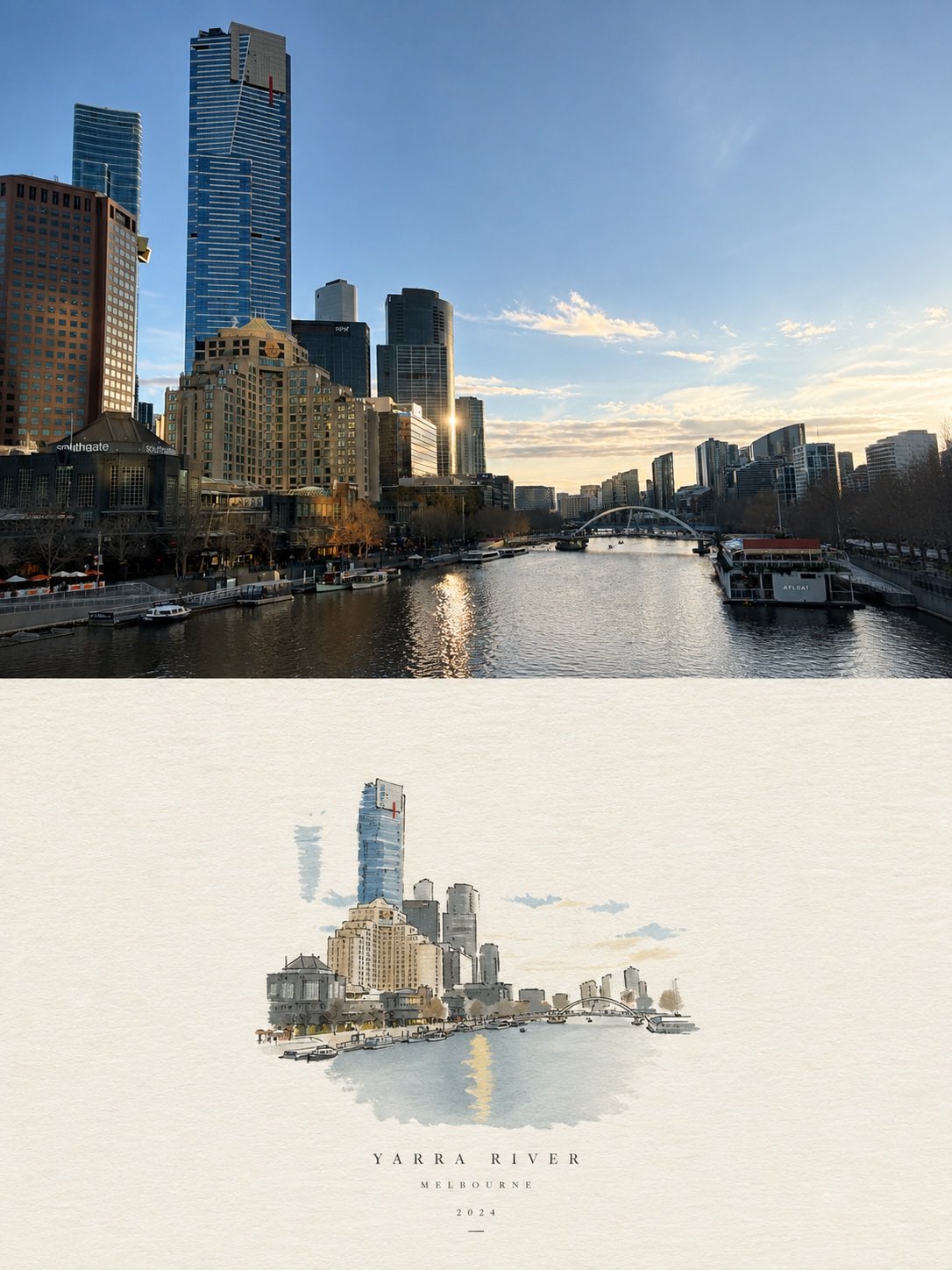
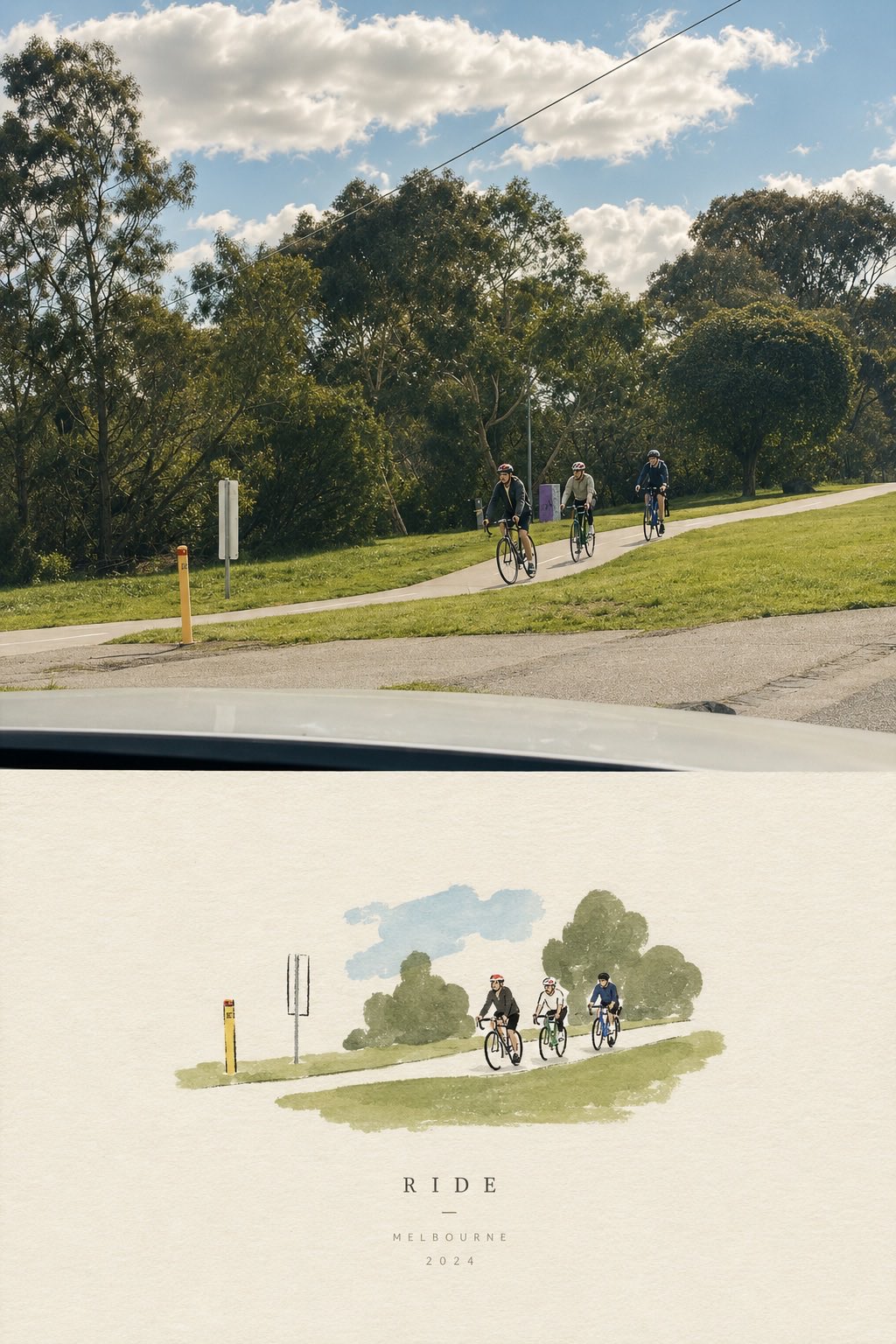
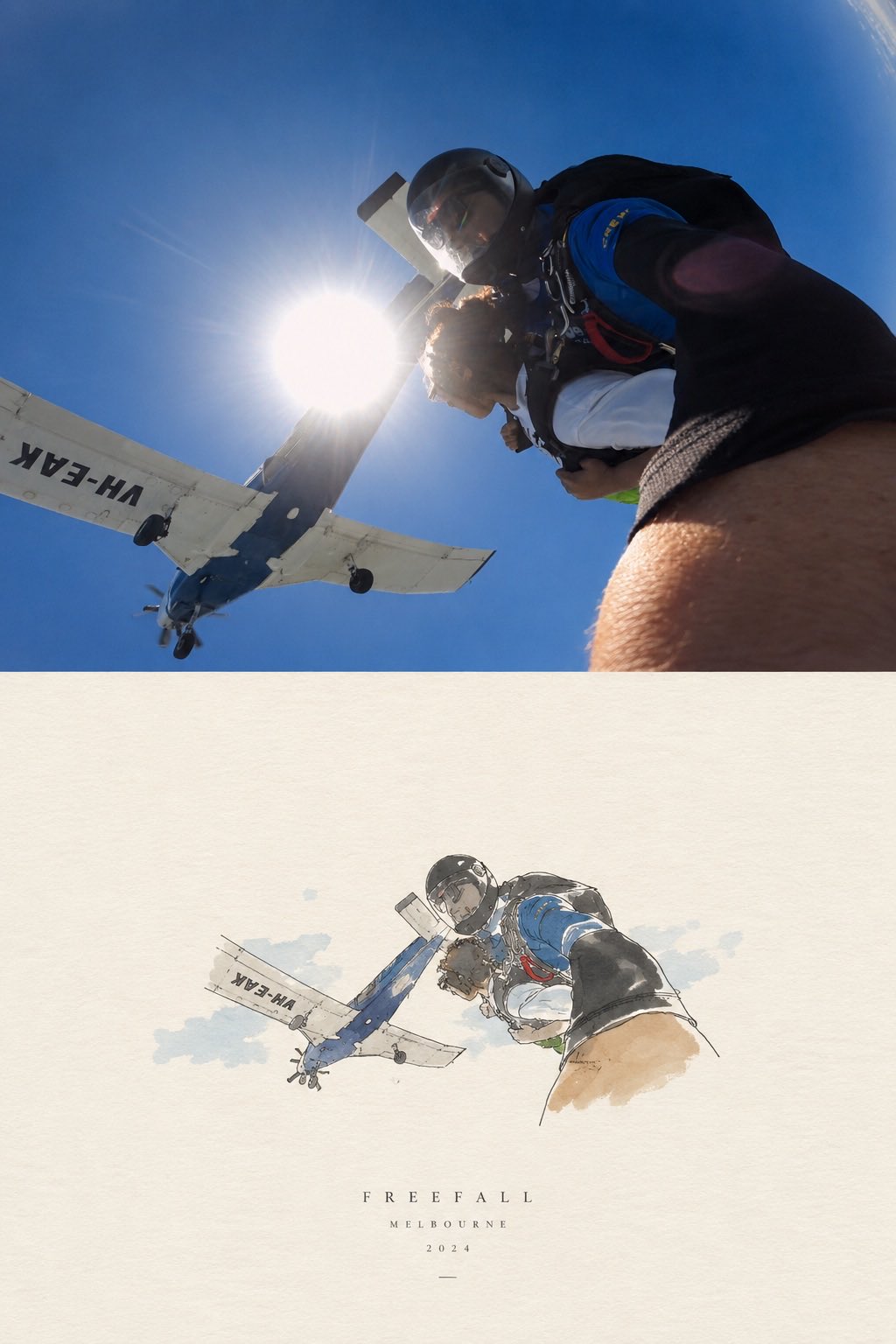
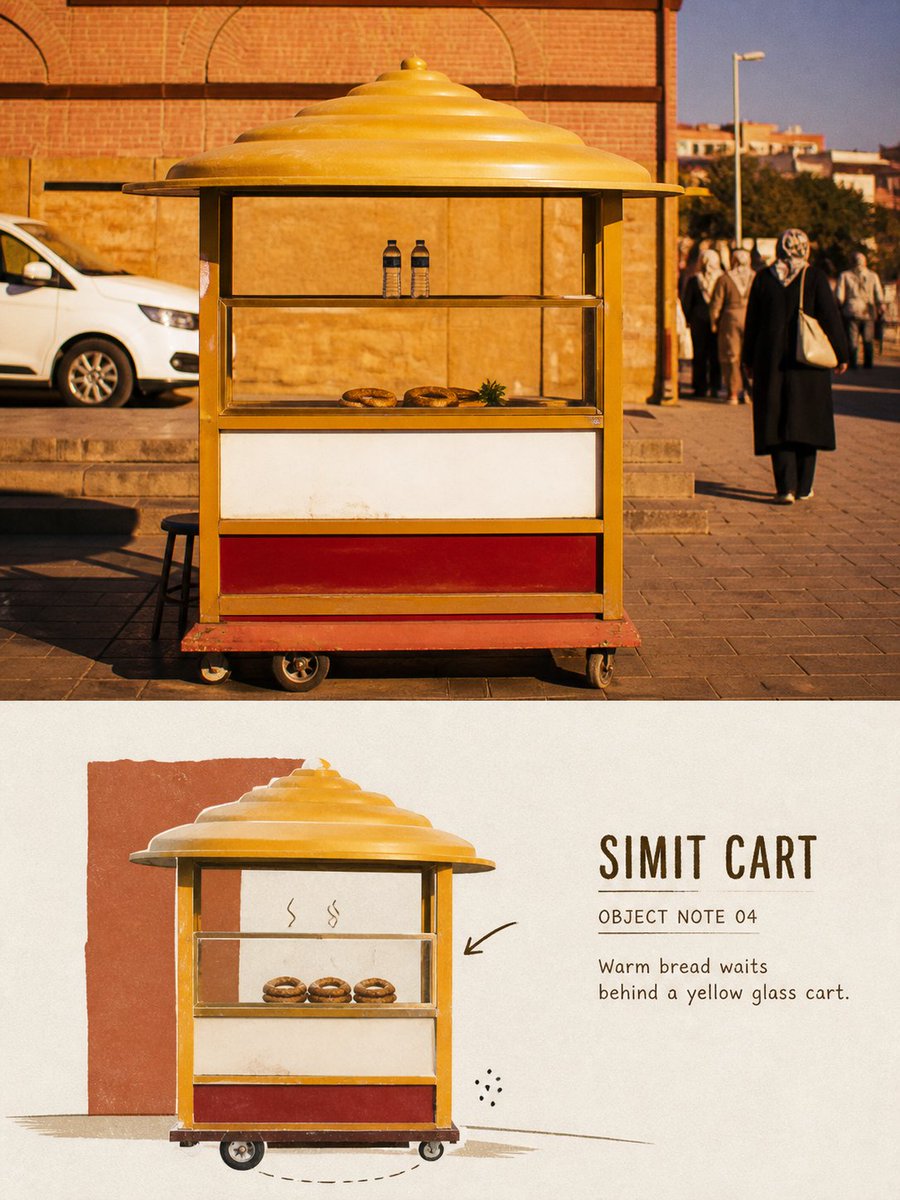
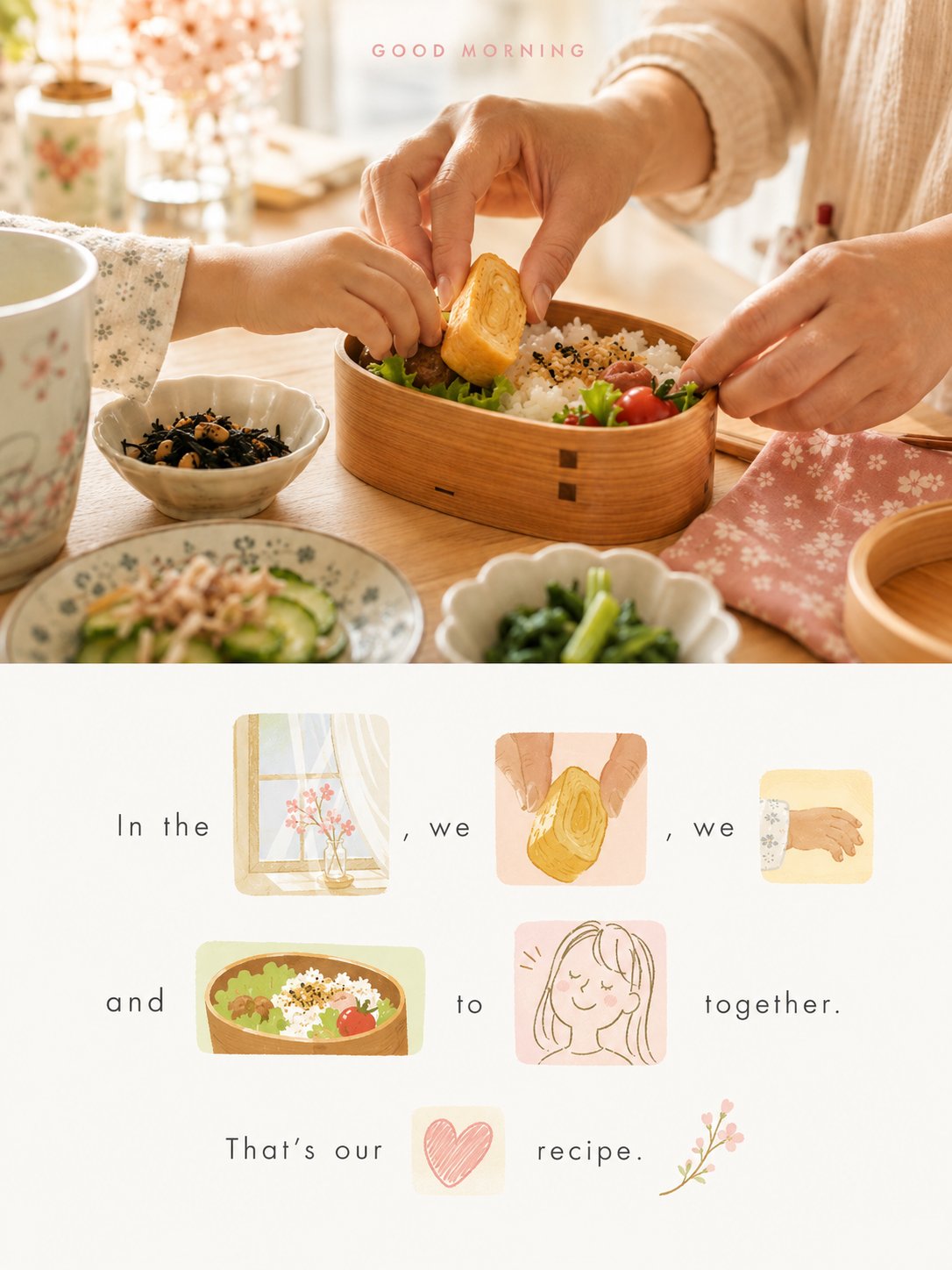
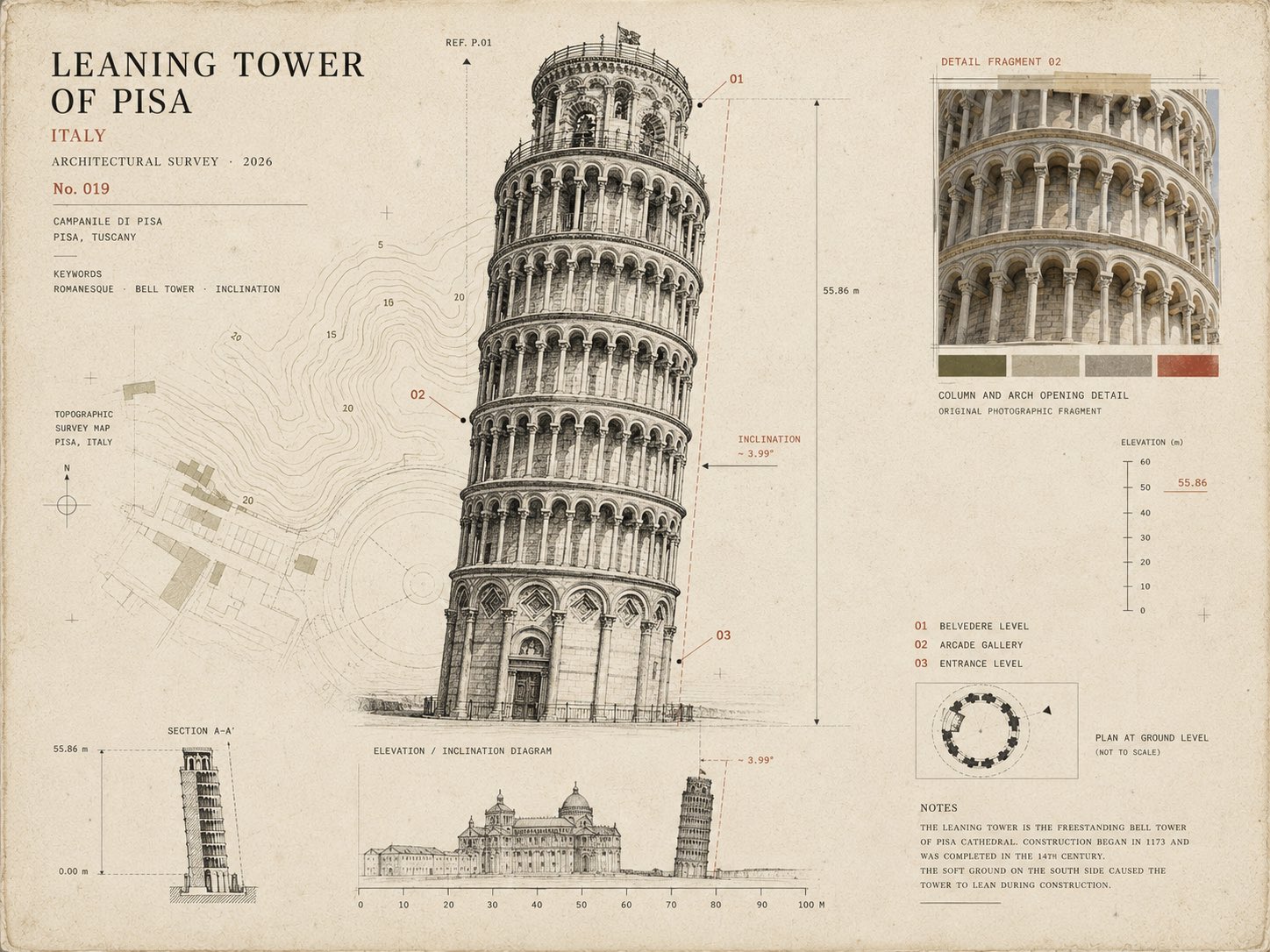
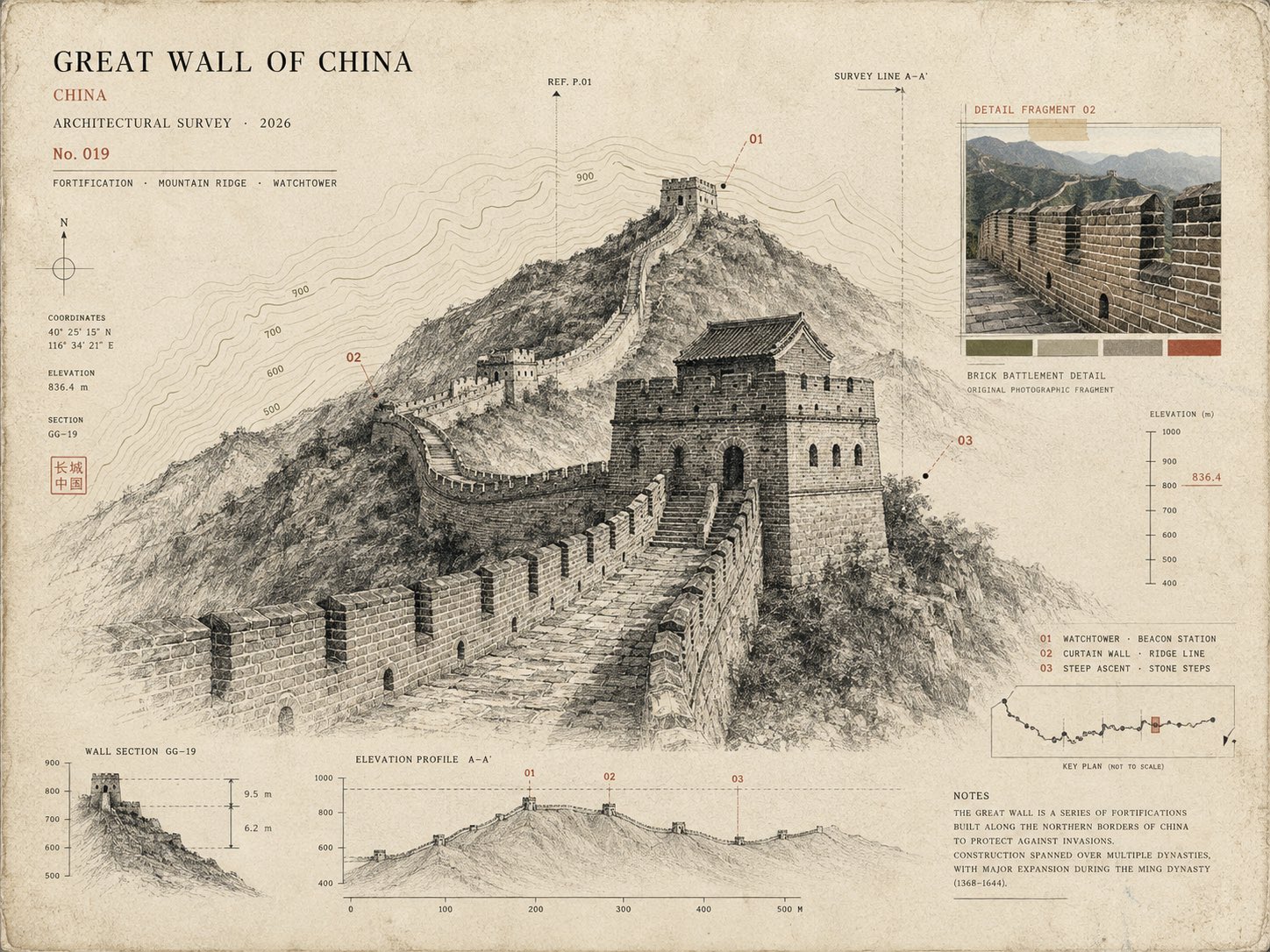
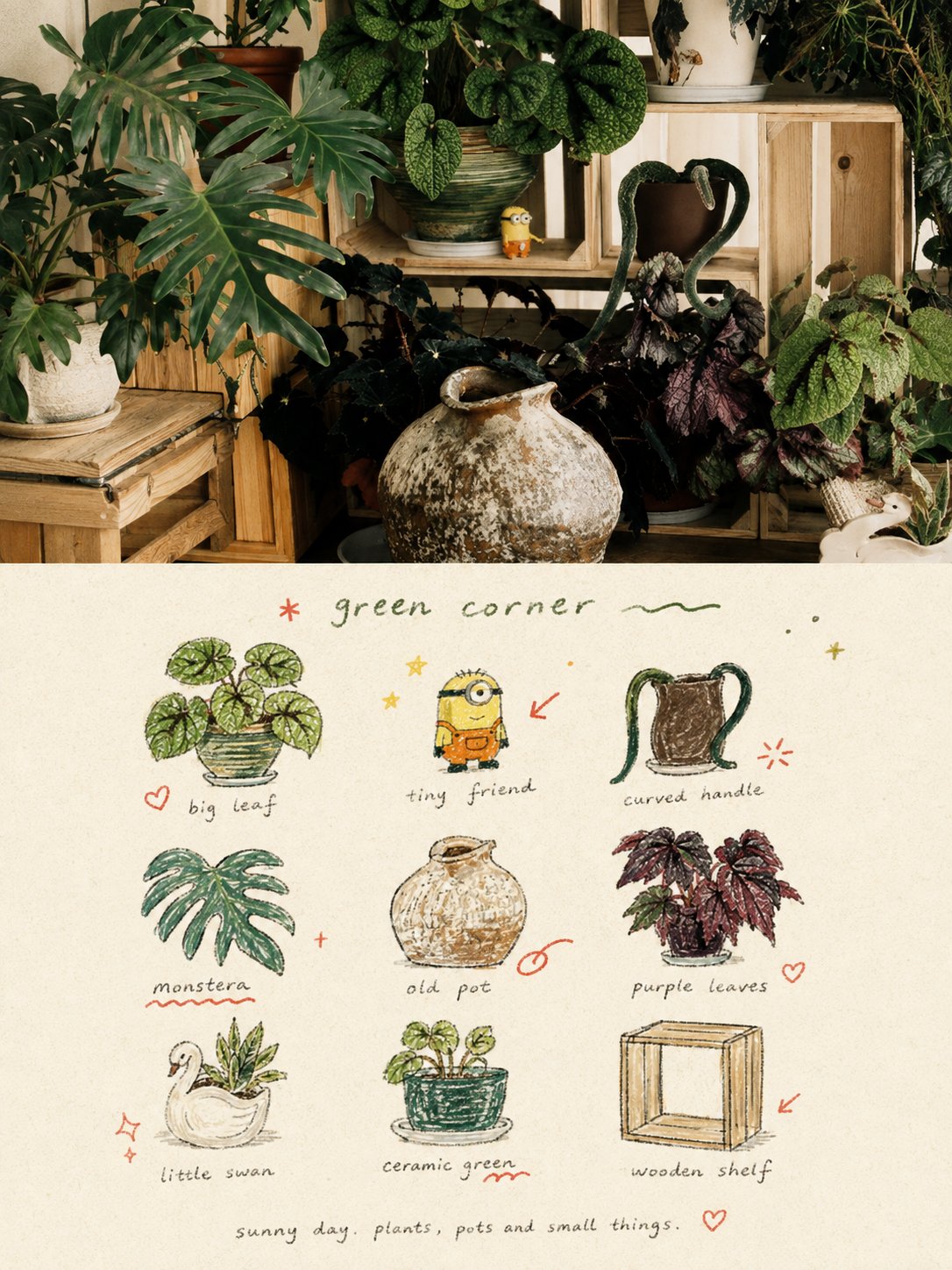
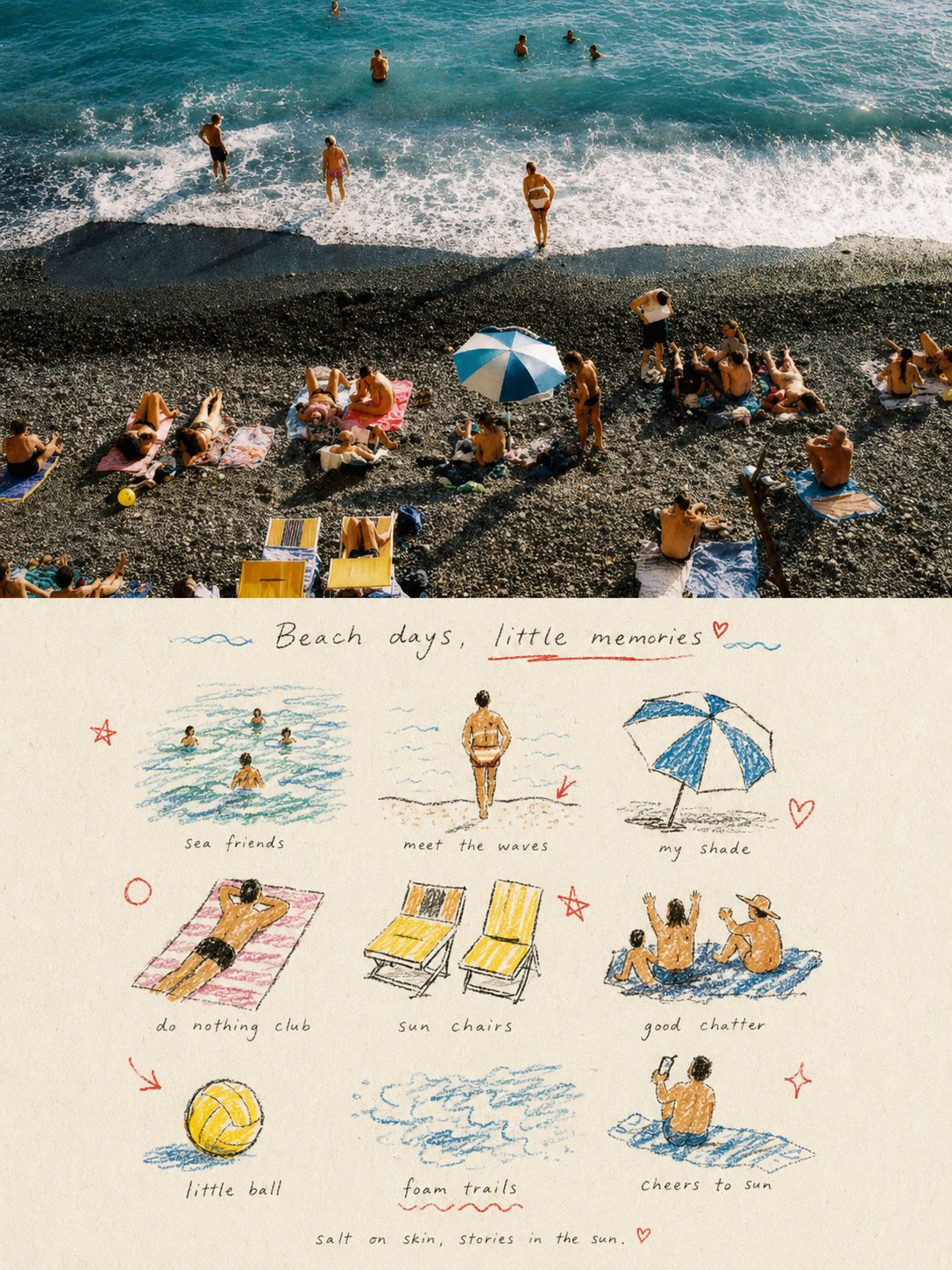
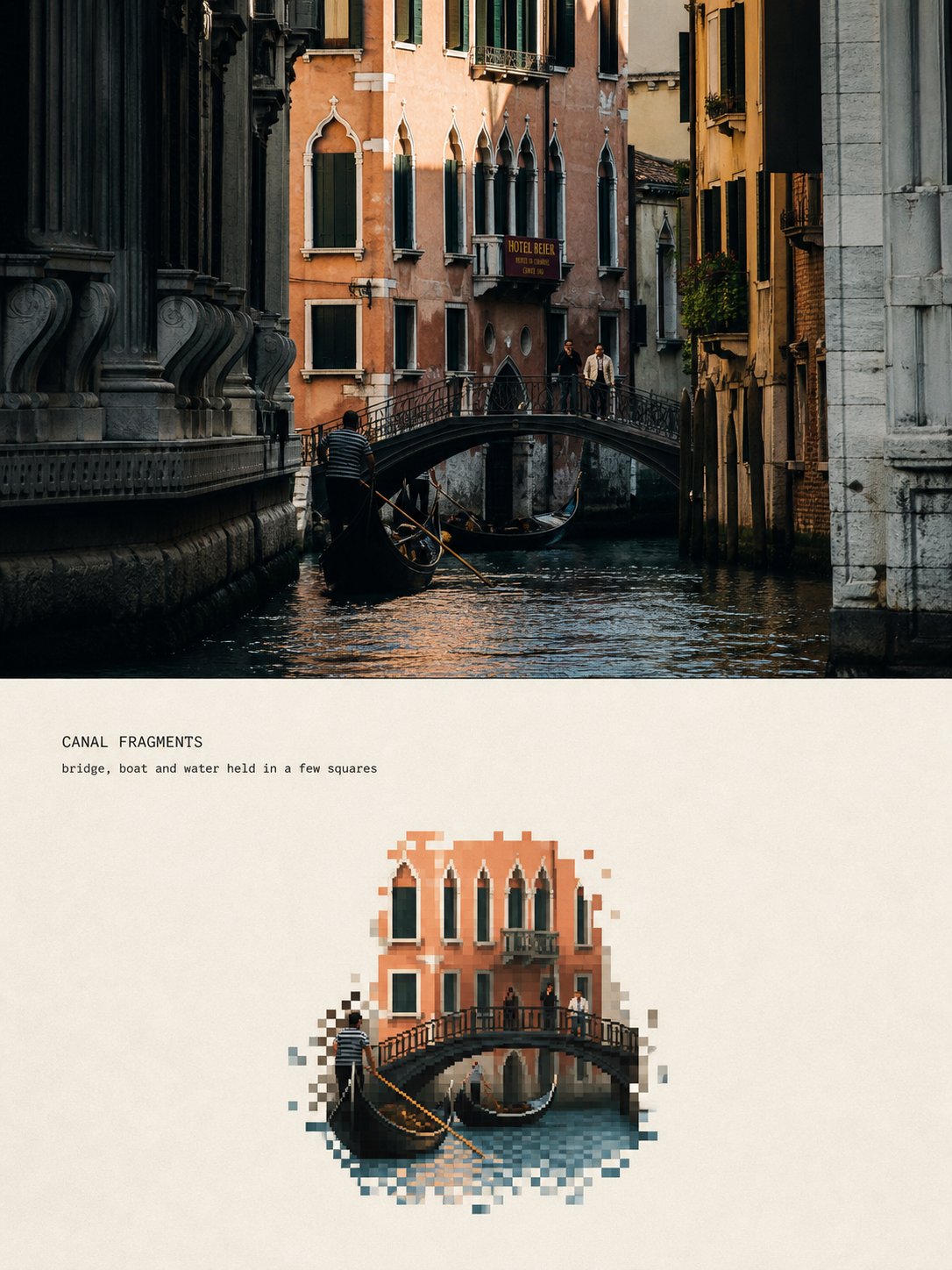
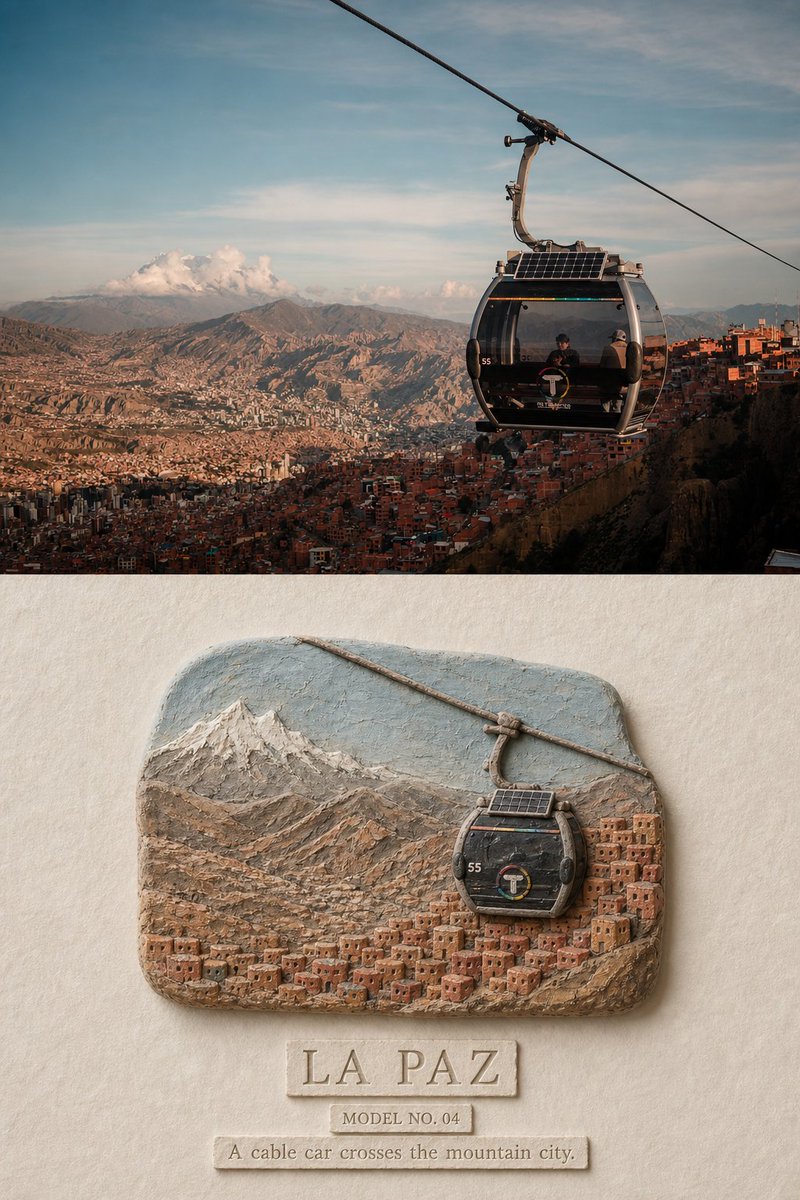
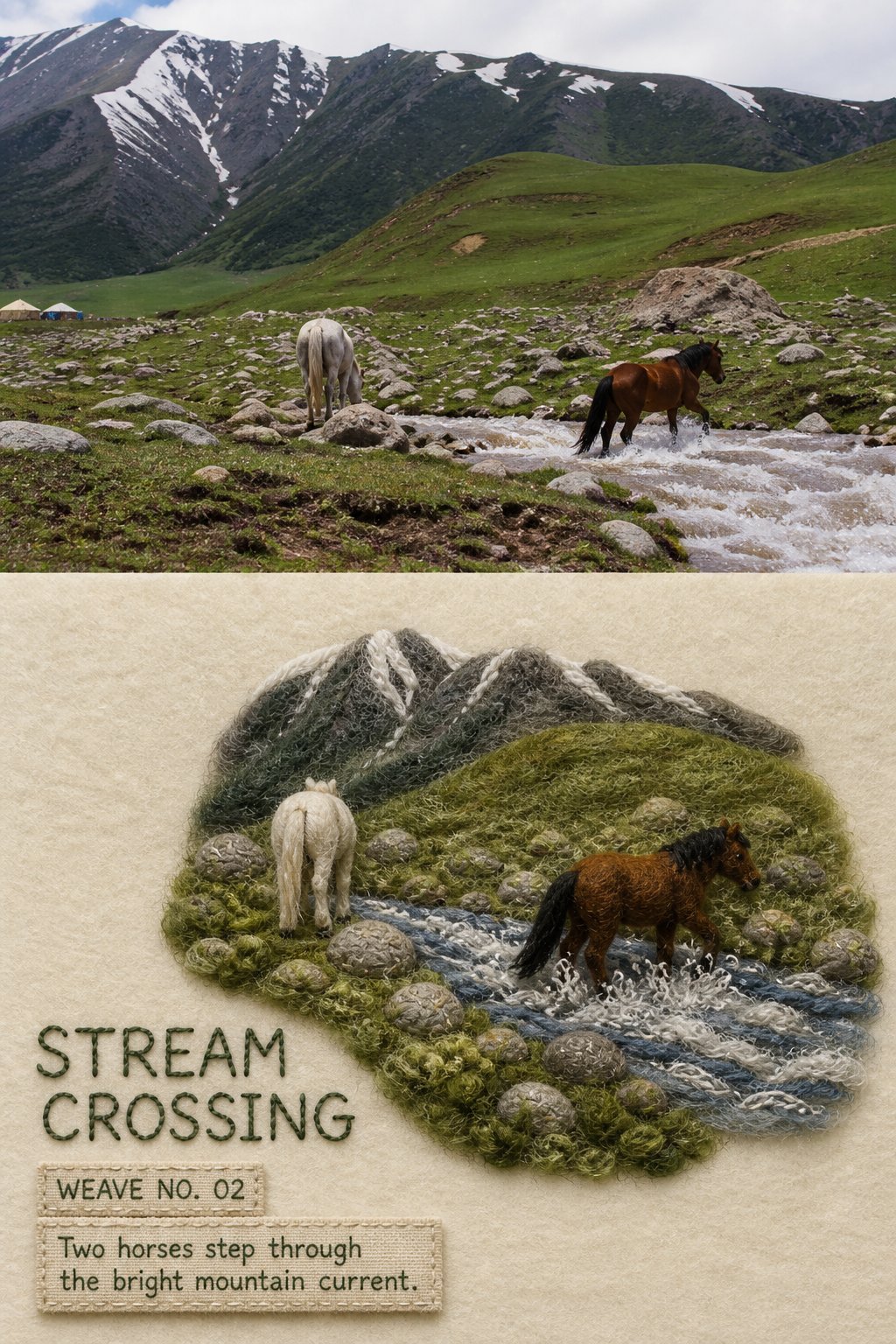
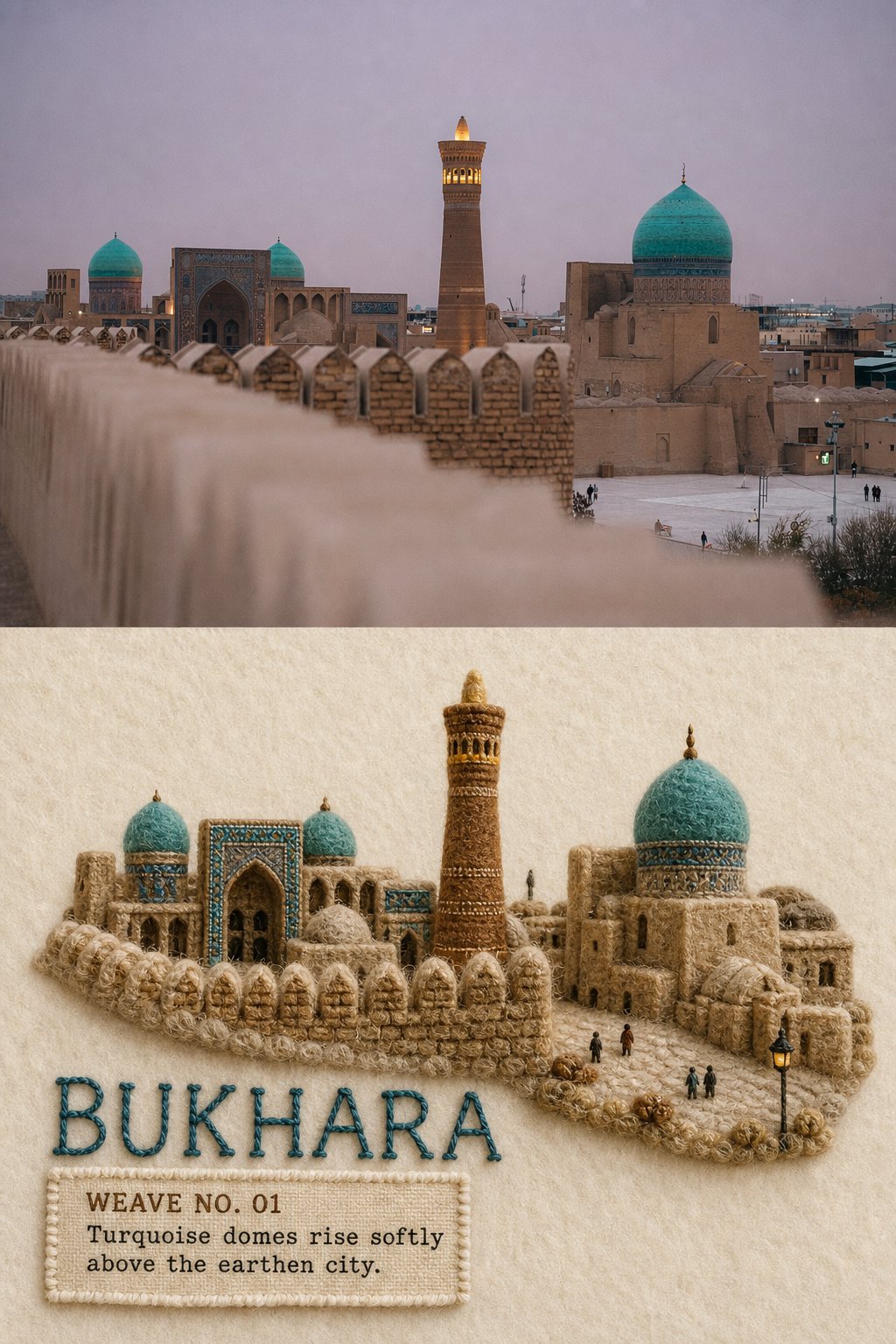
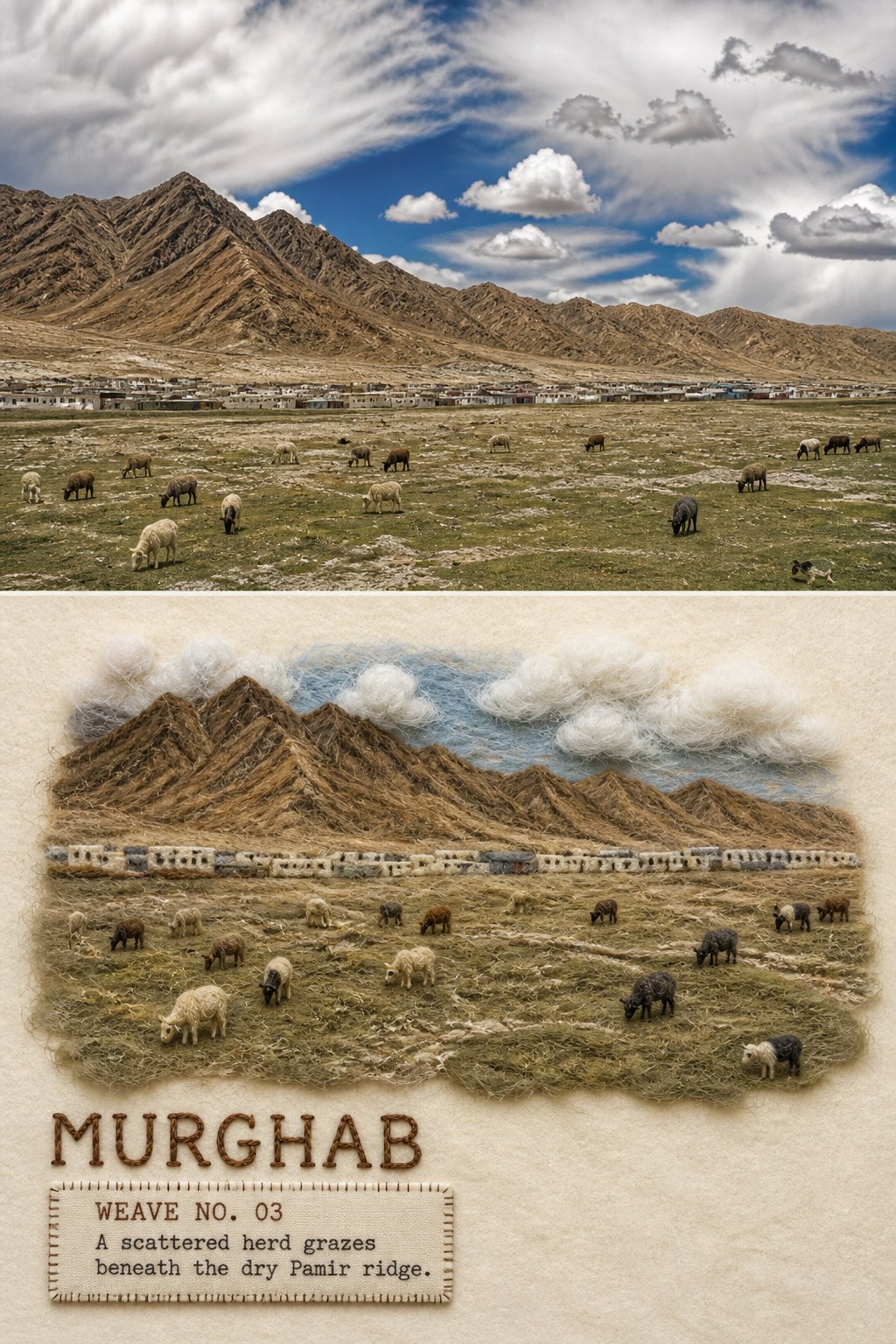
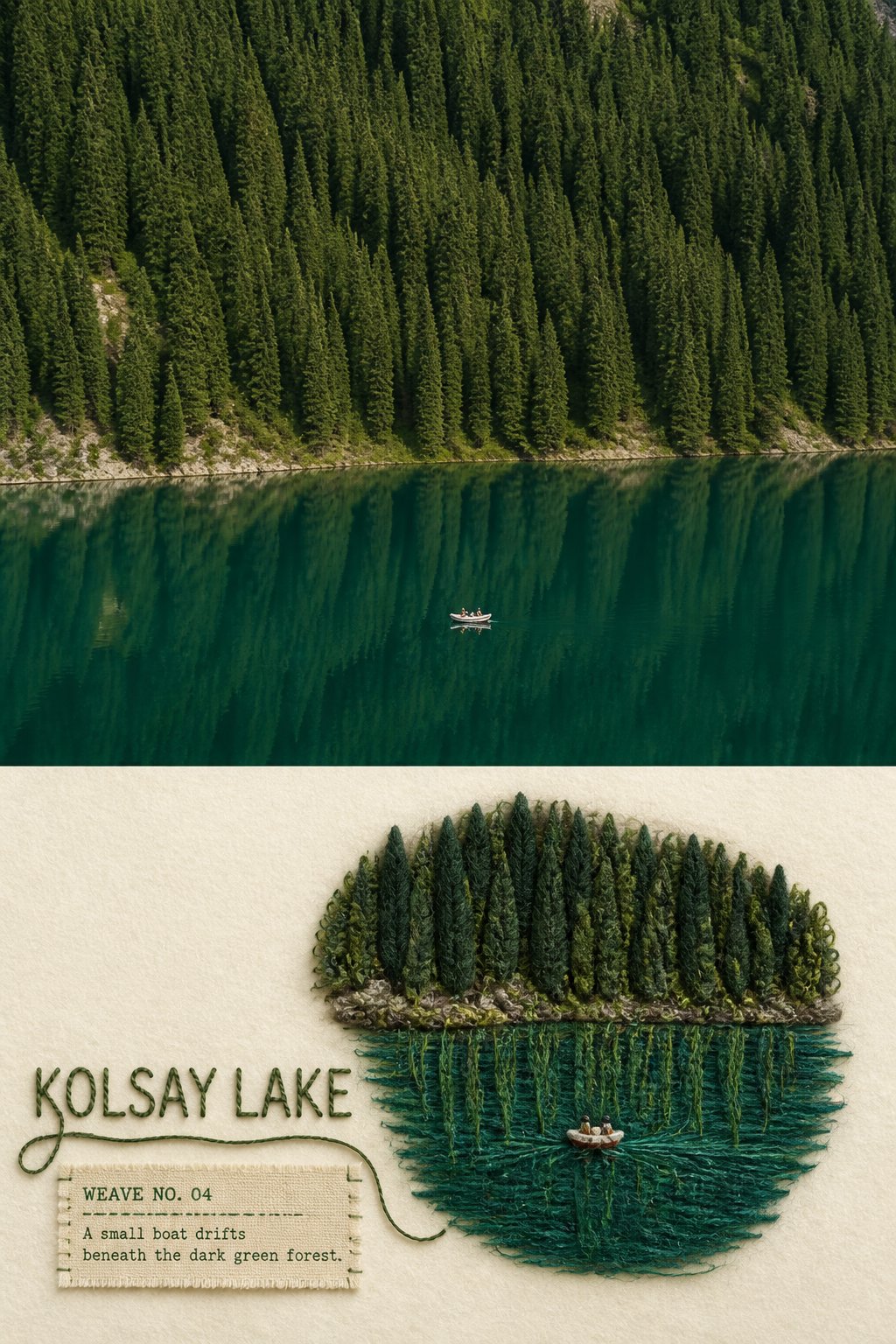
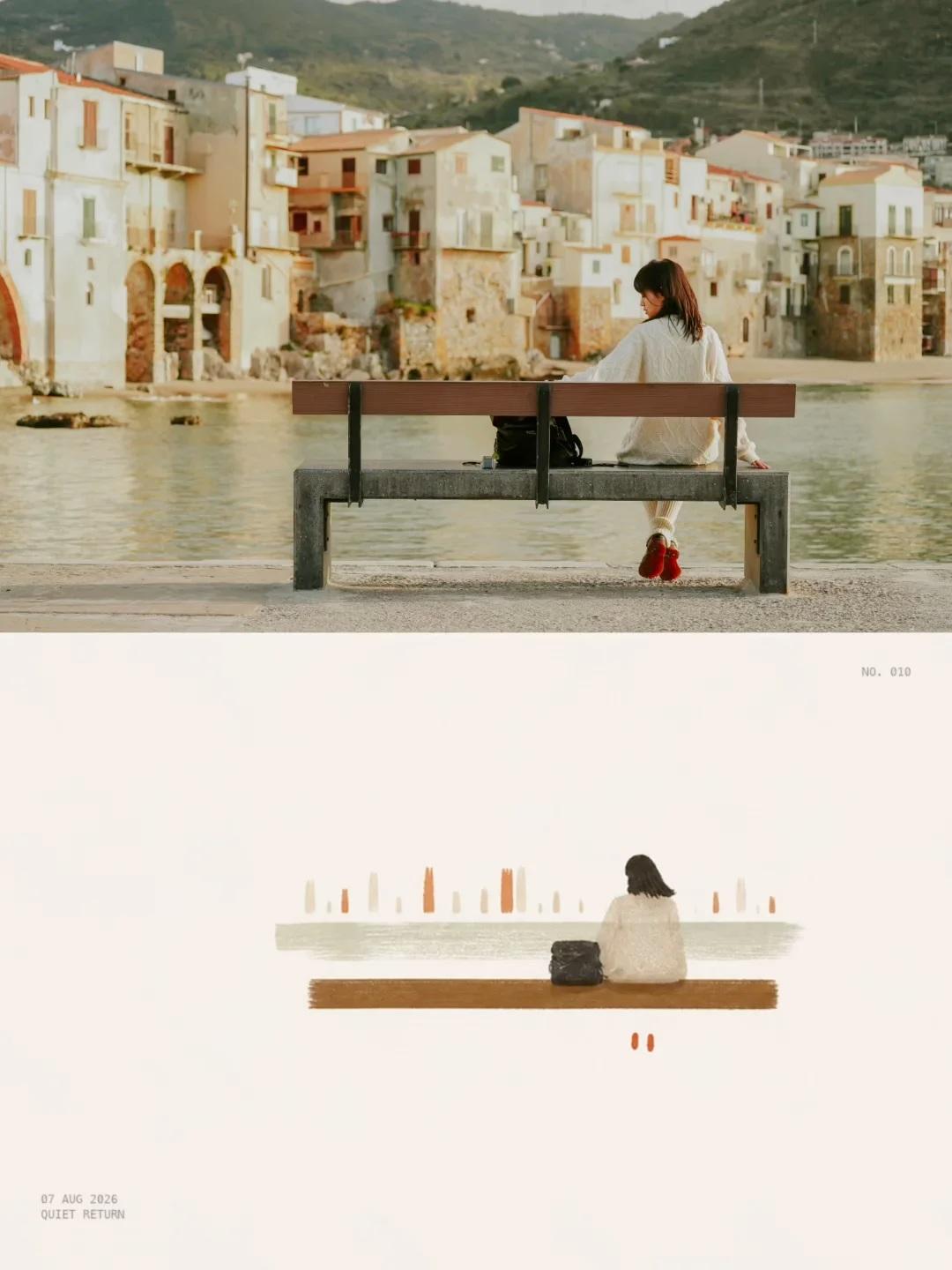
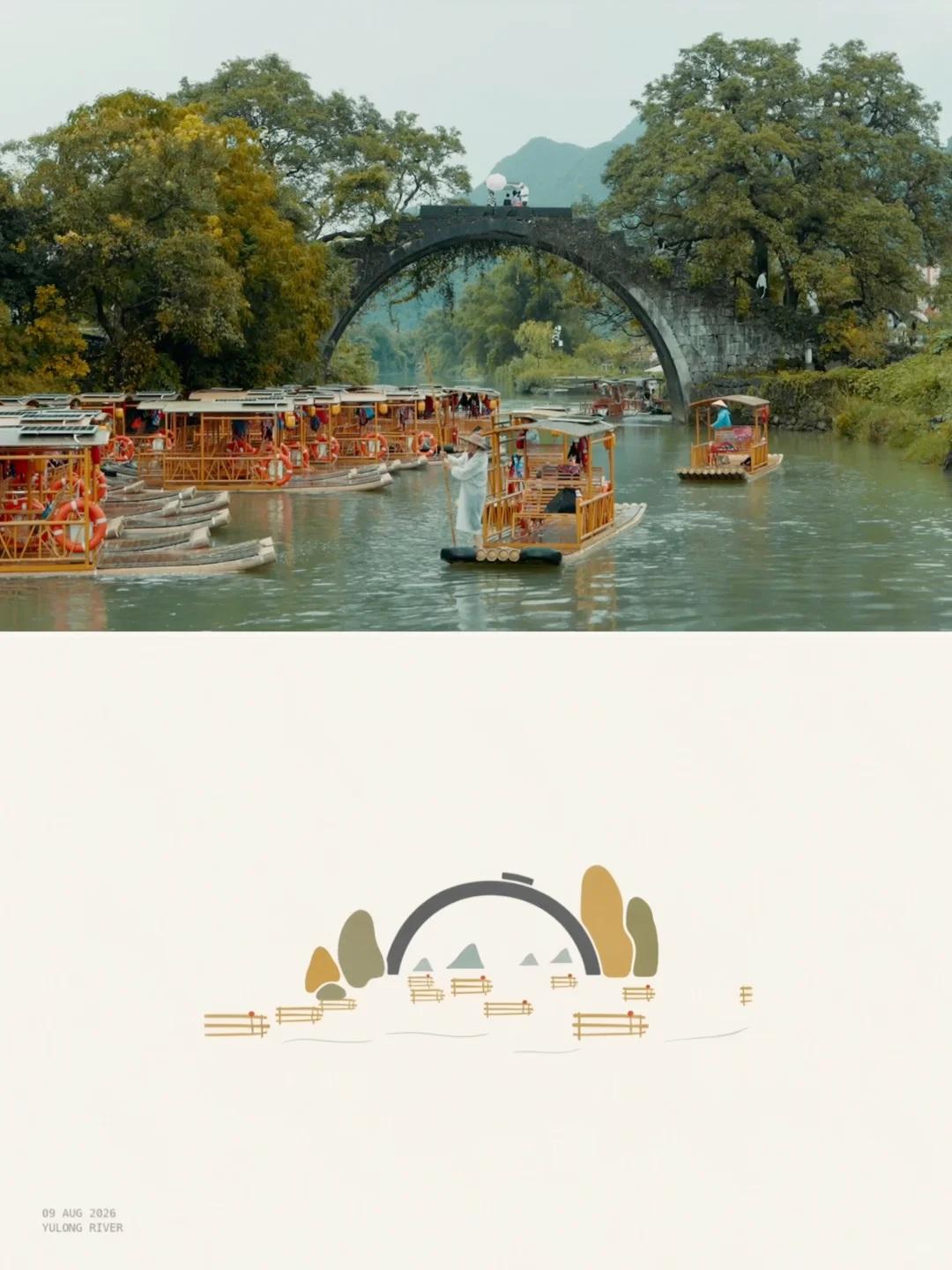
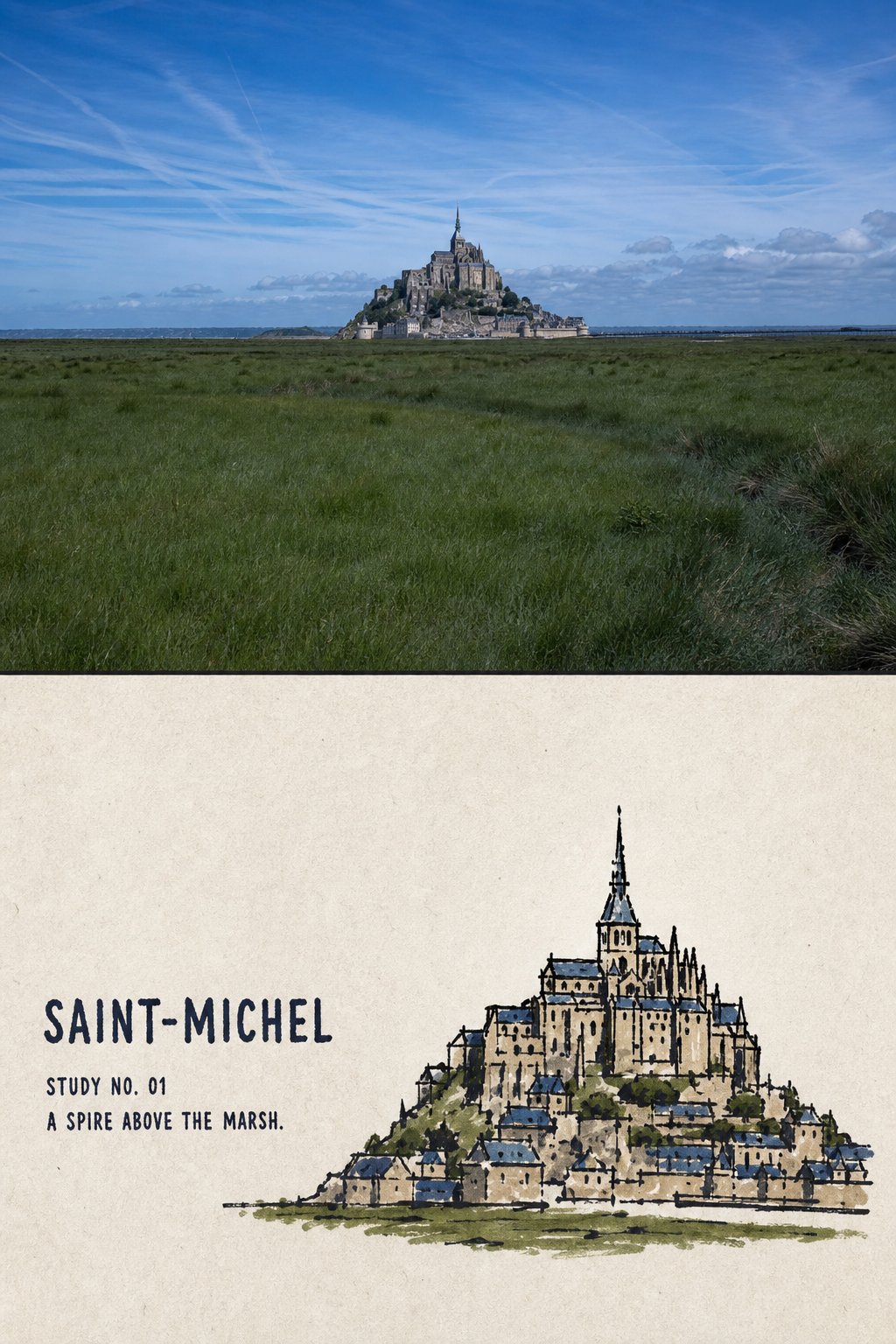
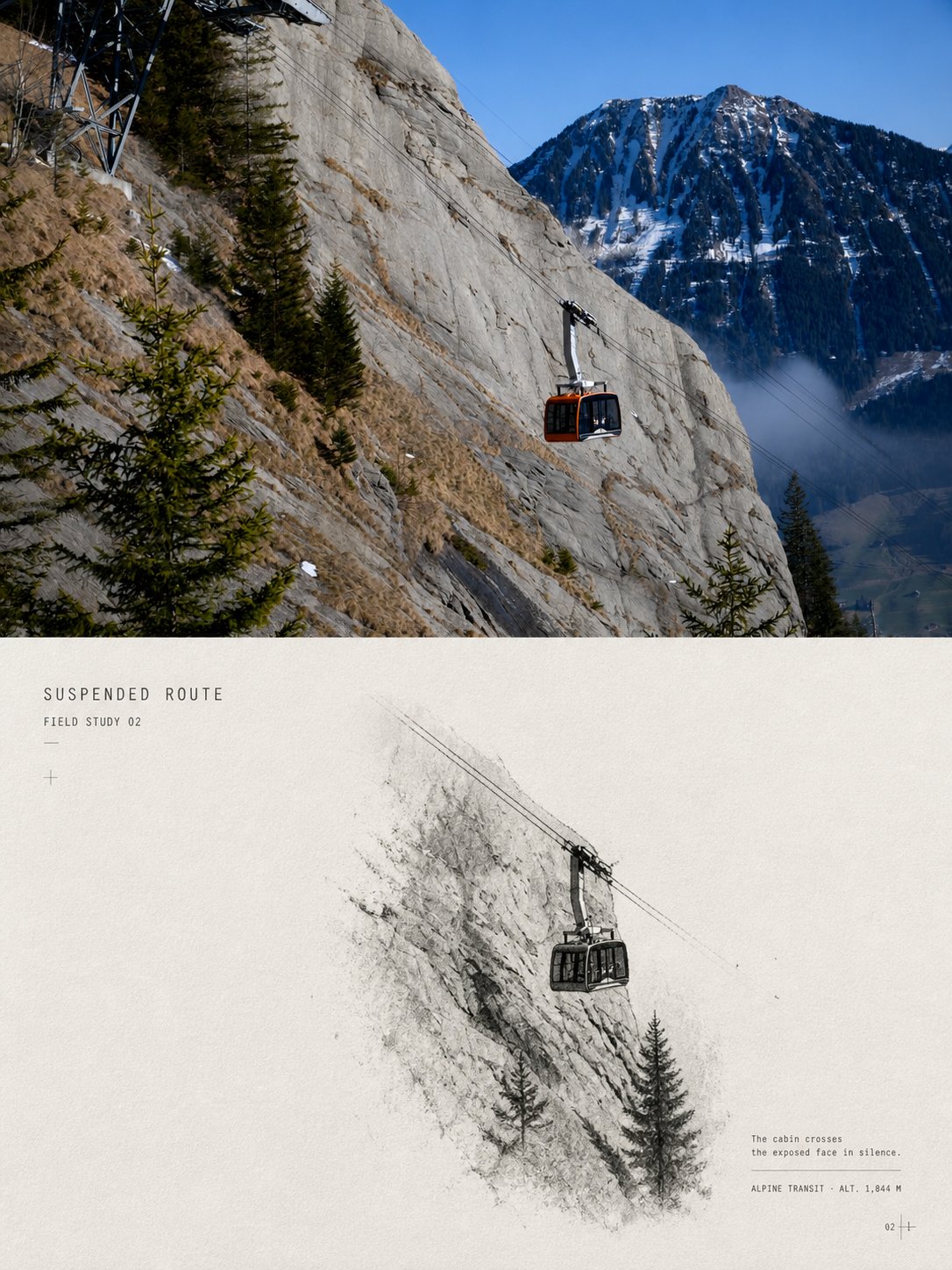
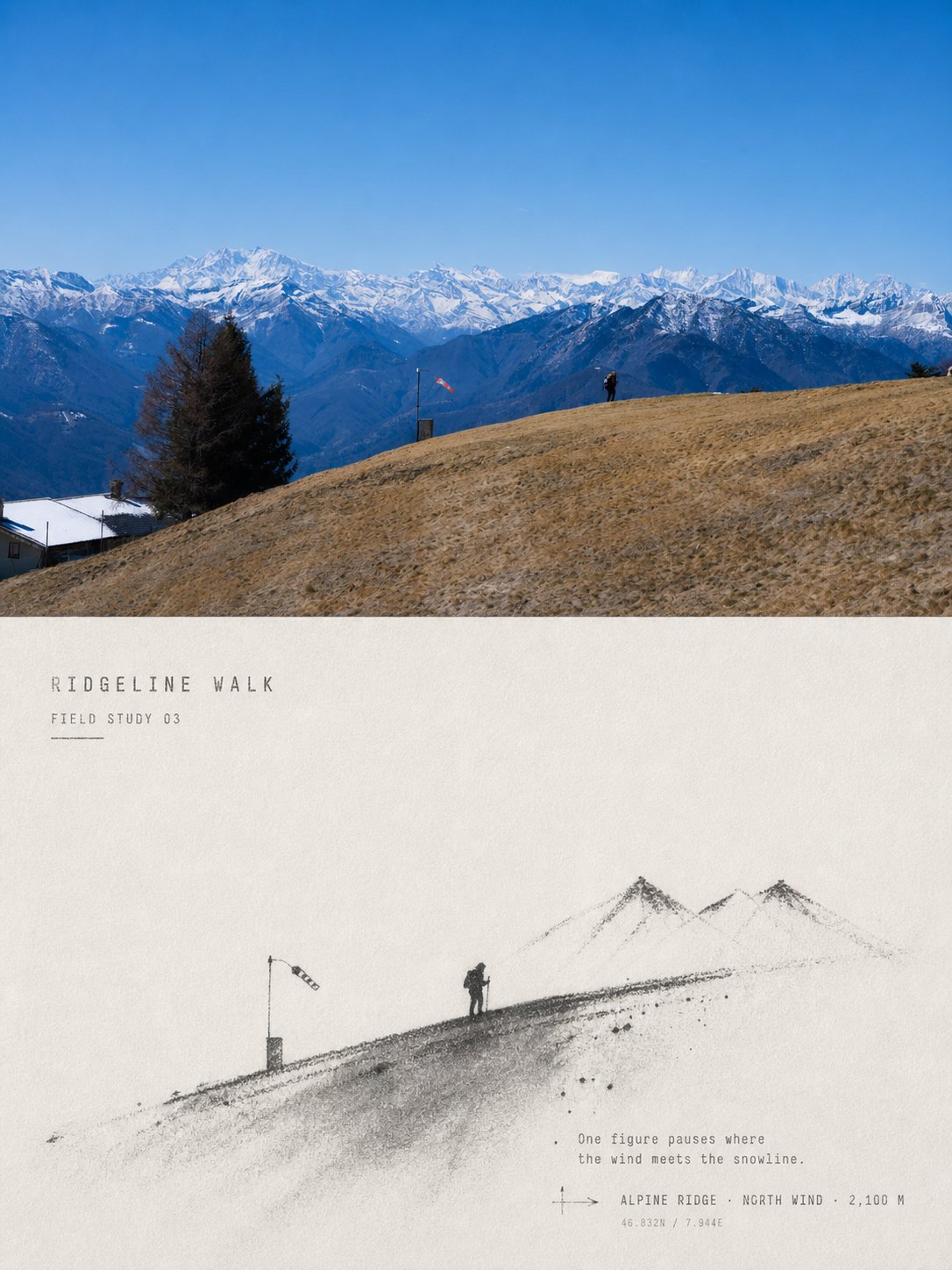
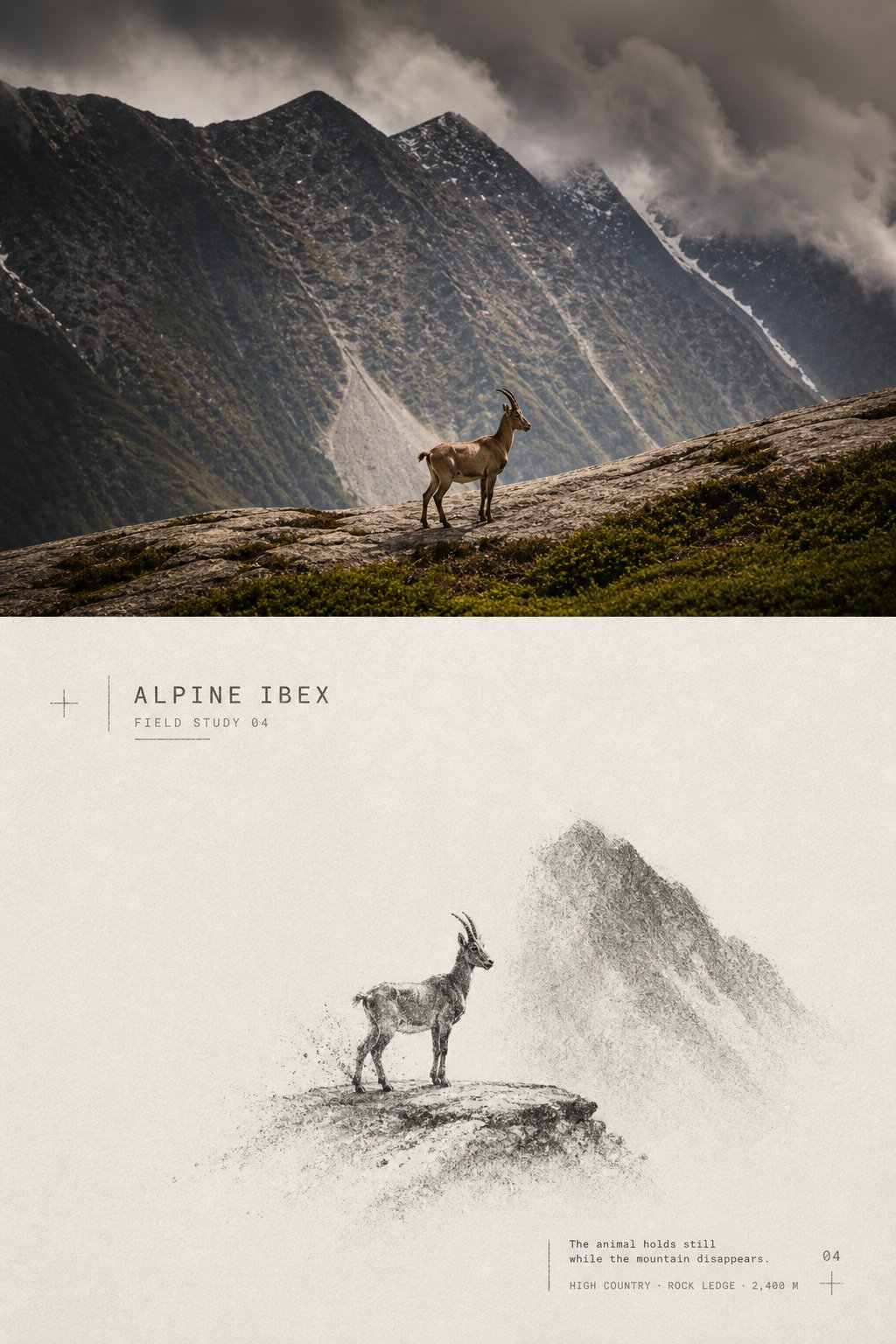
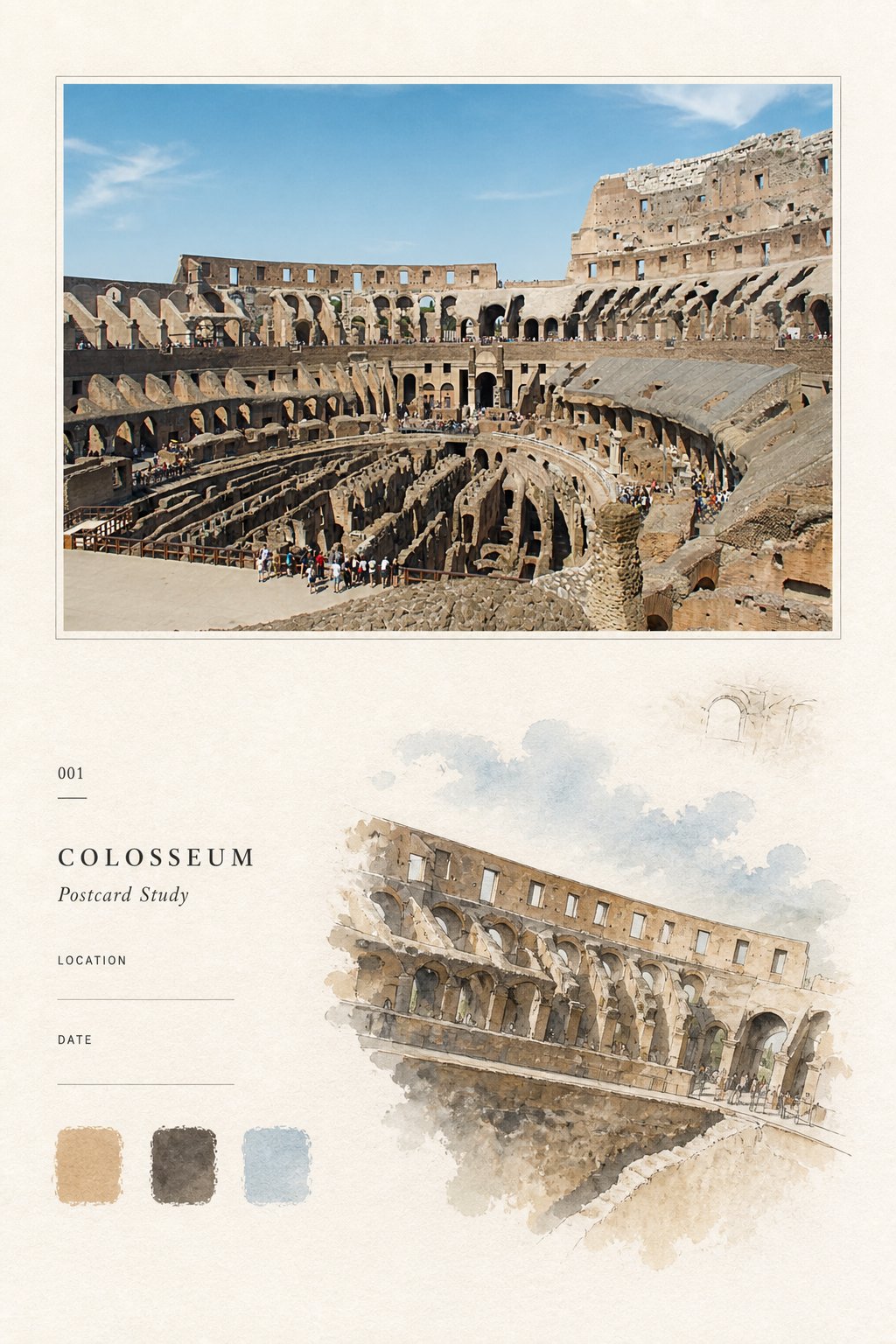
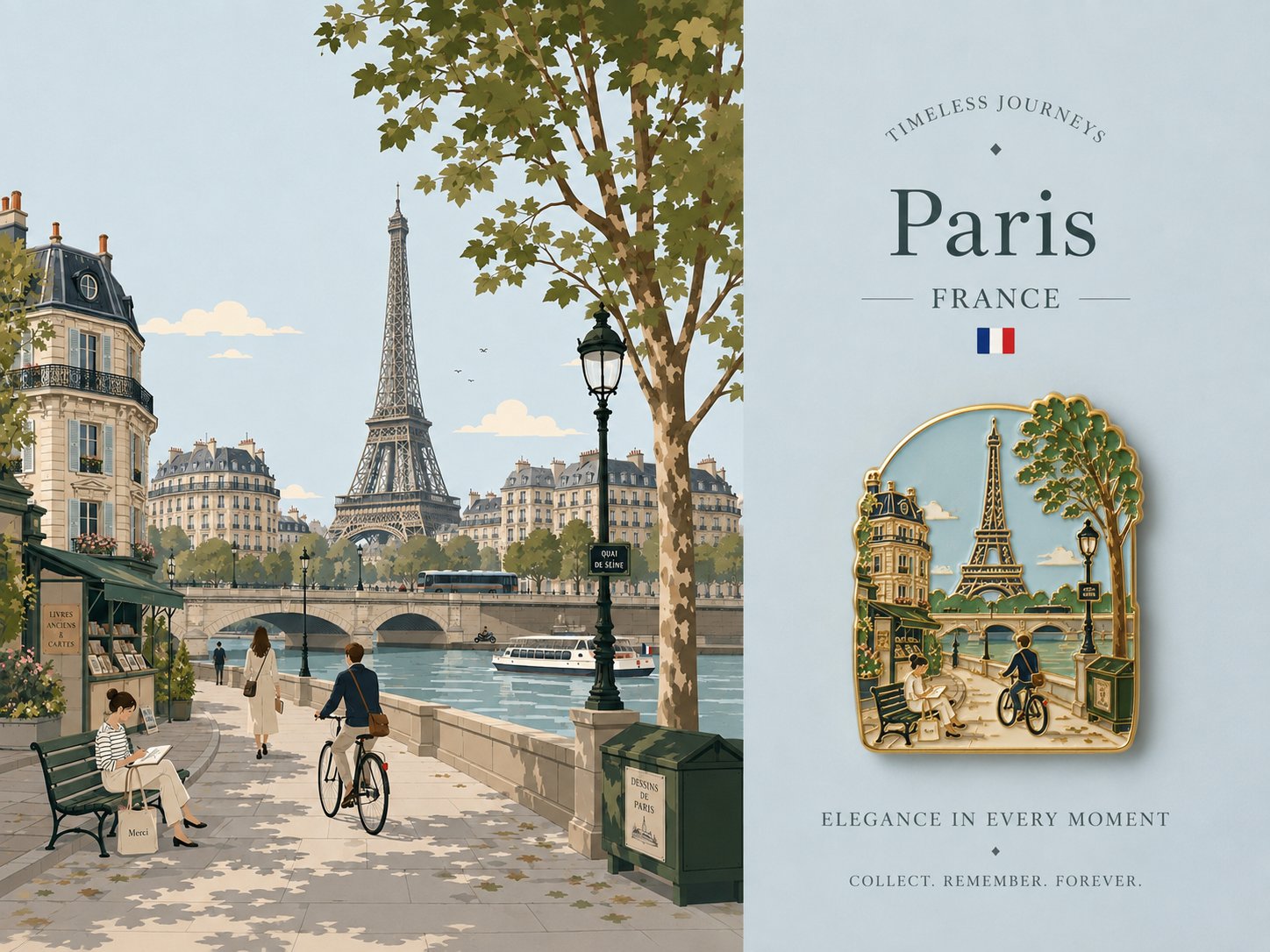
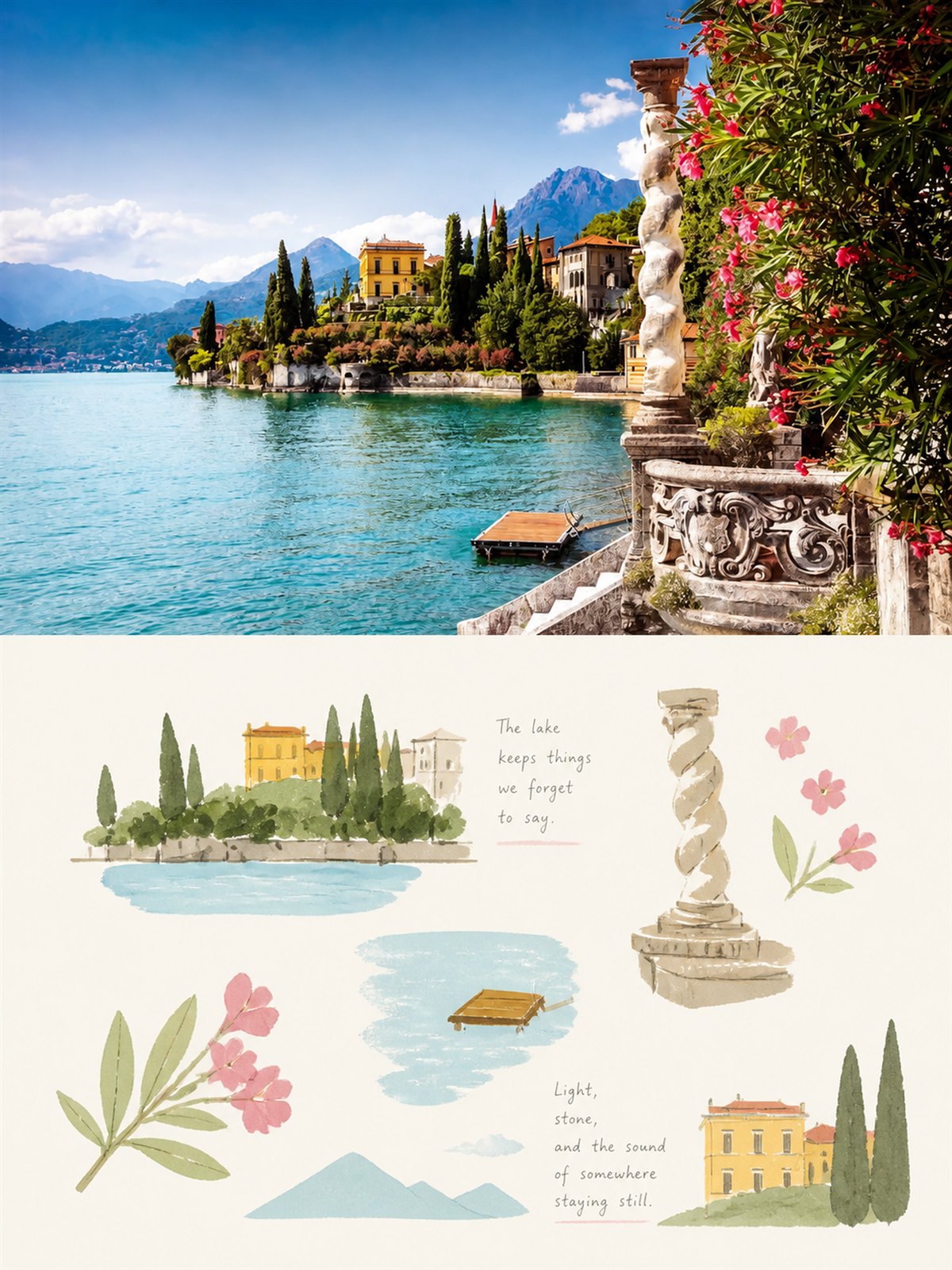
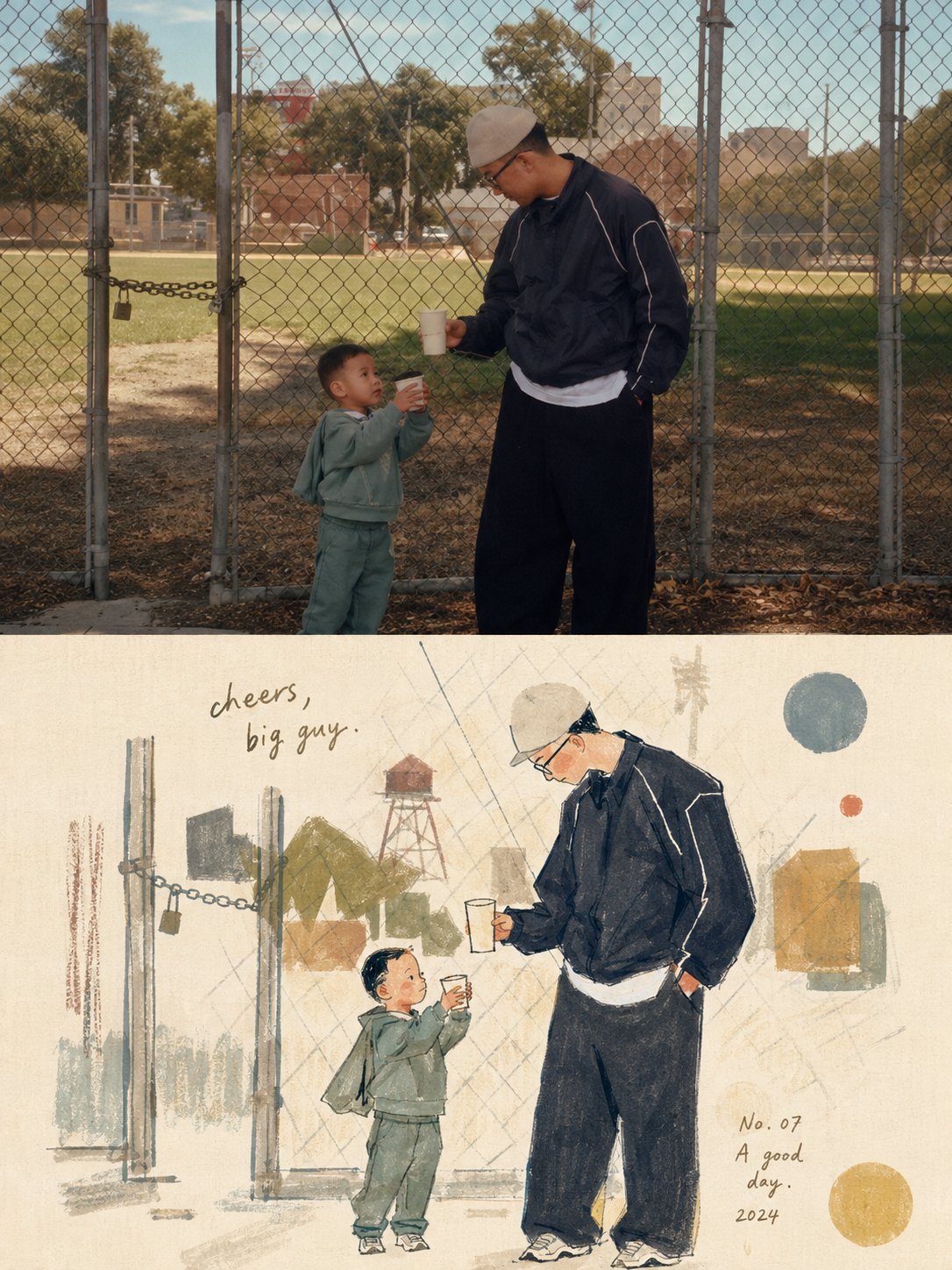
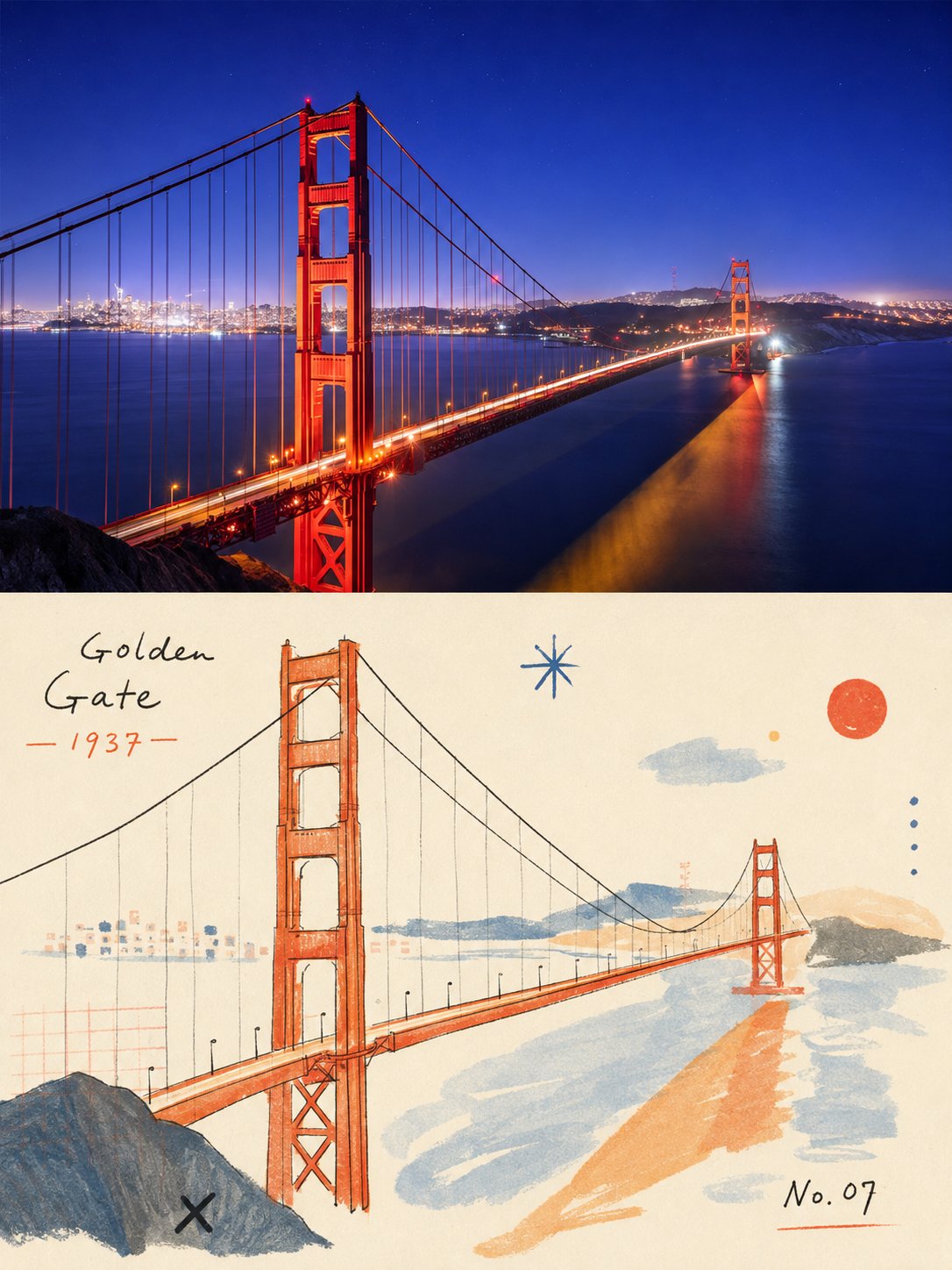
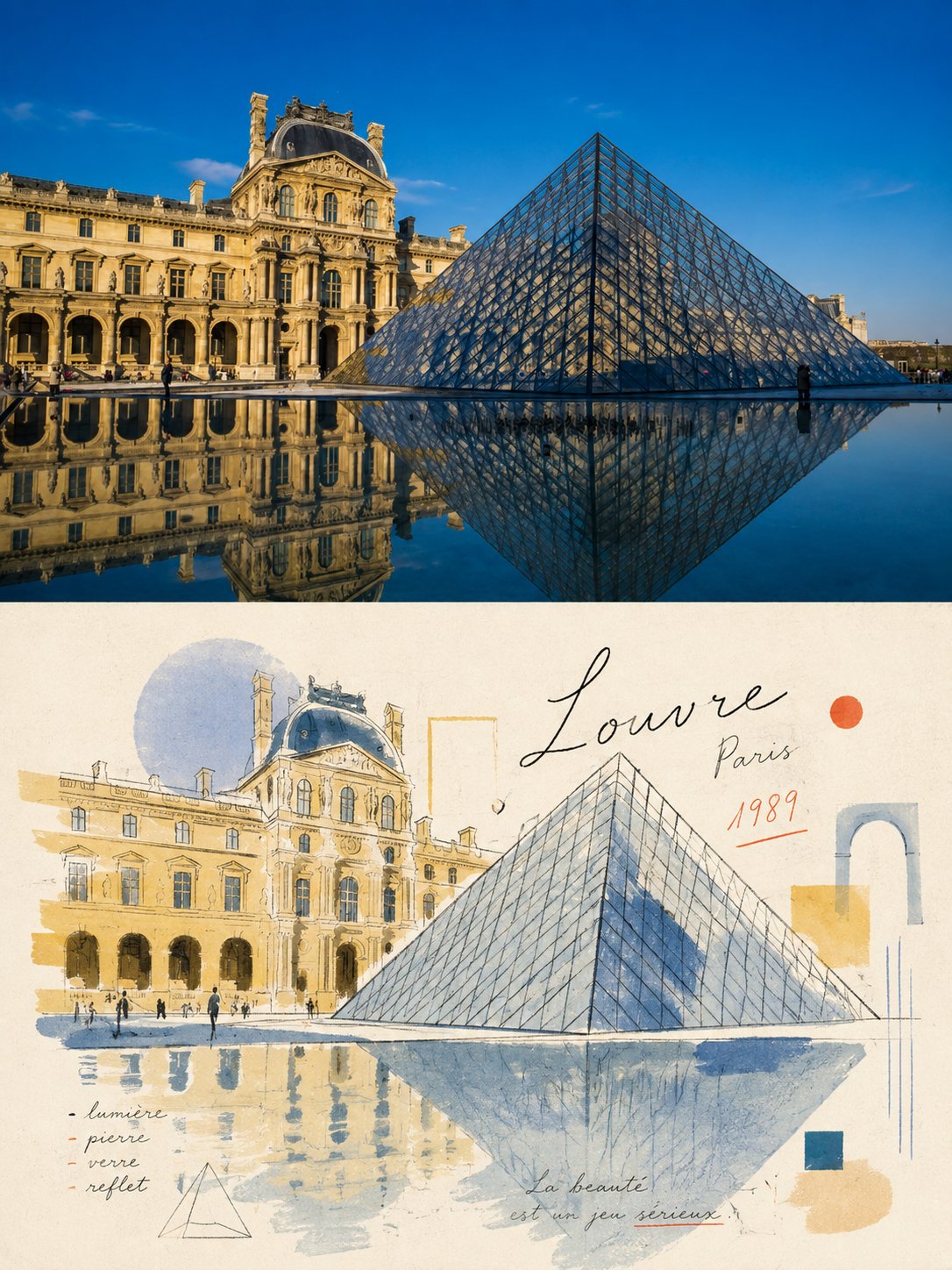
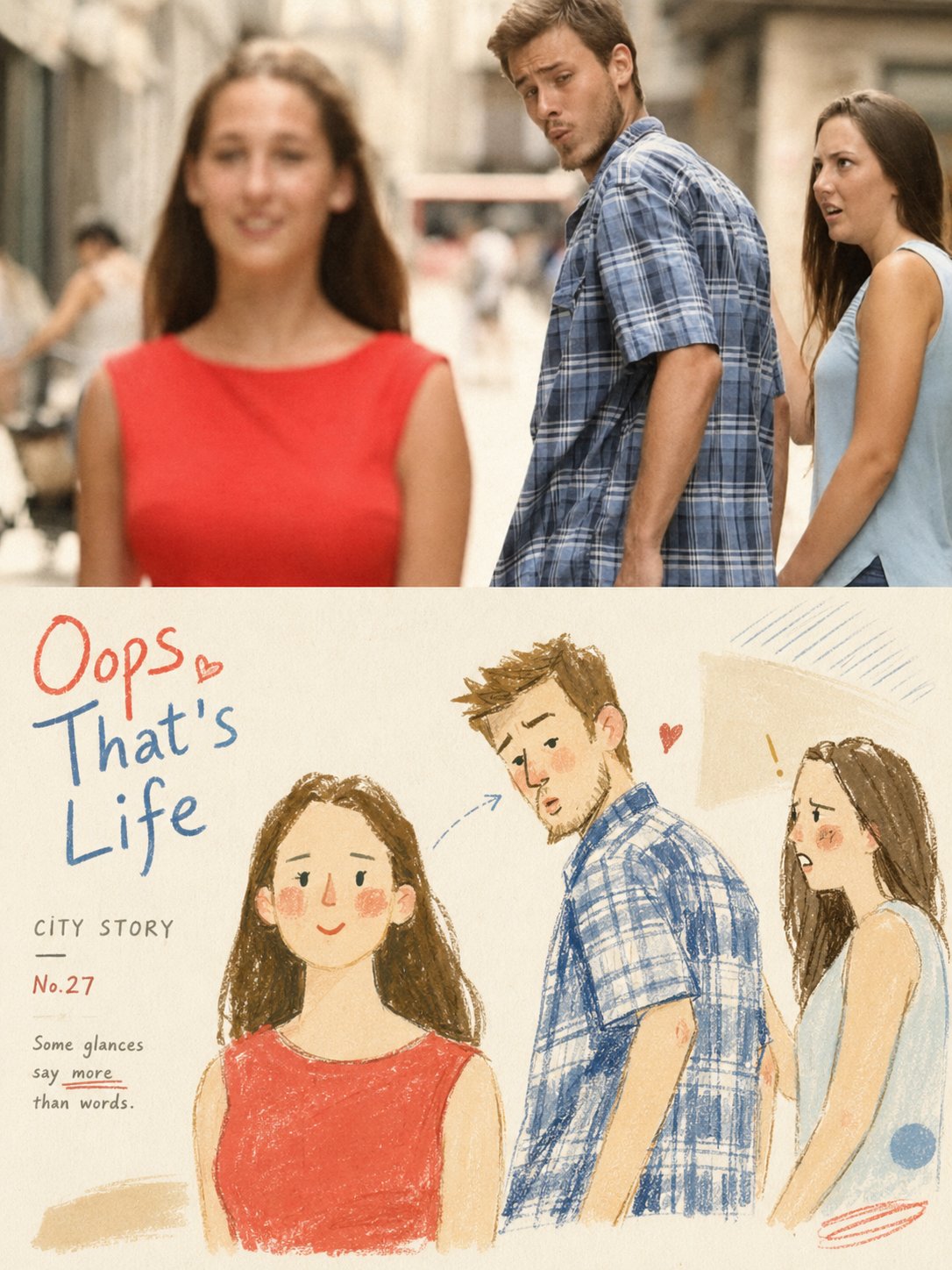
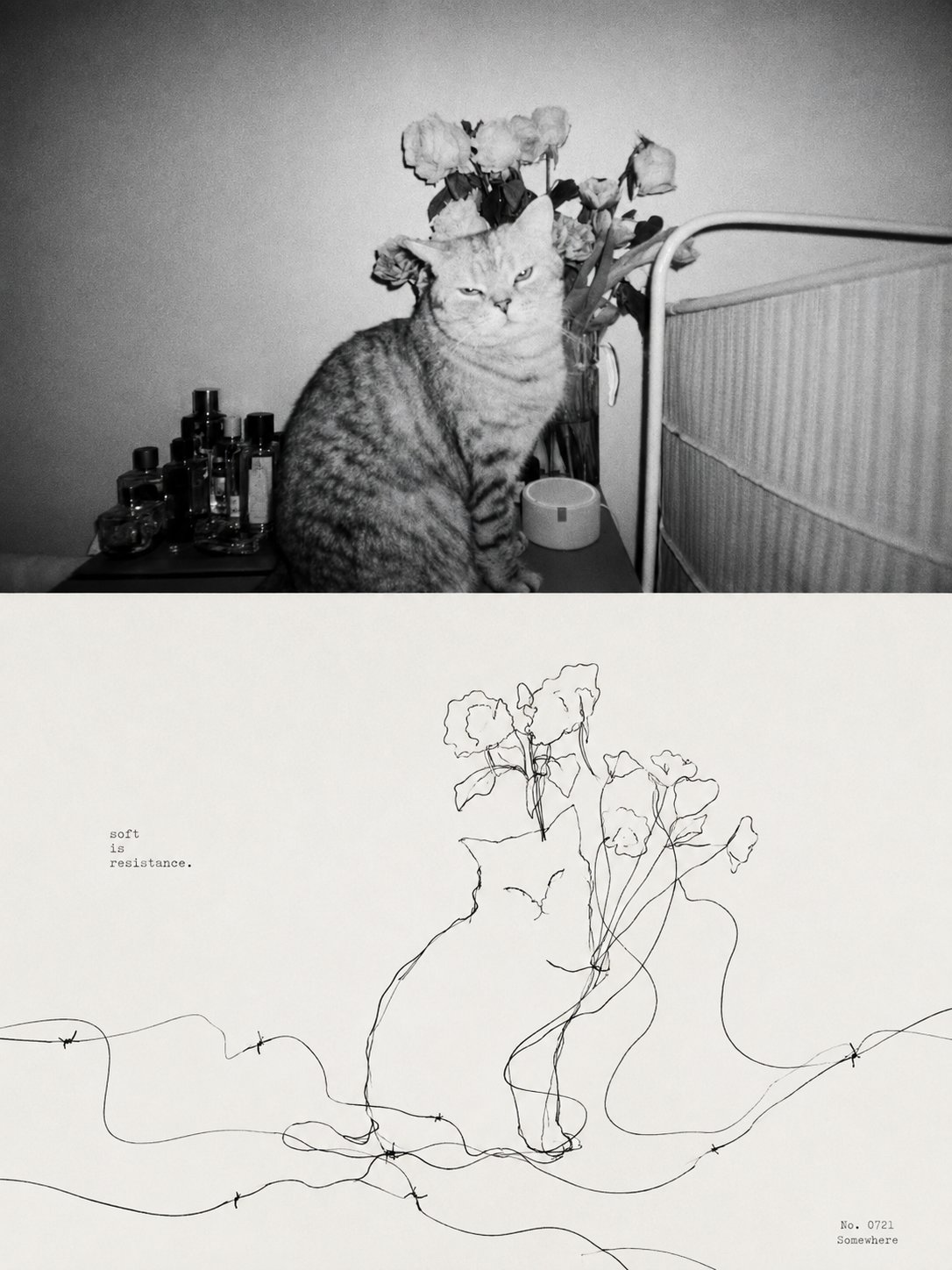
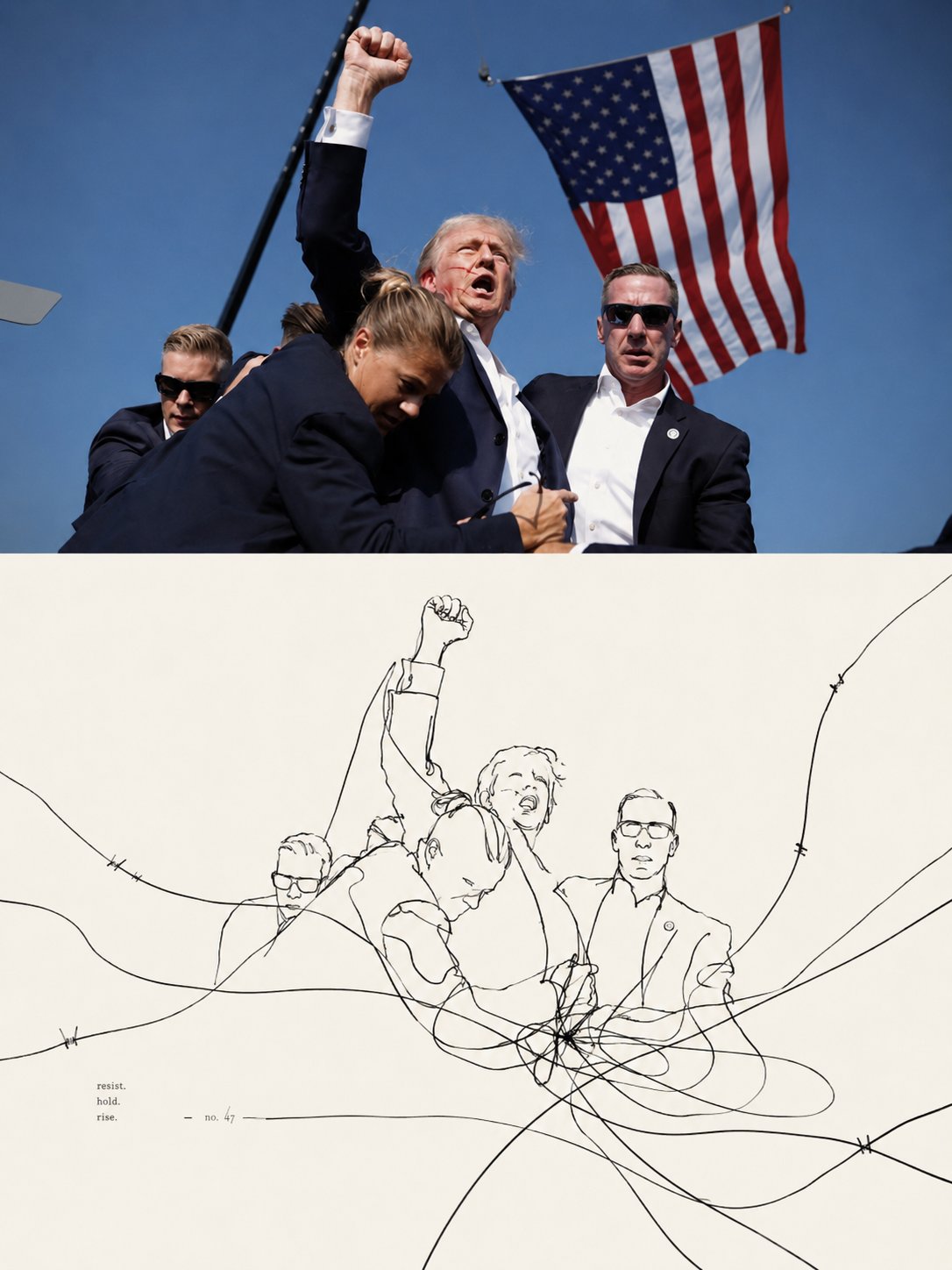
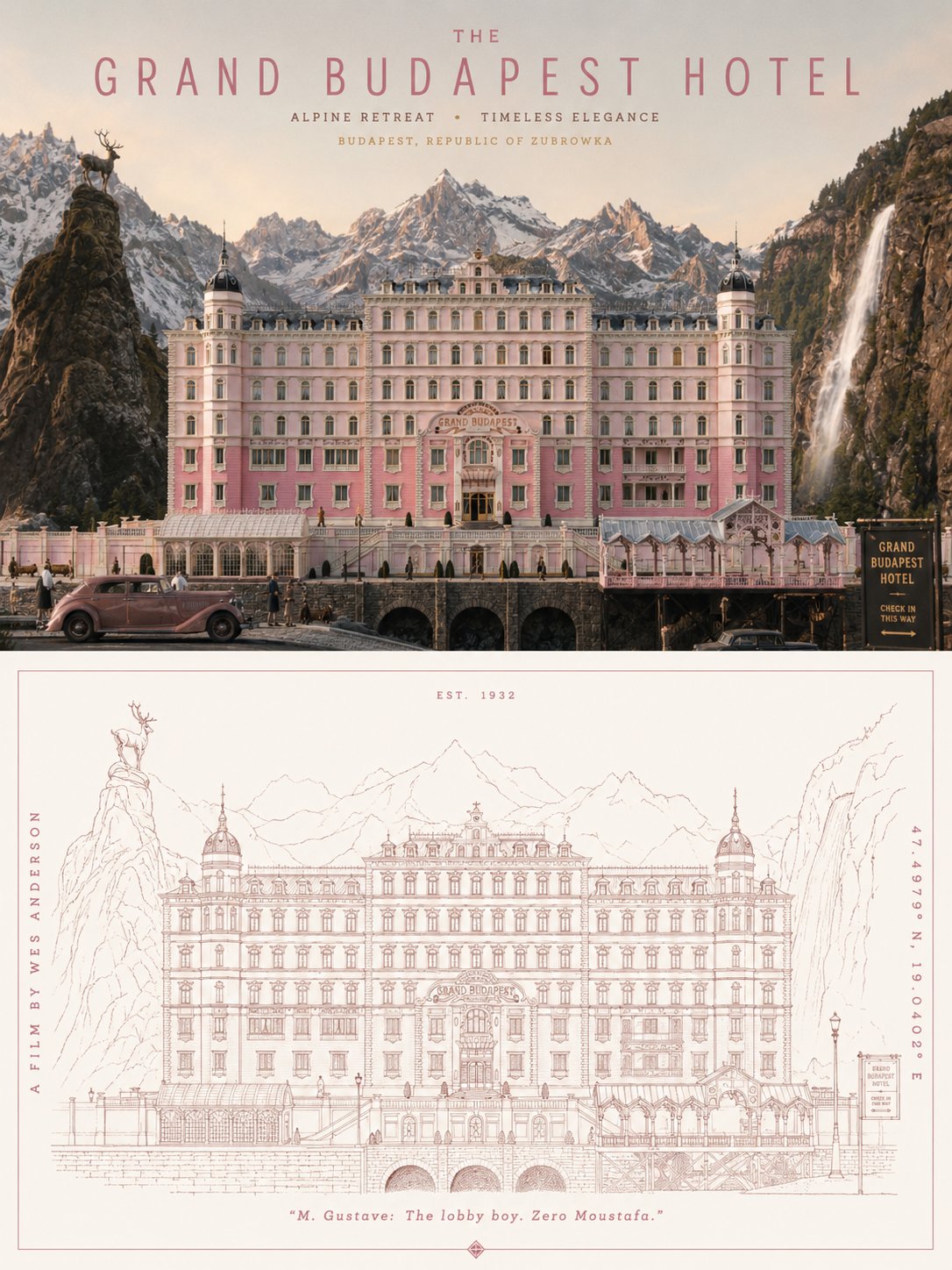
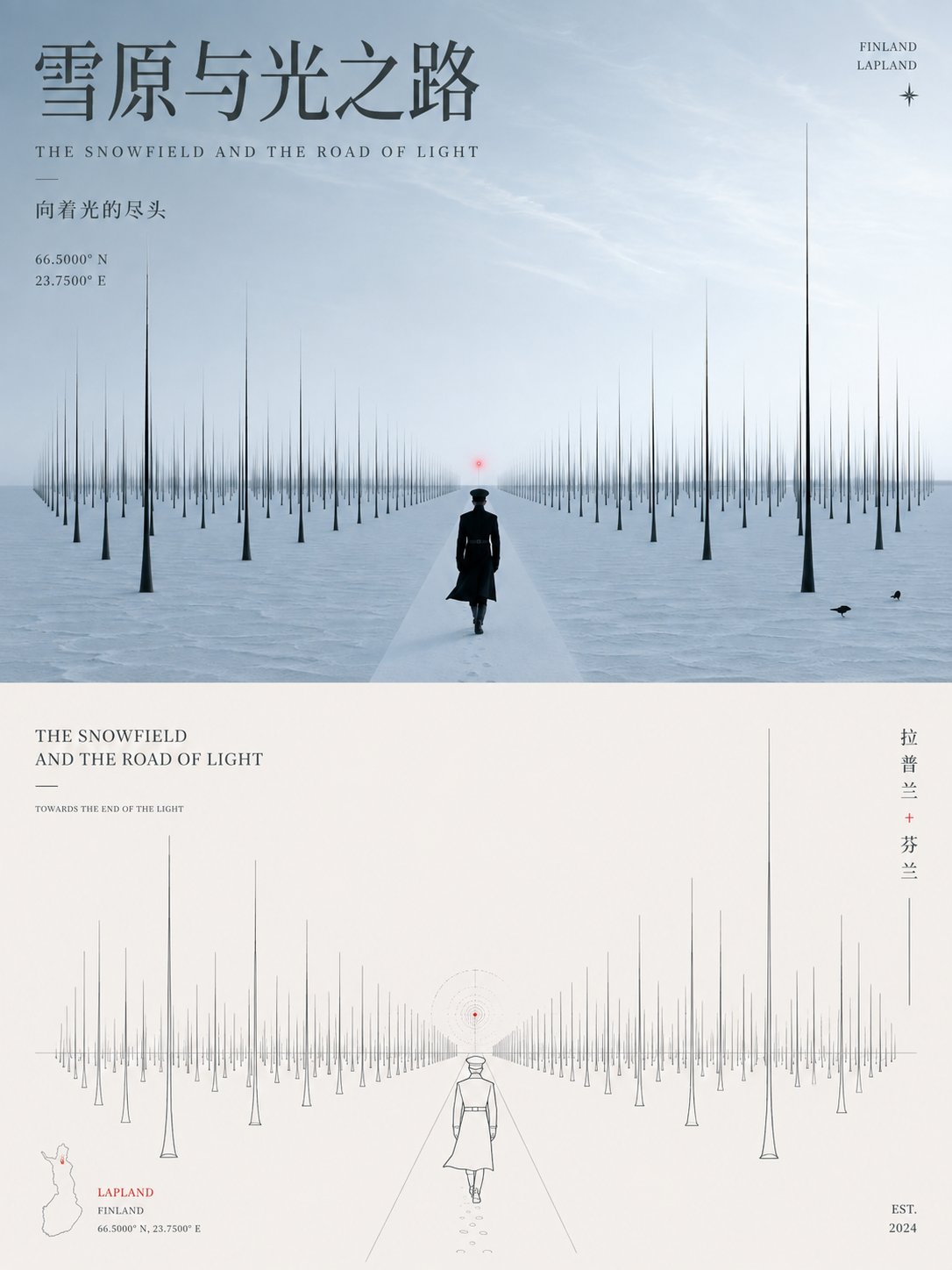
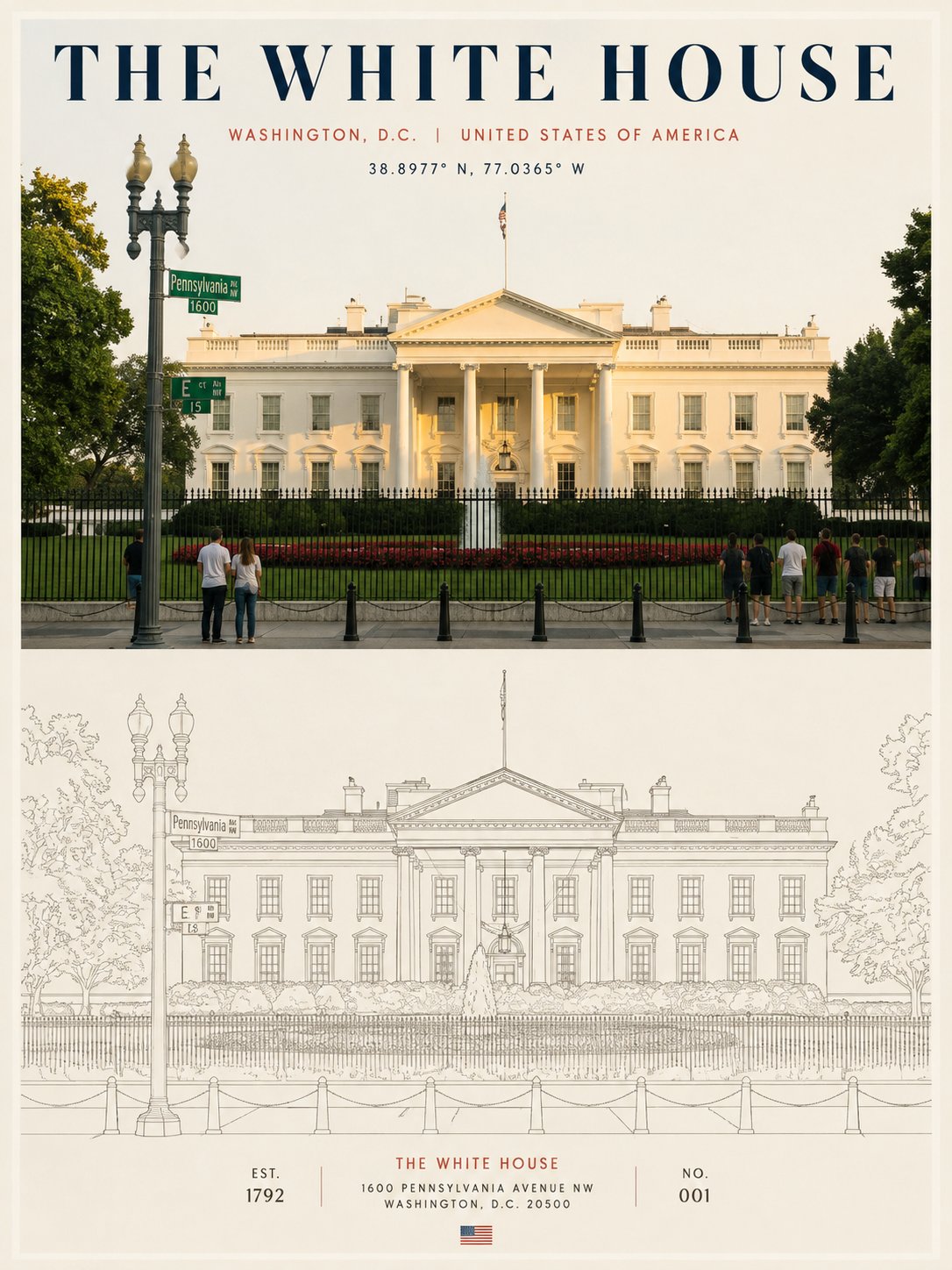
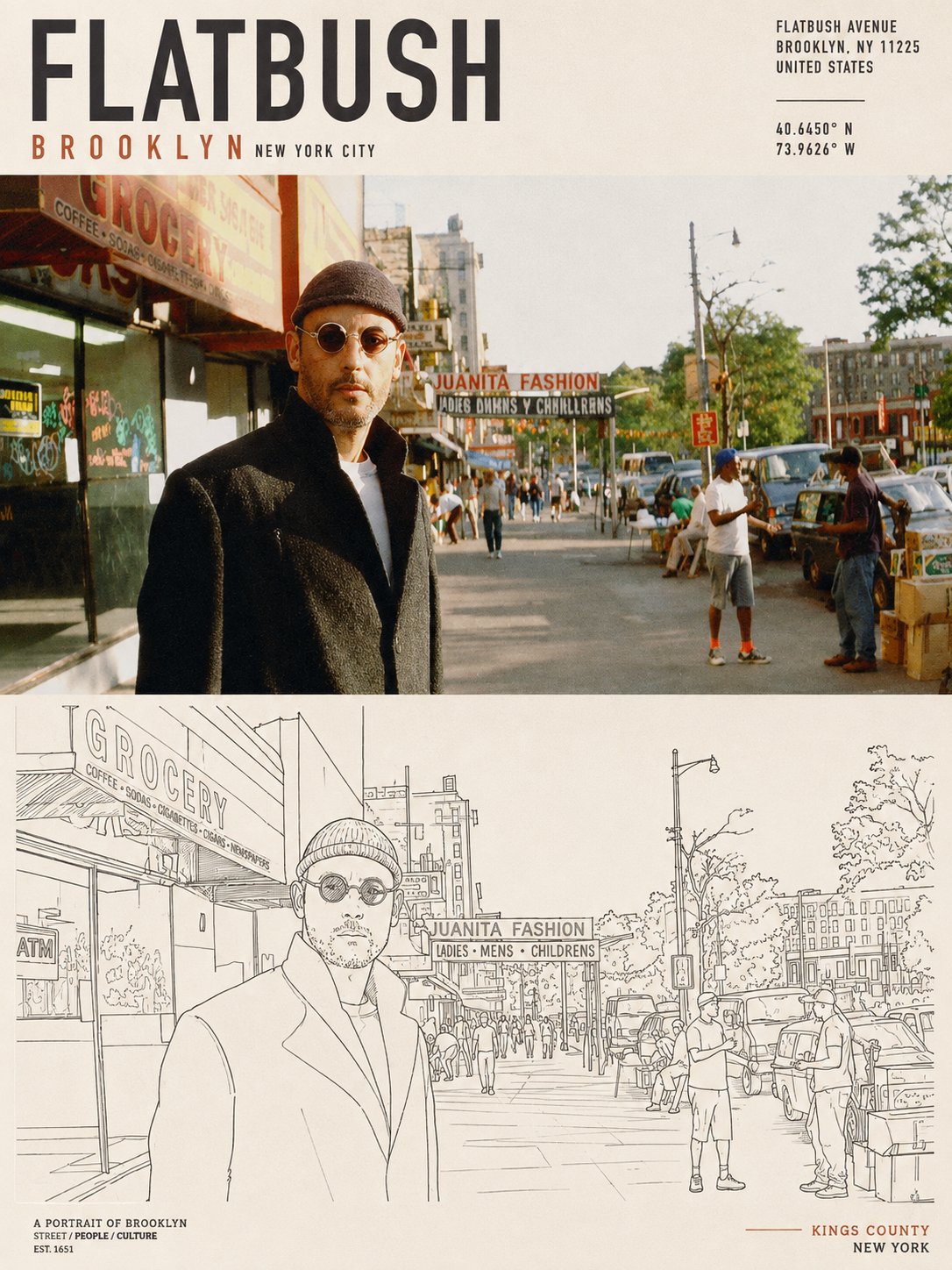
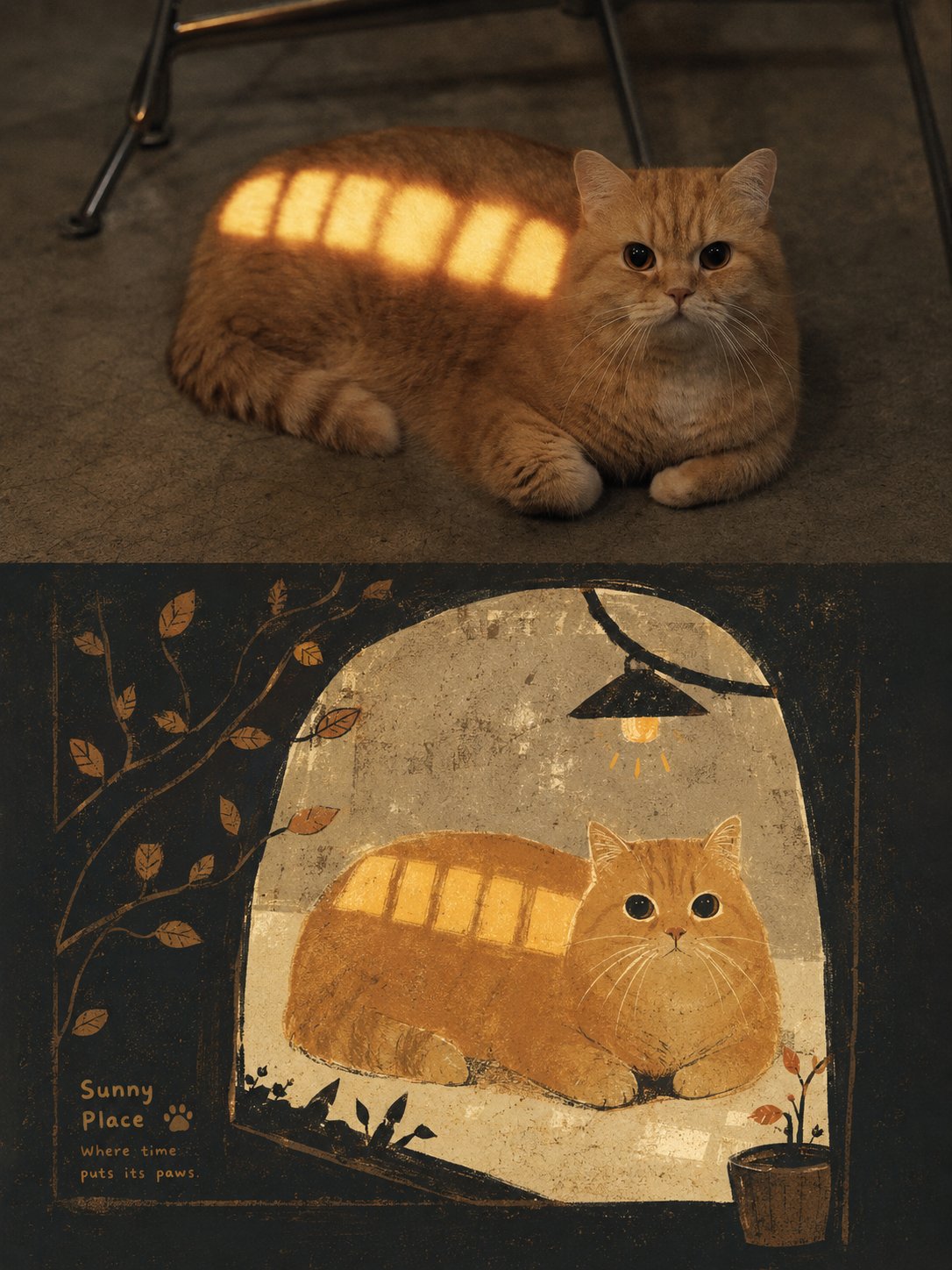
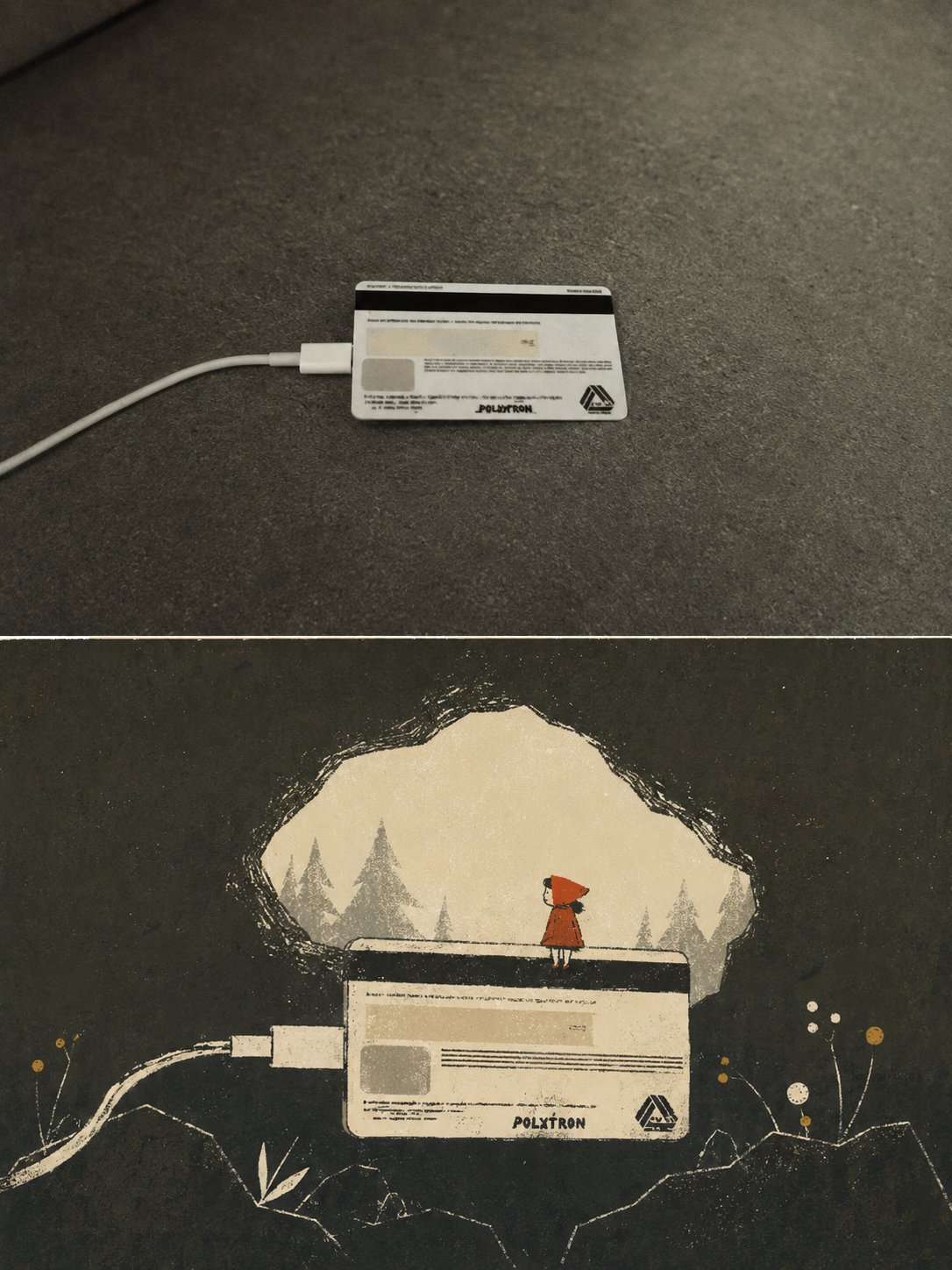
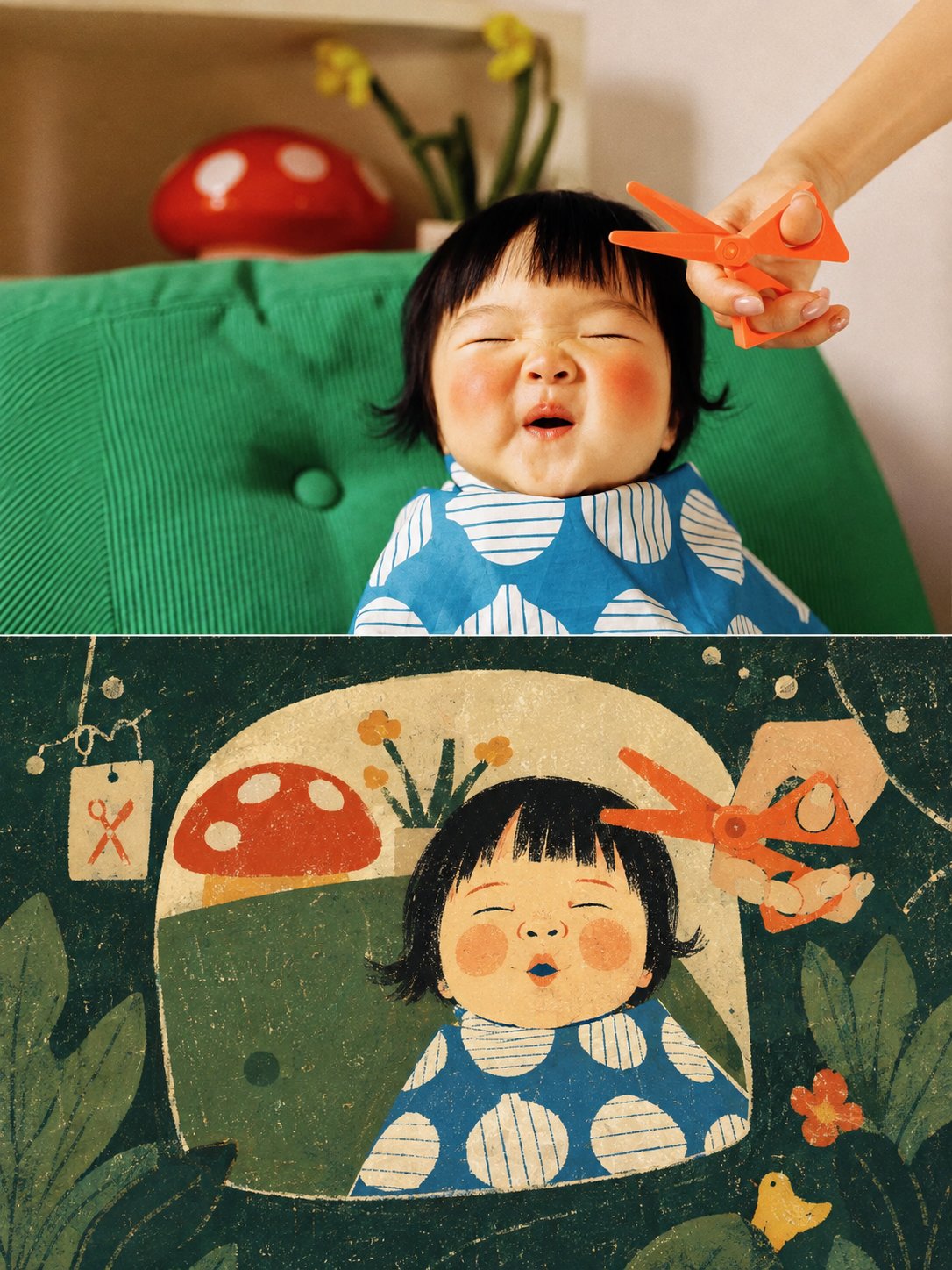
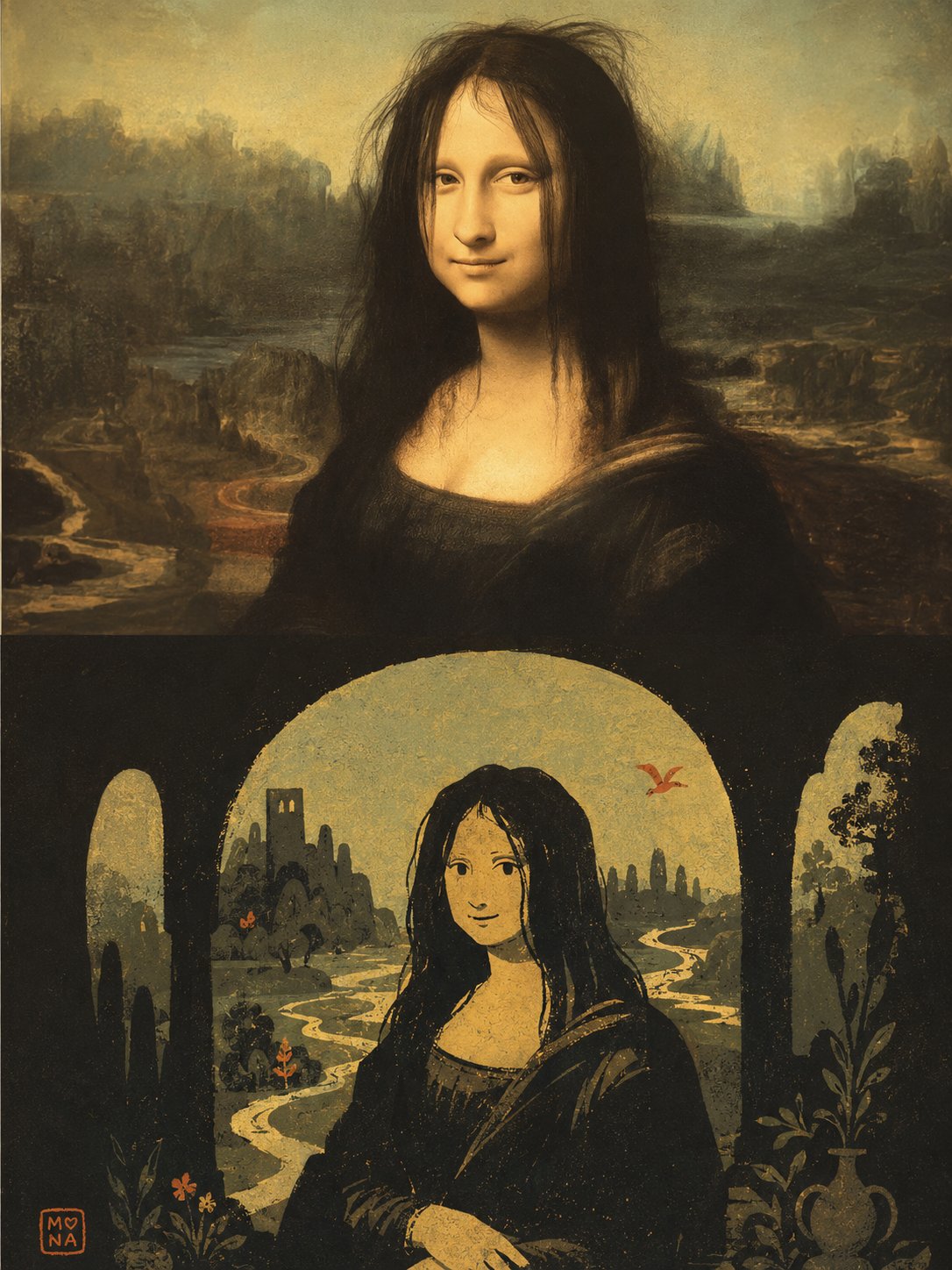
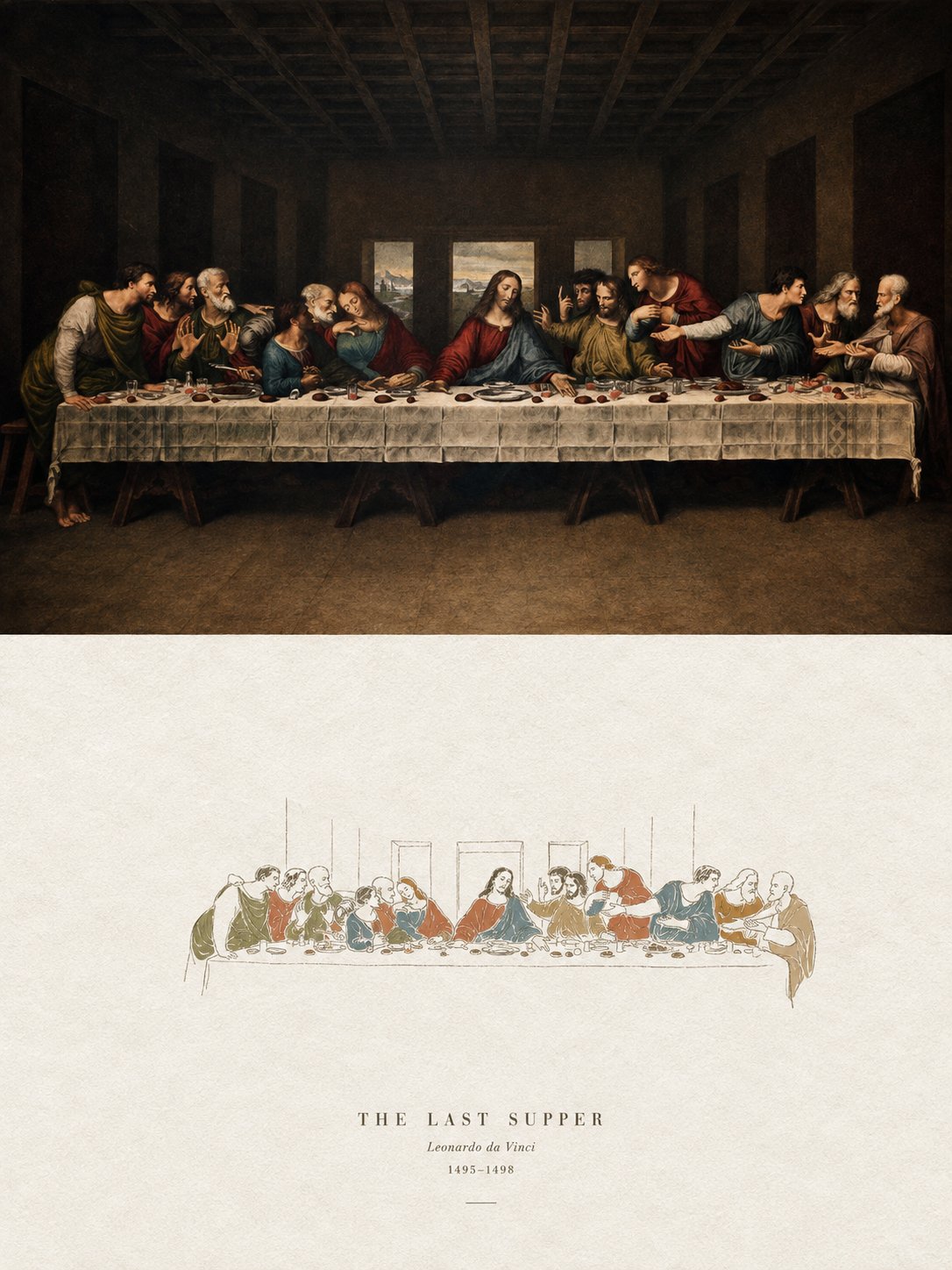
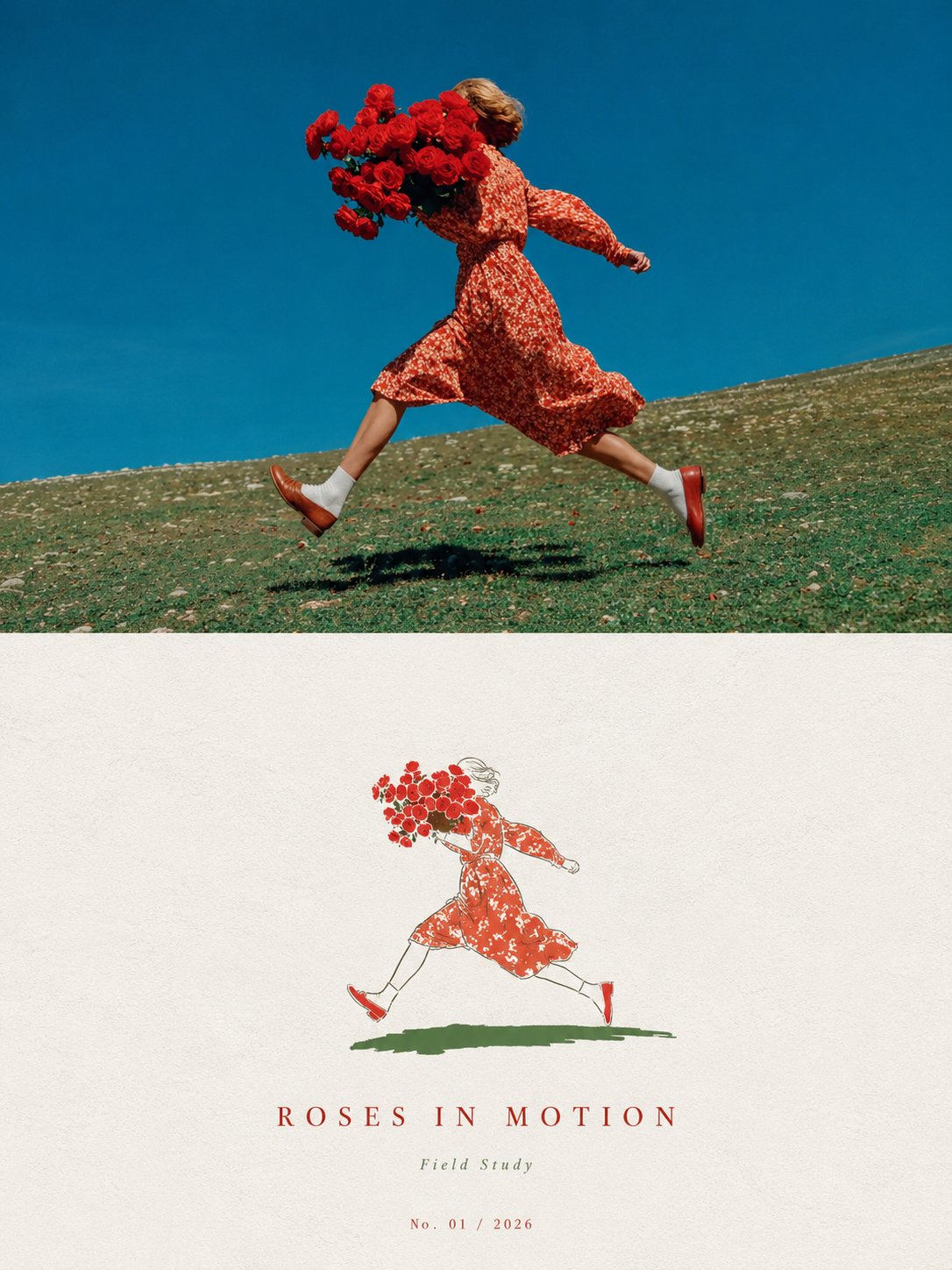
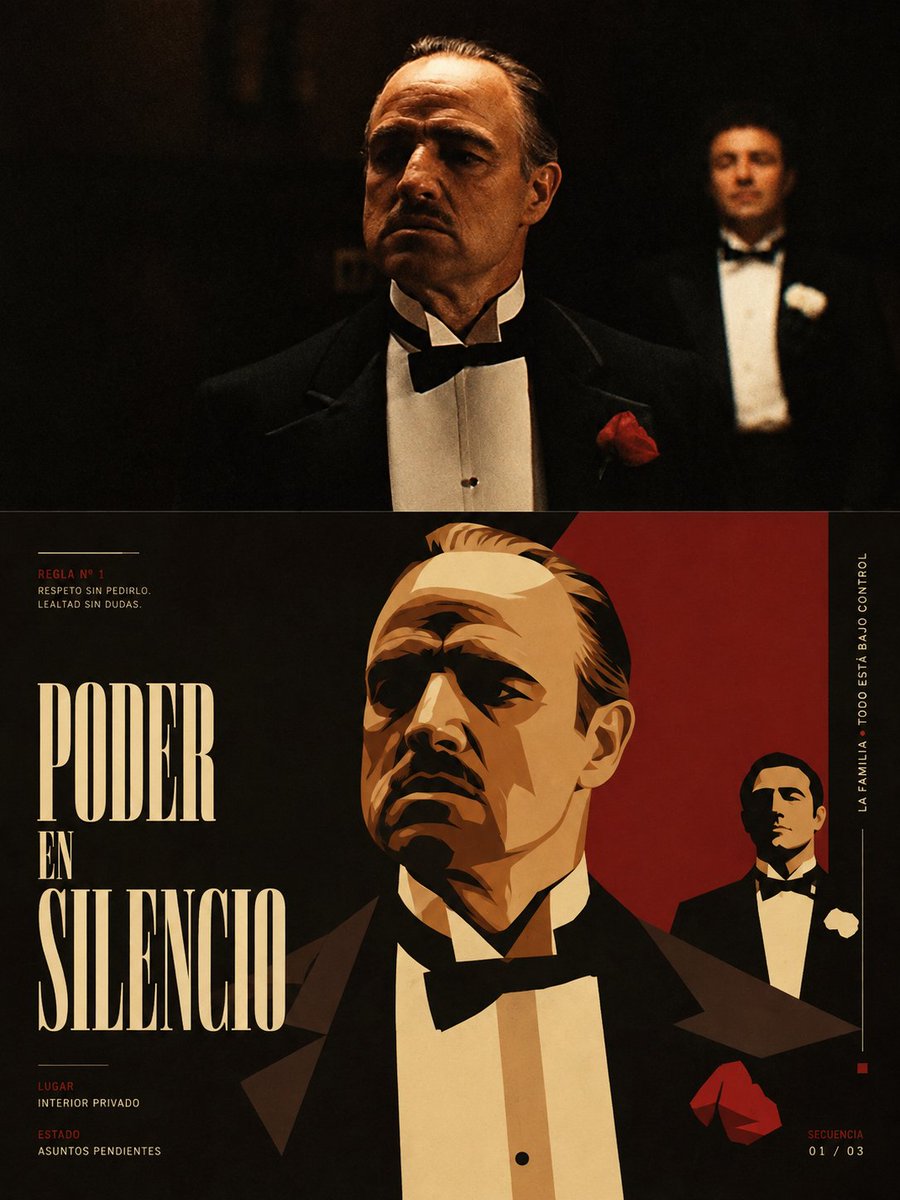
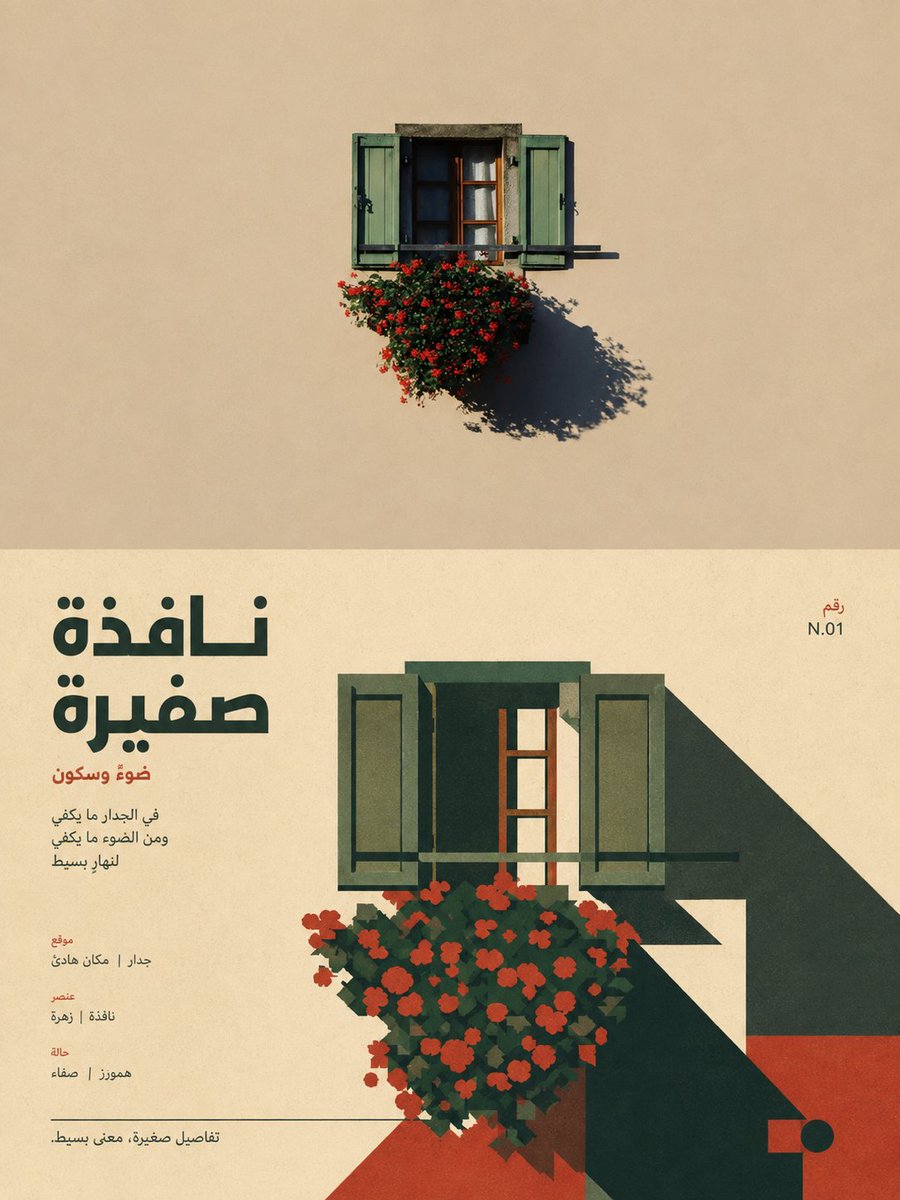
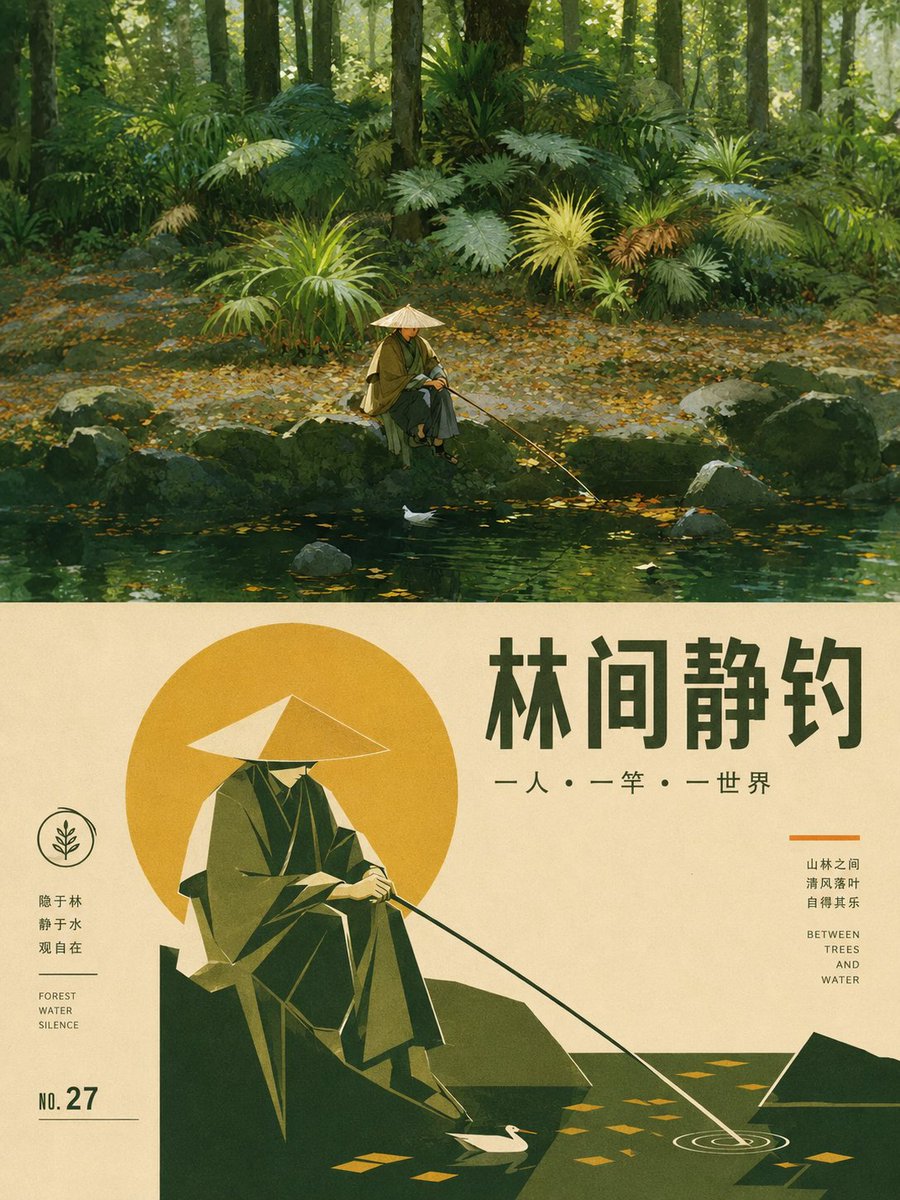
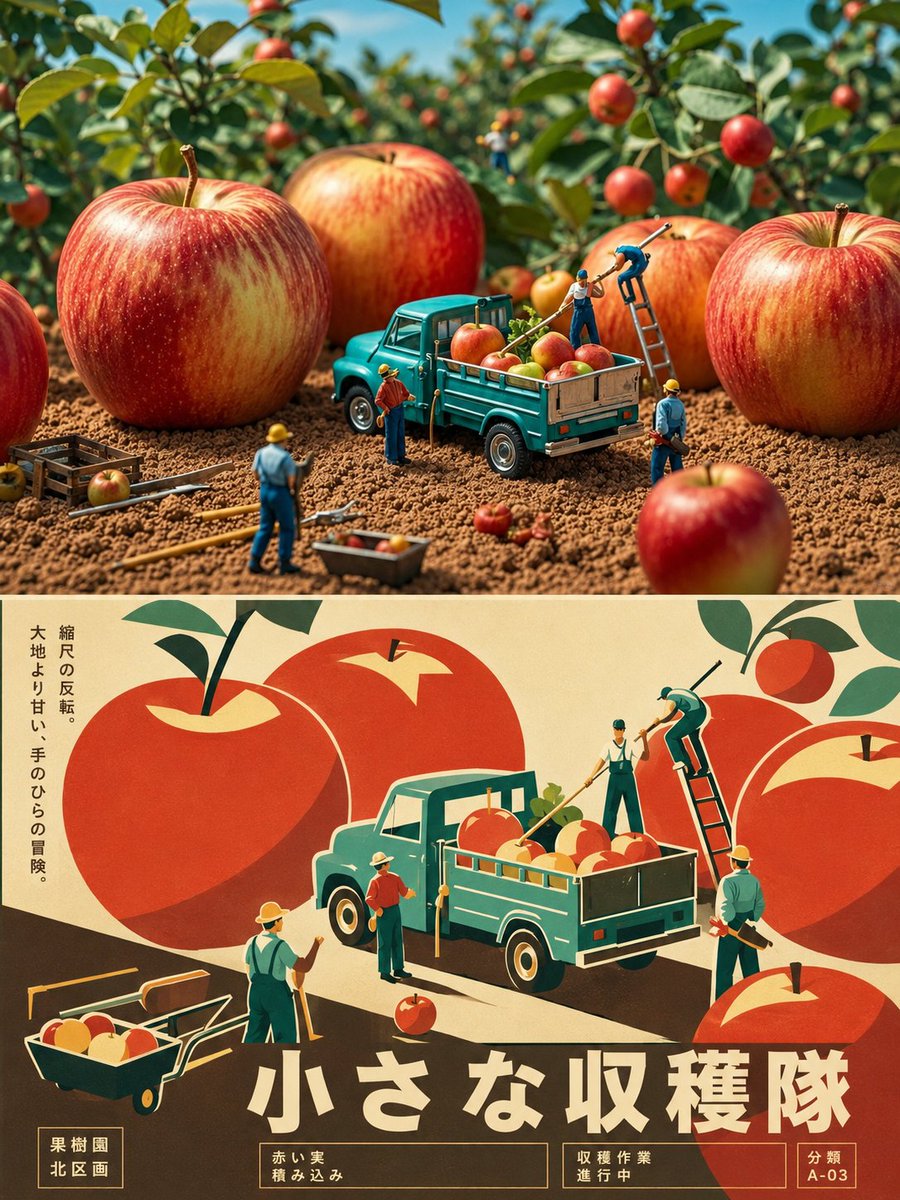
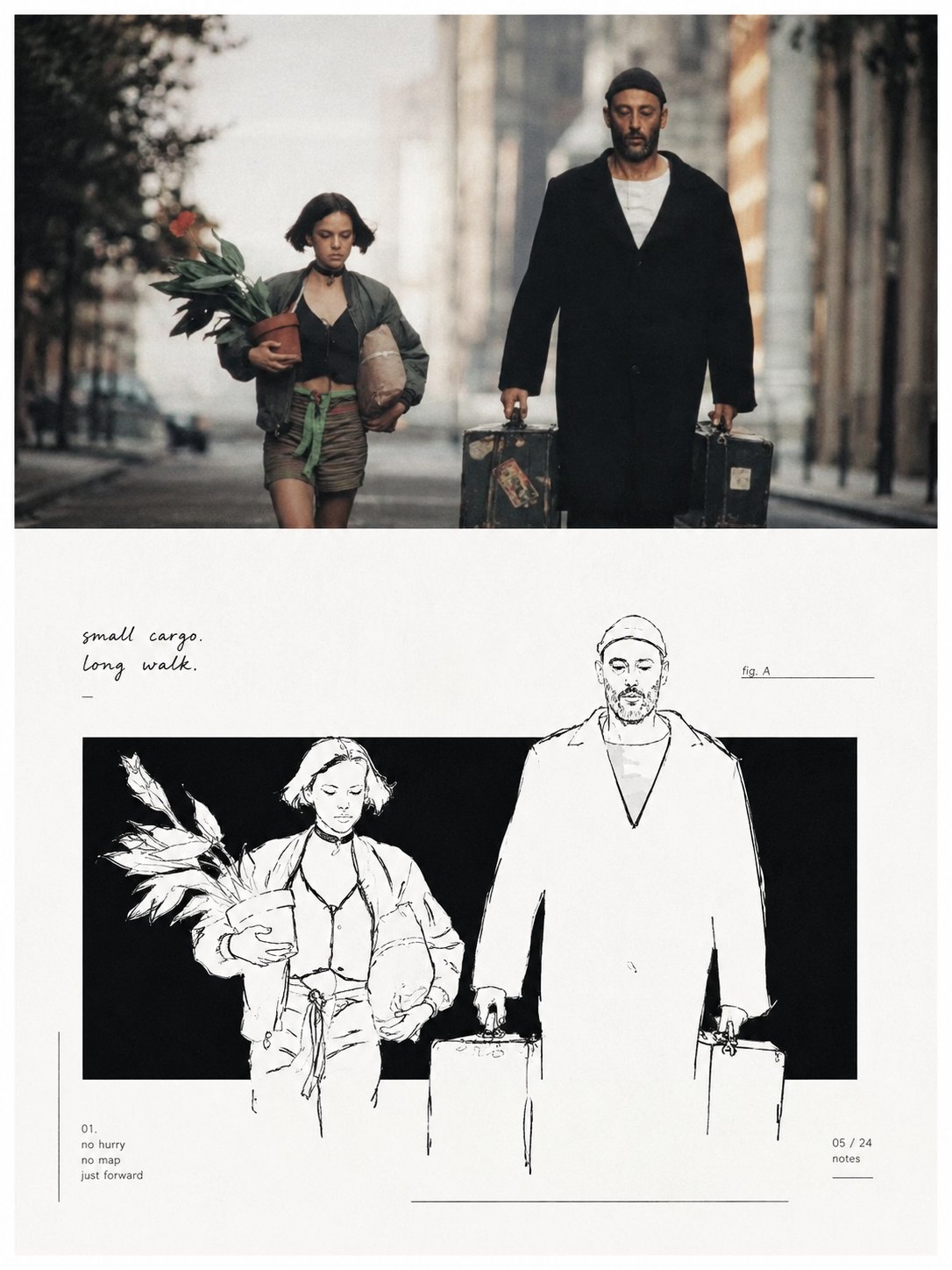
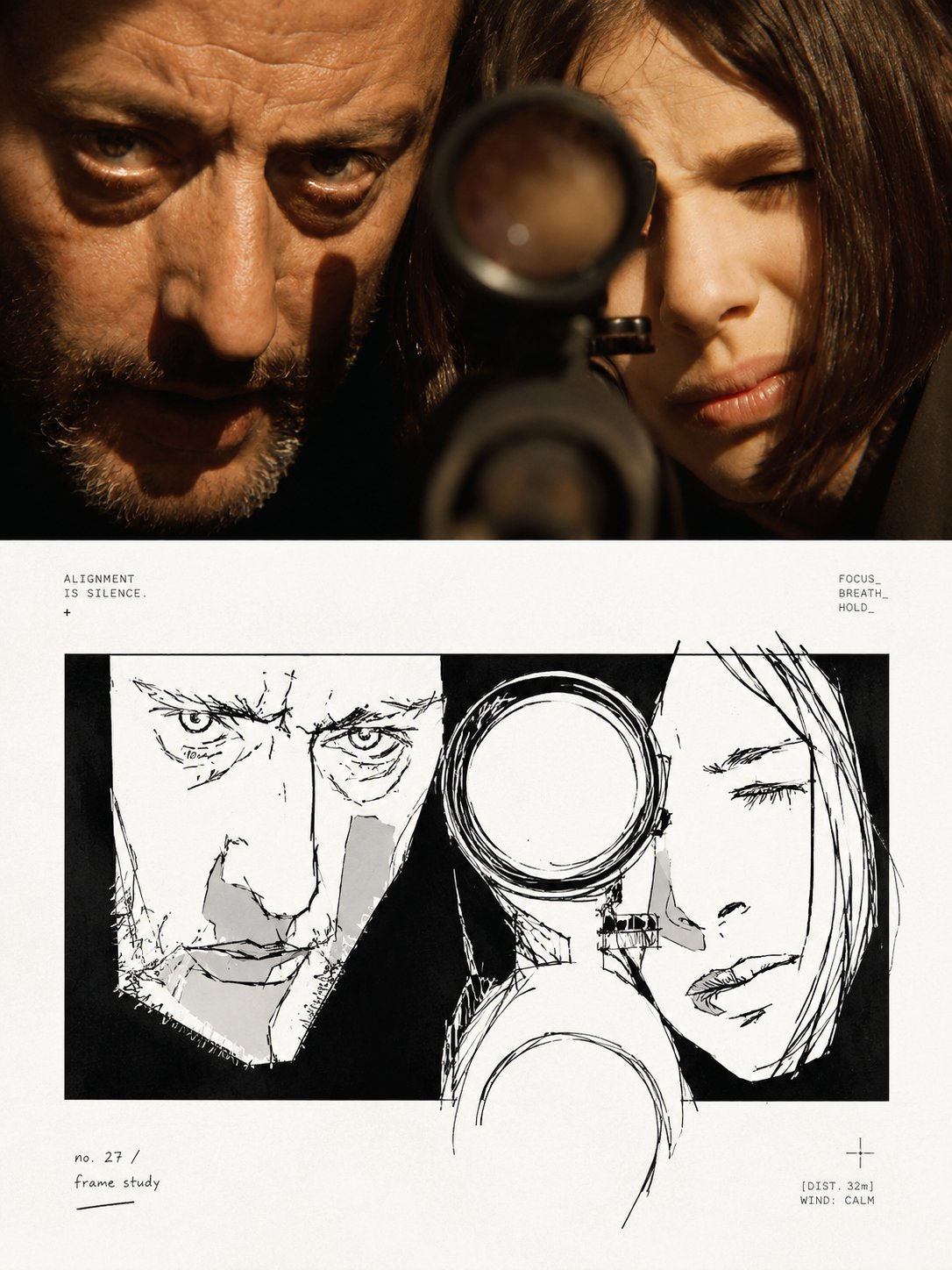
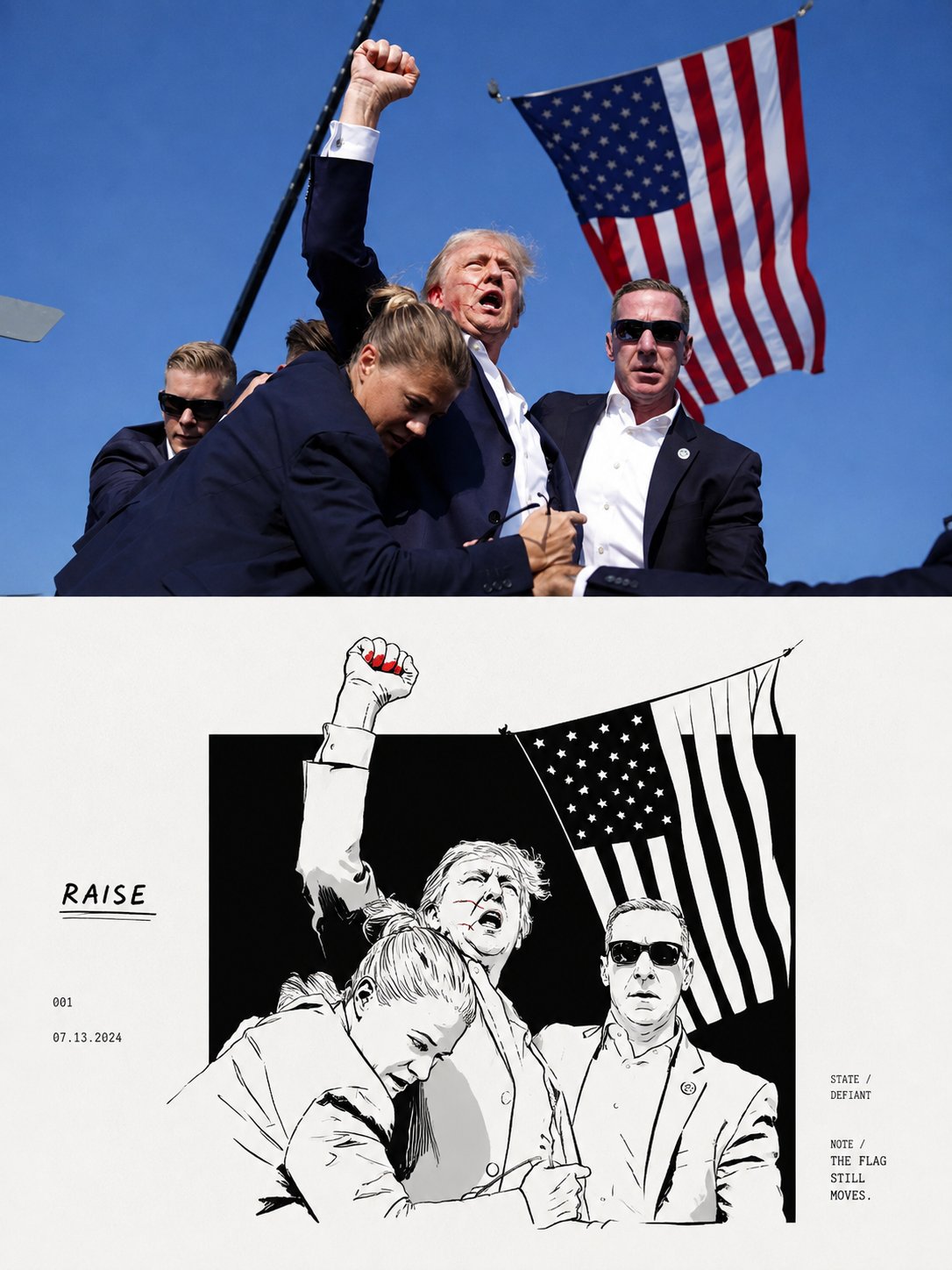
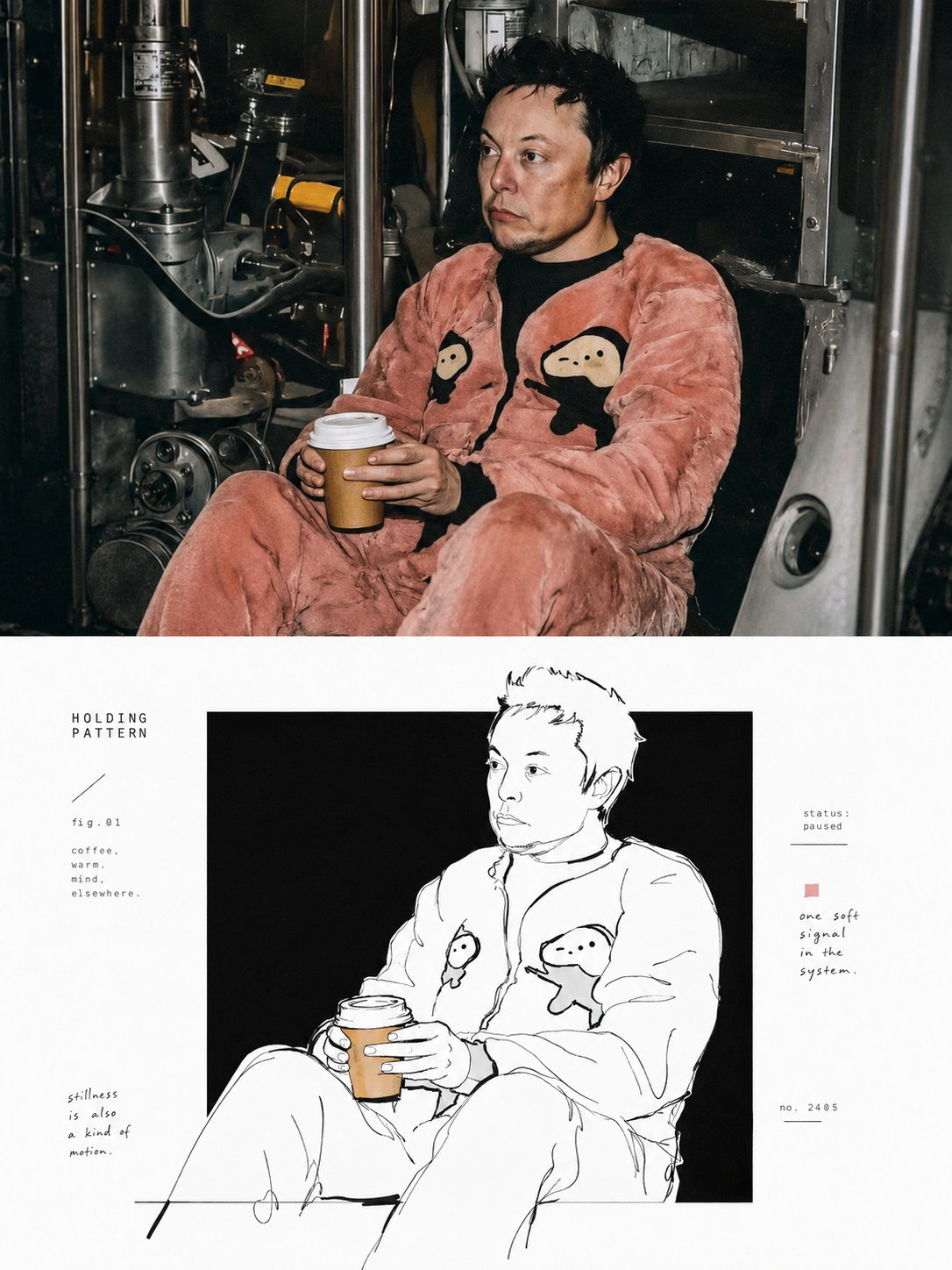
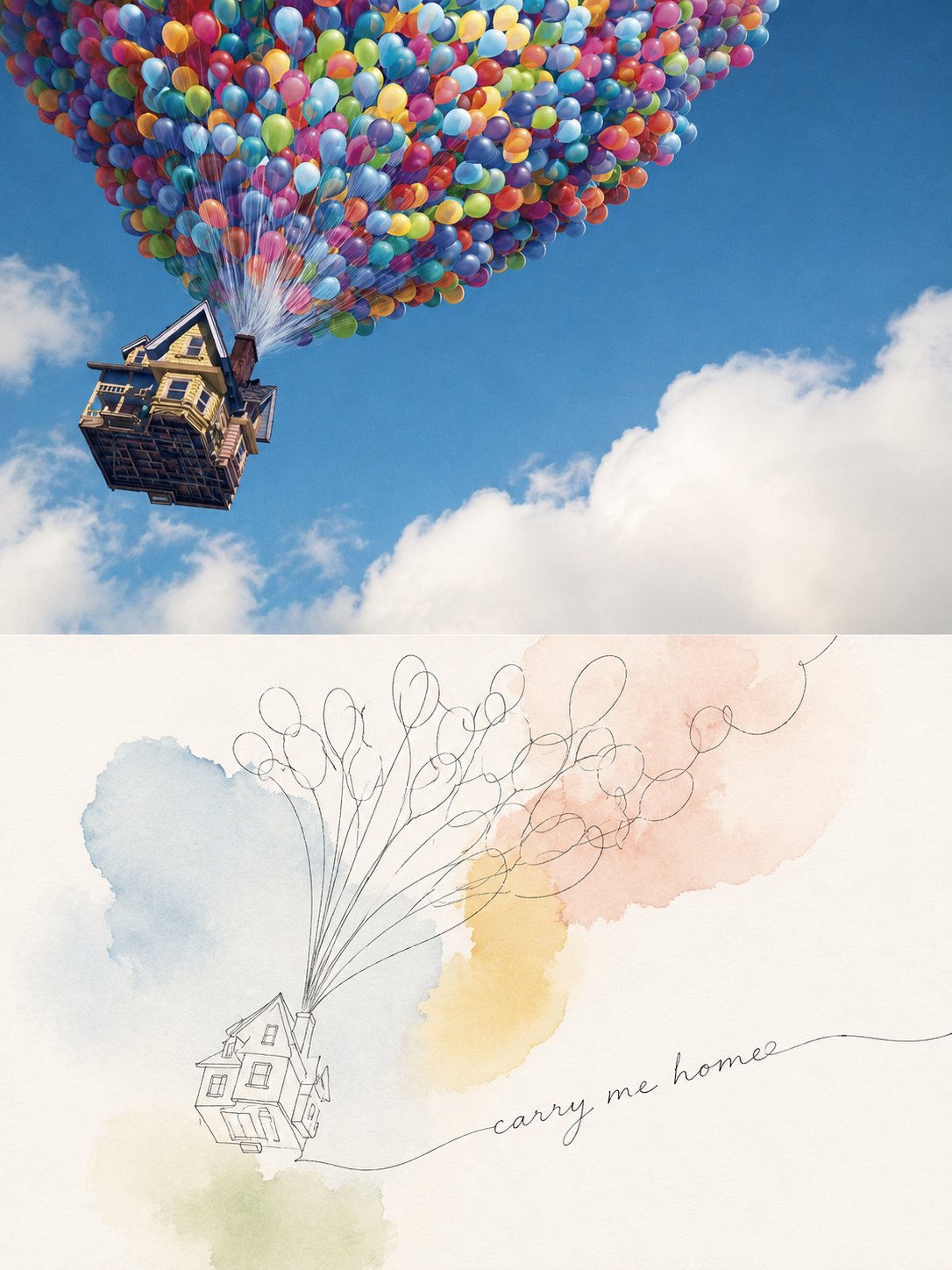
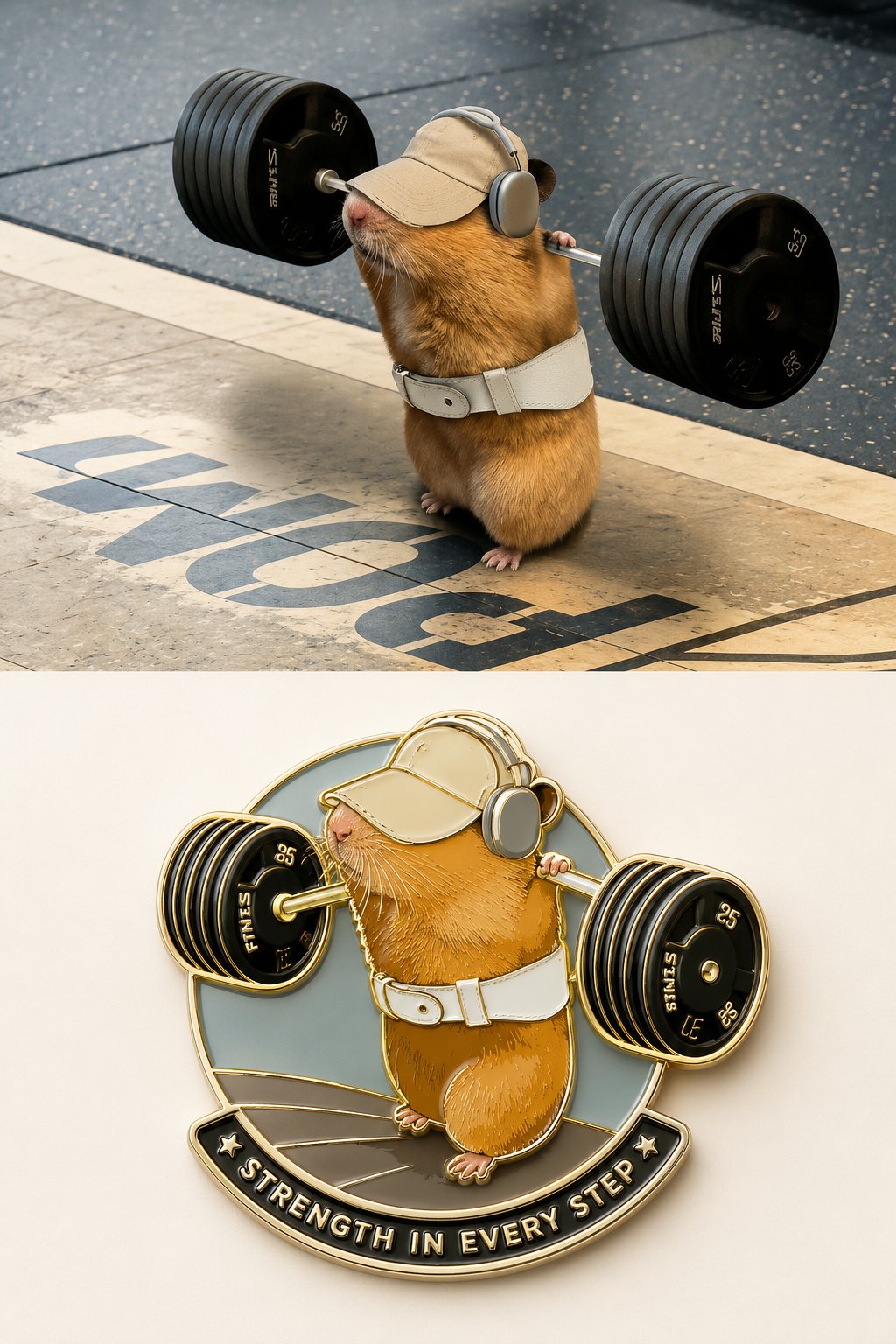
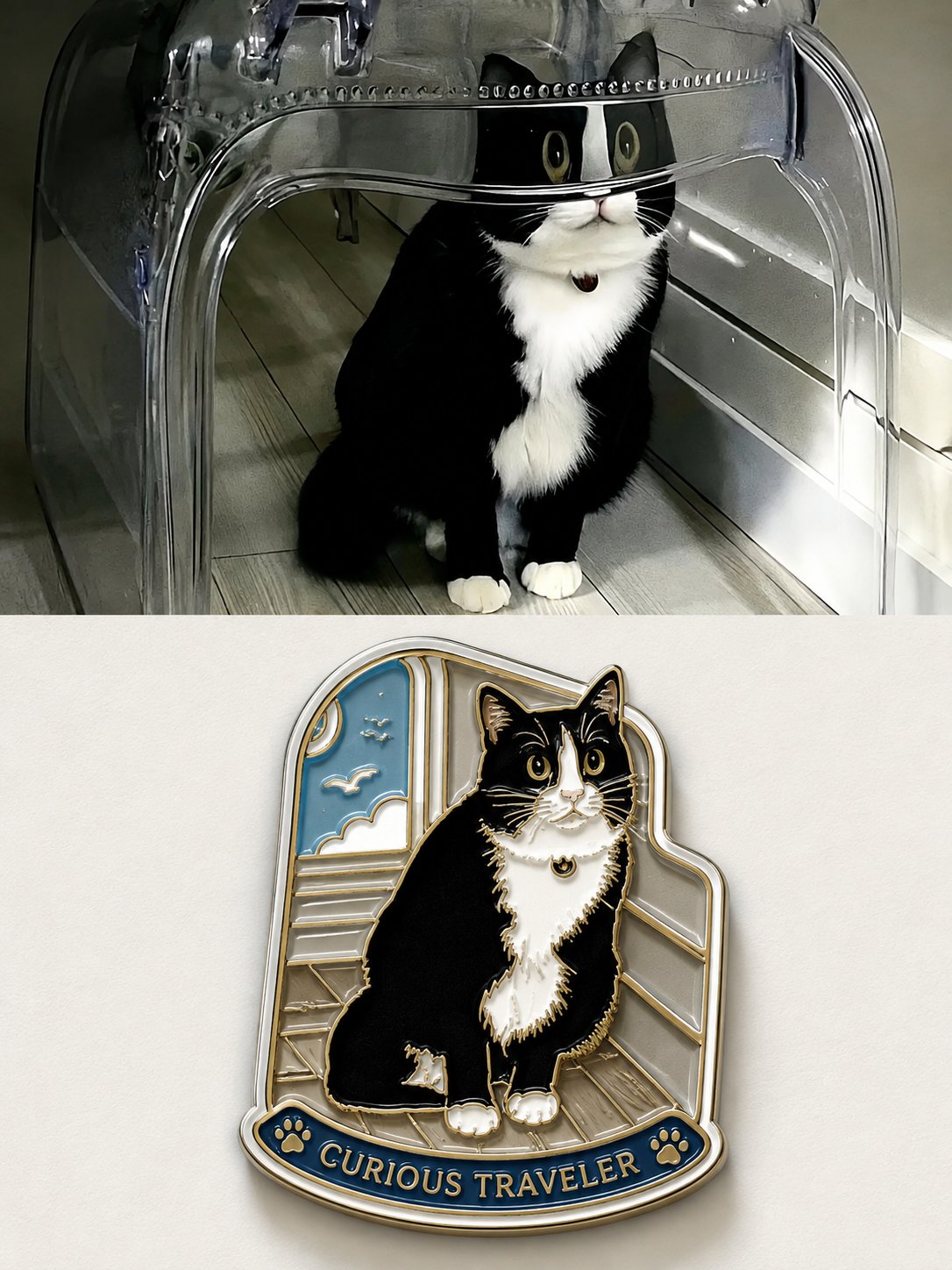
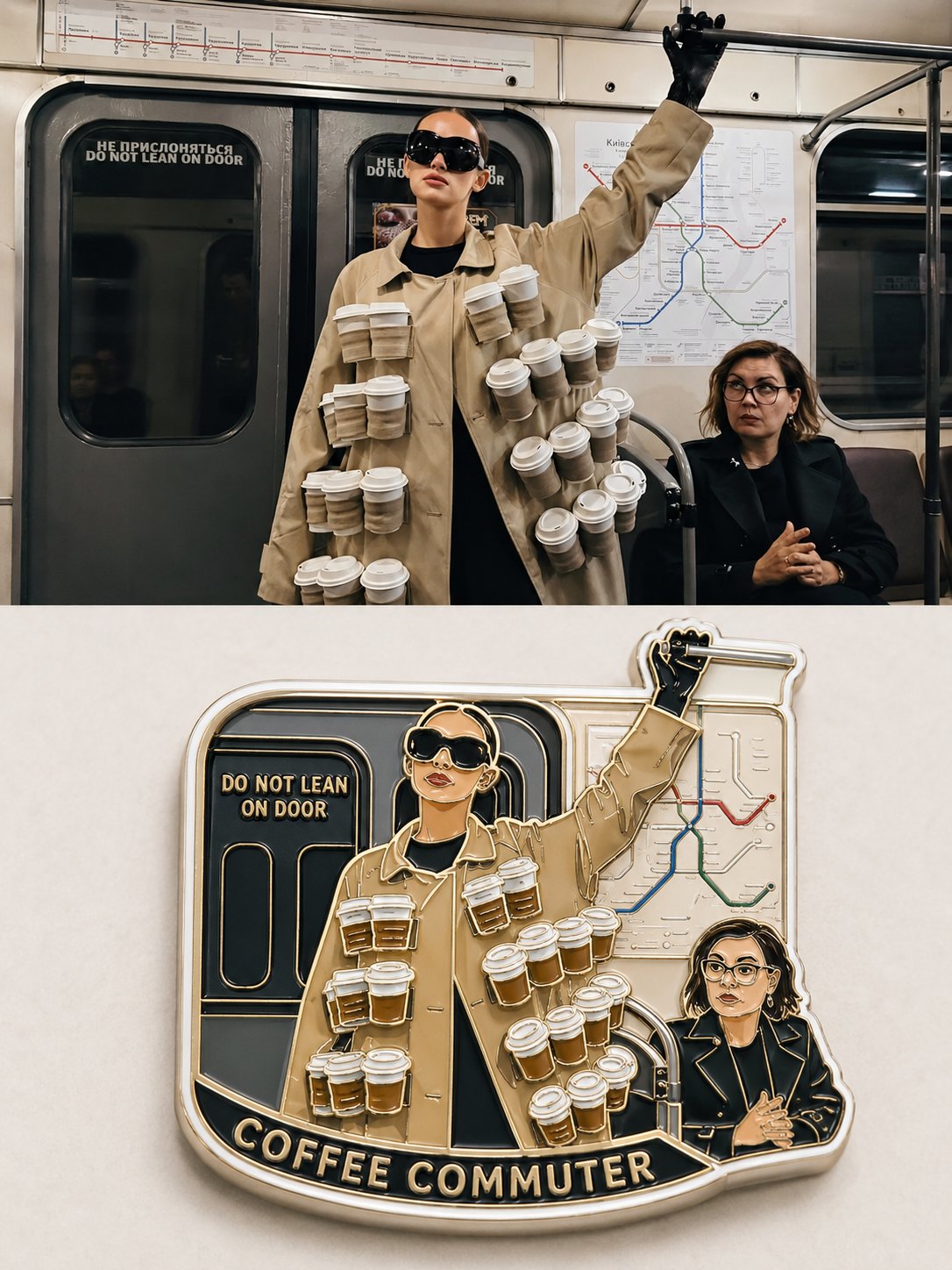
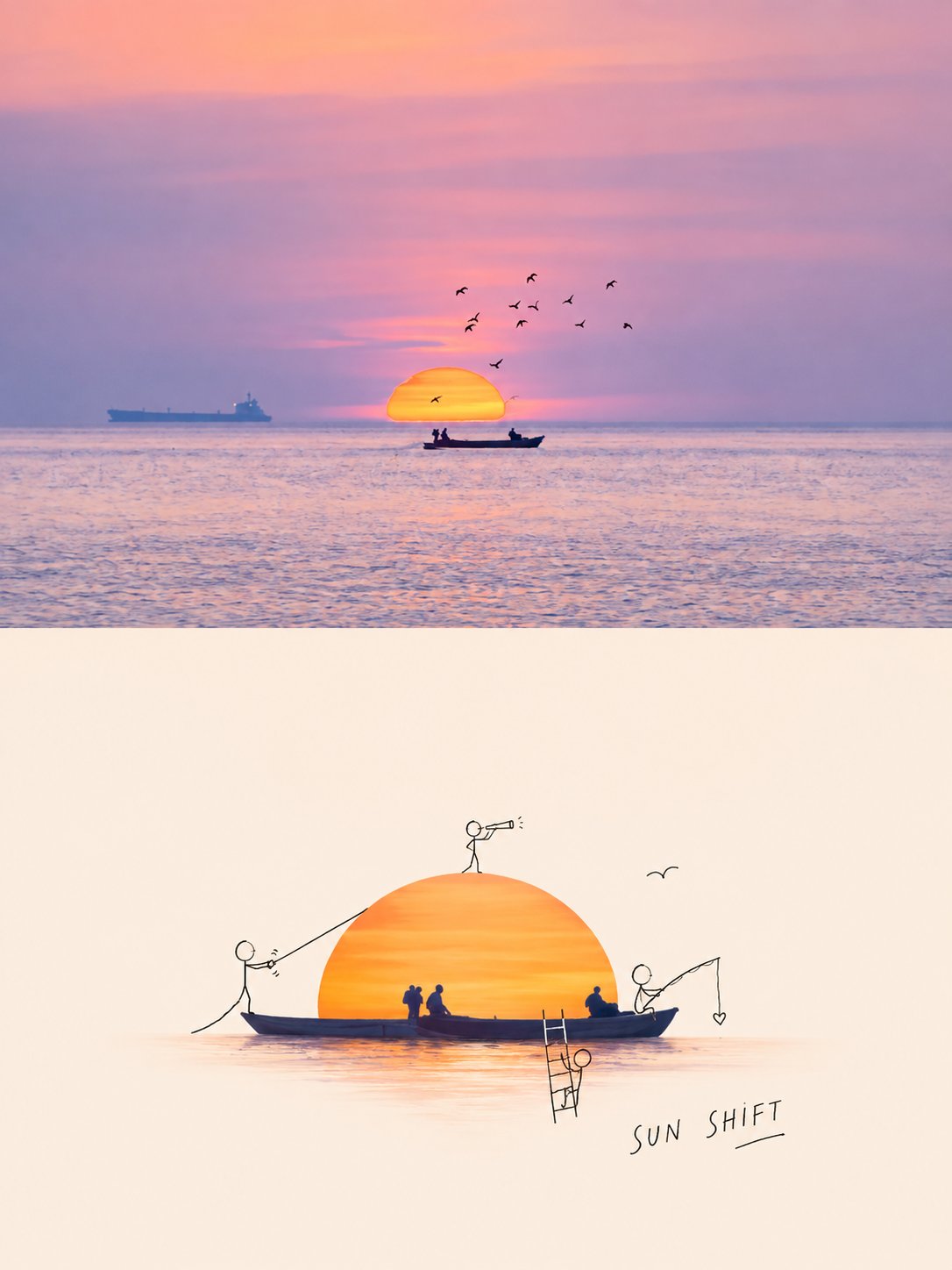
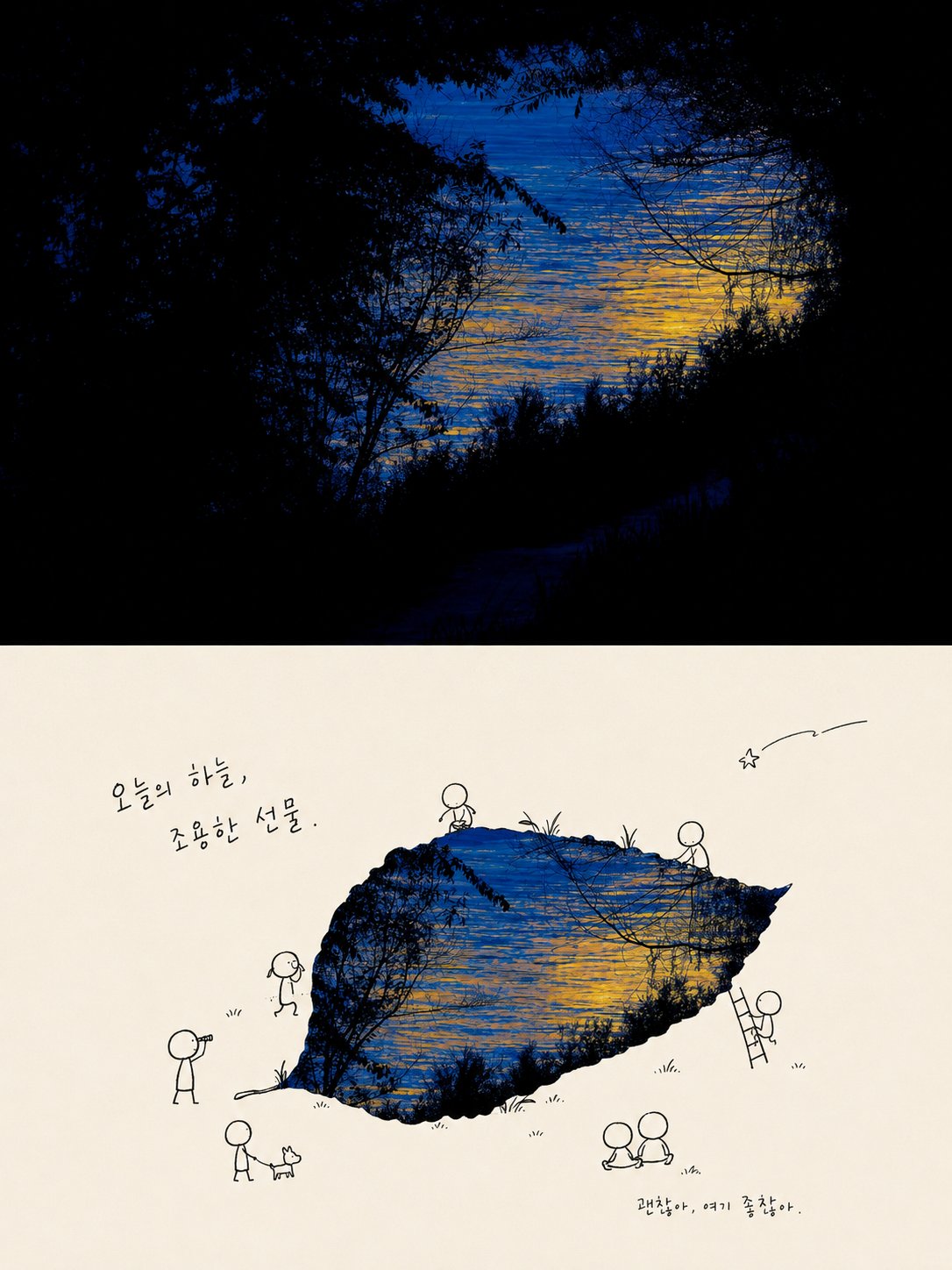
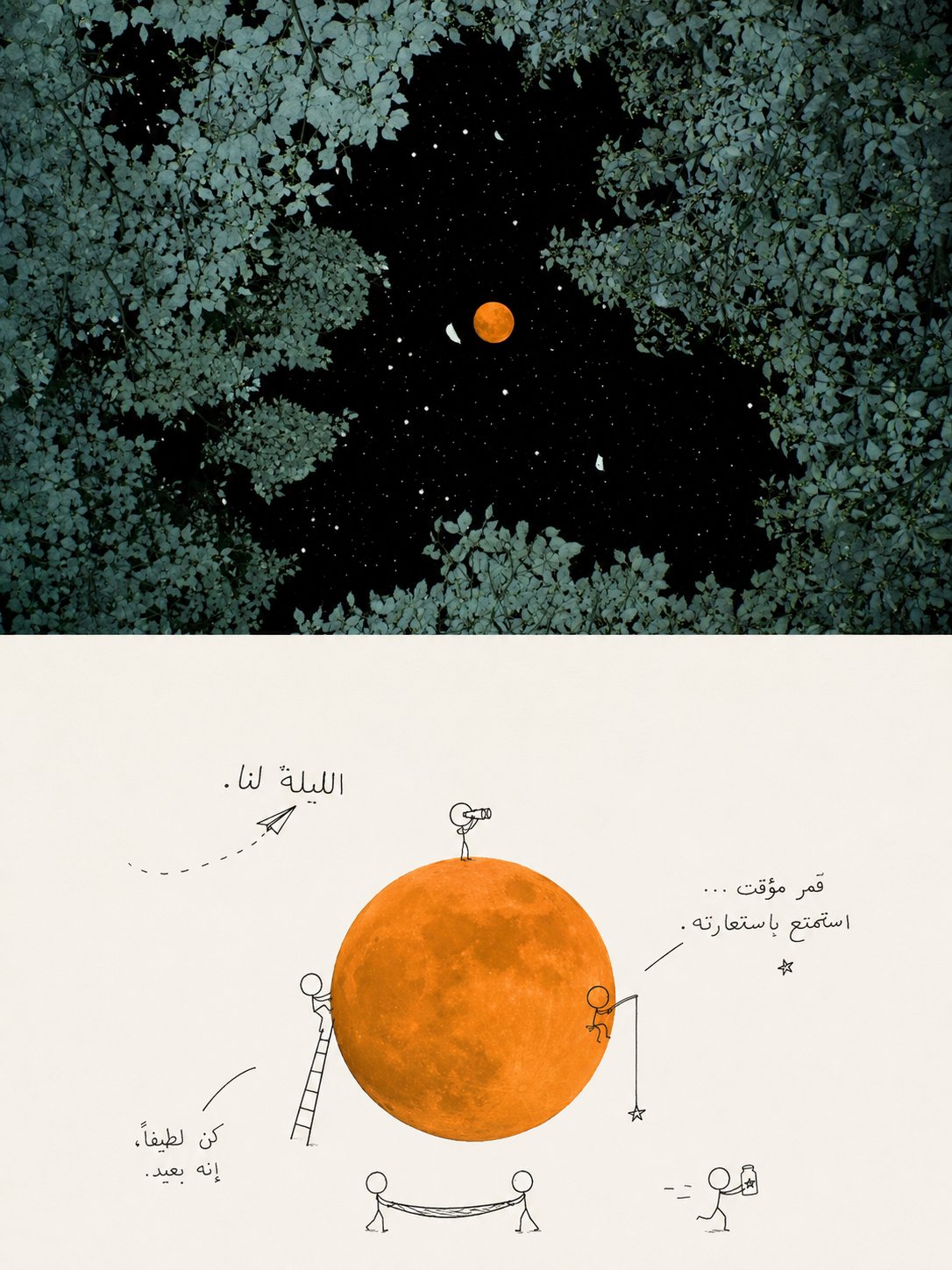
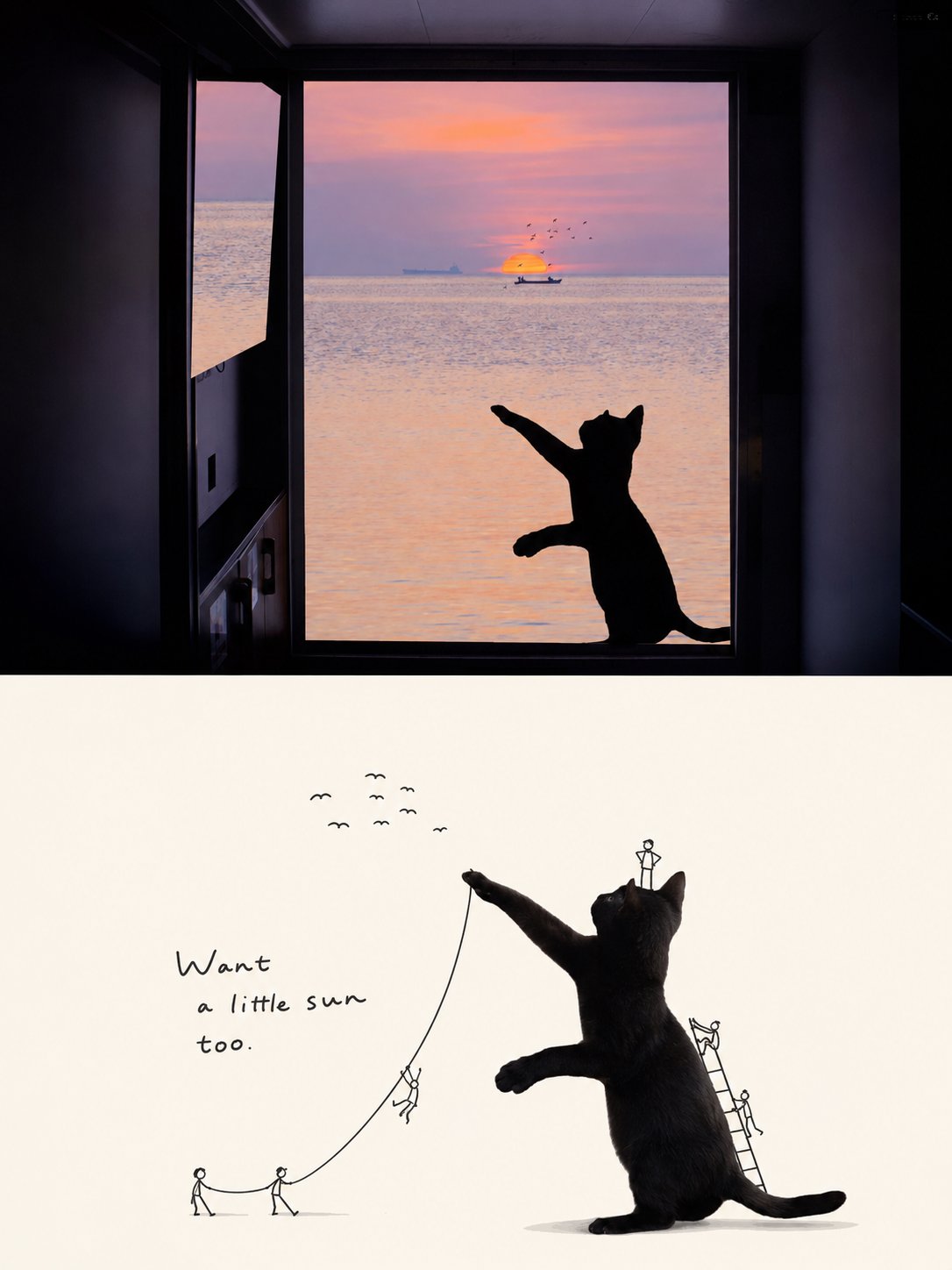
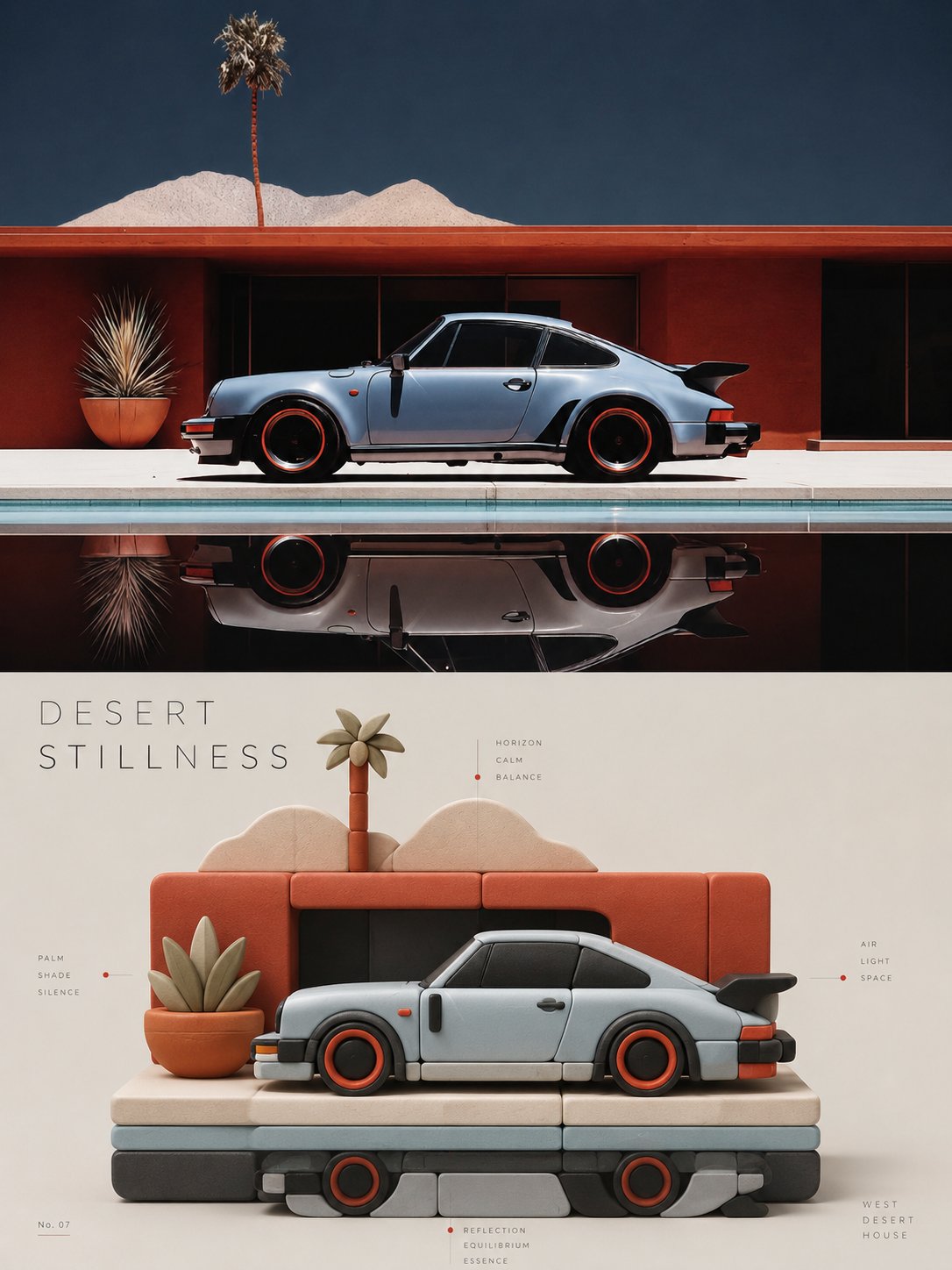
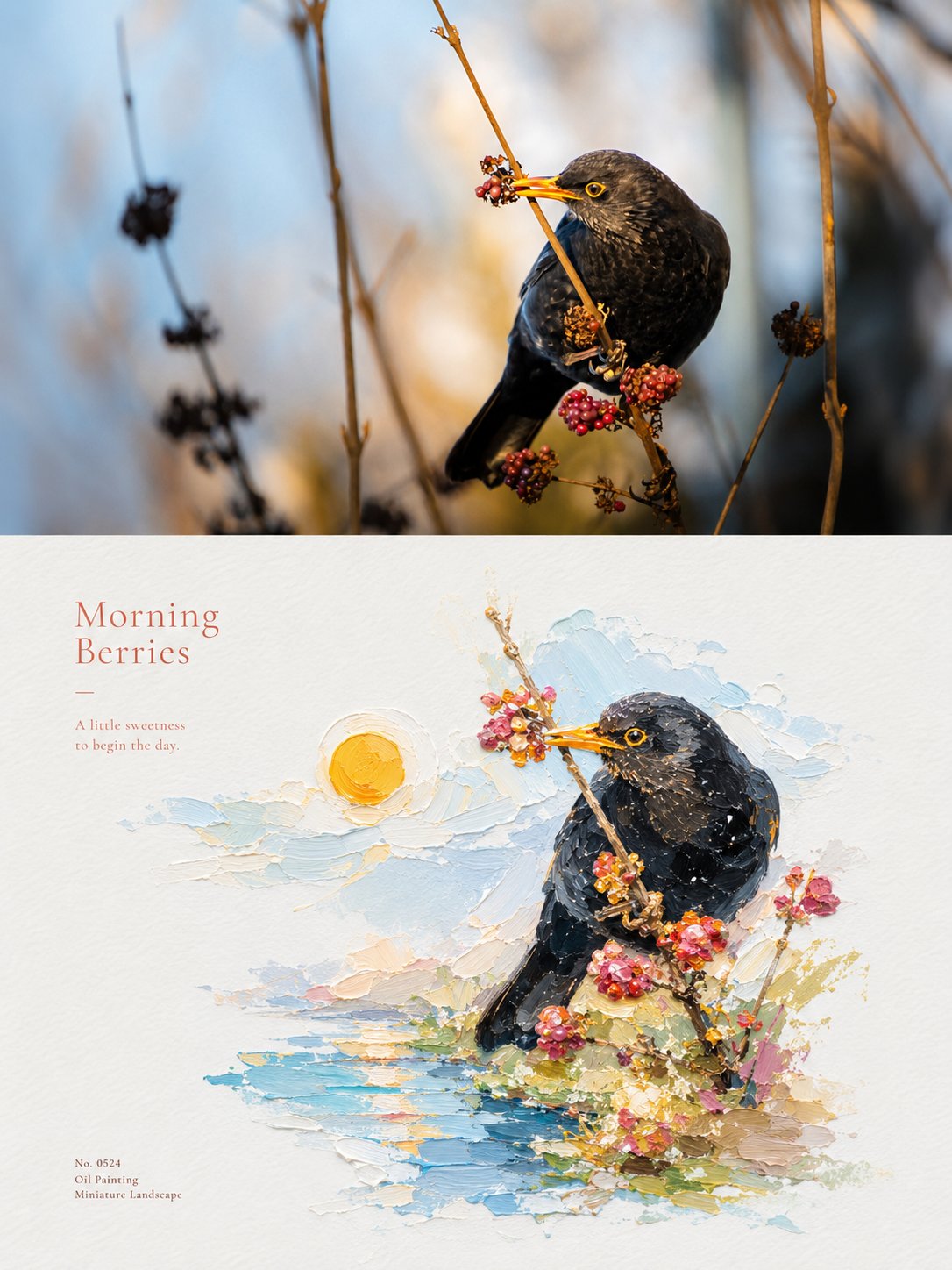
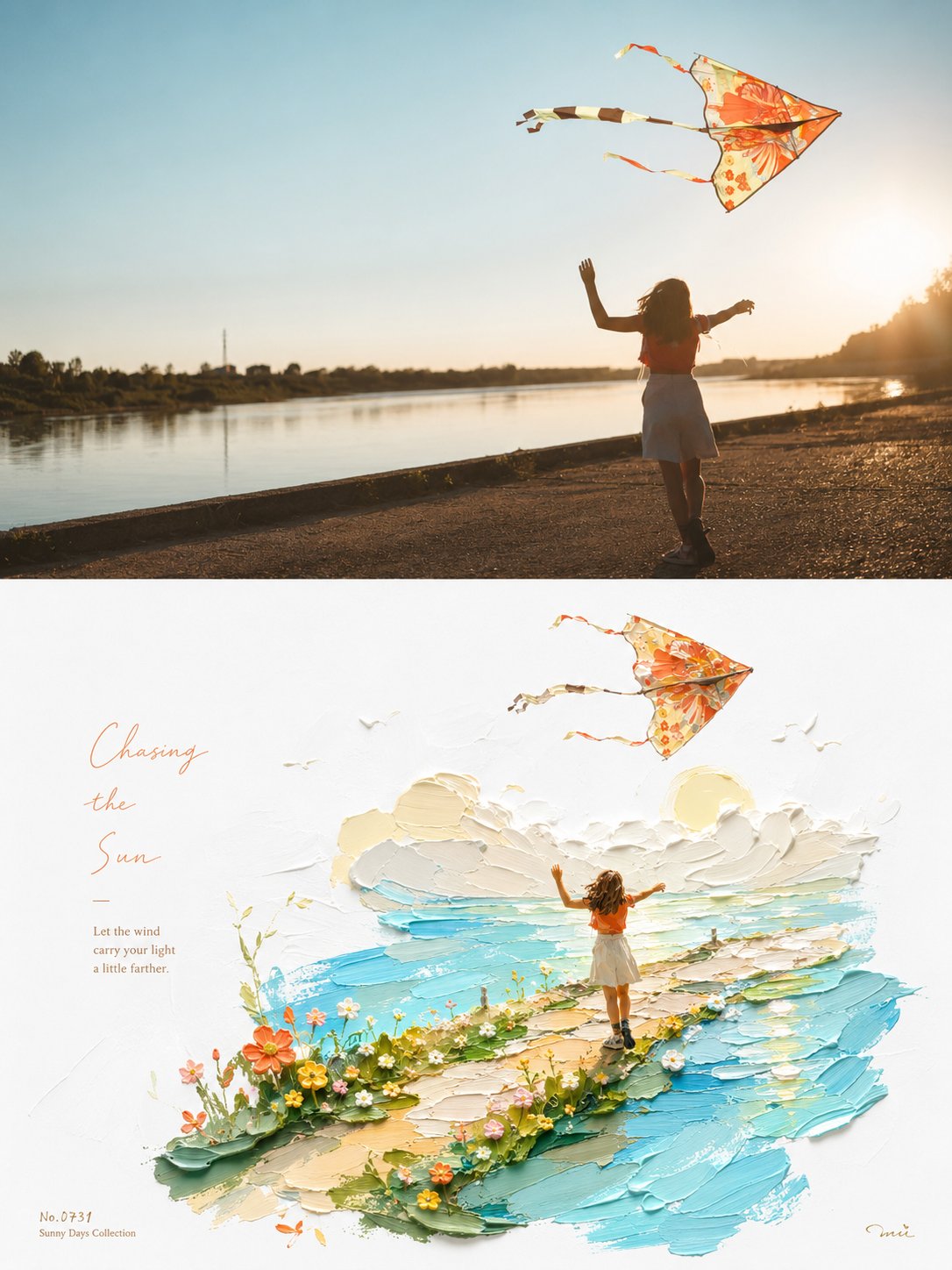
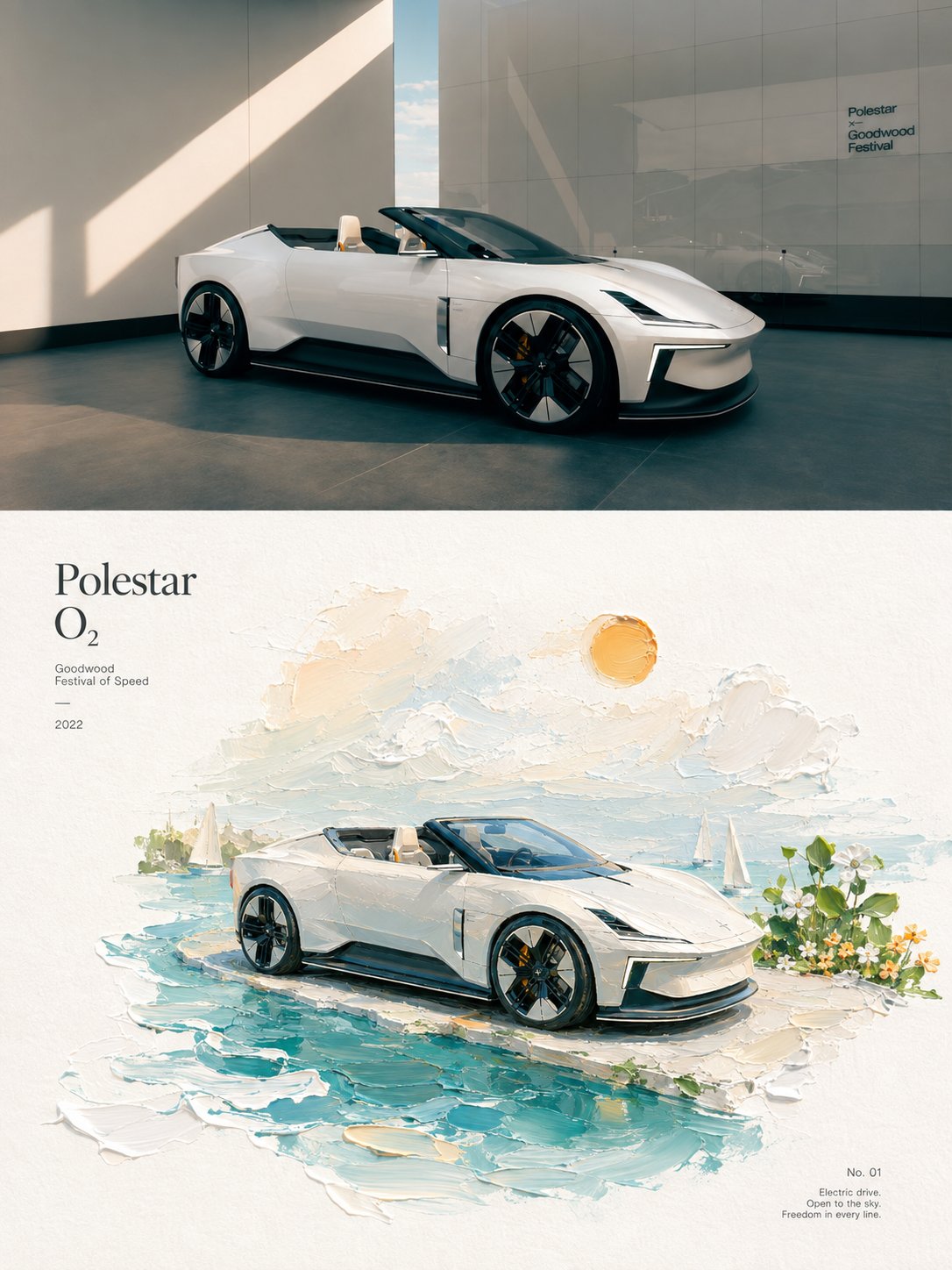
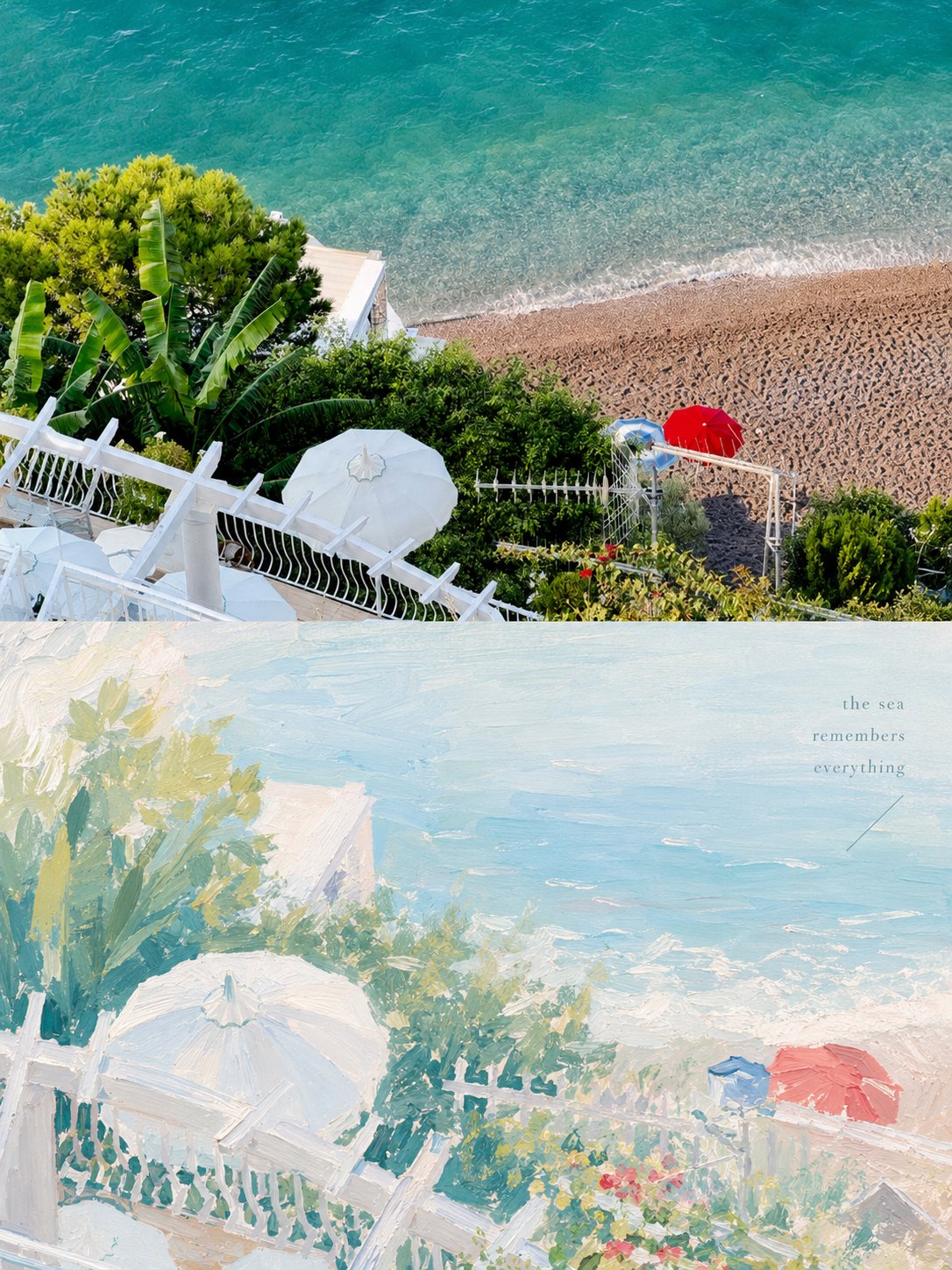
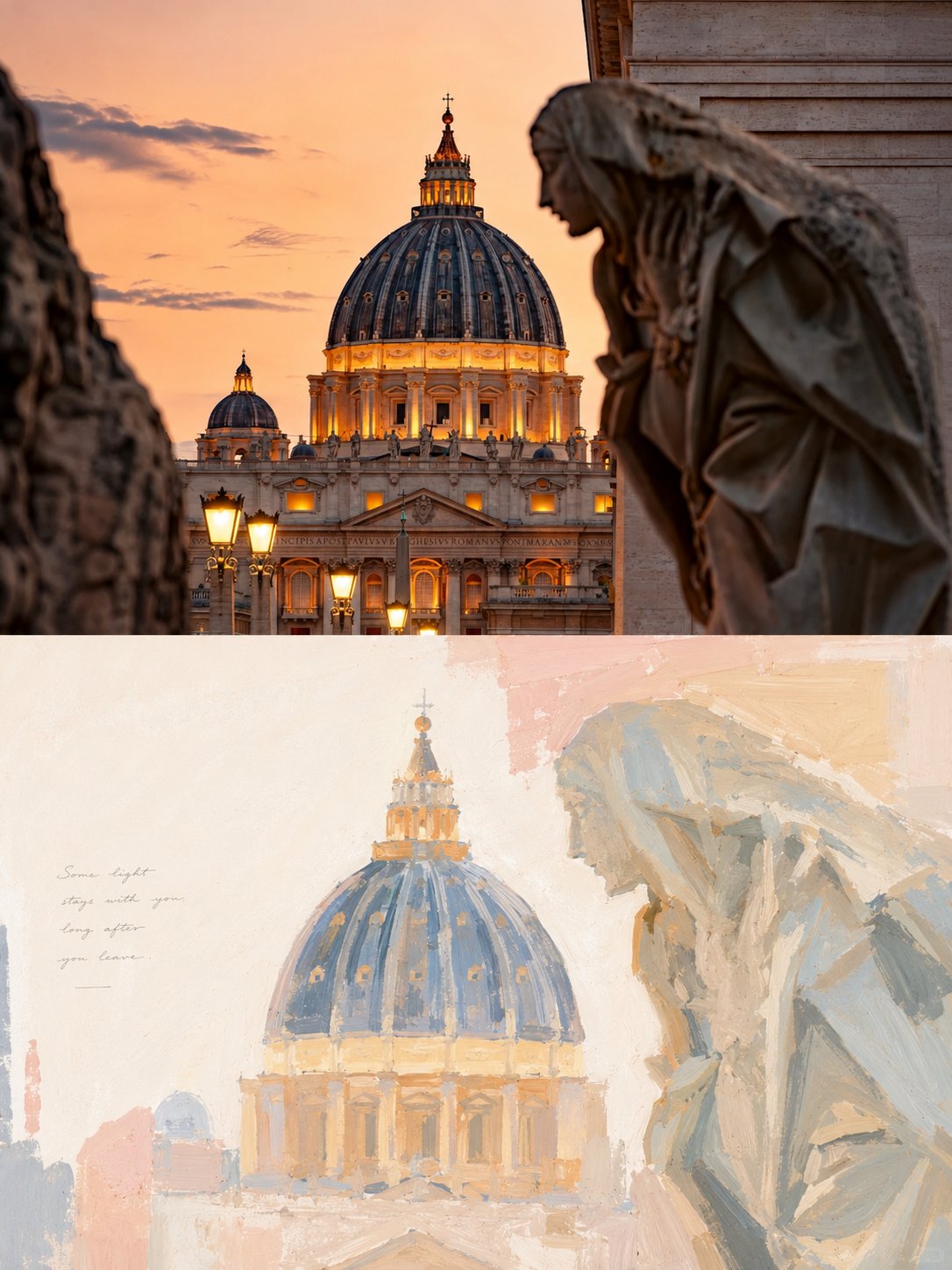
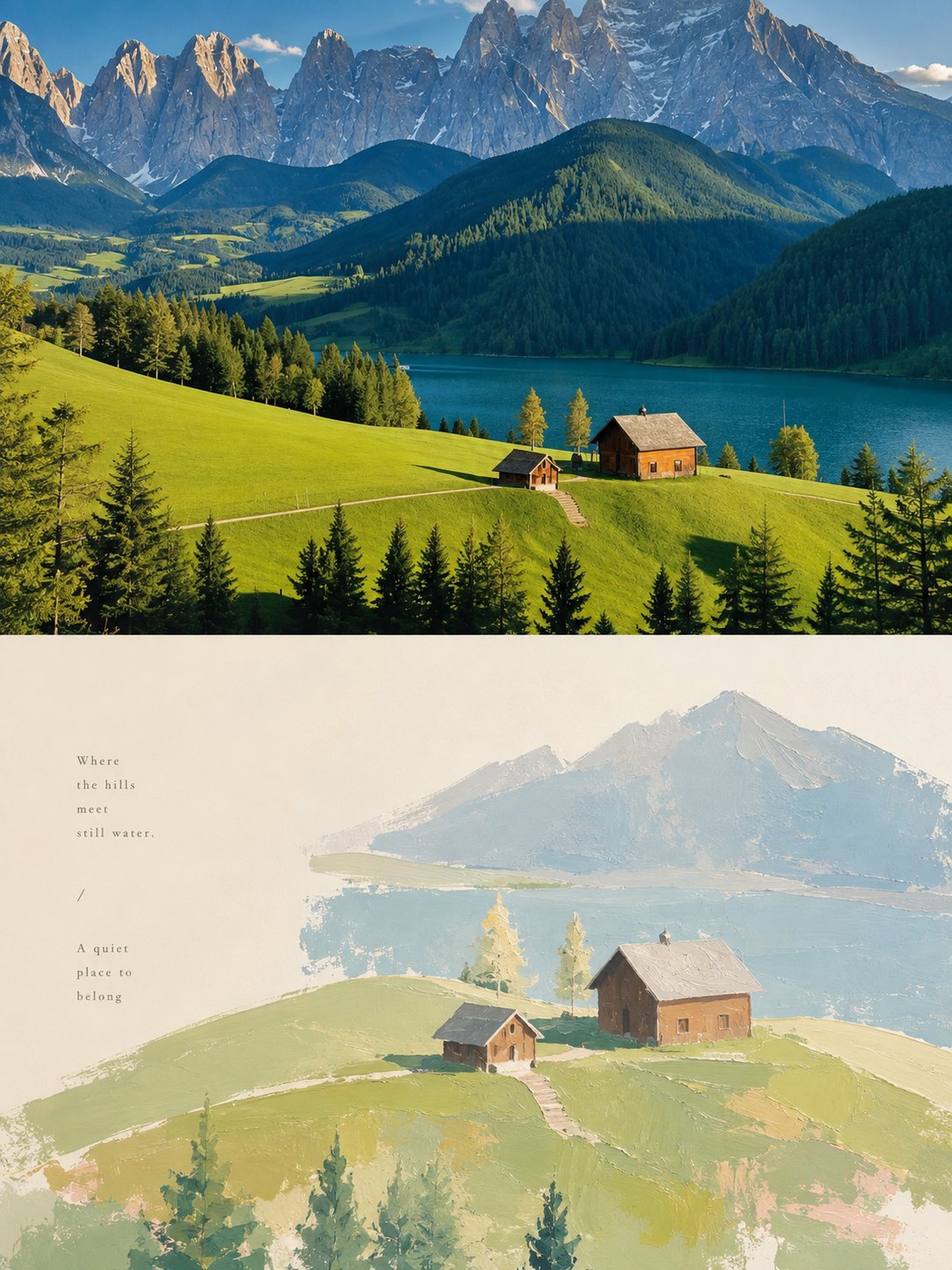
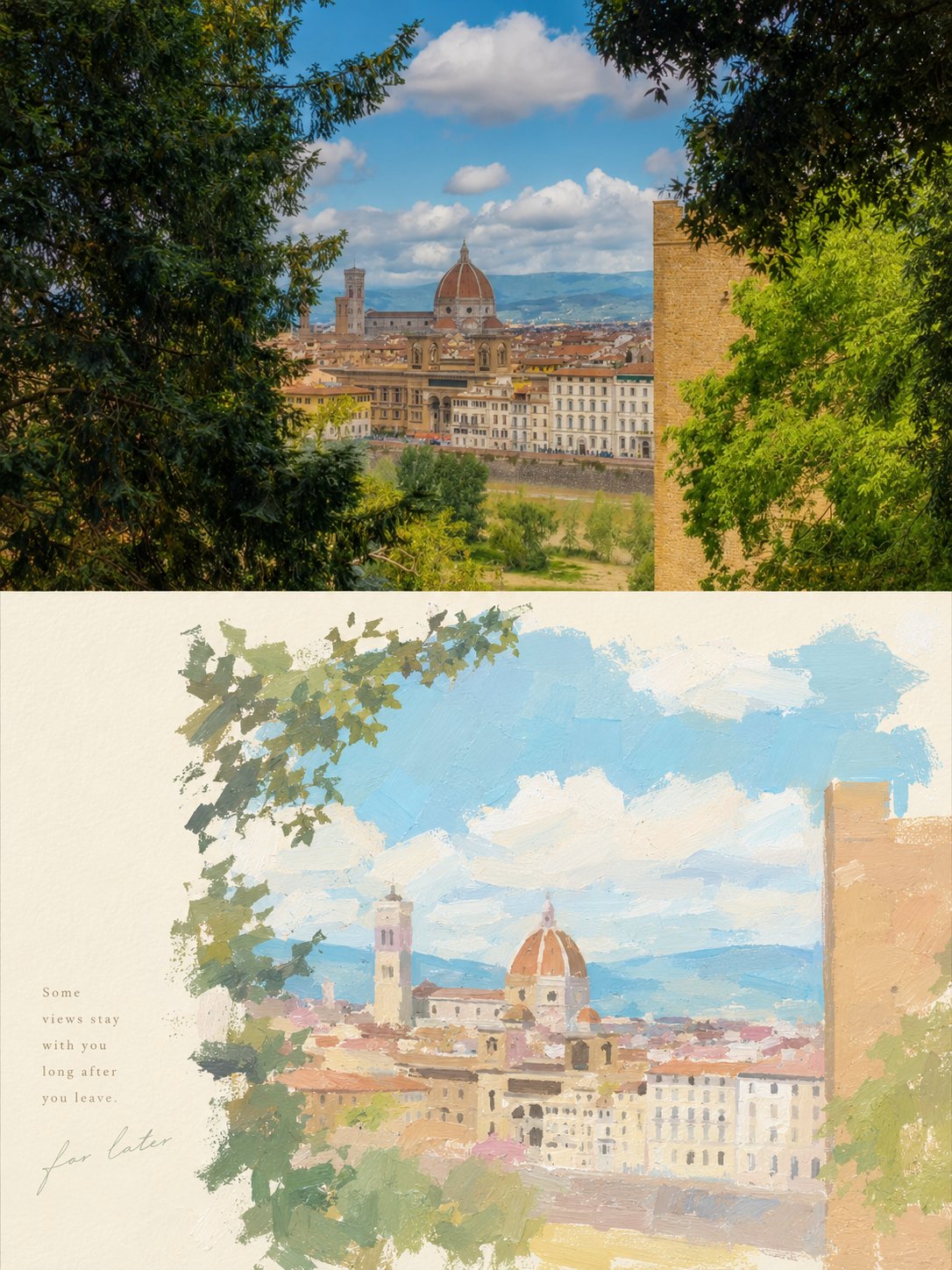
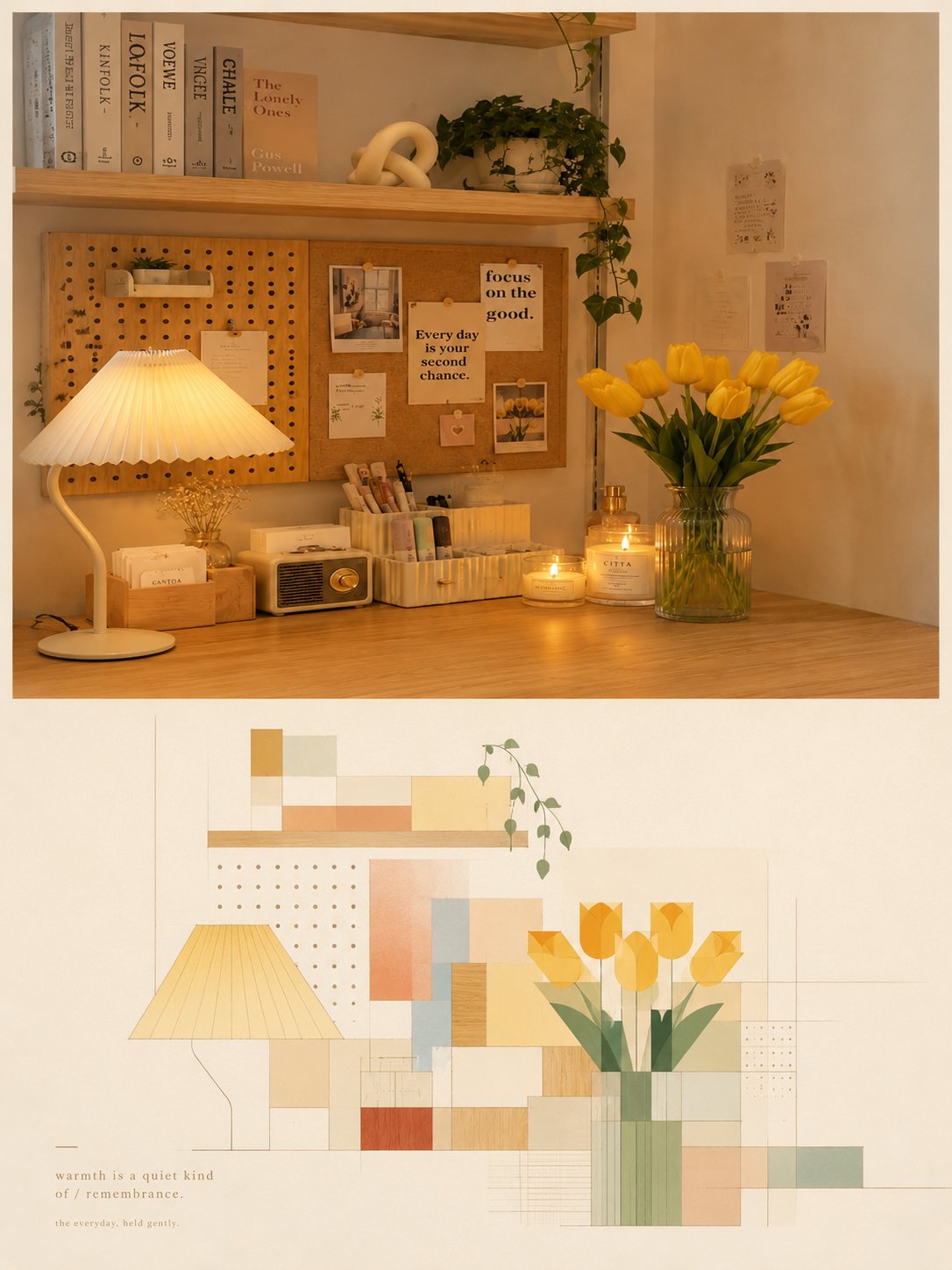
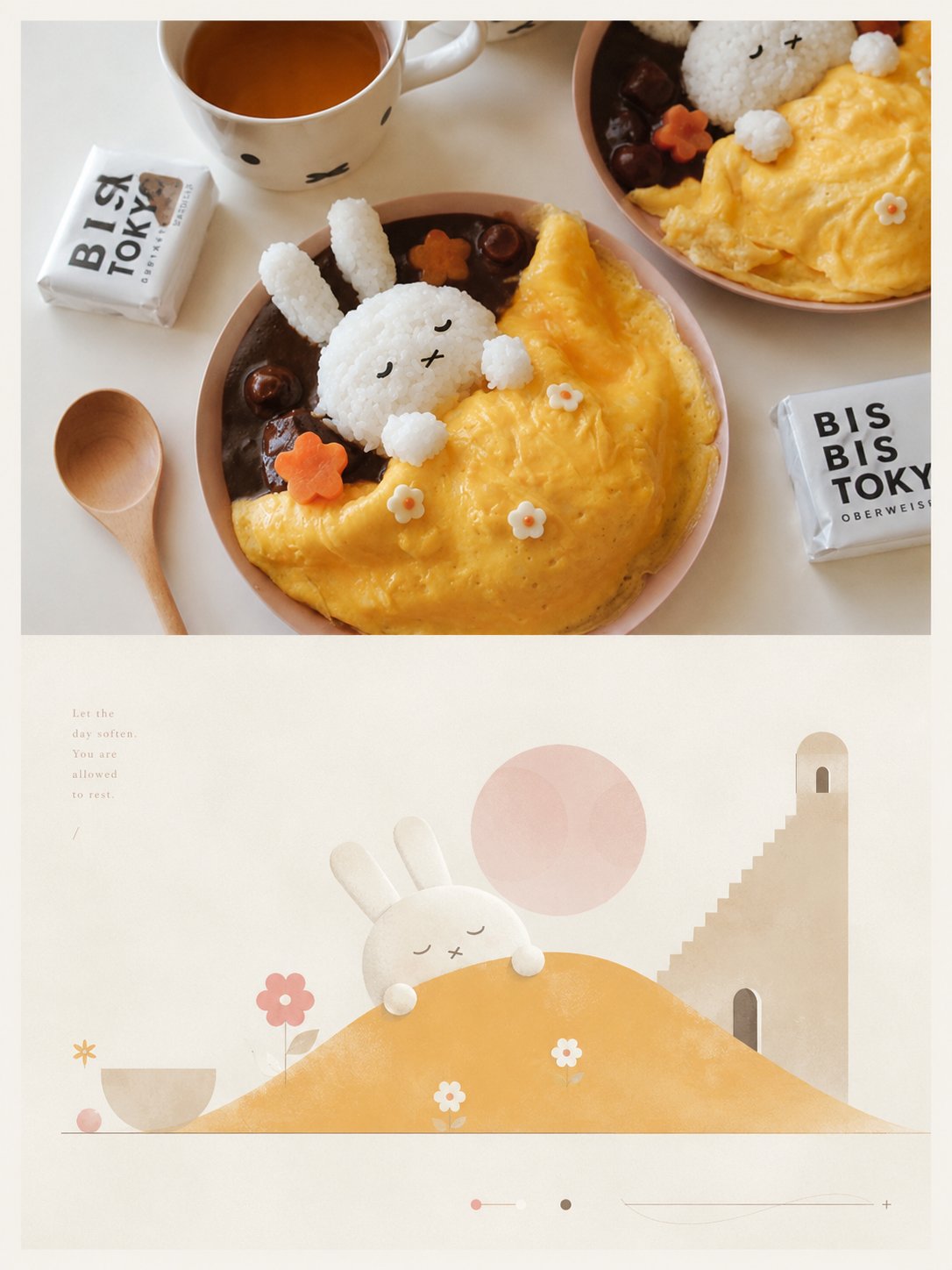
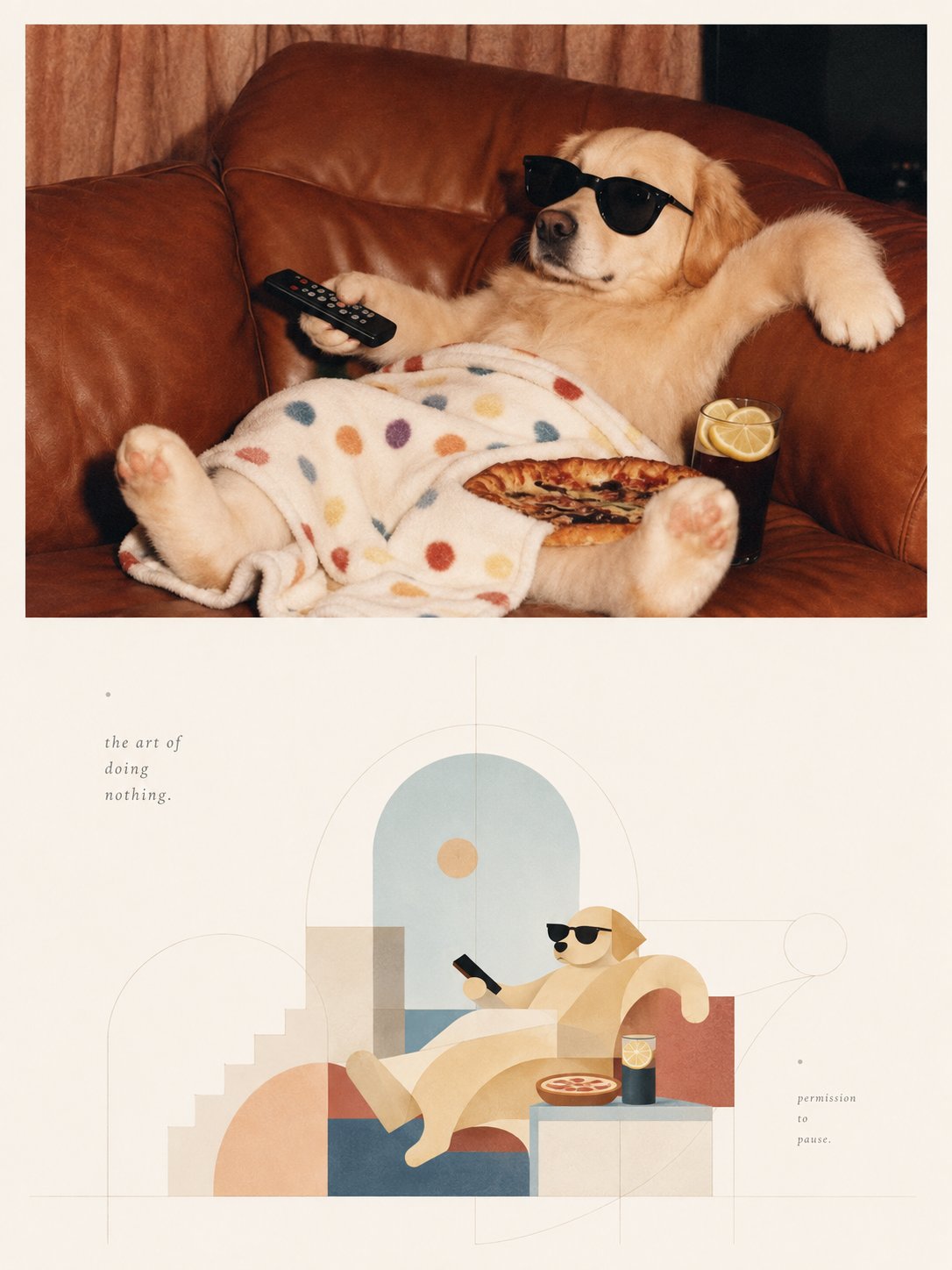
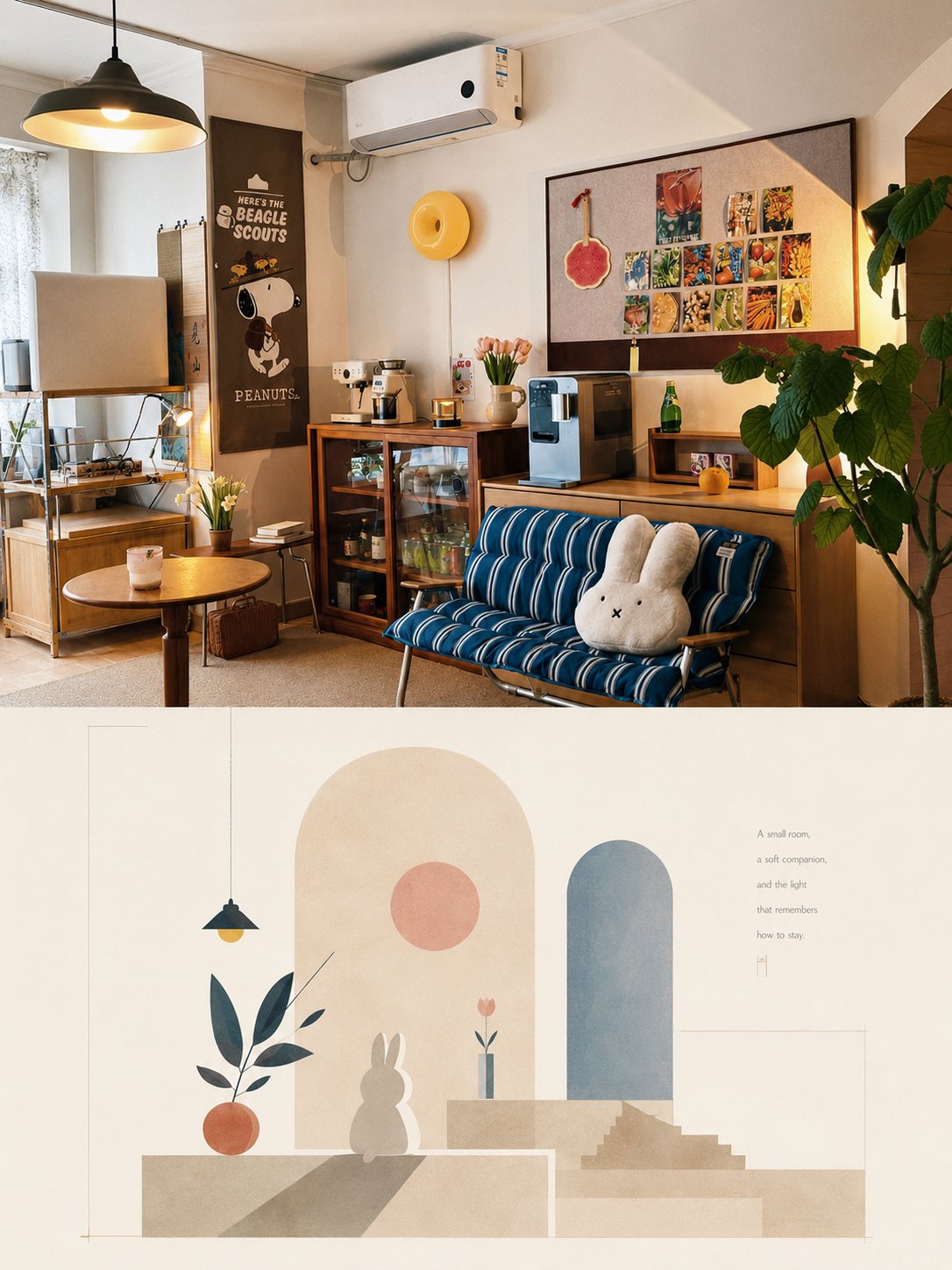
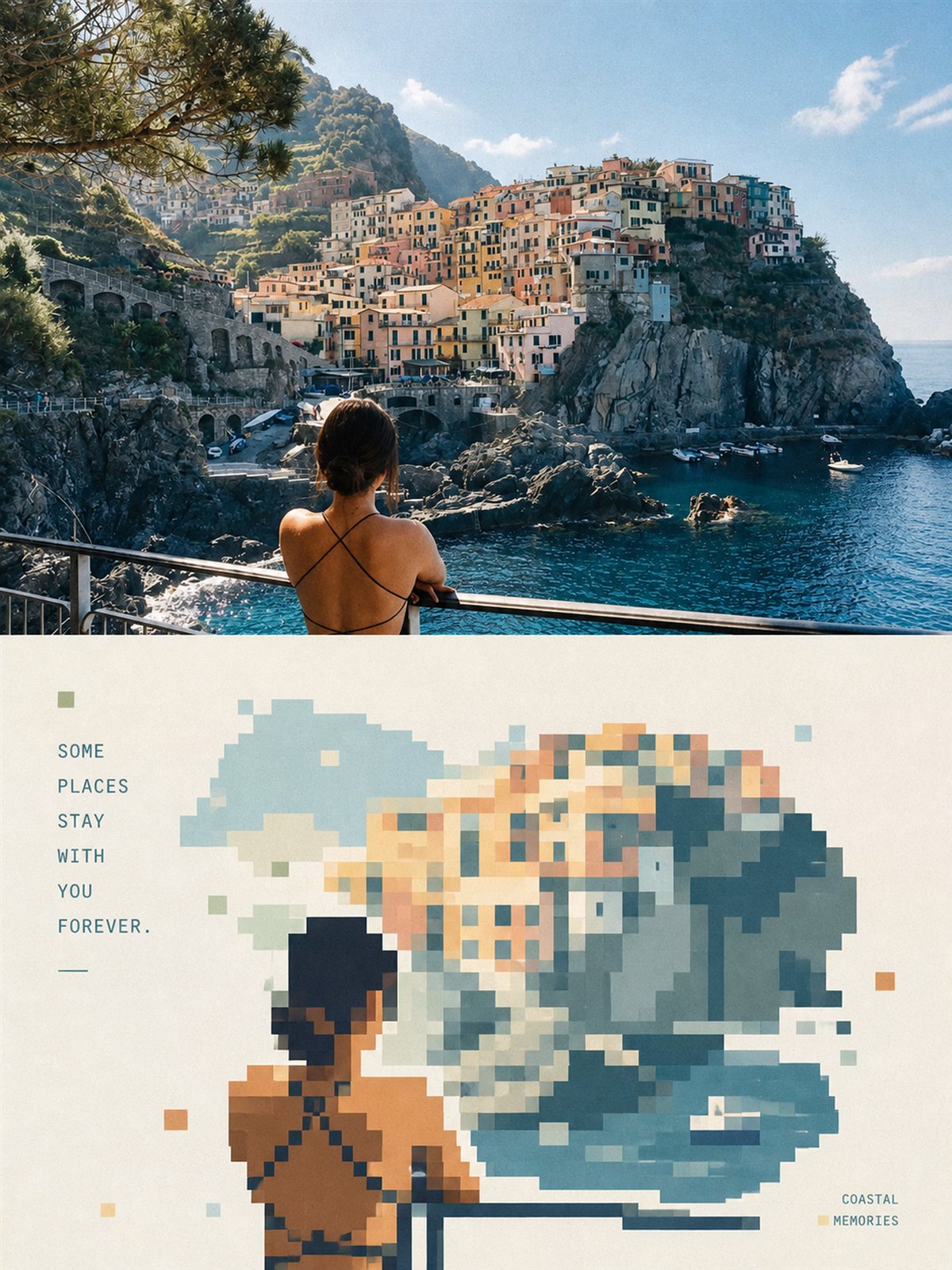
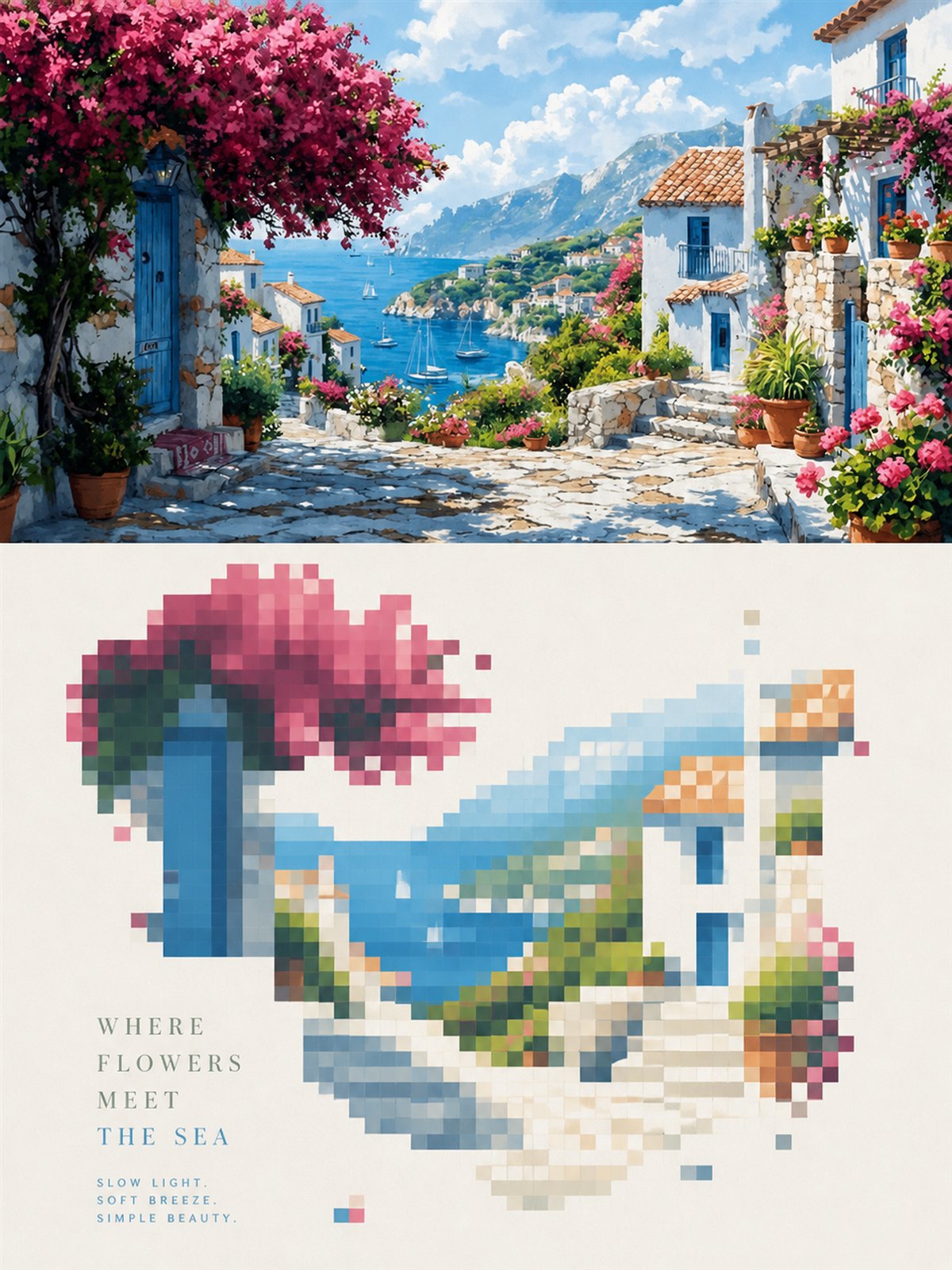
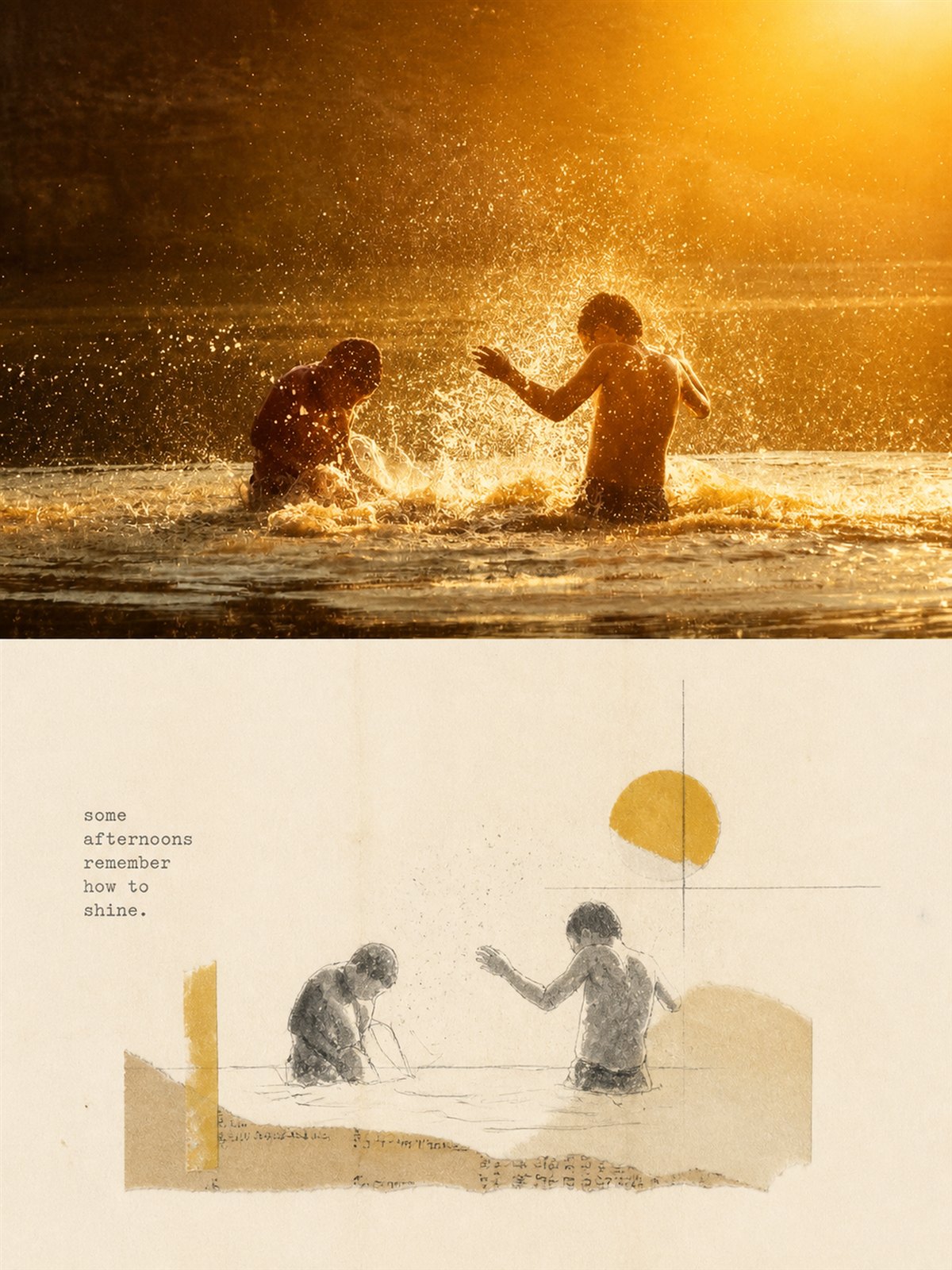
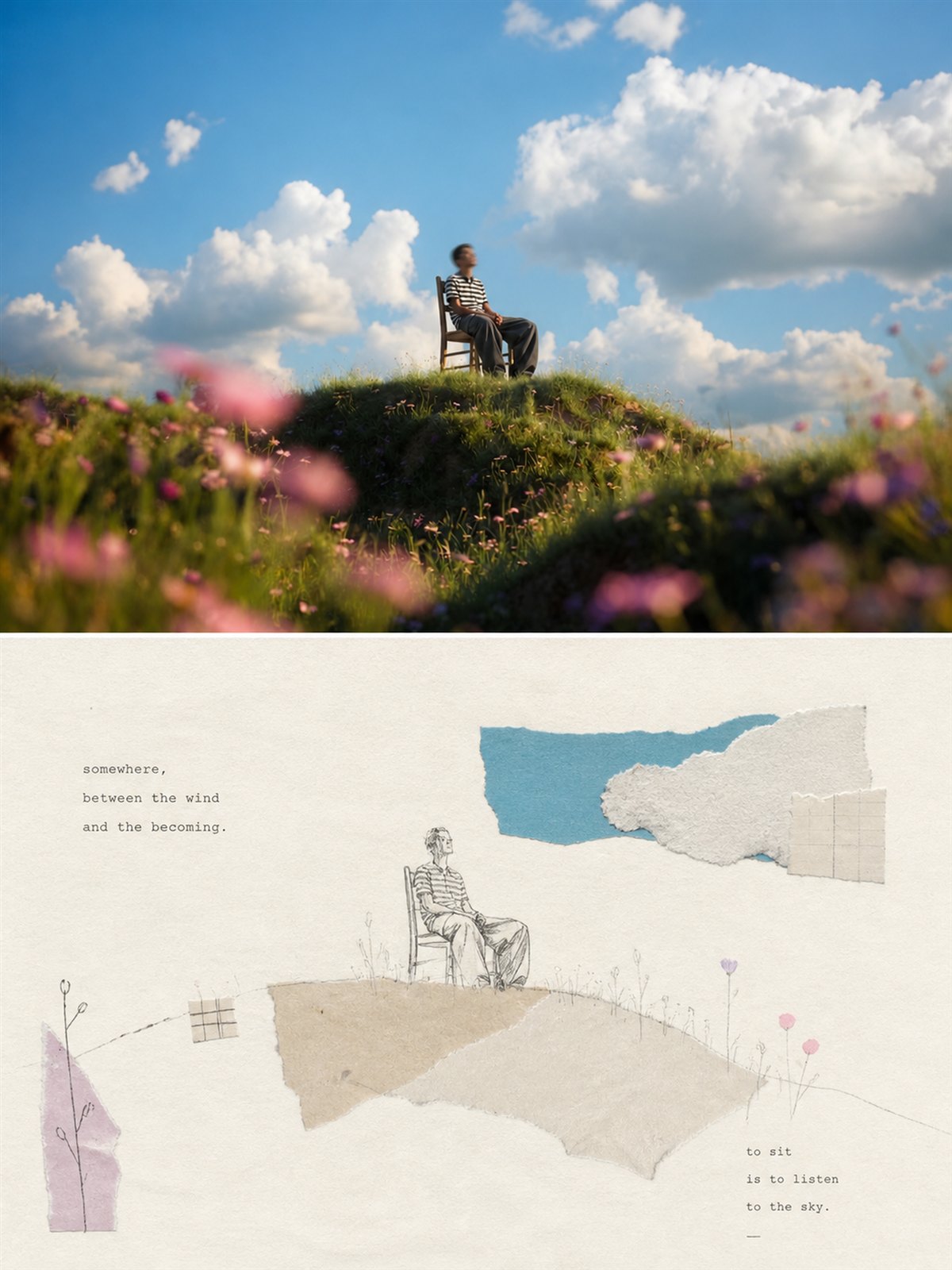
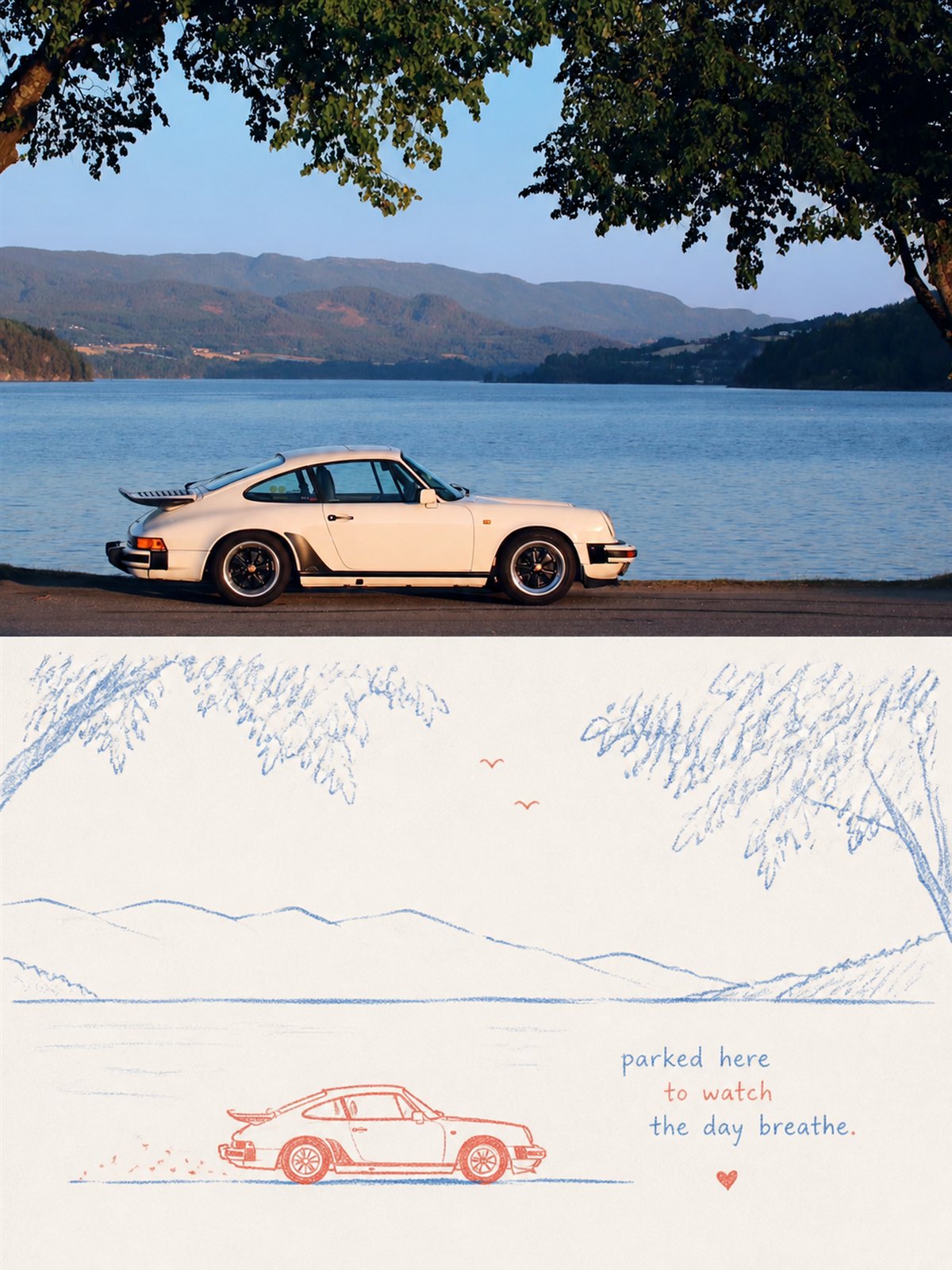
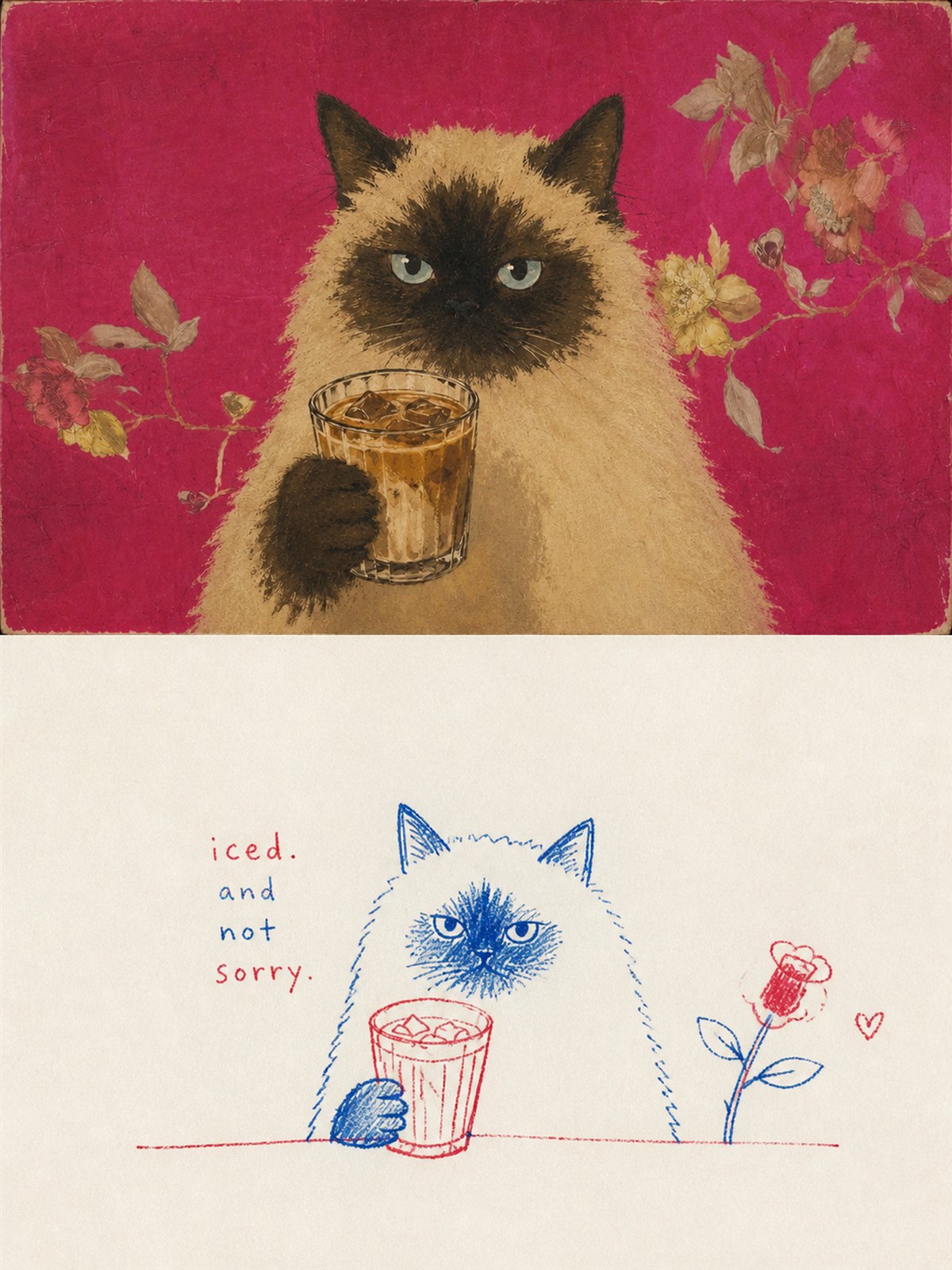
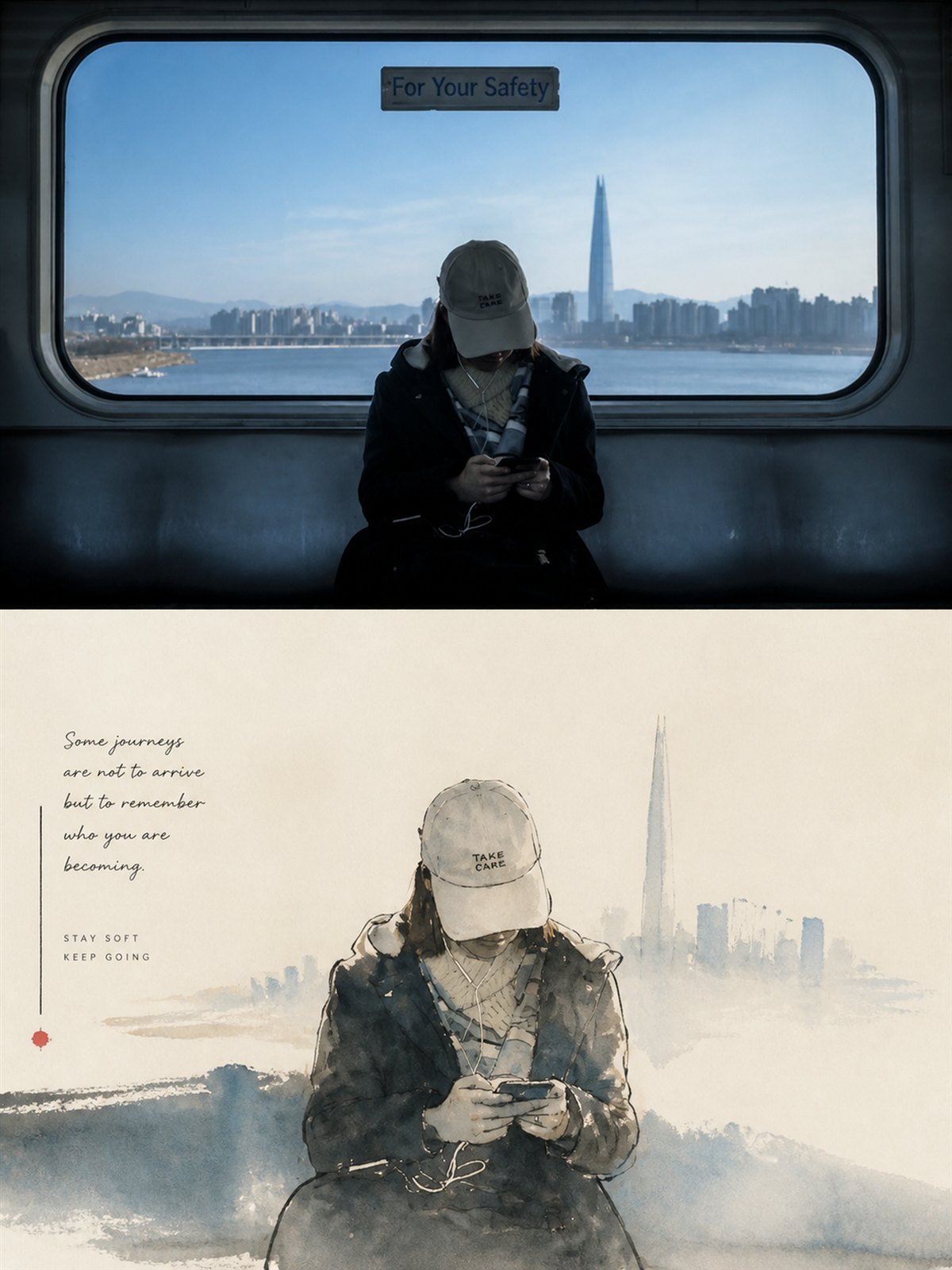
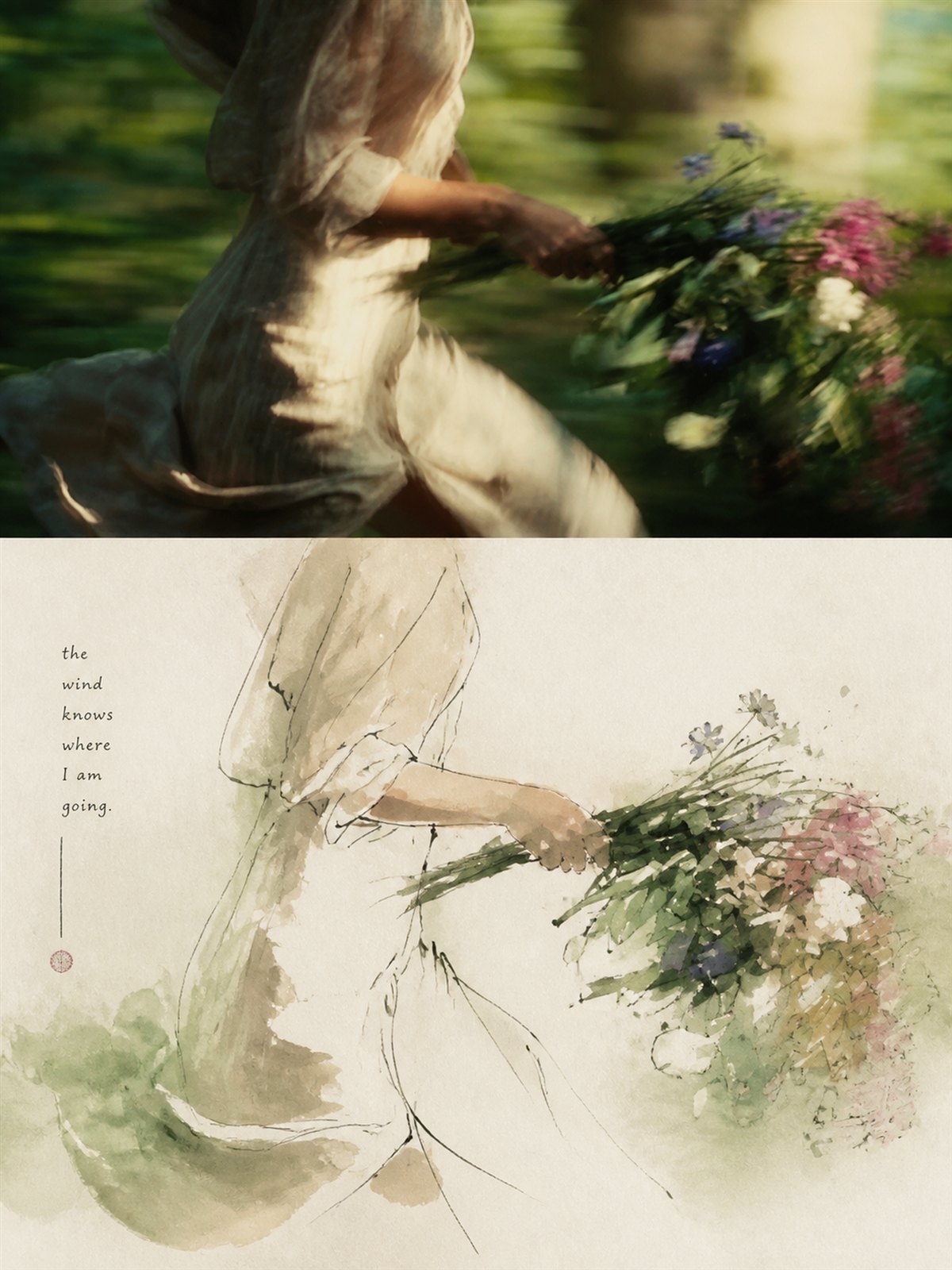
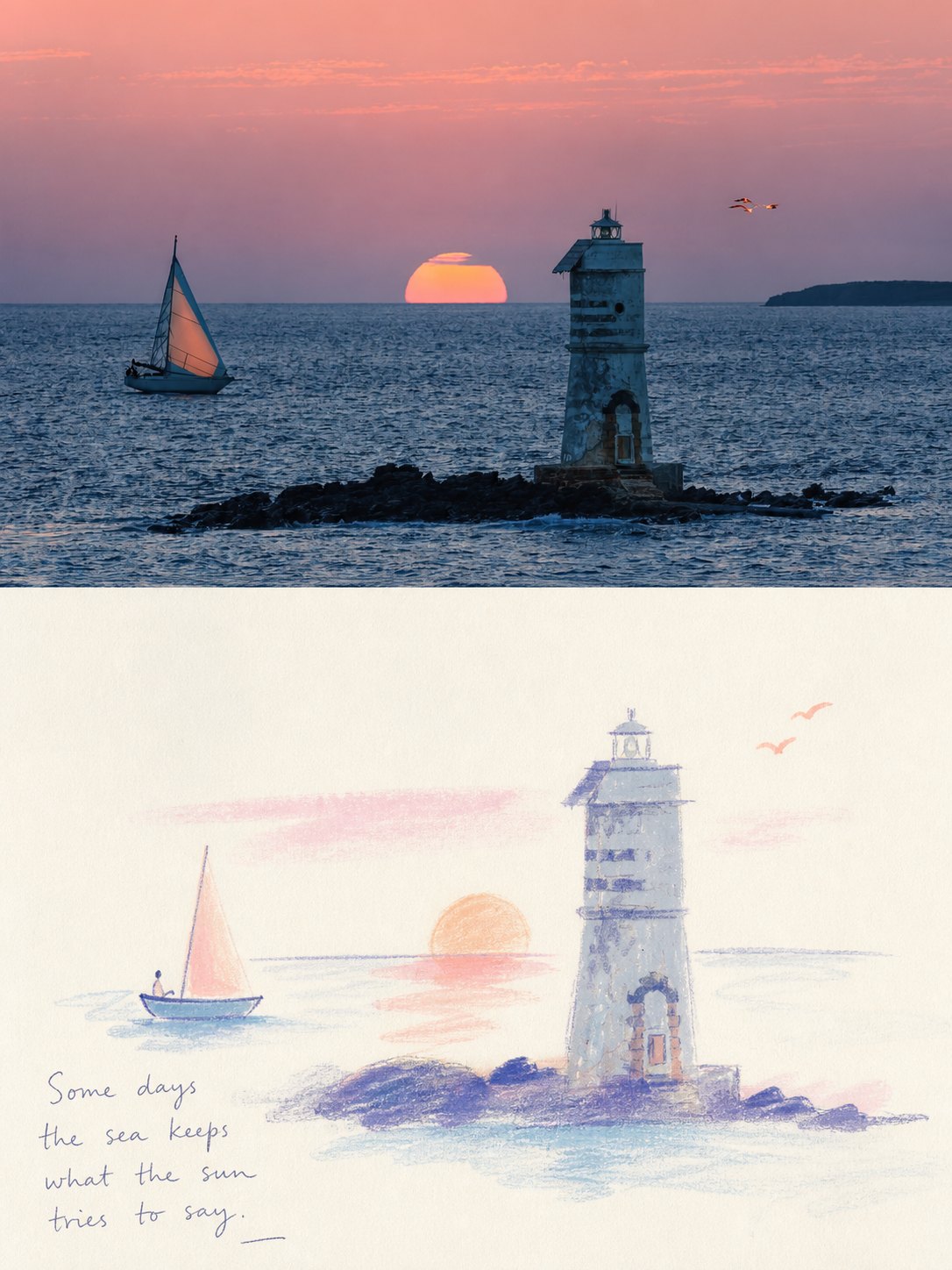
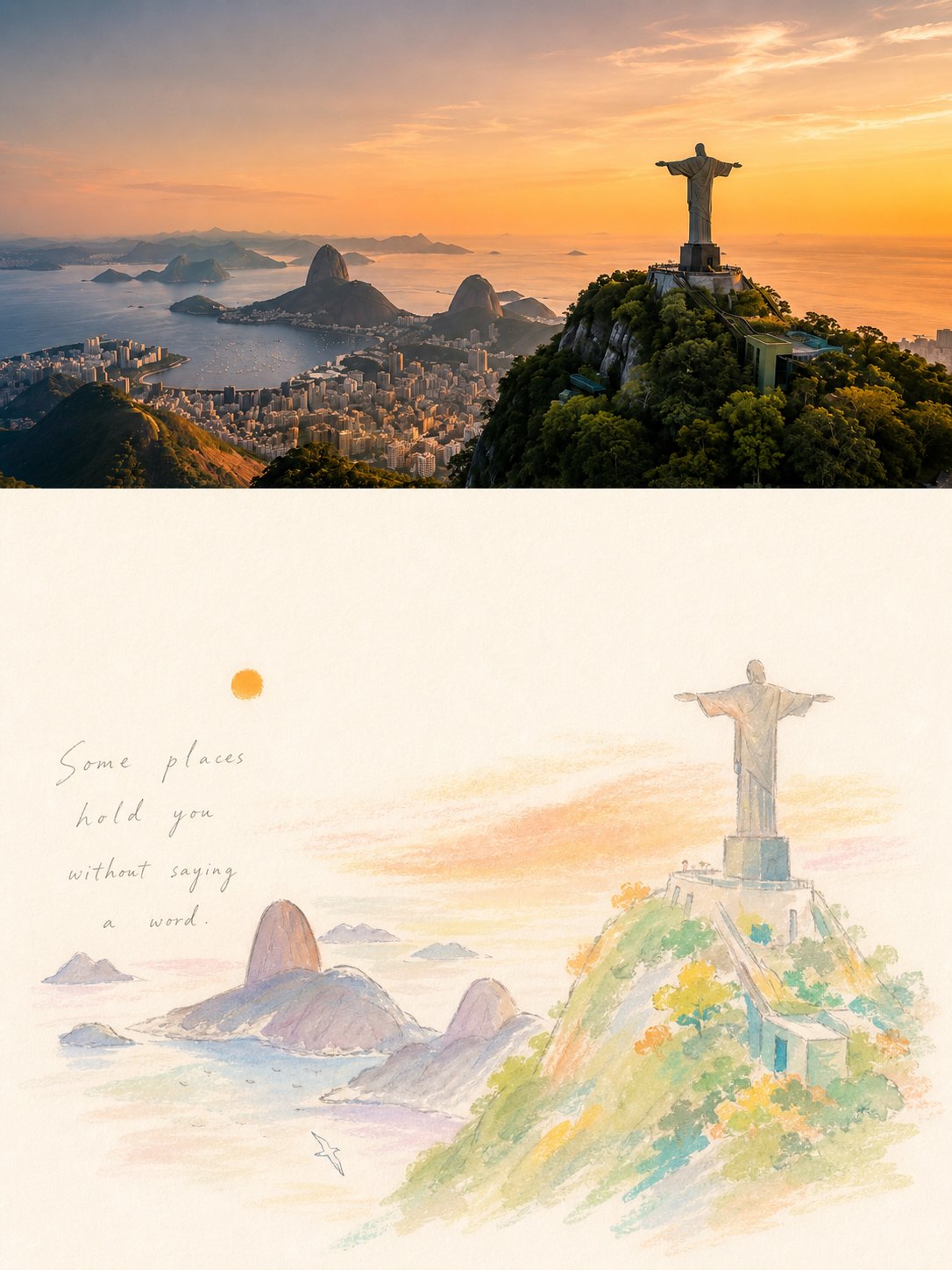
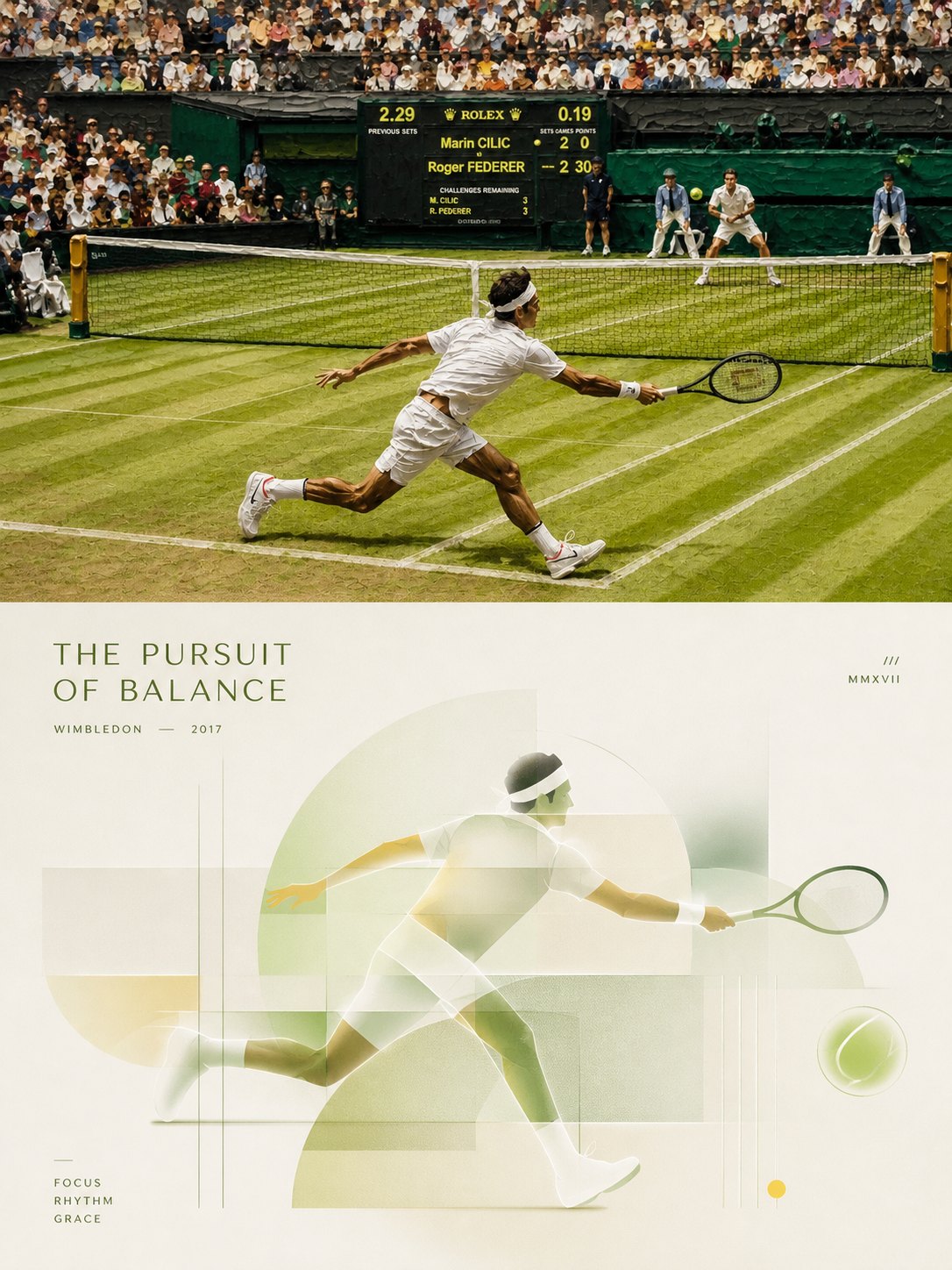
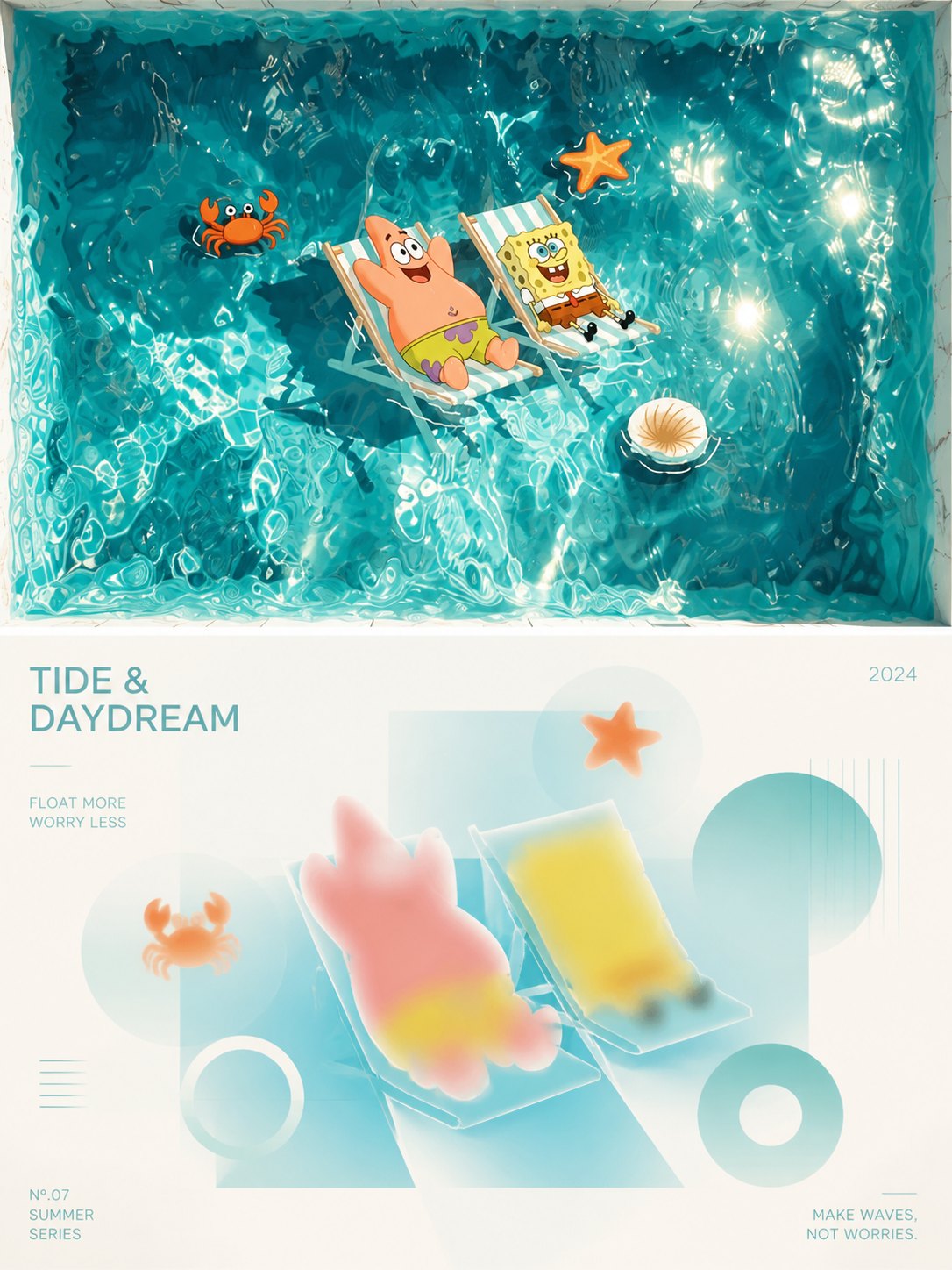
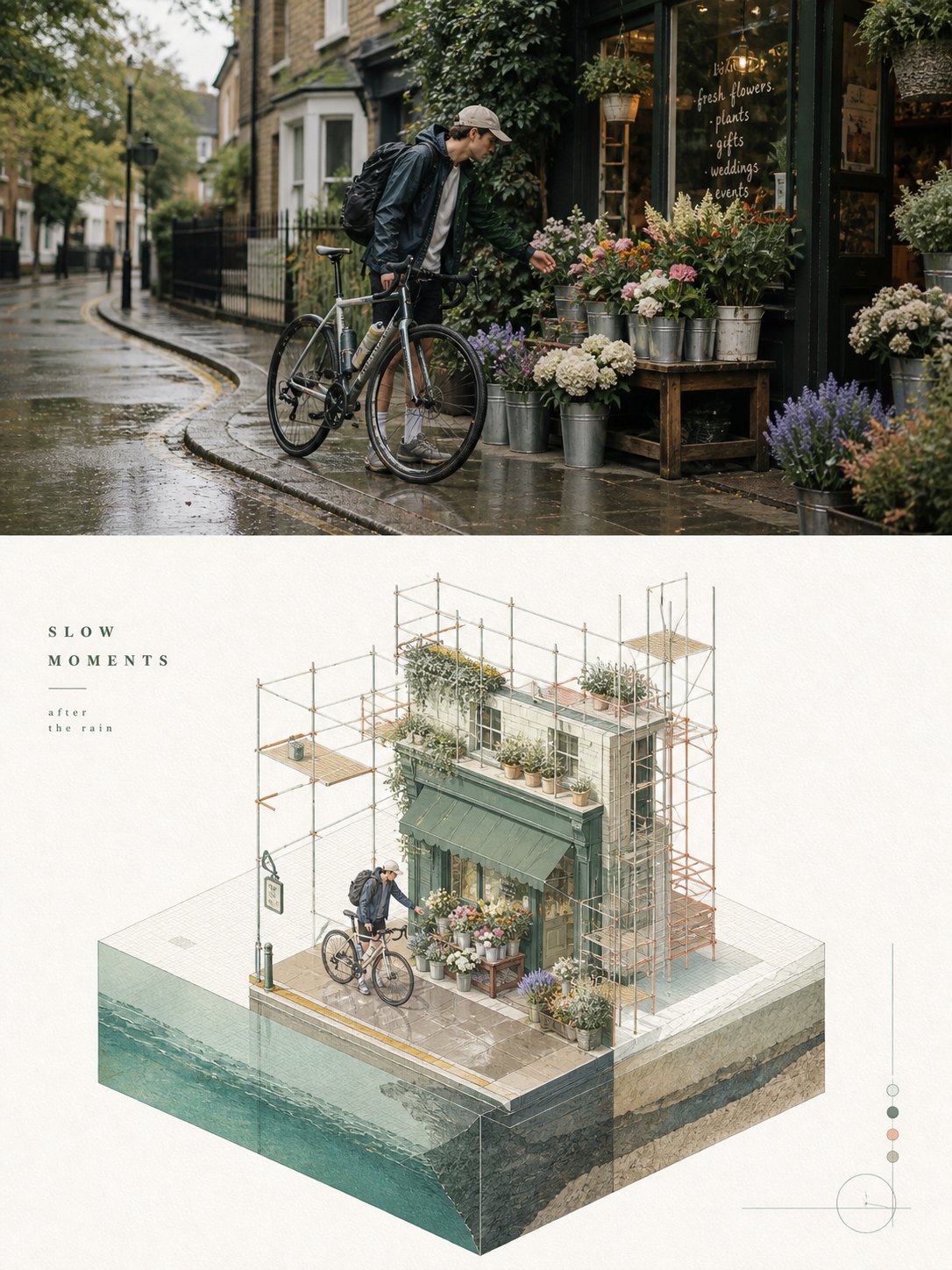
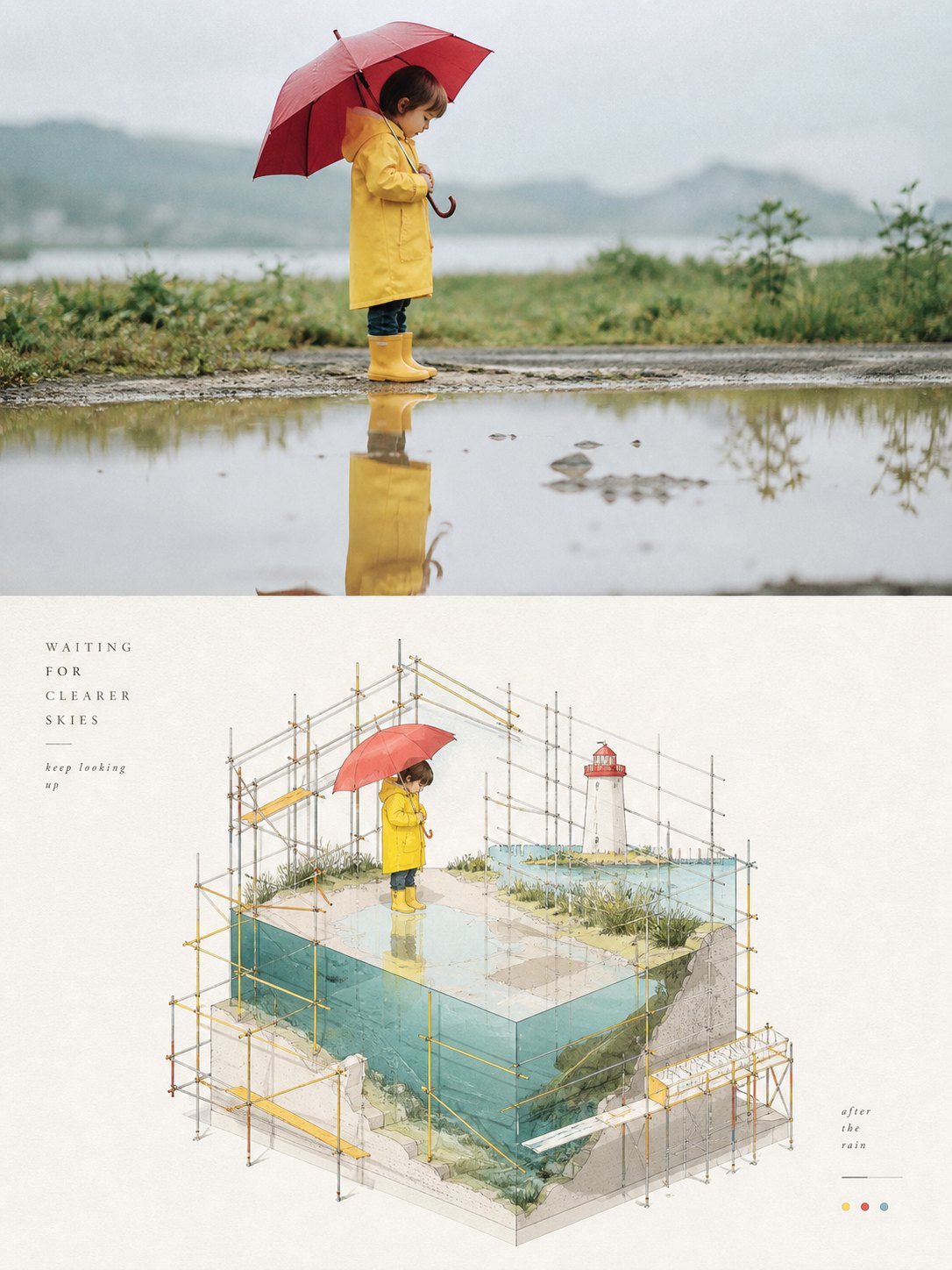
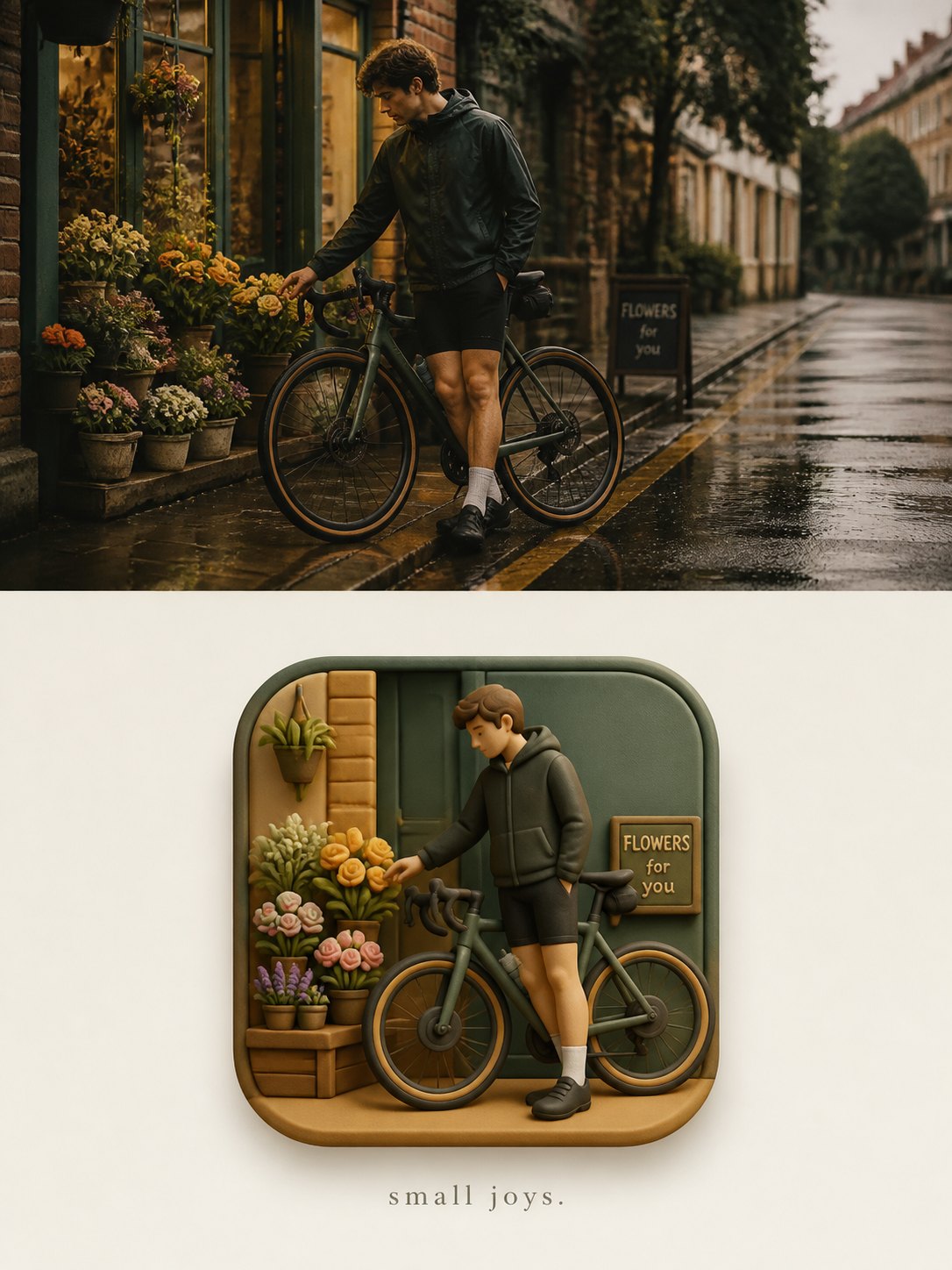
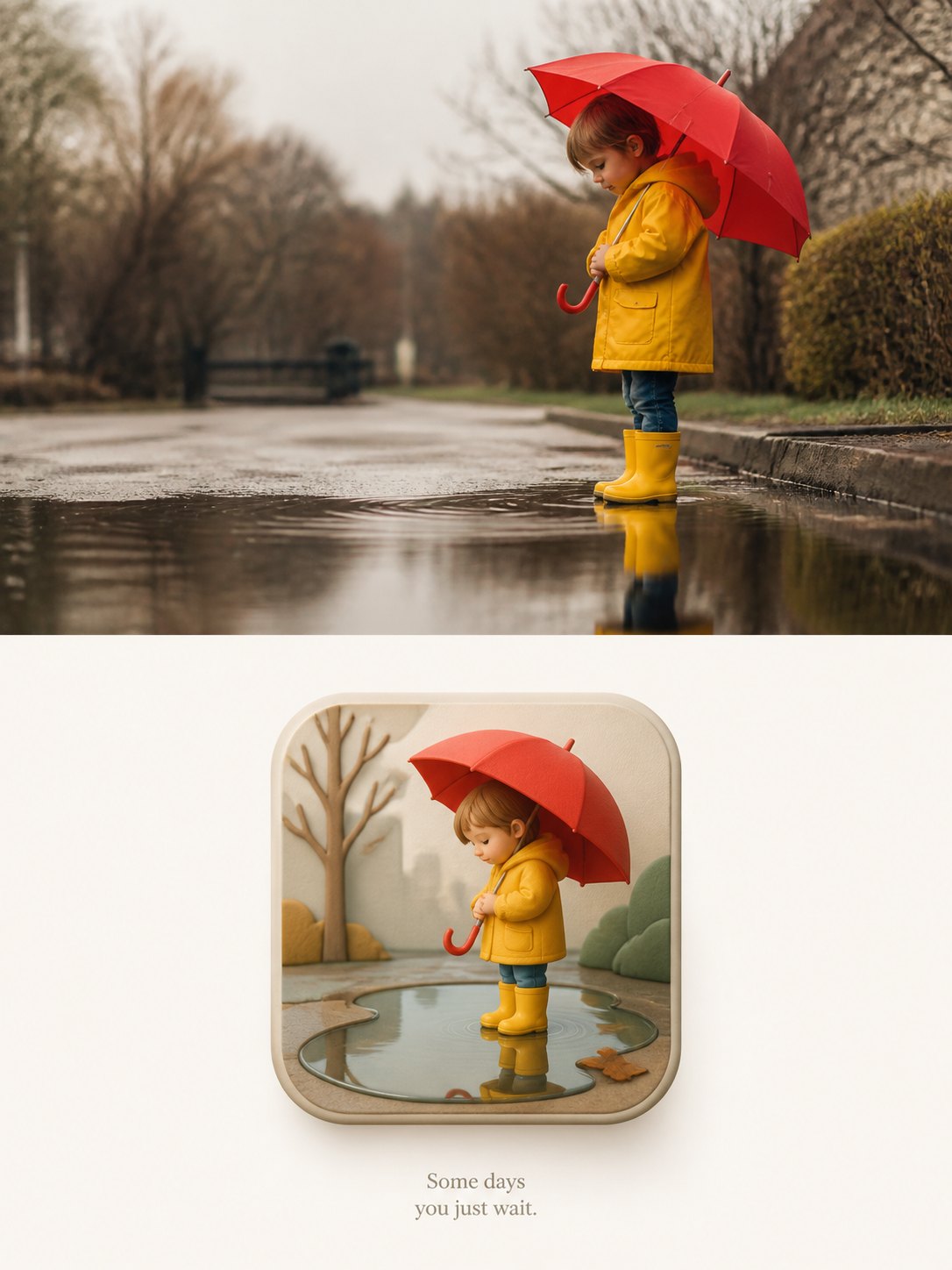
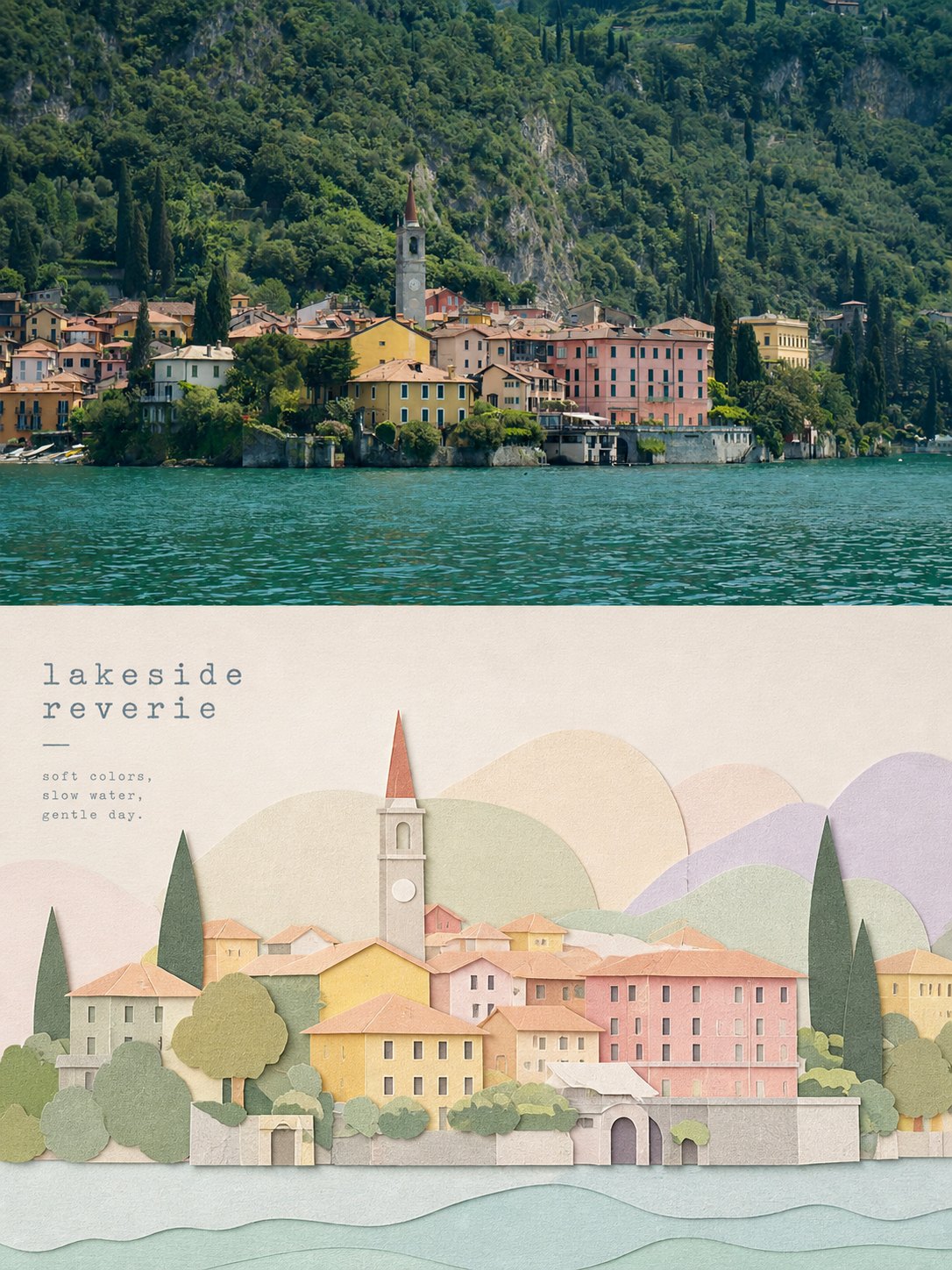
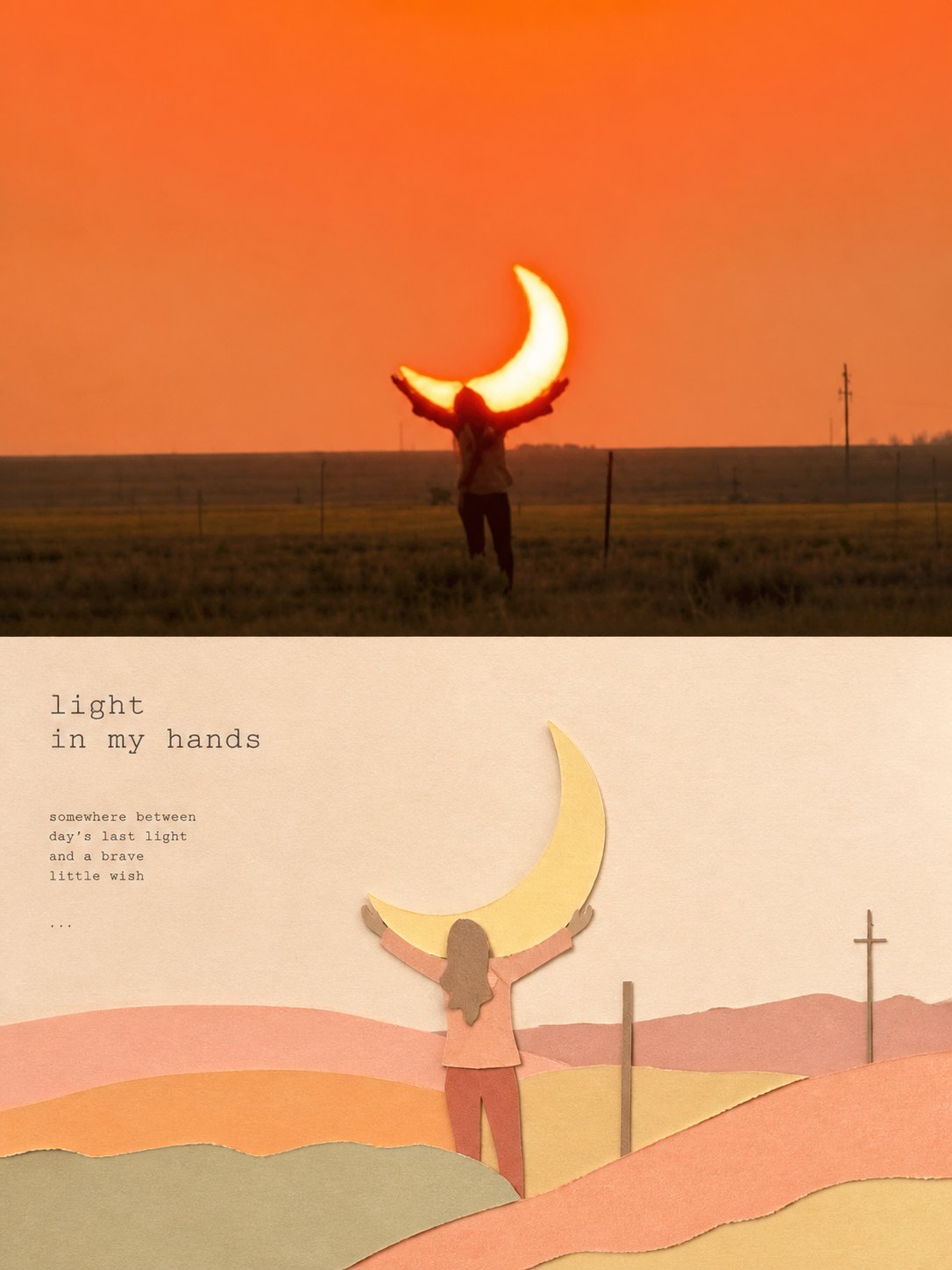
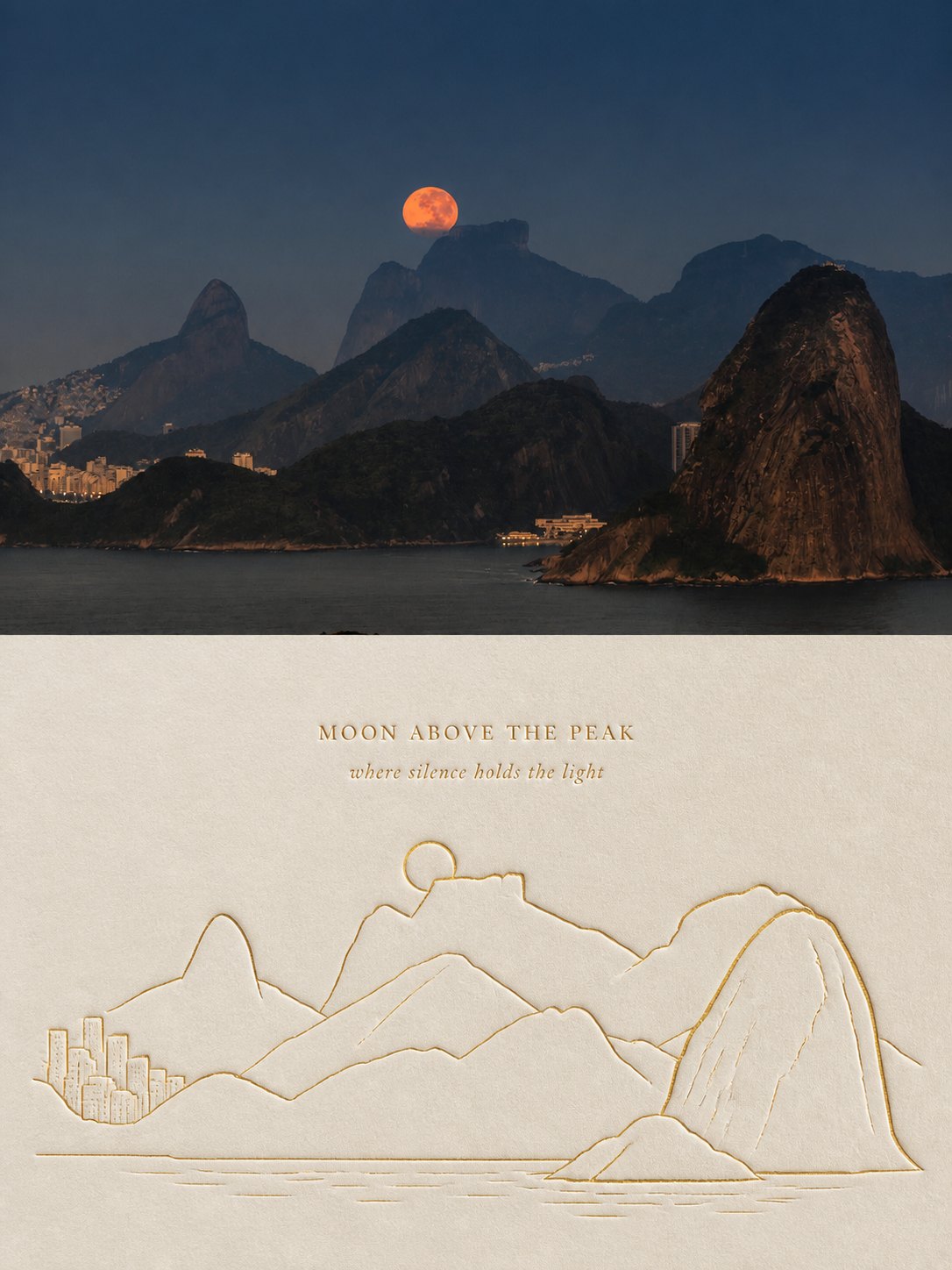
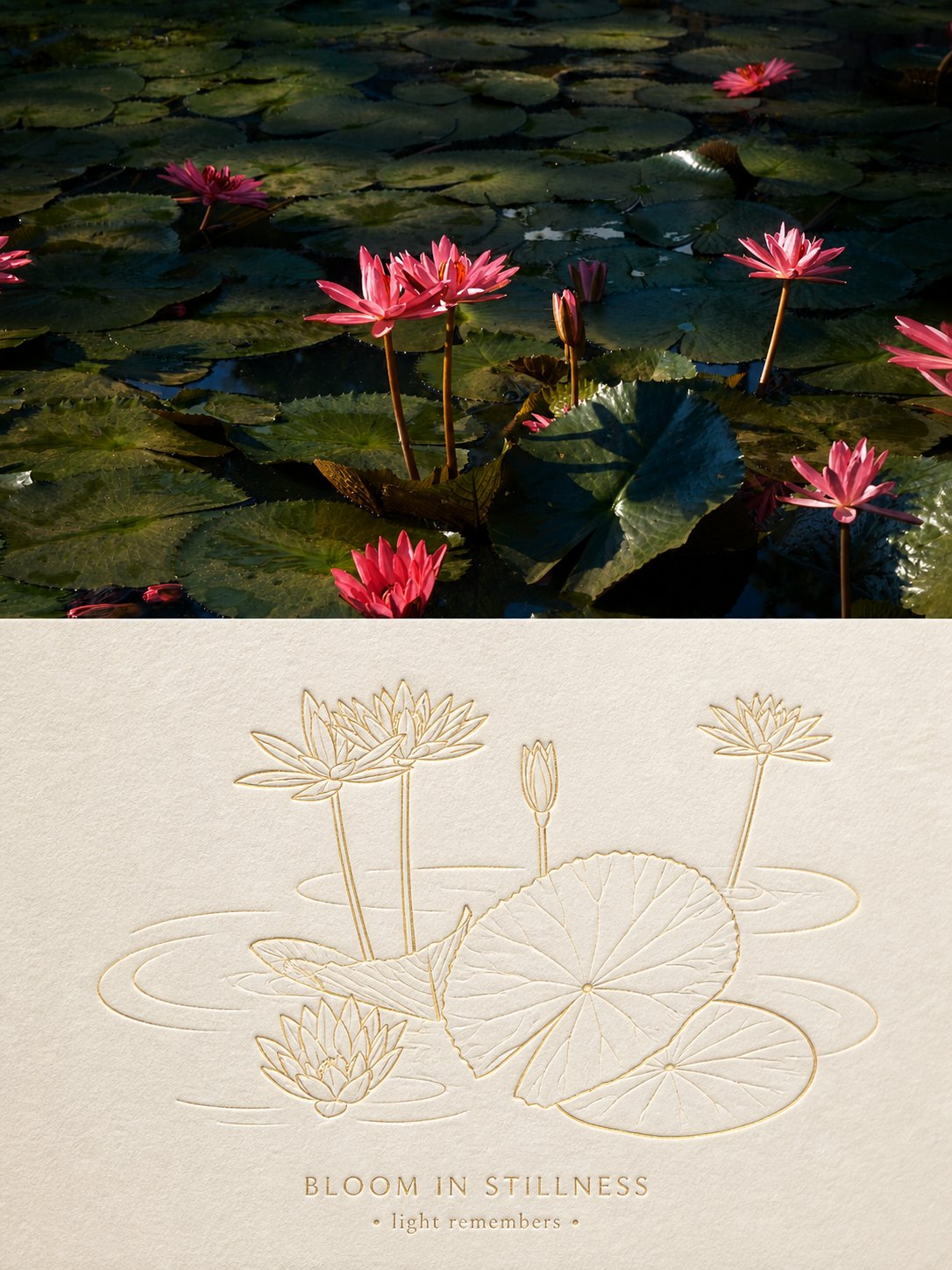
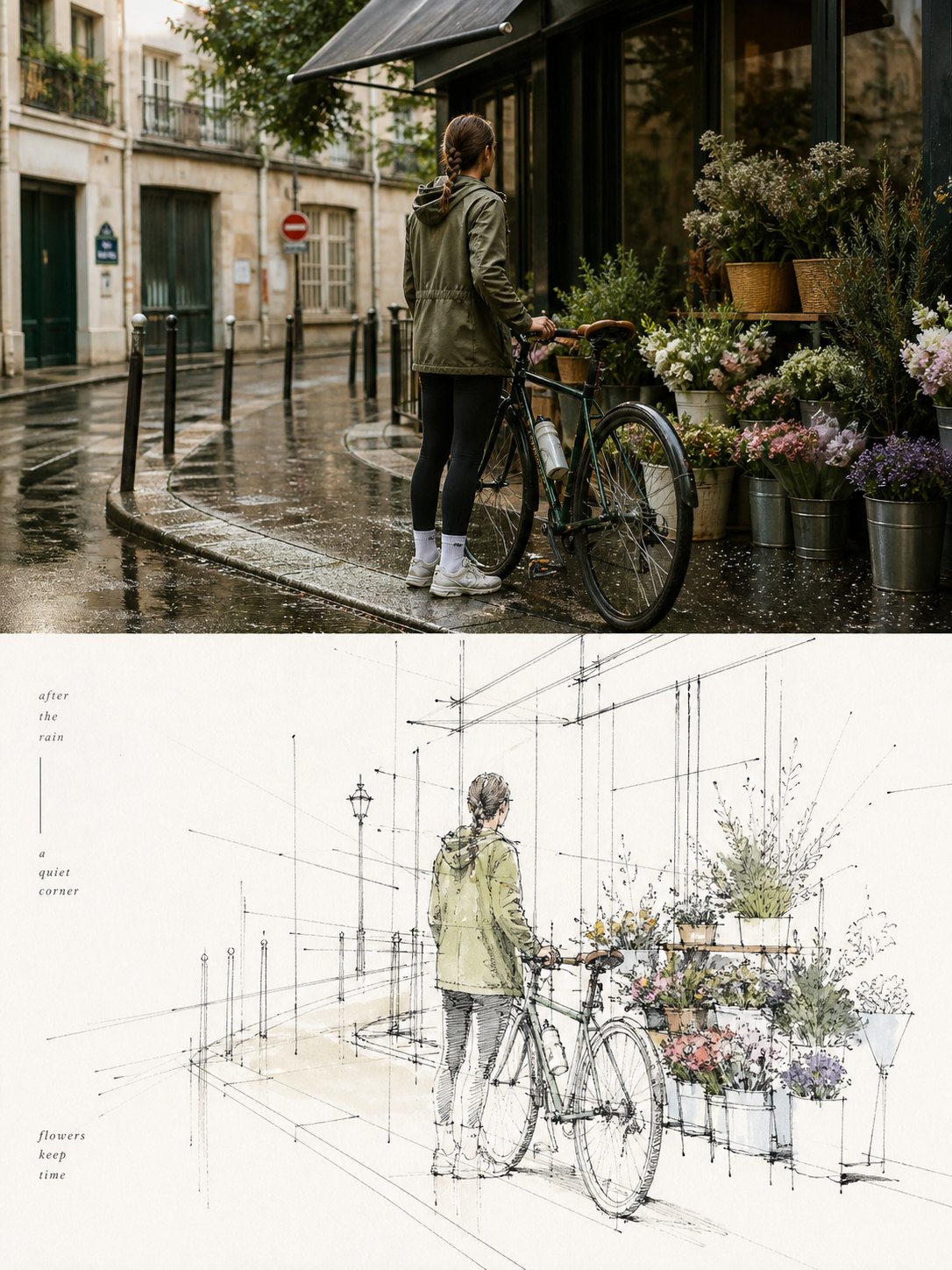
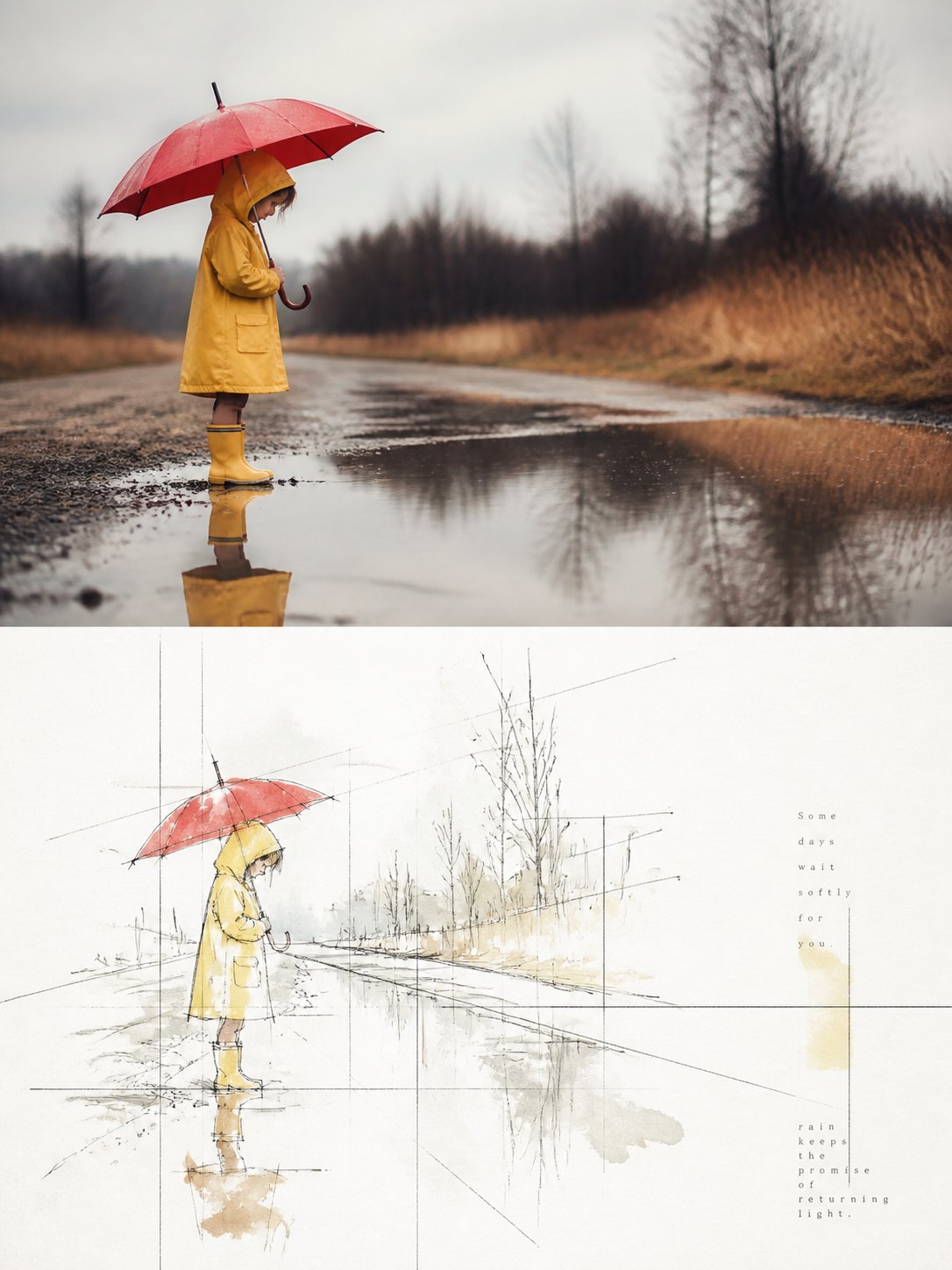
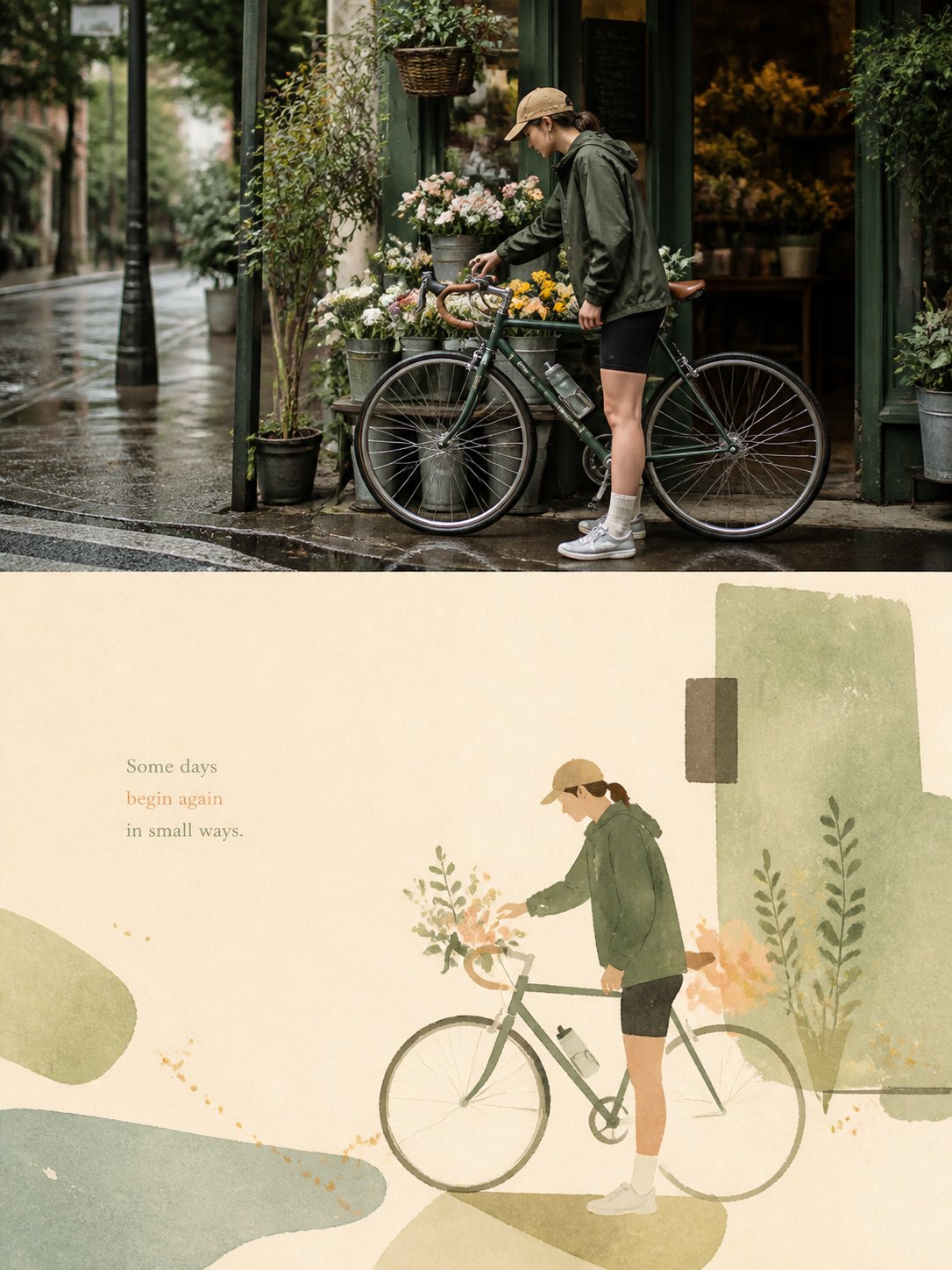
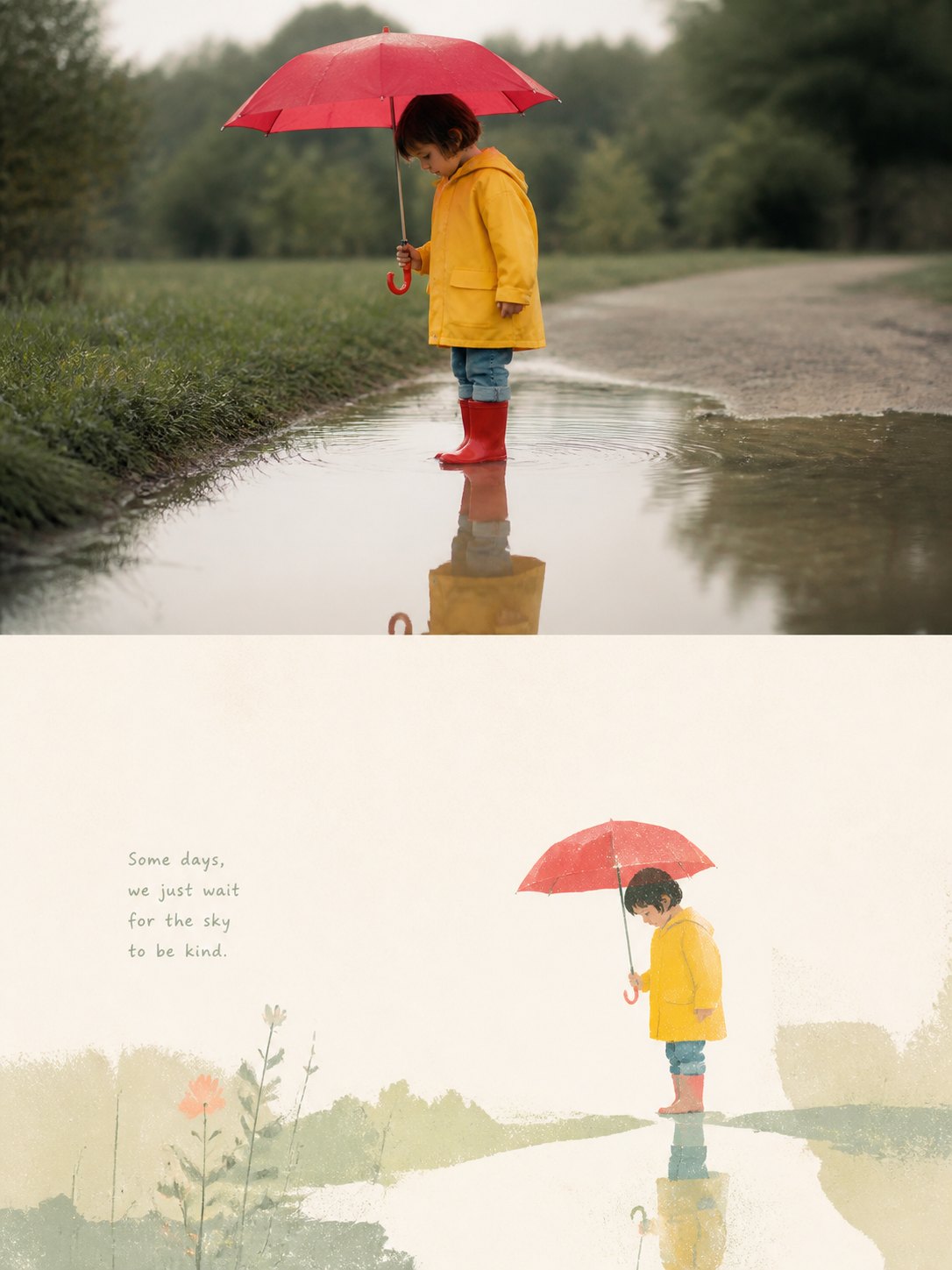
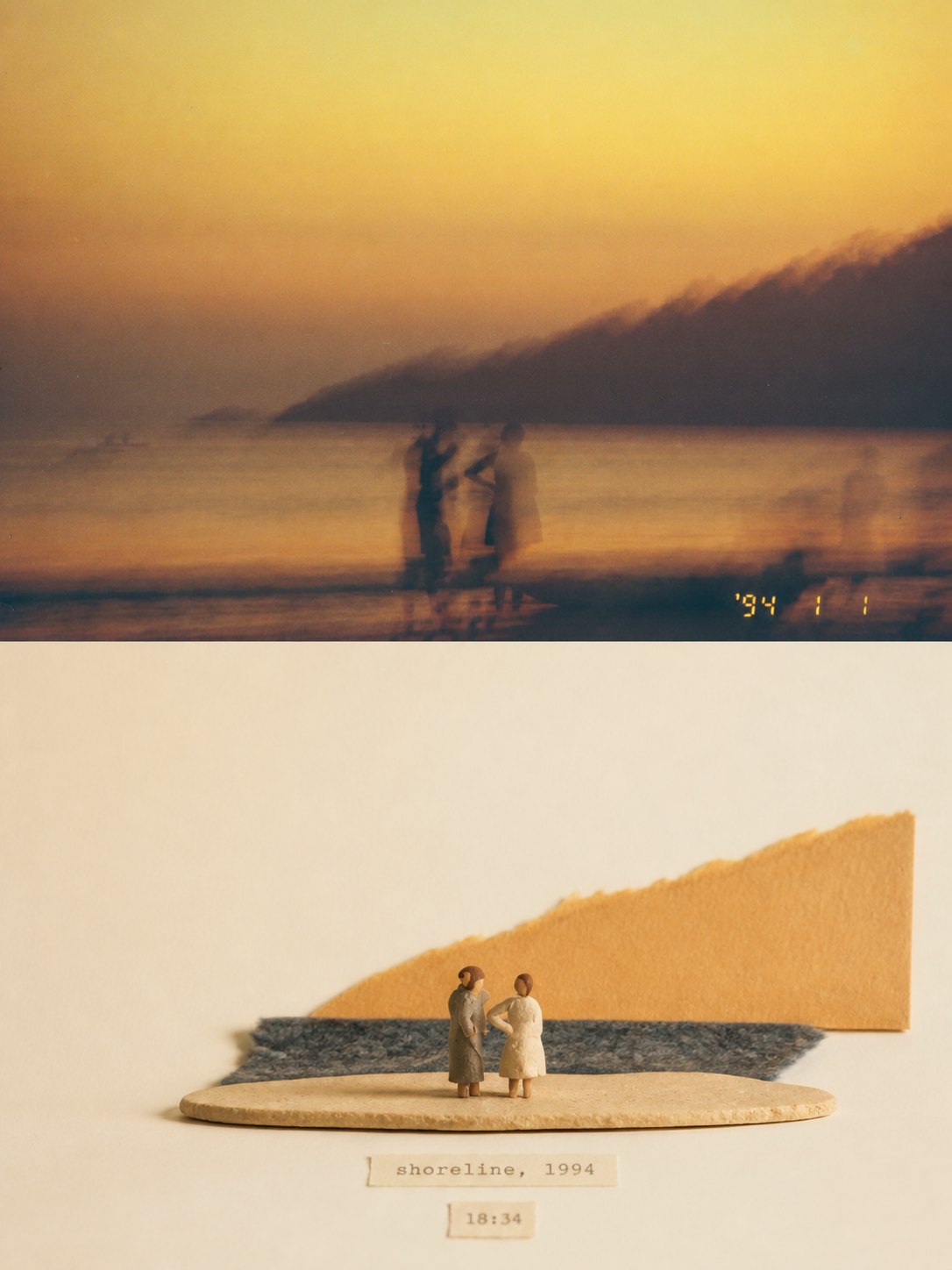
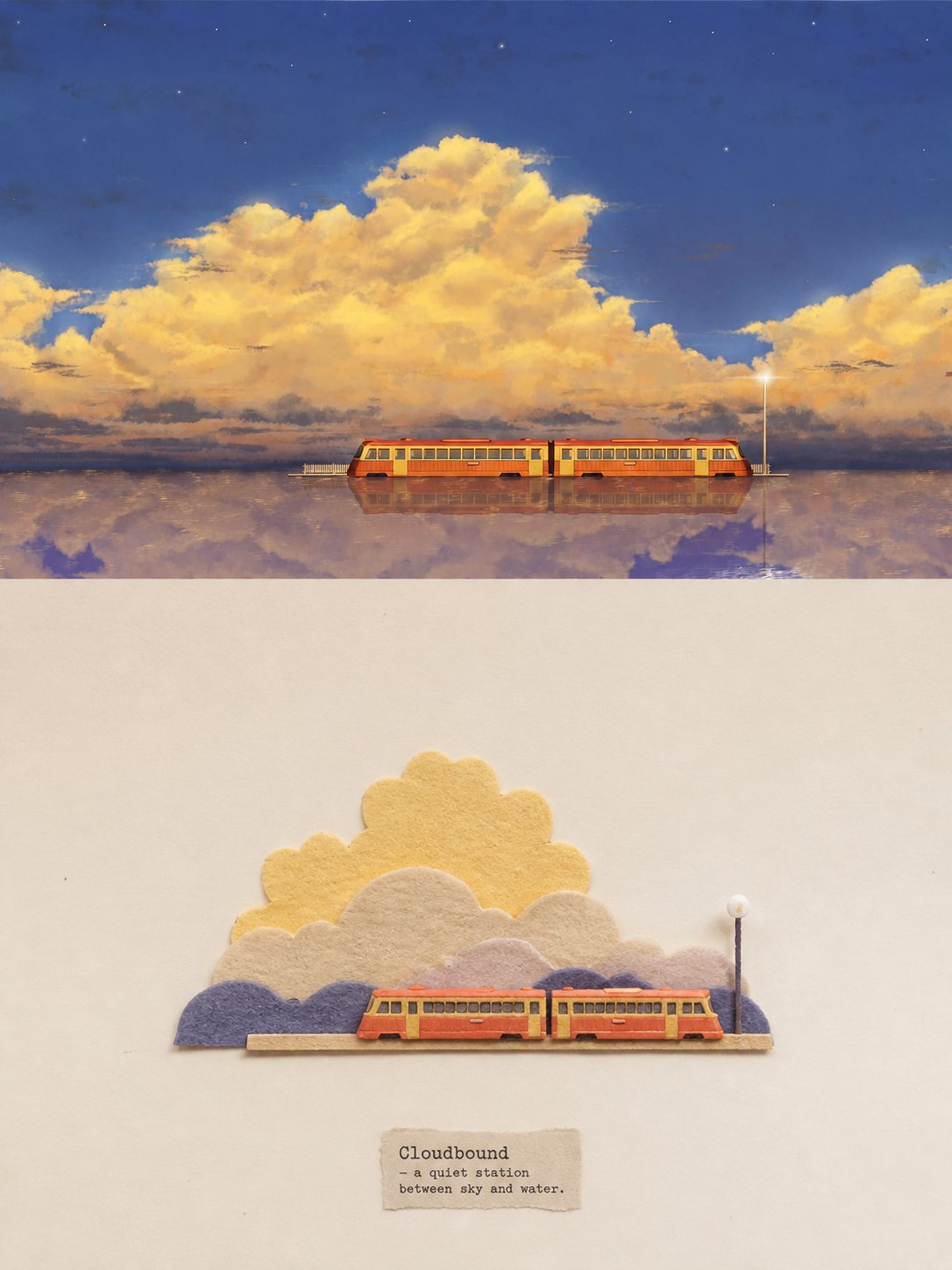
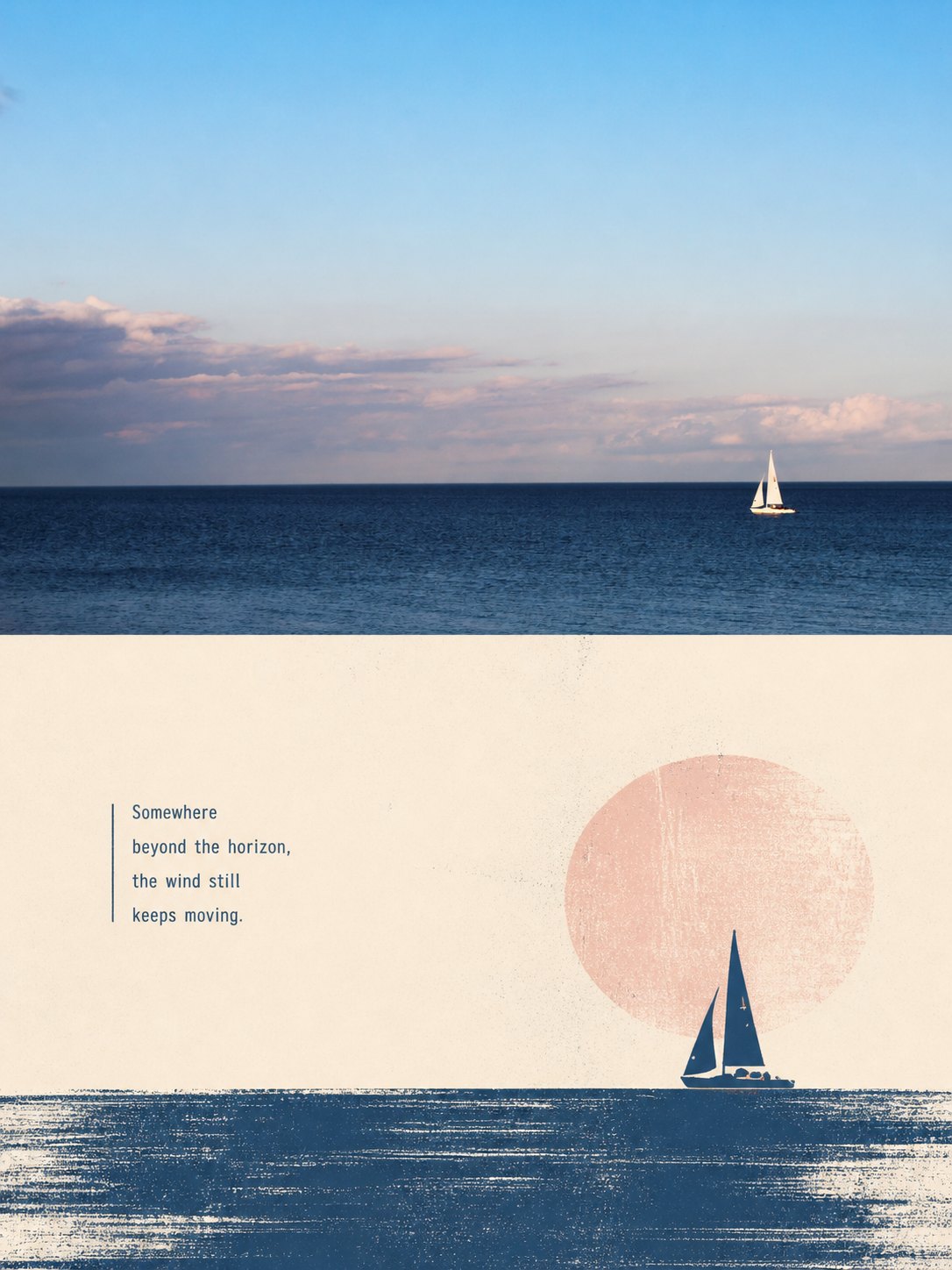
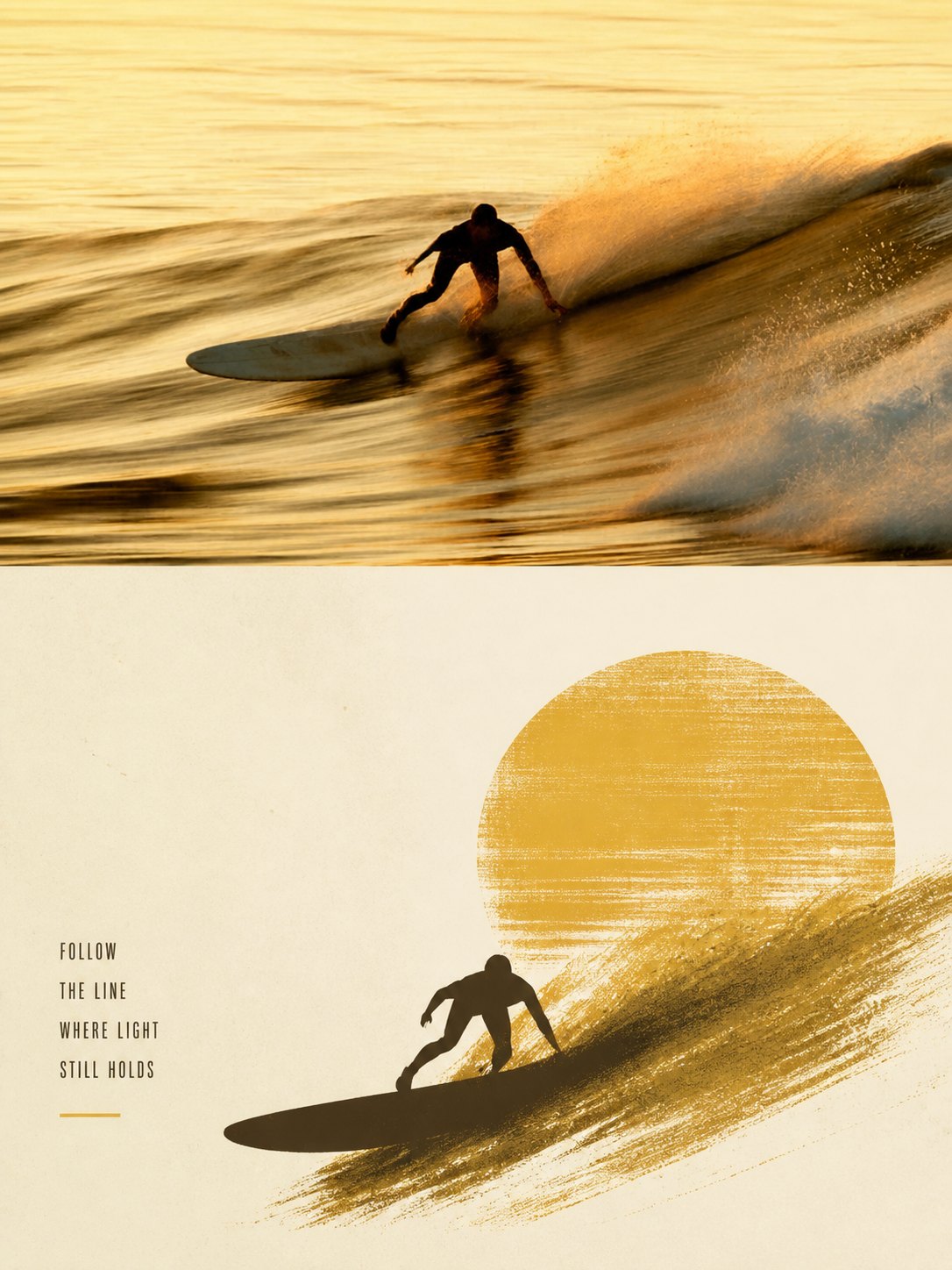
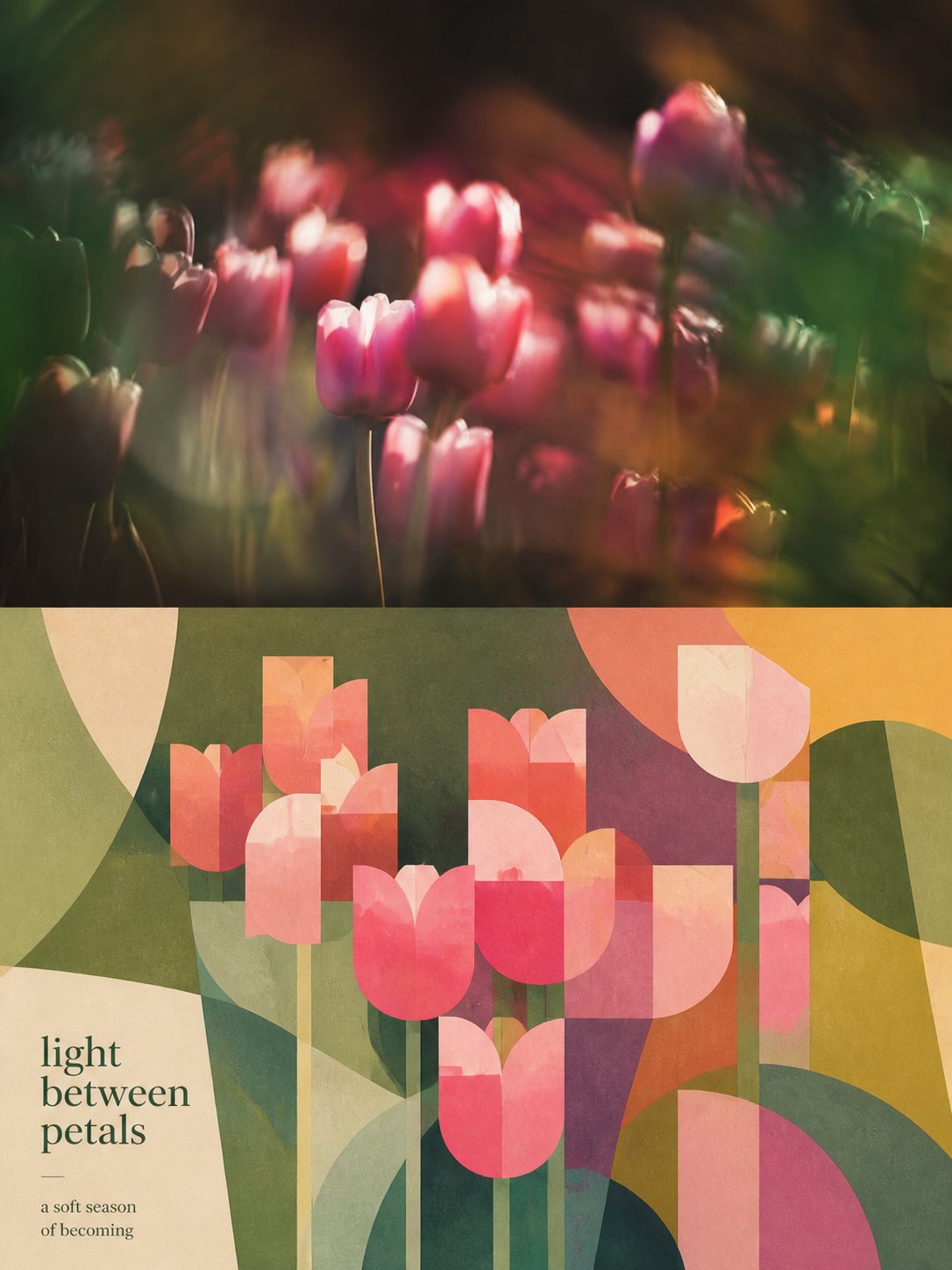
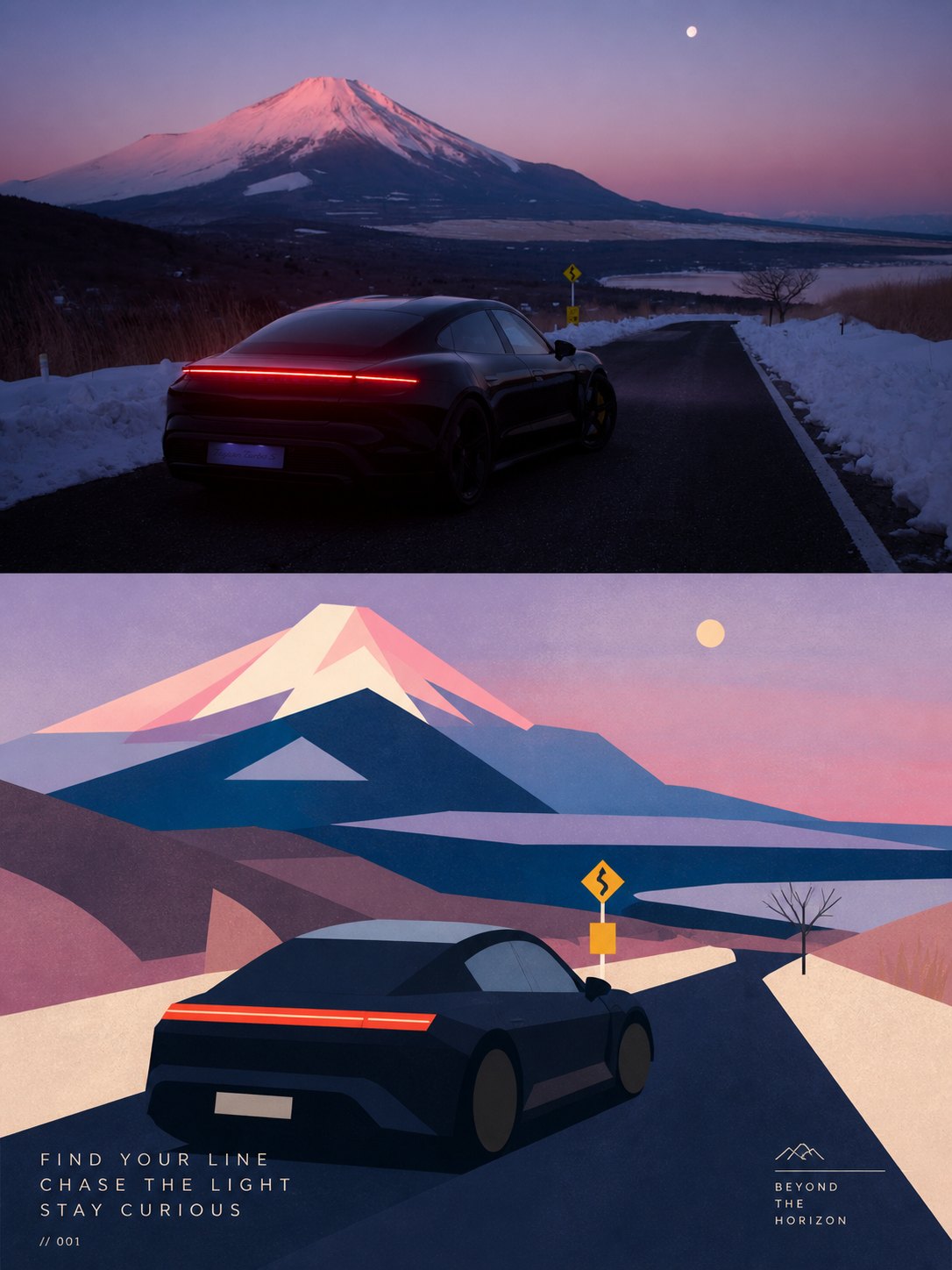
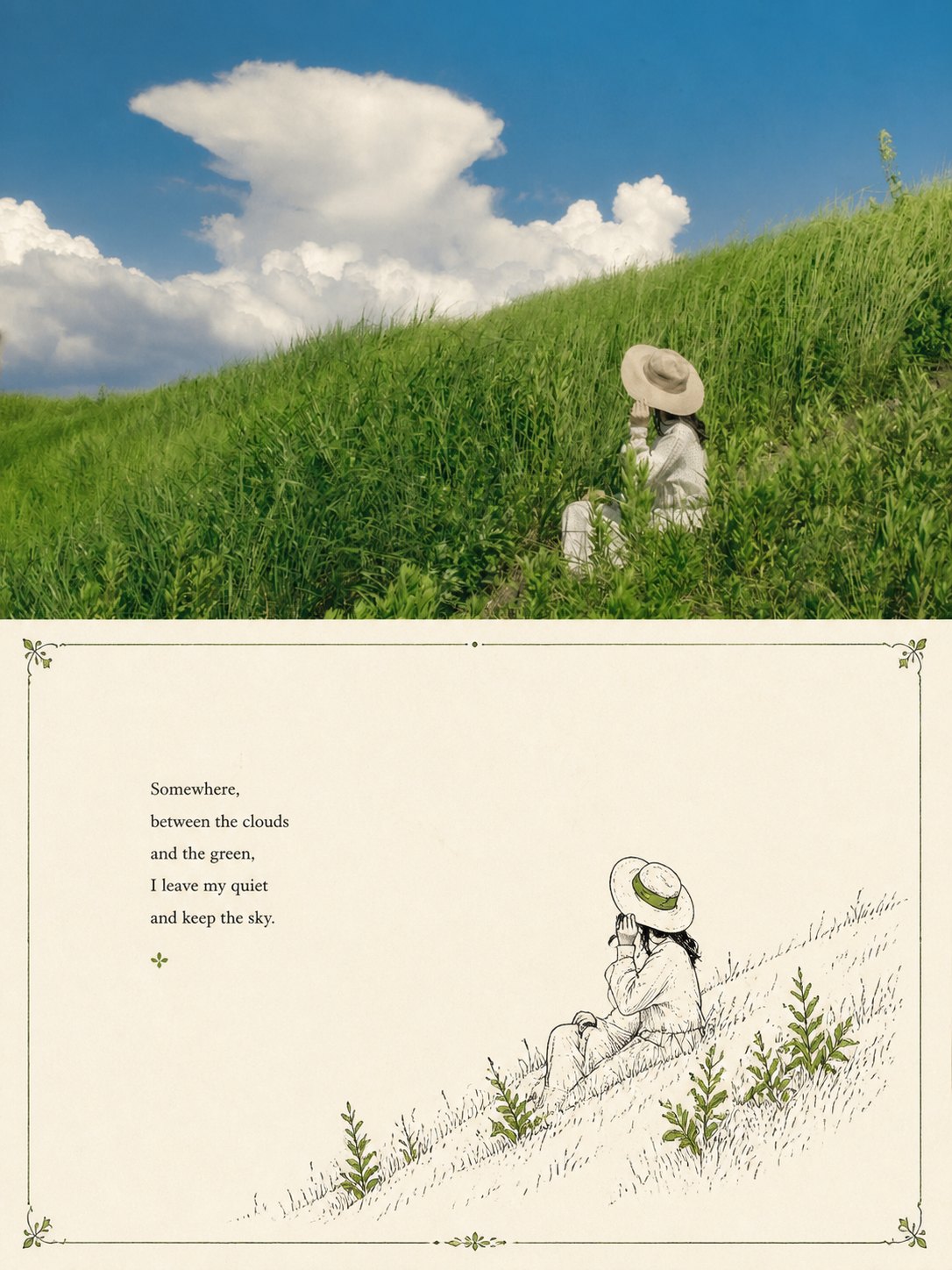
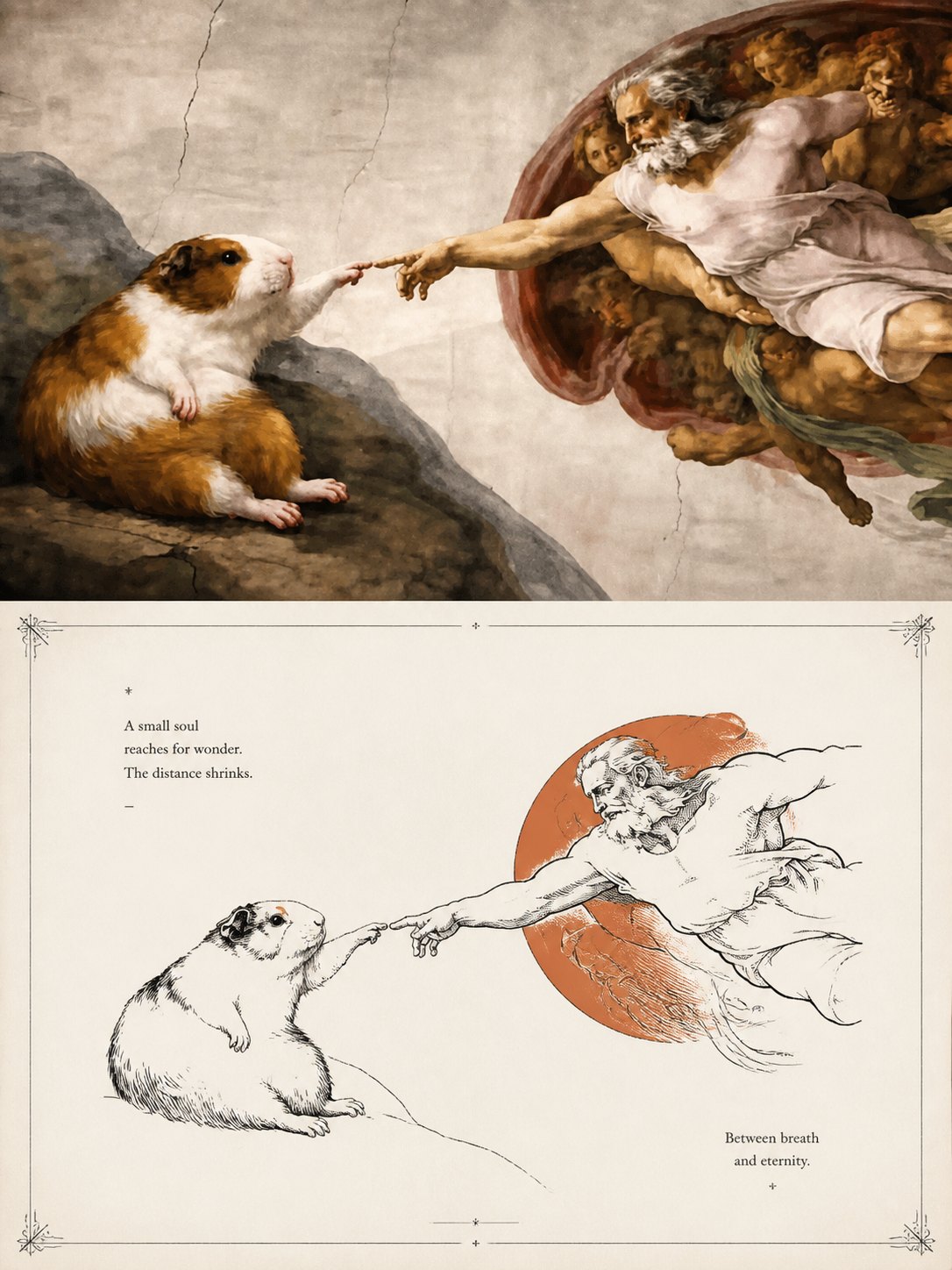
Turn each uploaded photograph into a separate high-end design poster. Do not combine multiple photographs; output each one independently. Use a 3:4 portrait composition divided into two horizontal regions of exactly equal height, each occupying 50% of the canvas.
Keep the original photograph in the upper half, preserving the subject's identity, structure, pose, realistic texture, natural lighting and original colour atmosphere. Apply only subtle refined colour grading for an art-magazine and exhibition-image quality. Extend the surrounding environment naturally if the format requires it, but never stretch, distort or alter the subject.
Extract only the photograph's most recognisable **subject, contour, structure, pose and narrative relationships** in the lower half, reconstructing them as **Fabric Collage Illustration / Appliqué-style Illustration**. Do not reproduce the entire photo, redraw objects one by one or retain every object. Remove irrelevant details and retain only the structure, directional flow and visual memory points that best represent the original. Reinterpret them through textile textures, appliqué-like colour shapes, layered cut pieces, frayed edges and a few stitches, making the correspondence with the upper photograph instantly recognisable.
Use the visual language of **textile collage / appliqué embroidery**: rebuild the subject with a few large pieces of fabric, simple silhouettes, flat colour shapes and irregularly cut edges. Simulate cotton, linen, coarse cloth or woven textures, retaining slight fraying, loose threads, grain, uneven colour and handmade misregistration. A few visible stitches, overlocked edges or embroidered lines may reinforce contours and details locally, but remain restrained and avoid complex three-dimensional lighting.
Maintain **a small subject and generous whitespace**. Place it freely according to its direction, proportions and visual centre of gravity: off-centre, at an edge, suspended or partly cropped. **Whitespace must be an intentional compositional language**, not merely a blank background. Together with the subject, fabric edges and a few stitches, it creates breathing room, spatial depth and rhythm. Make a fresh artistic judgment in the lower half: even if the original composition is weak, the background cluttered or the subject small, rescue it through **subtraction, rearrangement, cropping, changes of scale and whitespace**, genuinely giving the model authority to redirect the image. Prefer subtraction to filling the canvas.
Extract **2–4 of the most distinctive colours that best express the theme's spirit** from the upper photograph and turn them into a palette suited to fabric collage. Keep the overall feeling warm, soft and enduring, with a touch of vintage folk art and picture-book character, while preserving everyday life, approachability and materiality. Avoid dirty grey, dimness, aged dullness and heaviness.
Use only a very small amount of editorial text, with no restriction on language. Freely generate a few words or short phrases from the subject, place, action, mood or metaphor; place them quietly in the whitespace or near the subject's edge for a refined image–text relationship.
The overall refined effect combines **selective distillation, fabric collage, textile texture, appliqué, hand stitches, abundant artistic whitespace and editorial typography**. Avoid object-by-object copying, excessive background retention, accumulated information, filled canvases, complex scenes, smooth vectors, 3D, cheap craft effects and templated collage.
2026-09-07via @xiaoxiaodong01