Visuele inspiratie
Promptbibliotheek
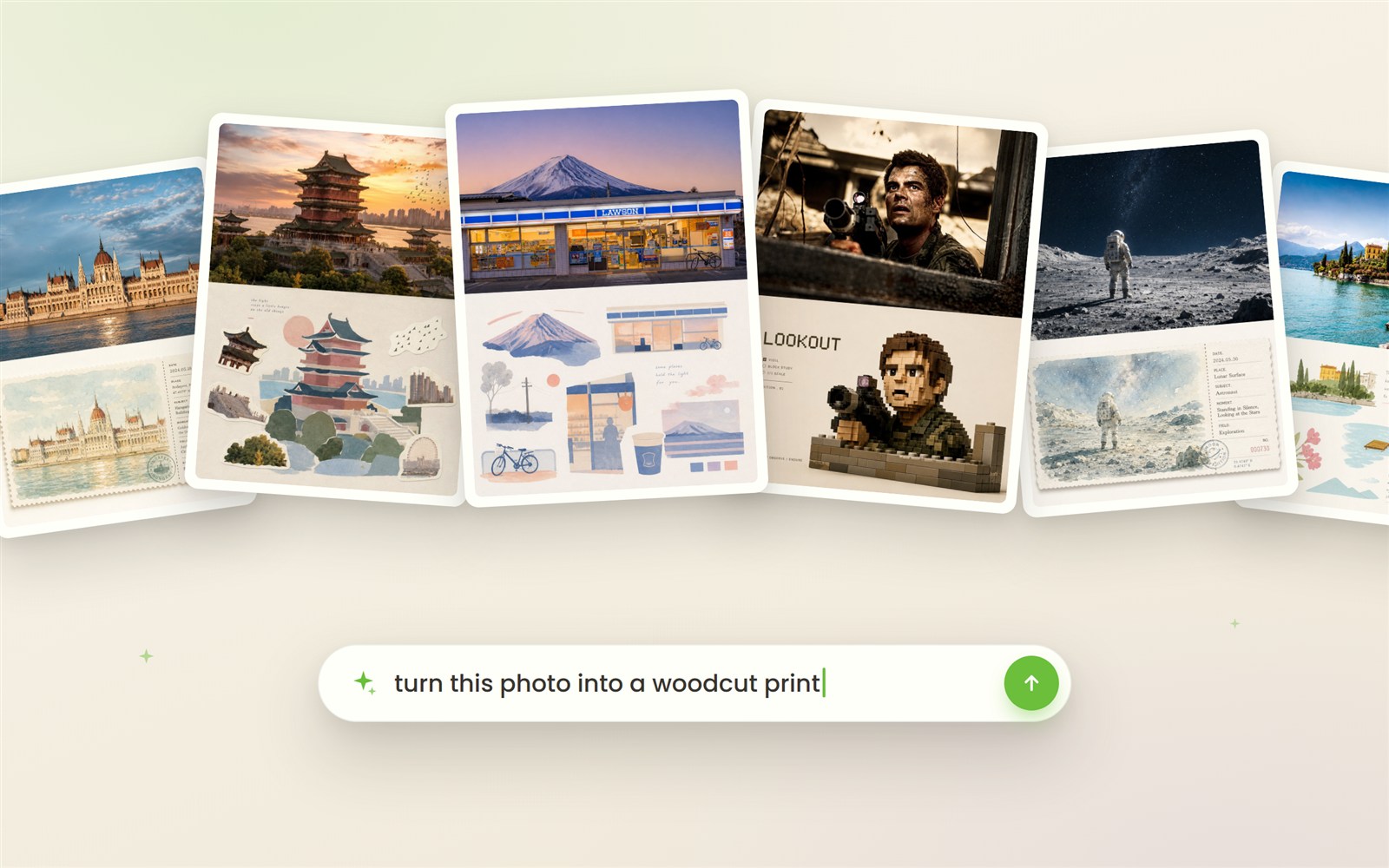
Sterke AI-resultaten uit het wild, mét de prompt erbij. Klik op een beeld, kopieer de prompt en maak er iets eigens van.
Krijg de prompts die indruk maken
Krijg de prompts die indruk maken
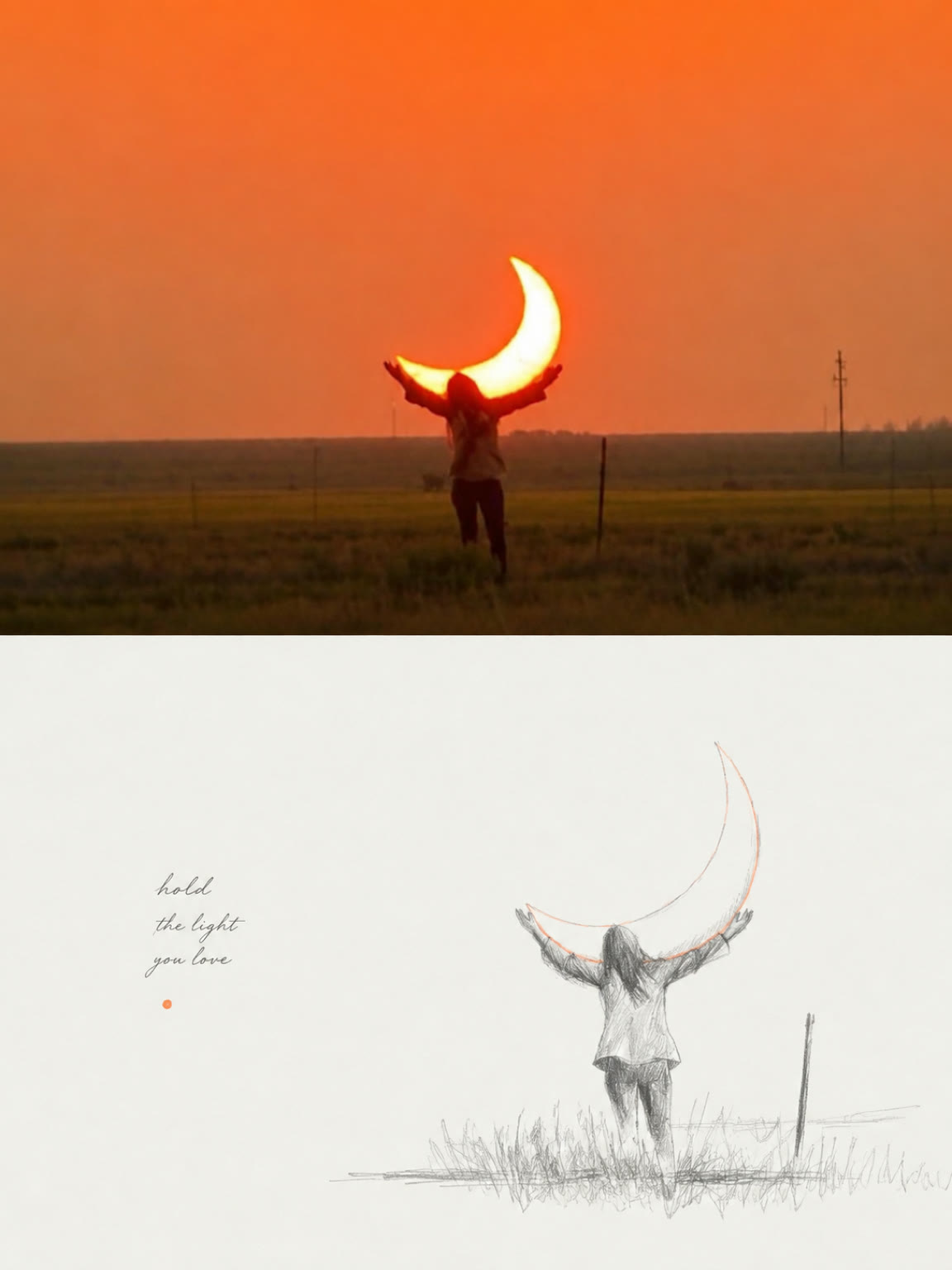
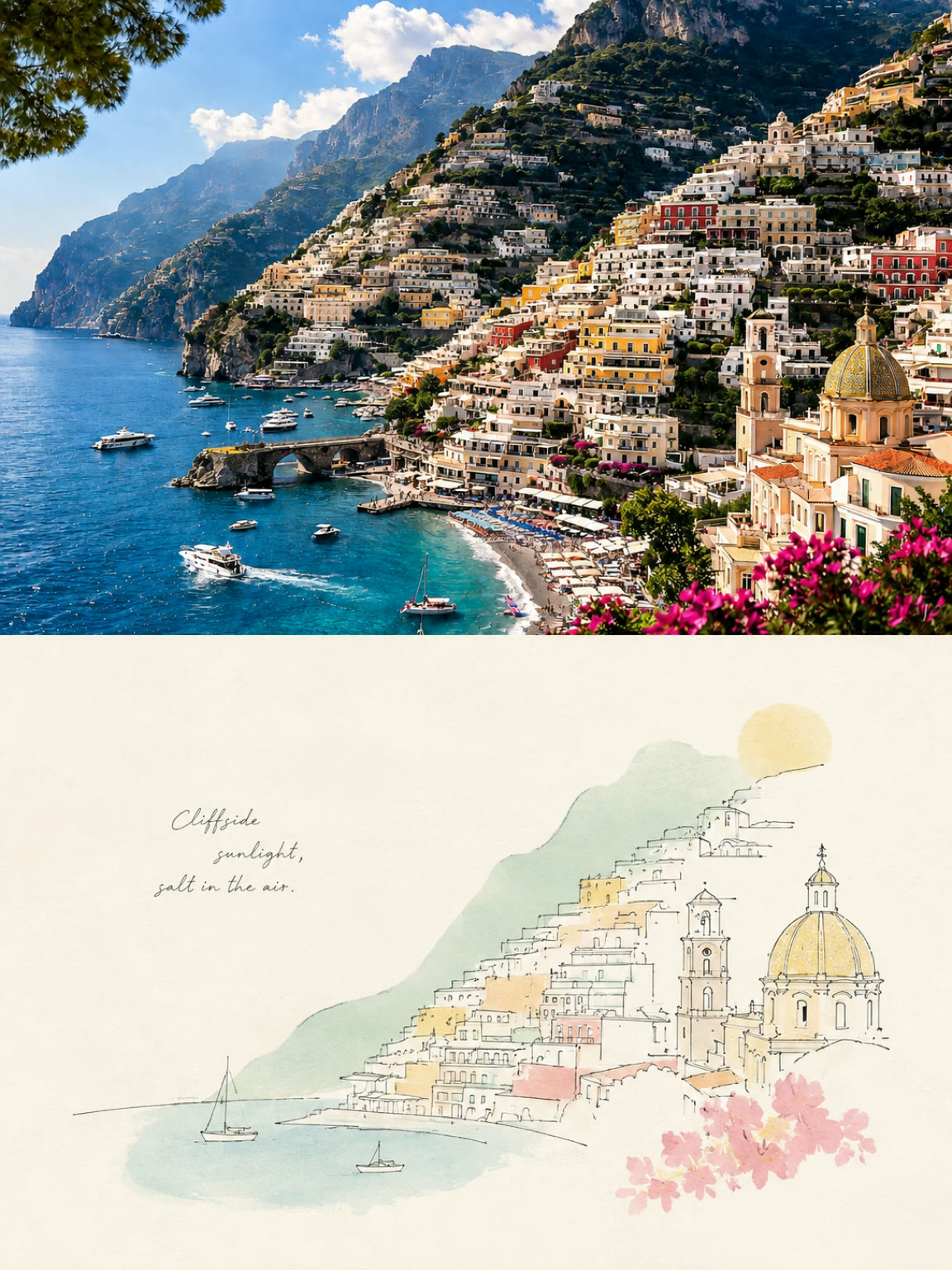
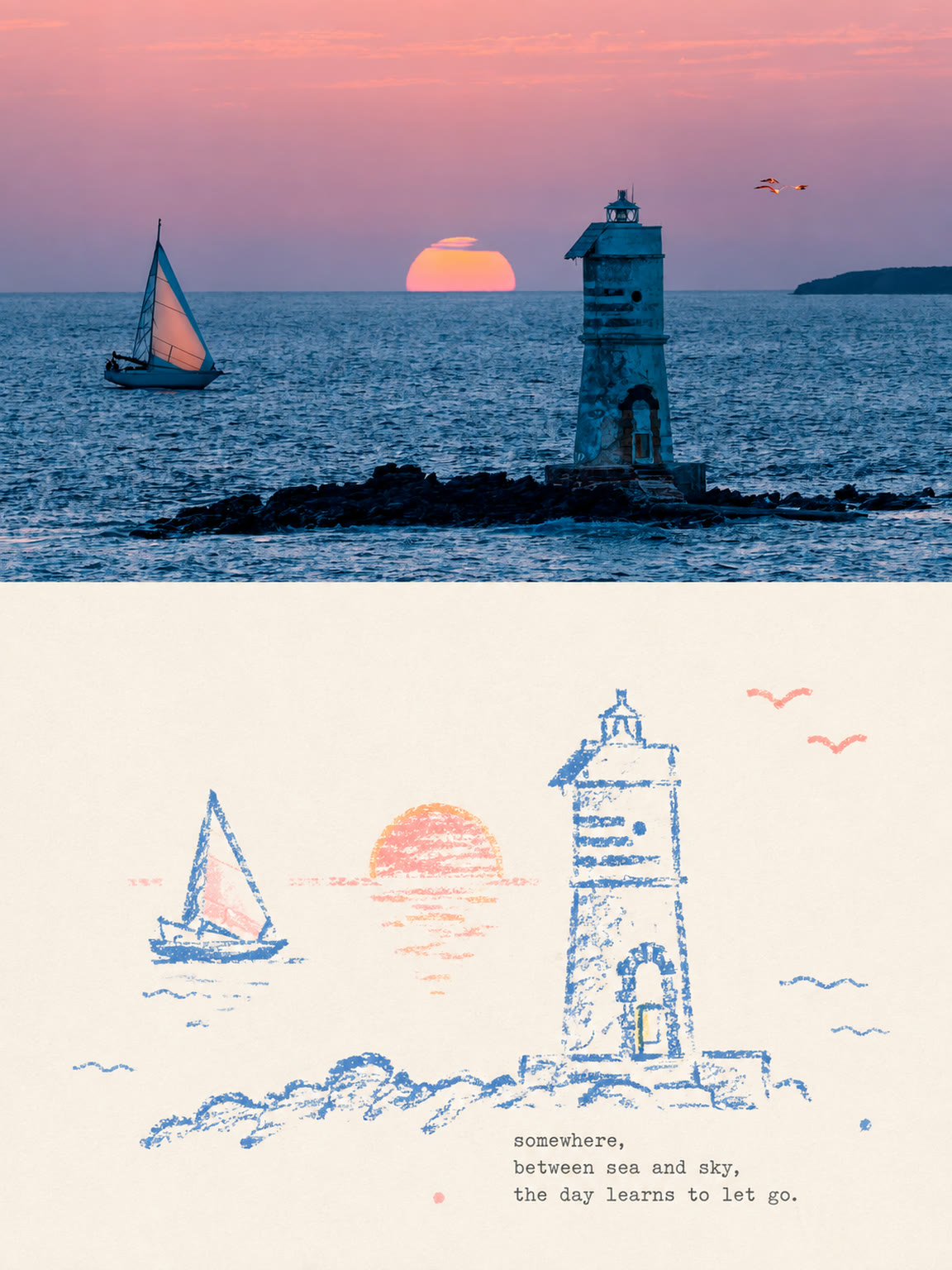
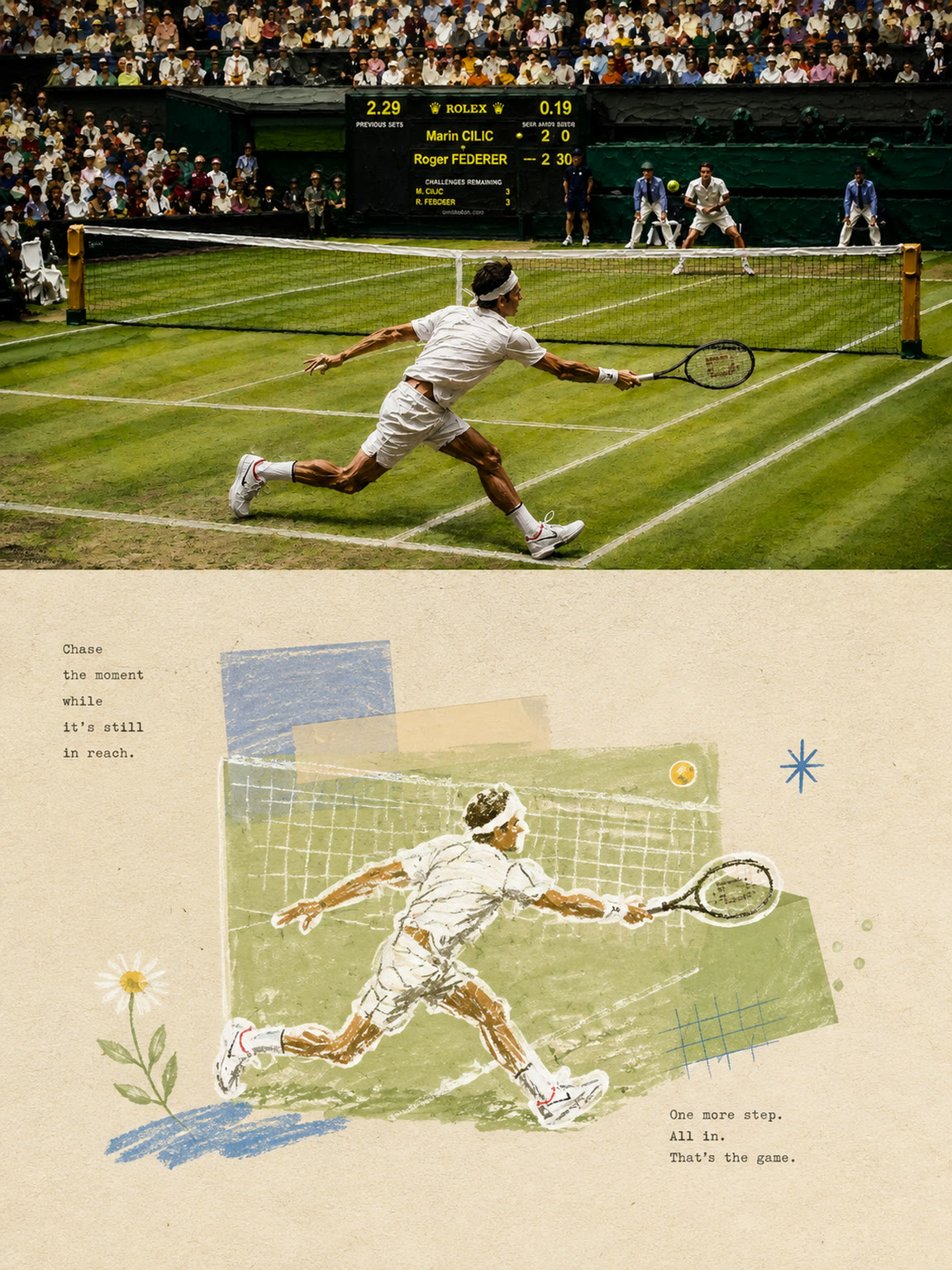
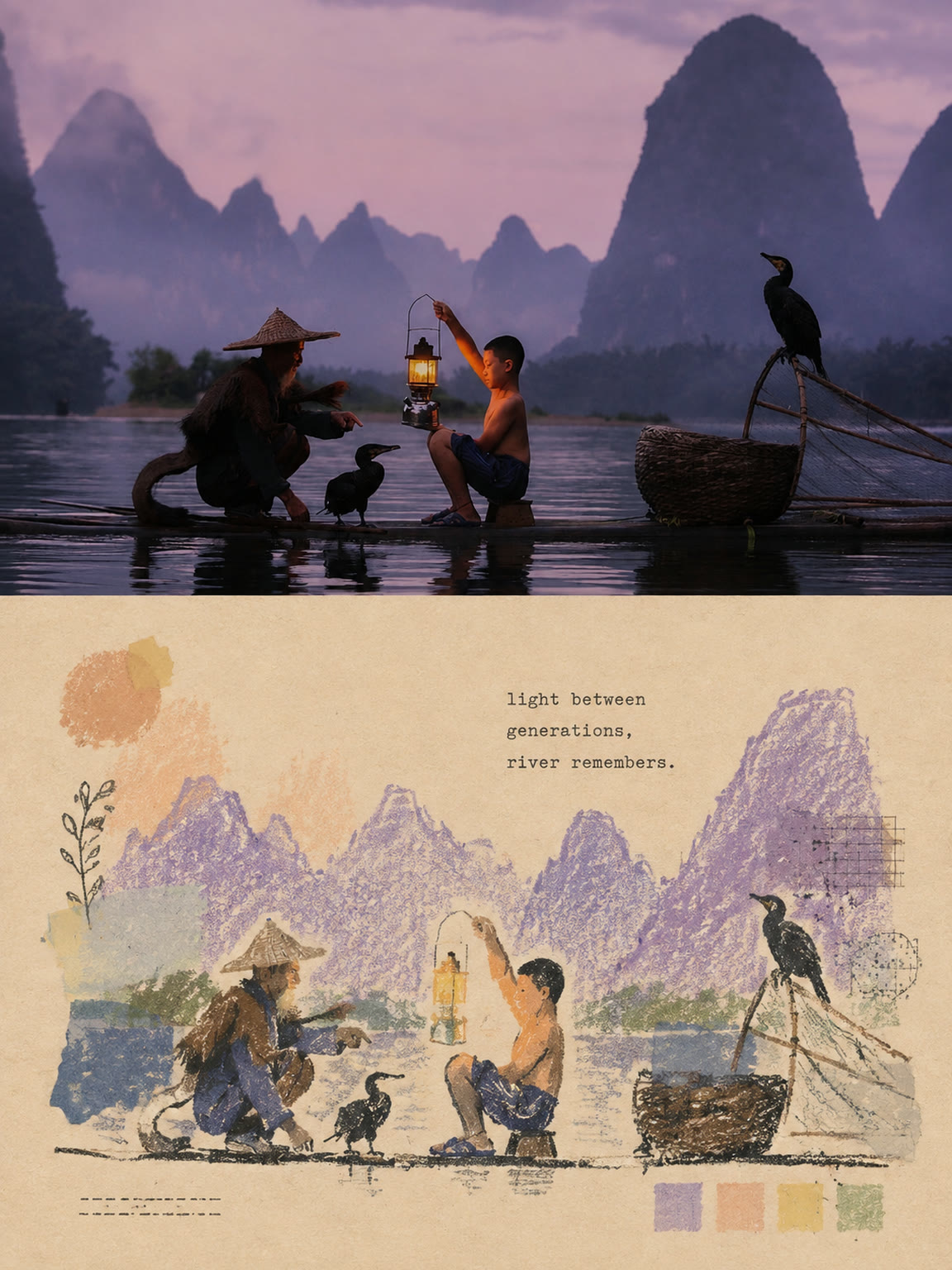
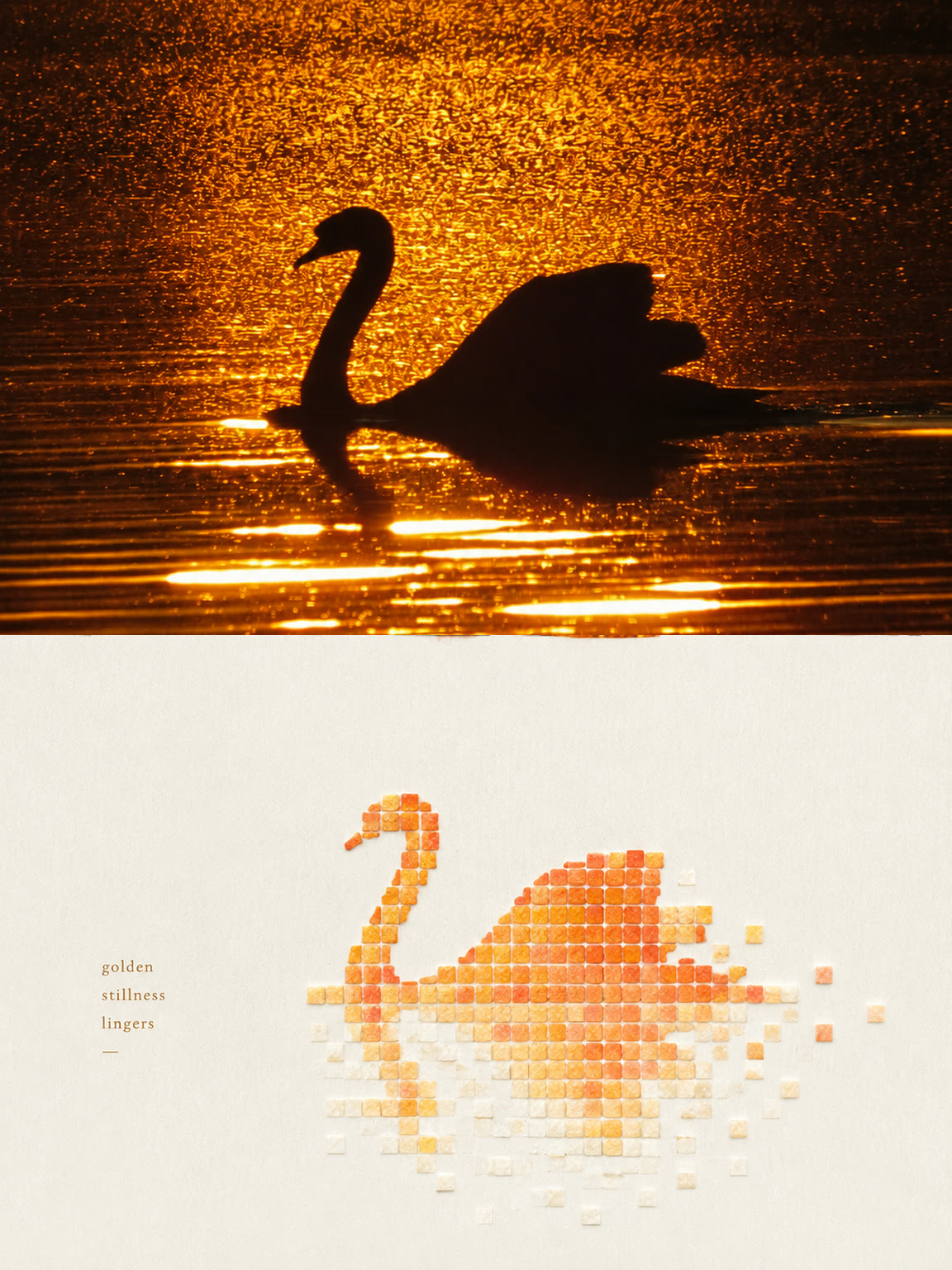
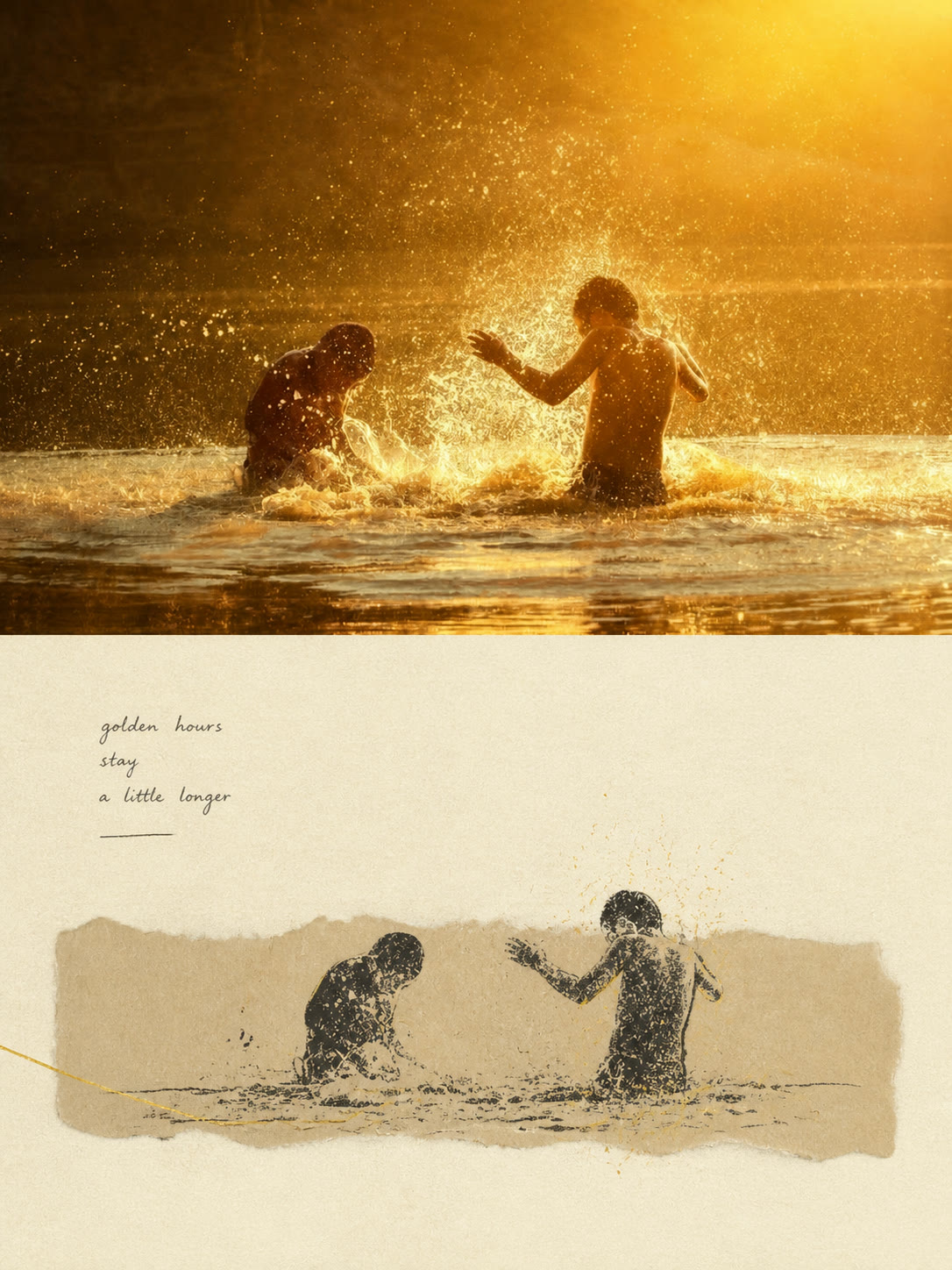
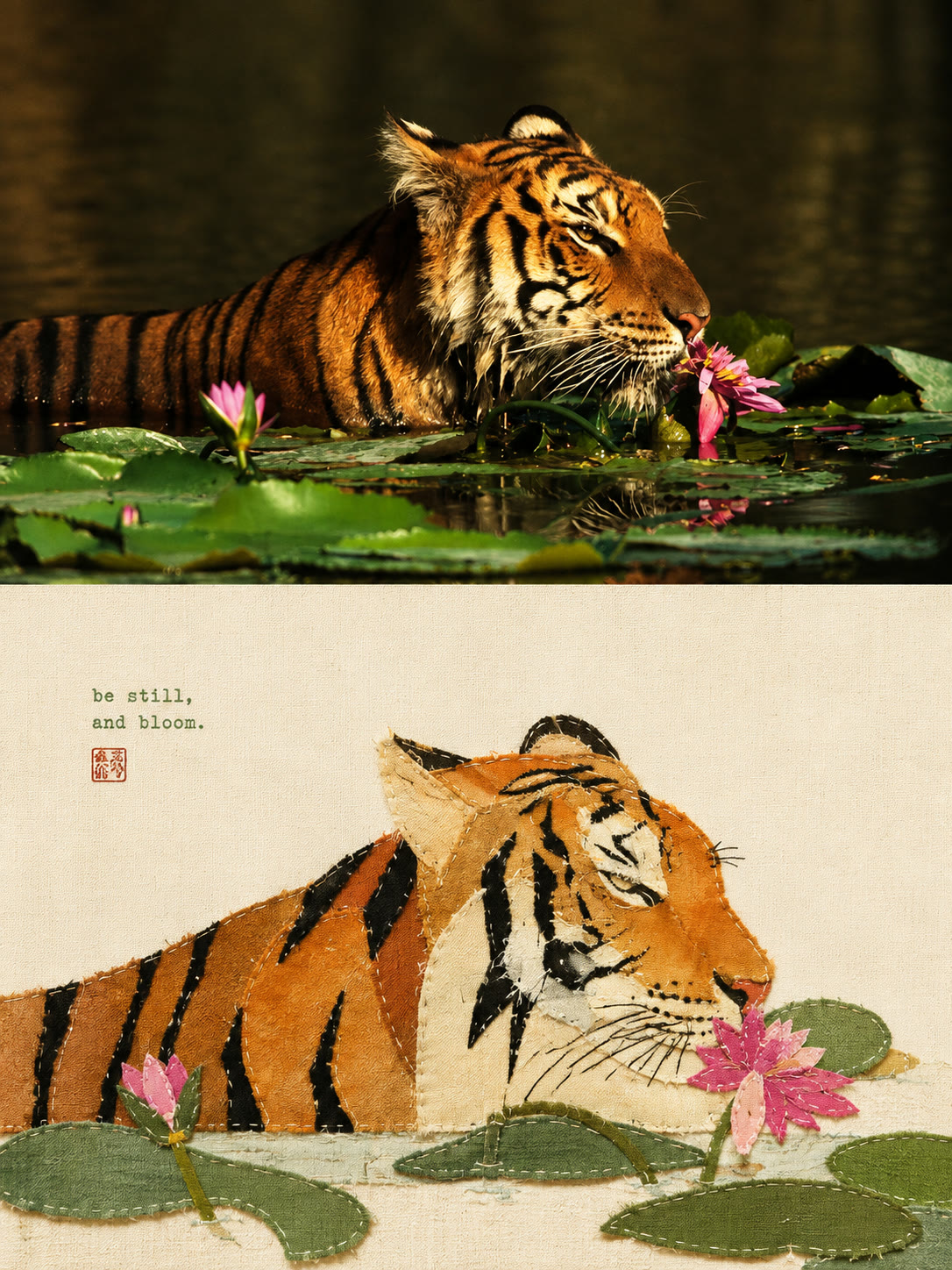
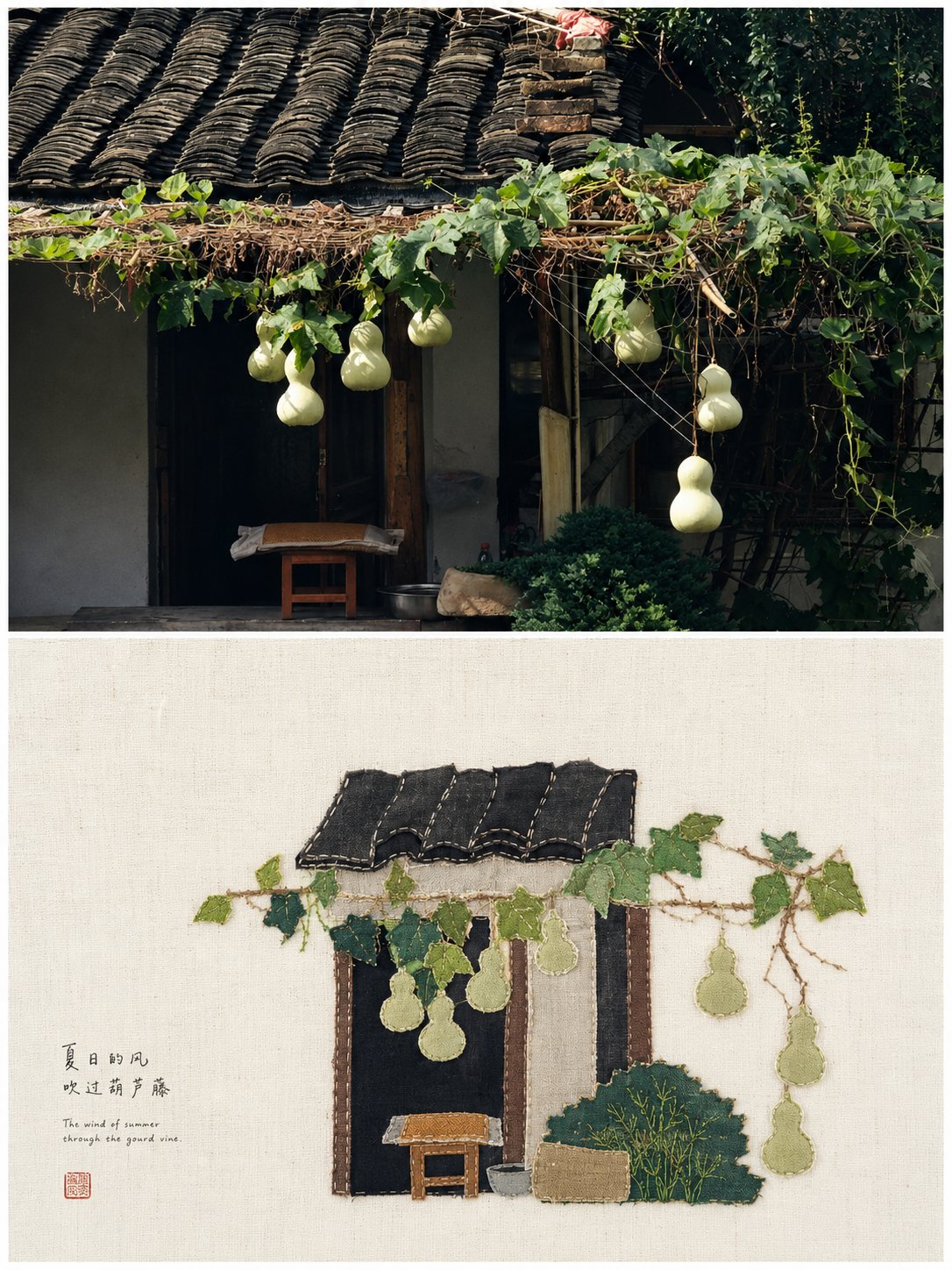
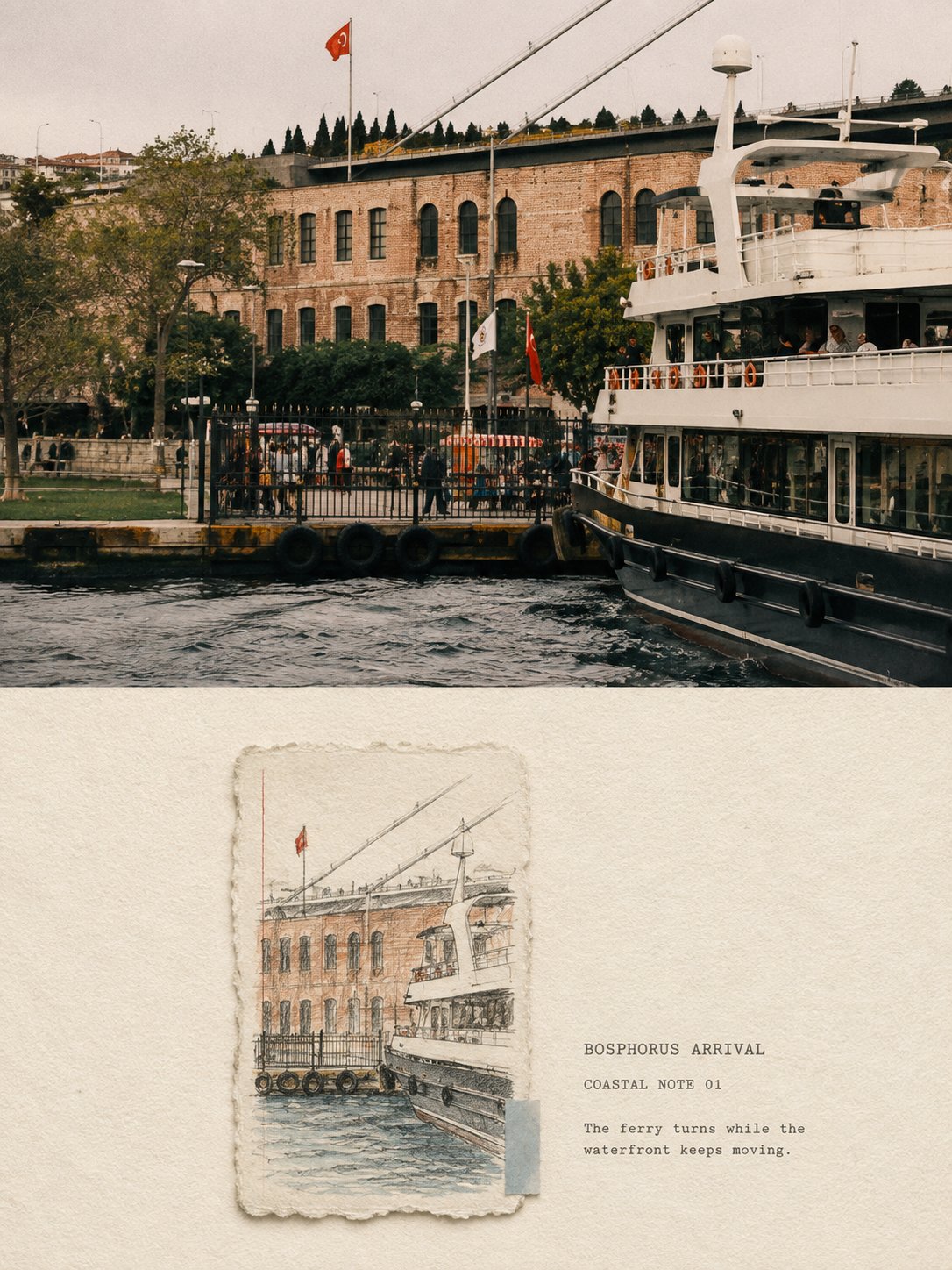
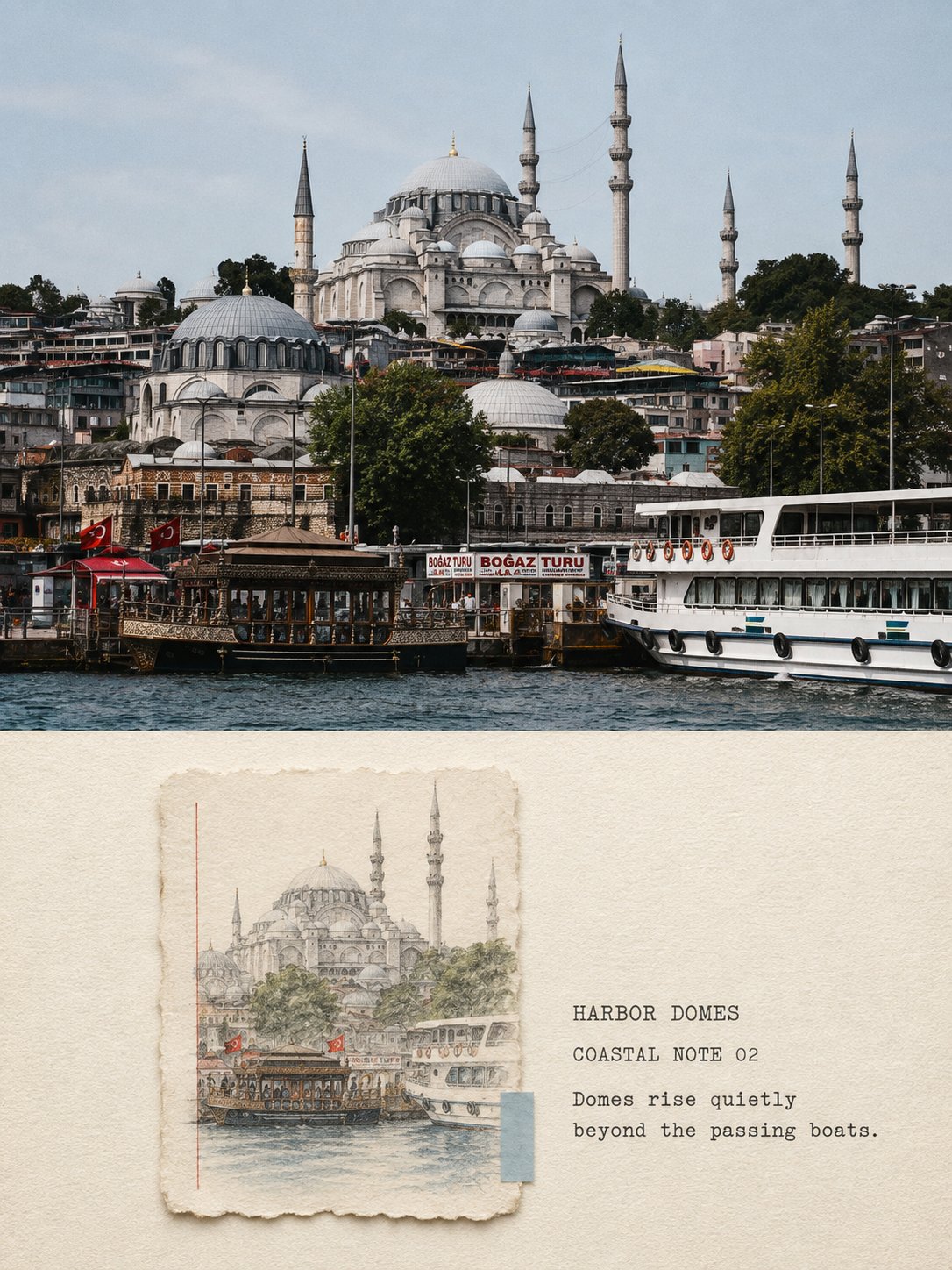
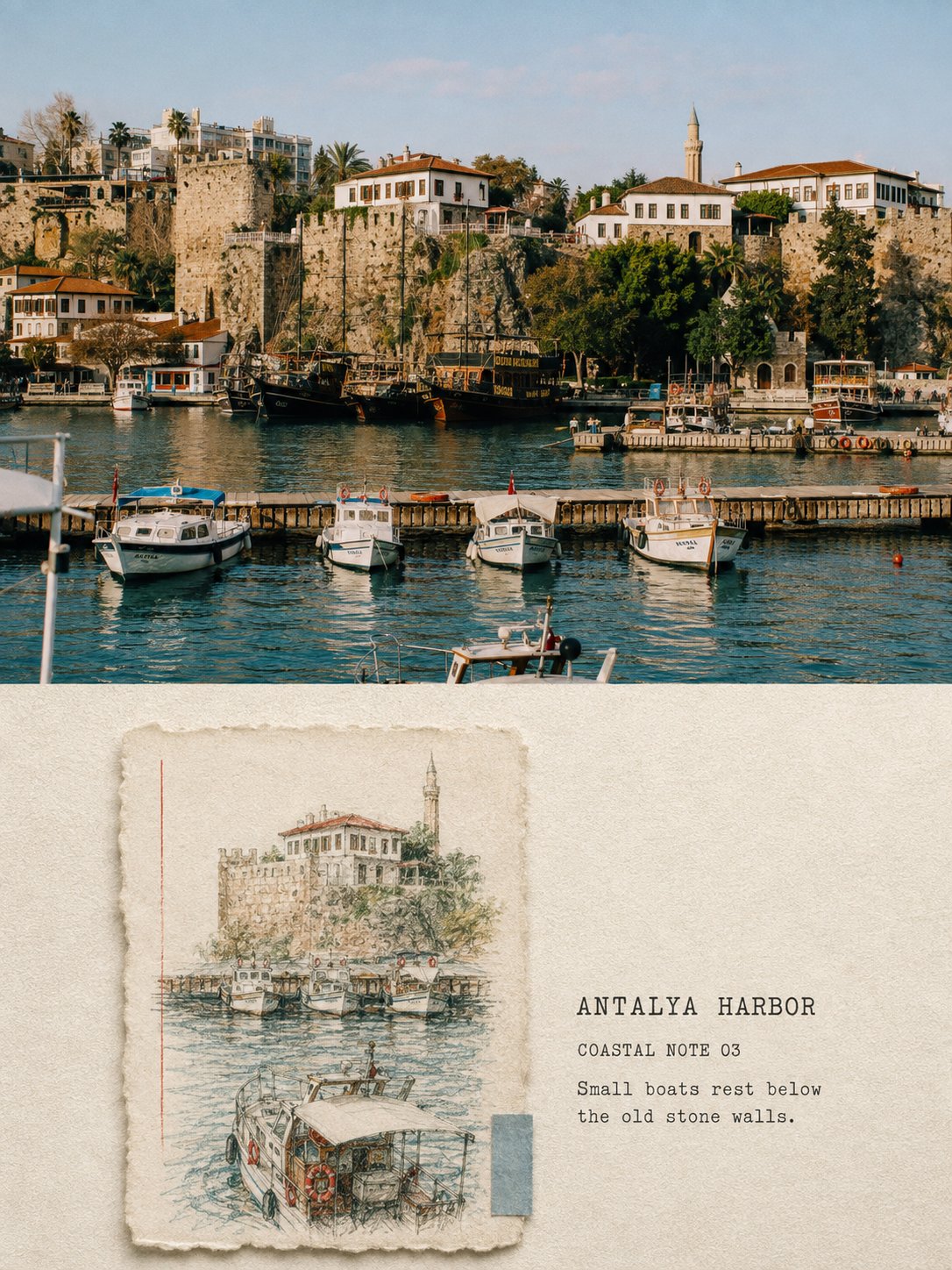
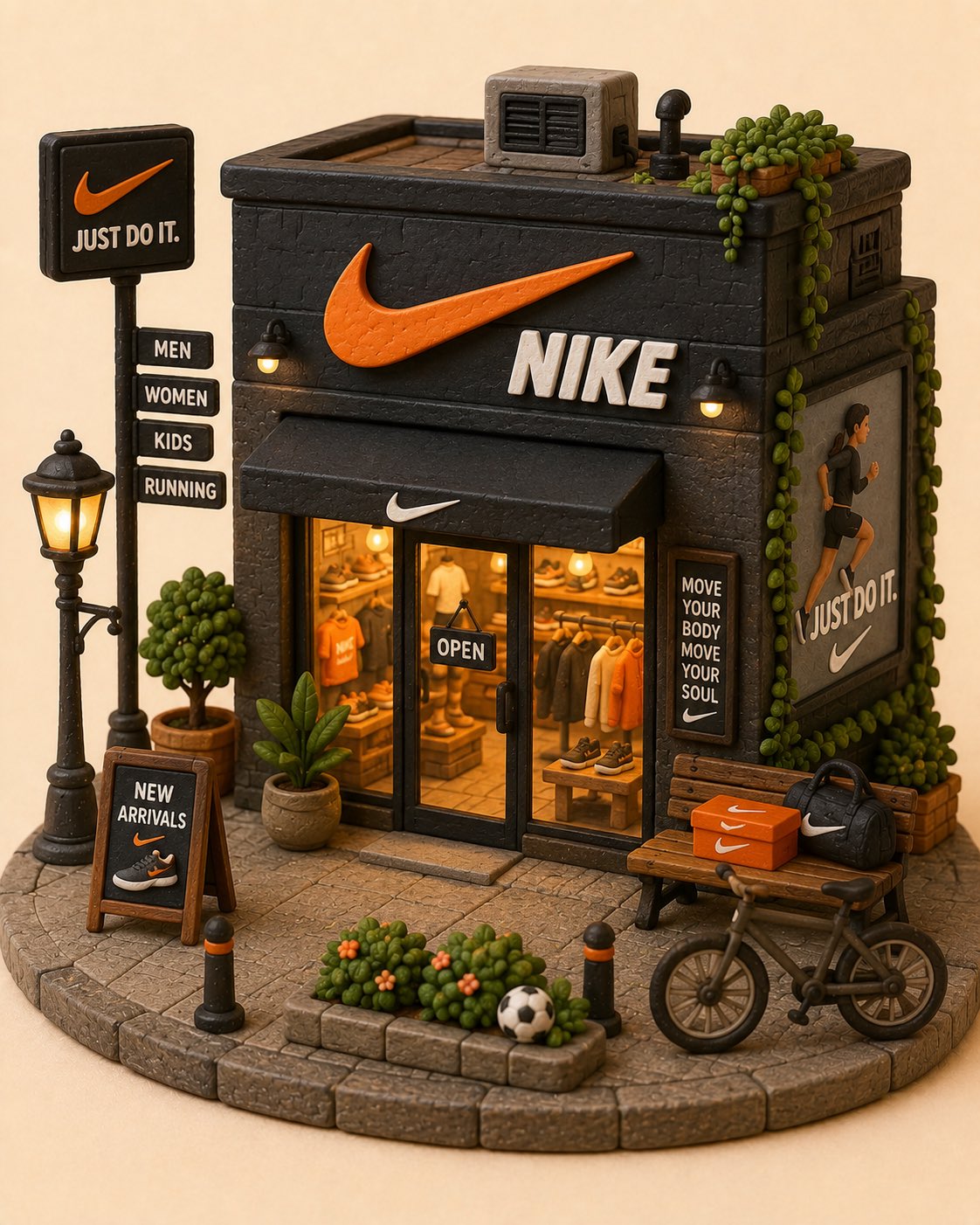
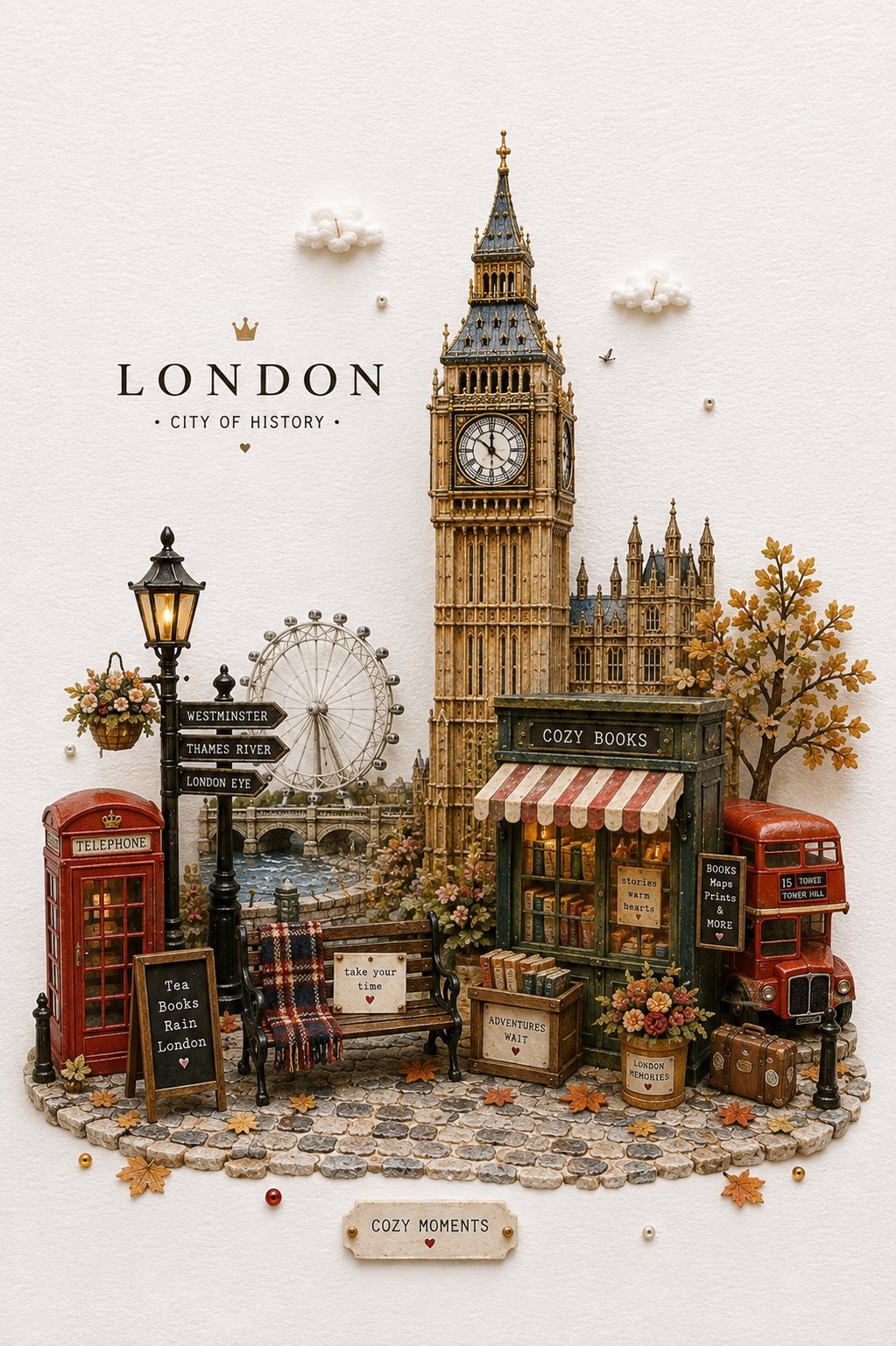
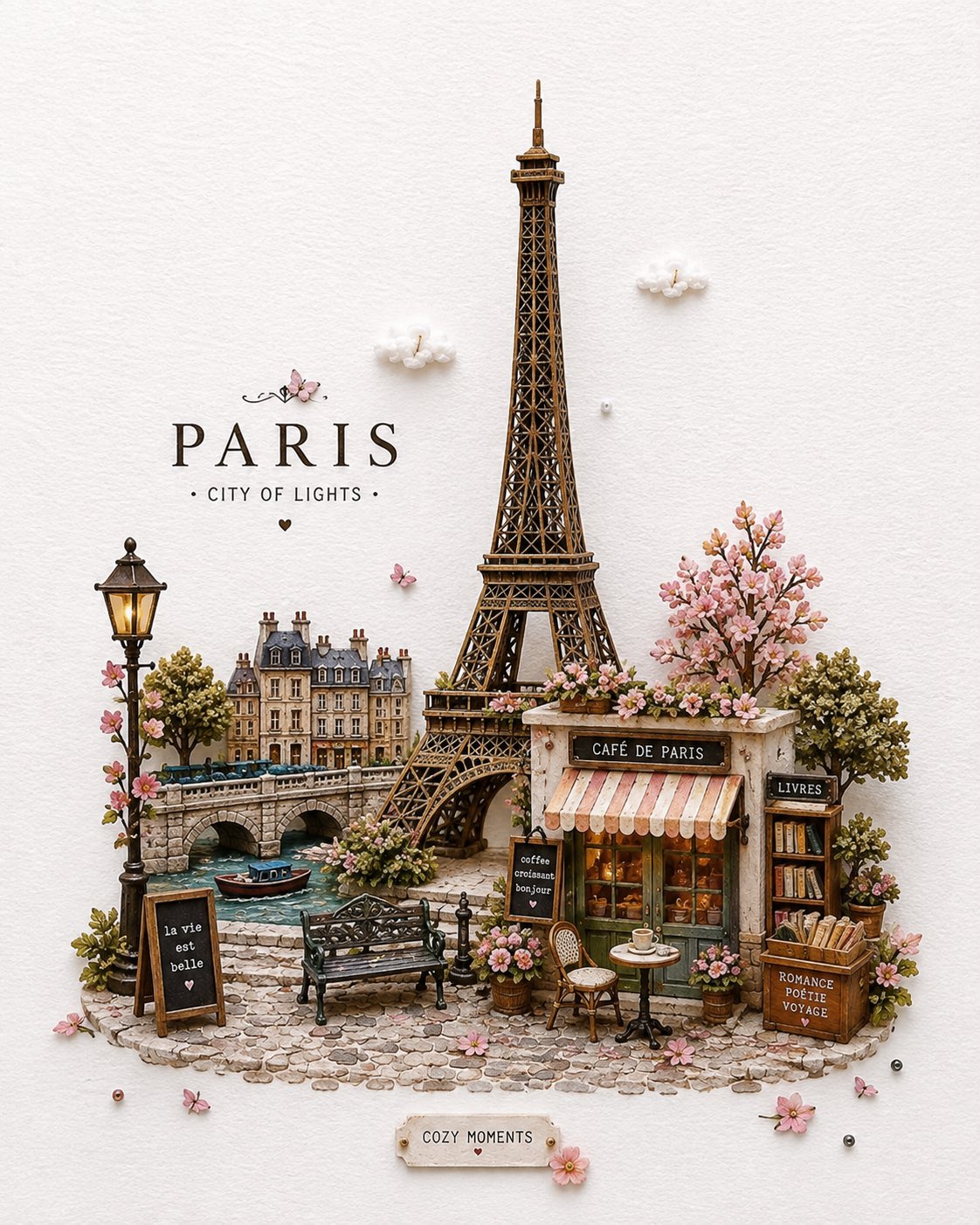
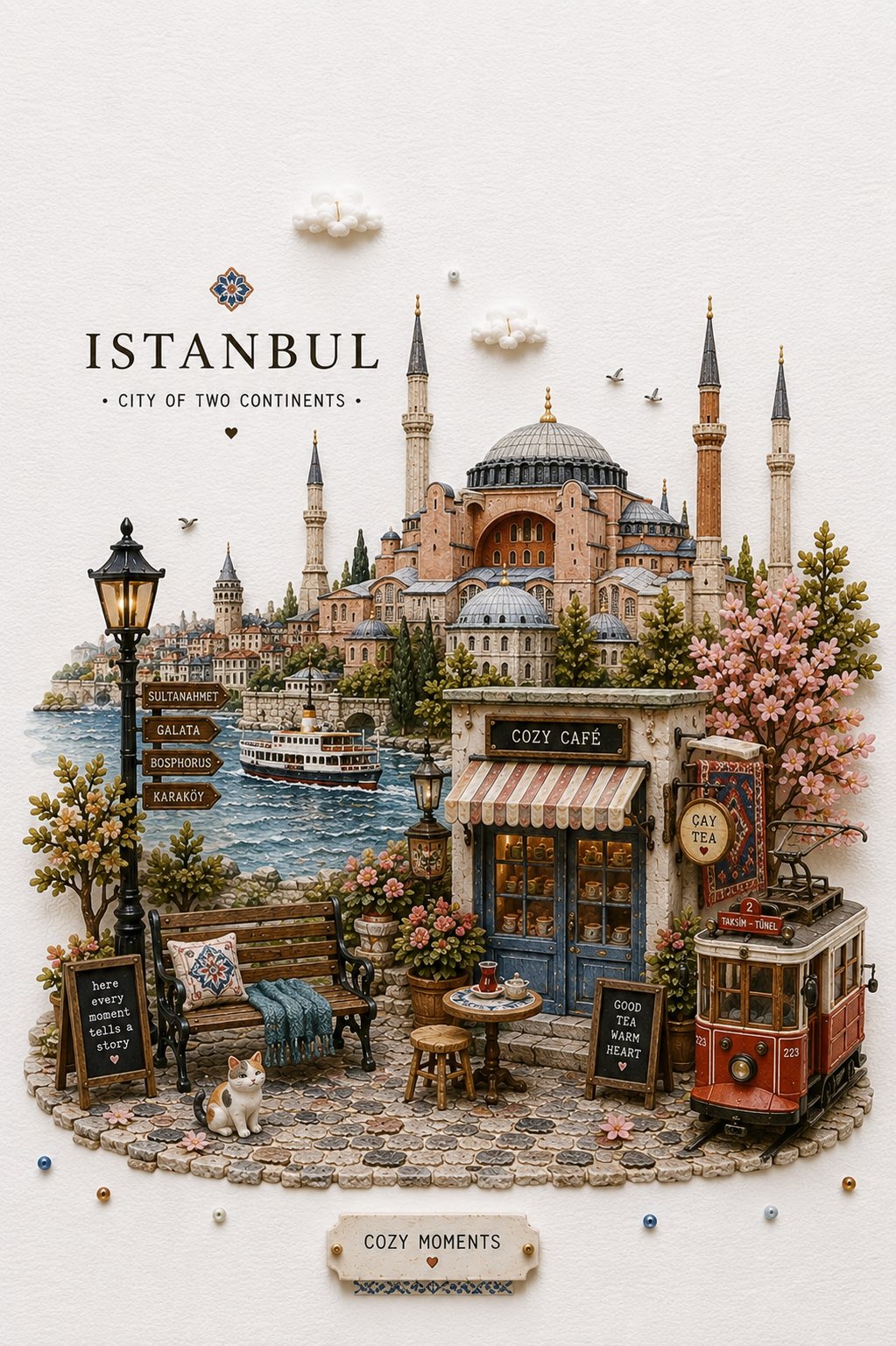
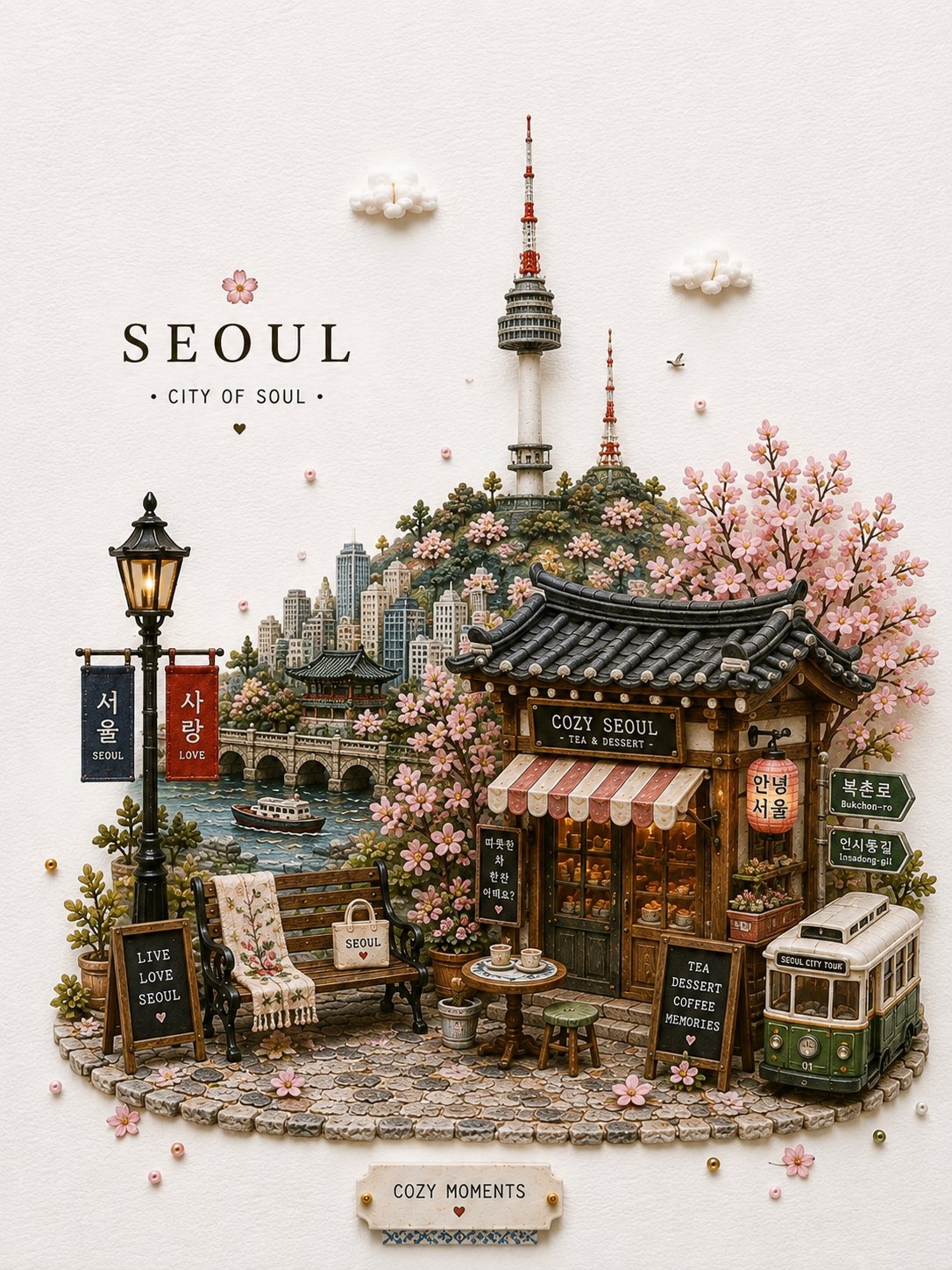
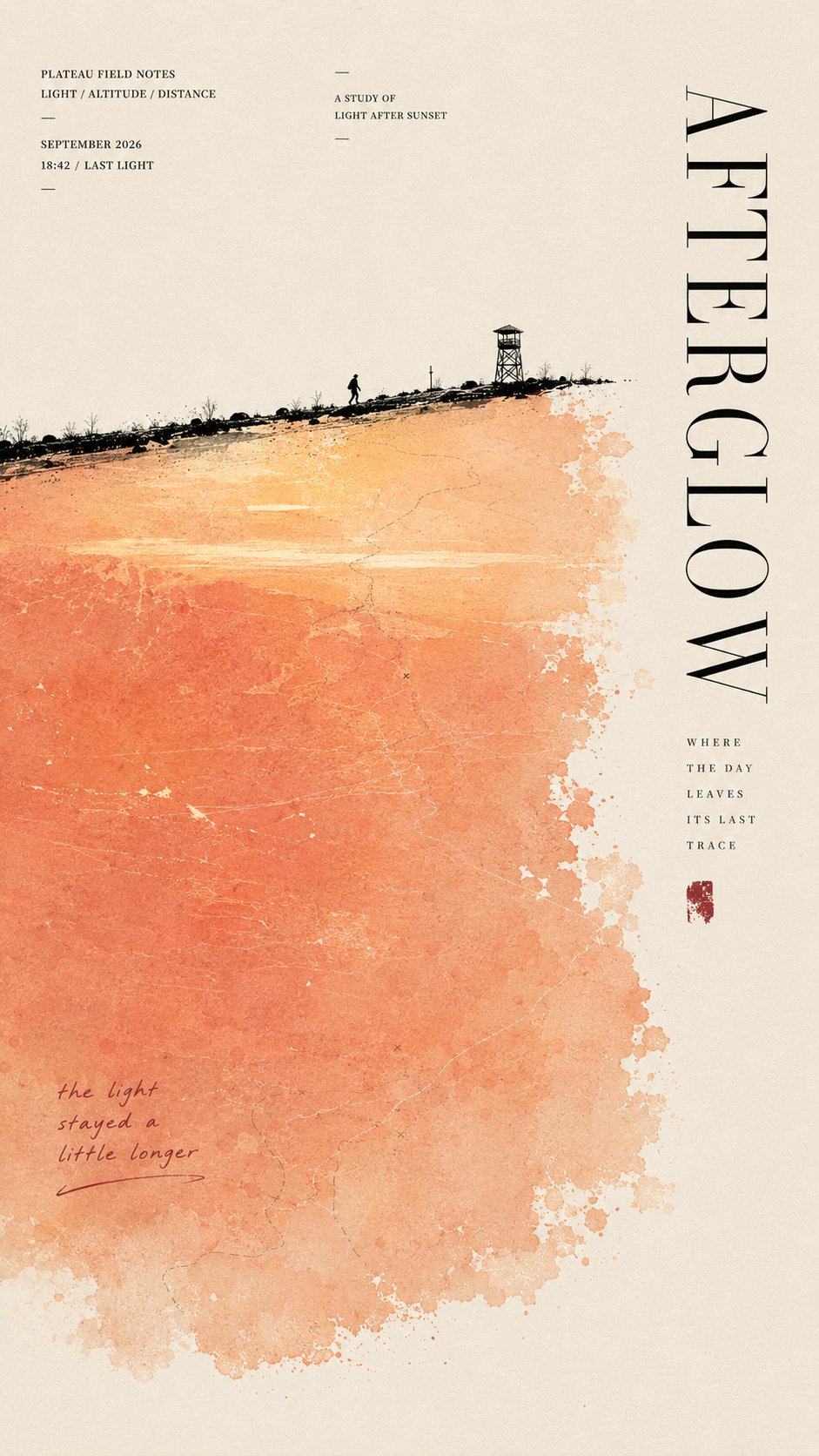
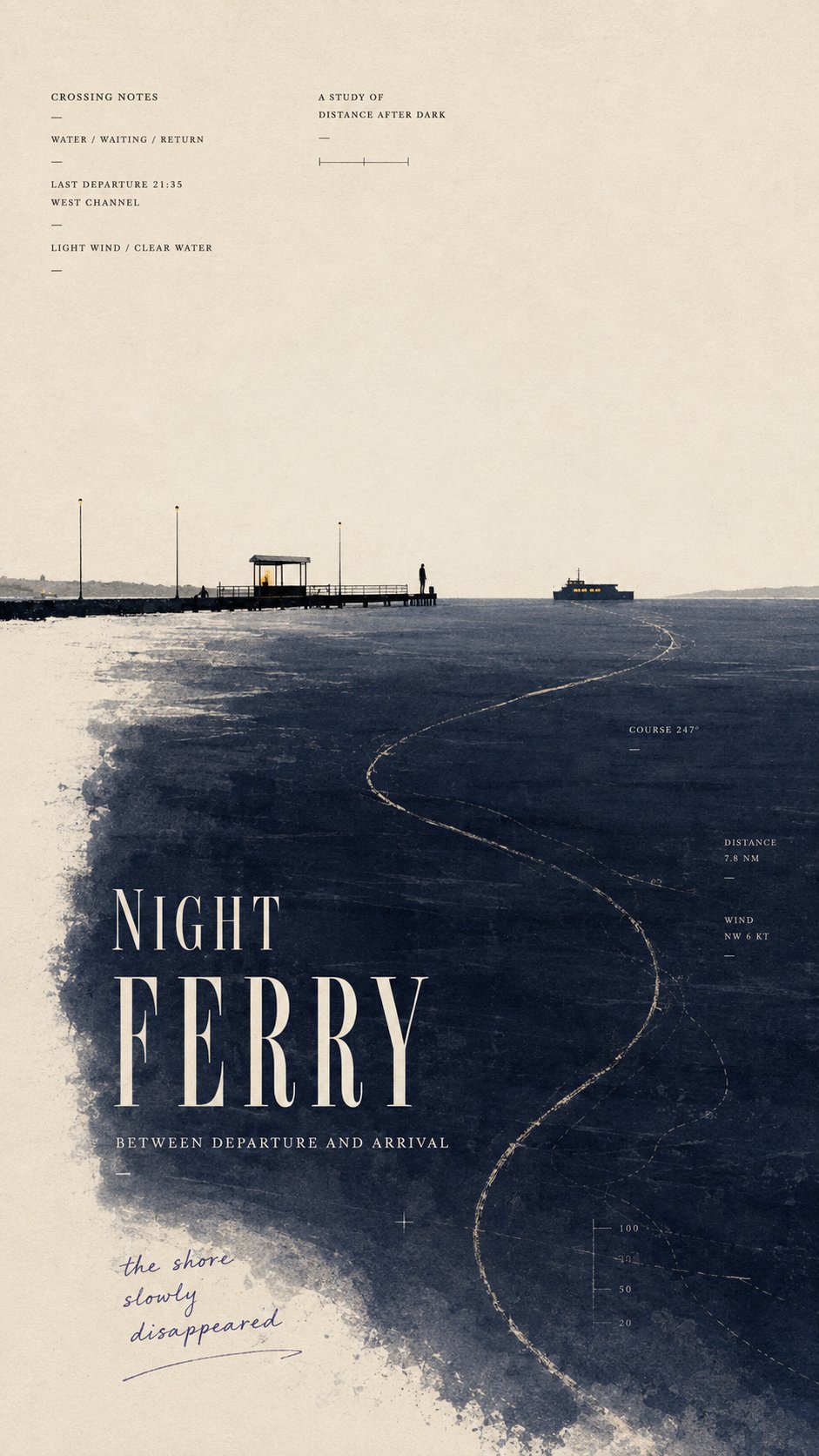
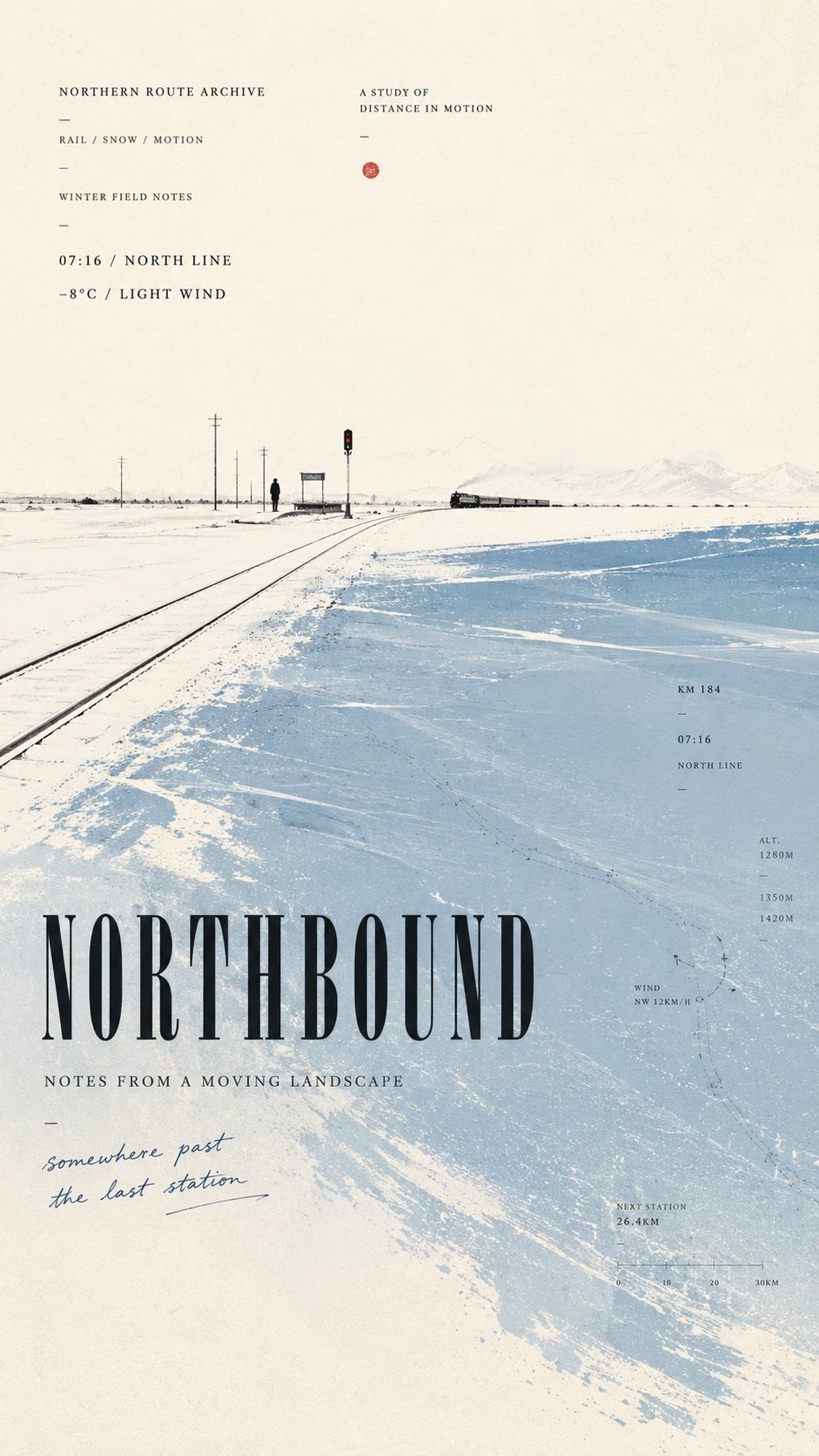
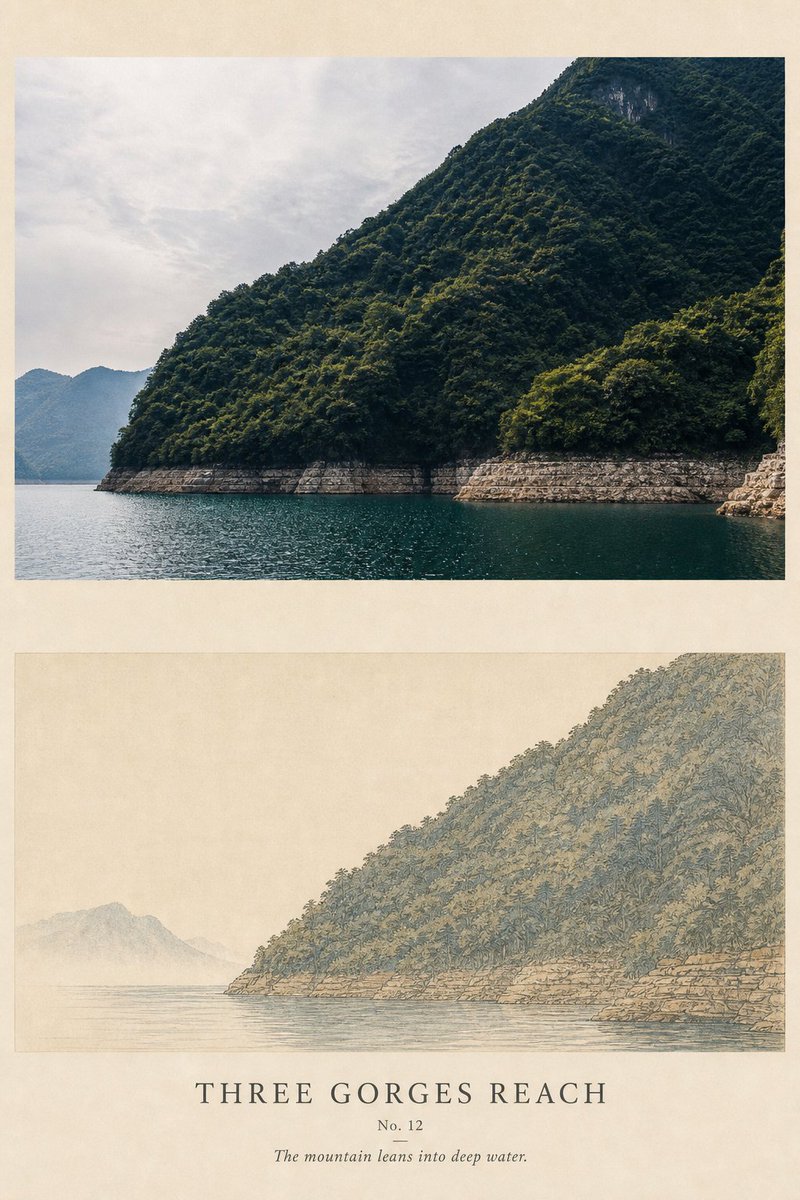
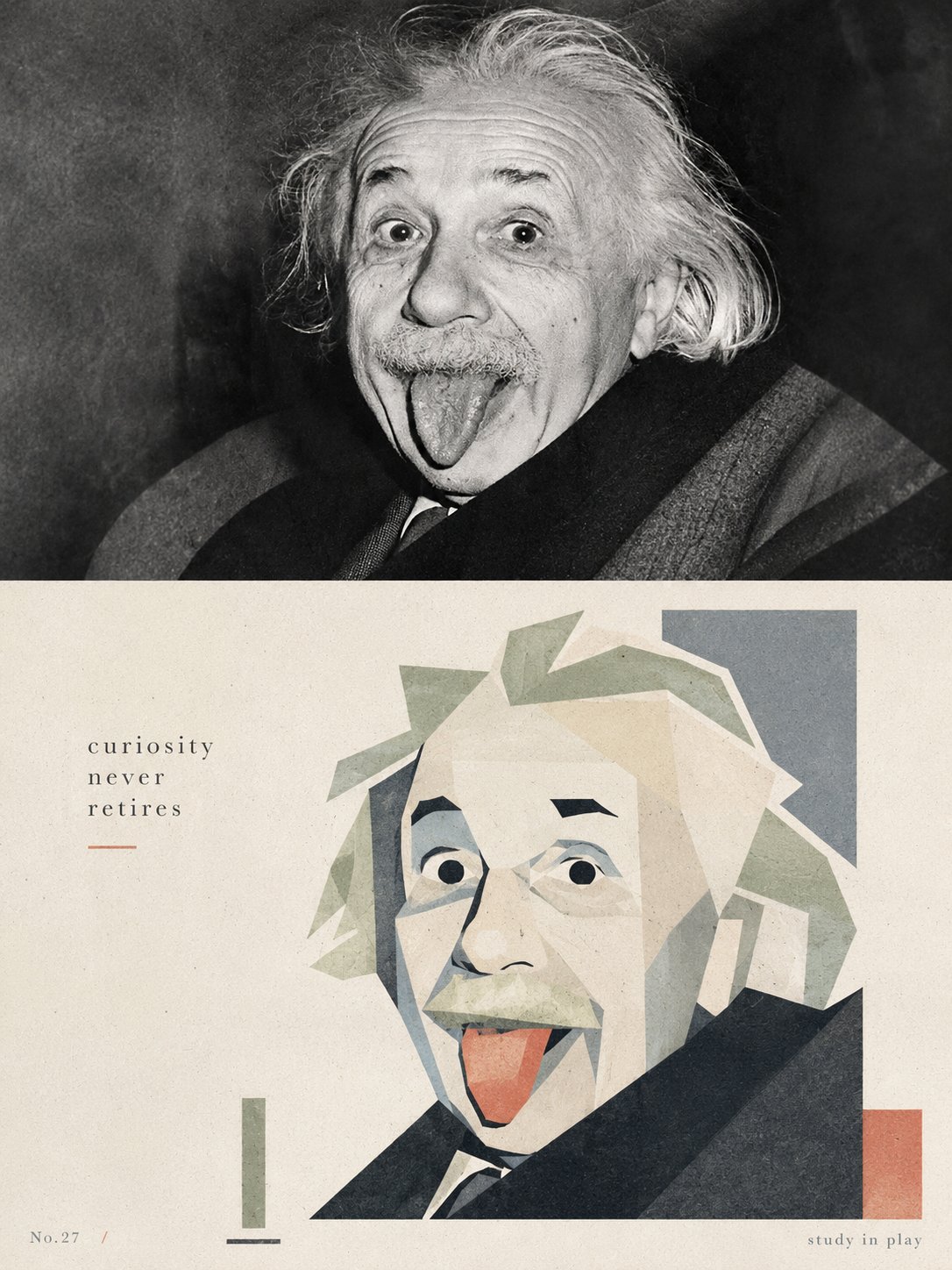
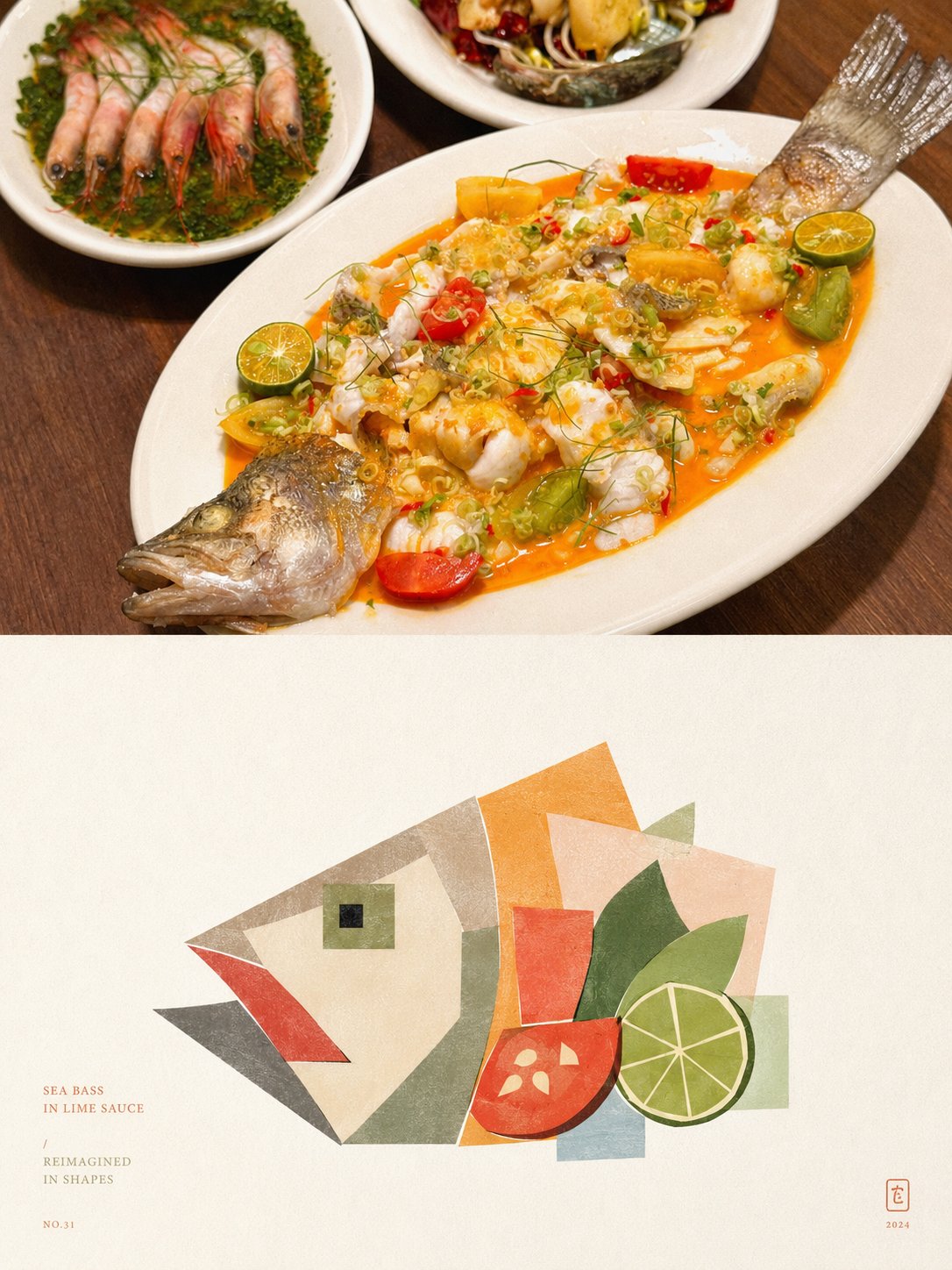
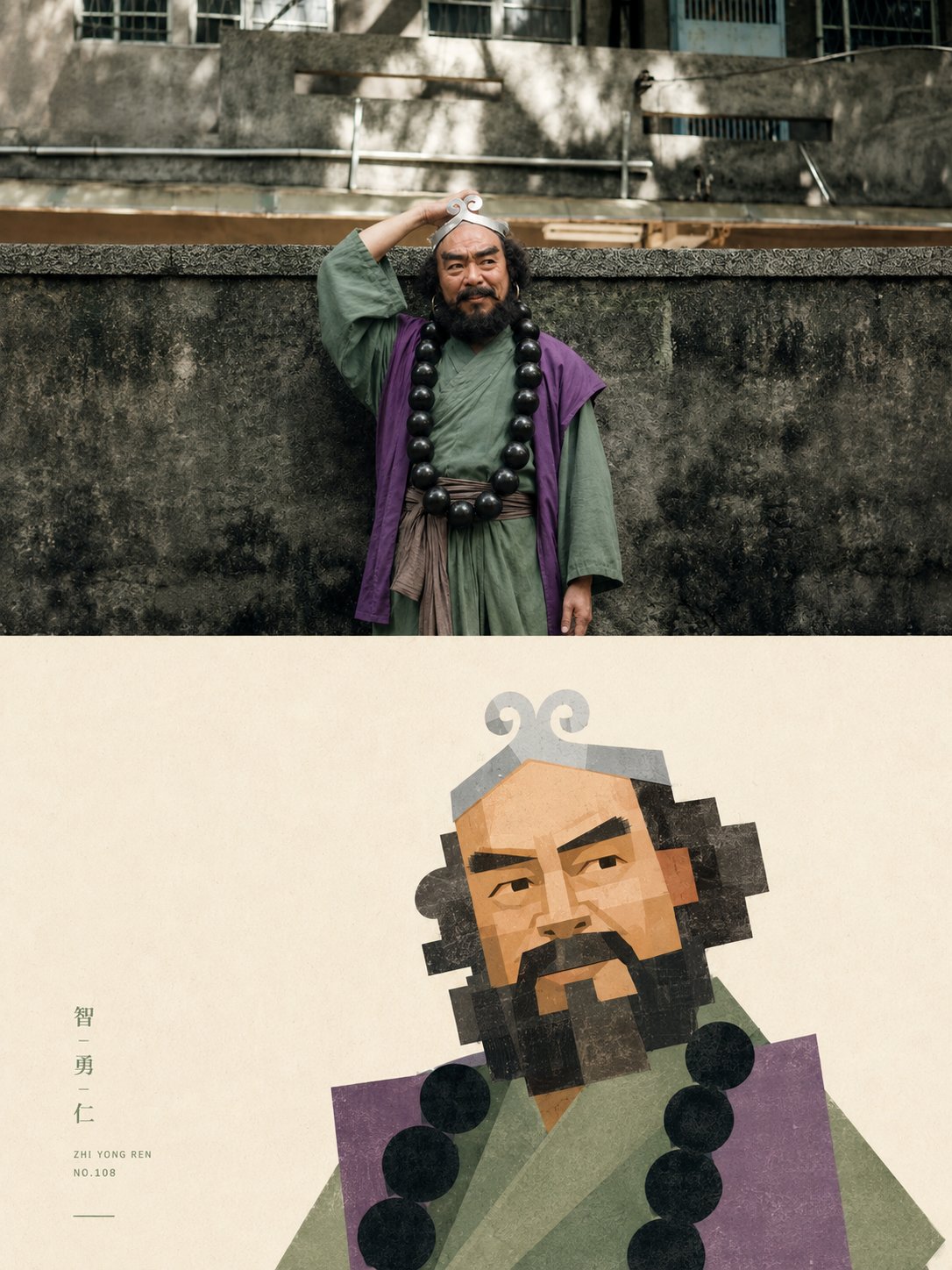
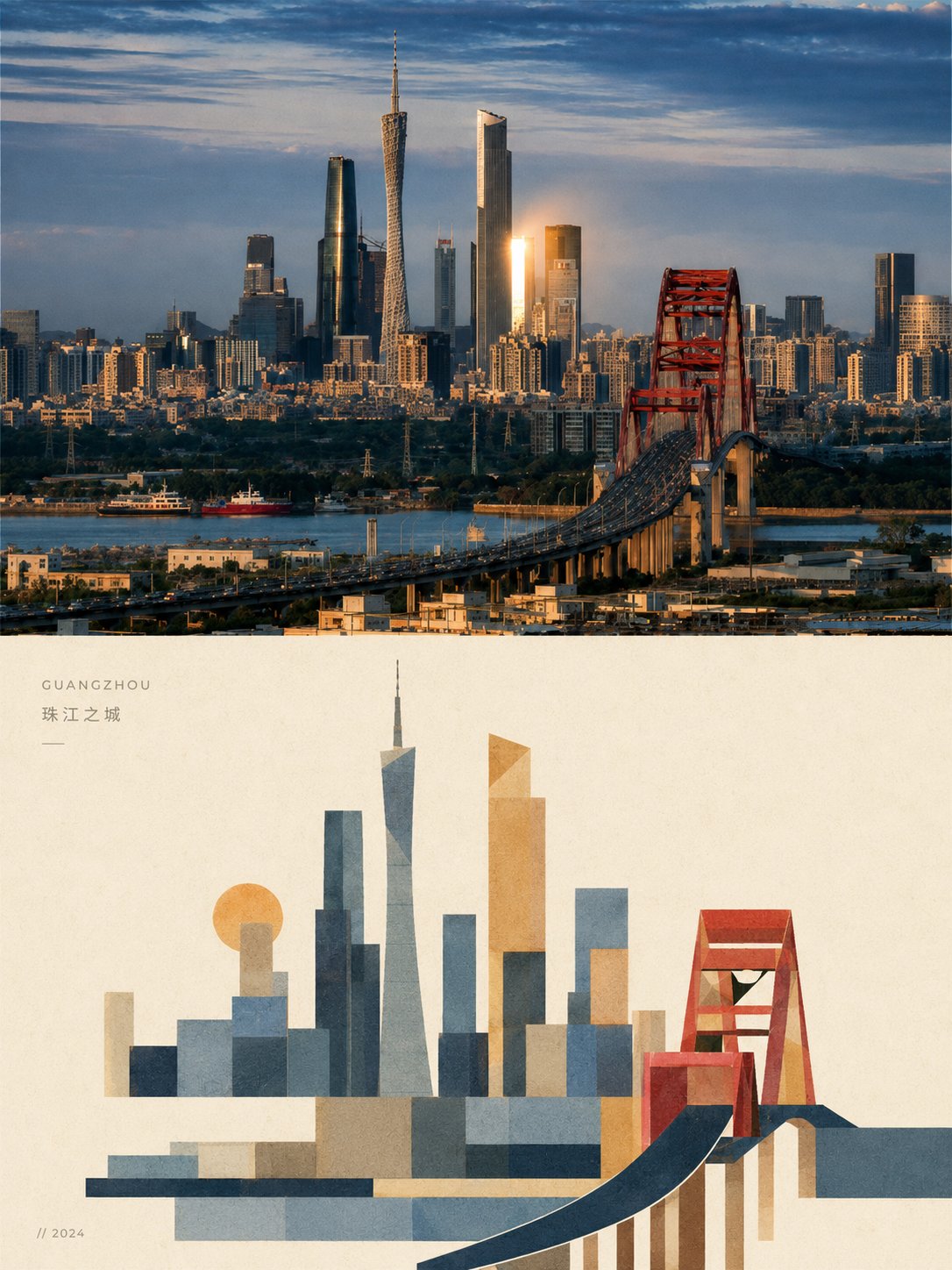
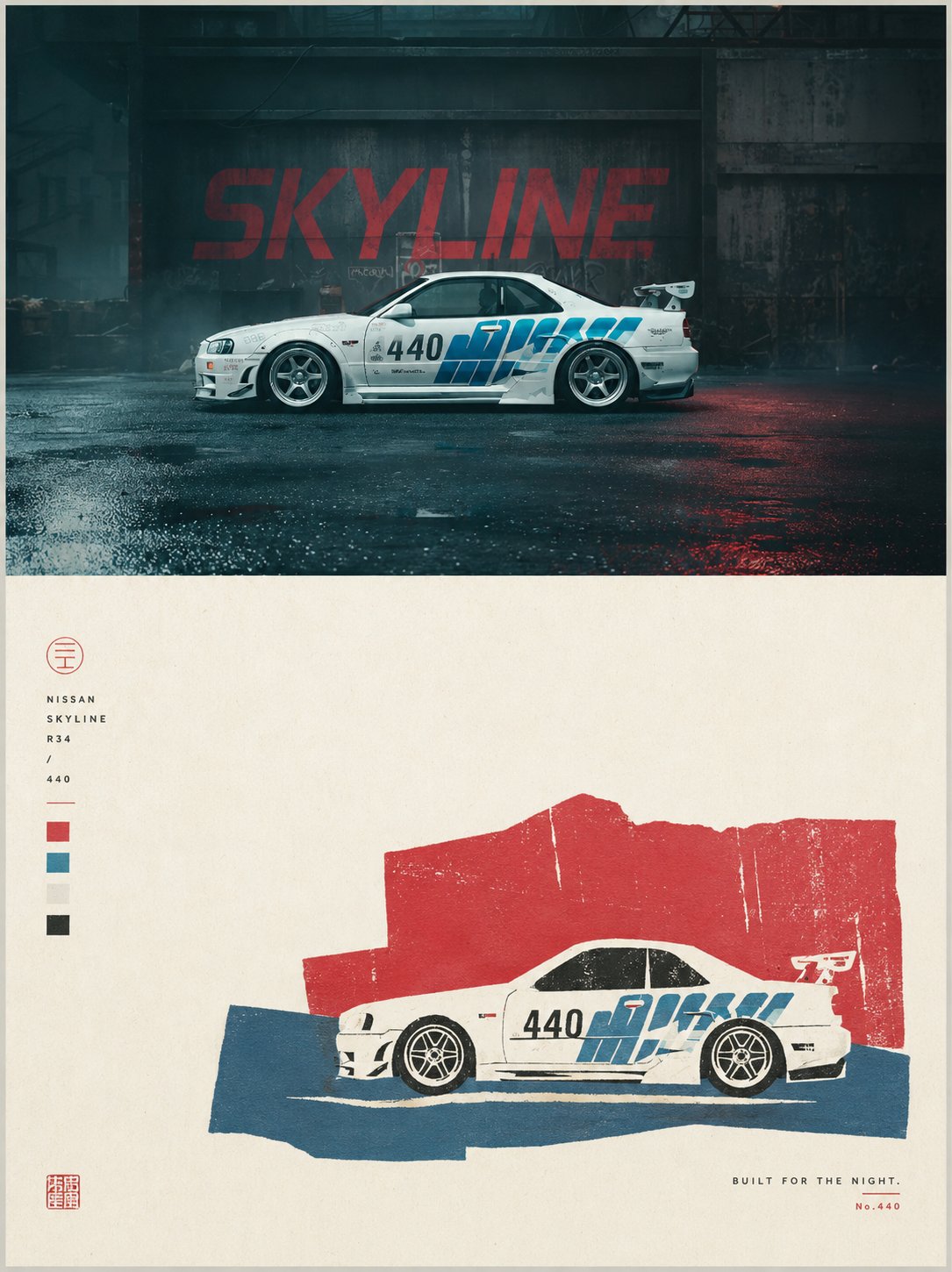
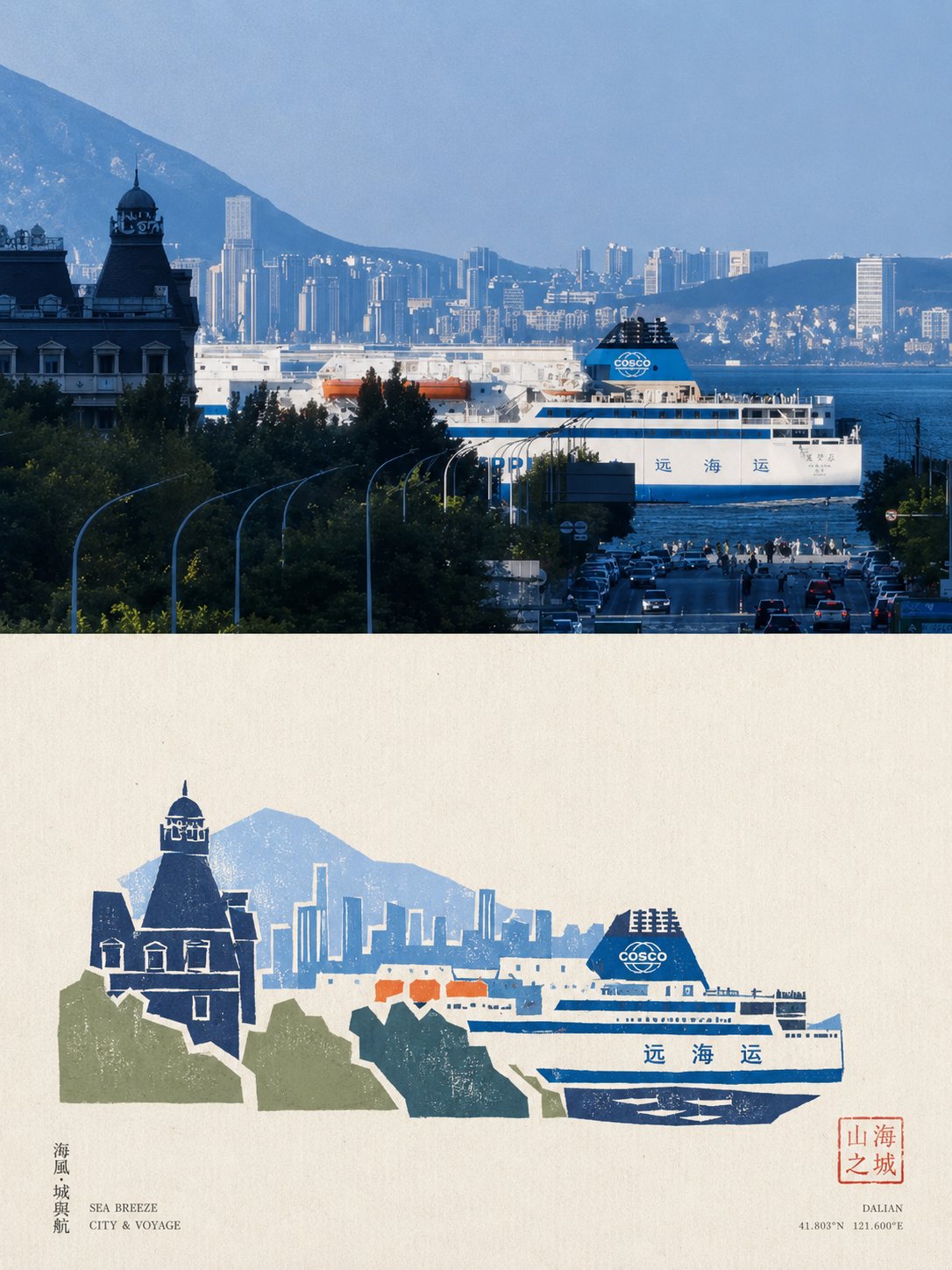
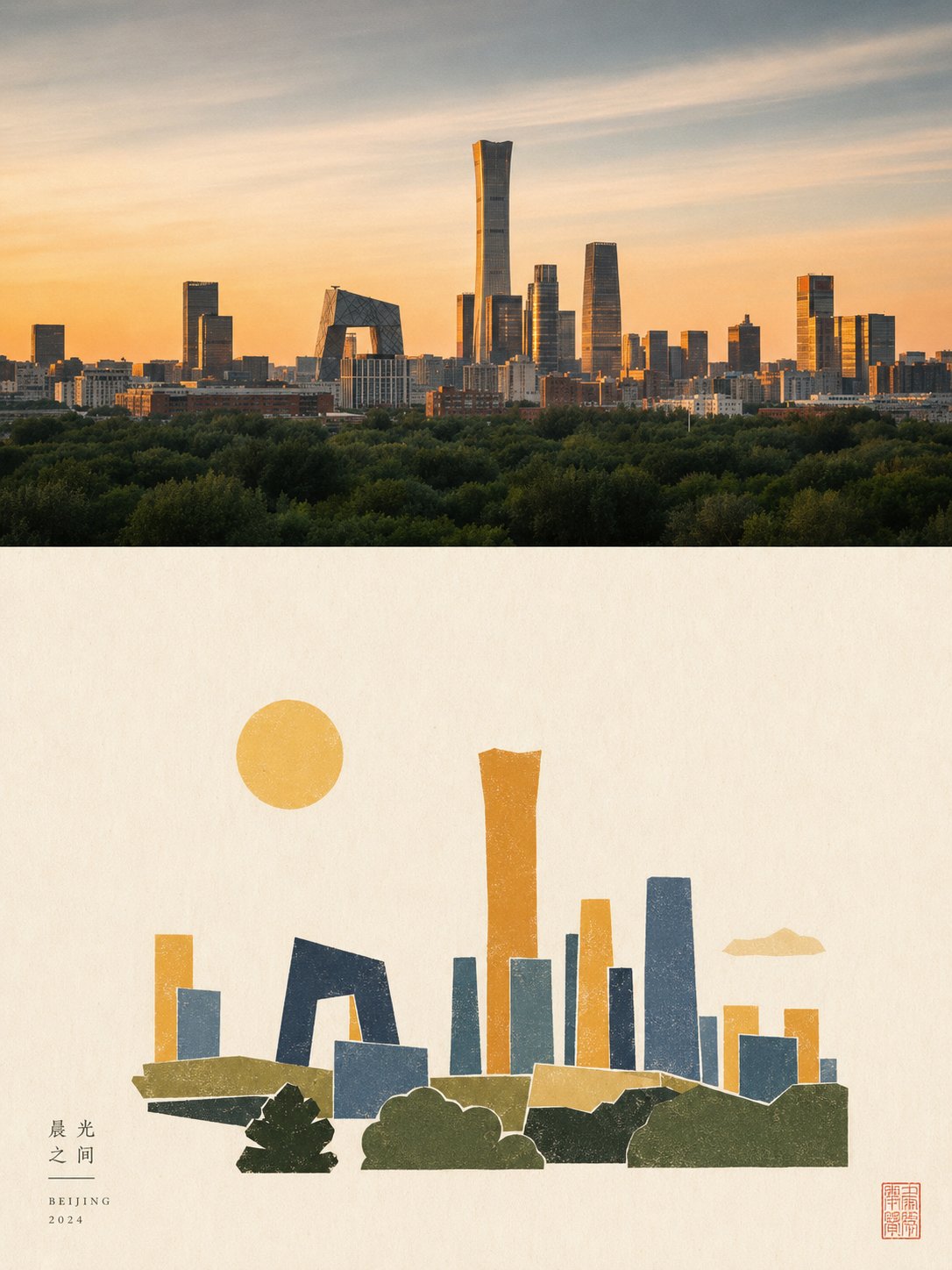
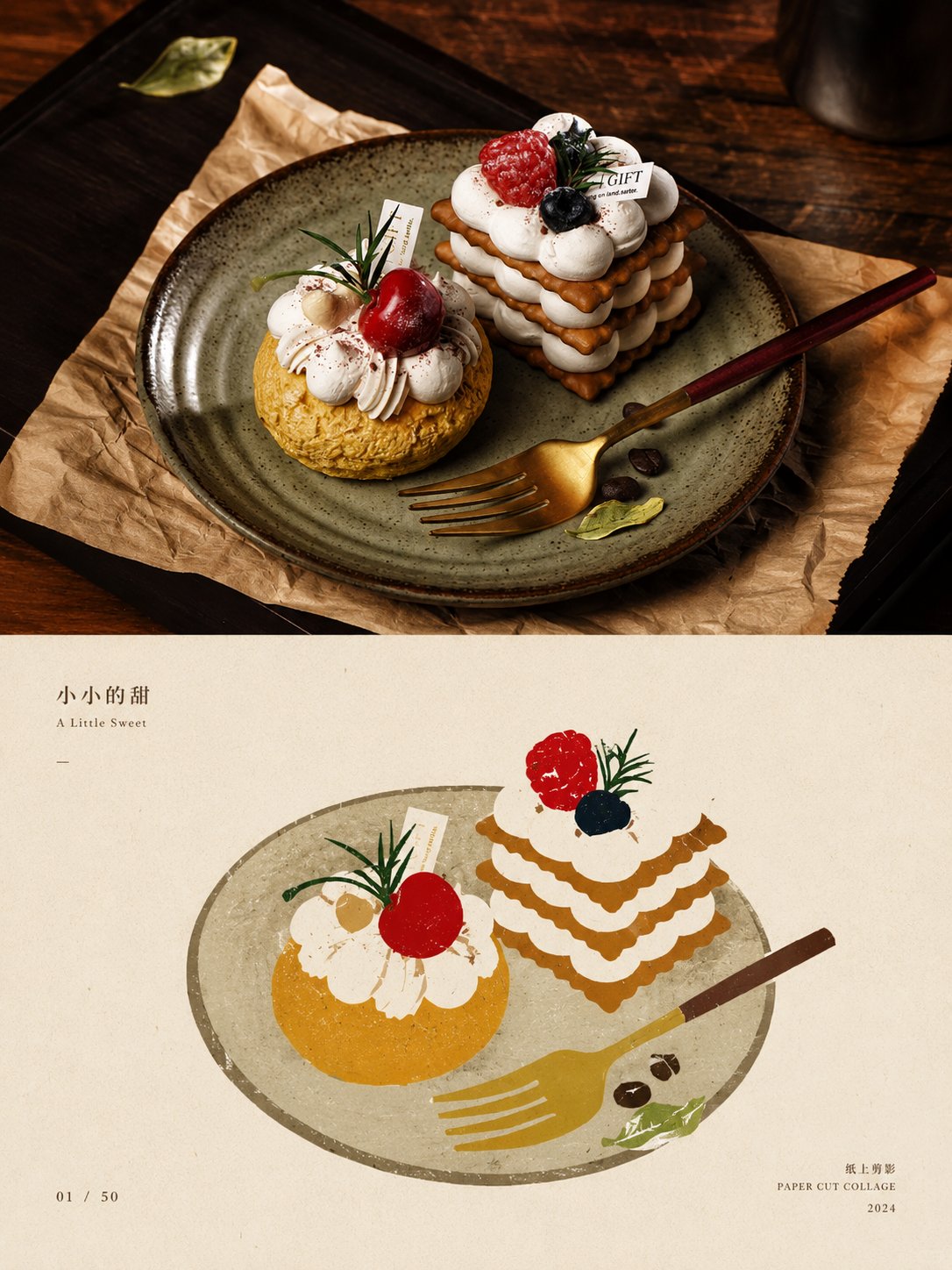
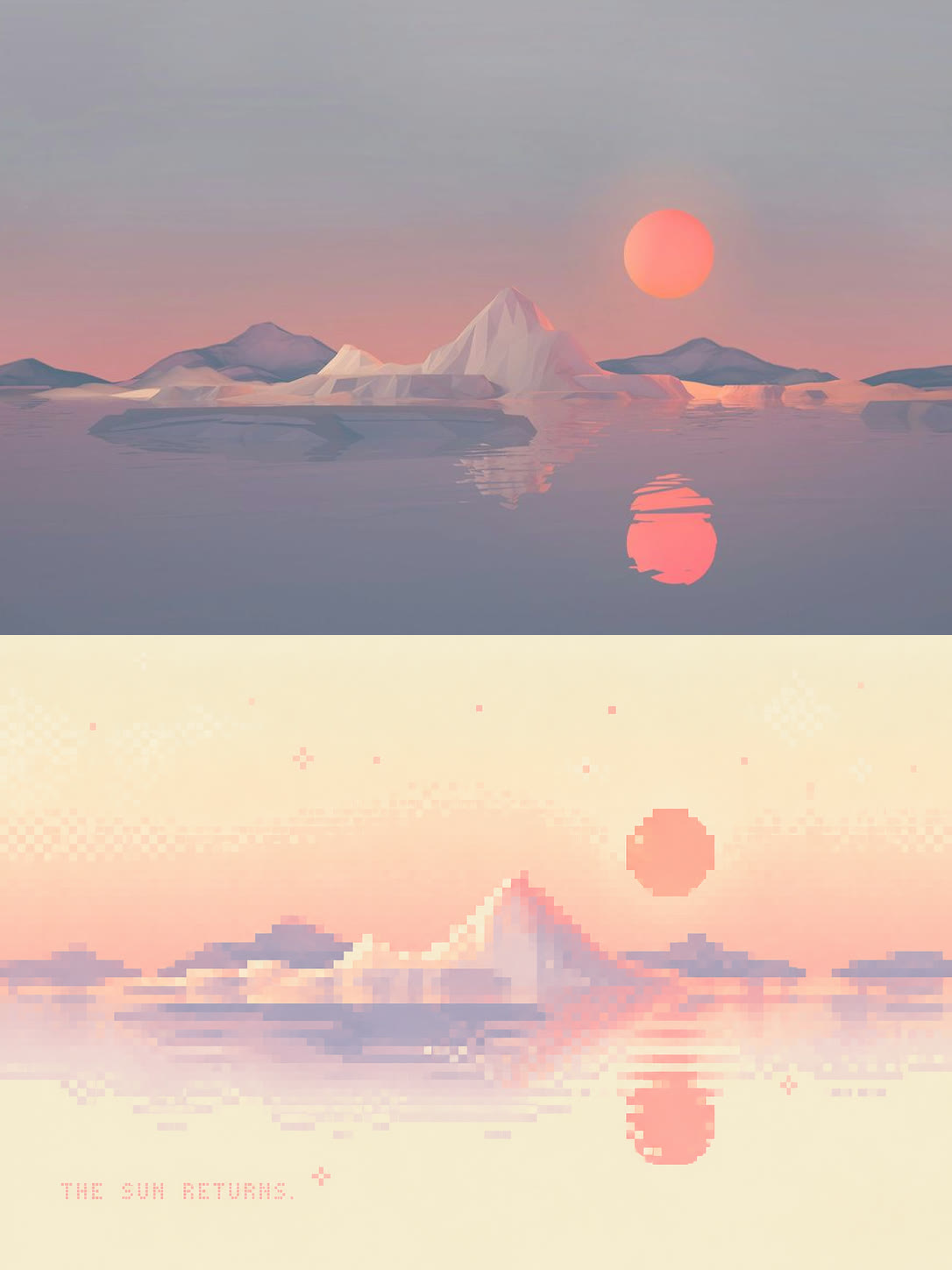
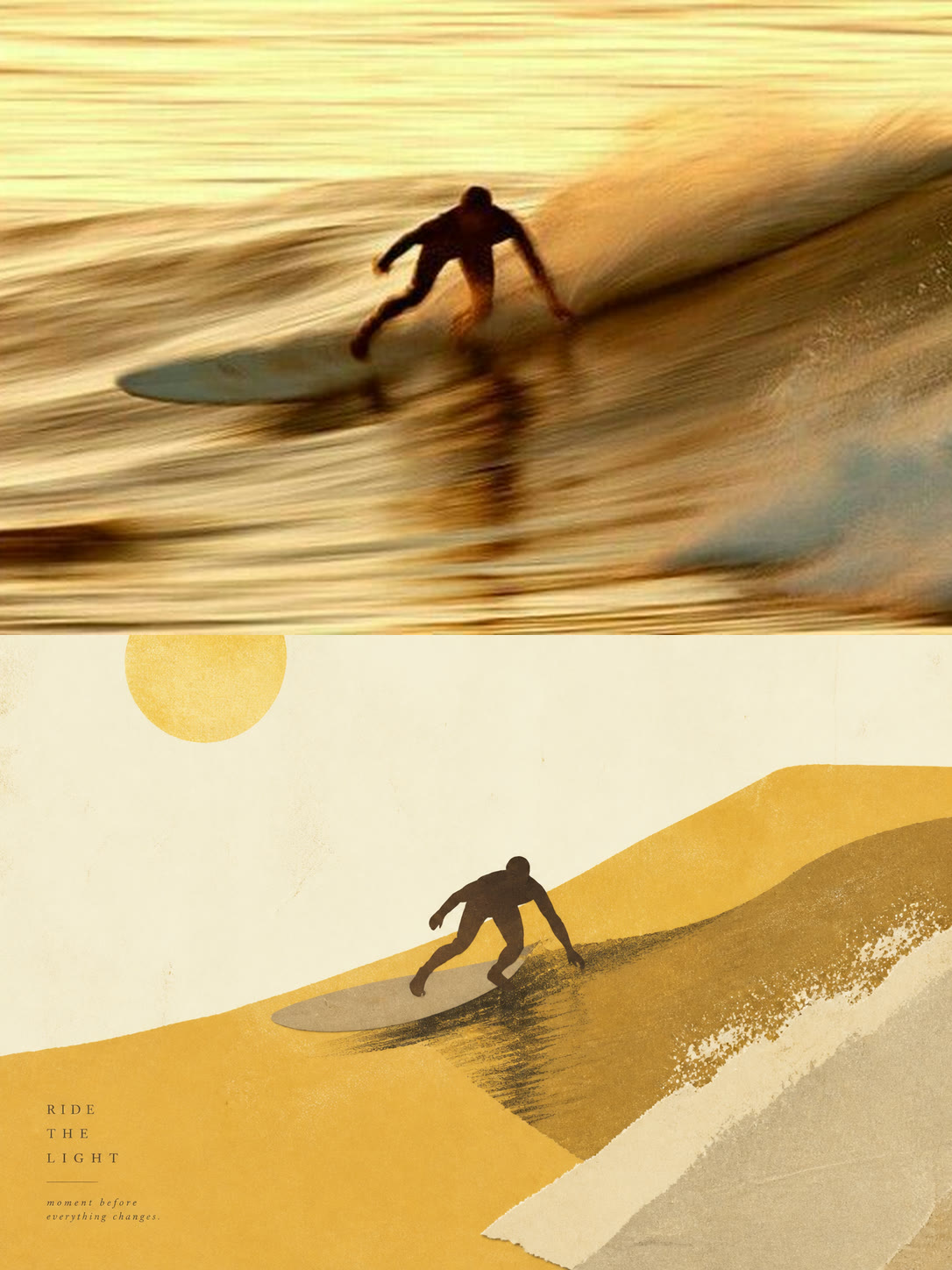
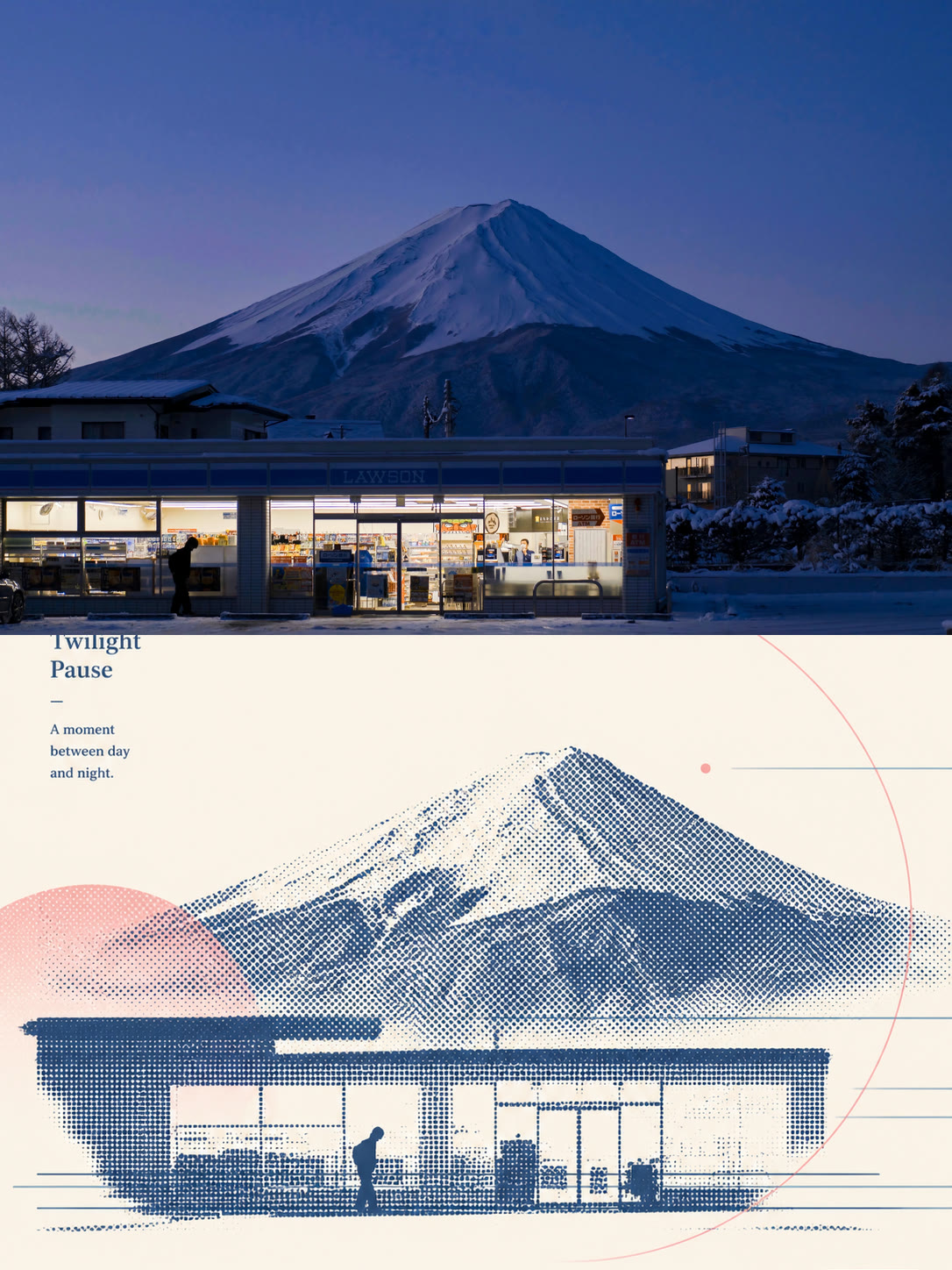
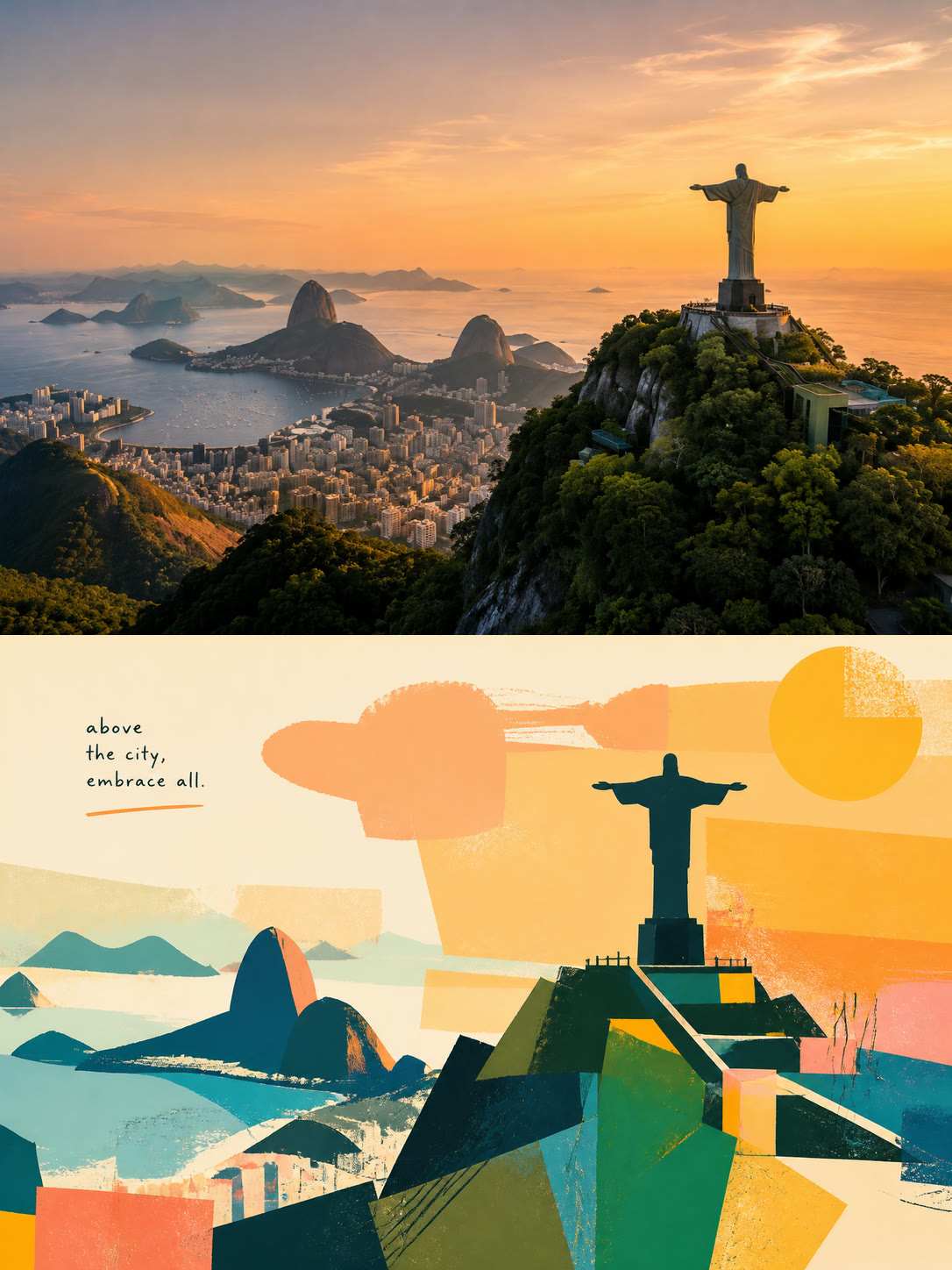
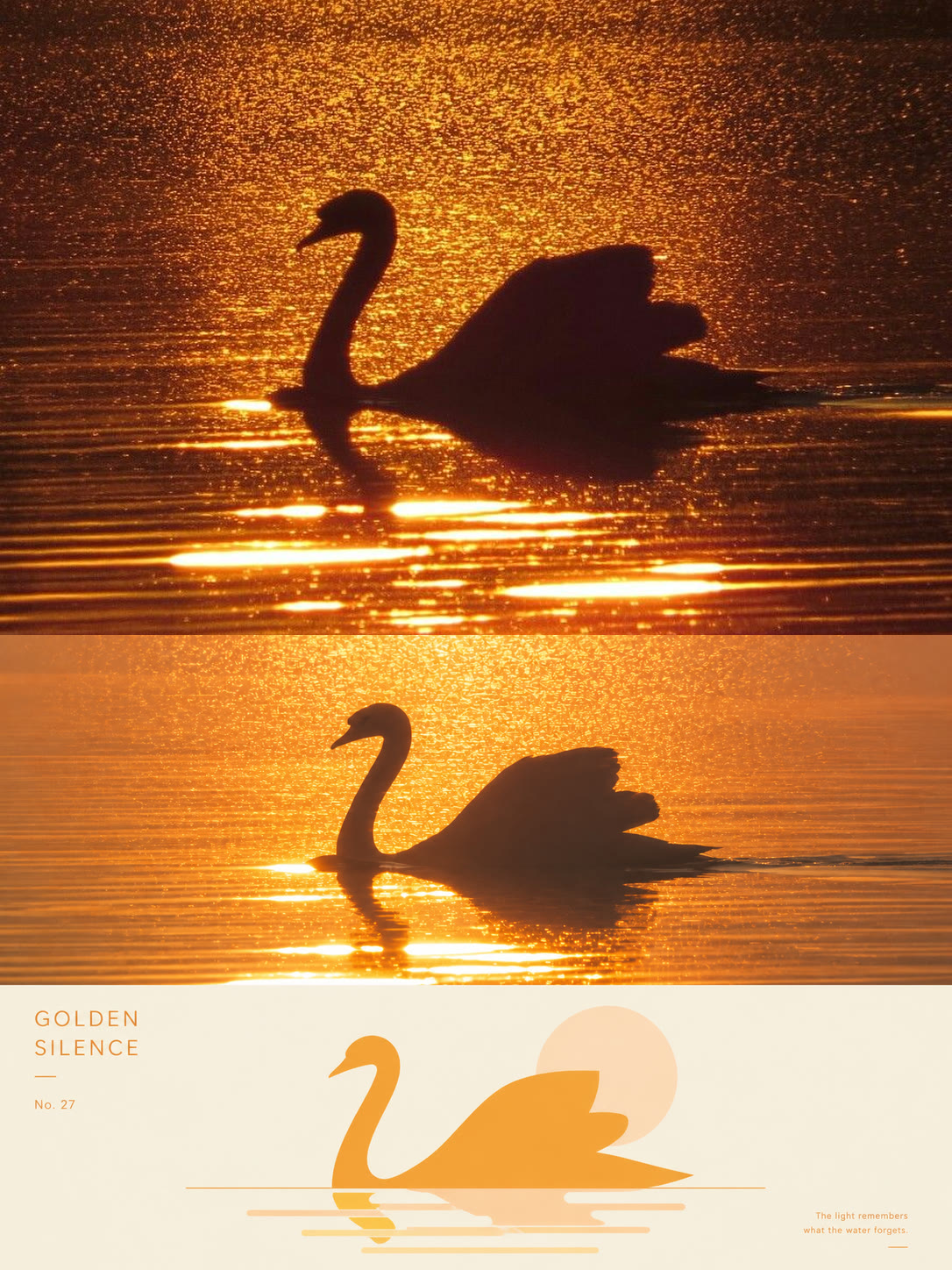
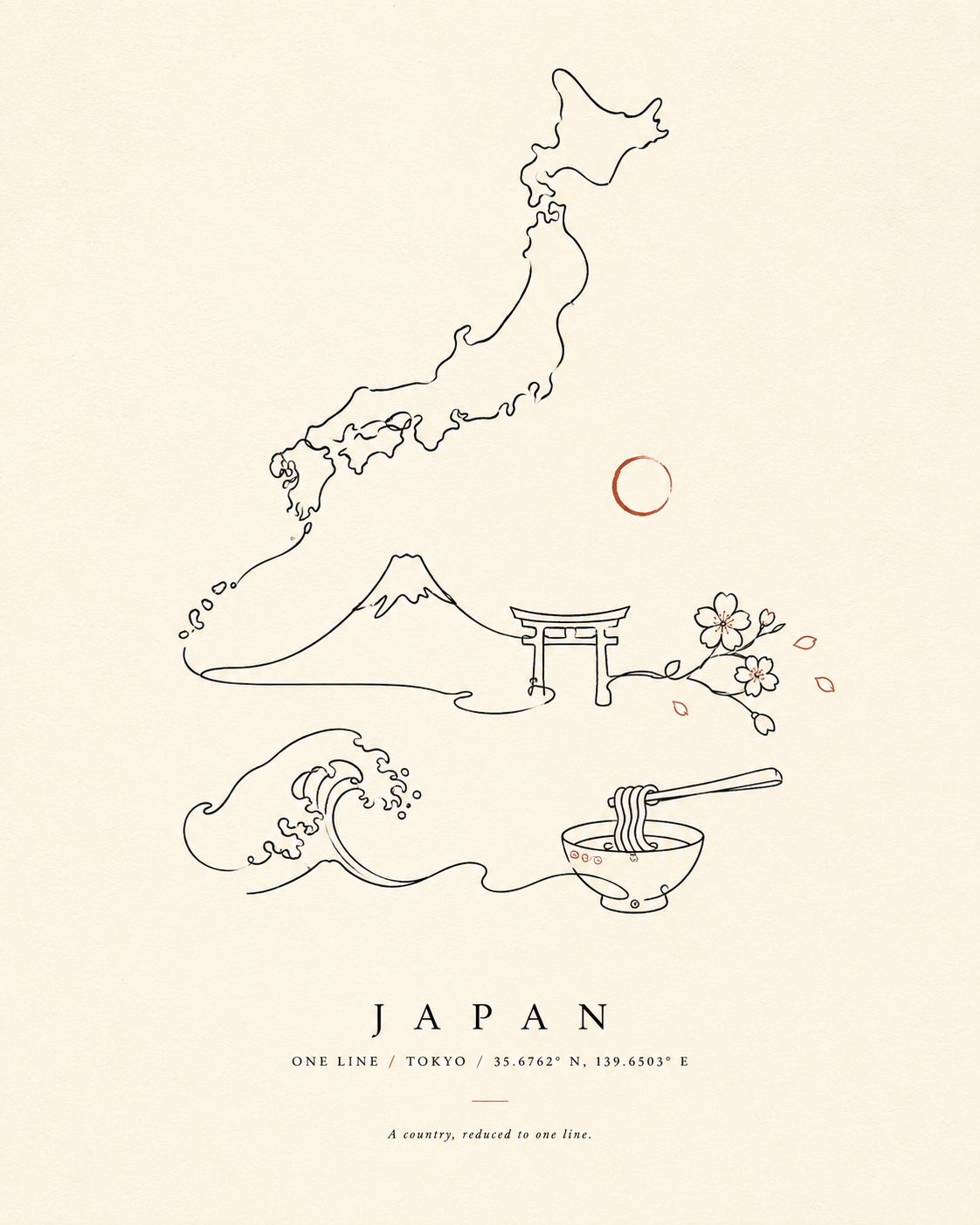
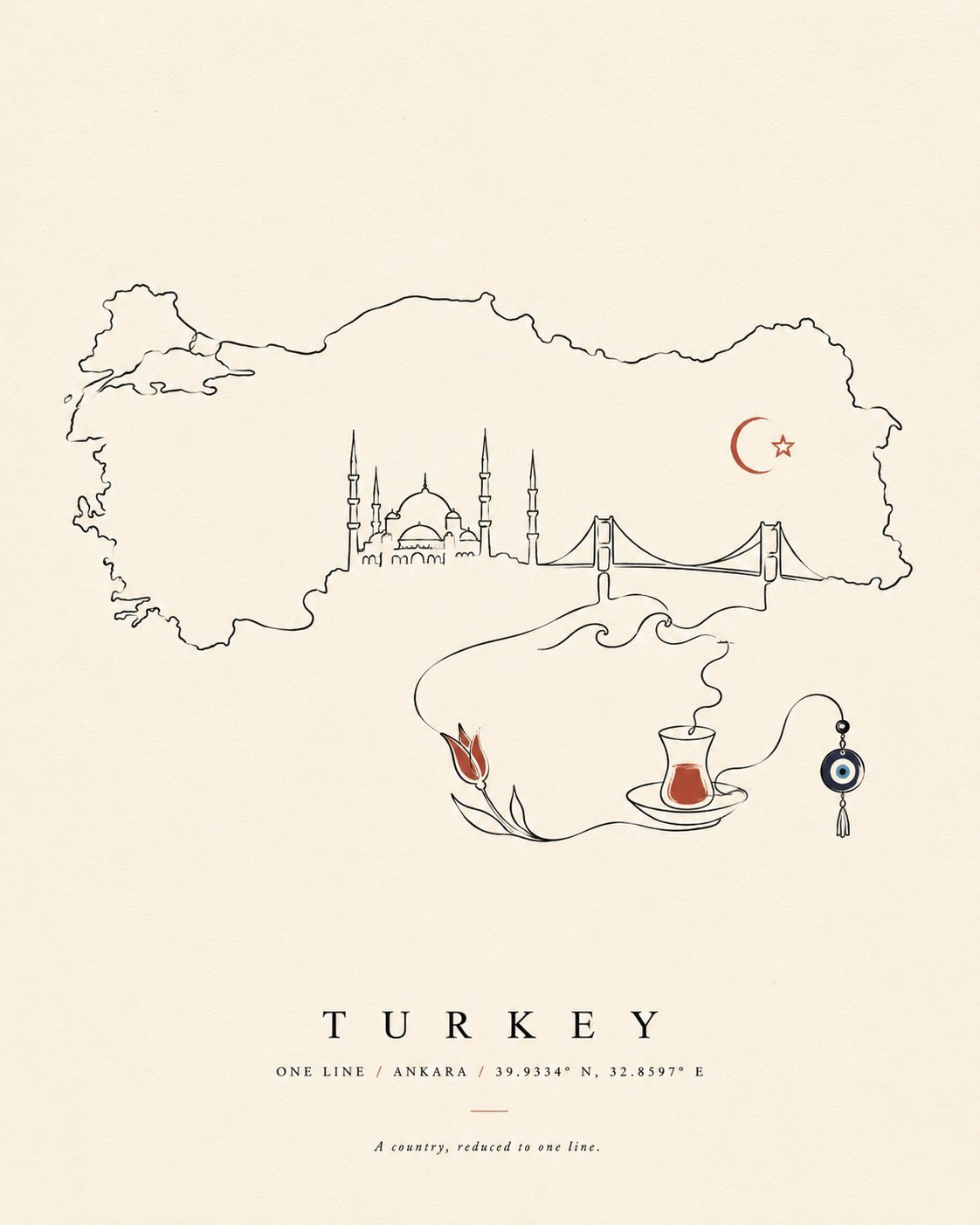
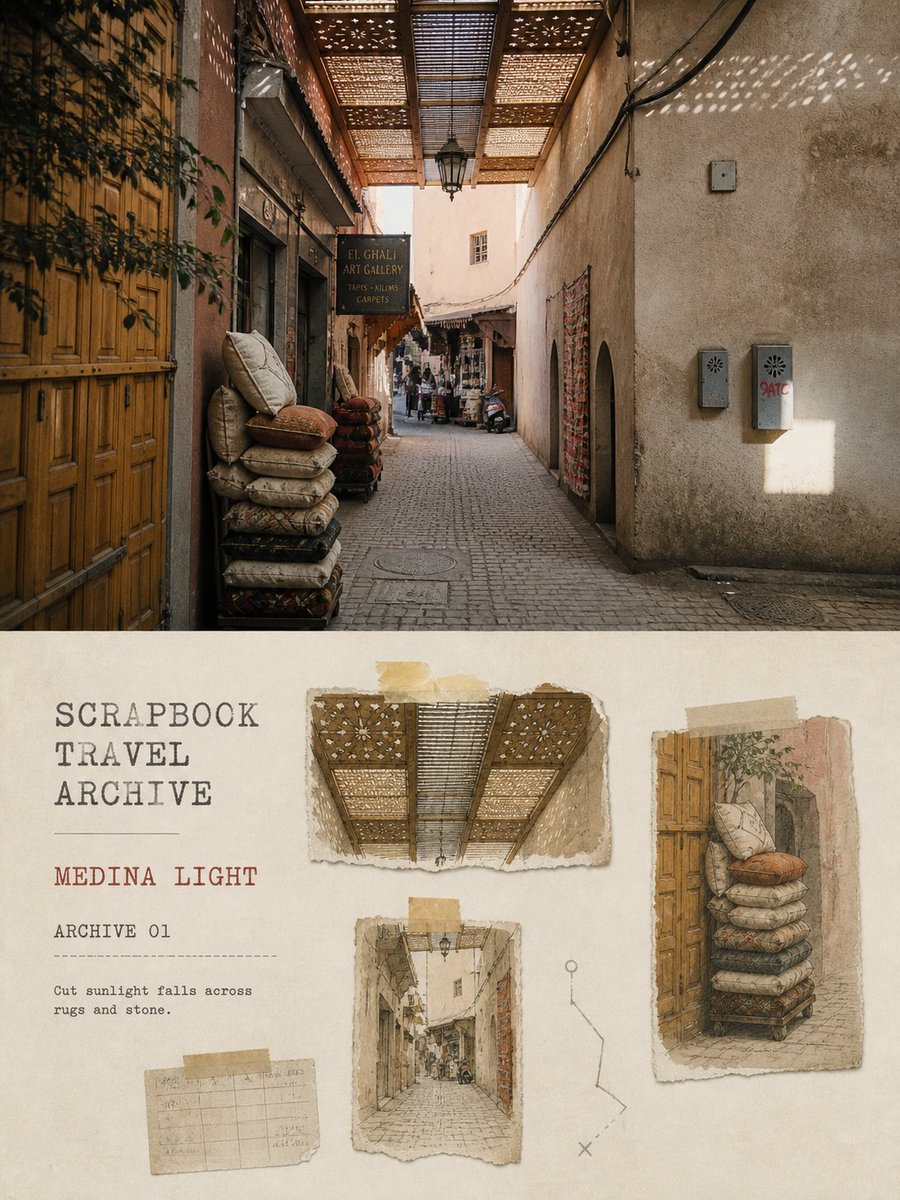
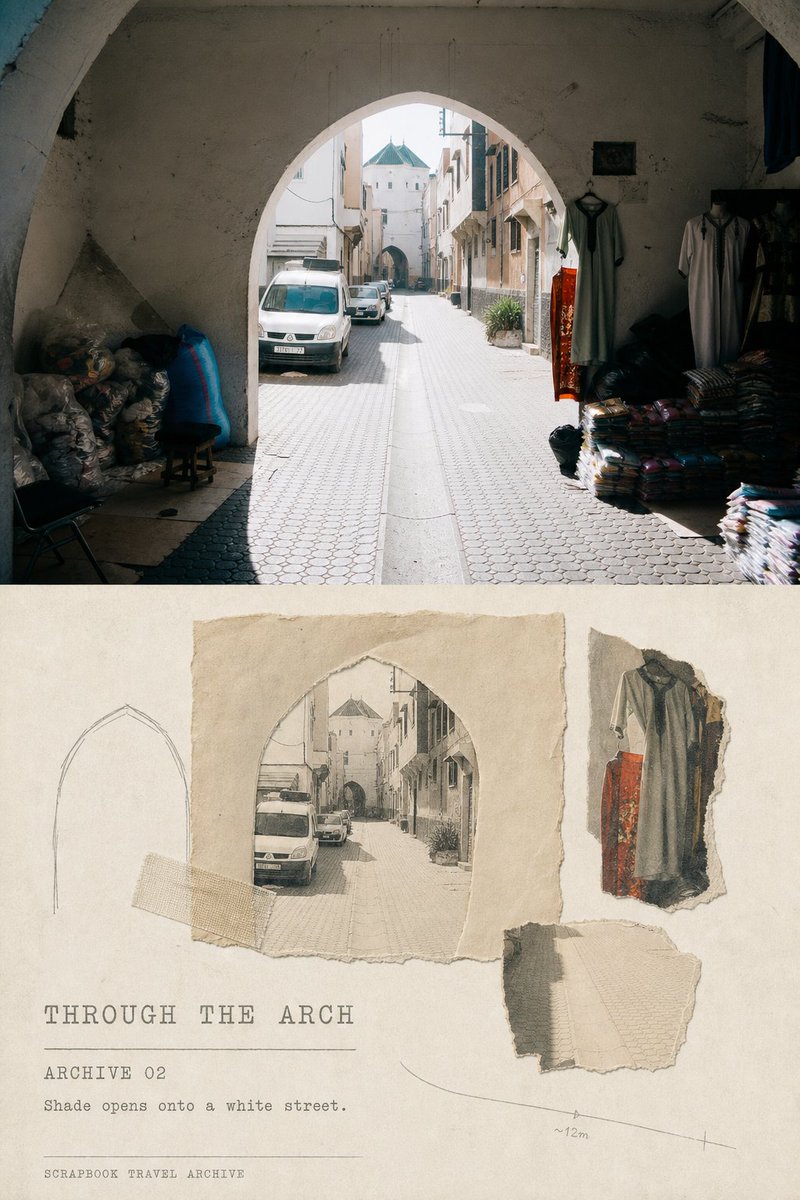
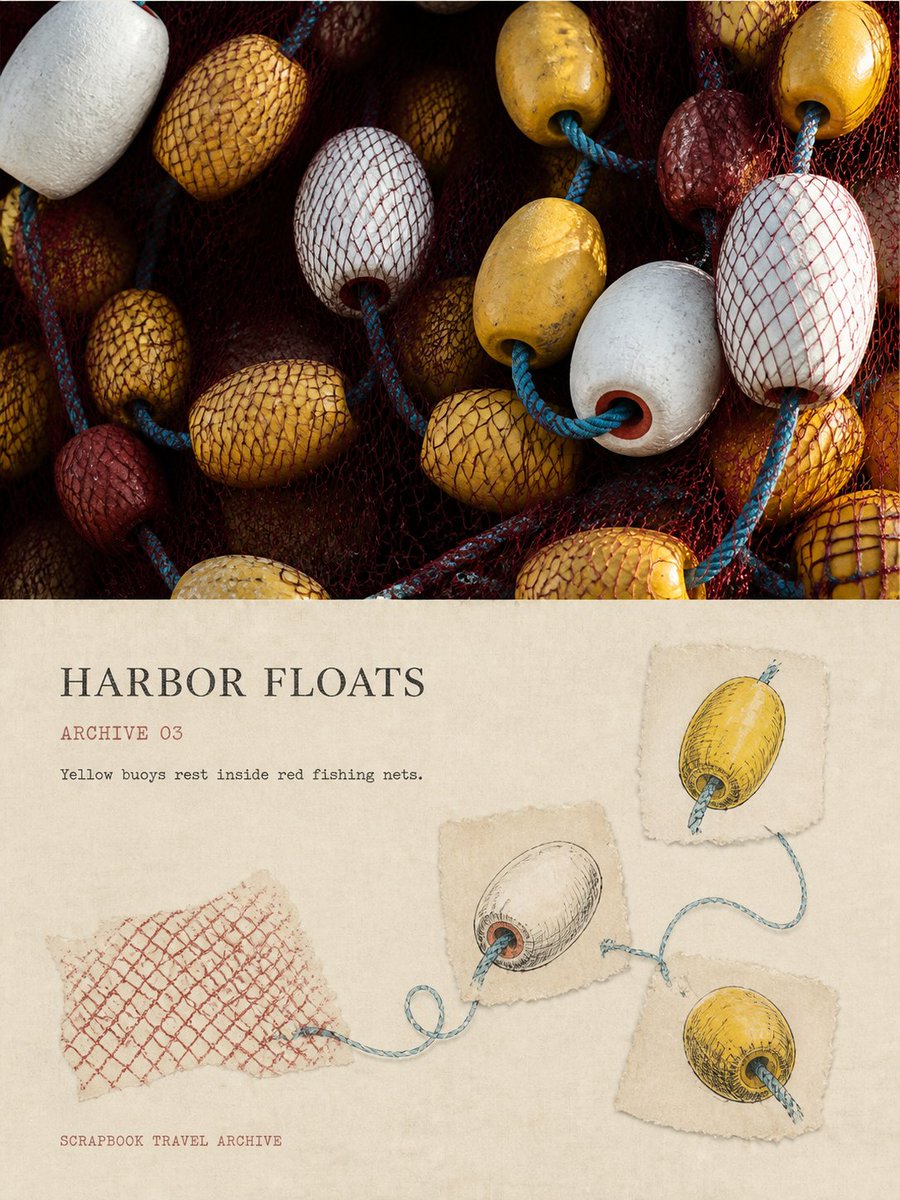
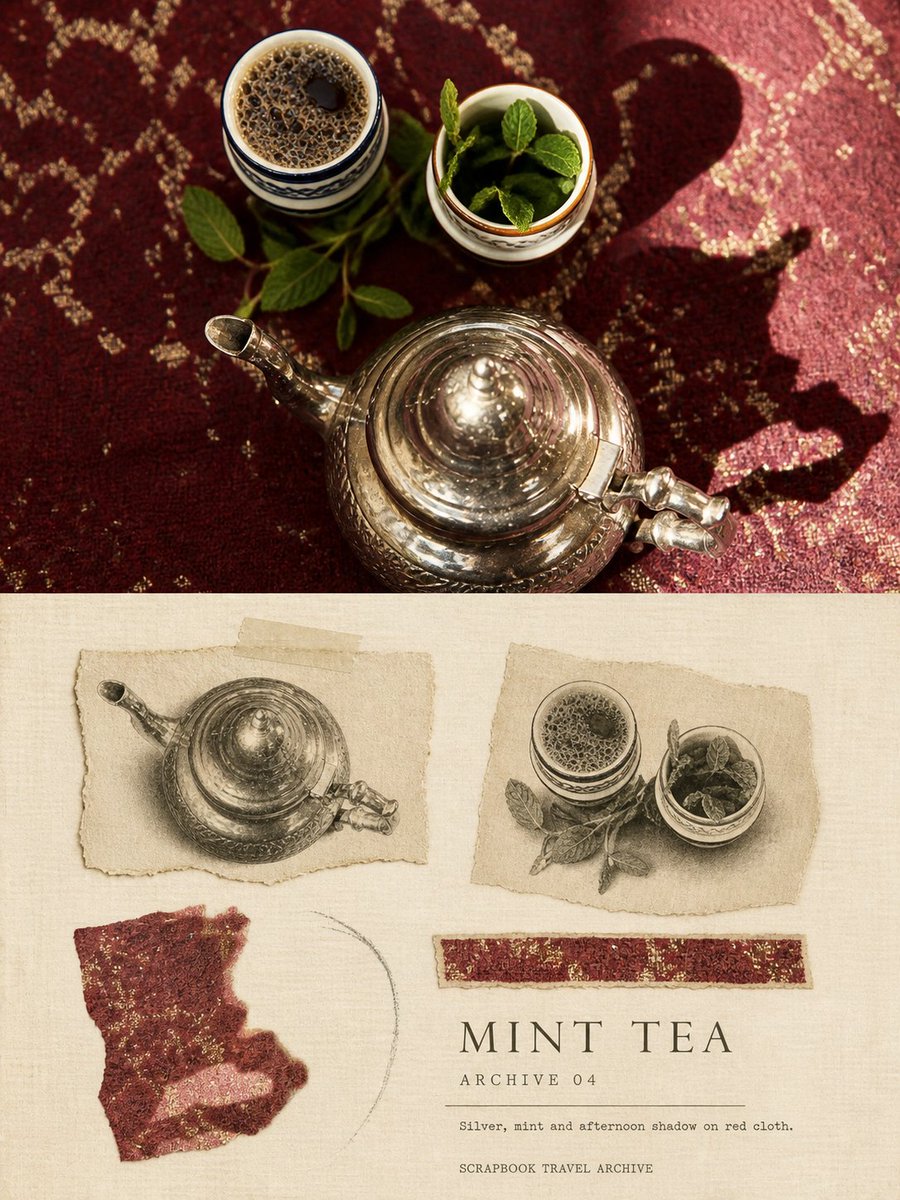
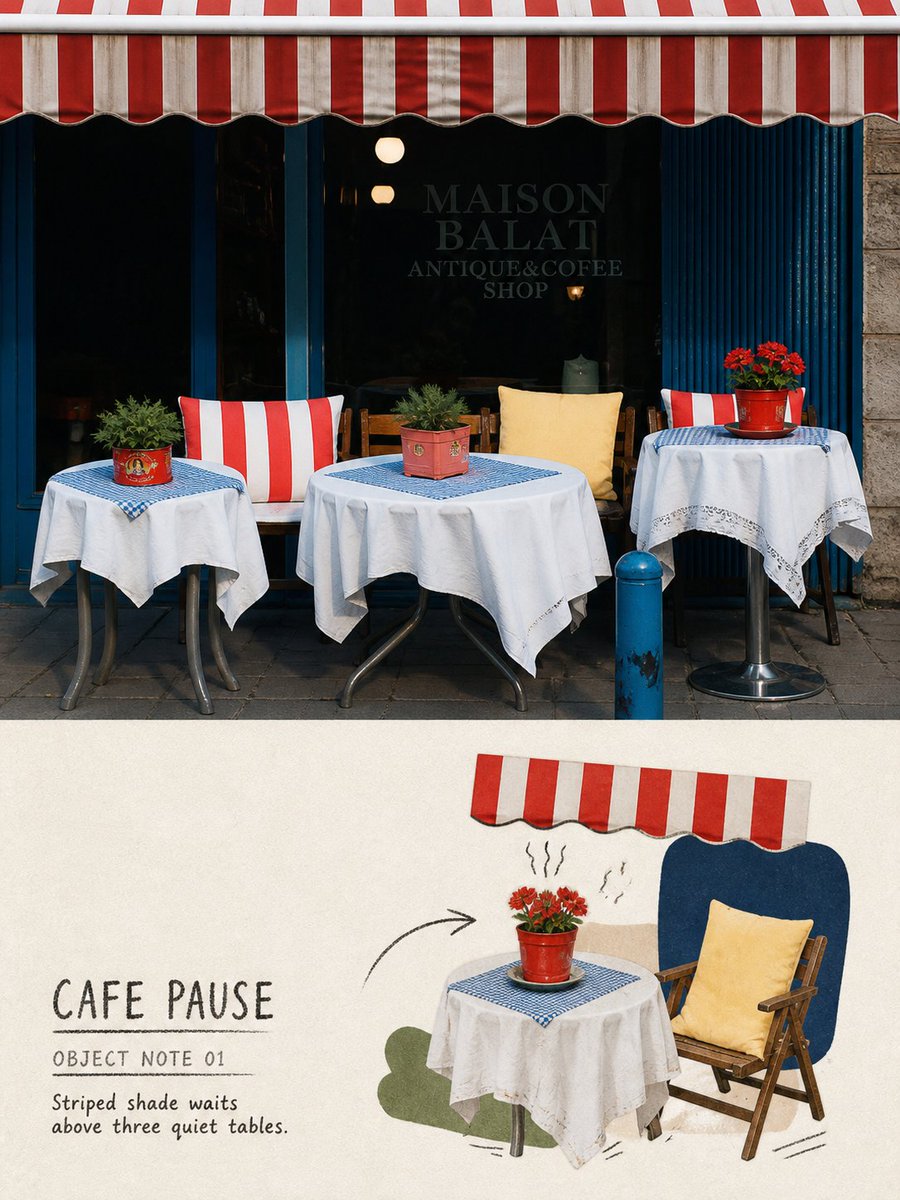
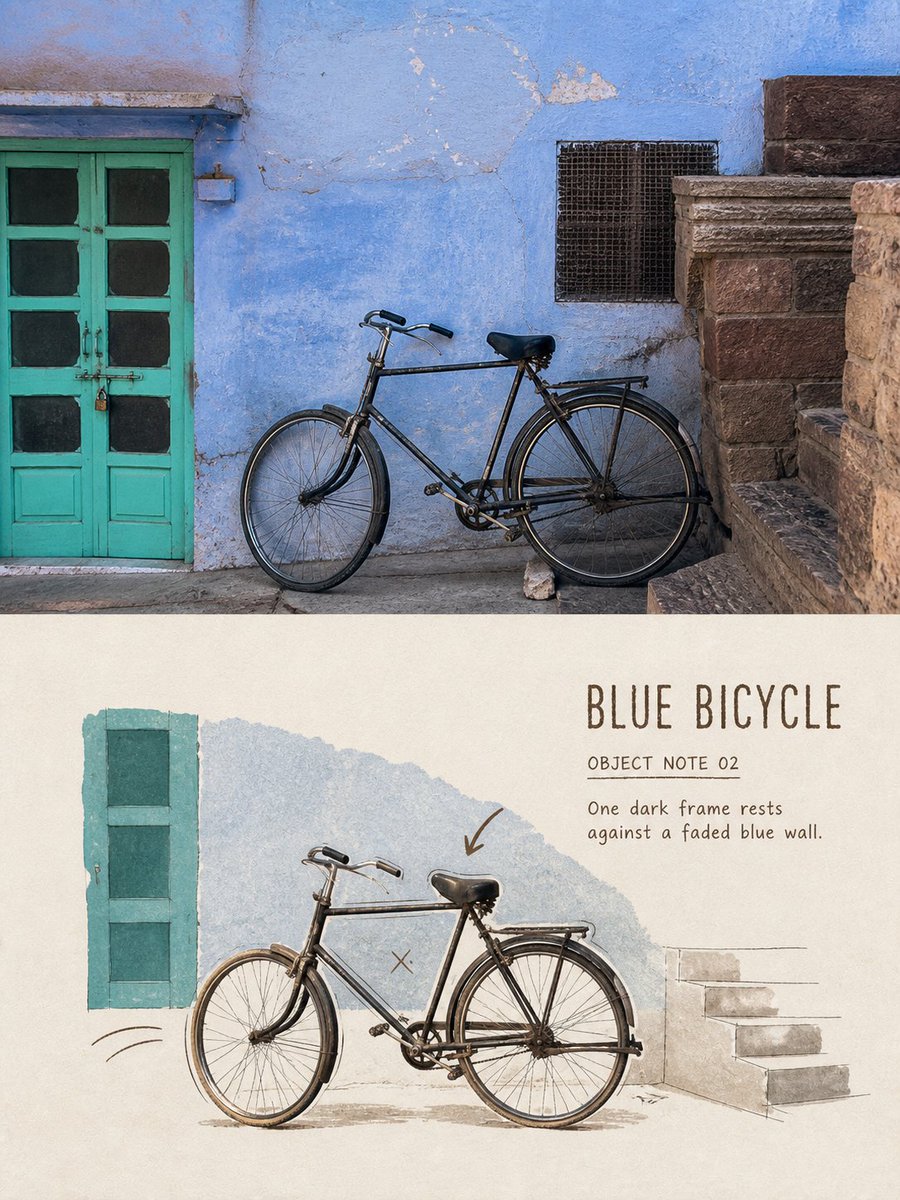
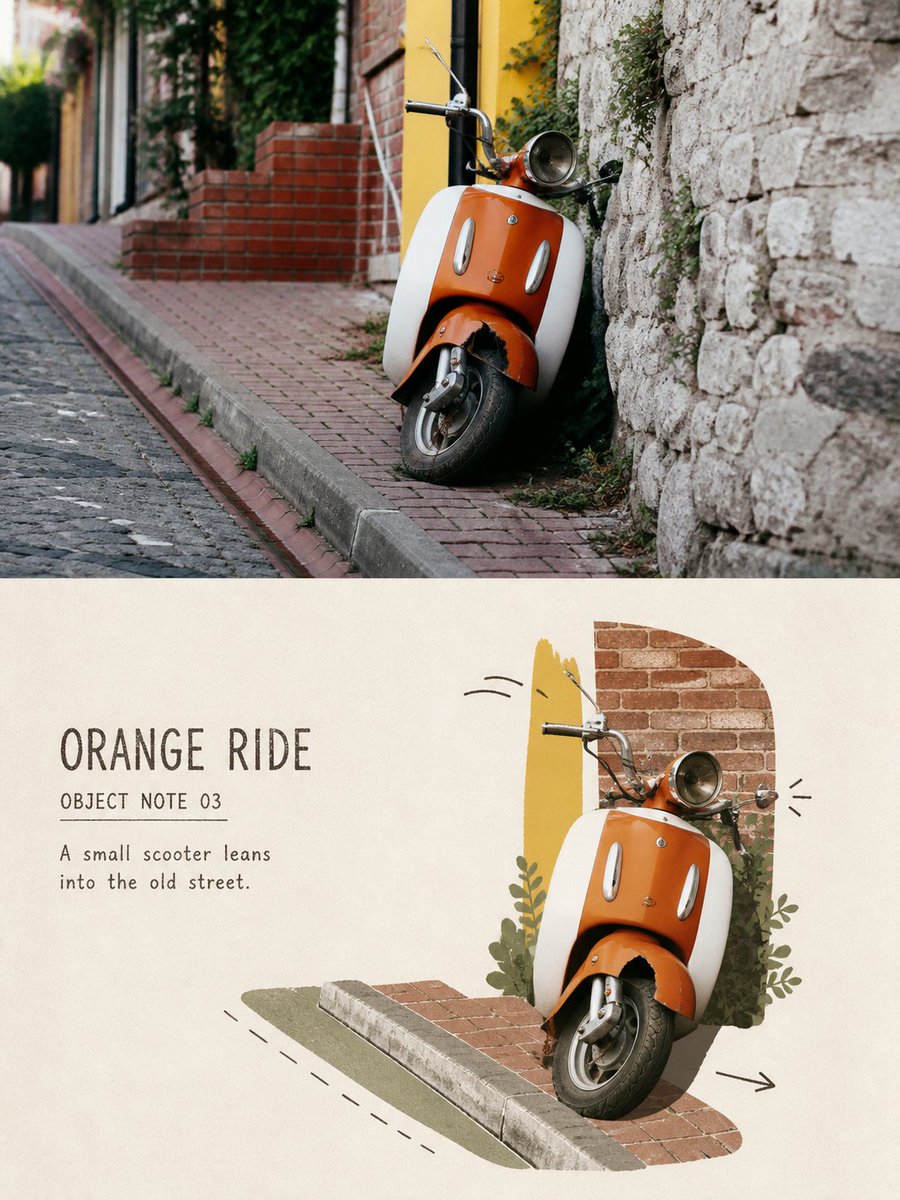
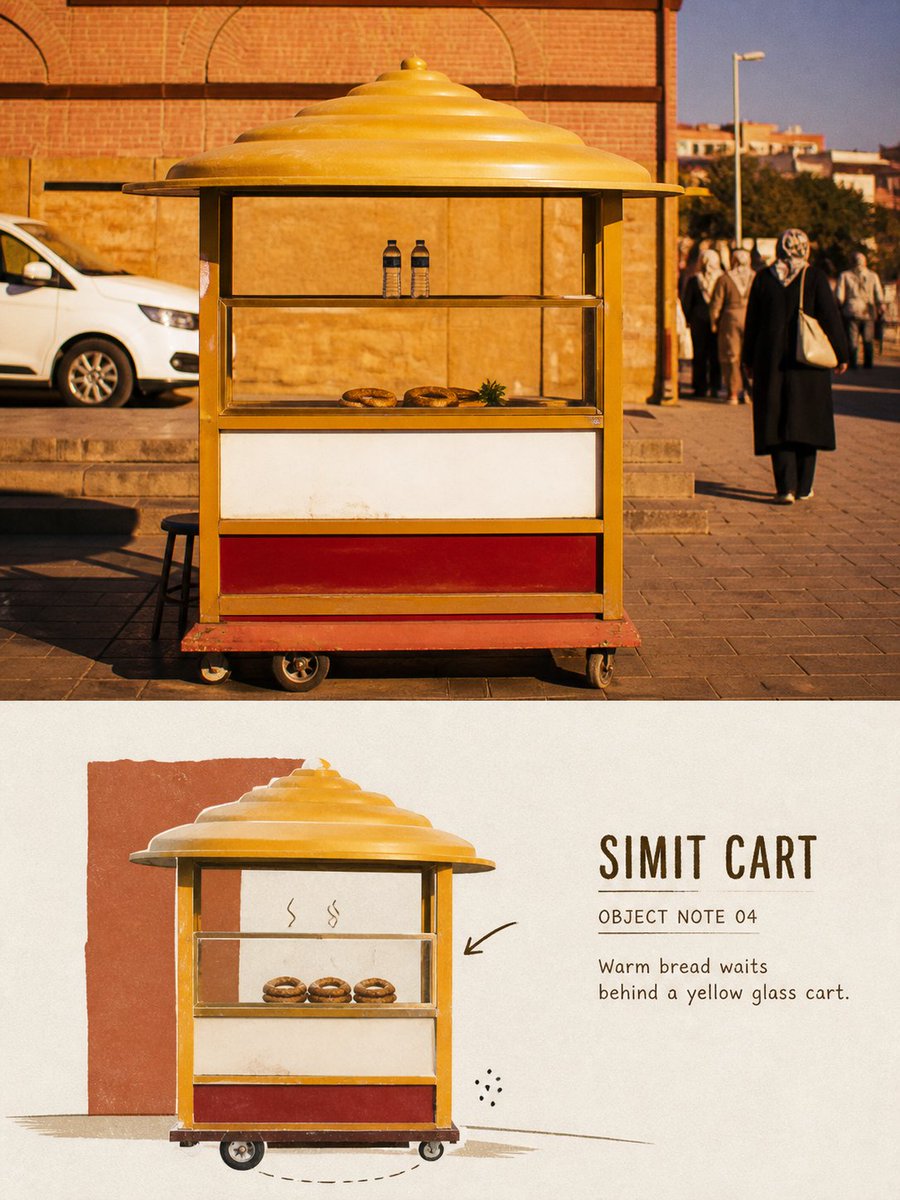
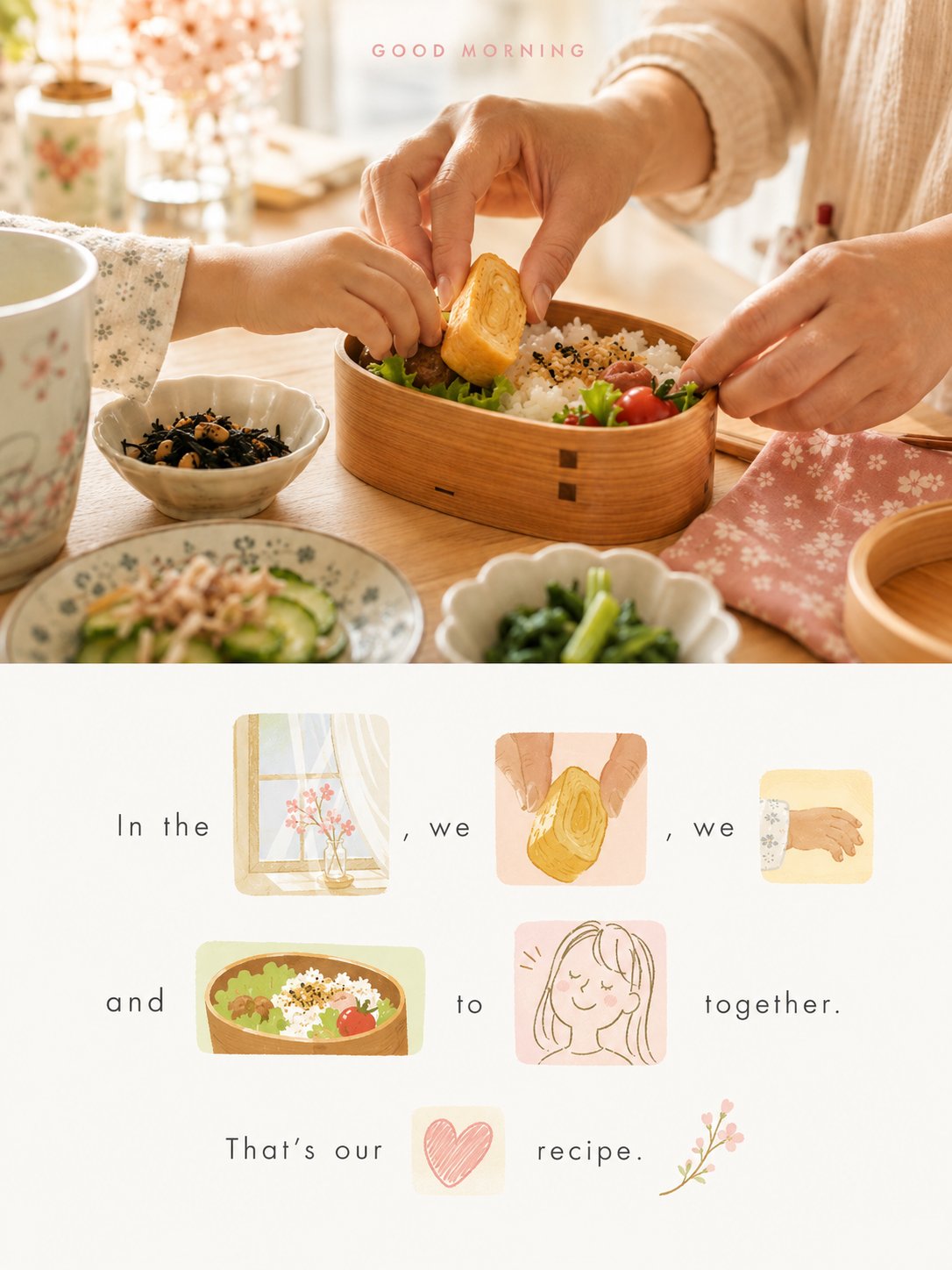
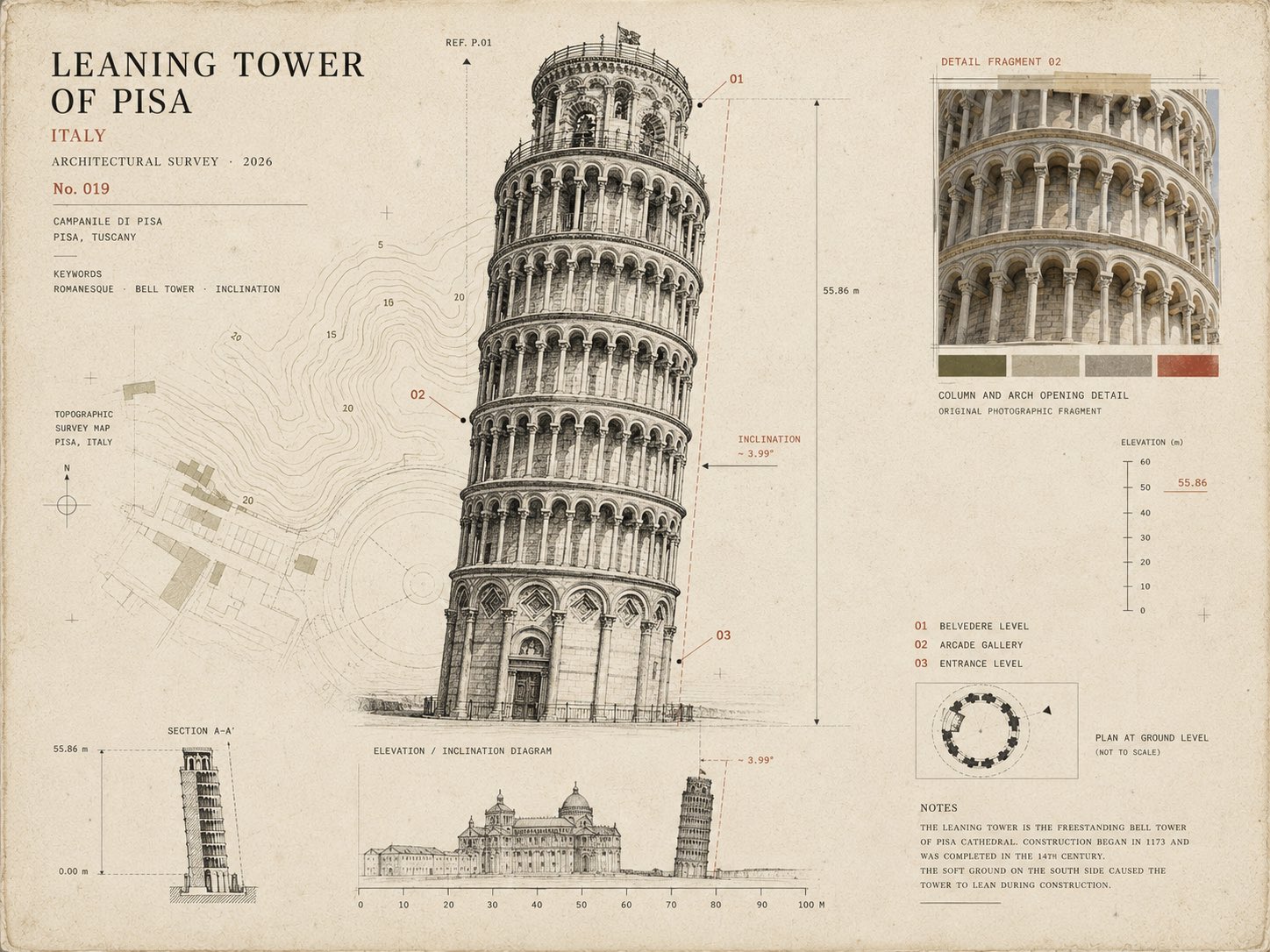
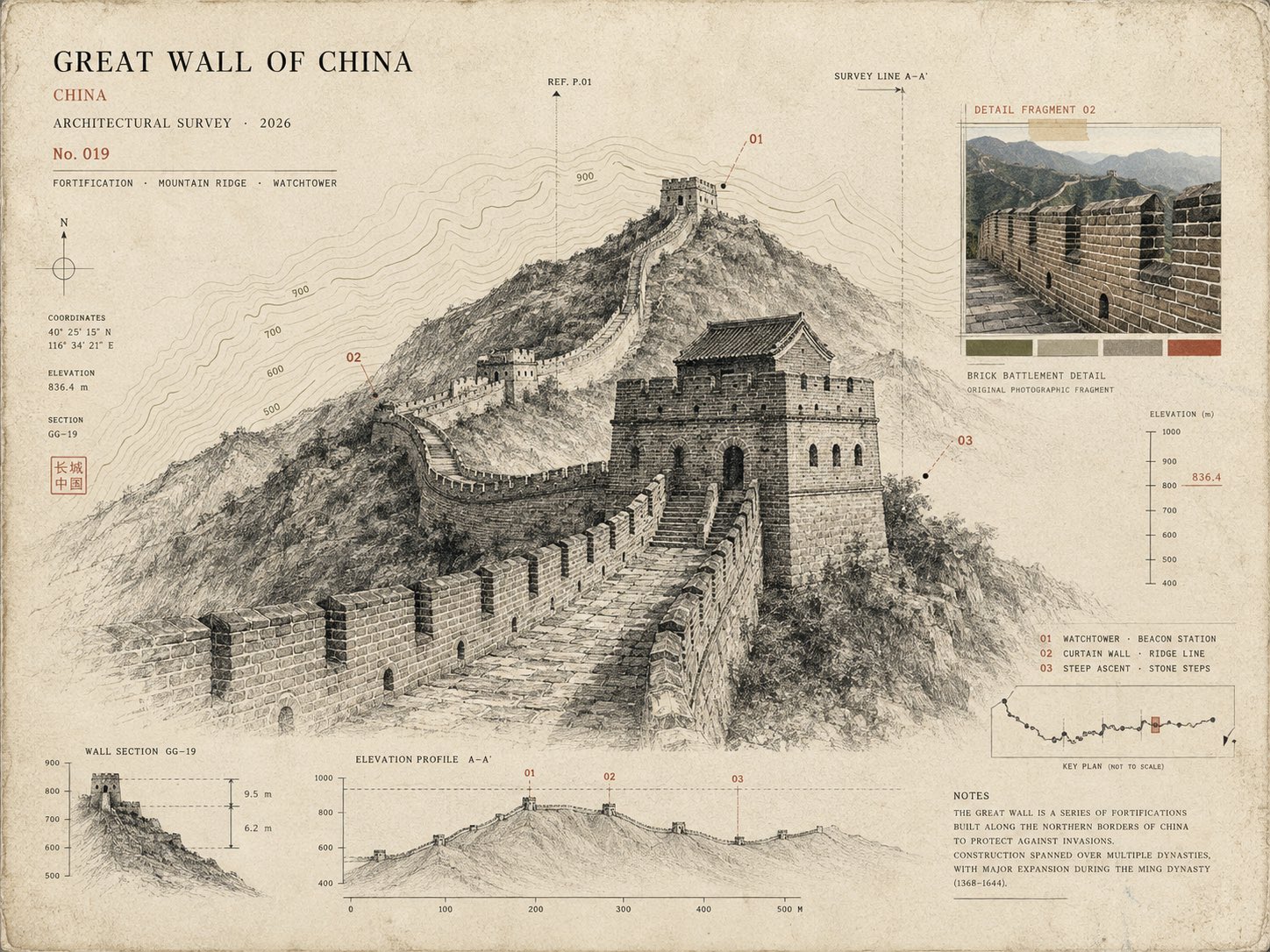
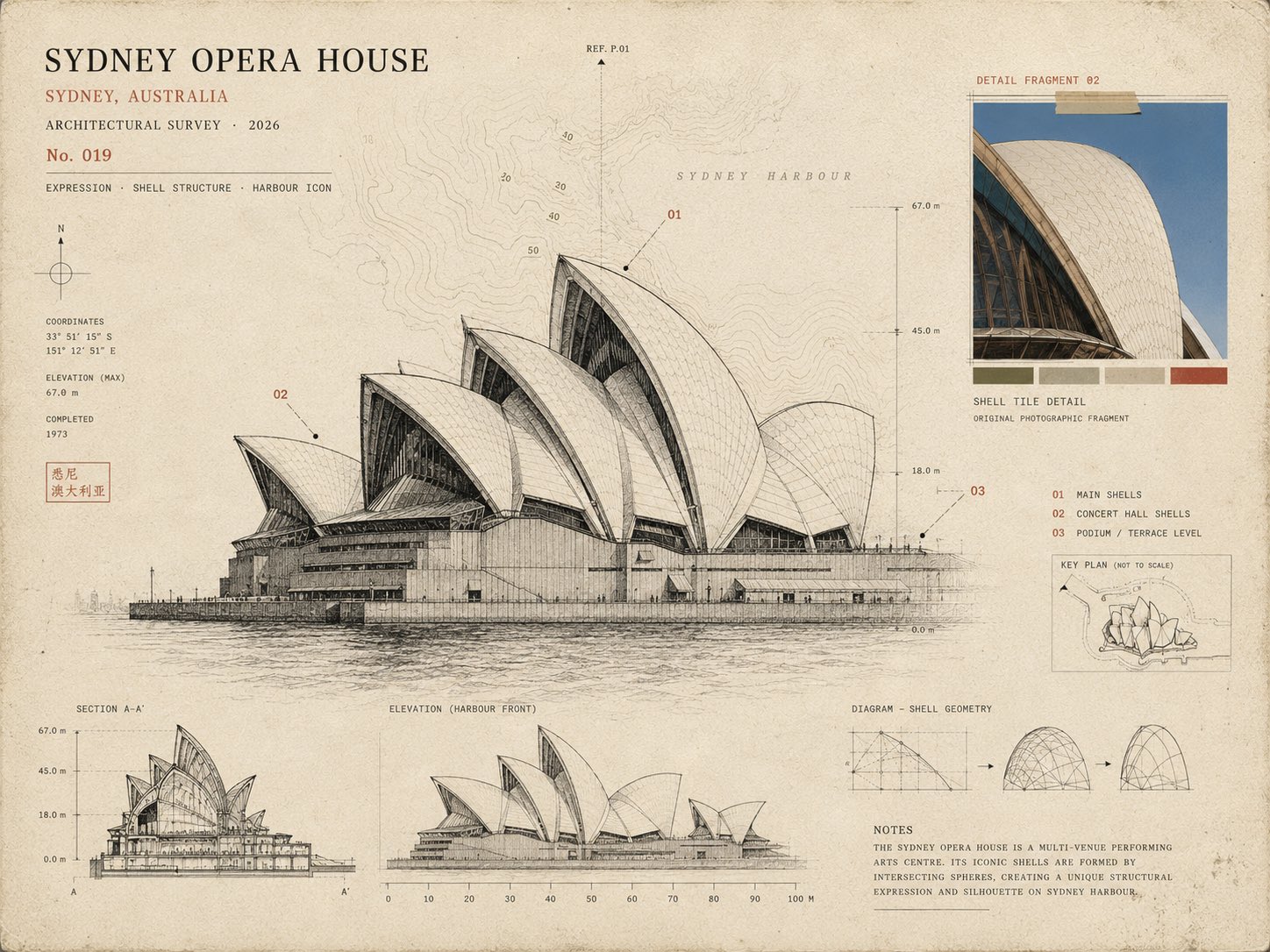
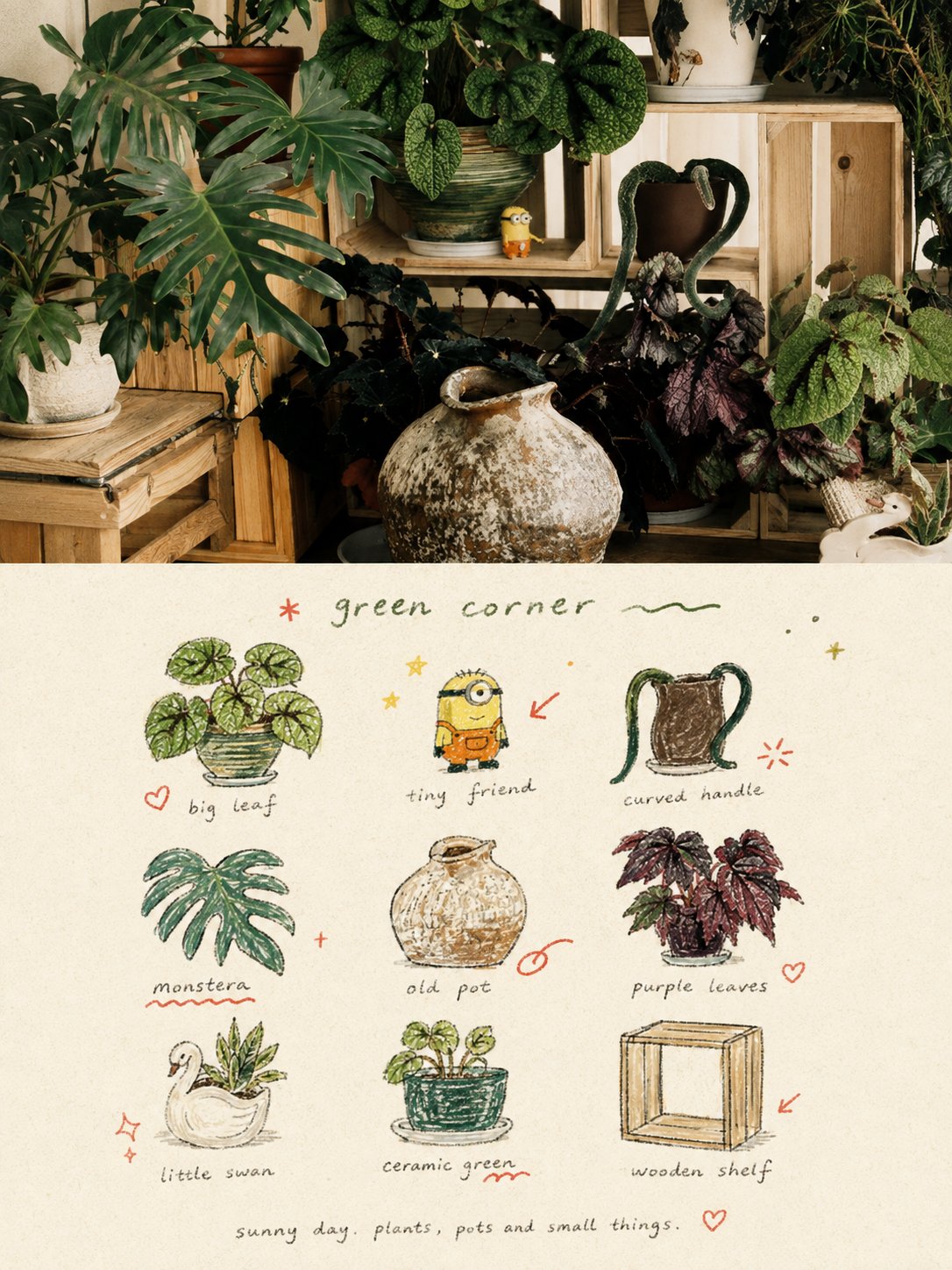
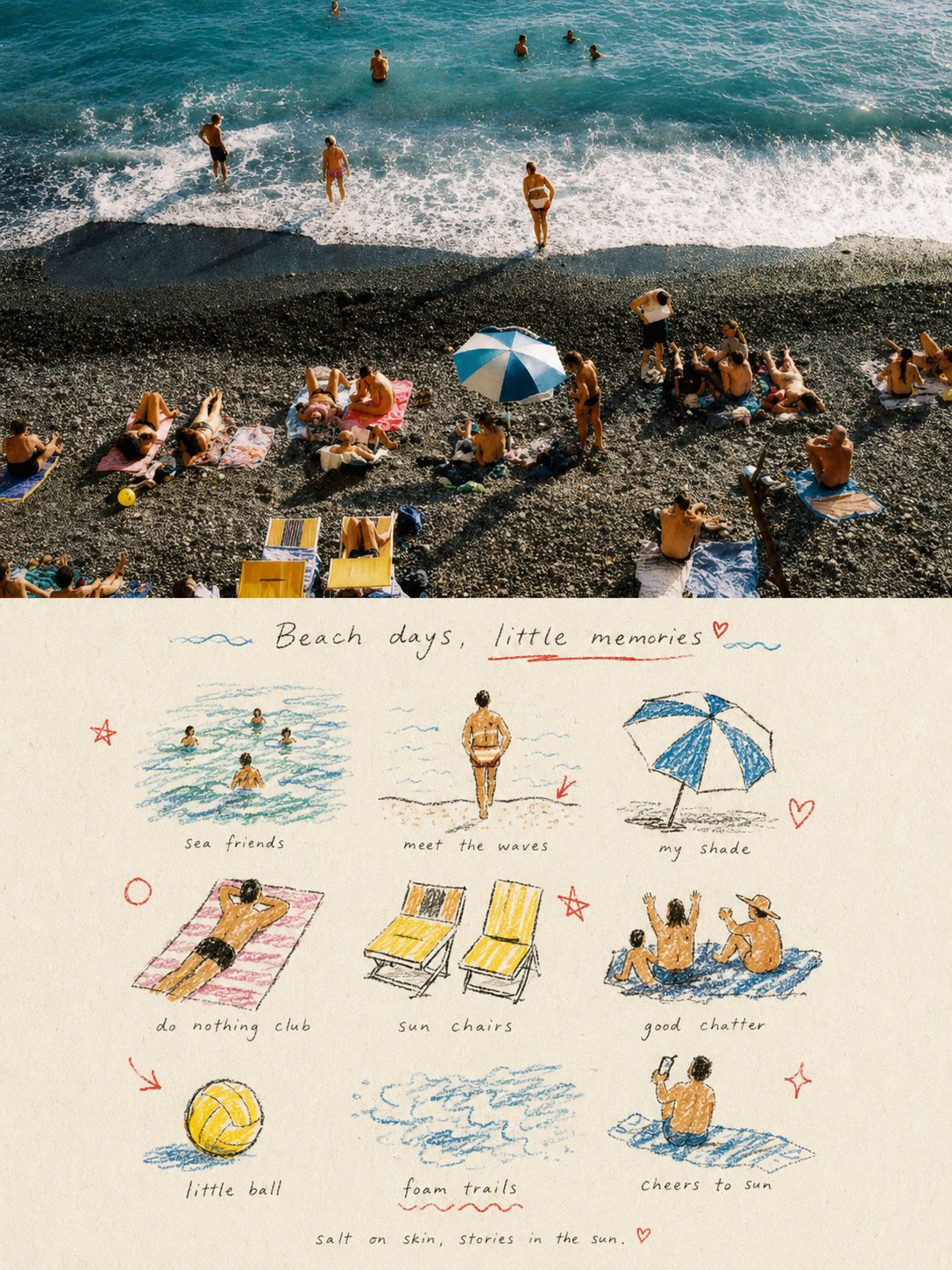
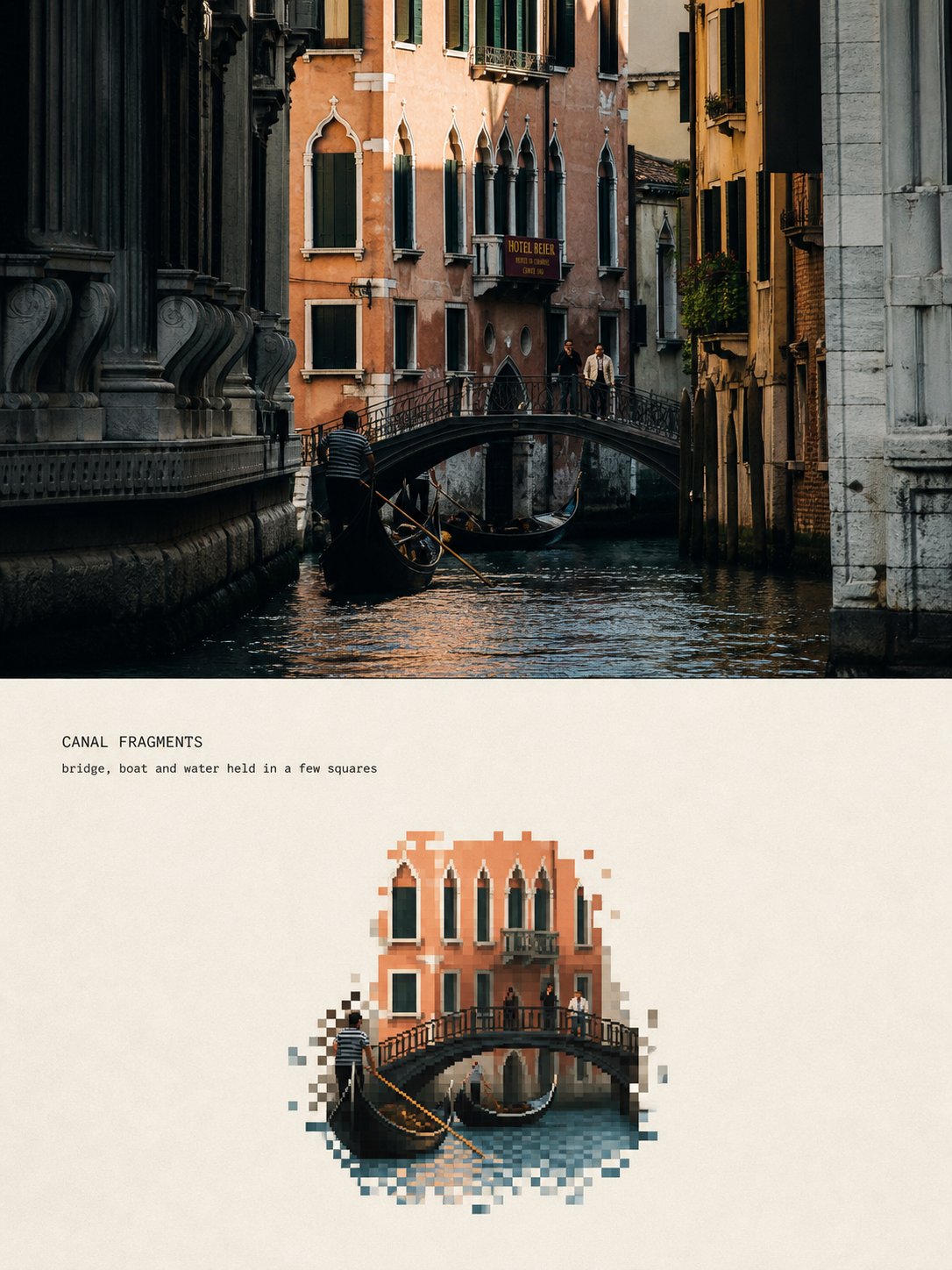
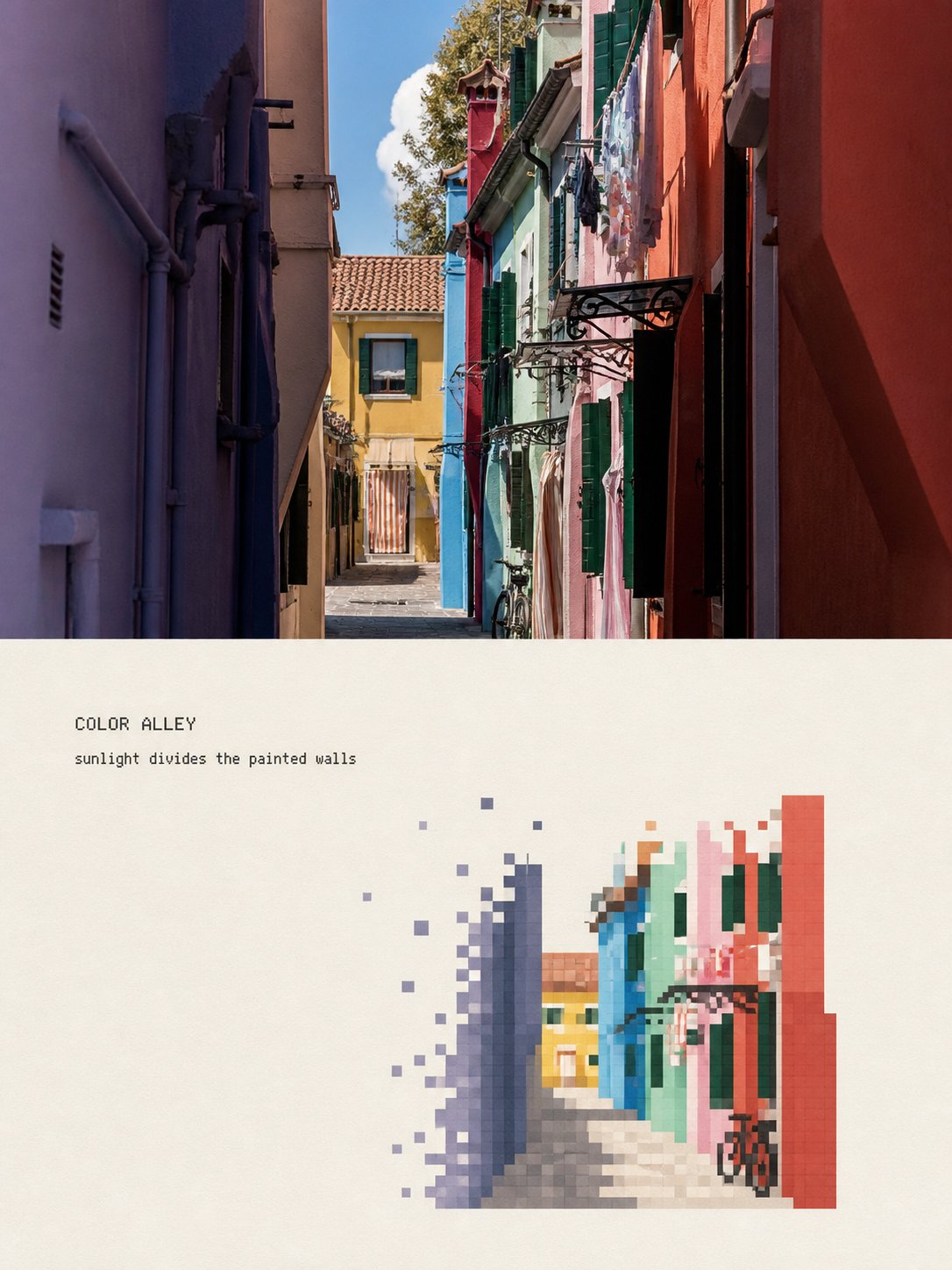
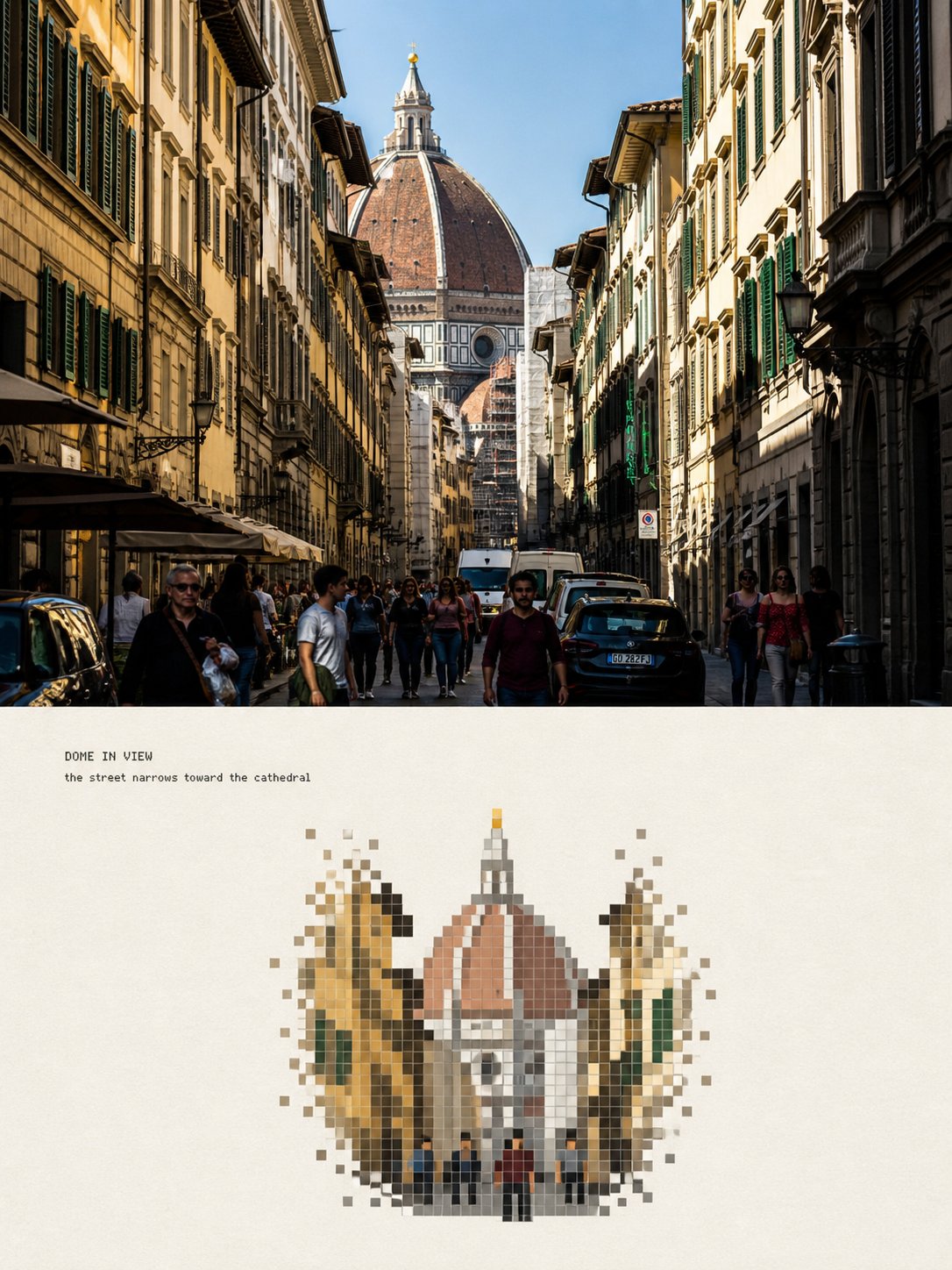
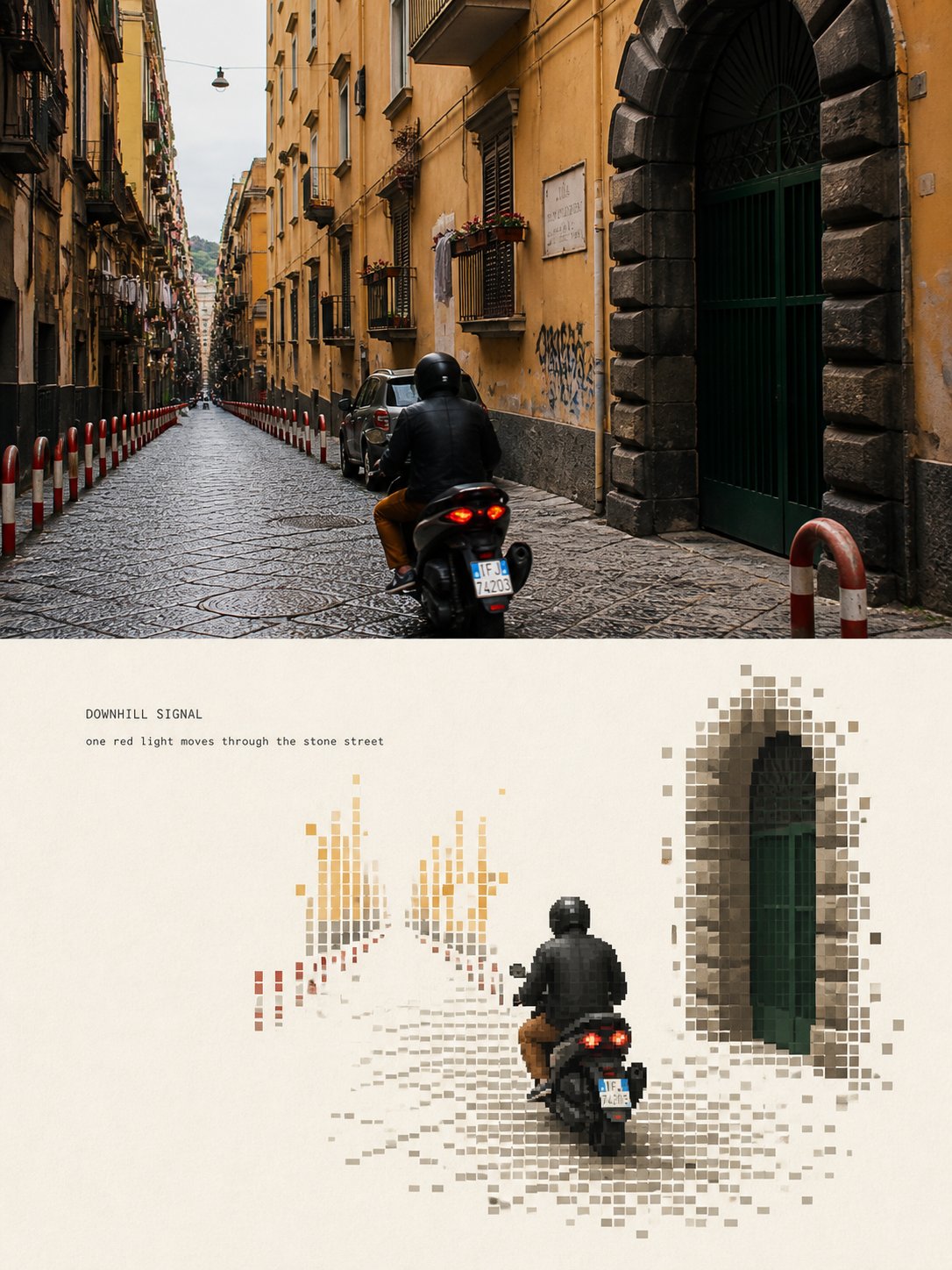
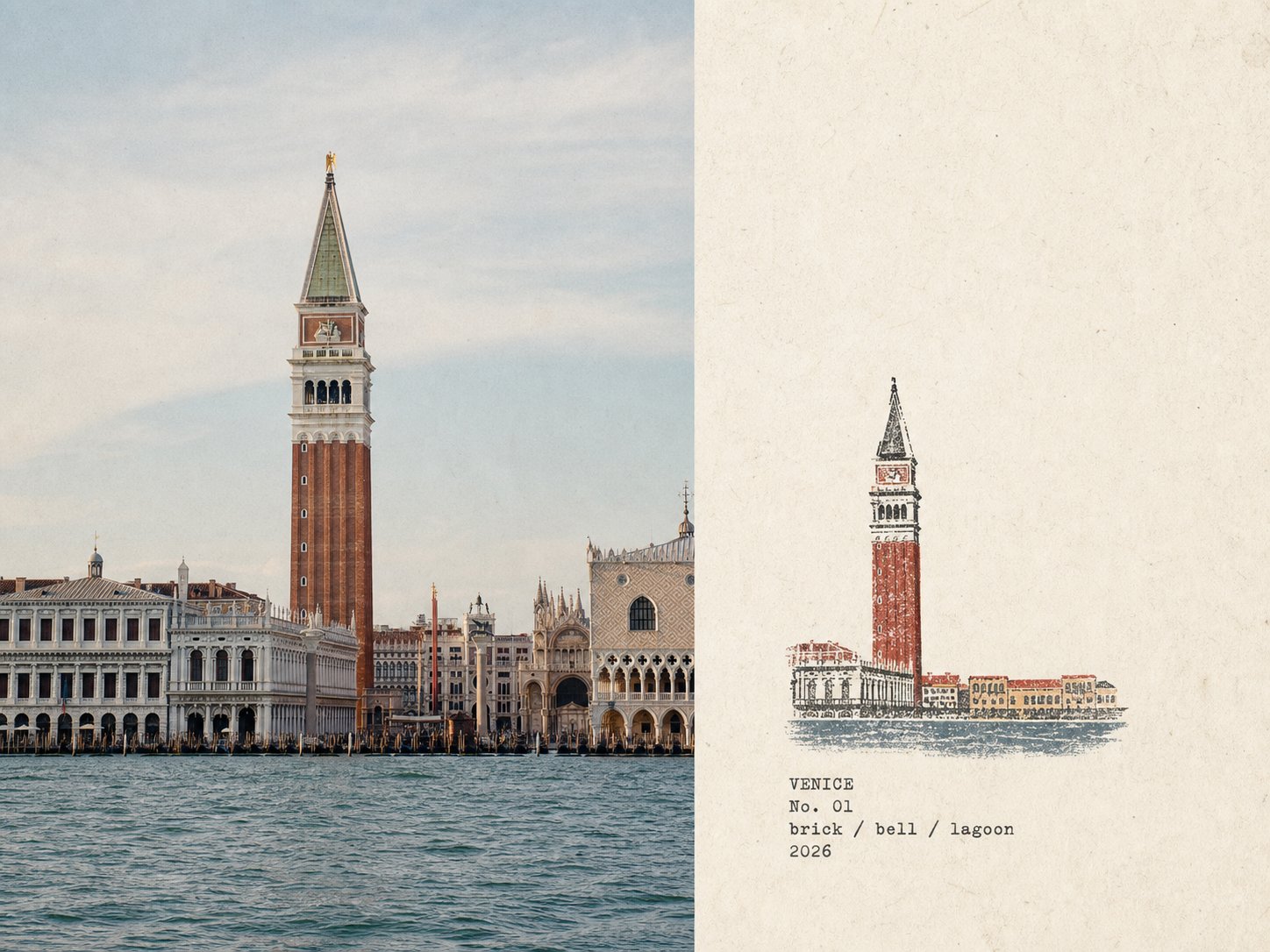
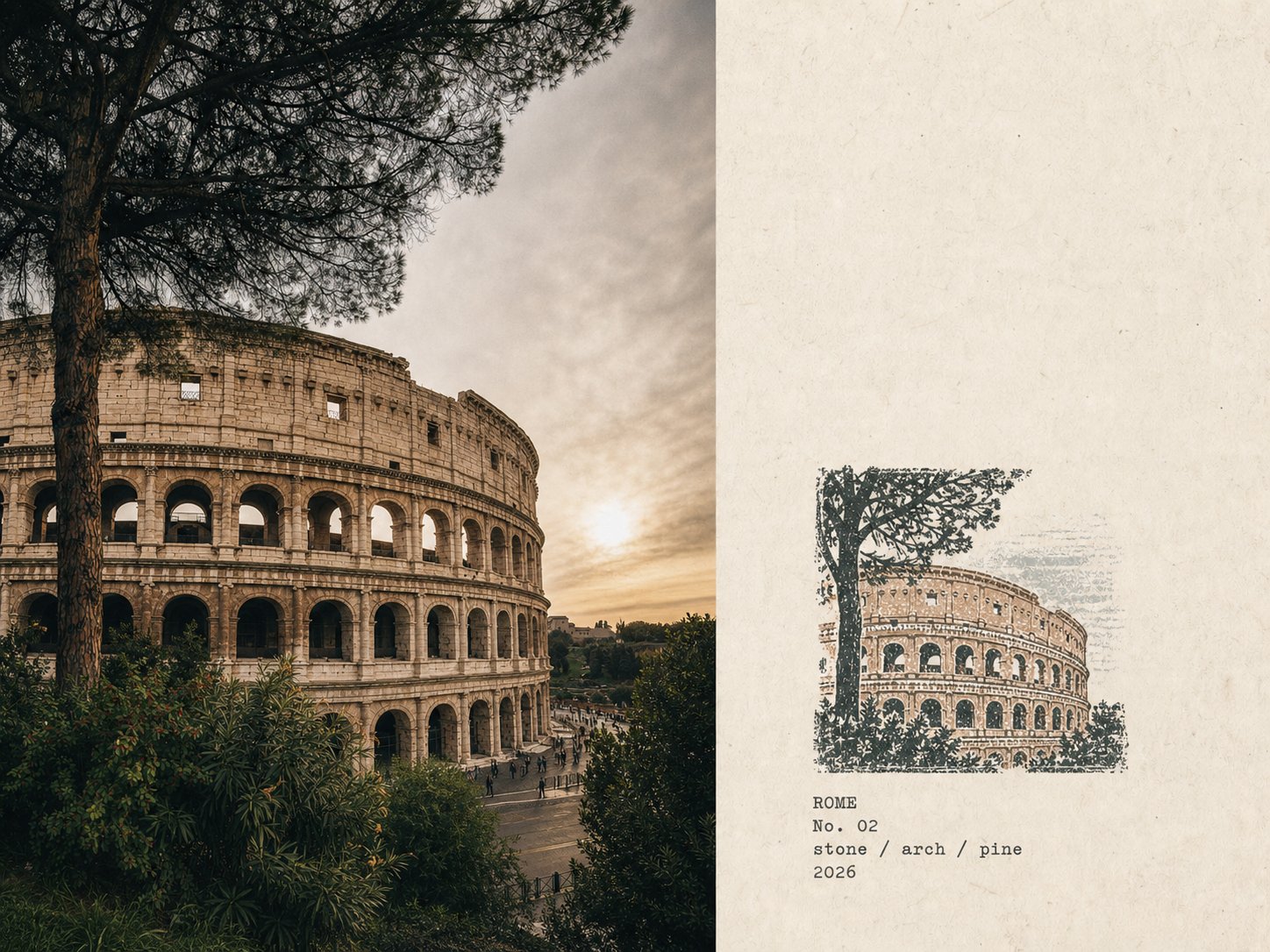
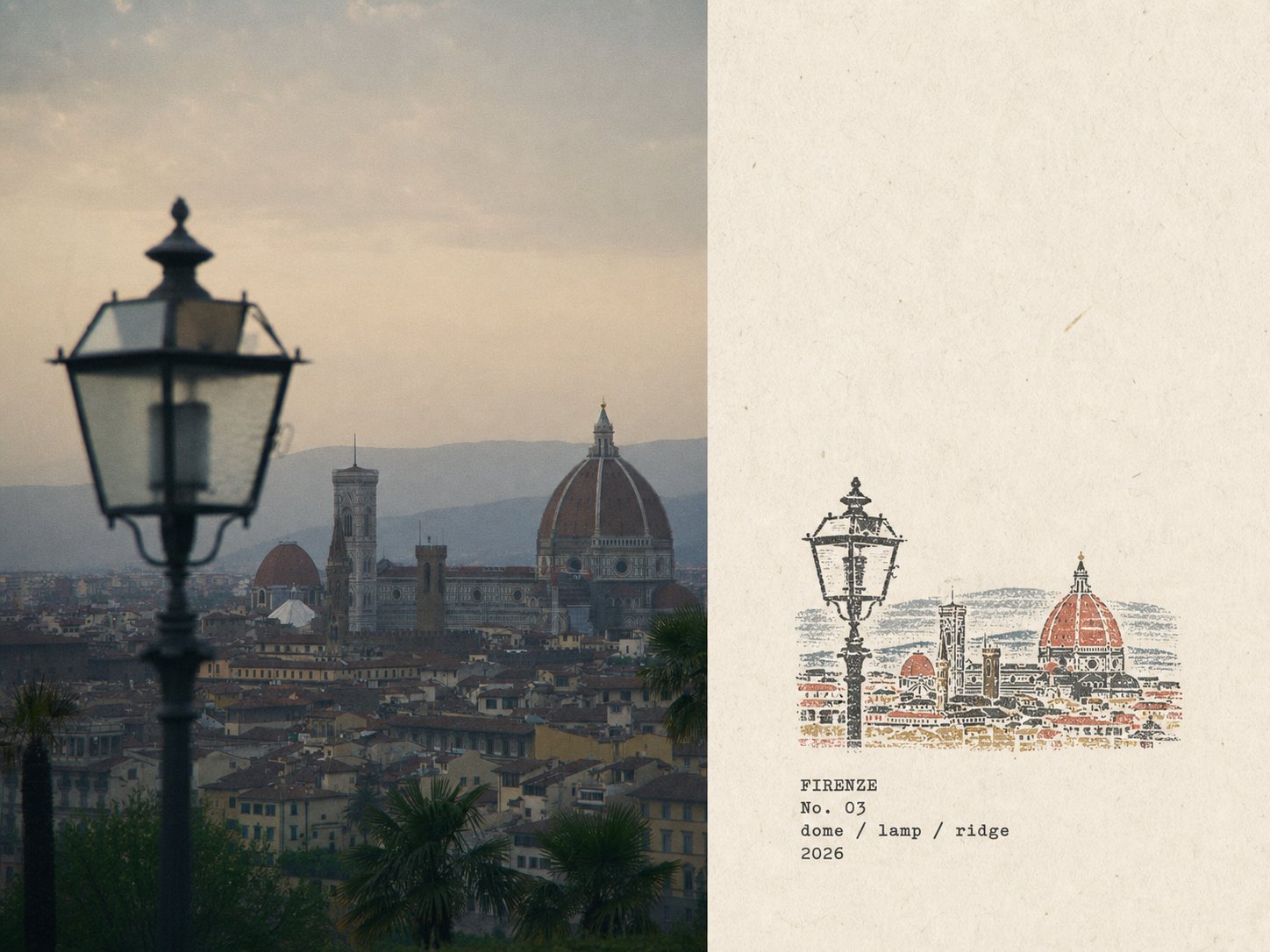
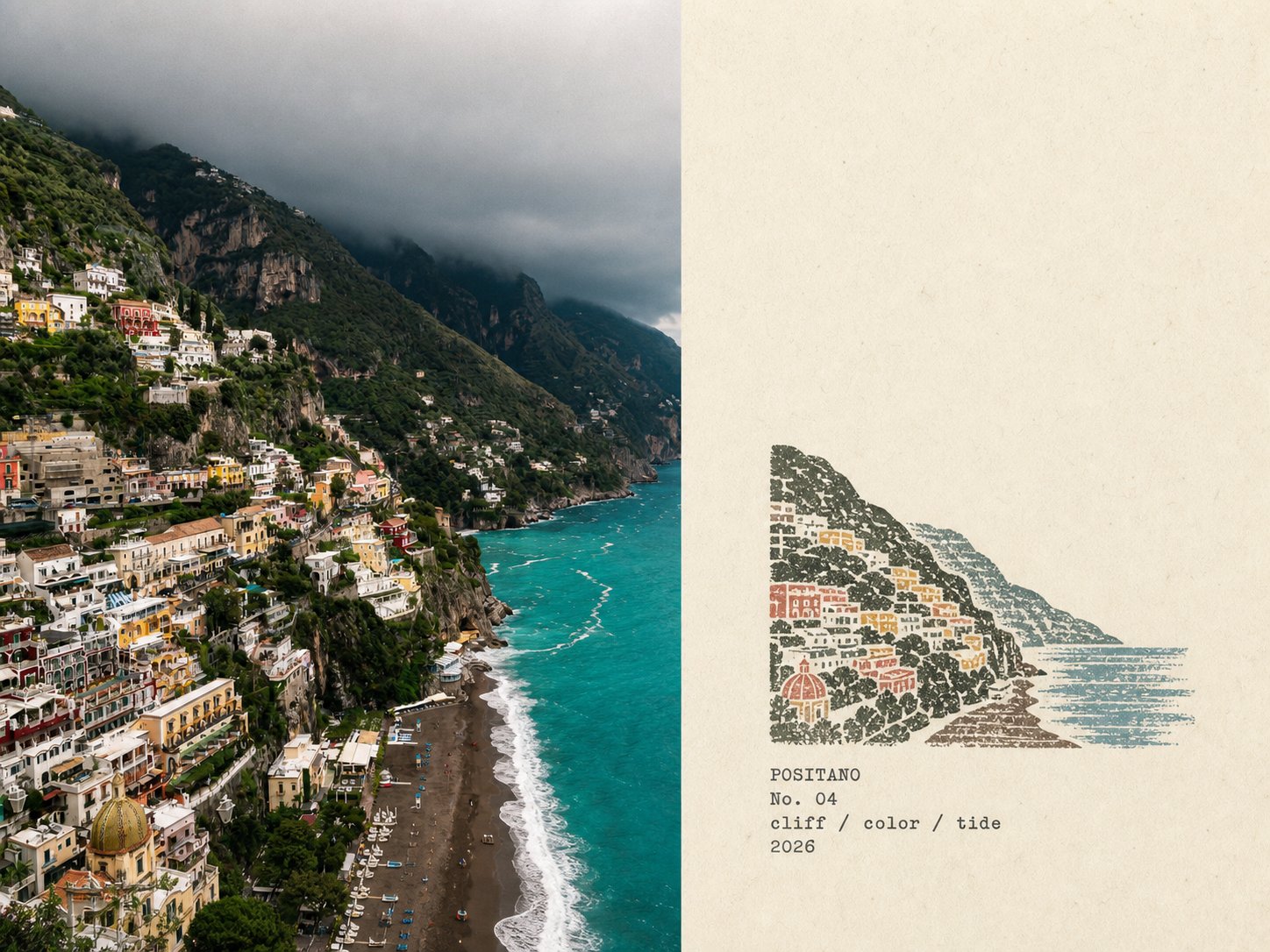
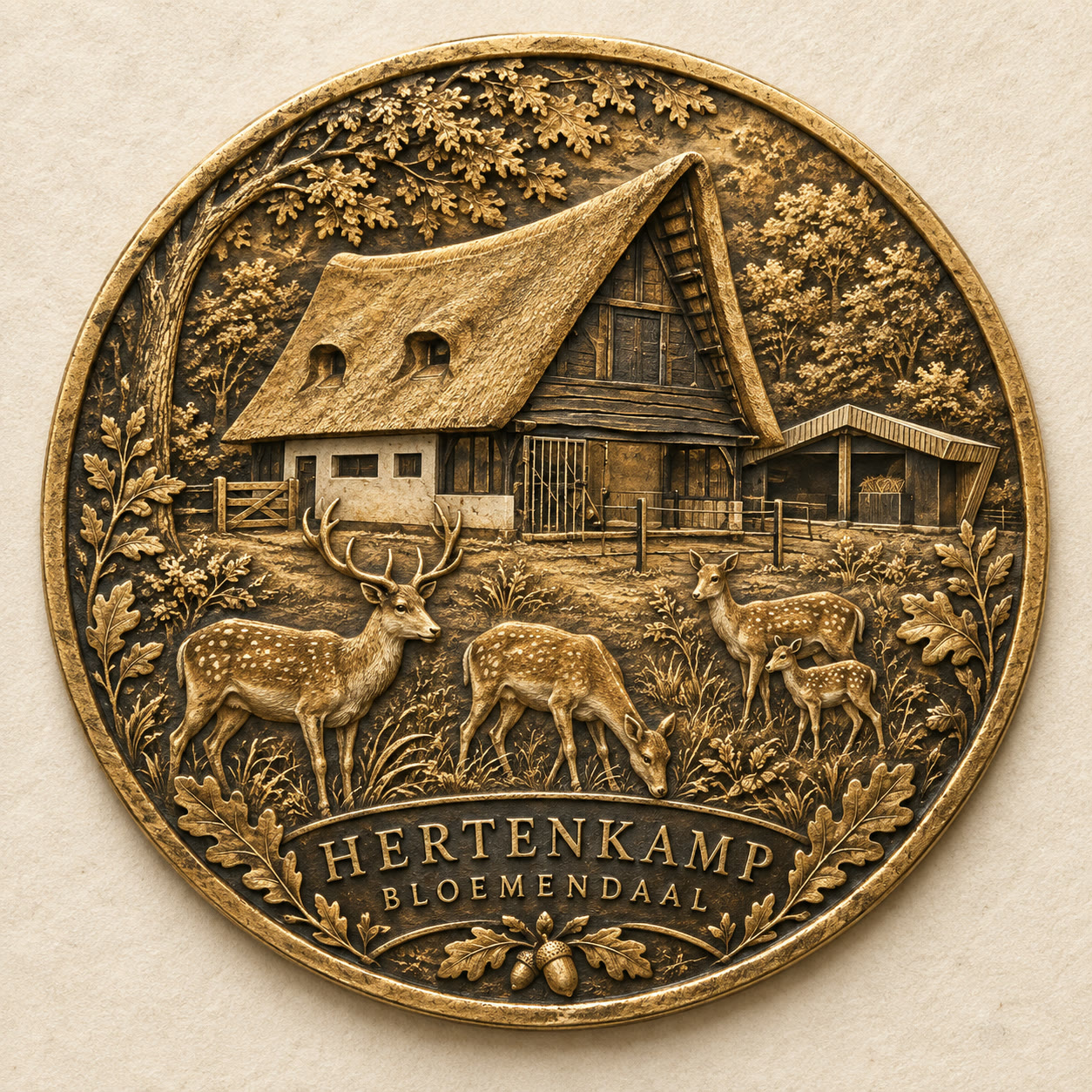
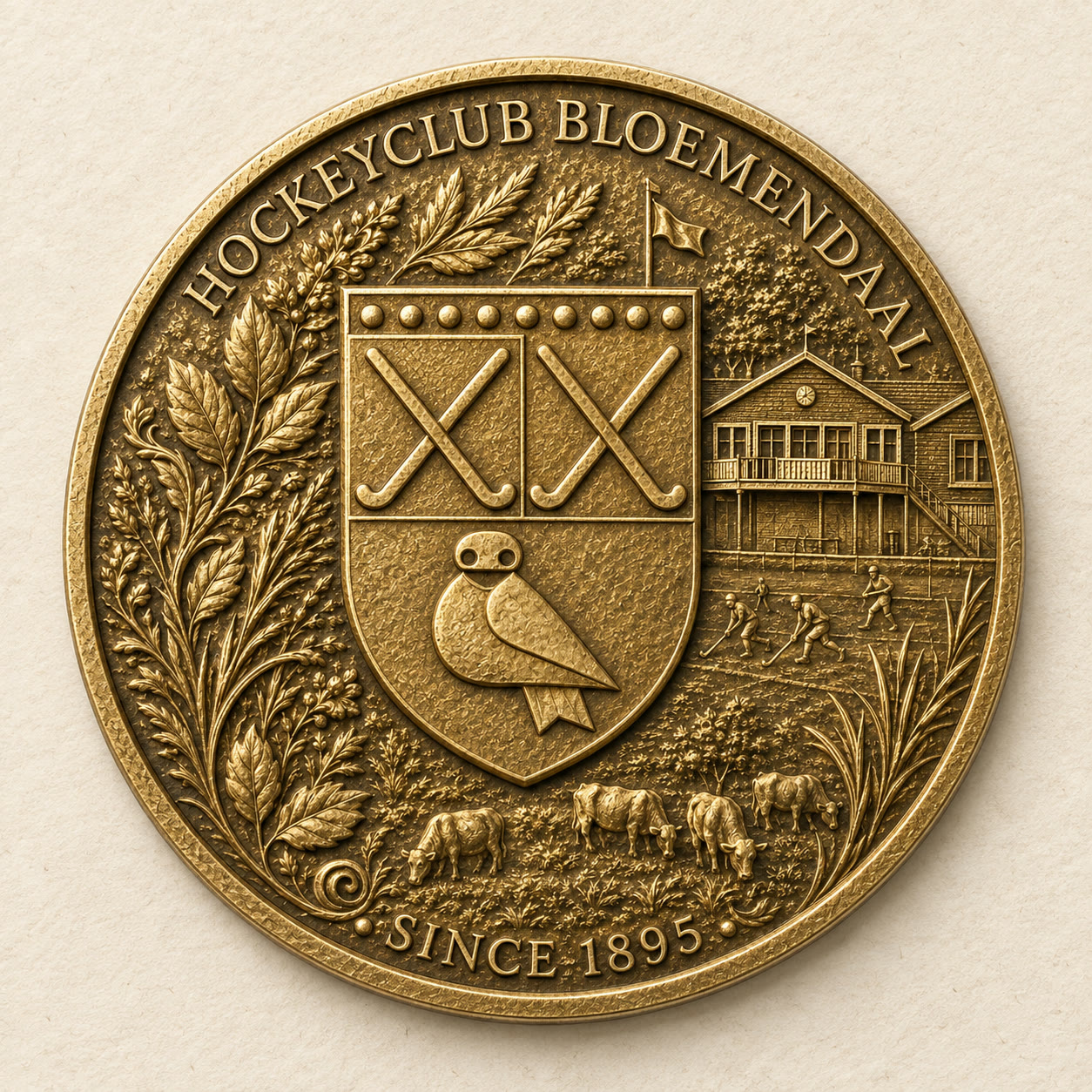
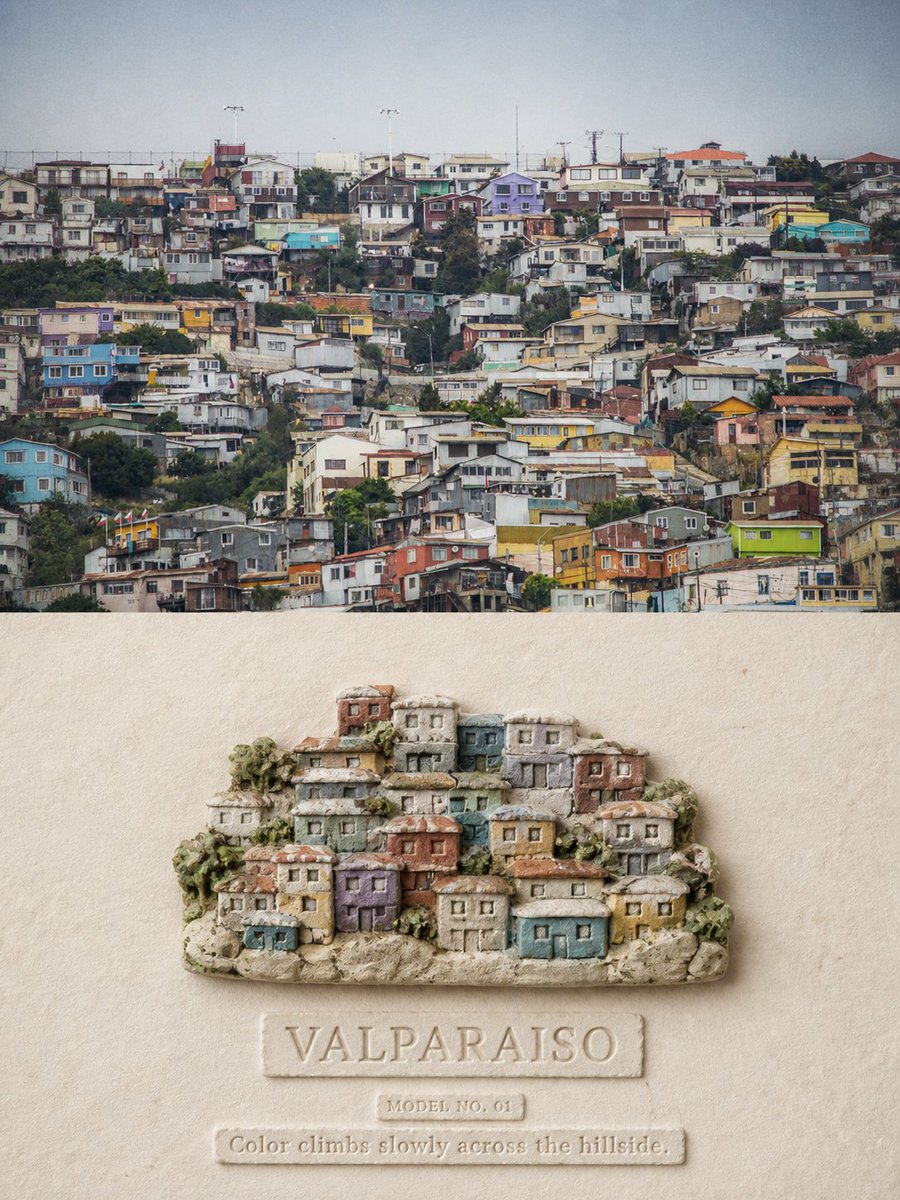
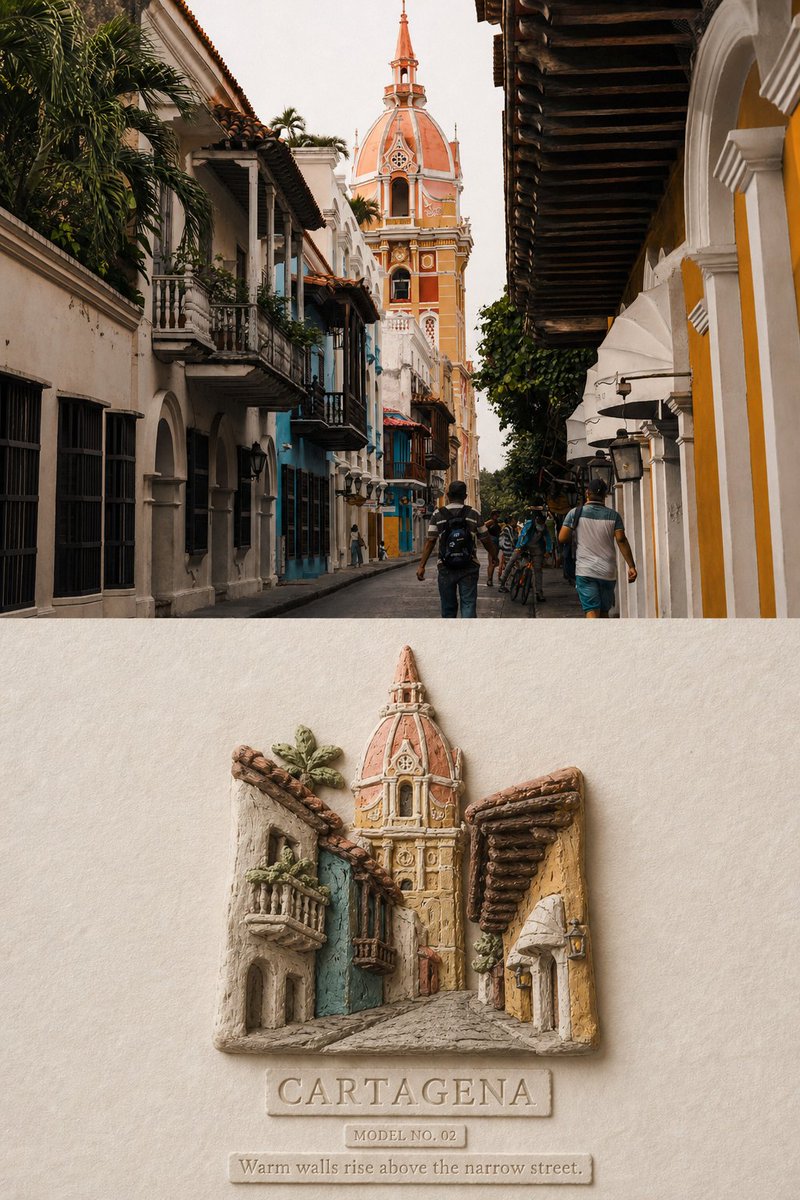
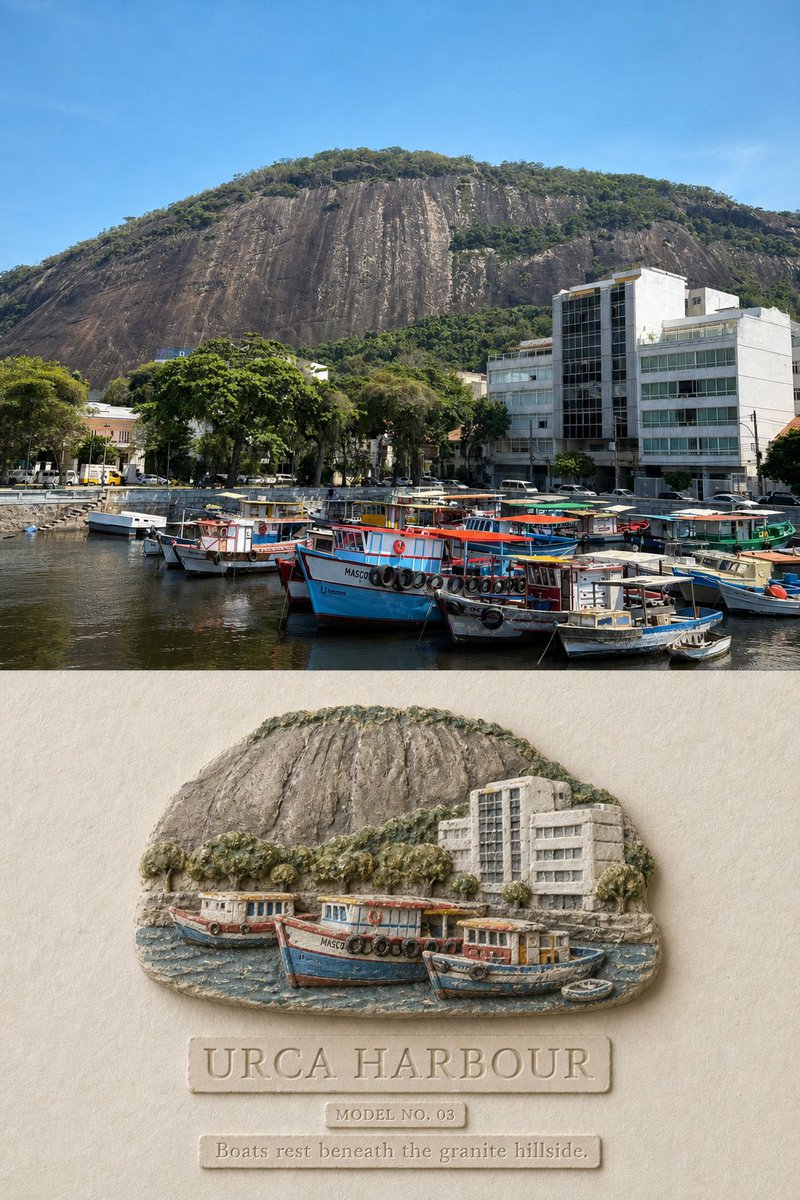
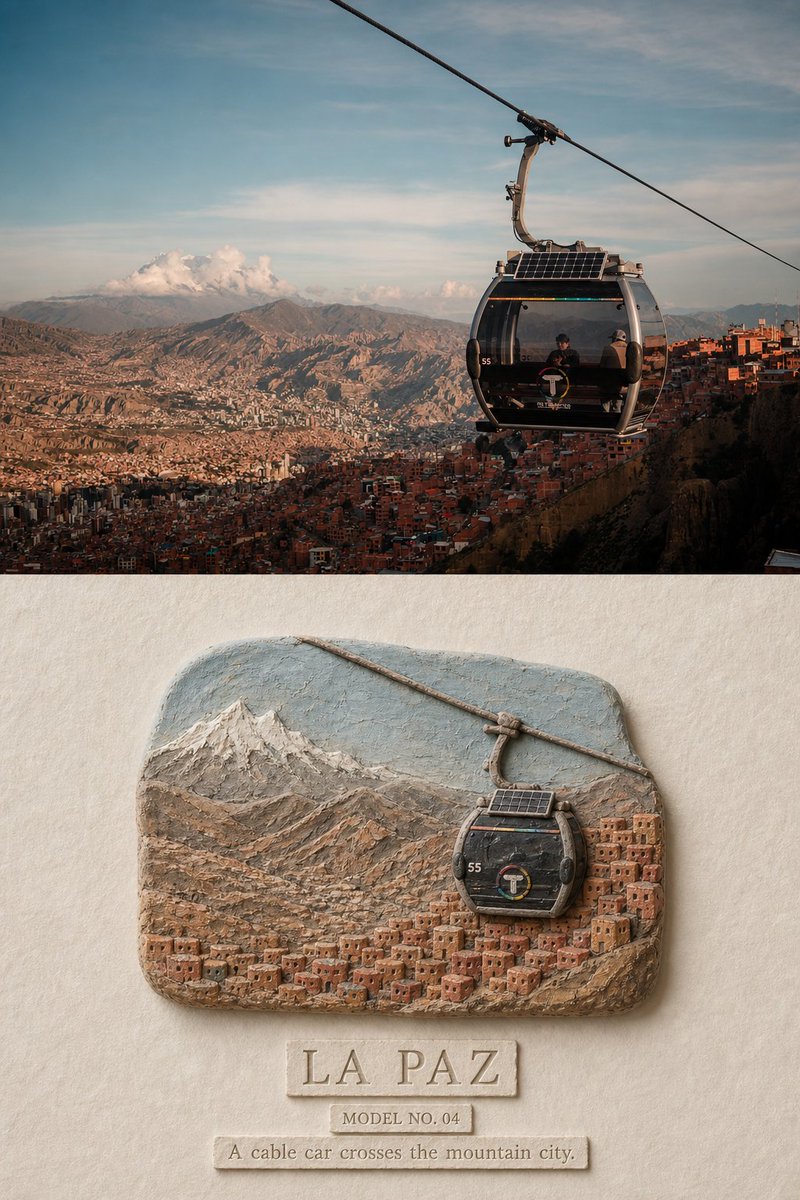
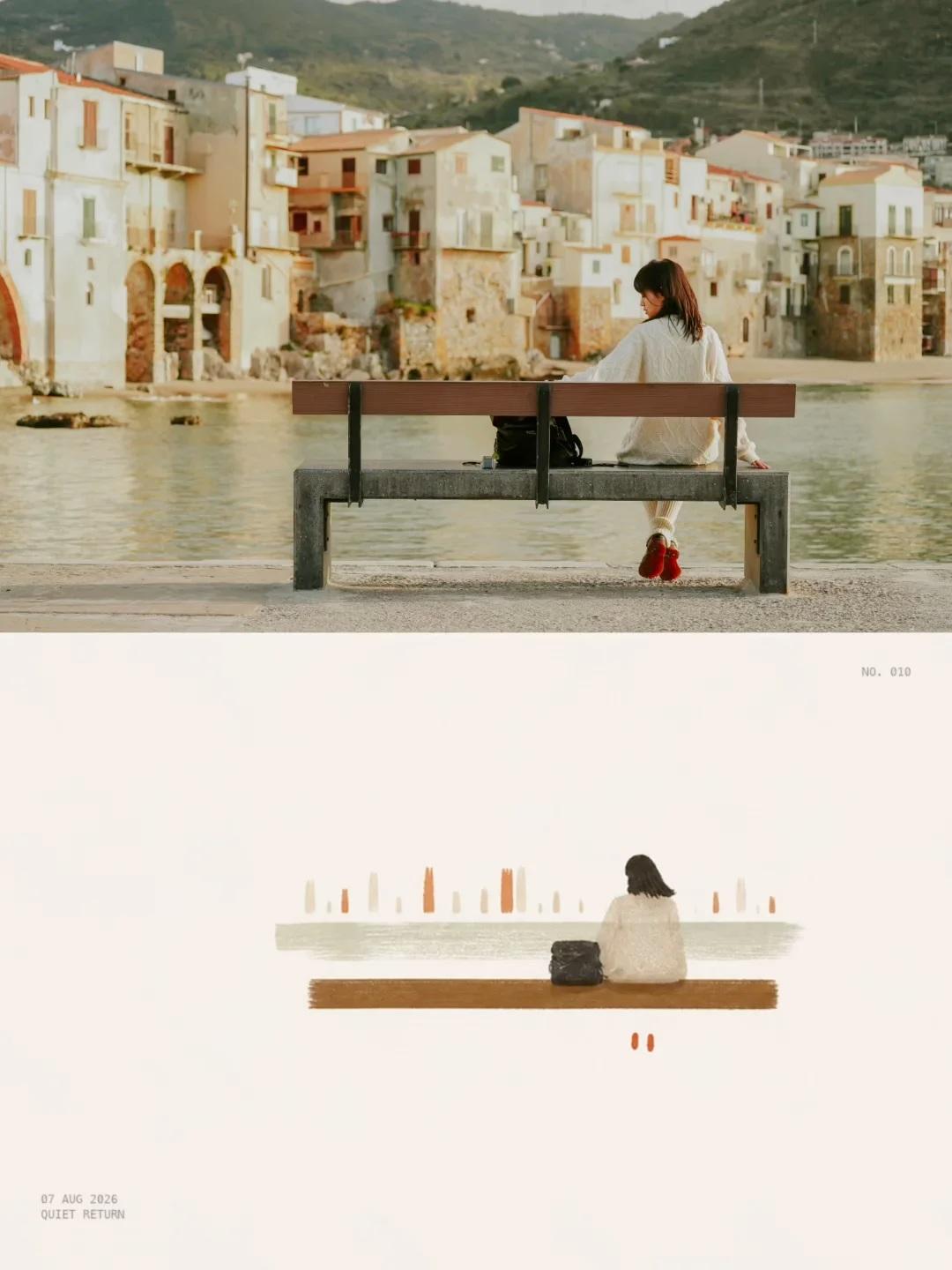
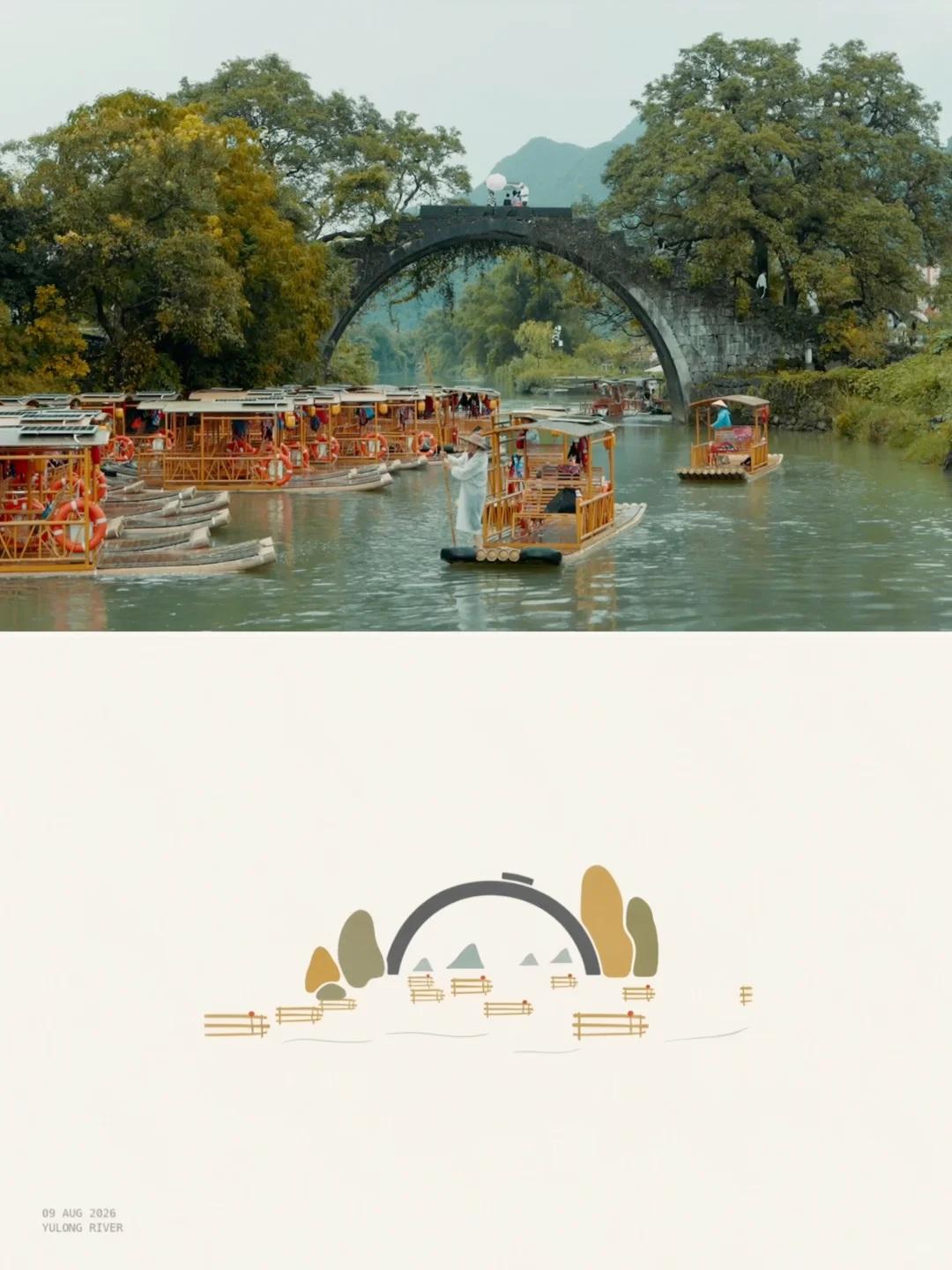
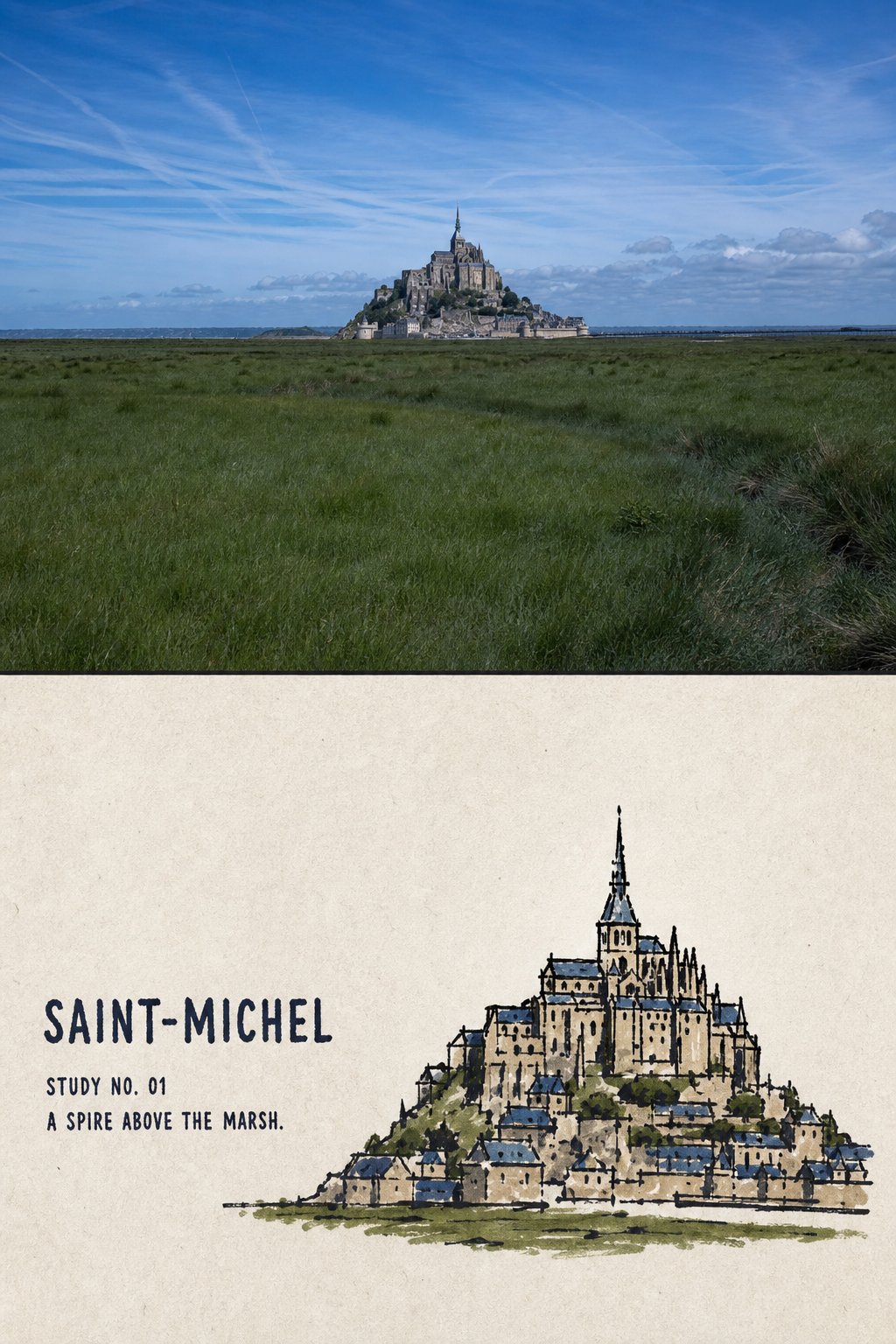
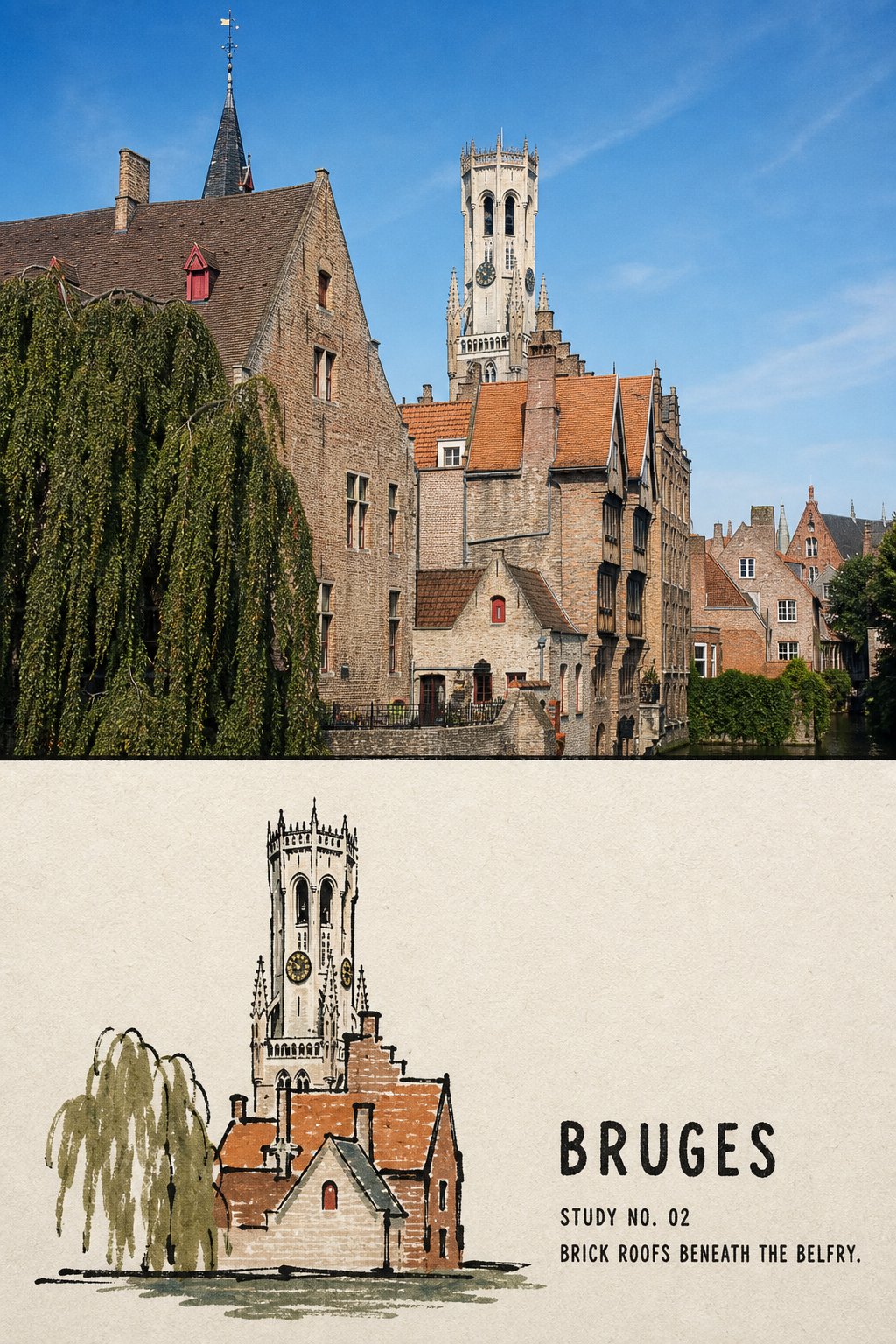
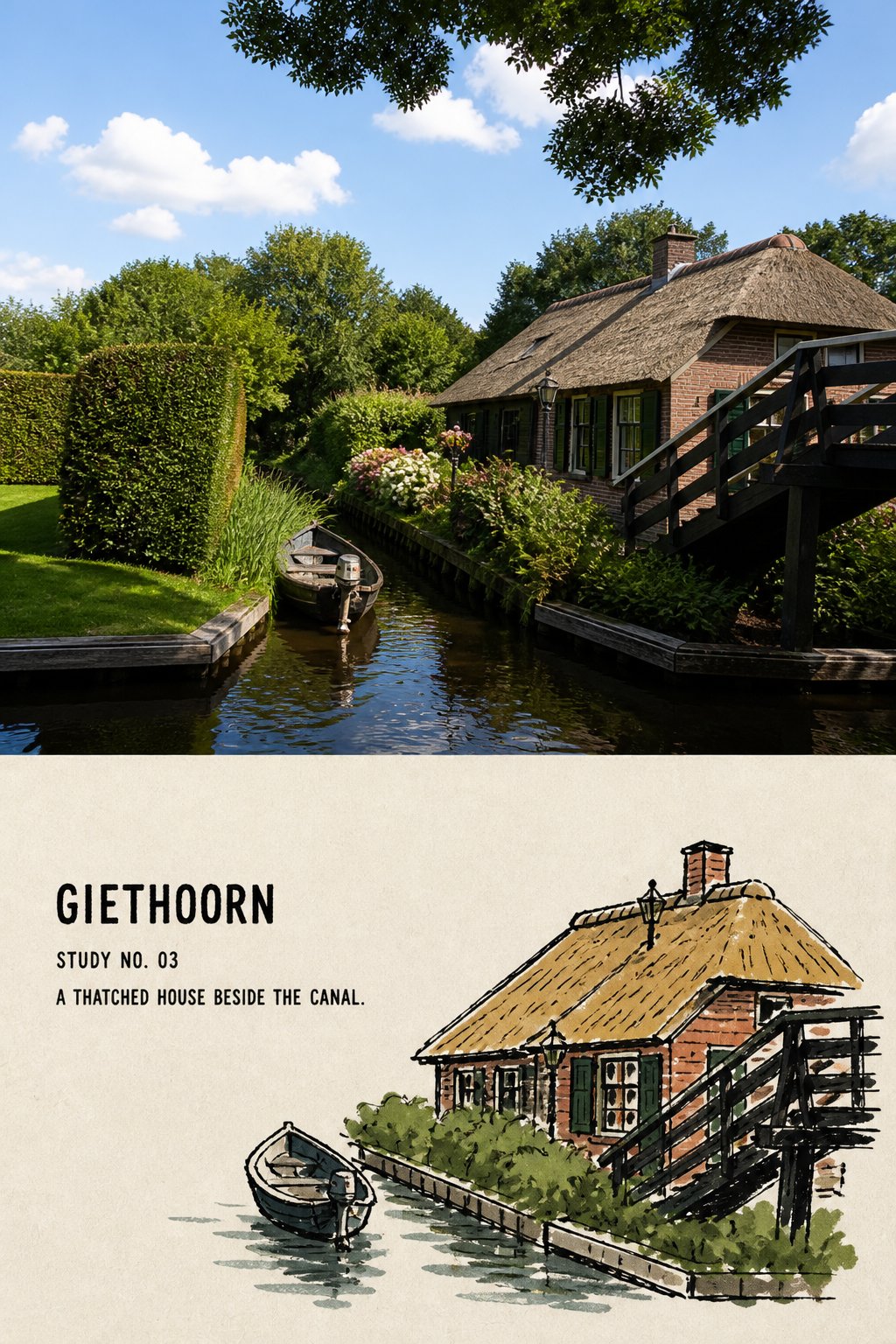
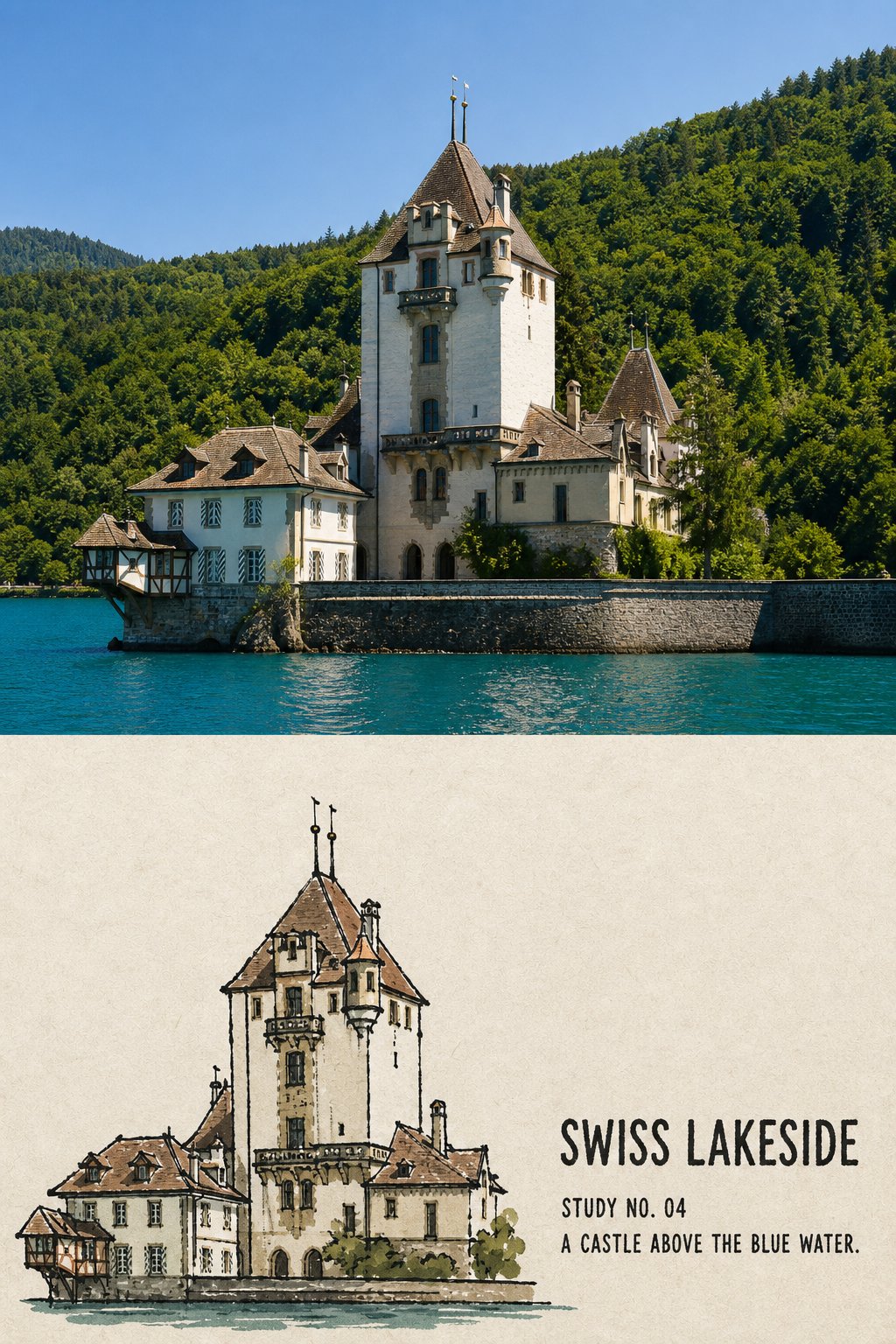
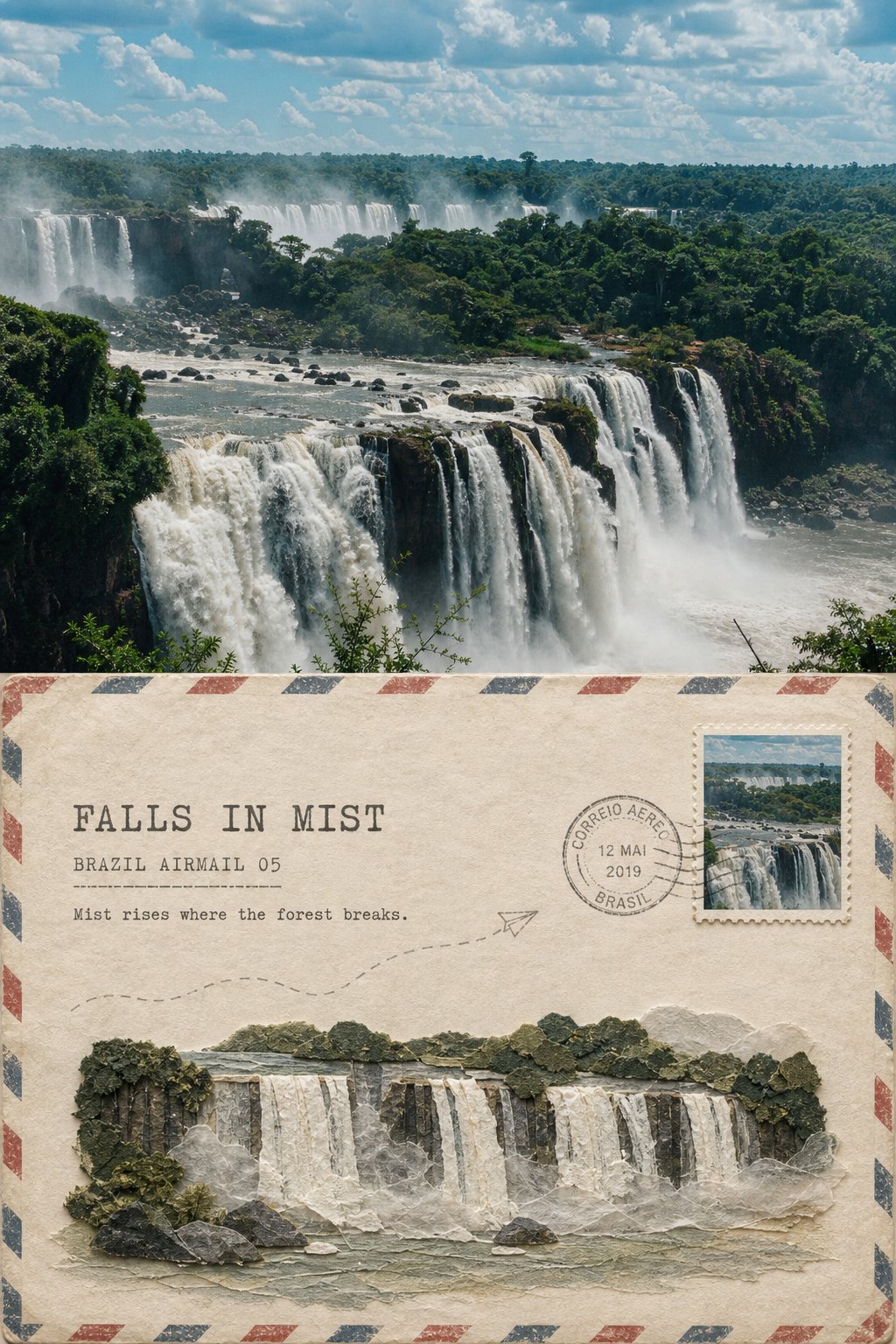
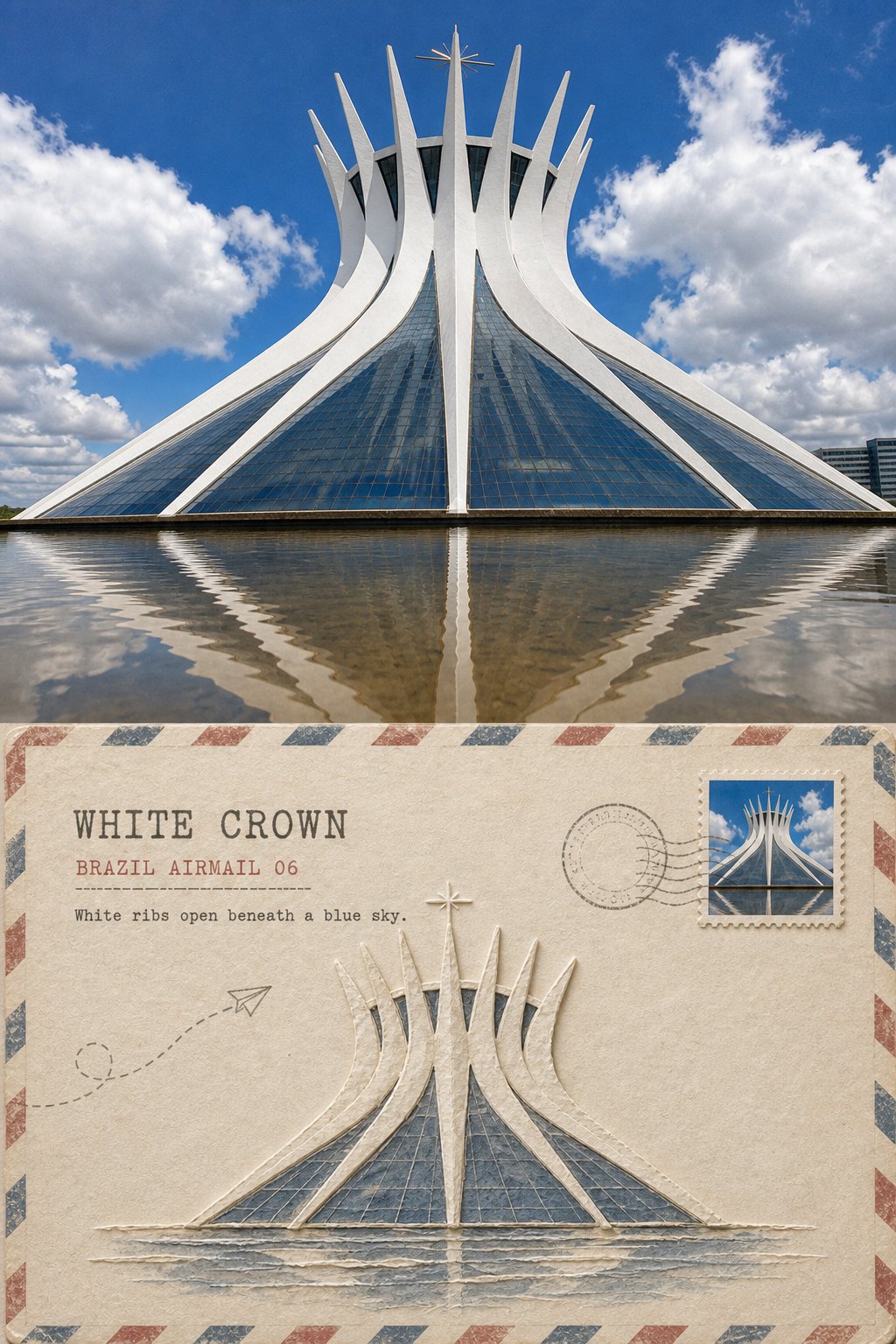
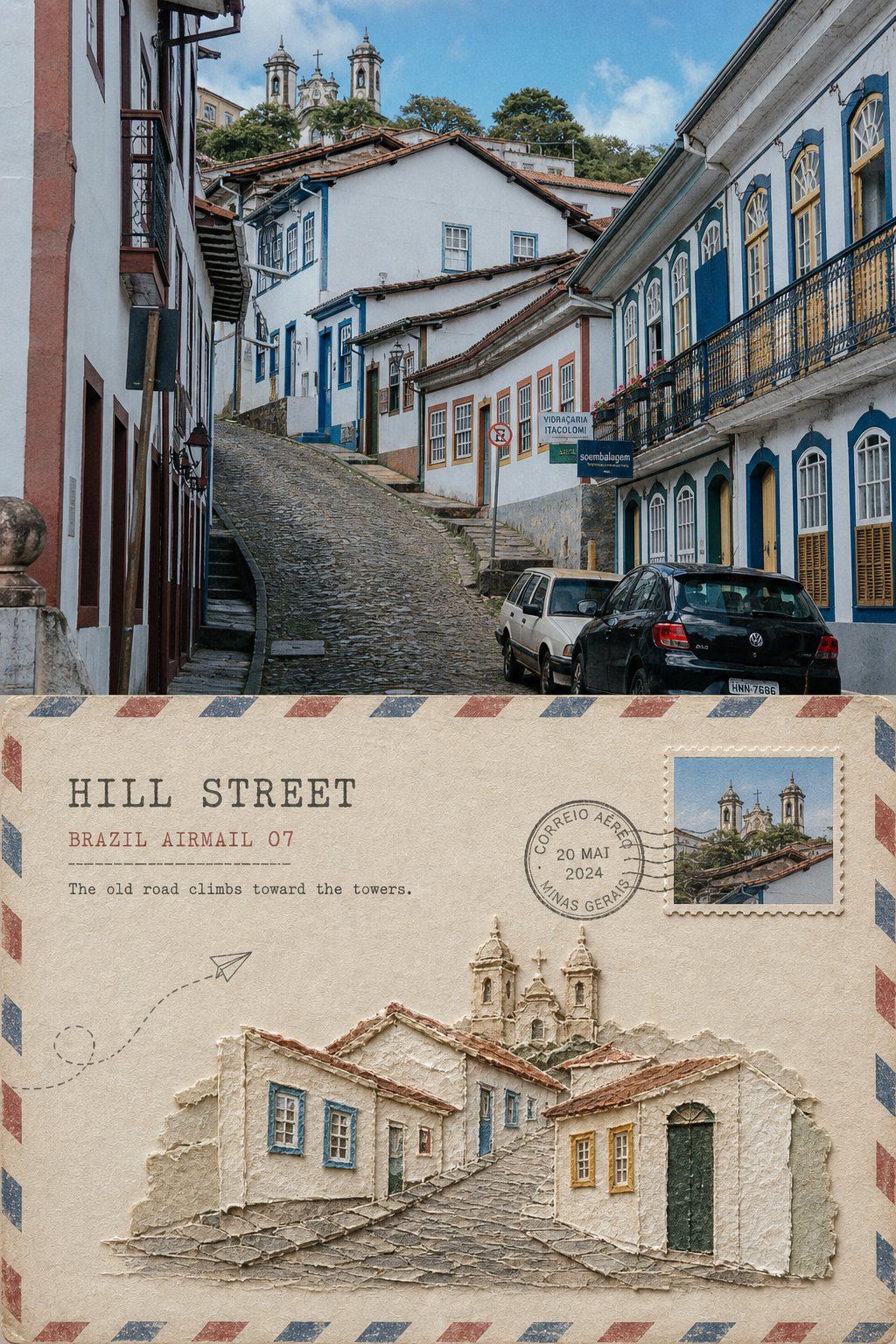
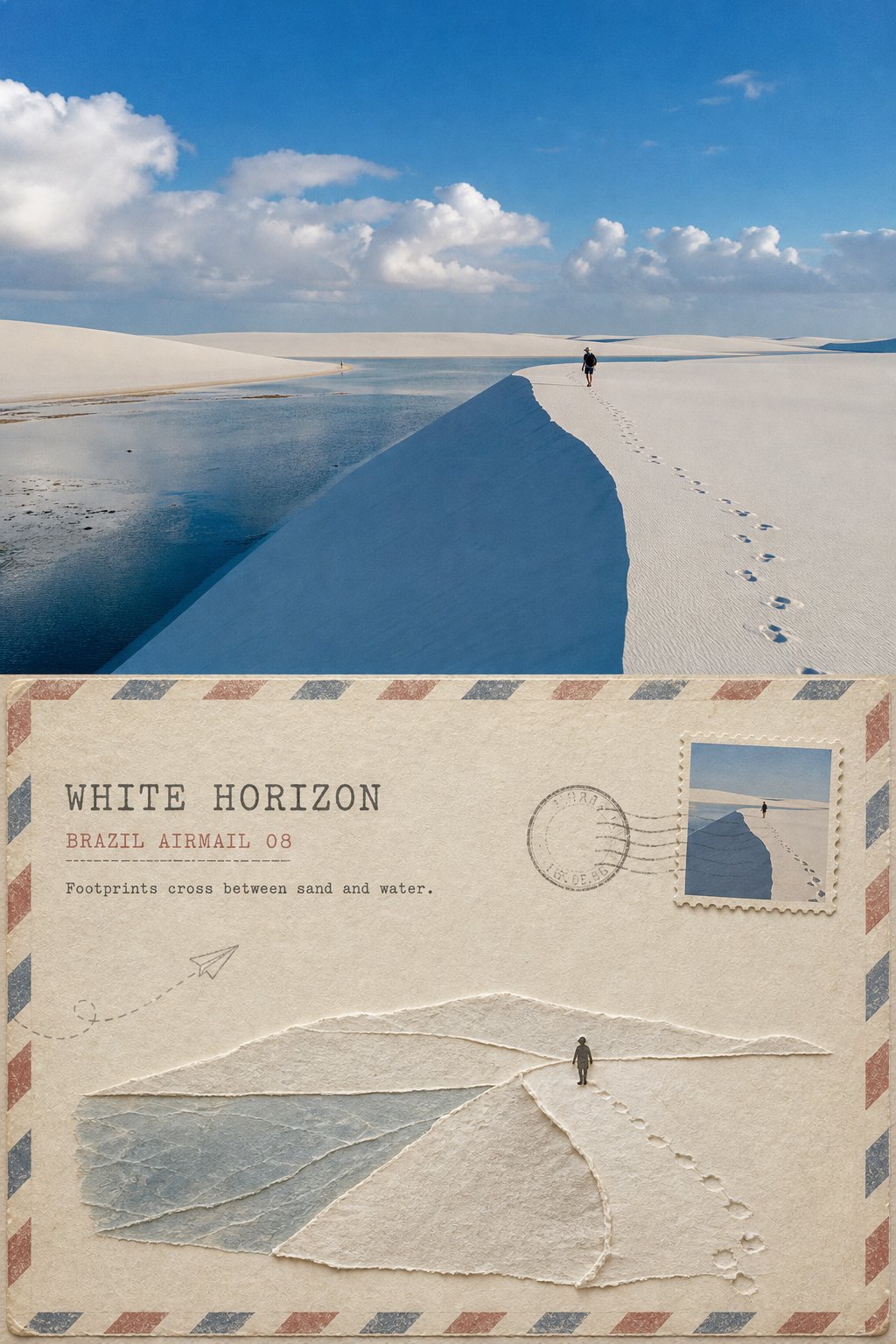
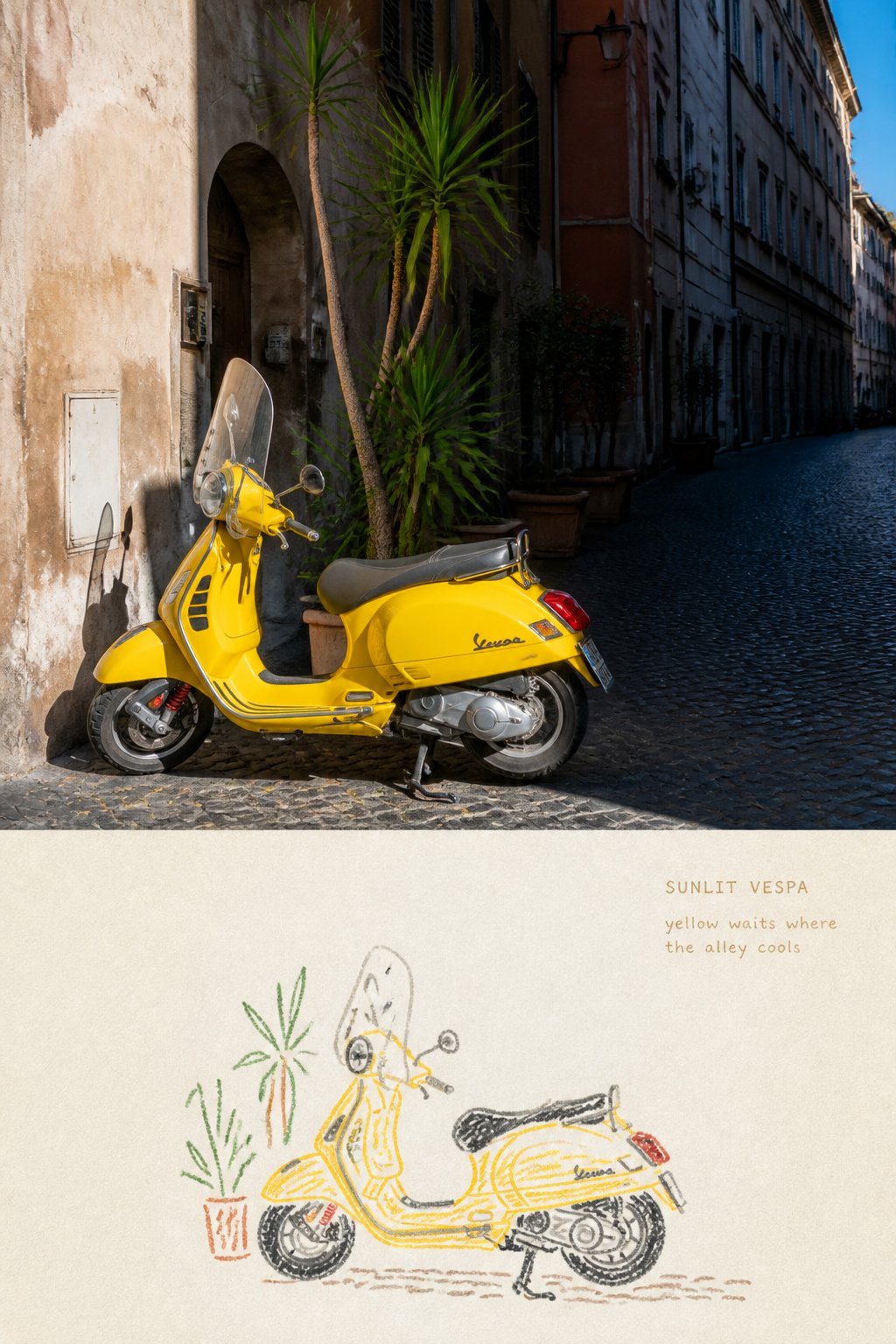
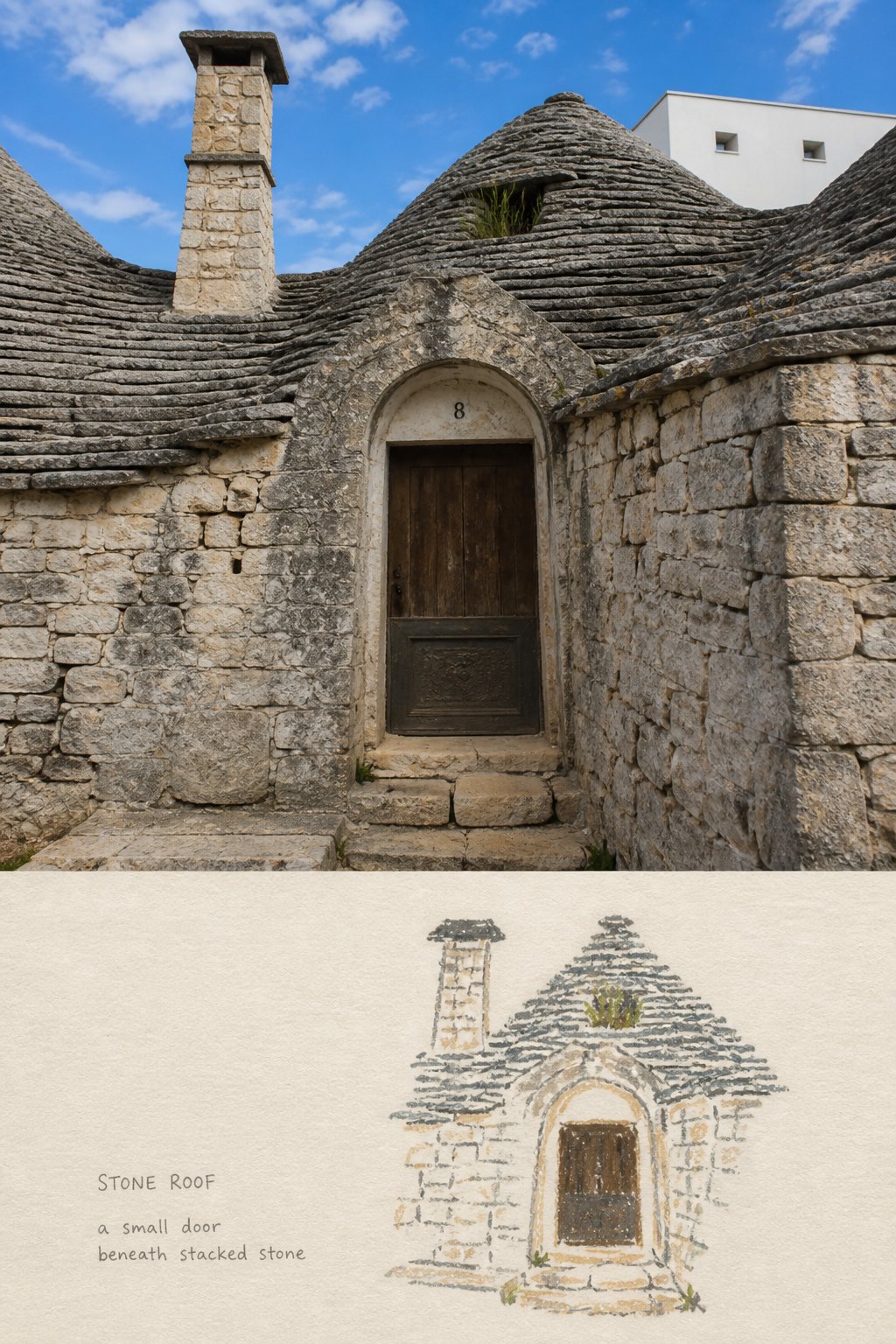
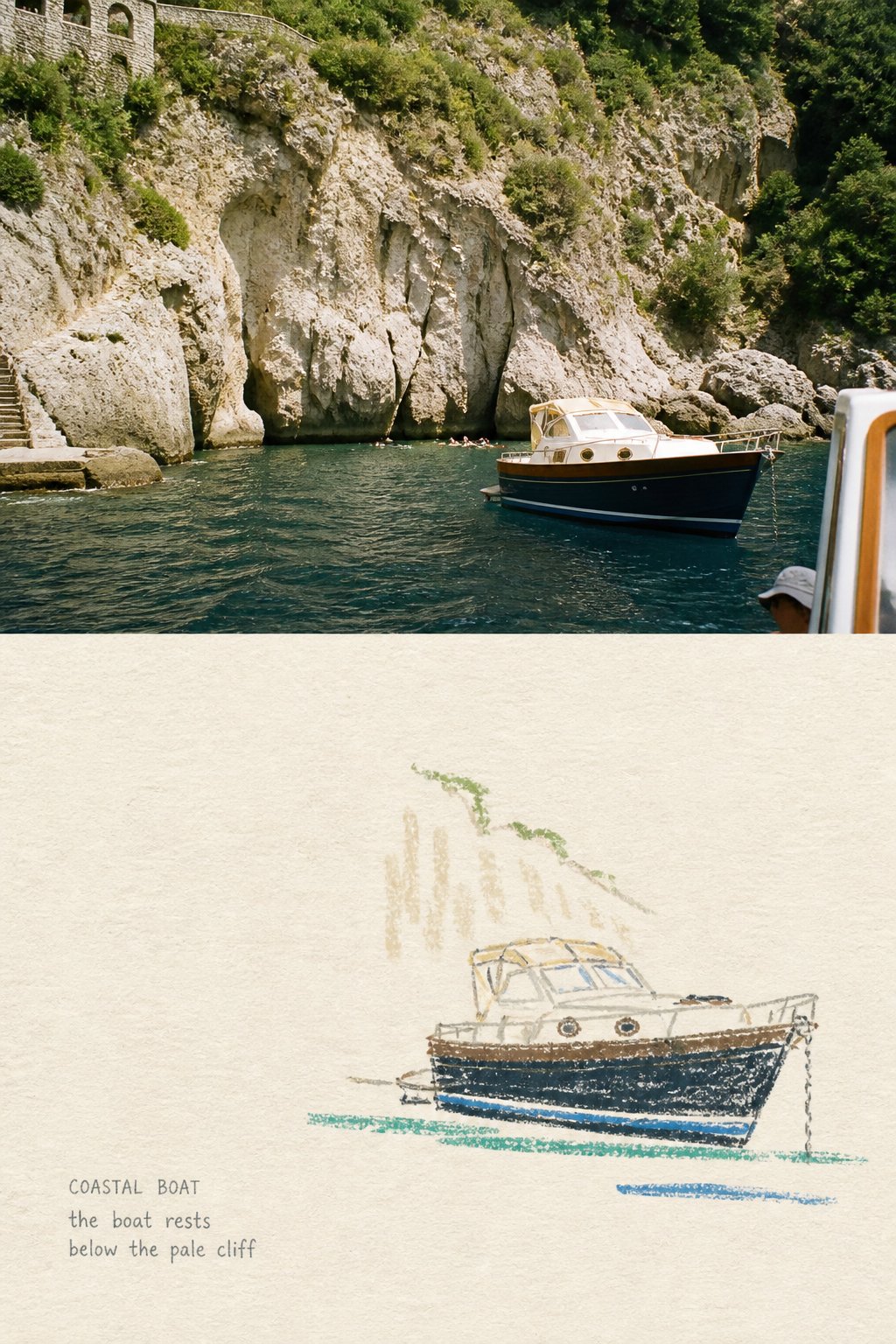
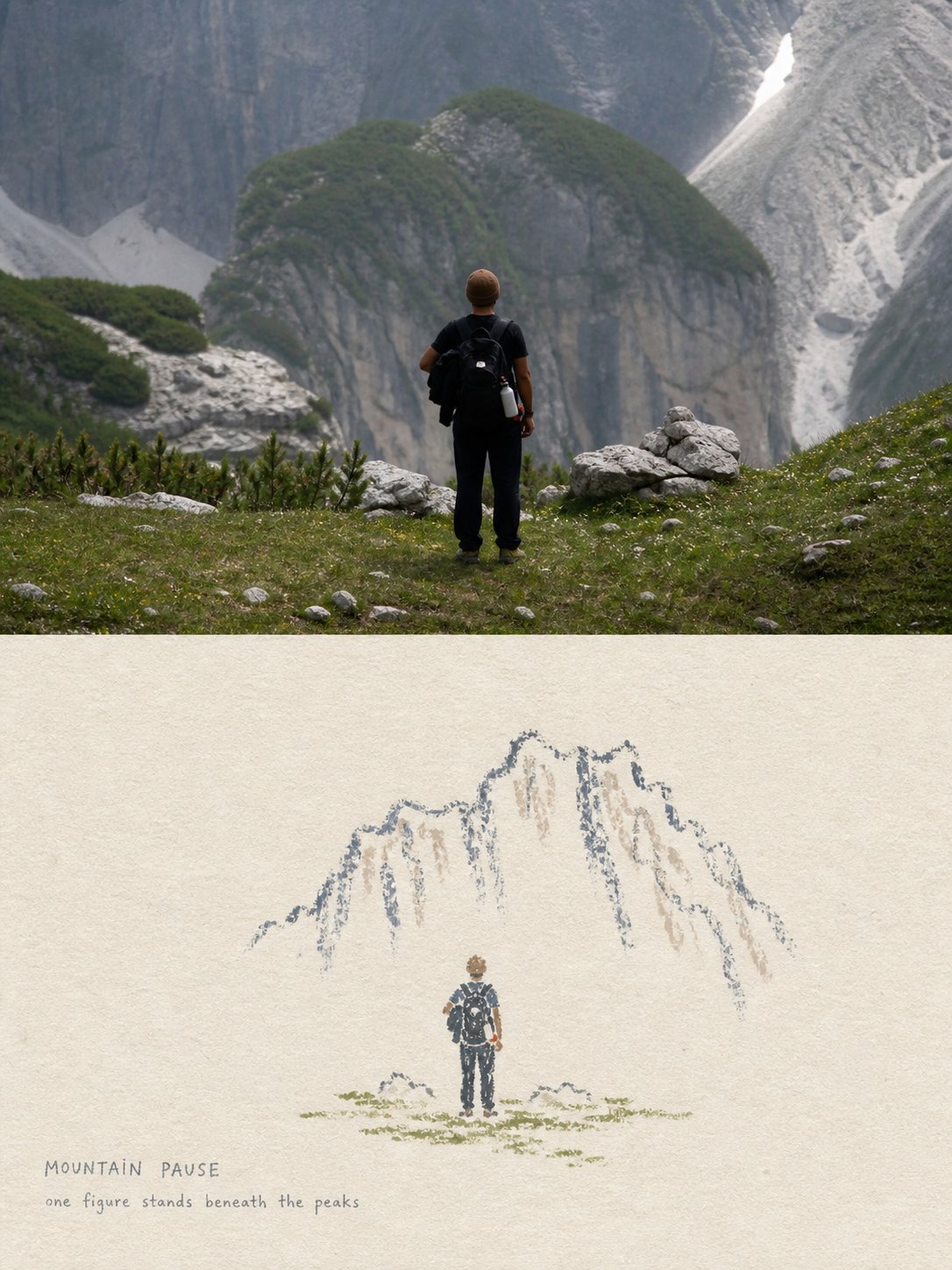
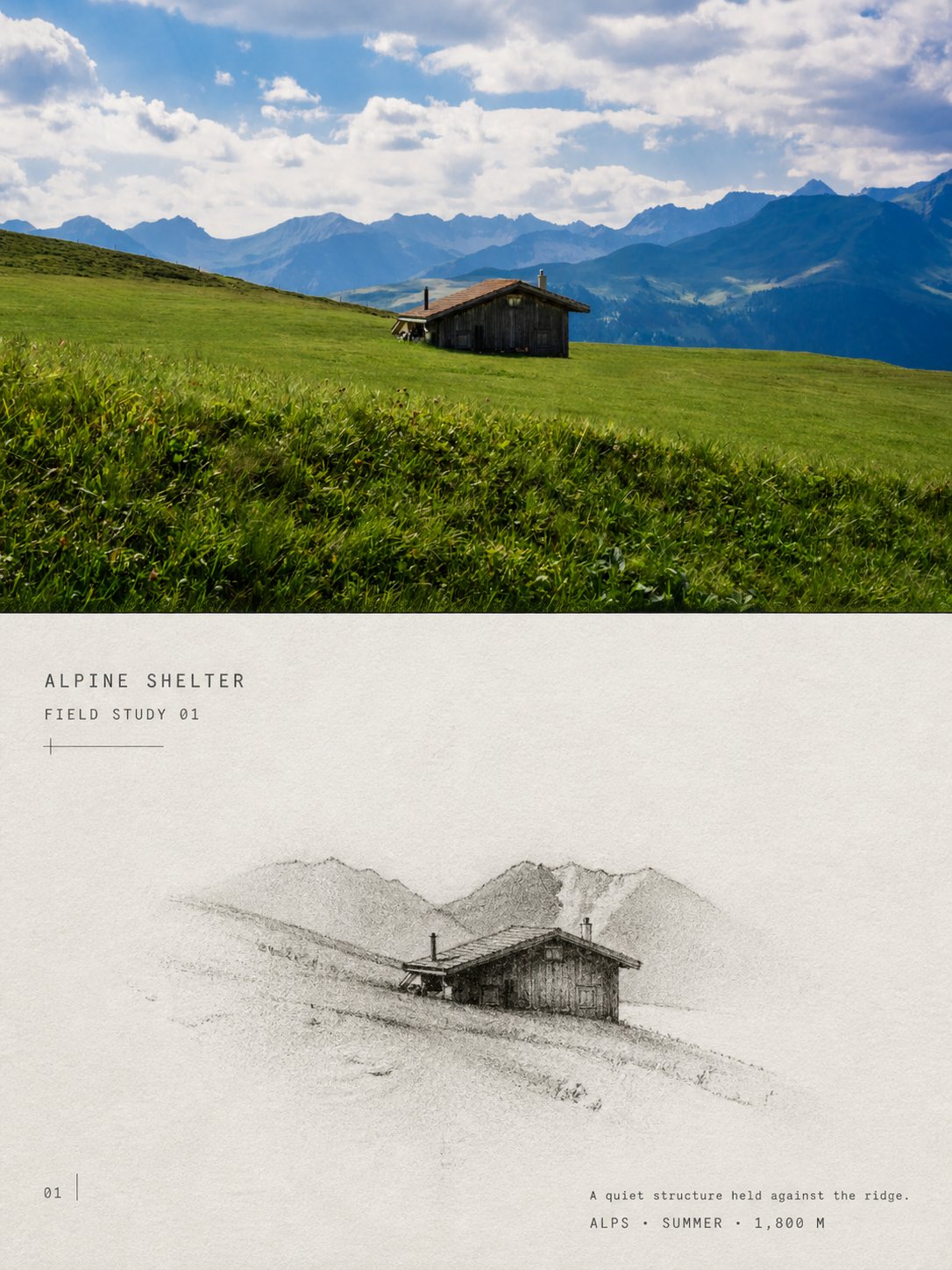
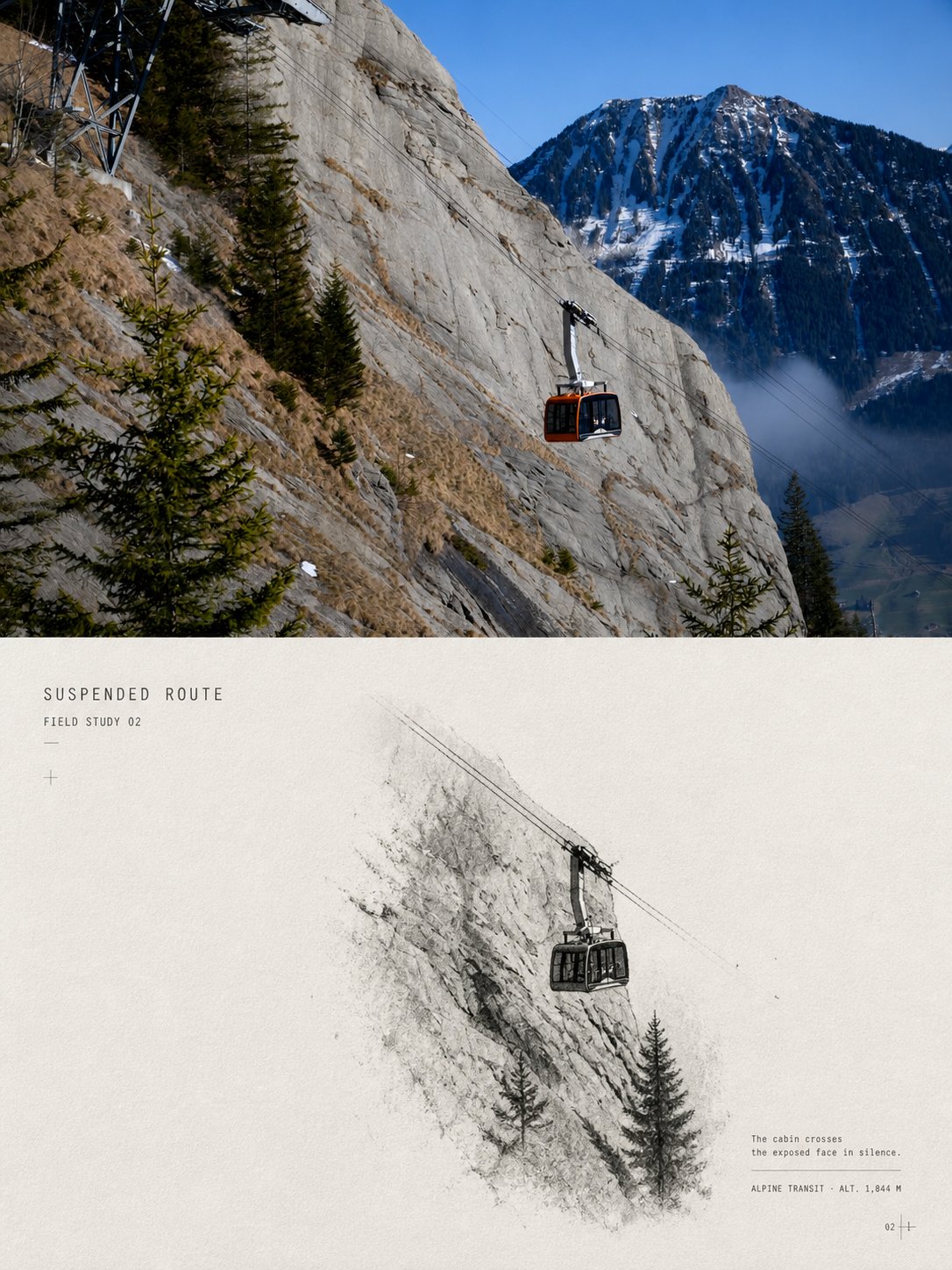
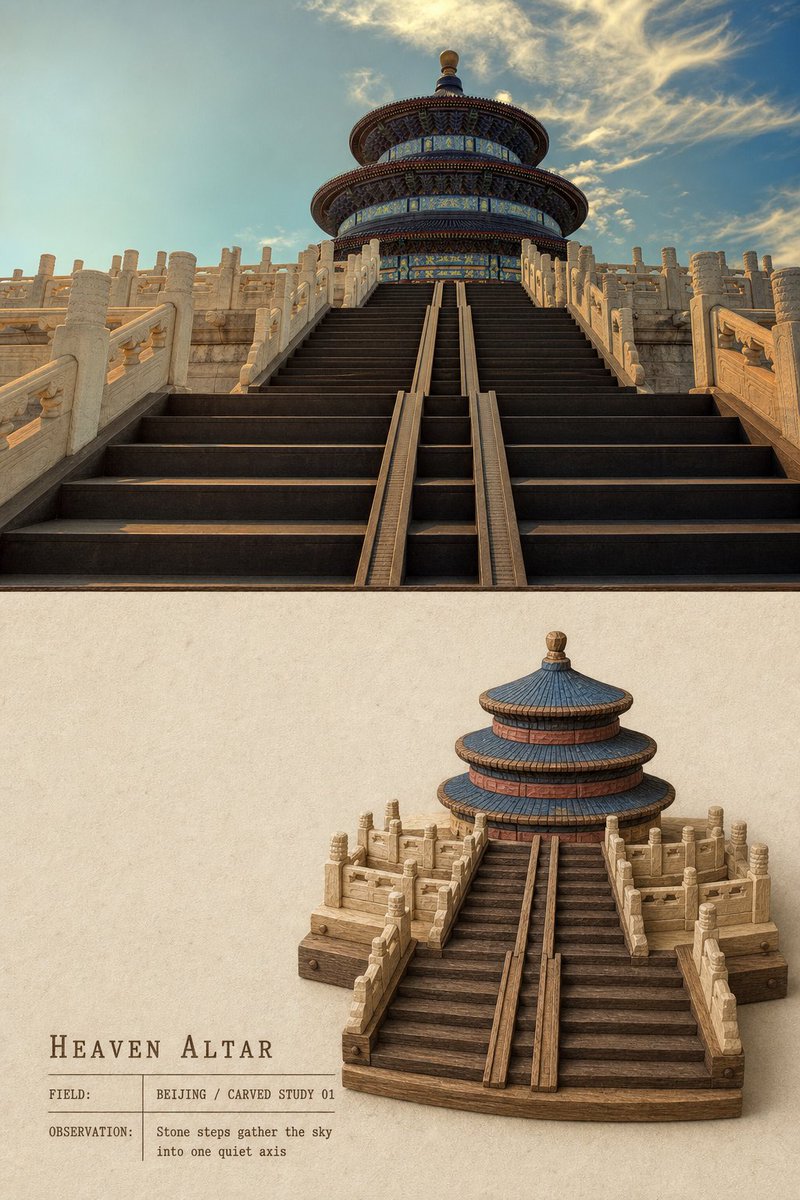
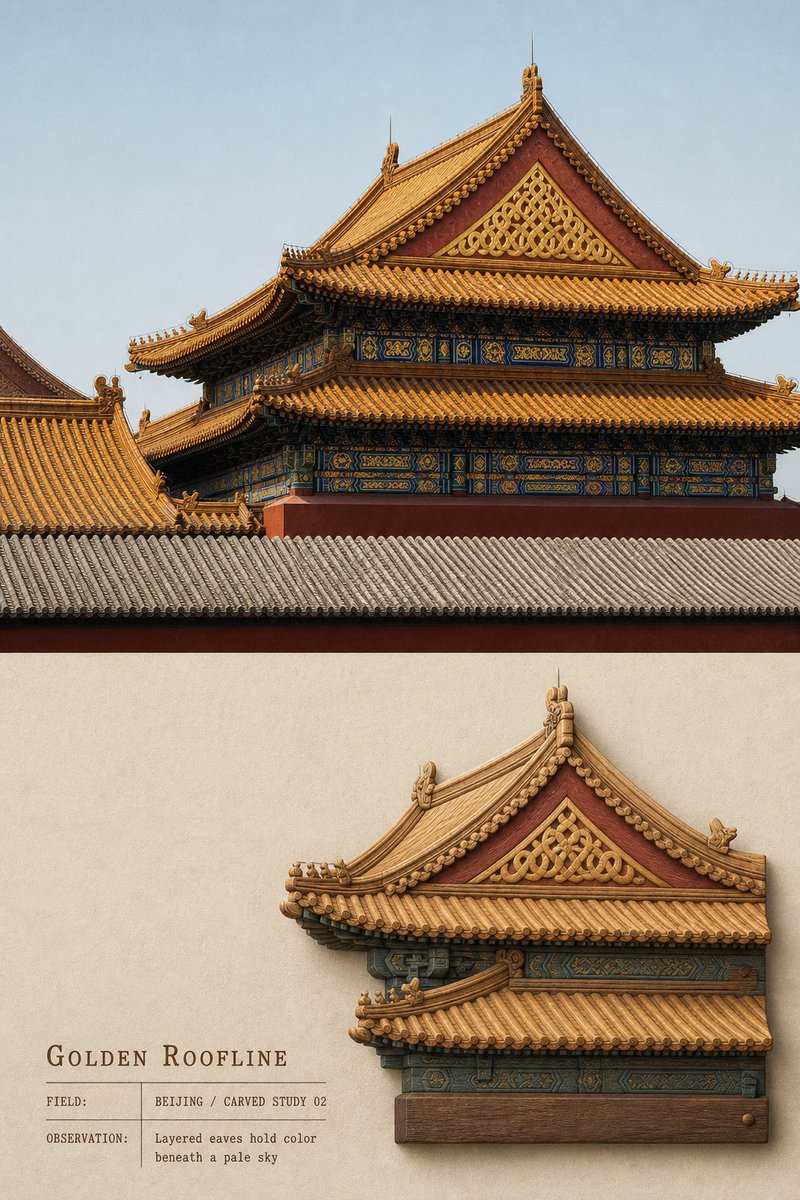
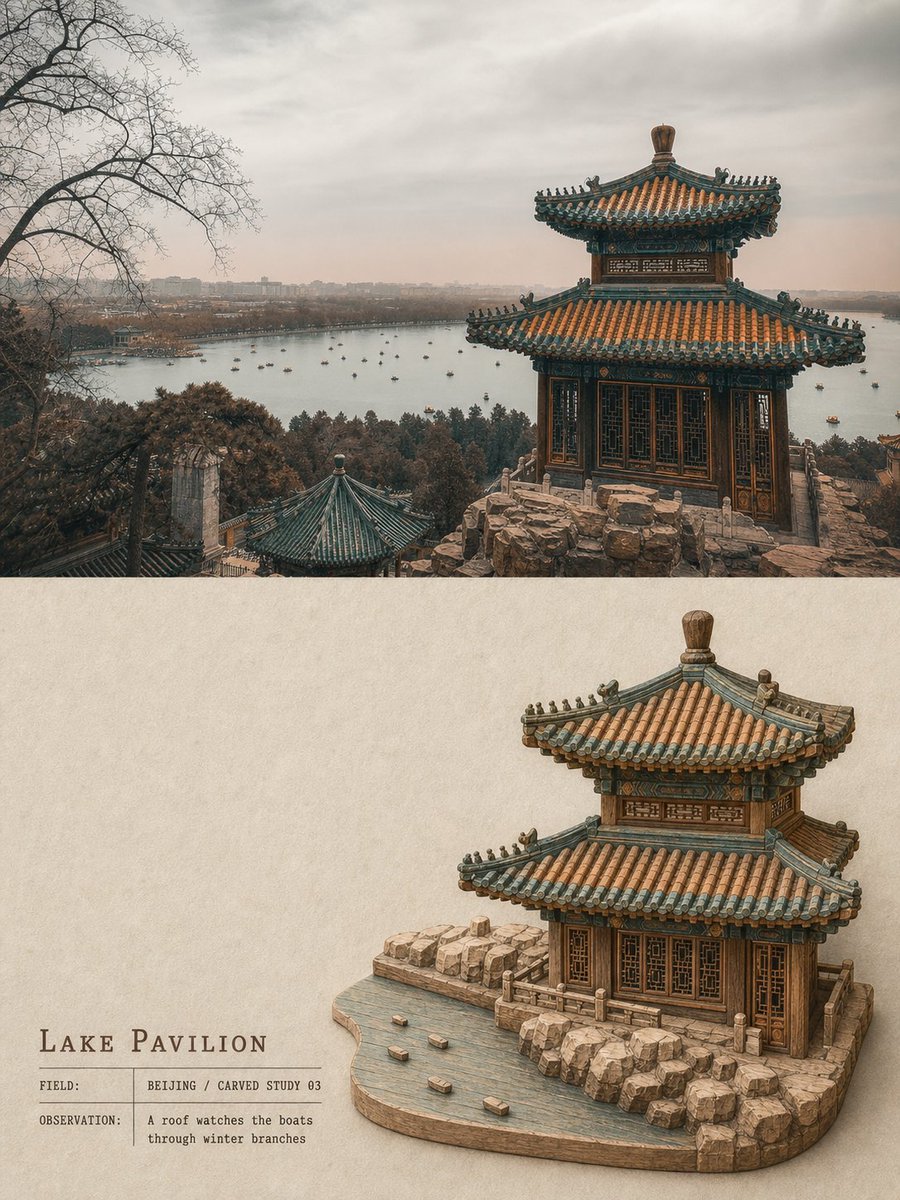
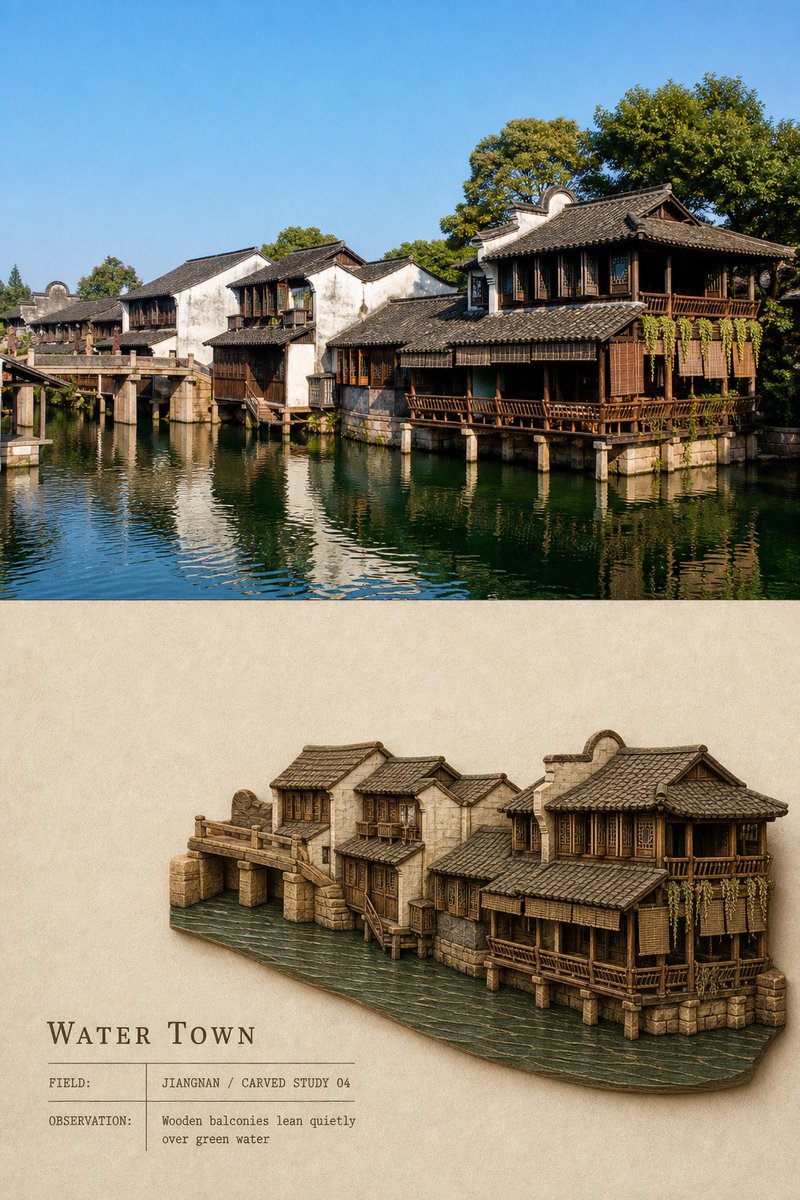
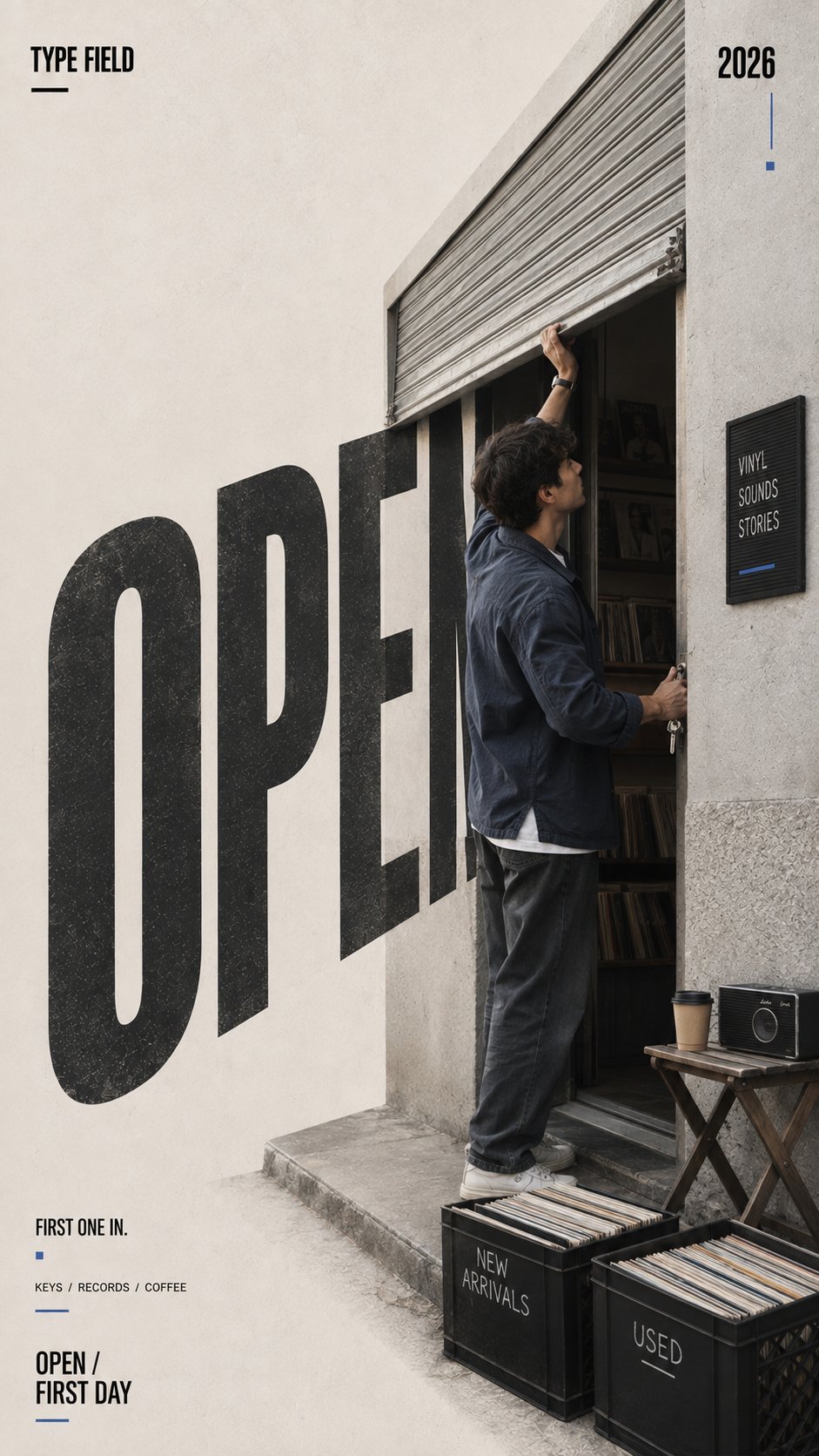
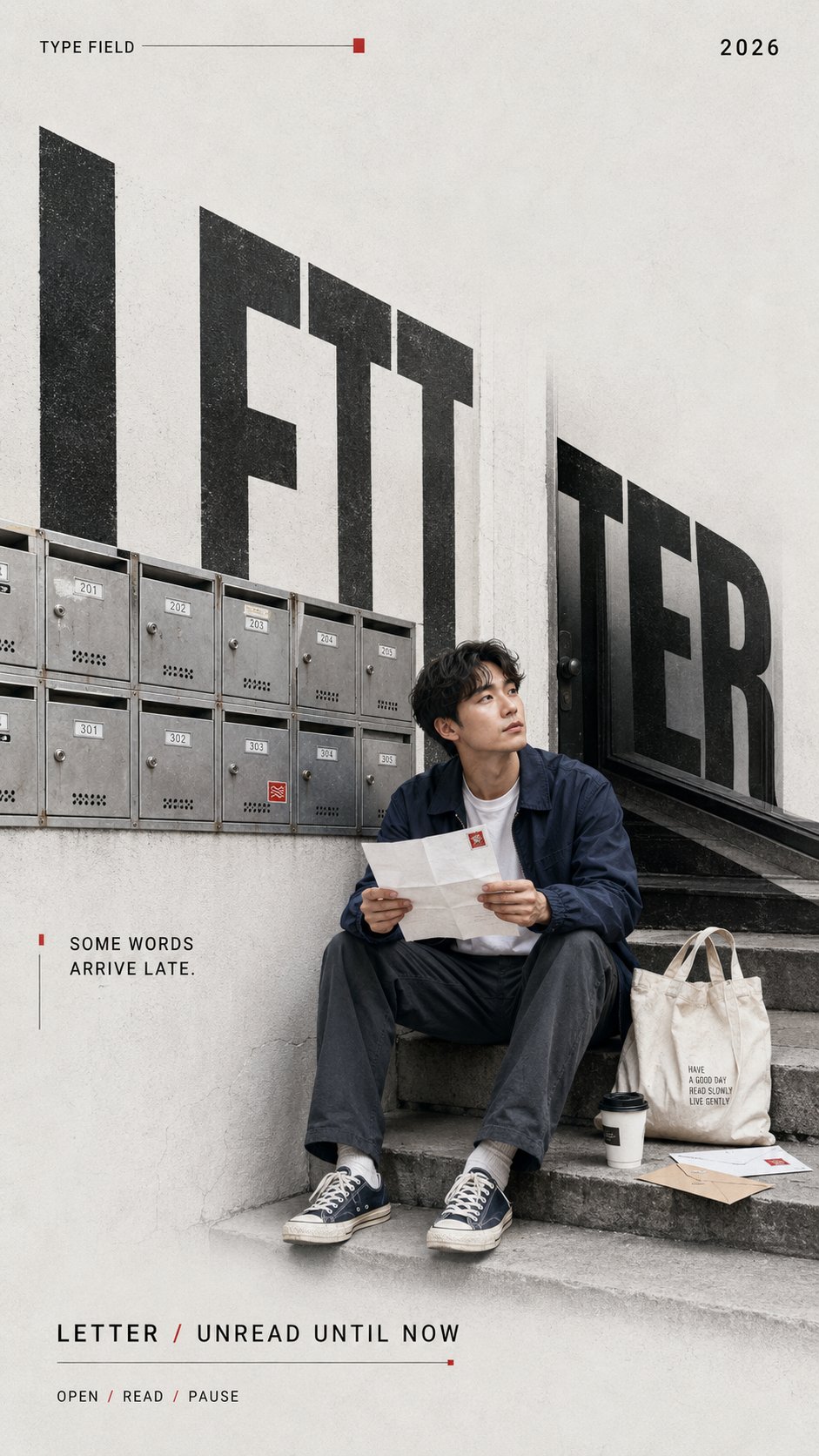
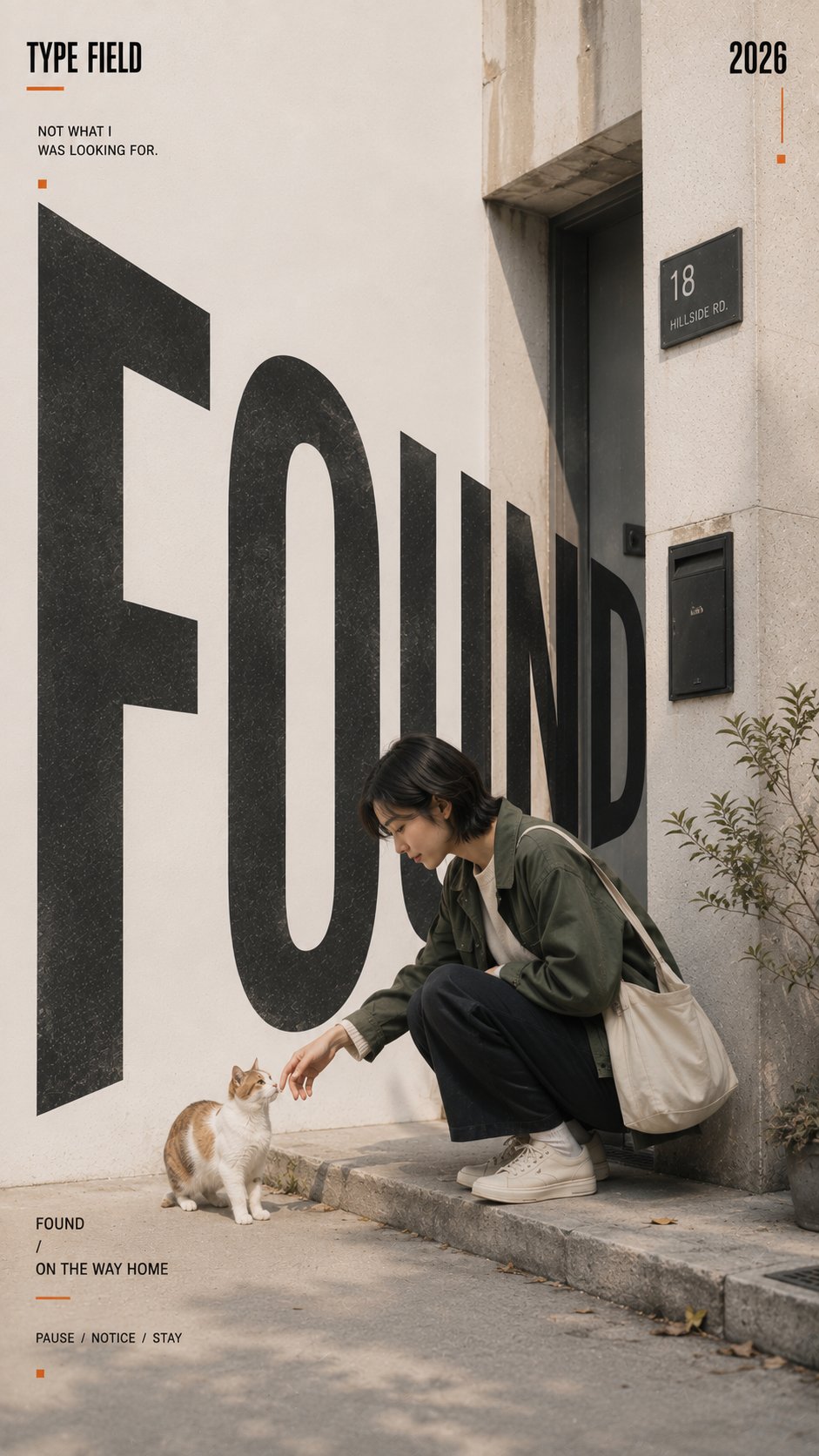
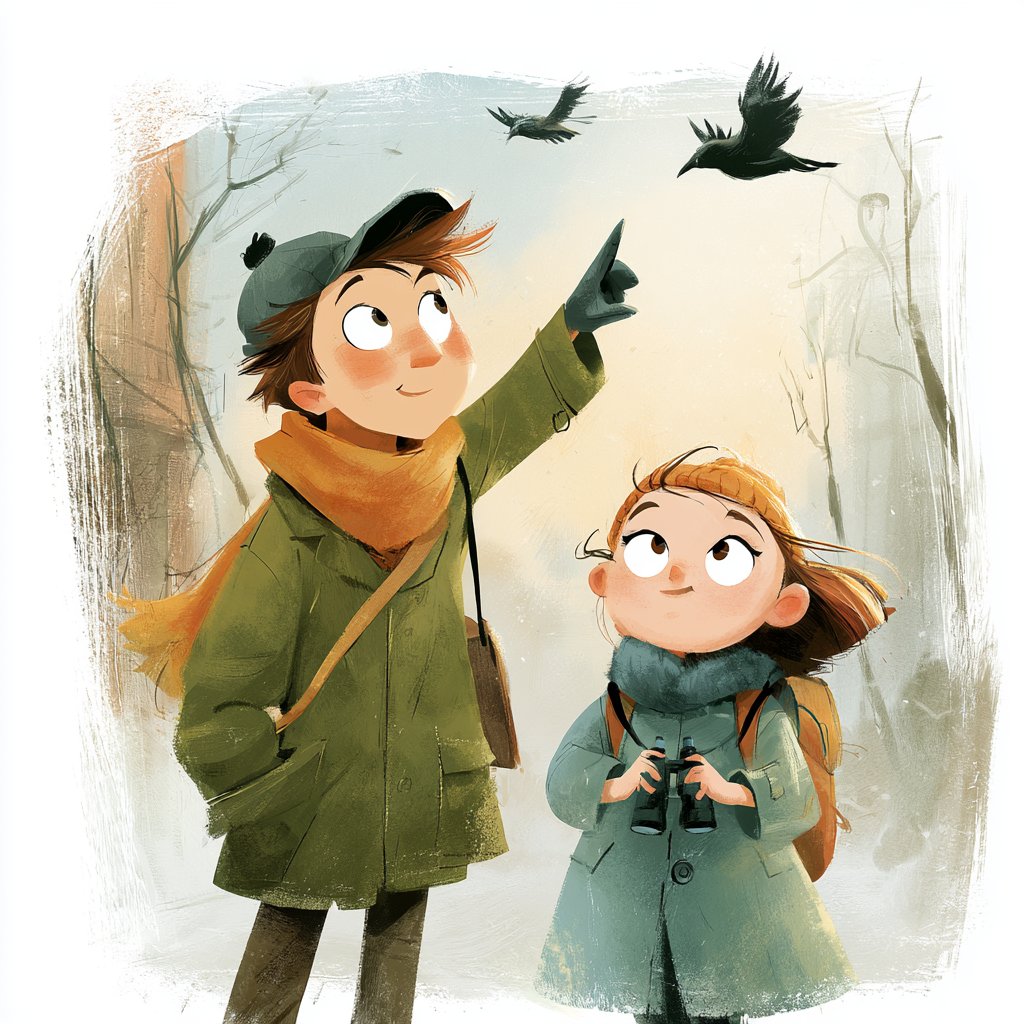
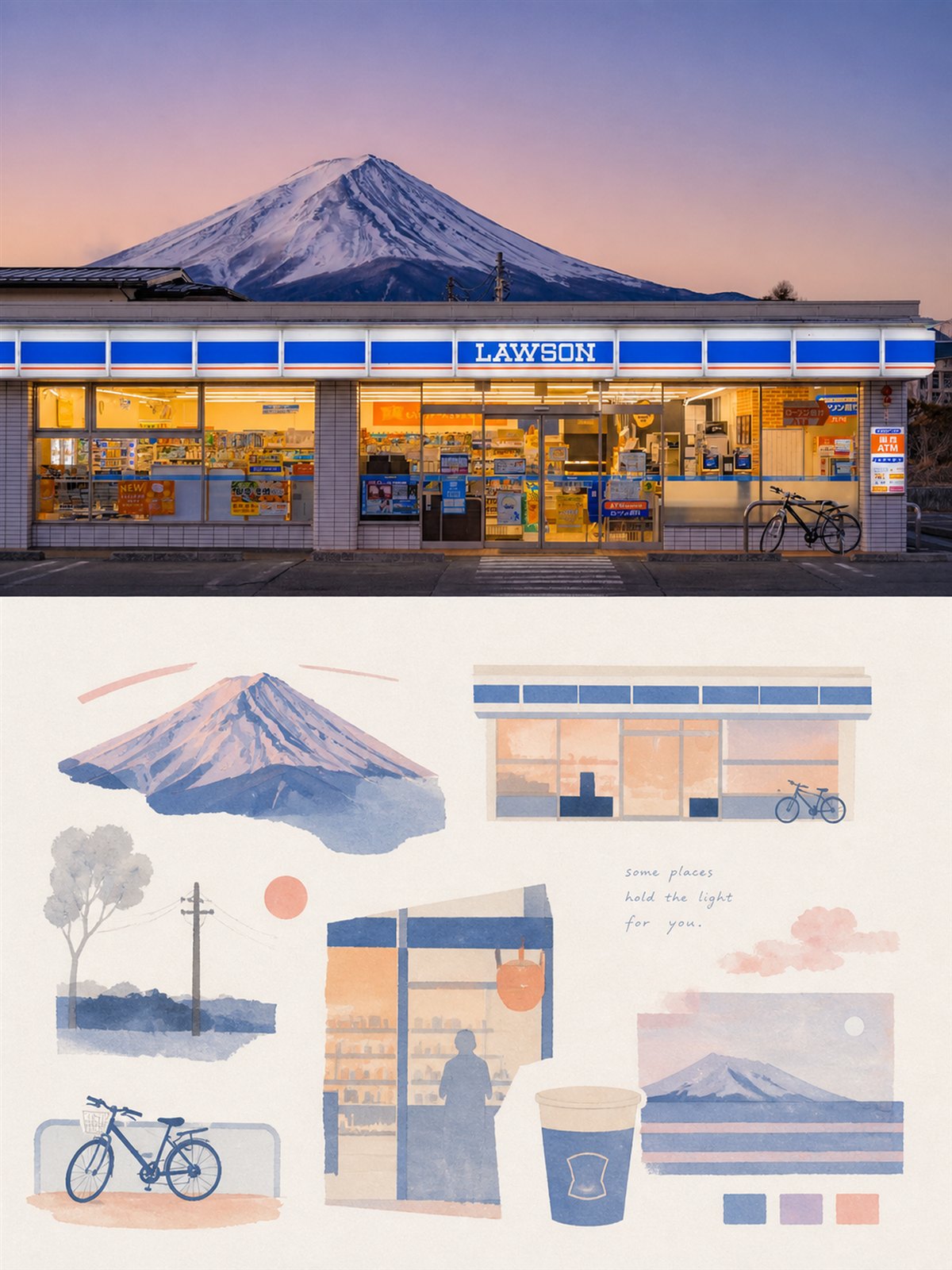
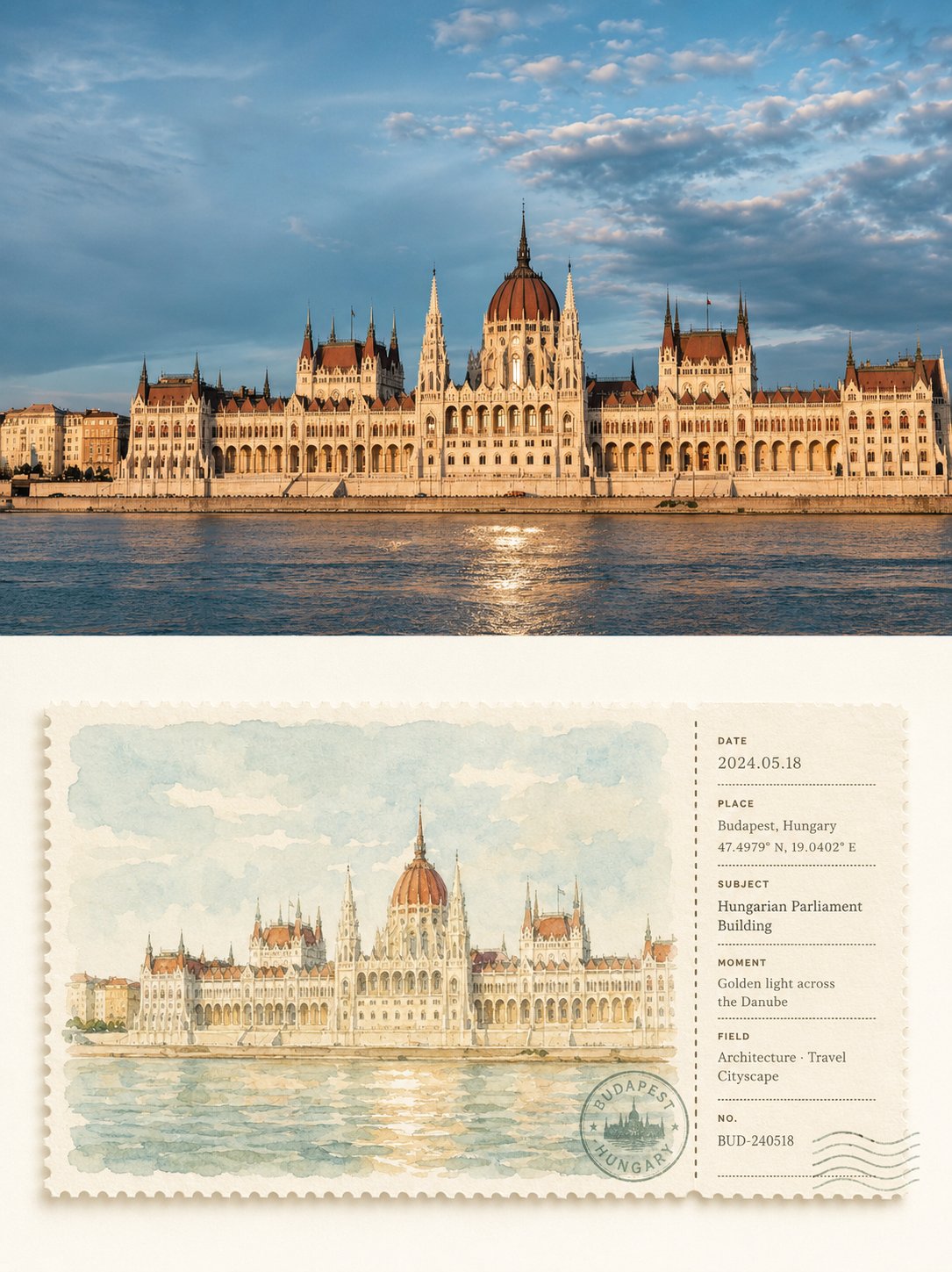
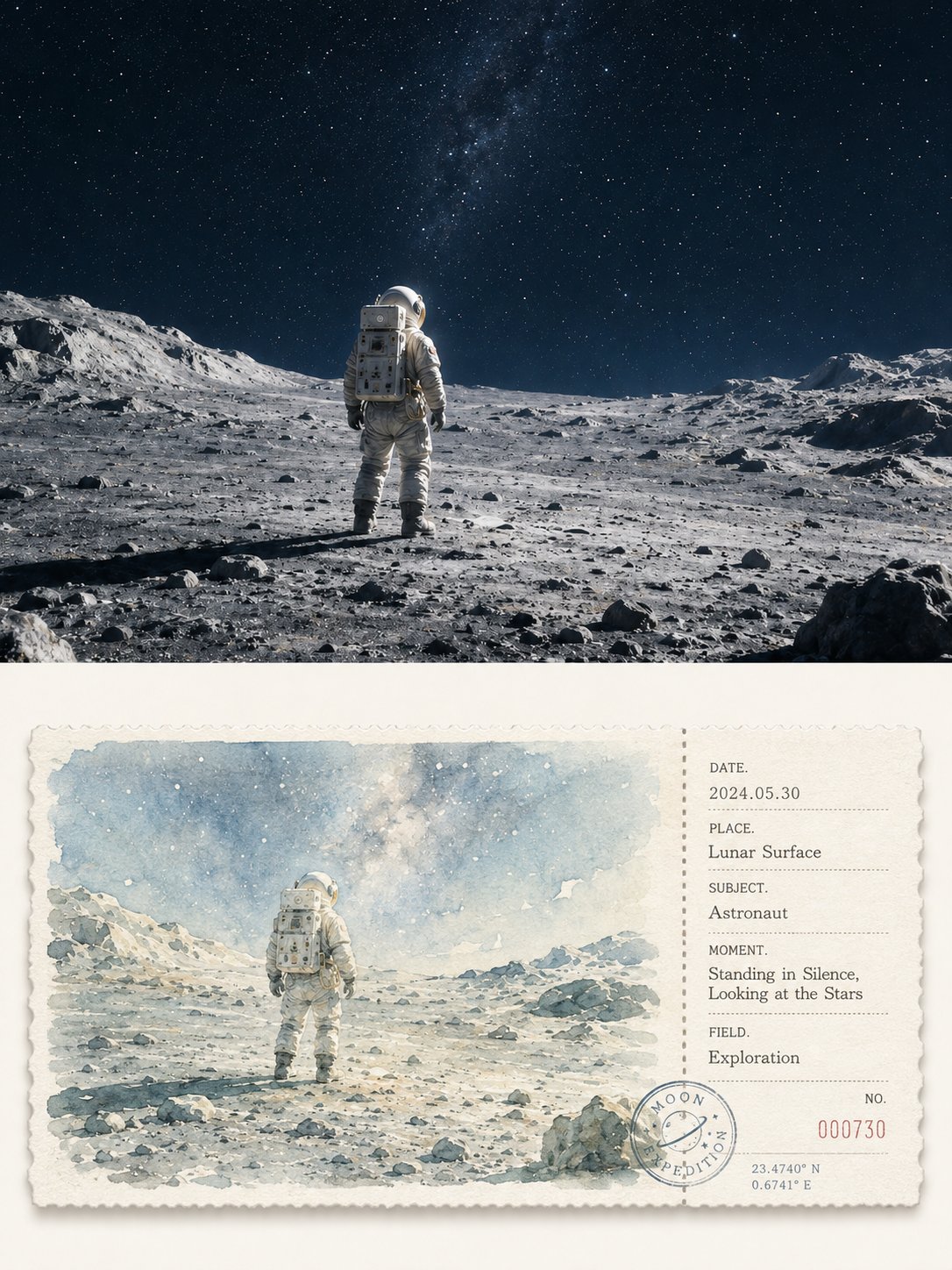
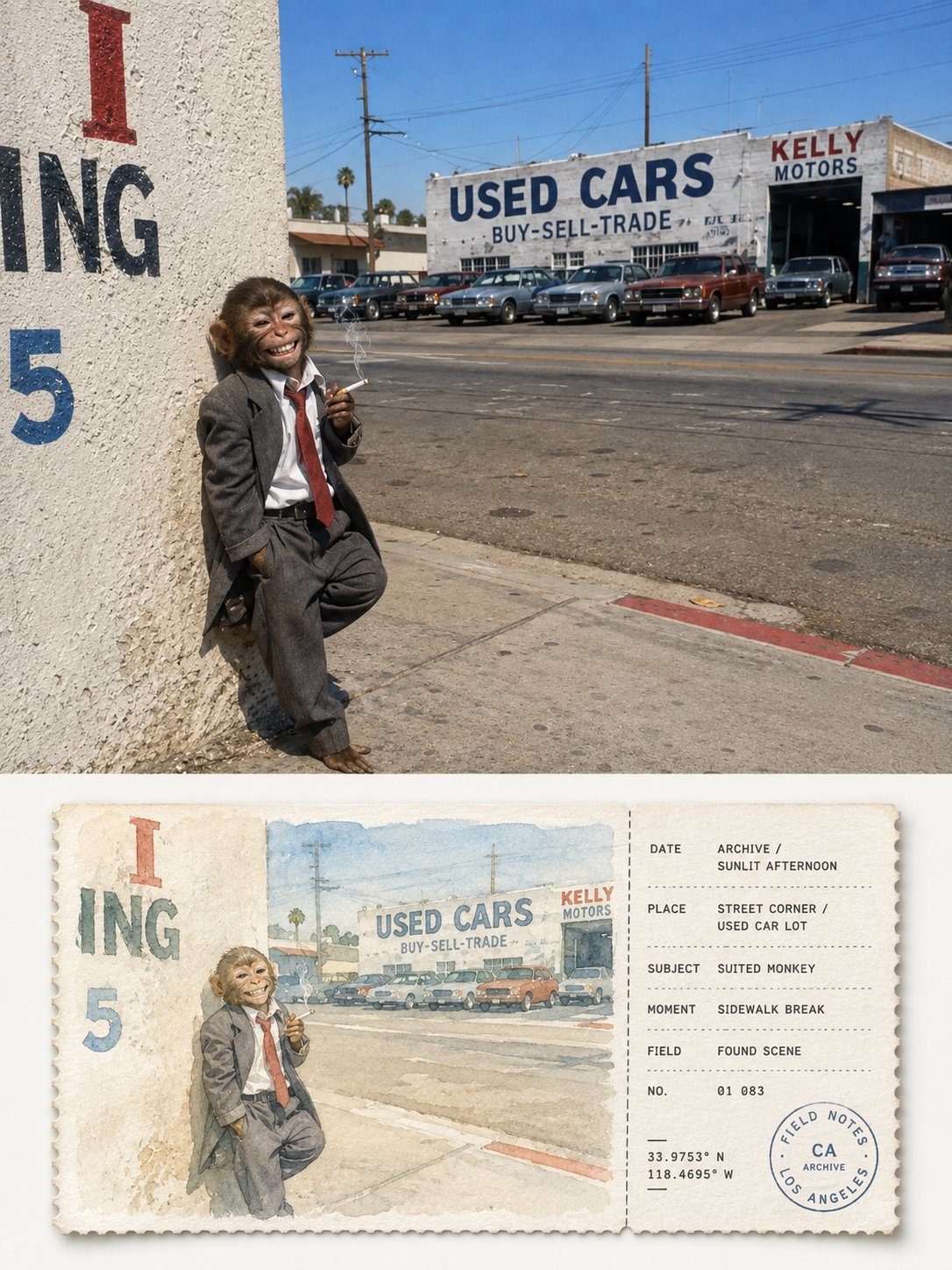
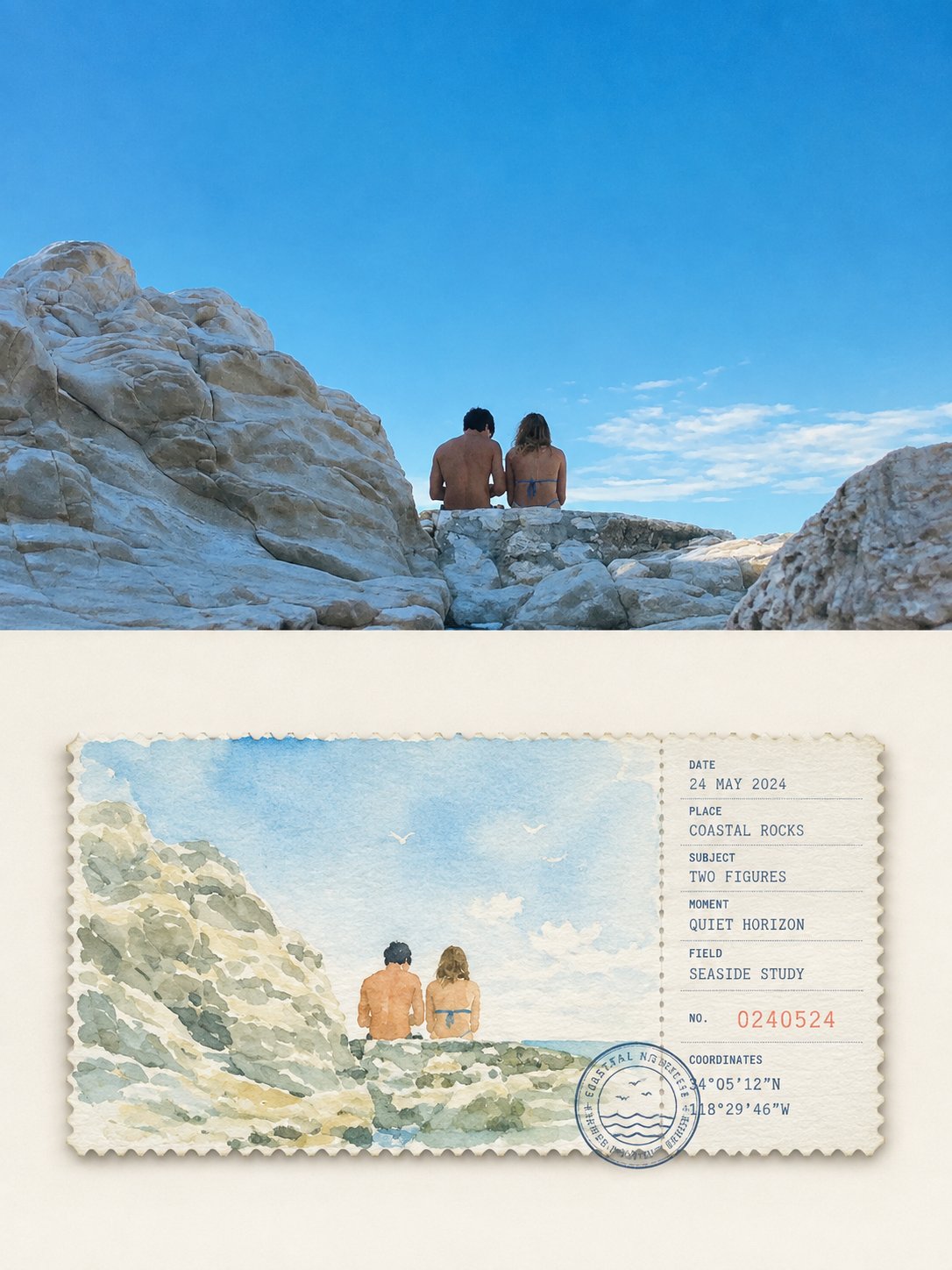
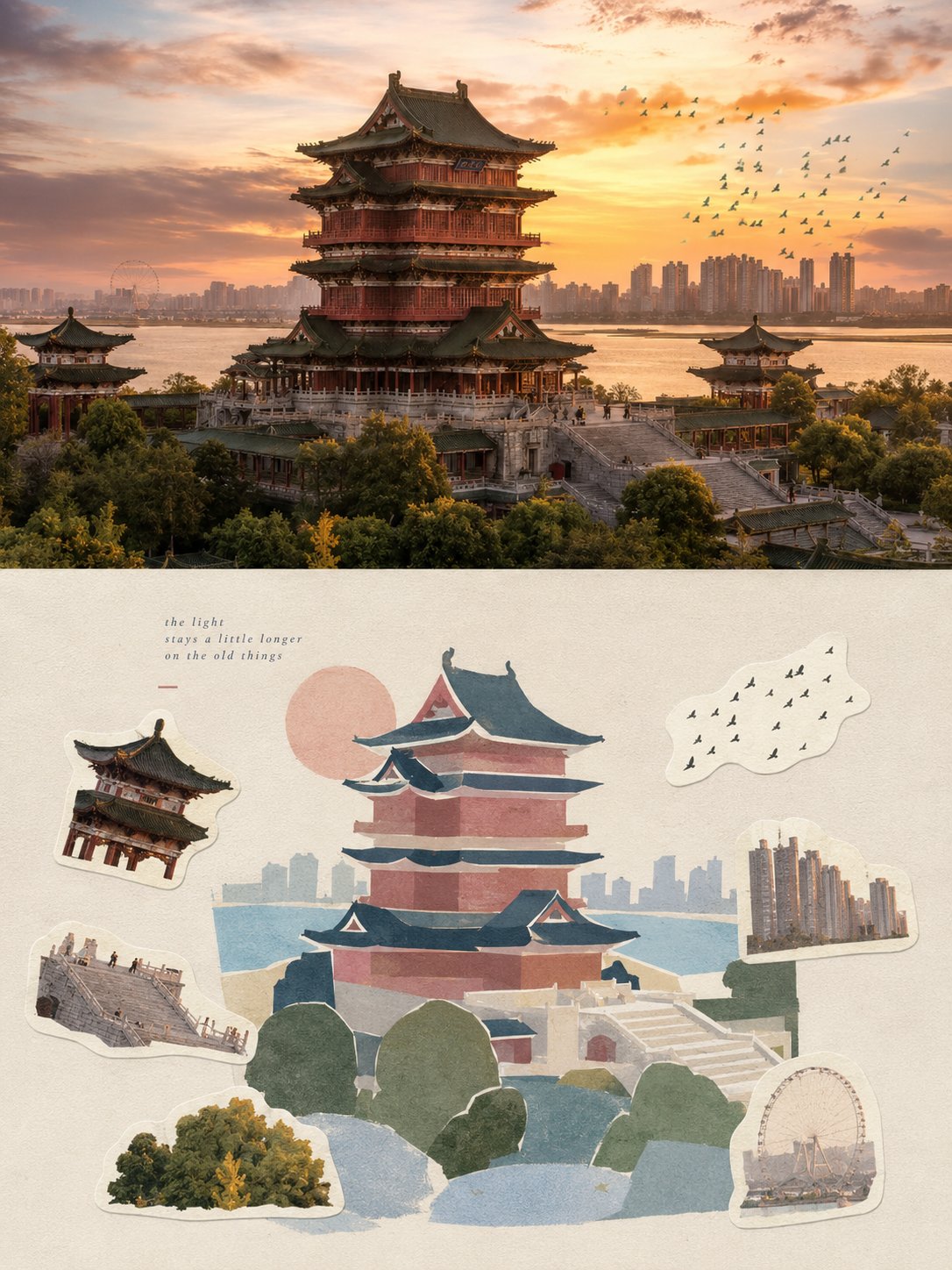
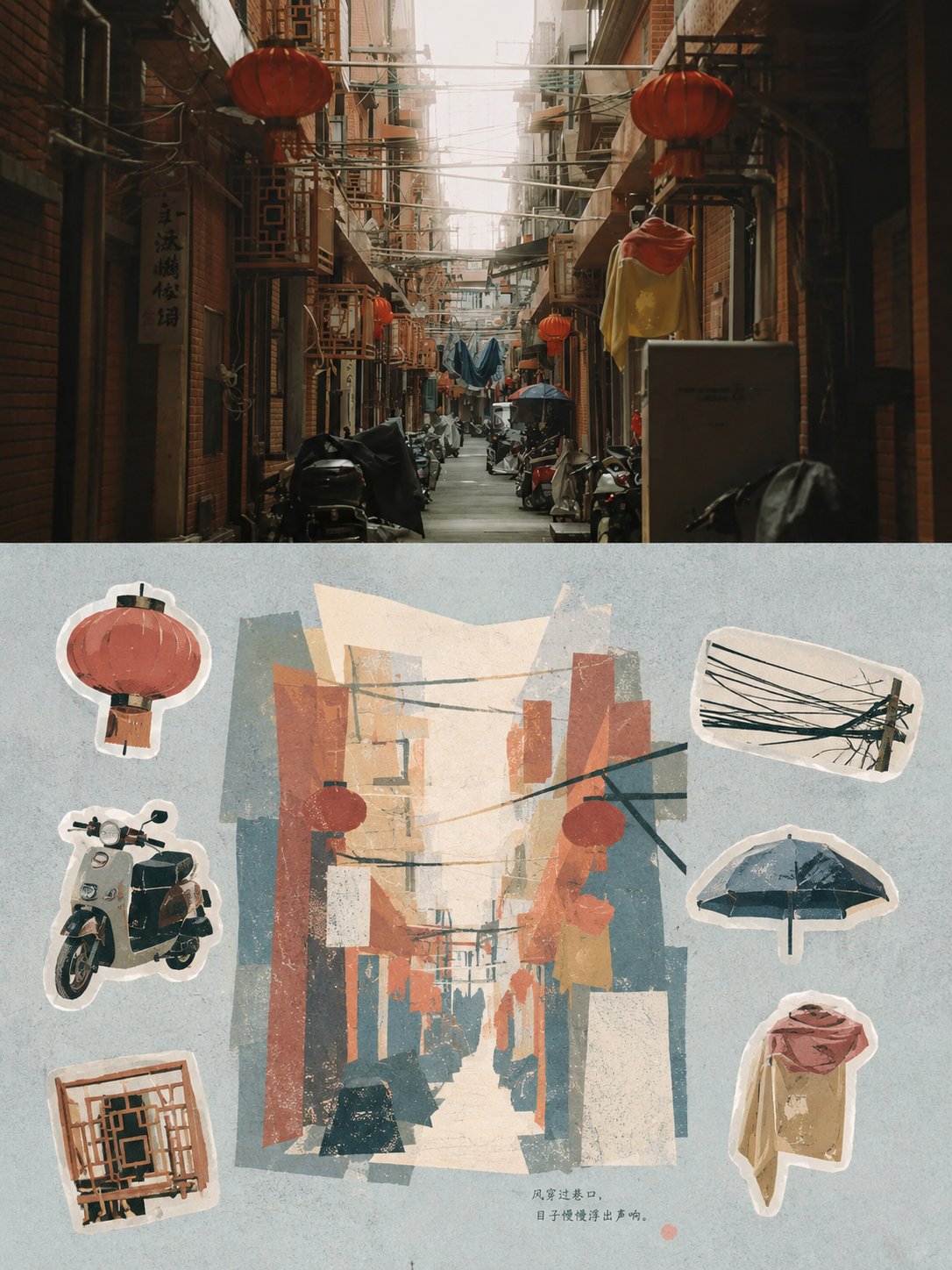
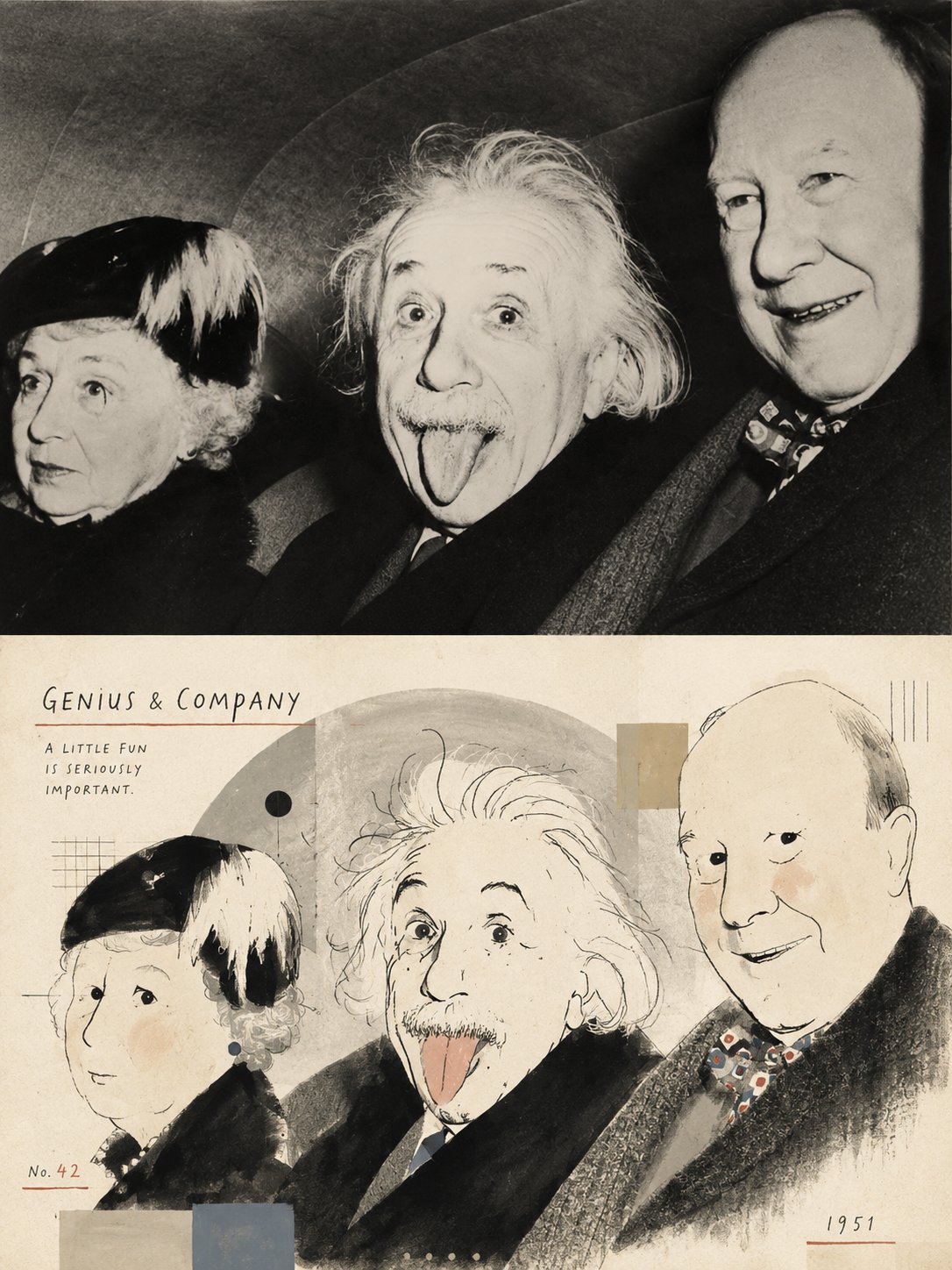
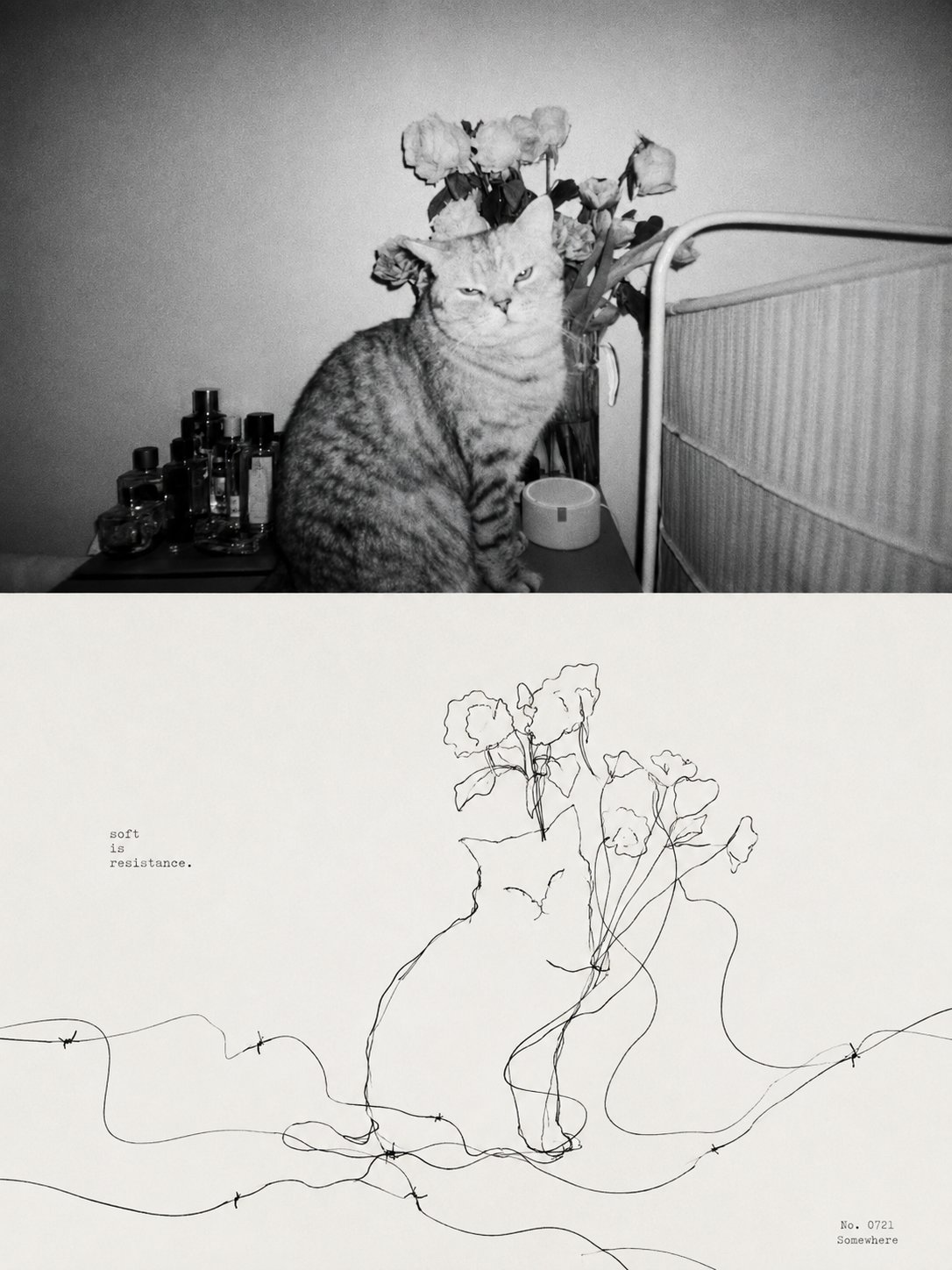
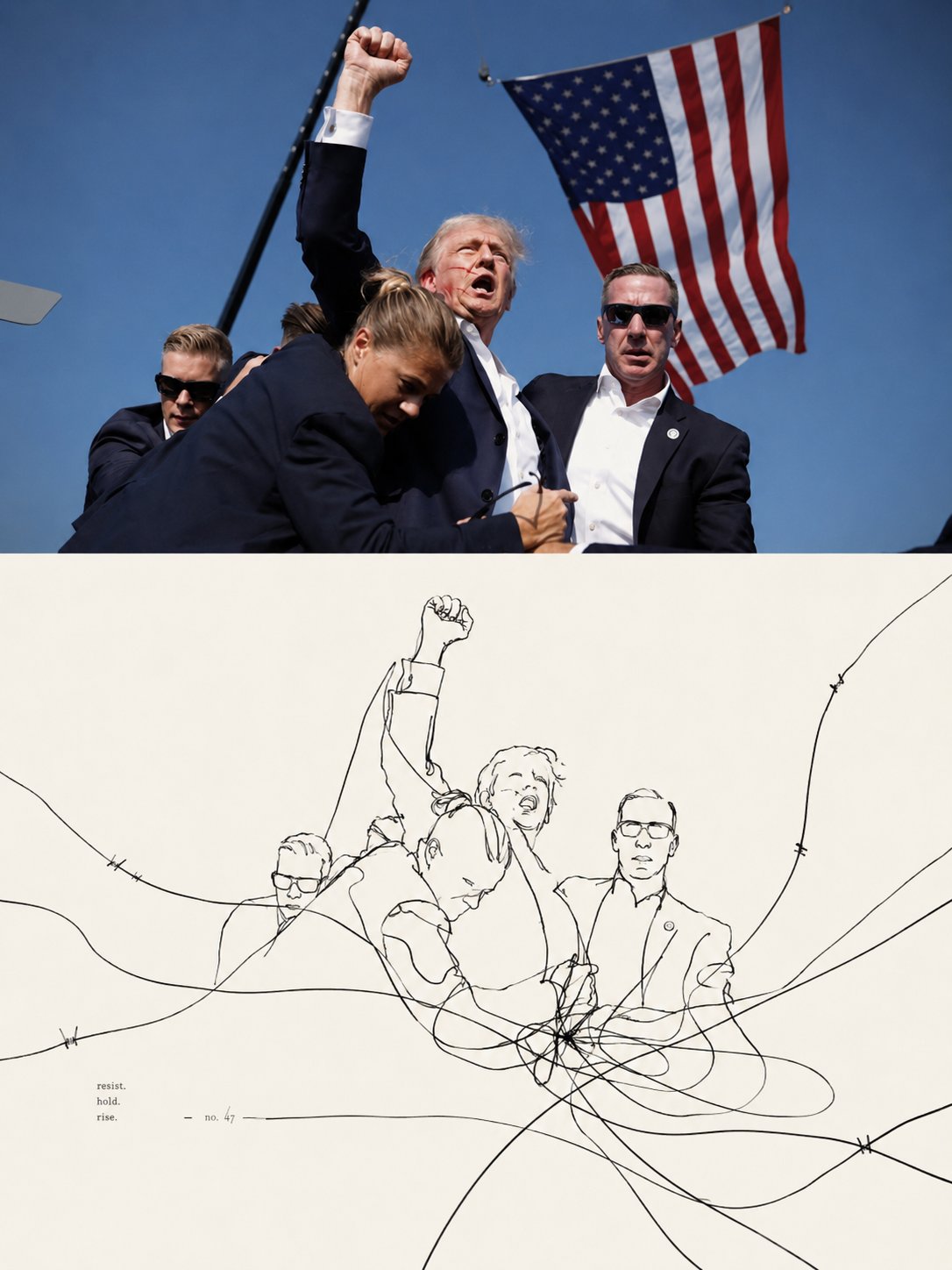
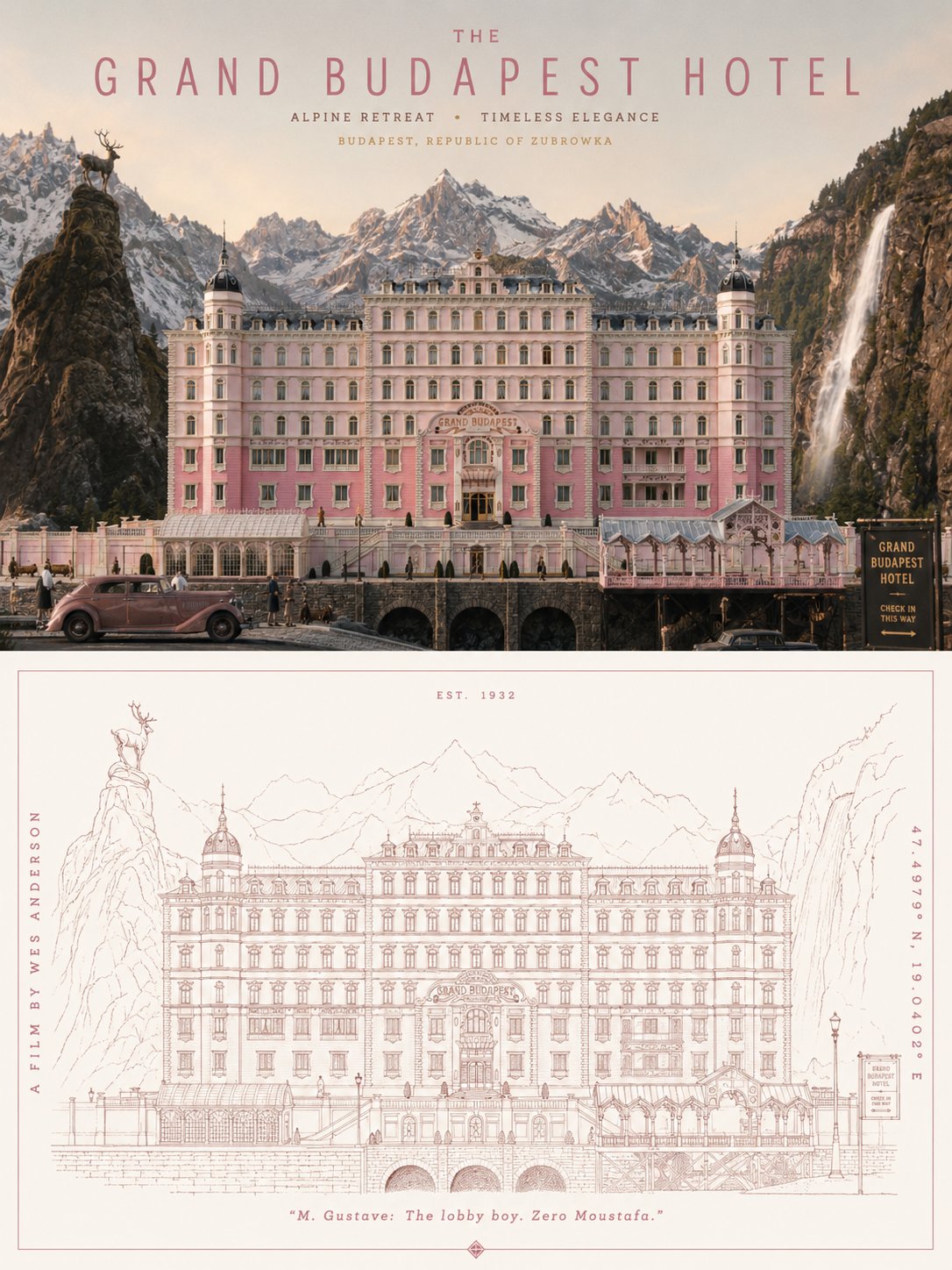
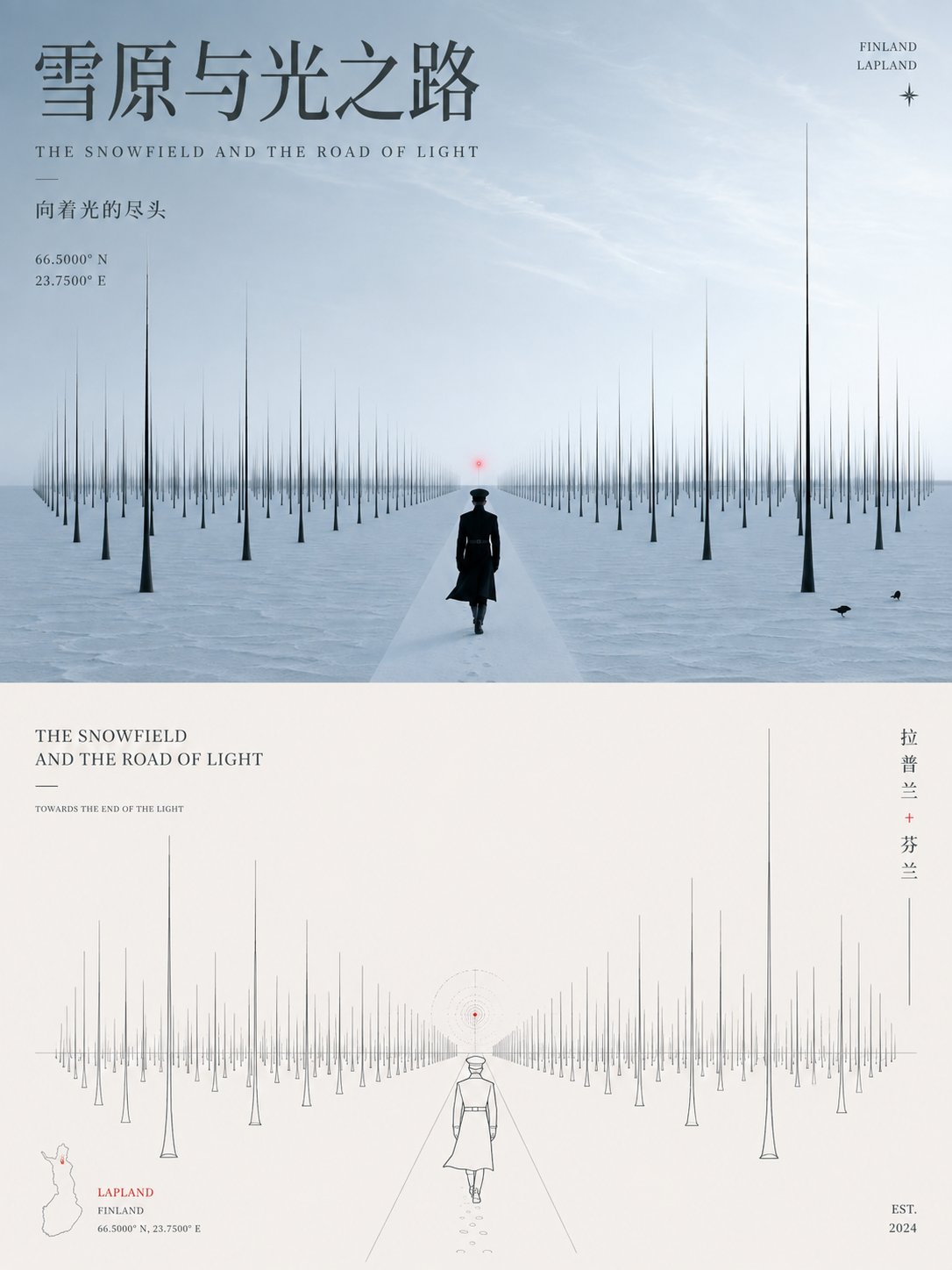
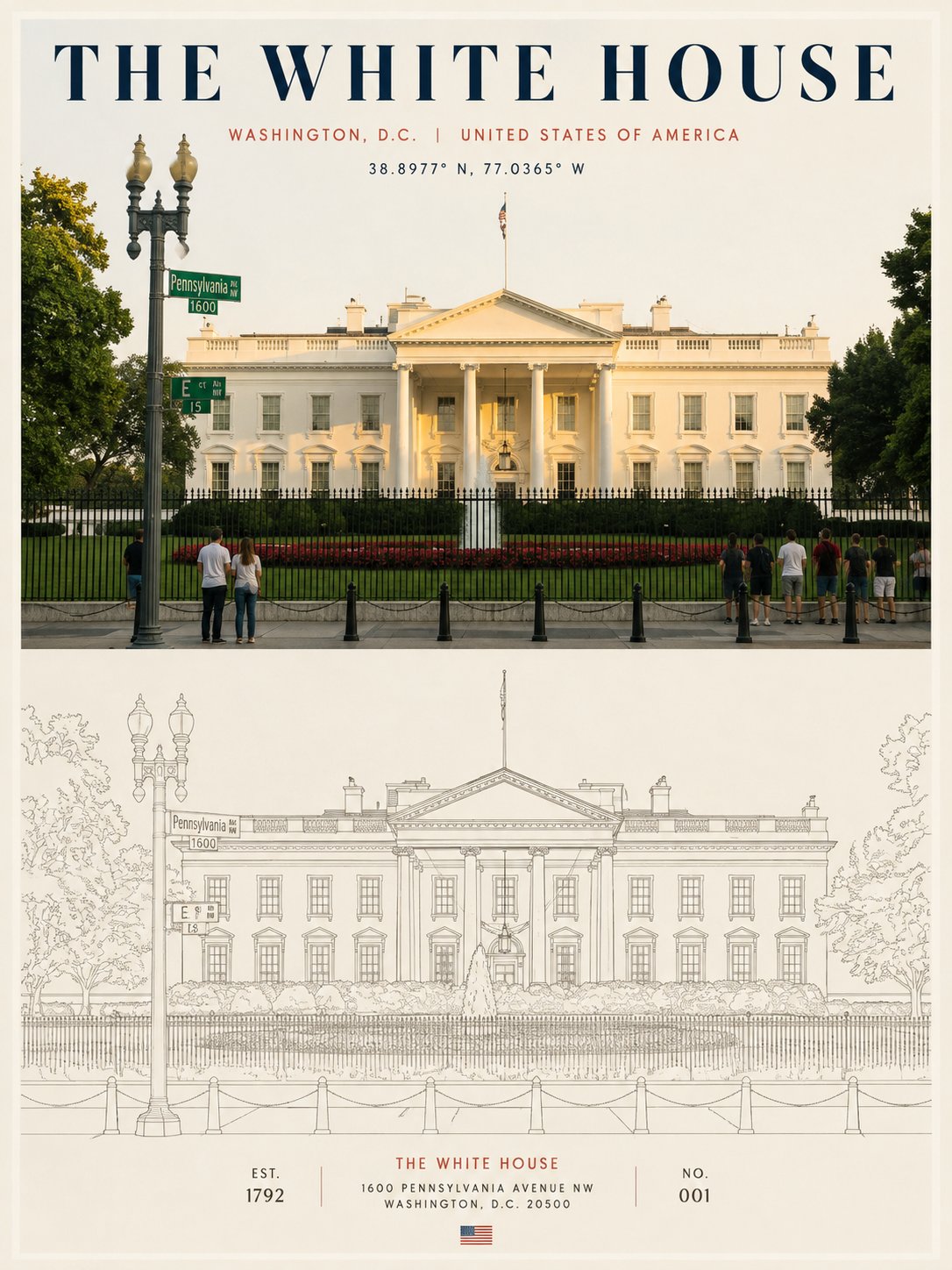
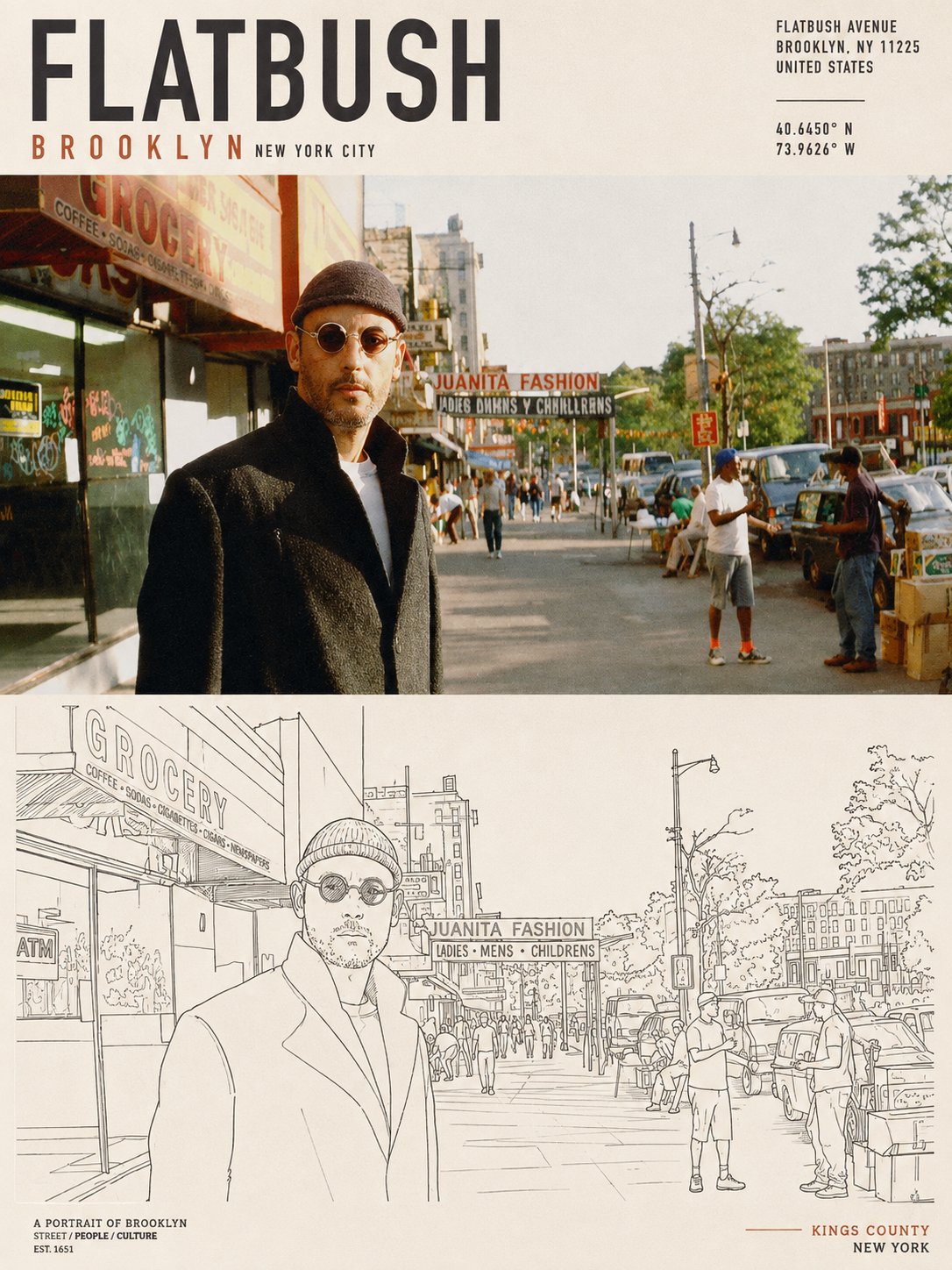
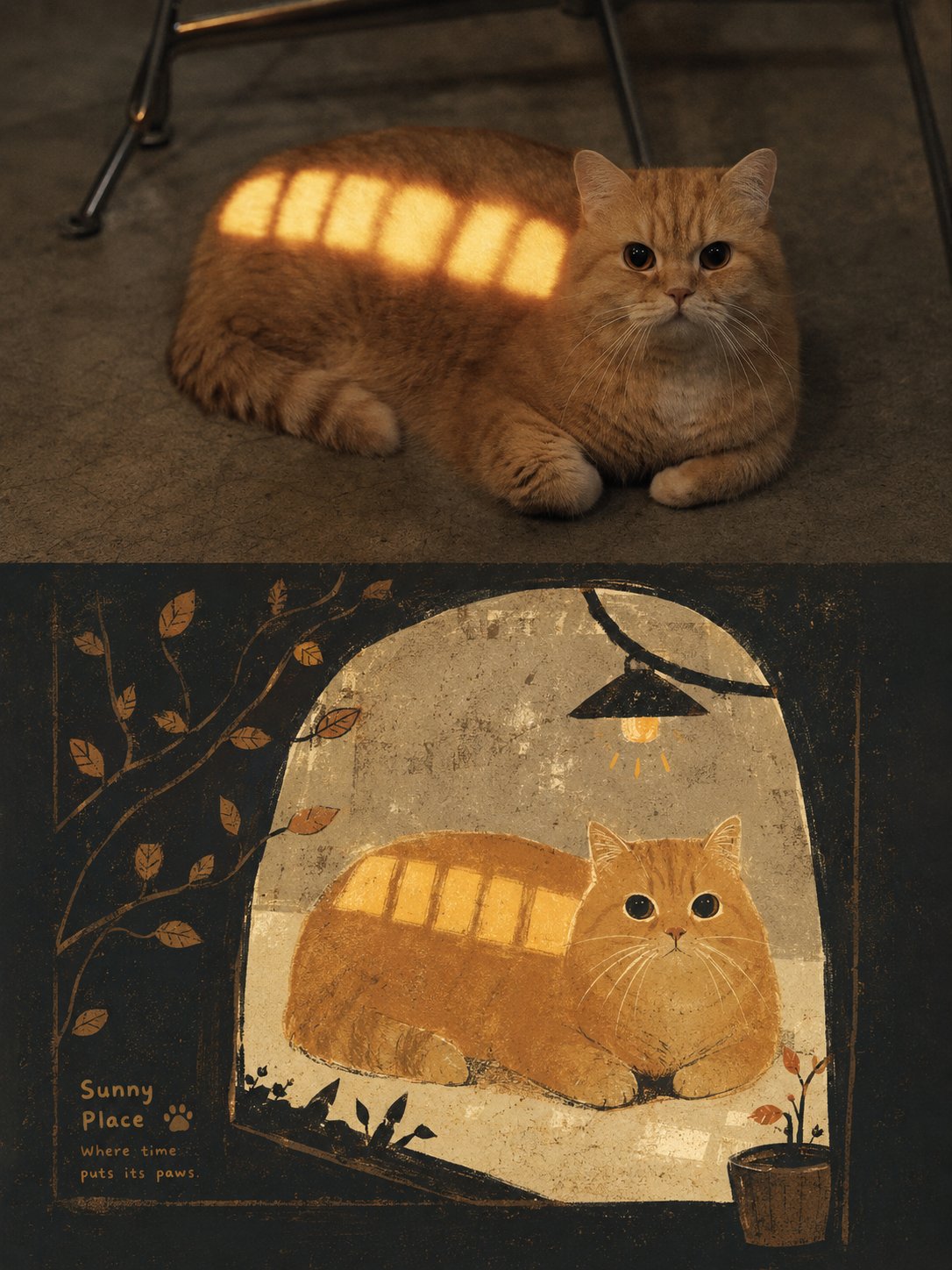
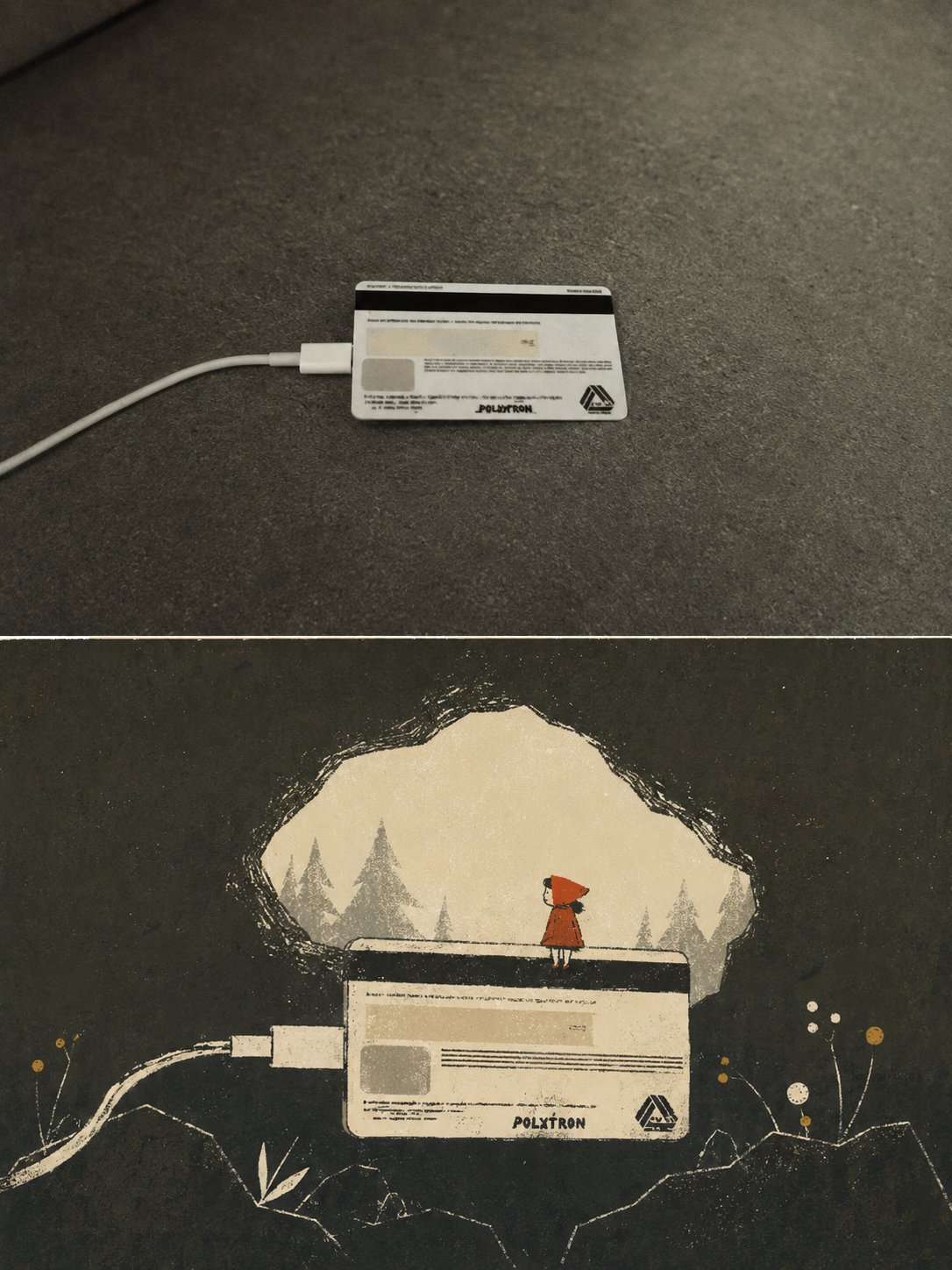
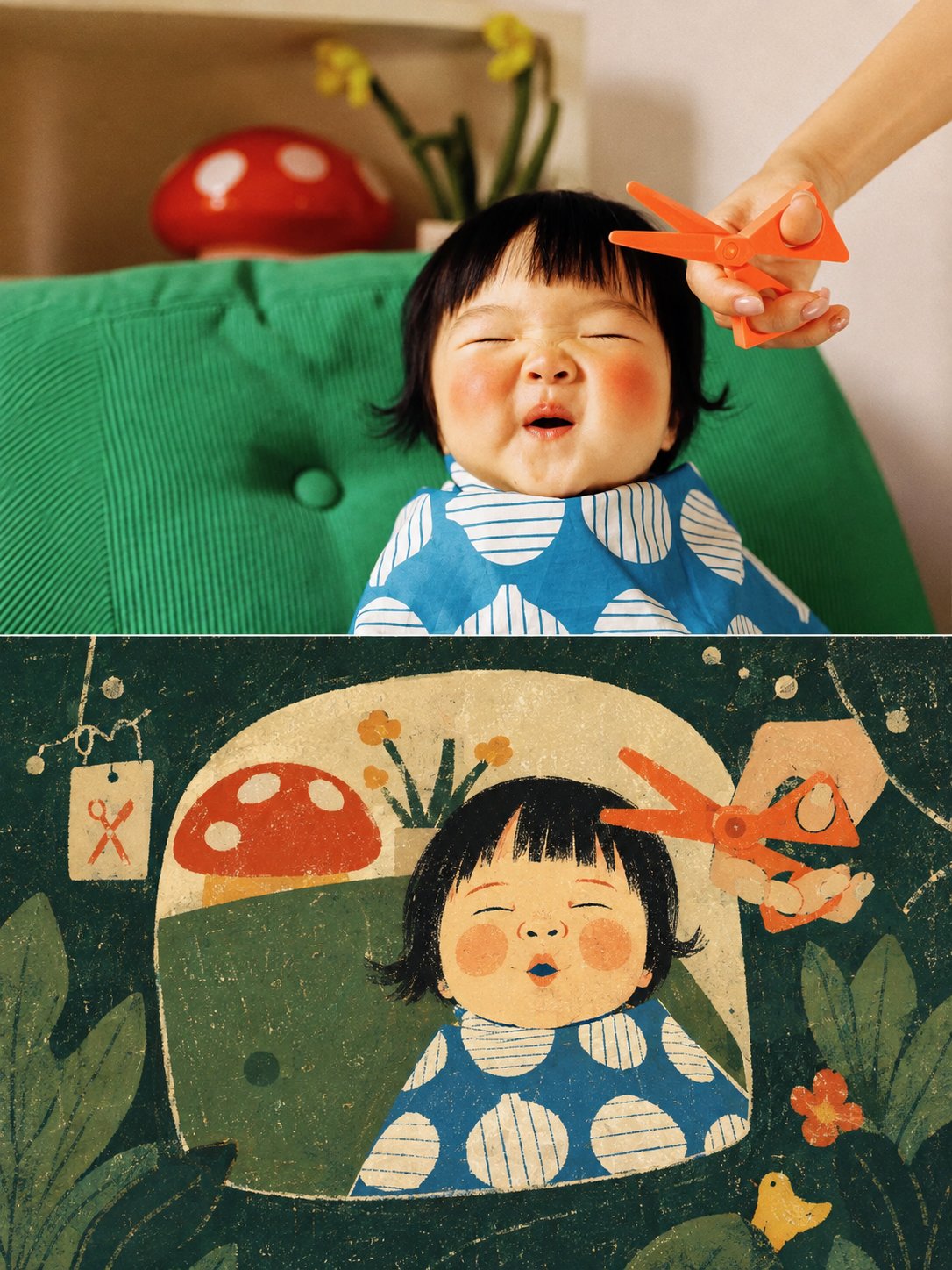
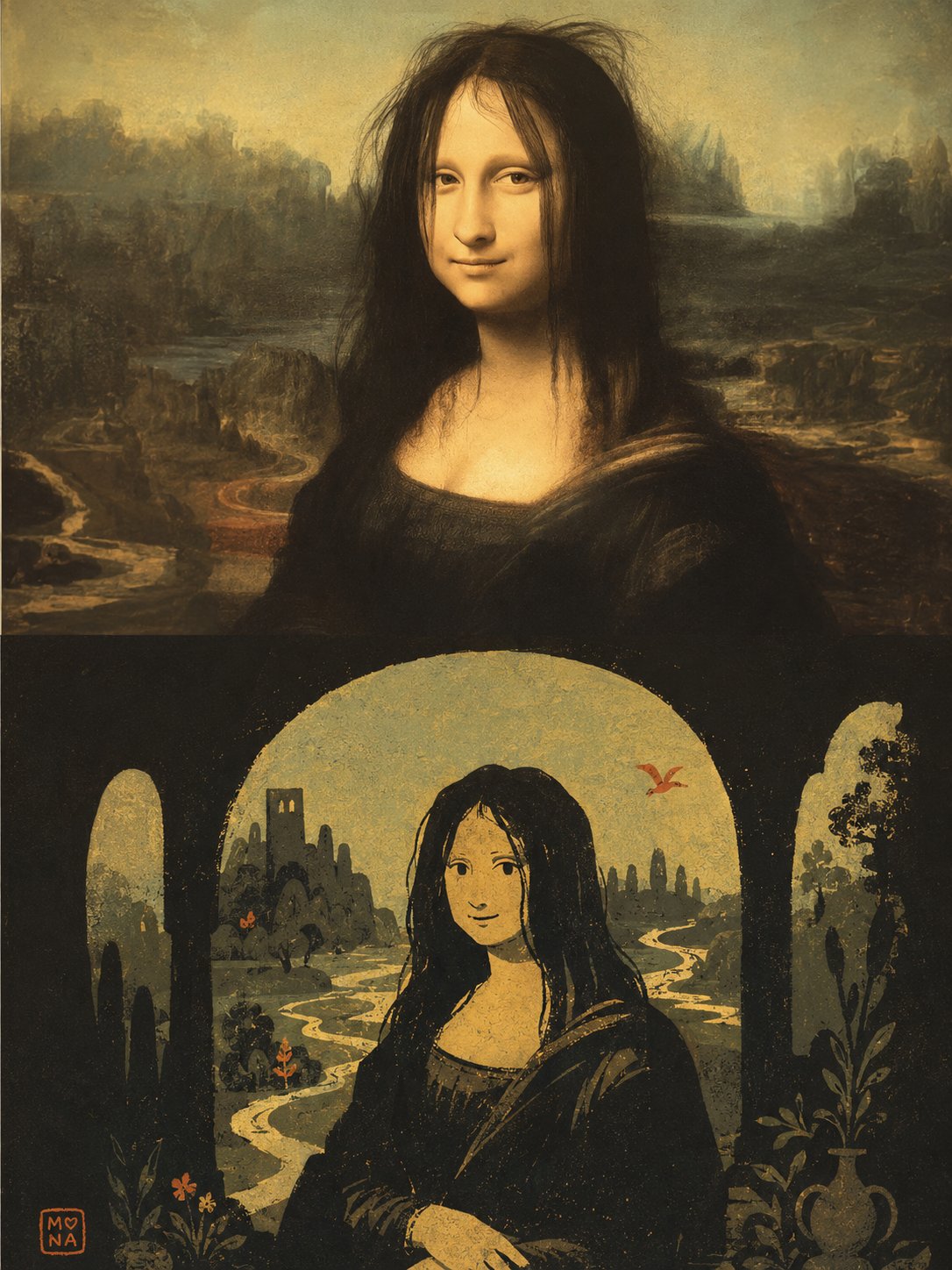
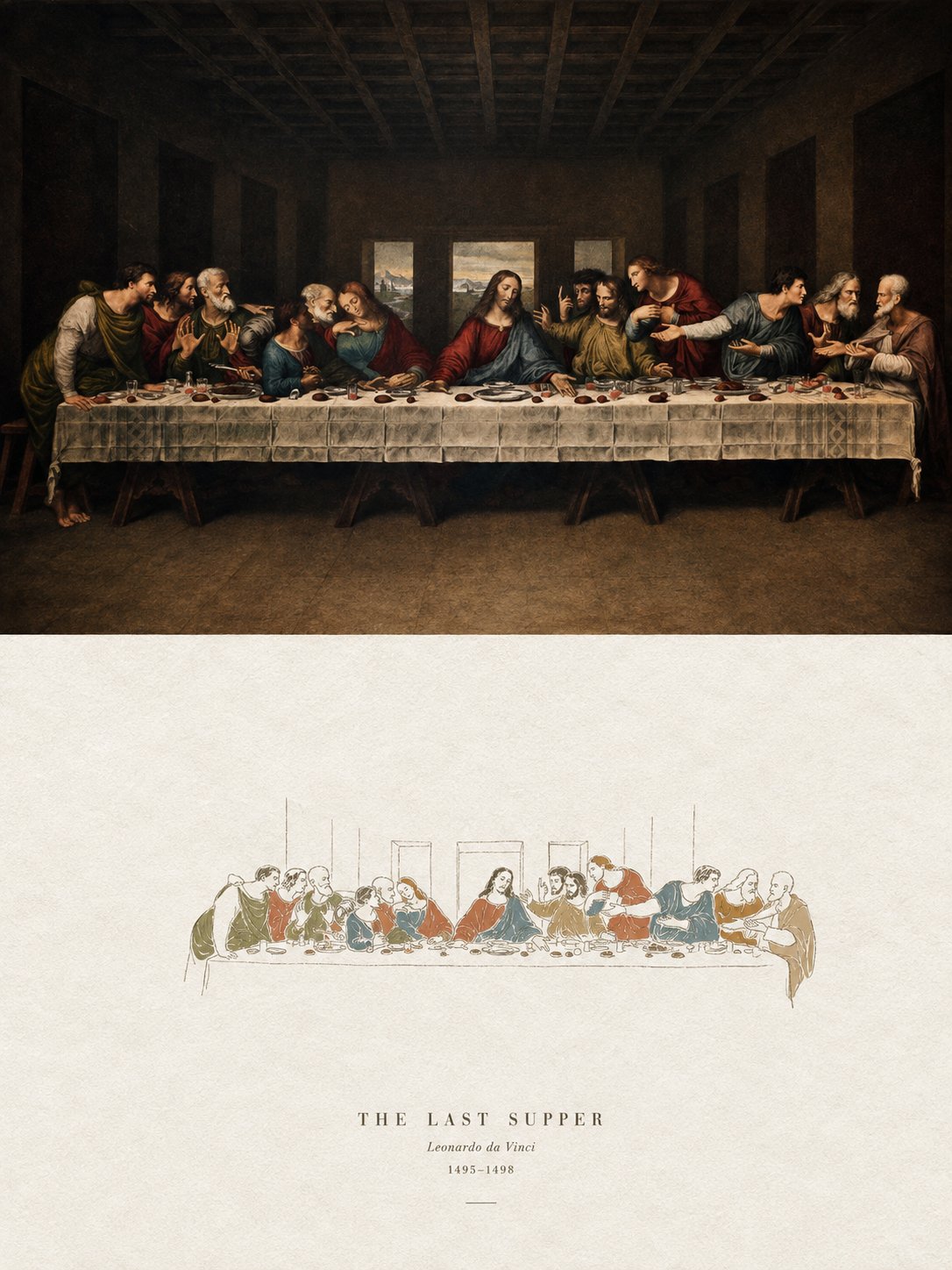
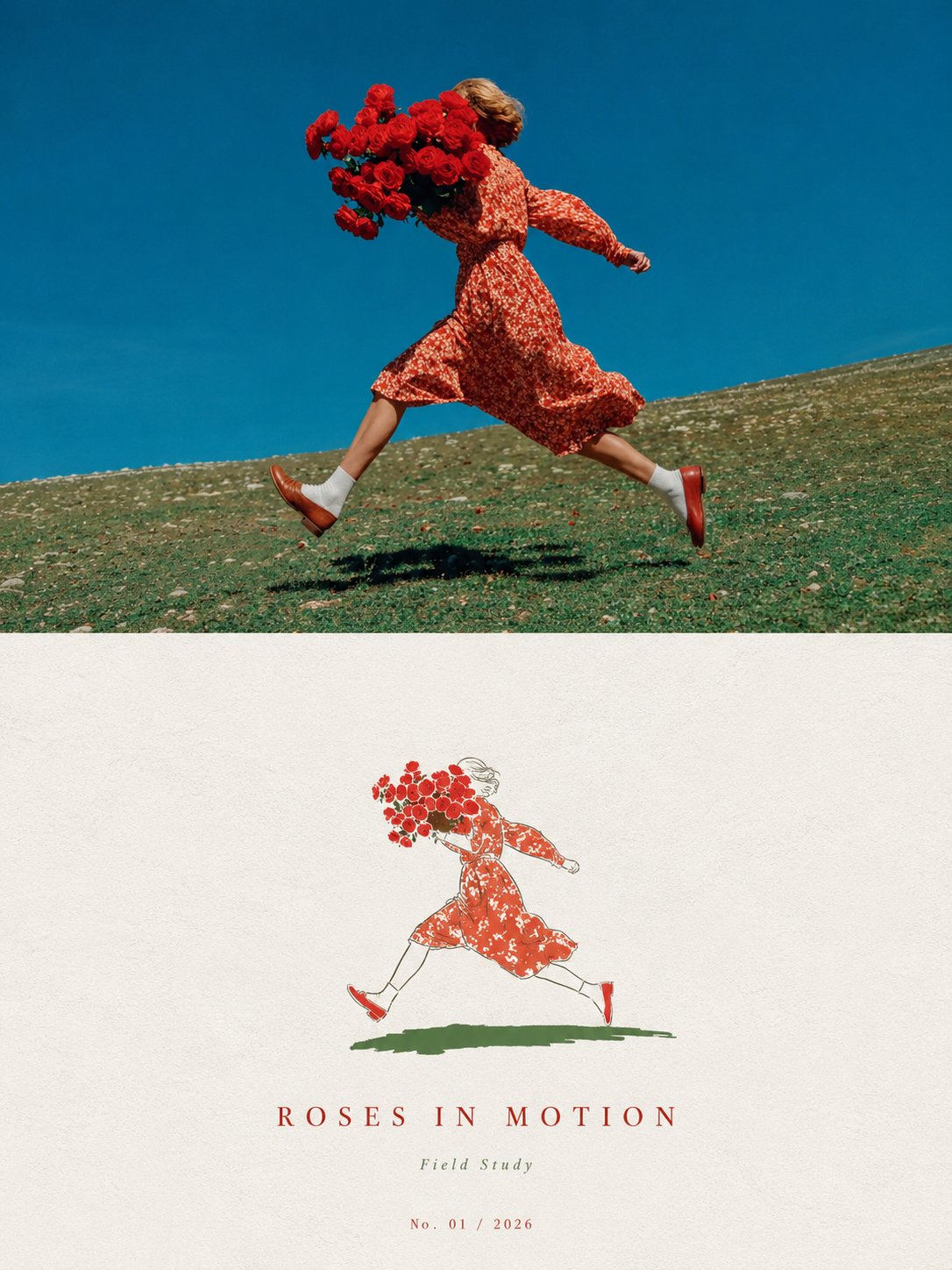
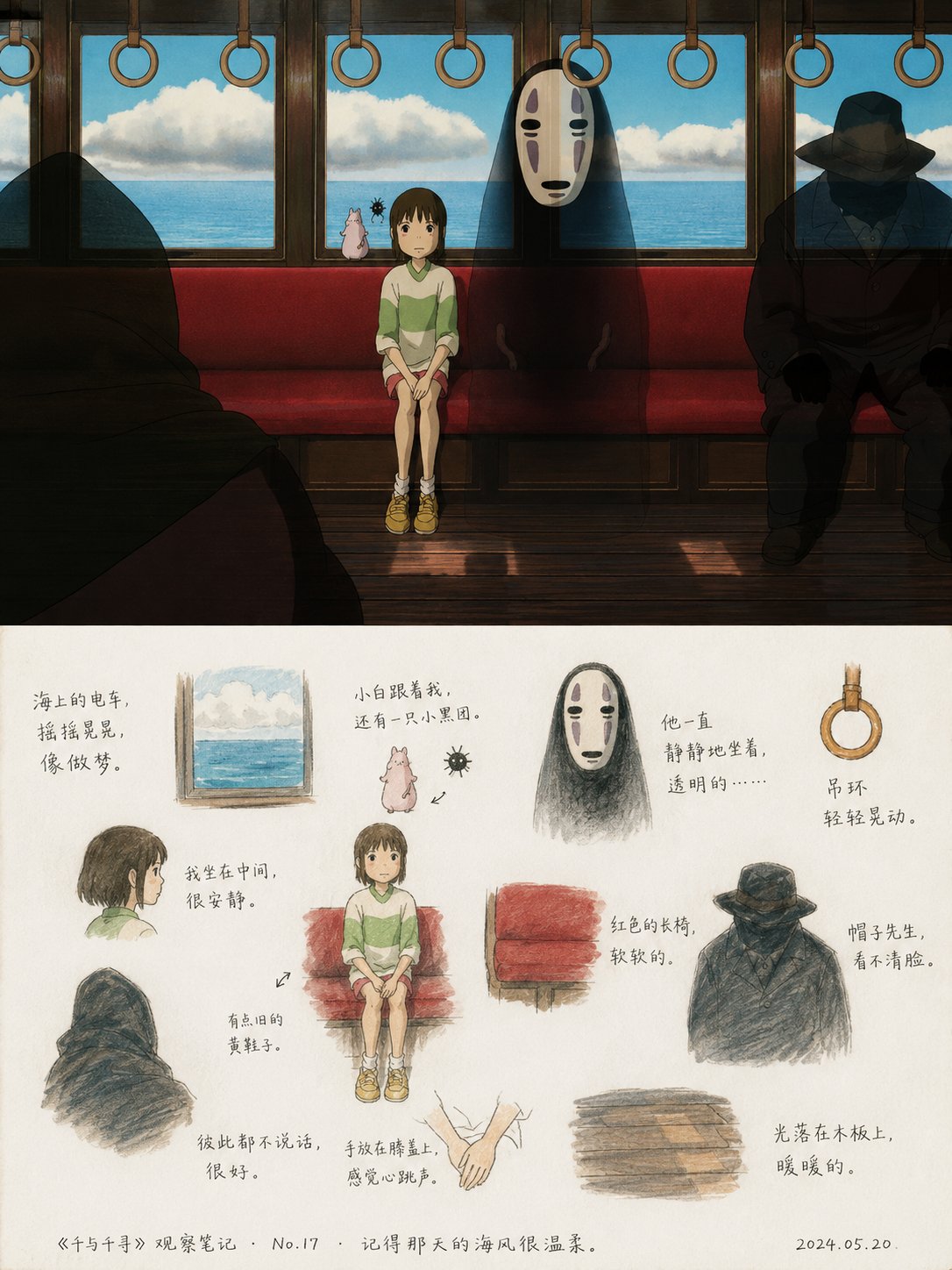
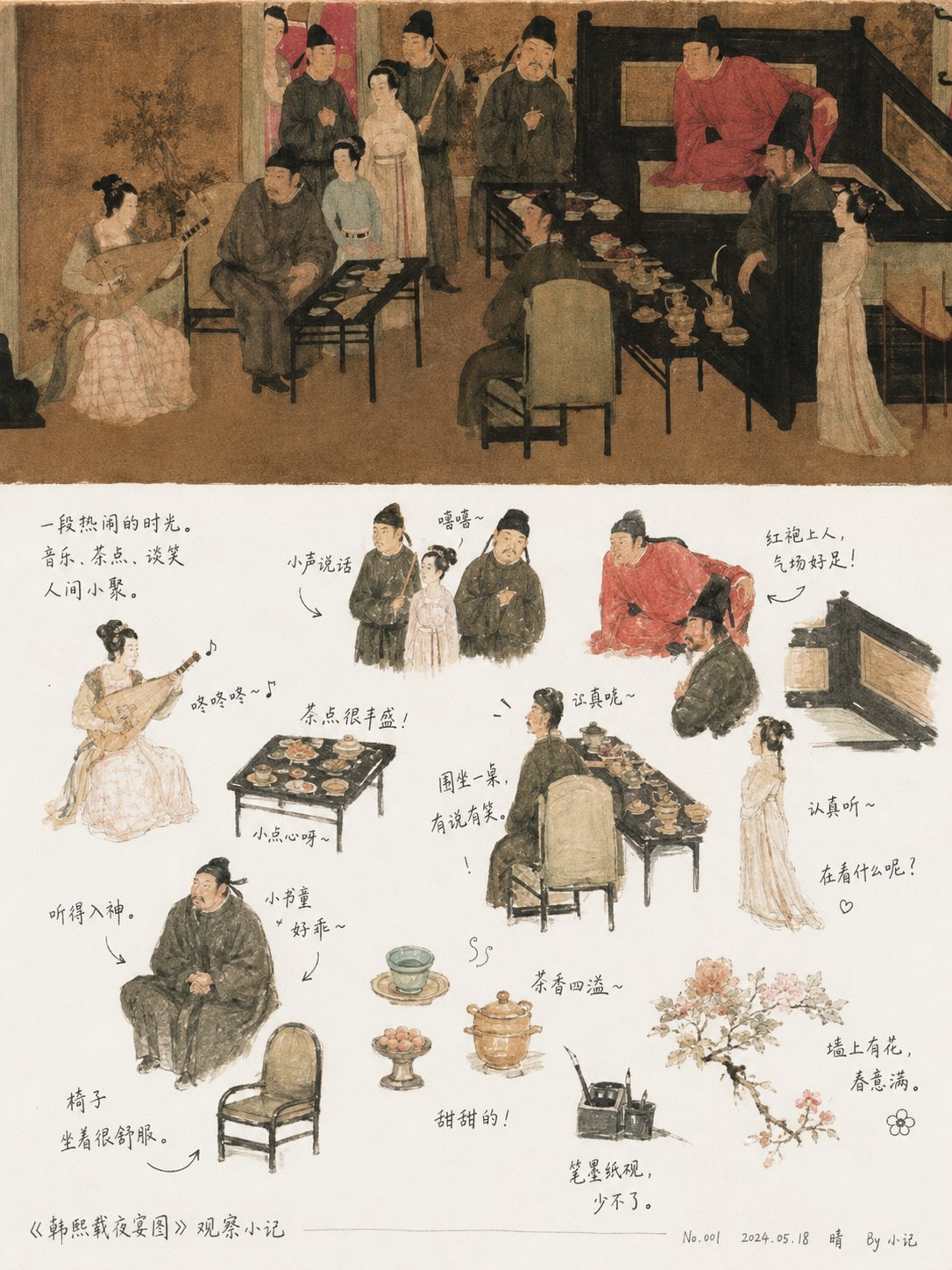
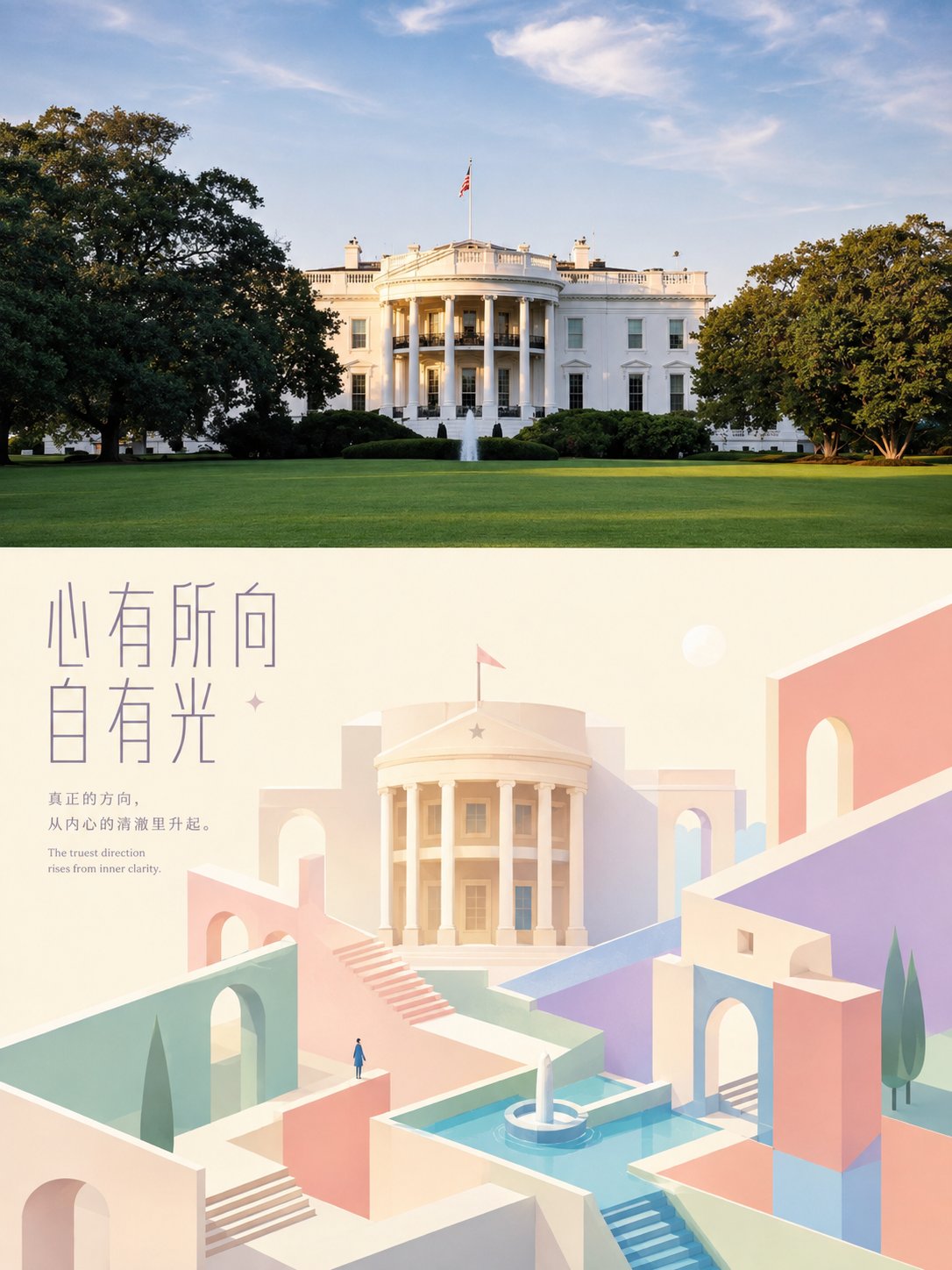
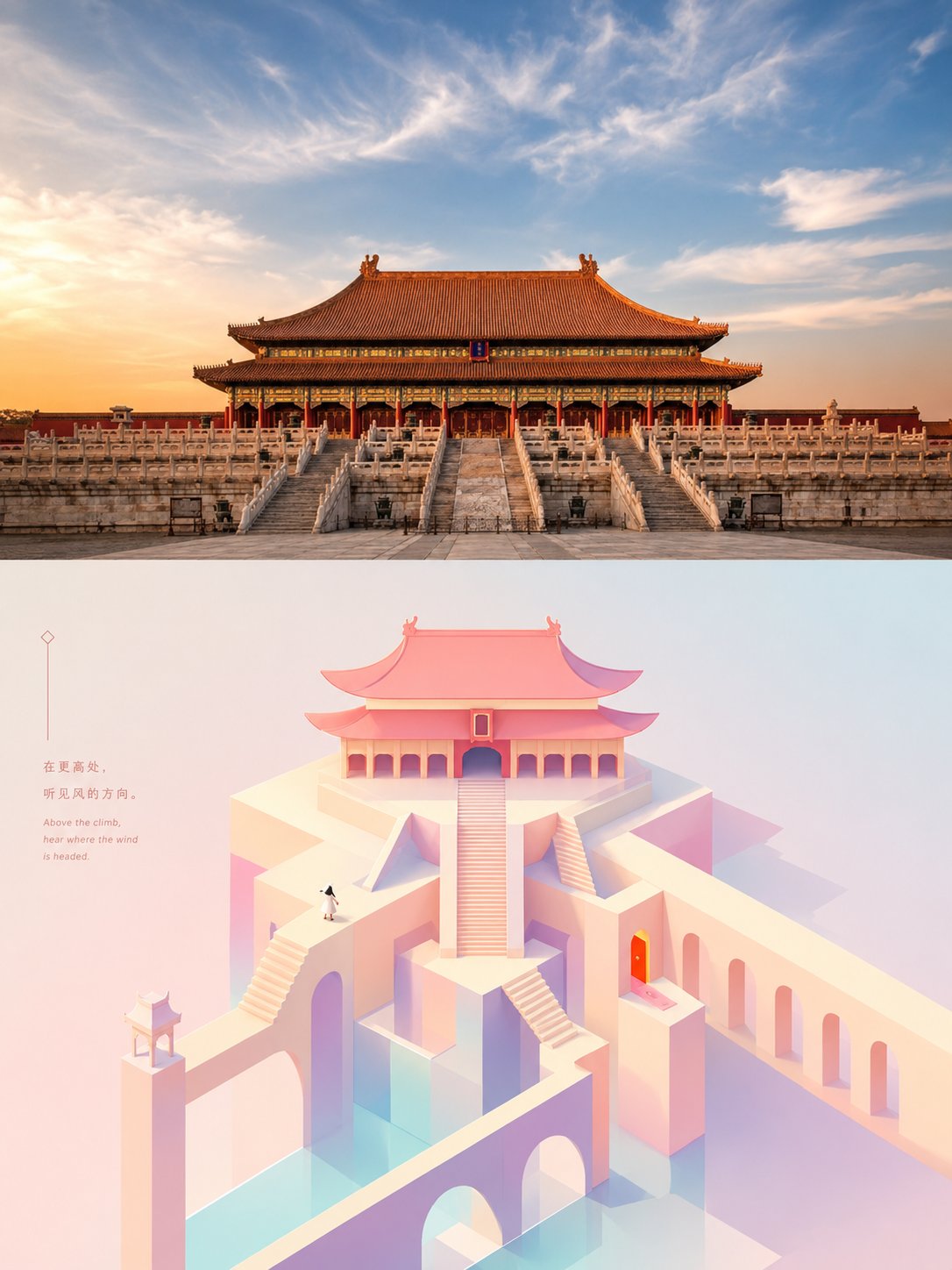
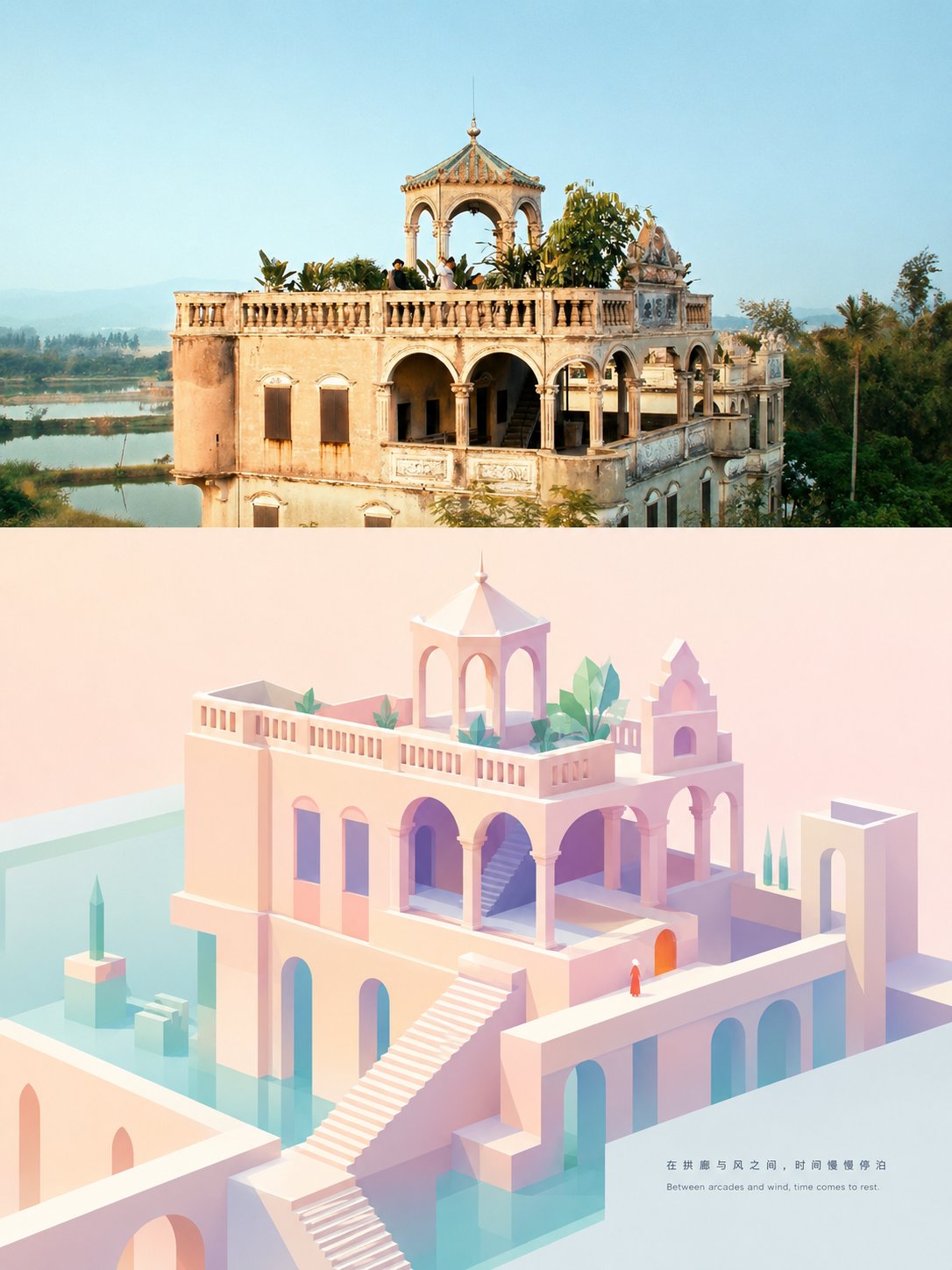
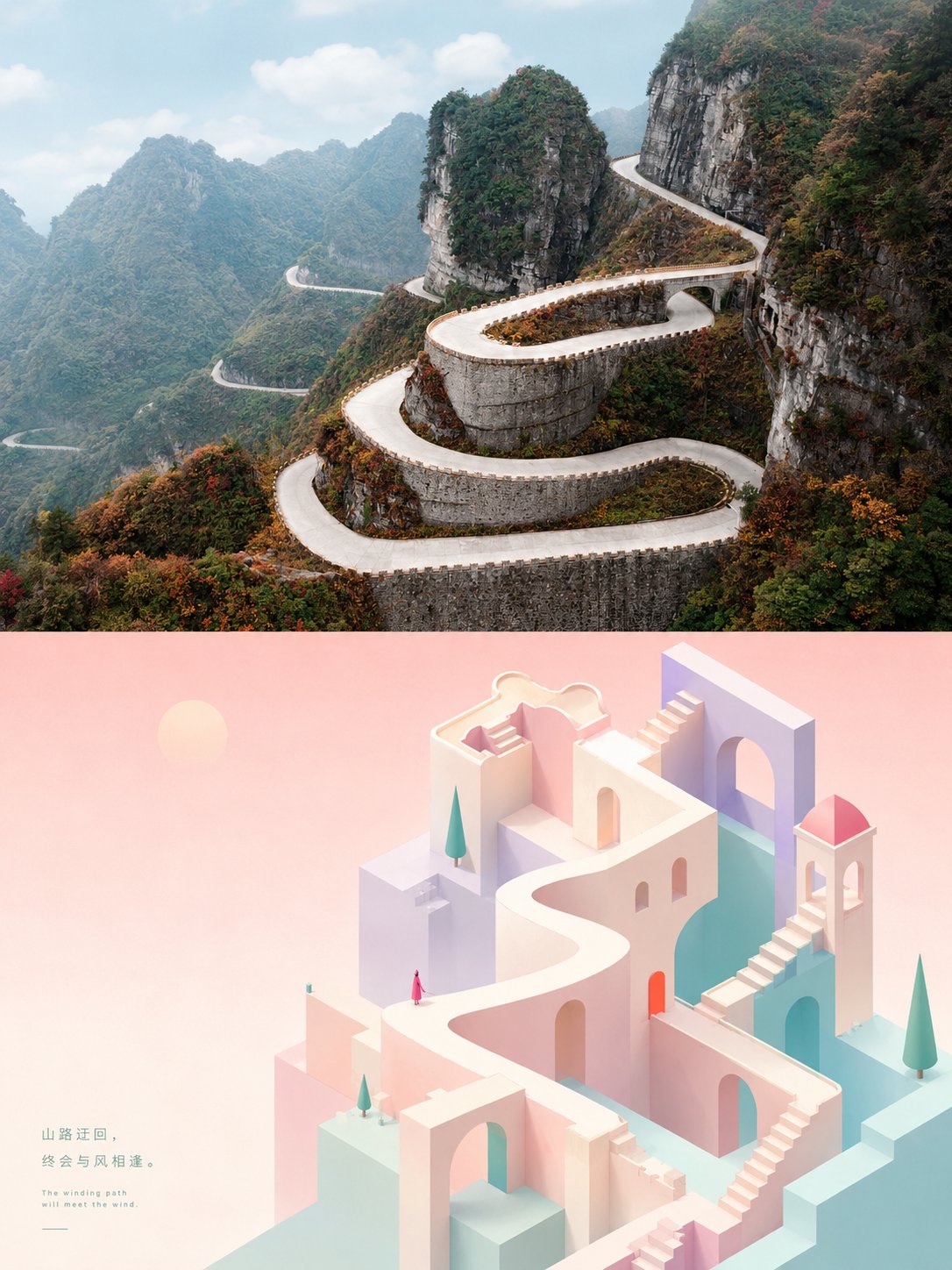
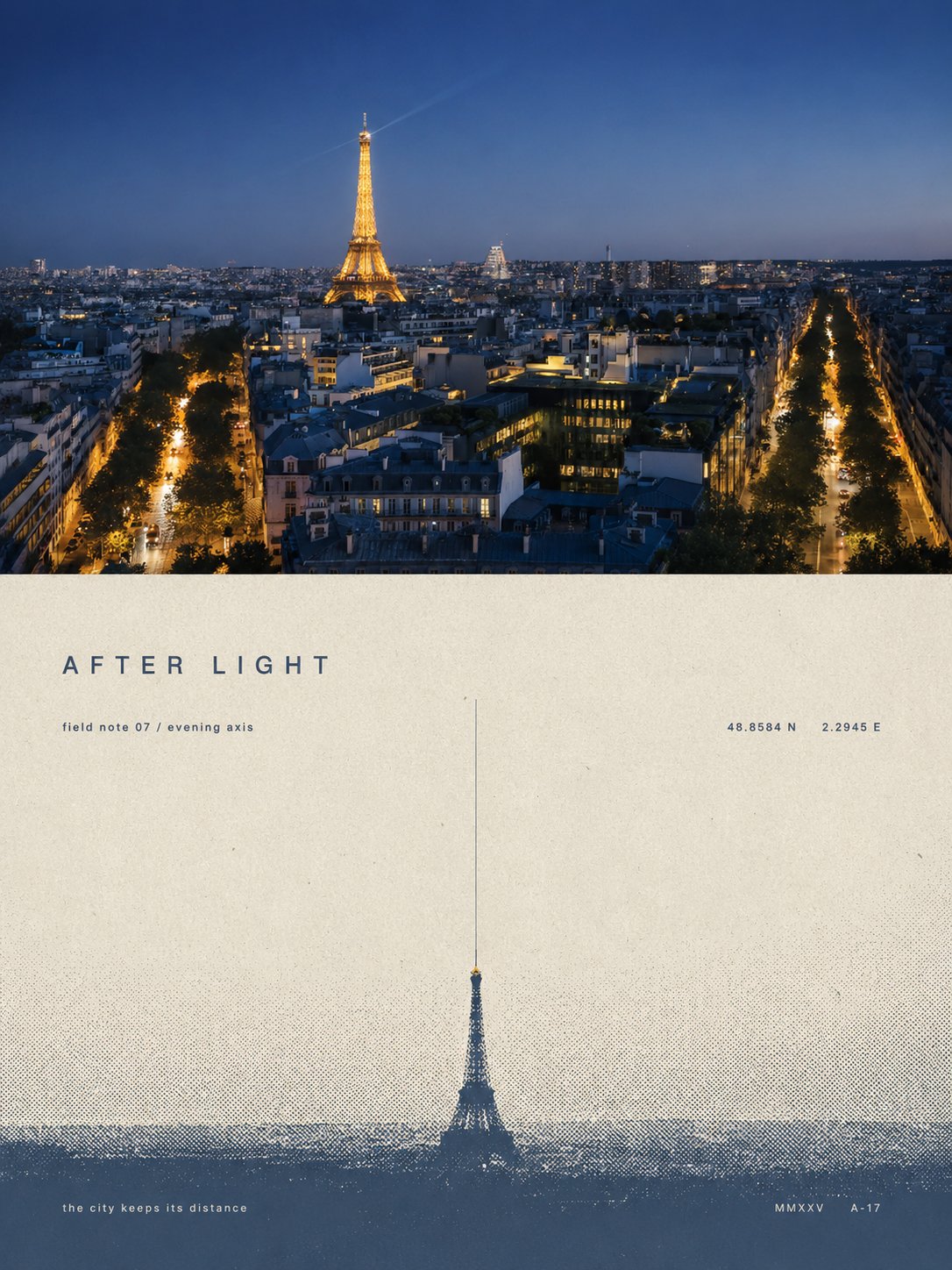
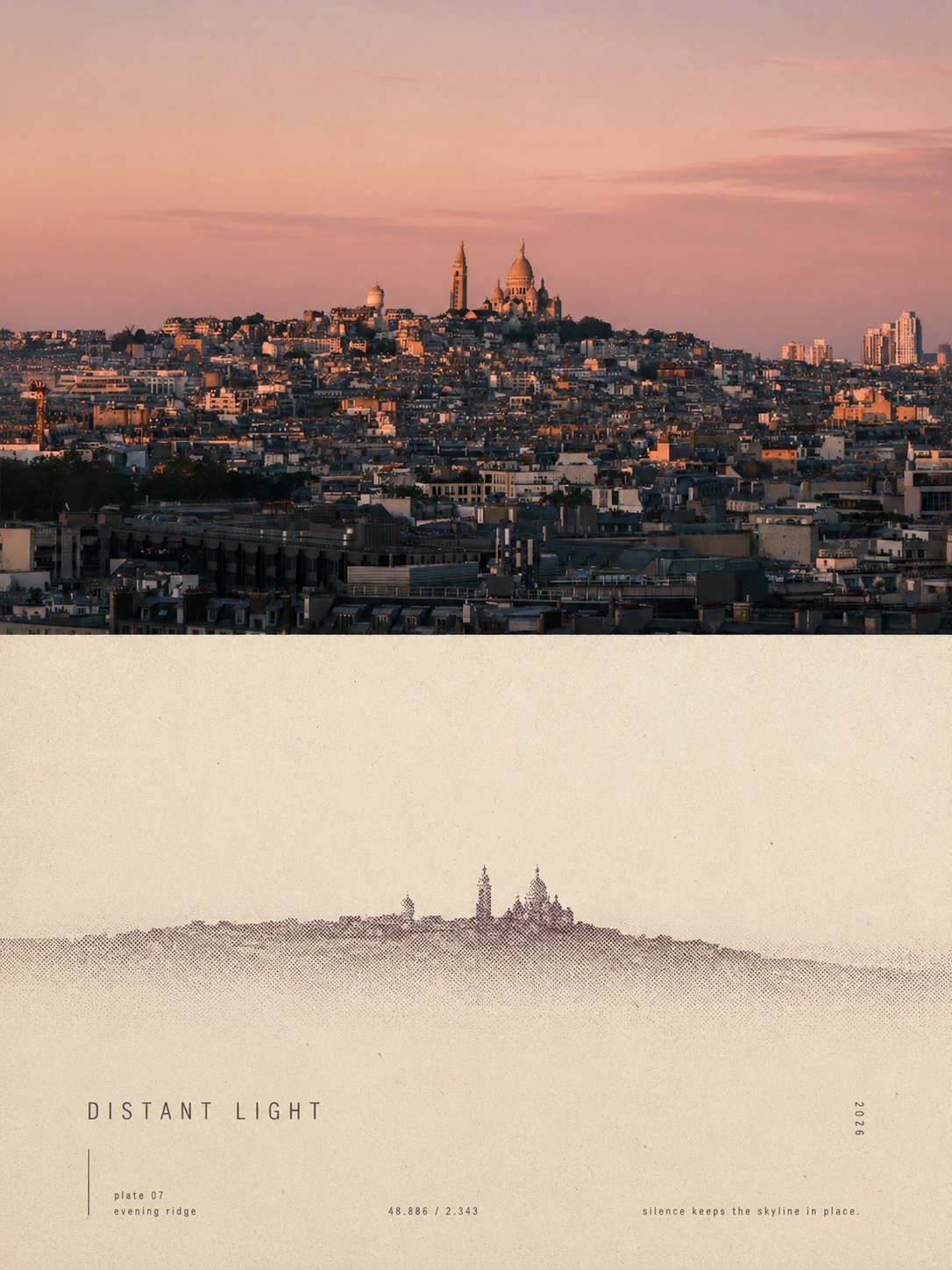
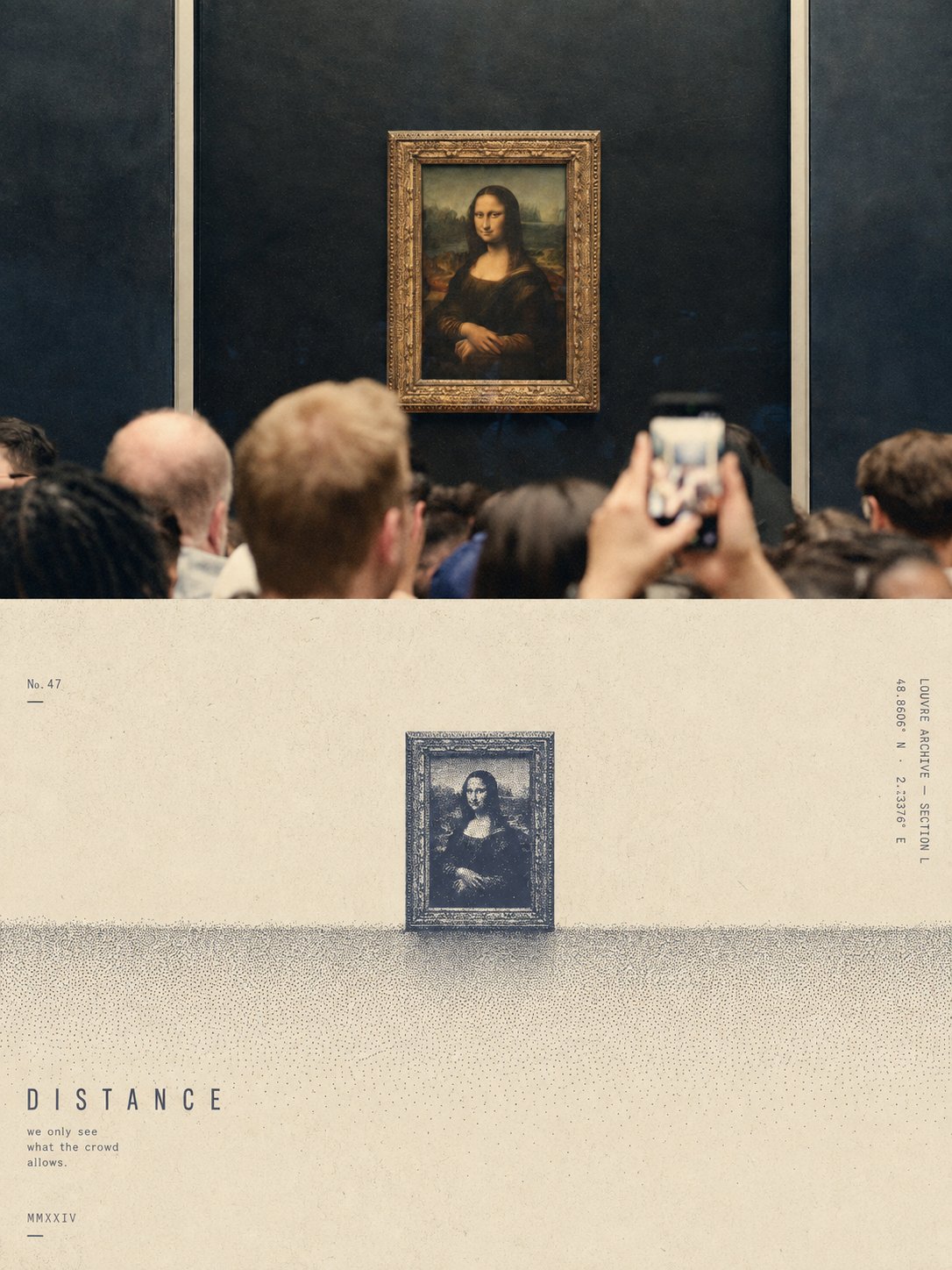
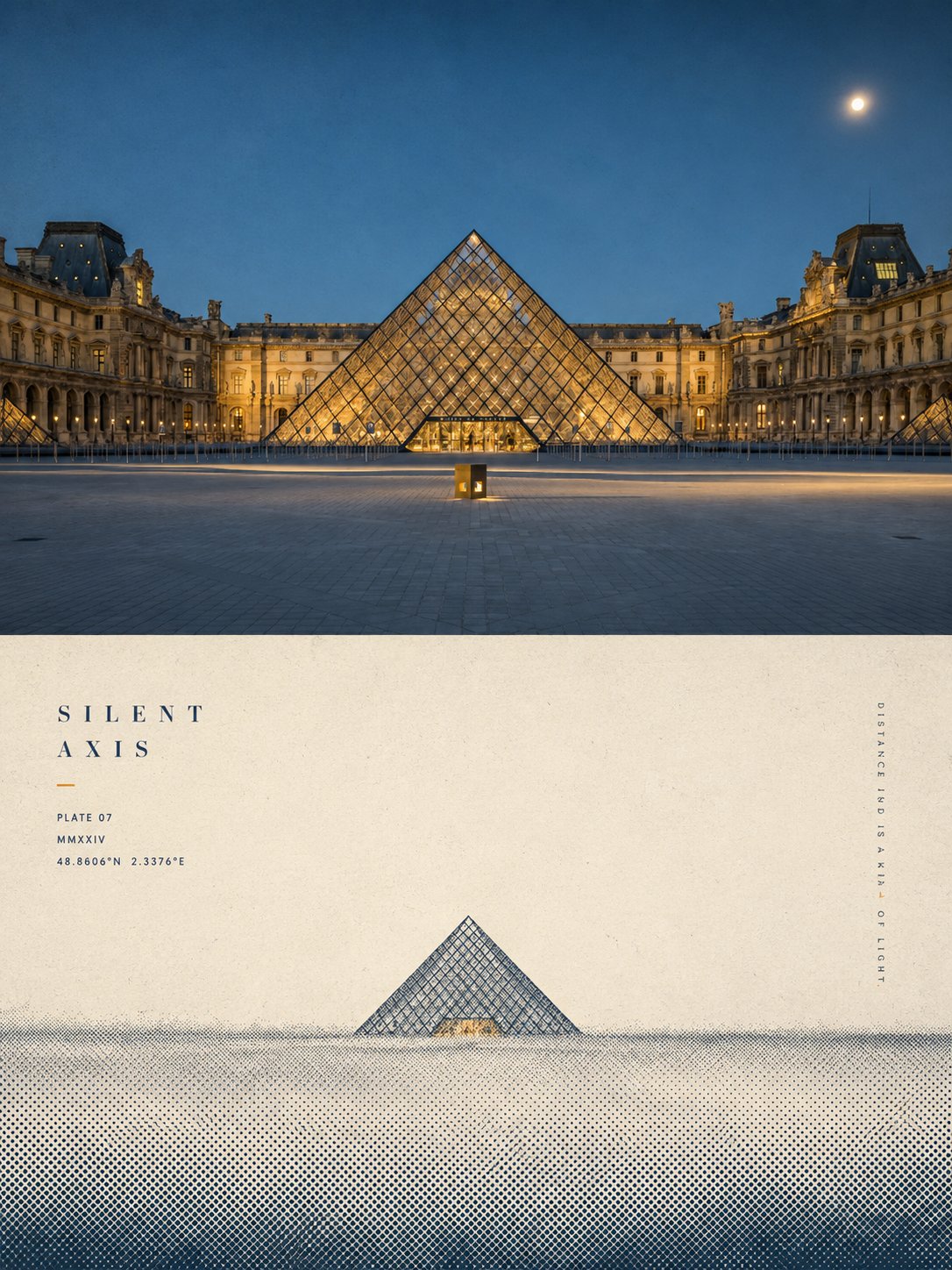
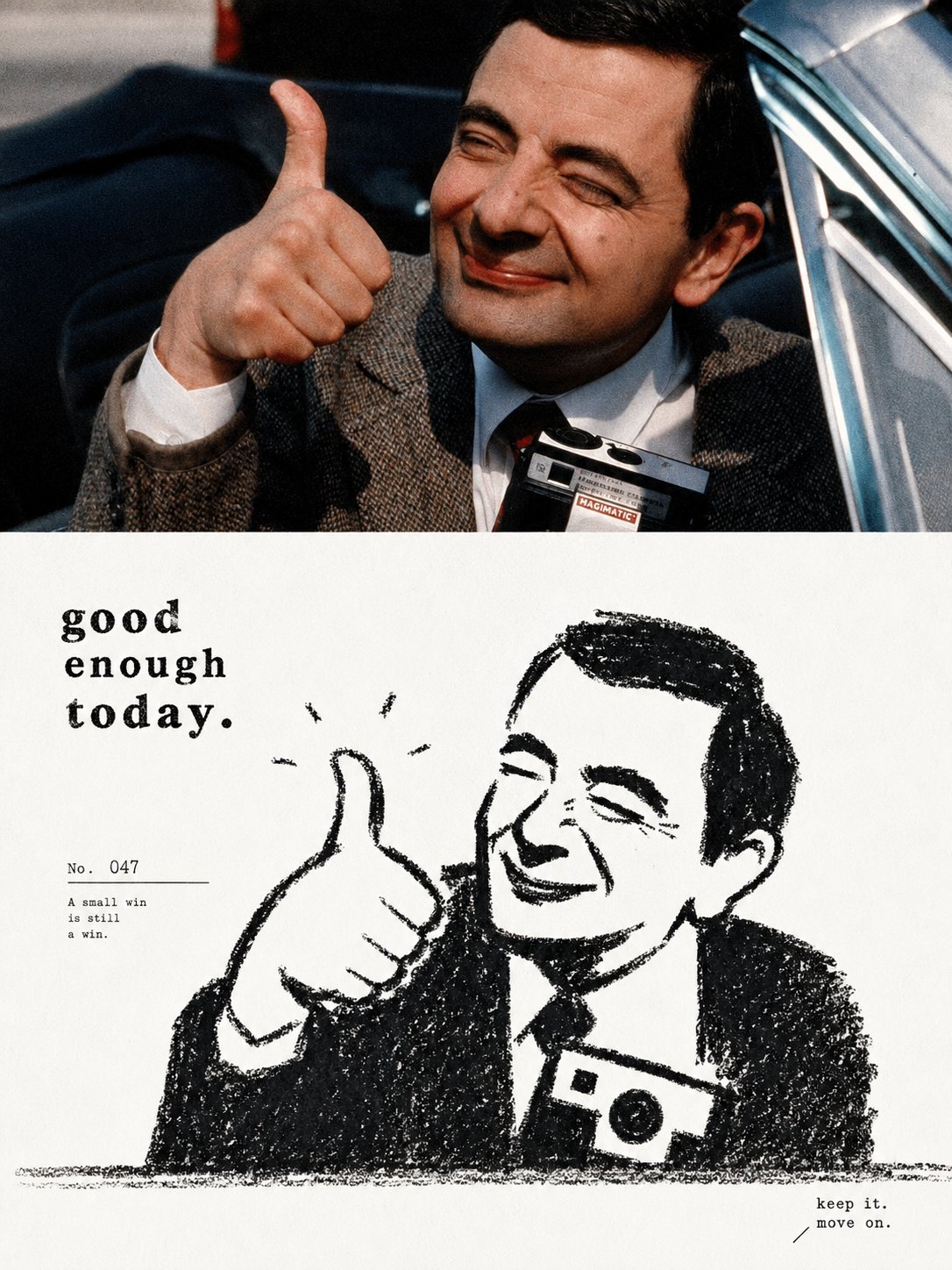
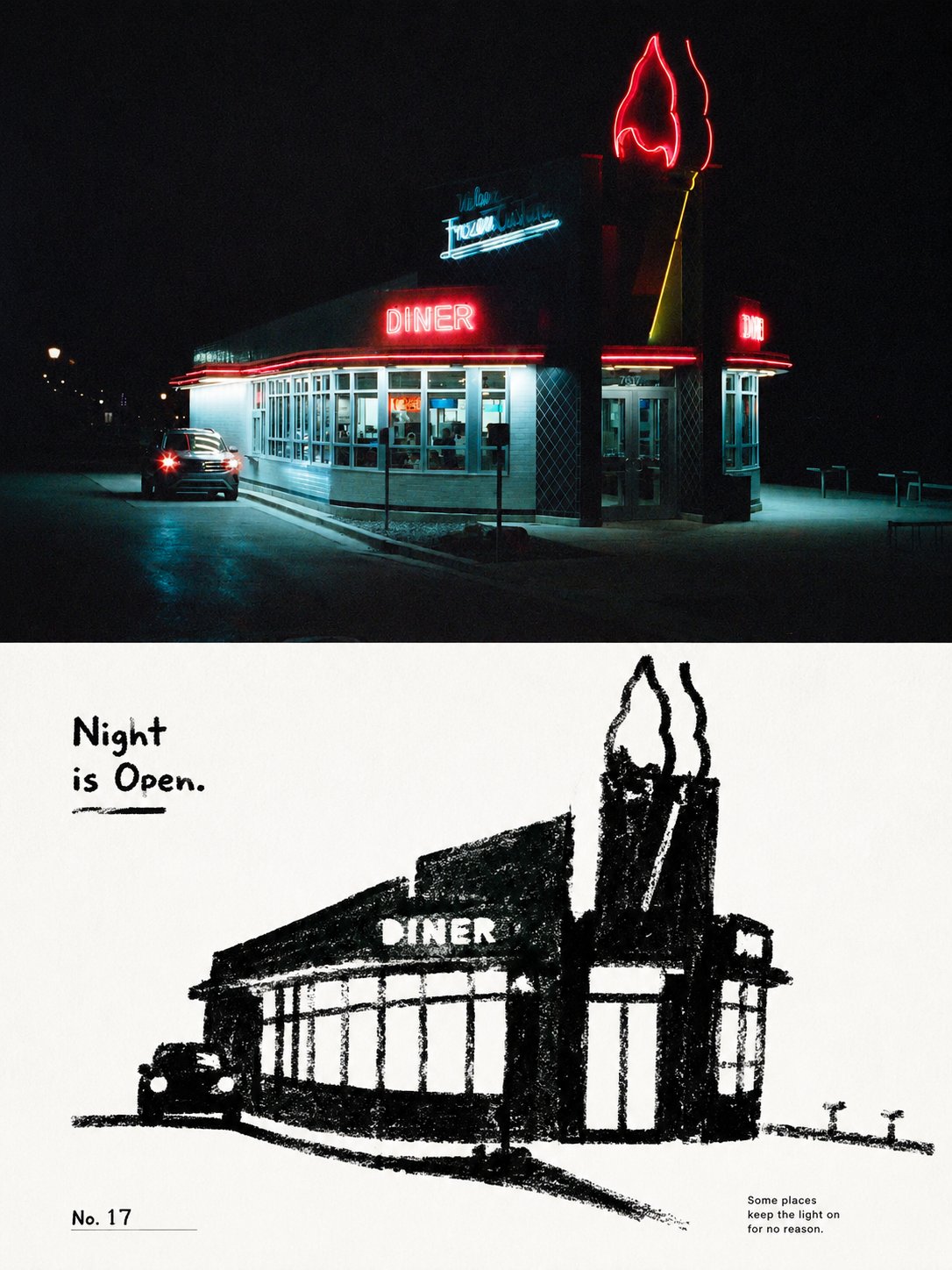
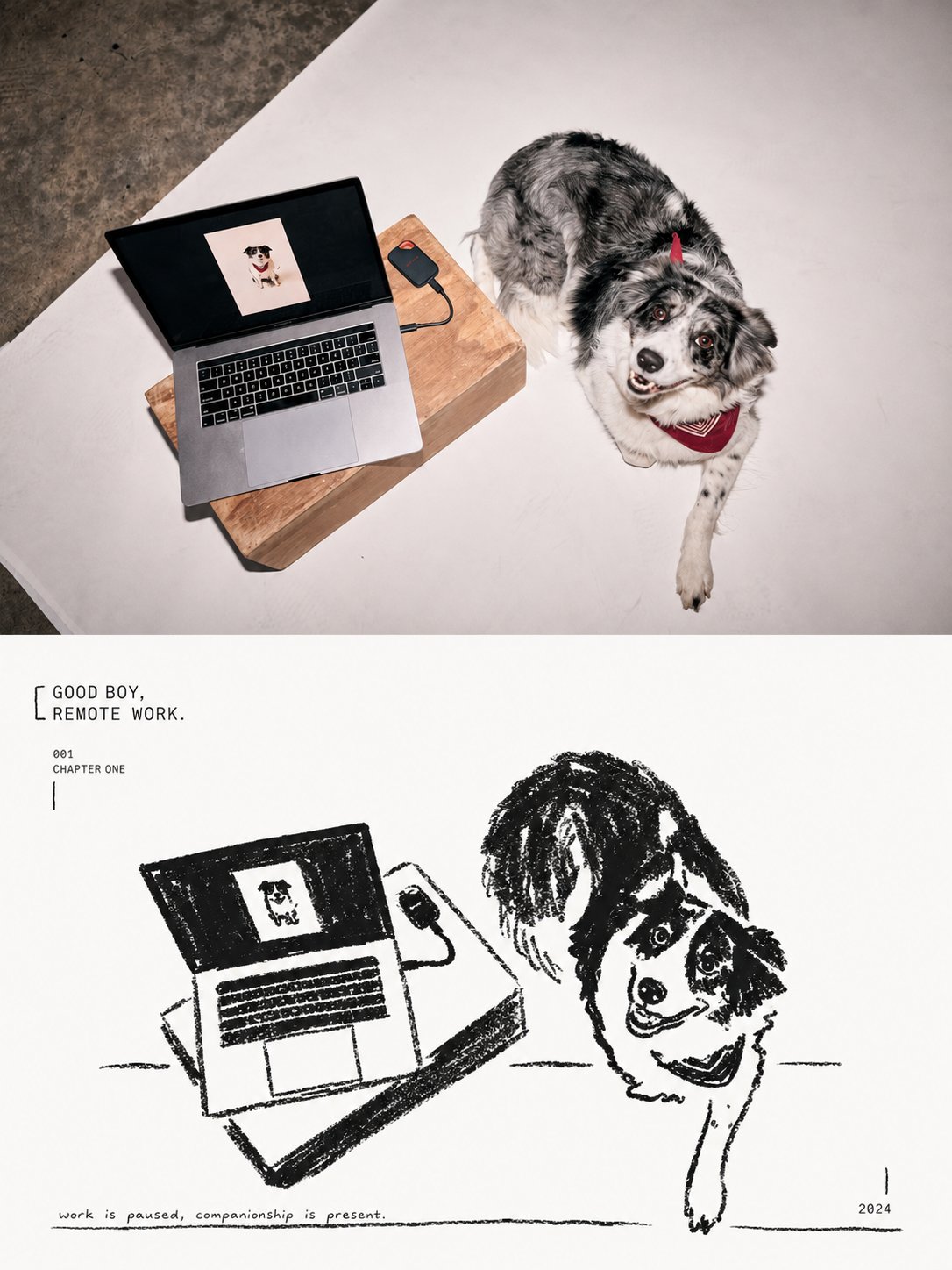
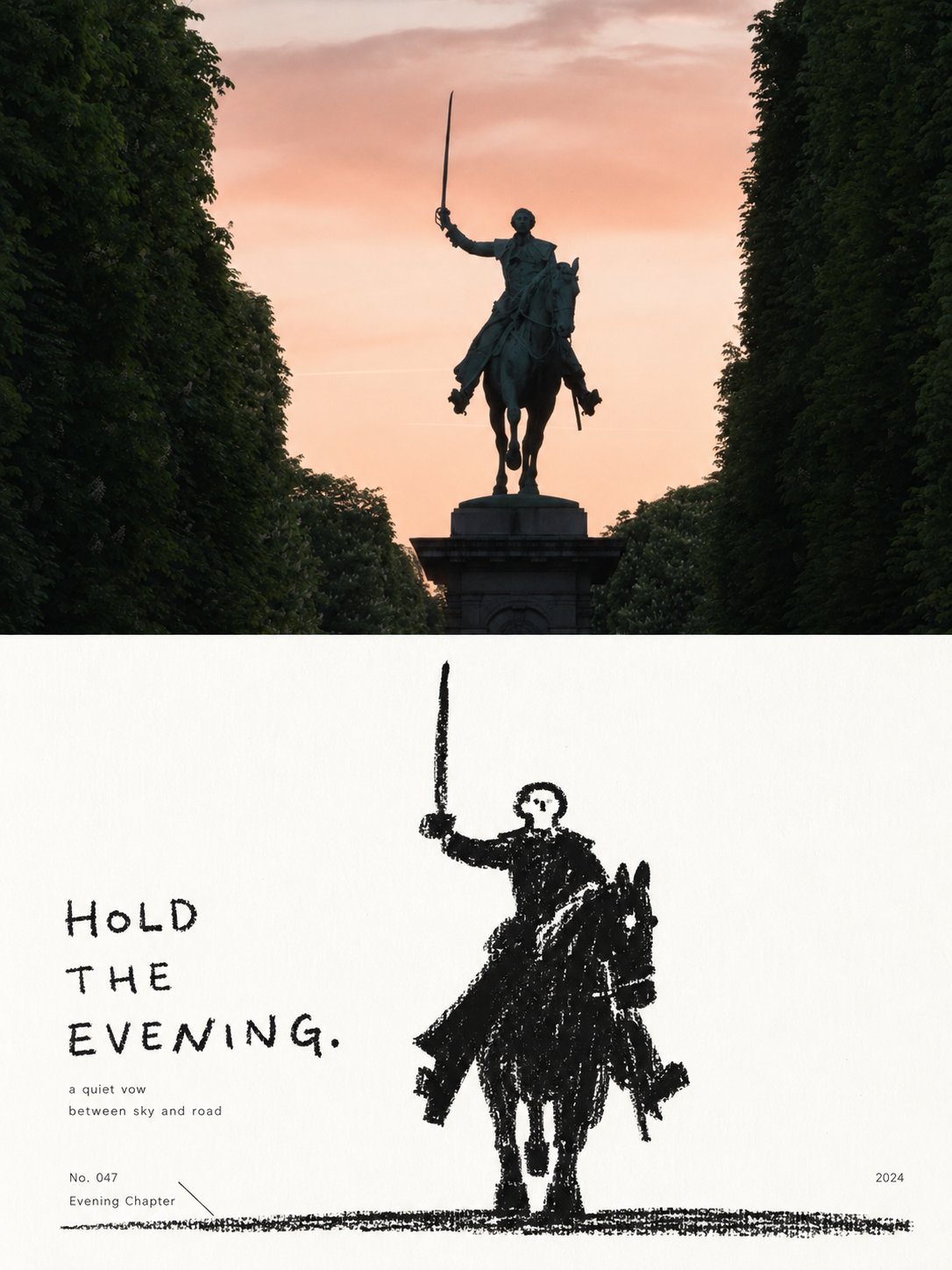
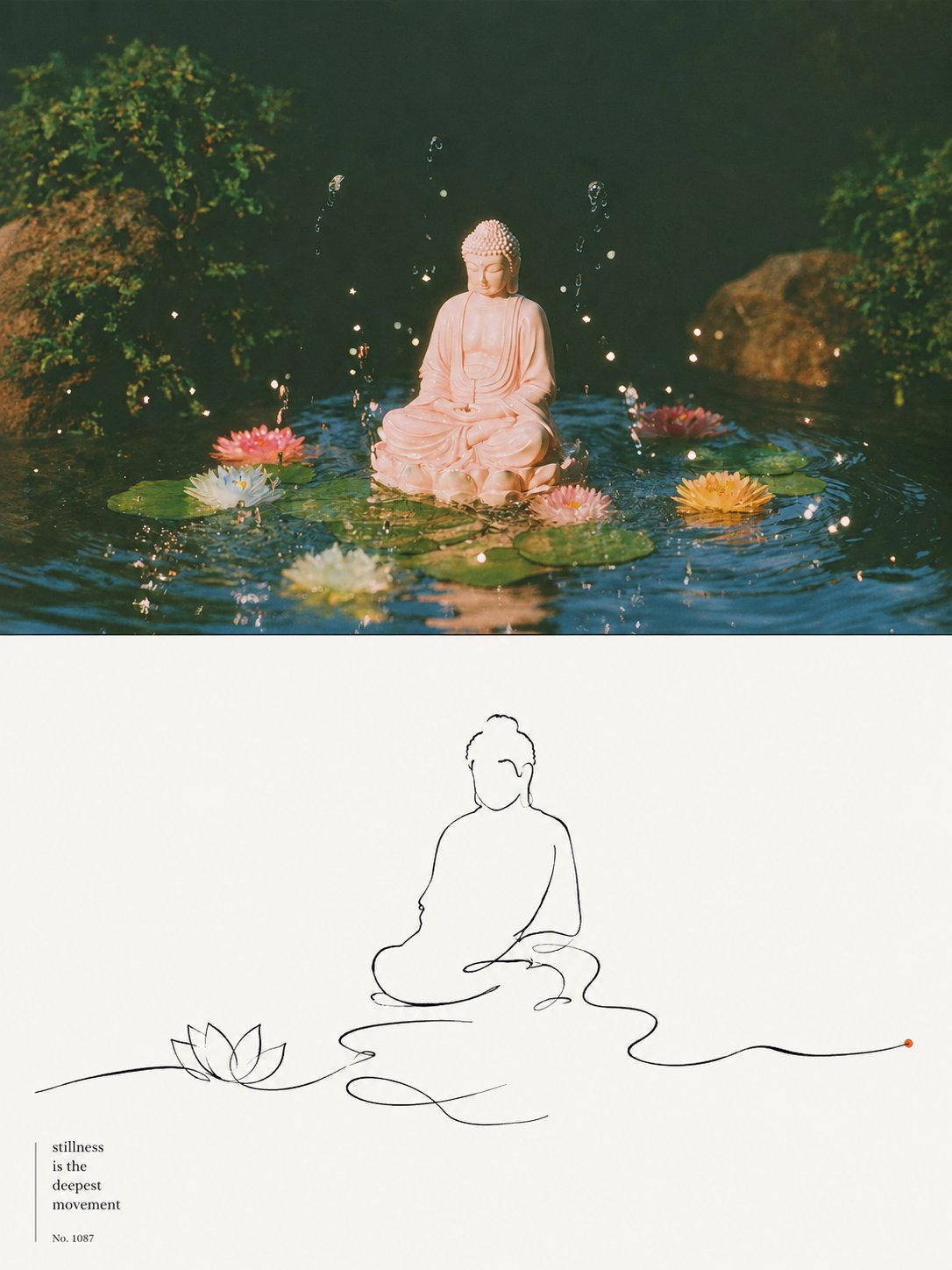
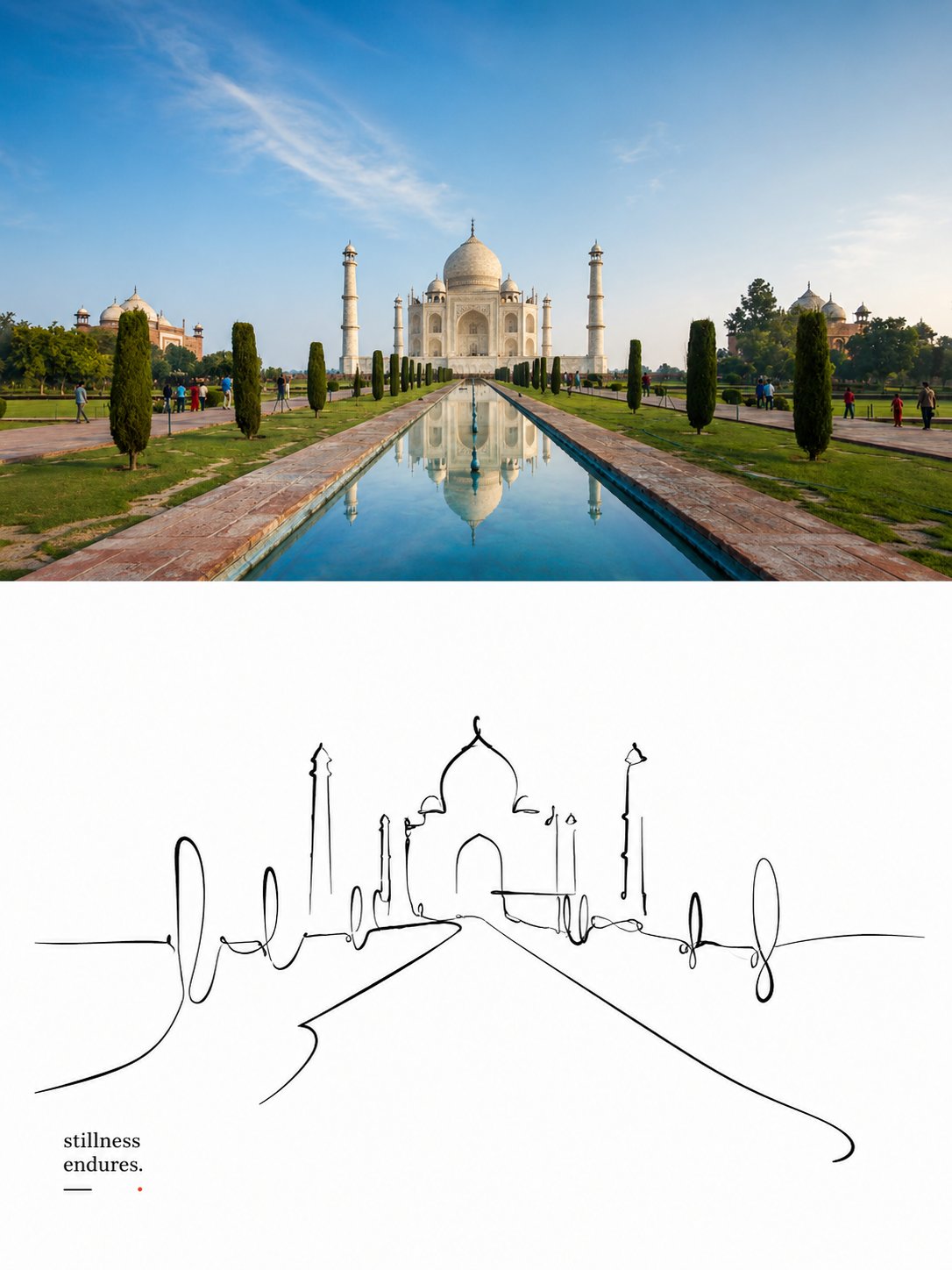
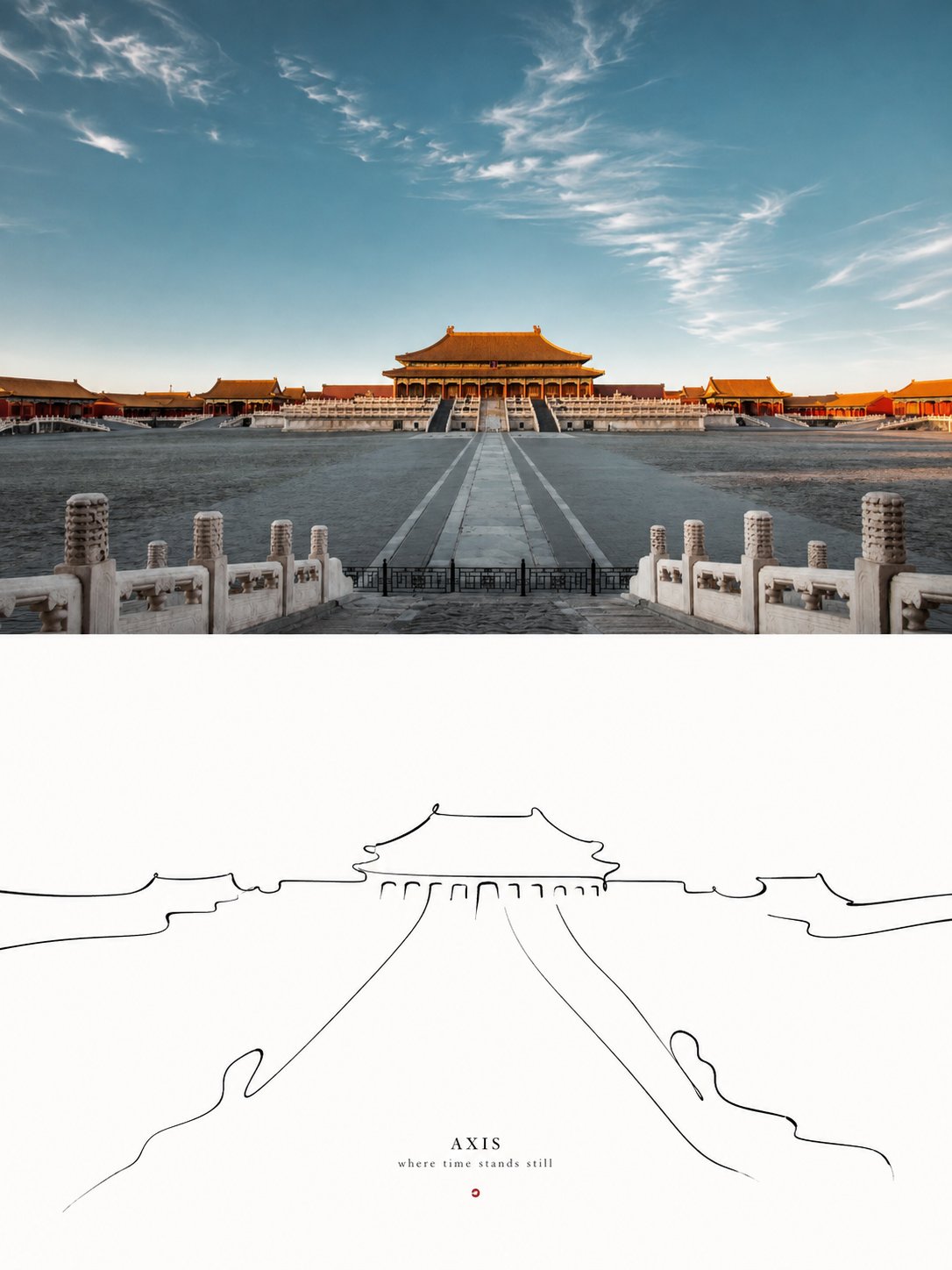
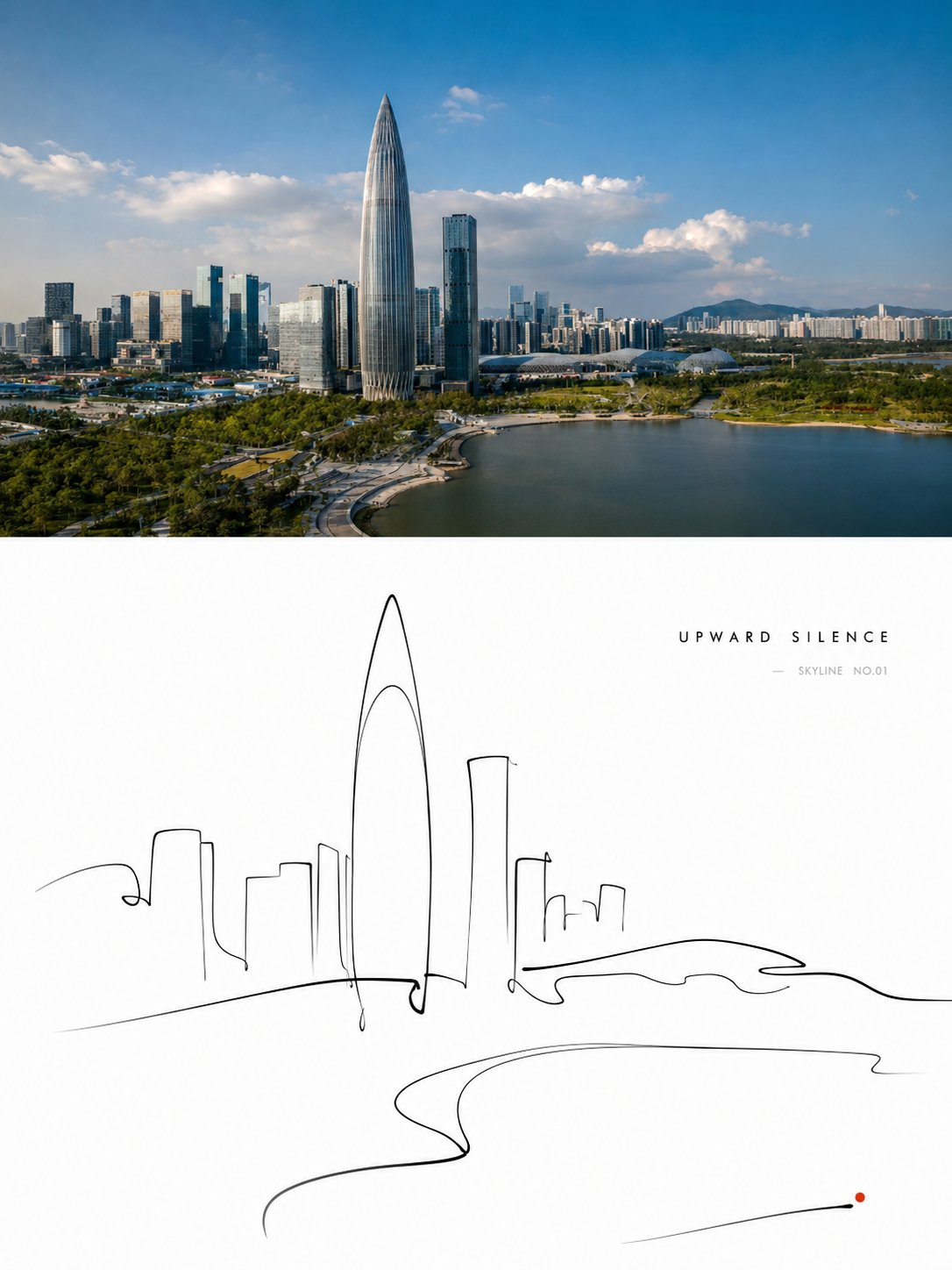
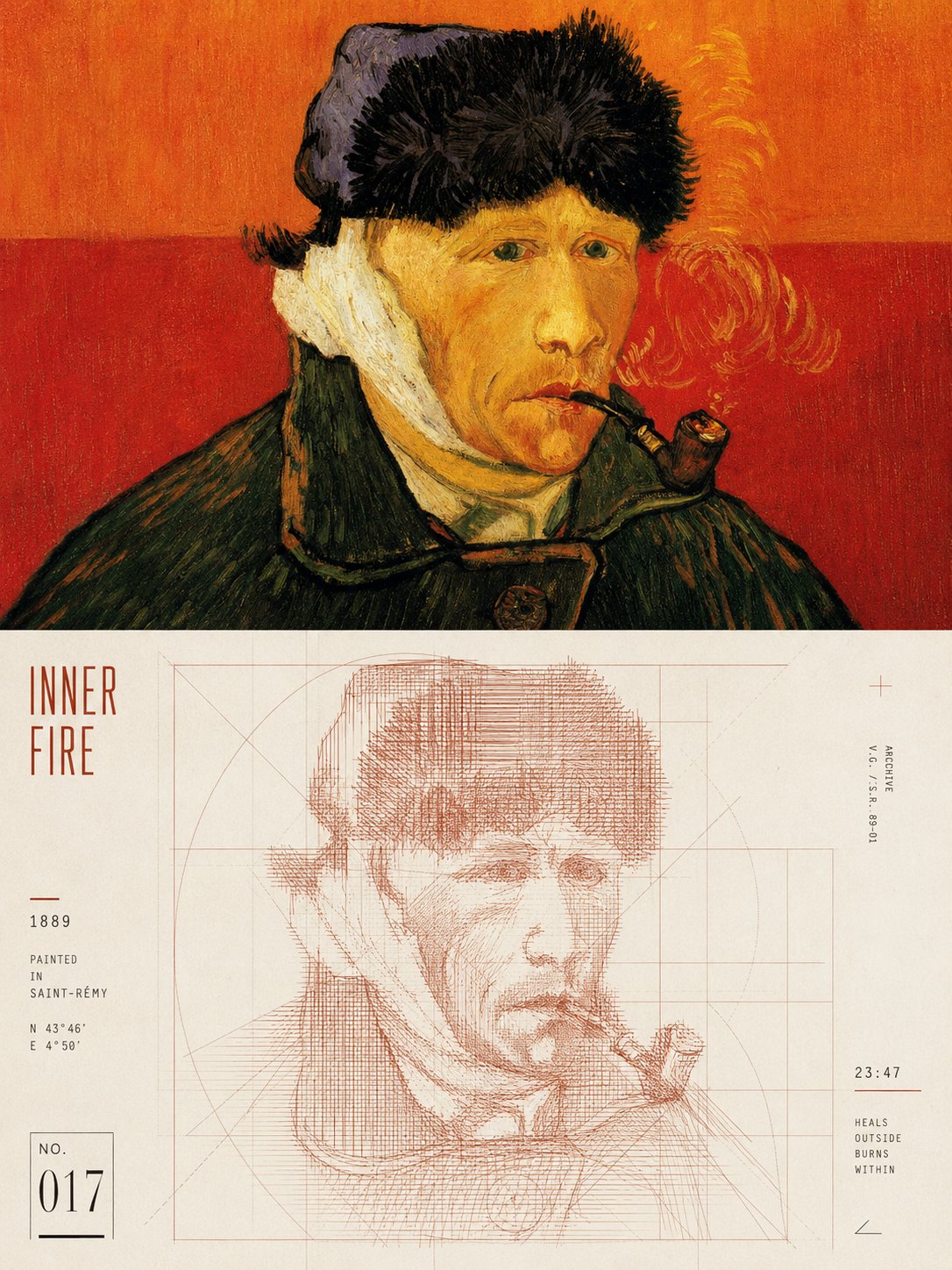
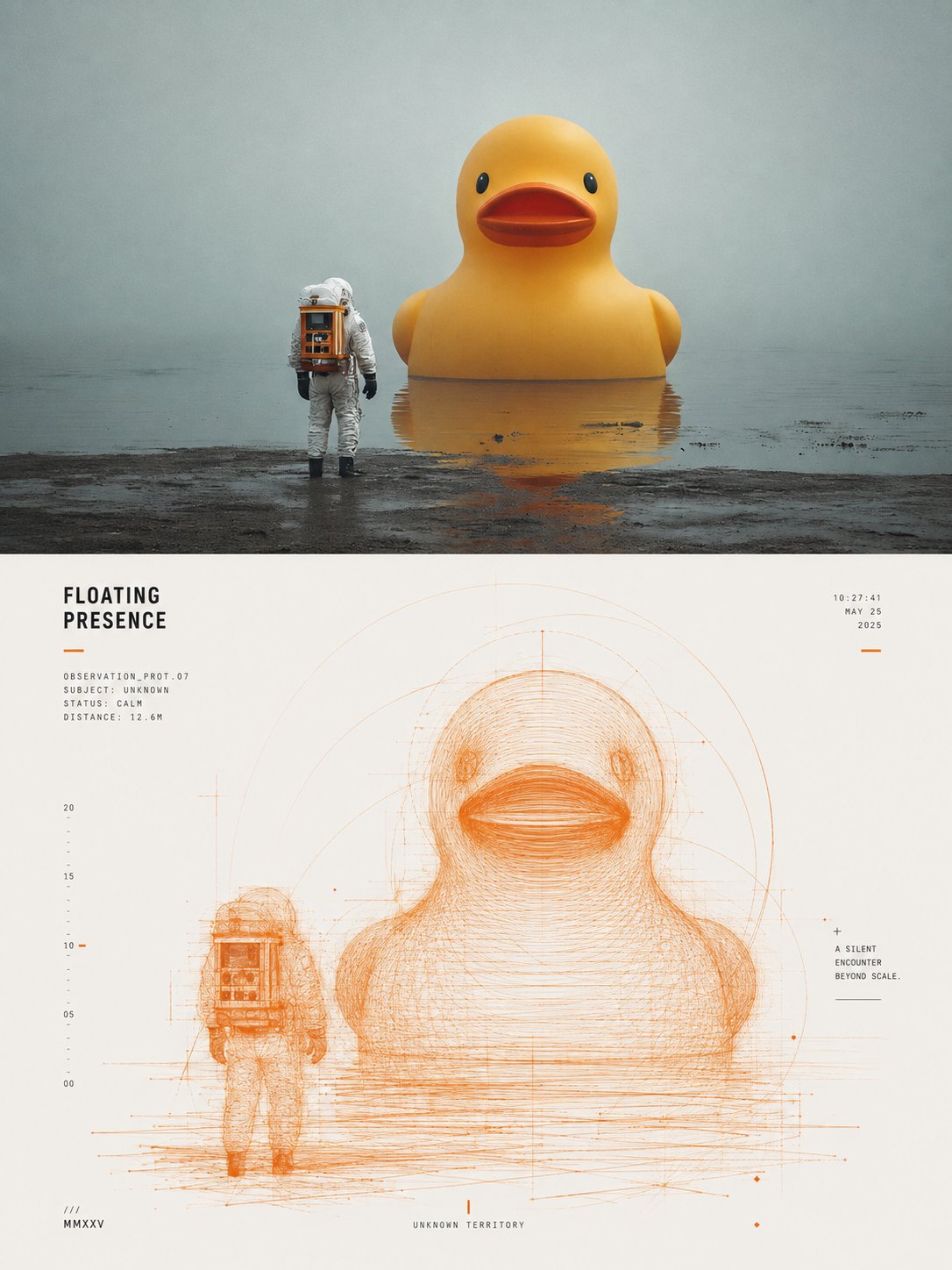
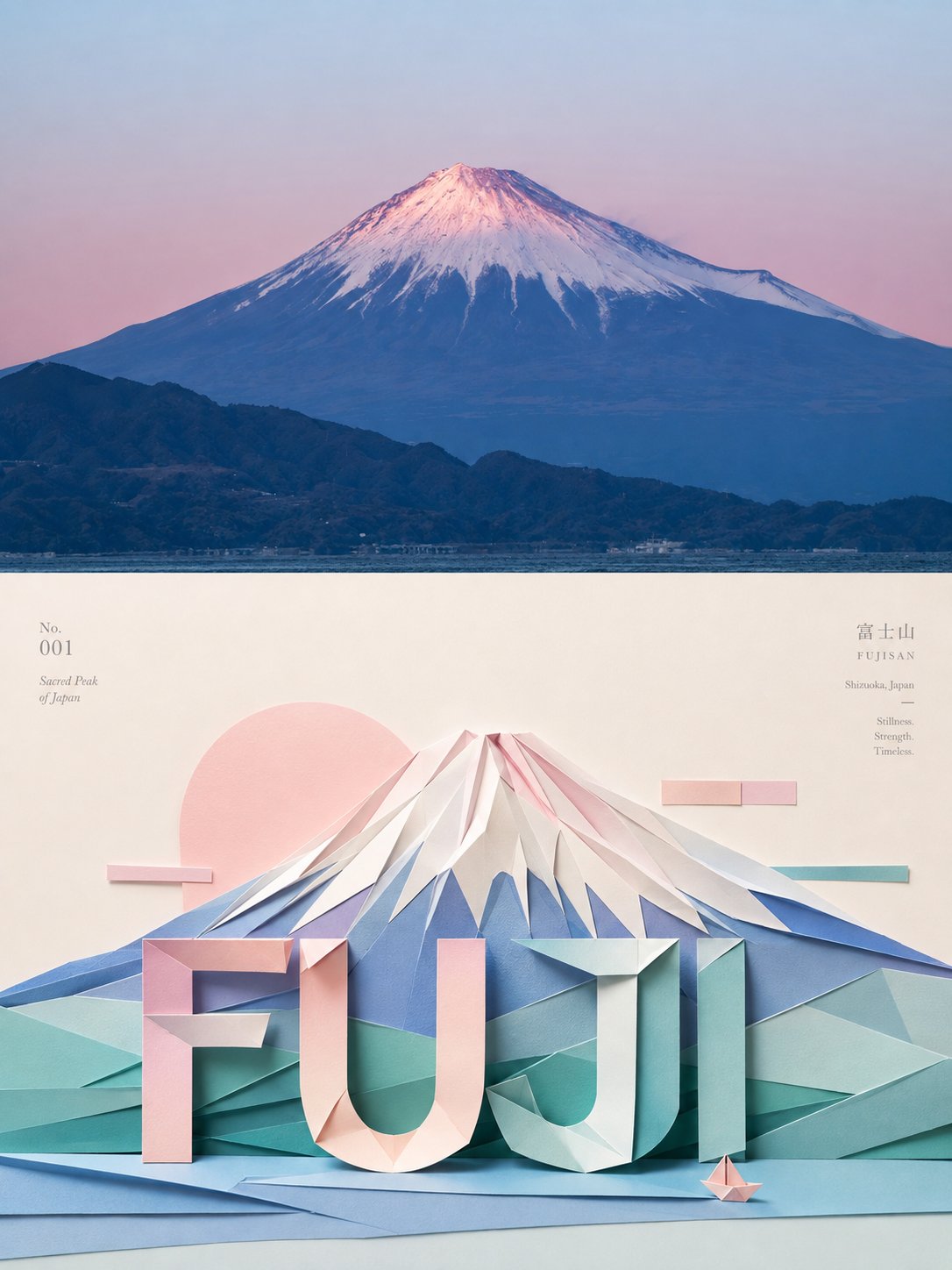
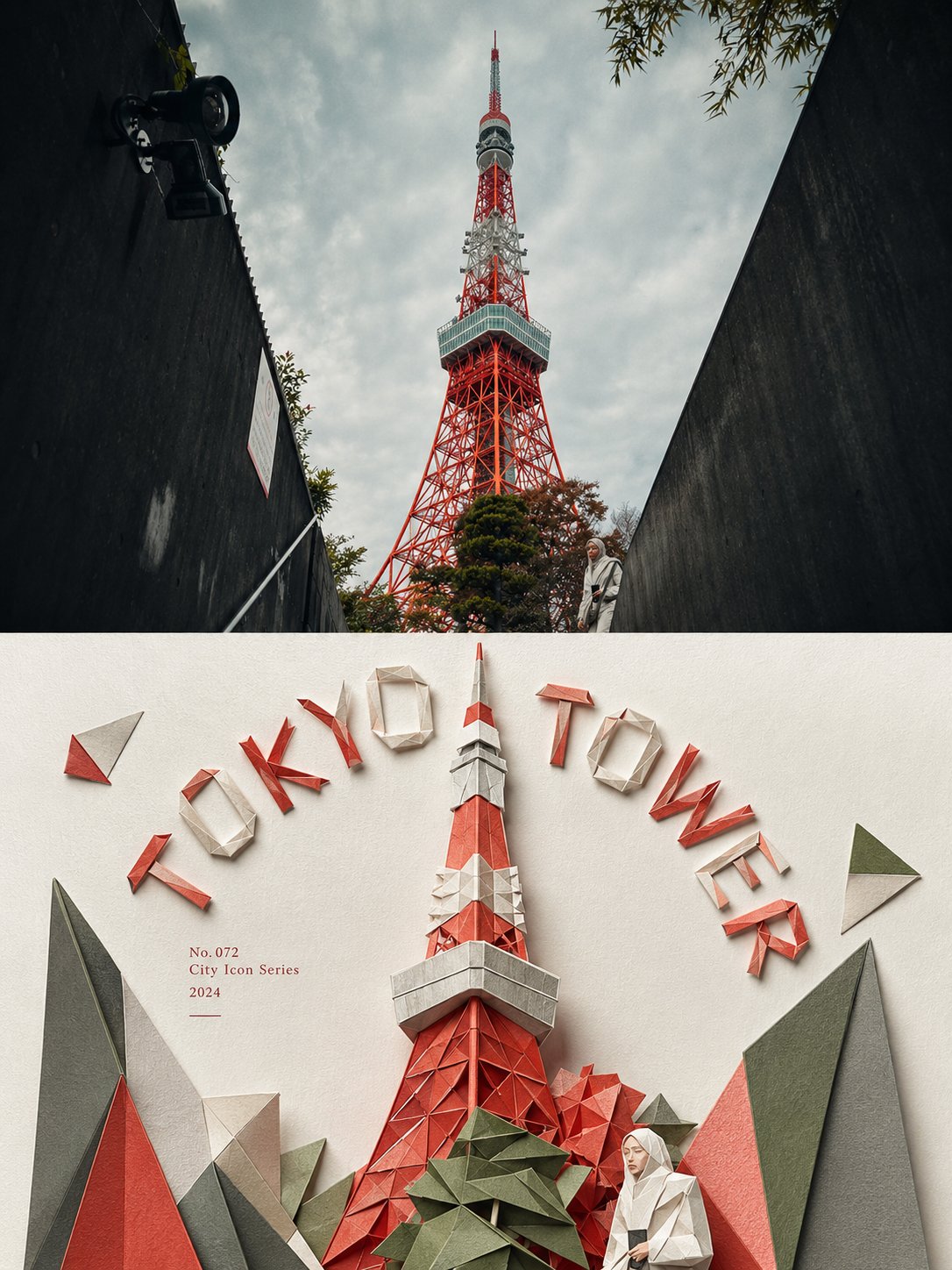
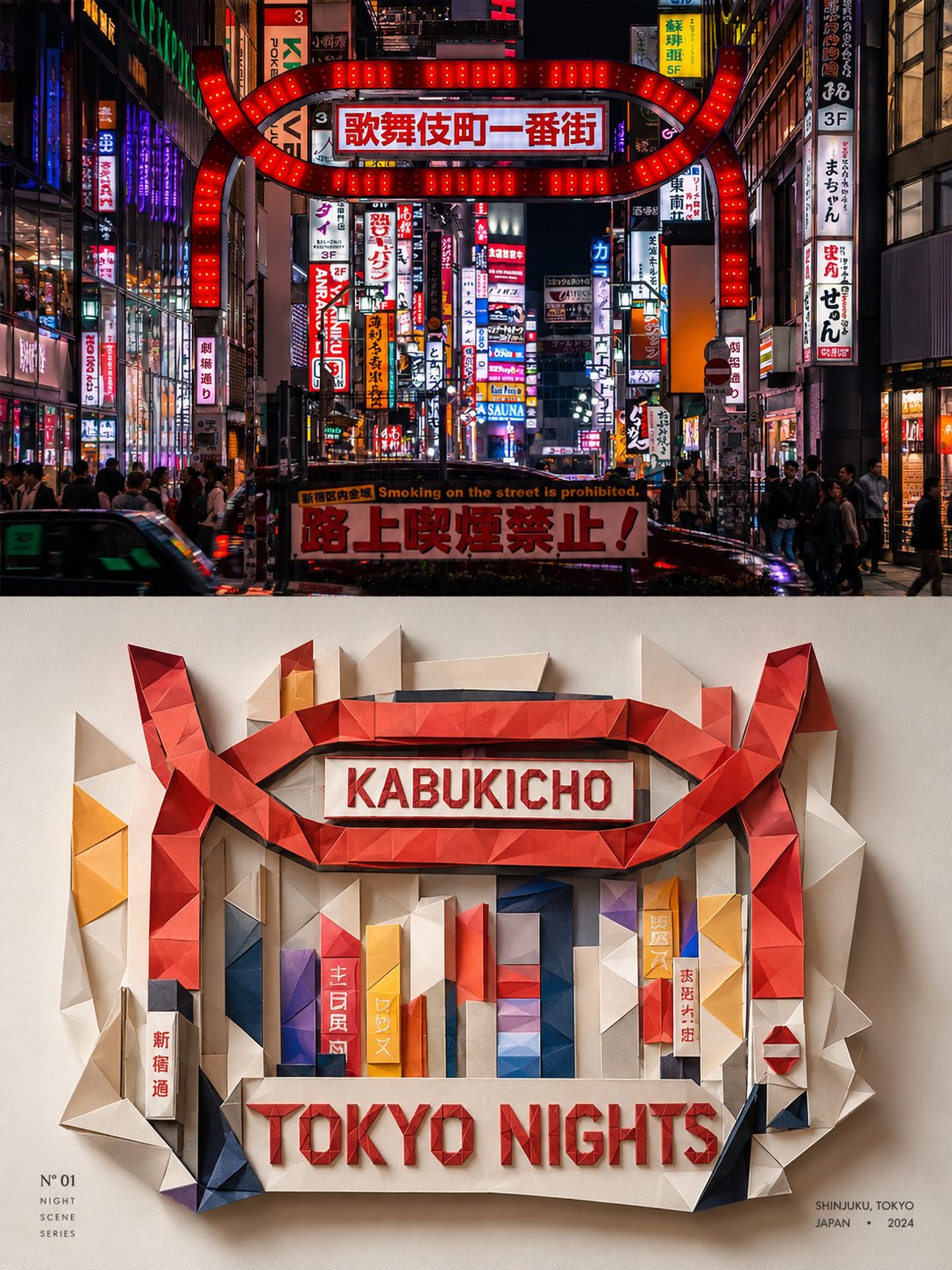
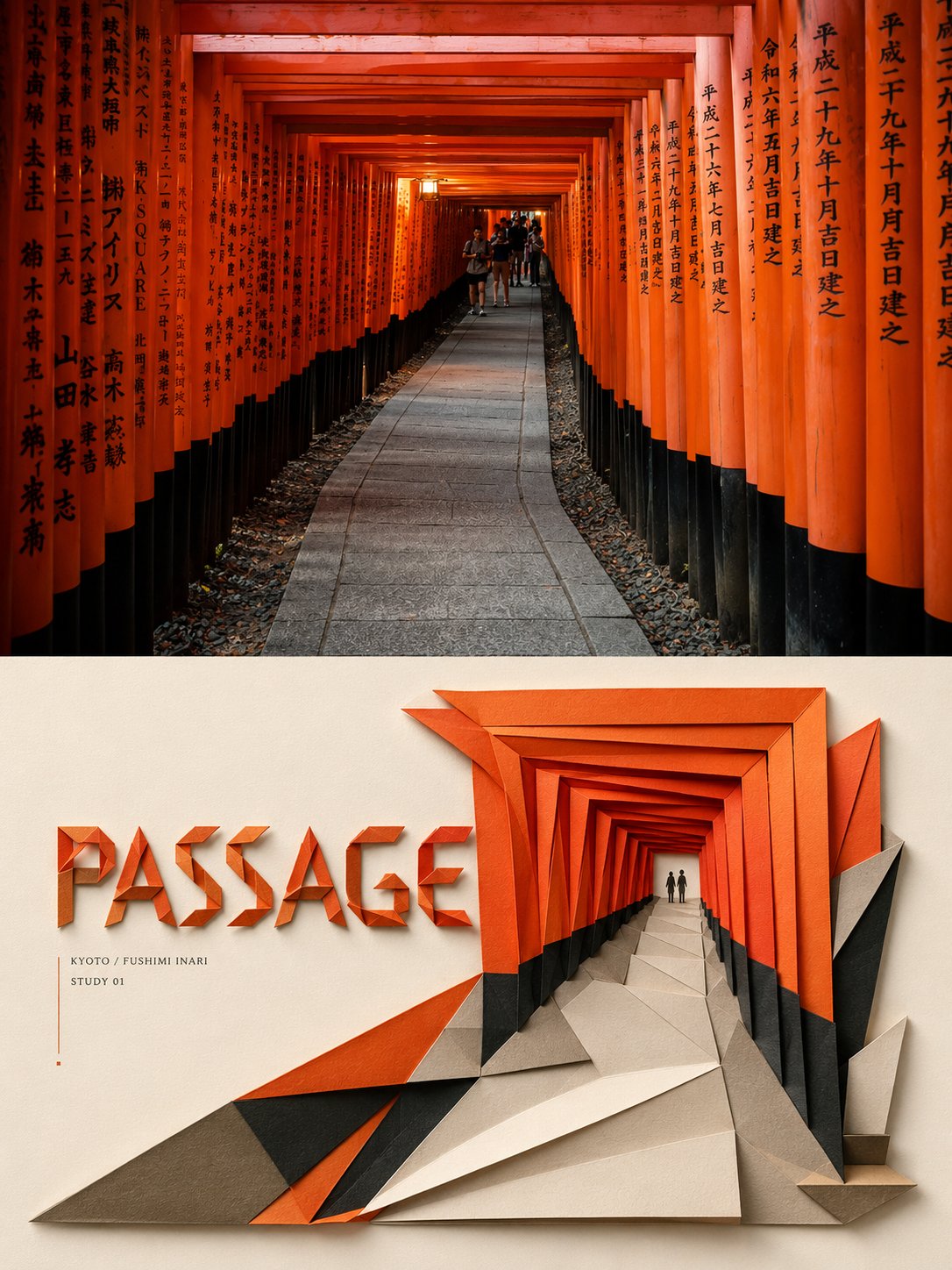
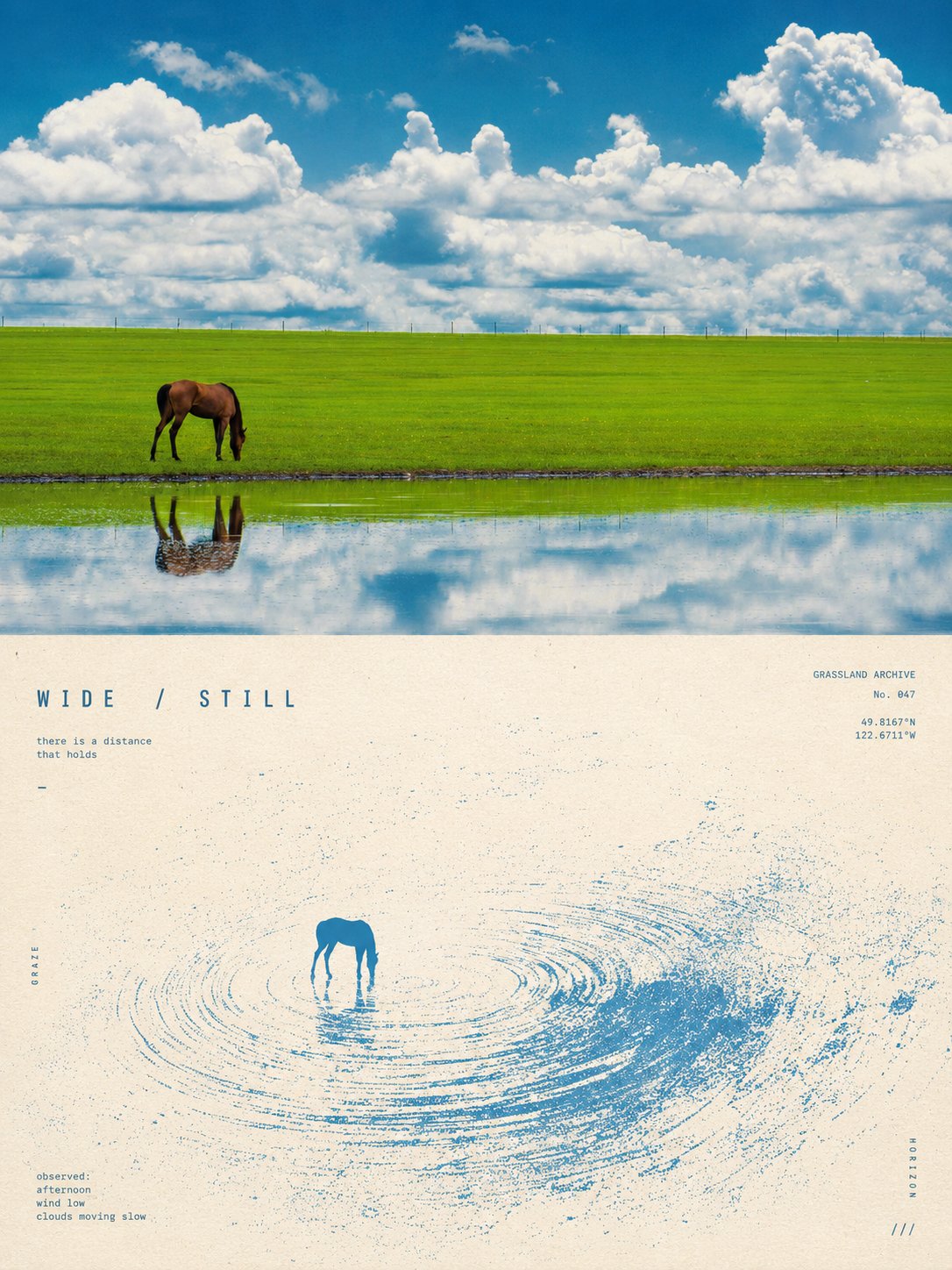
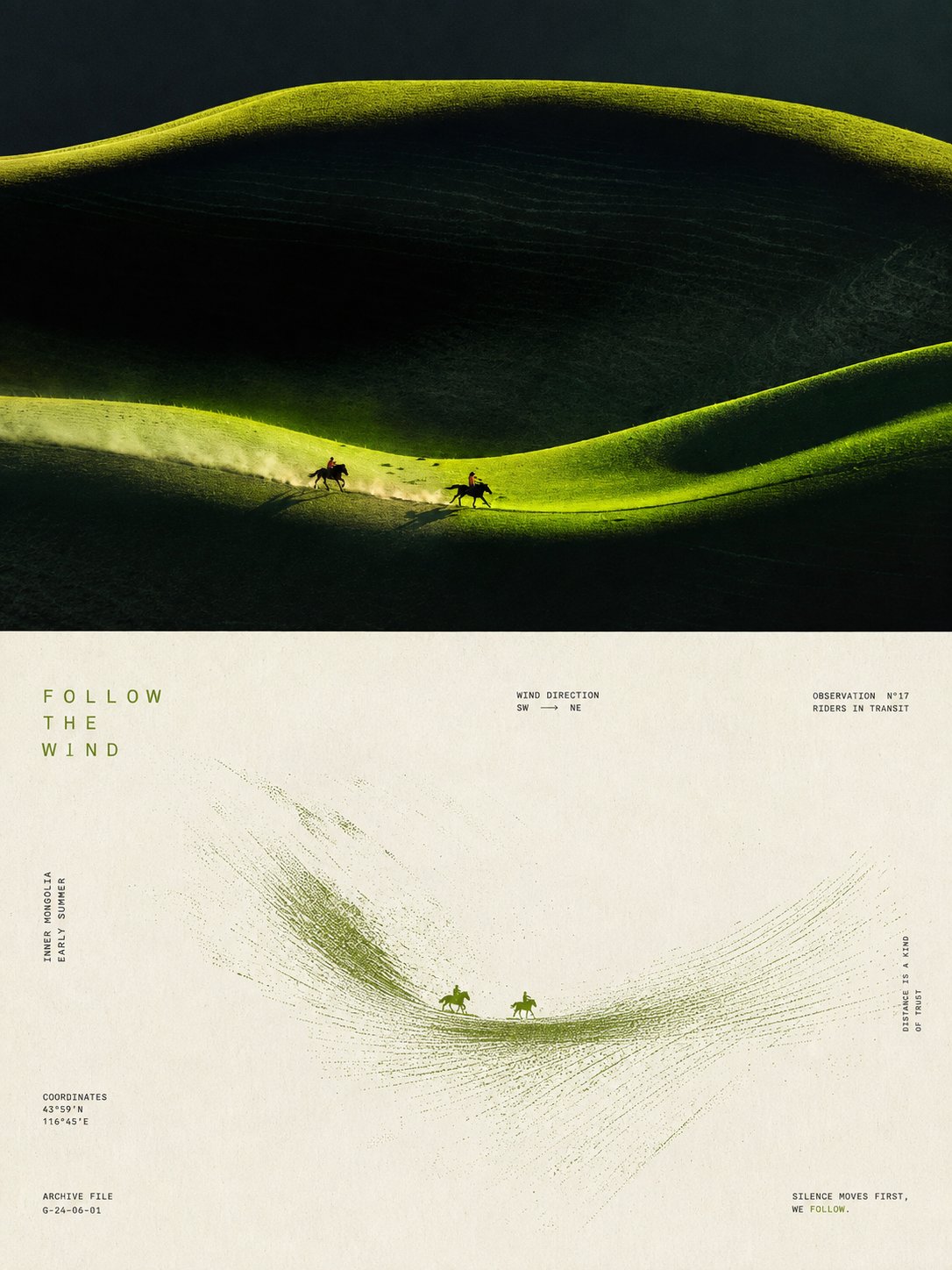
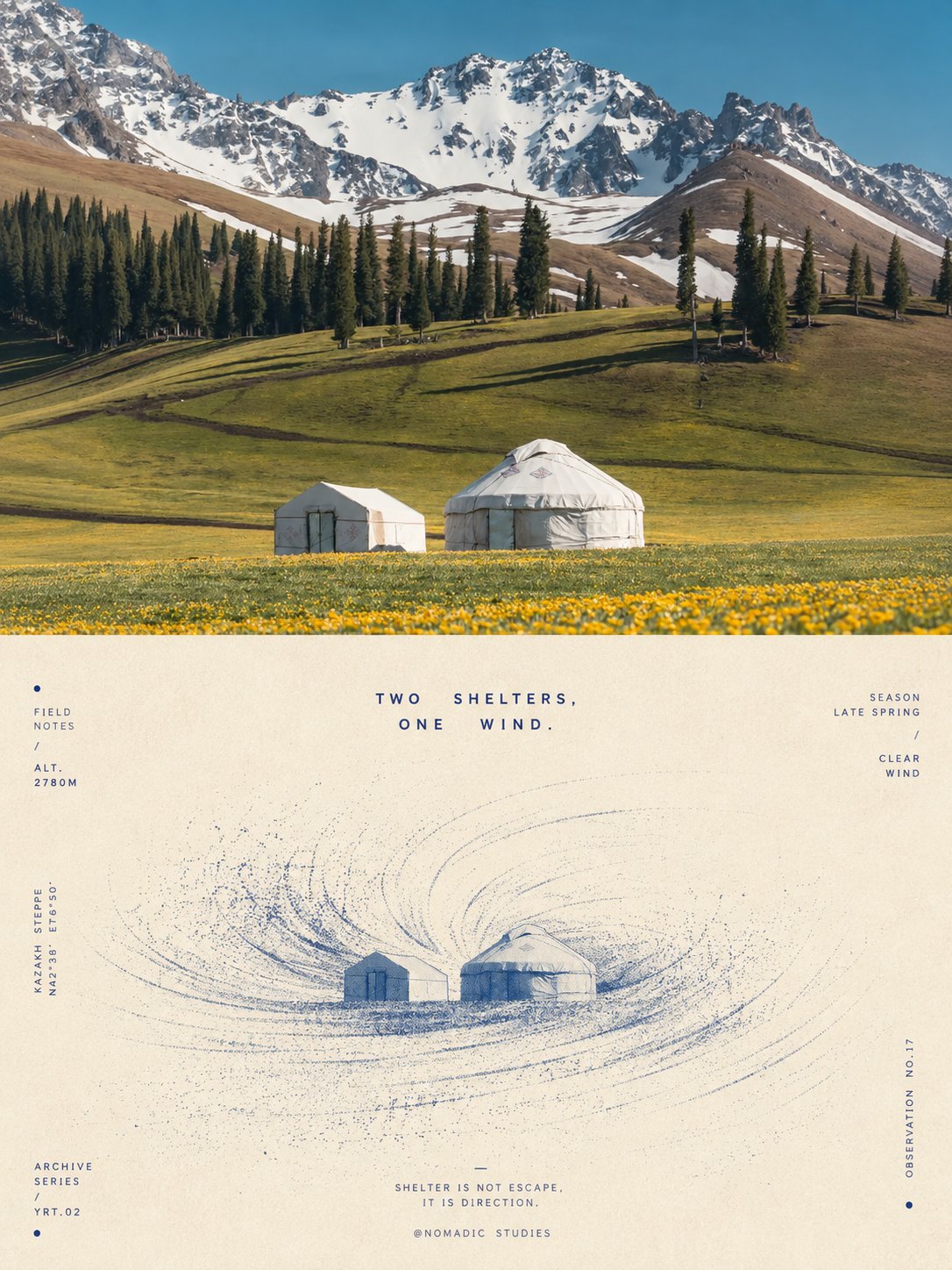
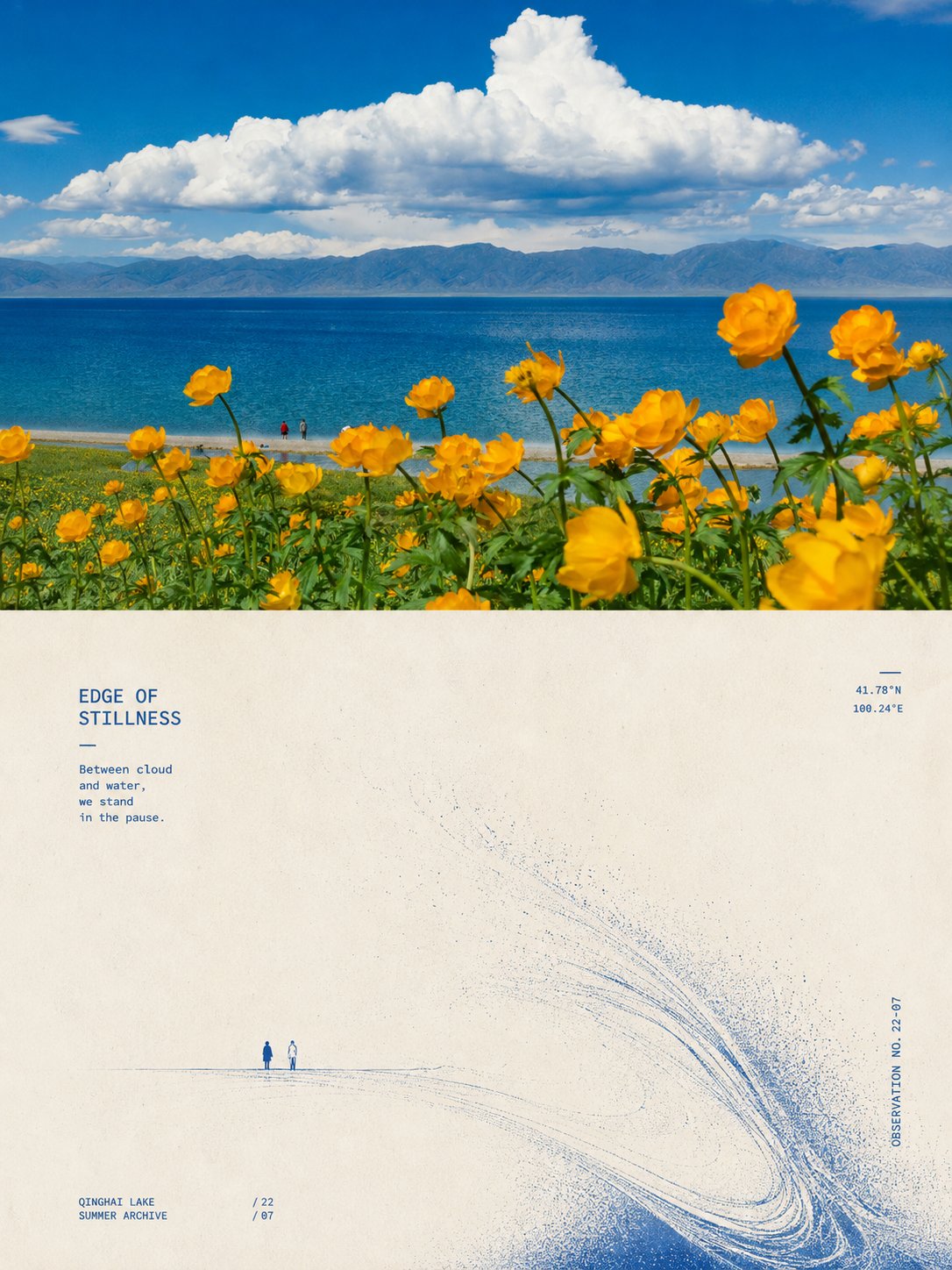
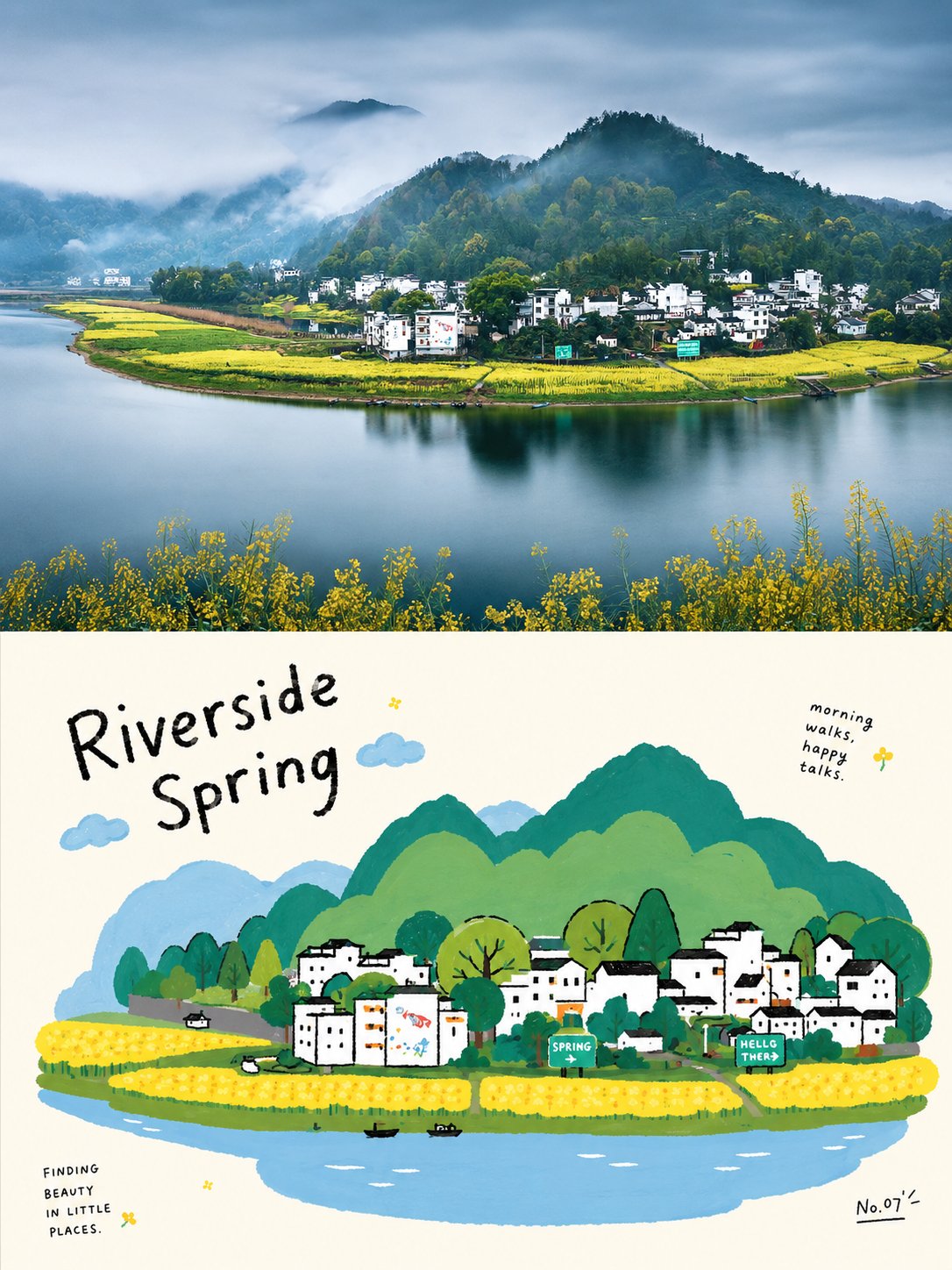
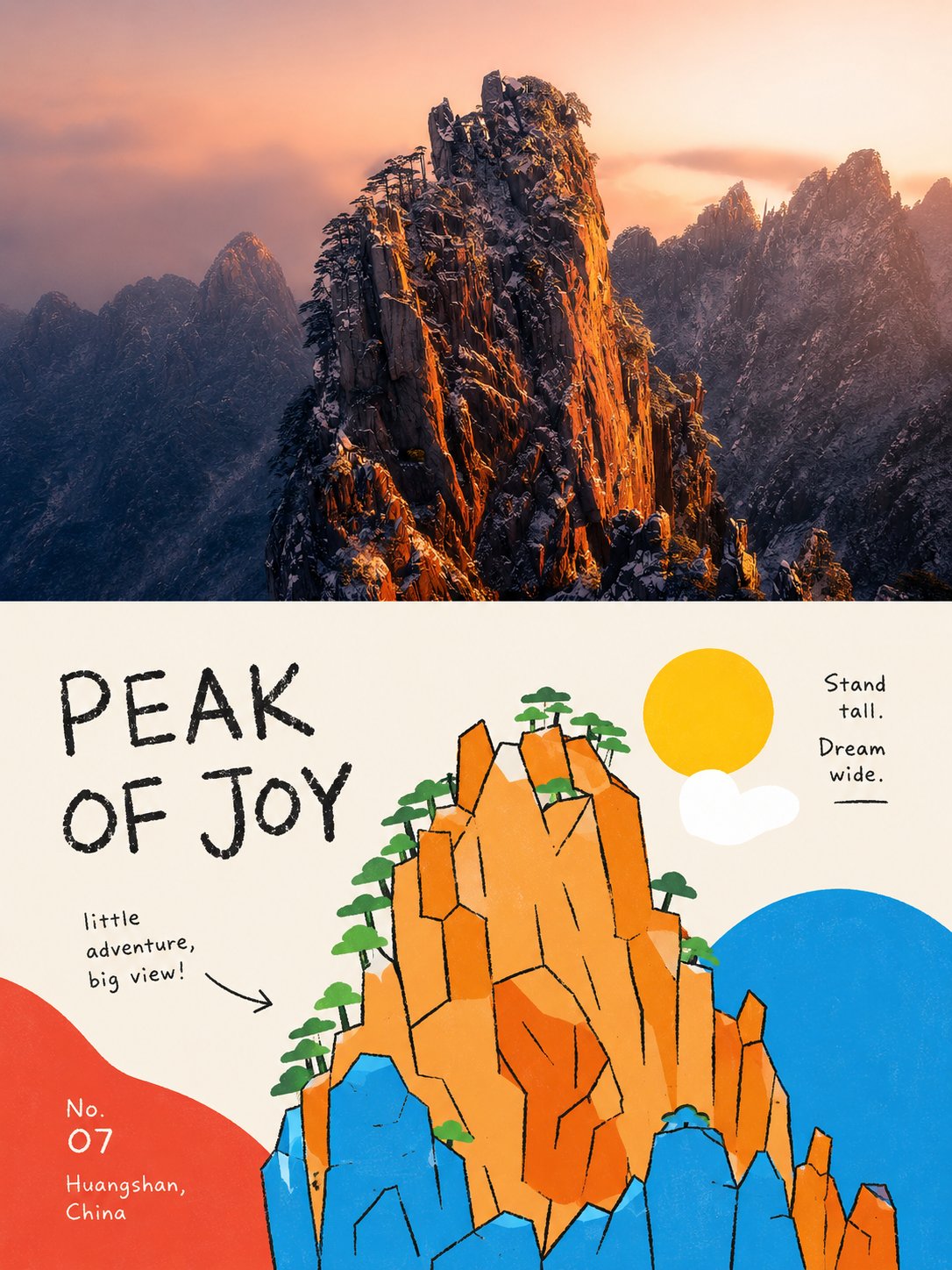
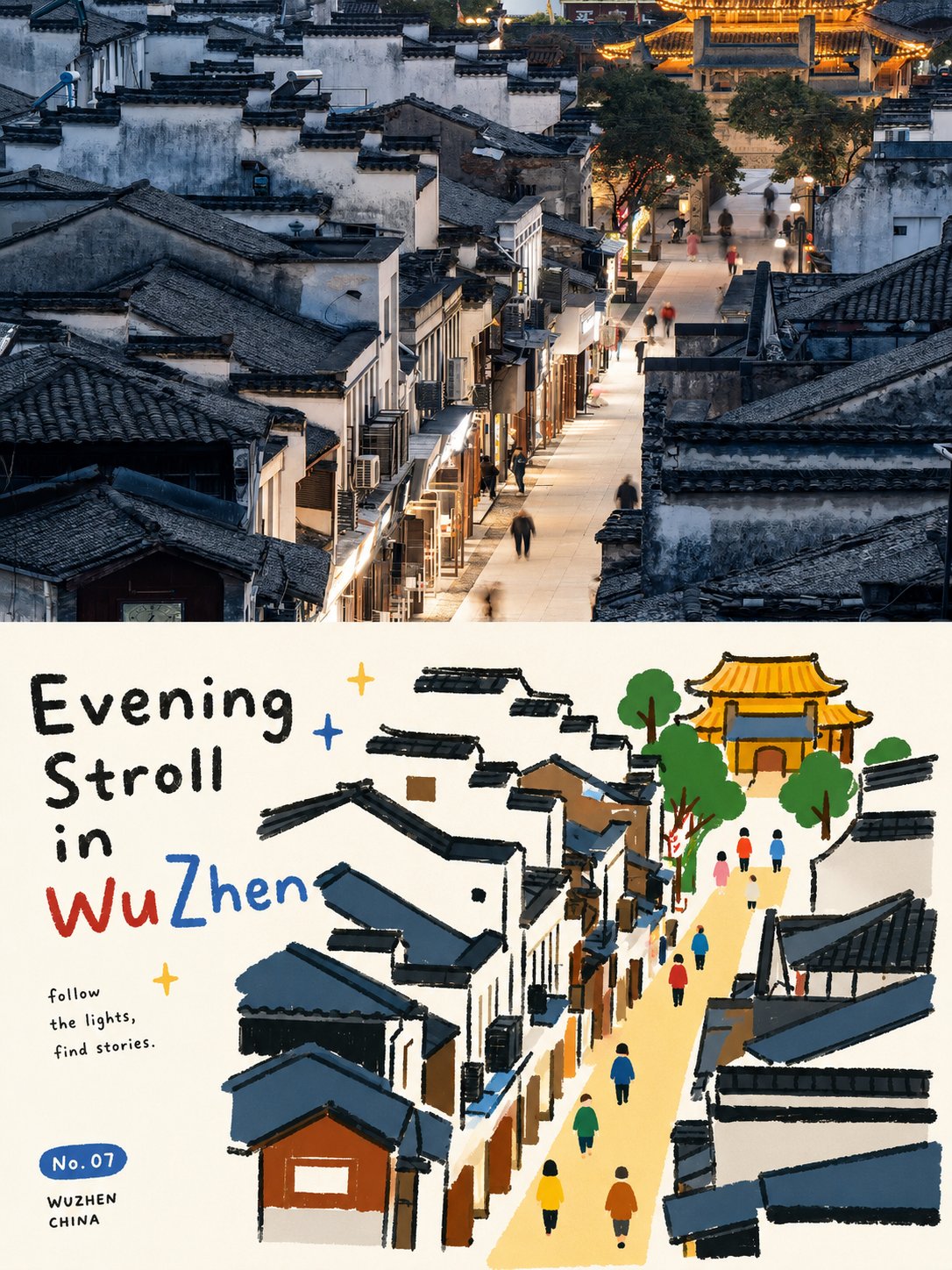
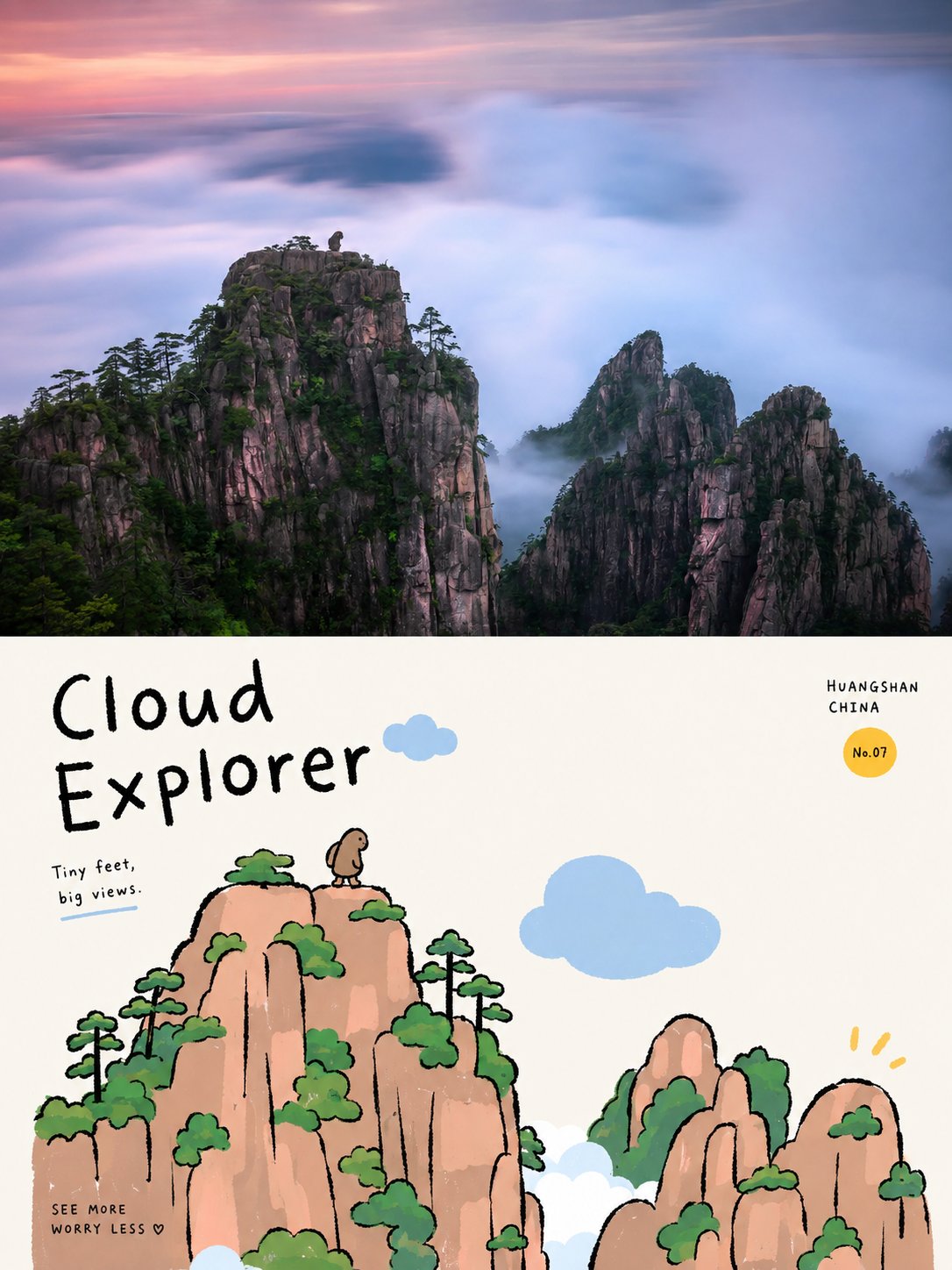
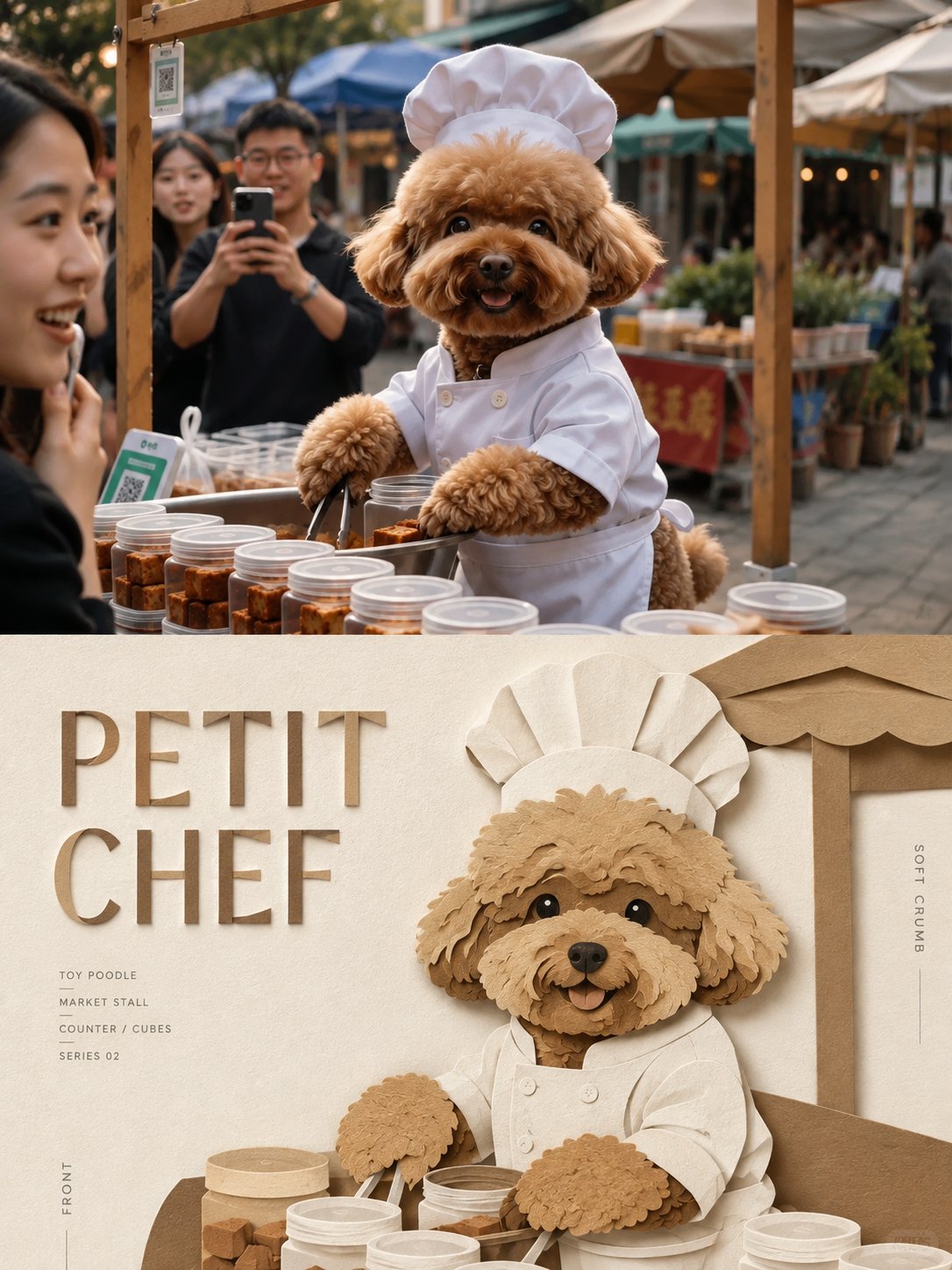
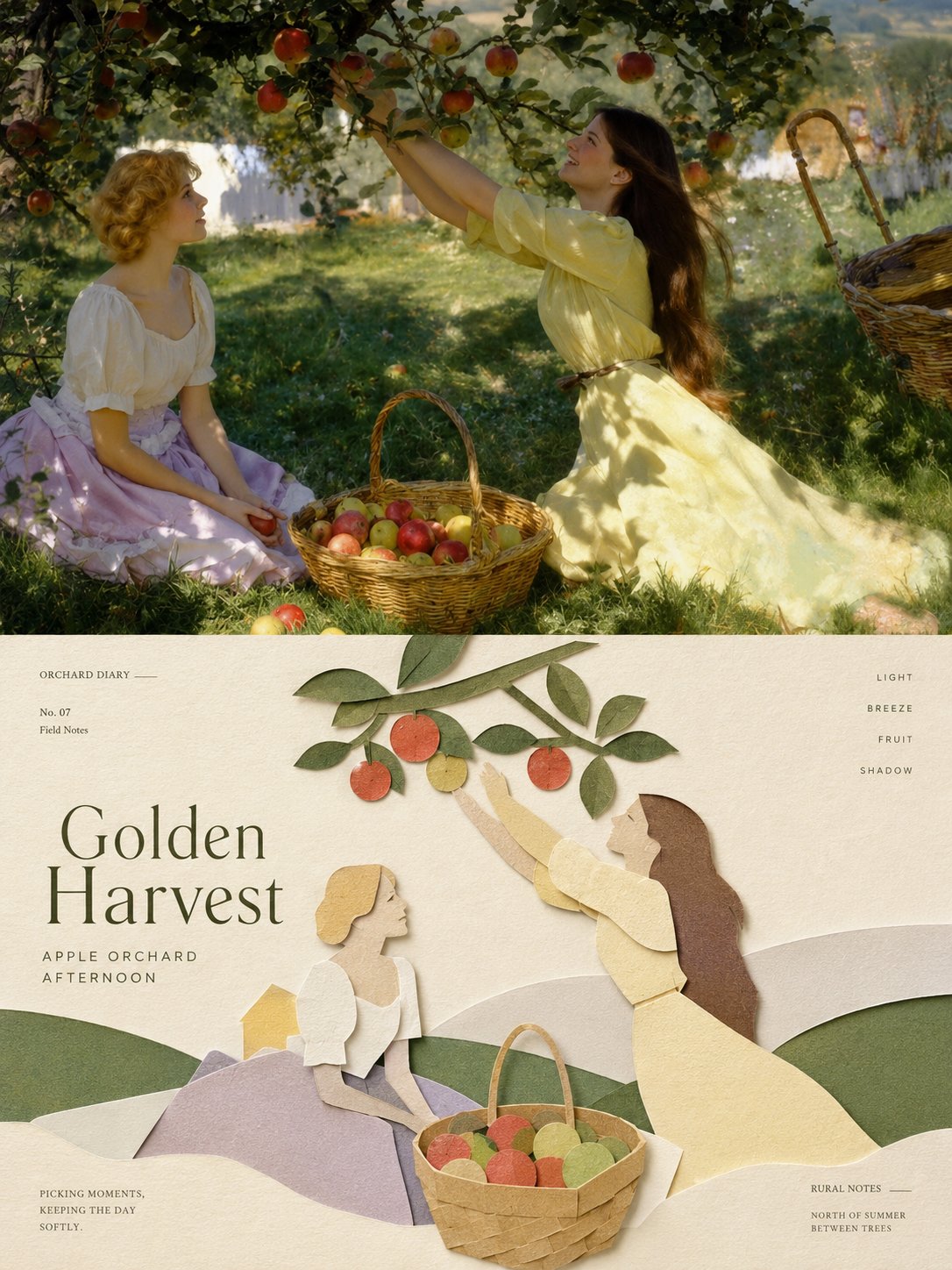
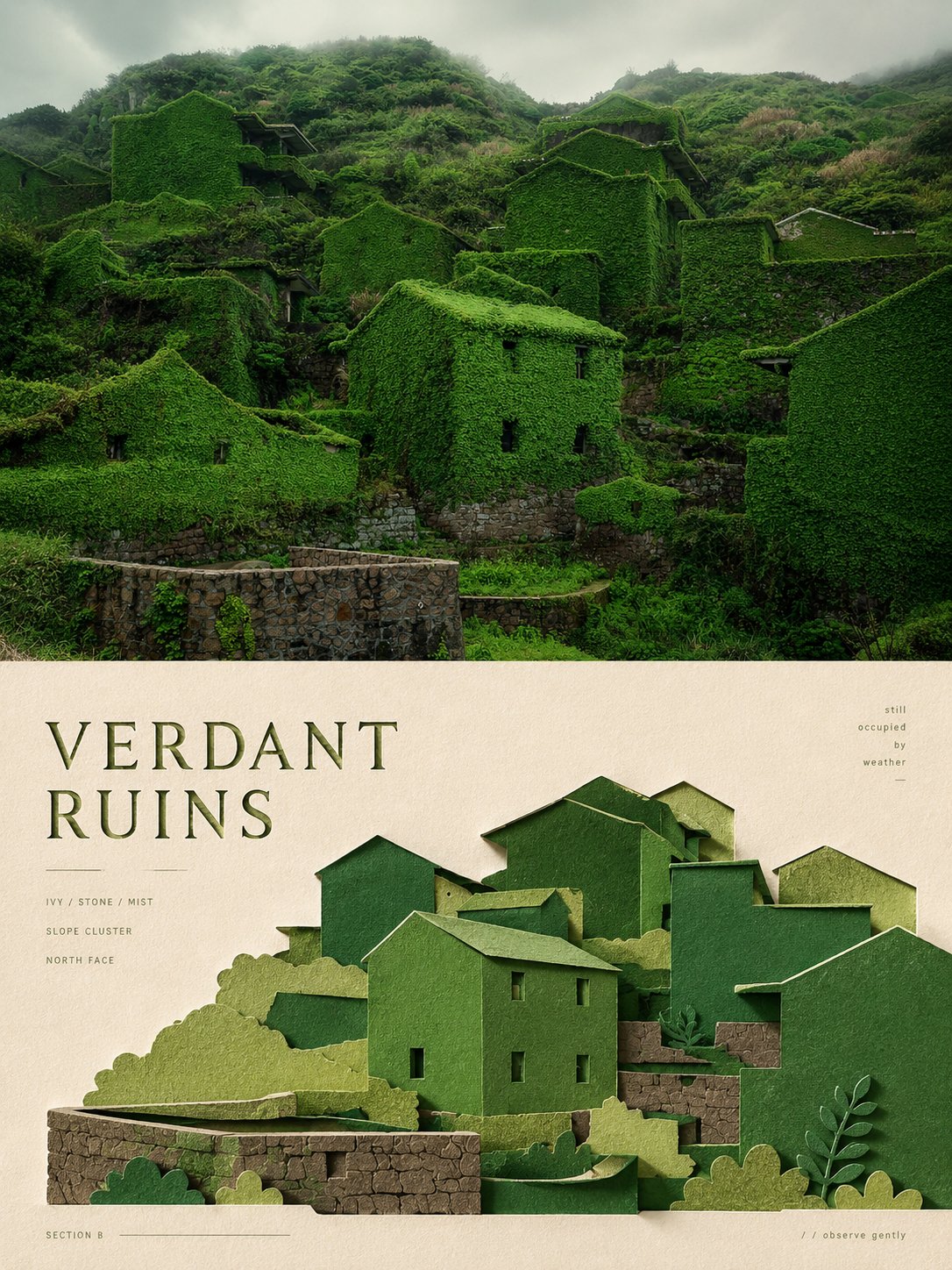
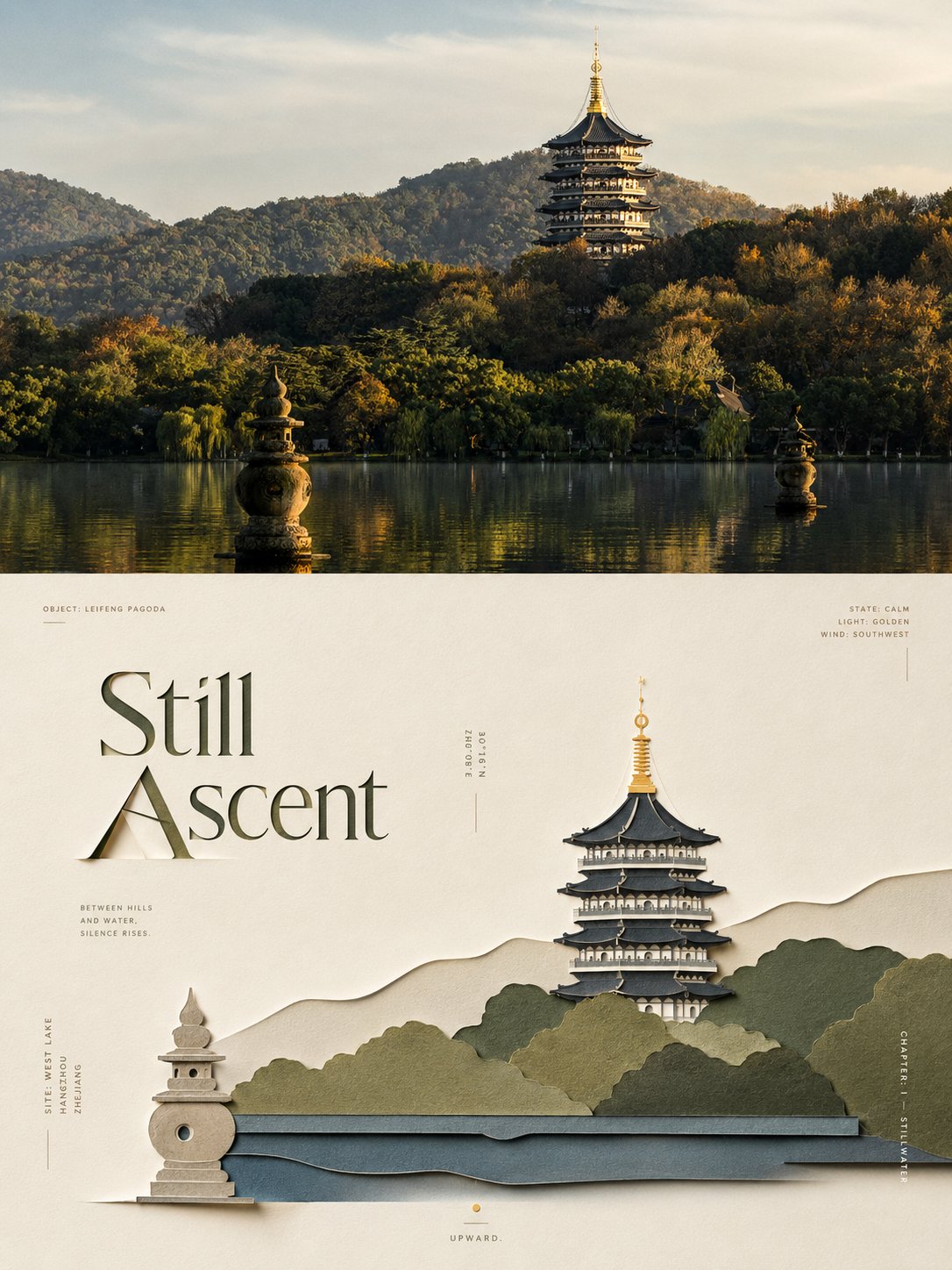
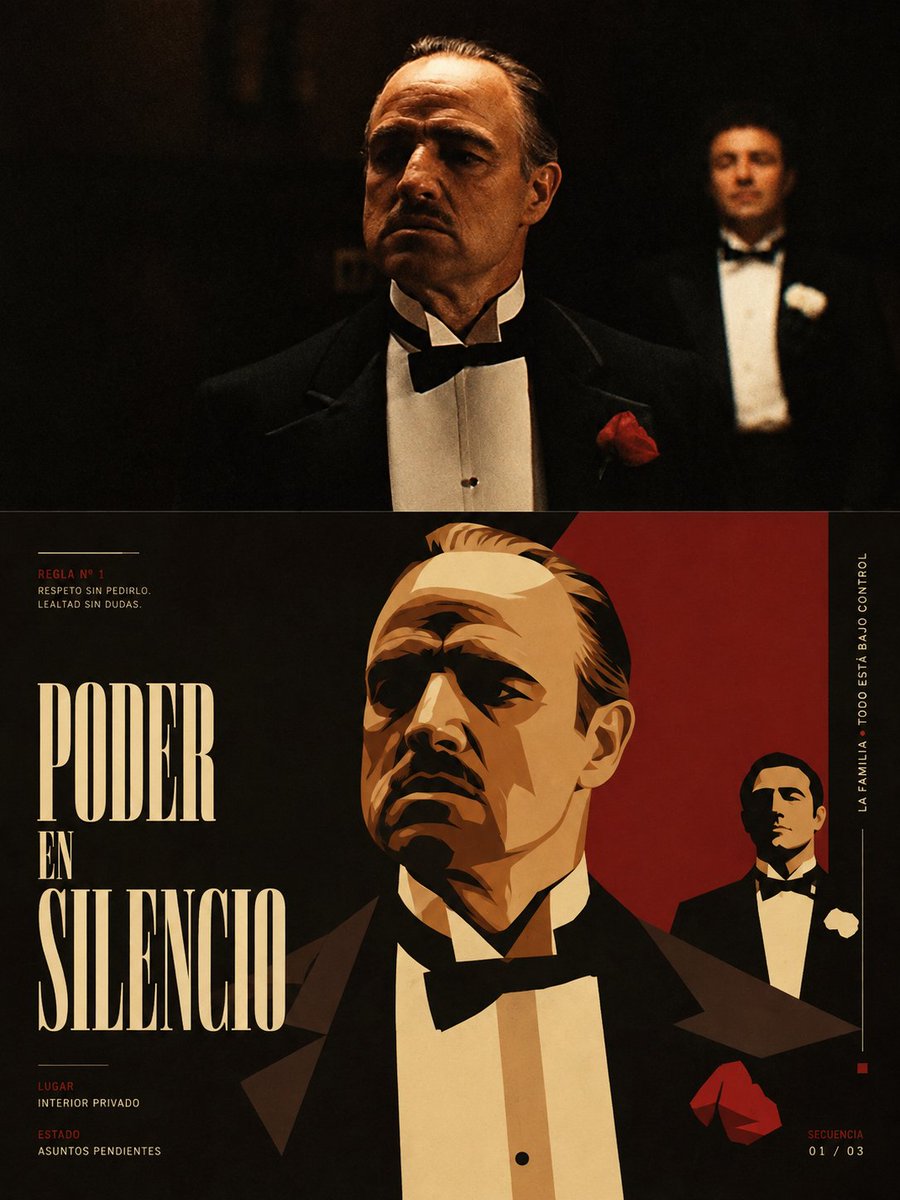
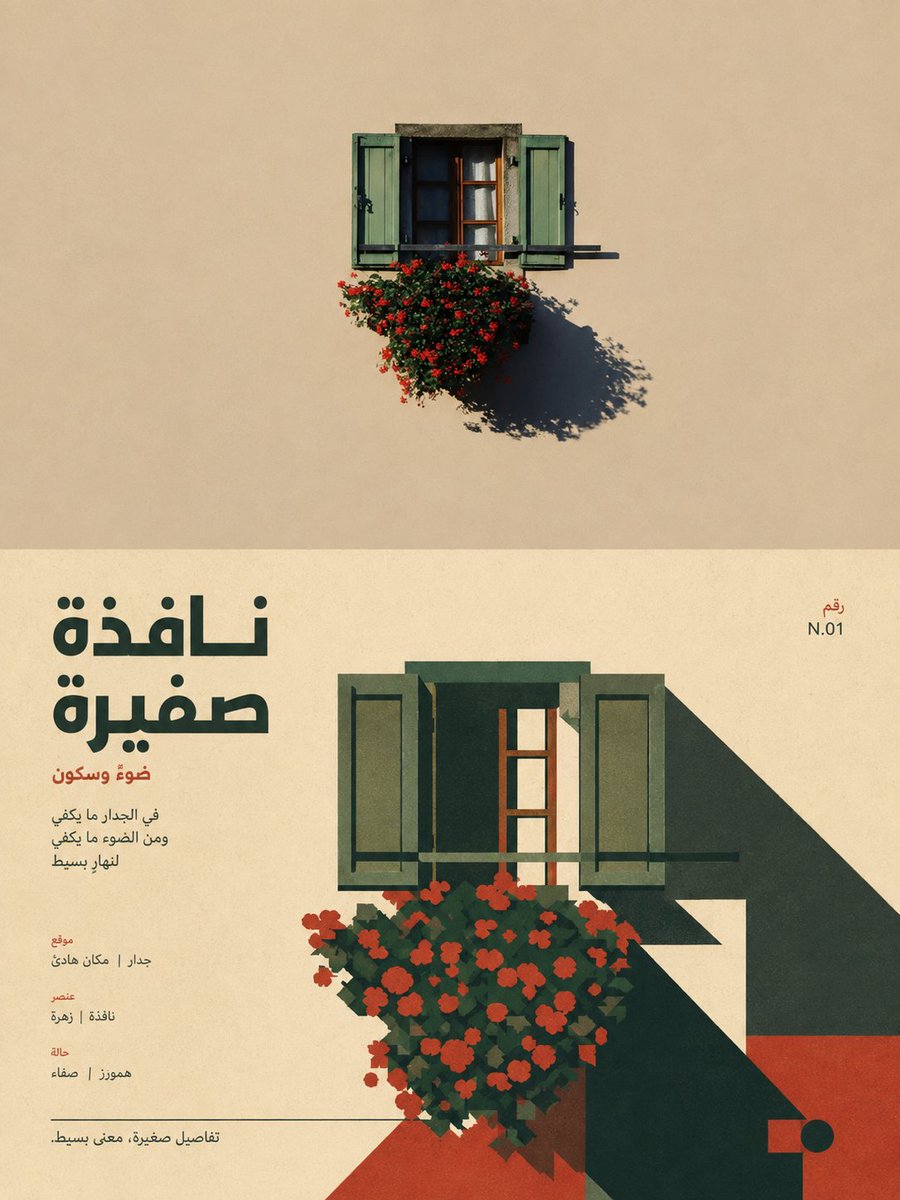
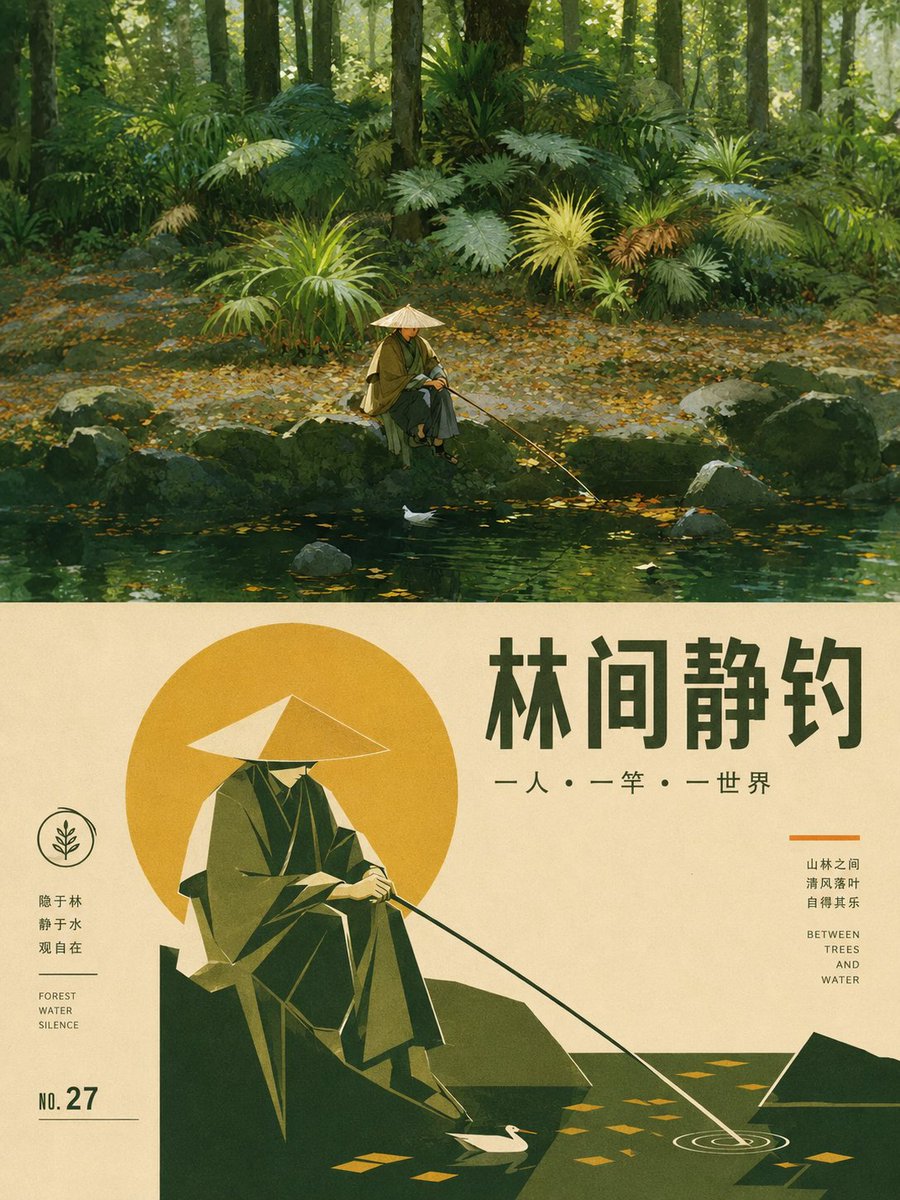
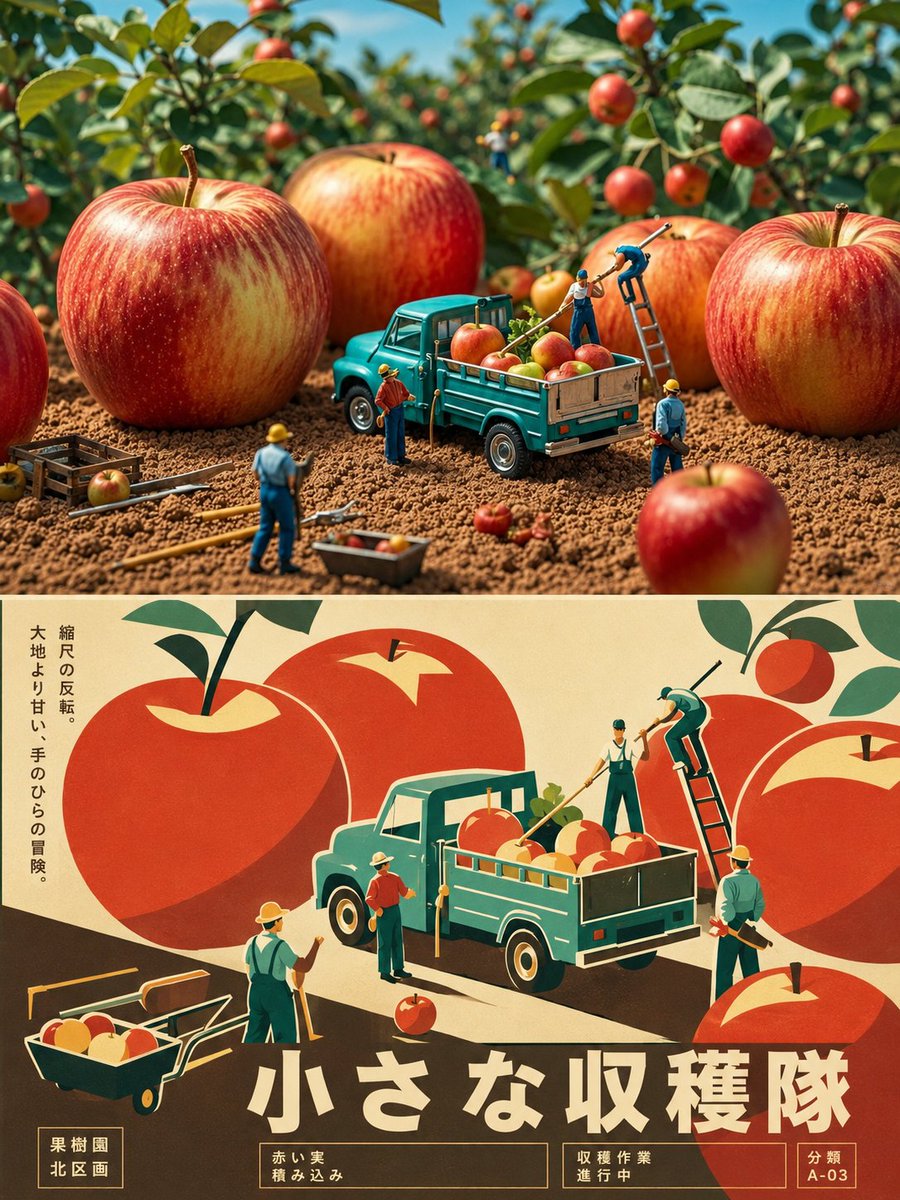
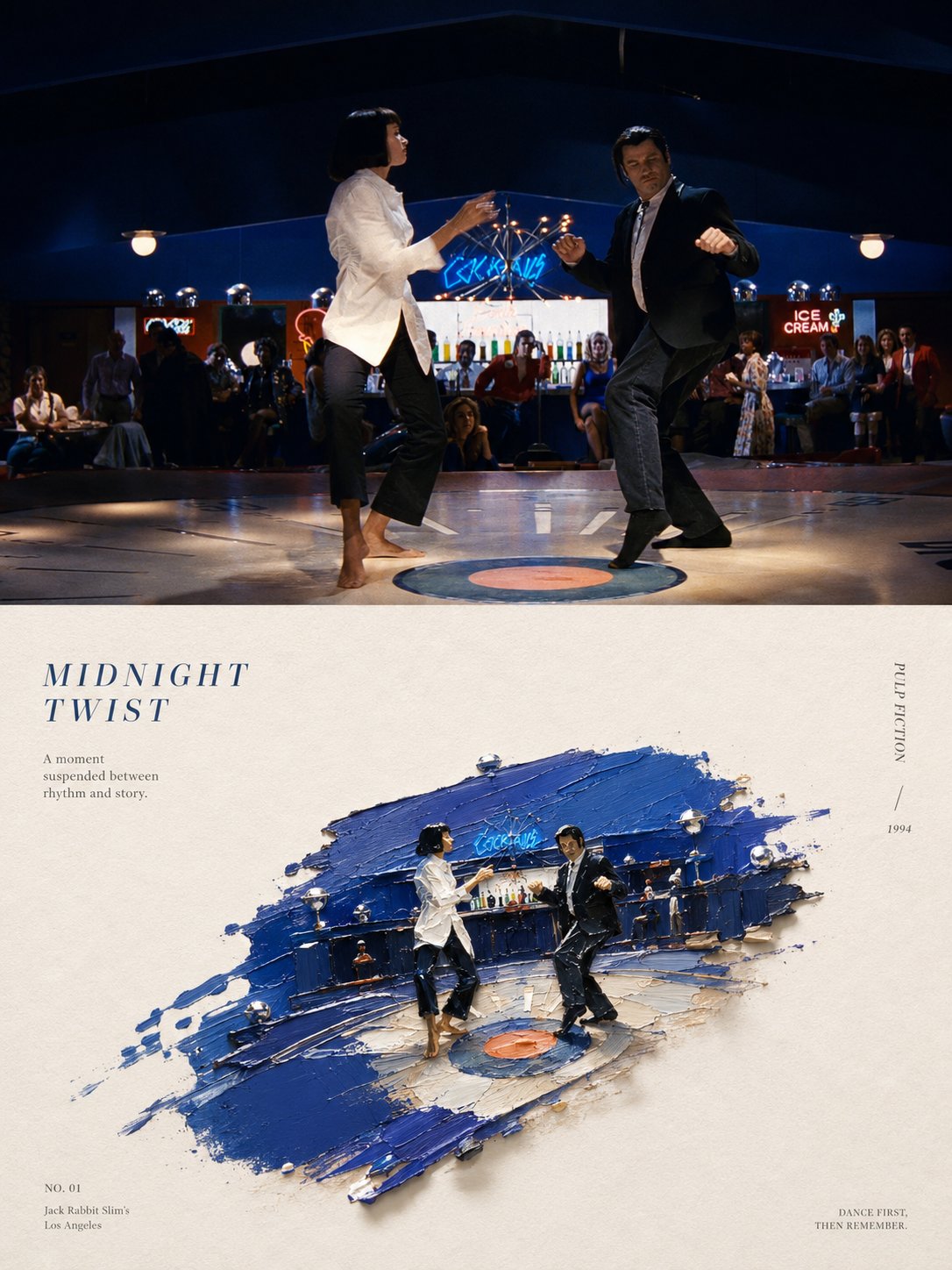
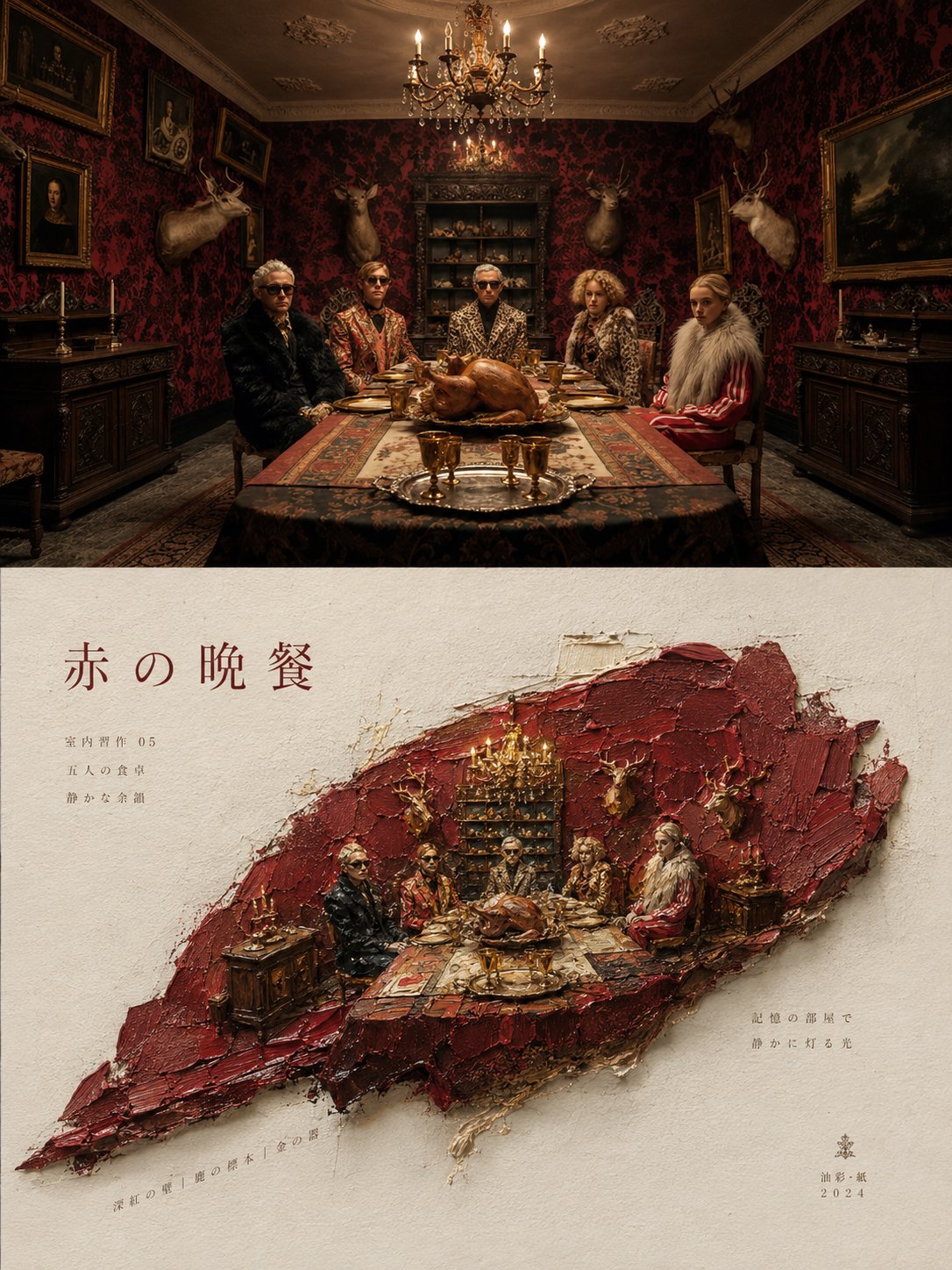
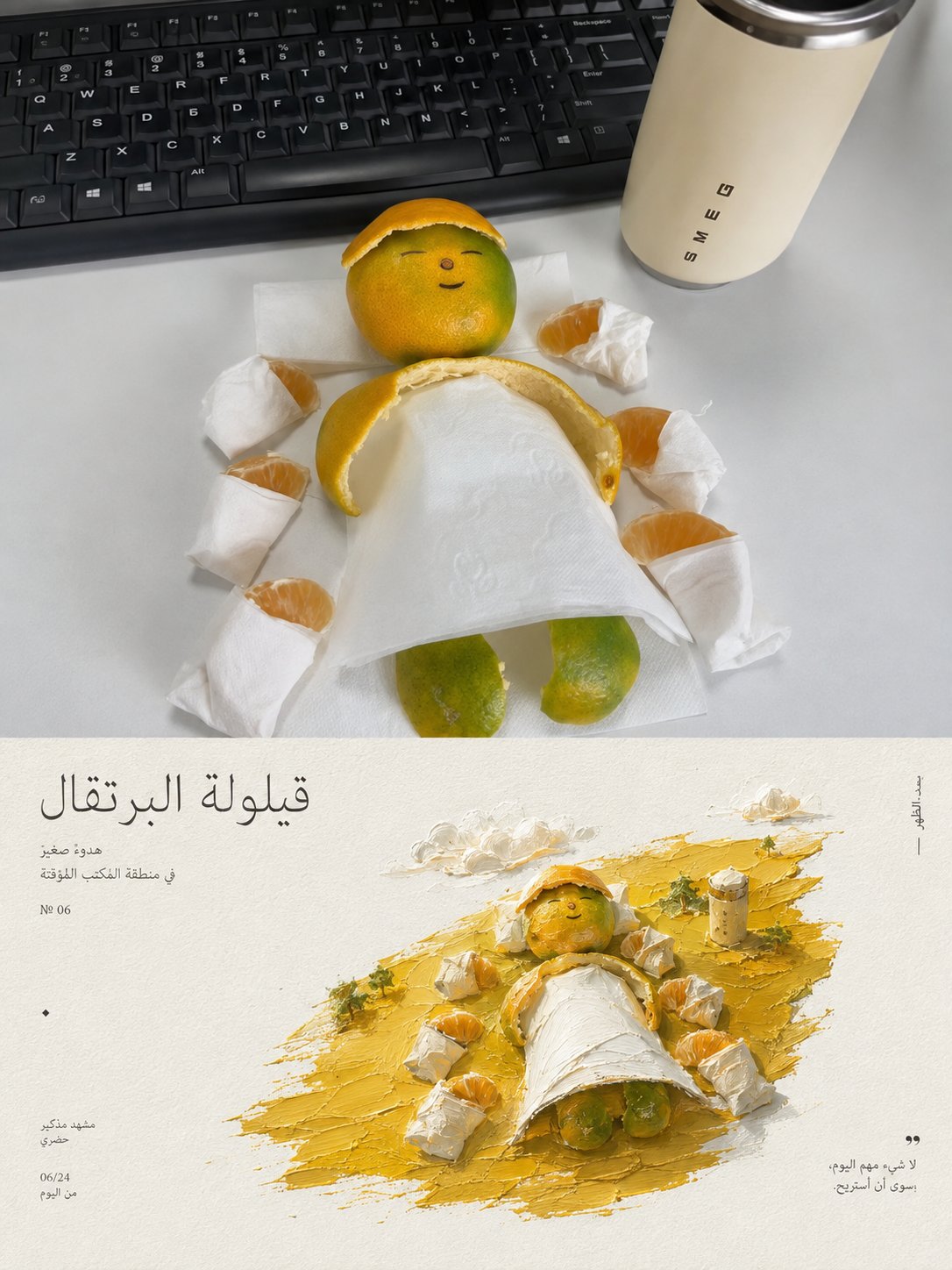
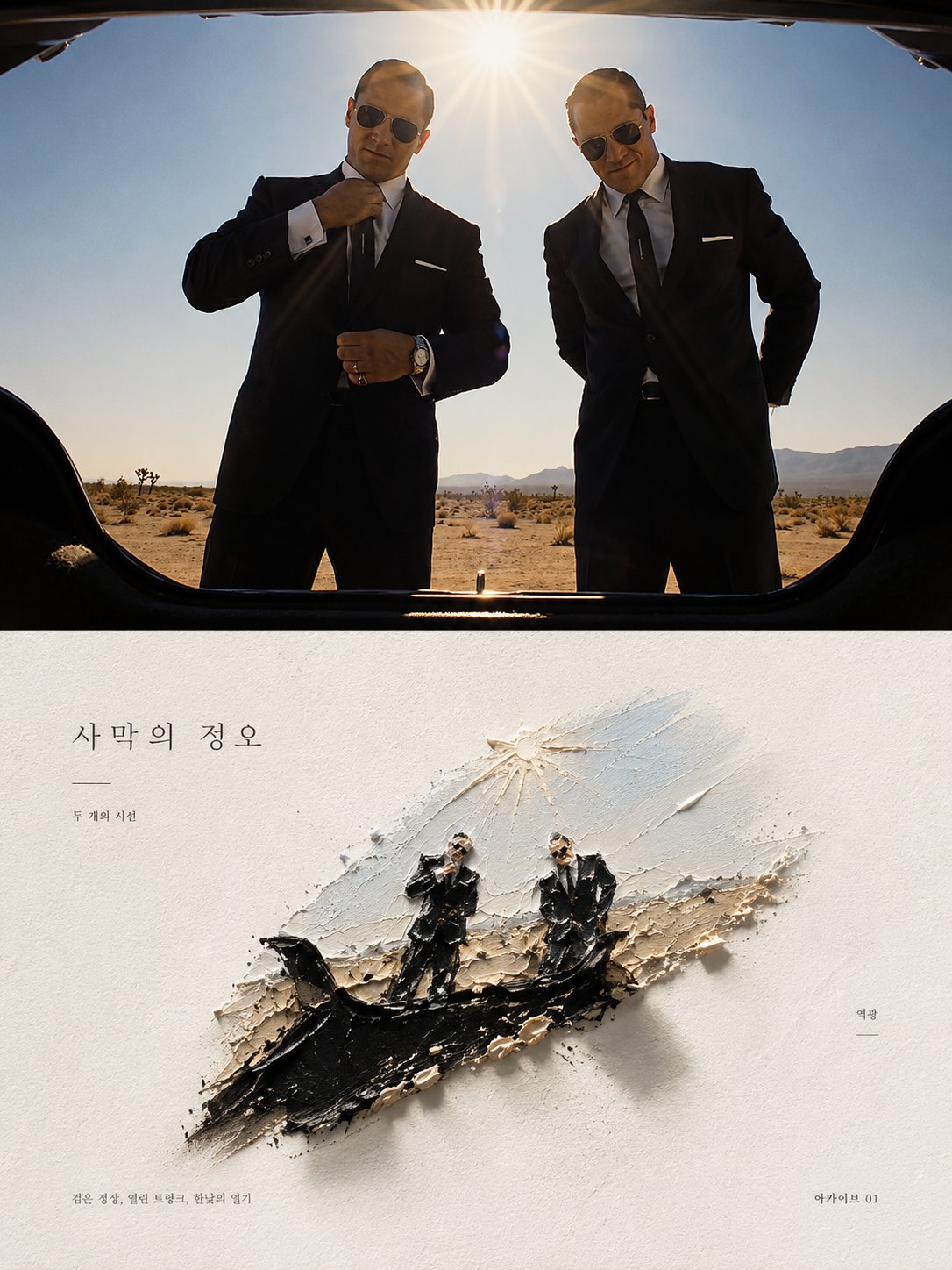
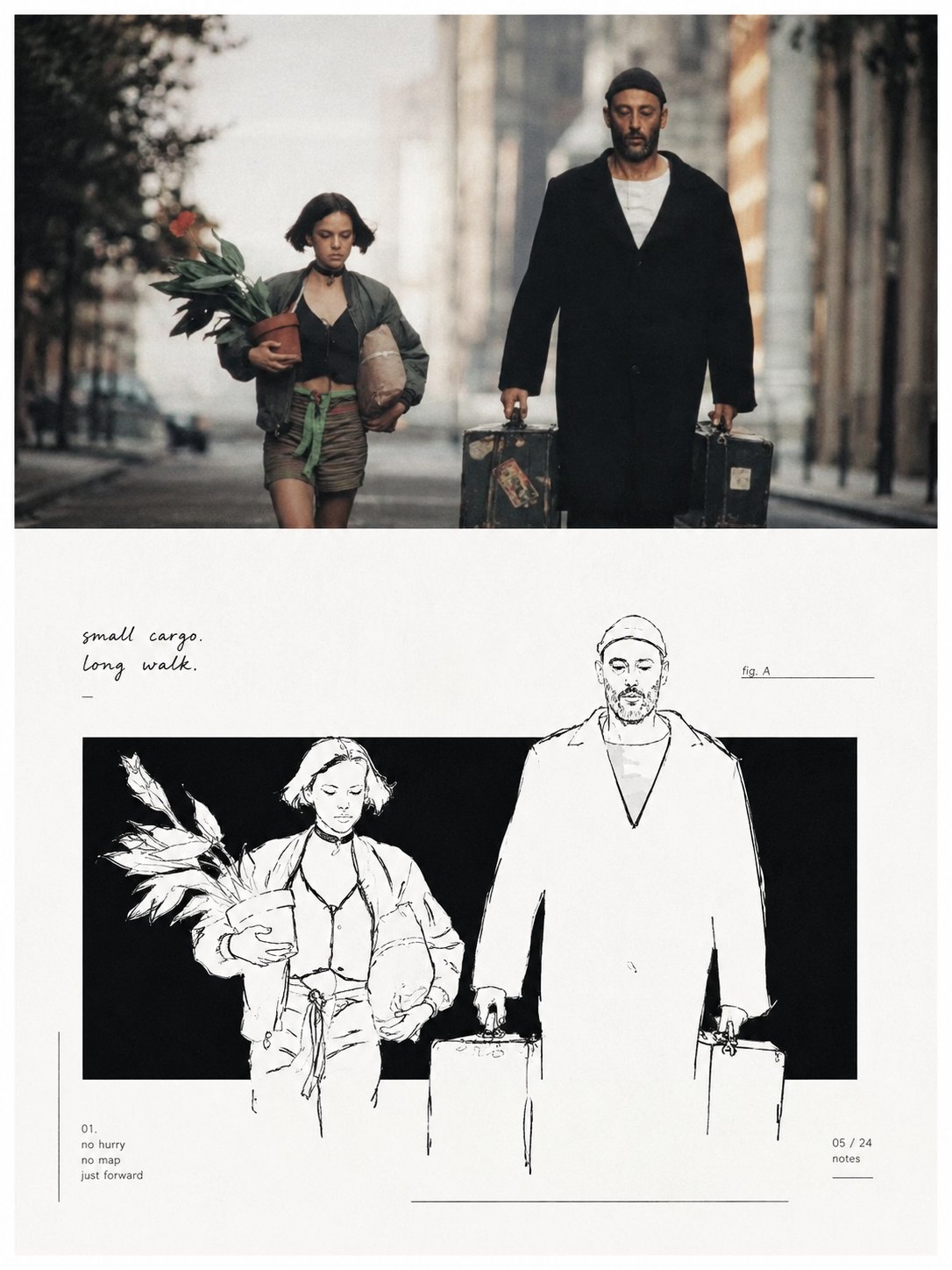
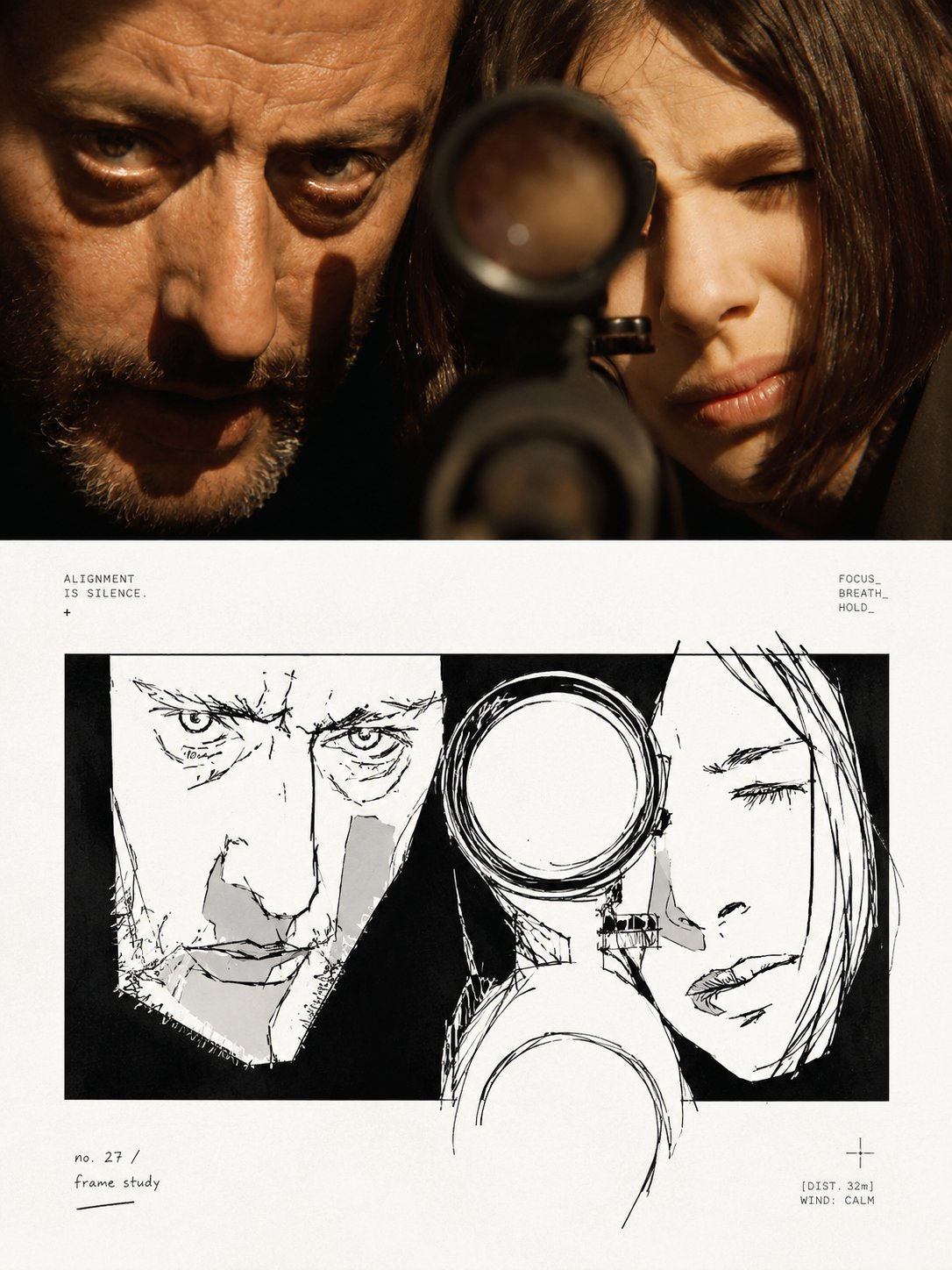
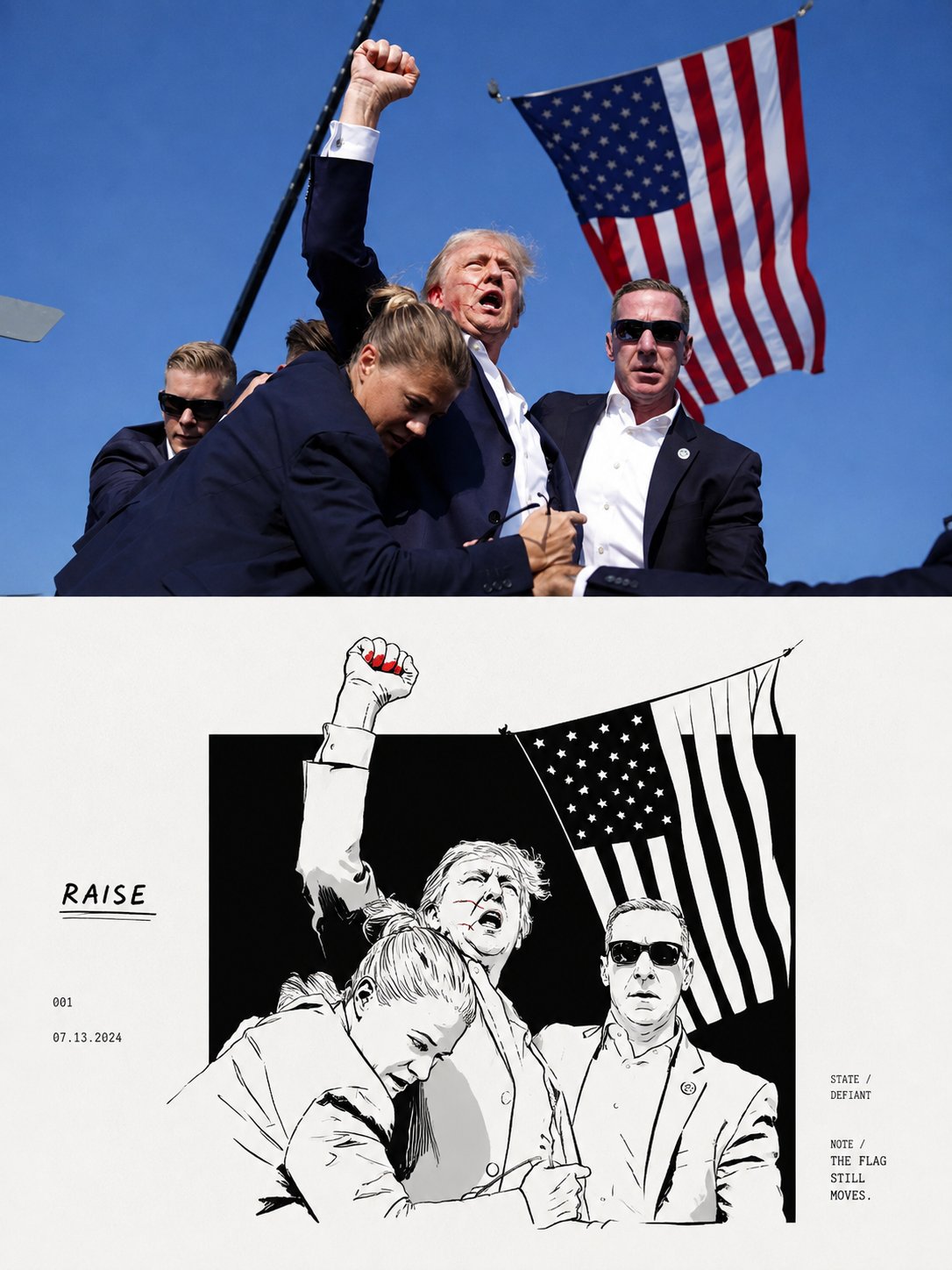
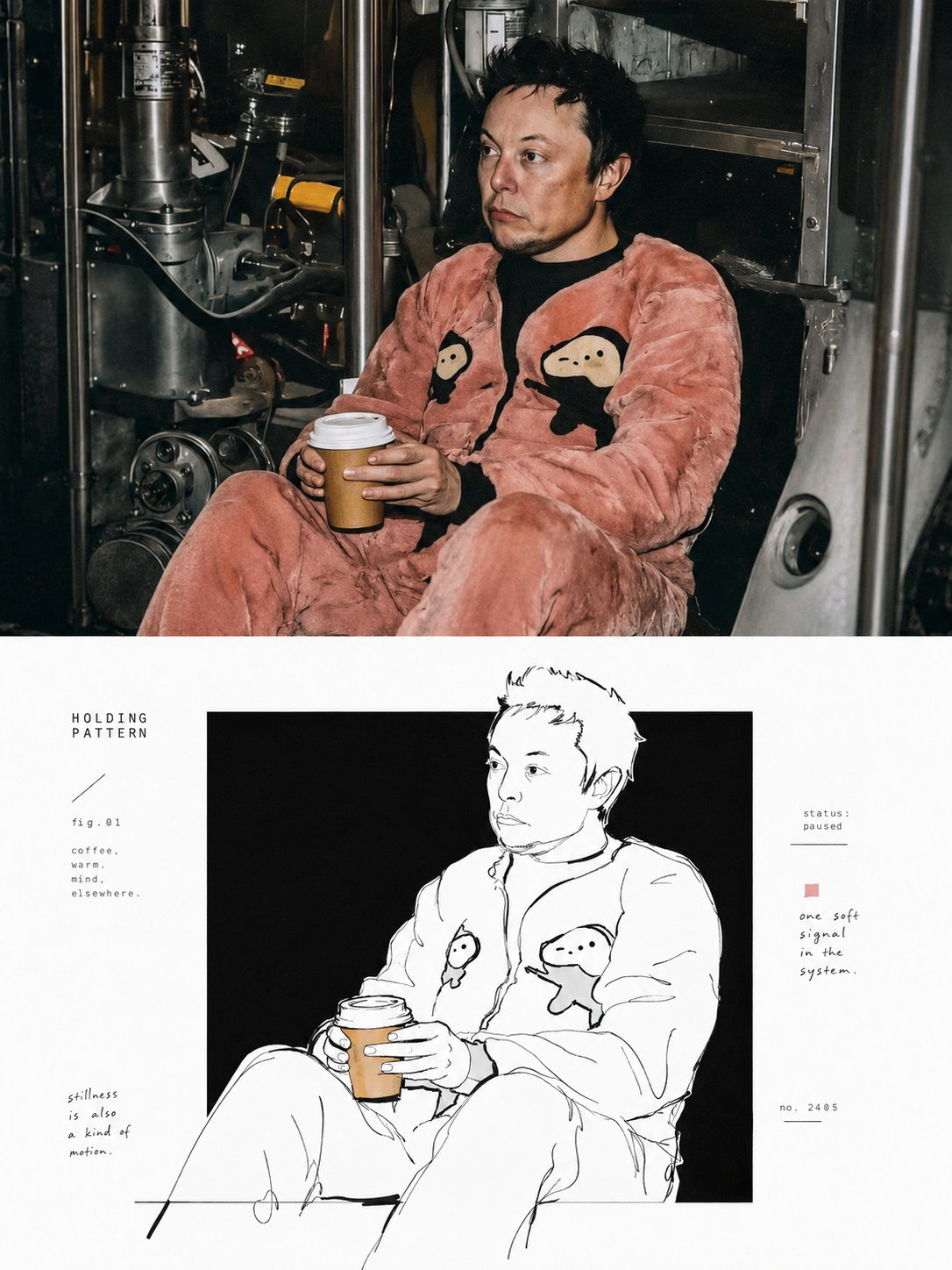
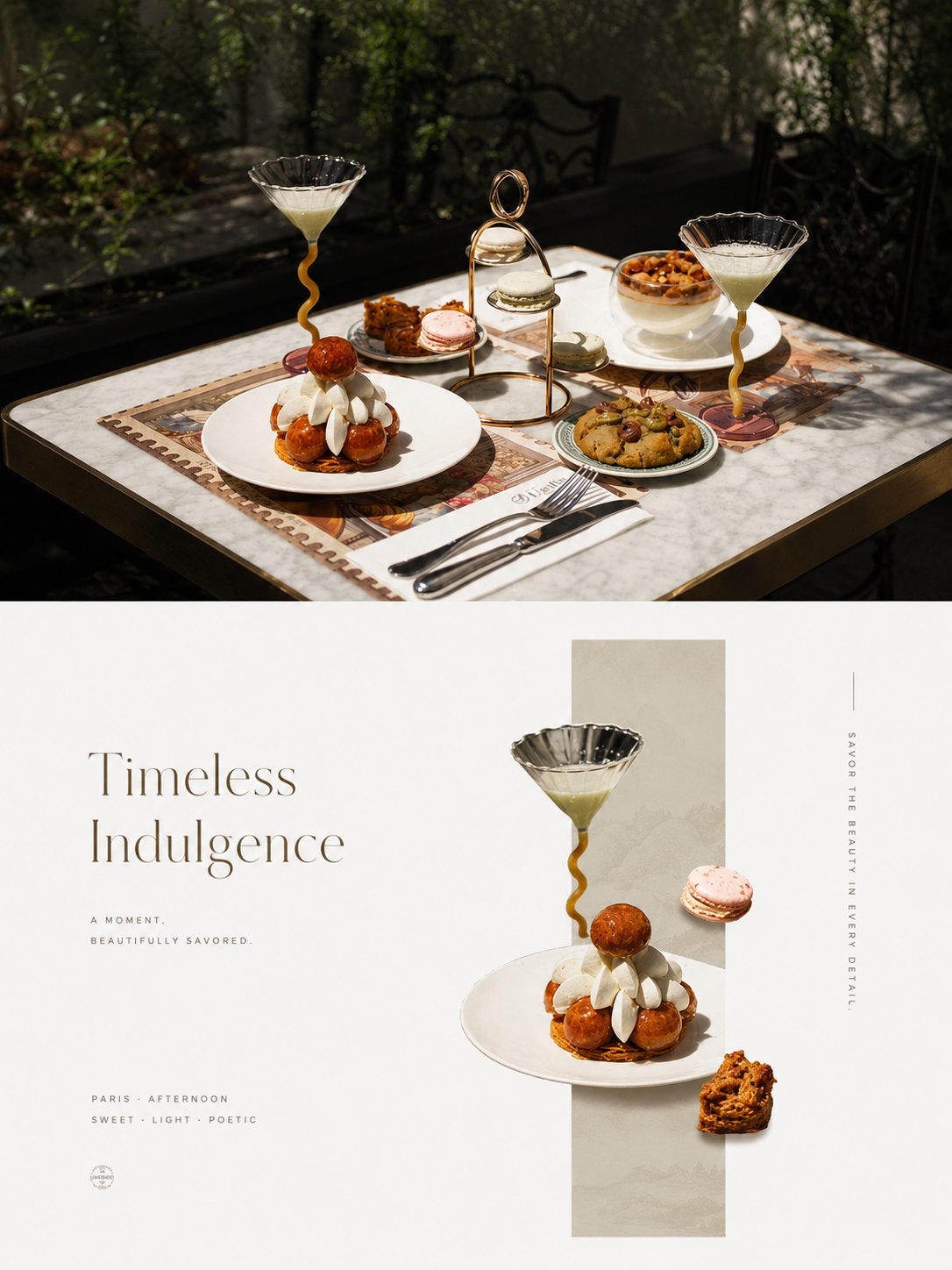
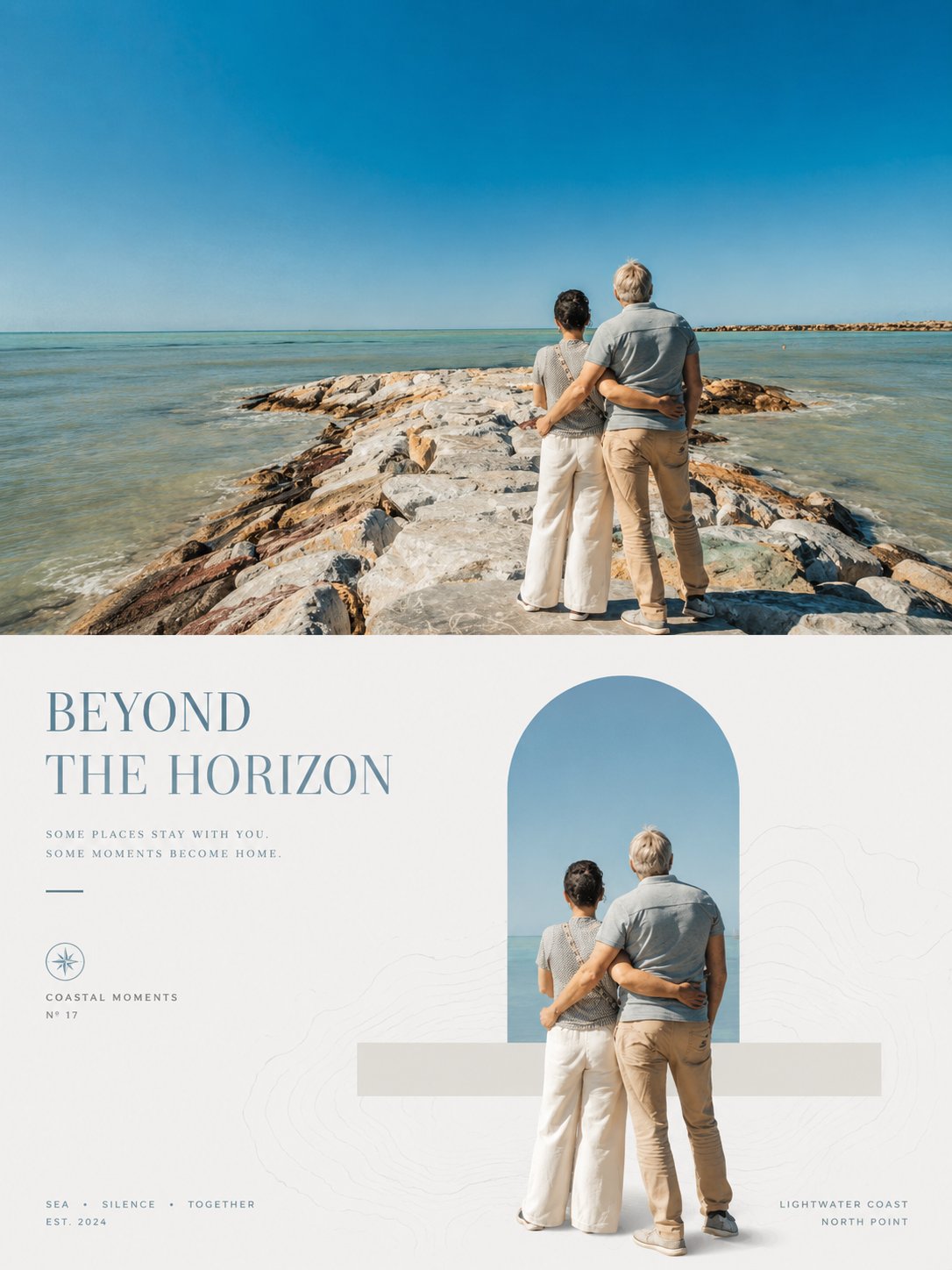
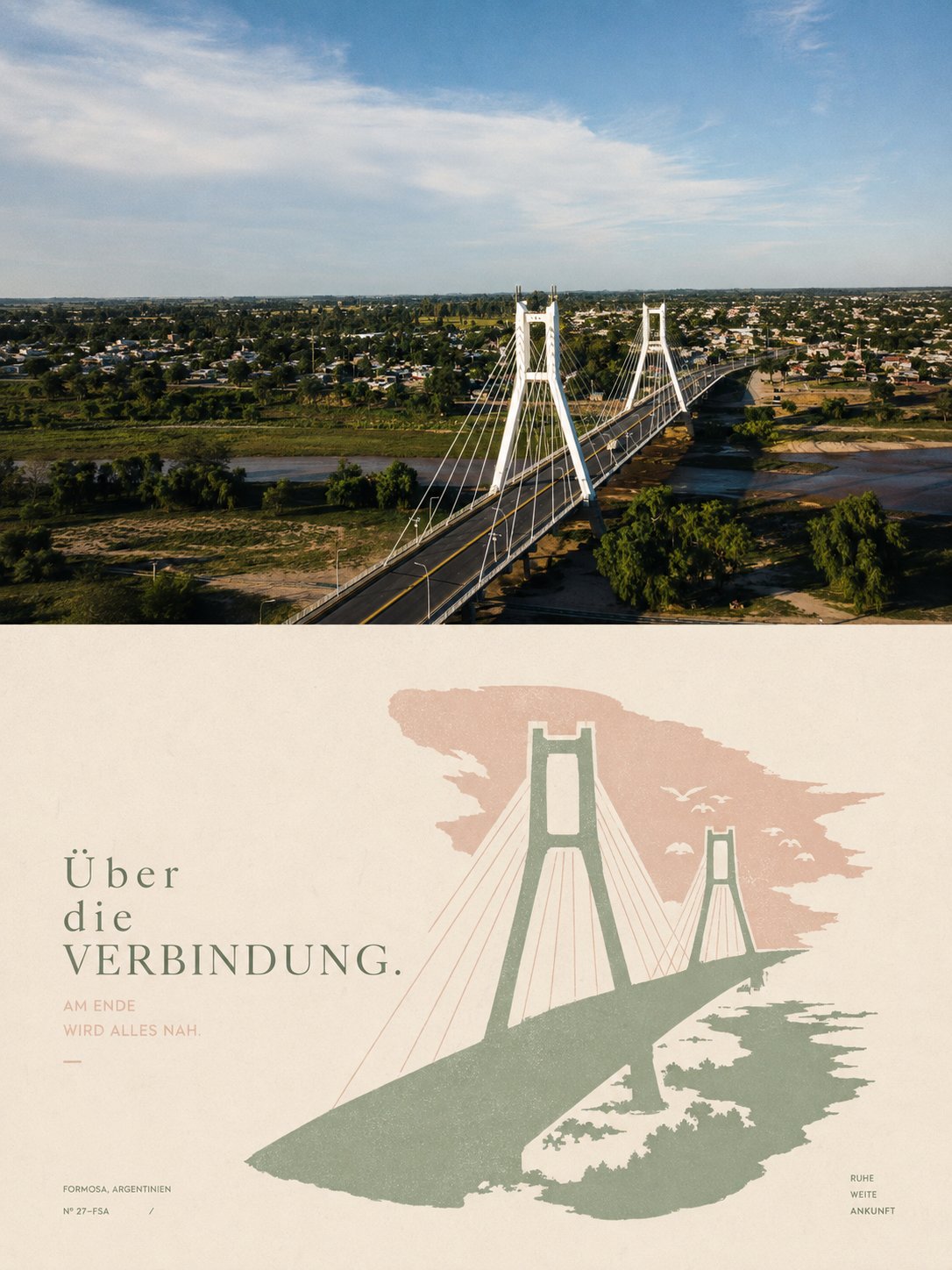
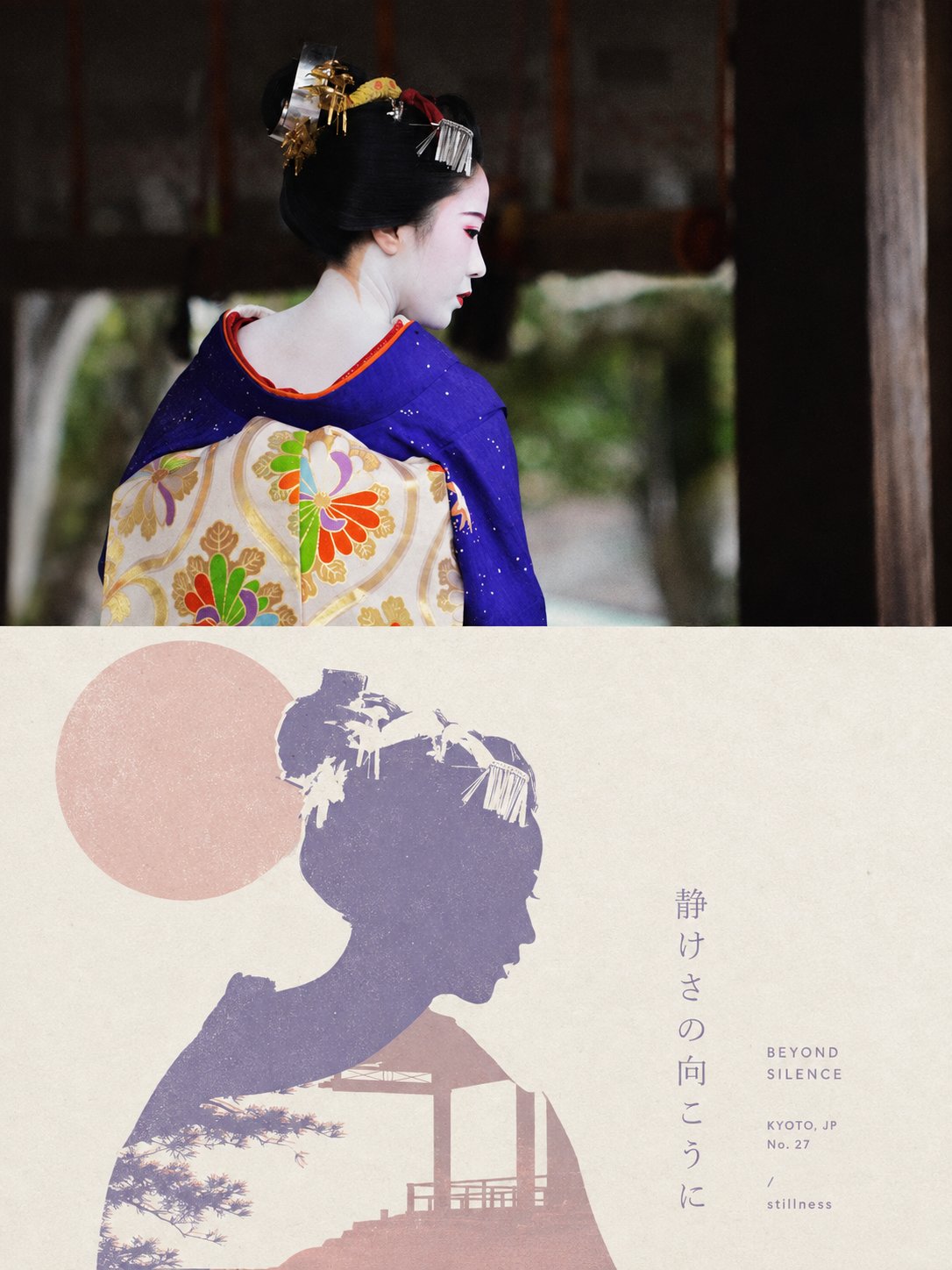
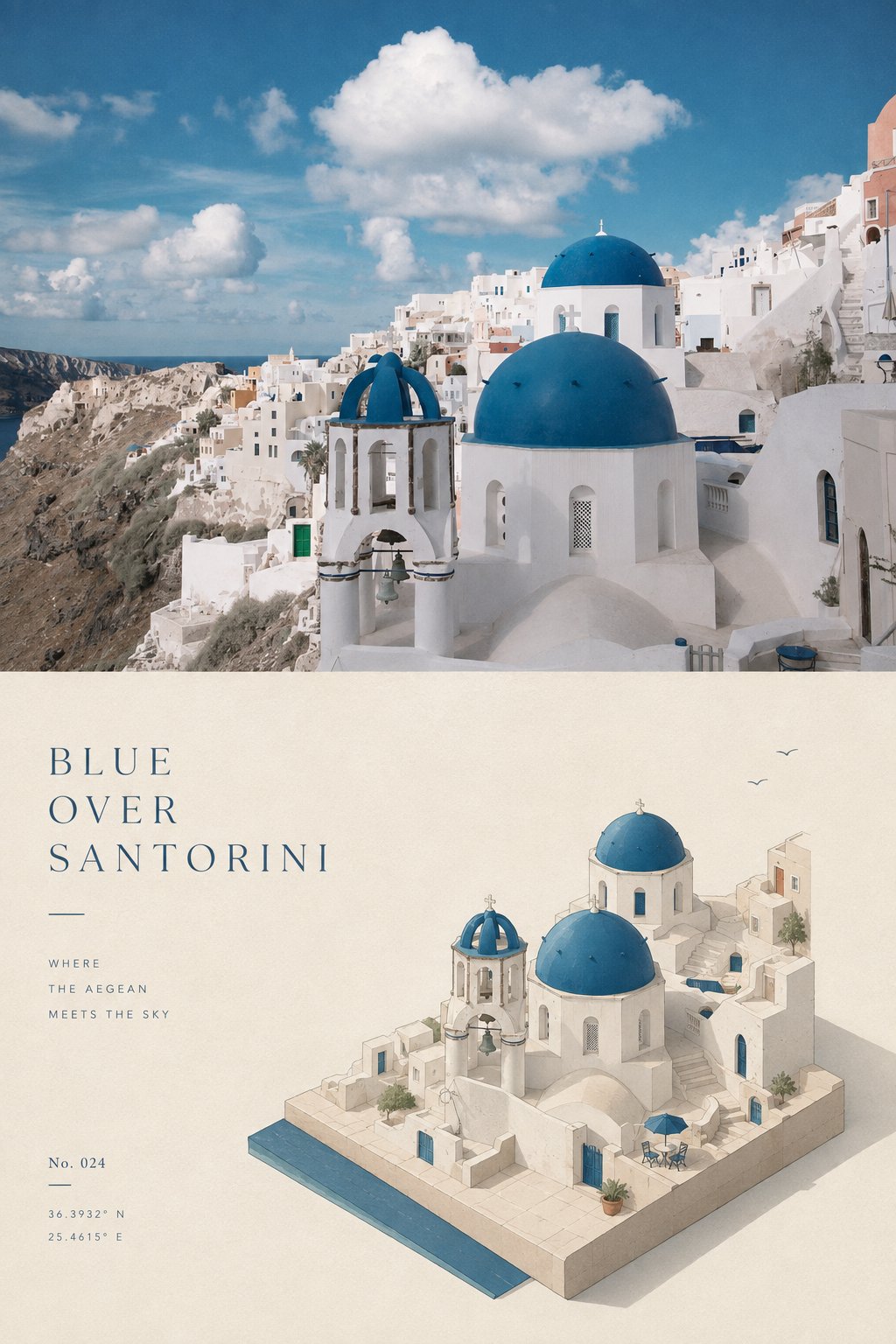
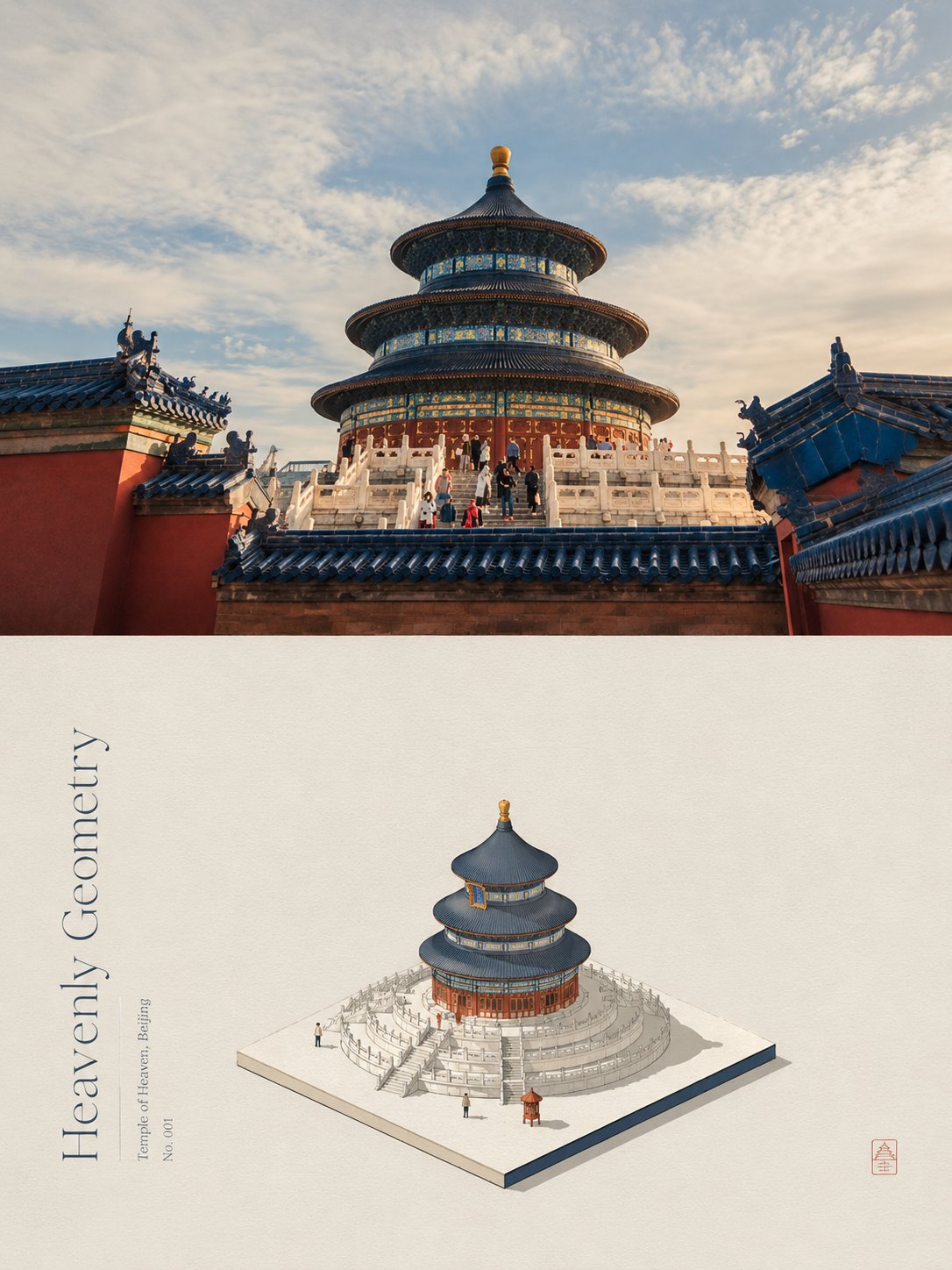
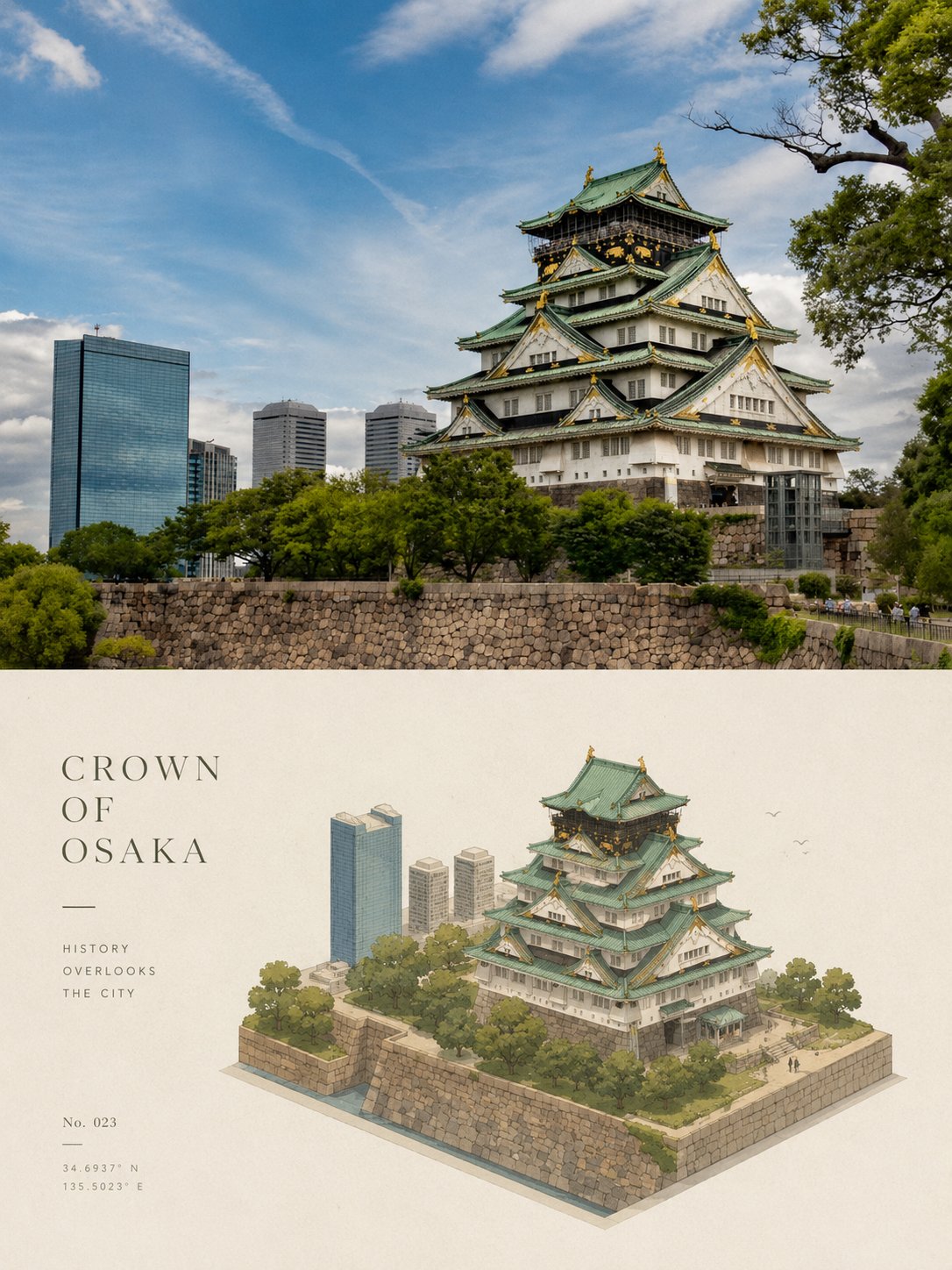
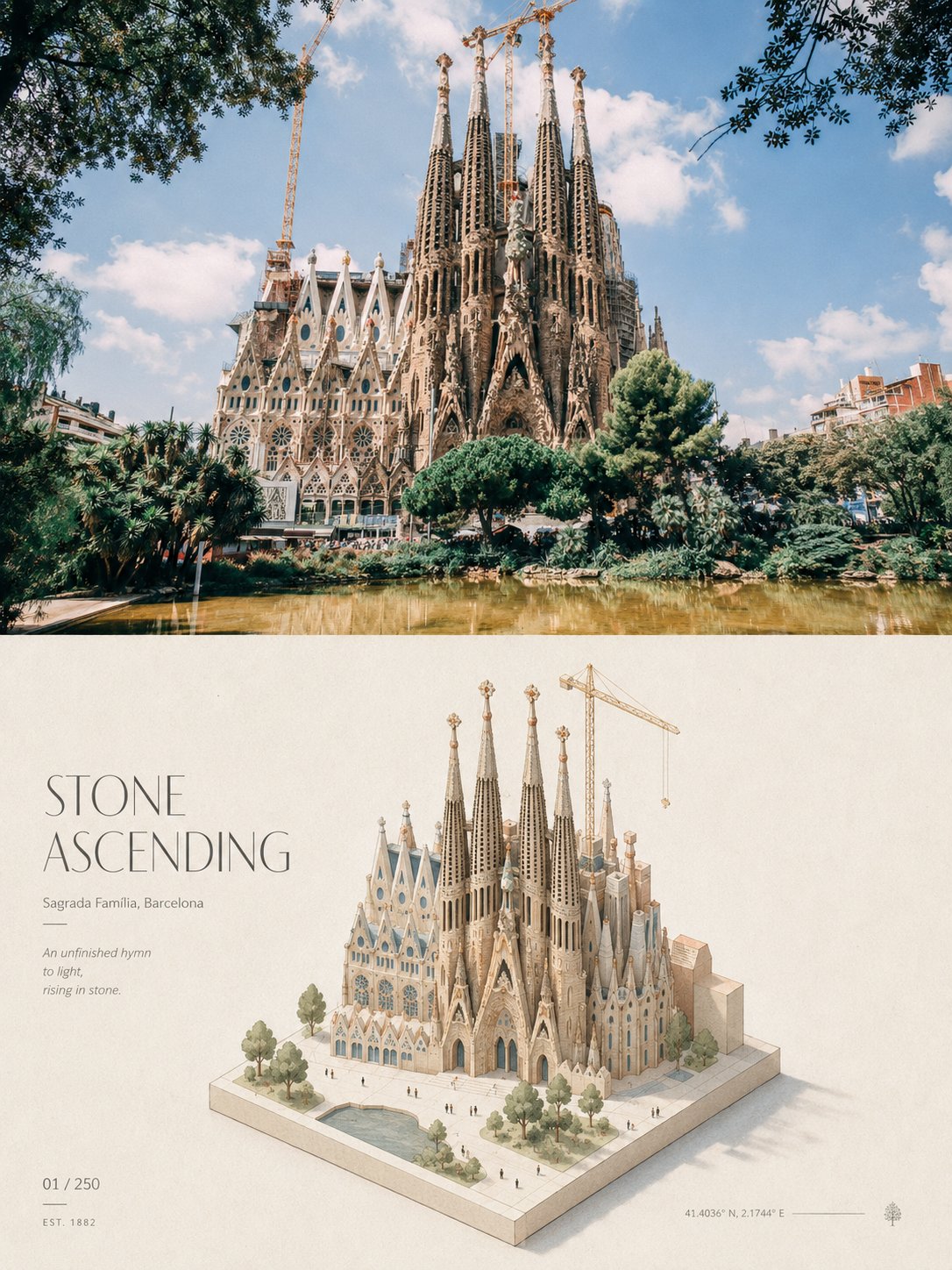
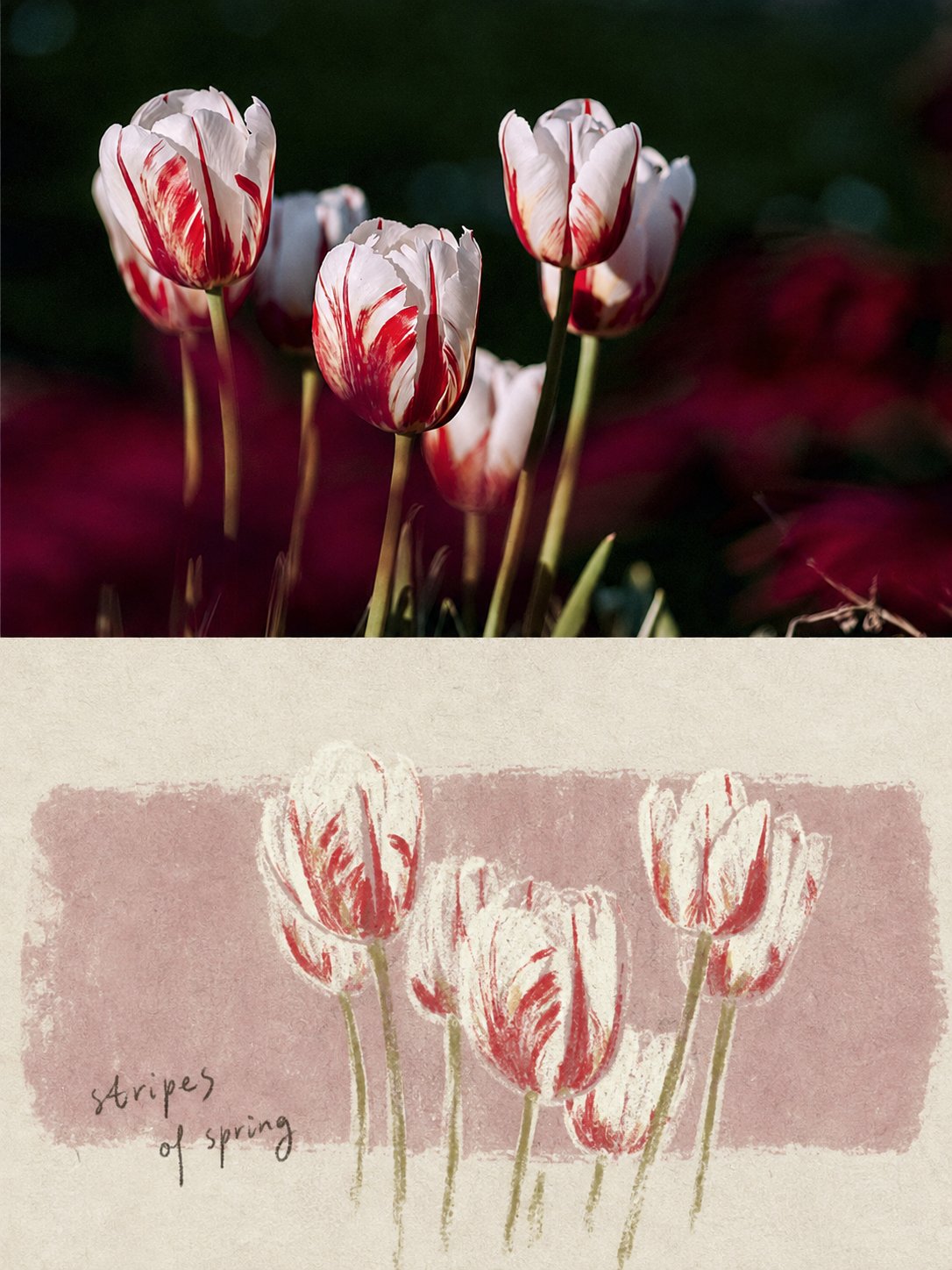
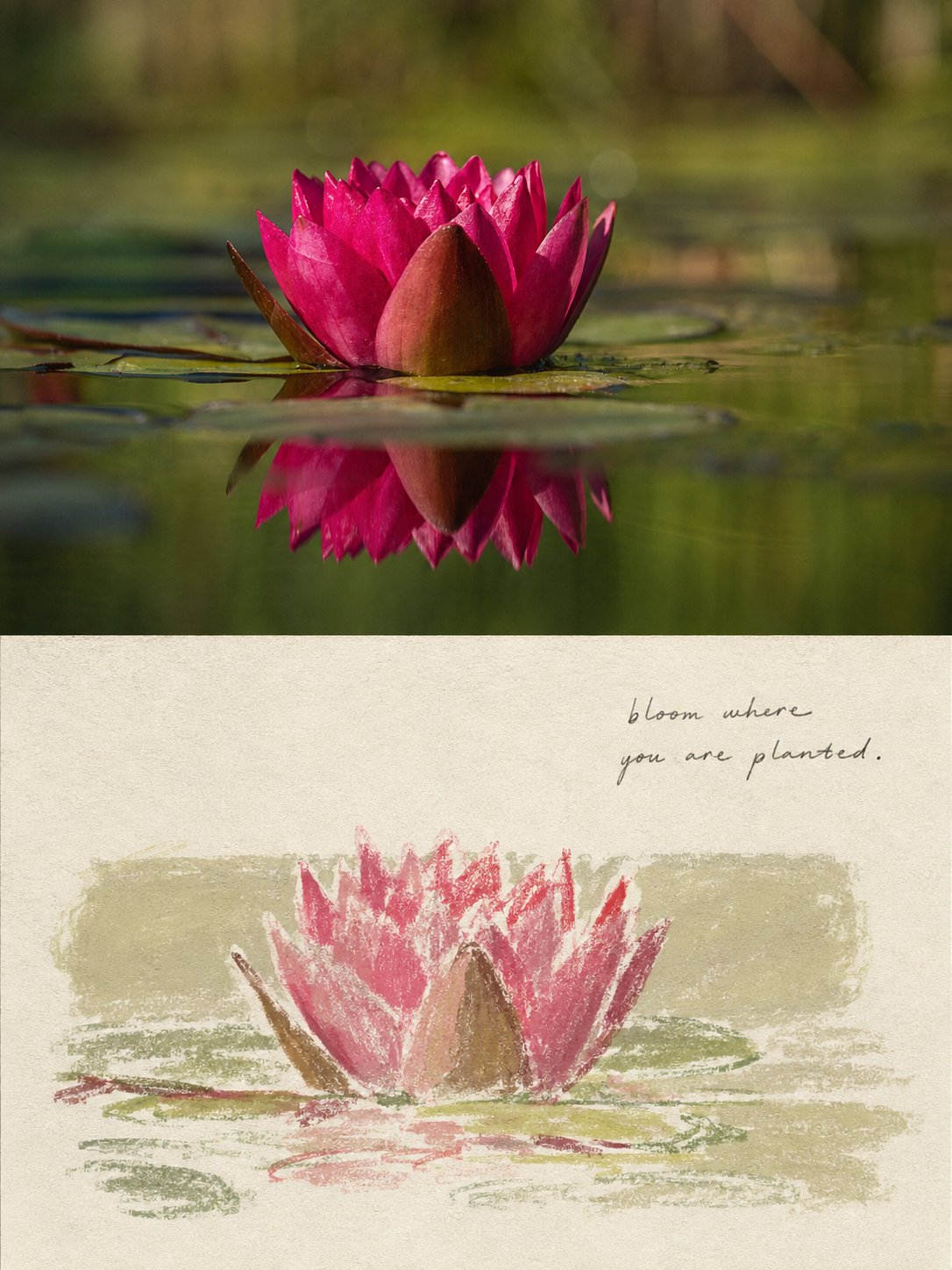
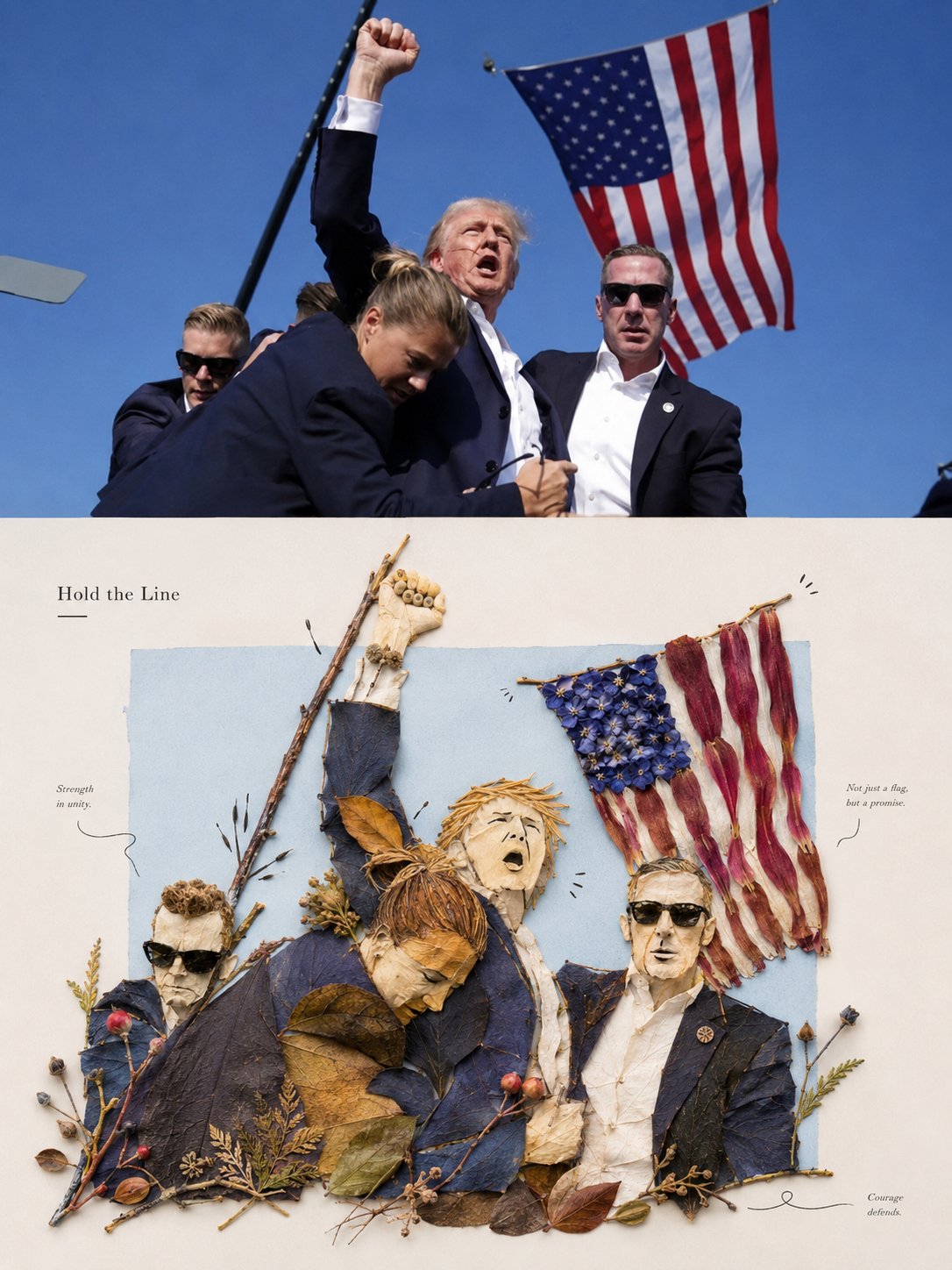
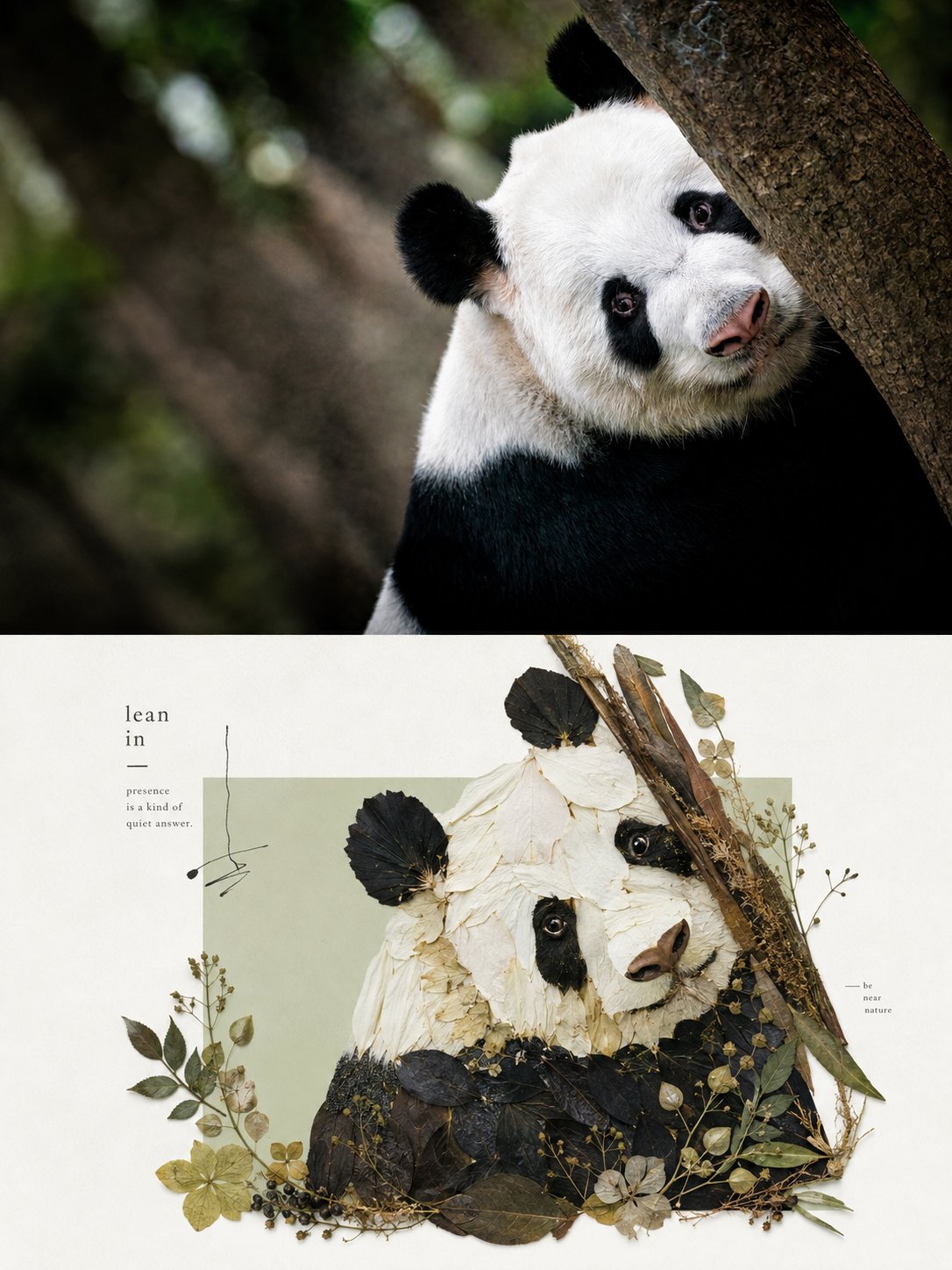
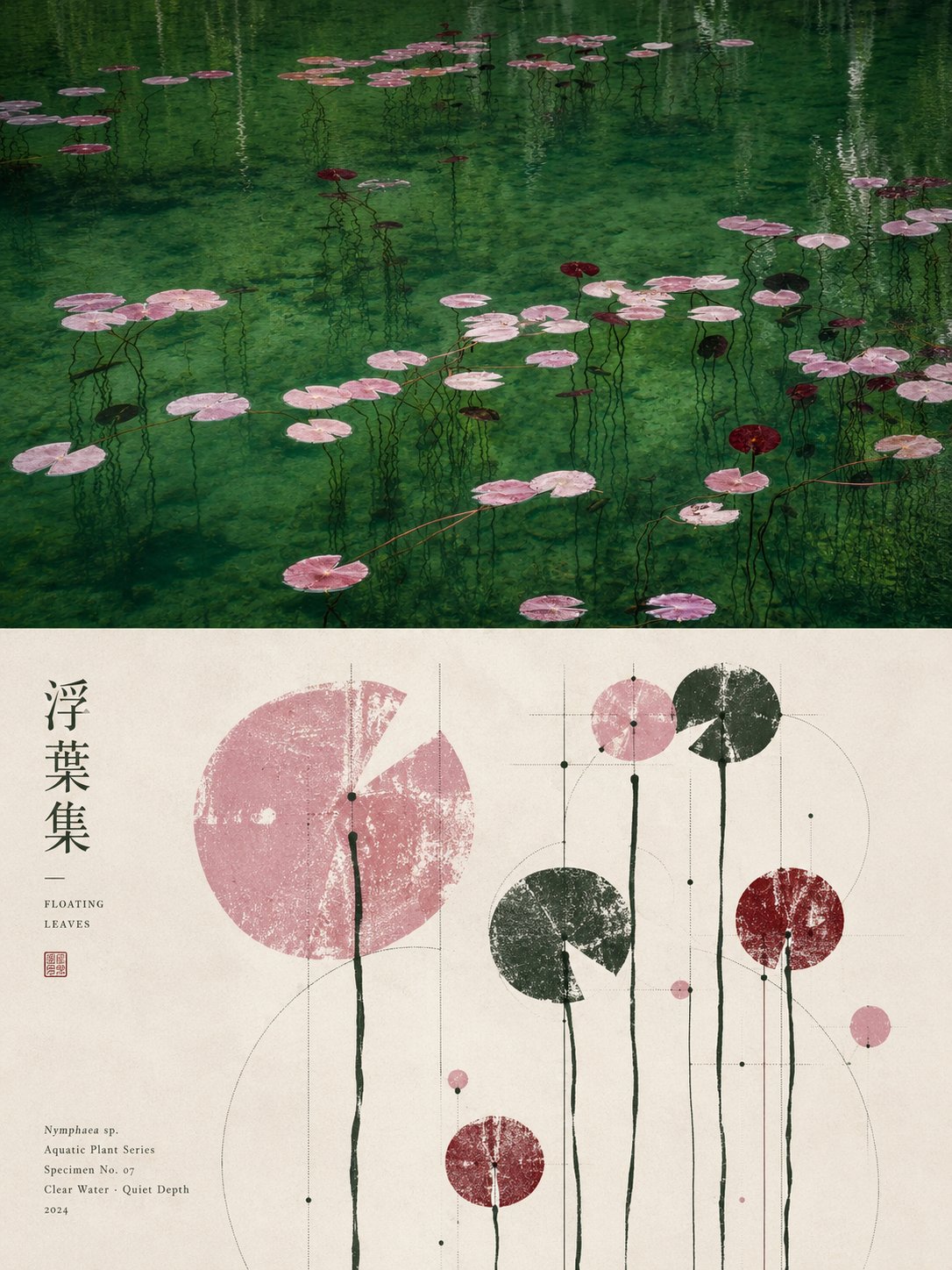
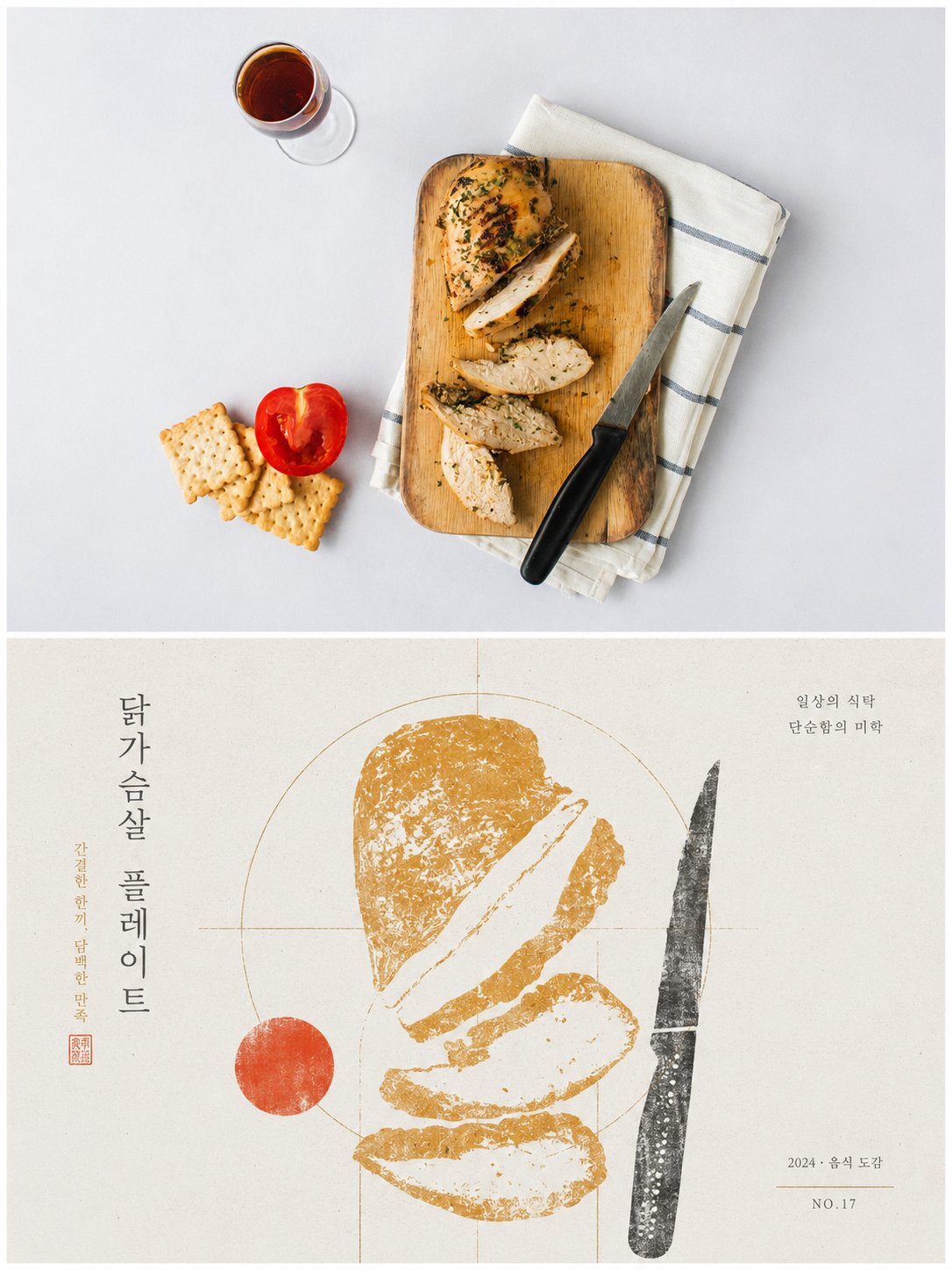
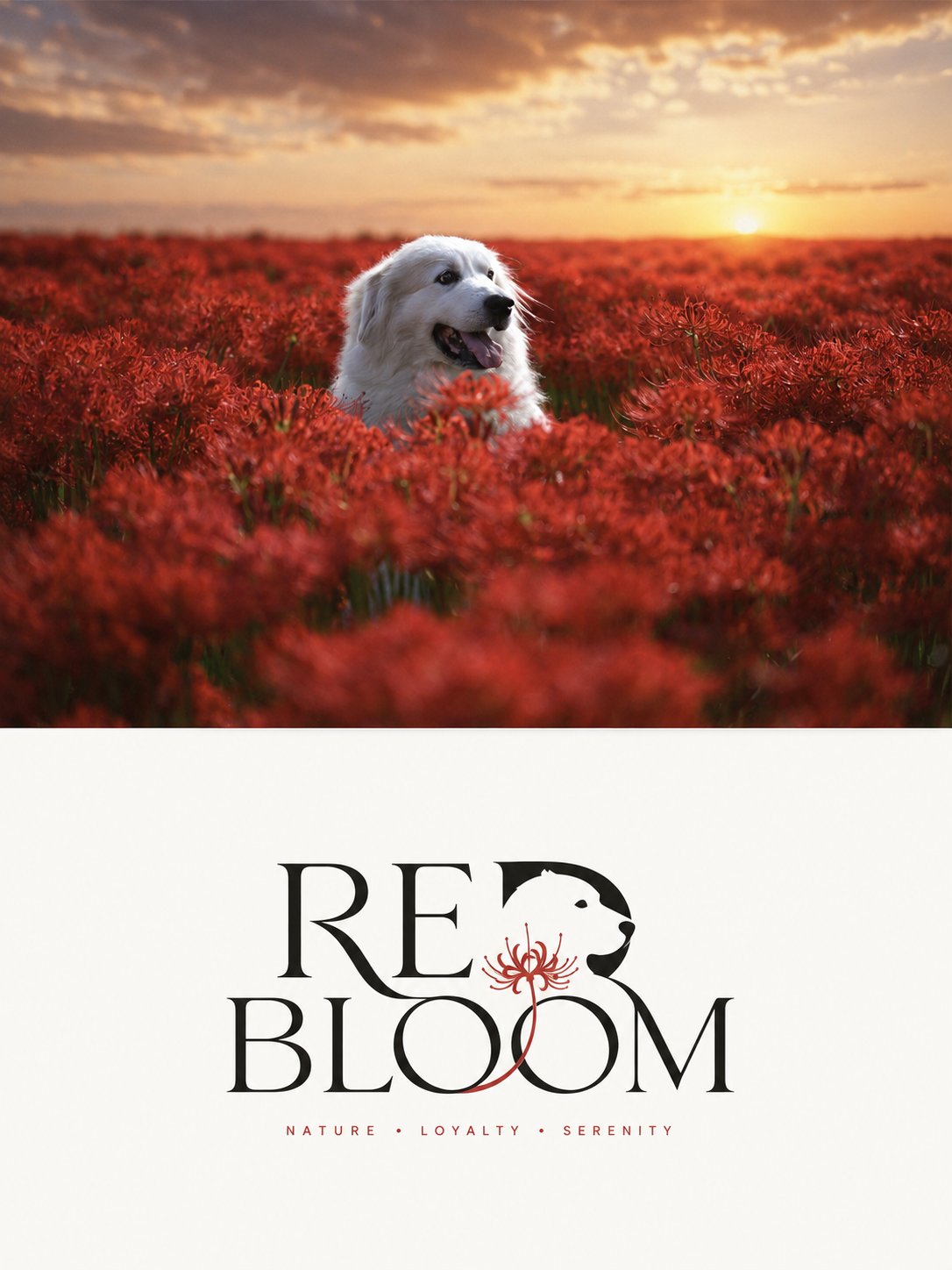
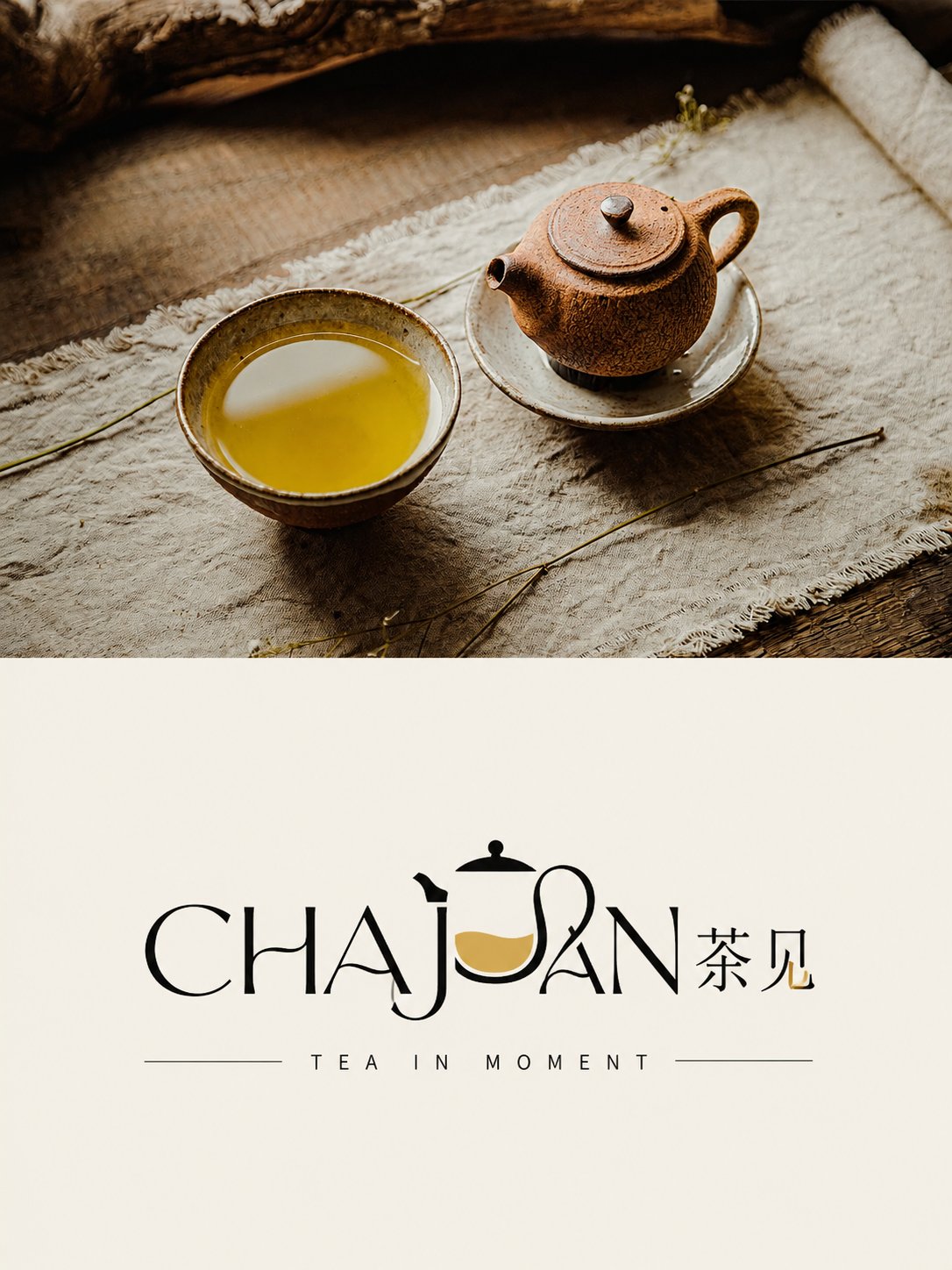
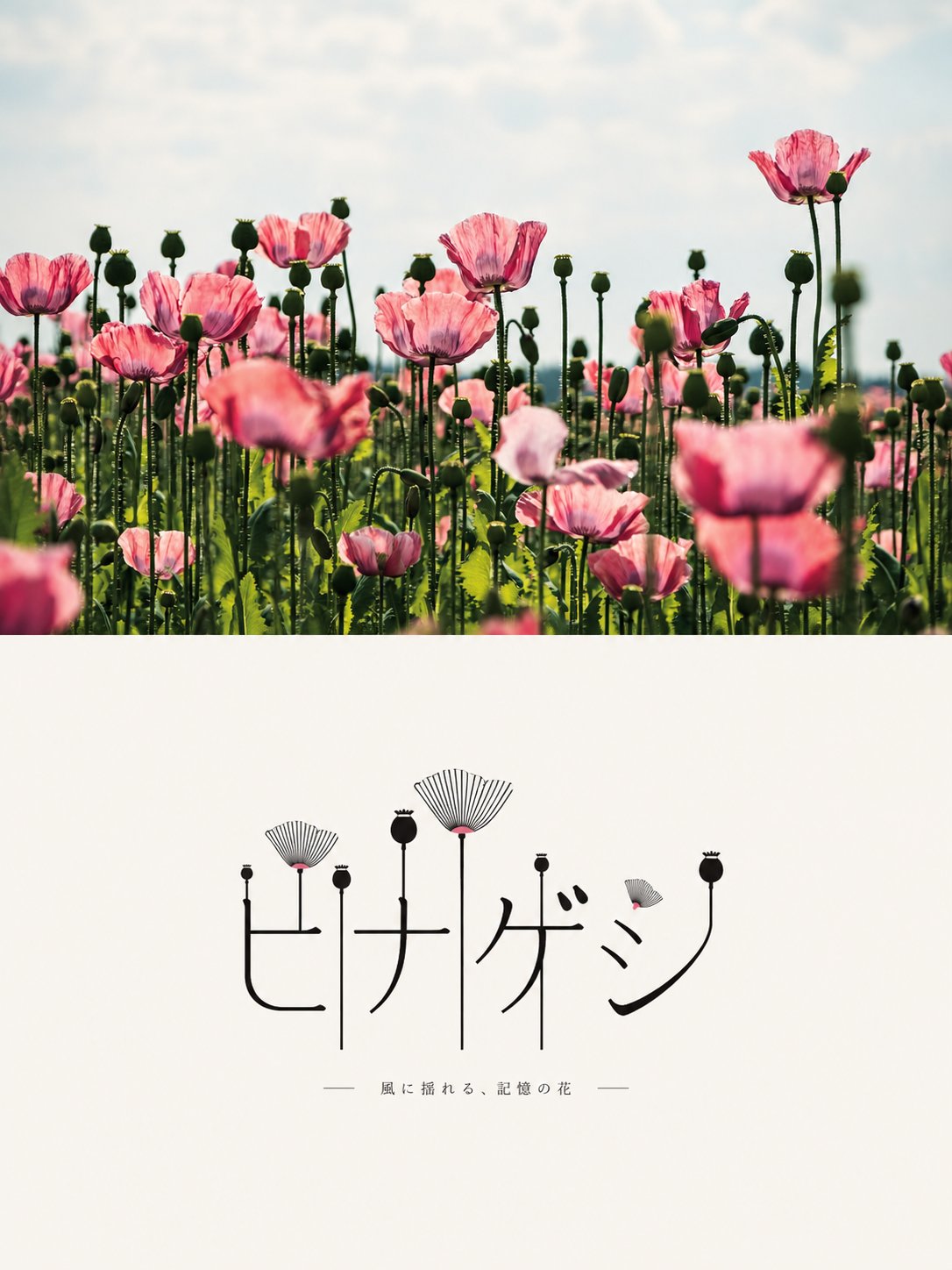
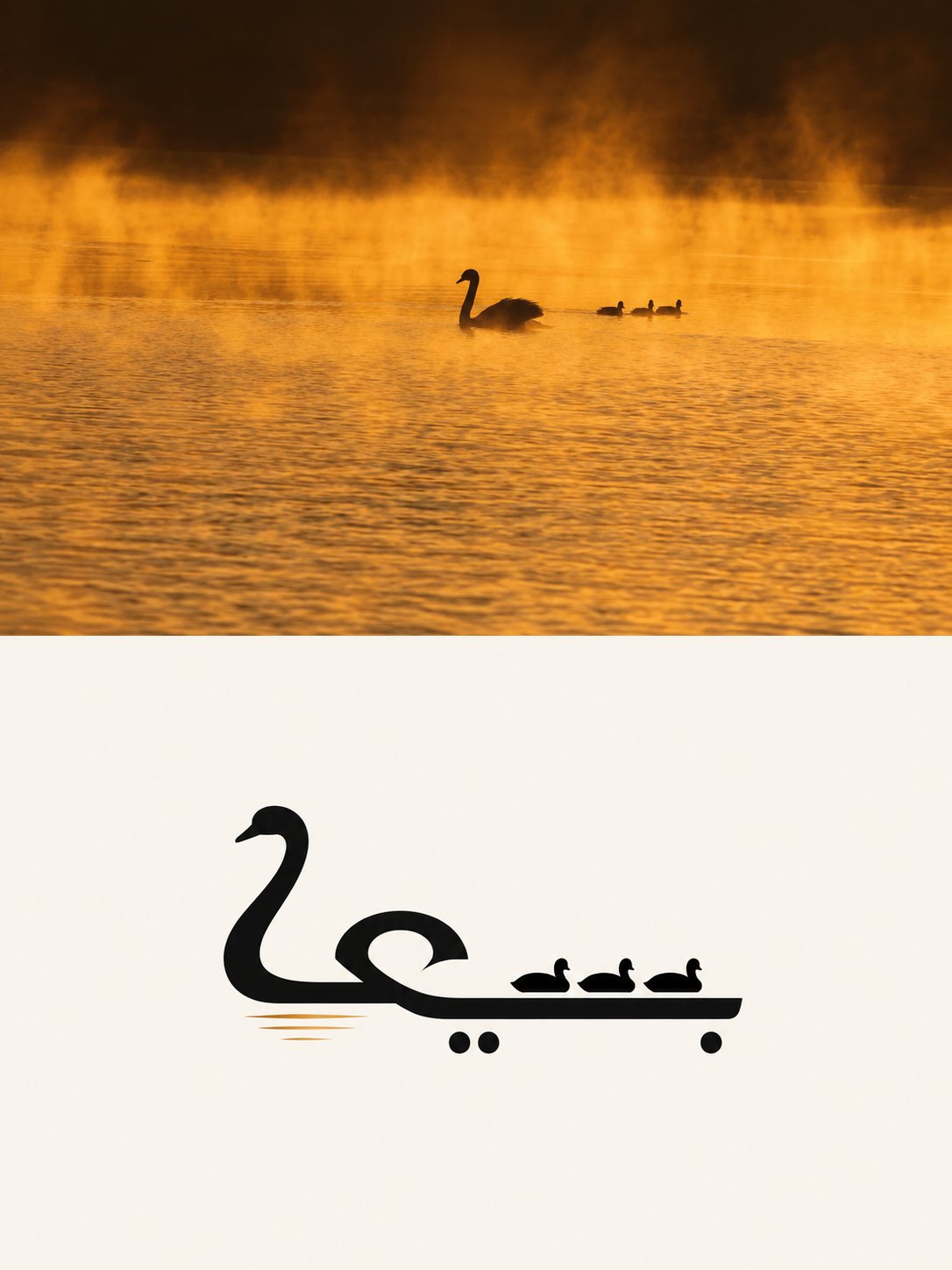
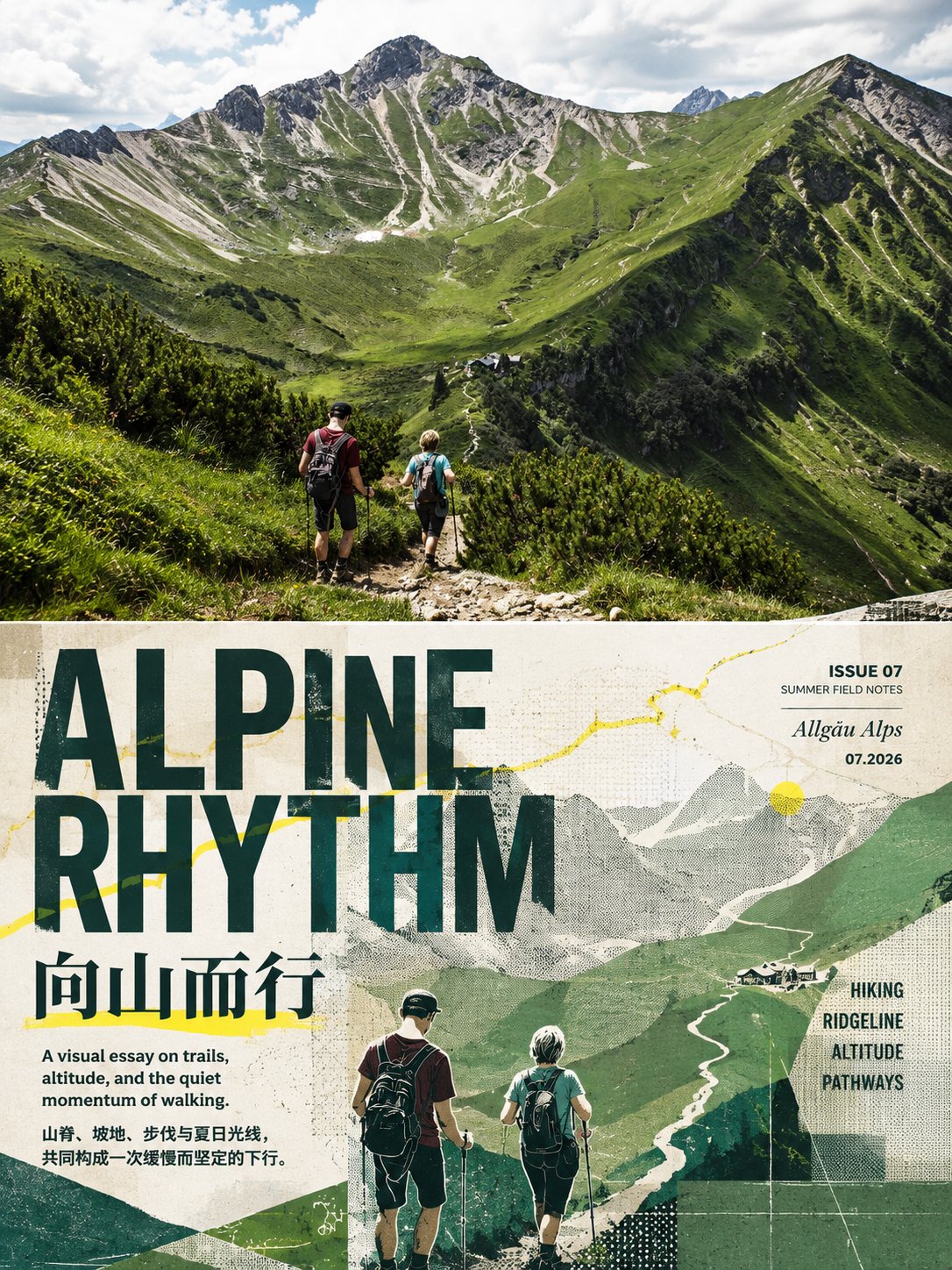
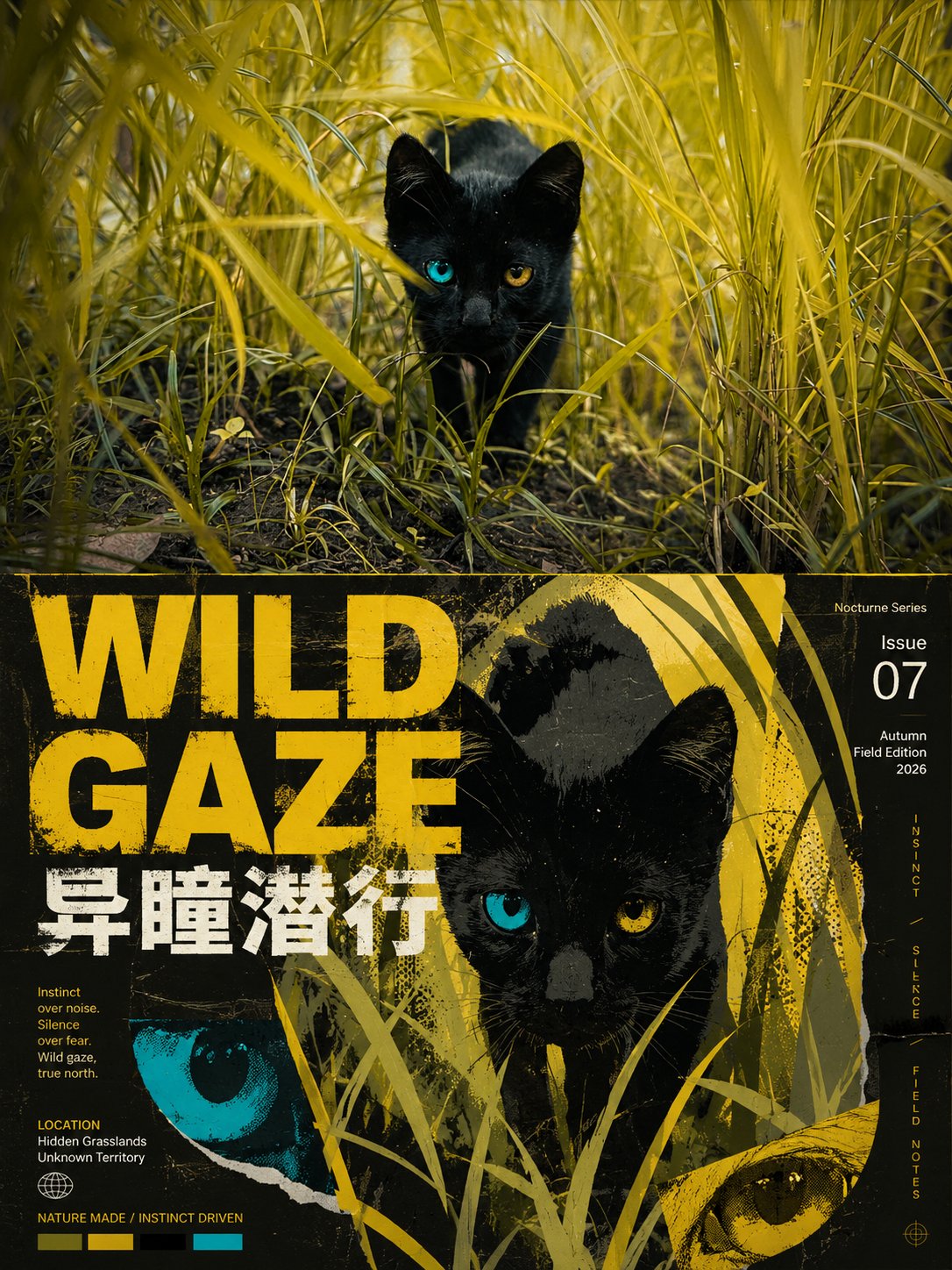
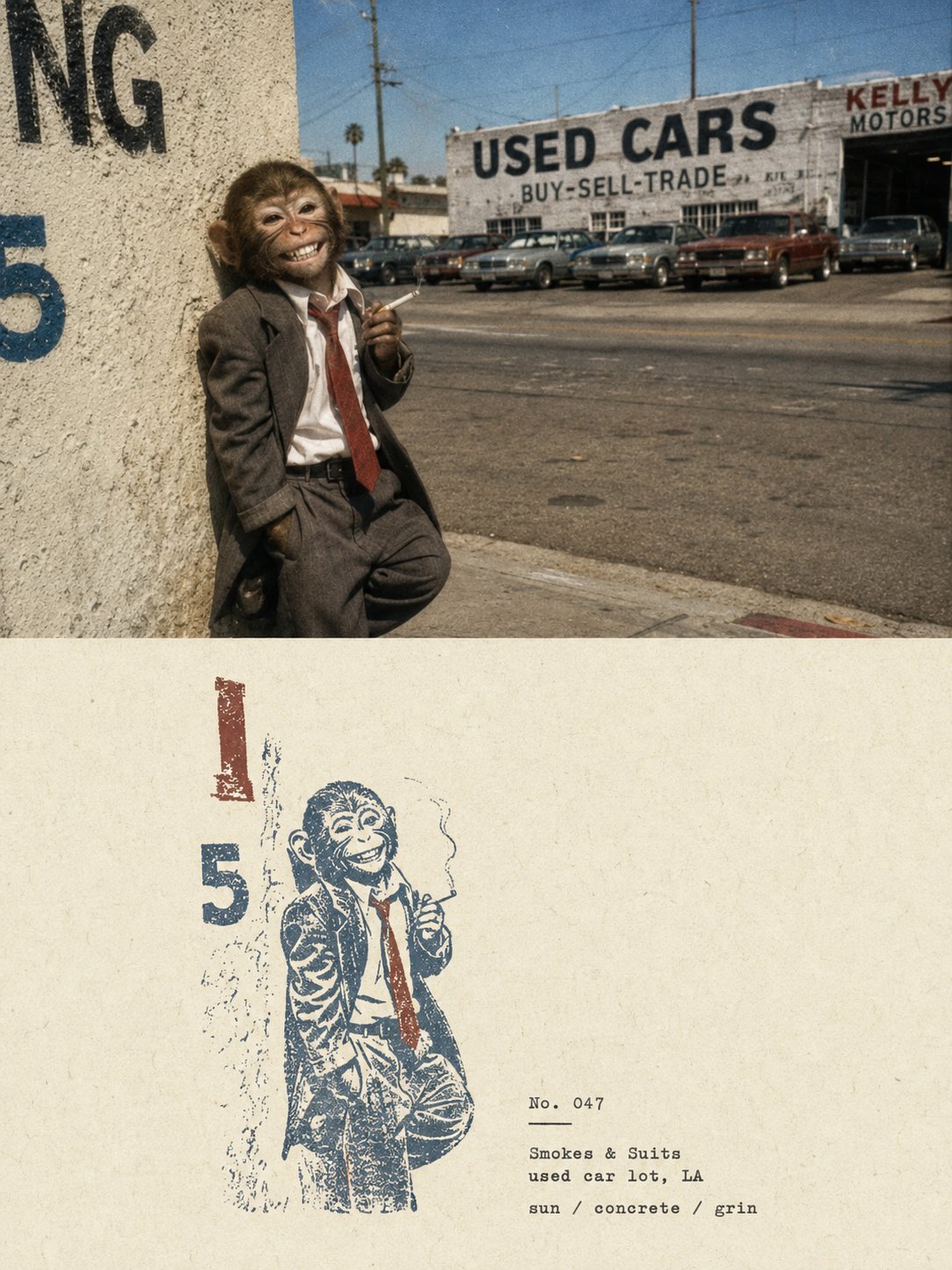
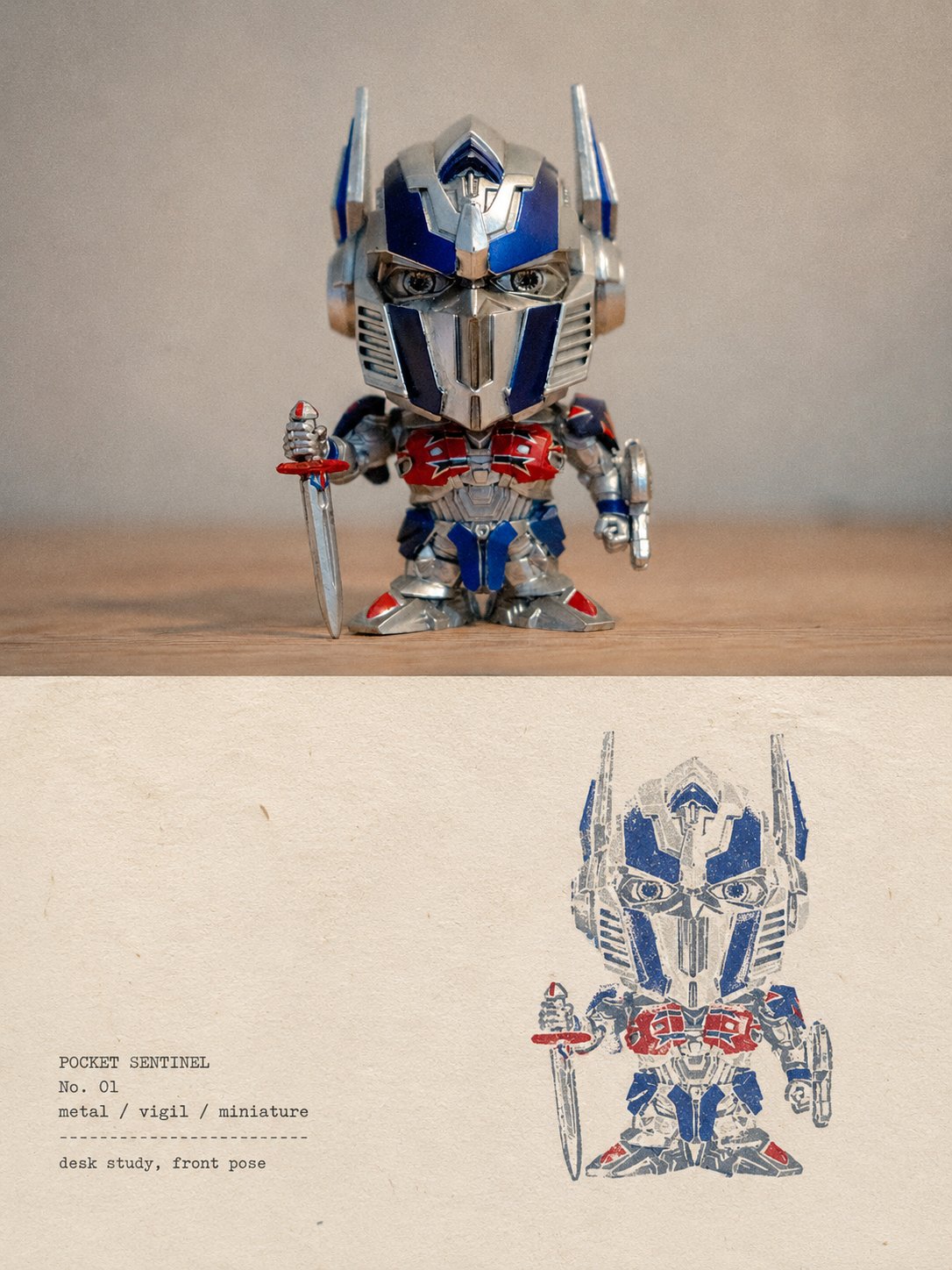
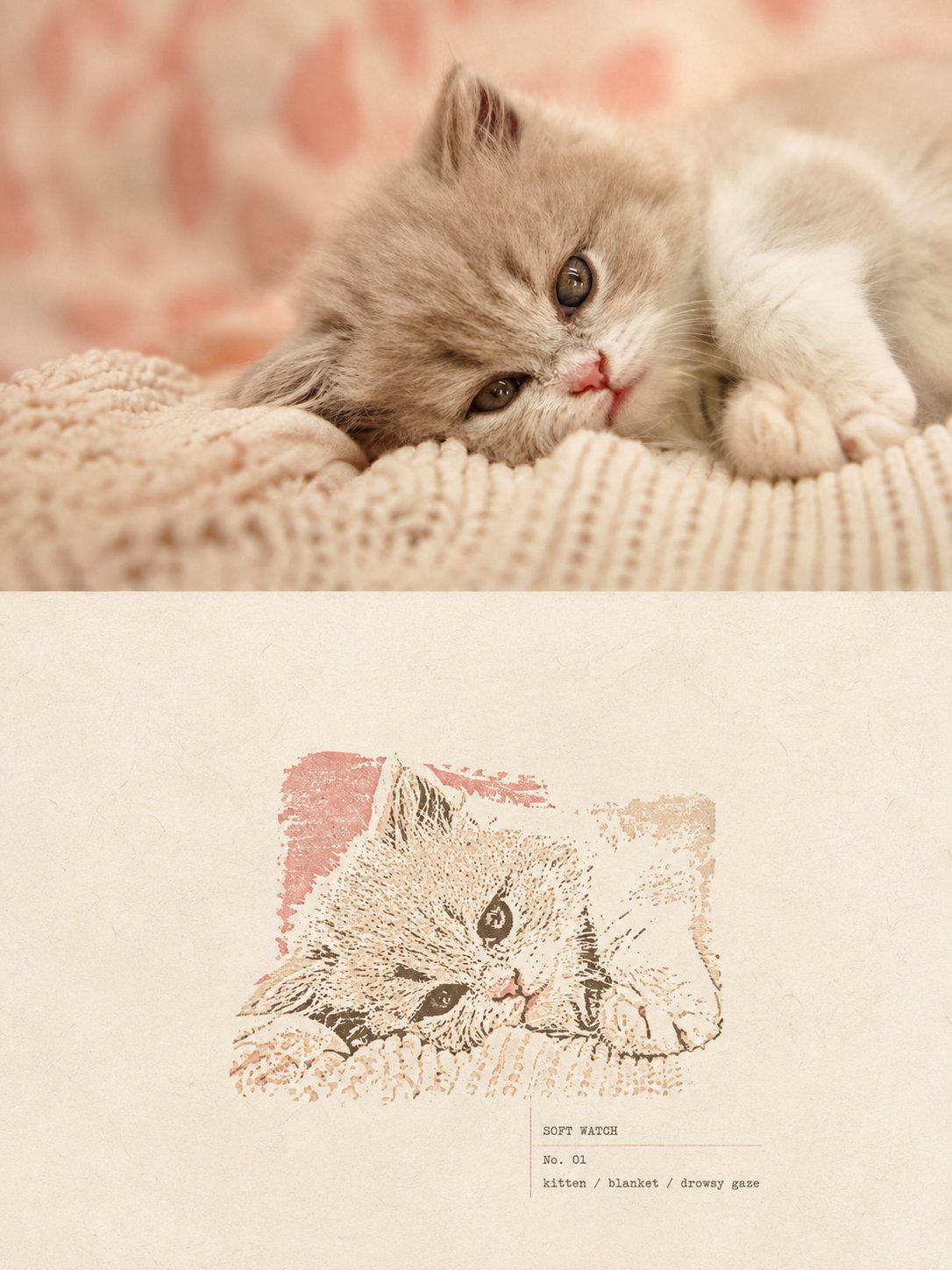
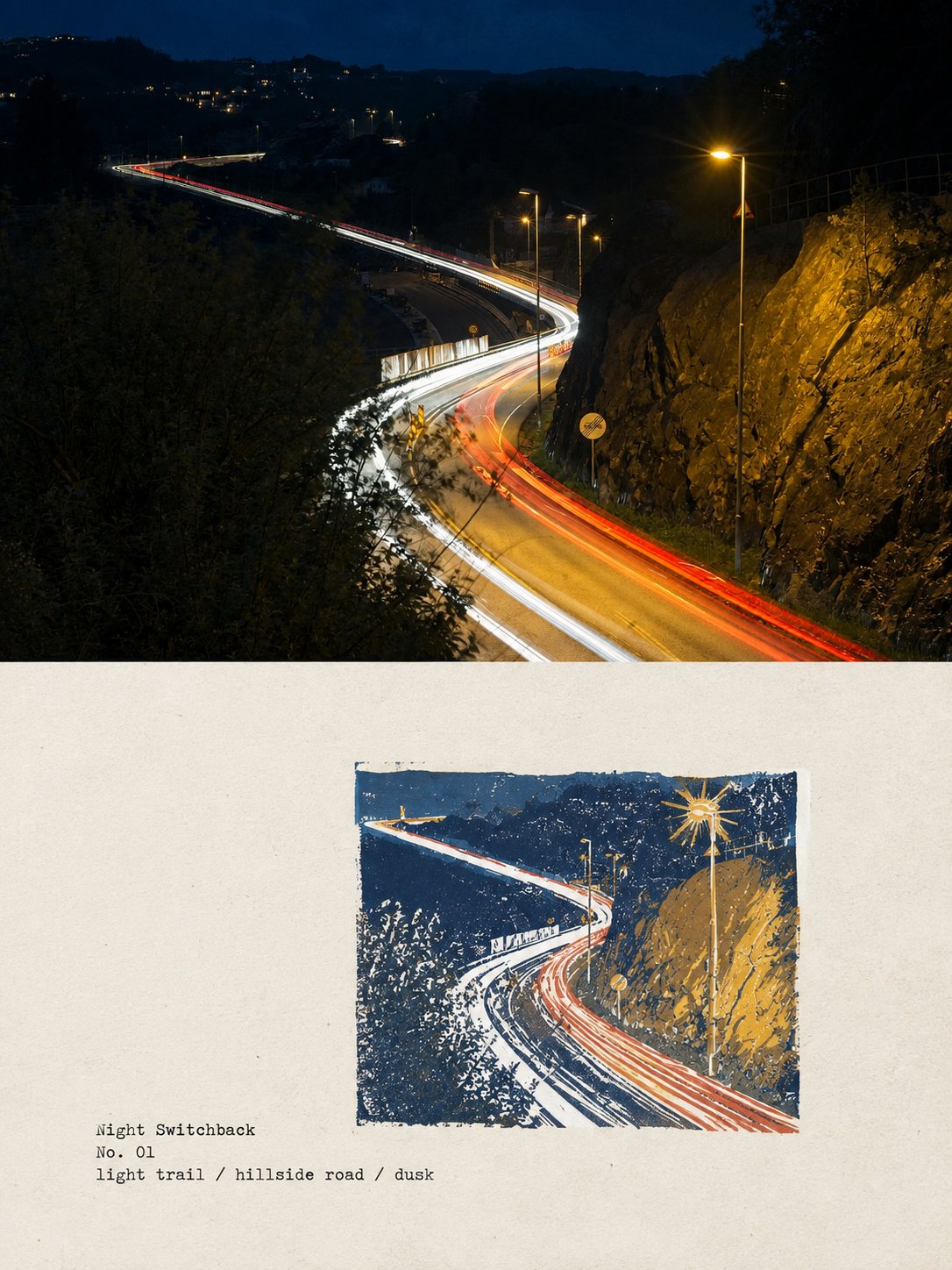
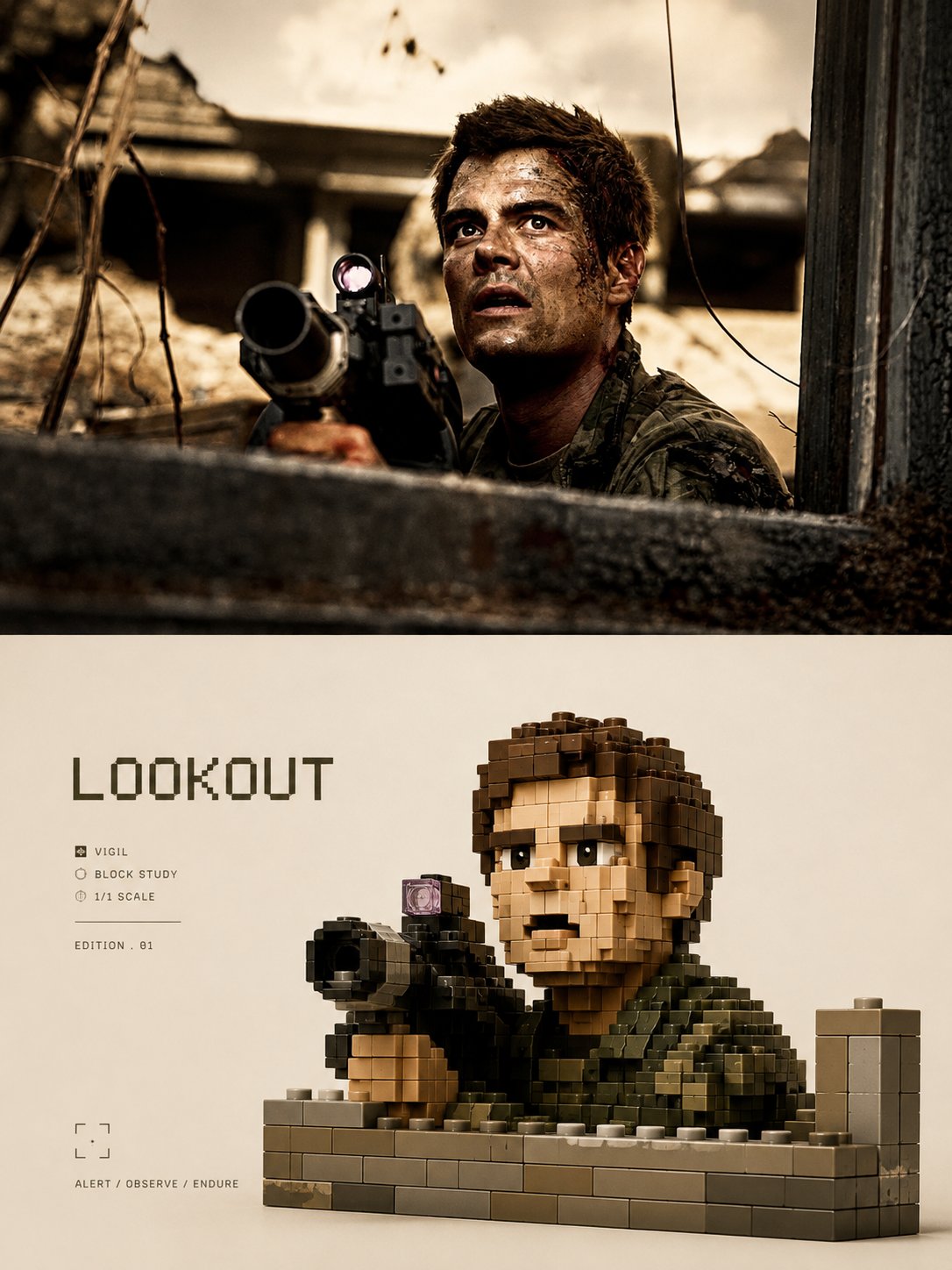
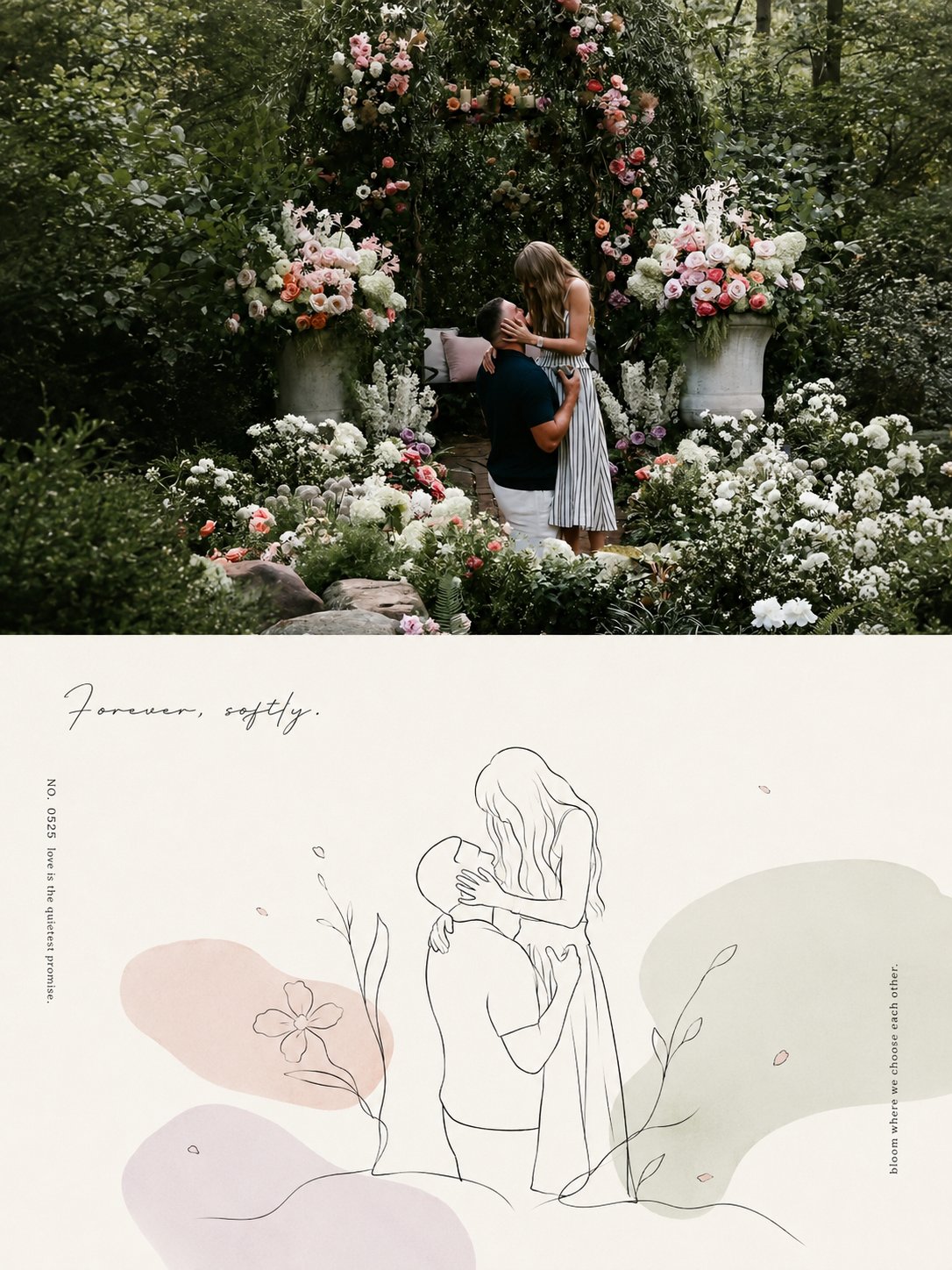
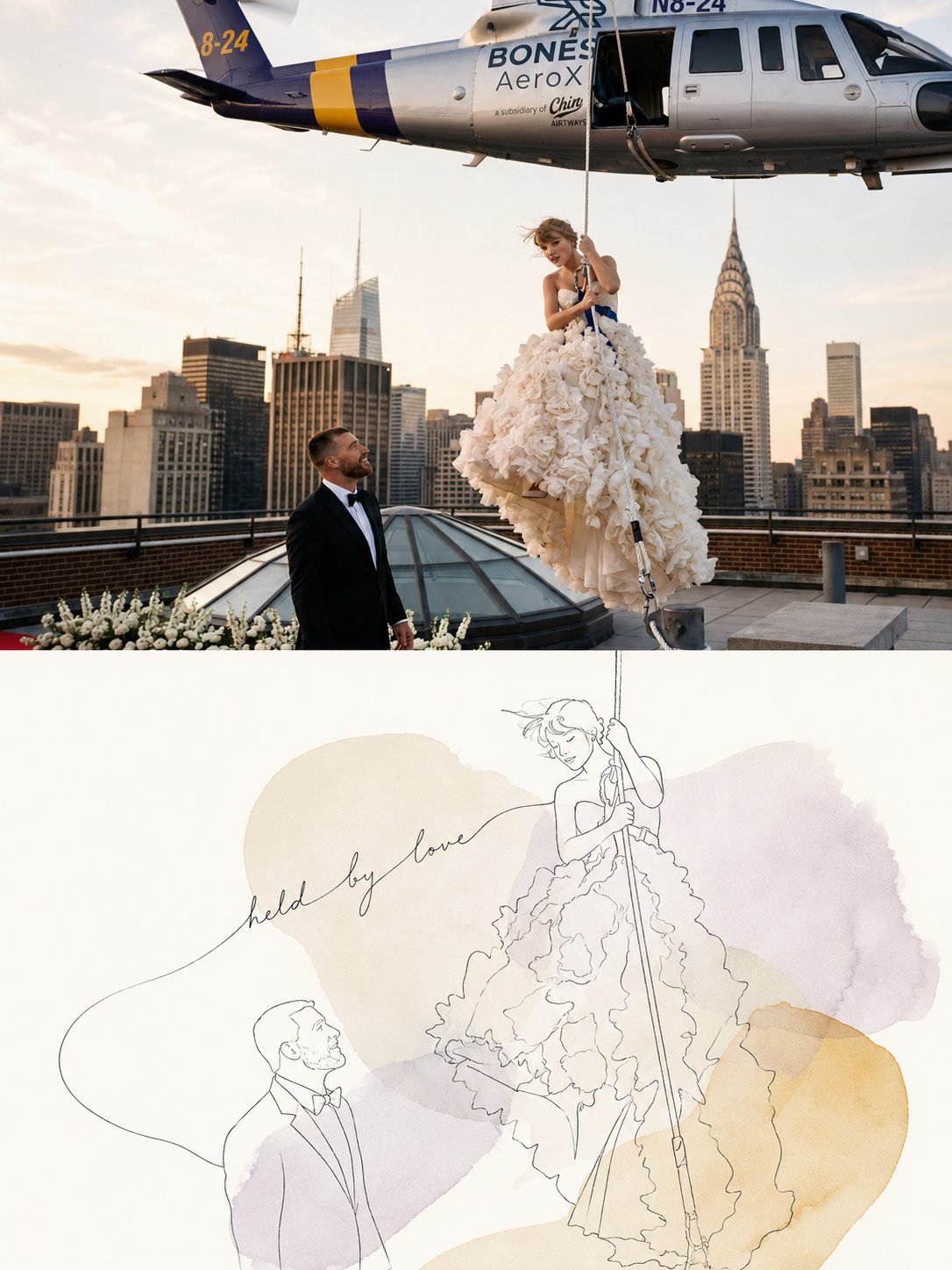
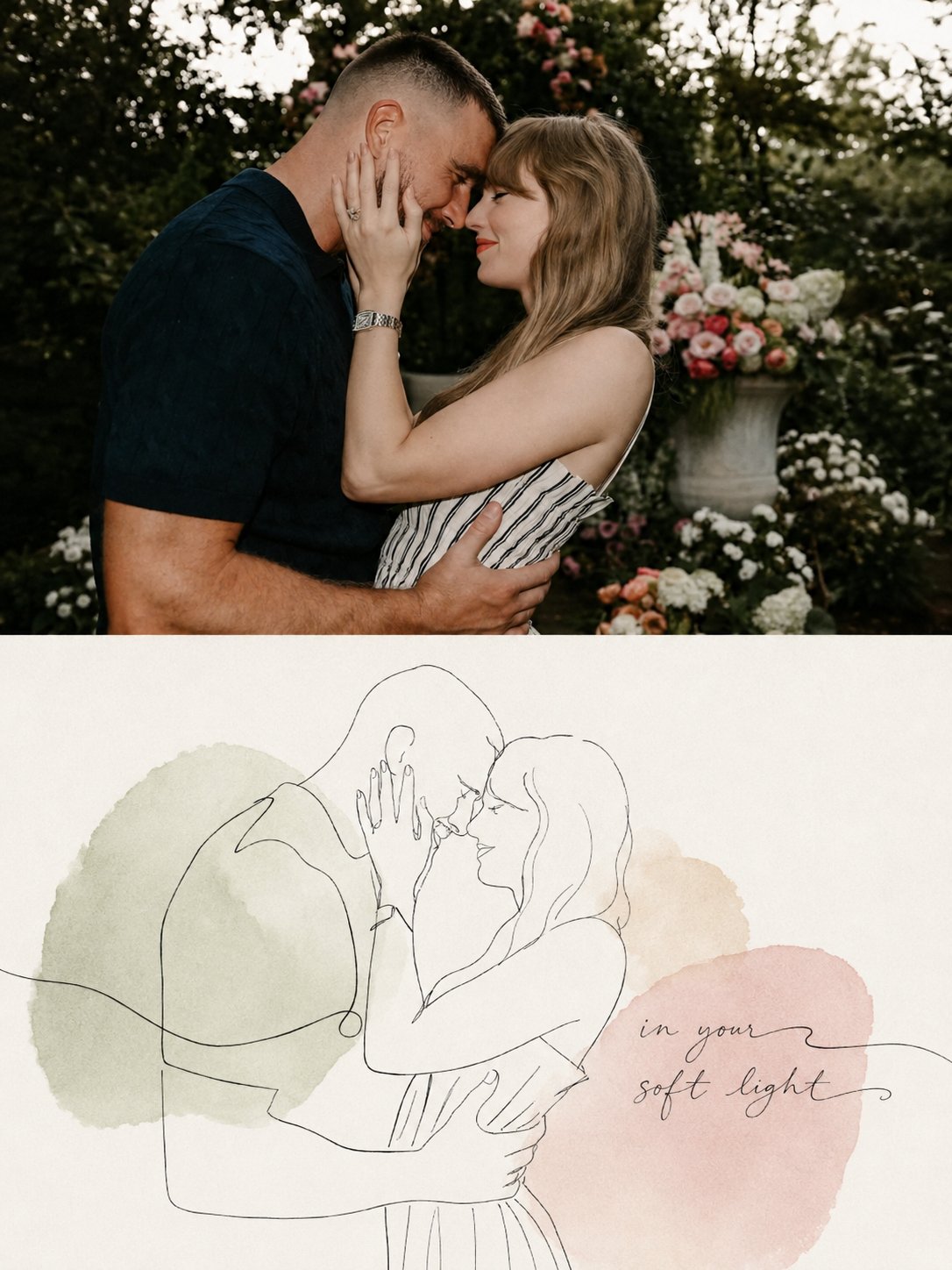
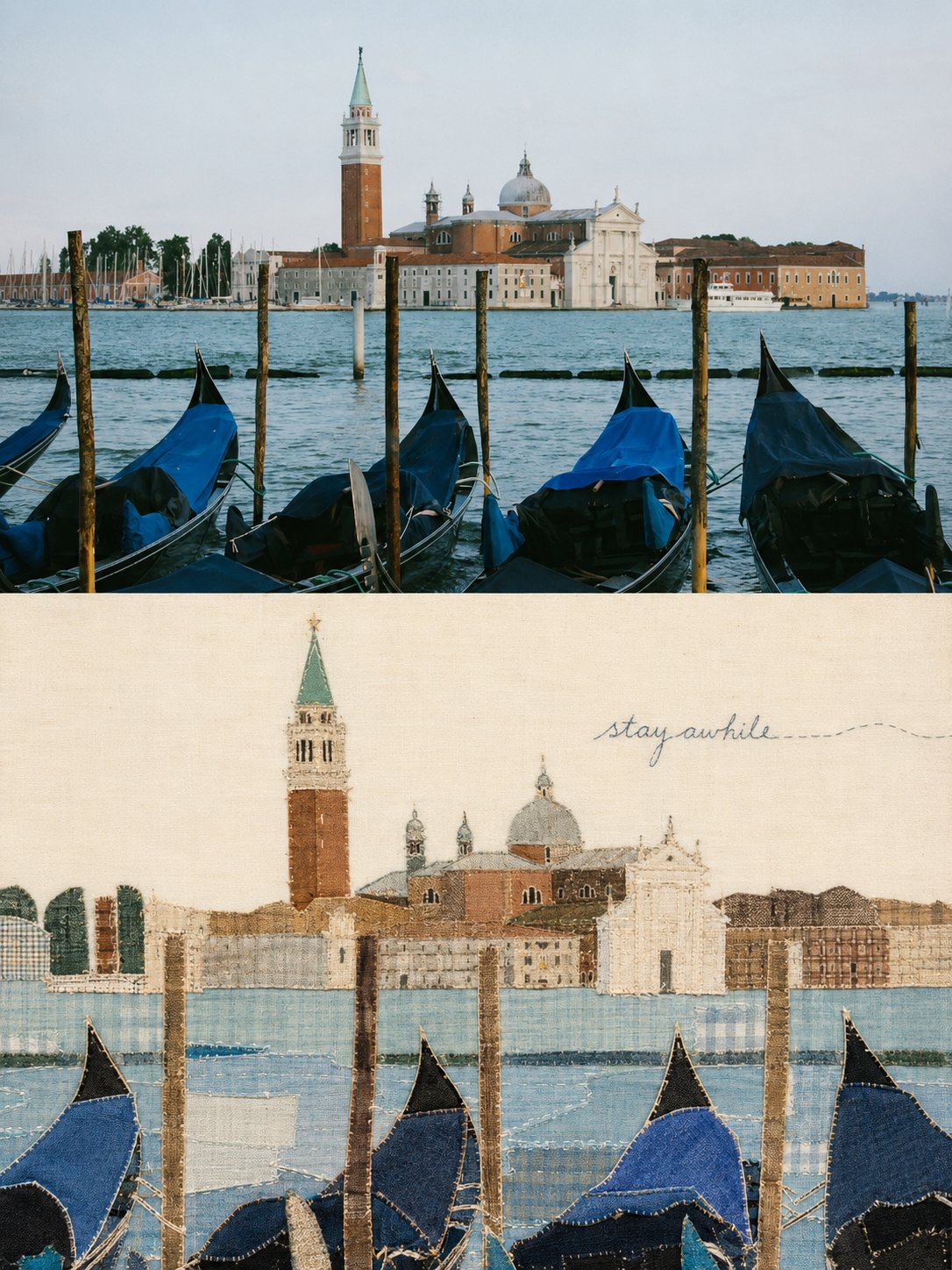
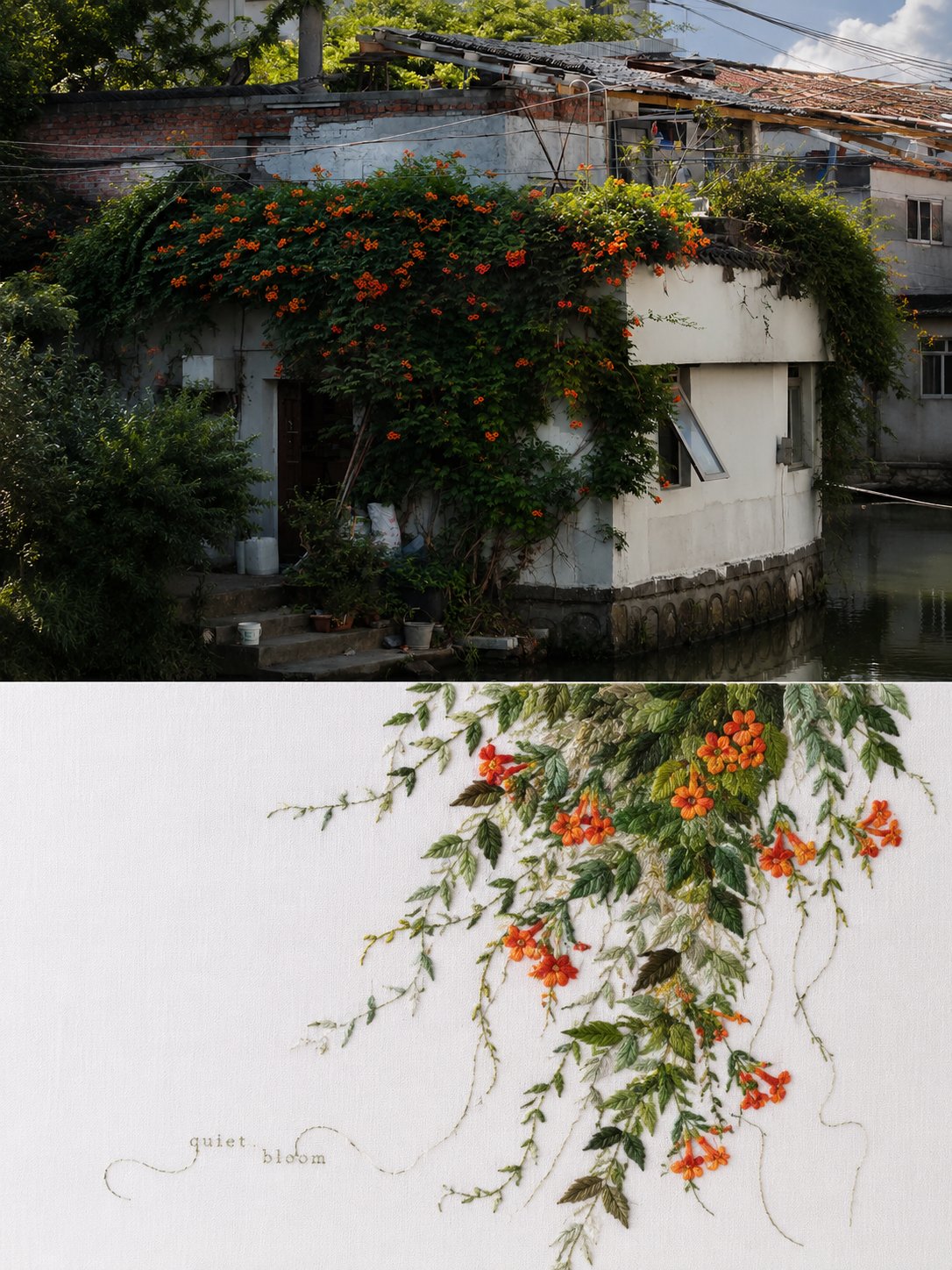
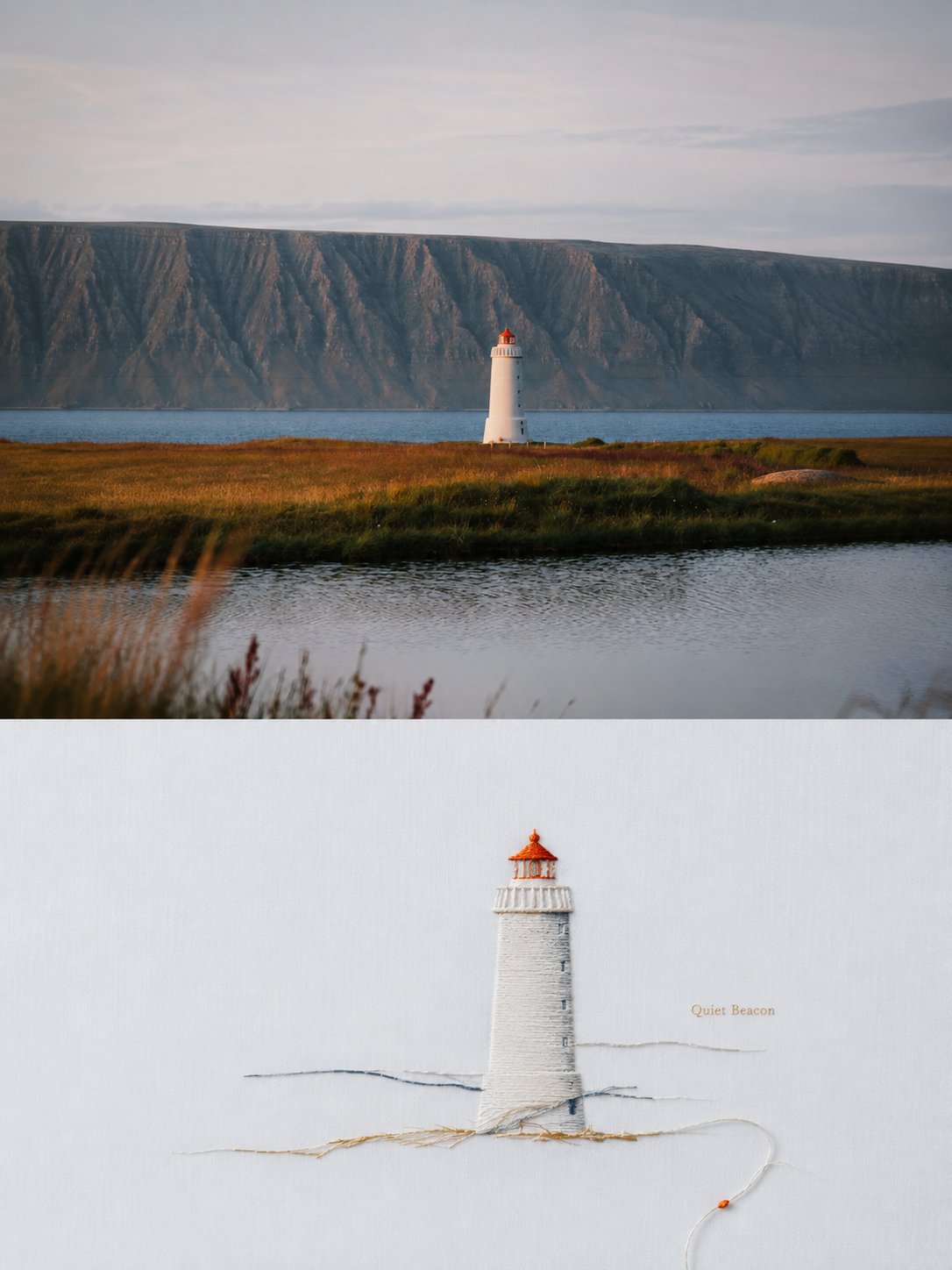
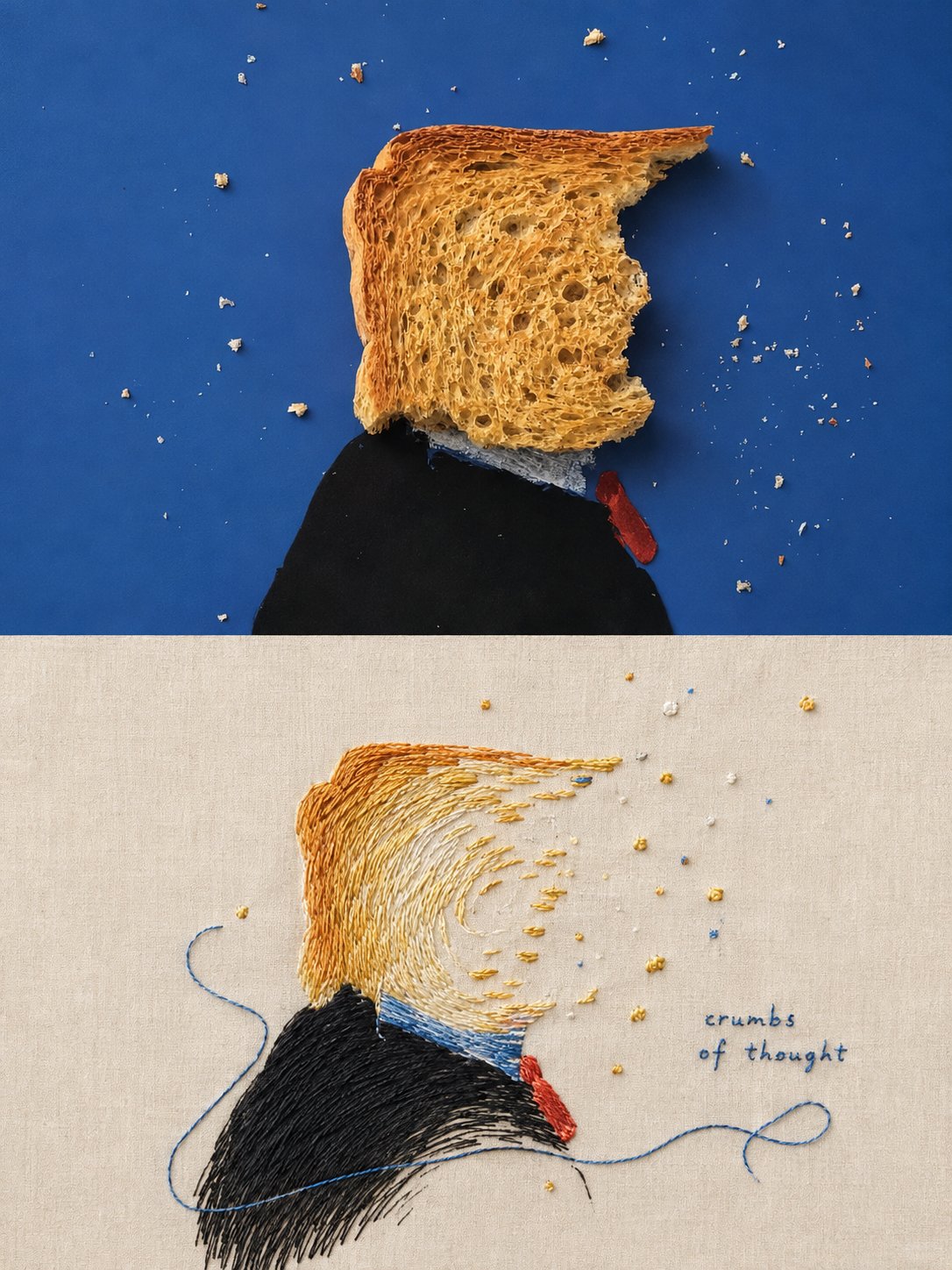
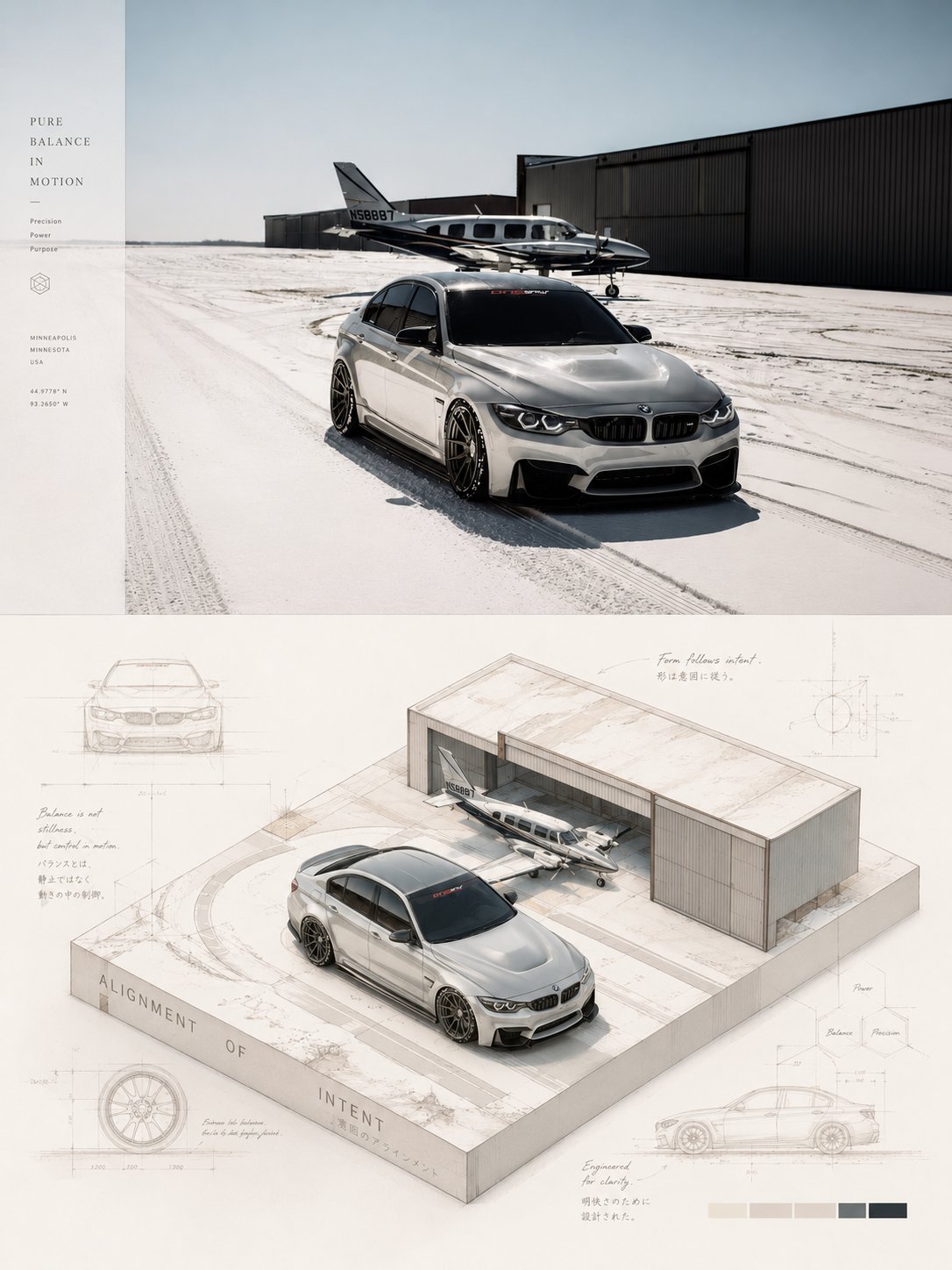
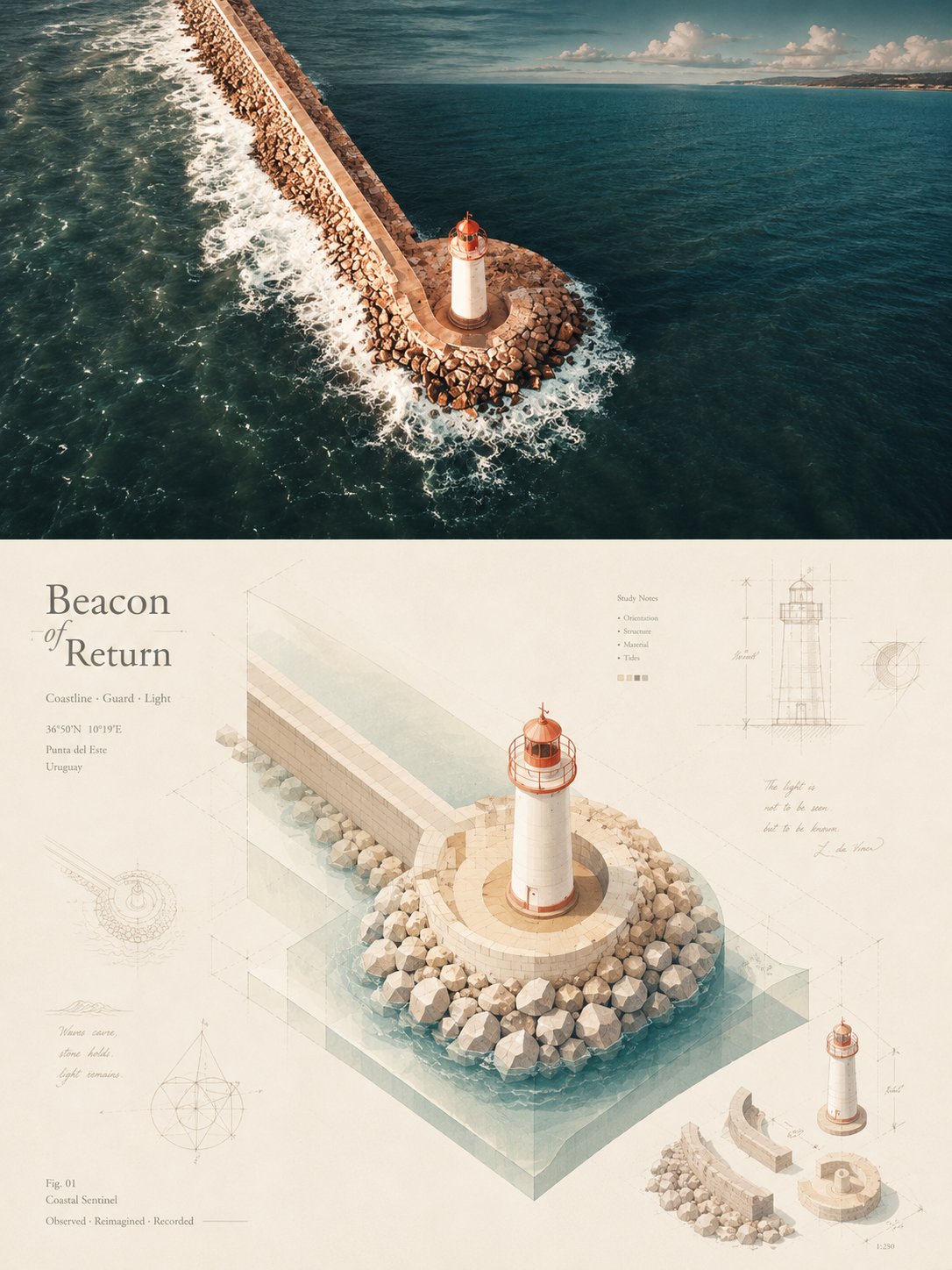
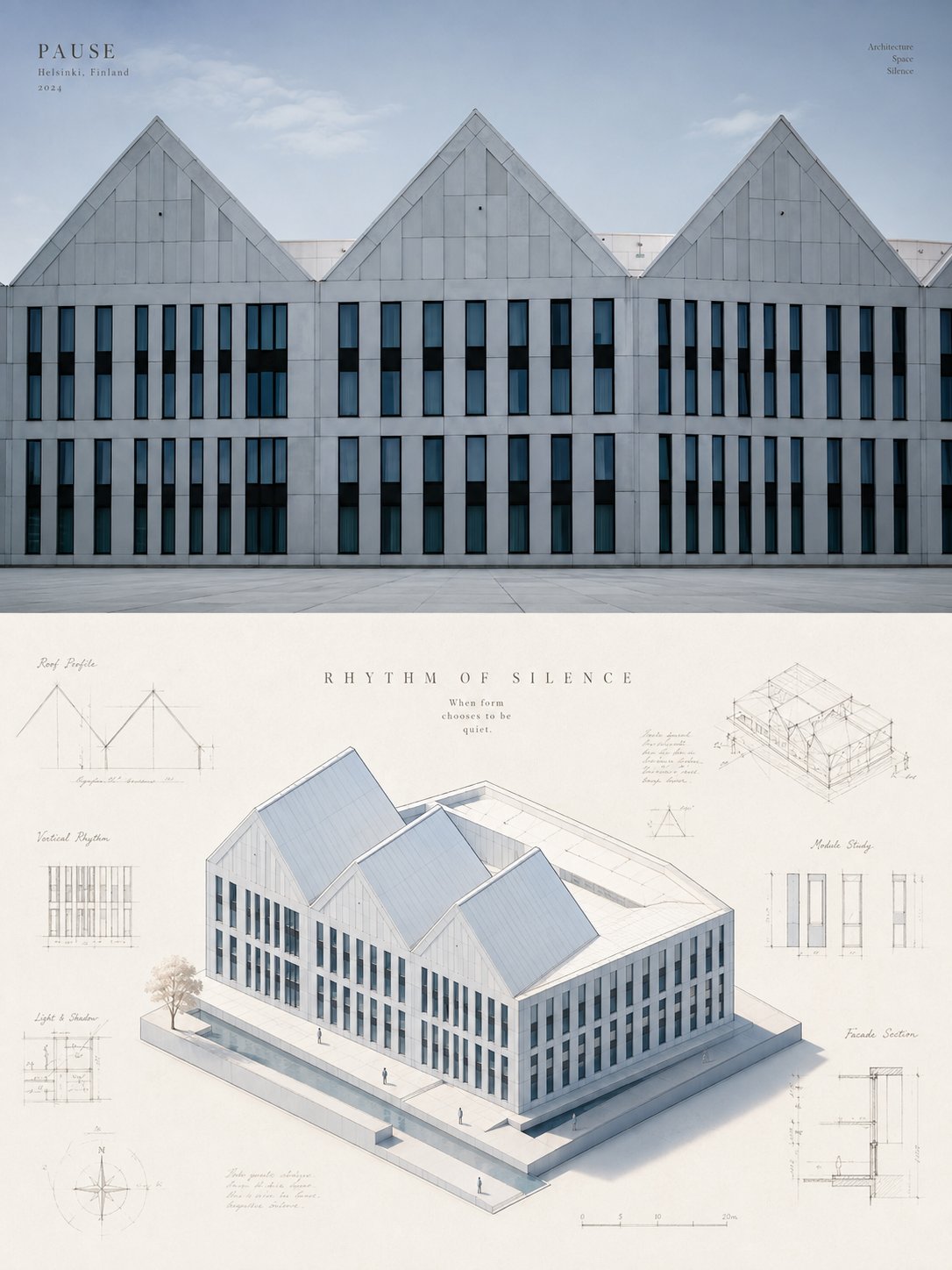
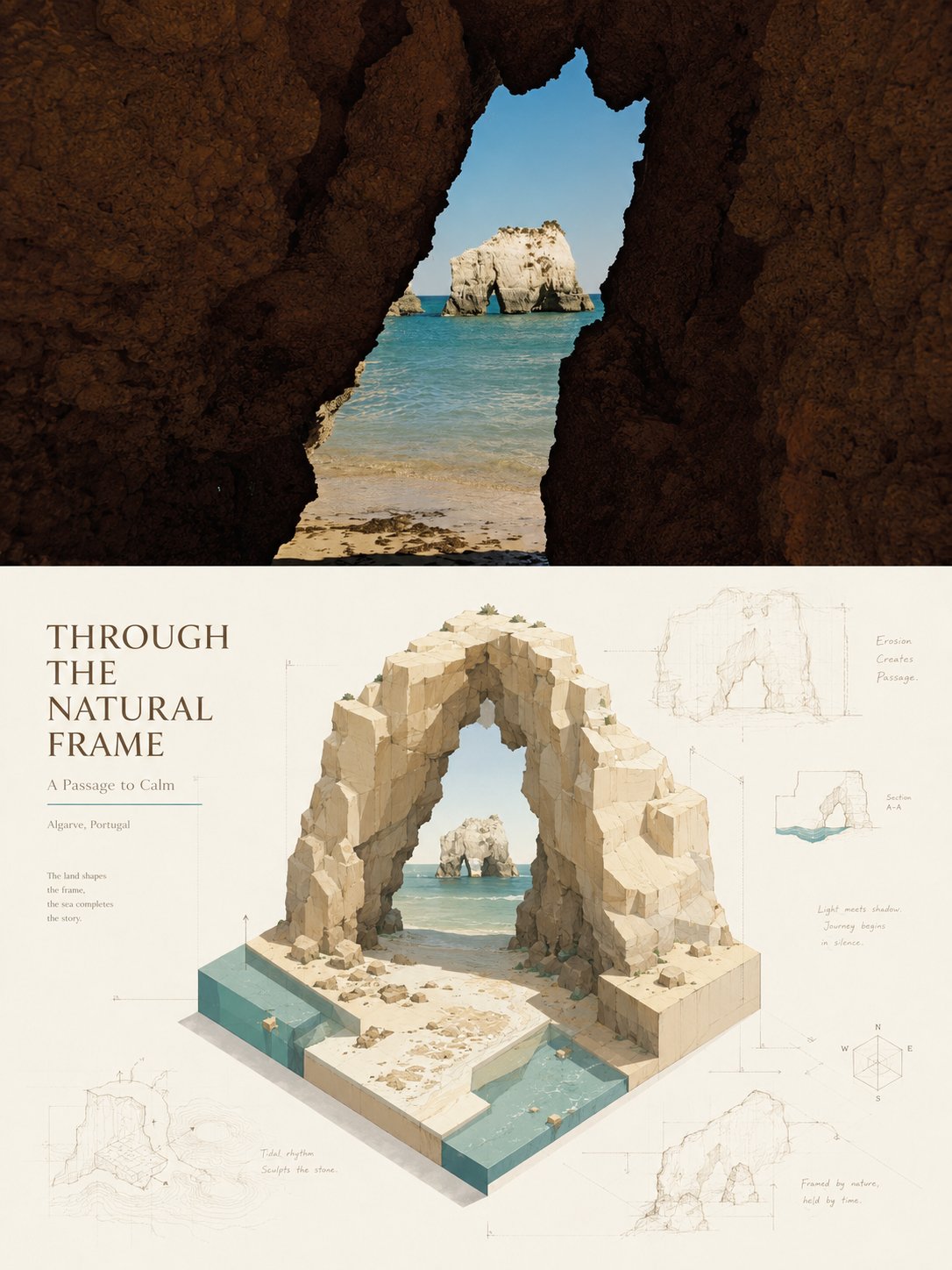
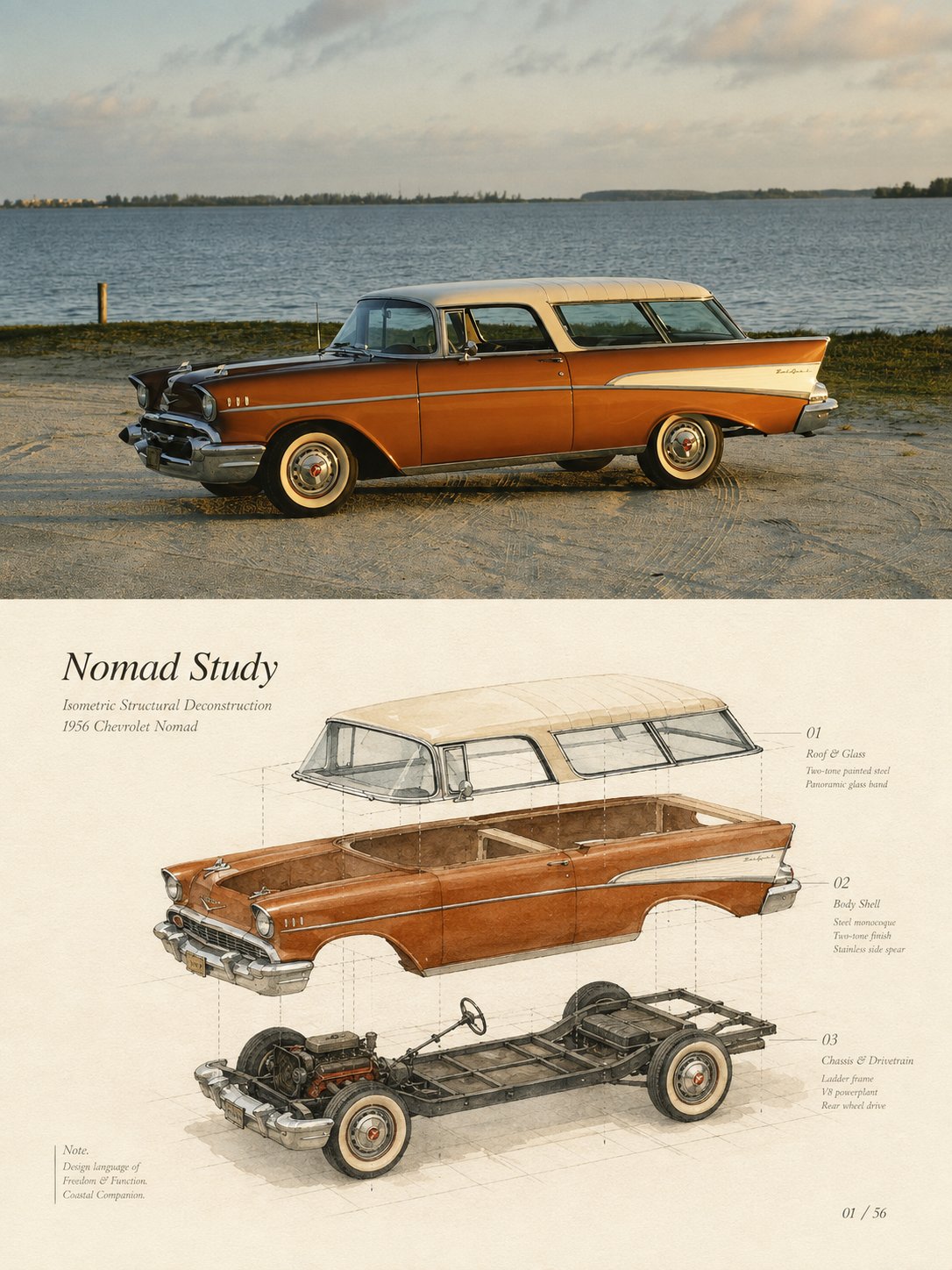
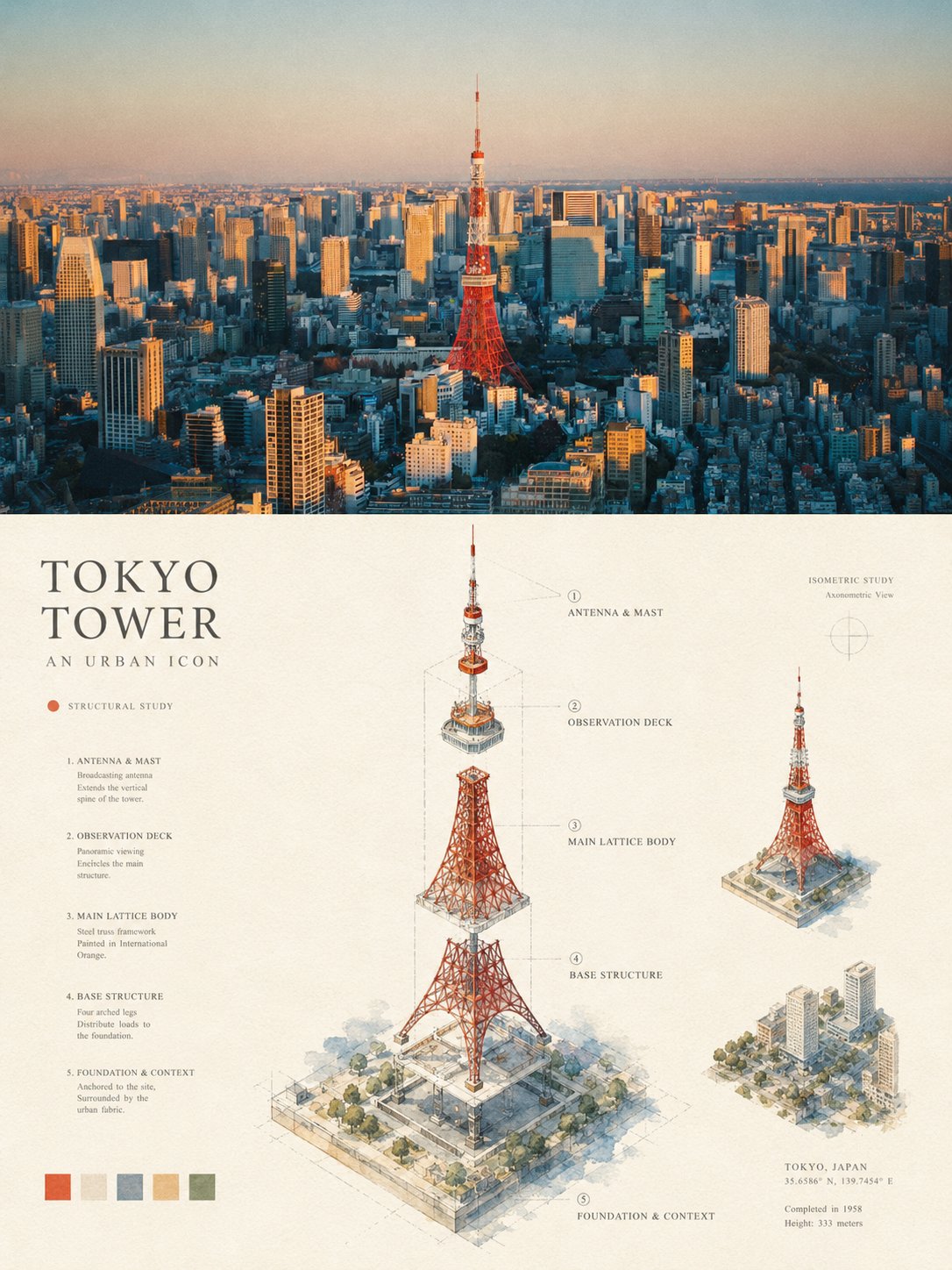
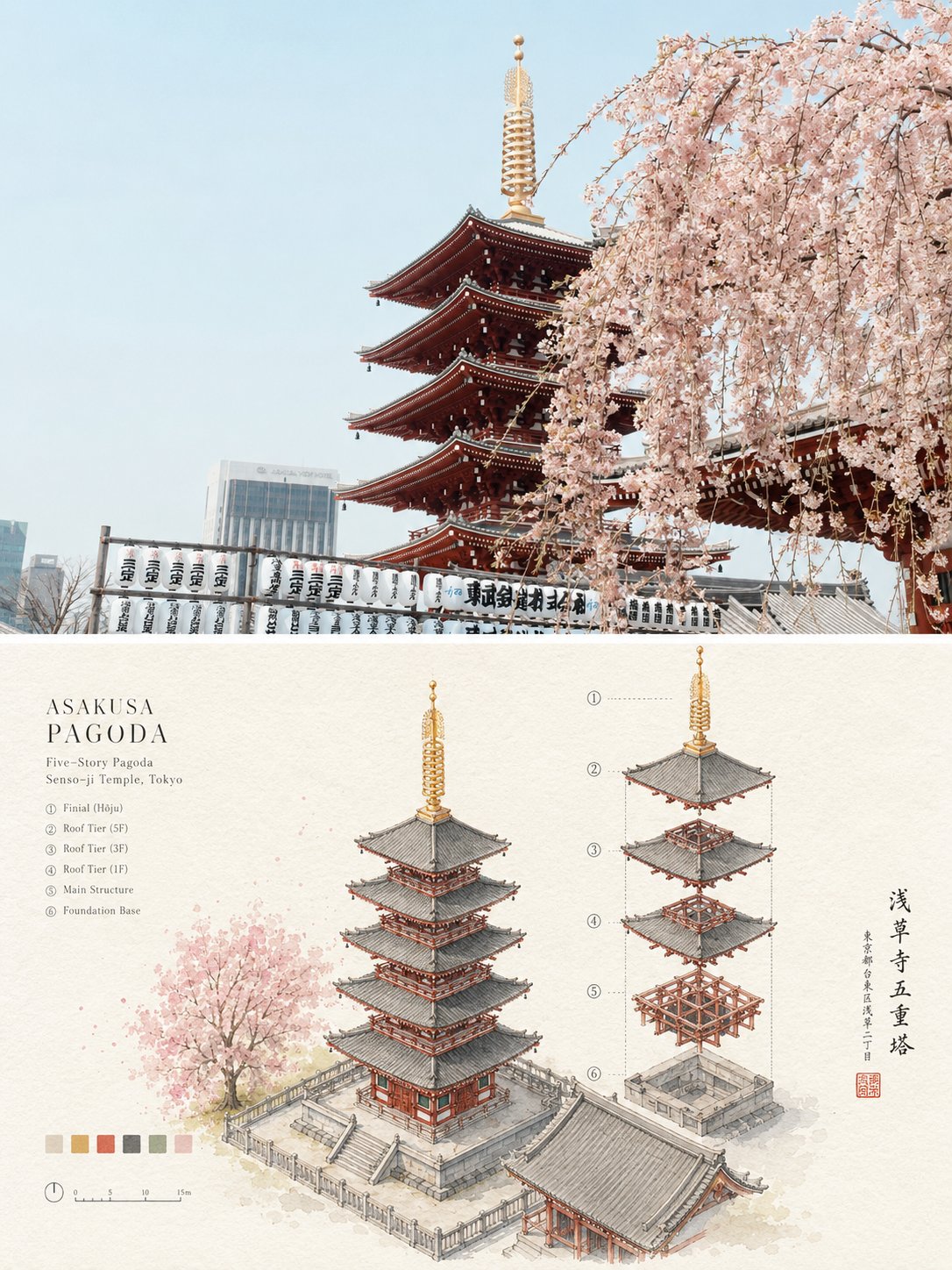
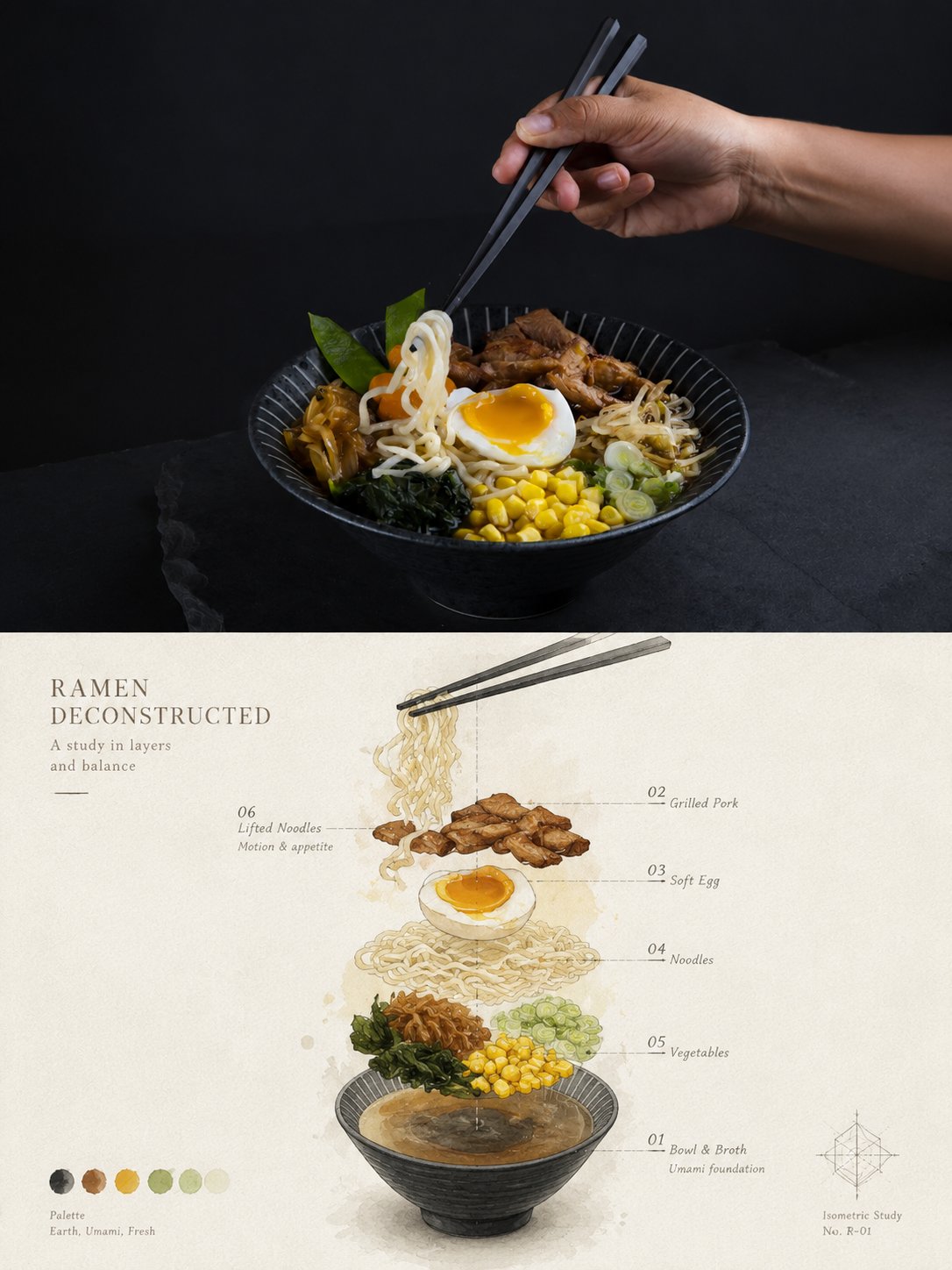
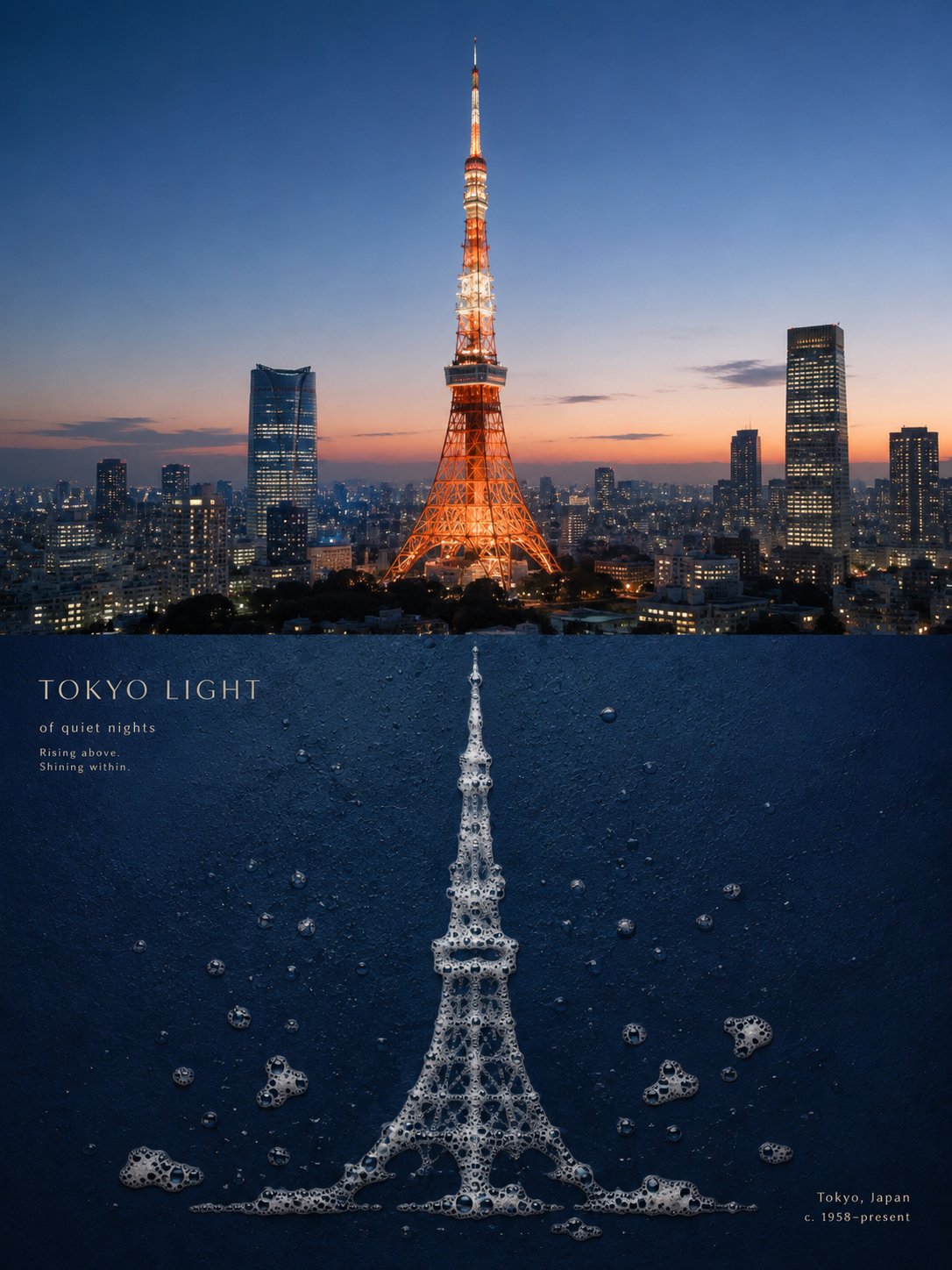
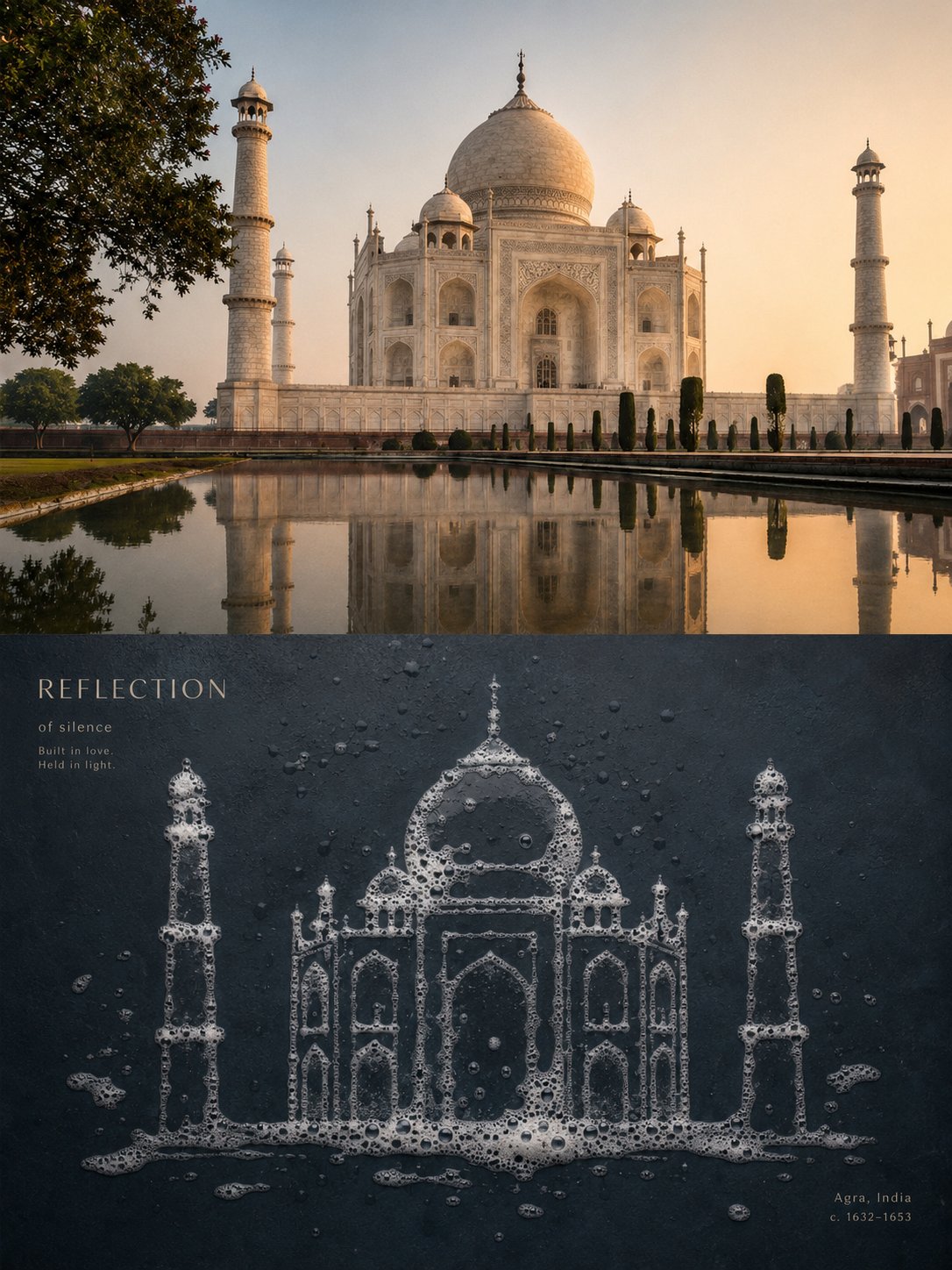
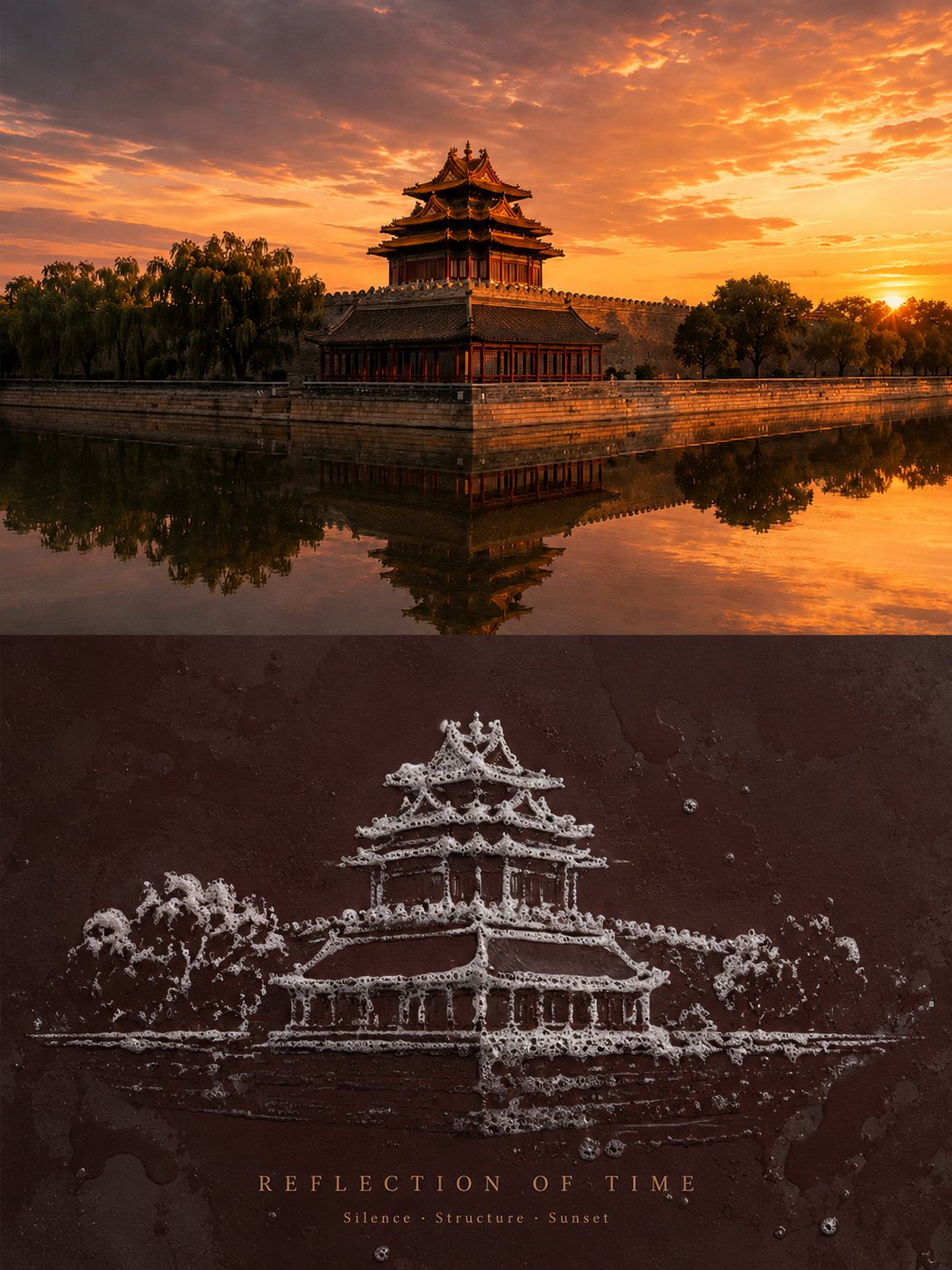
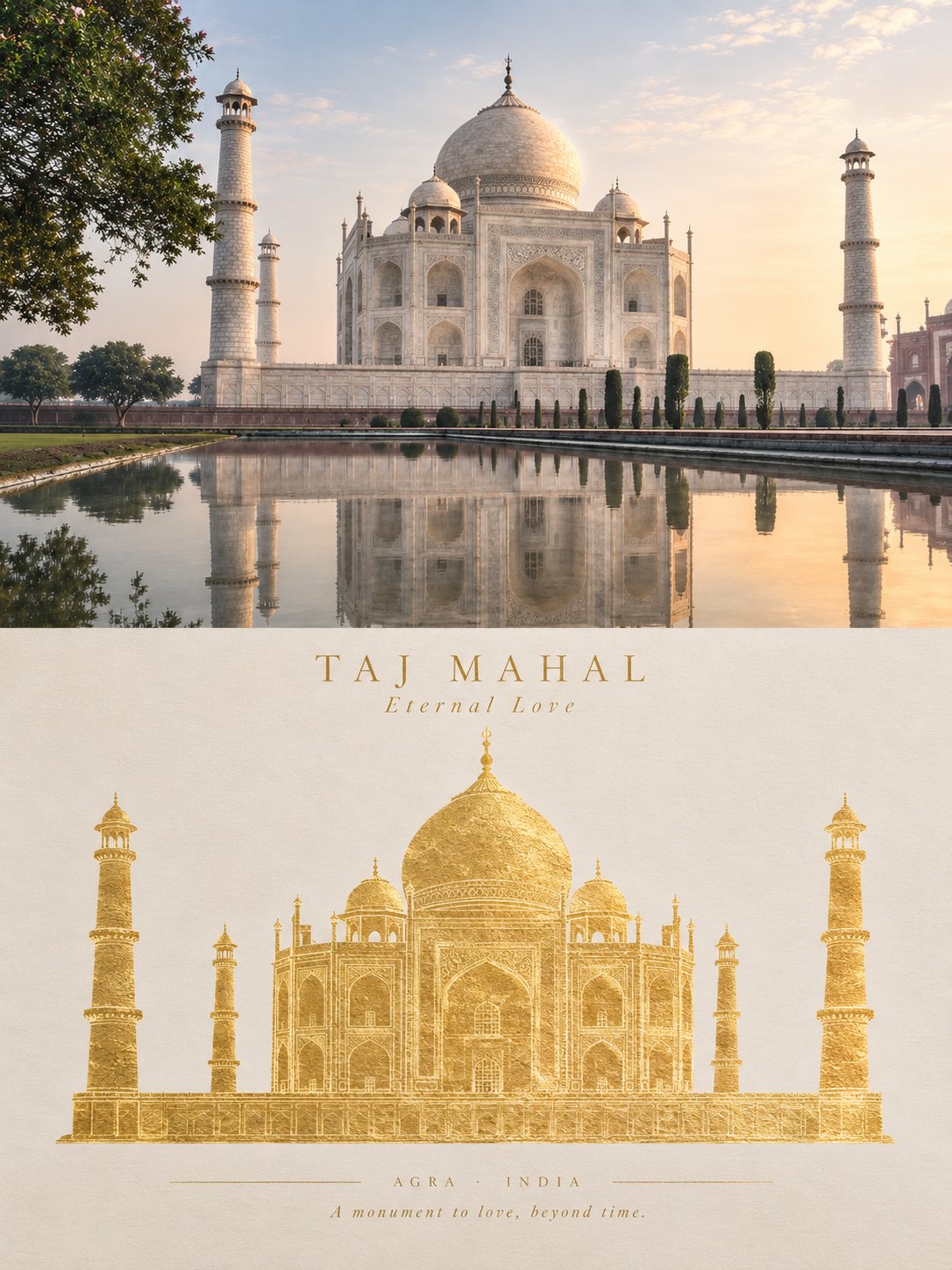
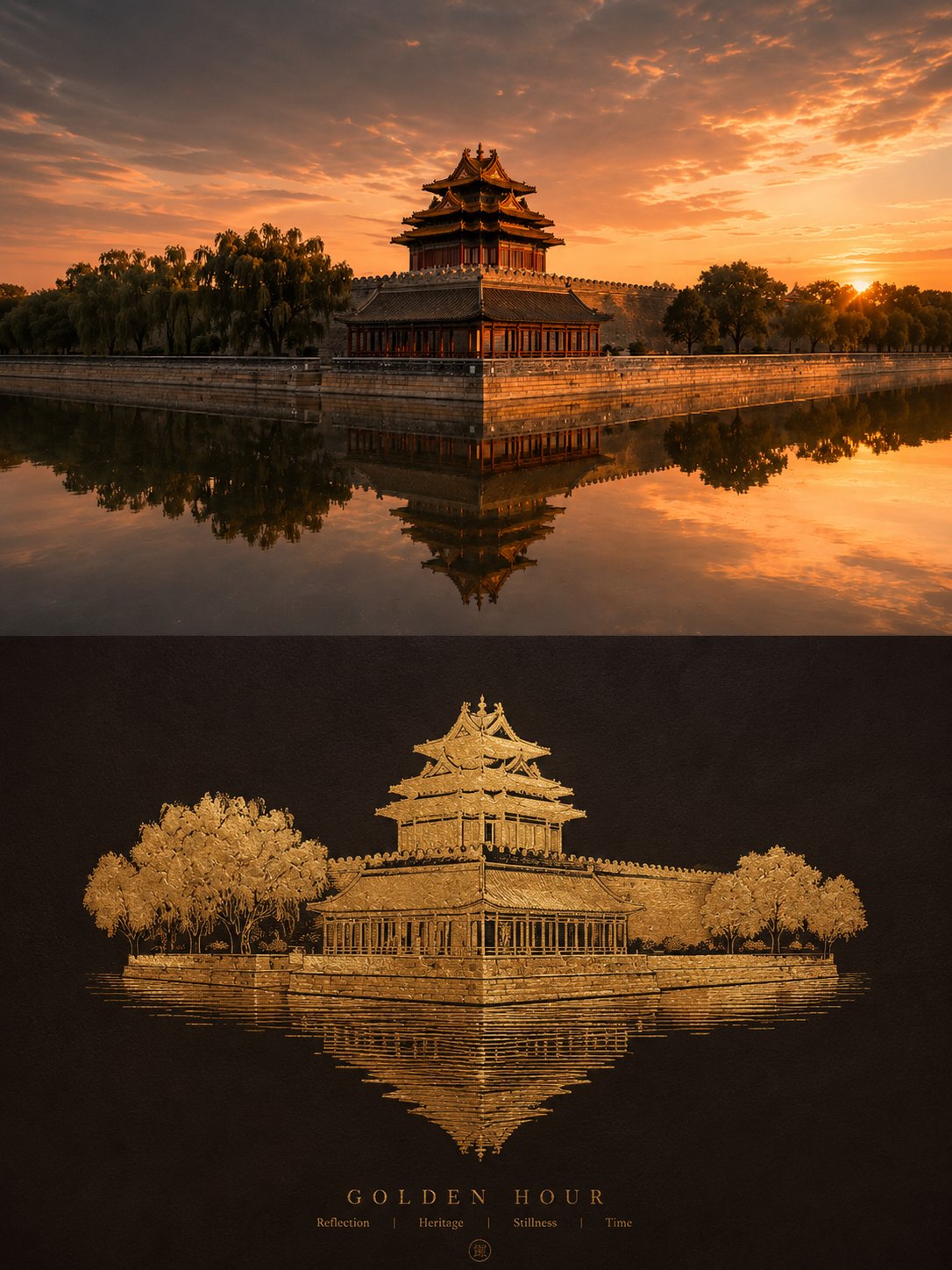
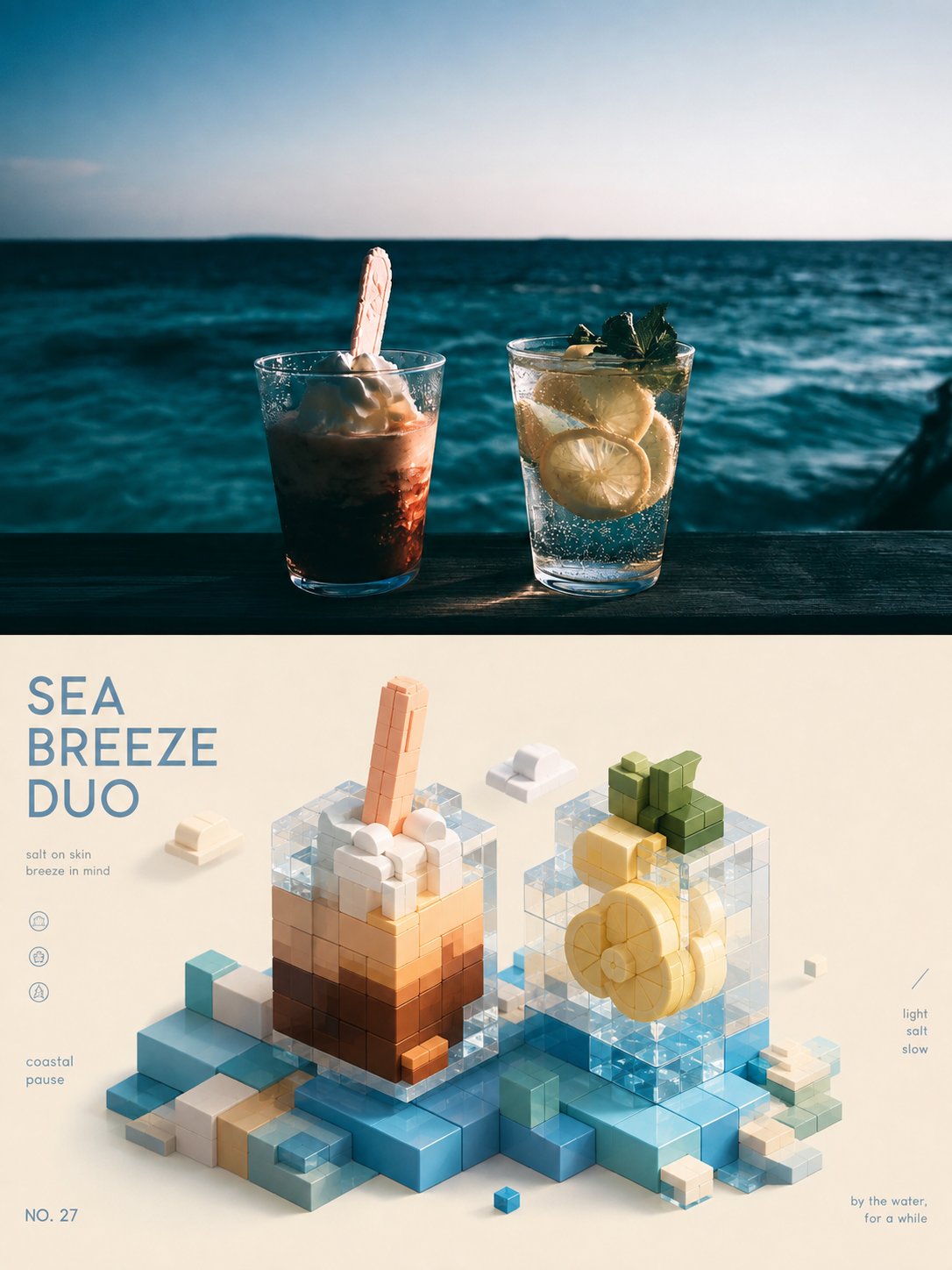
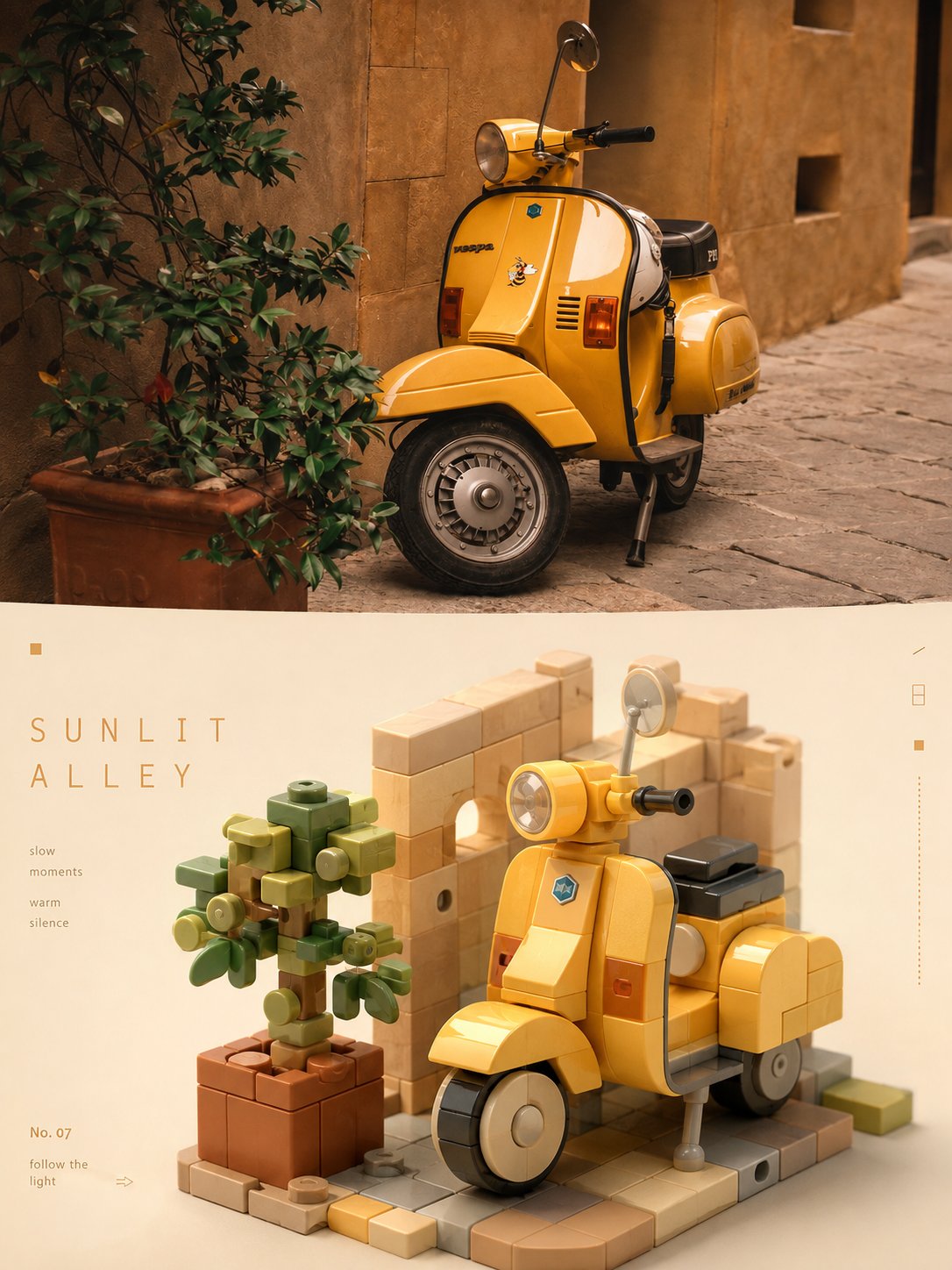
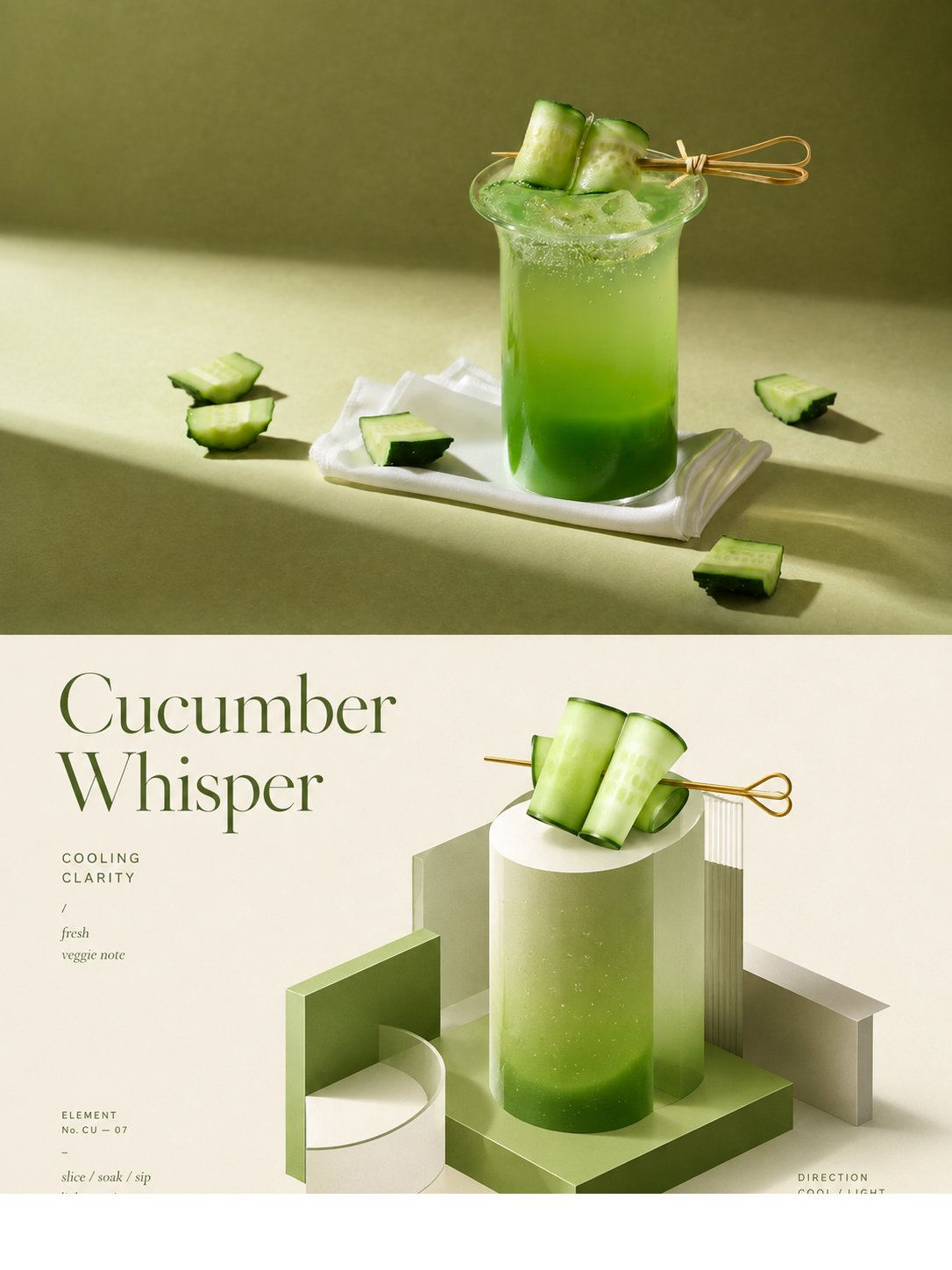
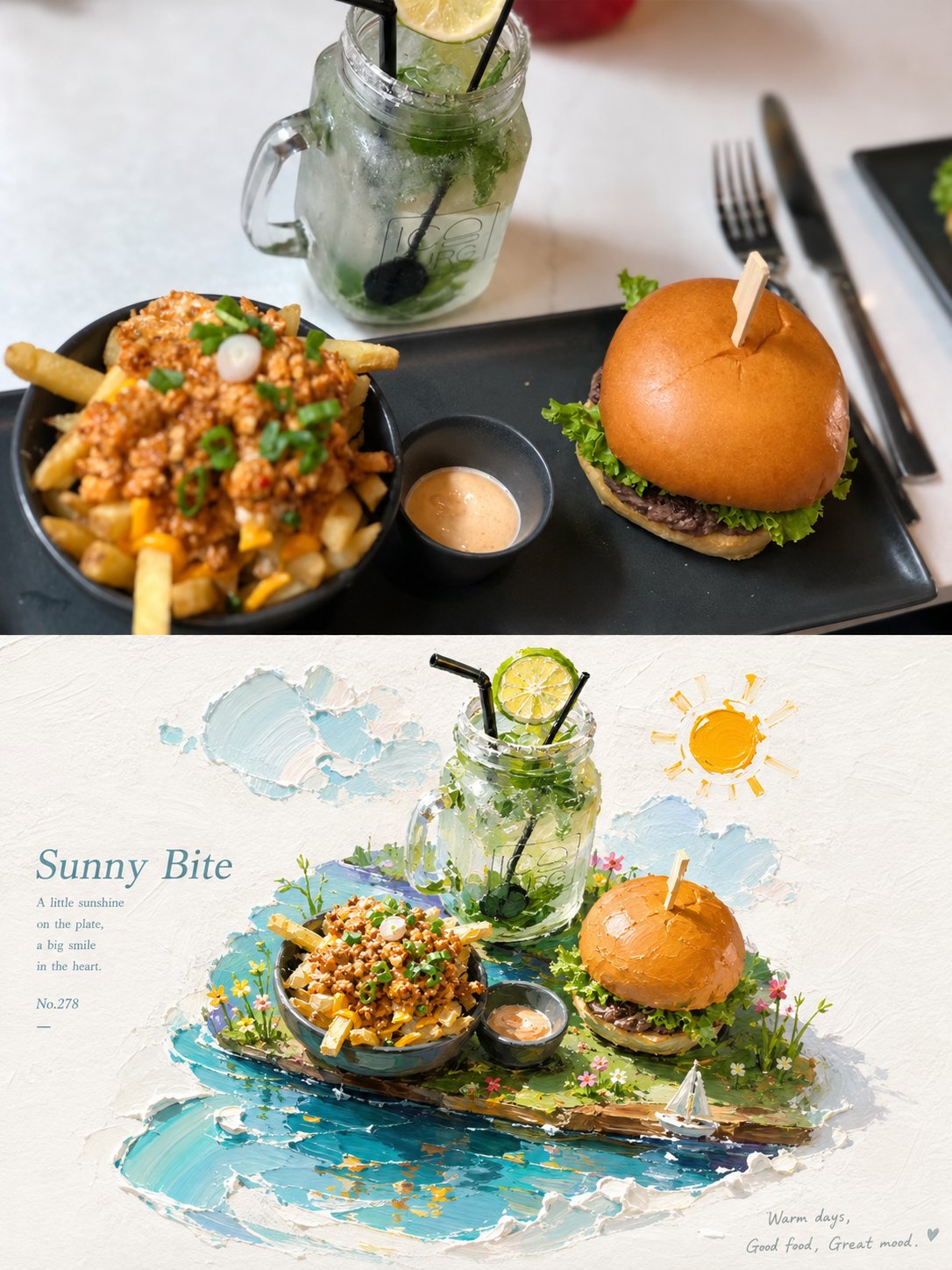
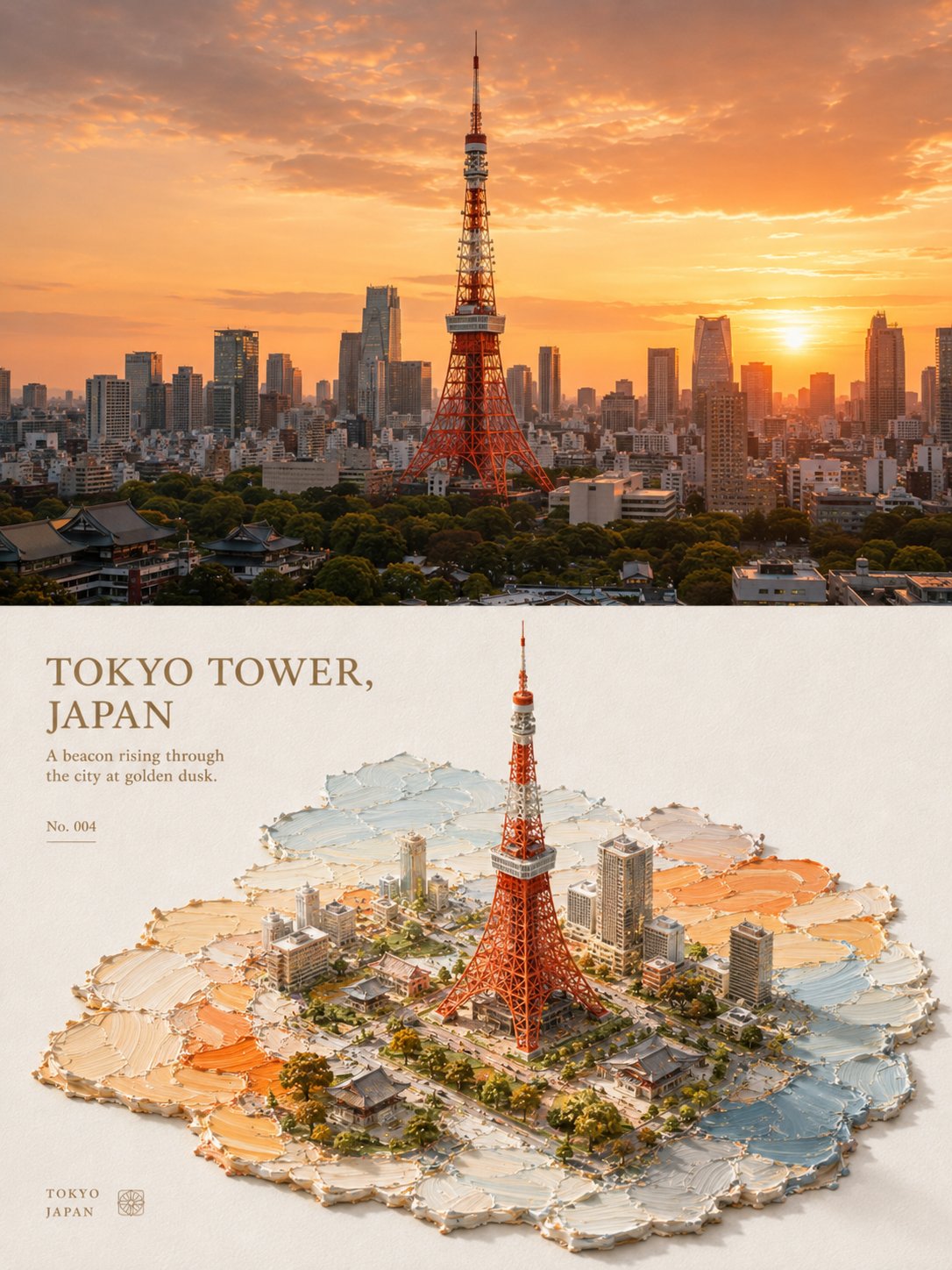
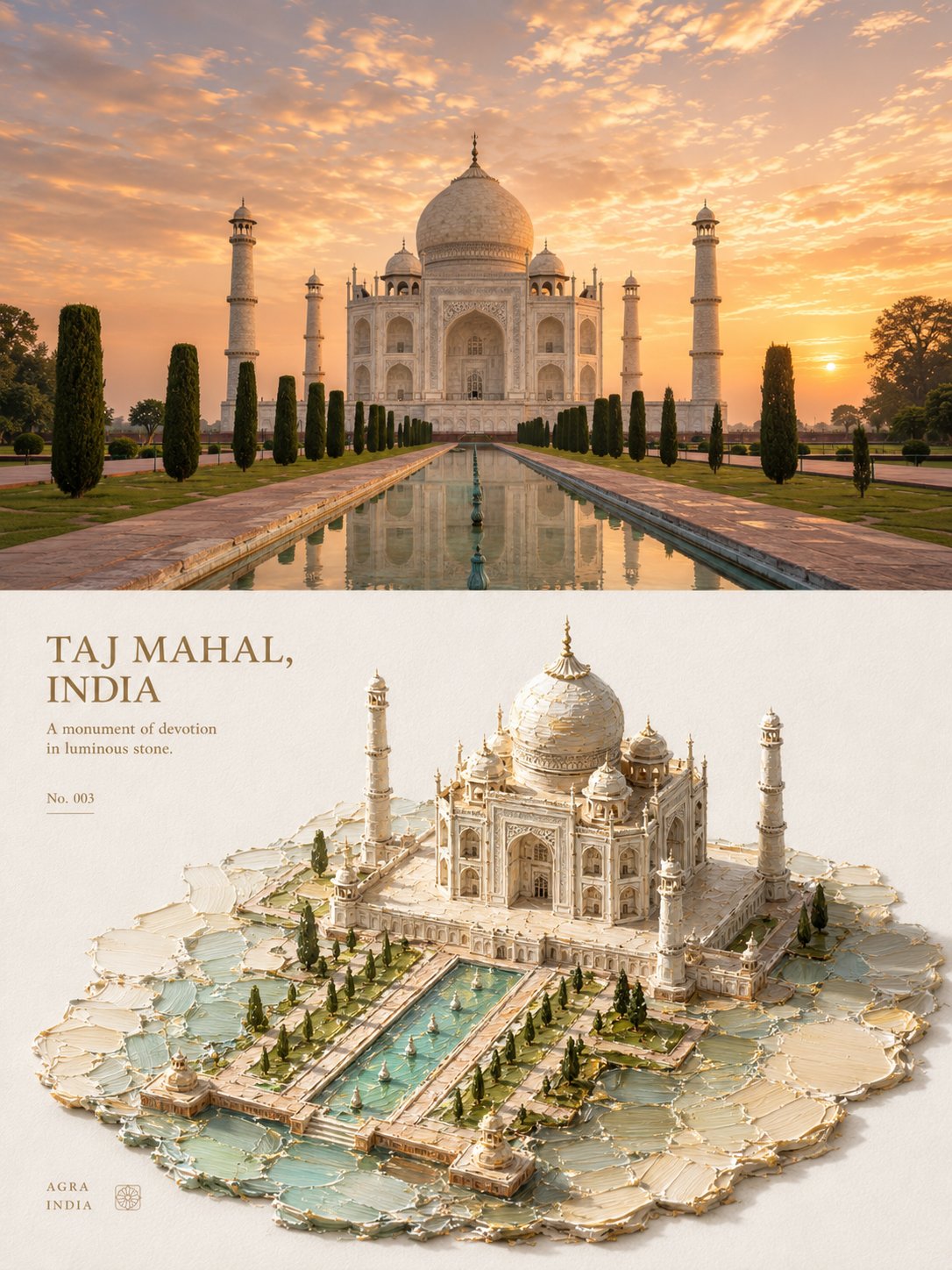
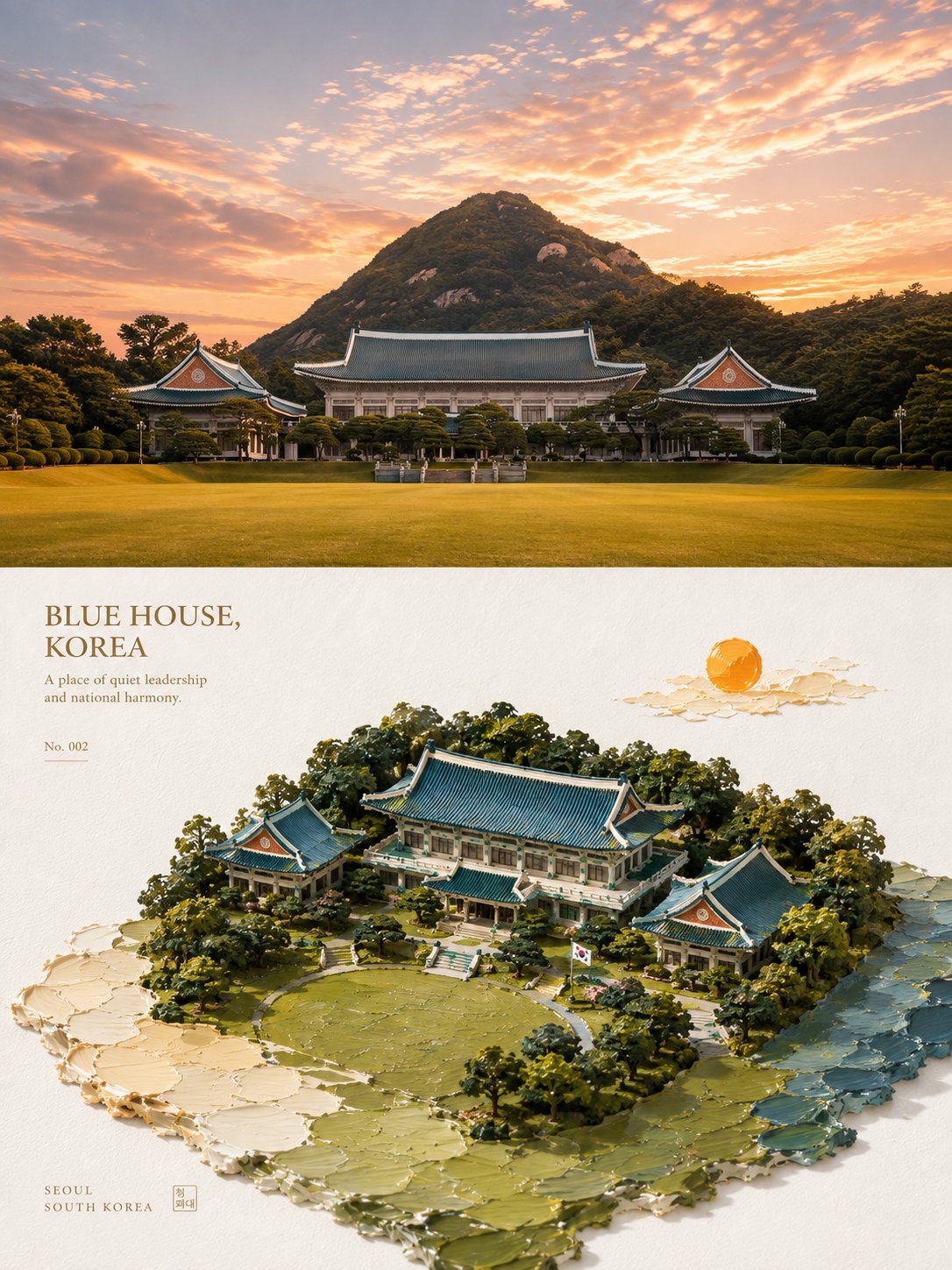
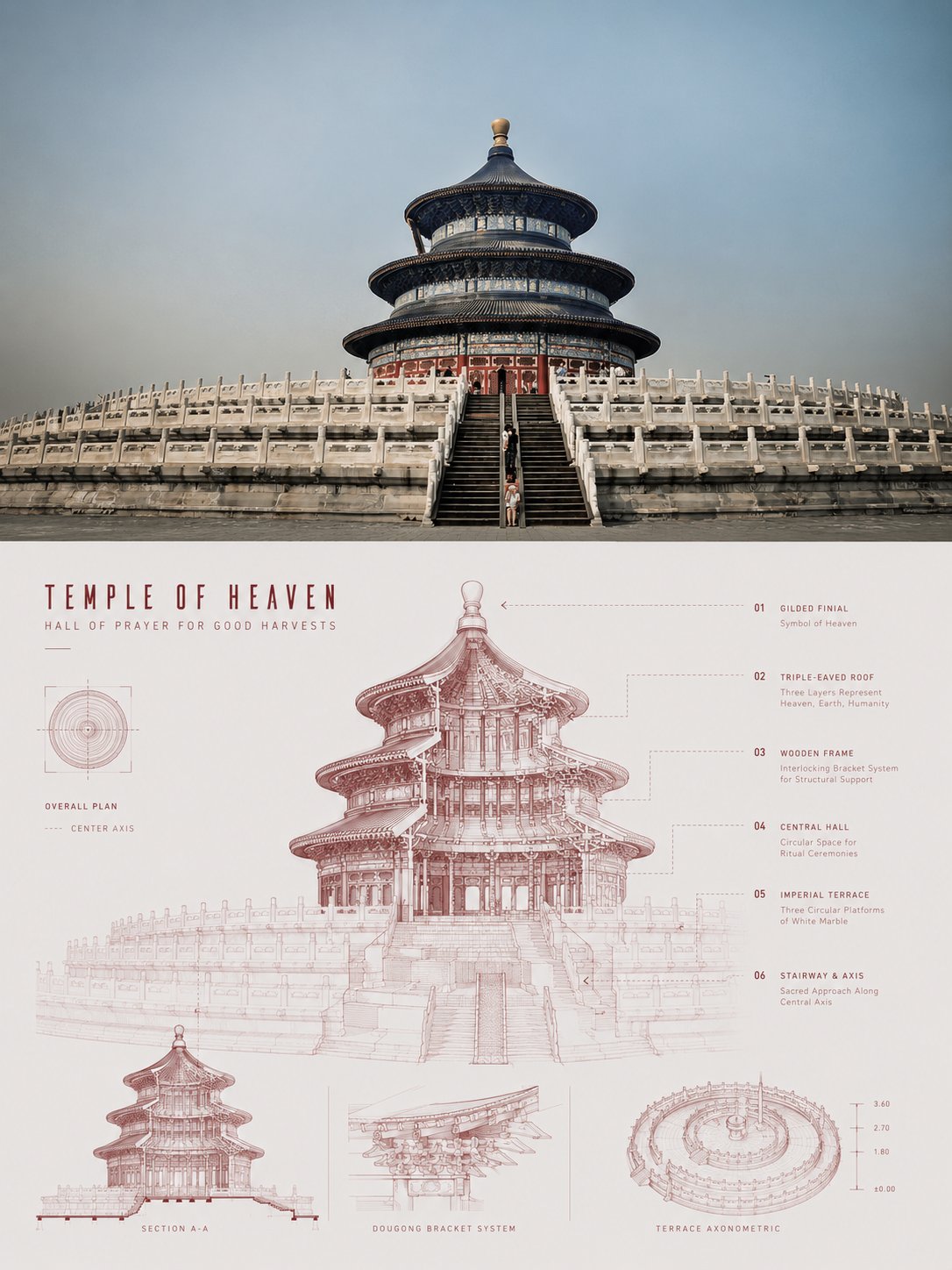
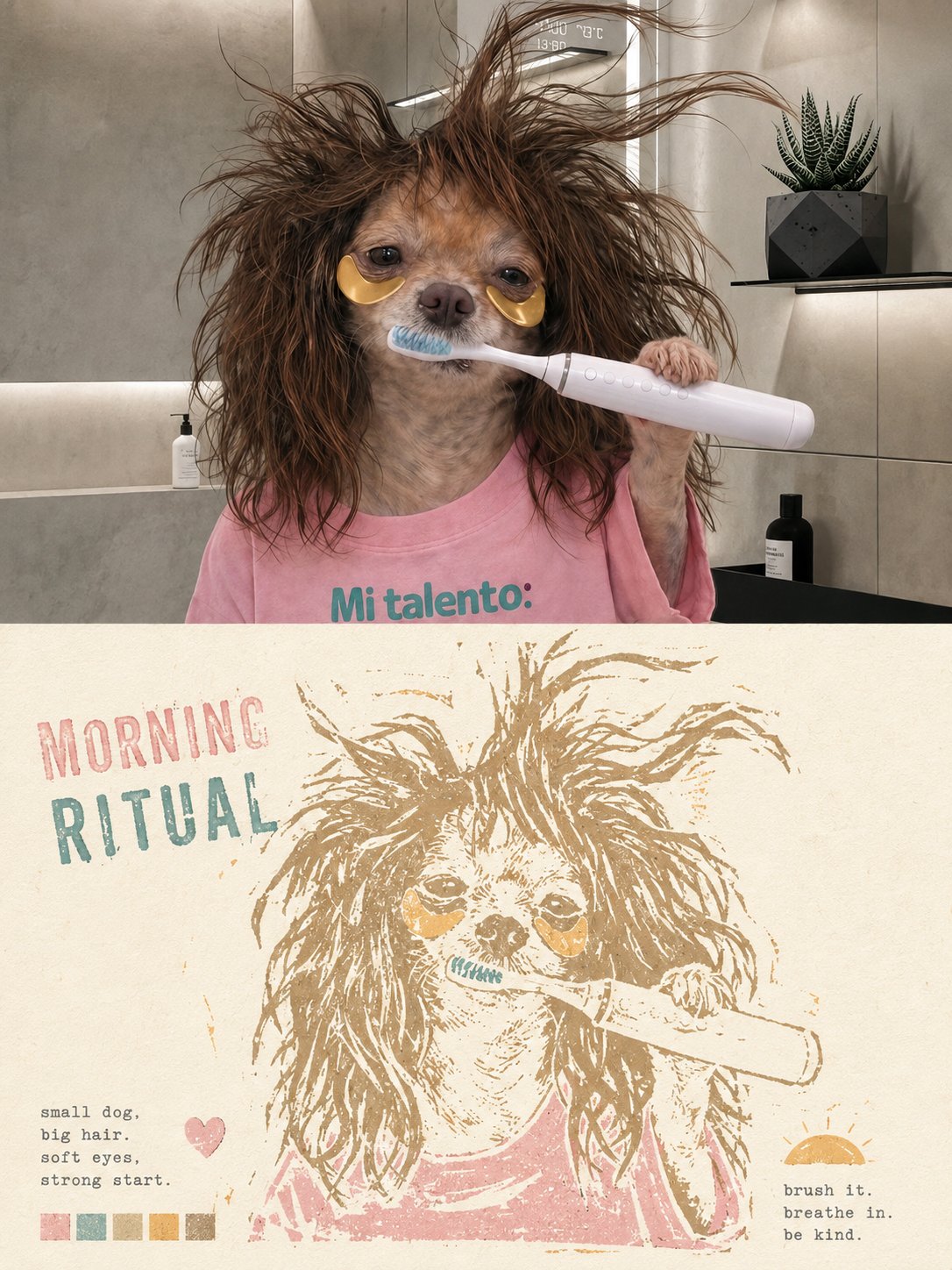
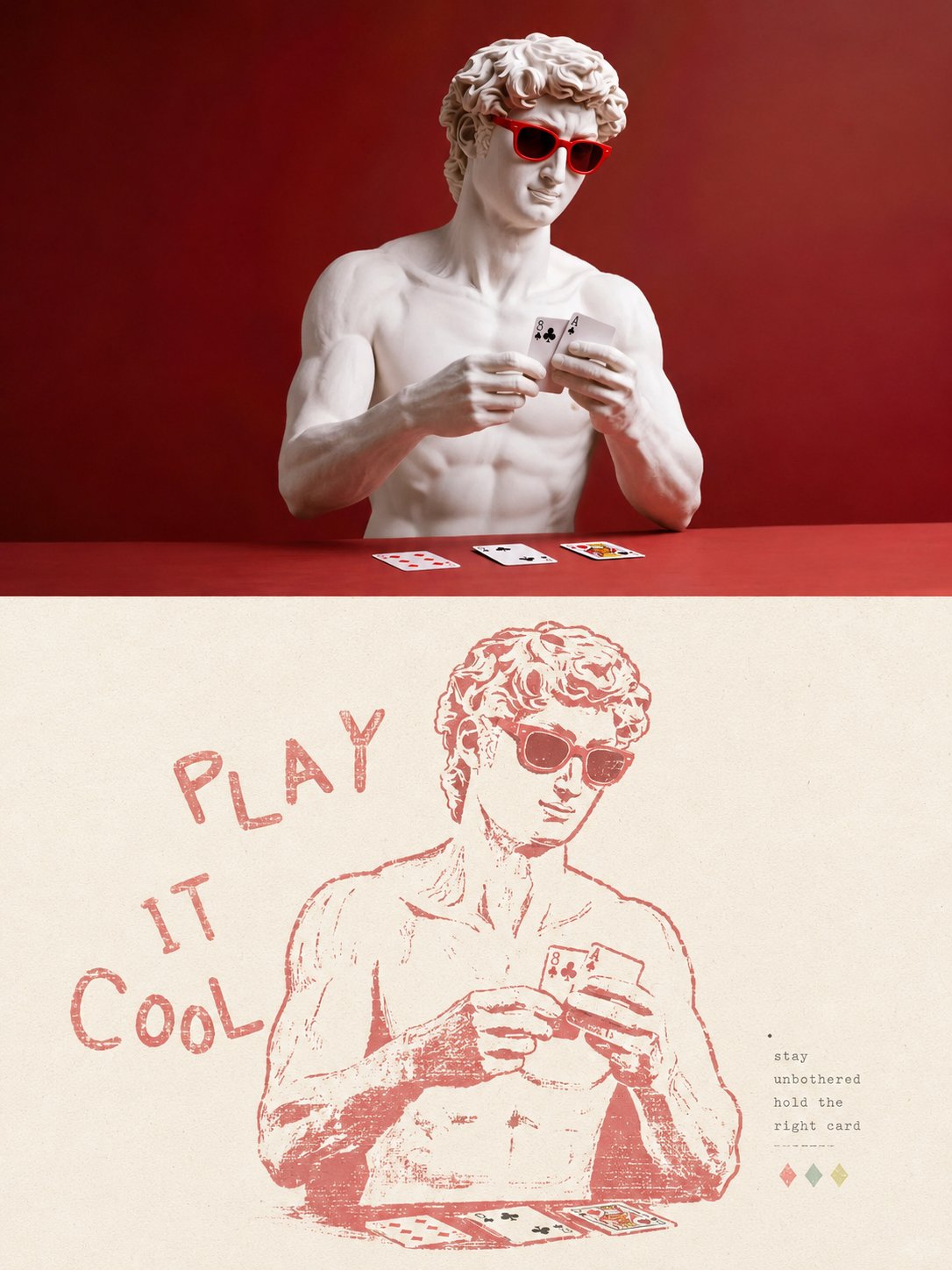
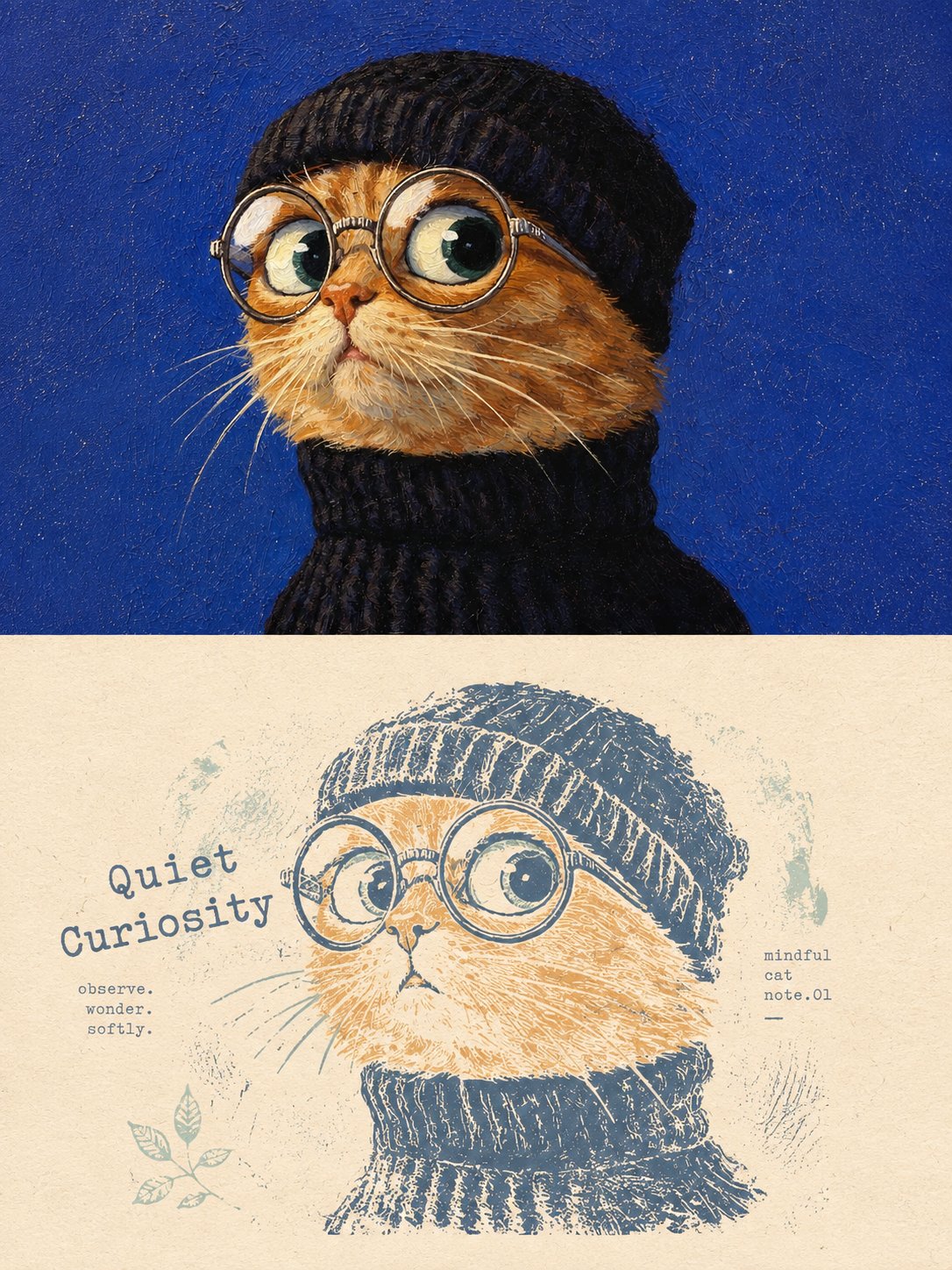
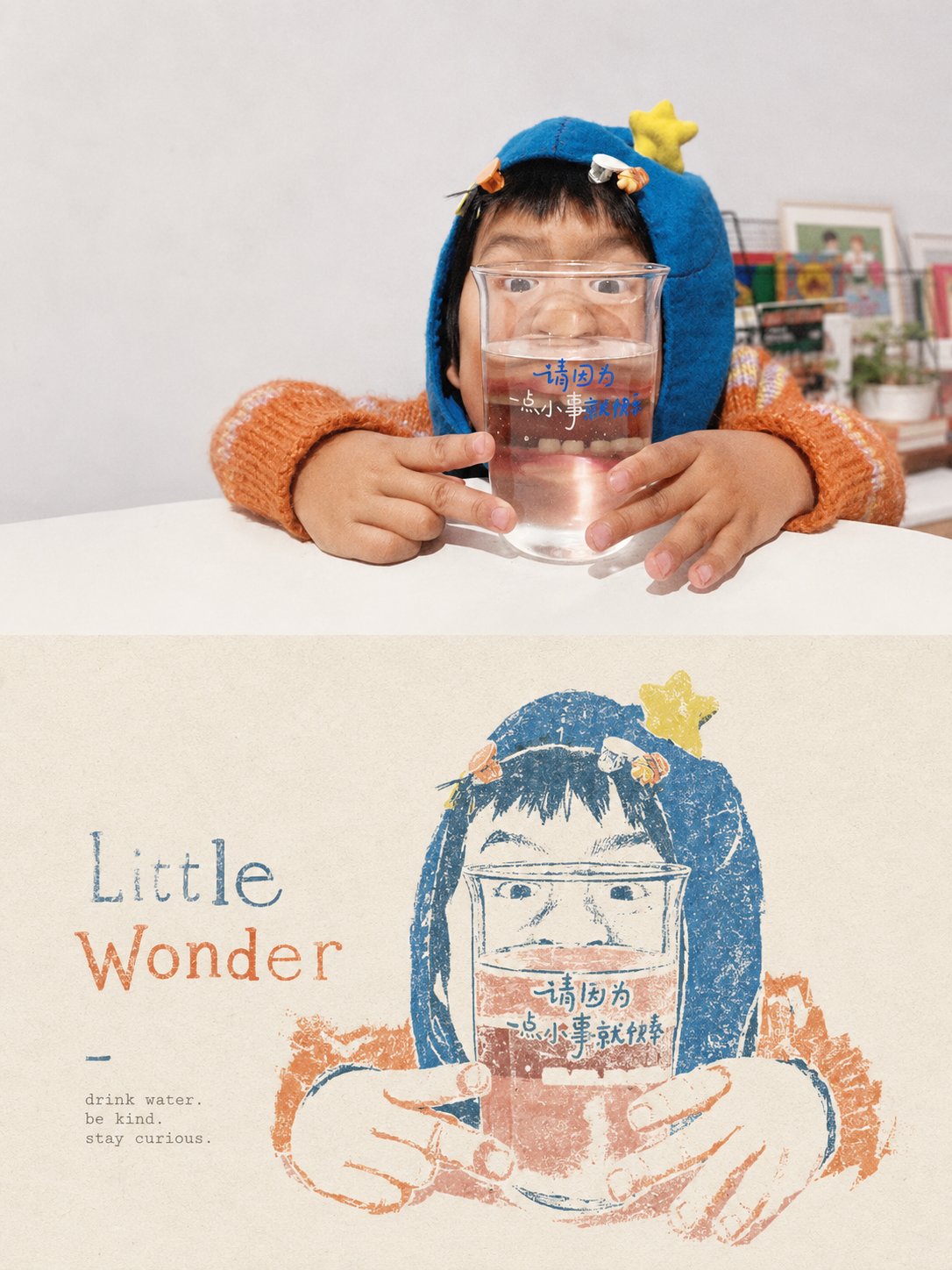
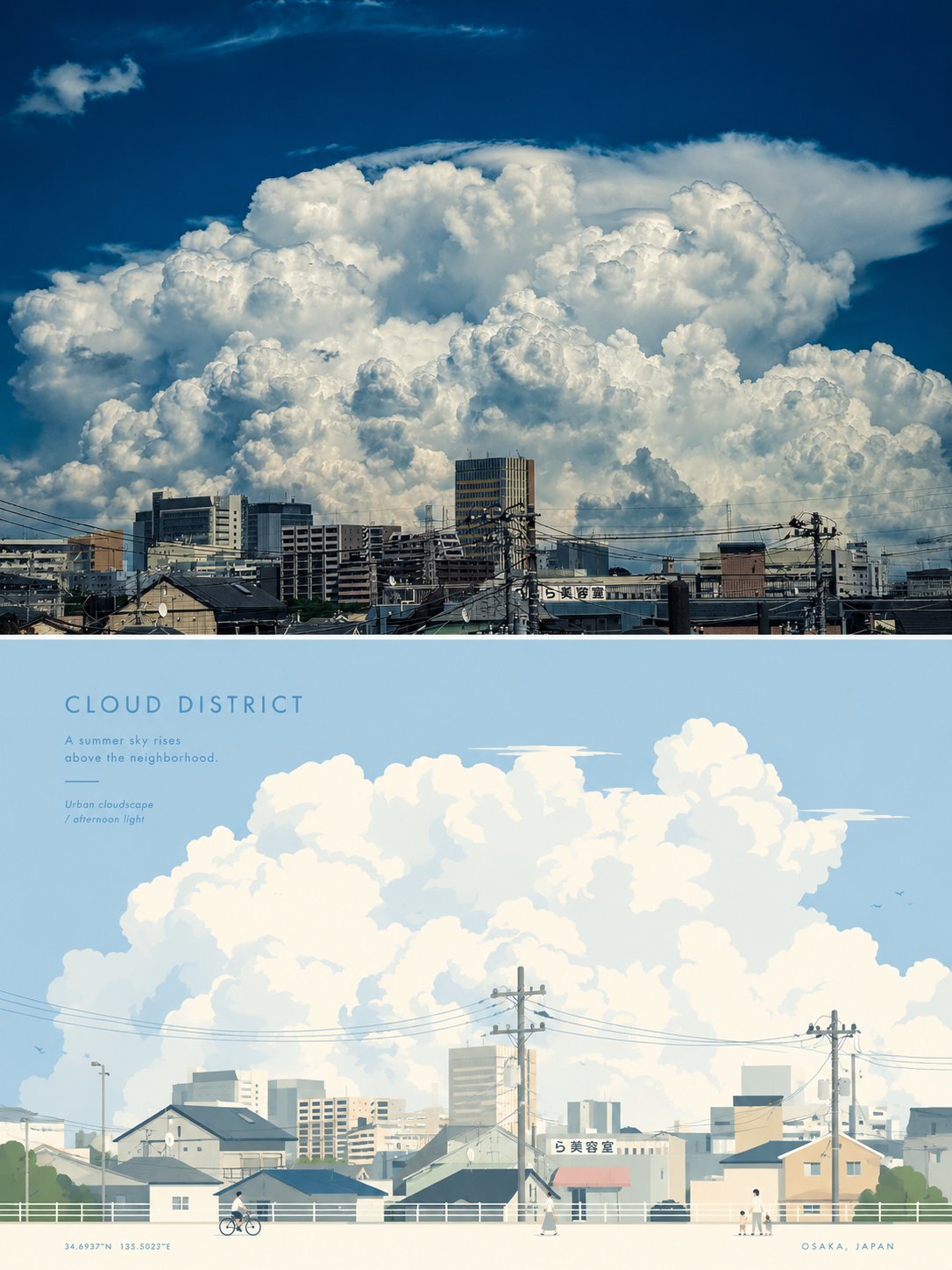
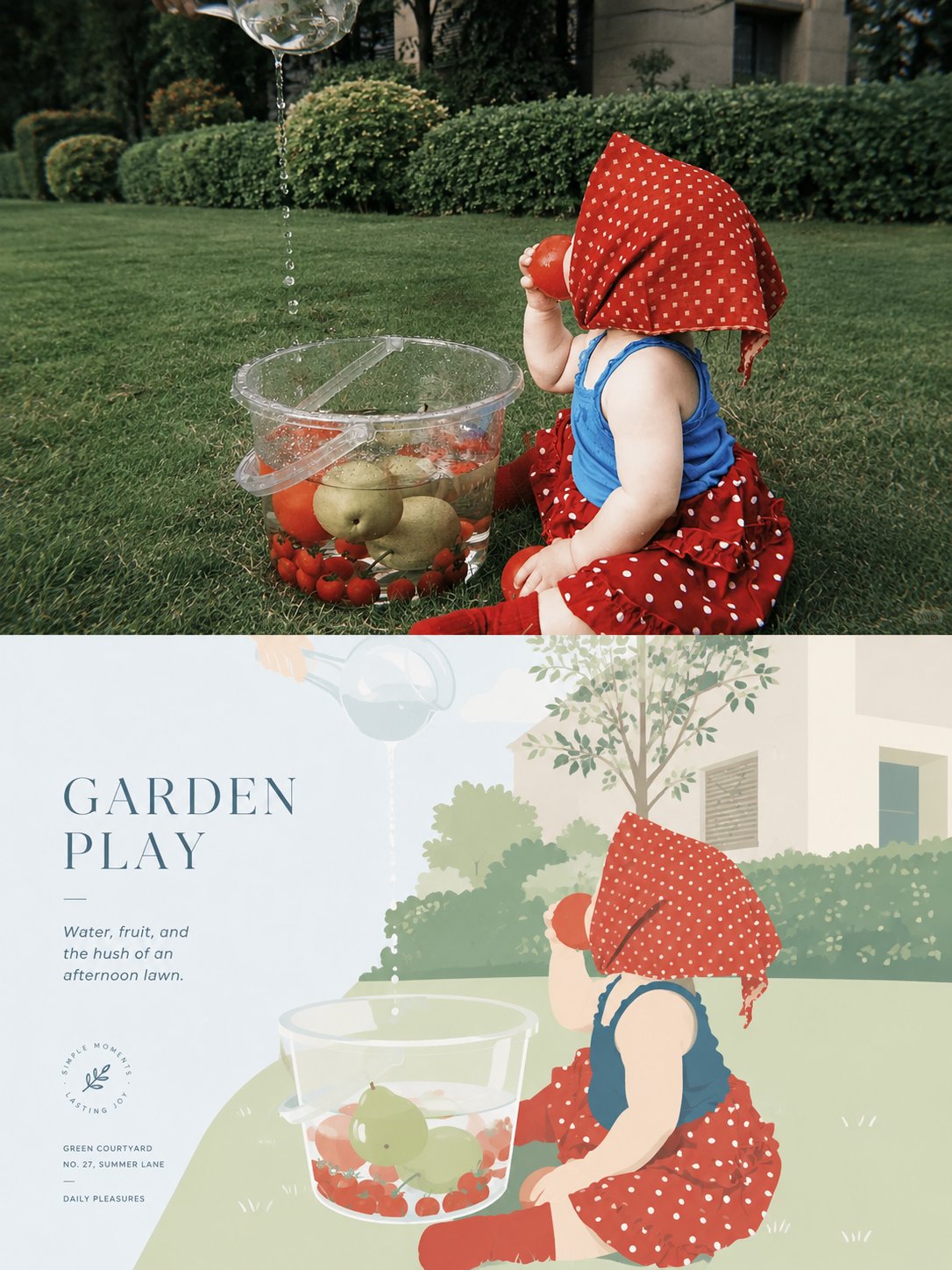
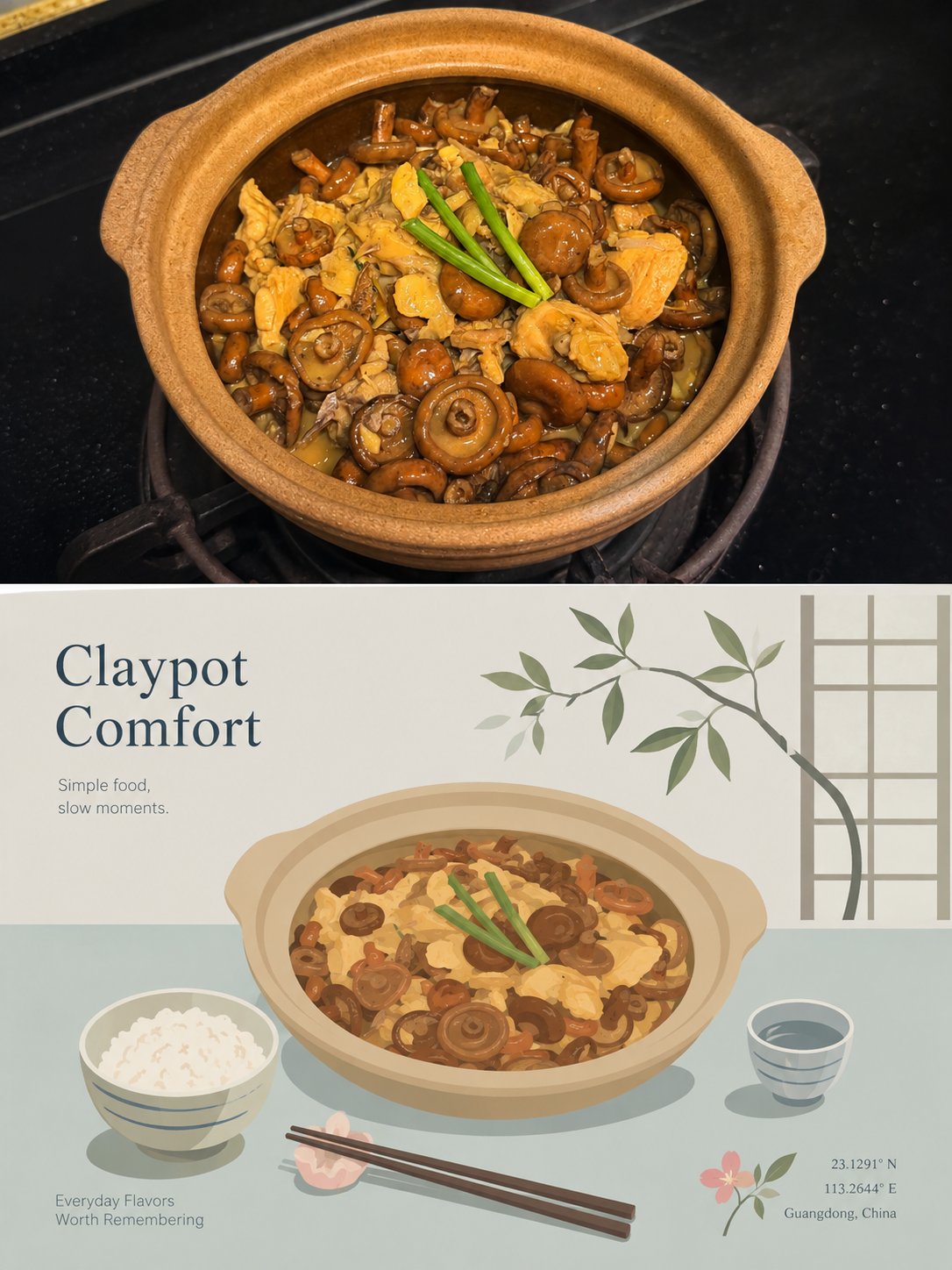
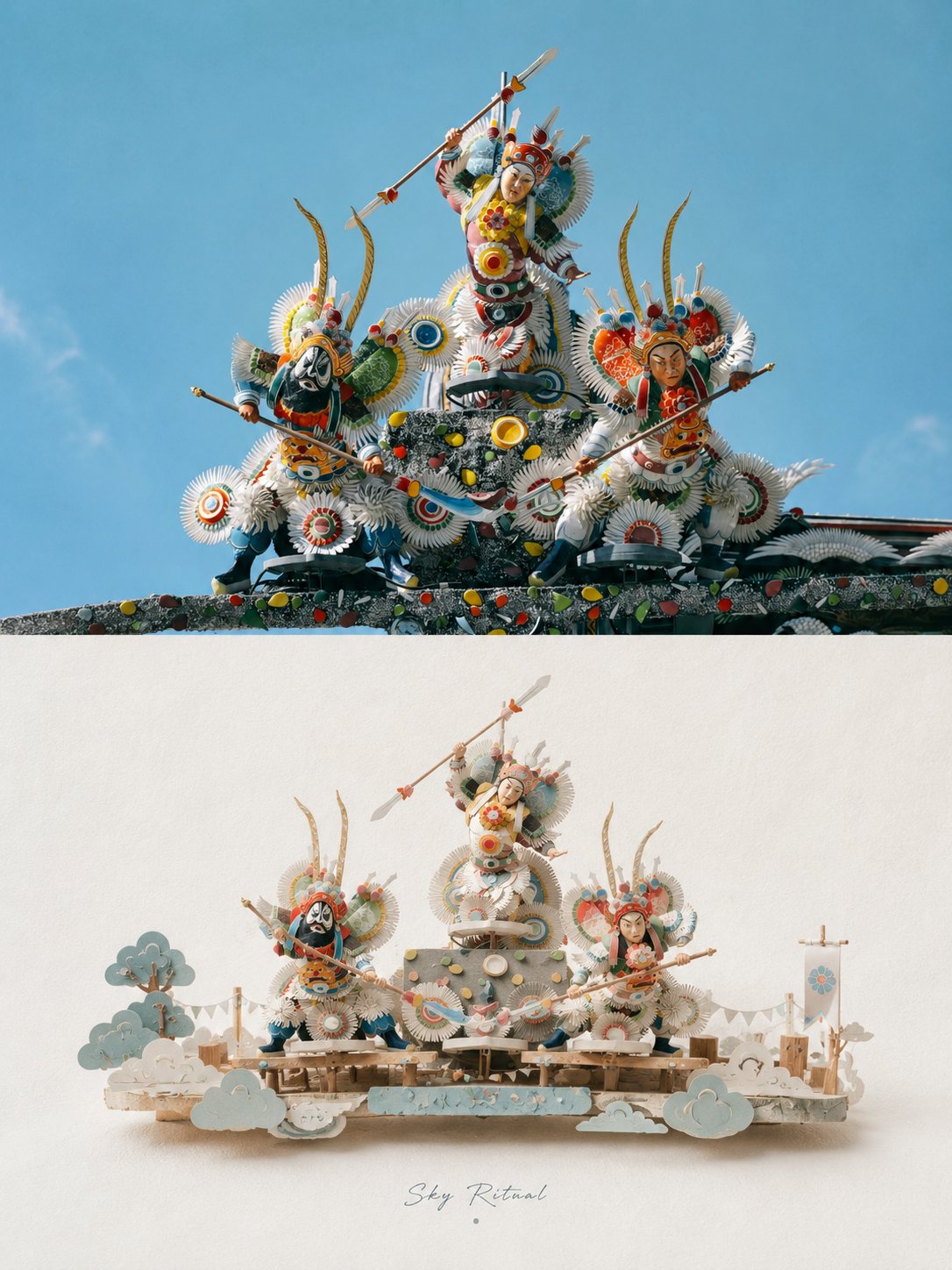
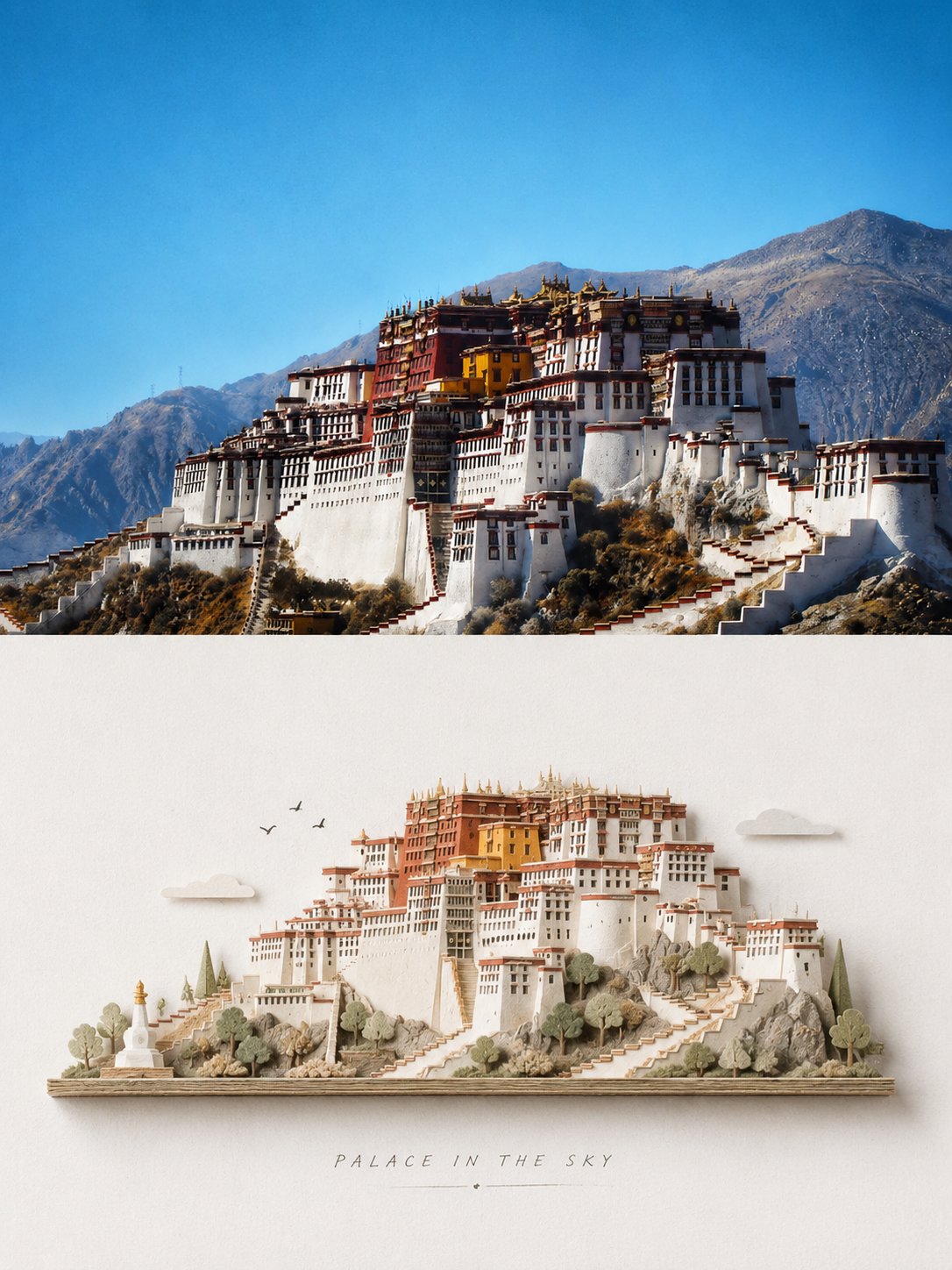
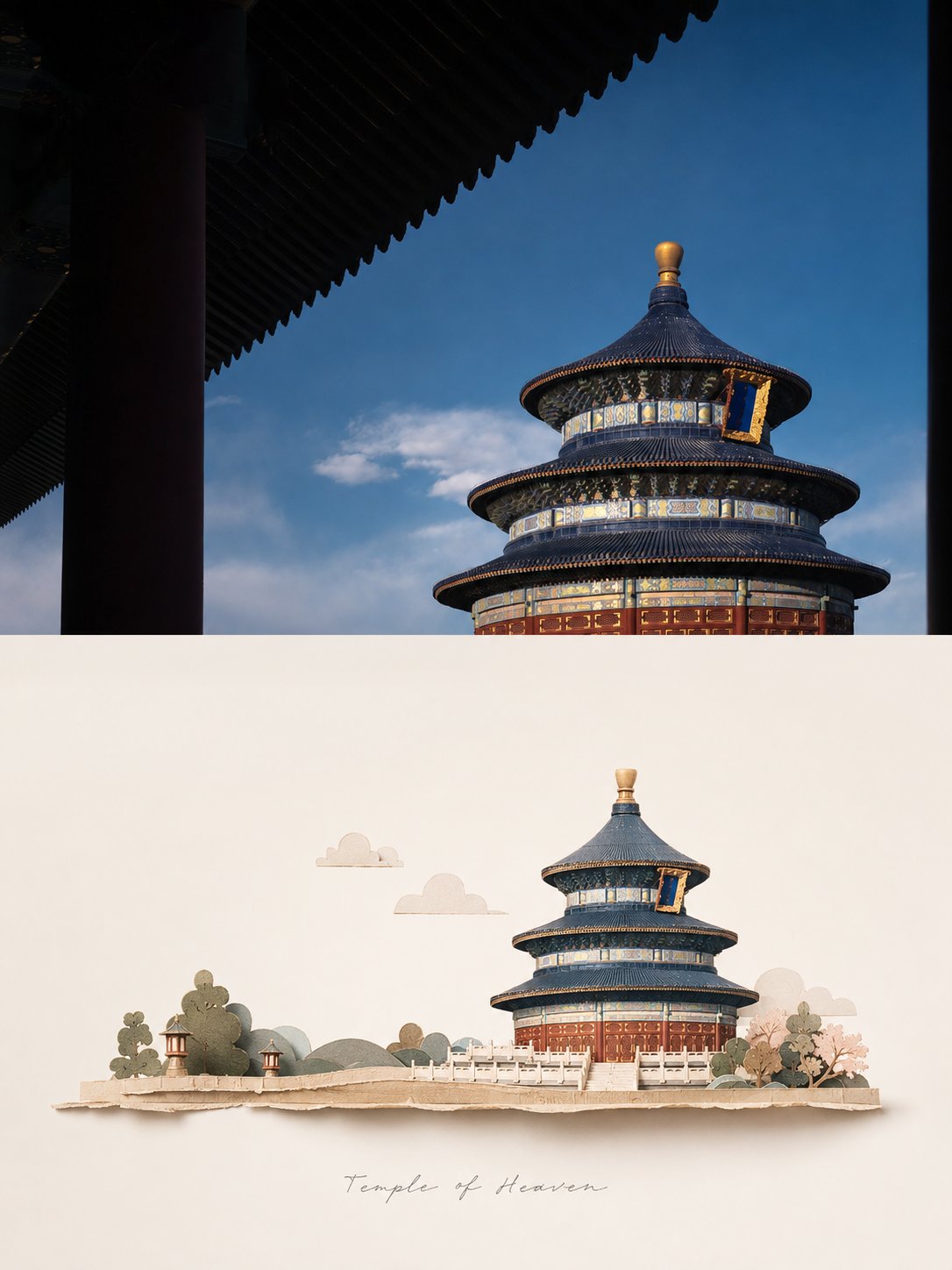
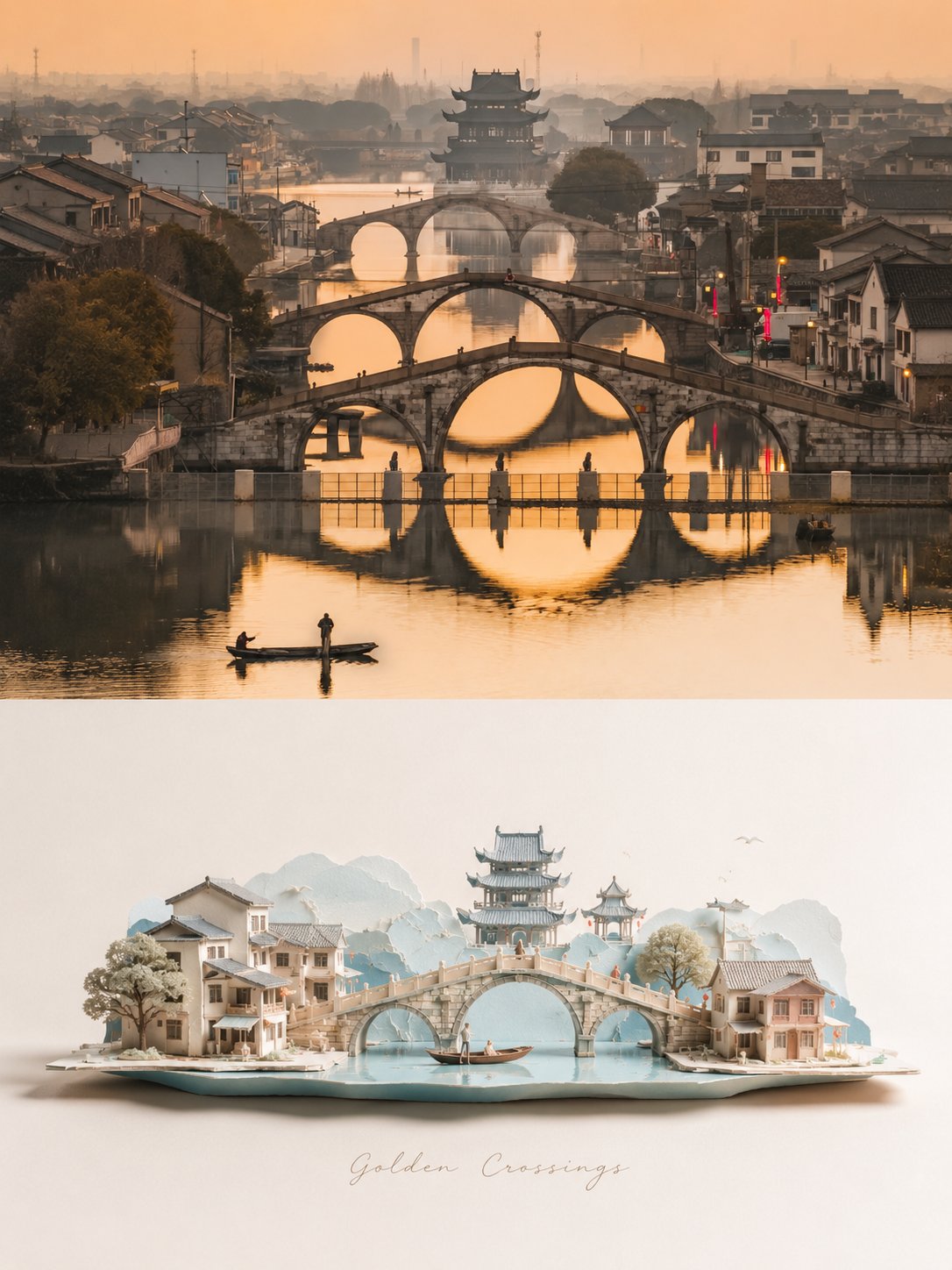
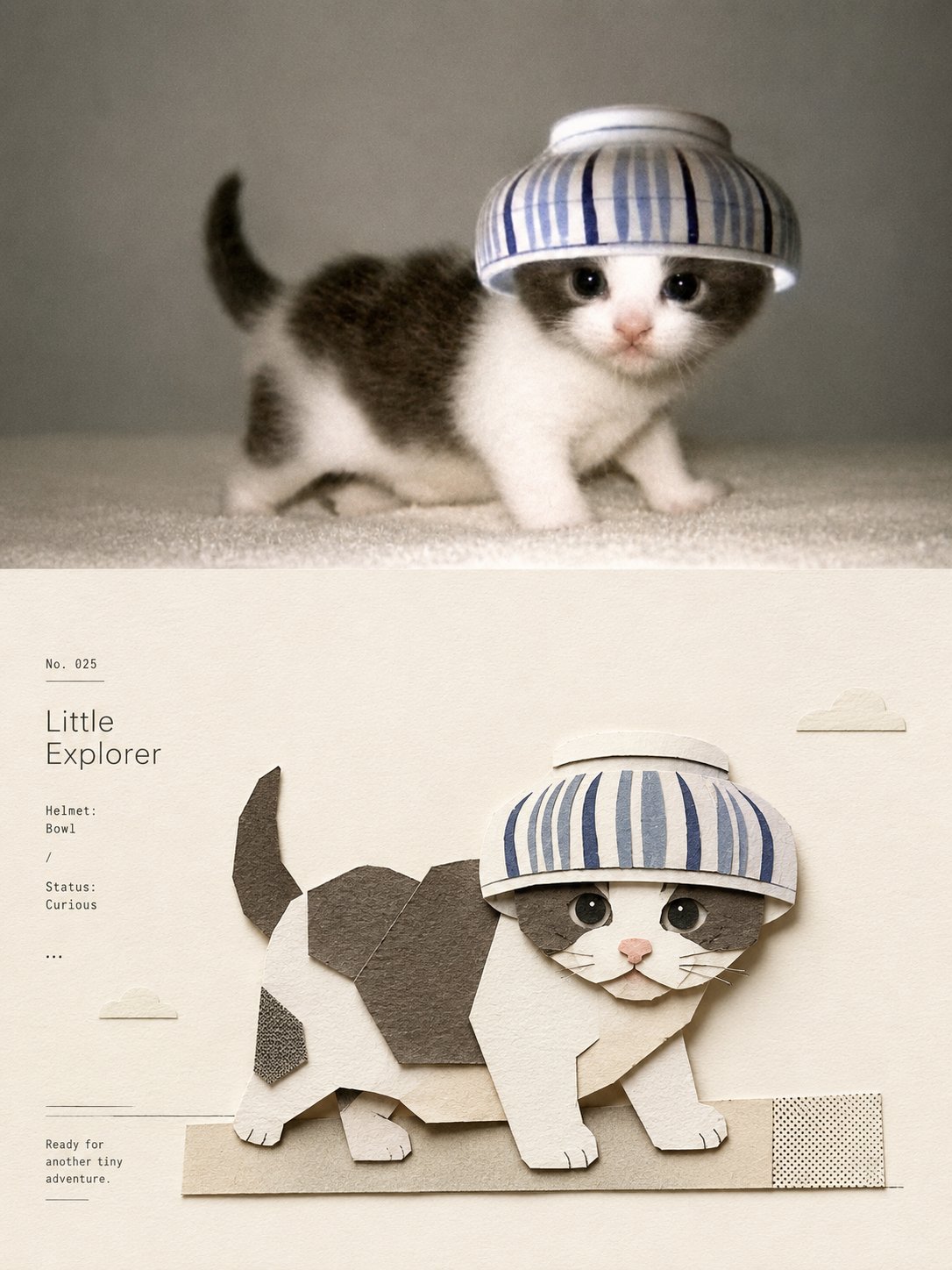
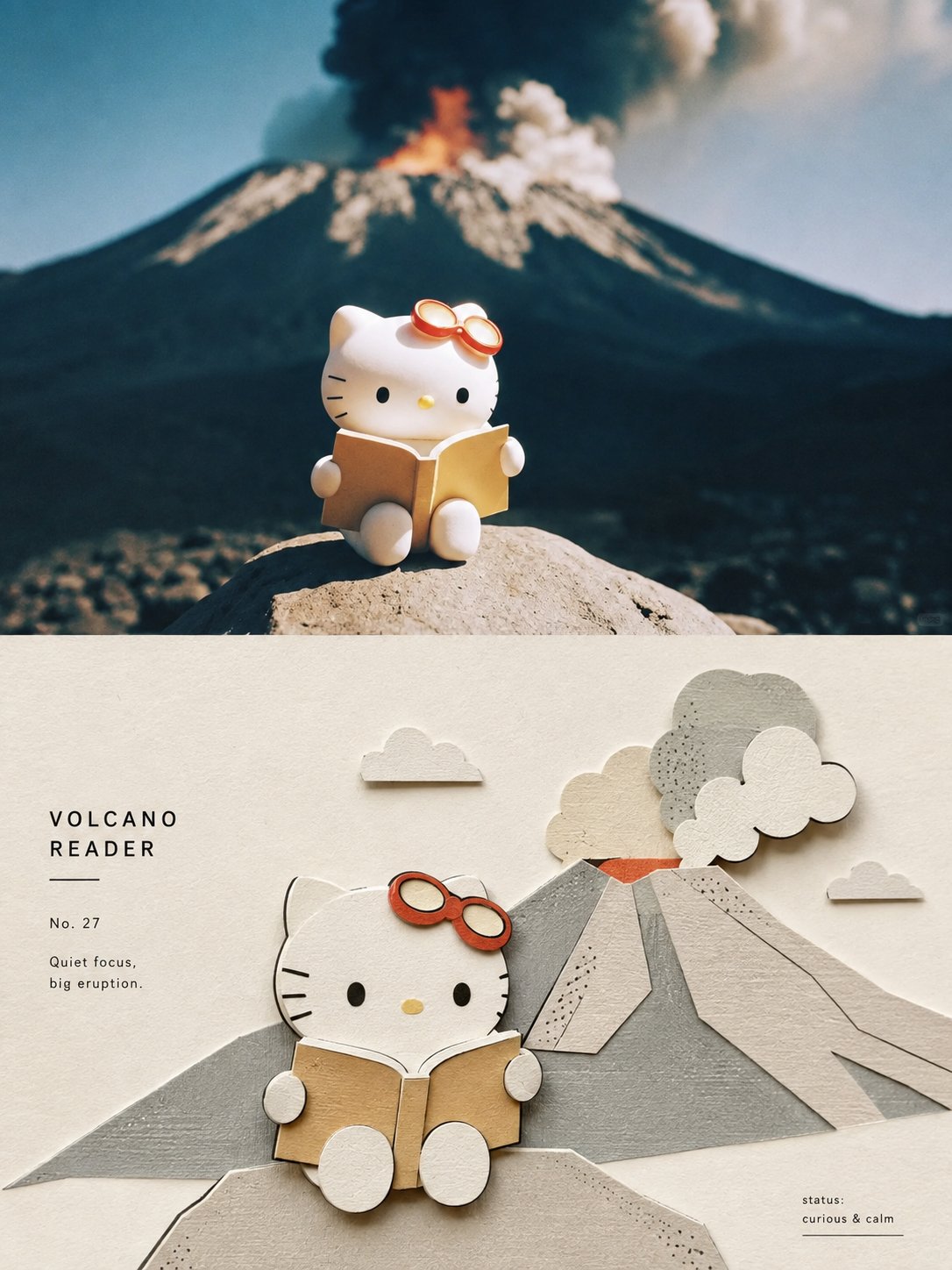
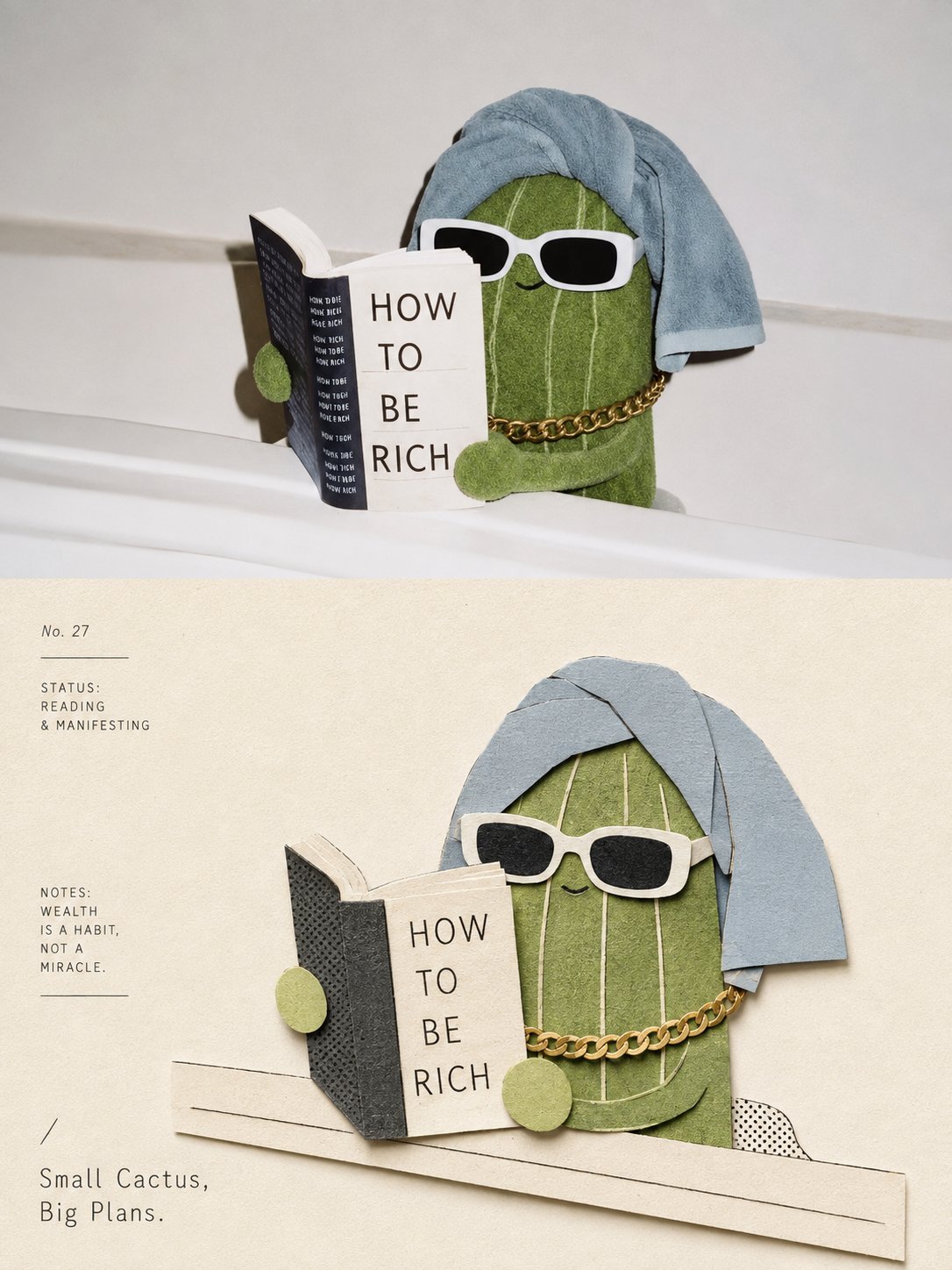
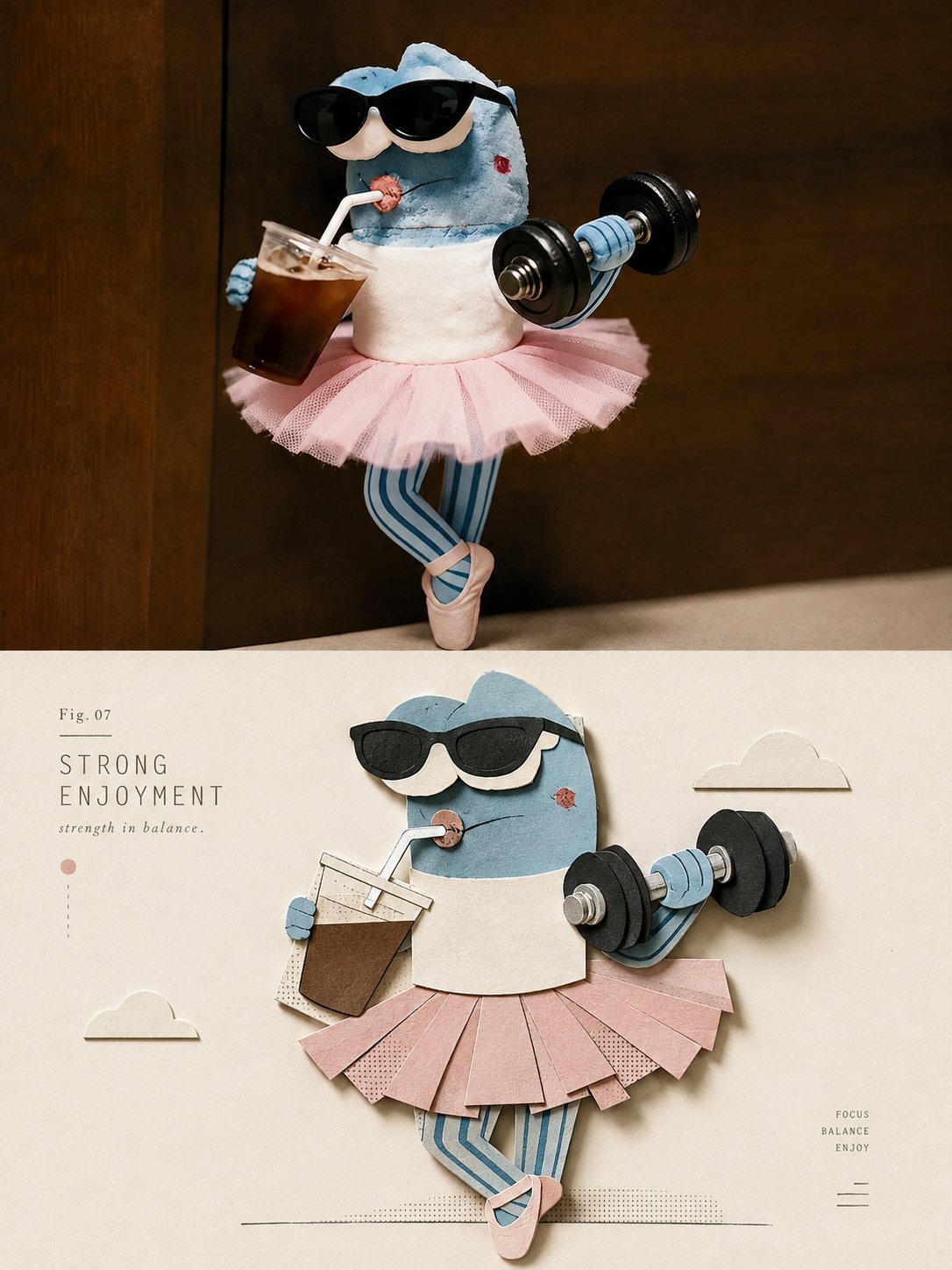
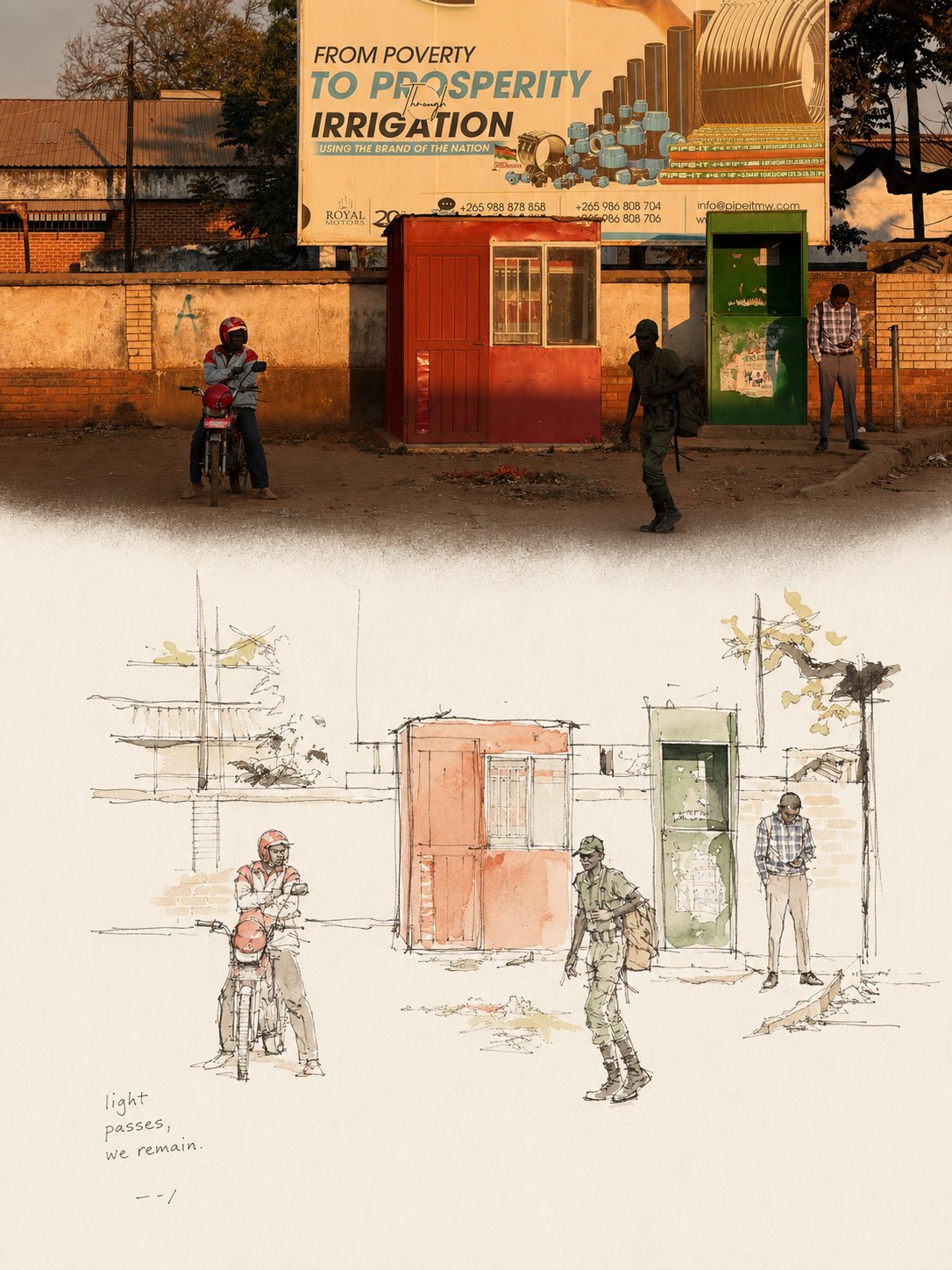
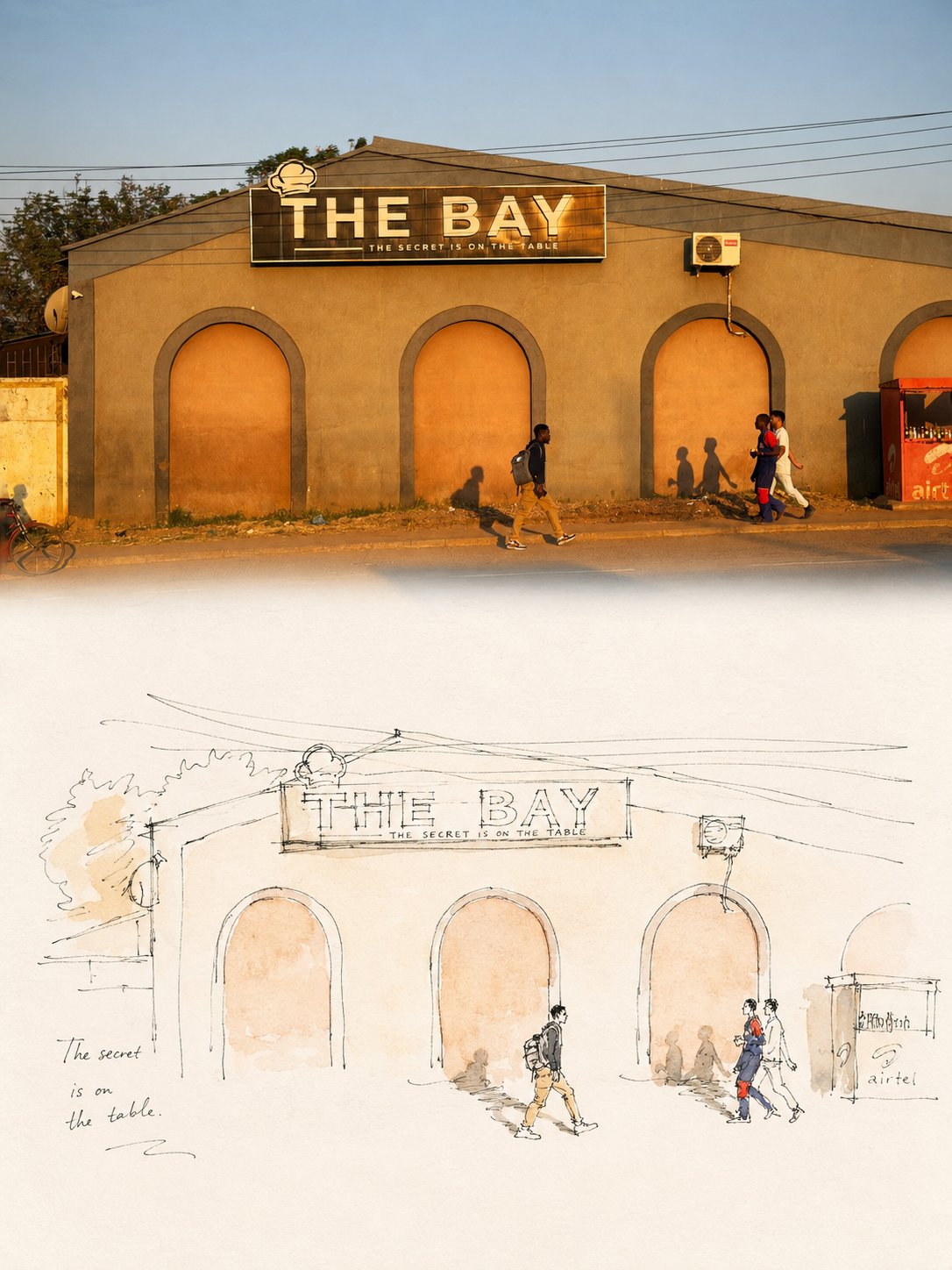
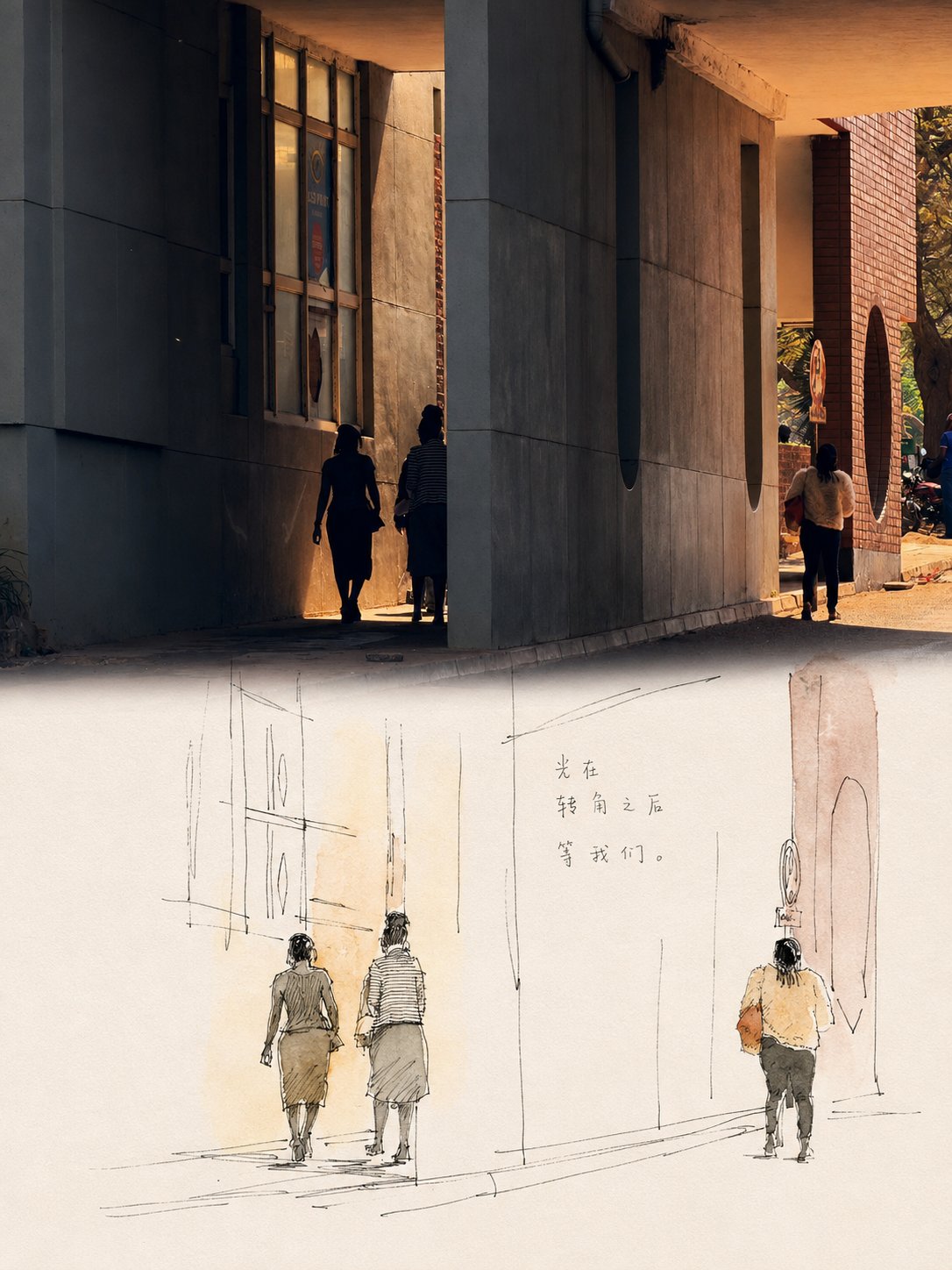
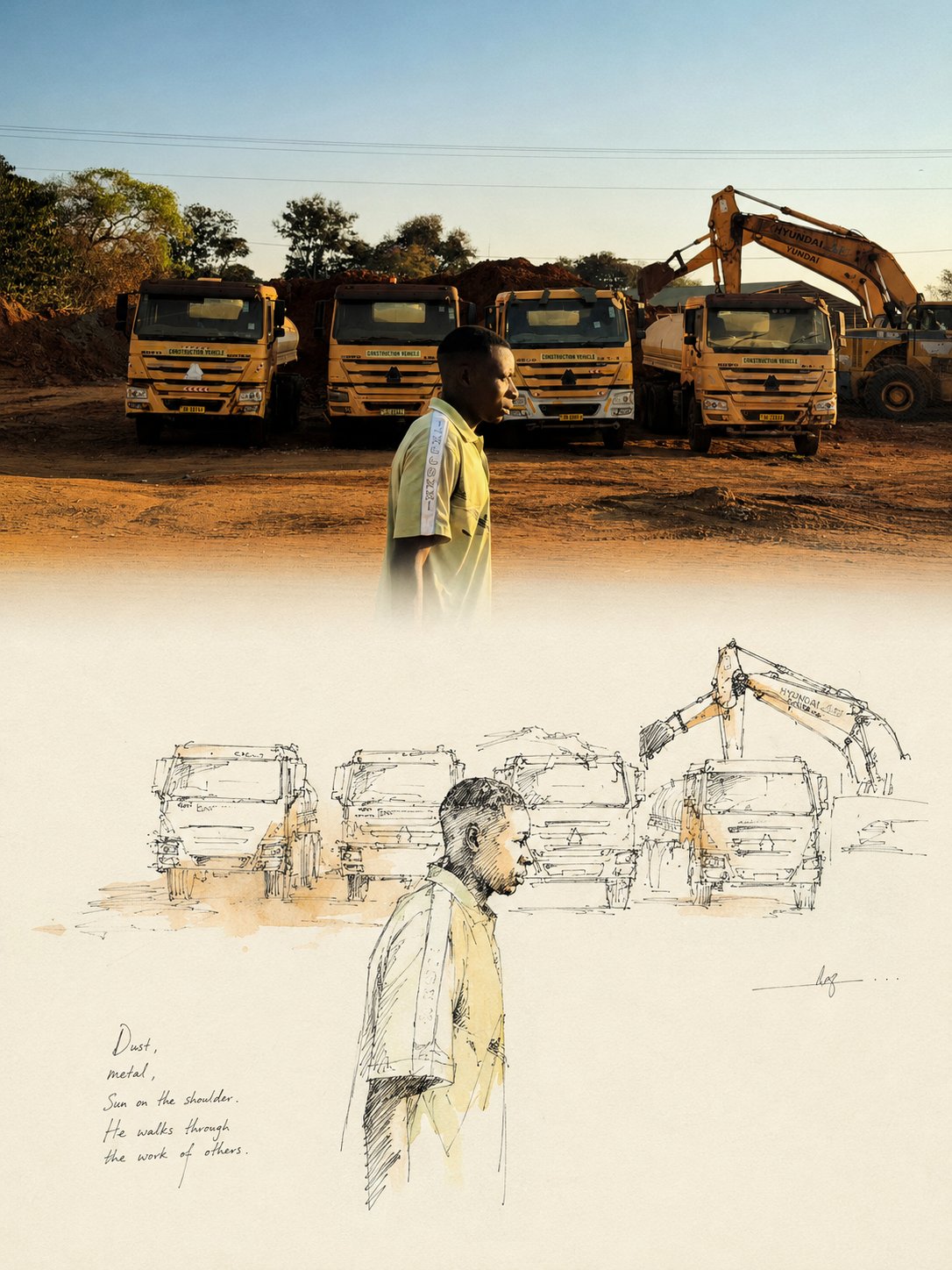
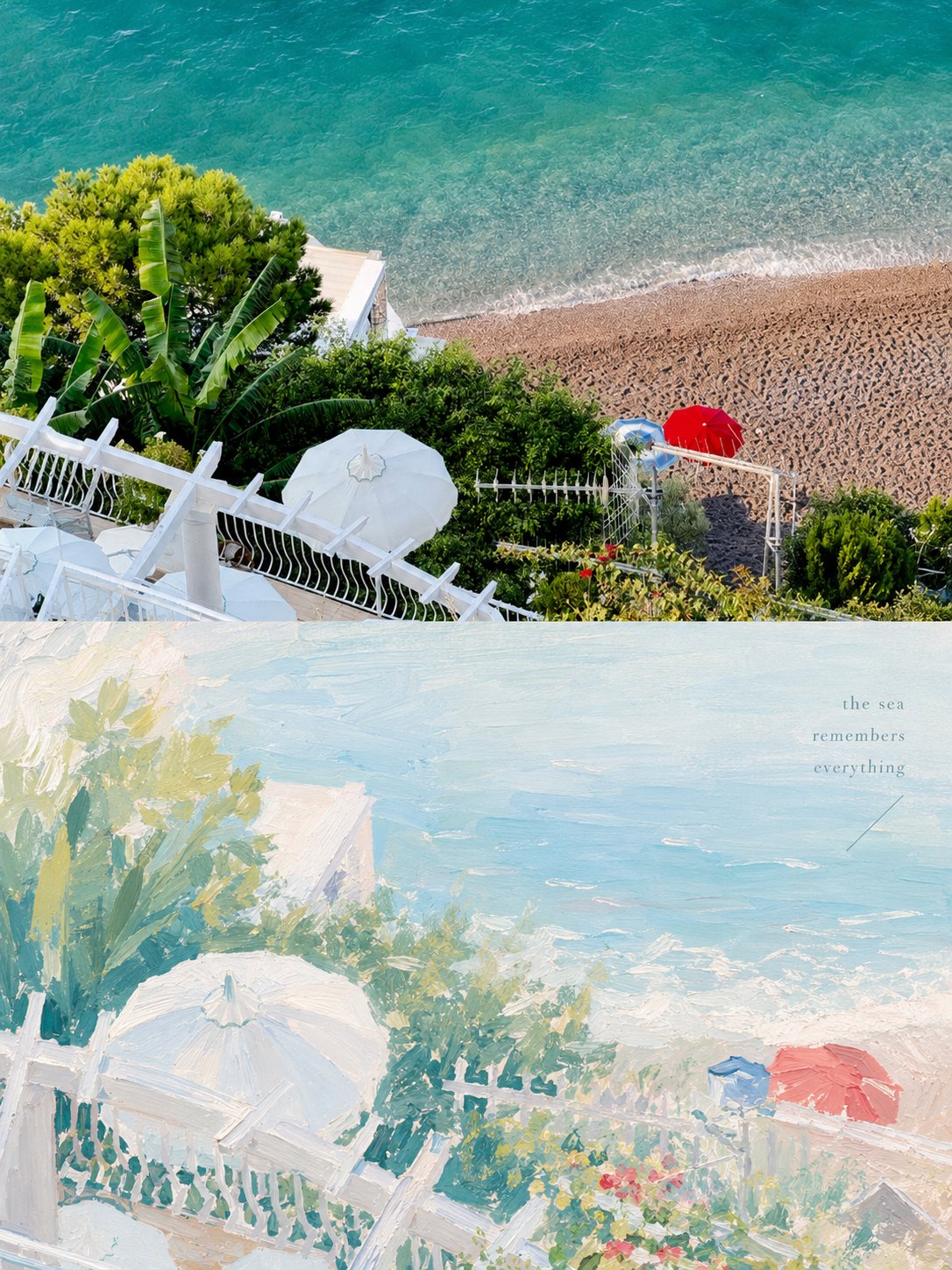
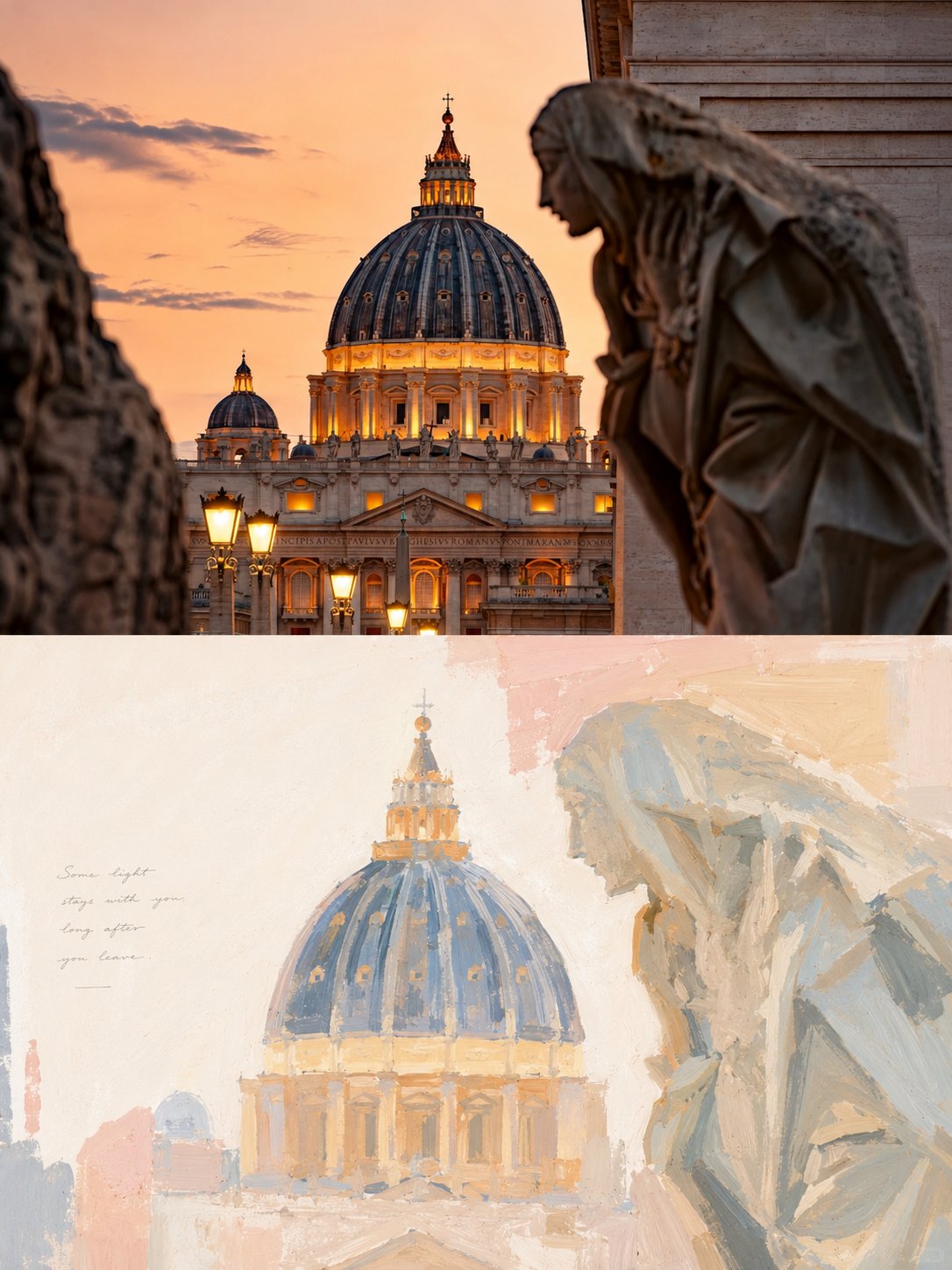
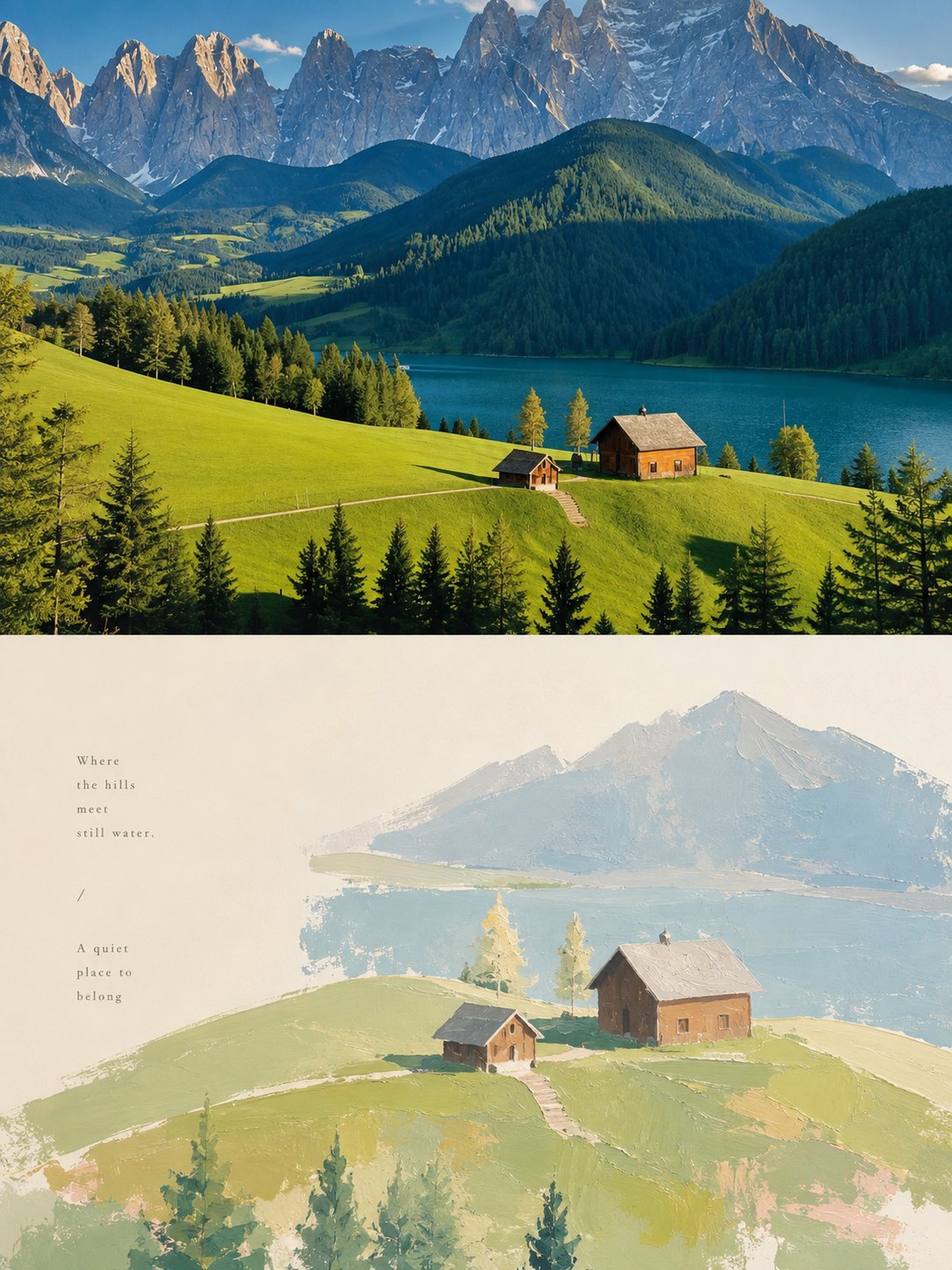
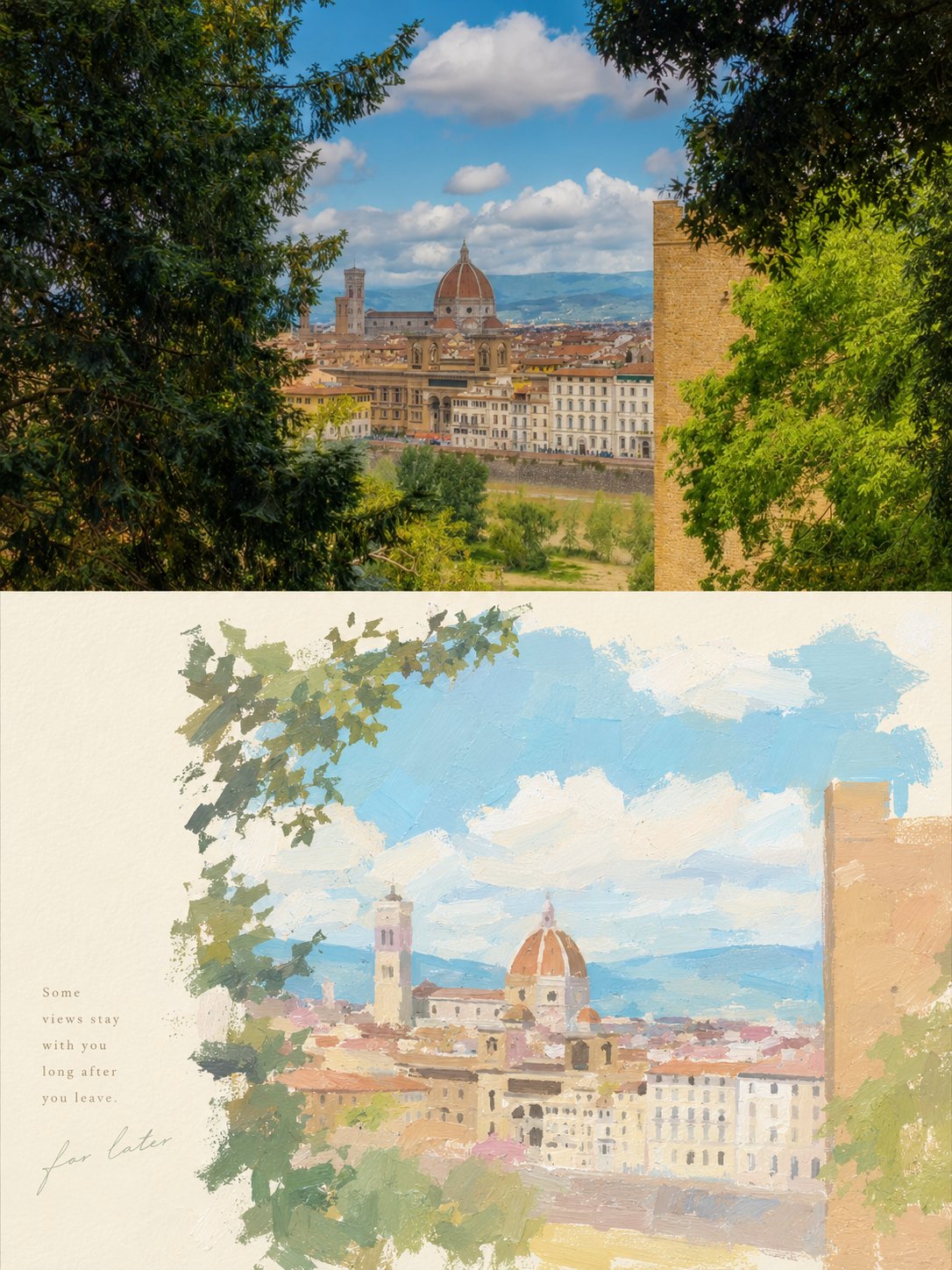
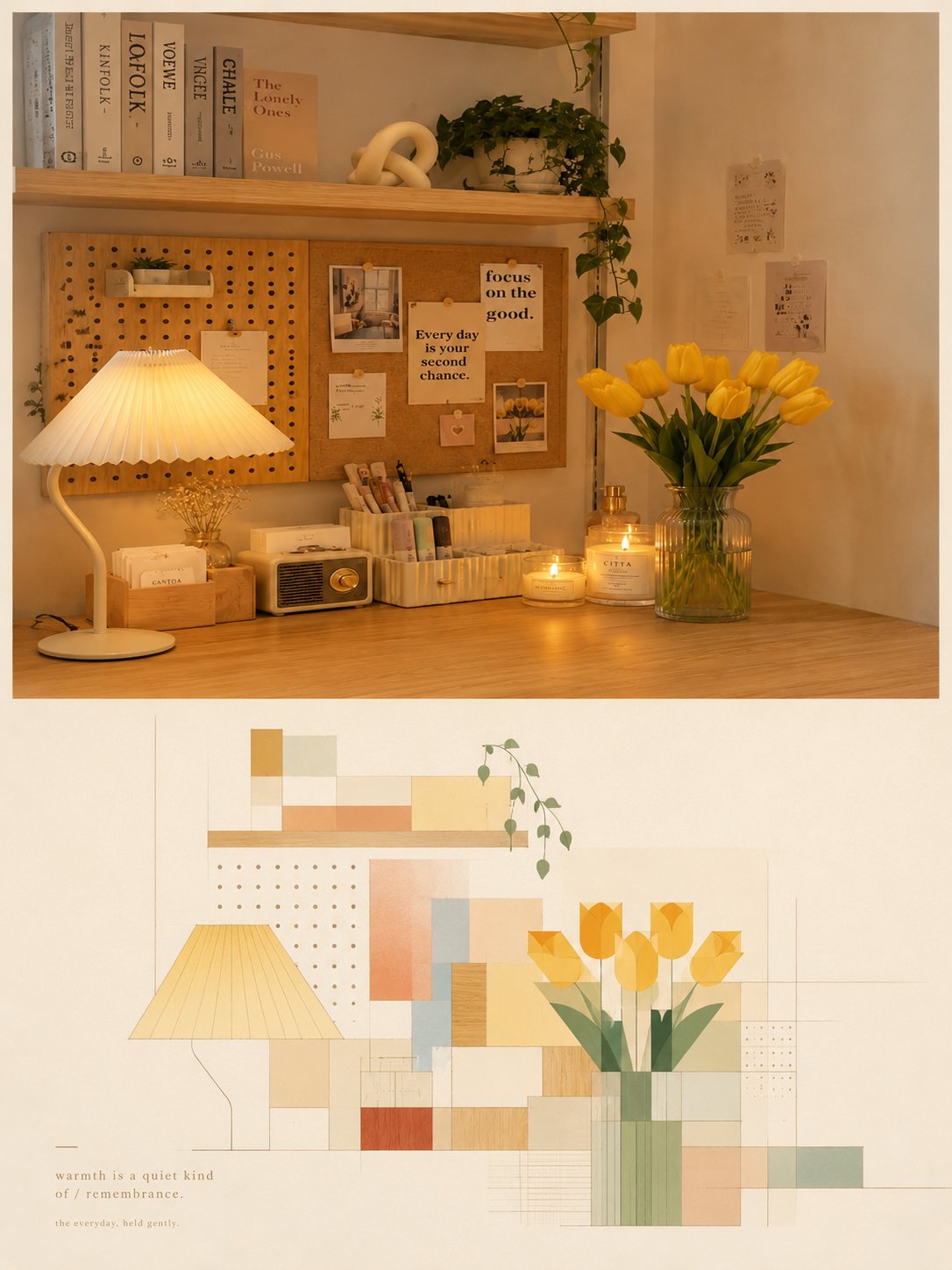
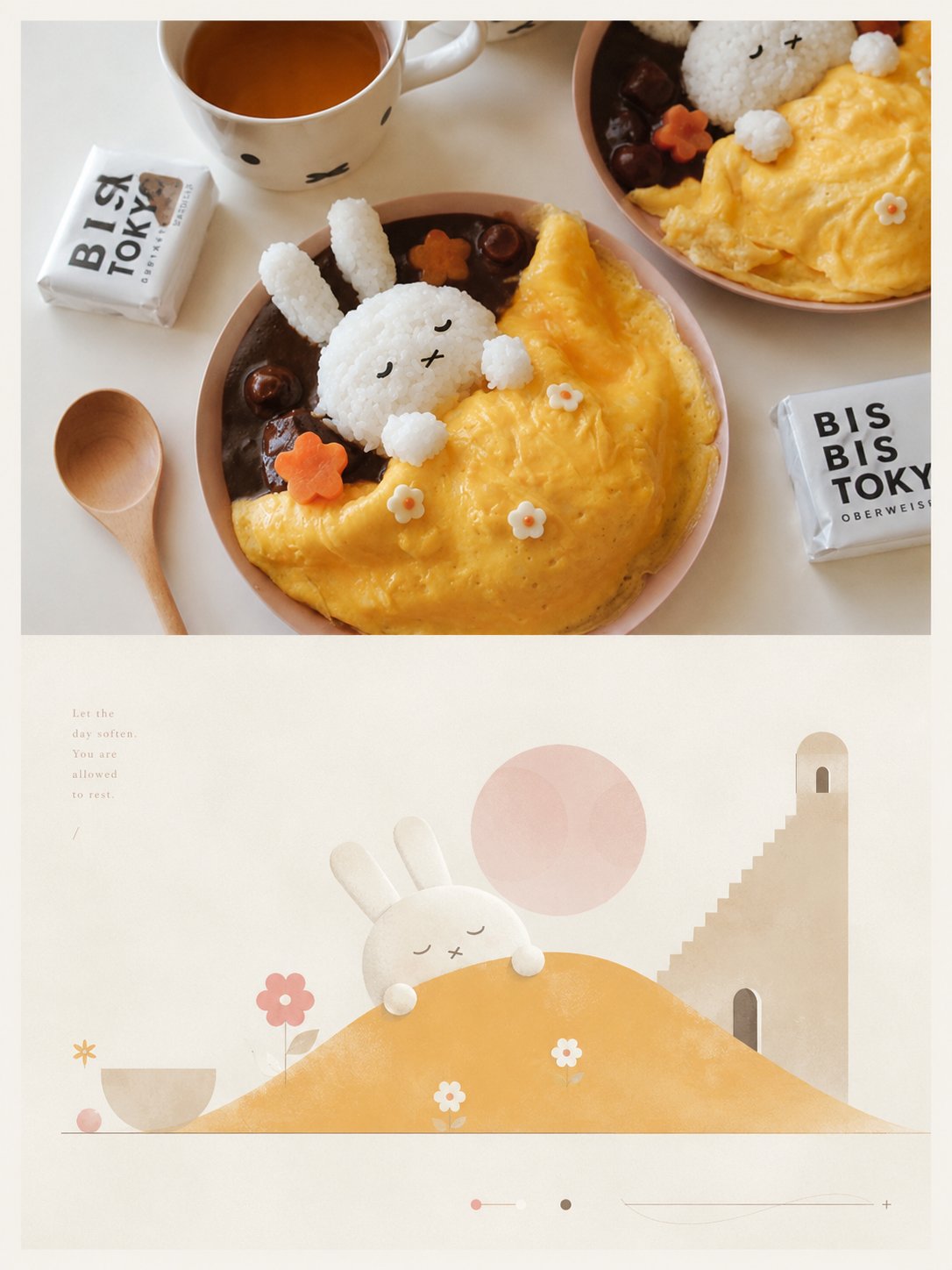
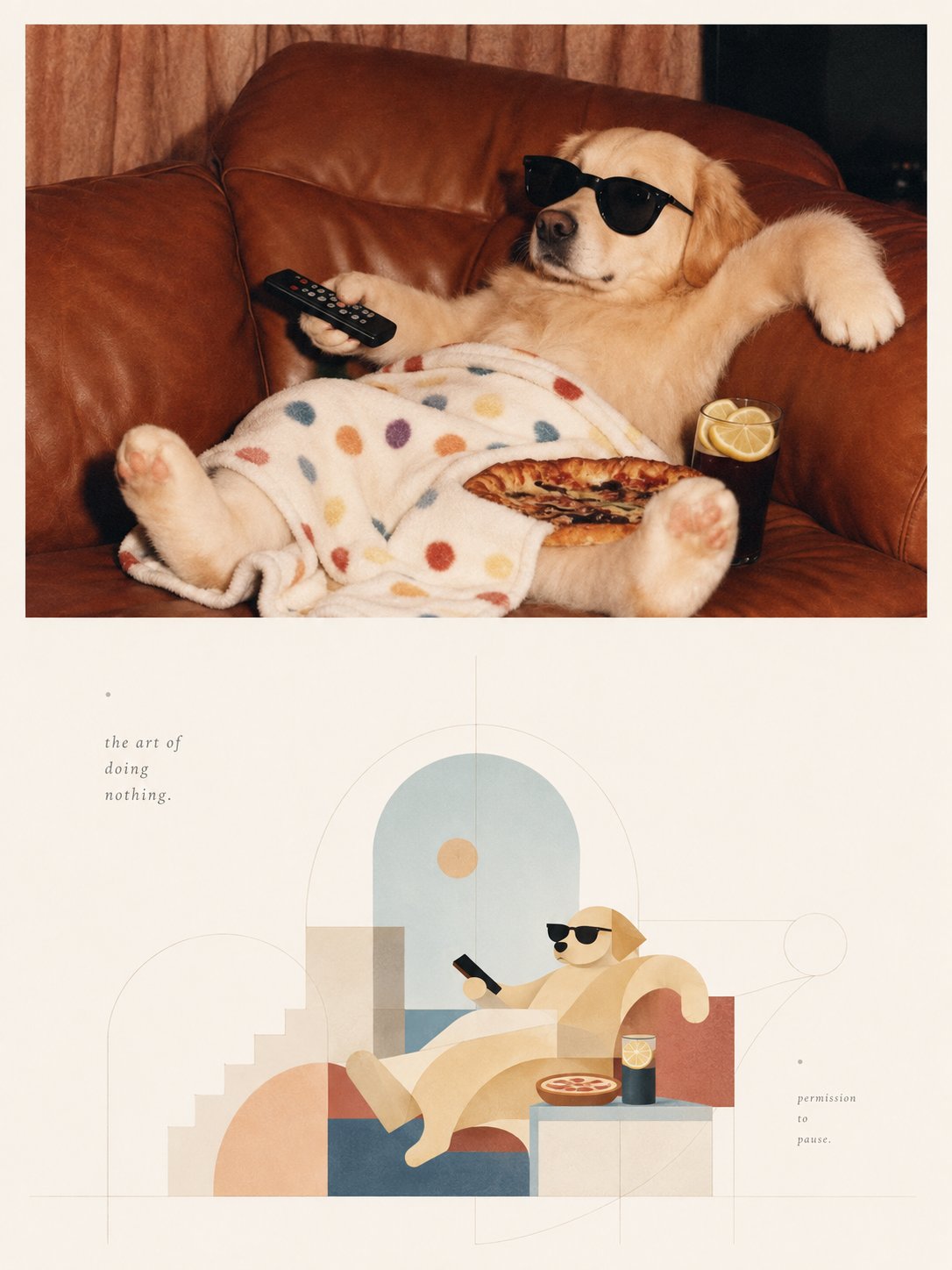
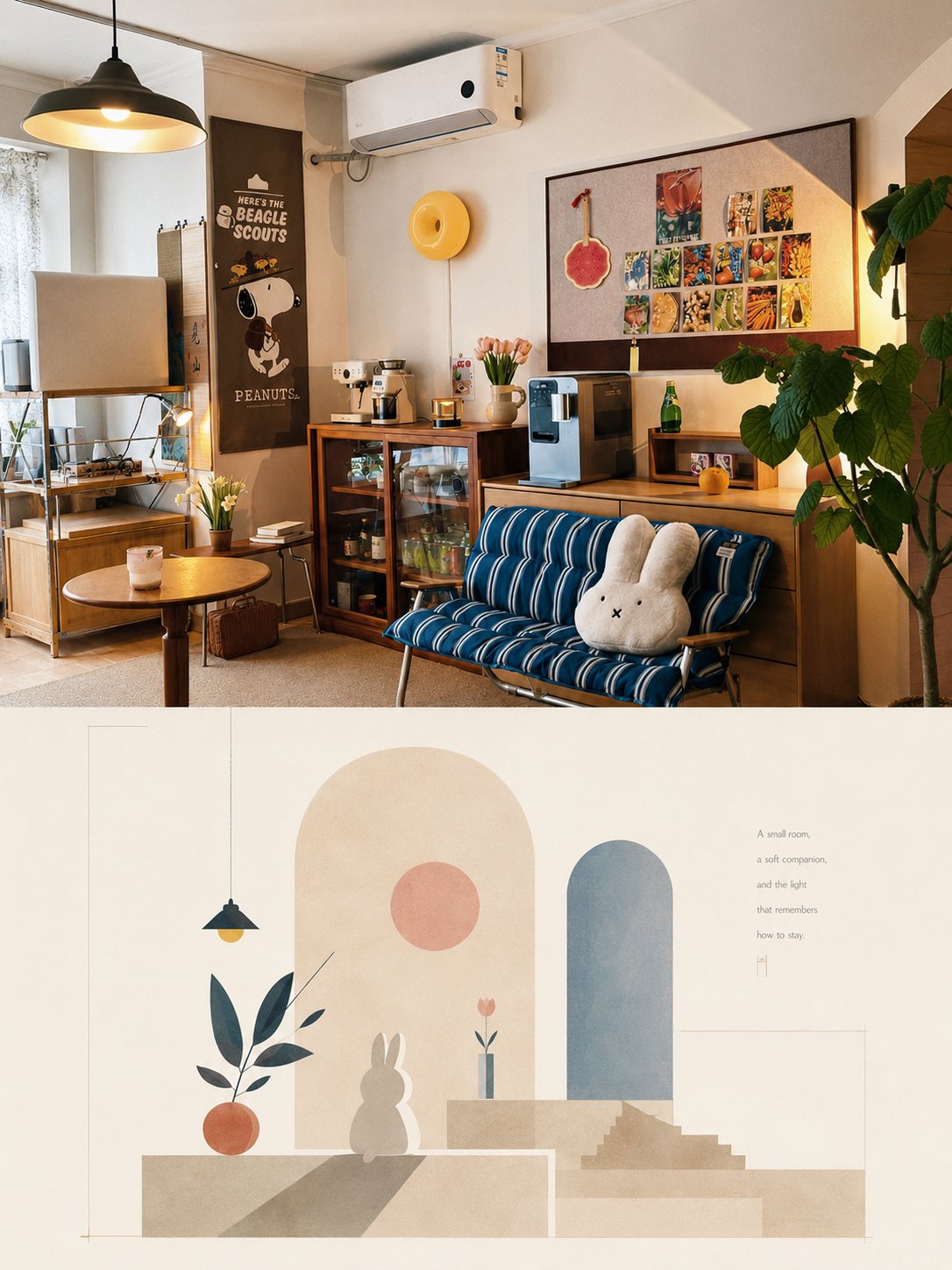
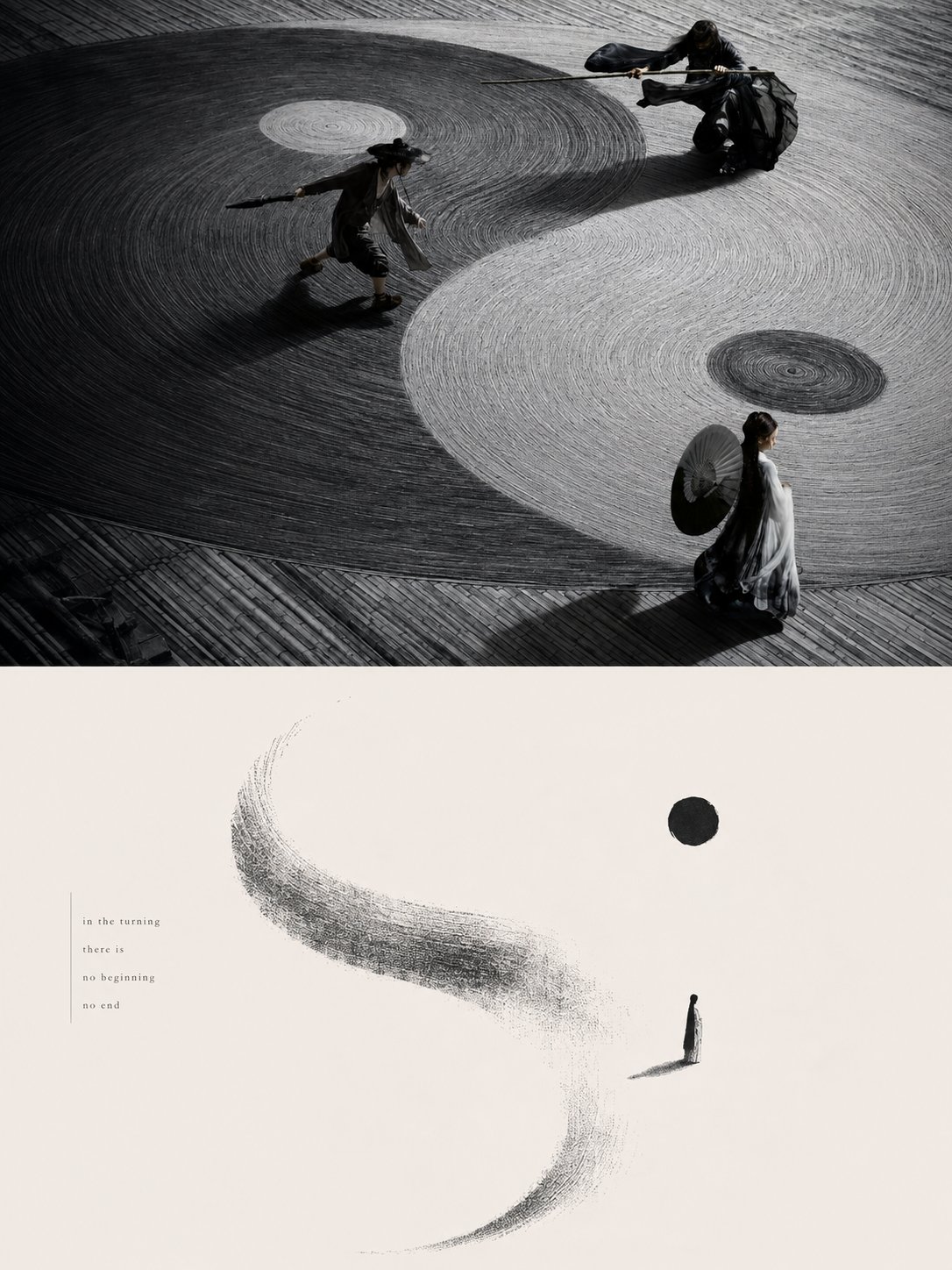
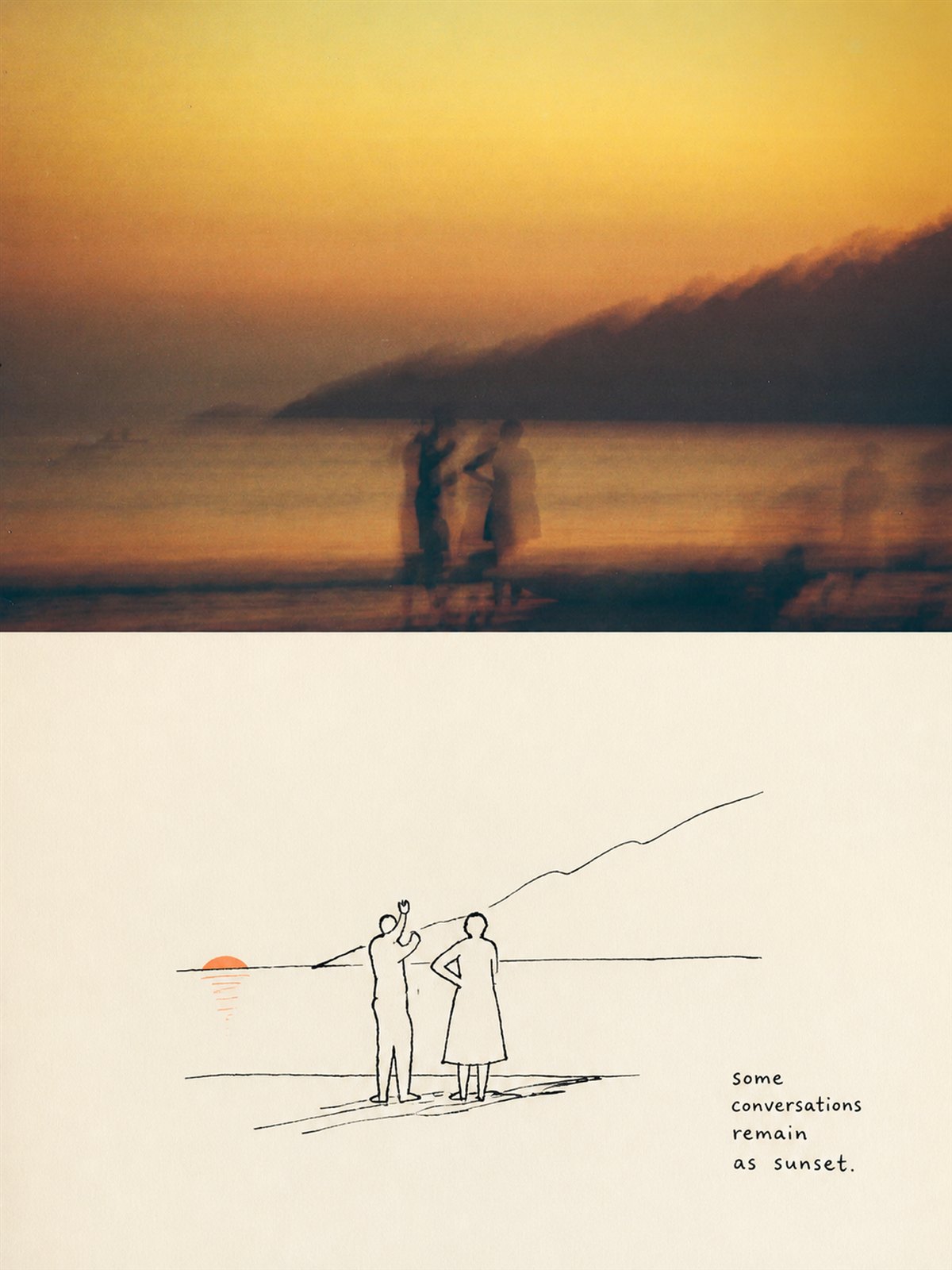
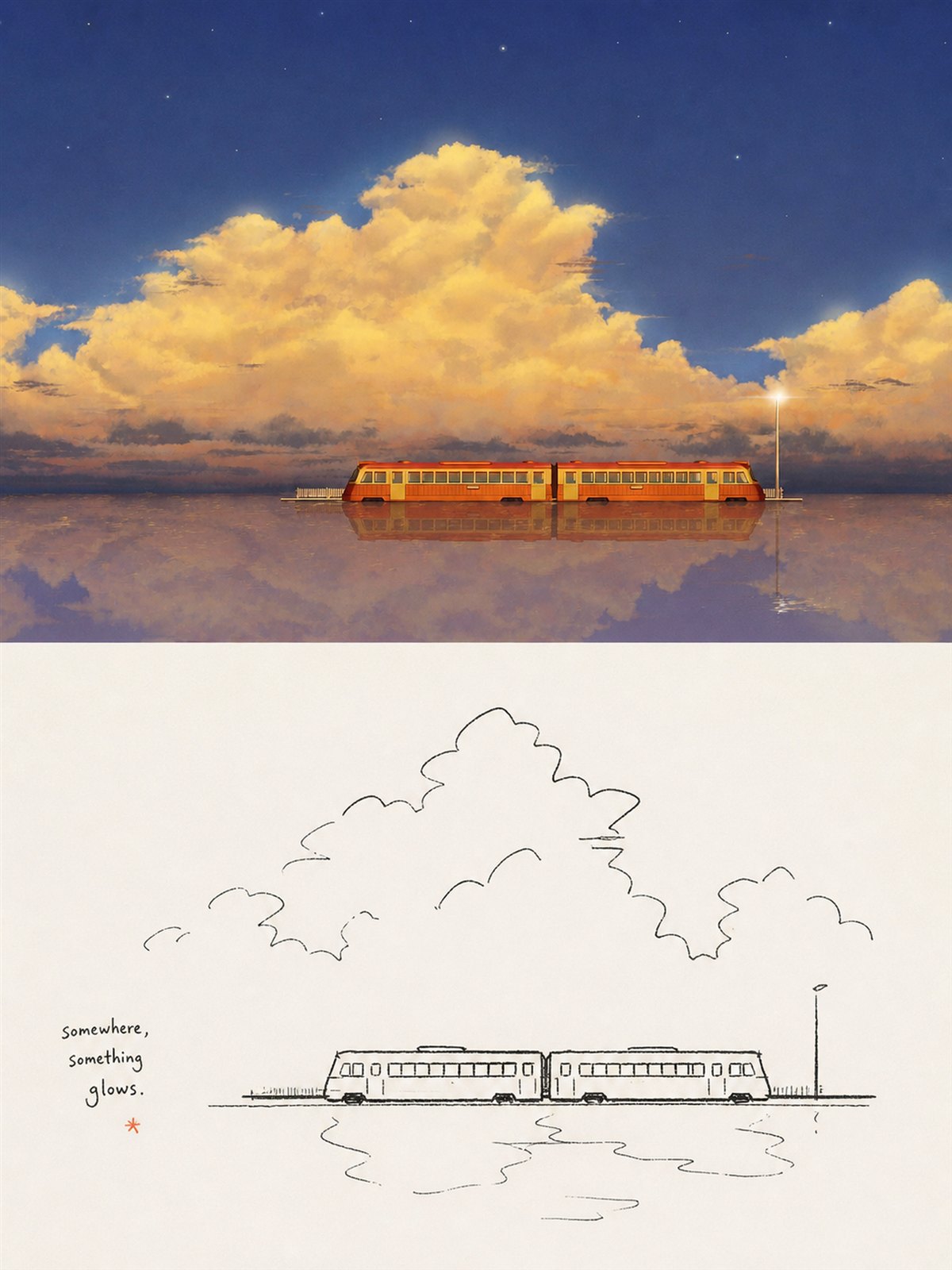
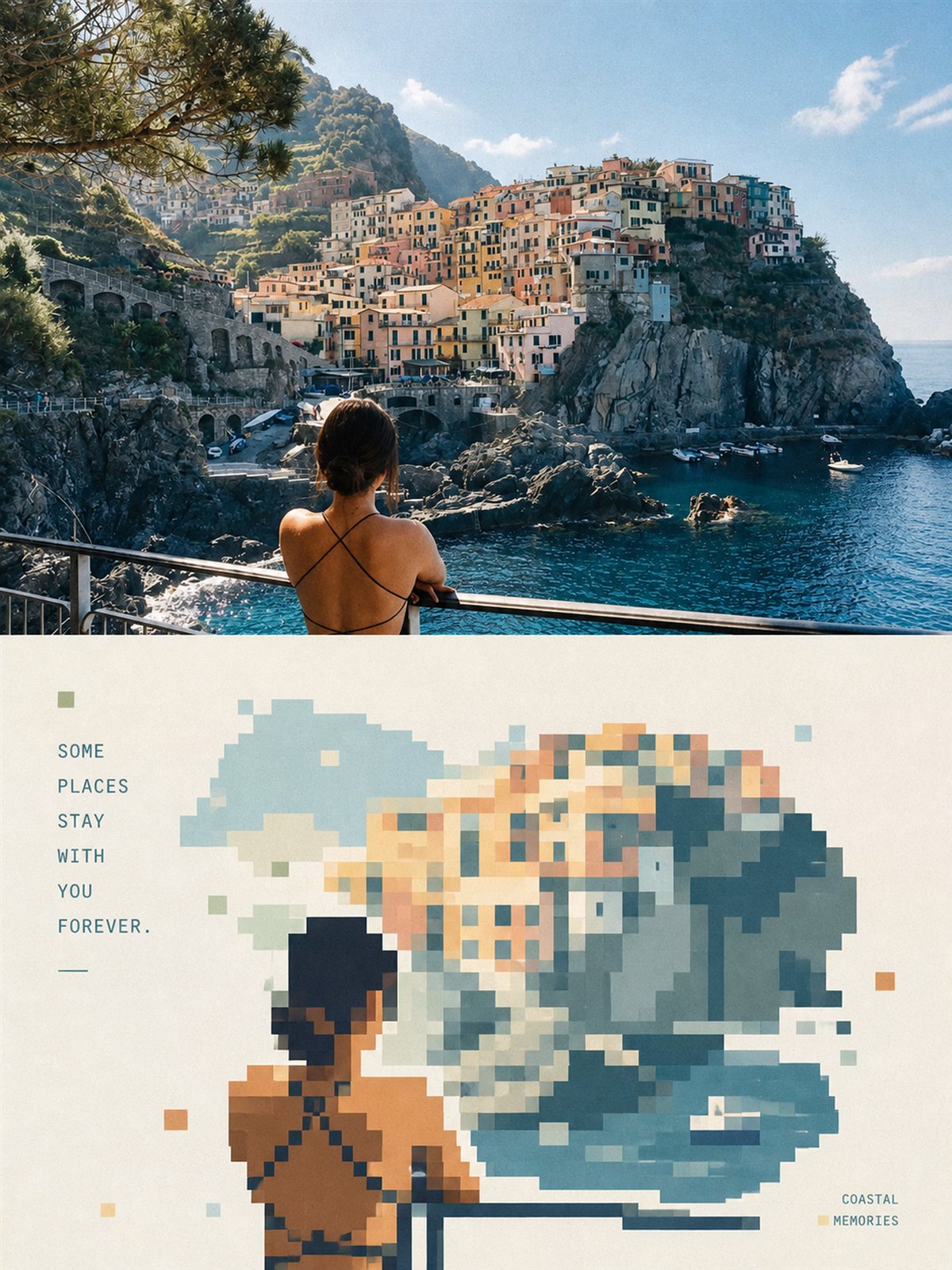
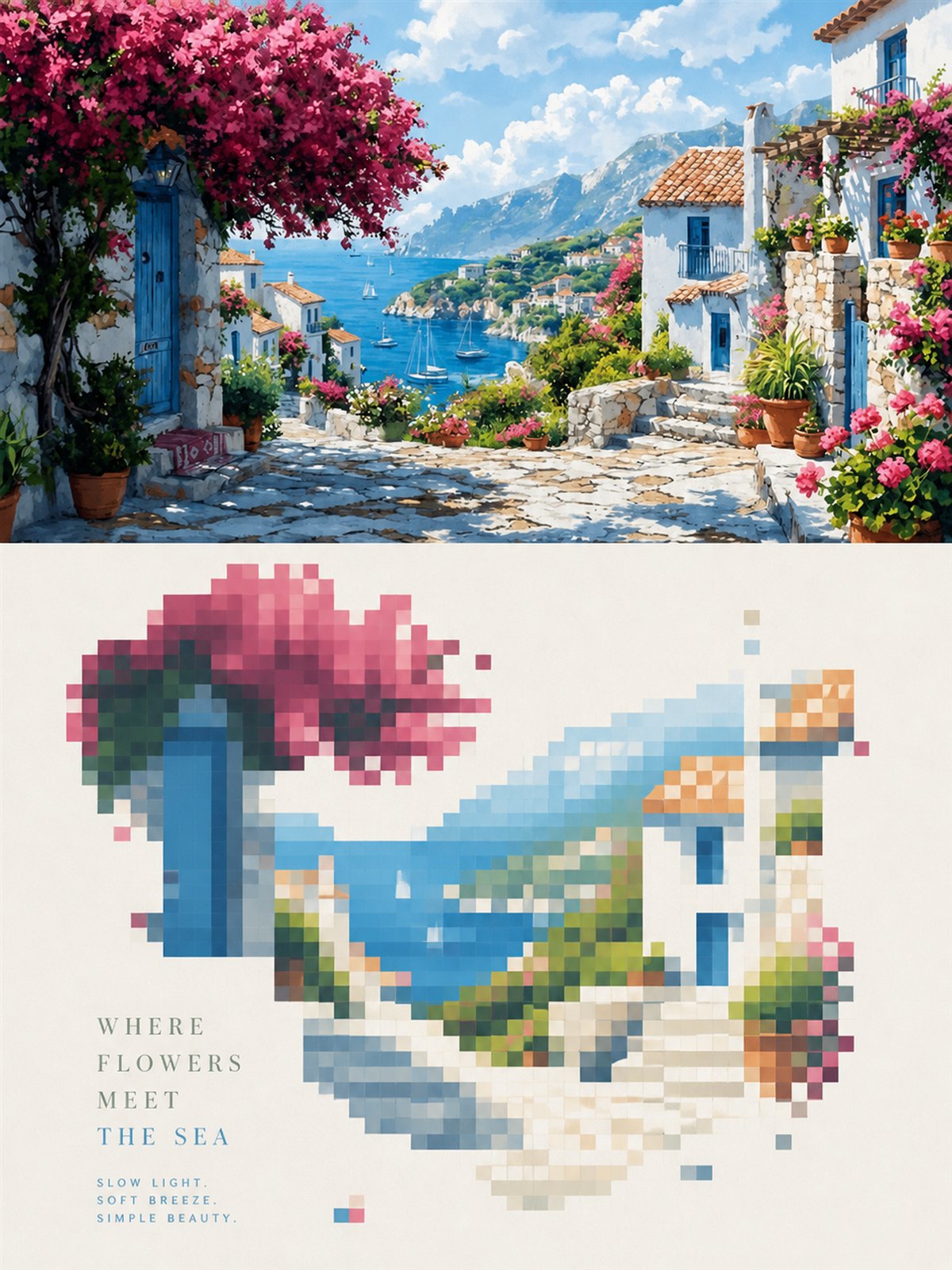
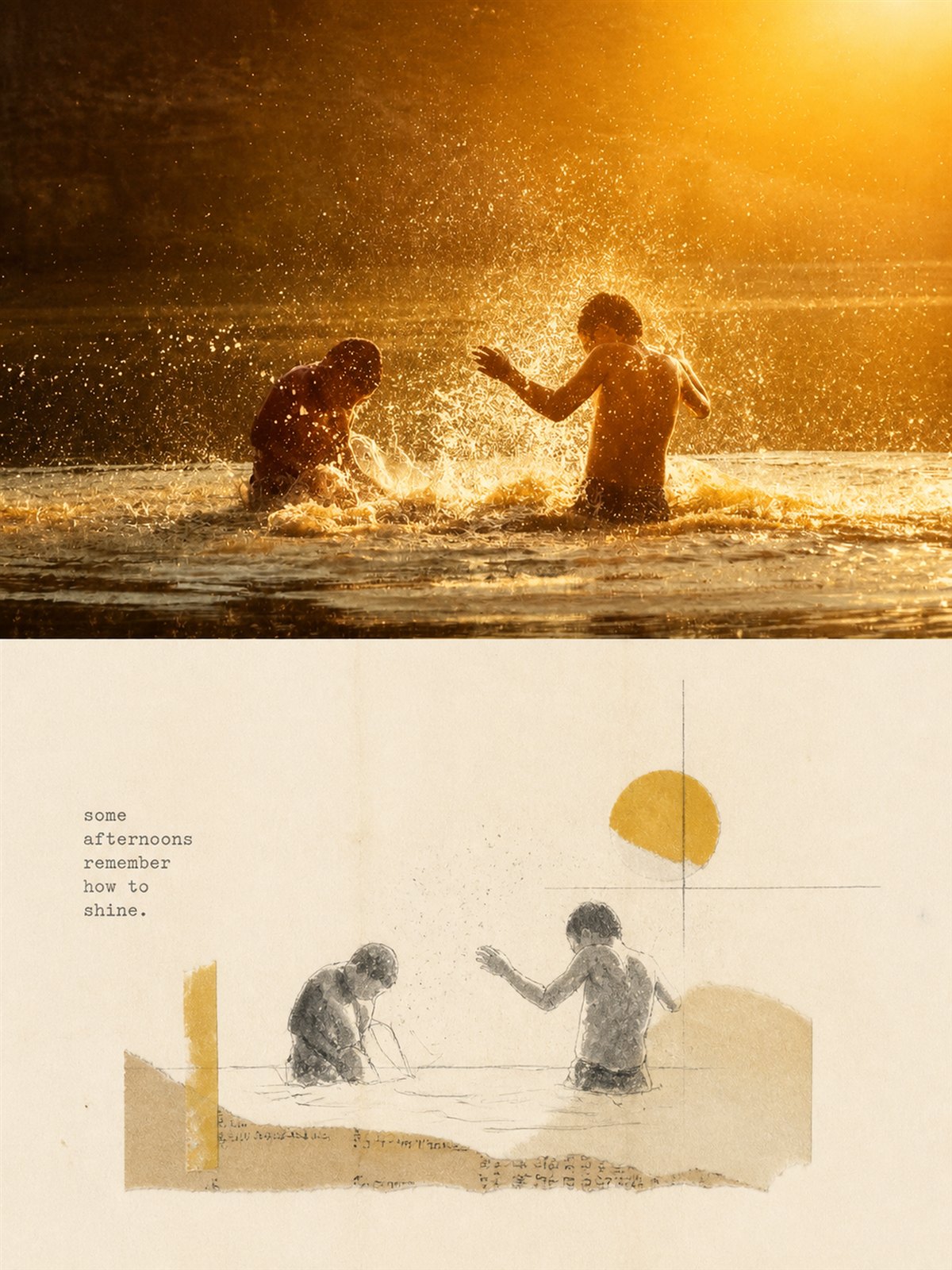
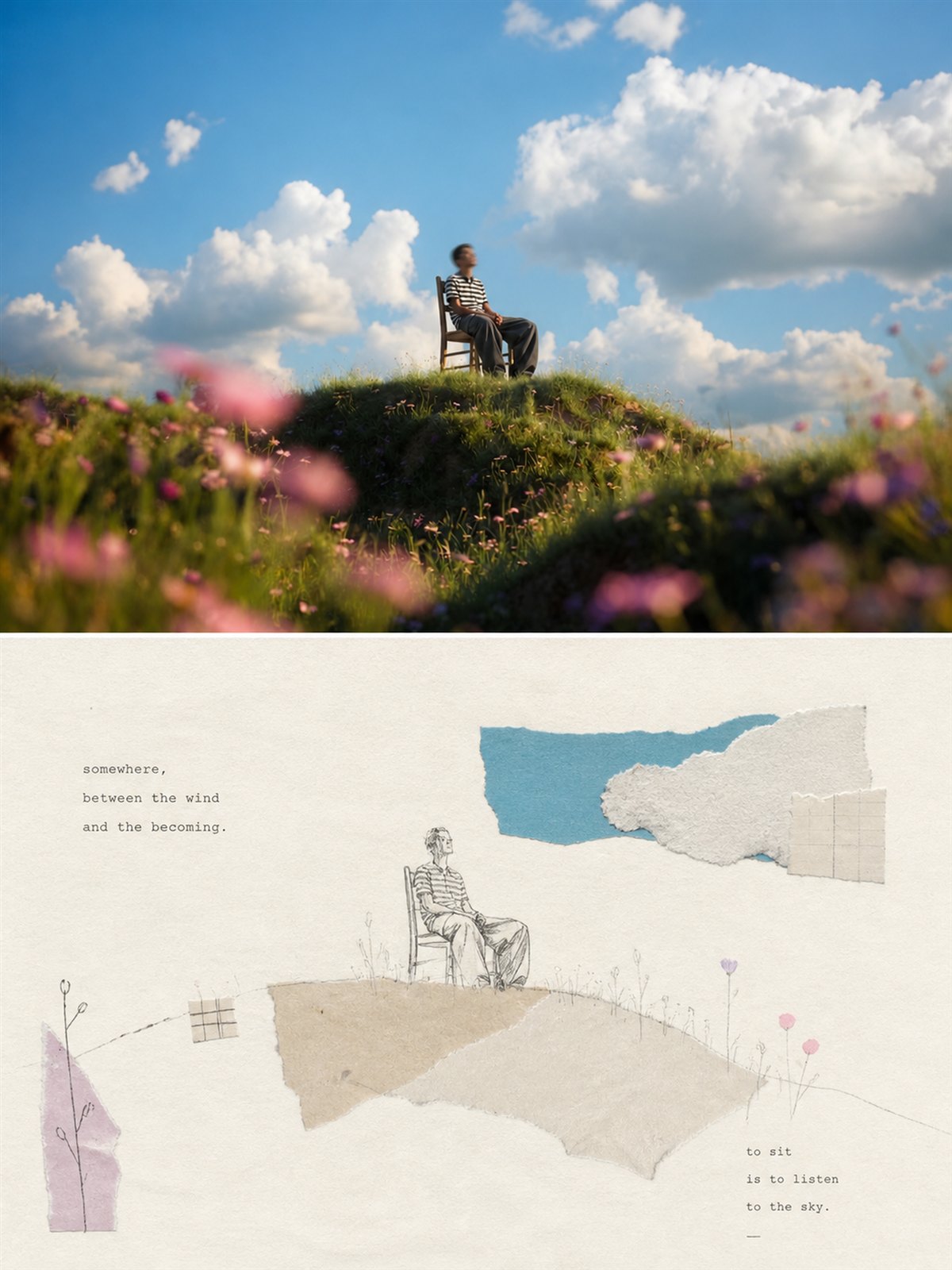
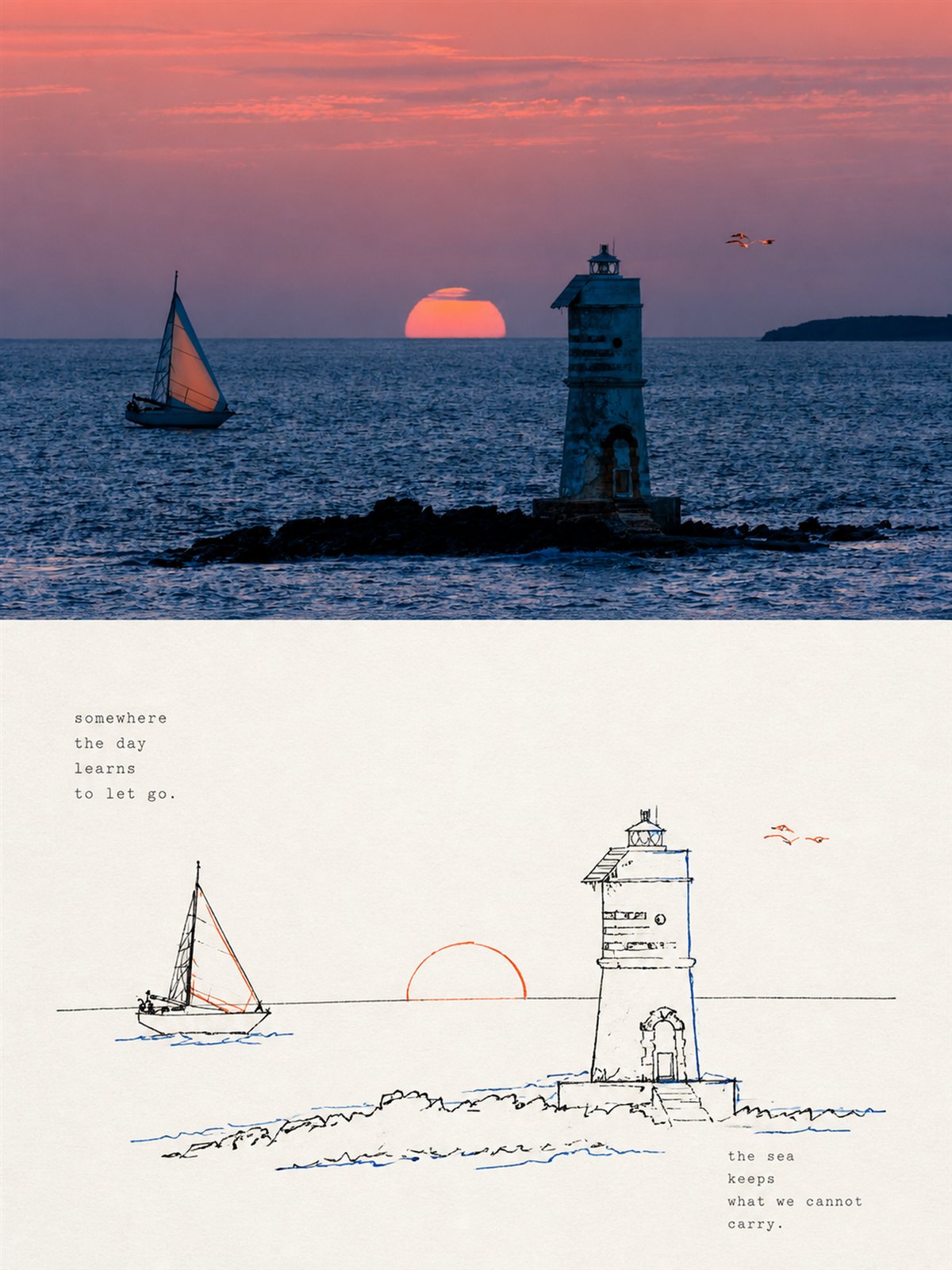
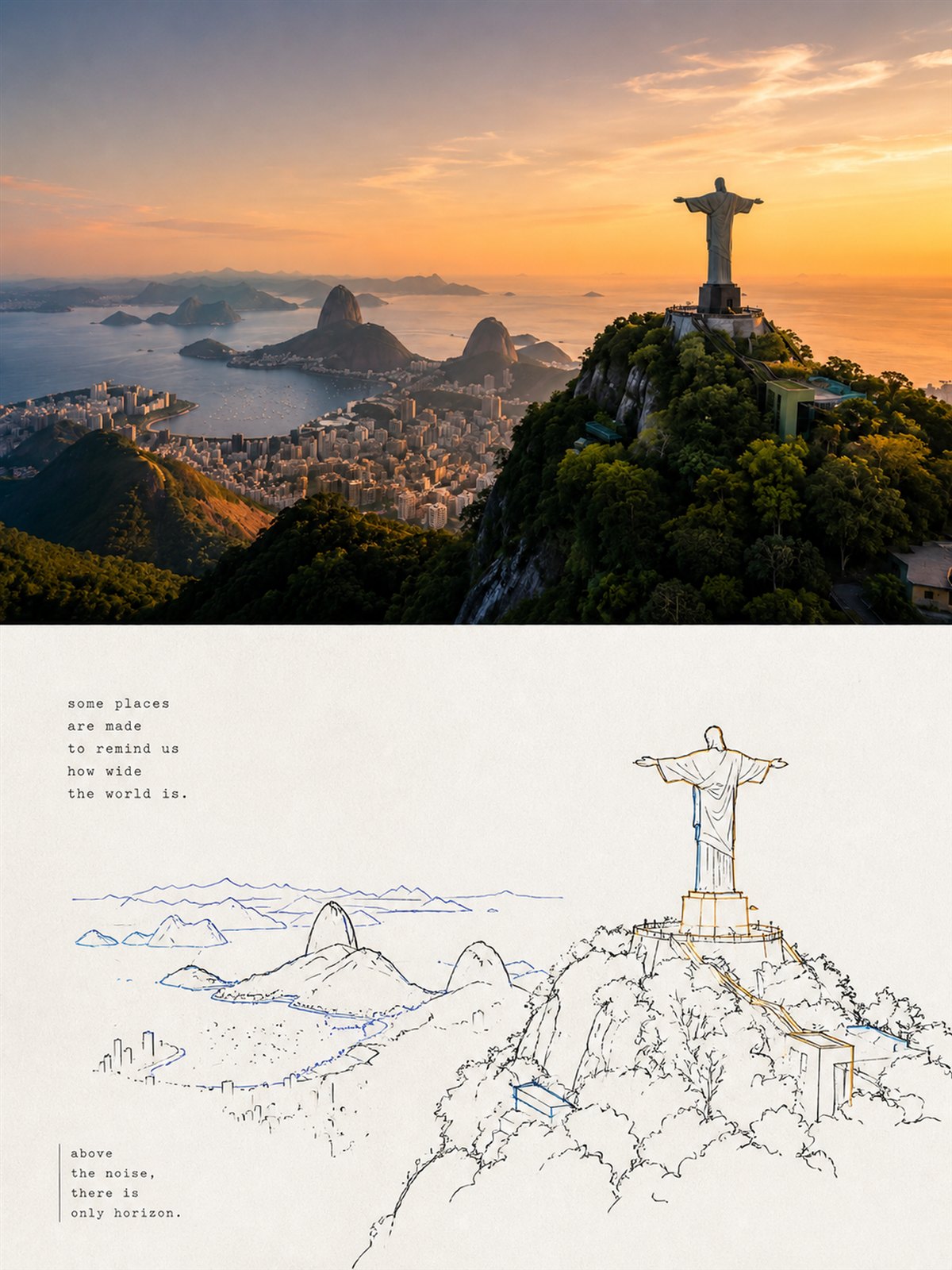
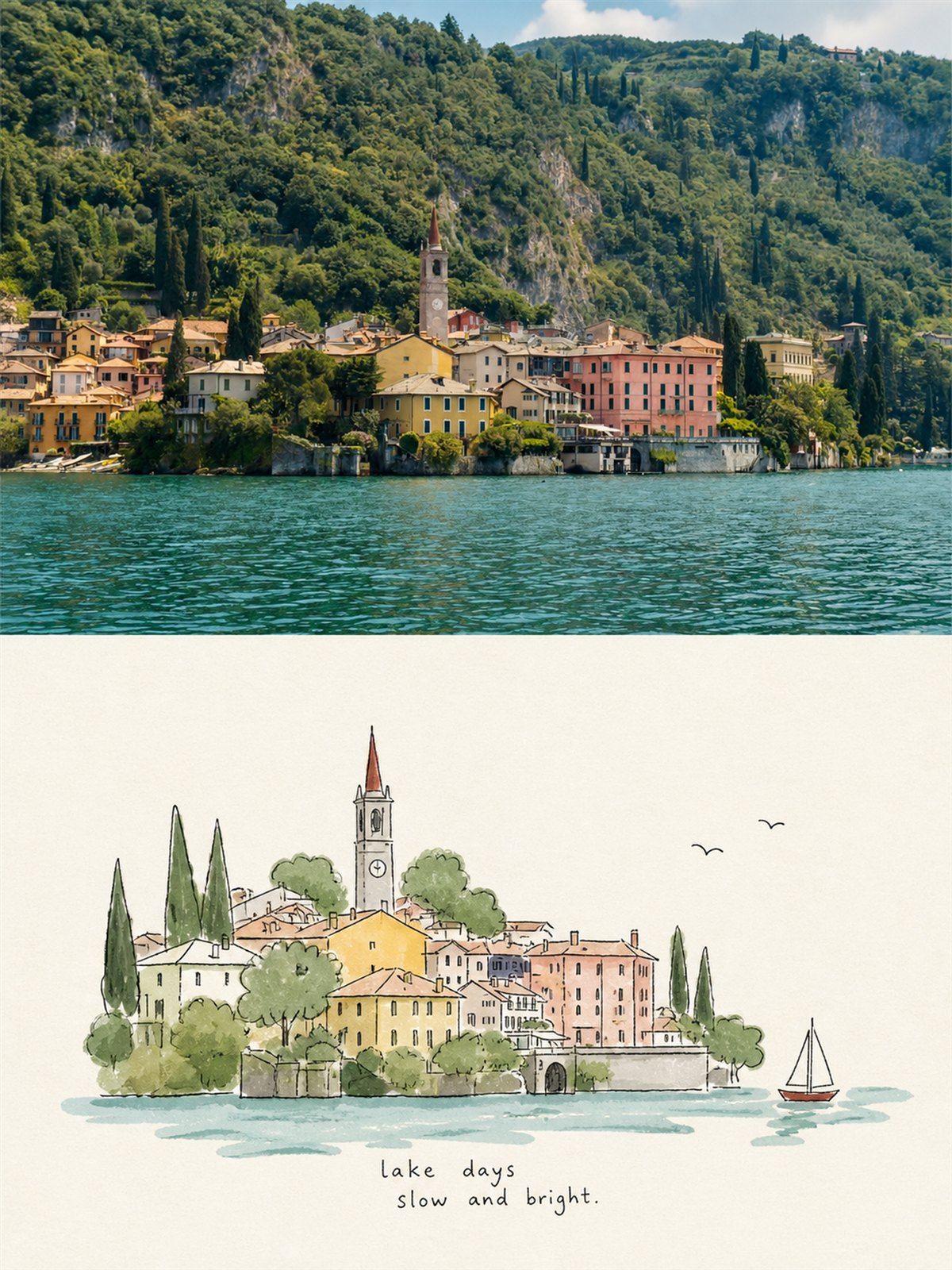
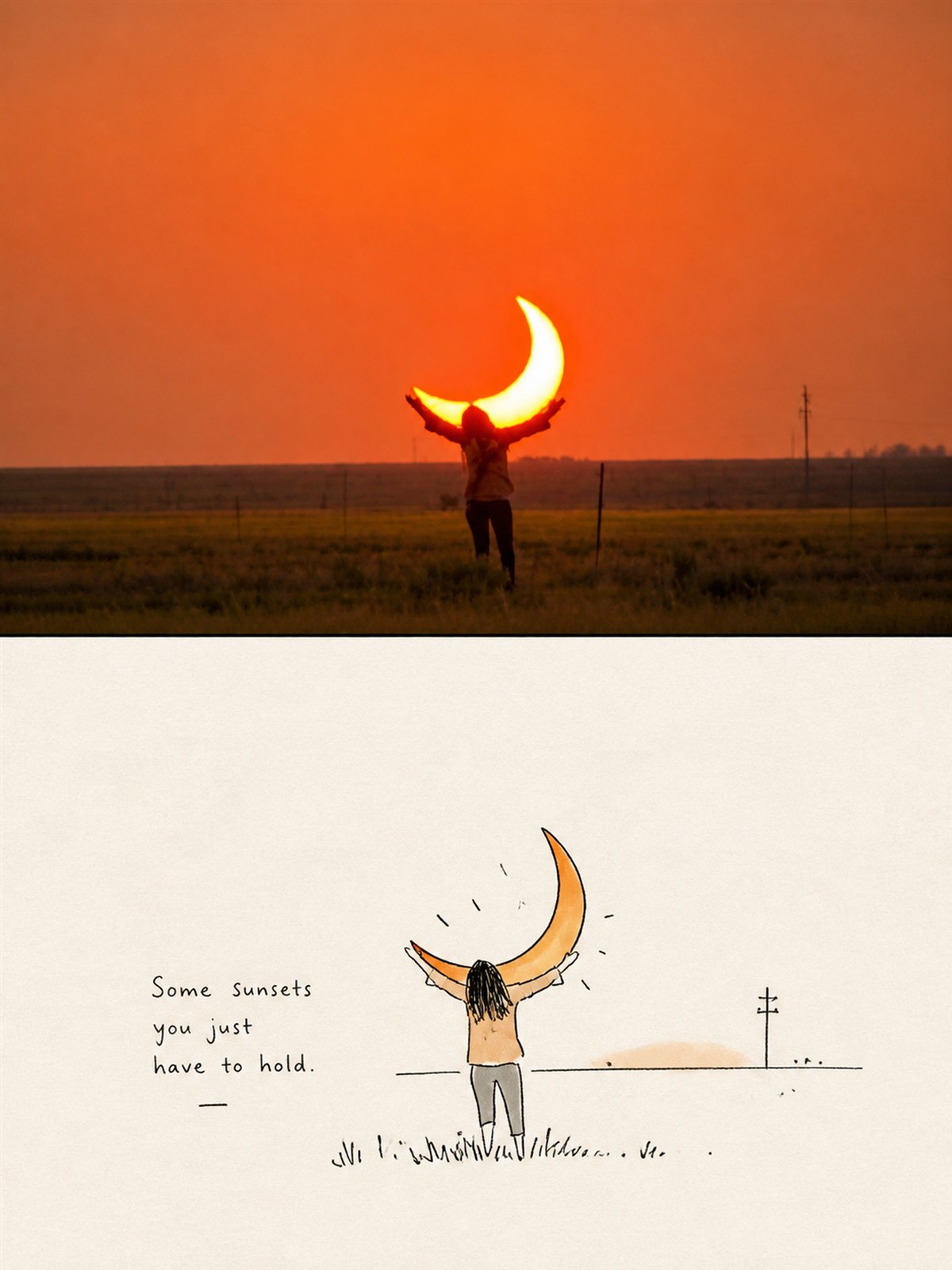
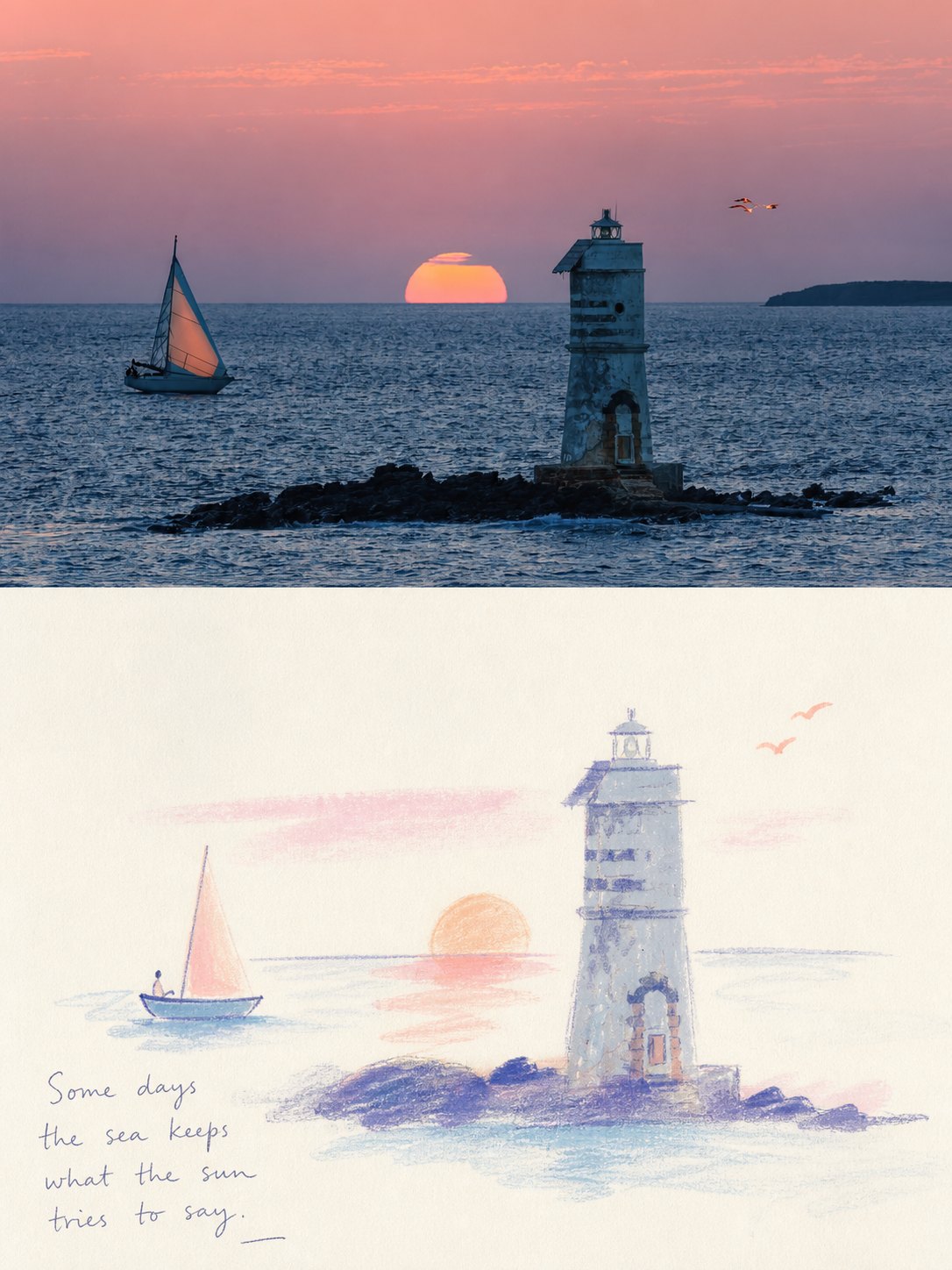
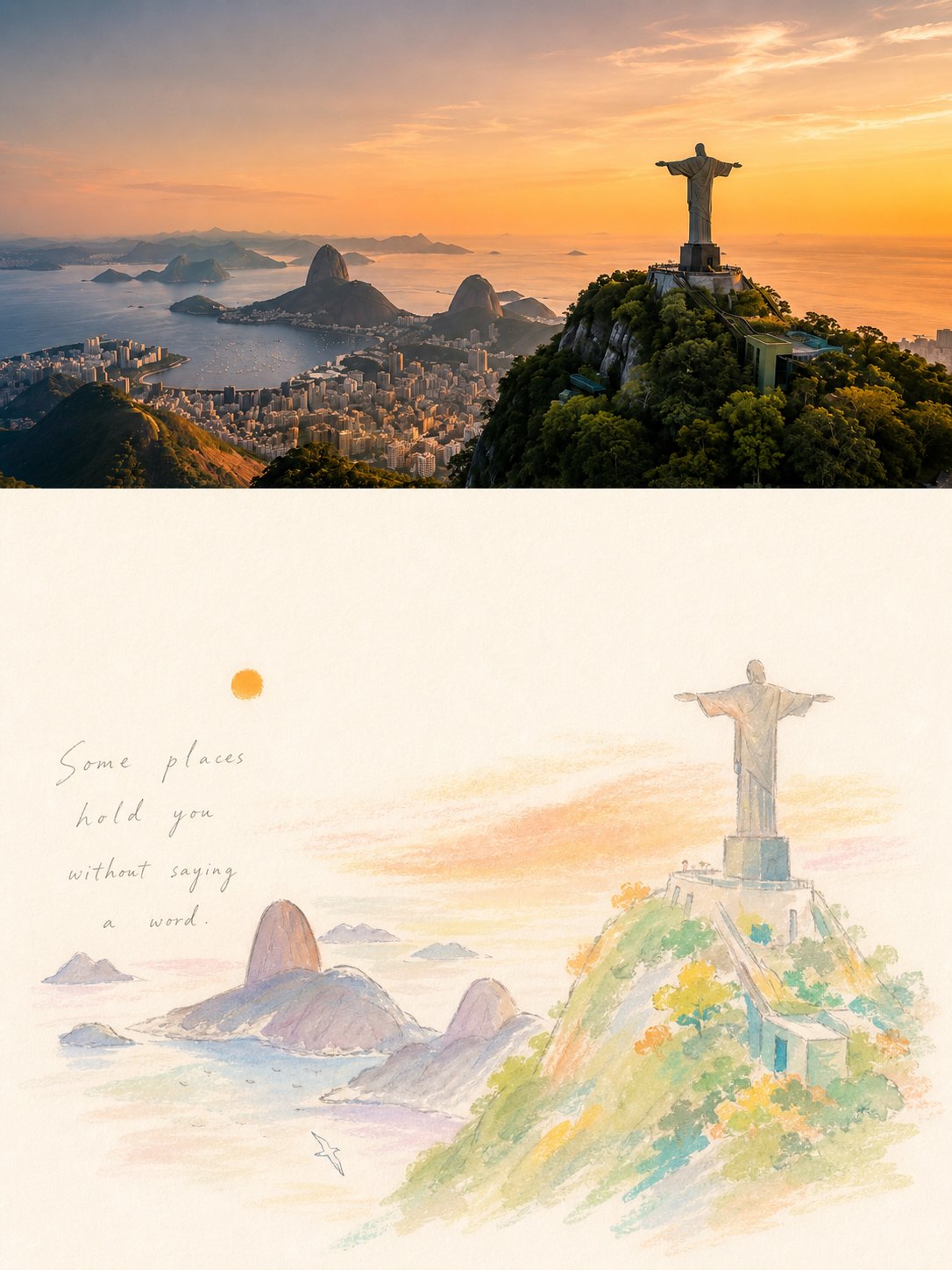
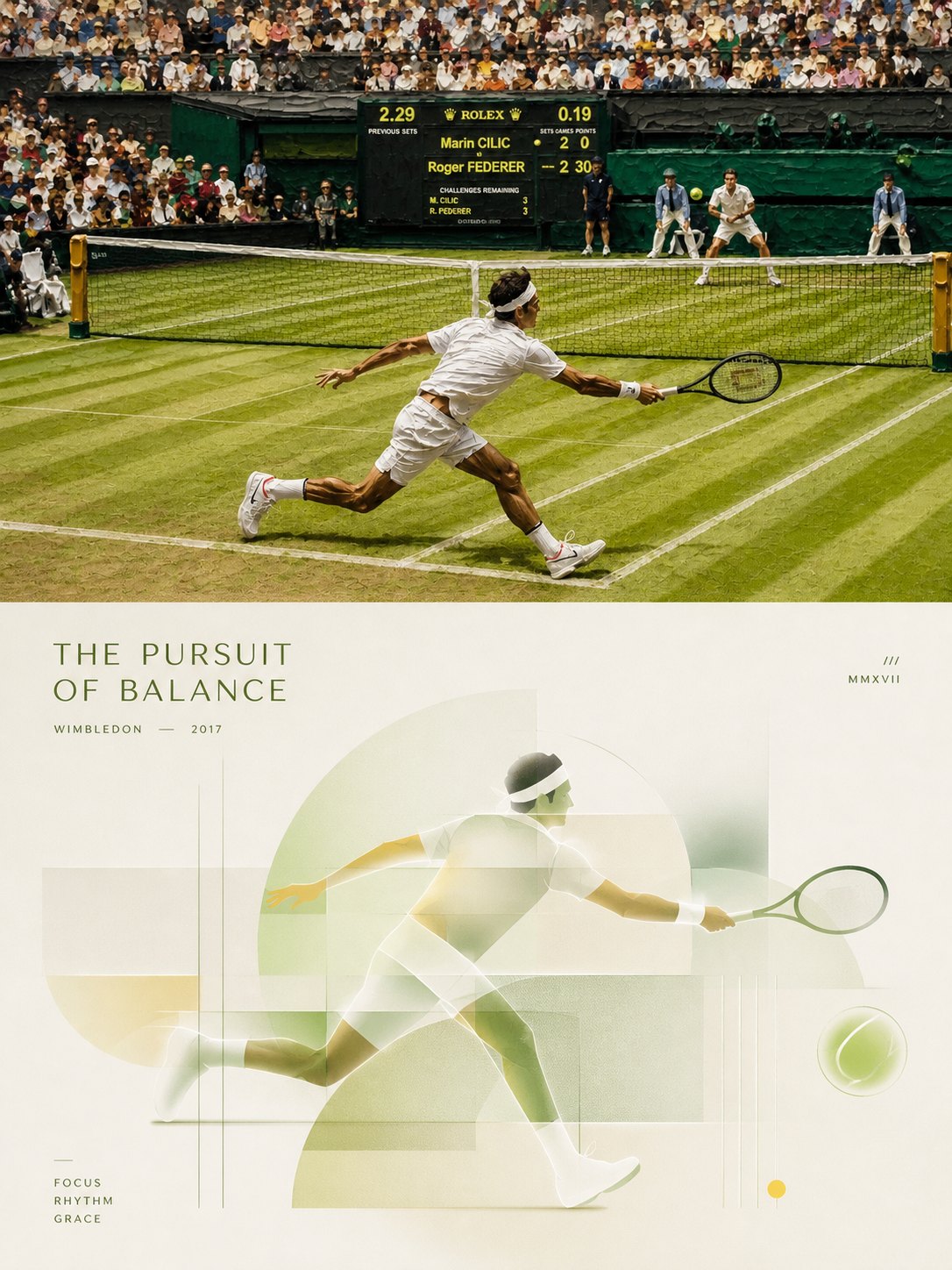
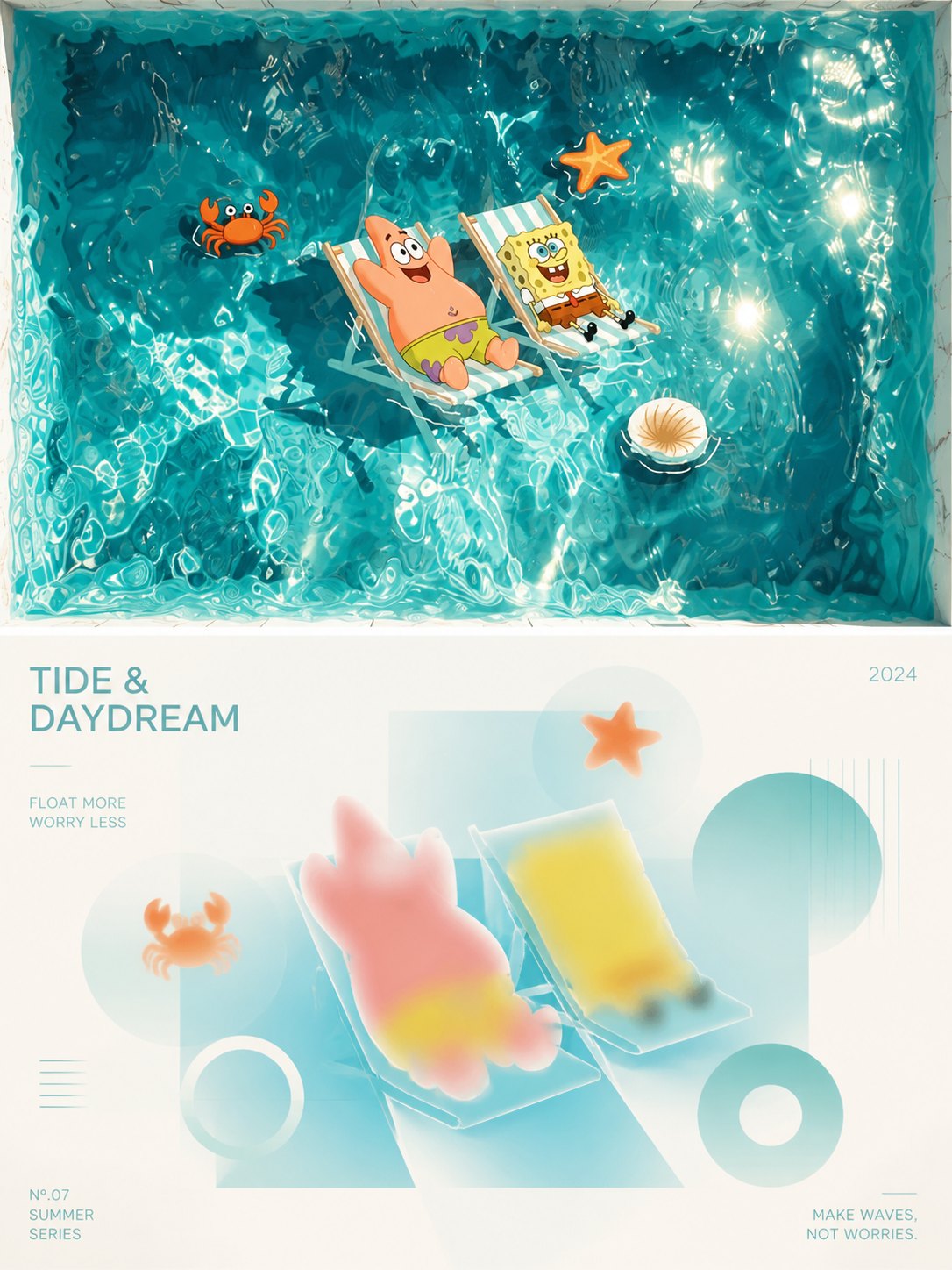
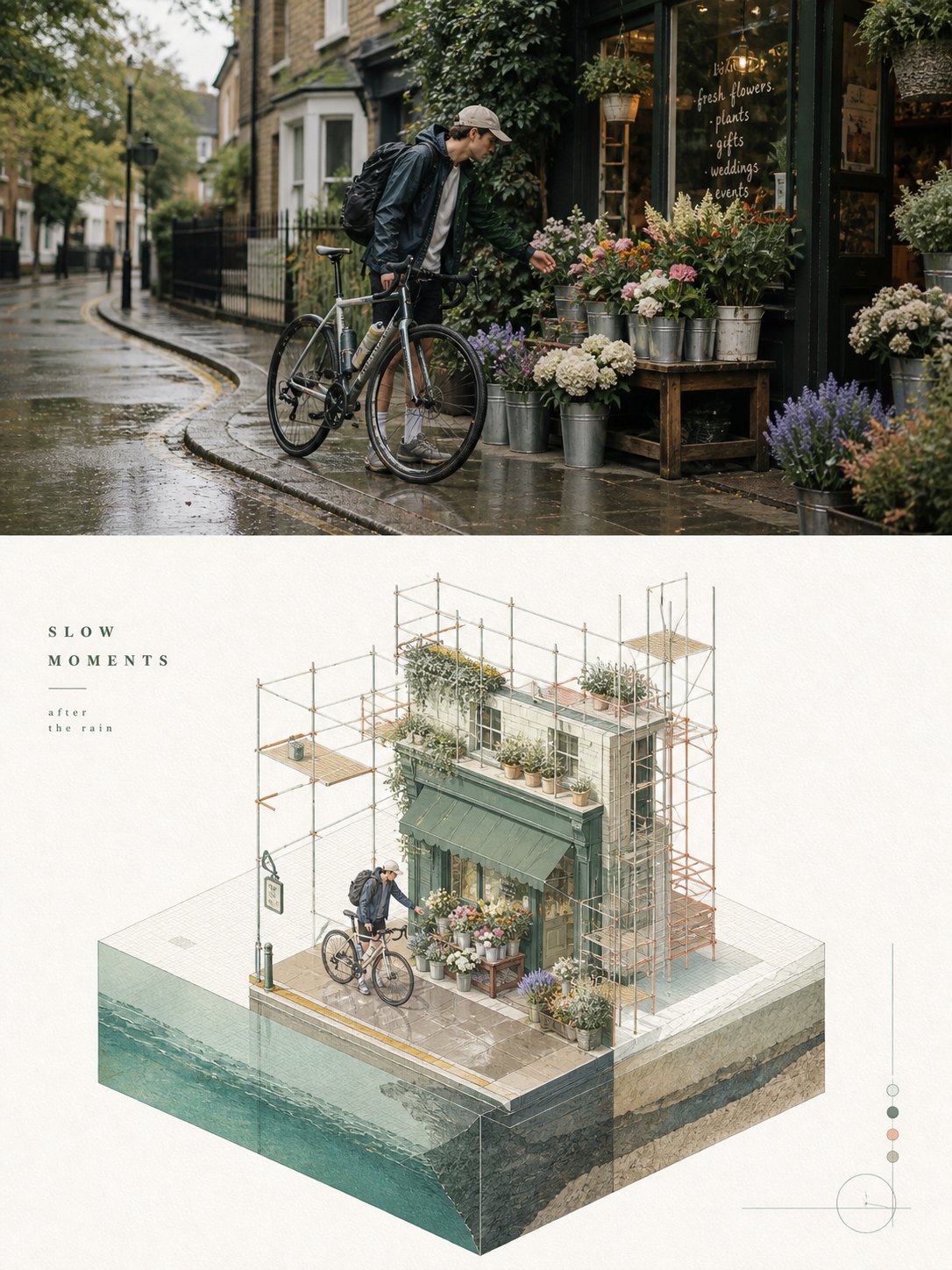
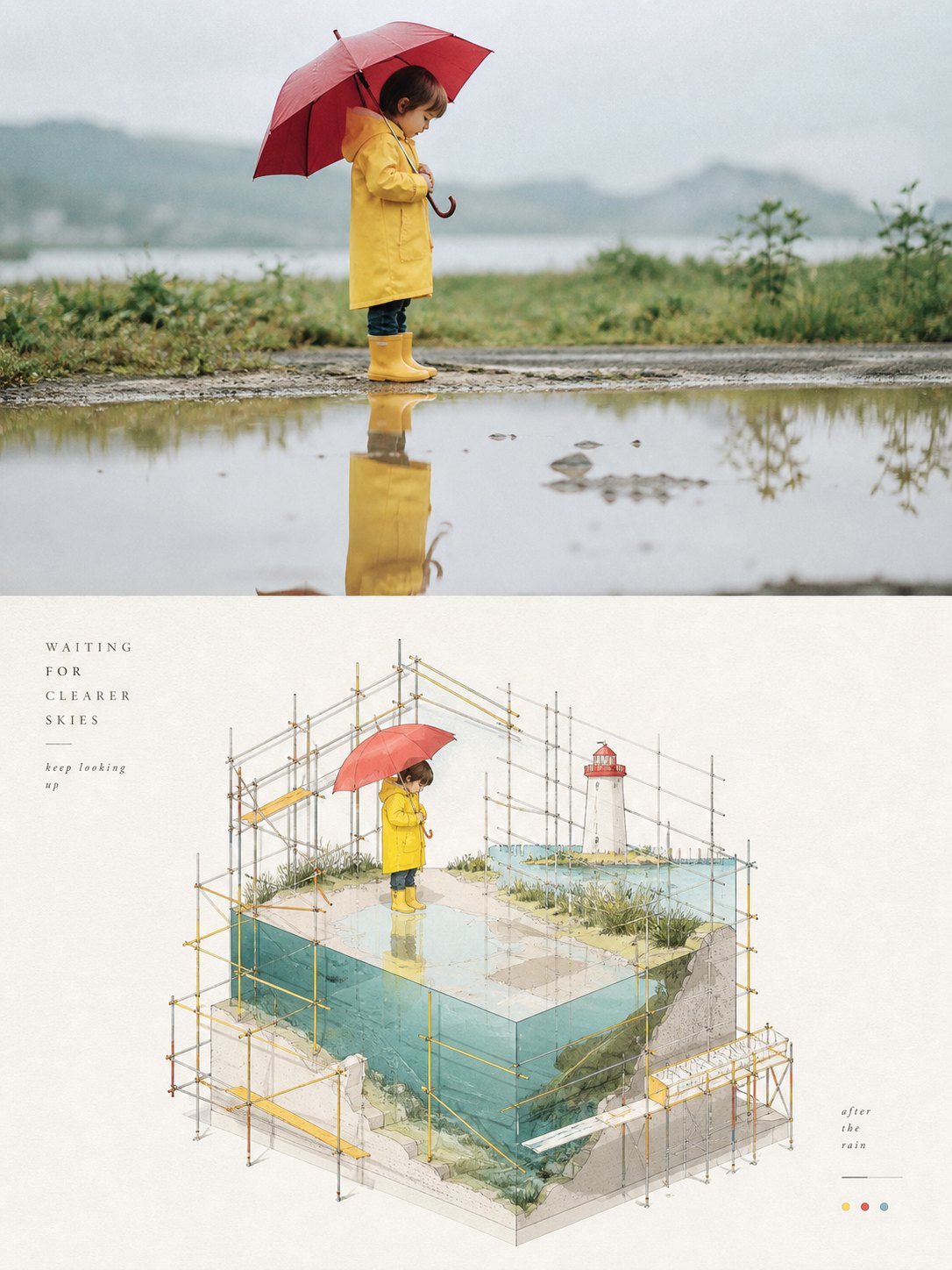
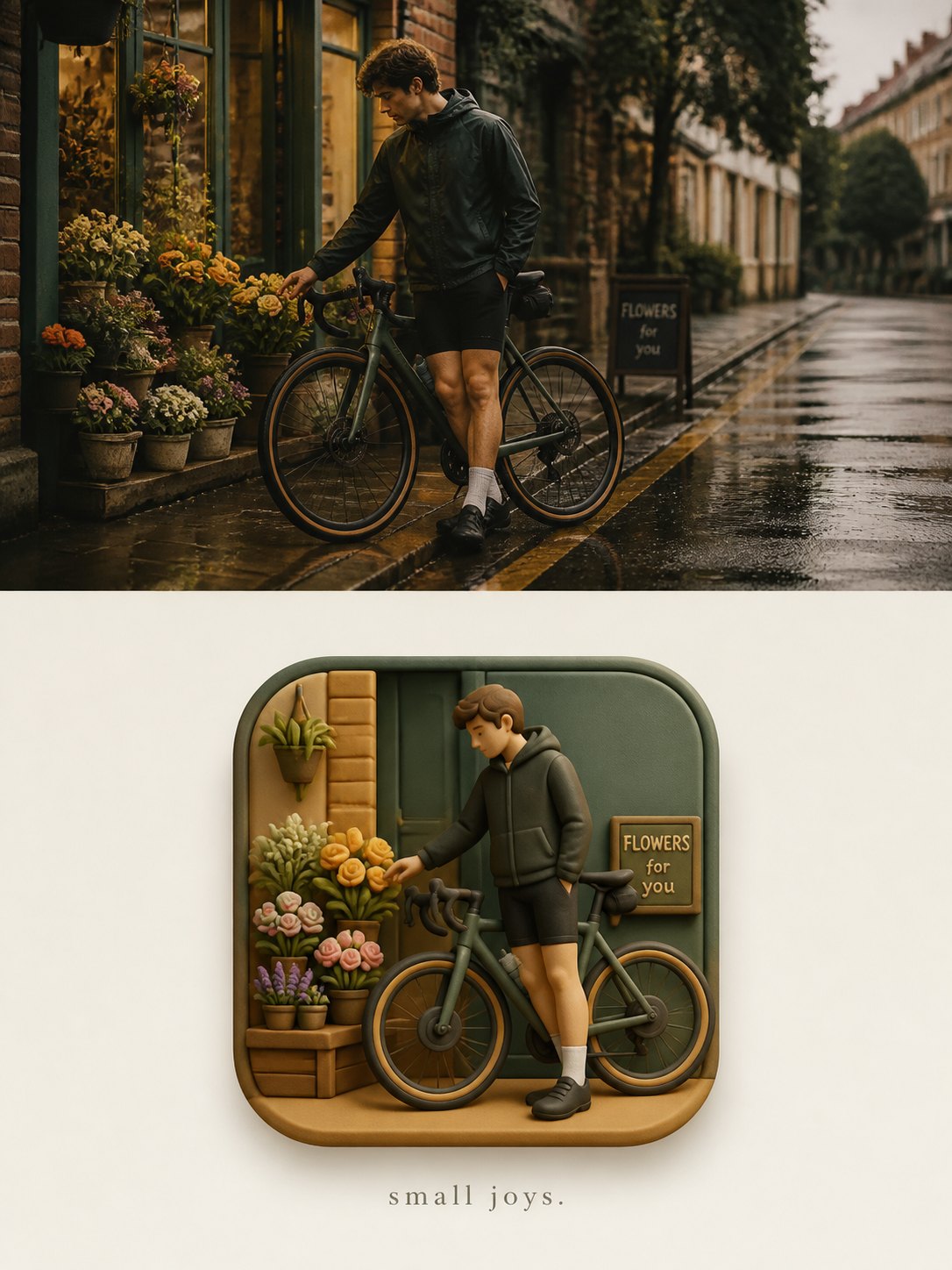
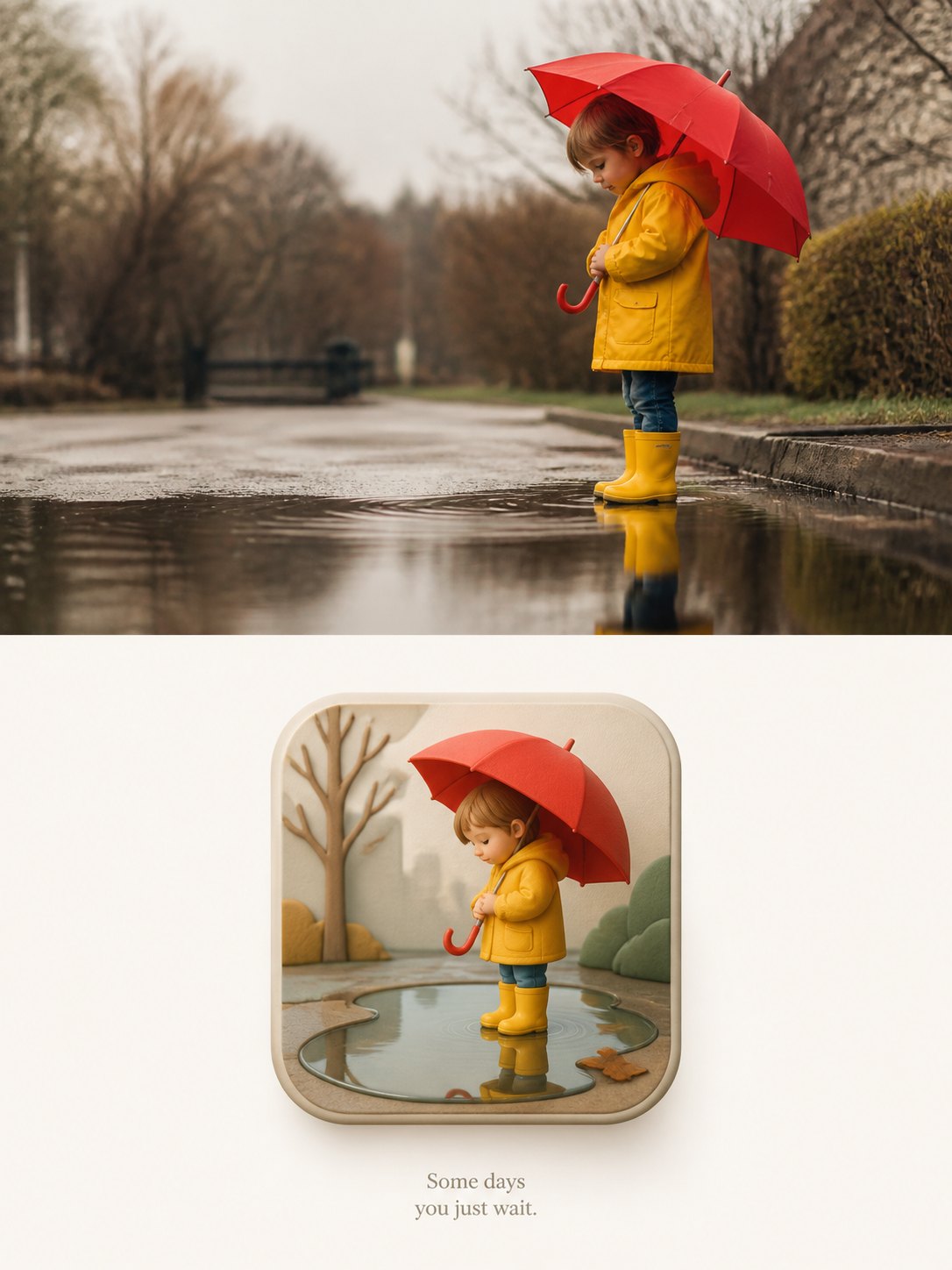
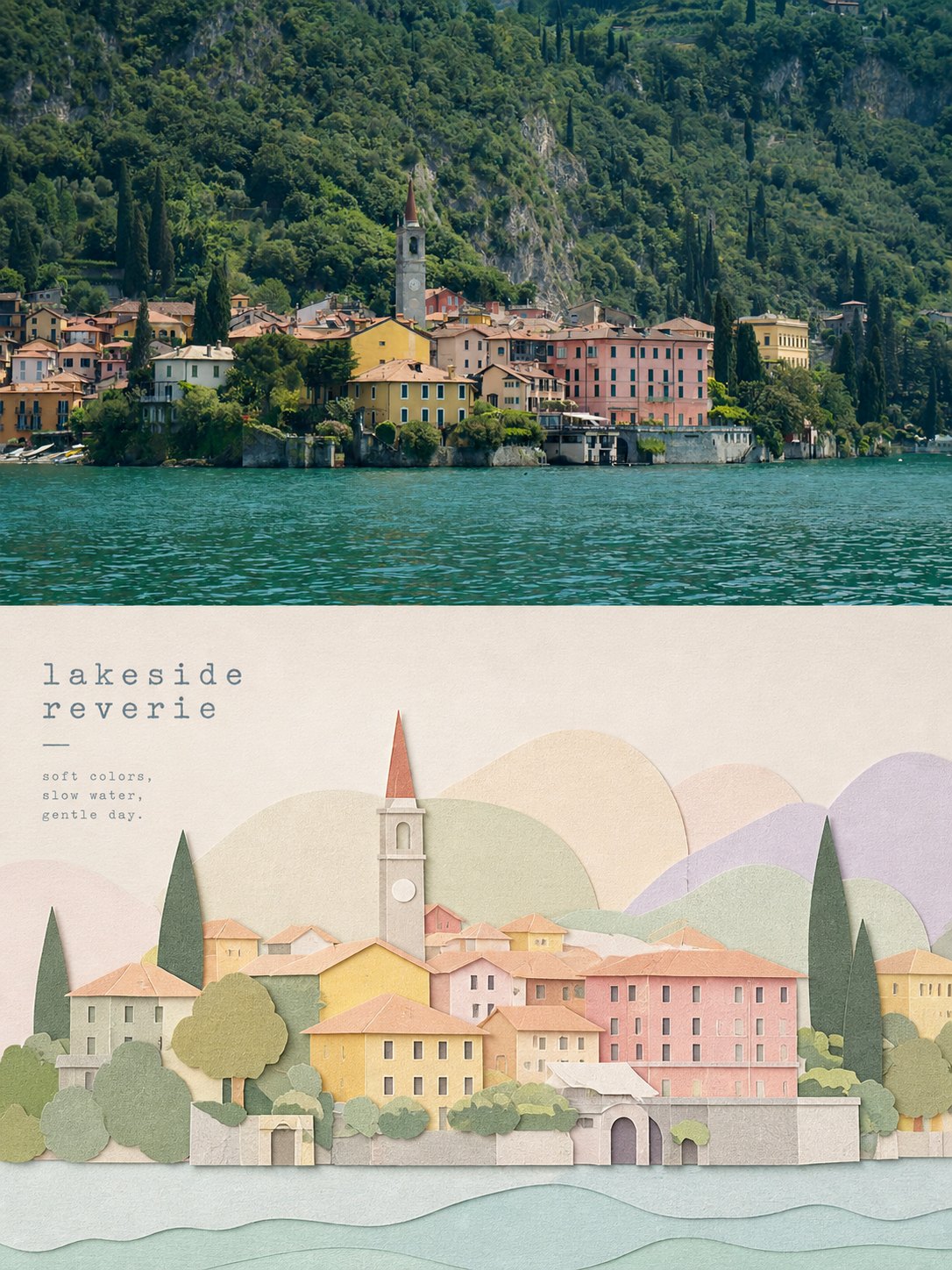
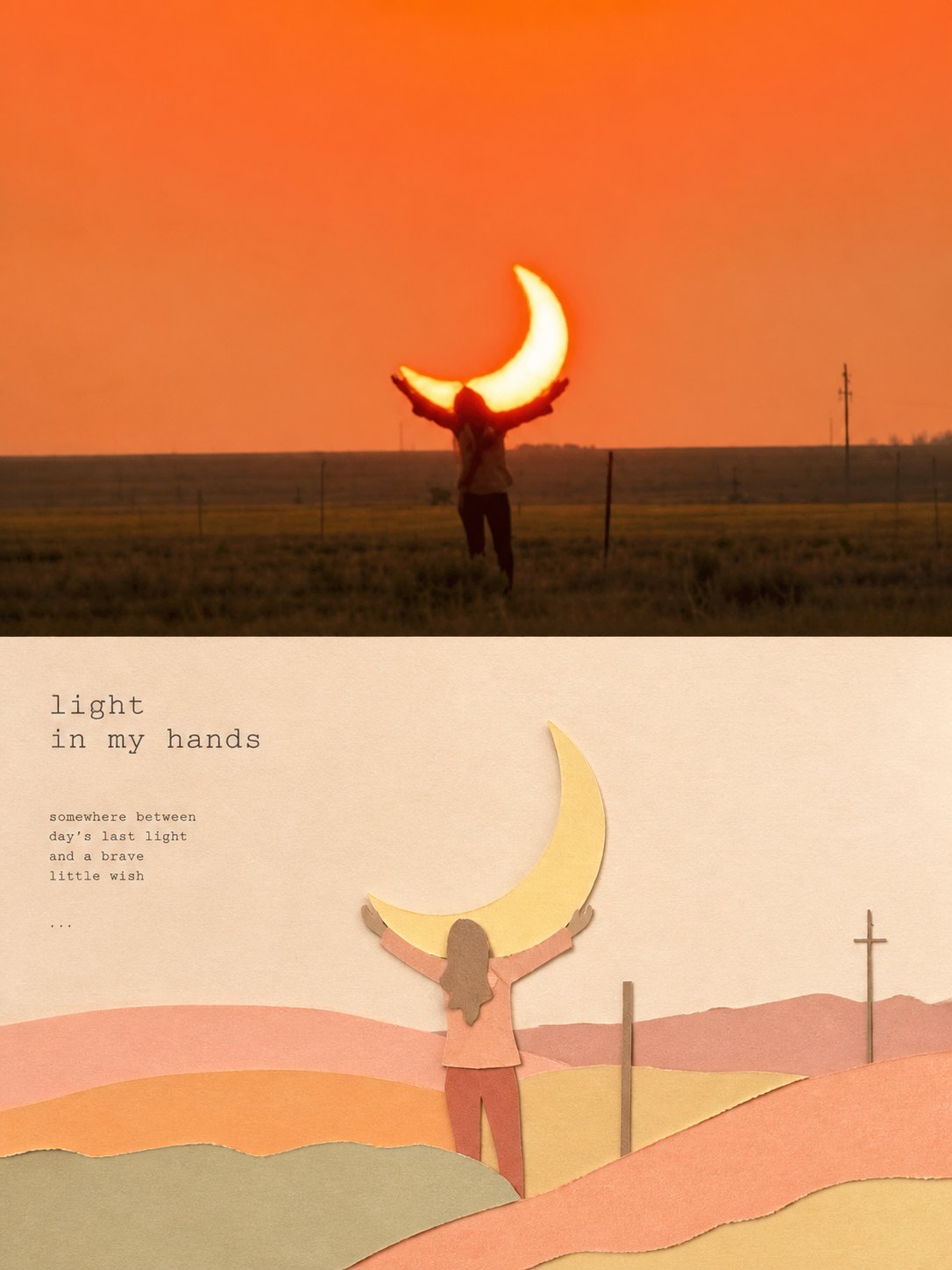
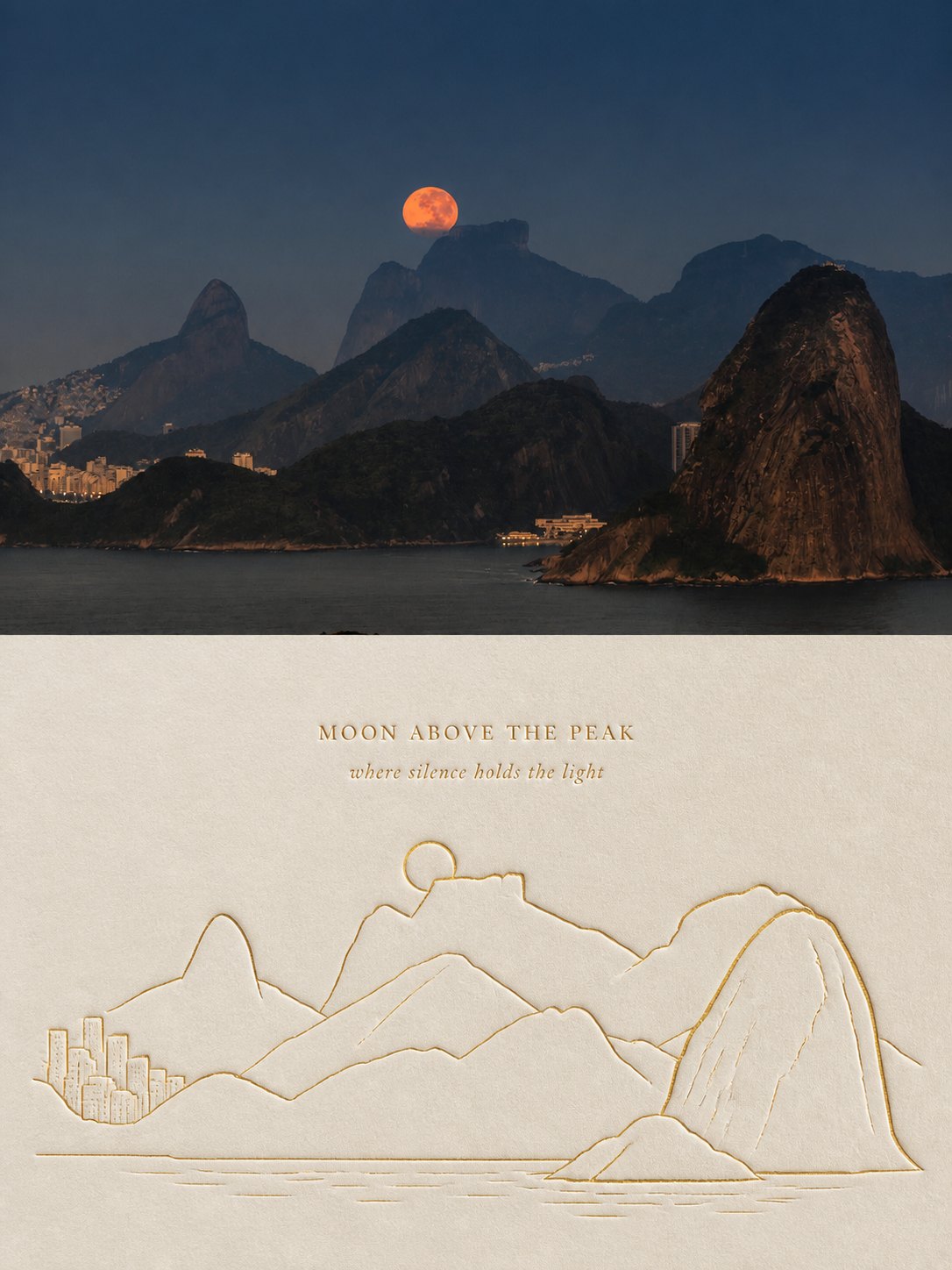
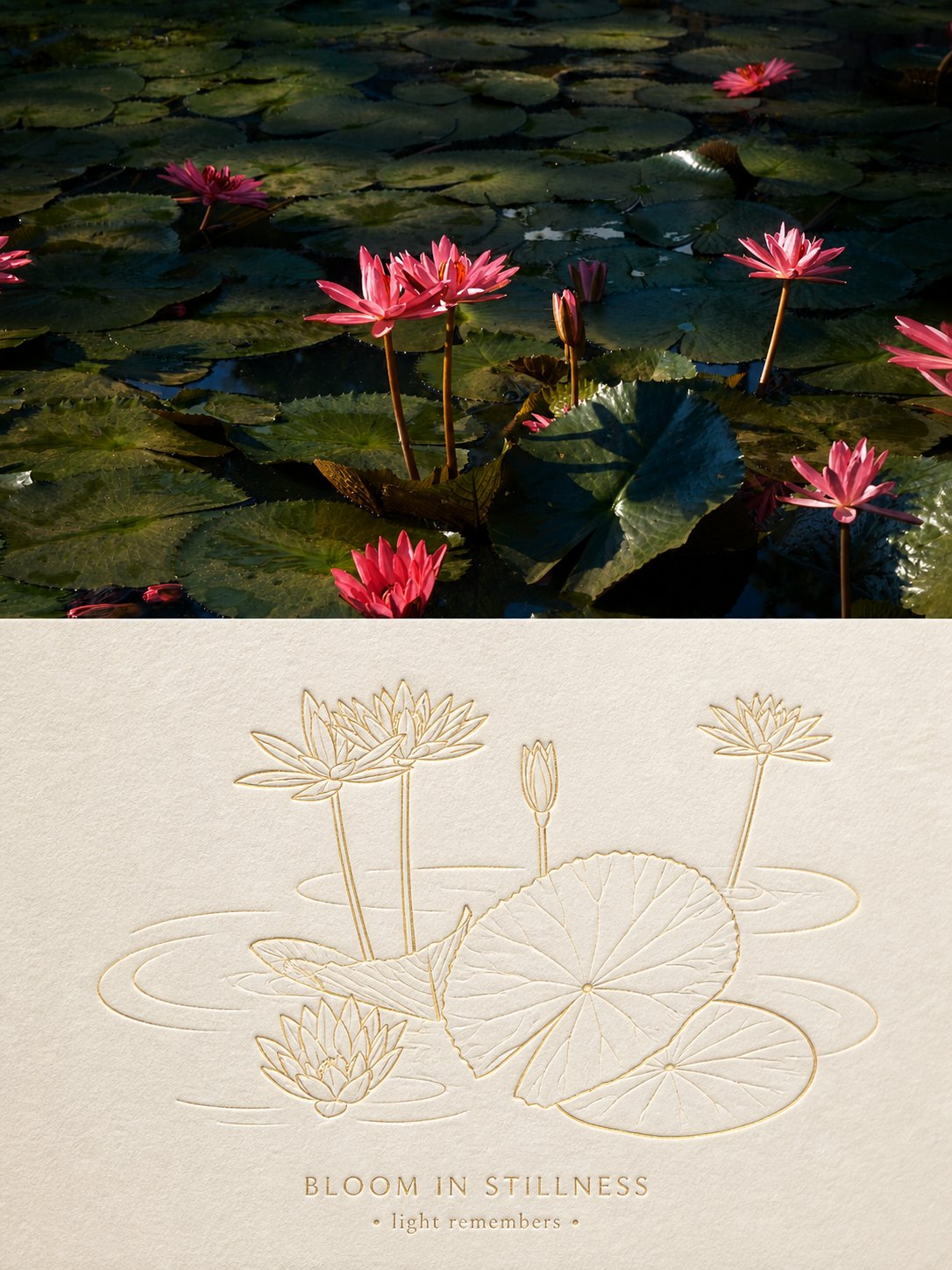
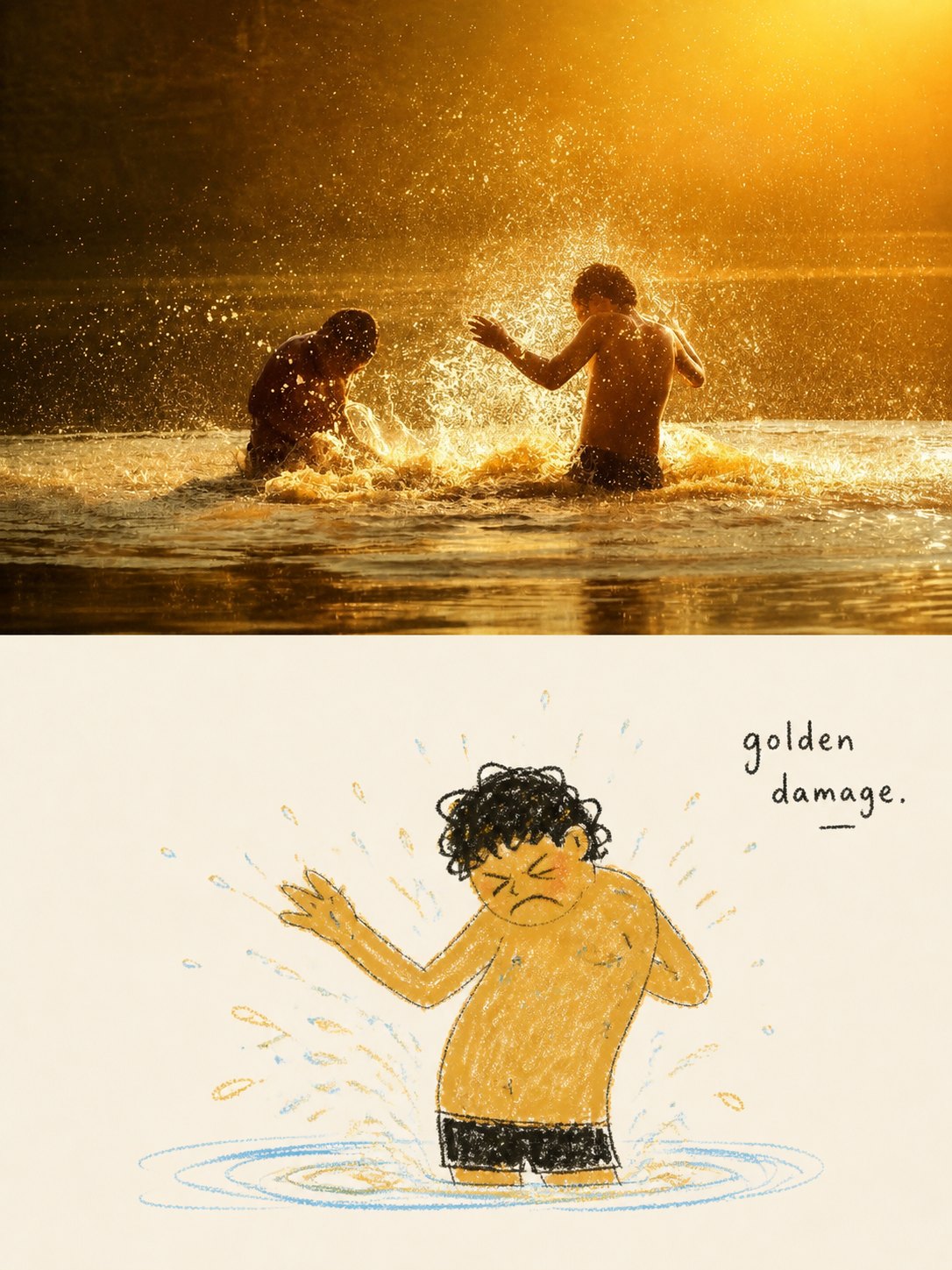
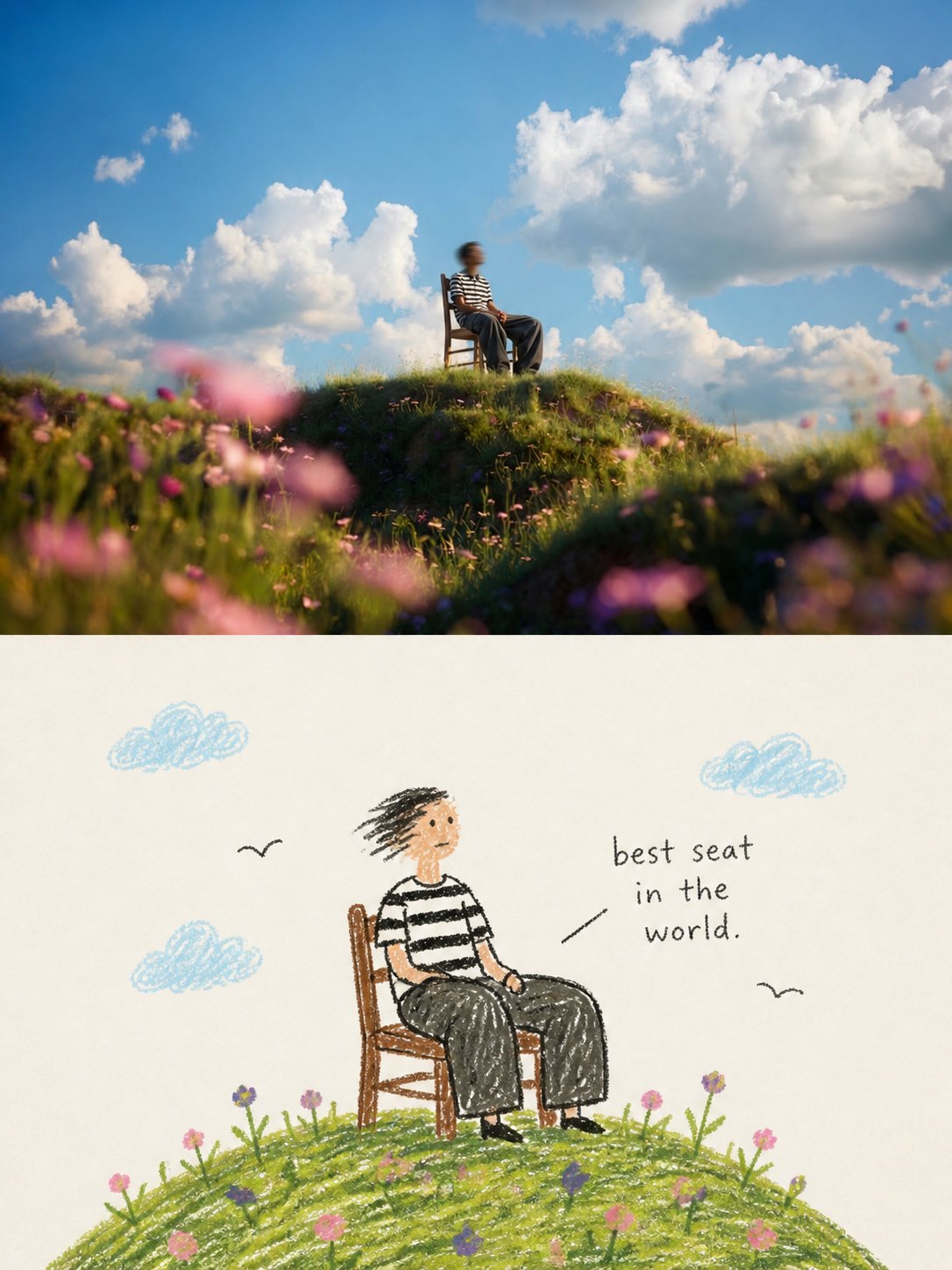
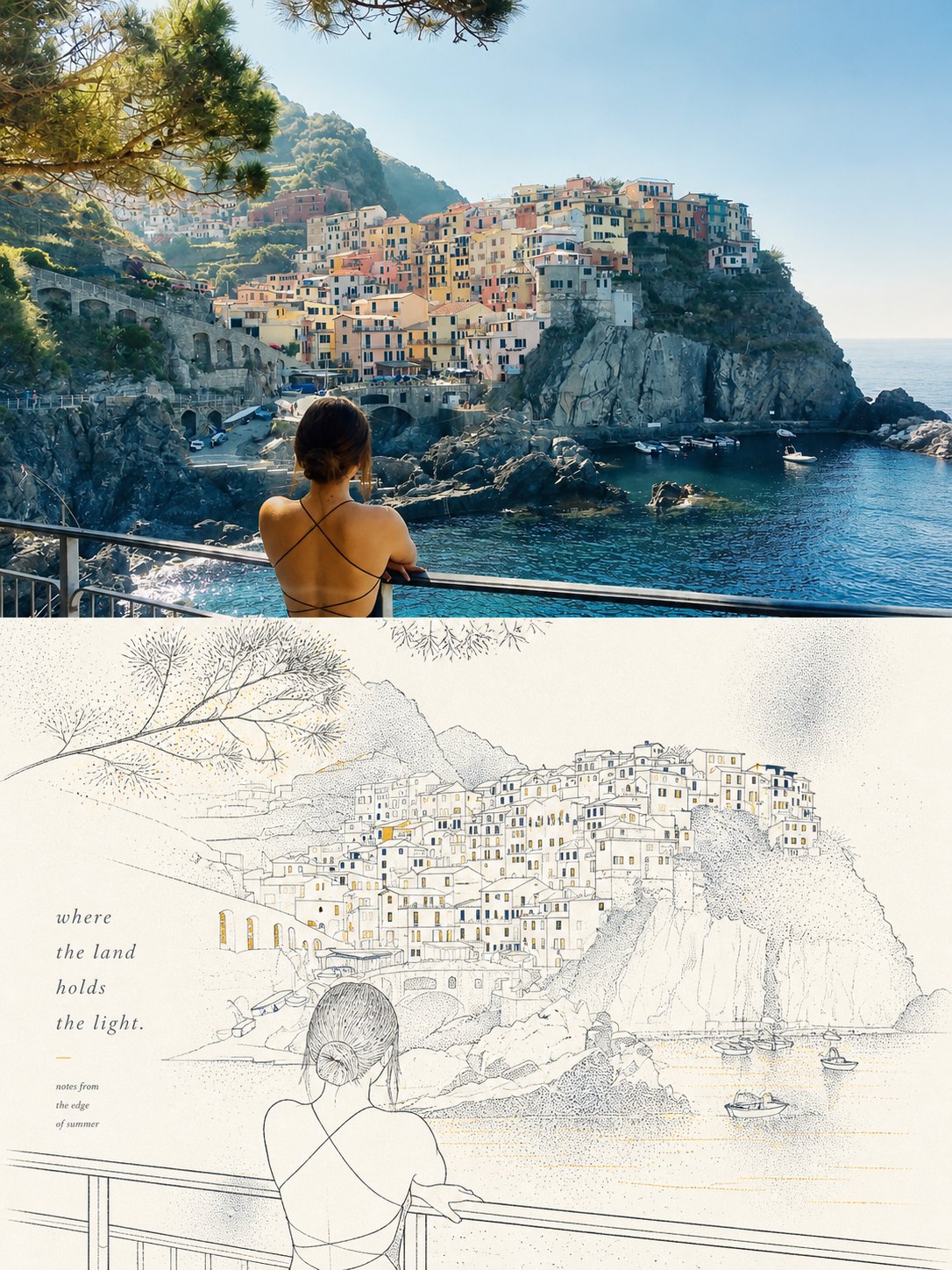
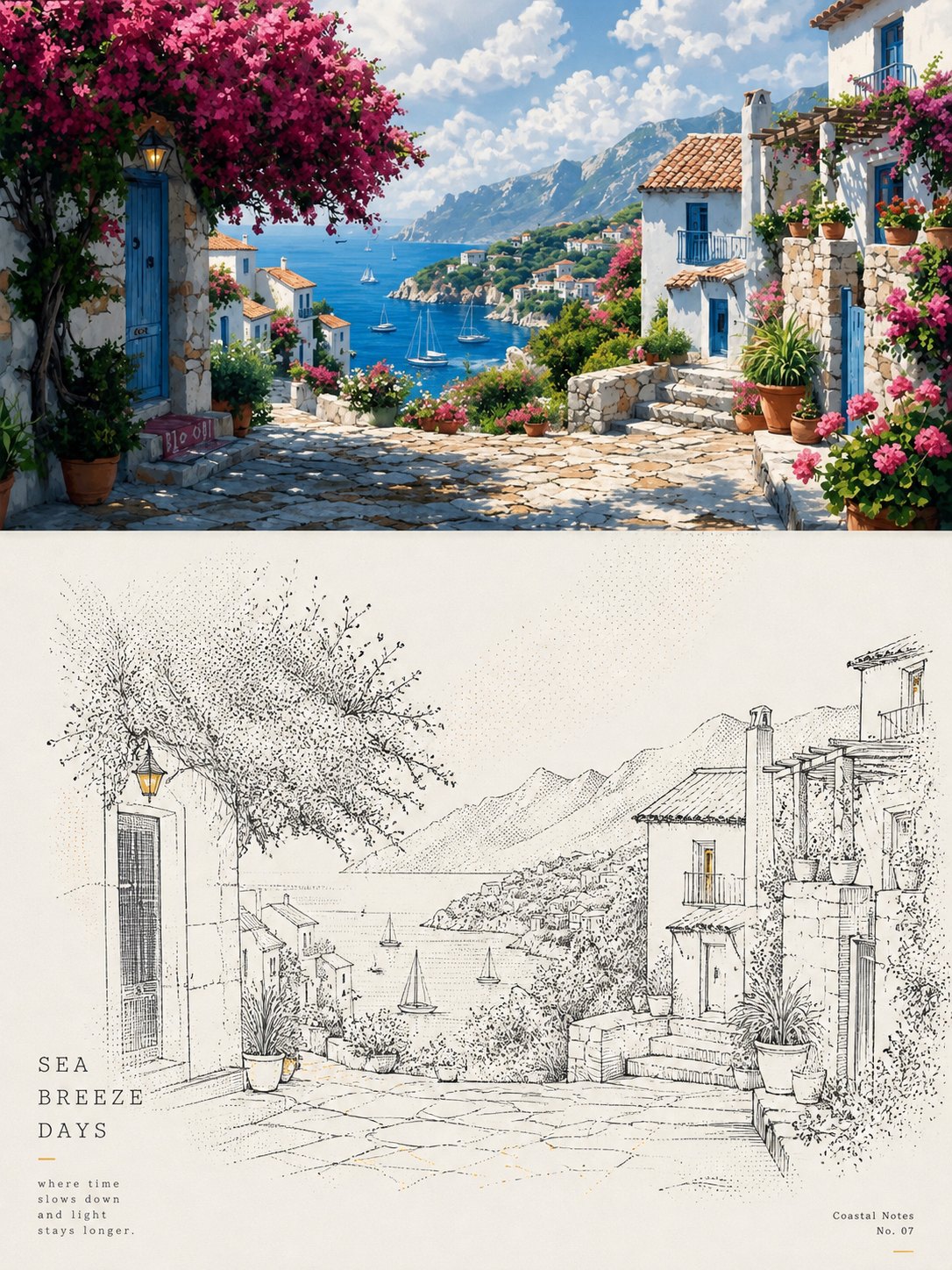
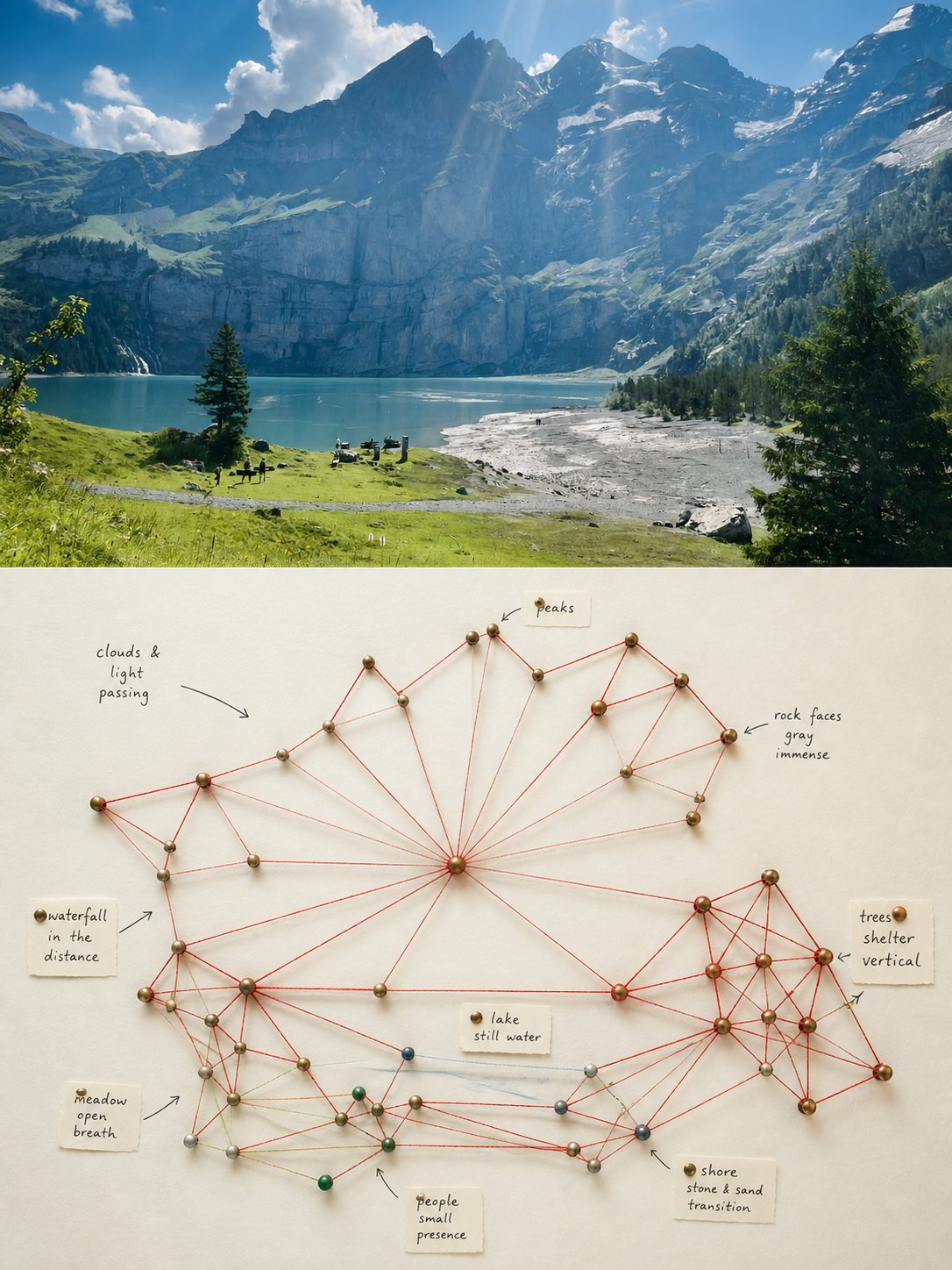
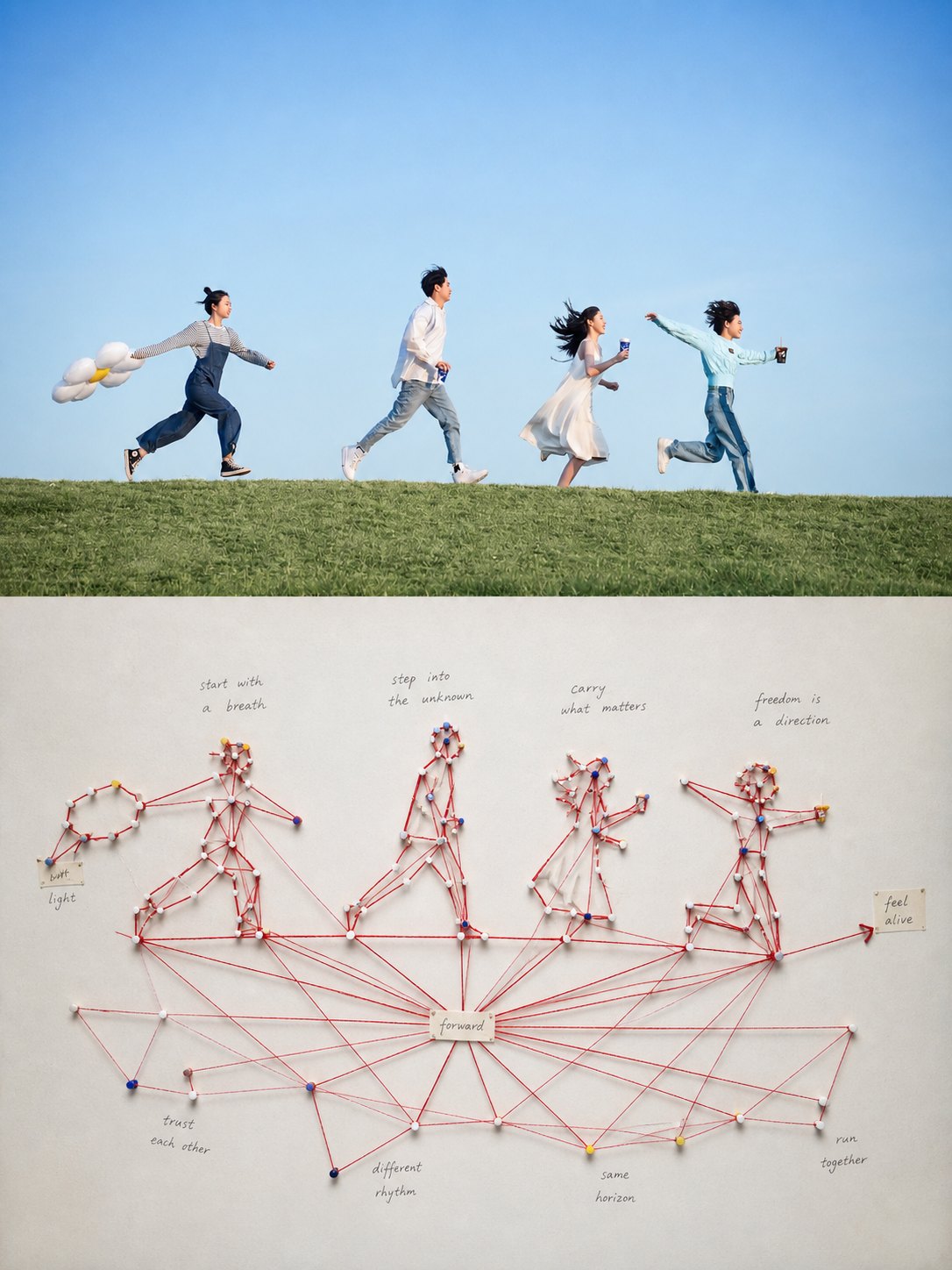
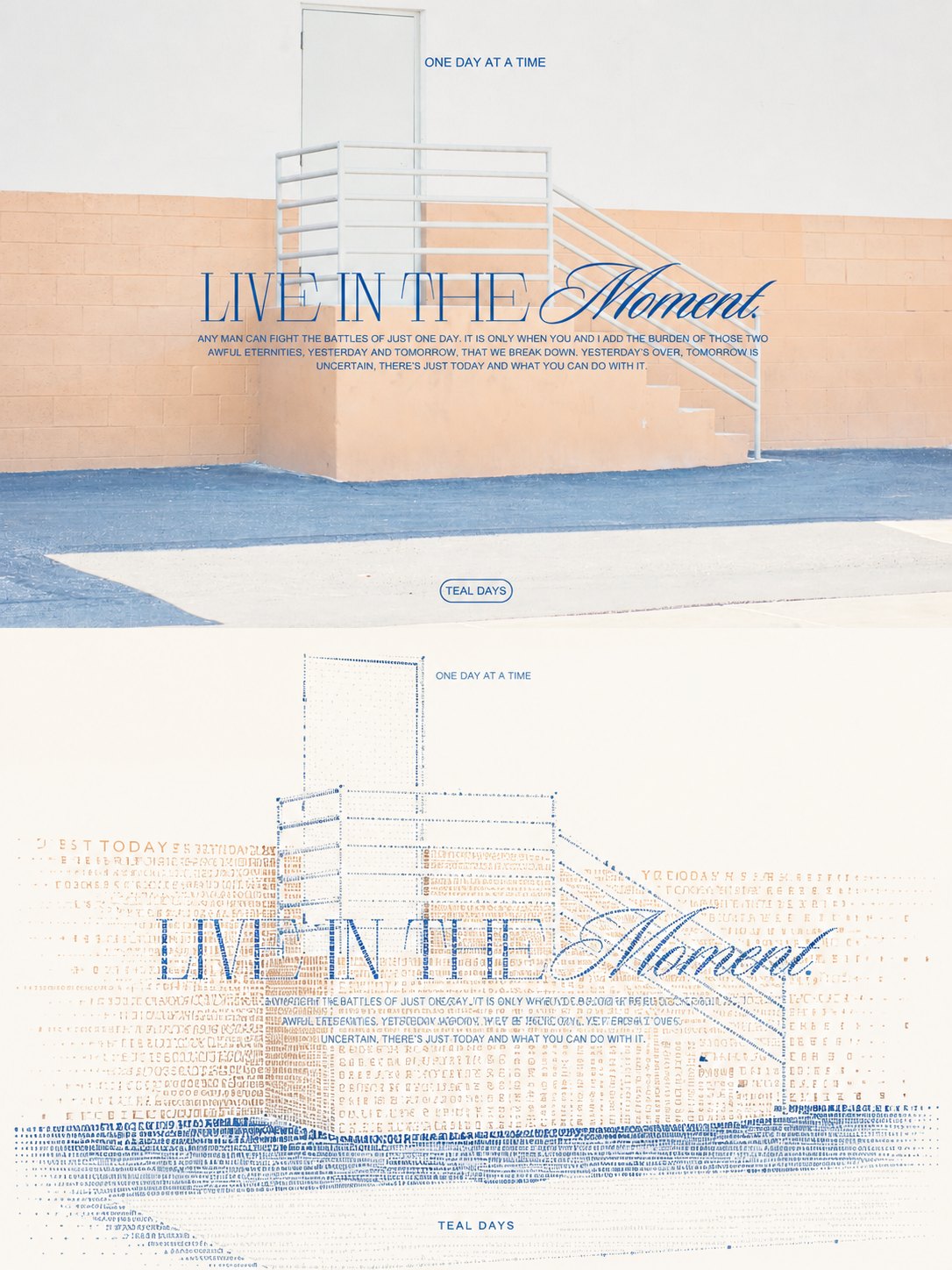
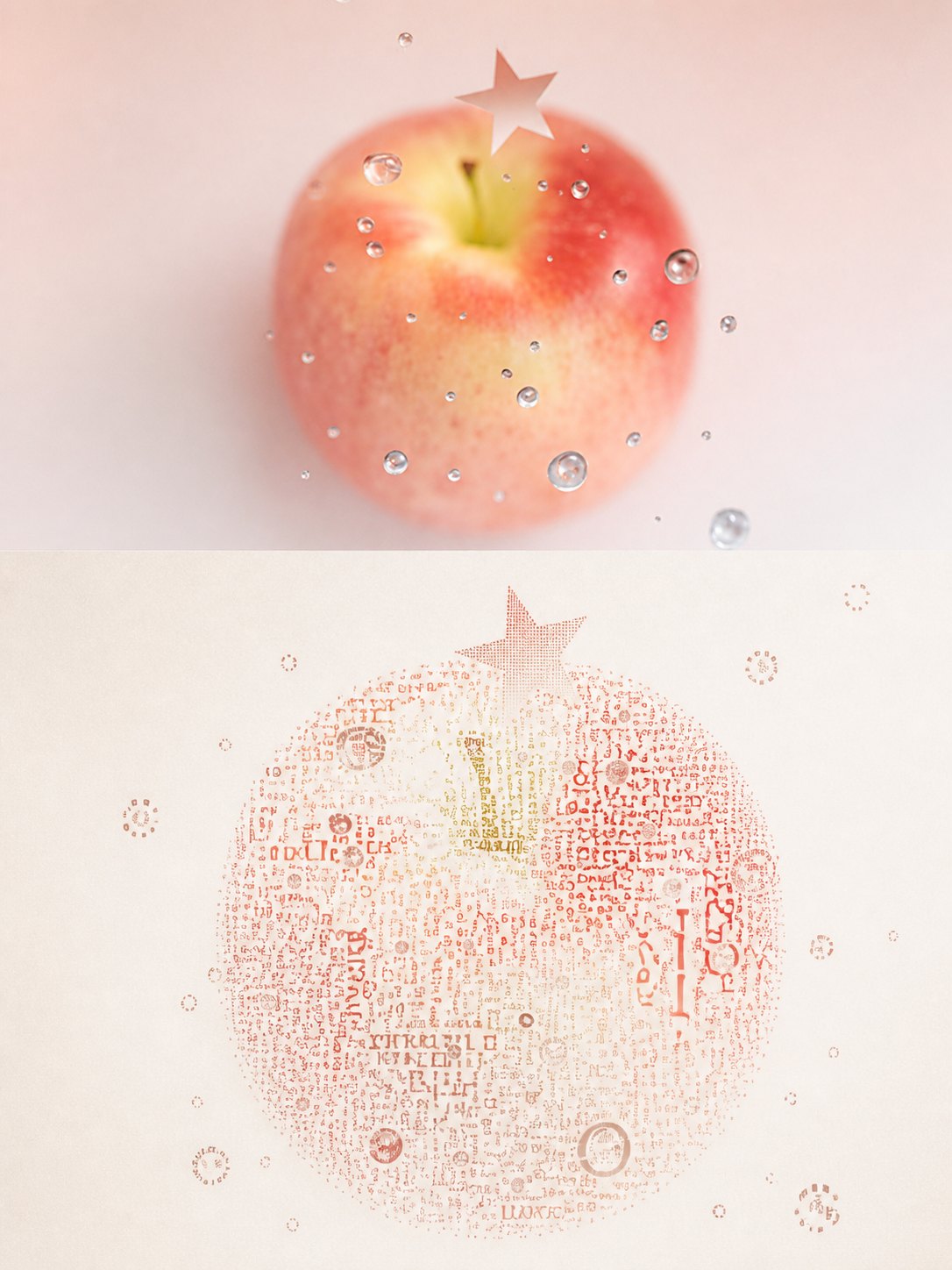
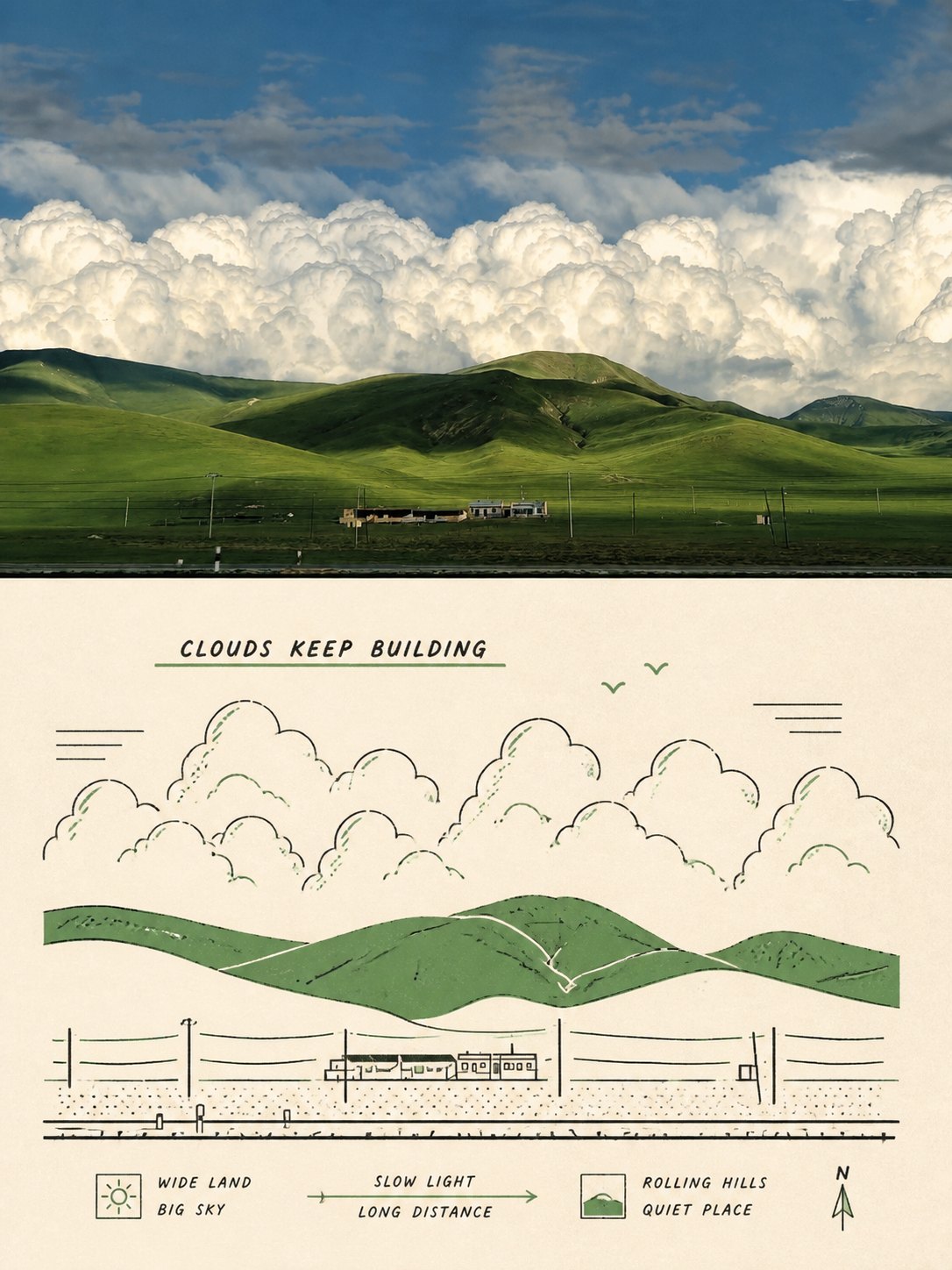
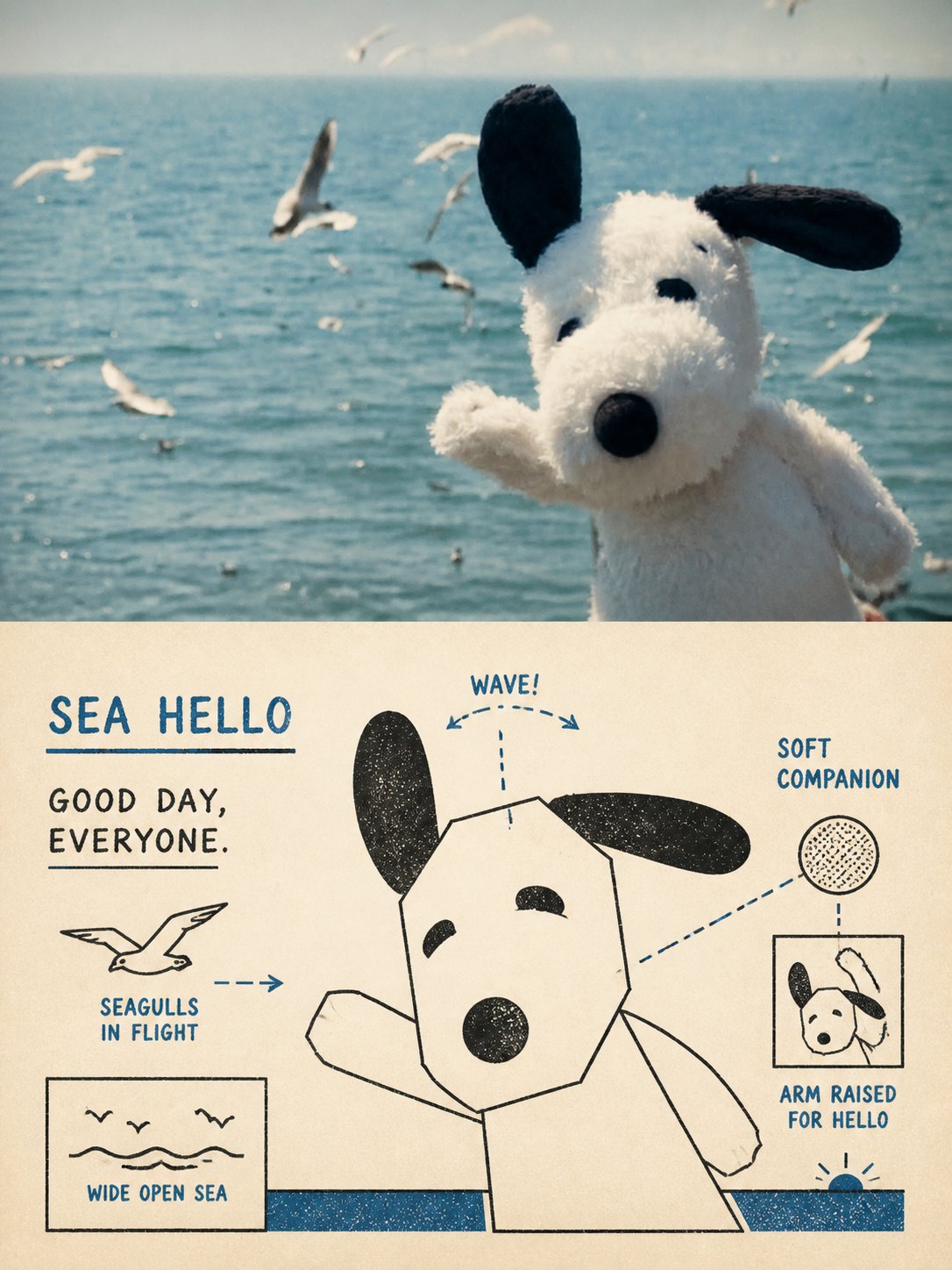
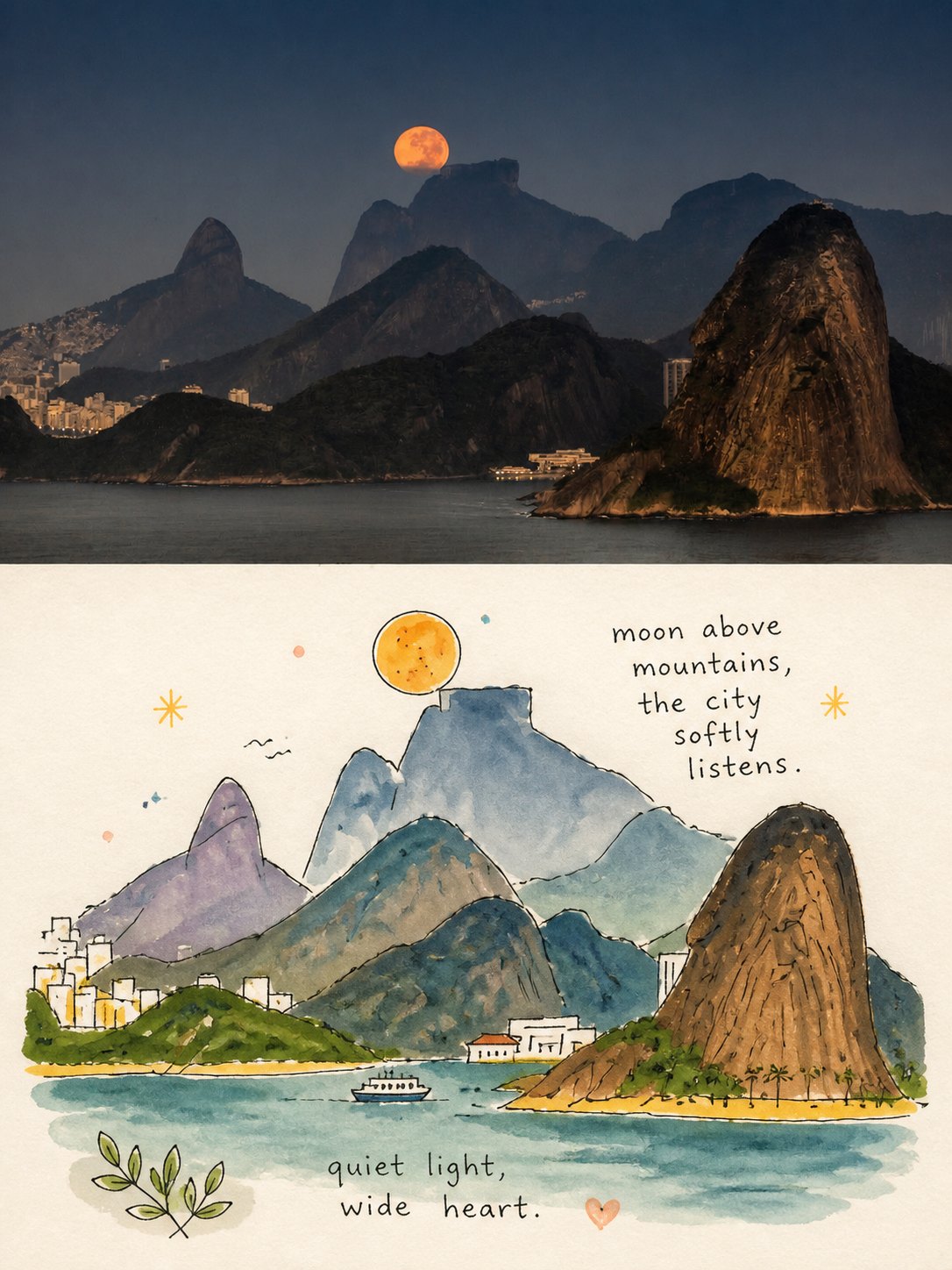
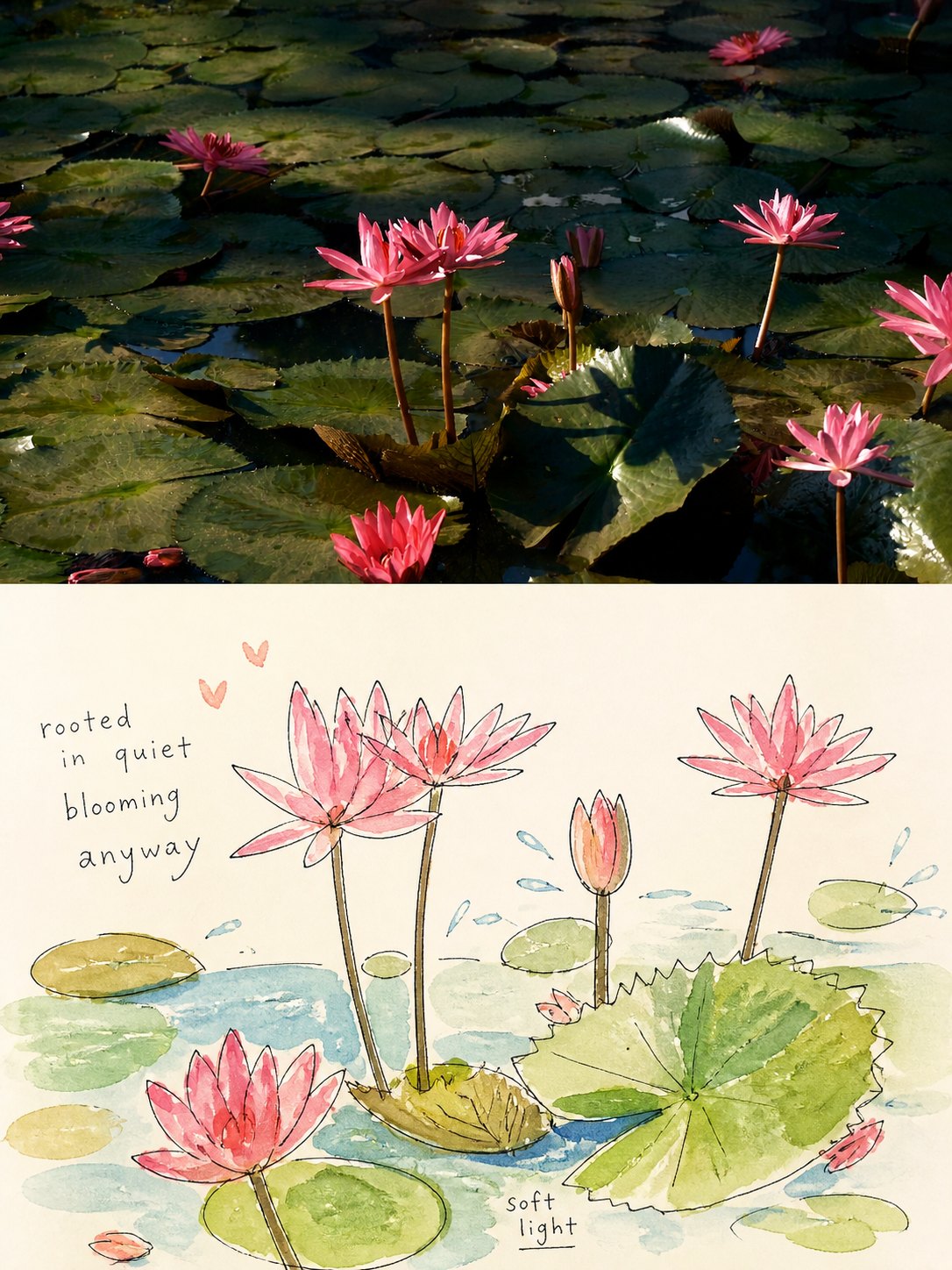
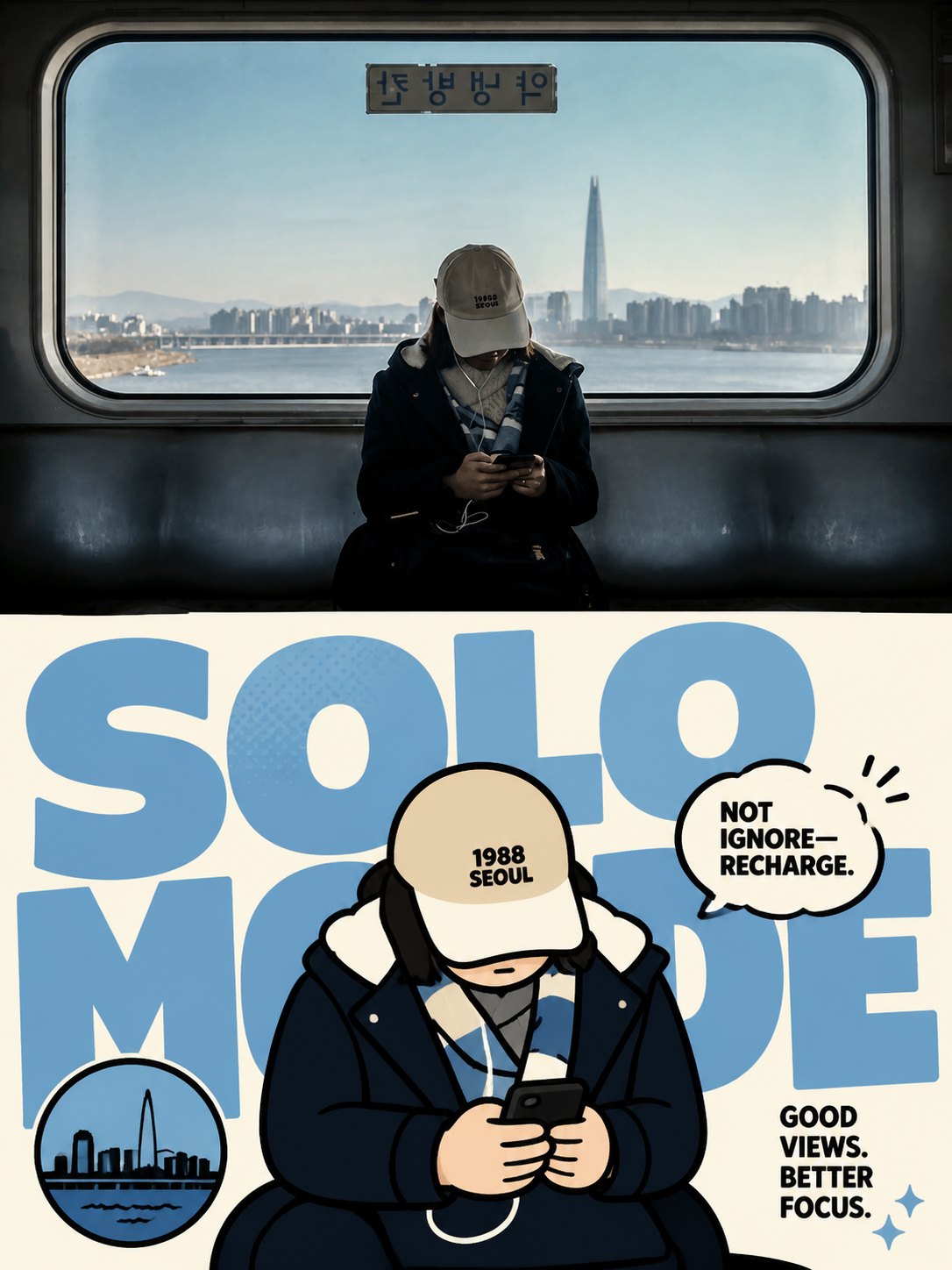
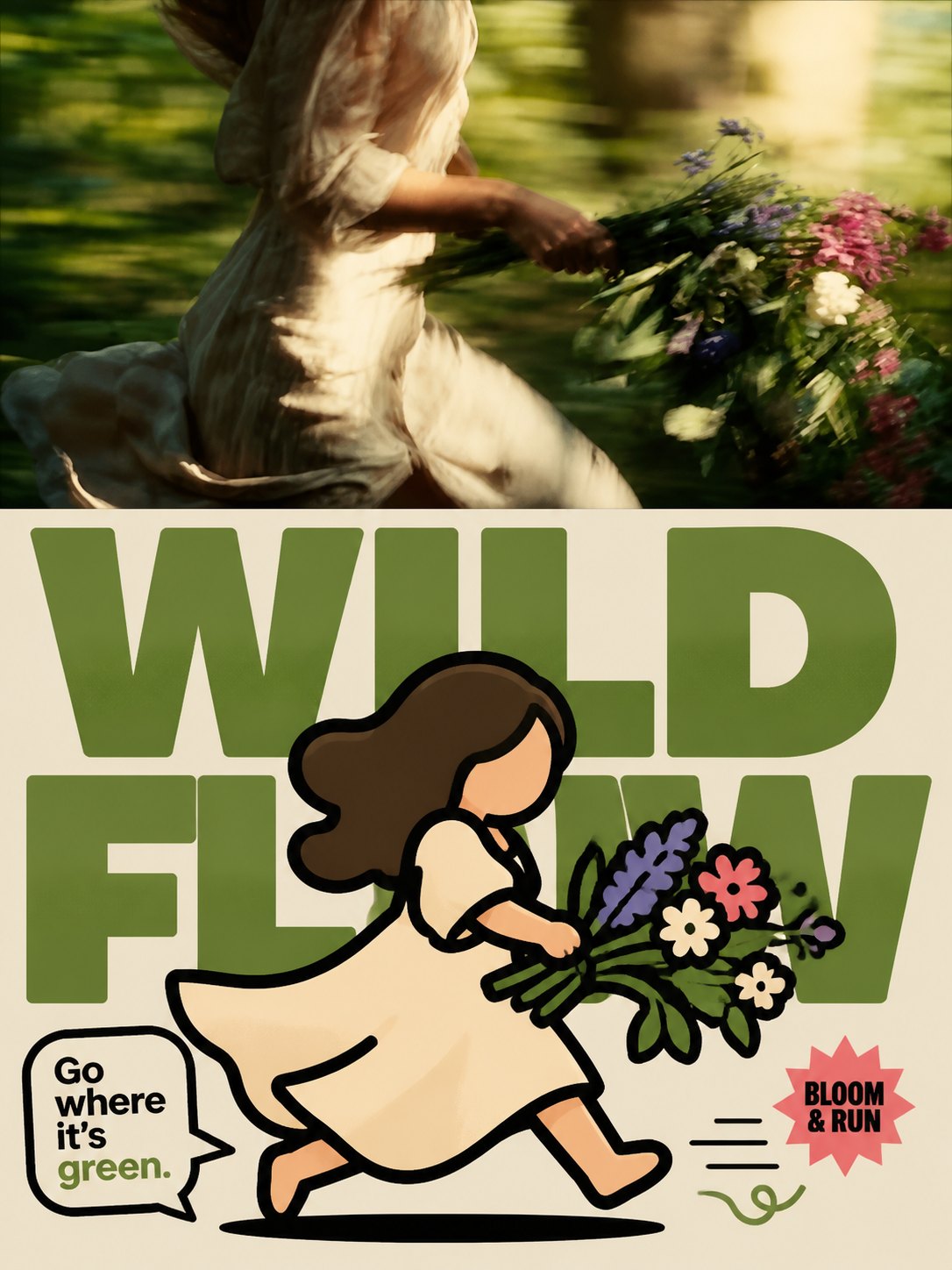
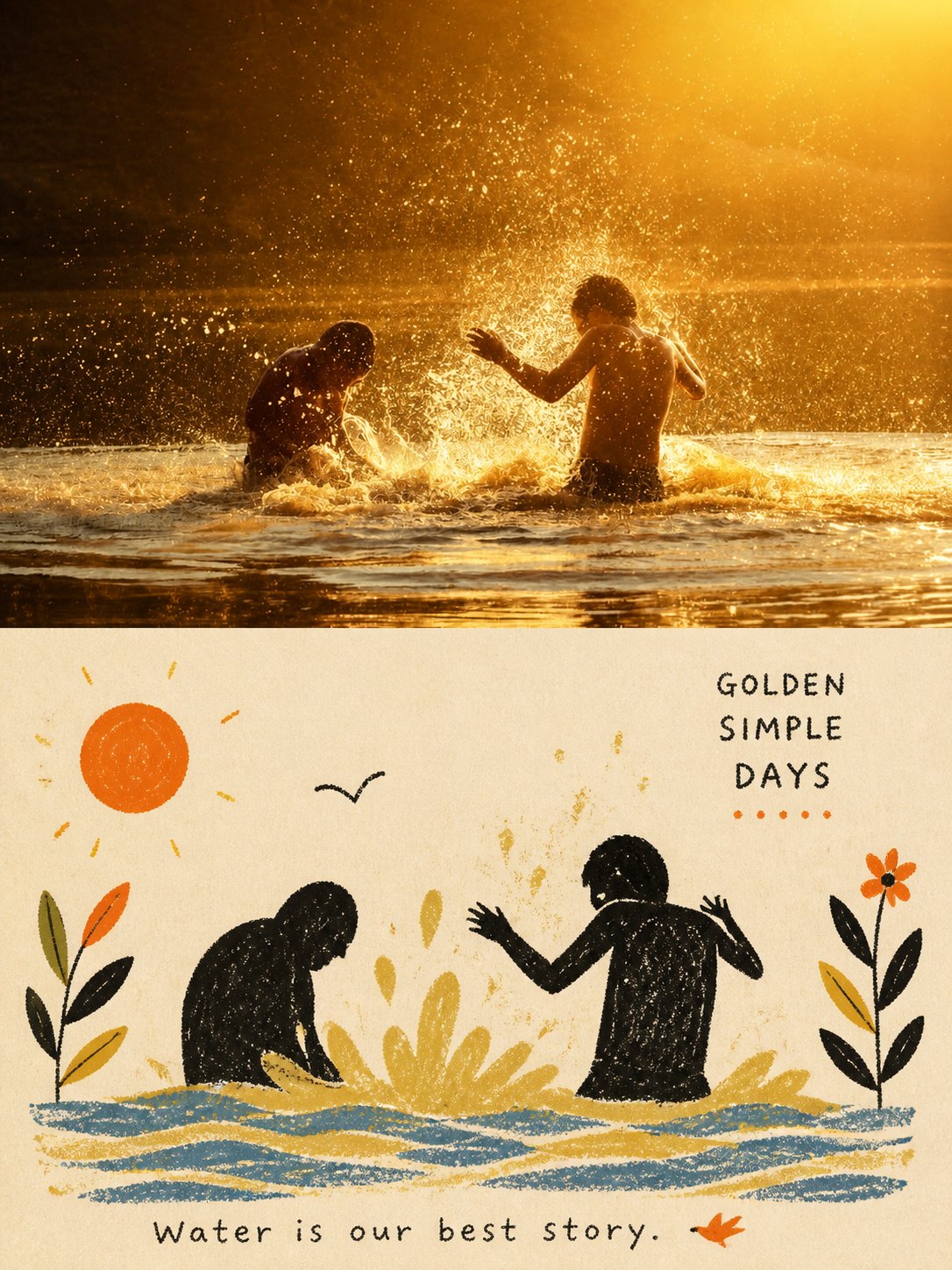
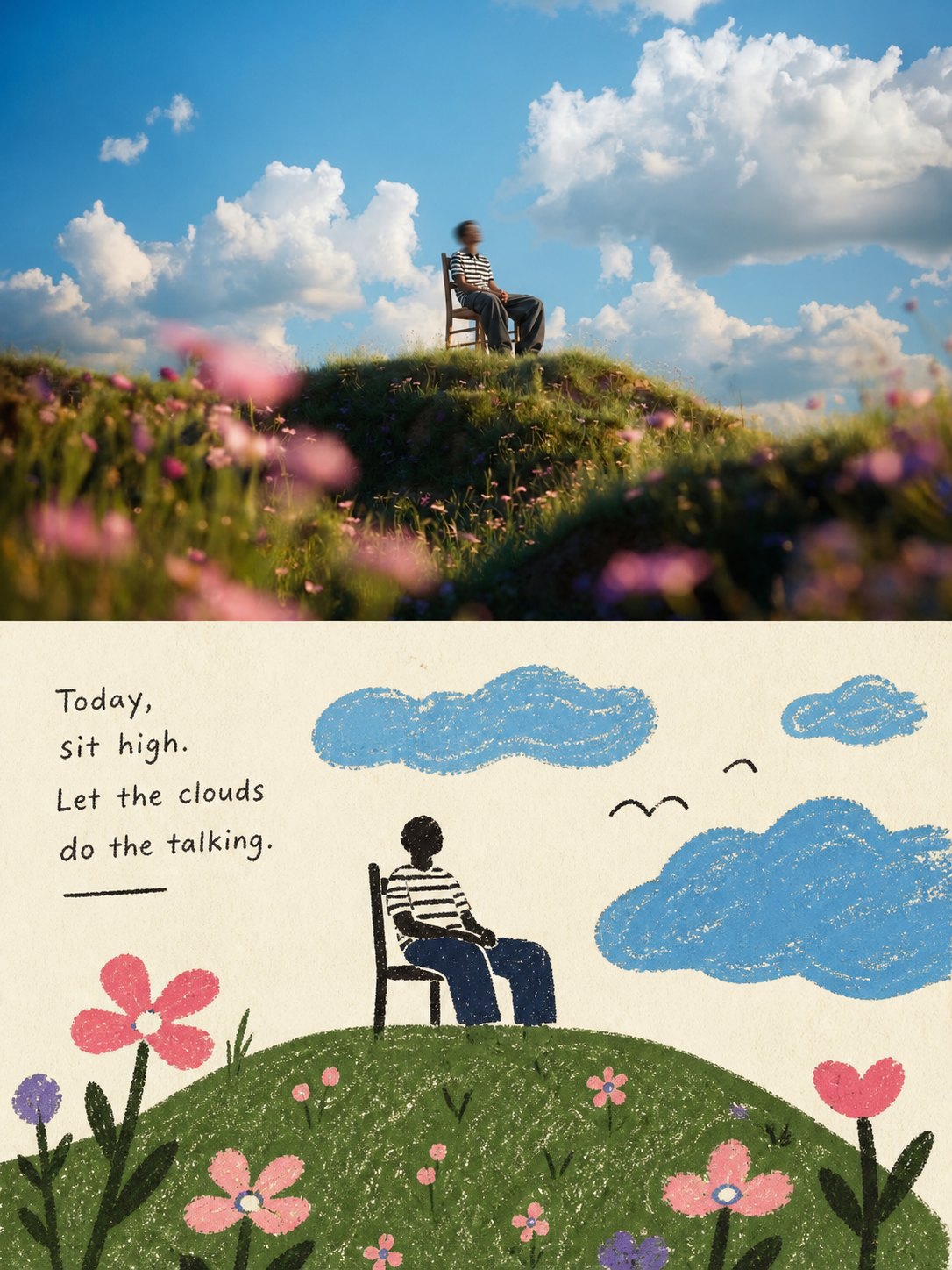
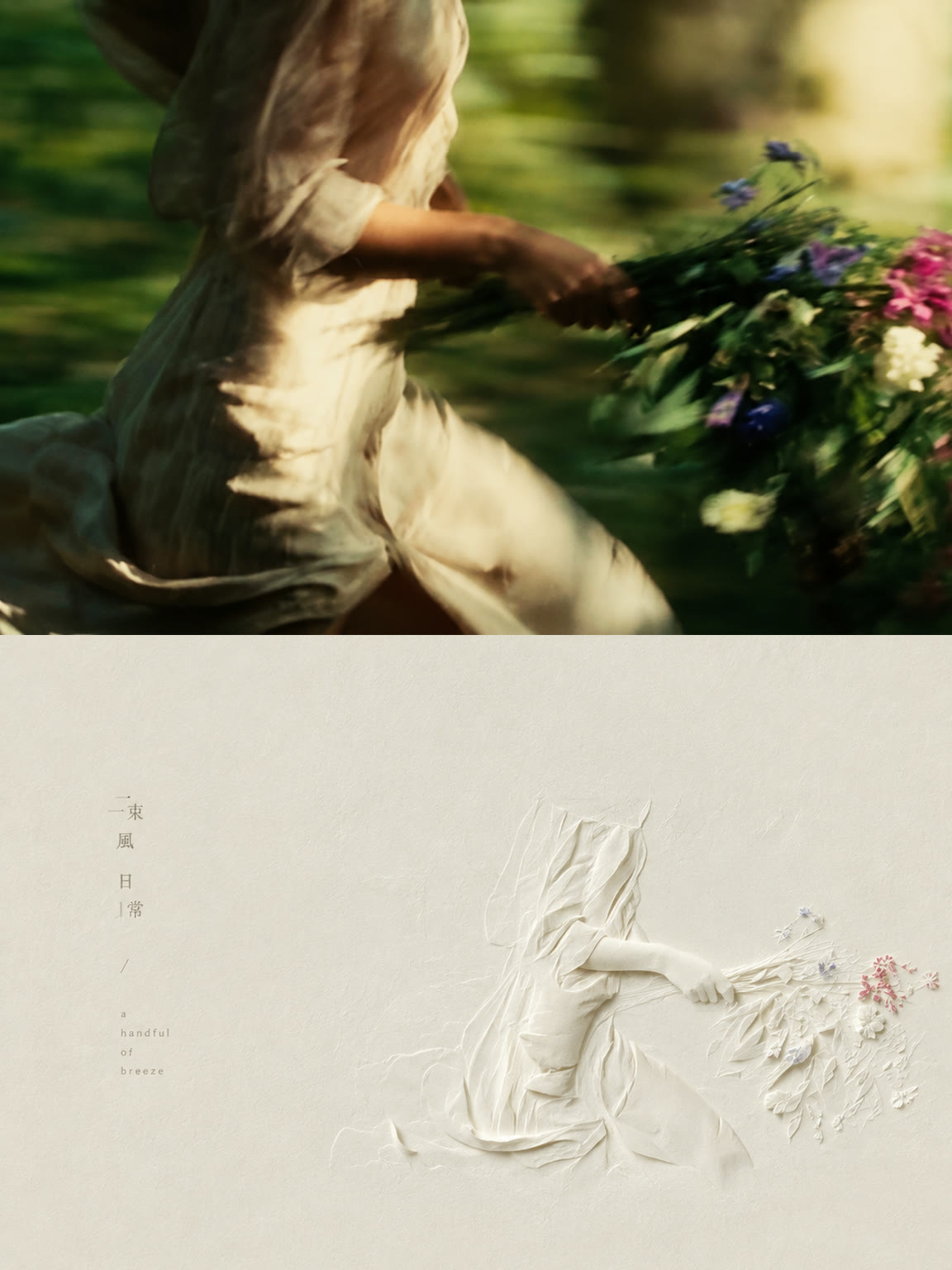
Oriental paper relief
GPT Image 2paper craftminimal
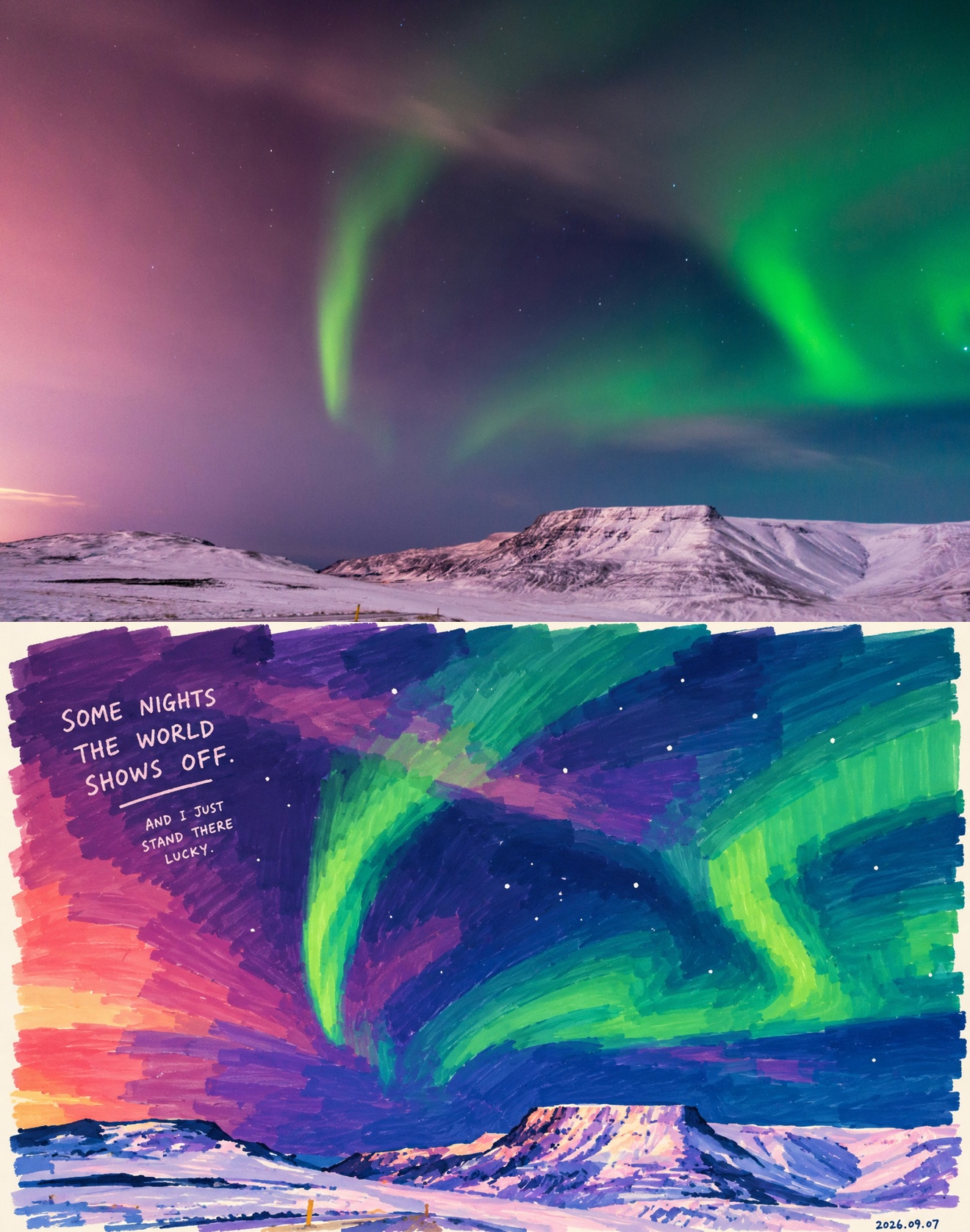
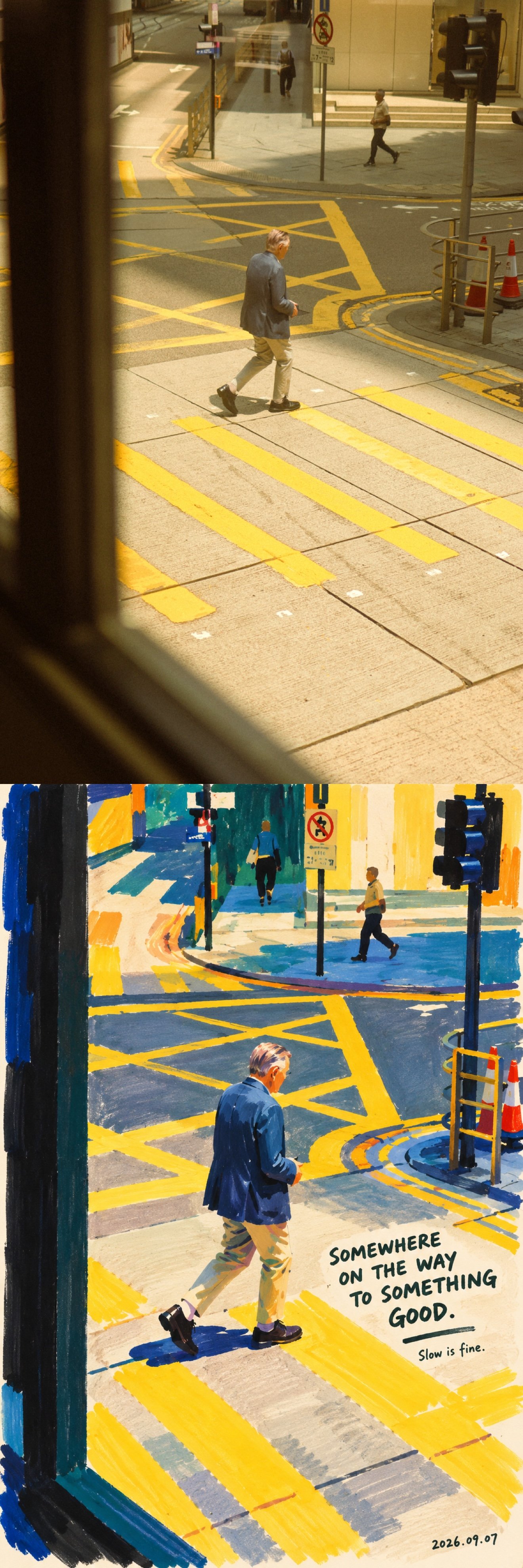
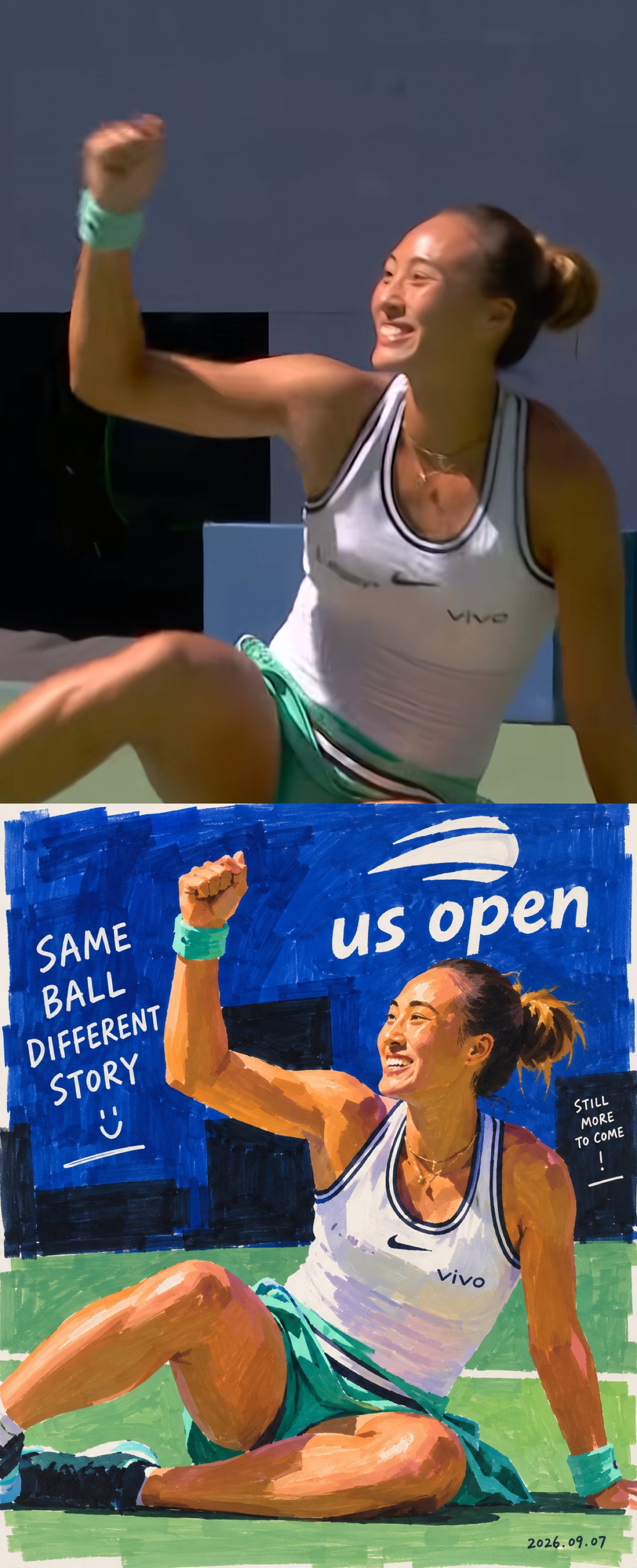
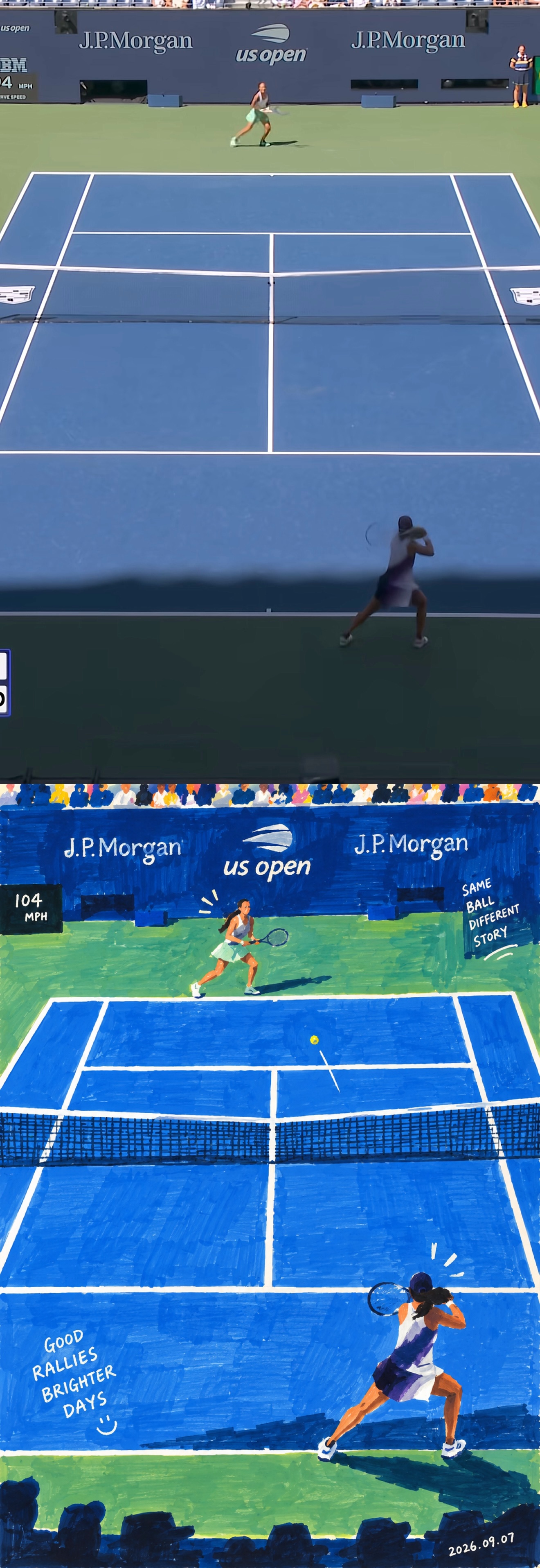
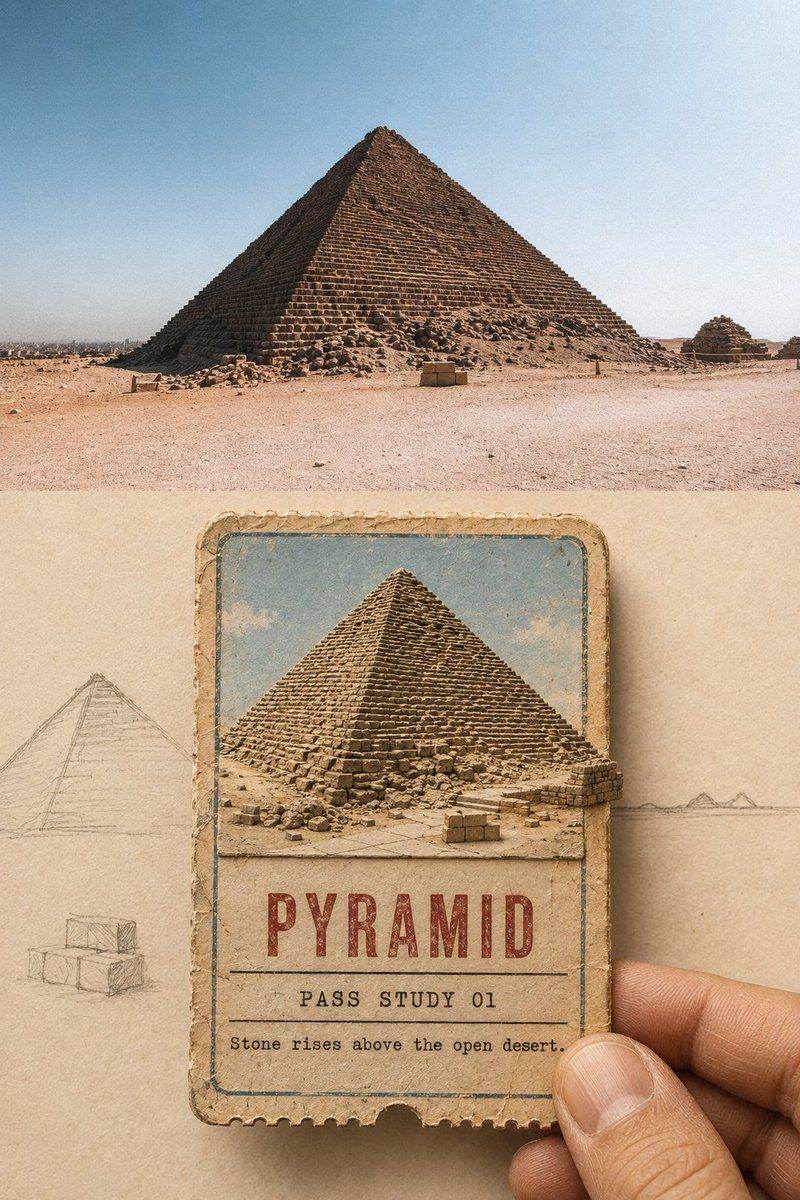
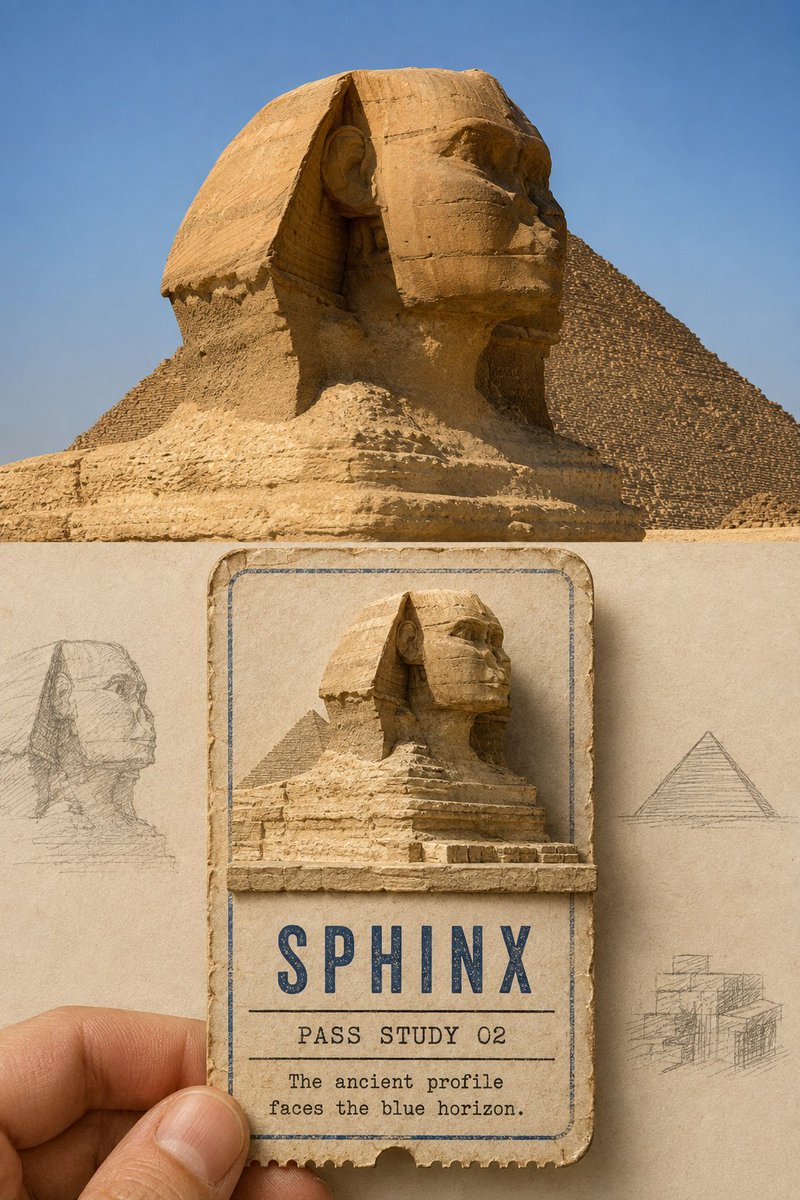
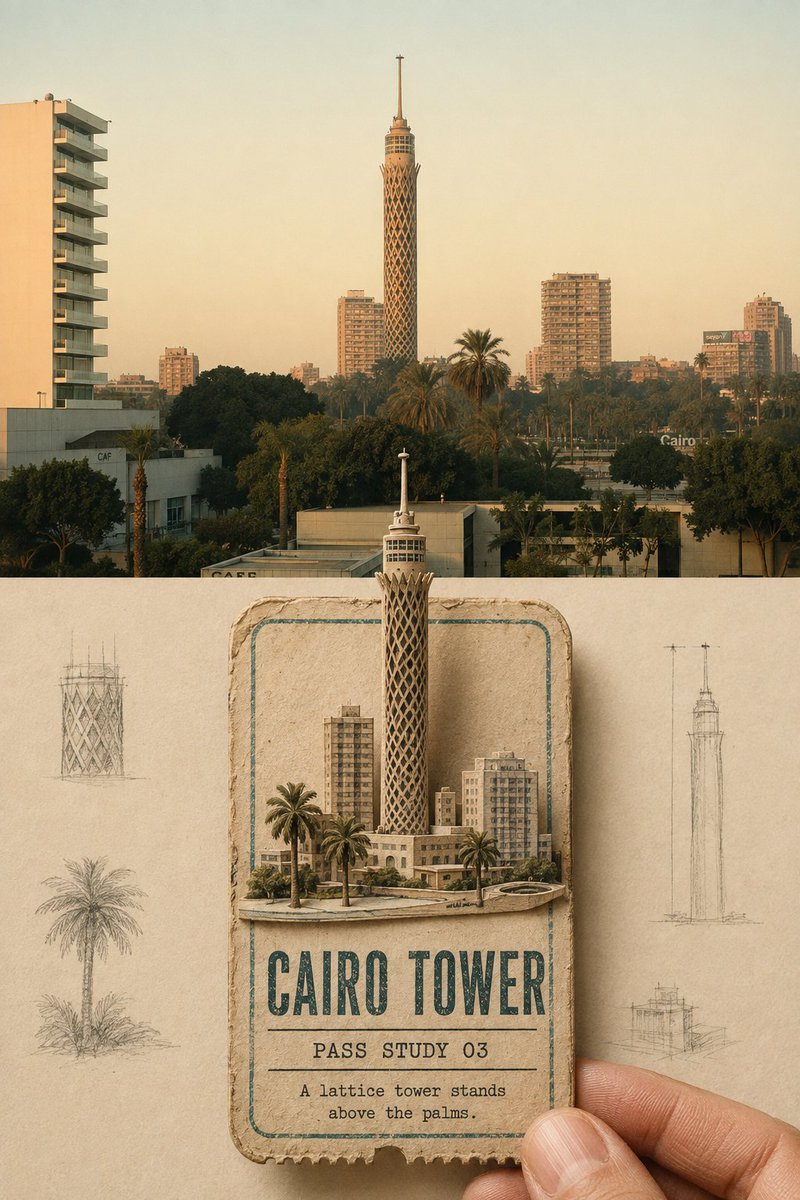
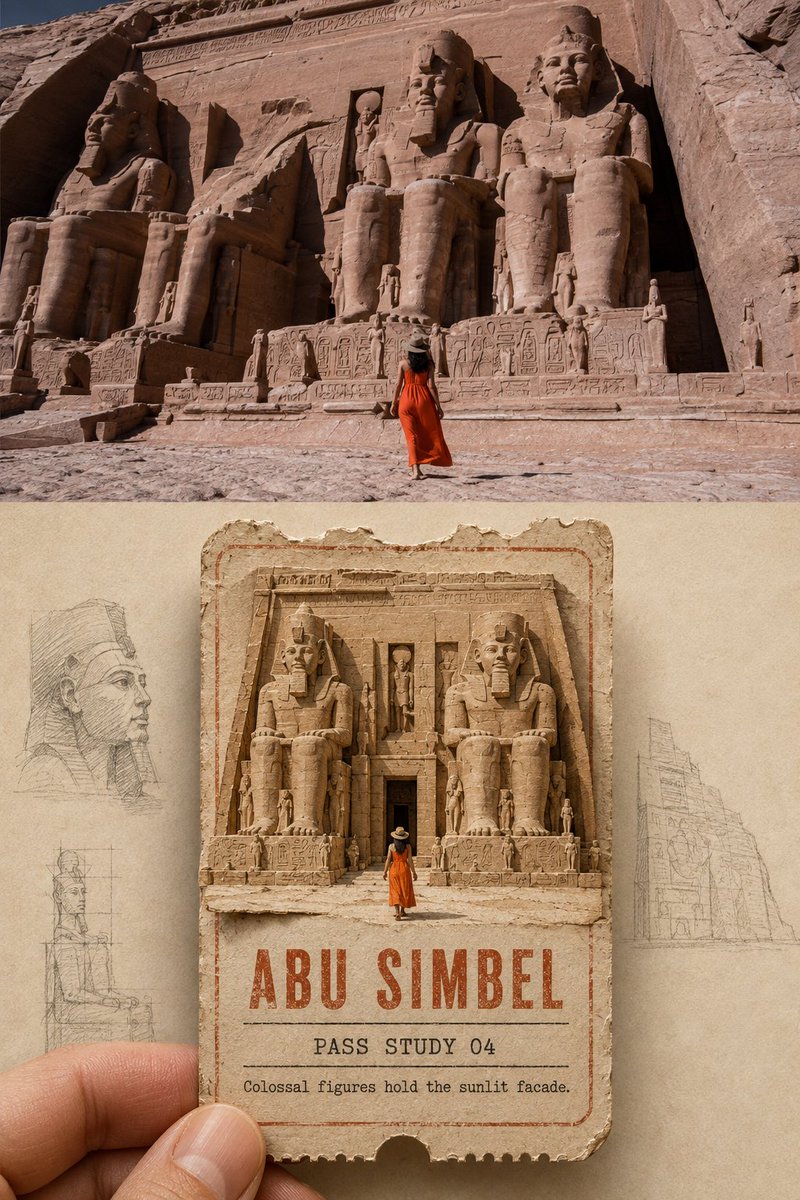
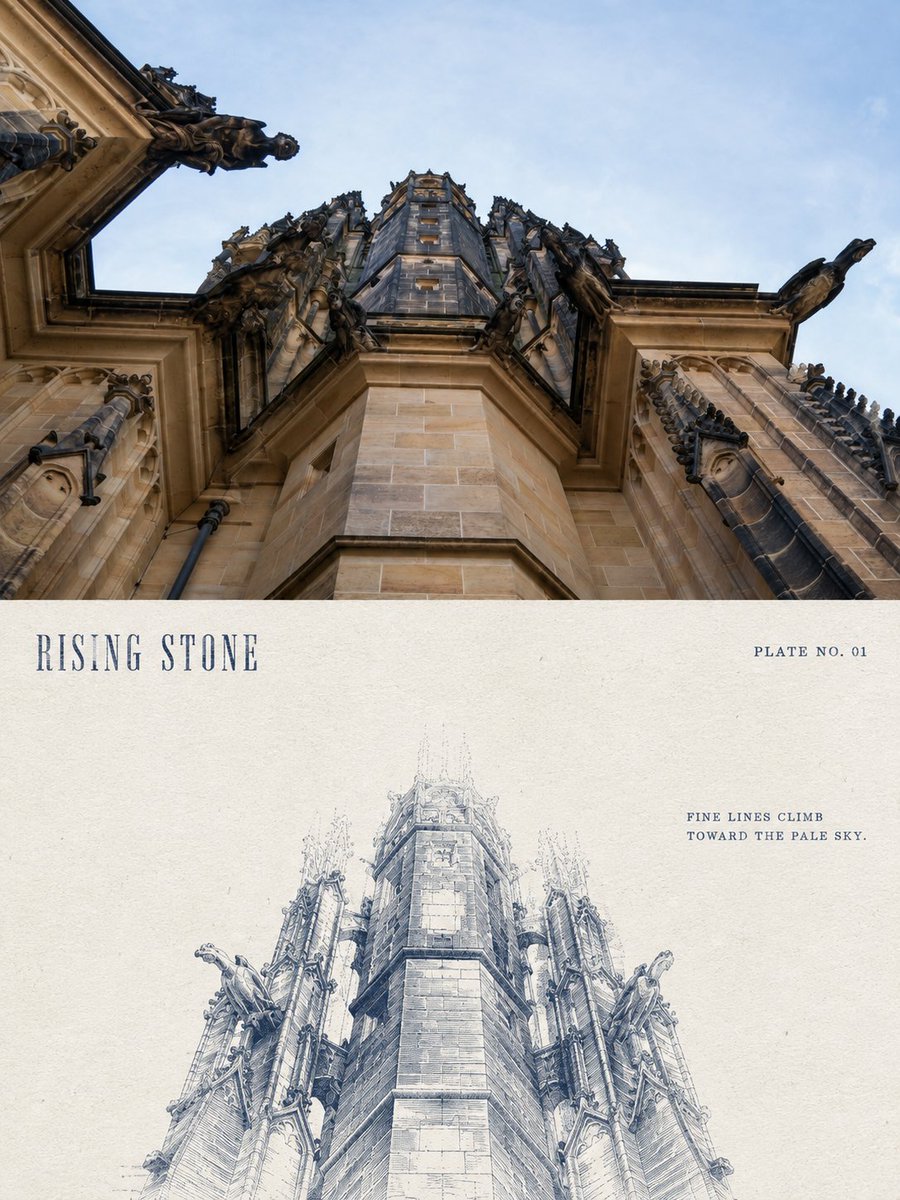
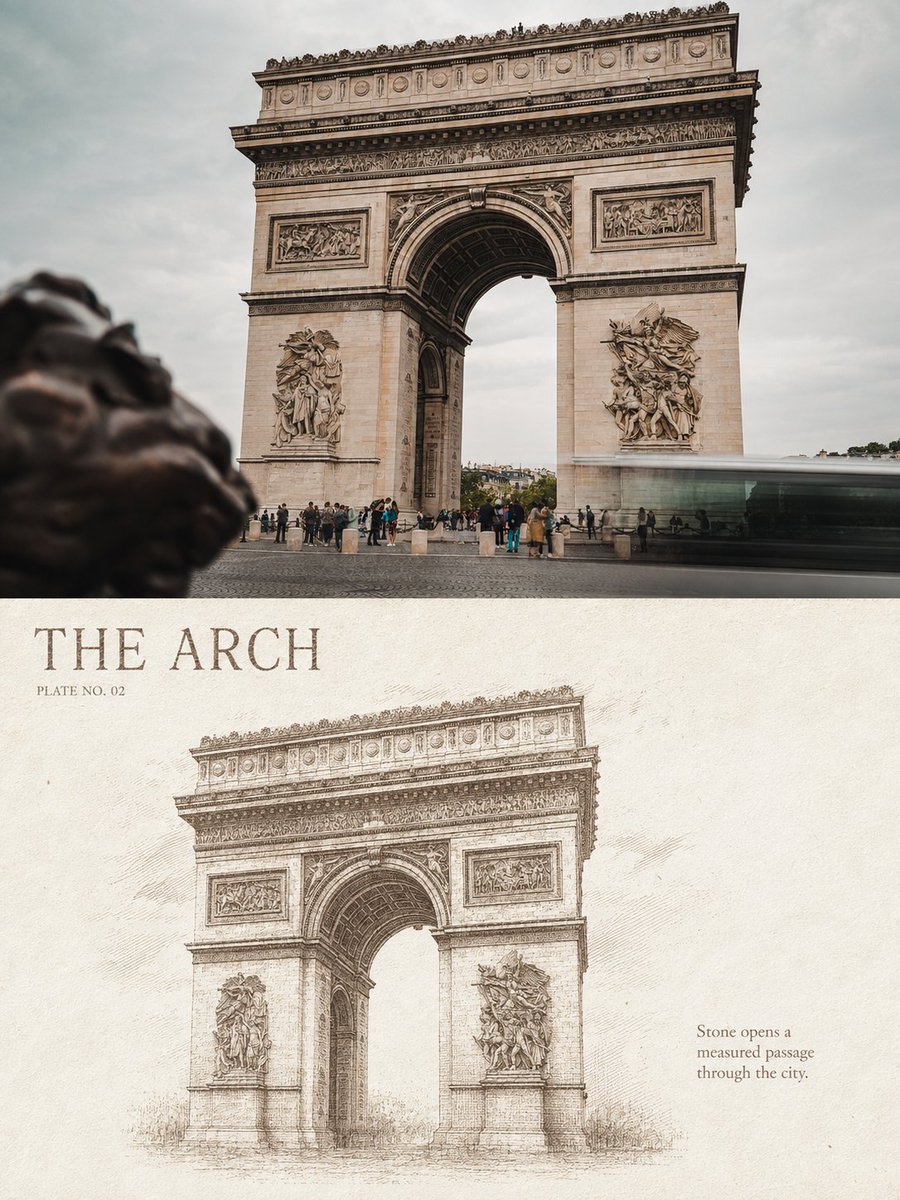
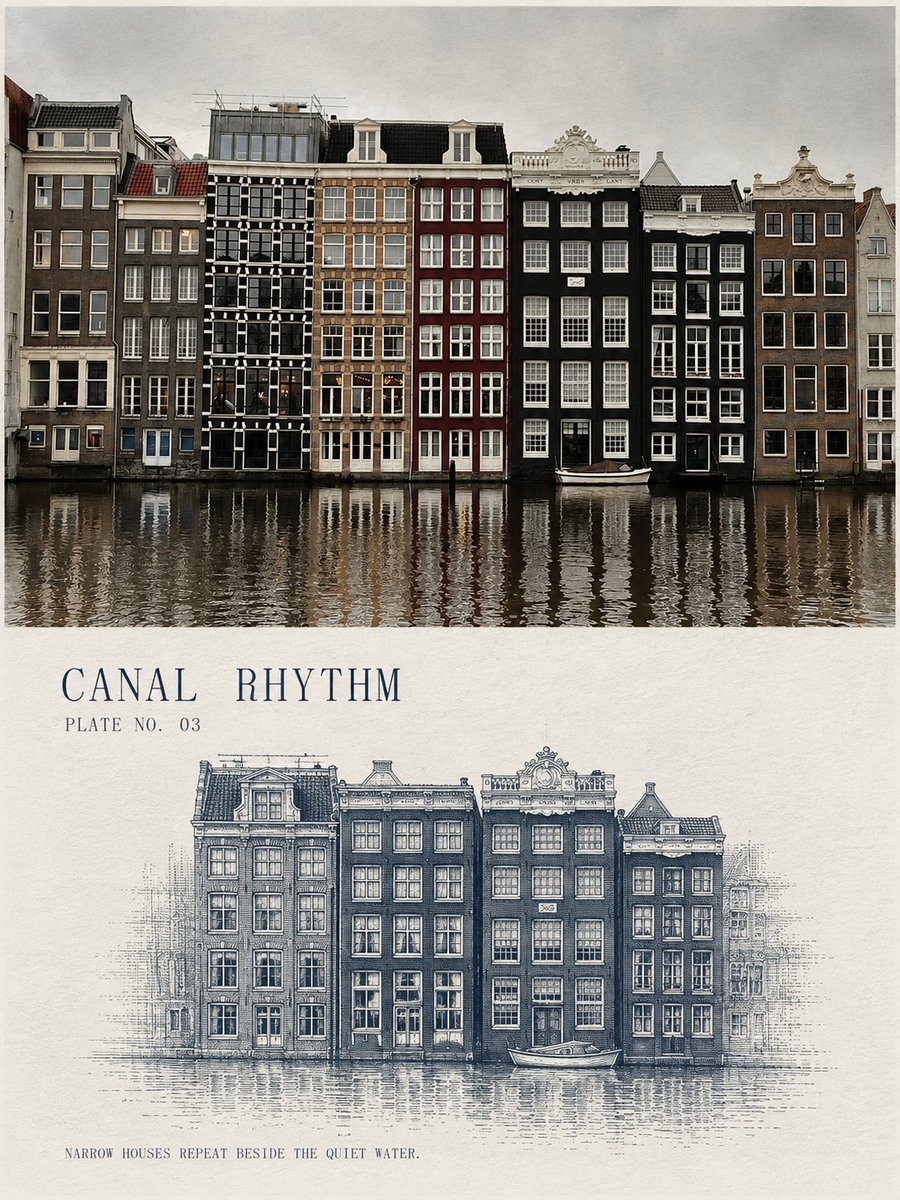
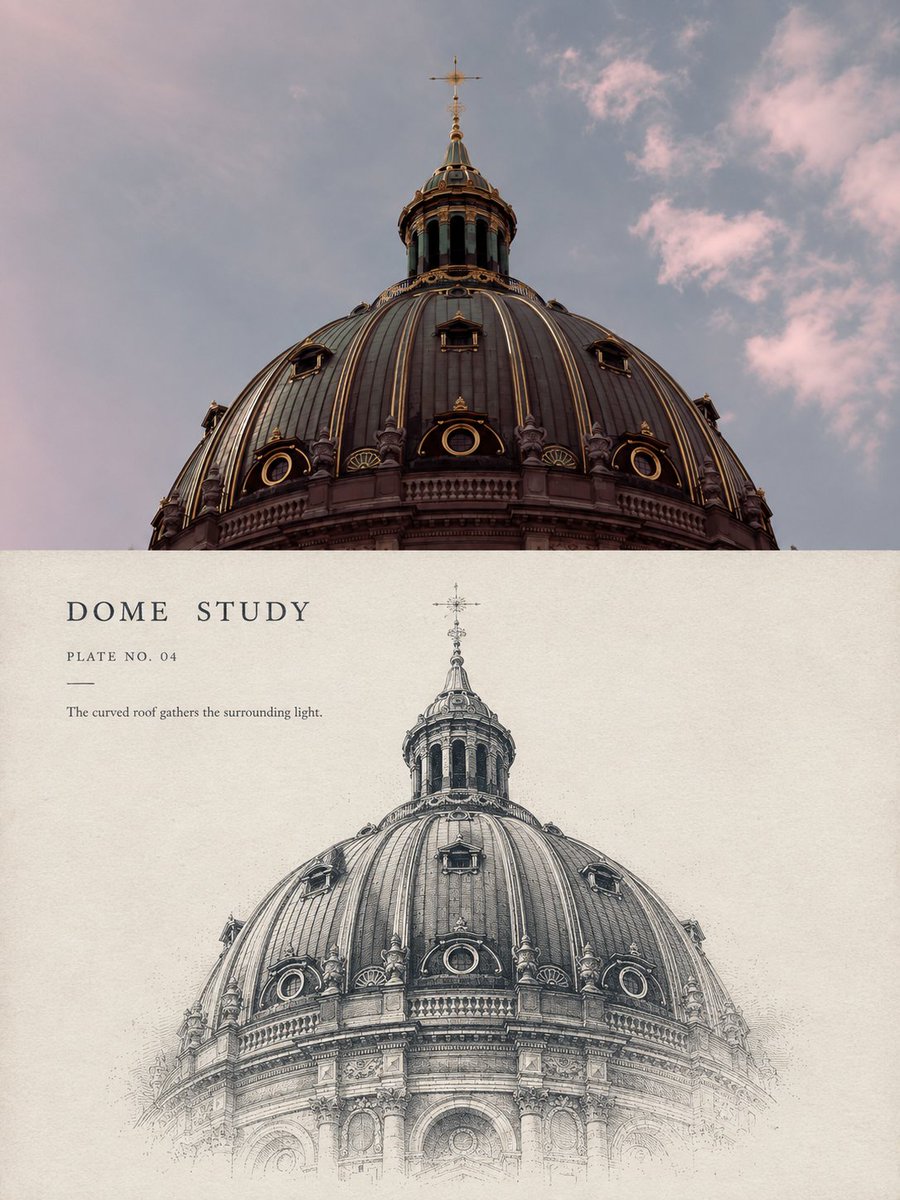
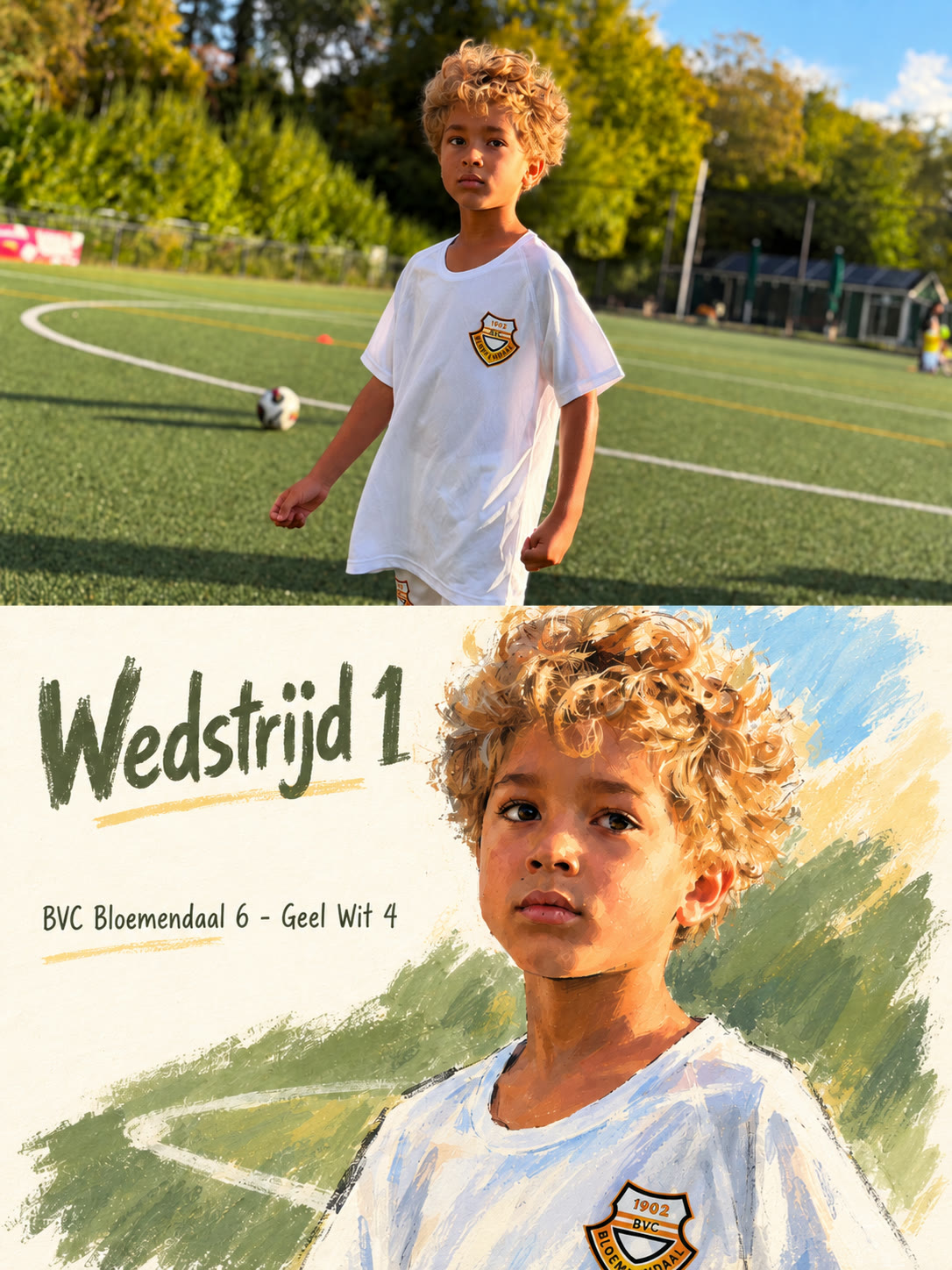
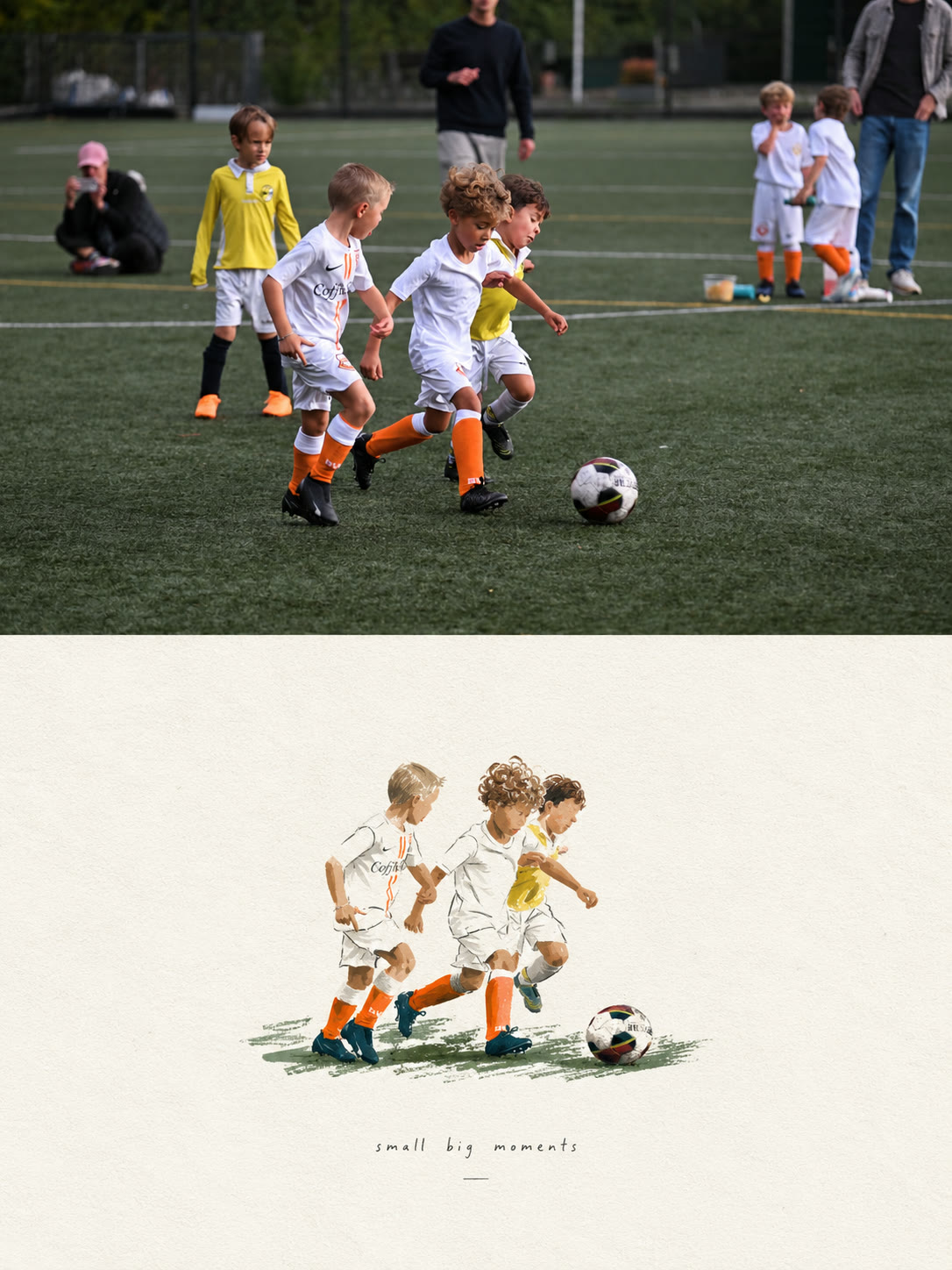
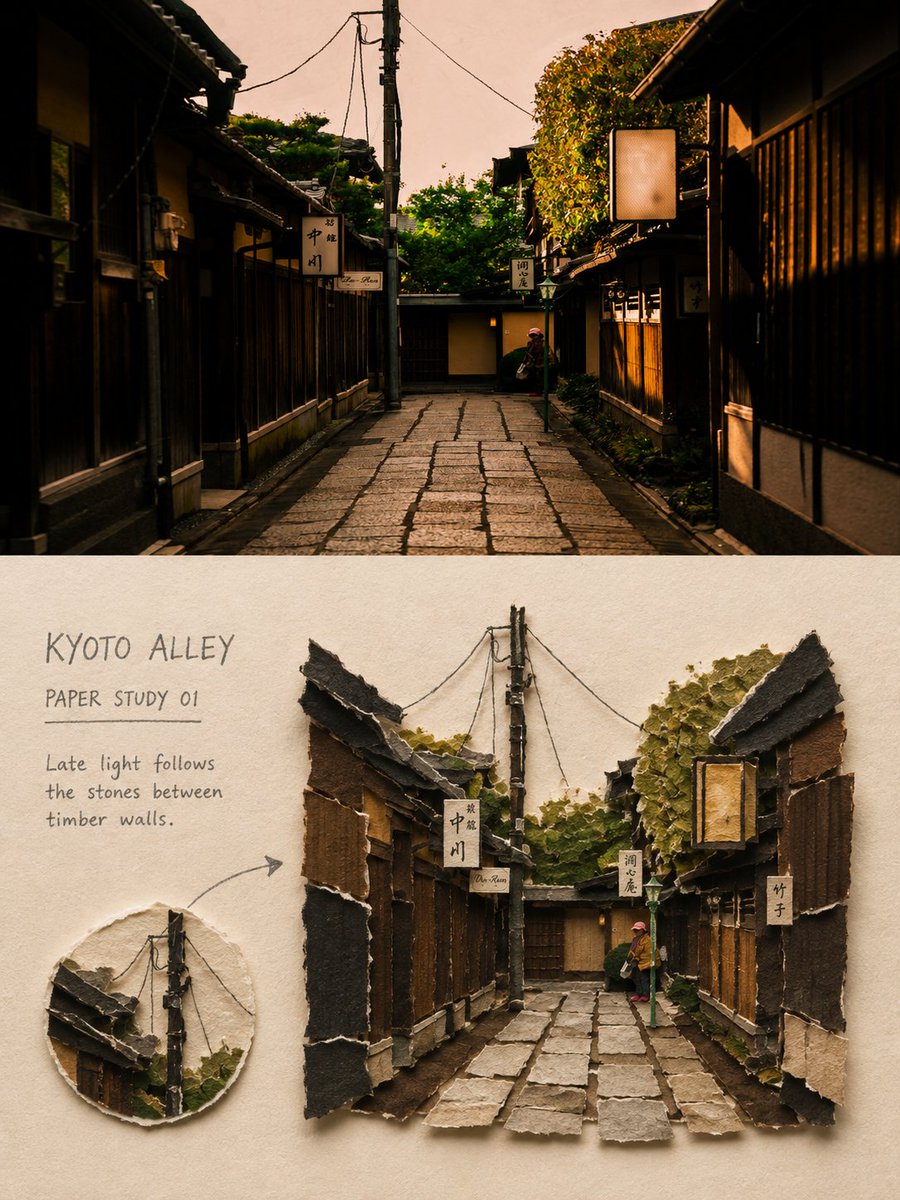
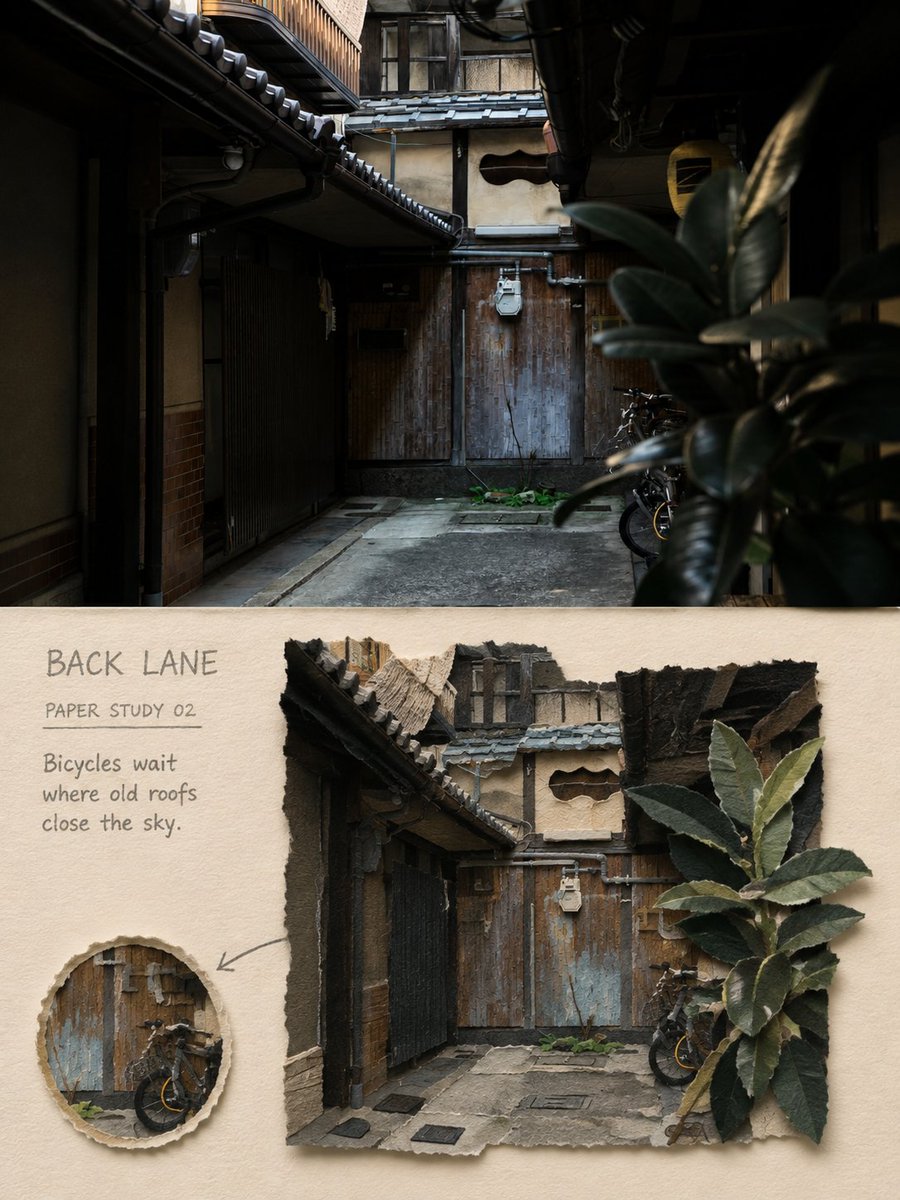
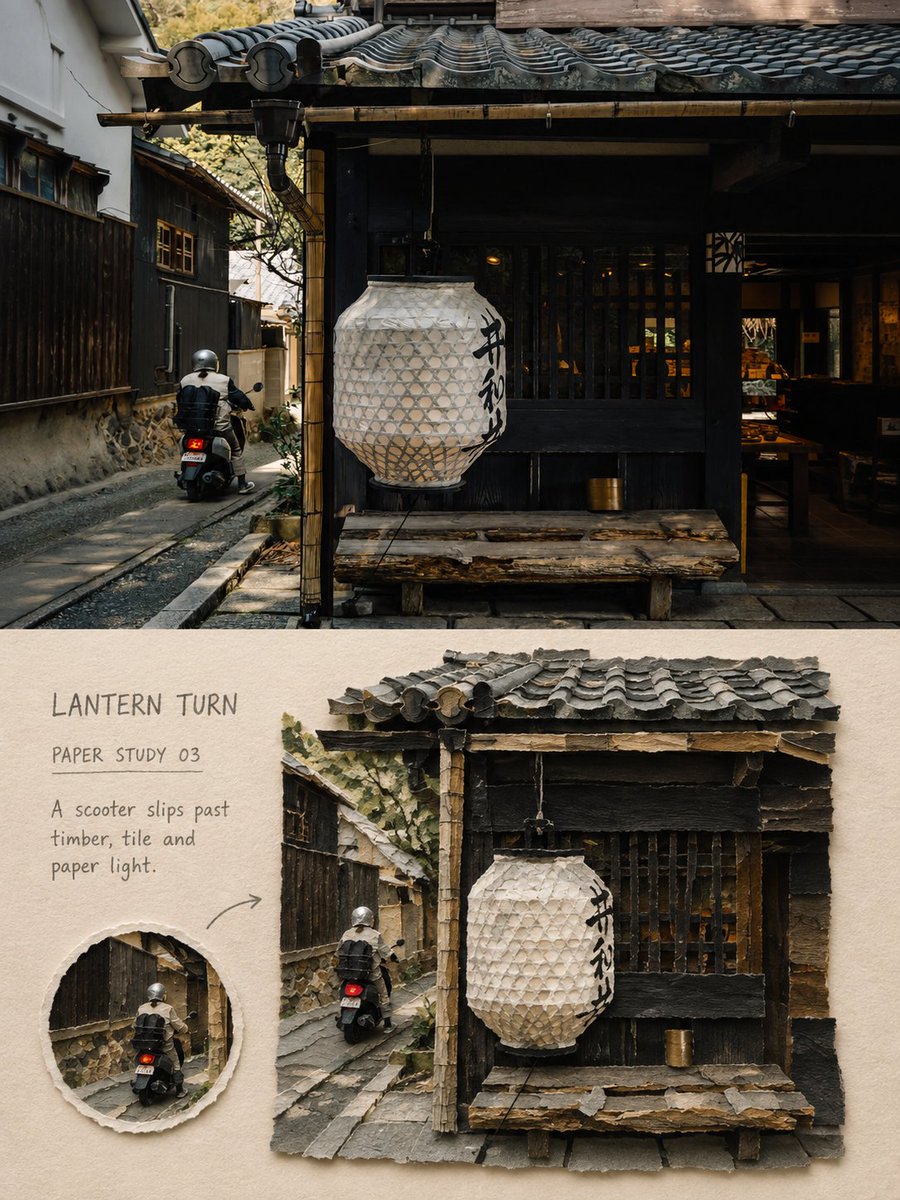
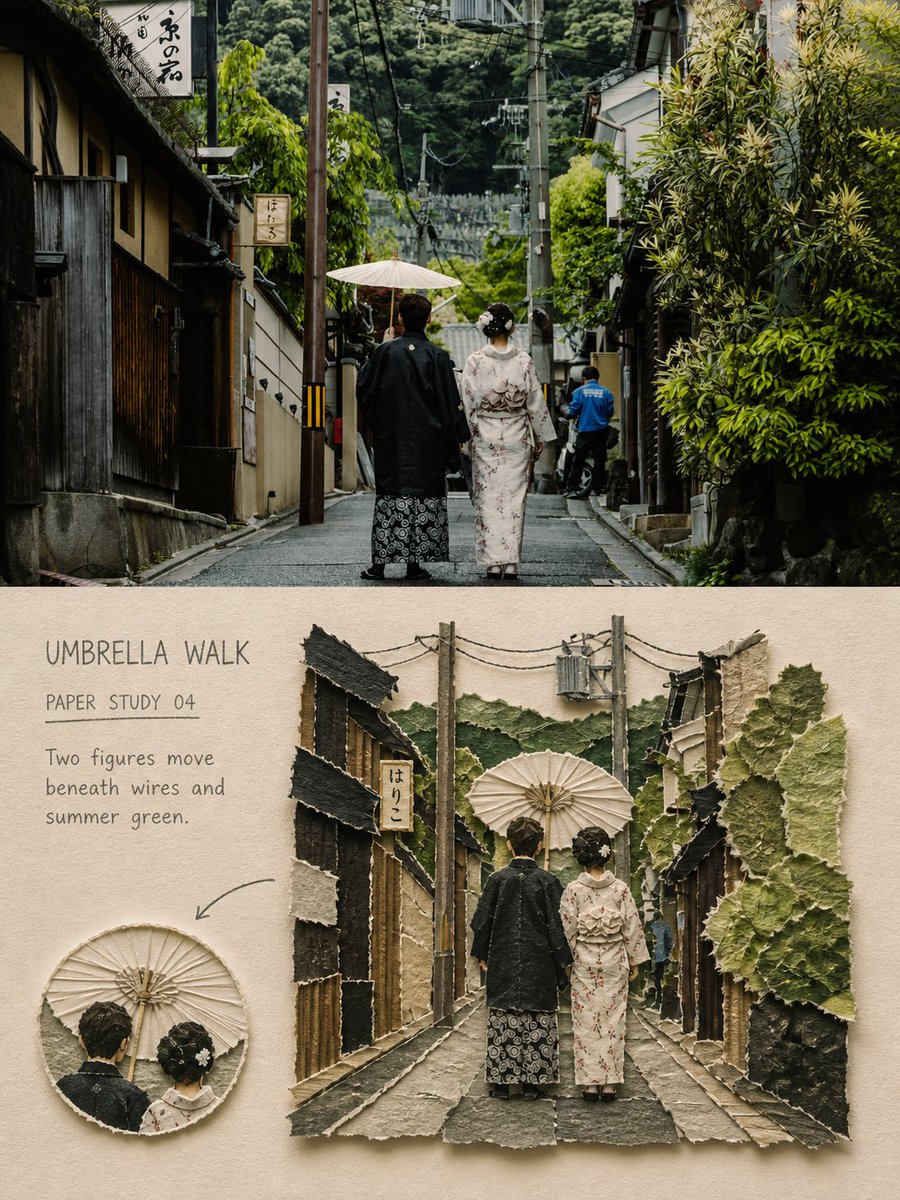
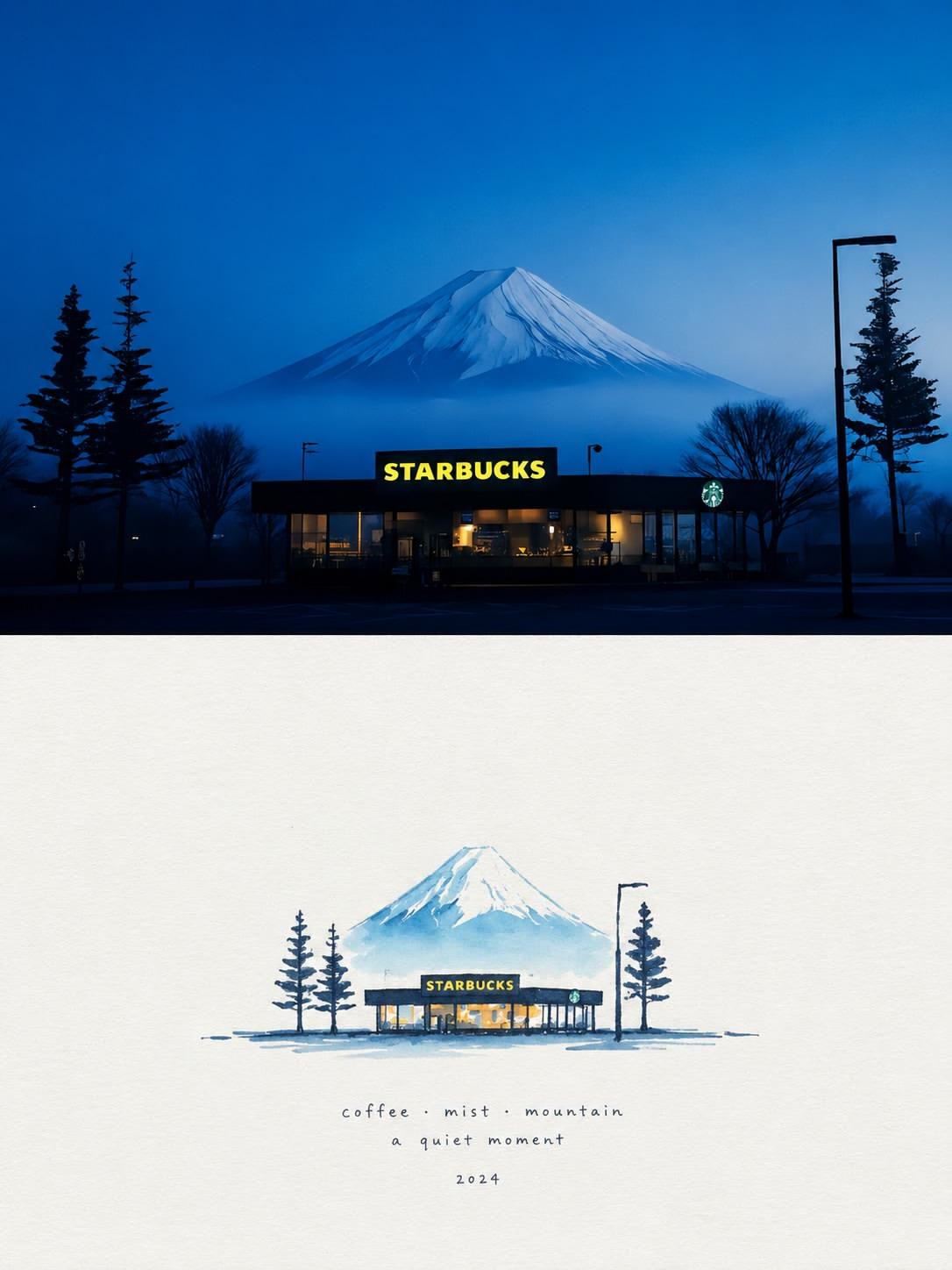
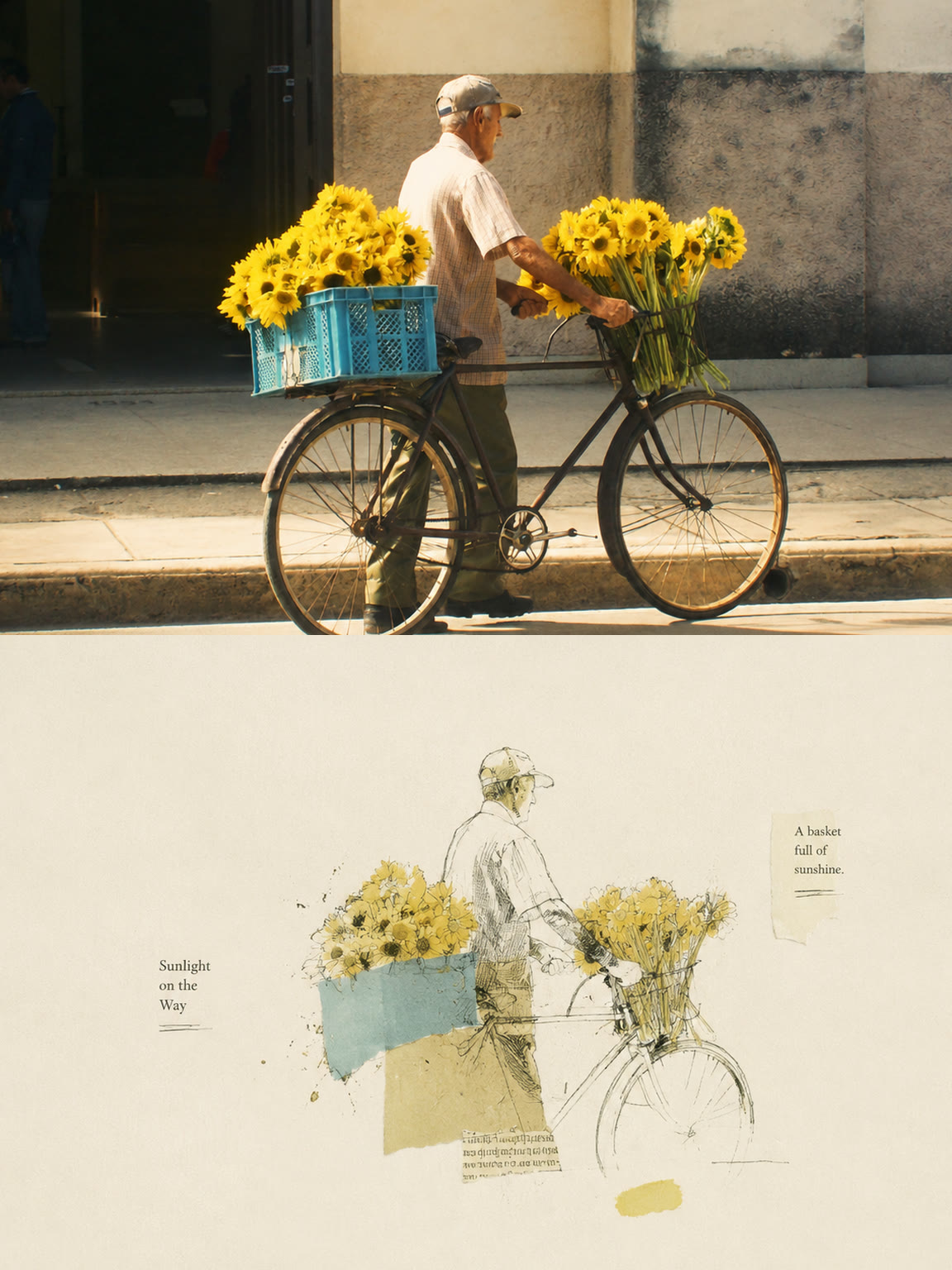
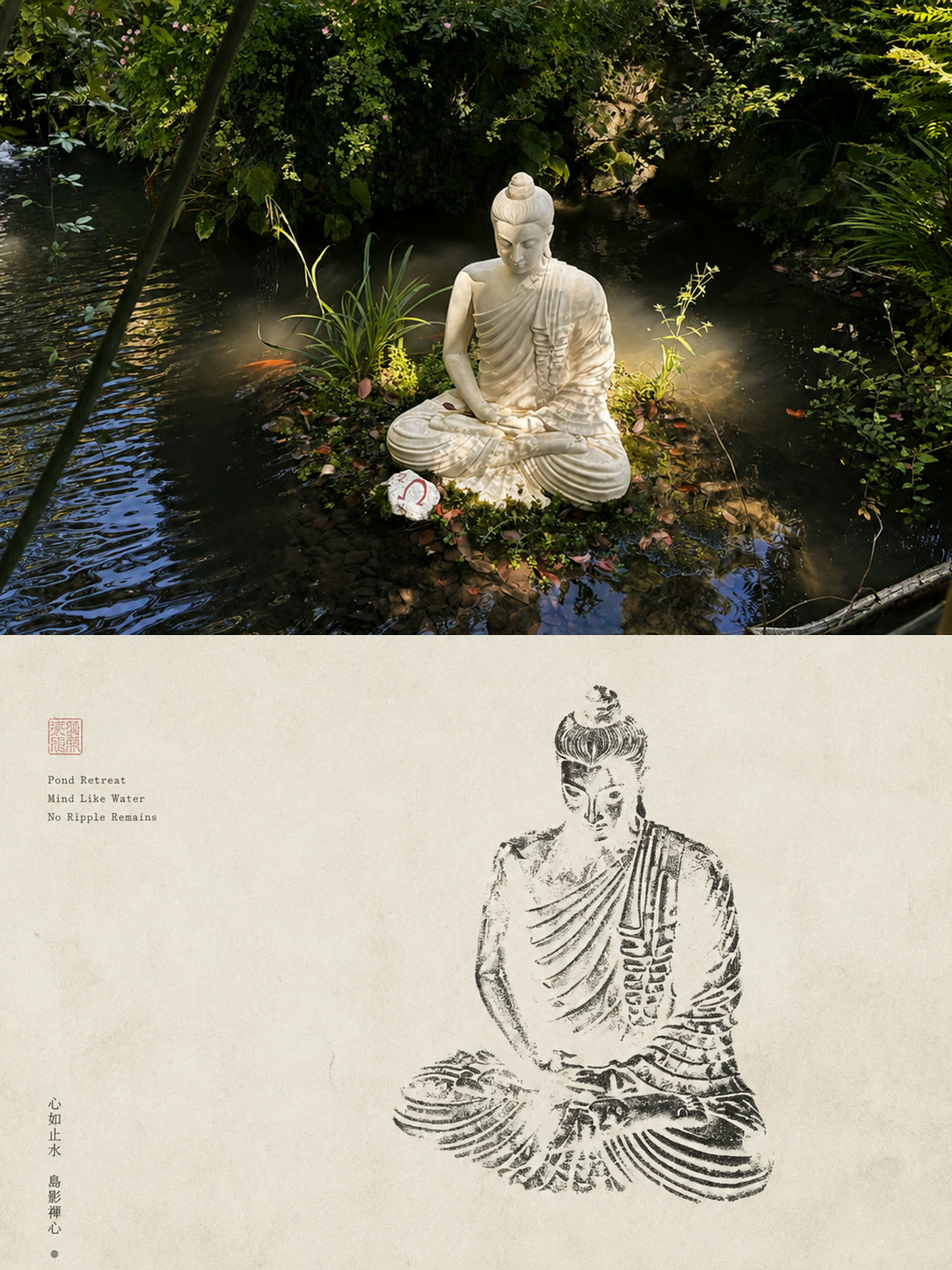
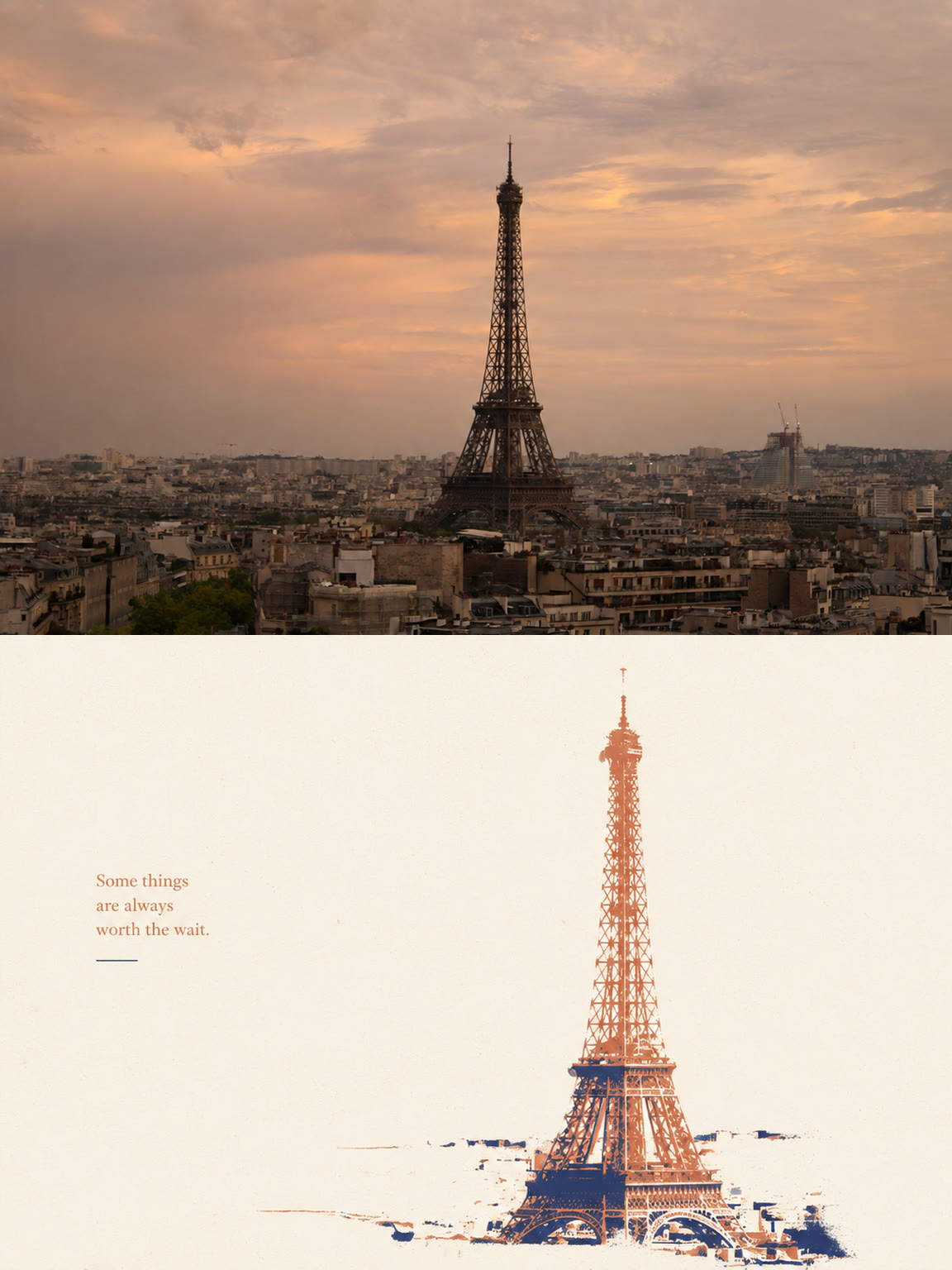
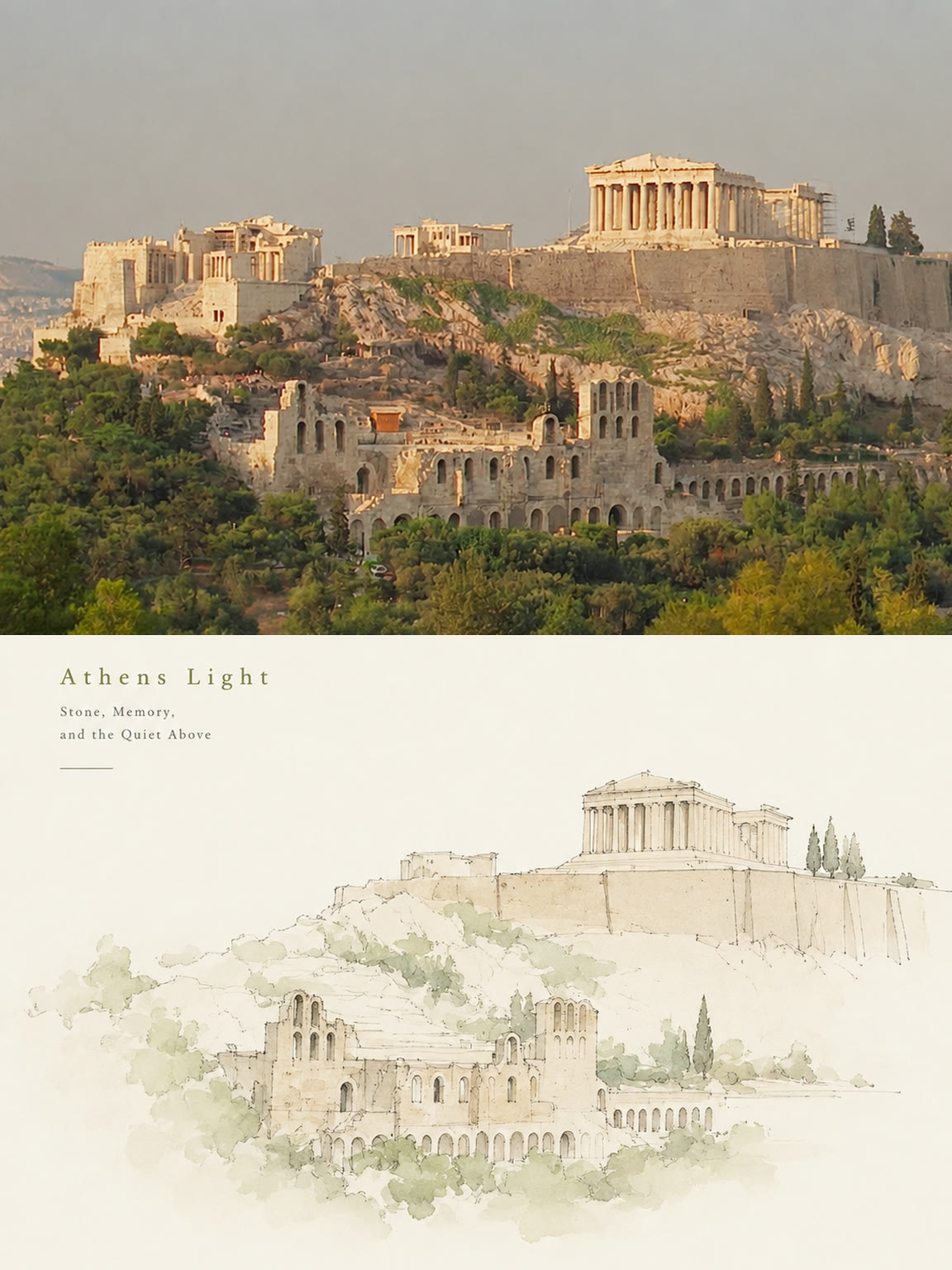
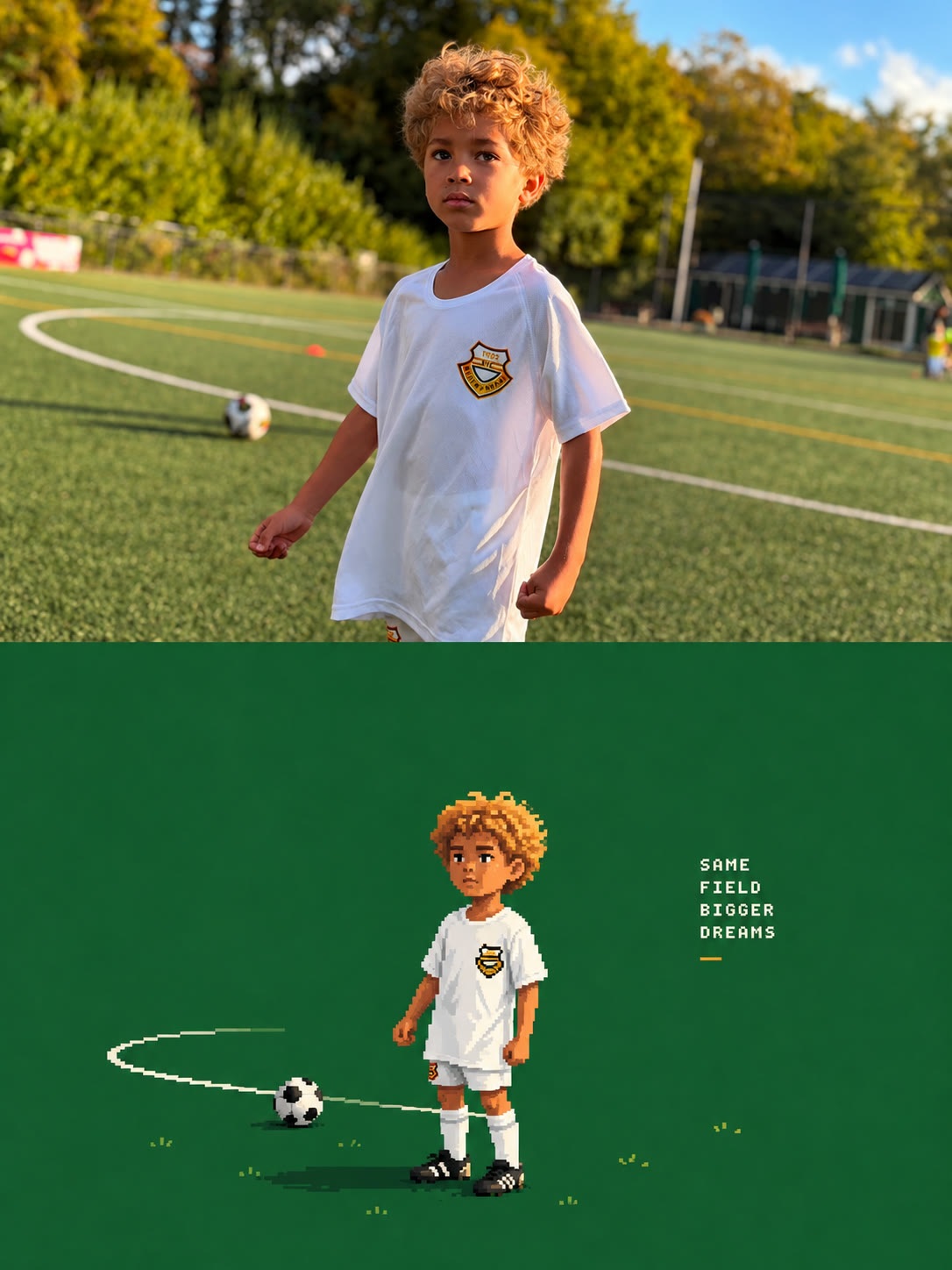
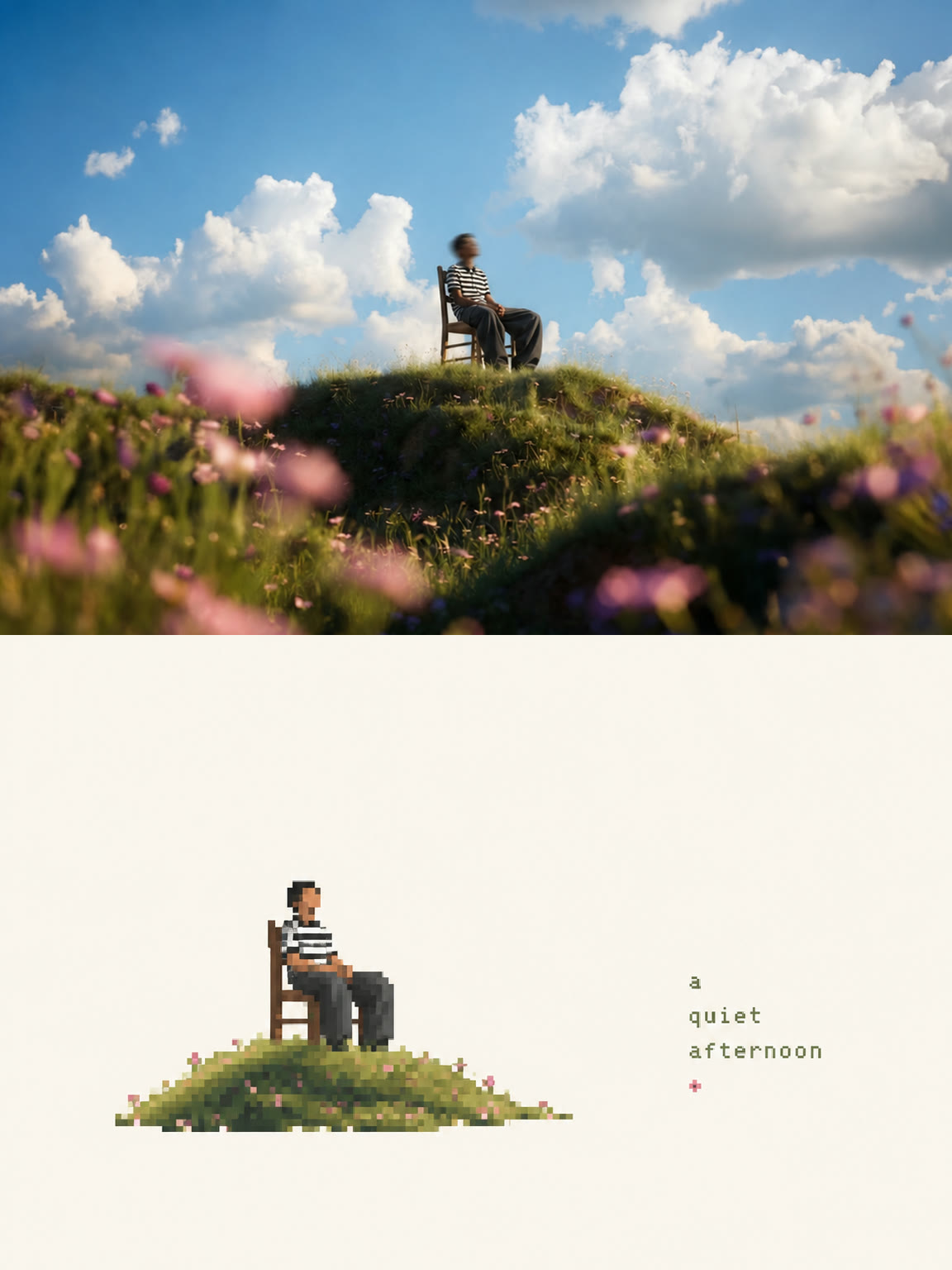
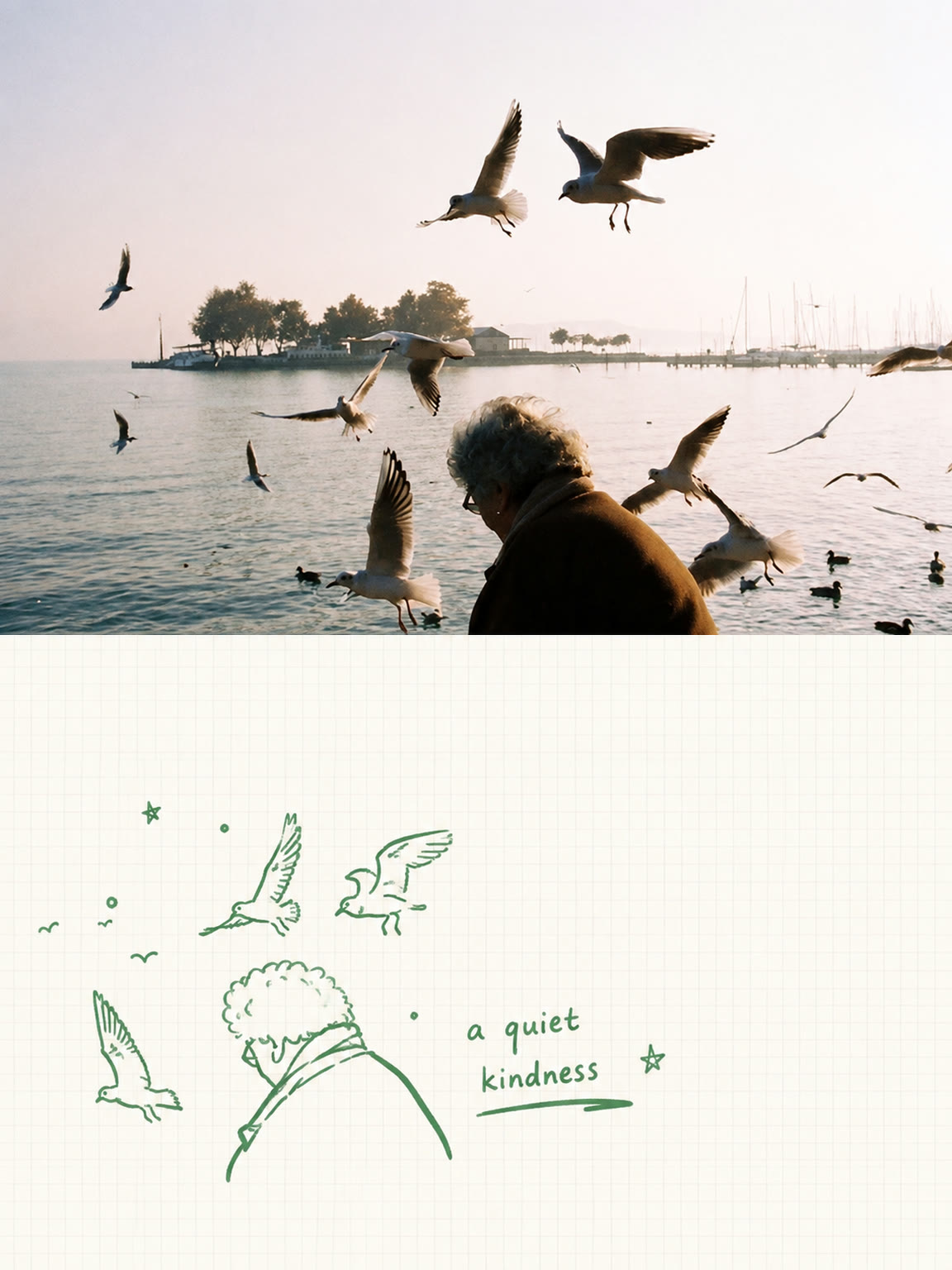
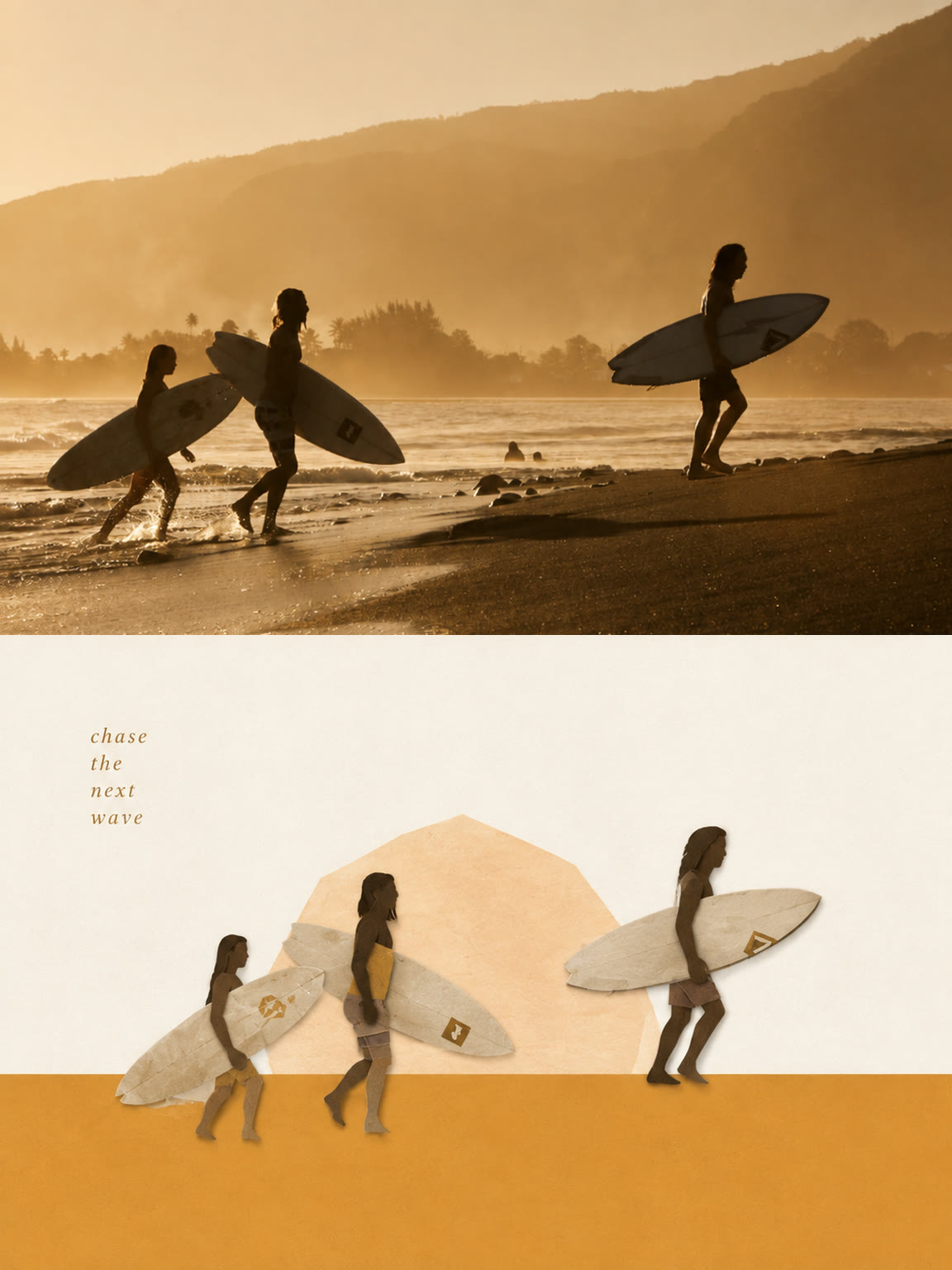
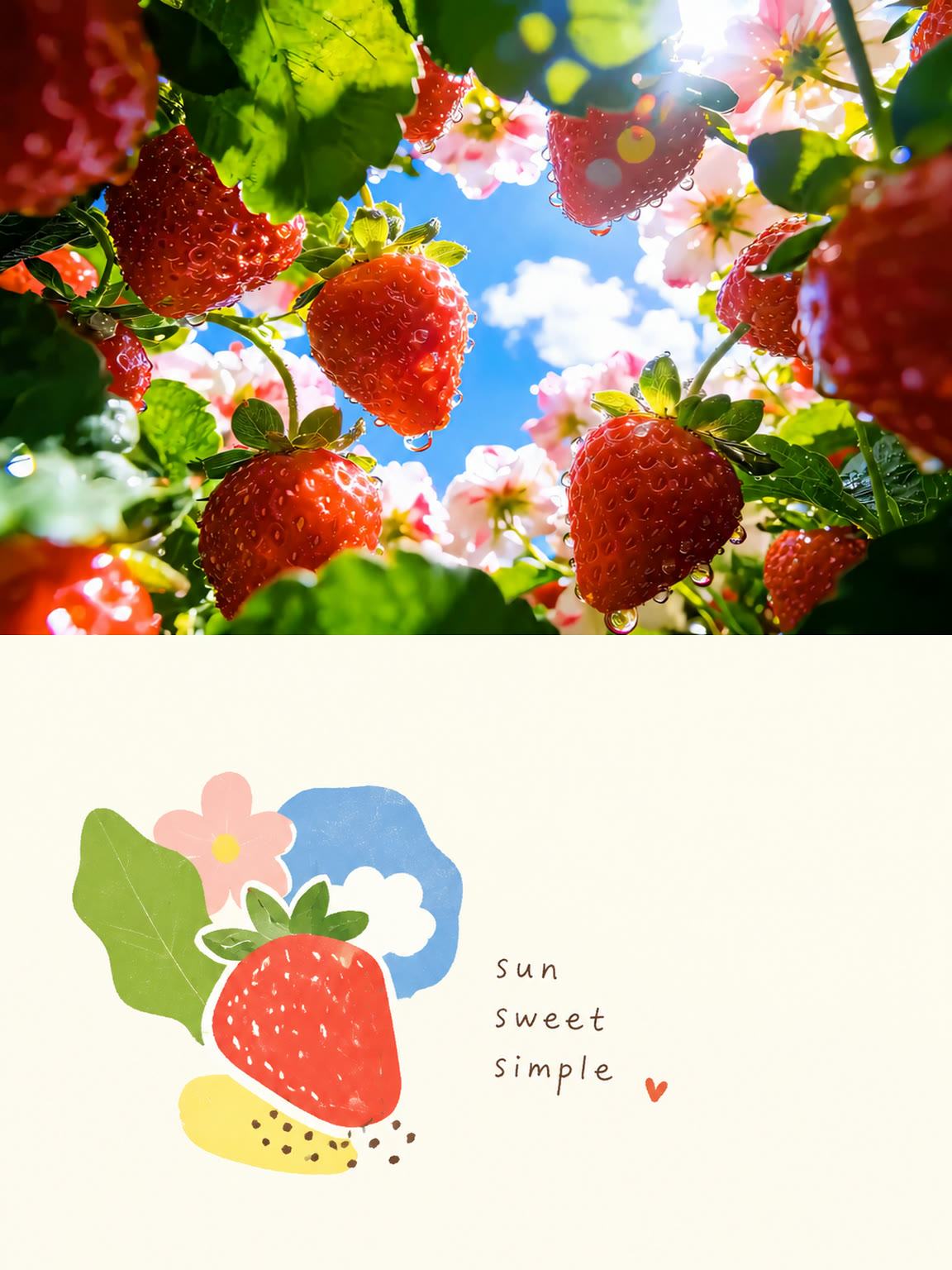
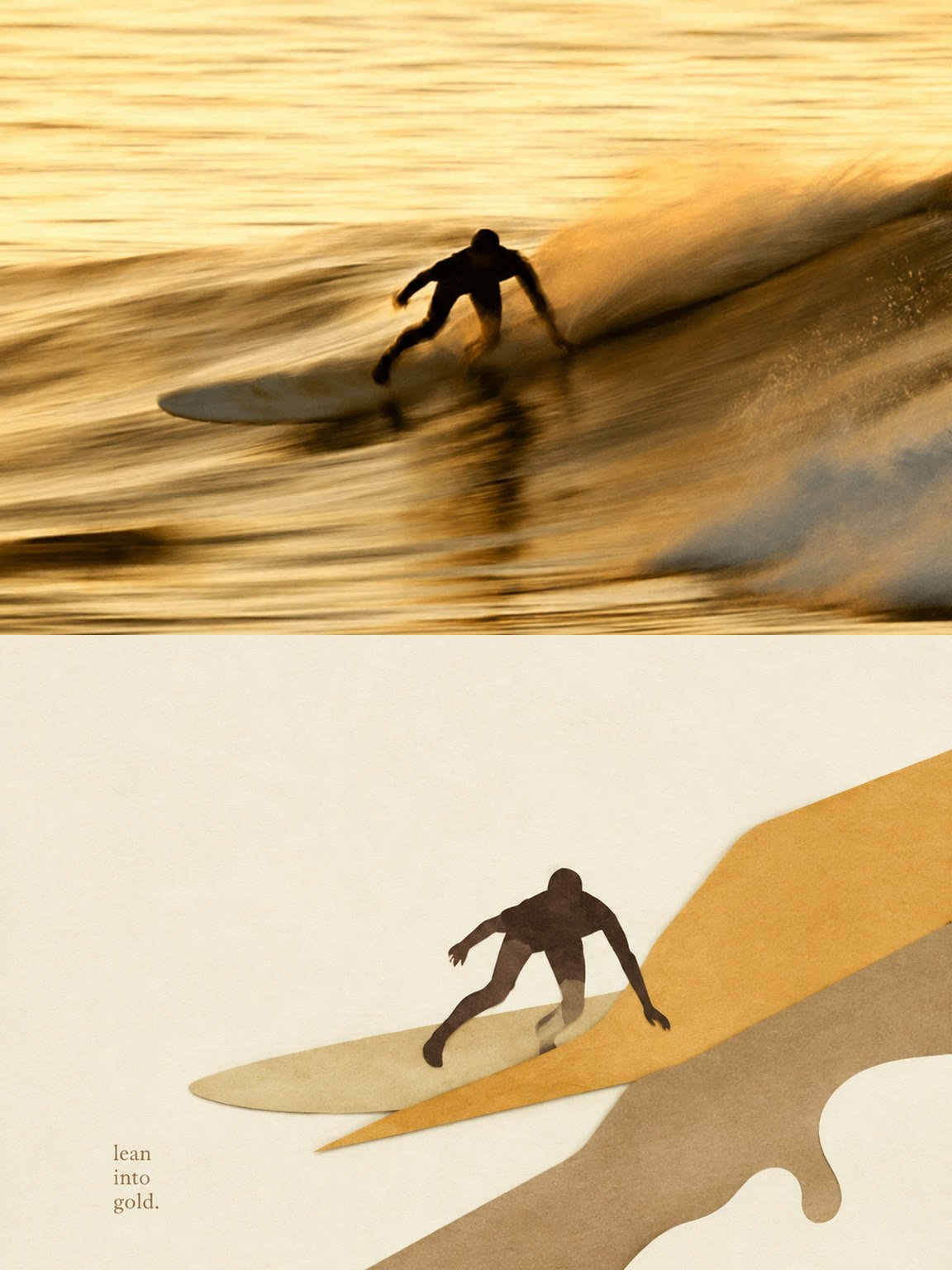
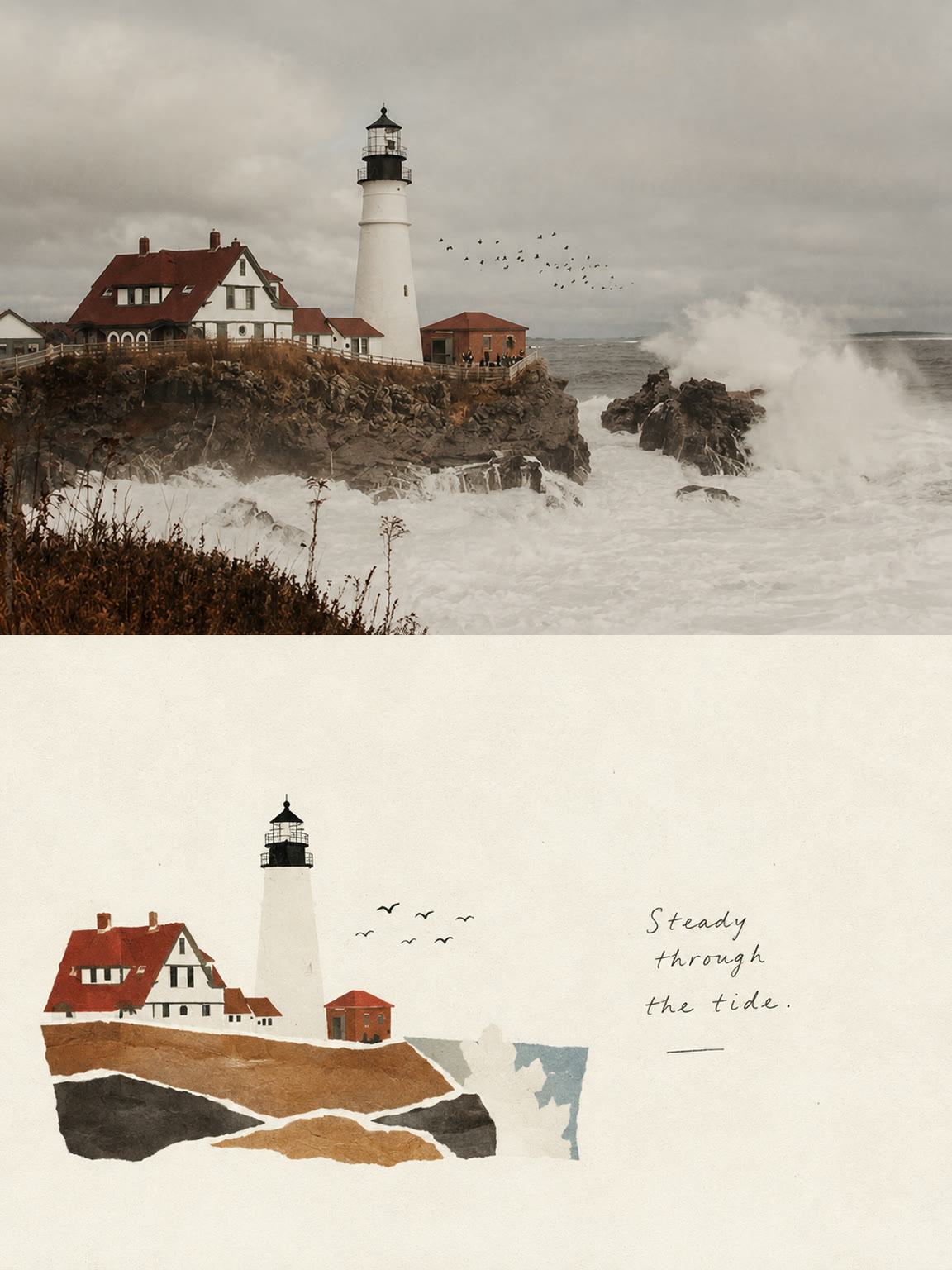
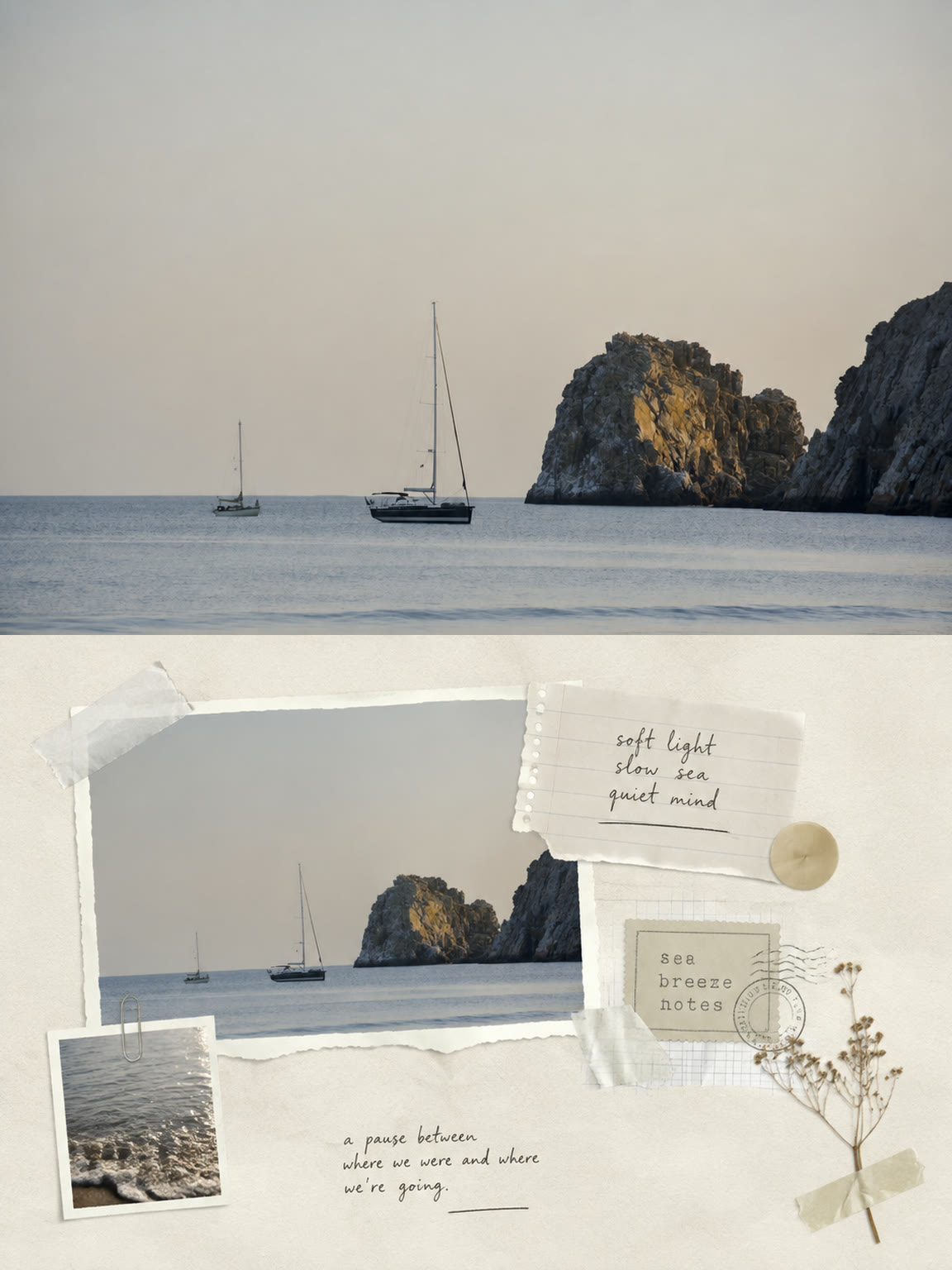
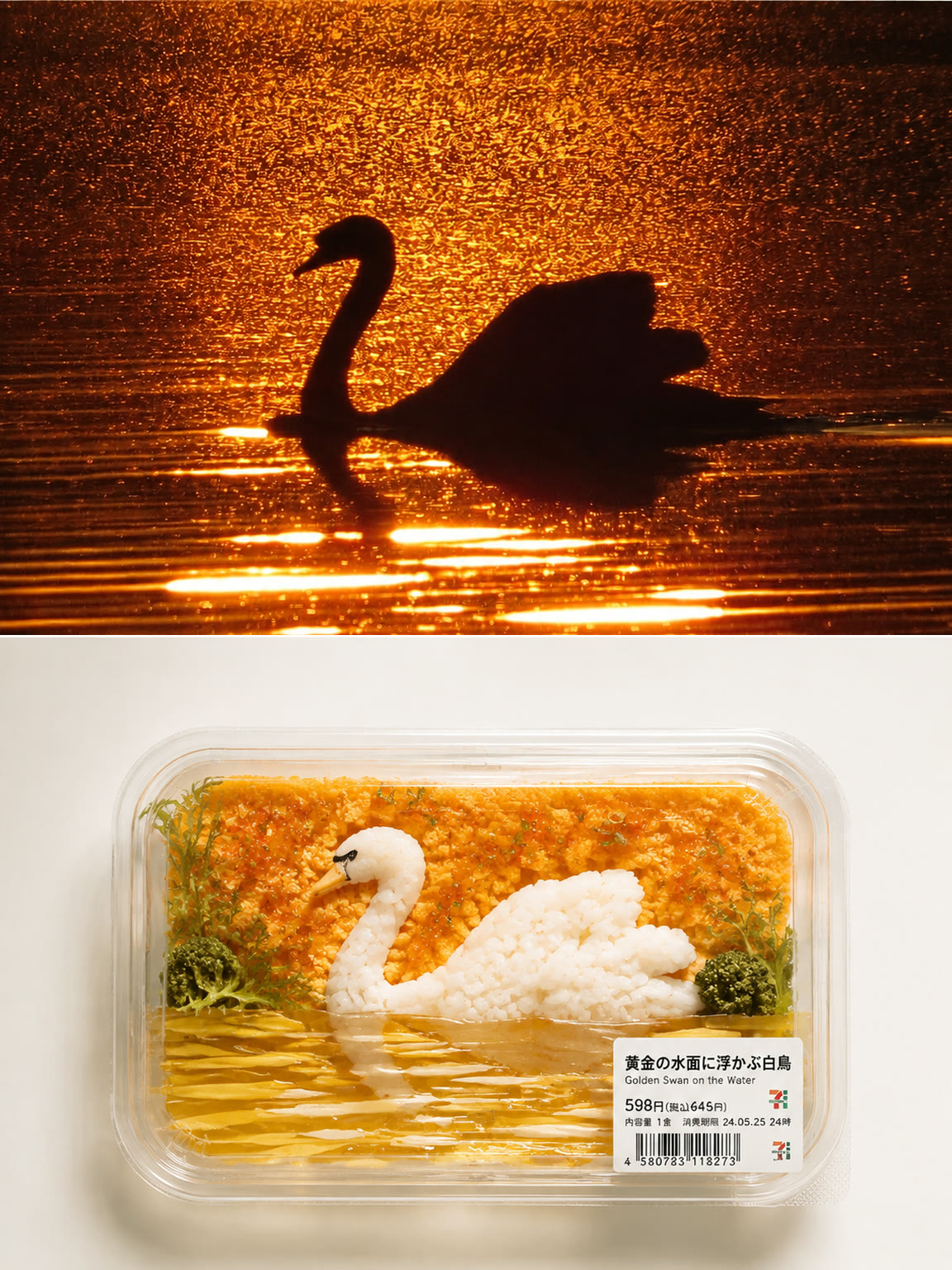
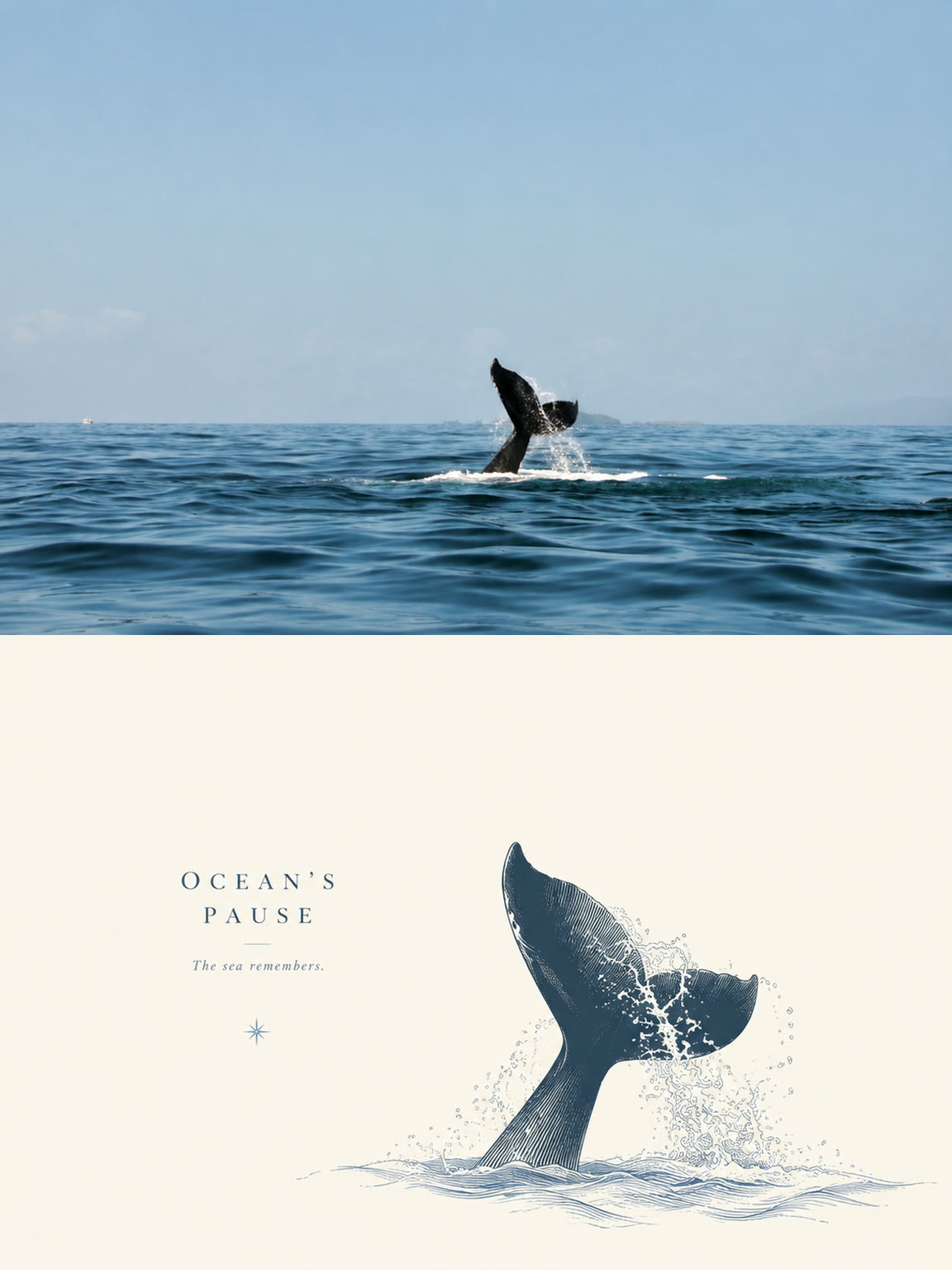
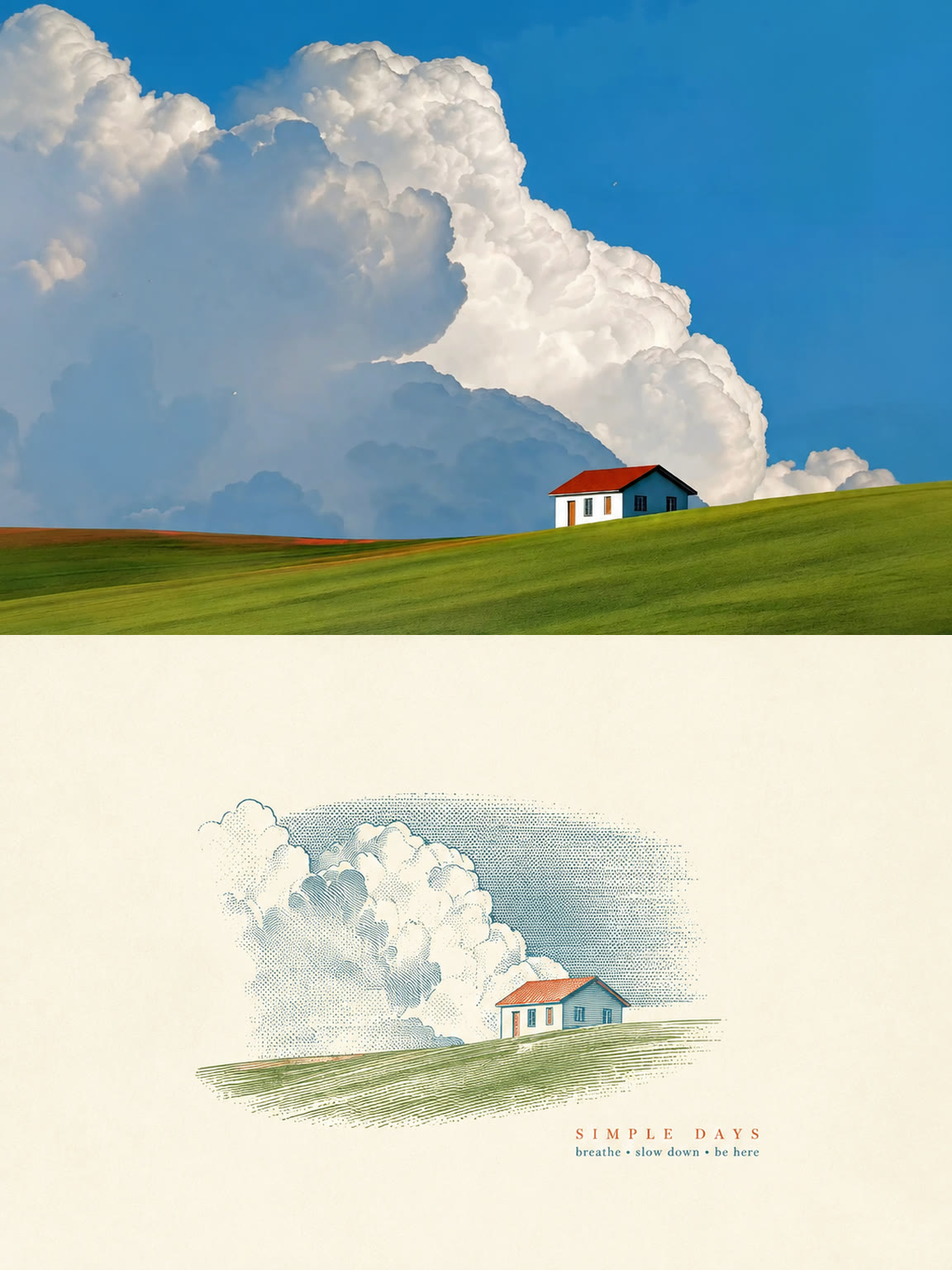
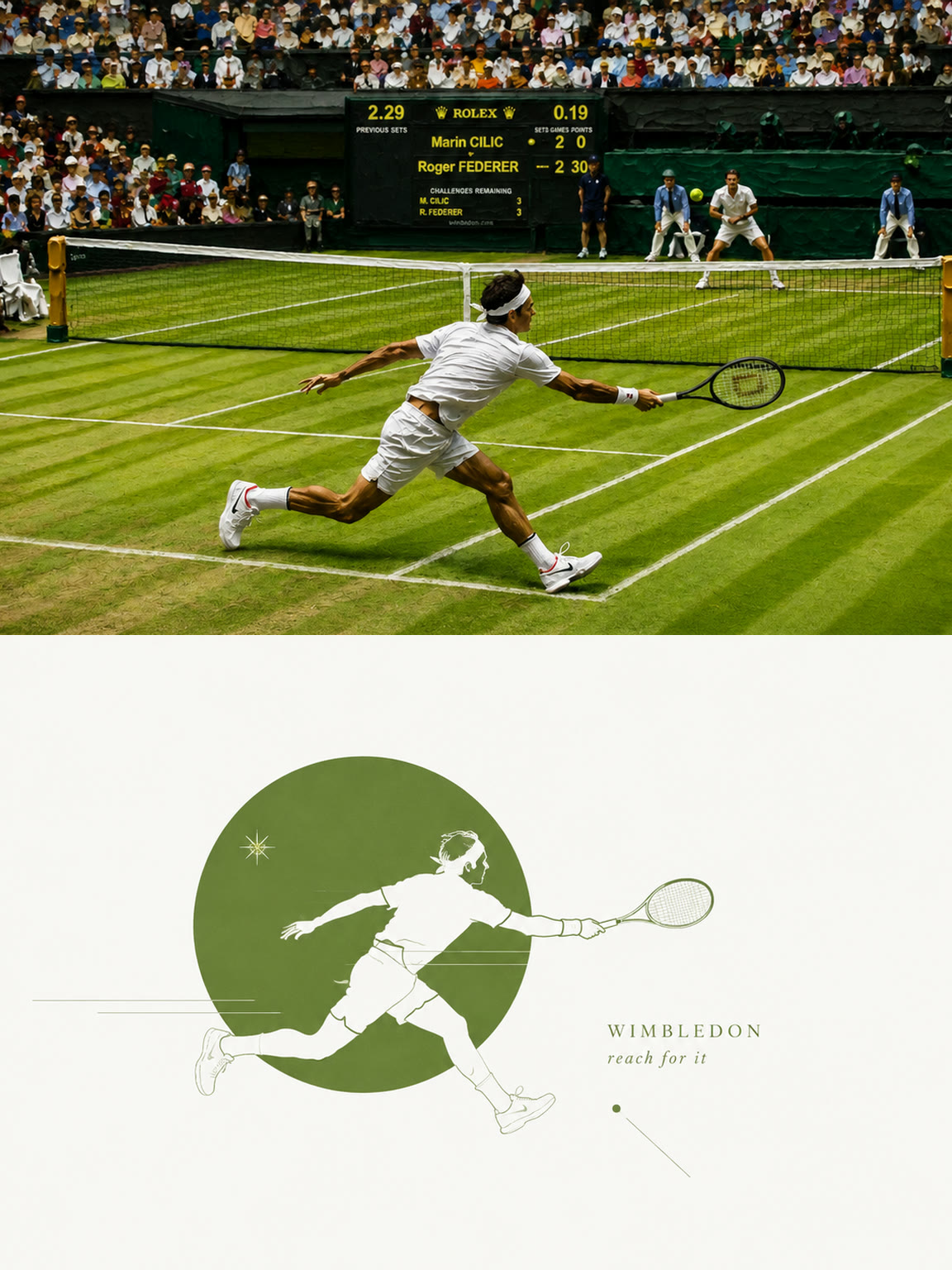
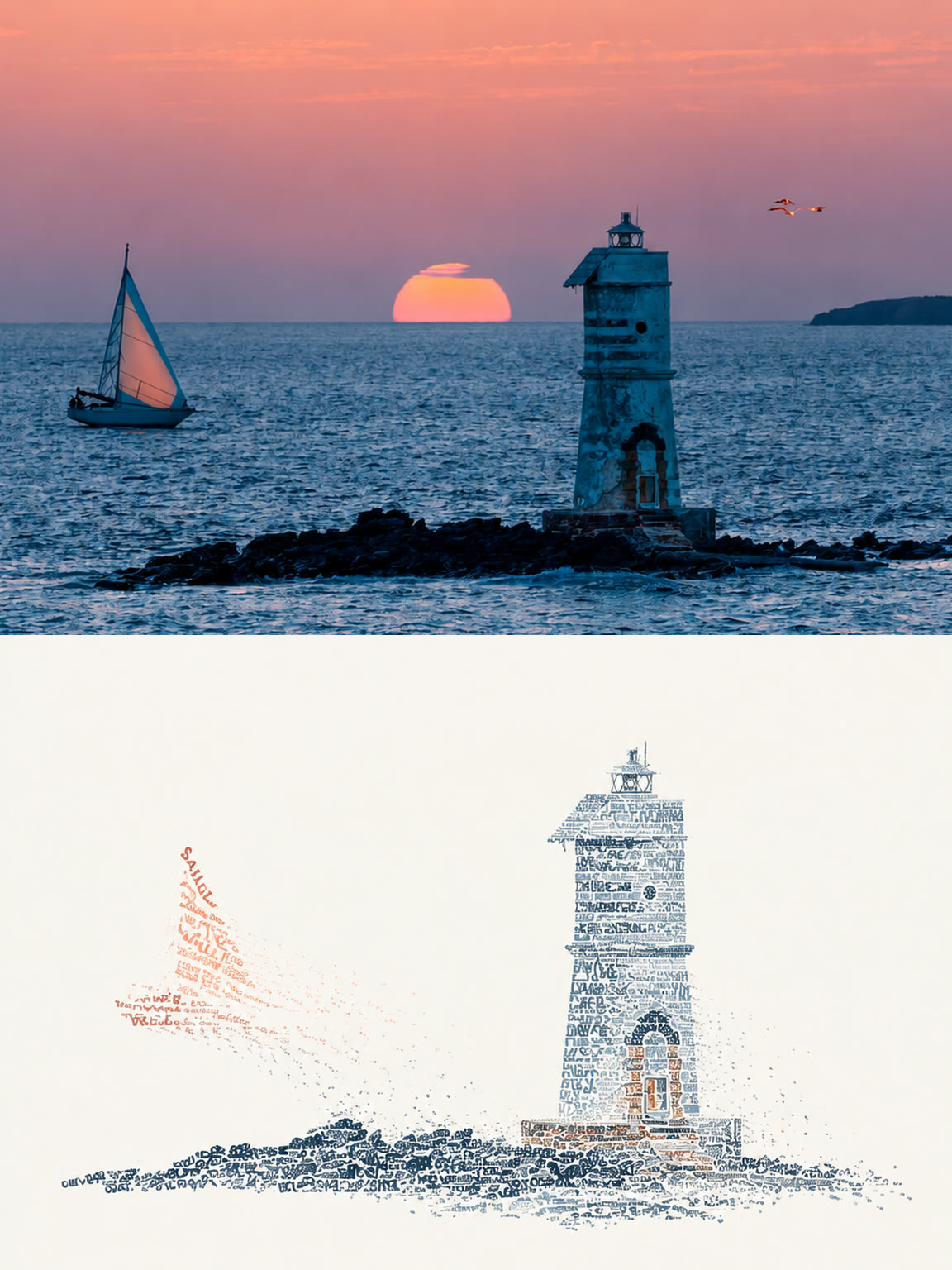
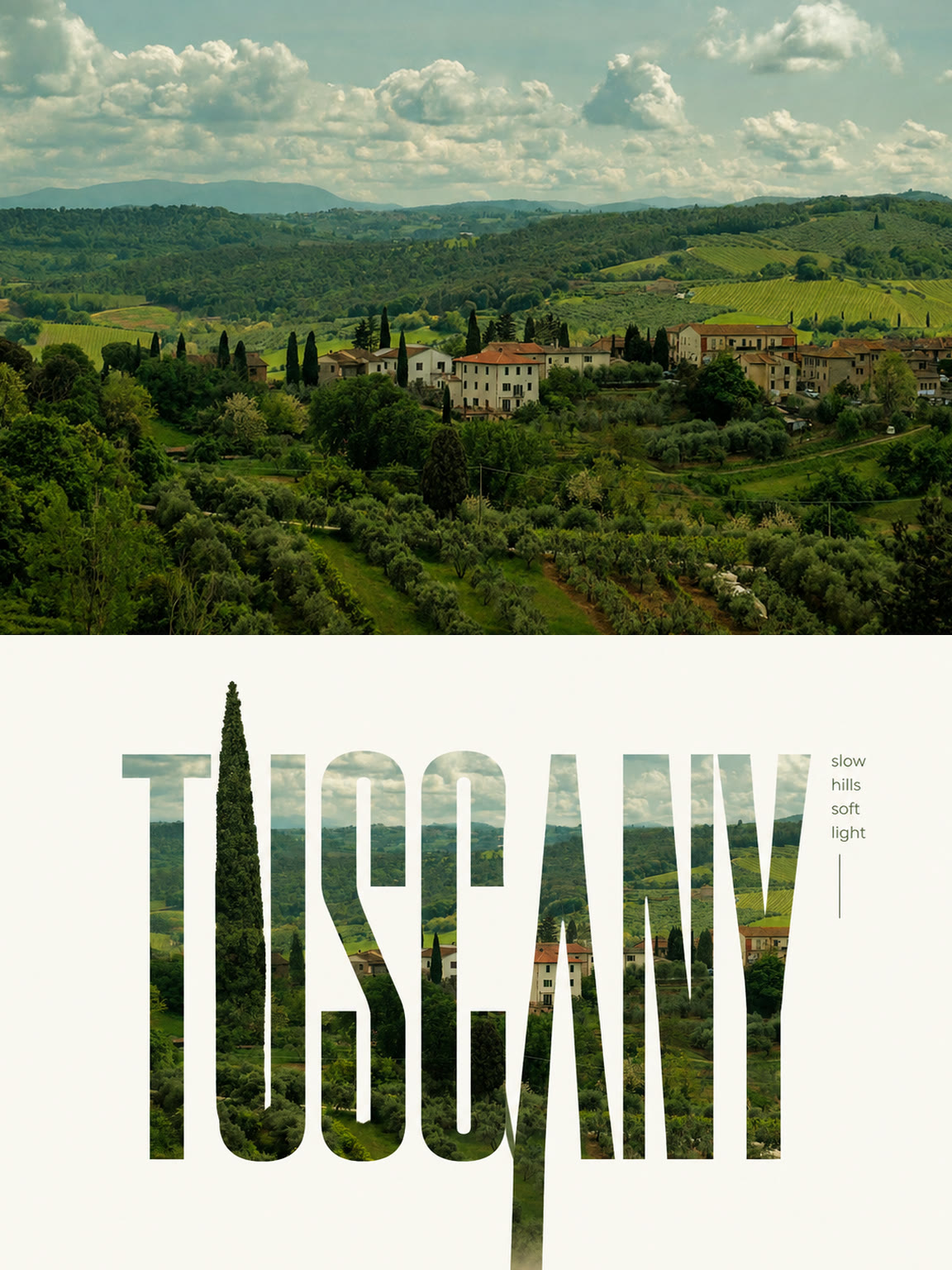
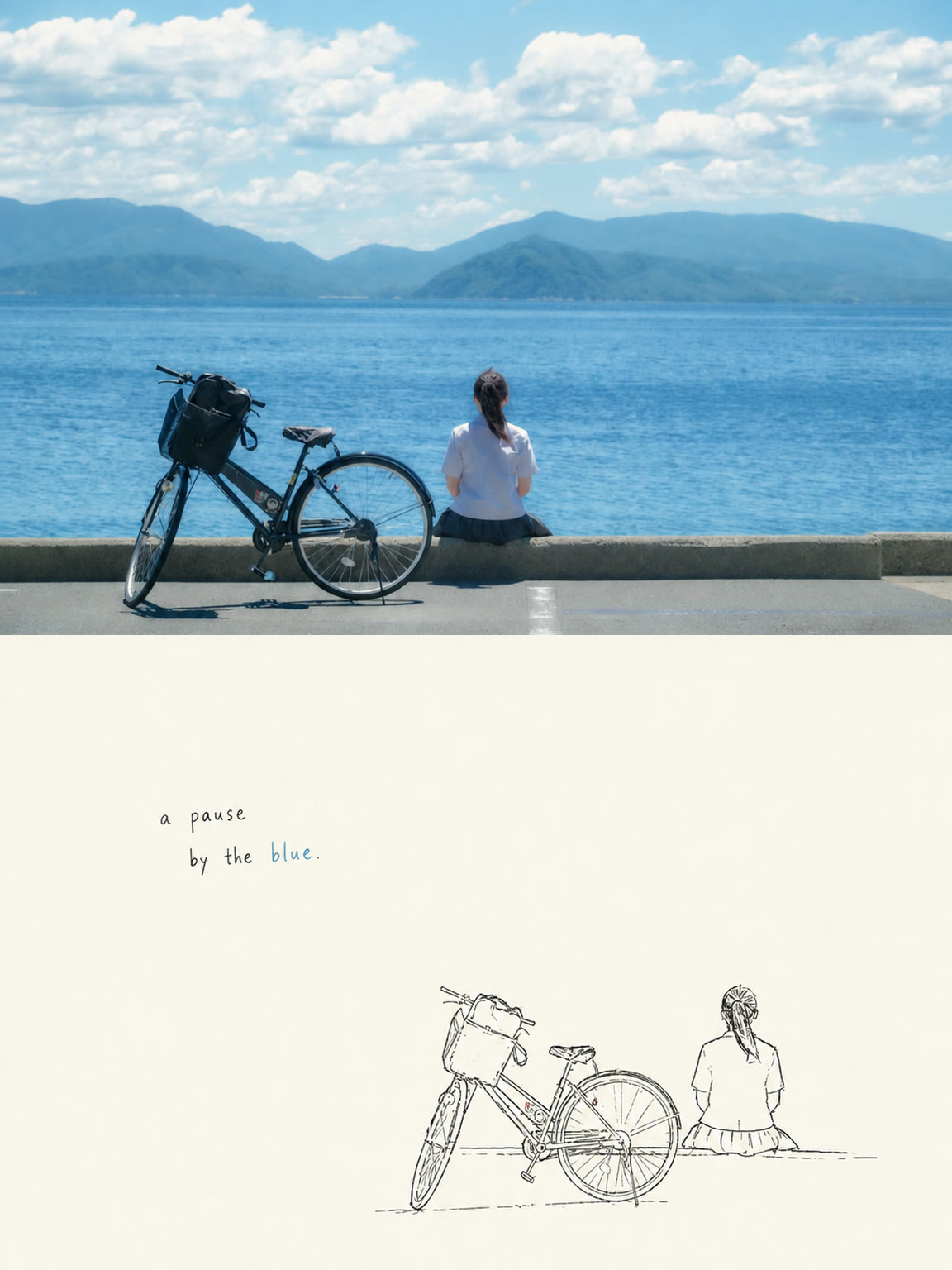
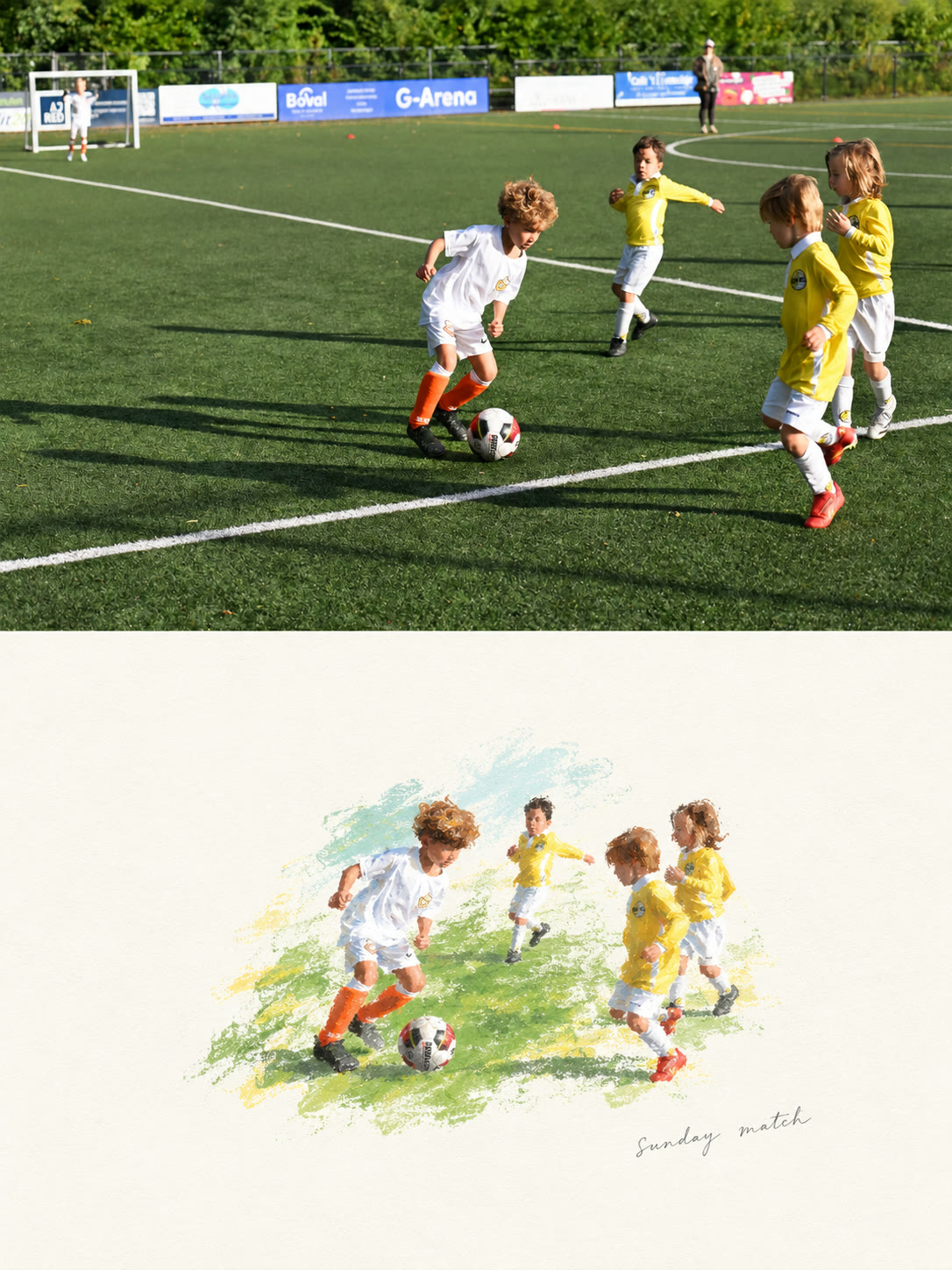
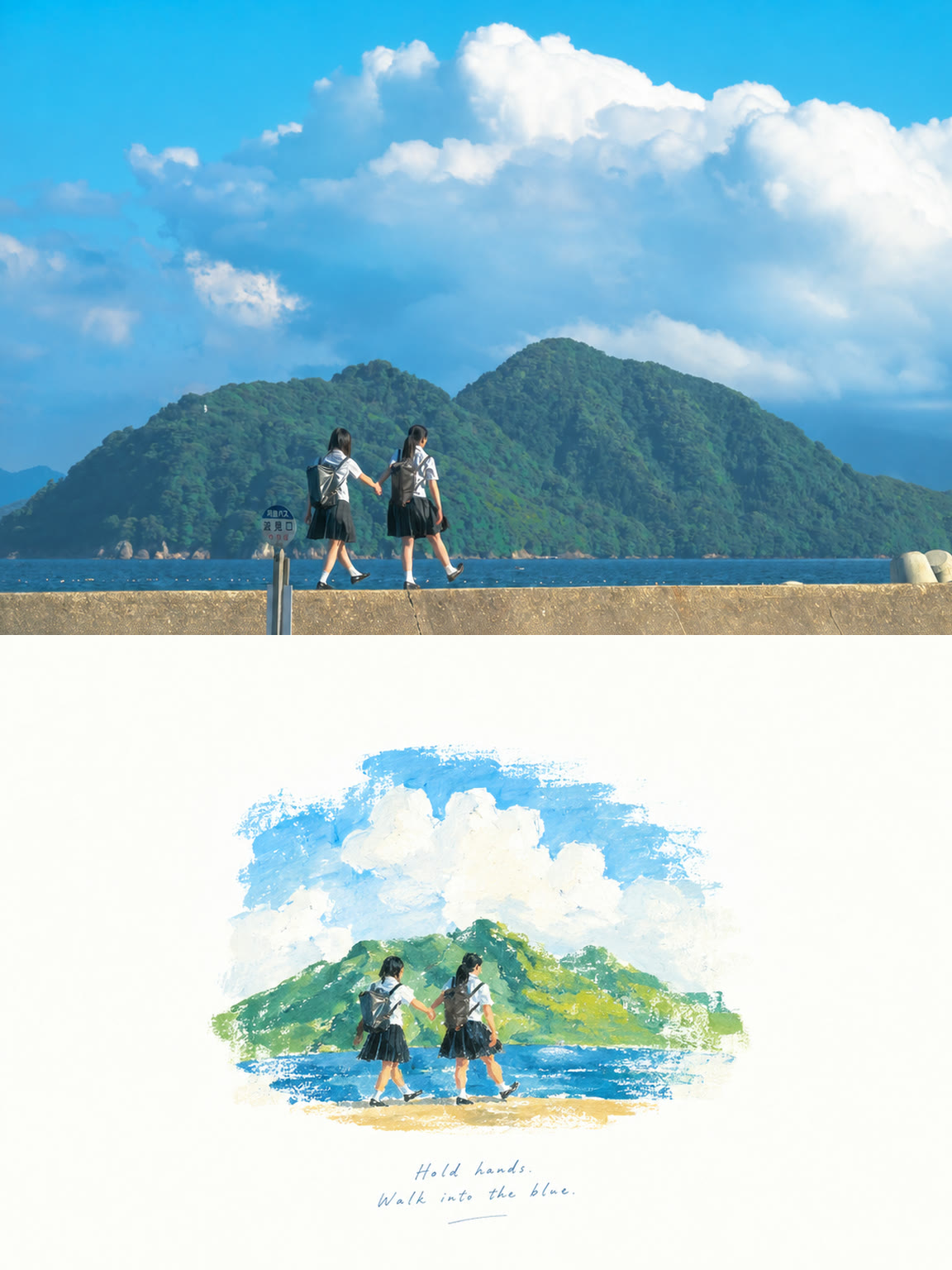
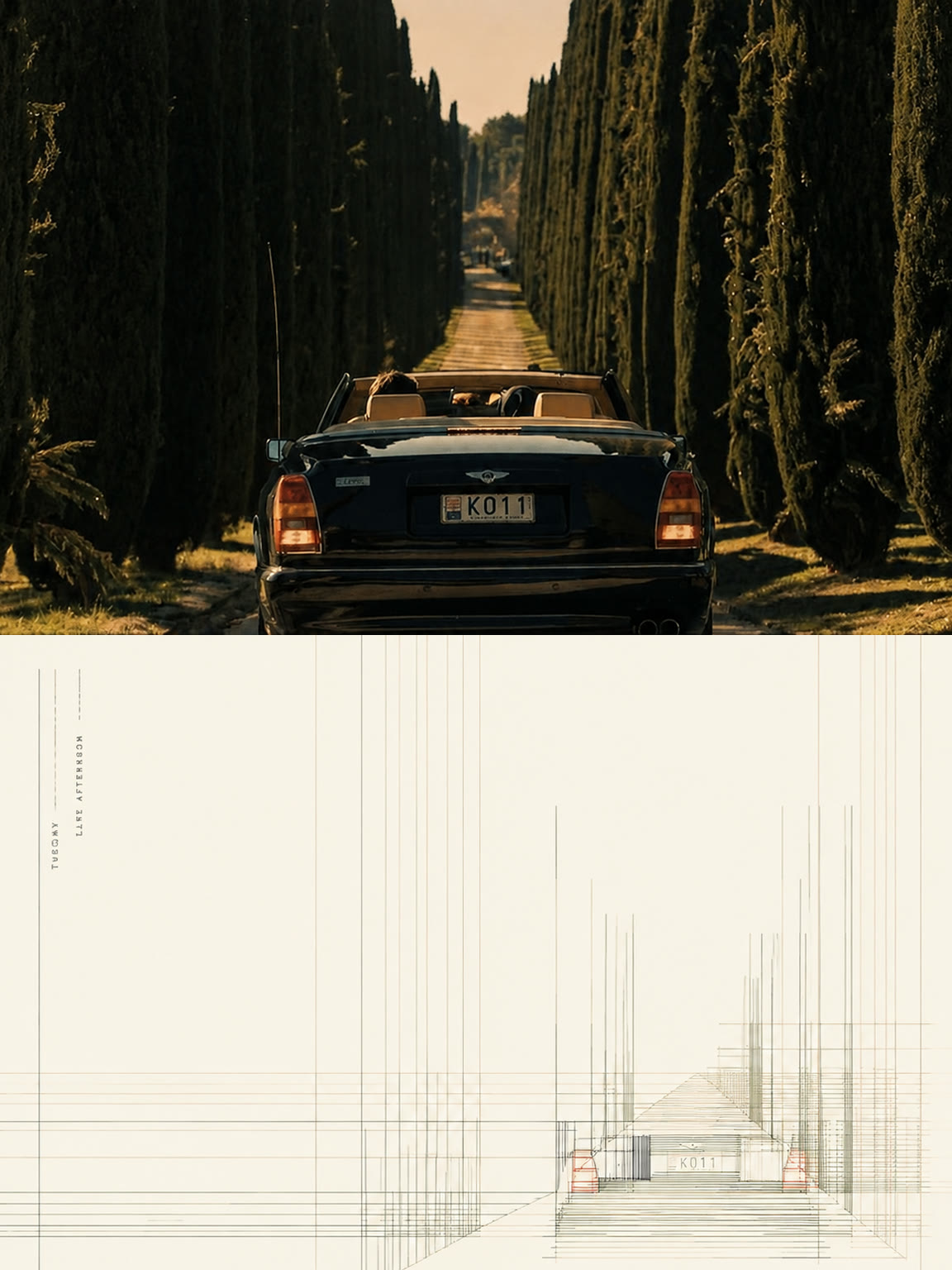
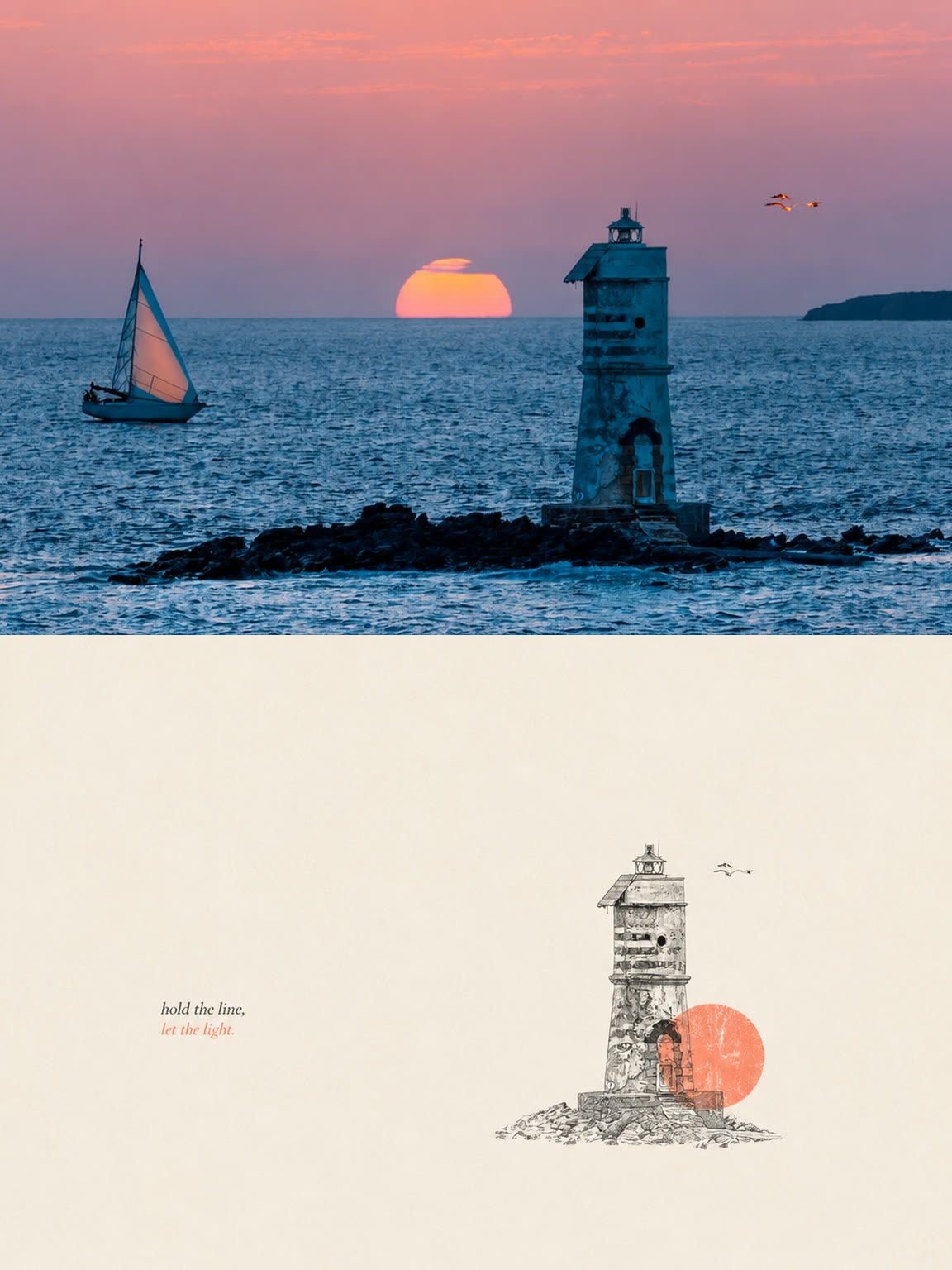
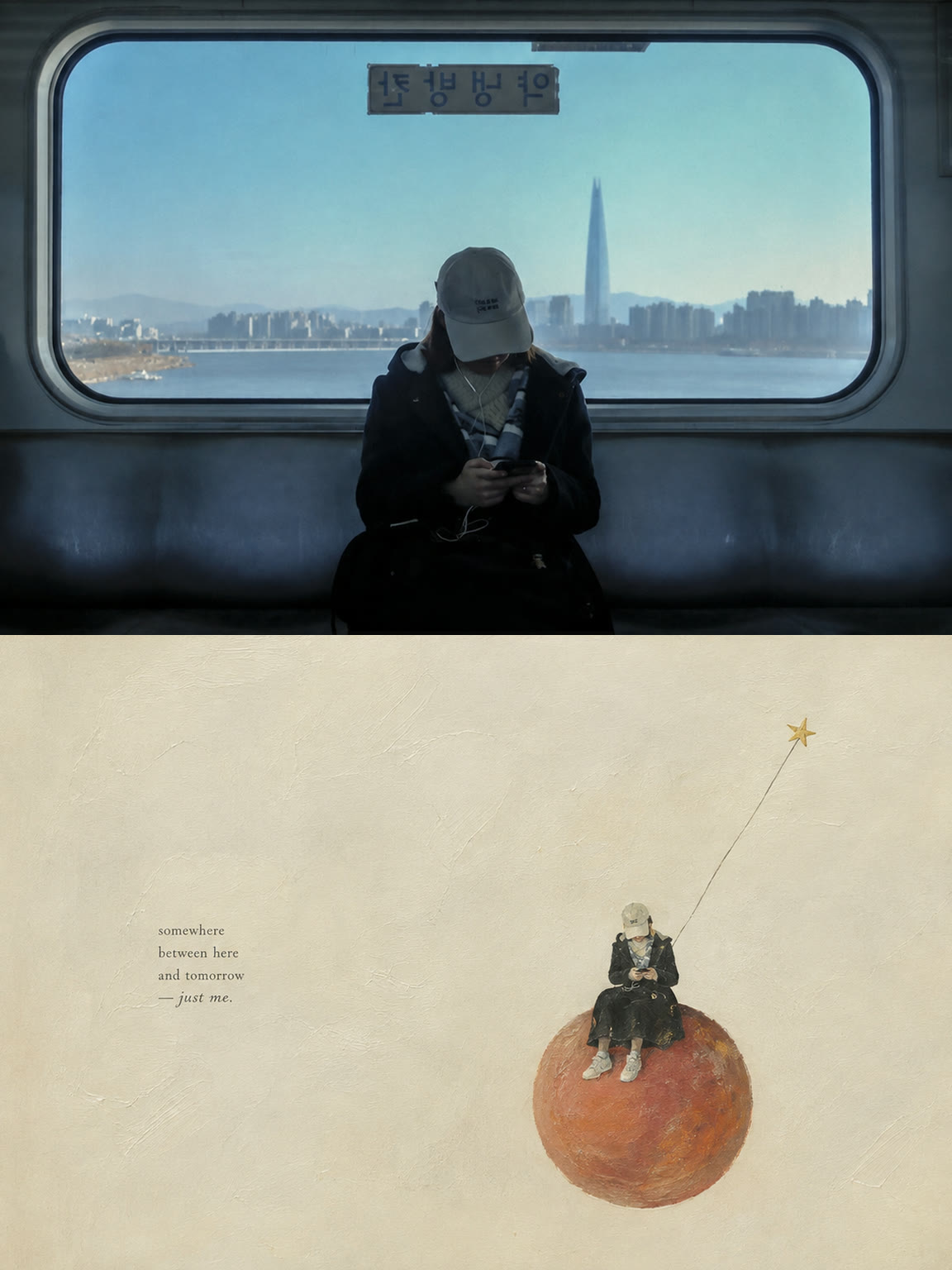
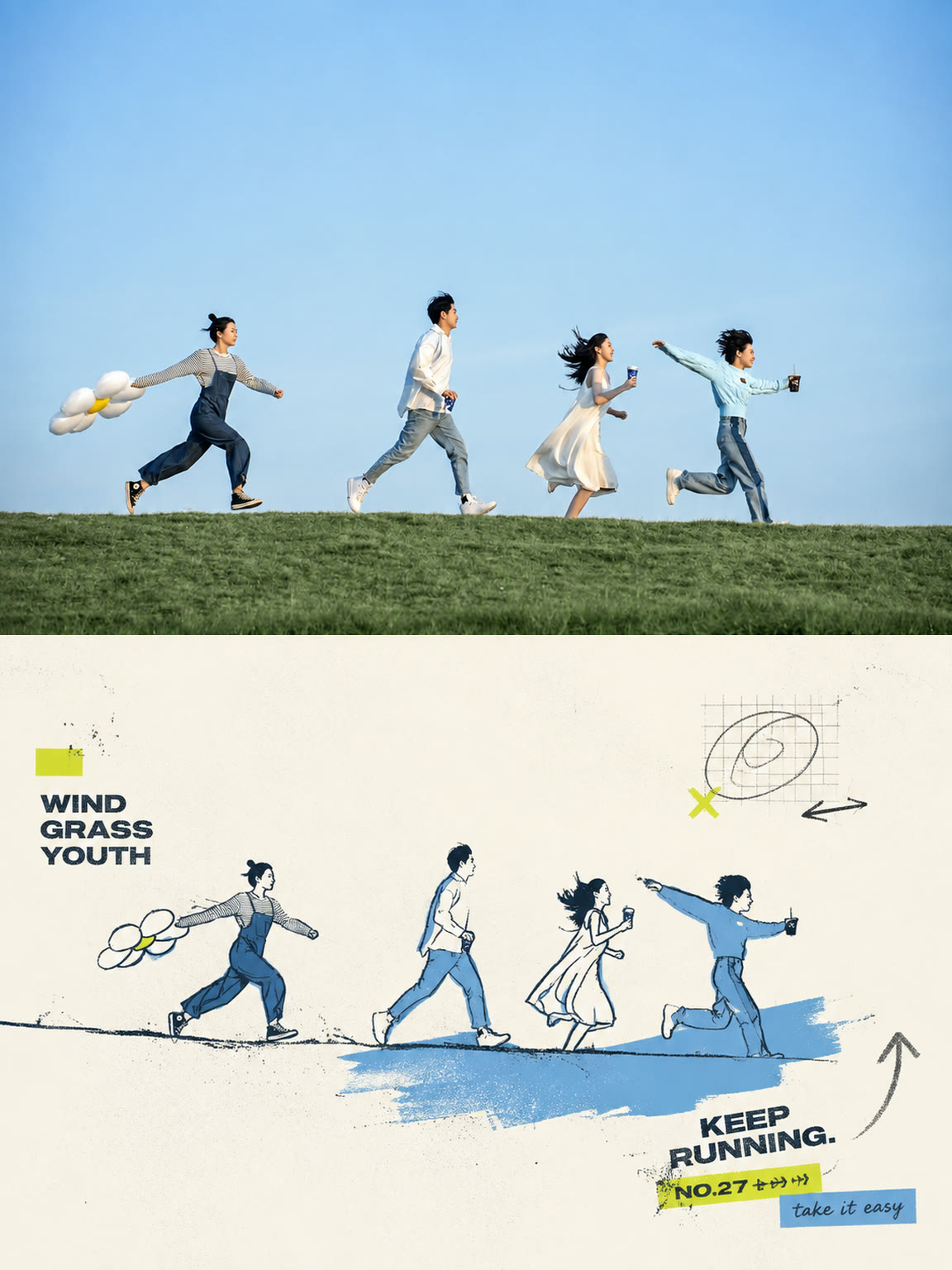
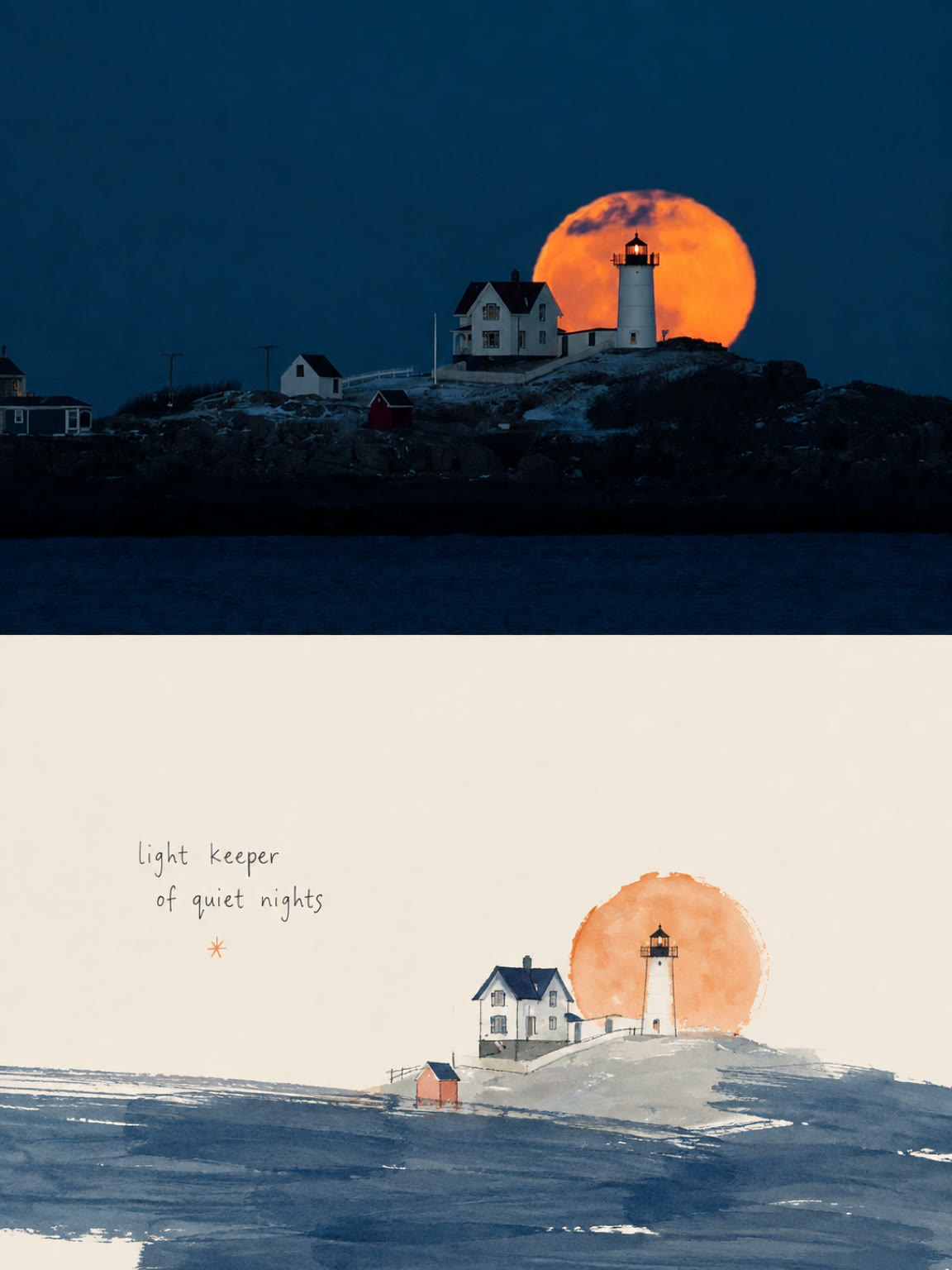
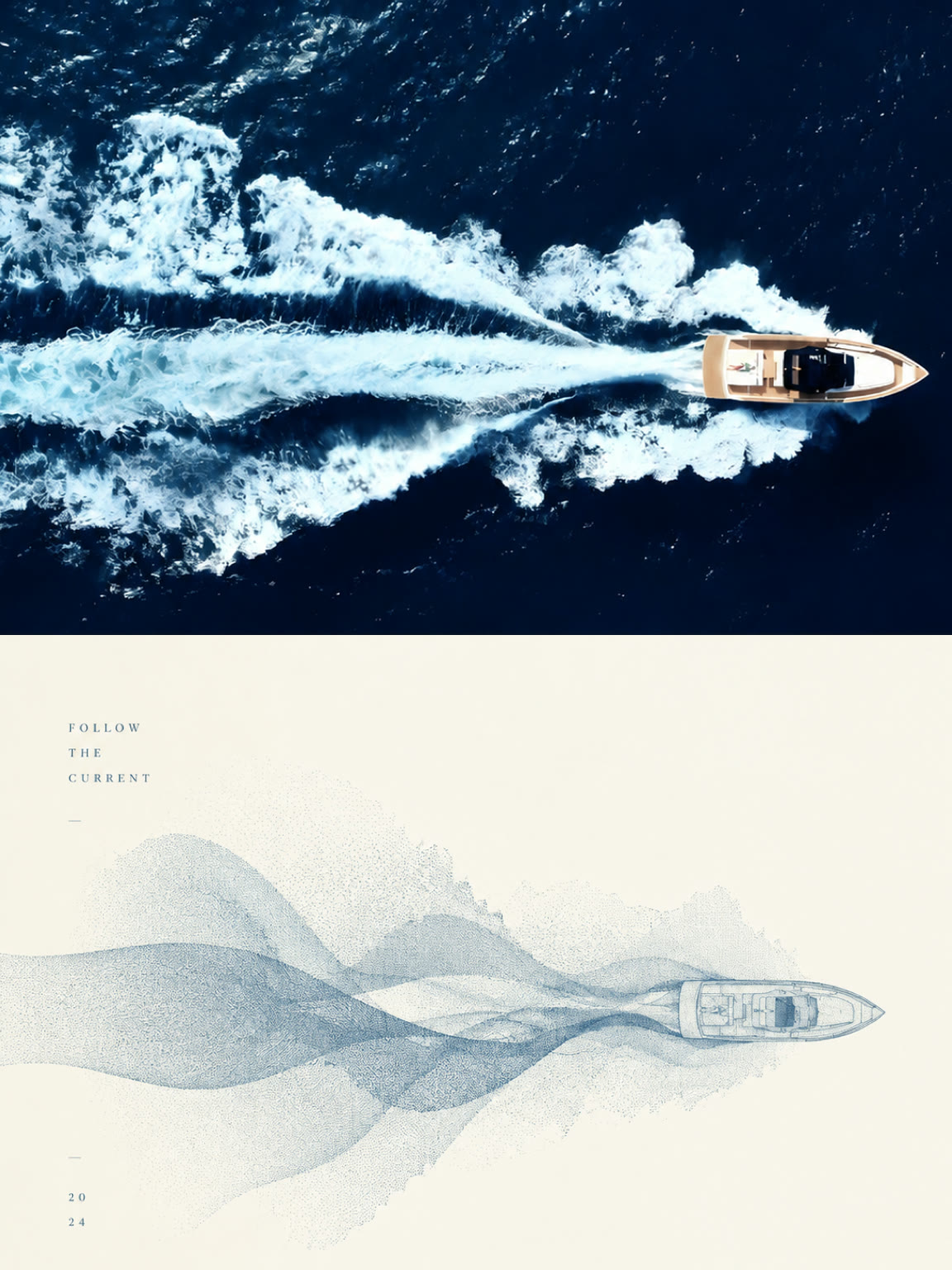
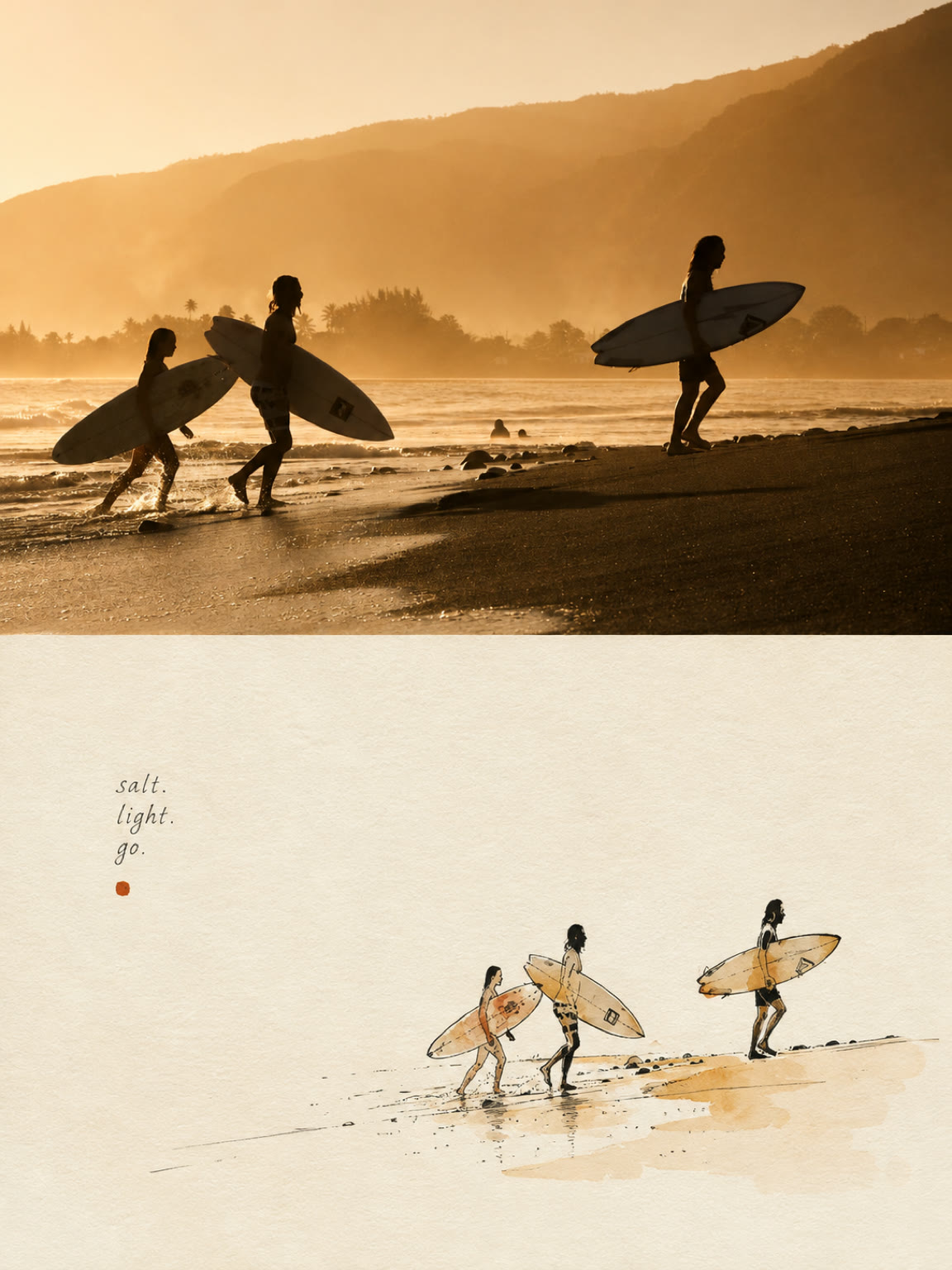
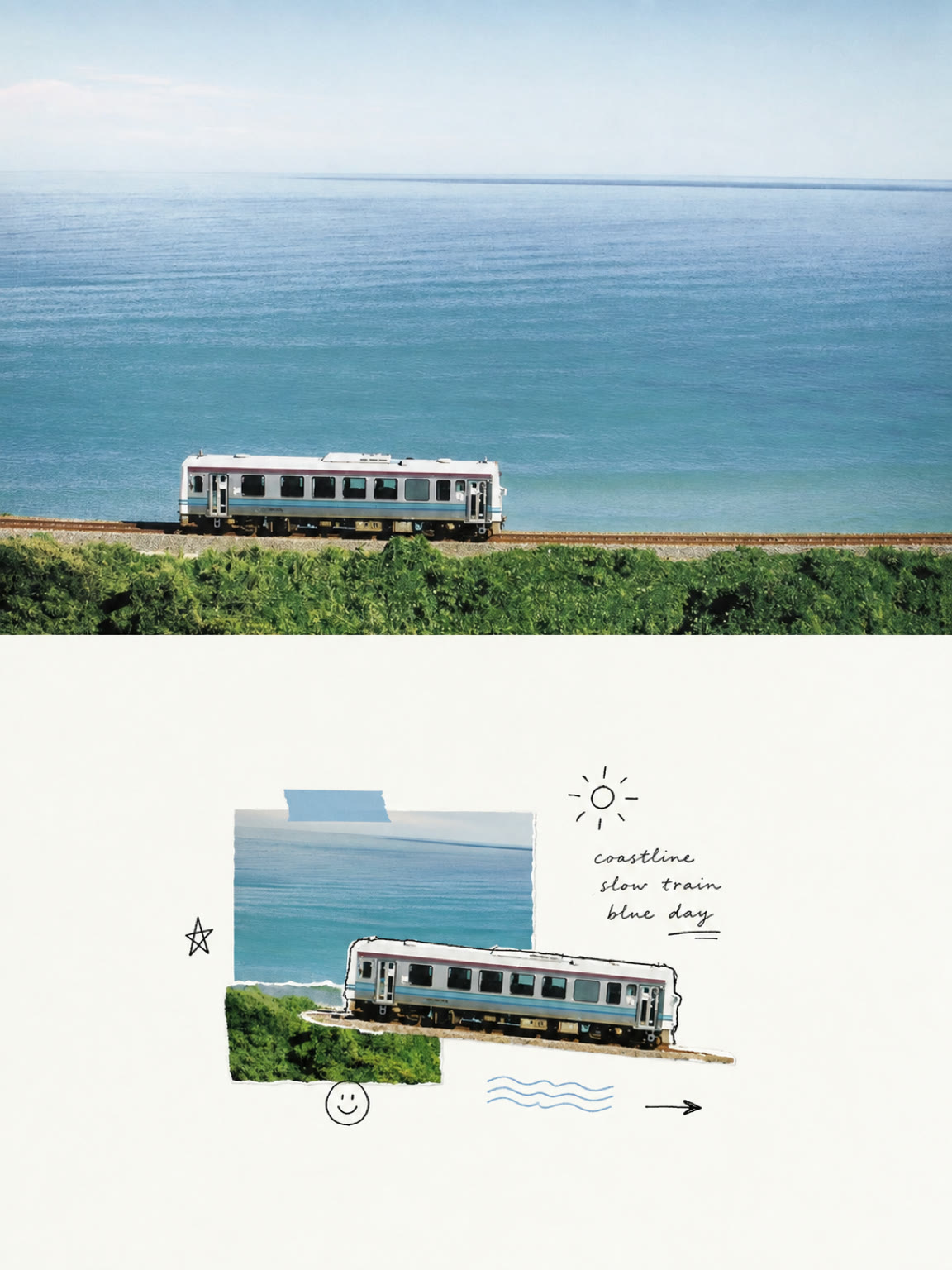
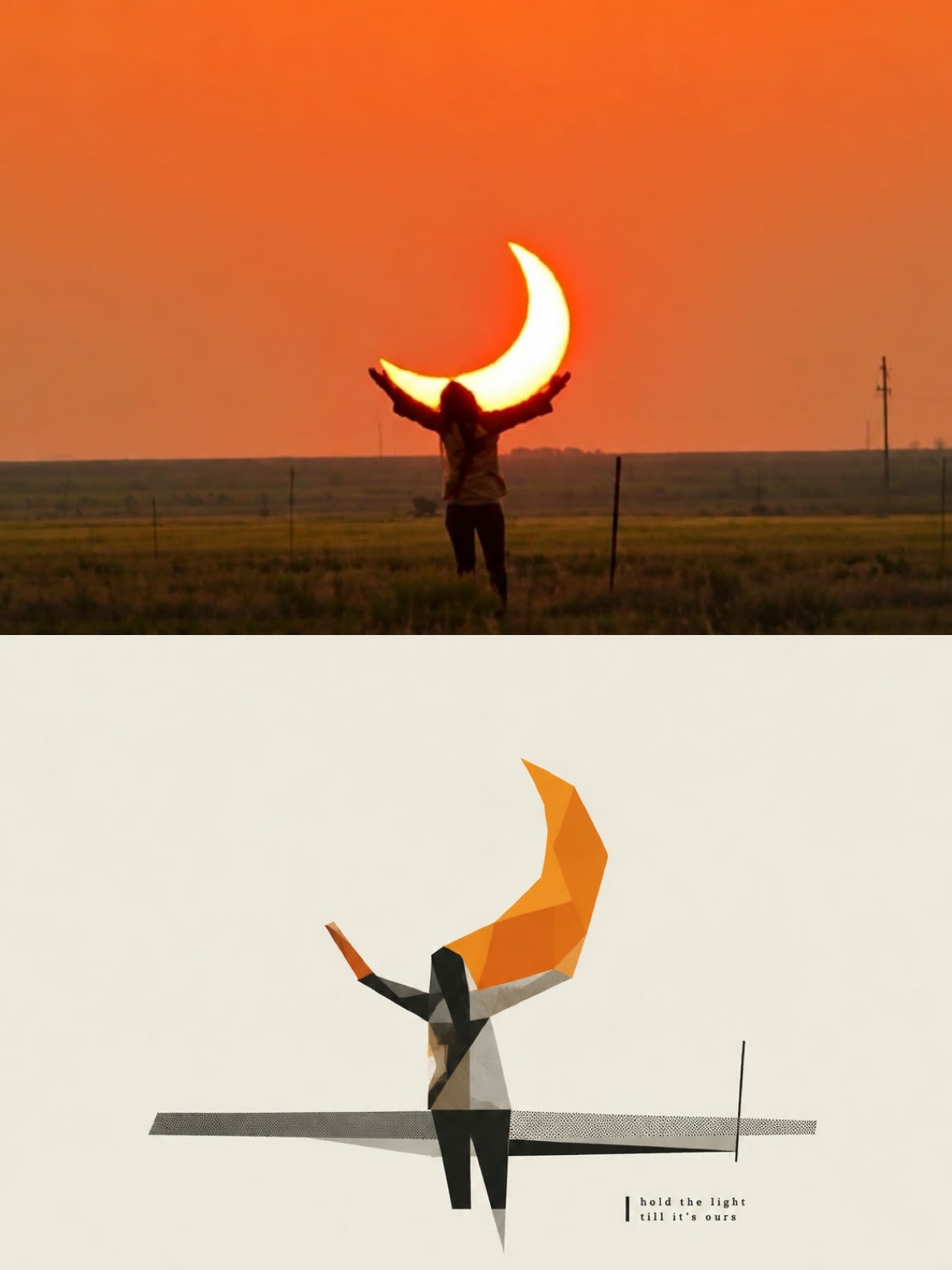
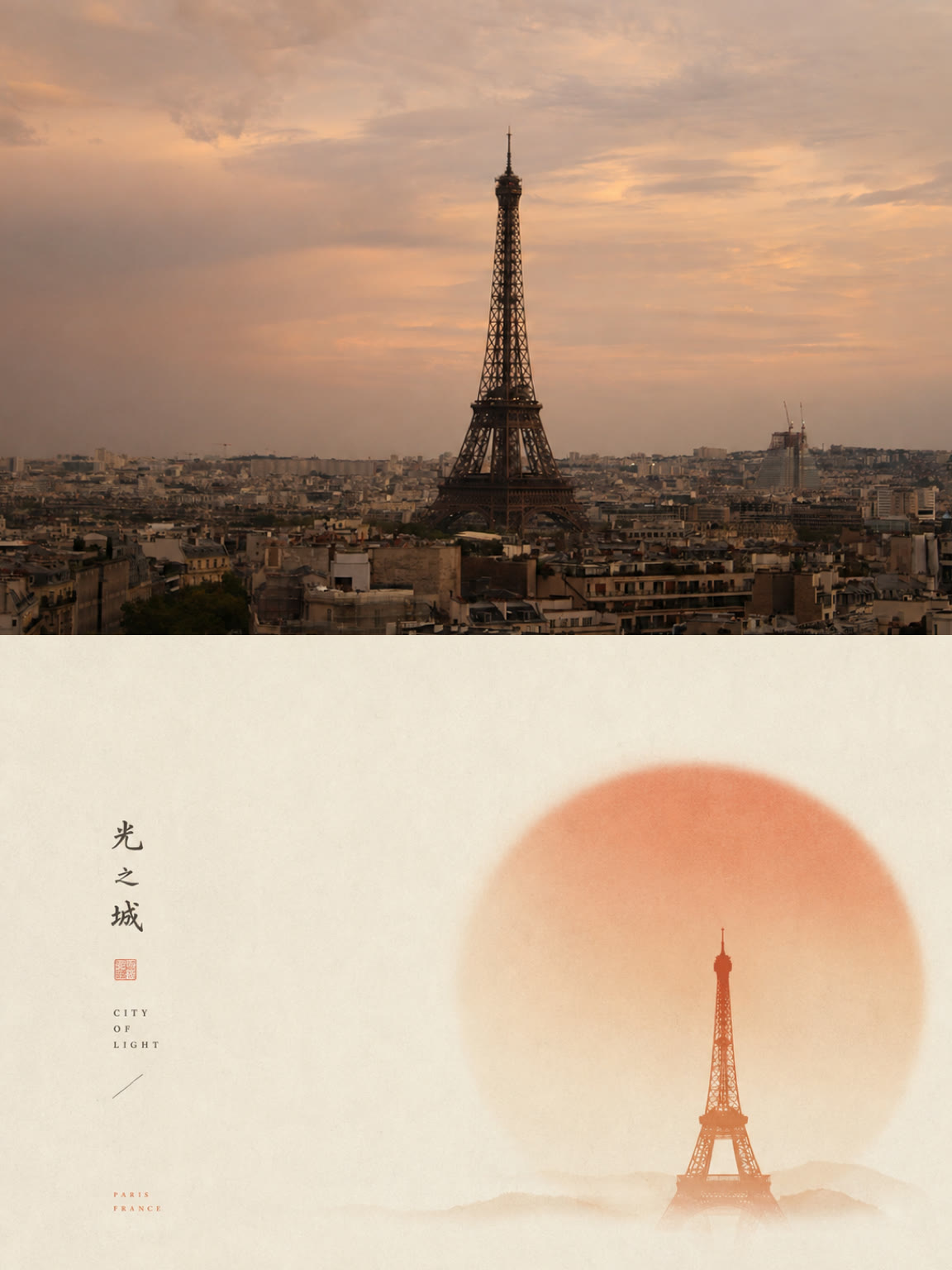
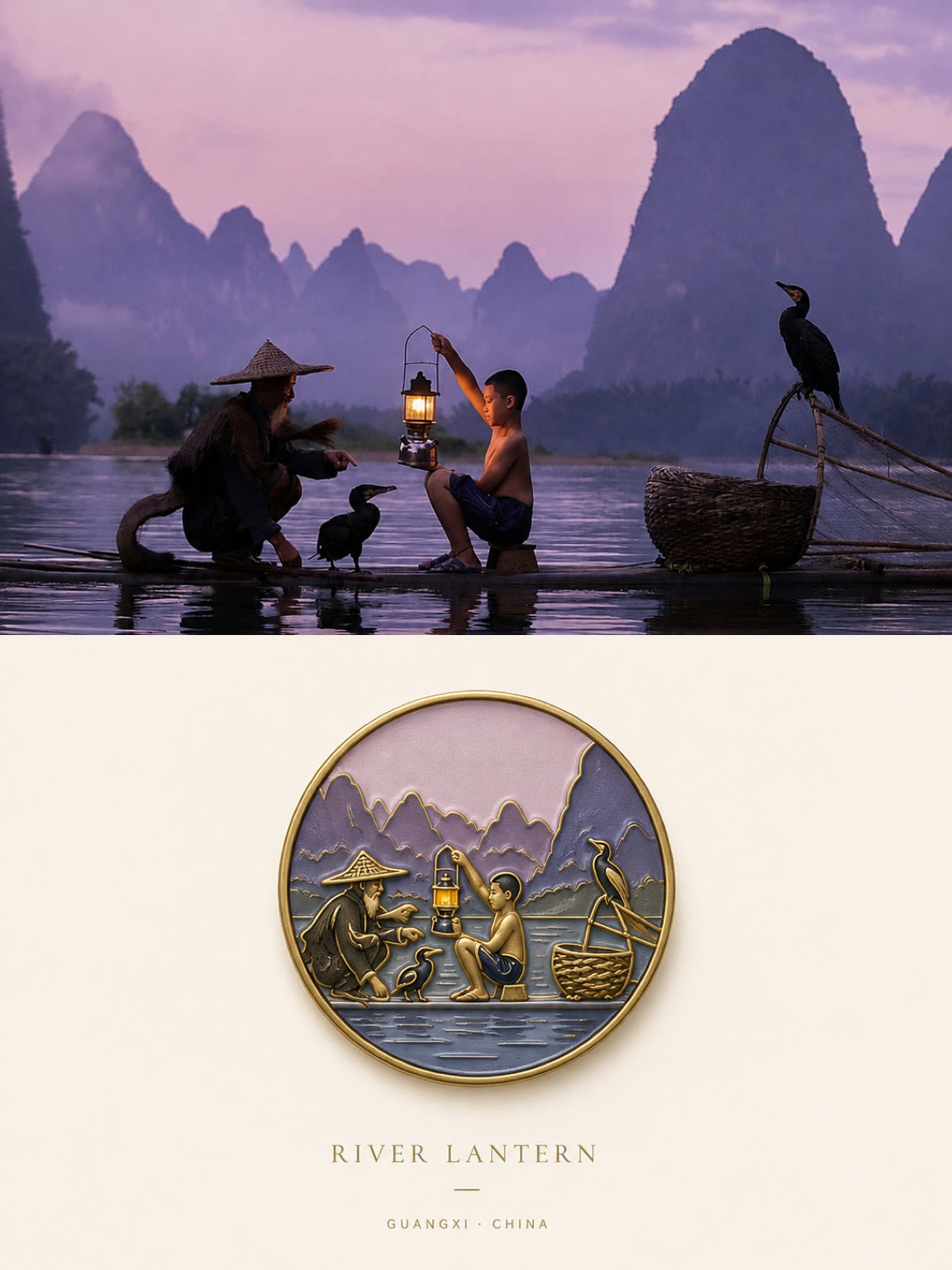
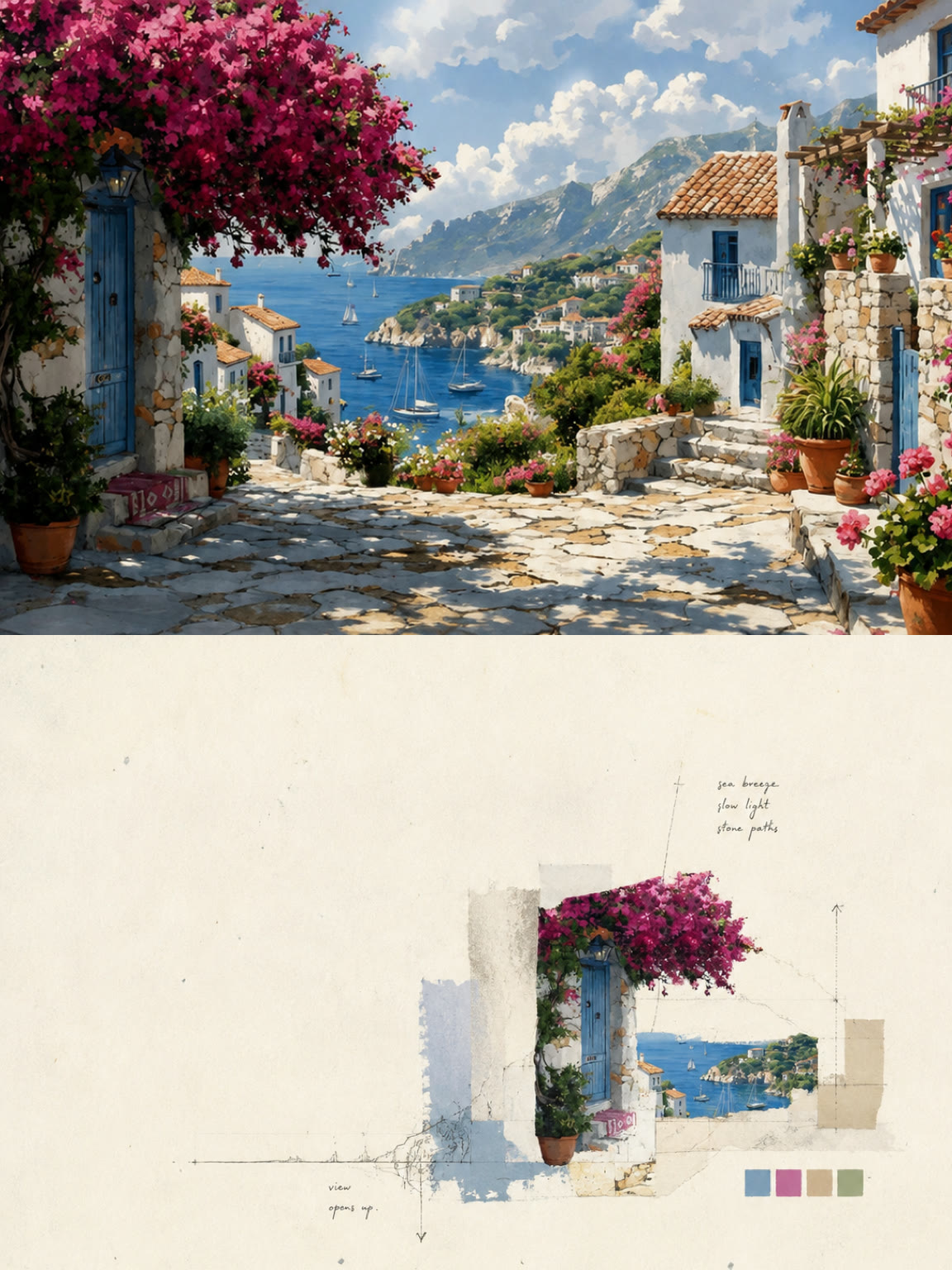
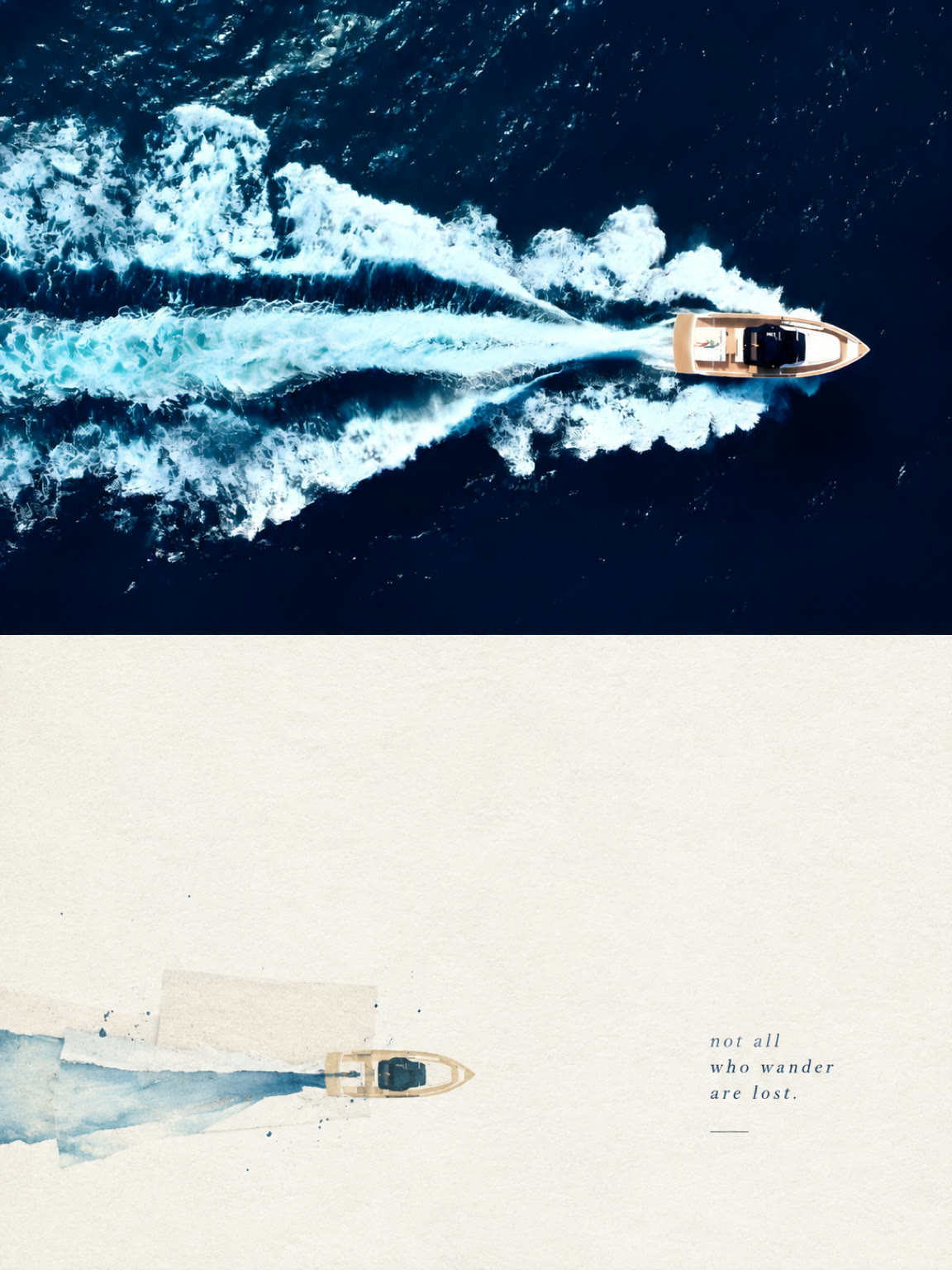
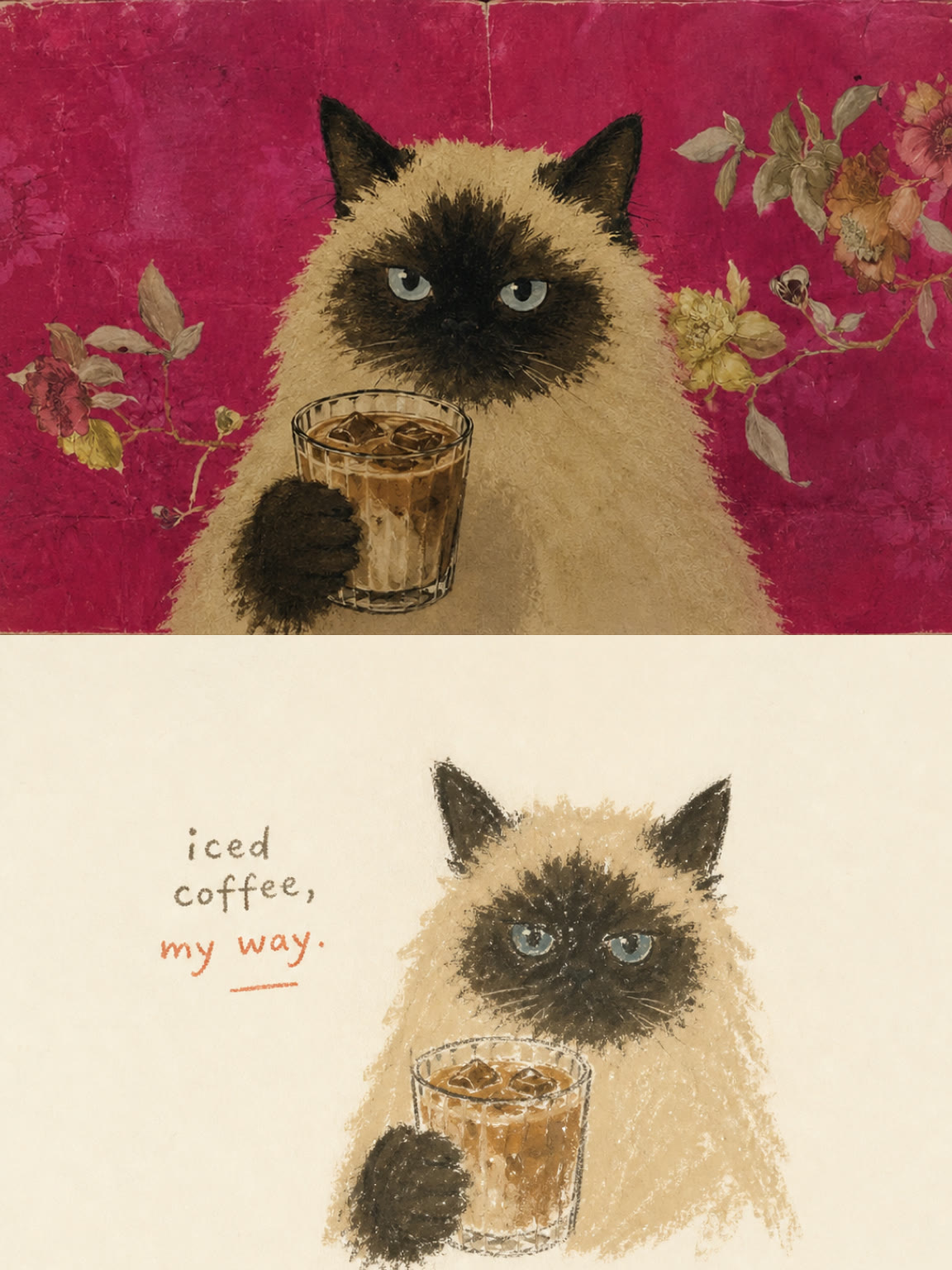
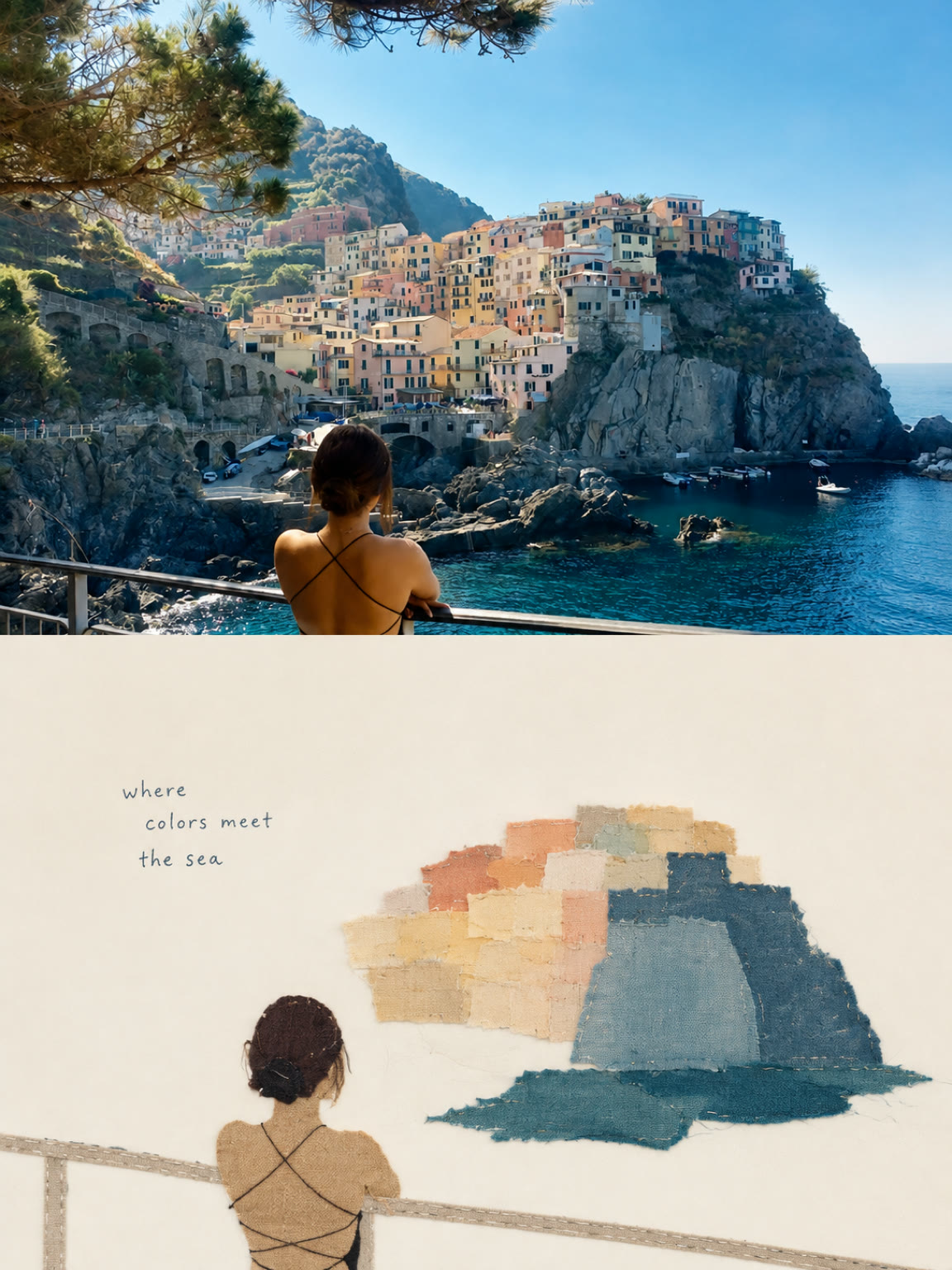
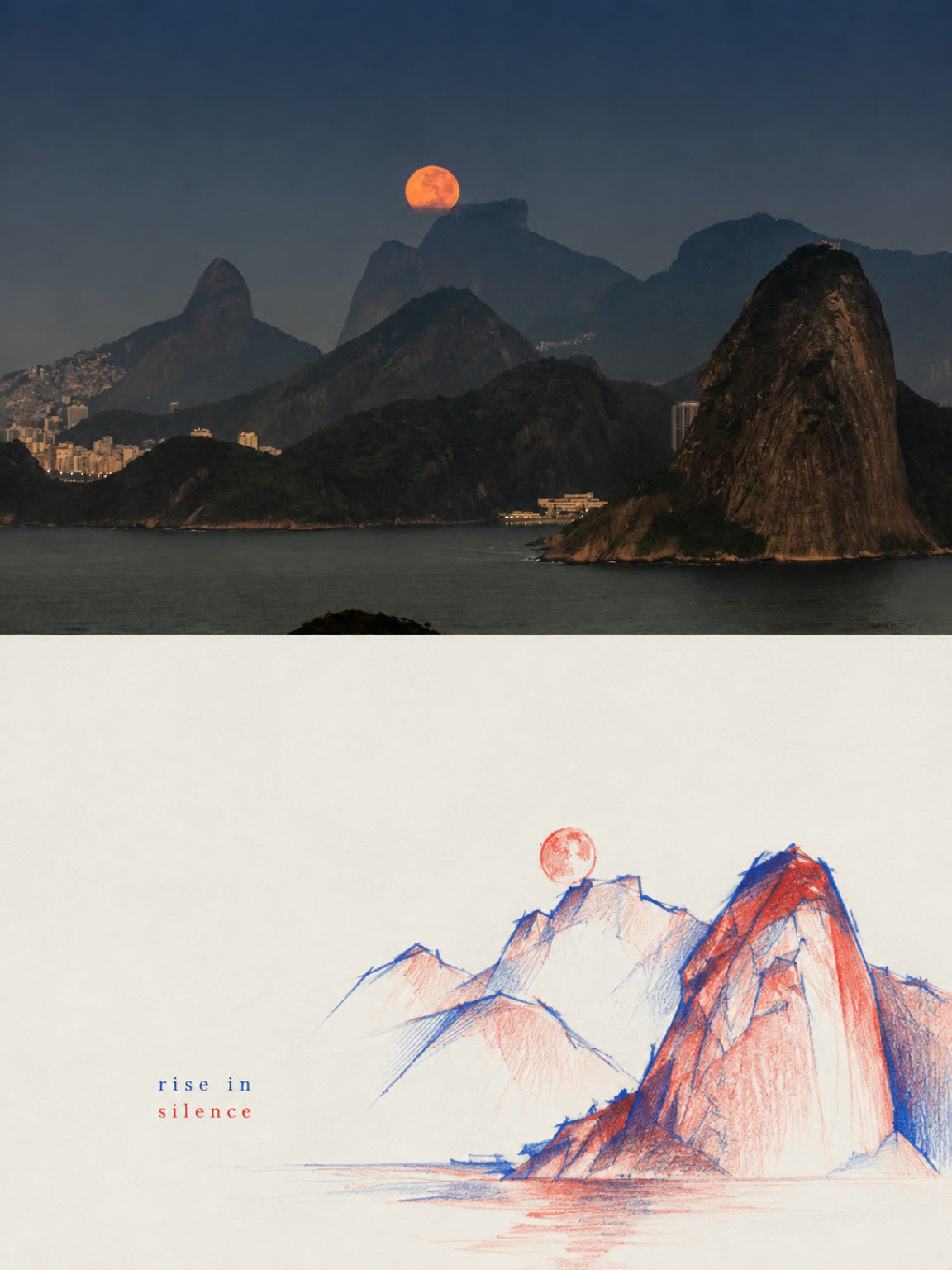
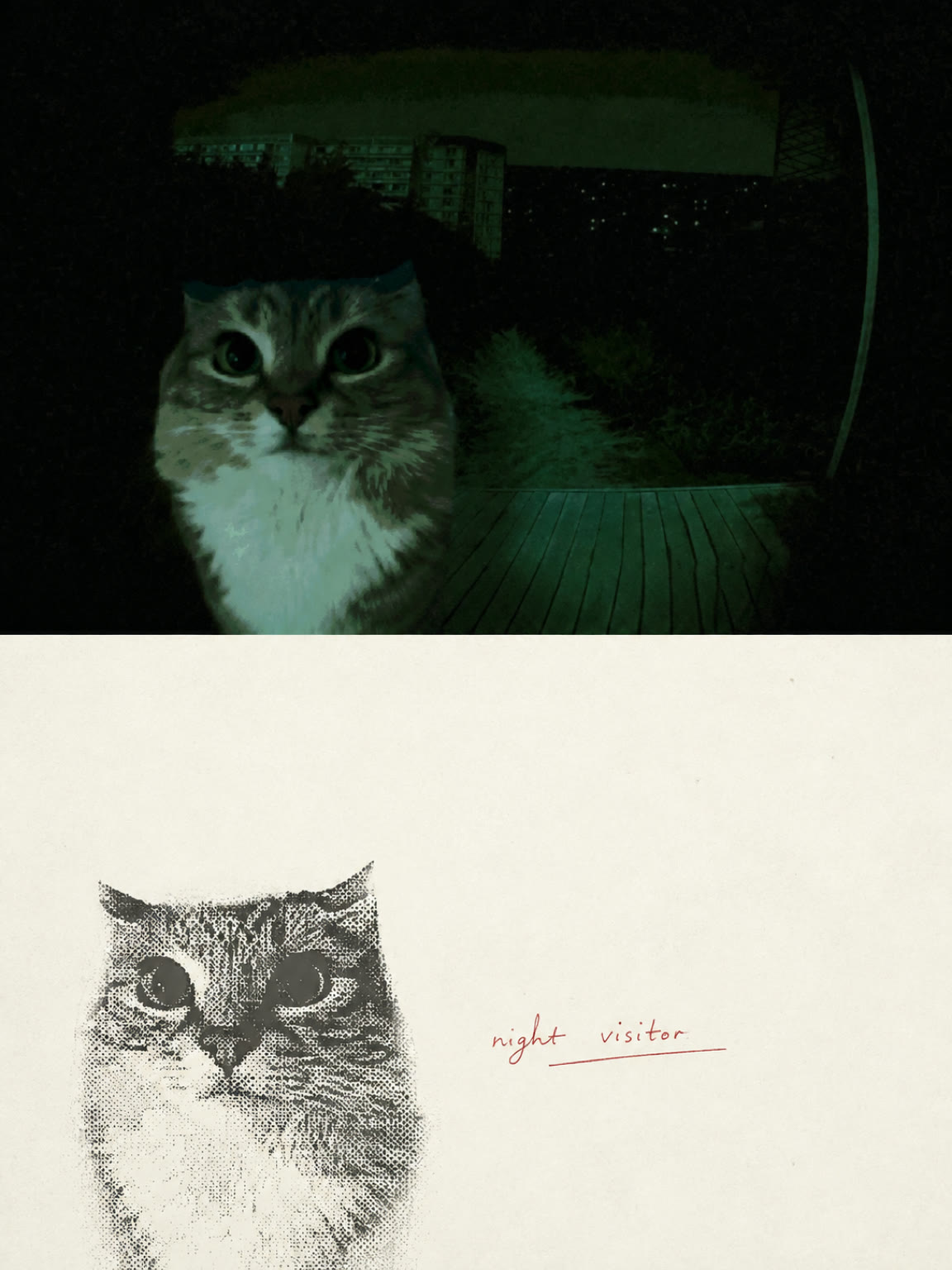
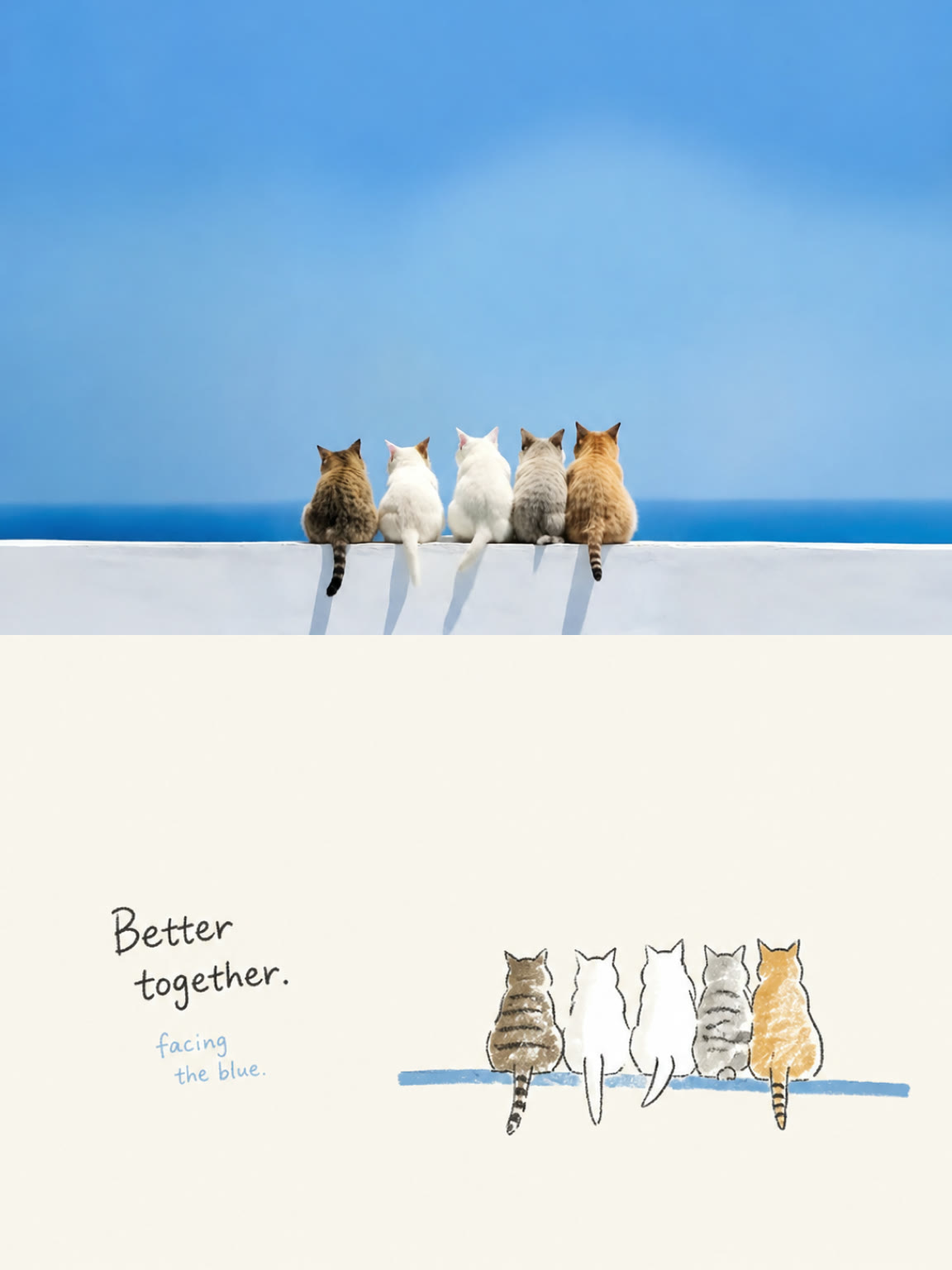
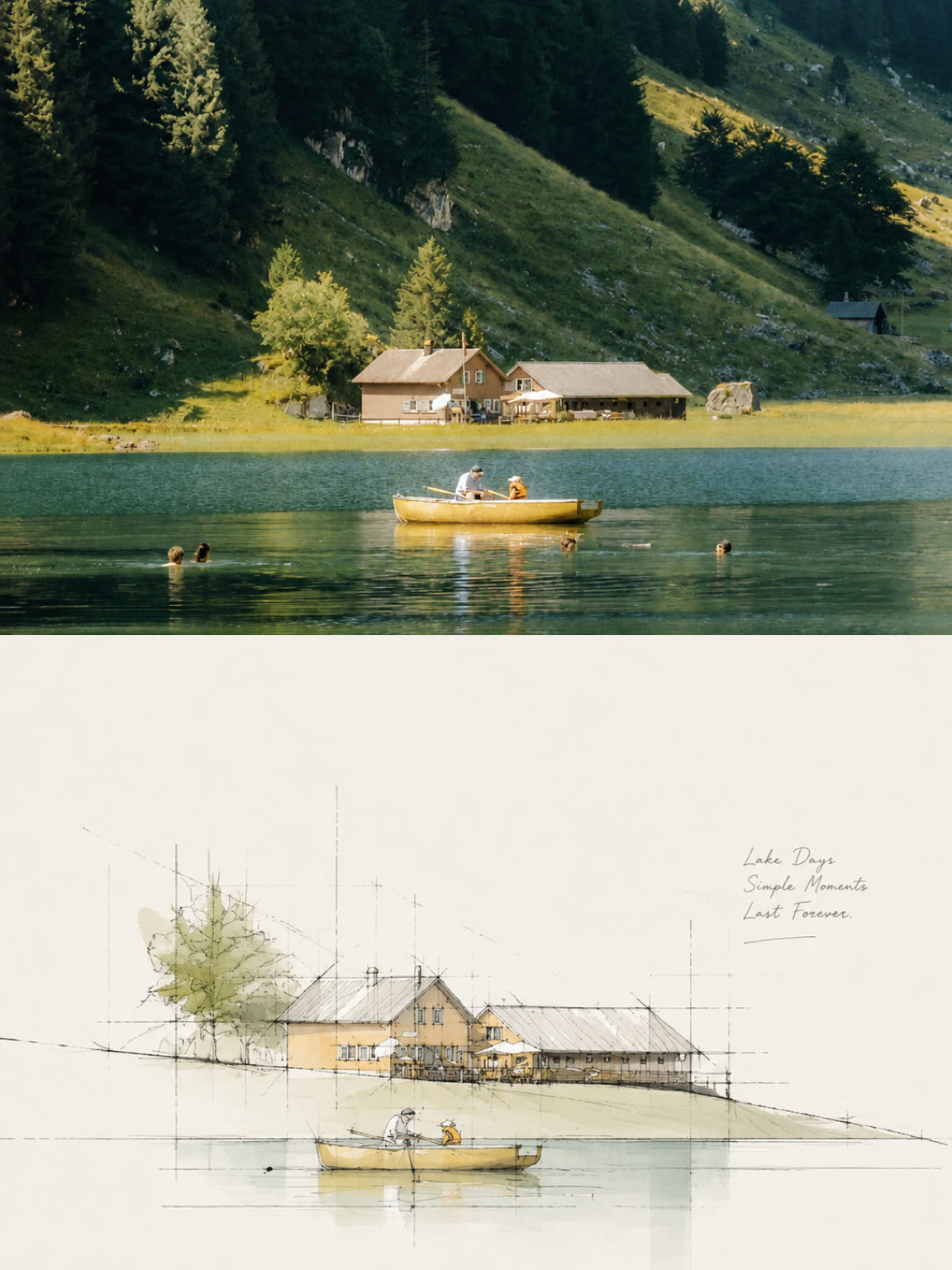
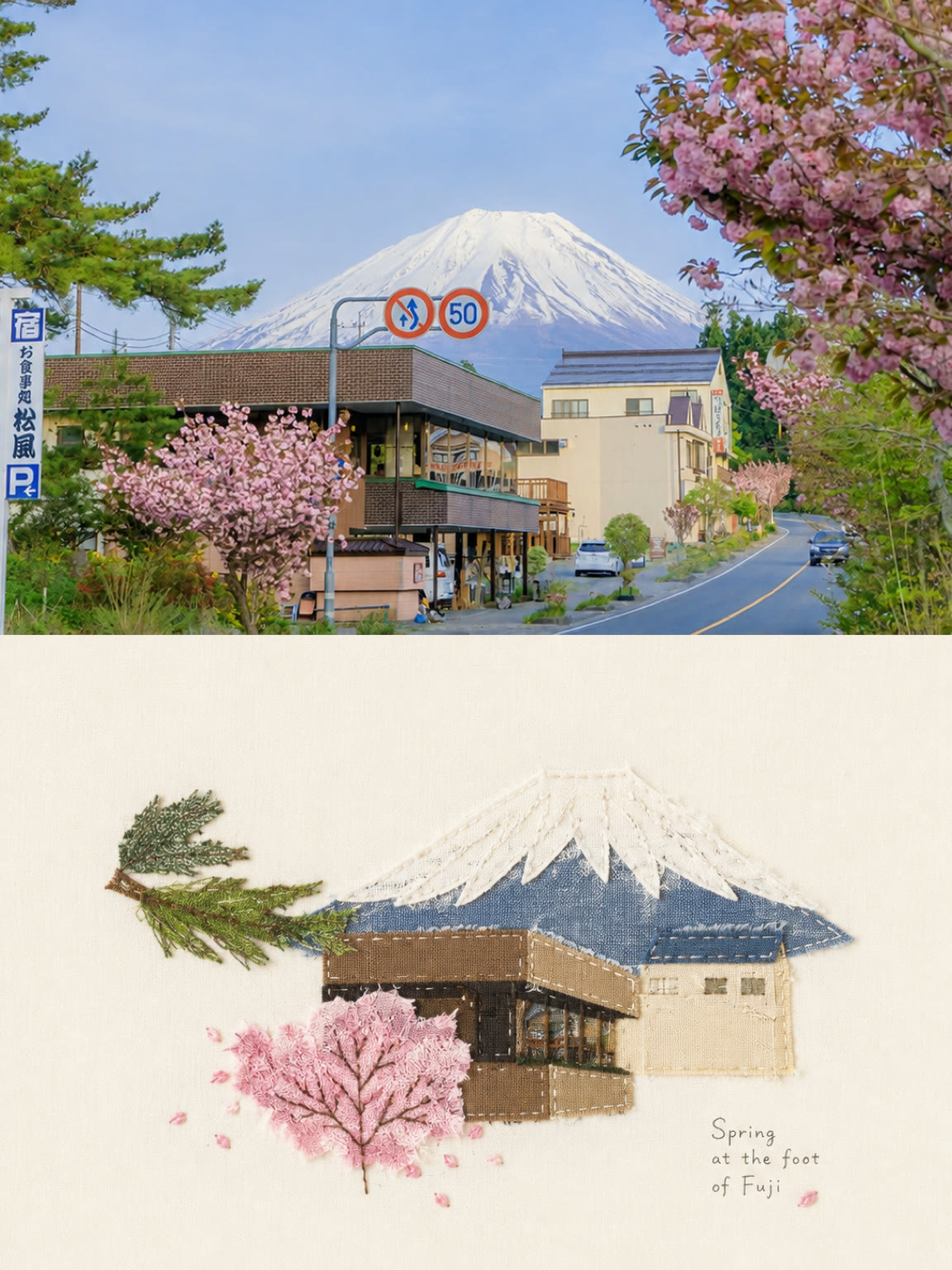
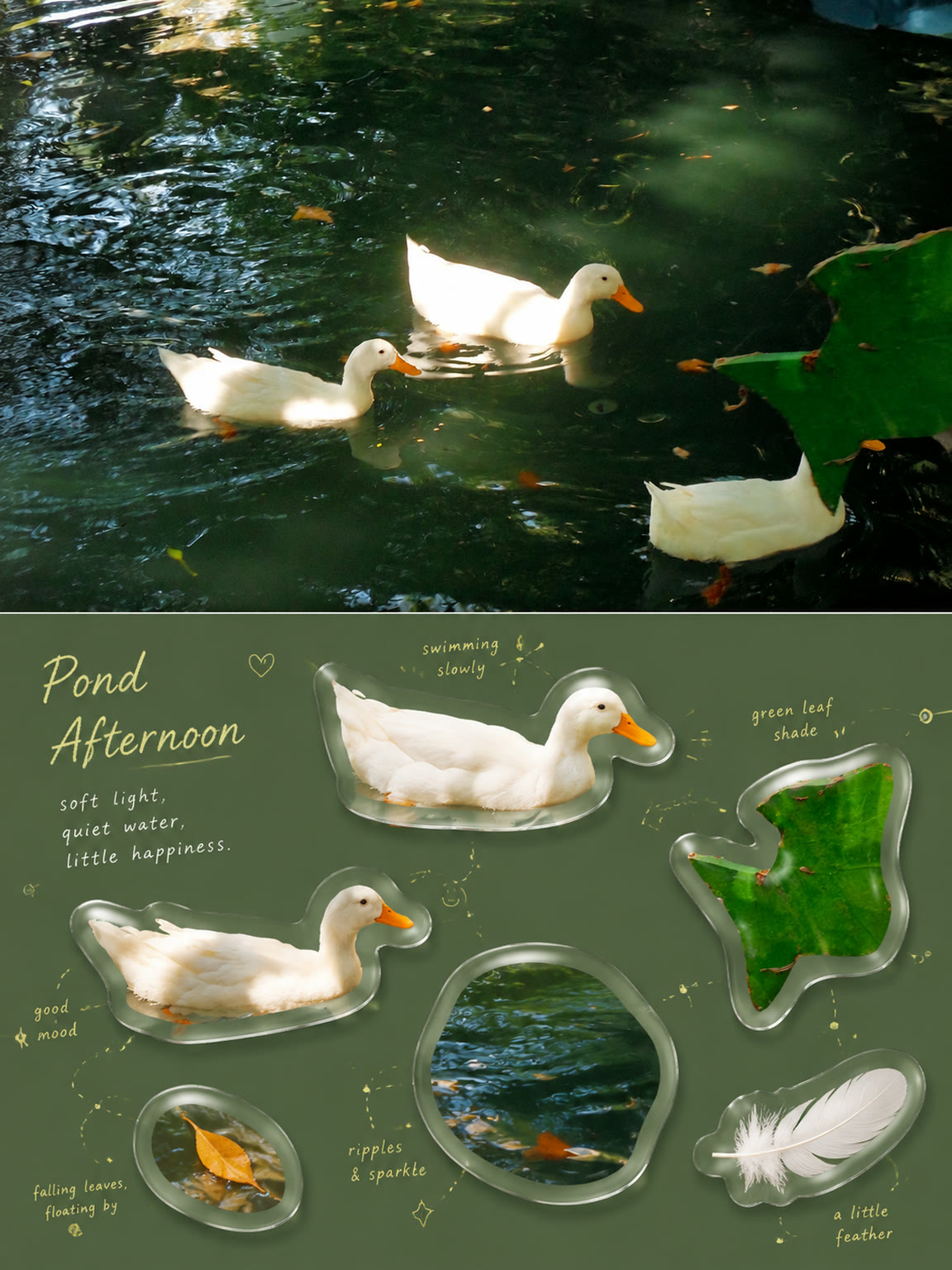
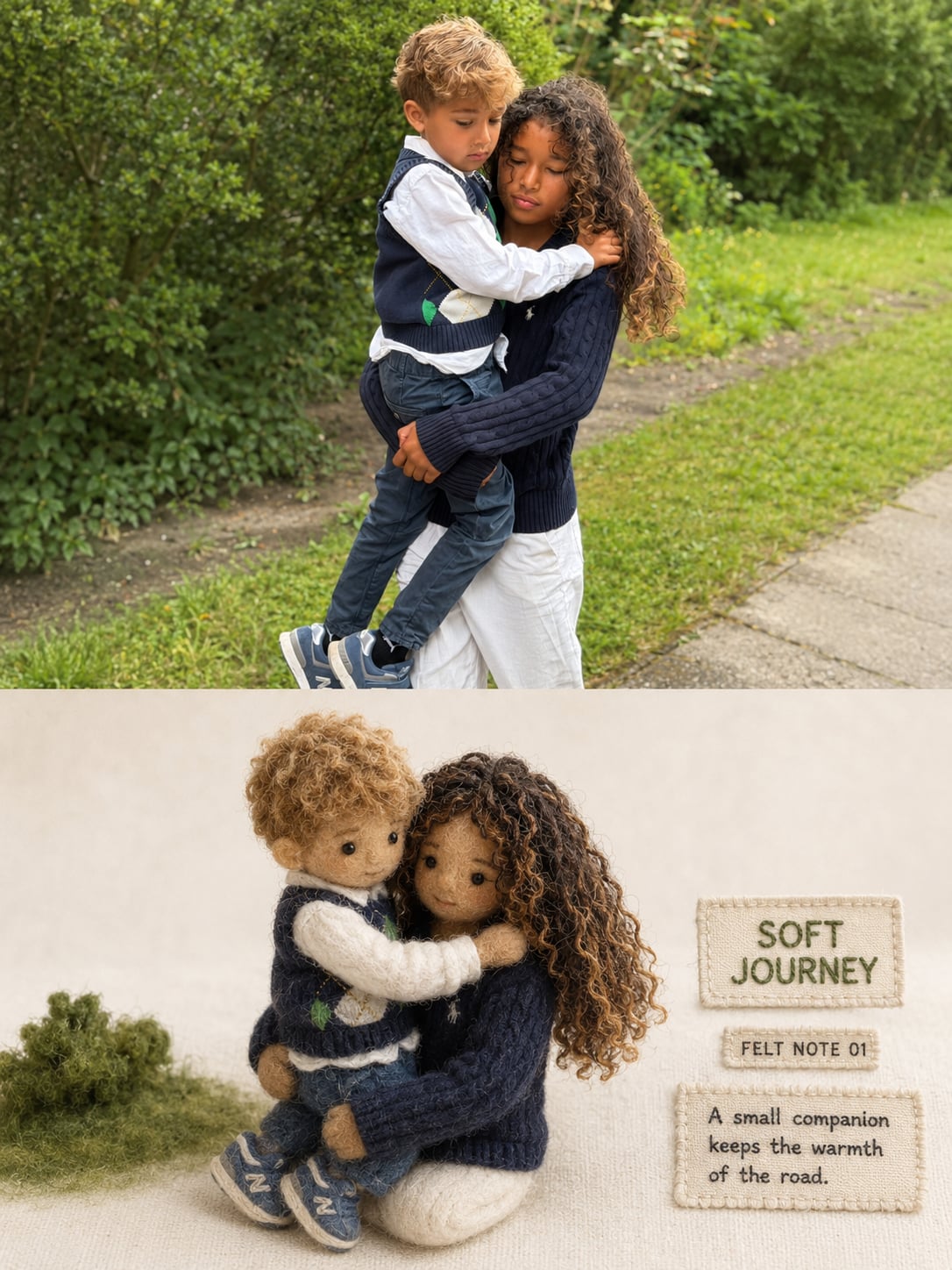
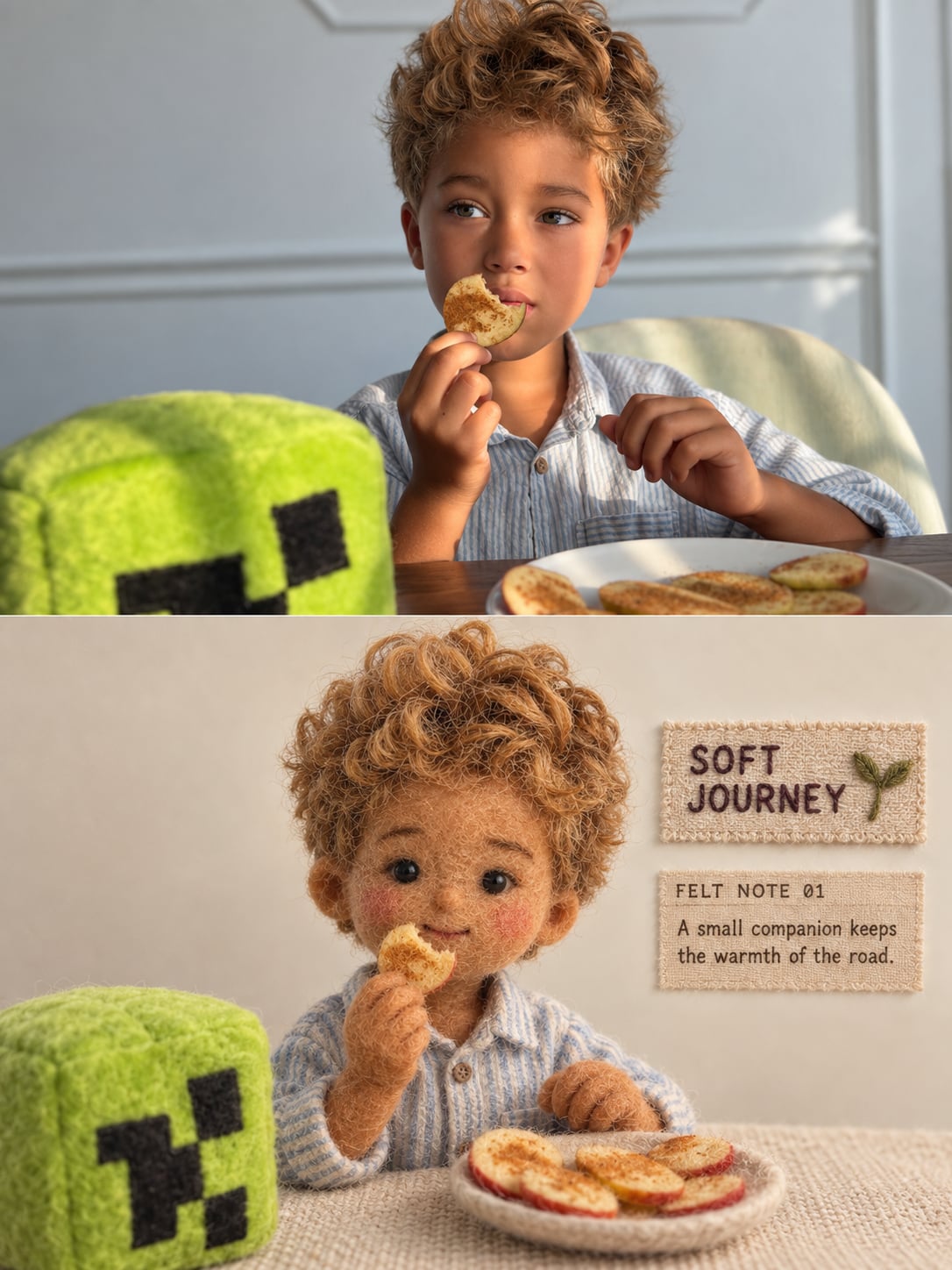
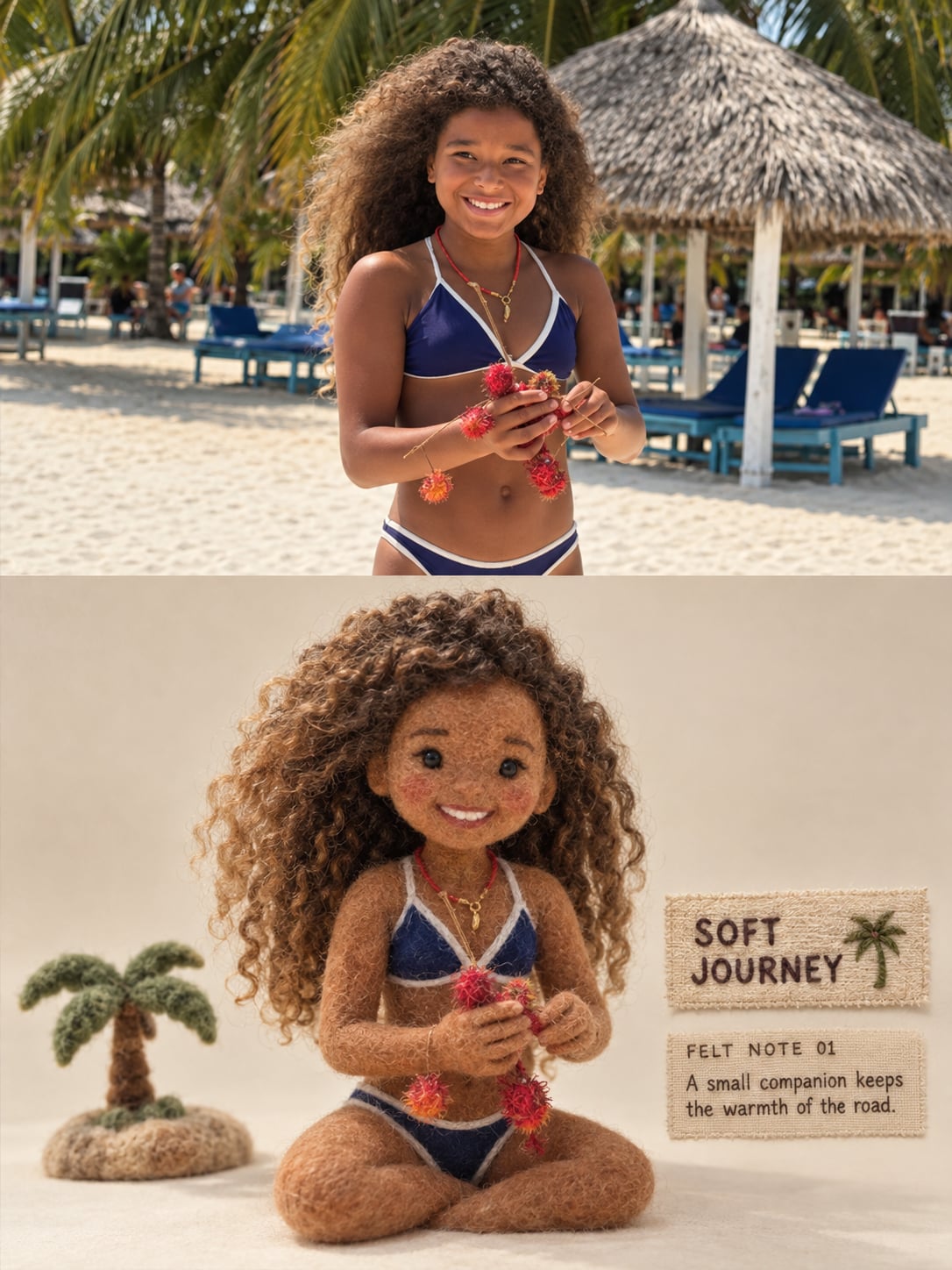
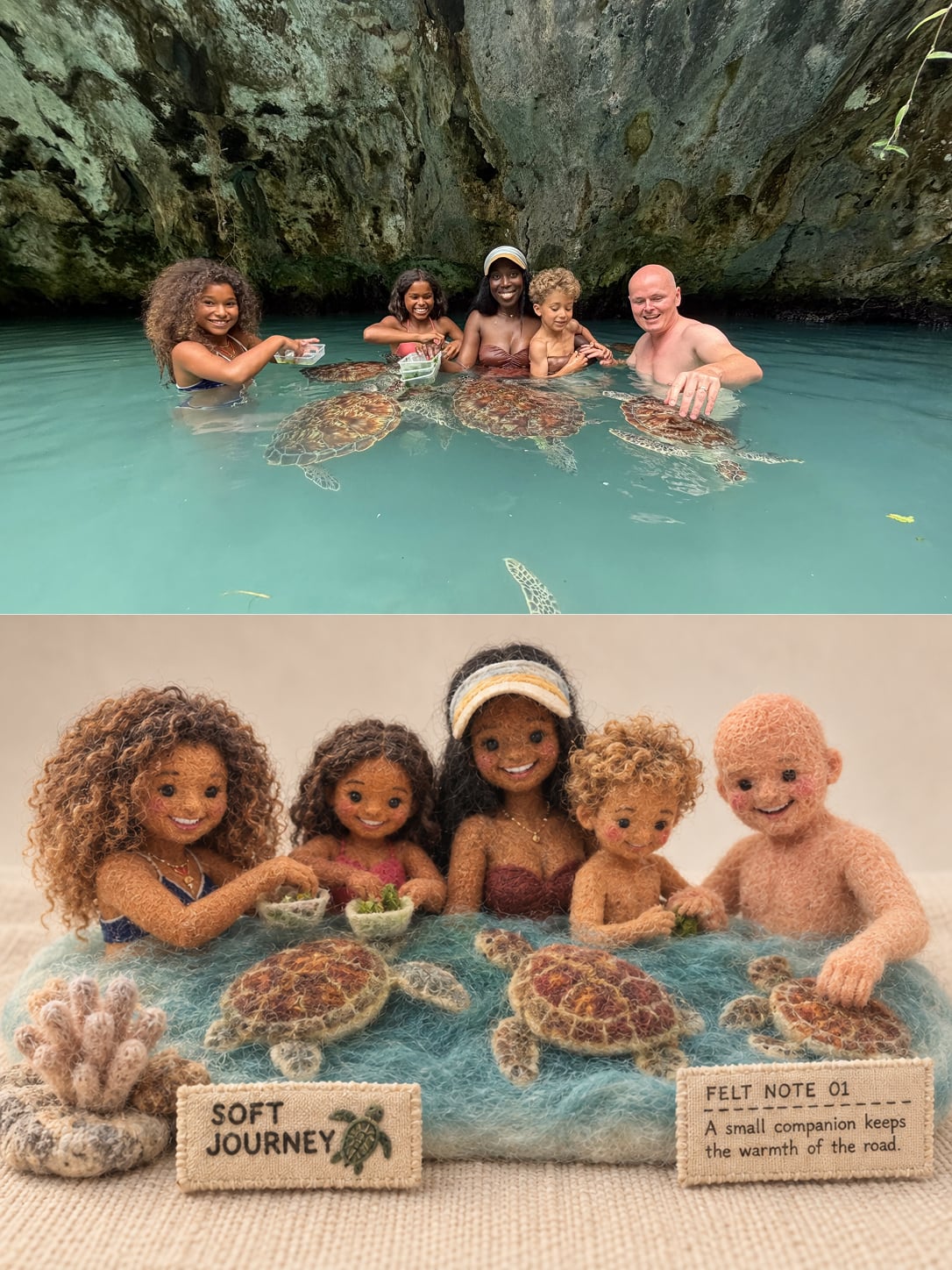
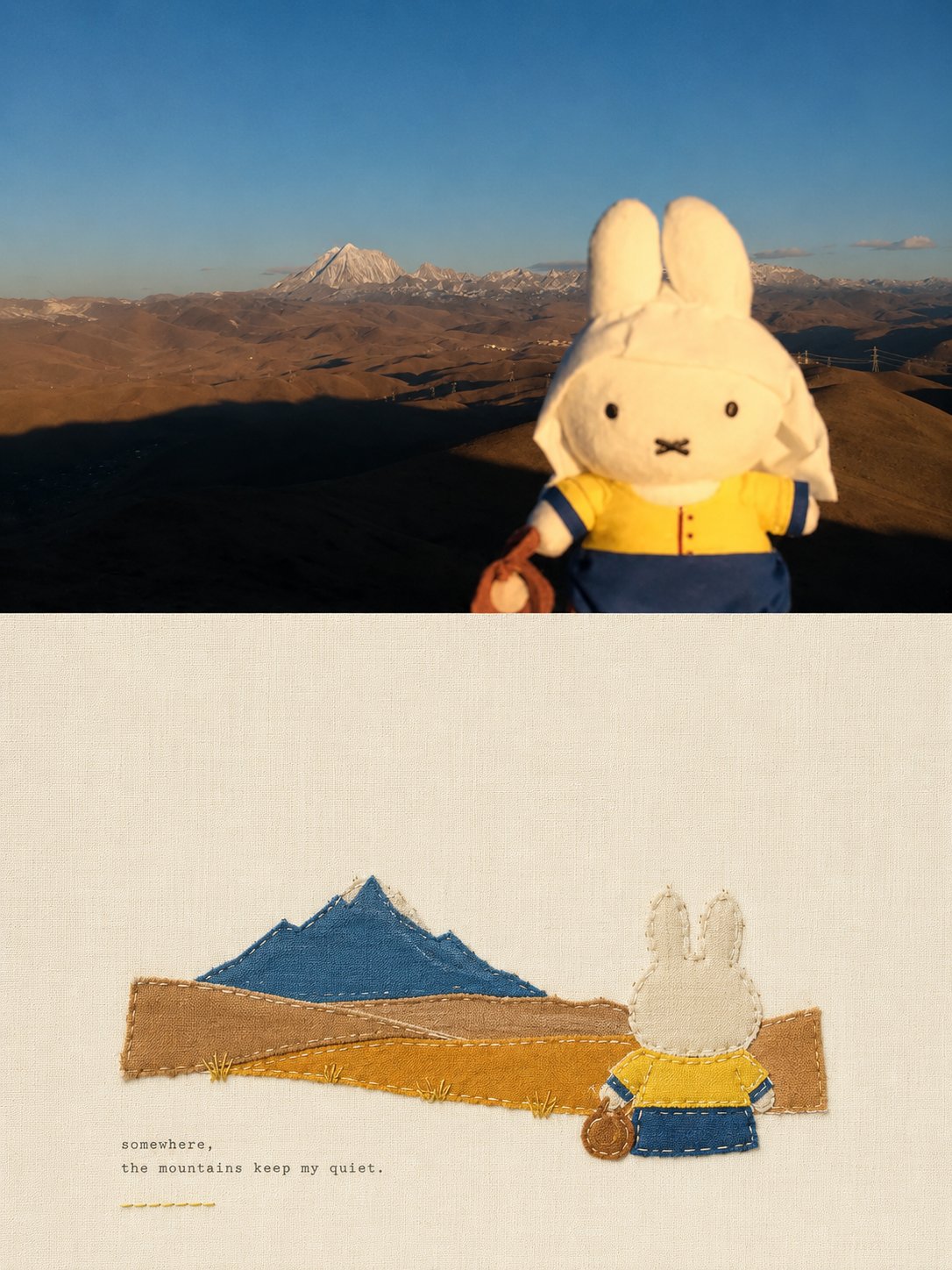
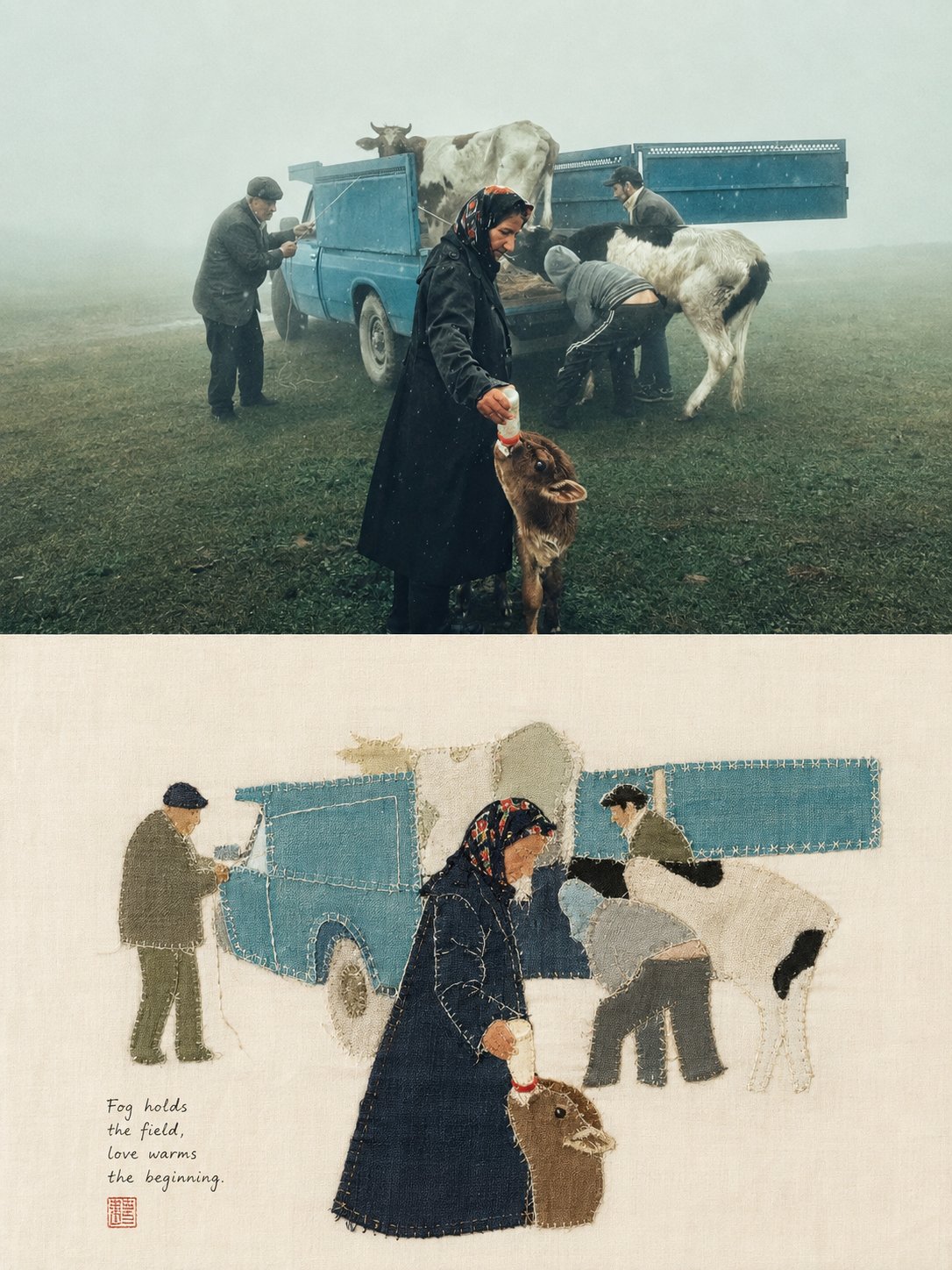
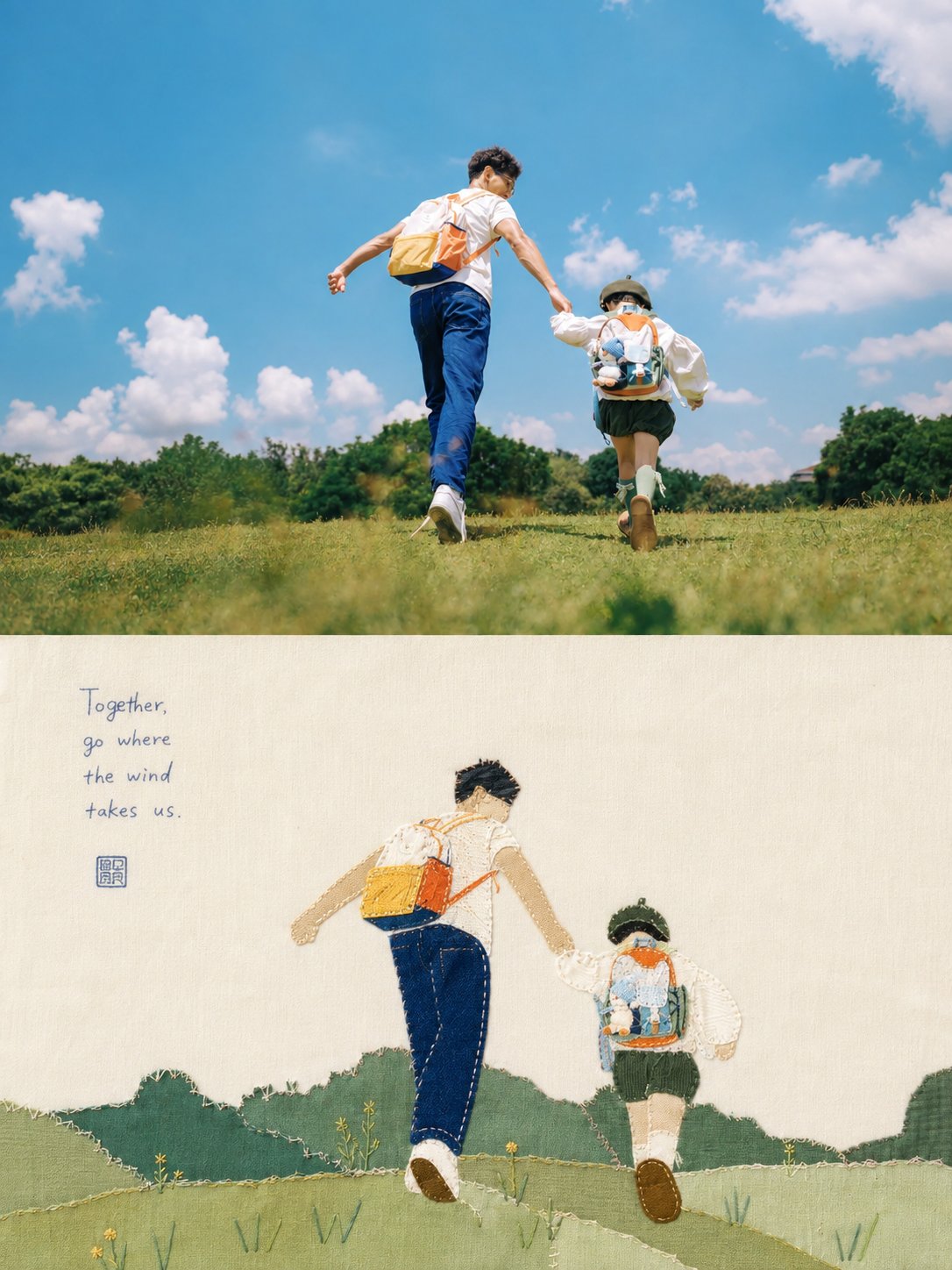
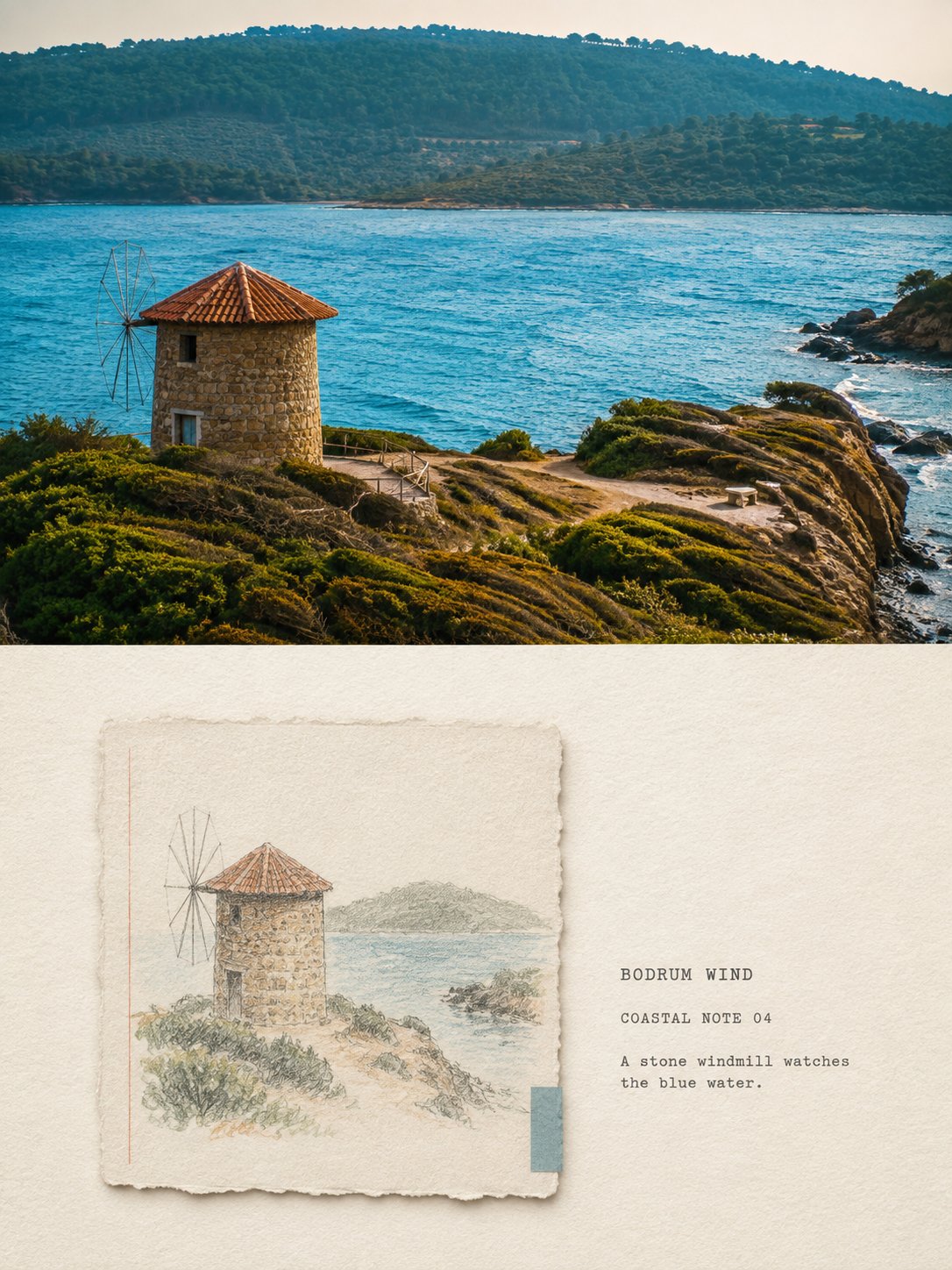
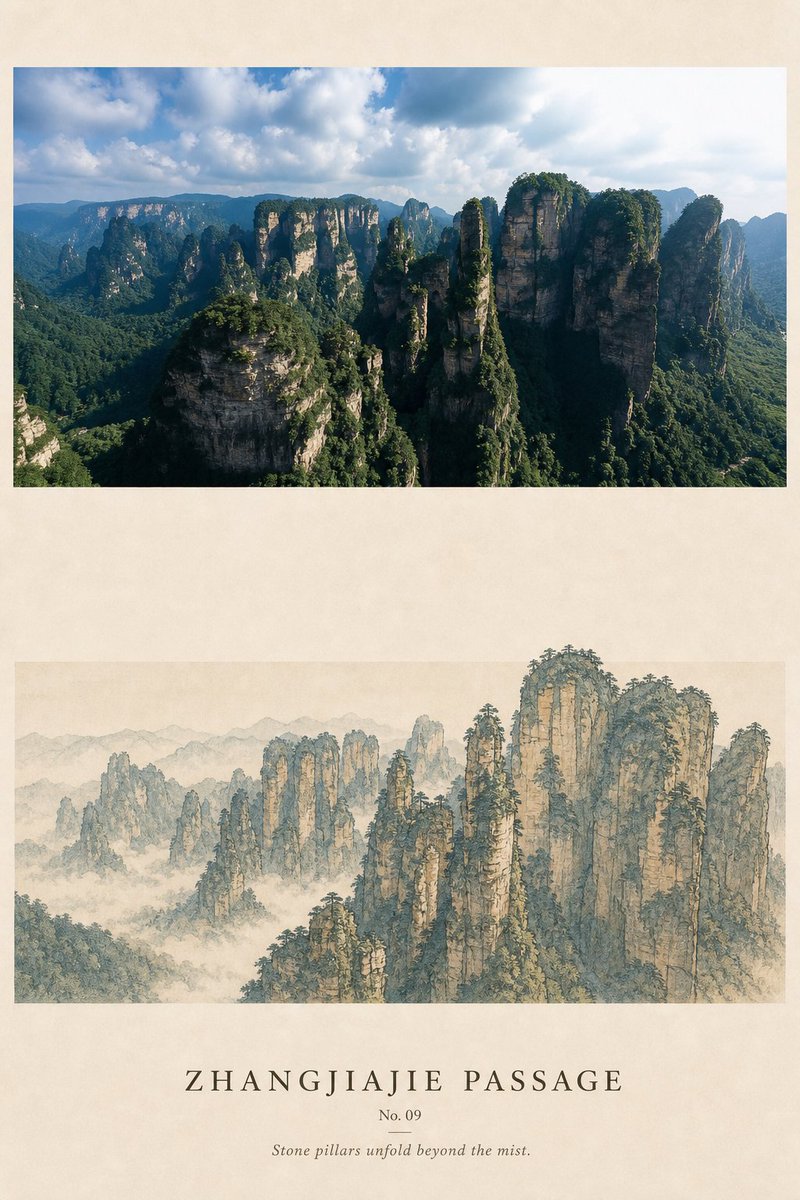
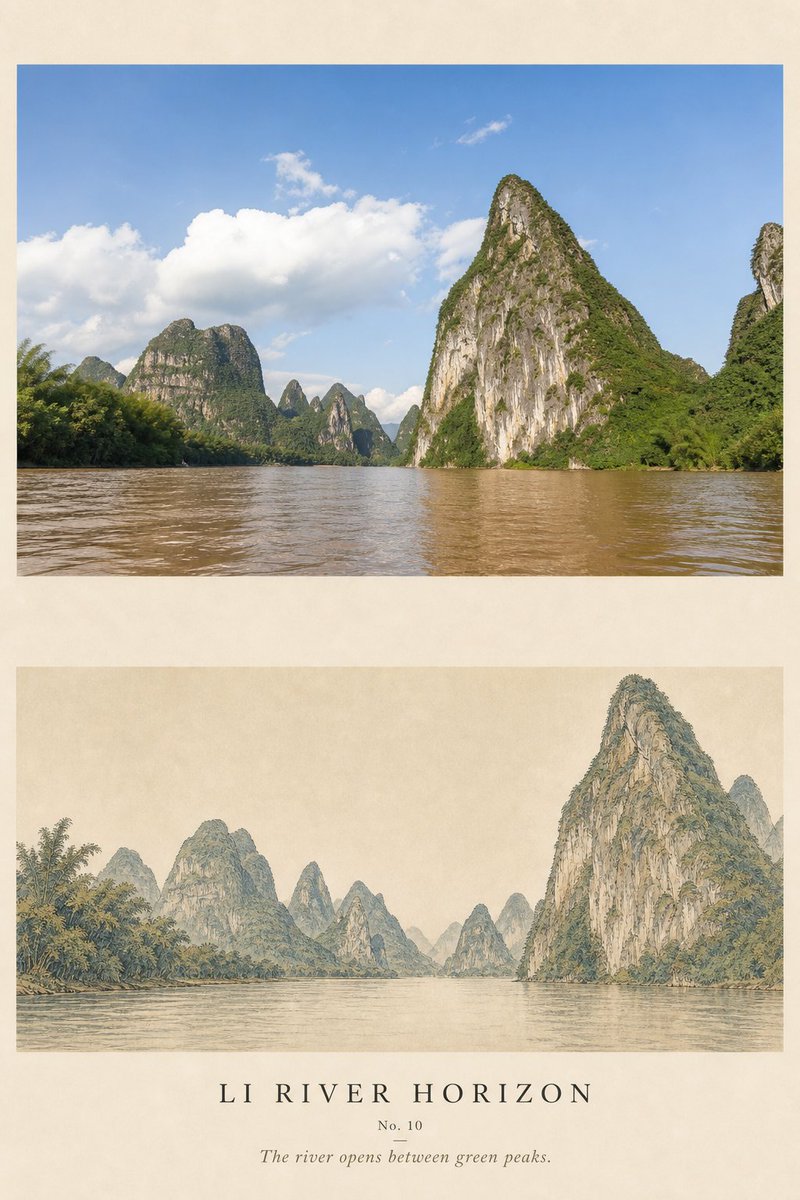
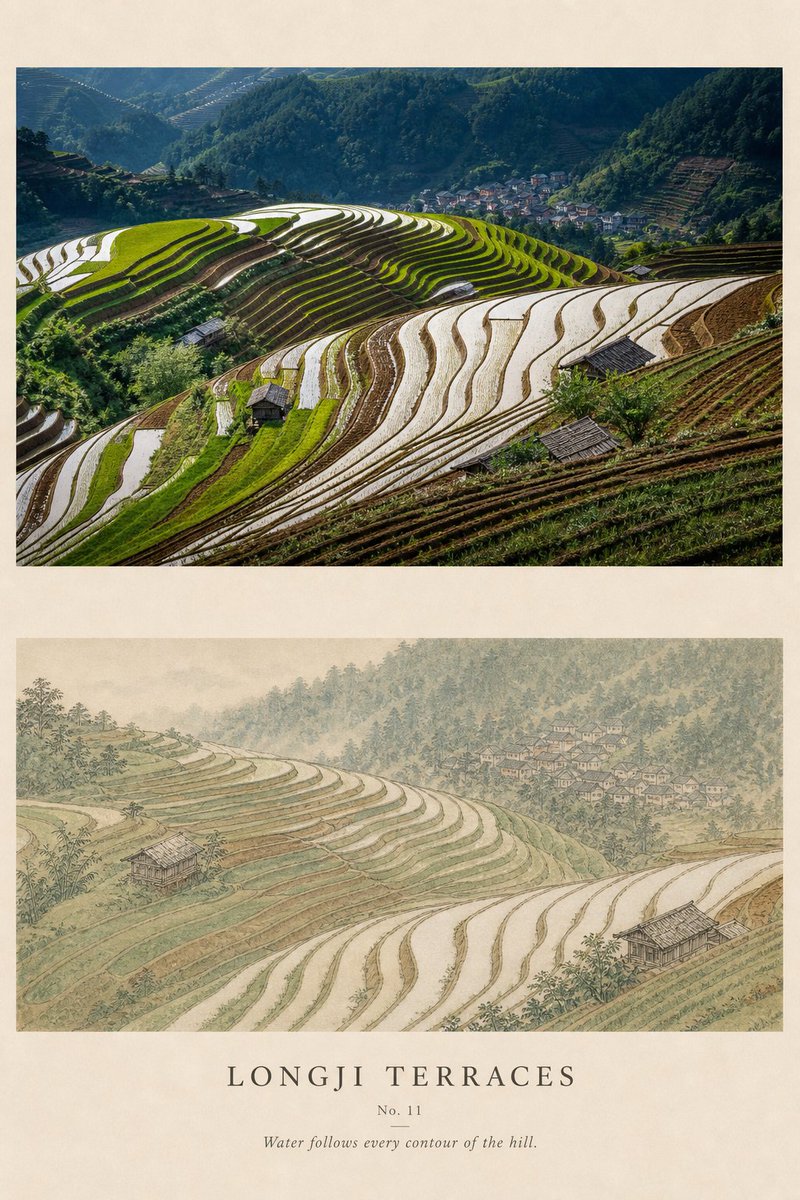
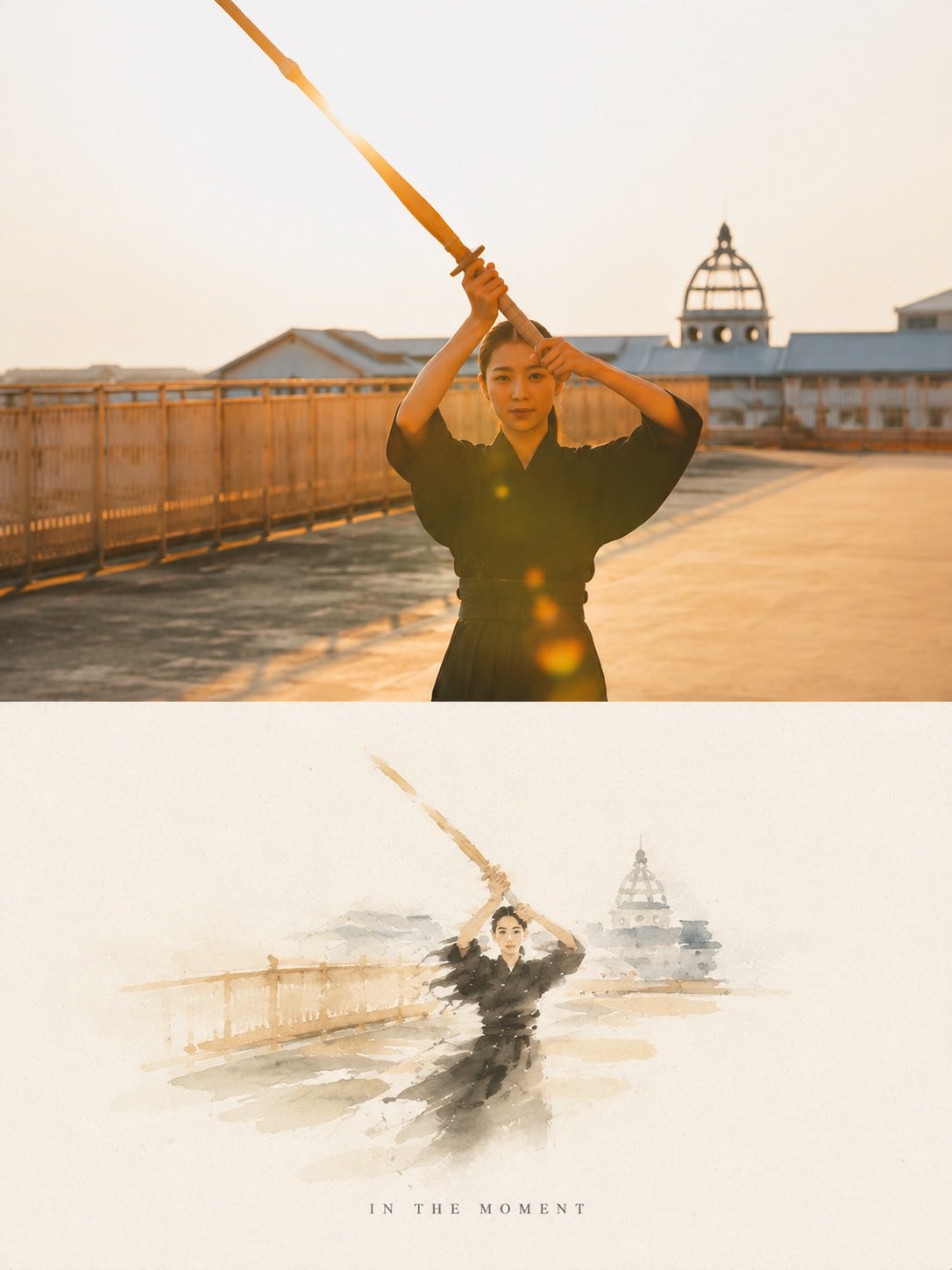
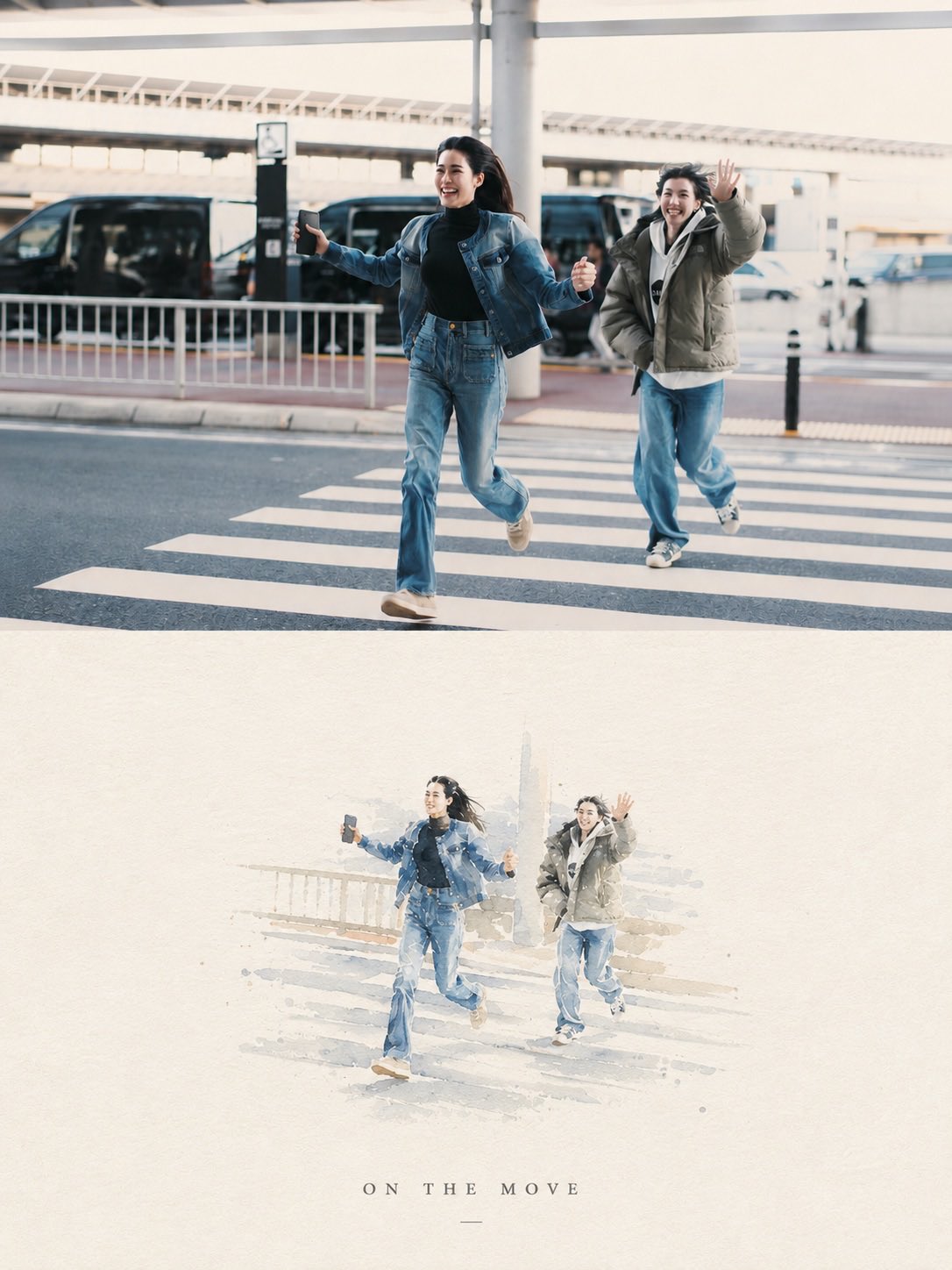
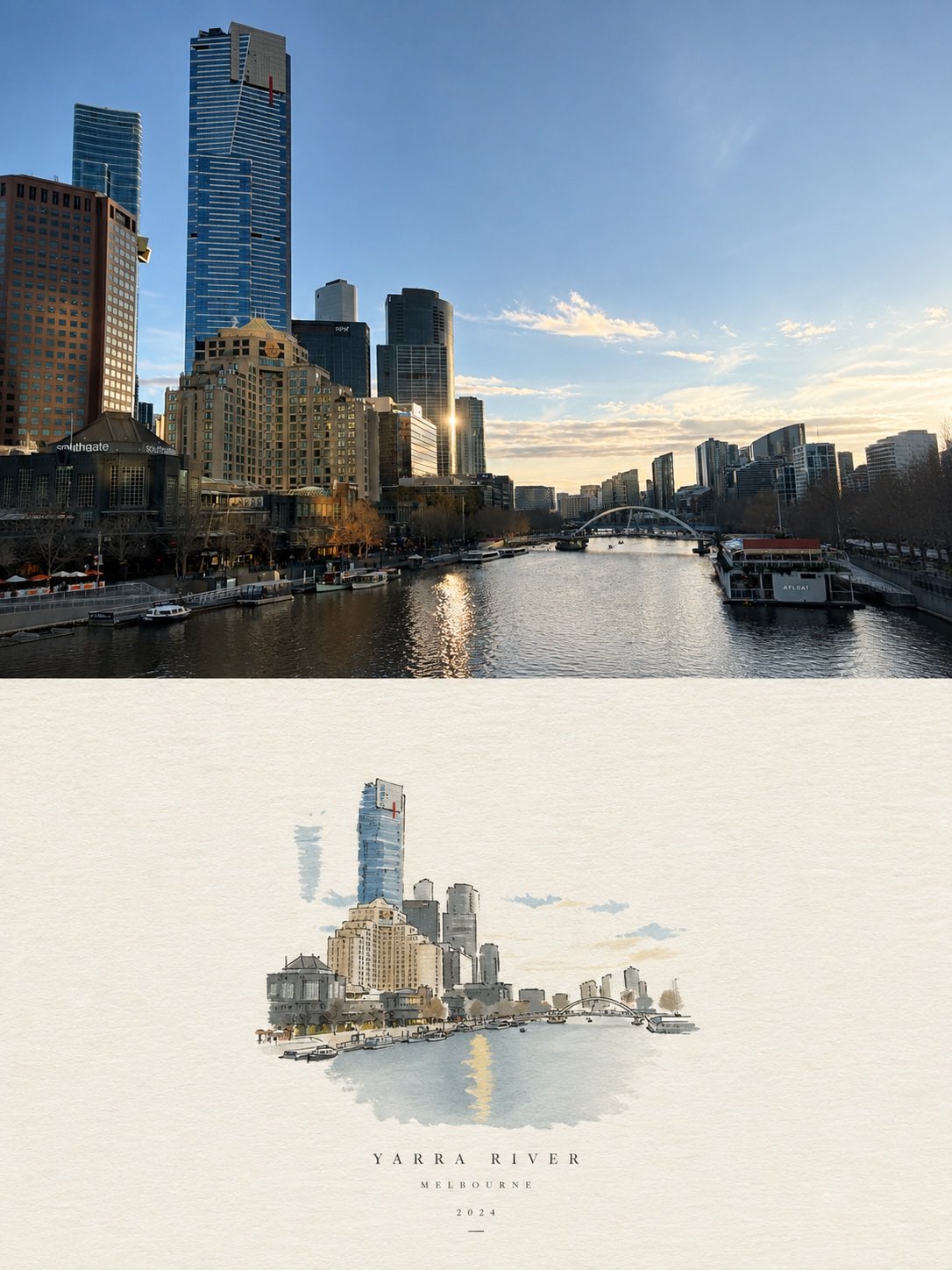
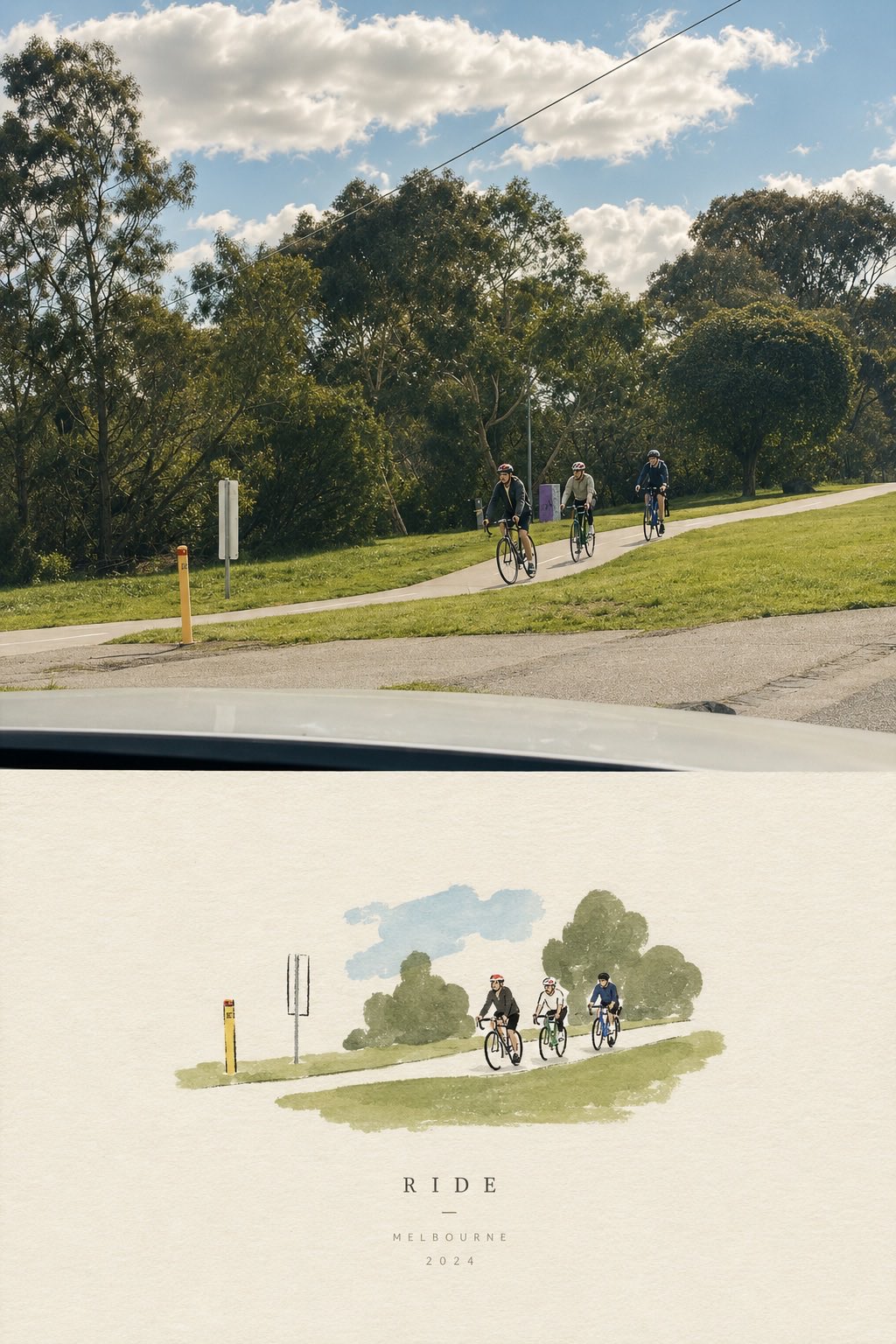
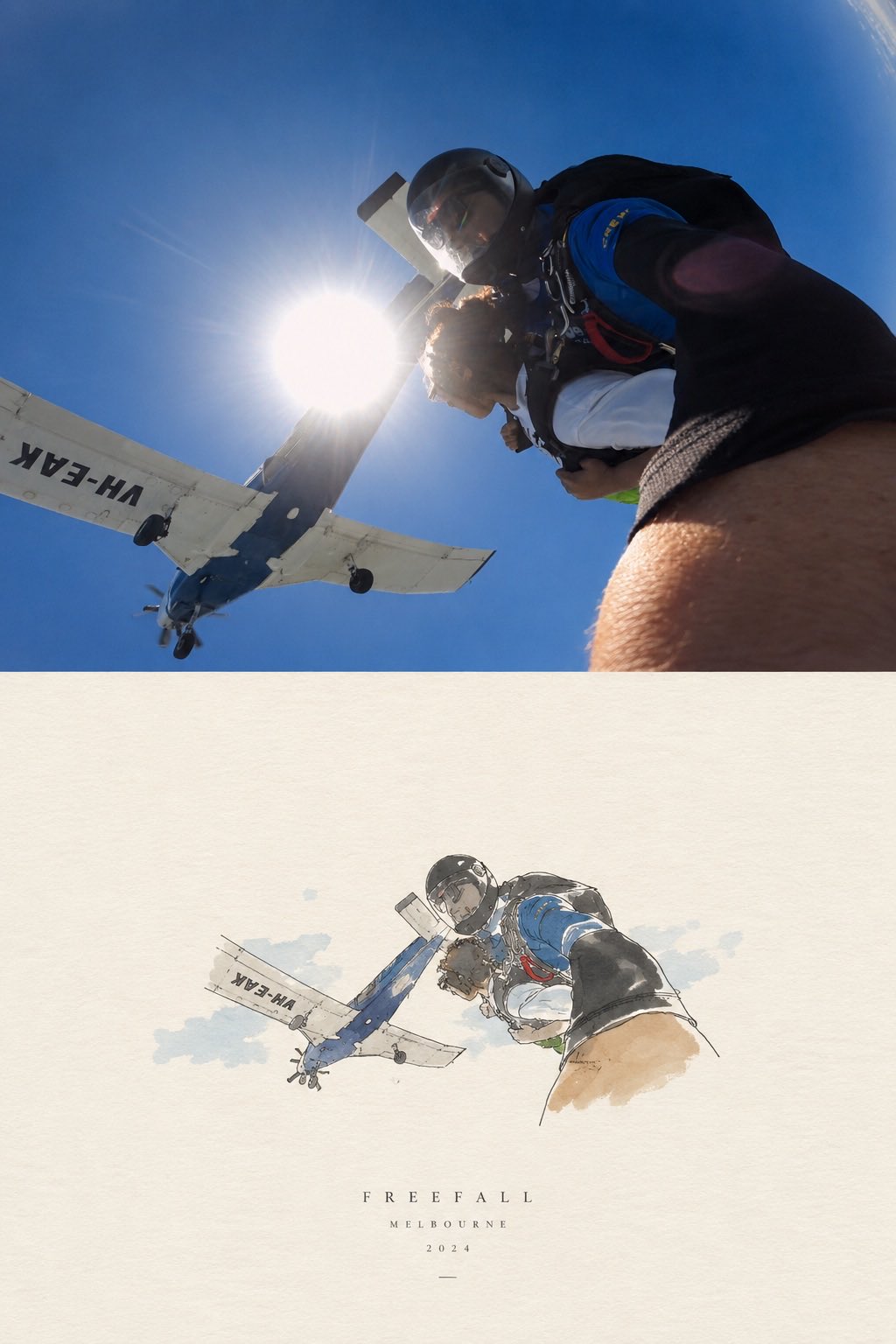
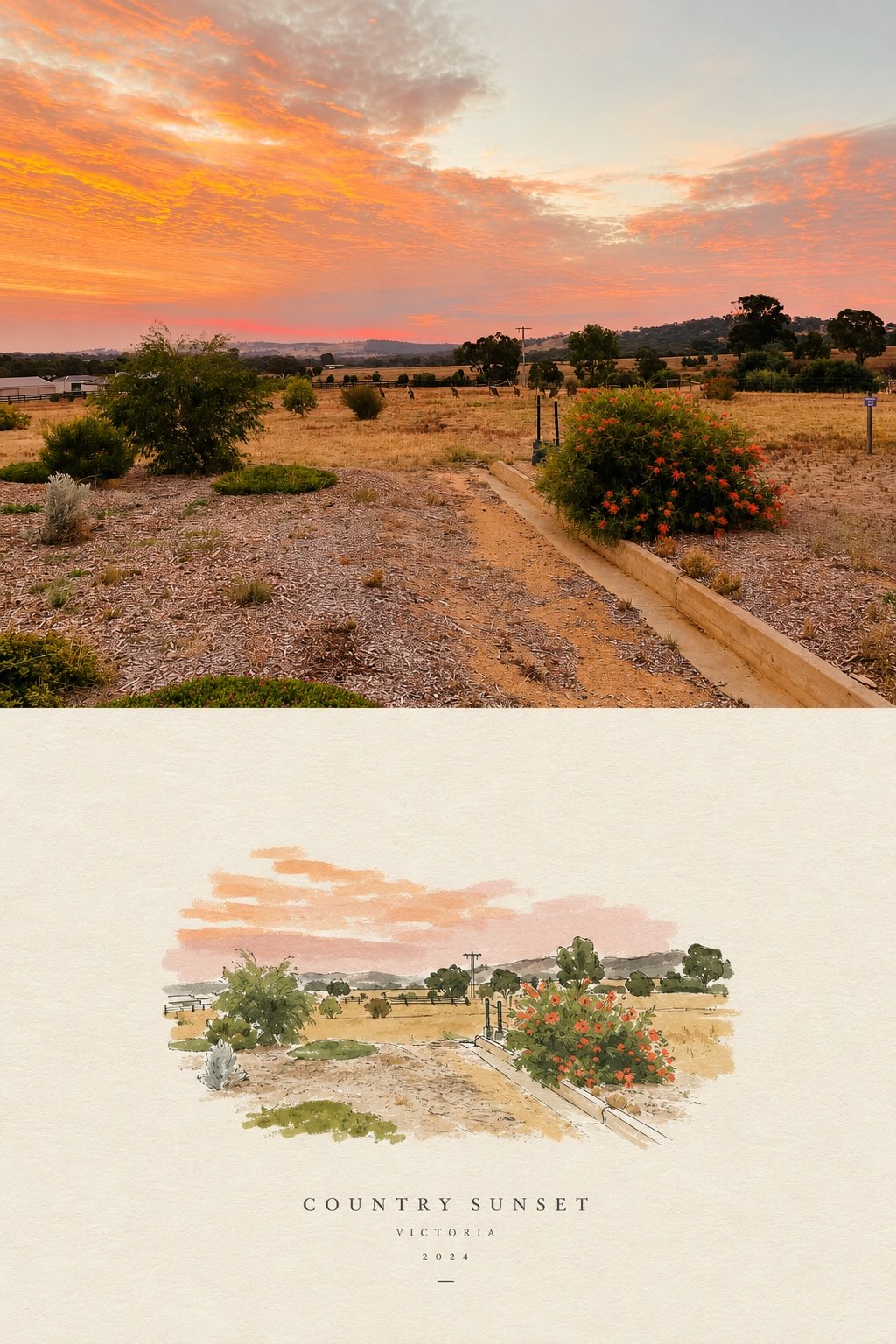
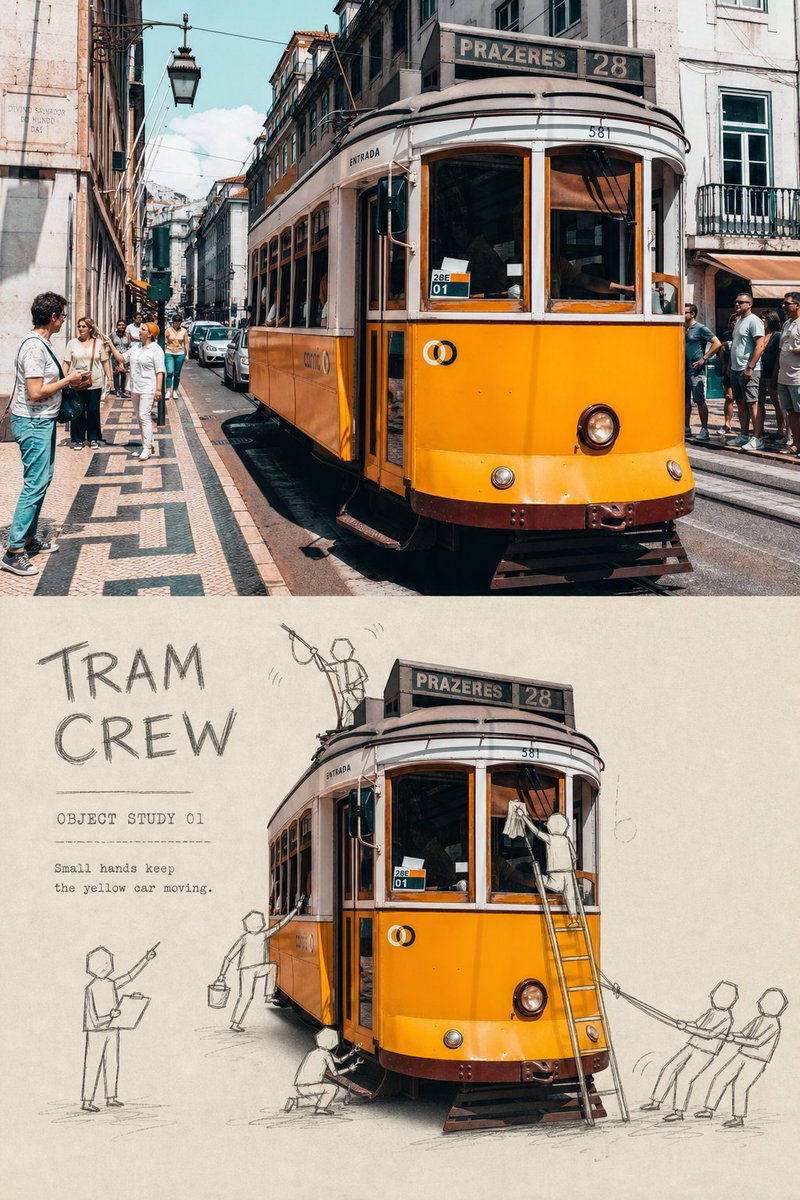
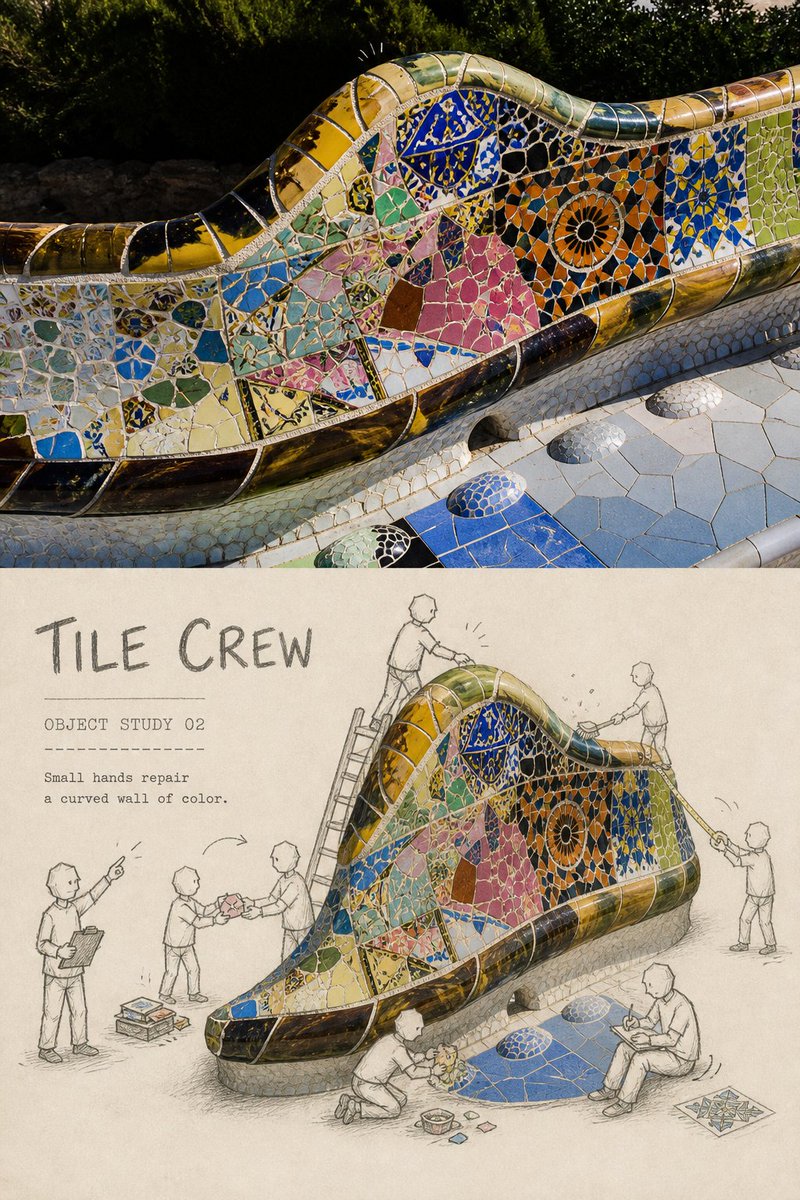
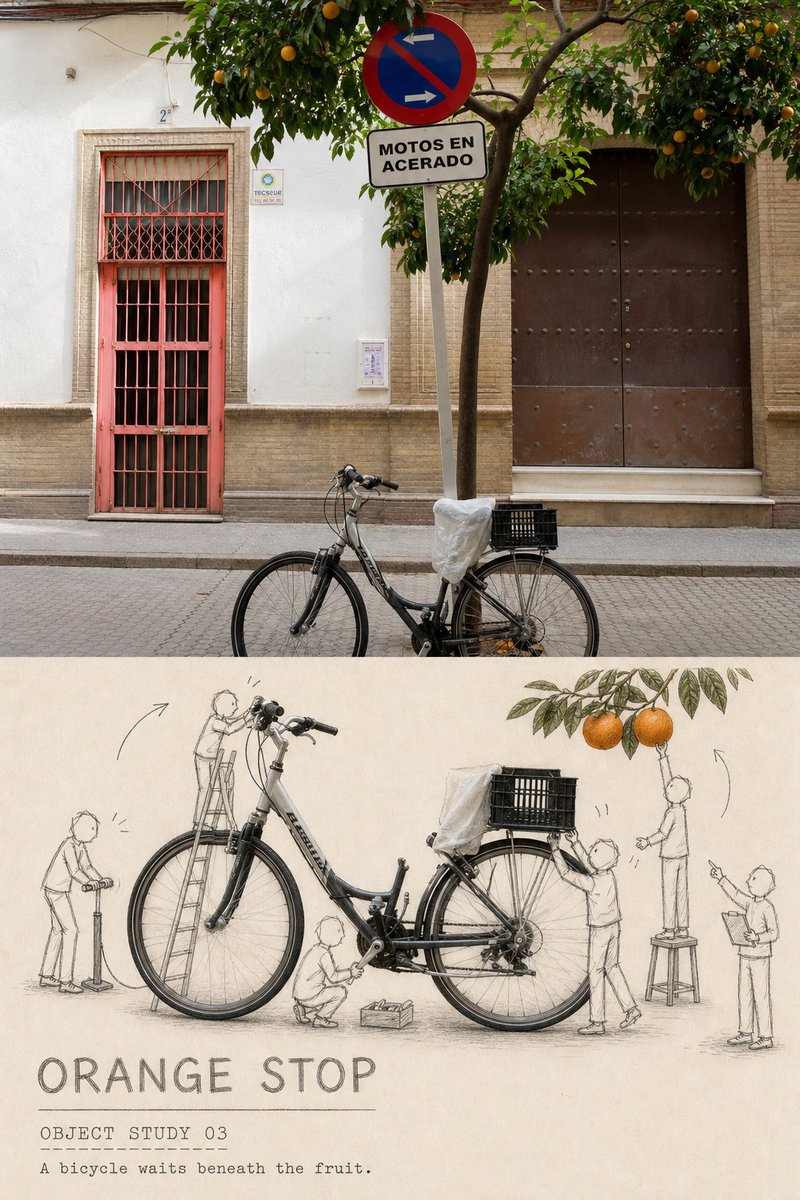
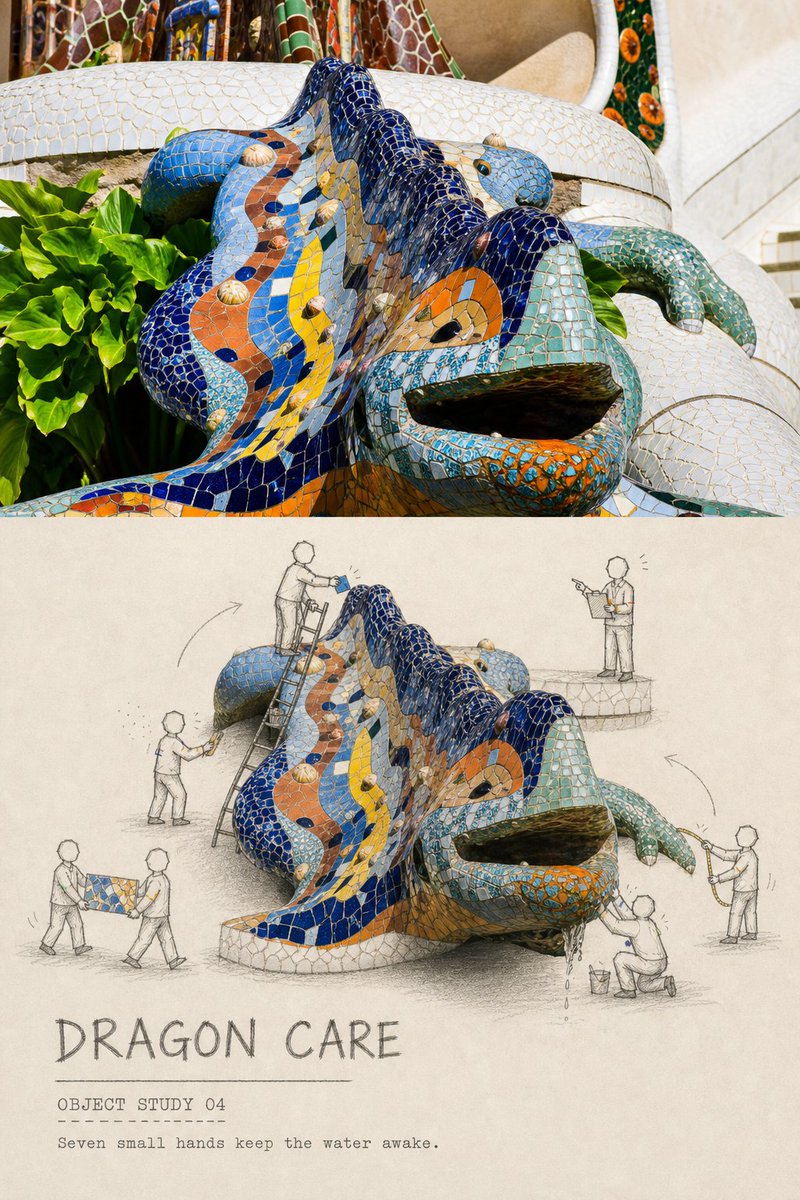
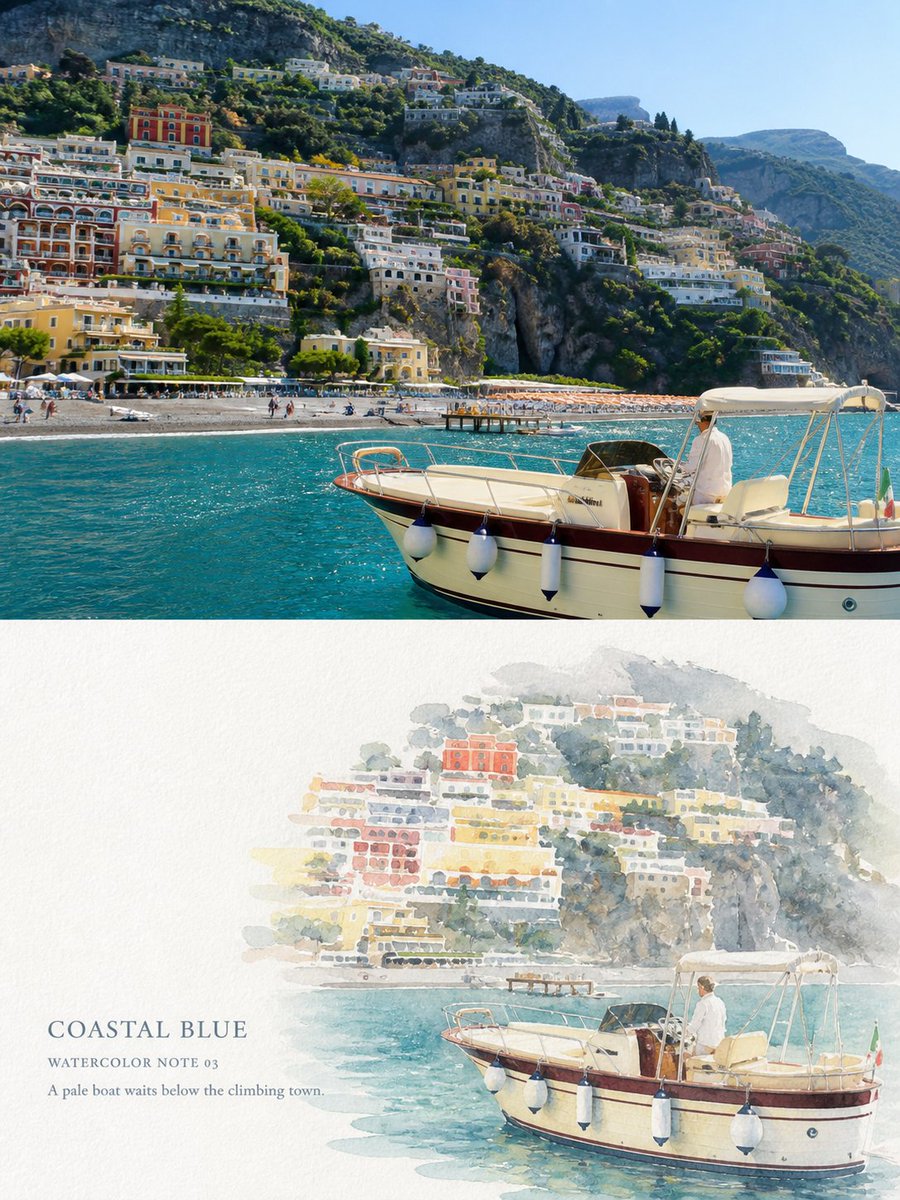
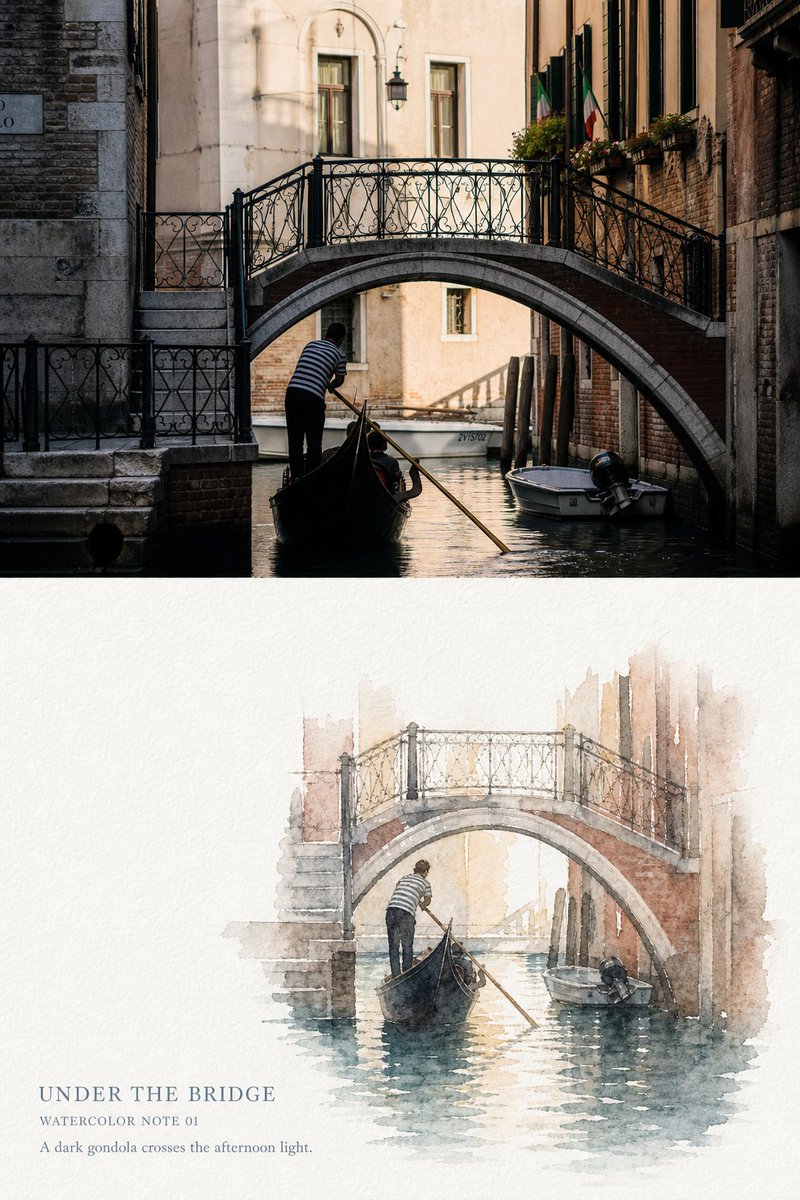
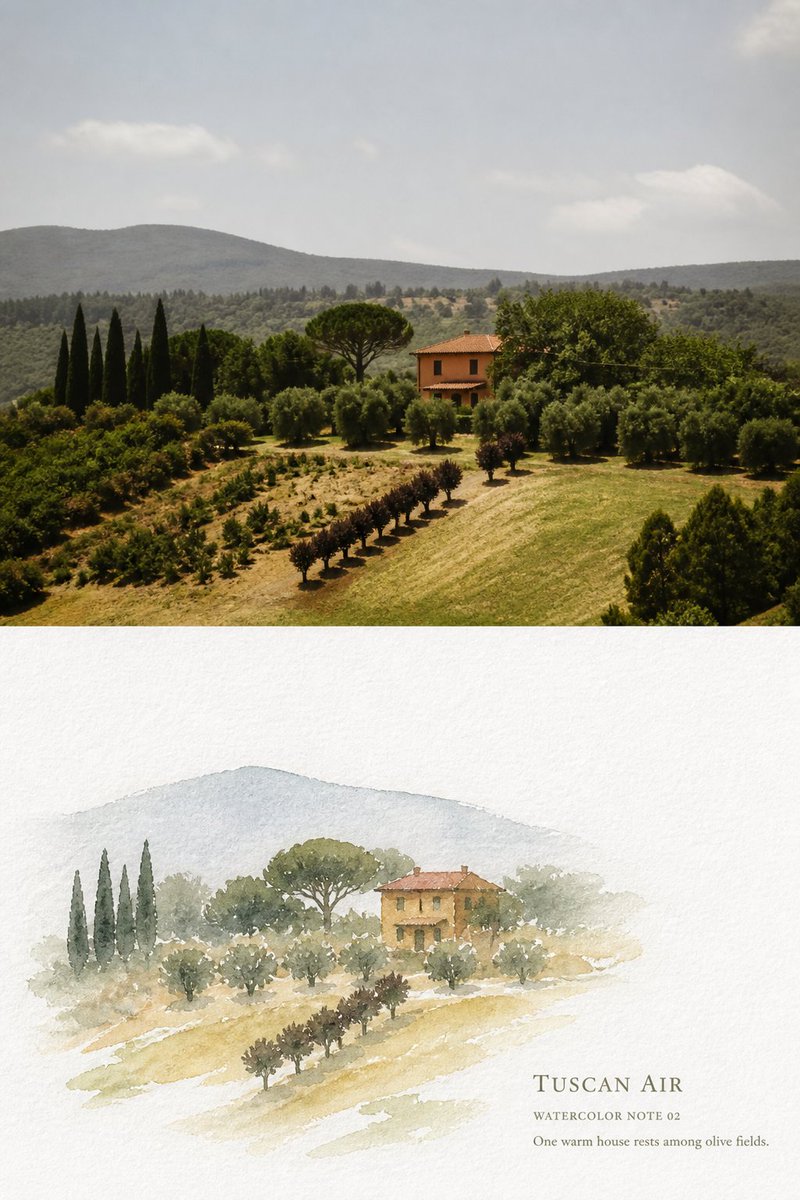
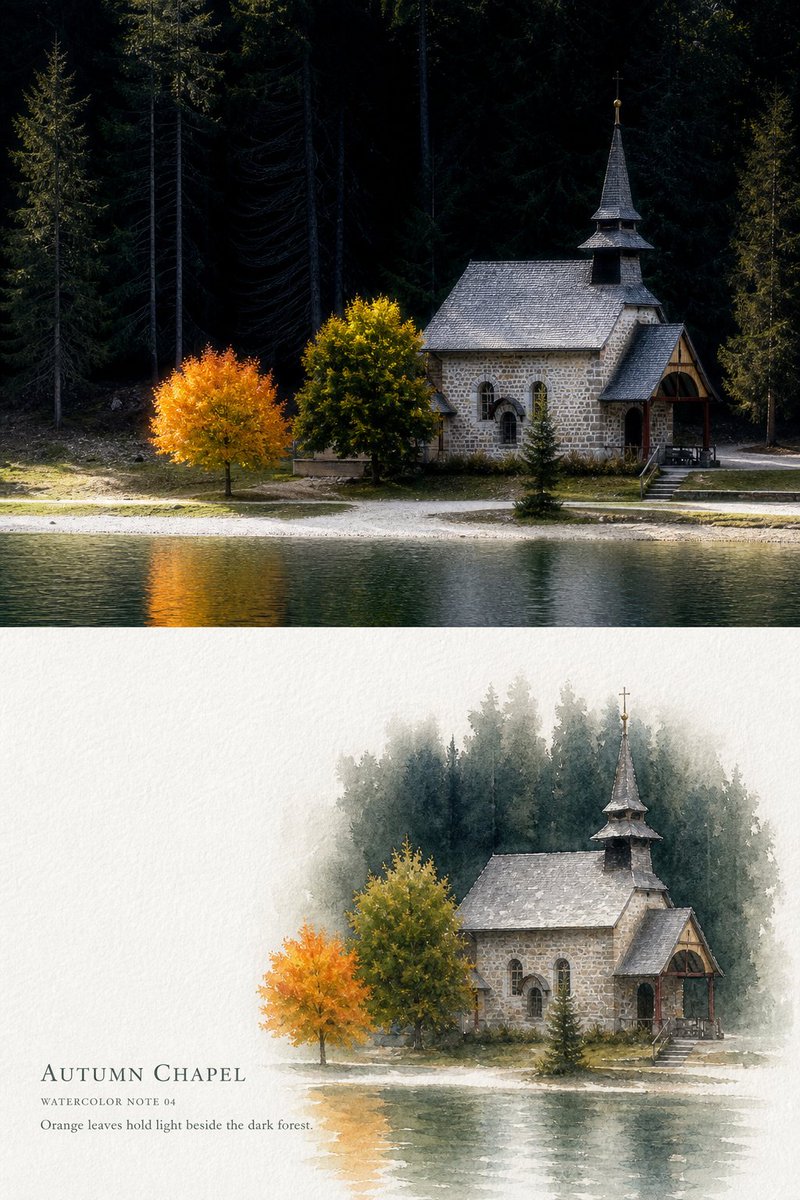
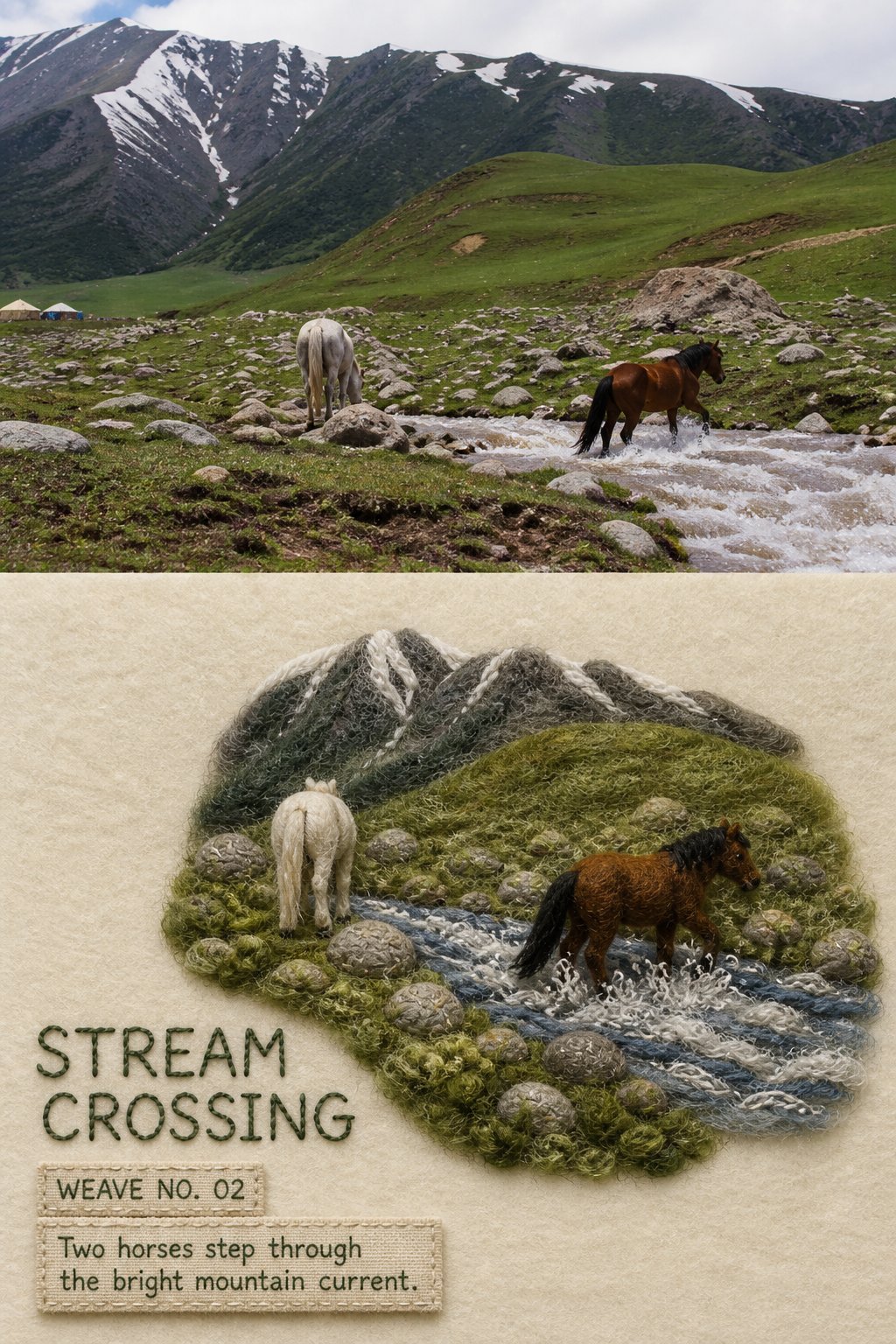
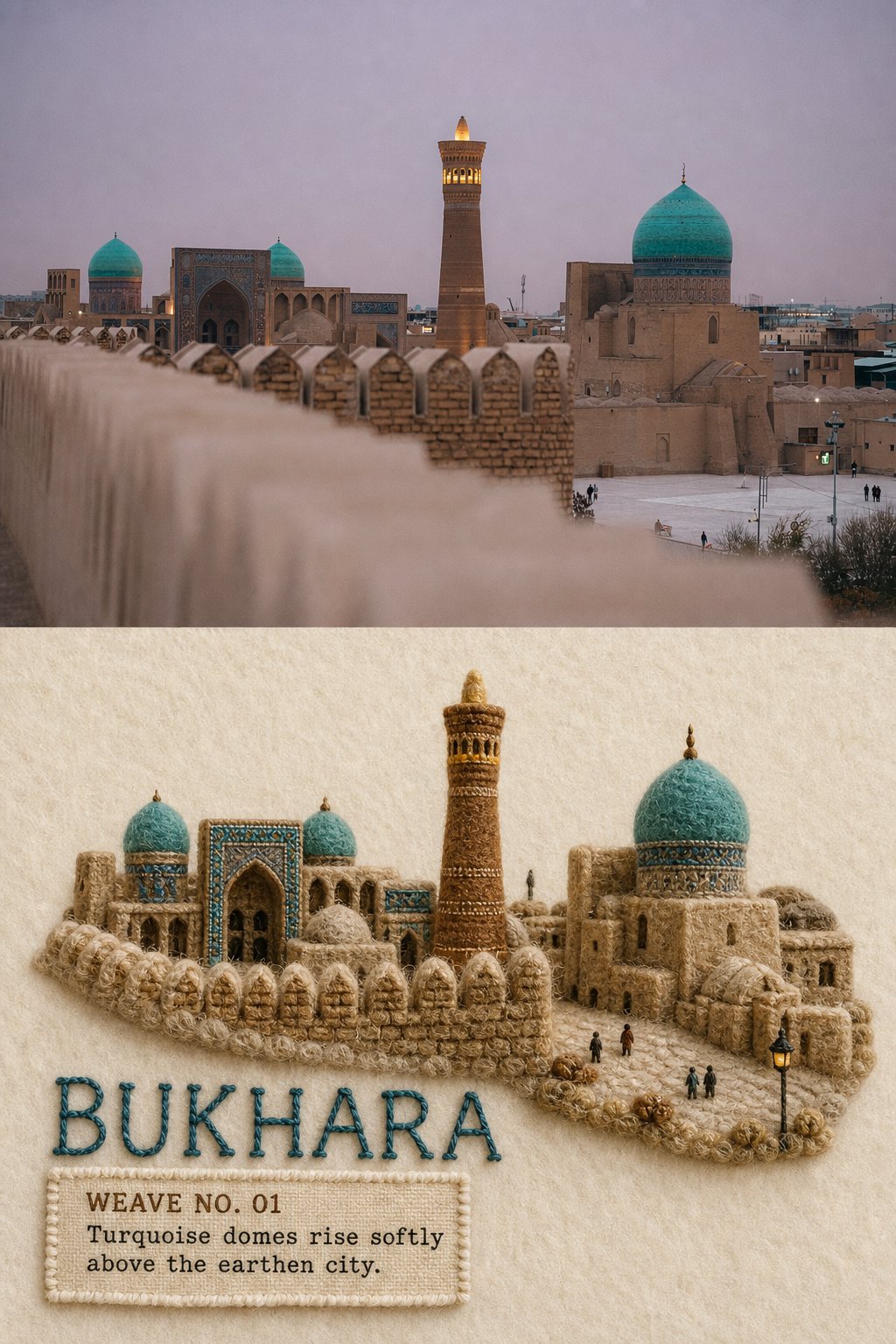
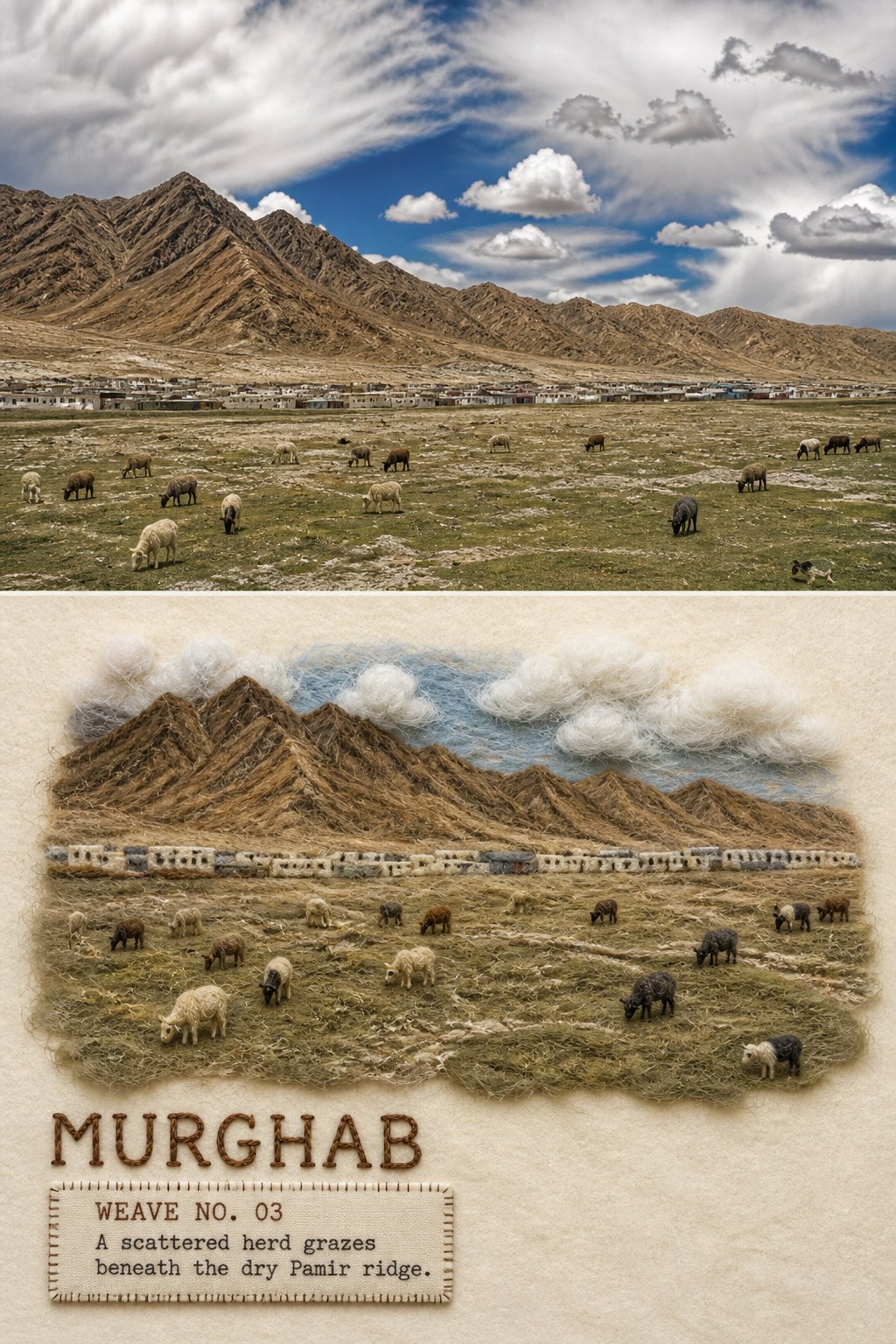
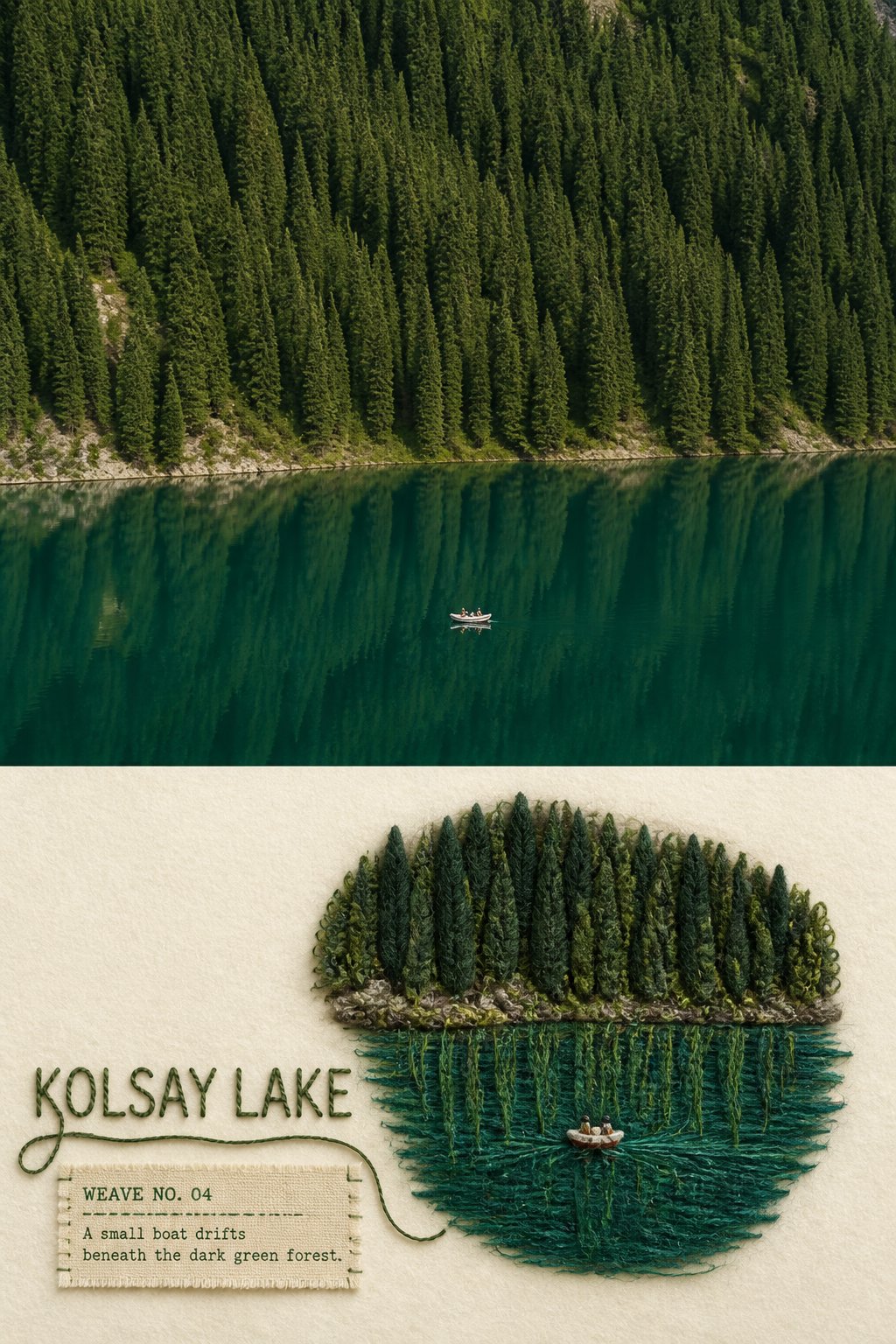
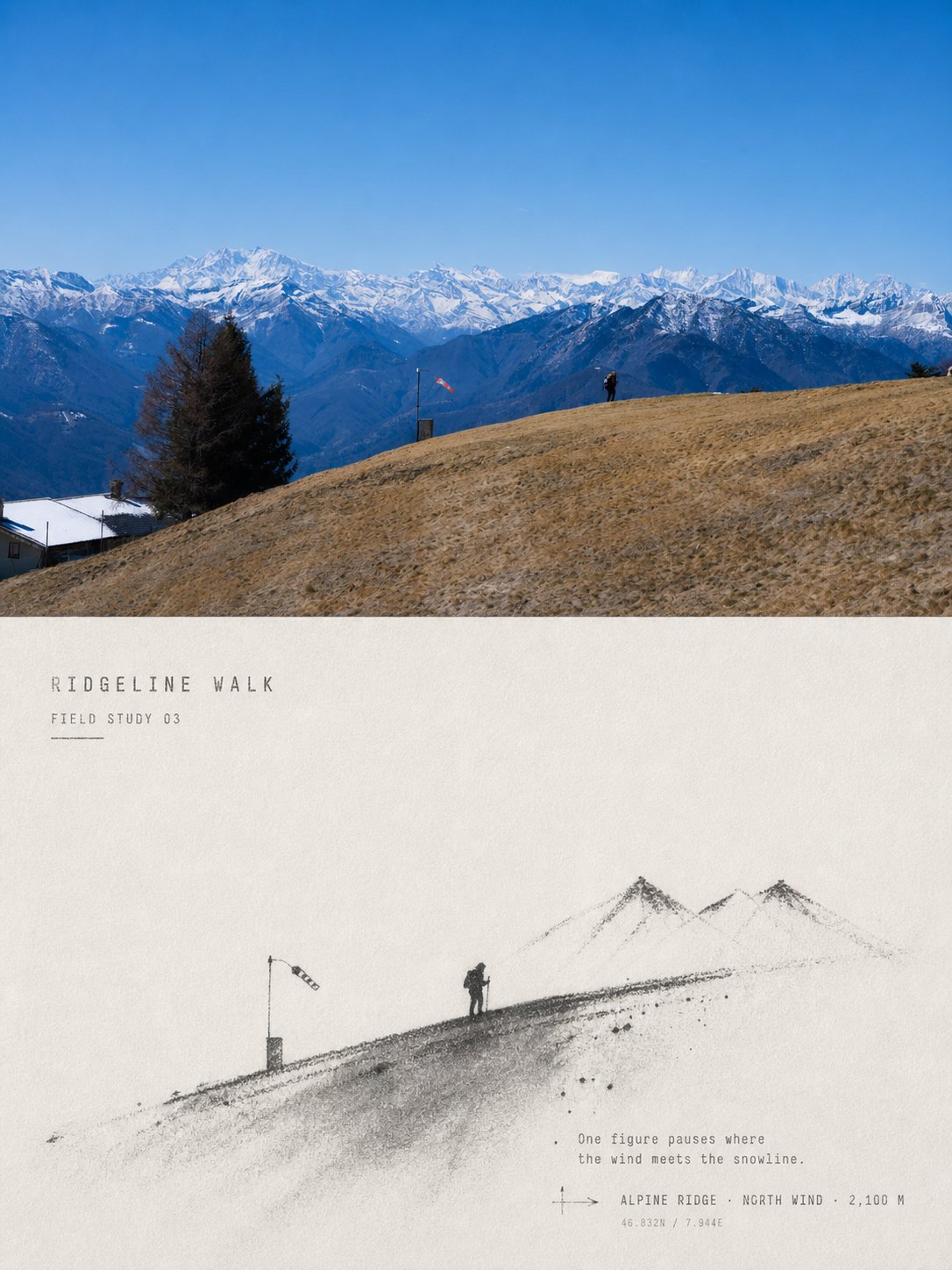
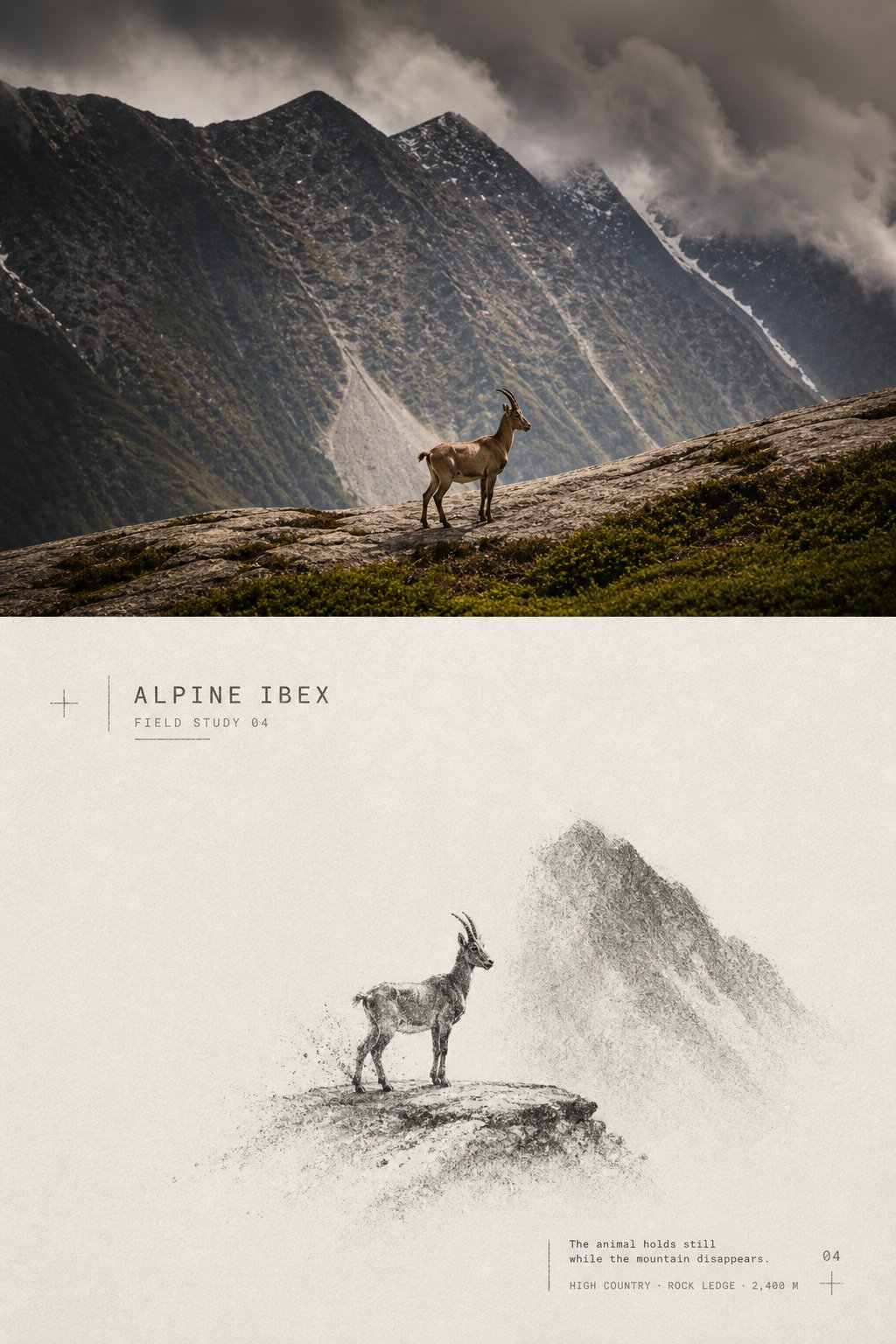
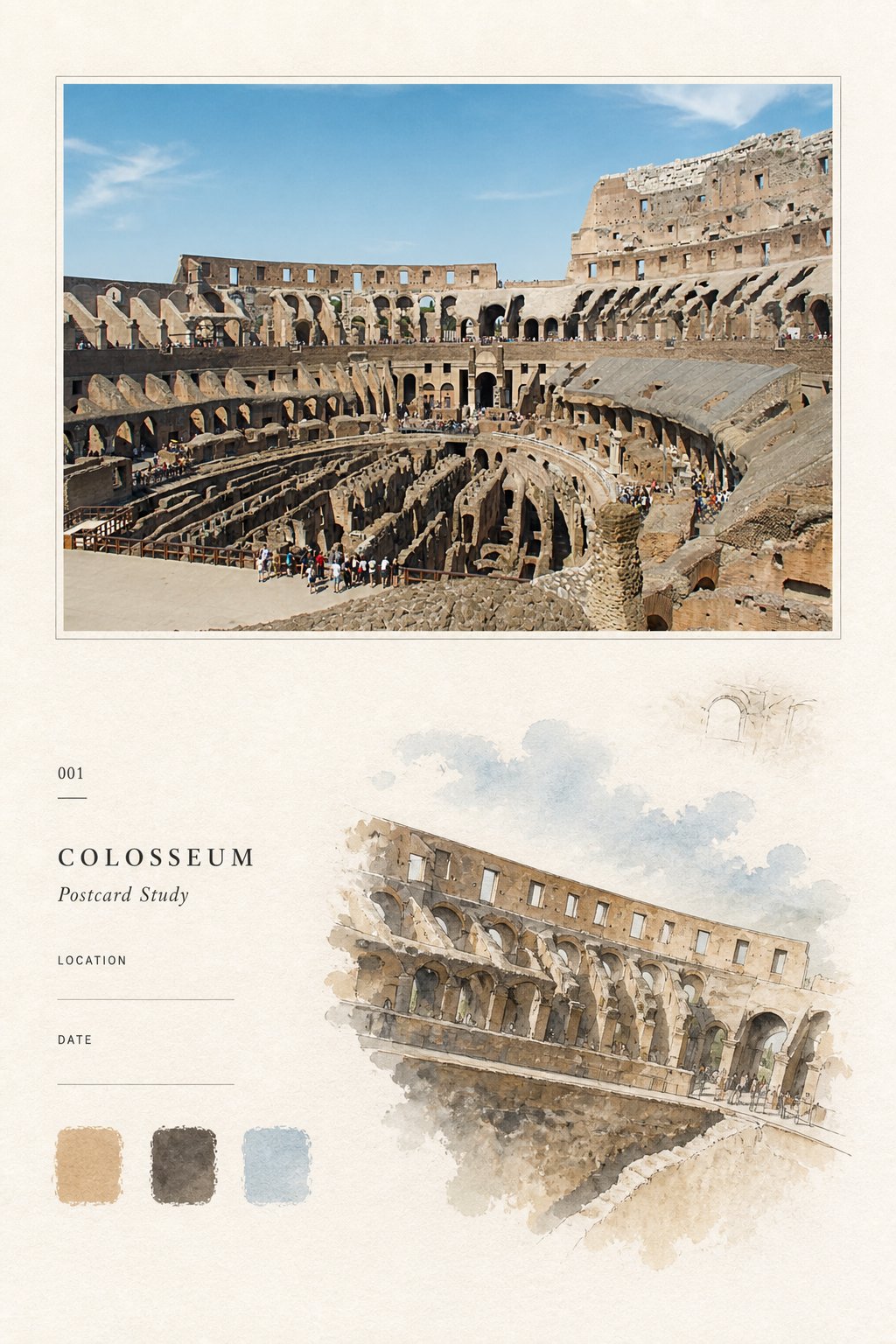
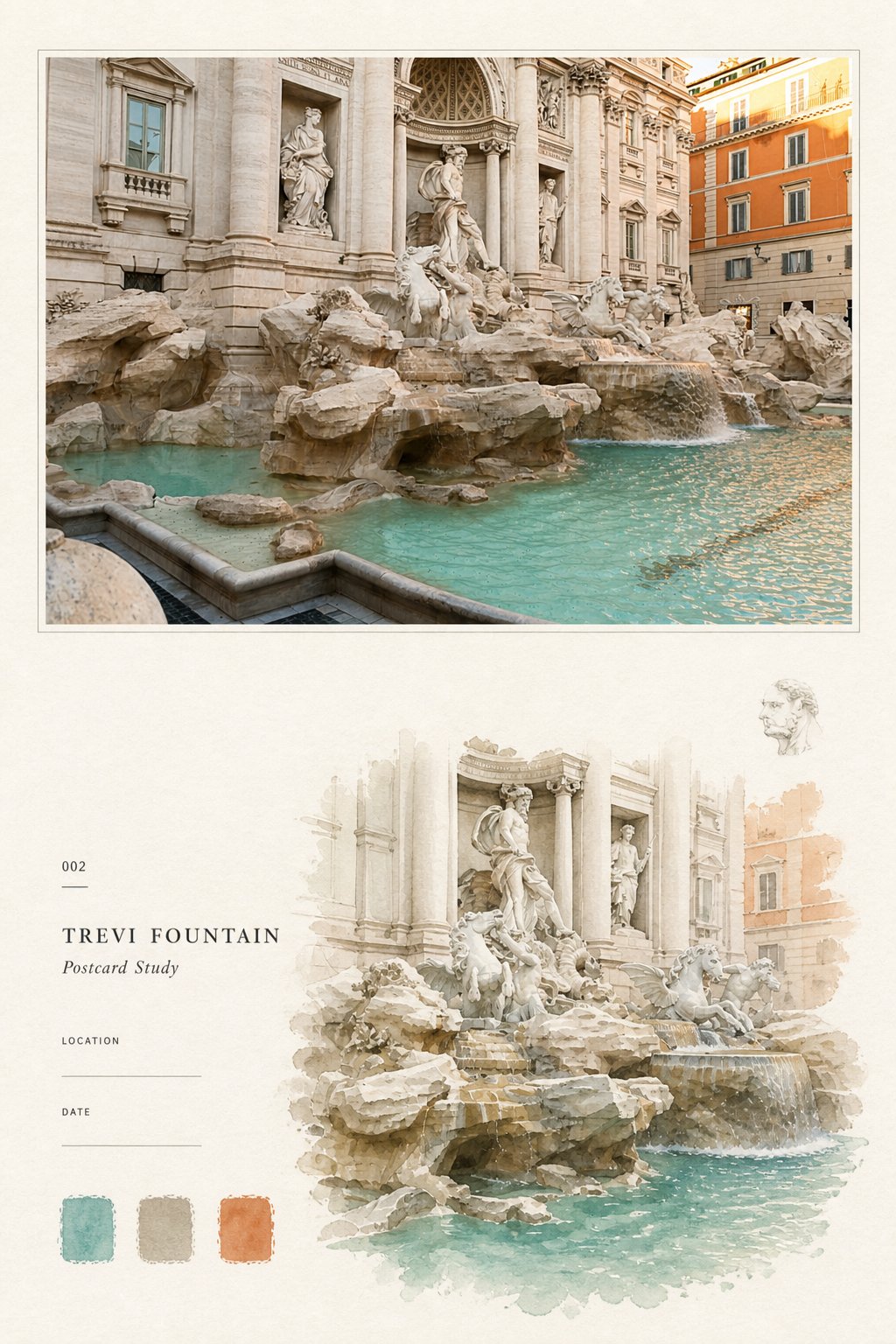
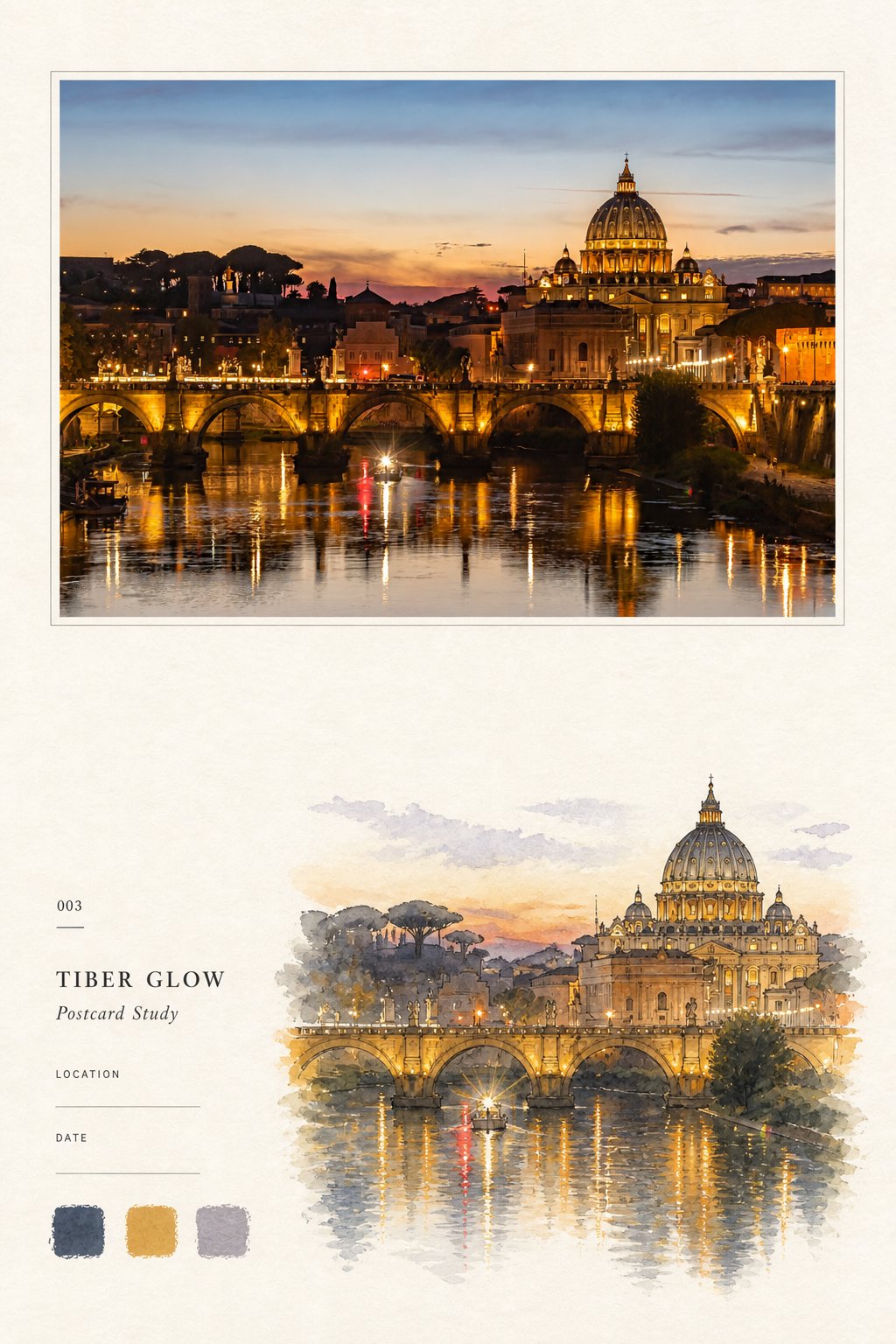
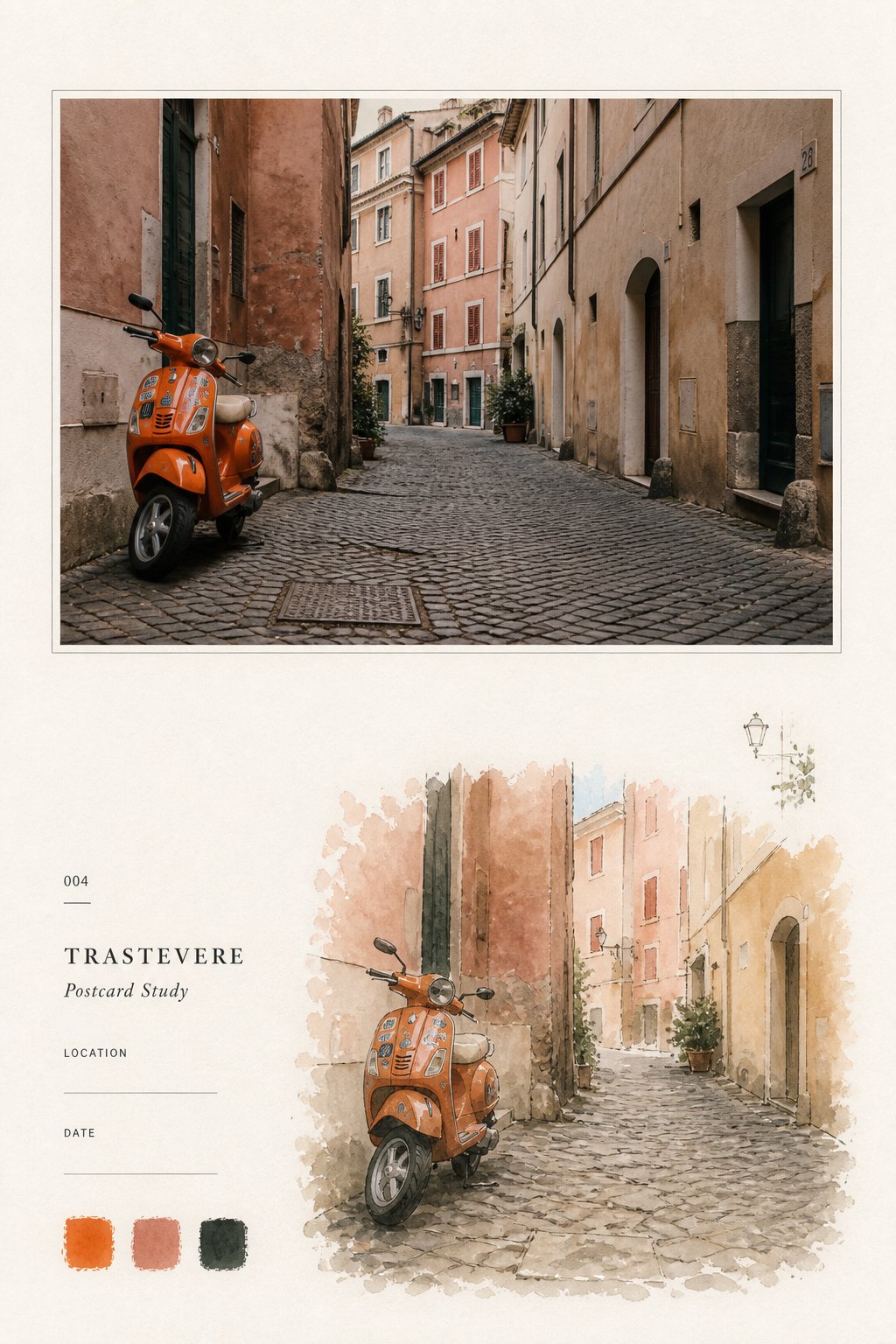
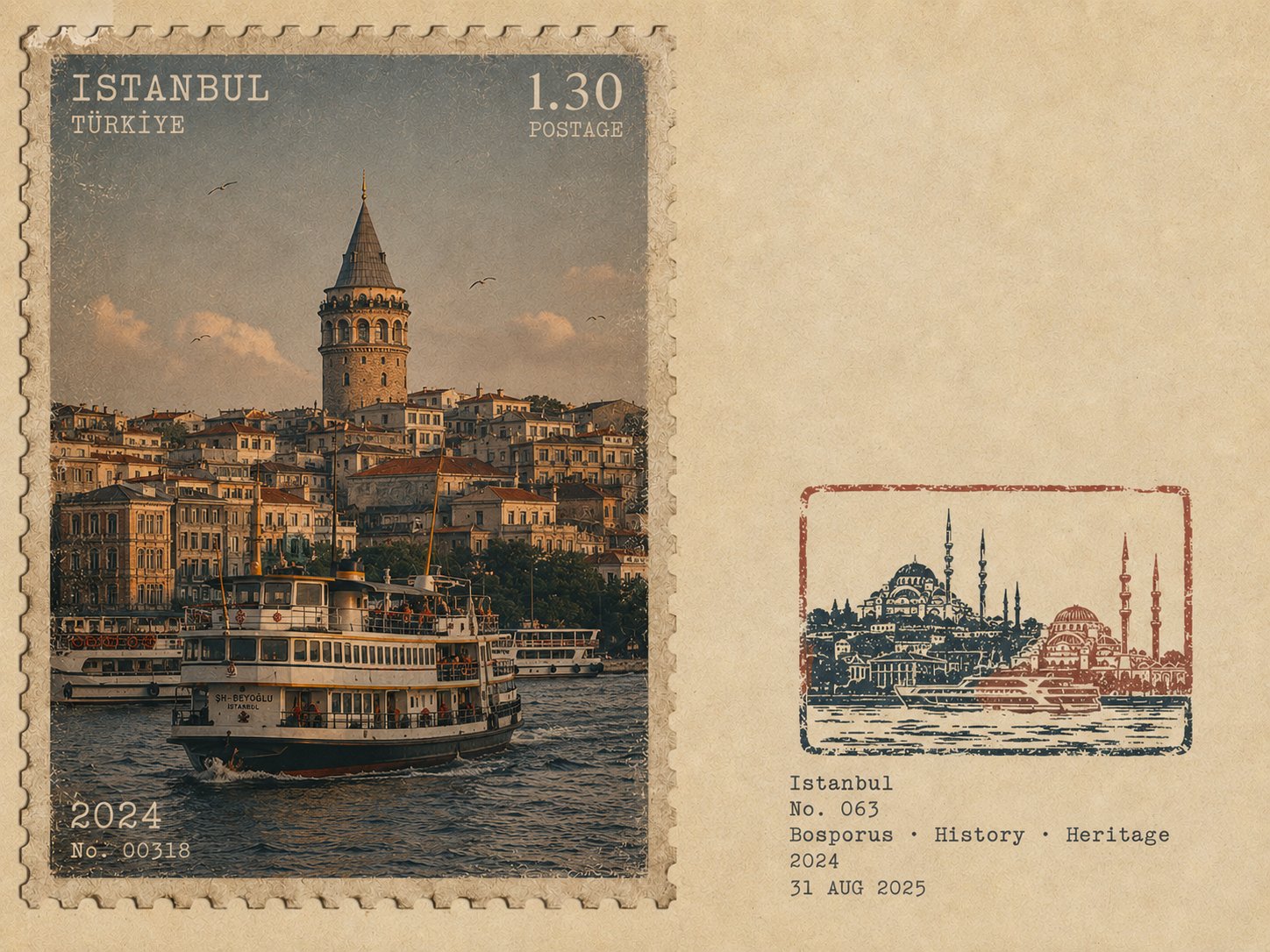
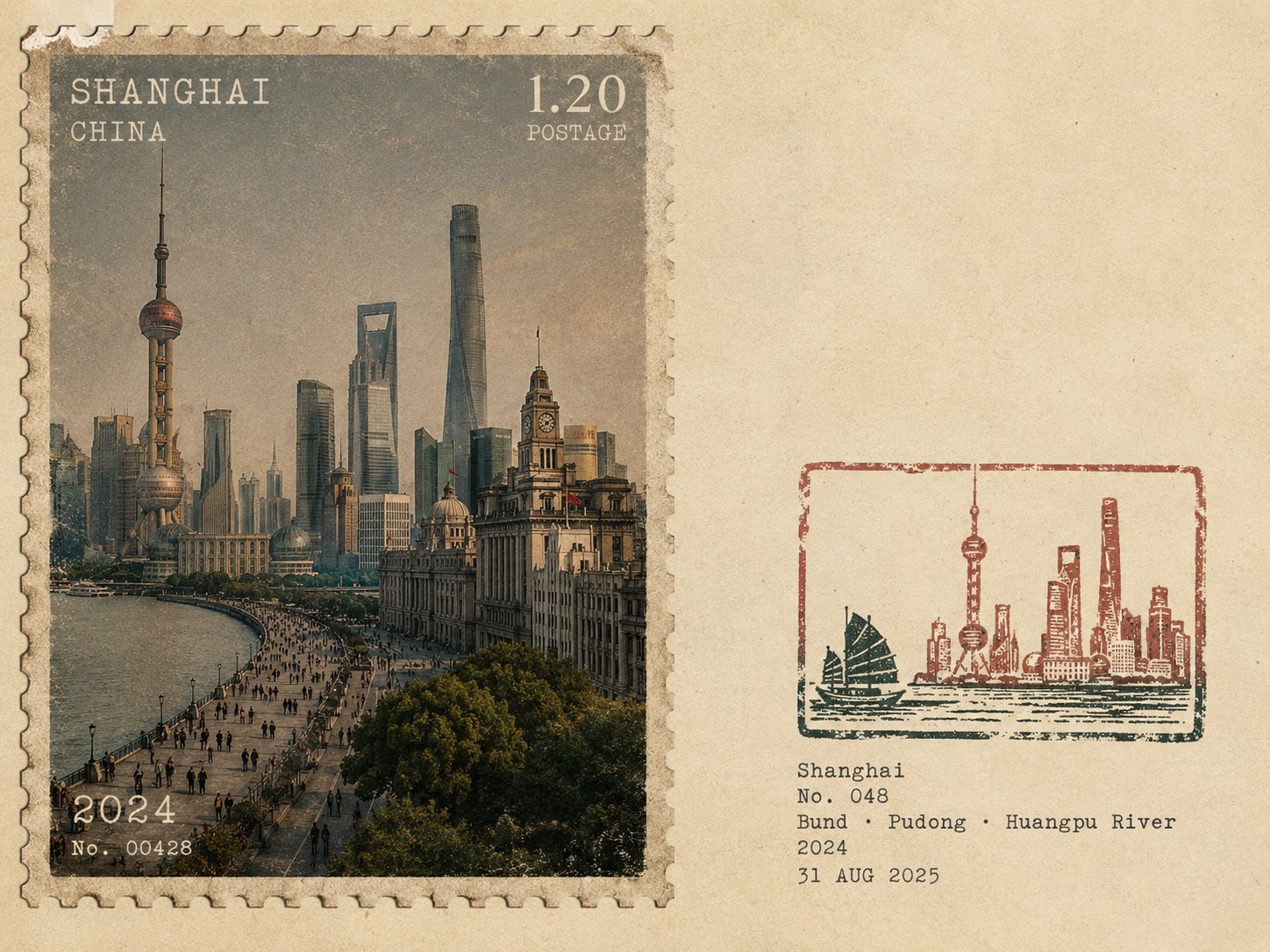
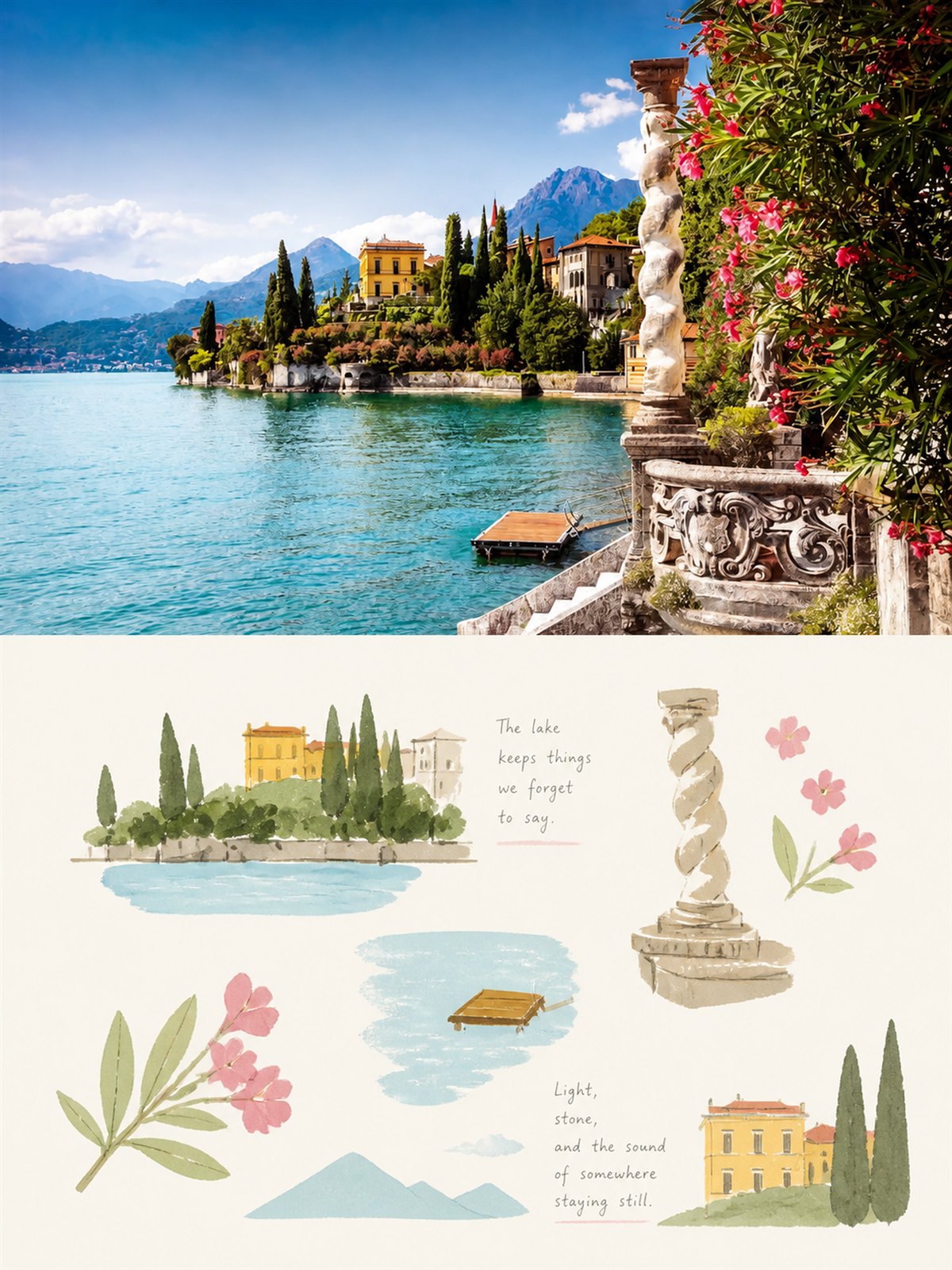
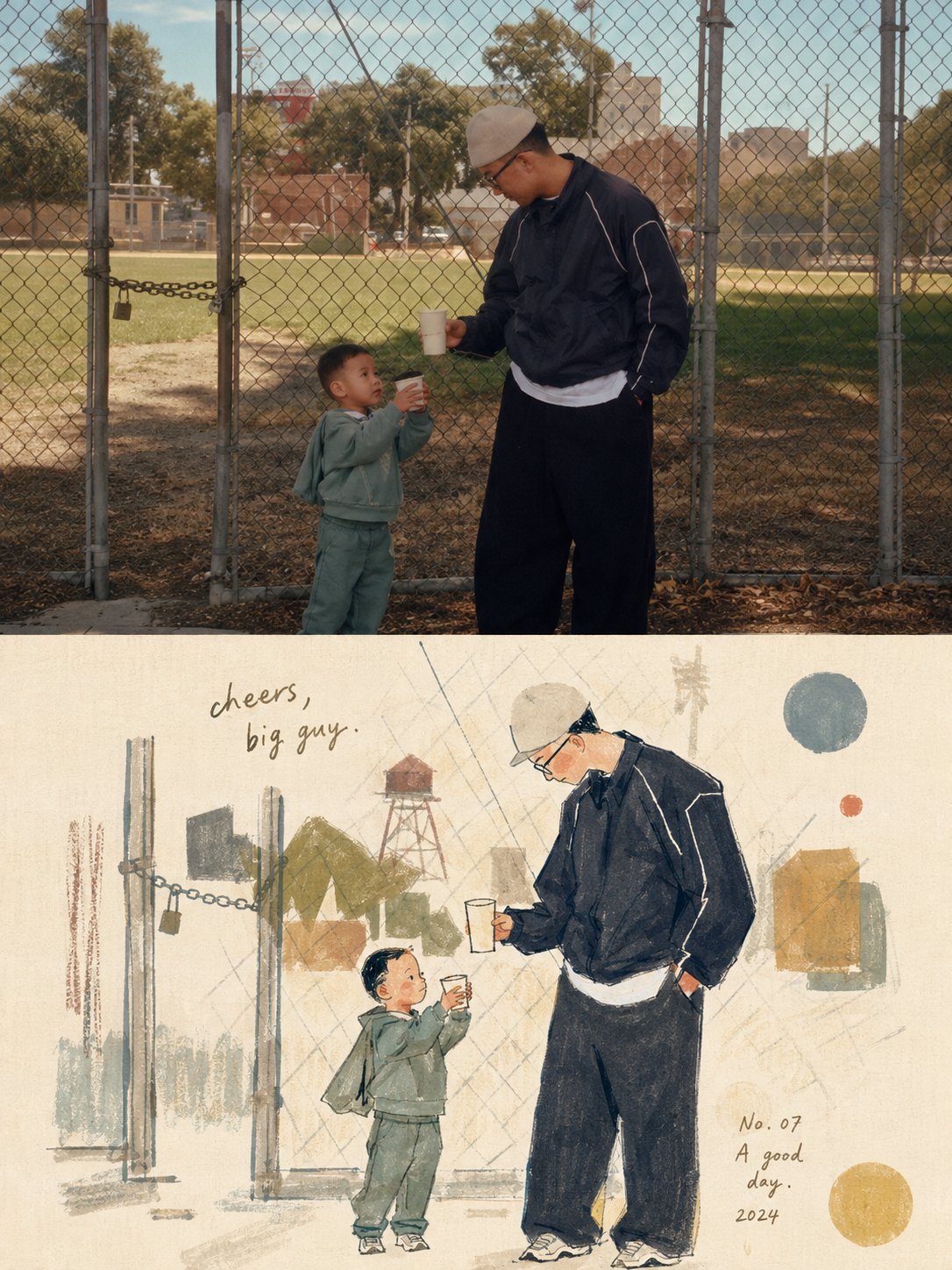
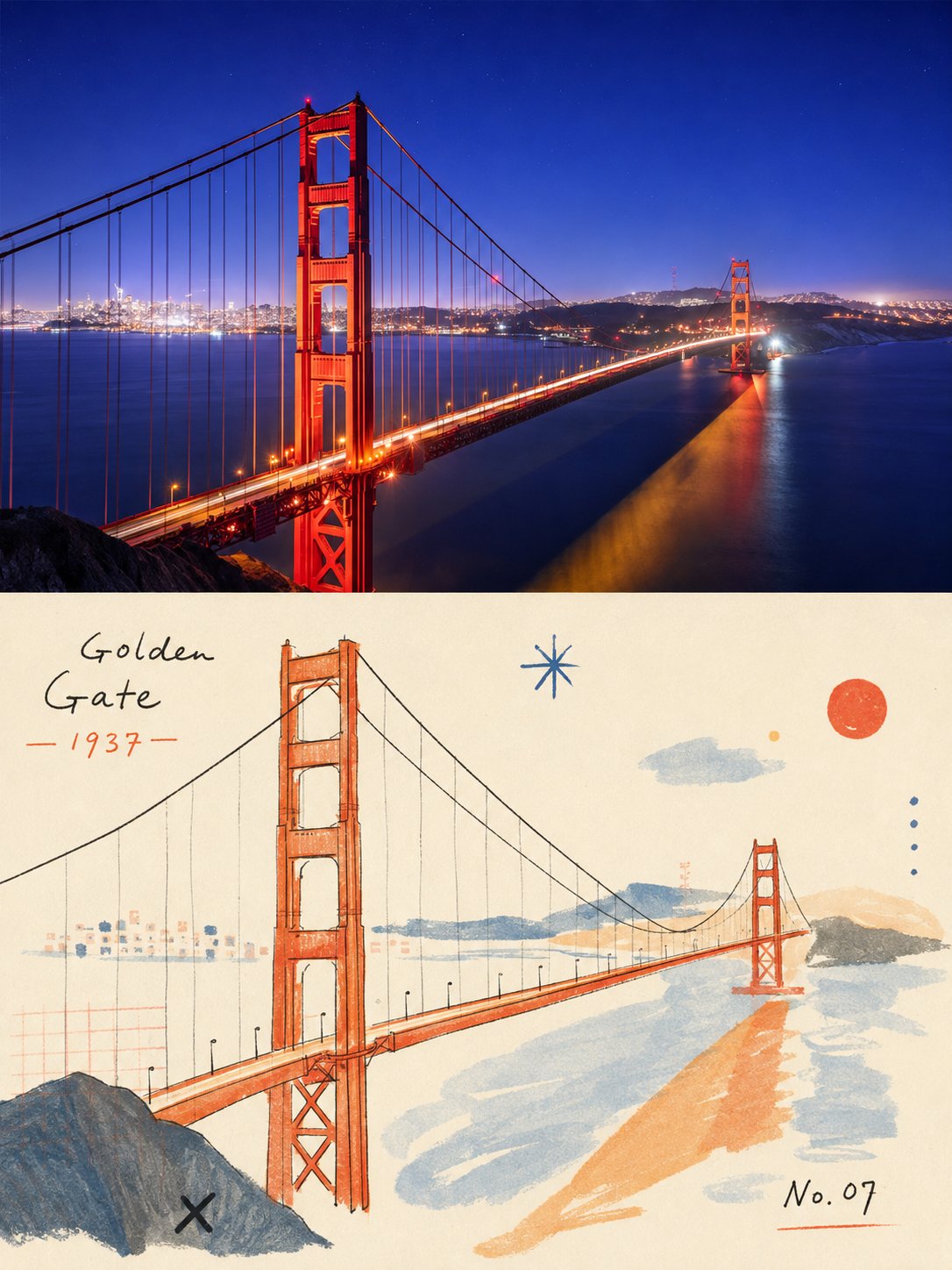
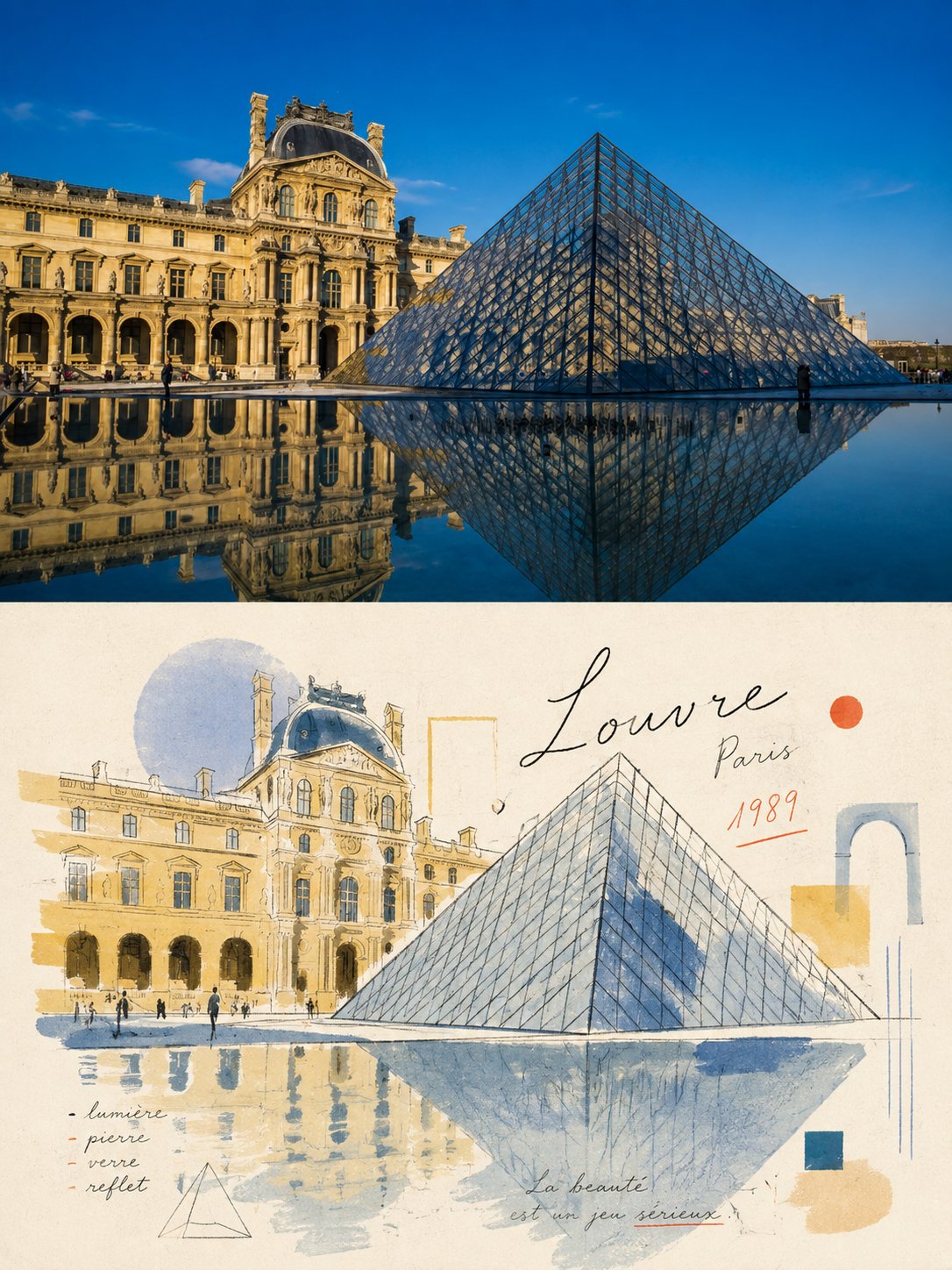
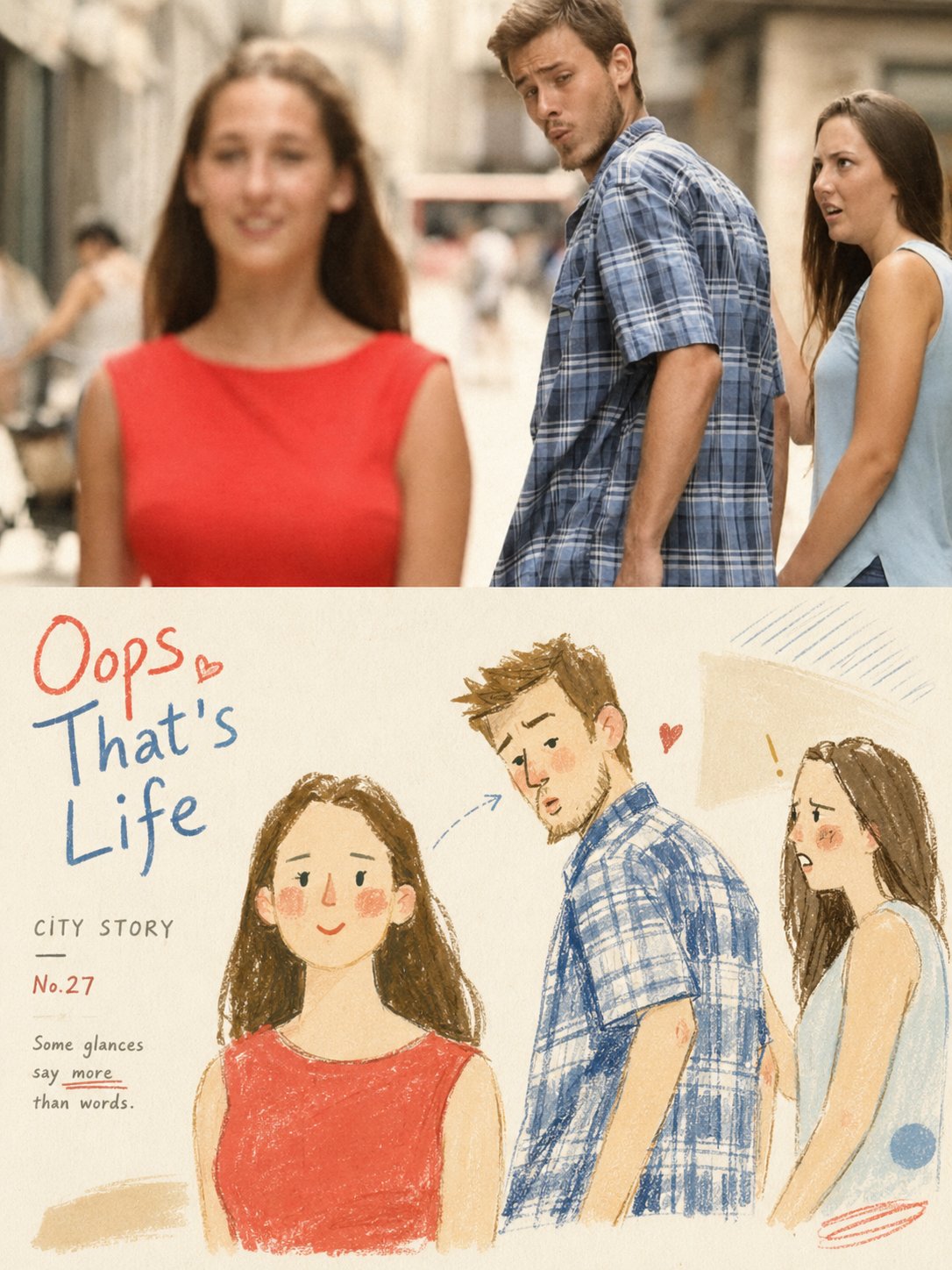
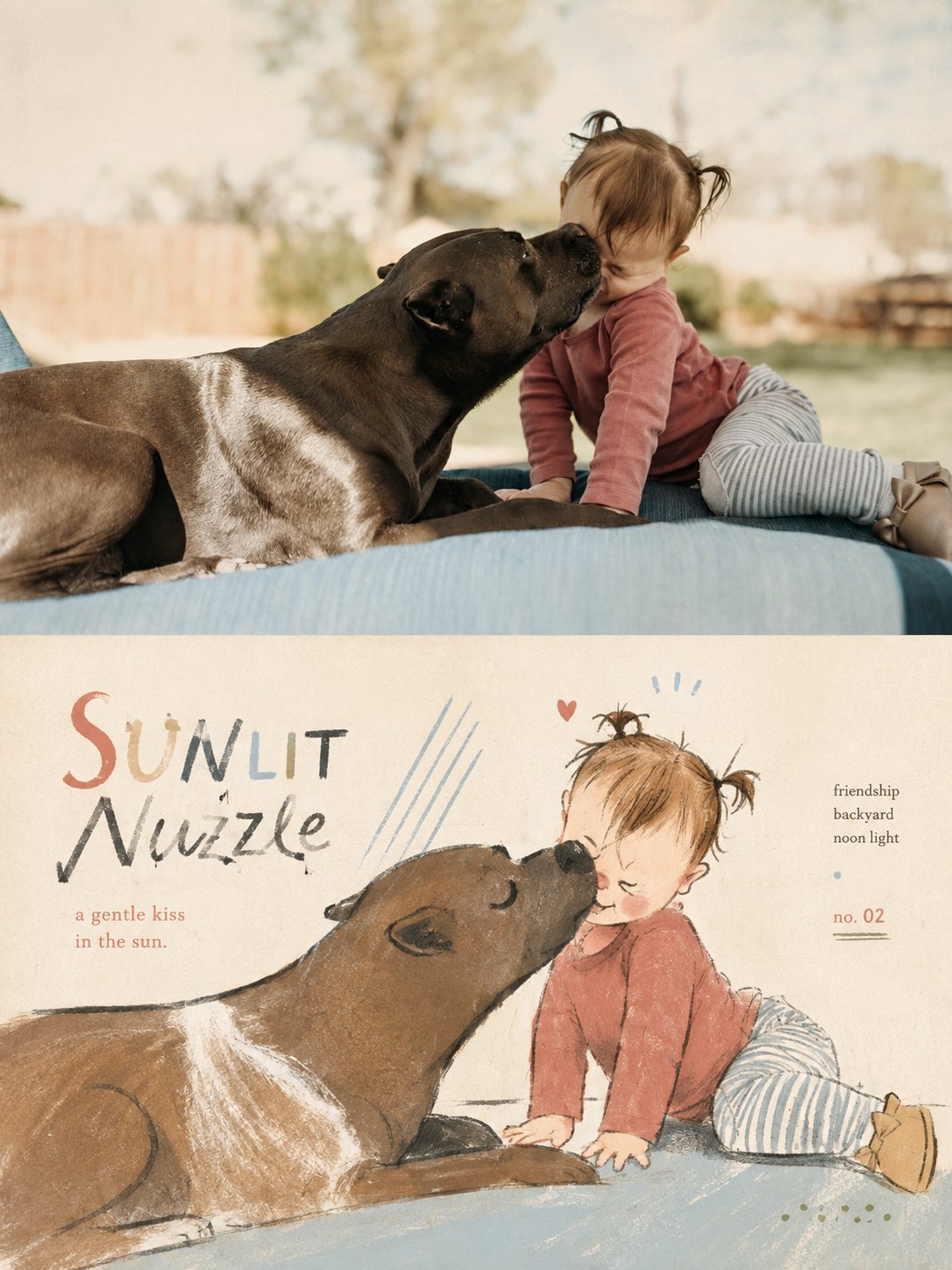
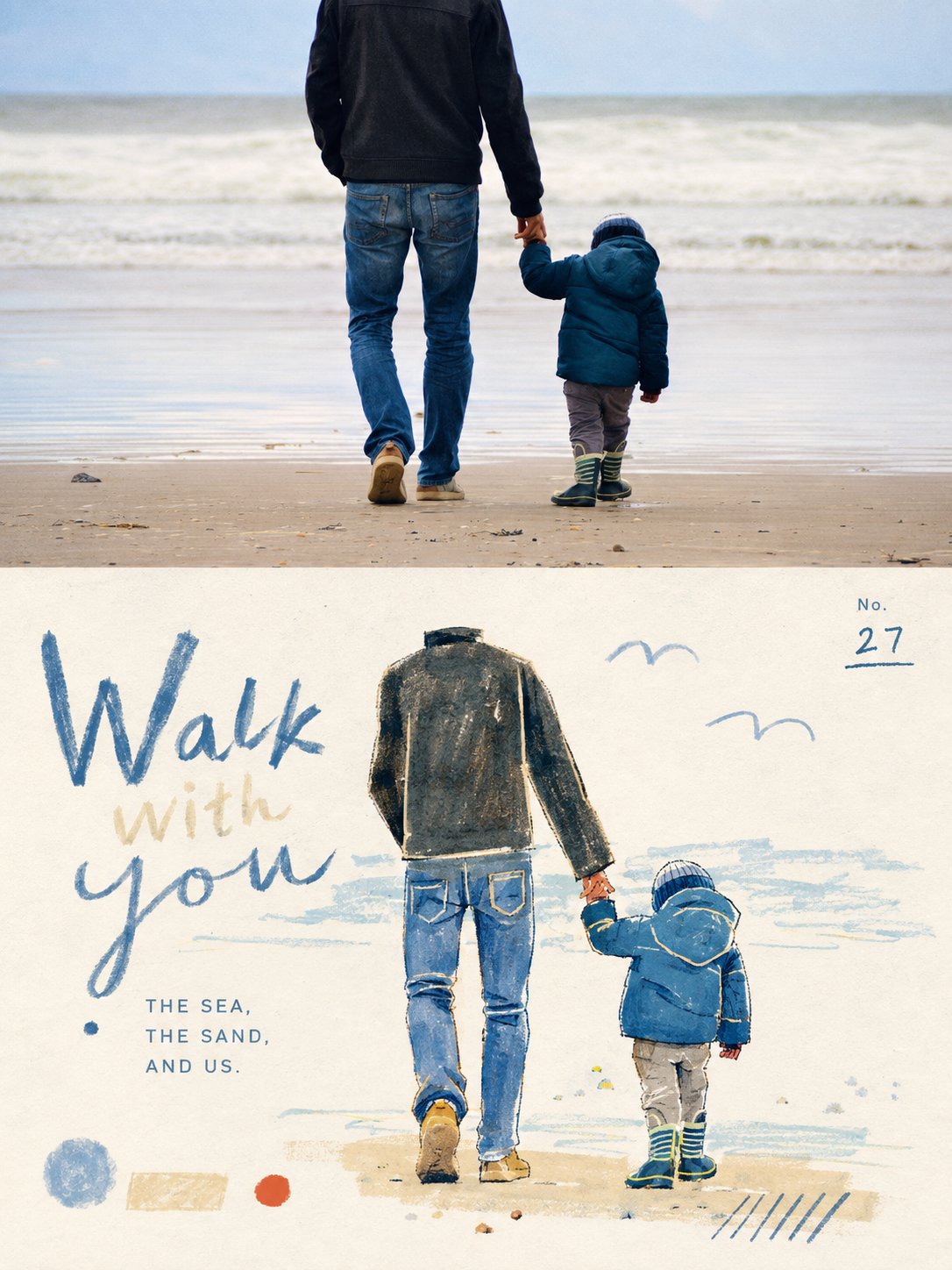
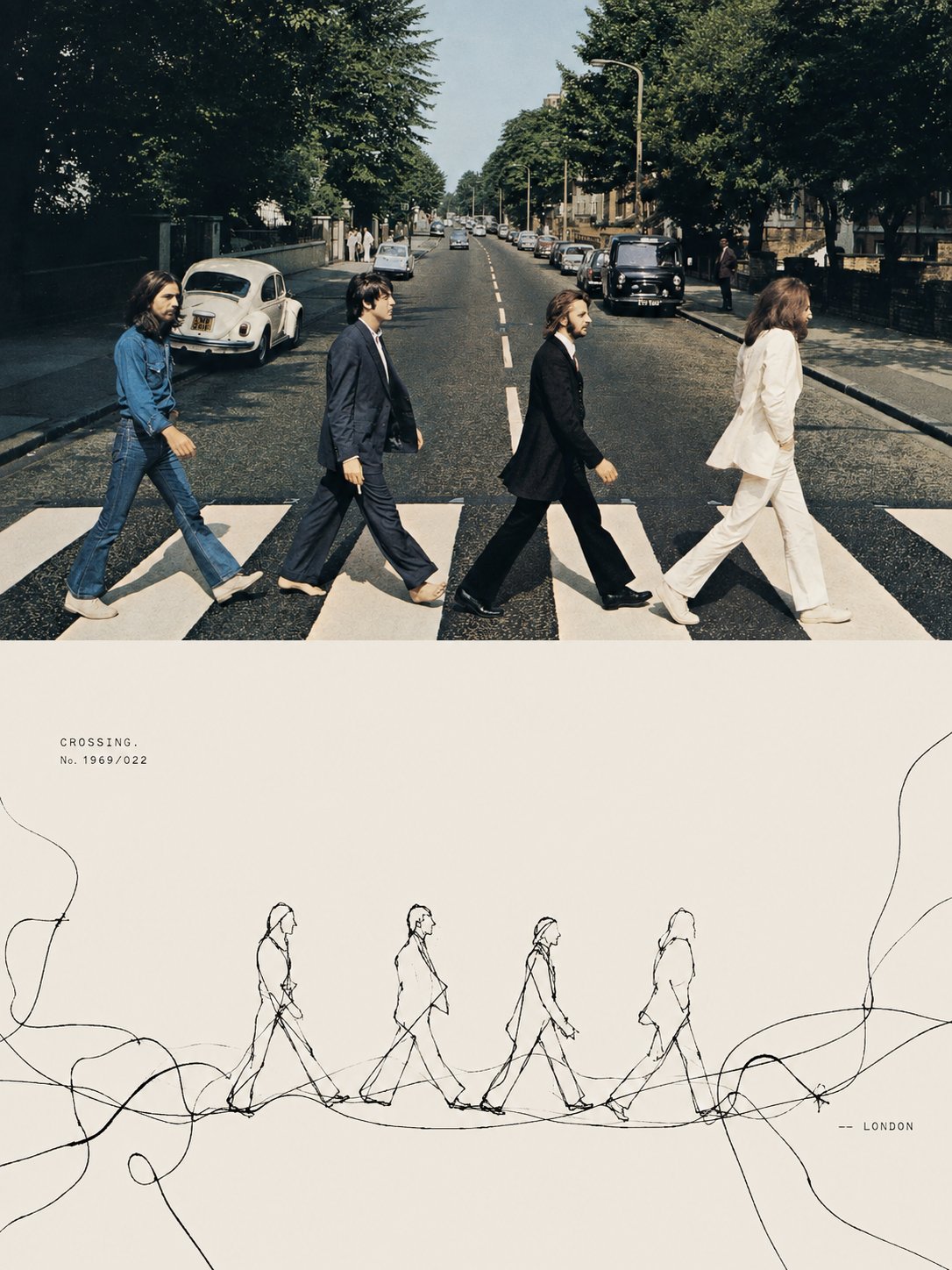
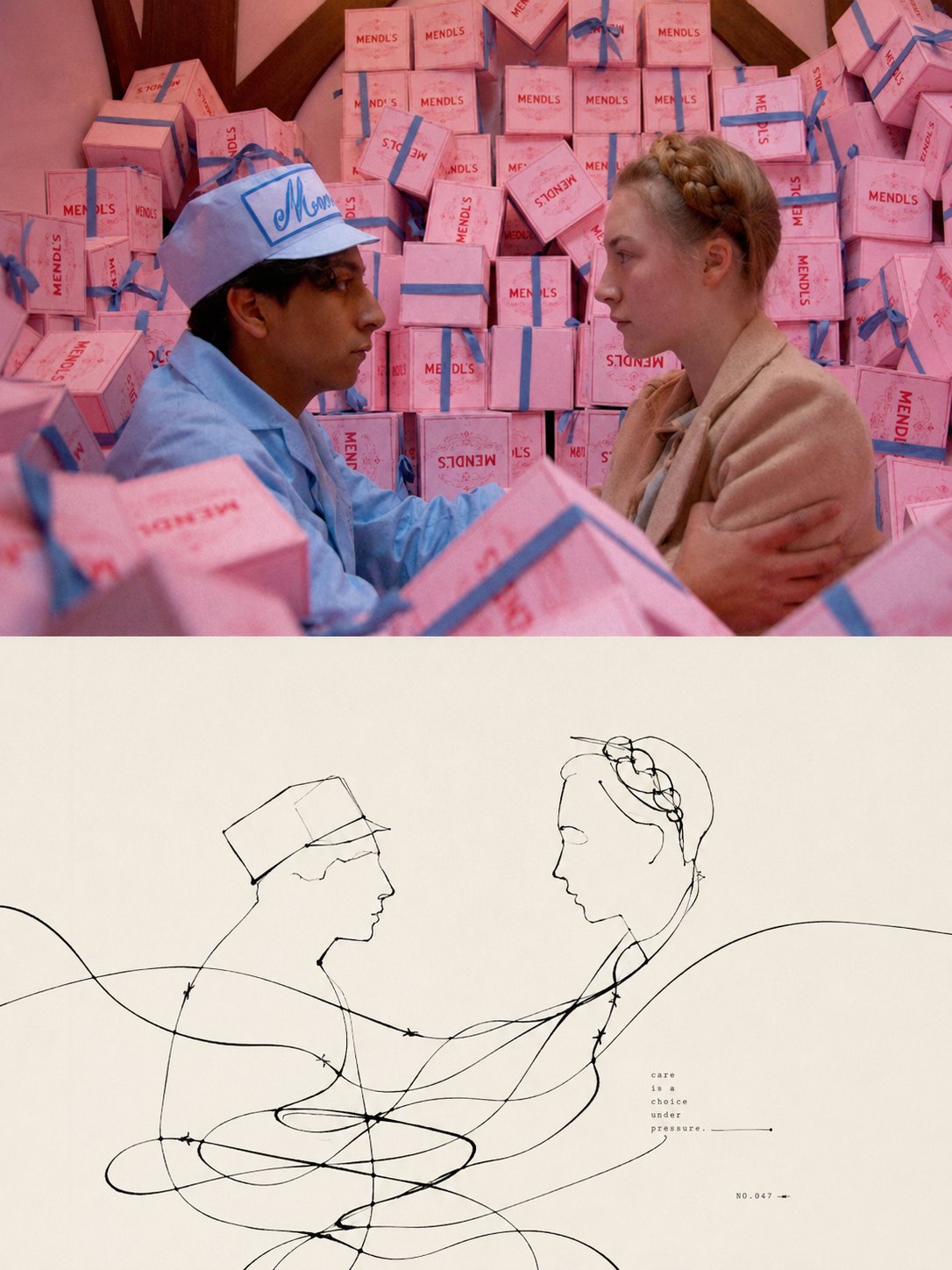
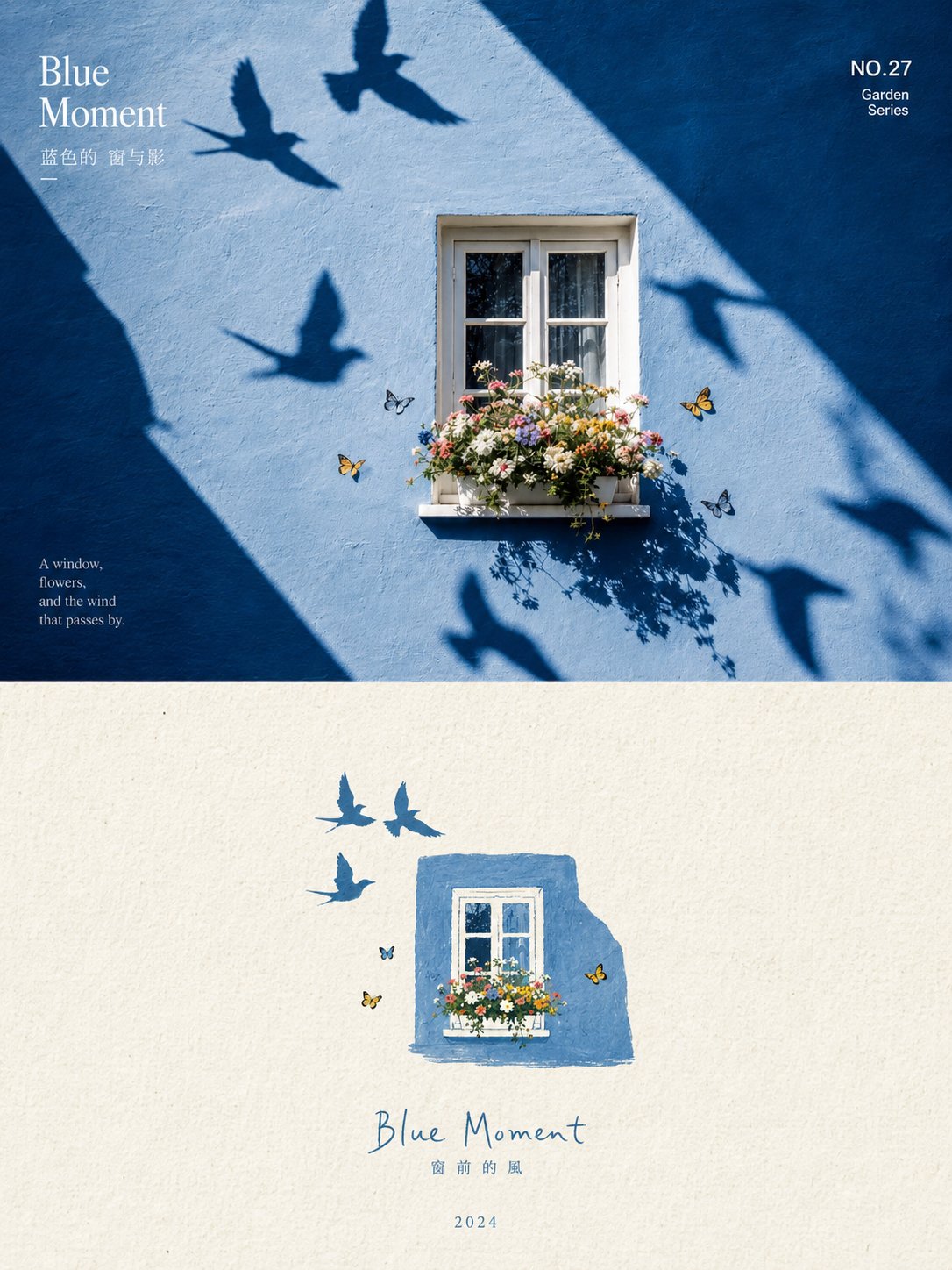
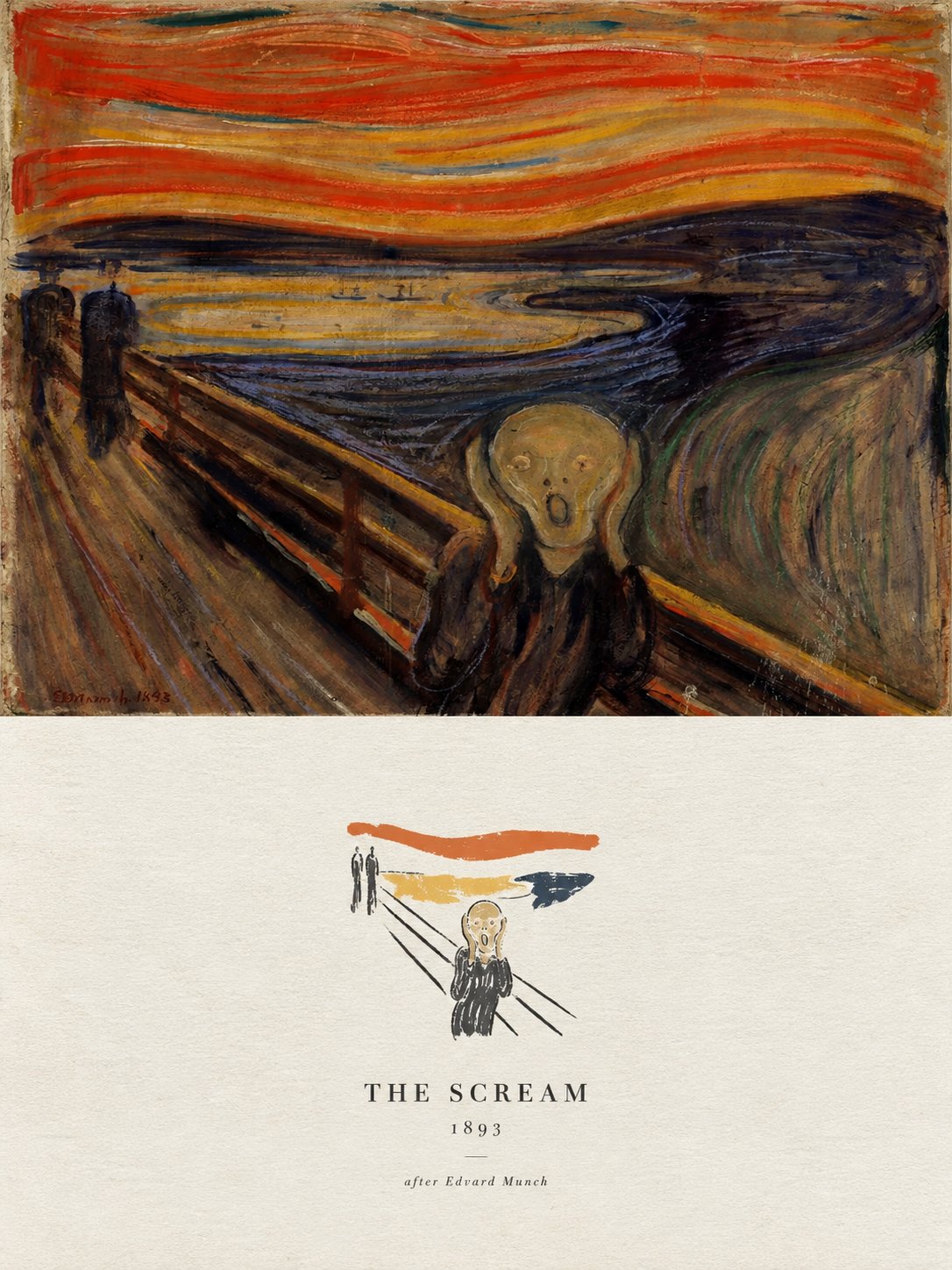
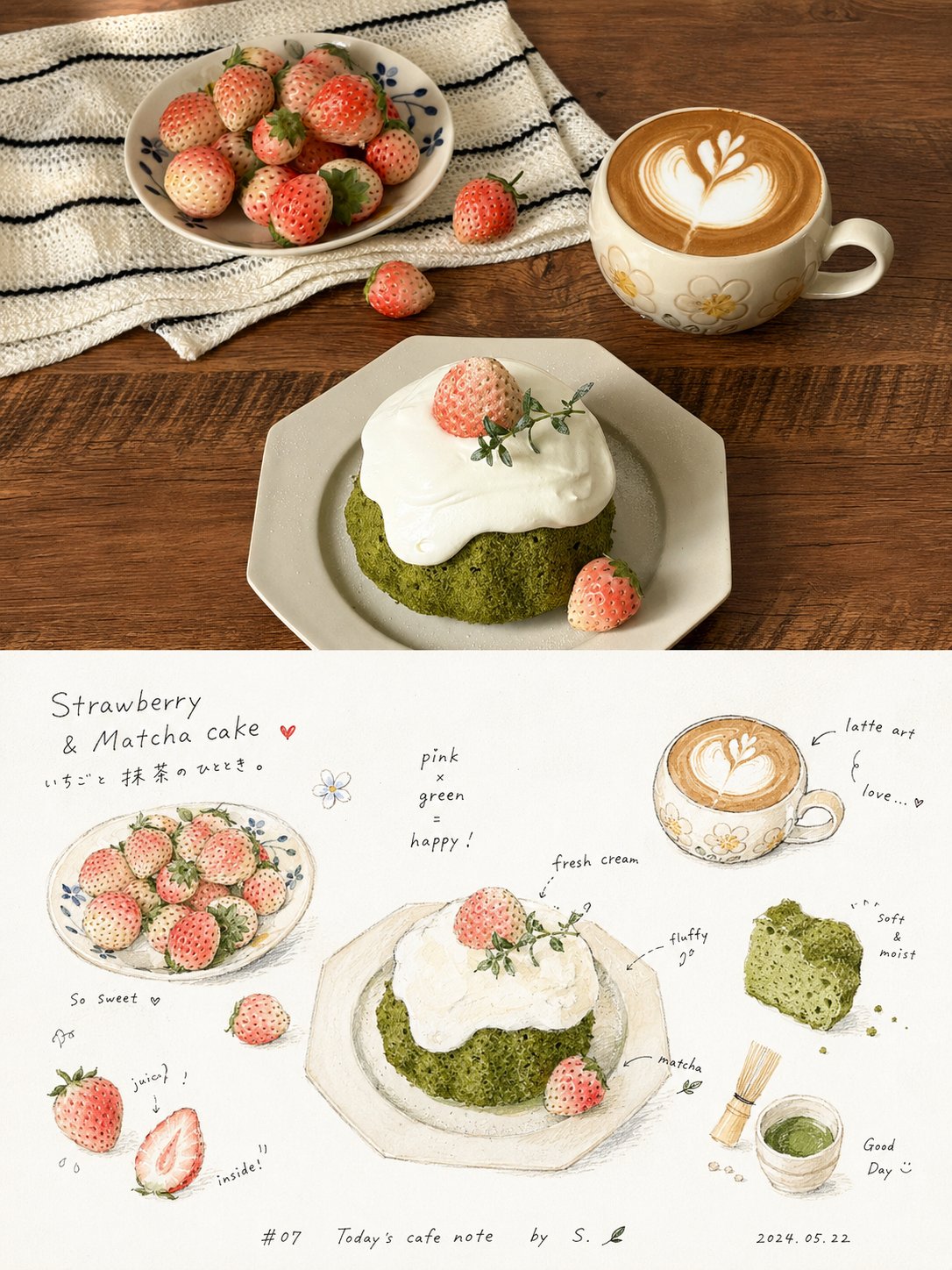
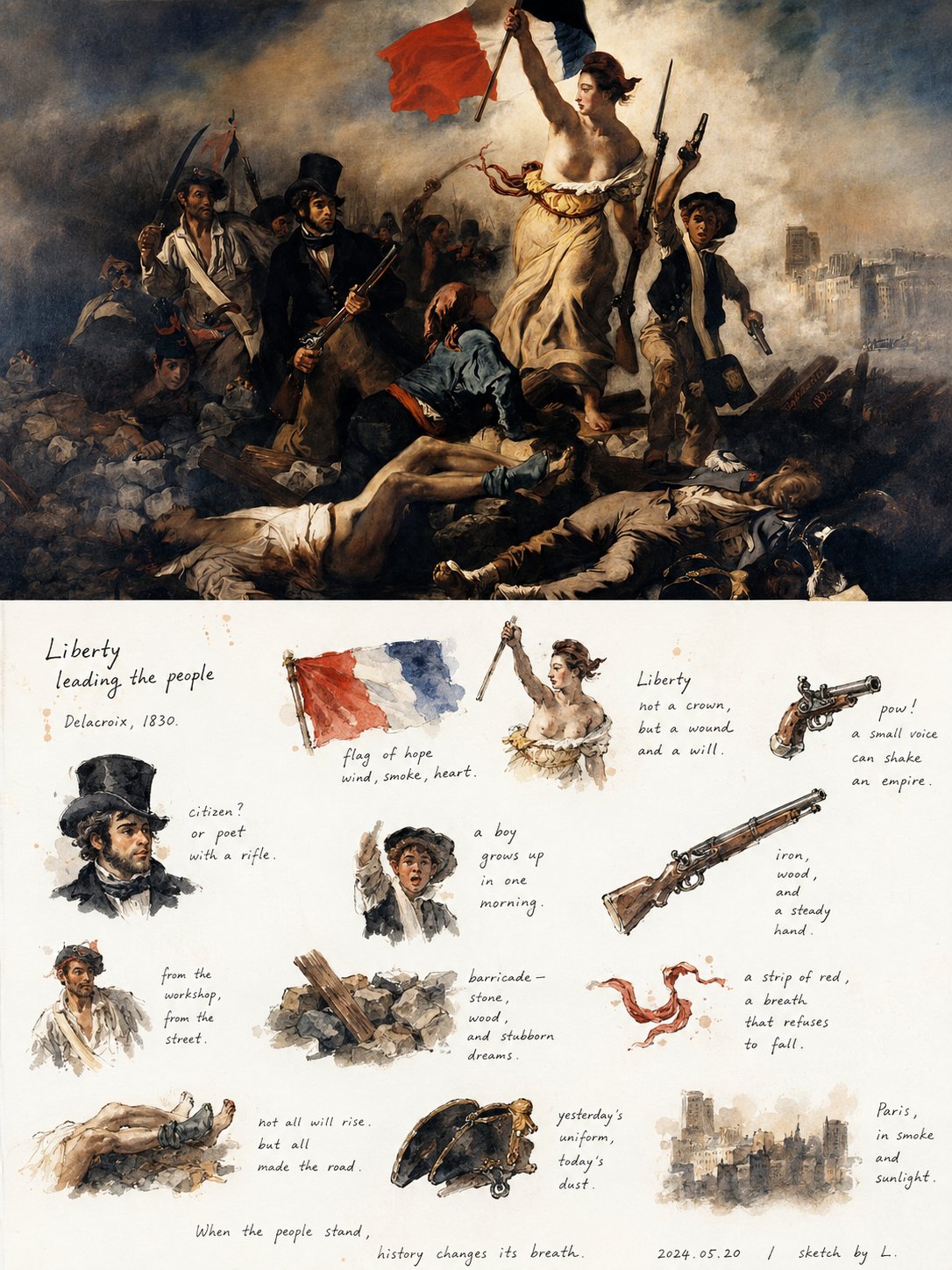
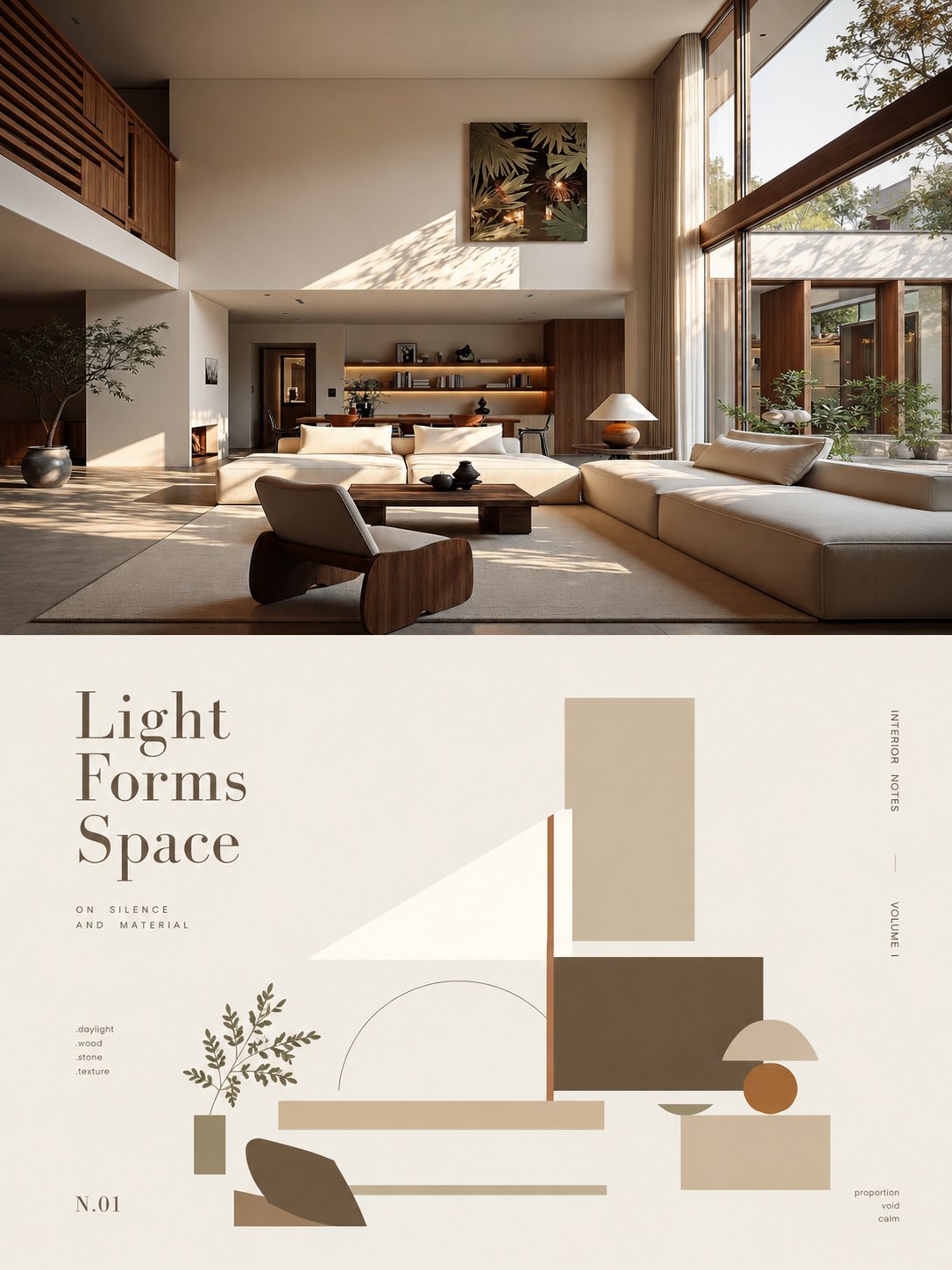
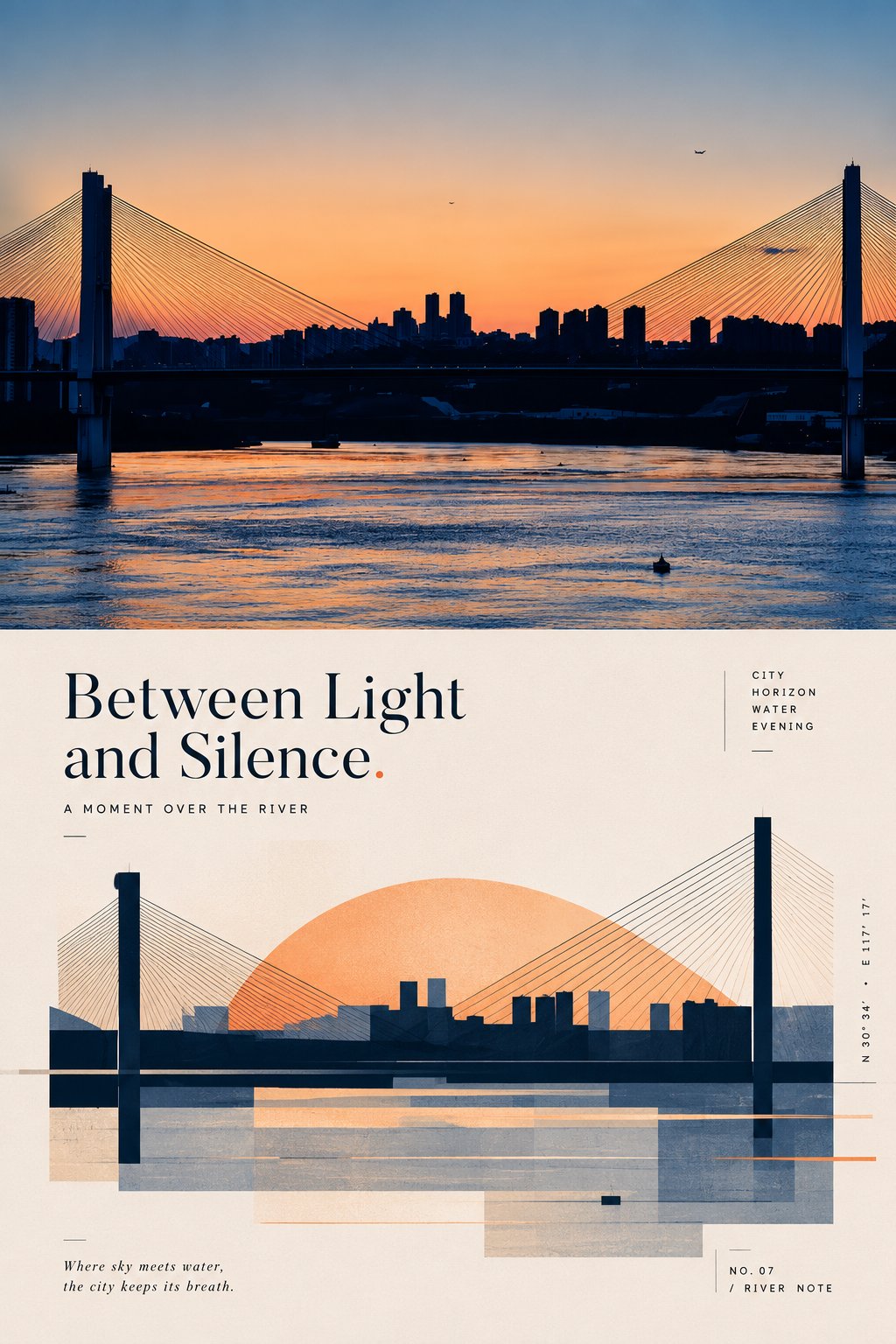
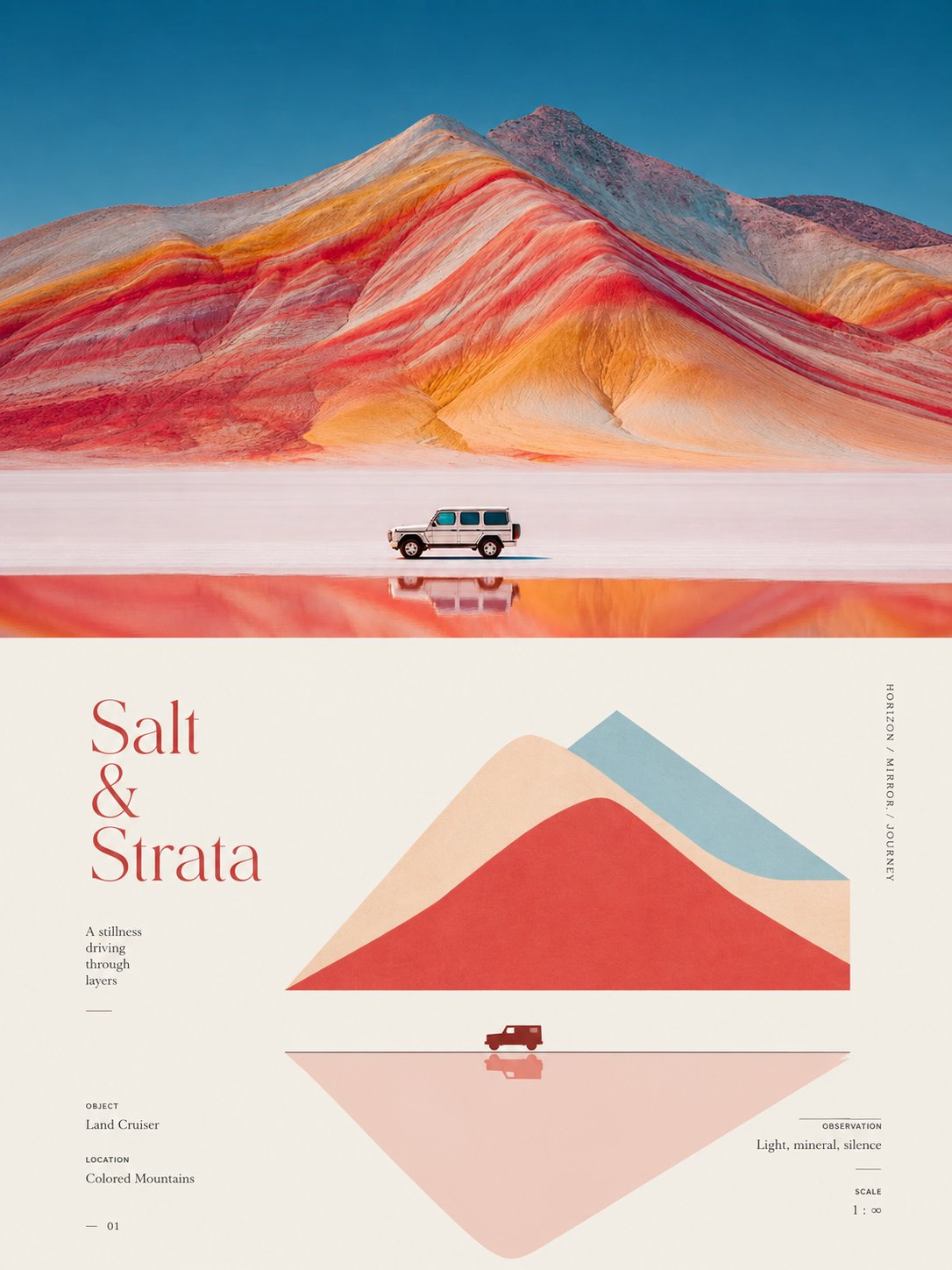
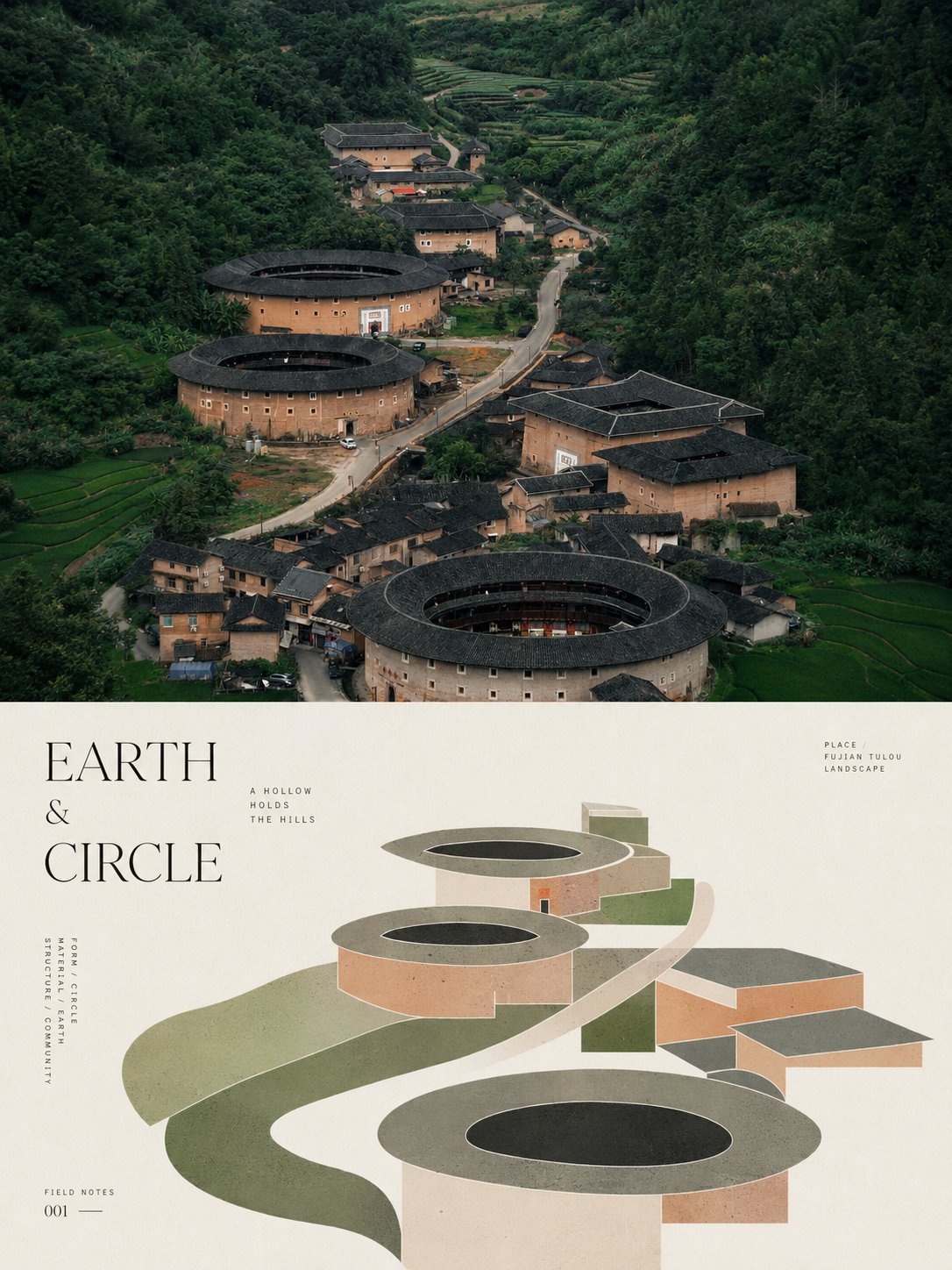
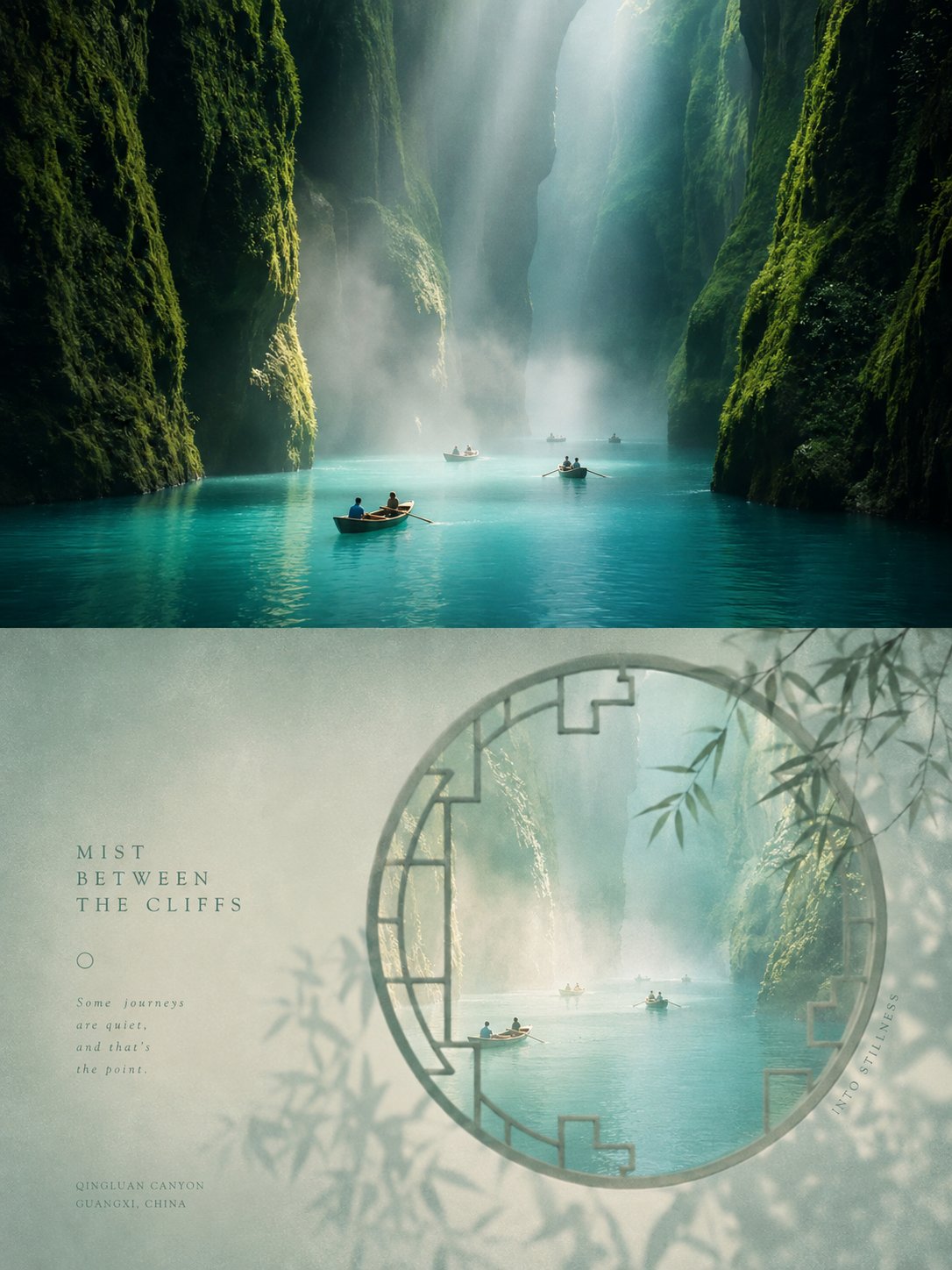
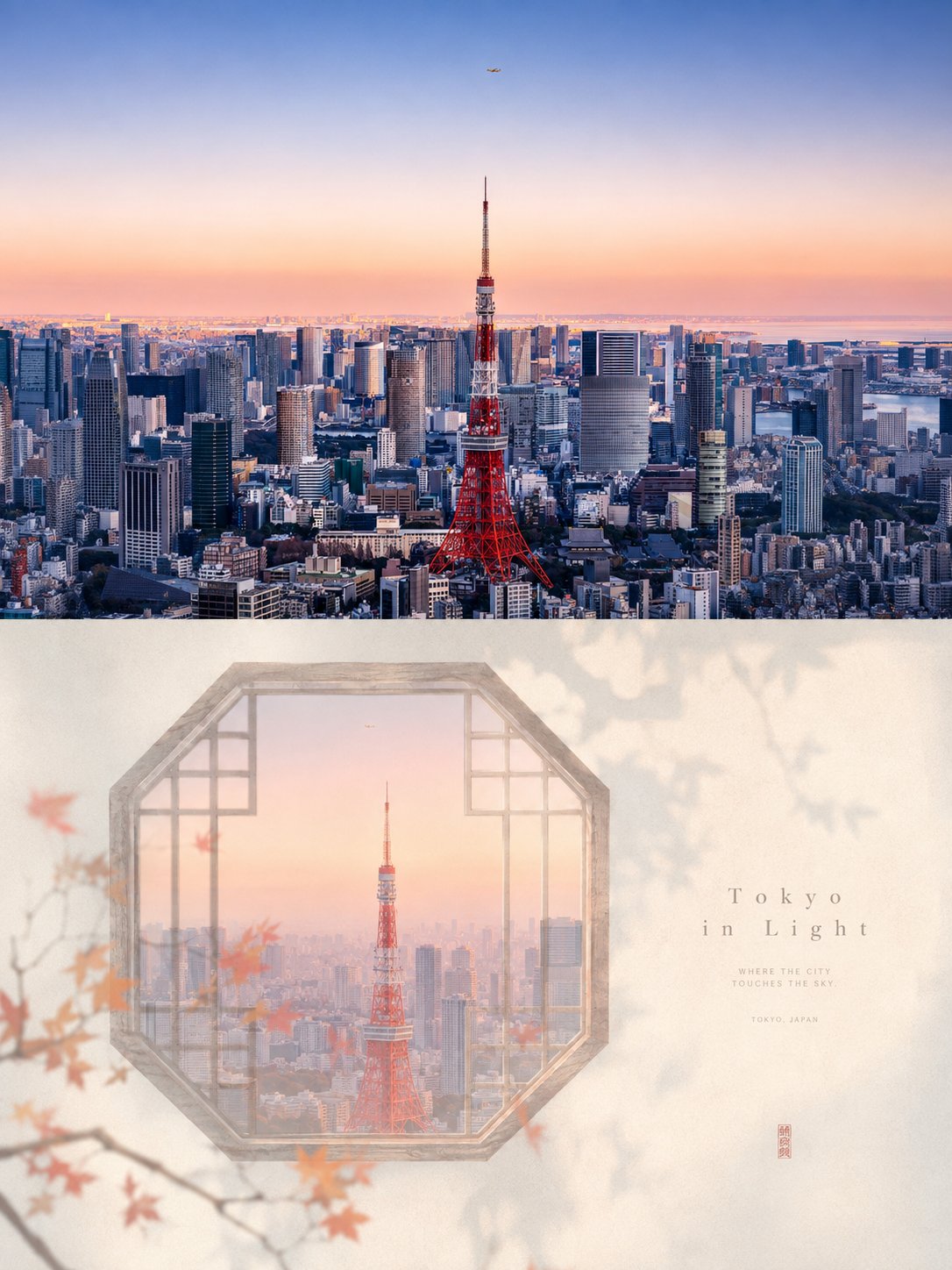
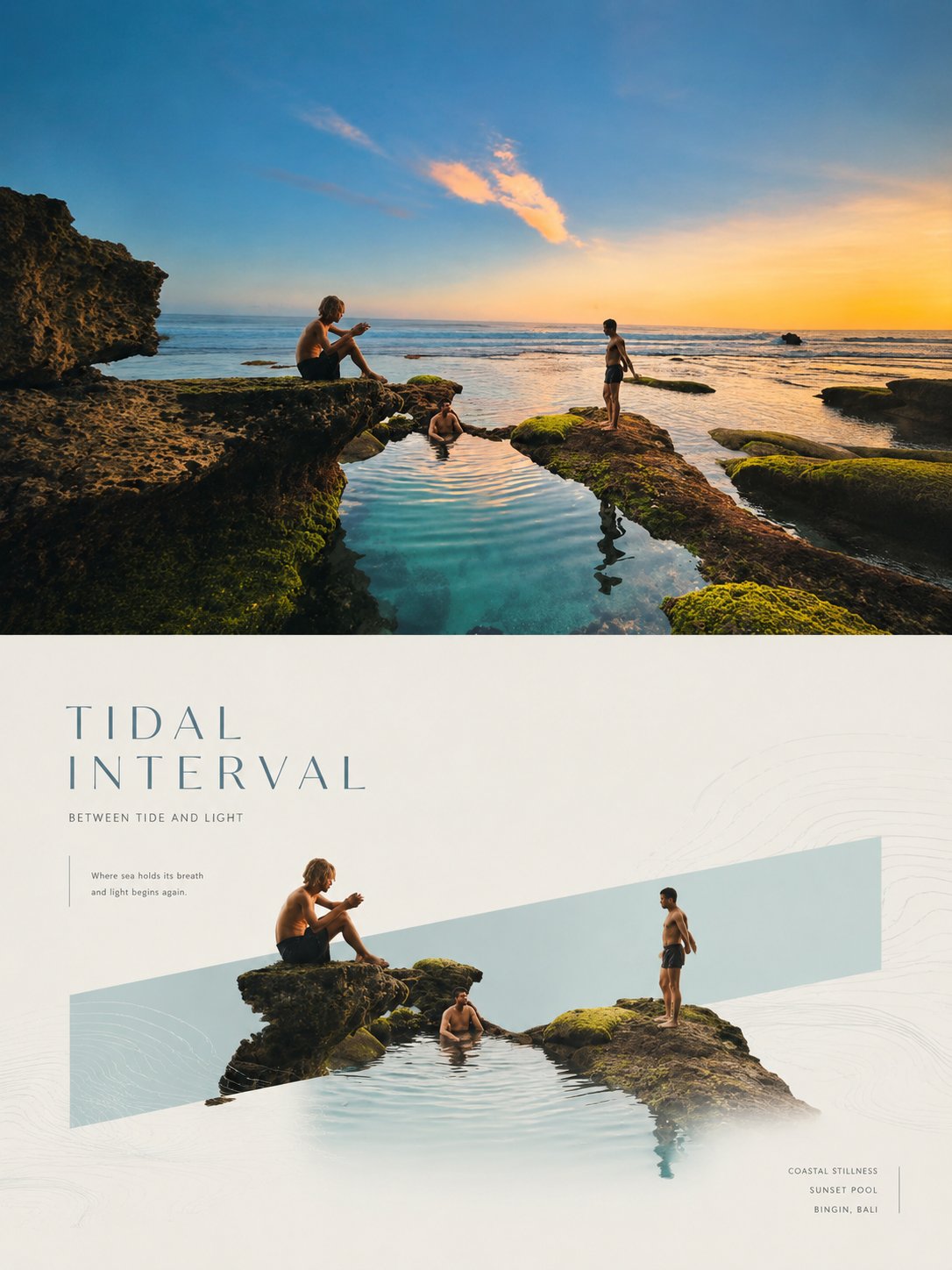
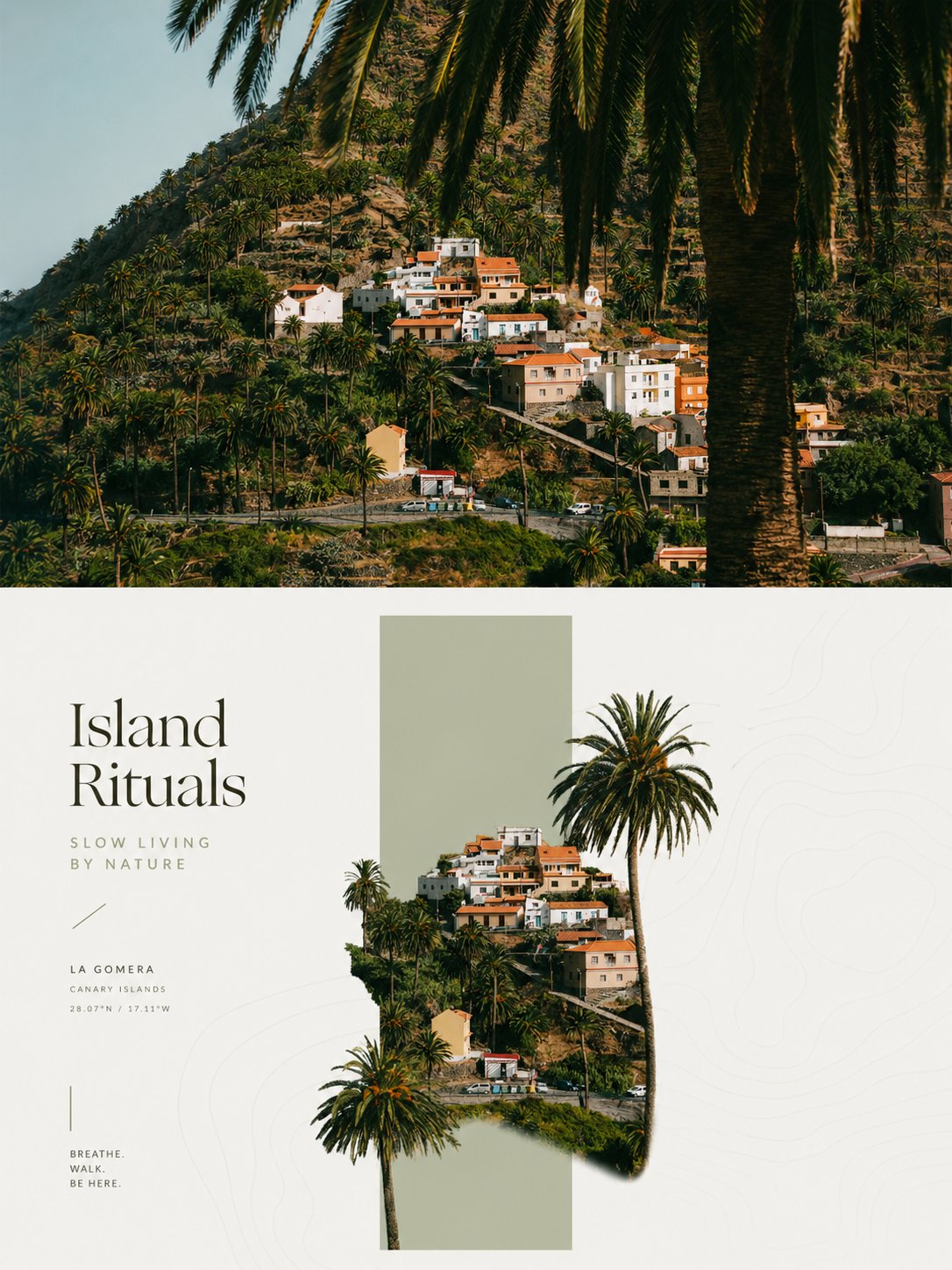
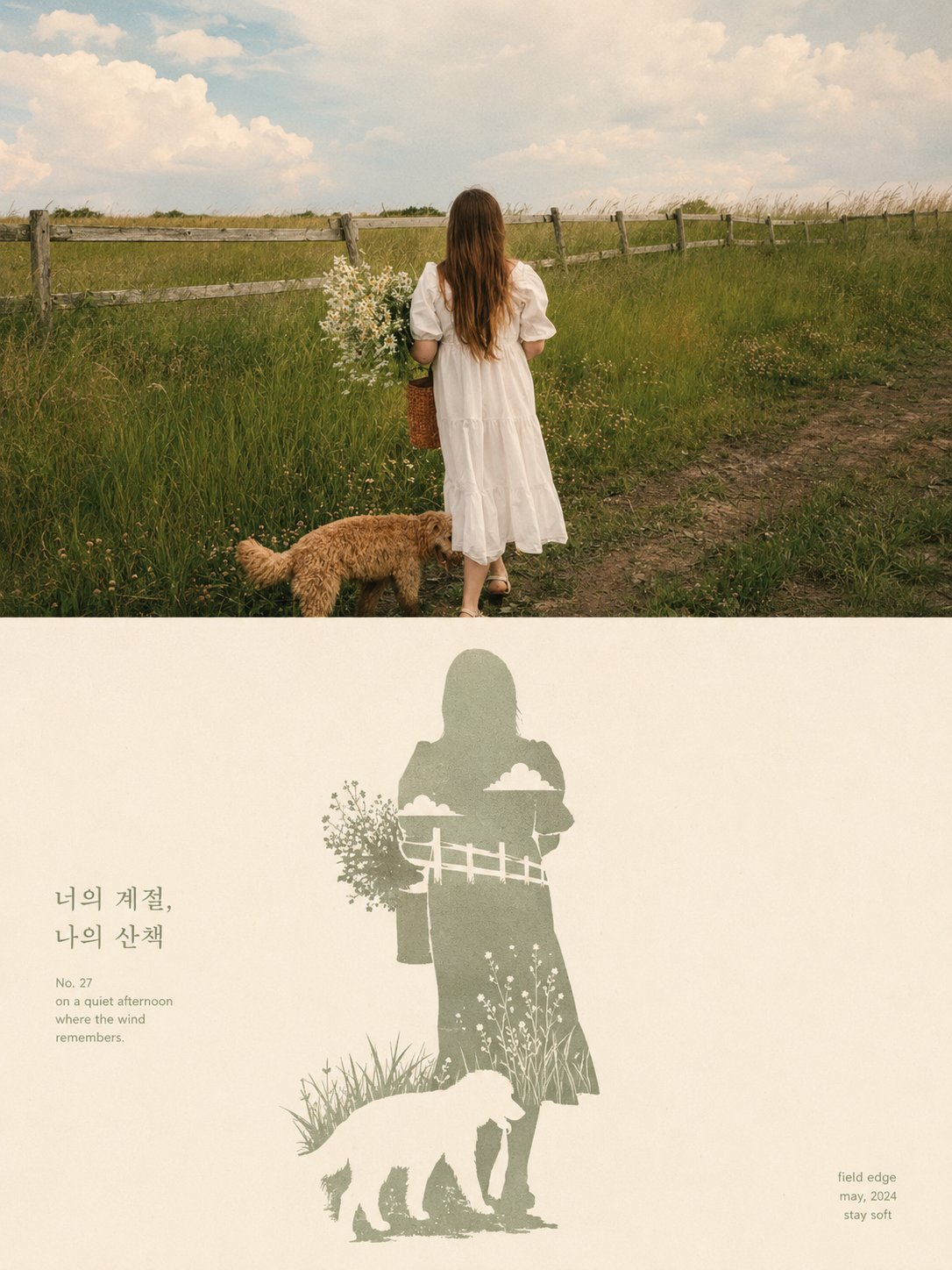
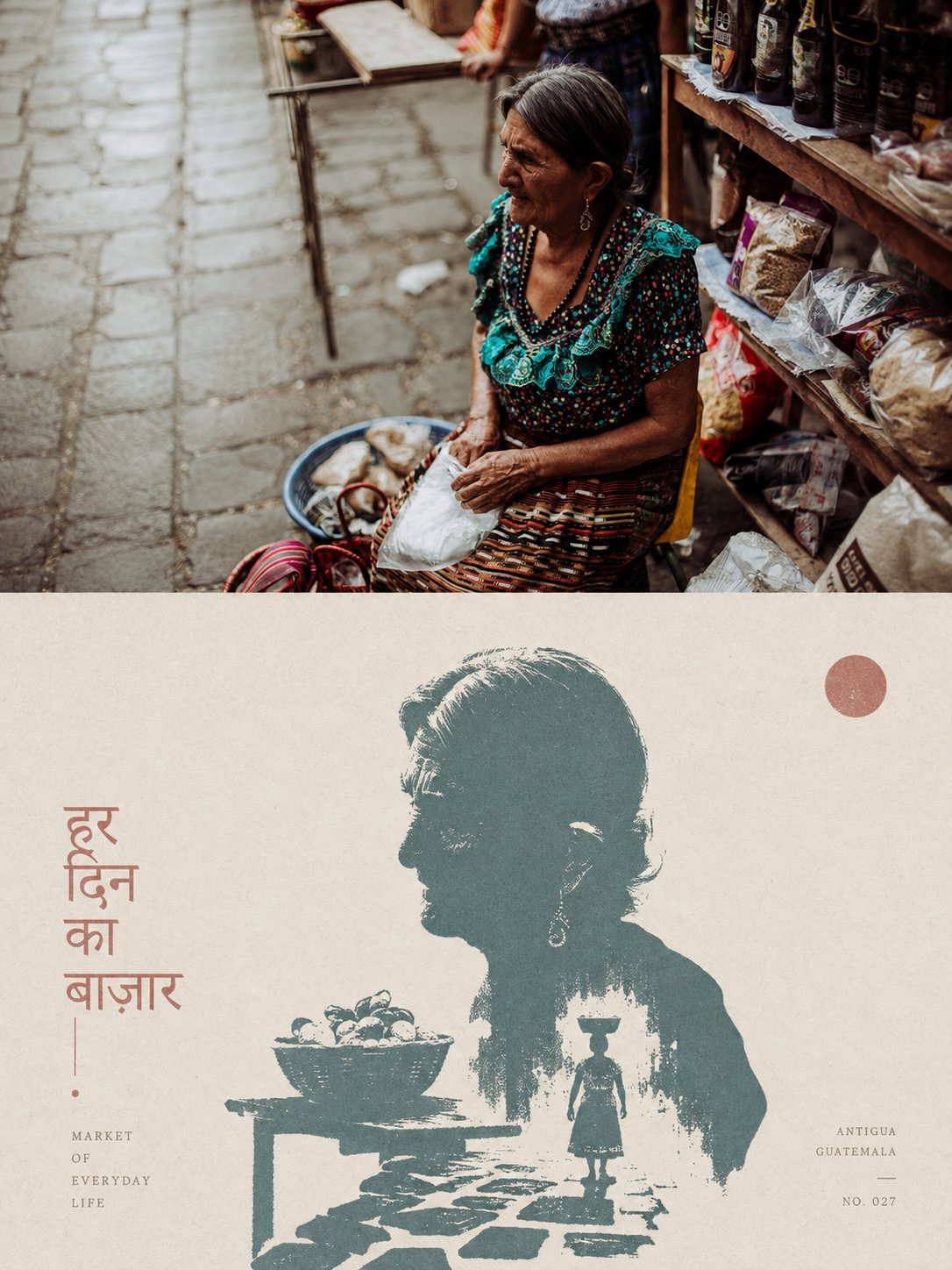
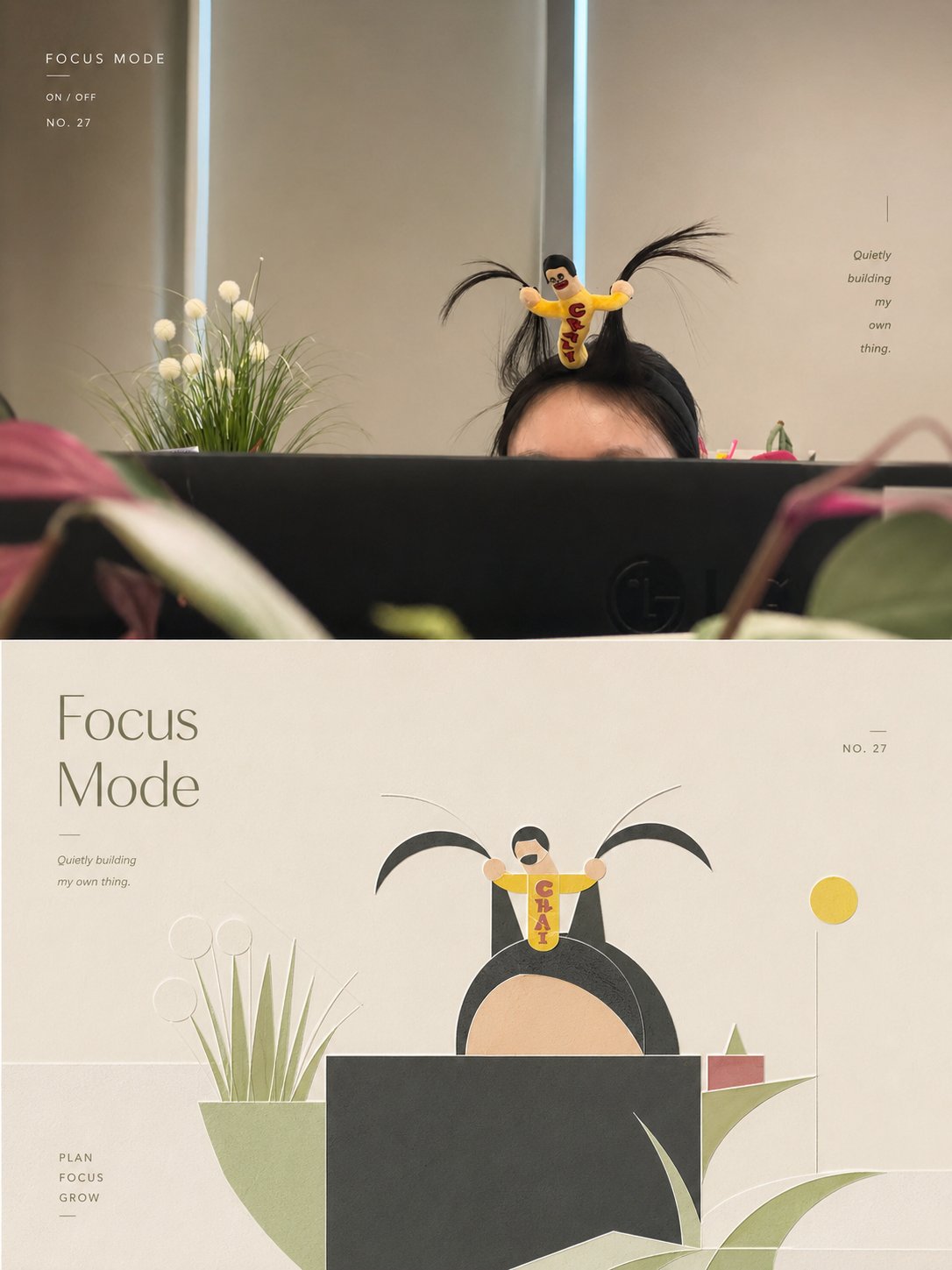
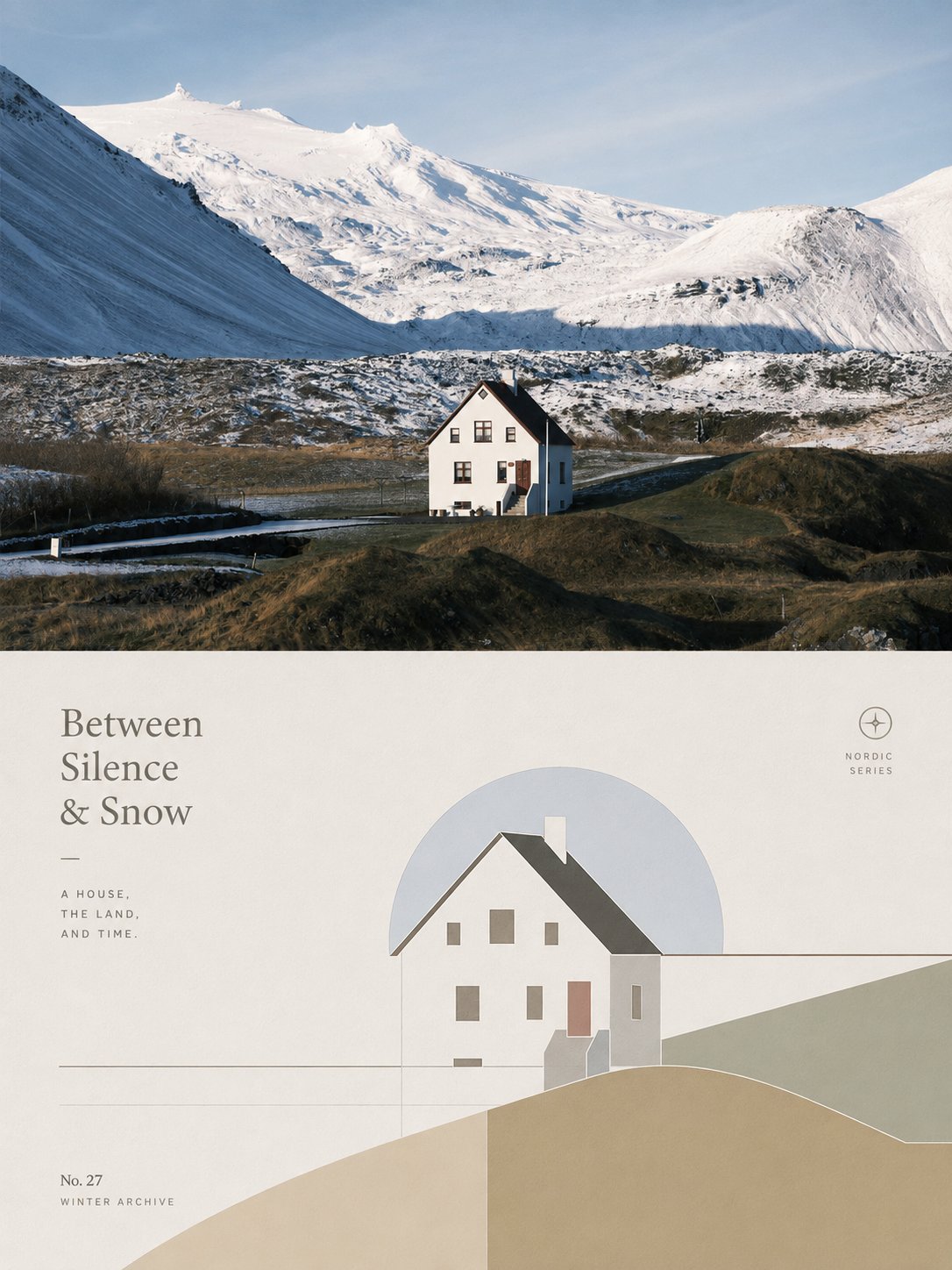
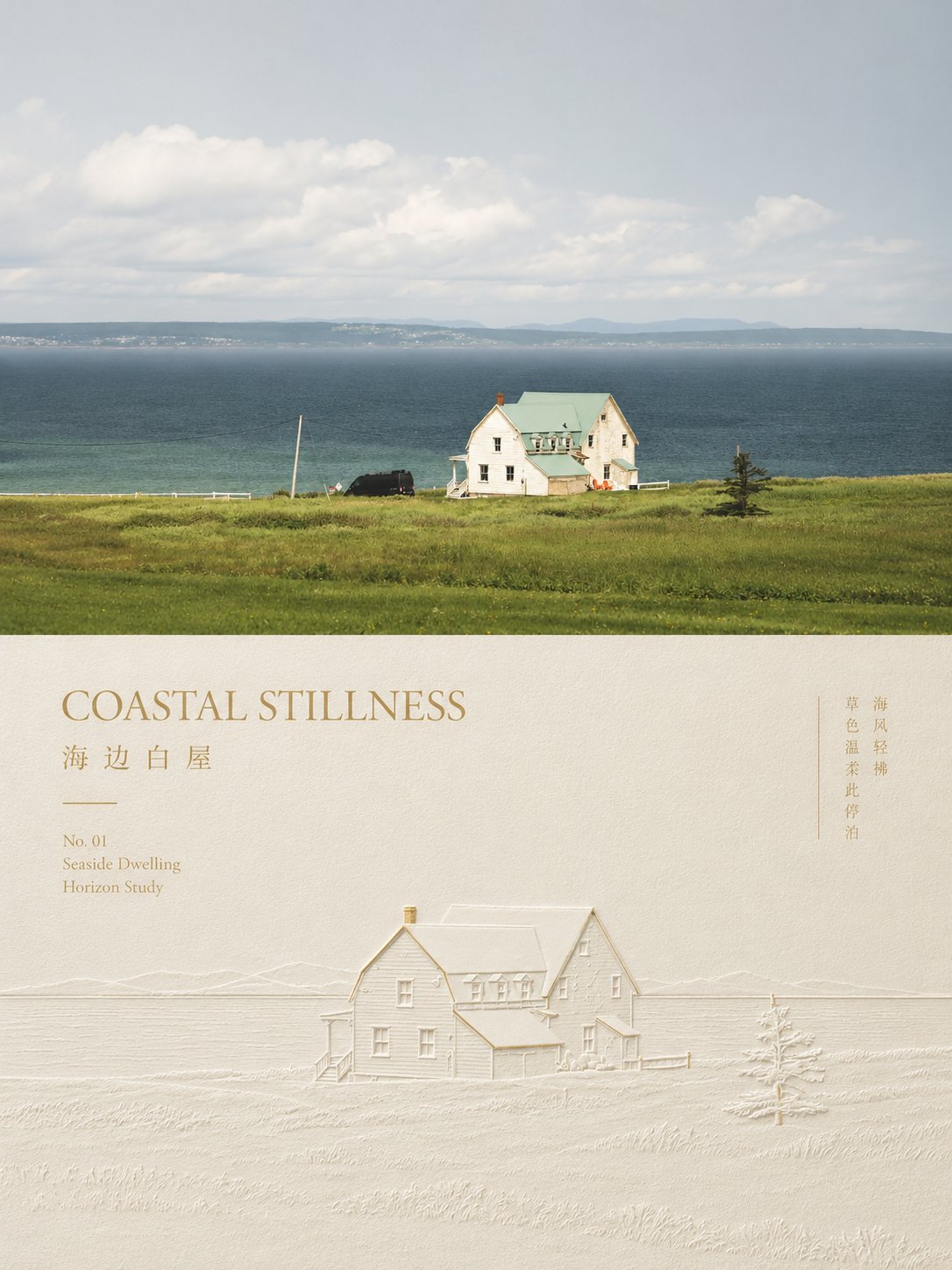
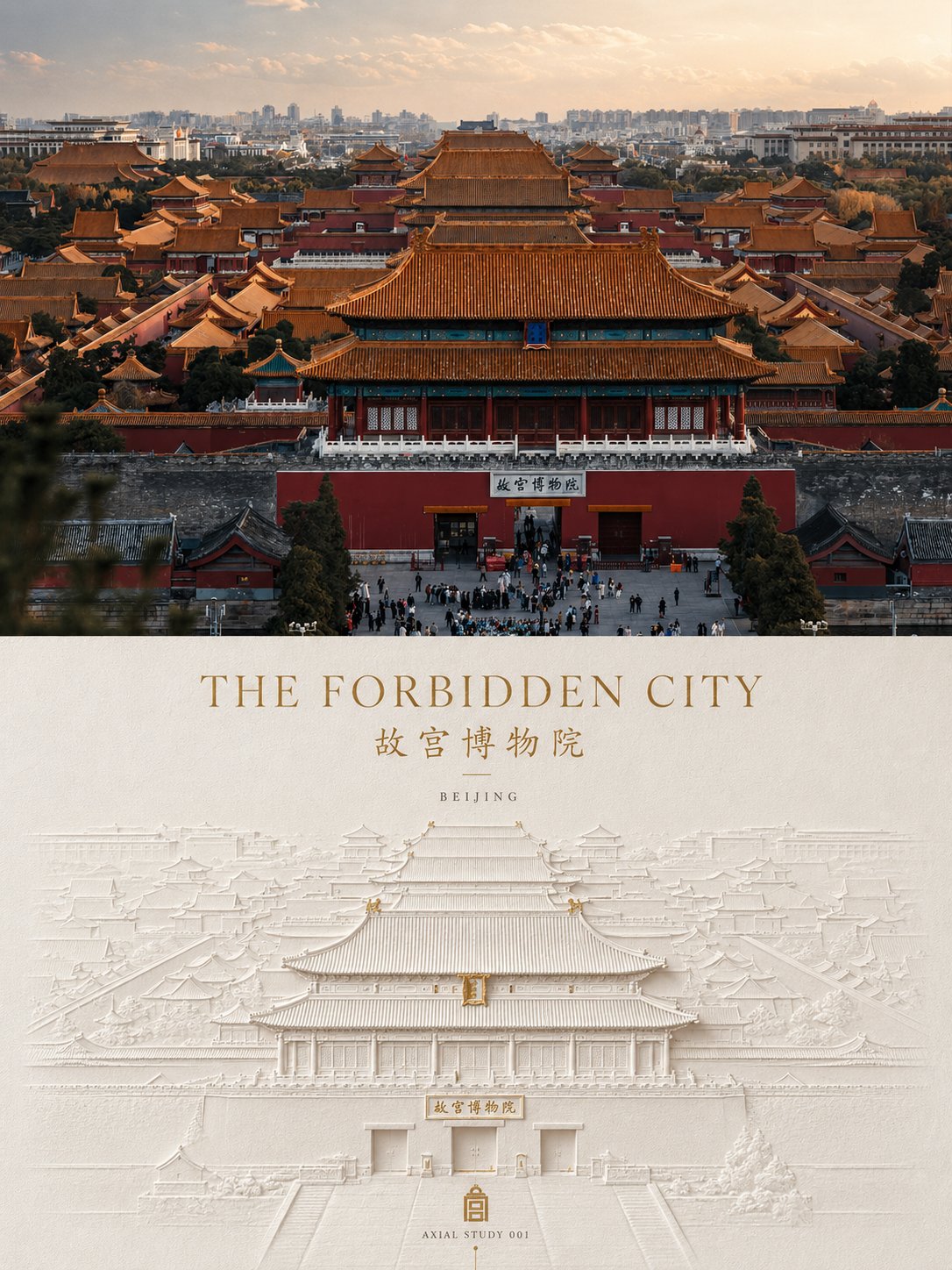
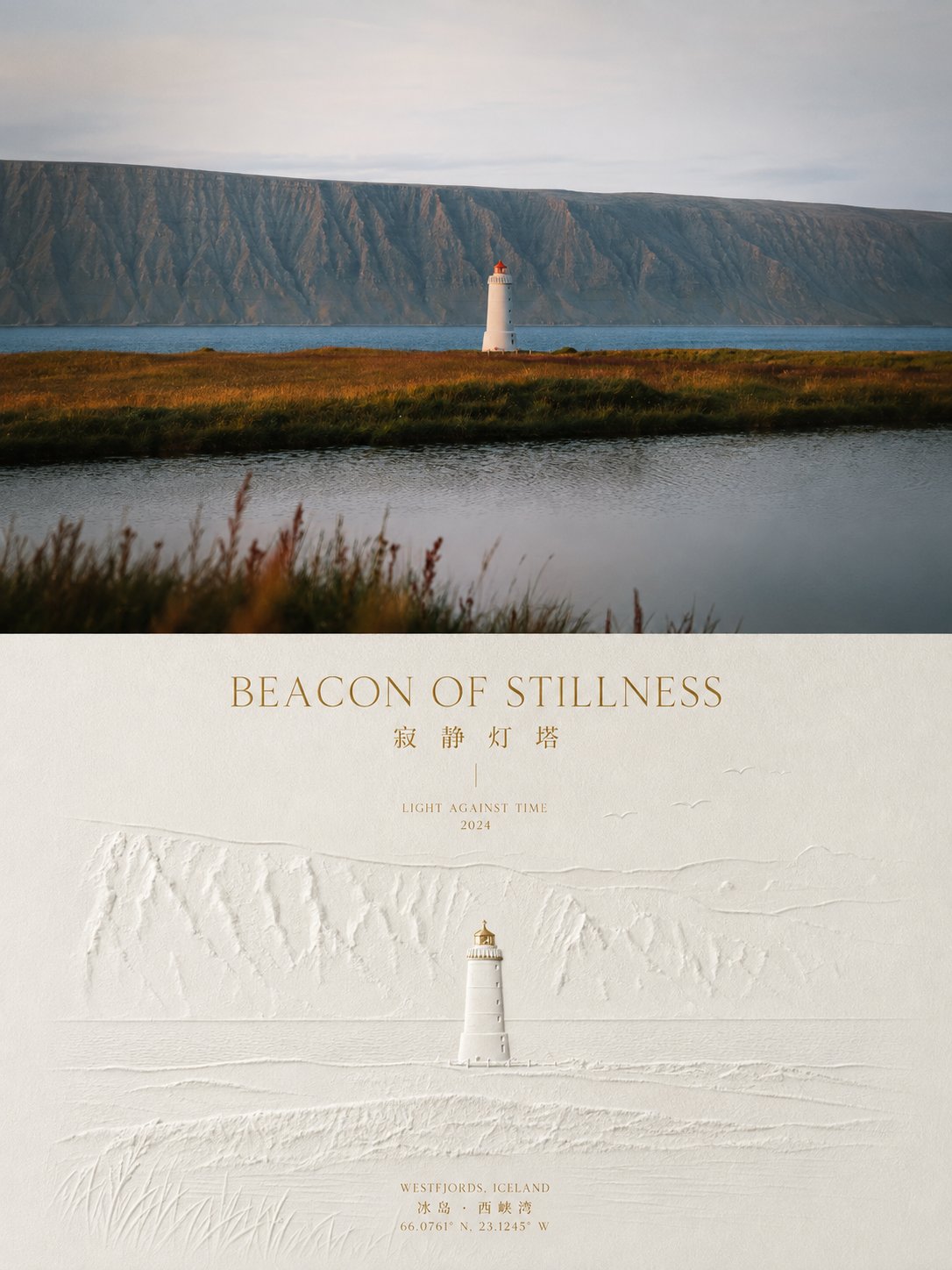
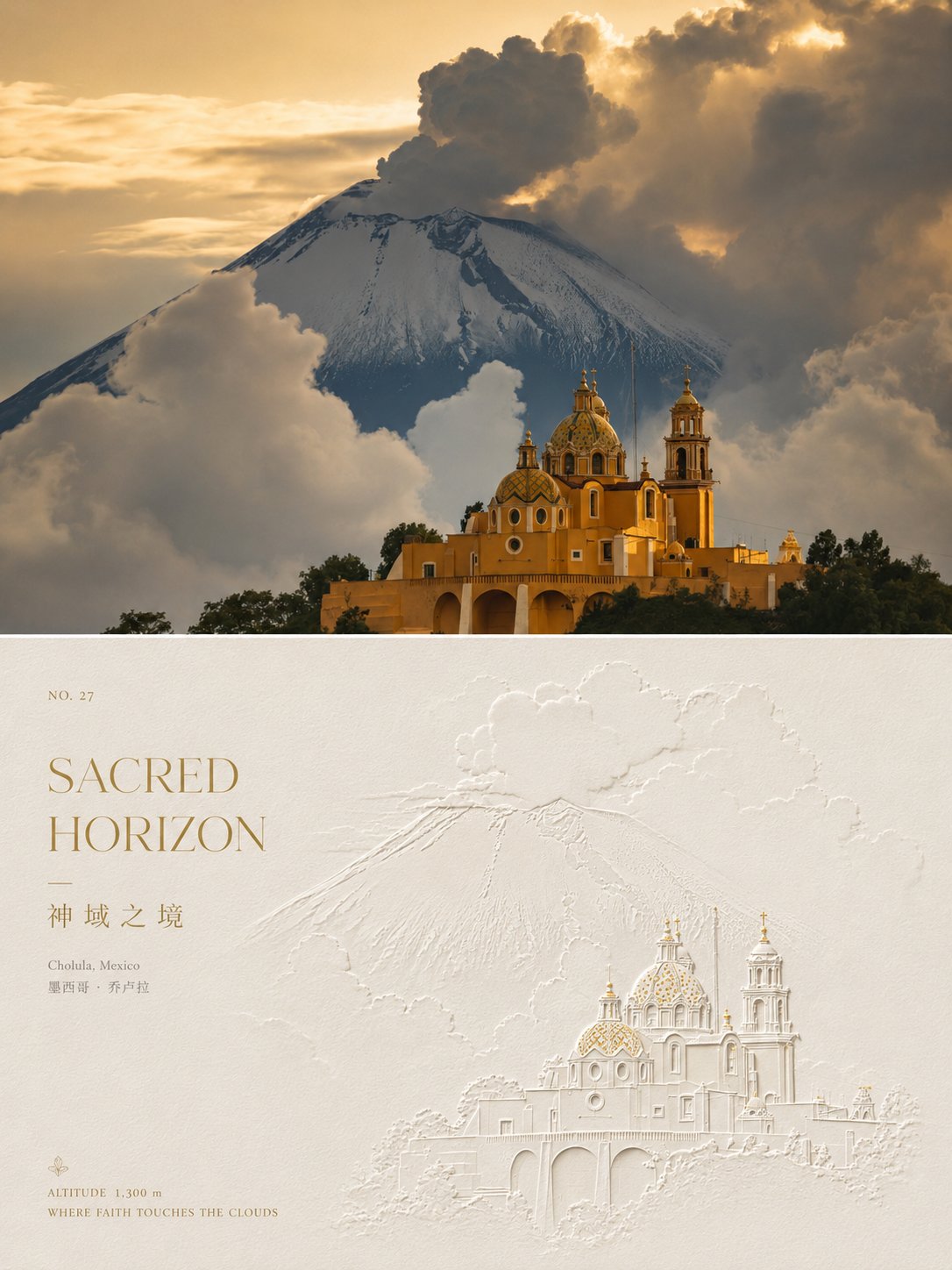
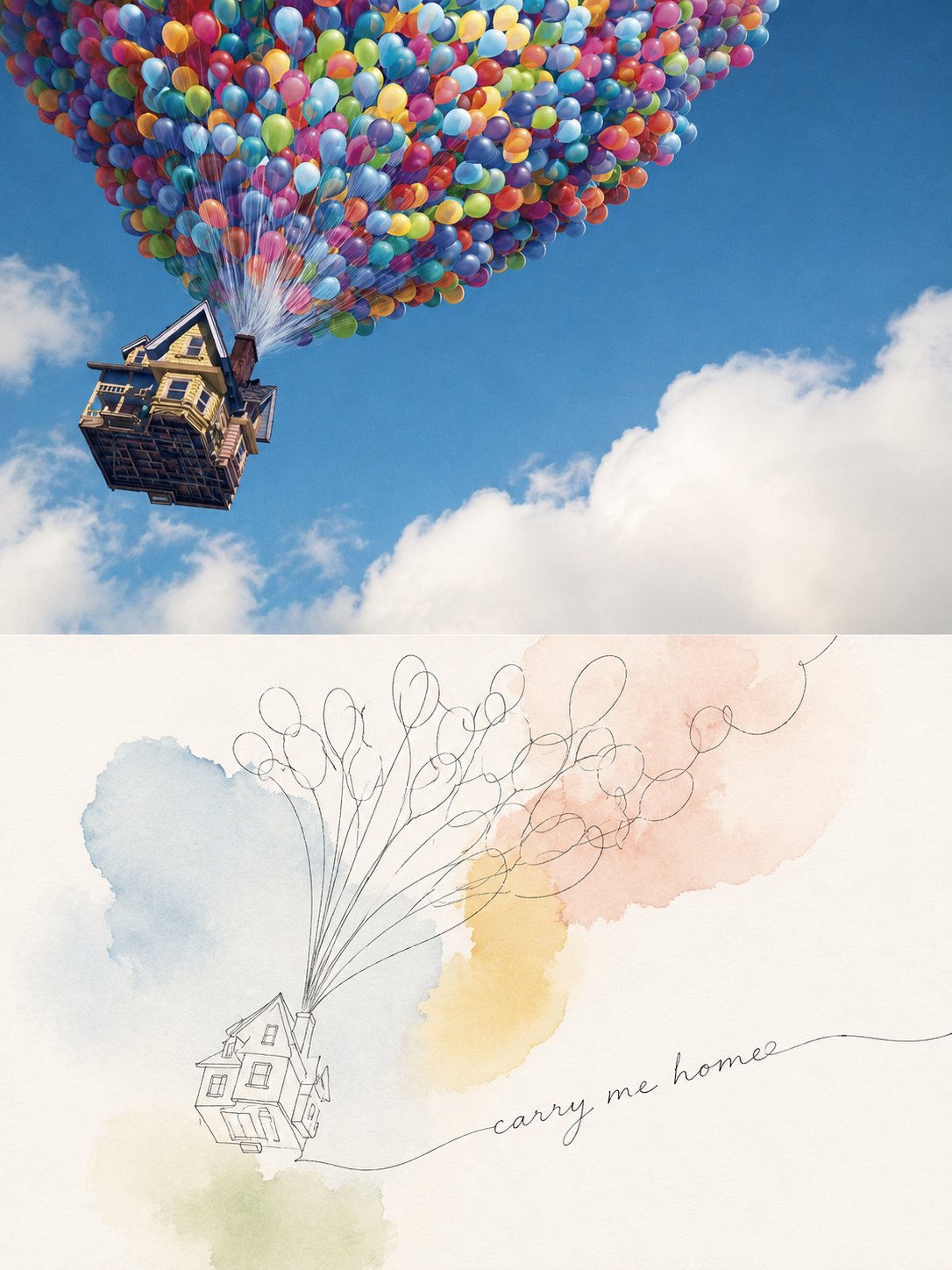
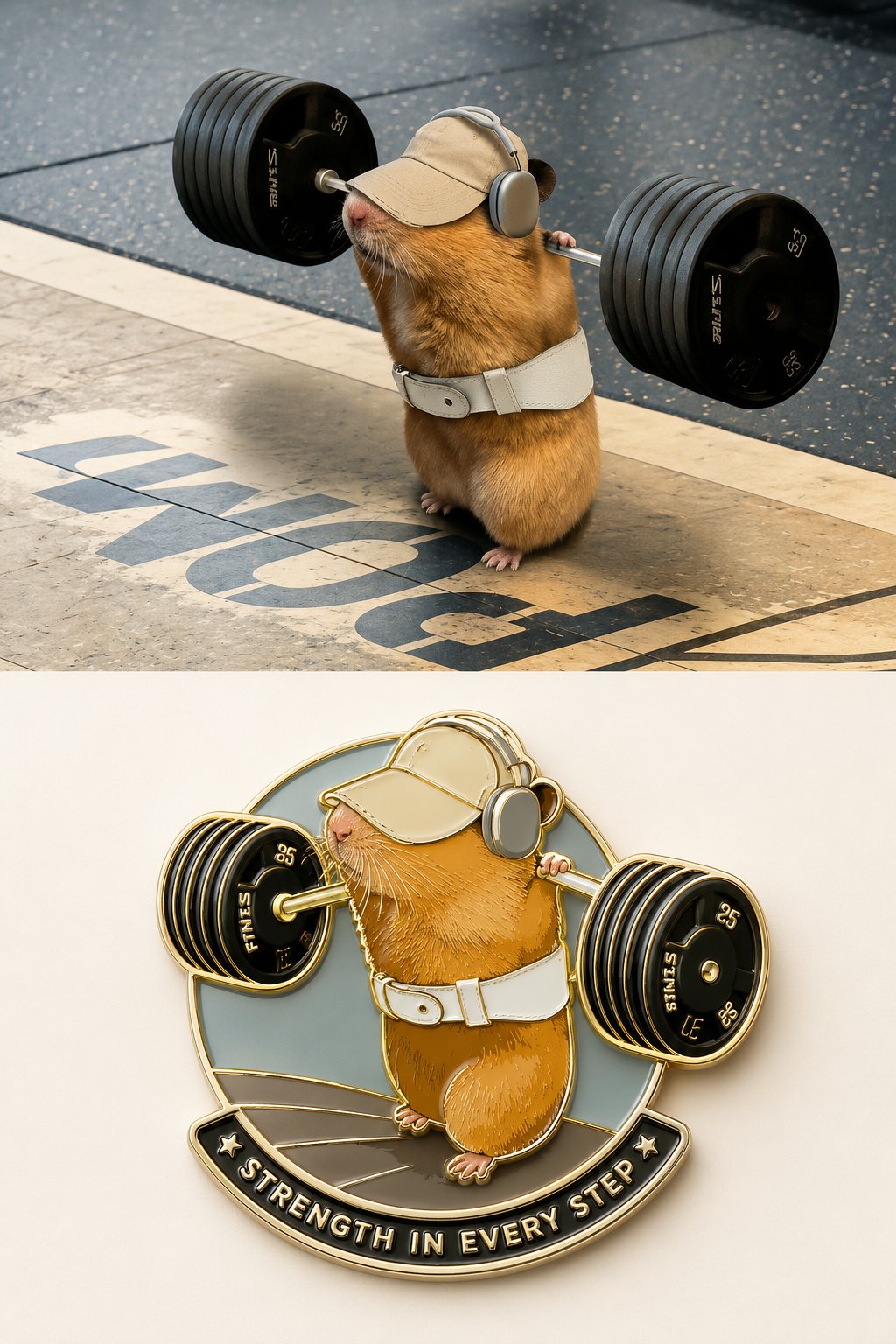
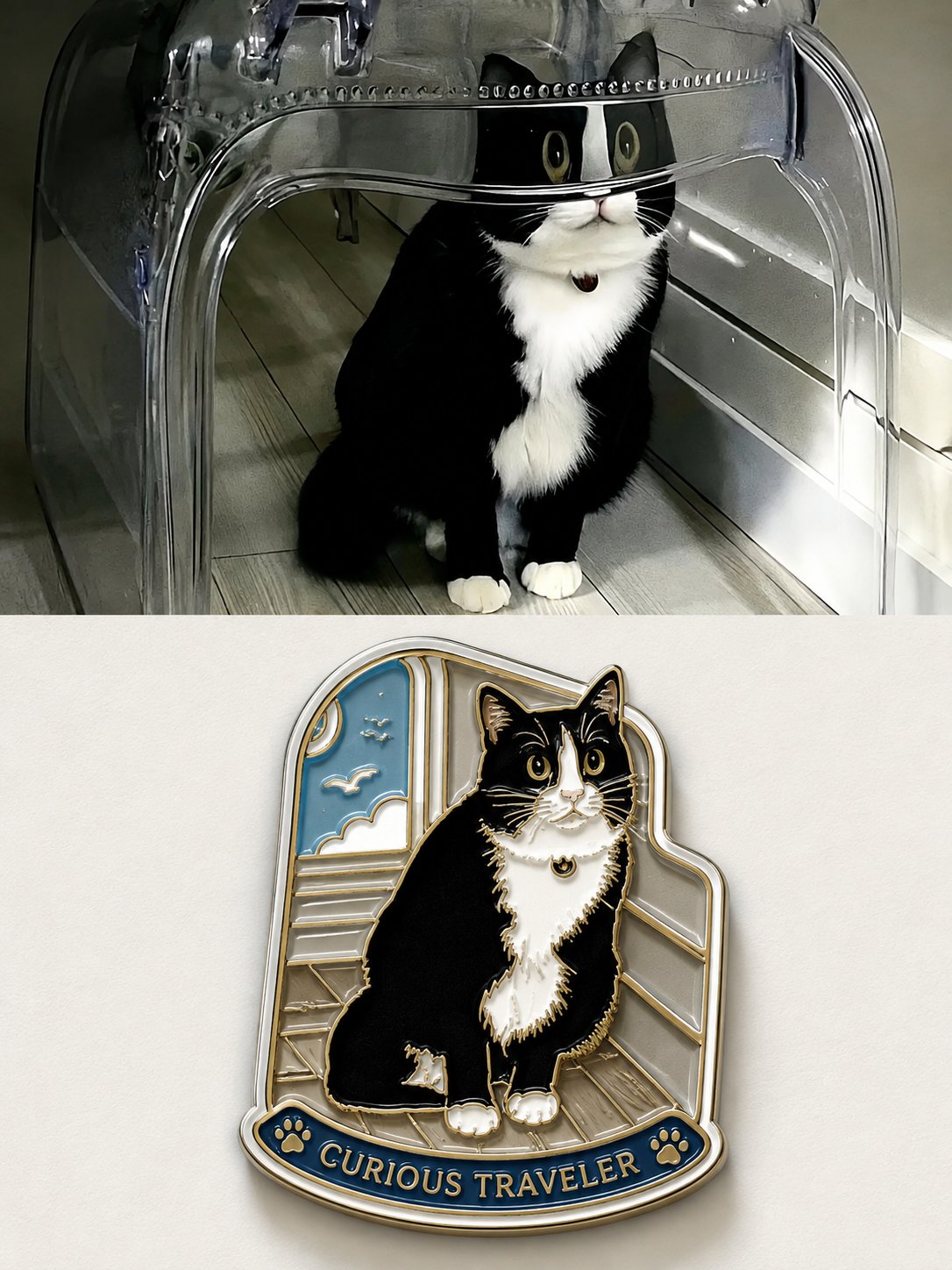
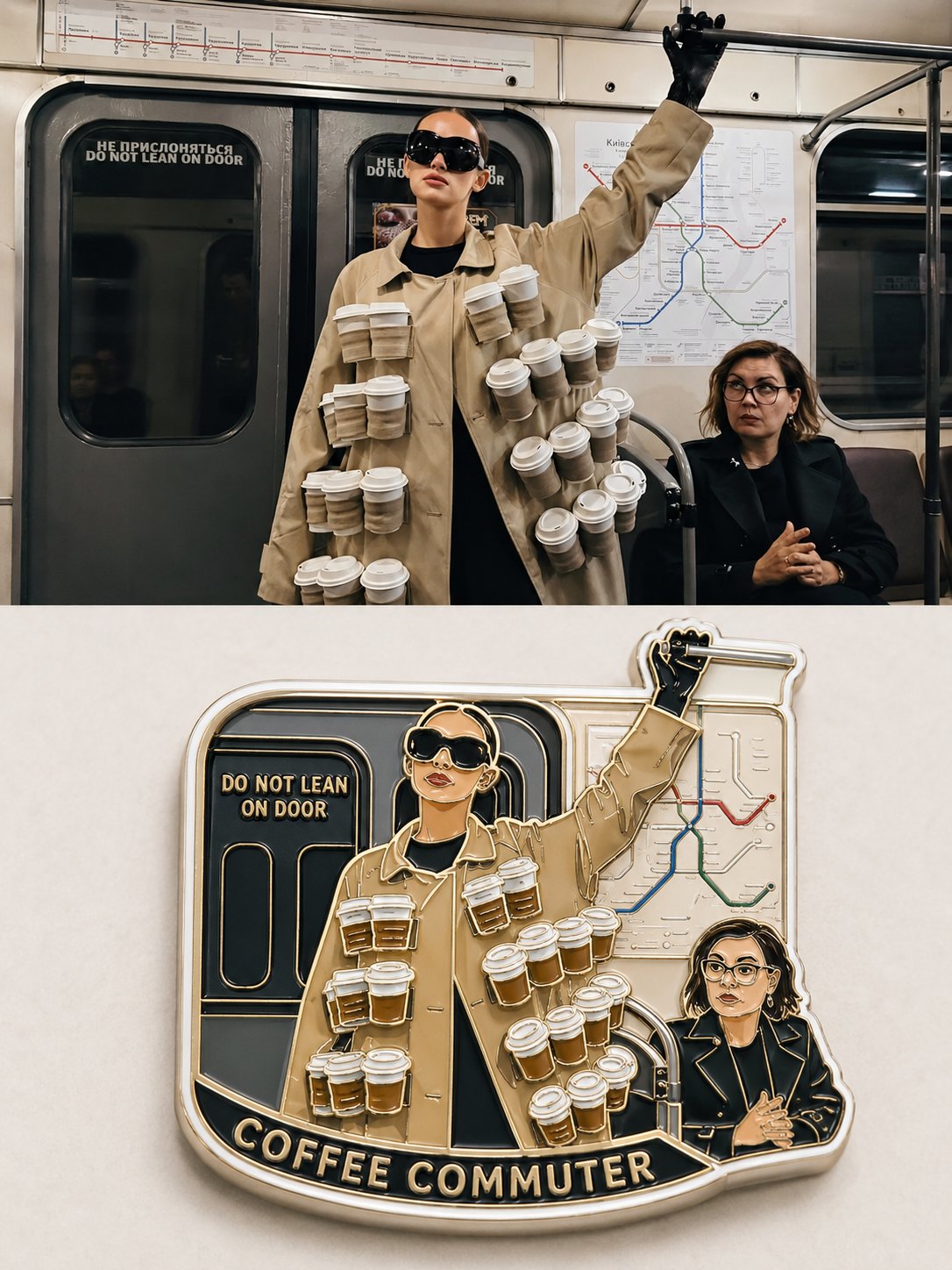
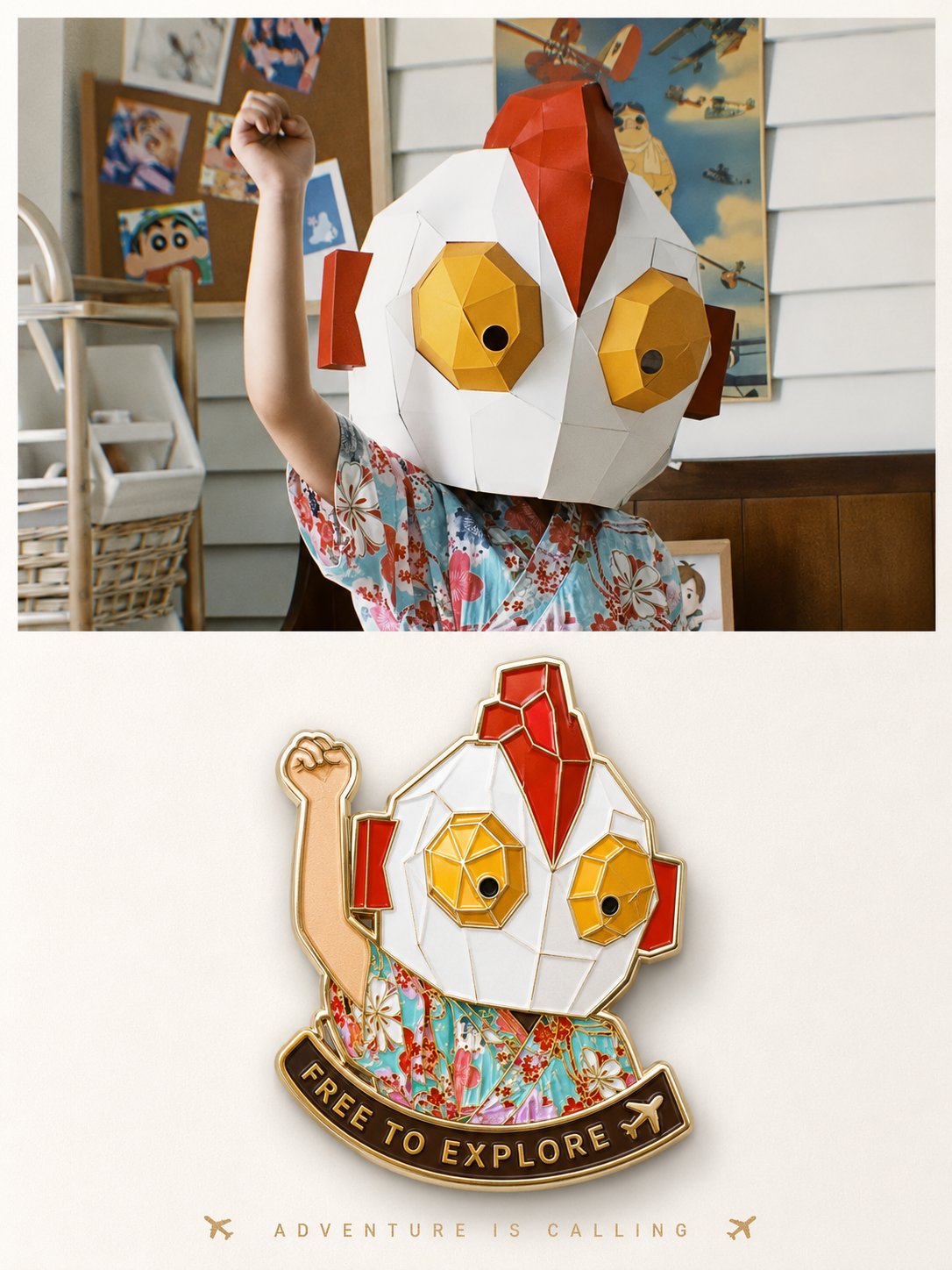
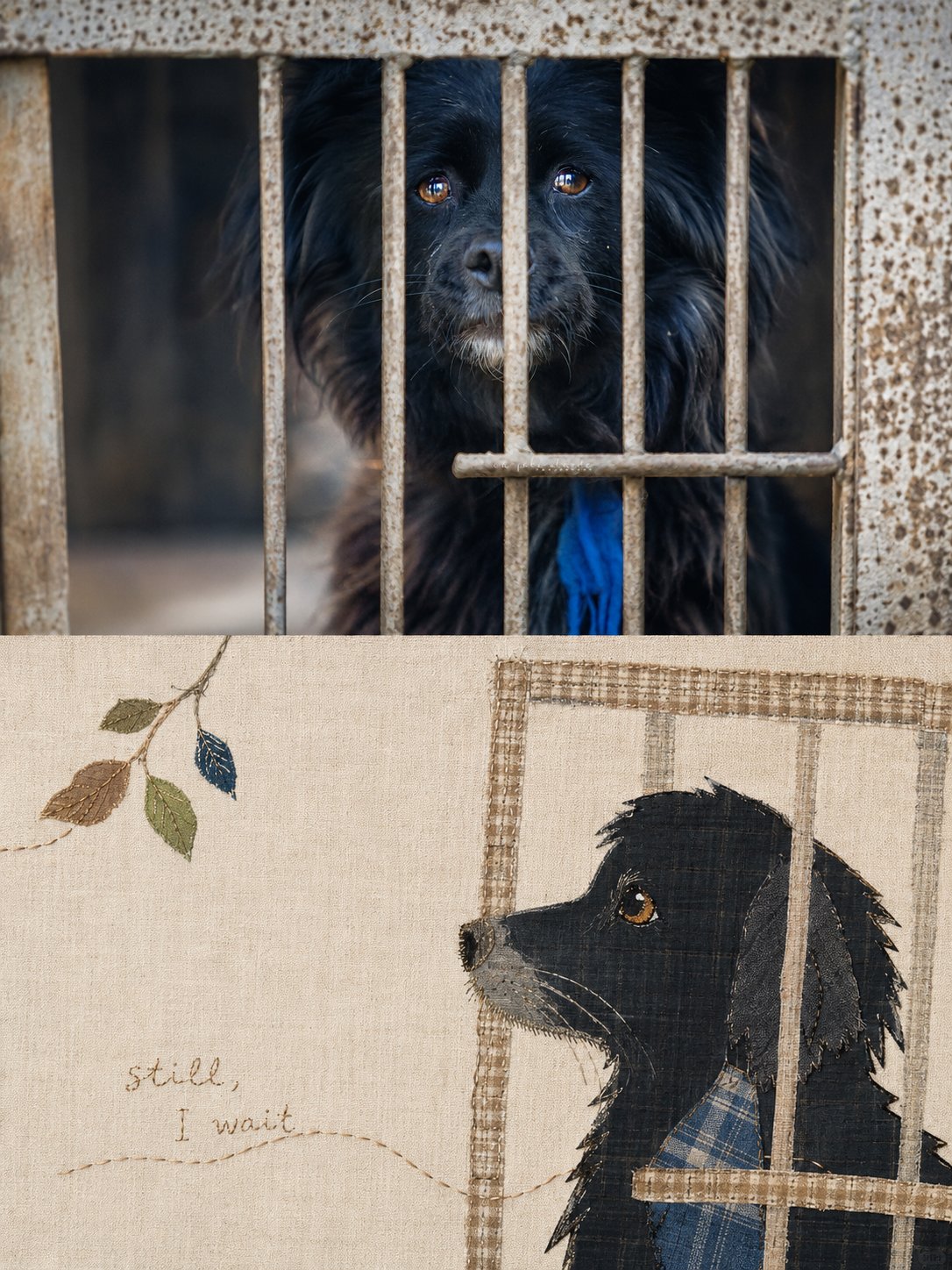
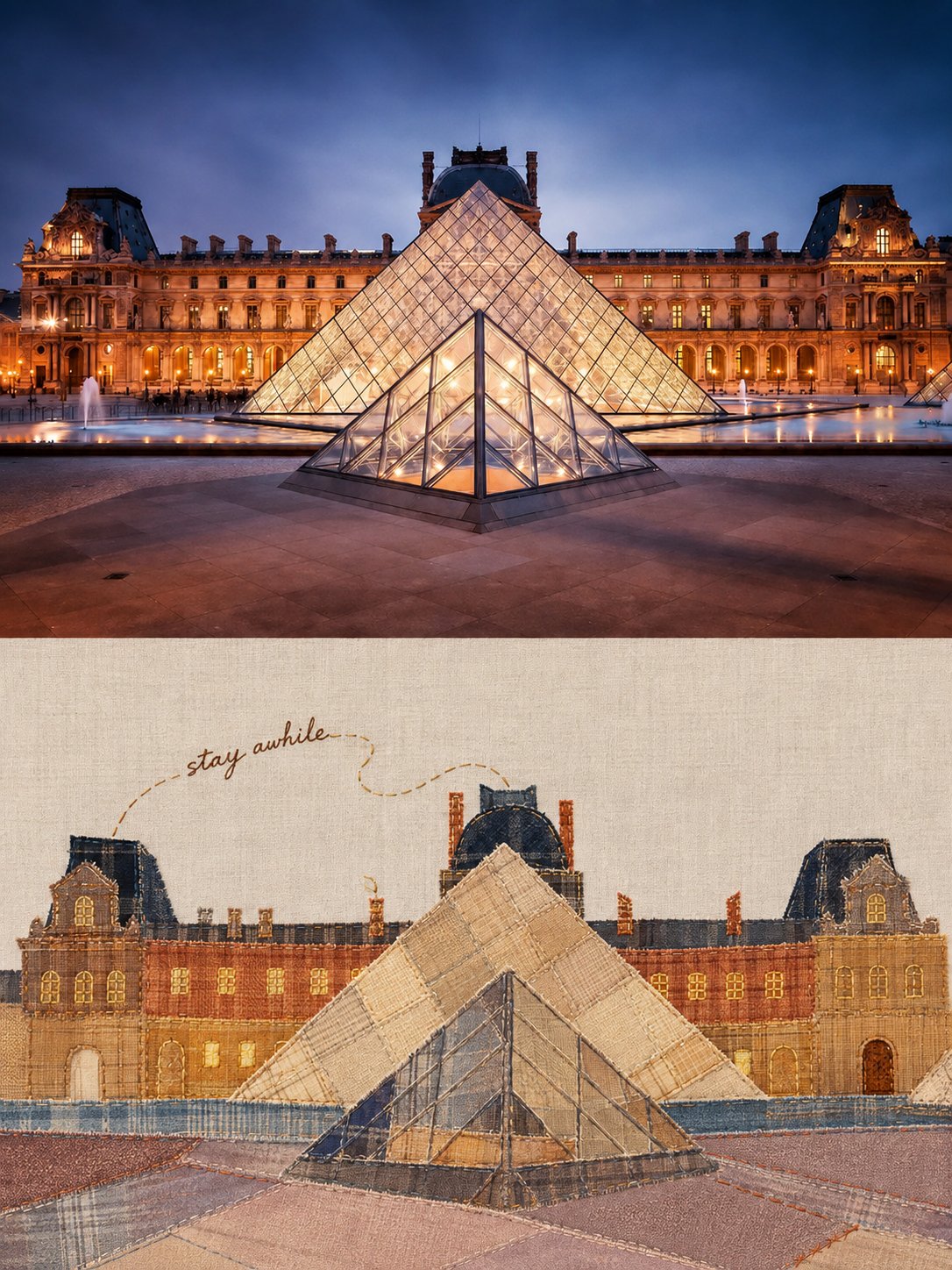
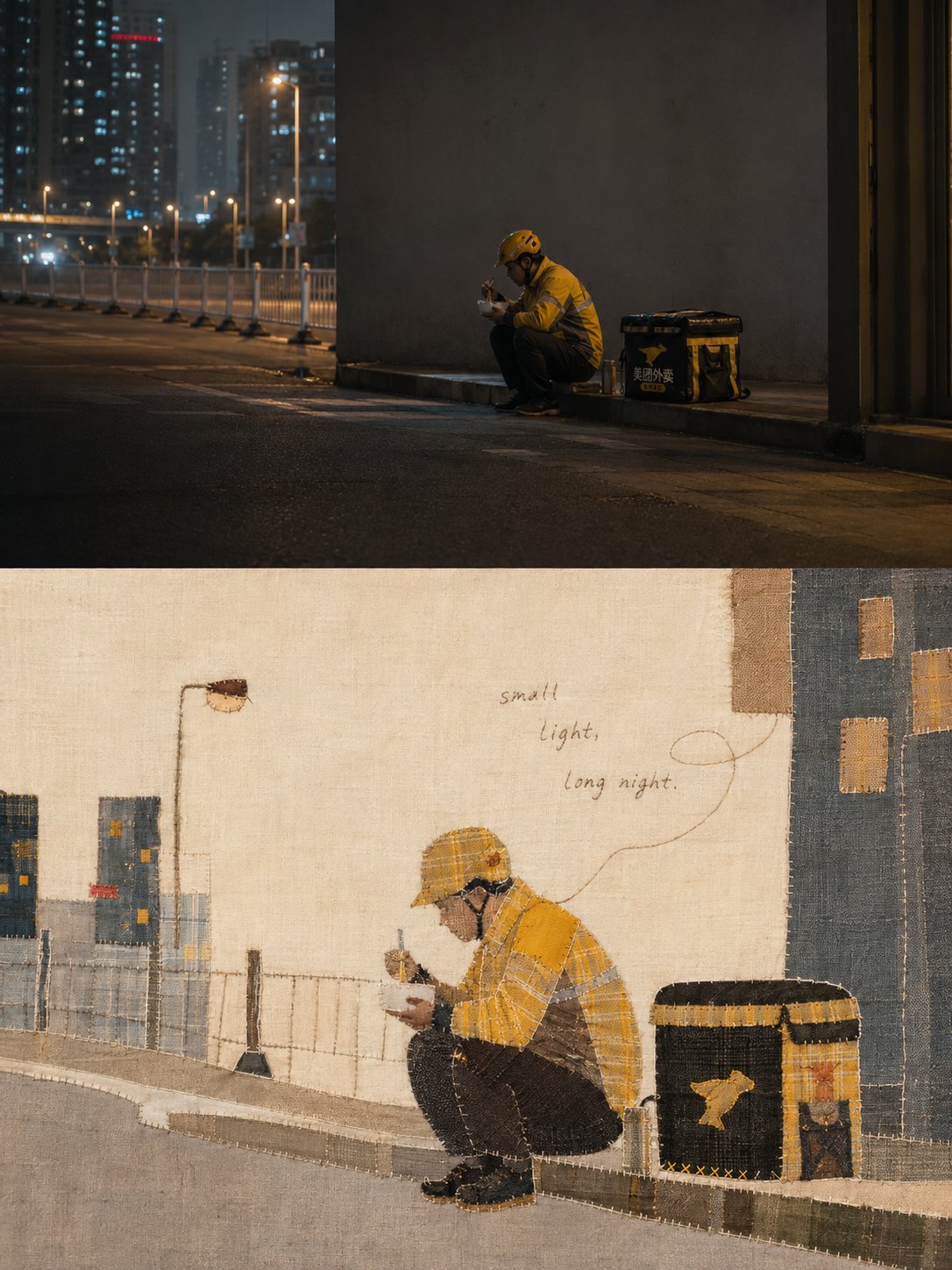
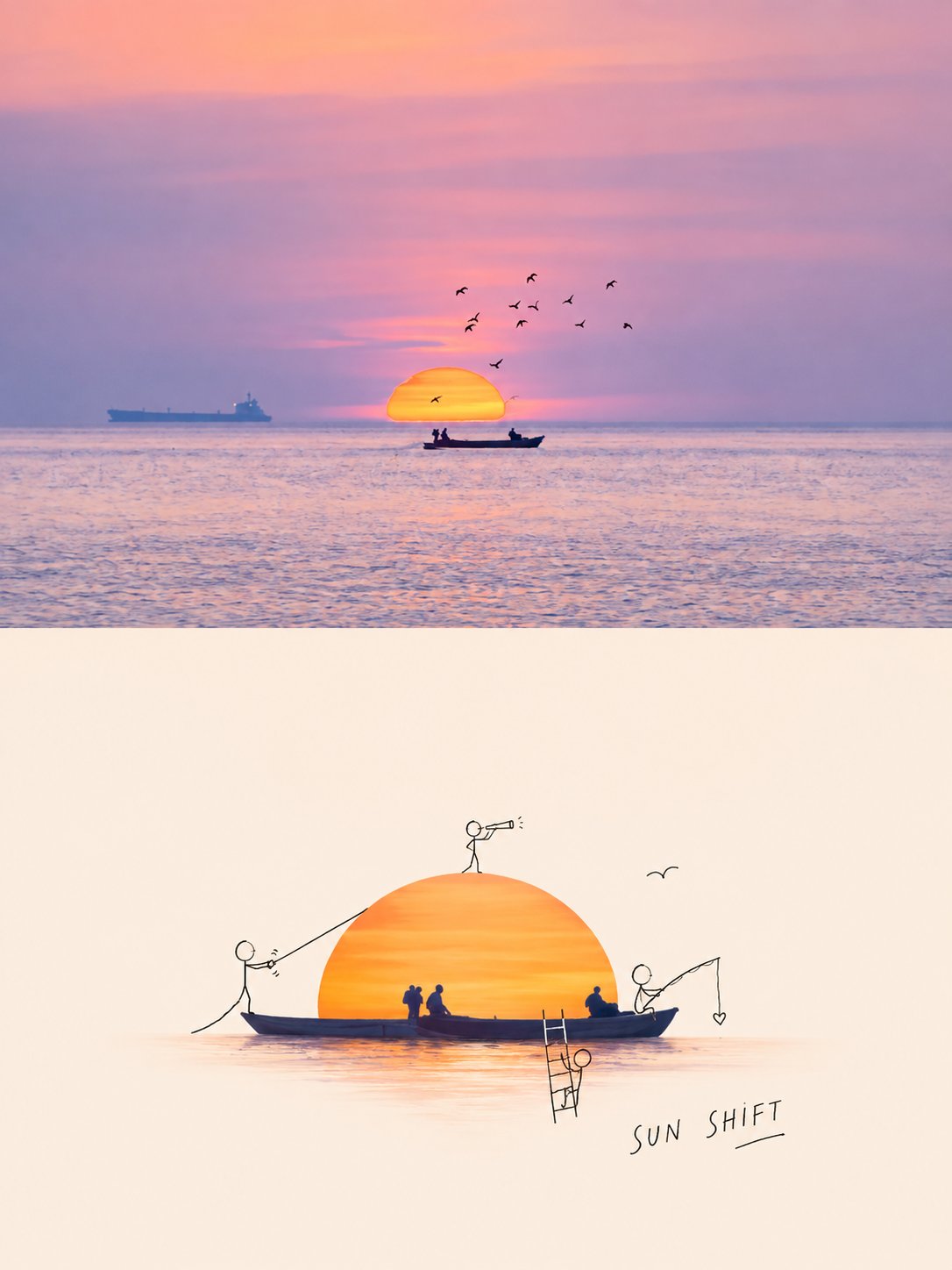
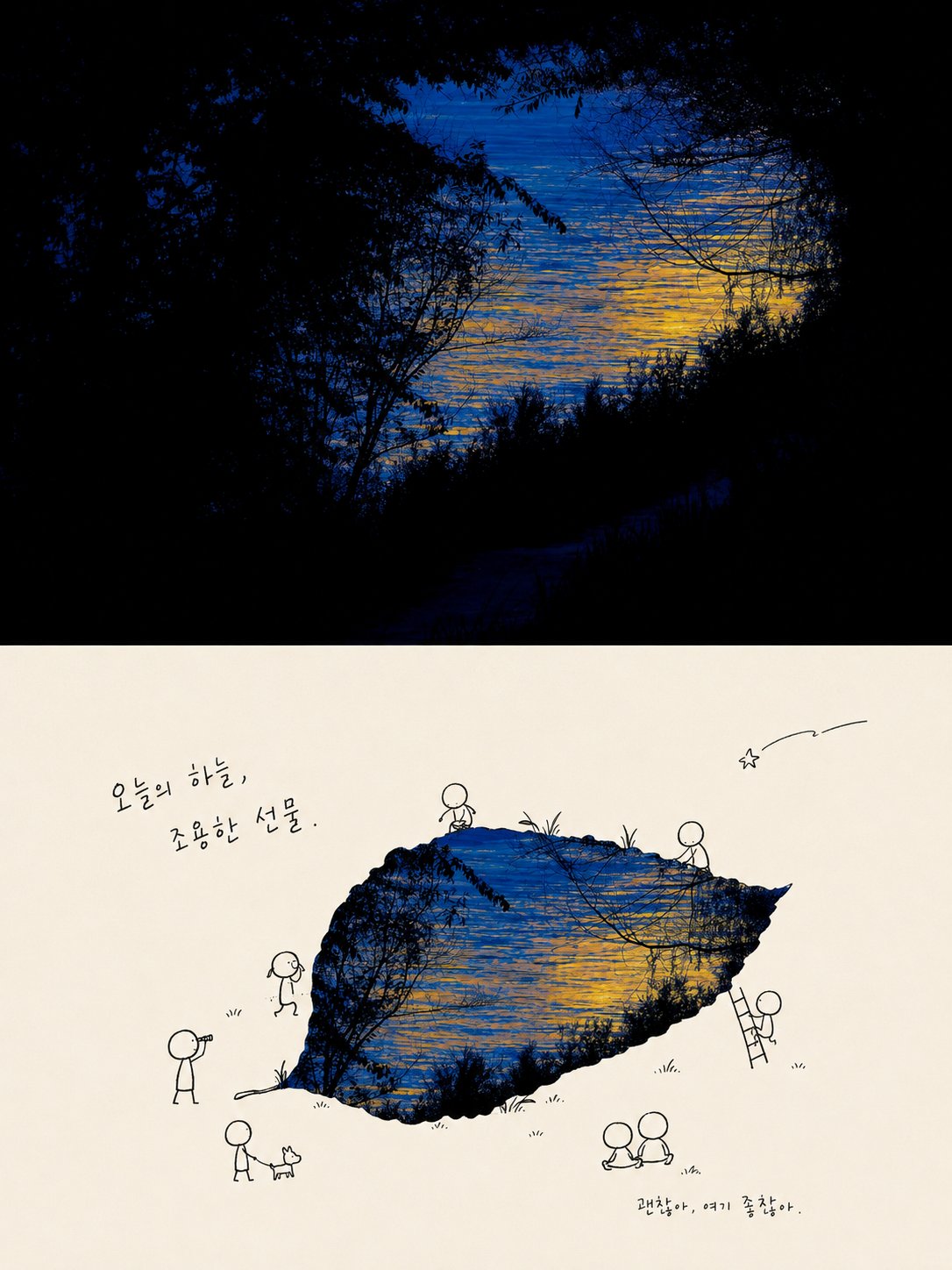
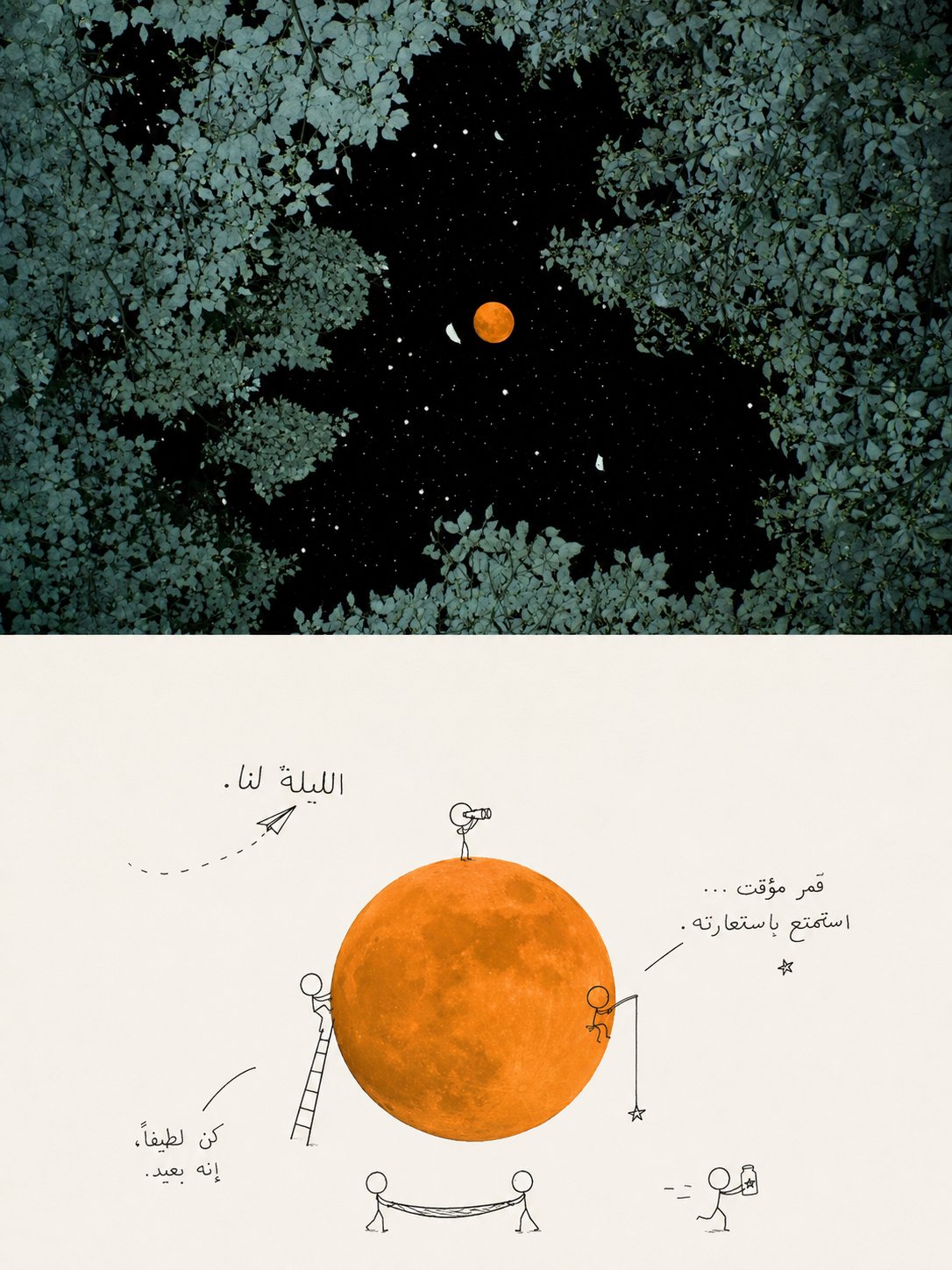
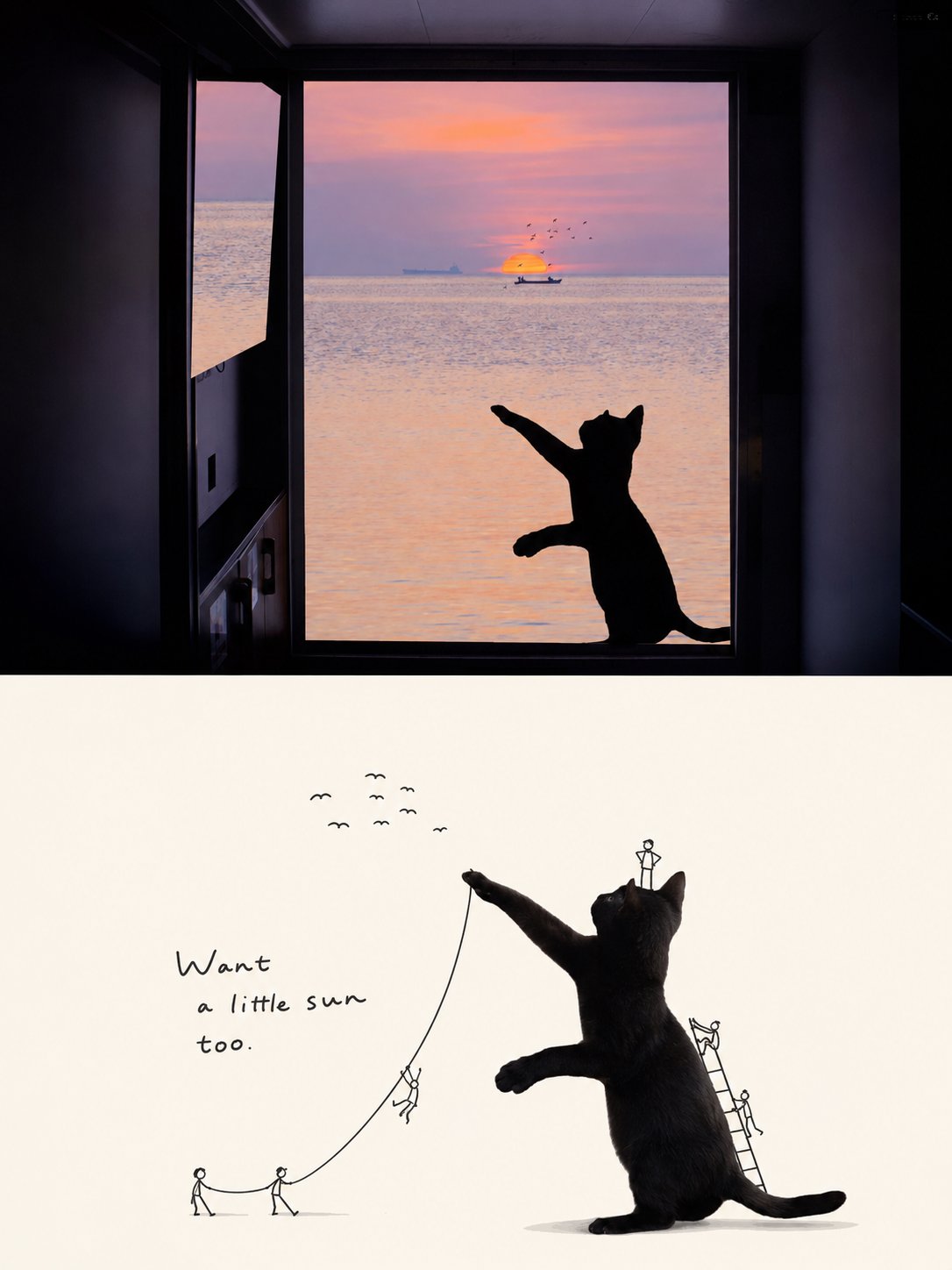
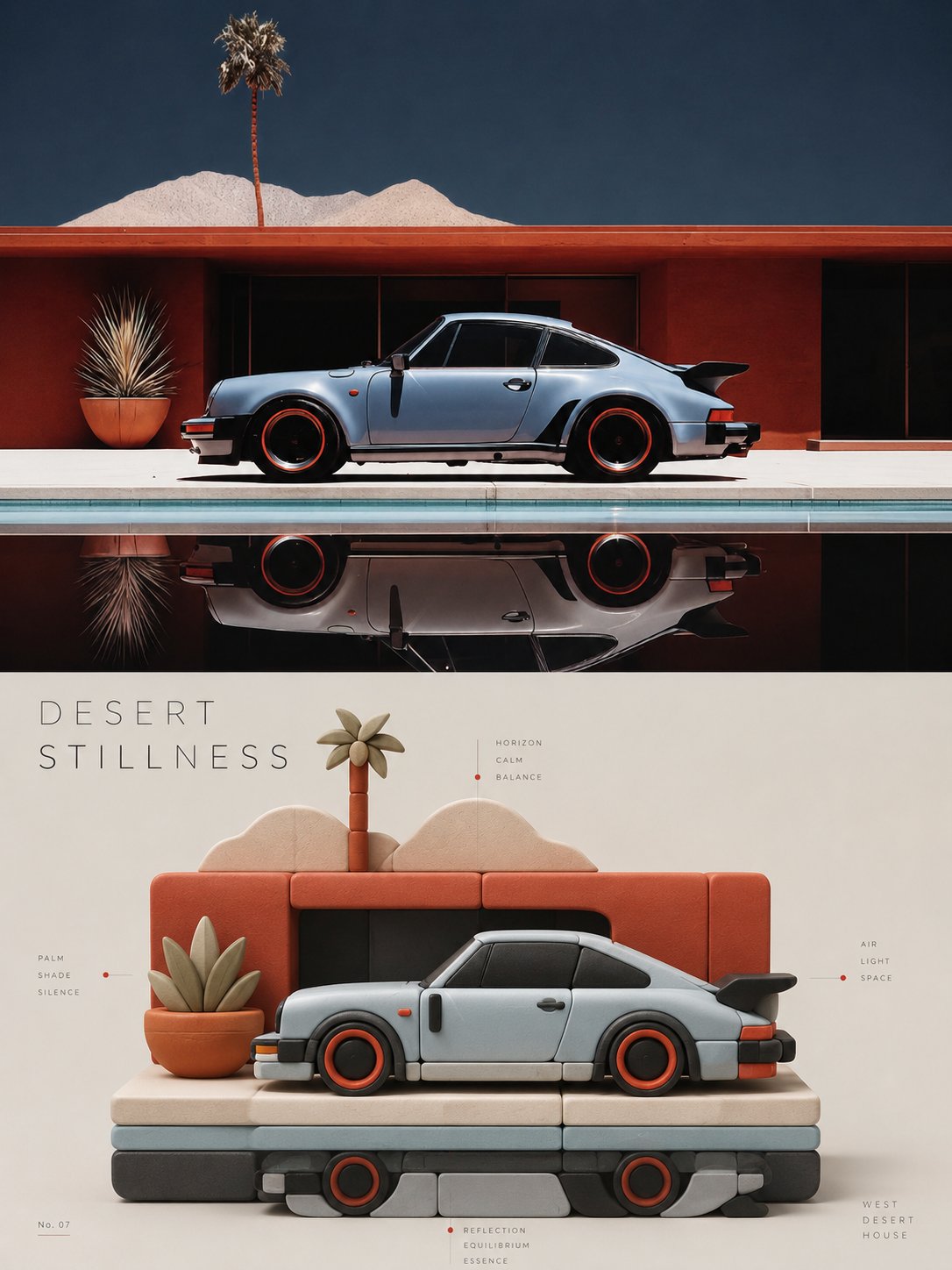
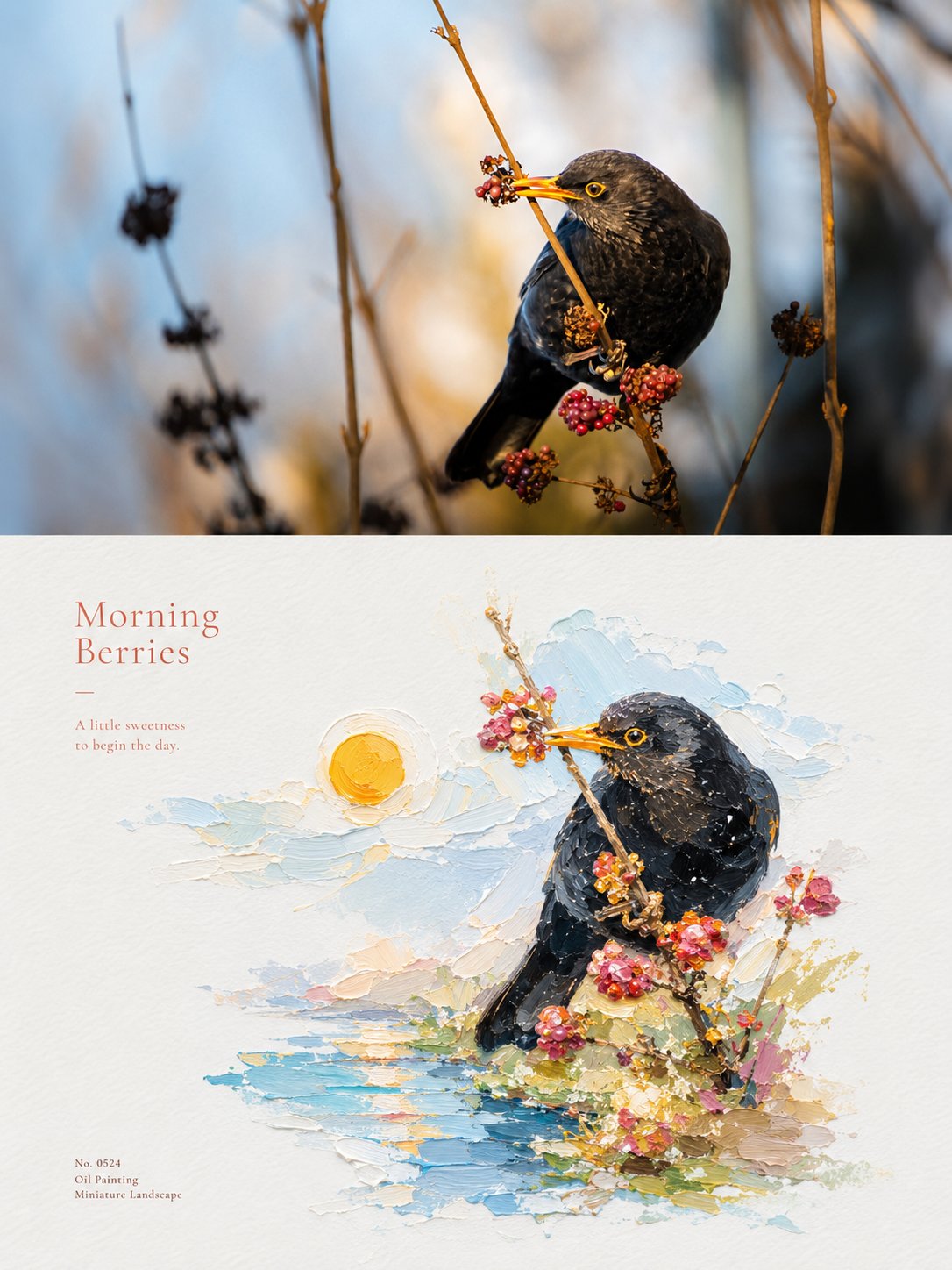
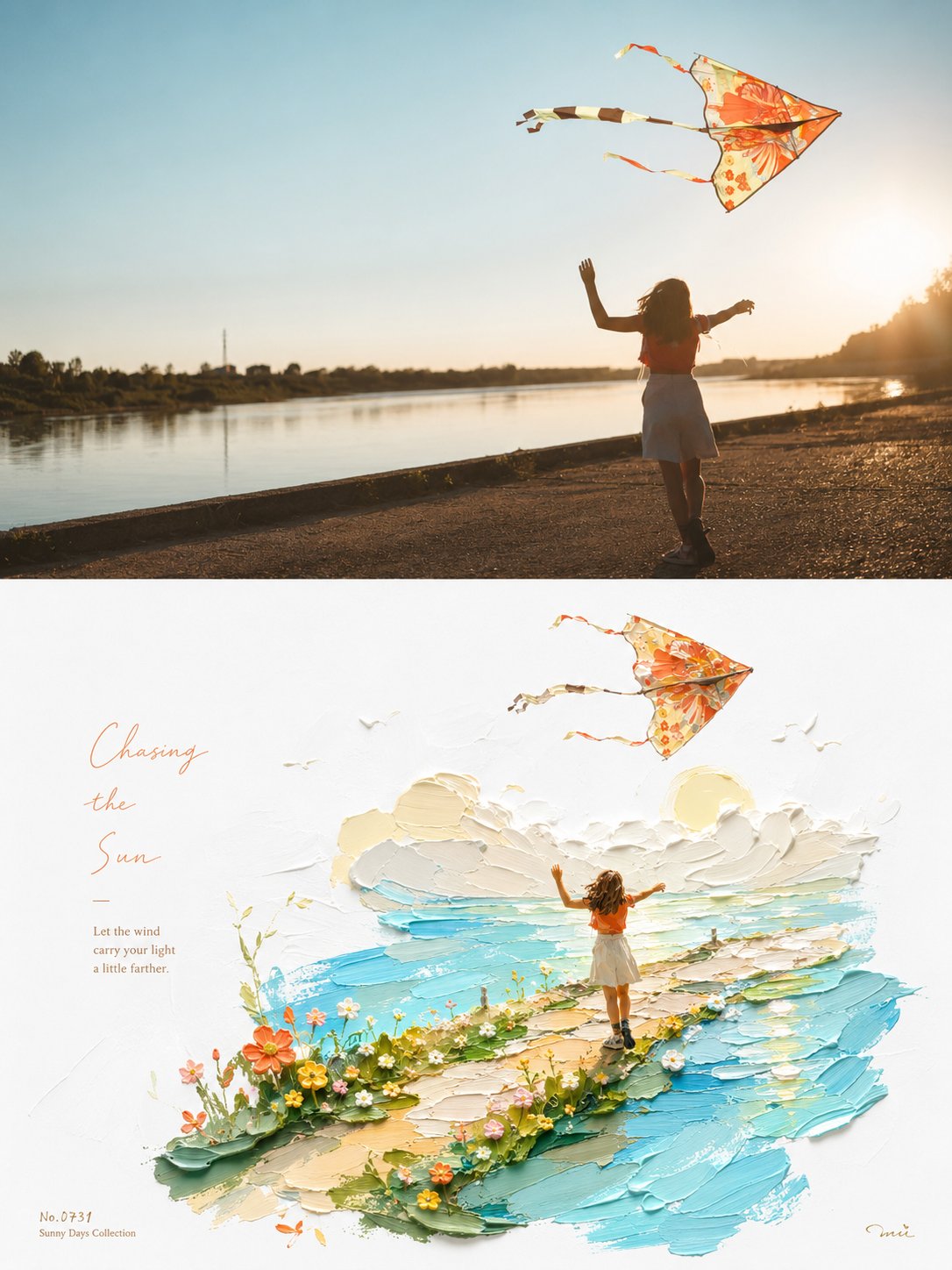
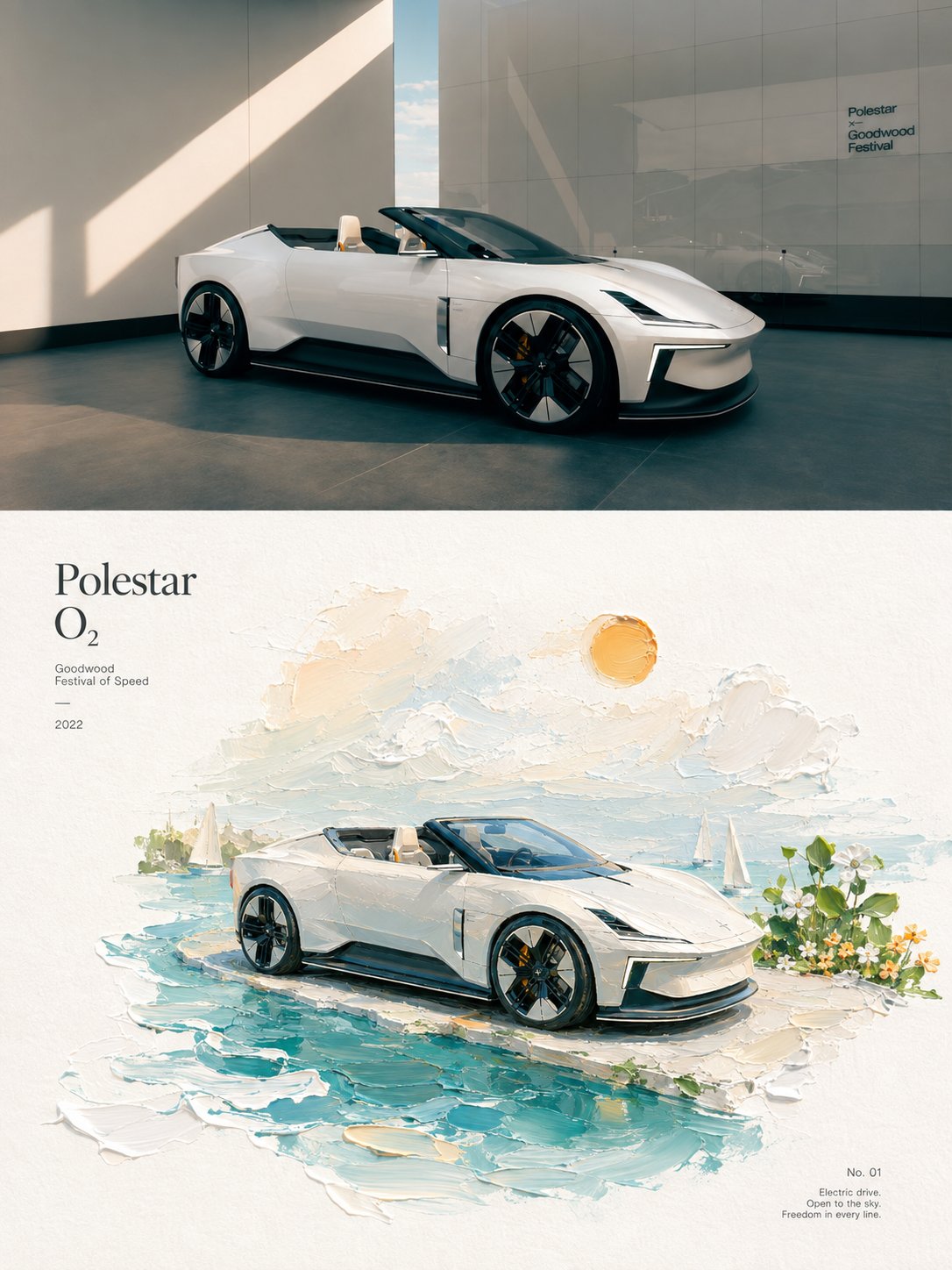
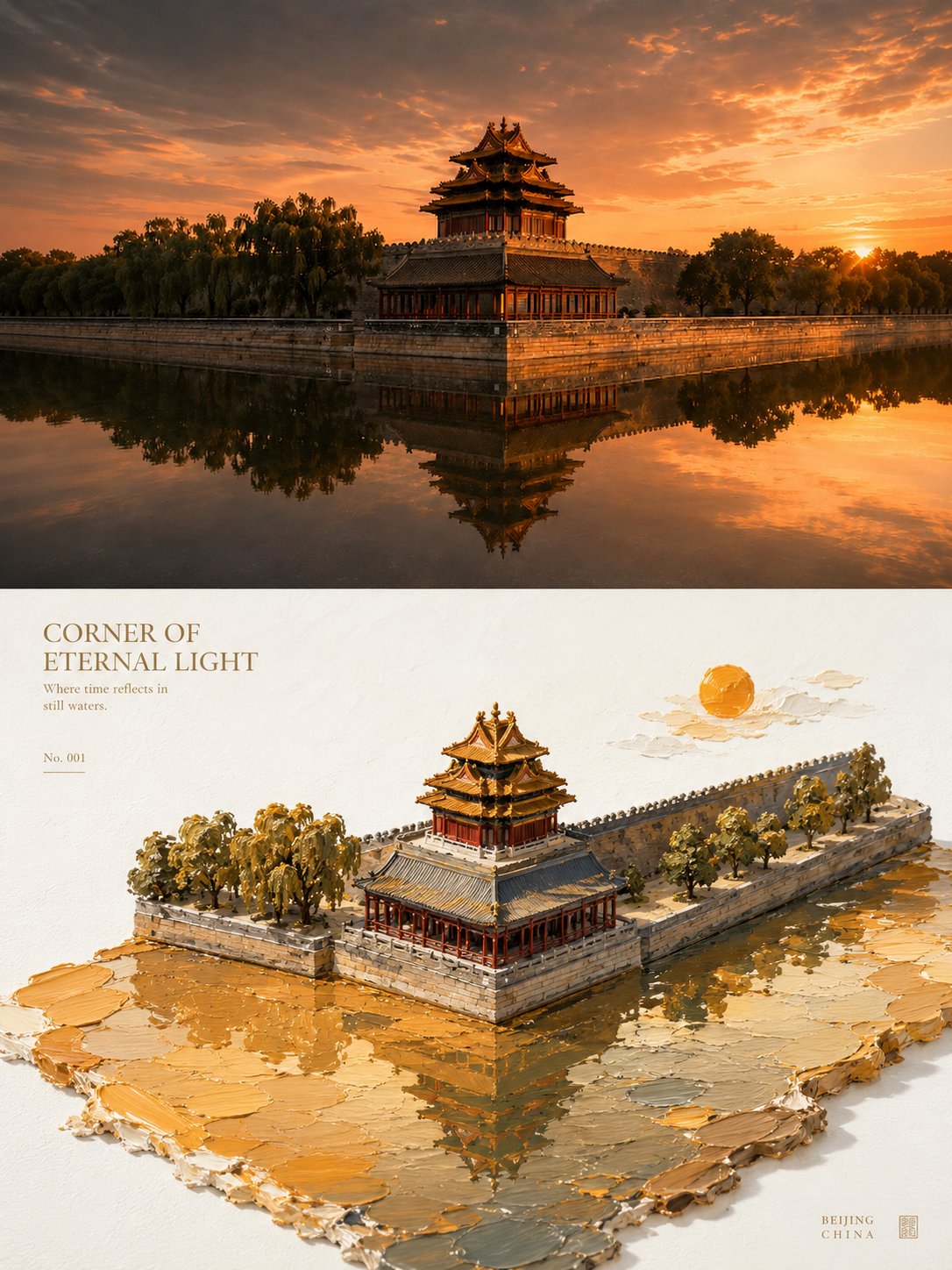
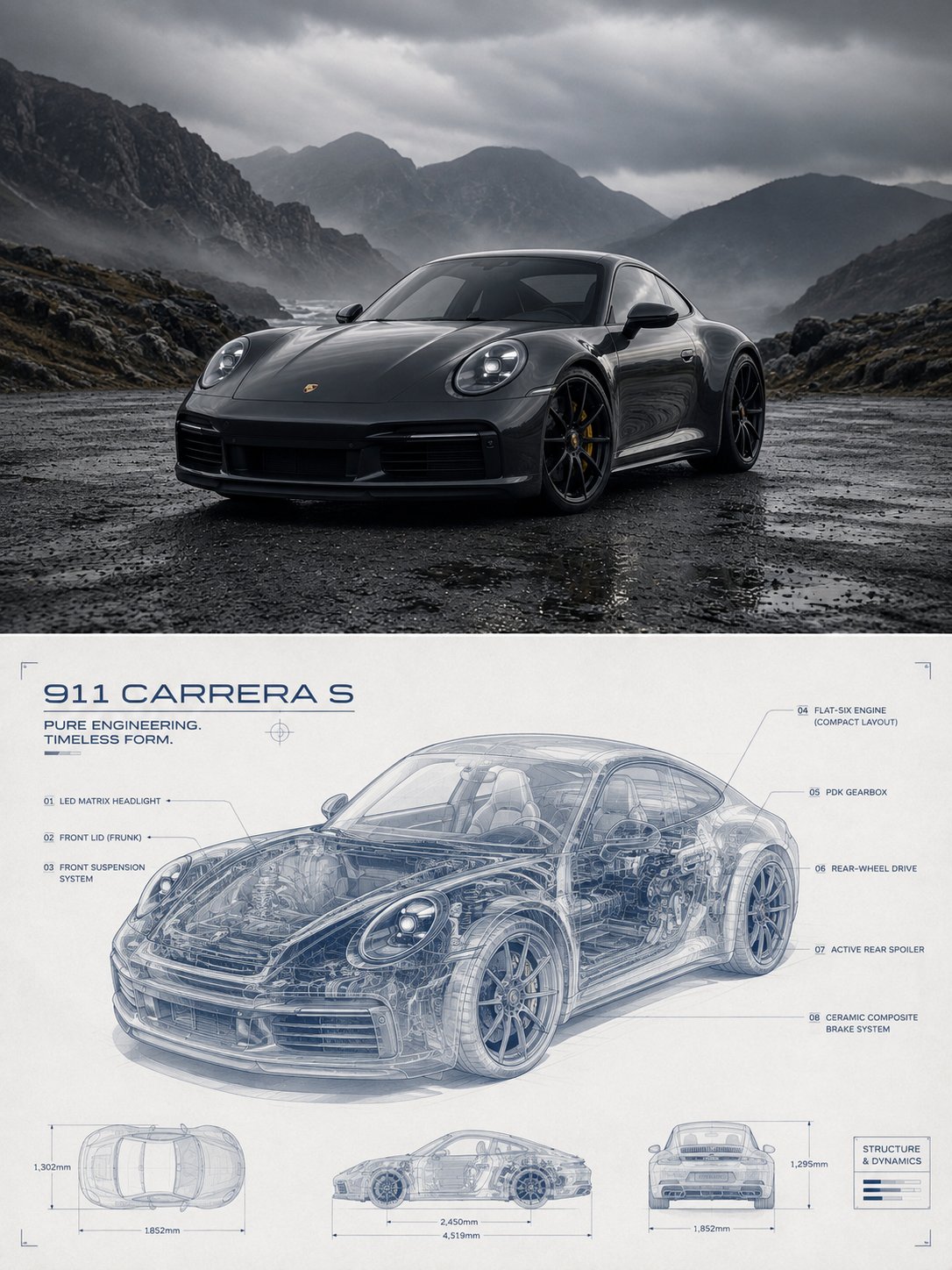
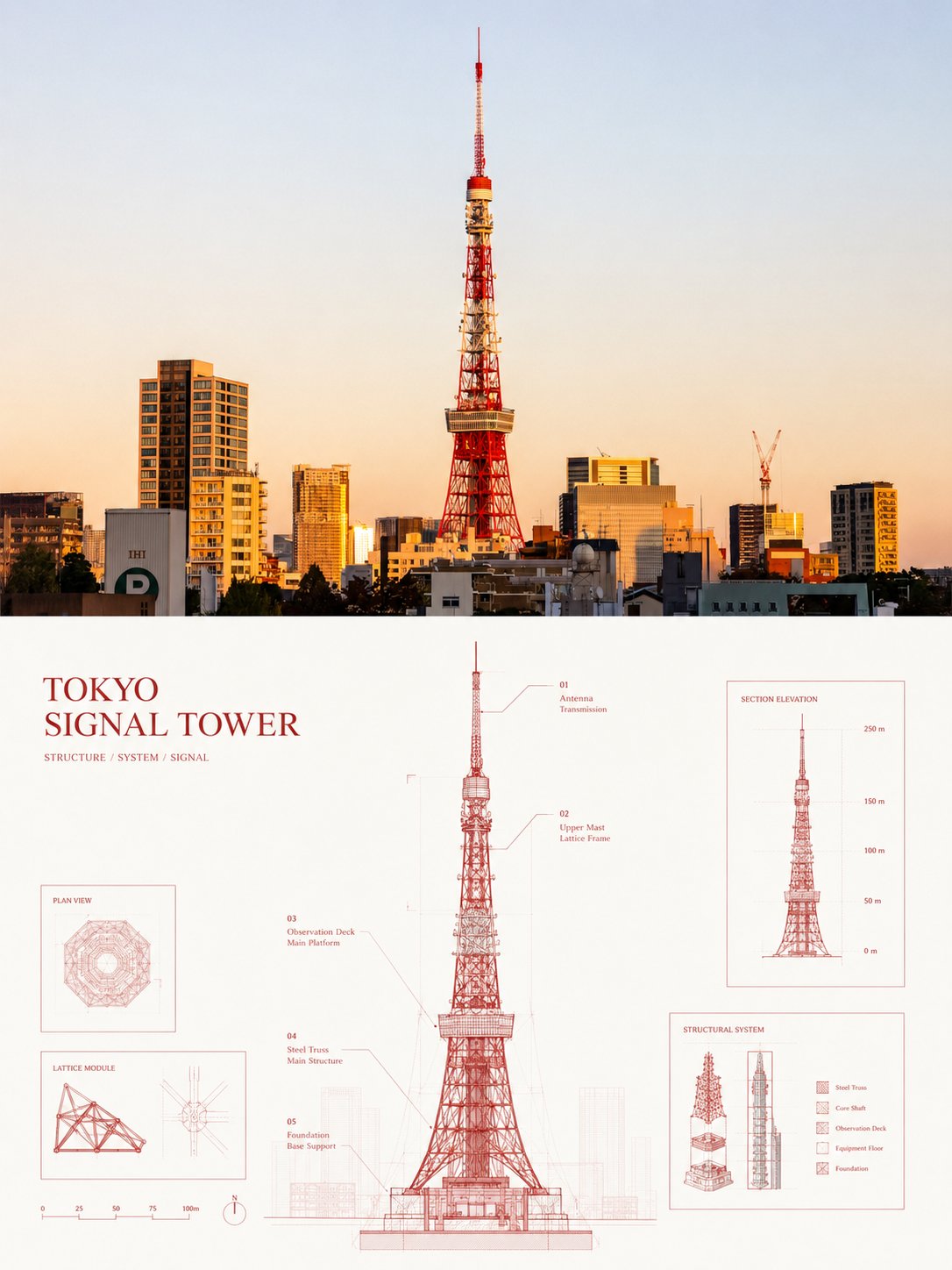
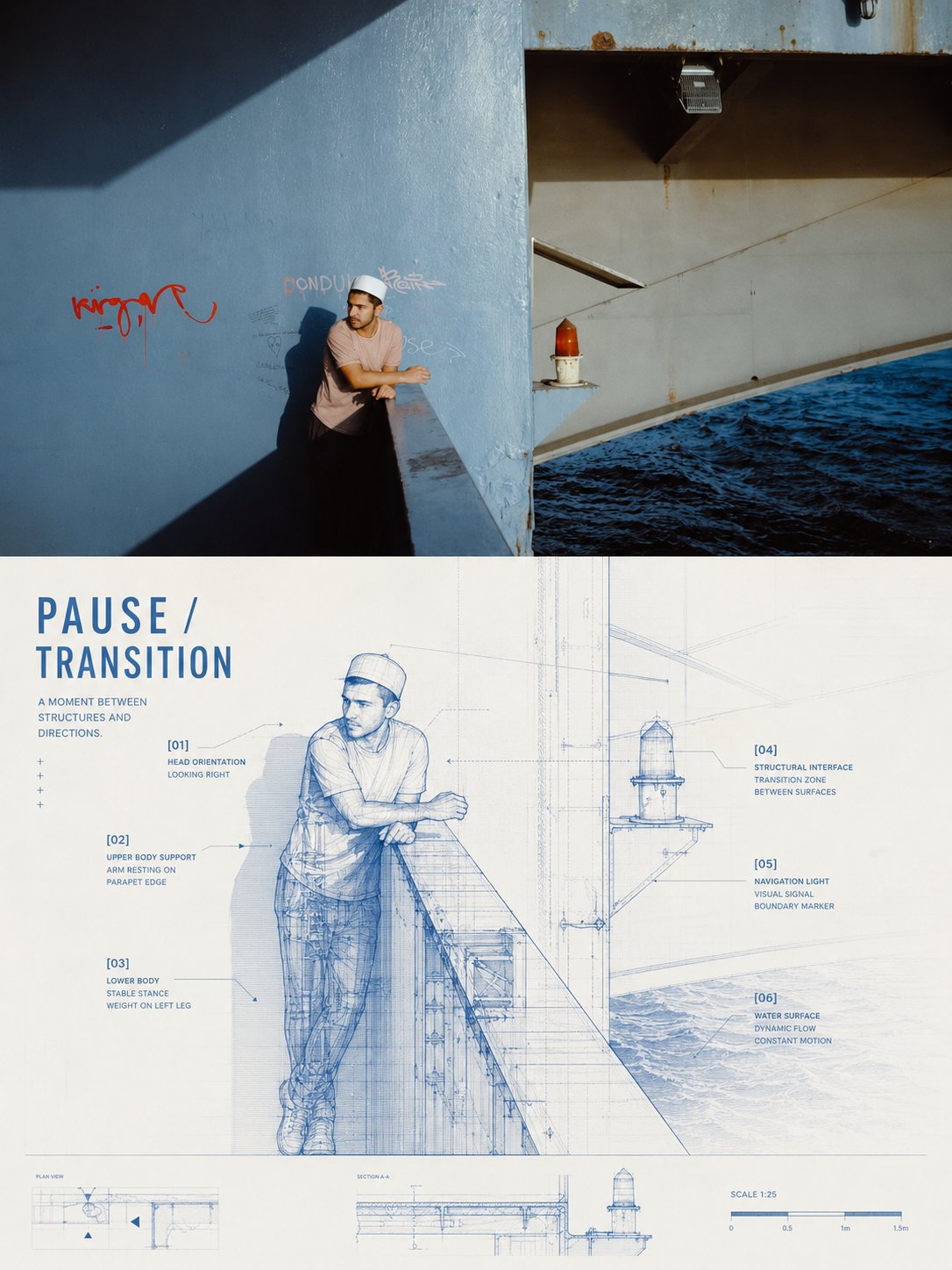
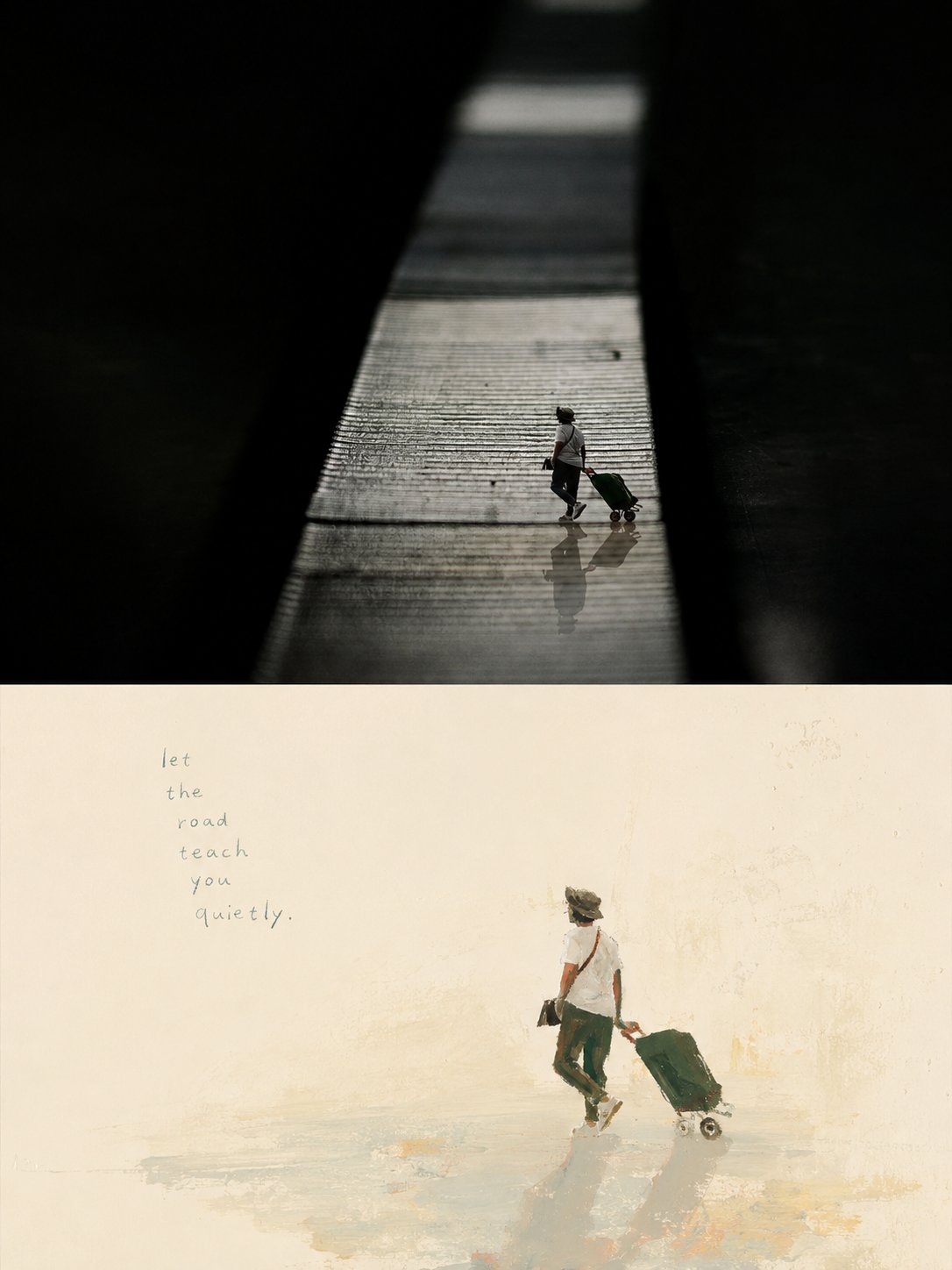
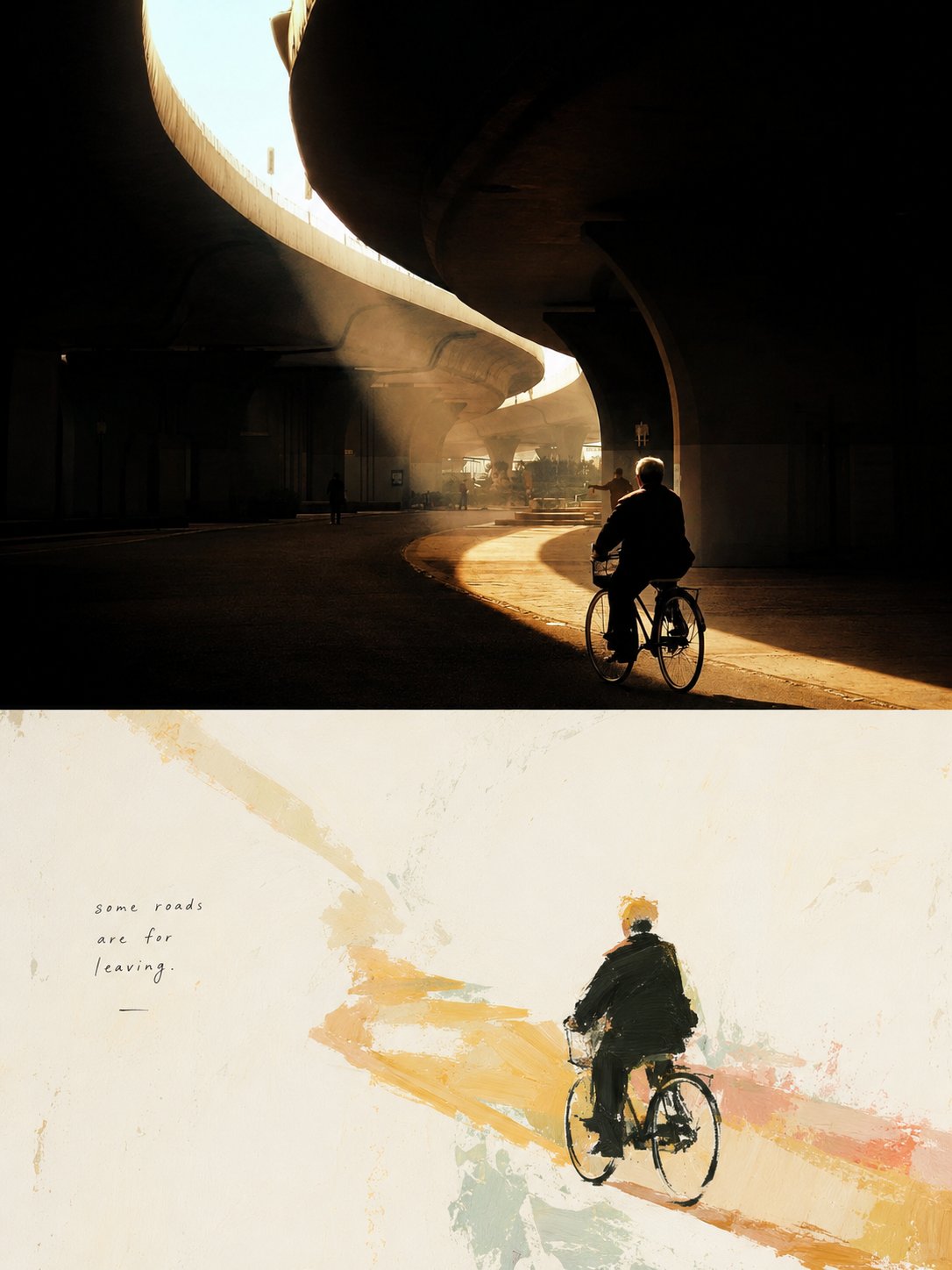
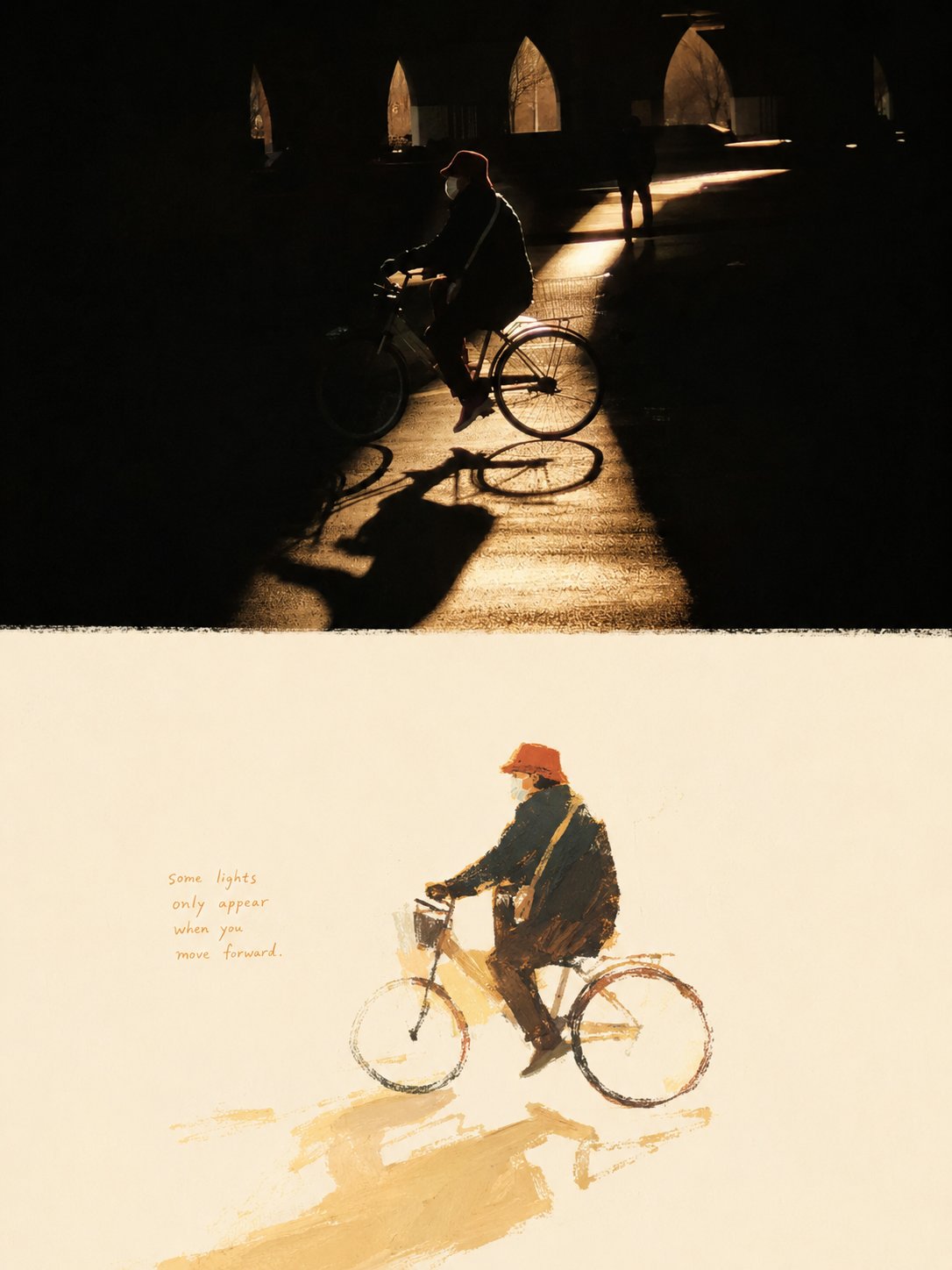
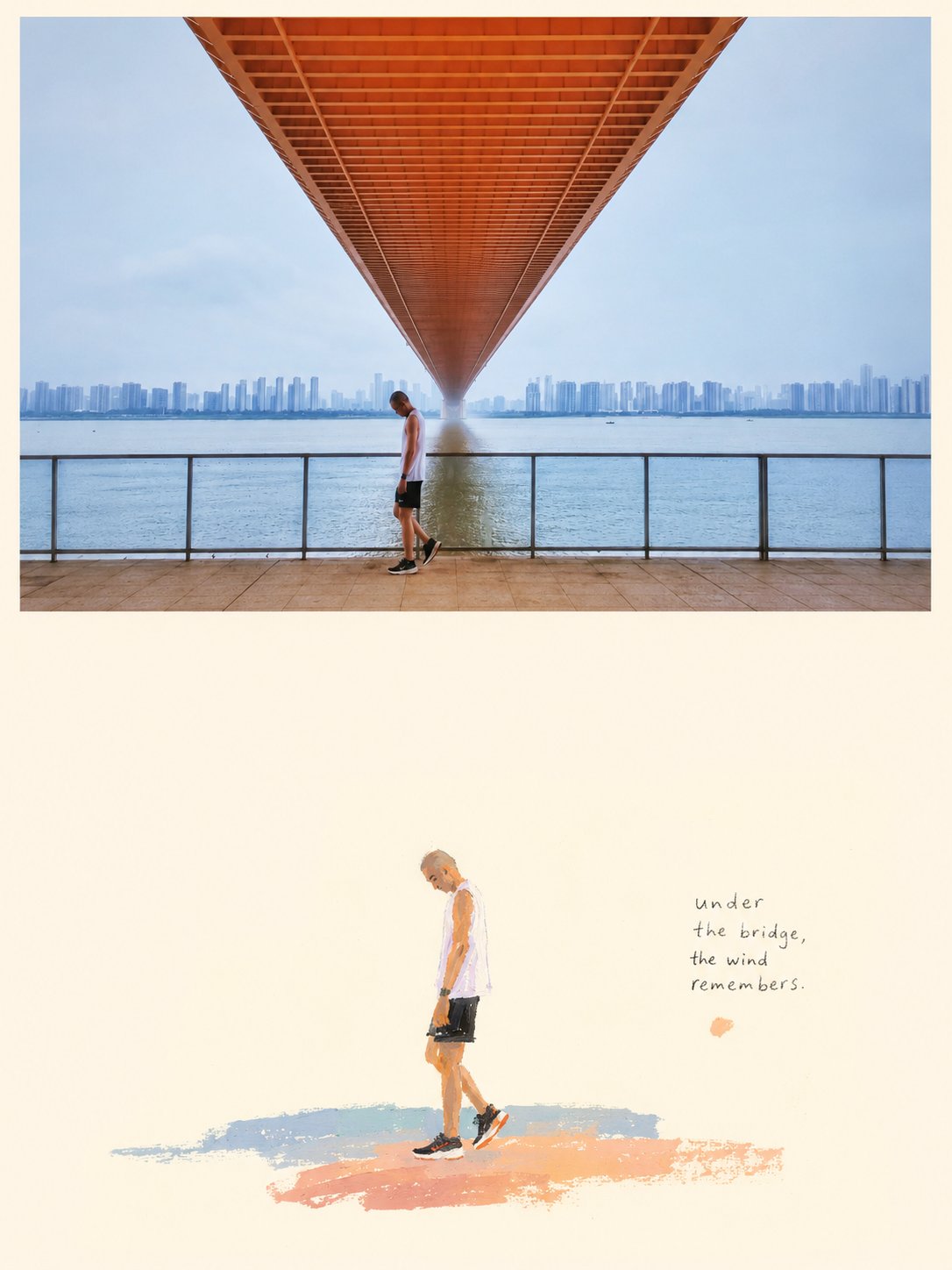
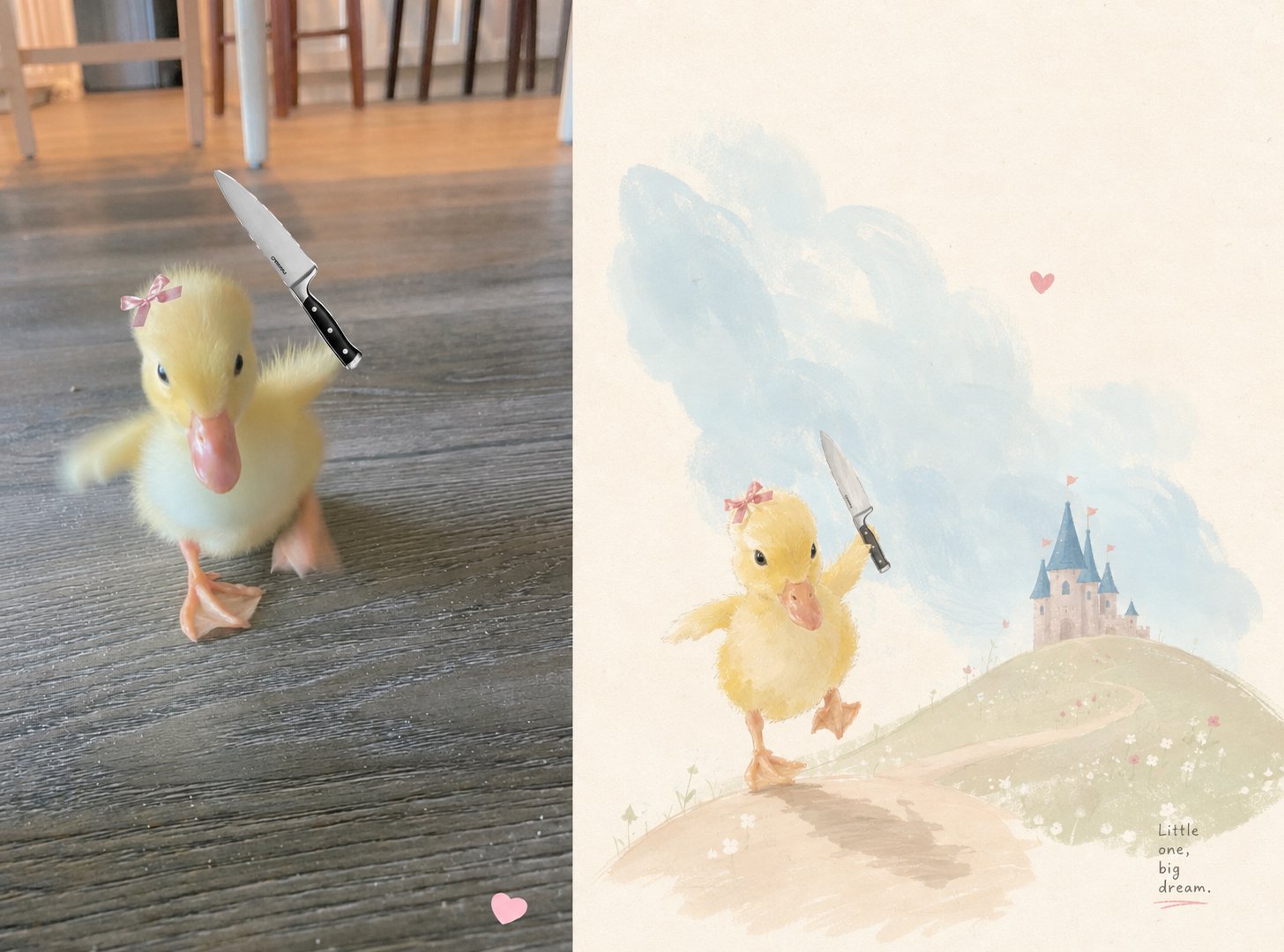
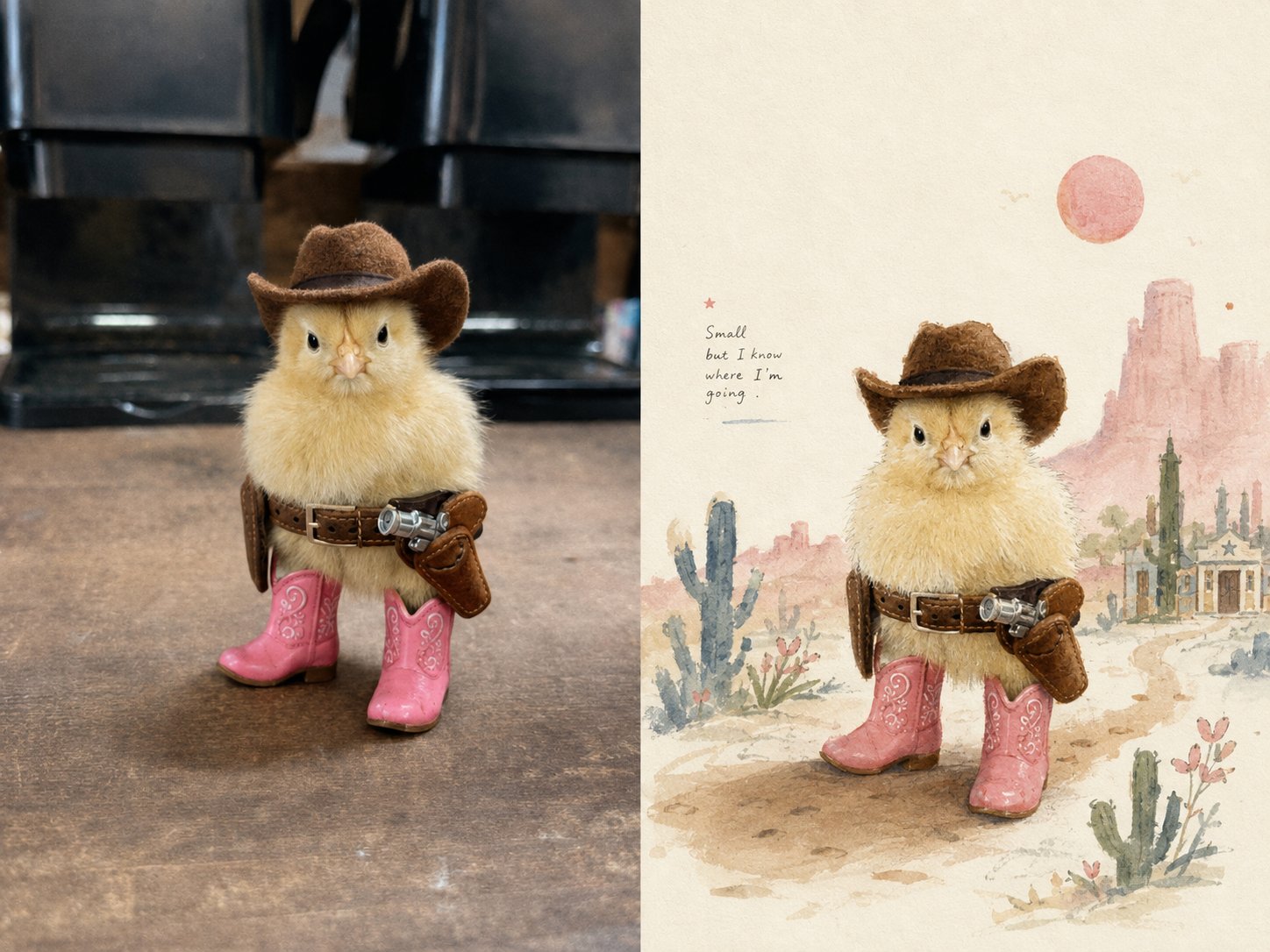
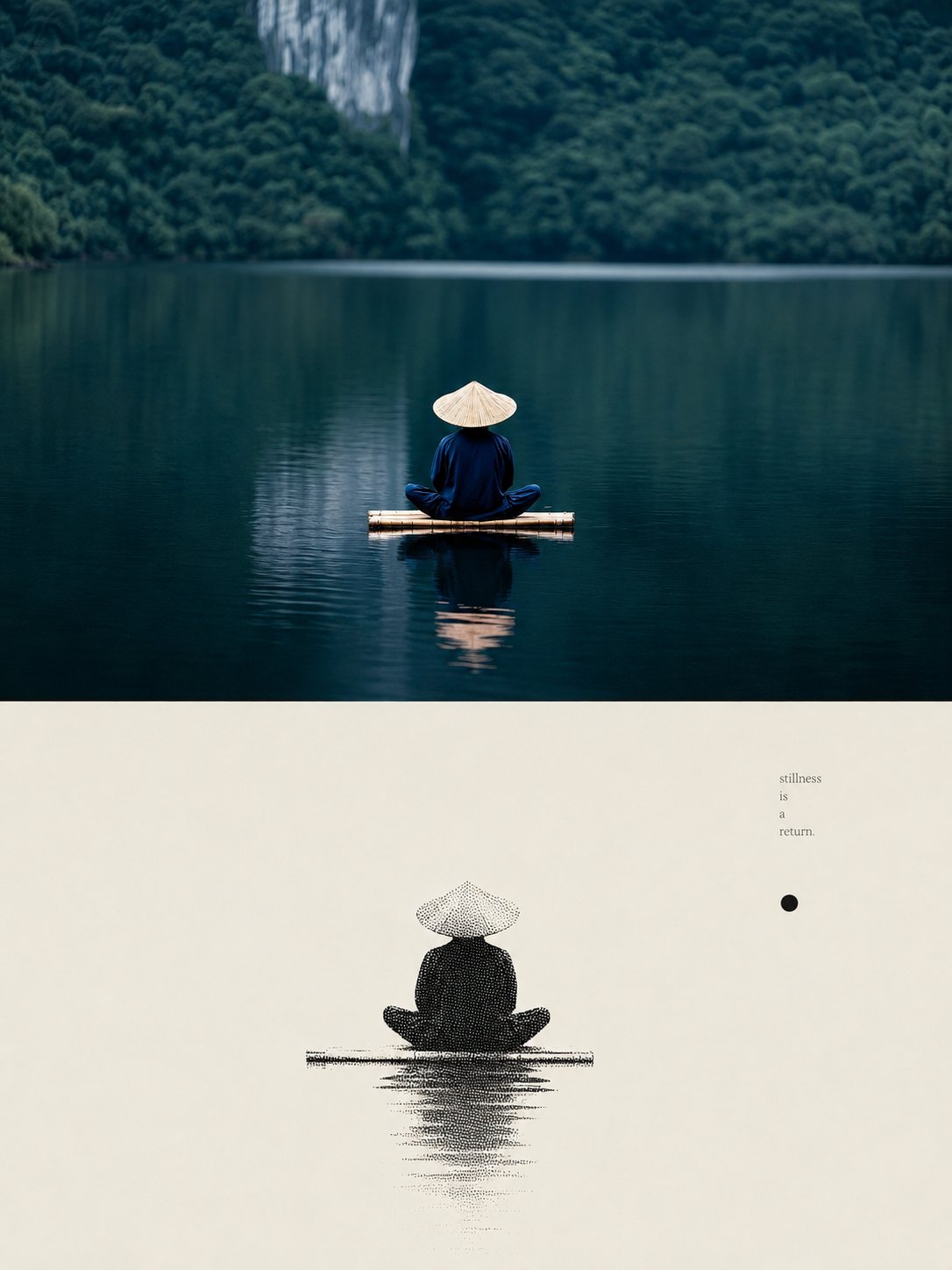
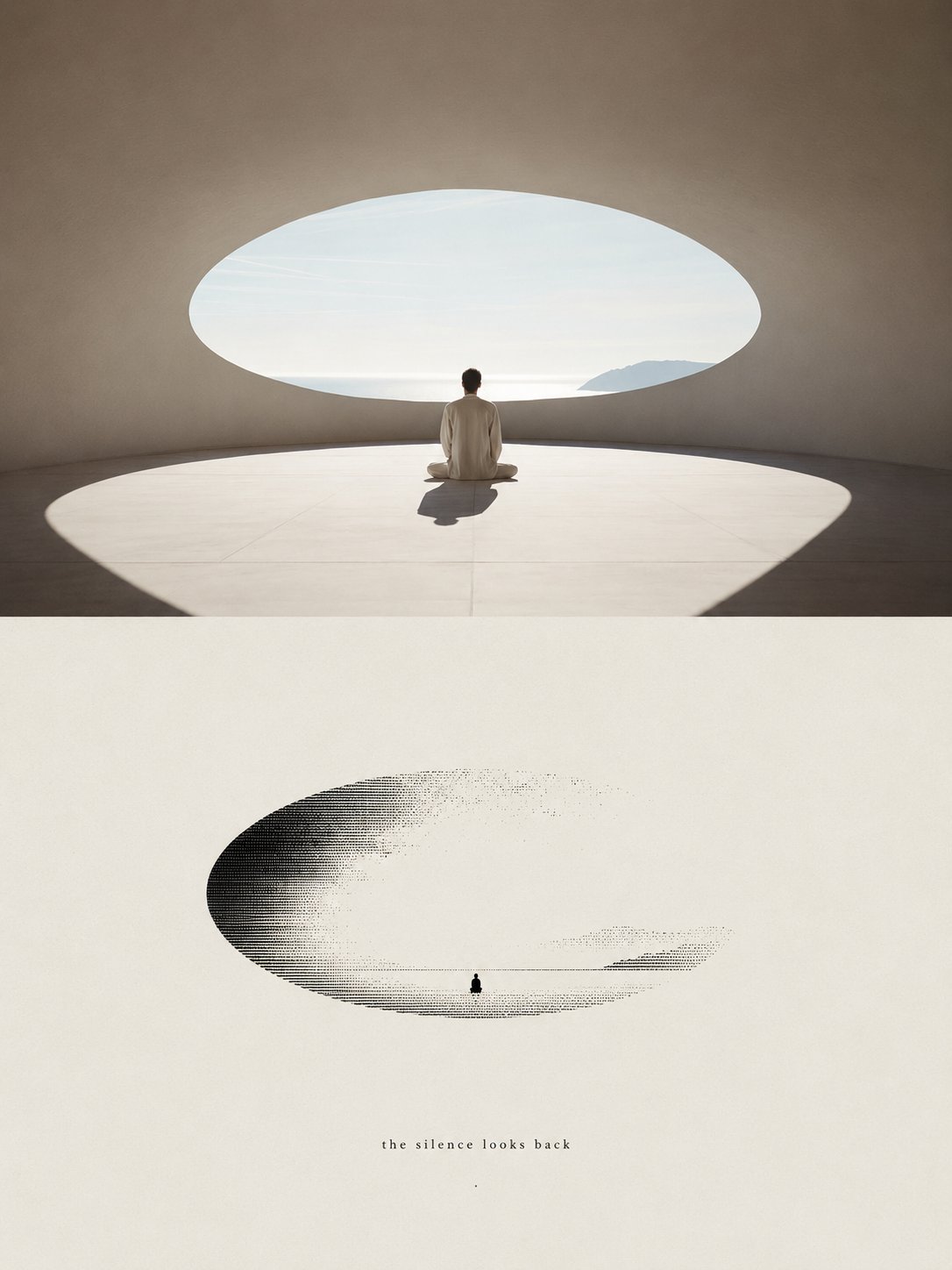
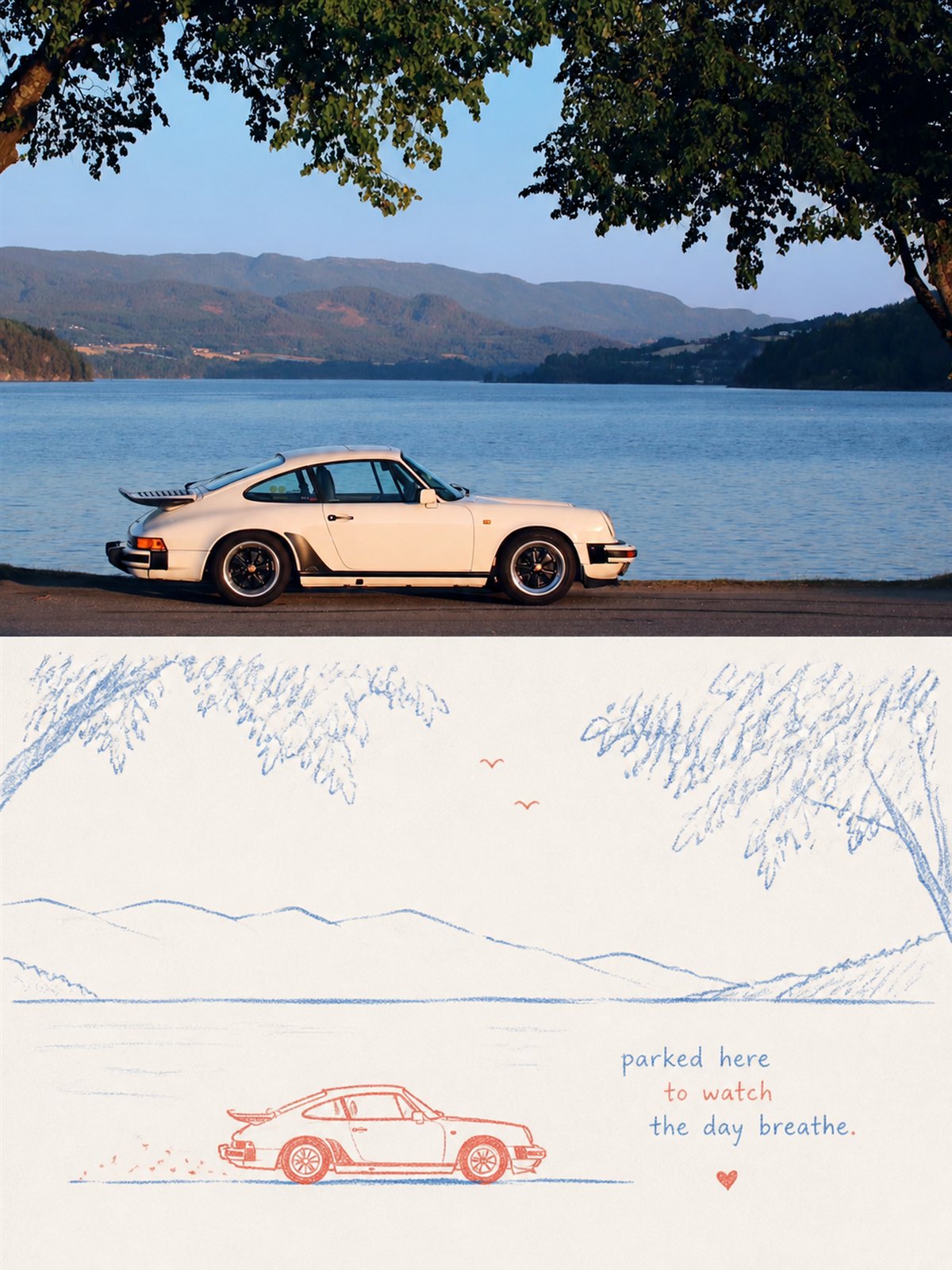
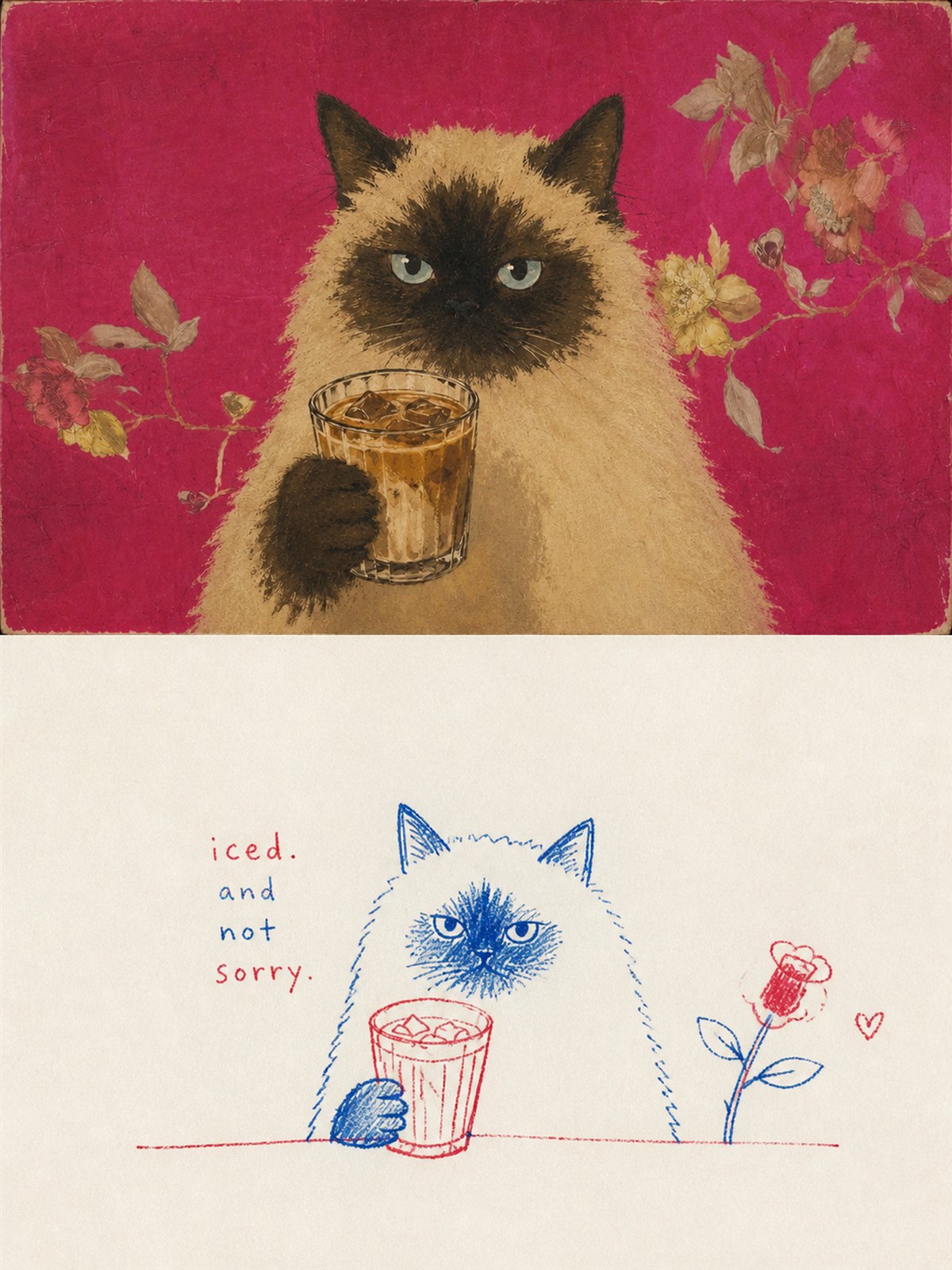
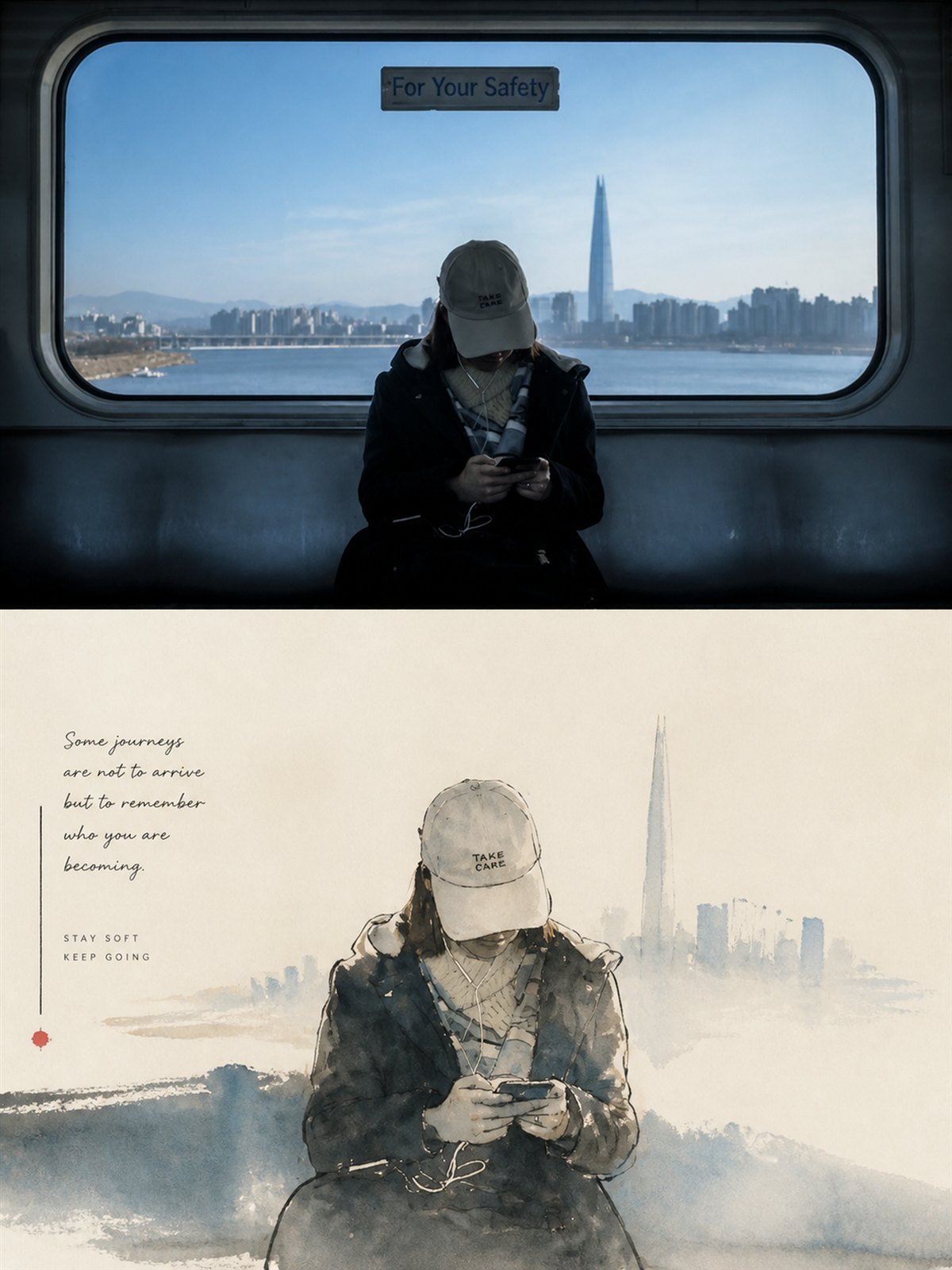
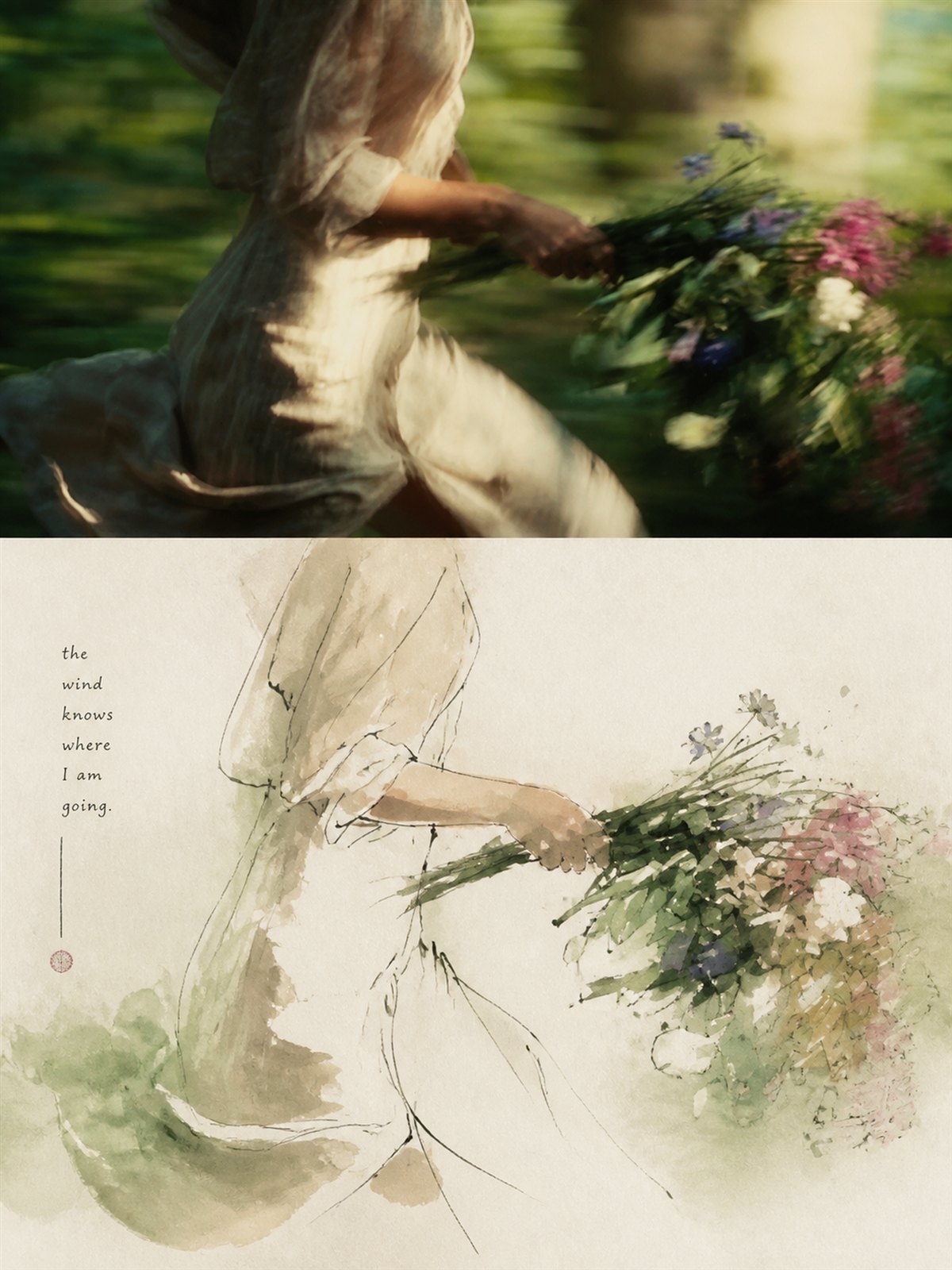
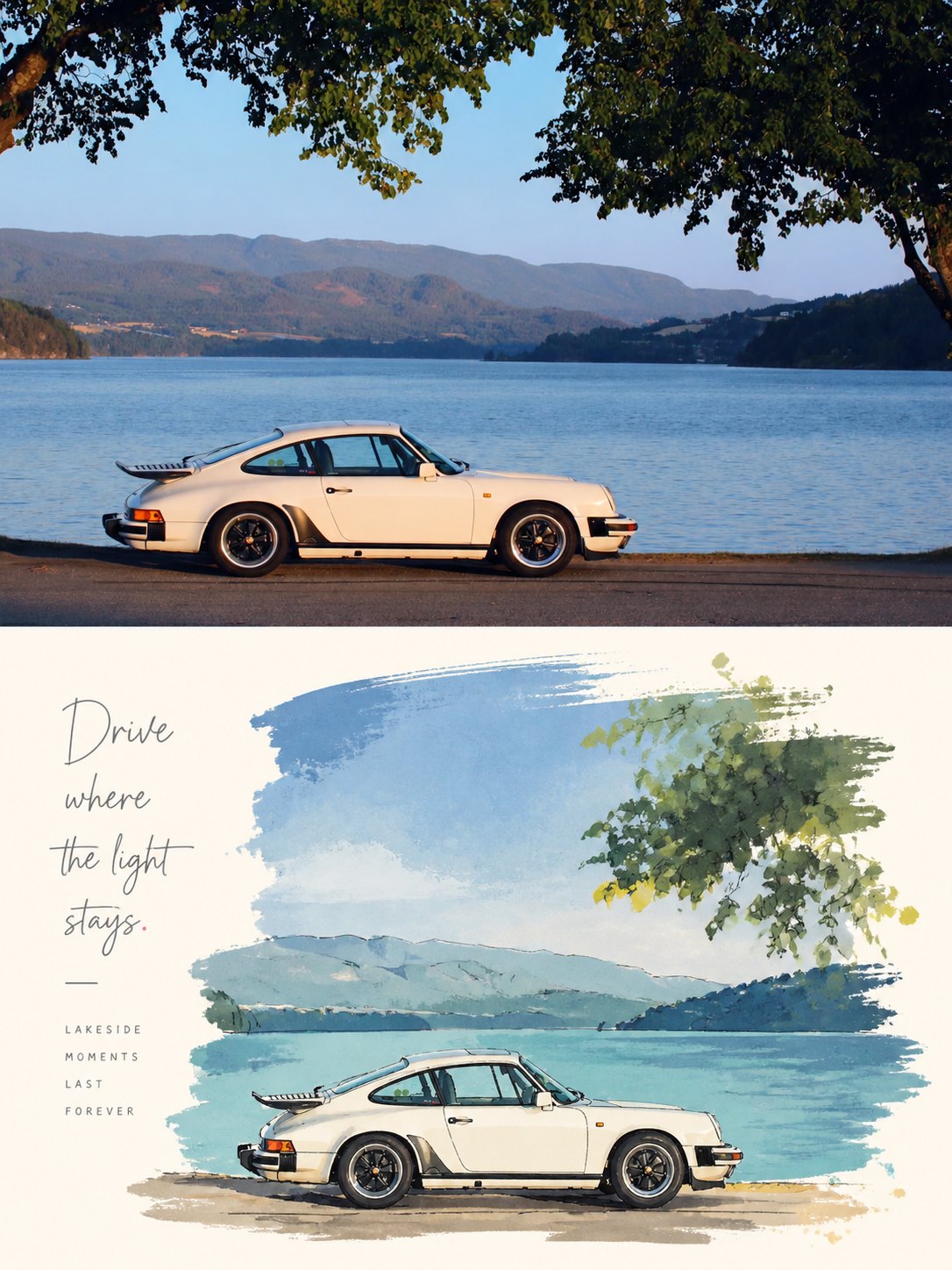
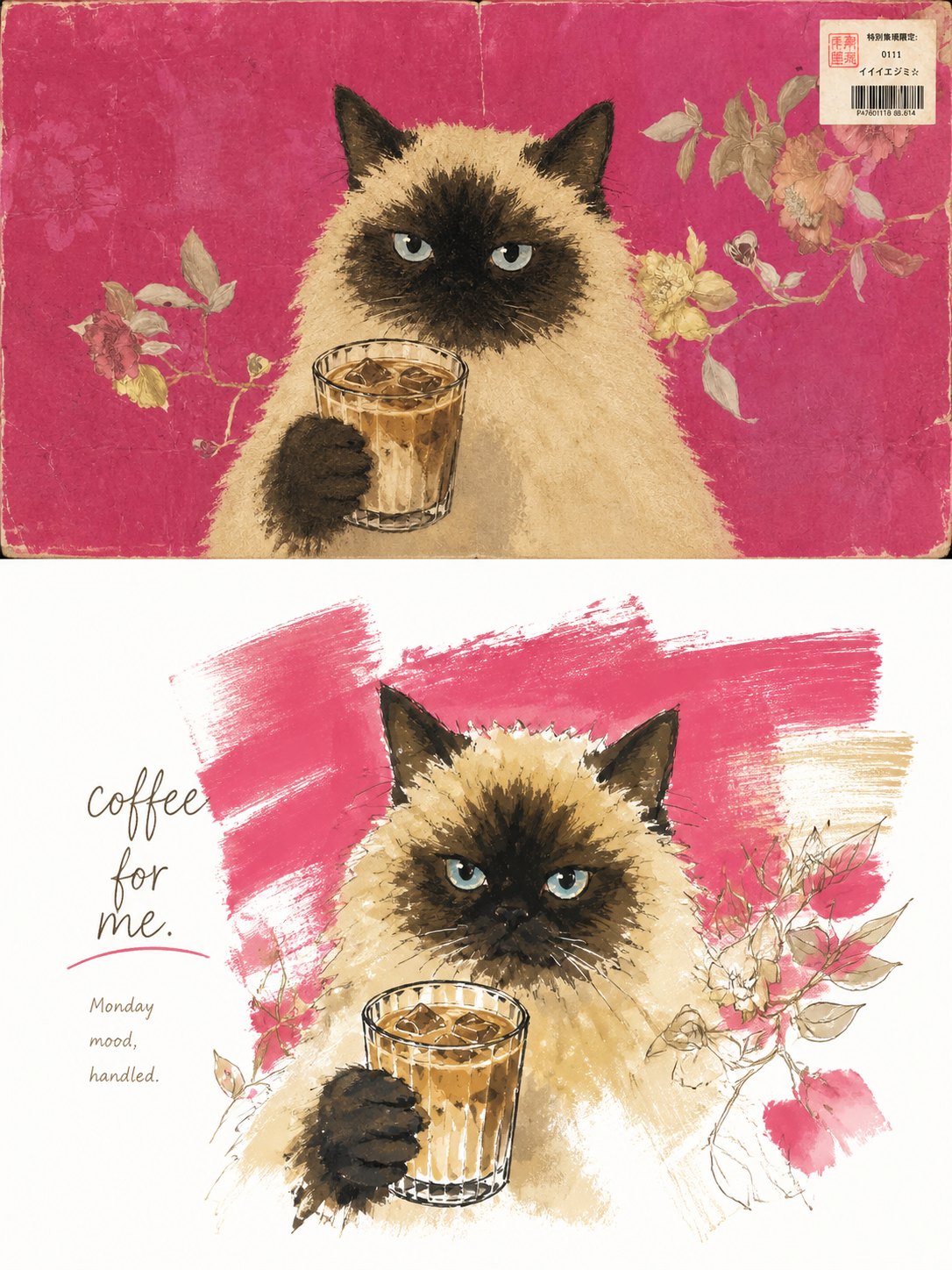
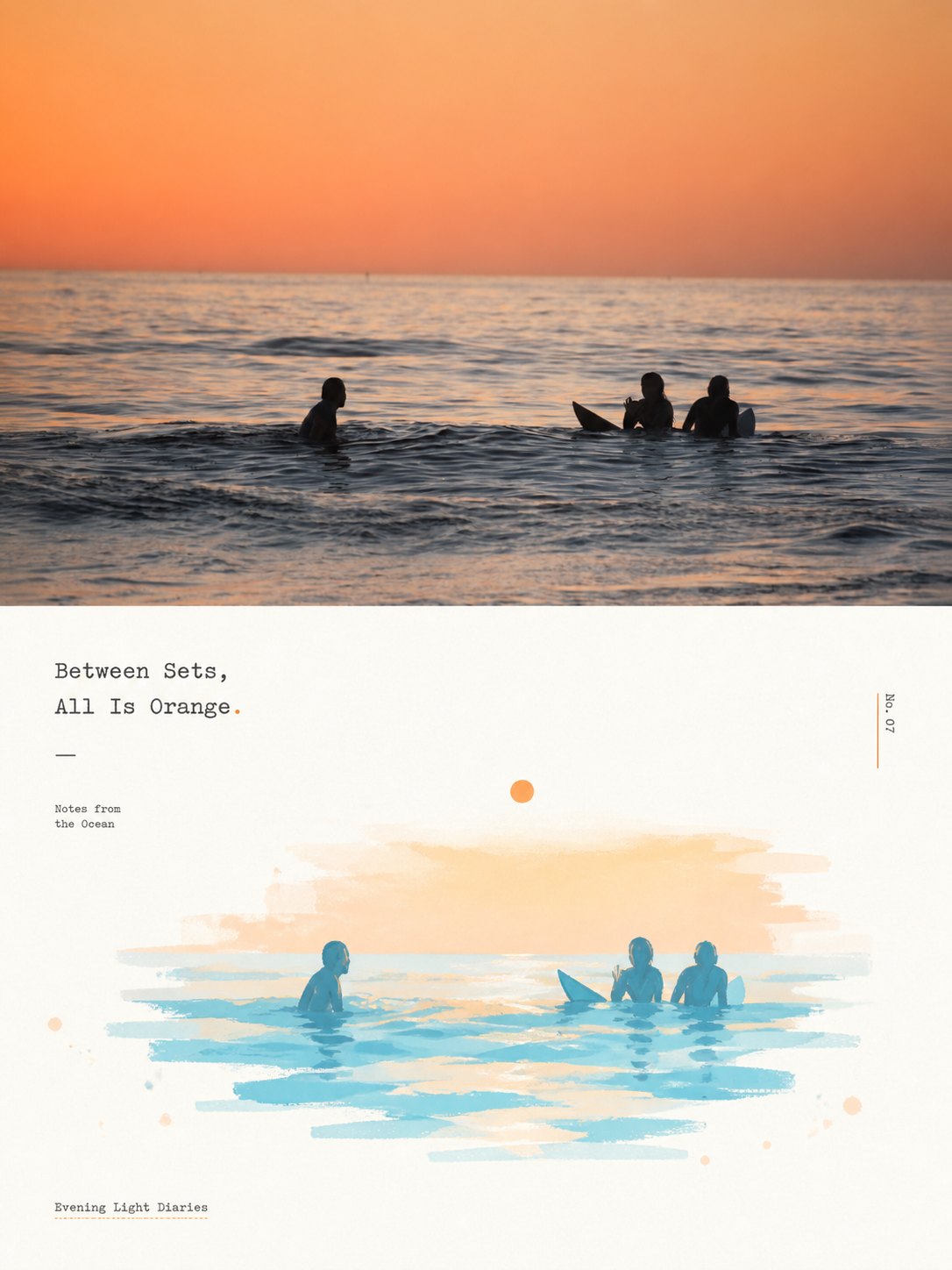
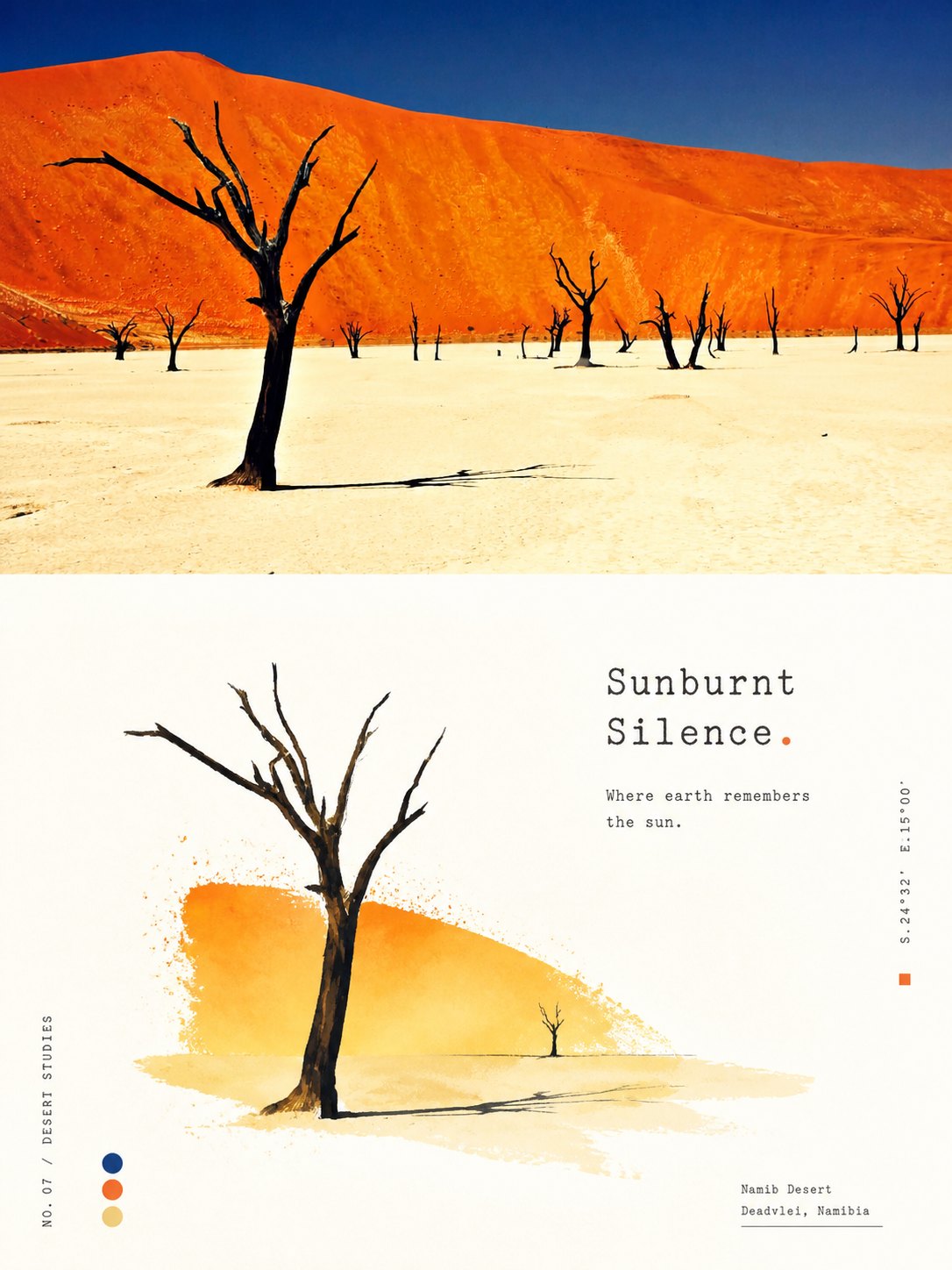
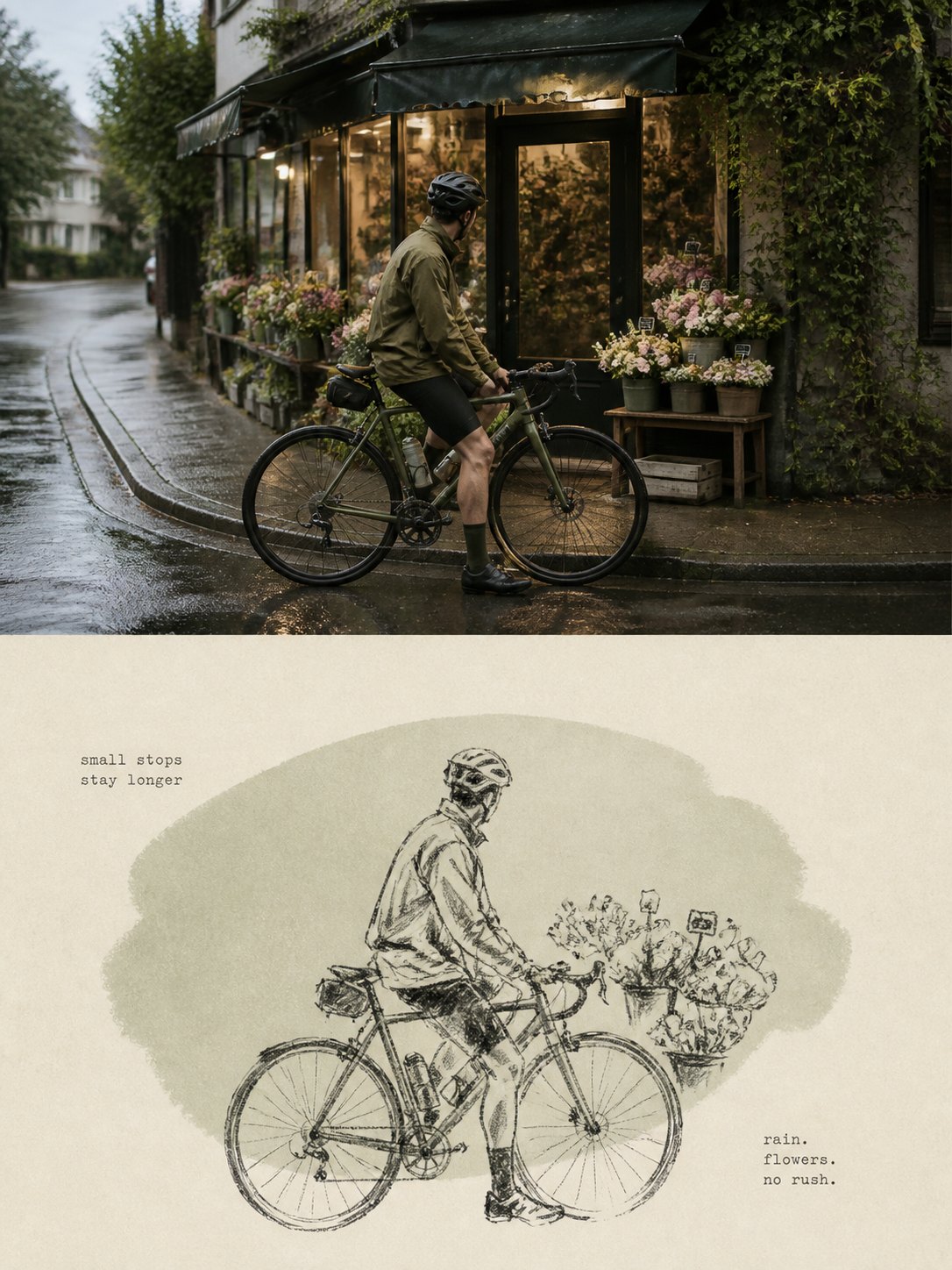
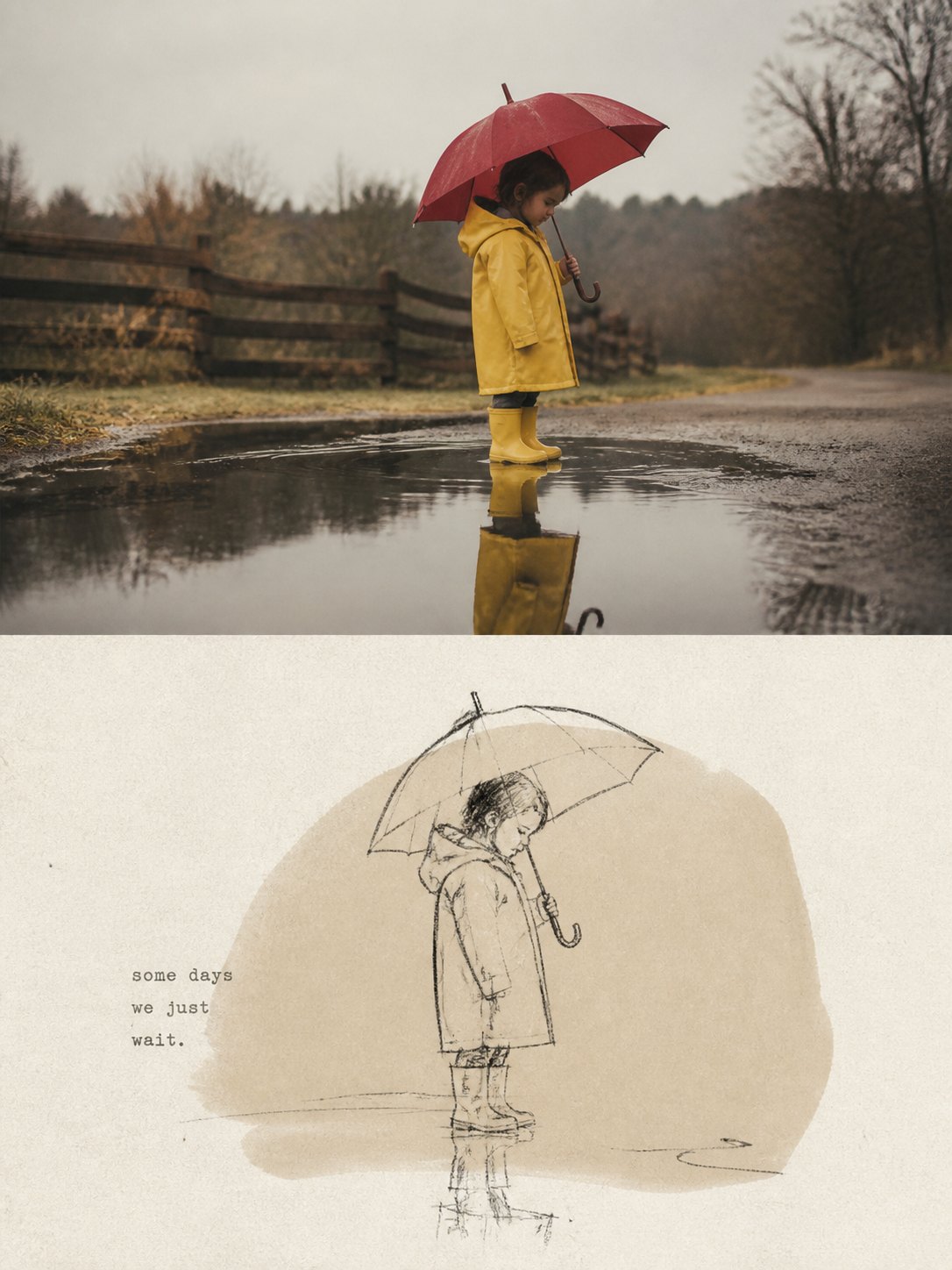
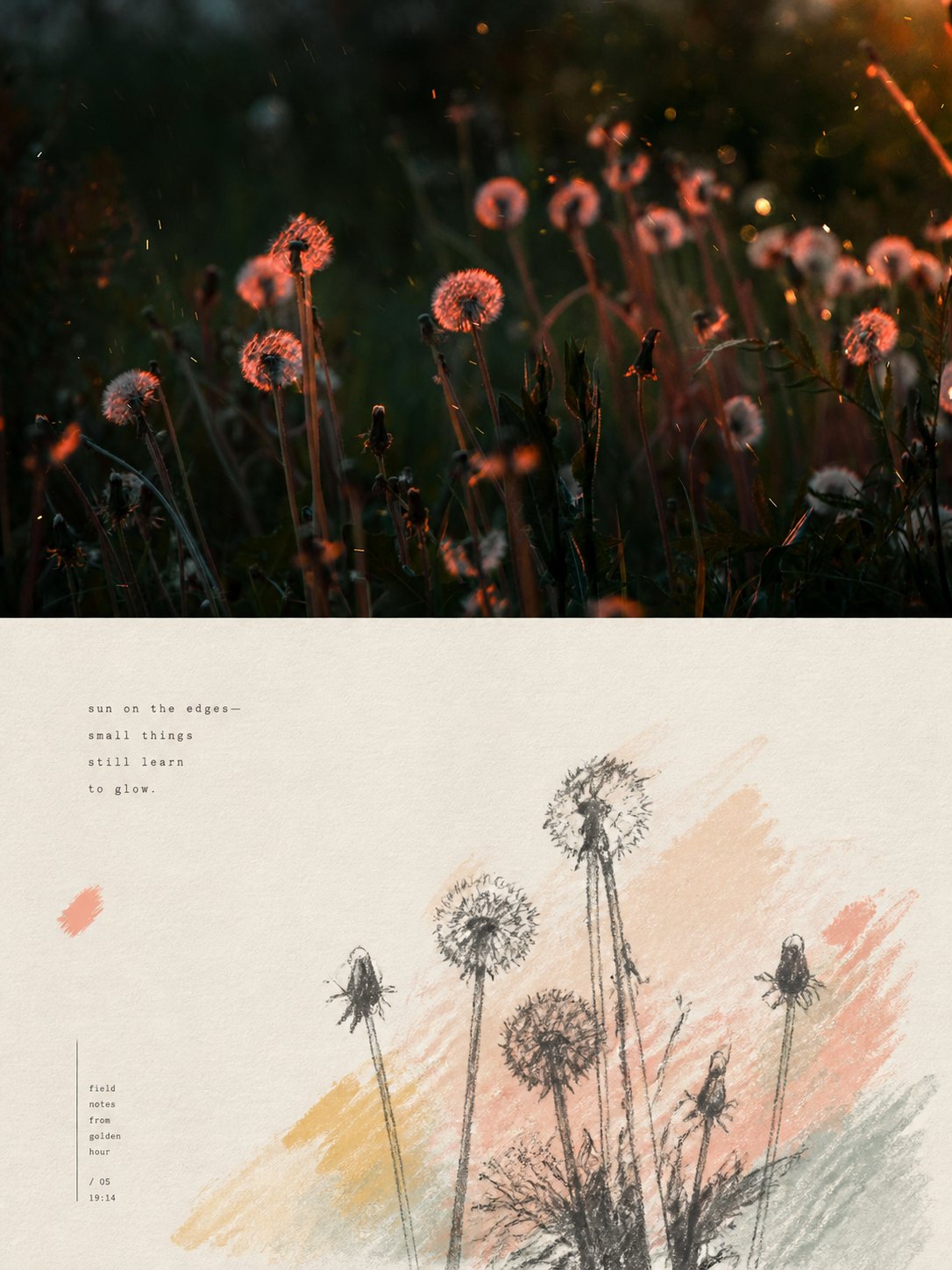
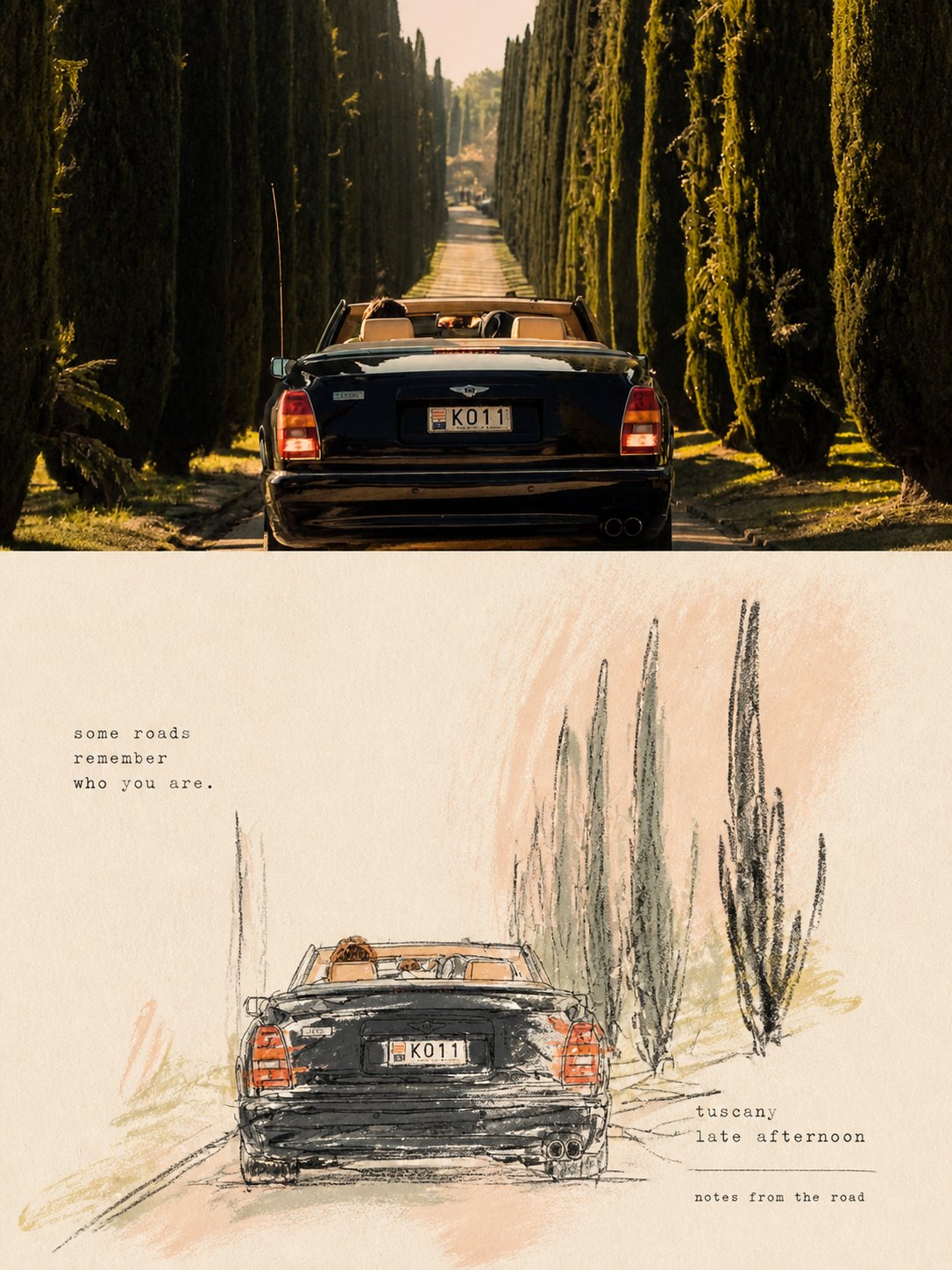
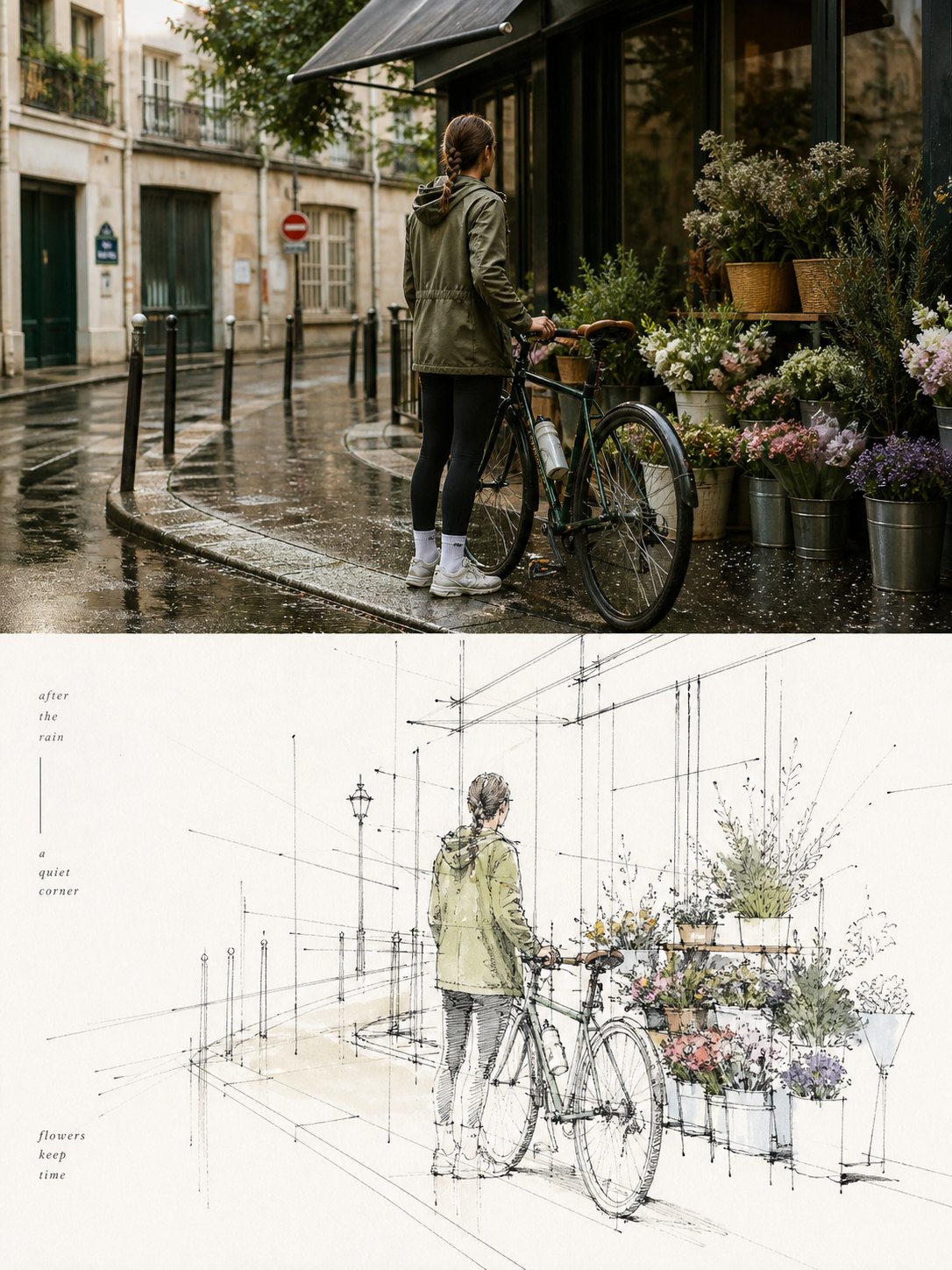
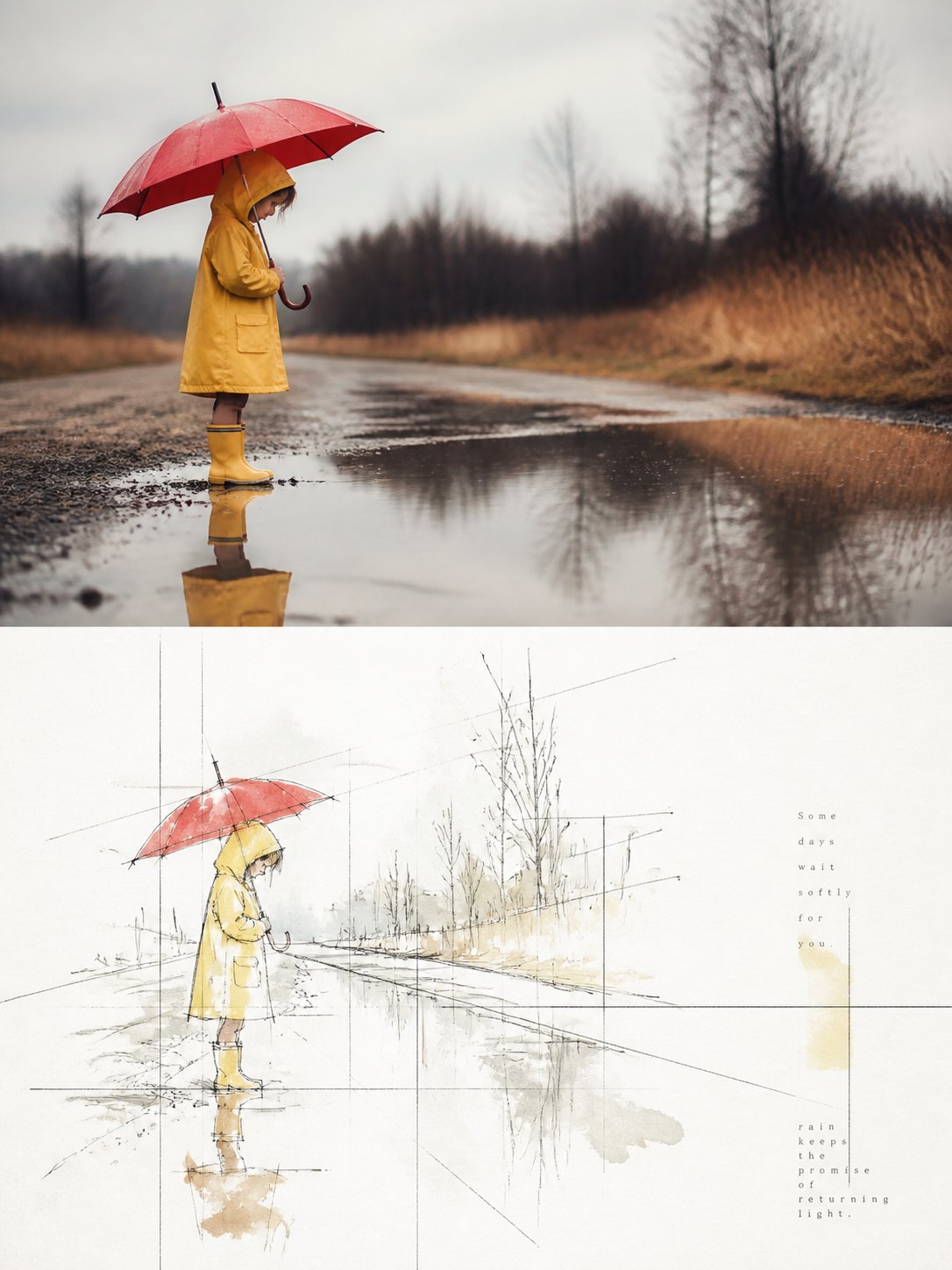
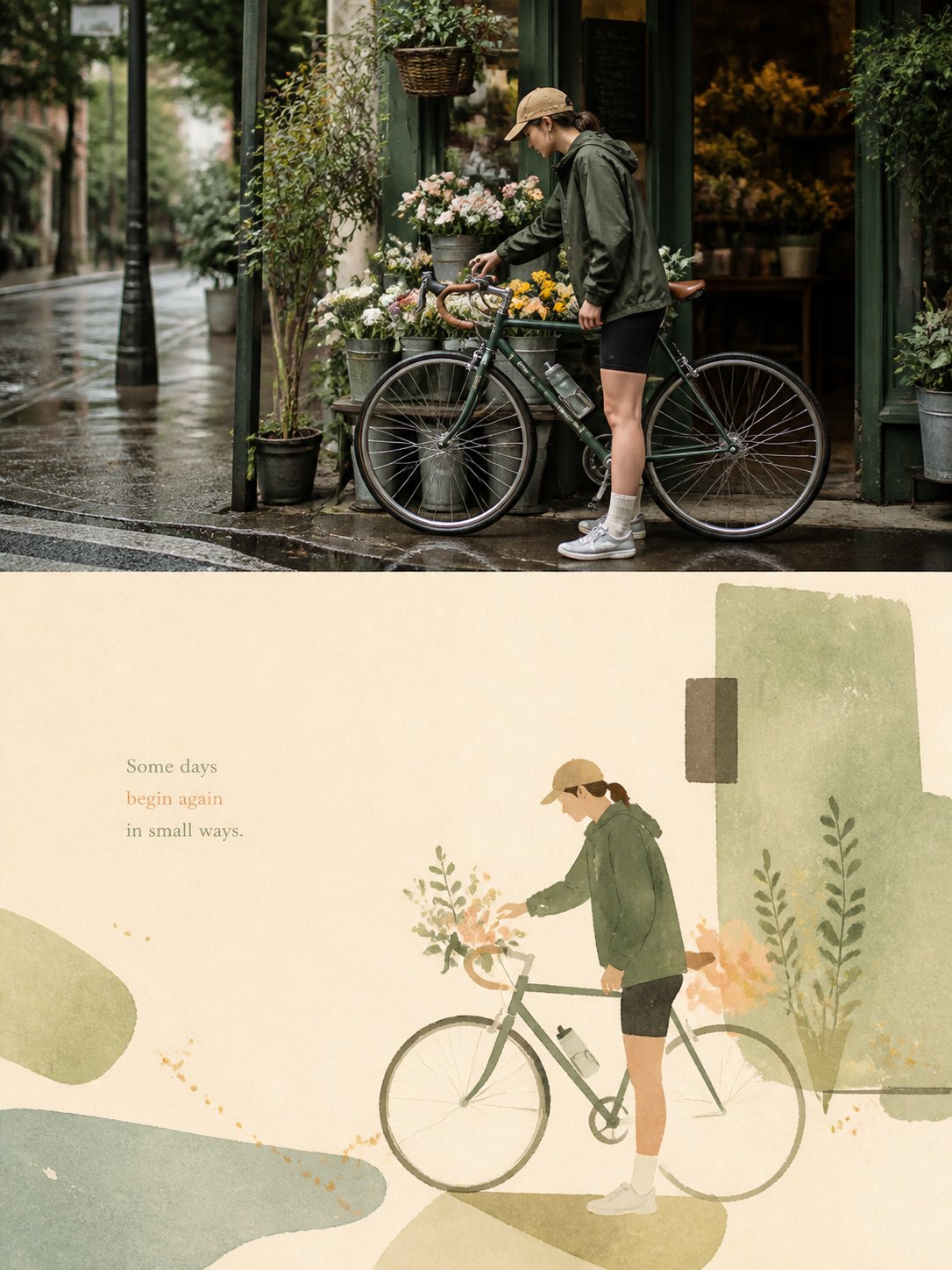
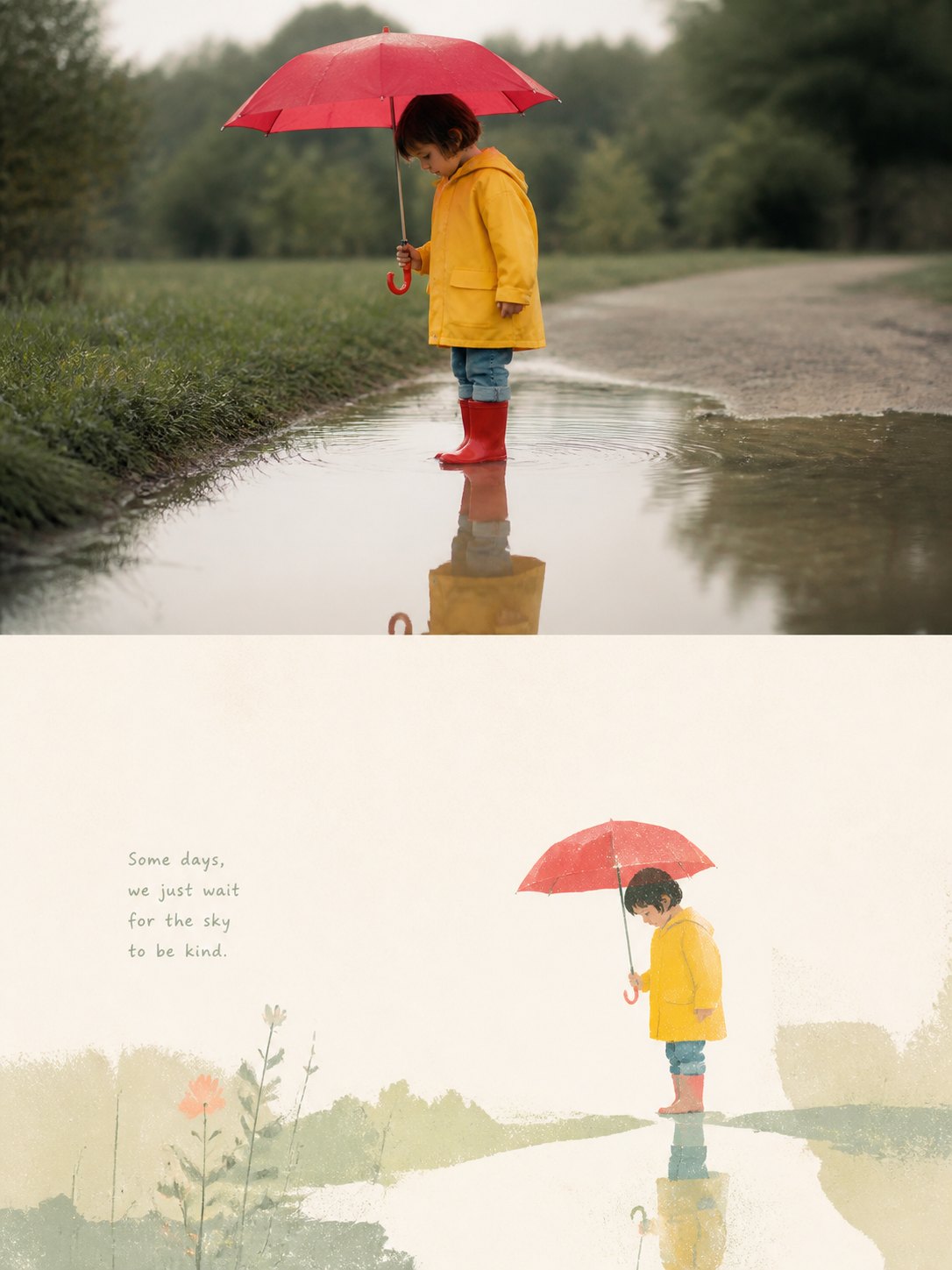
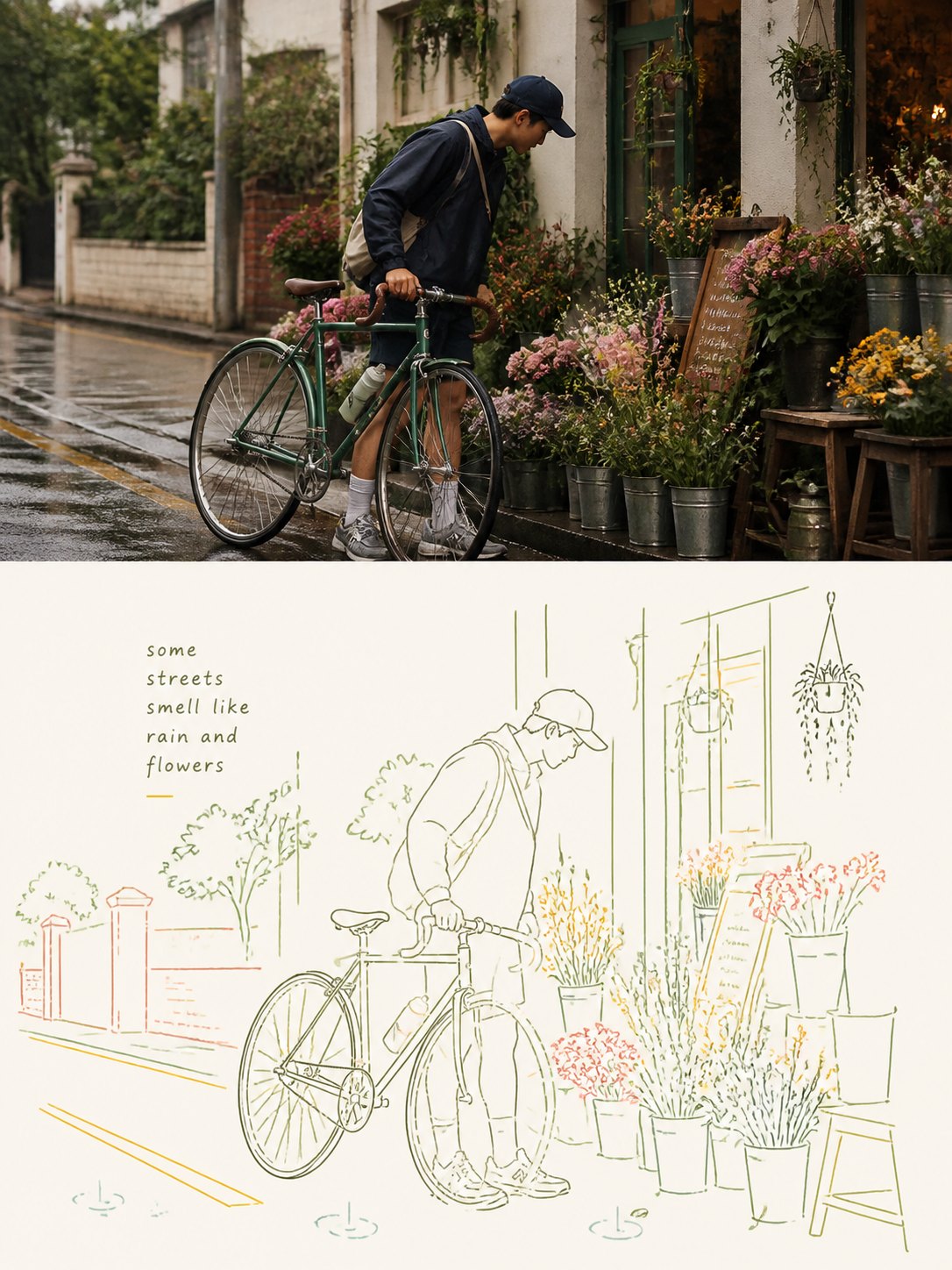
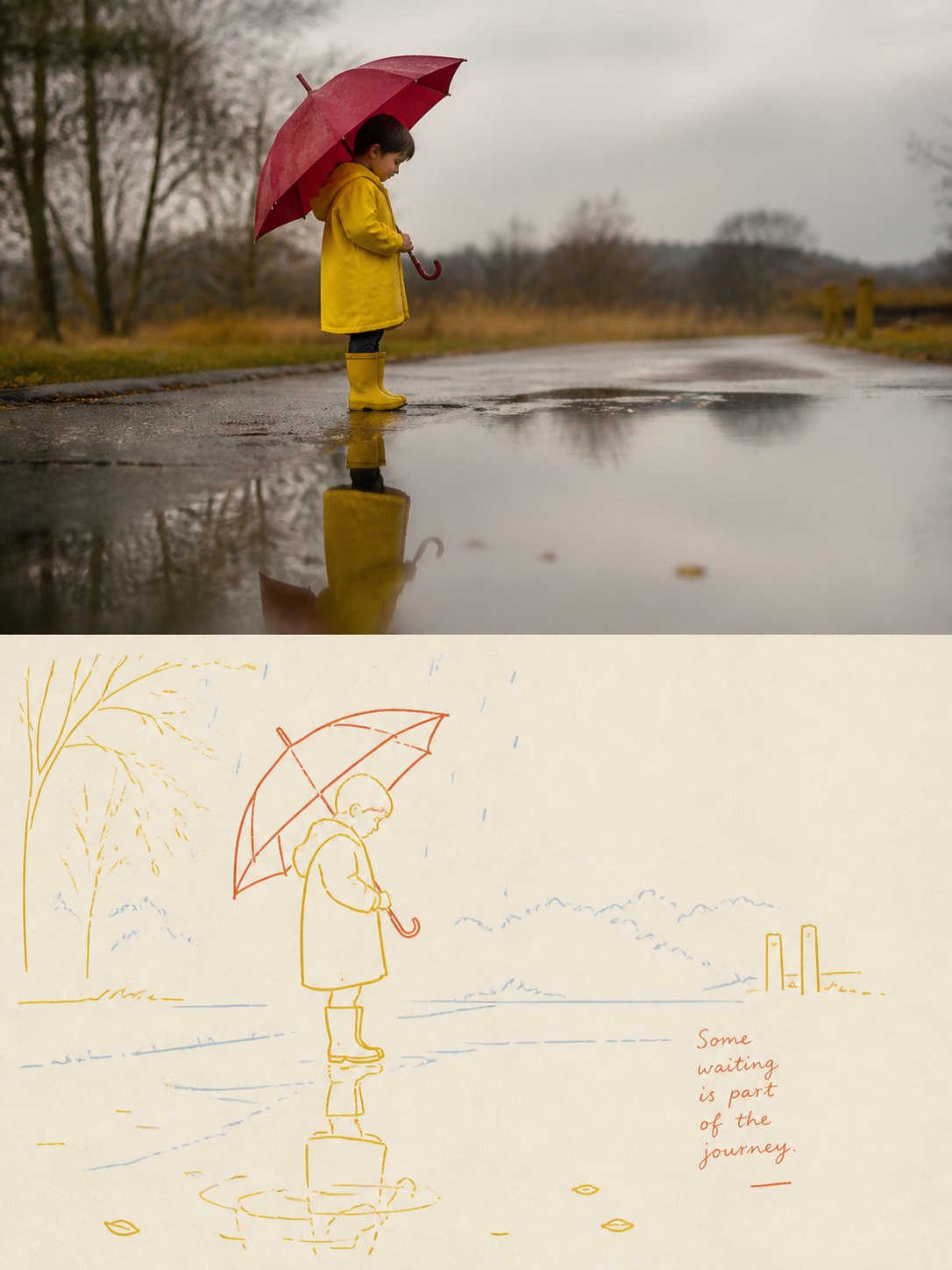
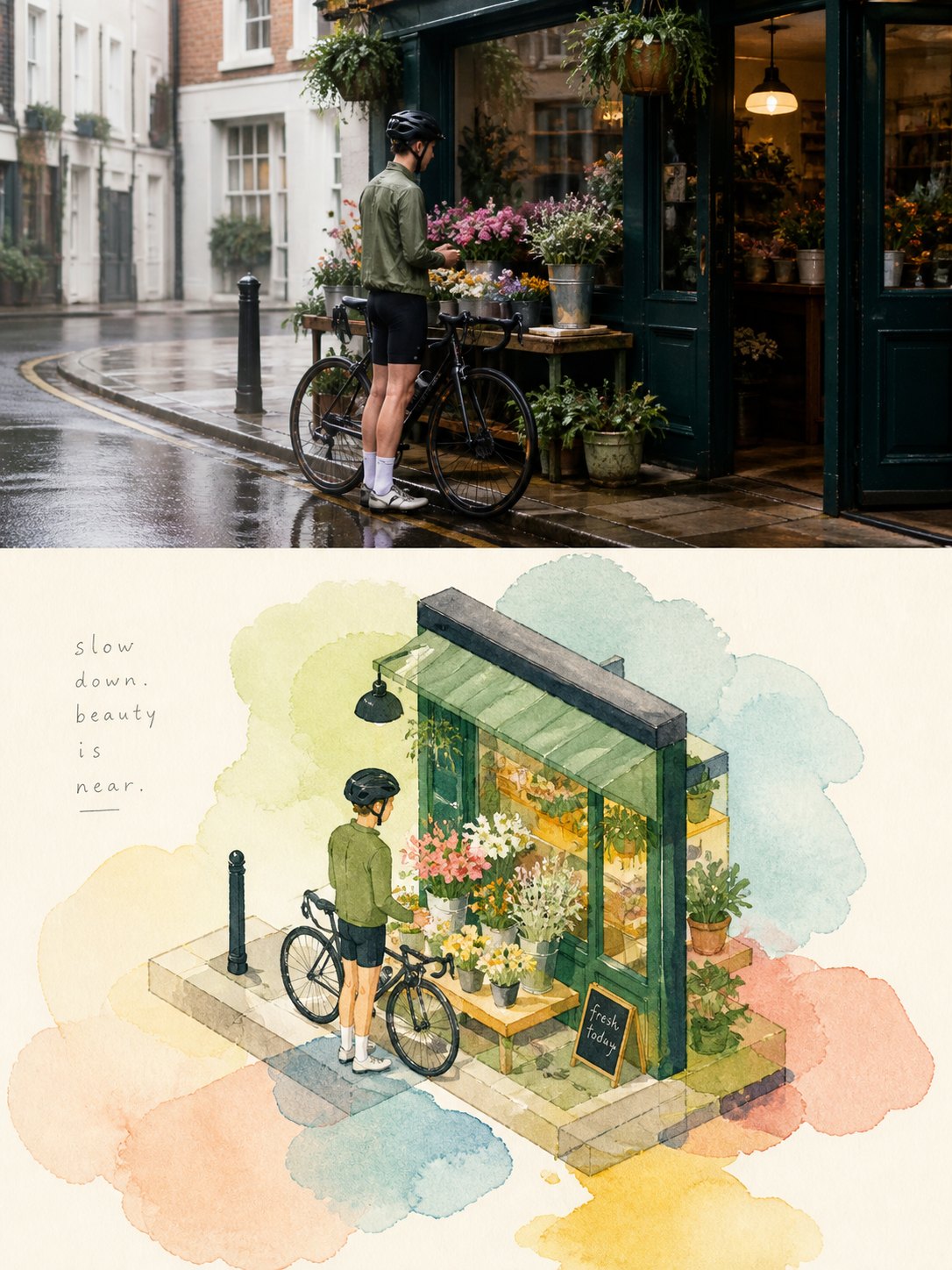
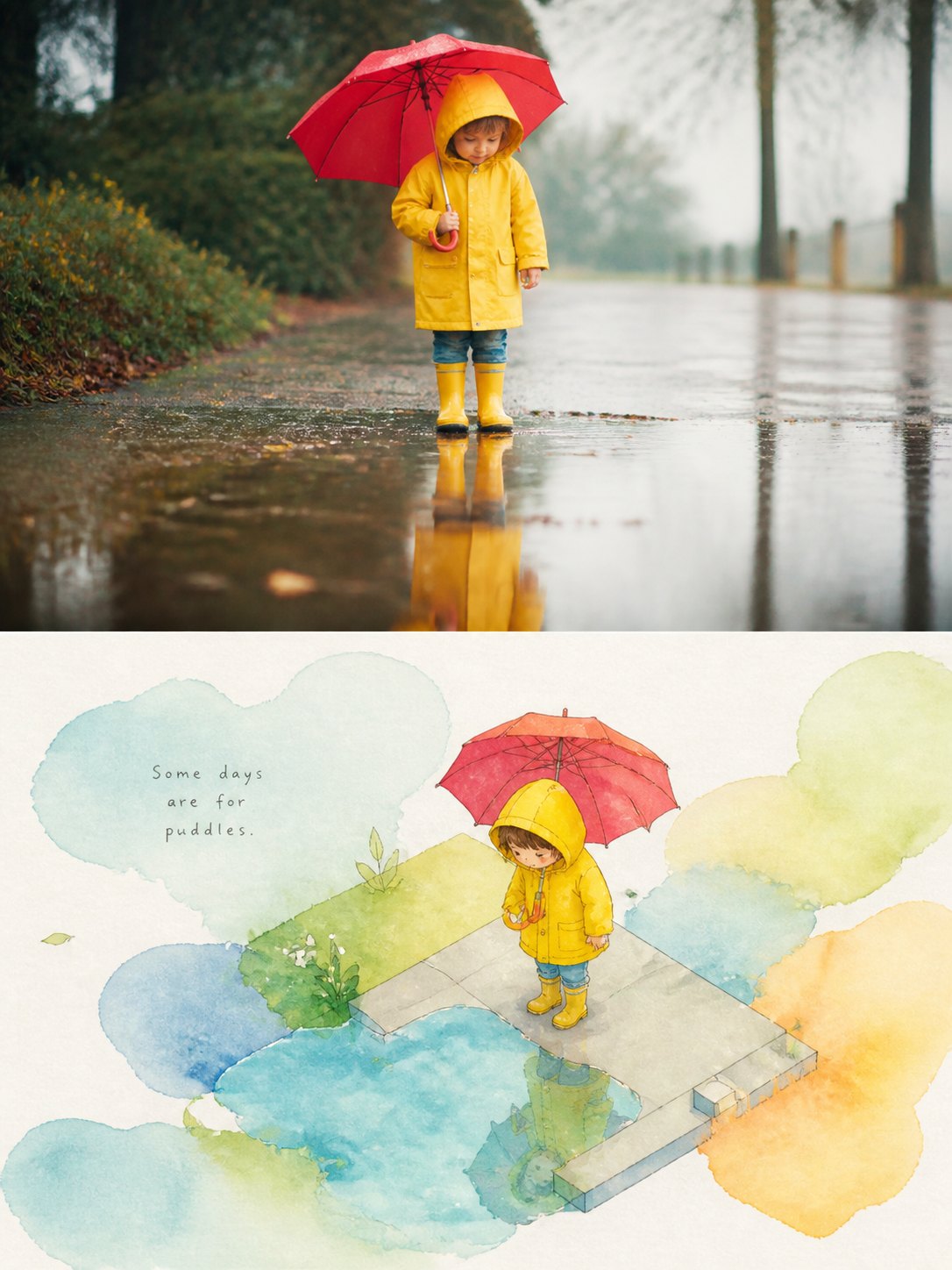
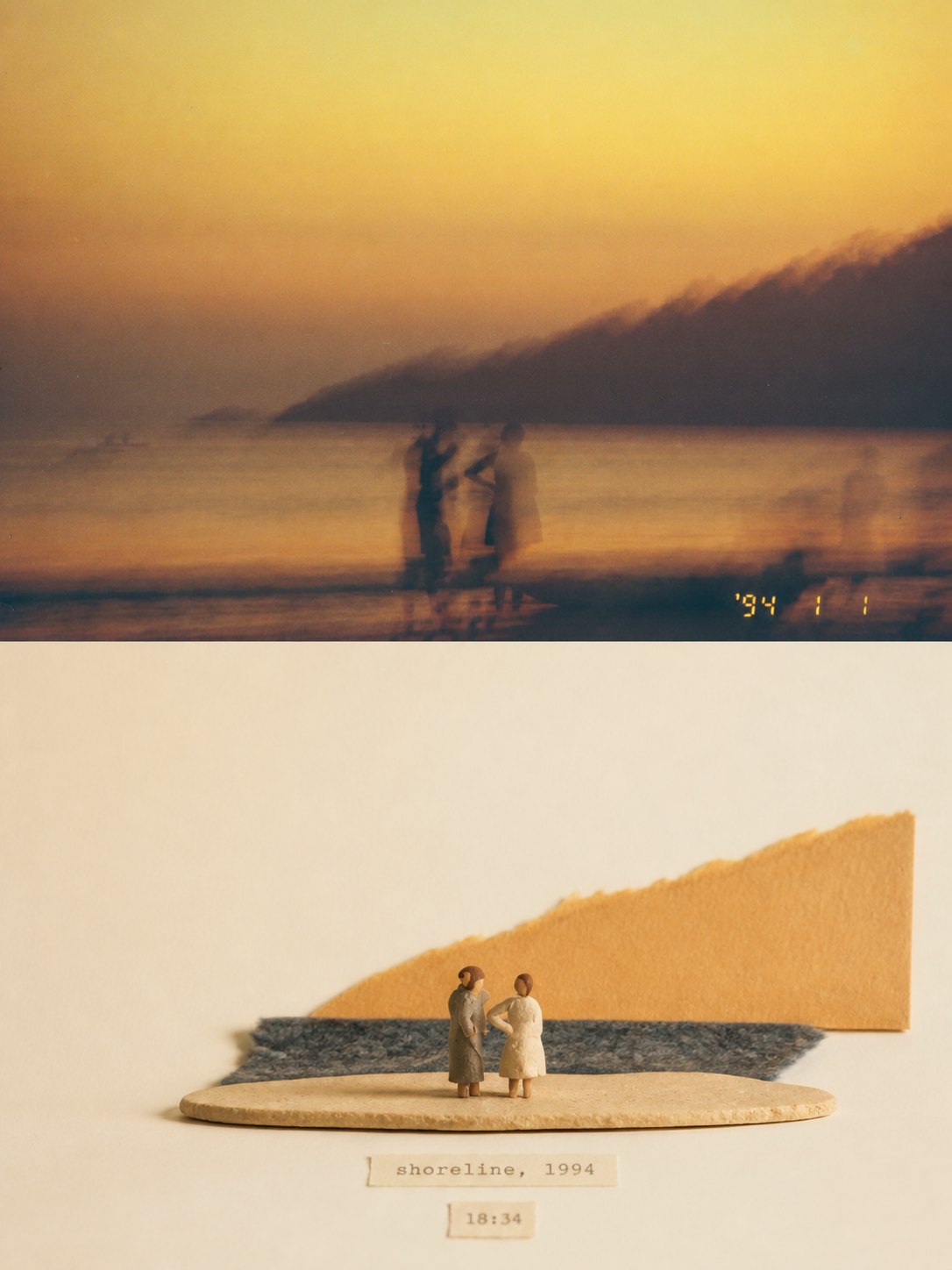
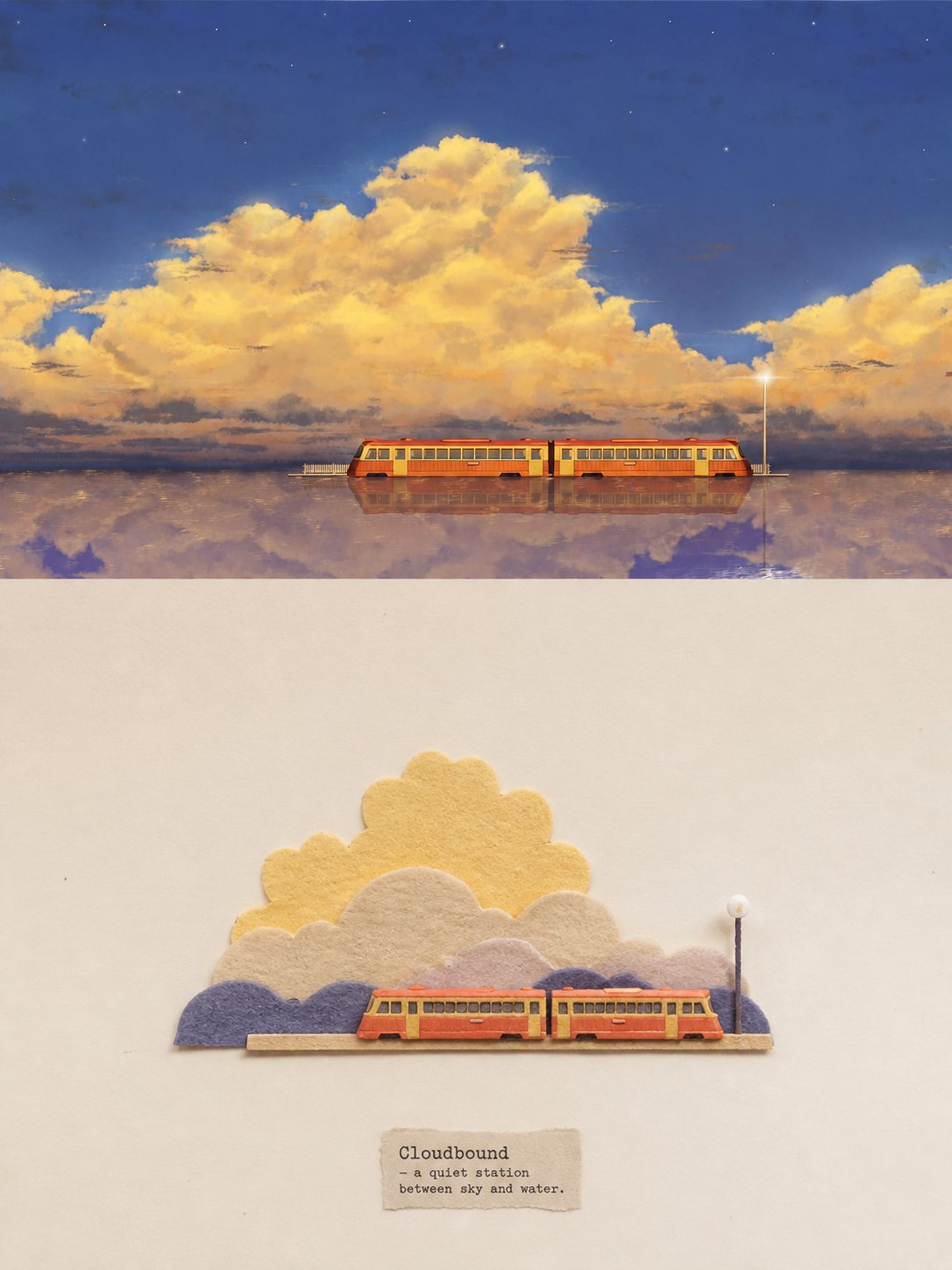
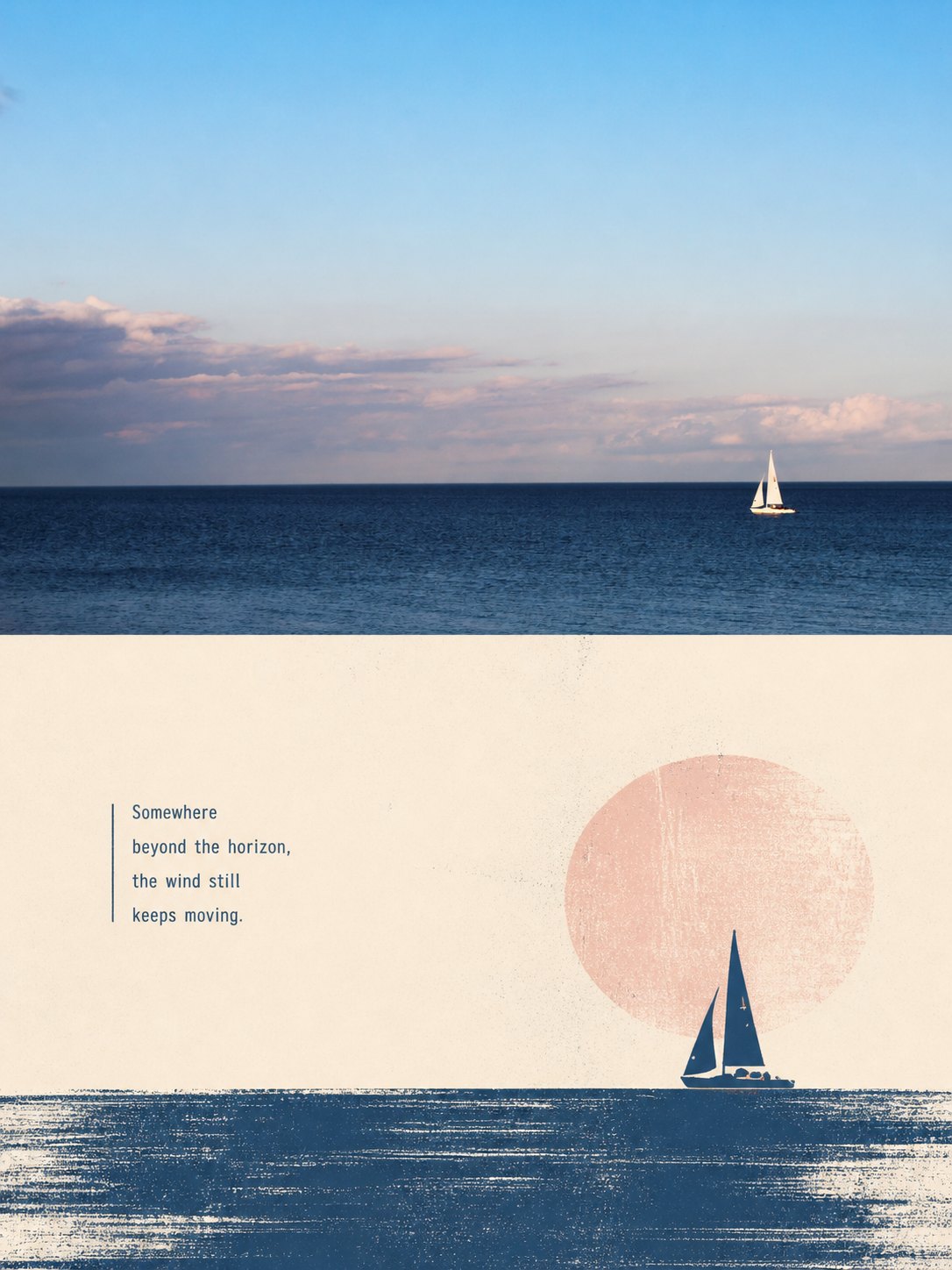
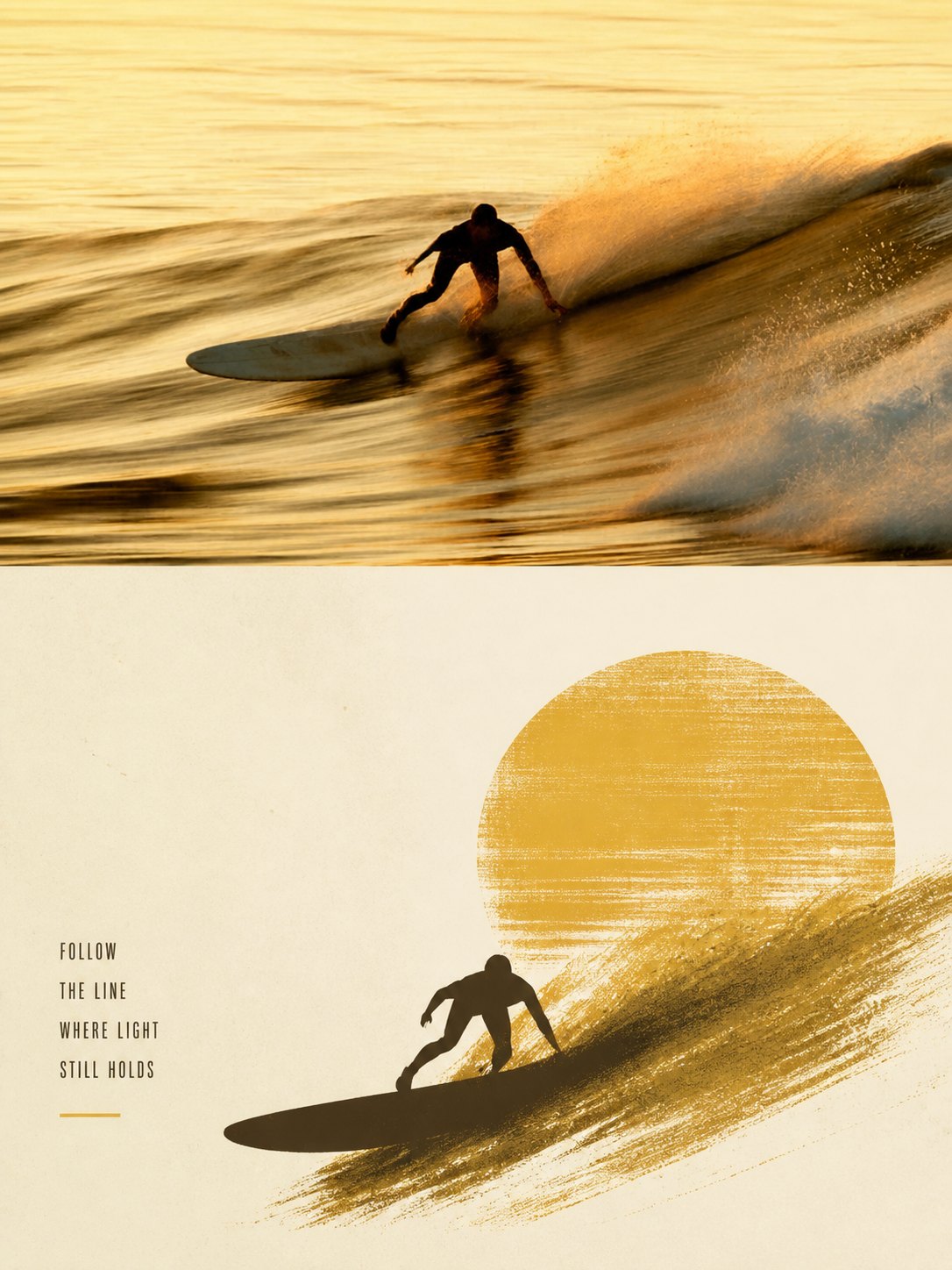
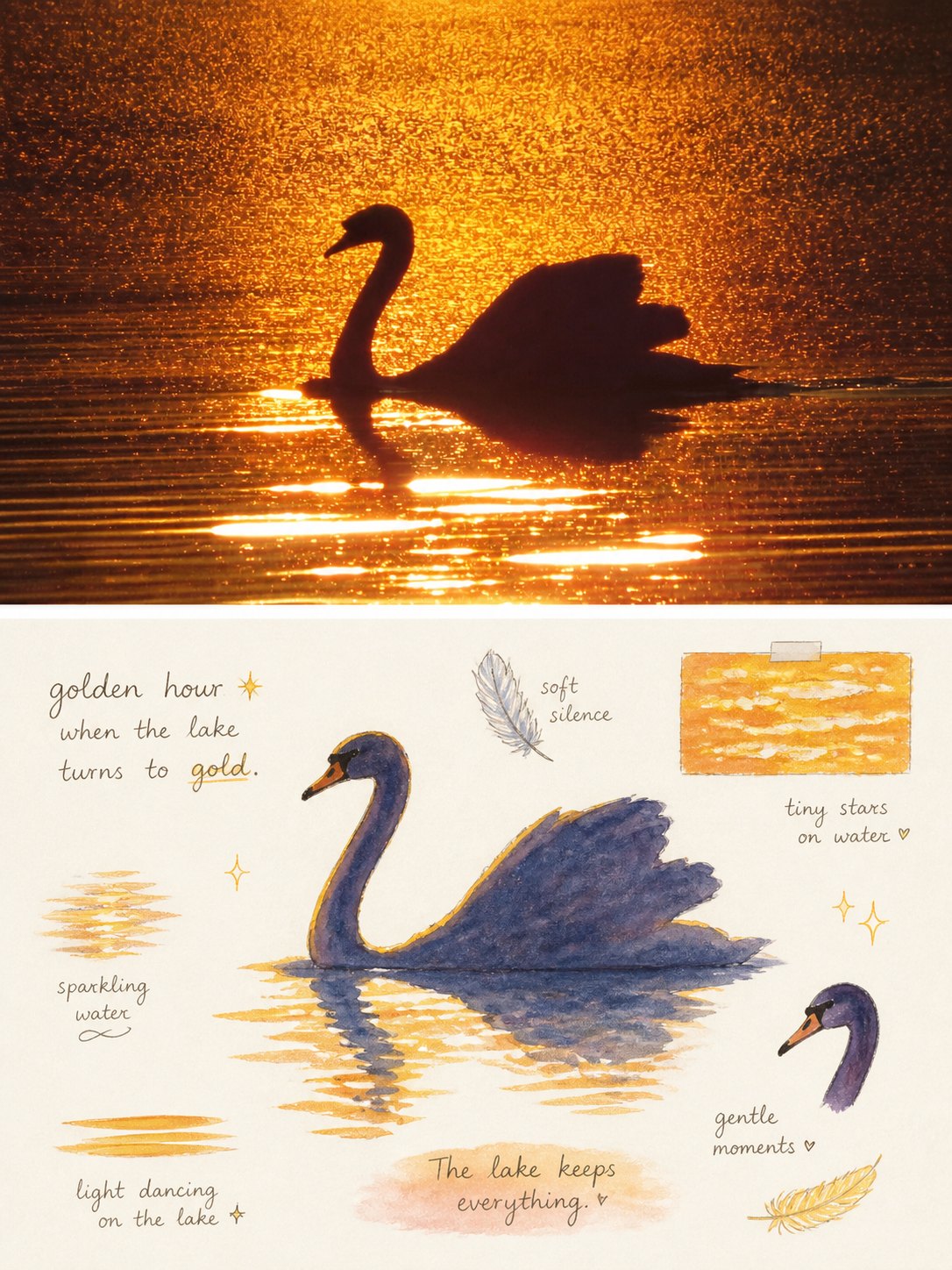
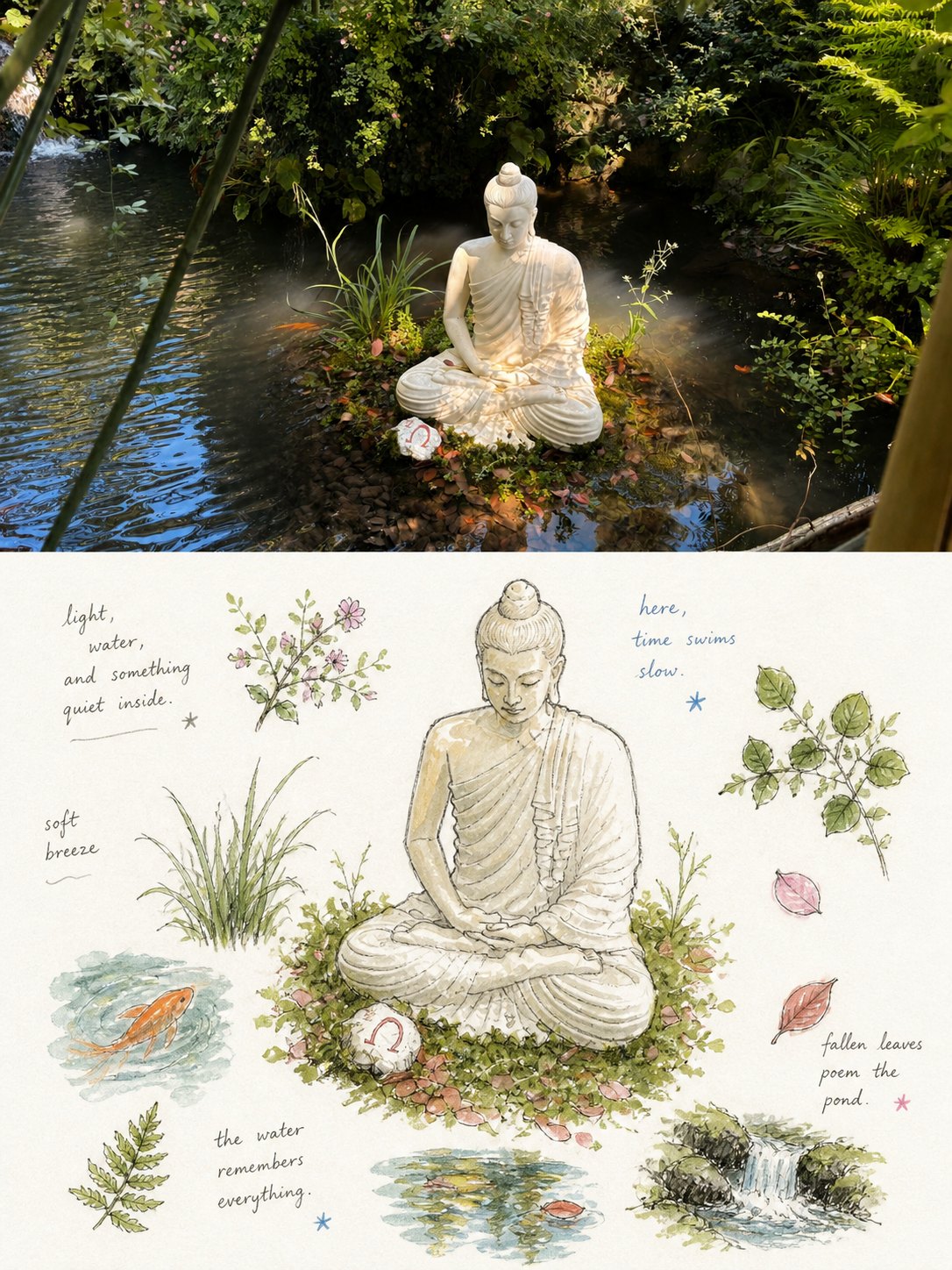
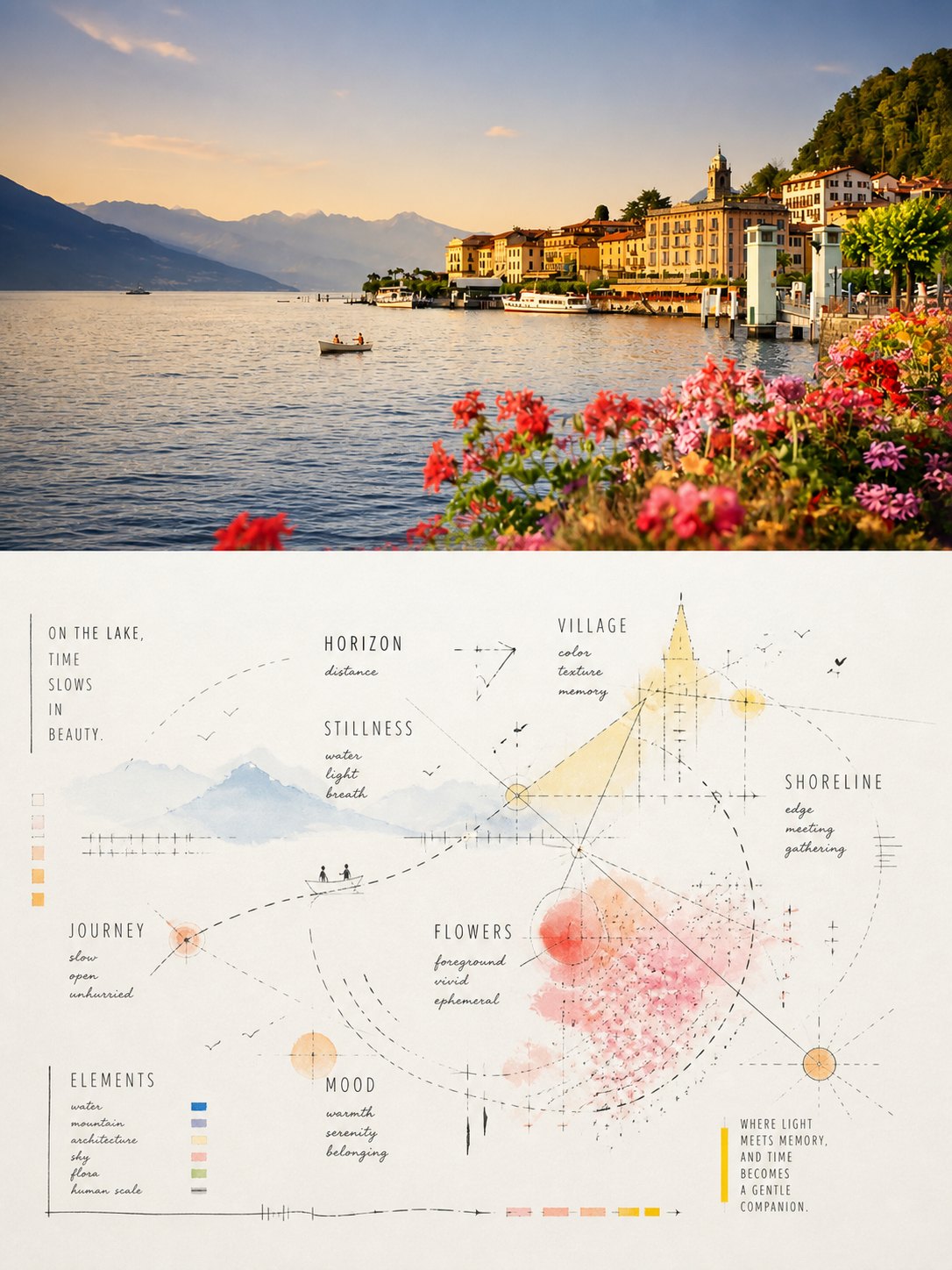
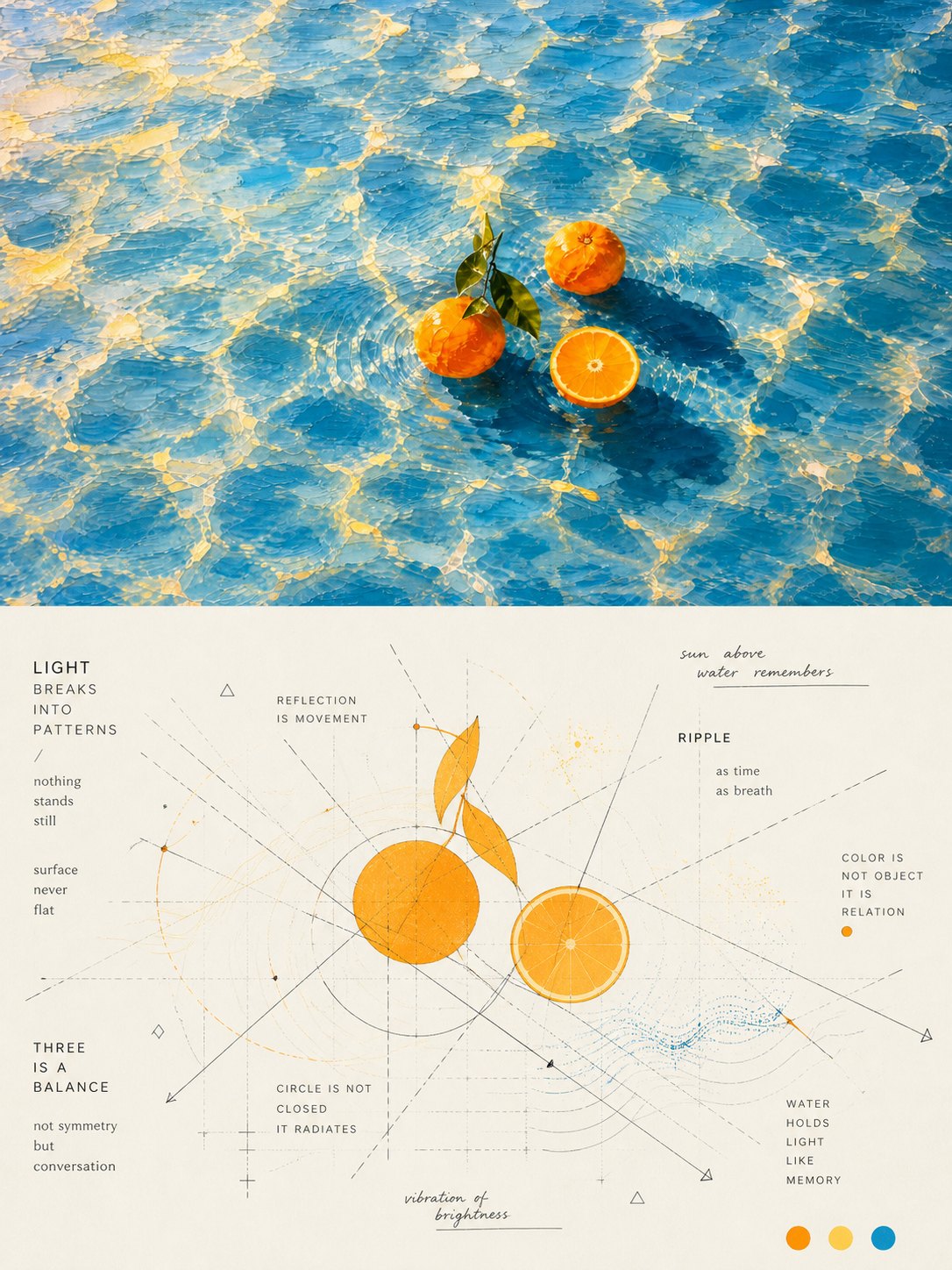
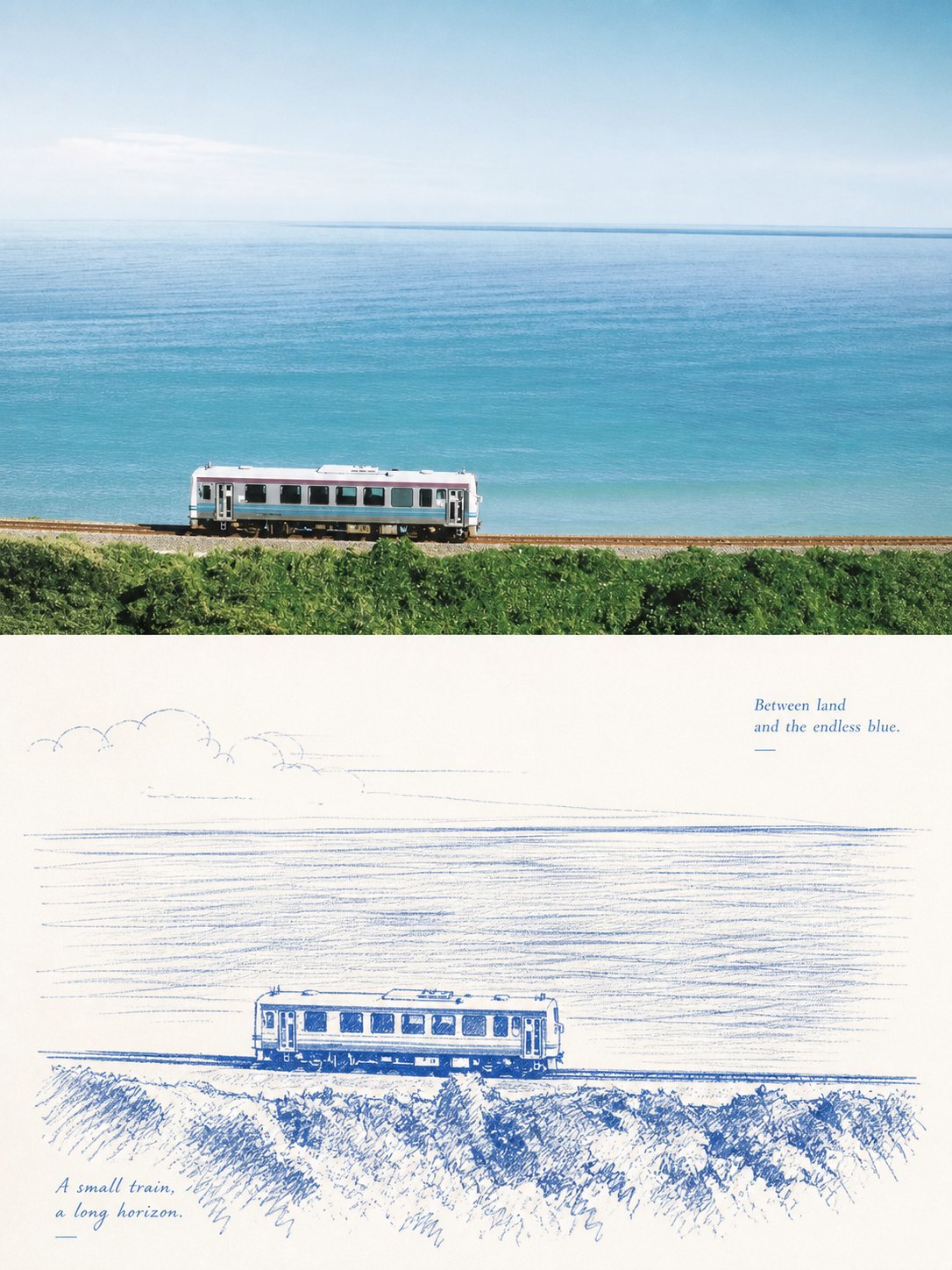
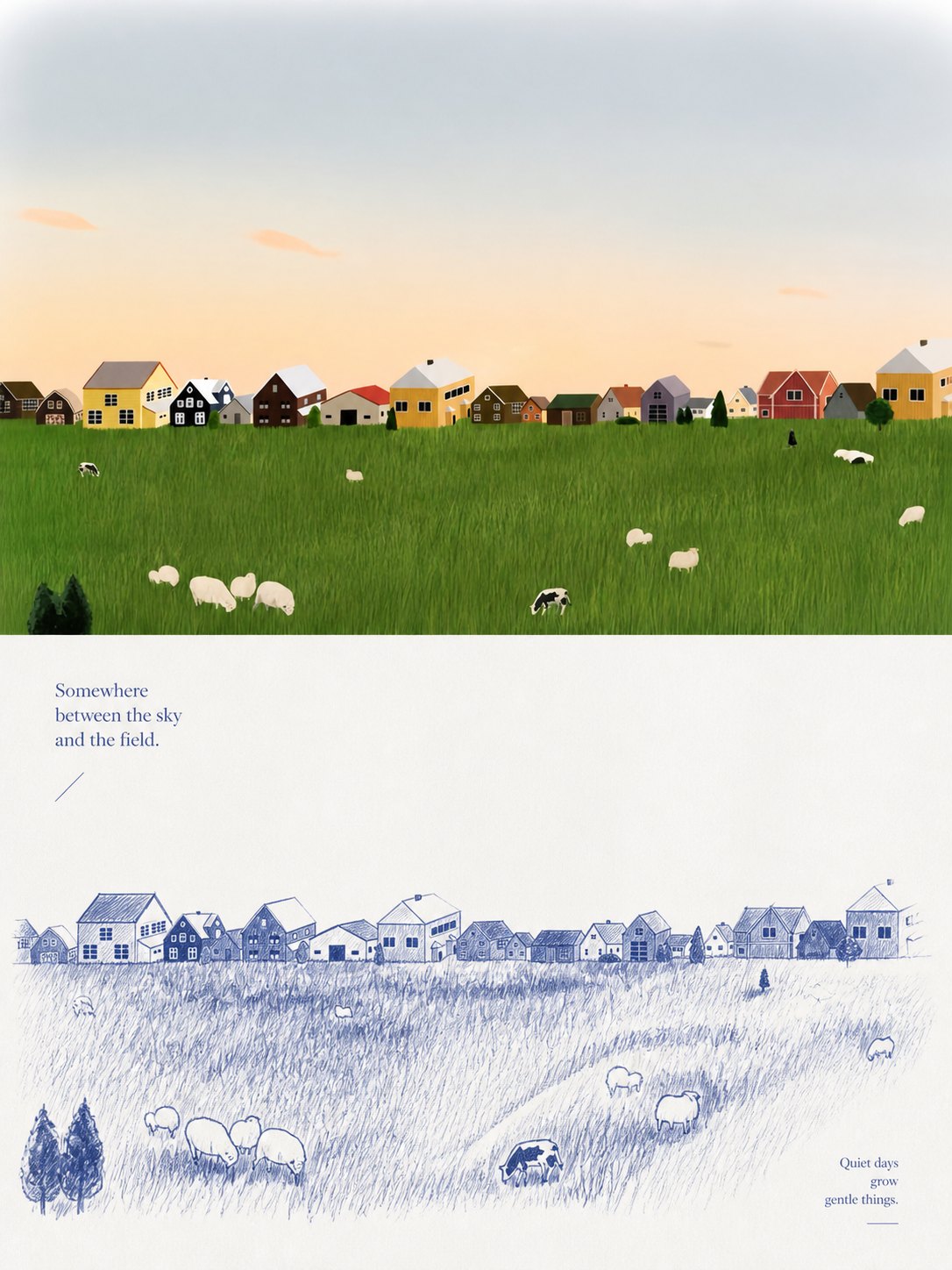
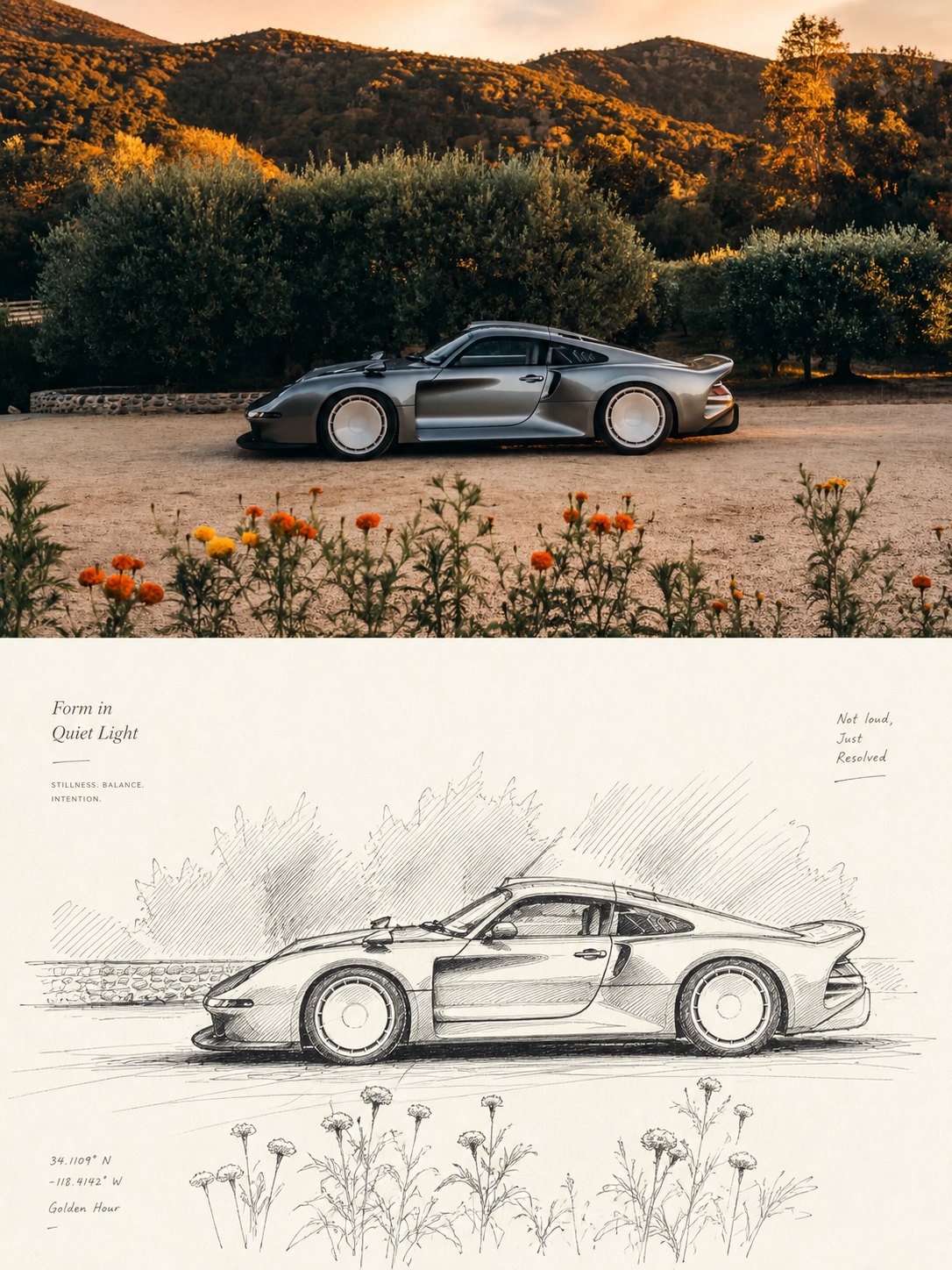
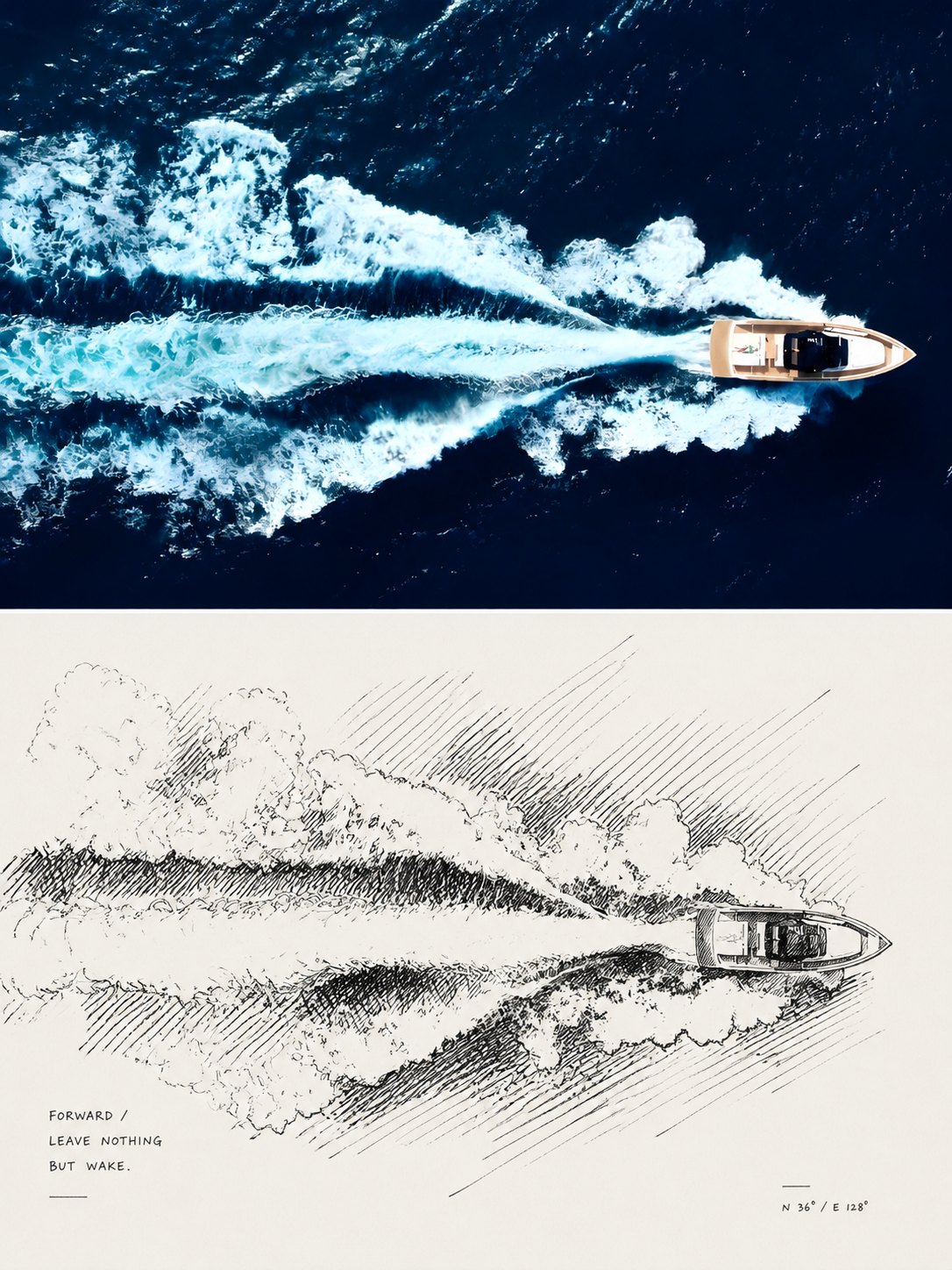
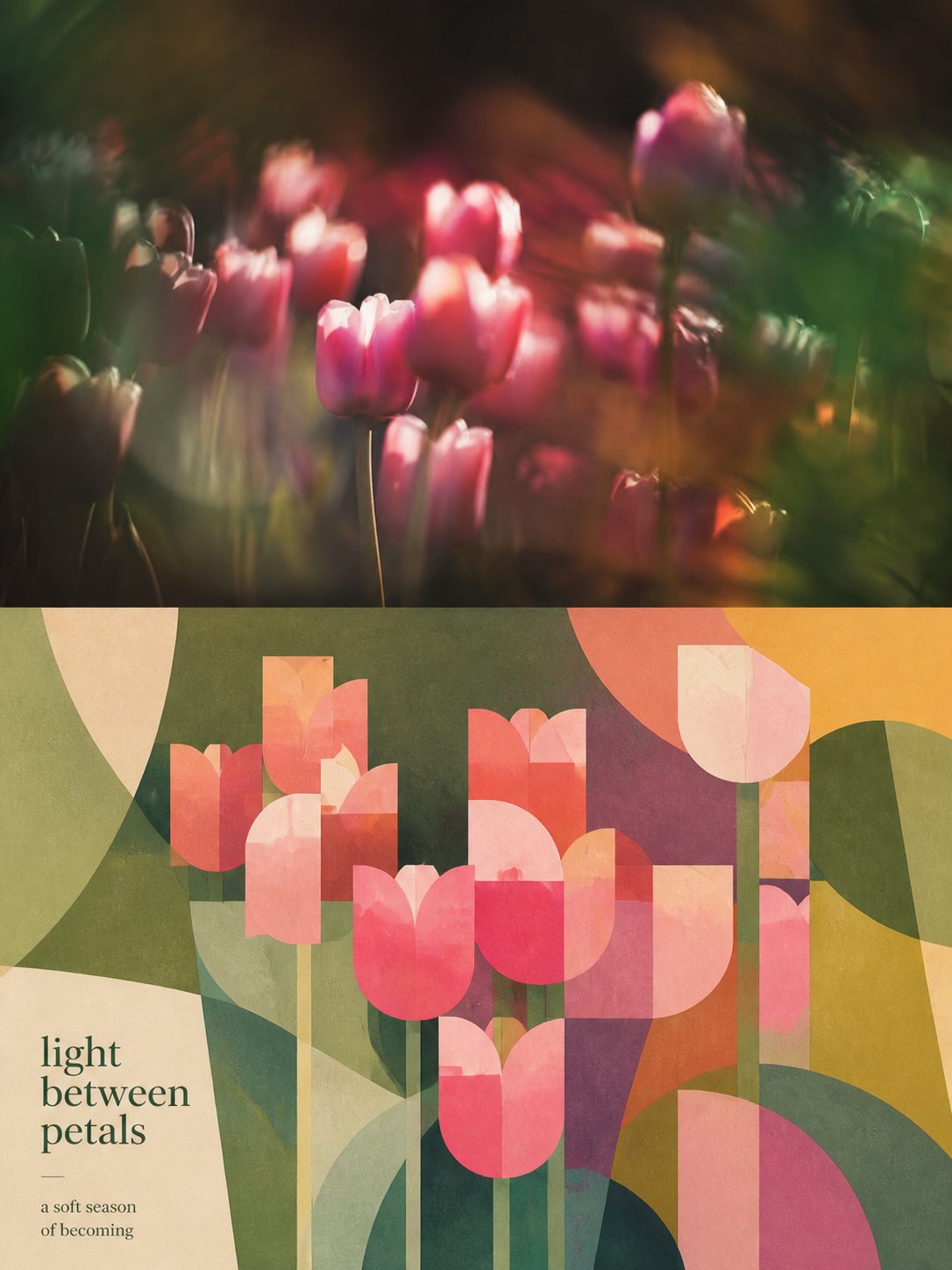
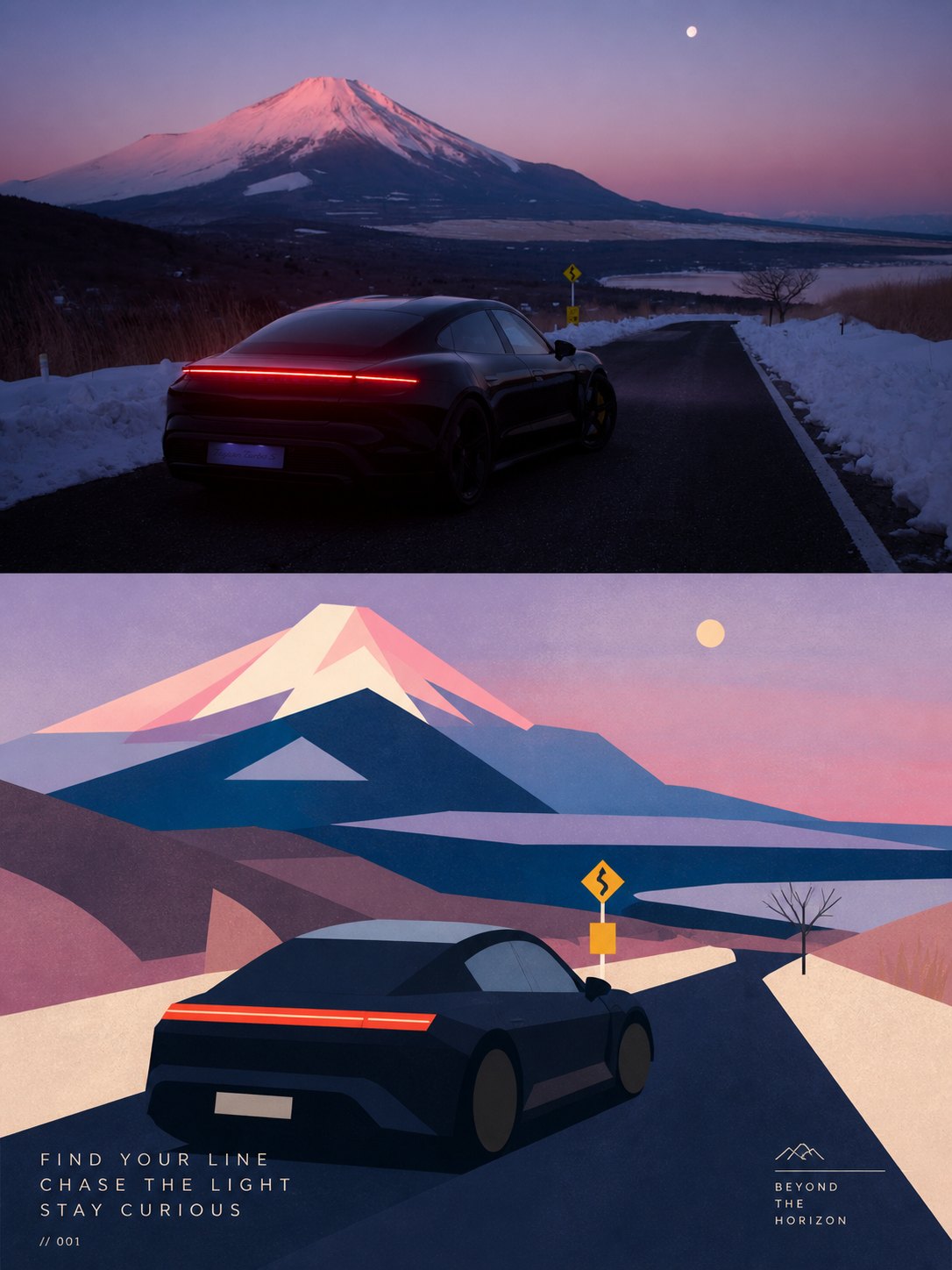
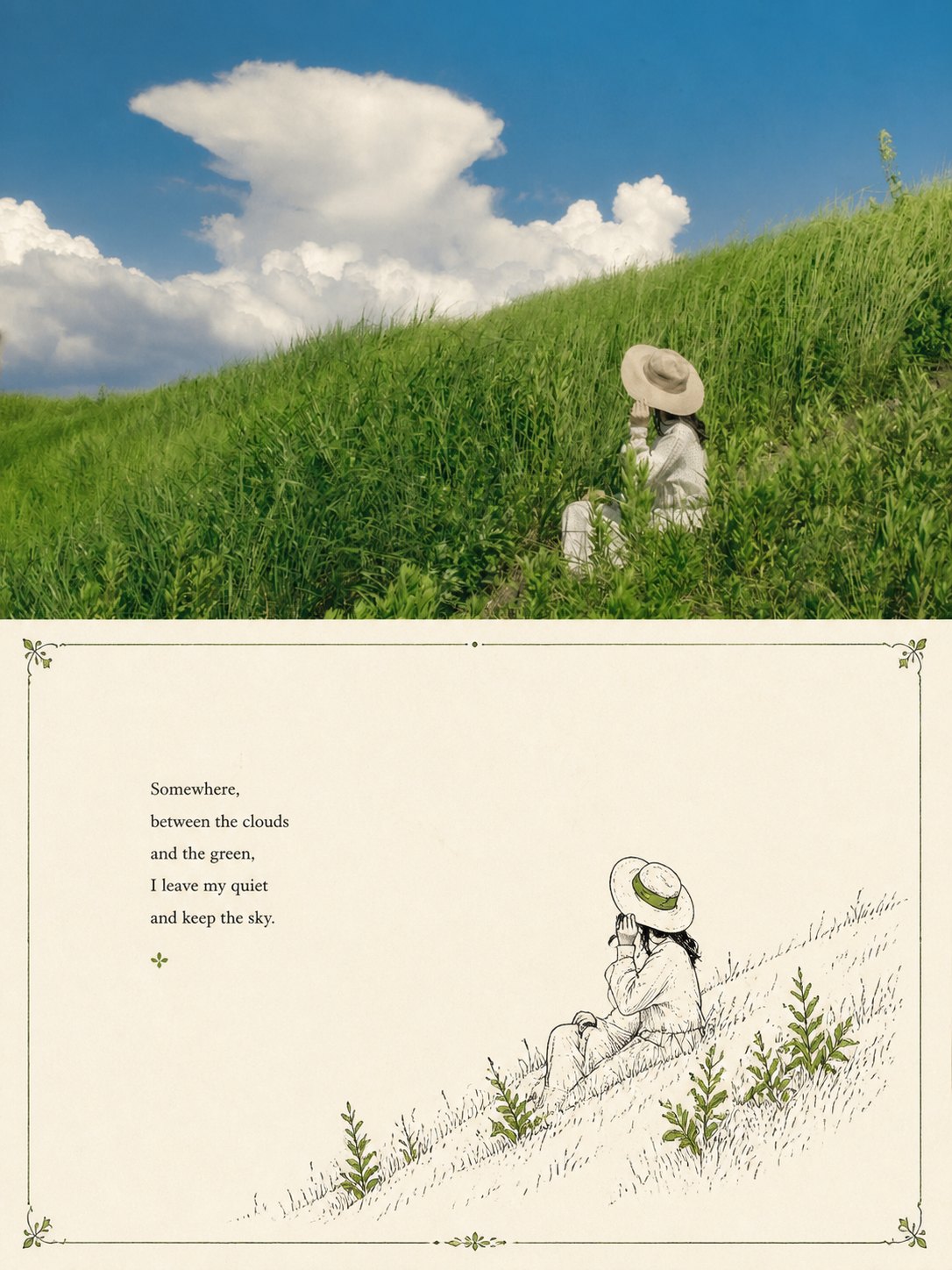
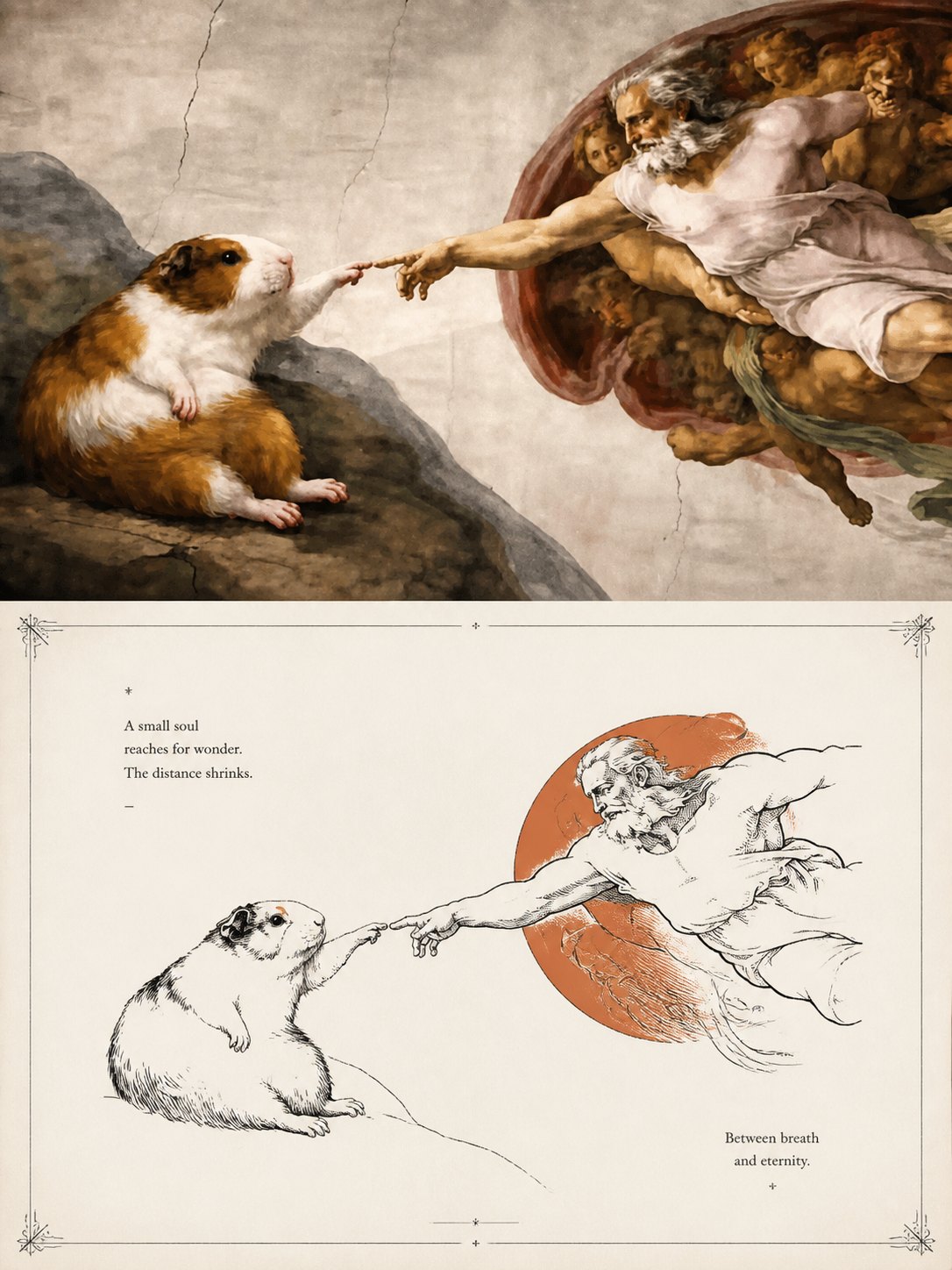
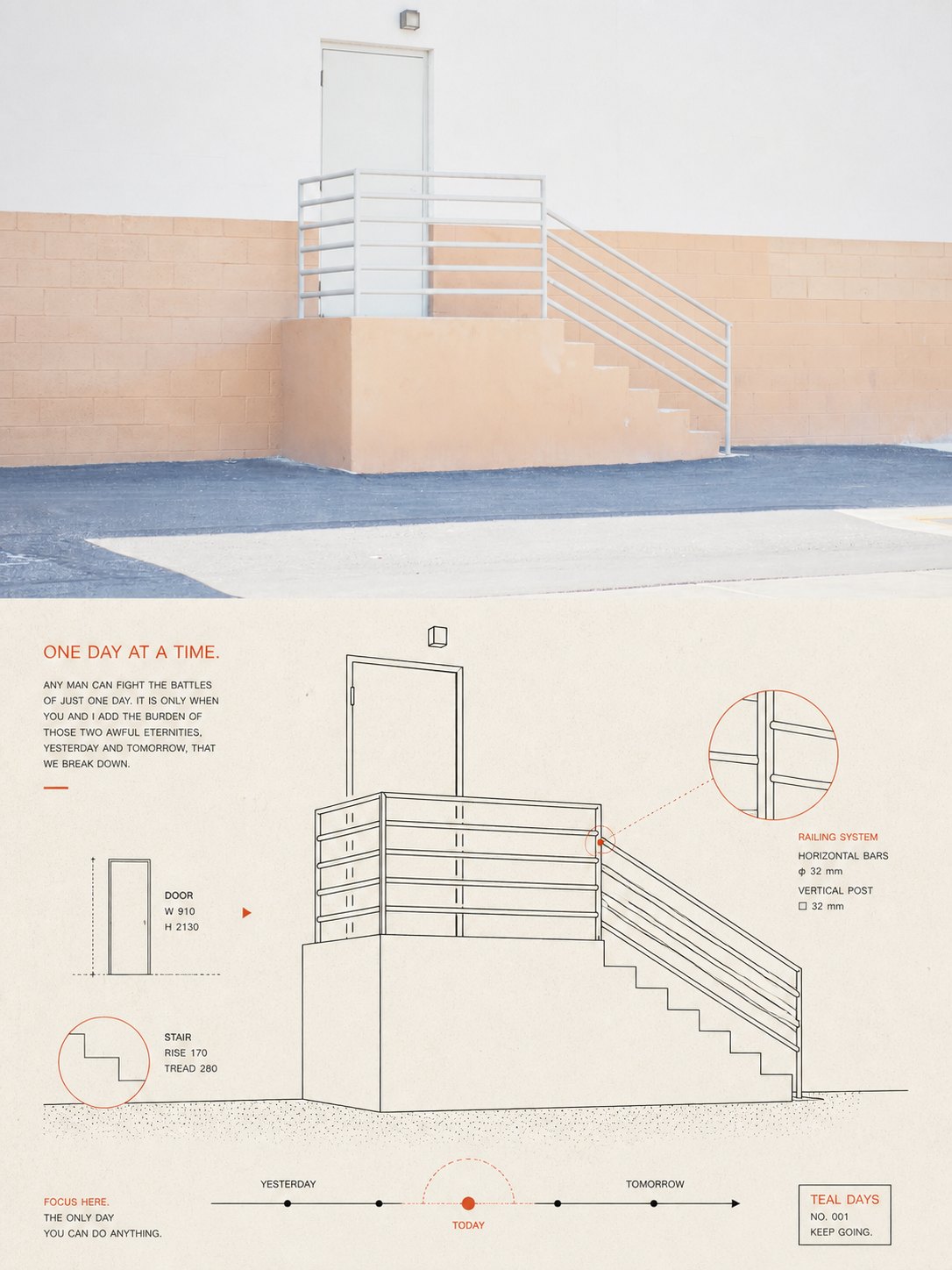
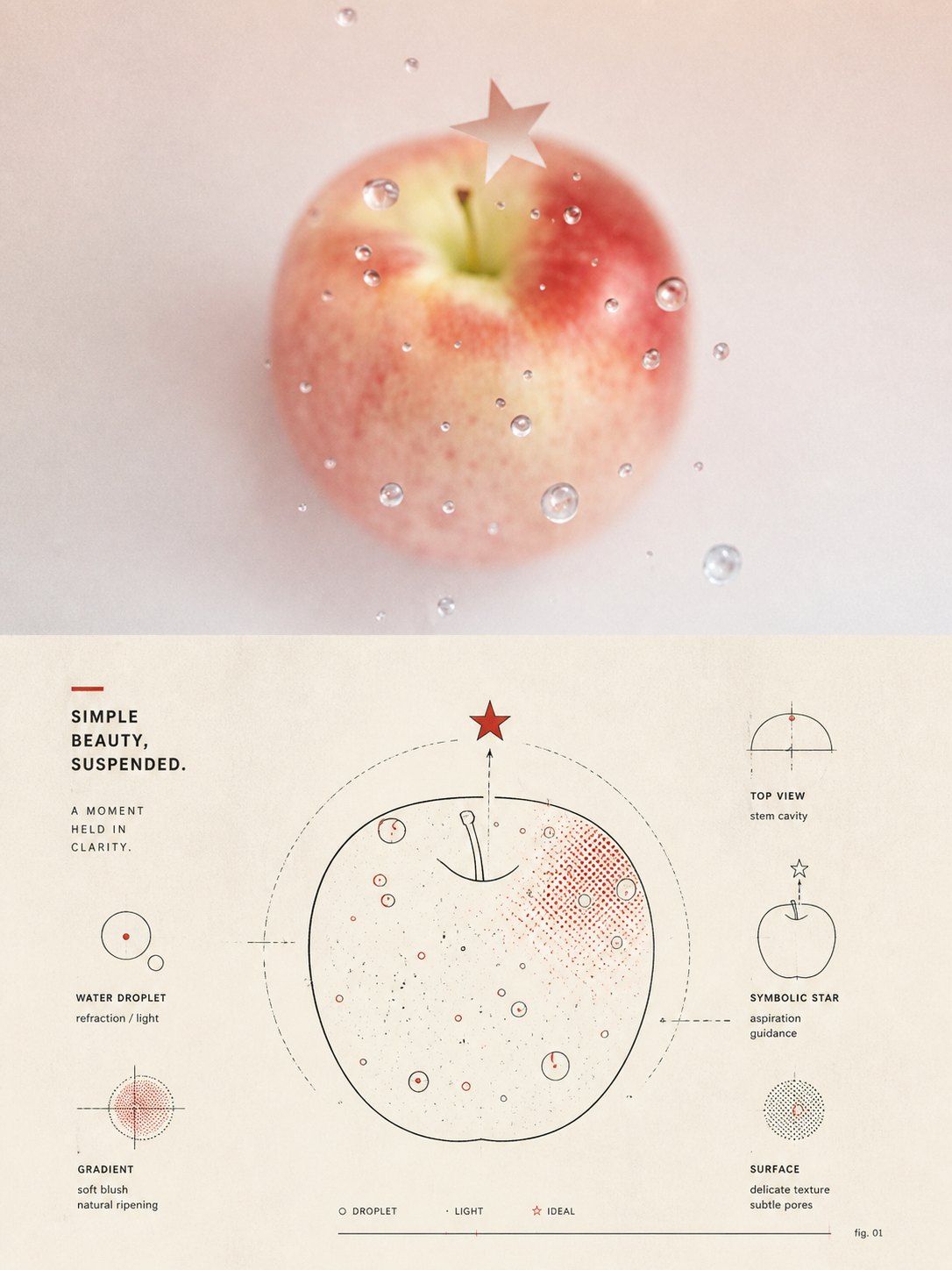
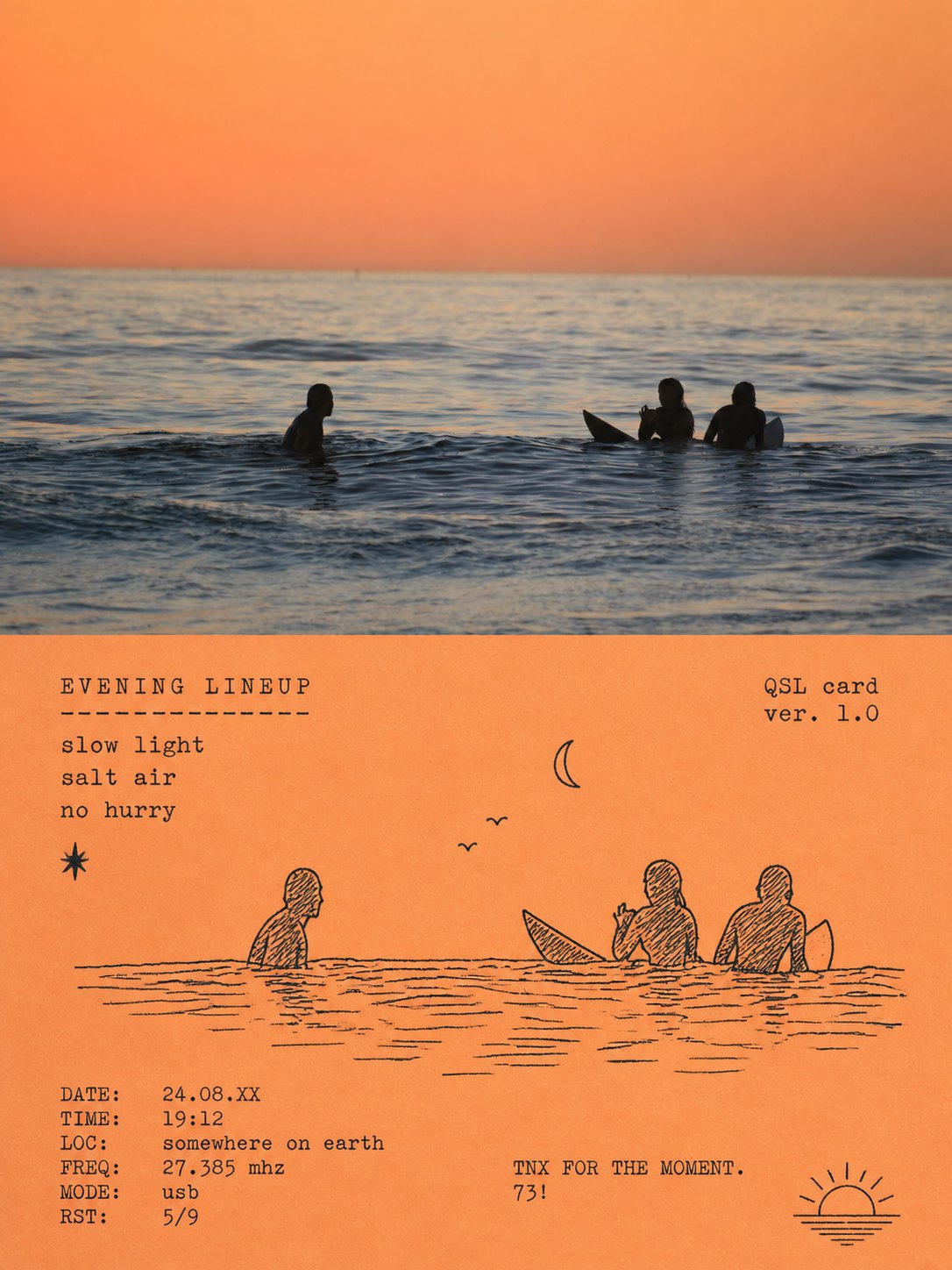
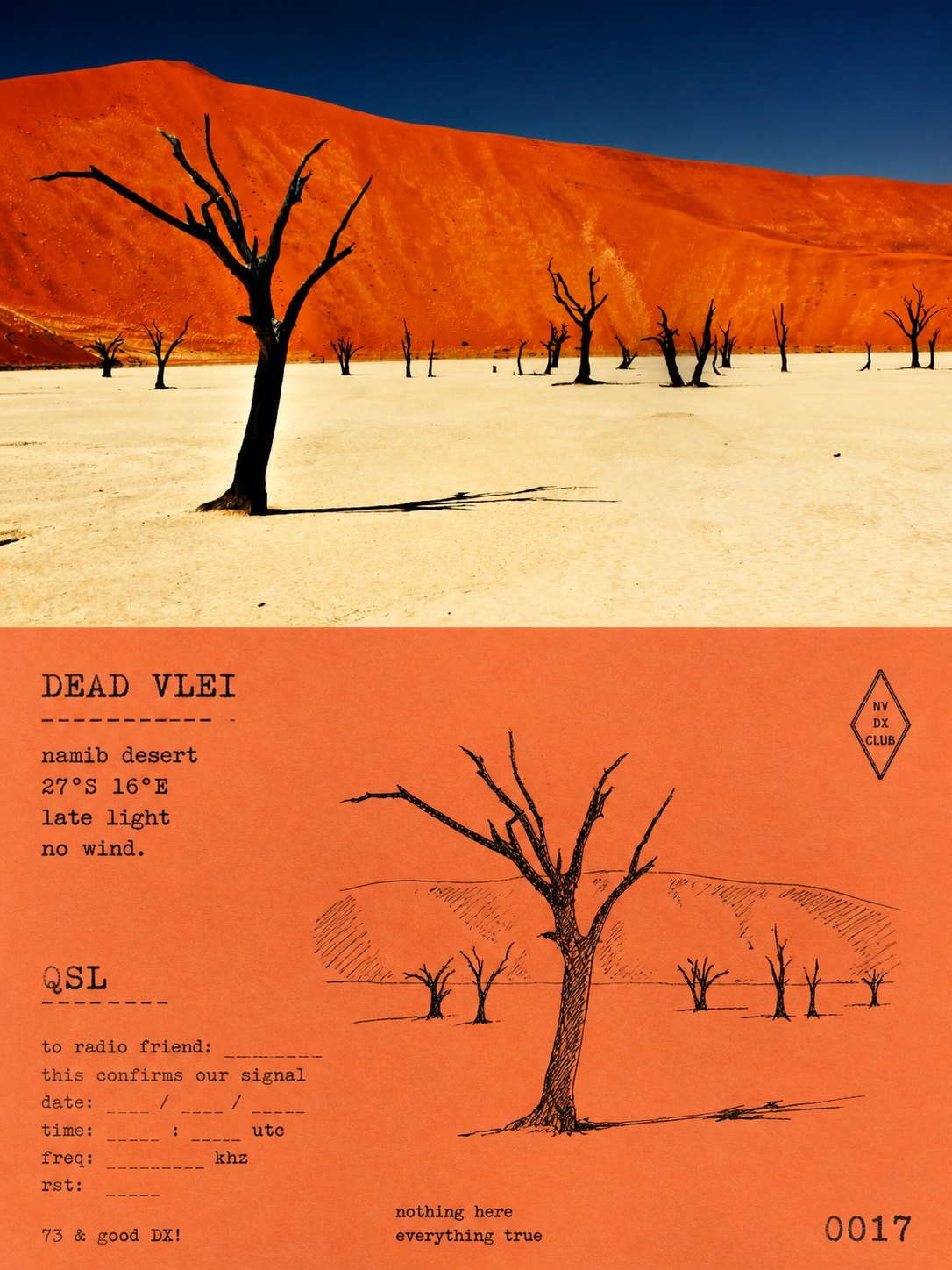
Turn each uploaded photograph into a separate, sophisticated design poster. Do not combine multiple photographs; output each one individually. Use a 3:4 portrait composition, with the upper and lower regions strictly equal in height, each occupying 50% of the canvas.
Keep the original photograph in the upper half, preserving the subject’s identity, structure, pose, realistic texture, natural light and shade, and original colour atmosphere. Apply only subtle, refined colour grading for an art-magazine, independent-publication and exhibition-image finish. The surrounding environment may be extended naturally to fit the canvas, but never stretch, distort or change the subject.
In the lower half, extract only the photograph’s most recognisable subject, silhouette, structure, pose and narrative relationships. Make new art-direction decisions and reconstruct them as New Chinese / Oriental Minimalist Paper Relief. Do not copy the entire photograph or redraw every object. Actively remove most background and irrelevant details, keeping only the structural flow and visual memory cues that best represent the original. Reinterpret them through paper folds, embossing, debossing, shallow relief, cuts and slight layering, so their connection to the photograph above is instantly recognisable.
Give the model authority to redirect the scene. Even when the original composition is weak, the background cluttered, the subject too small or its position unsuitable, do not copy it. Use subtraction, rearrangement, cropping, scale changes and repositioning to redesign a convincing work. The subject need not be complete or centred; it may be off-centre, edge-aligned, suspended or partially cropped, retaining only the strongest part.
Use a minuscule visual anchor against a vast open field. The subject should have roughly the visual scale of a small stamp in a layout, but do not actually draw a stamp. Preserve extensive intentional whitespace. It is not leftover background but a compositional element equal in importance to the subject, paper undulations, small colour accents and text, creating distance, air, pauses, direction and spatial tension. Make the subject yield space to whitespace, and let that whitespace shape the subject in return. Draw less rather than fill.
Use handmade paper, cotton paper or fine-fibre art paper as the medium. Deckled edges, fibres, creases, gentle undulations and shallow shadows should convey paper bas-relief, making the paper itself become the scenery. Base colours on warm white, ivory and very pale greys, taking one or two of the photograph’s most memorable colours for minuscule accents. Text is only an extremely small editorial intervention, with no language restriction: vertical setting, edge typography or small notes far from the subject may combine with the vast whitespace to create a book-design order.
The refined visual combines shallow paper relief, miniature narrative, redirected composition, extensive artistic whitespace, Oriental minimalism and book-design typography. Avoid copying the source composition, complete backgrounds, filled canvases, complex decoration, a conventional ink-wash wrapper, heavy 3D, plasticity and template-like New Chinese posters.
2026-09-07via @xiaoxiaodong01