Visuele inspiratie
Promptbibliotheek
Sterke AI-resultaten uit het wild, mét de prompt erbij. Klik op een beeld, kopieer de prompt en maak er iets eigens van.
Krijg de prompts die indruk maken



Krijg de prompts die indruk maken


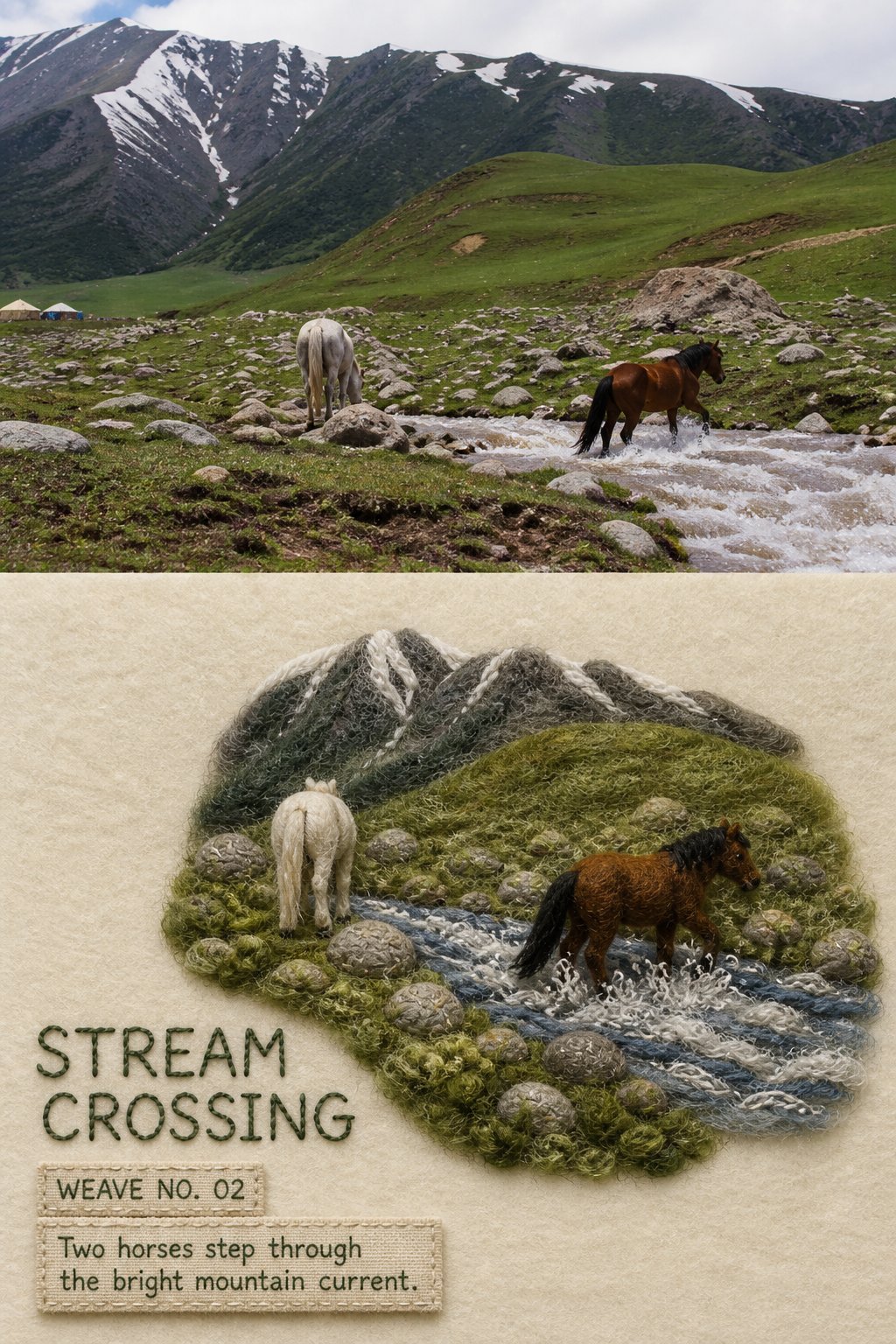
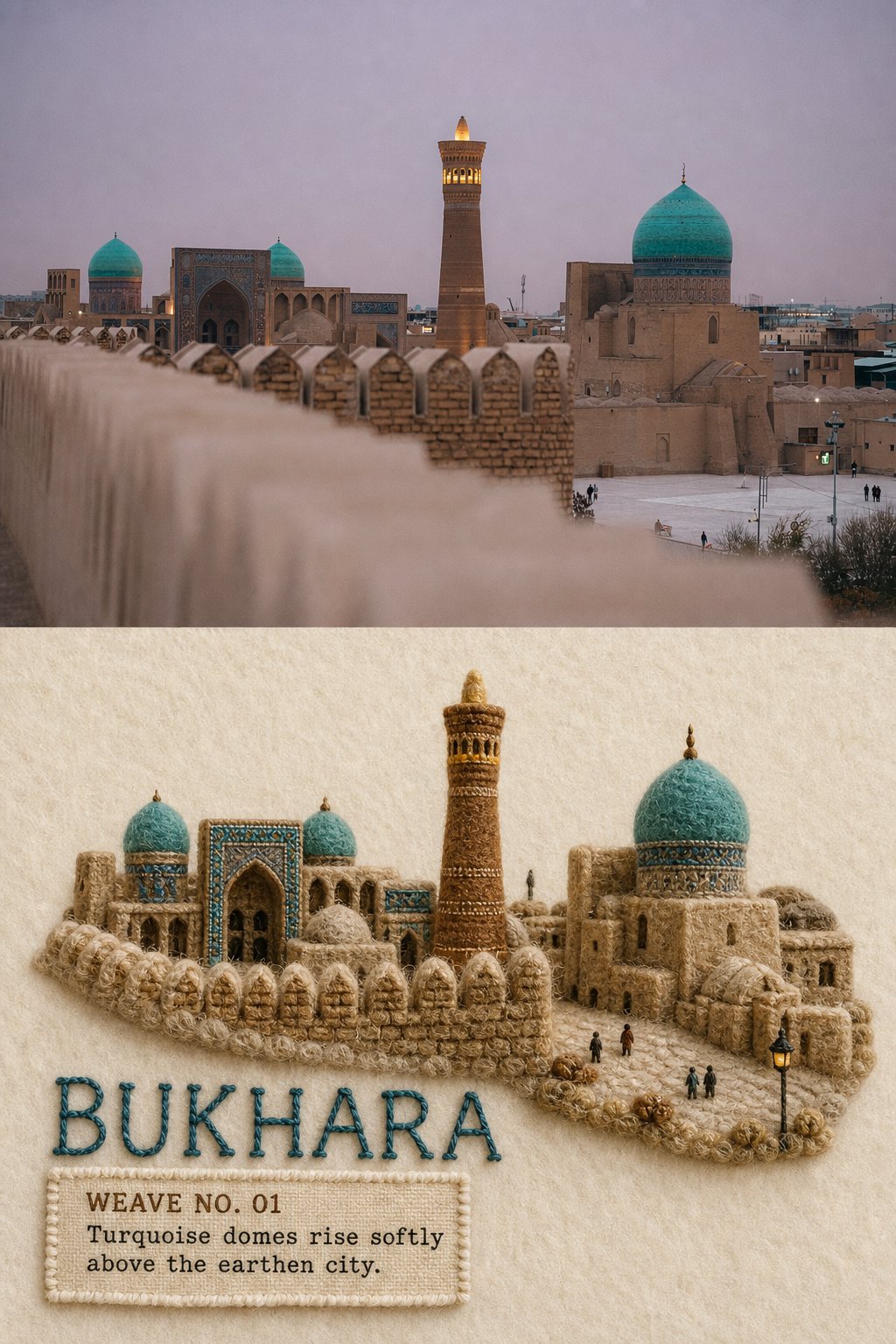
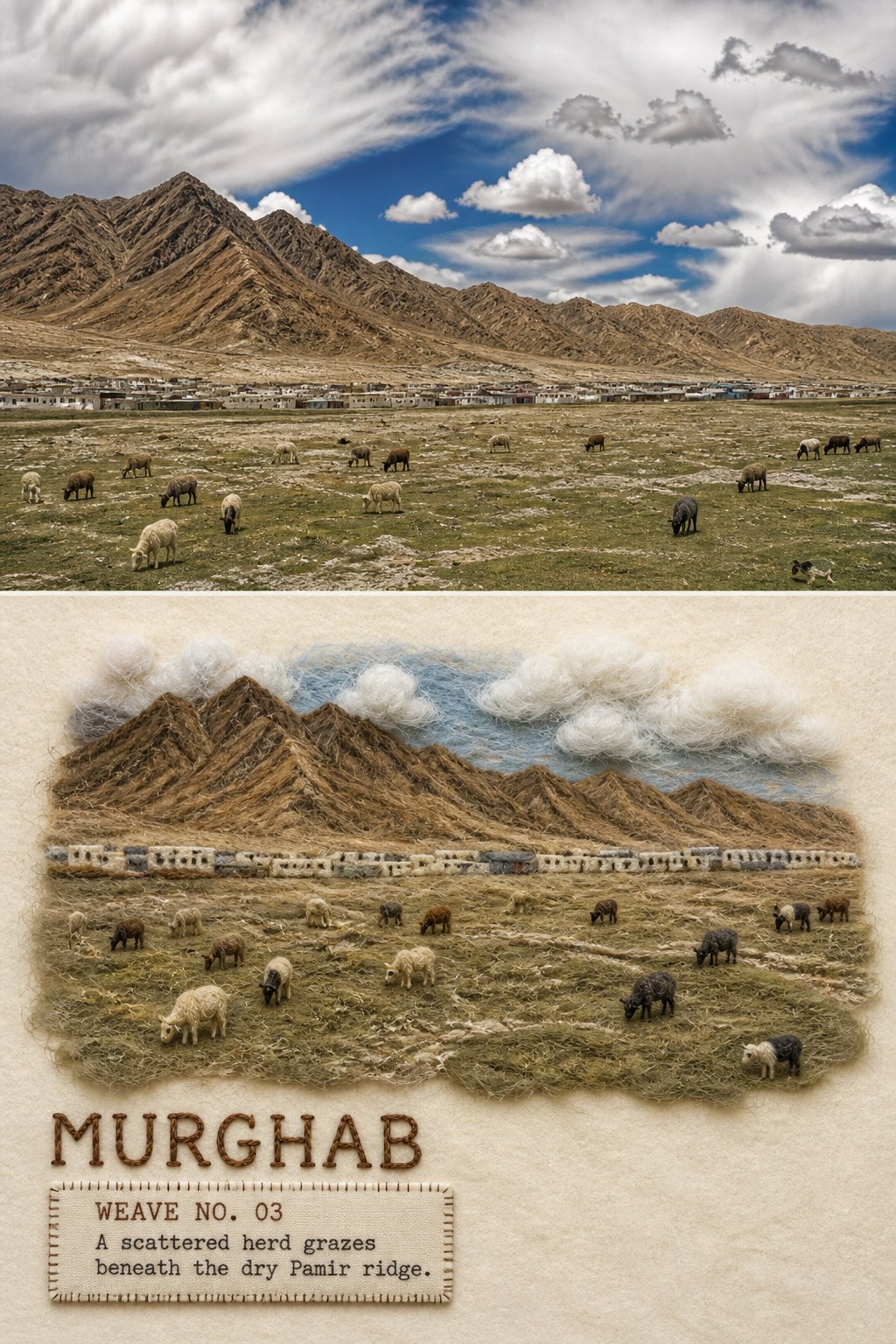
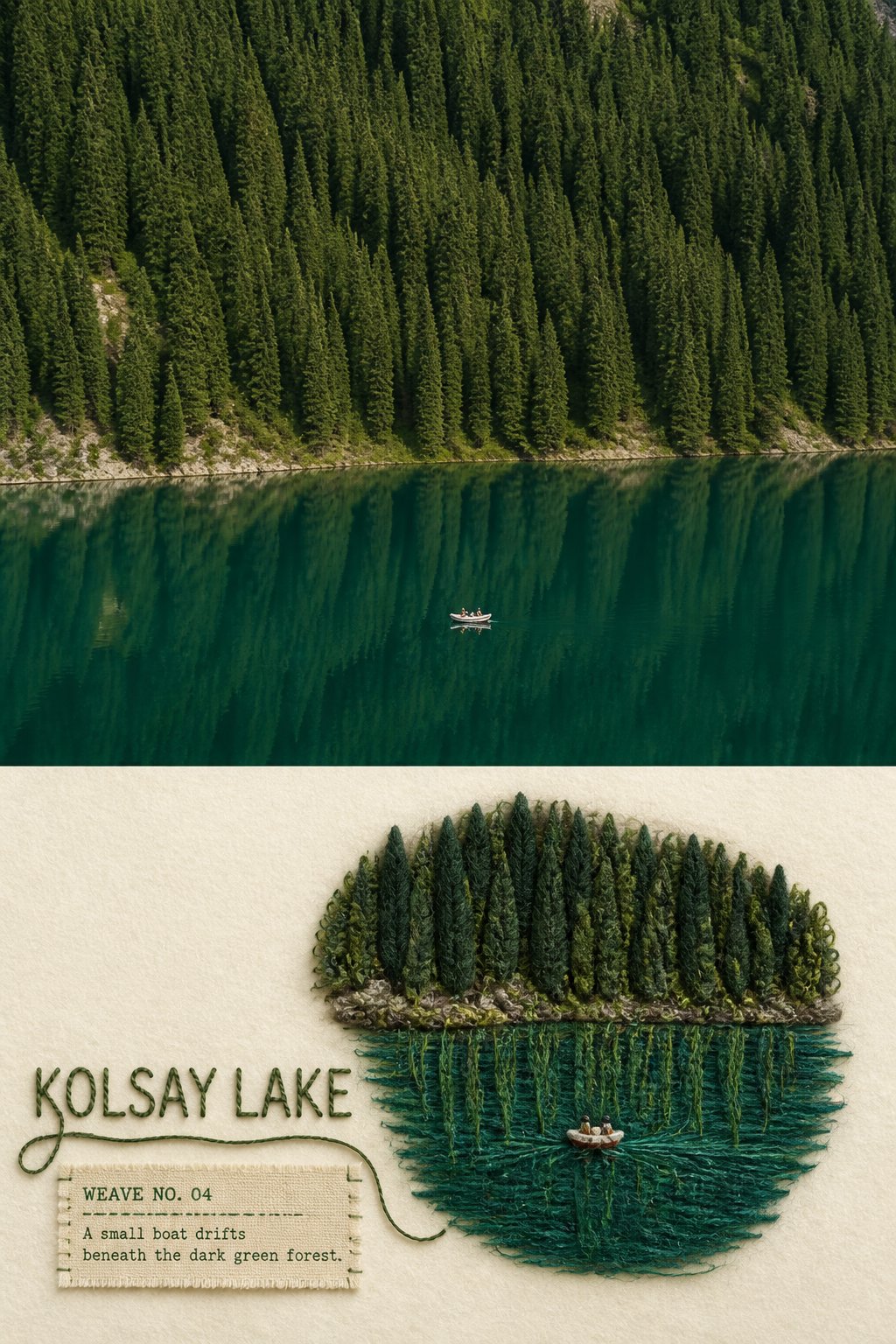
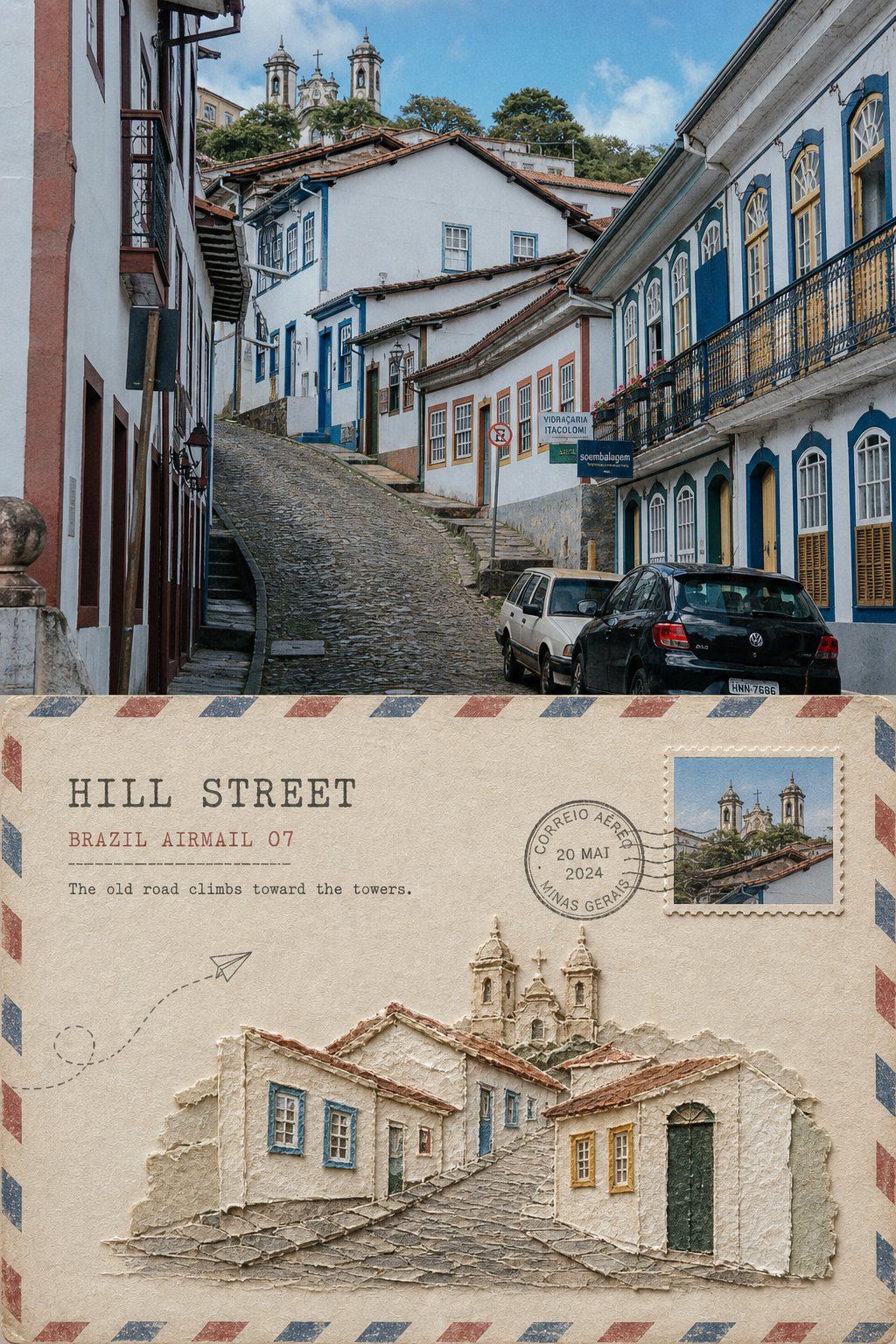
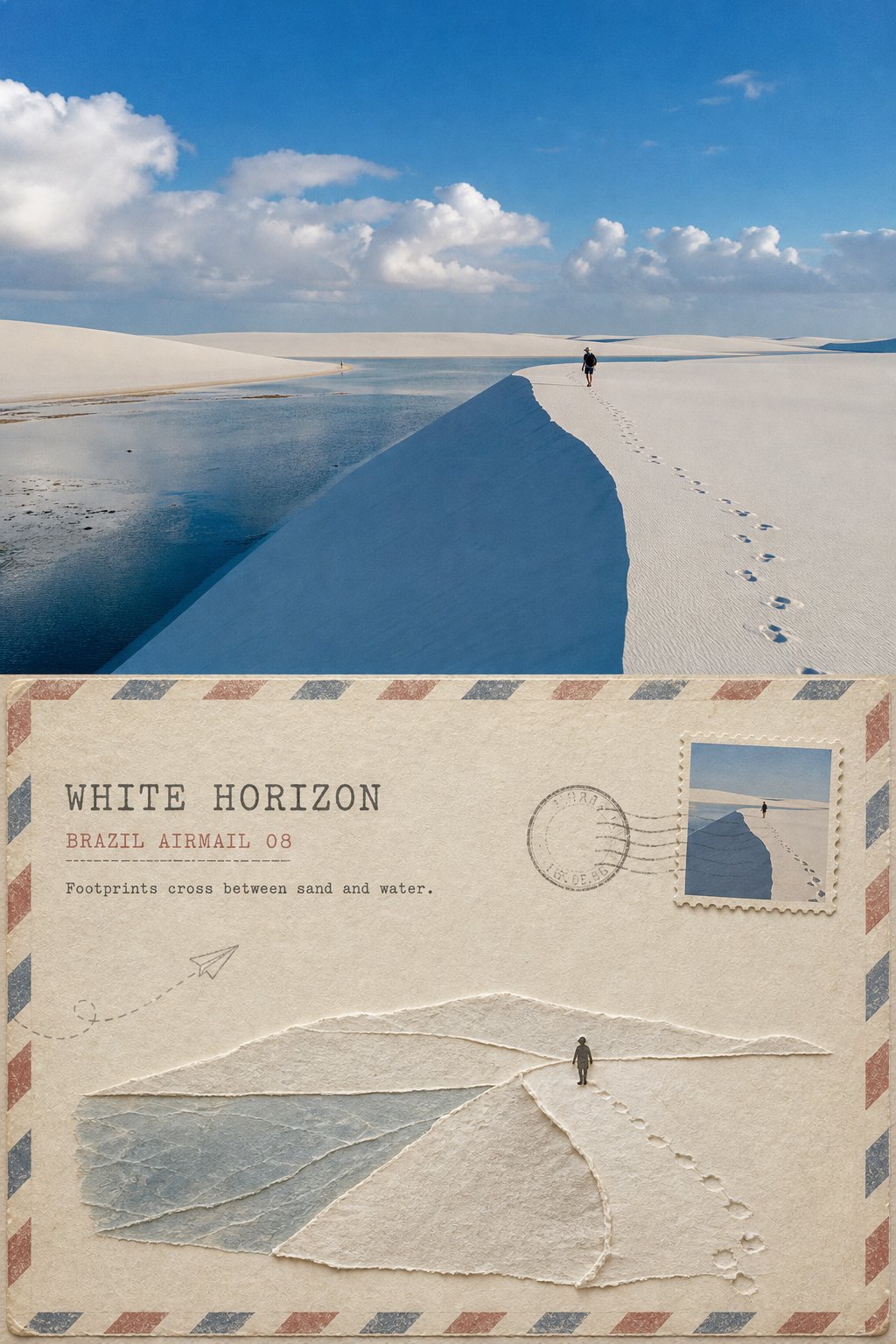
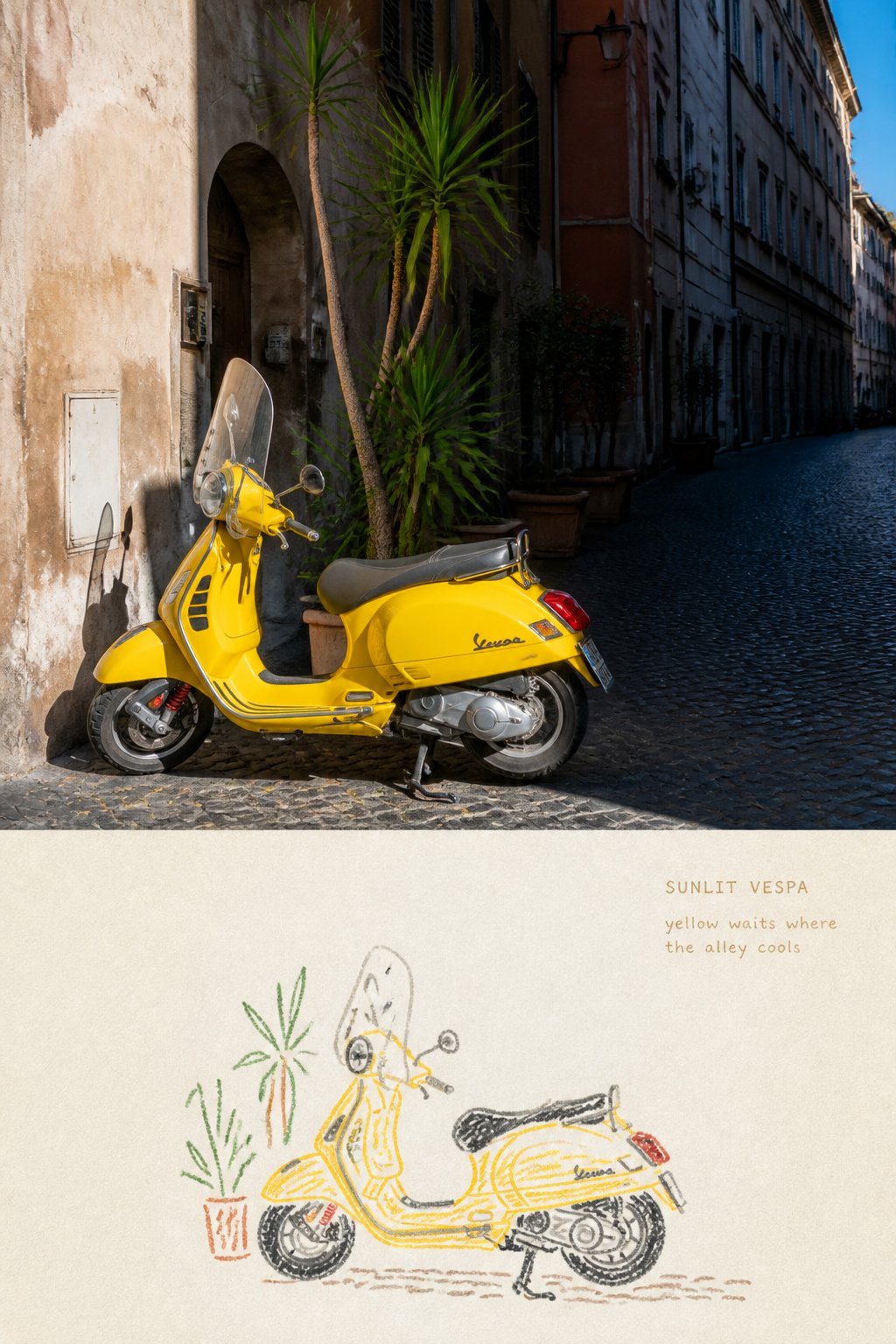
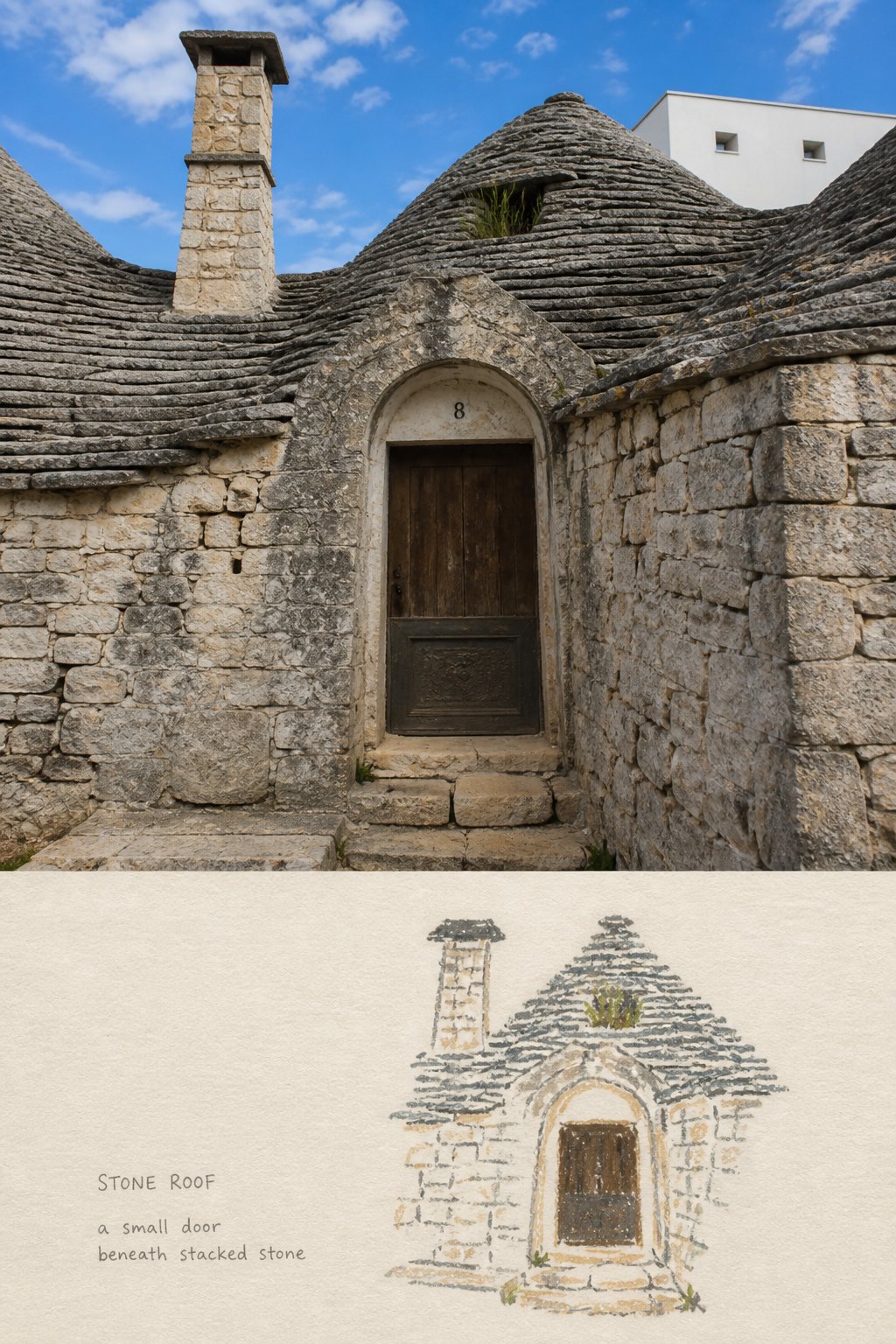
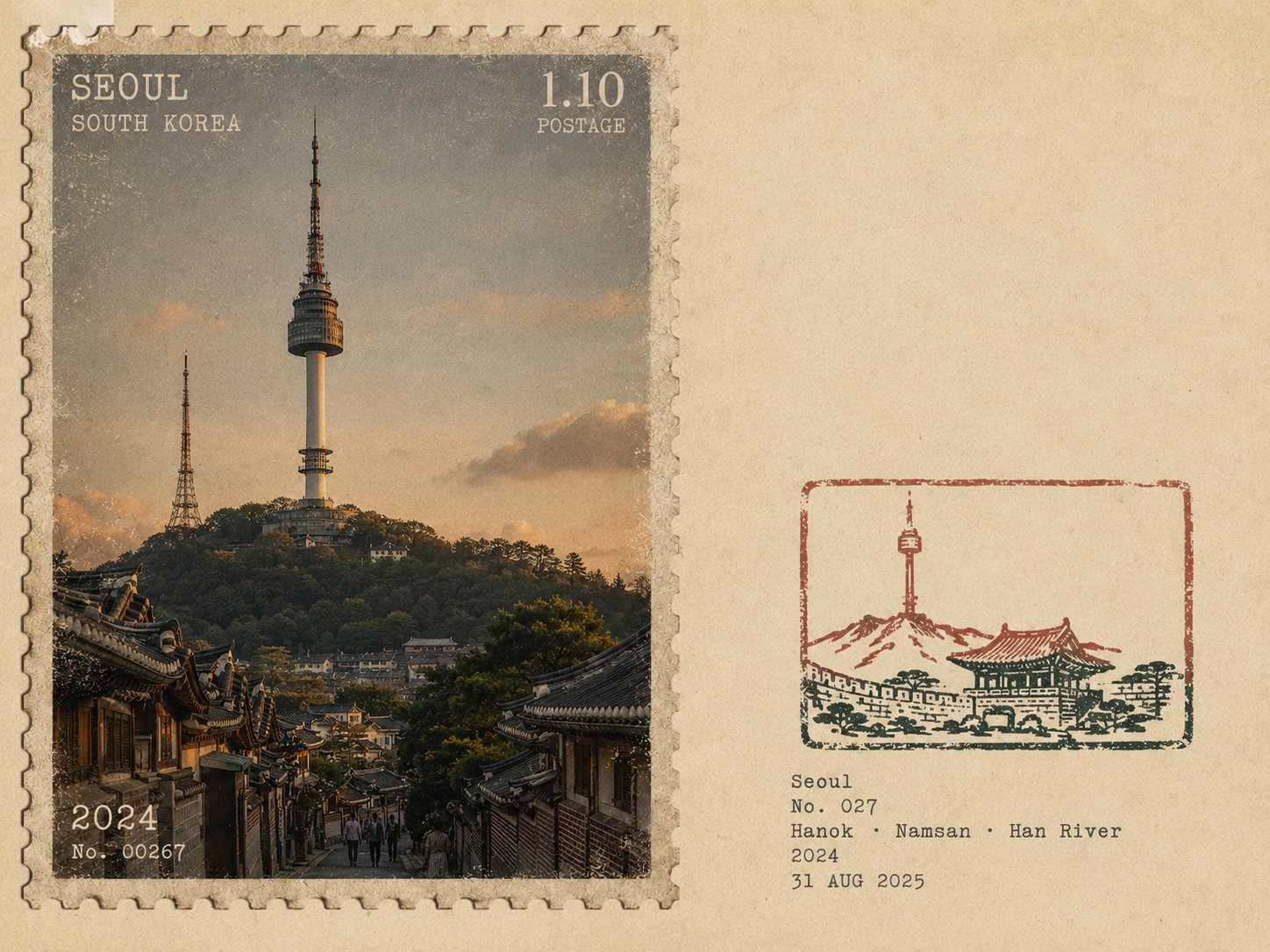
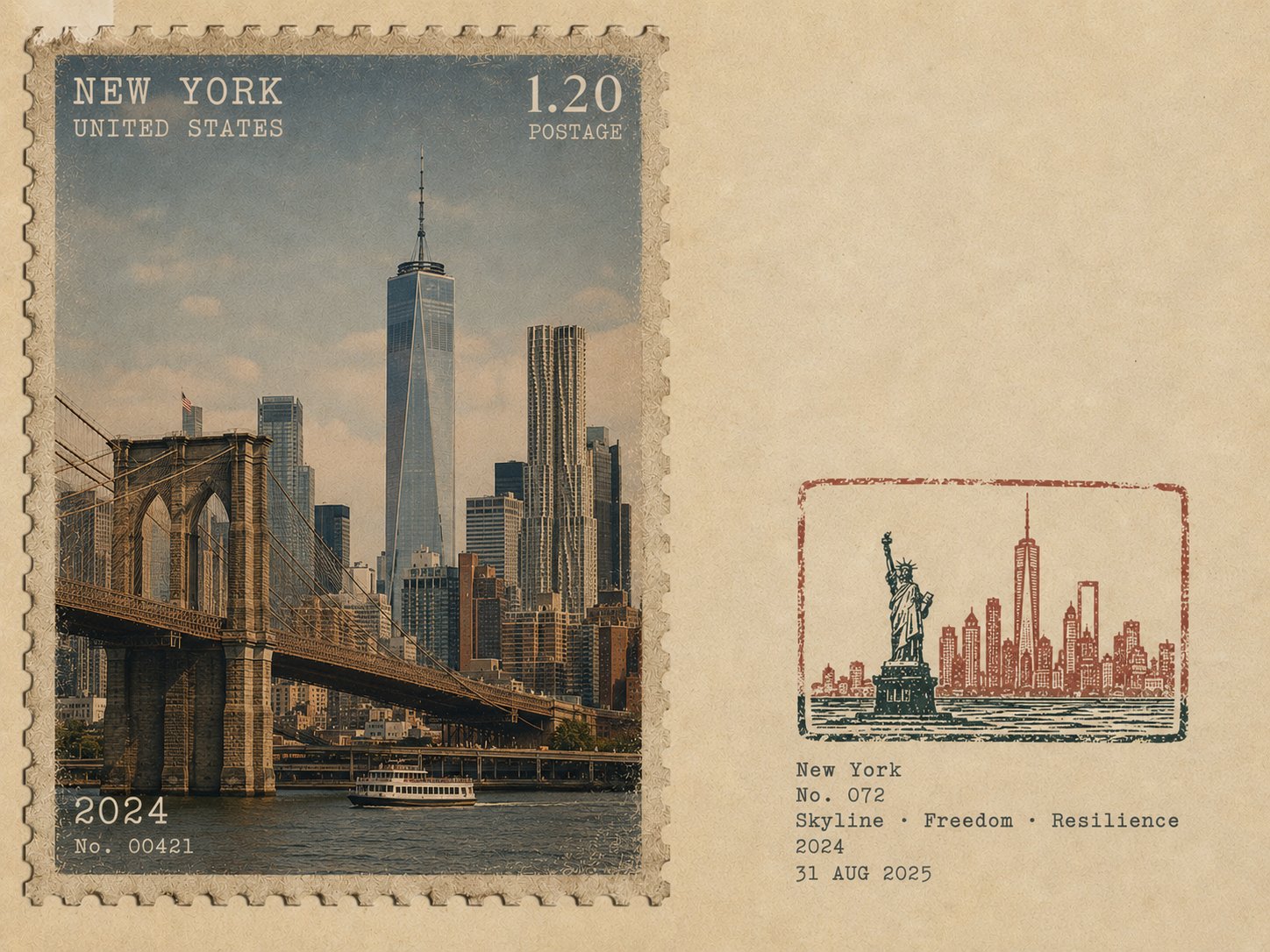
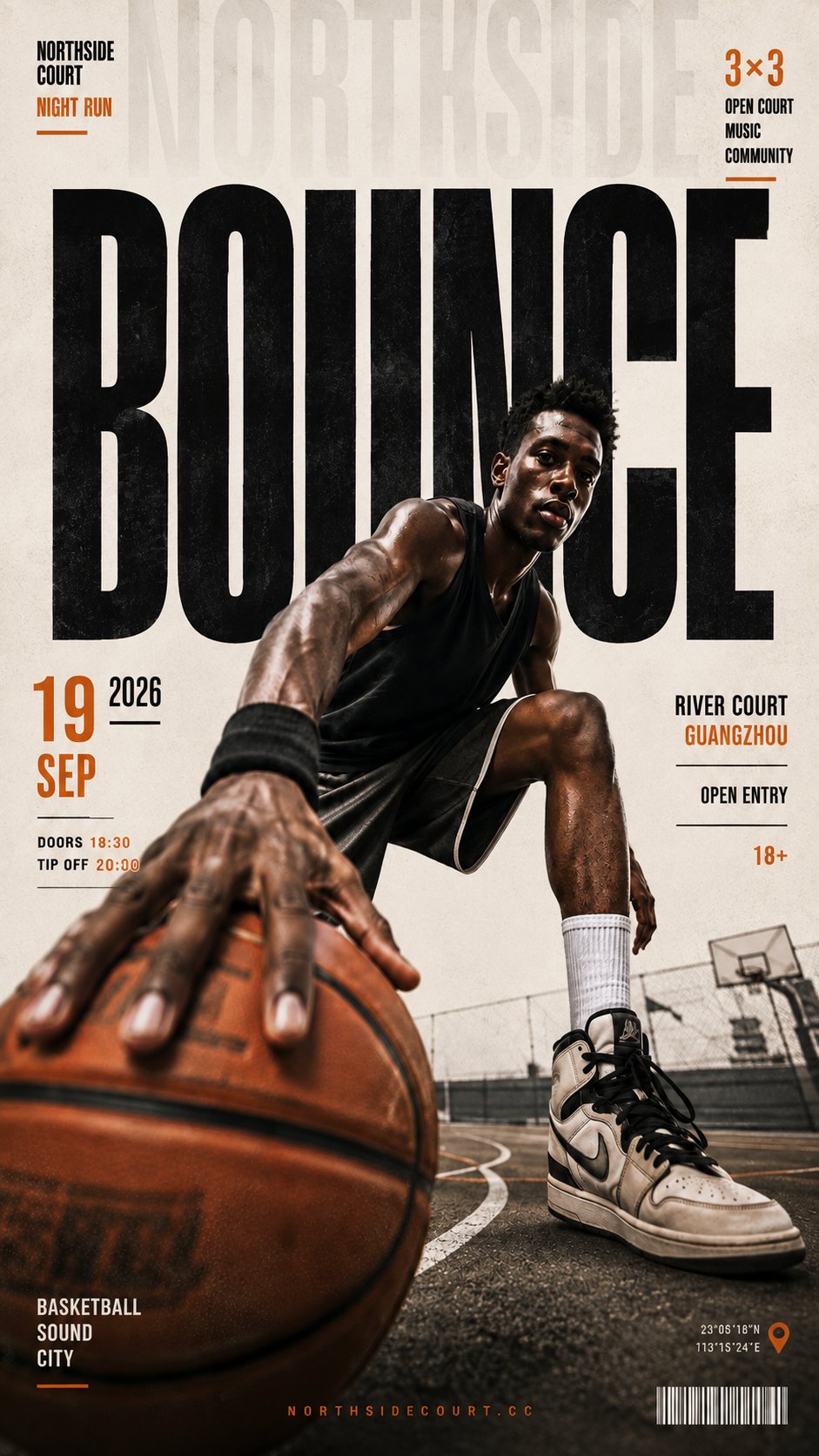
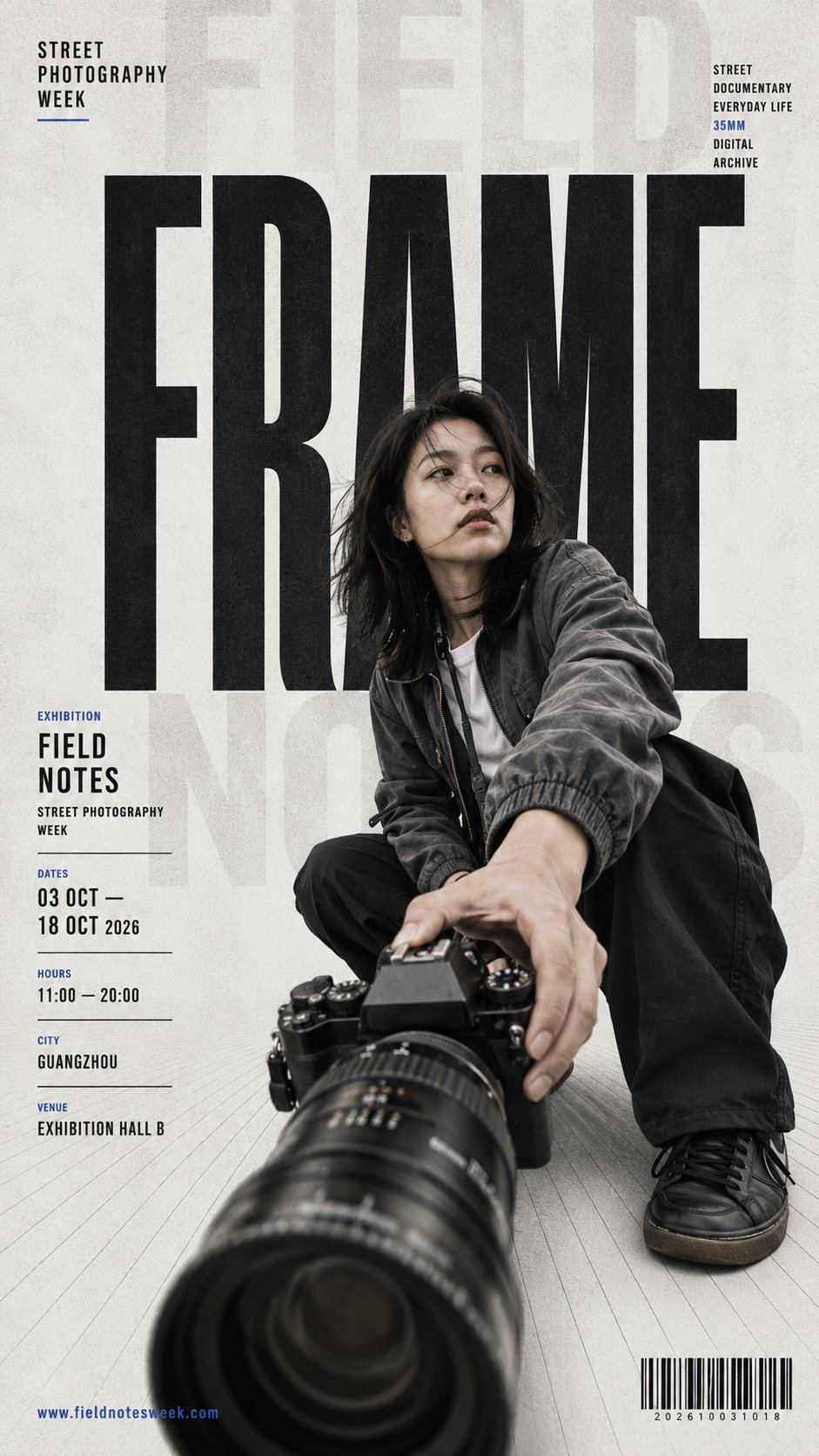


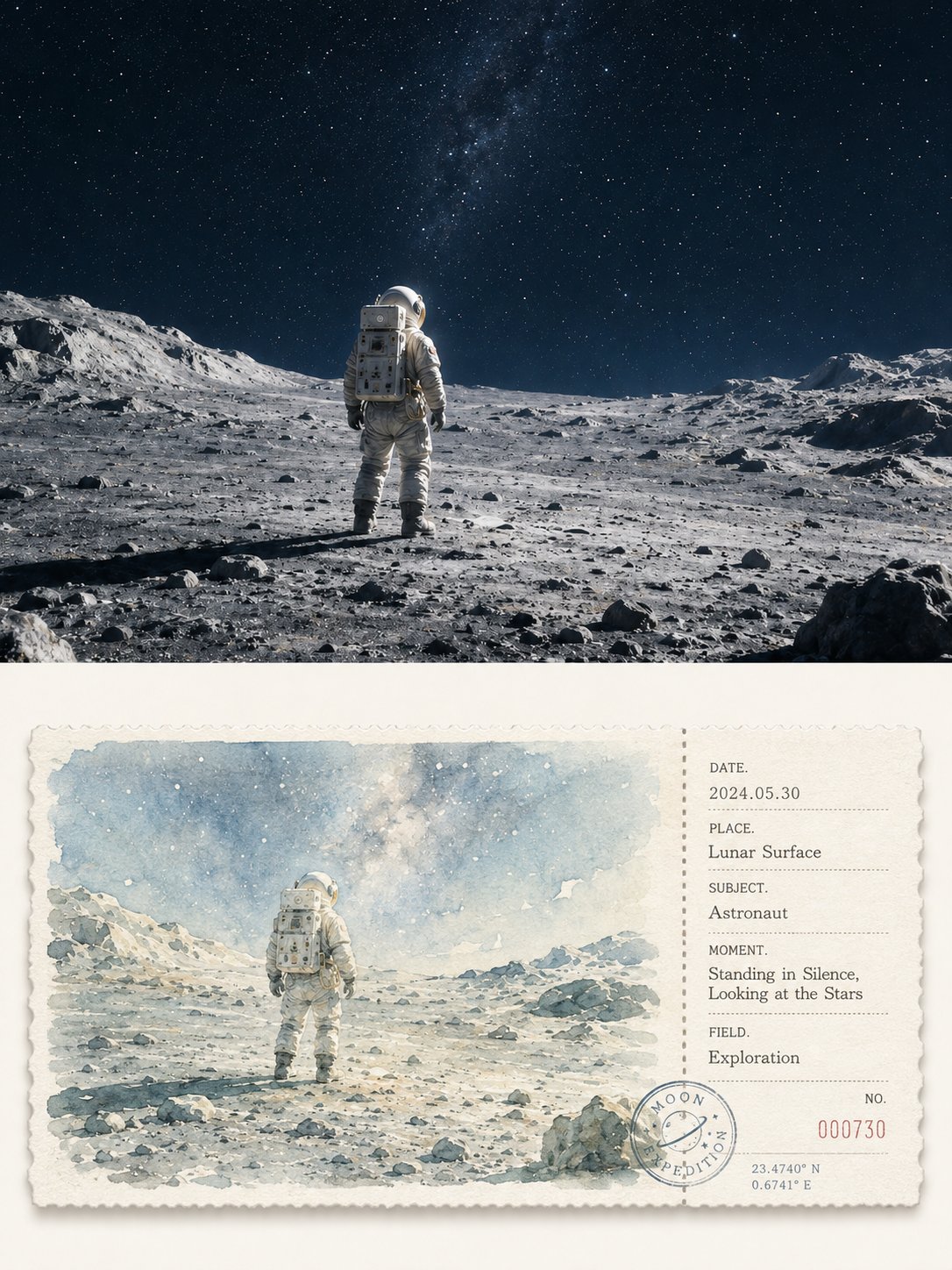
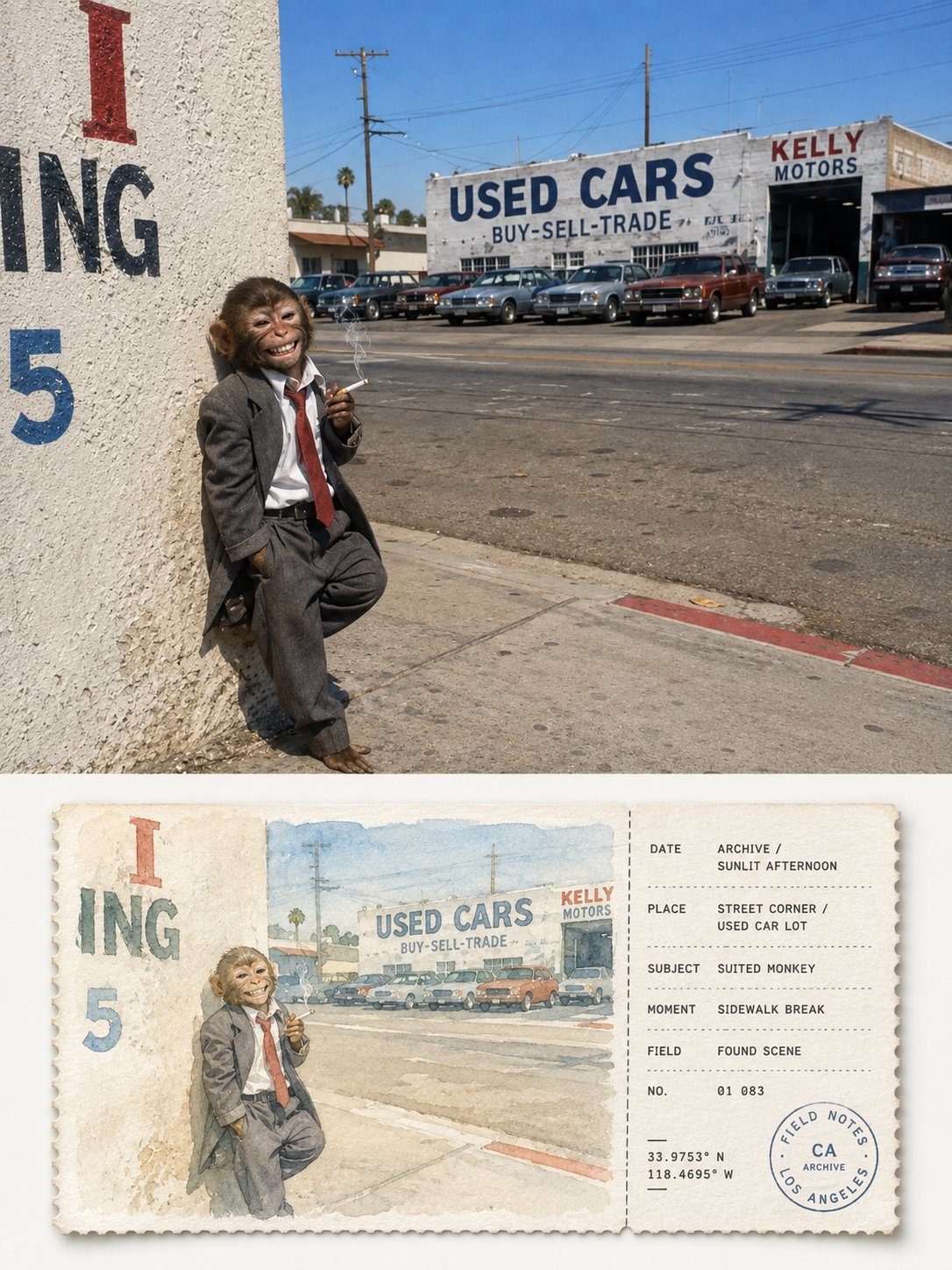
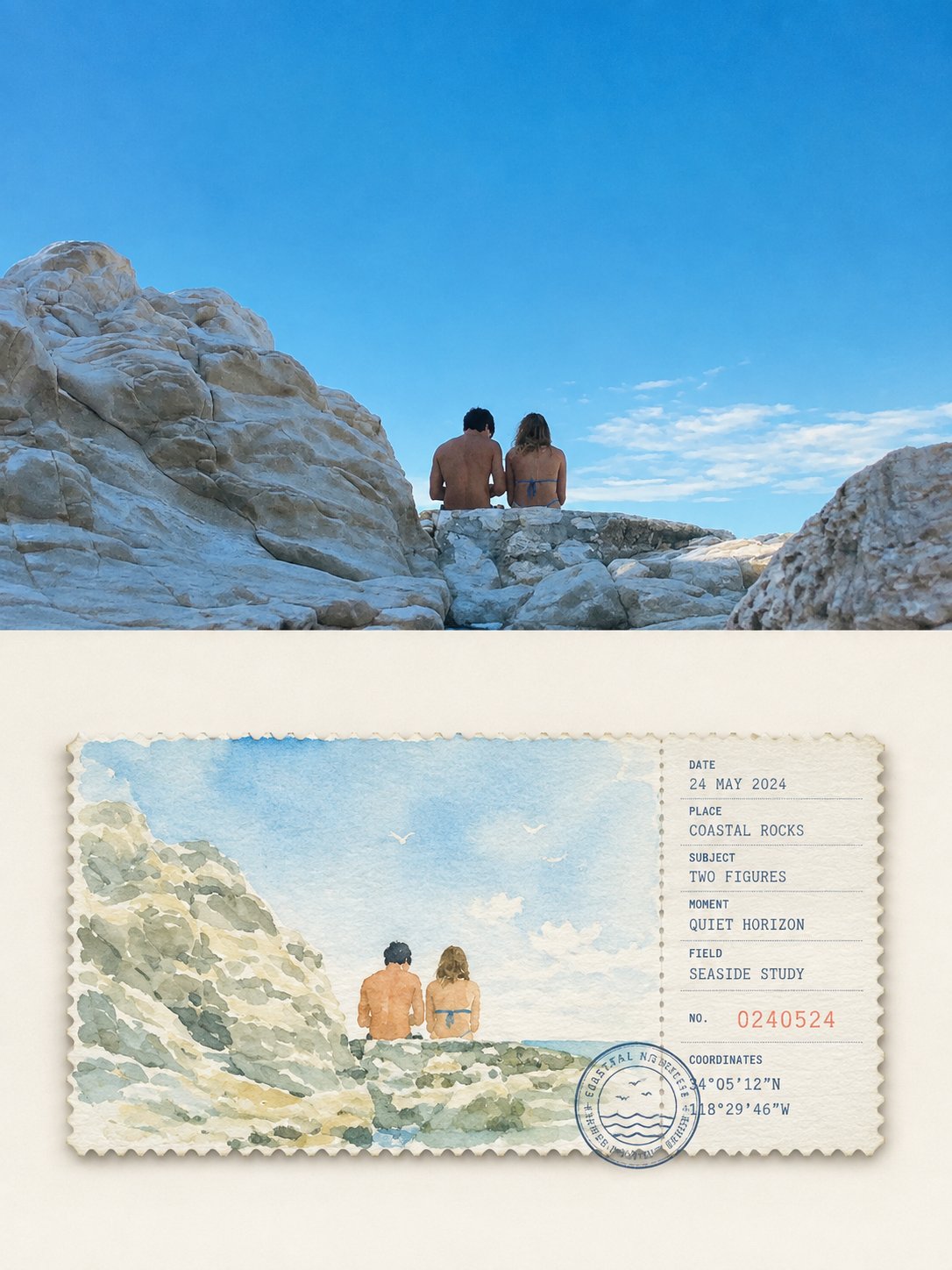
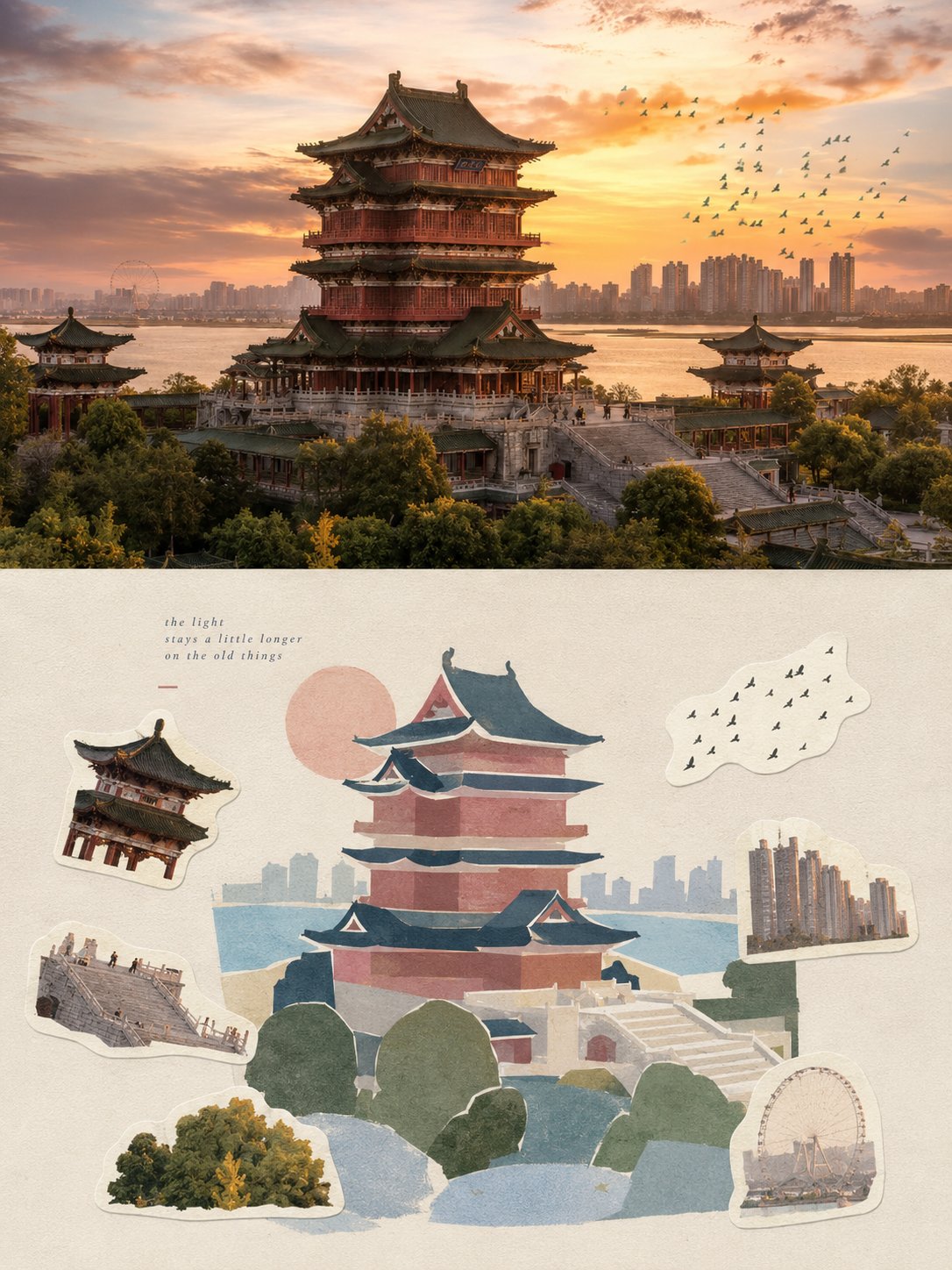

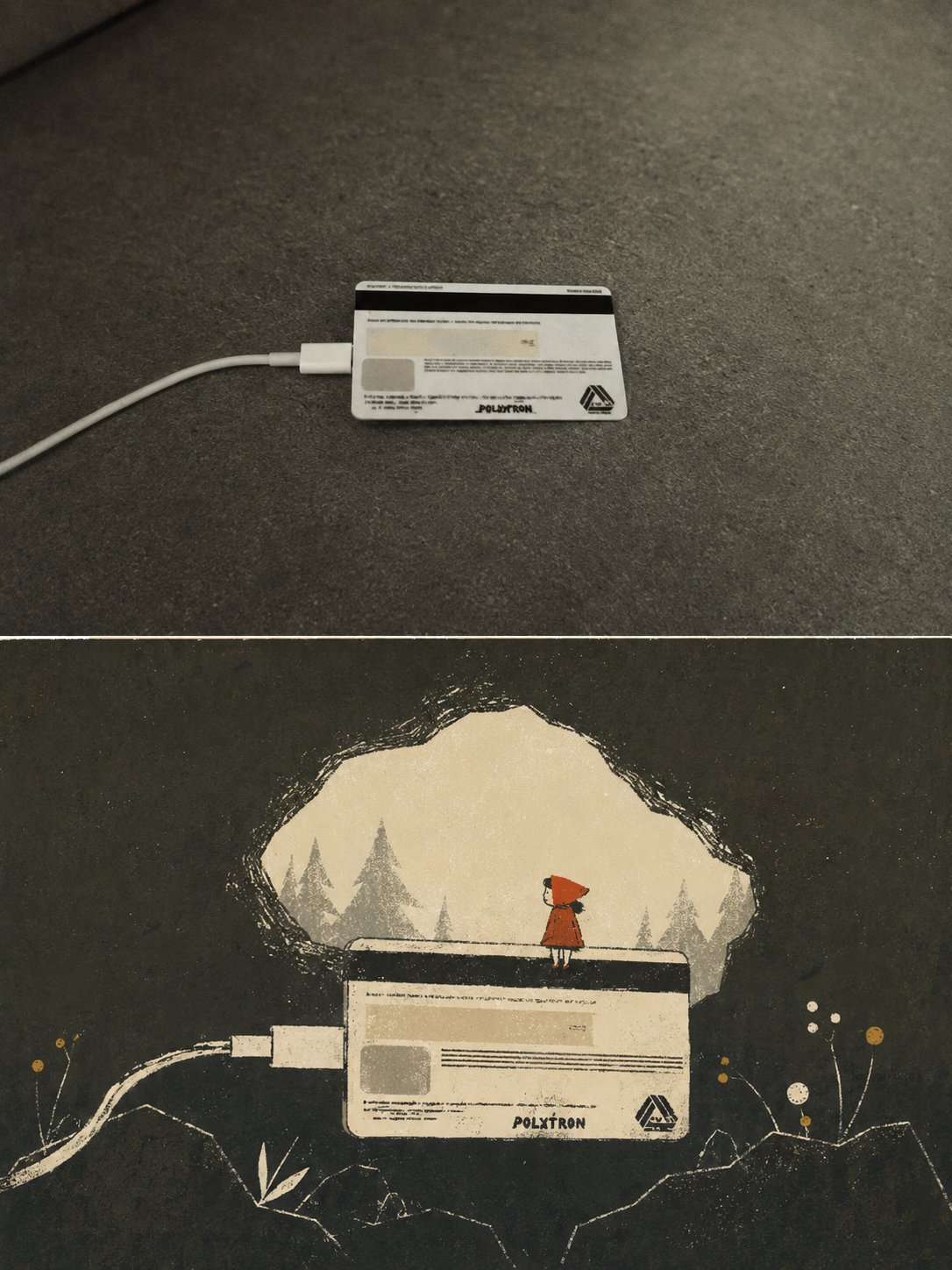
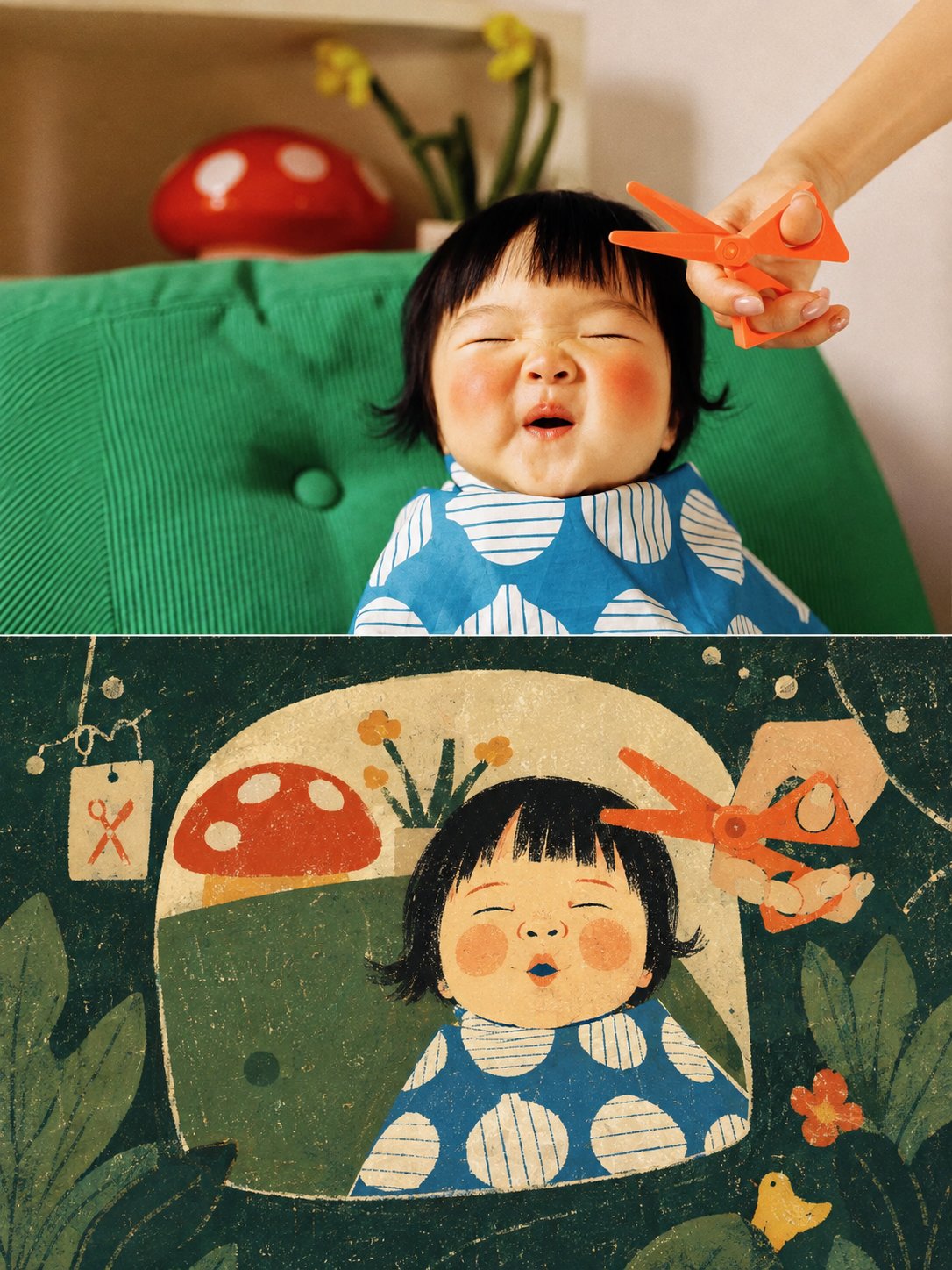
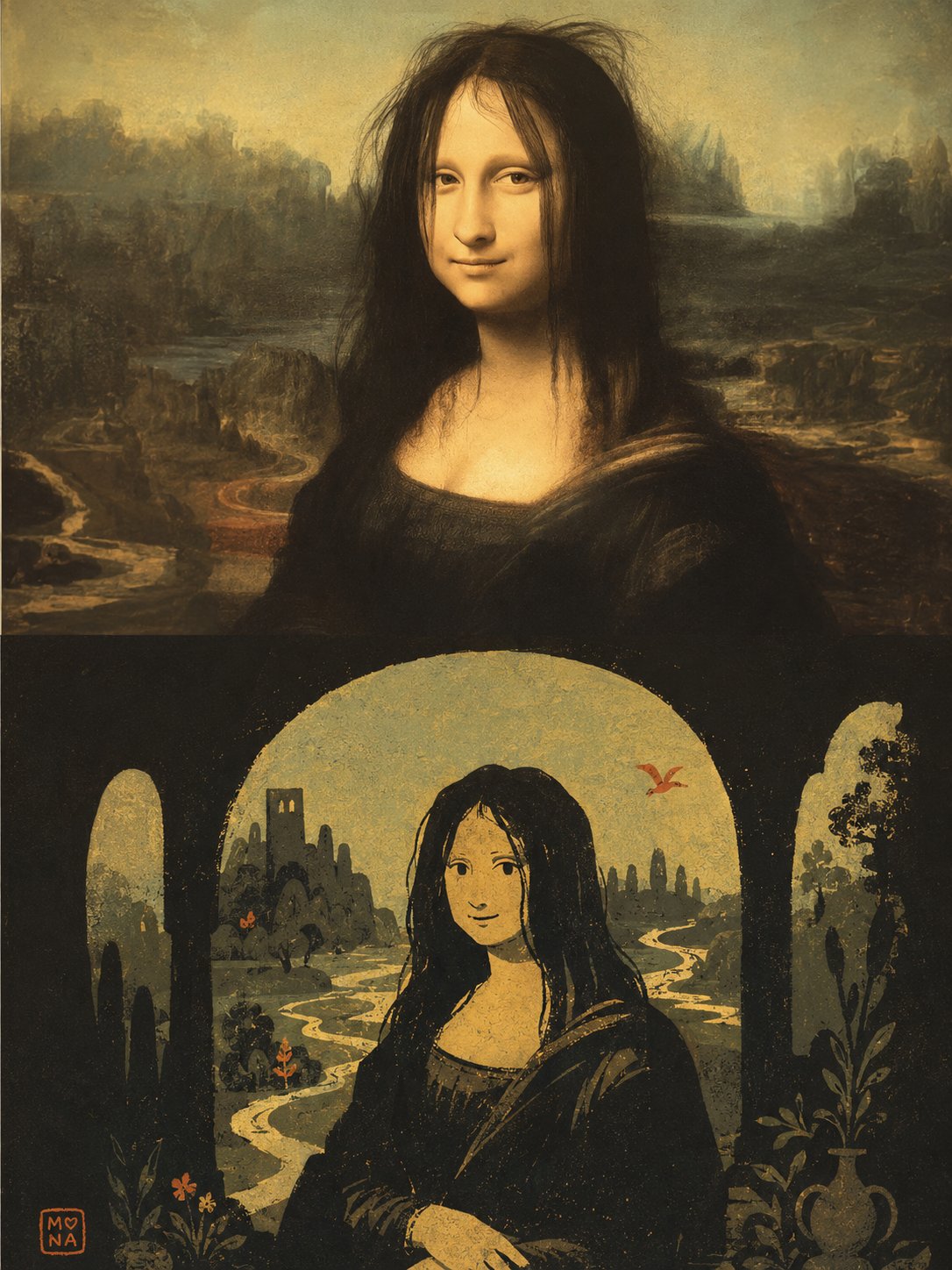
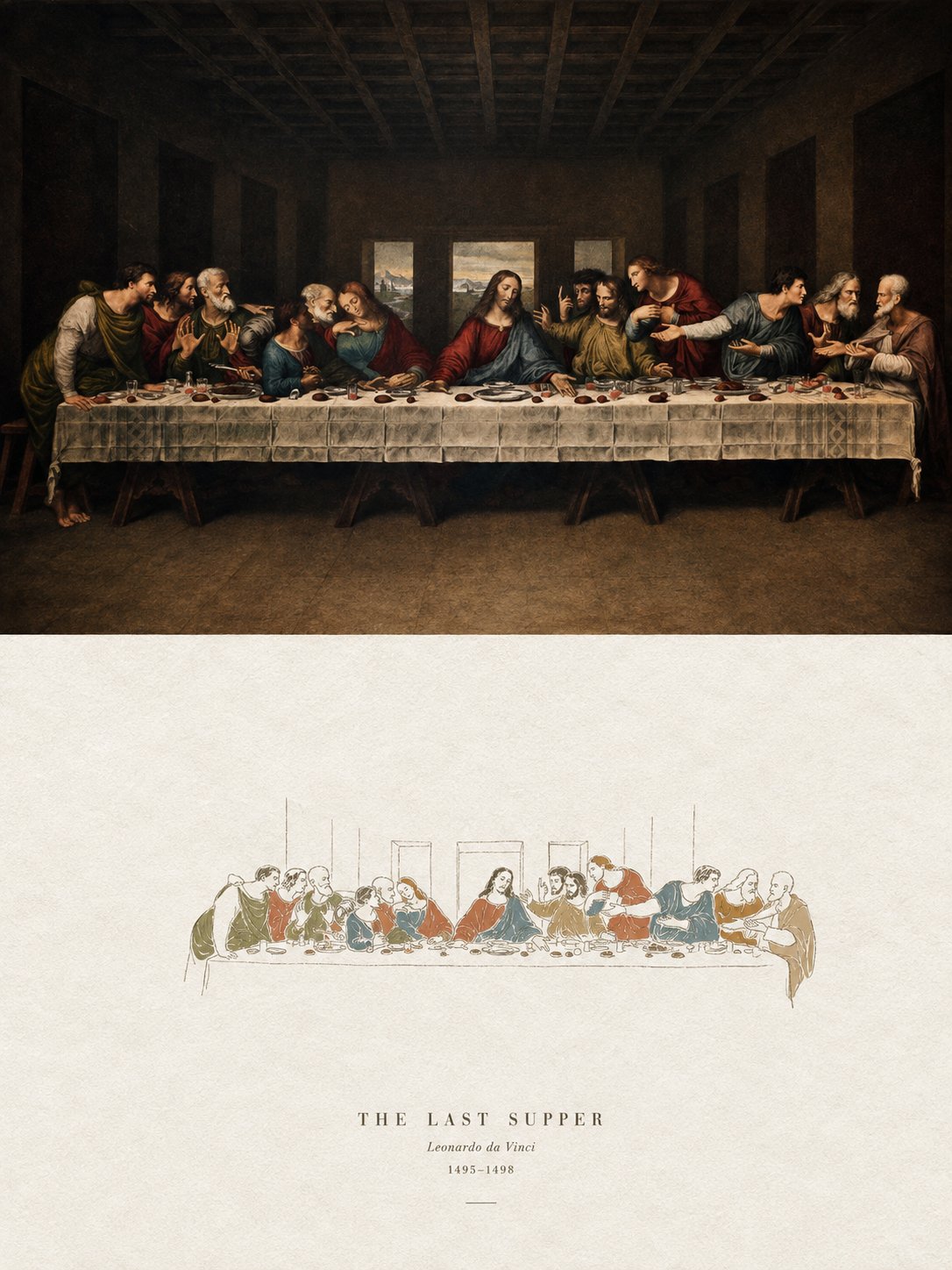
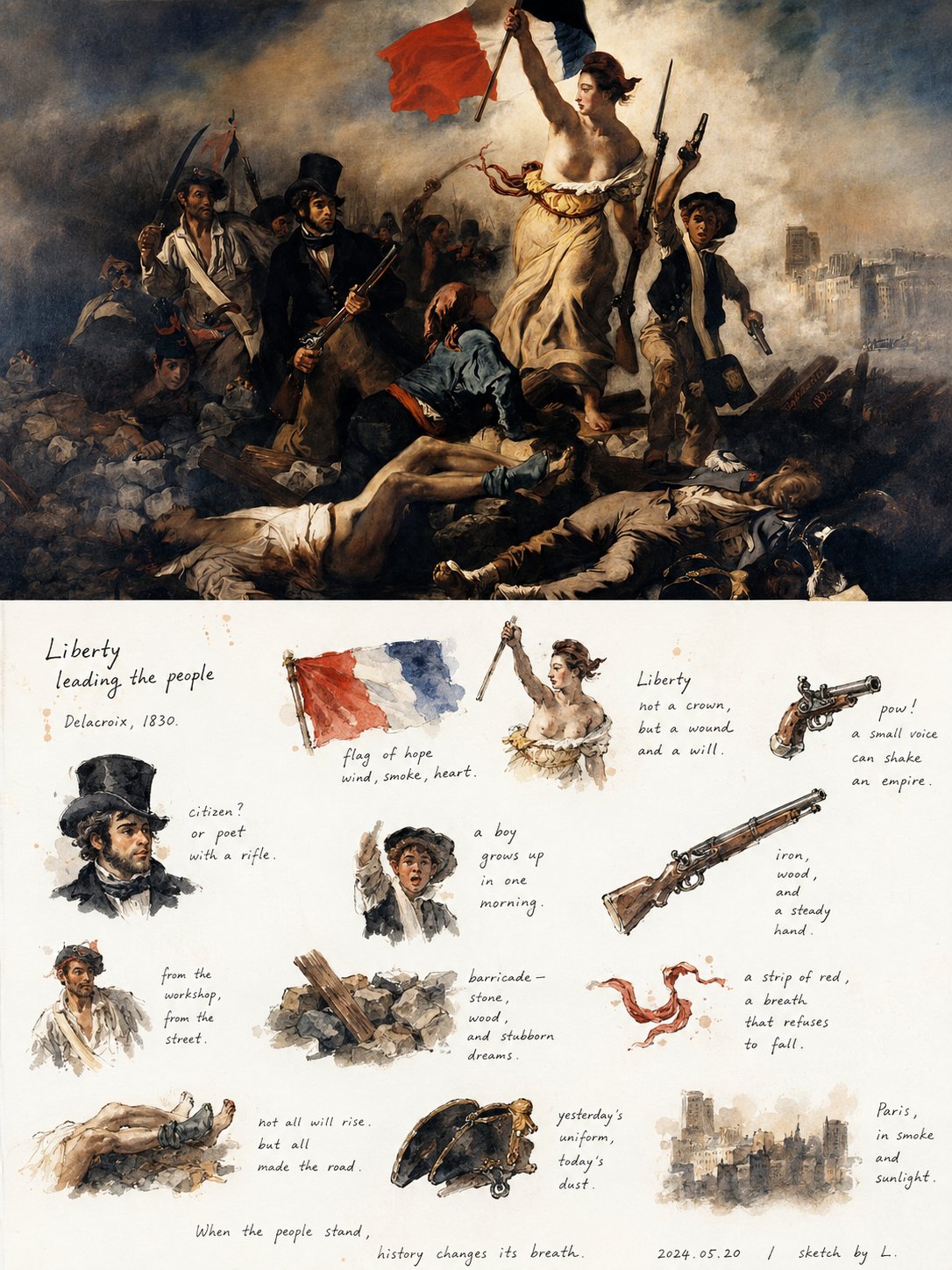
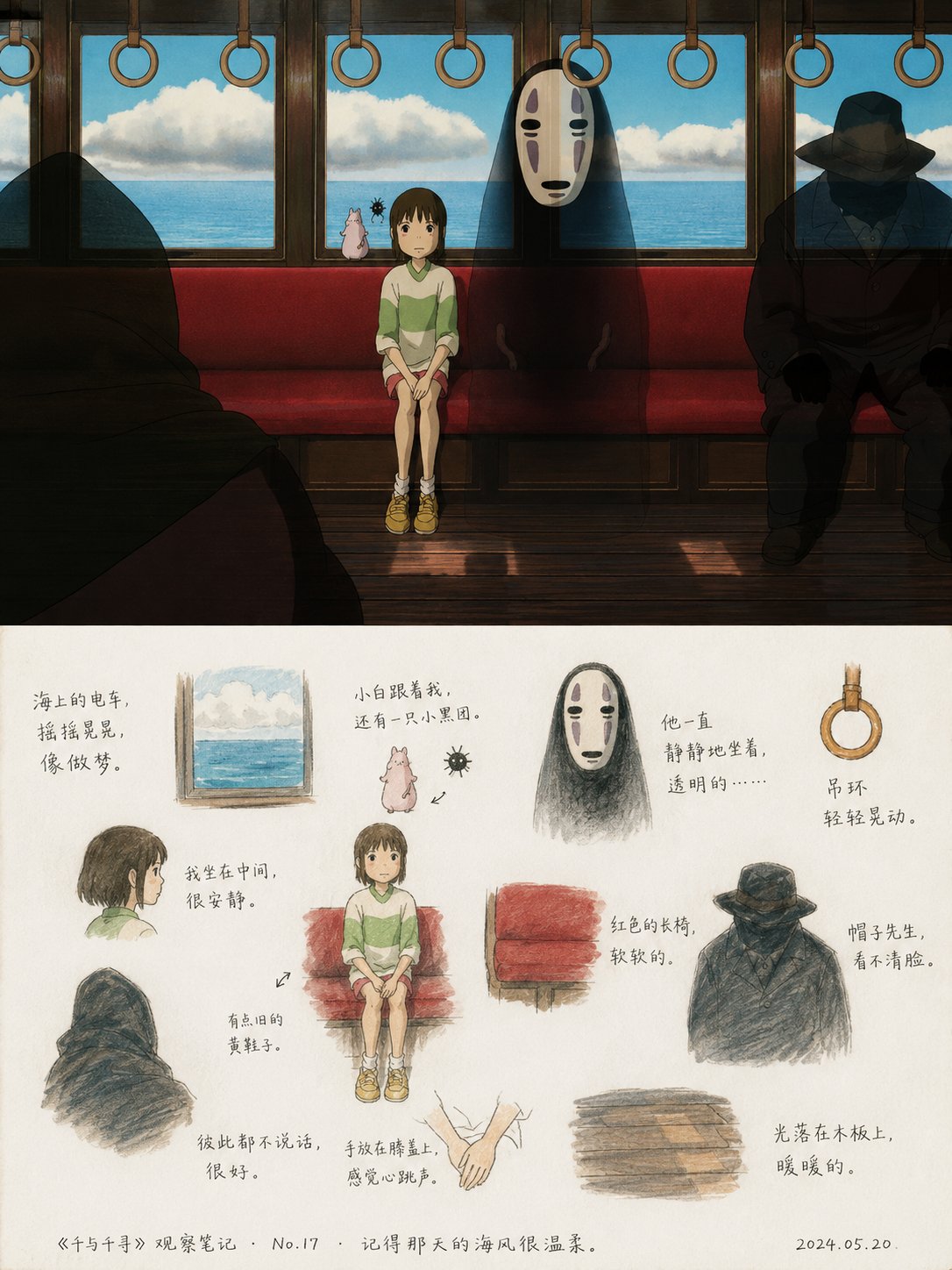
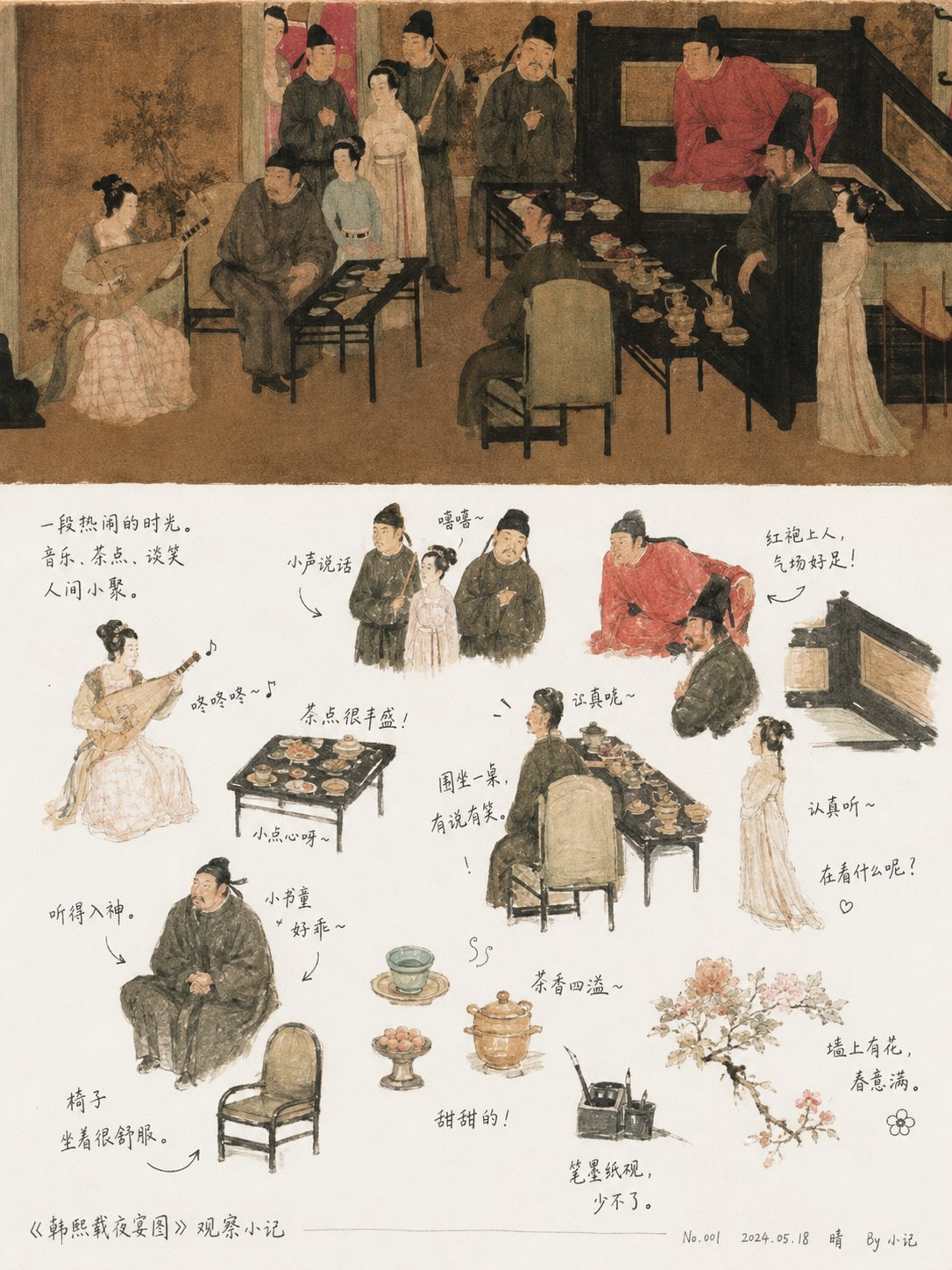
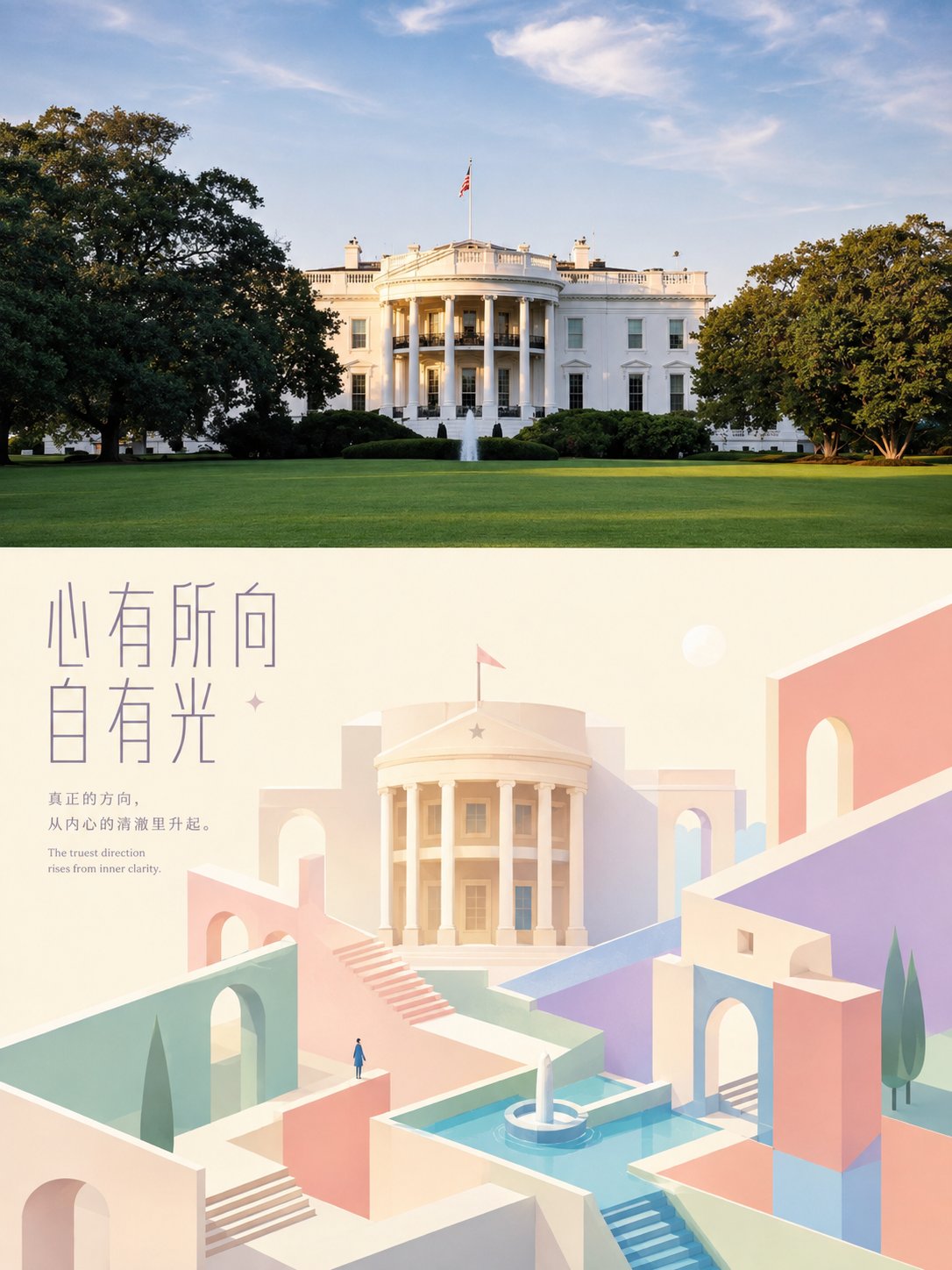
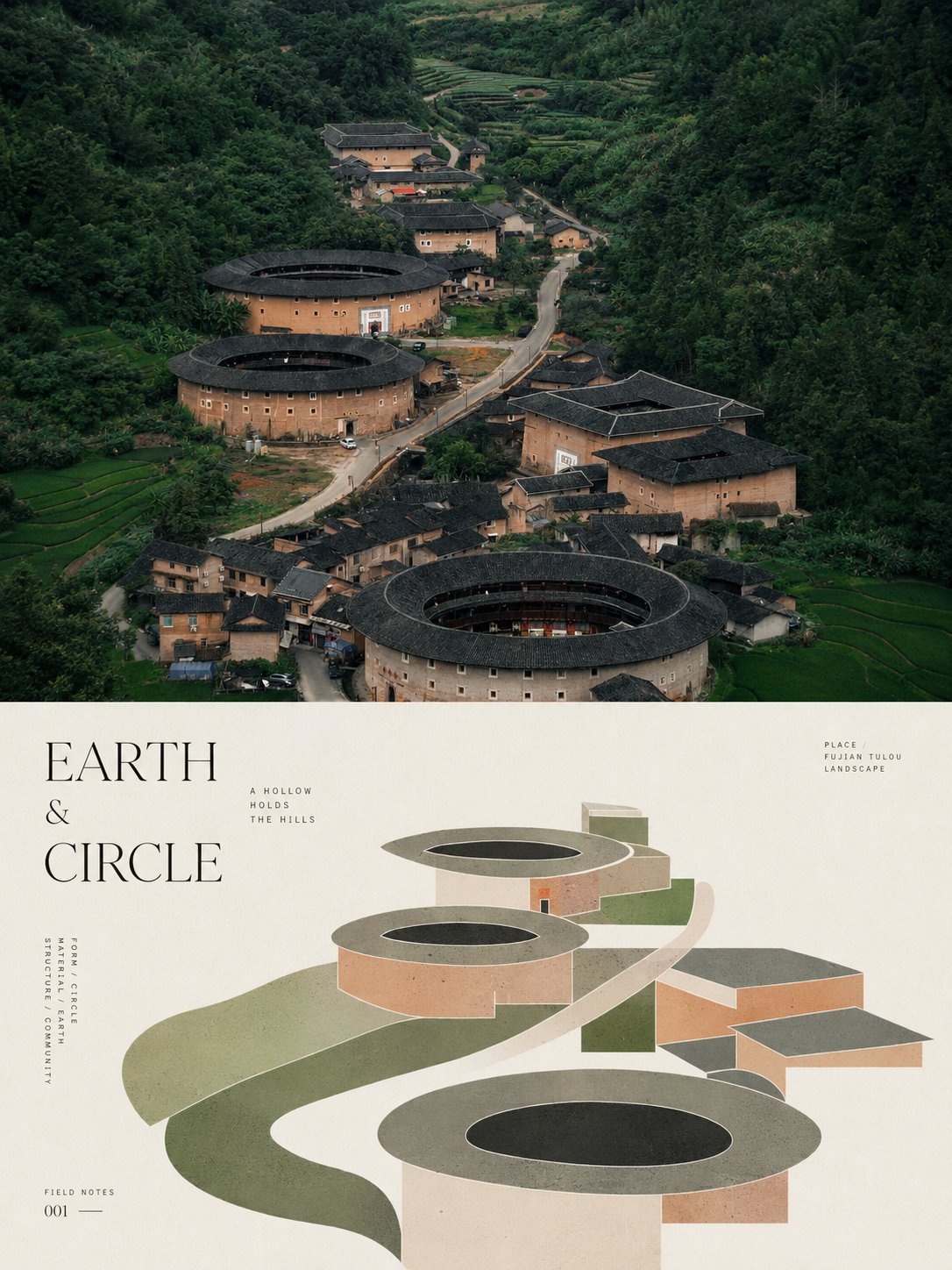
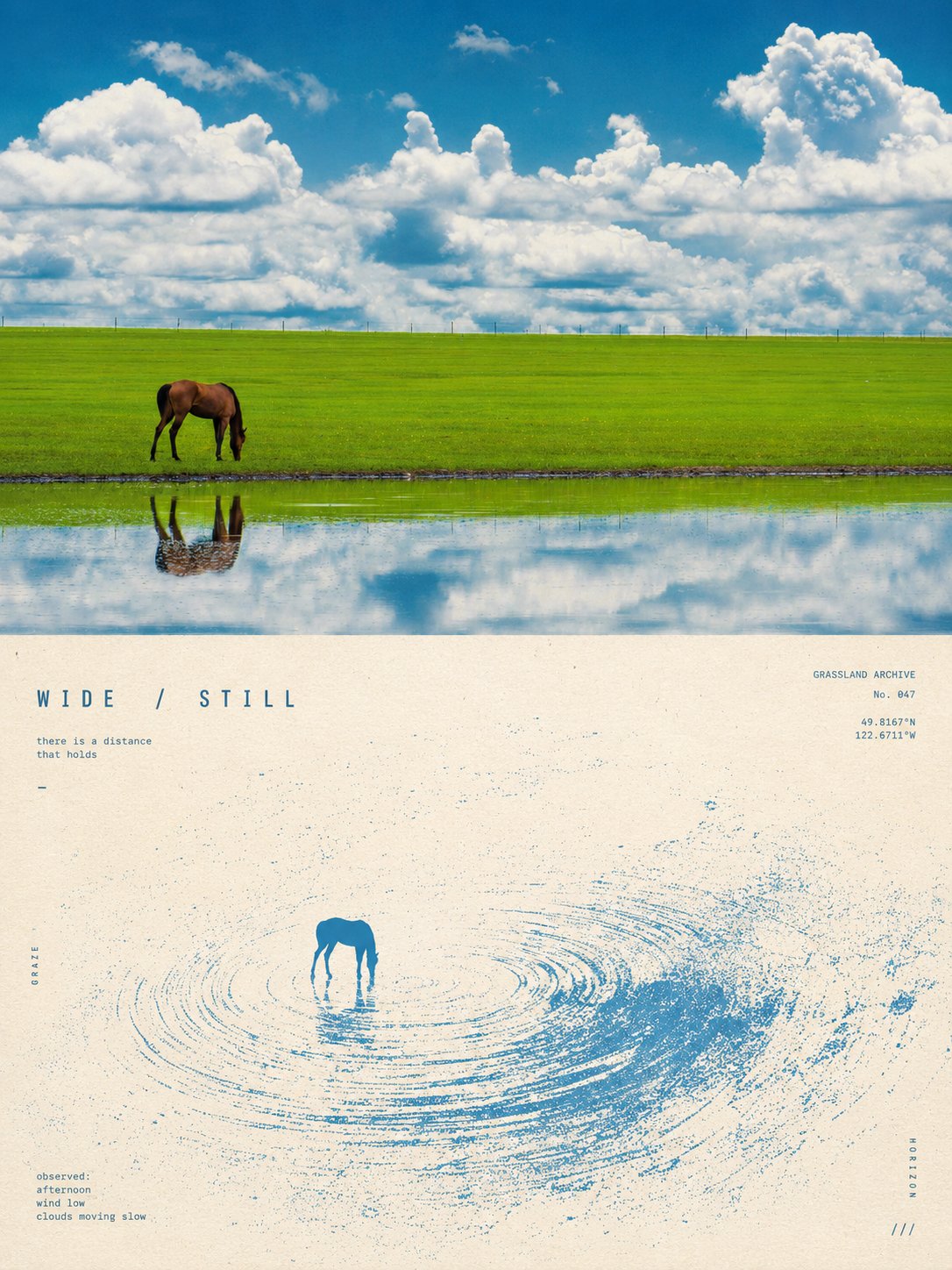
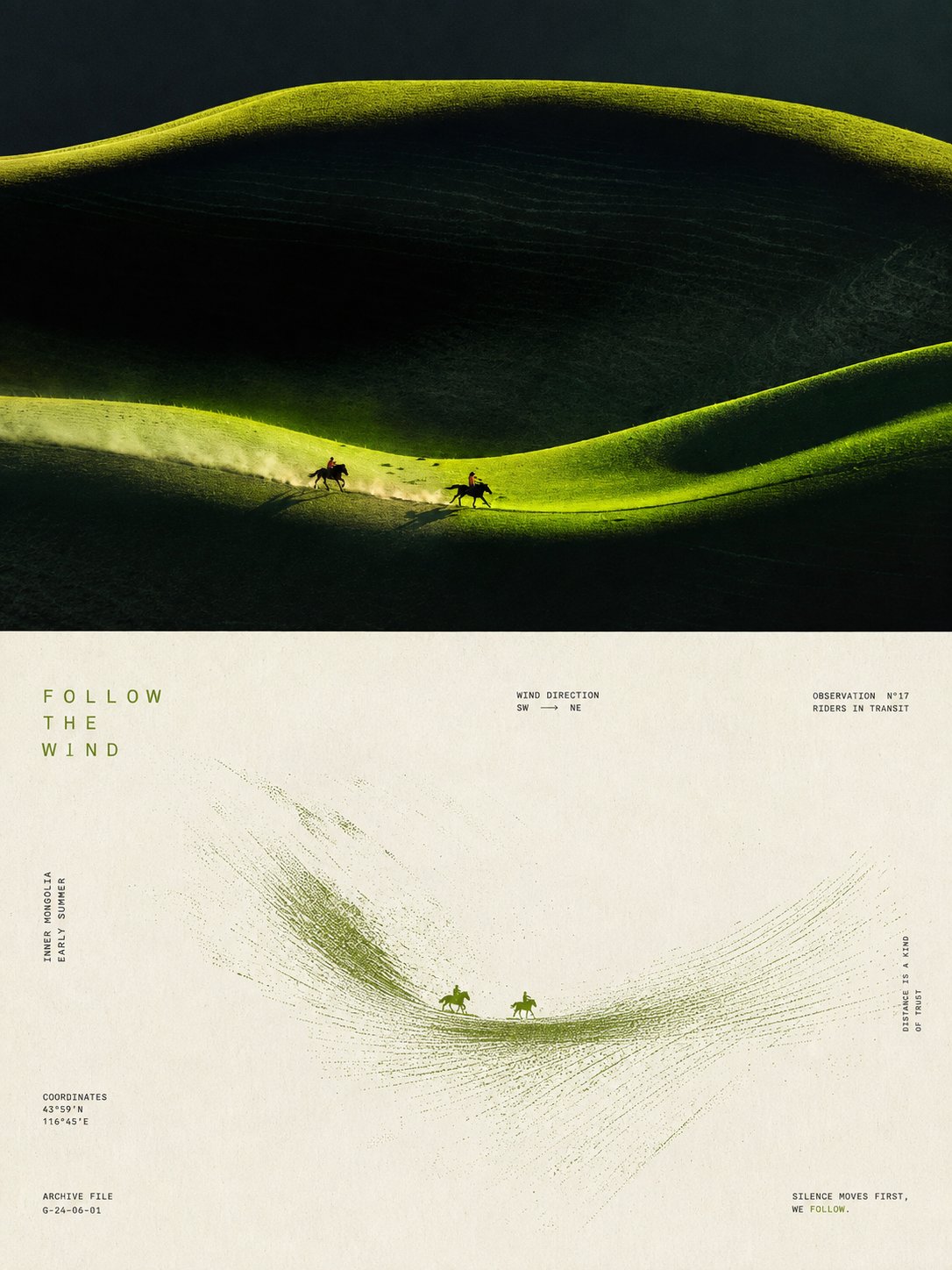
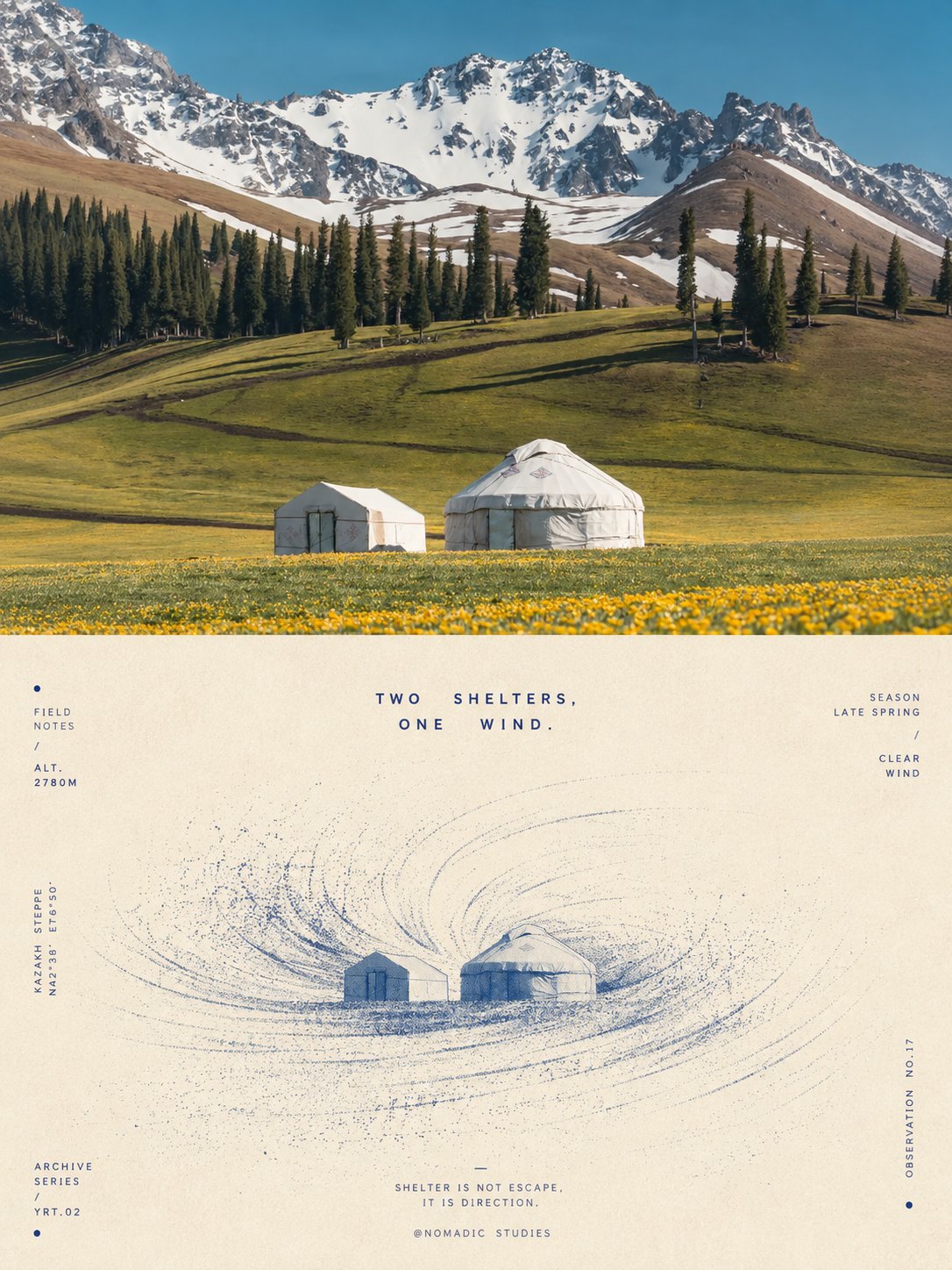
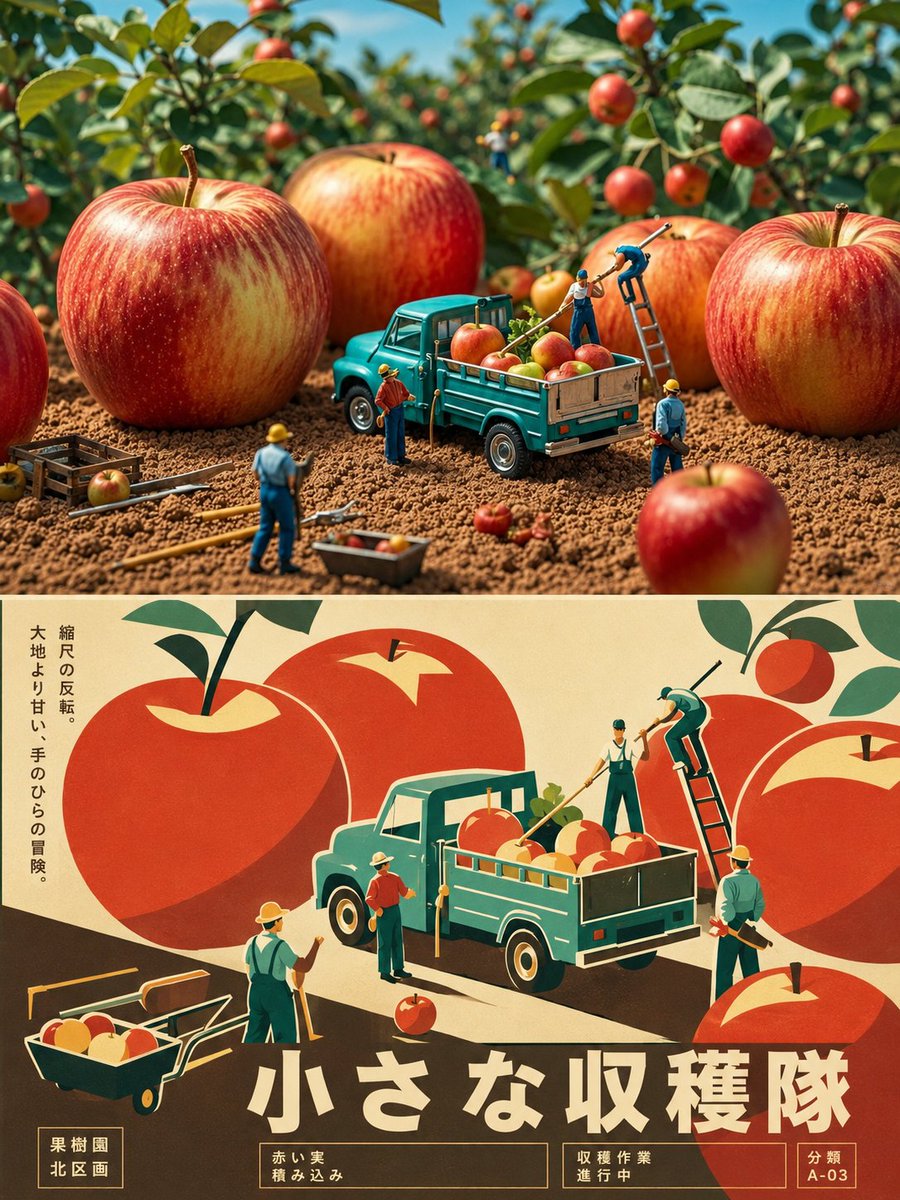
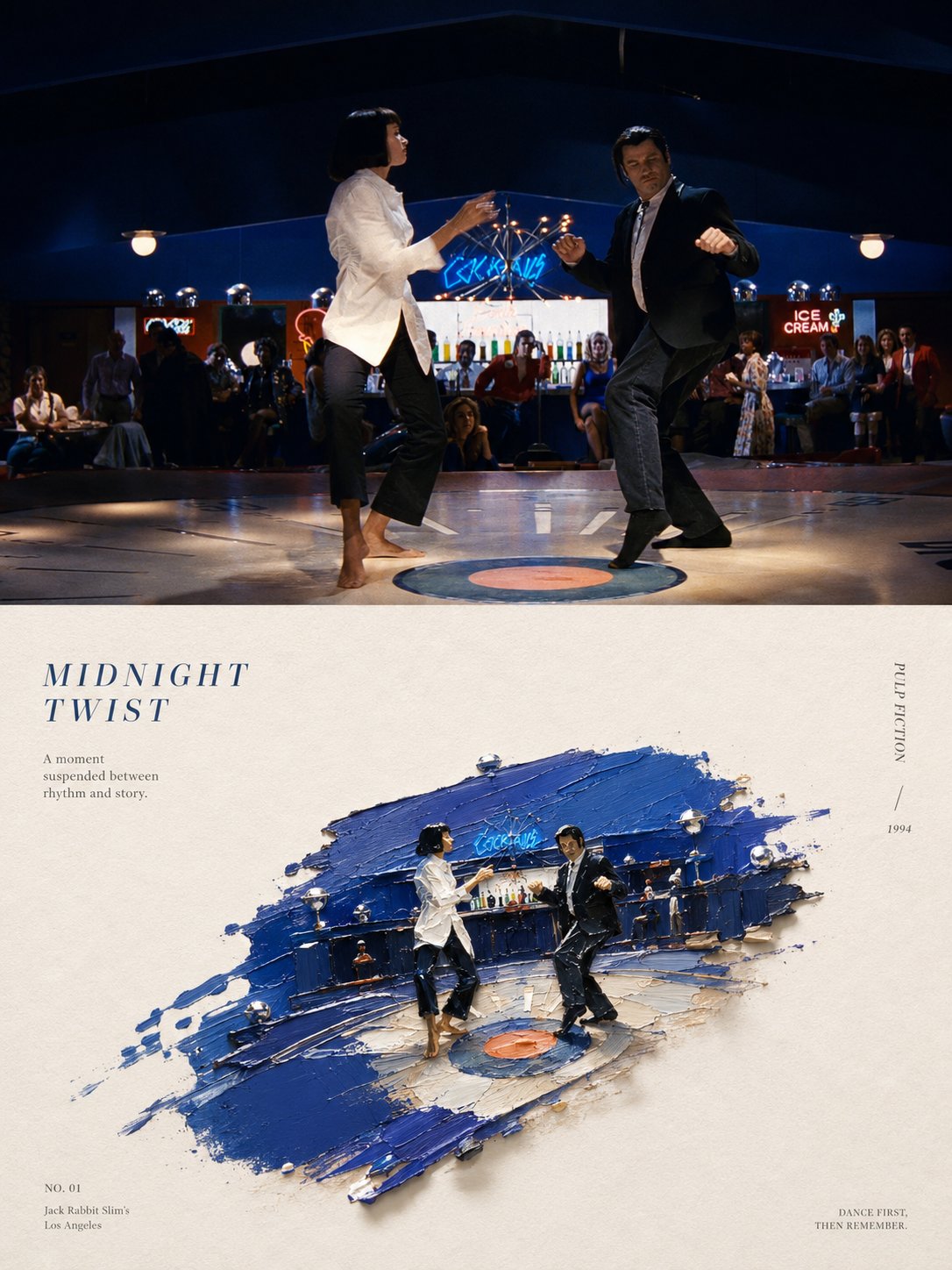
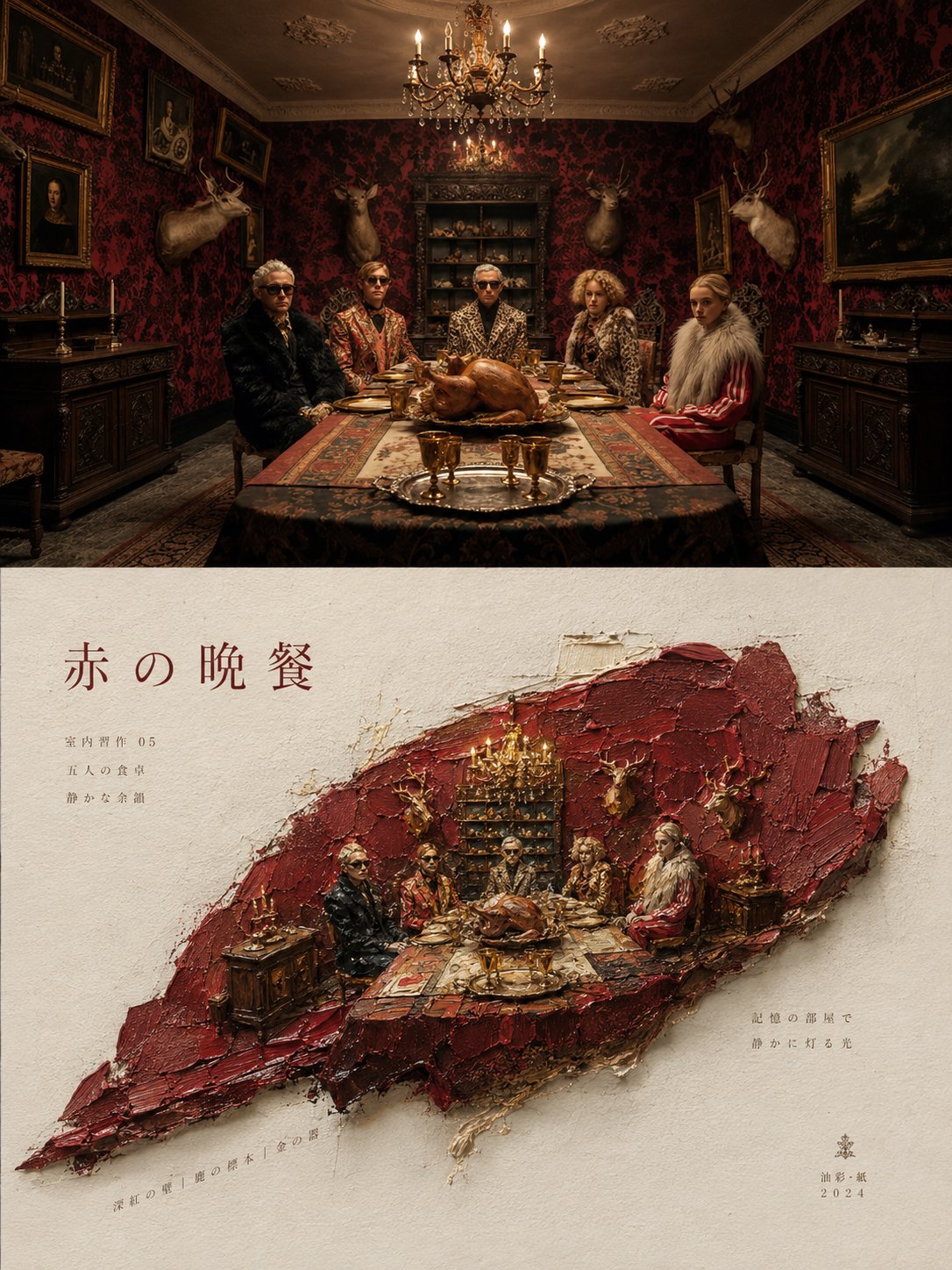
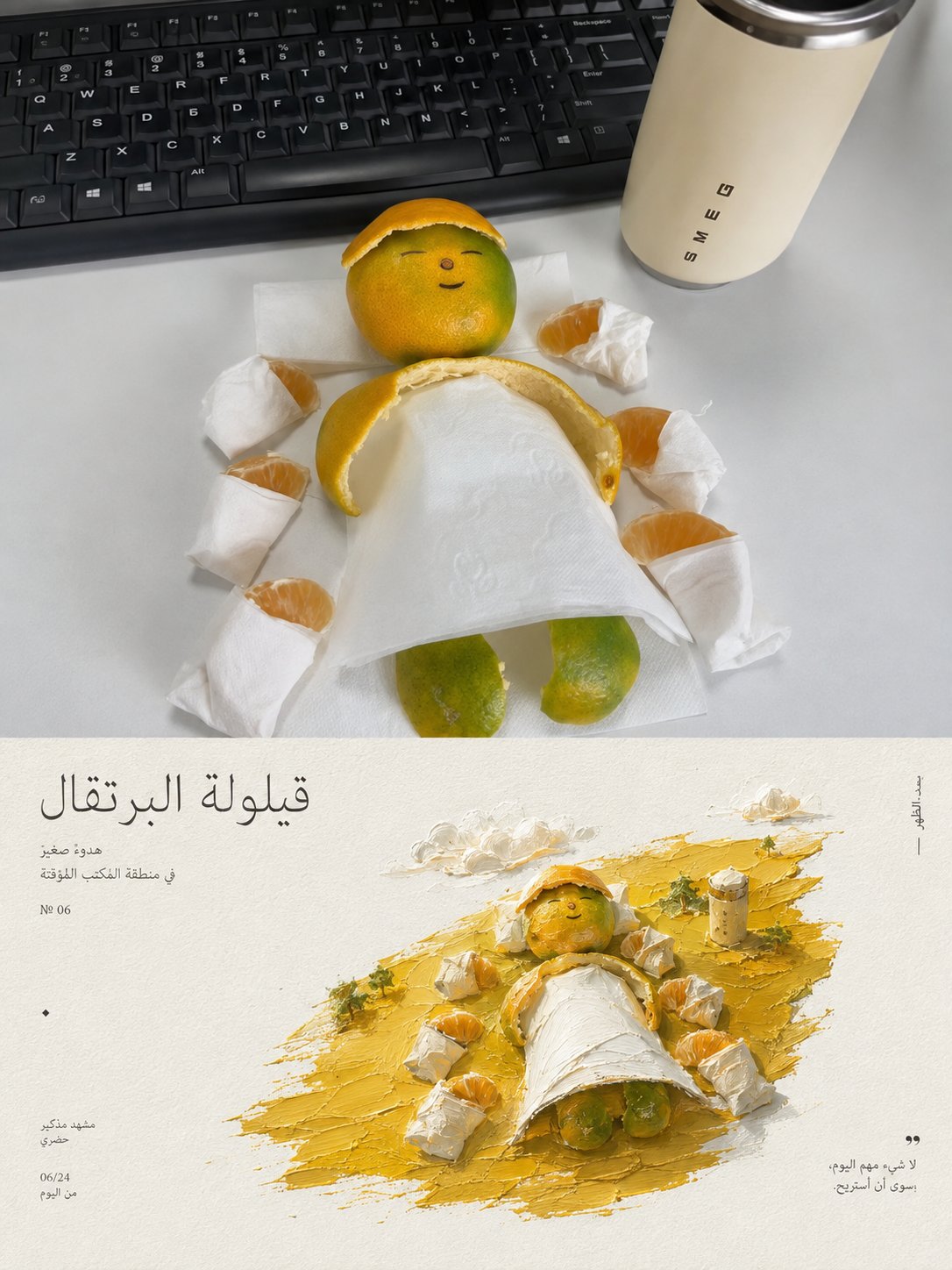
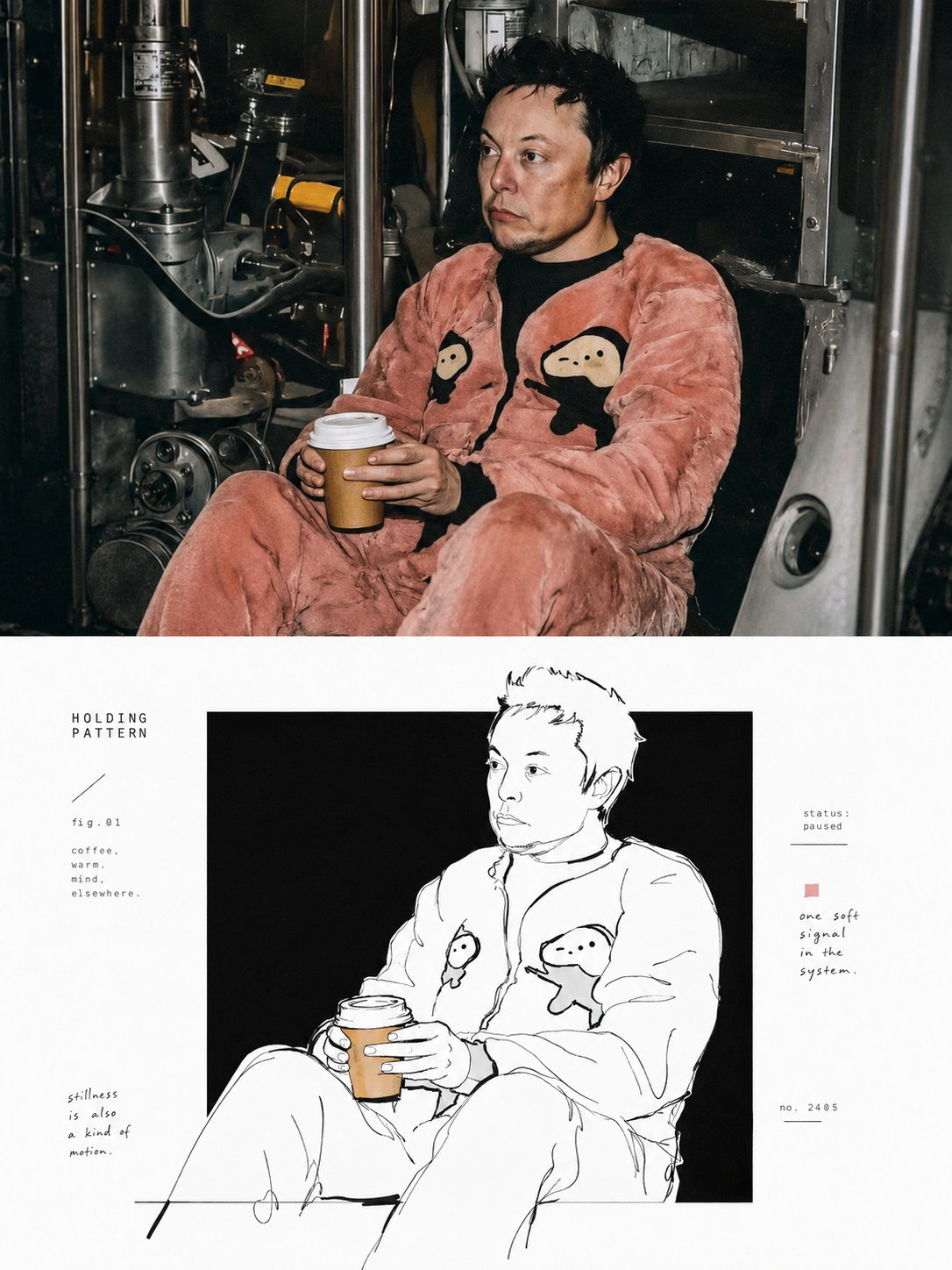
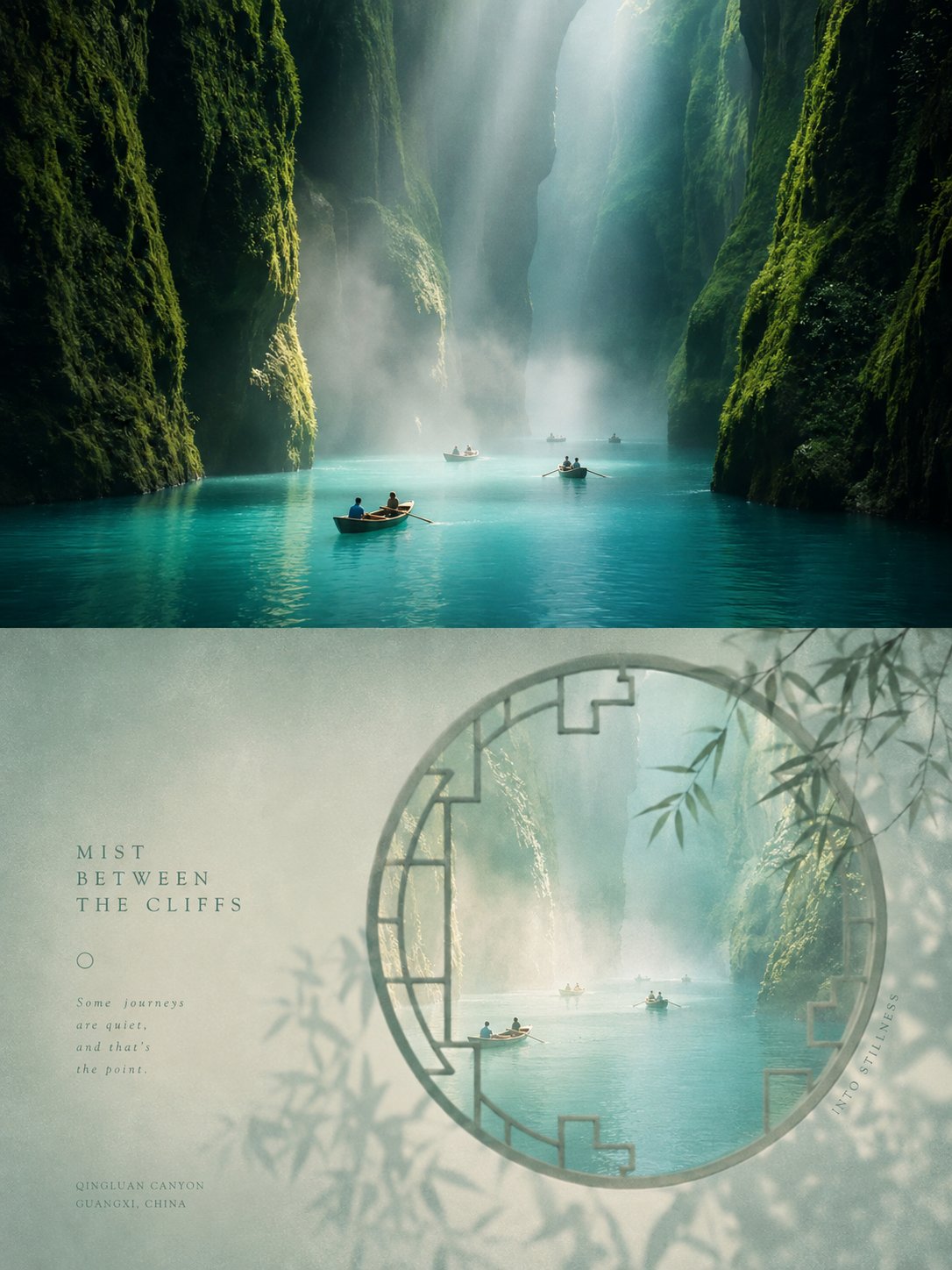
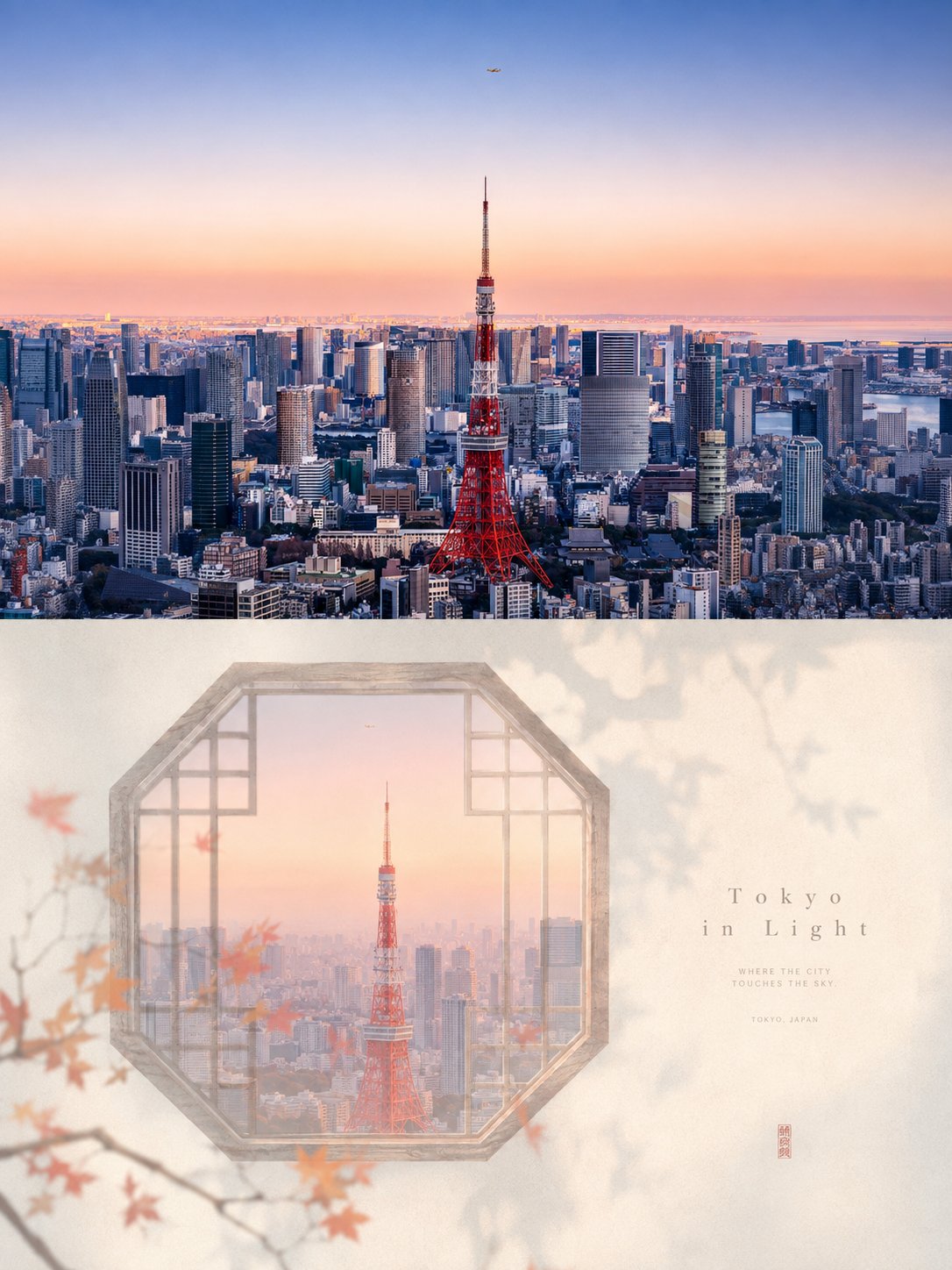
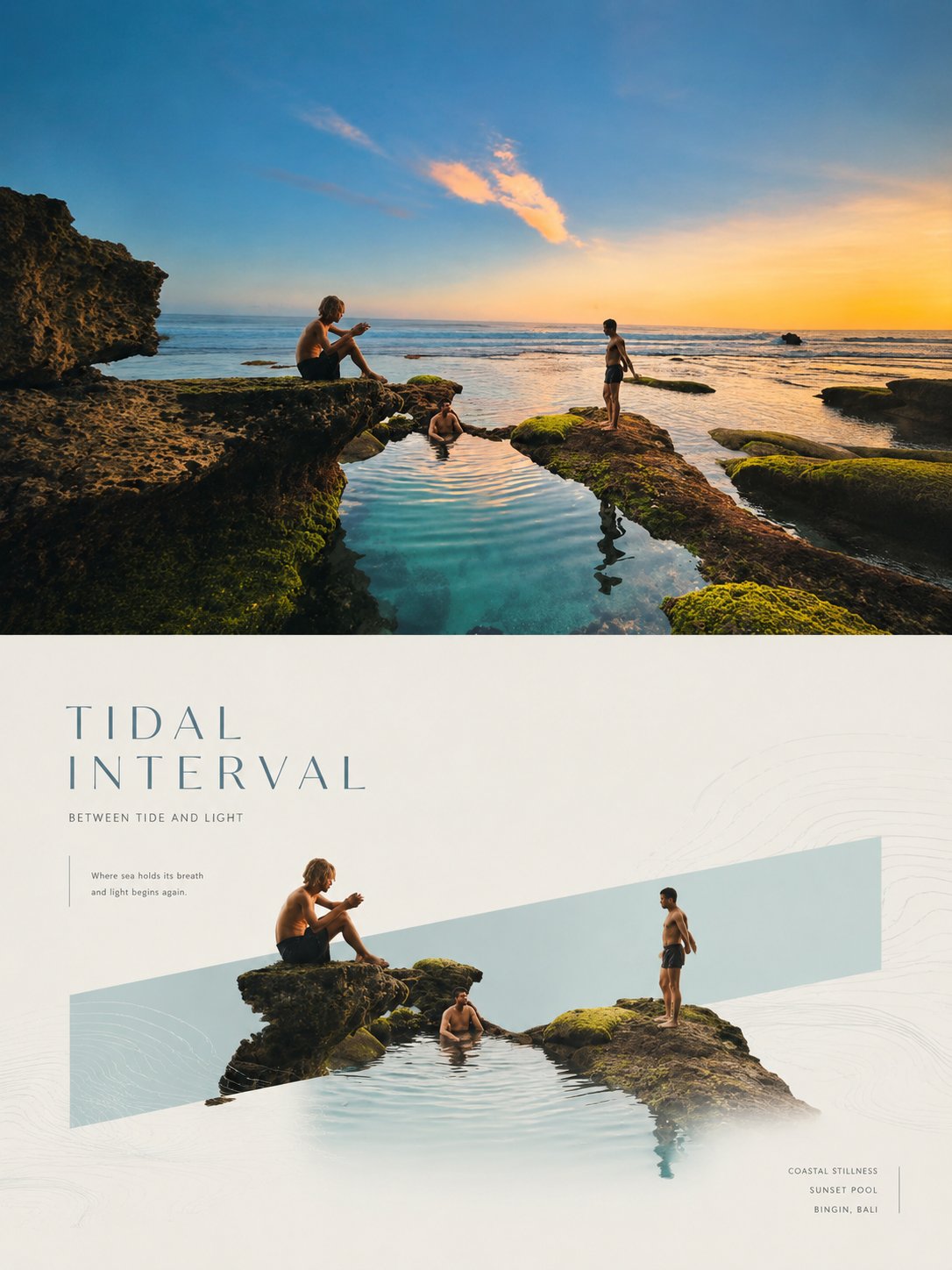
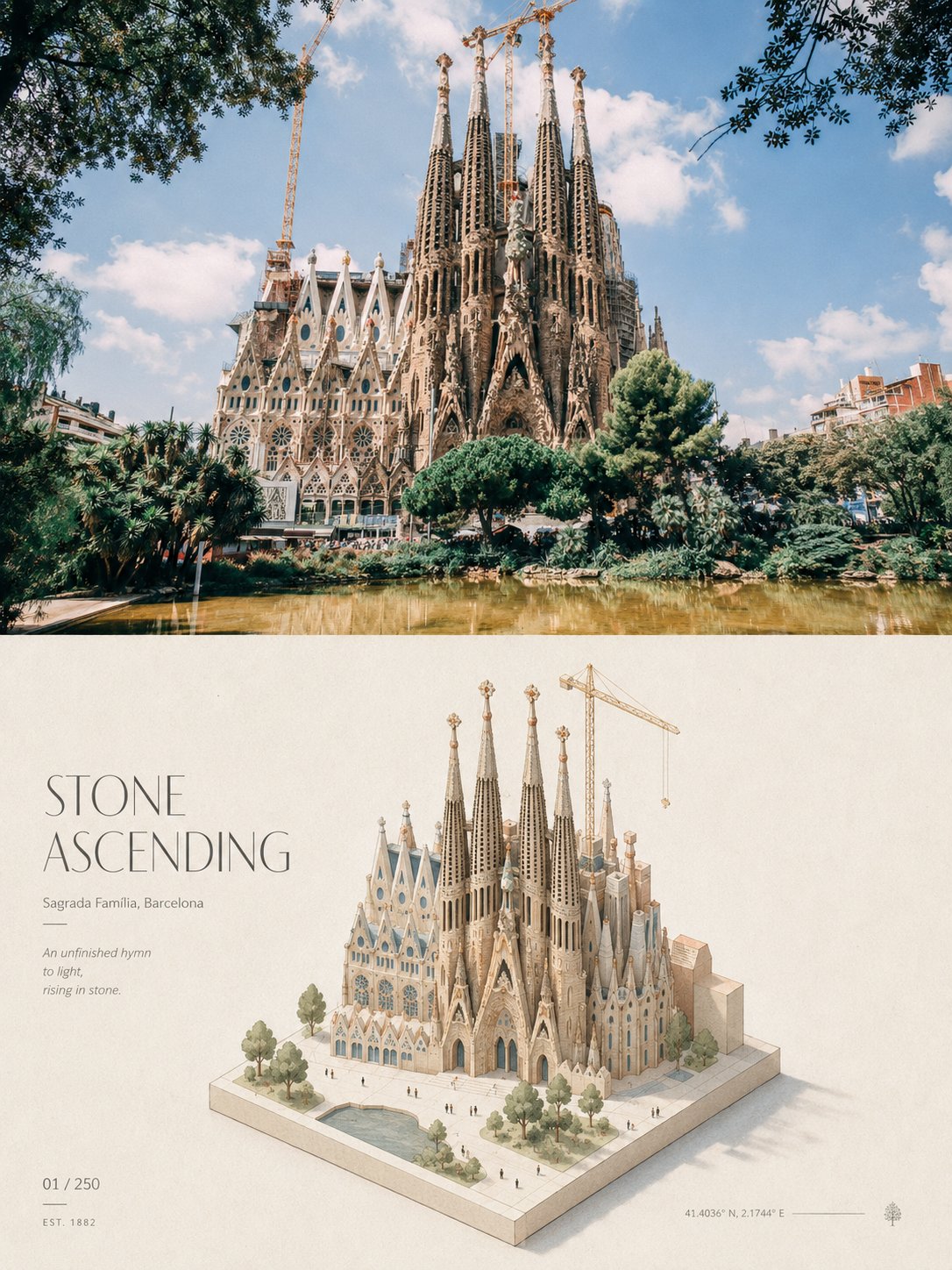
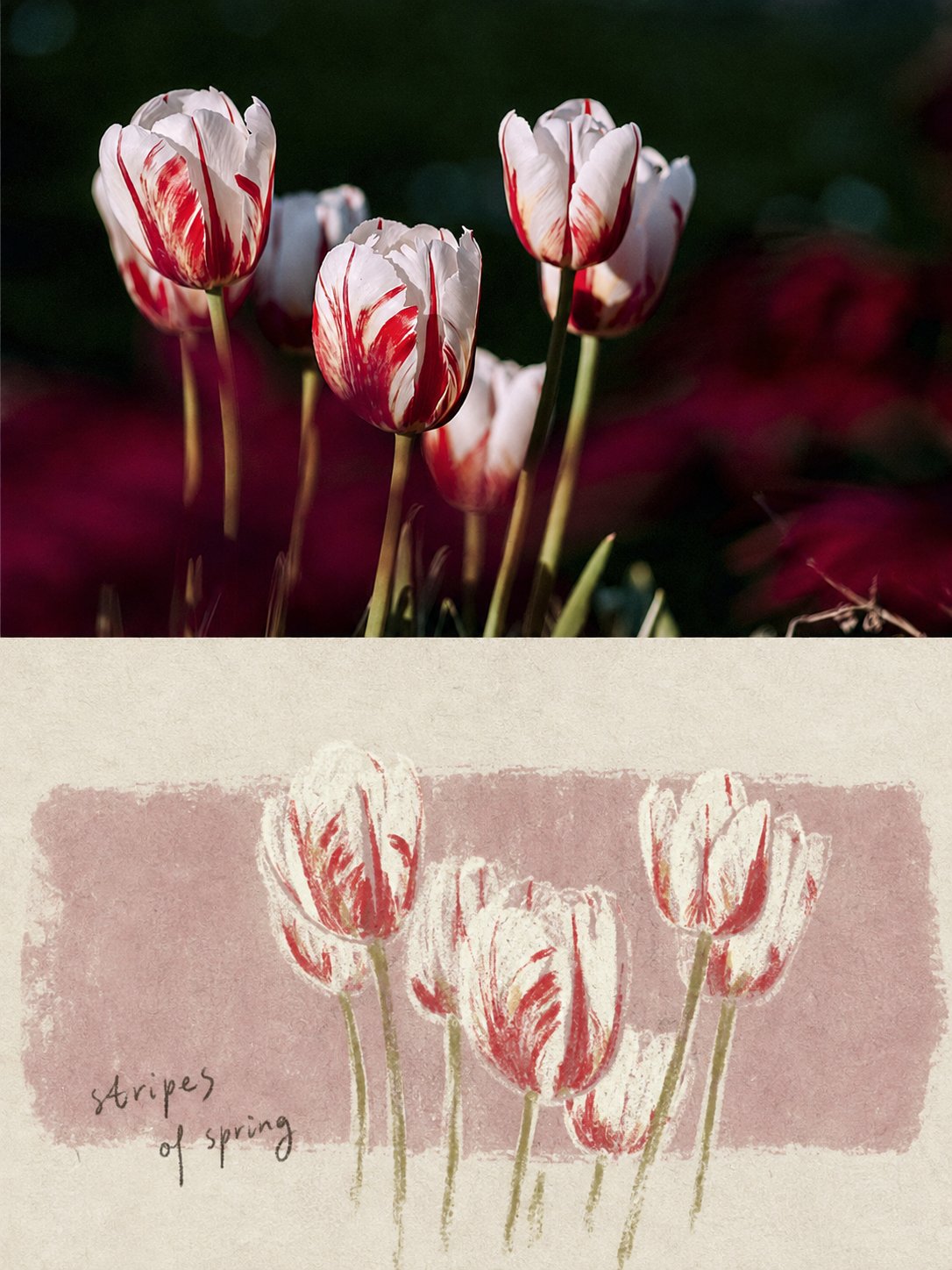
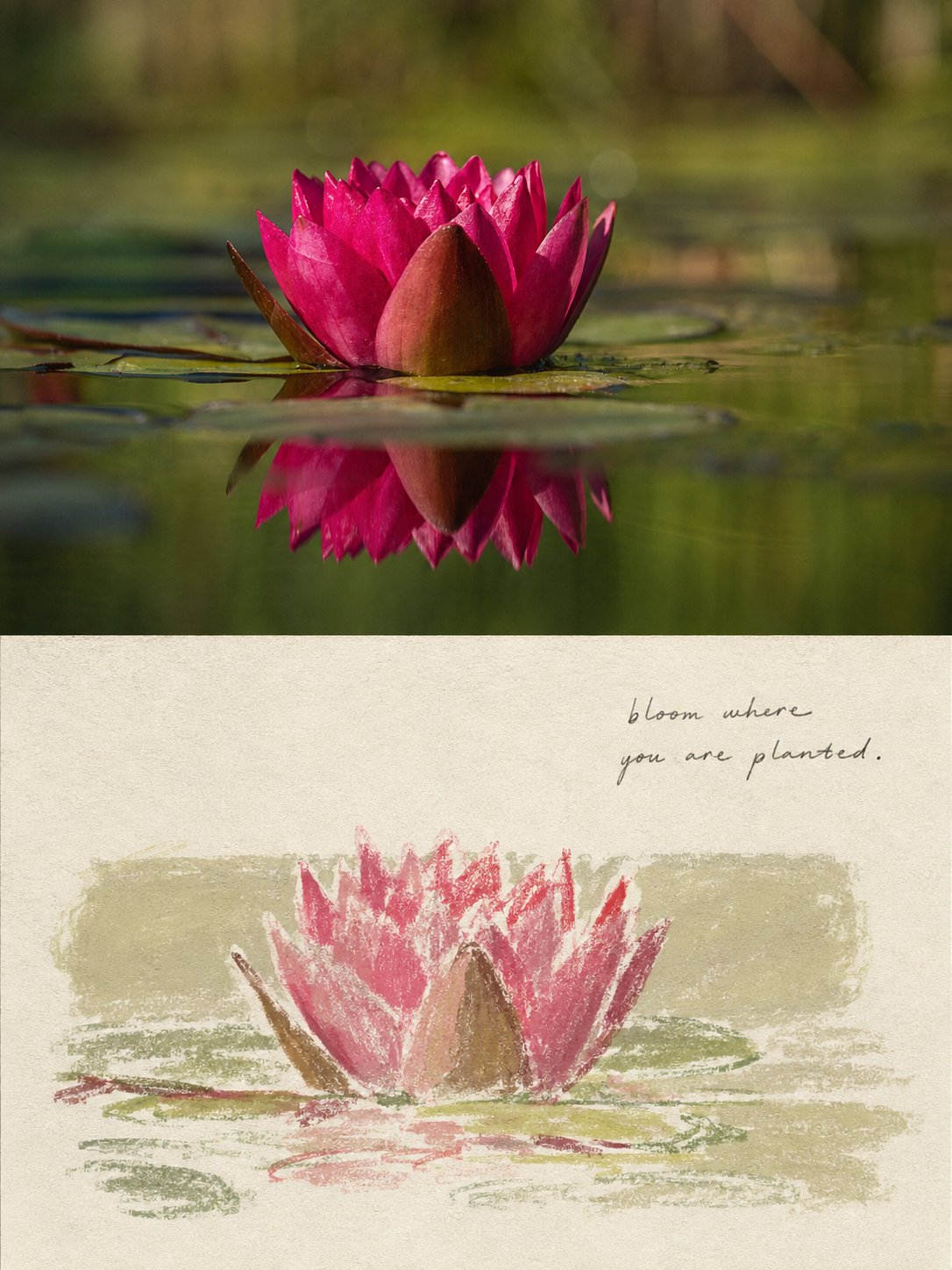
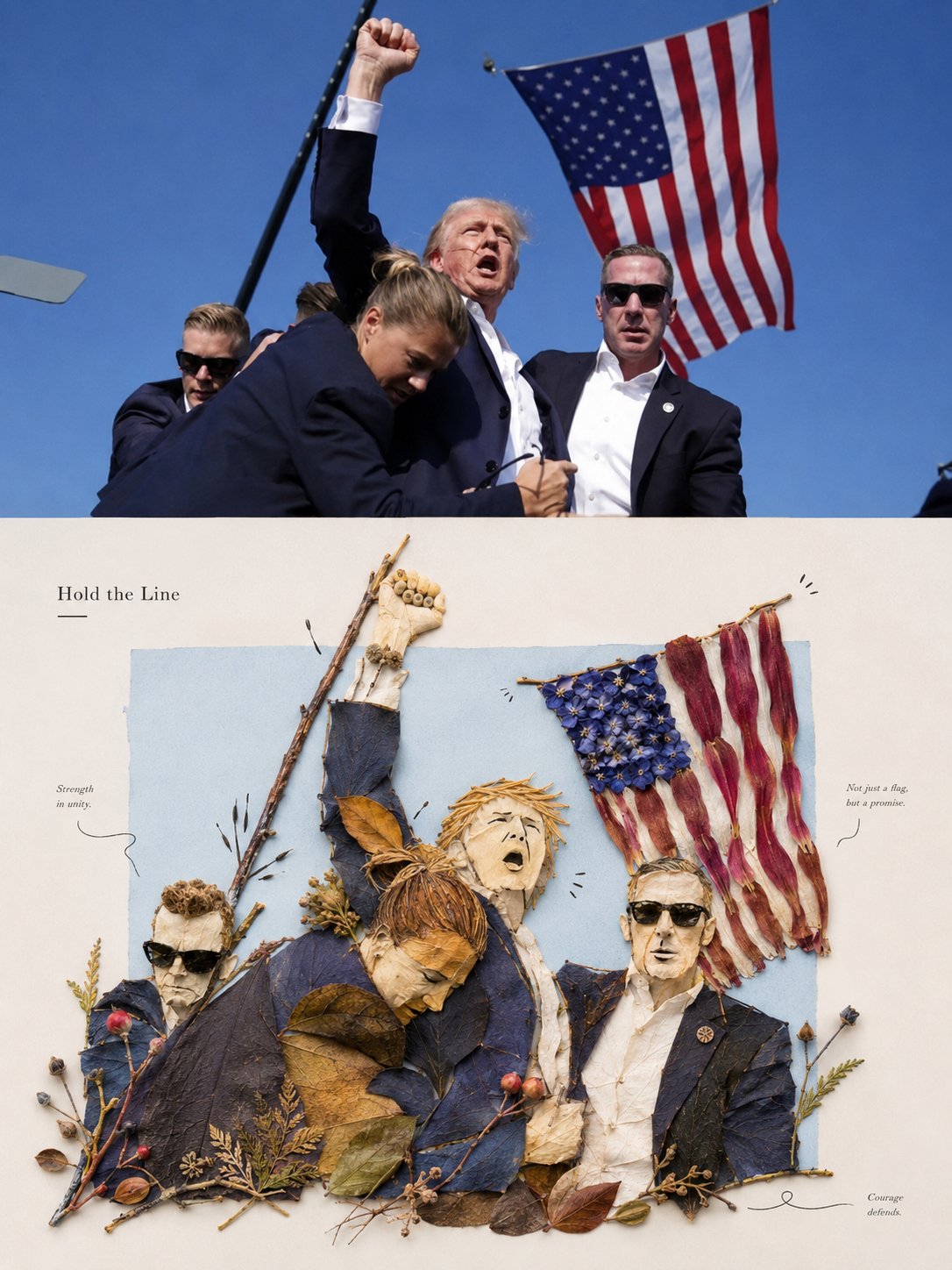

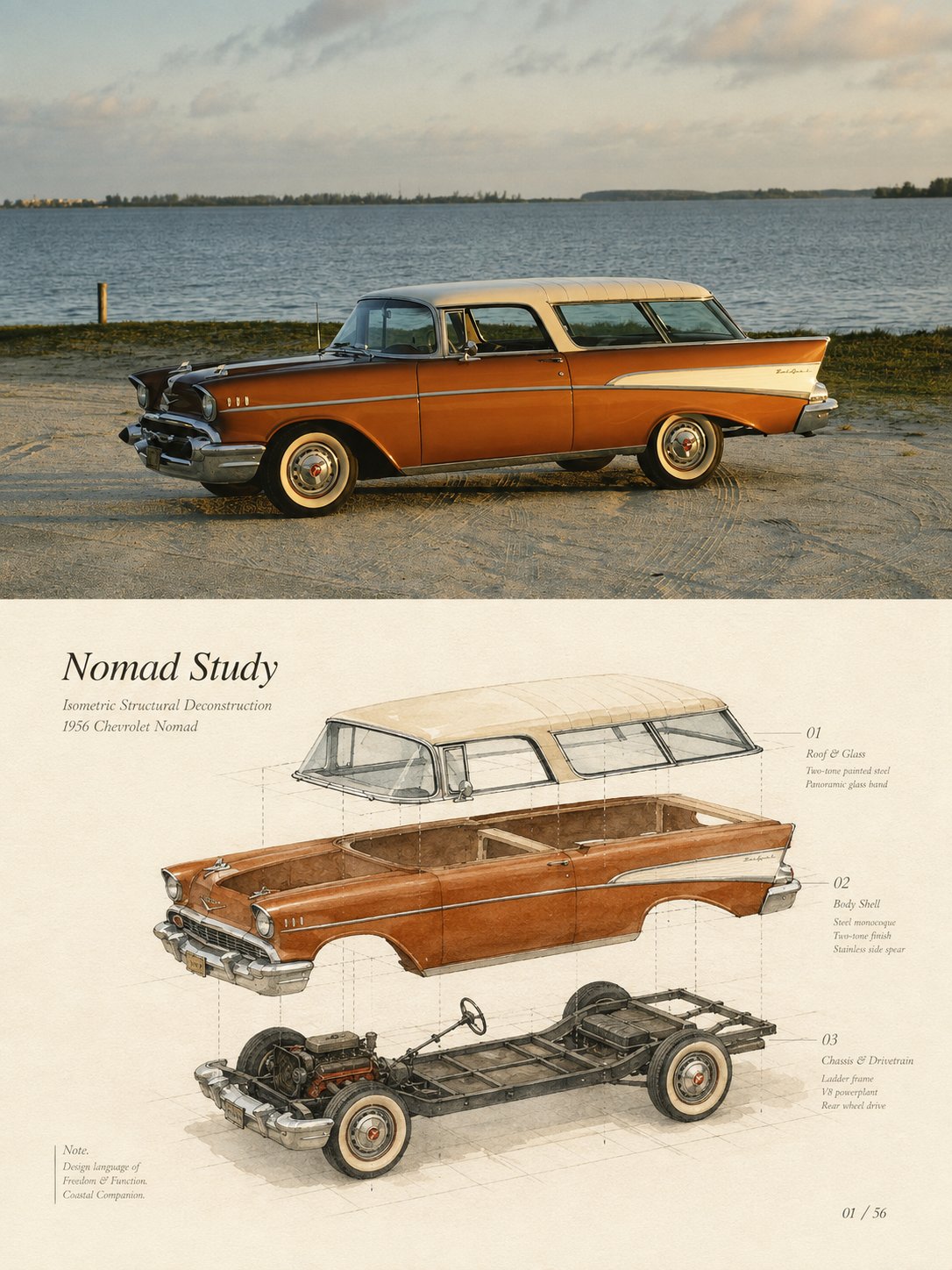
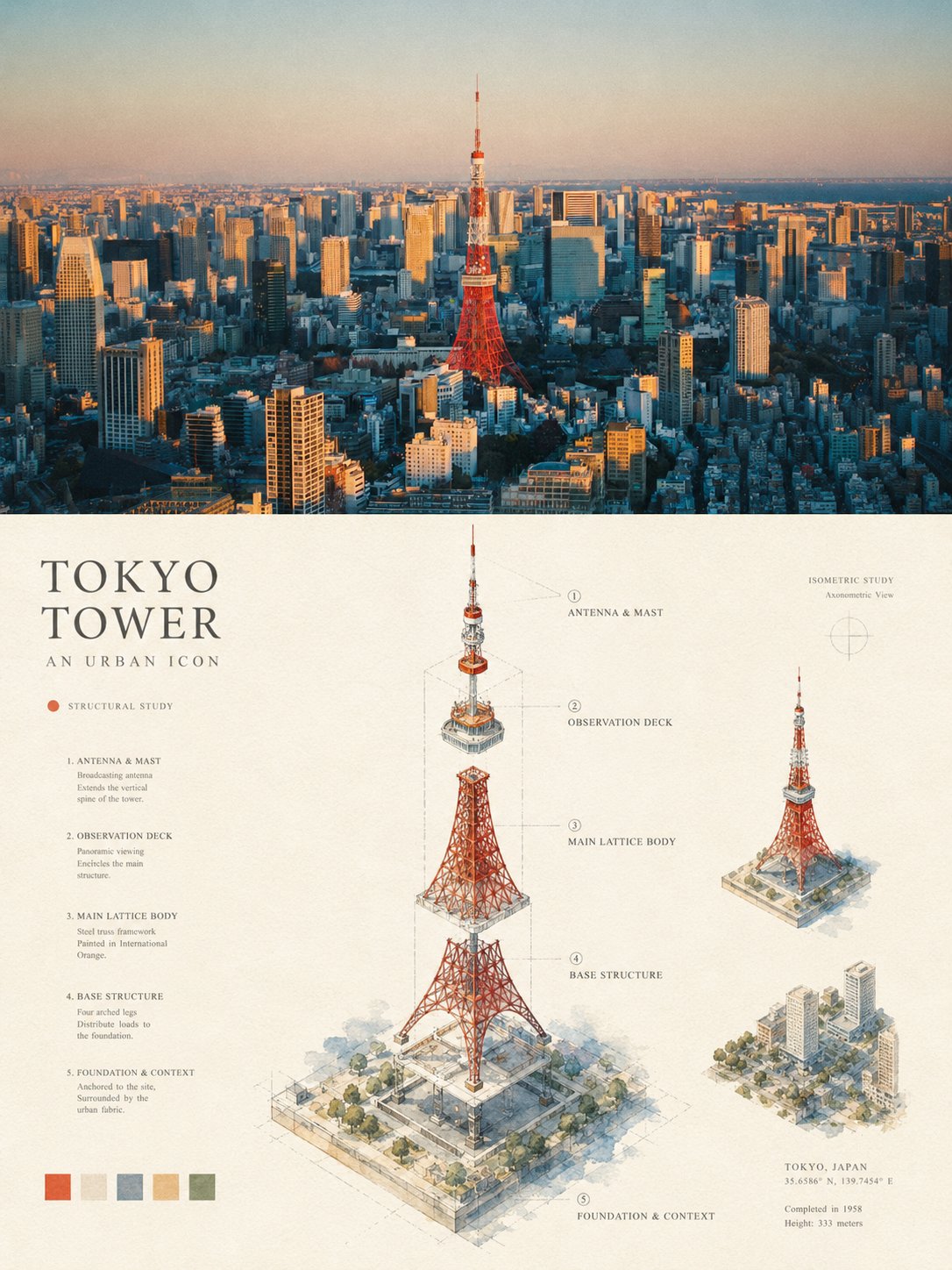
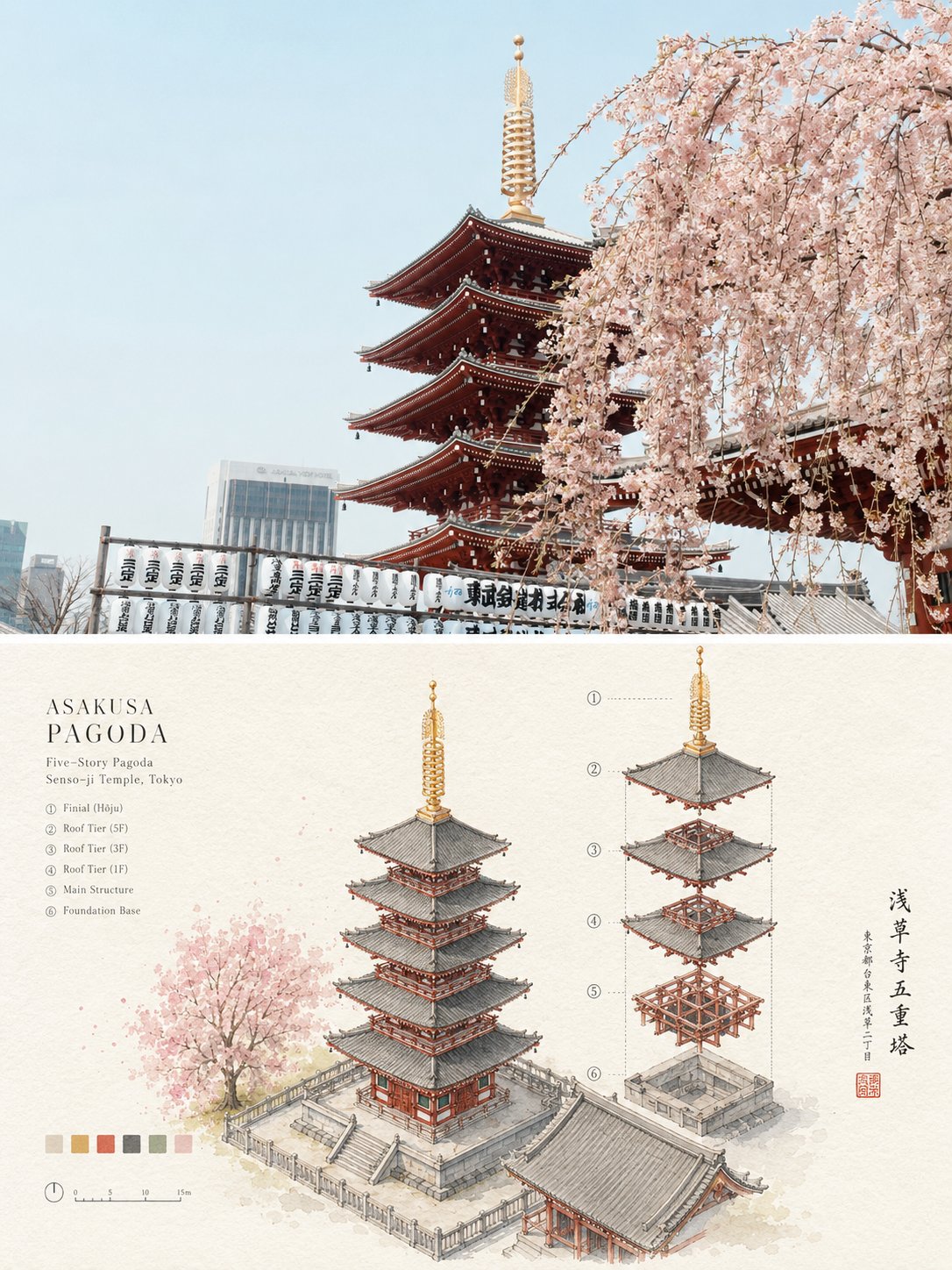
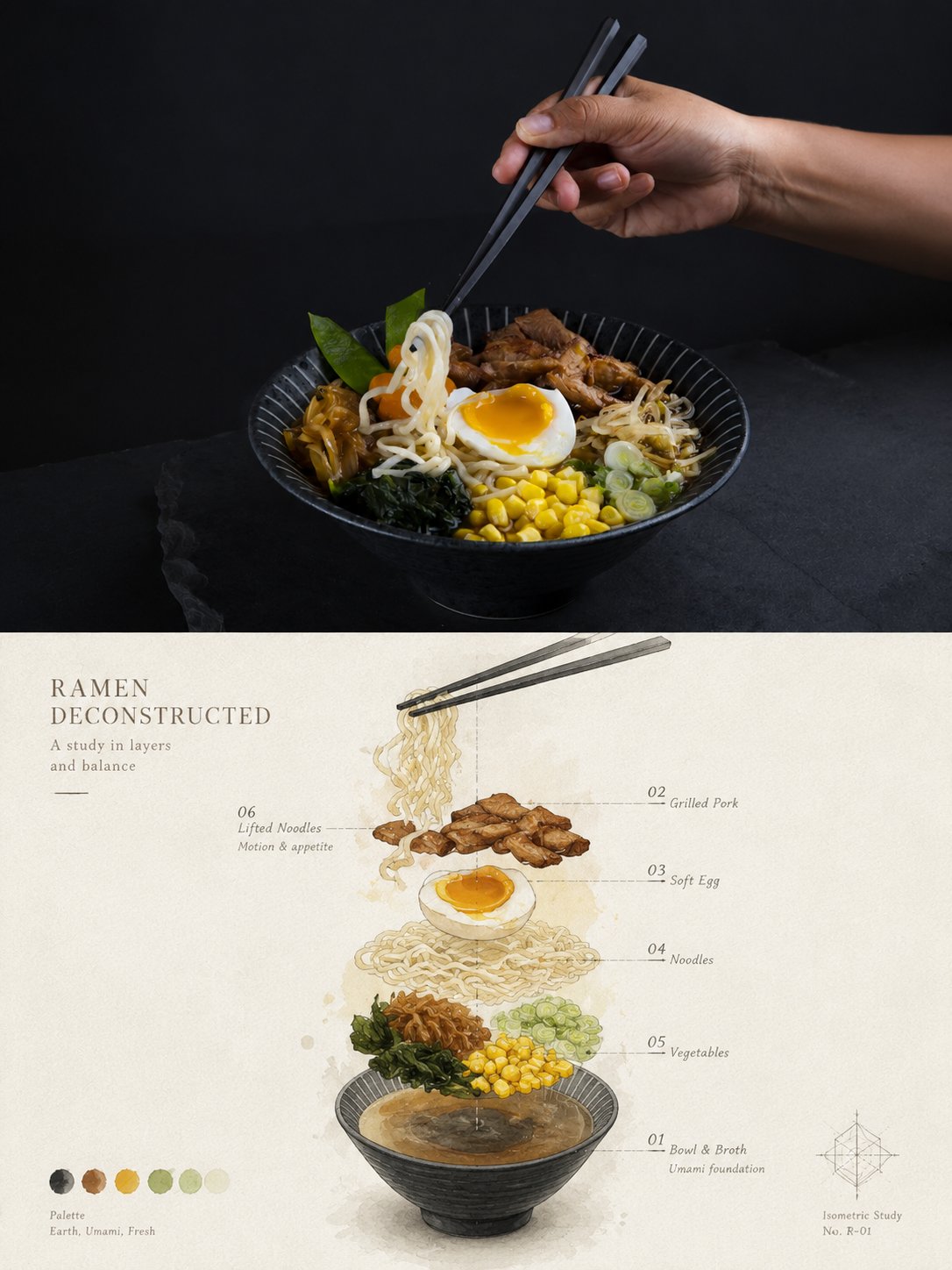
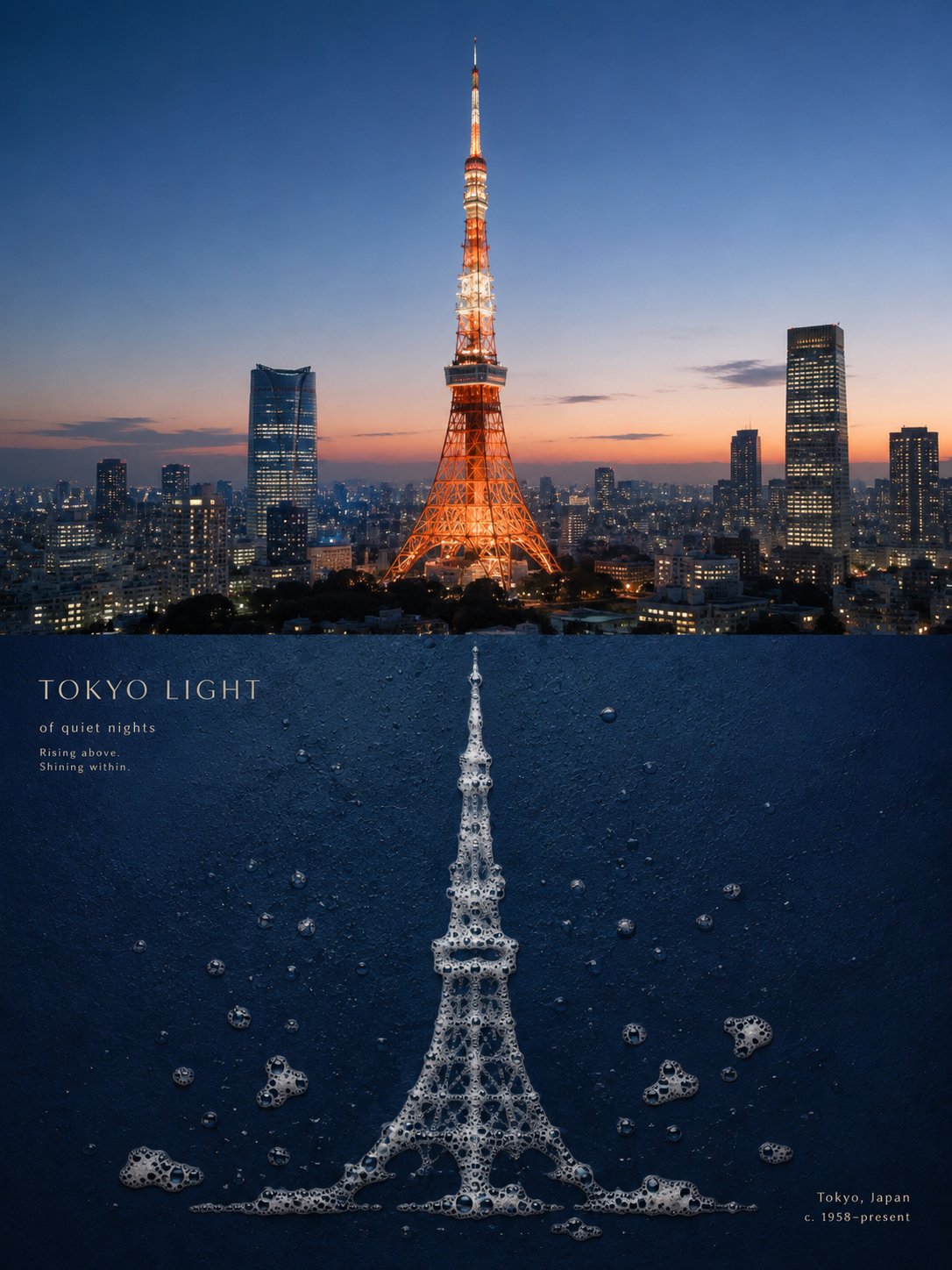
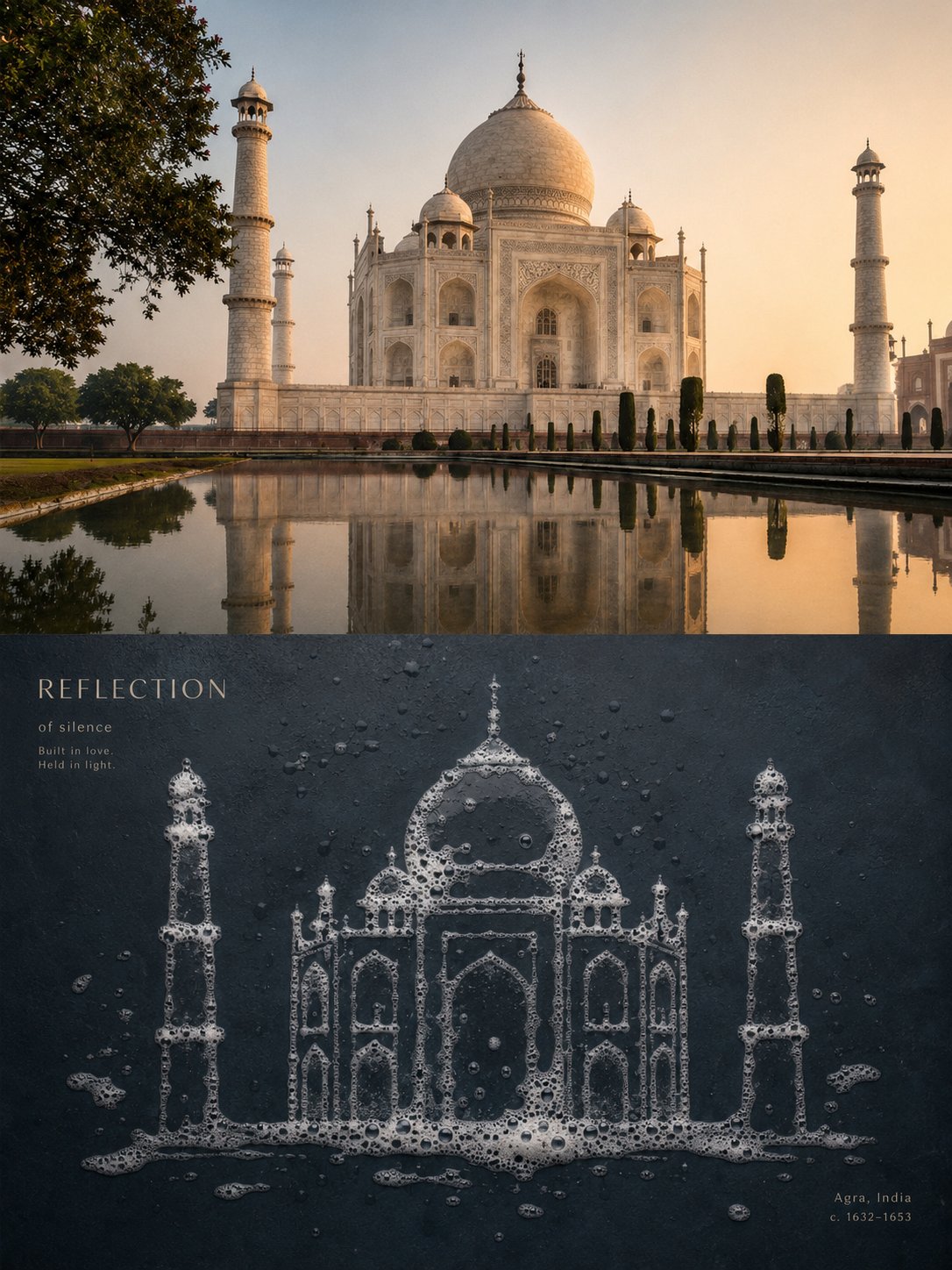
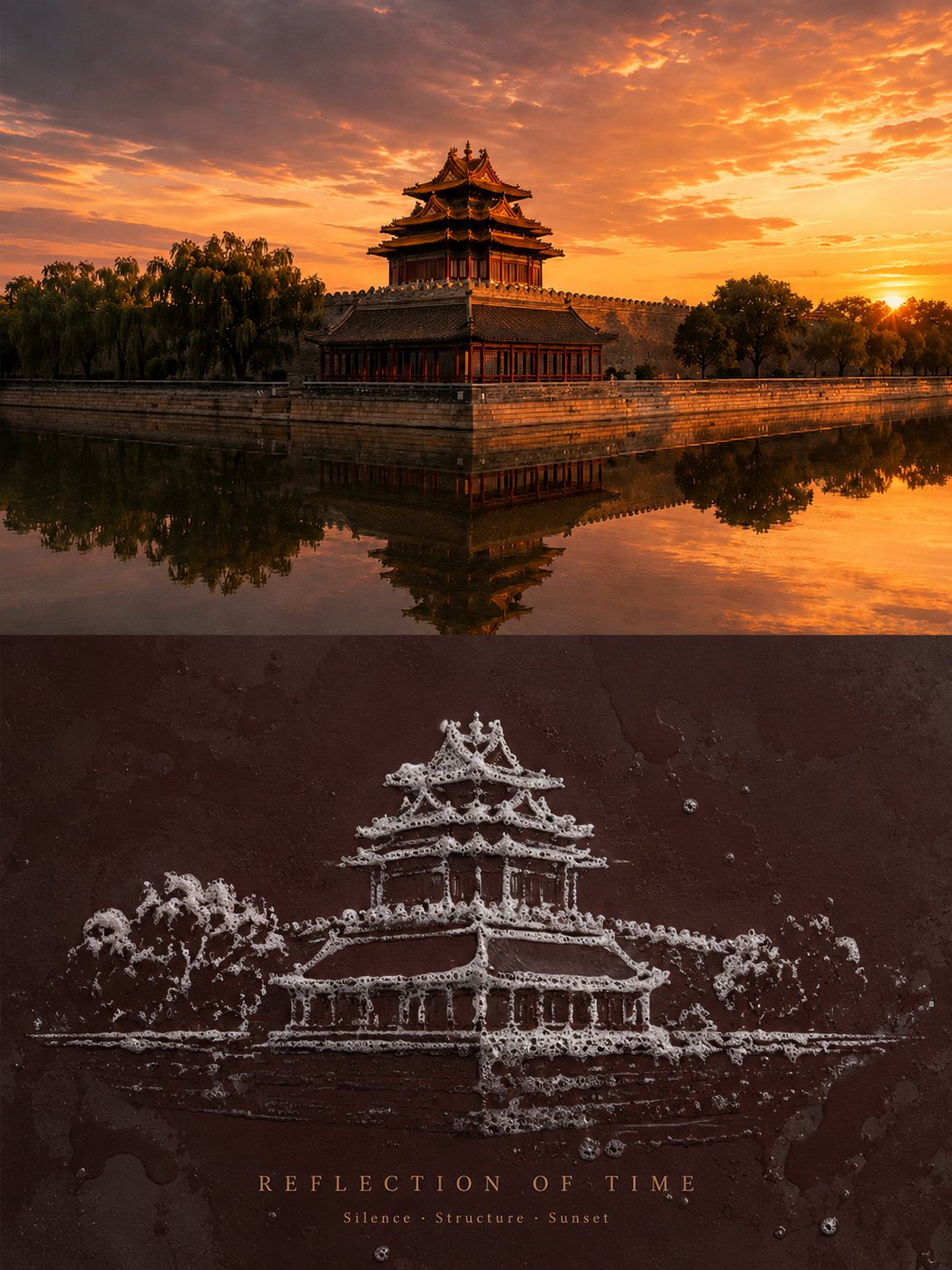
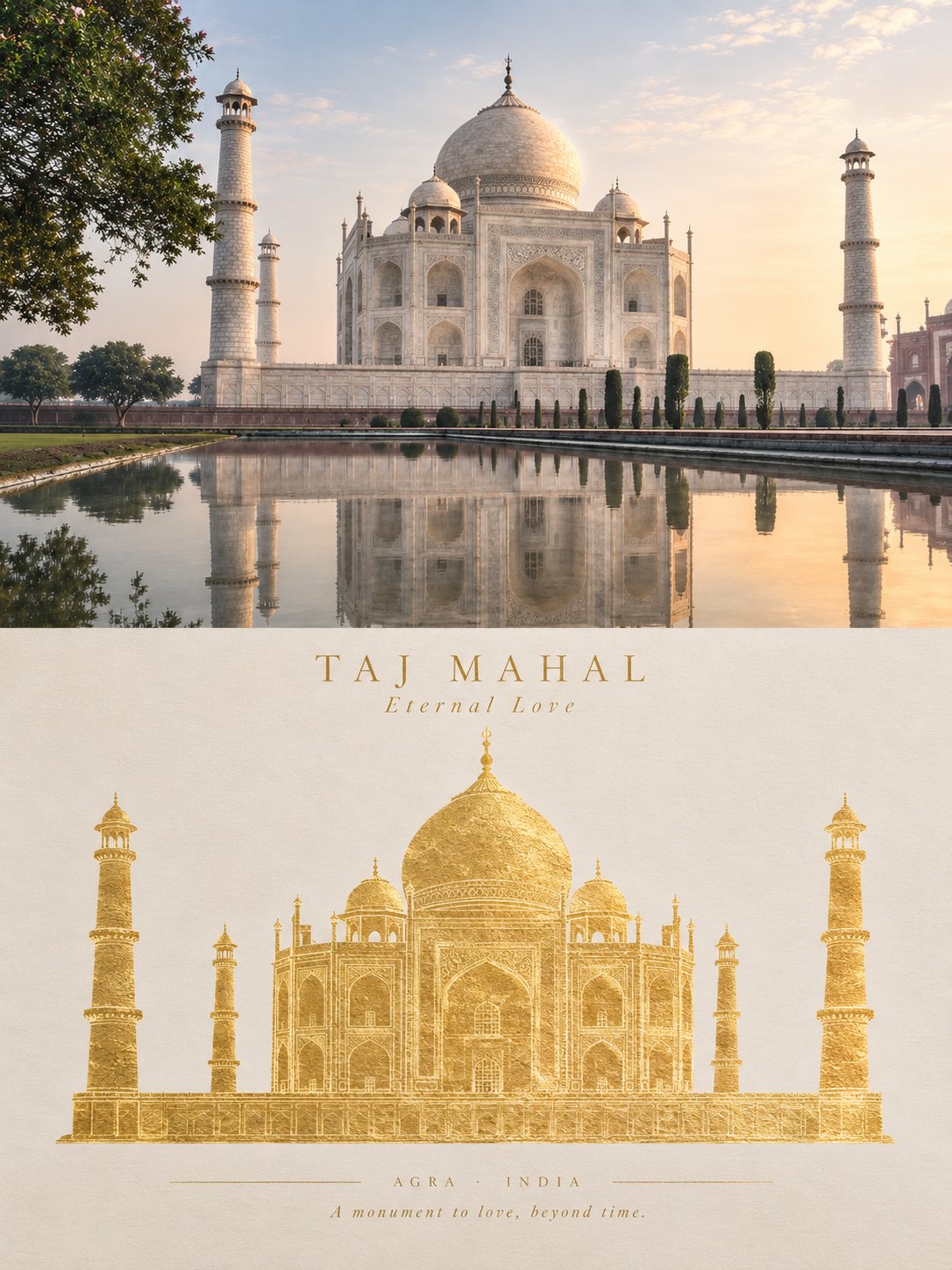


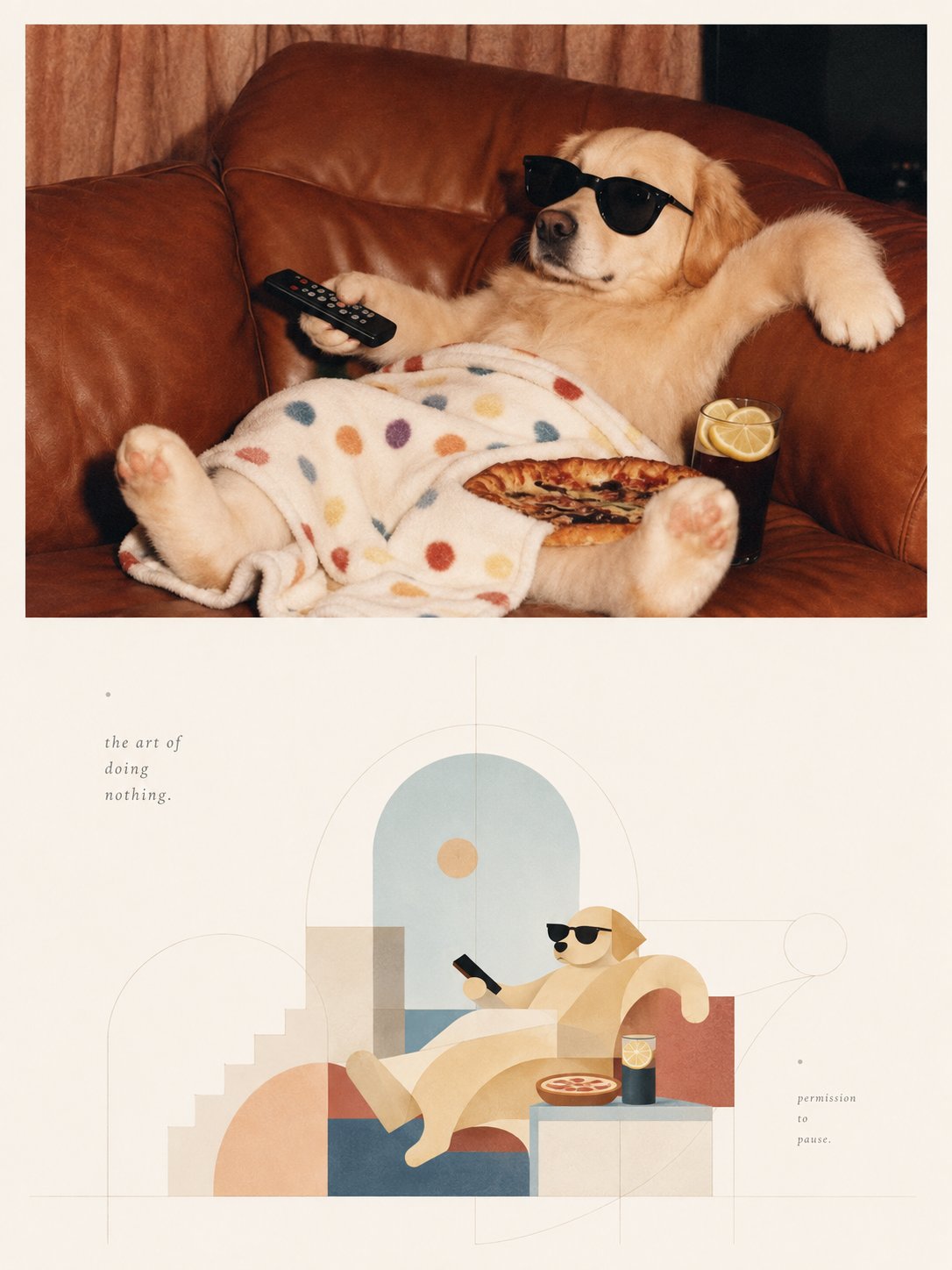
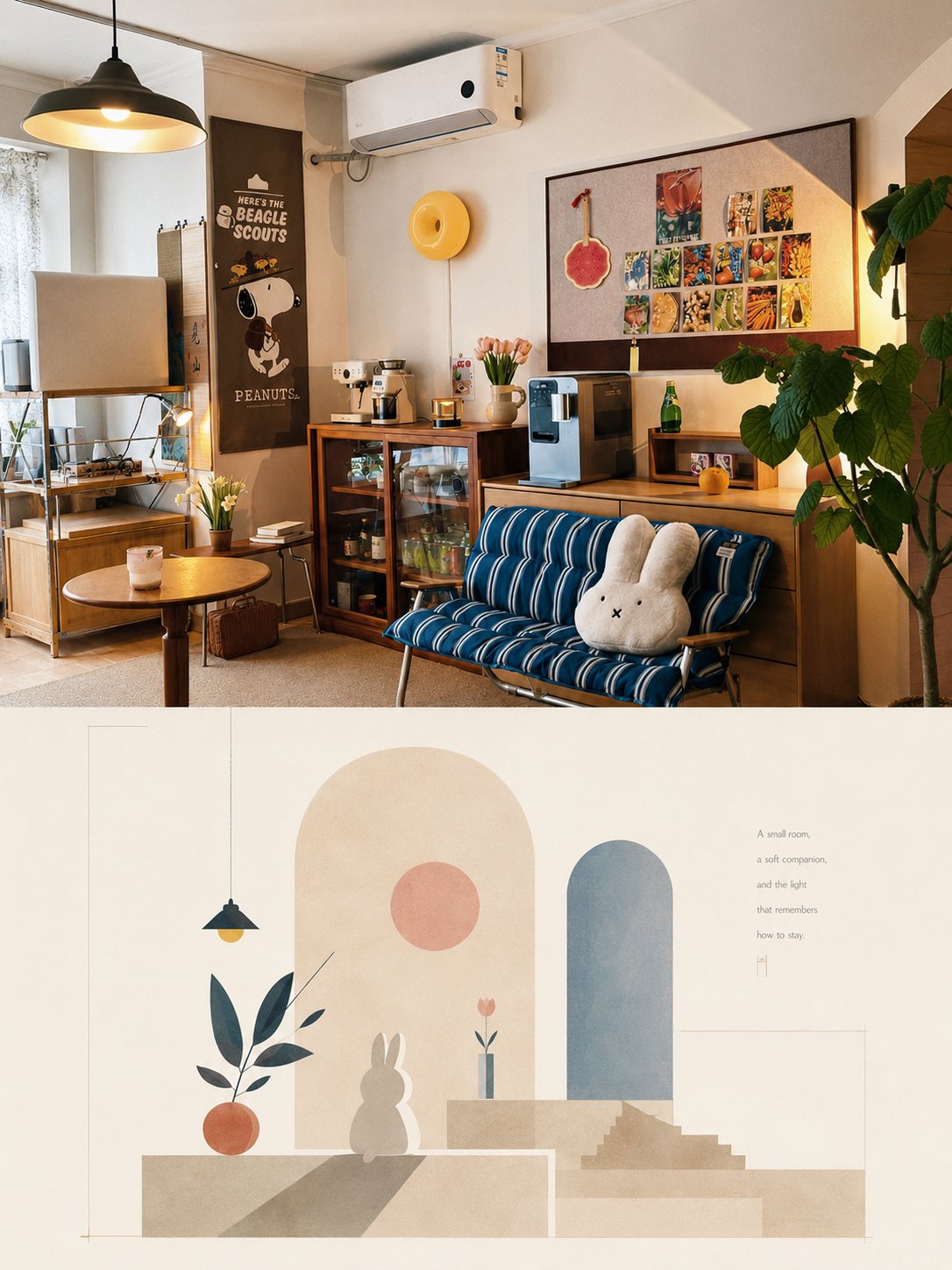
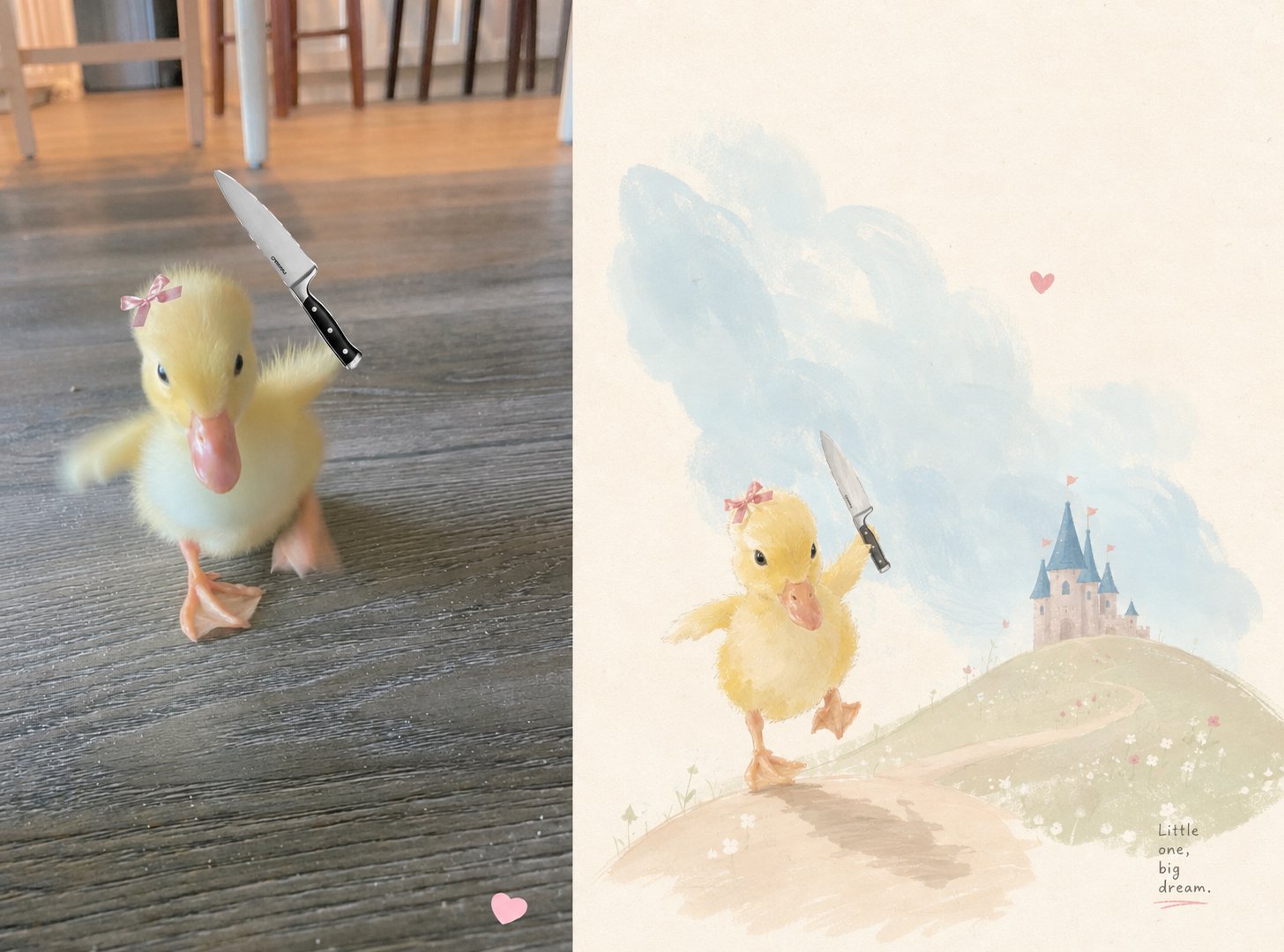
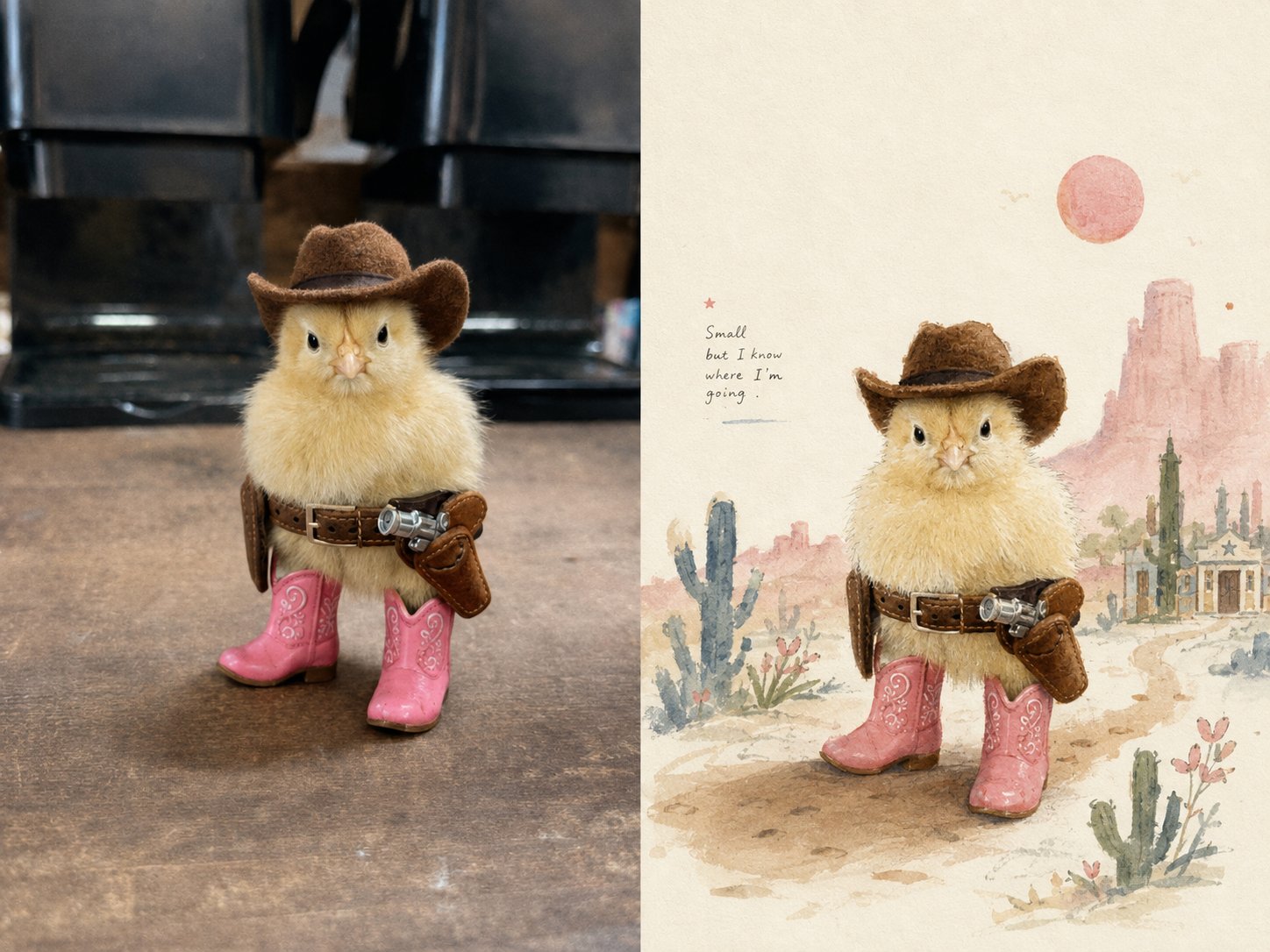
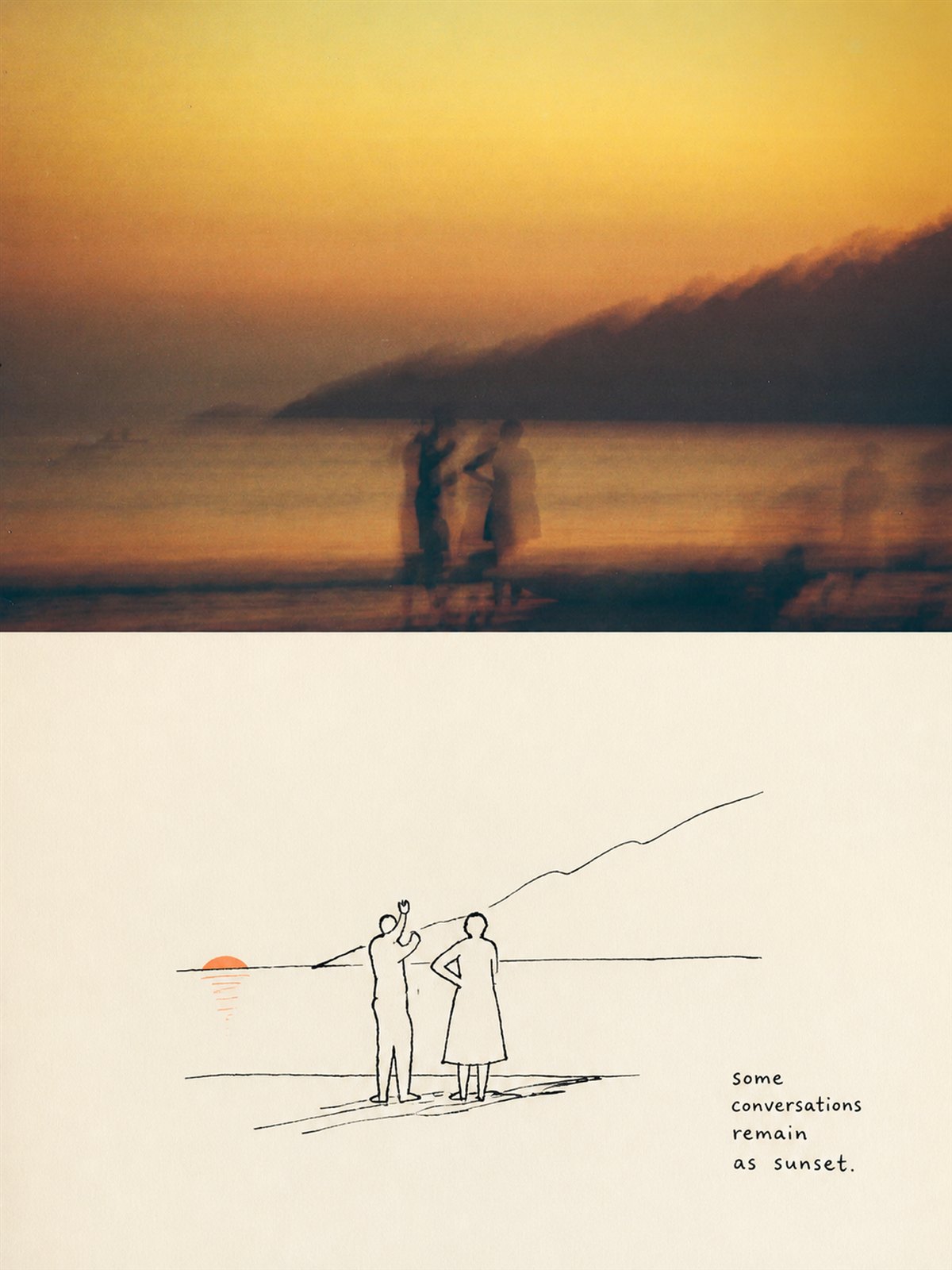
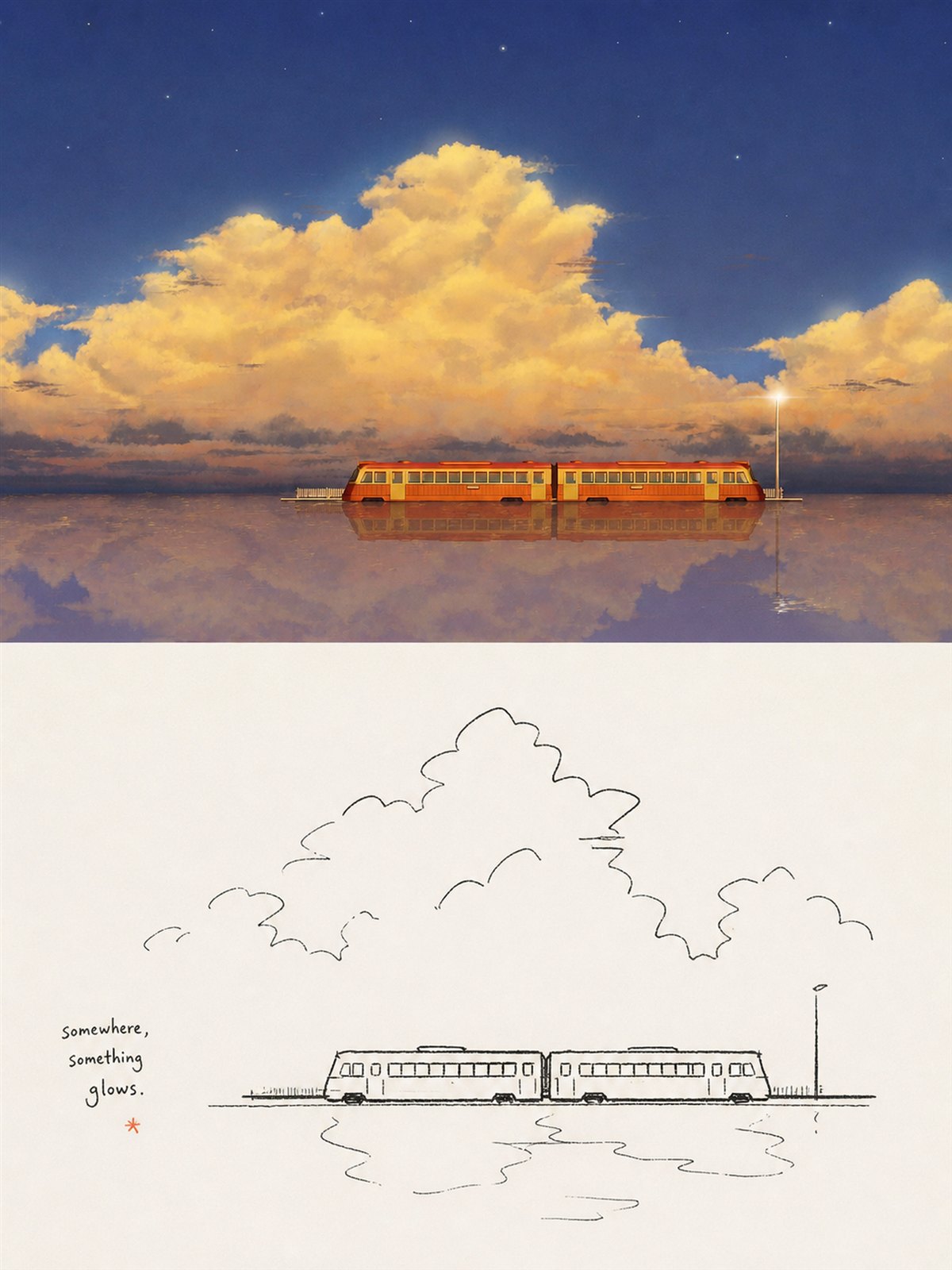
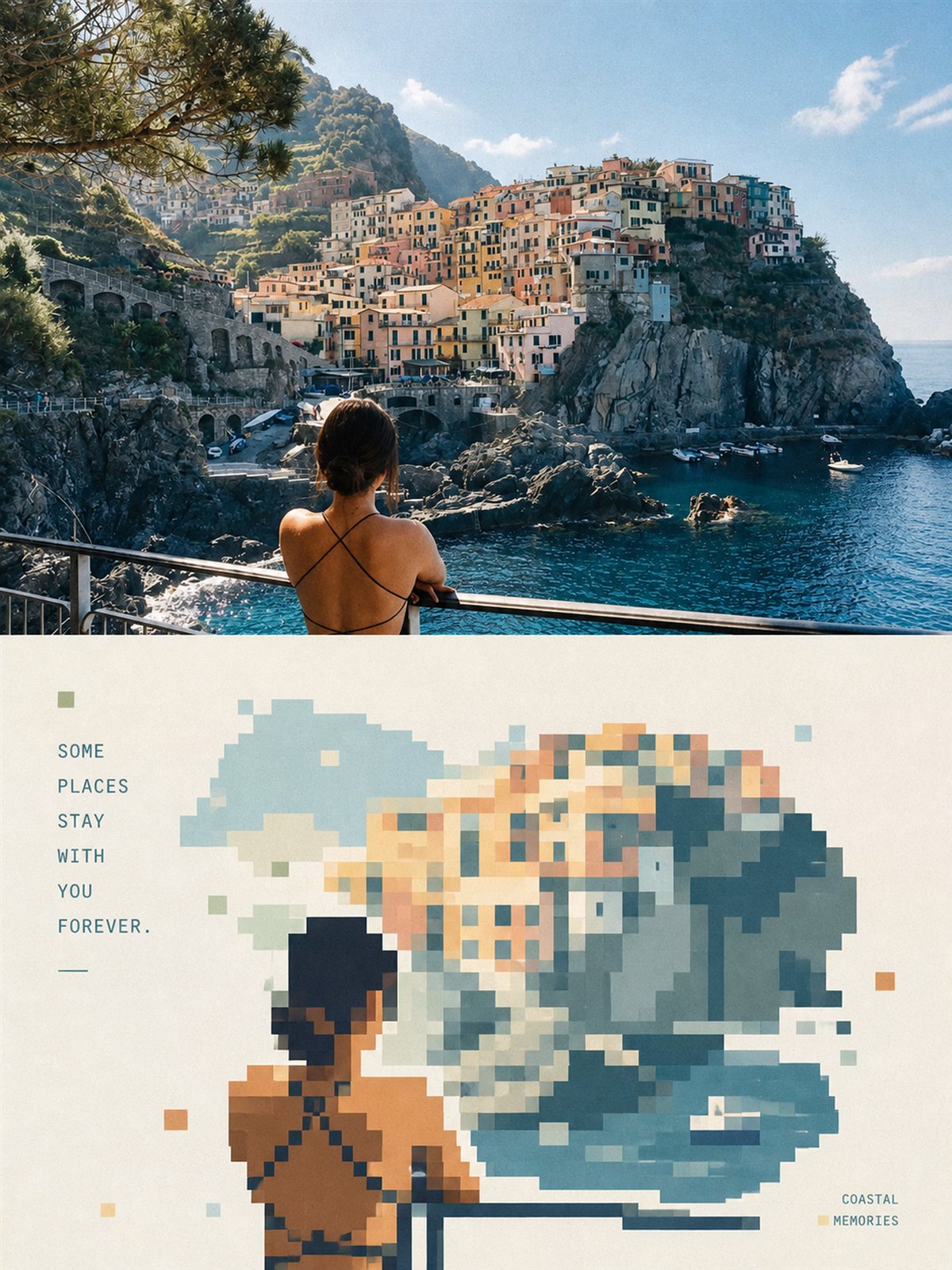
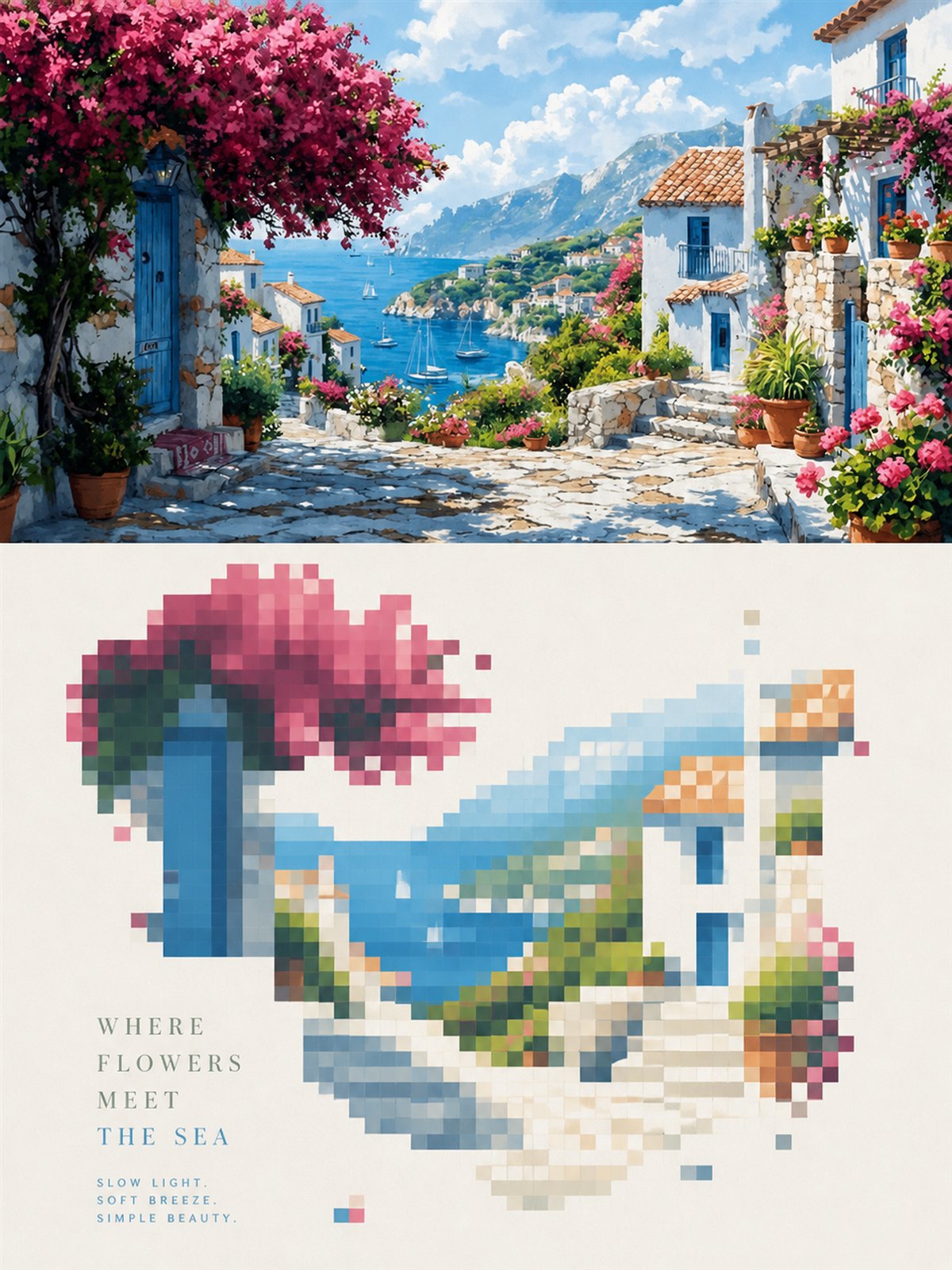


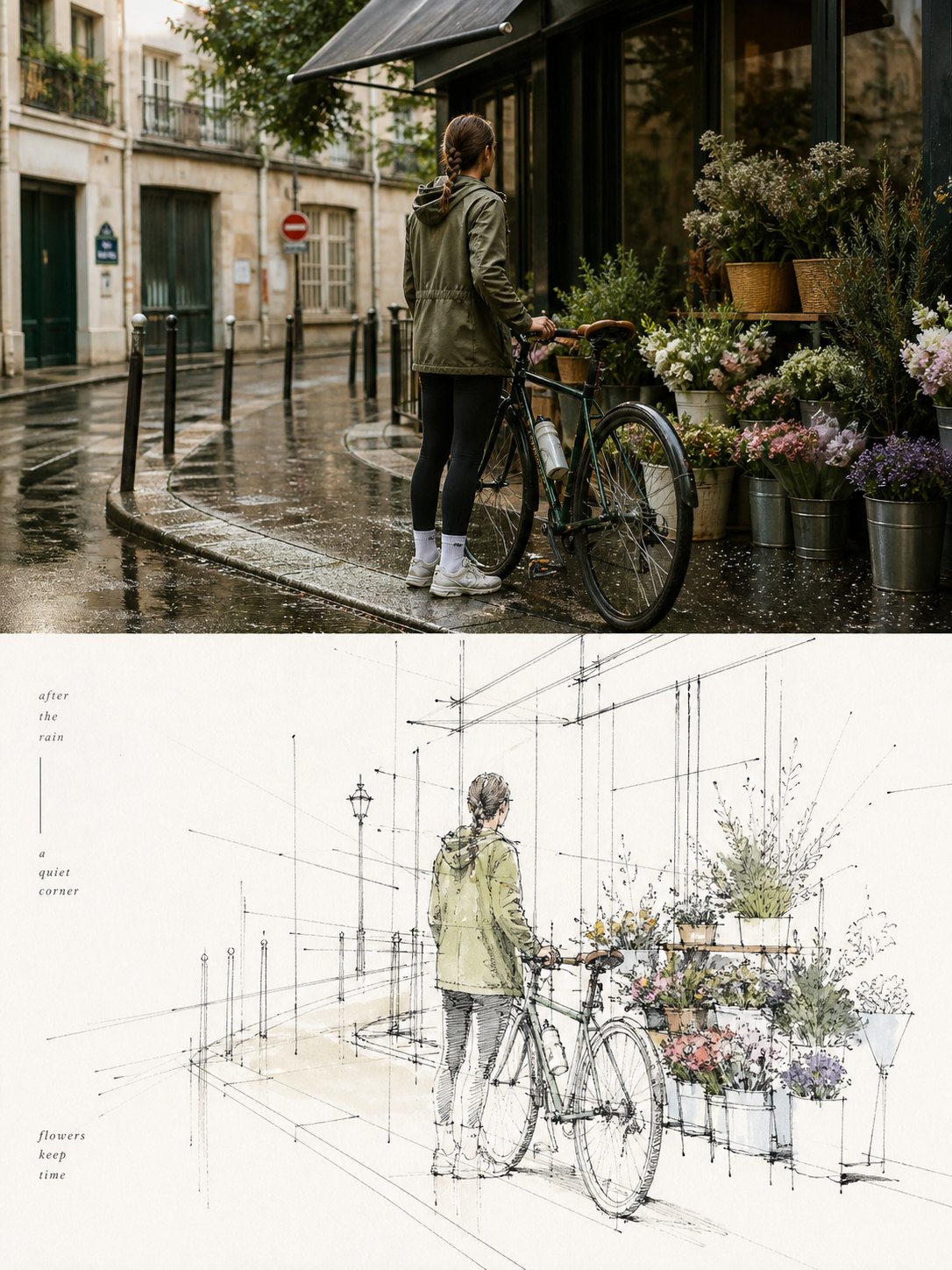
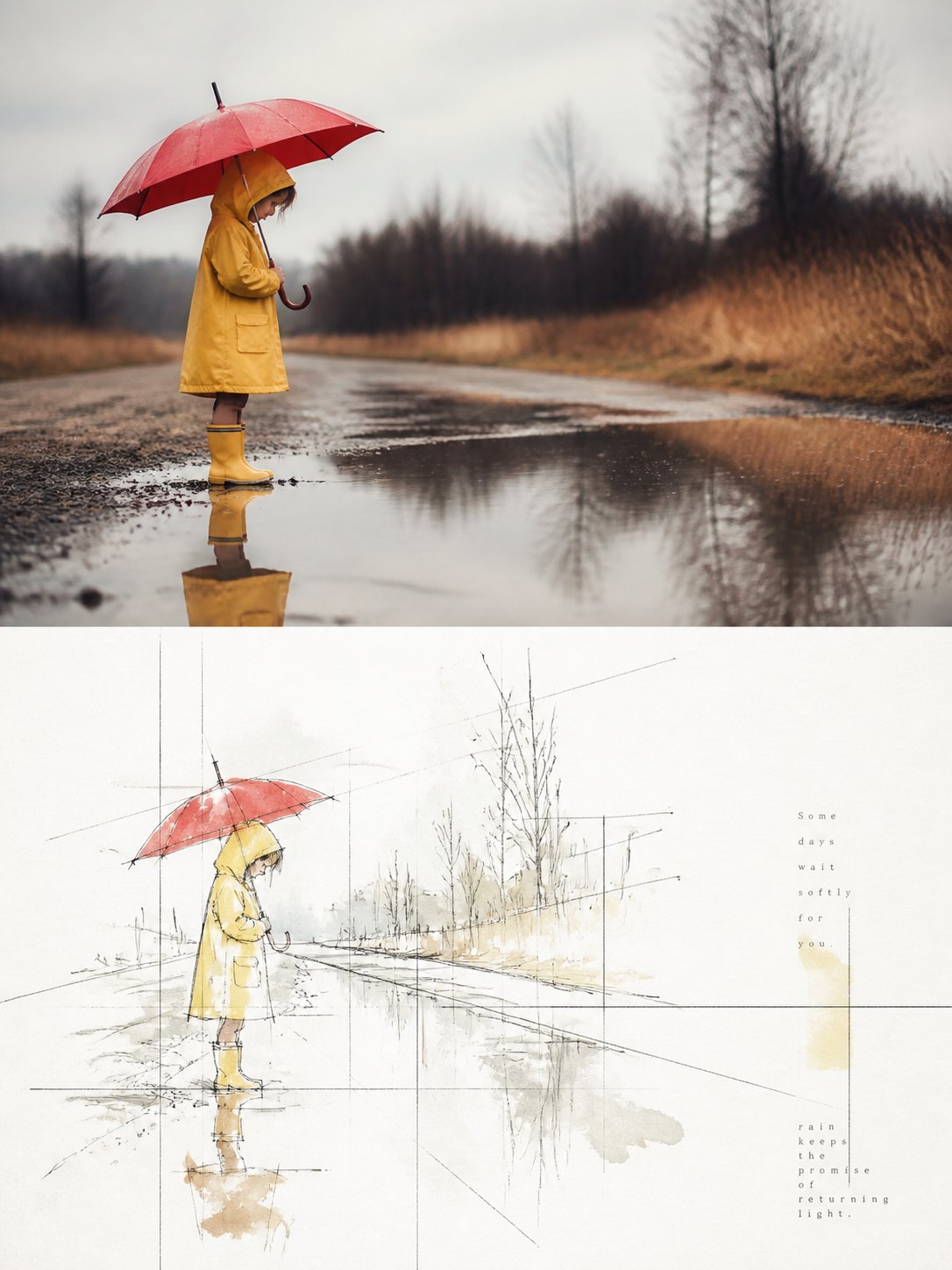
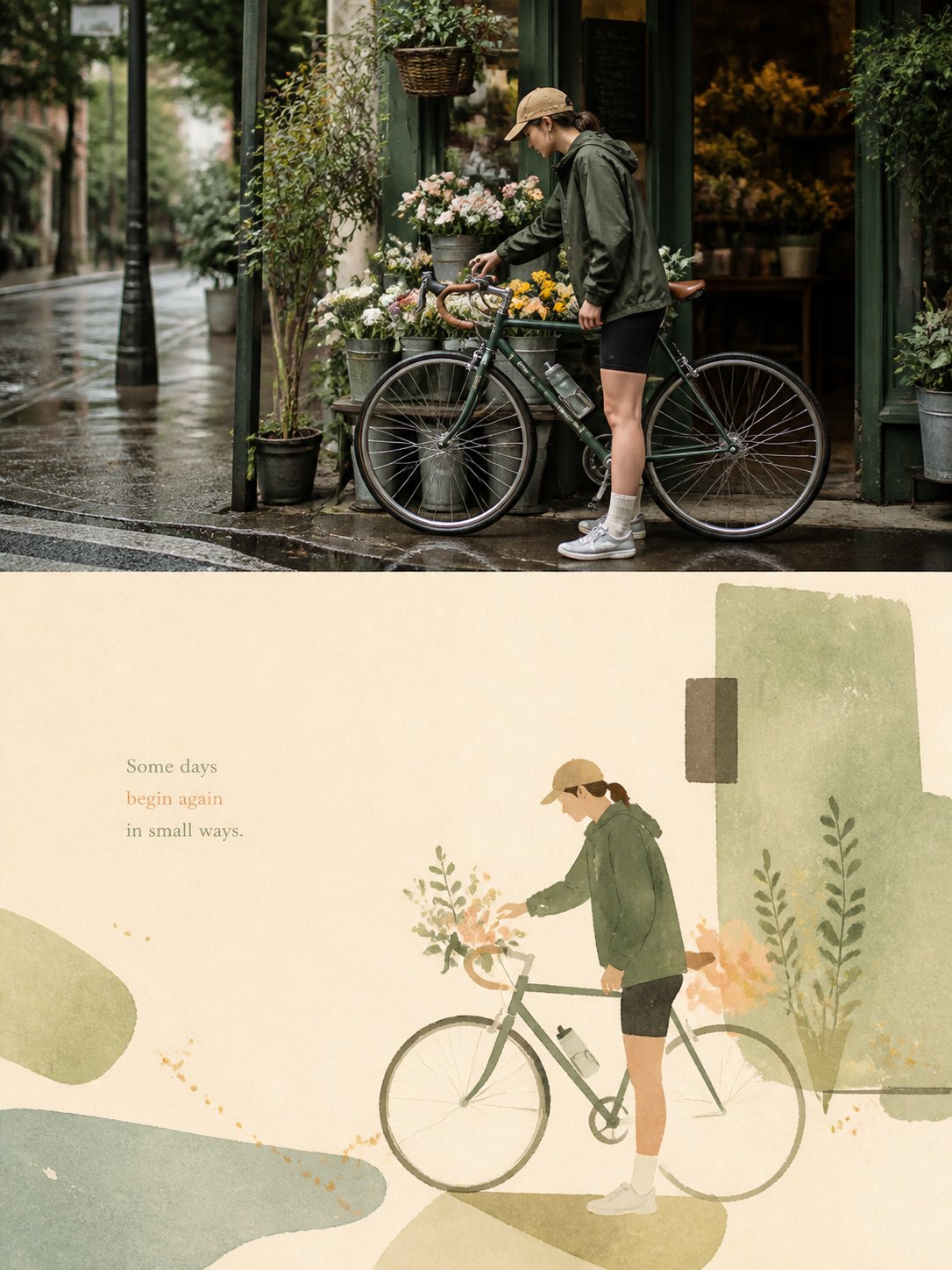
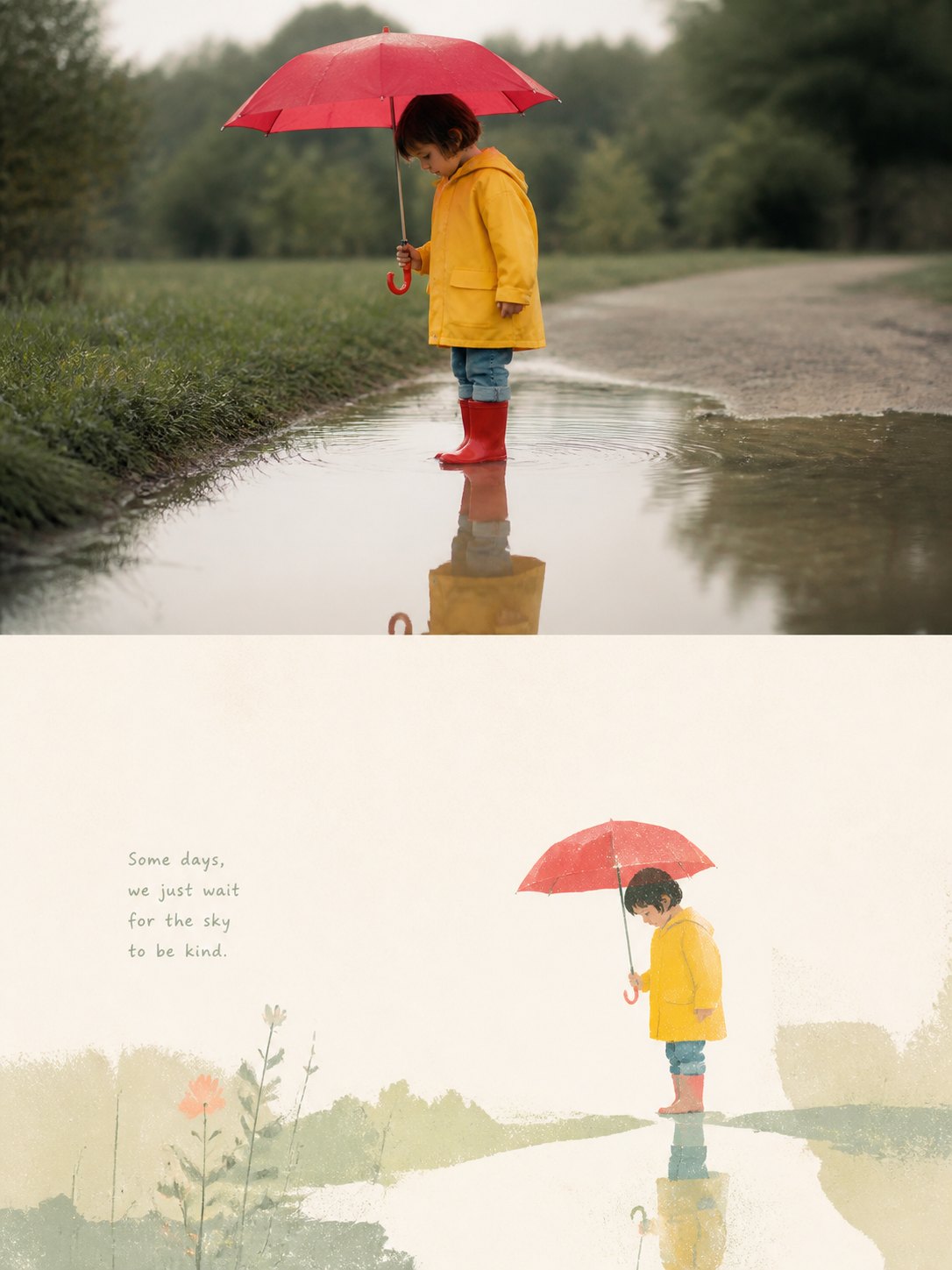
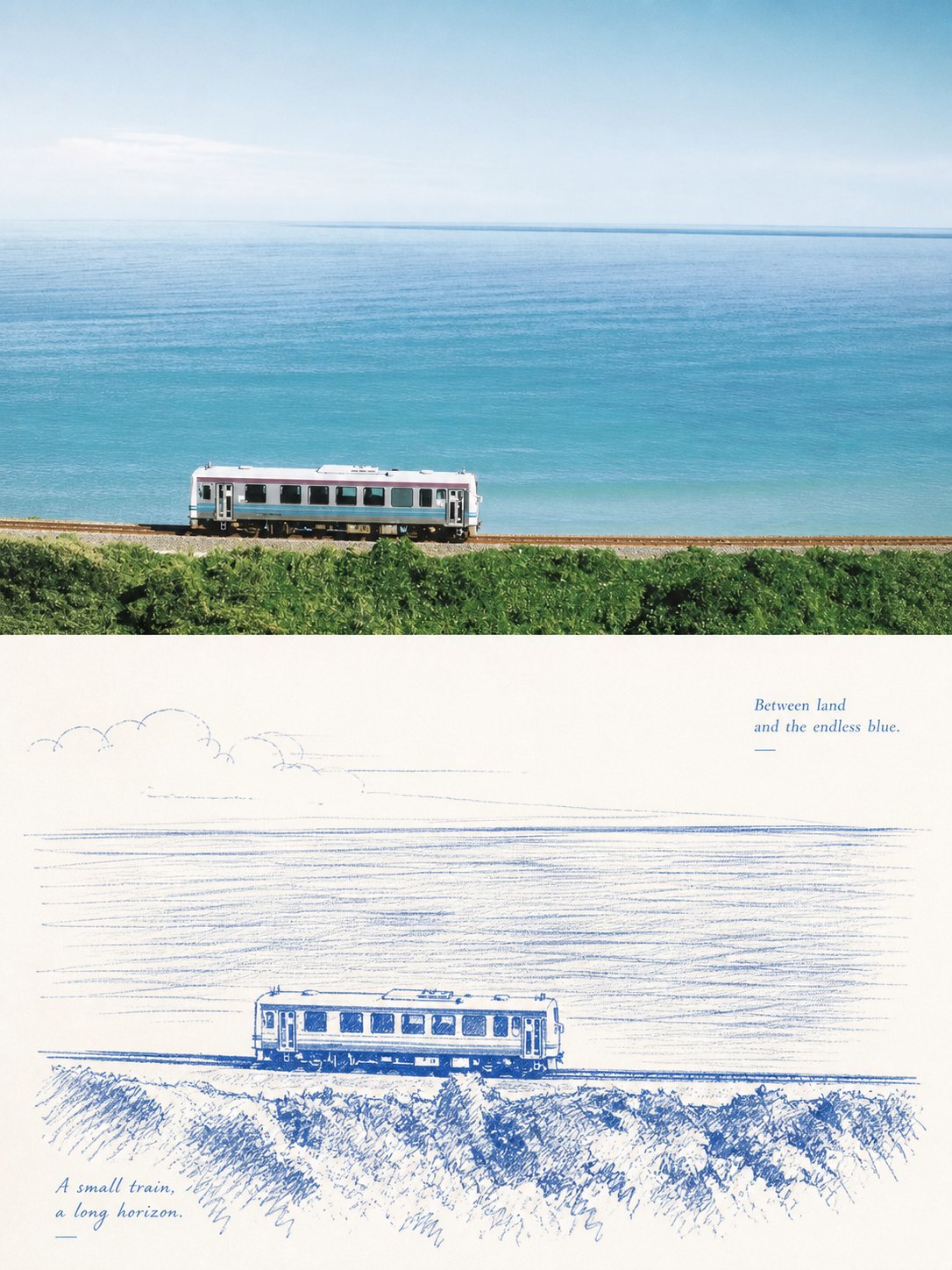
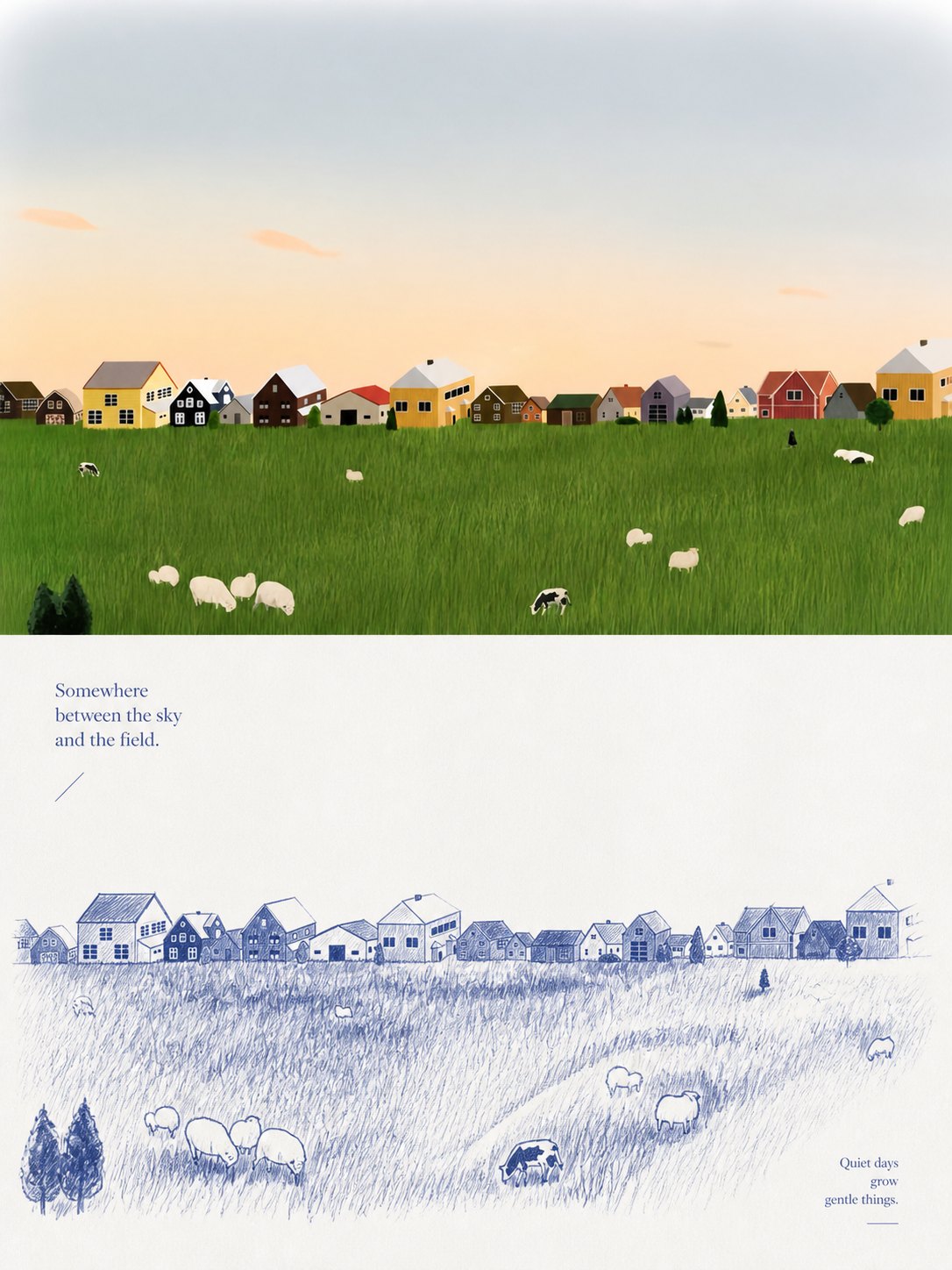
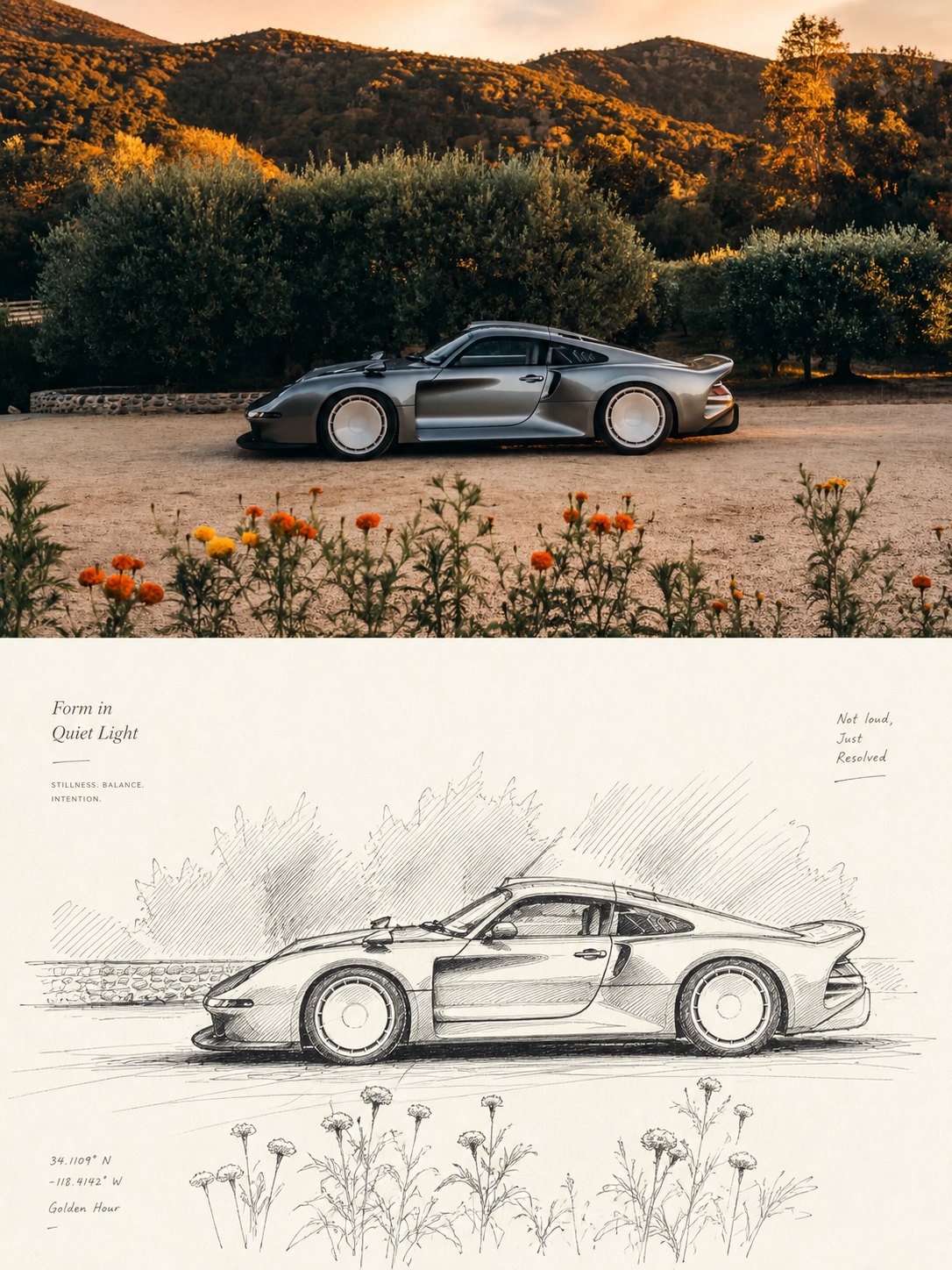
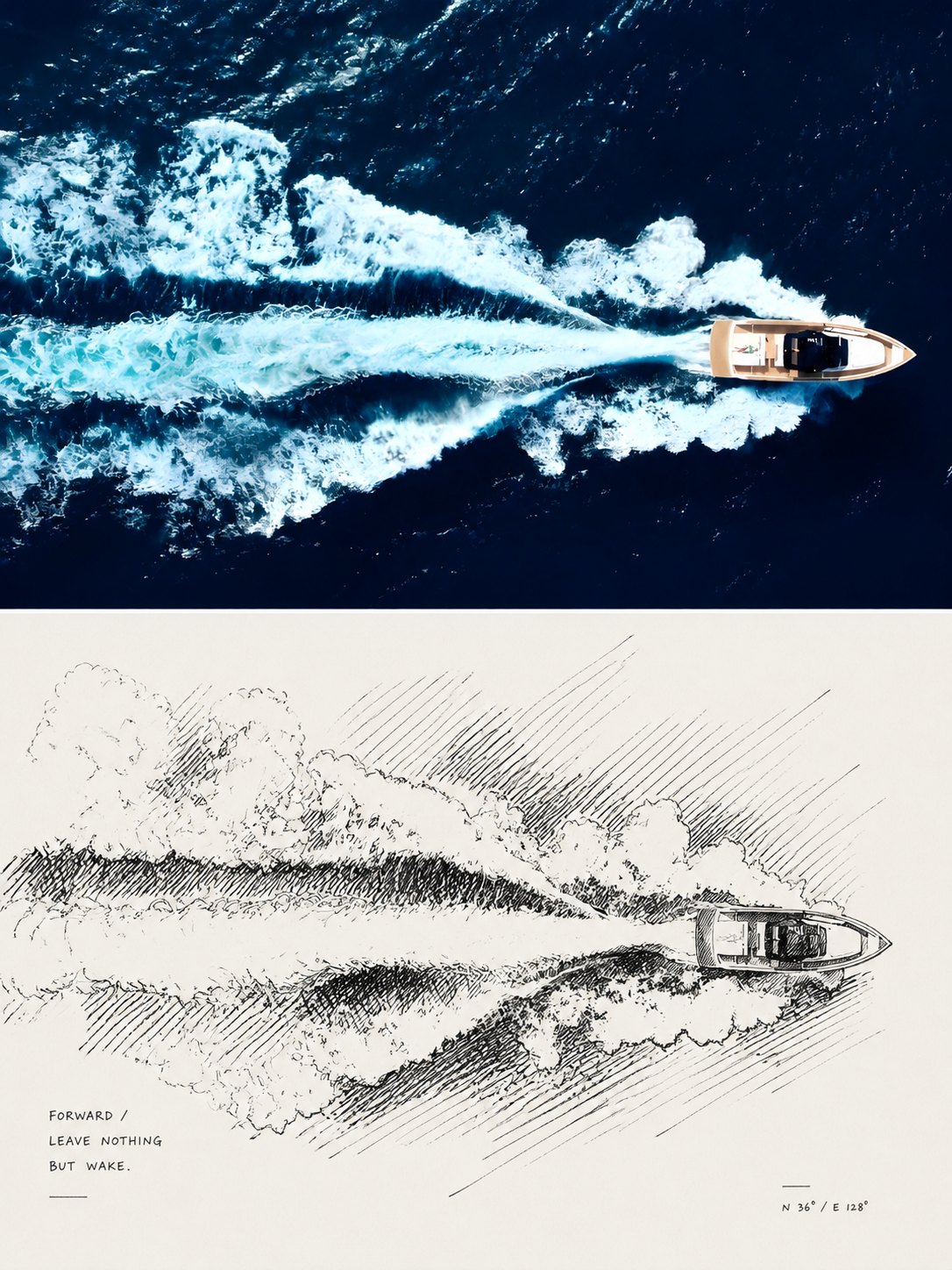
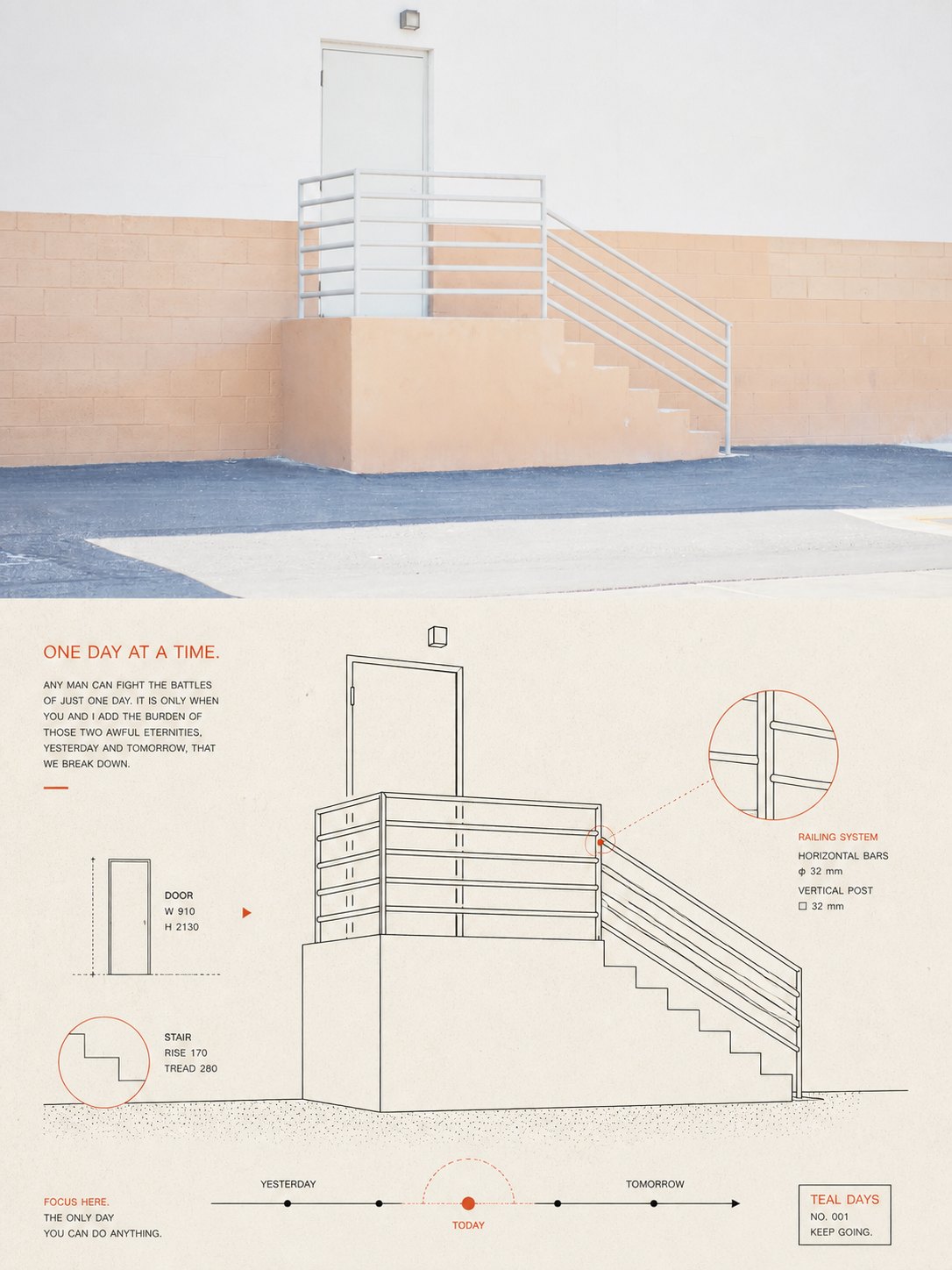
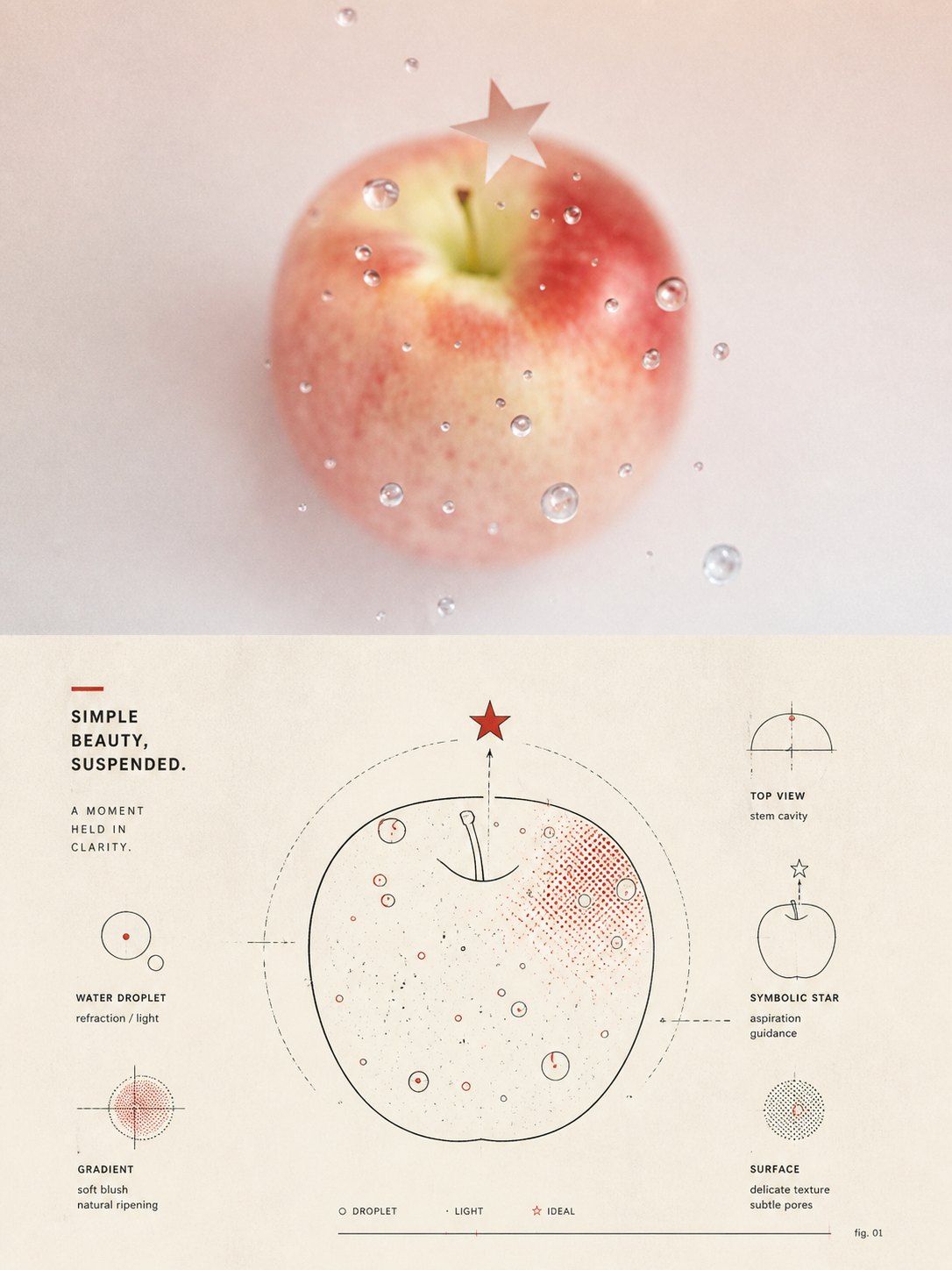
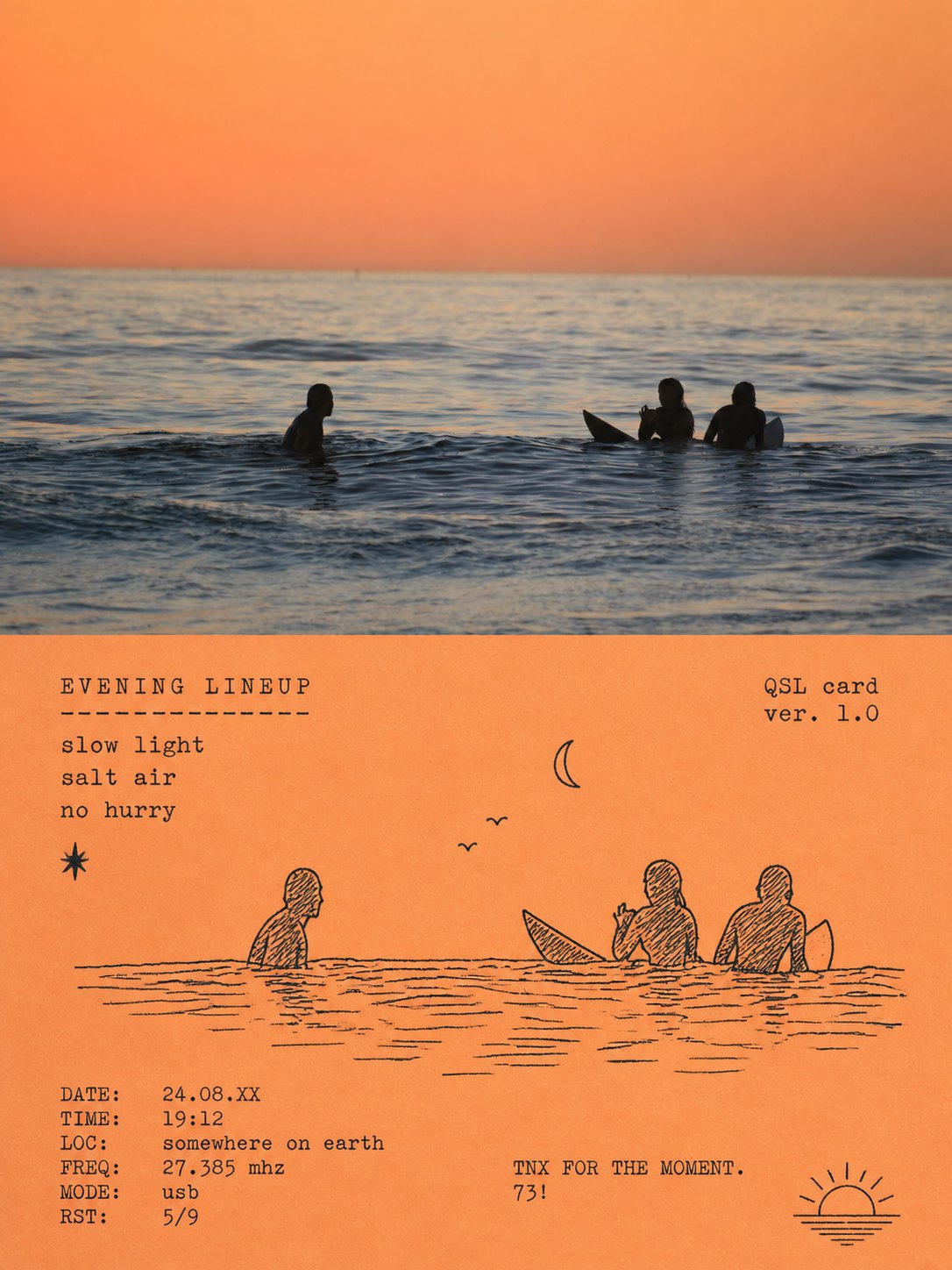
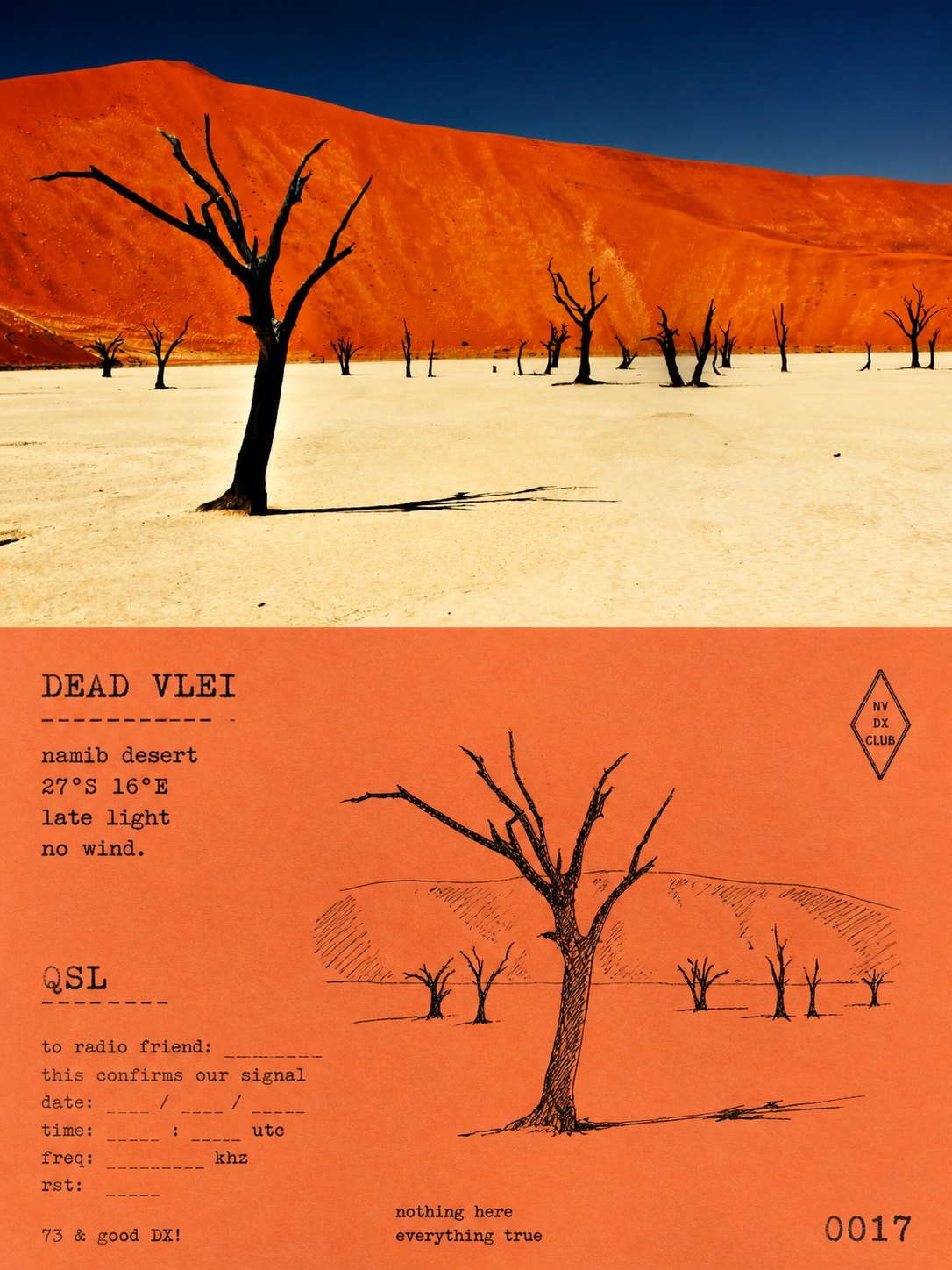

 1 / 4
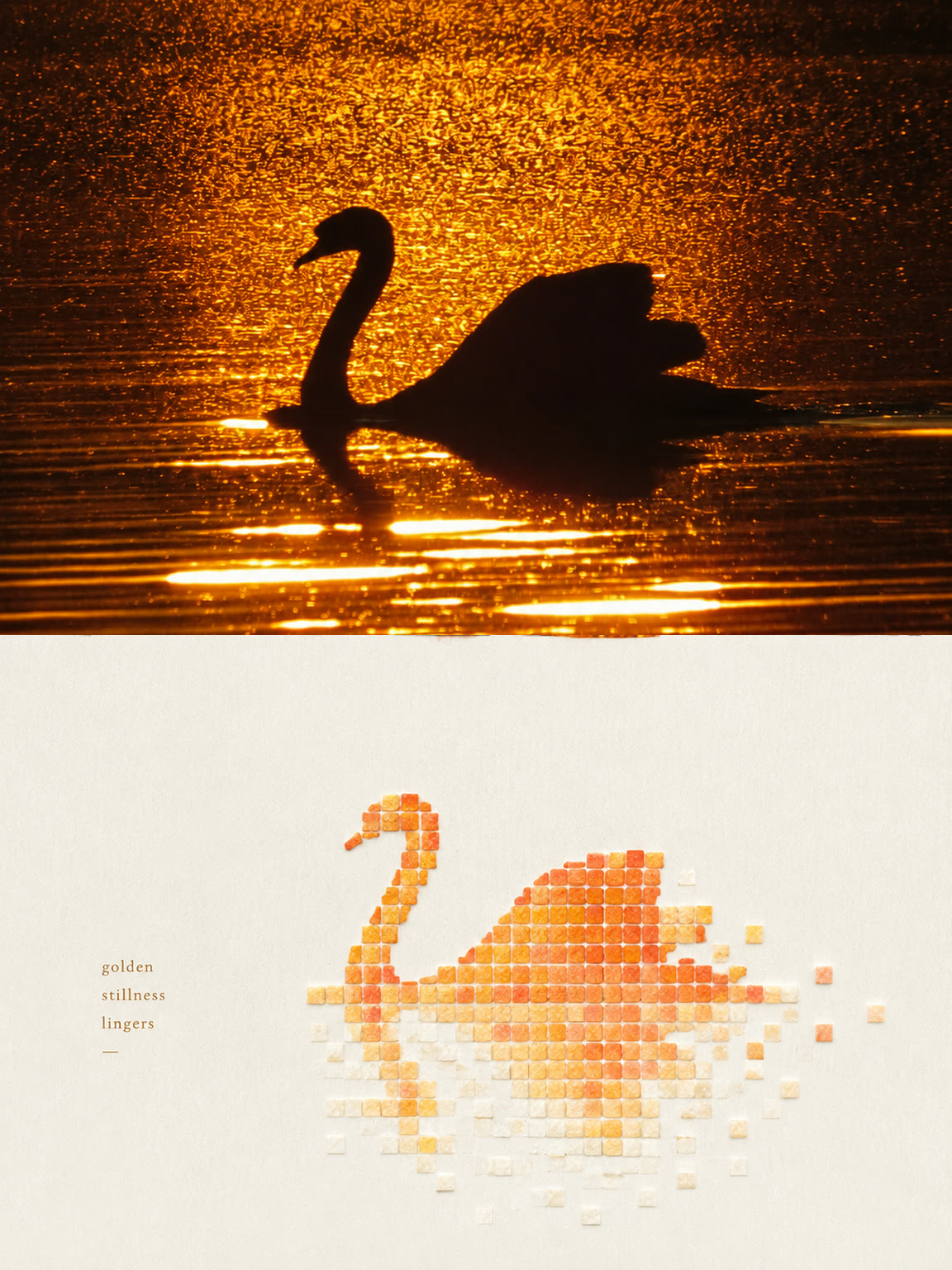
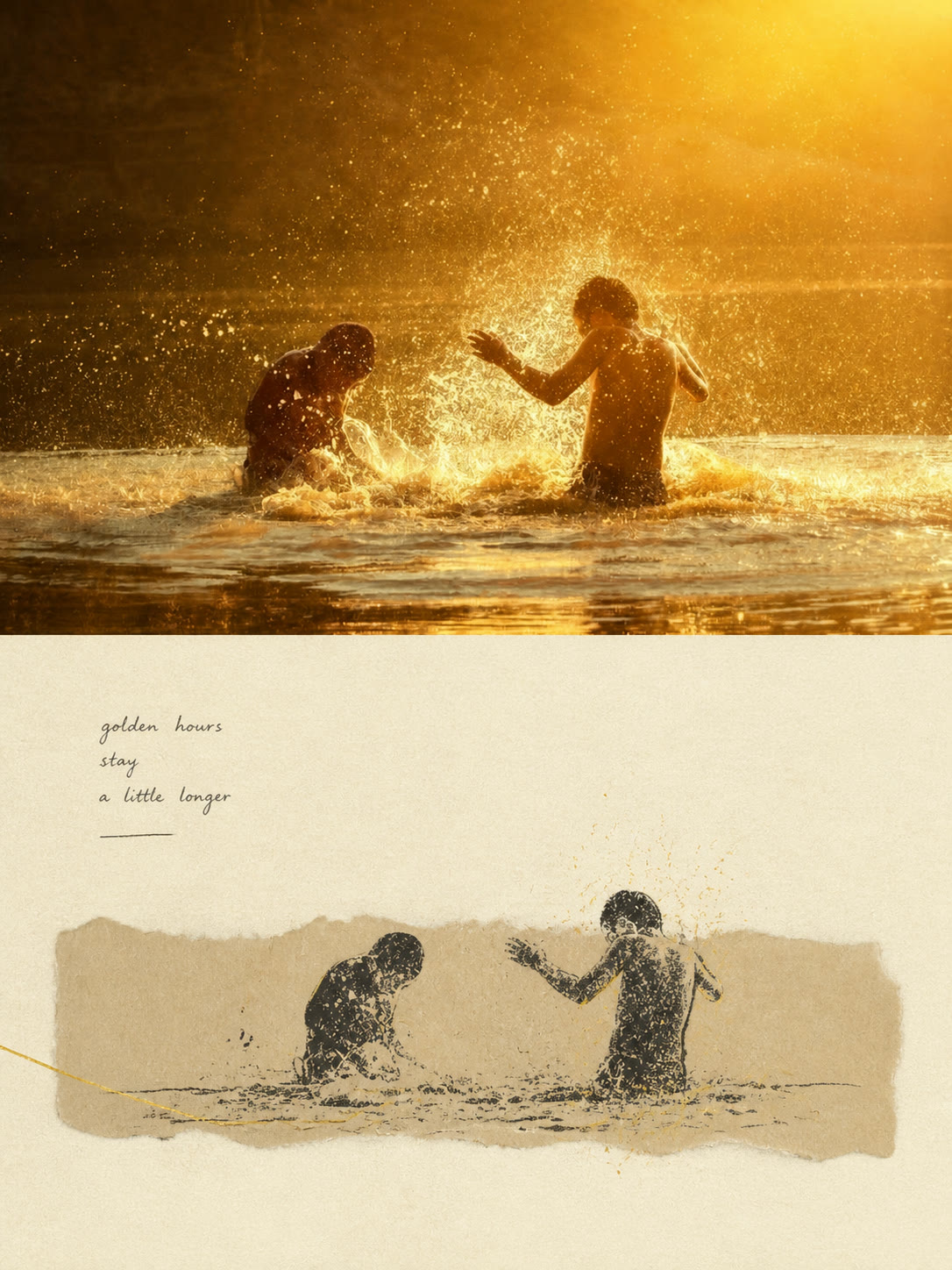
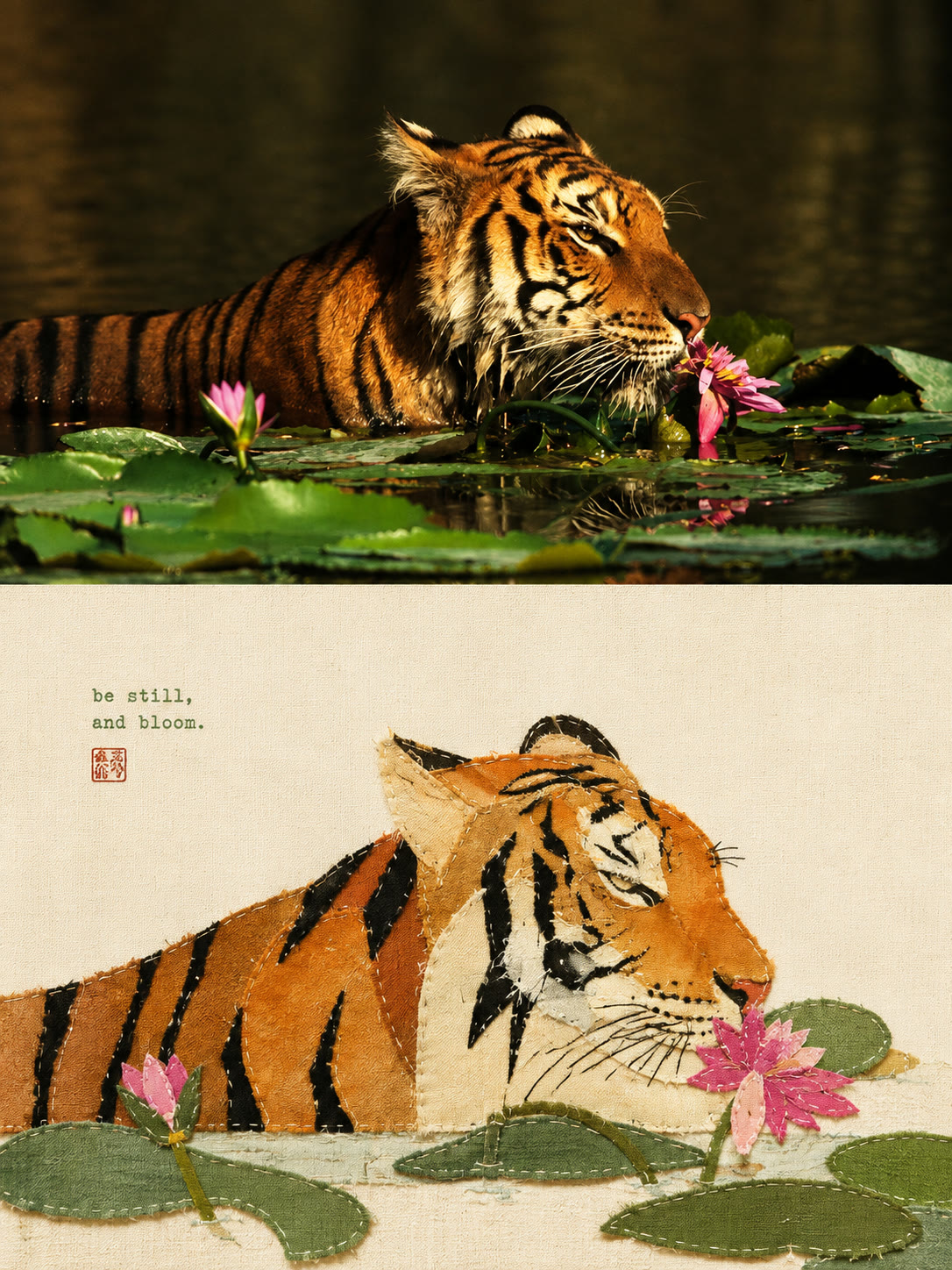
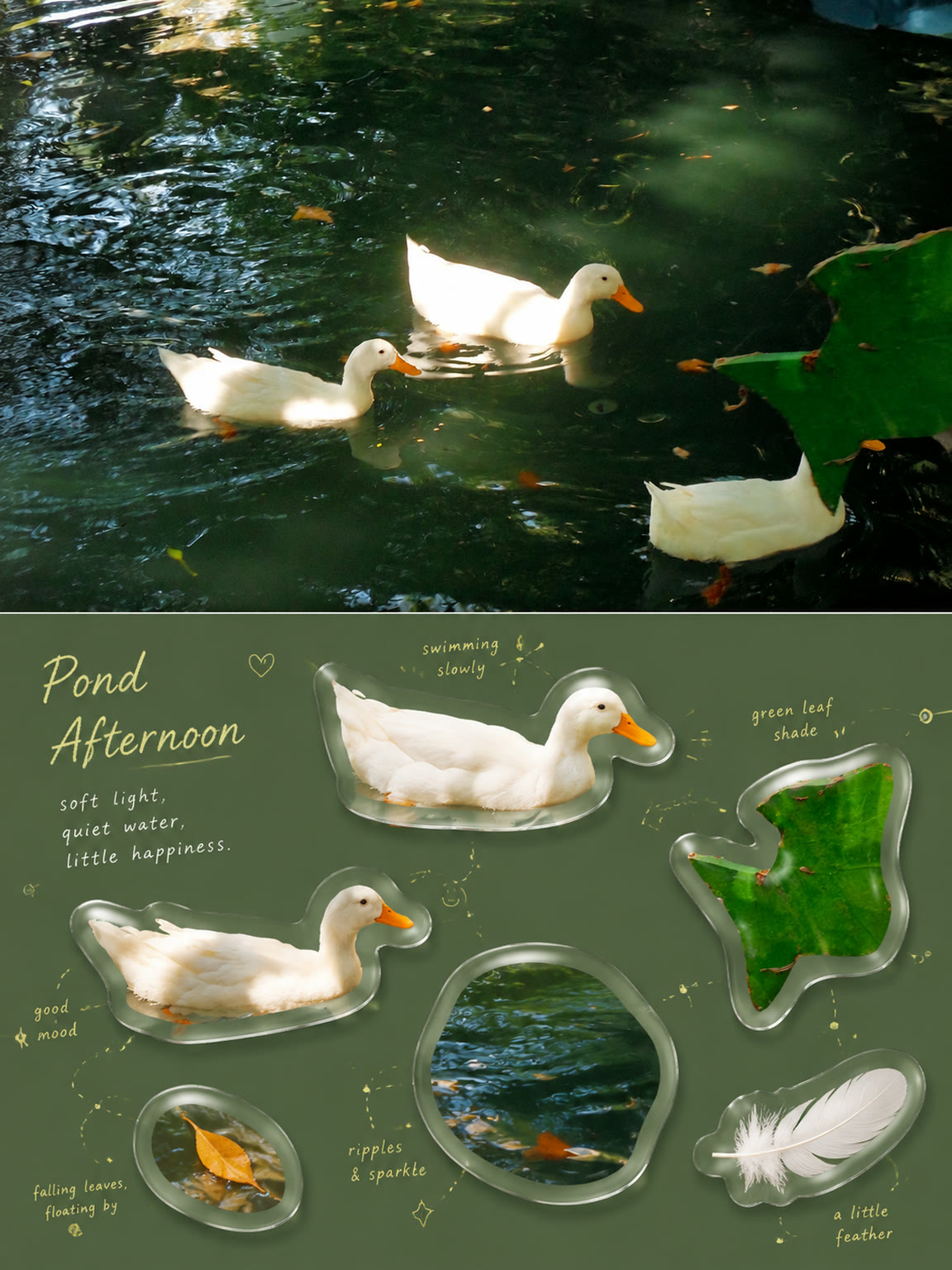
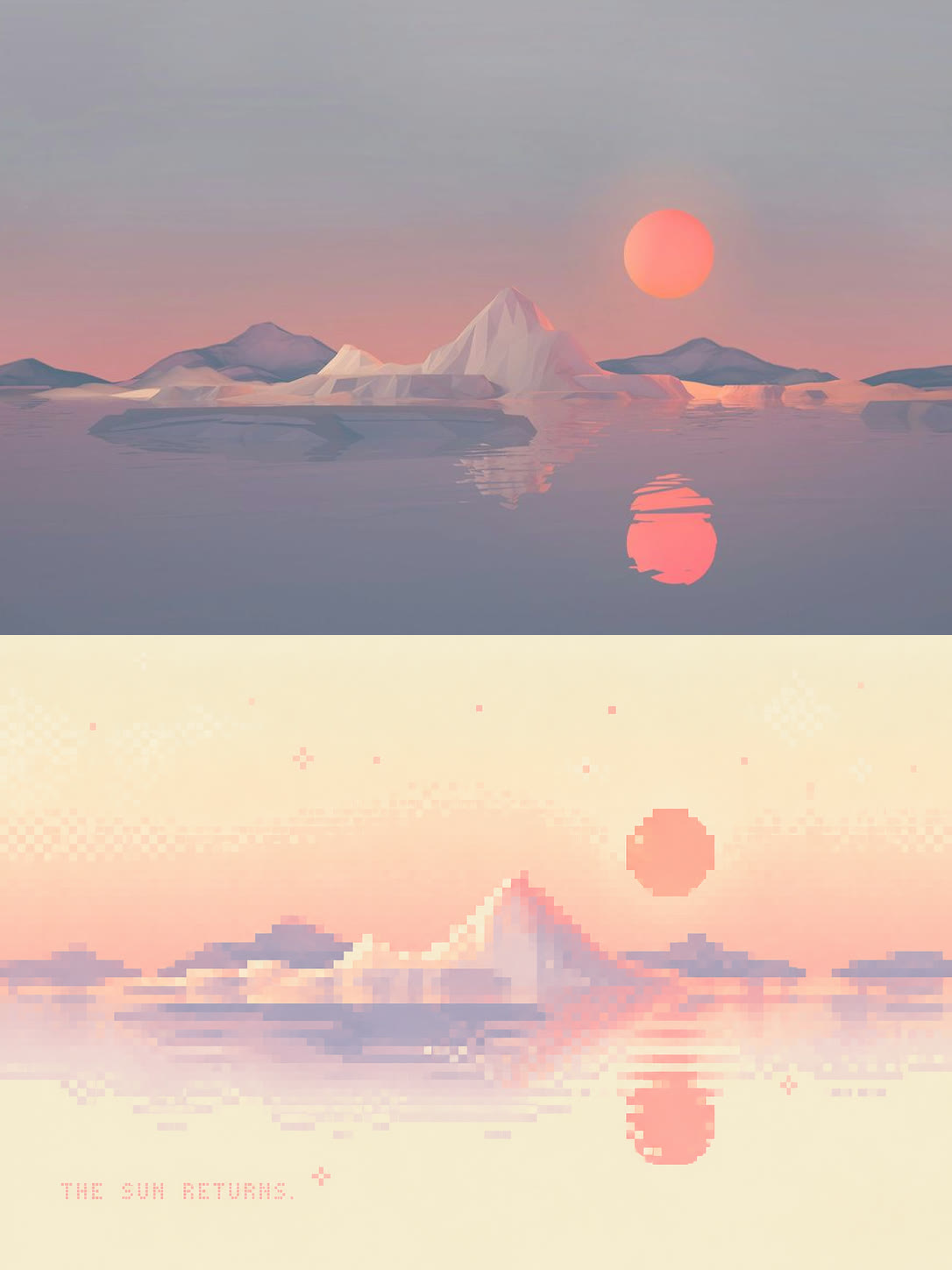
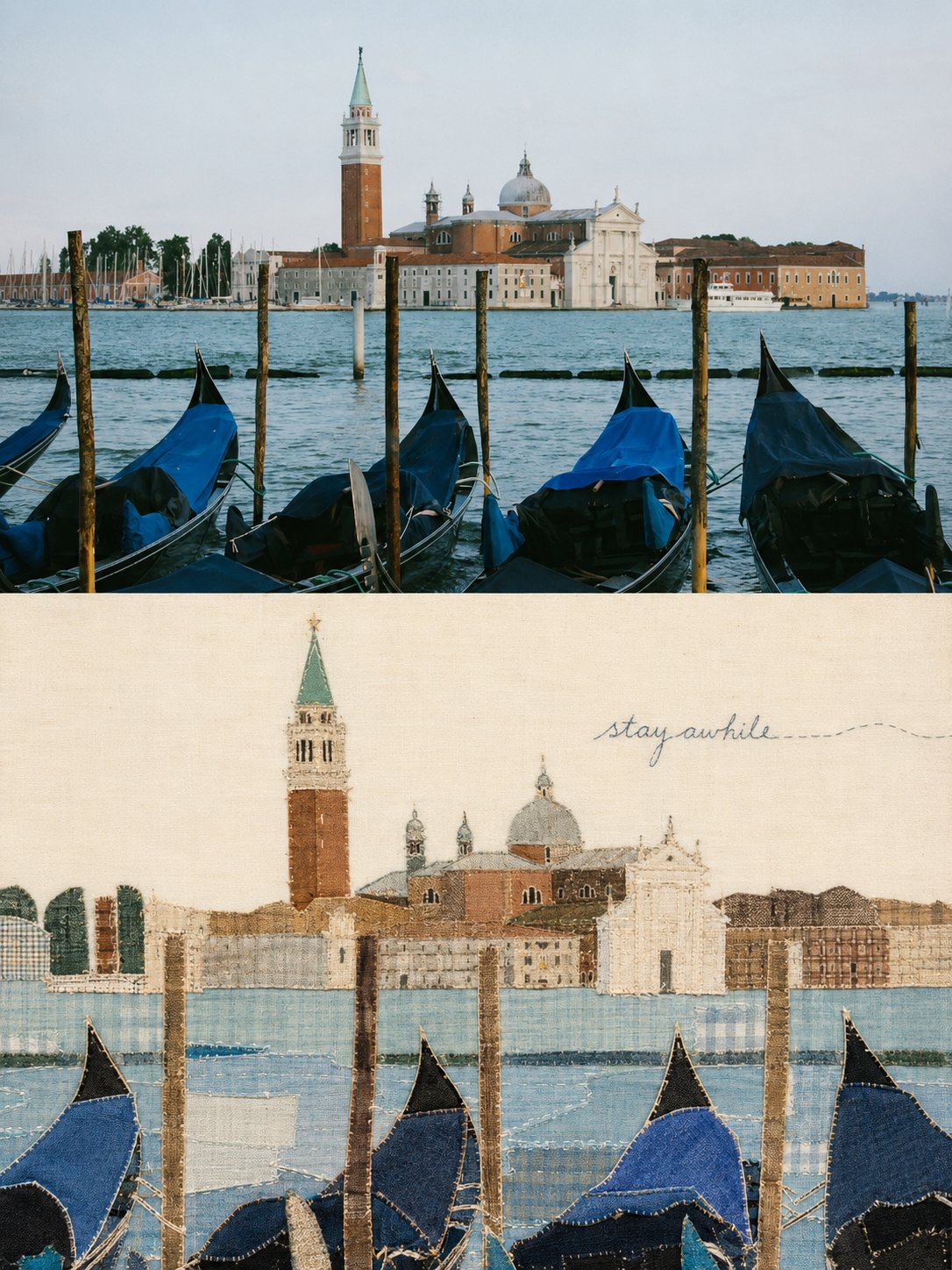
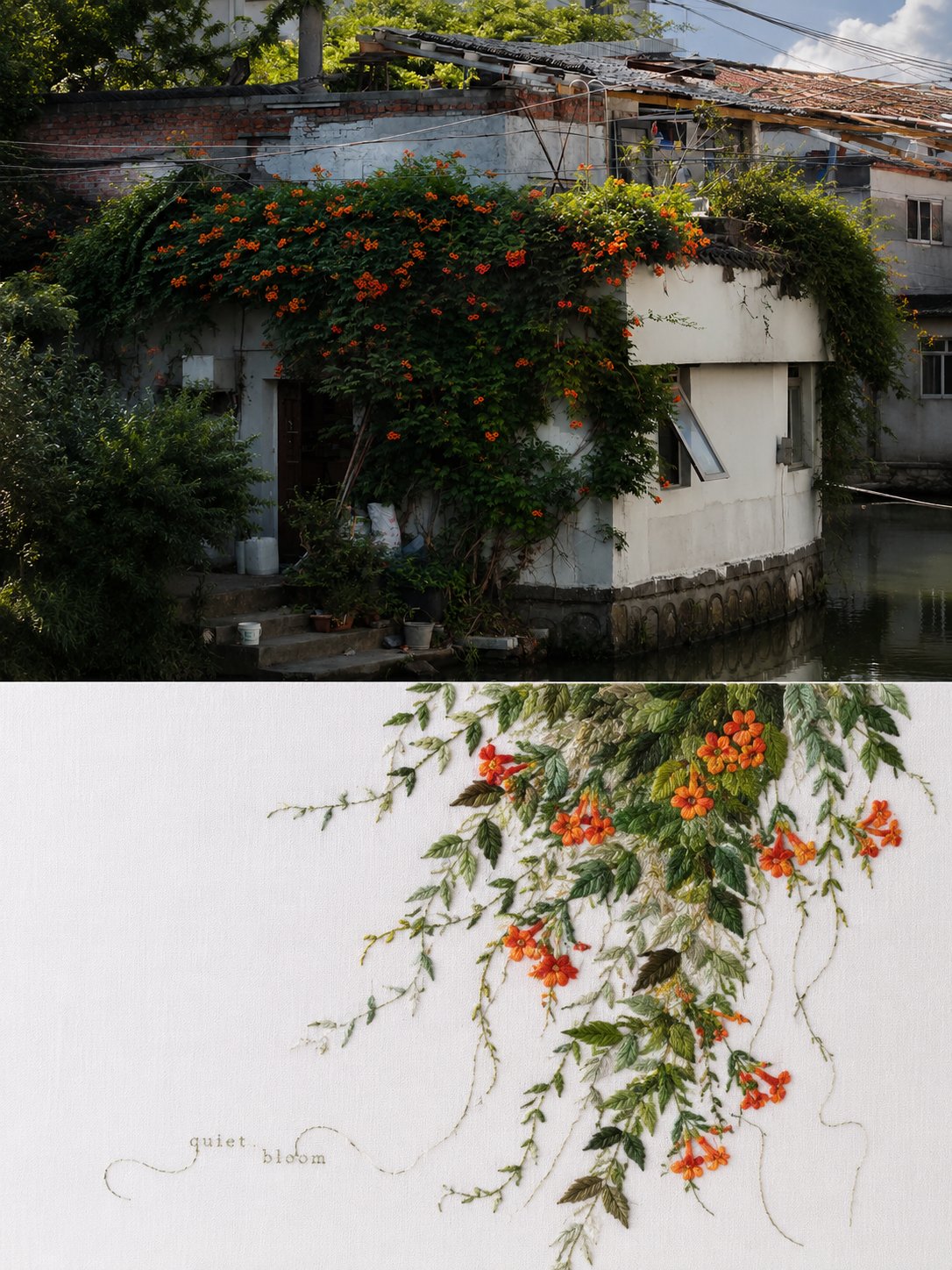
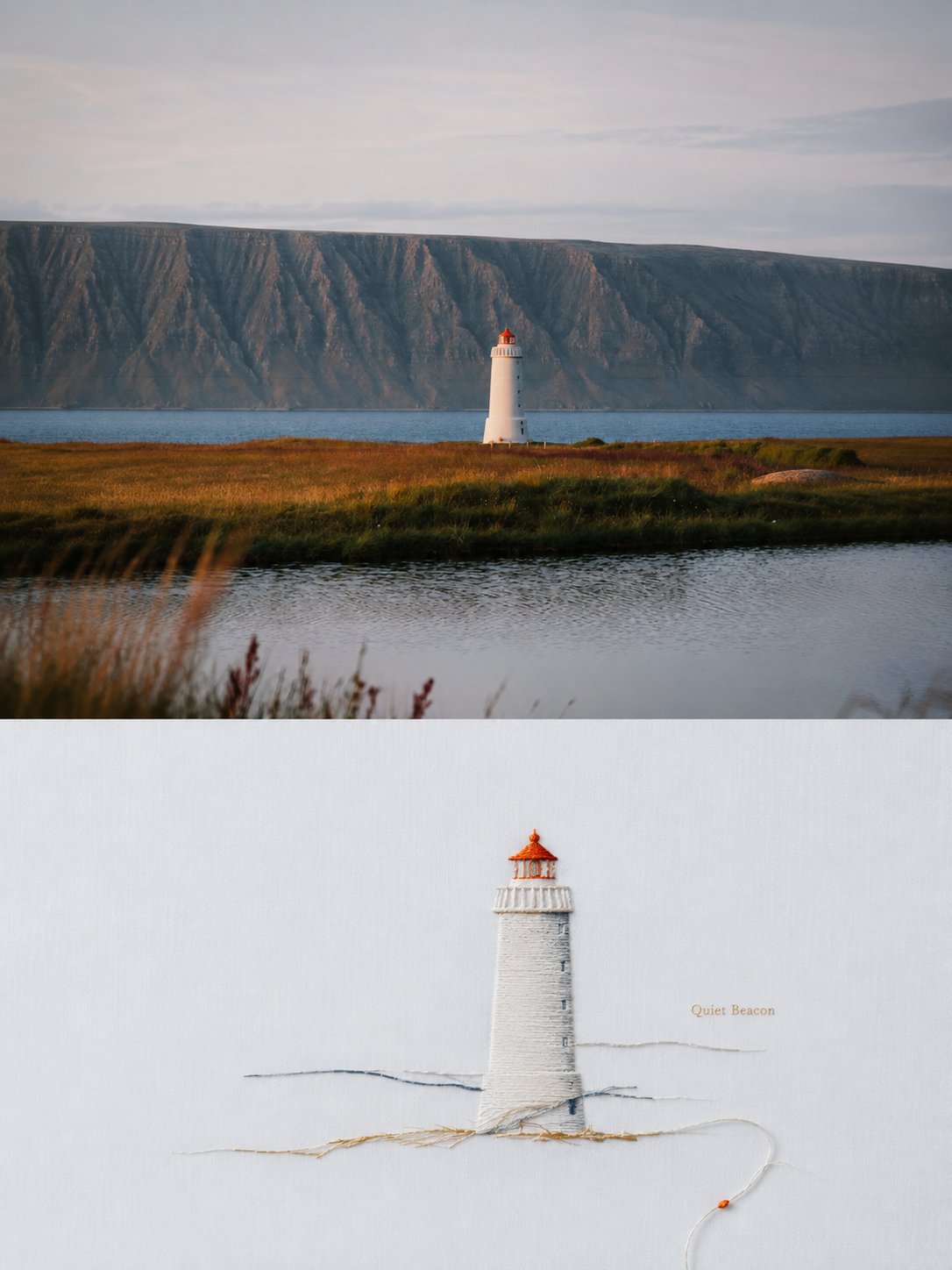
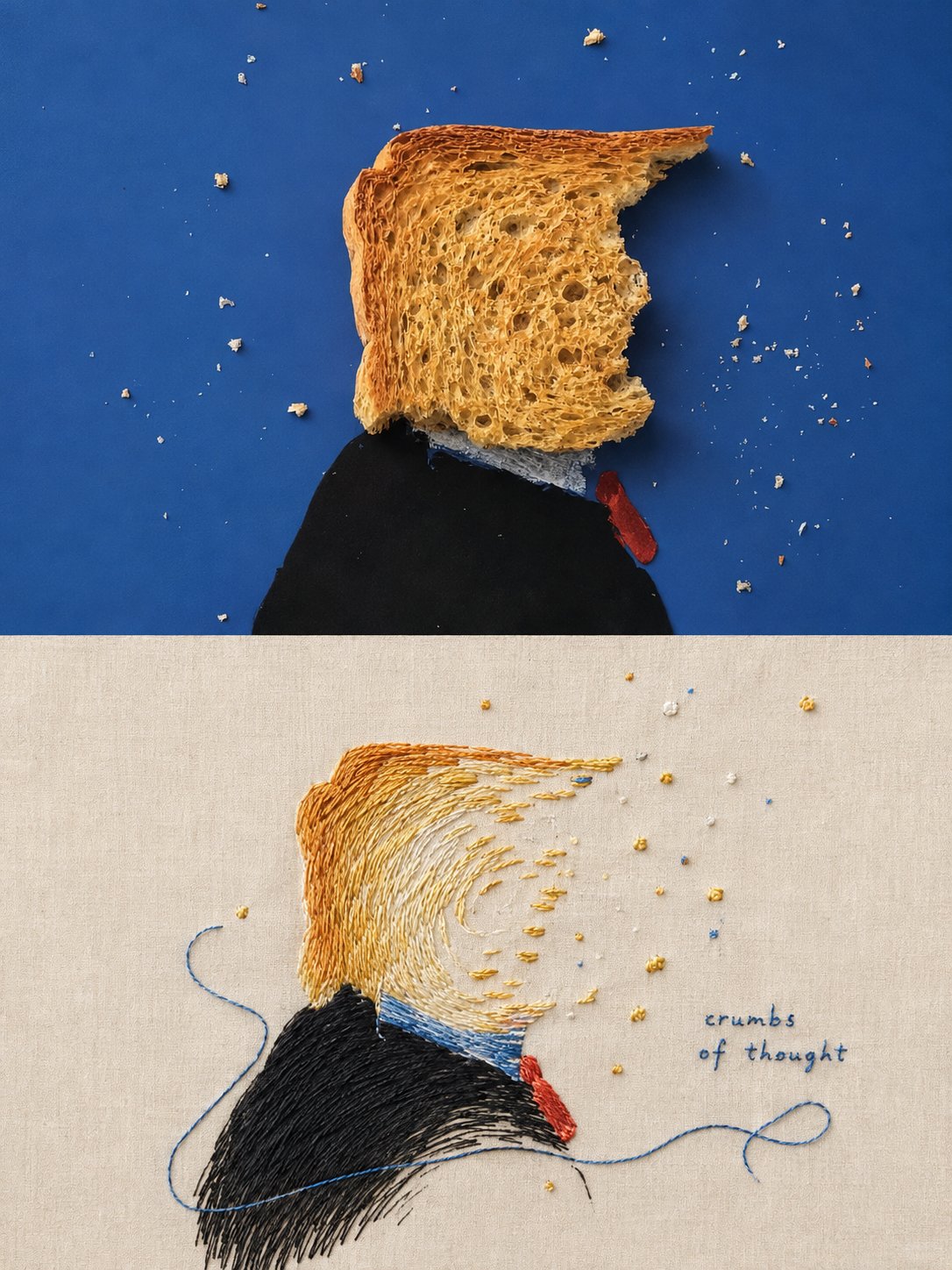
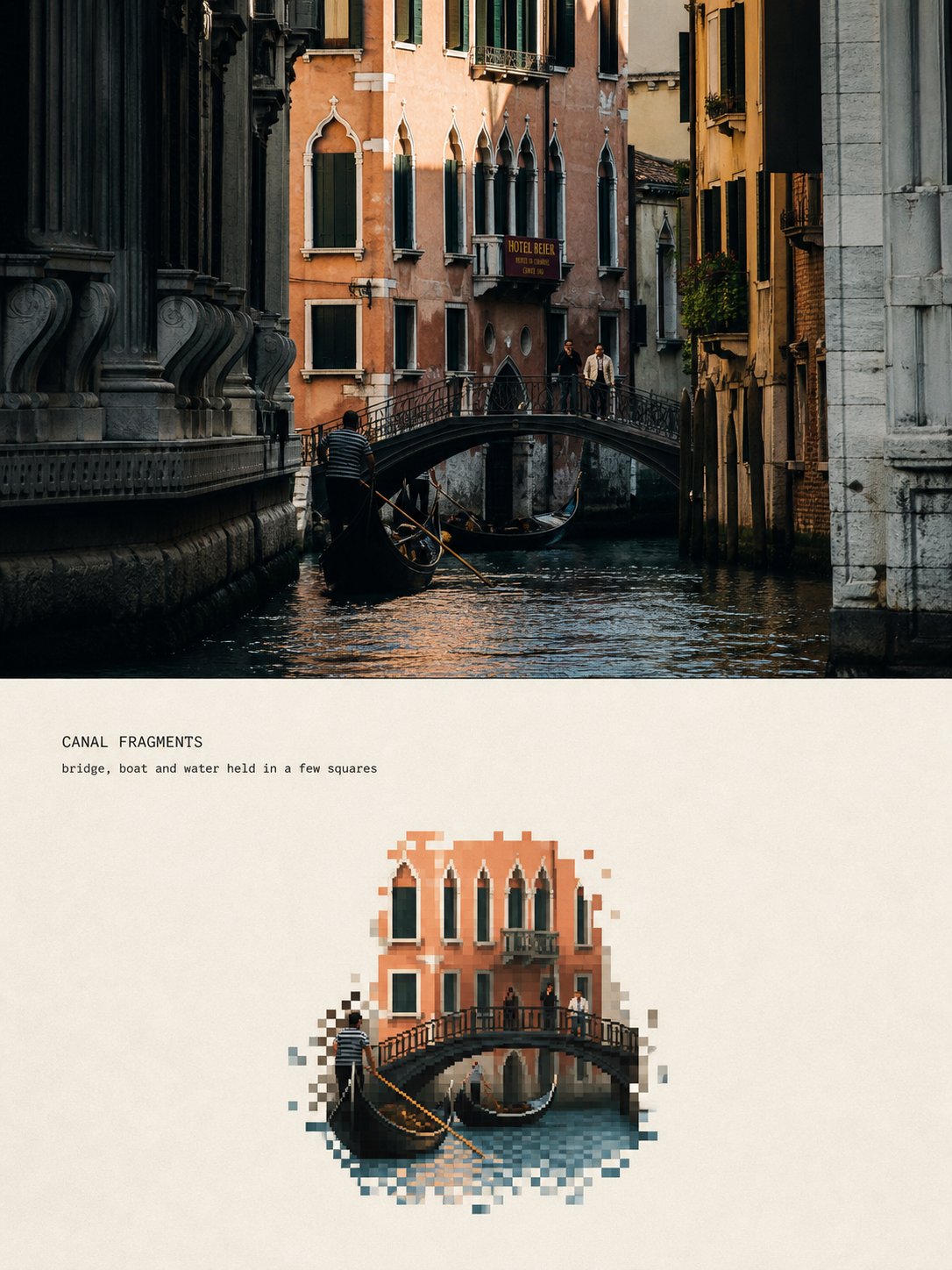
1 / 4Pixel dissolve landscape
pixel
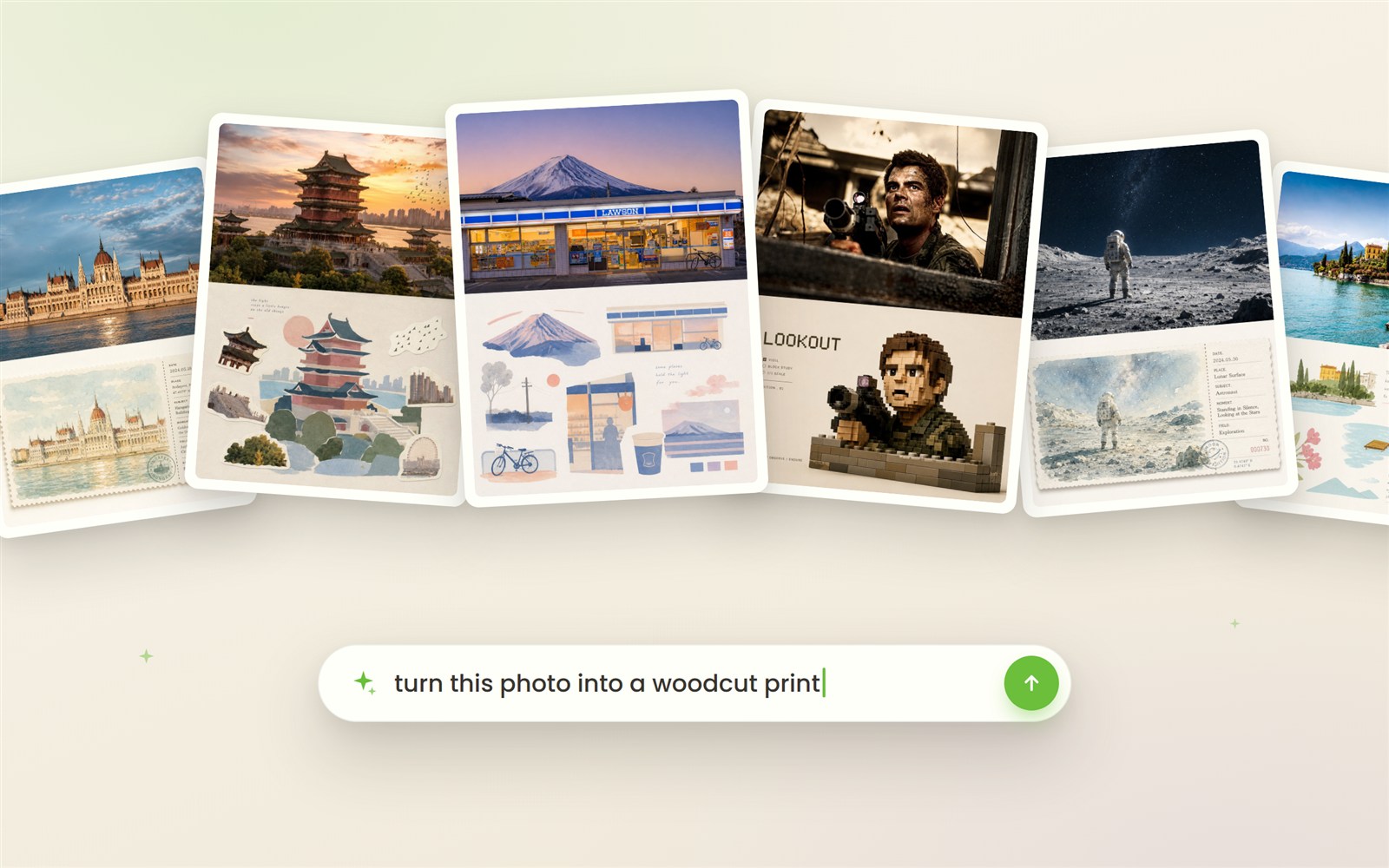
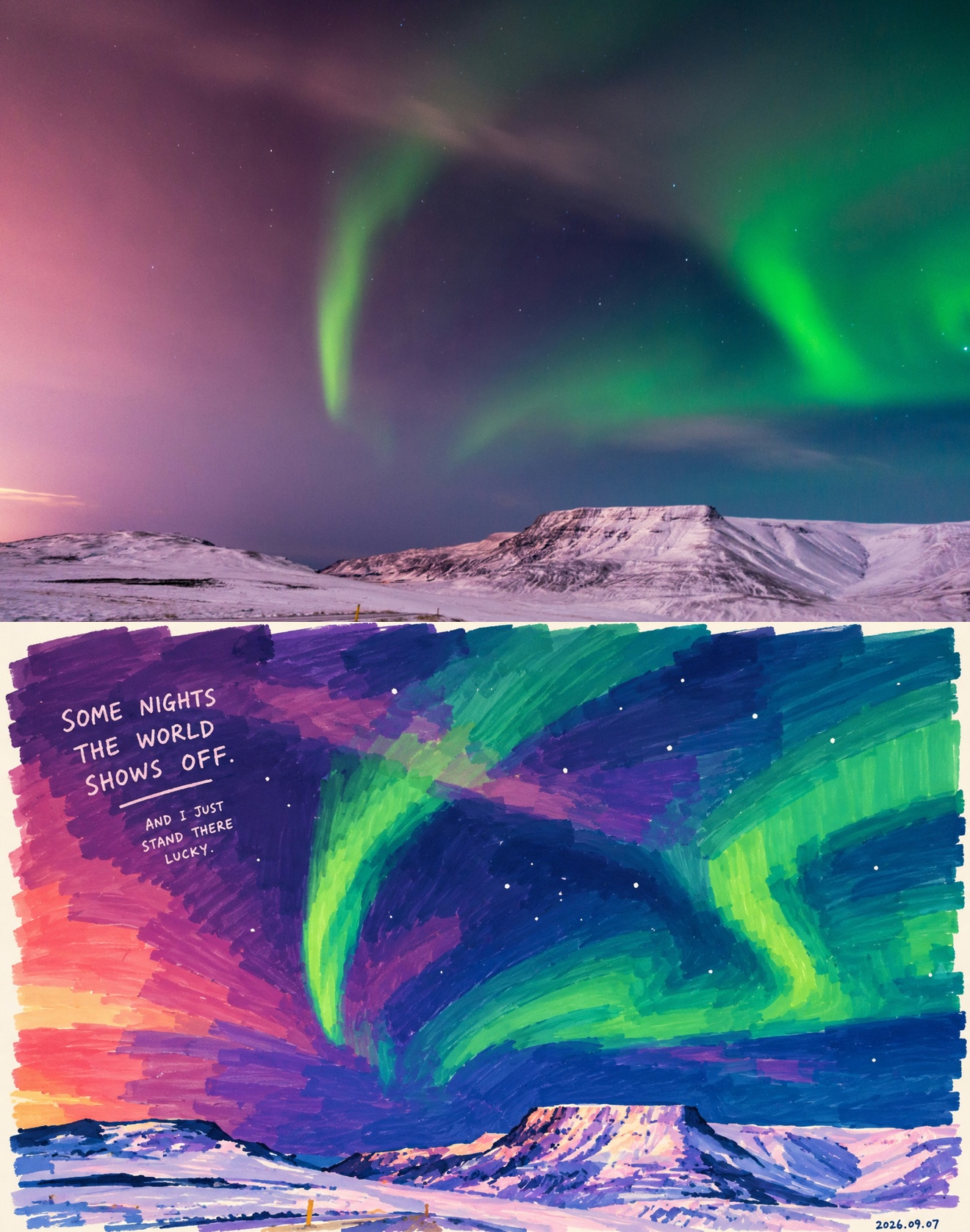
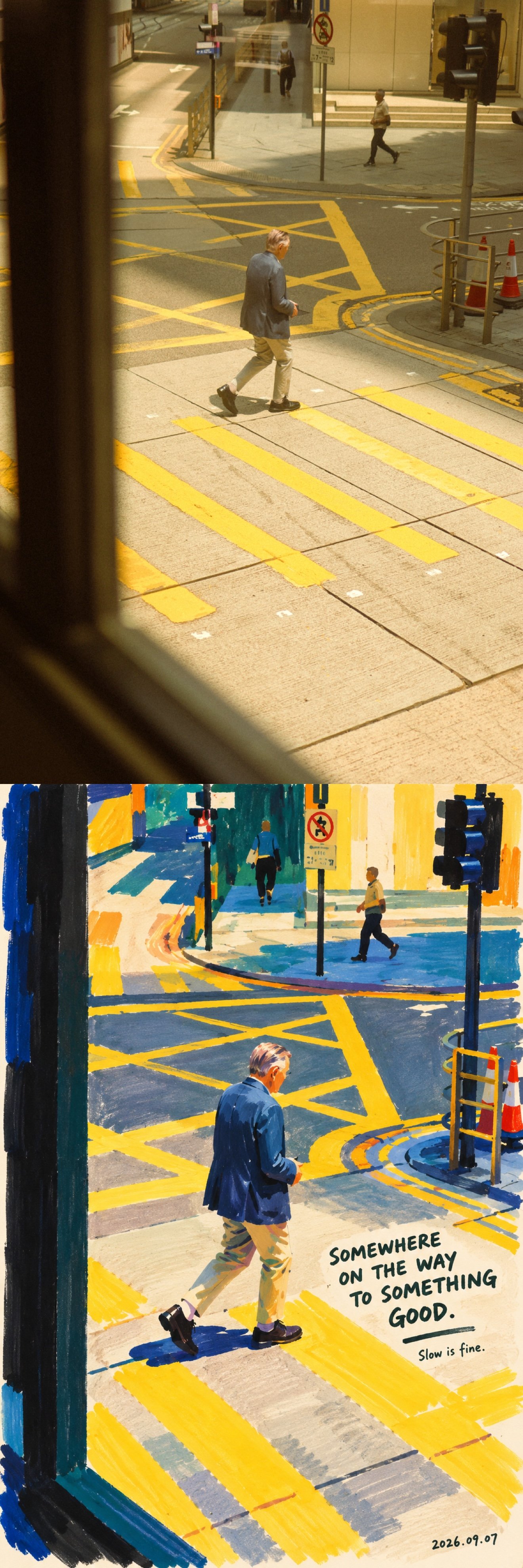
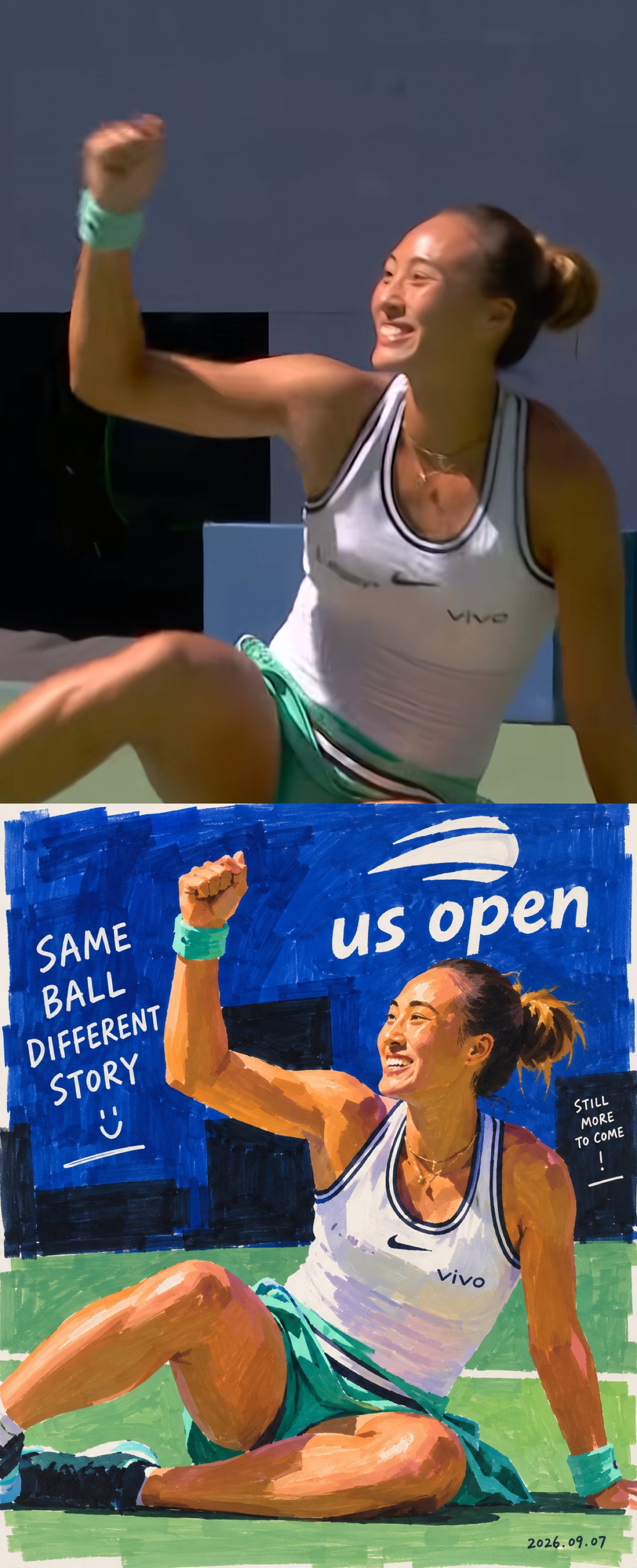
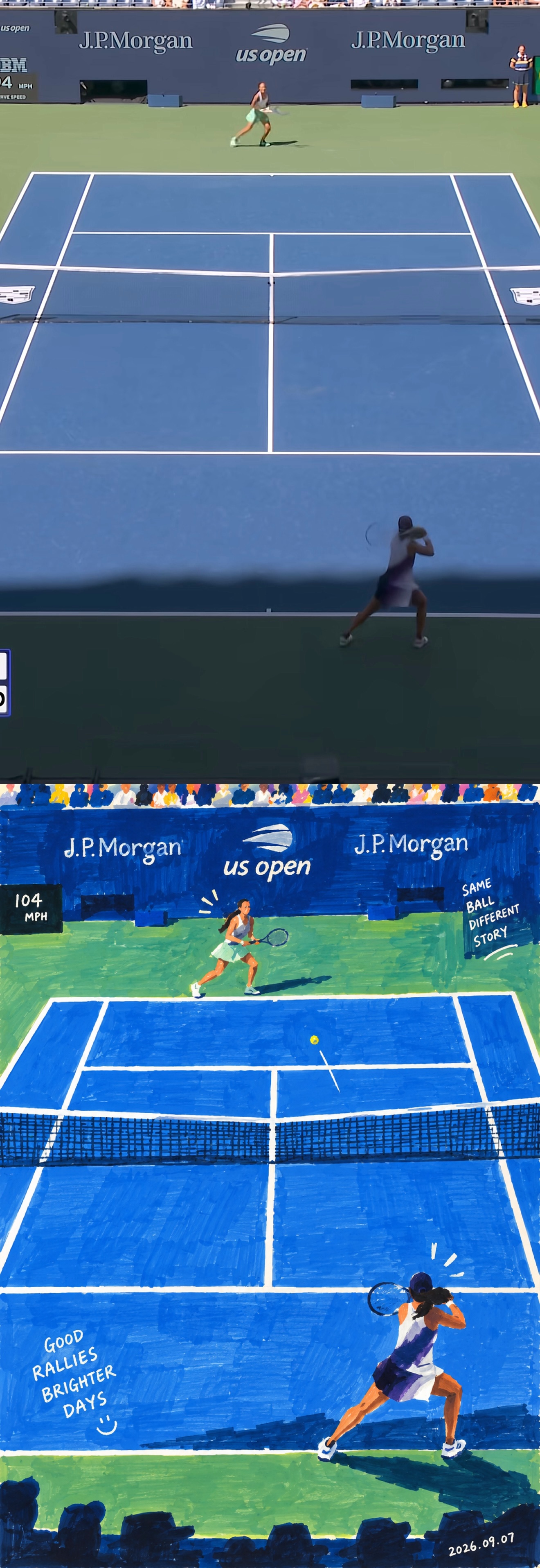
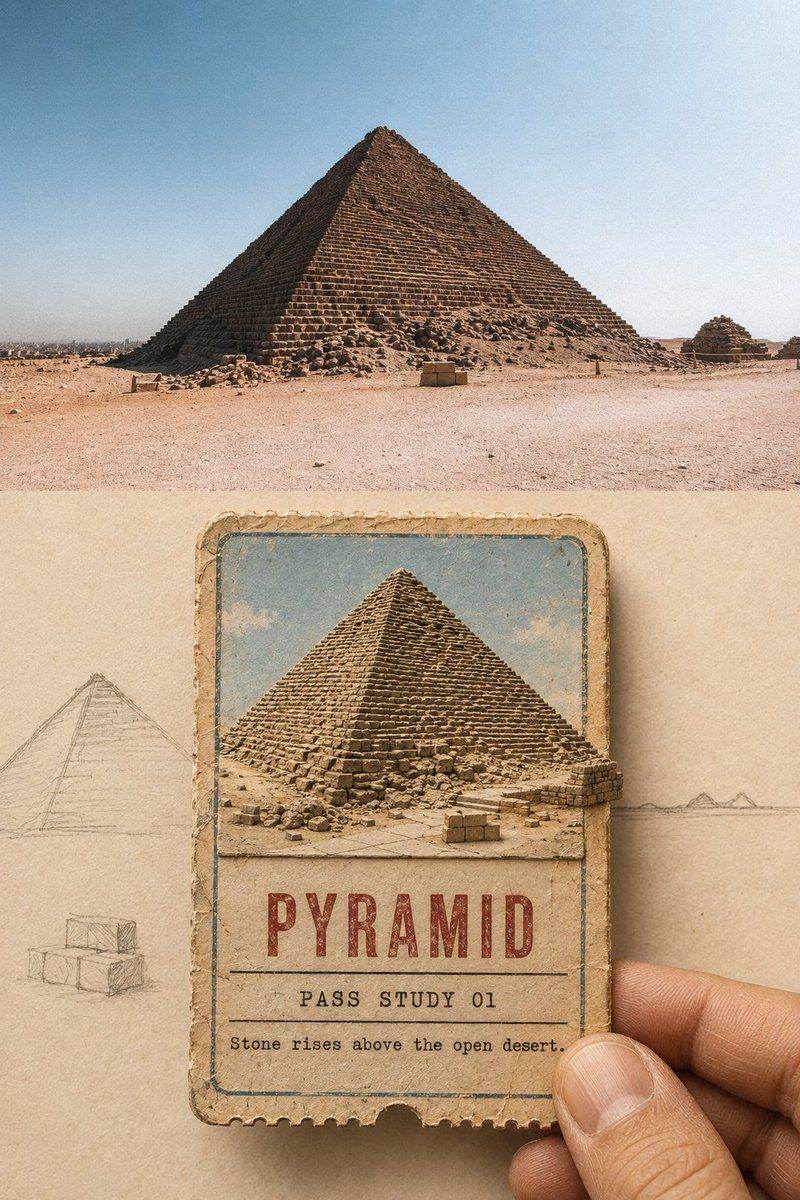
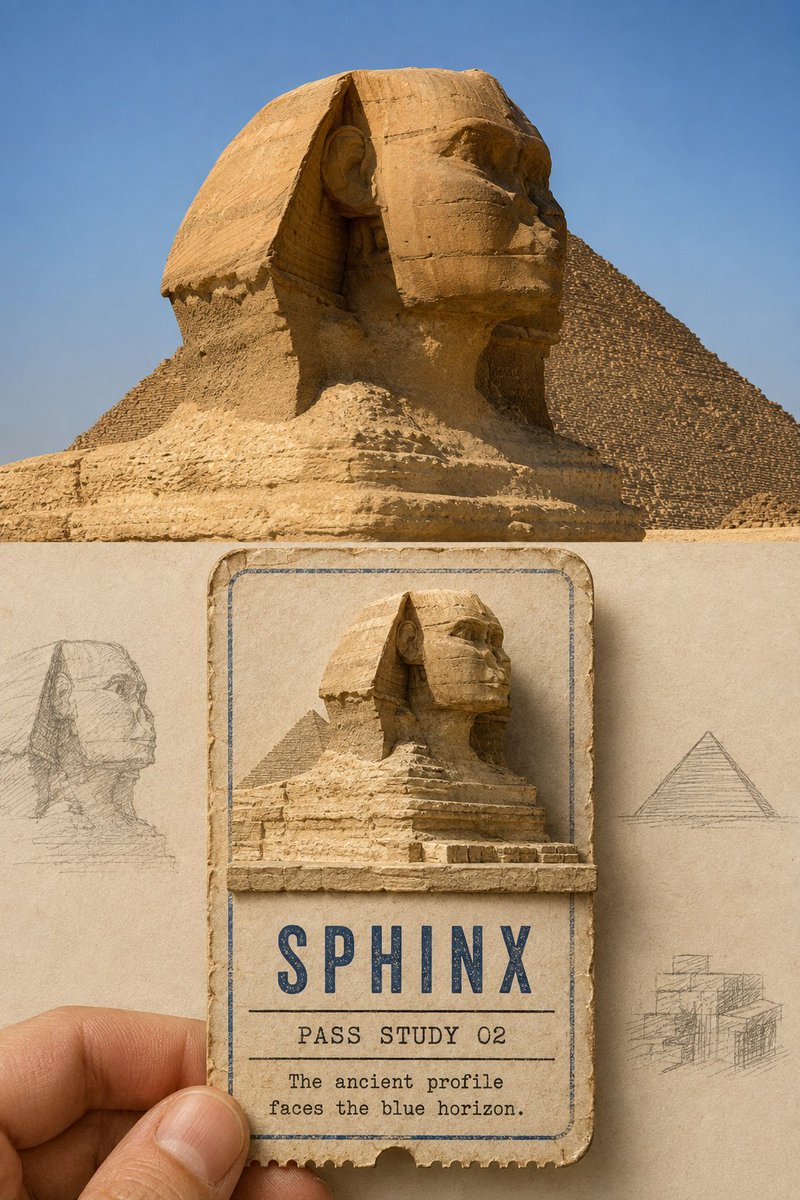
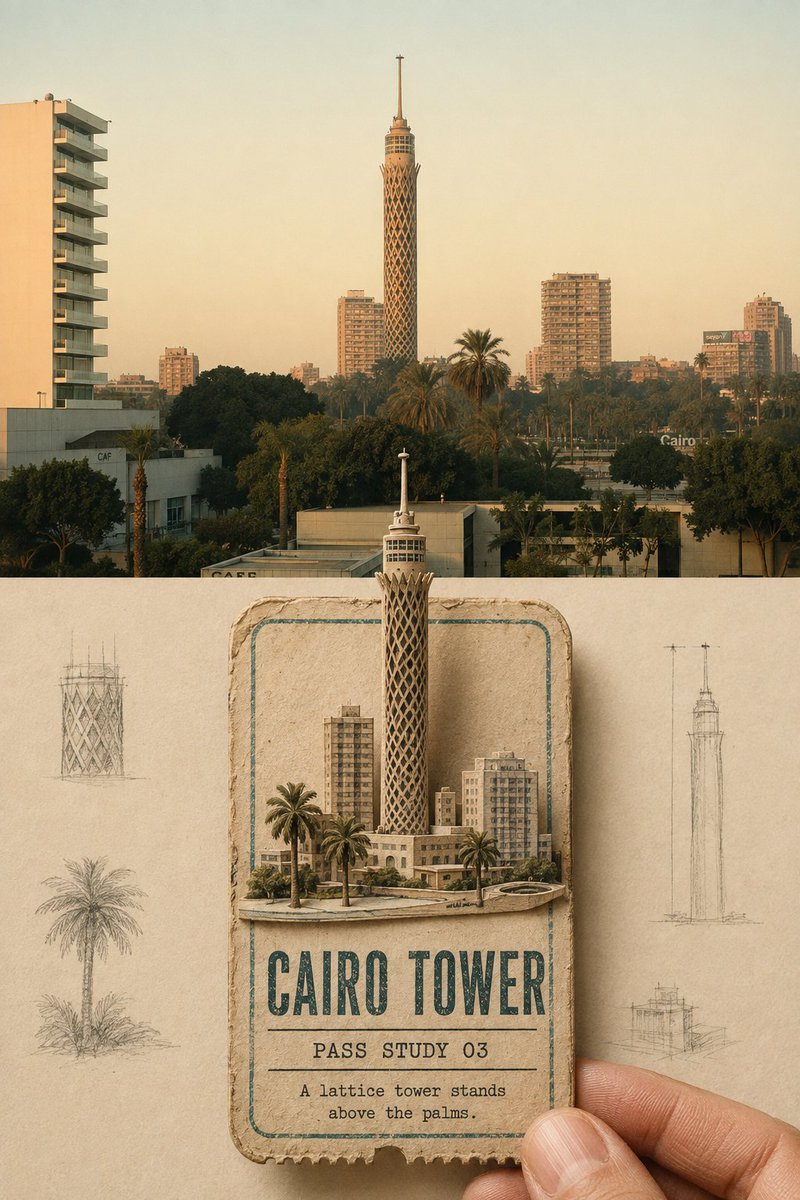
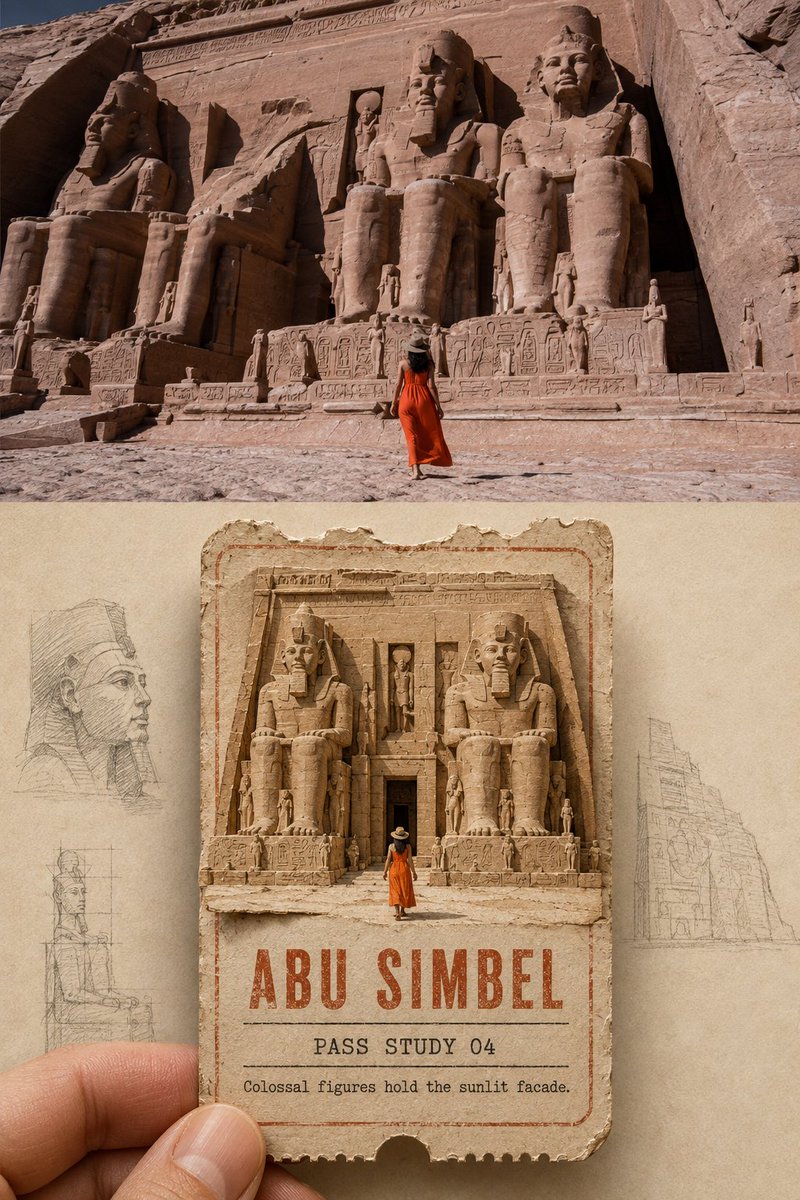
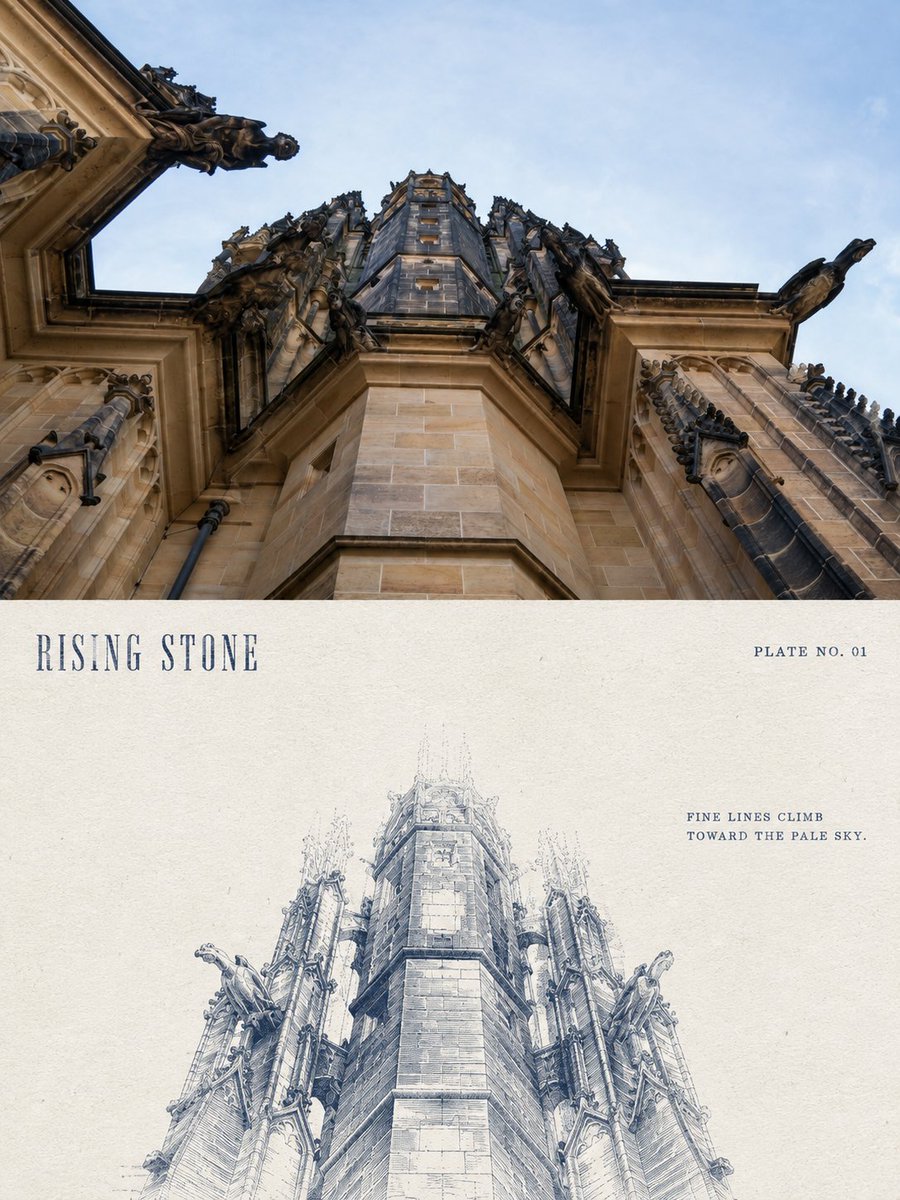
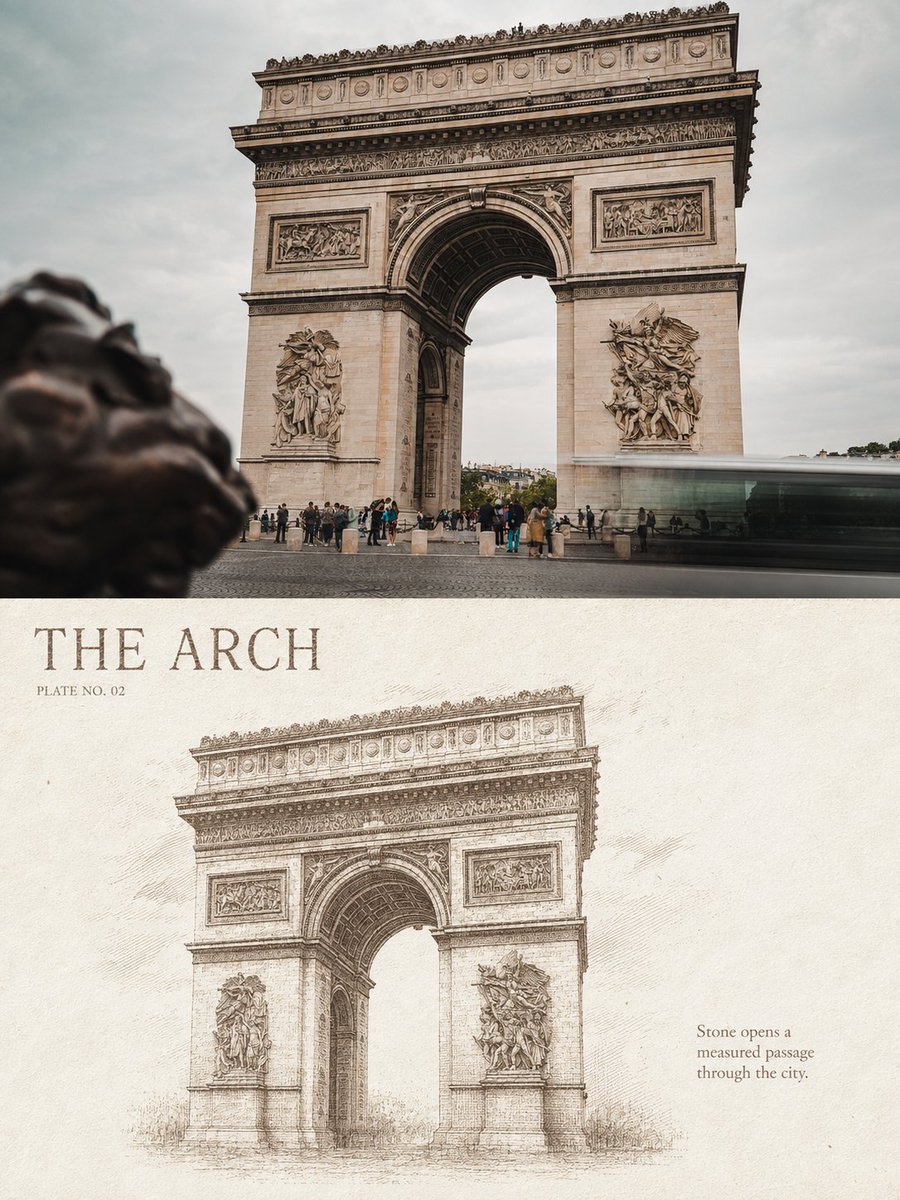
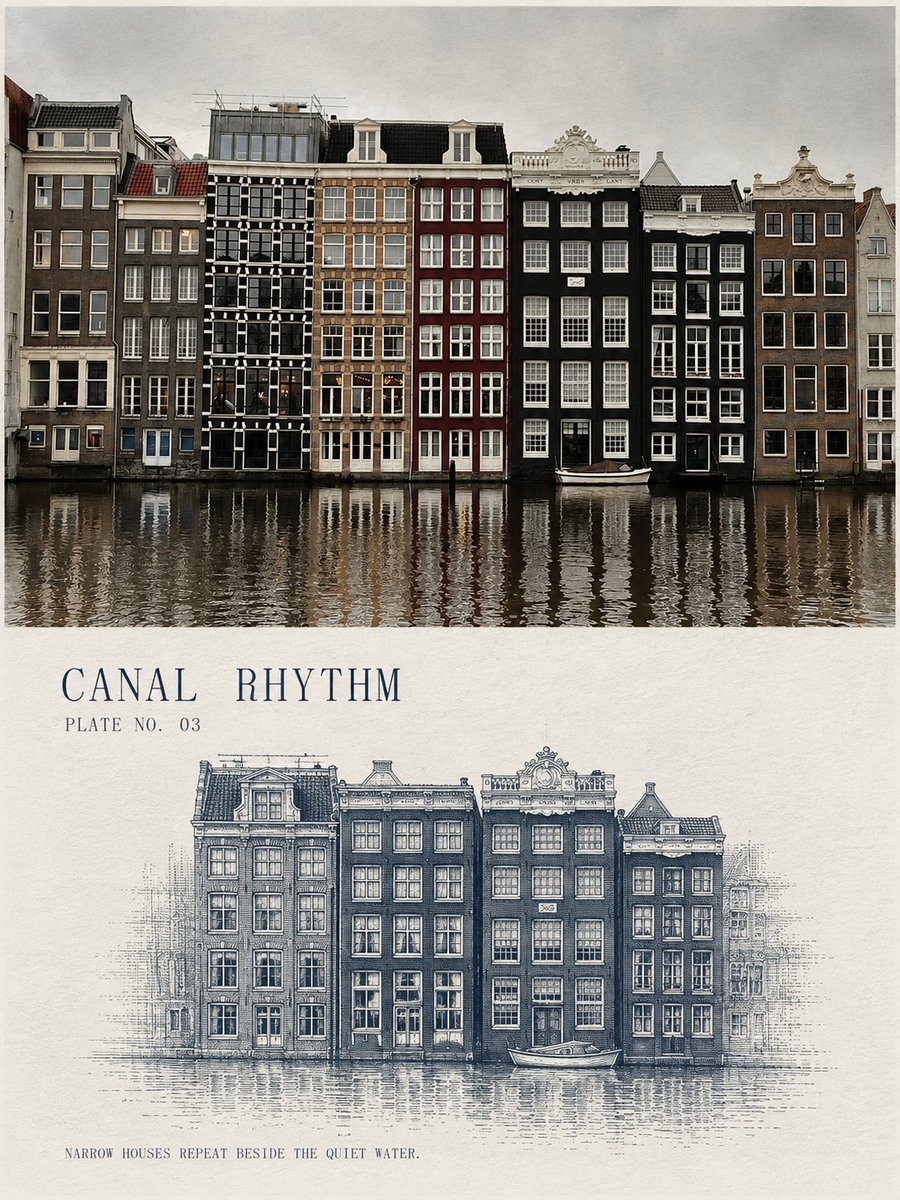
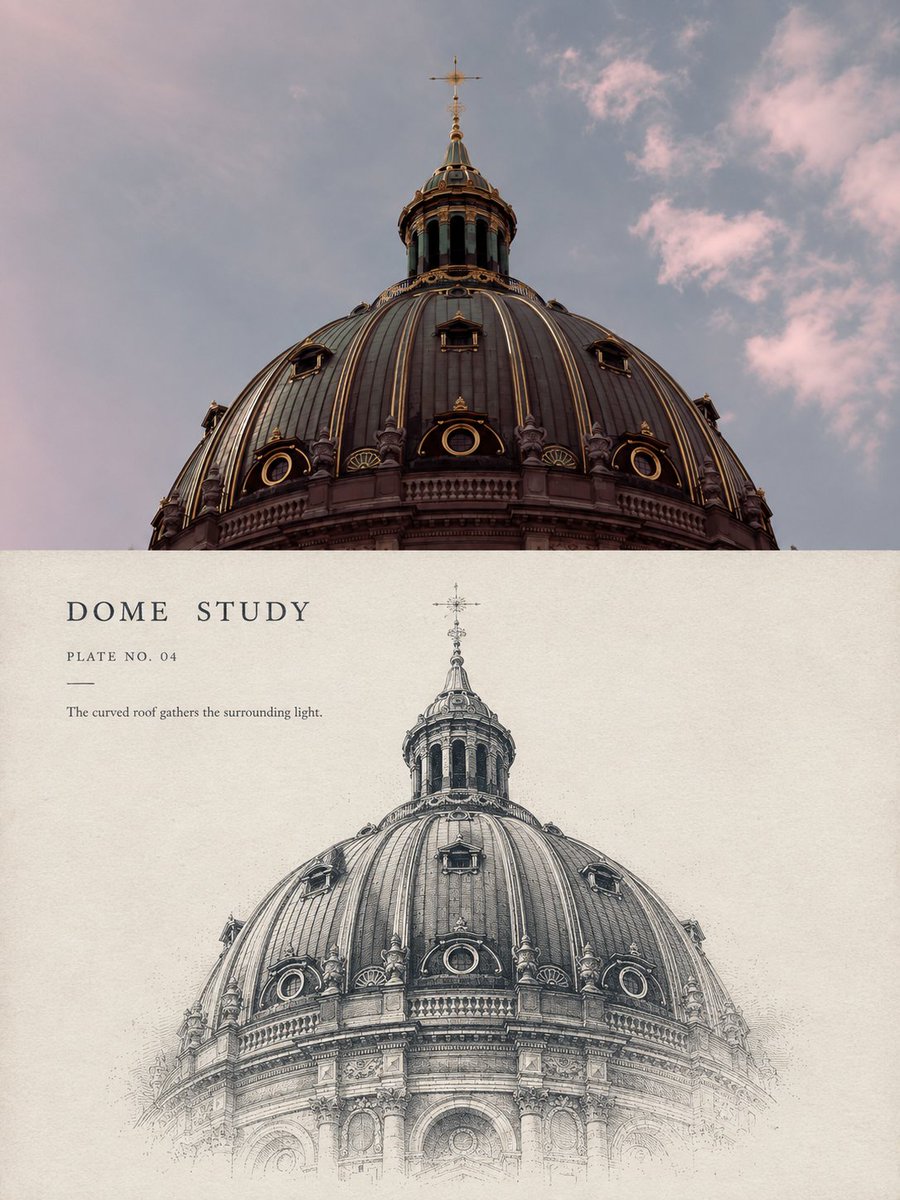
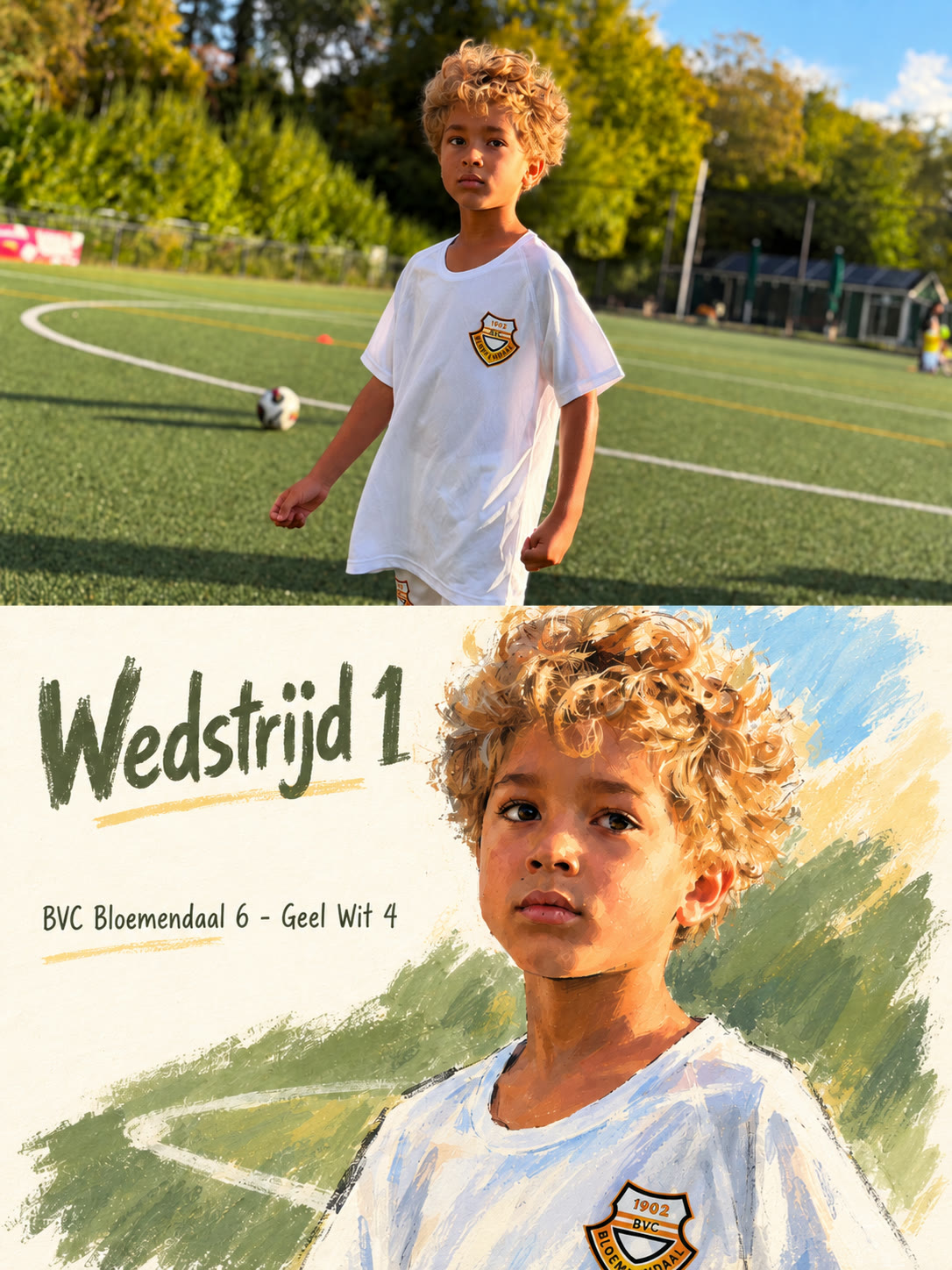
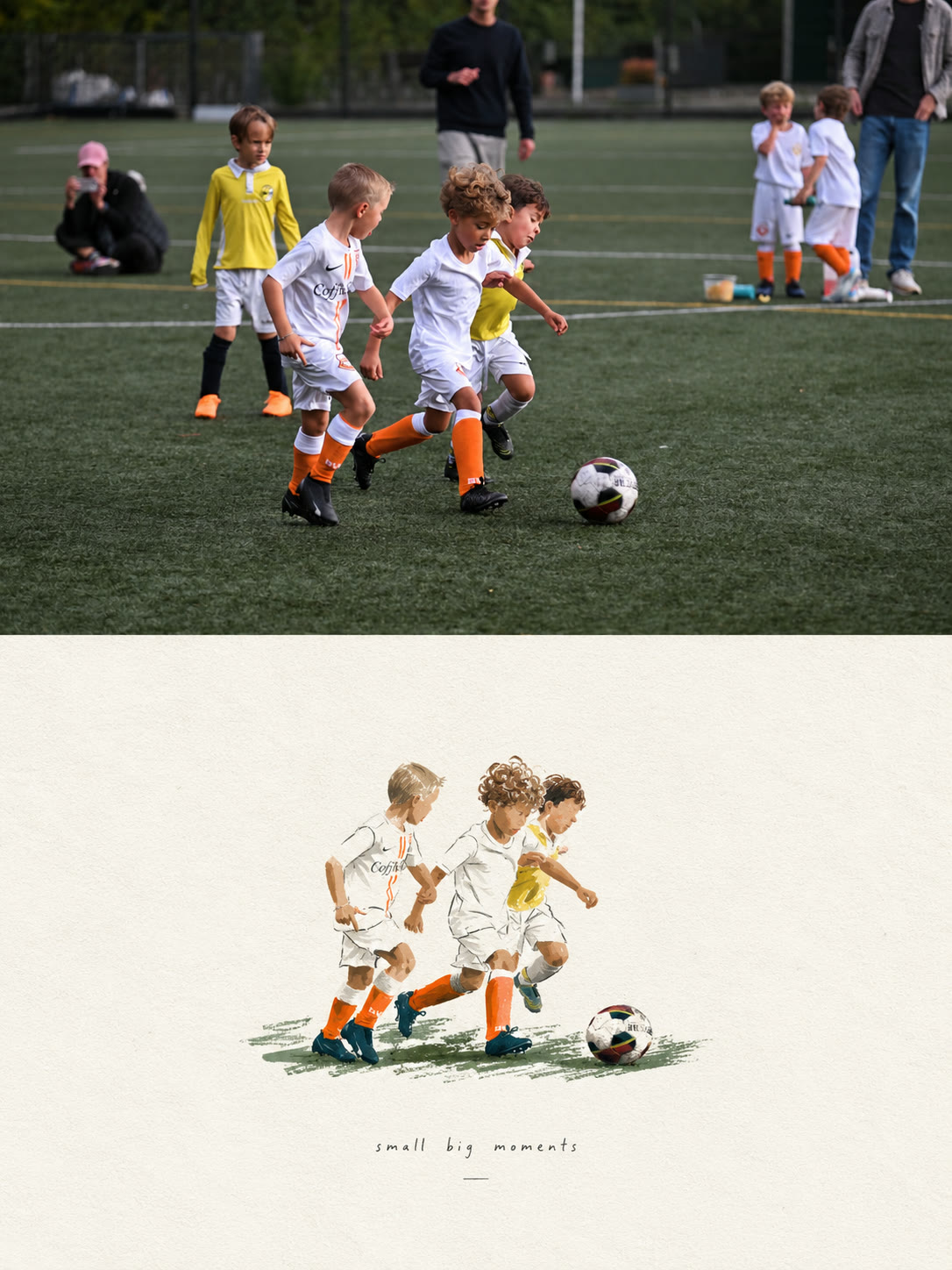
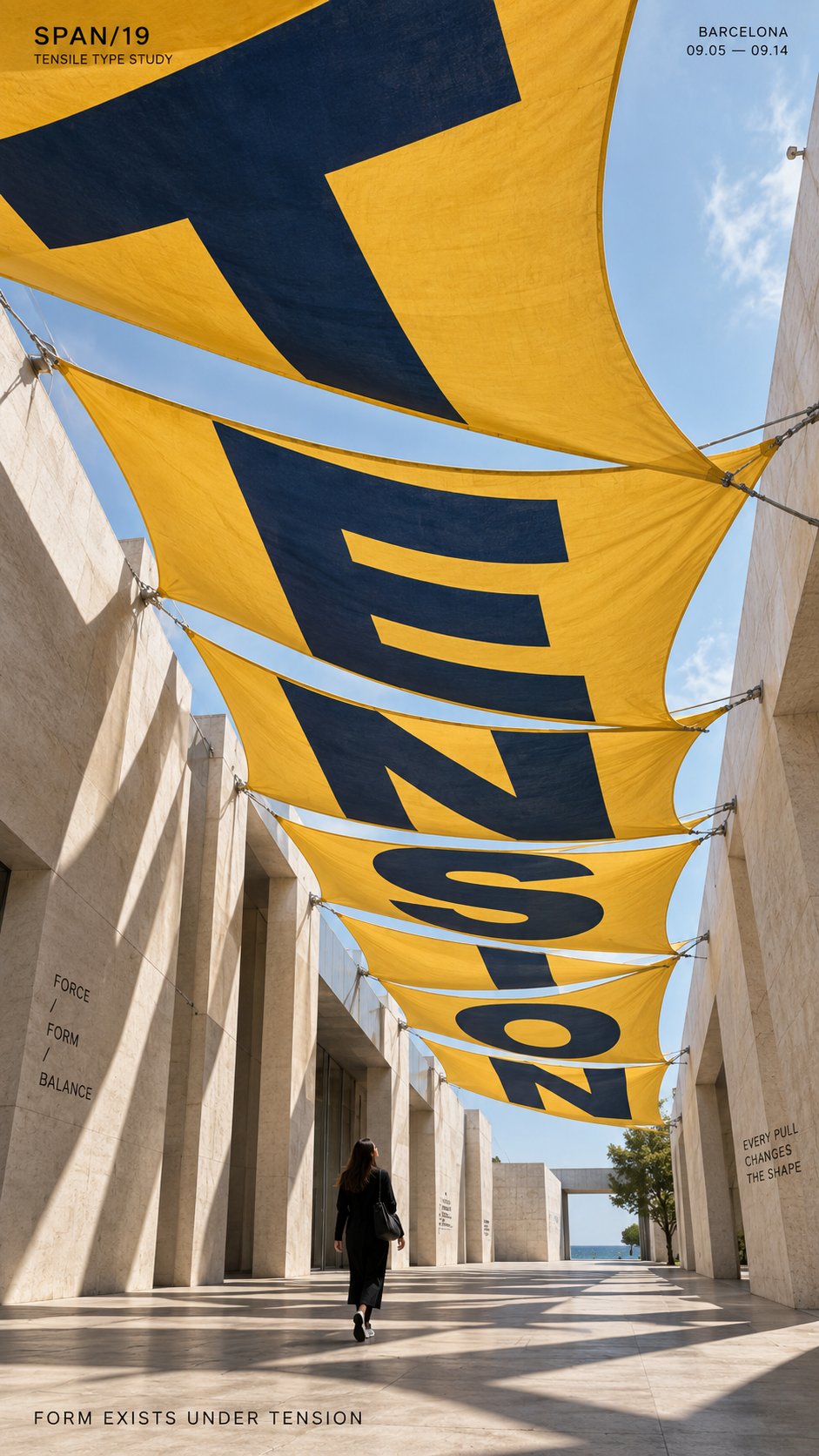
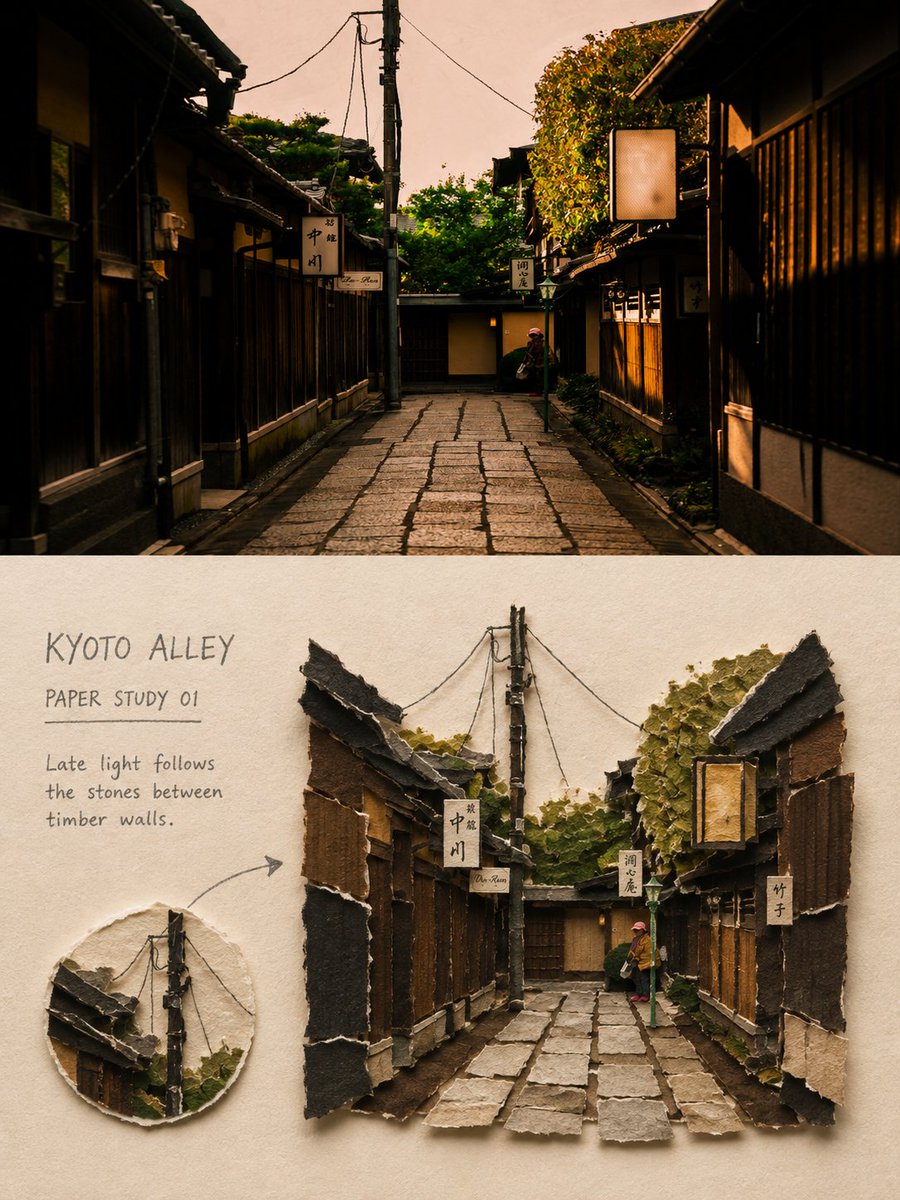
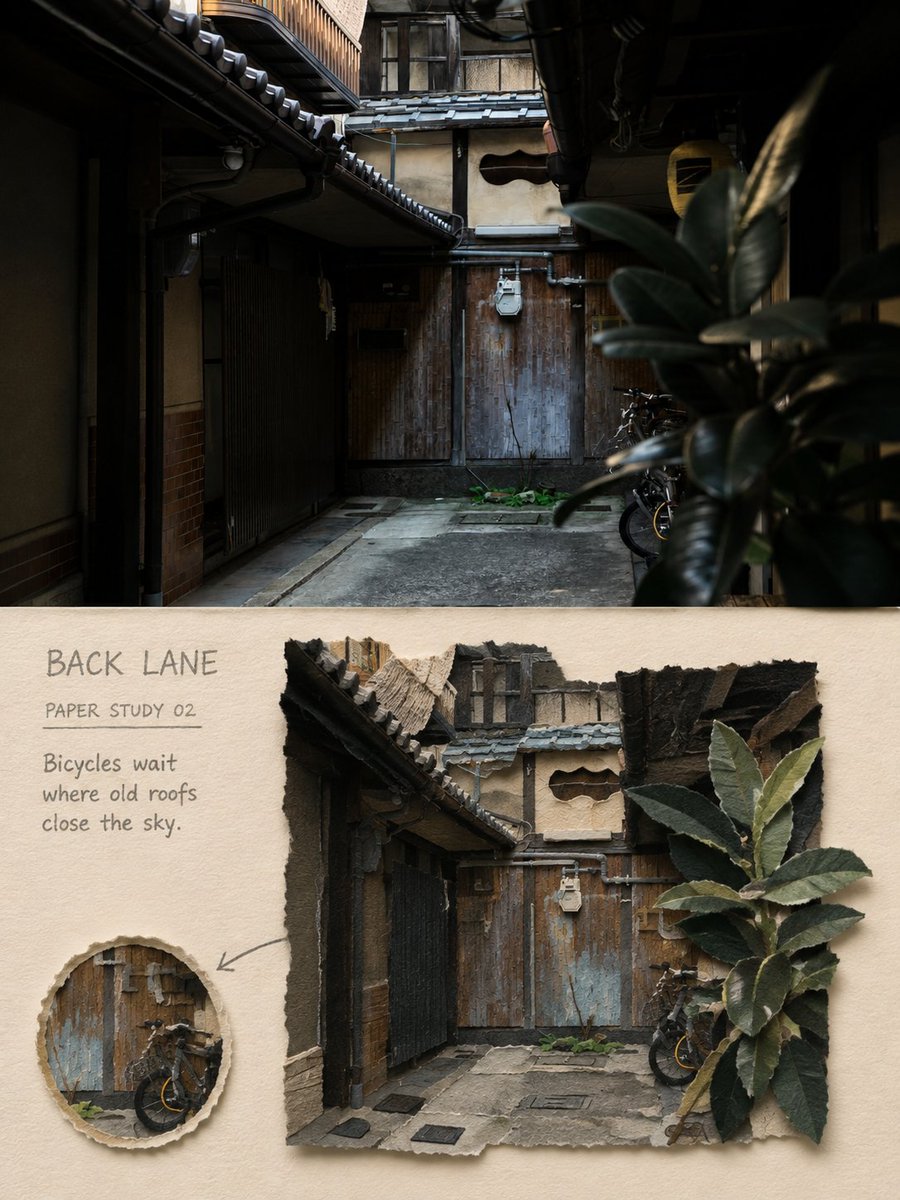
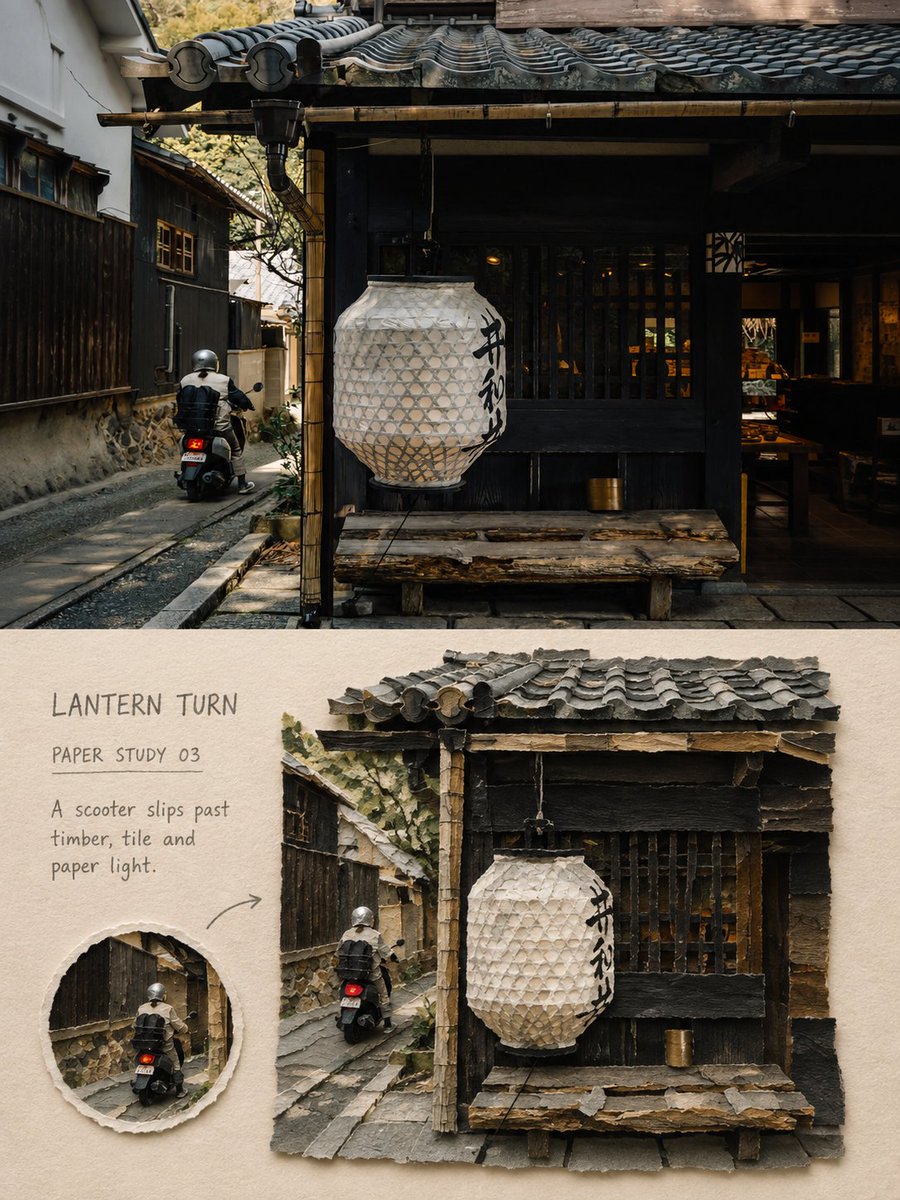
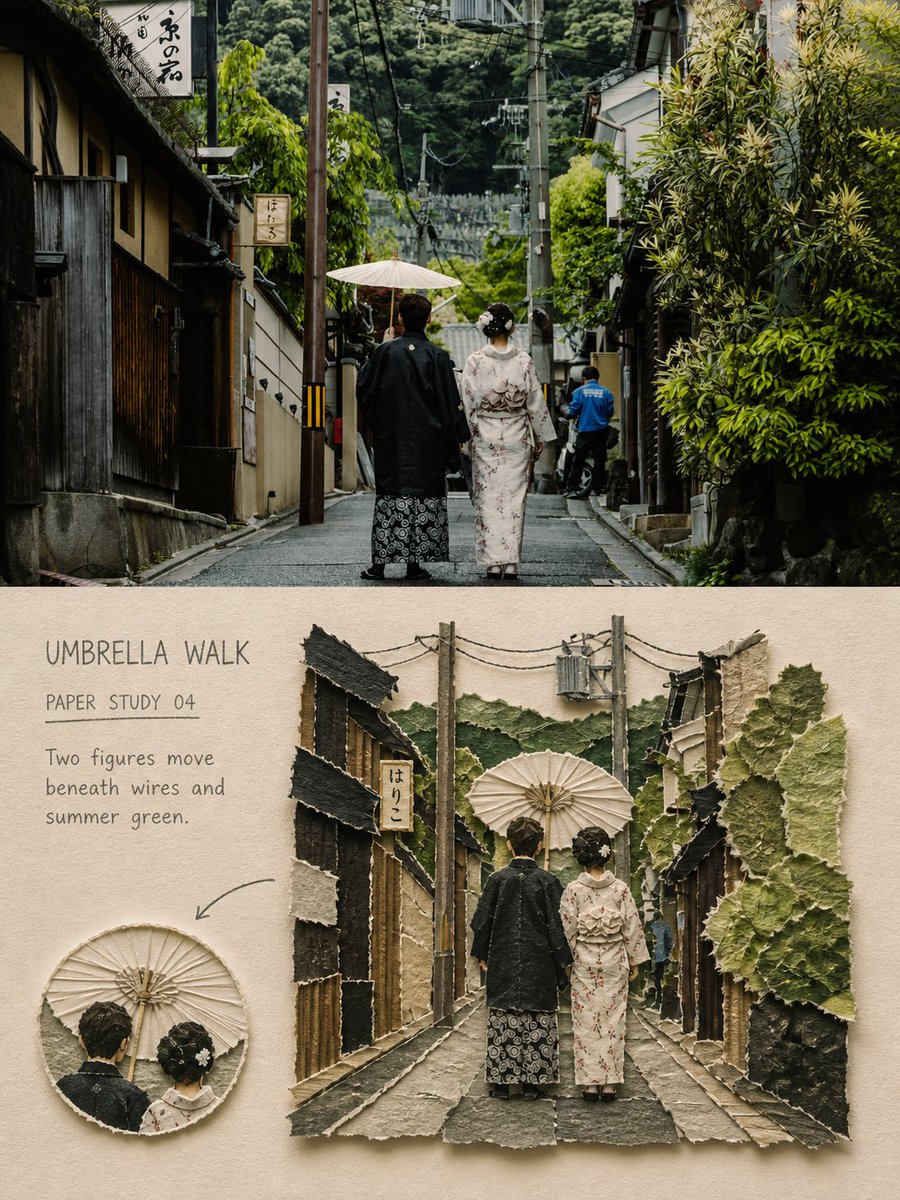
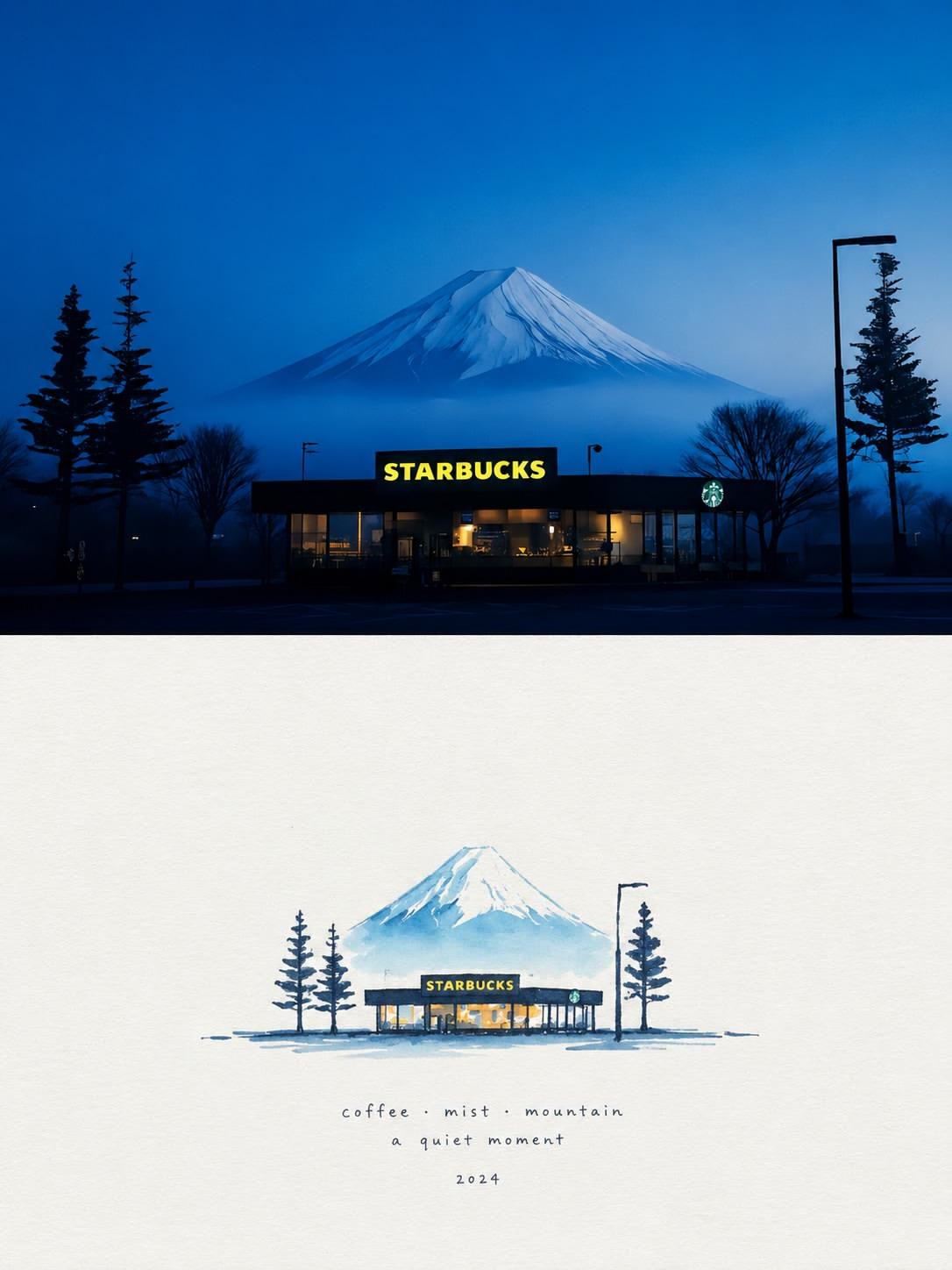
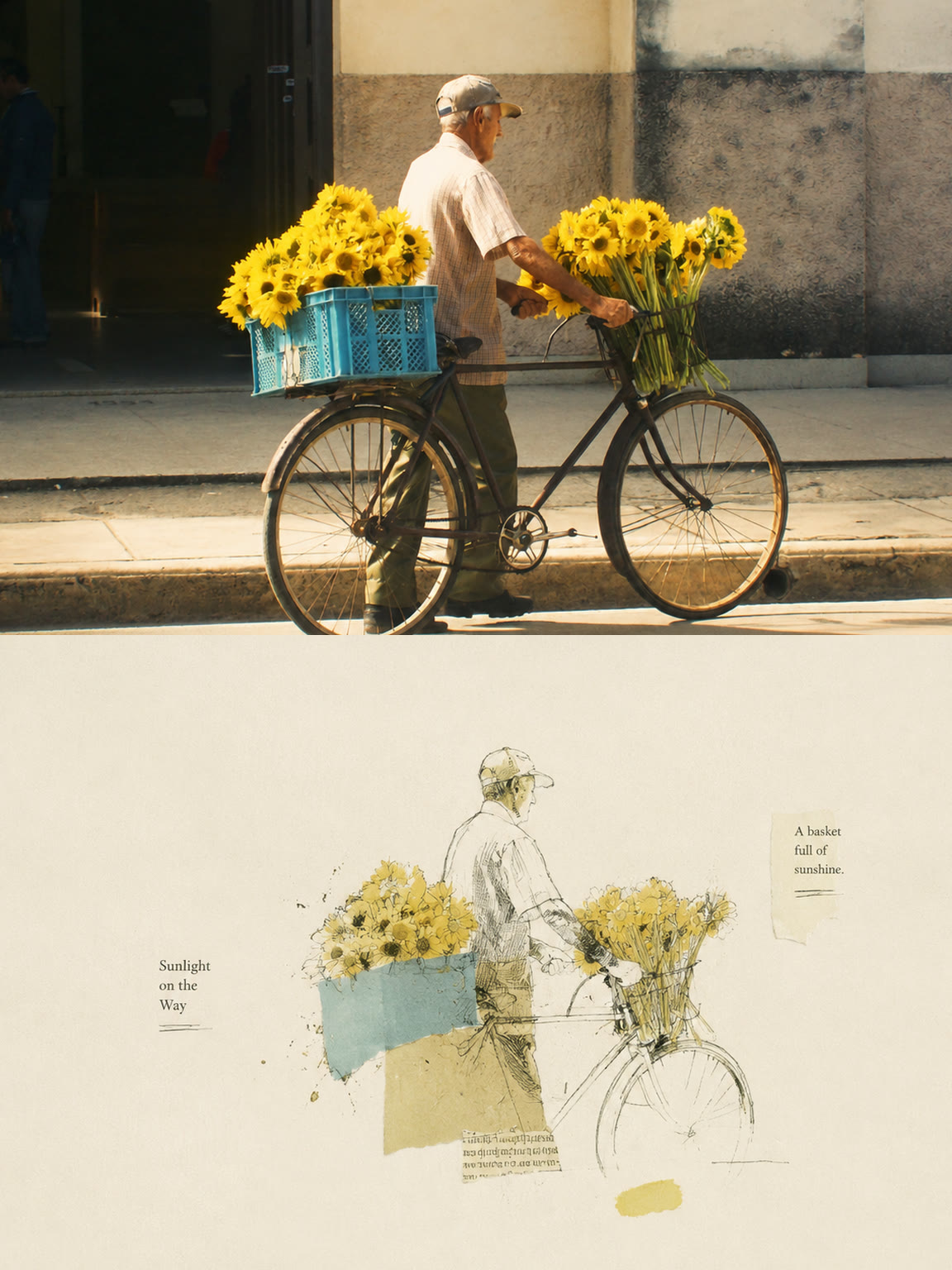
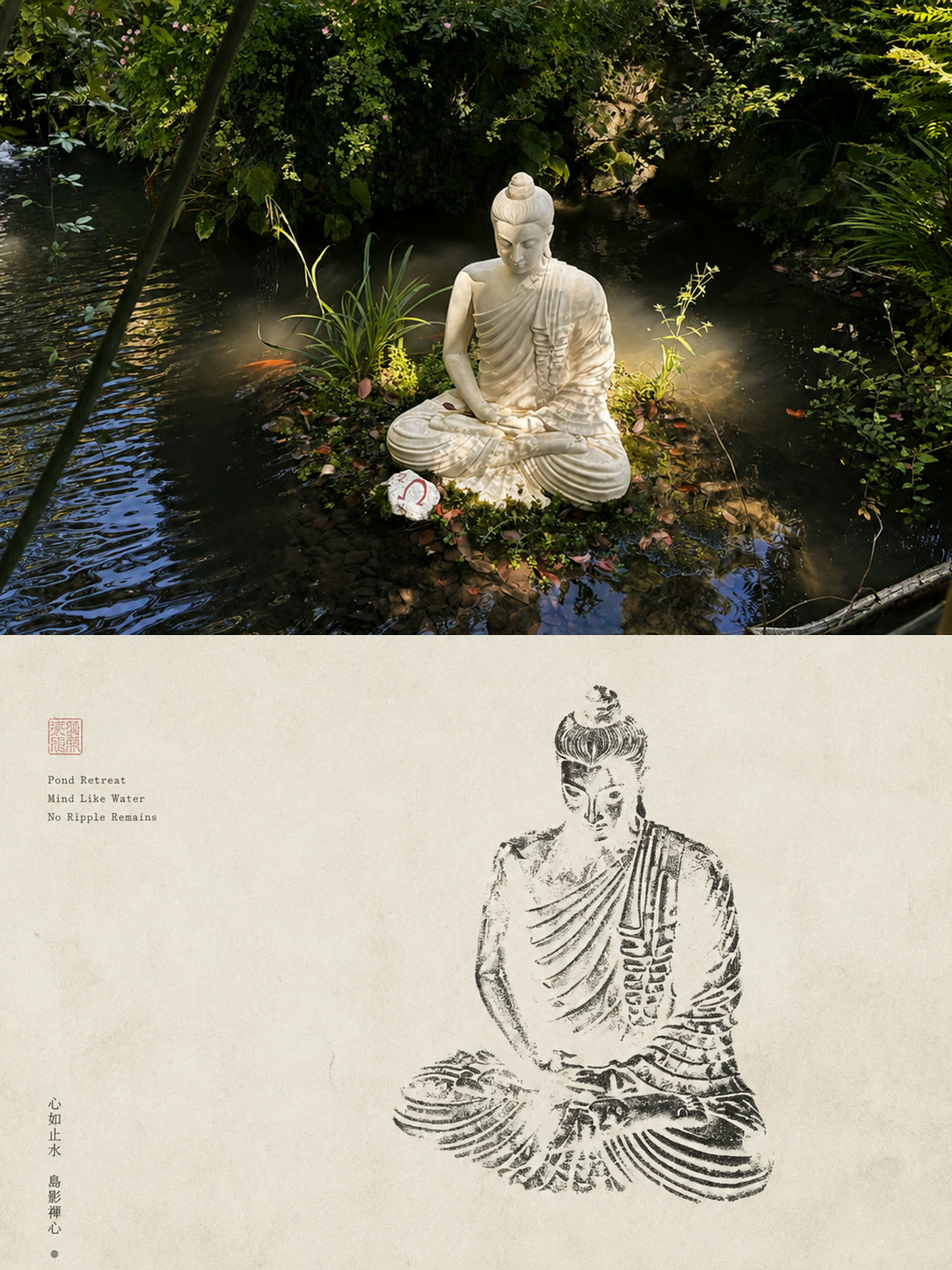
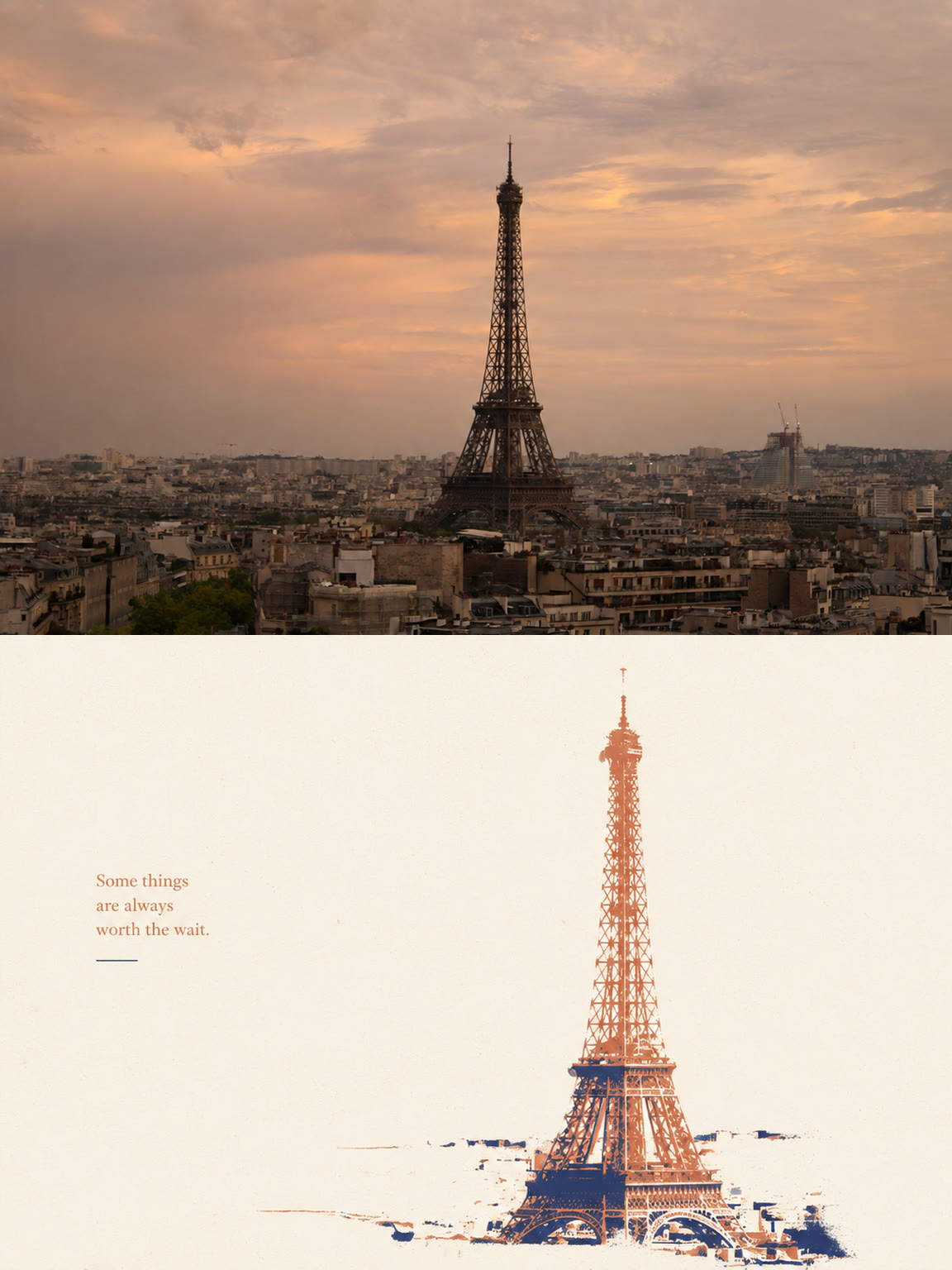
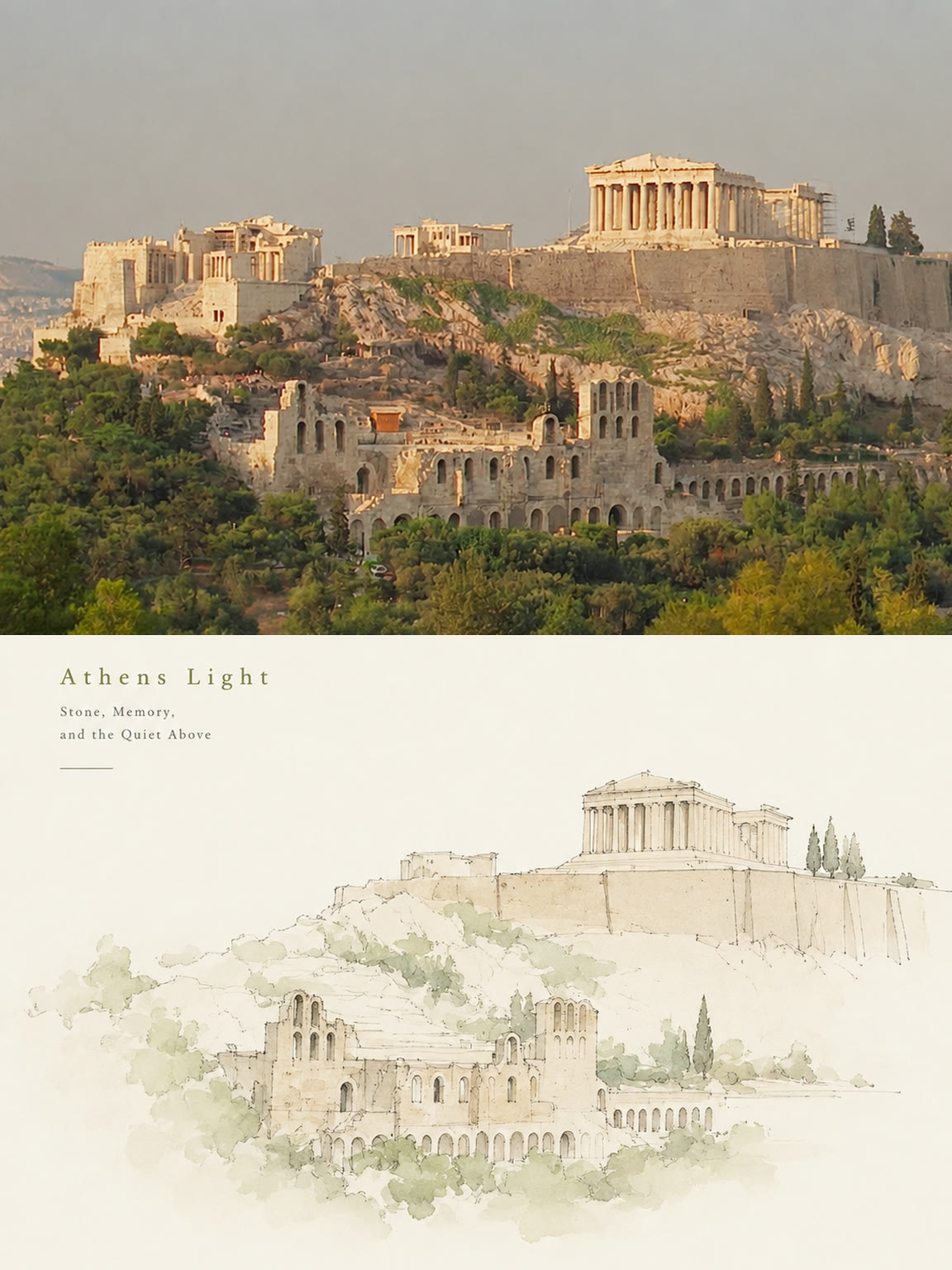
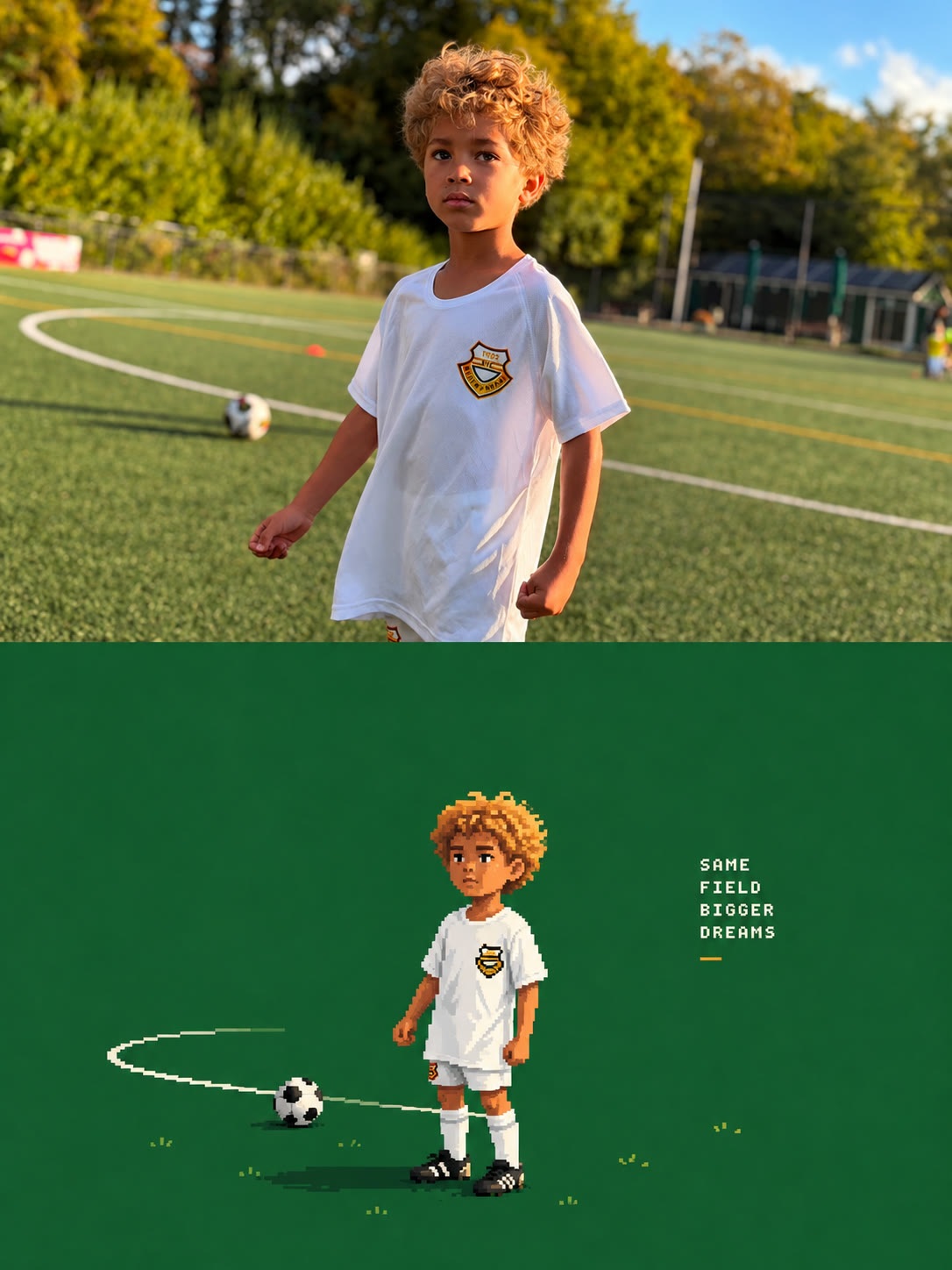
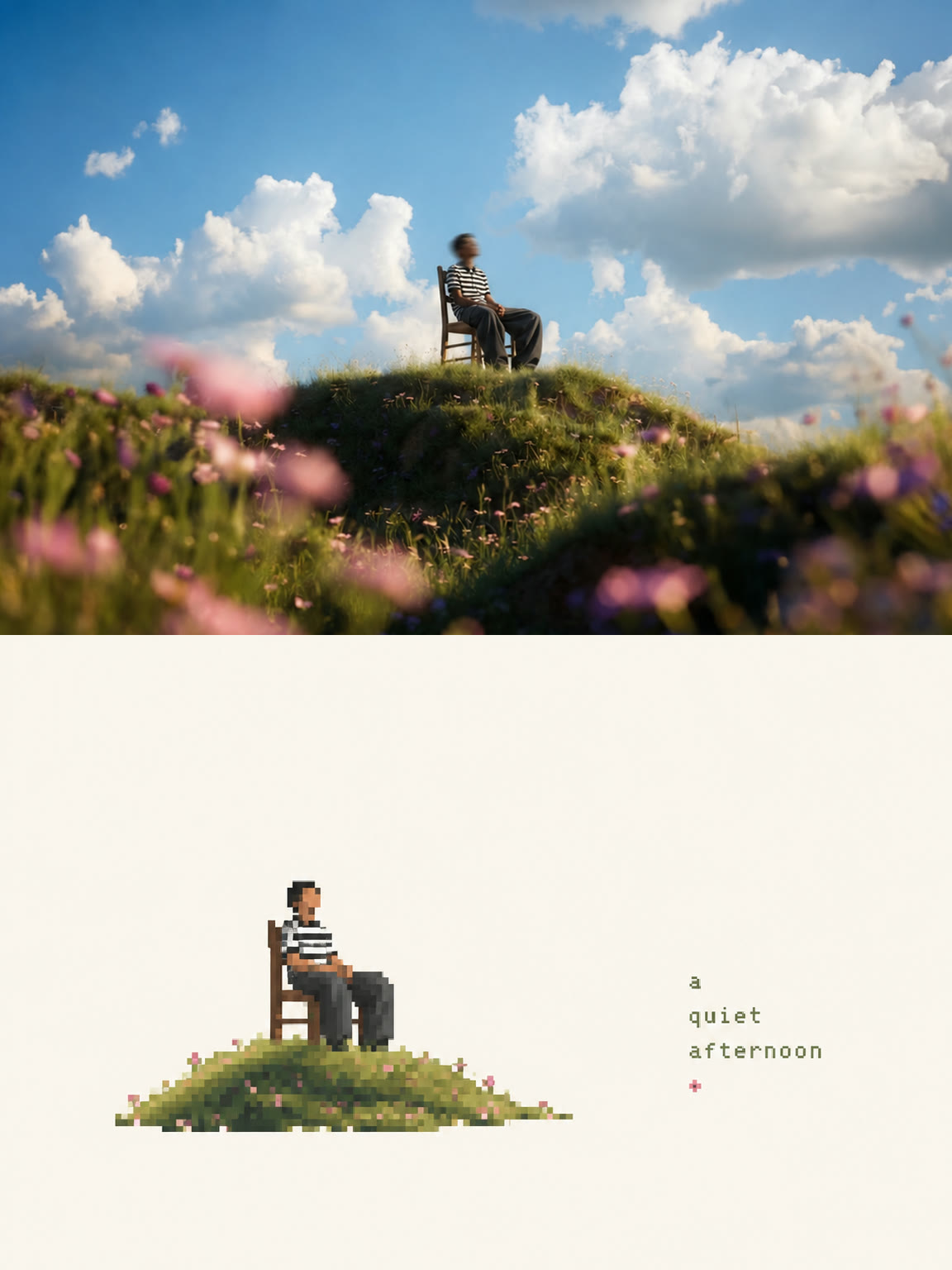
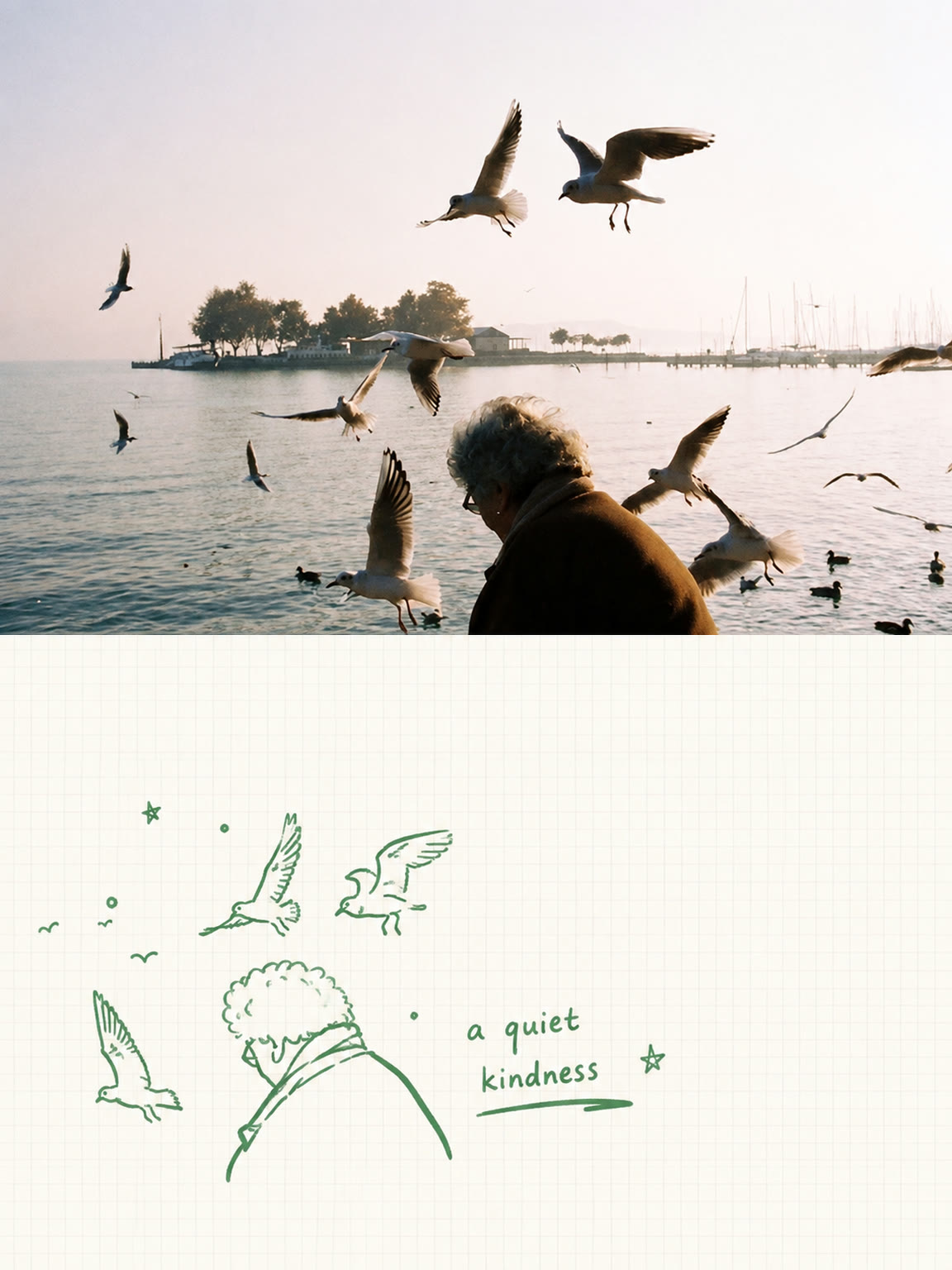
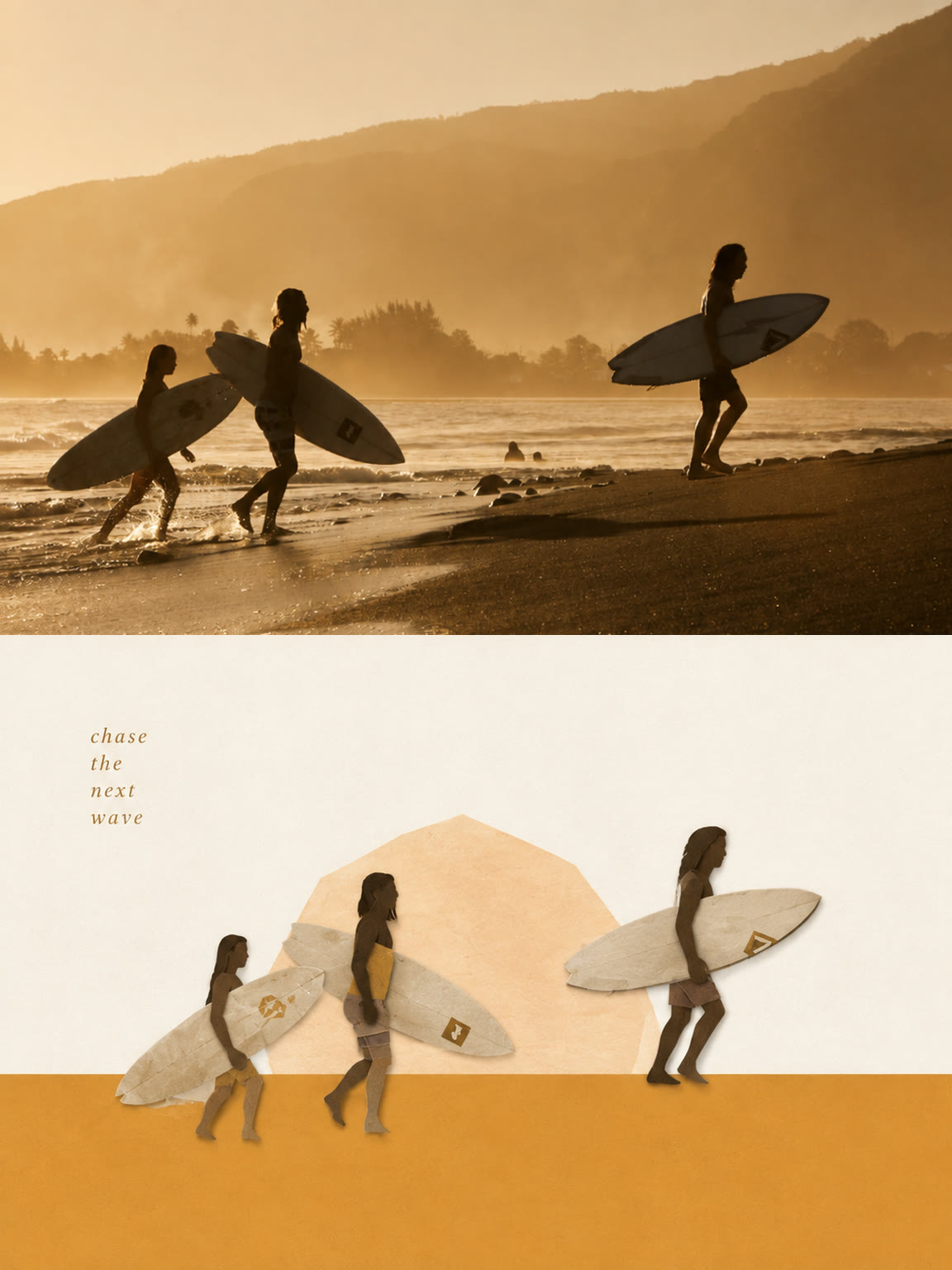
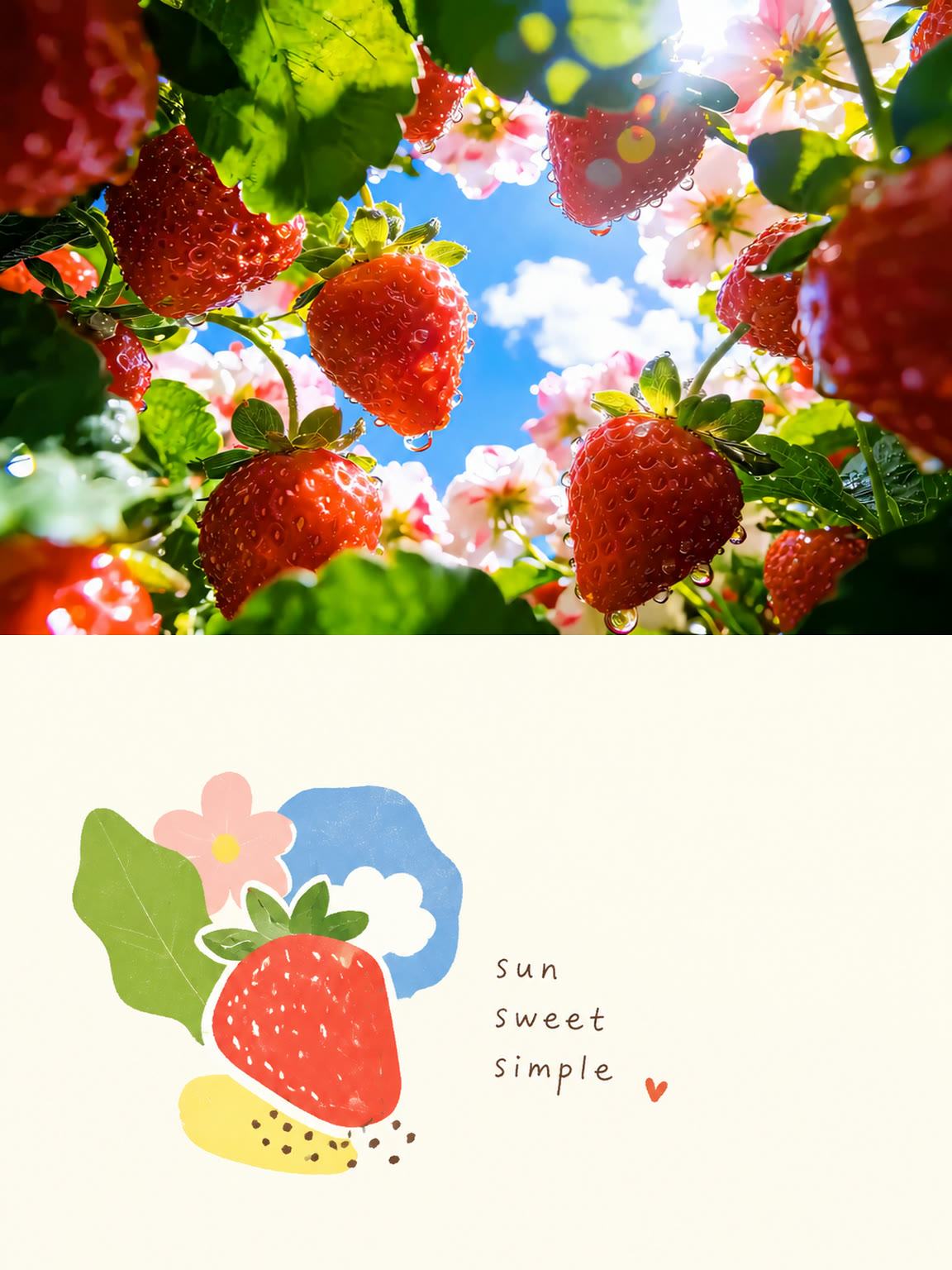
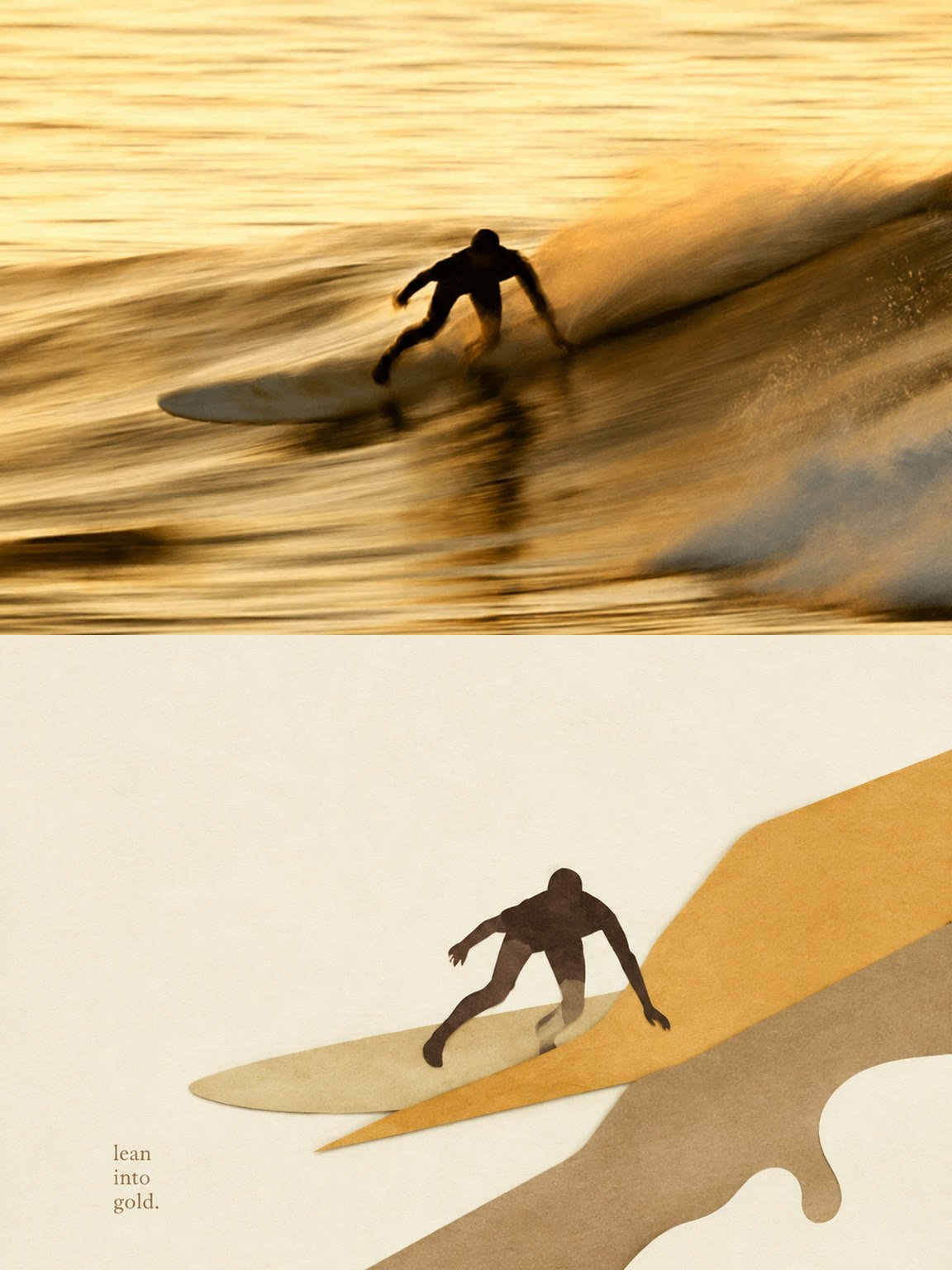
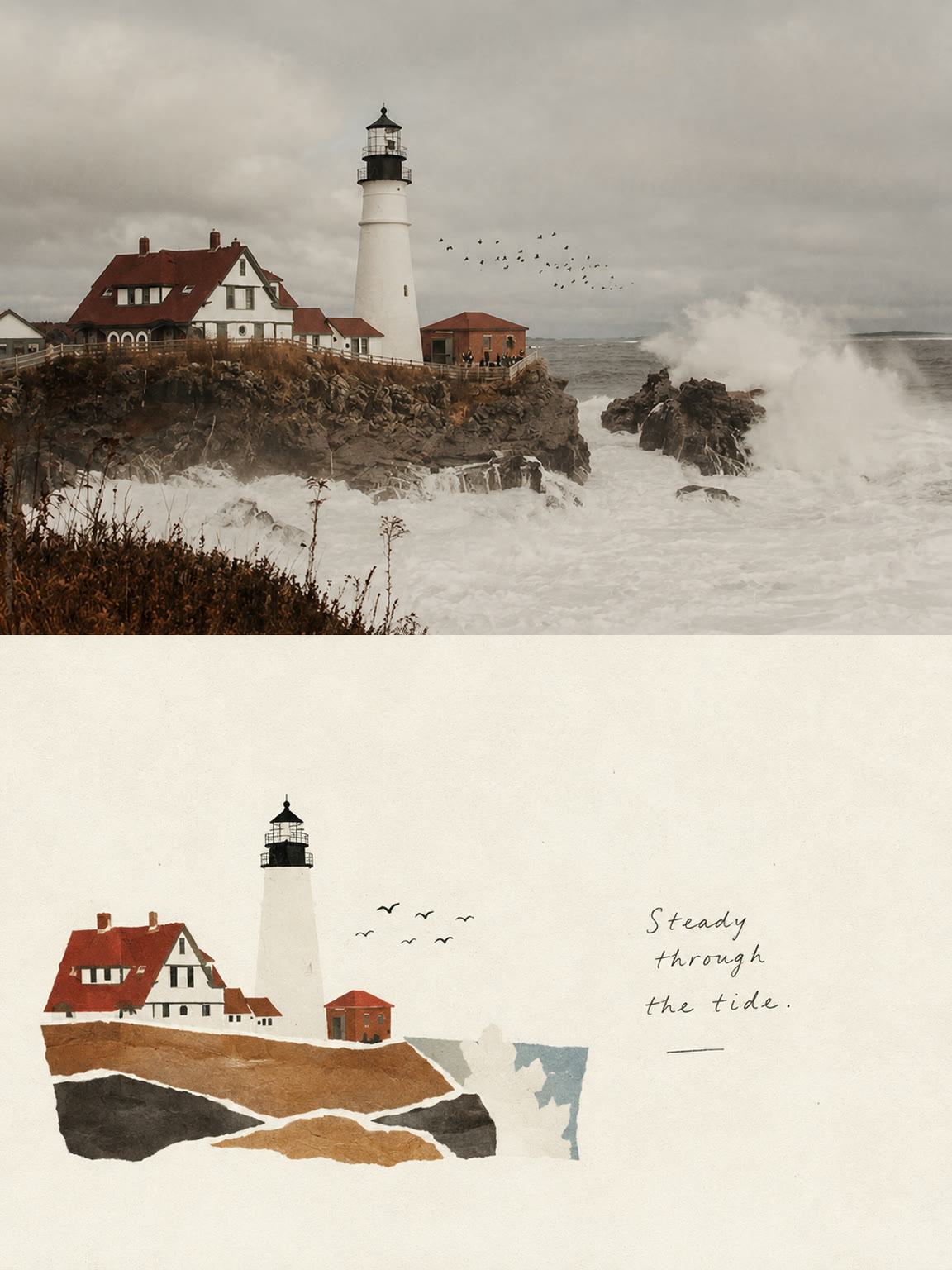
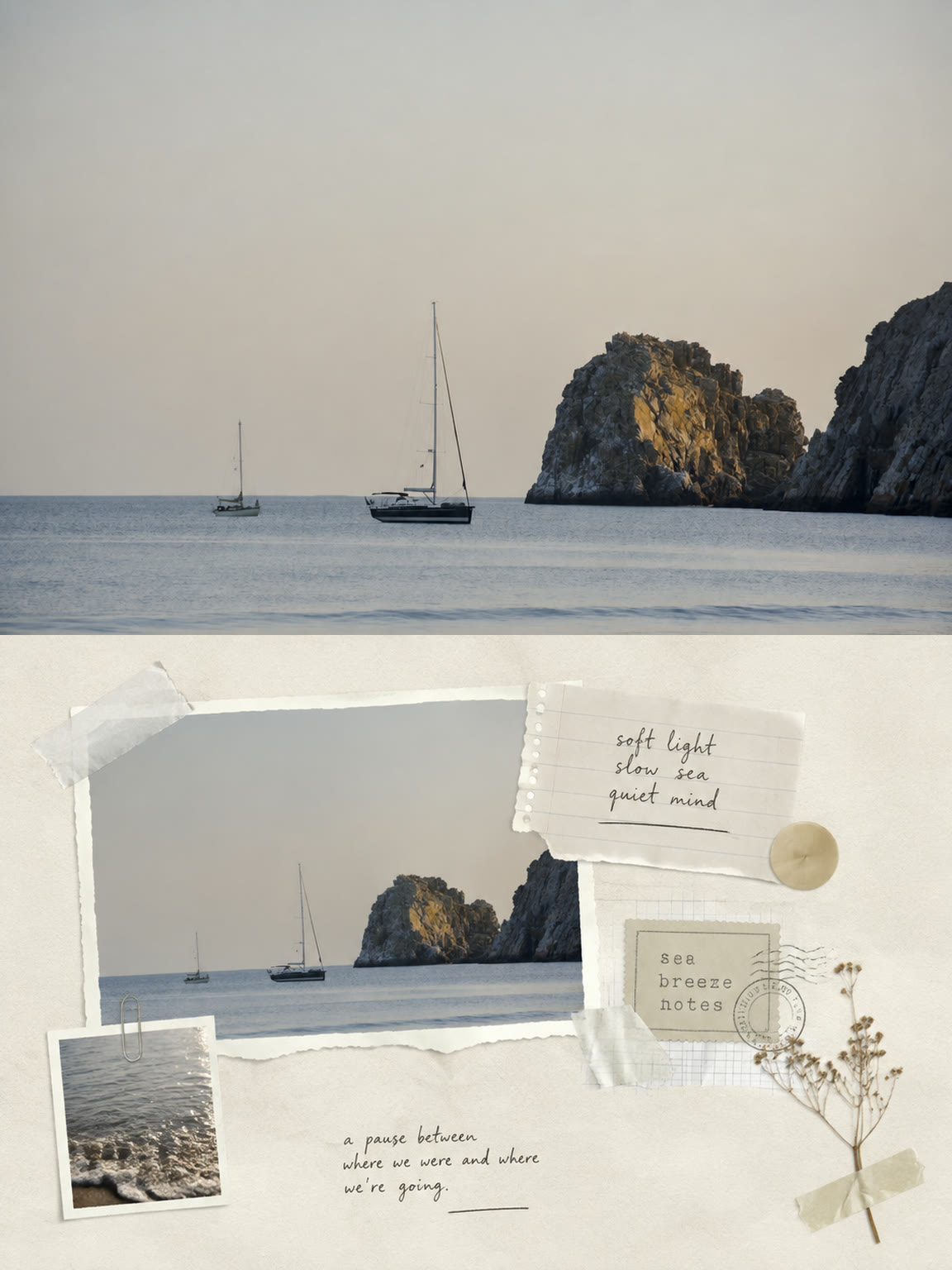
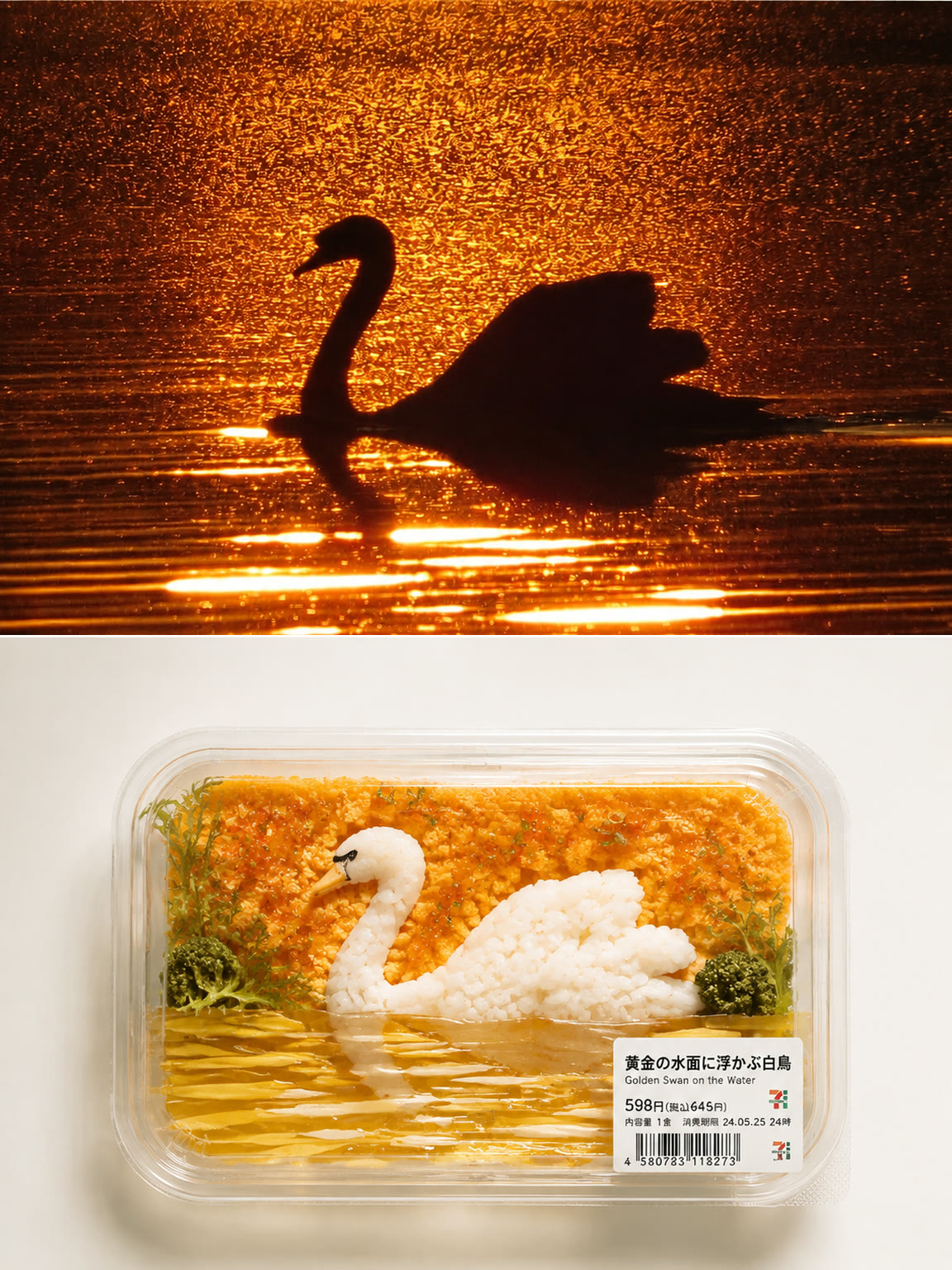
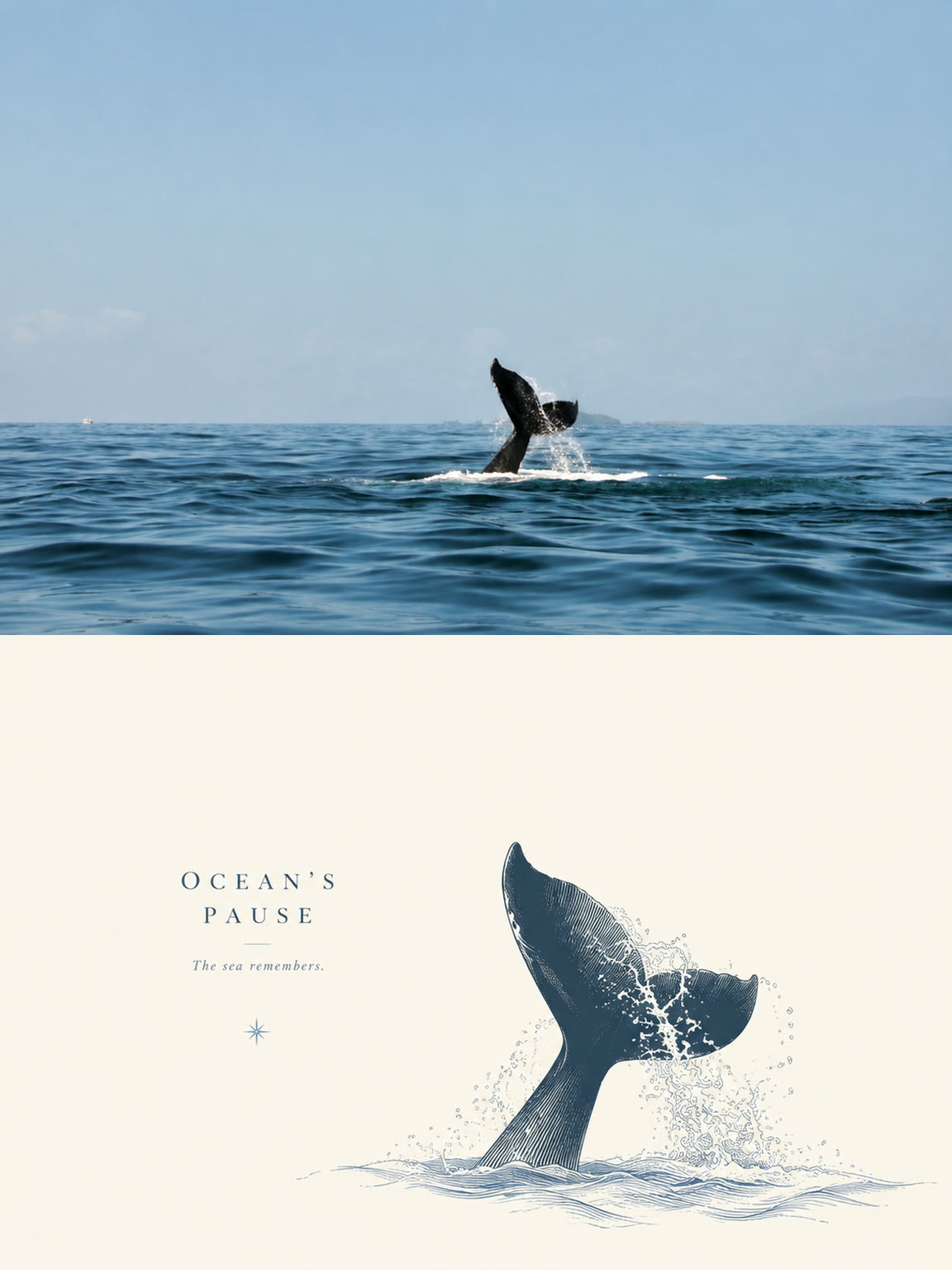
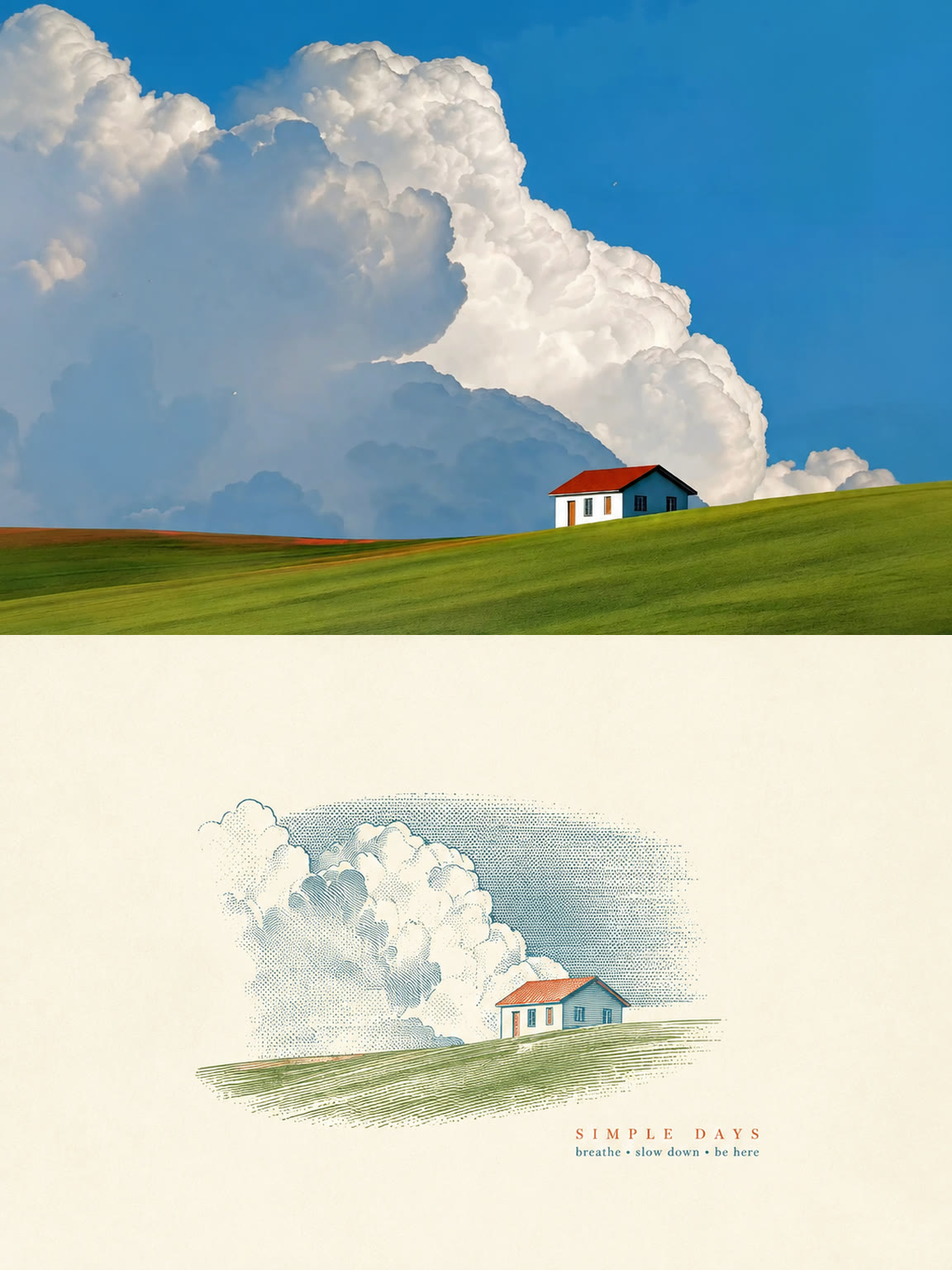
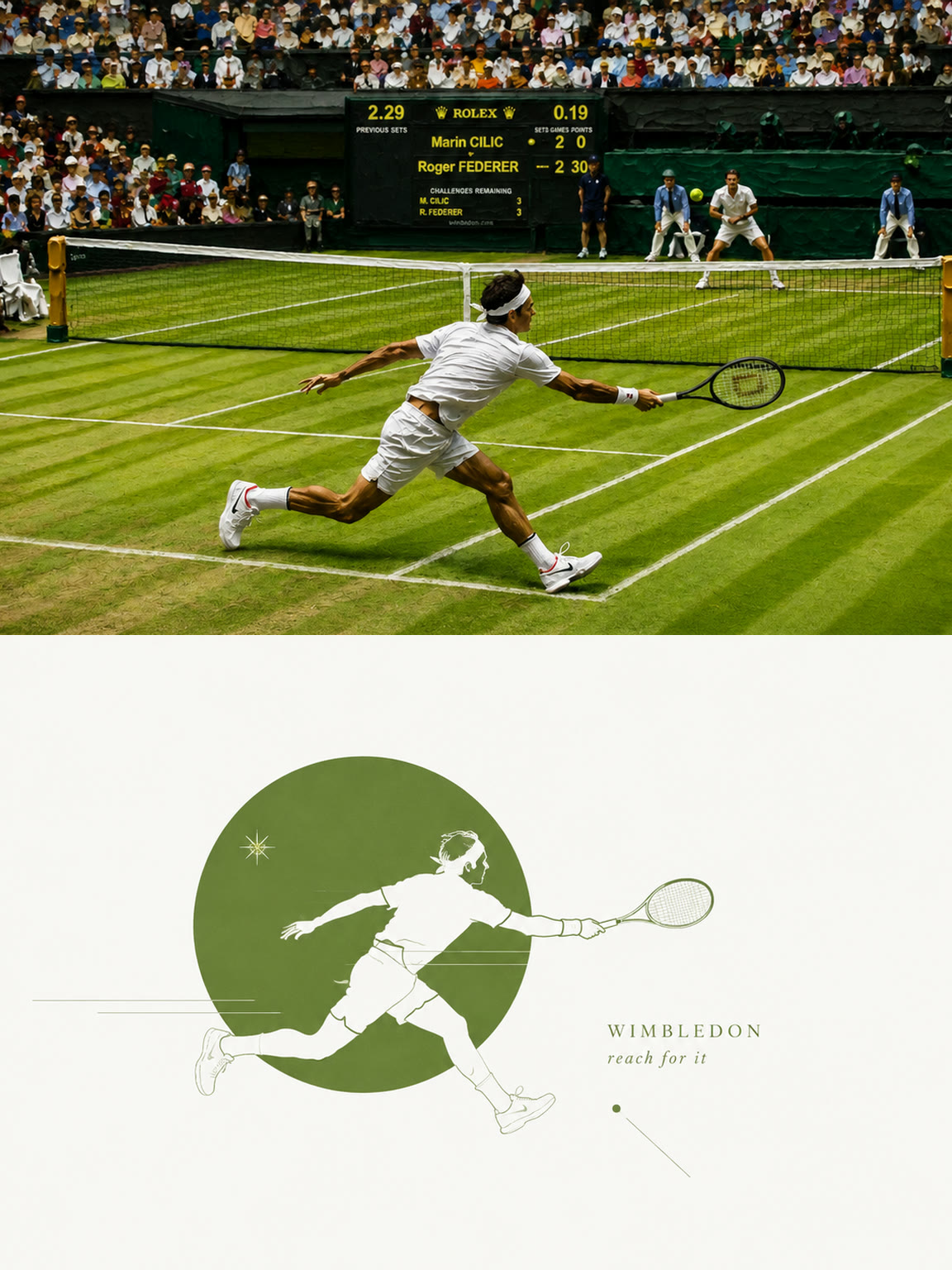
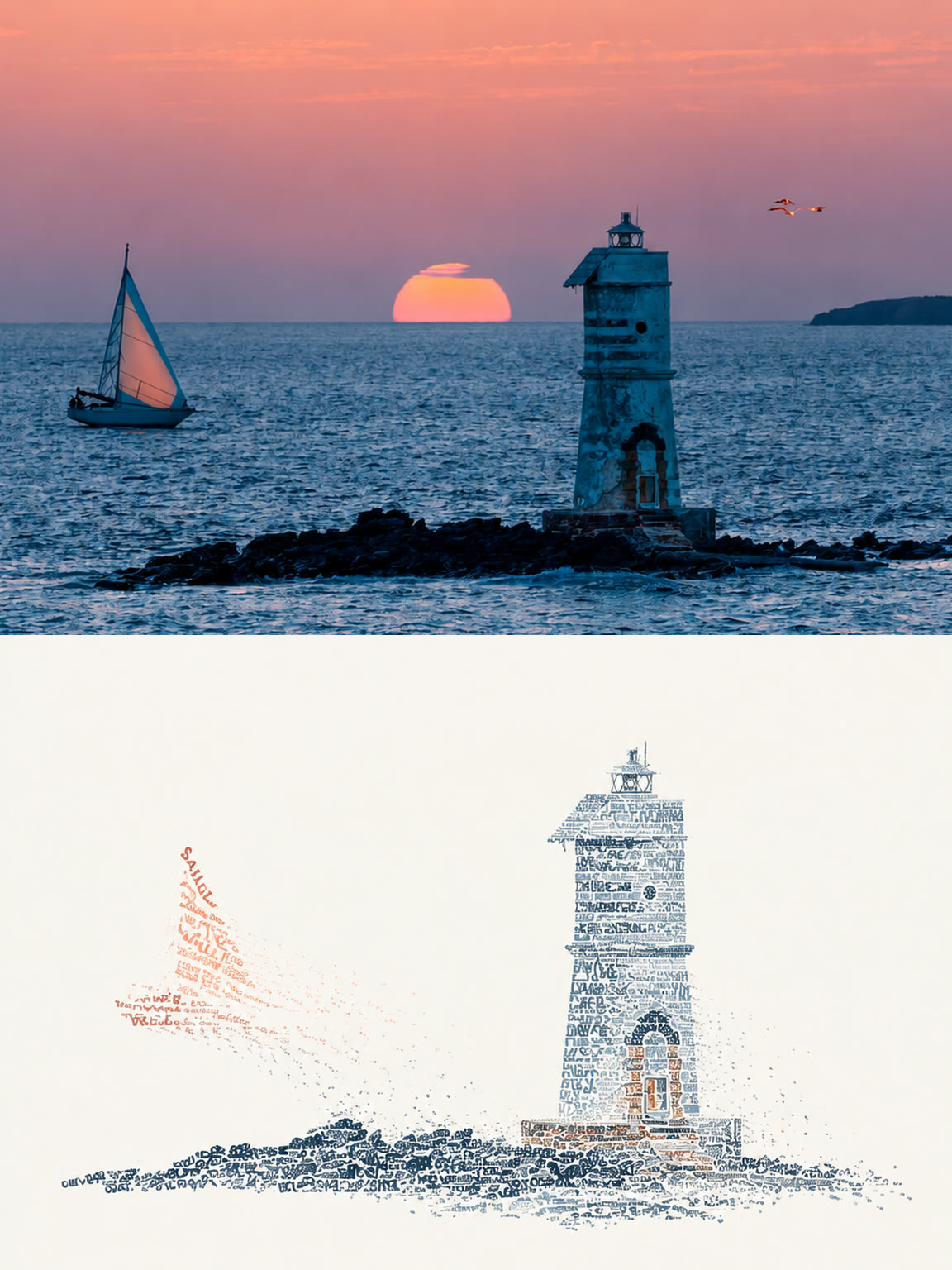
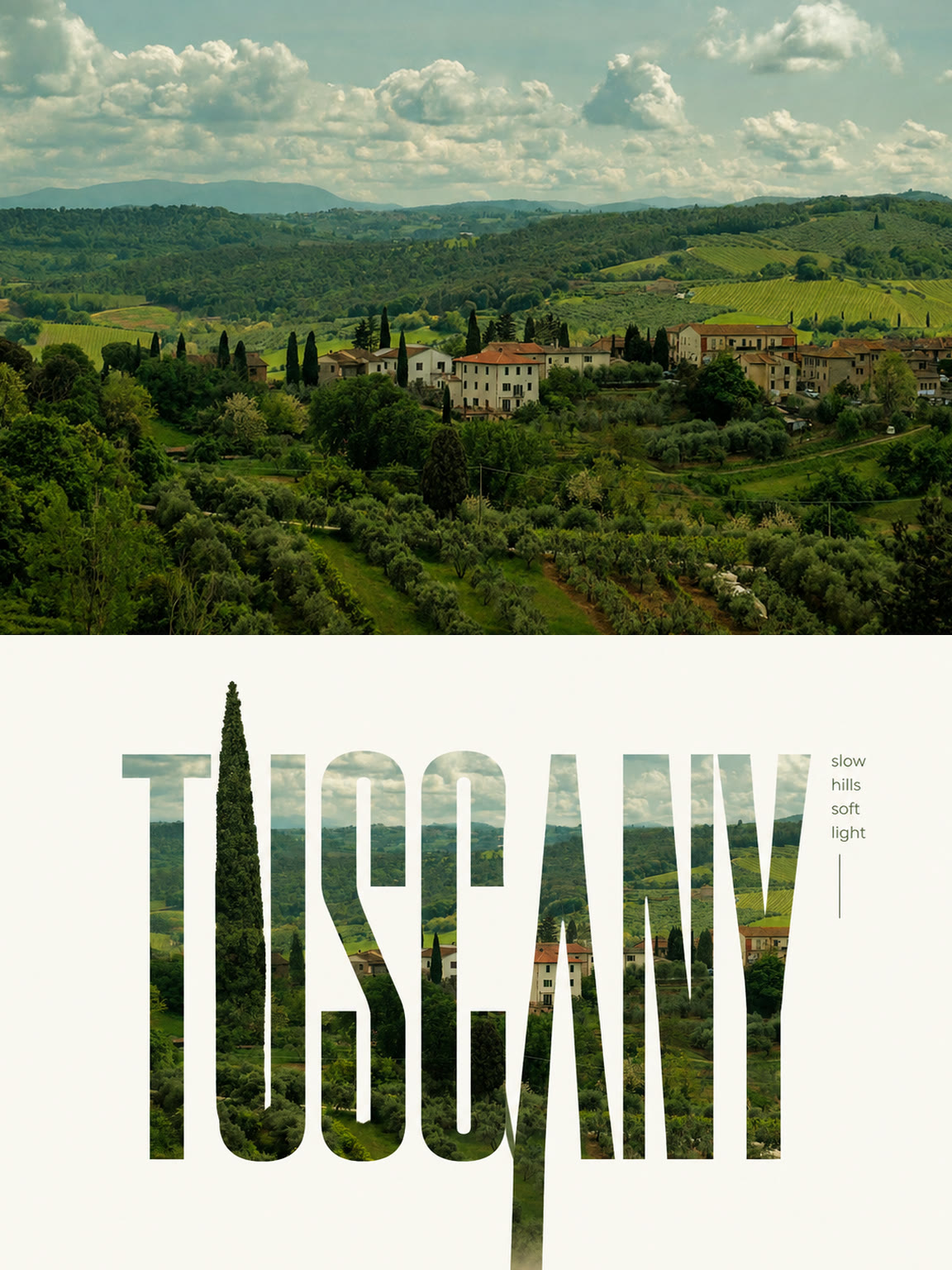
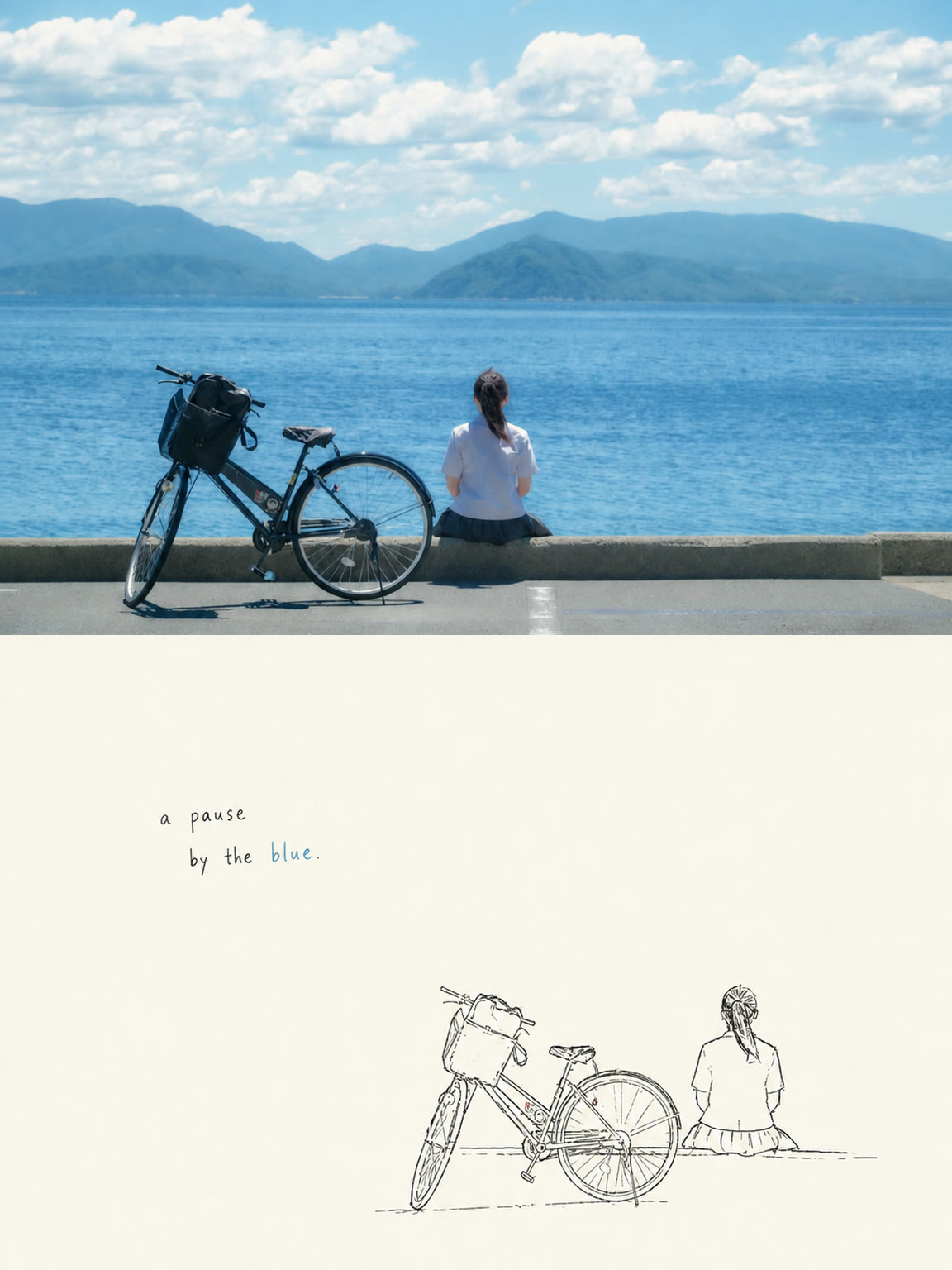
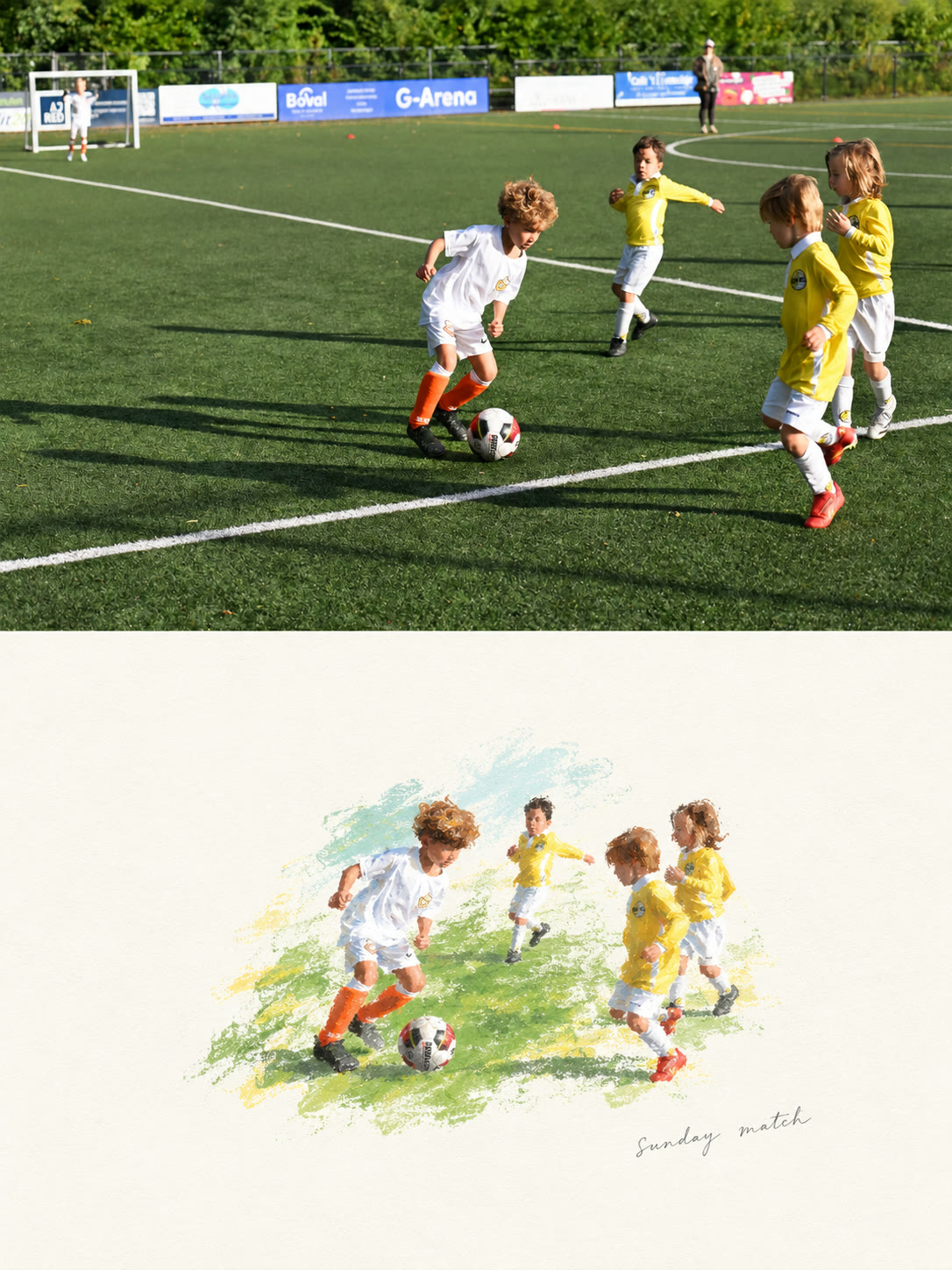
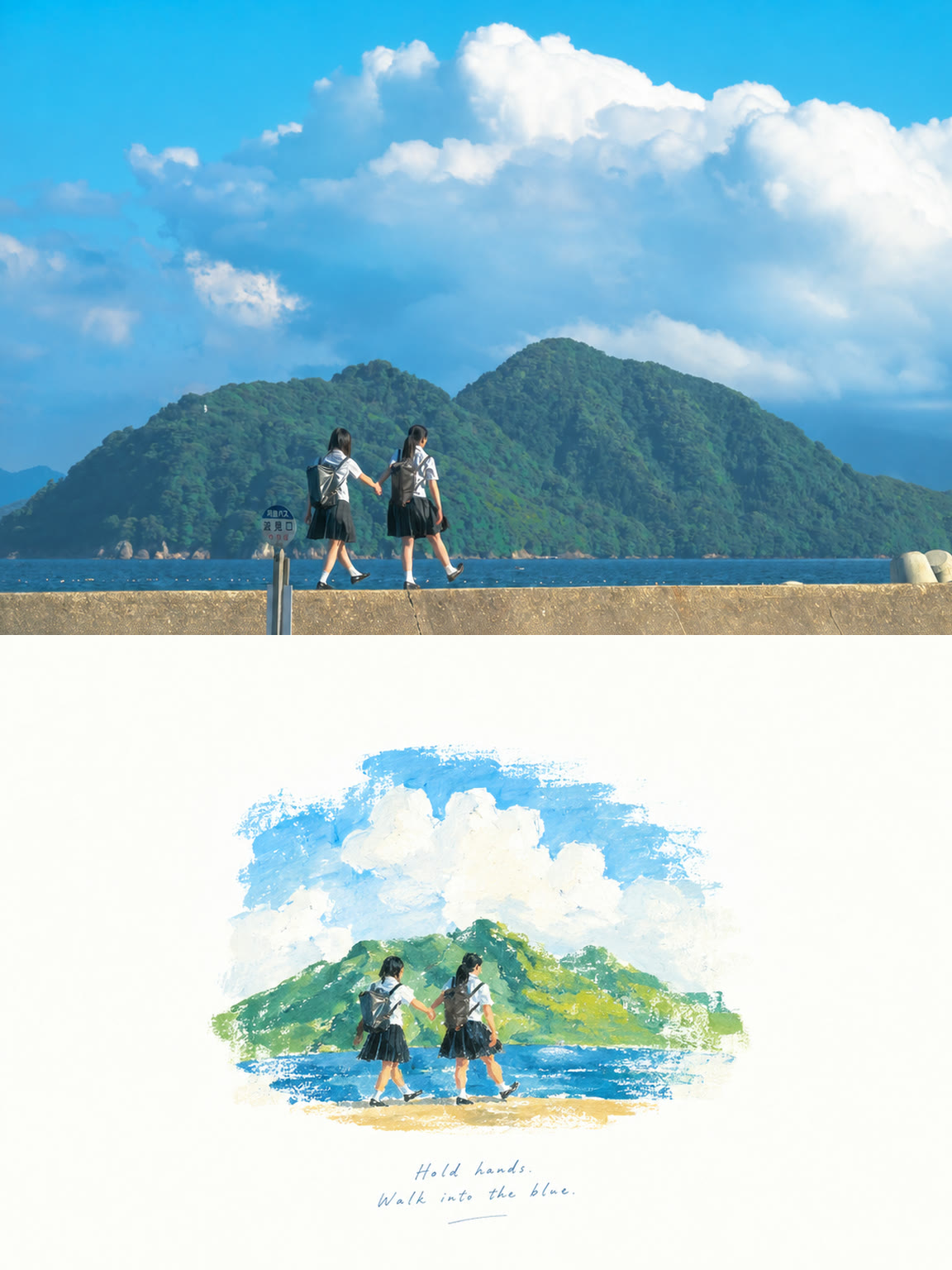
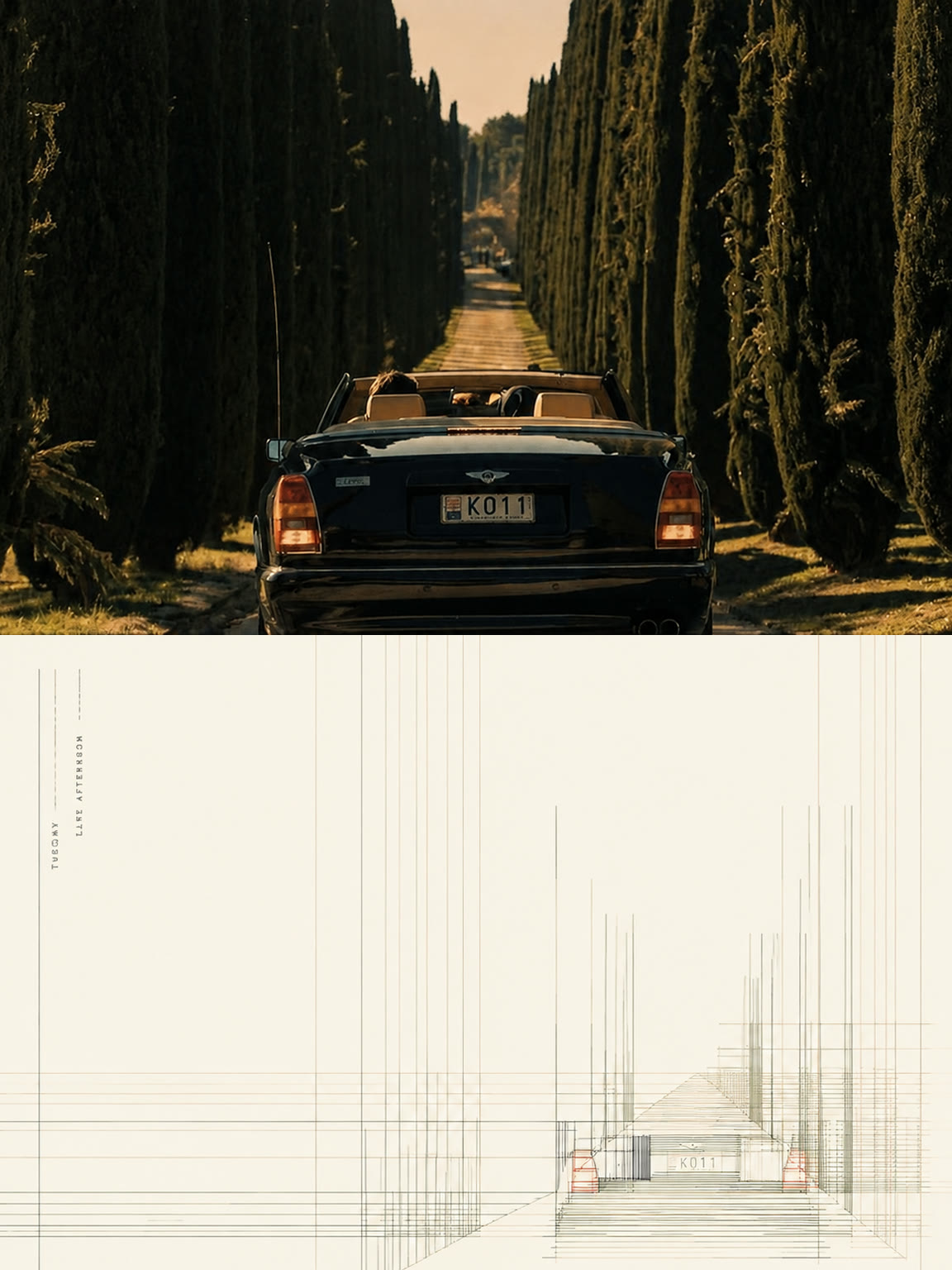
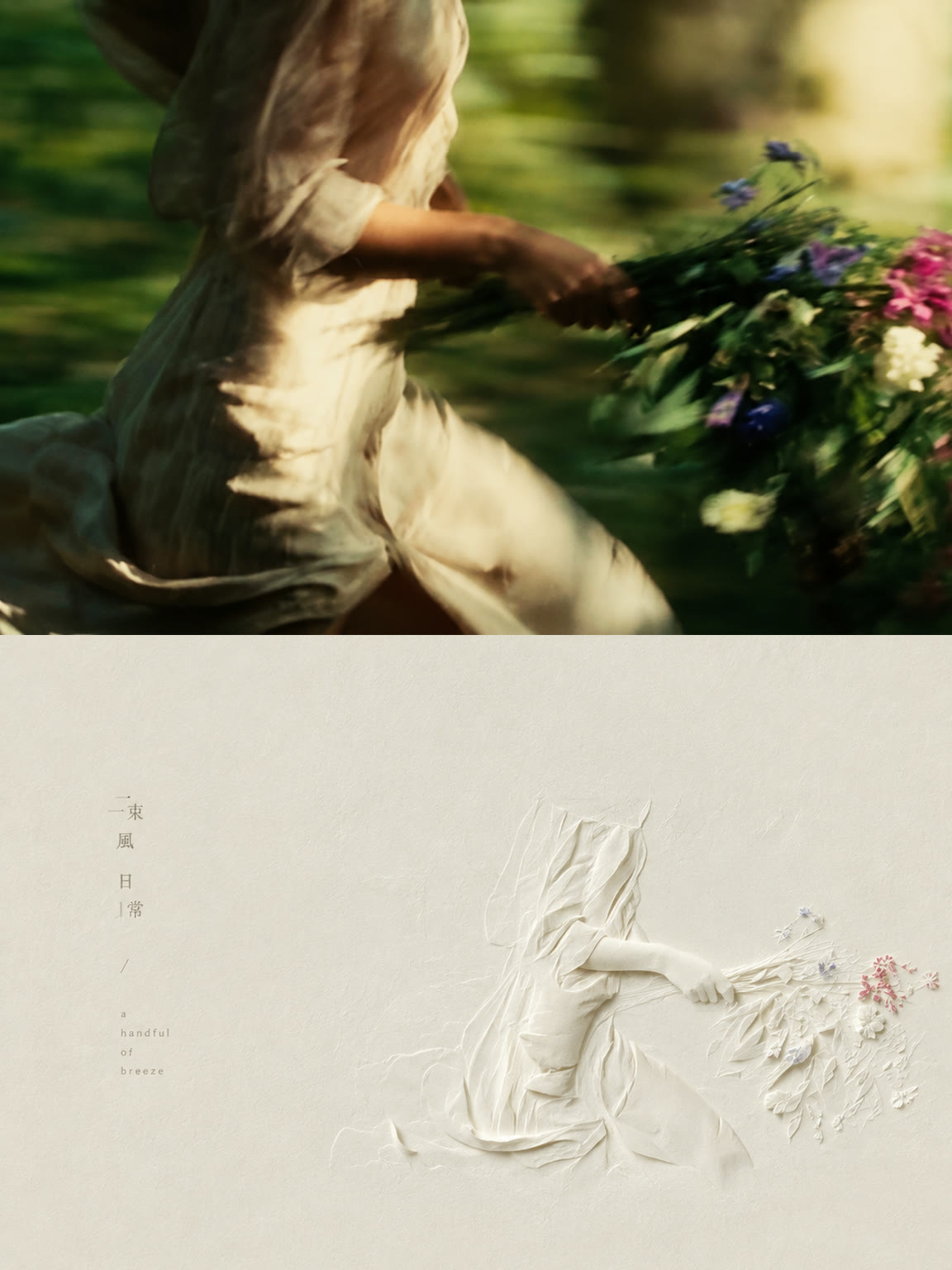
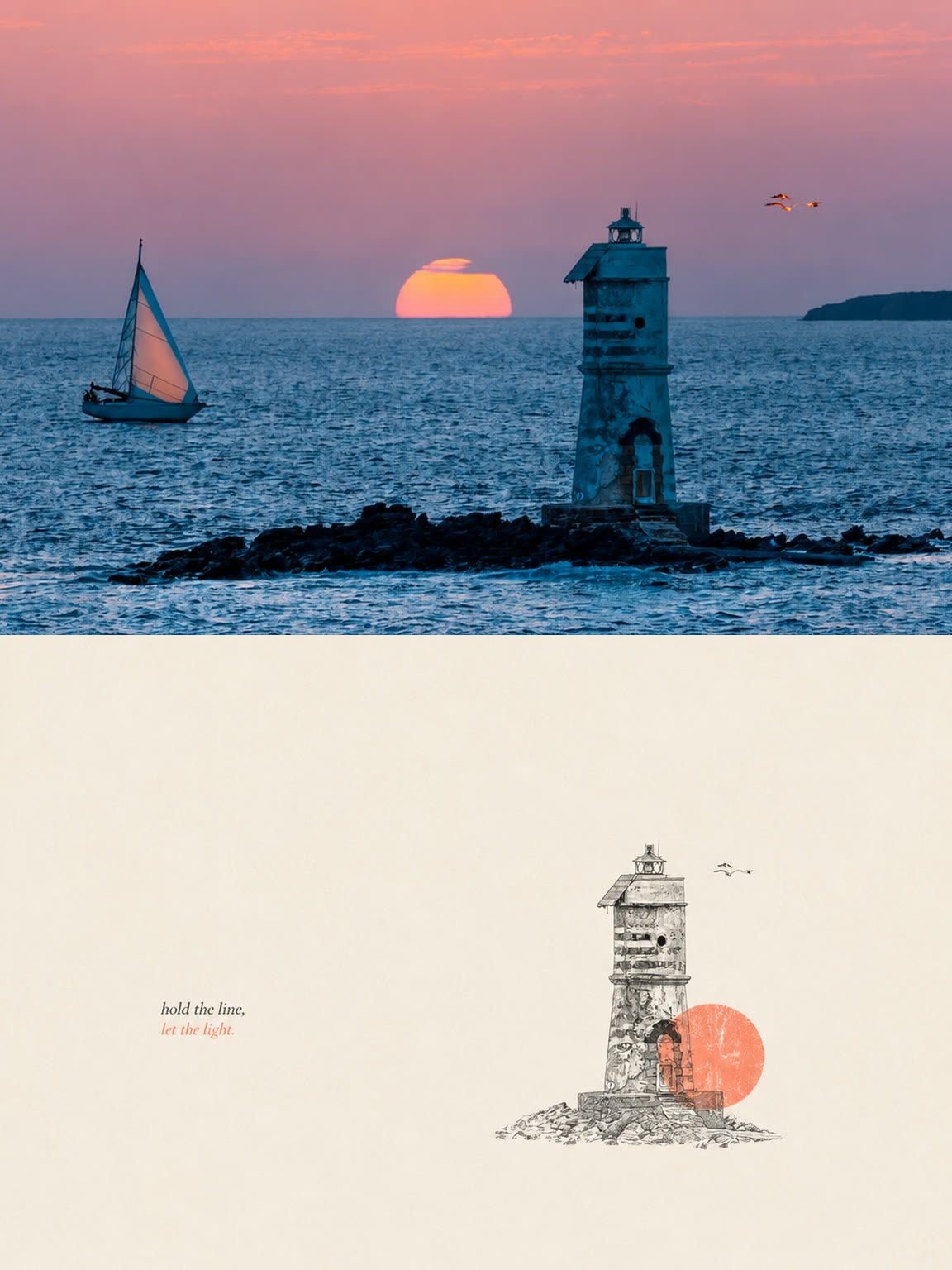
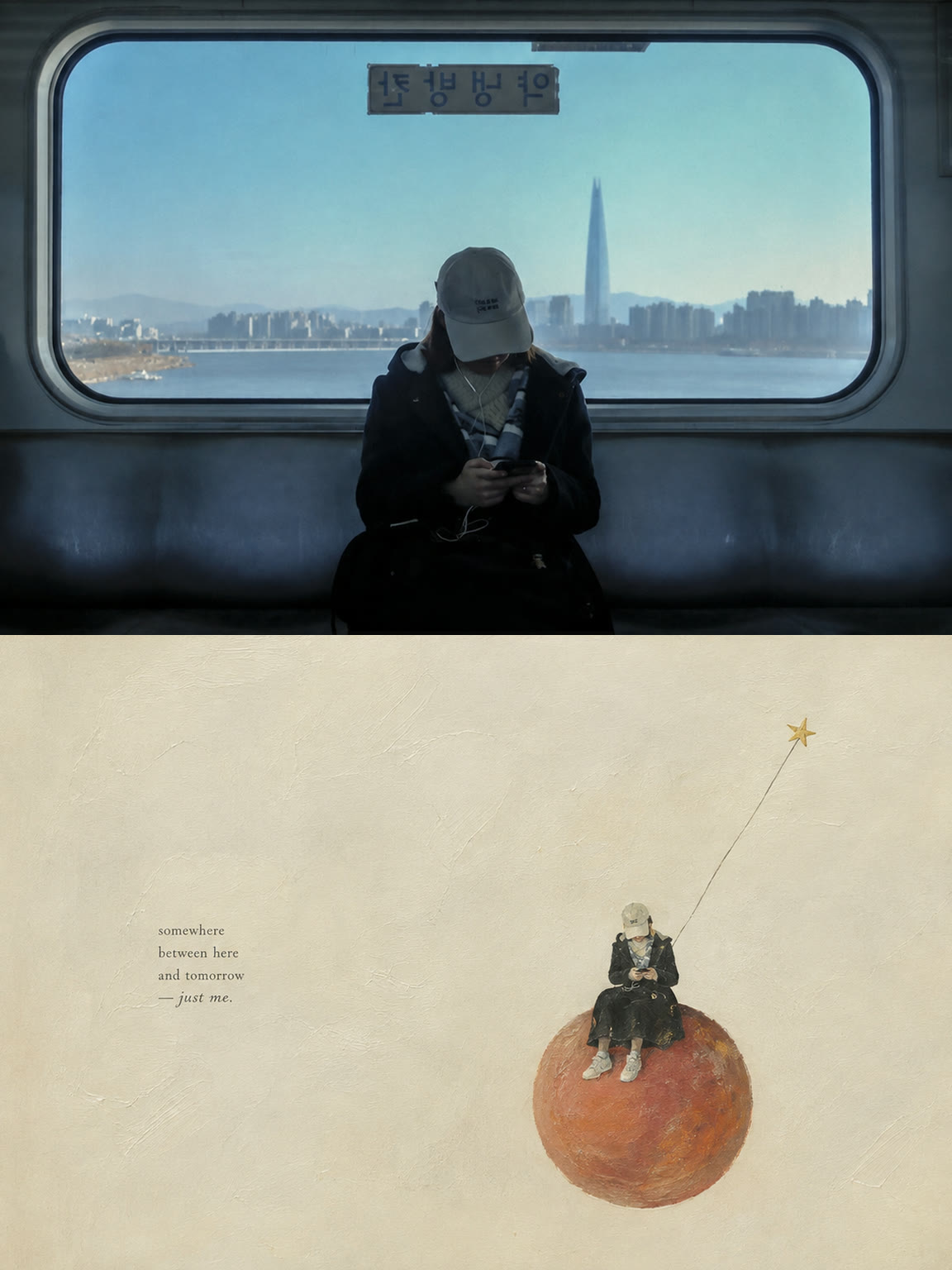
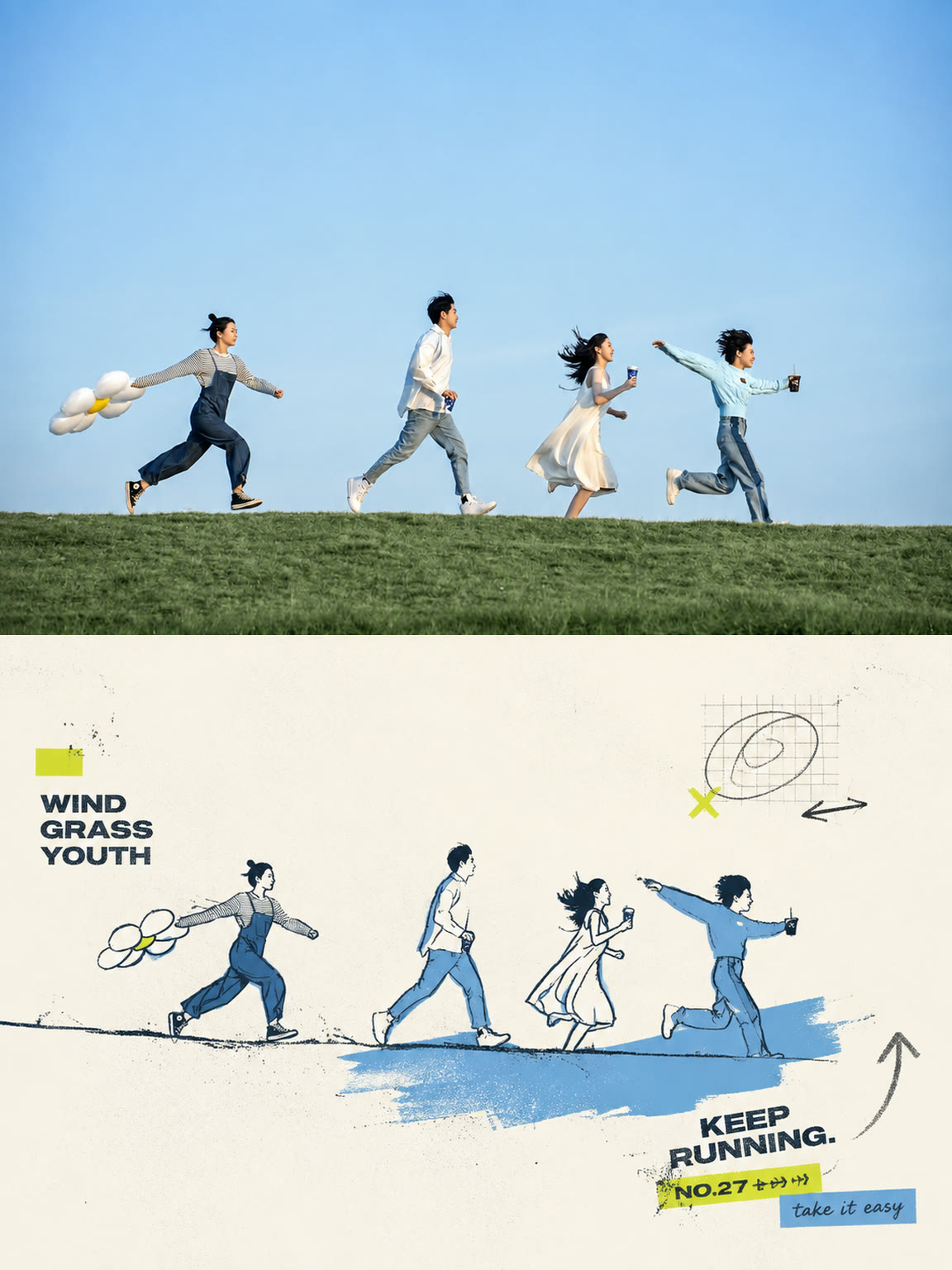
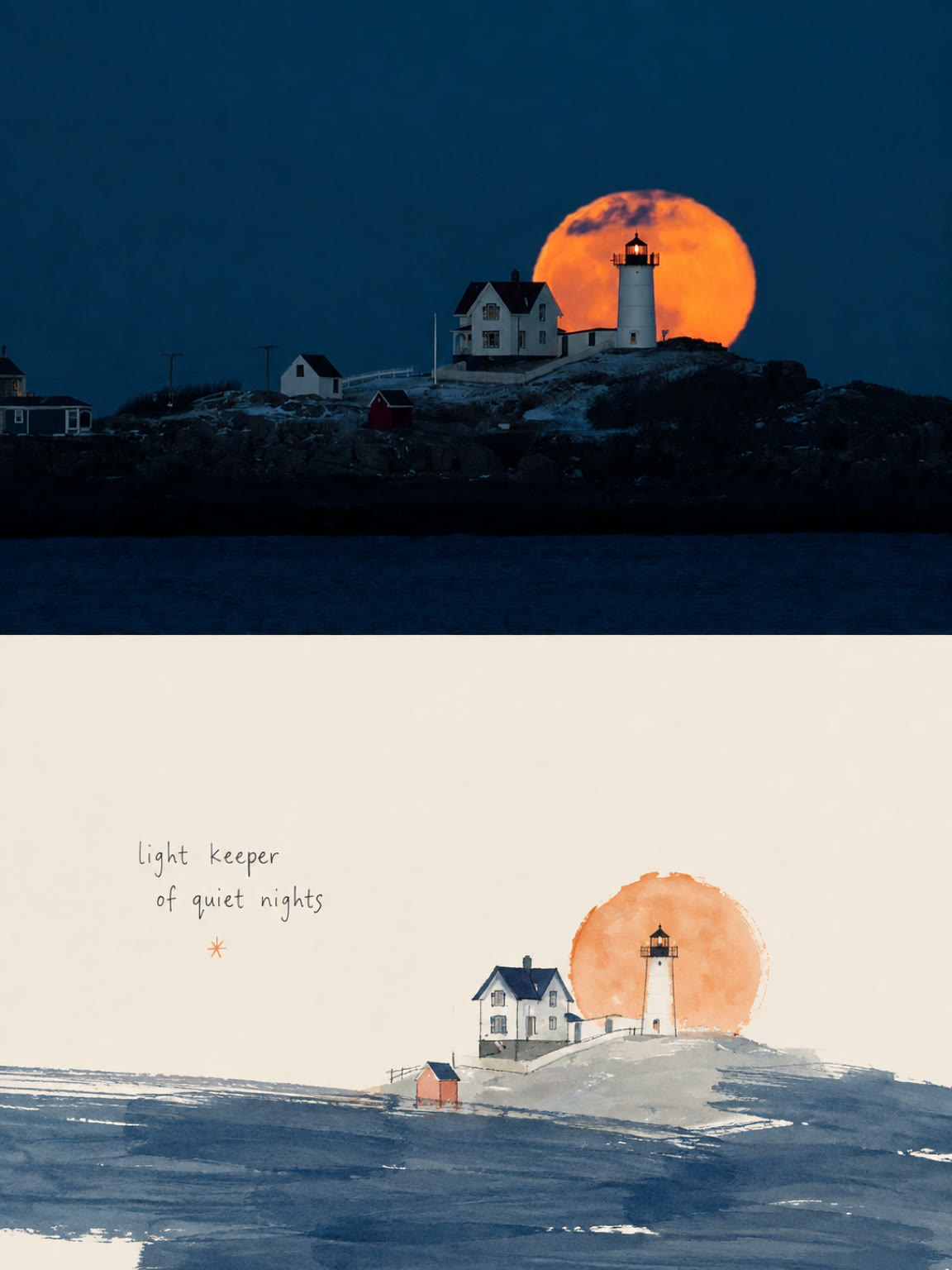
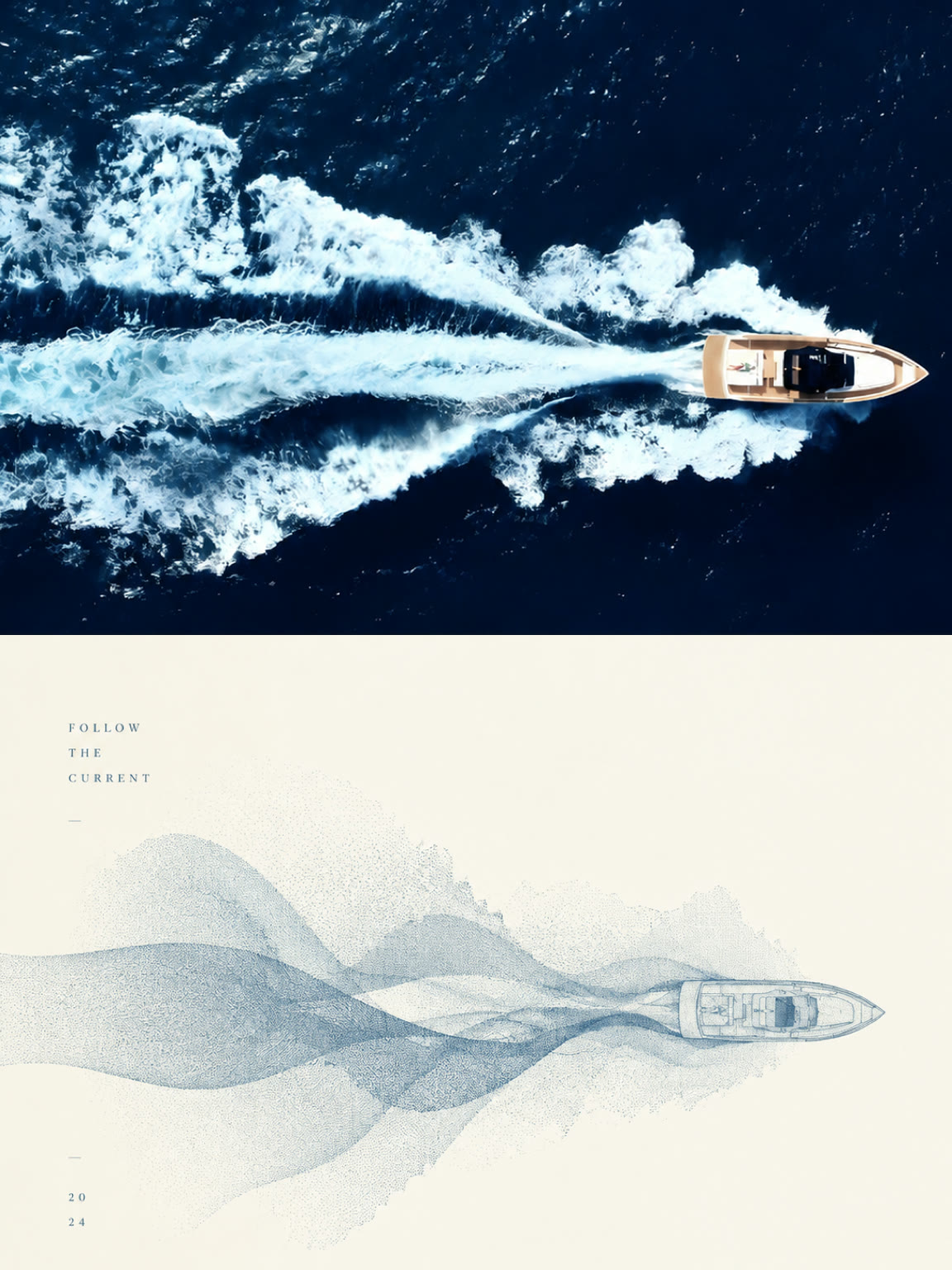
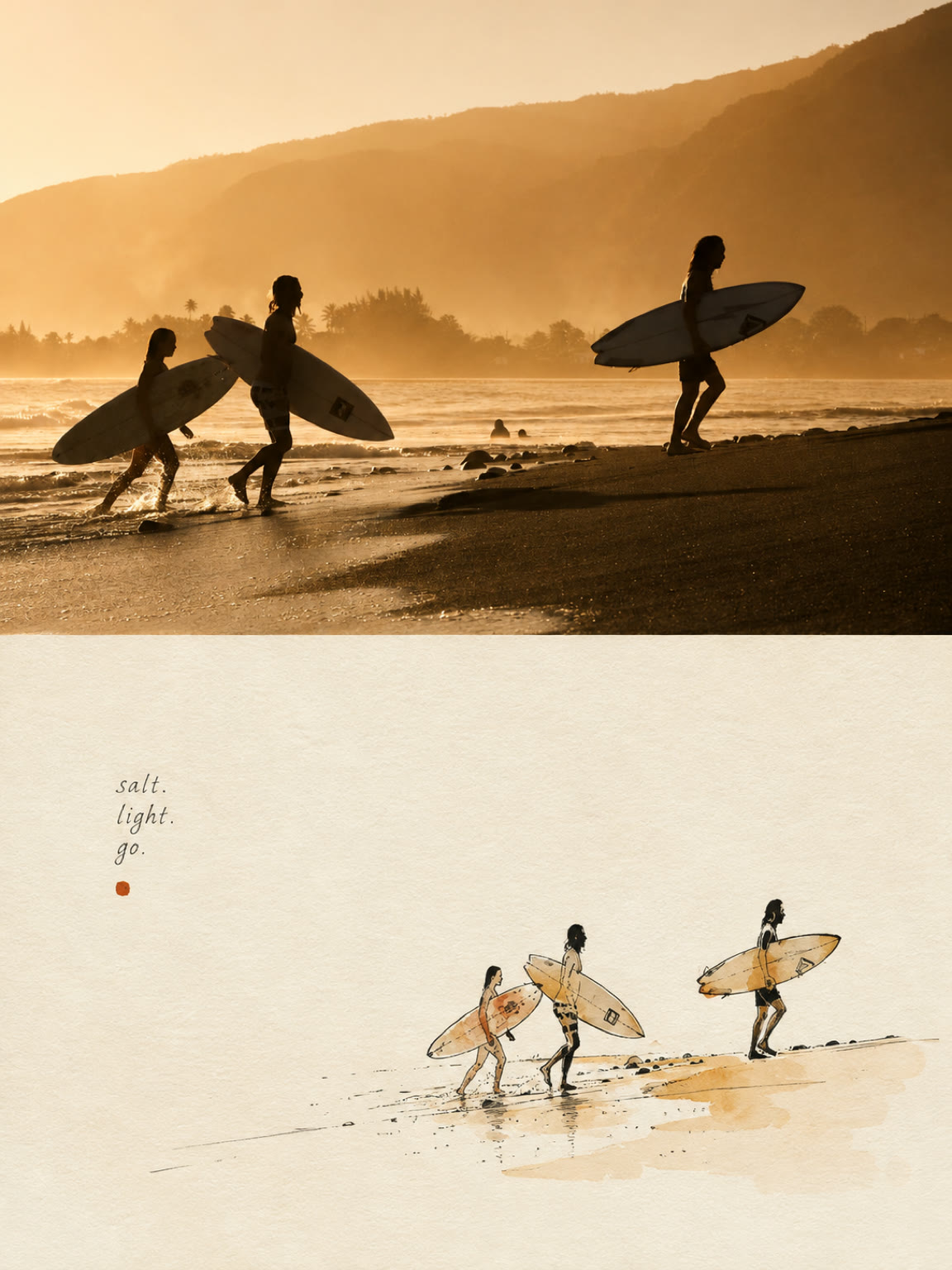
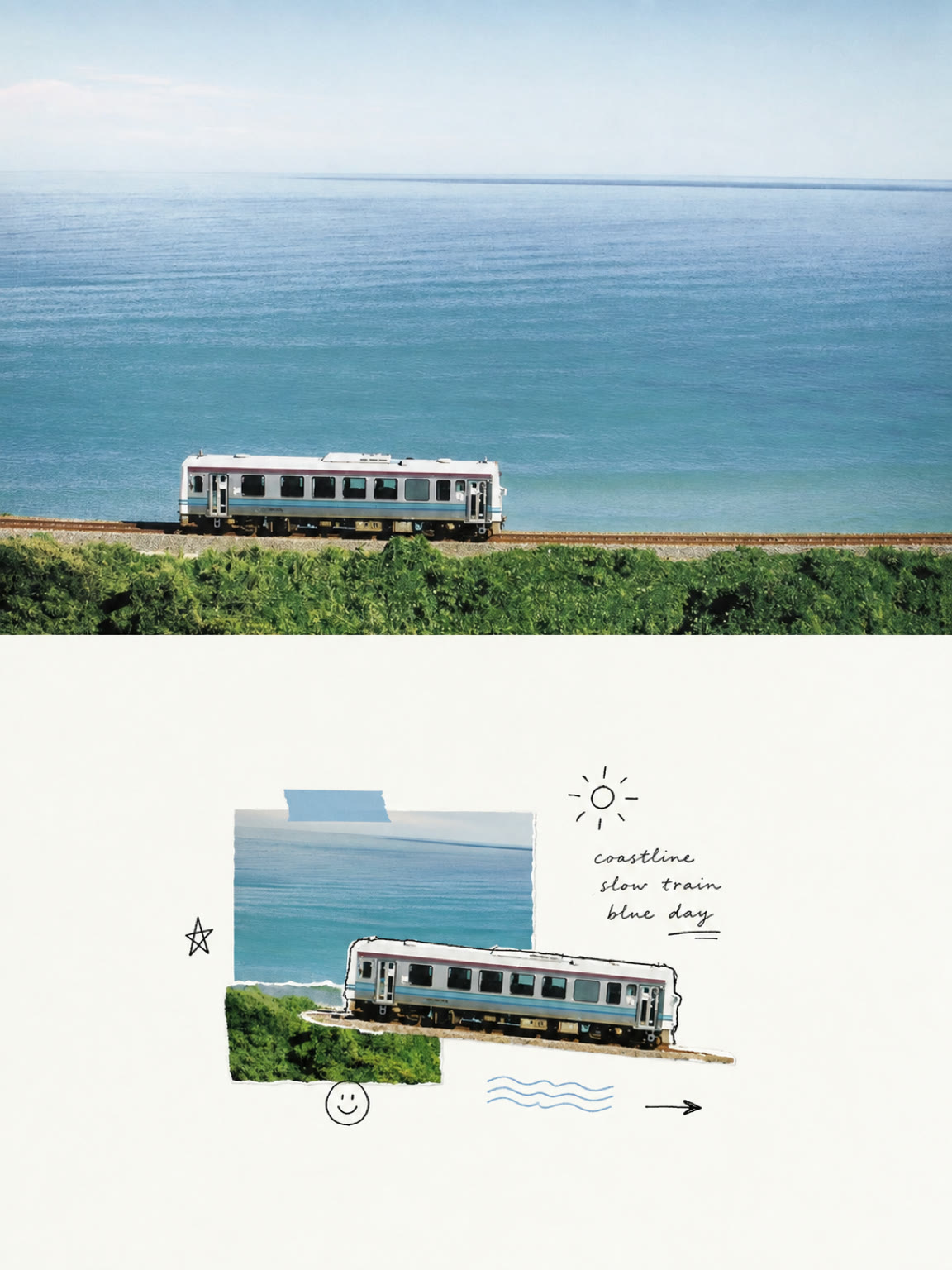
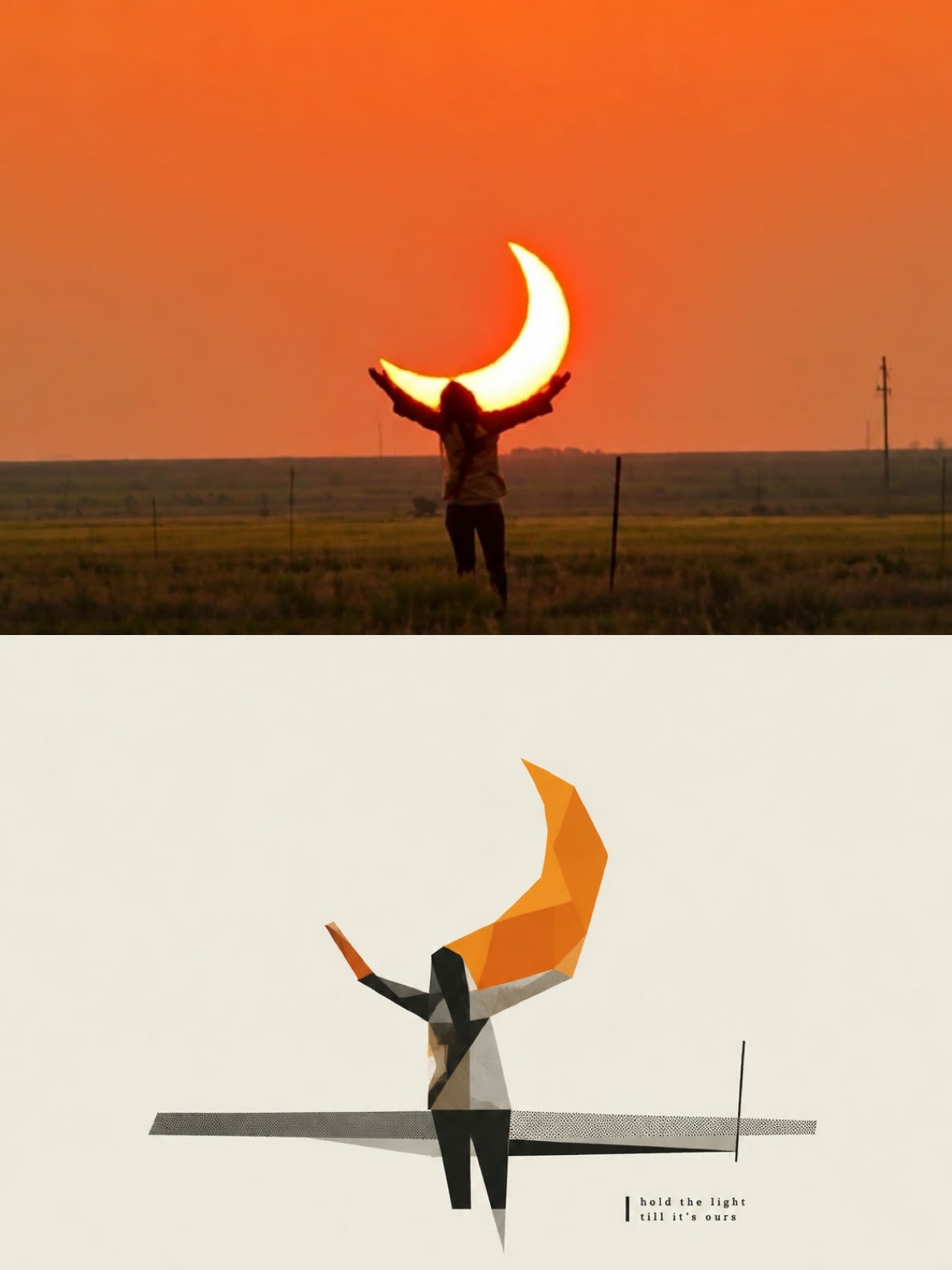
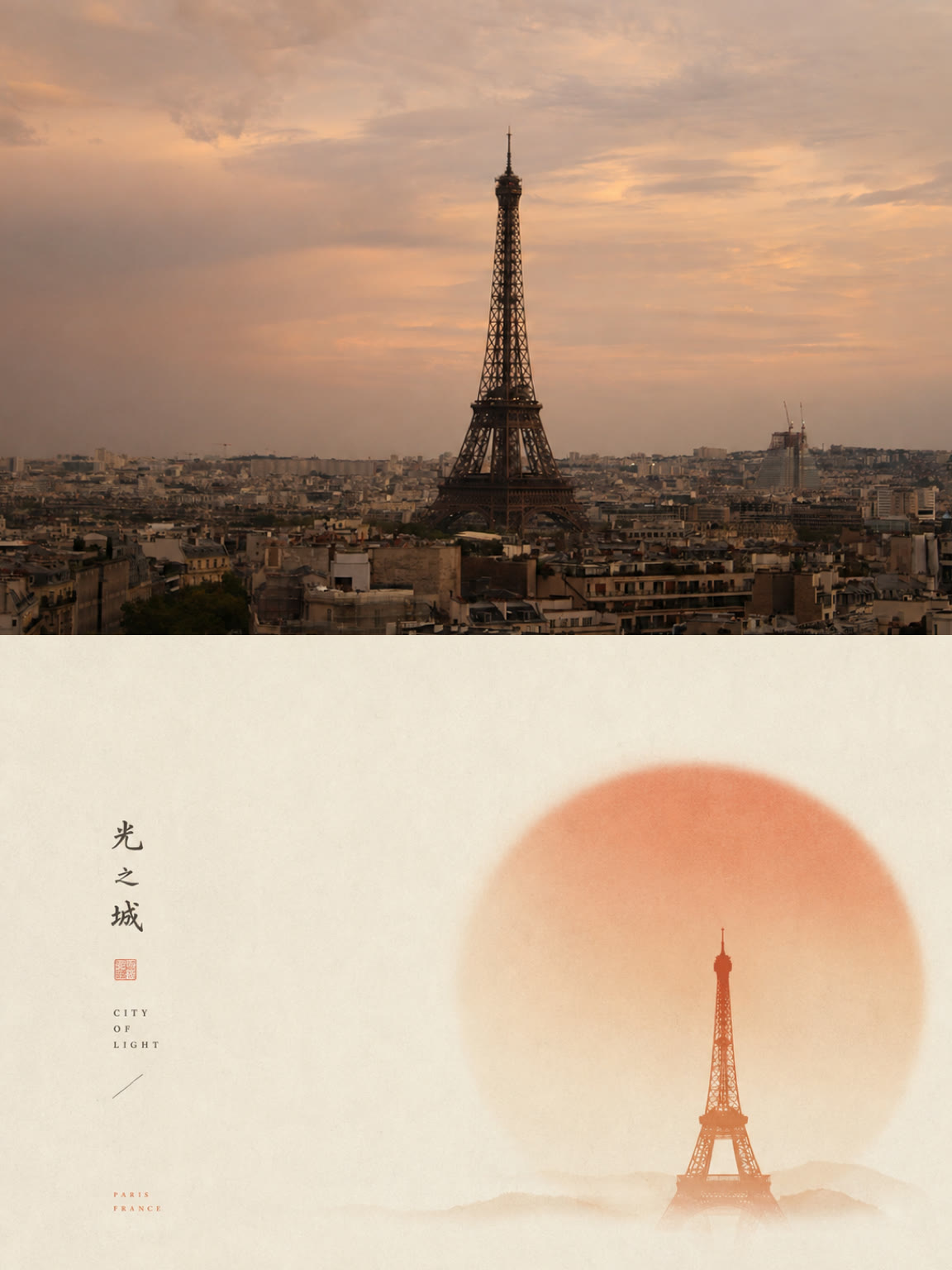
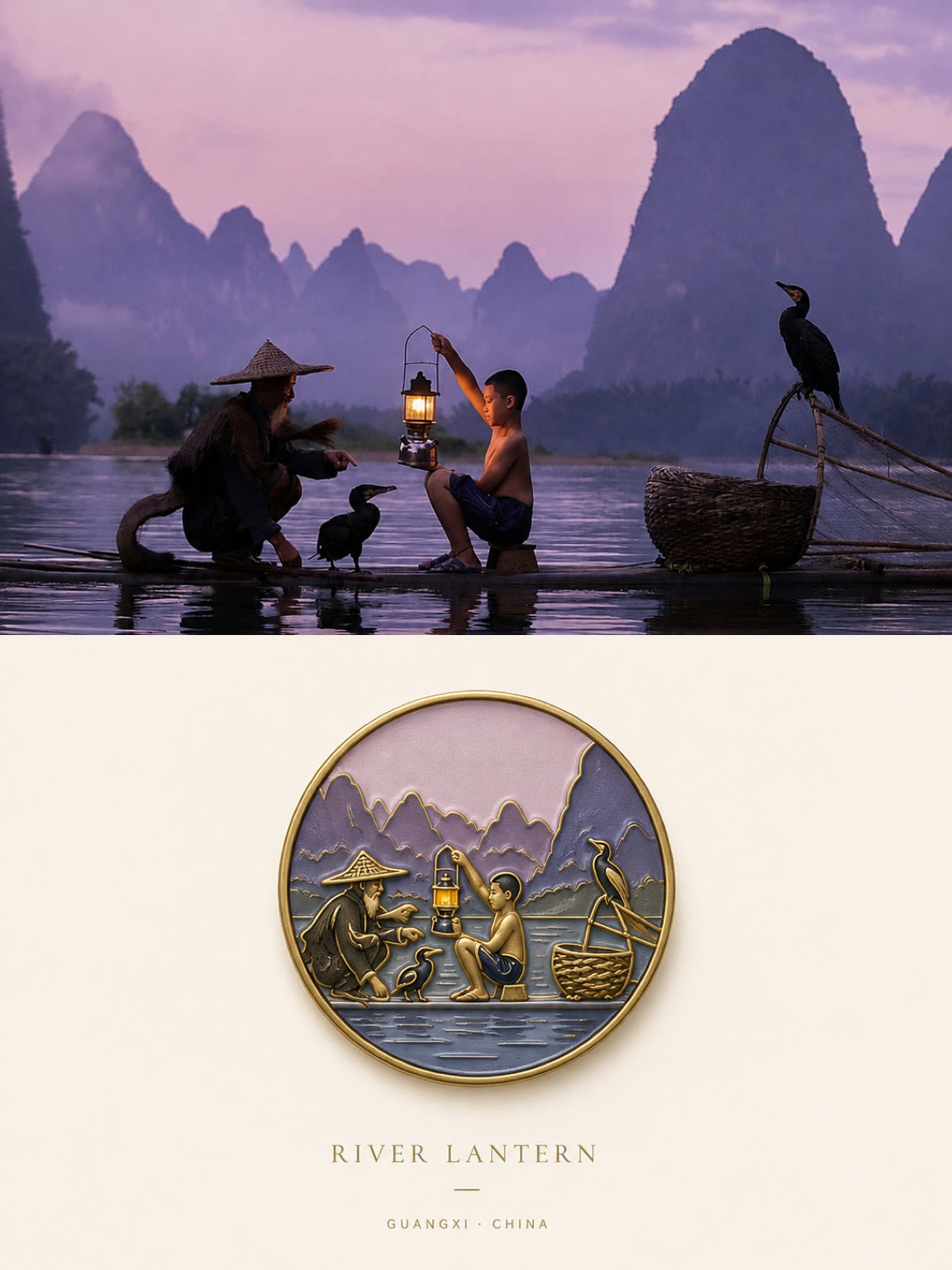
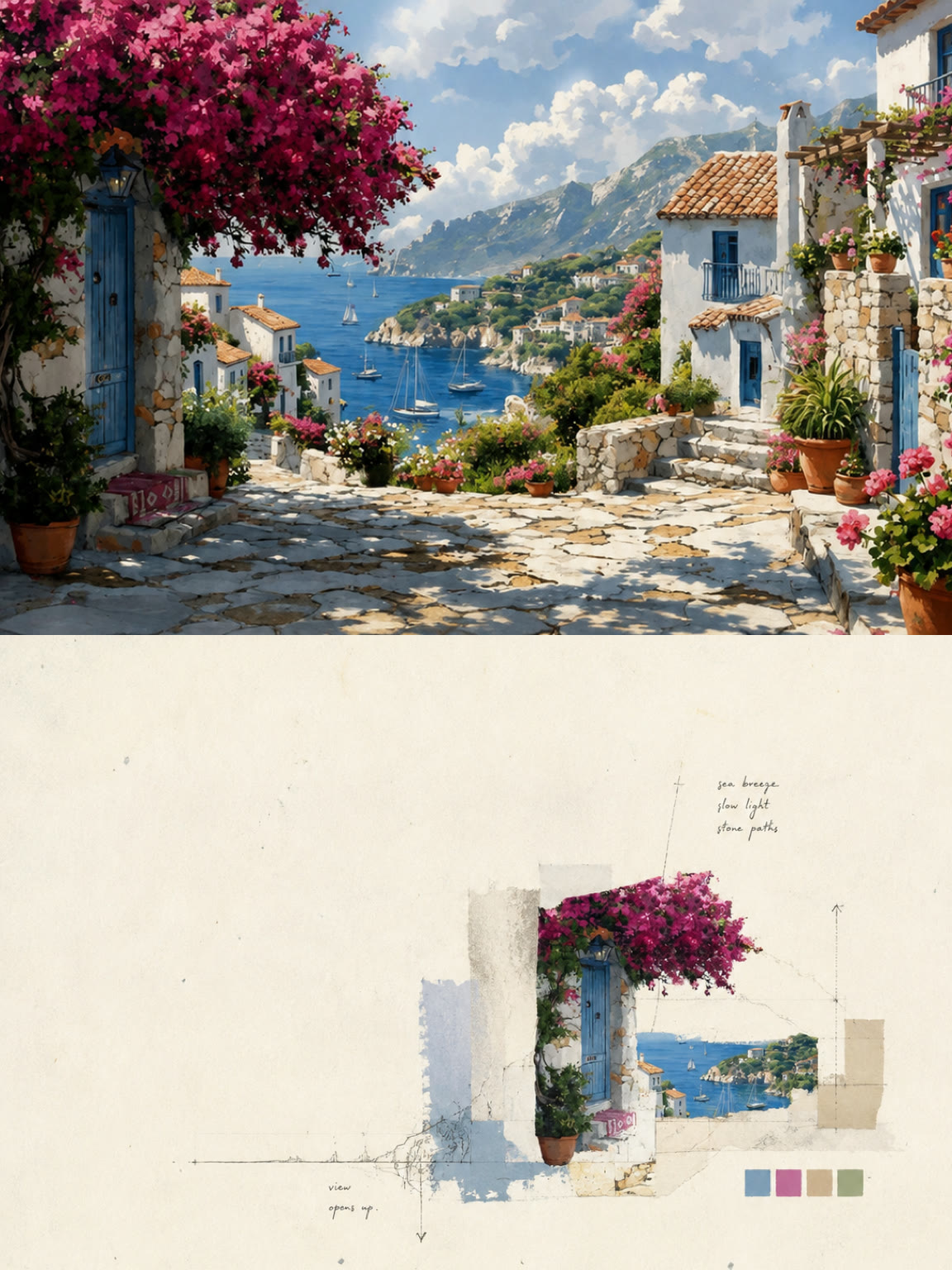
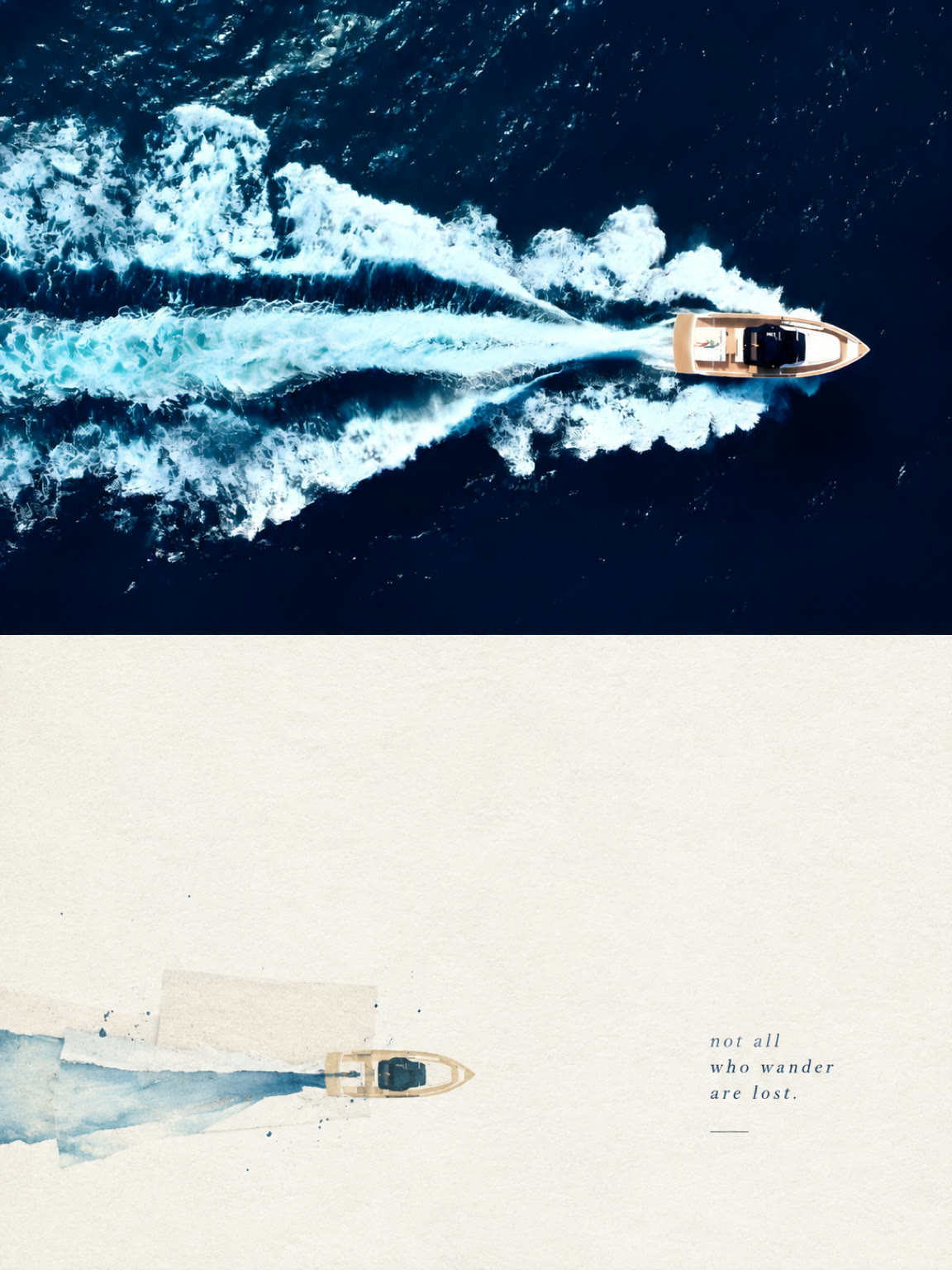
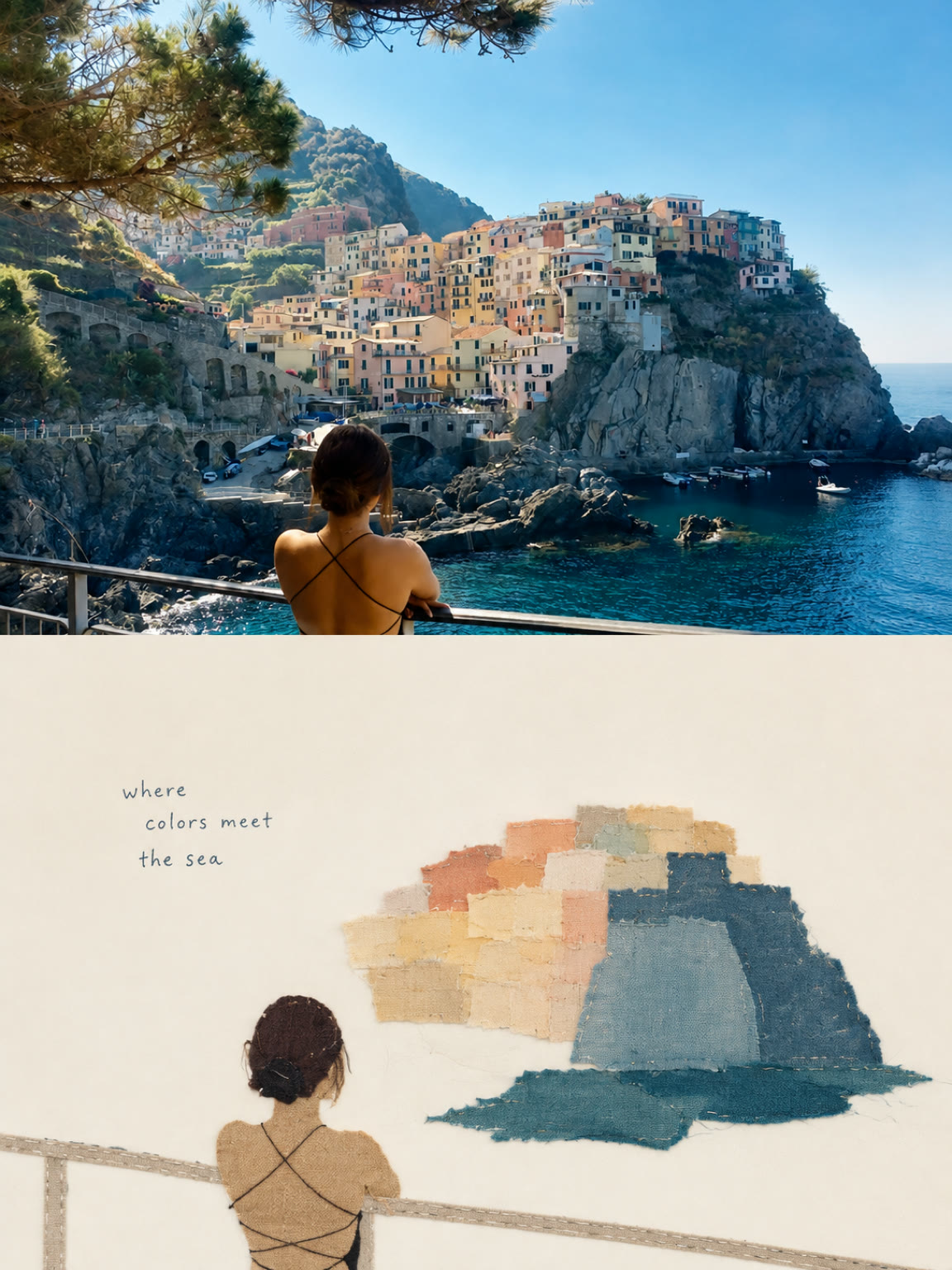
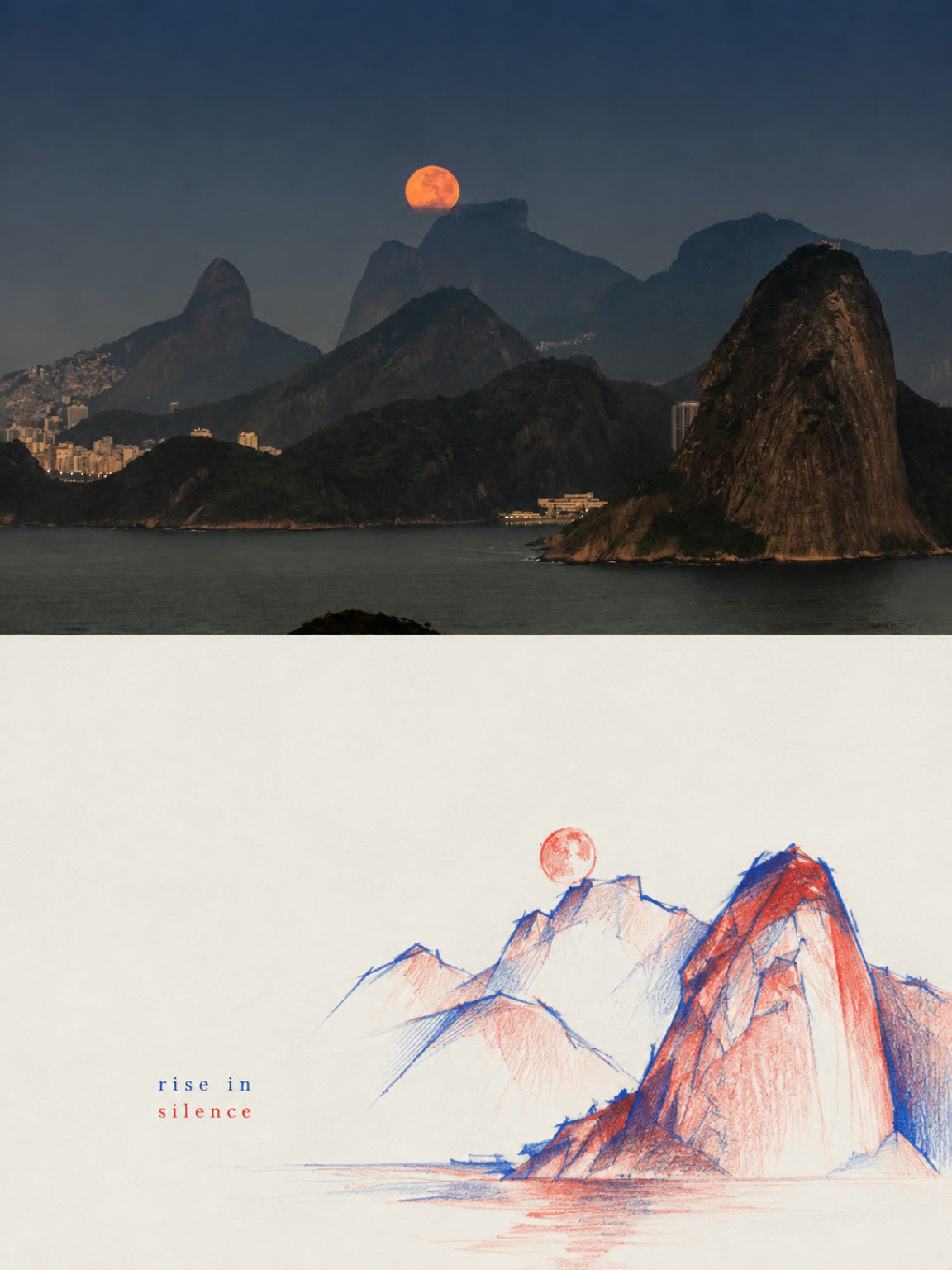
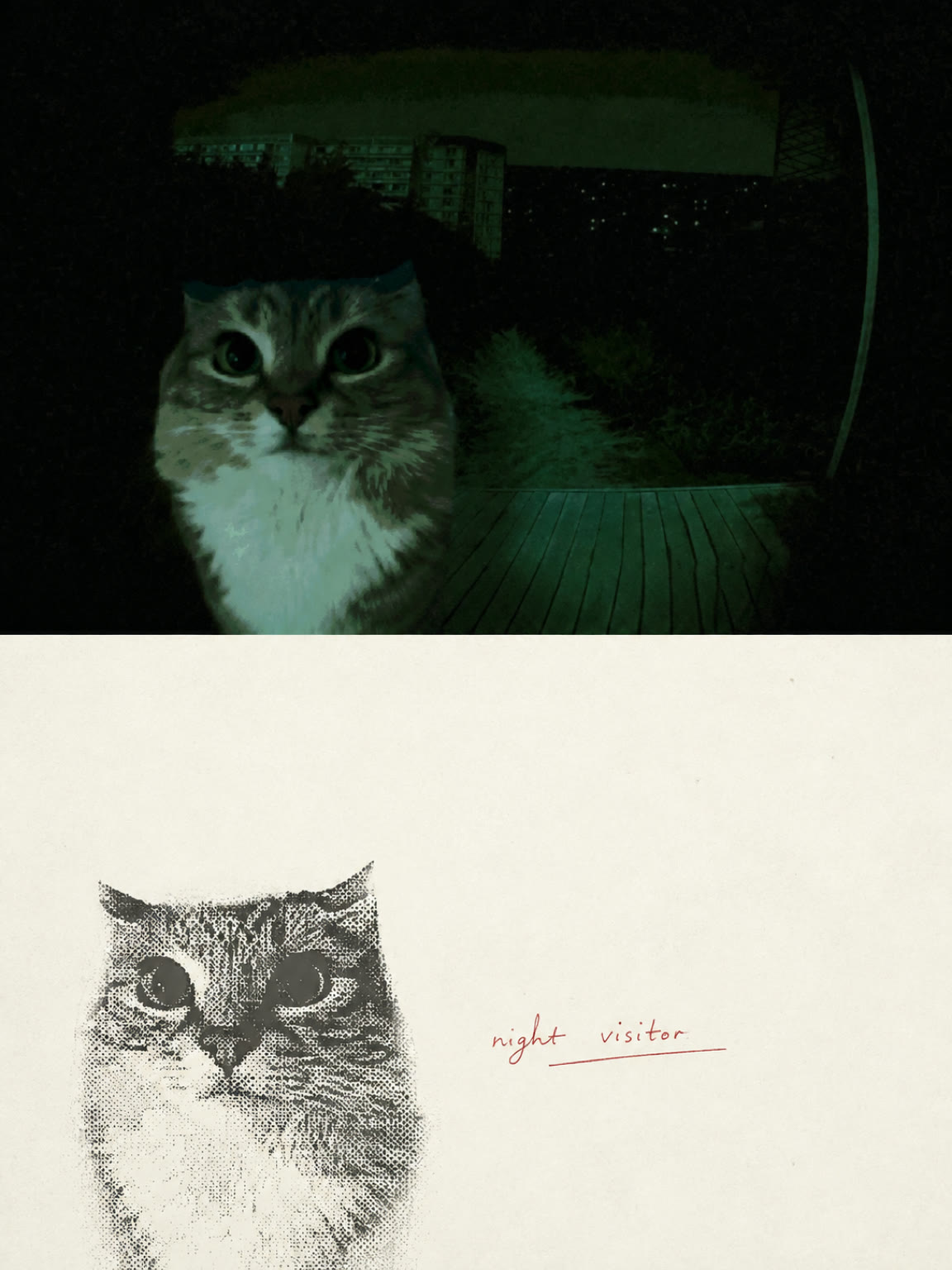
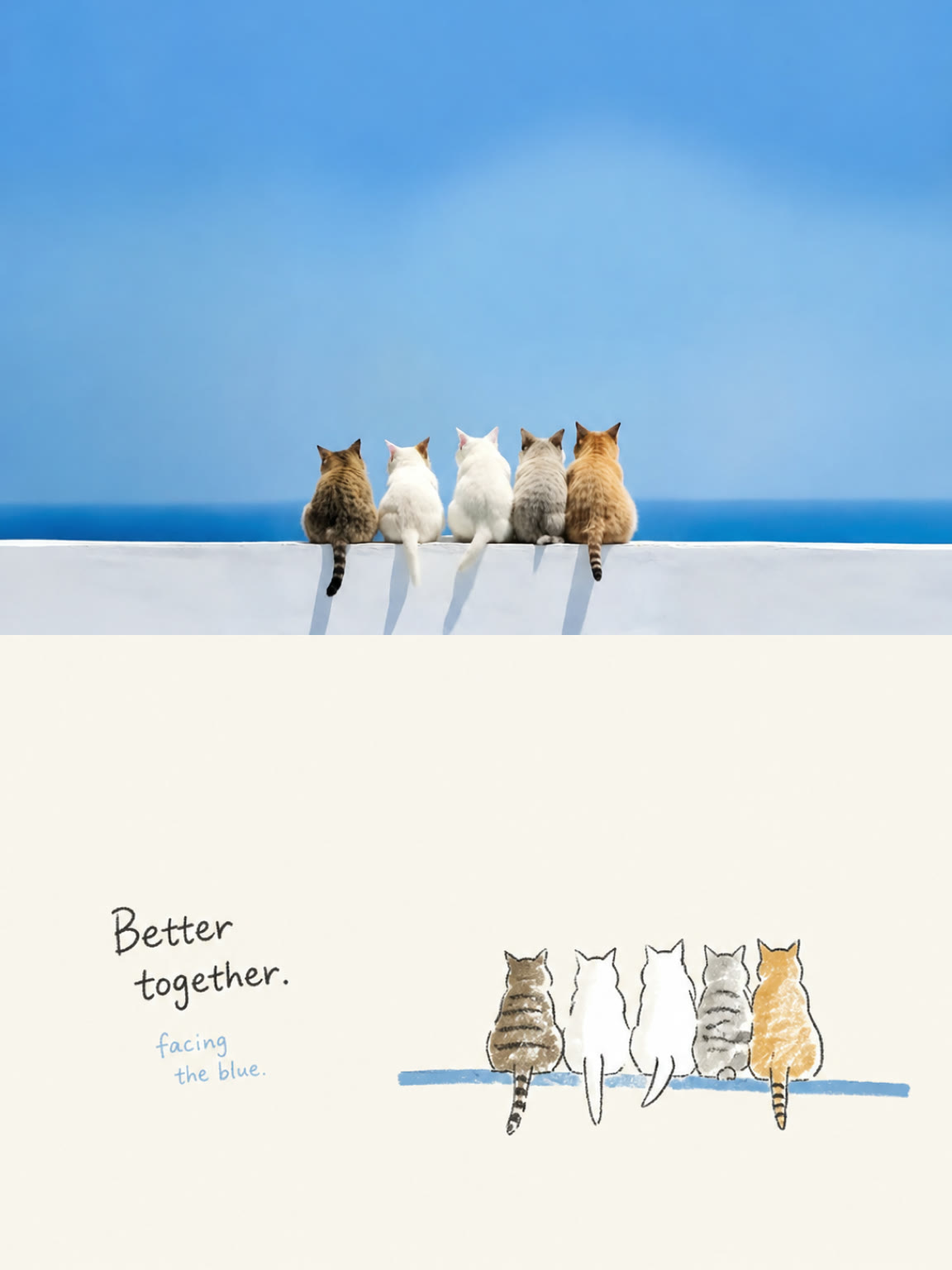
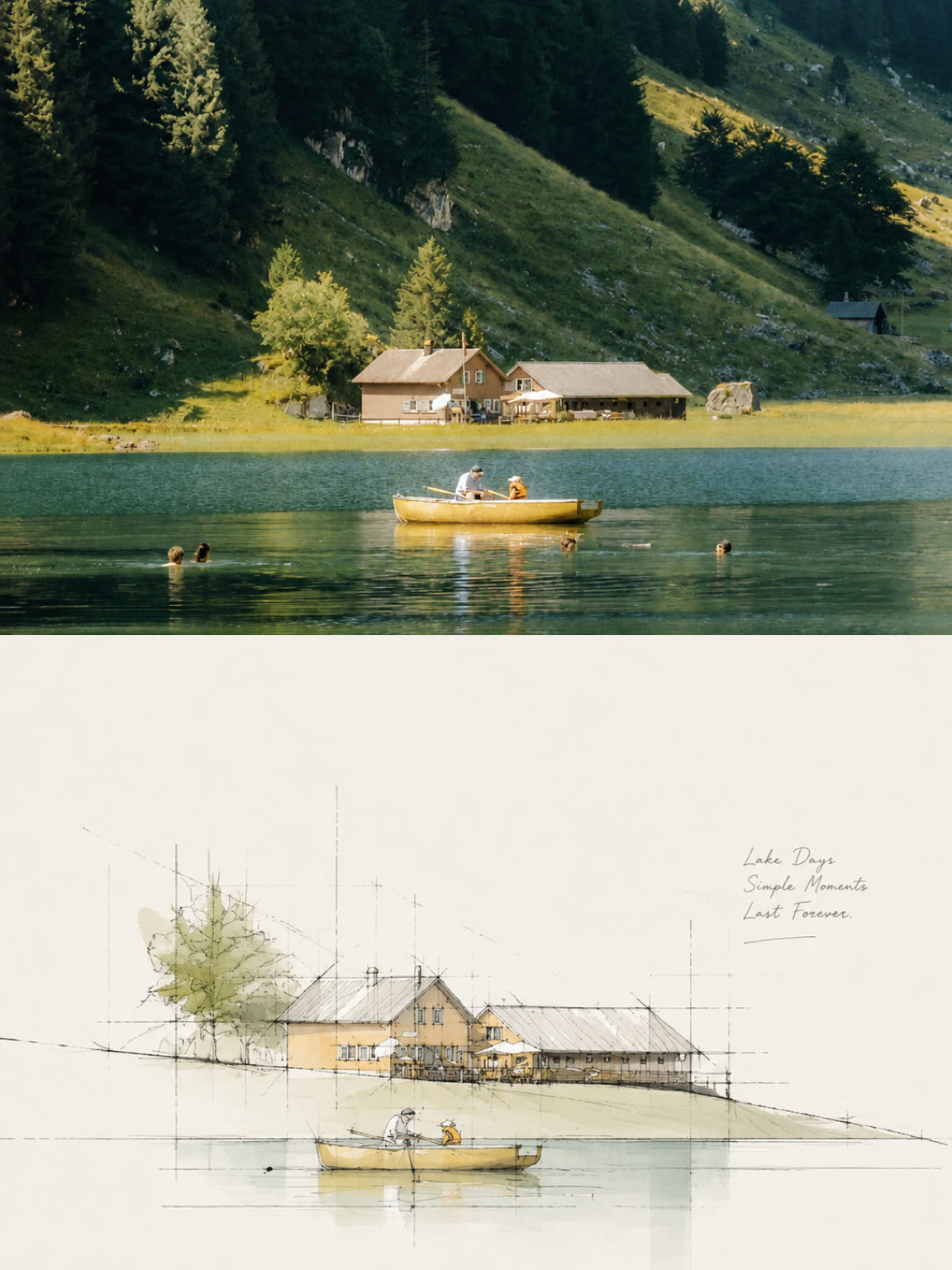
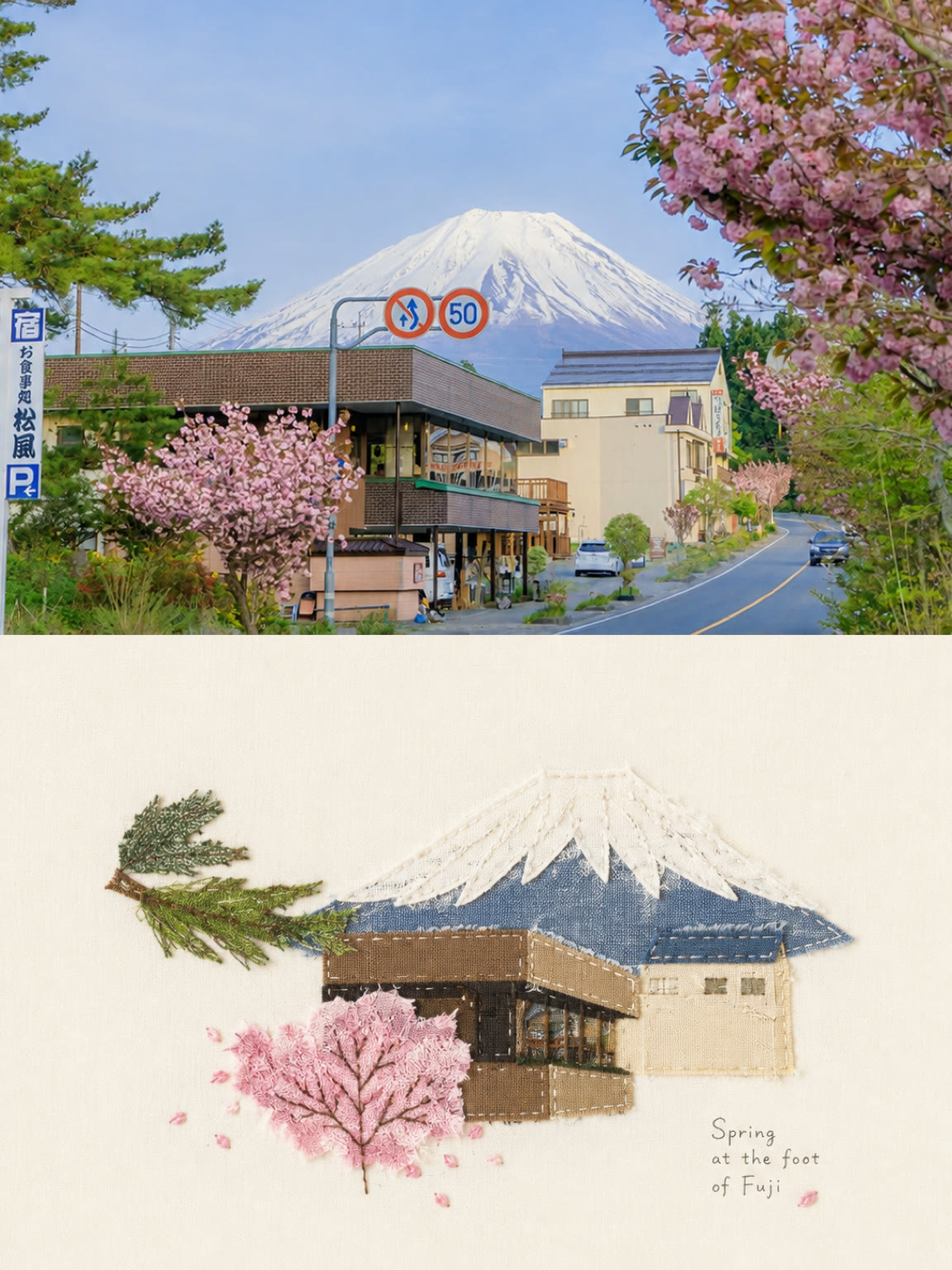
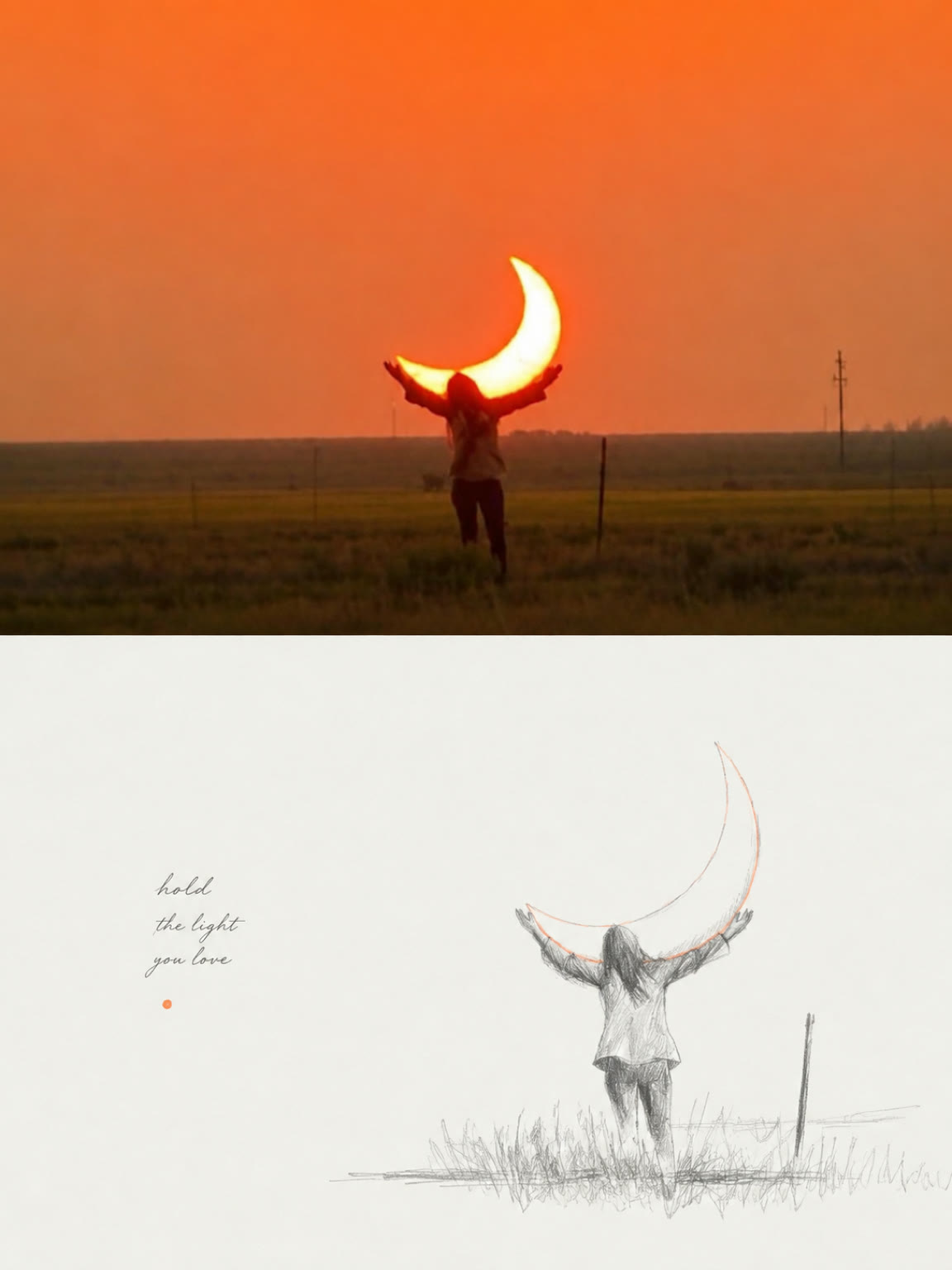
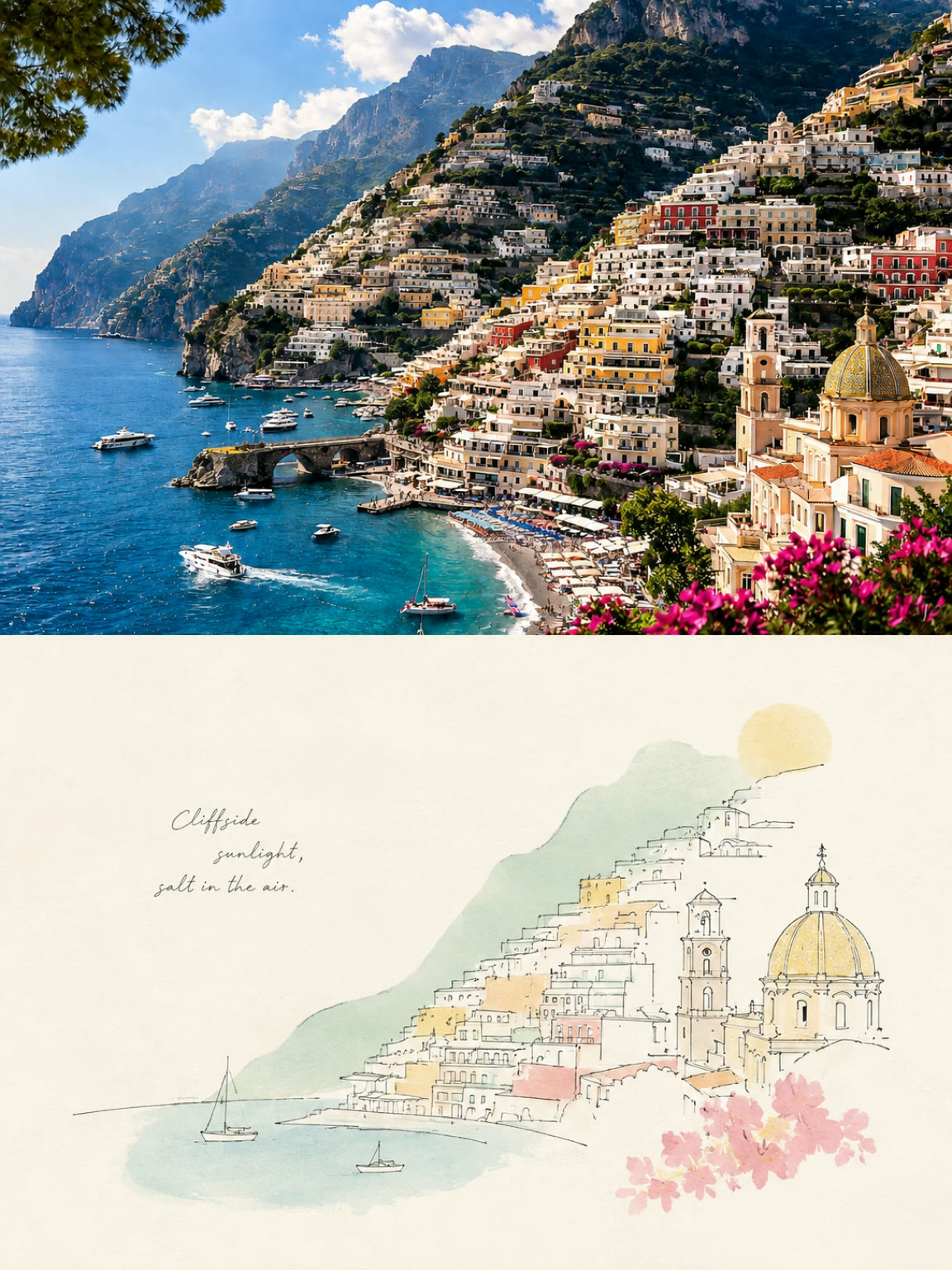
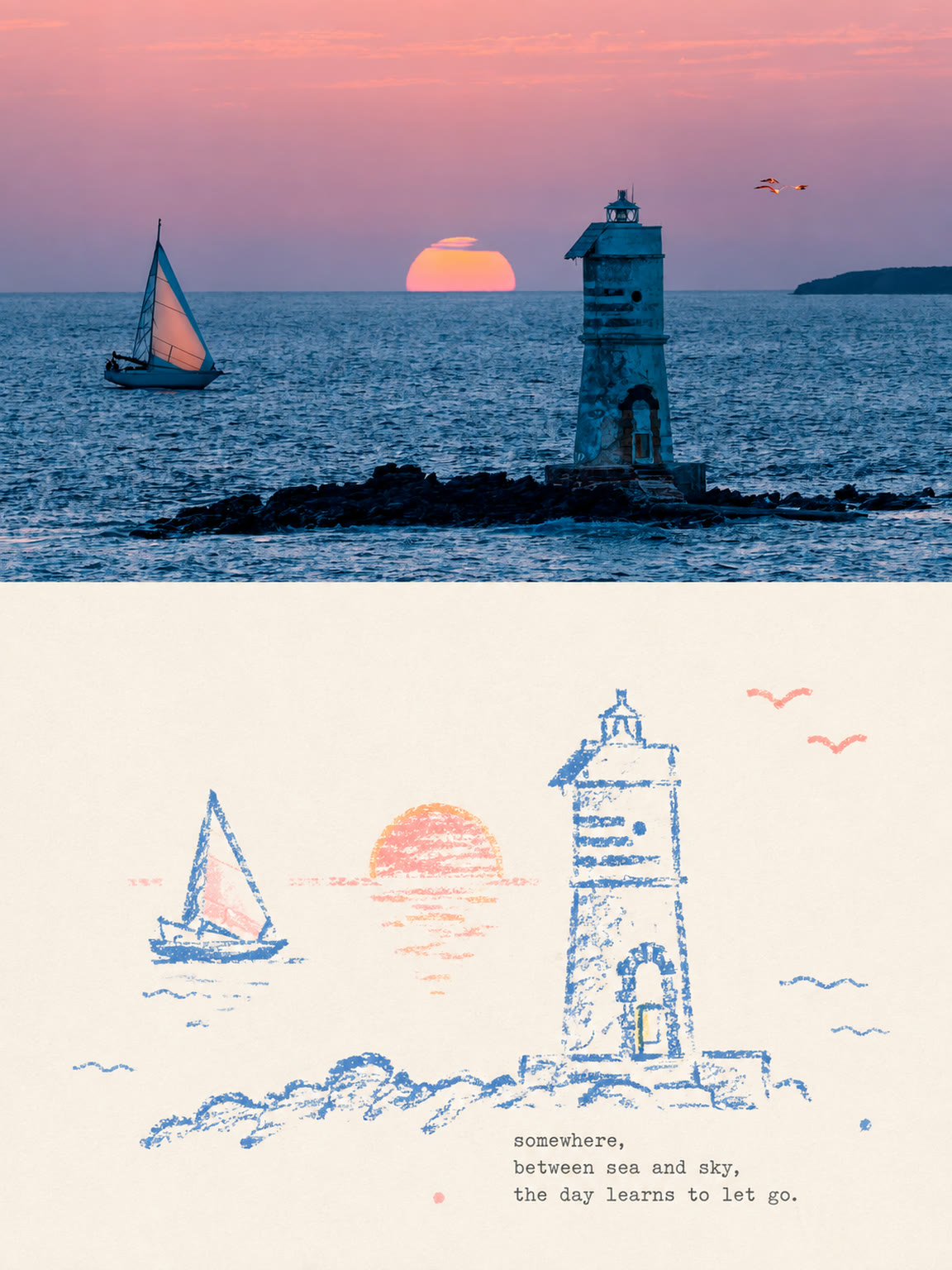
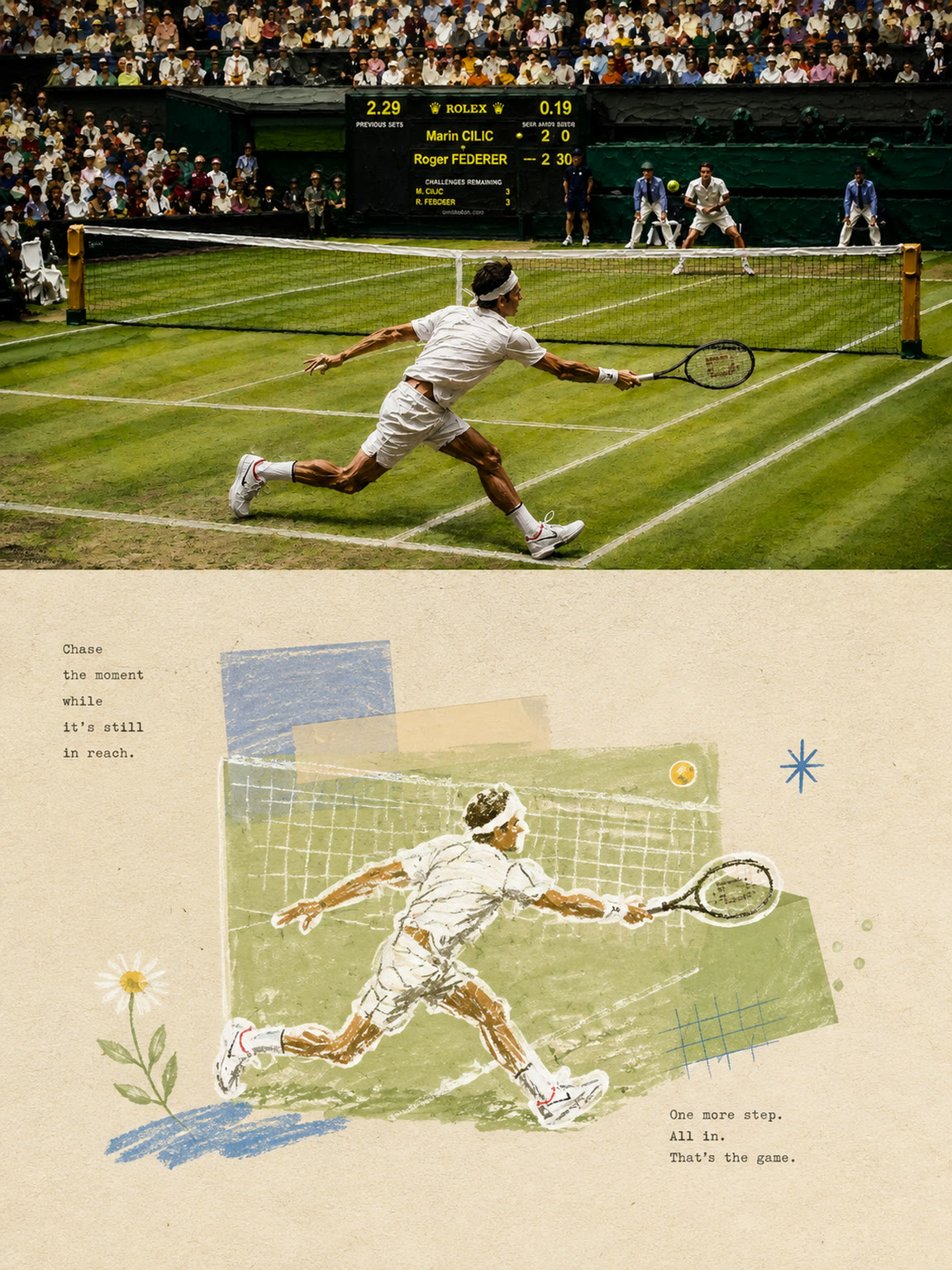
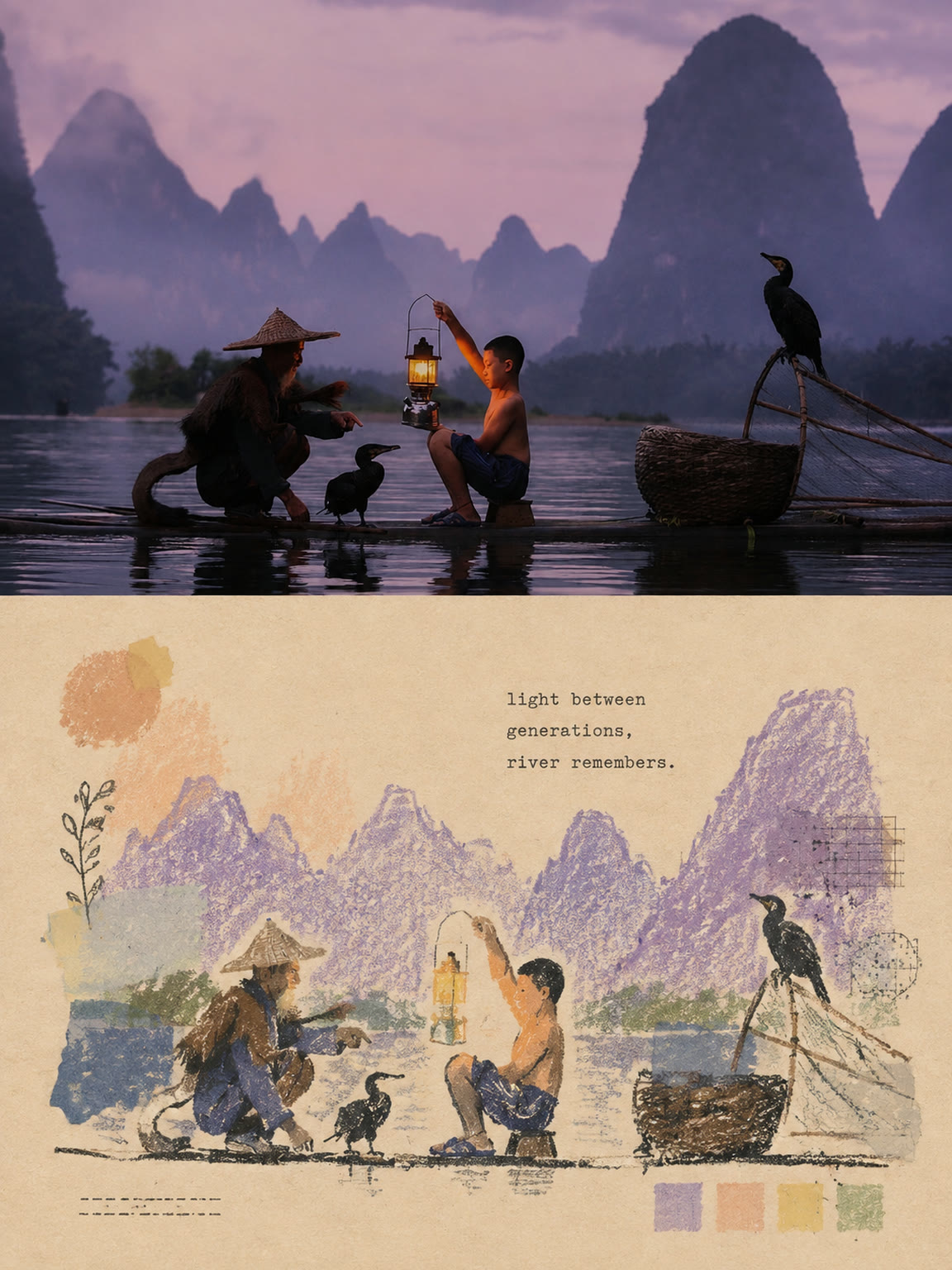
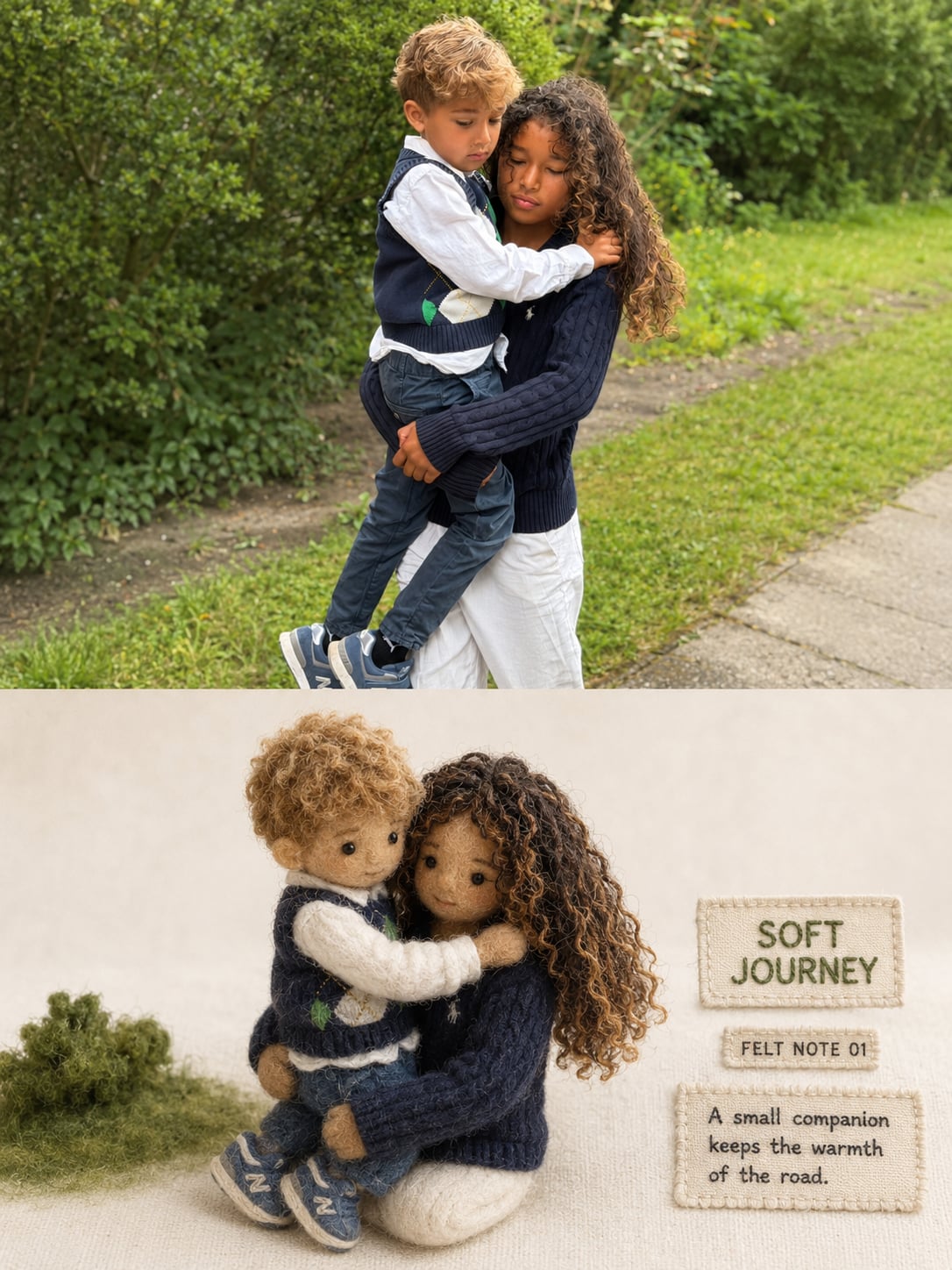
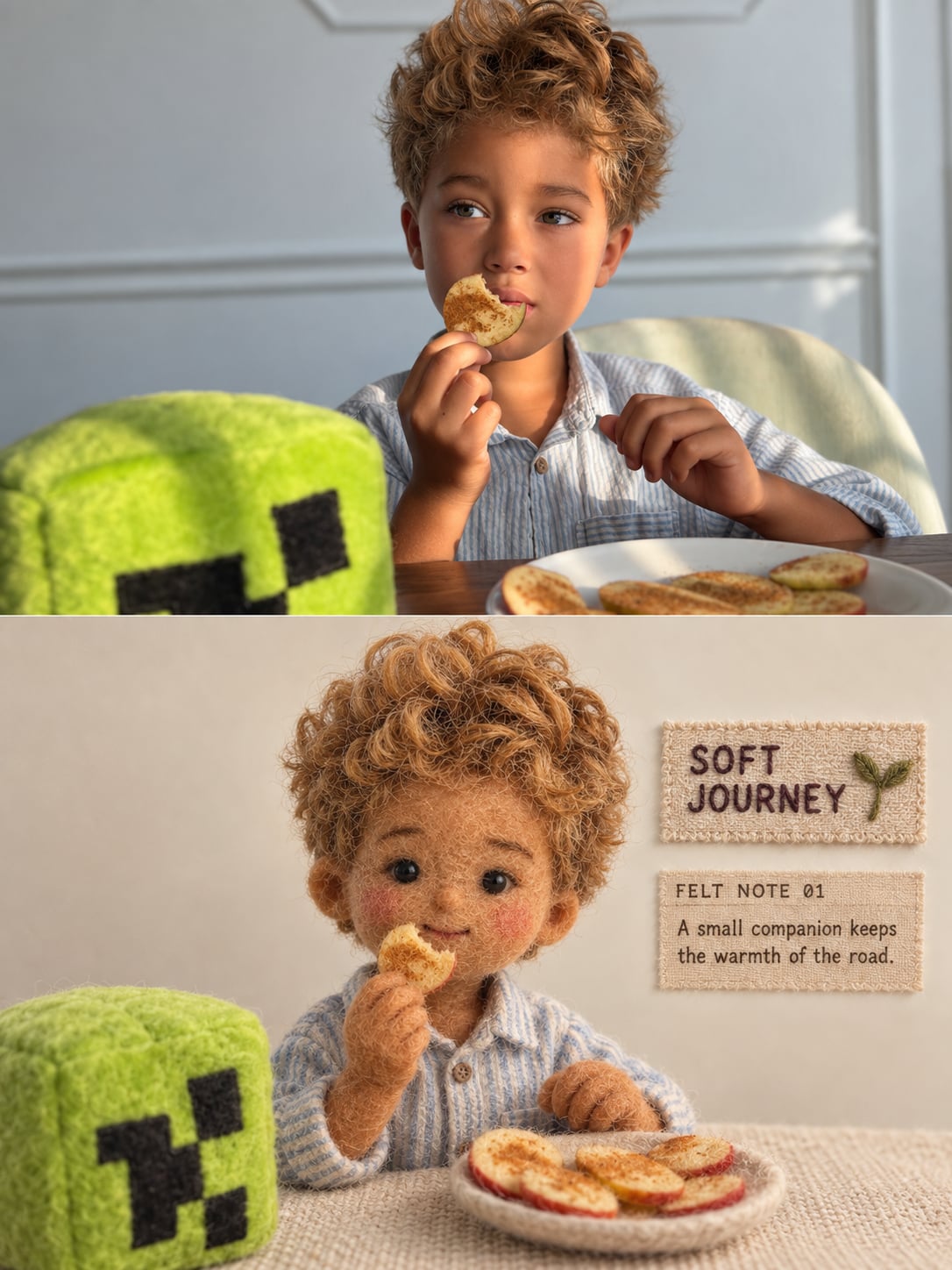
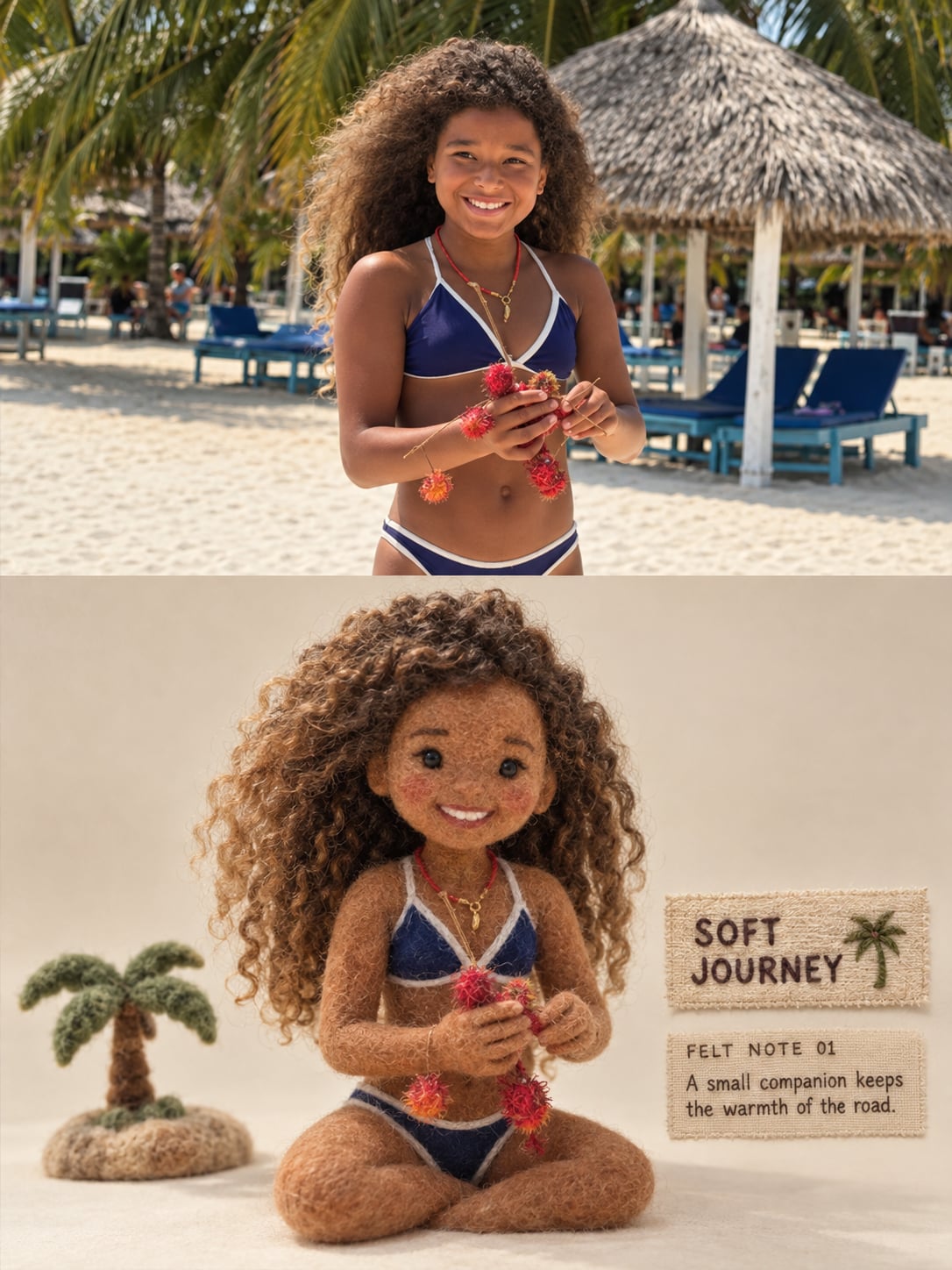
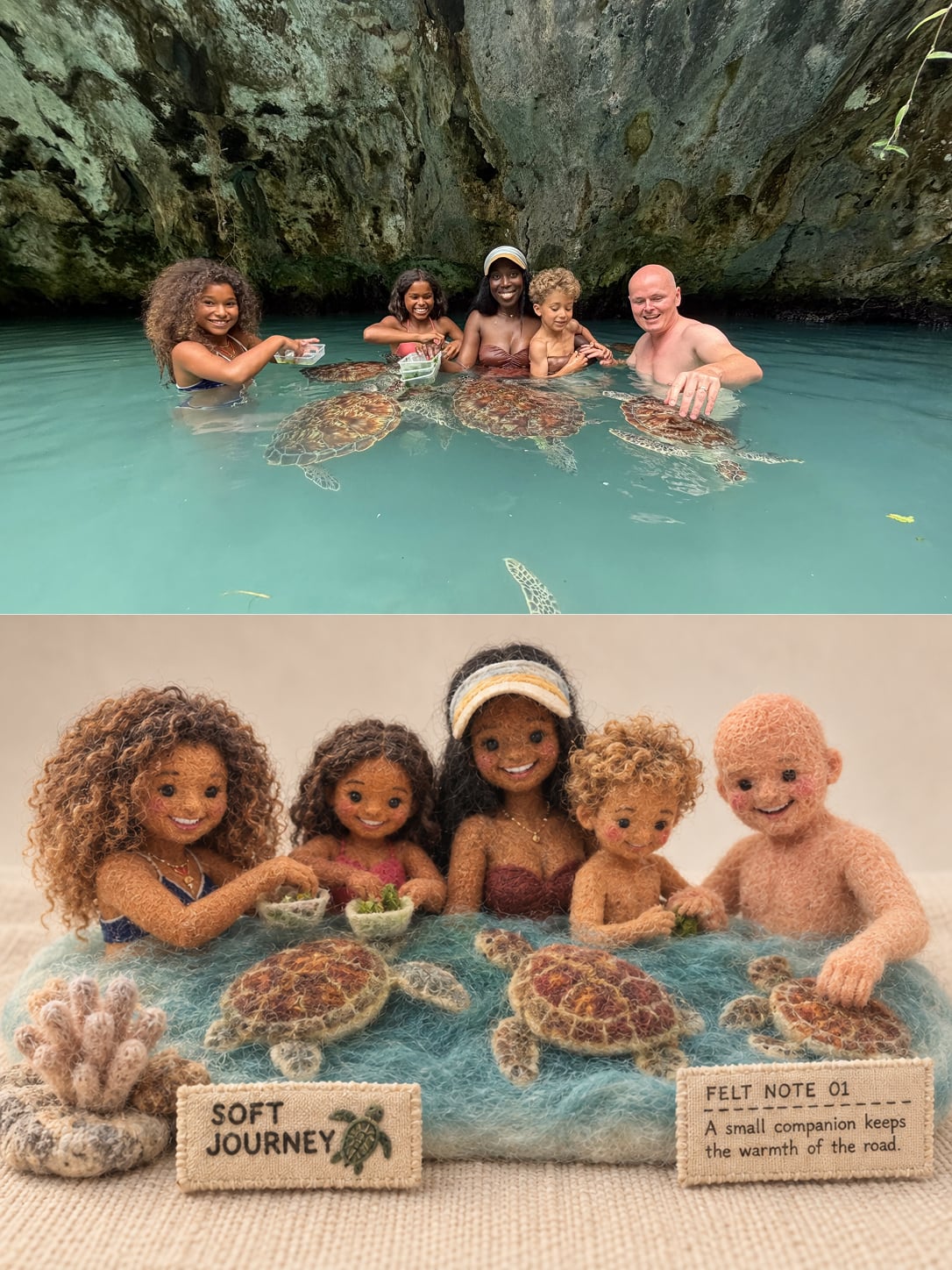
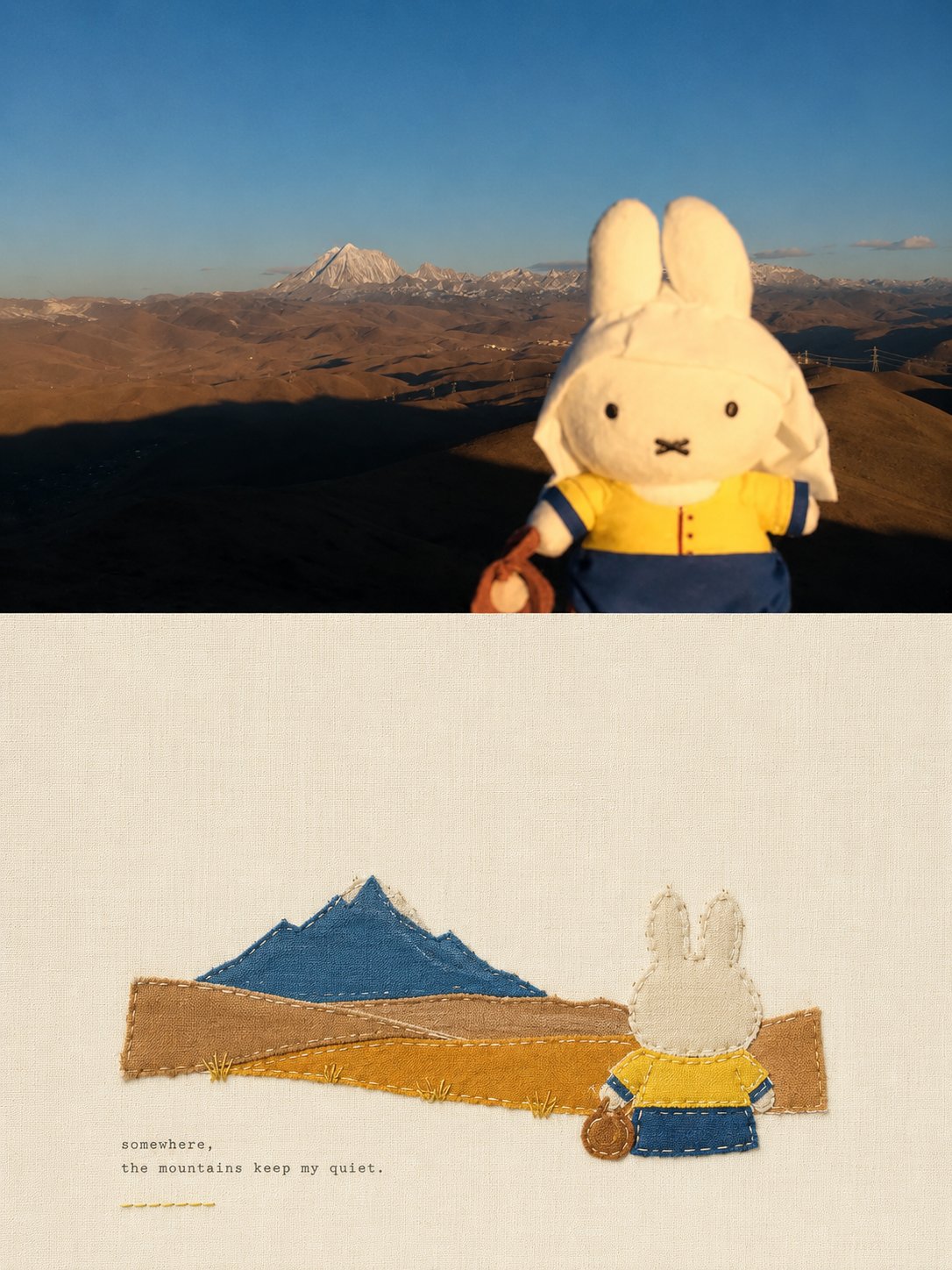
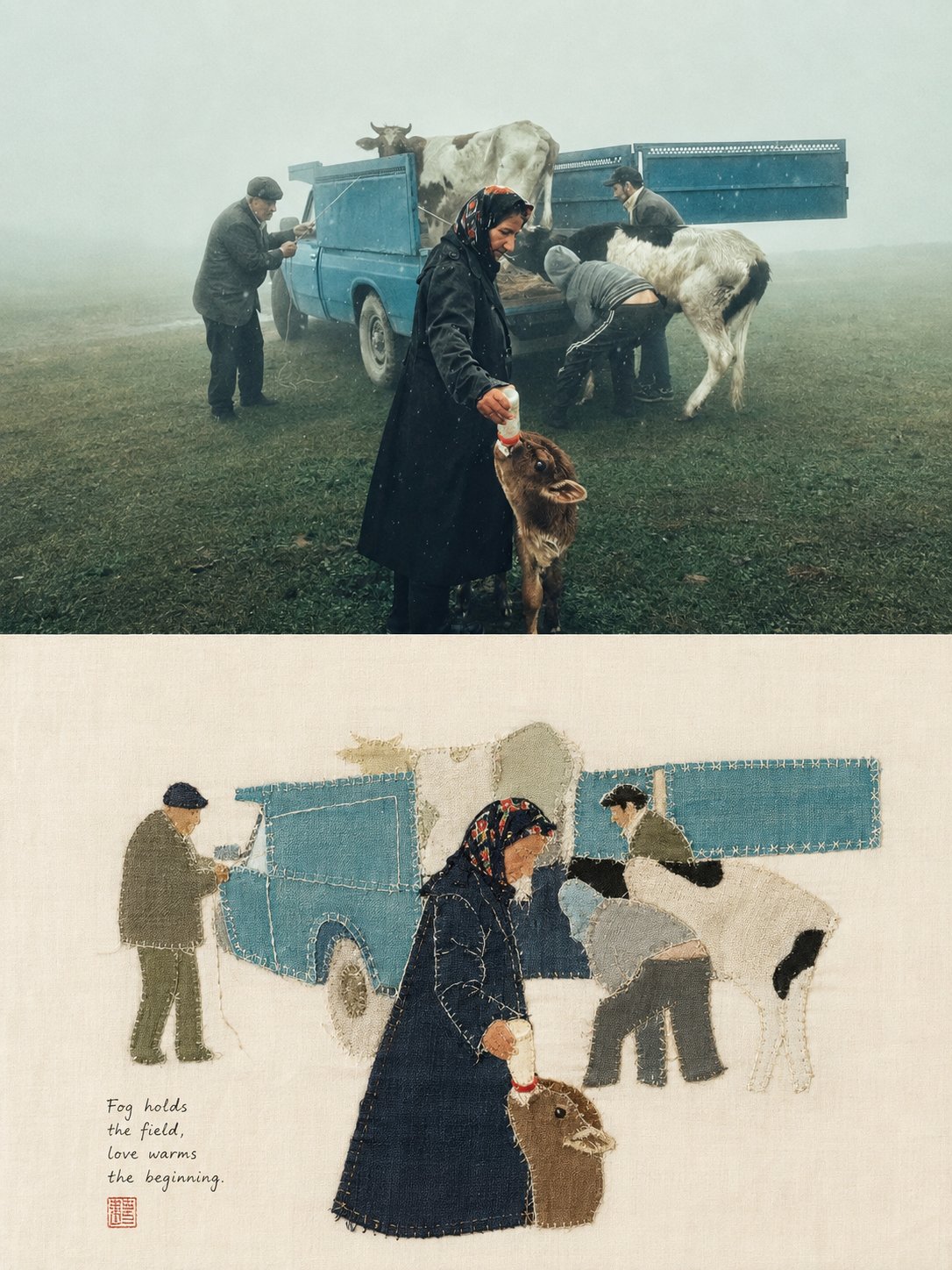
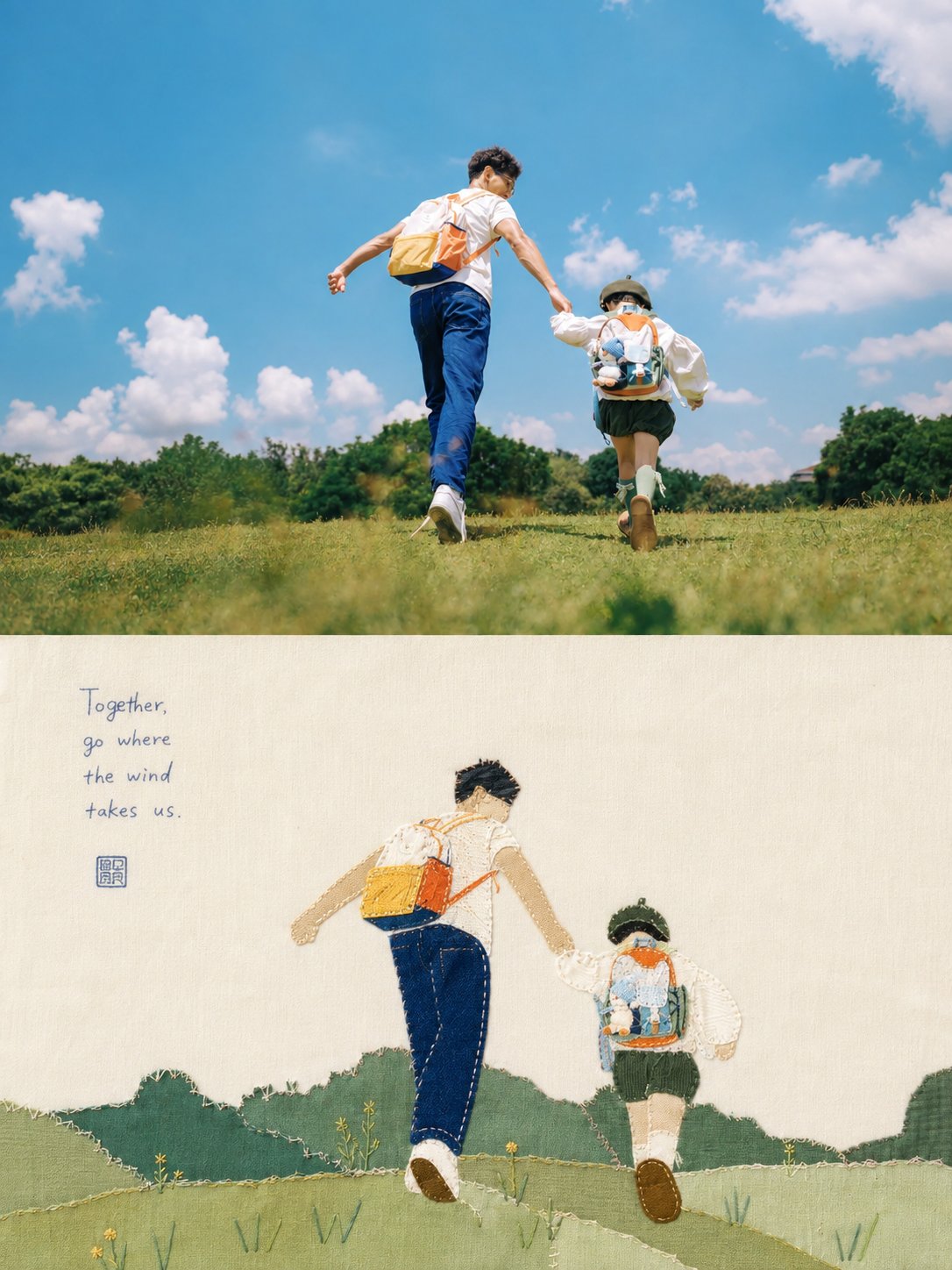
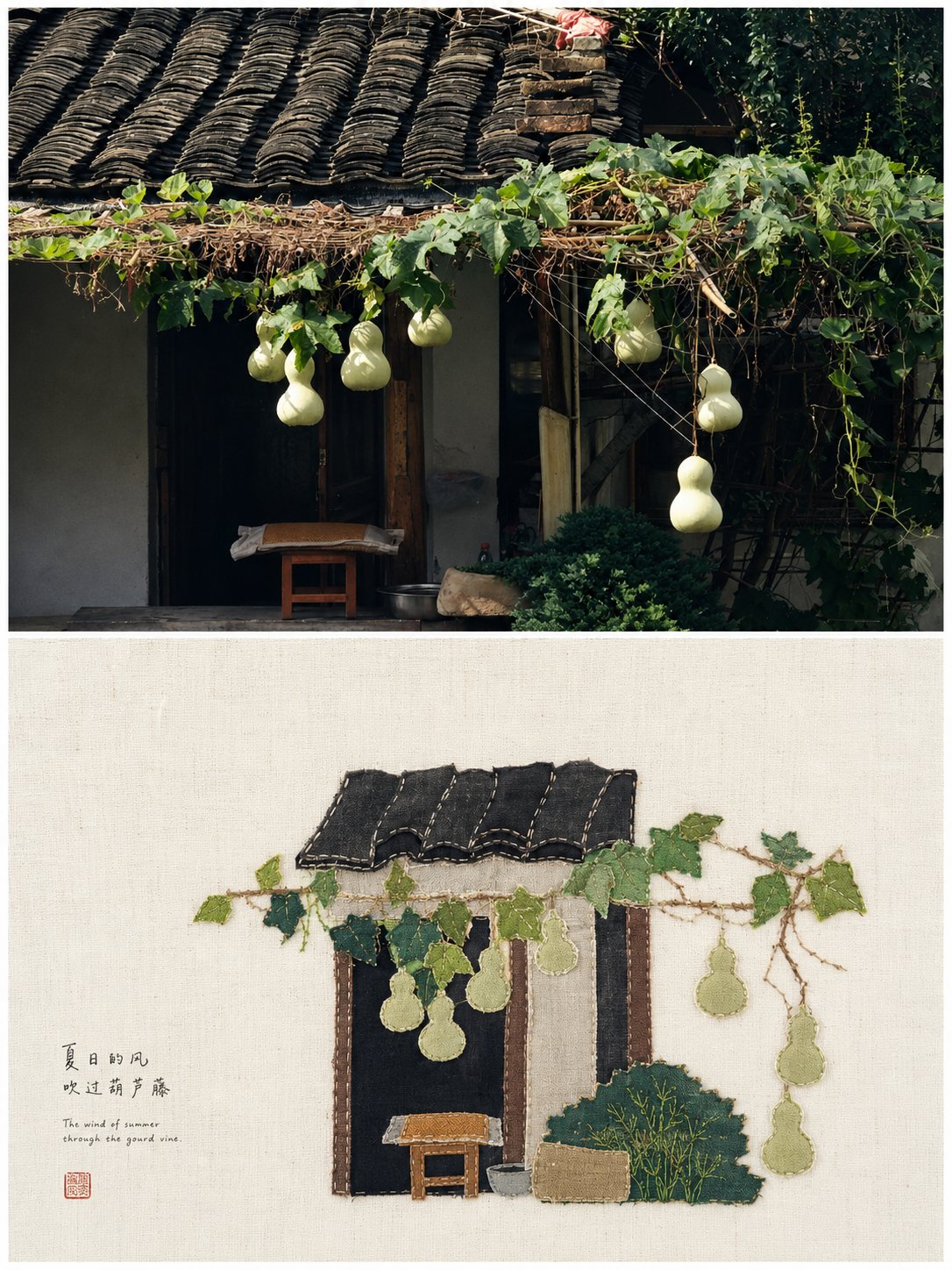
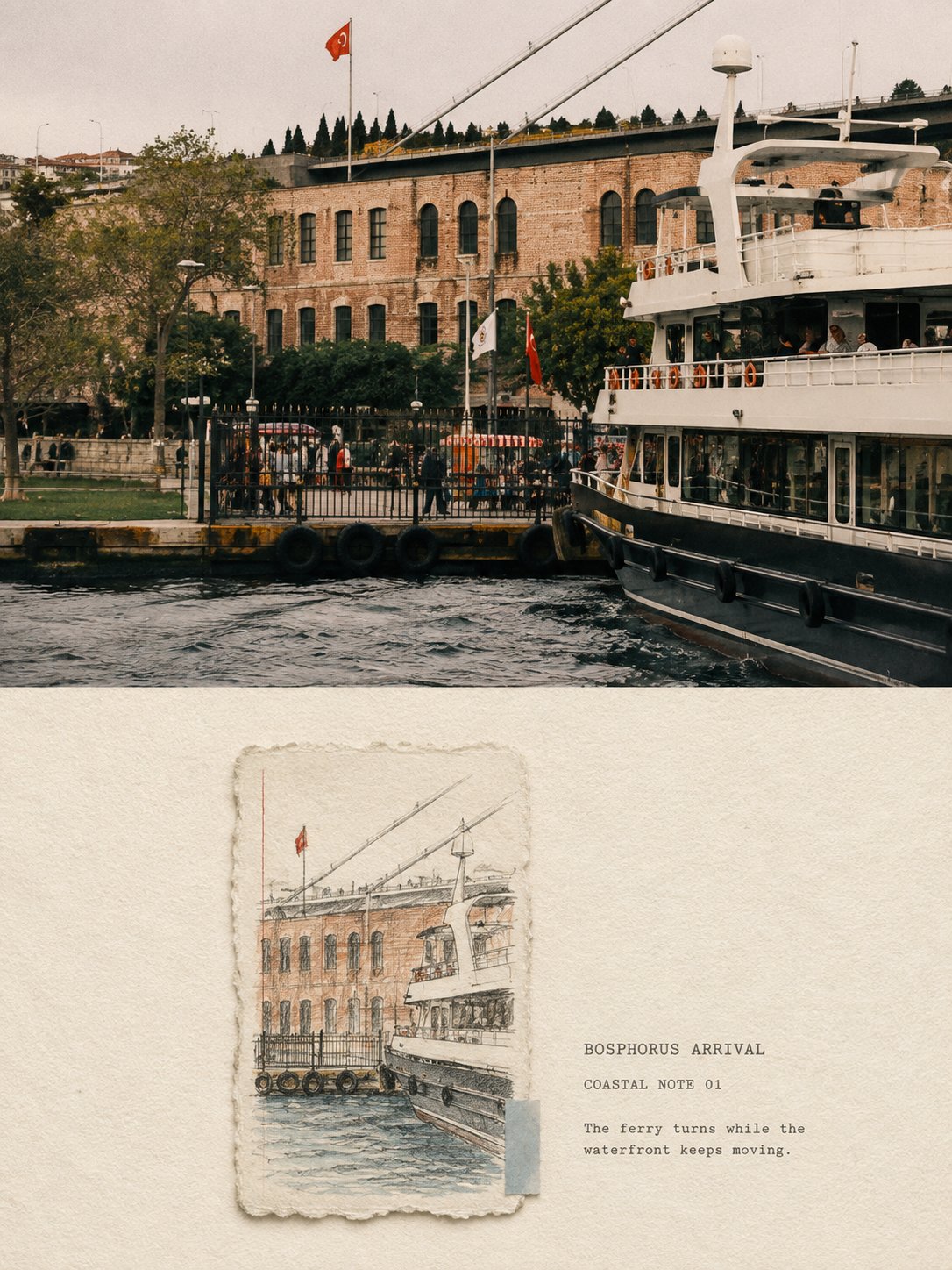
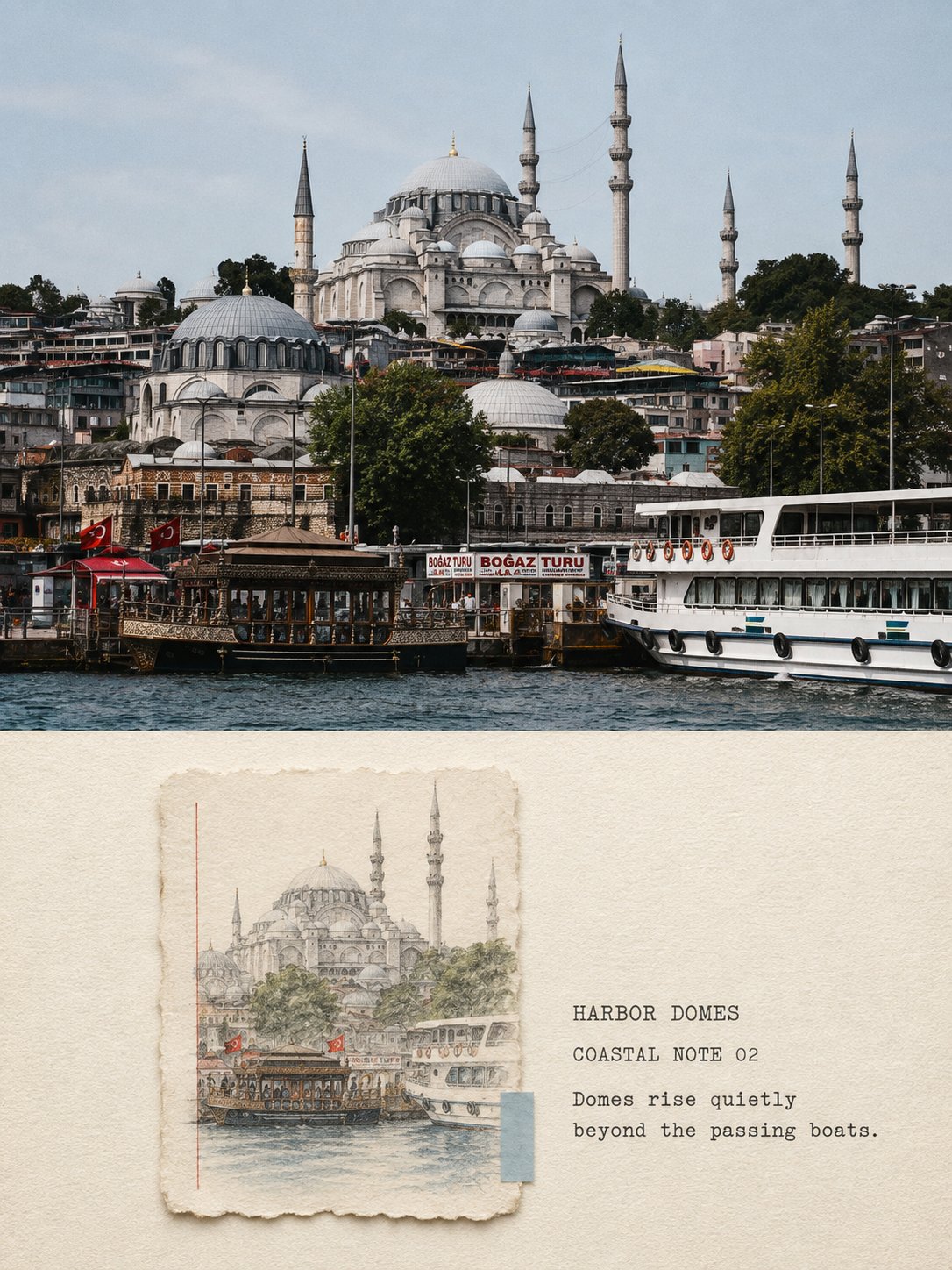
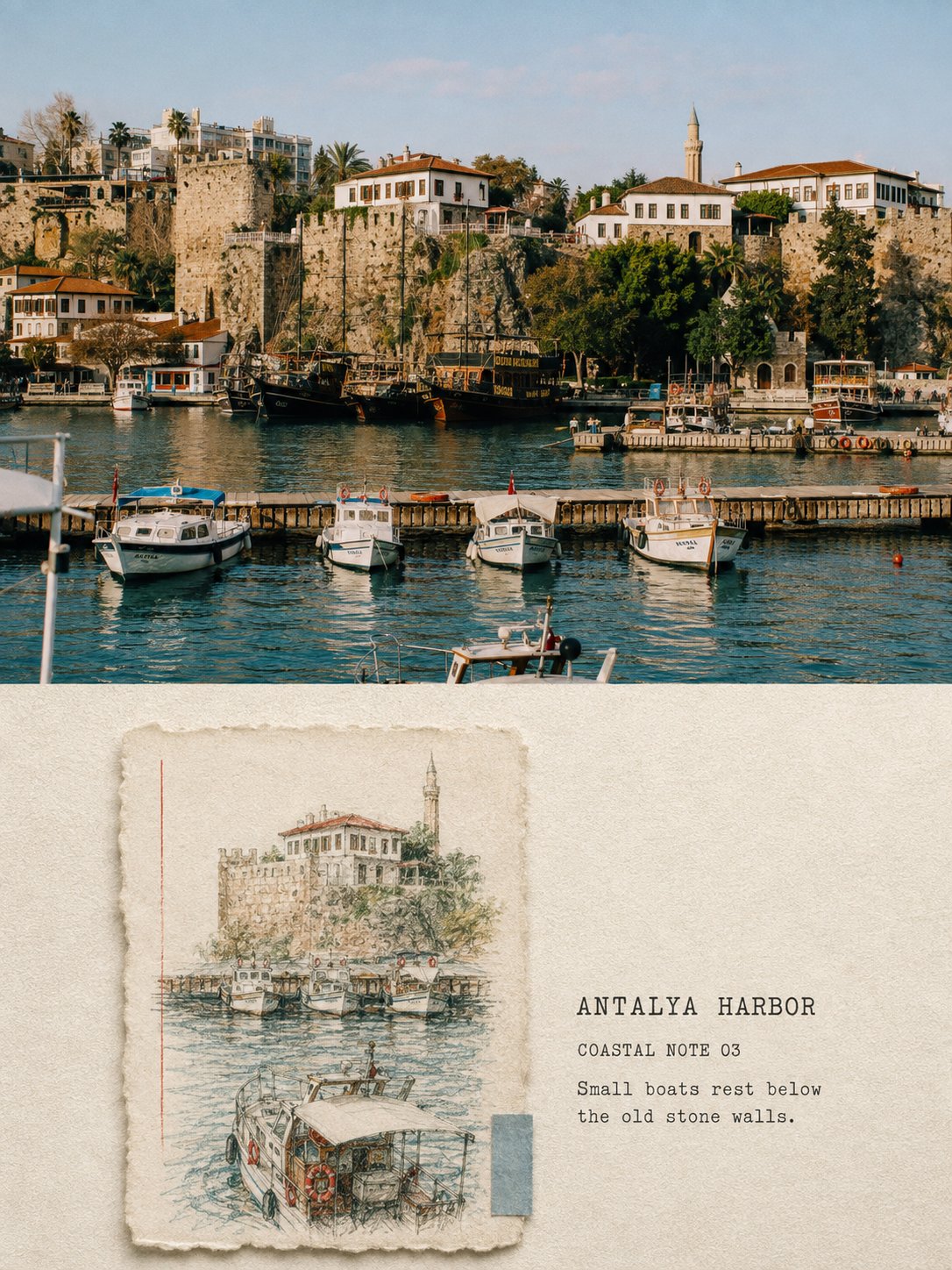
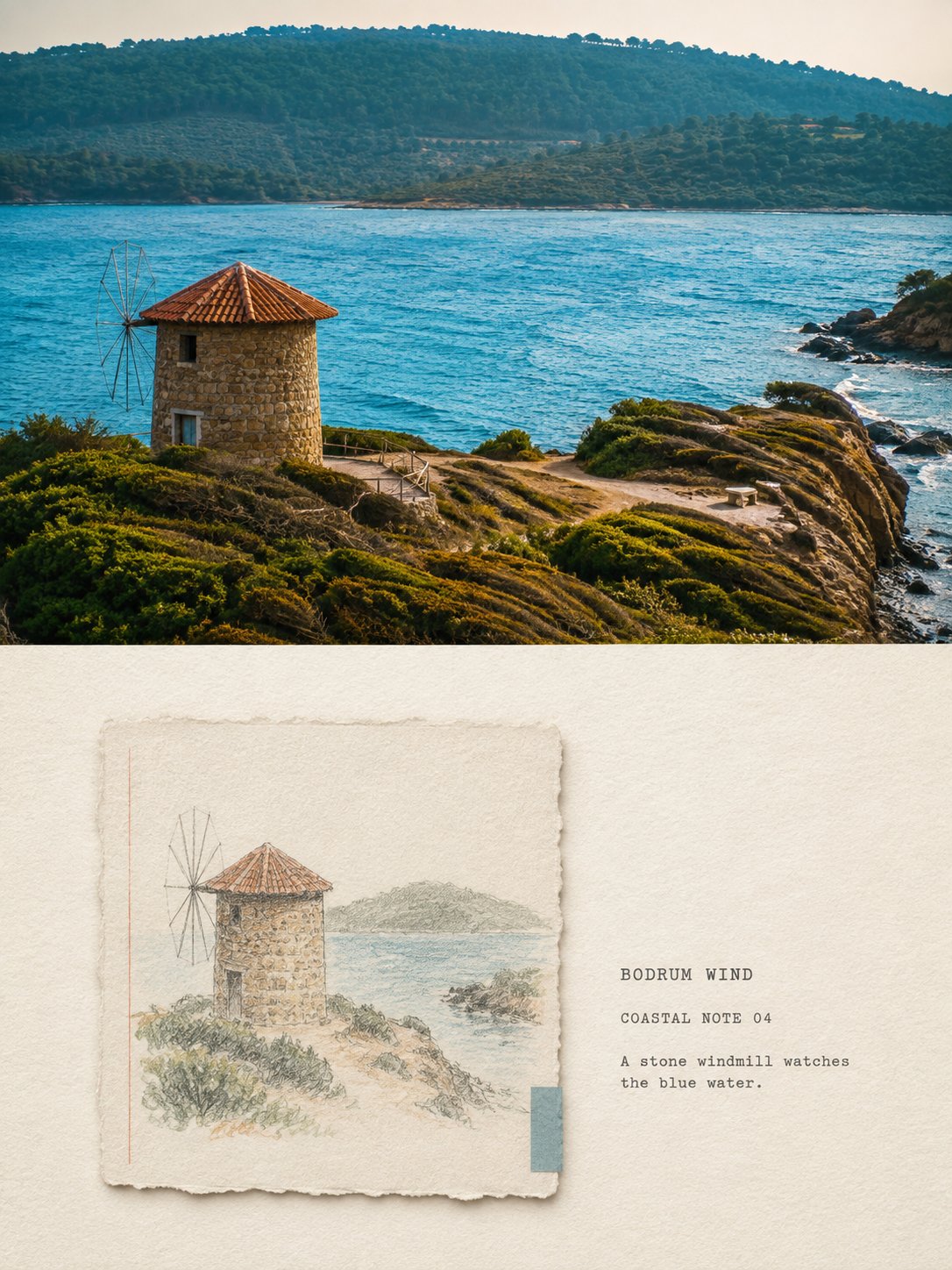
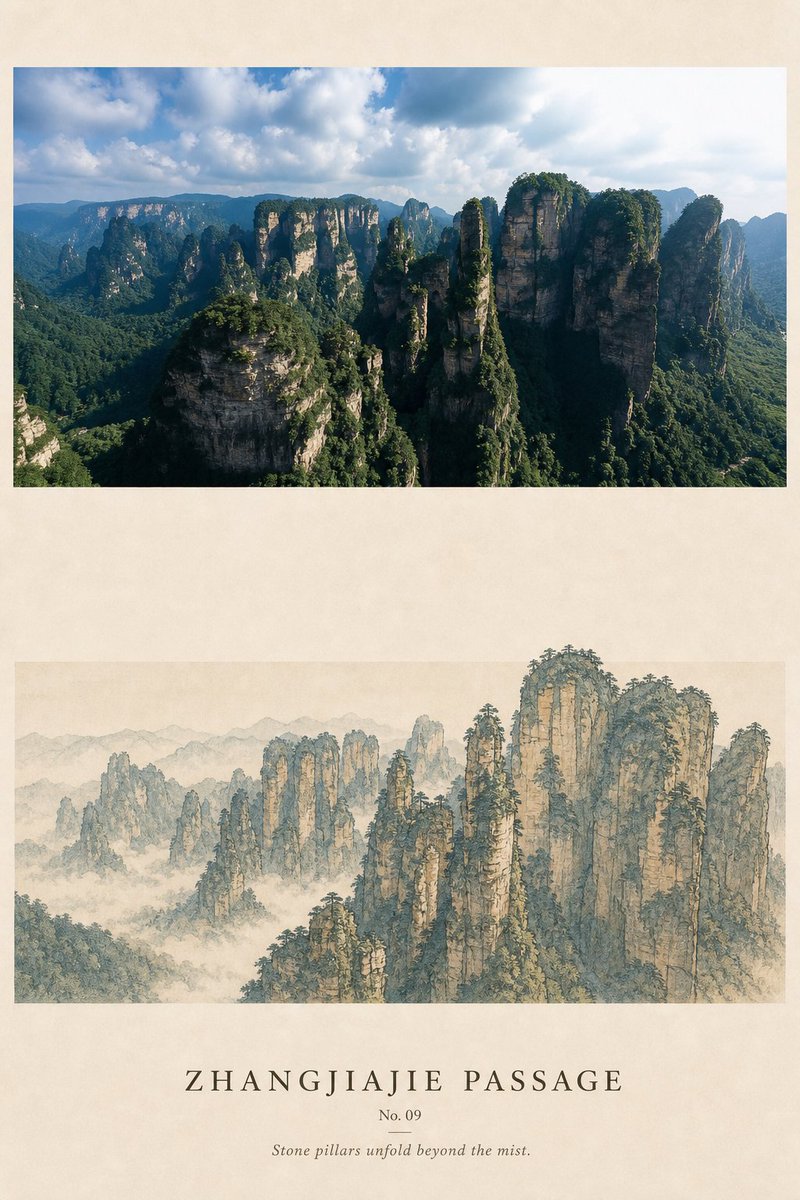
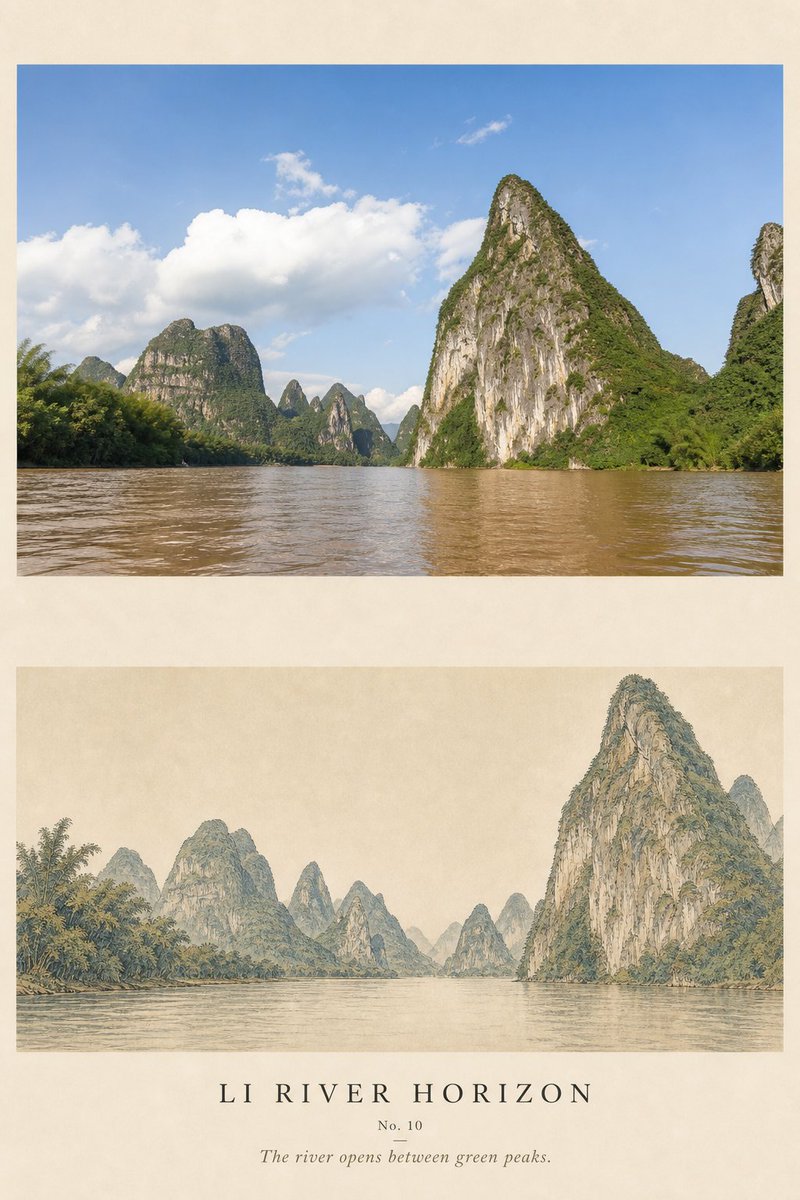
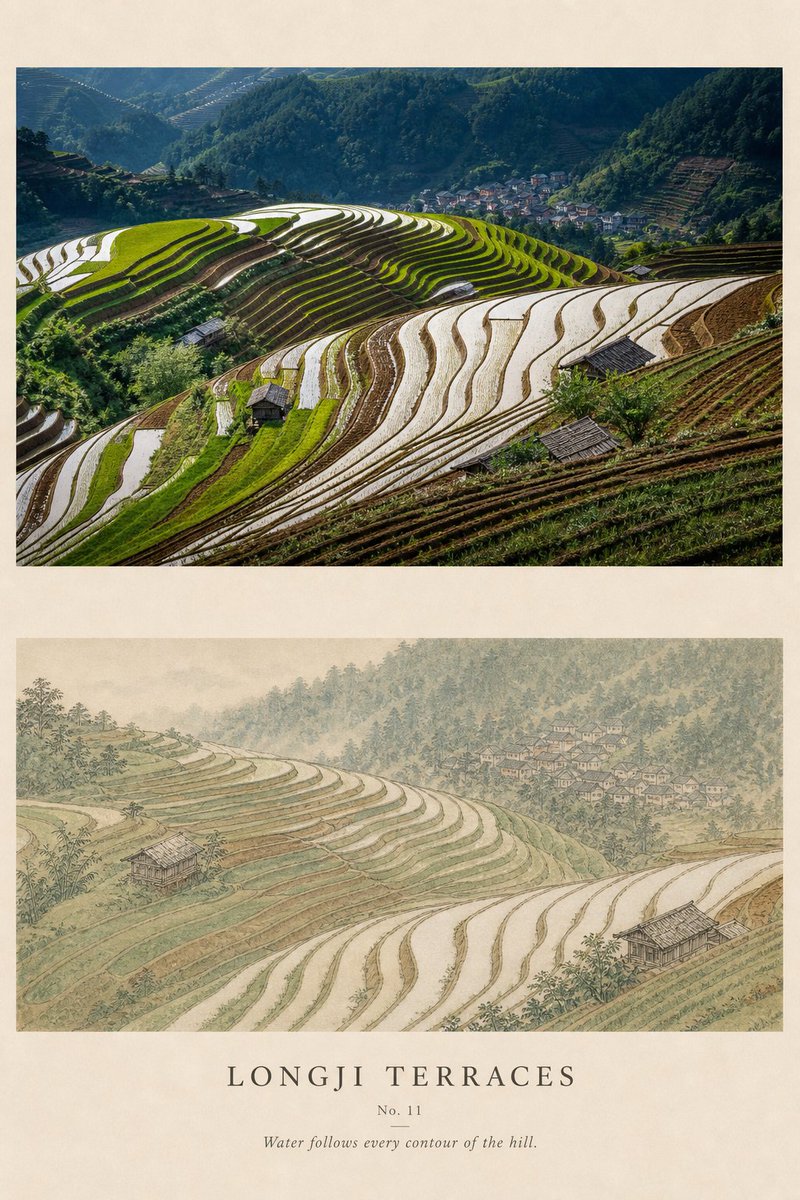
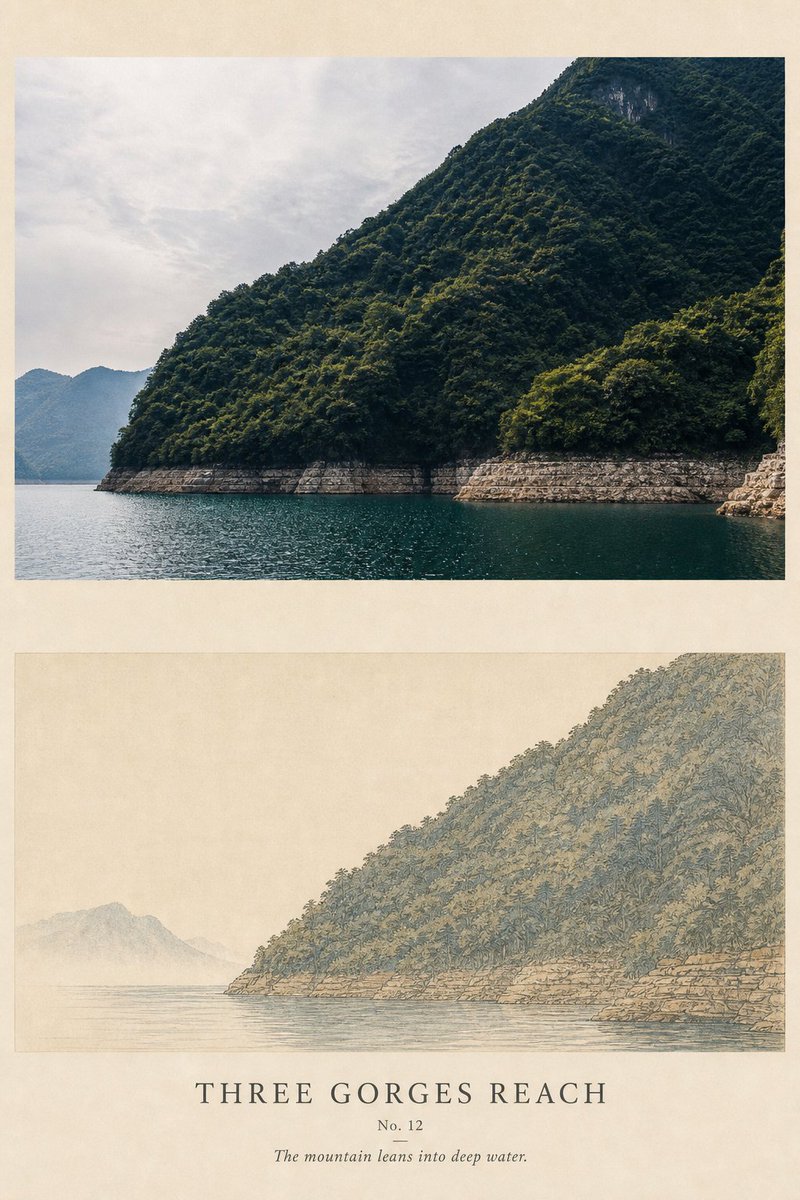
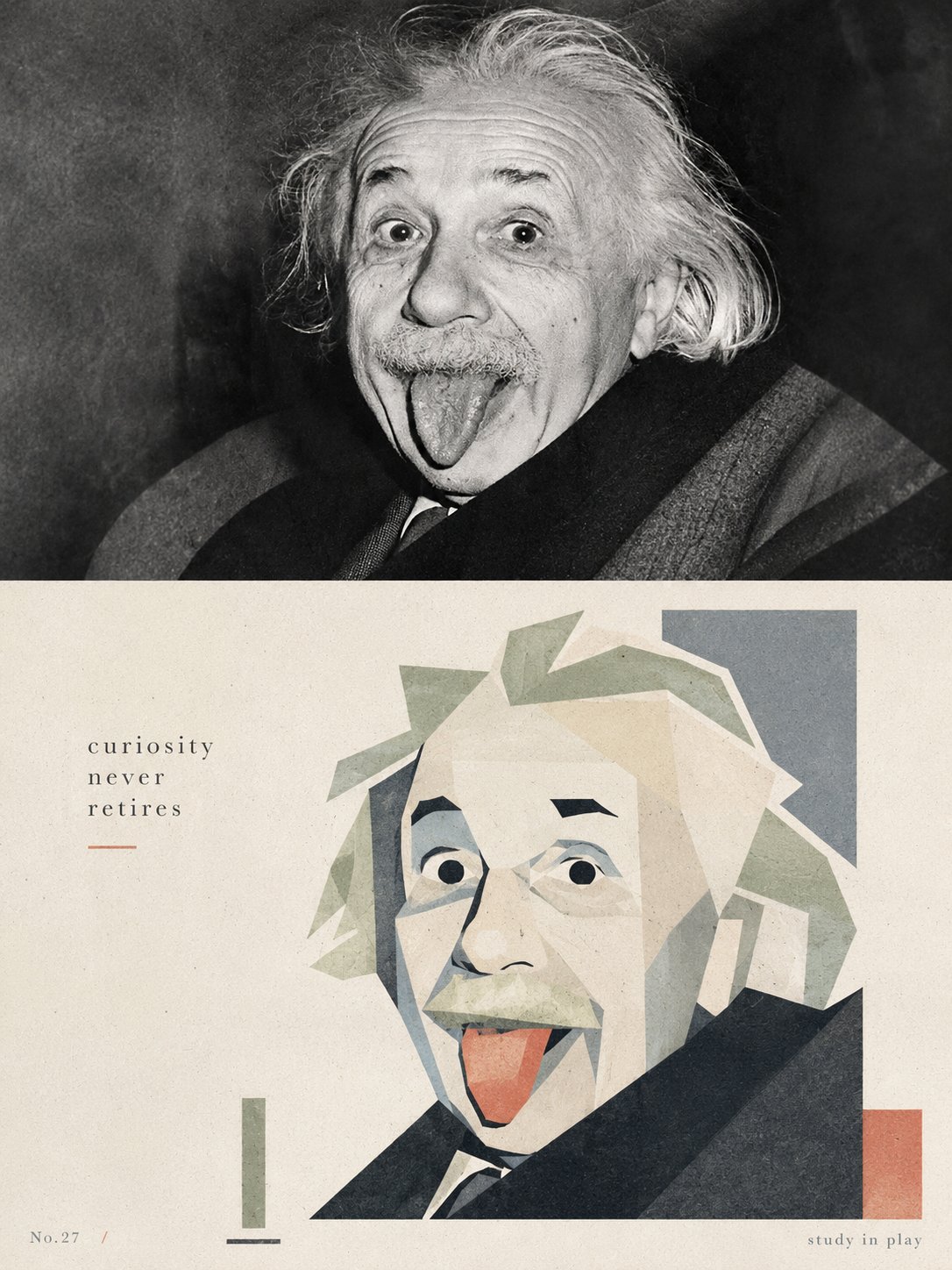
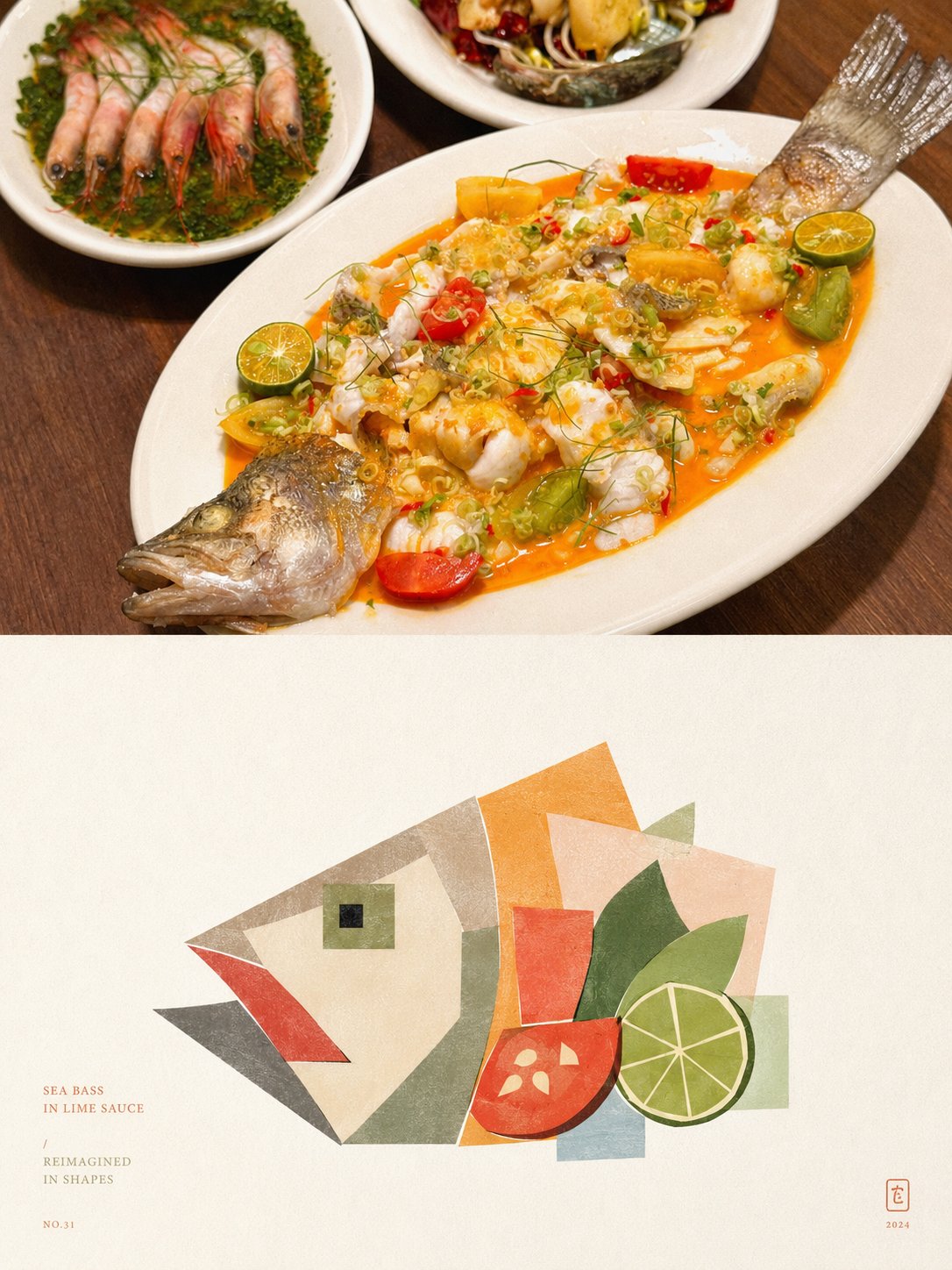
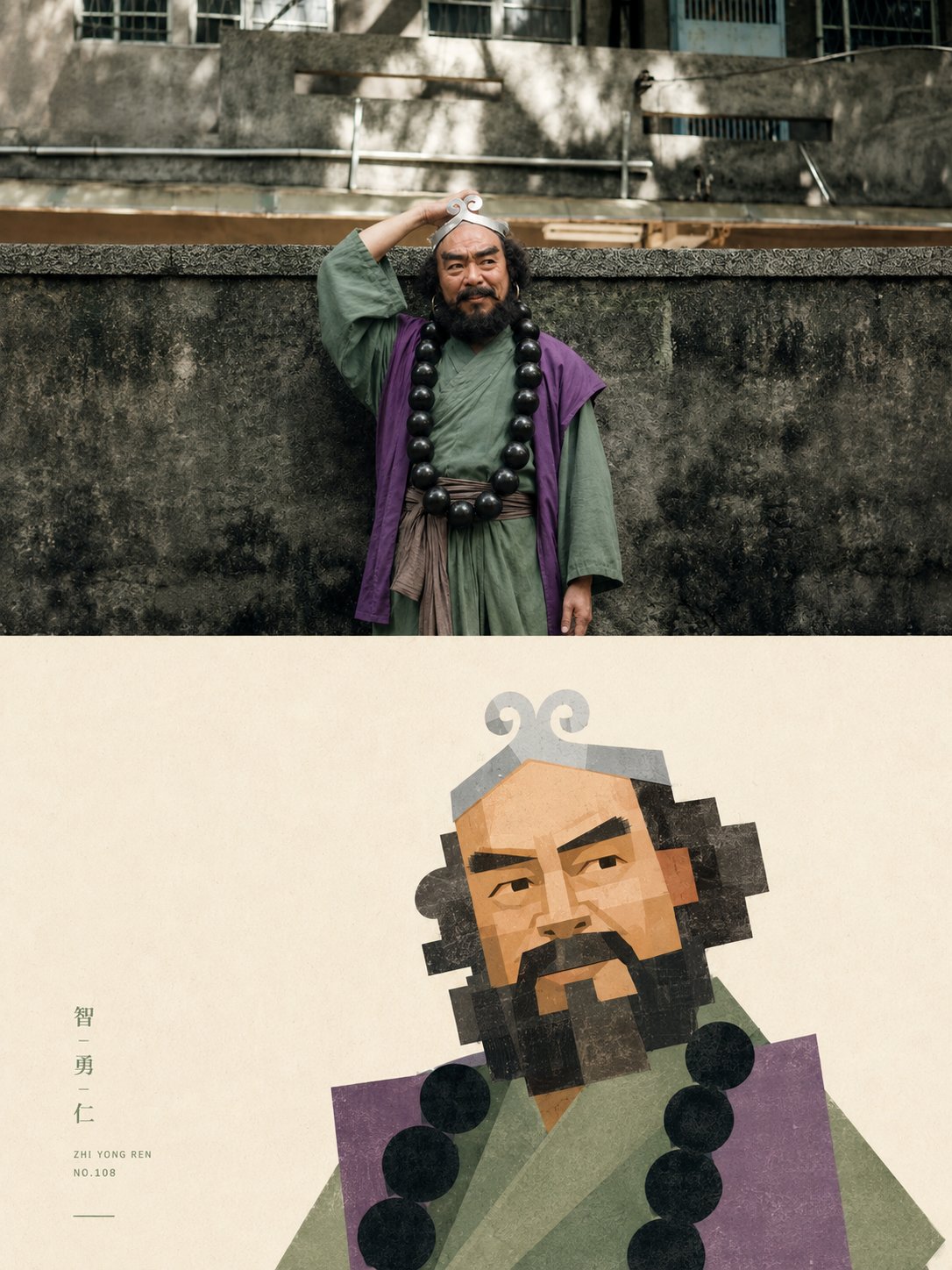
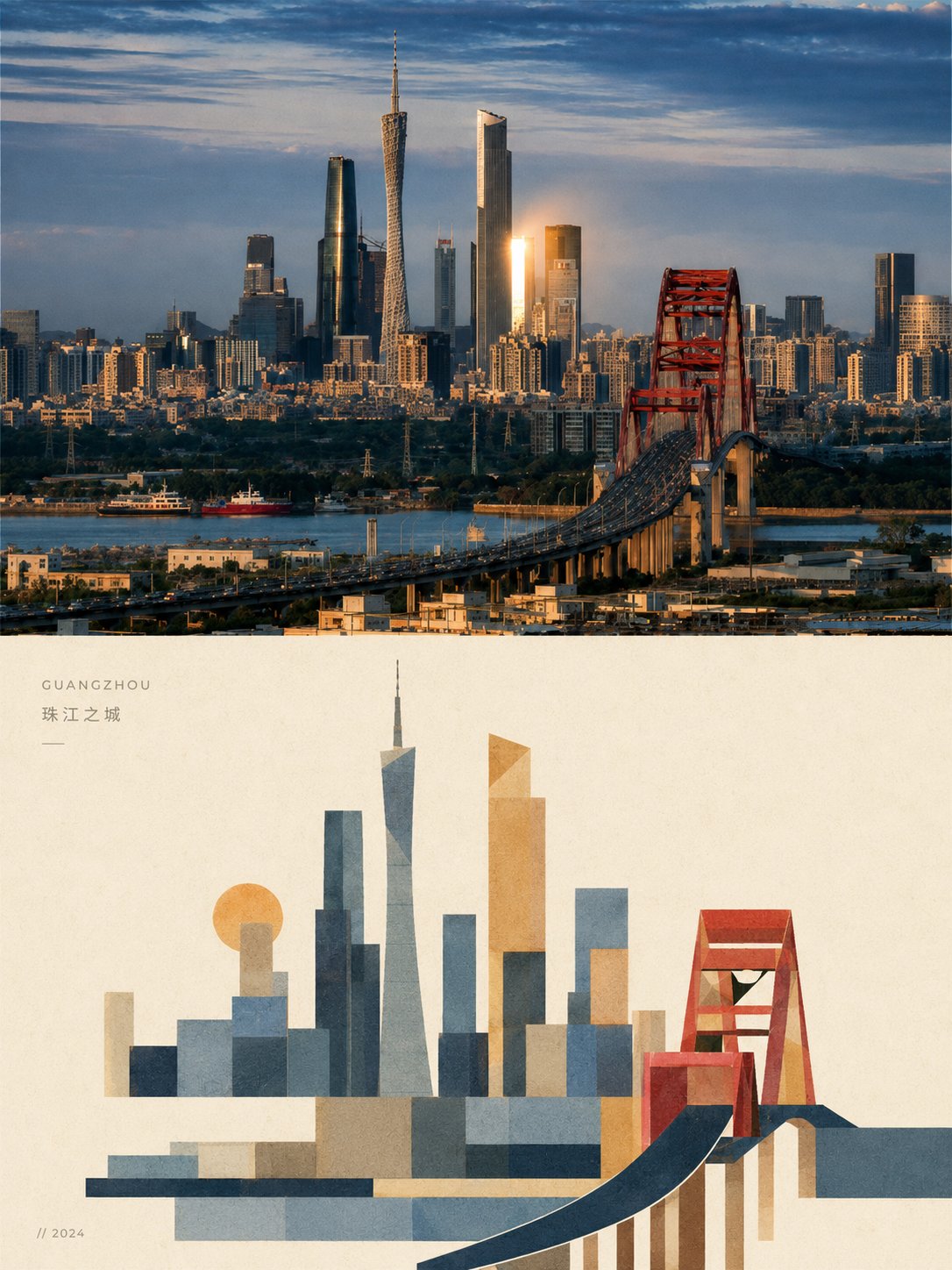
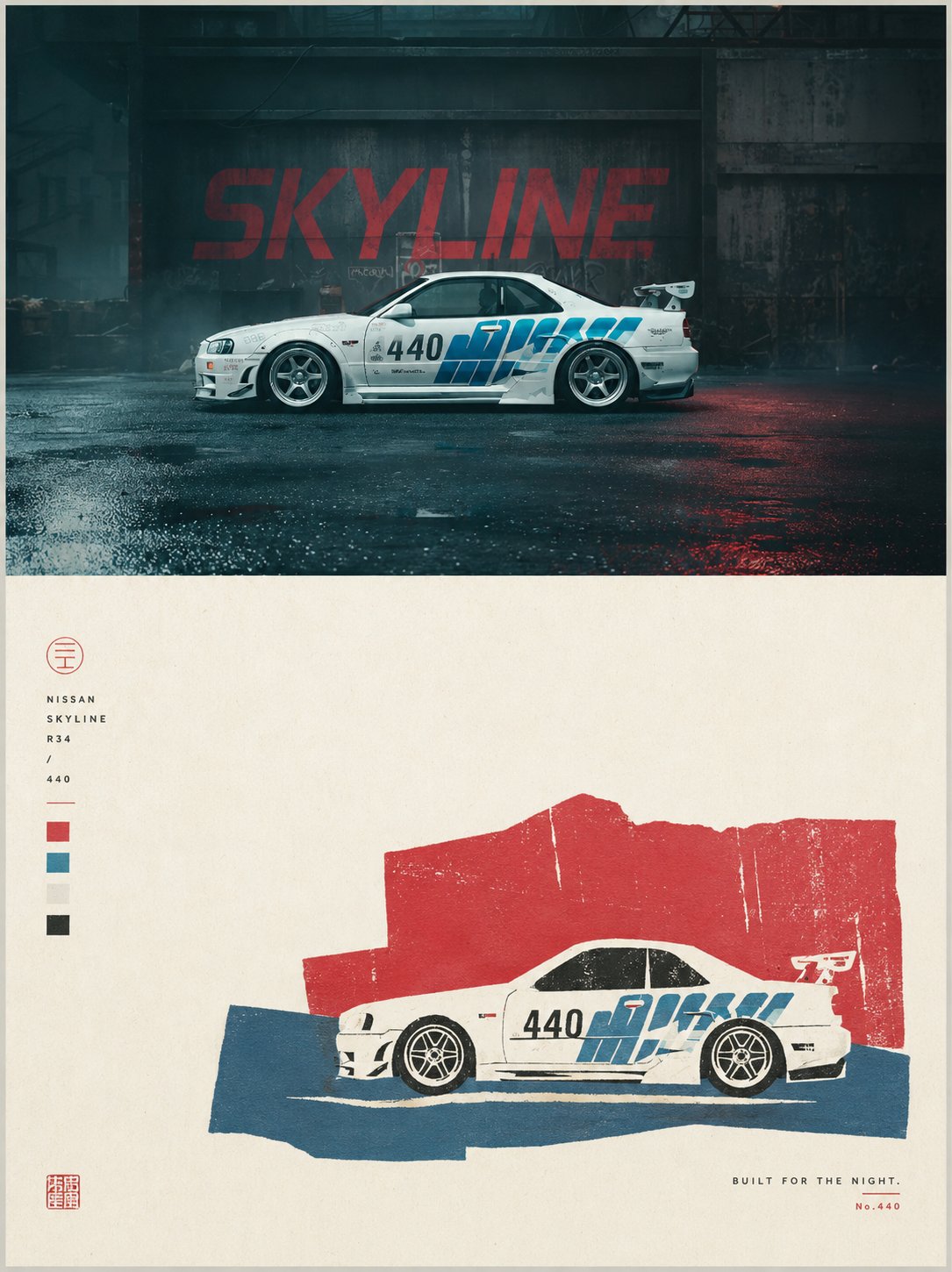
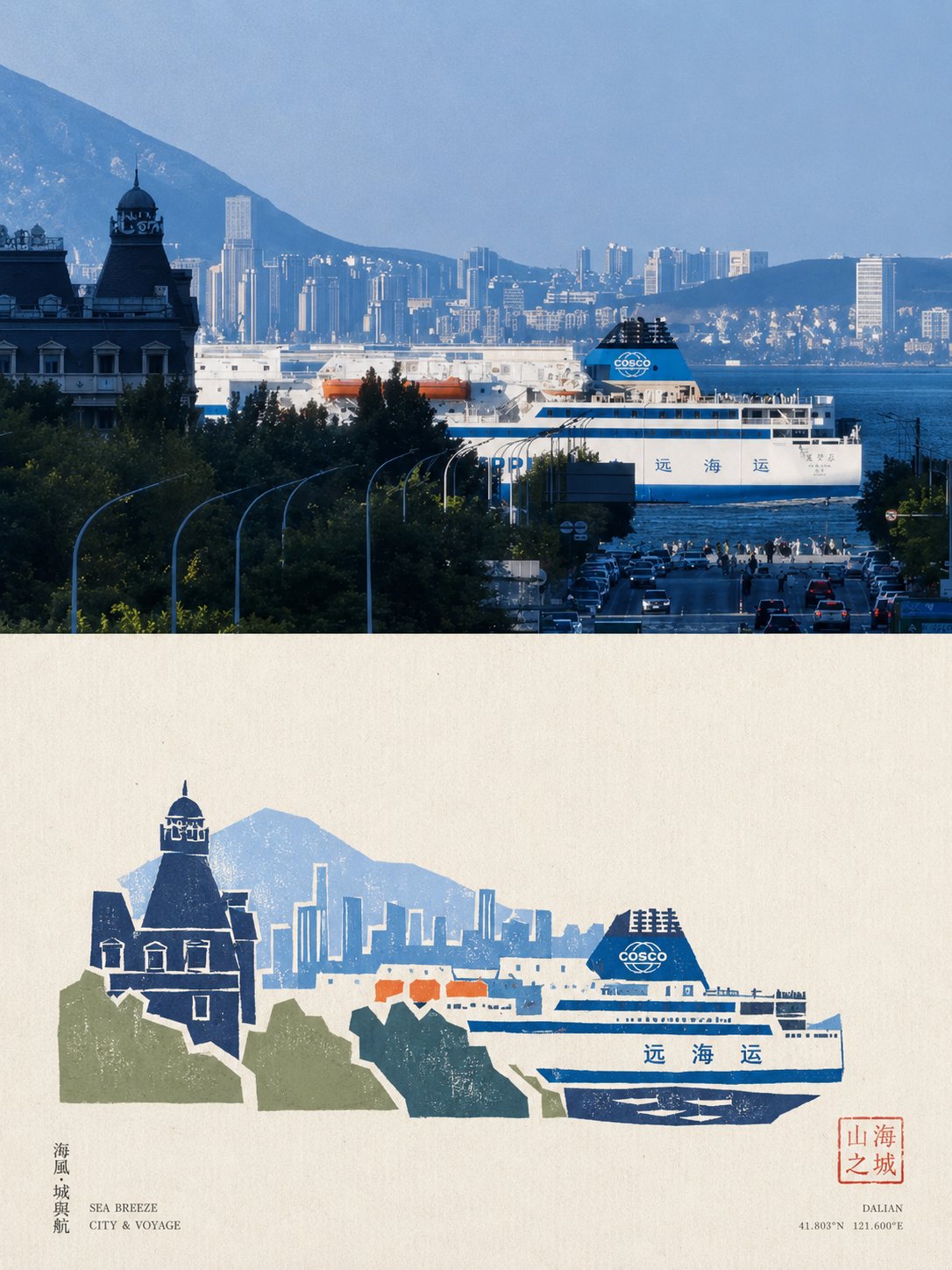
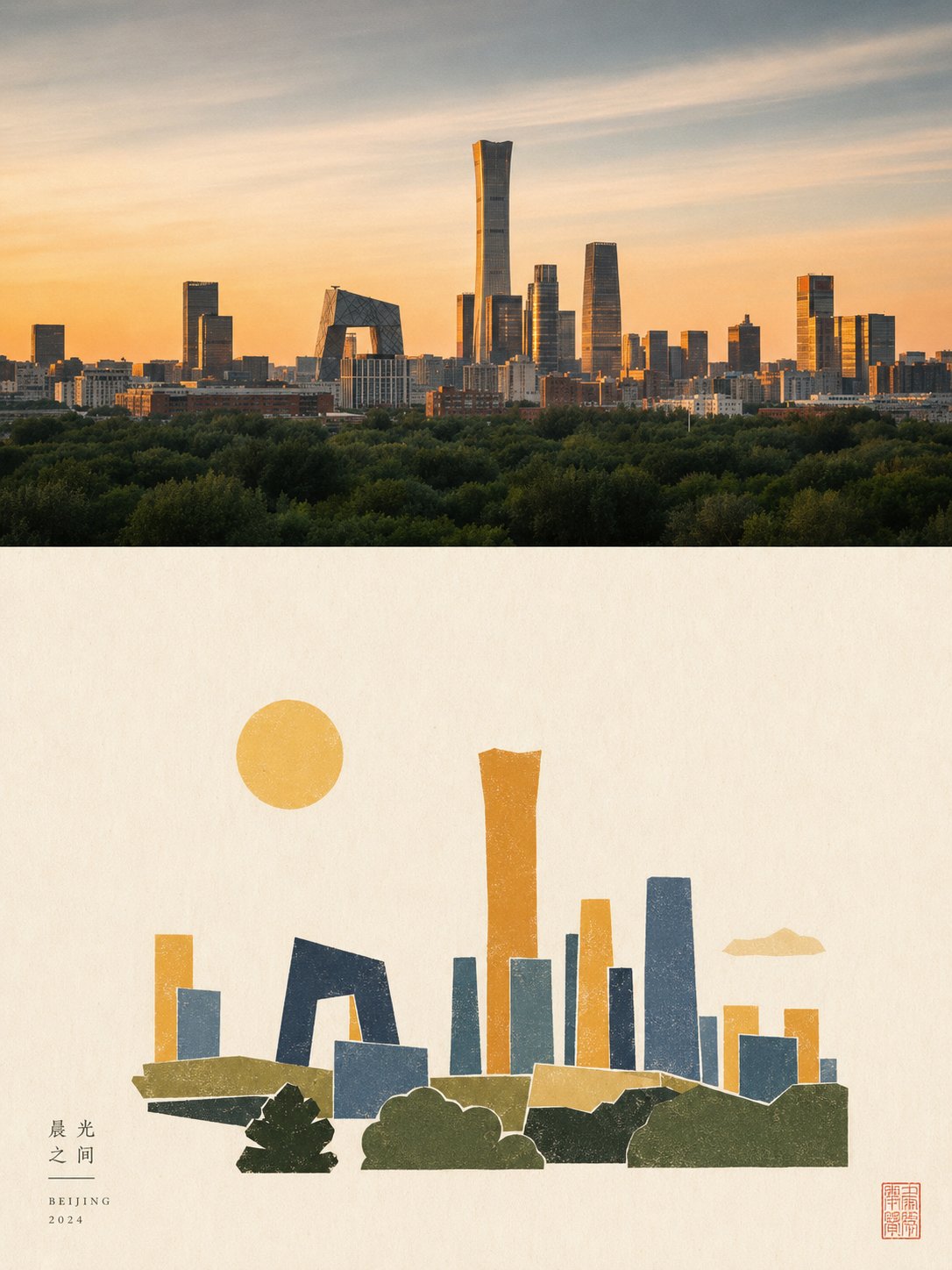
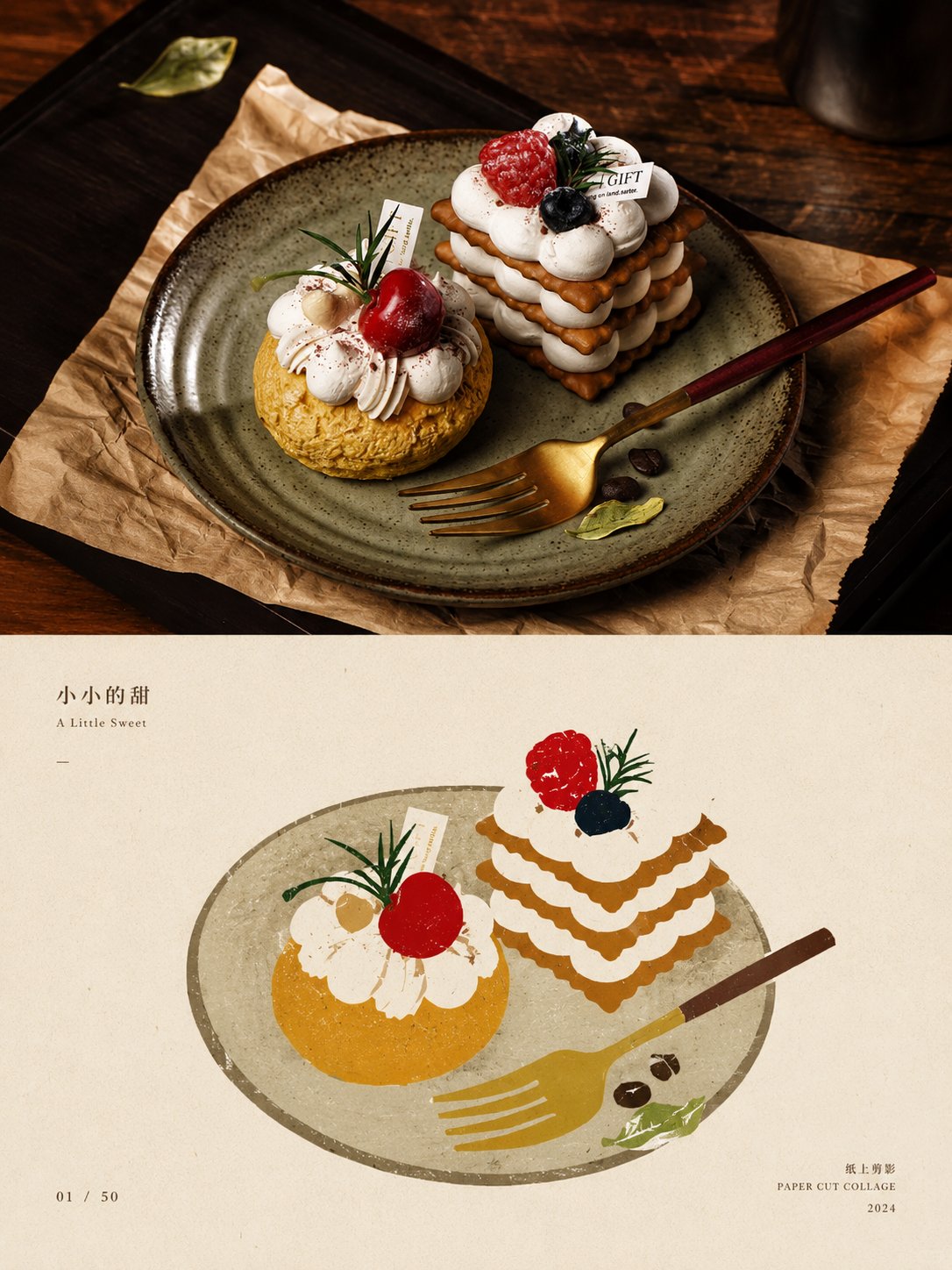
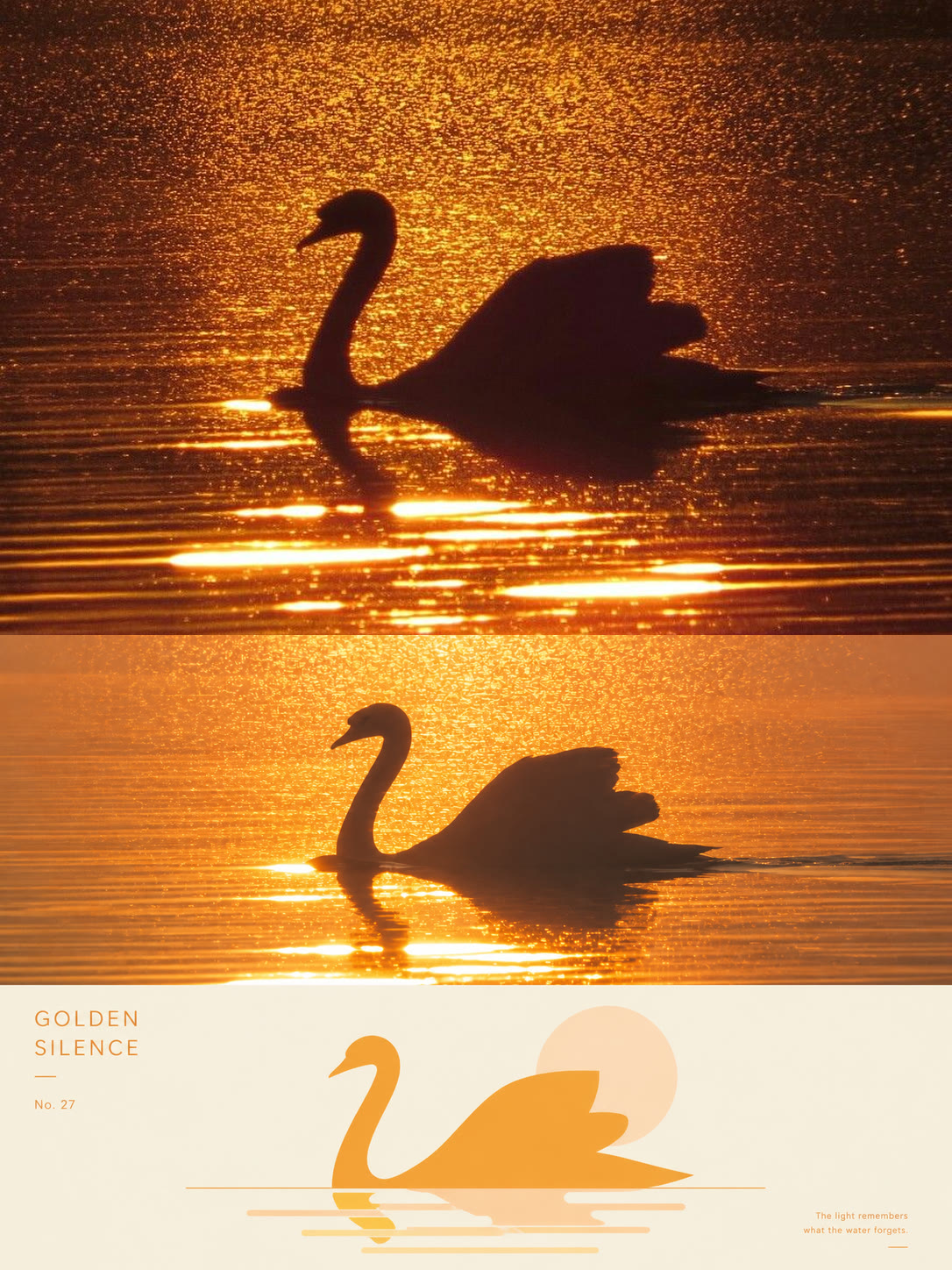
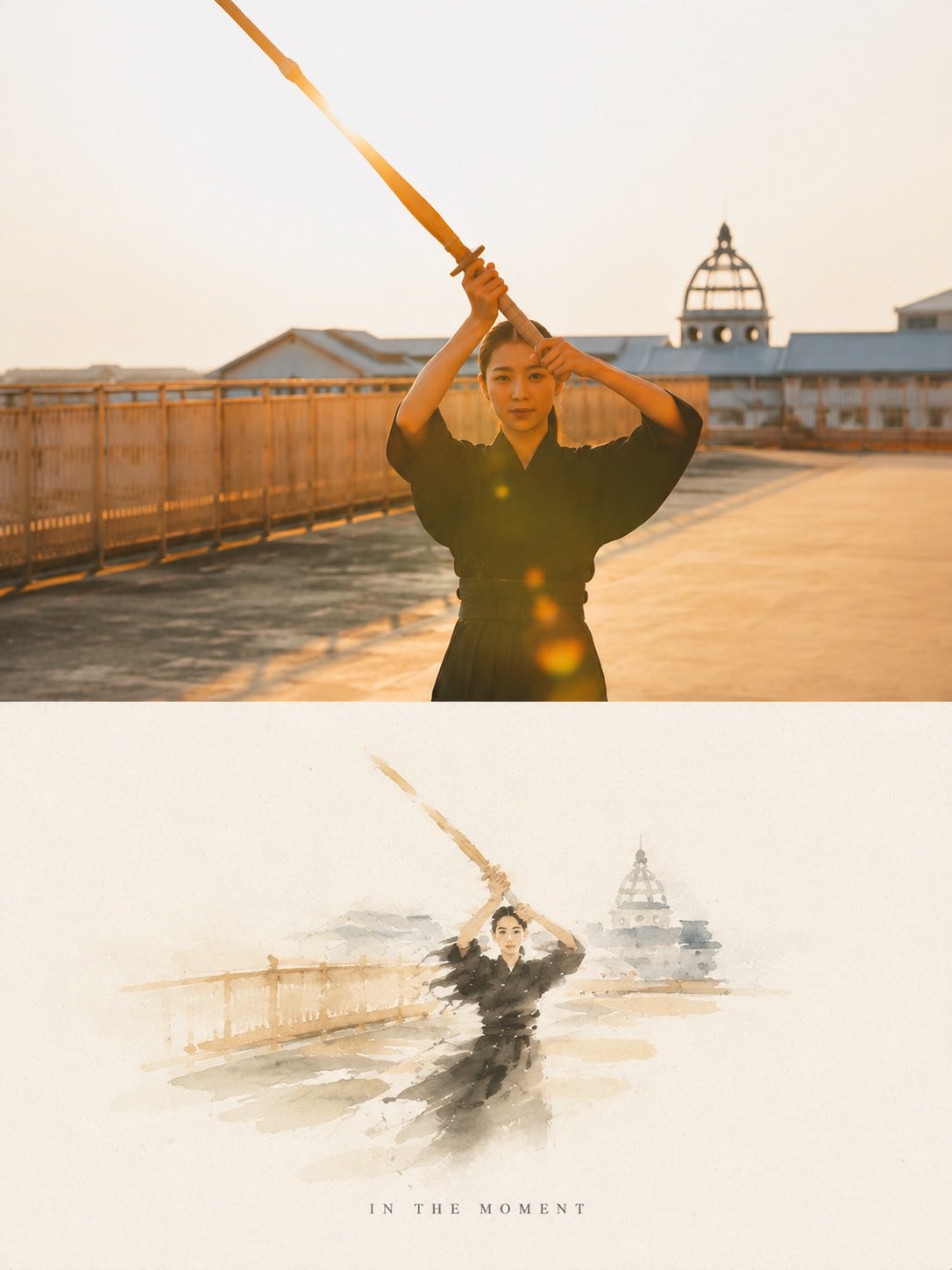
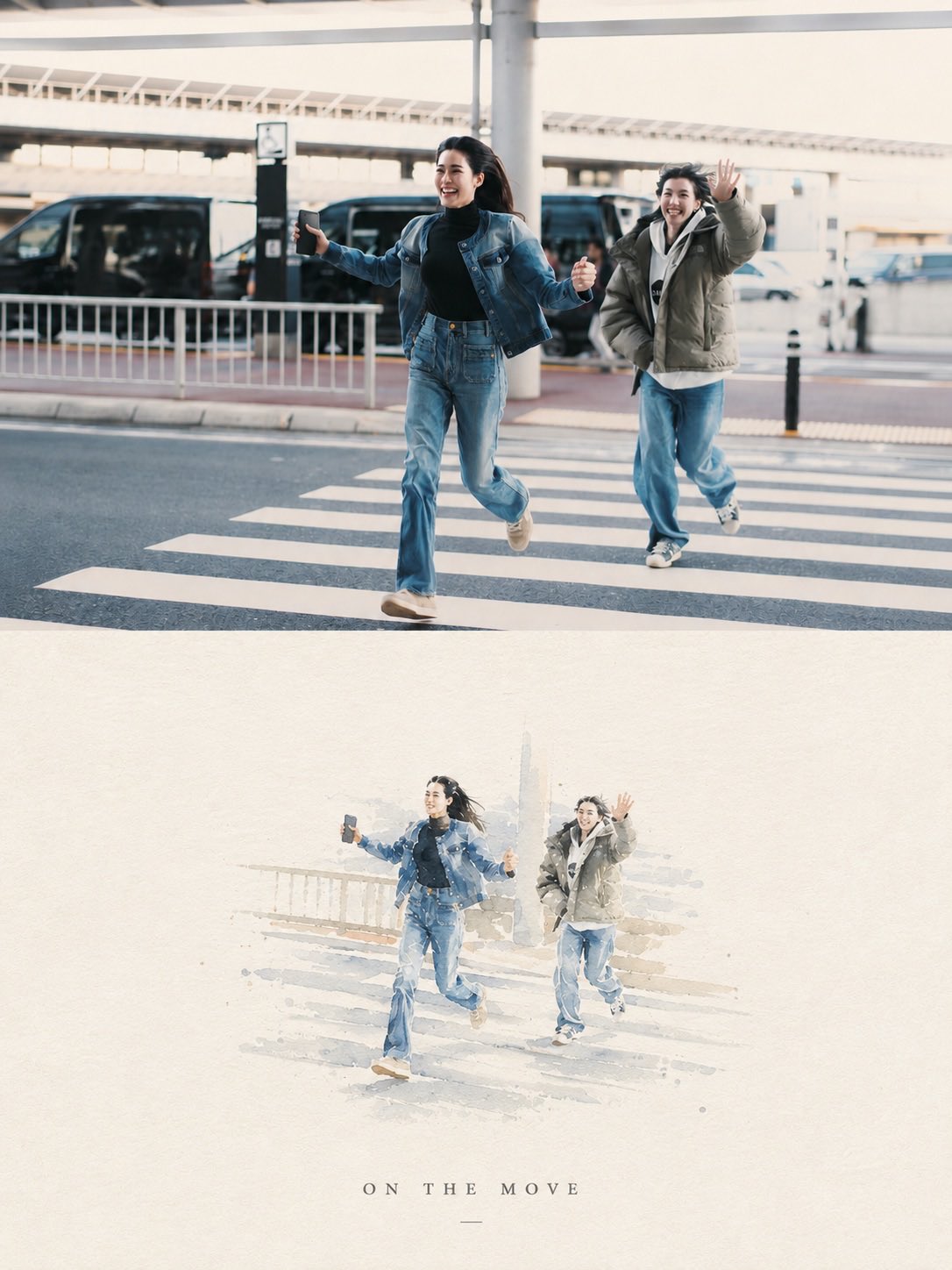
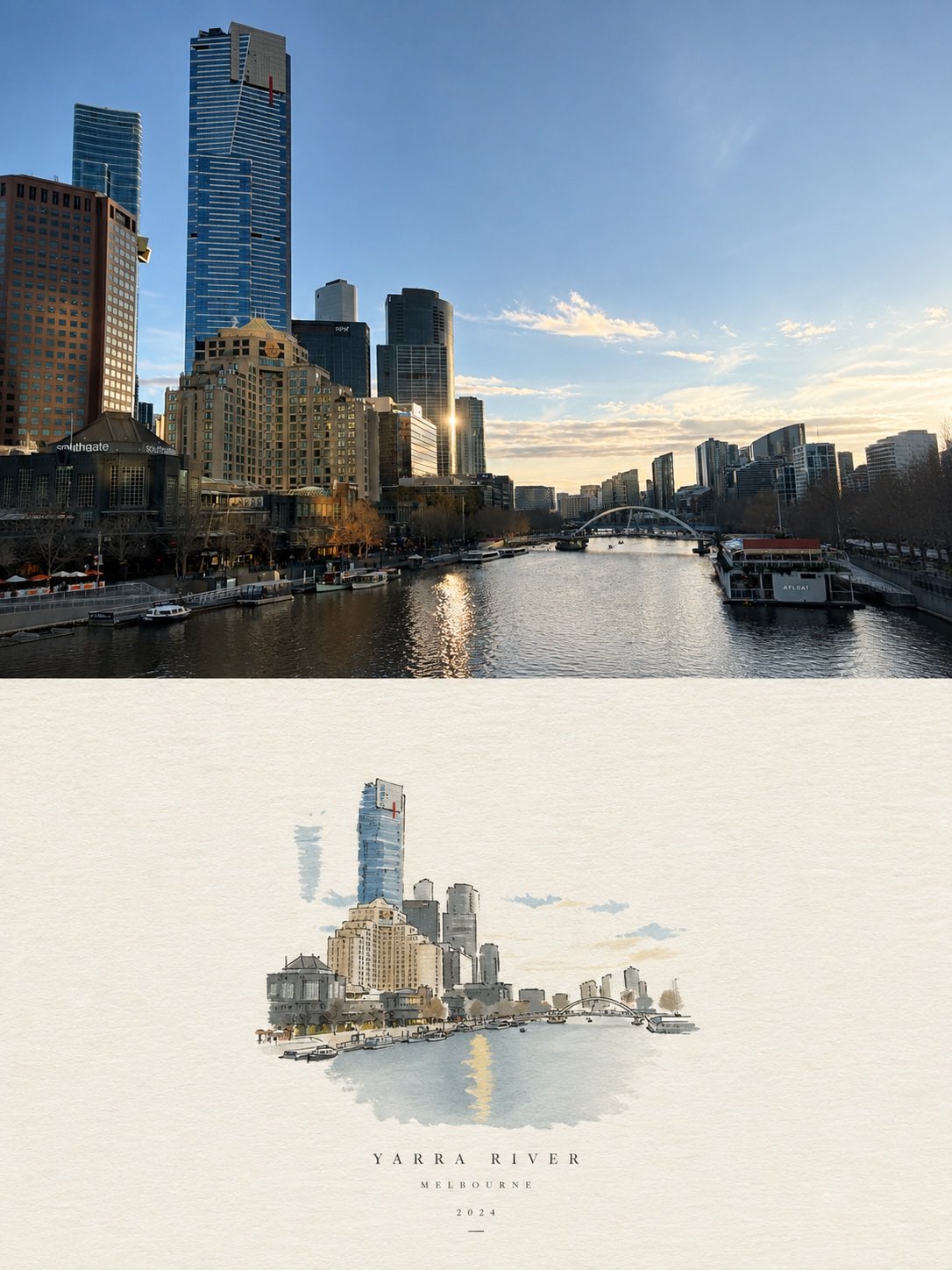
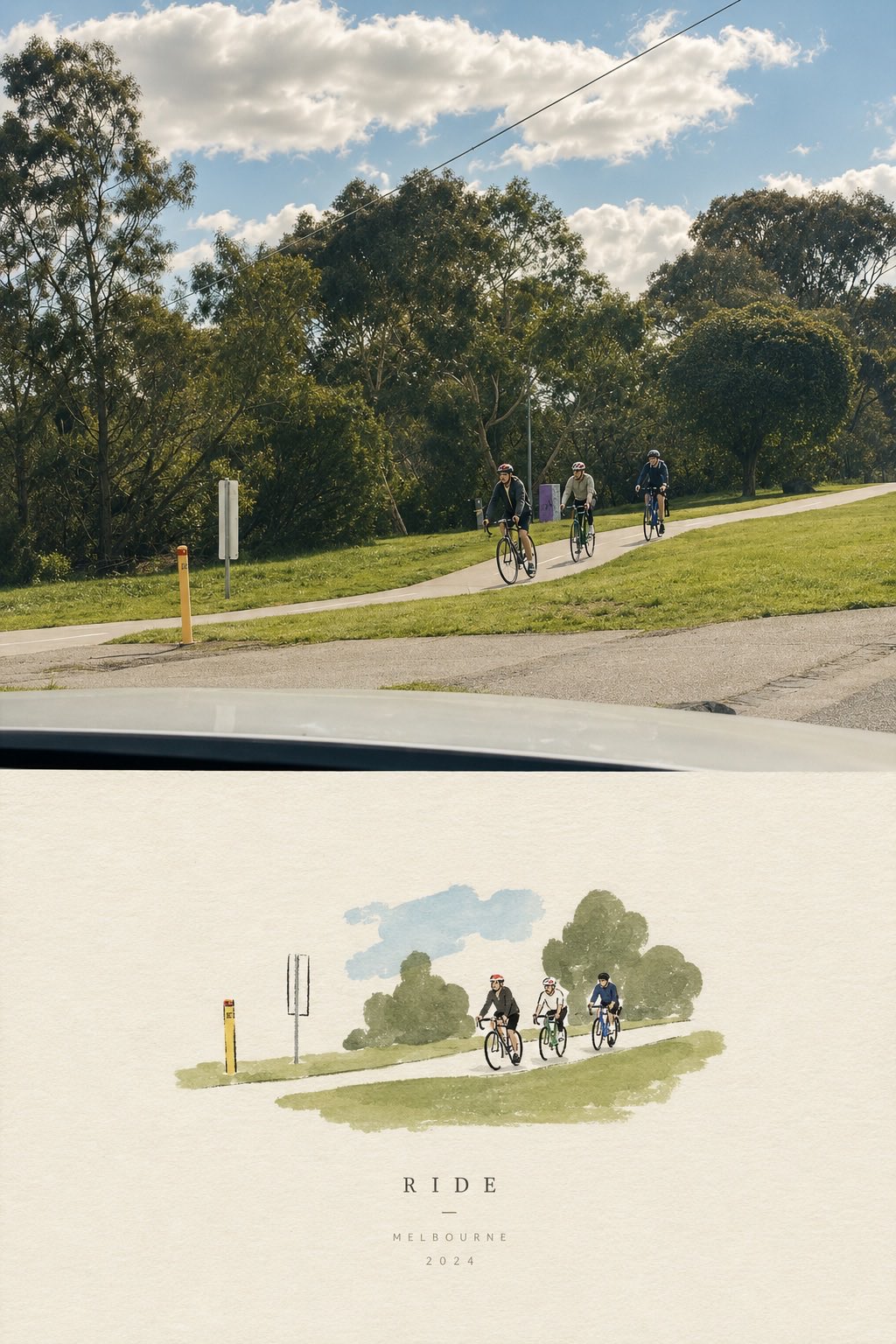
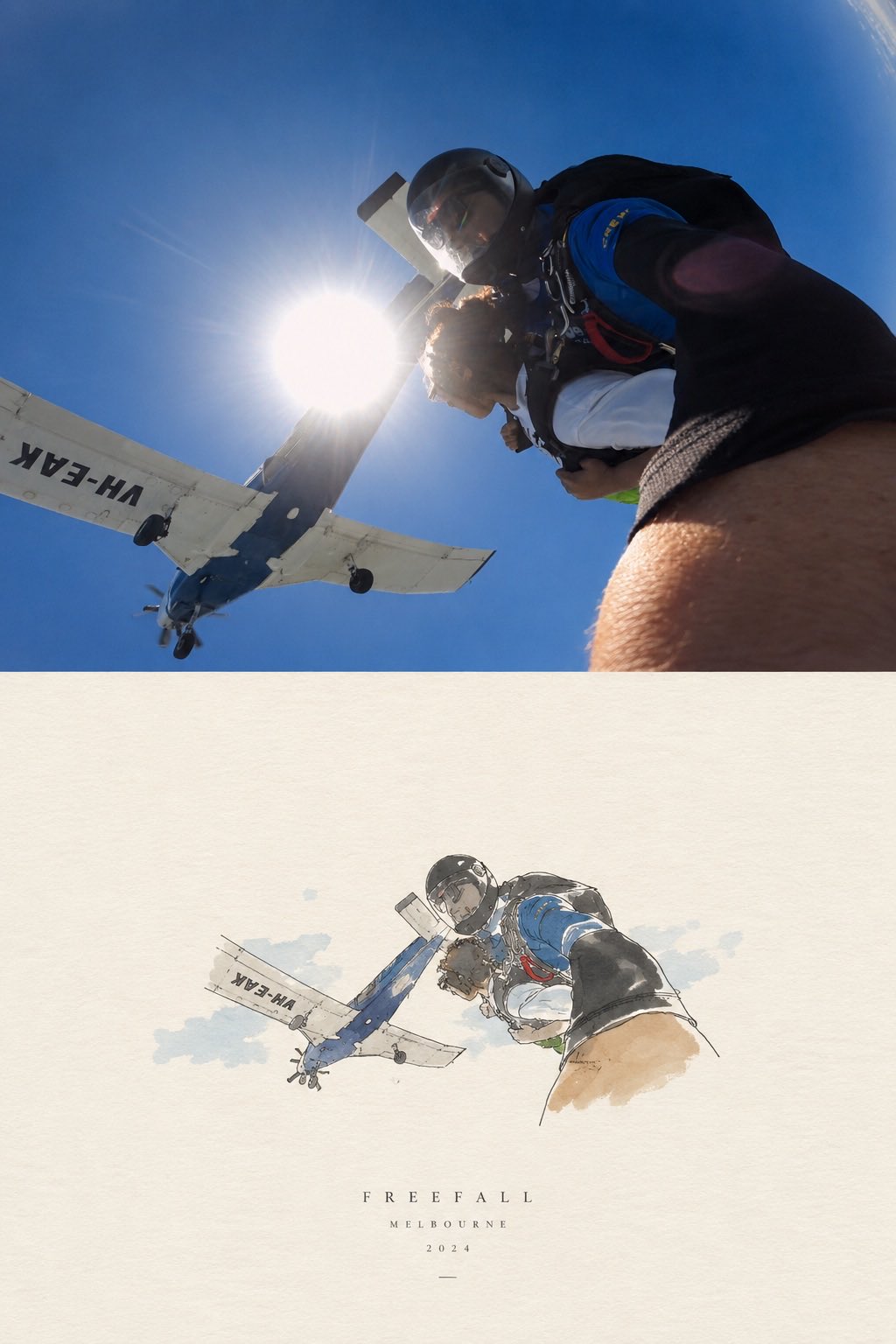
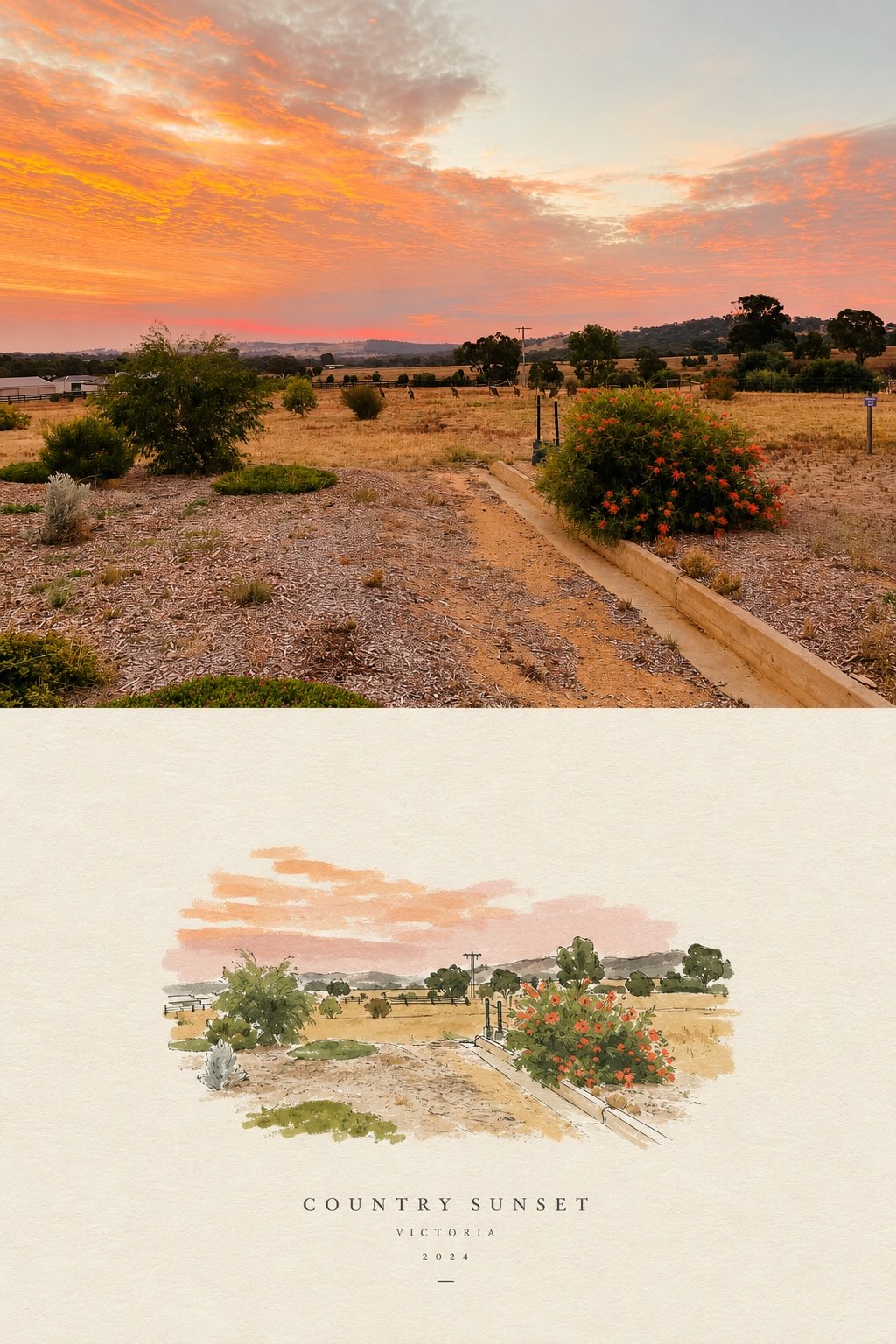
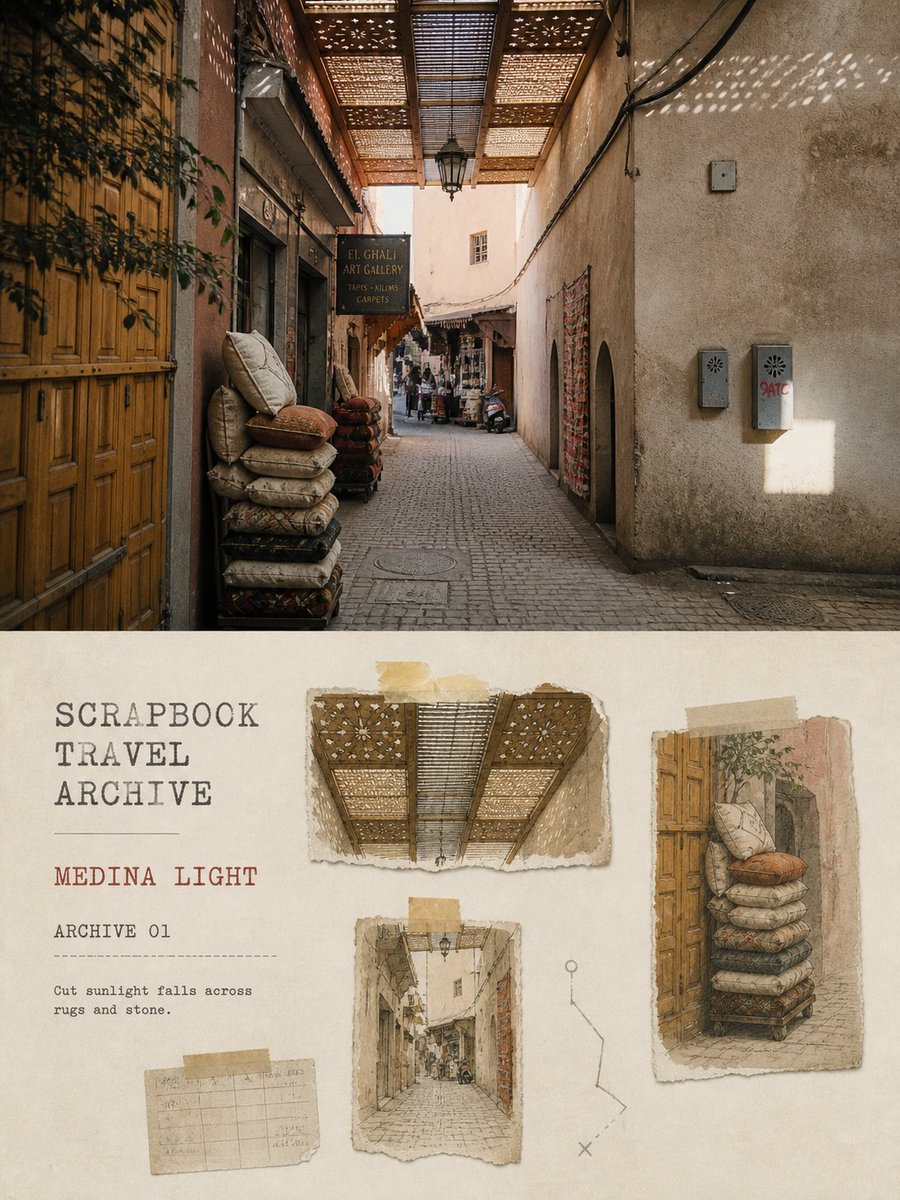
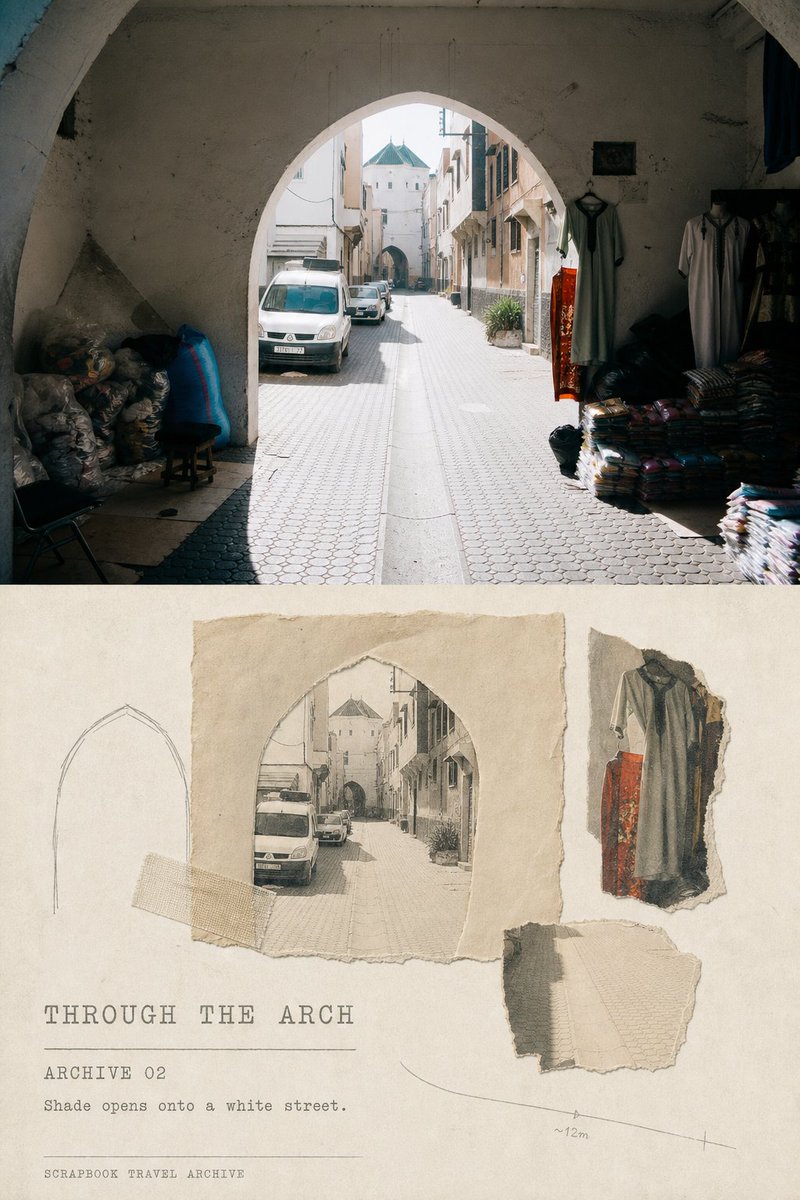
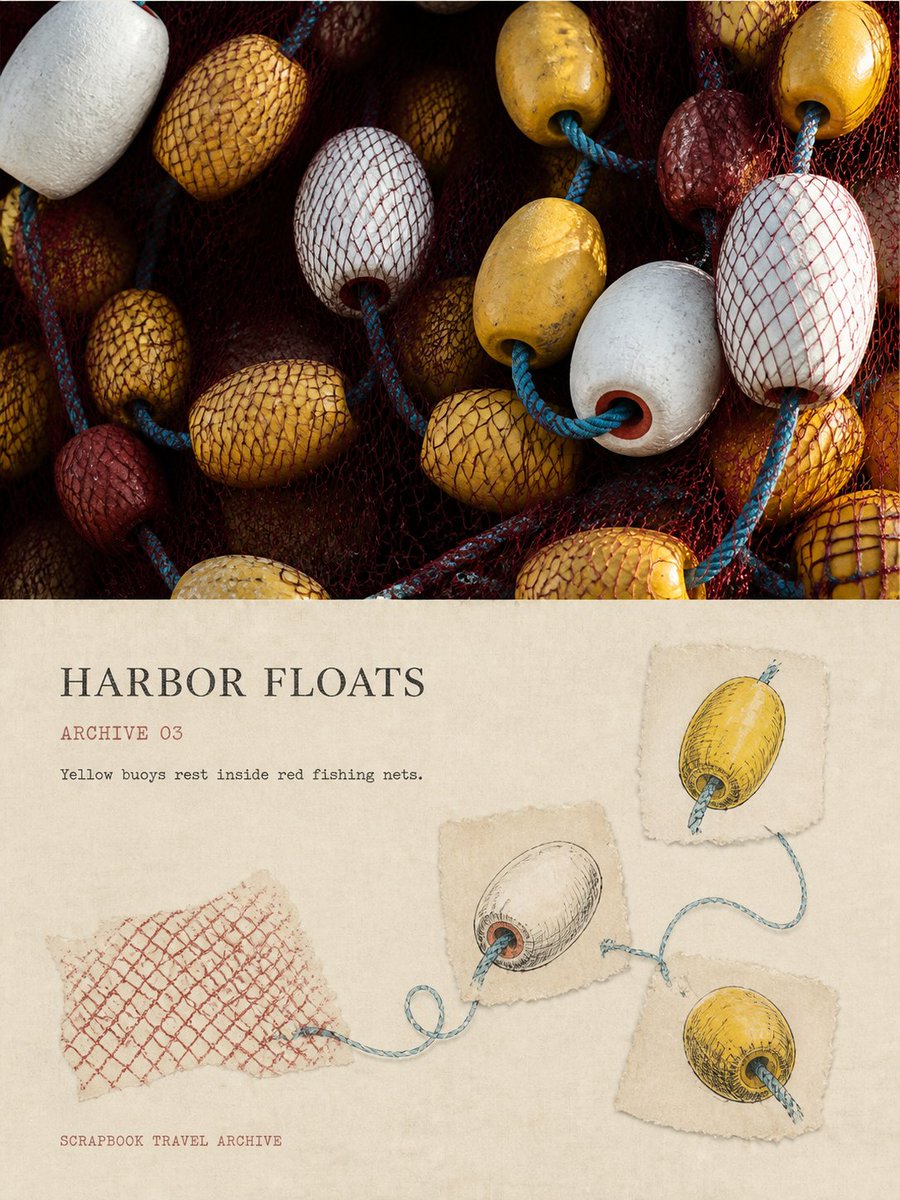
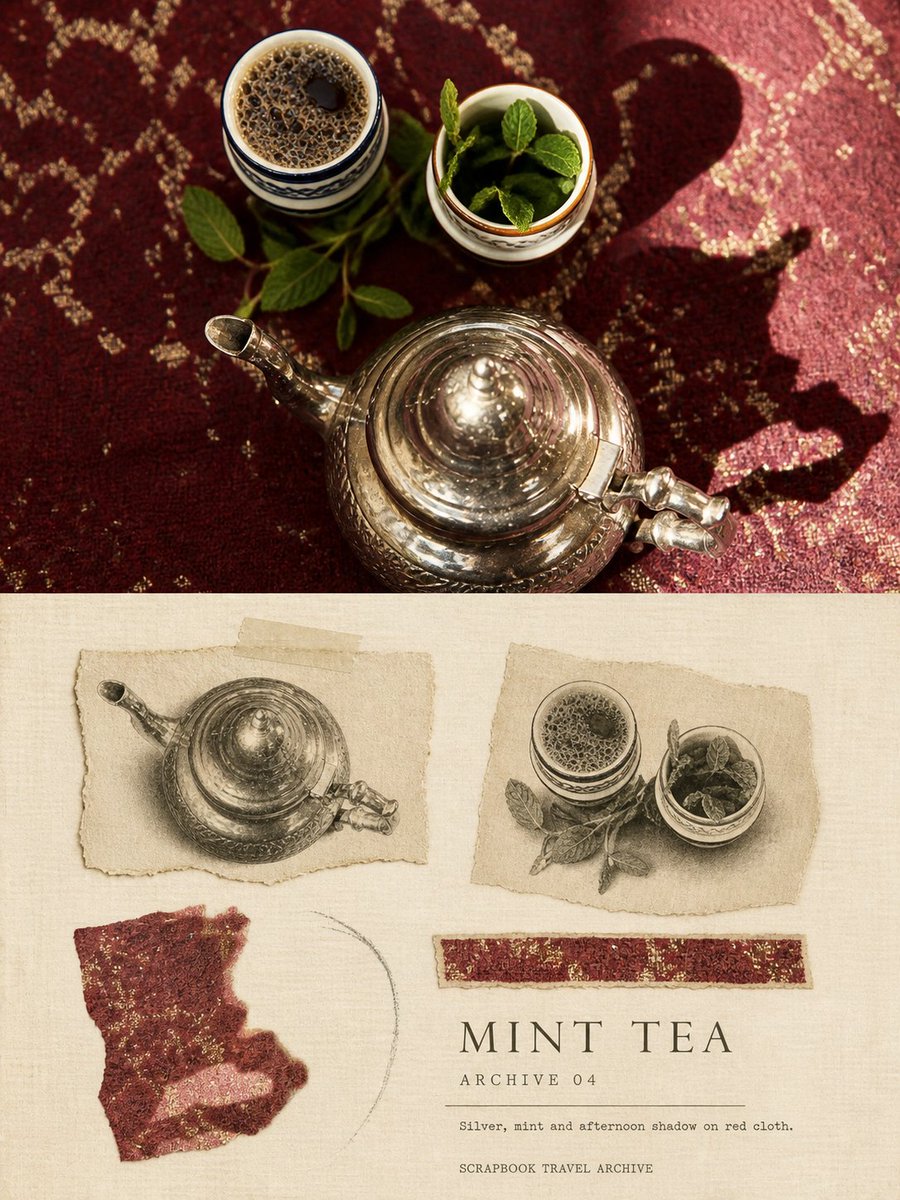
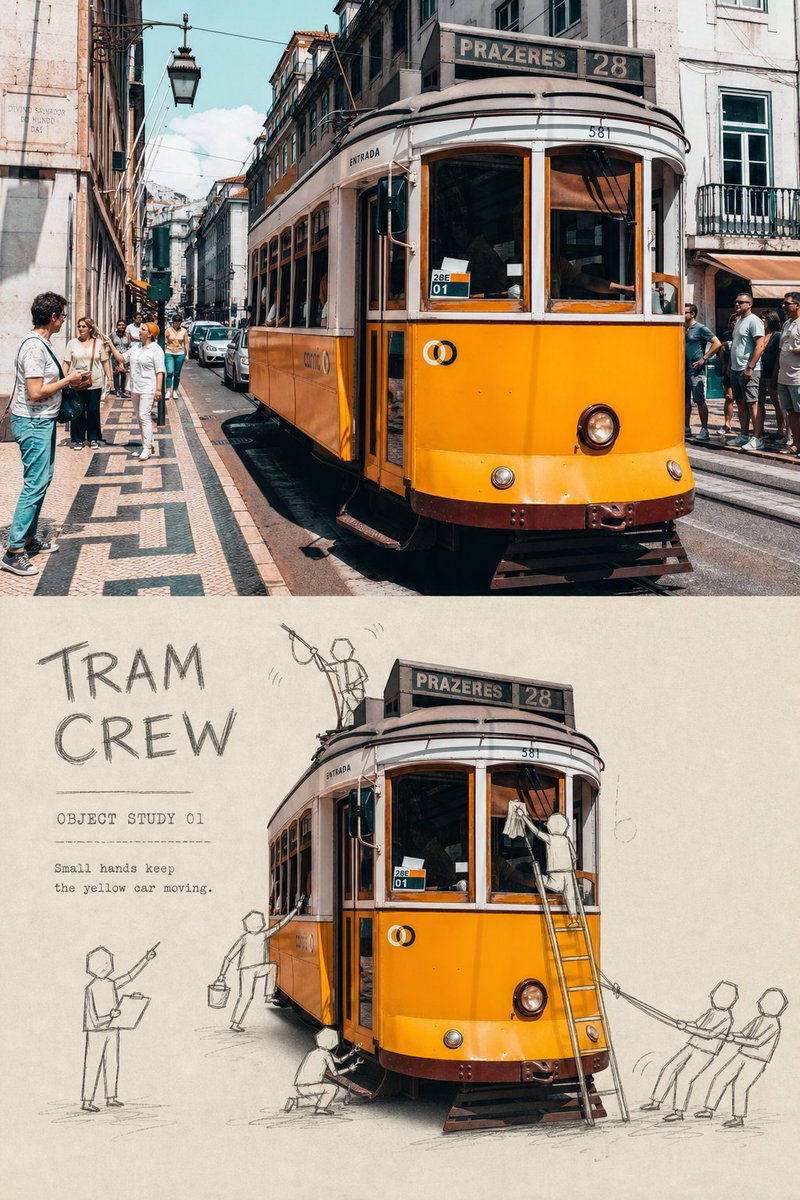
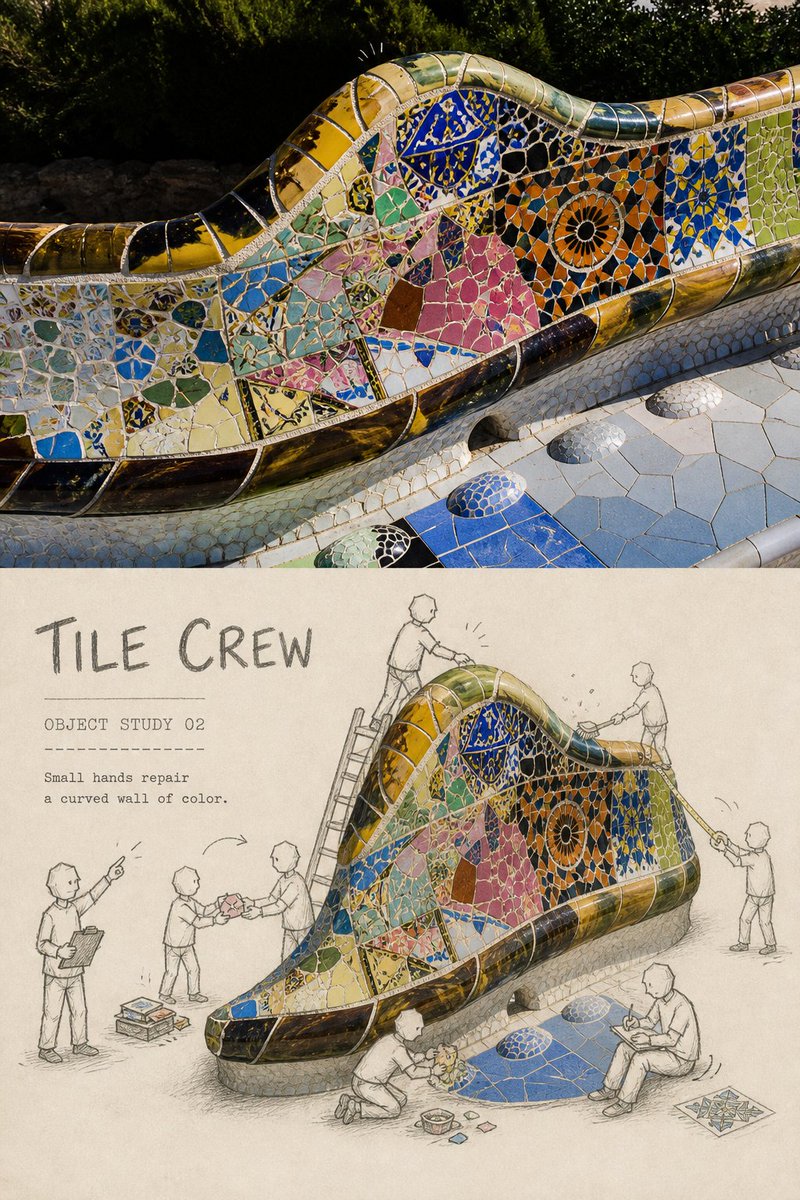
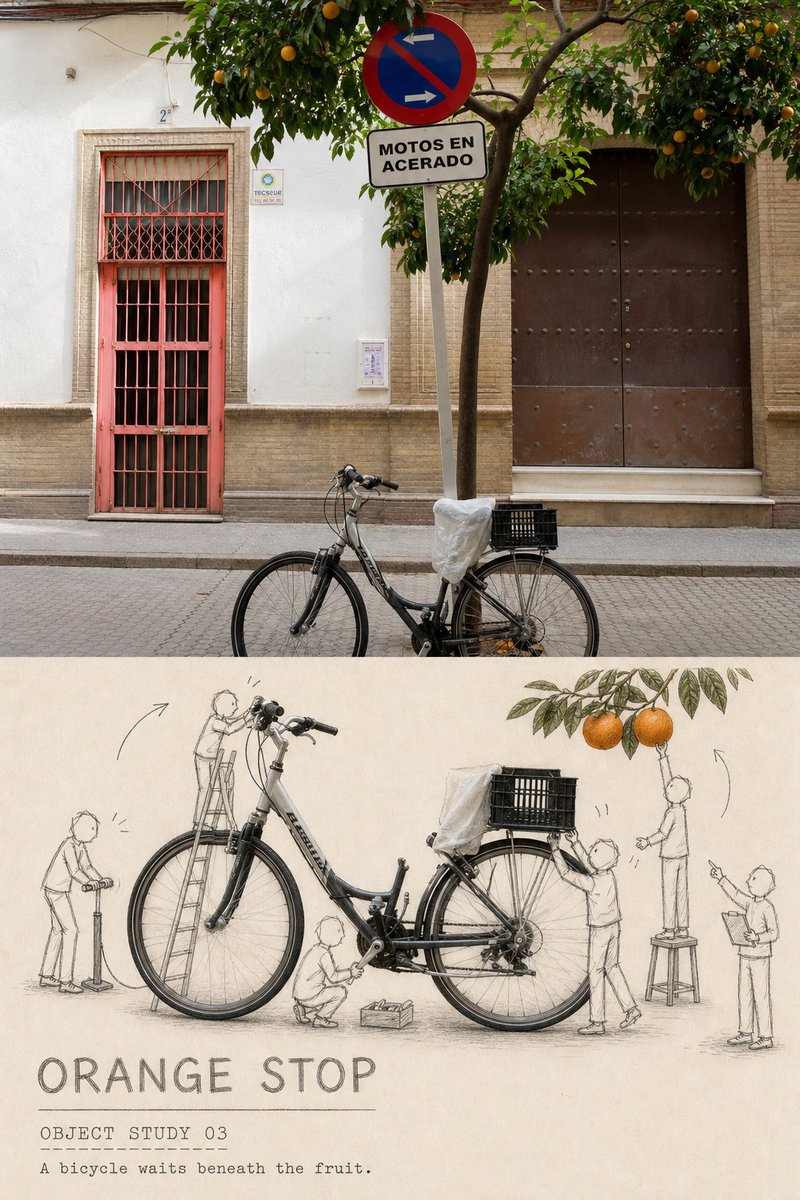
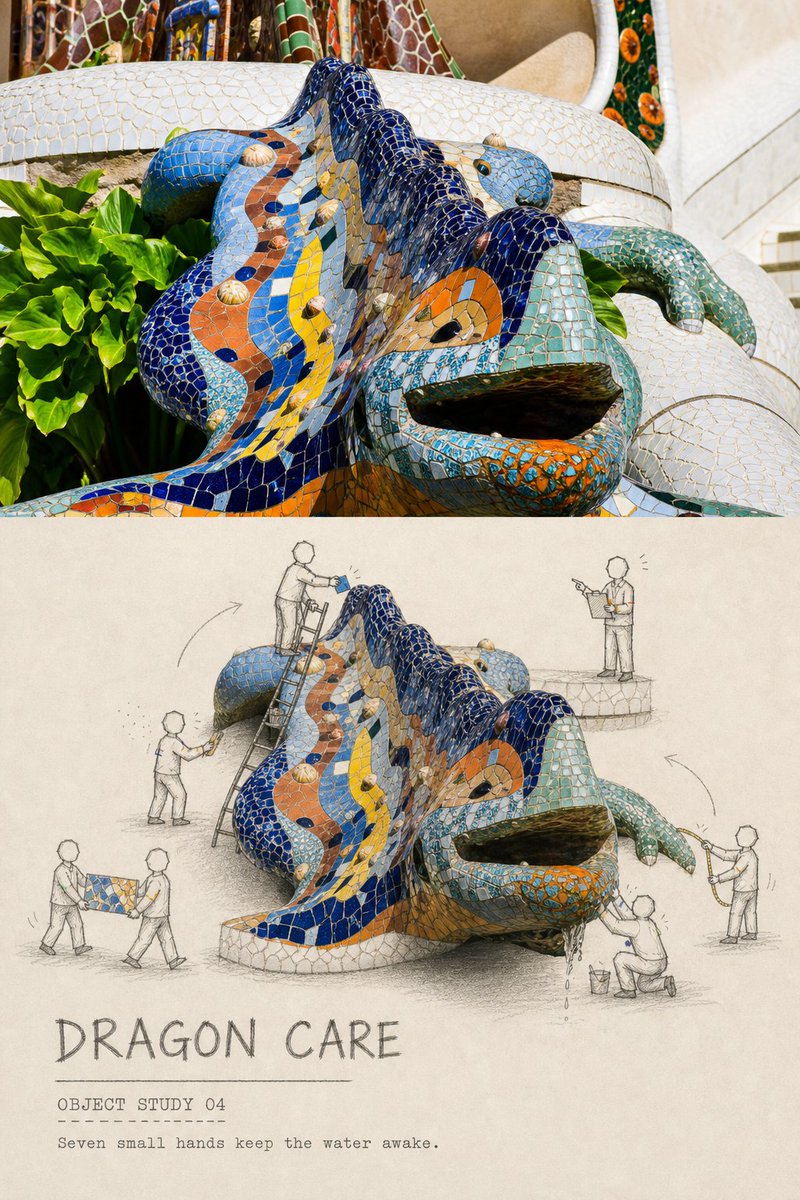
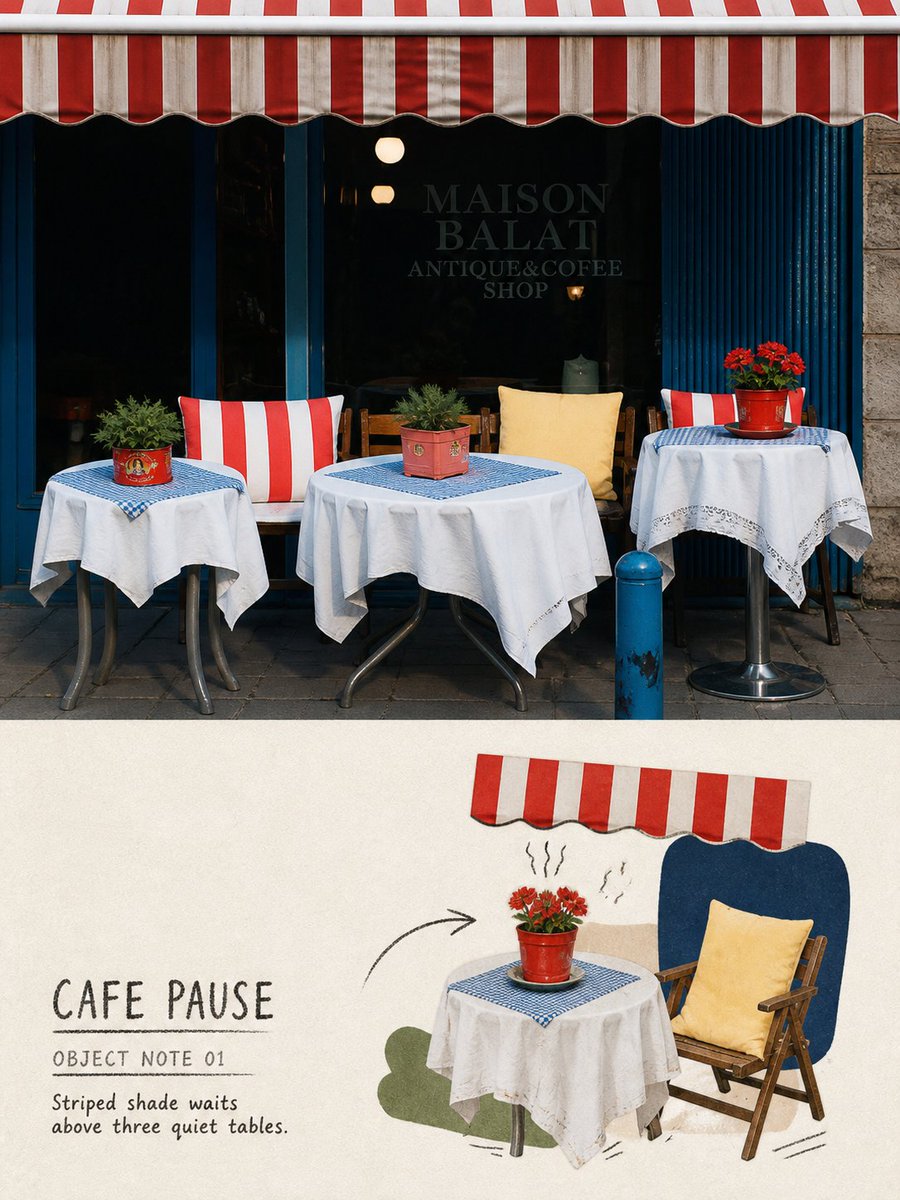
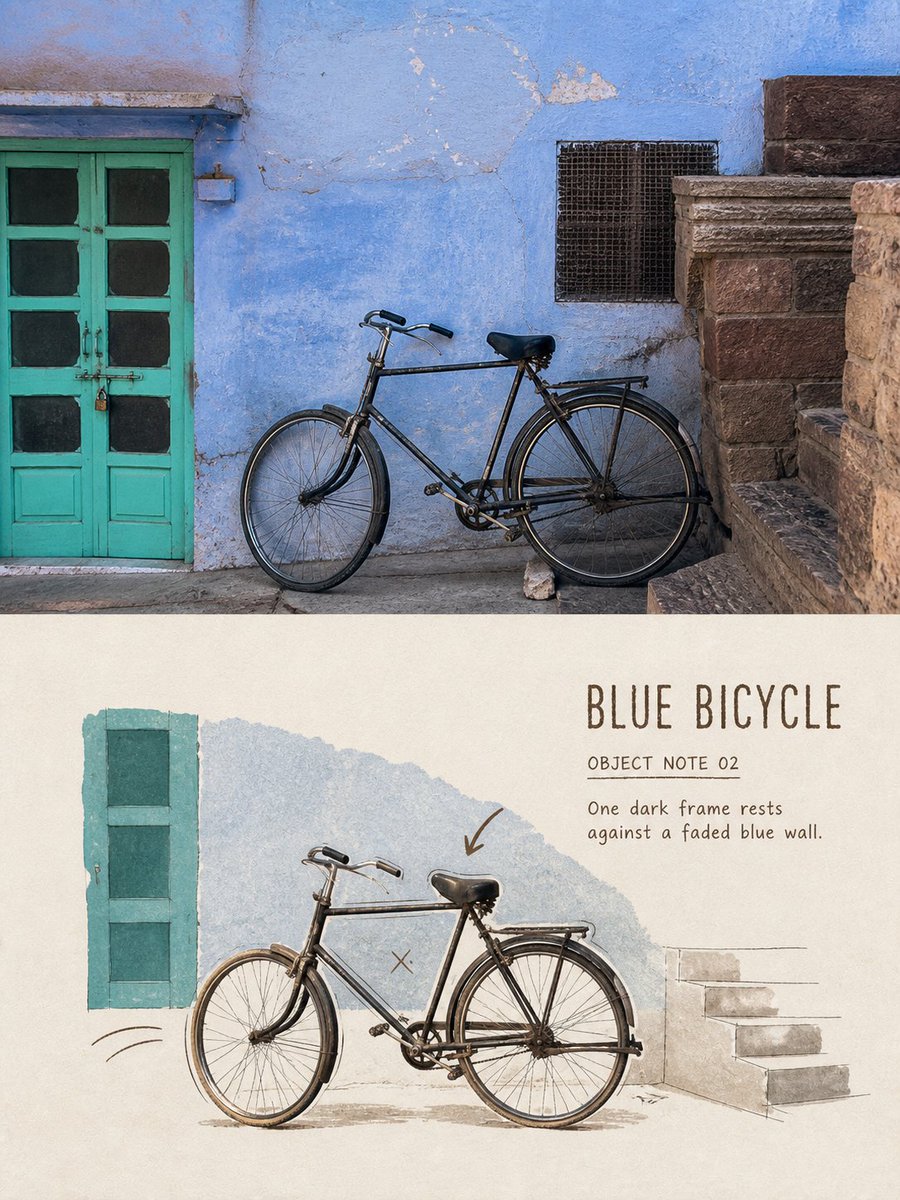
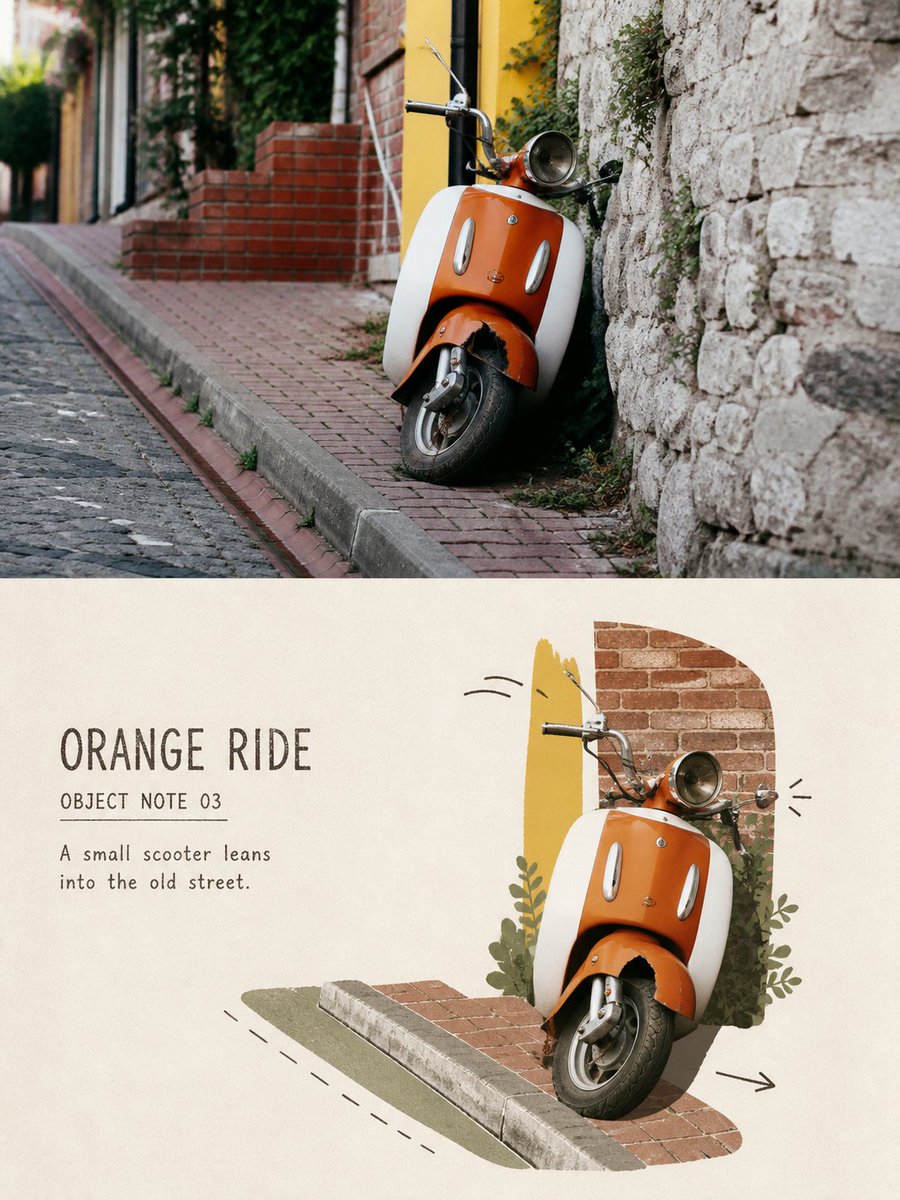
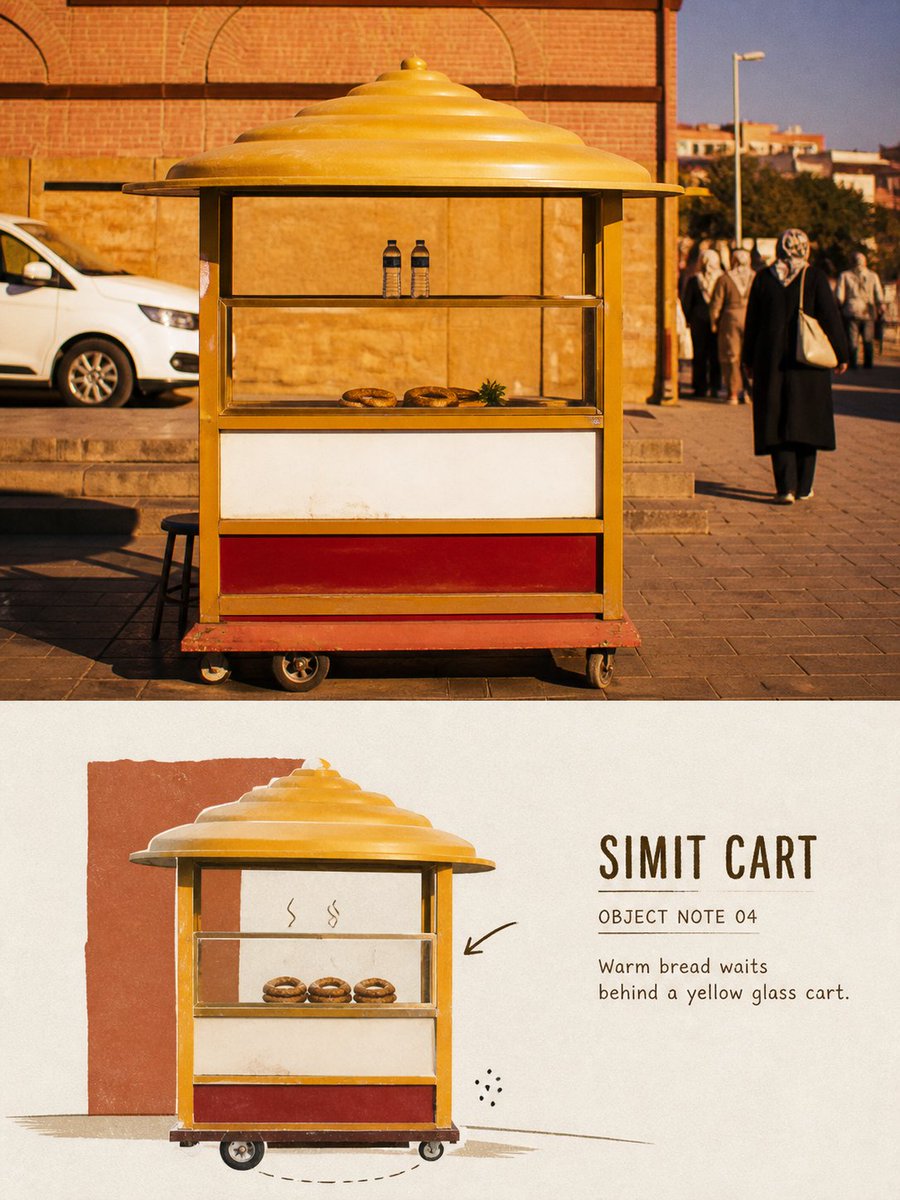
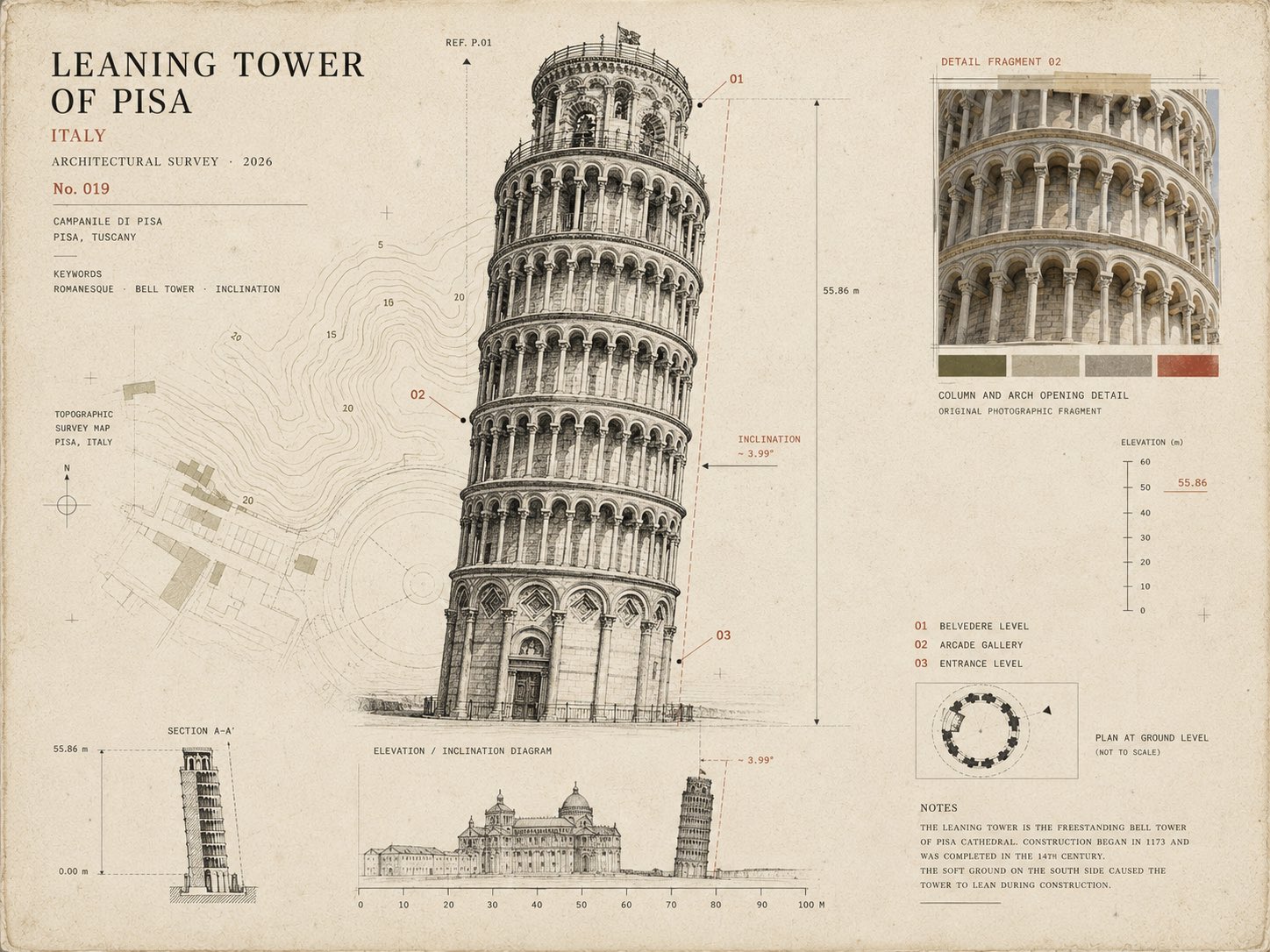
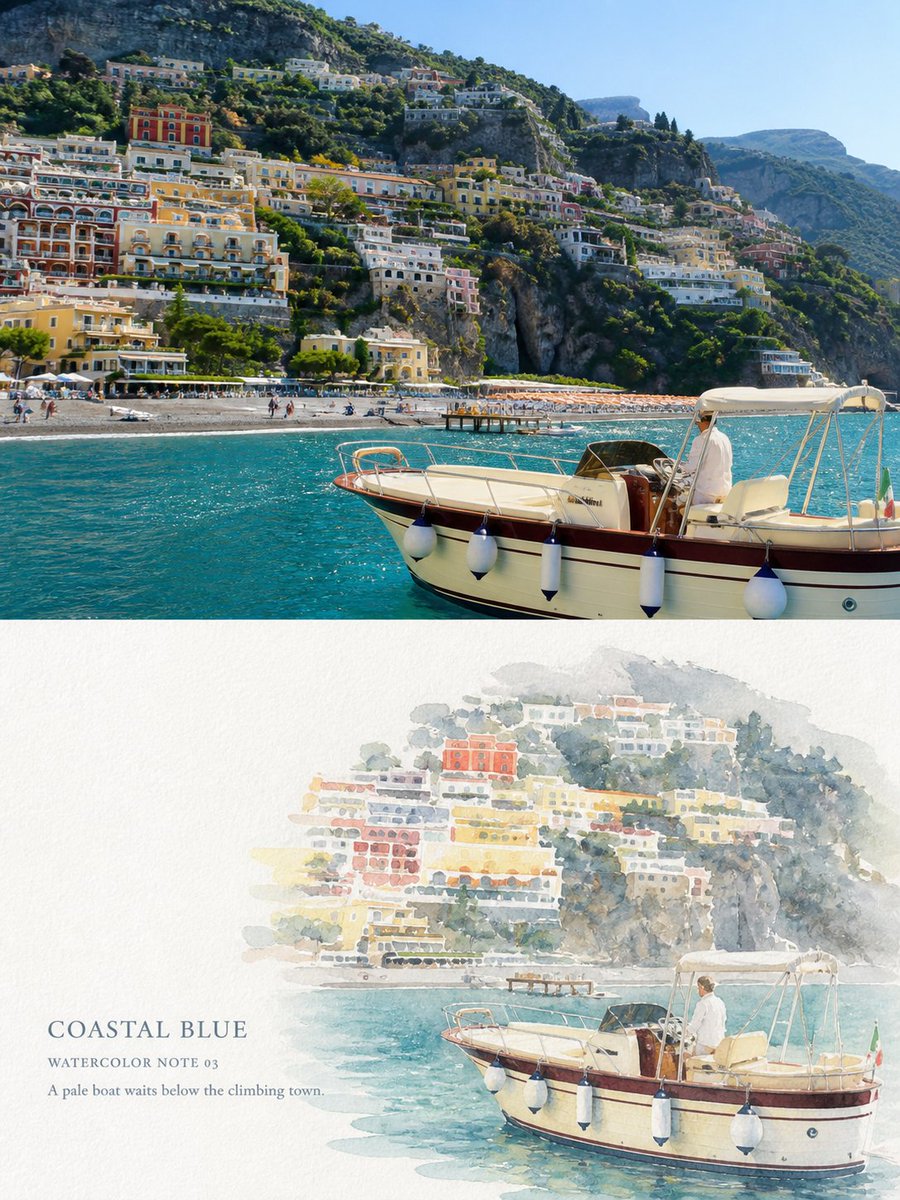
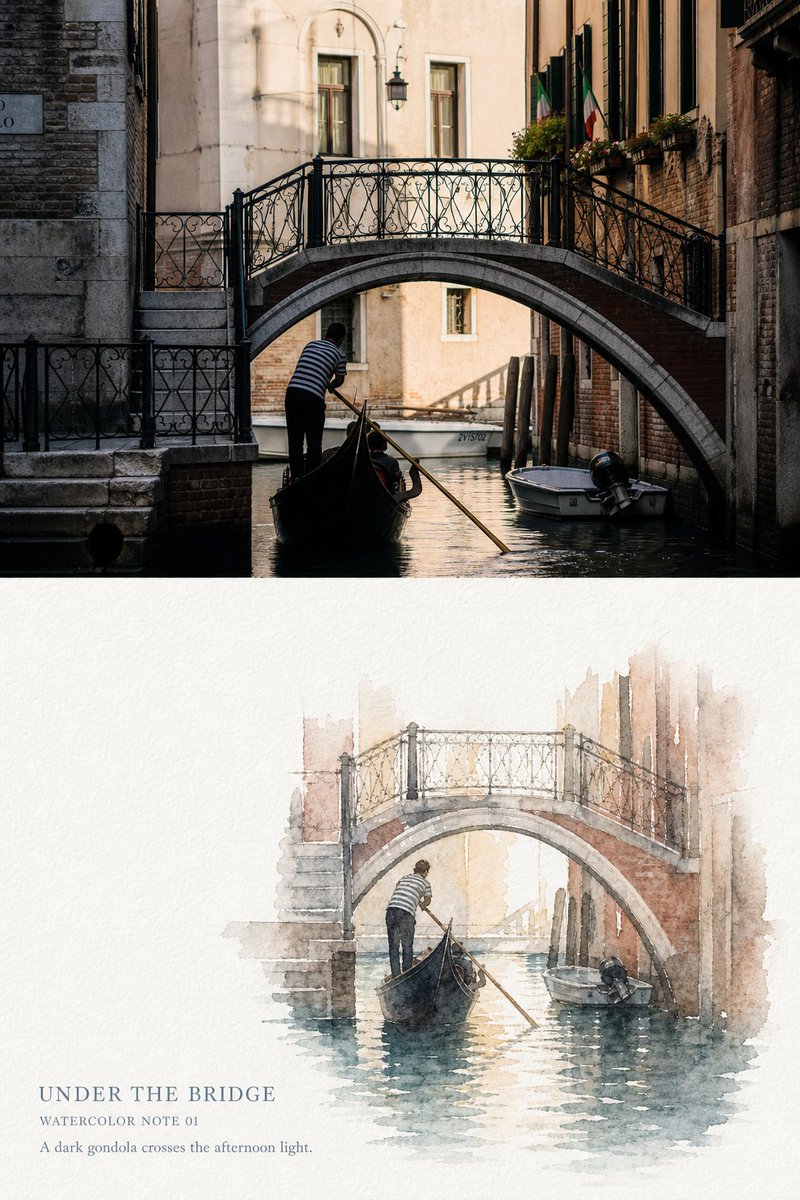
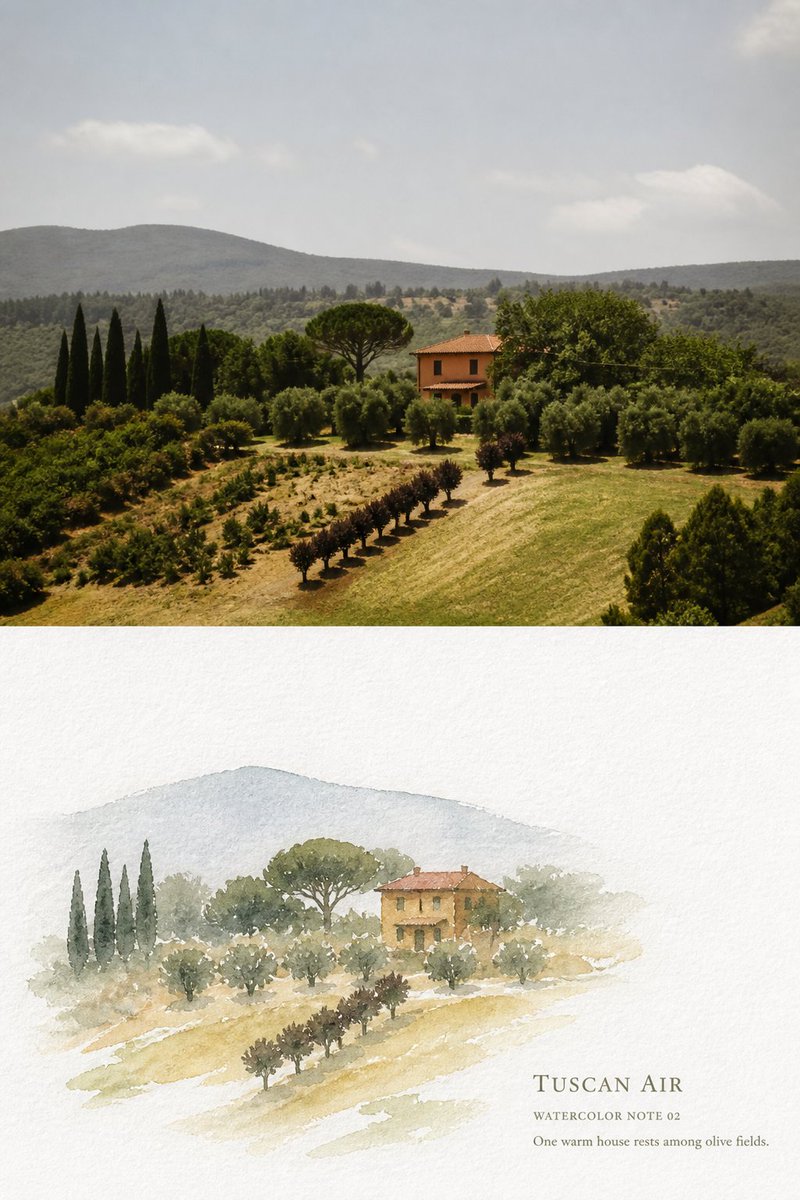
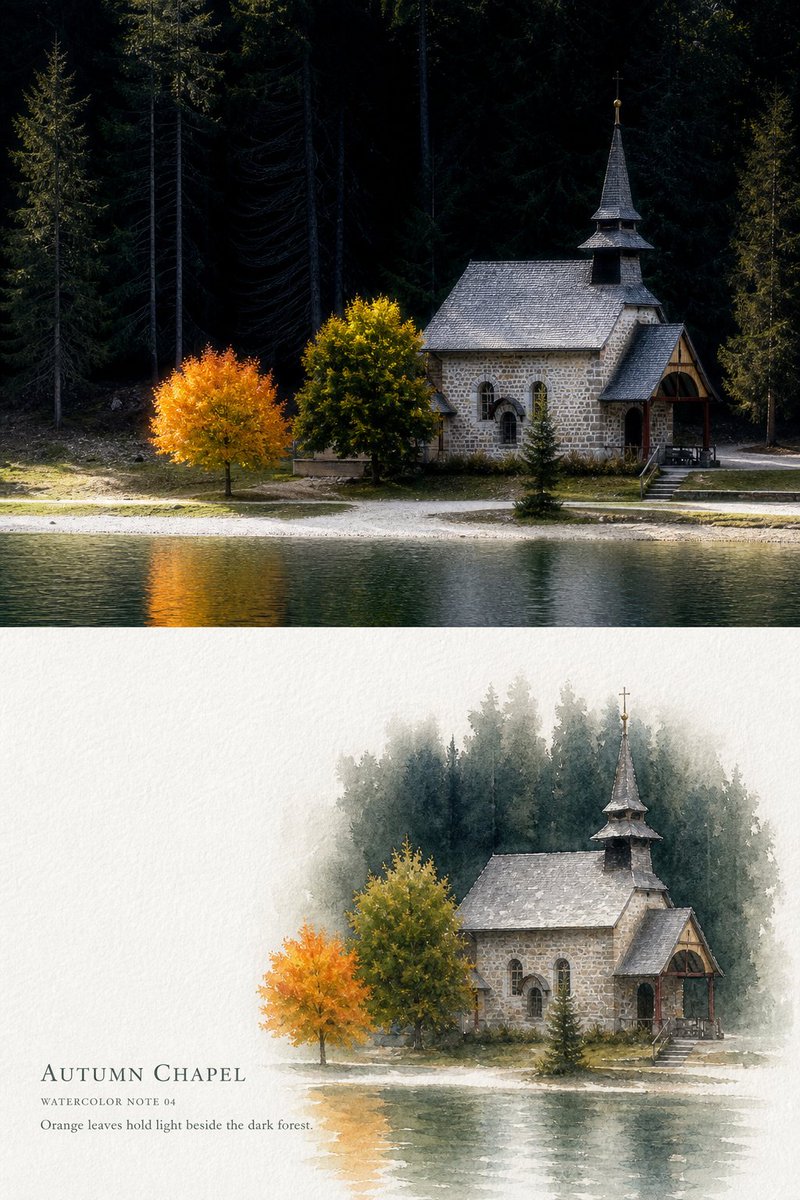
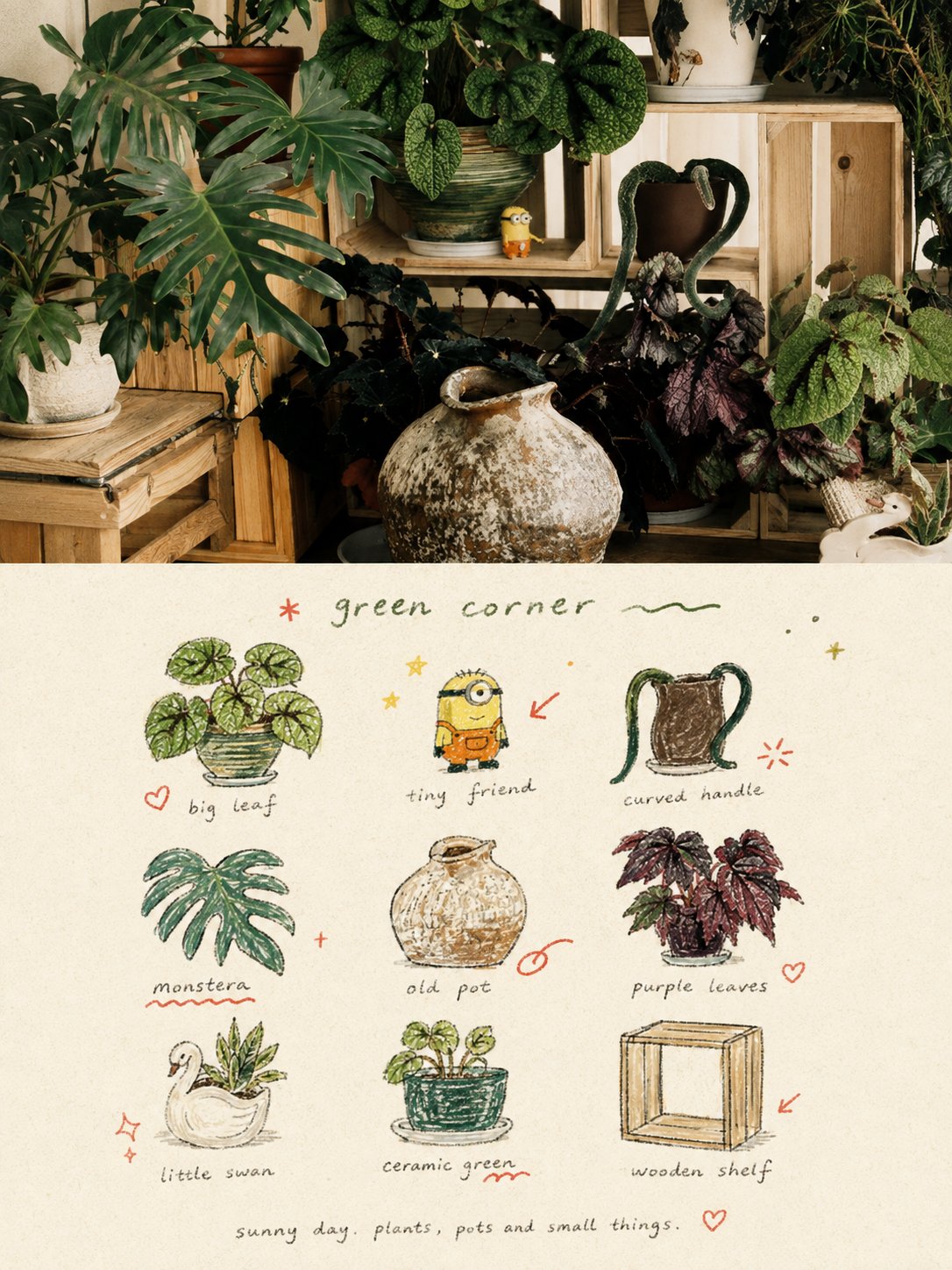
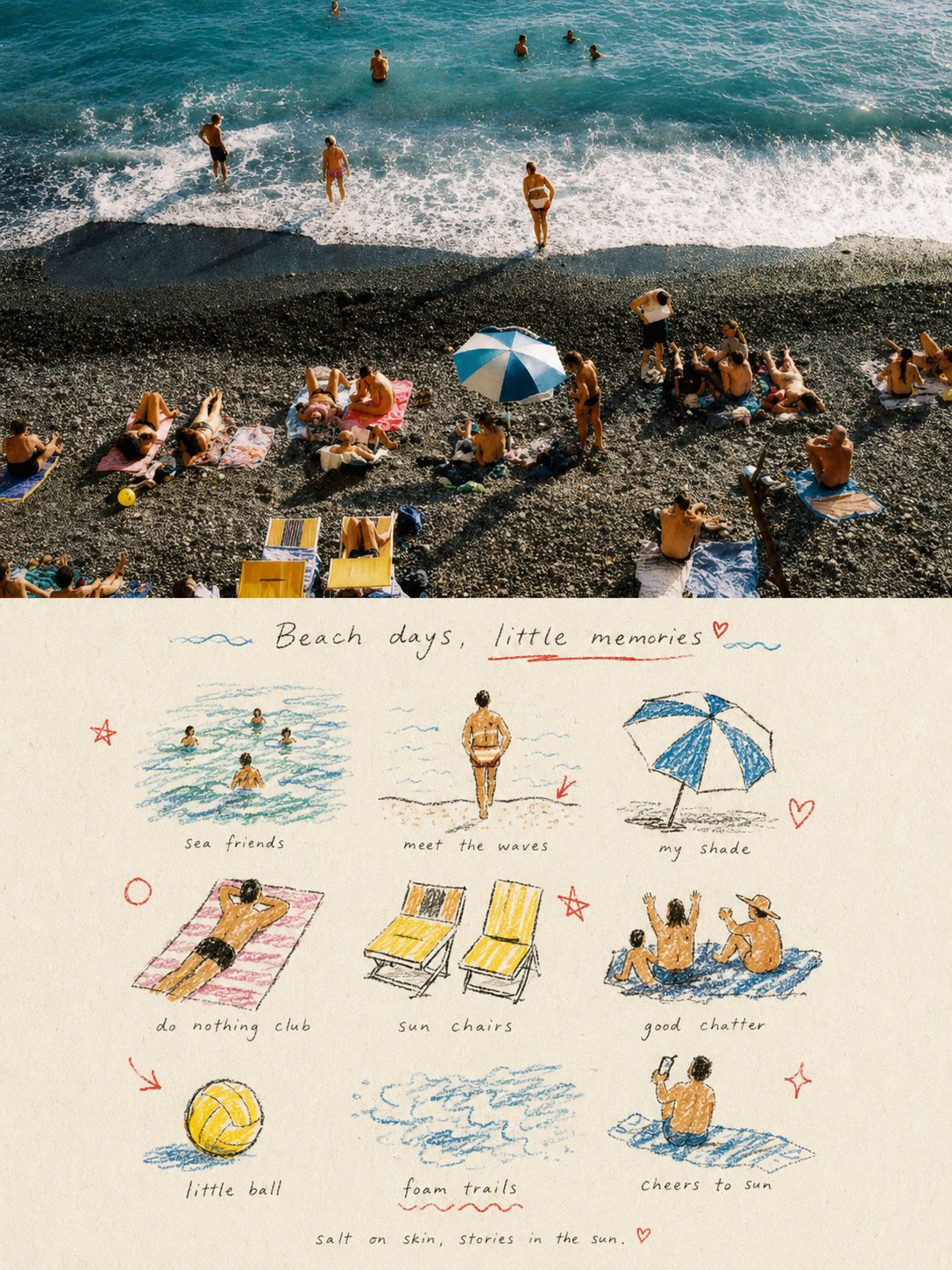
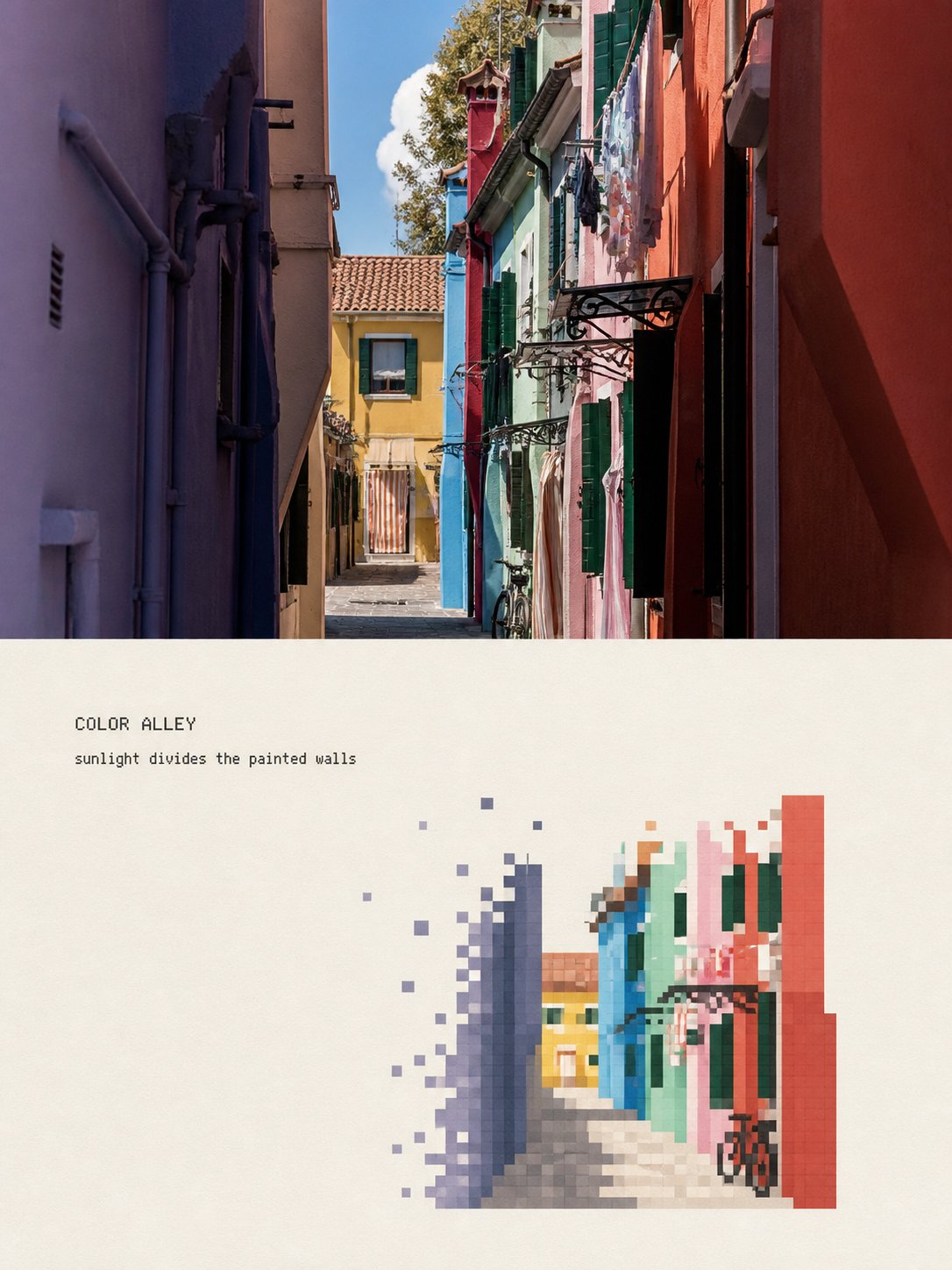
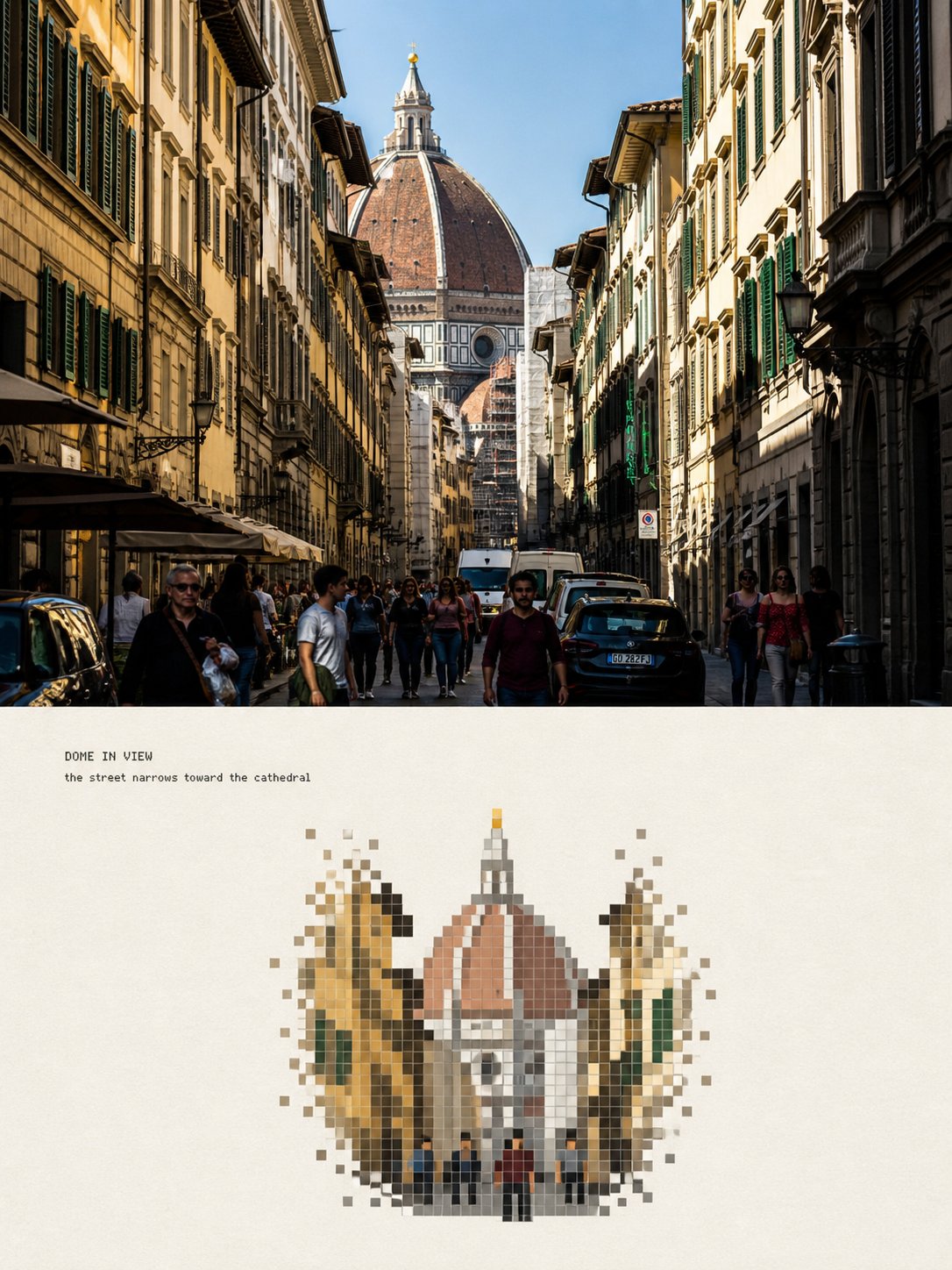
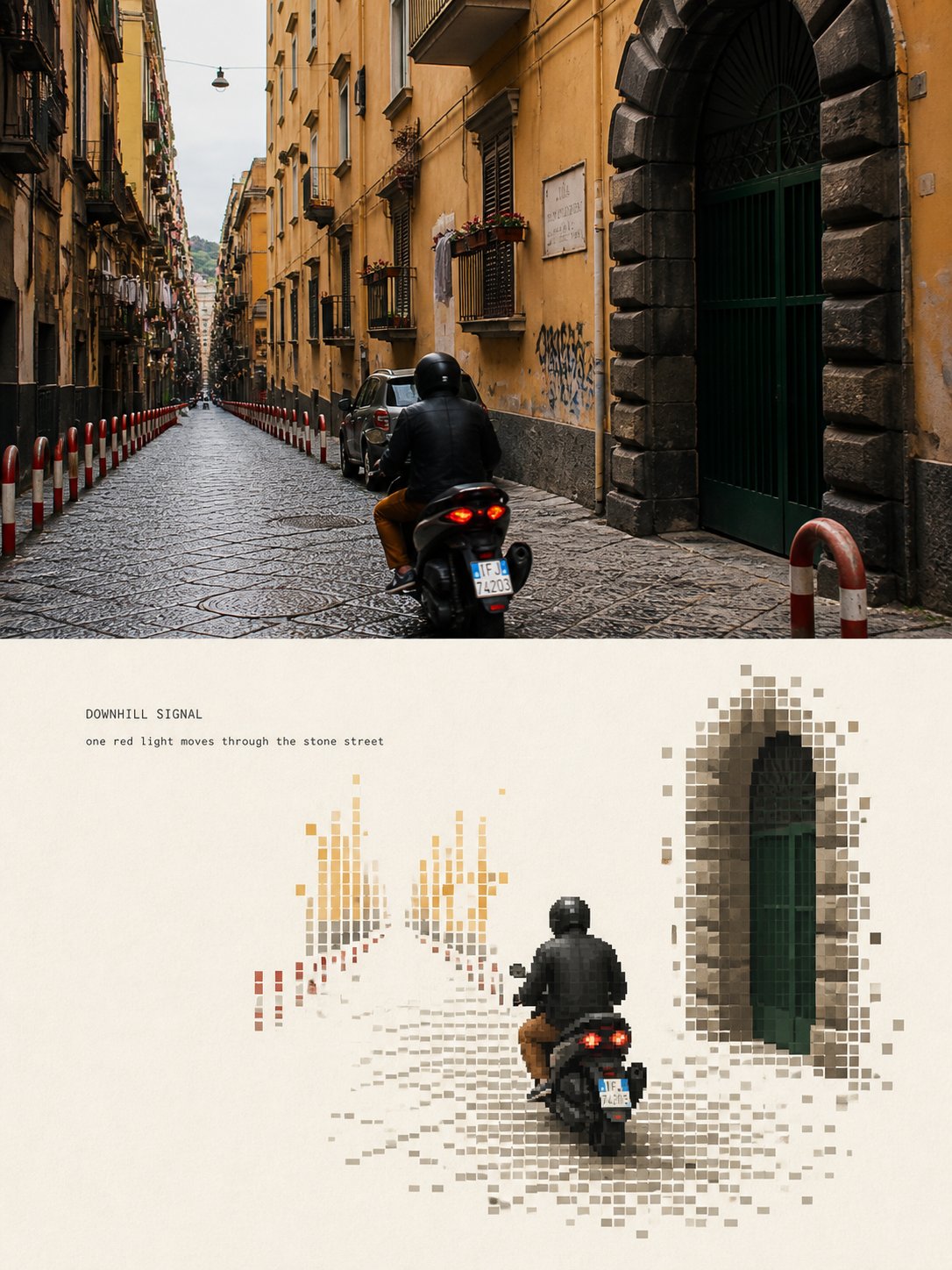
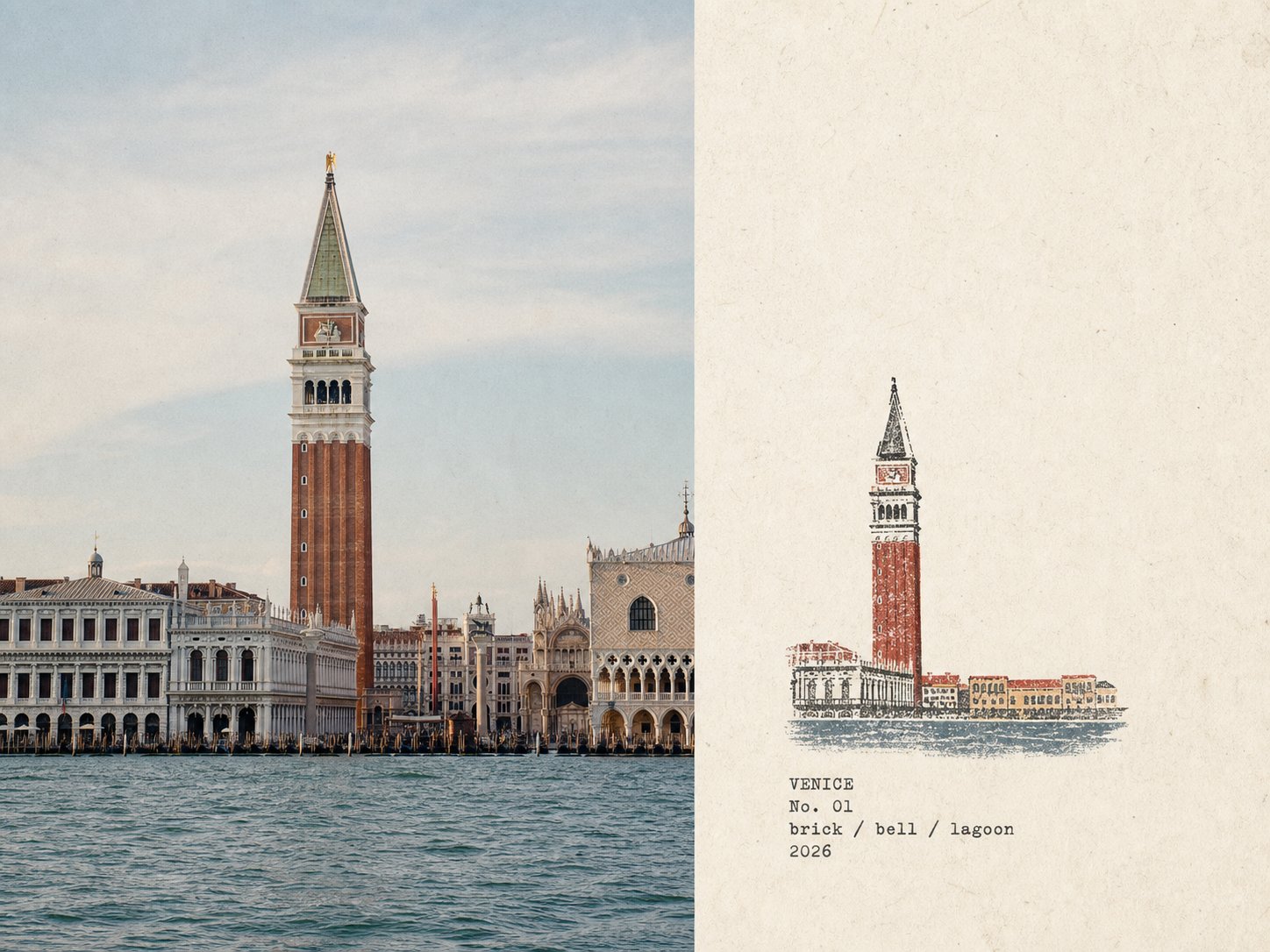
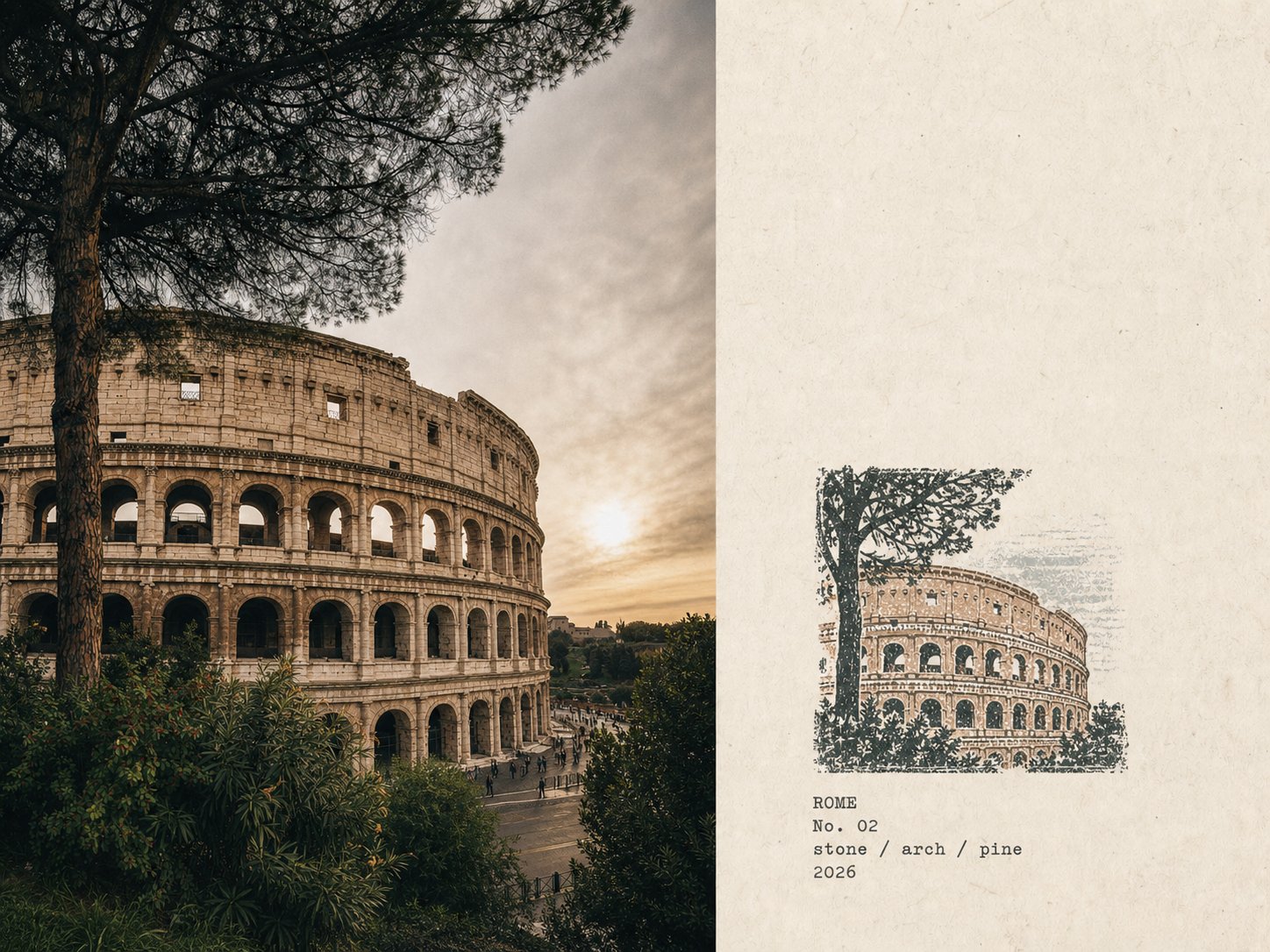
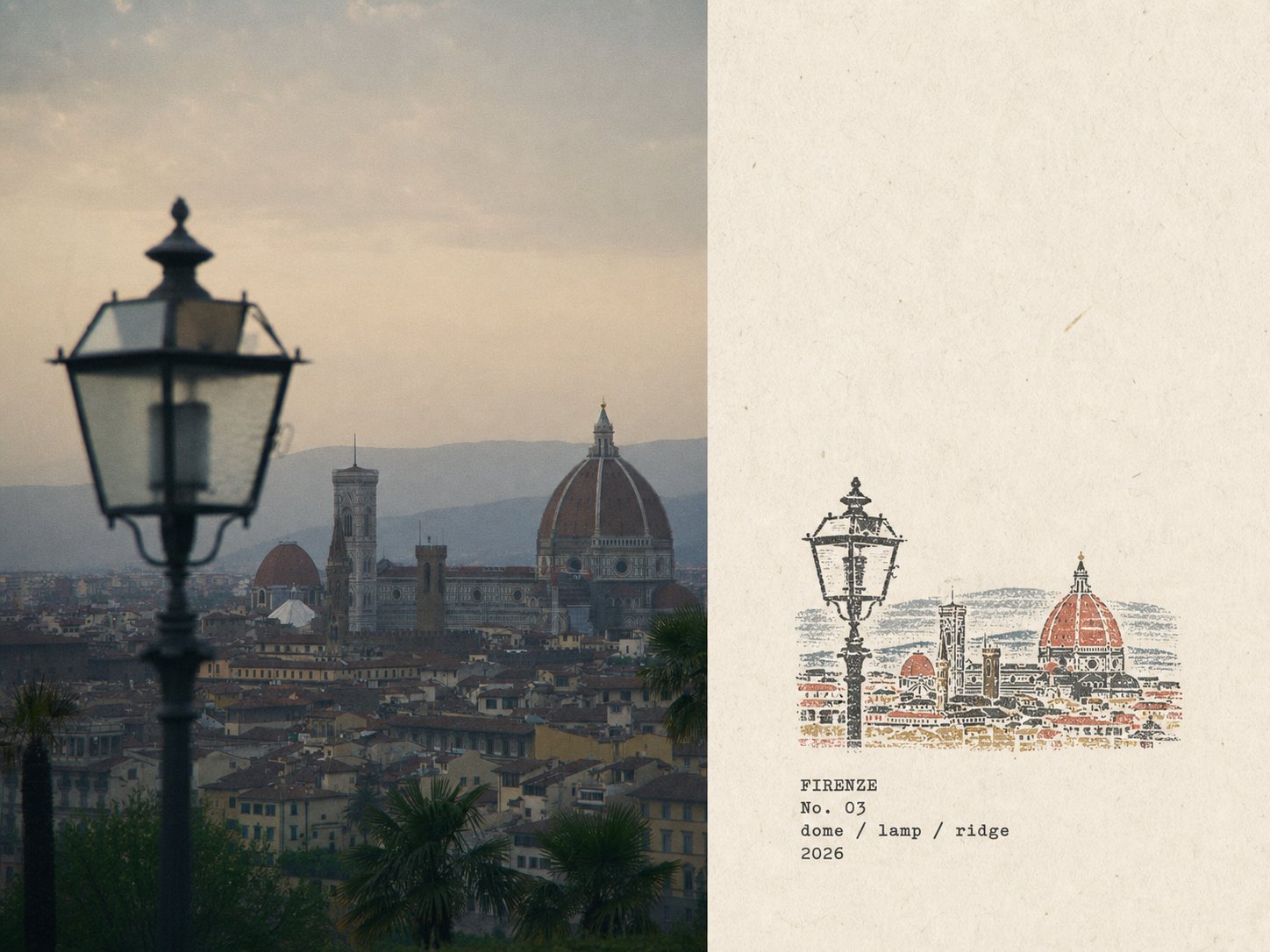
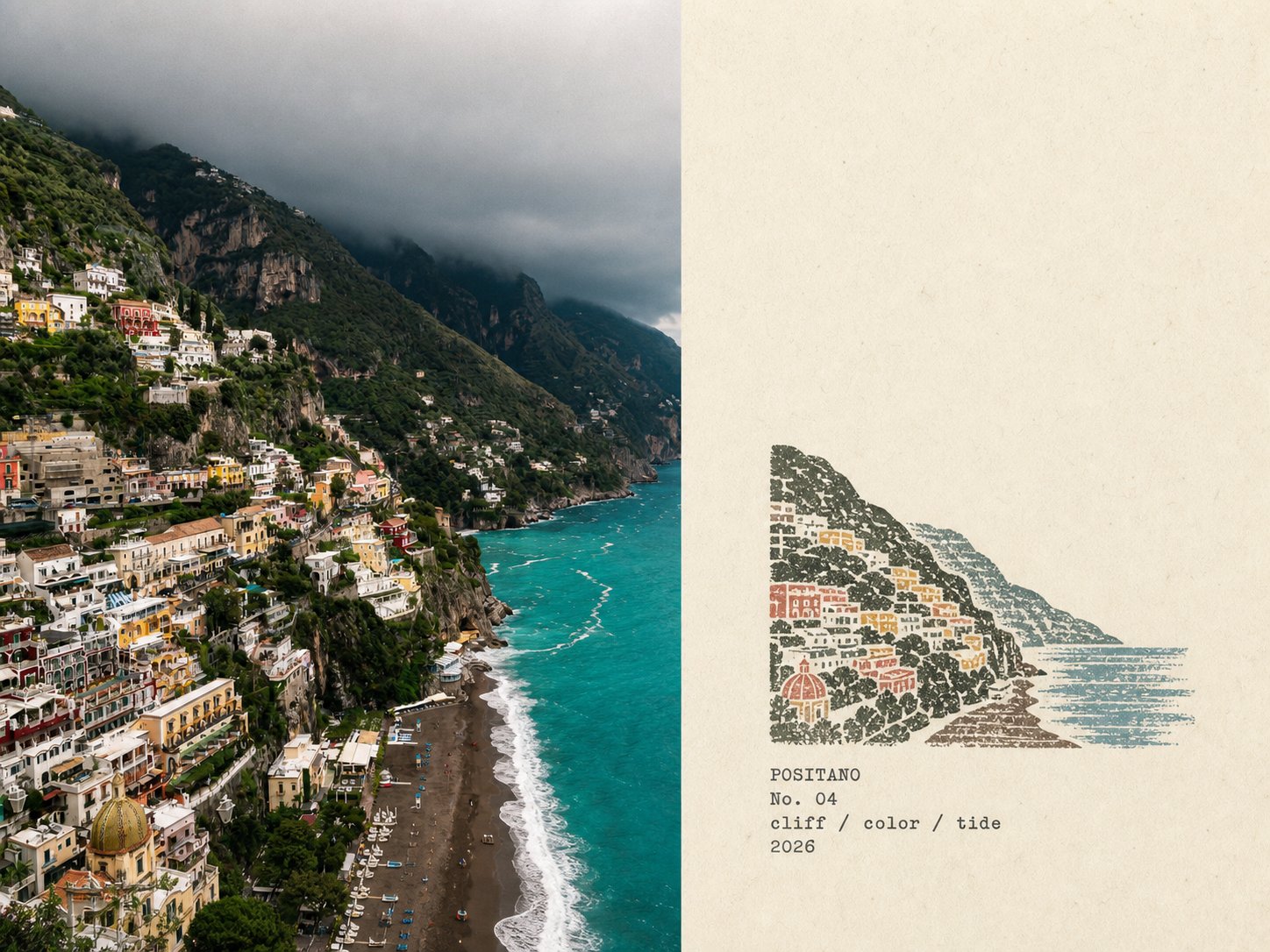
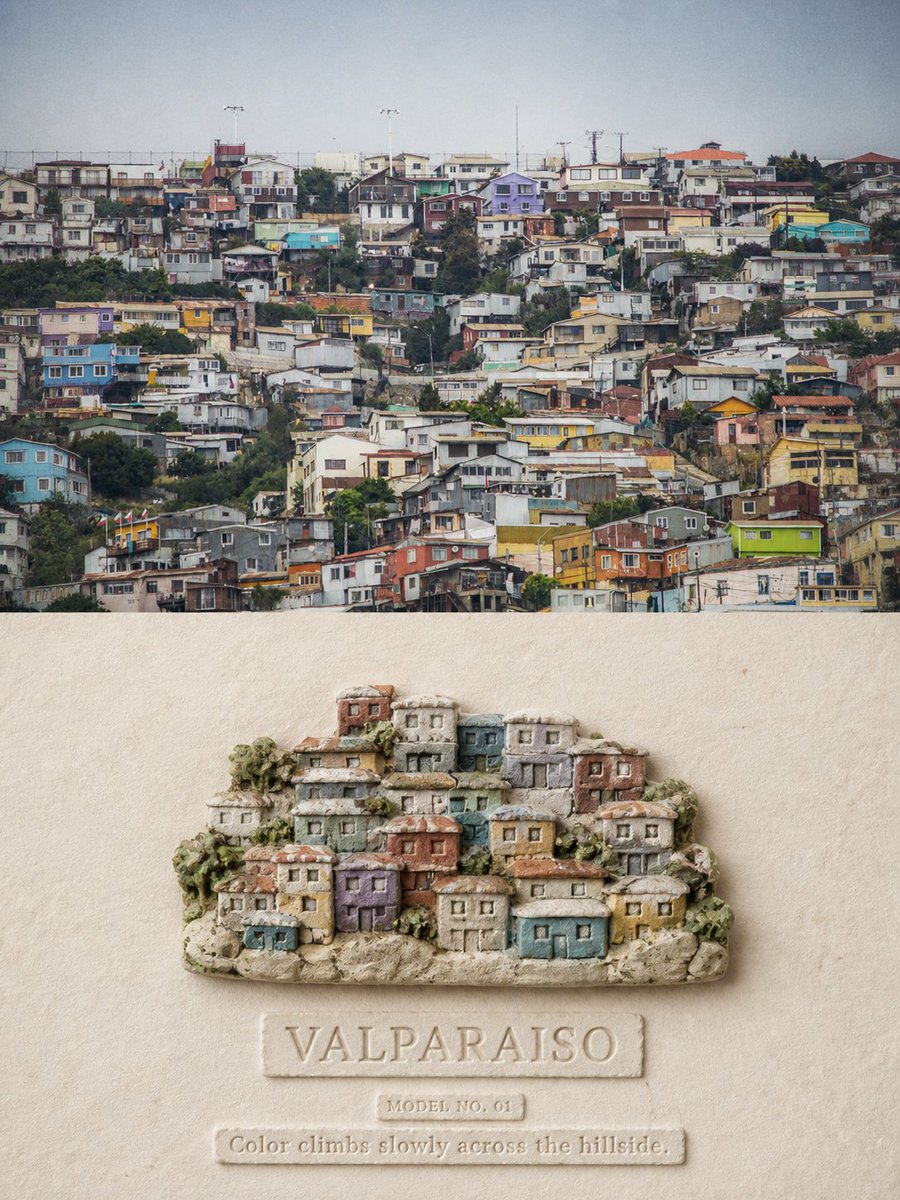
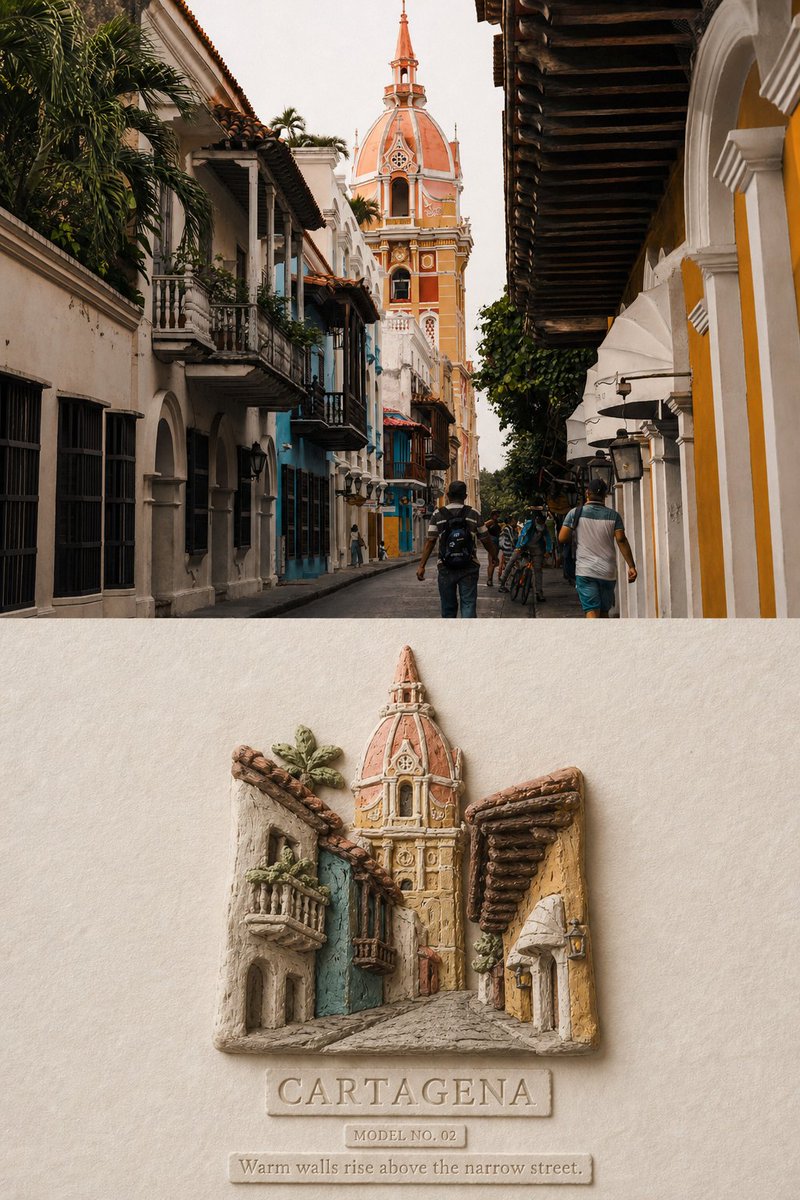
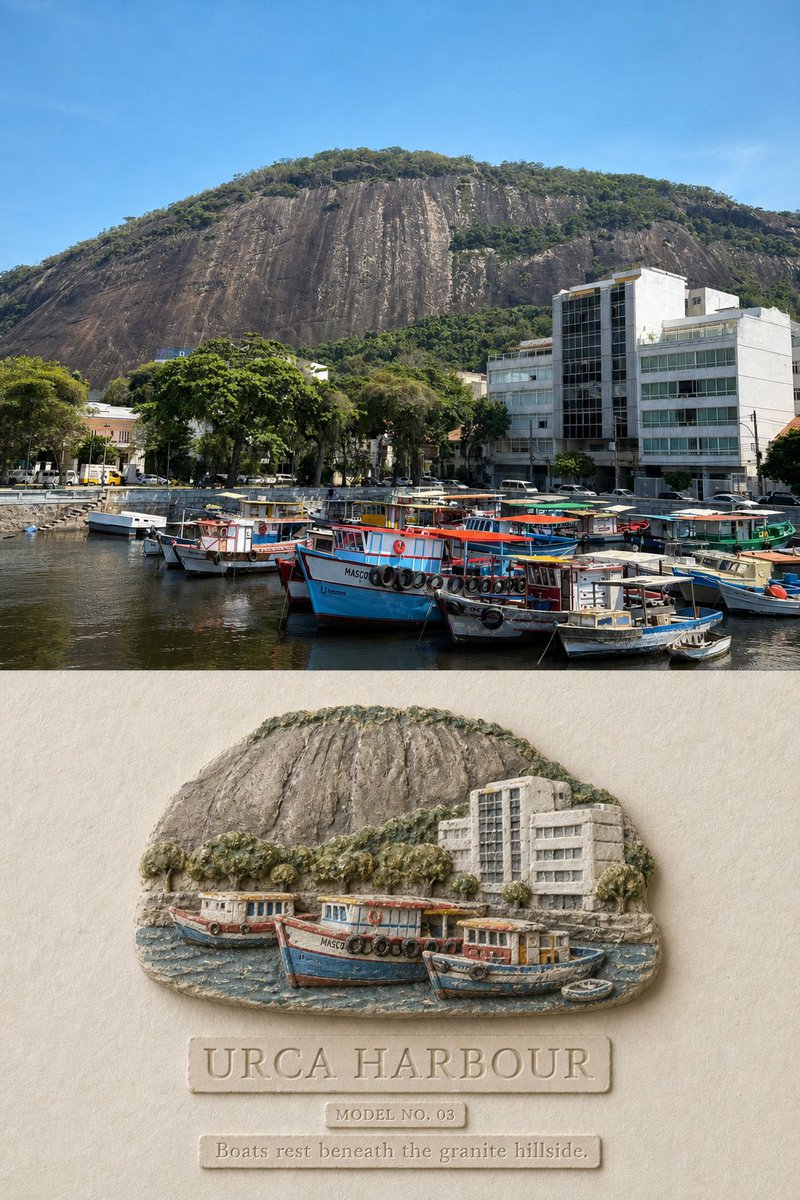
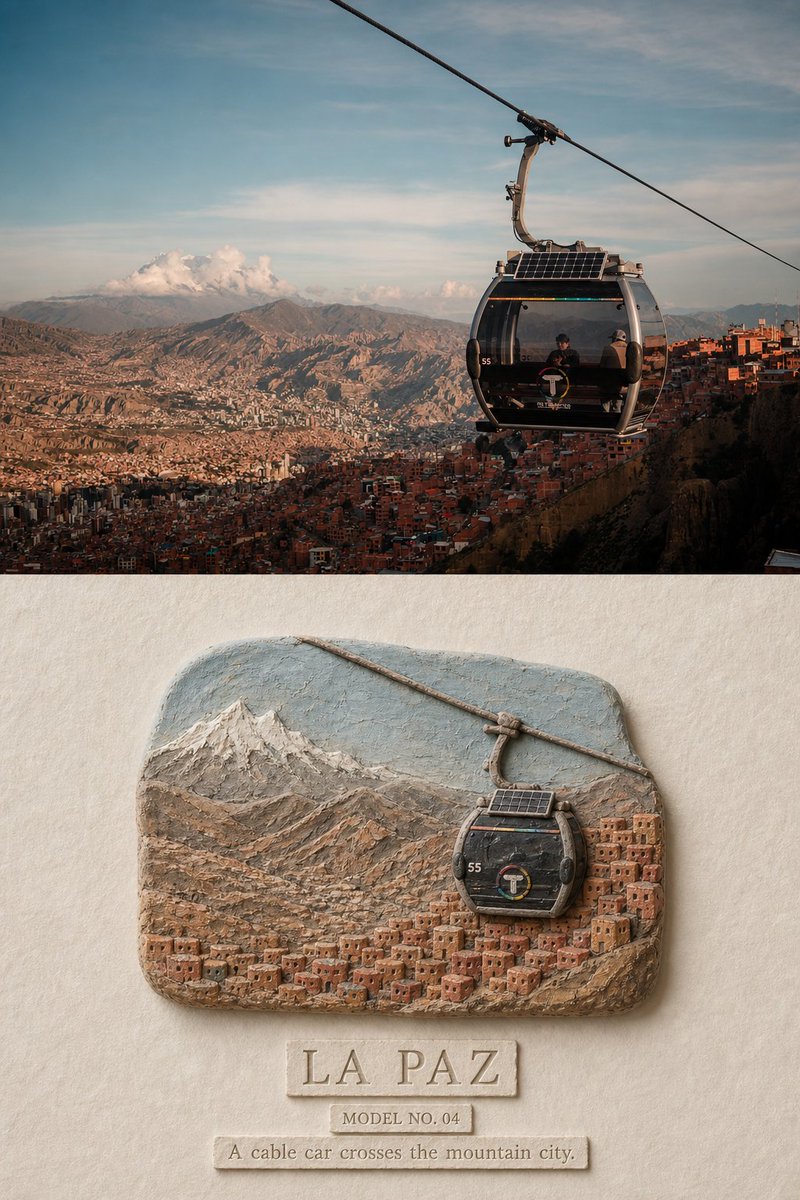
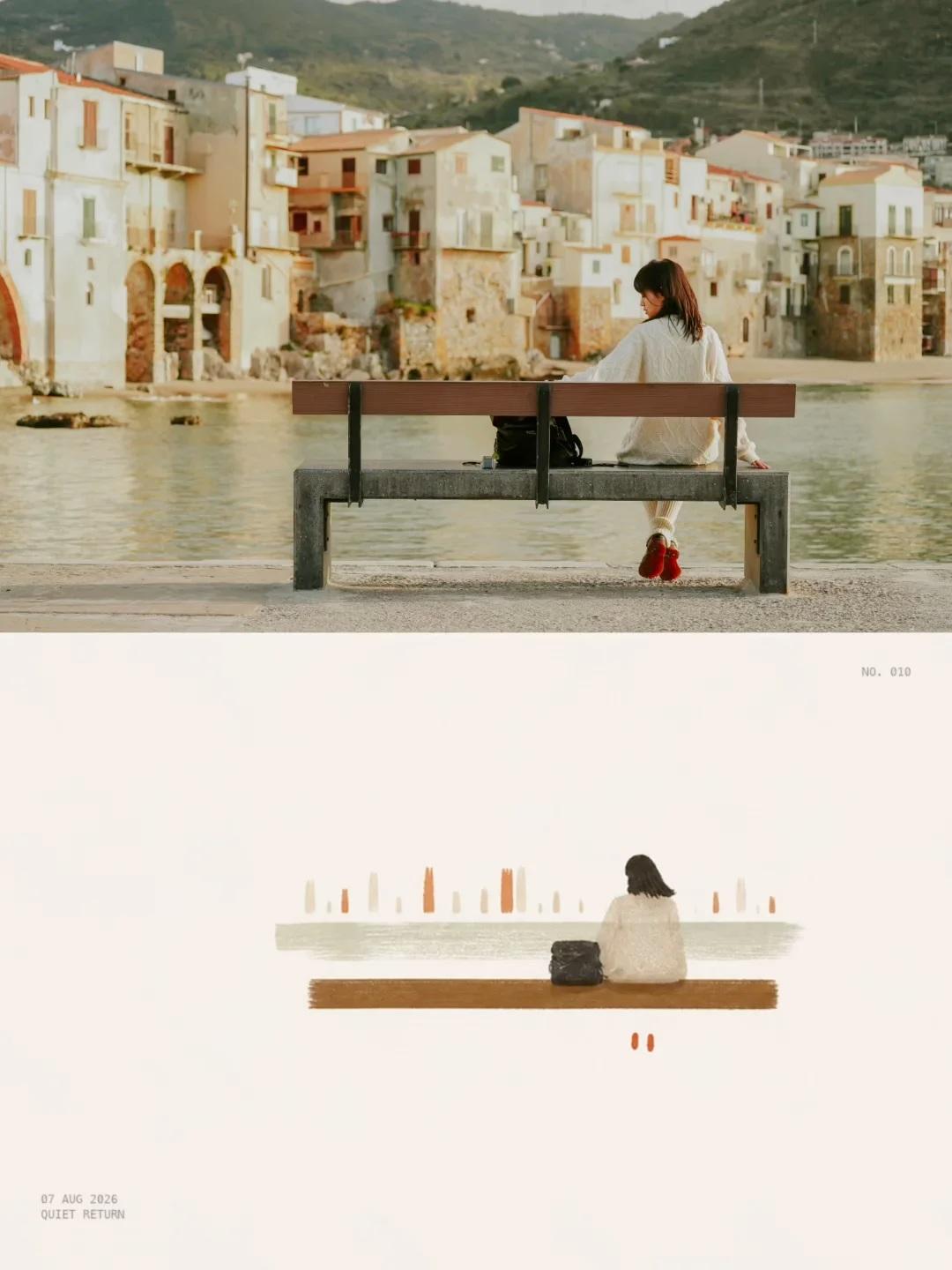
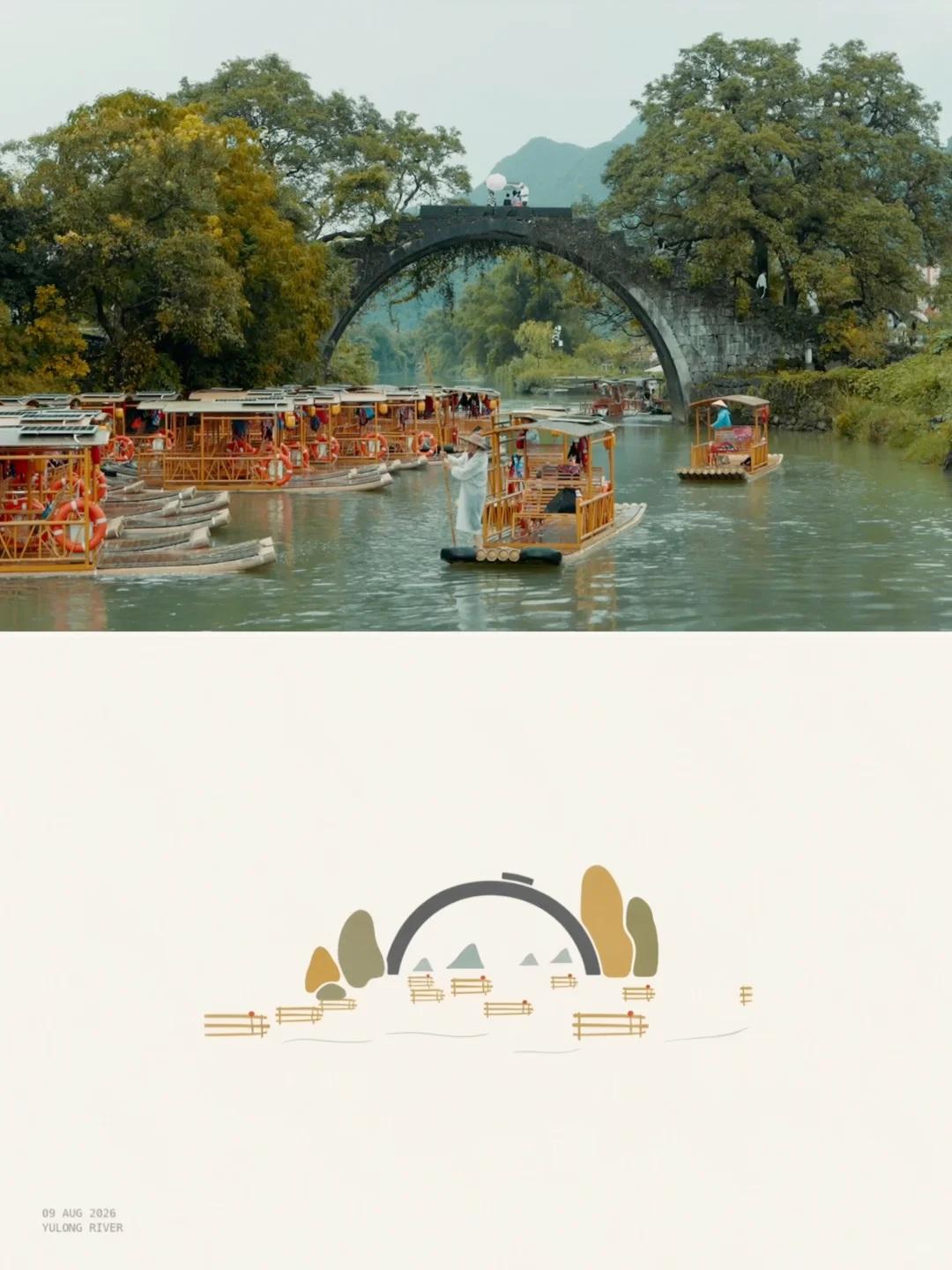
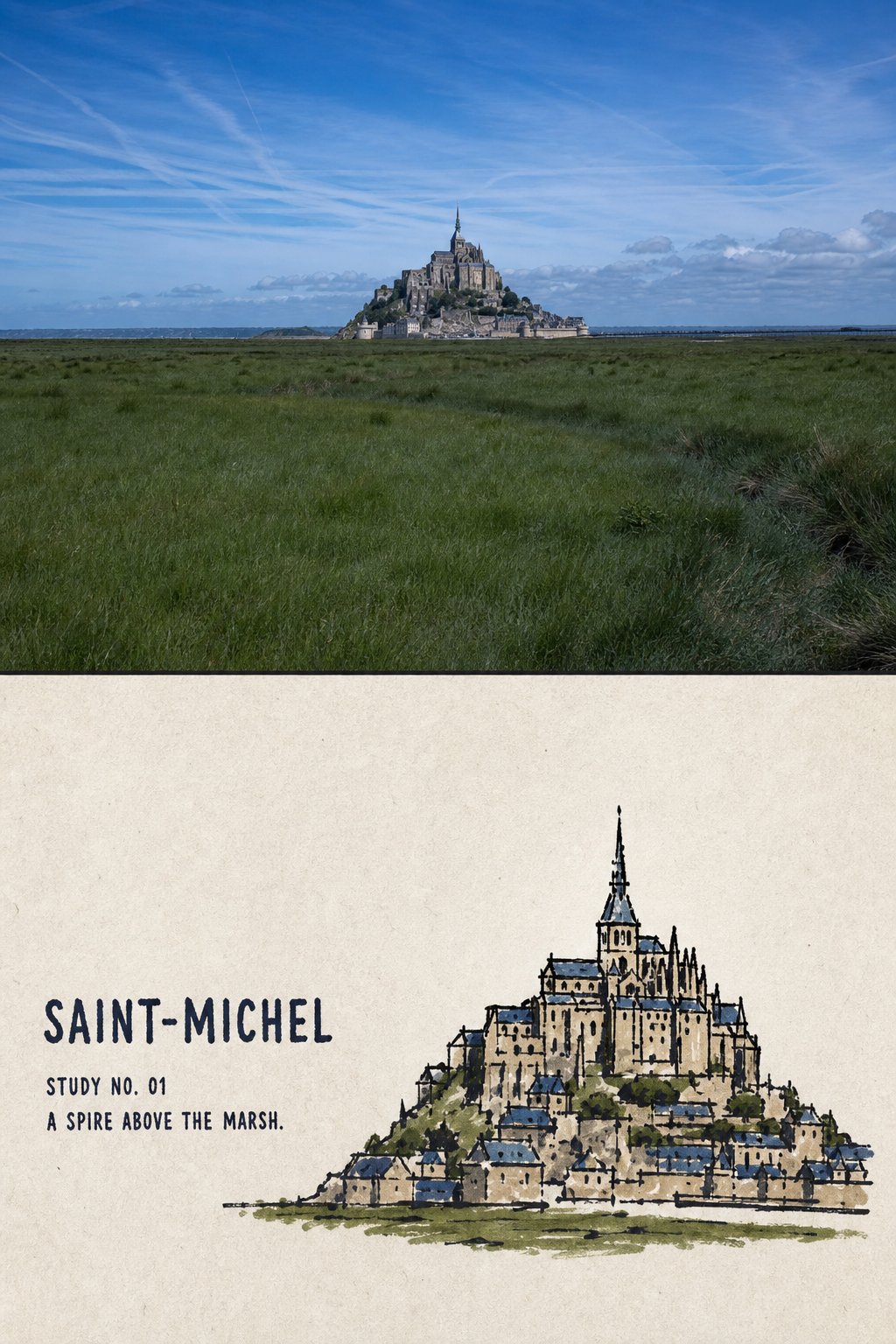
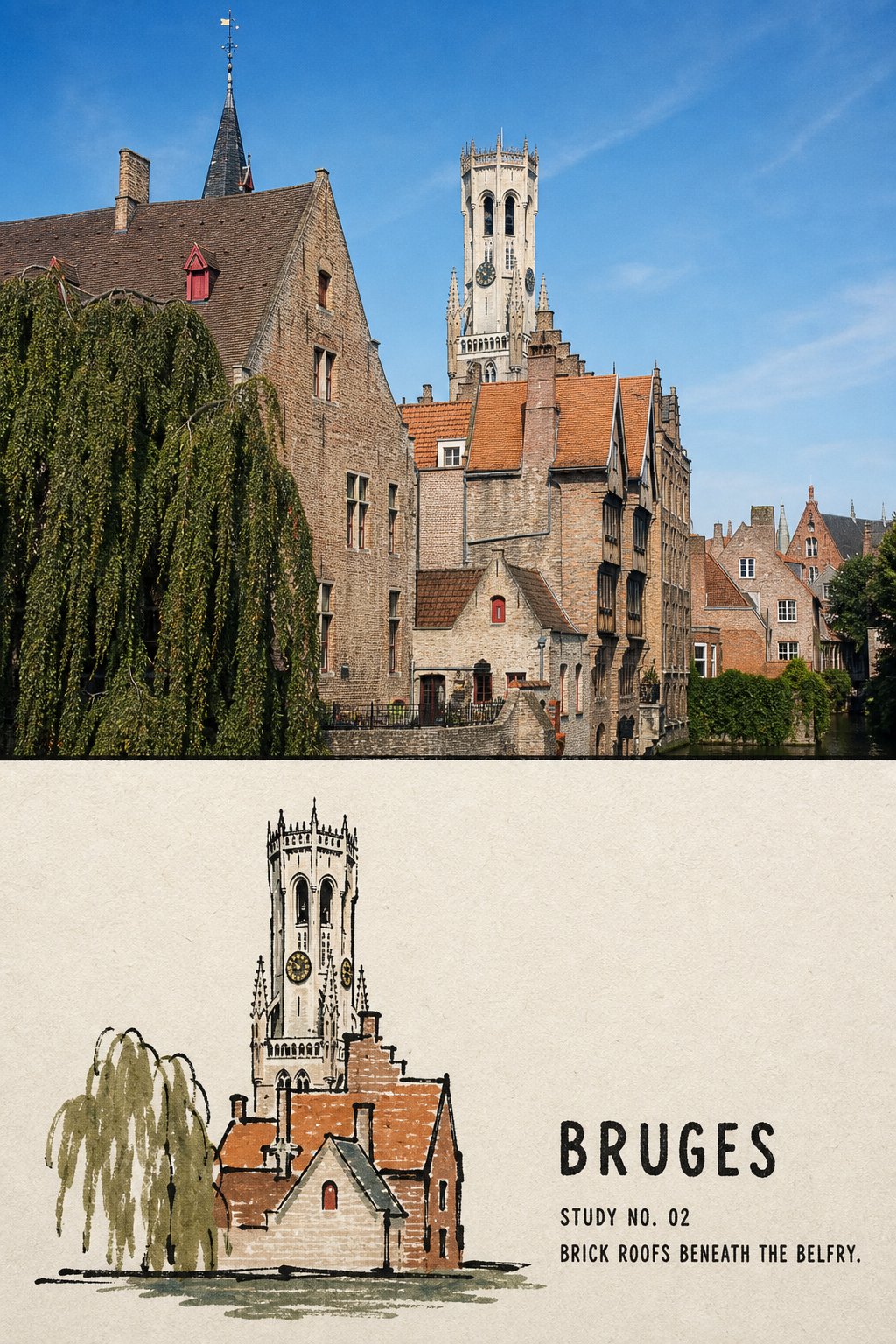
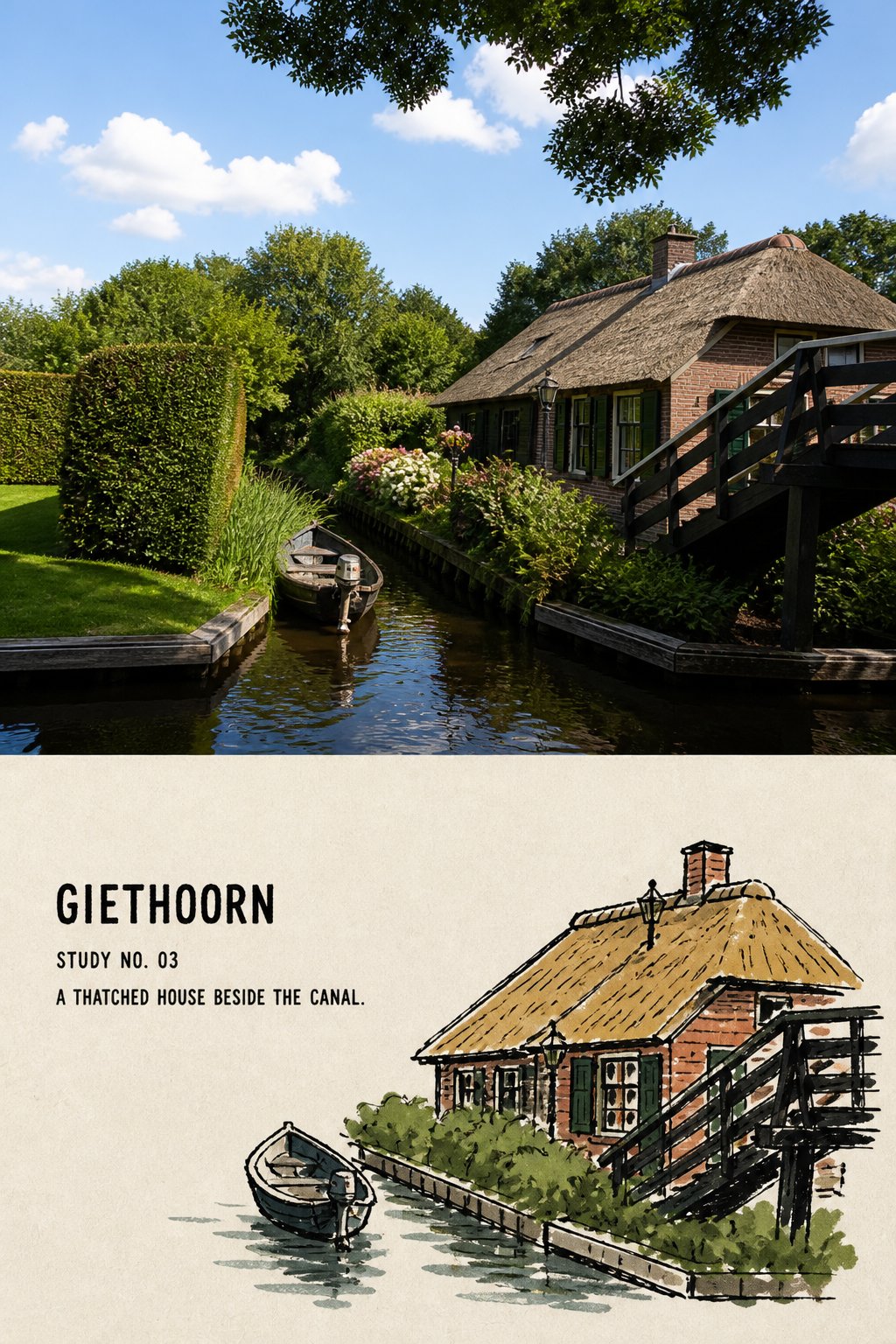
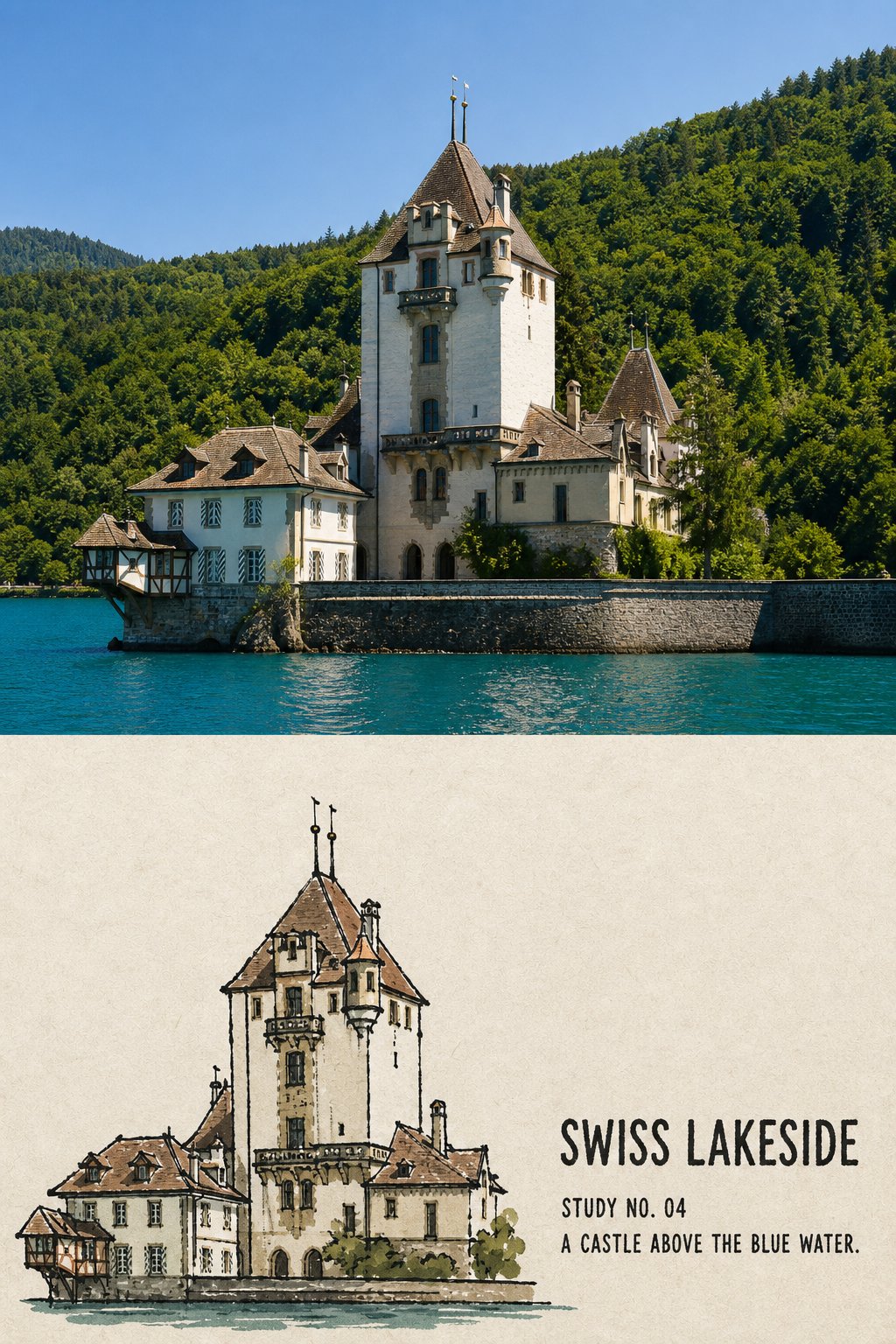
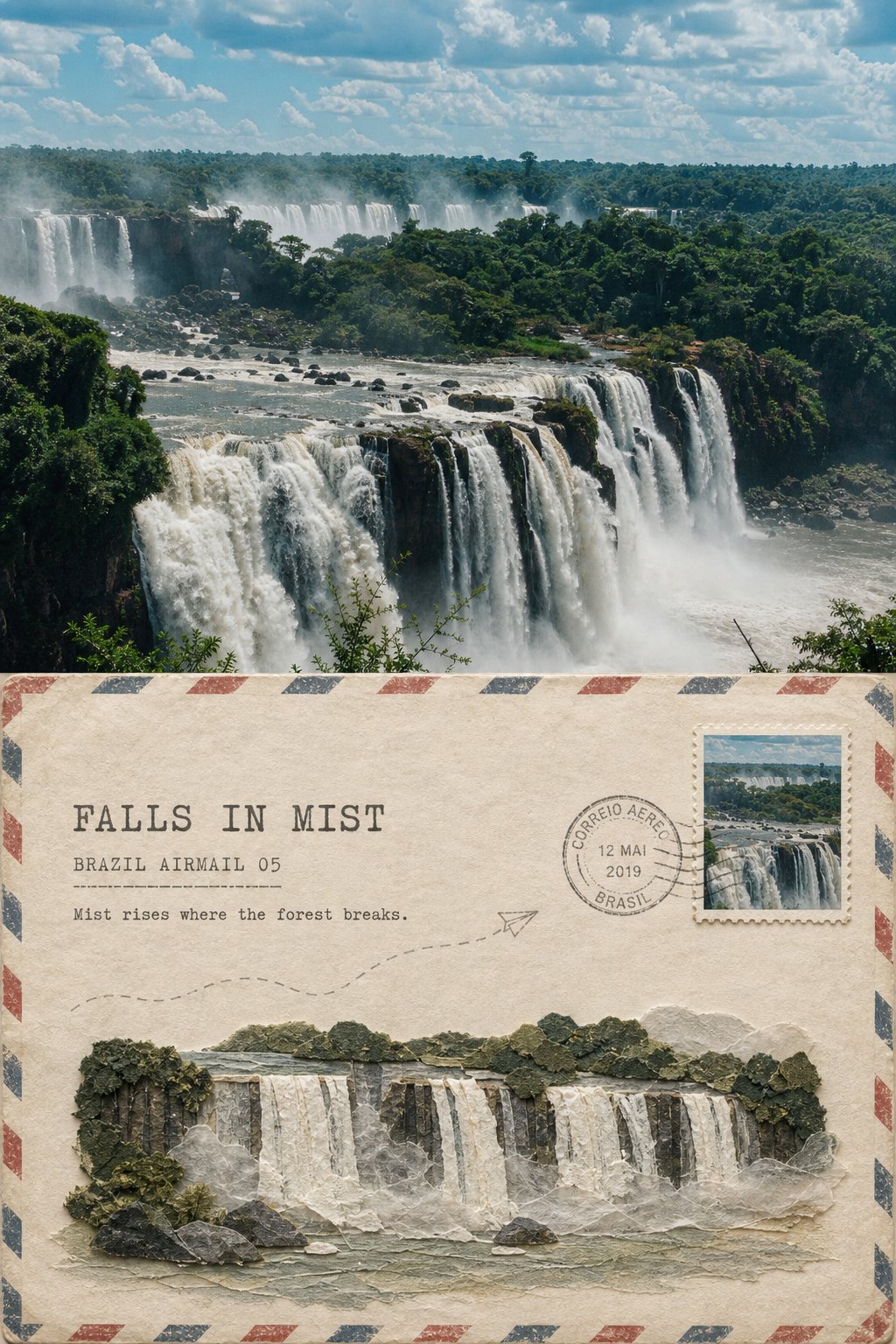
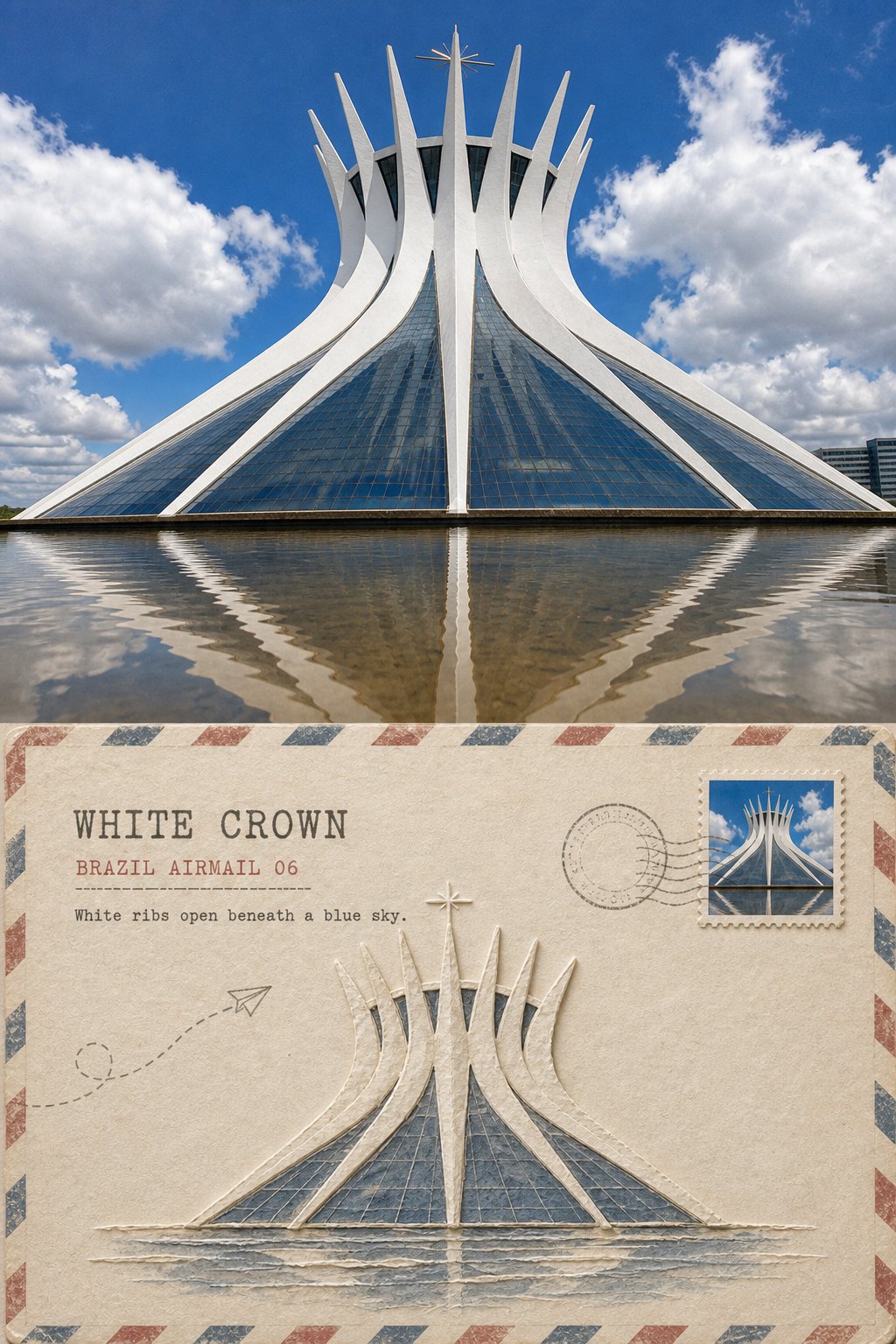
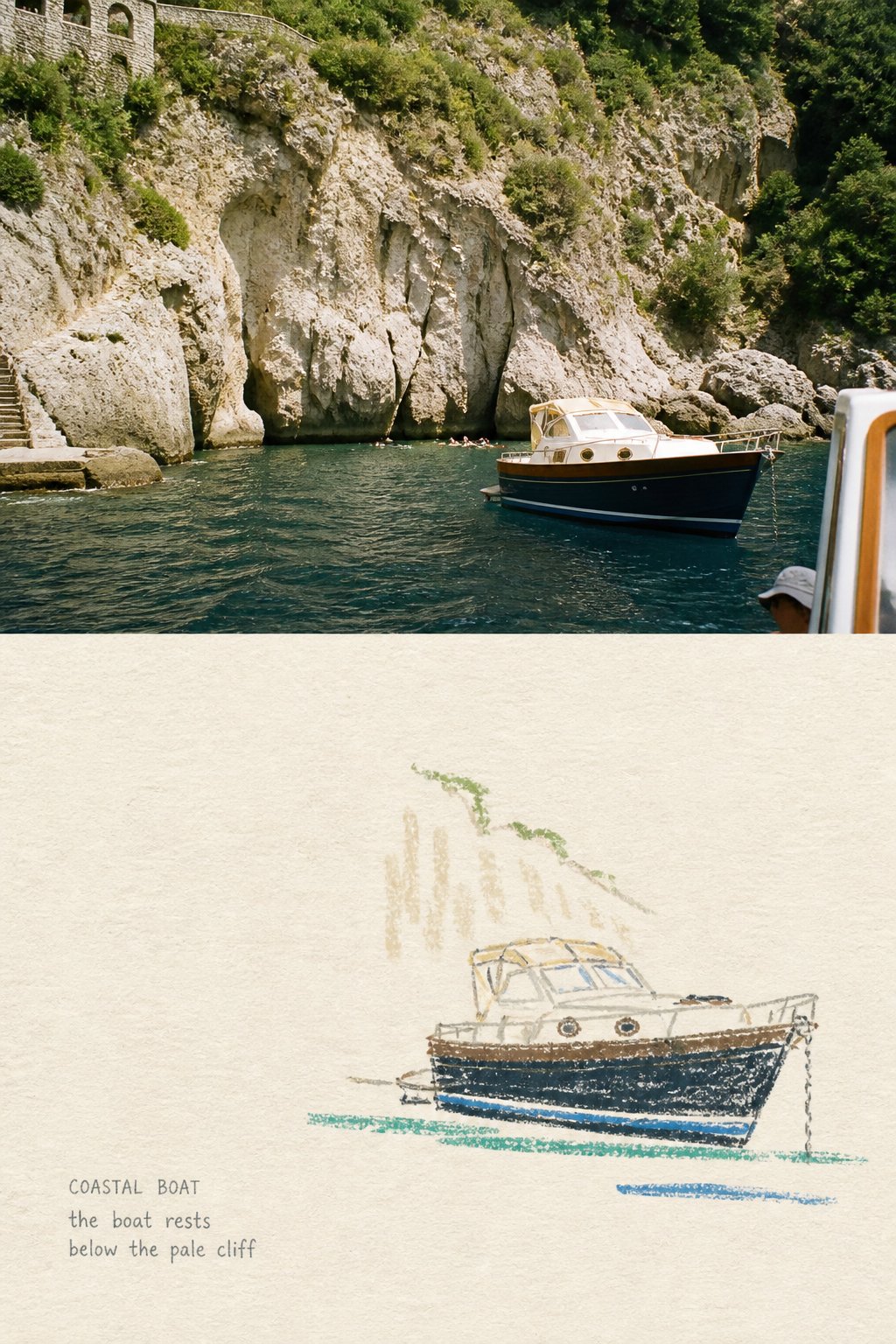
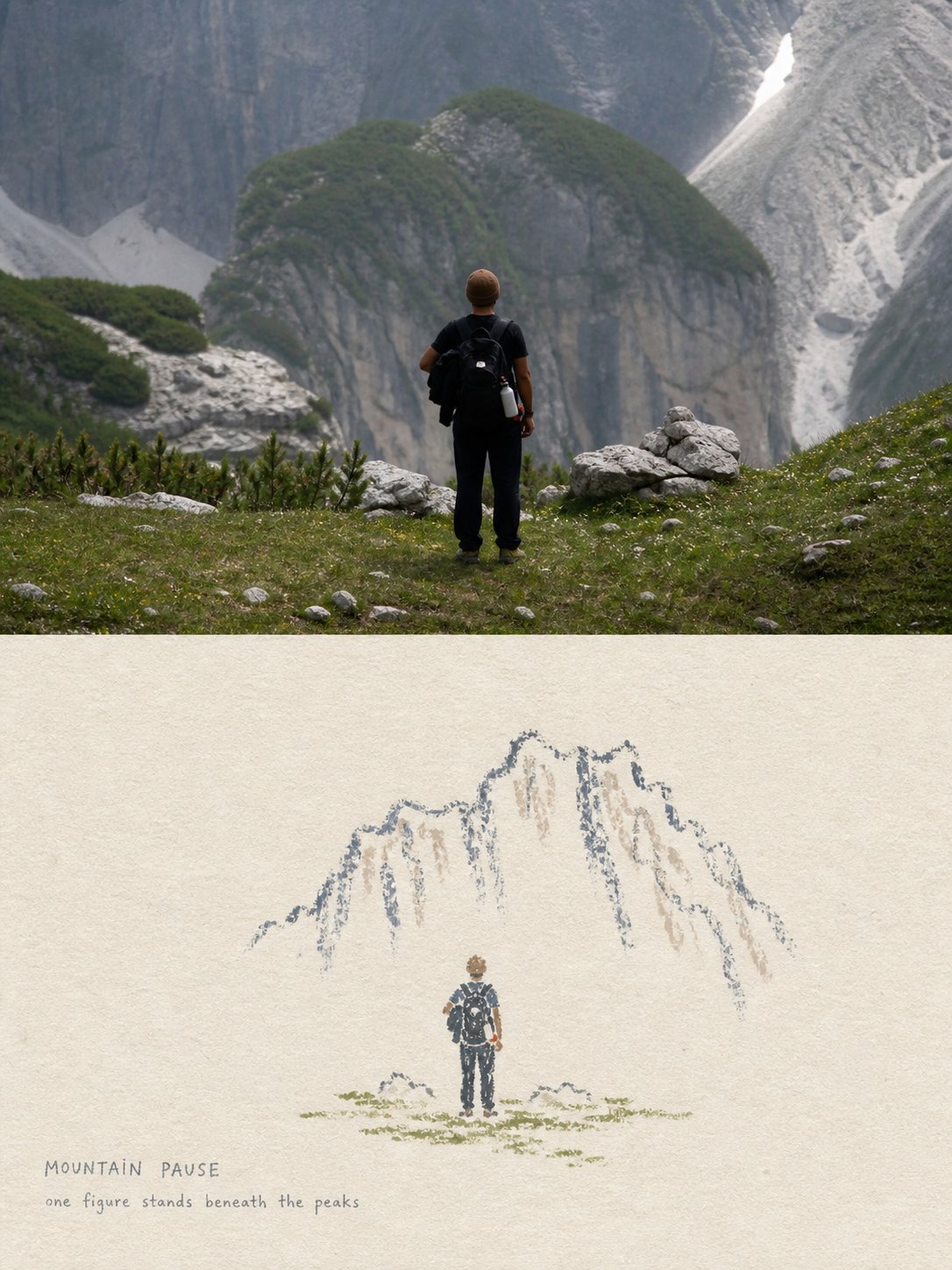
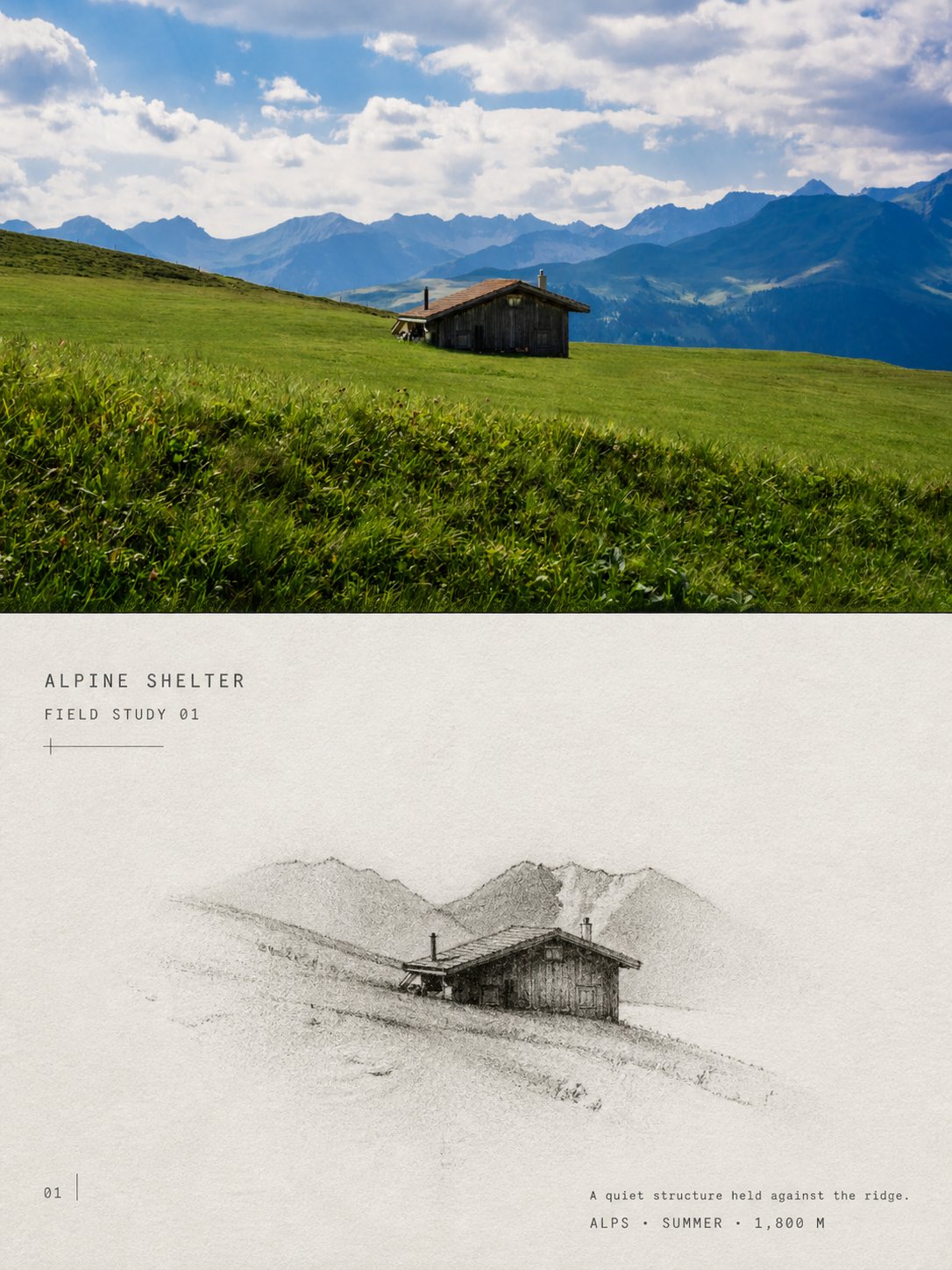
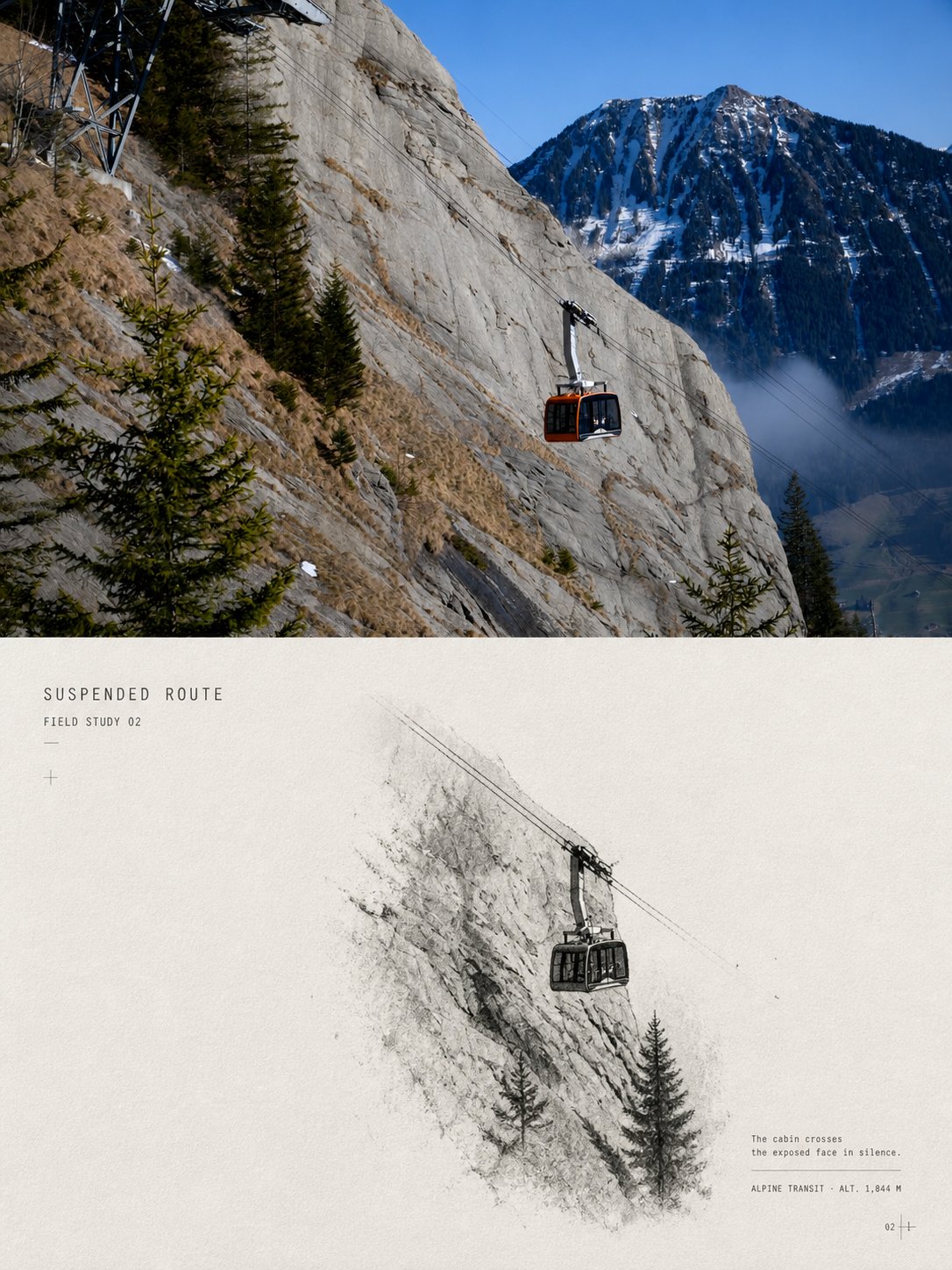
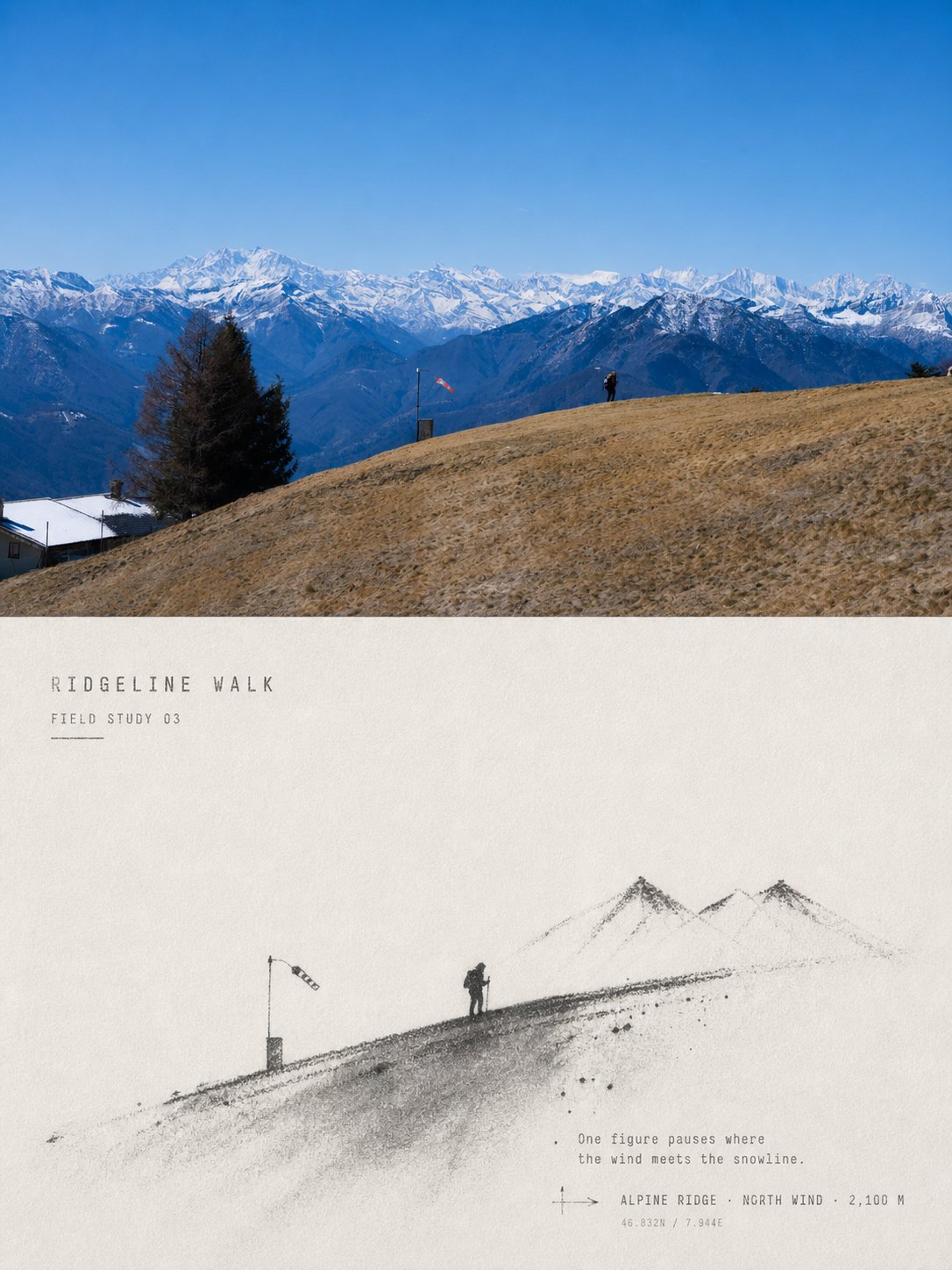
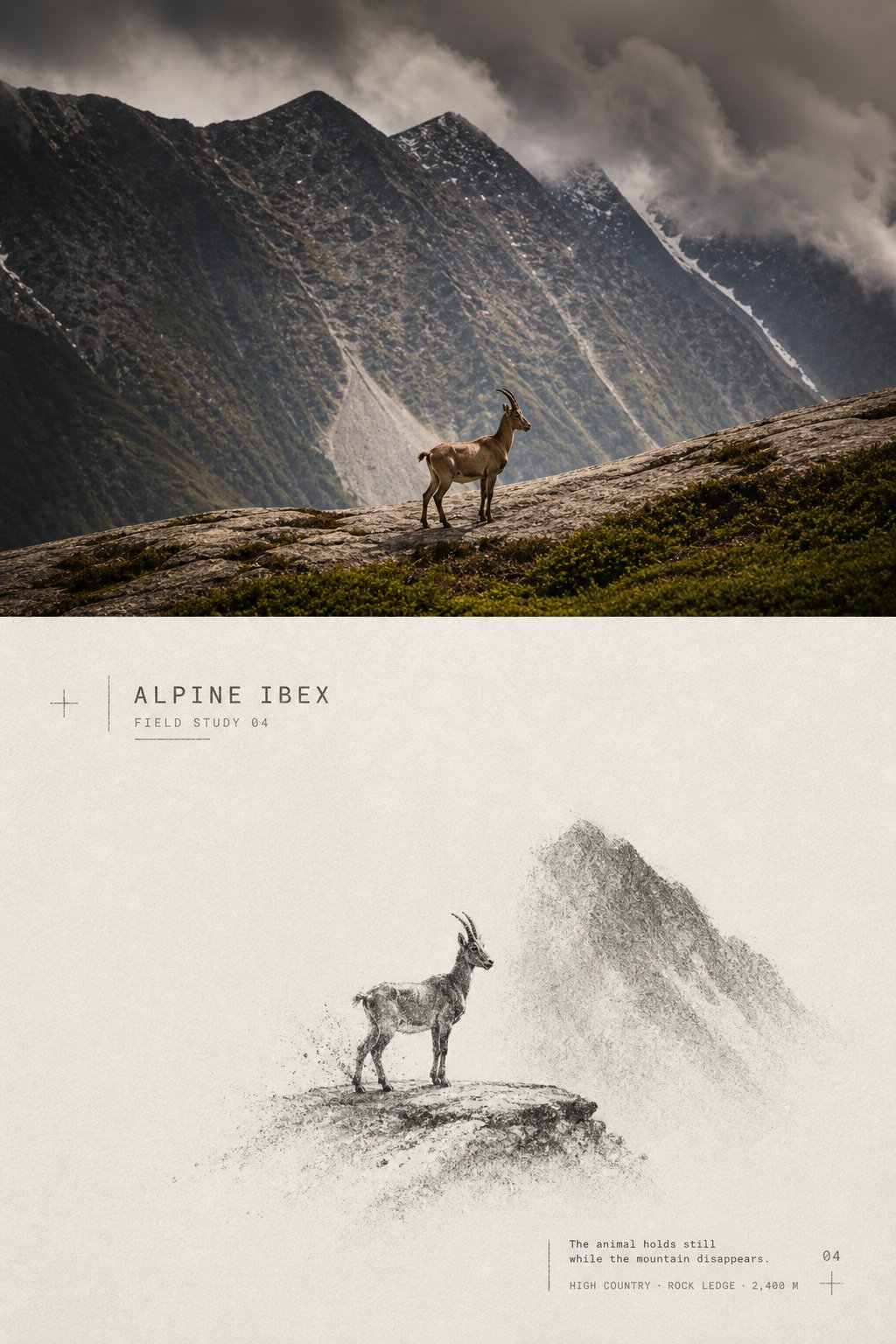
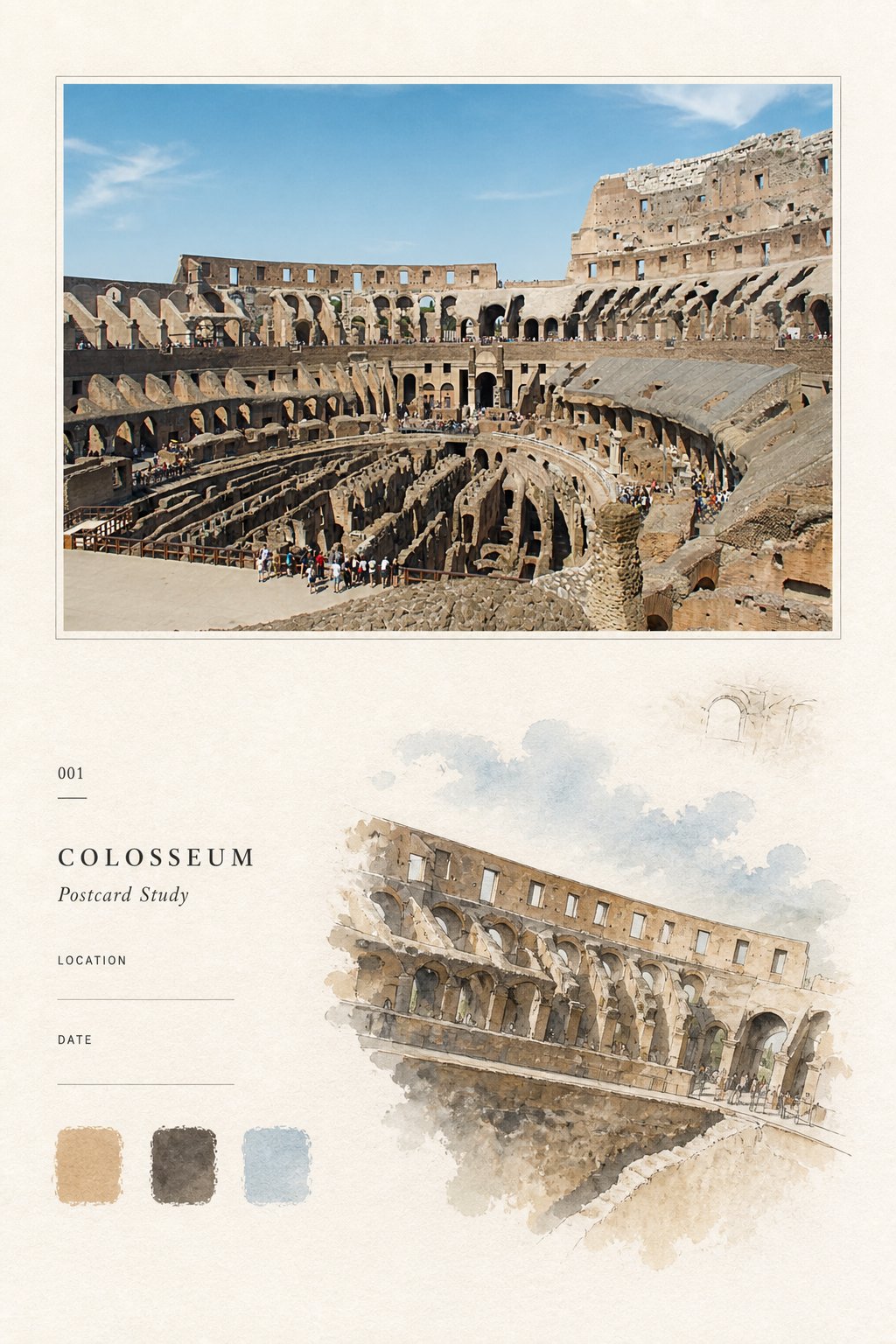
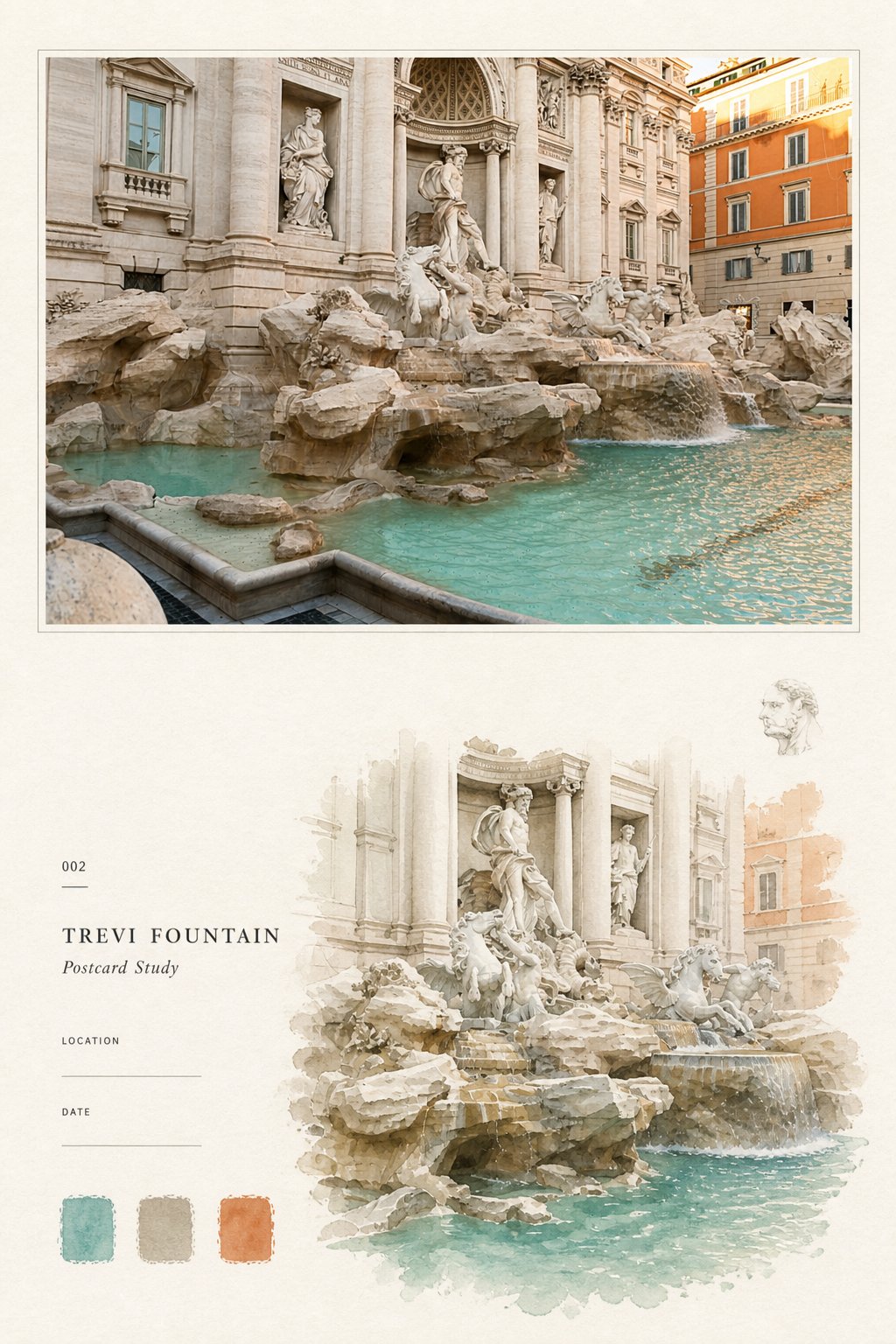
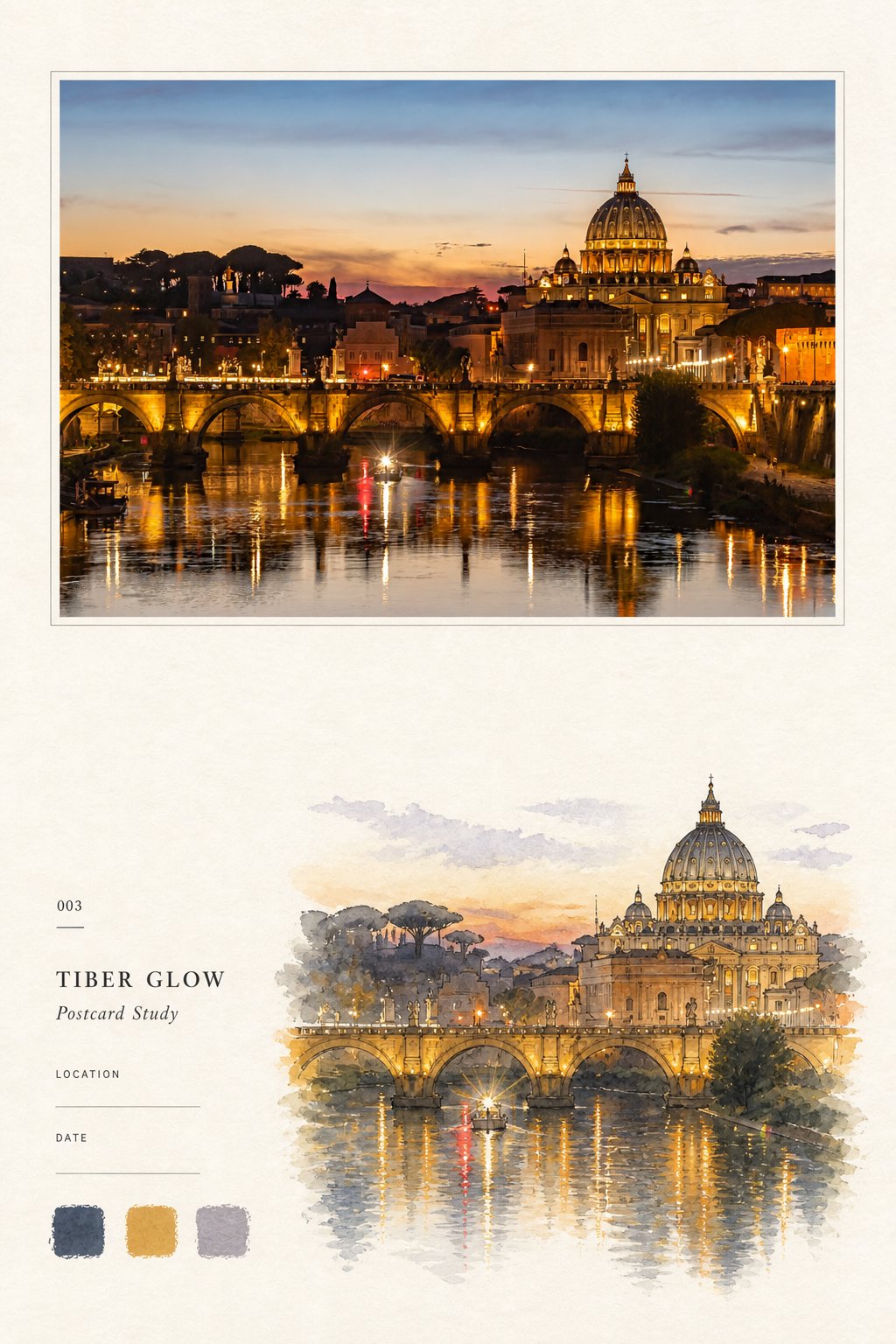
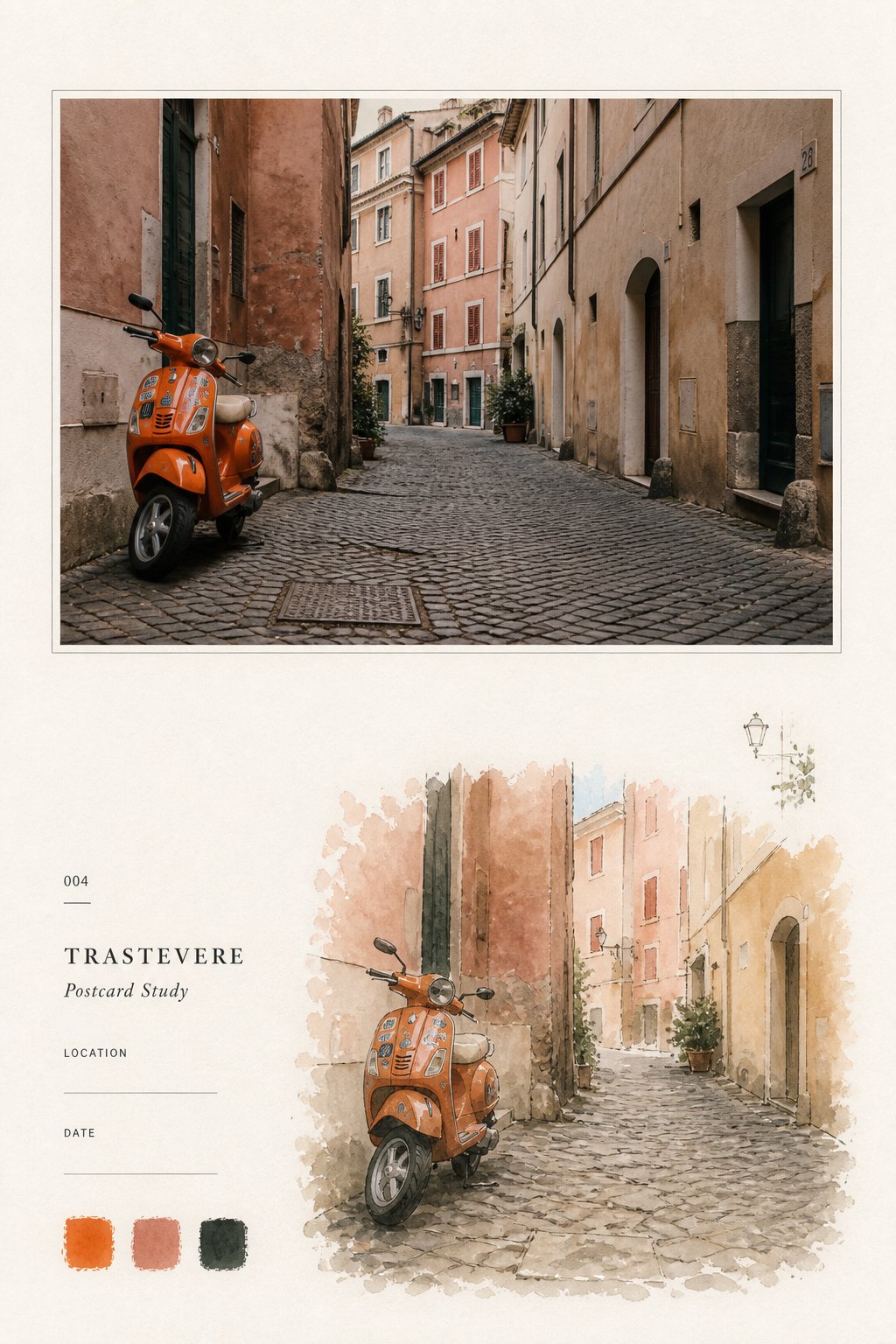
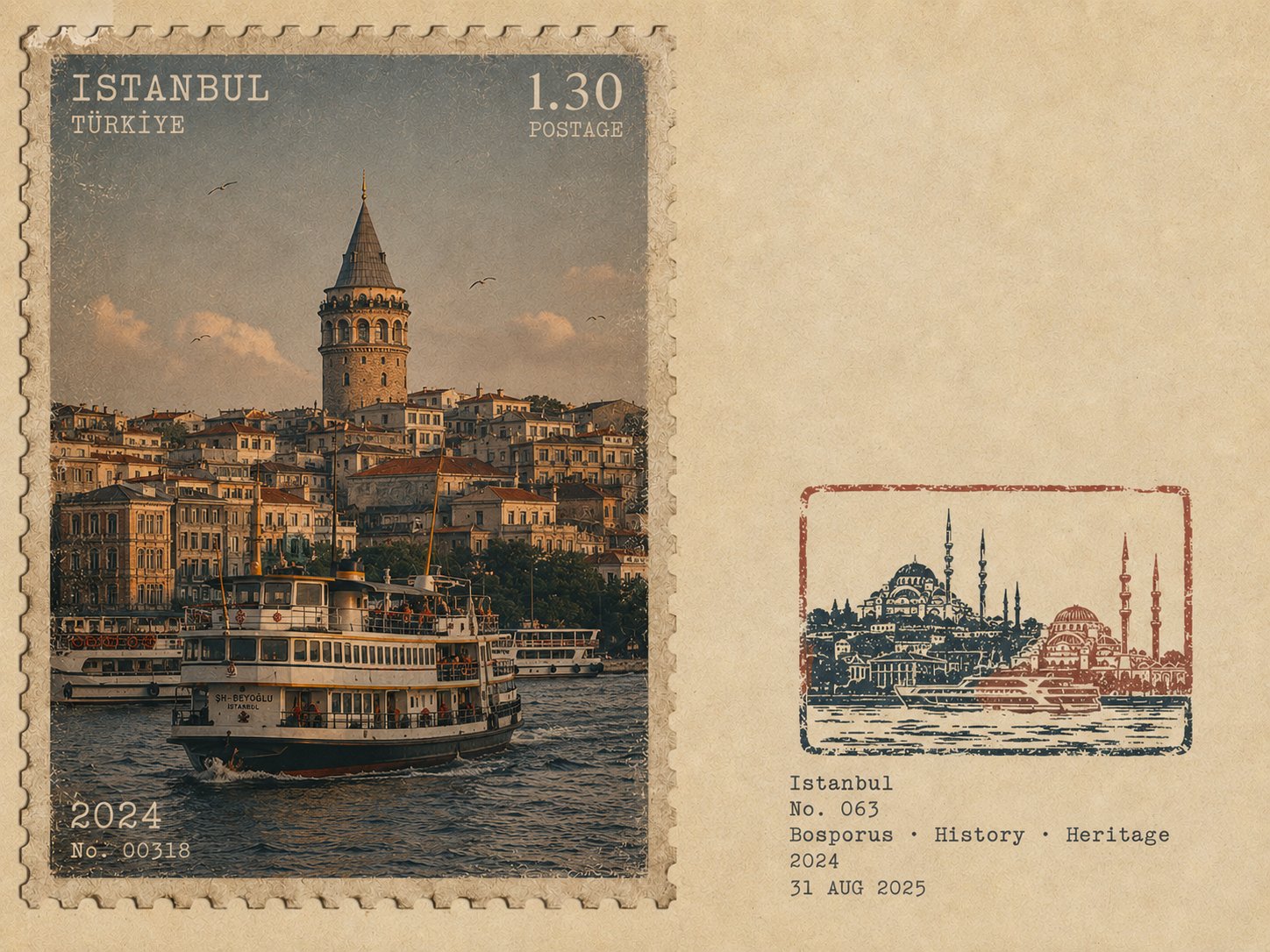
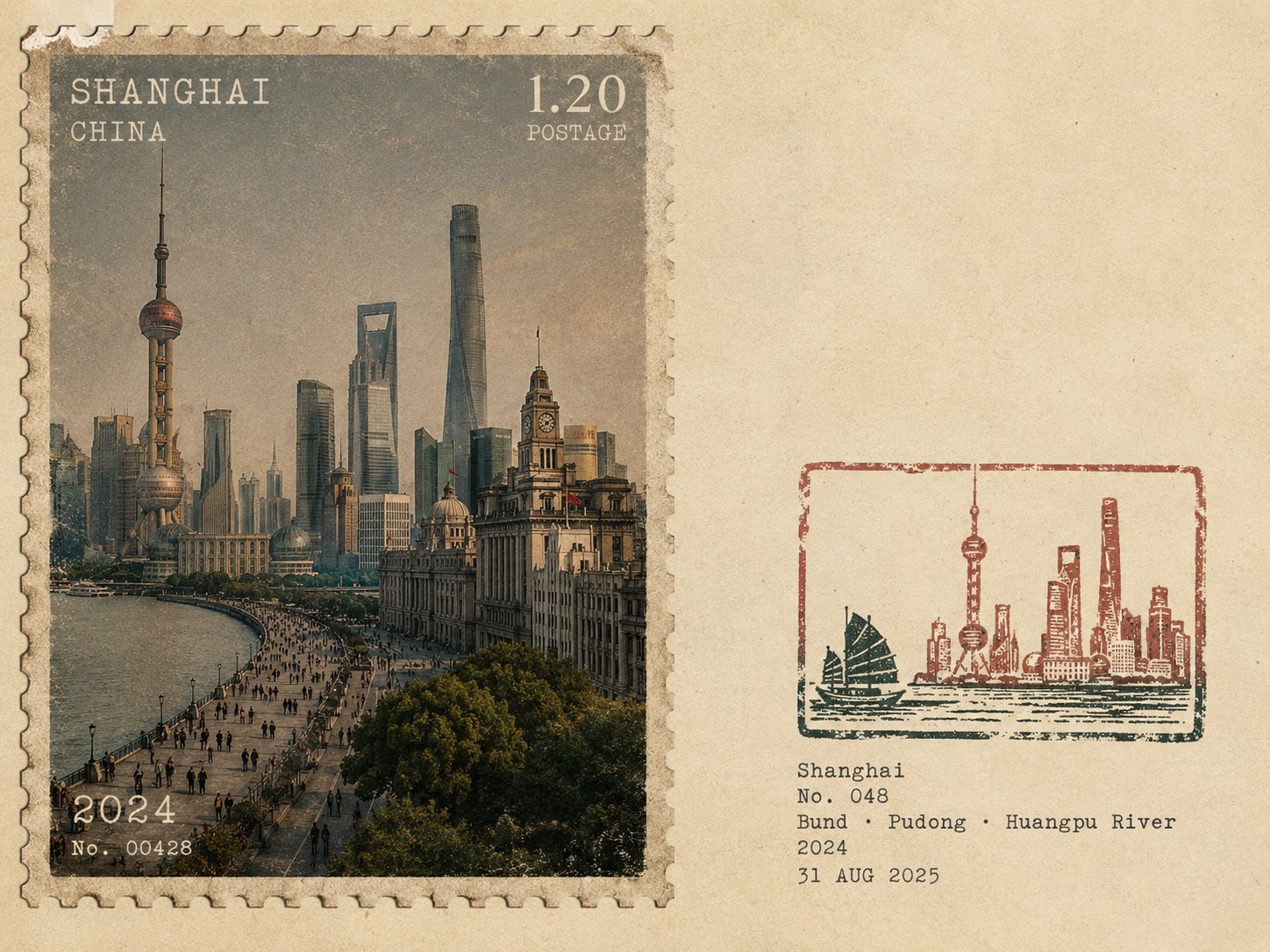
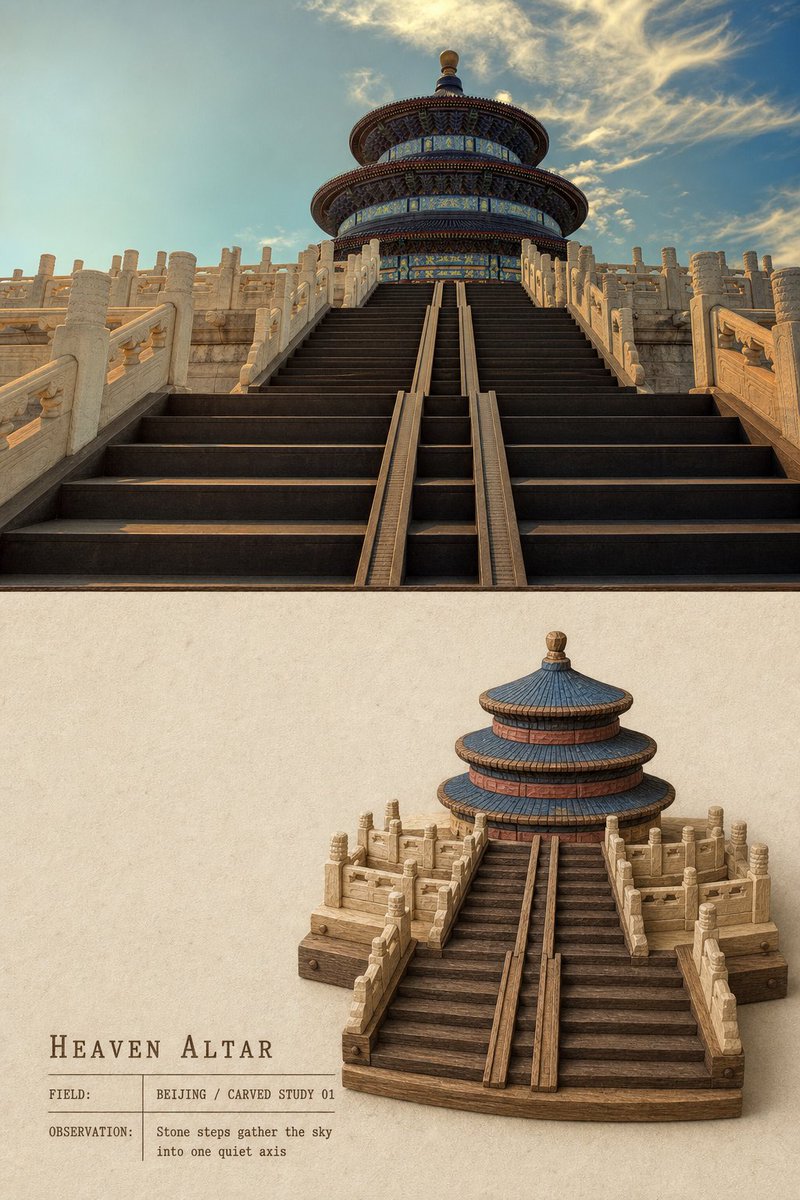
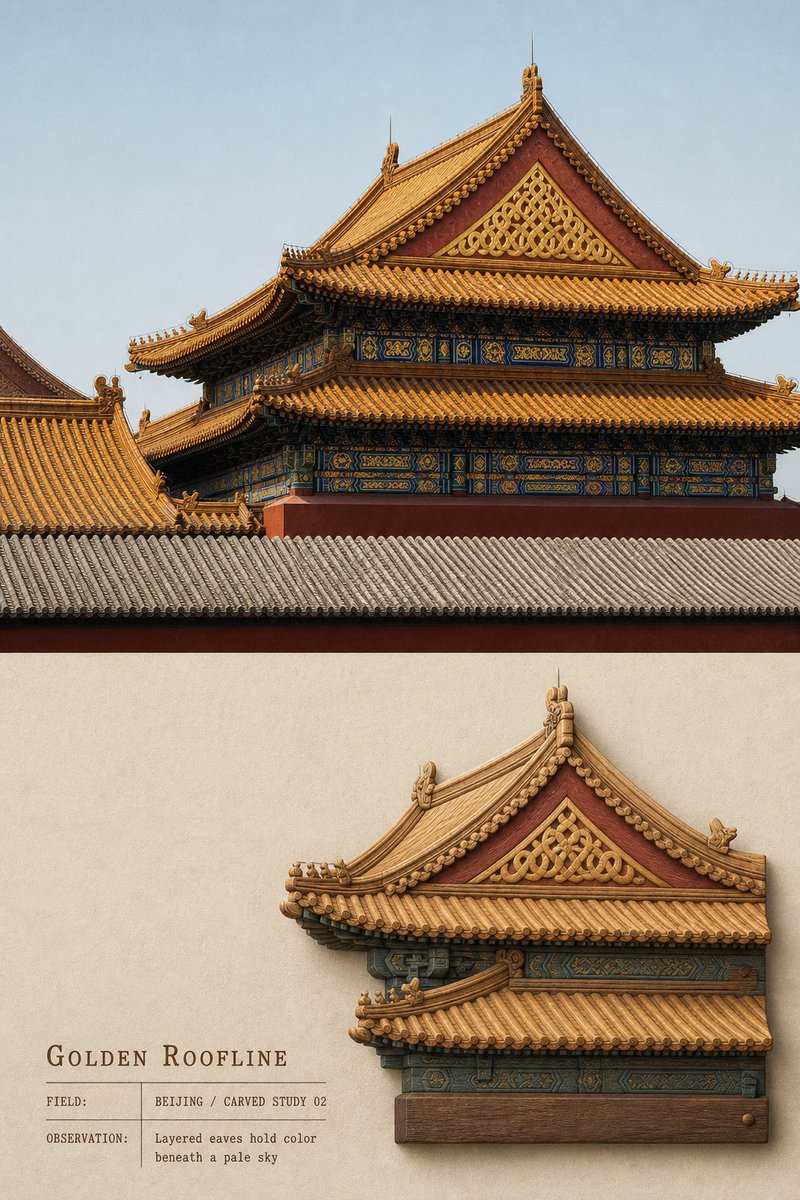
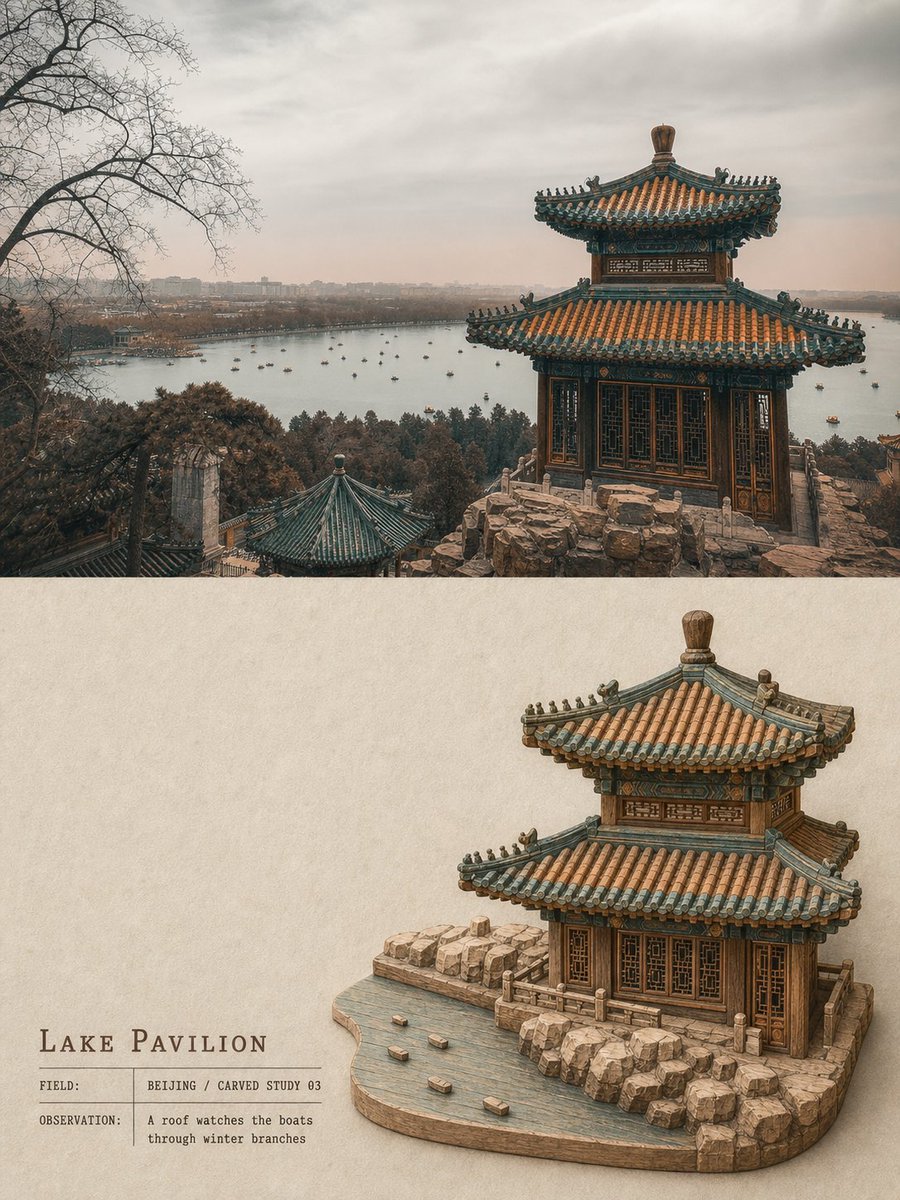
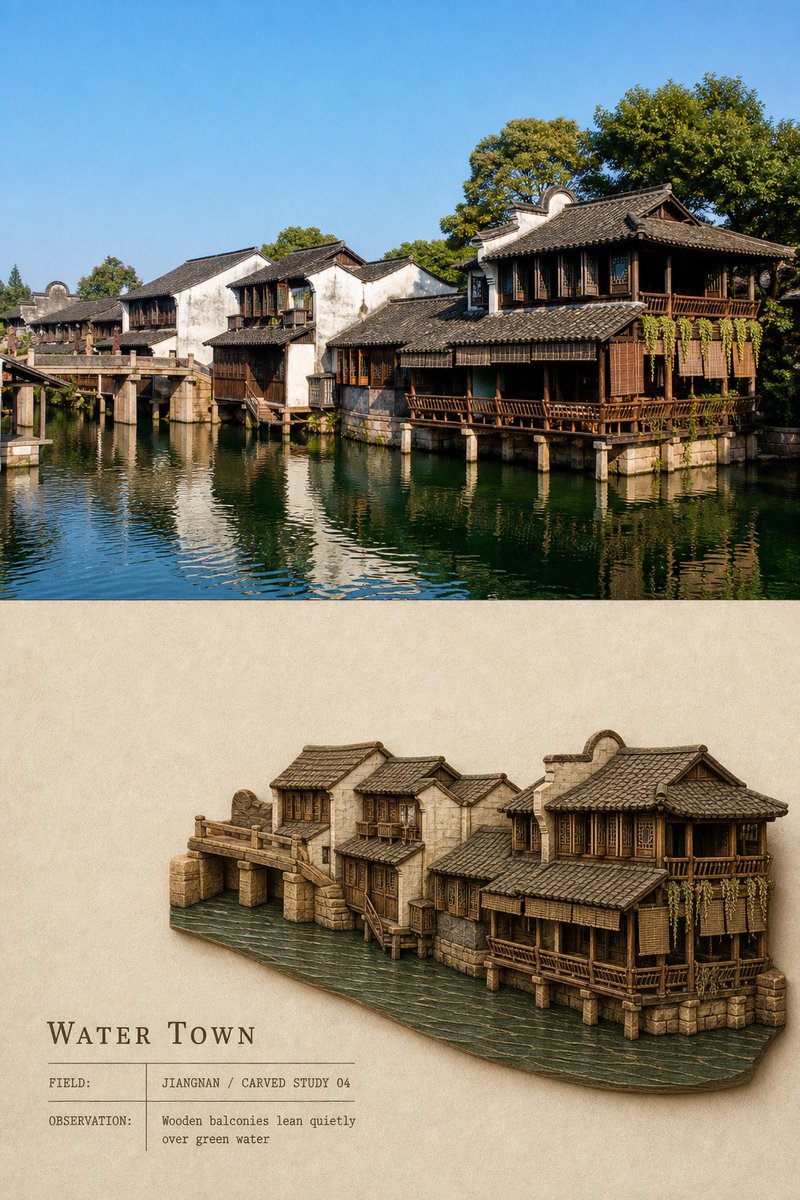
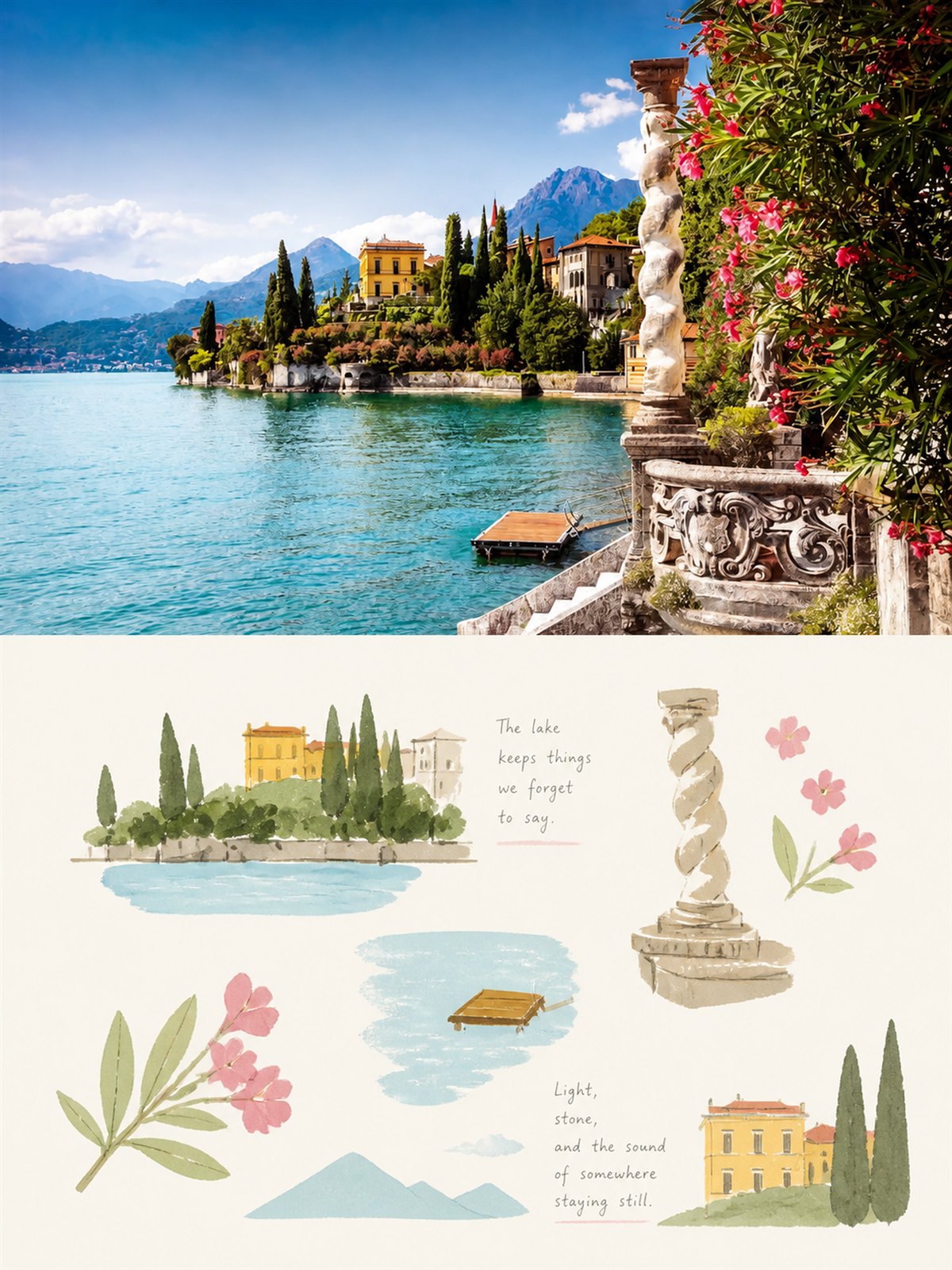
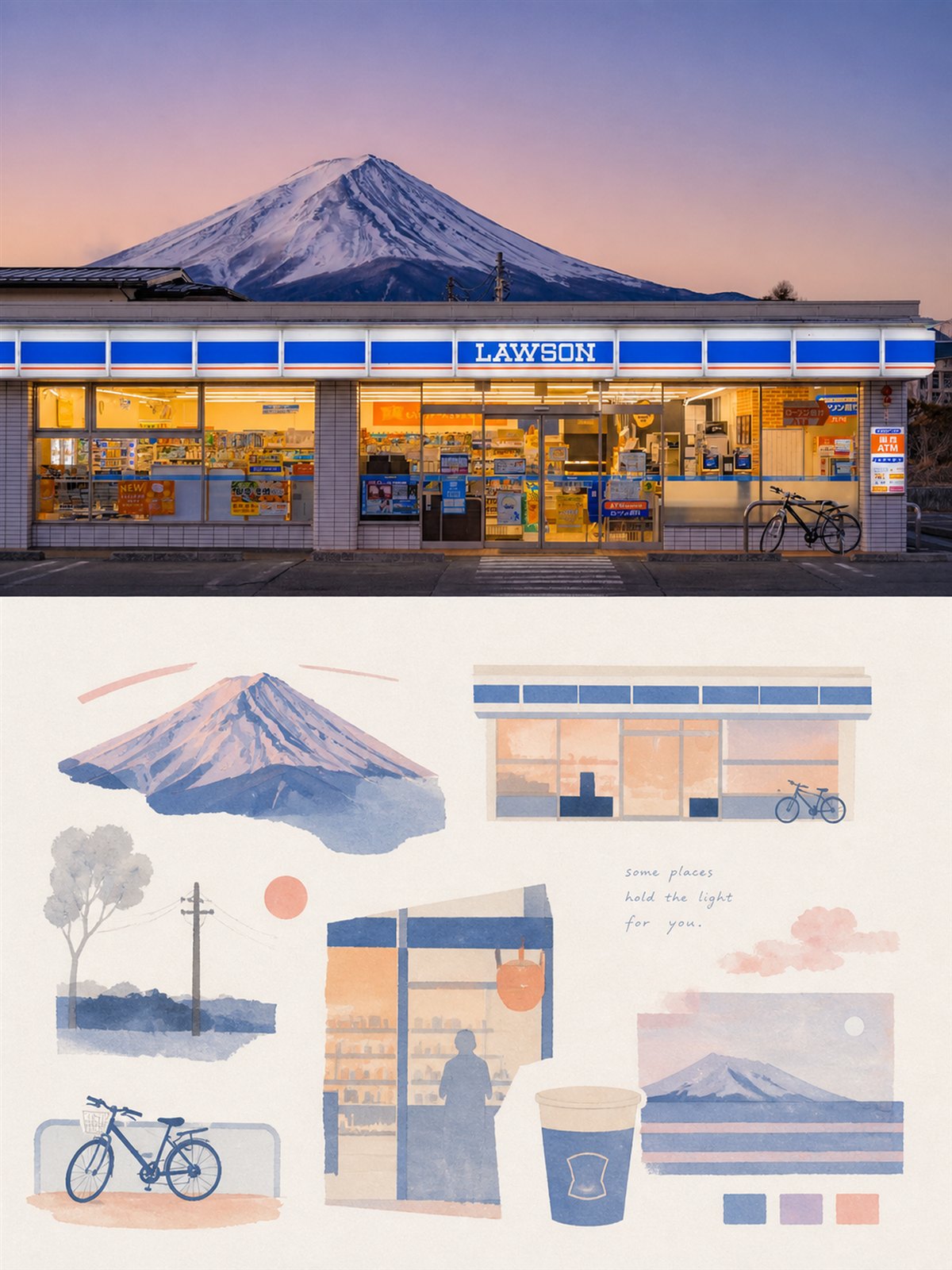
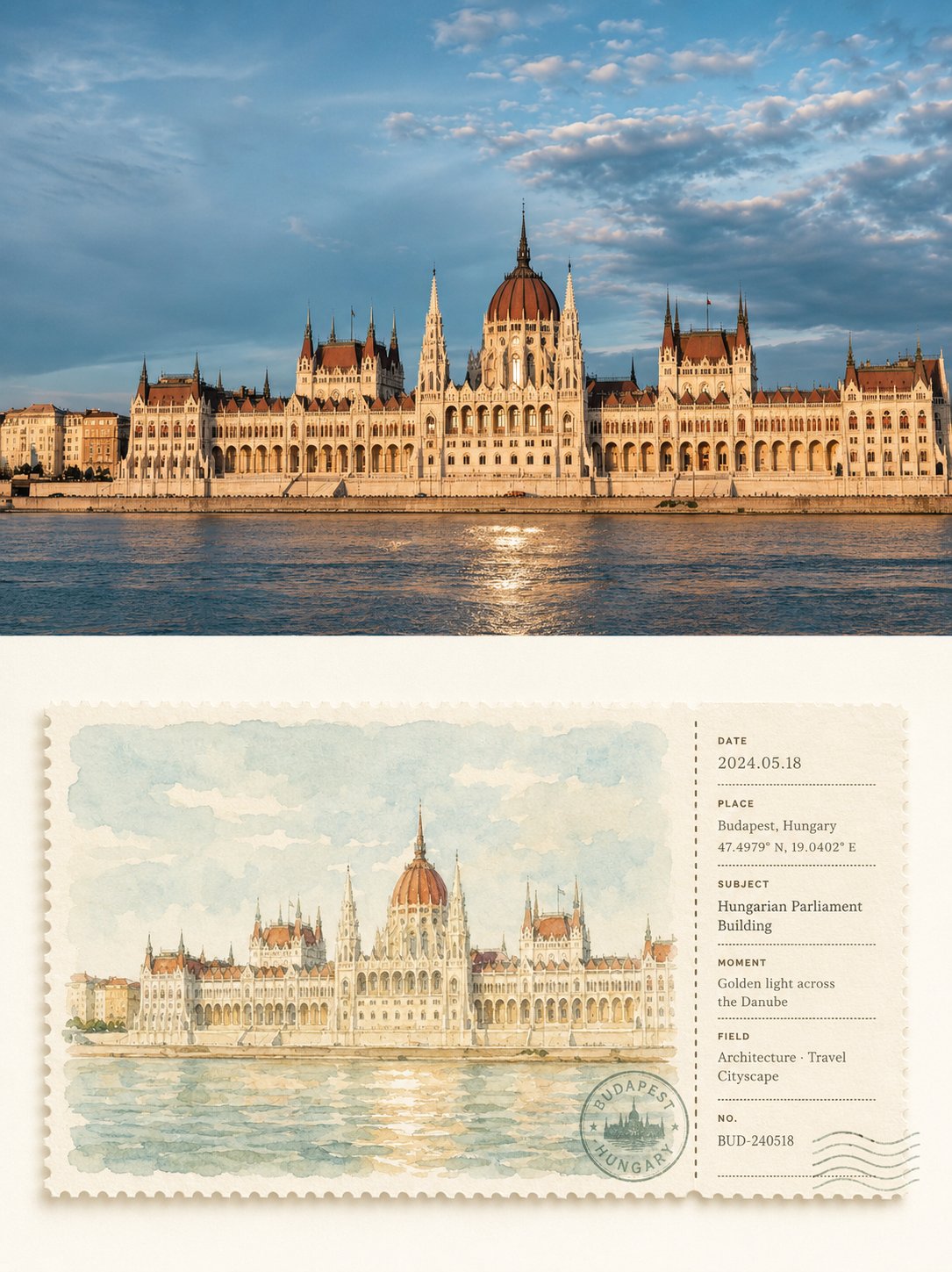
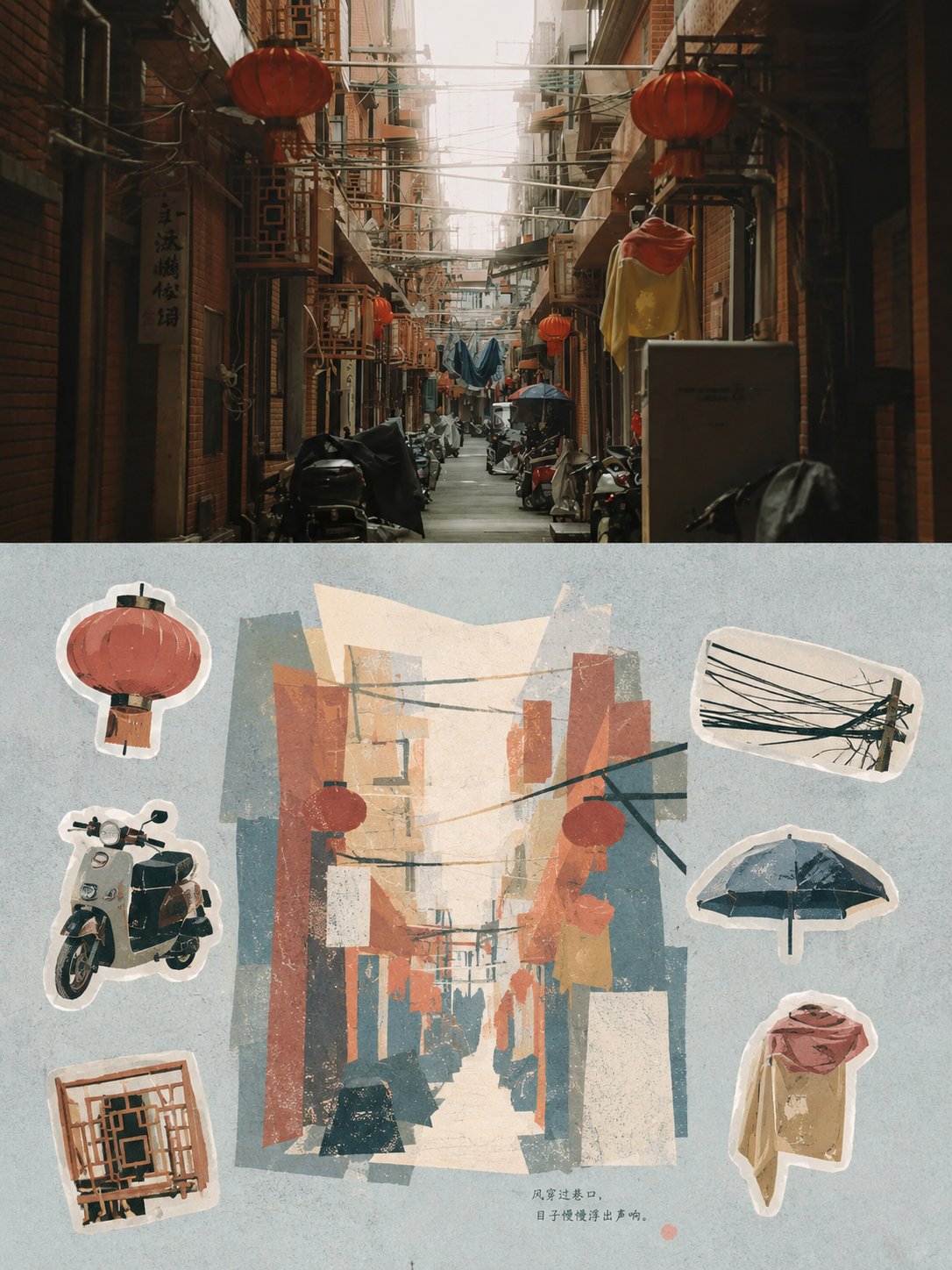
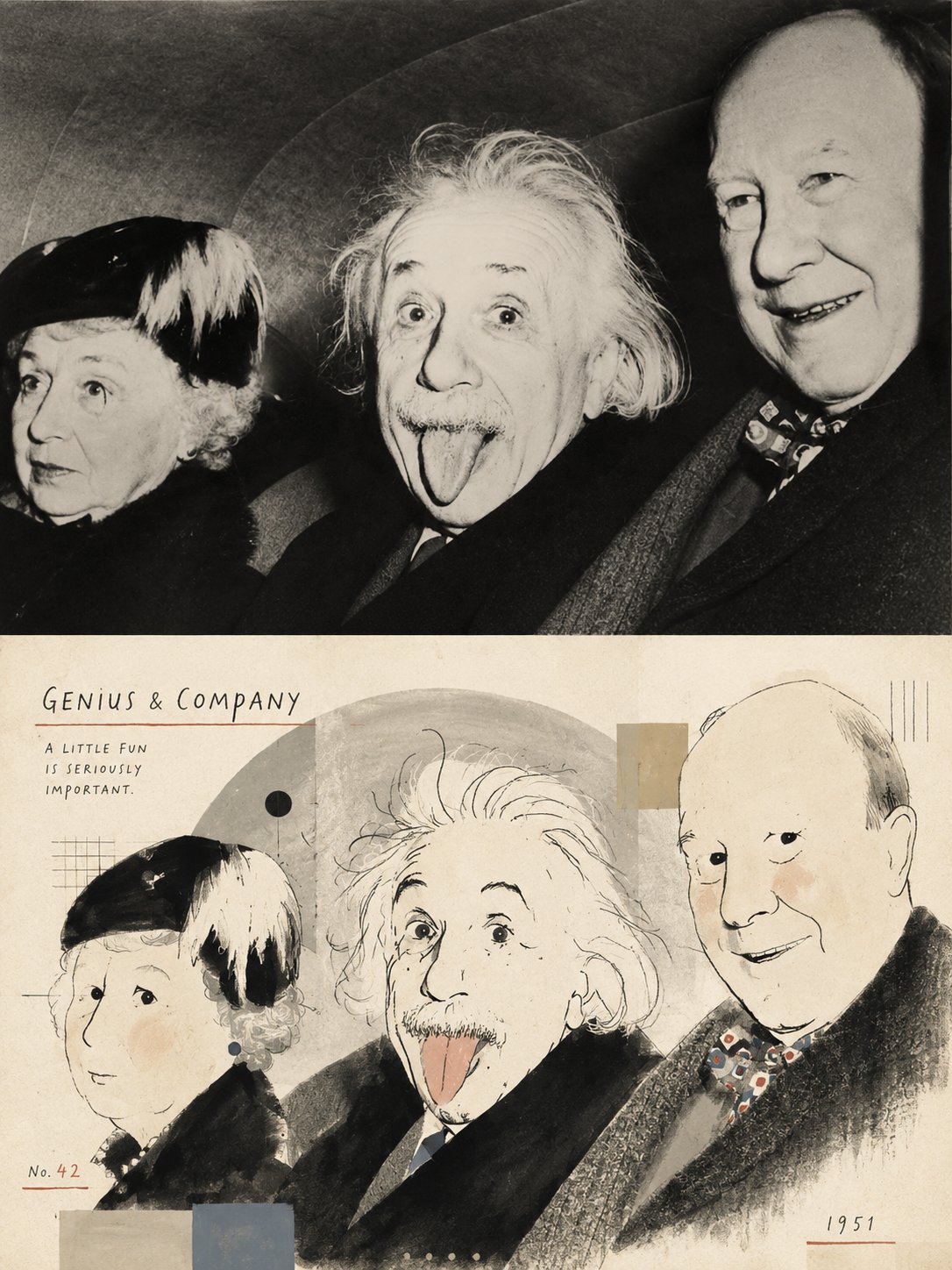
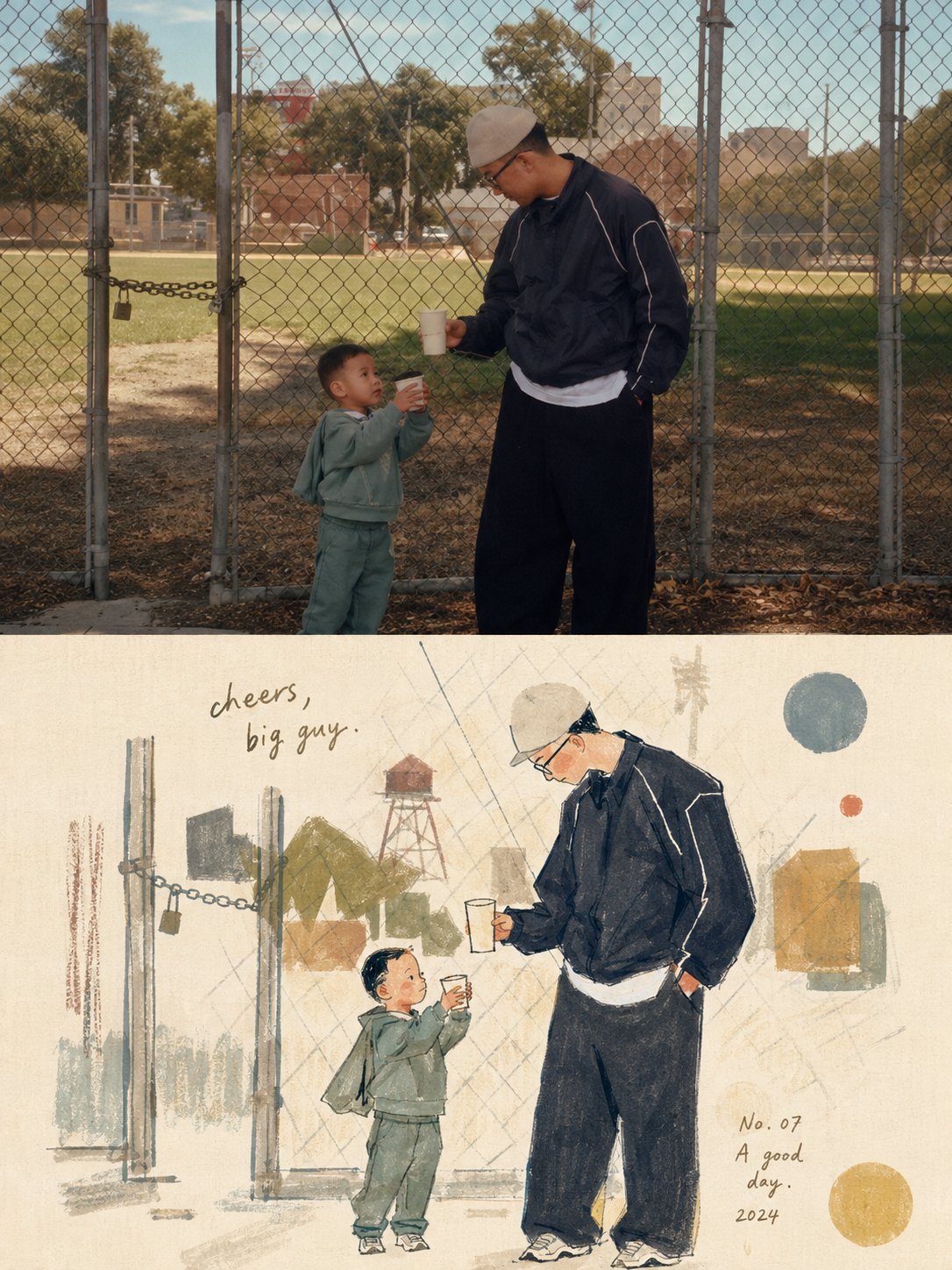
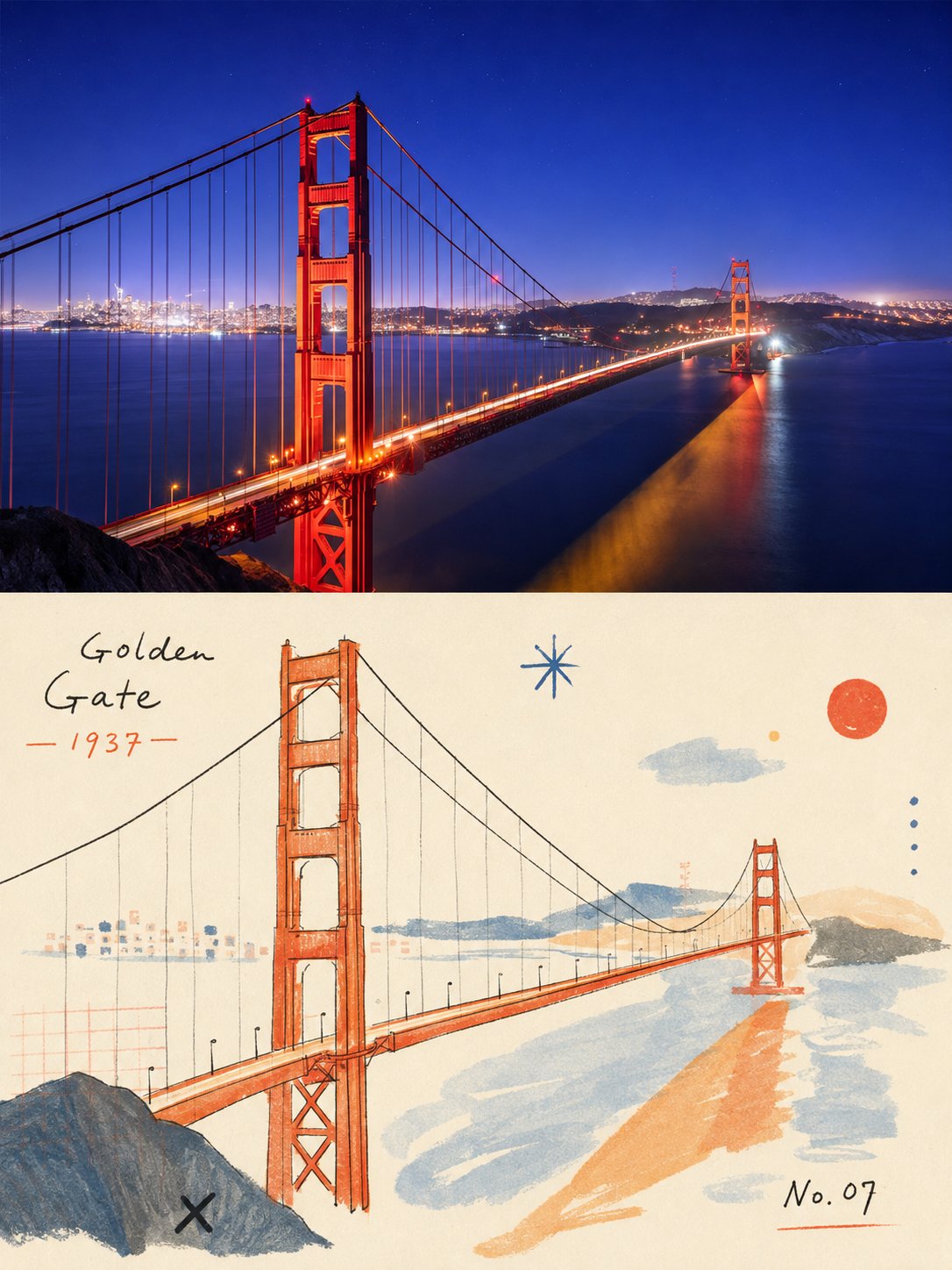
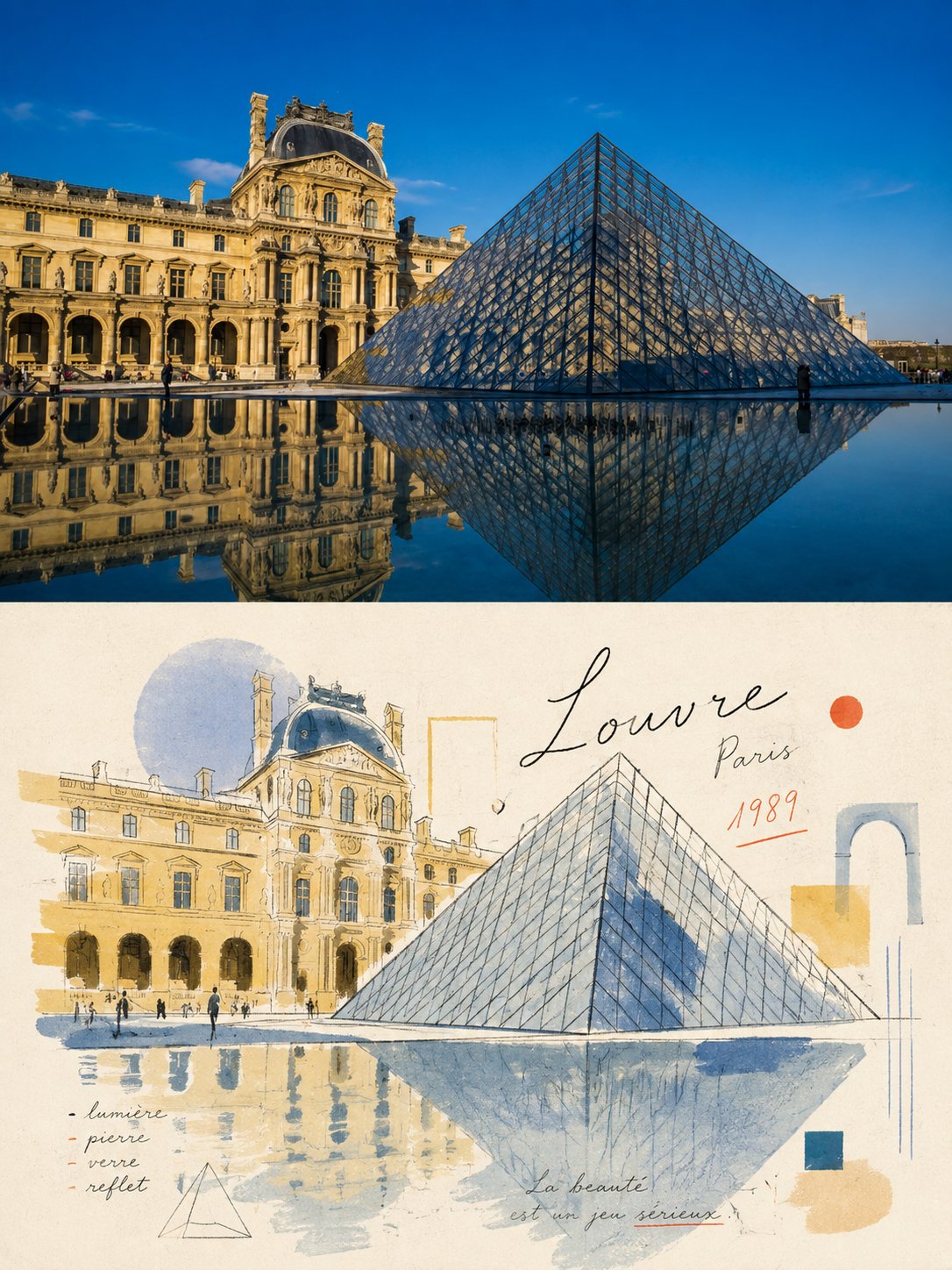
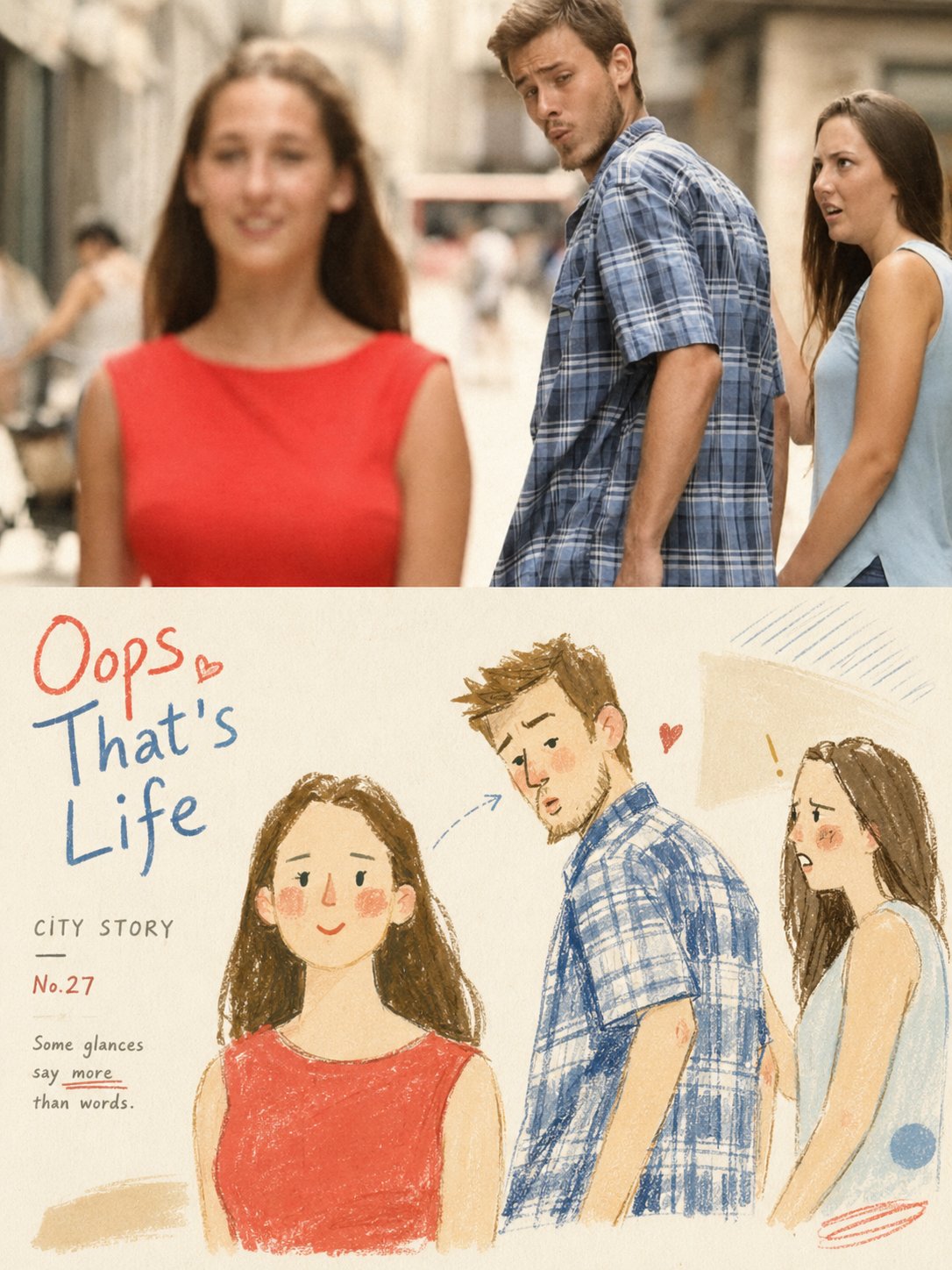
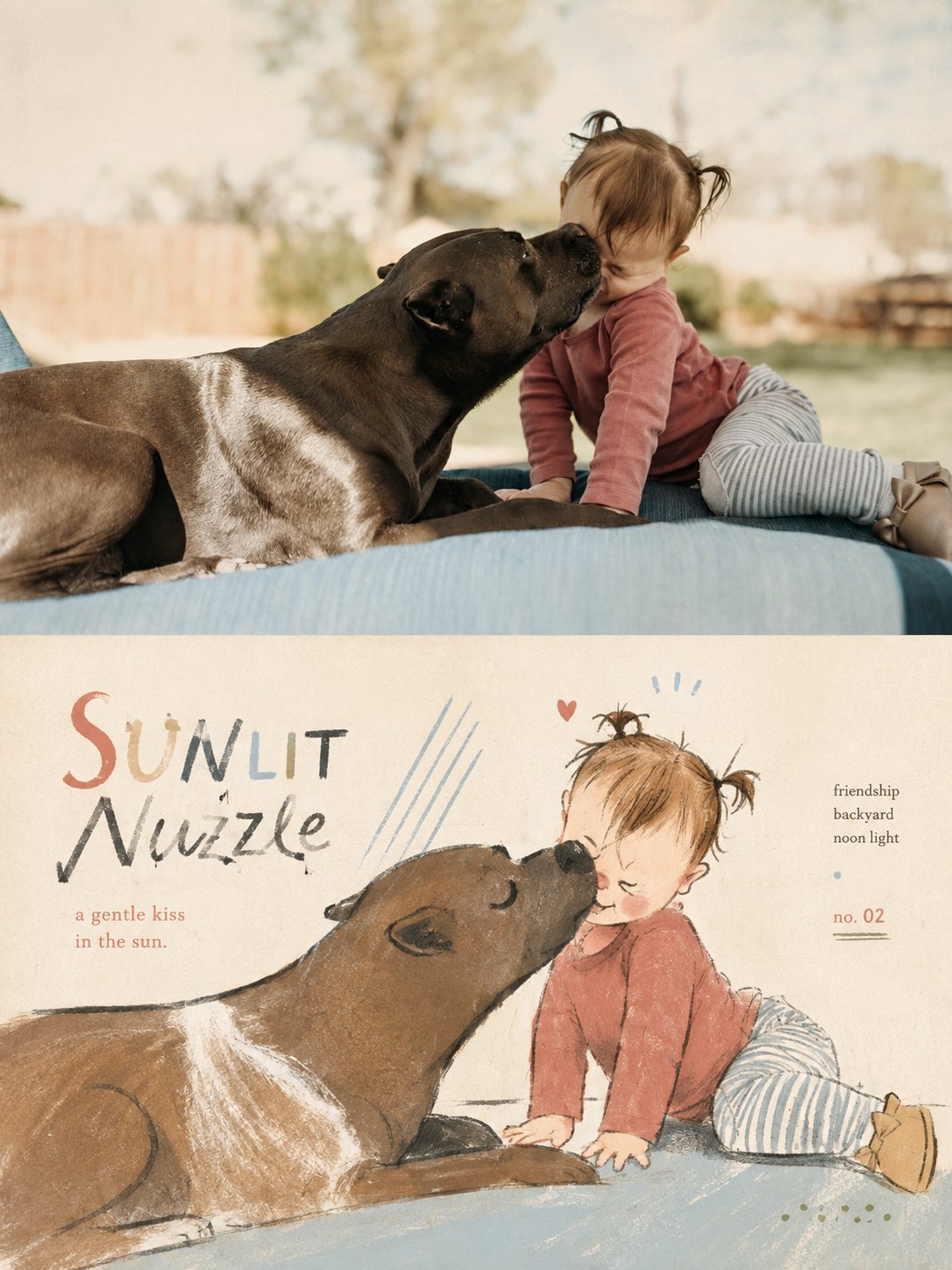
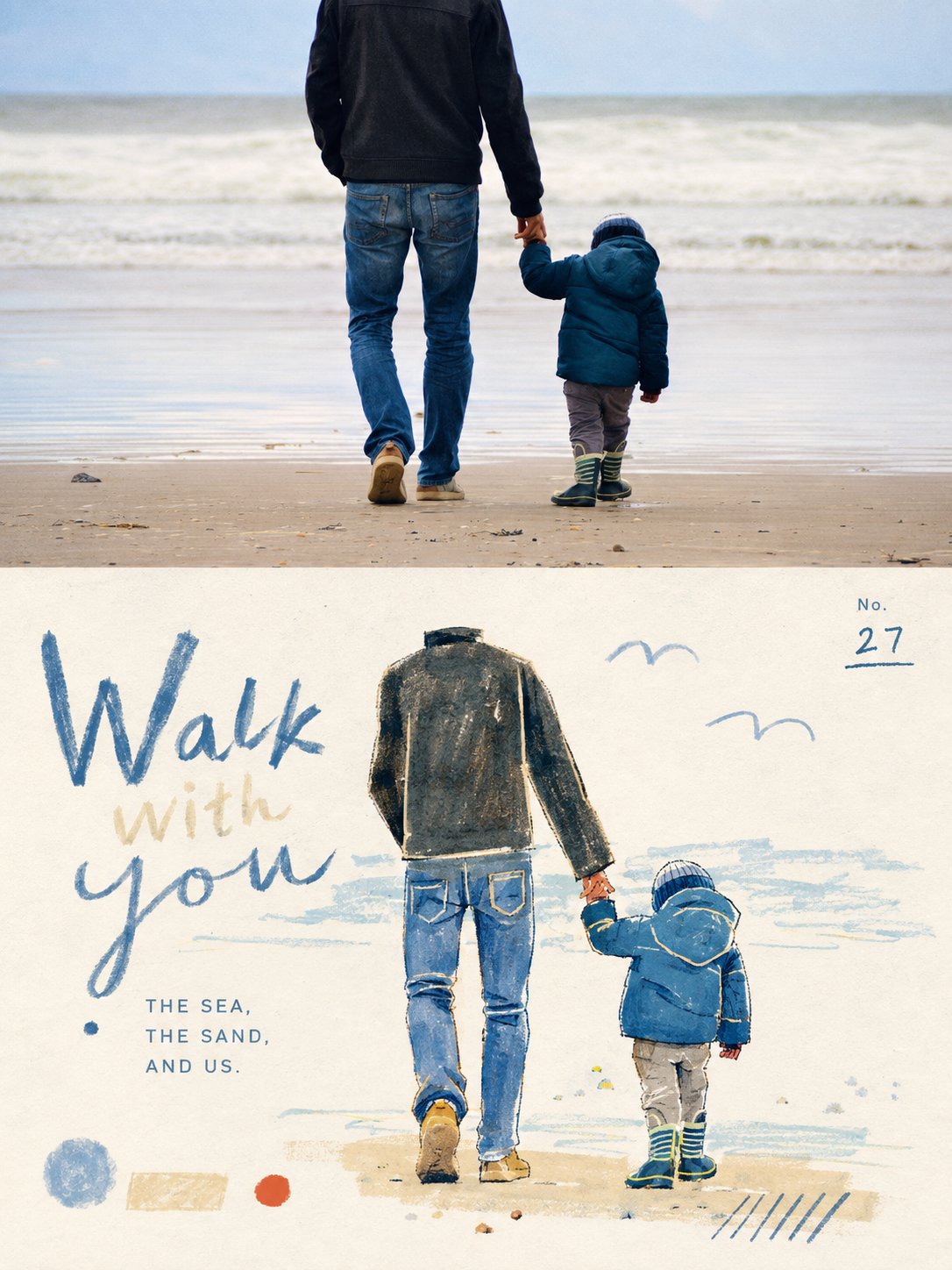
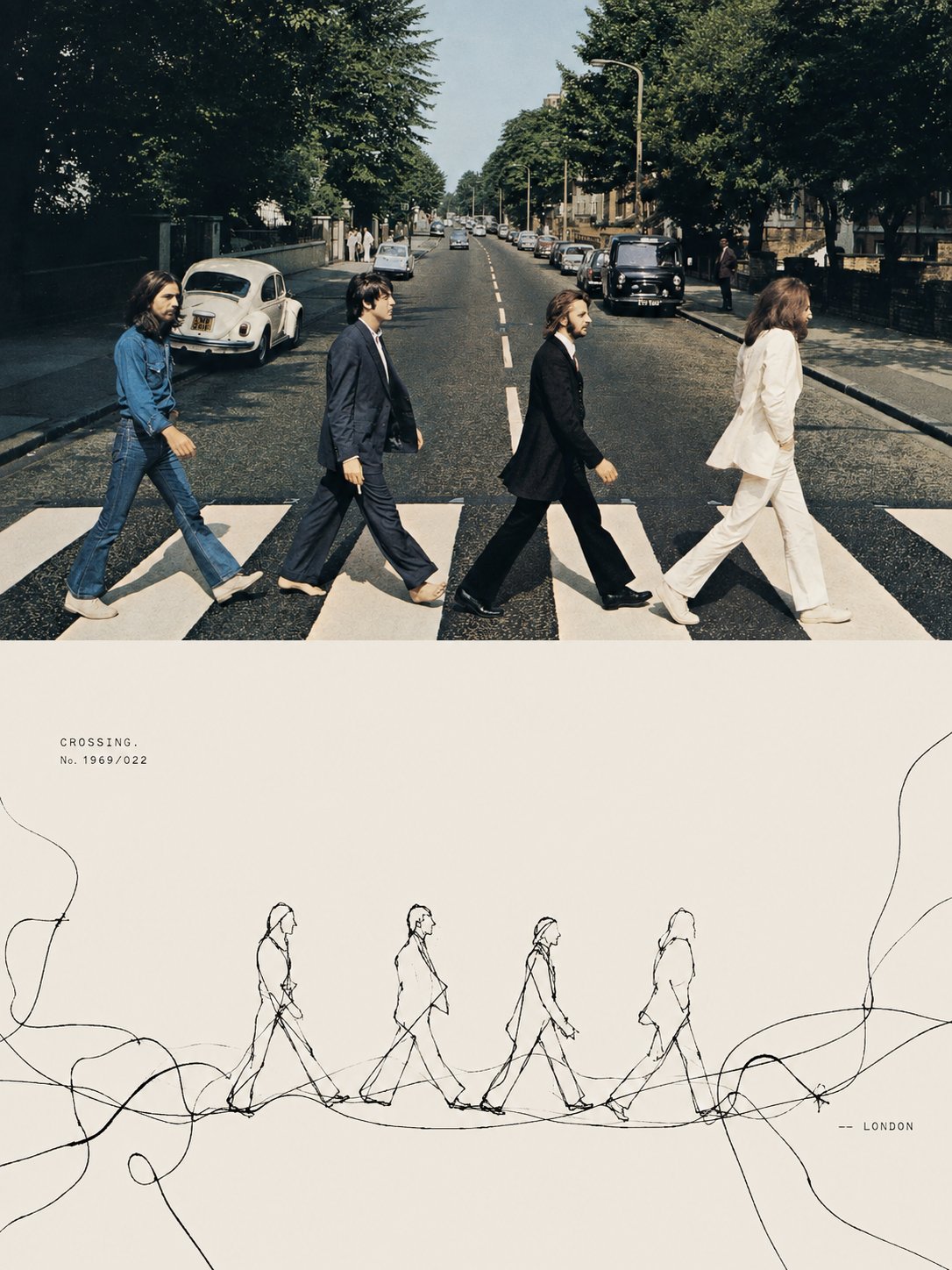
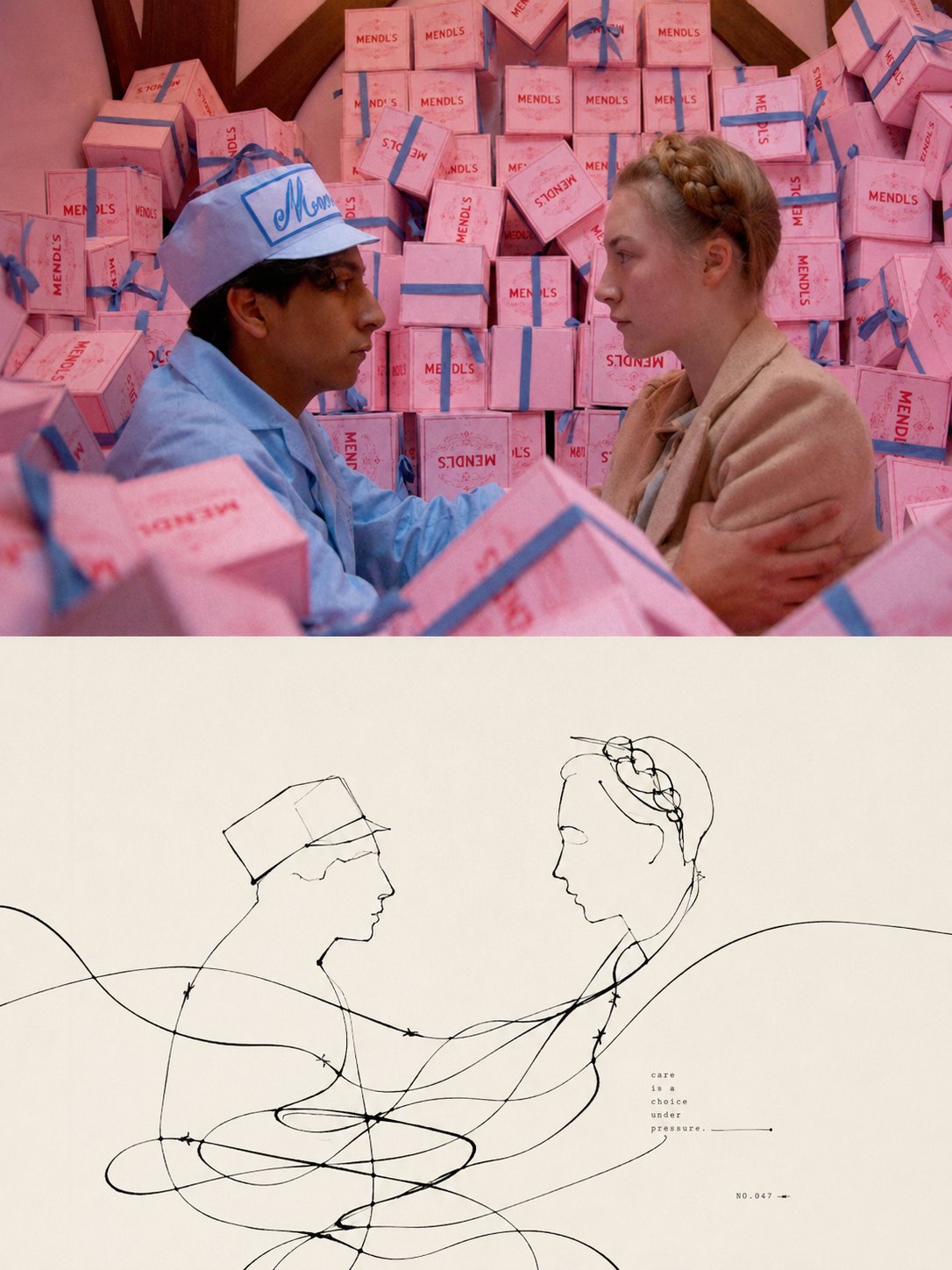
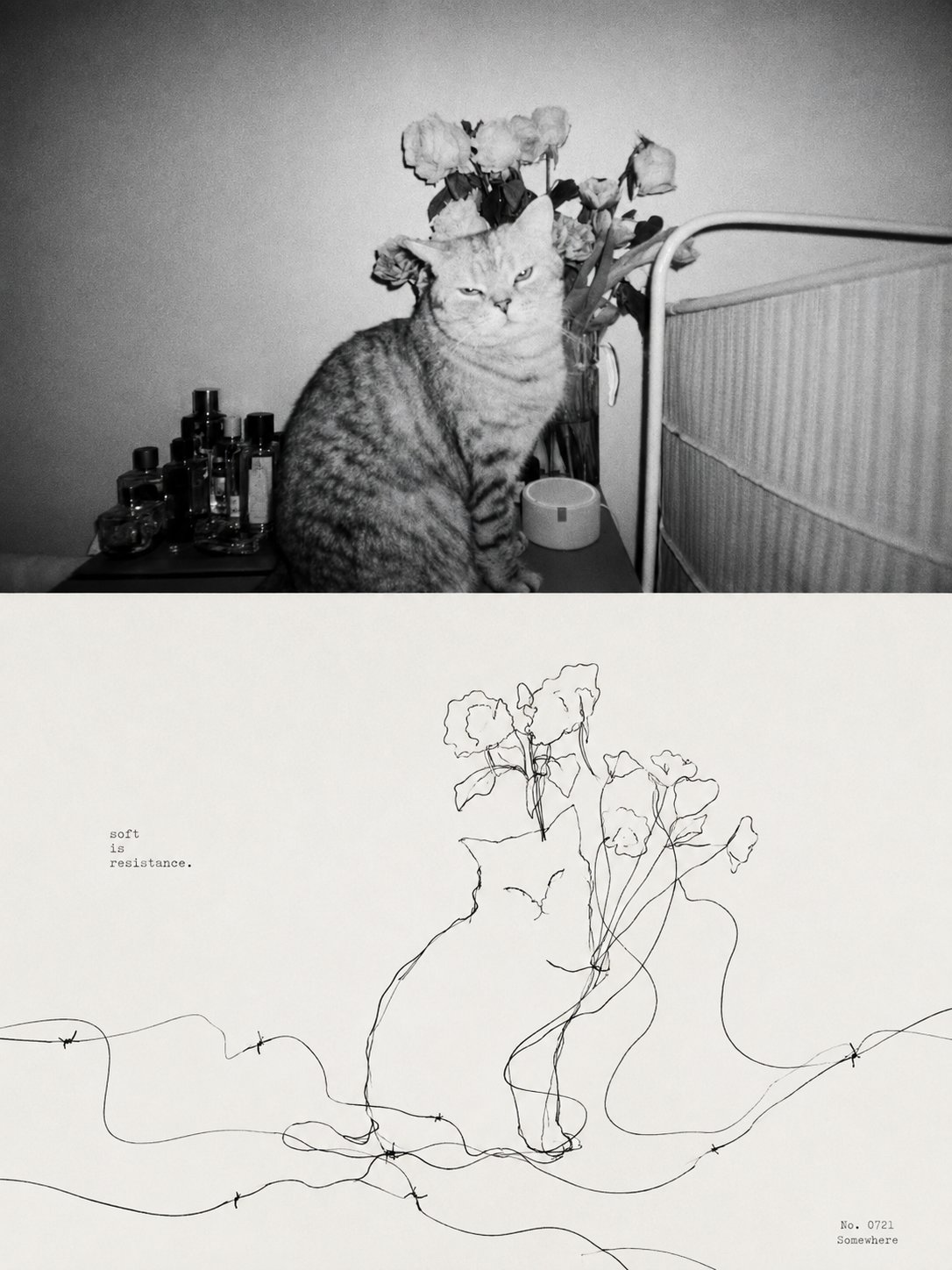
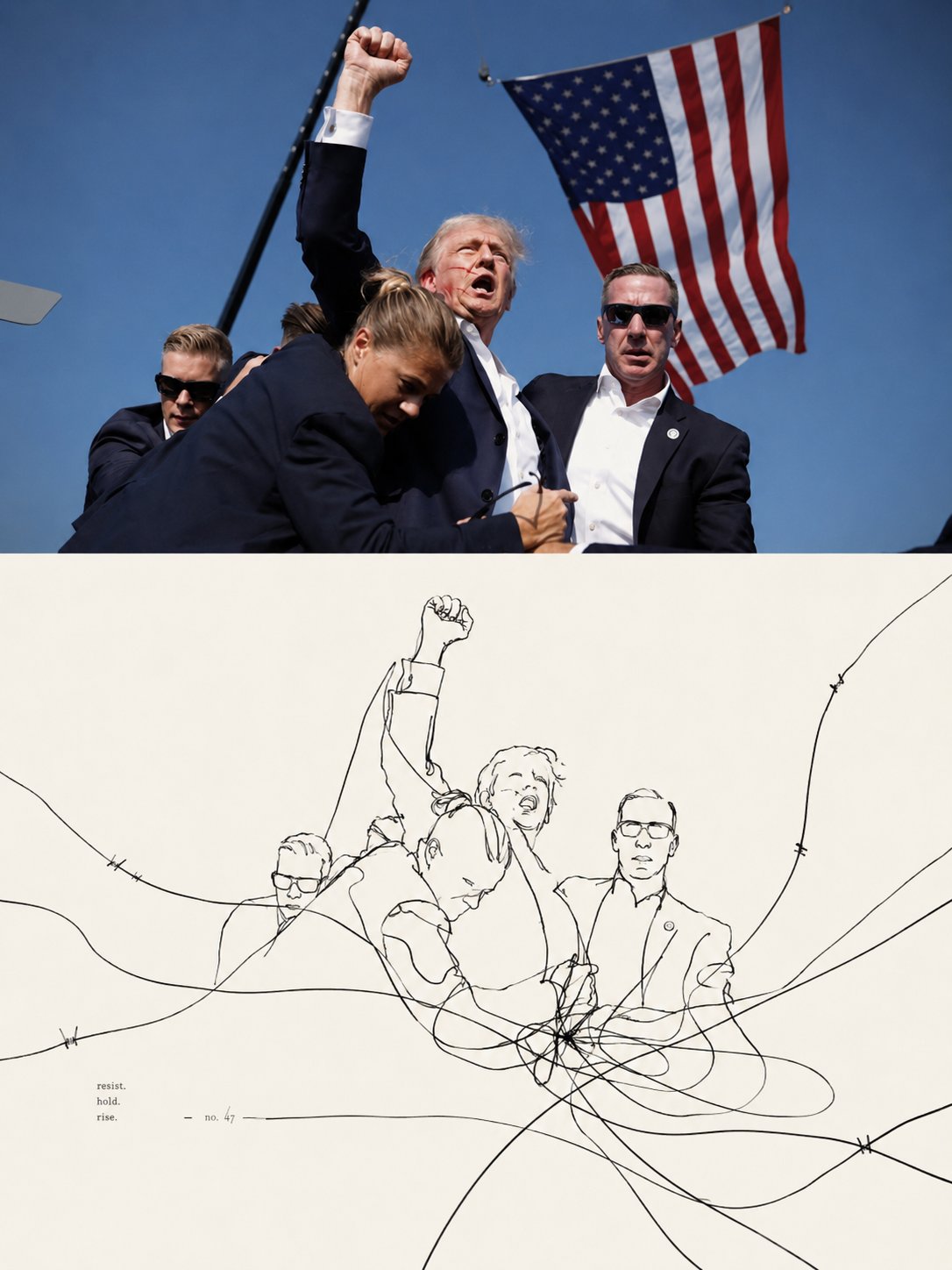
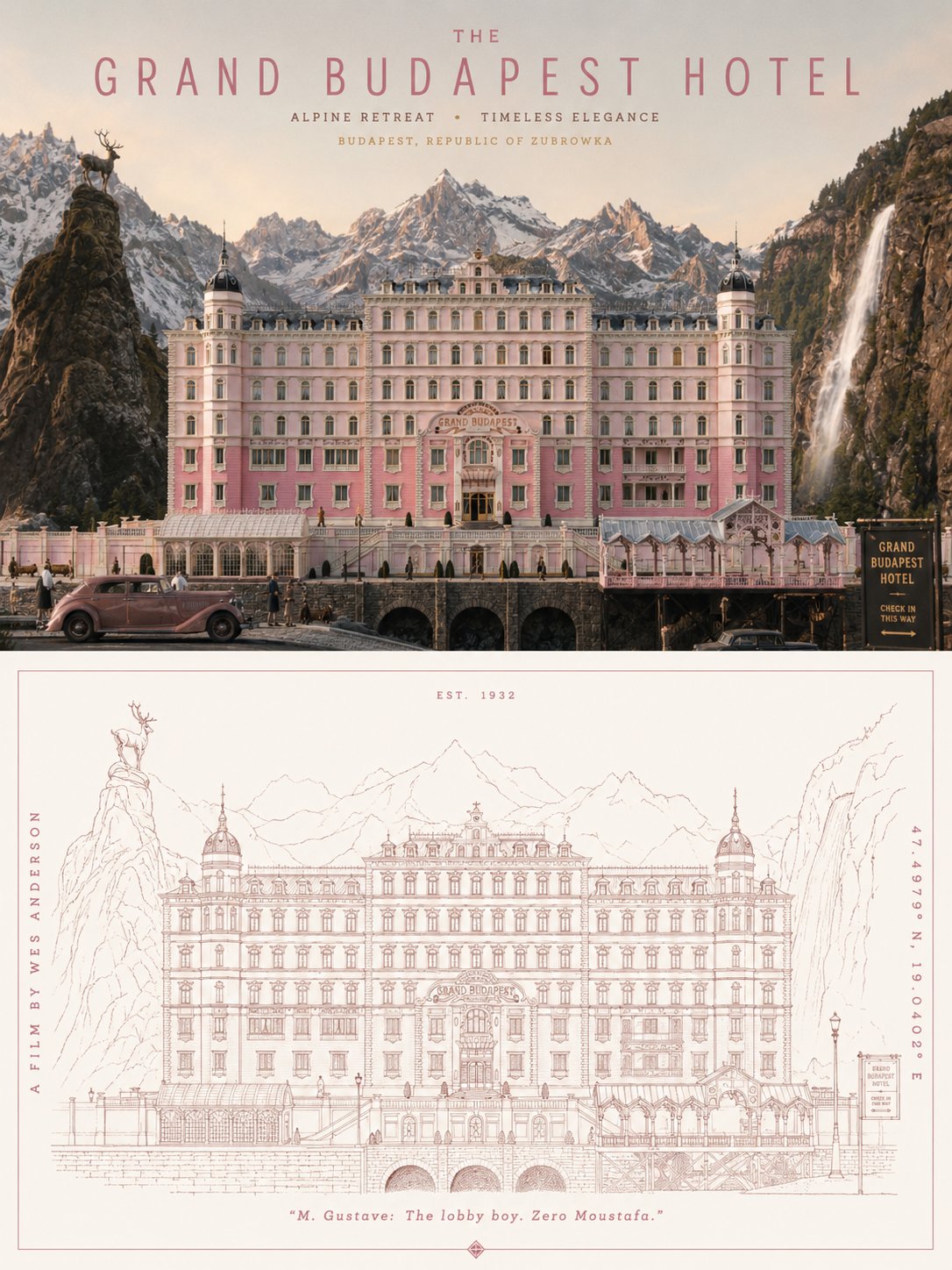
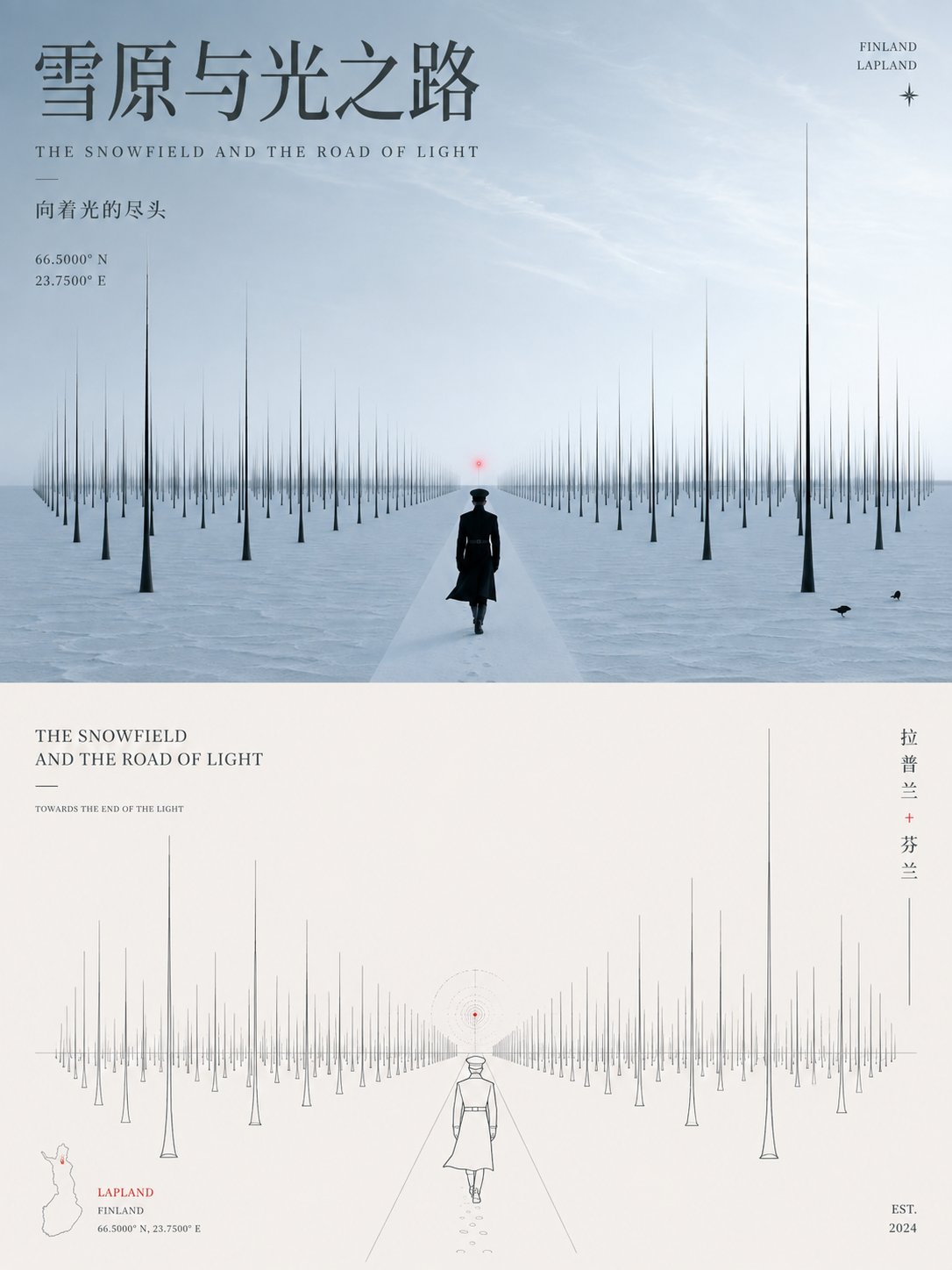
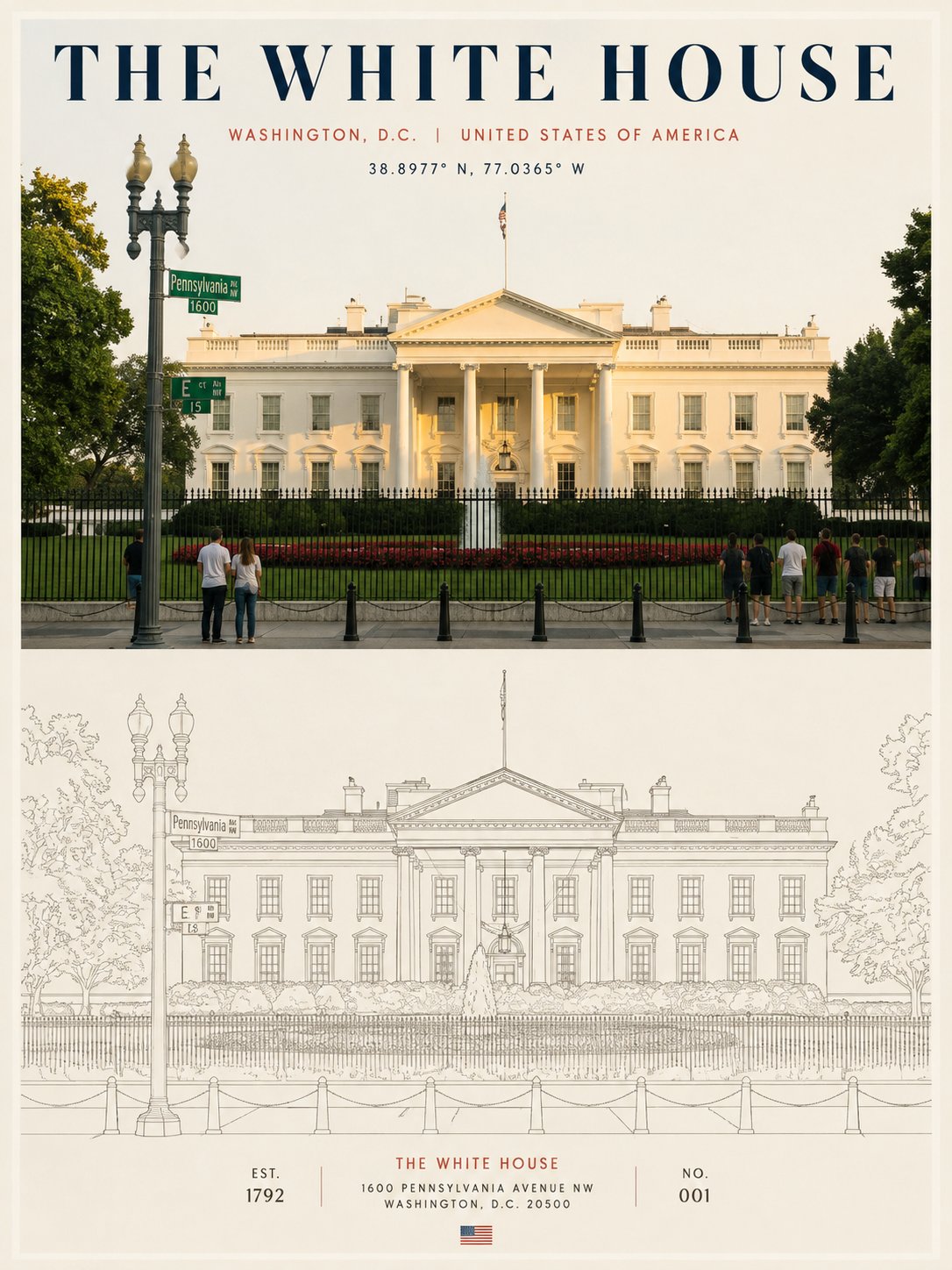
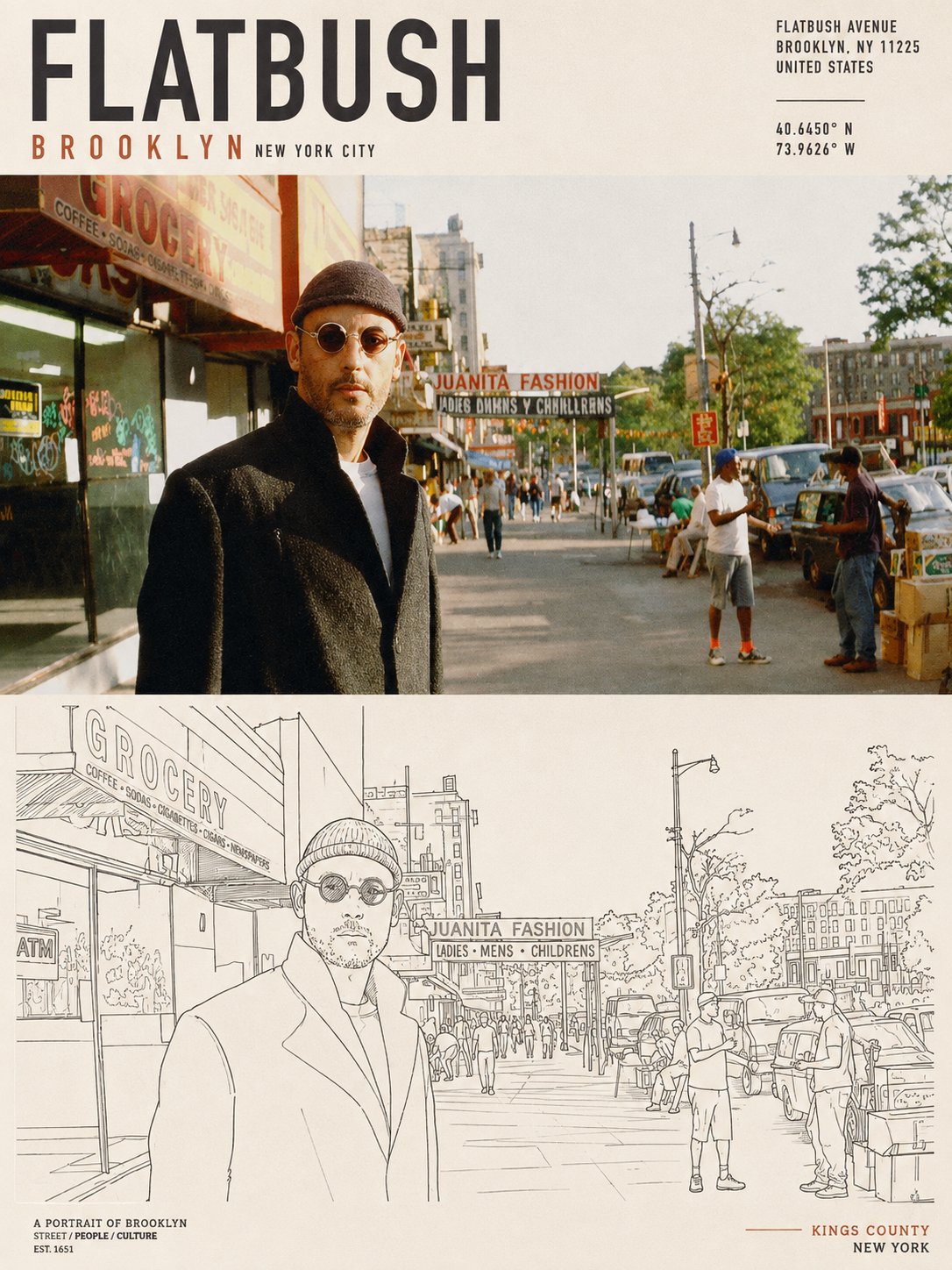
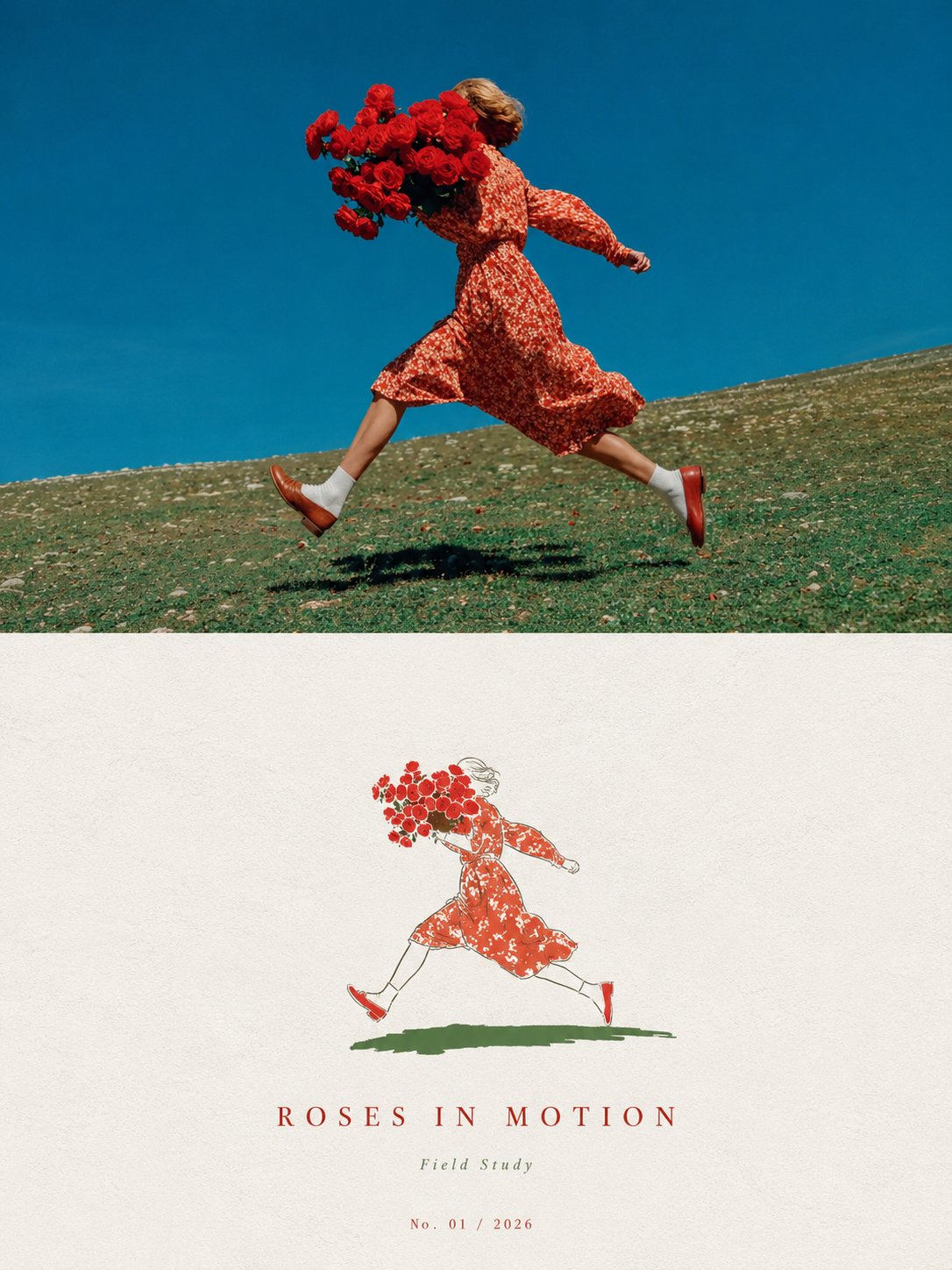
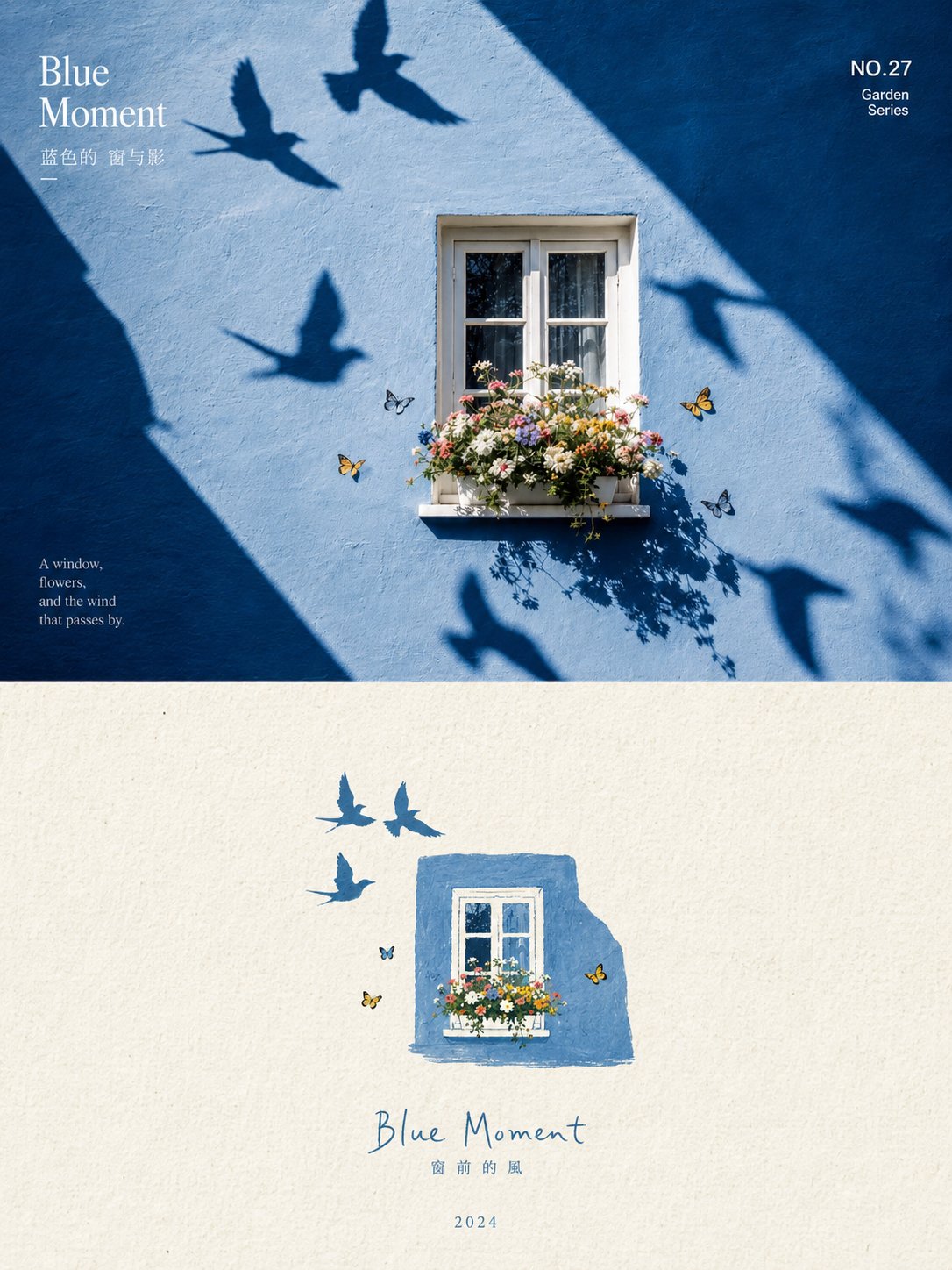
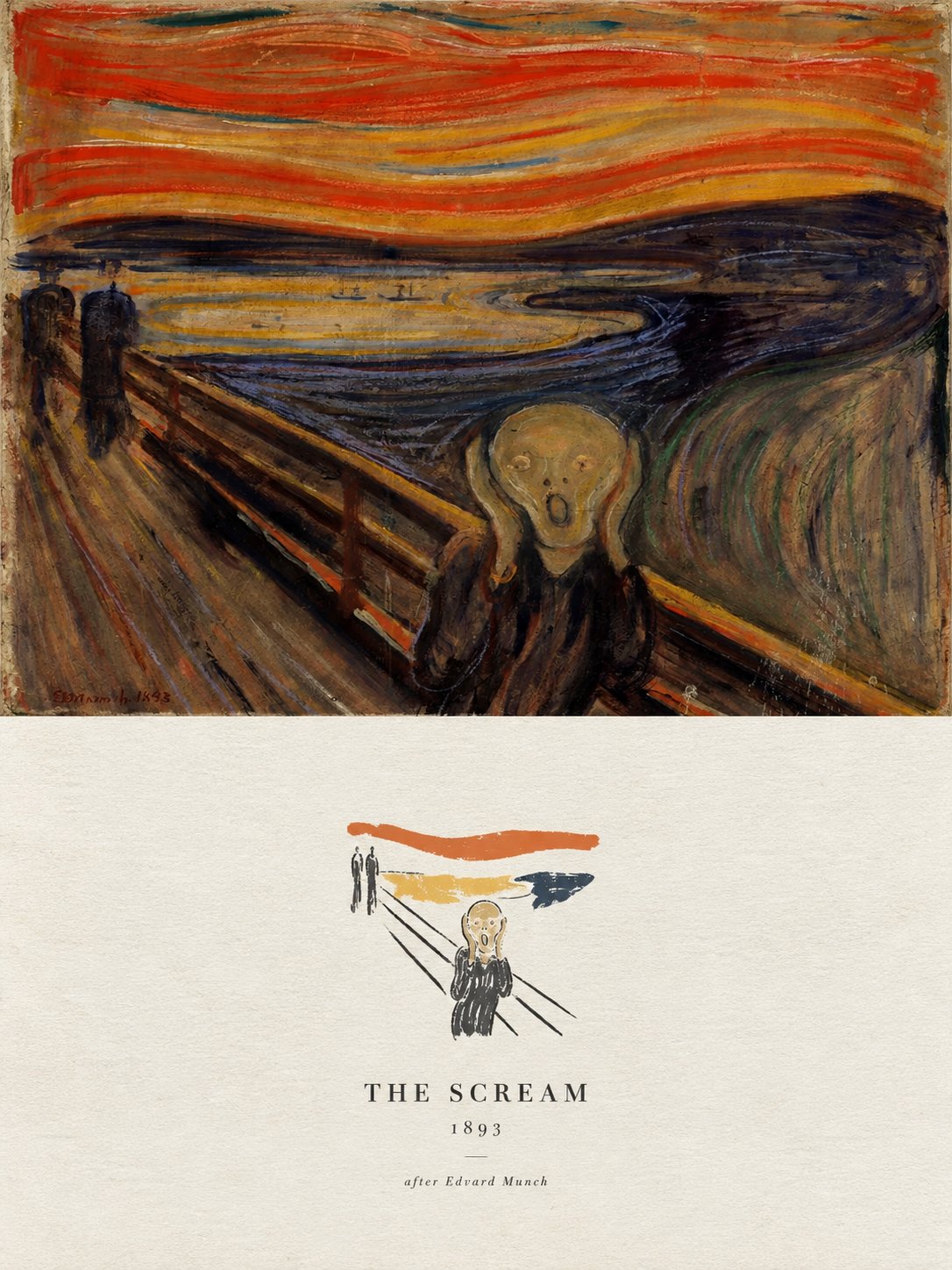
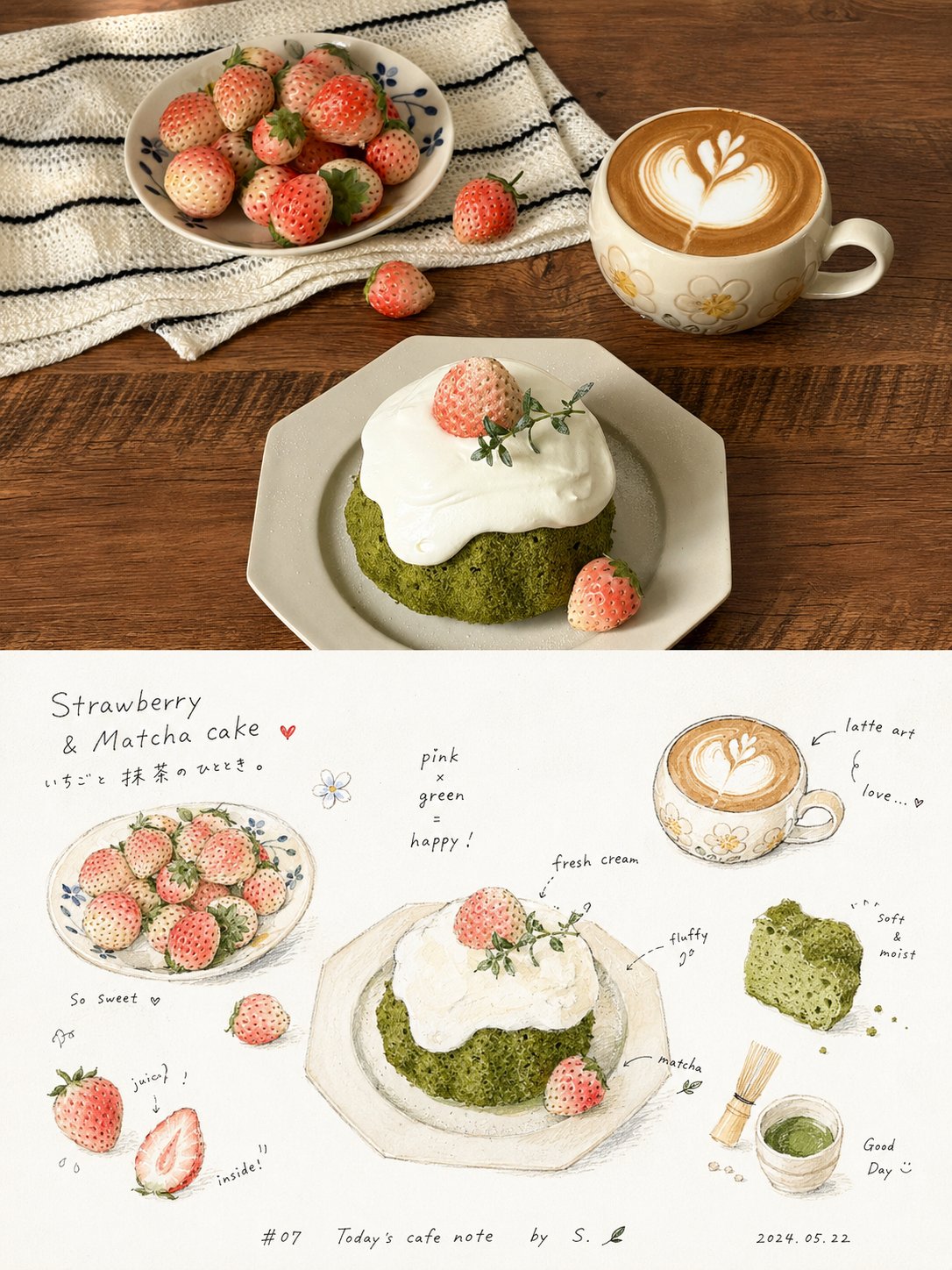
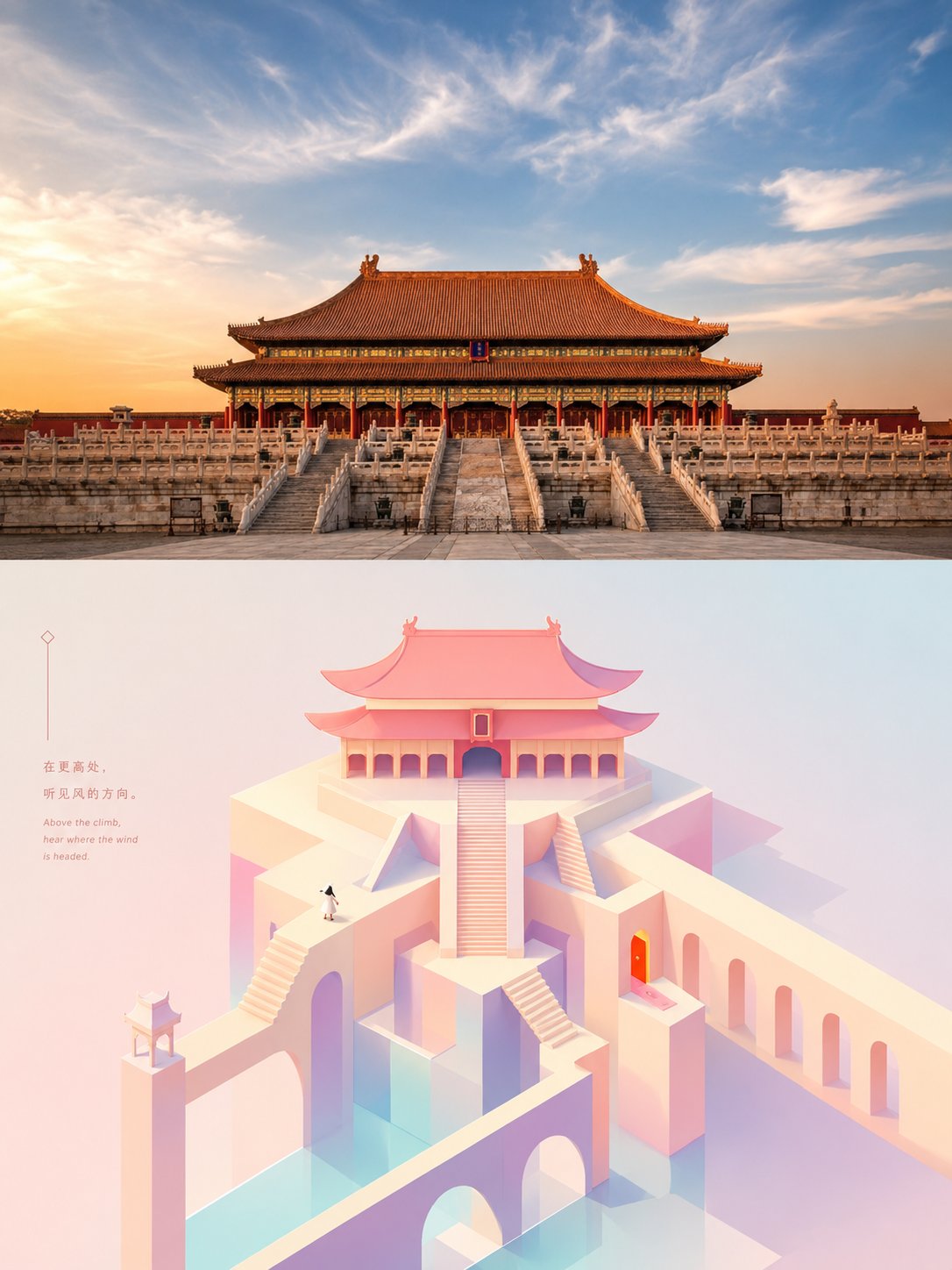
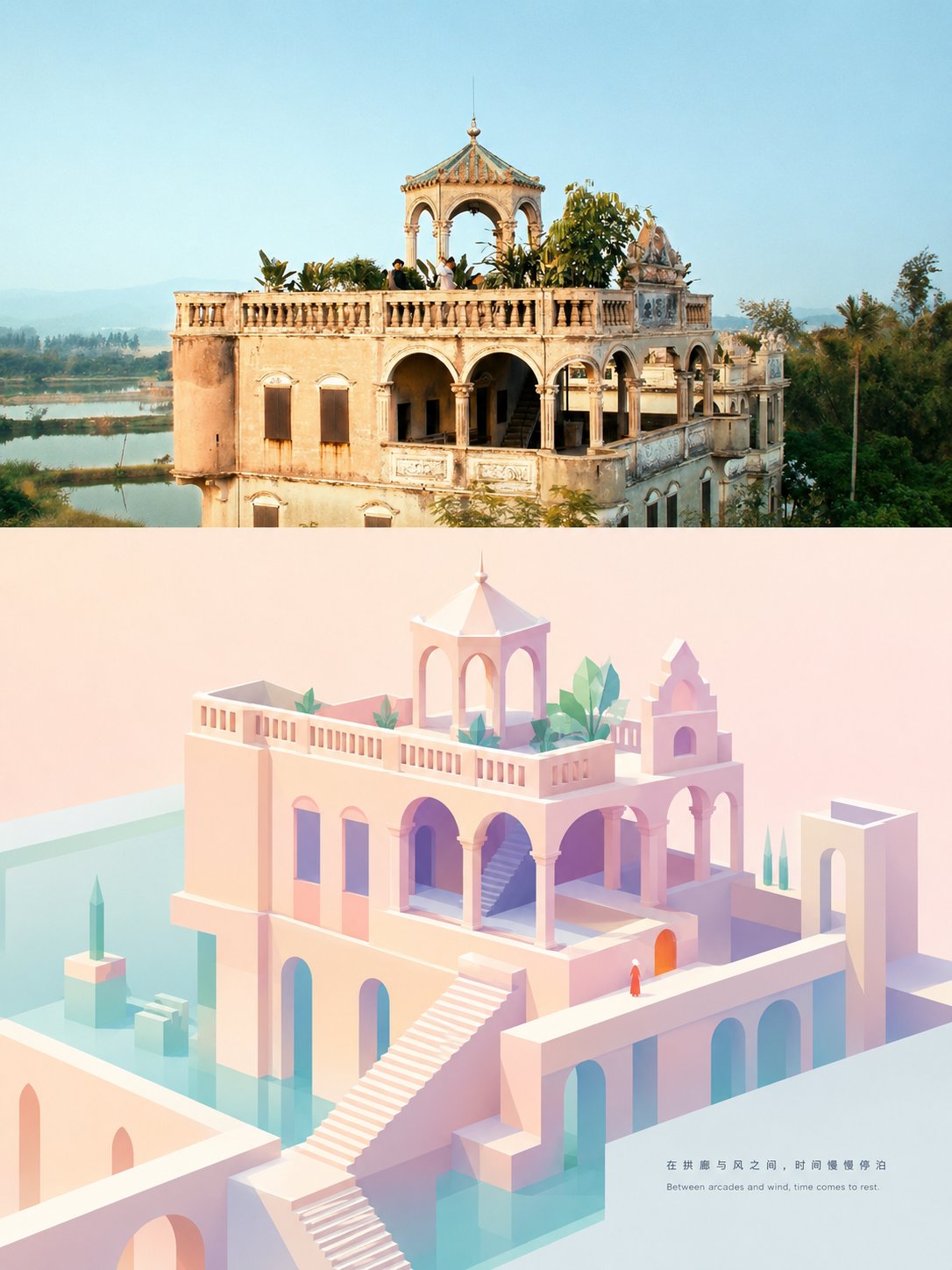
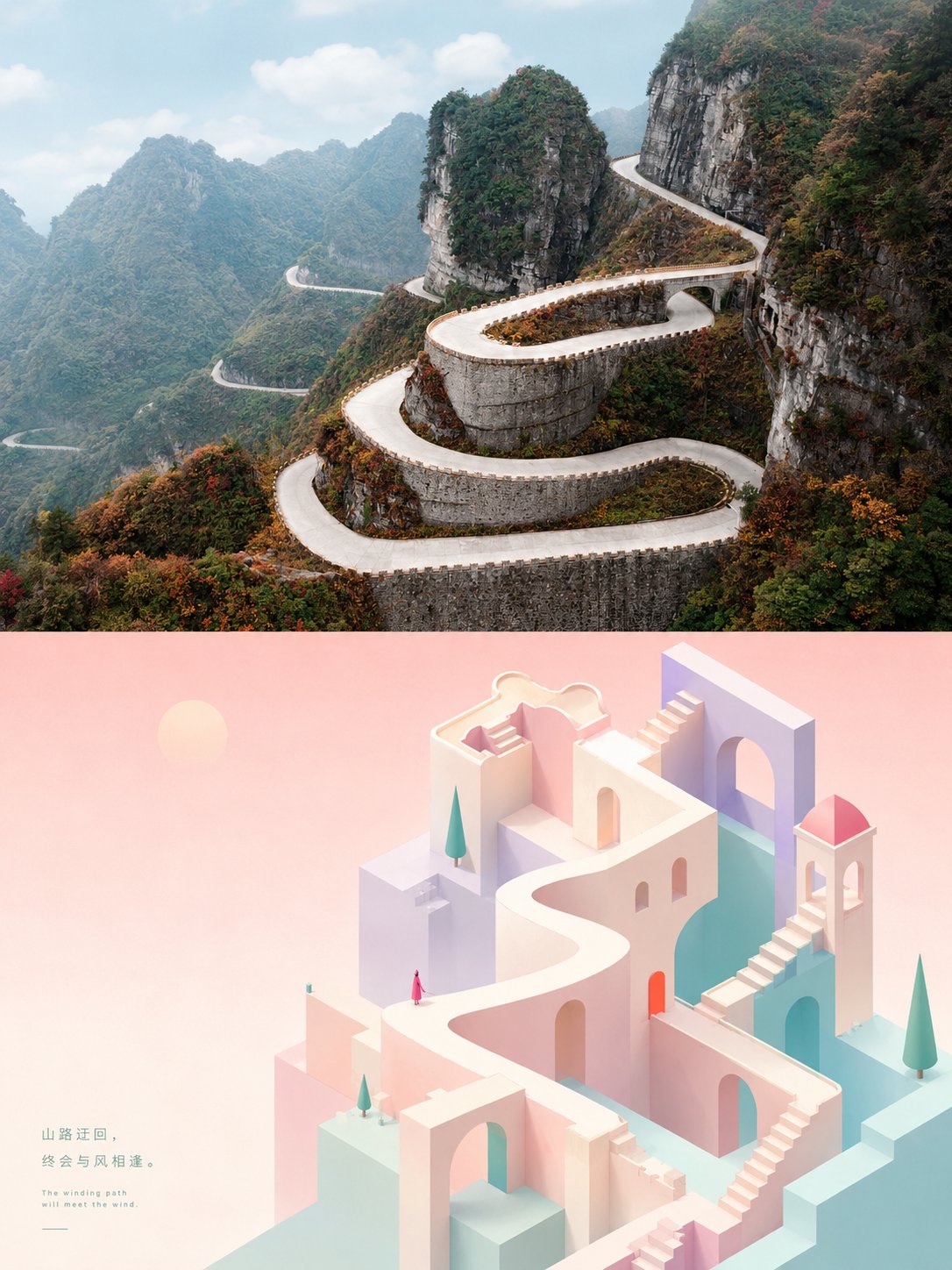
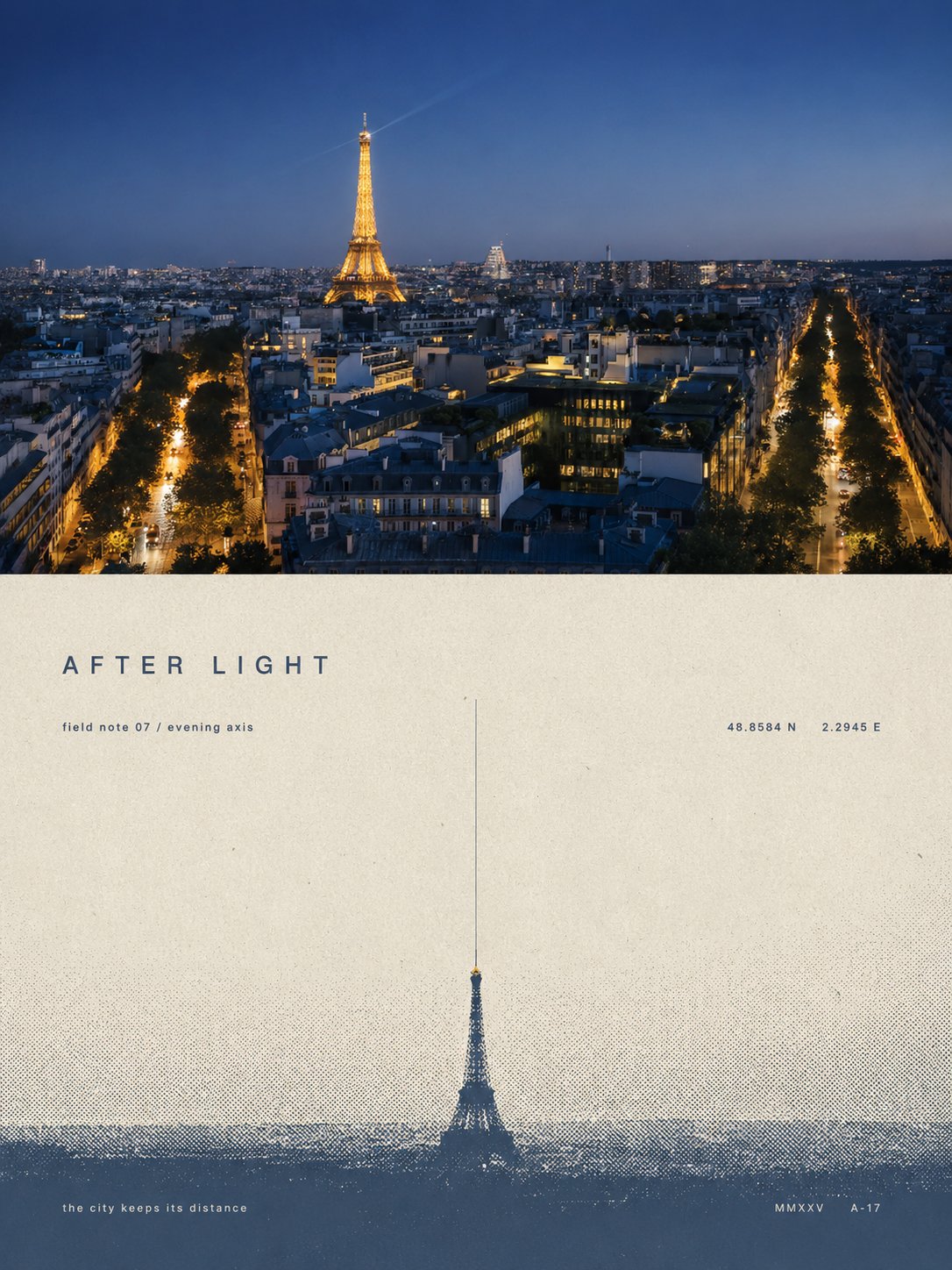
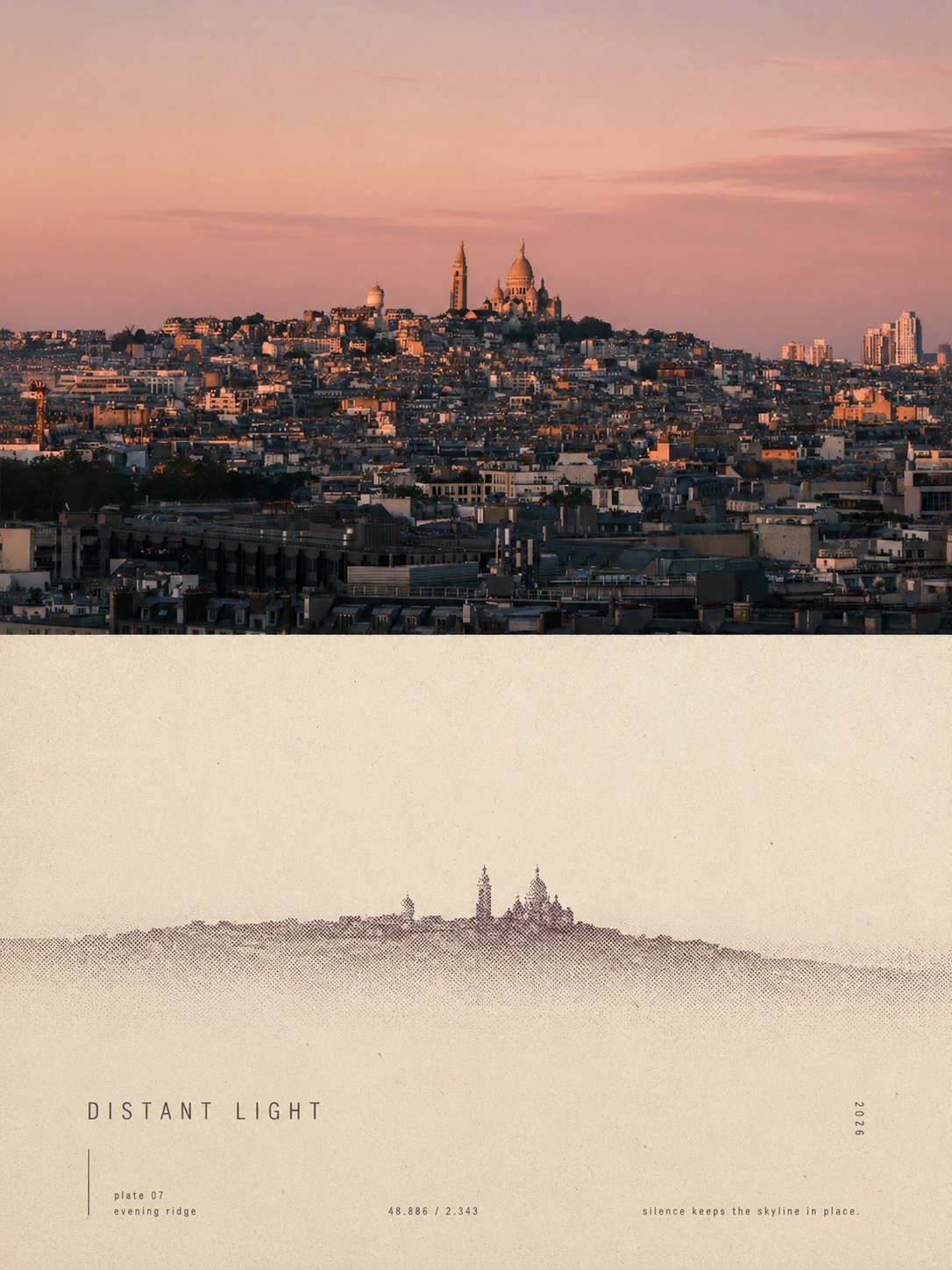
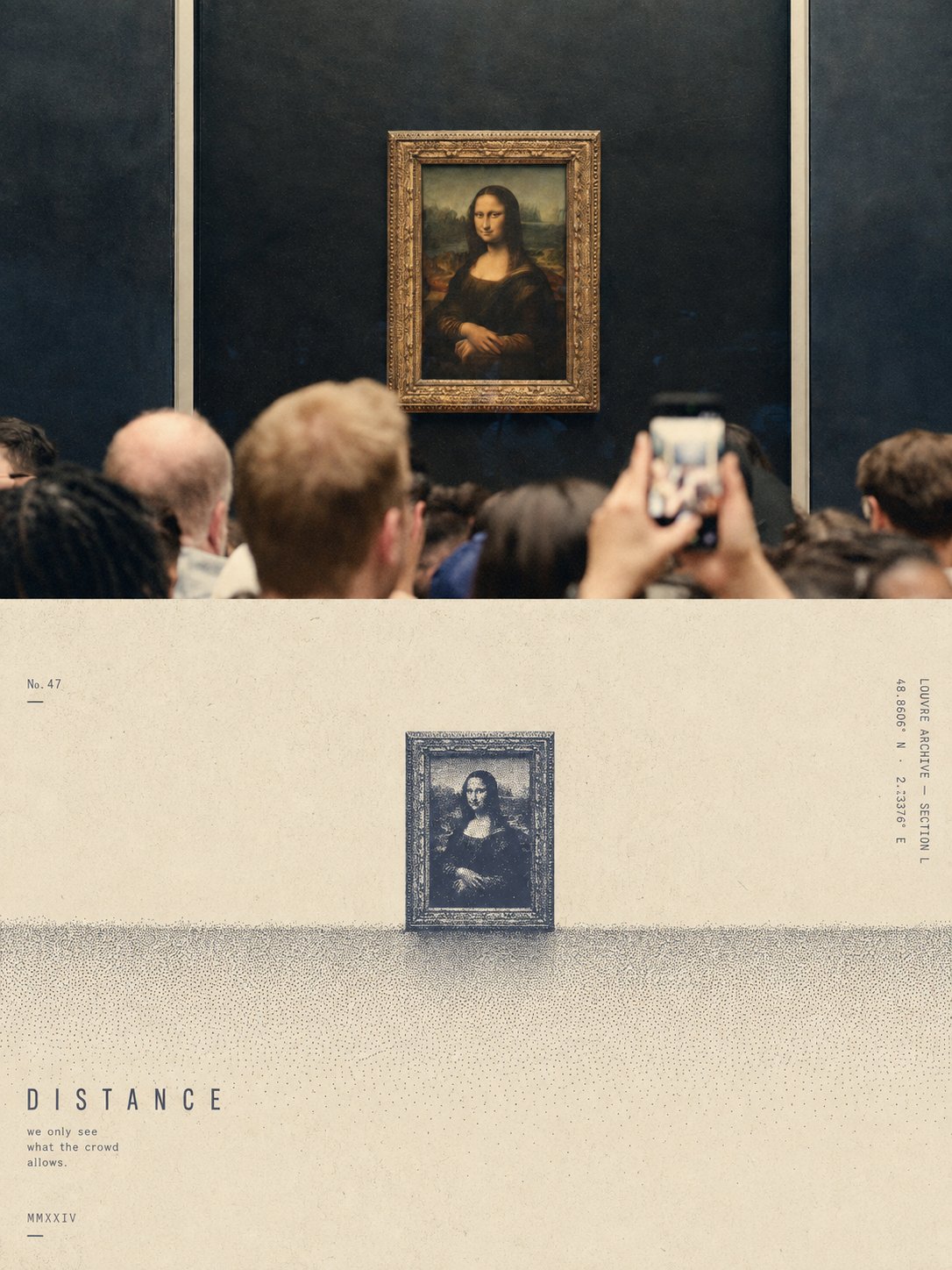
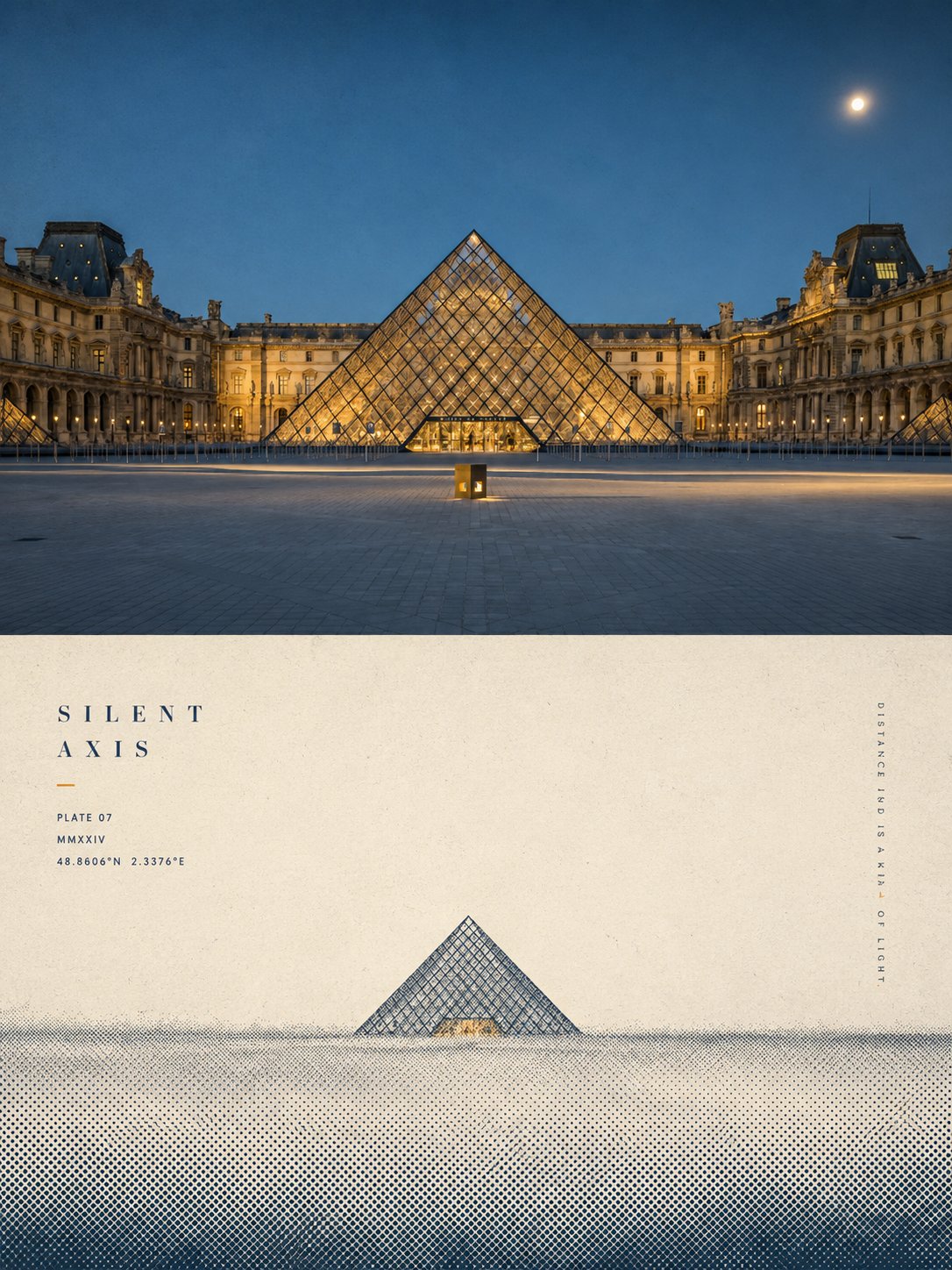
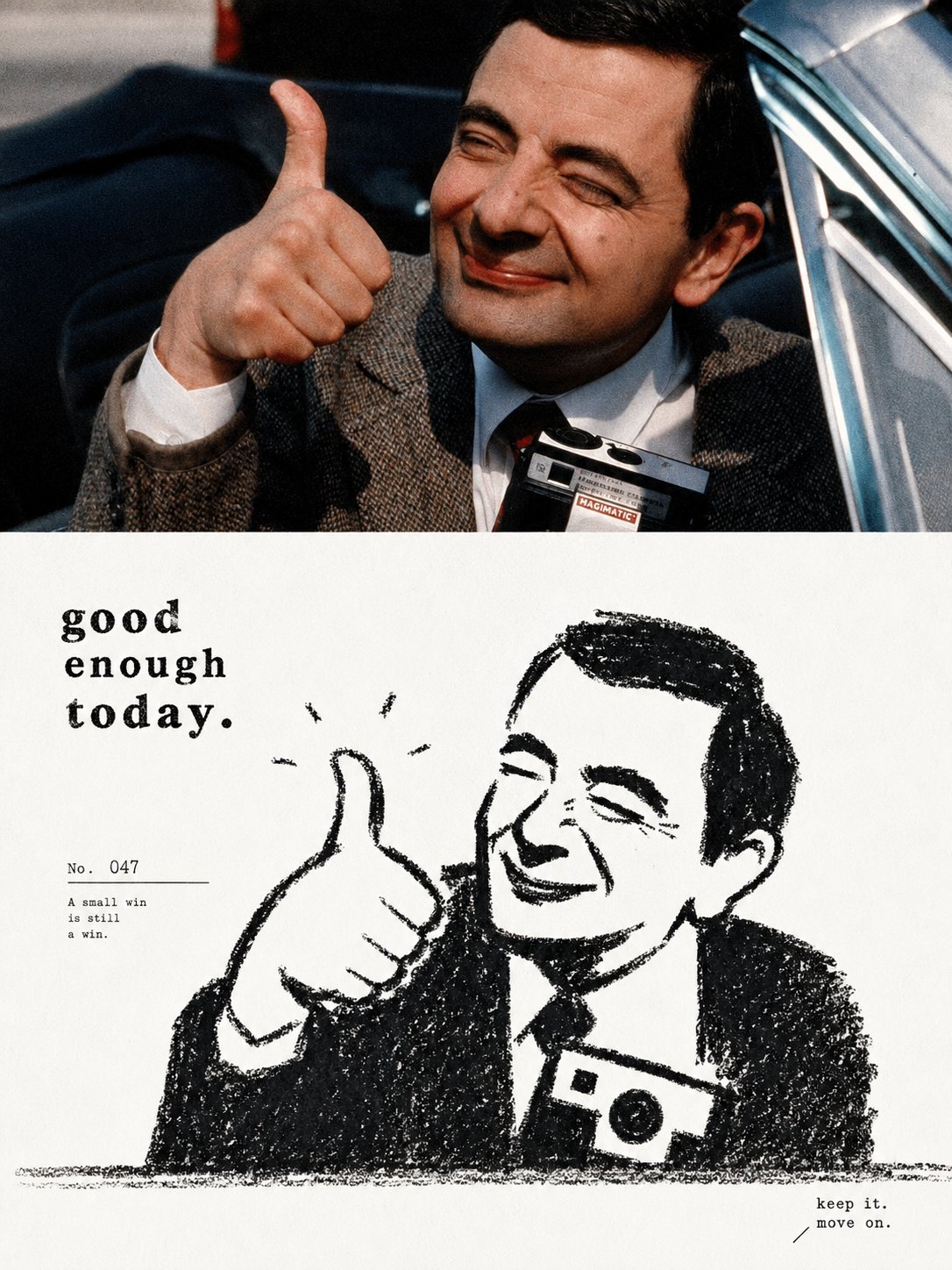
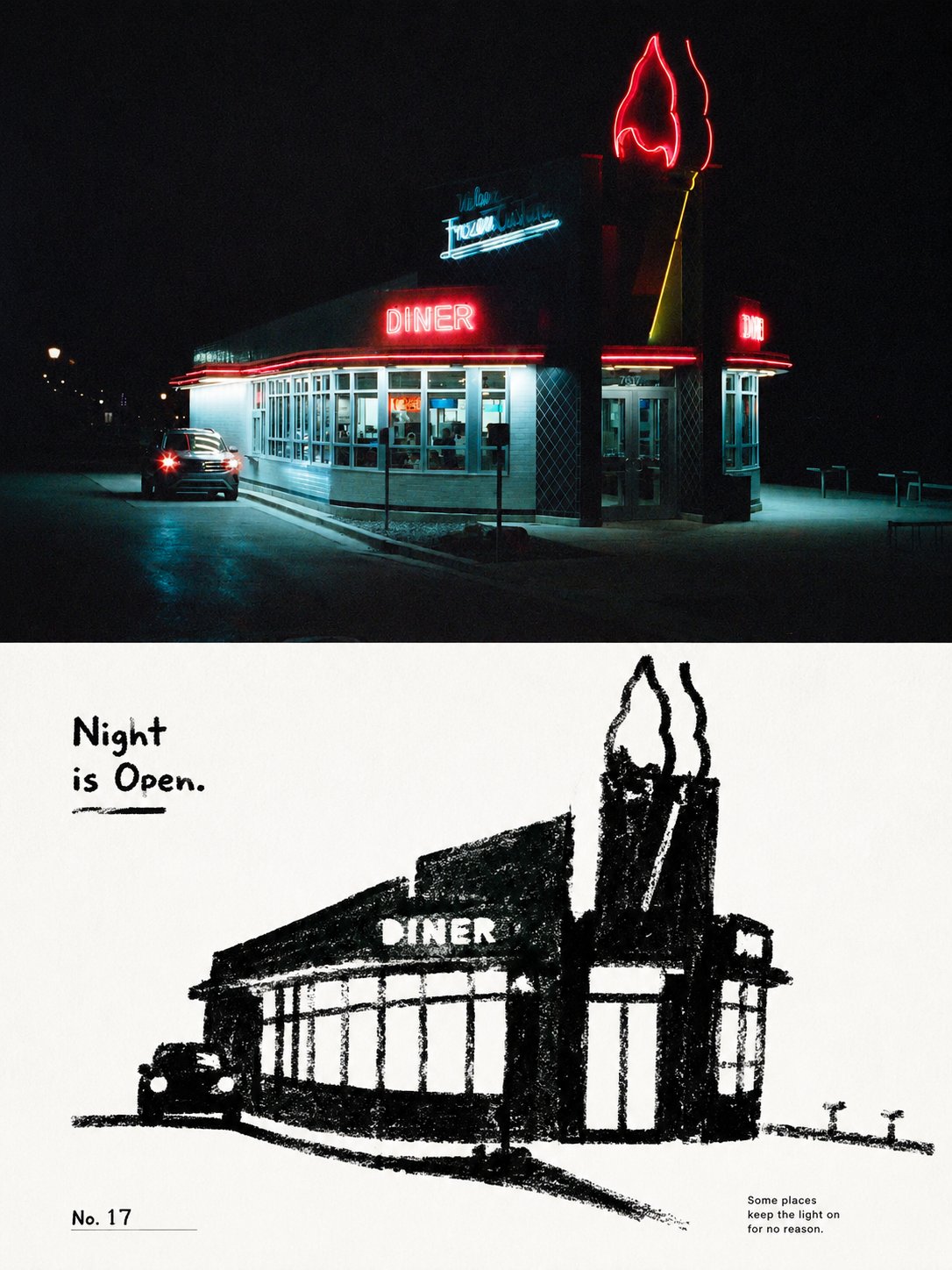
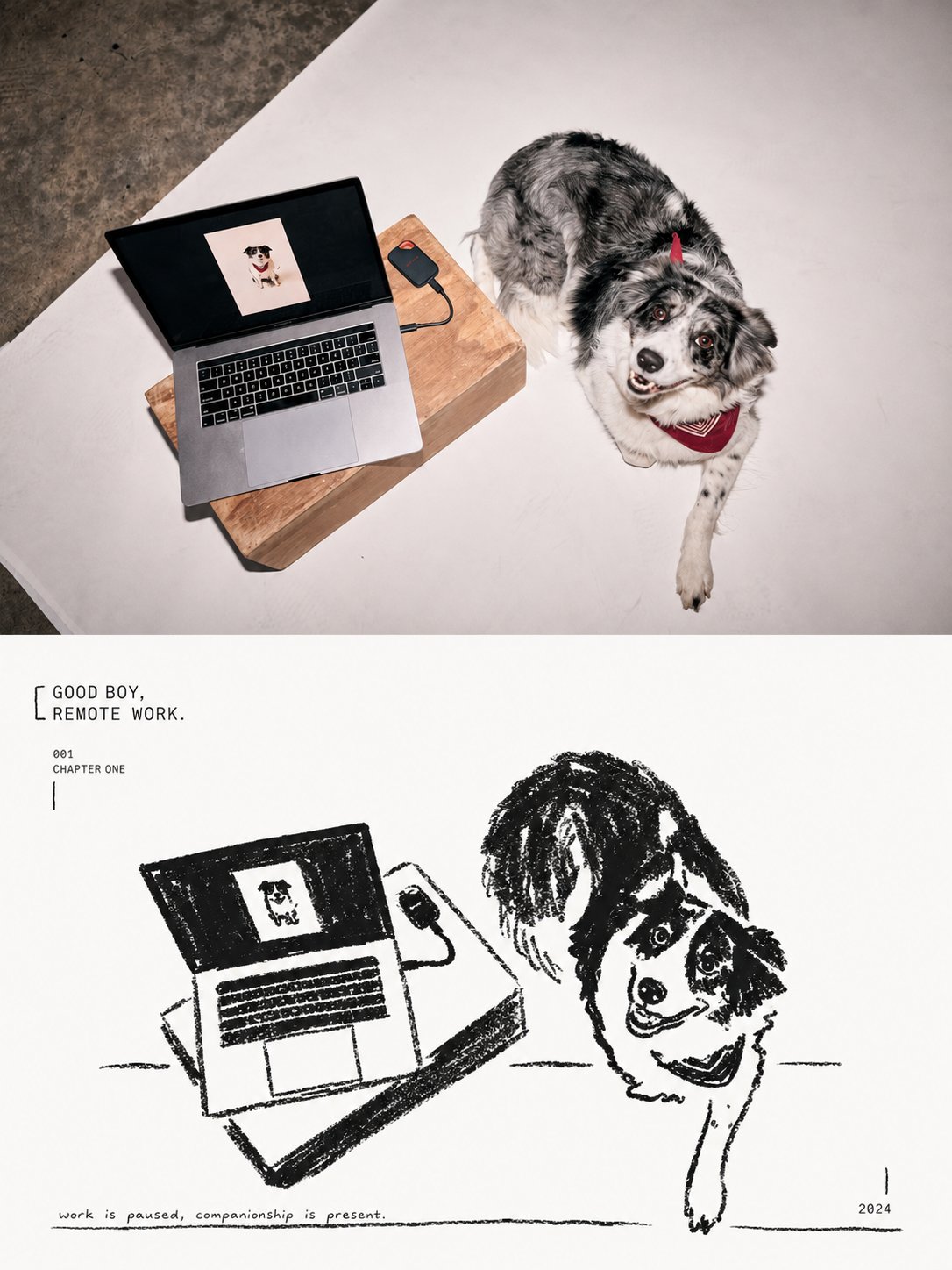
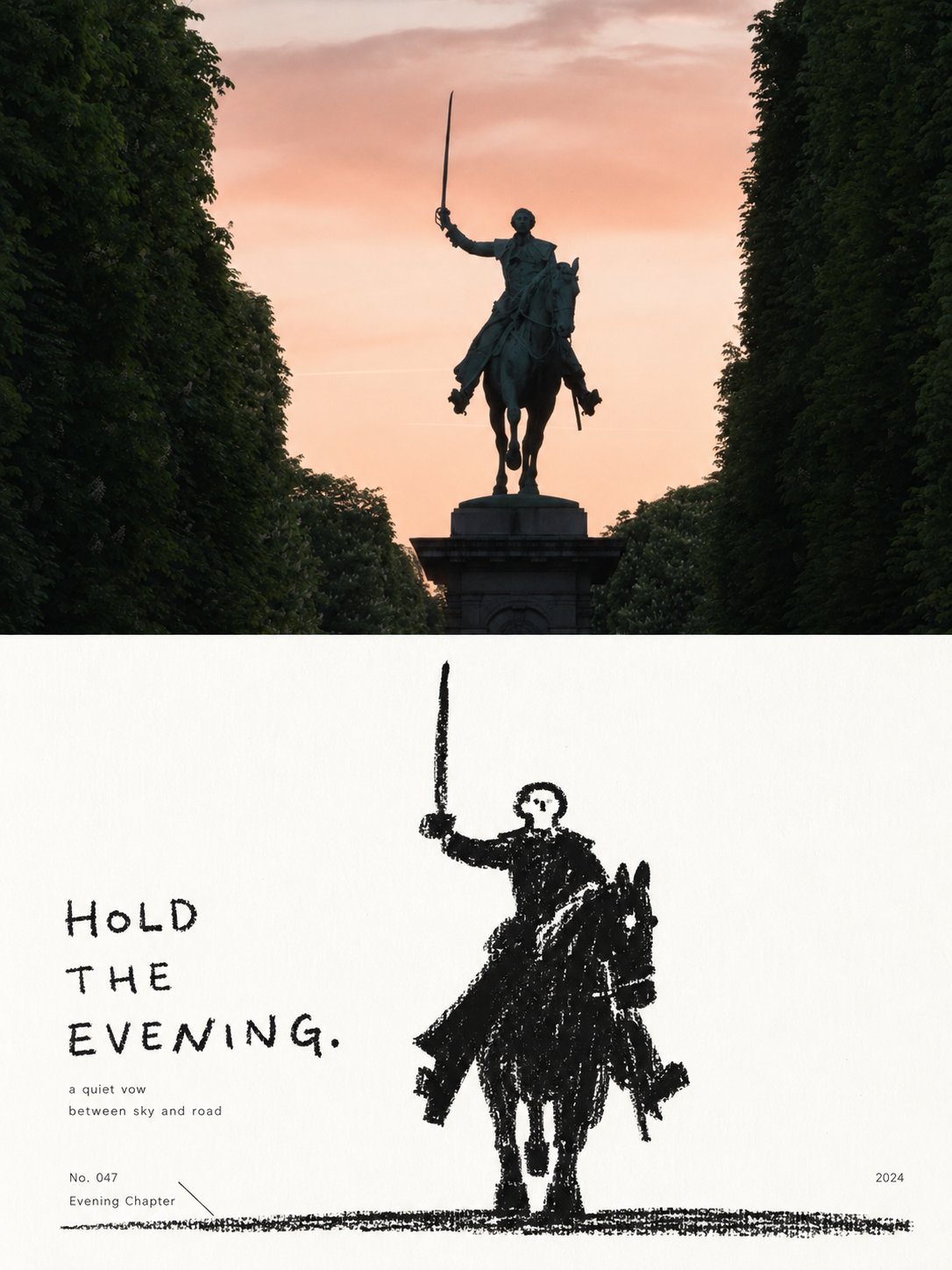
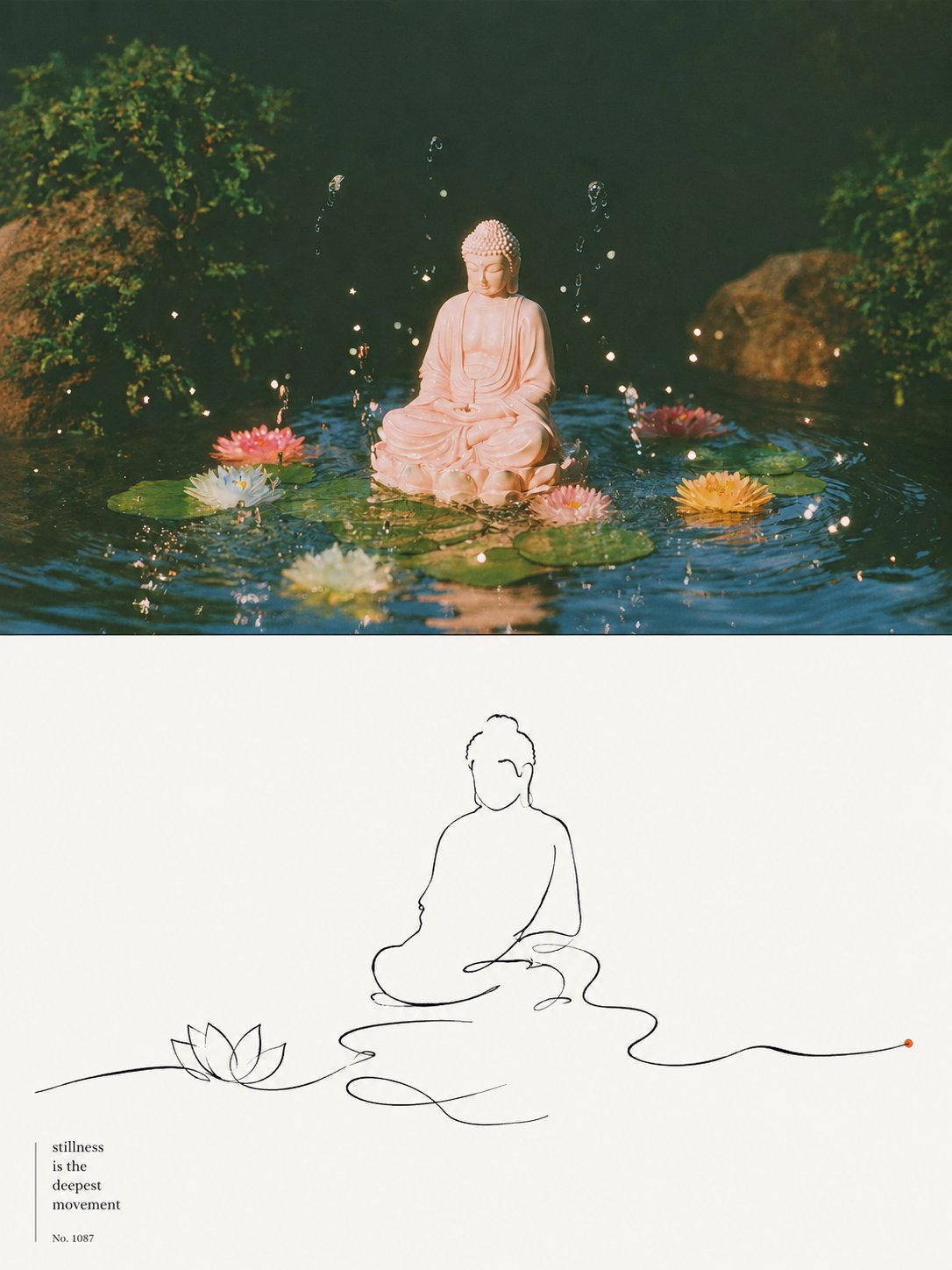
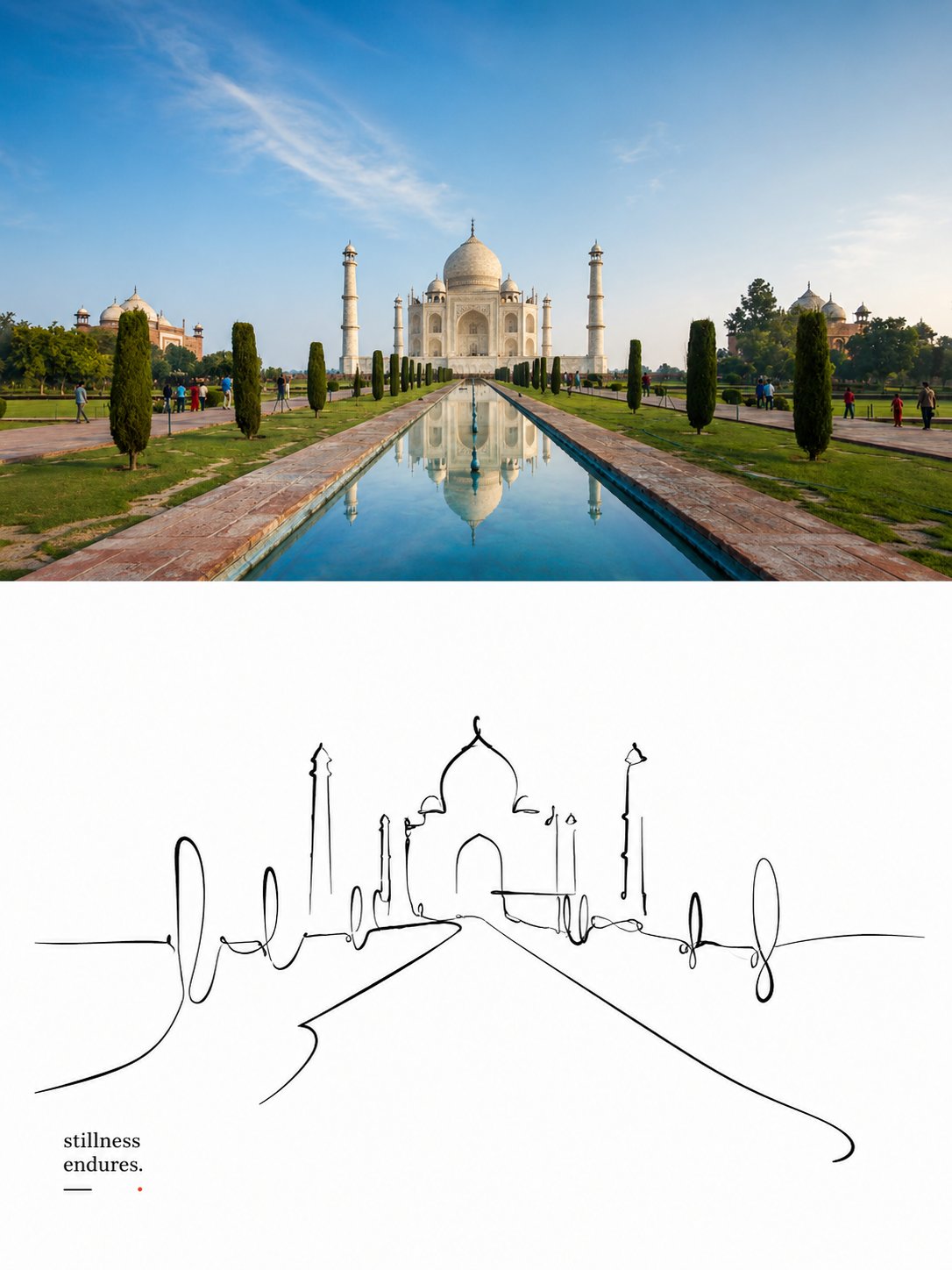
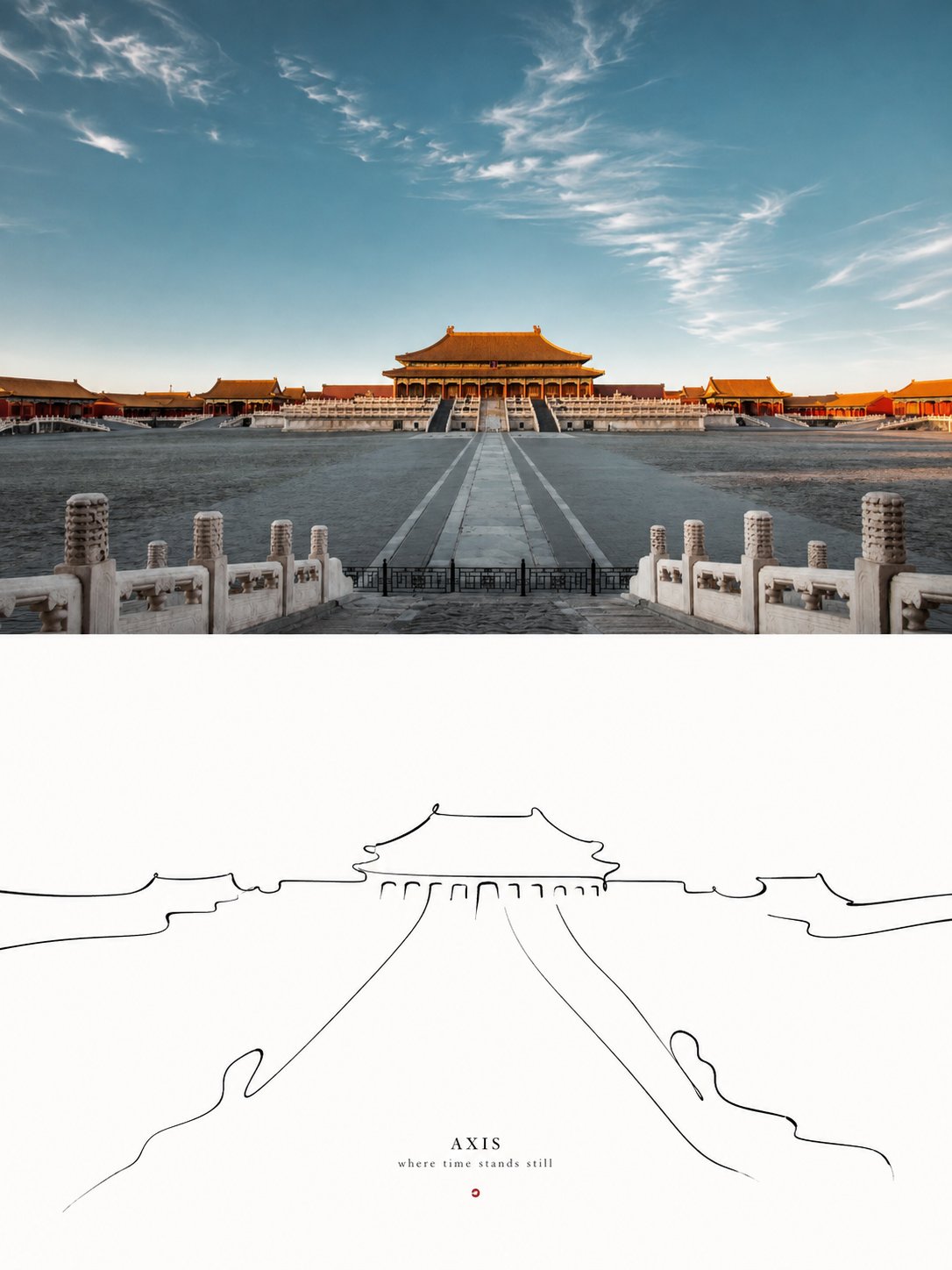
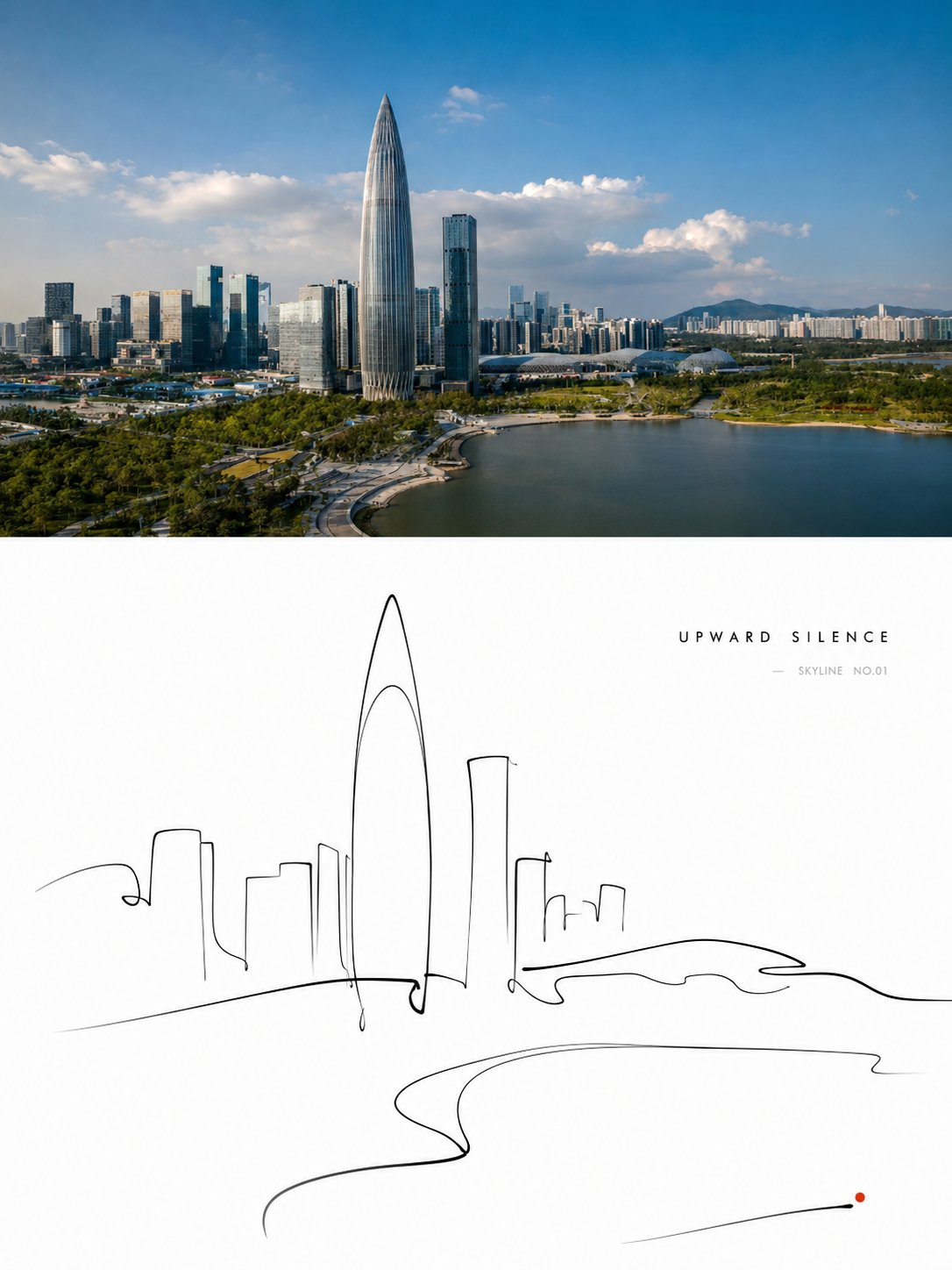
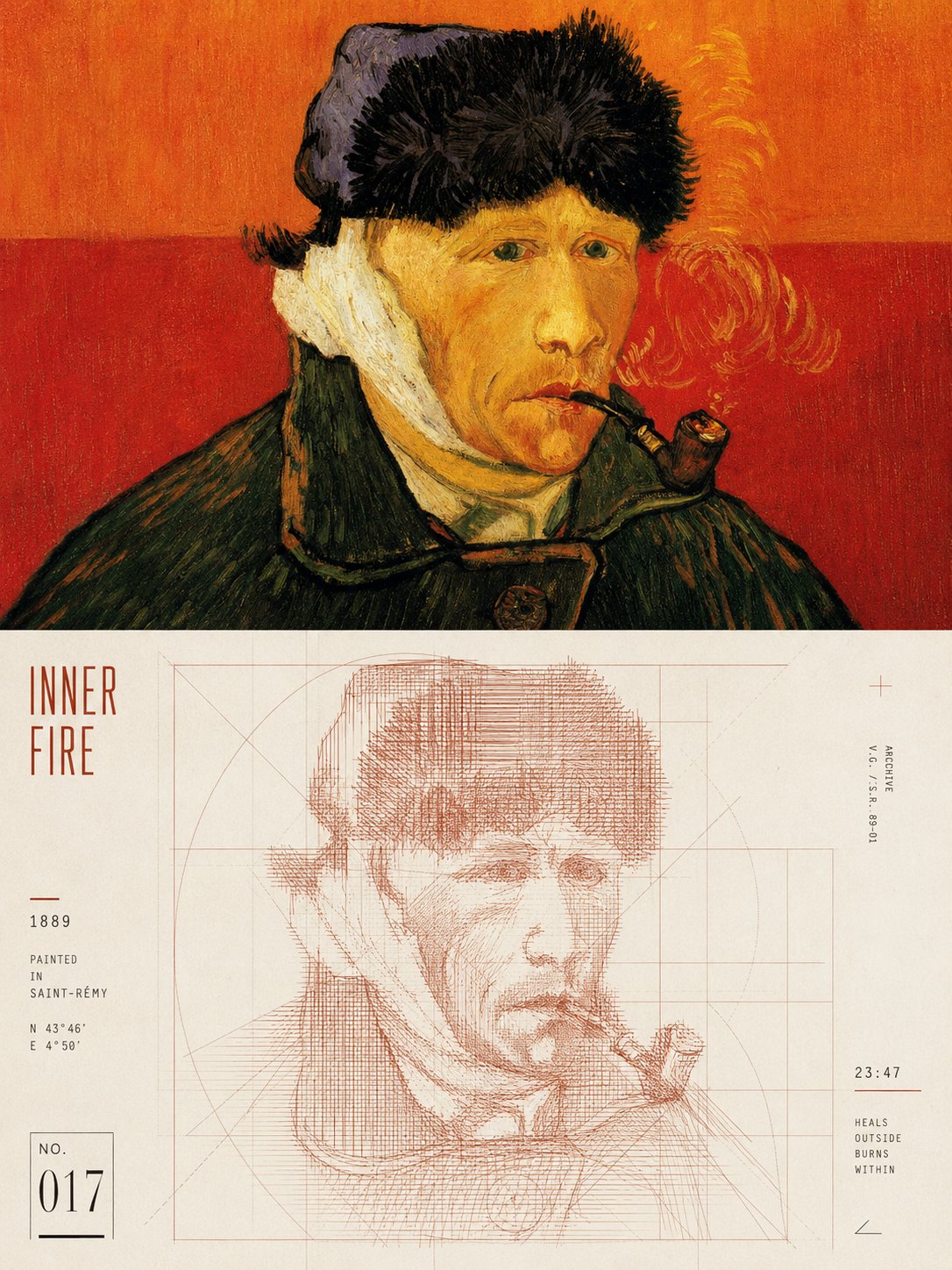
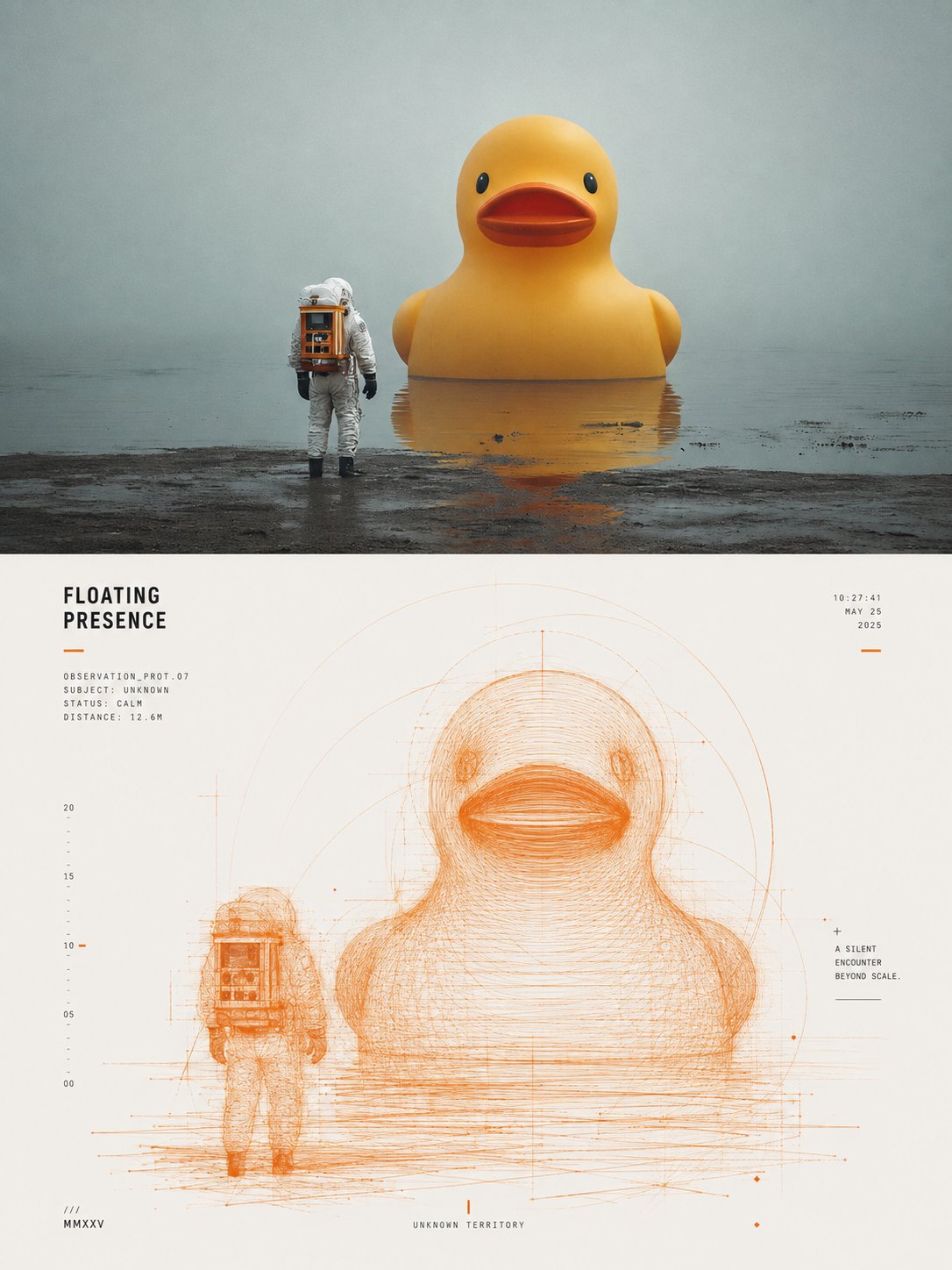
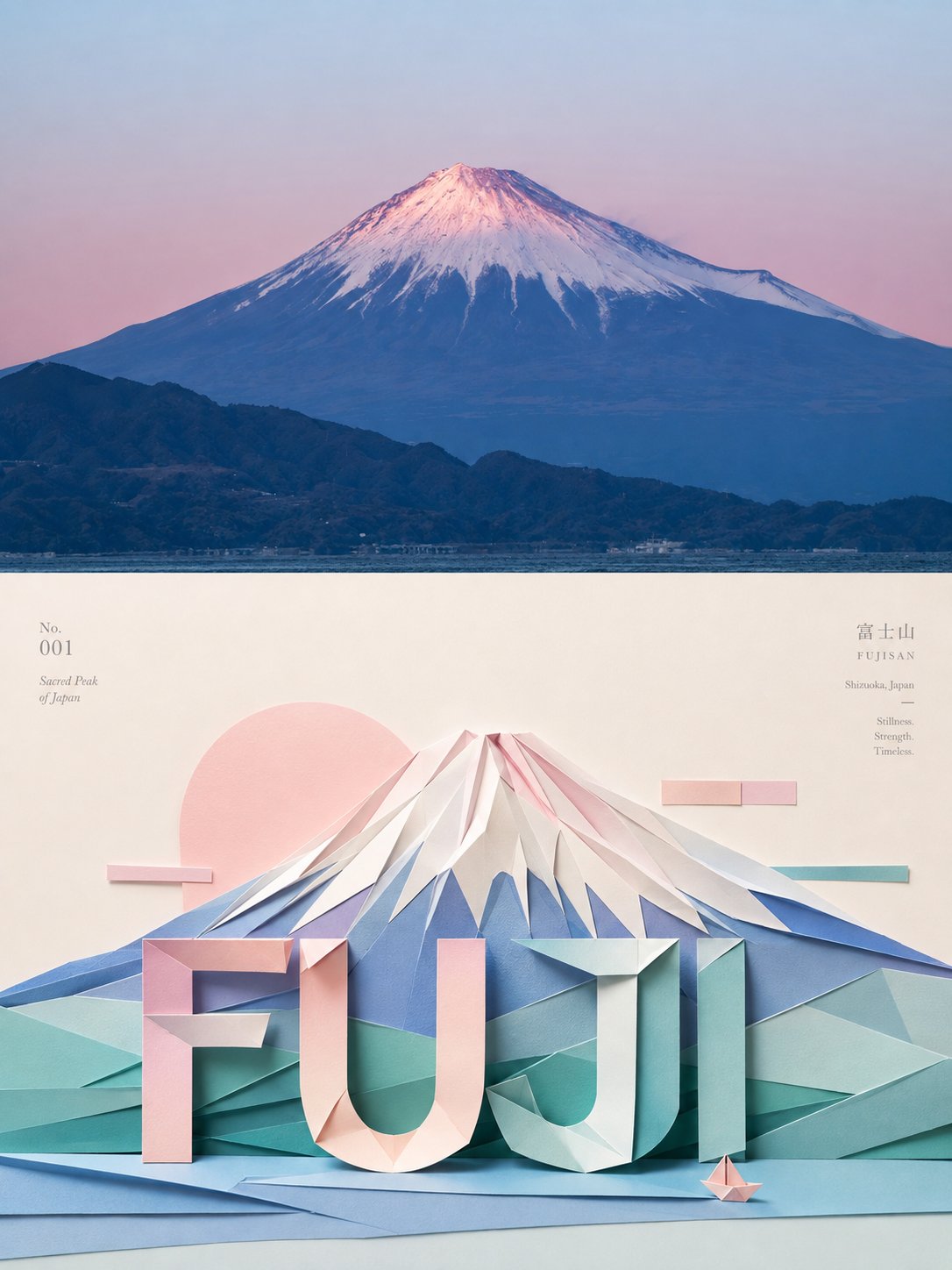
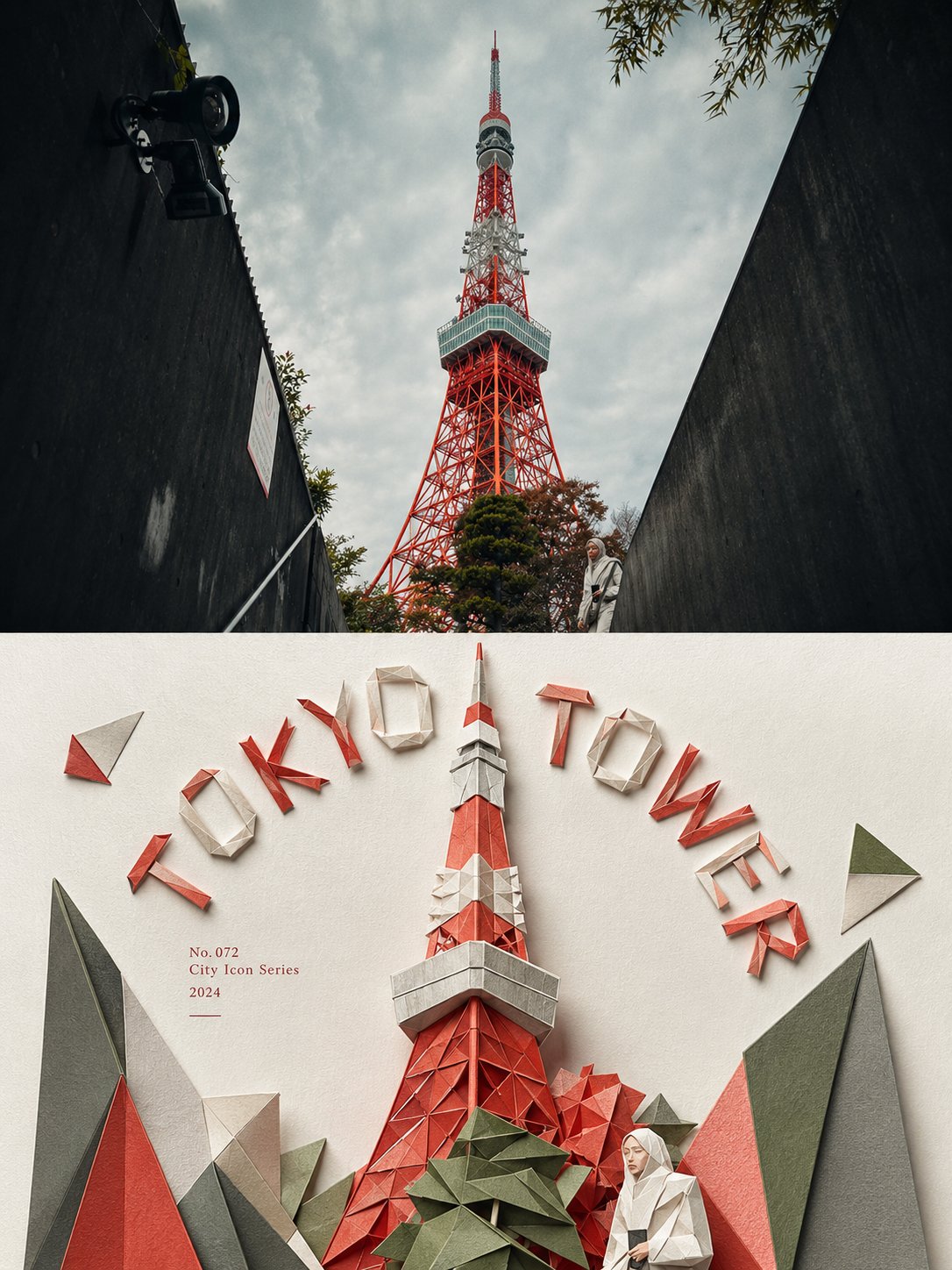
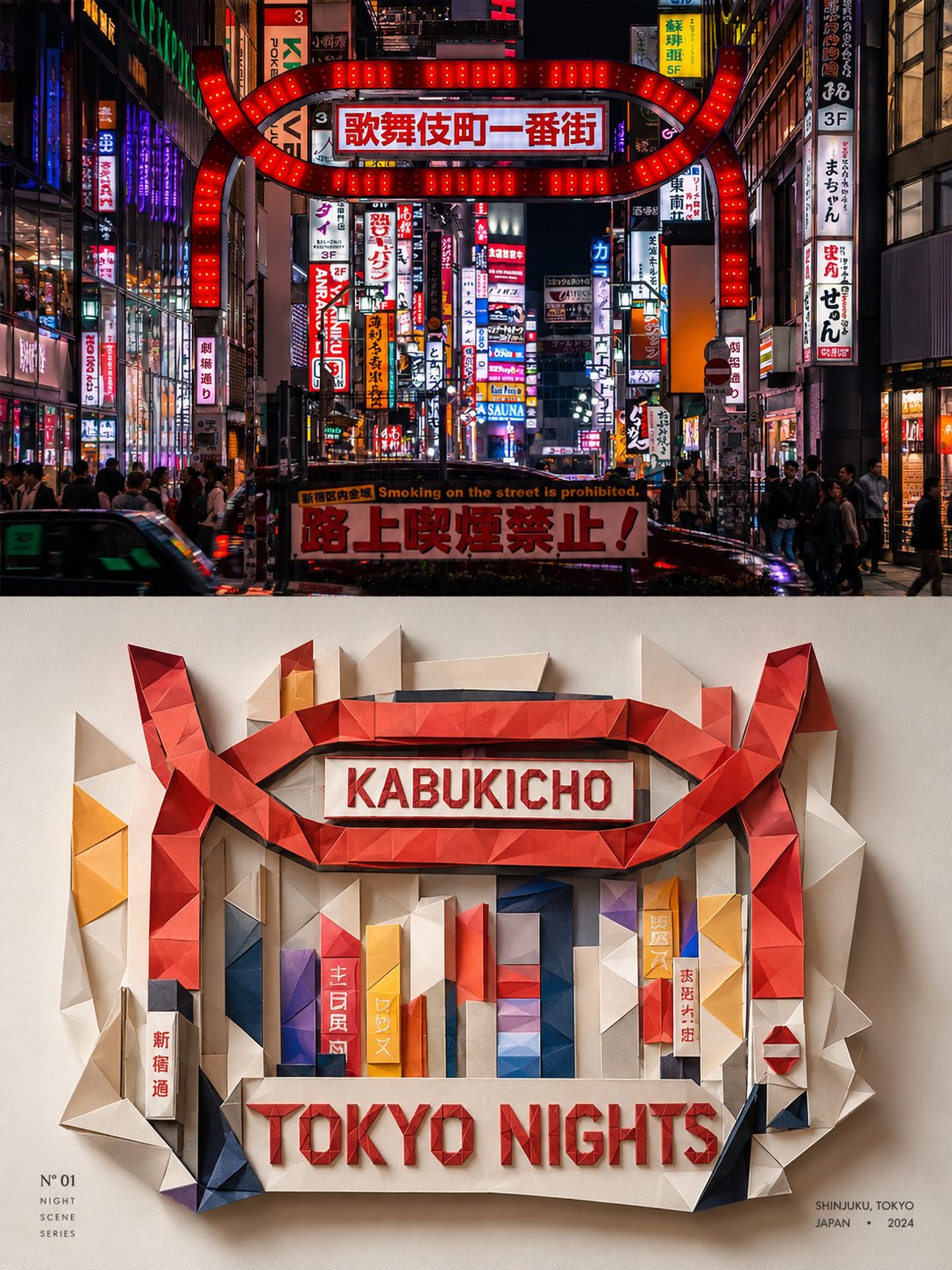
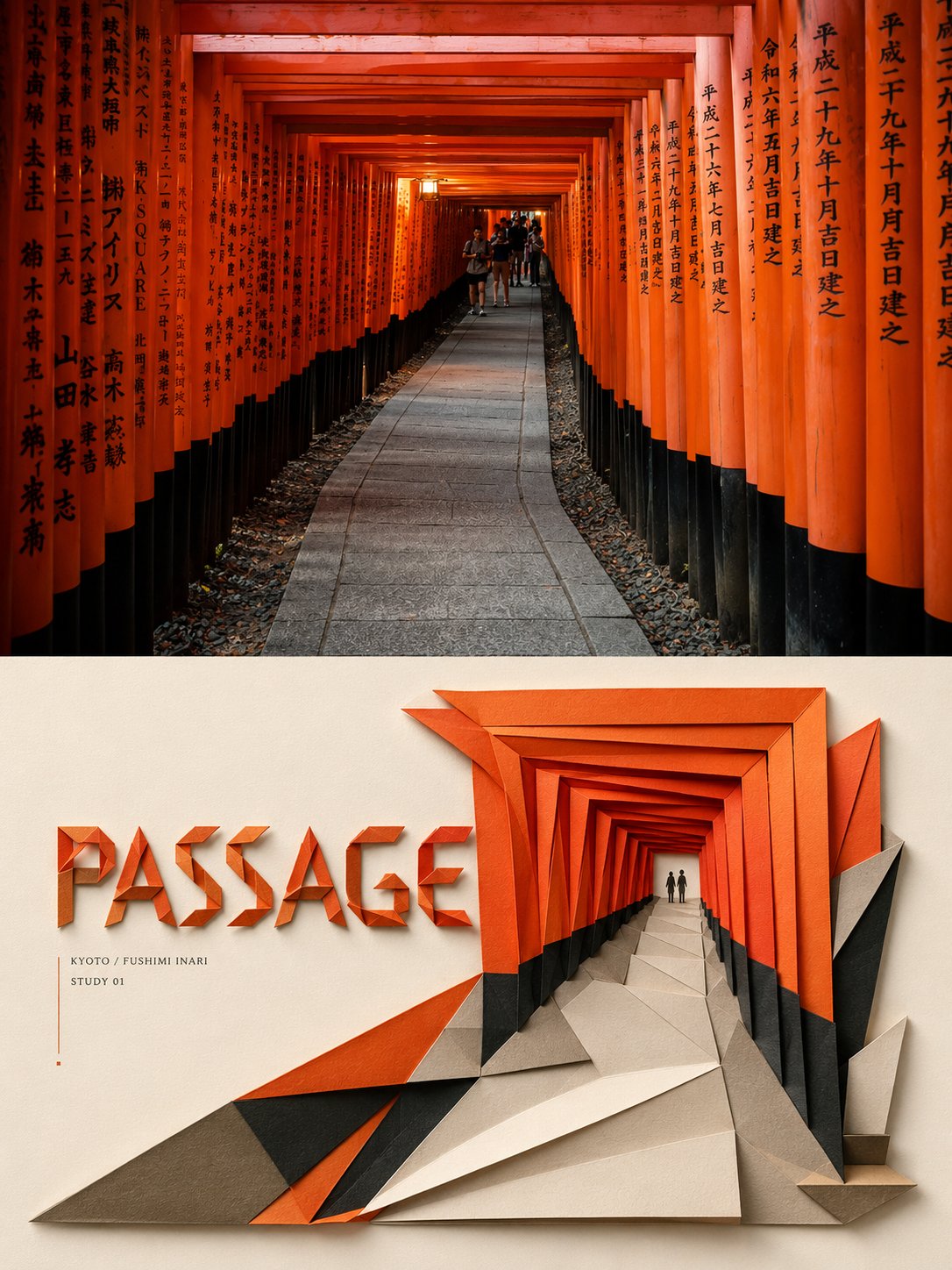
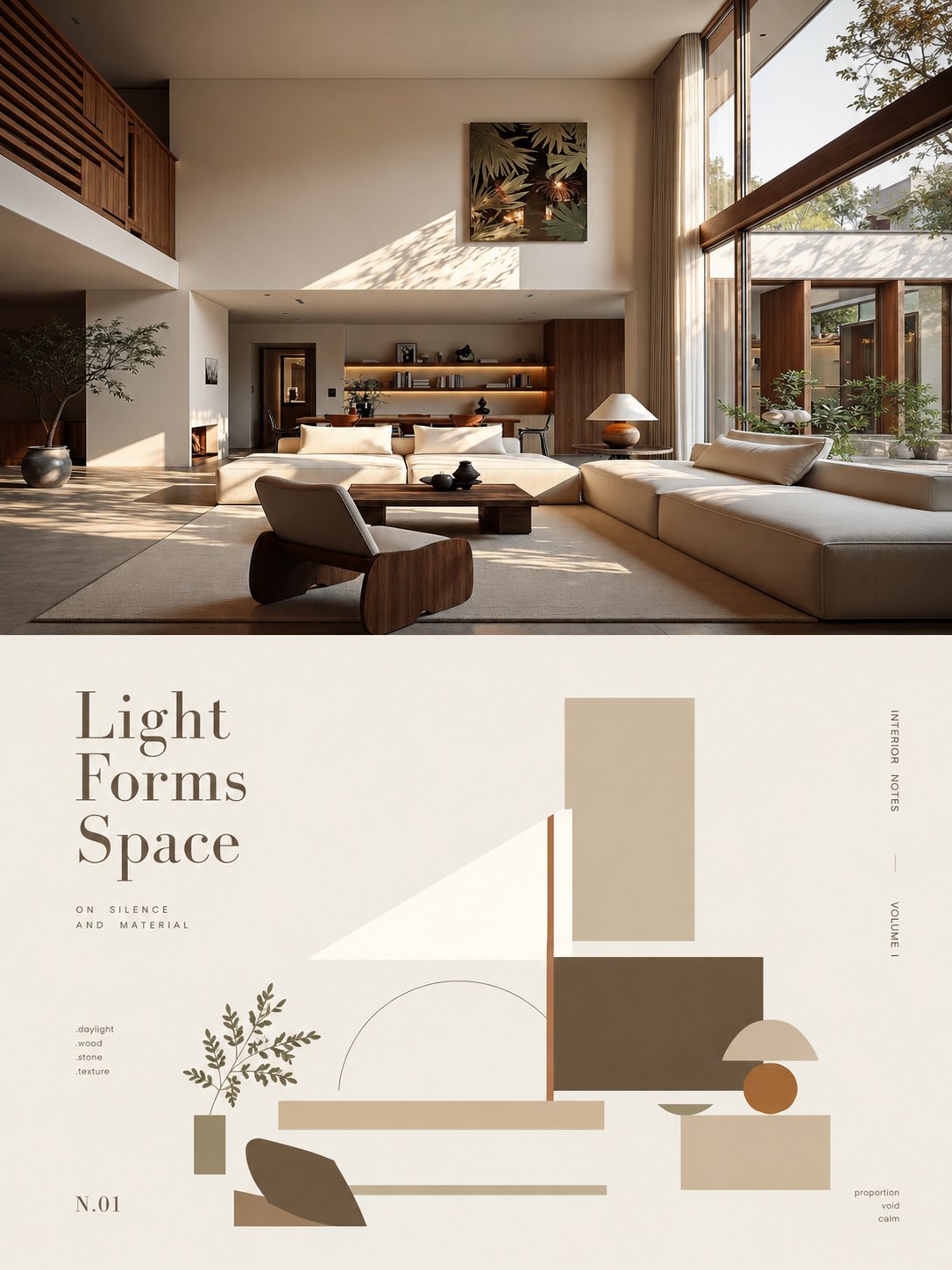
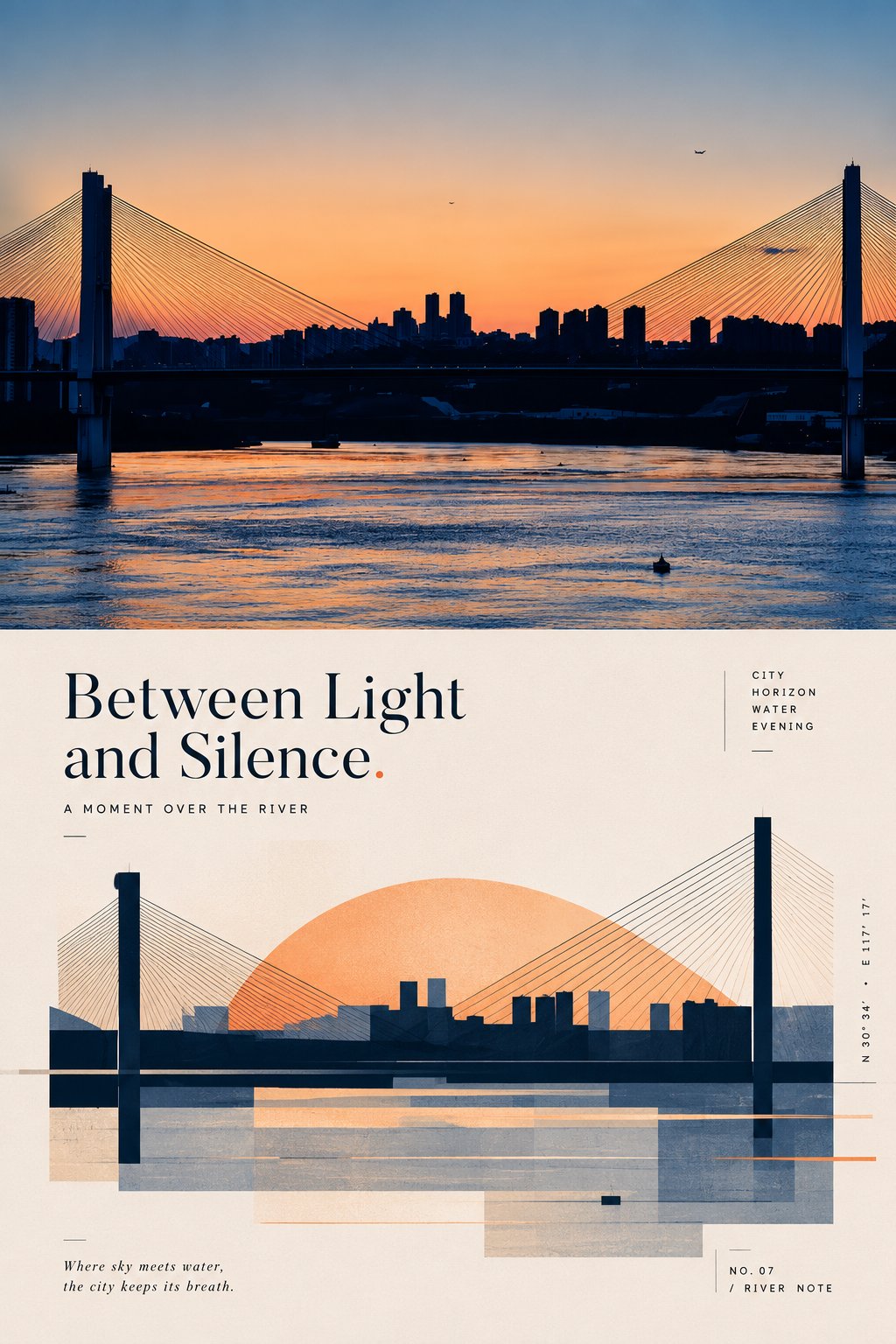
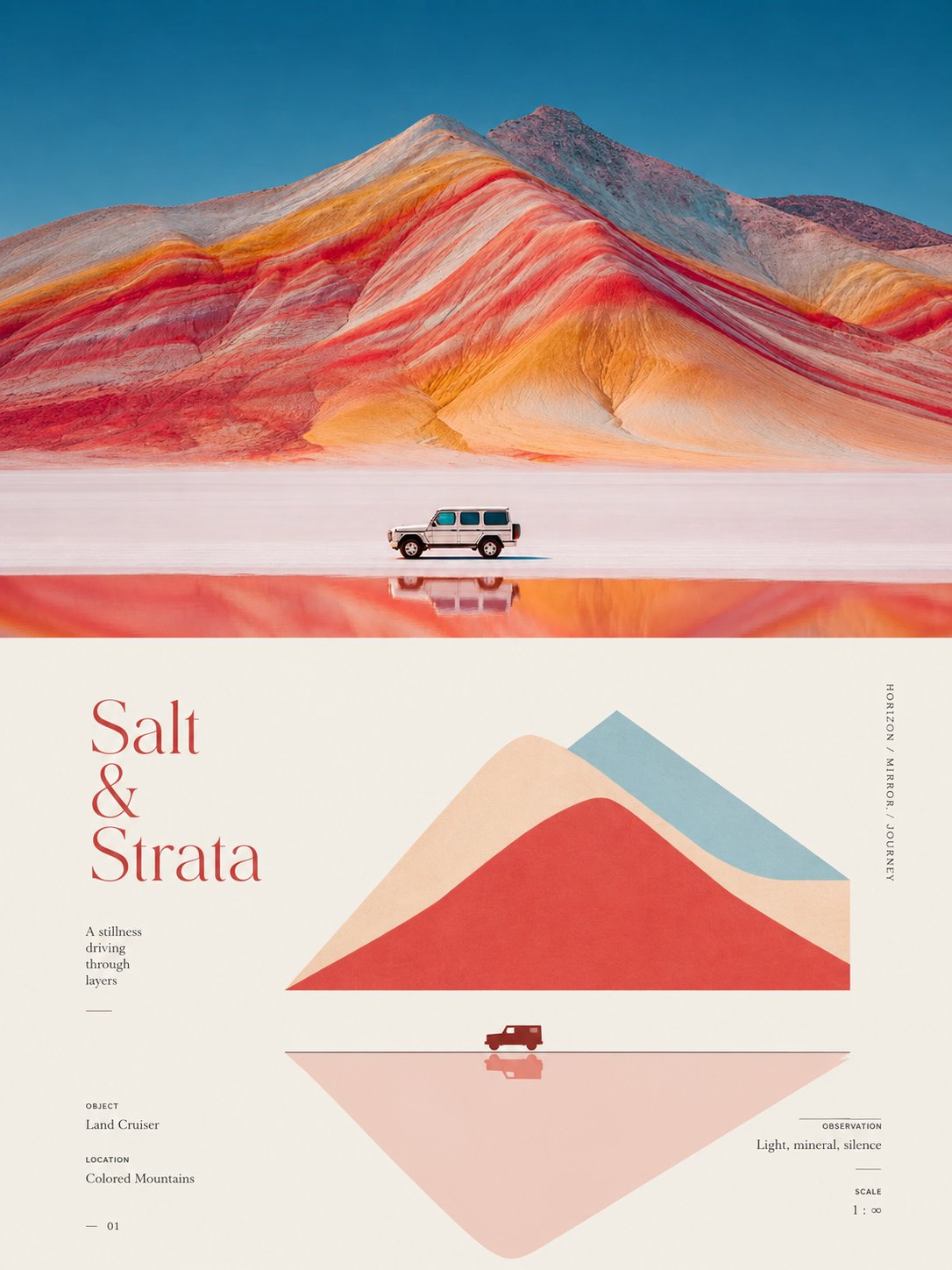
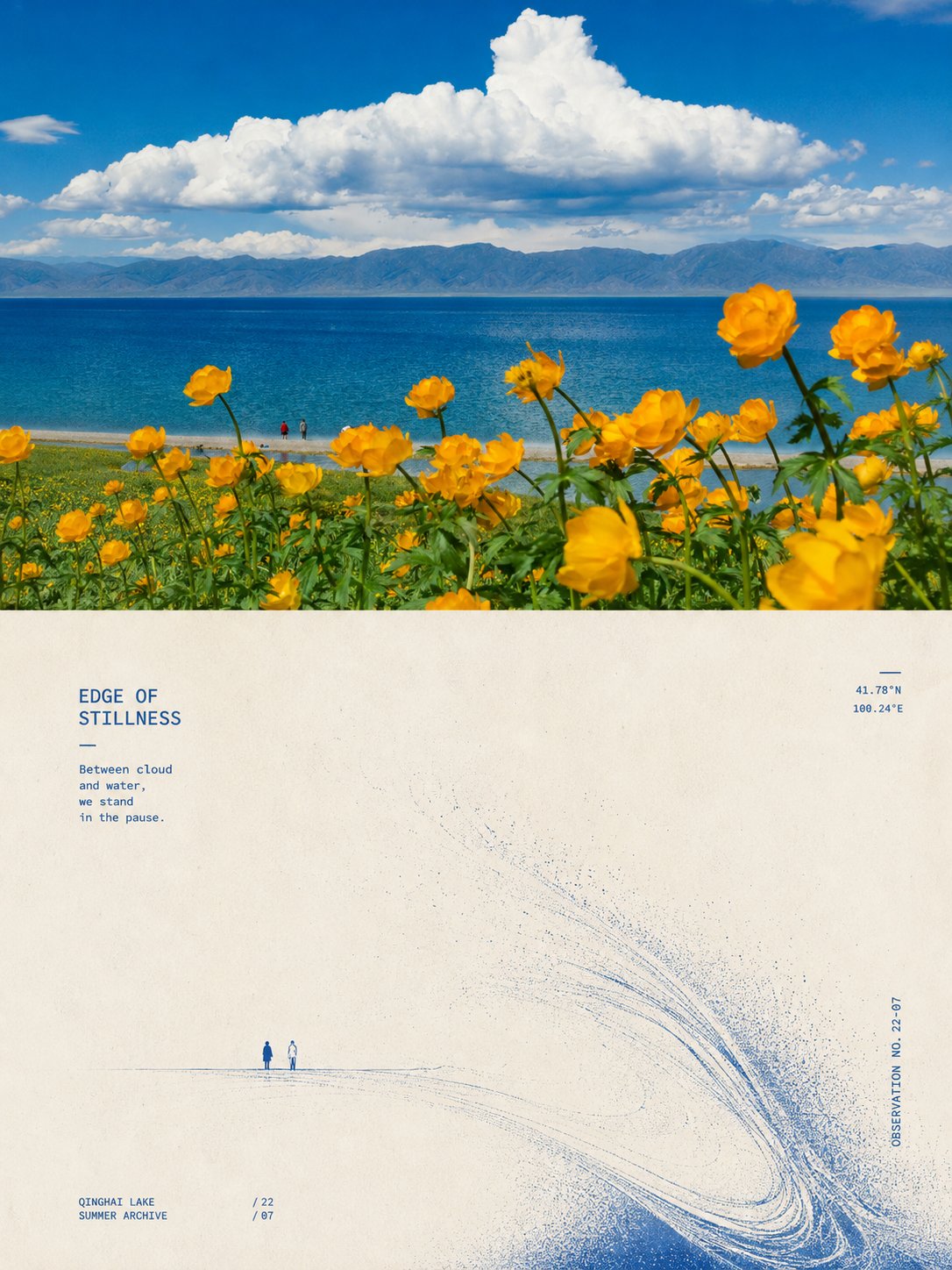
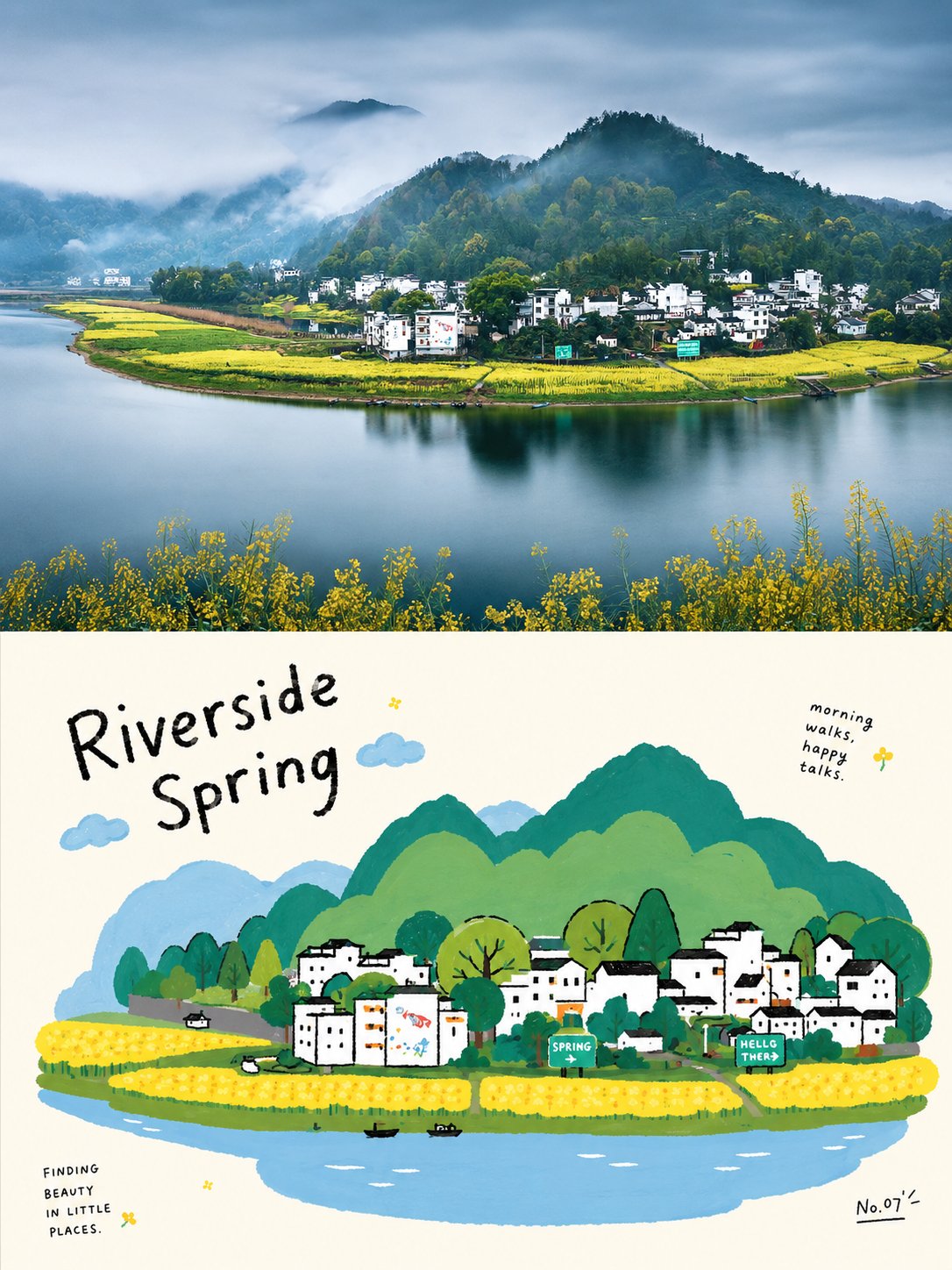
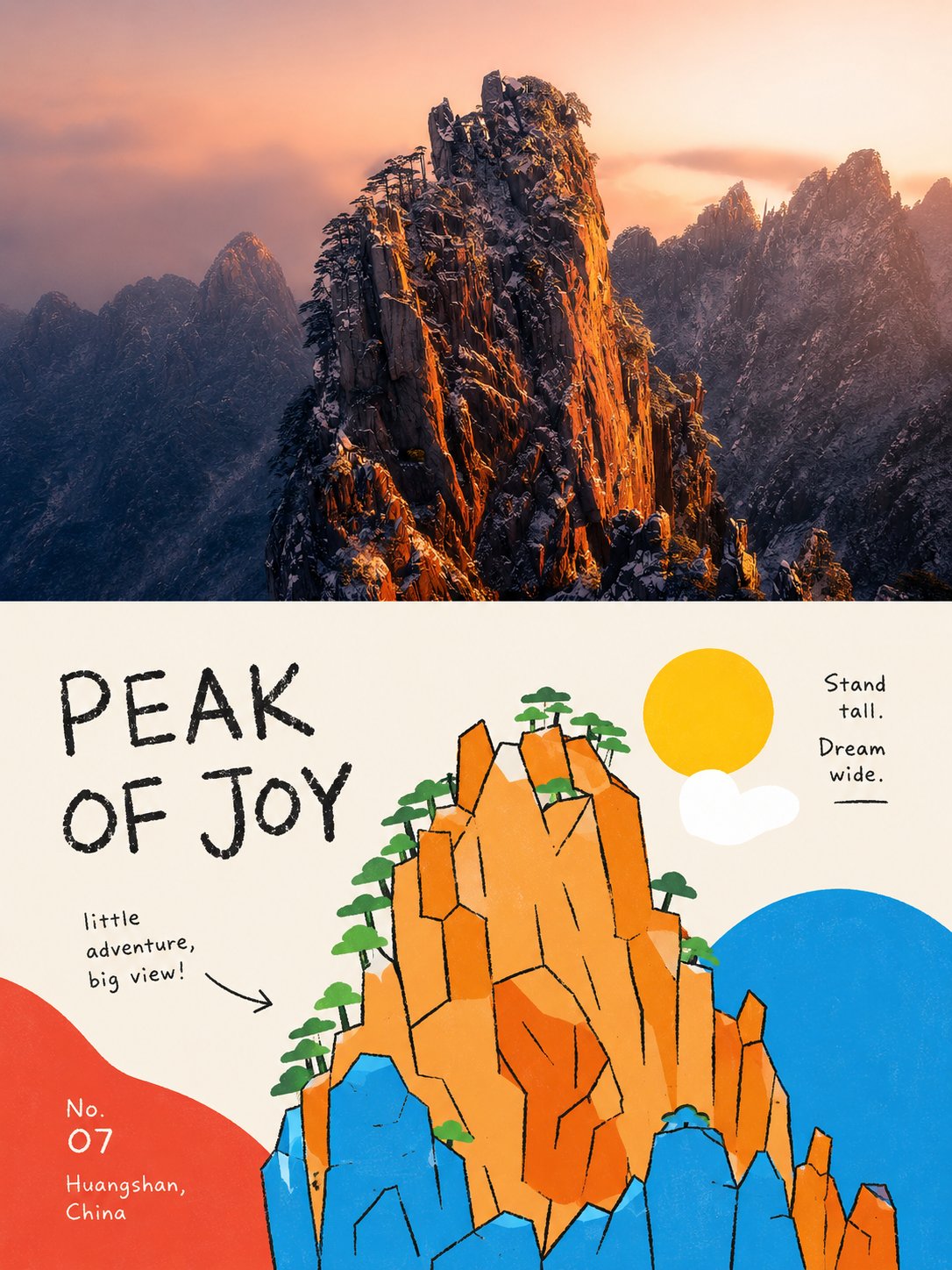
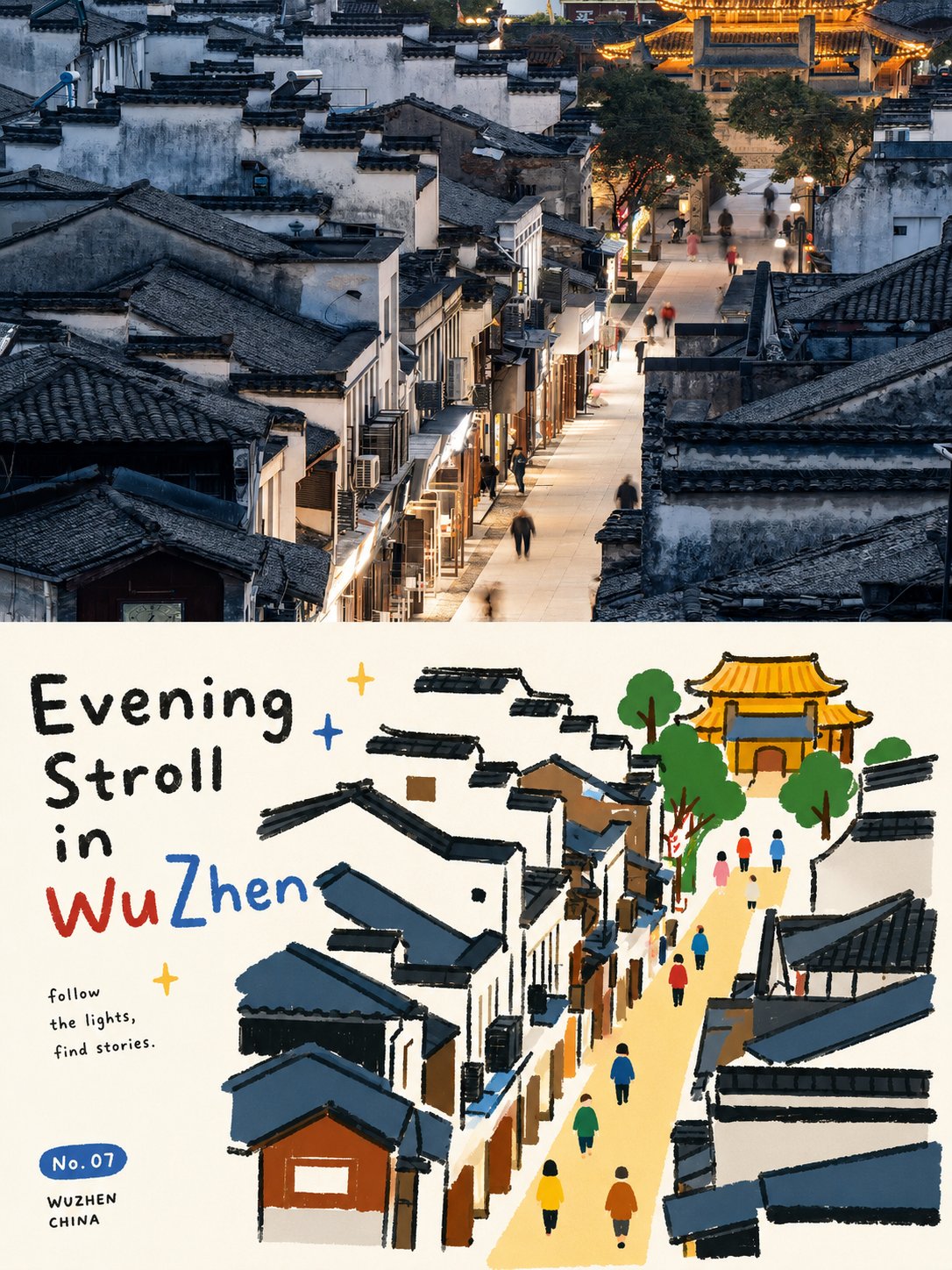
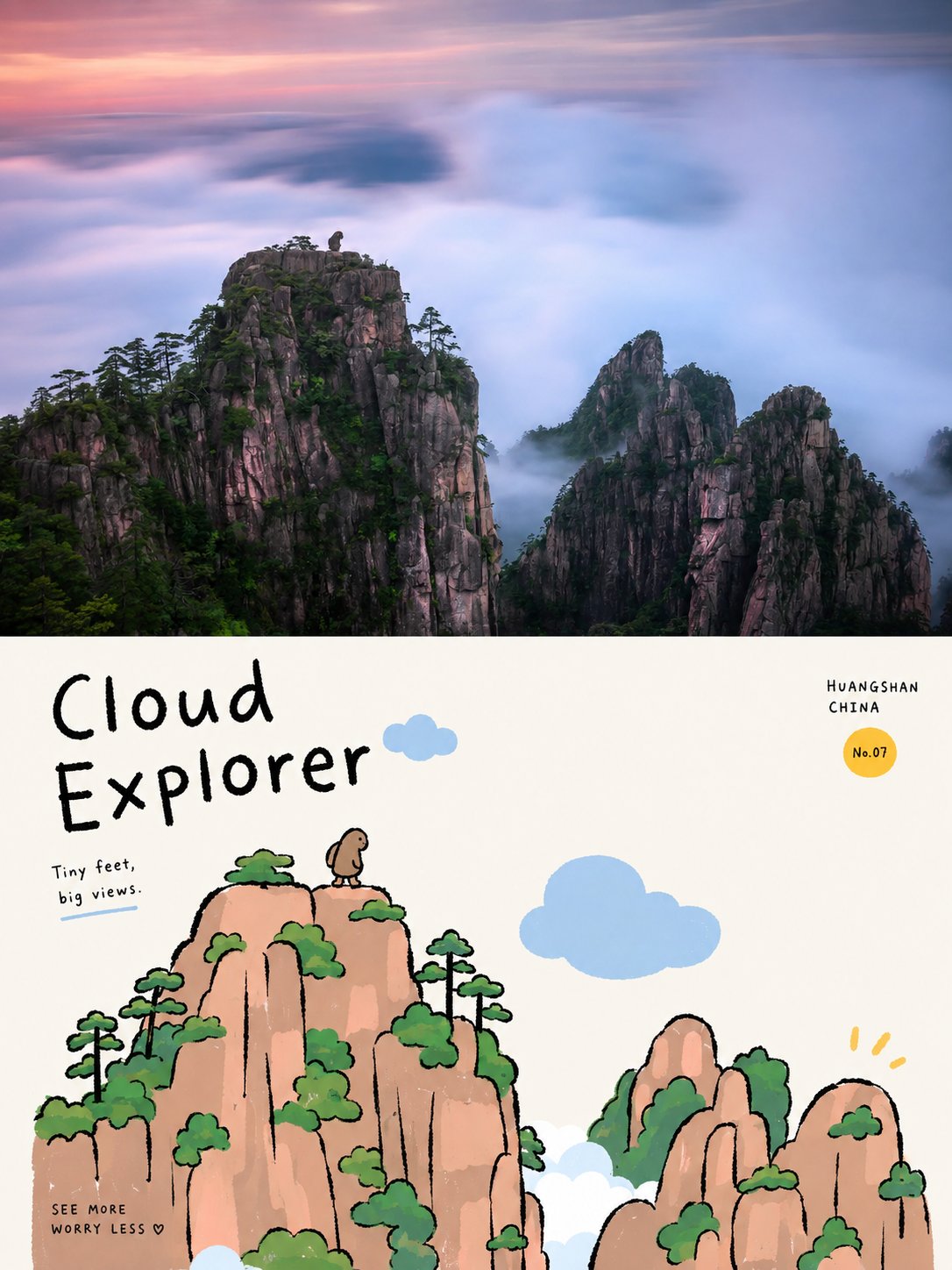
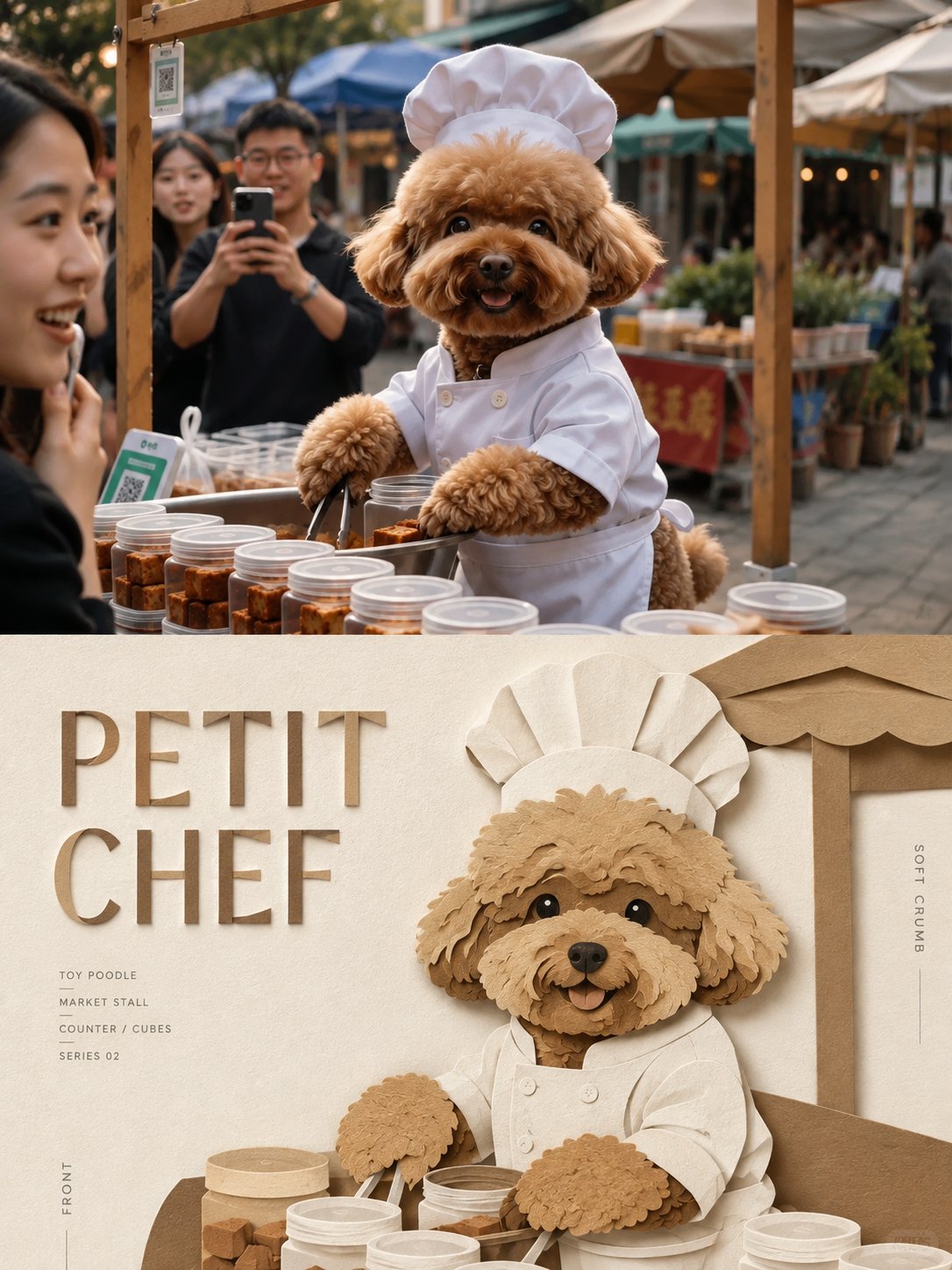
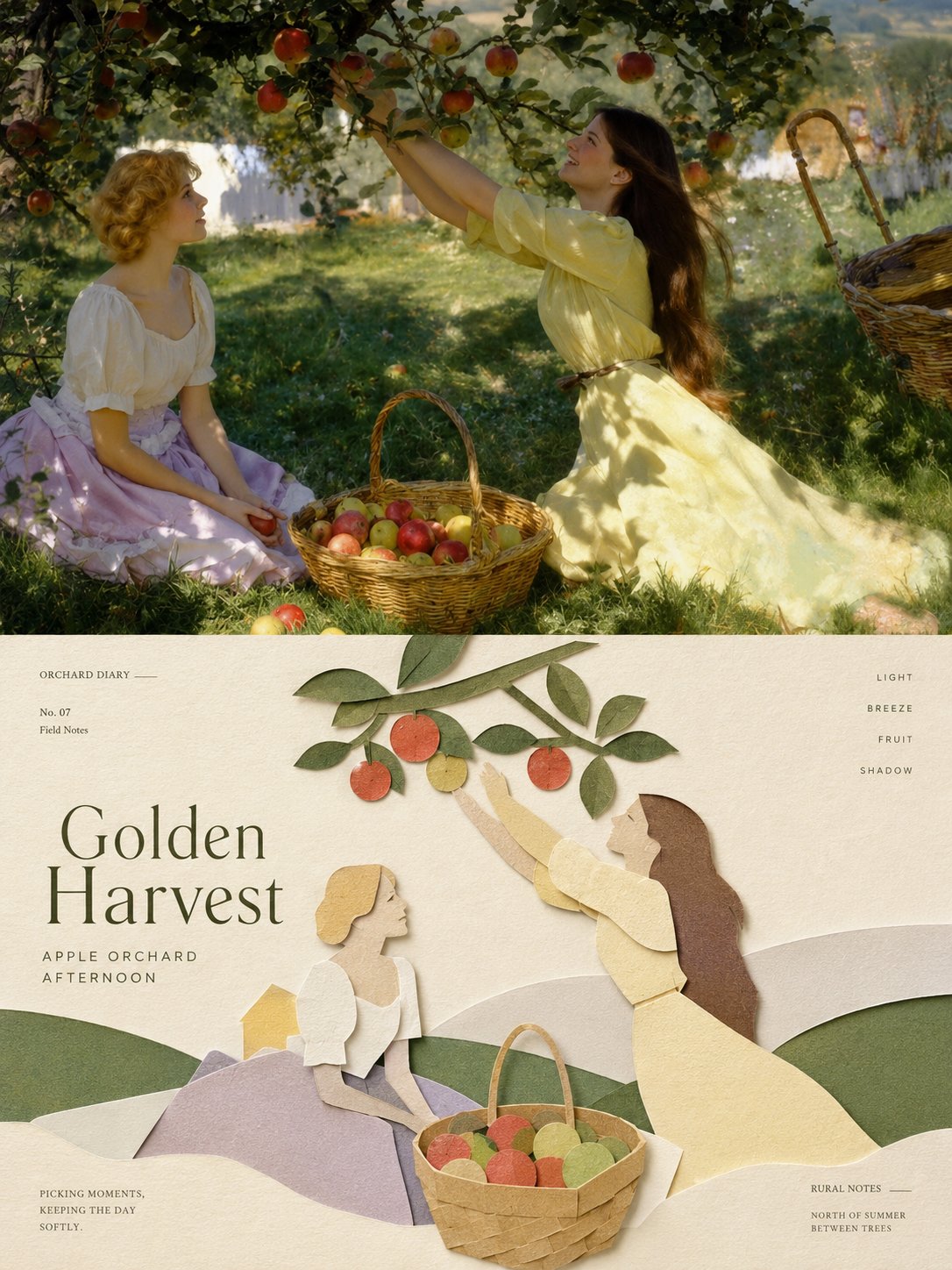
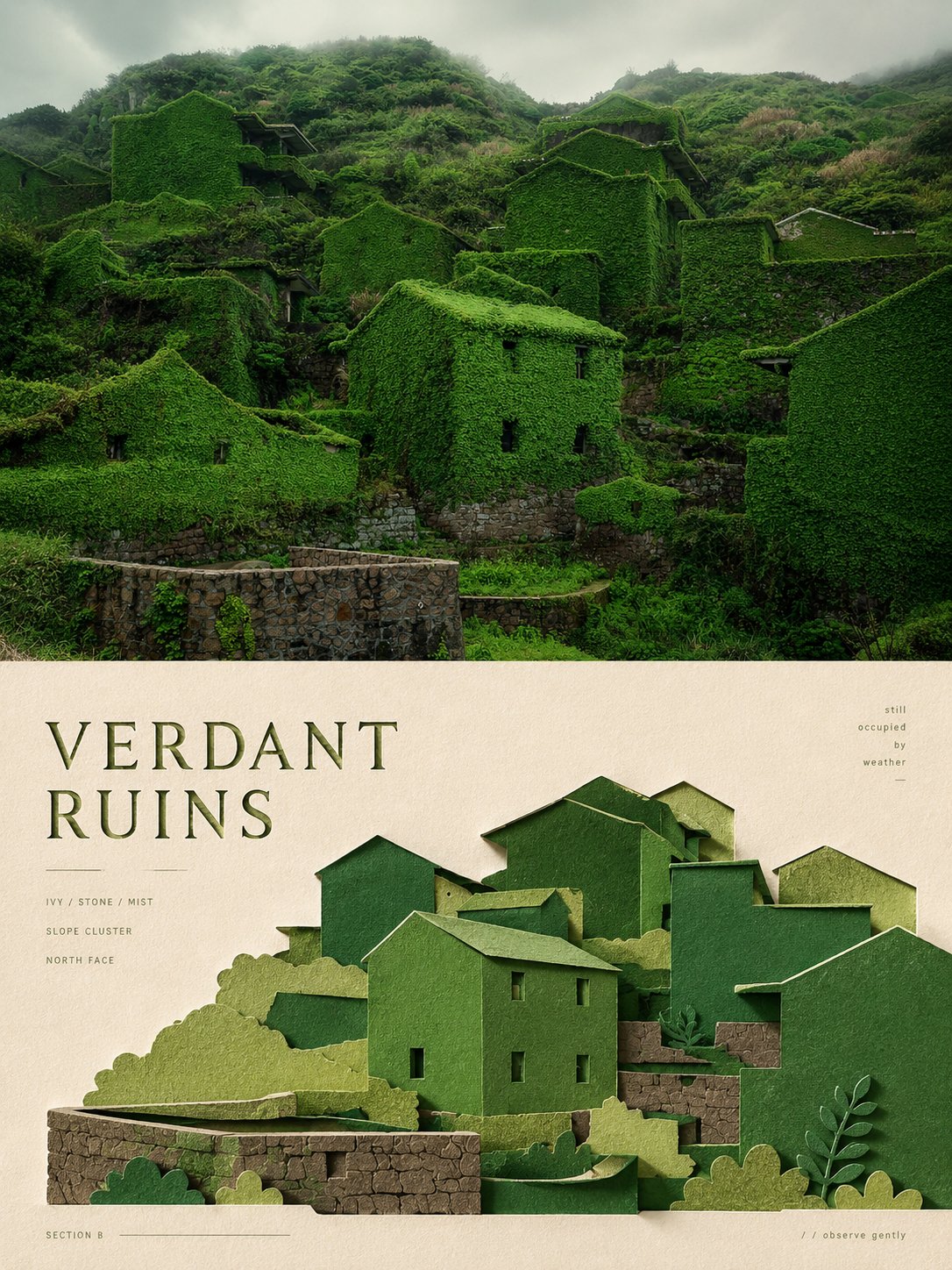
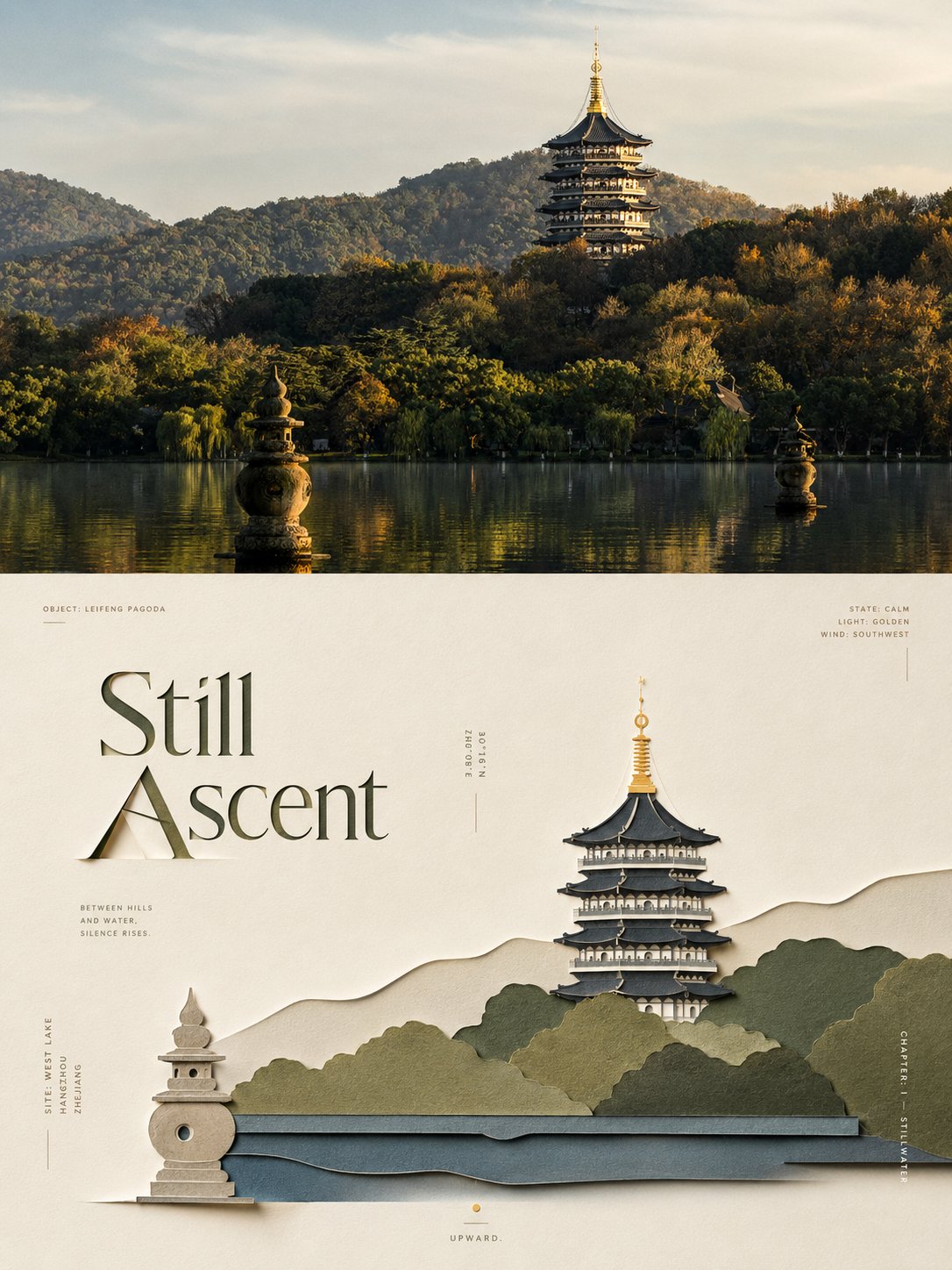
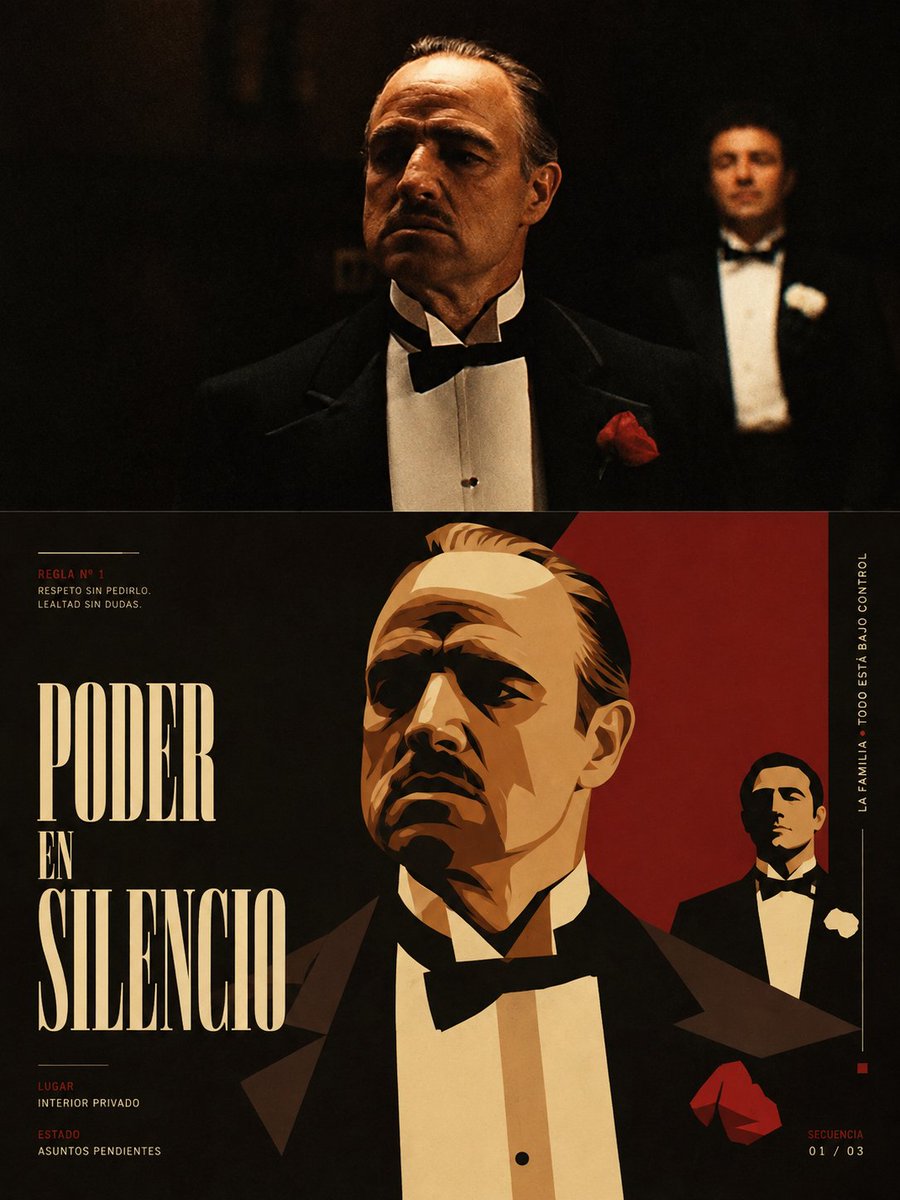
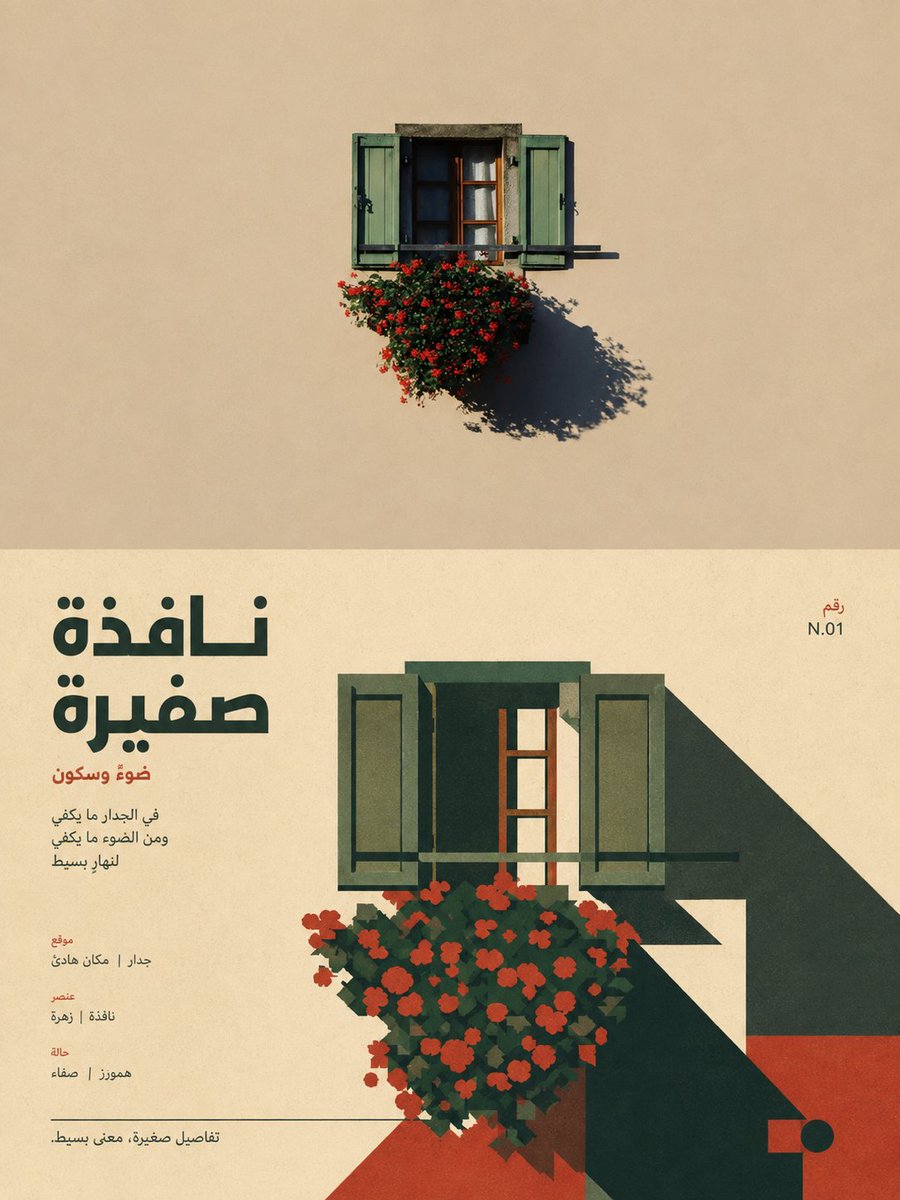
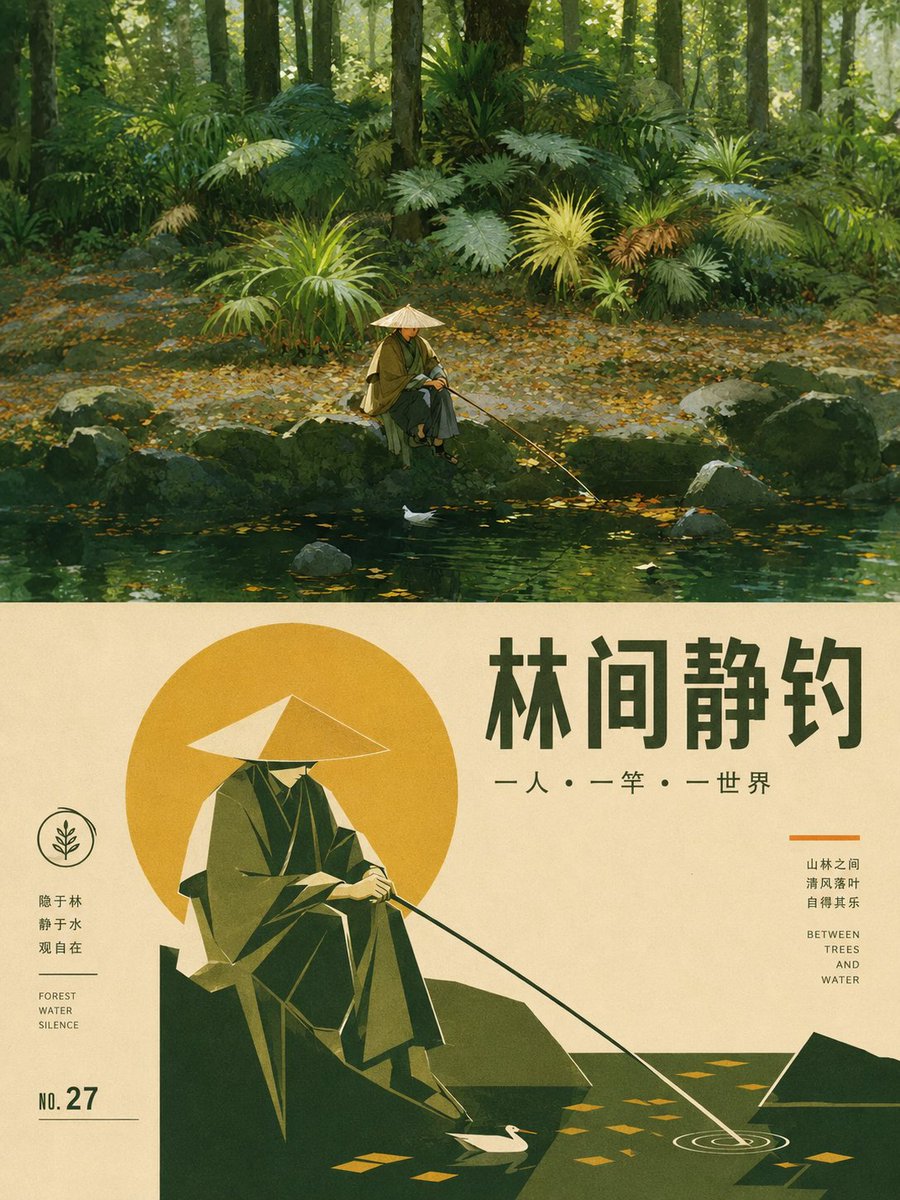
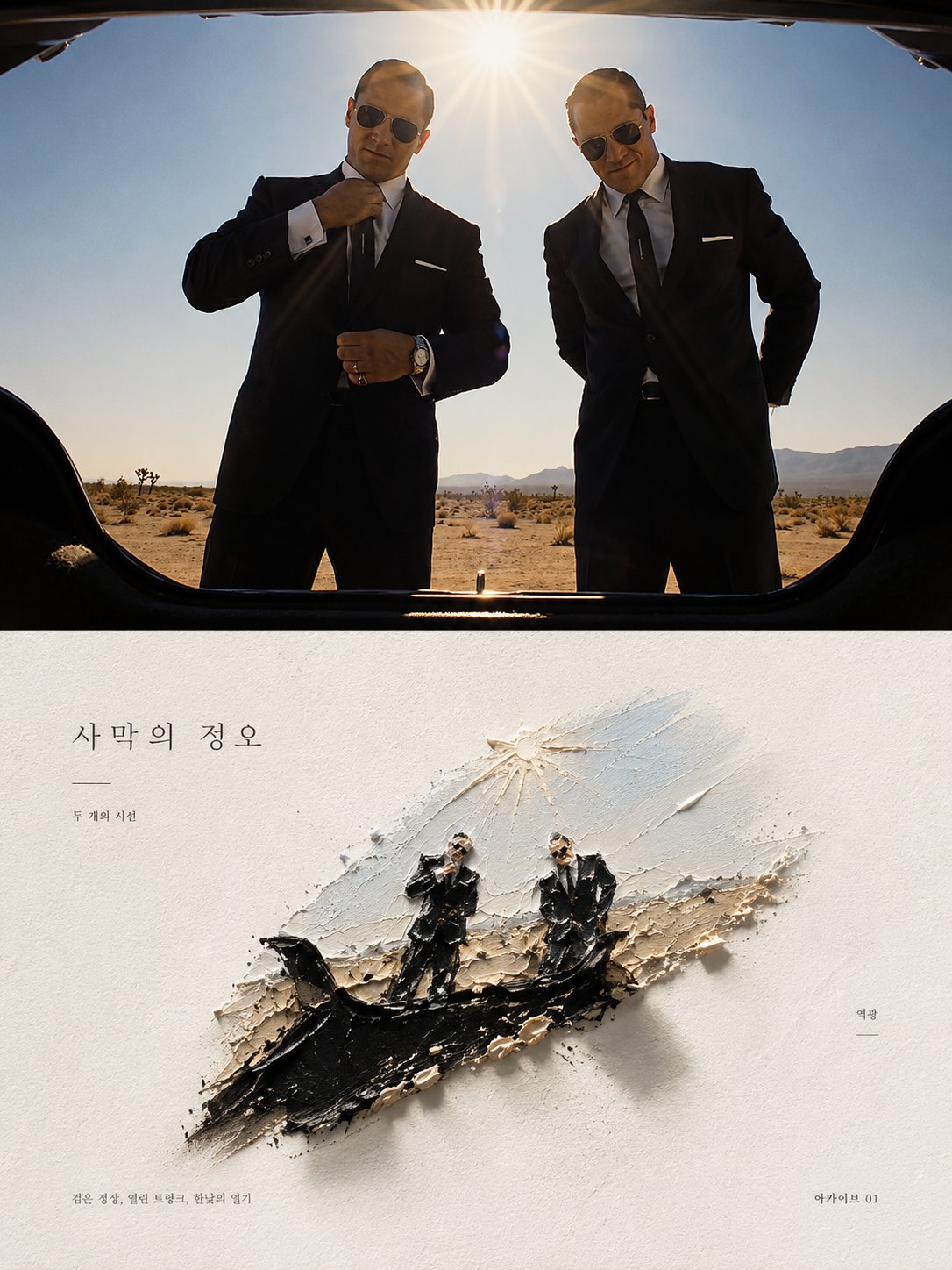
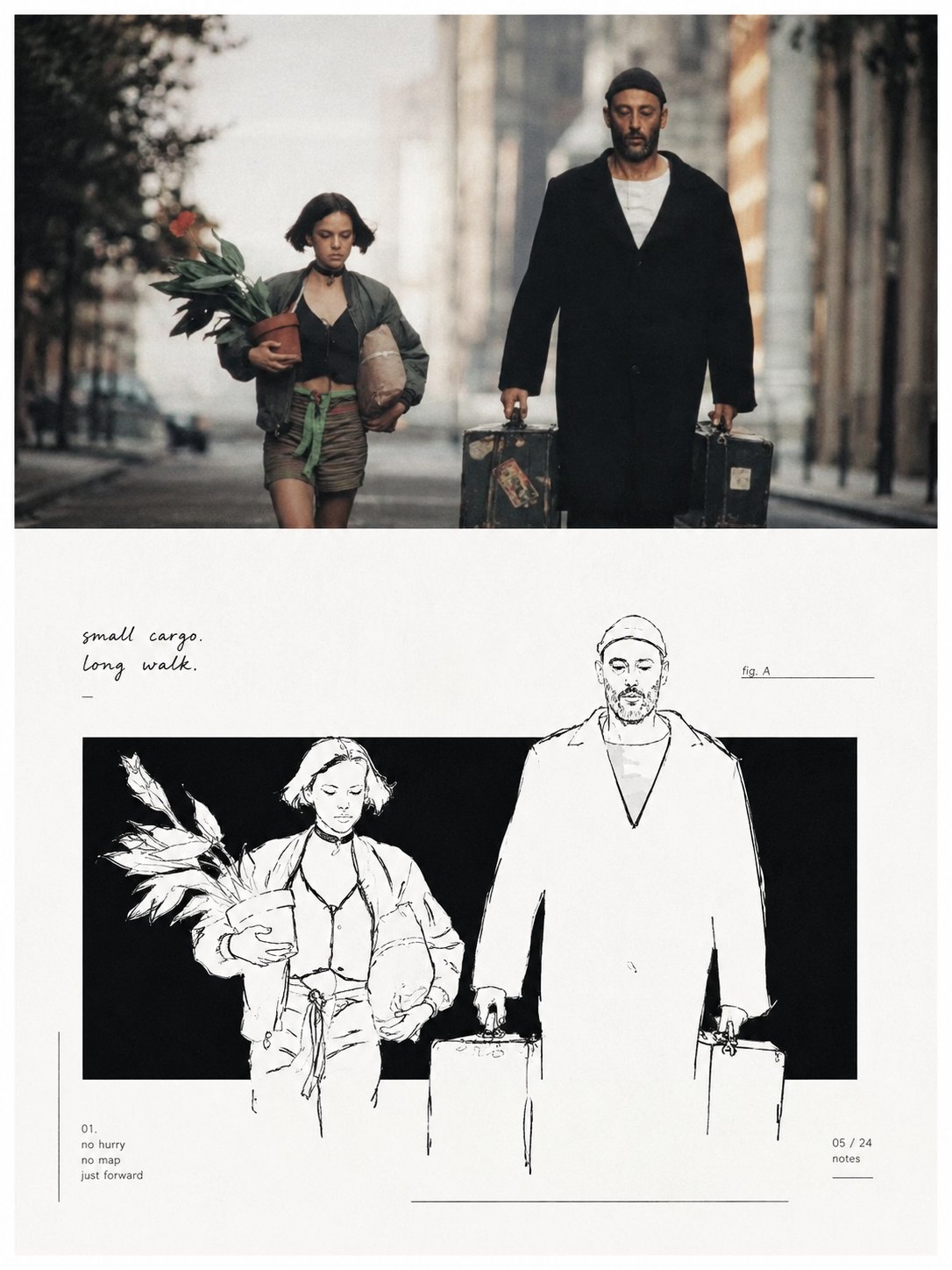
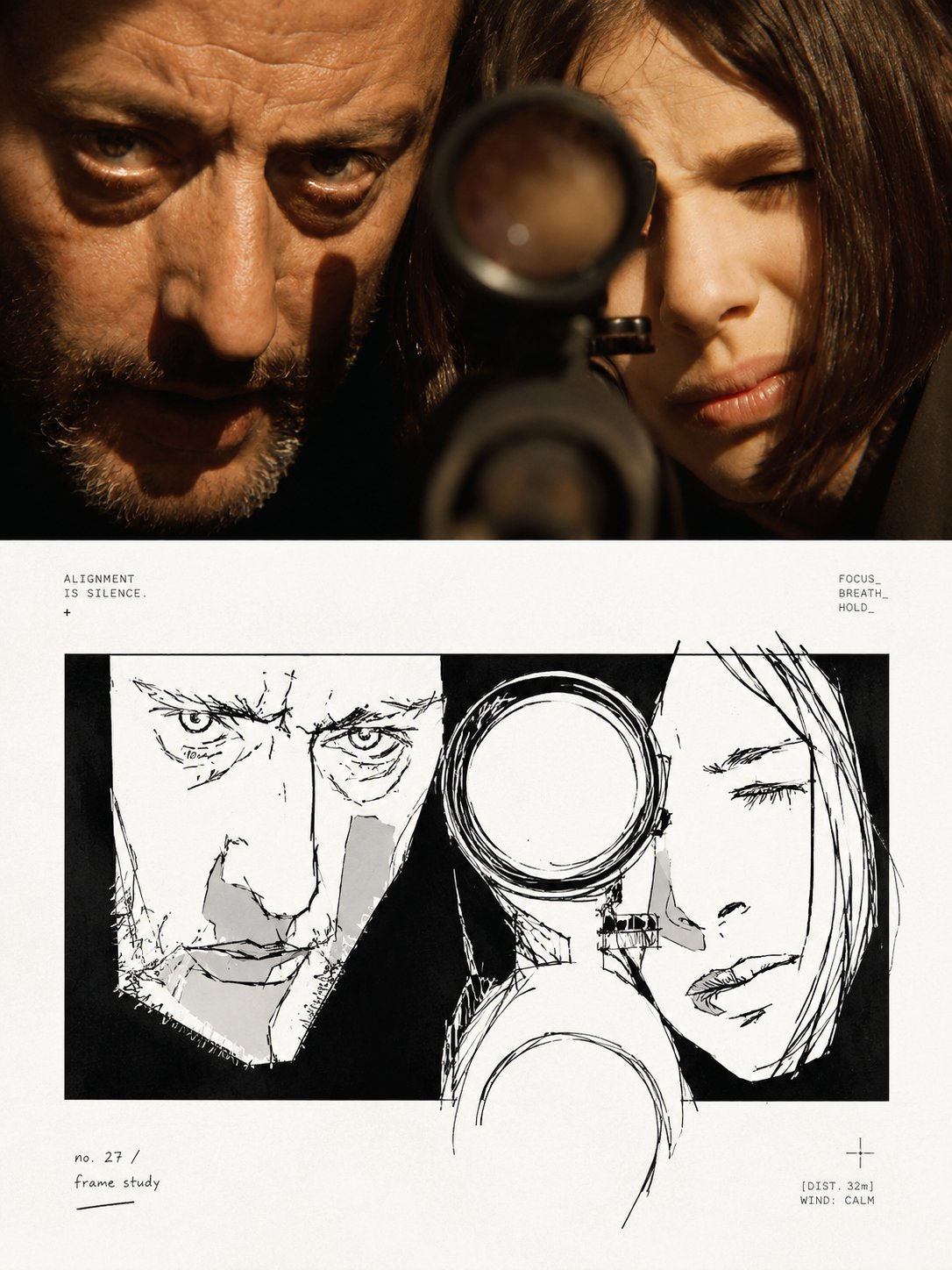
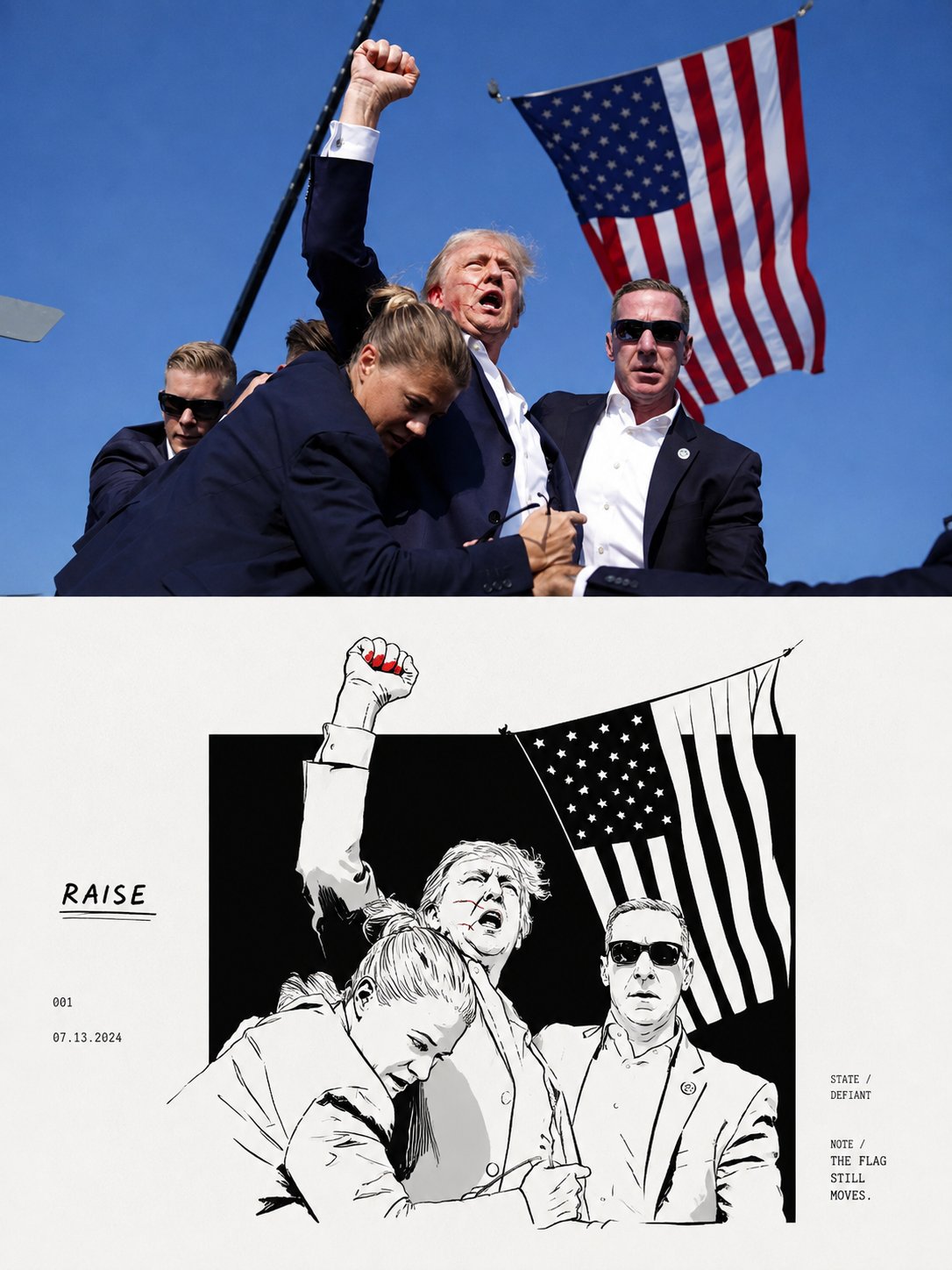
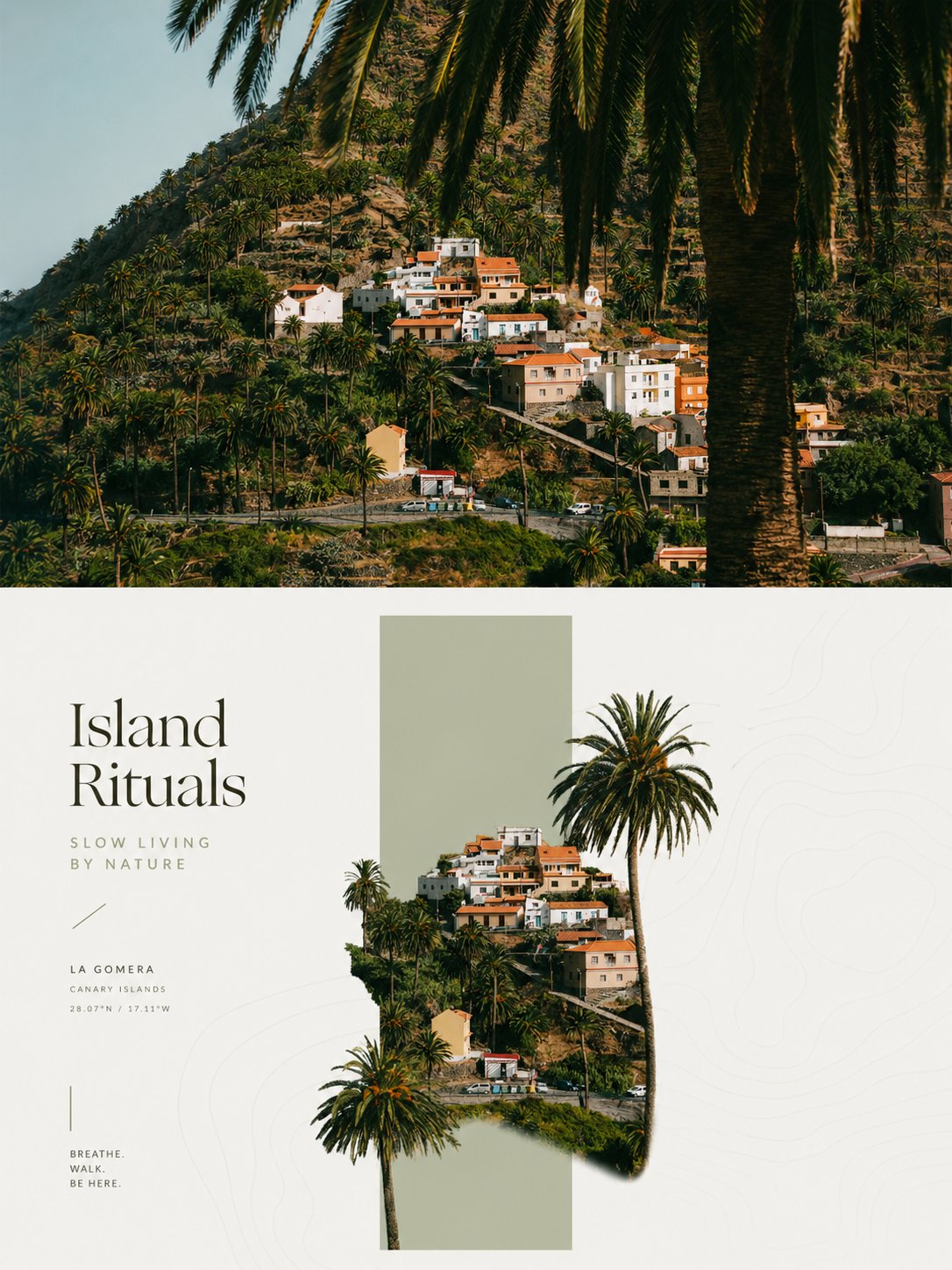
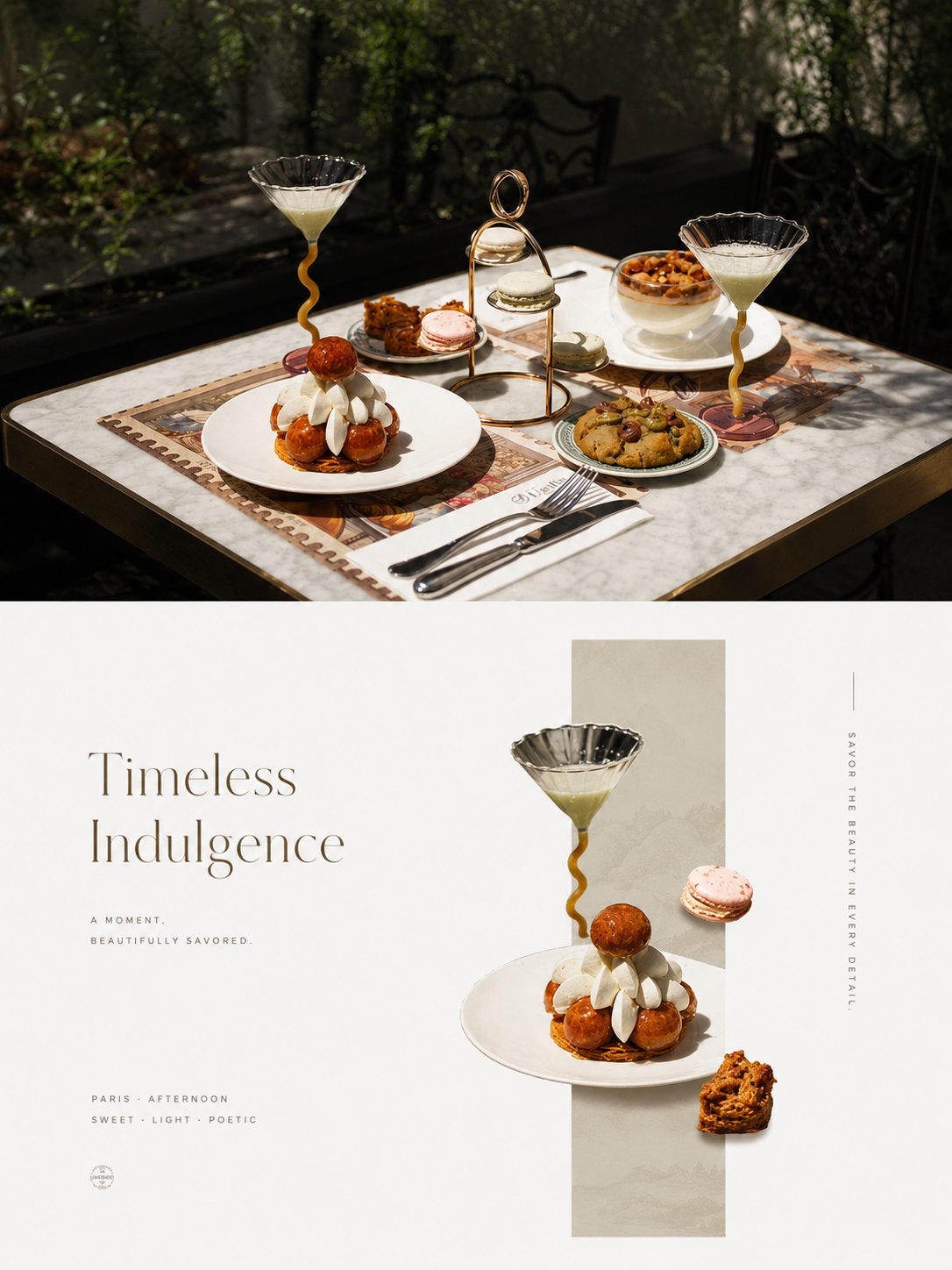
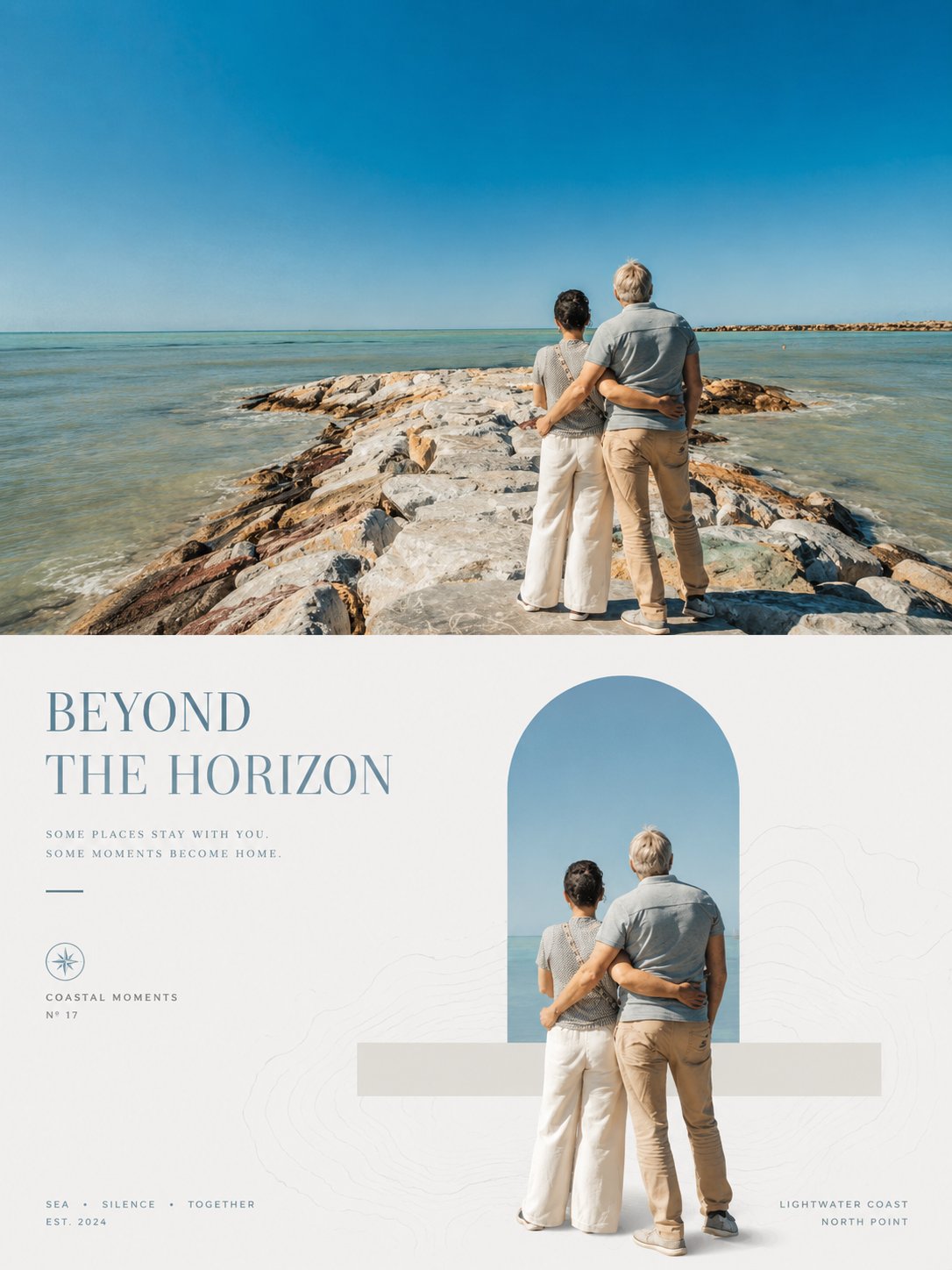
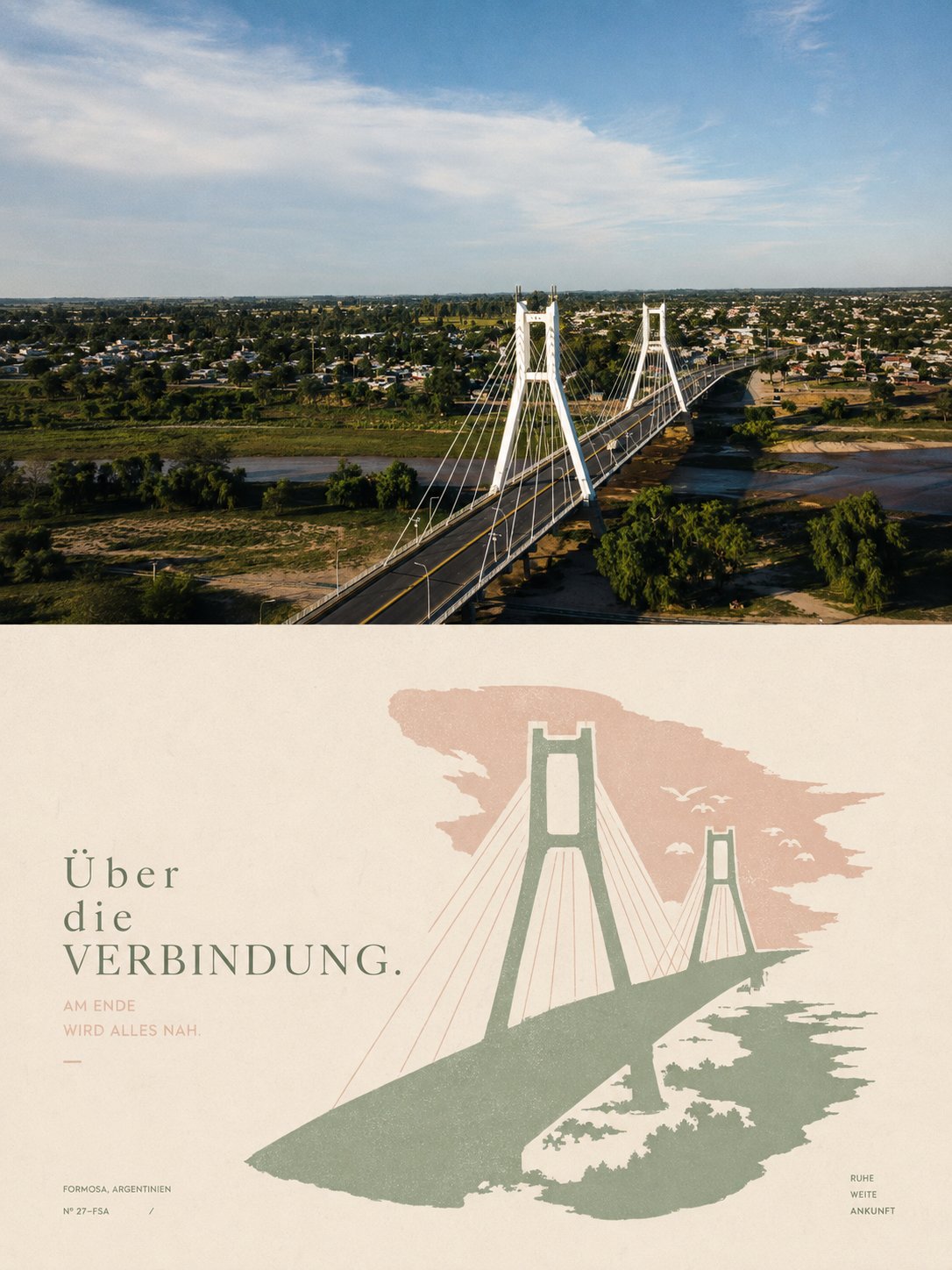
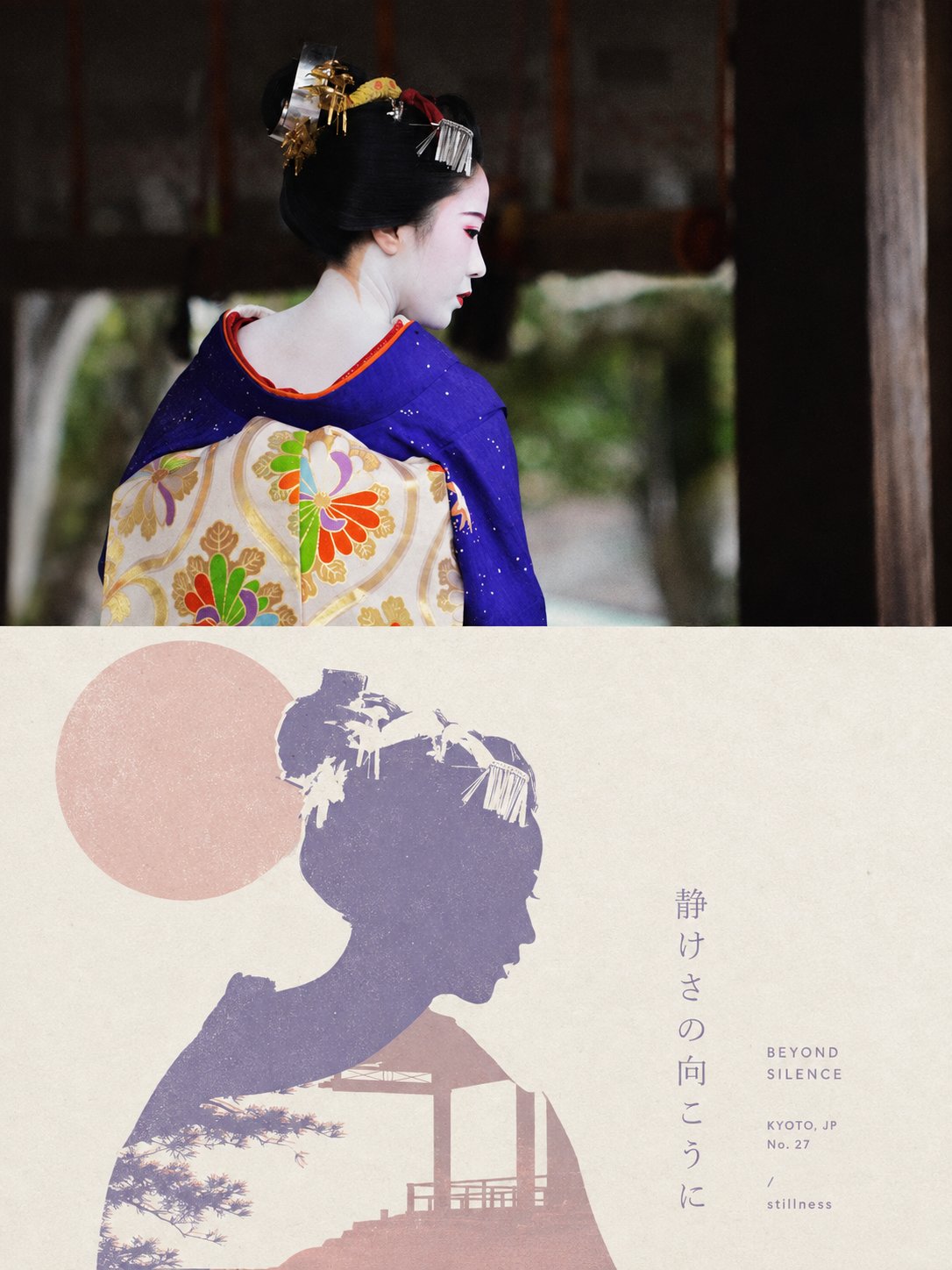
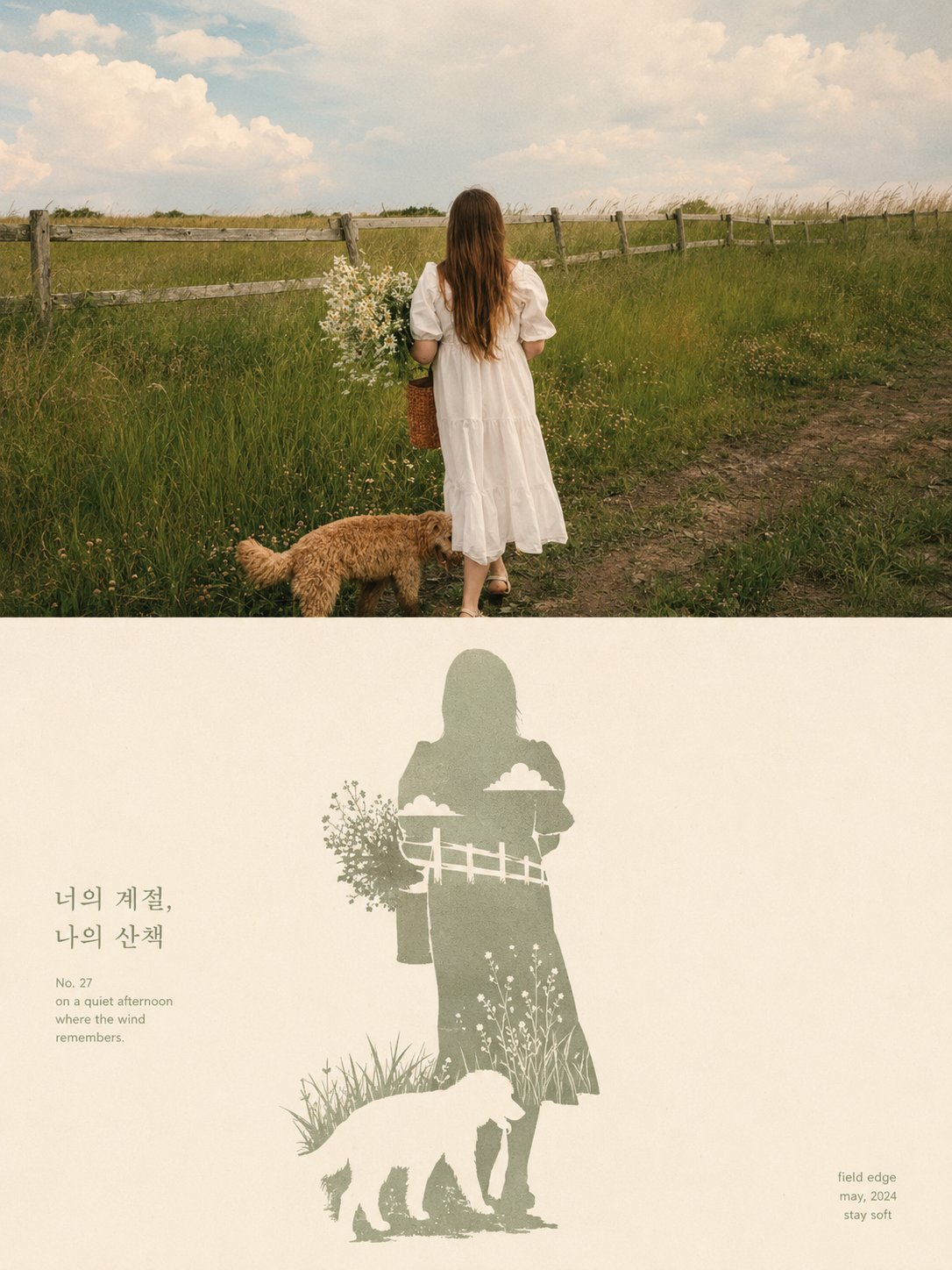
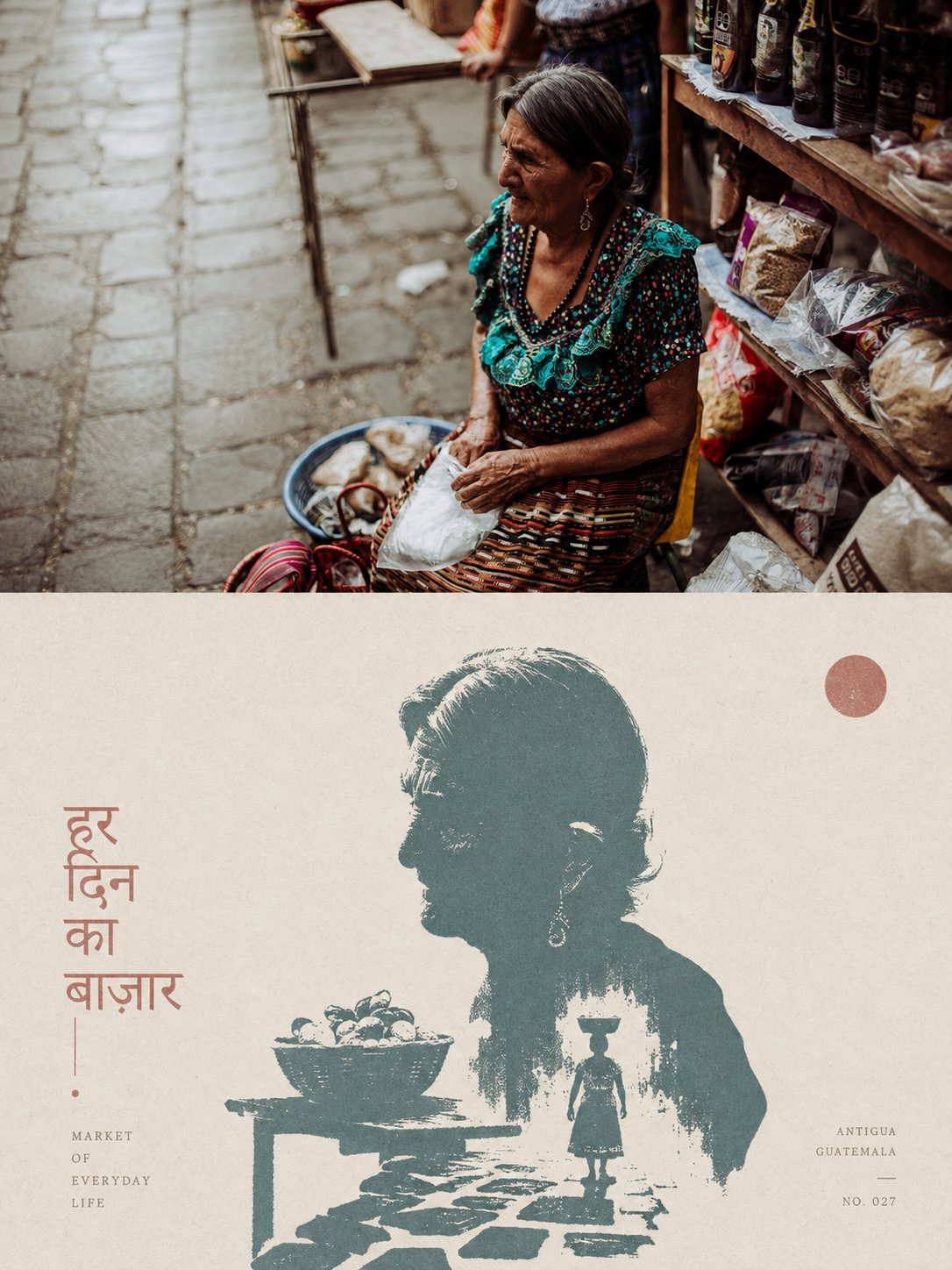
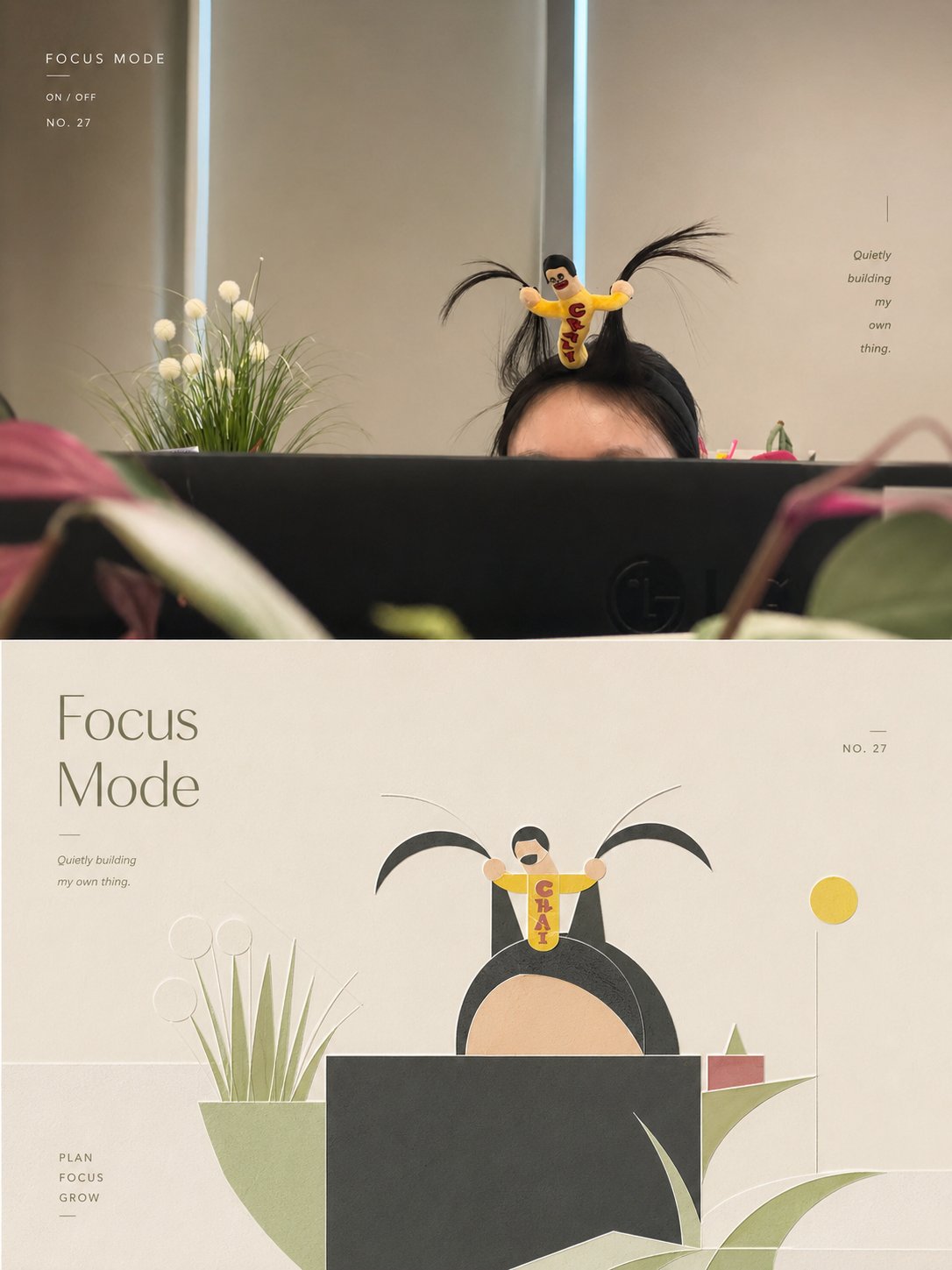
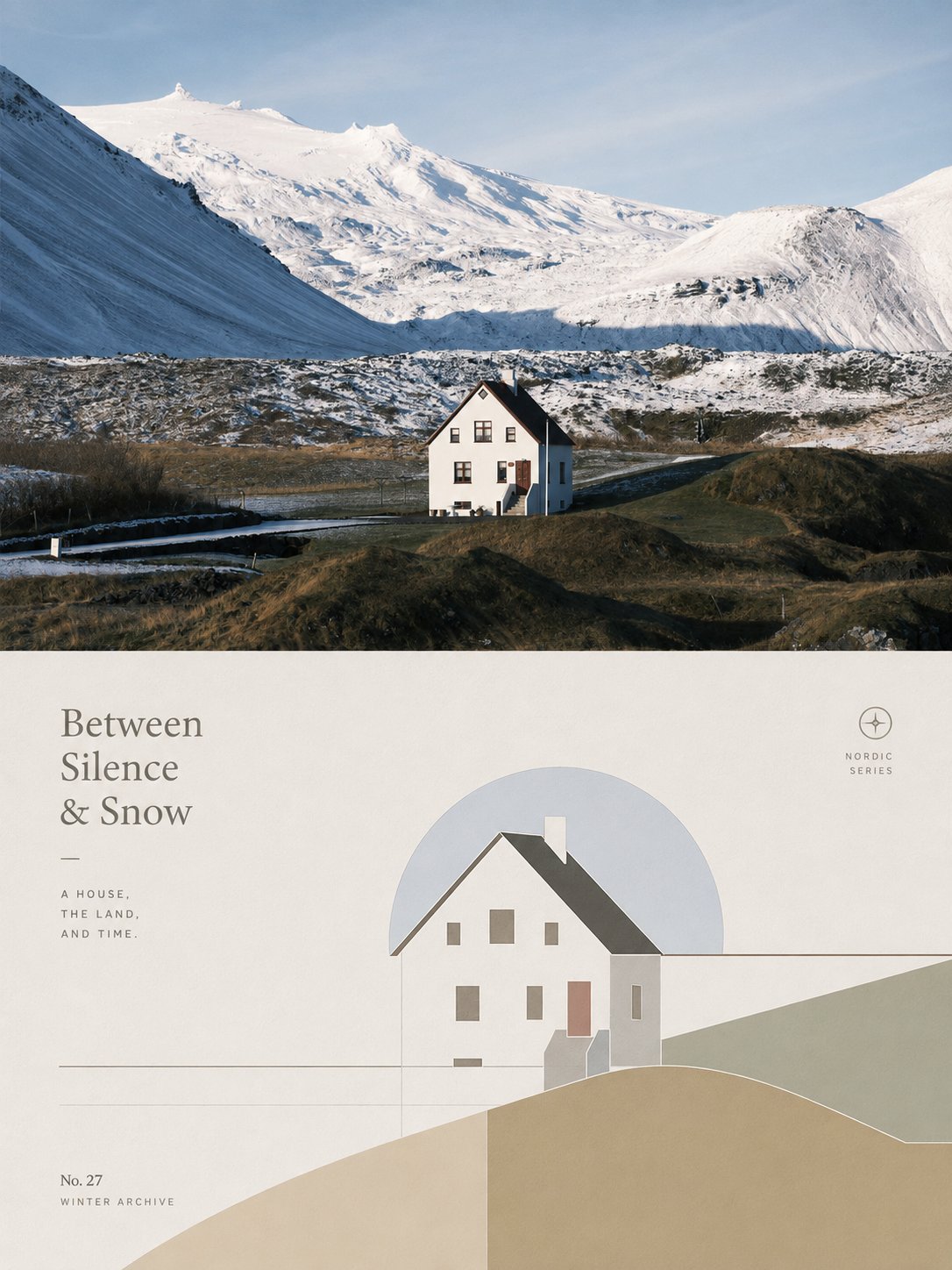
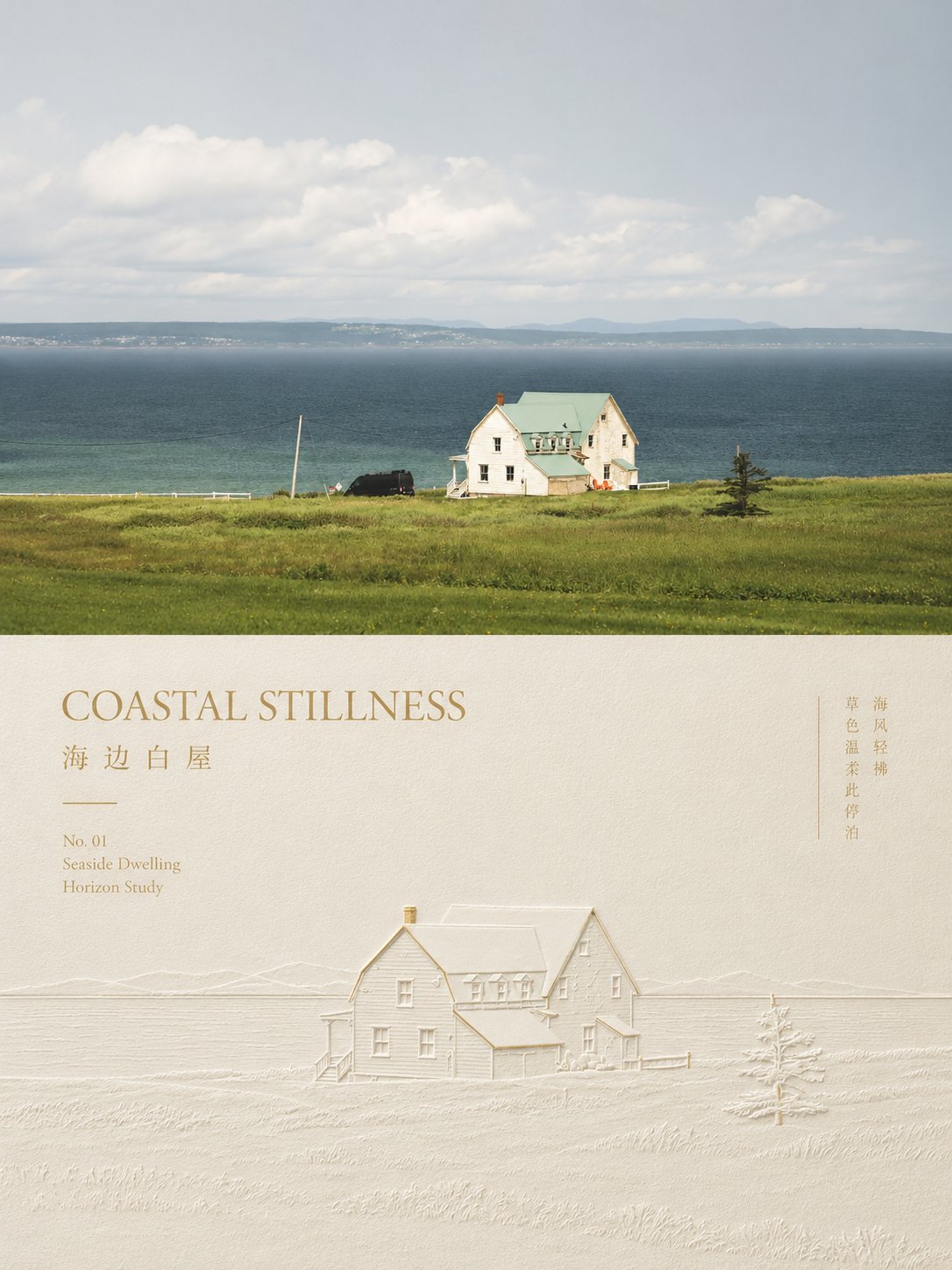
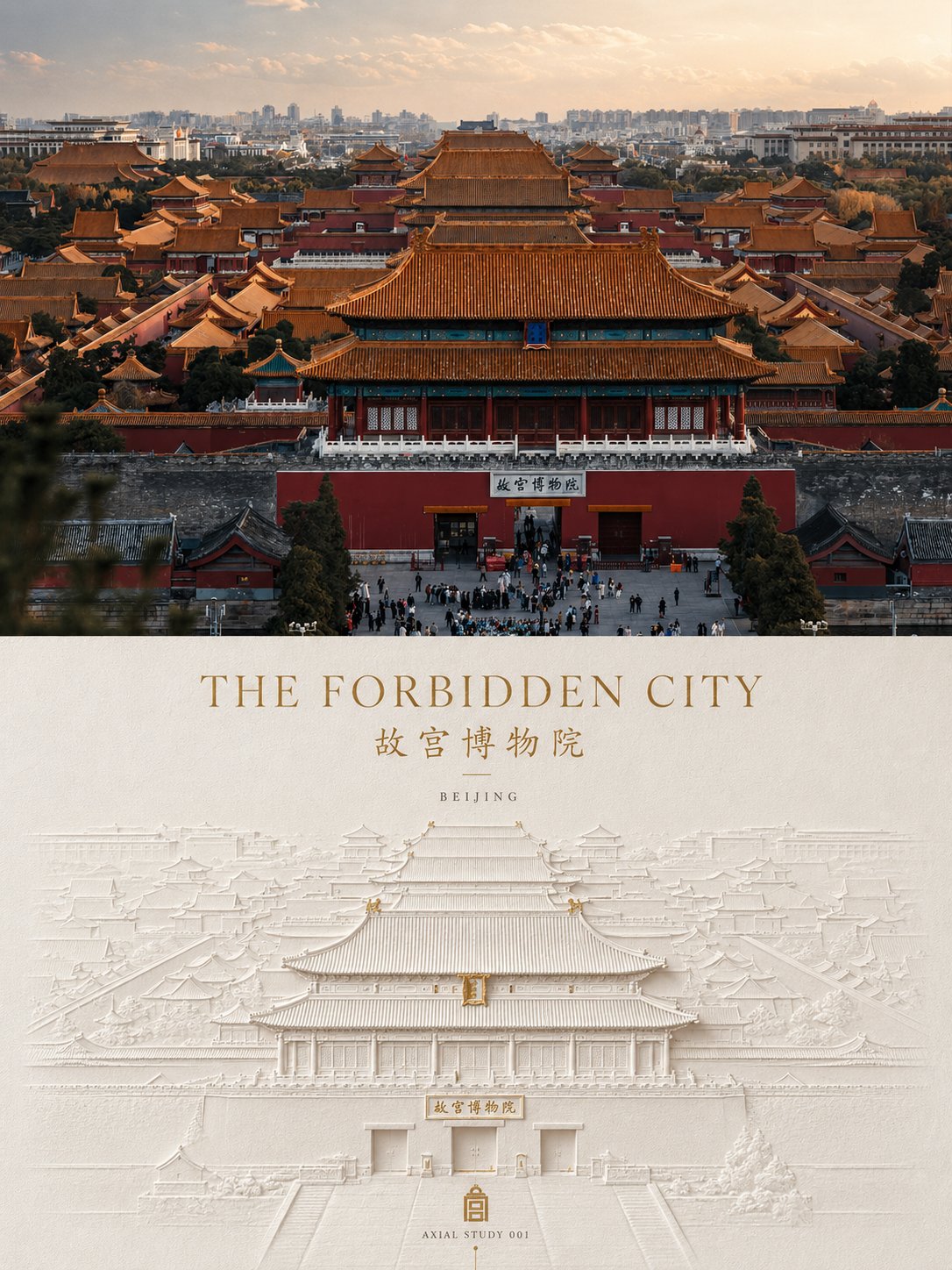
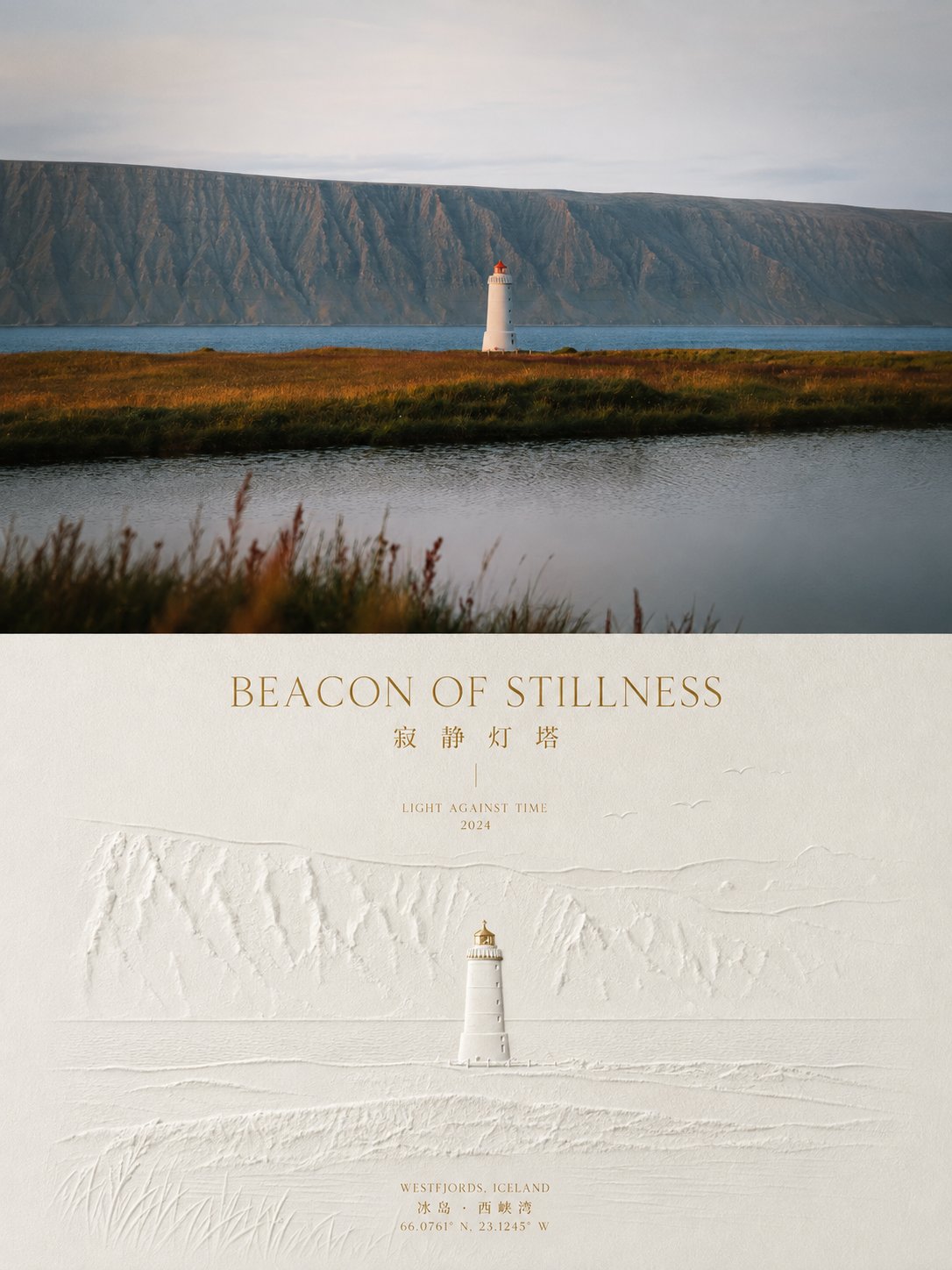
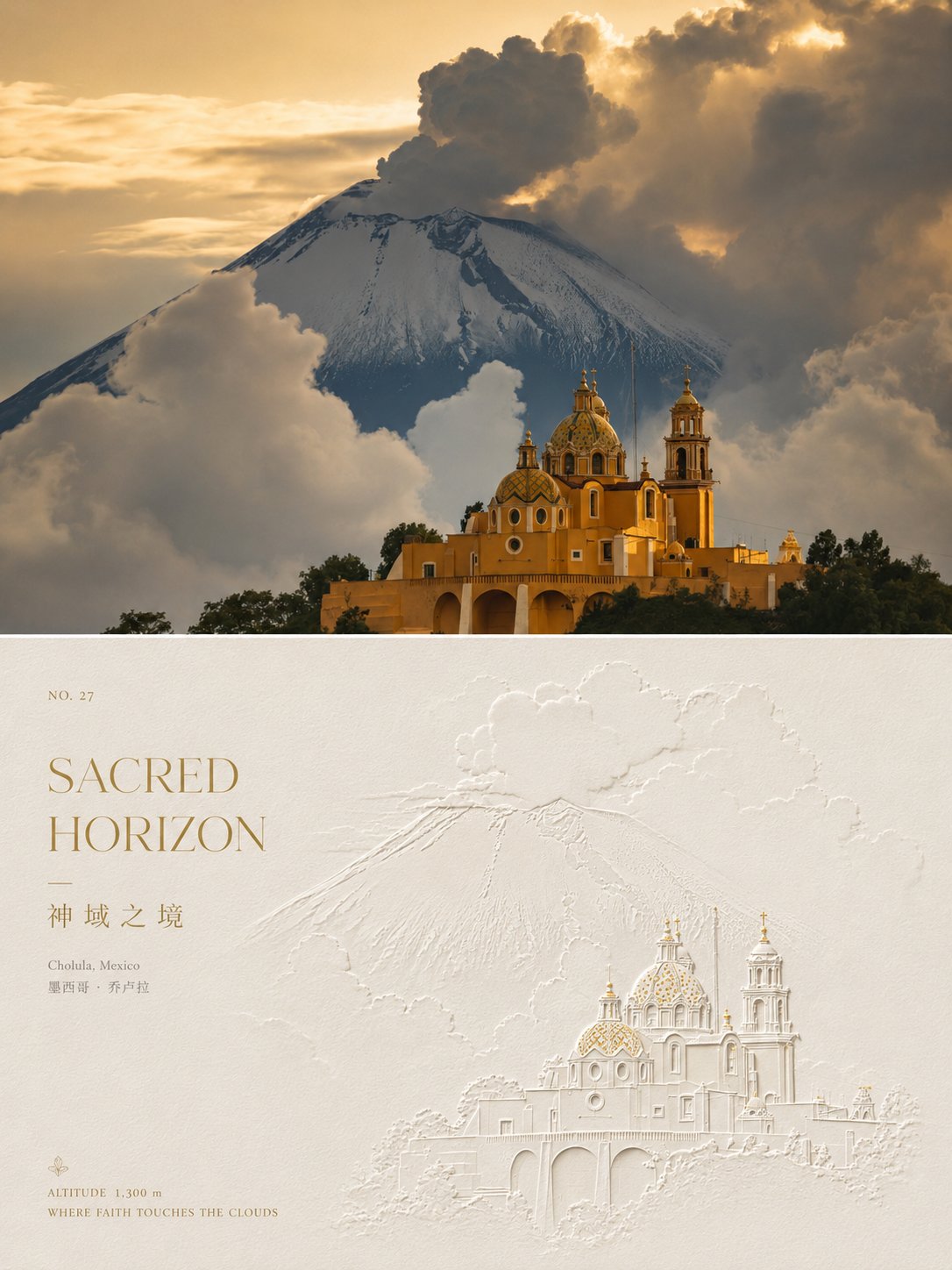
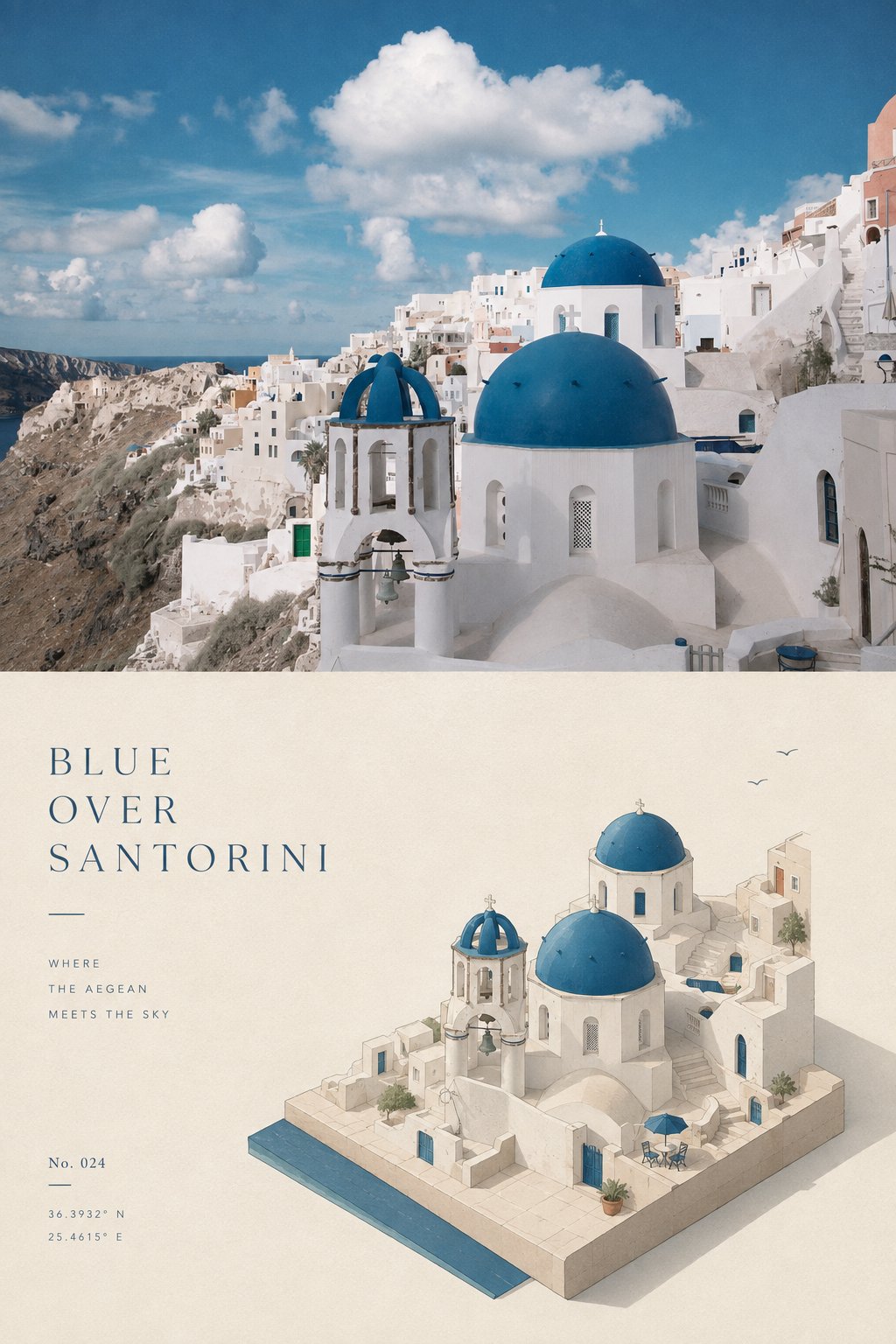
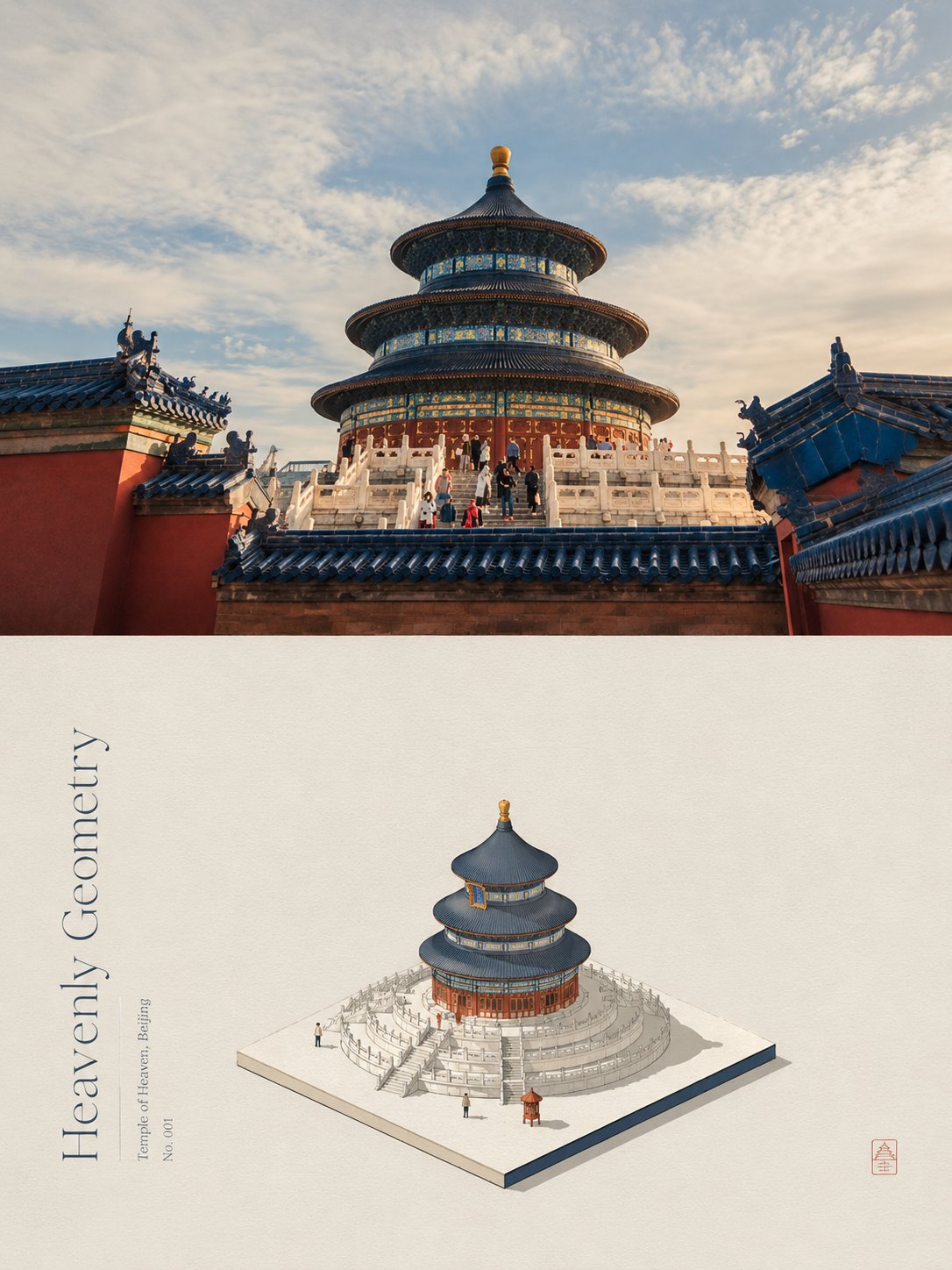
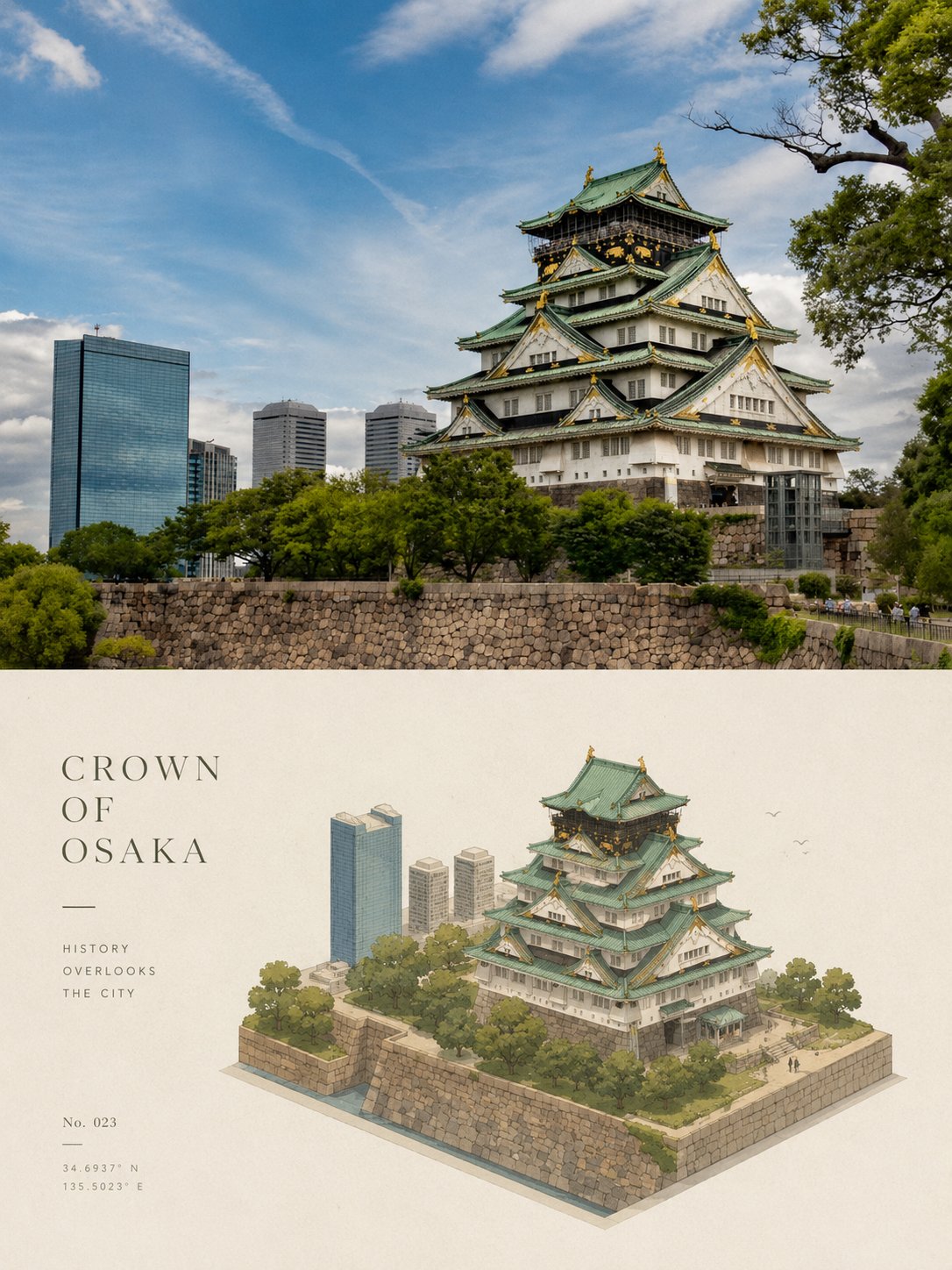
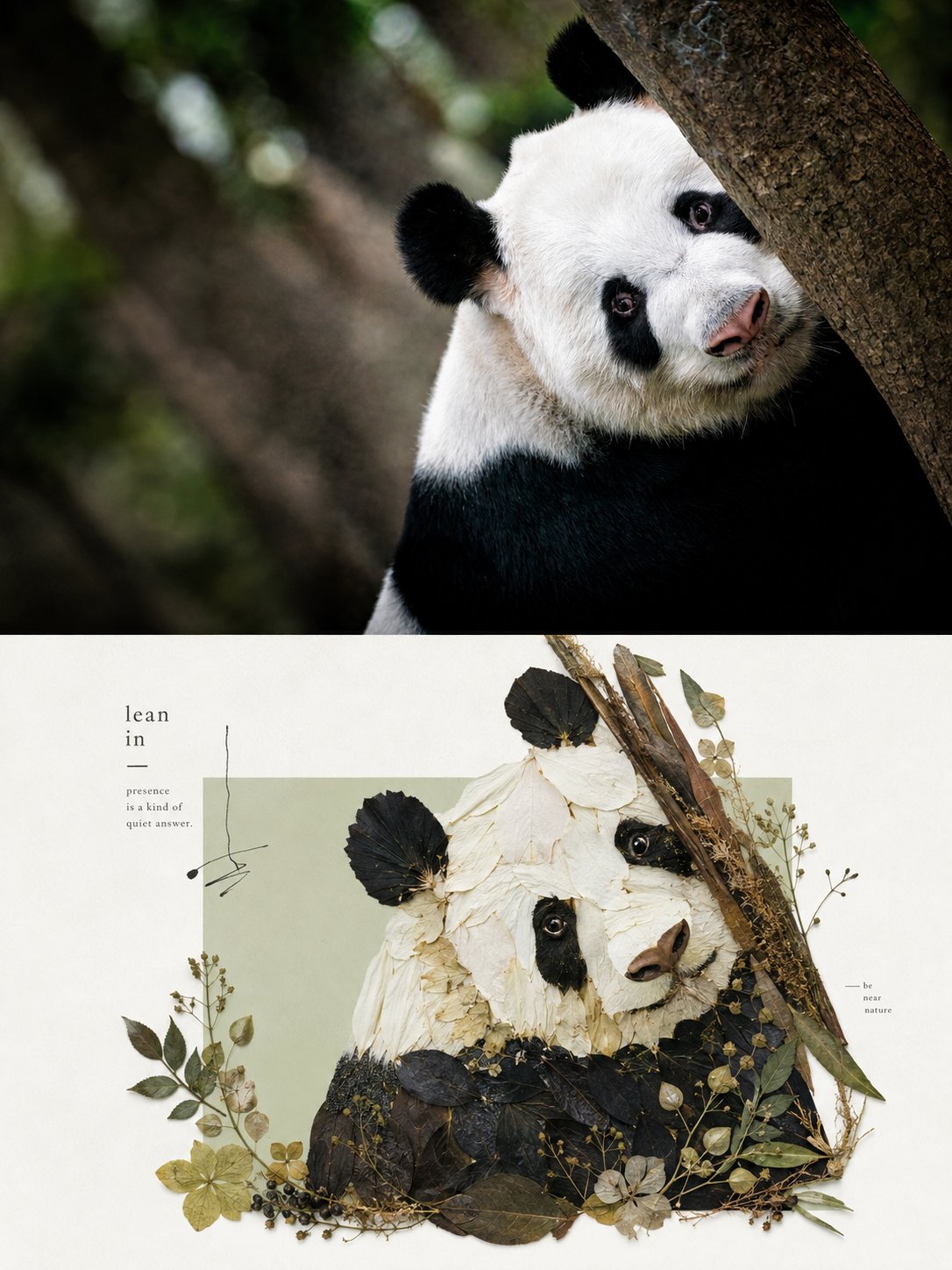
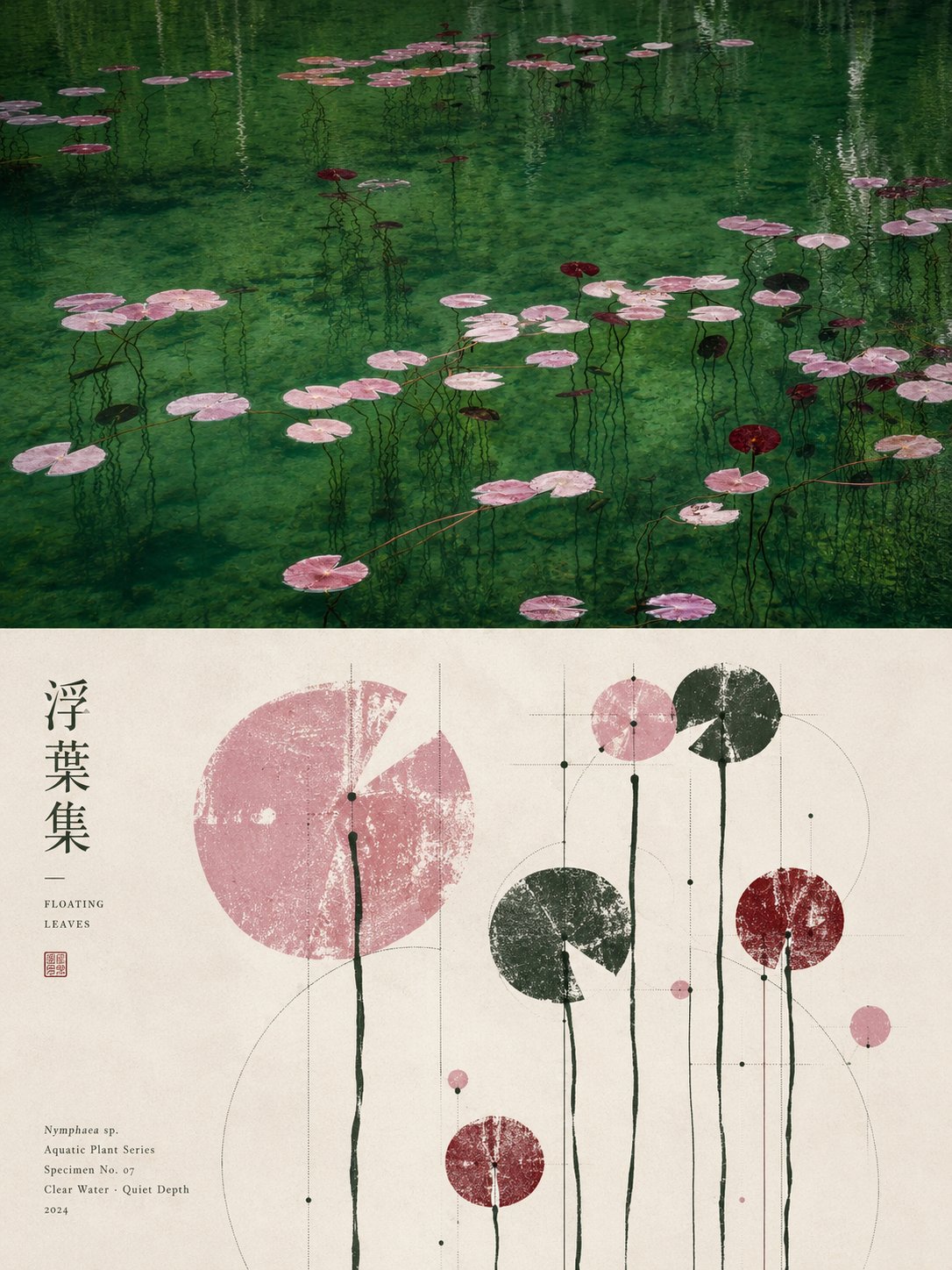
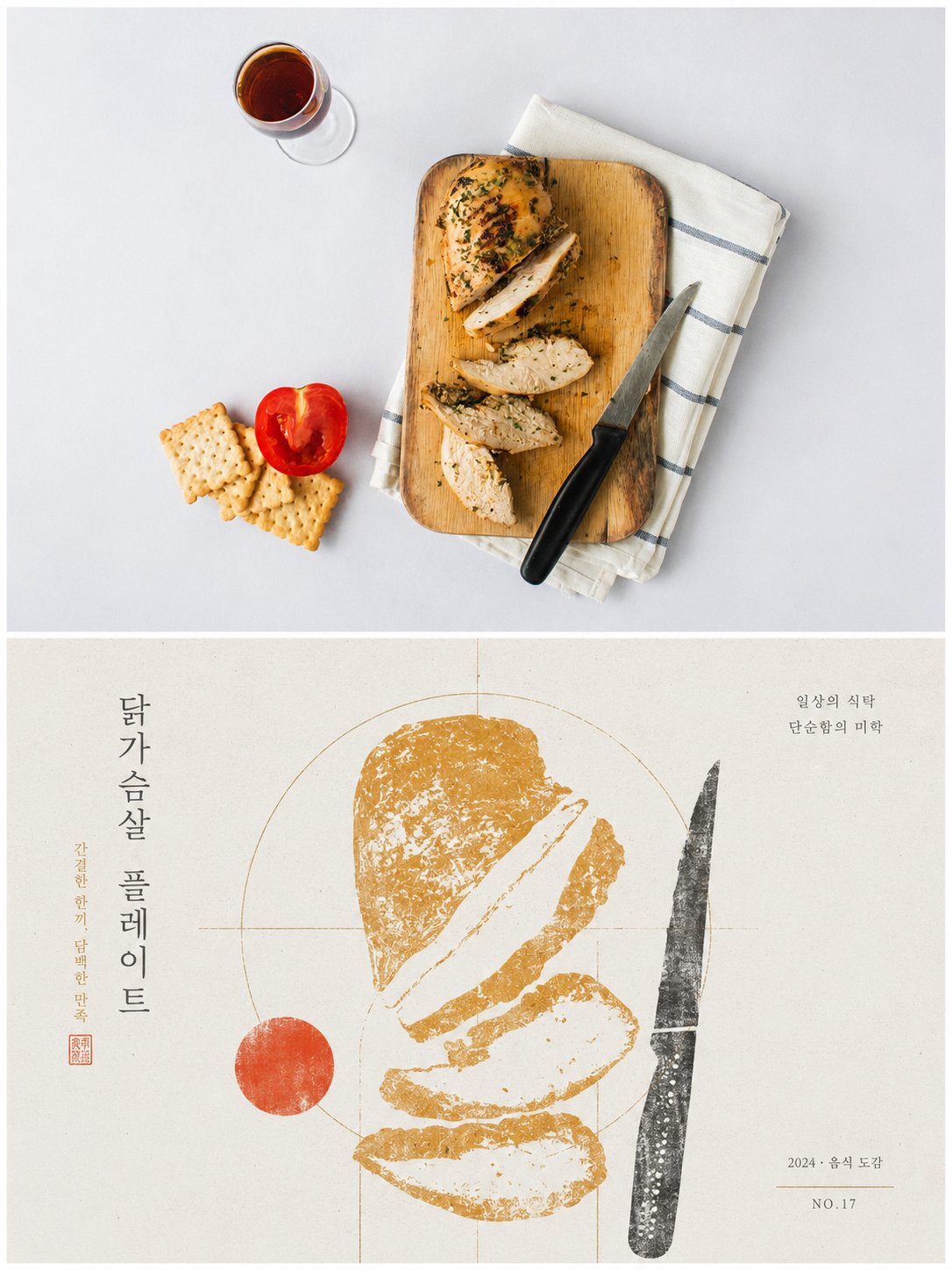
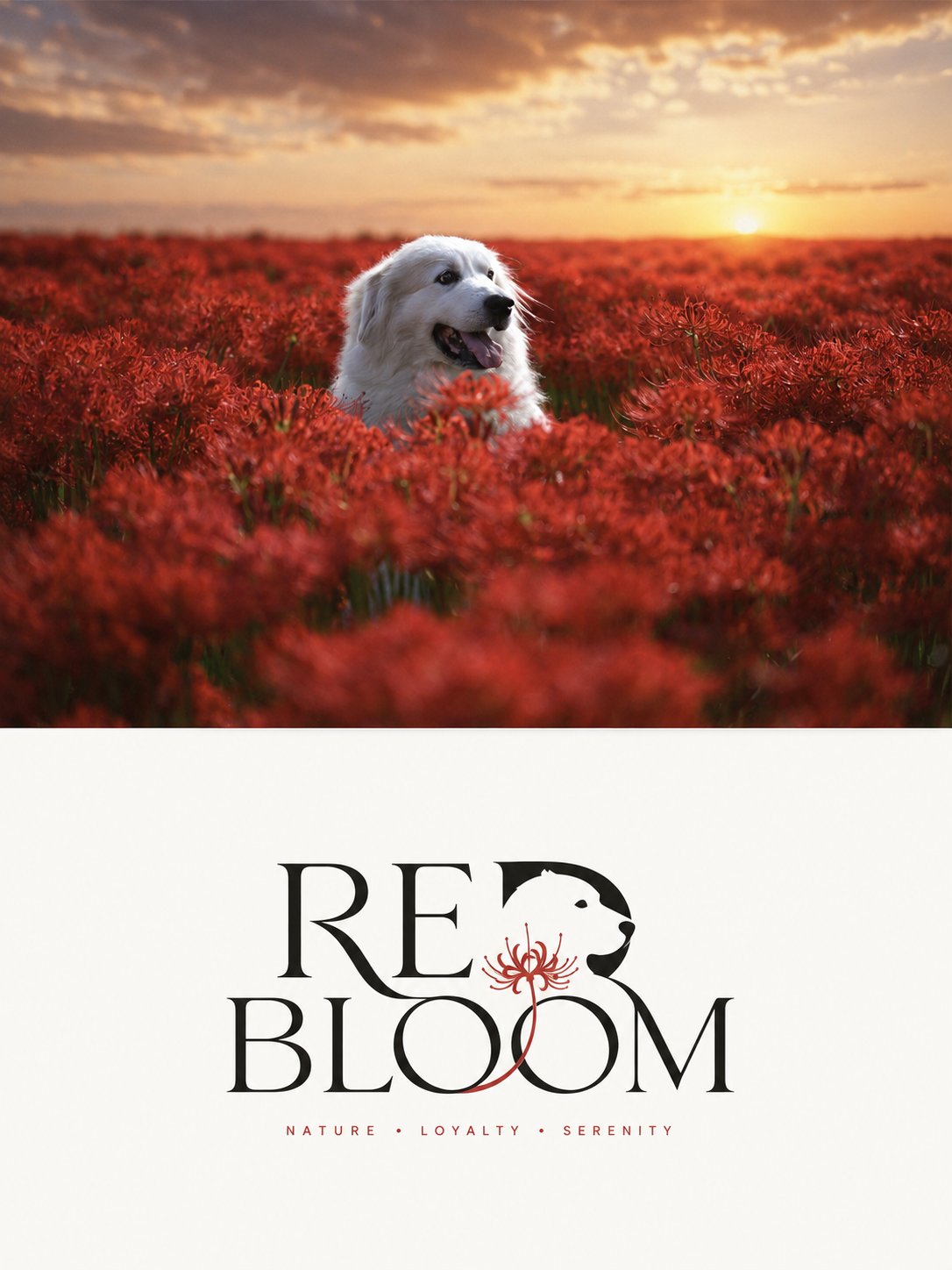
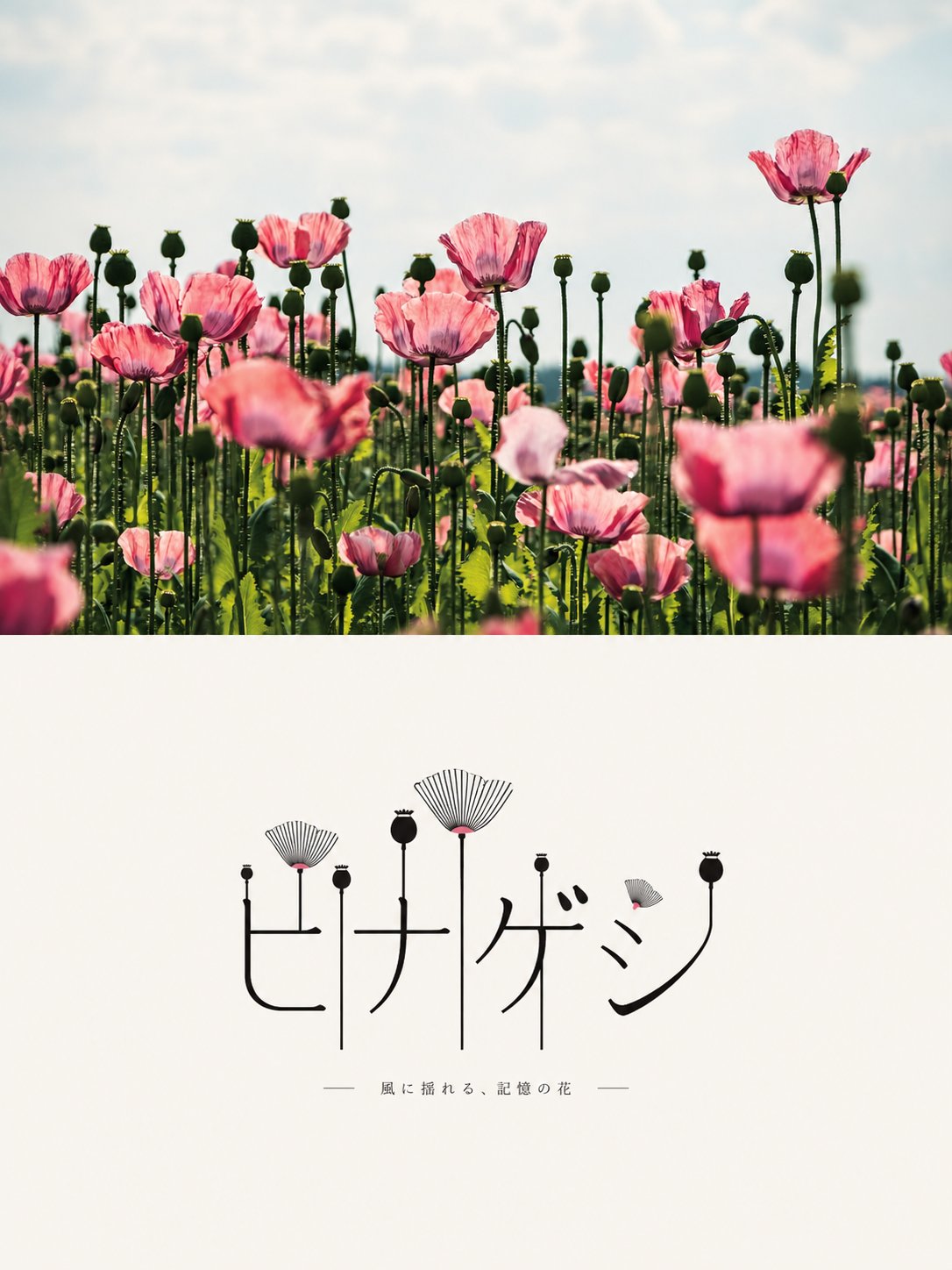
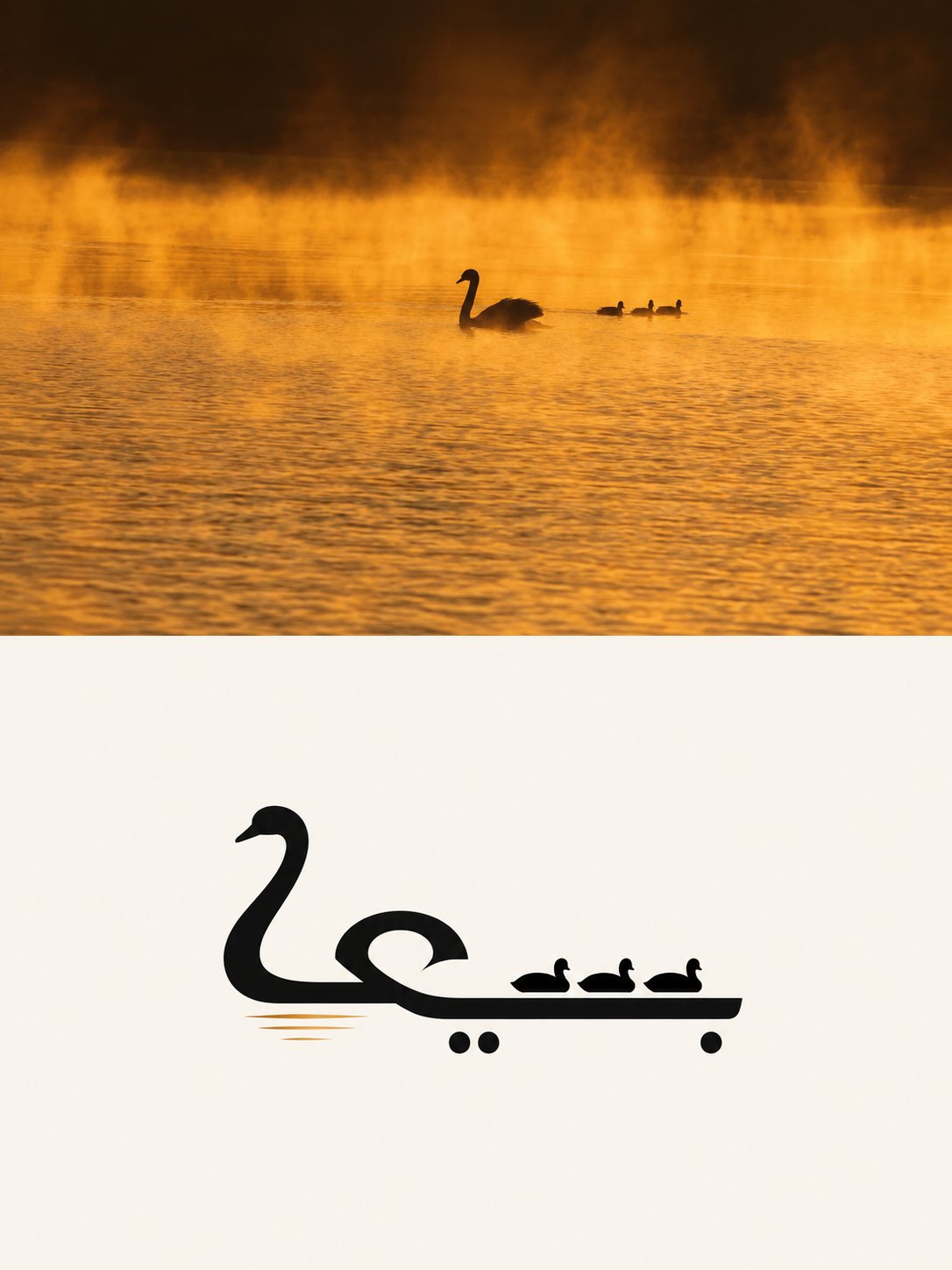
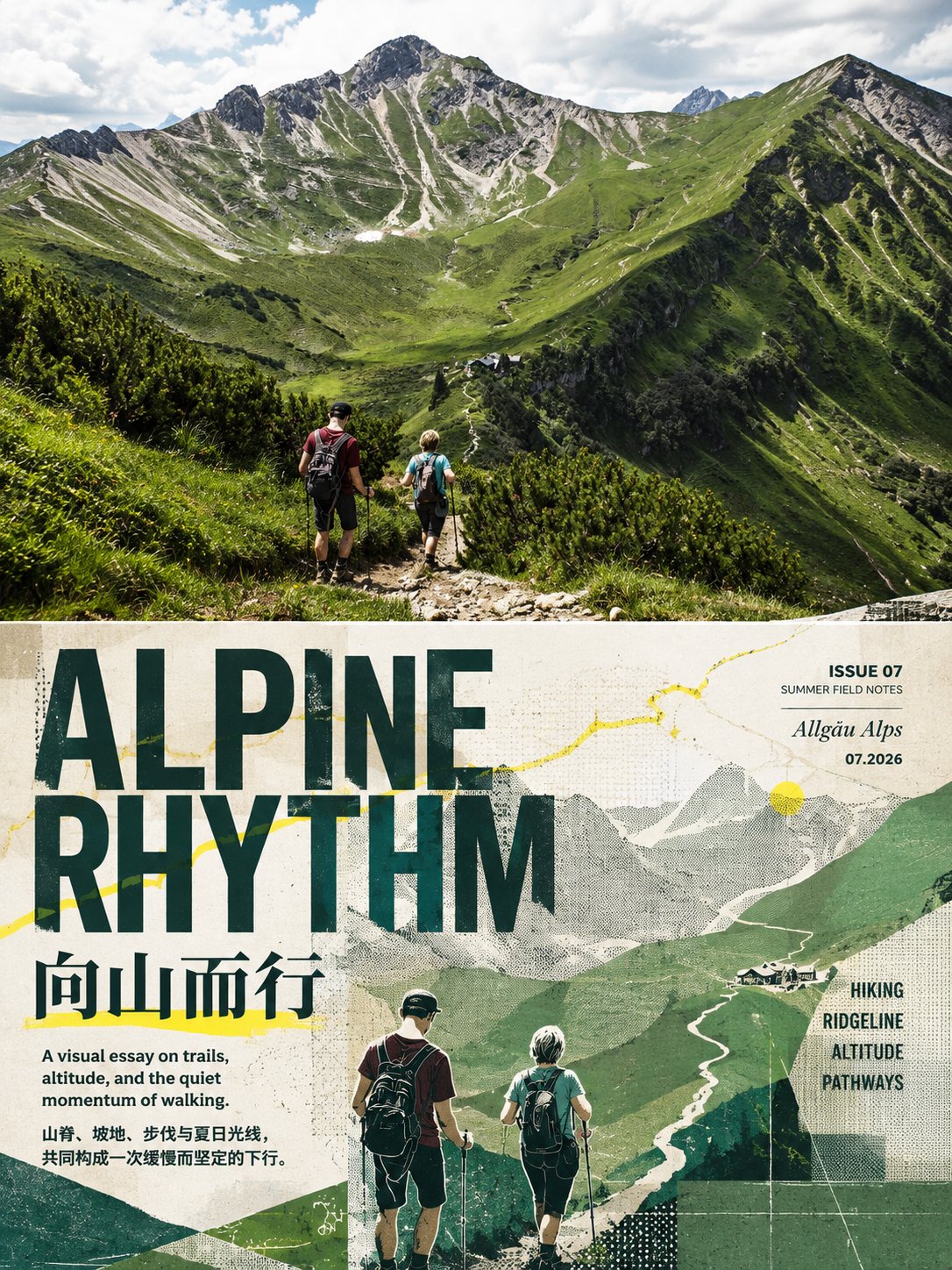
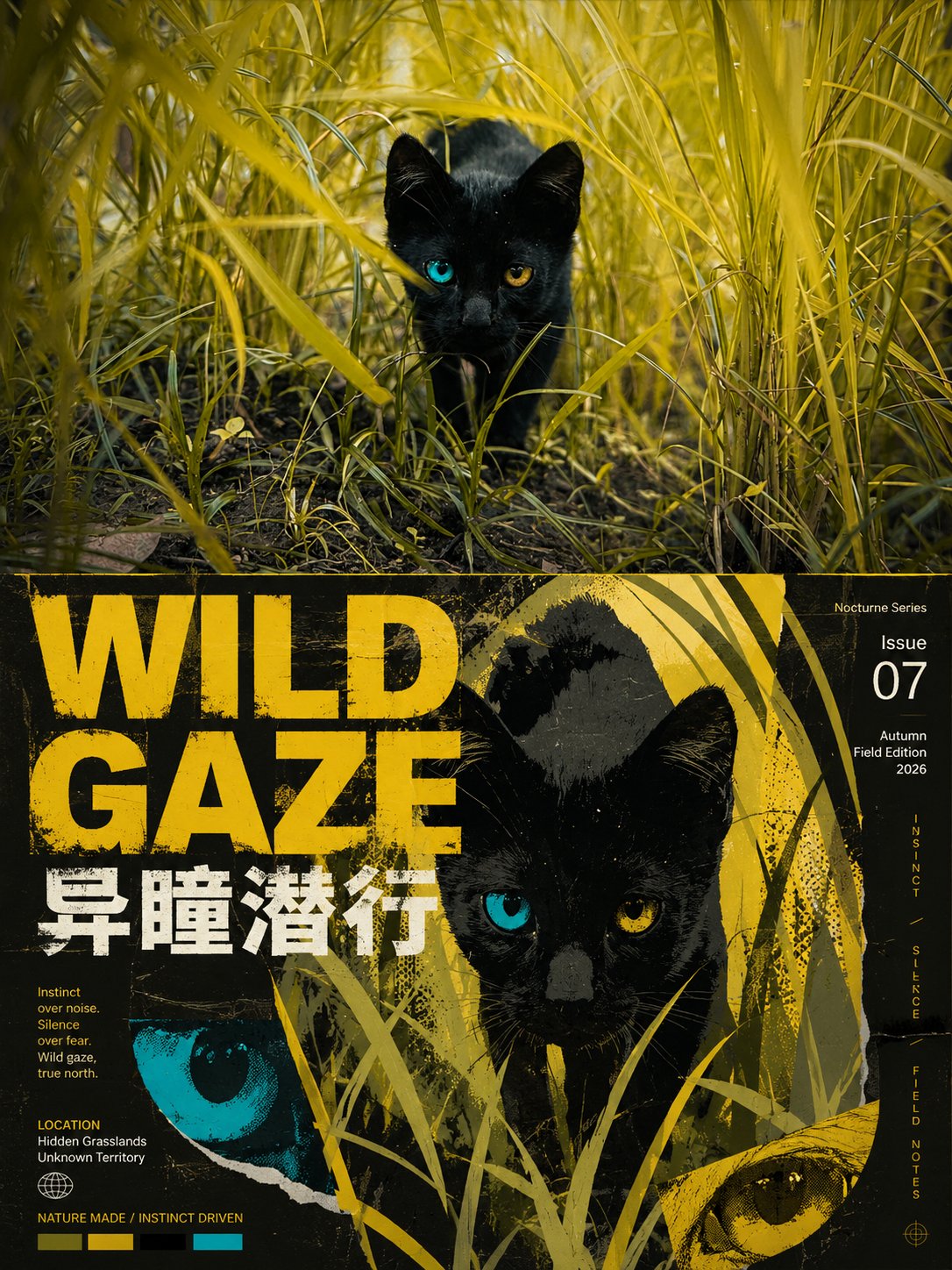
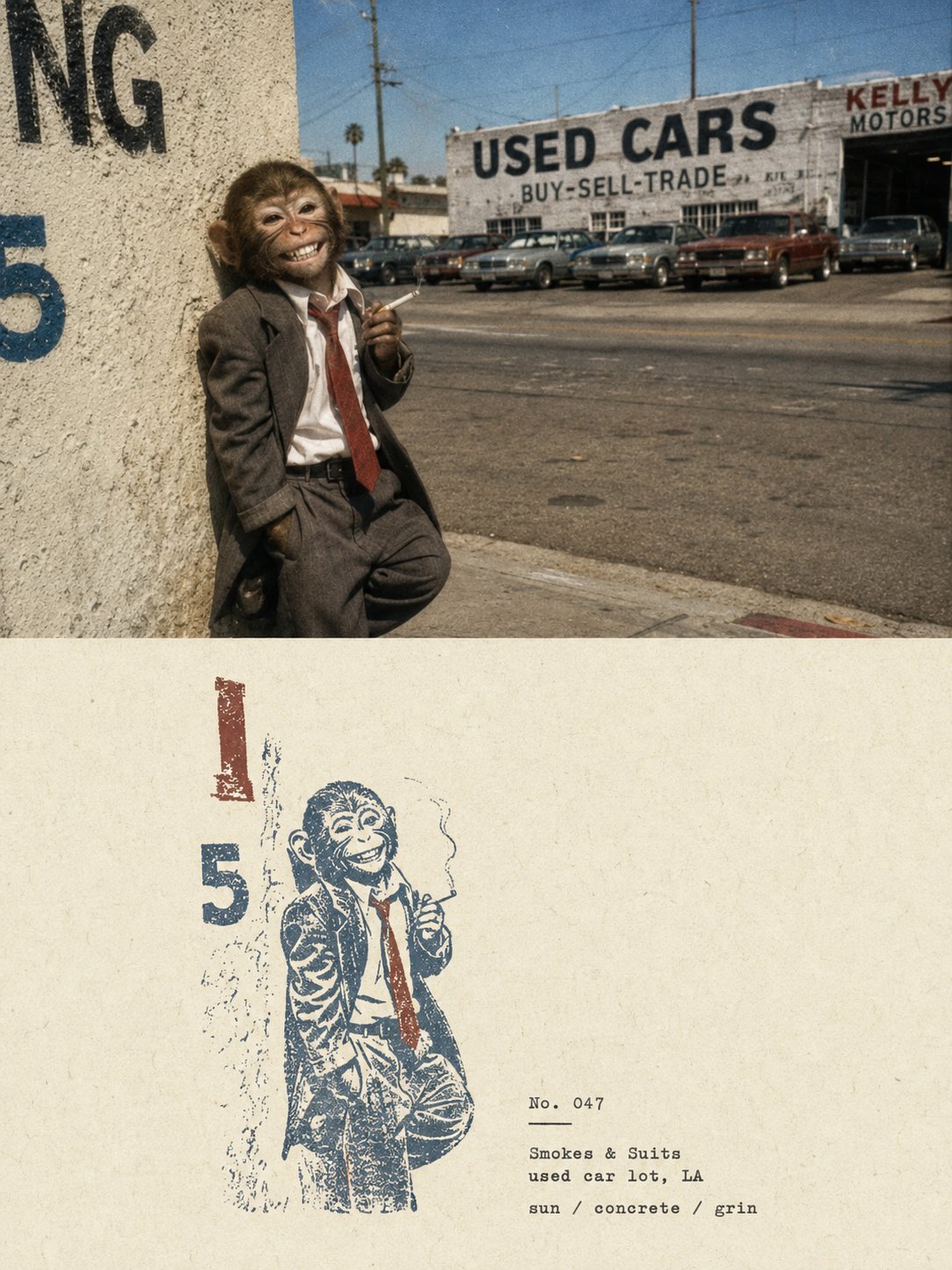
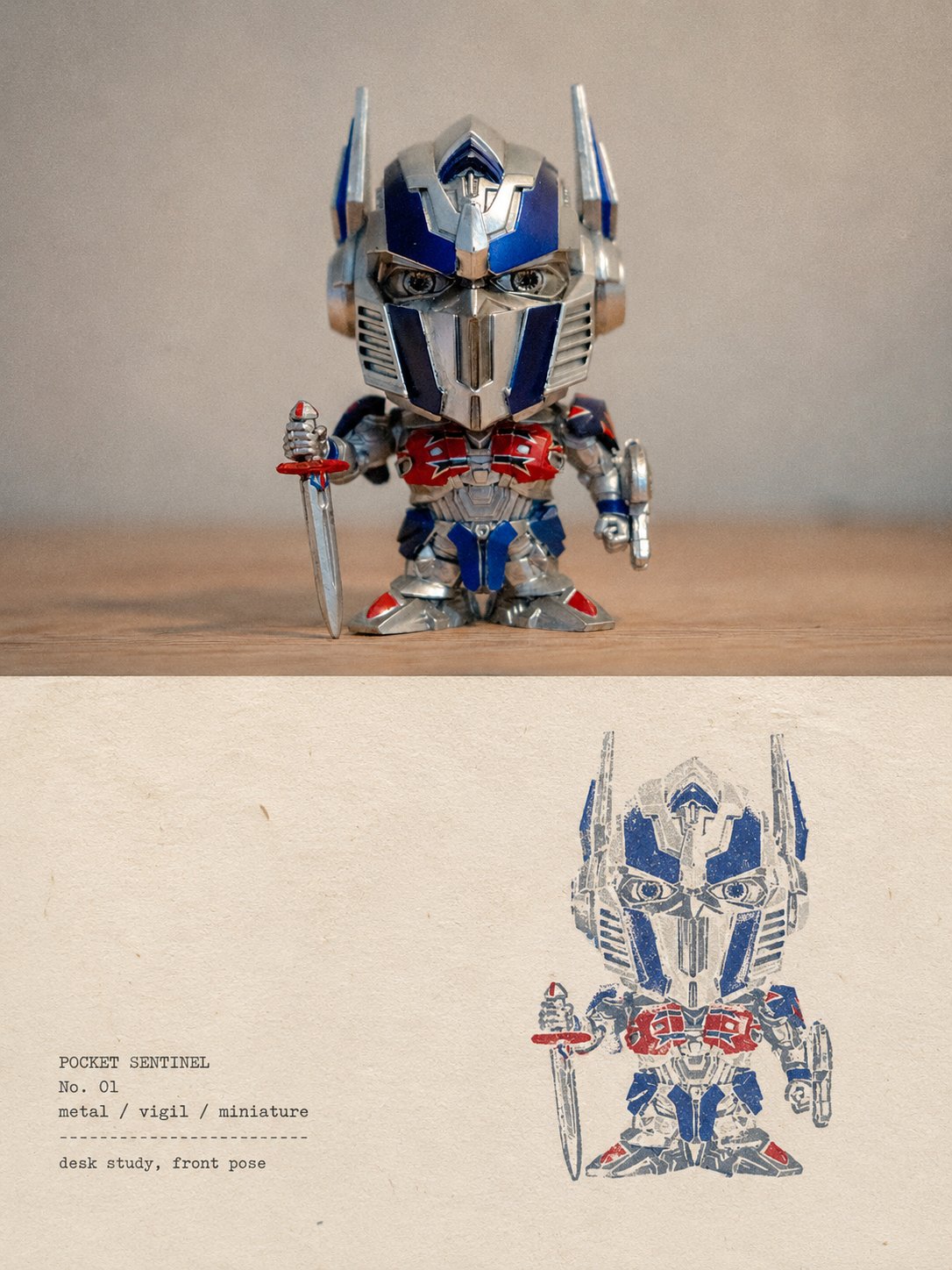
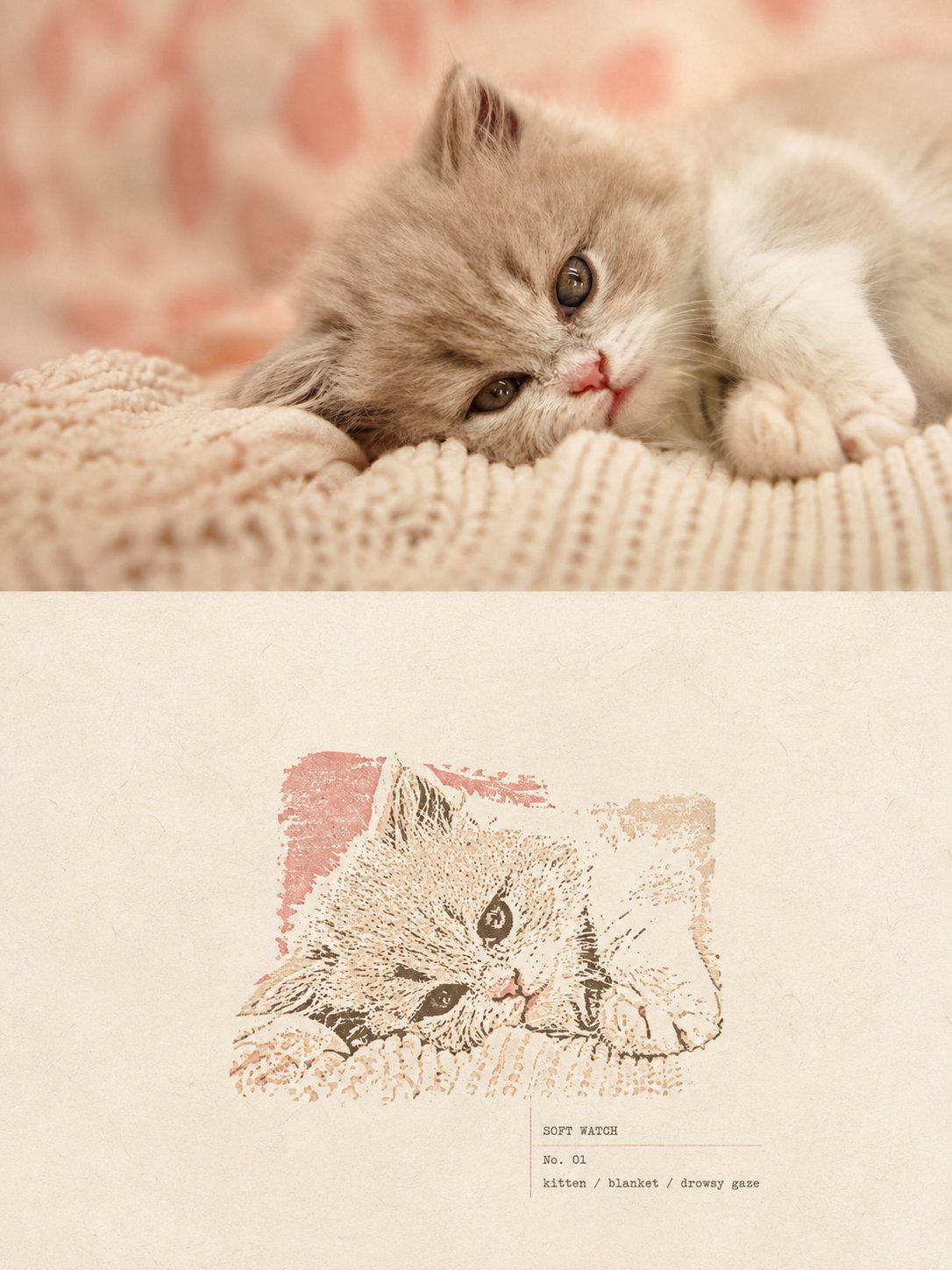
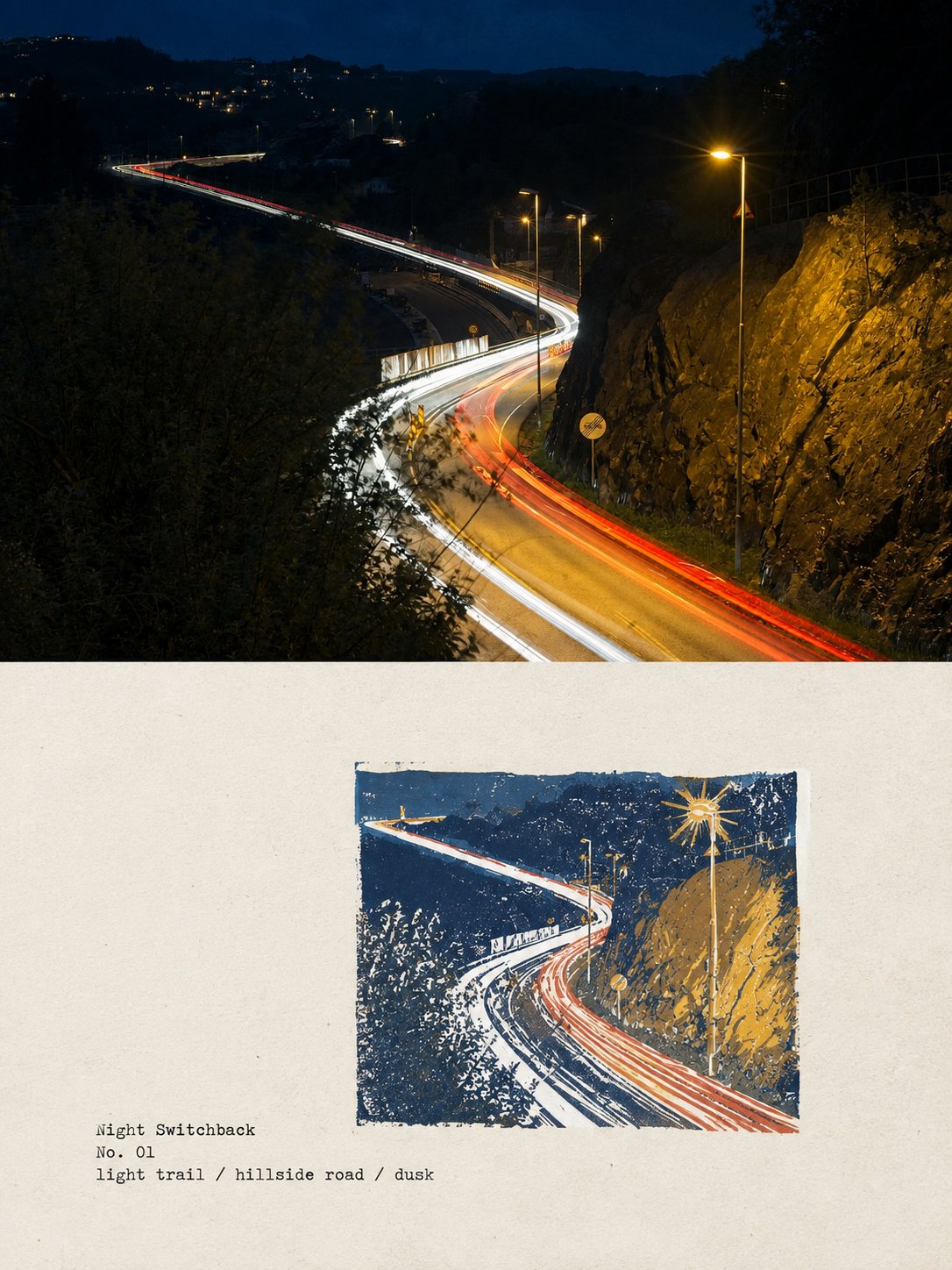
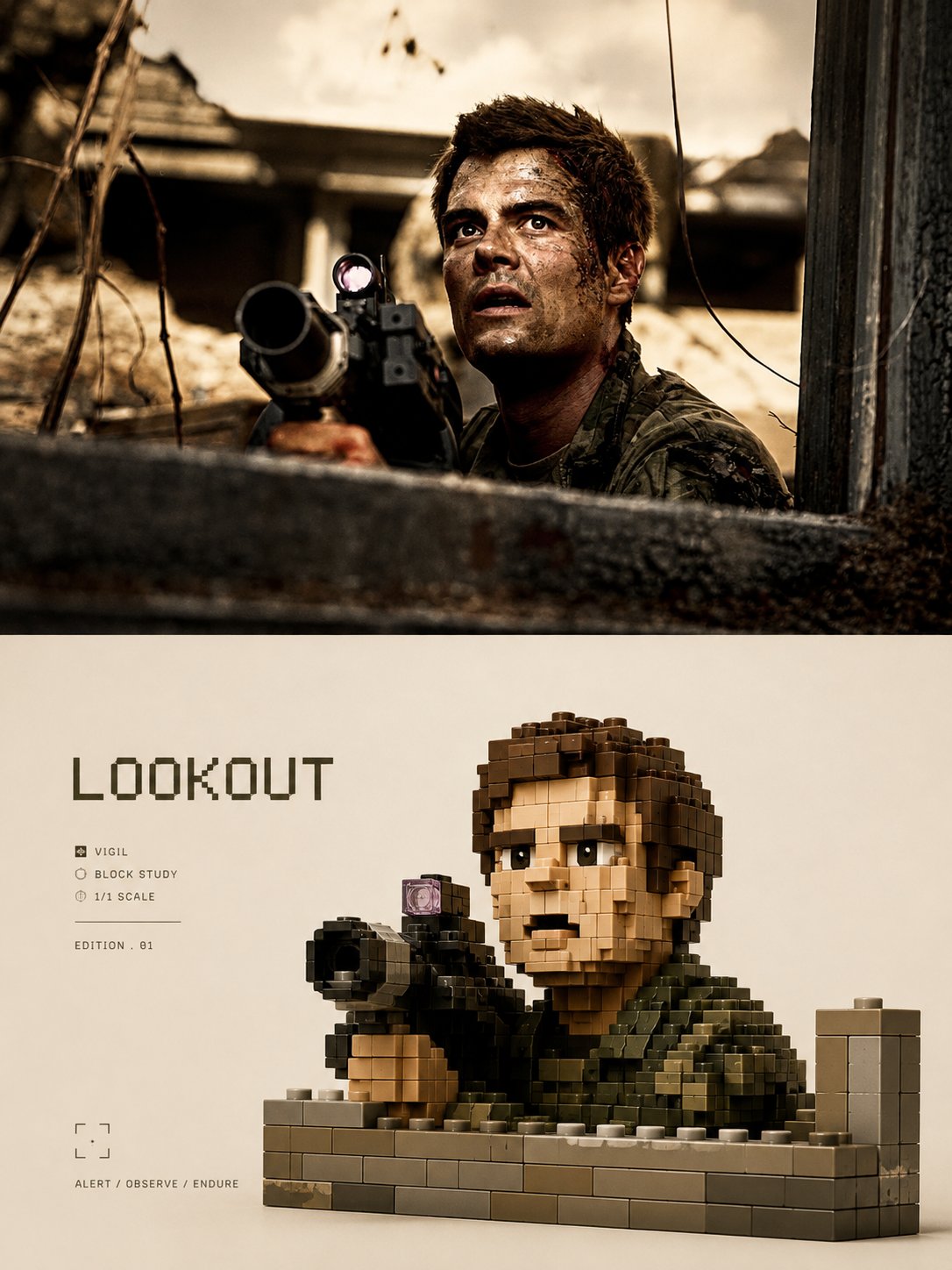
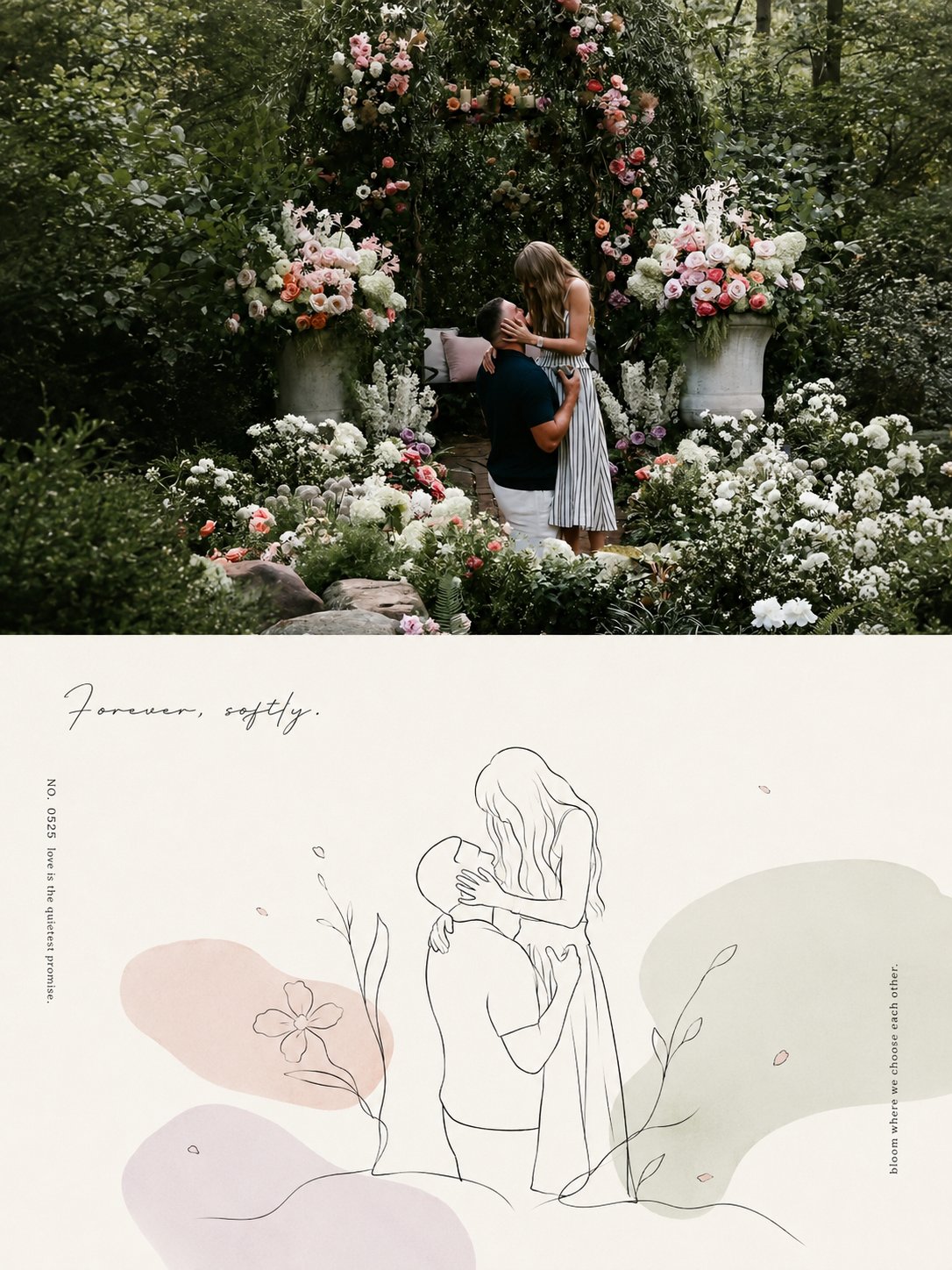
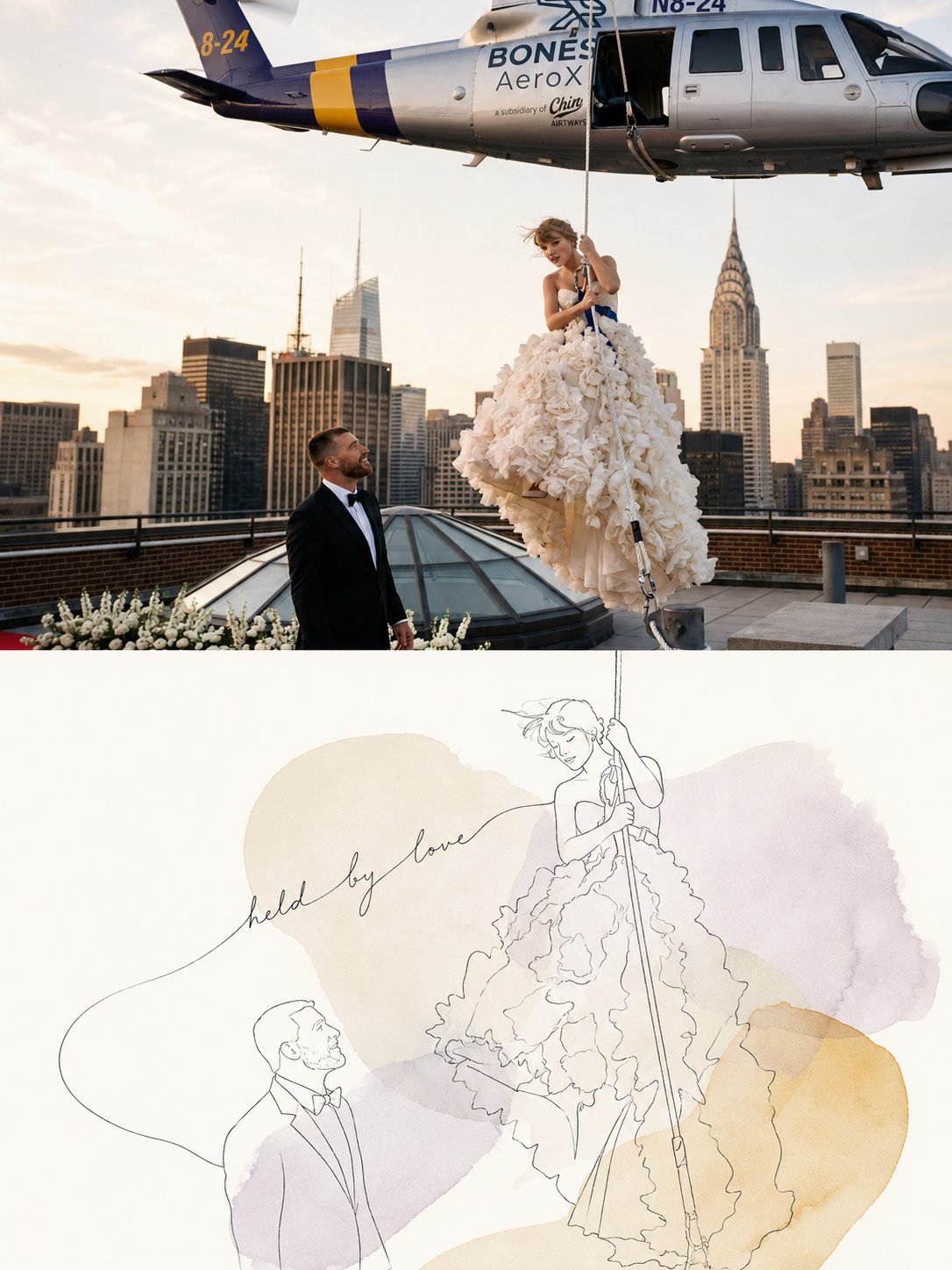
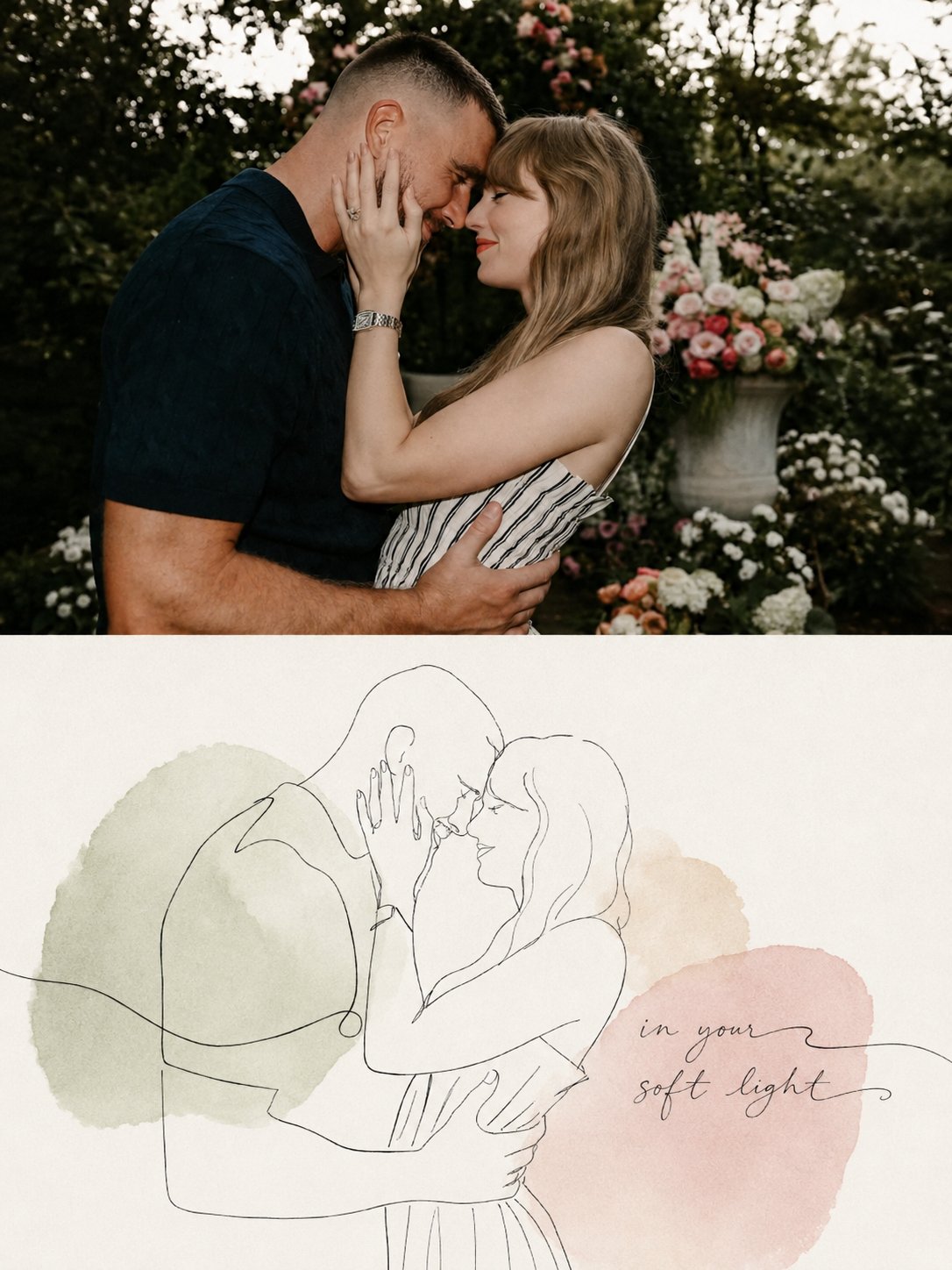
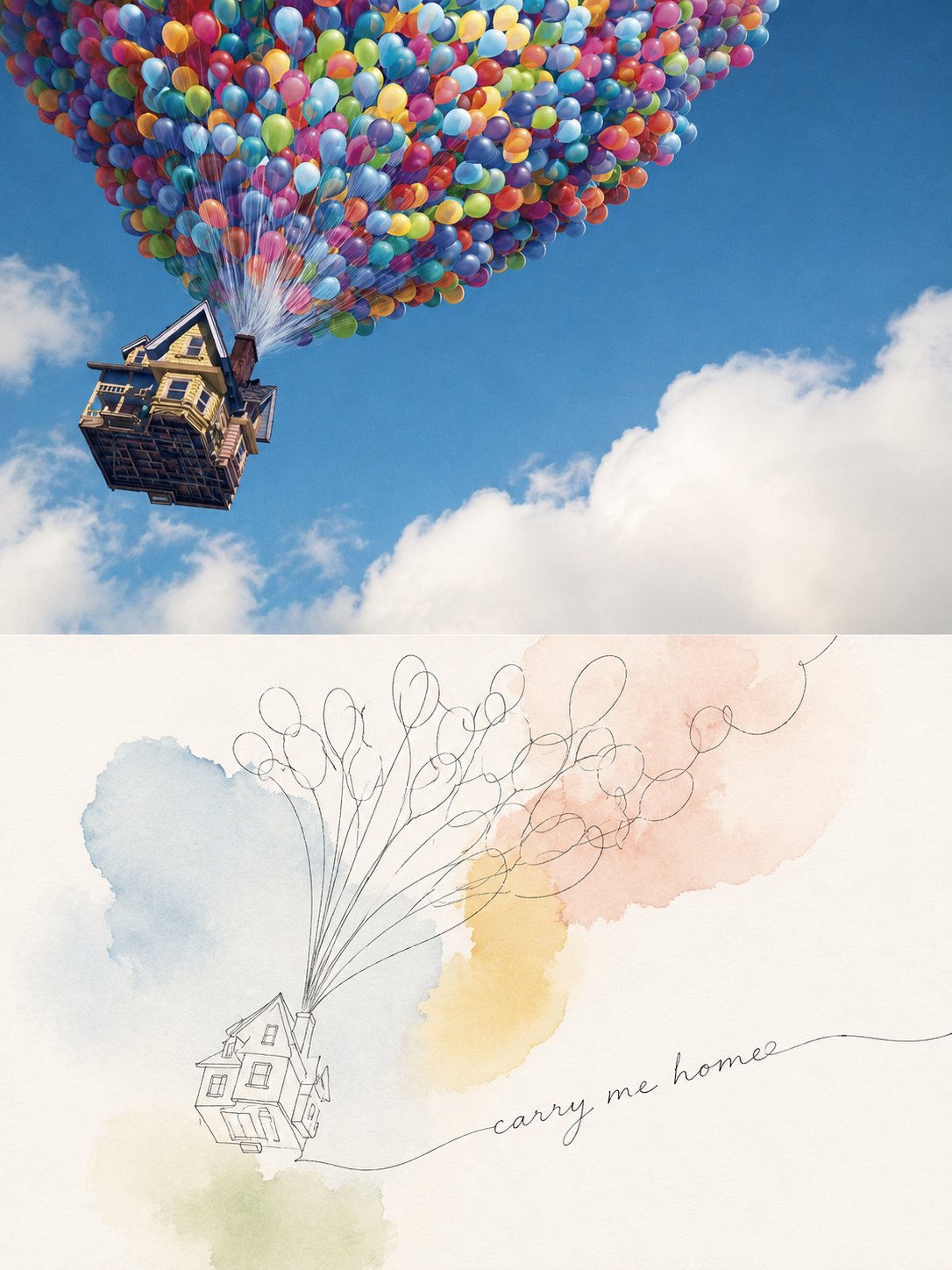
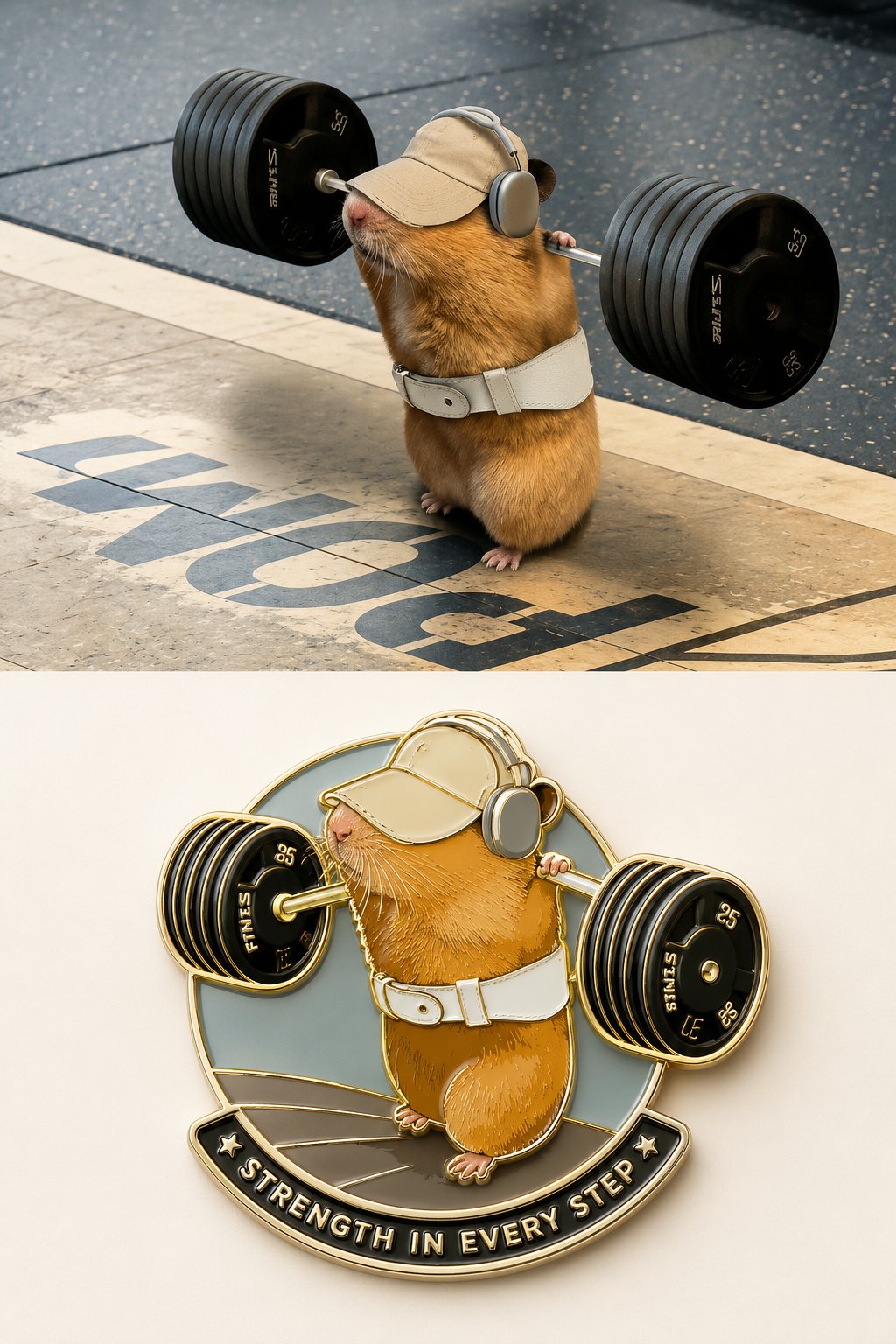
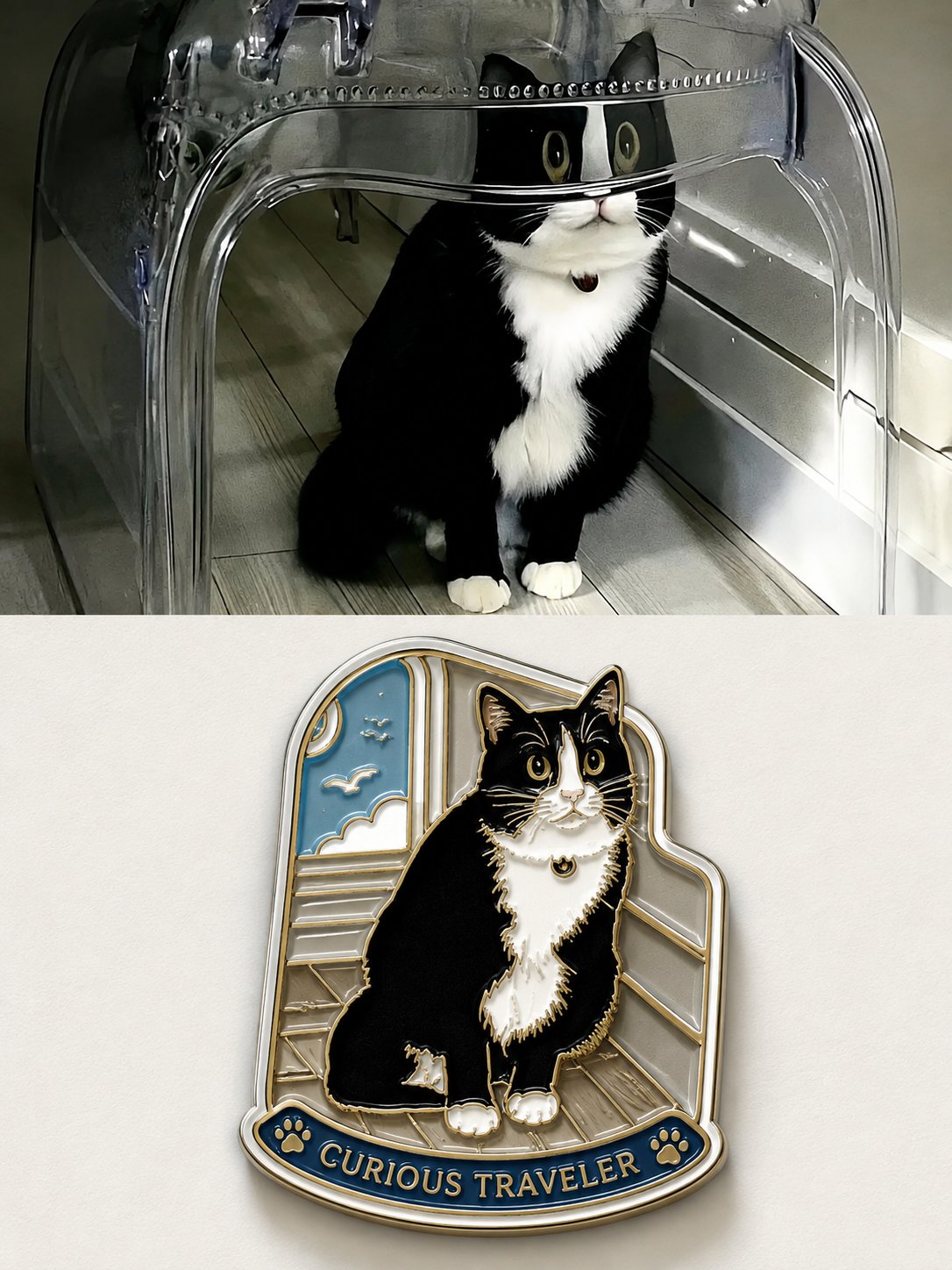
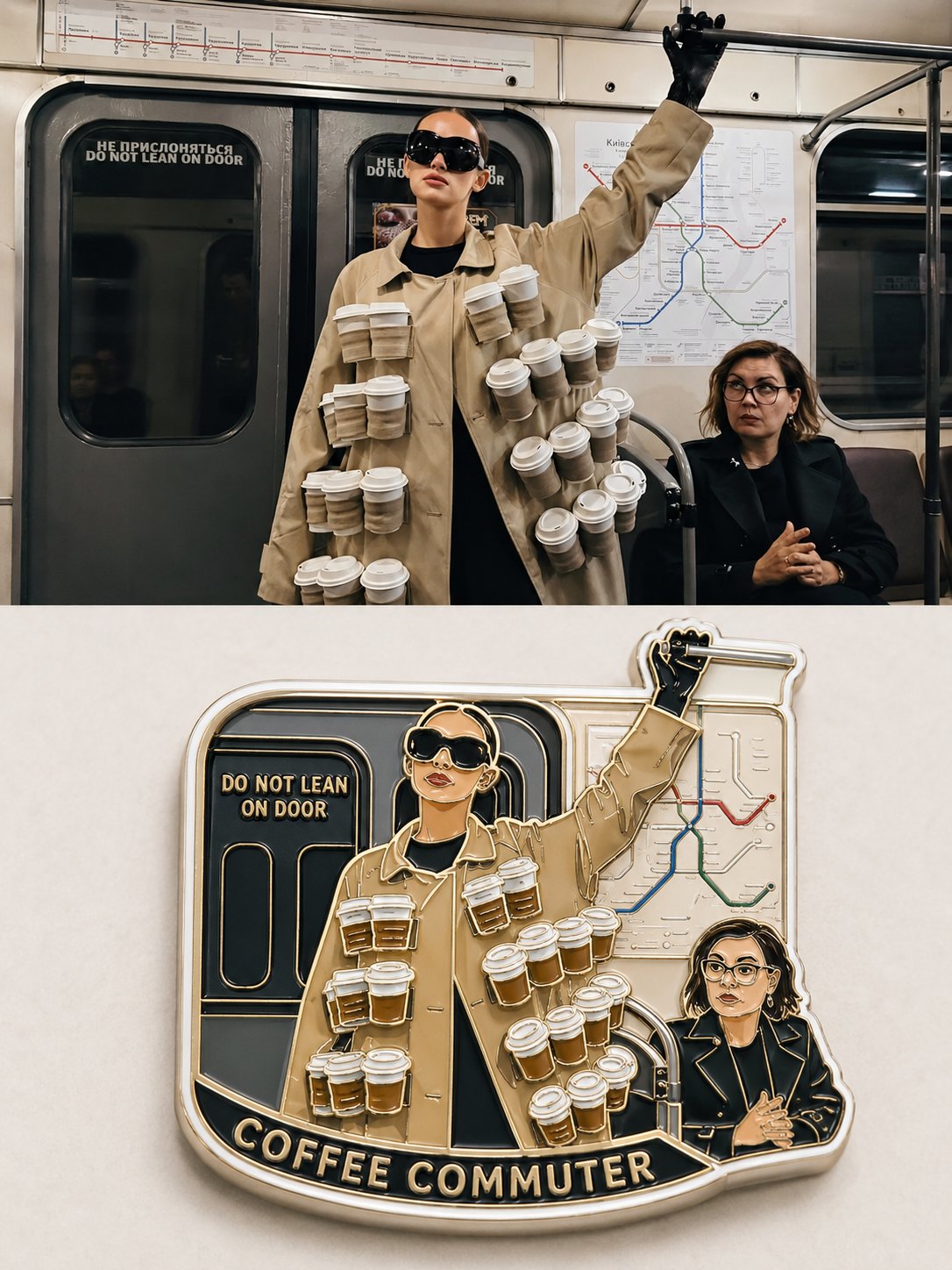
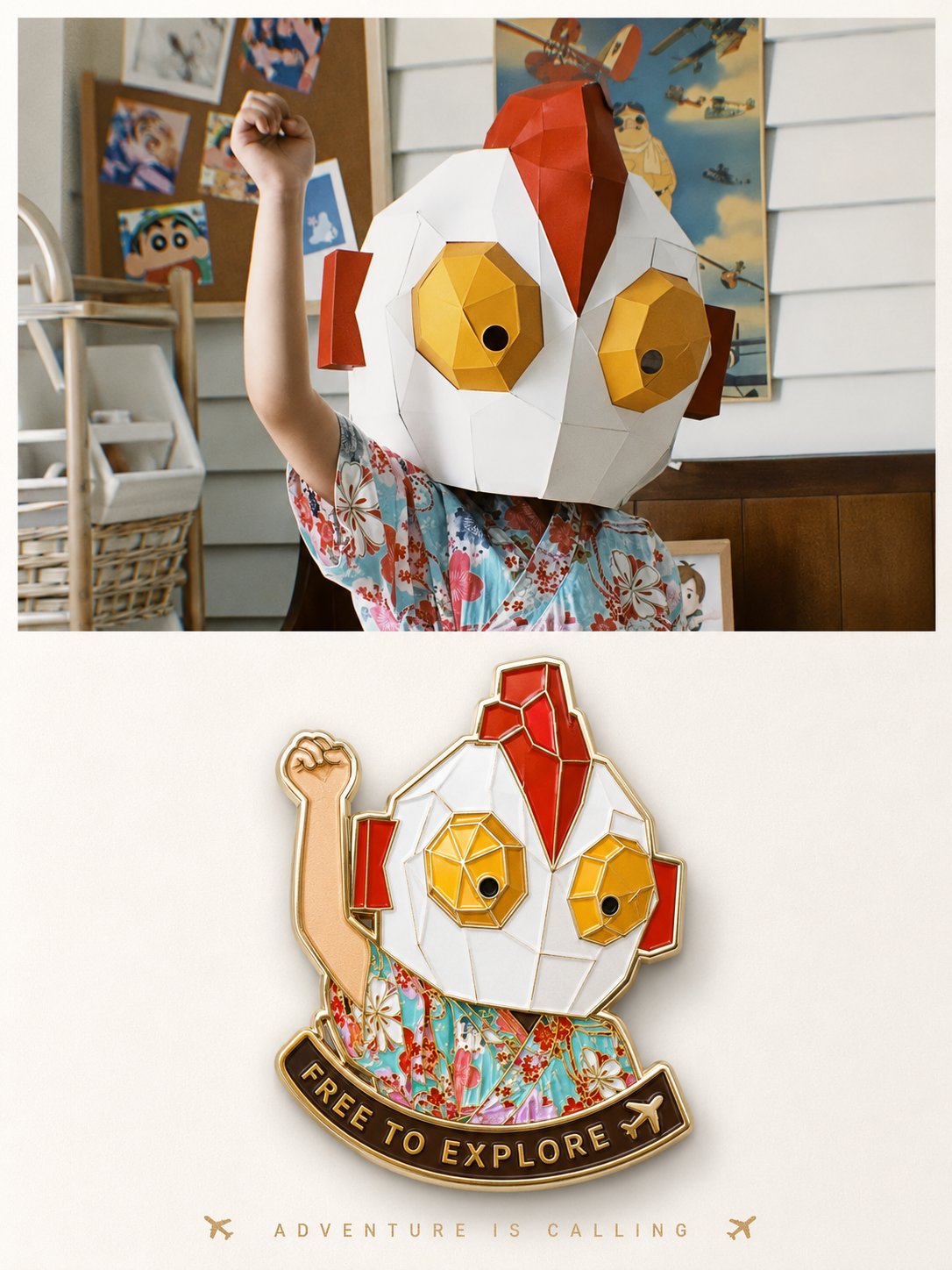
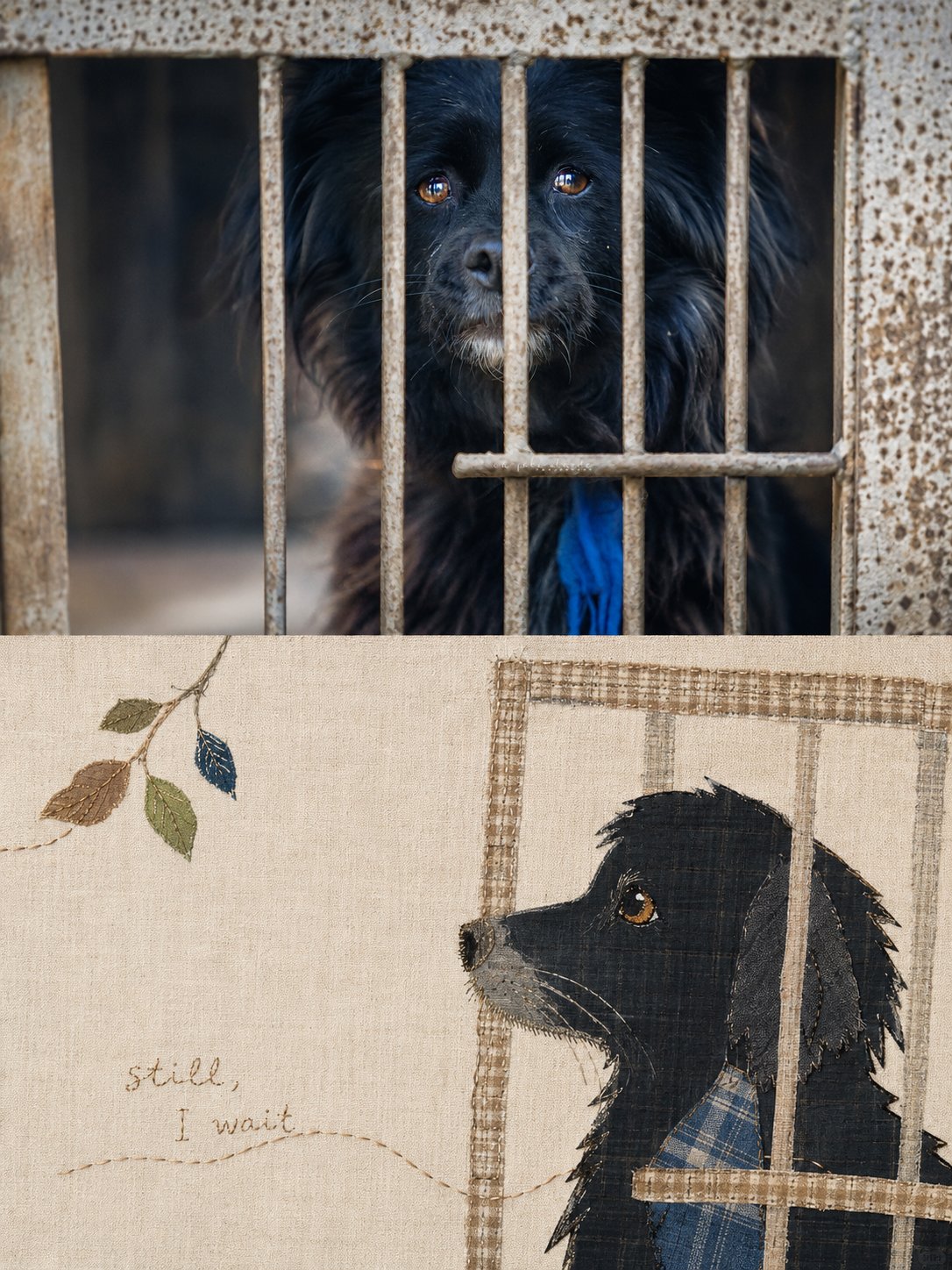
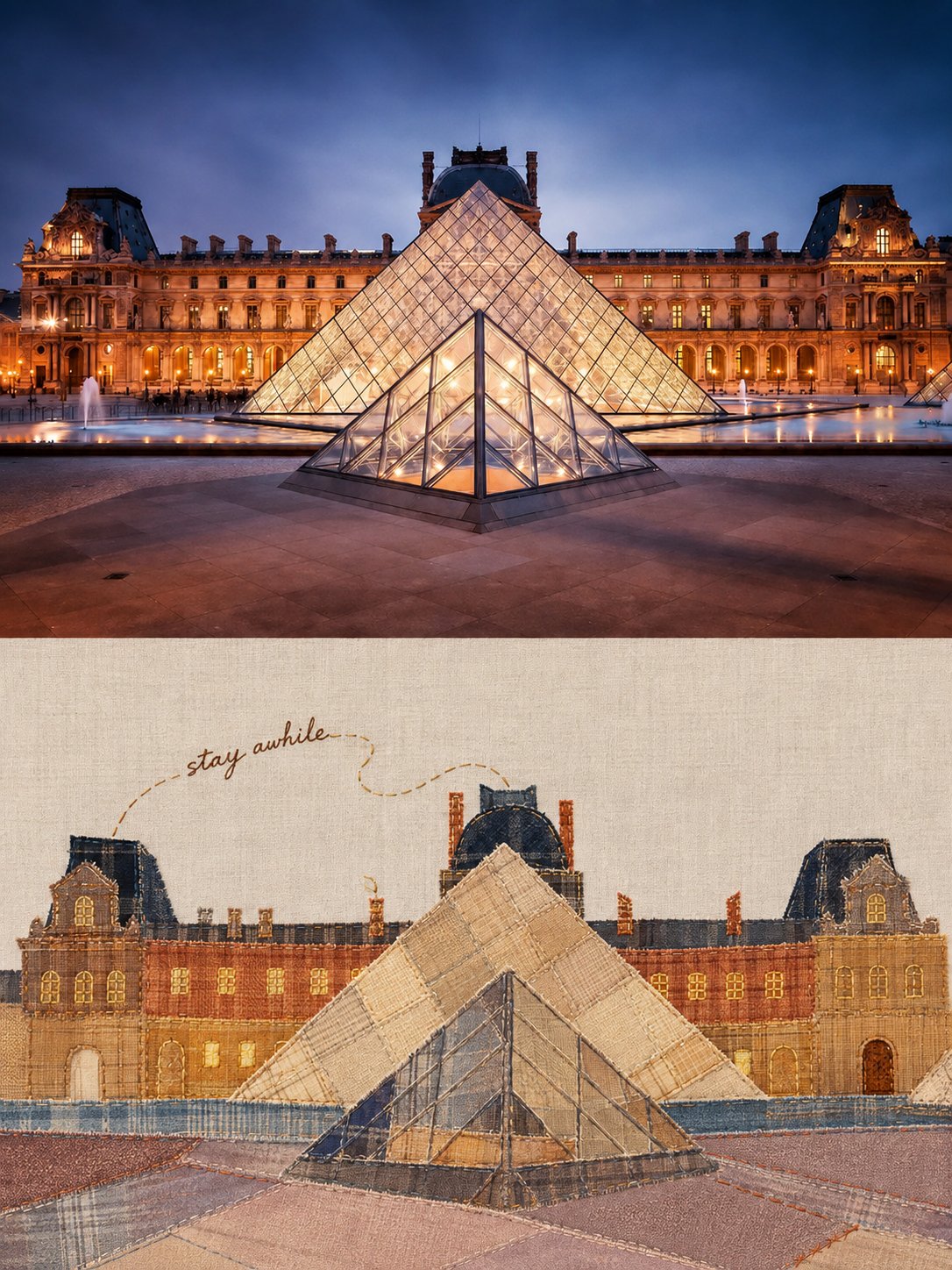
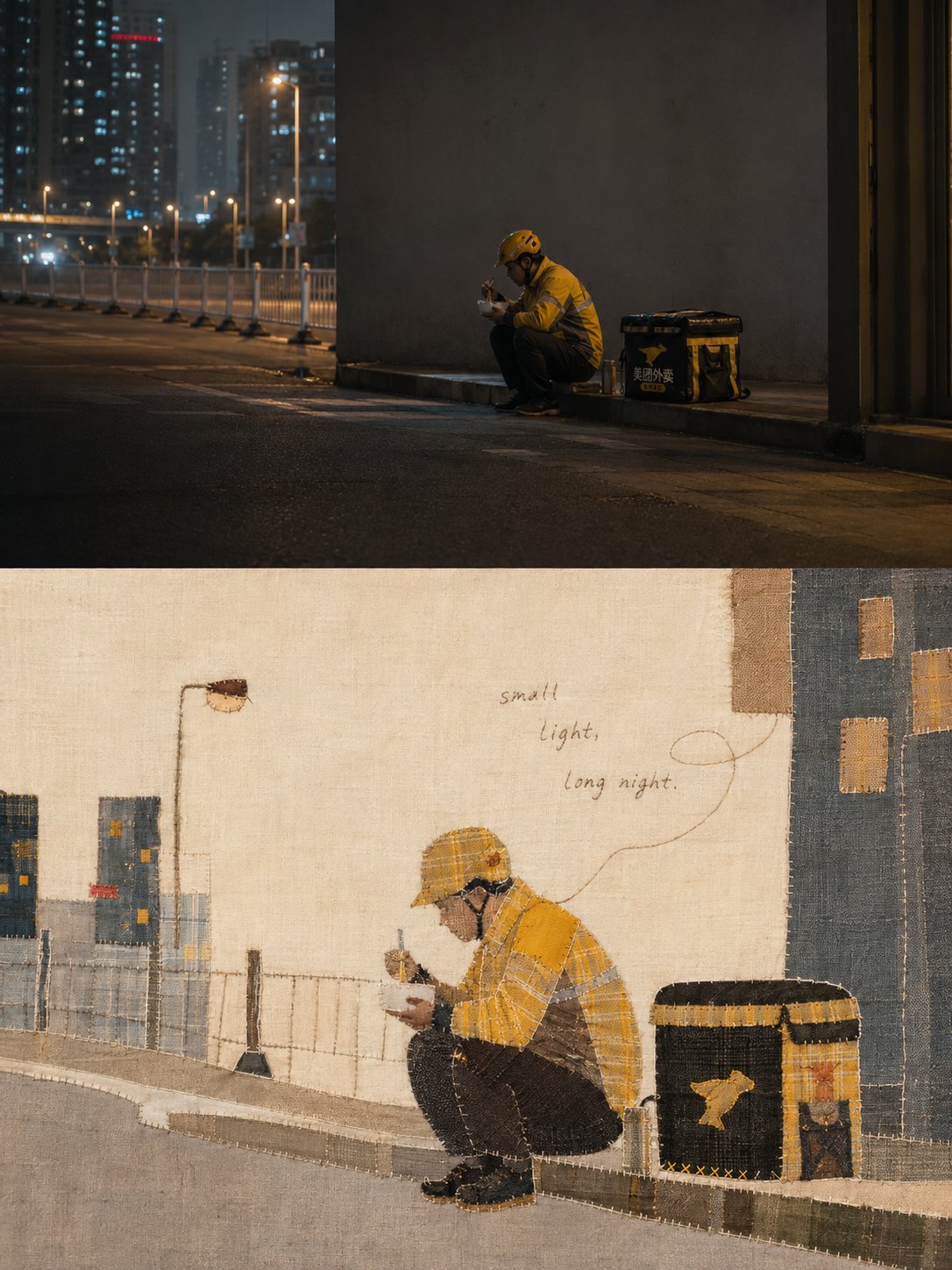
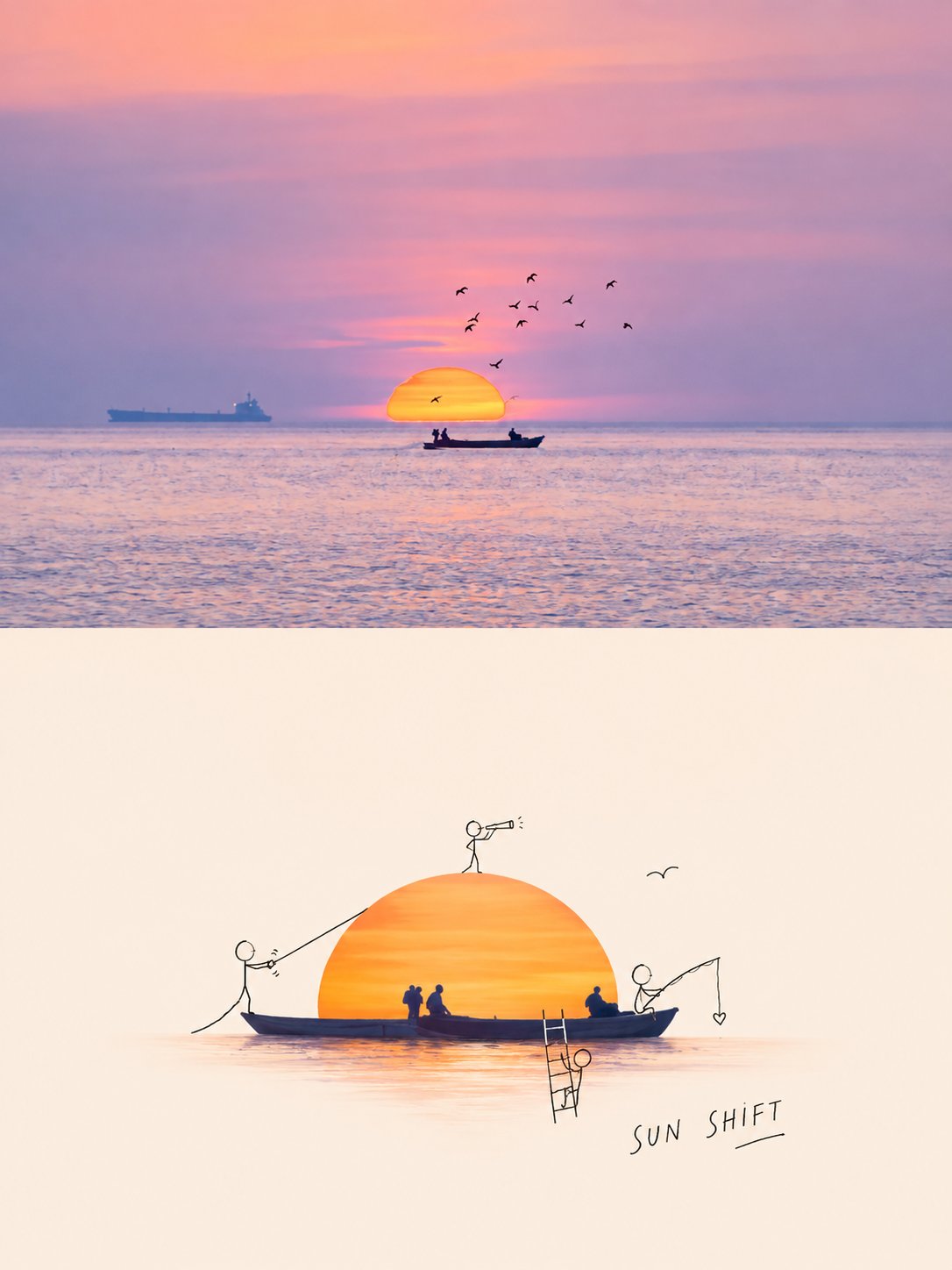
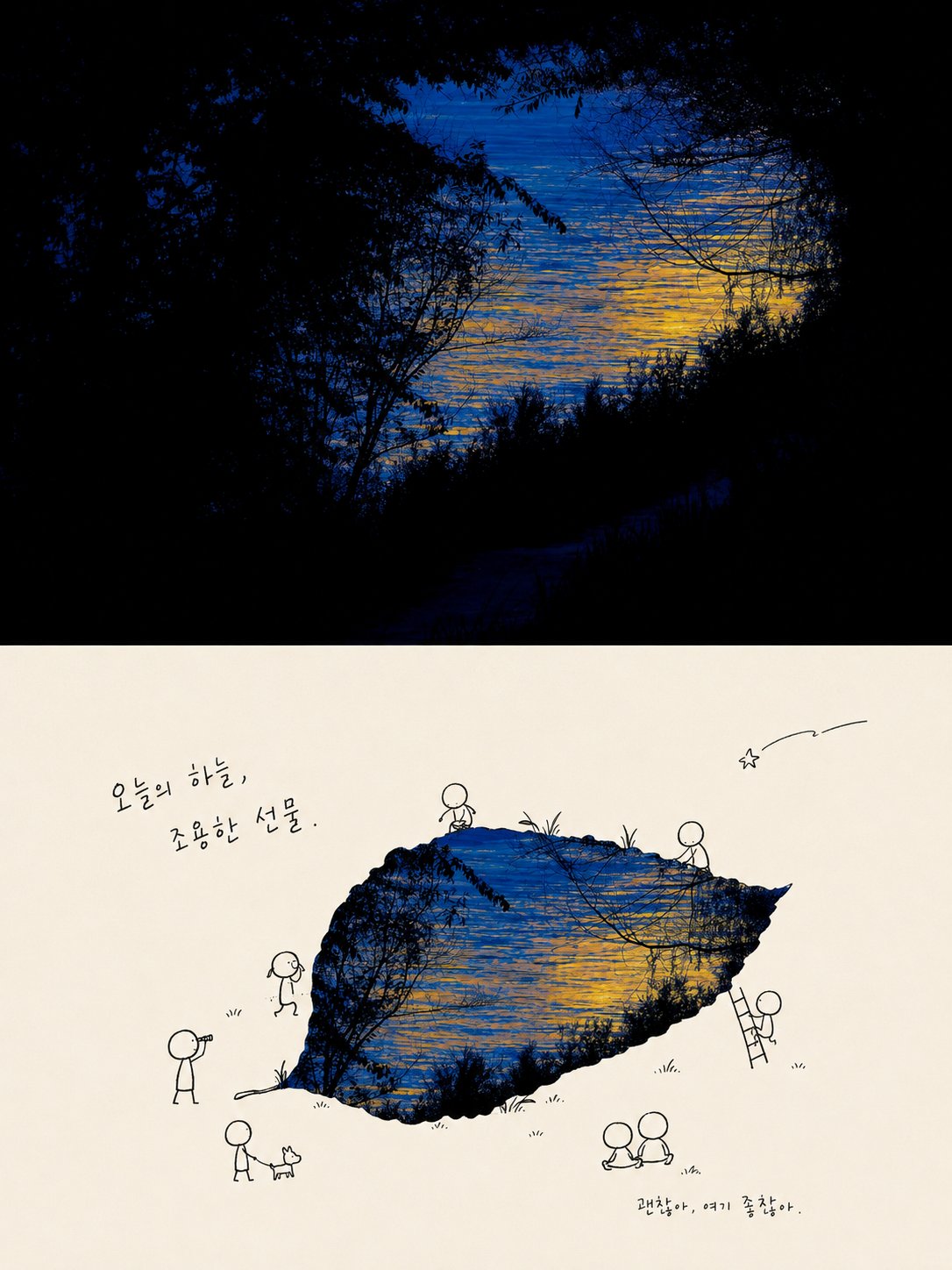
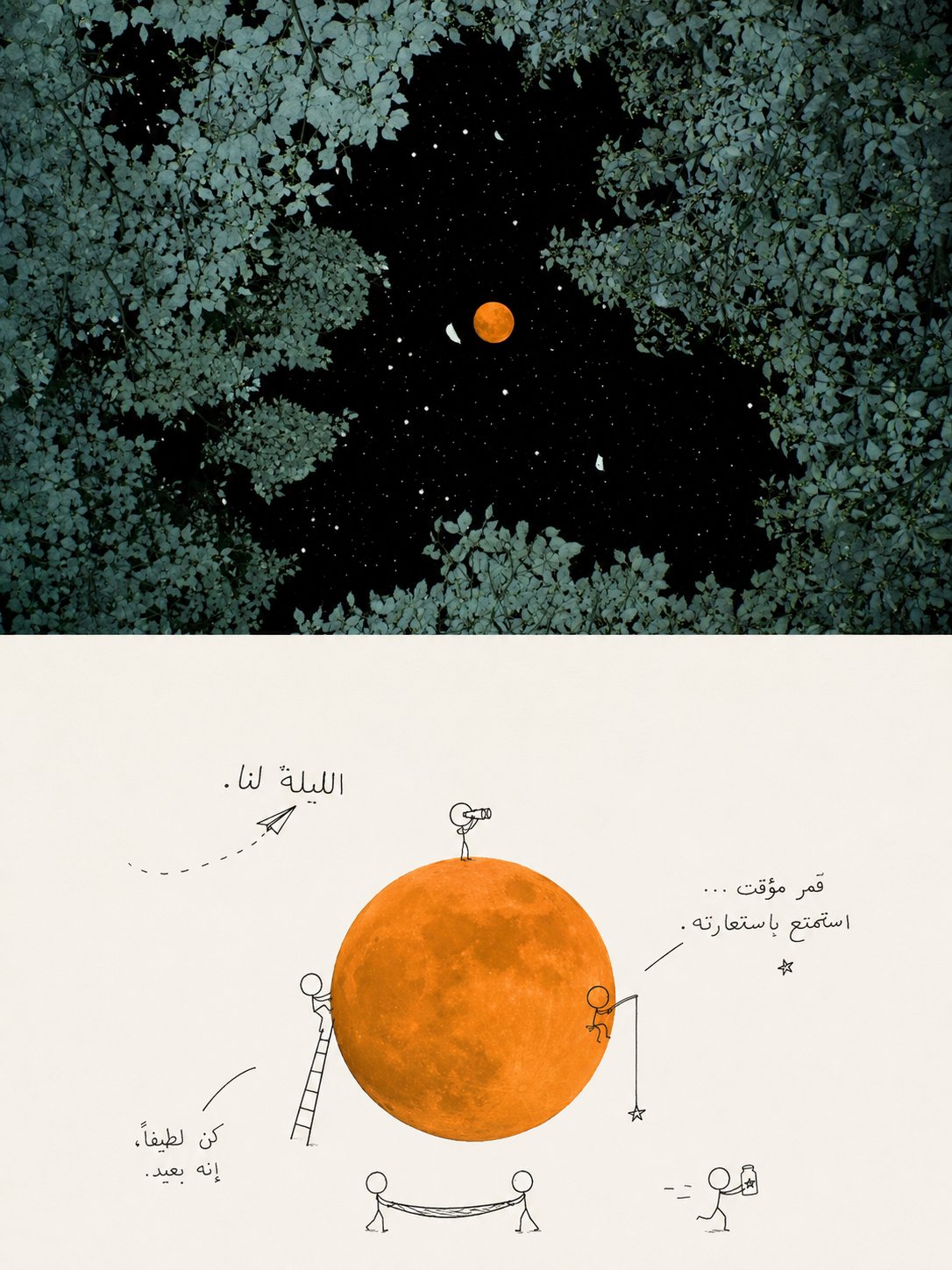
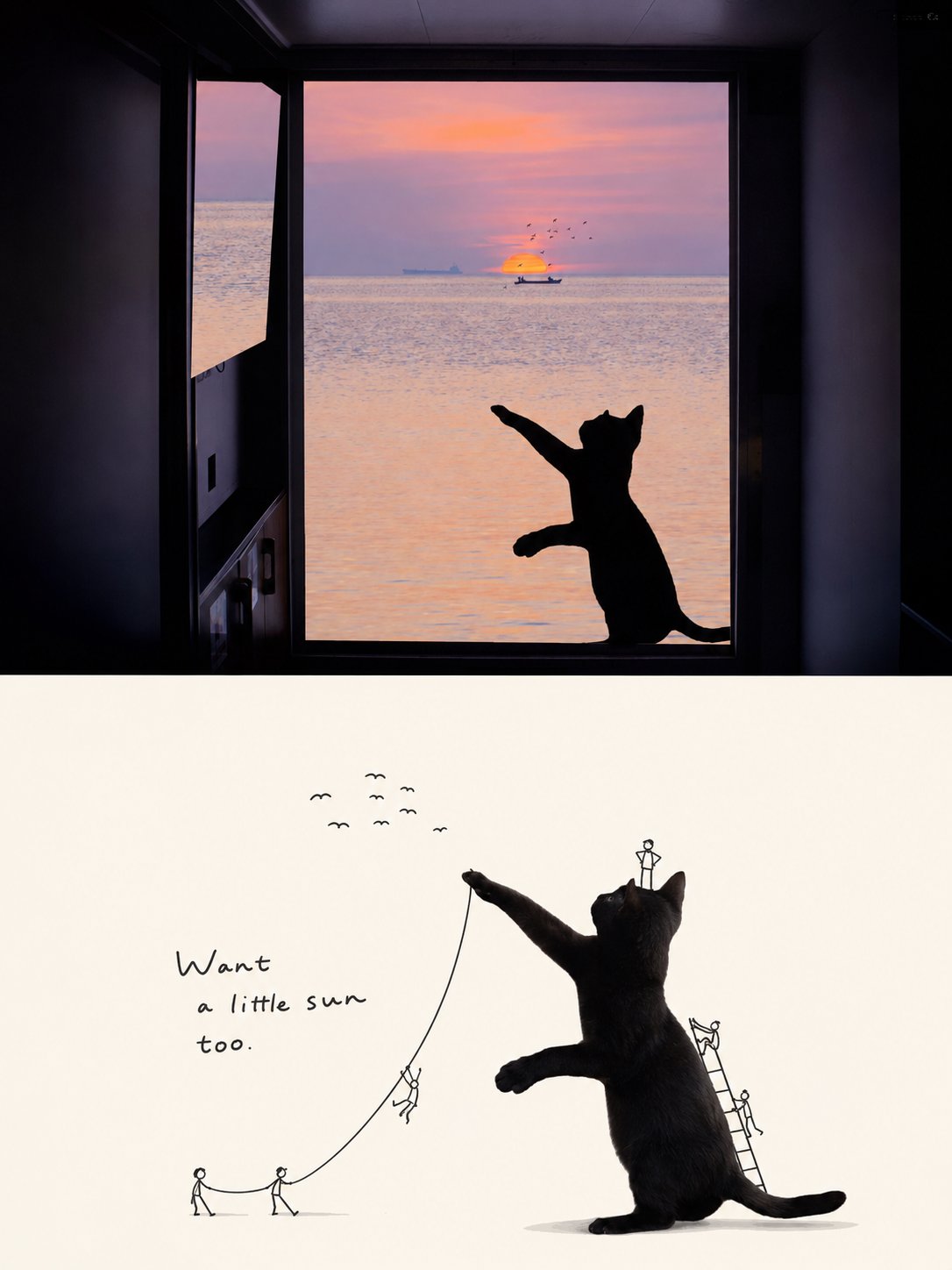
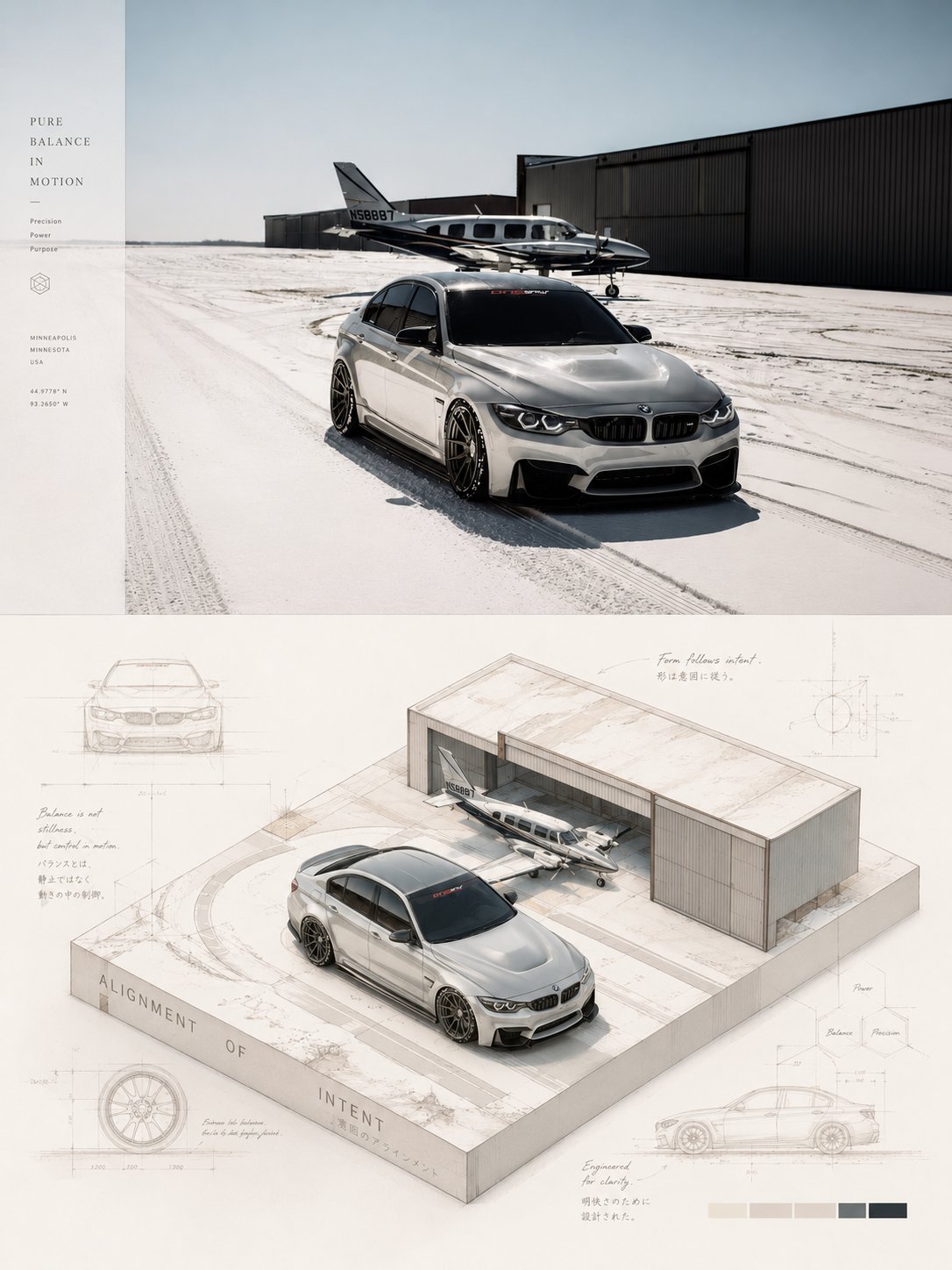
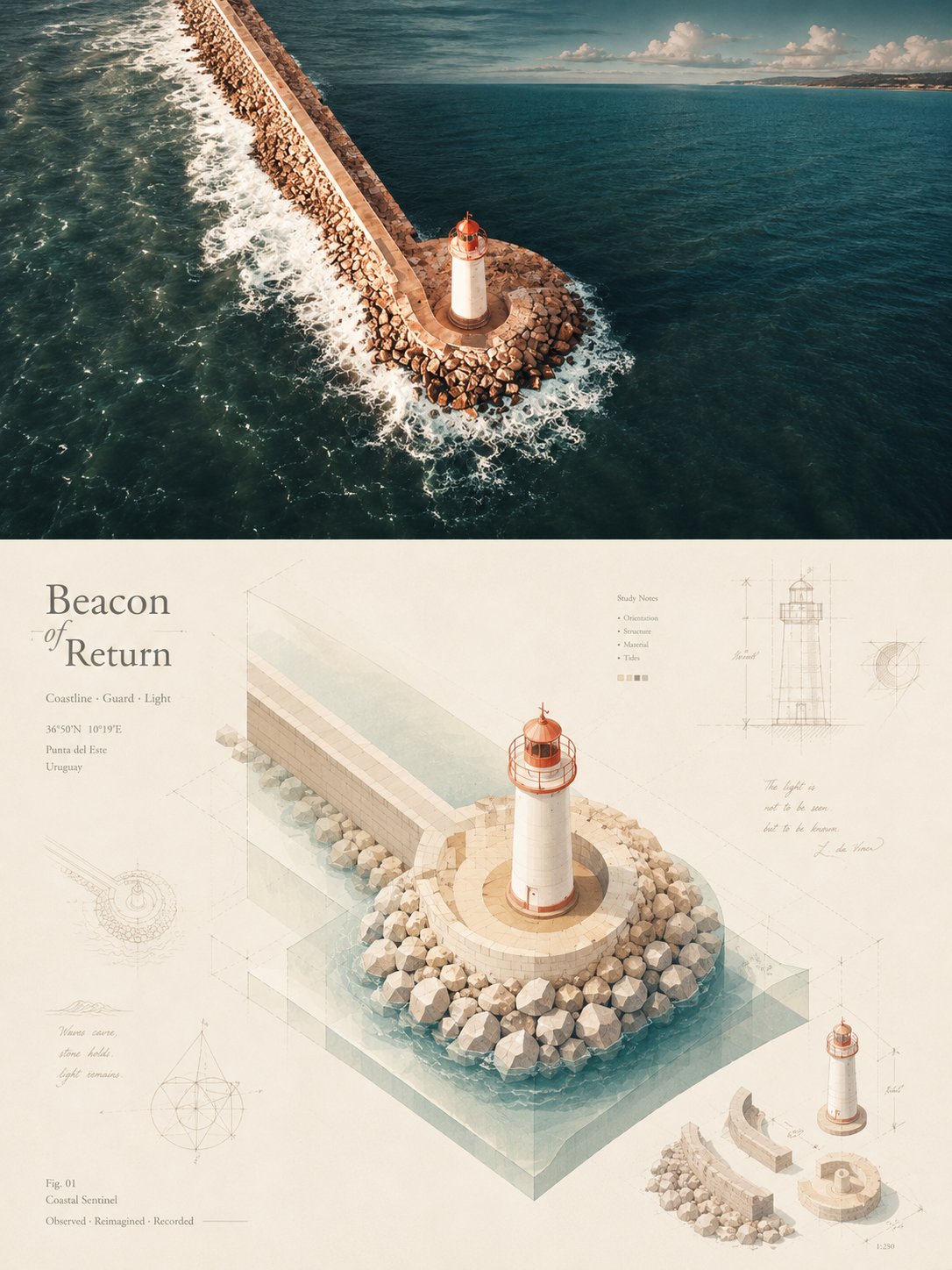
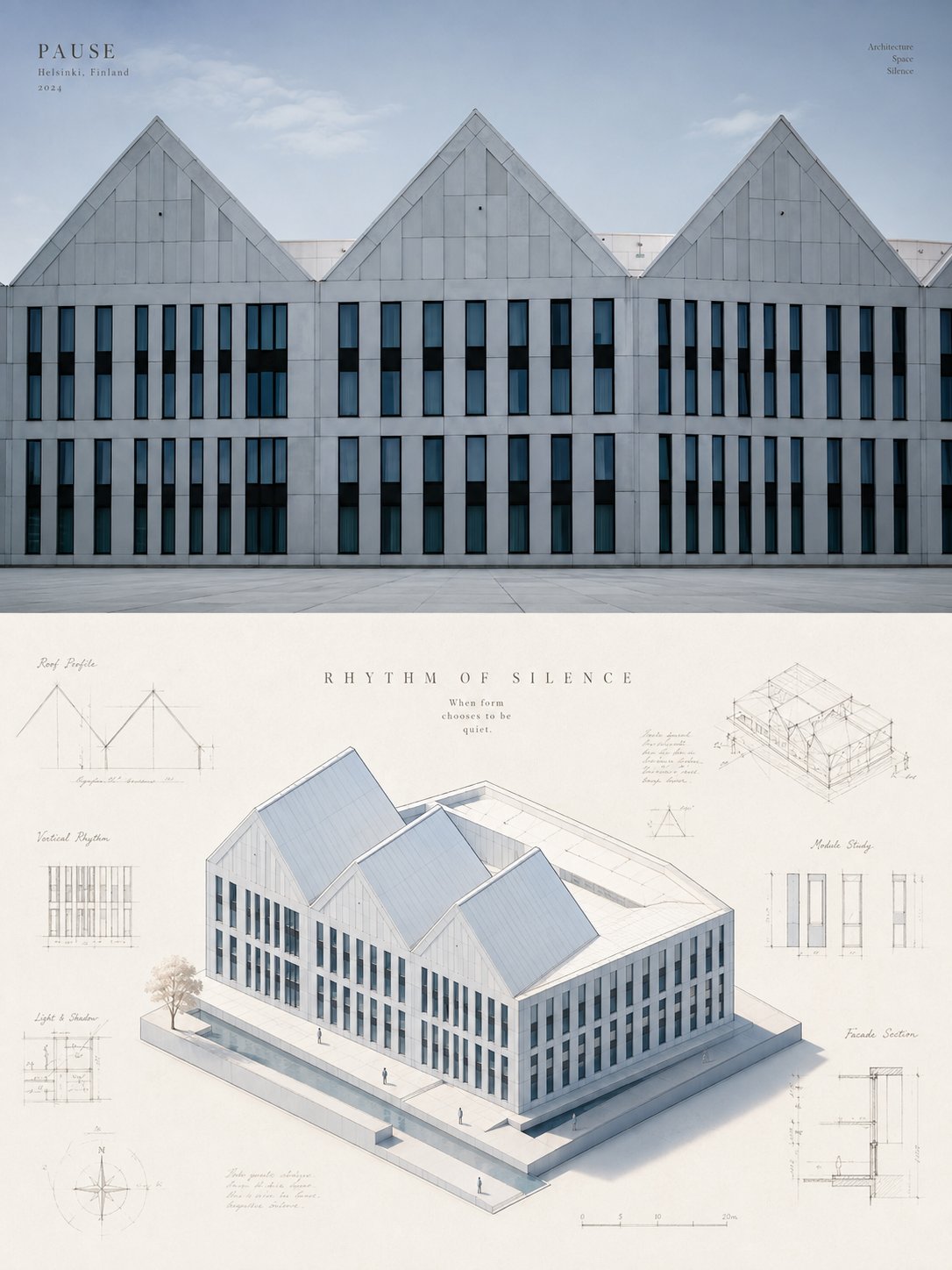
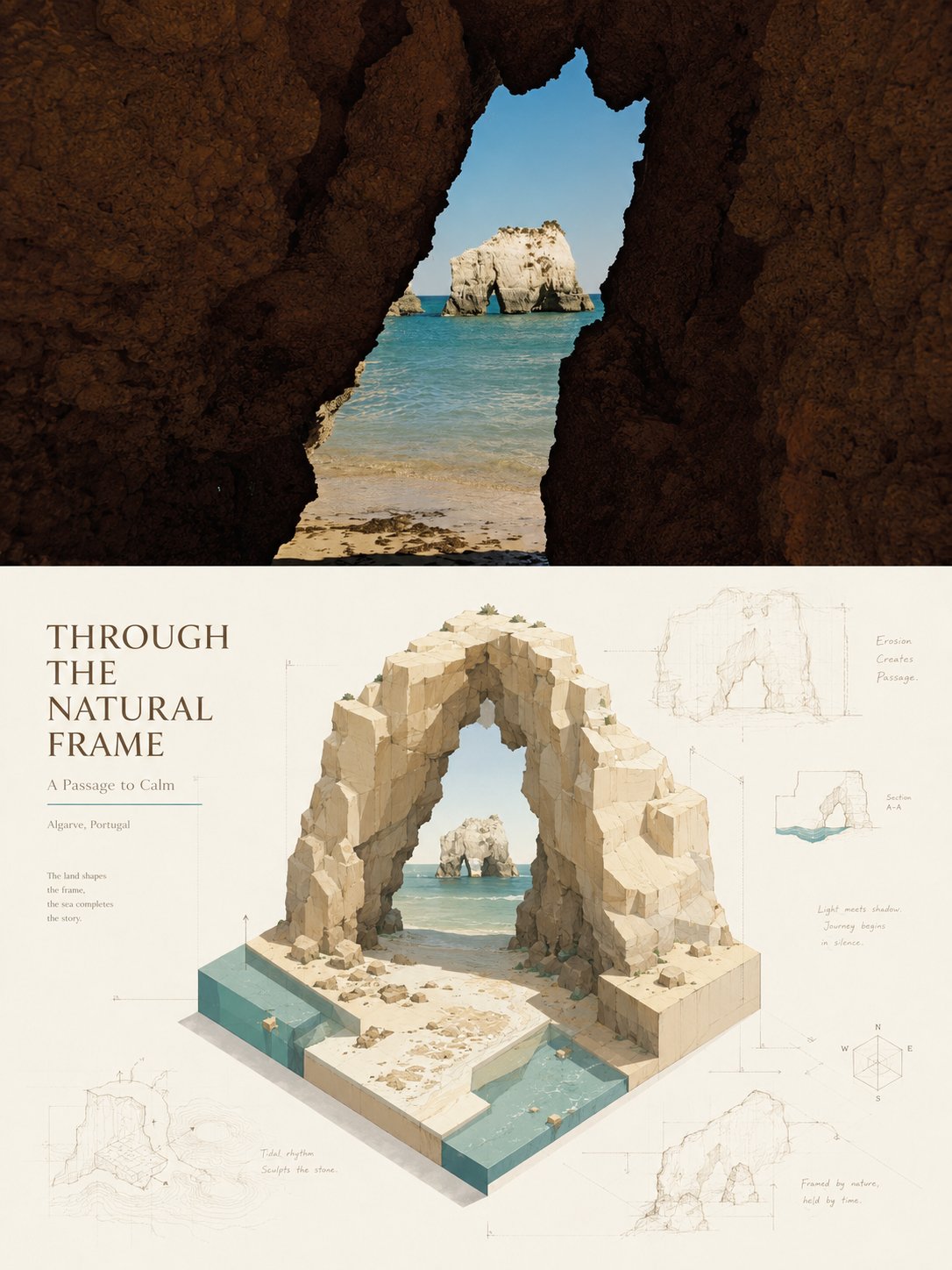
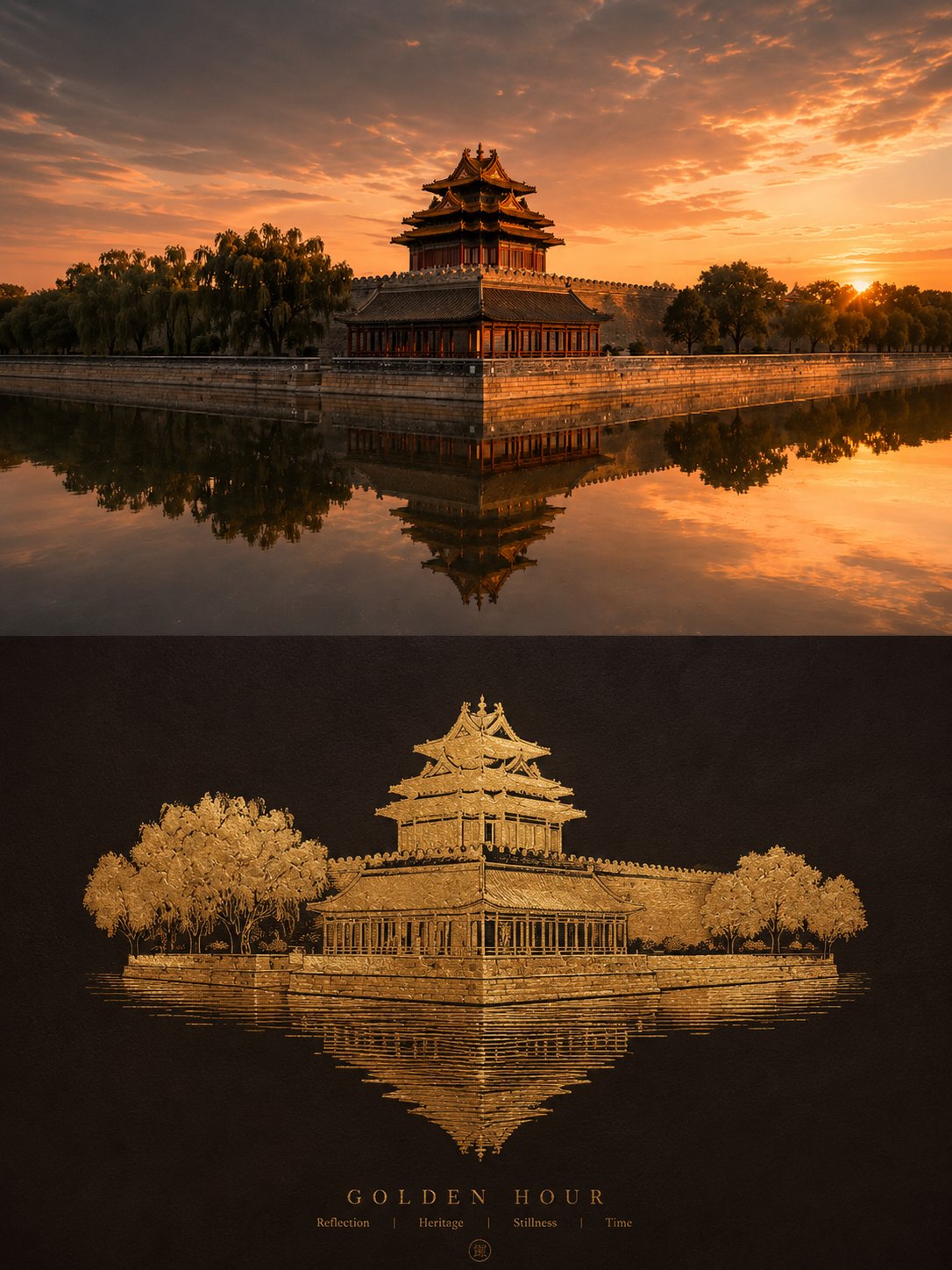
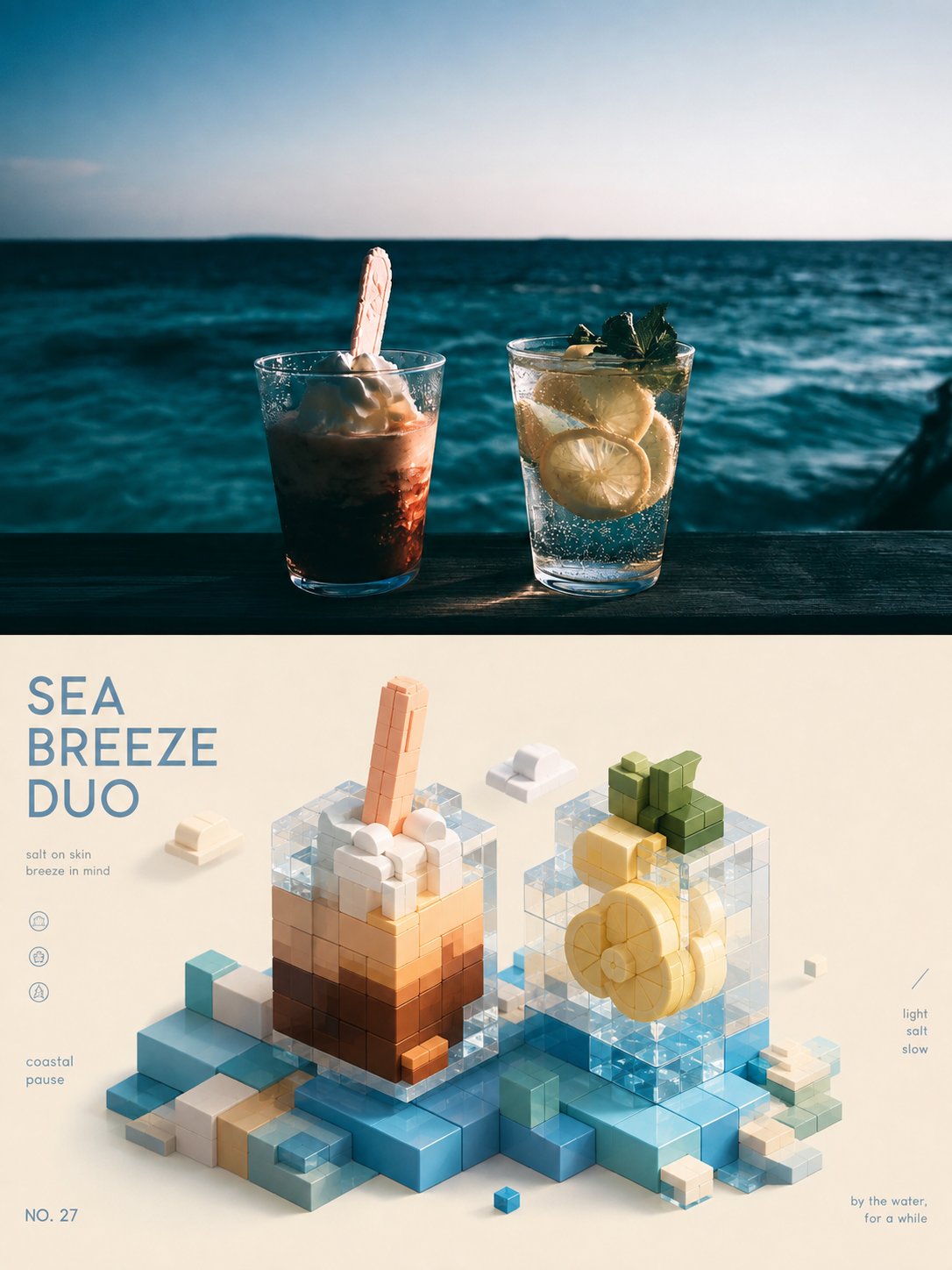
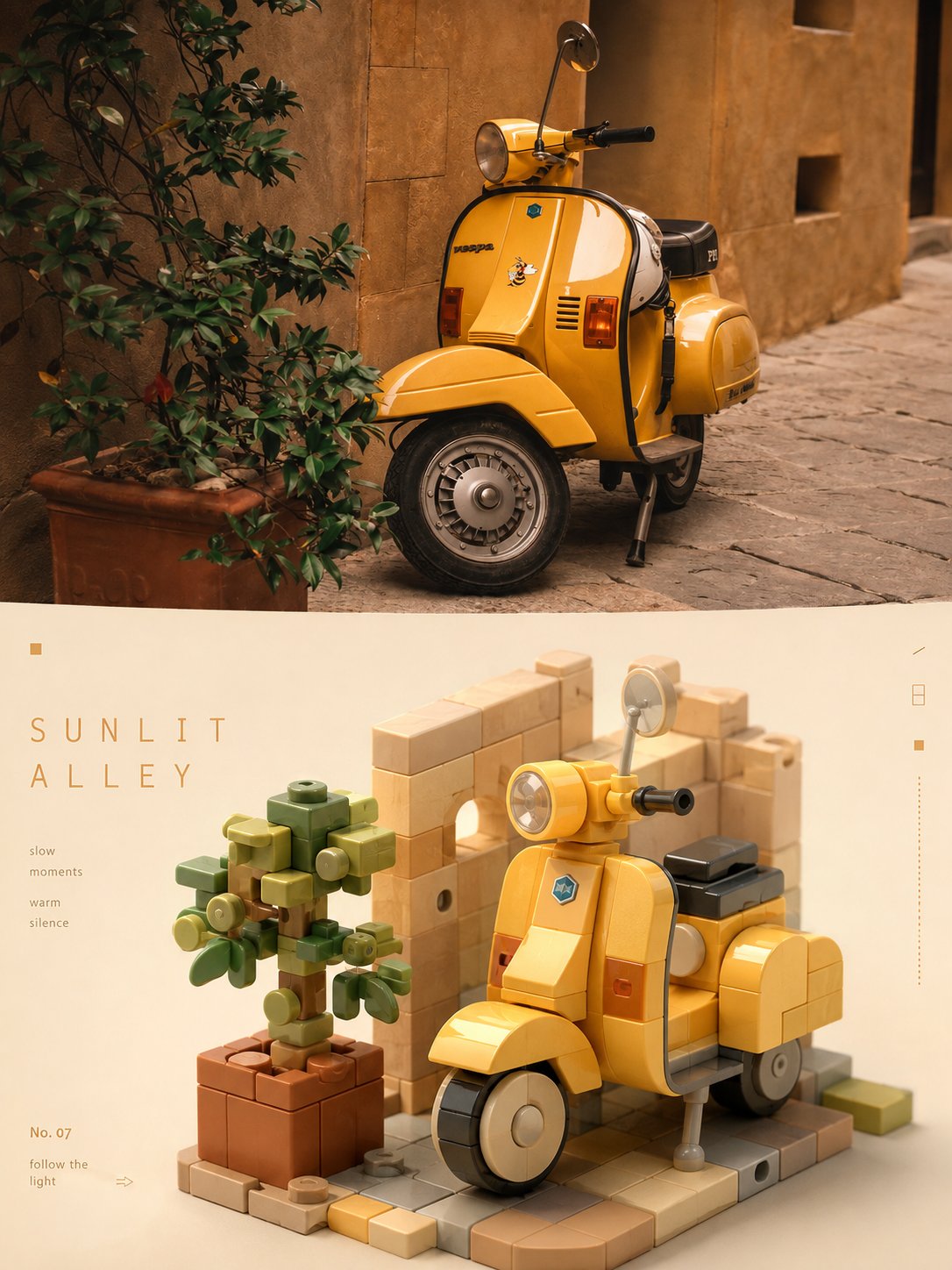
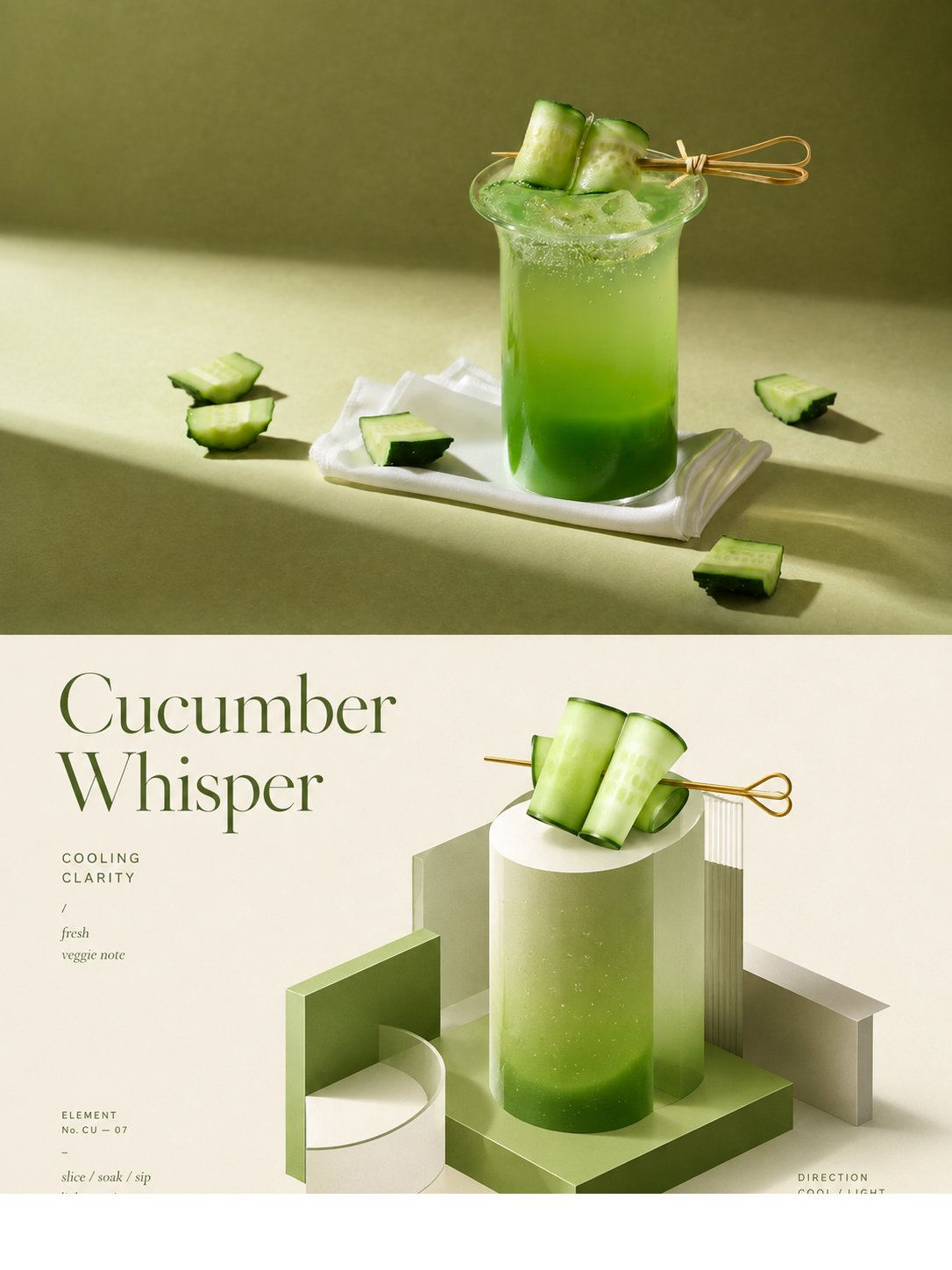
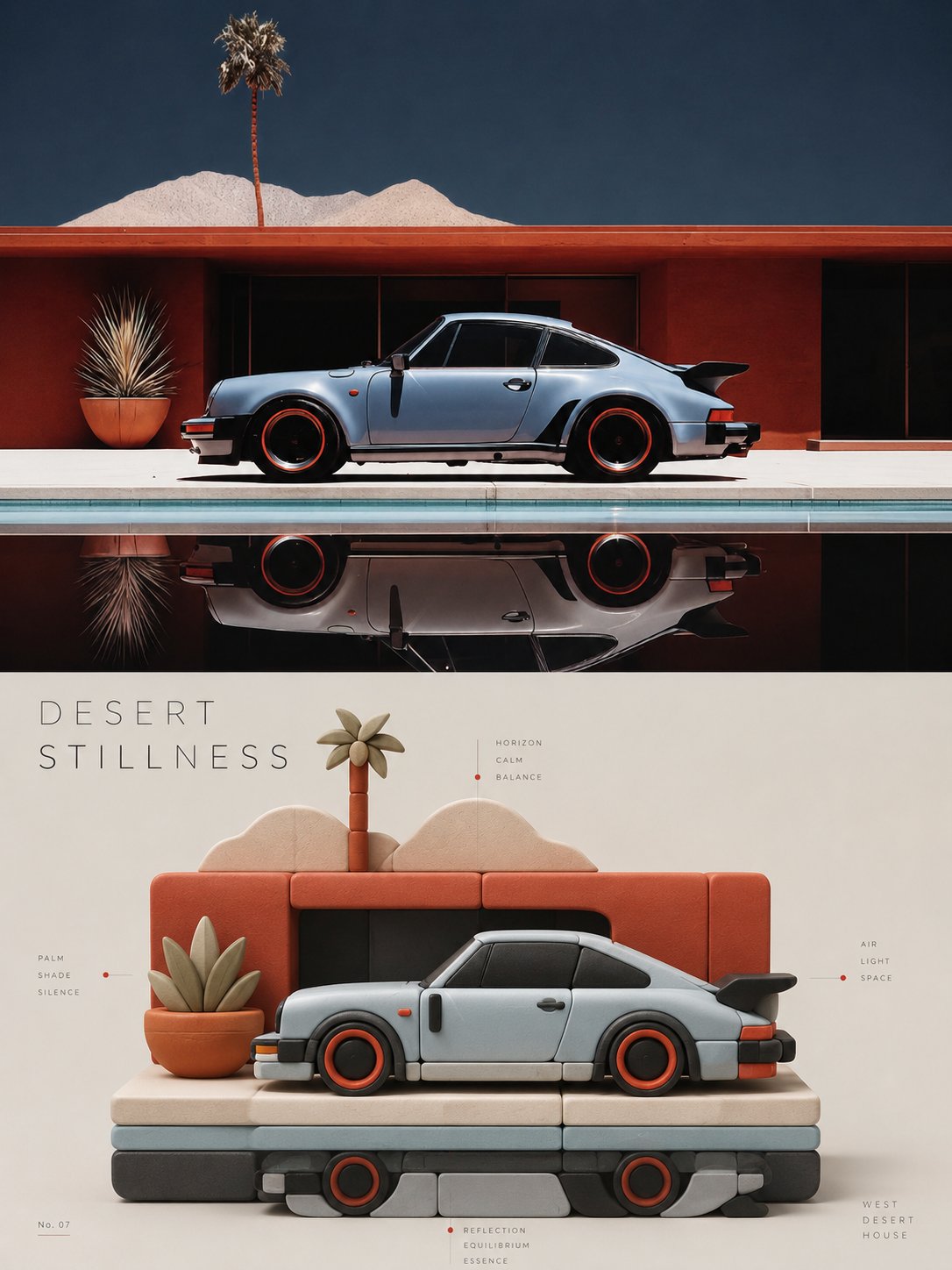
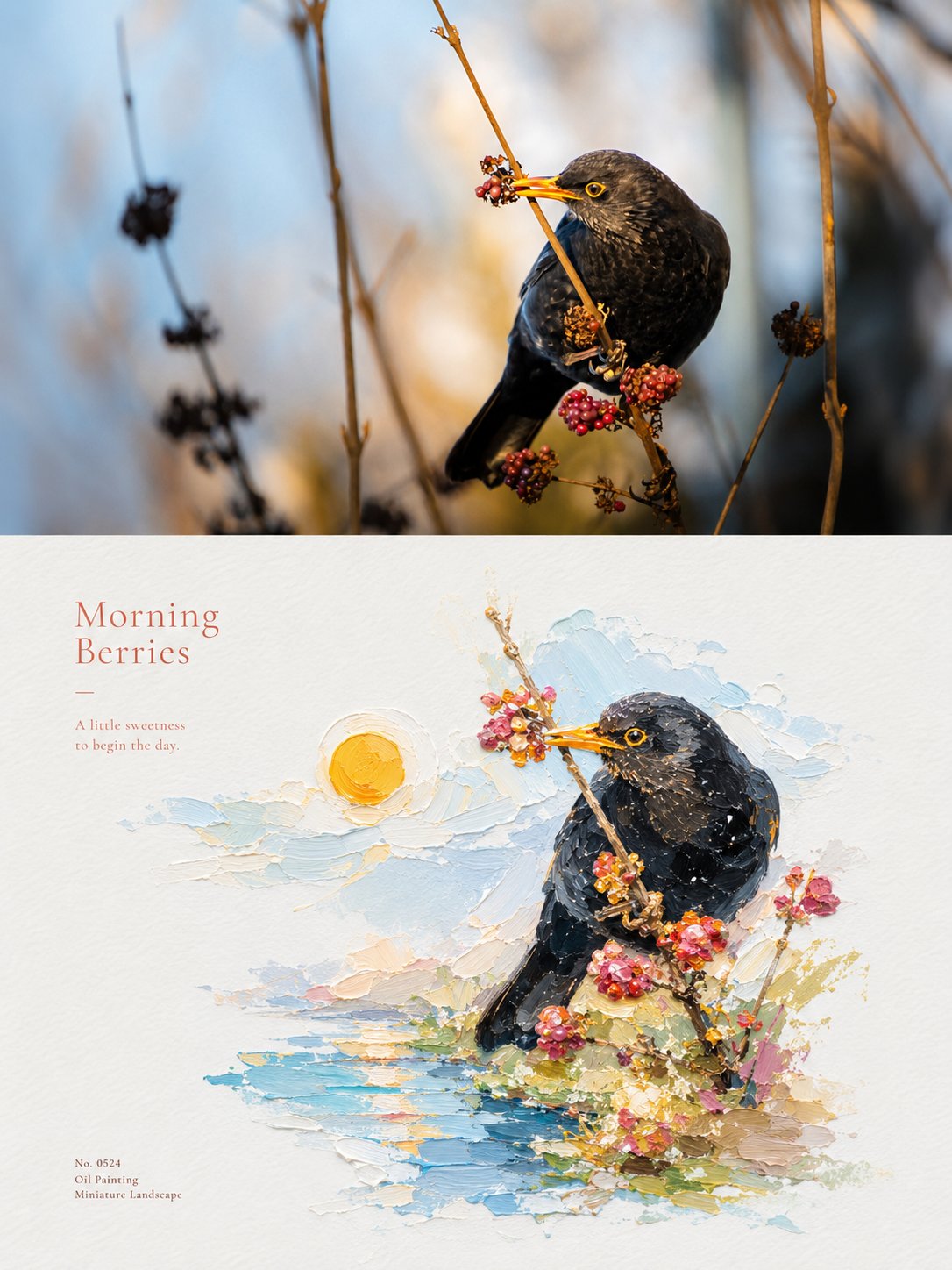
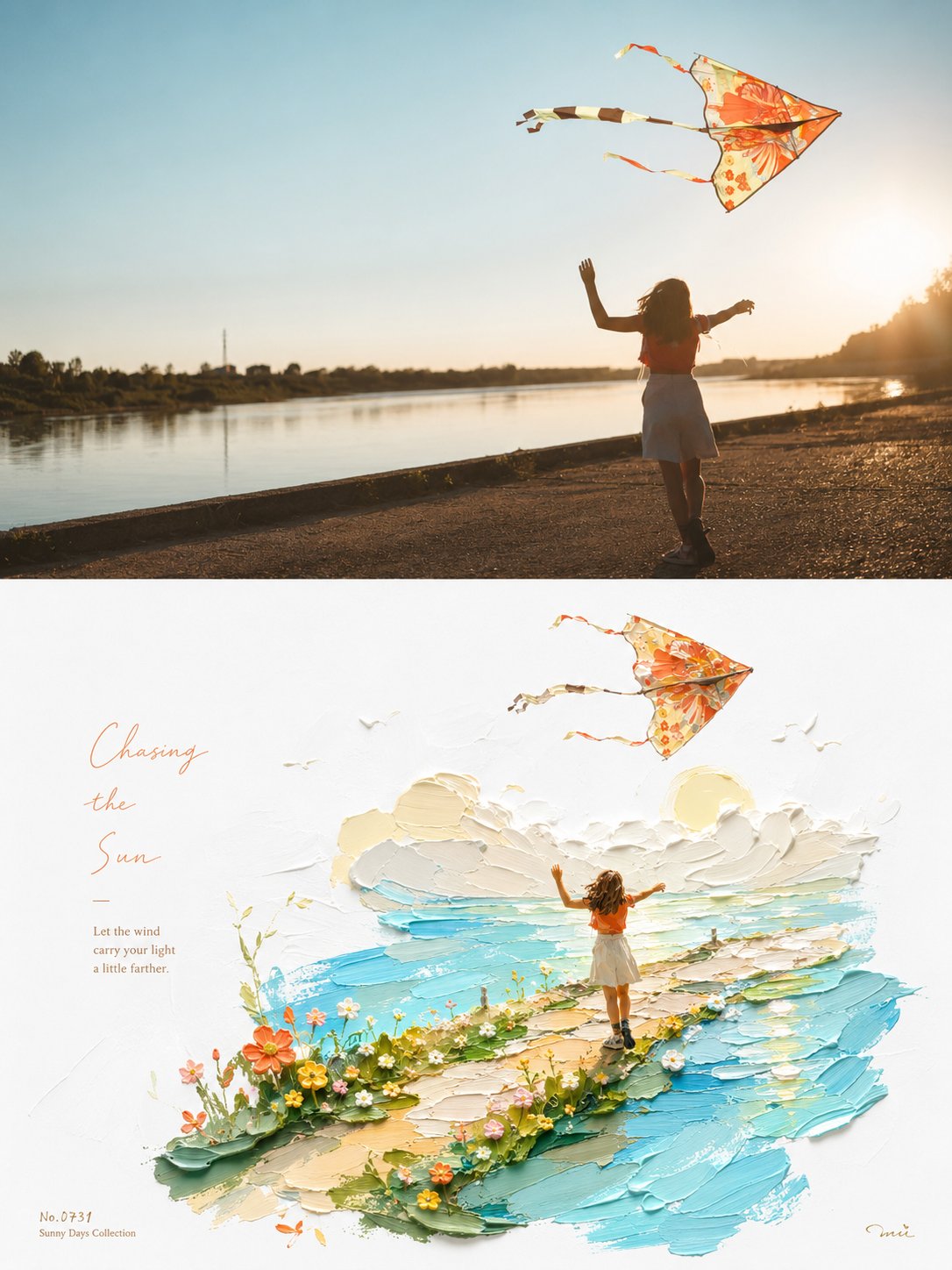
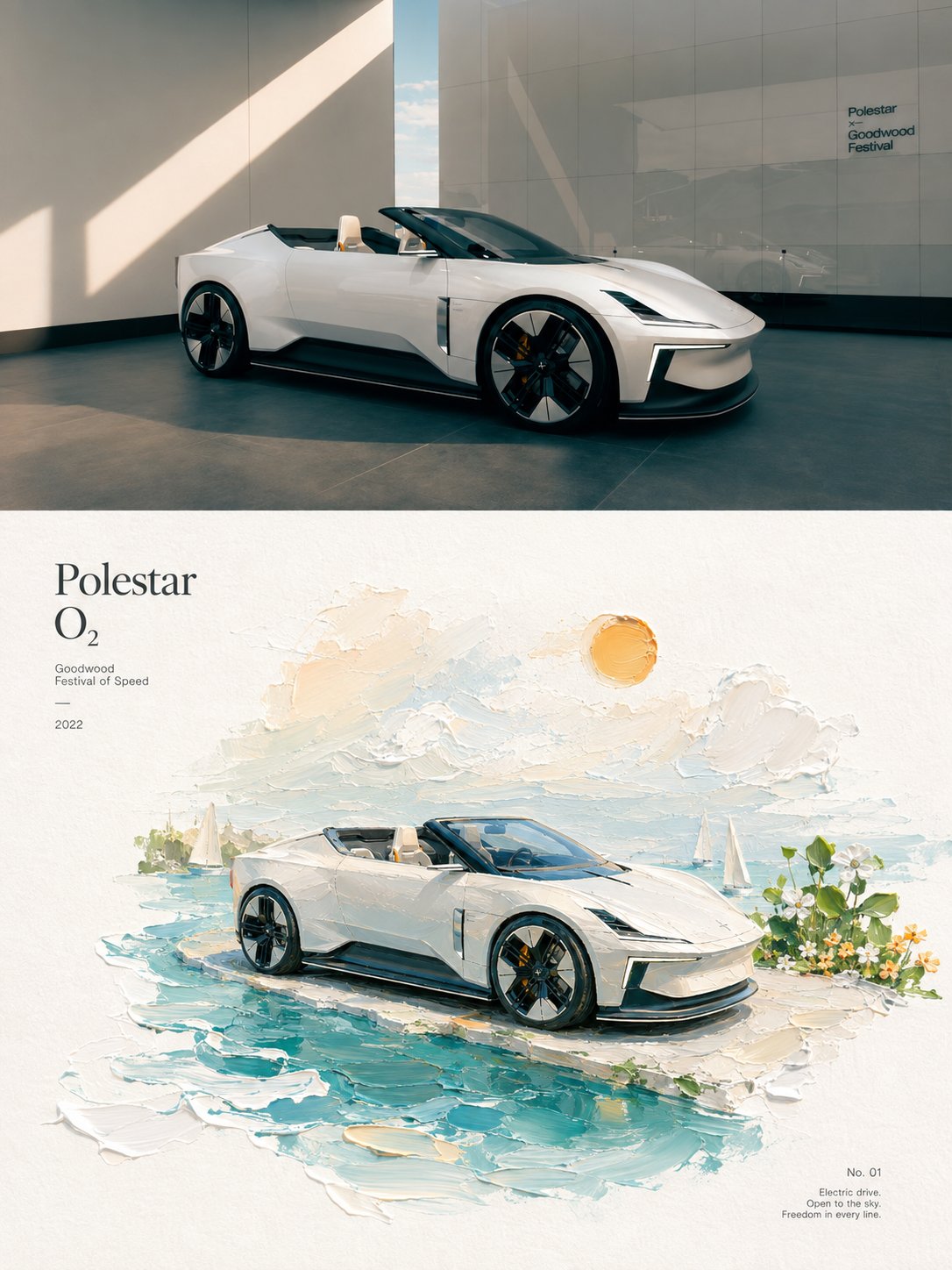
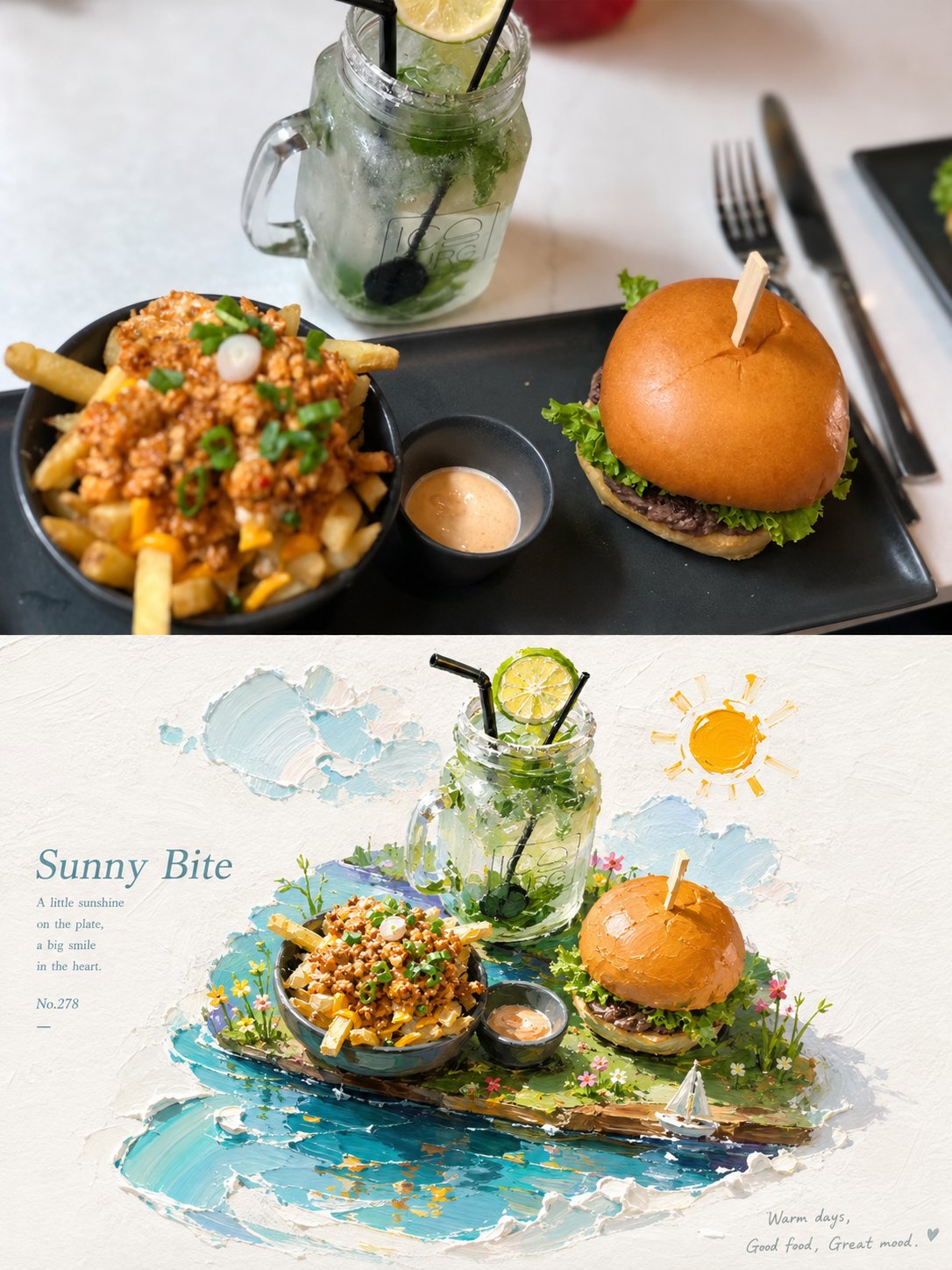
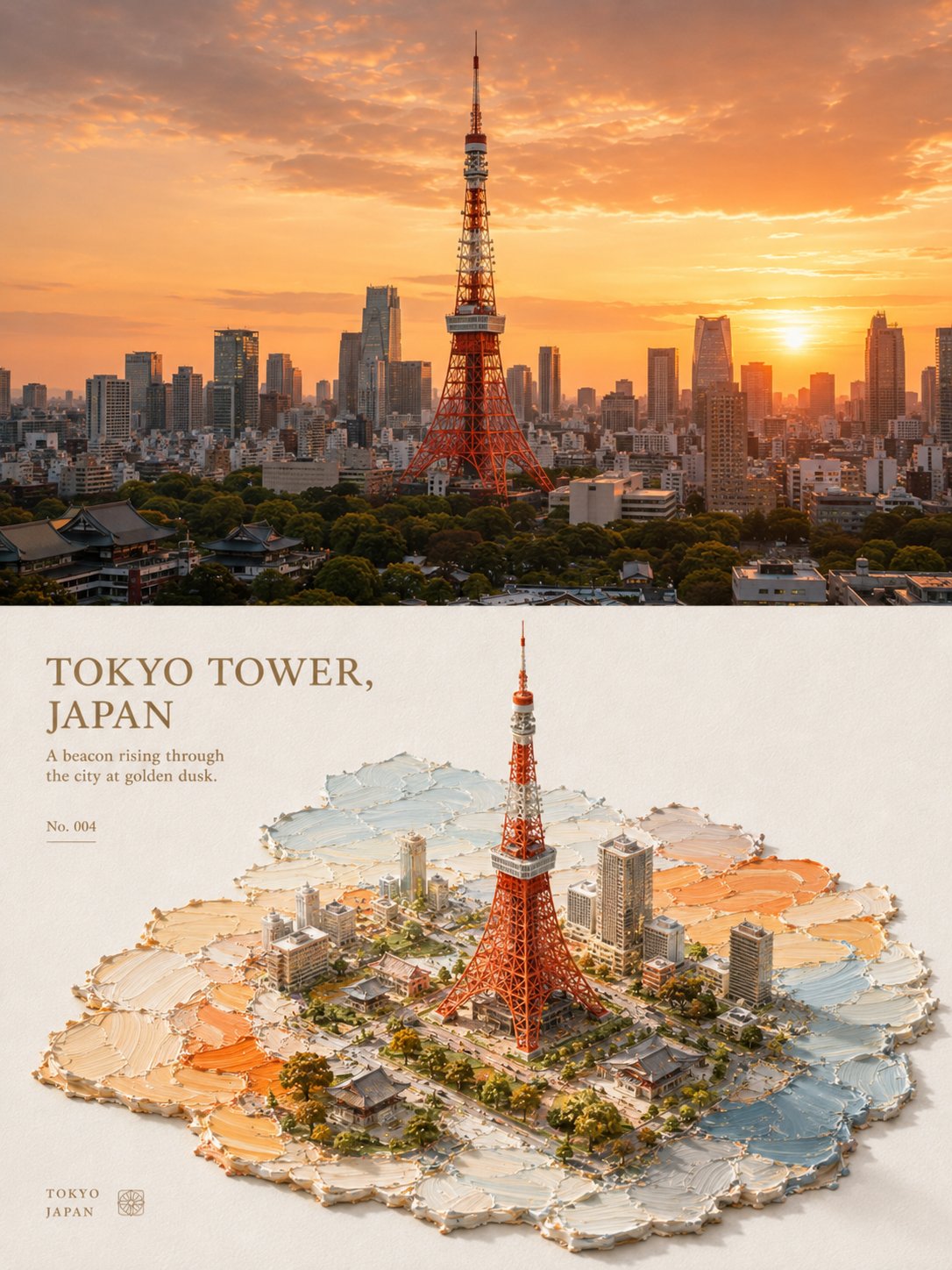
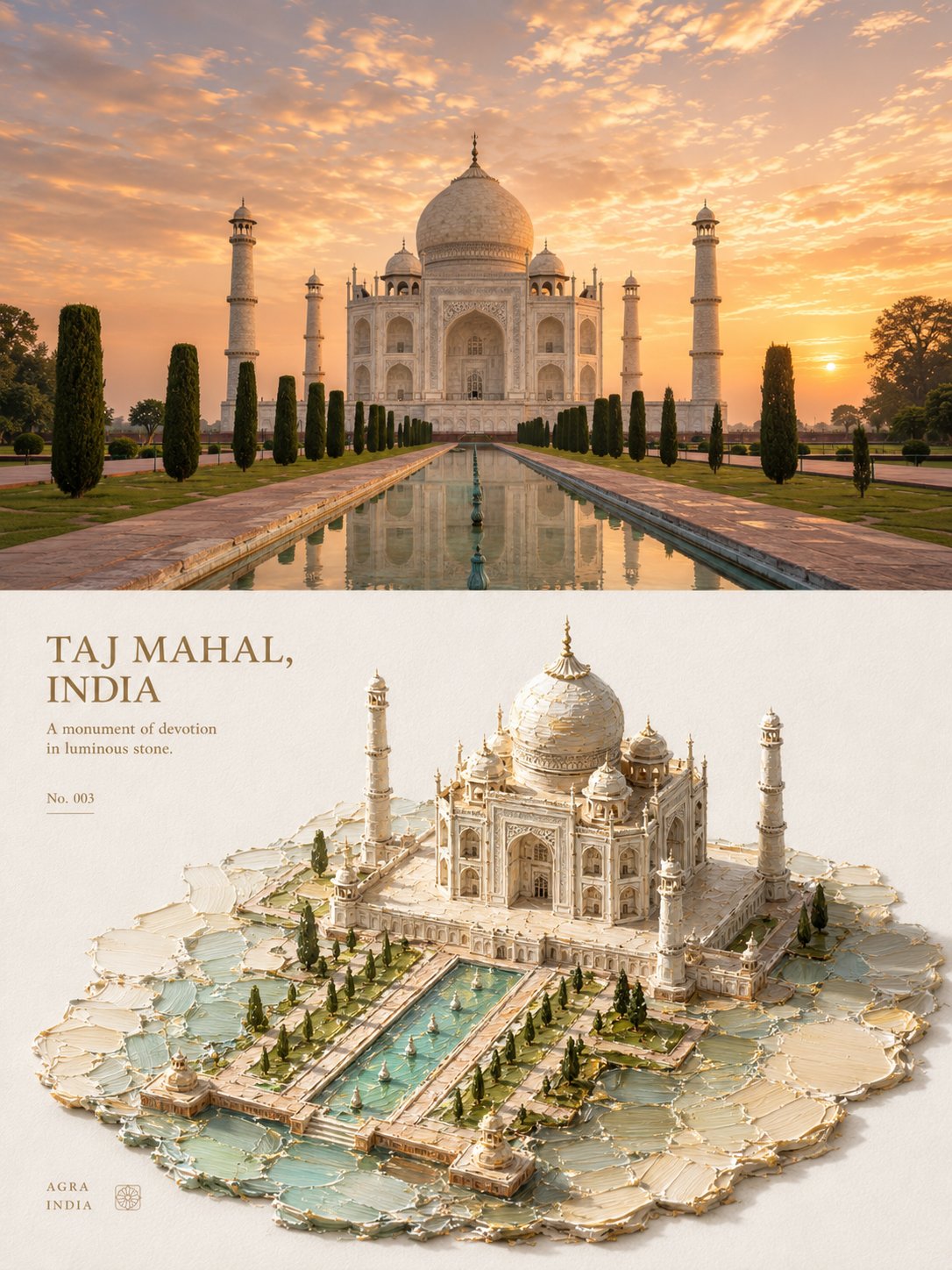
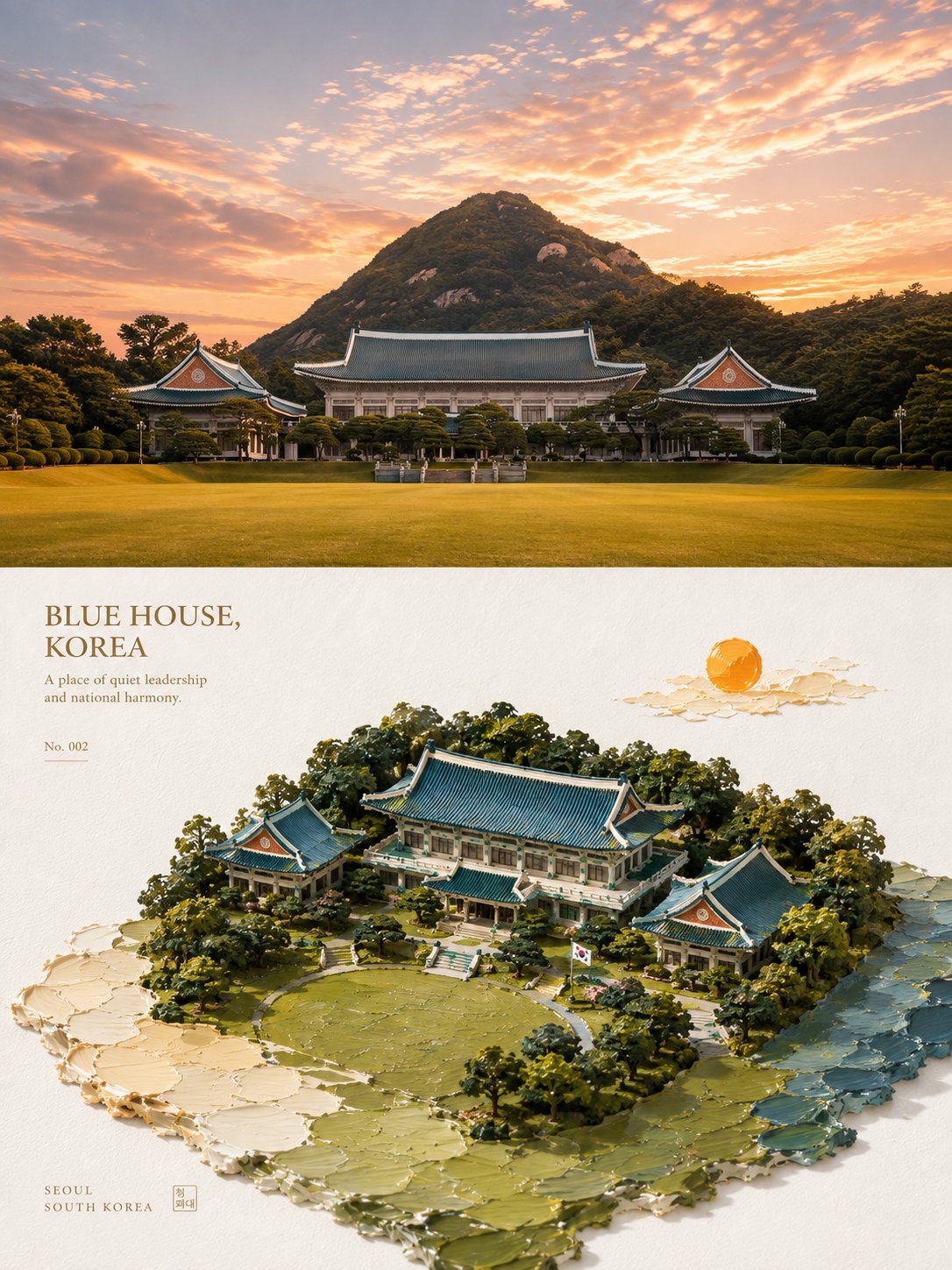
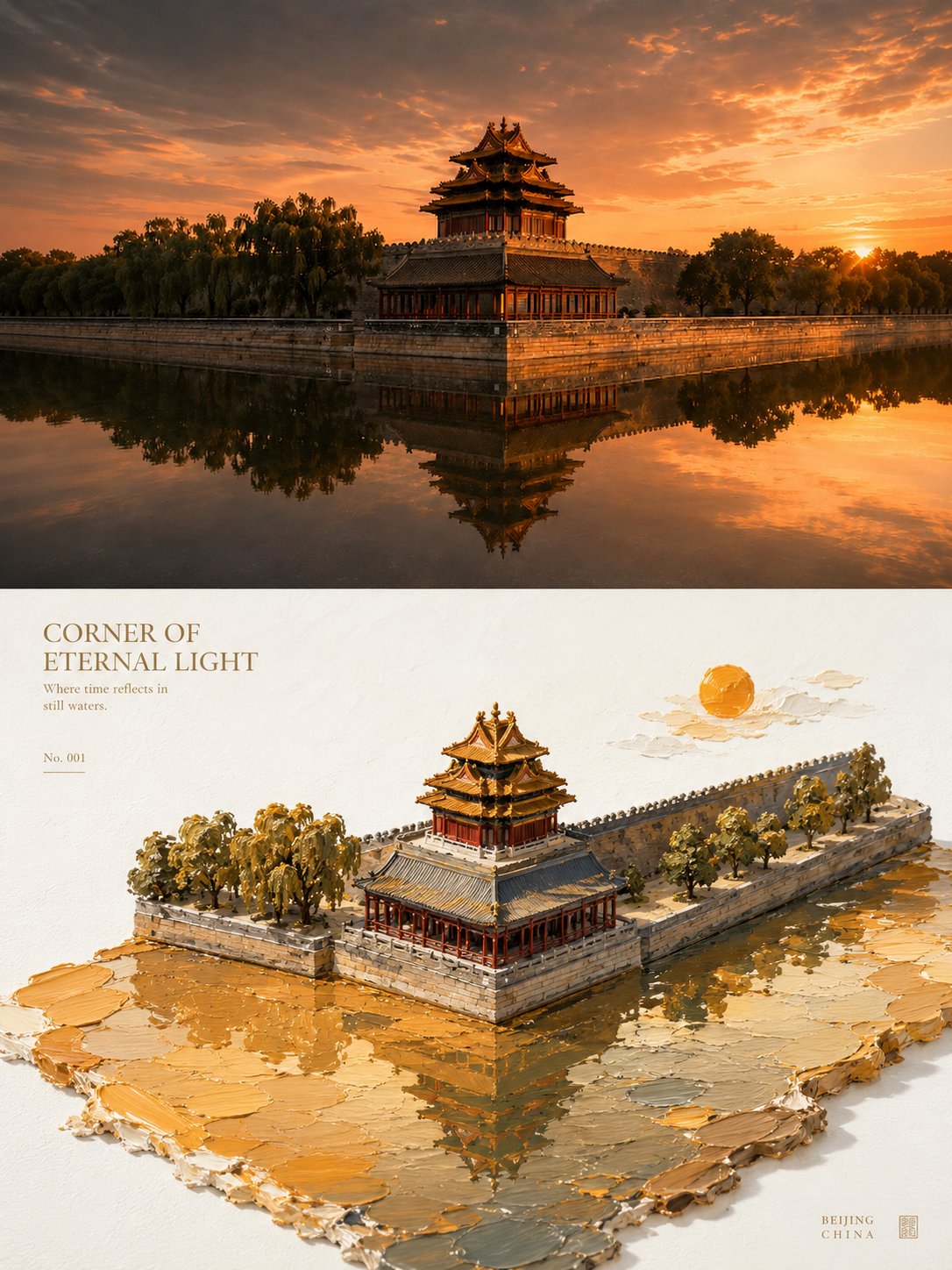
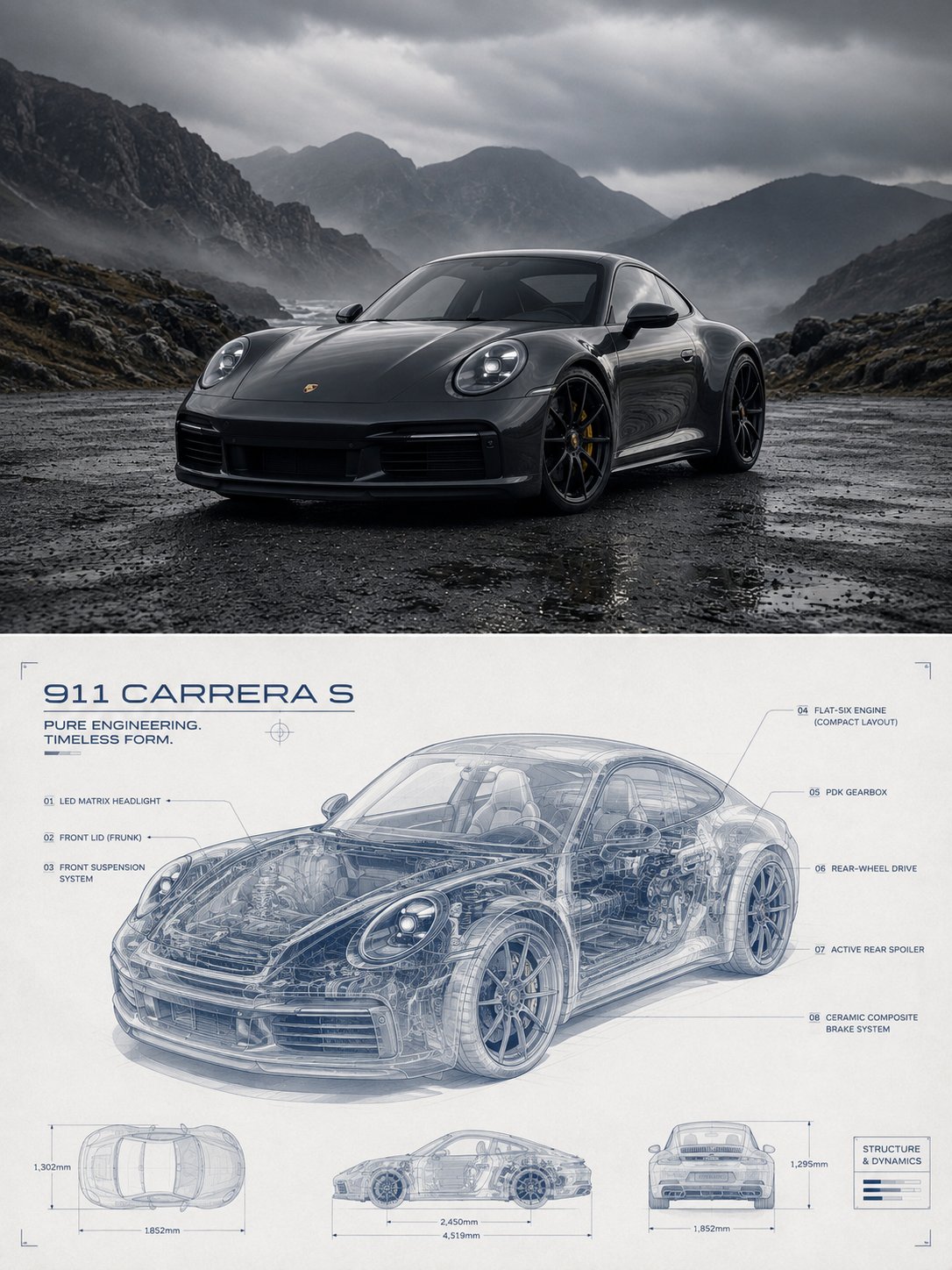
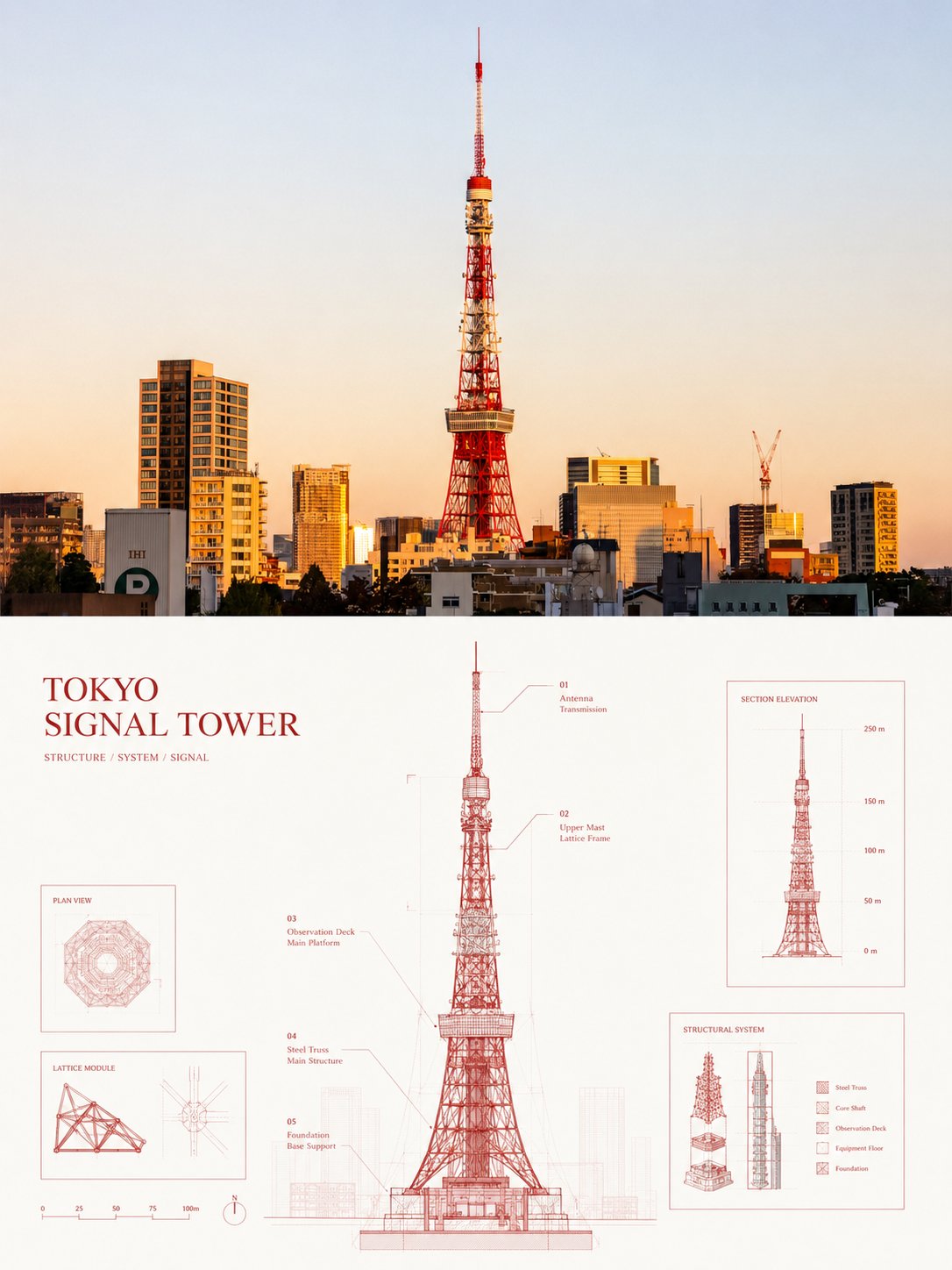
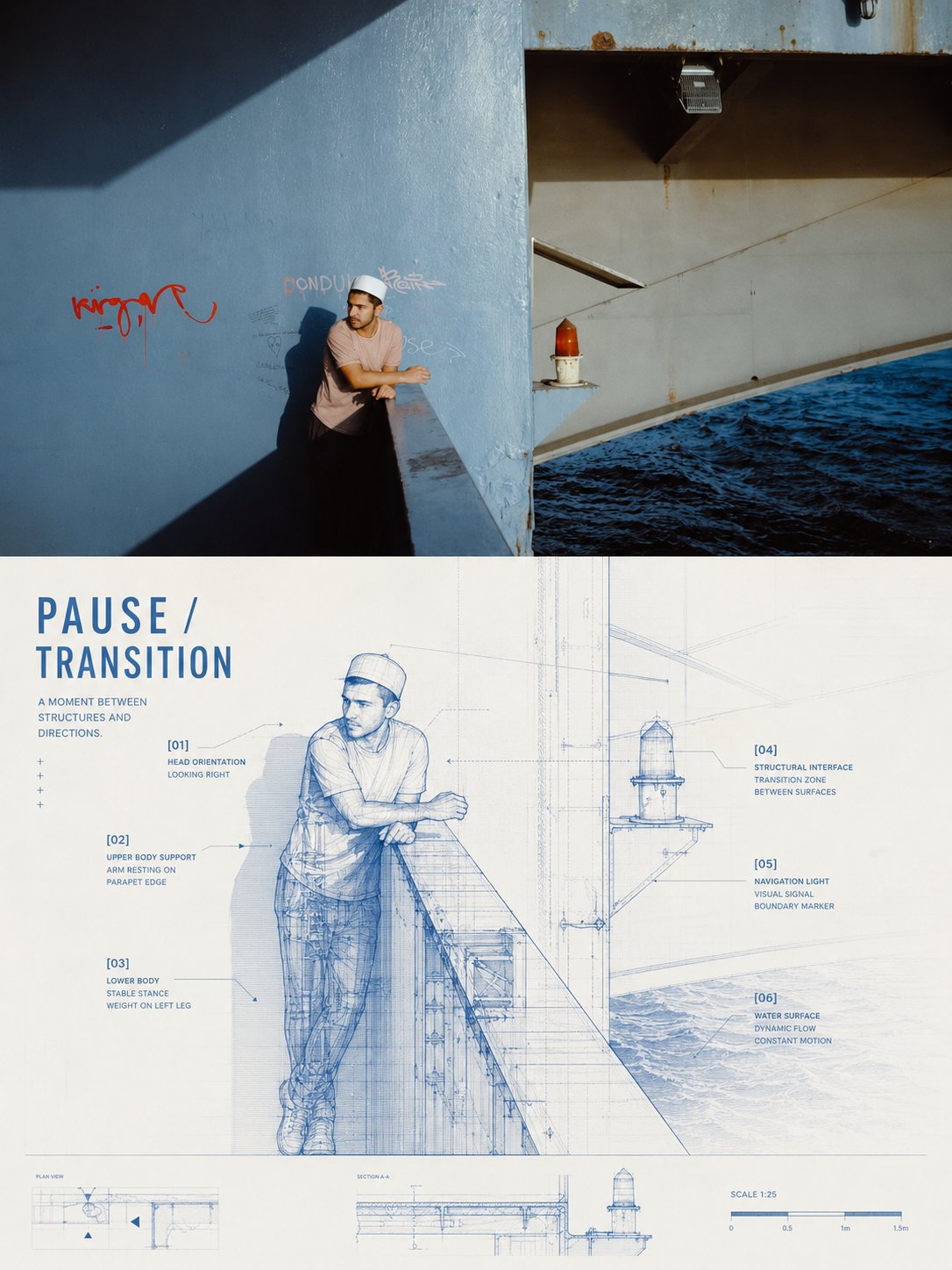
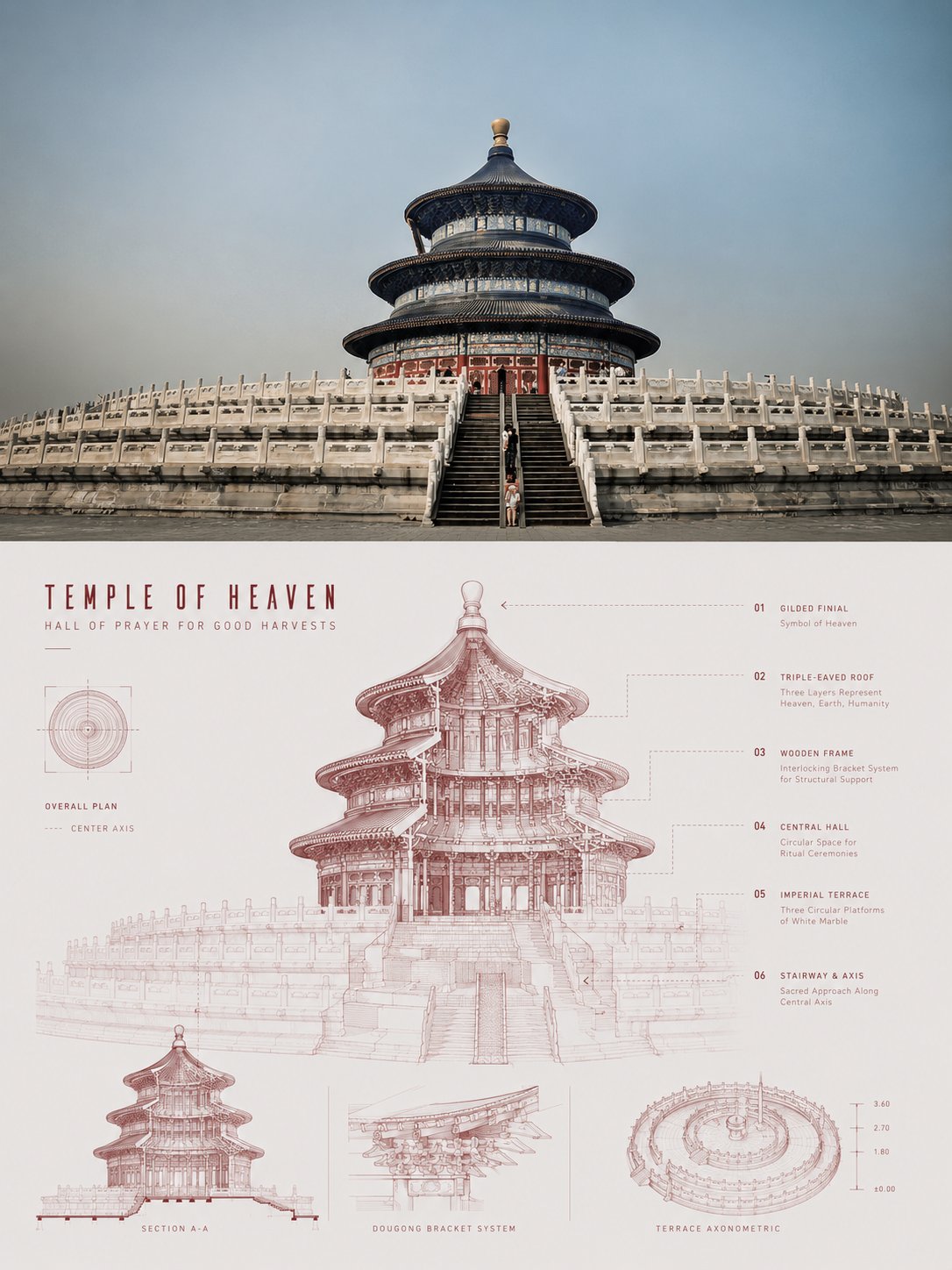
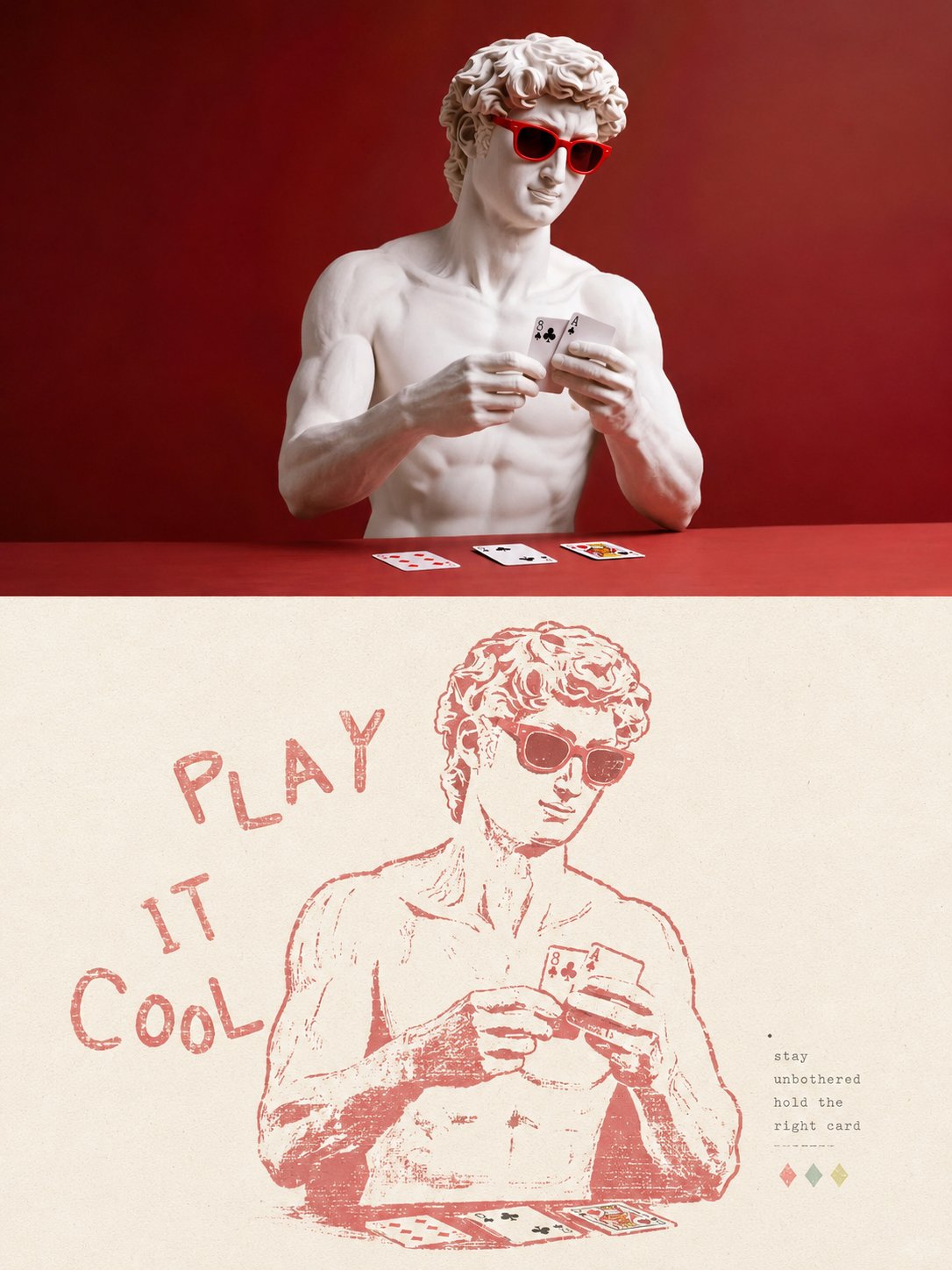
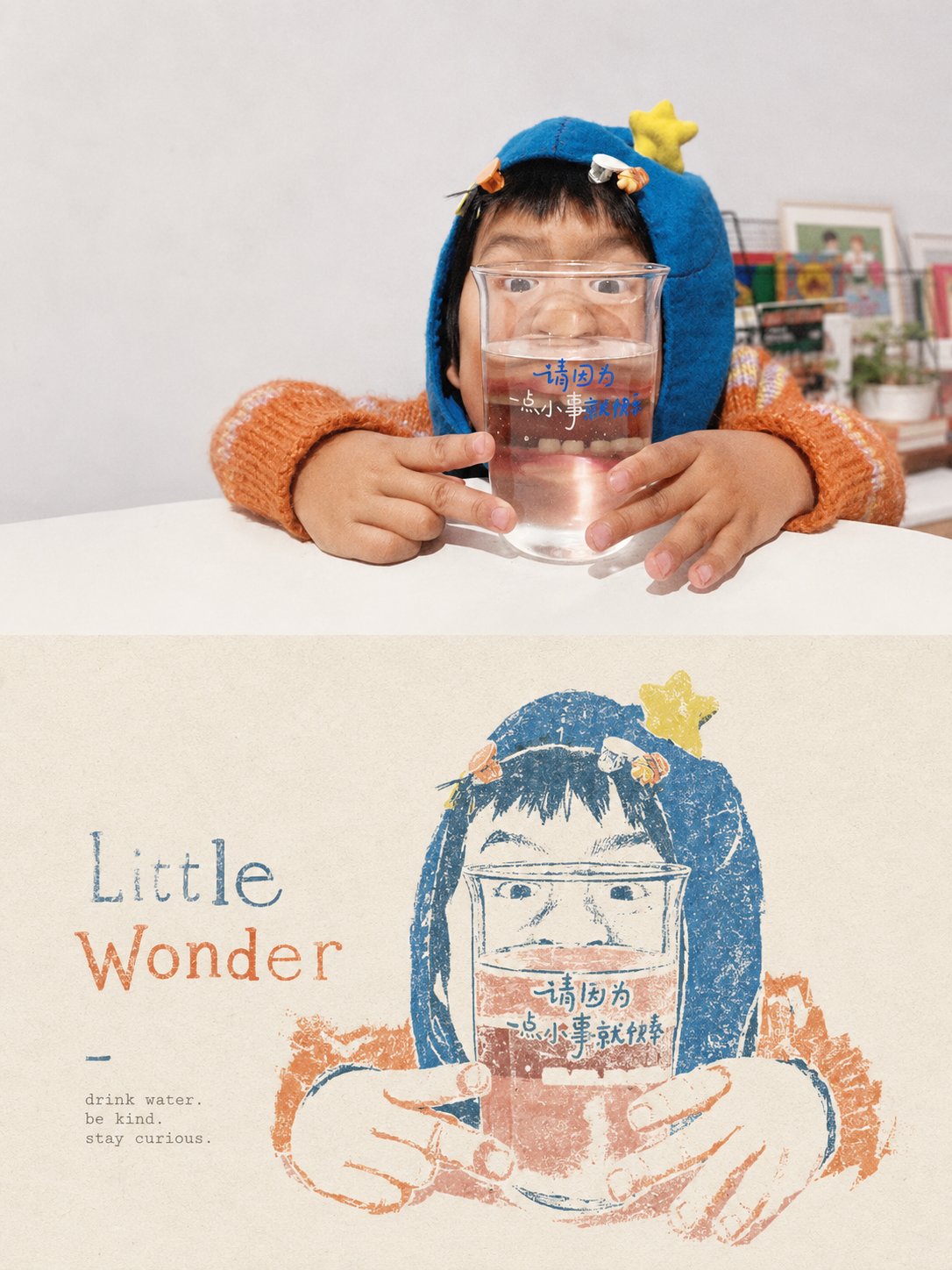
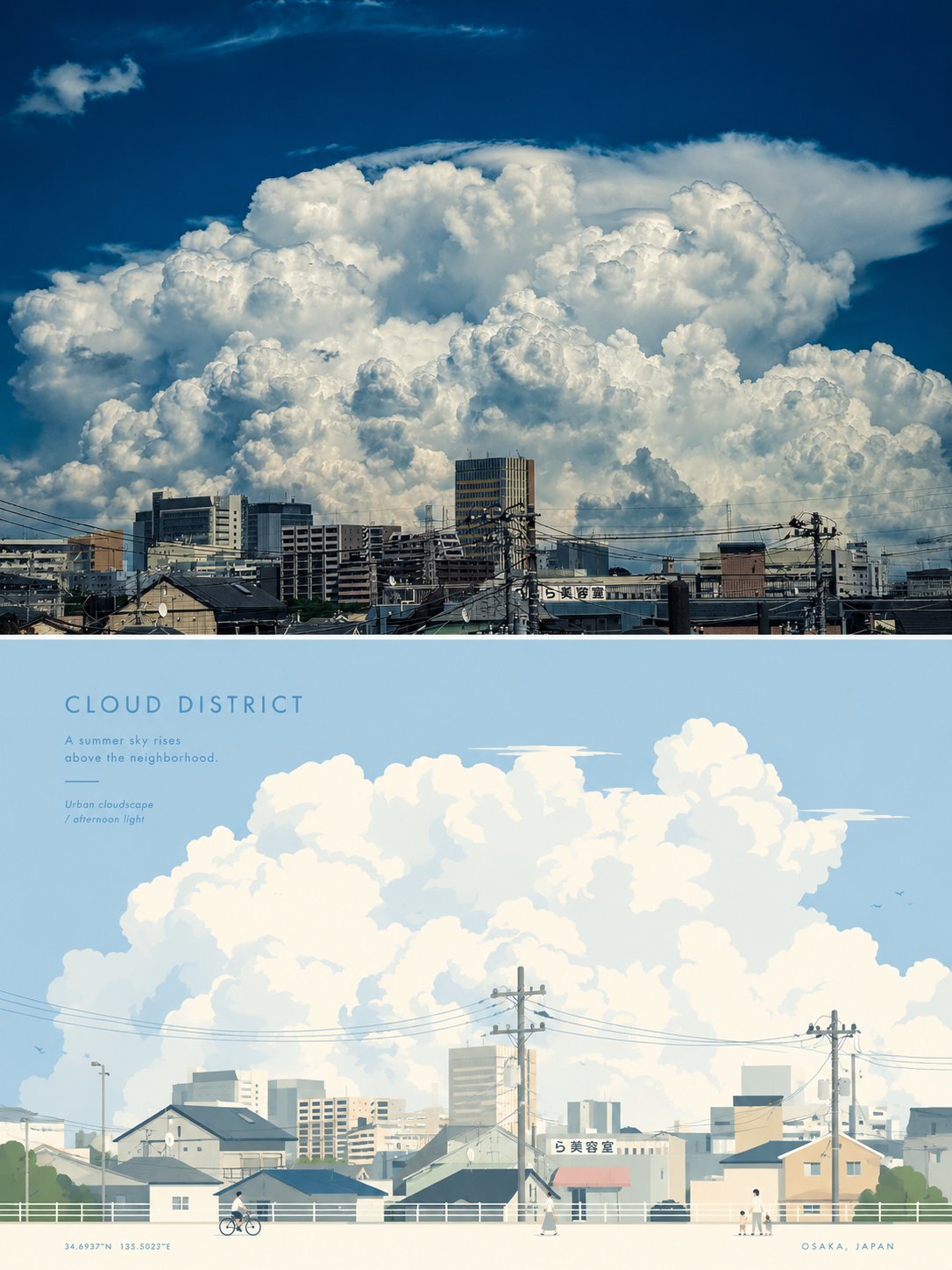
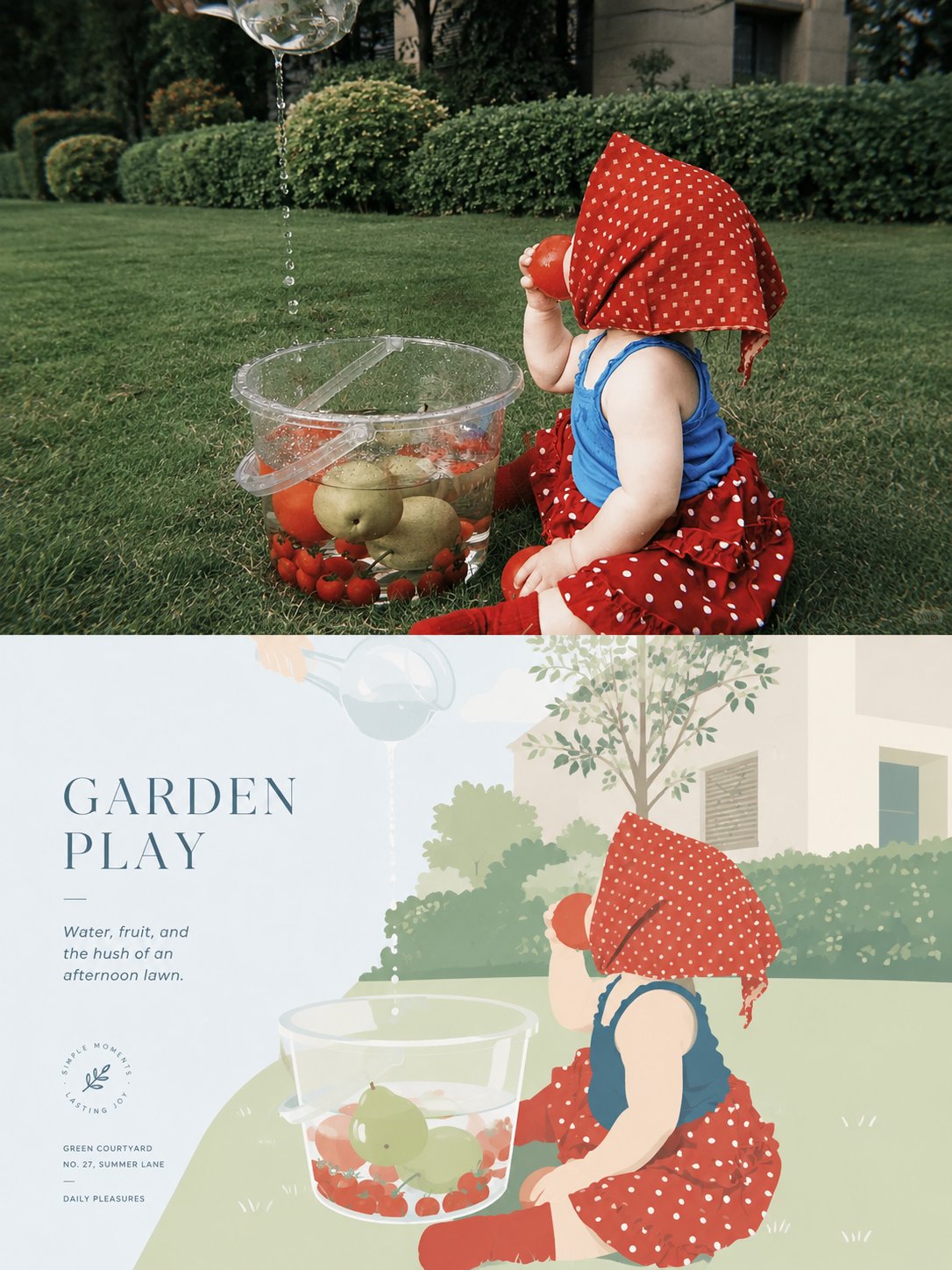
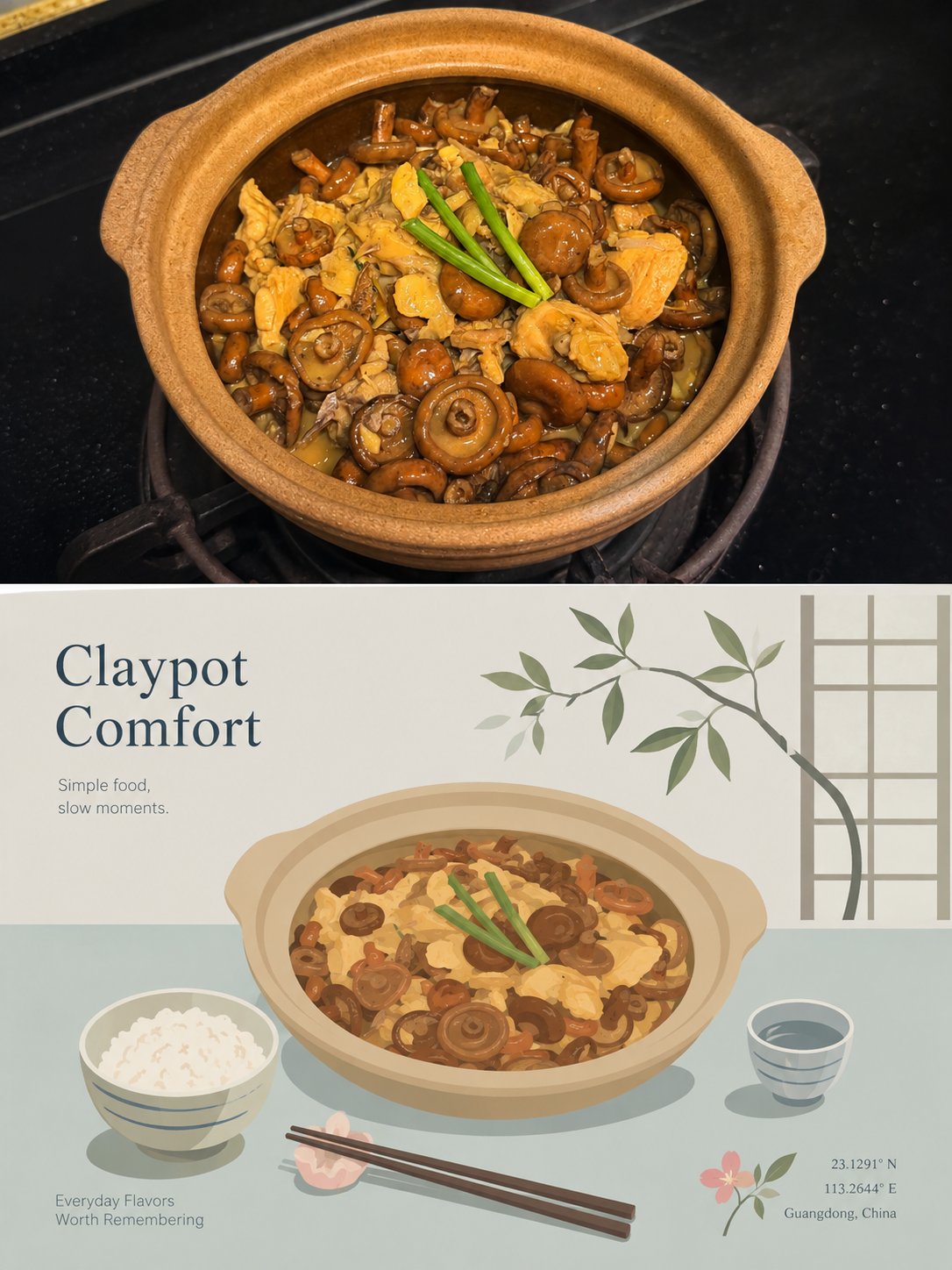
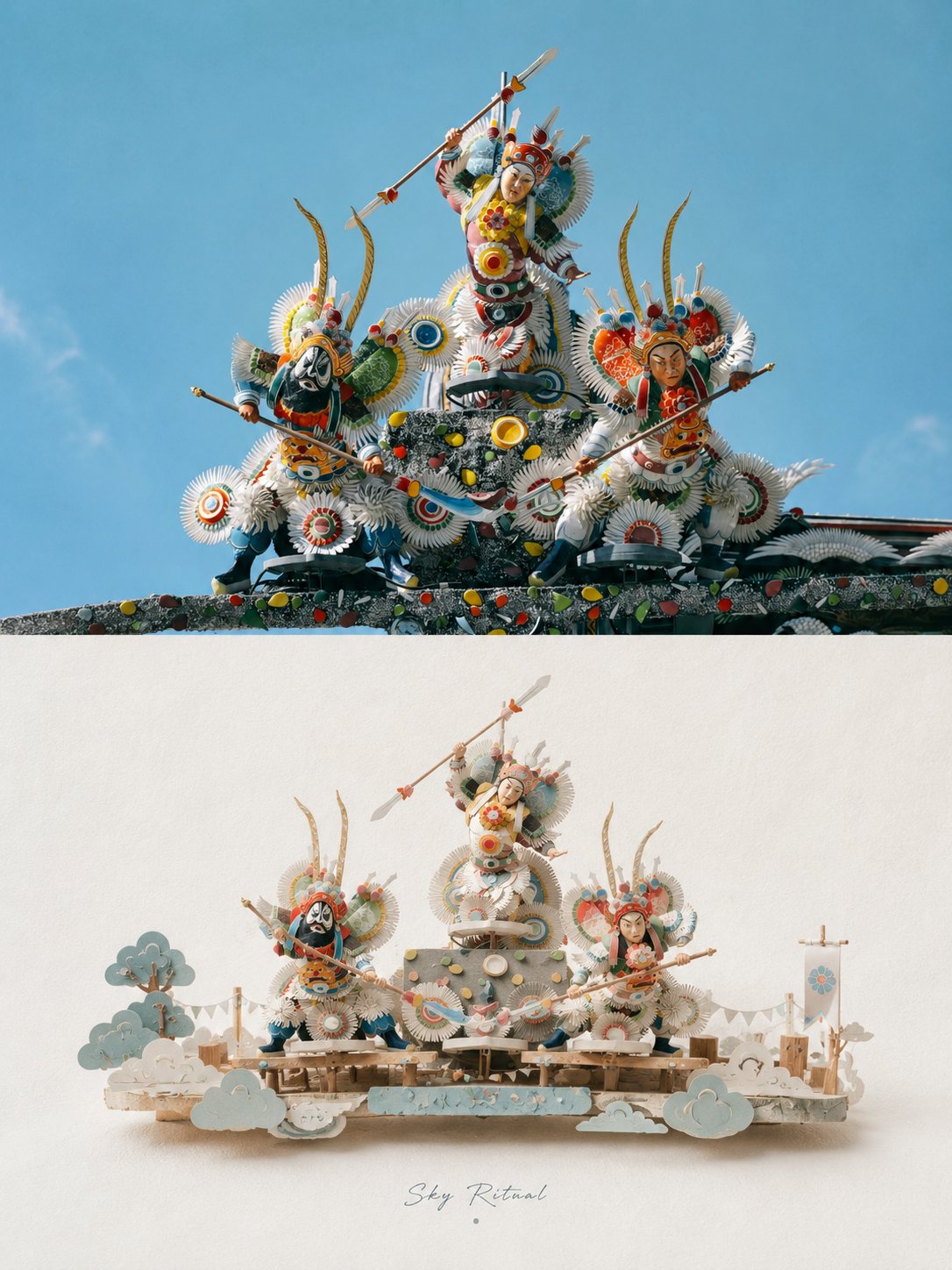
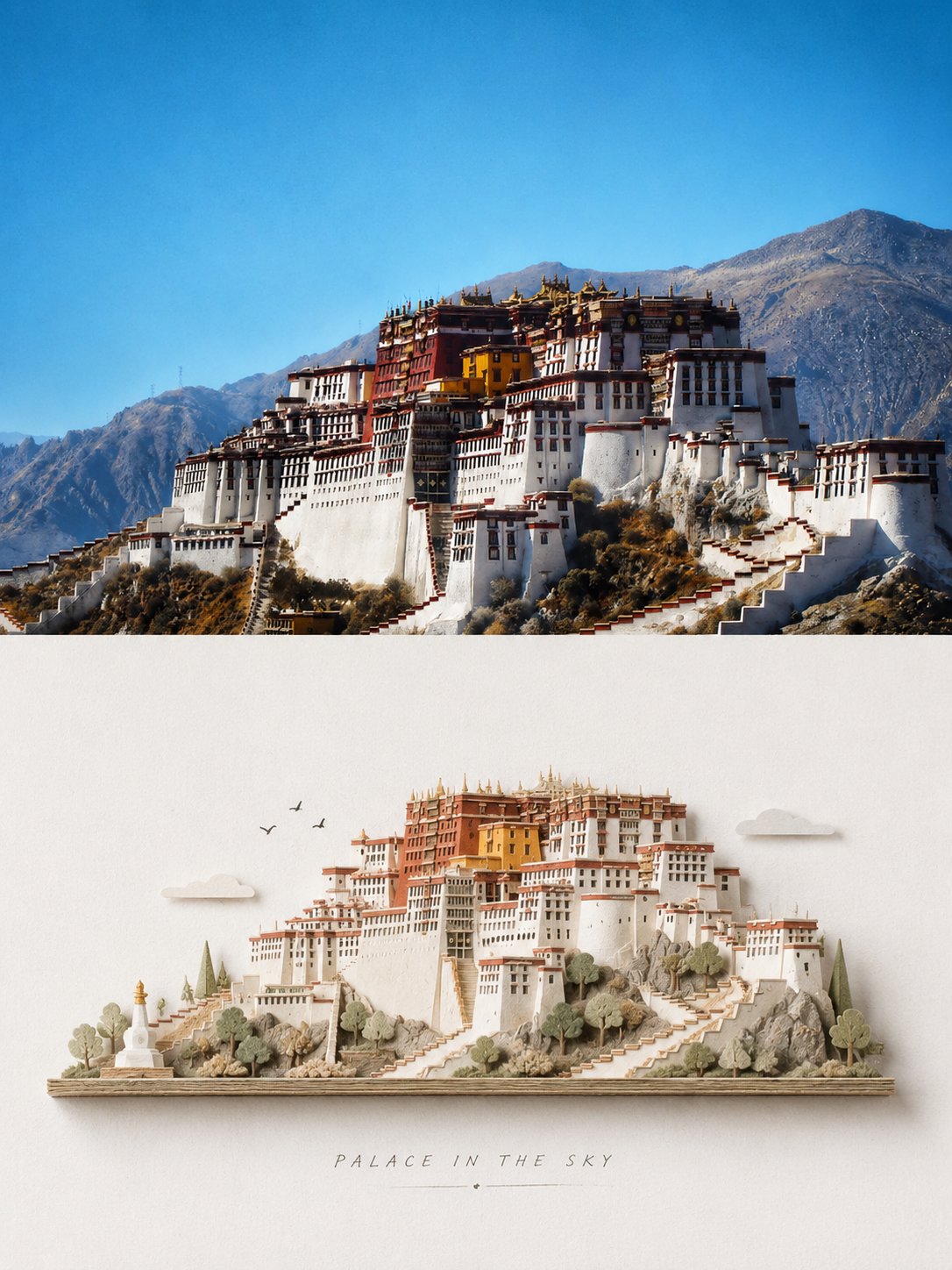
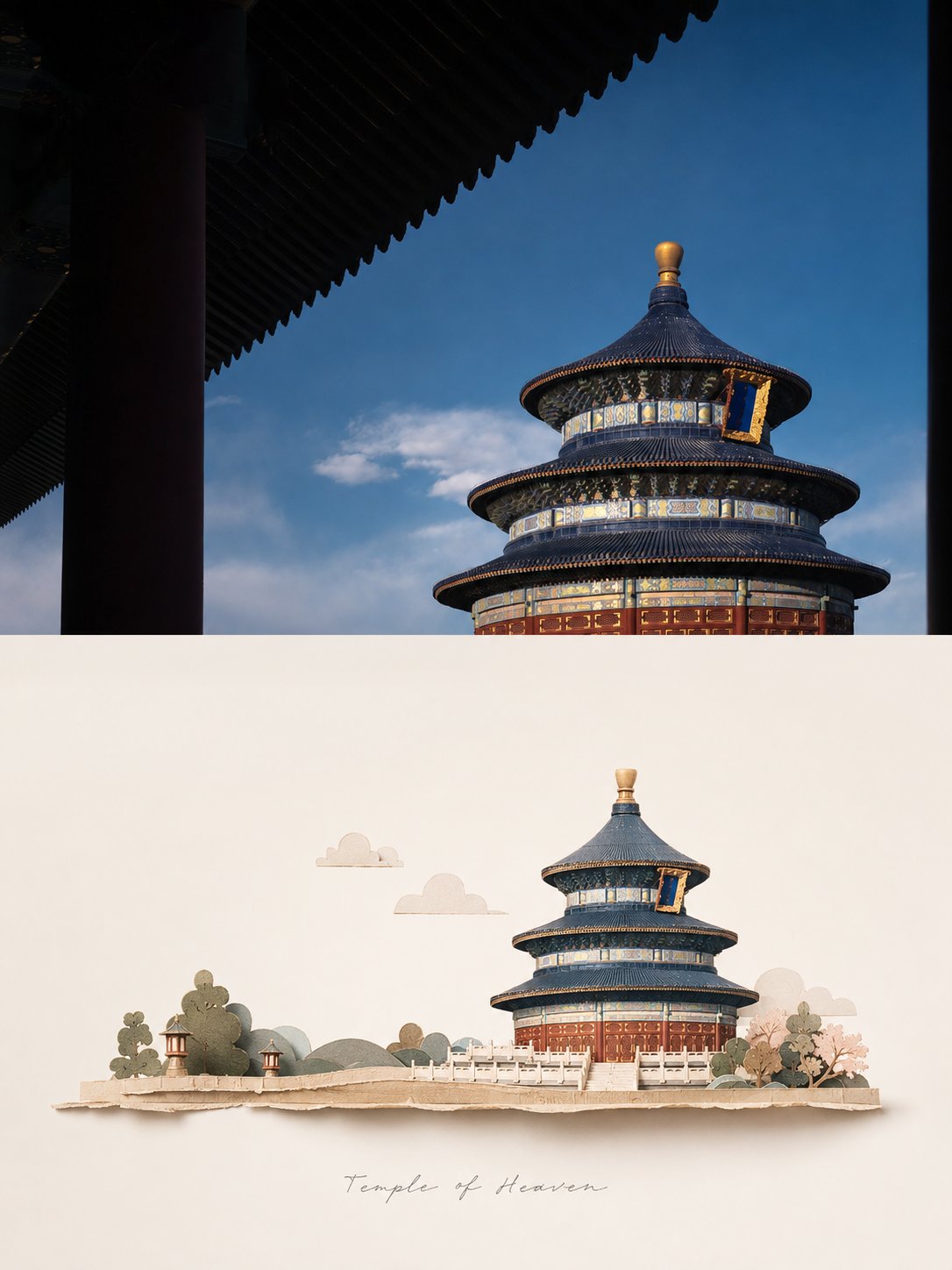
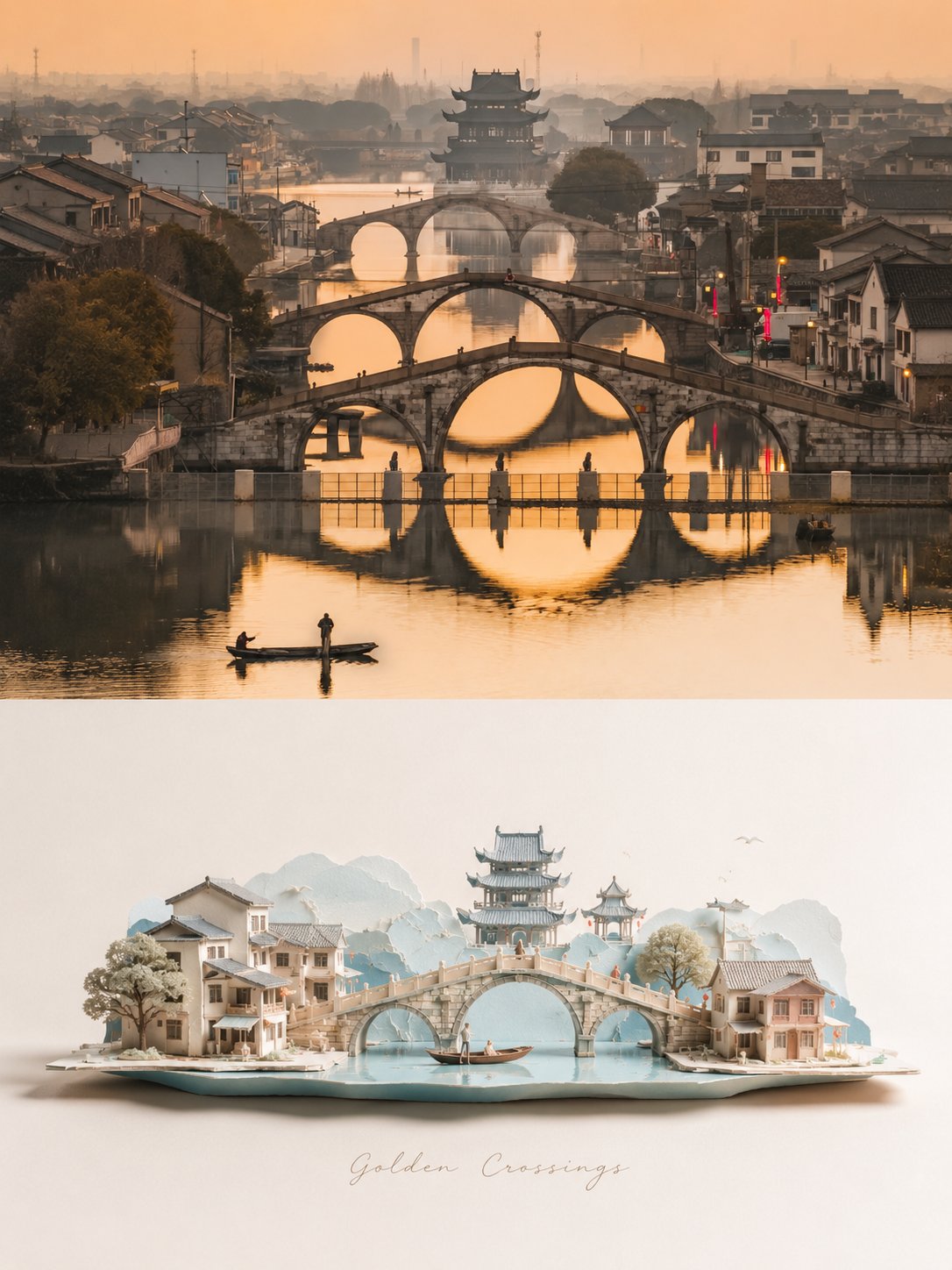
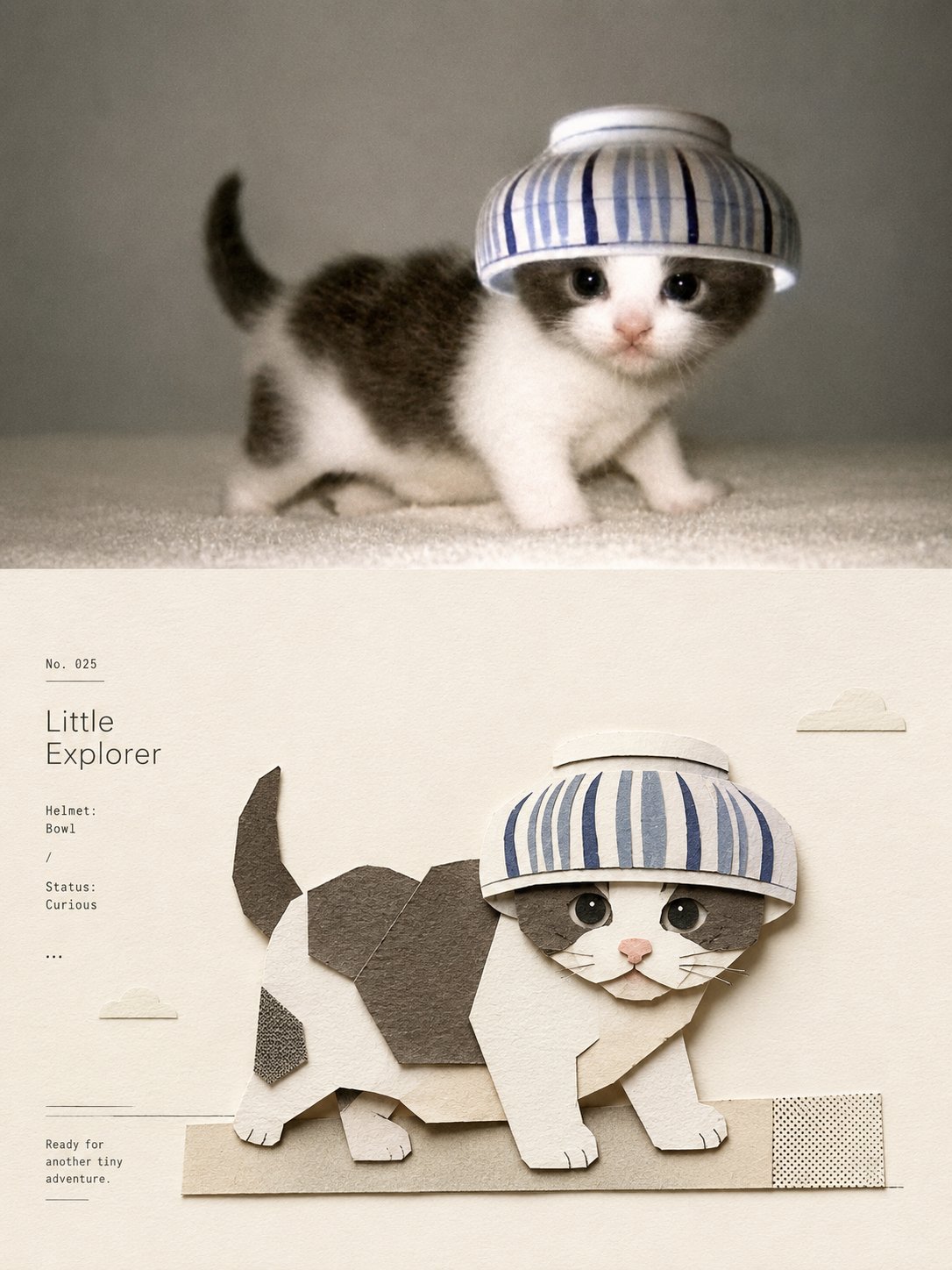
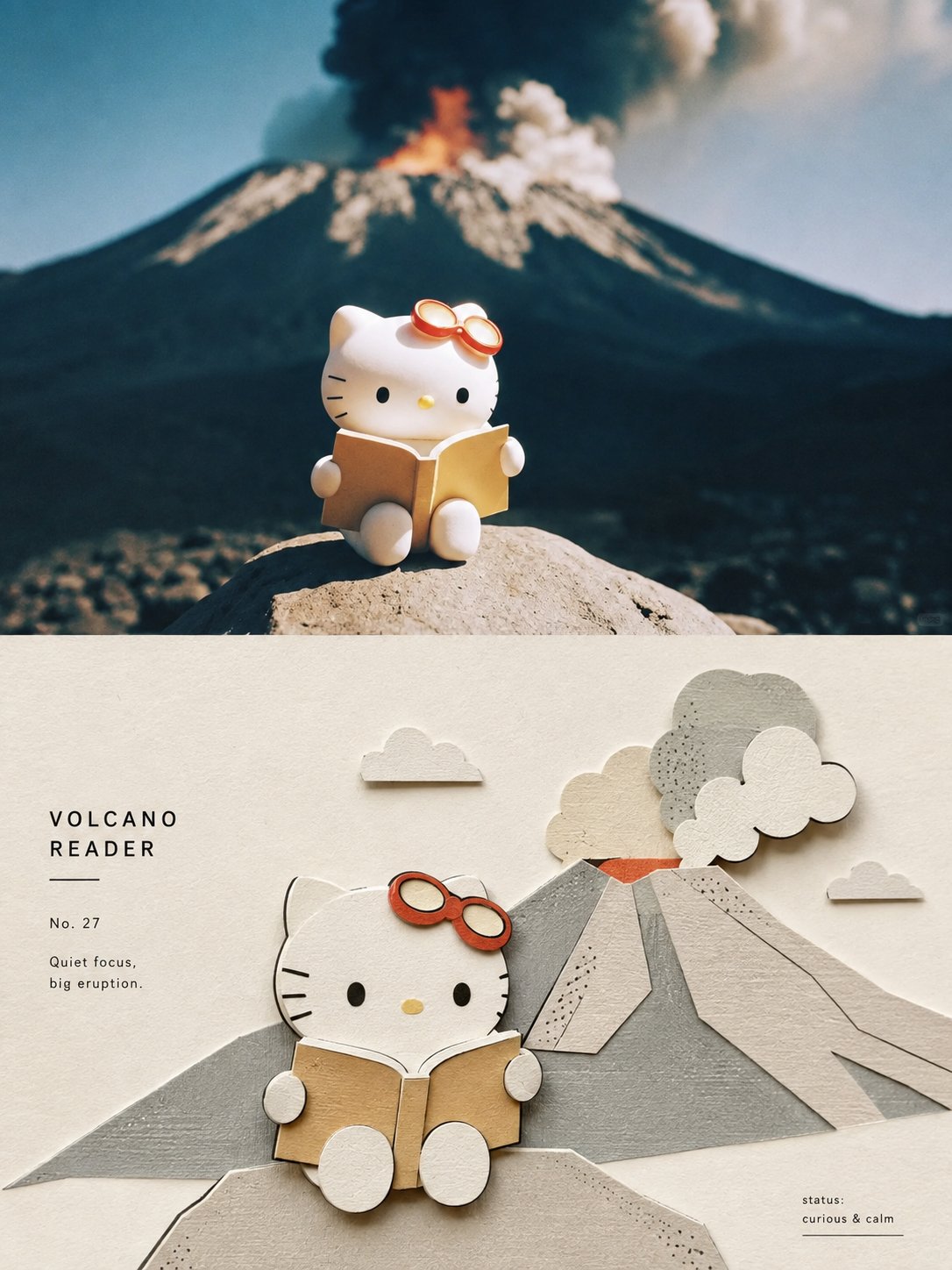
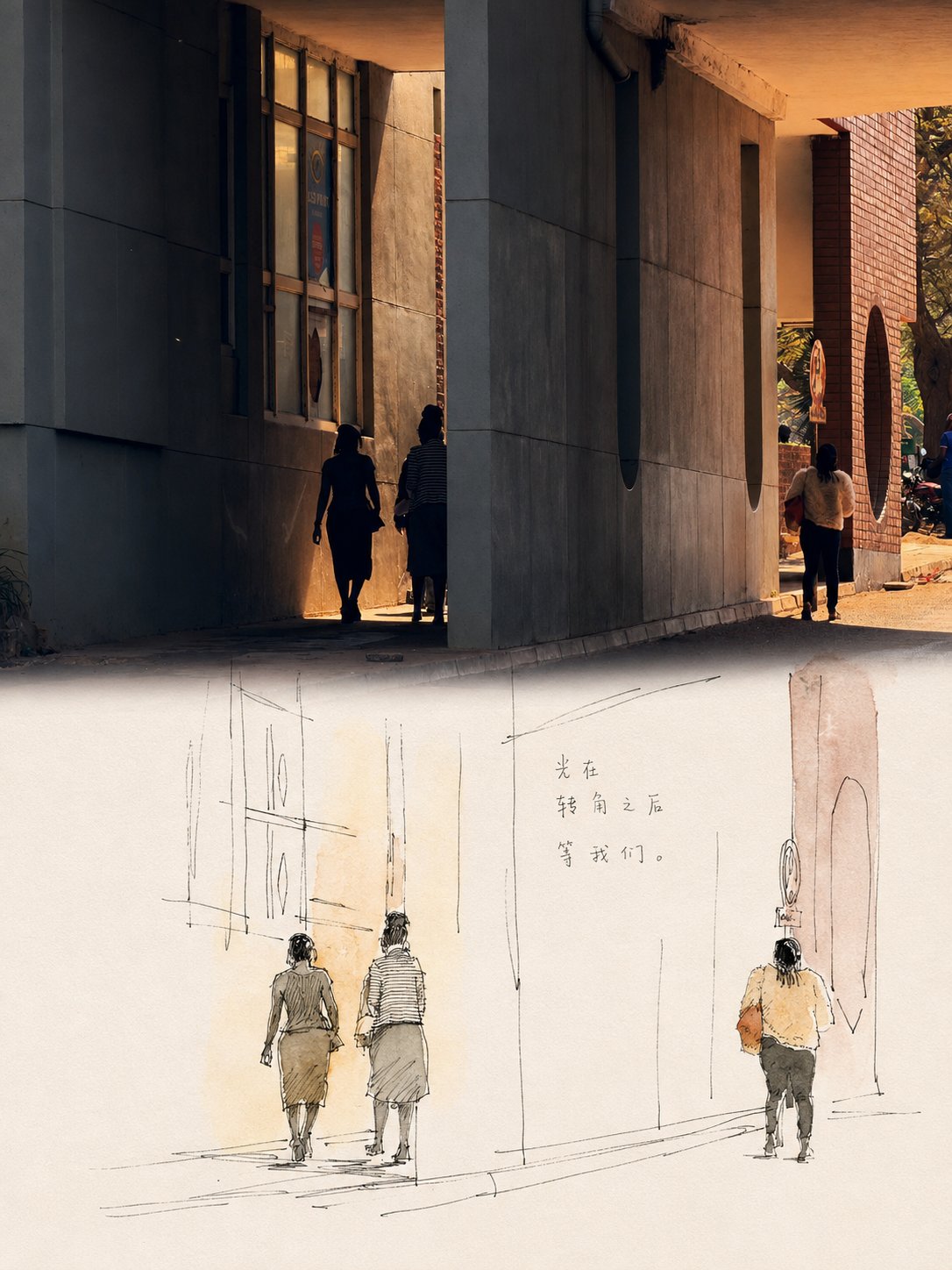
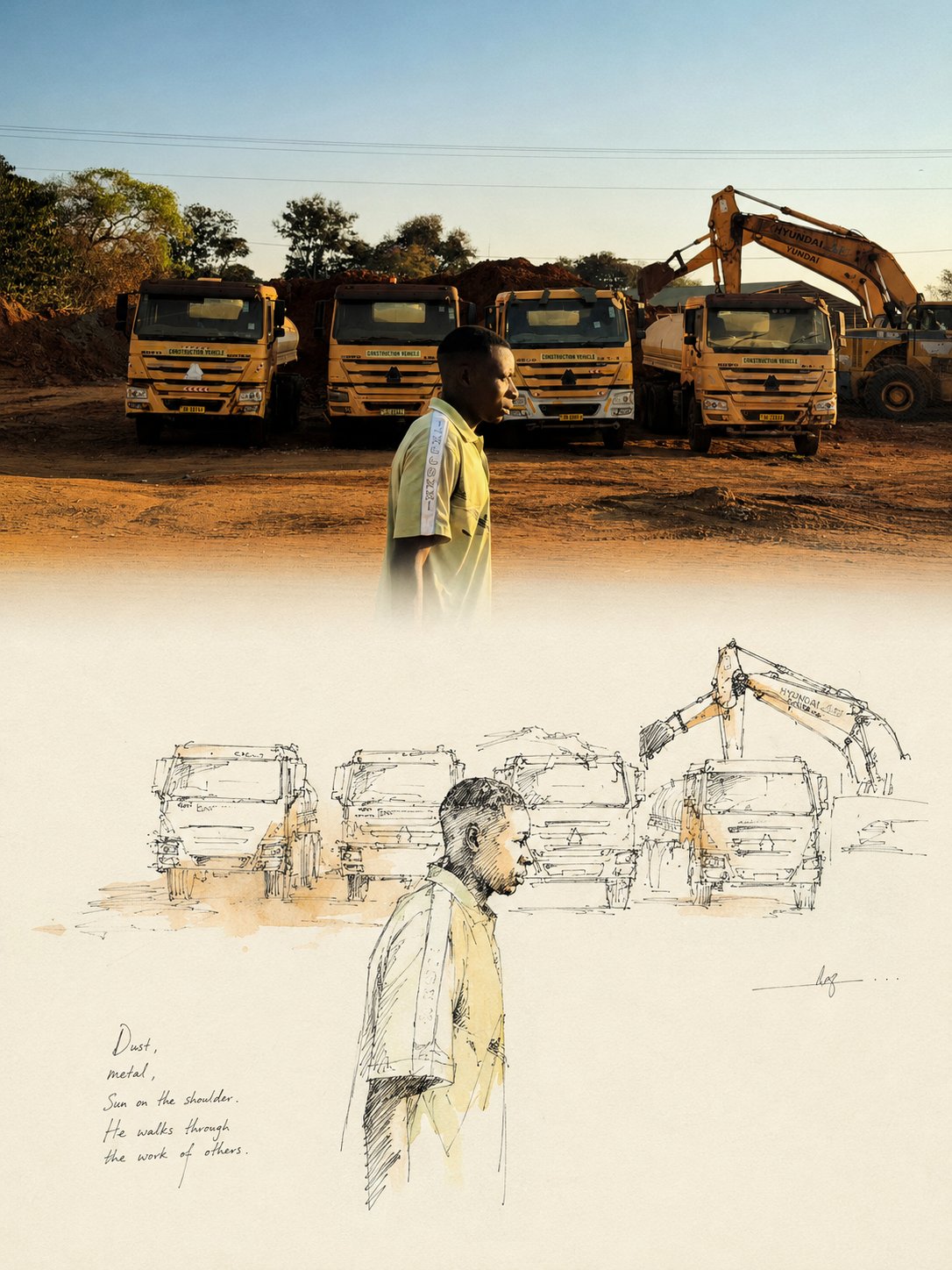
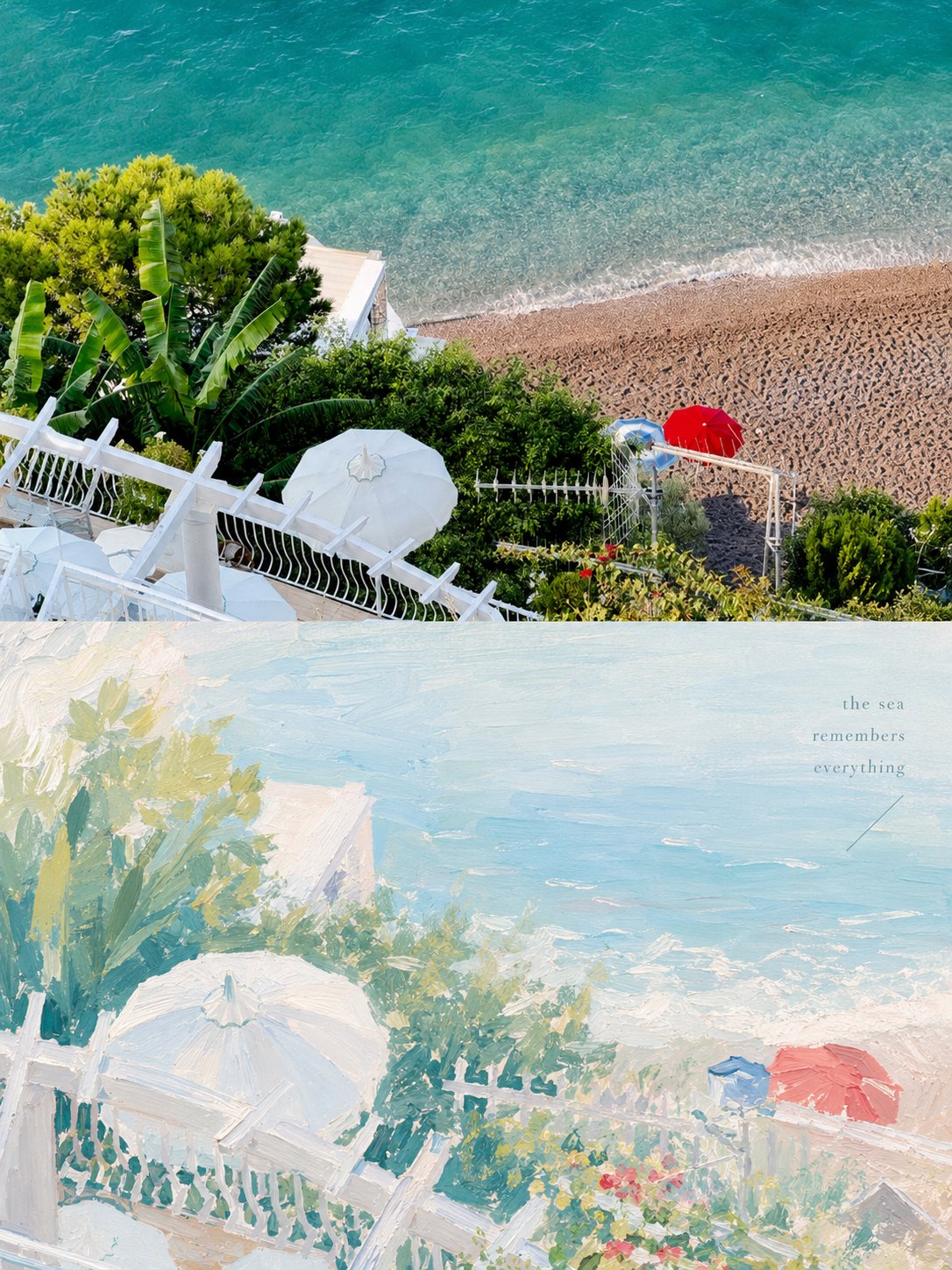
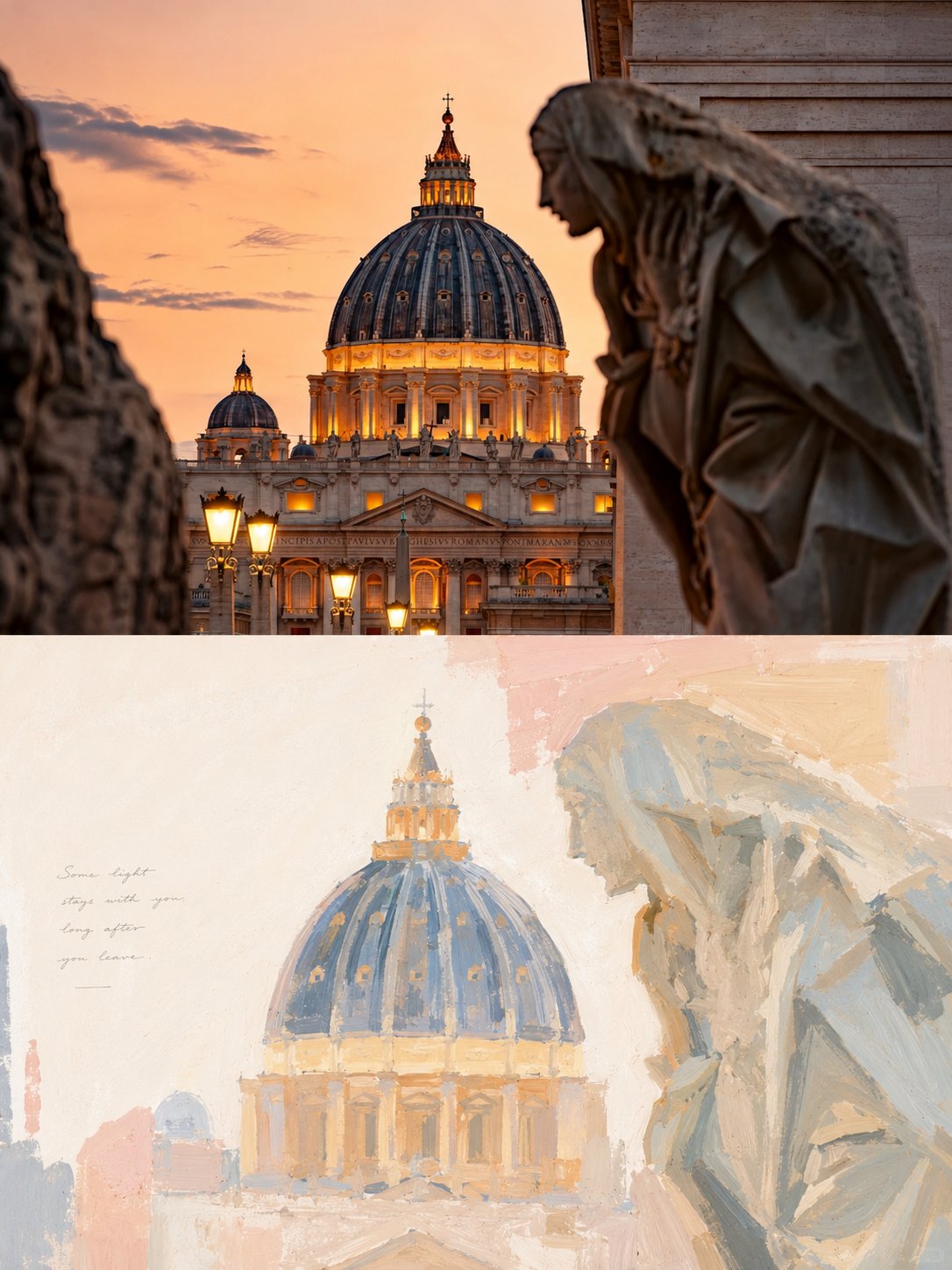
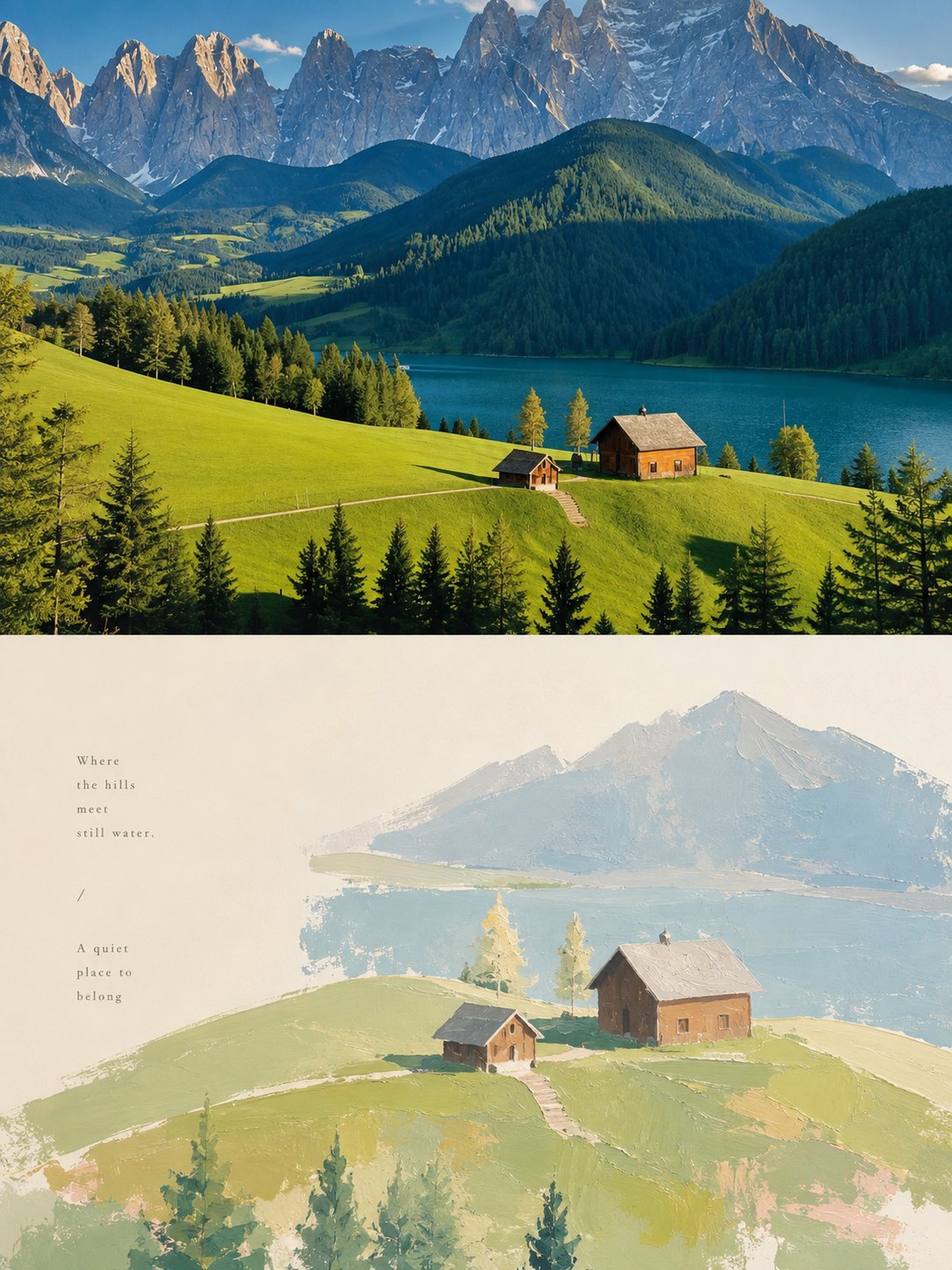
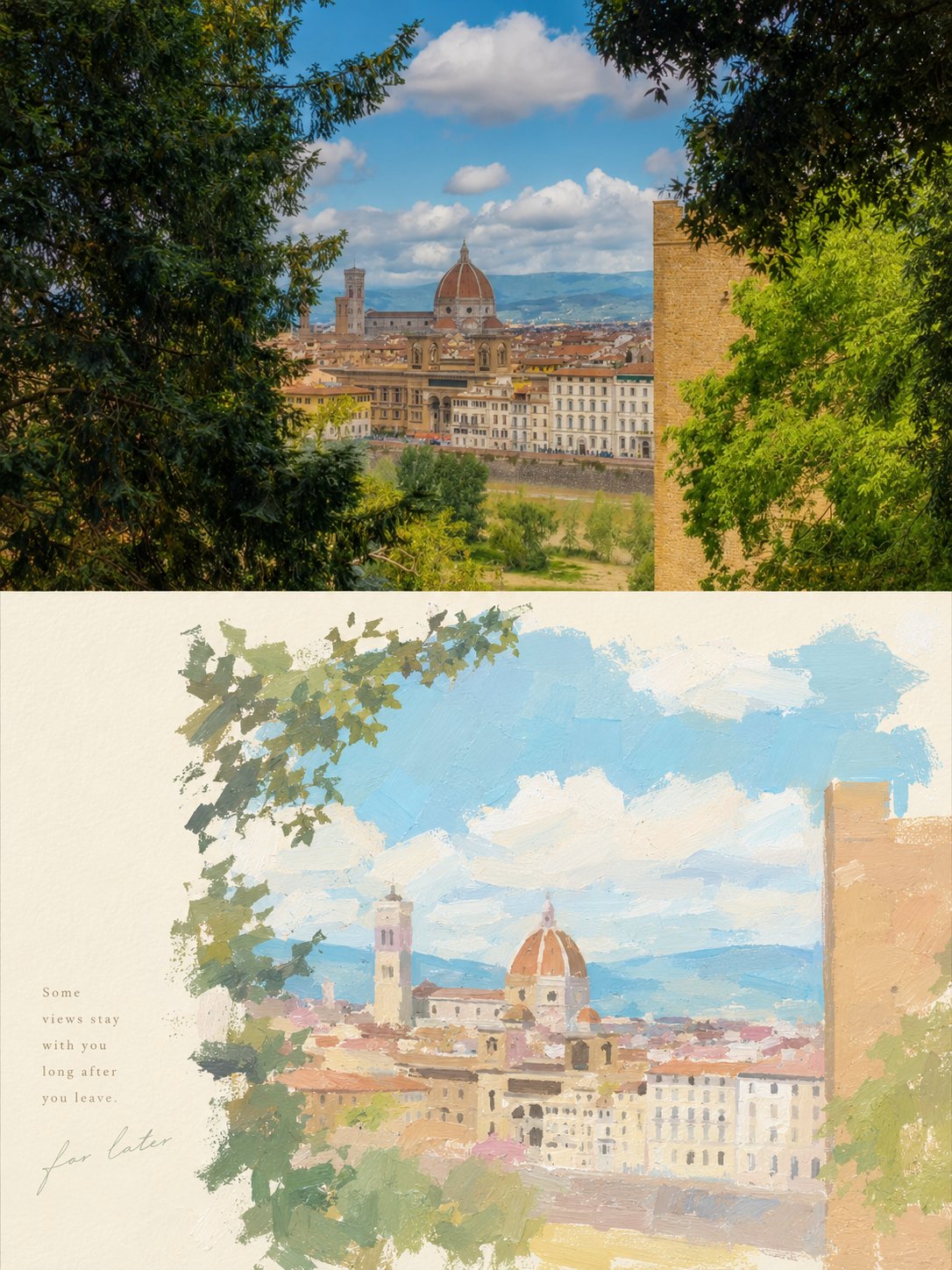
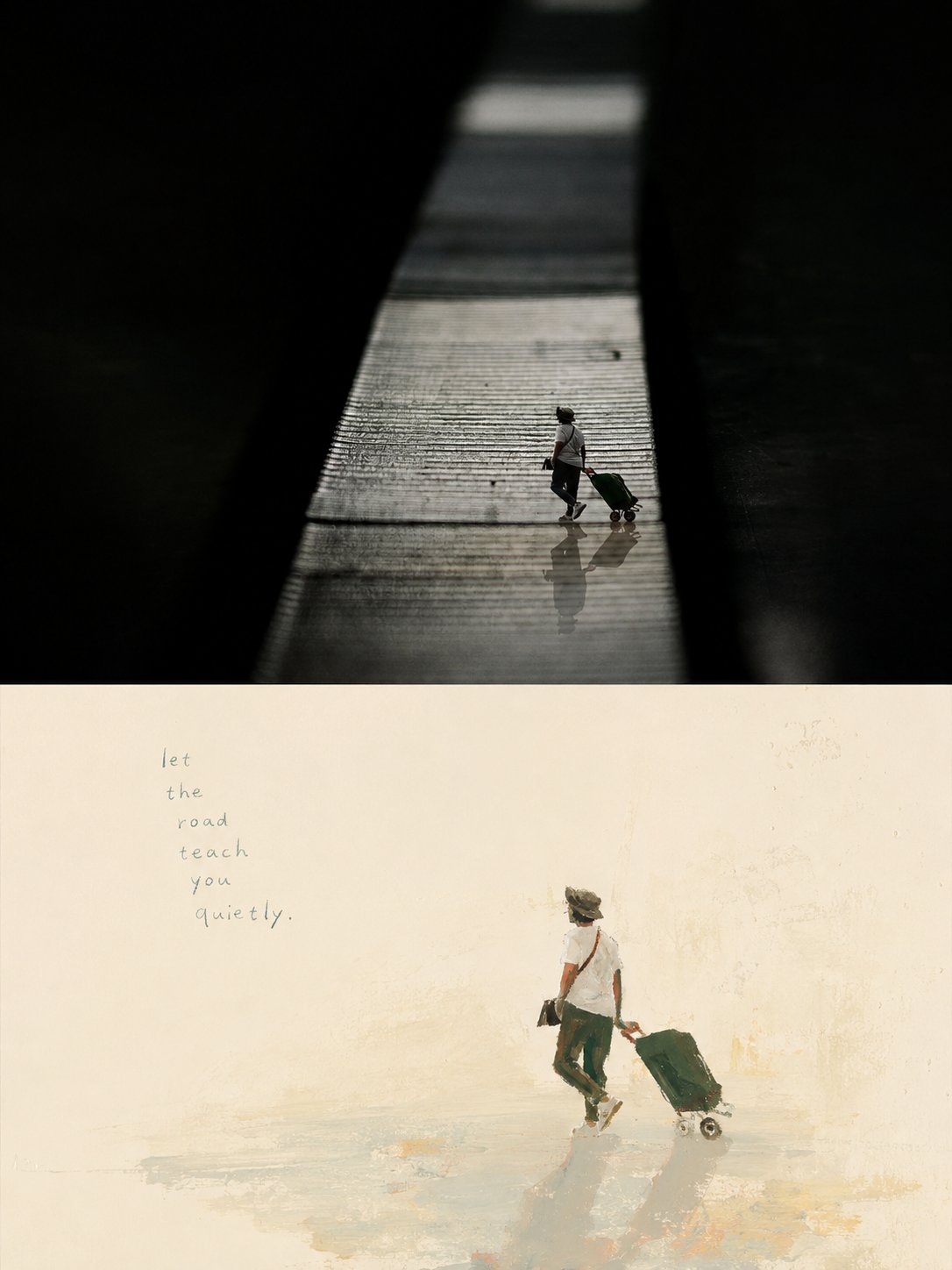
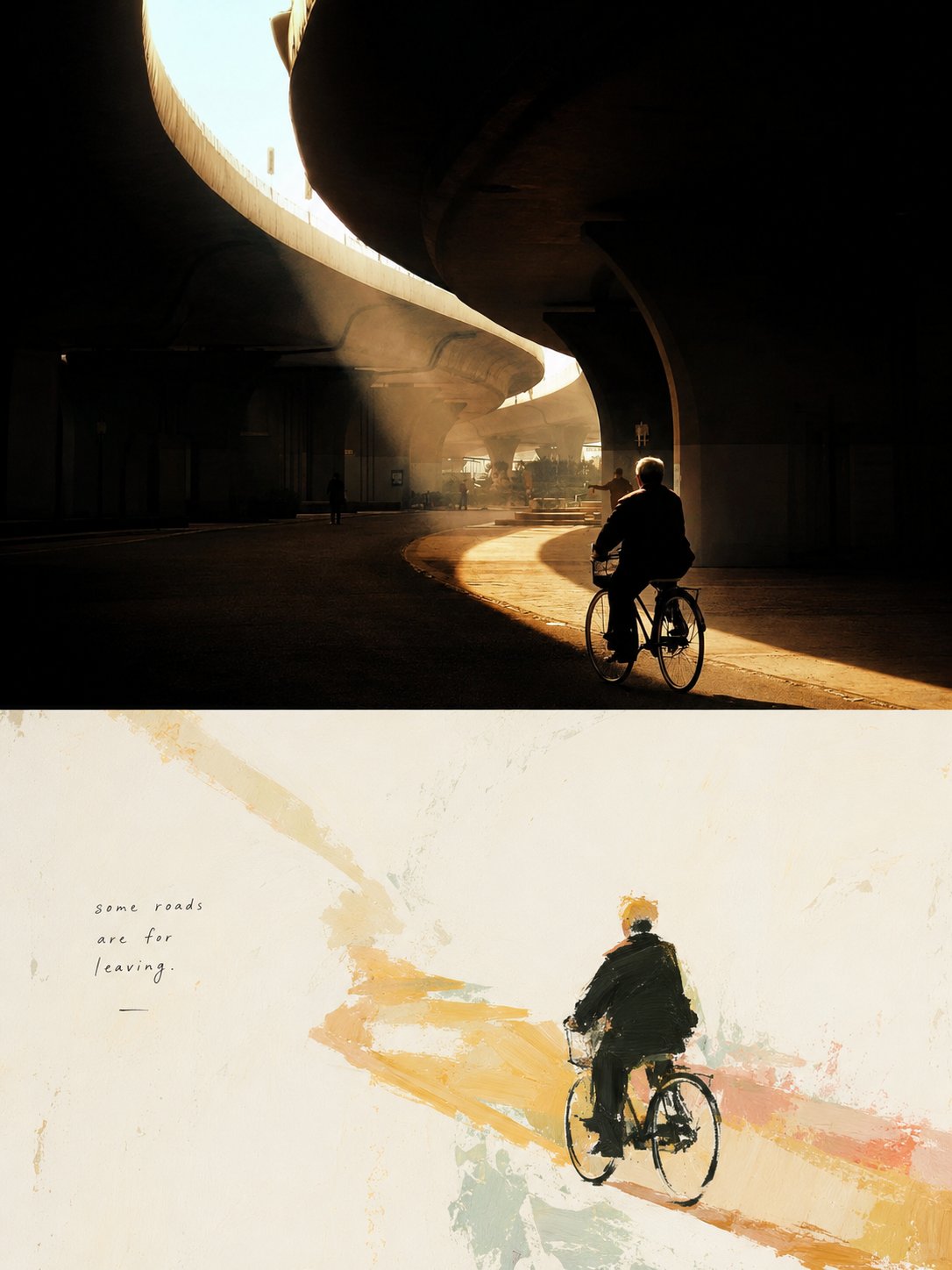
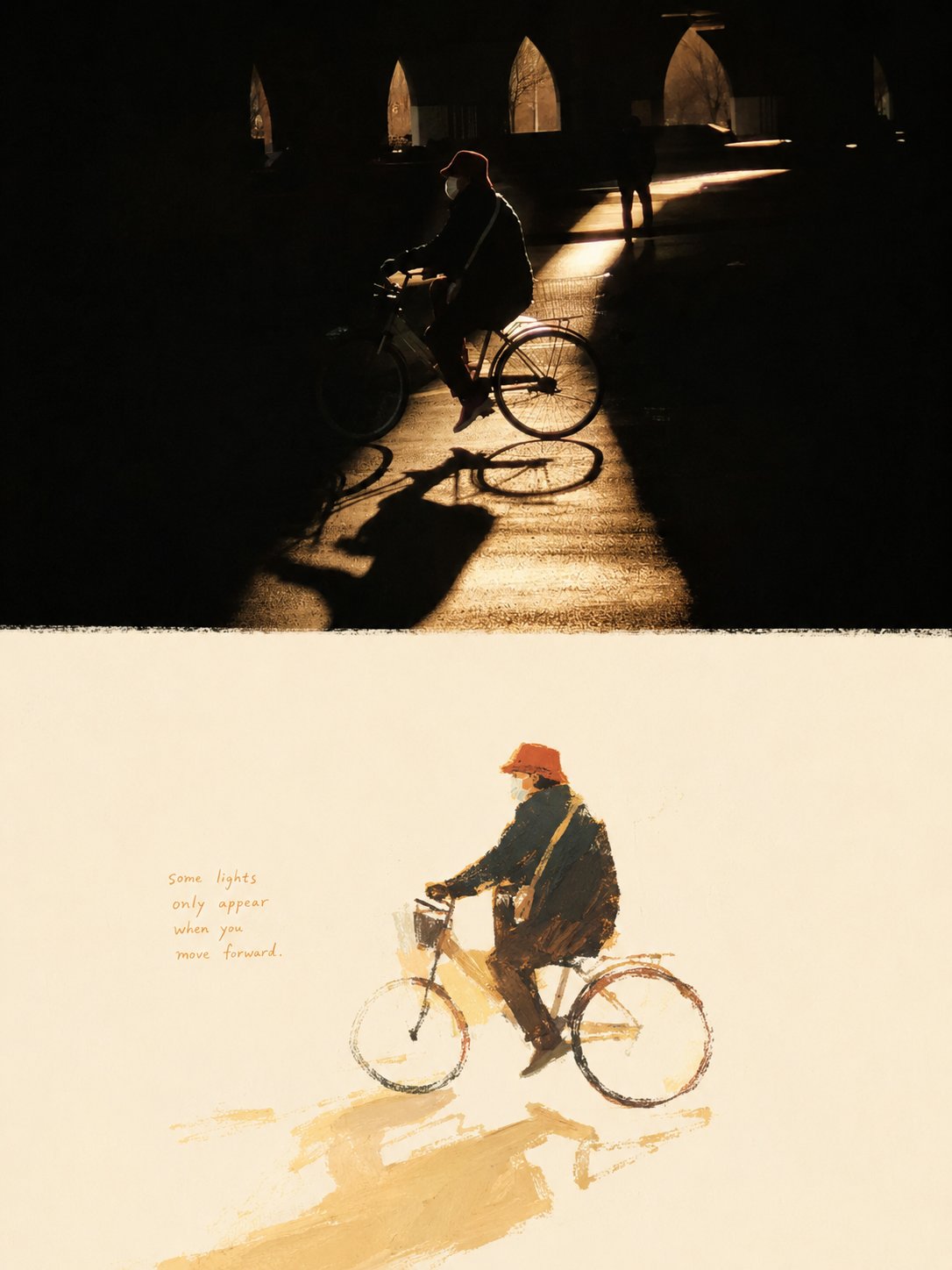
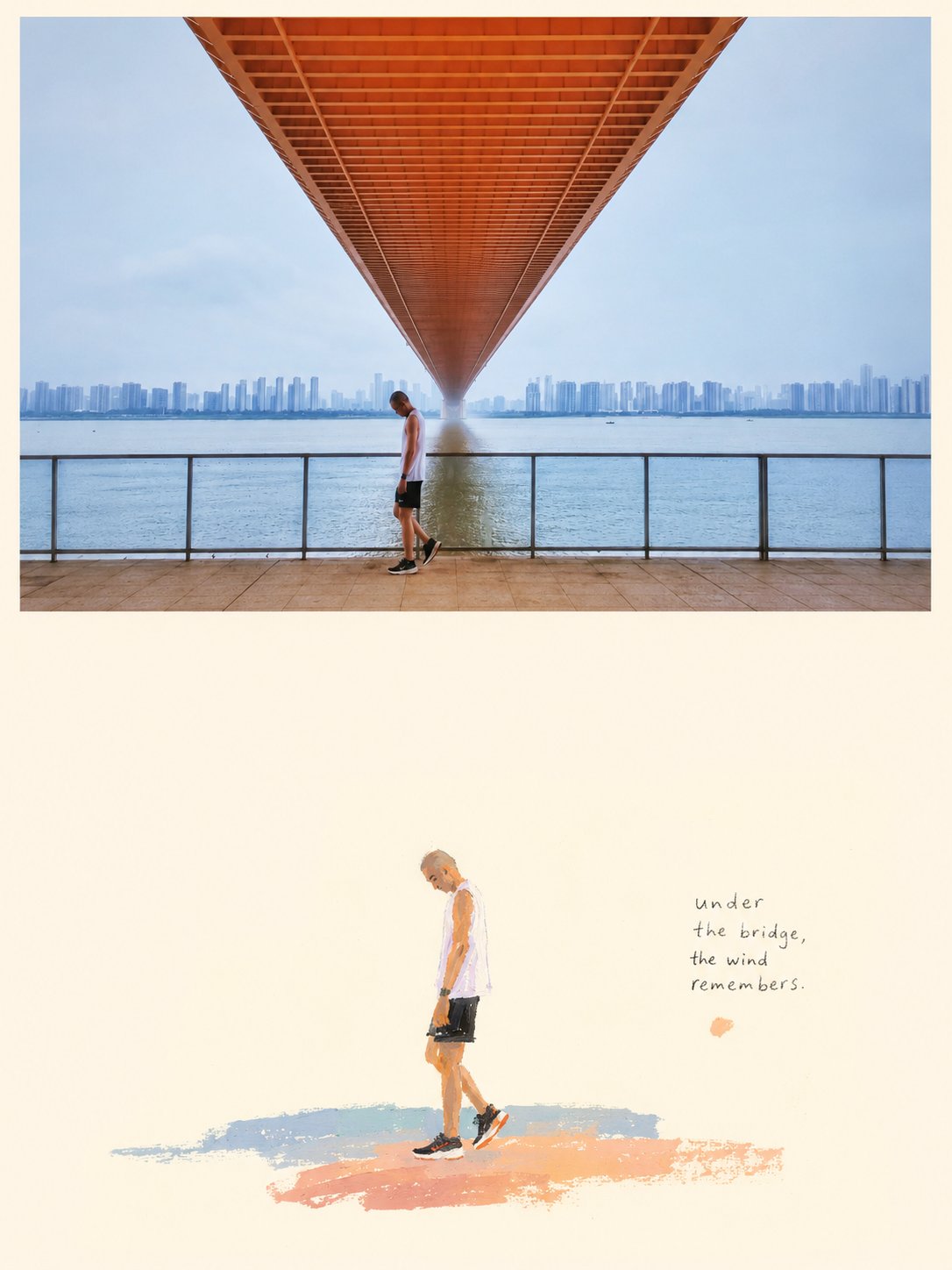
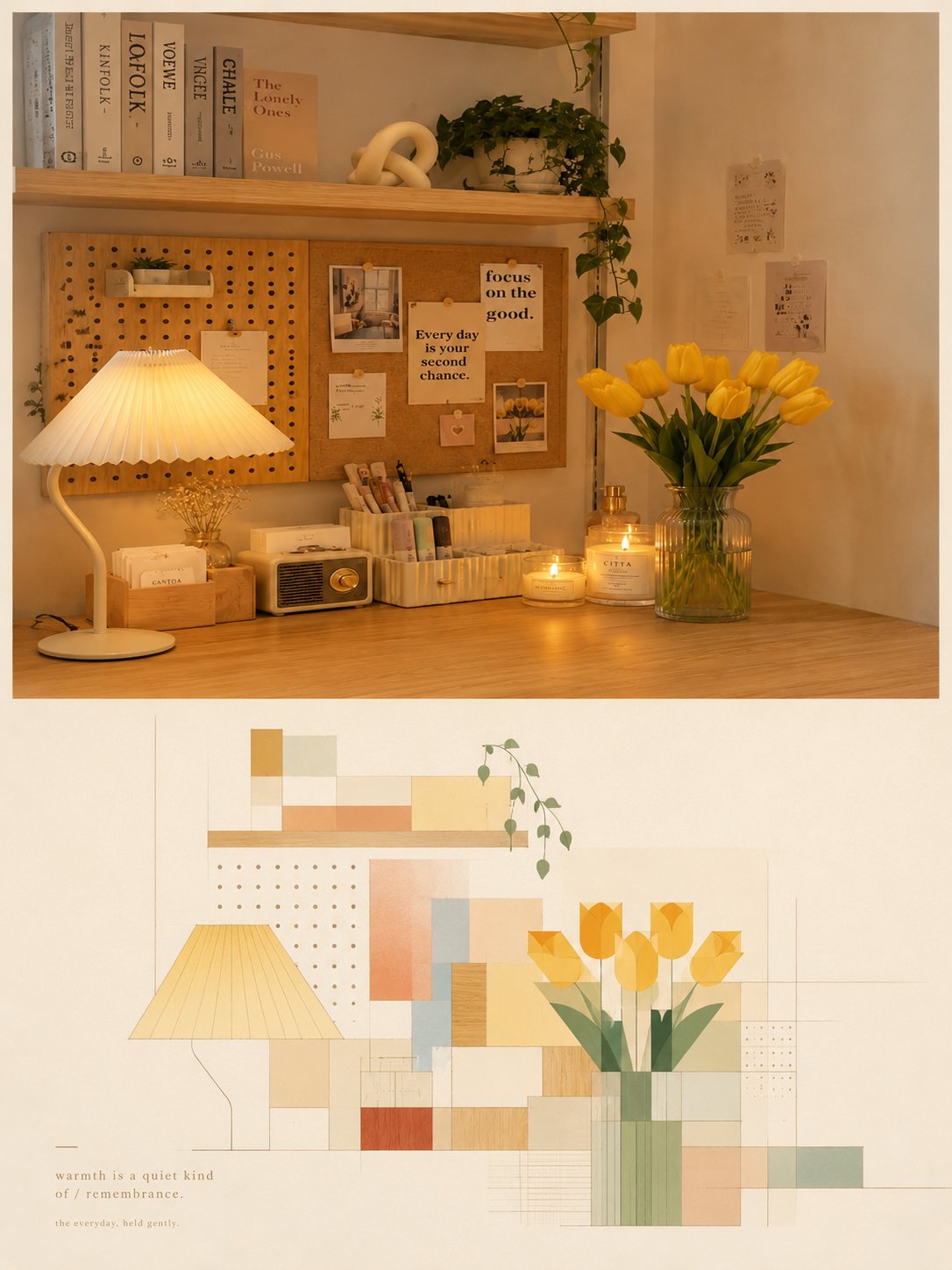
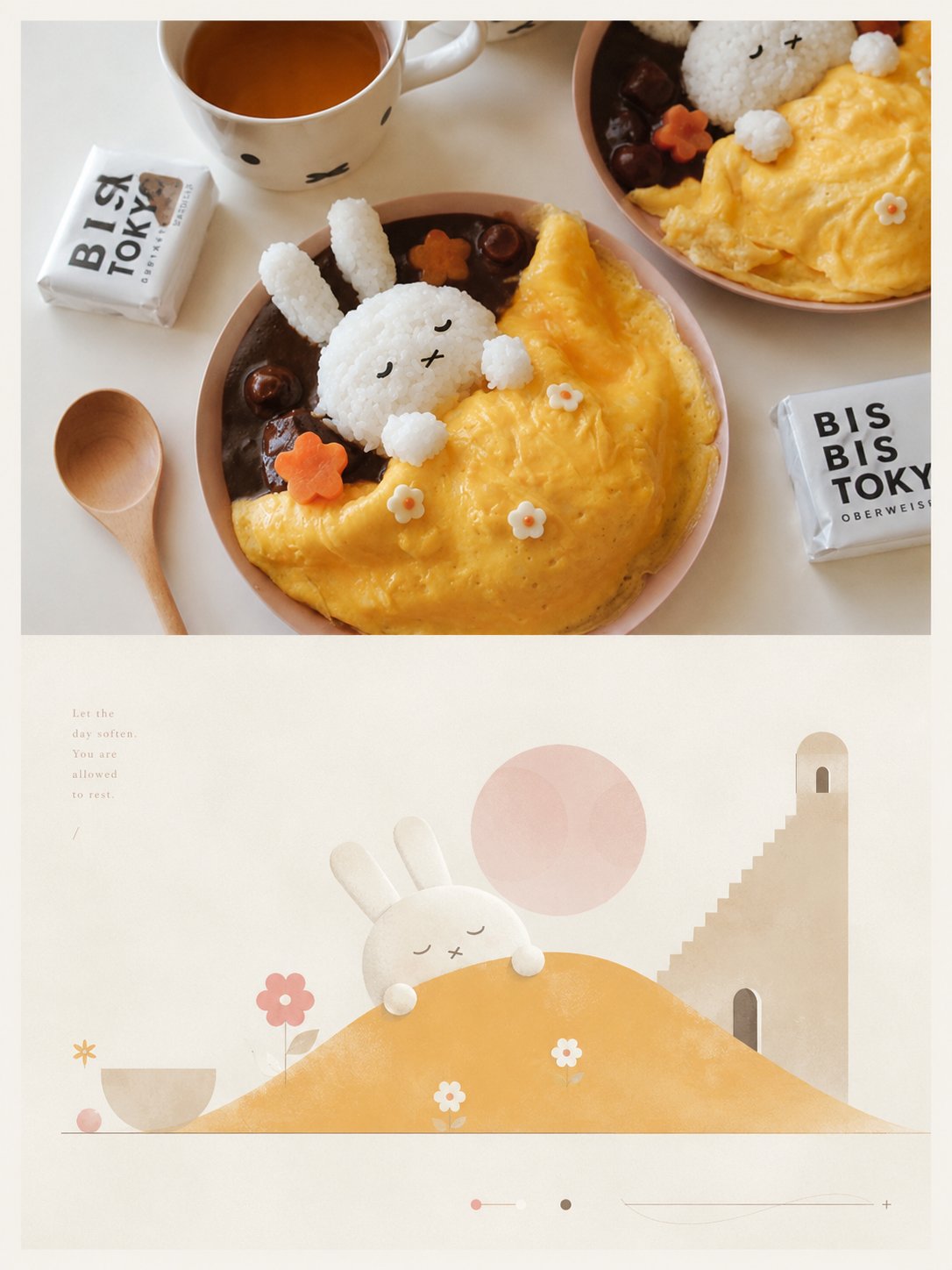
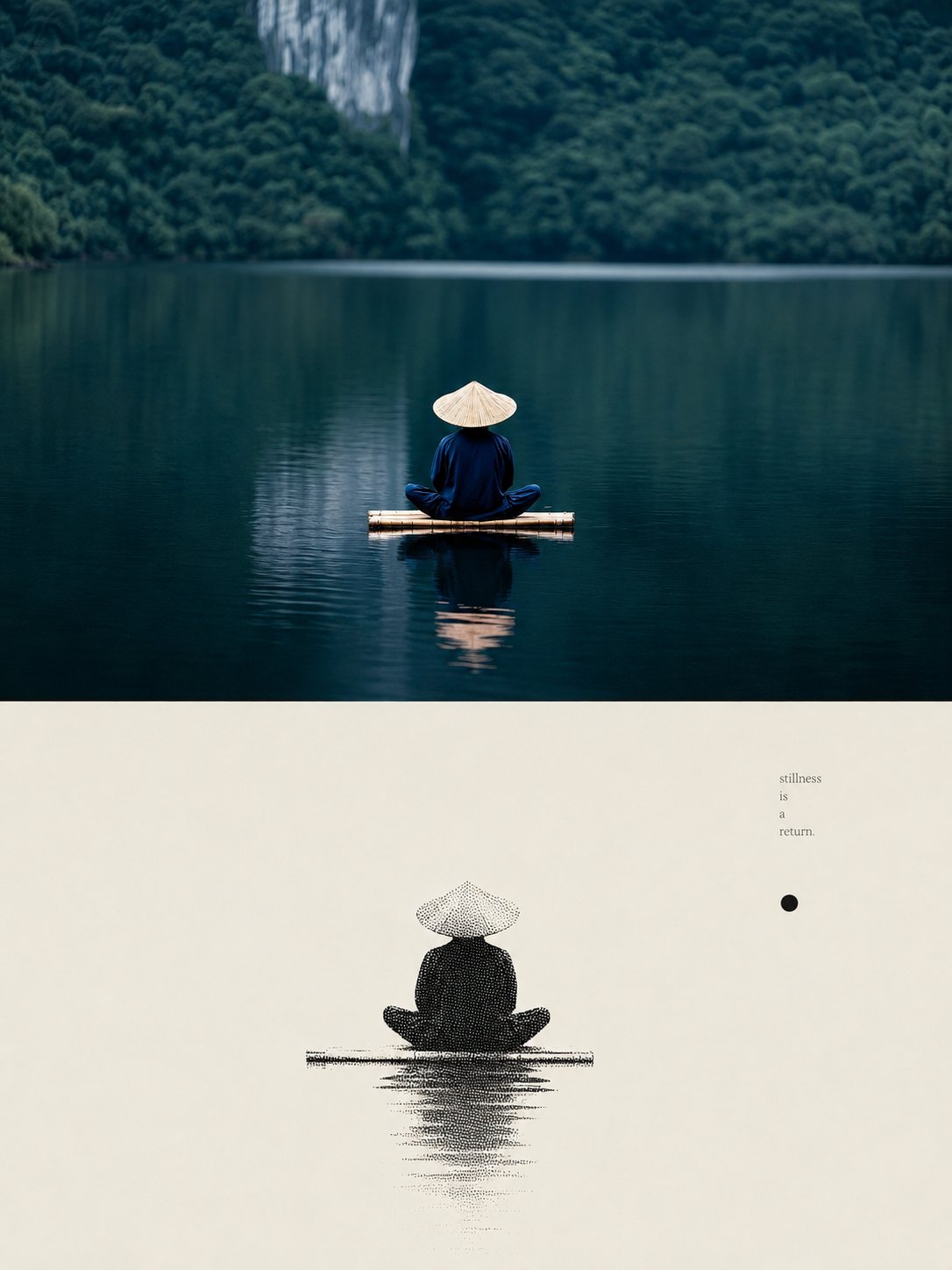
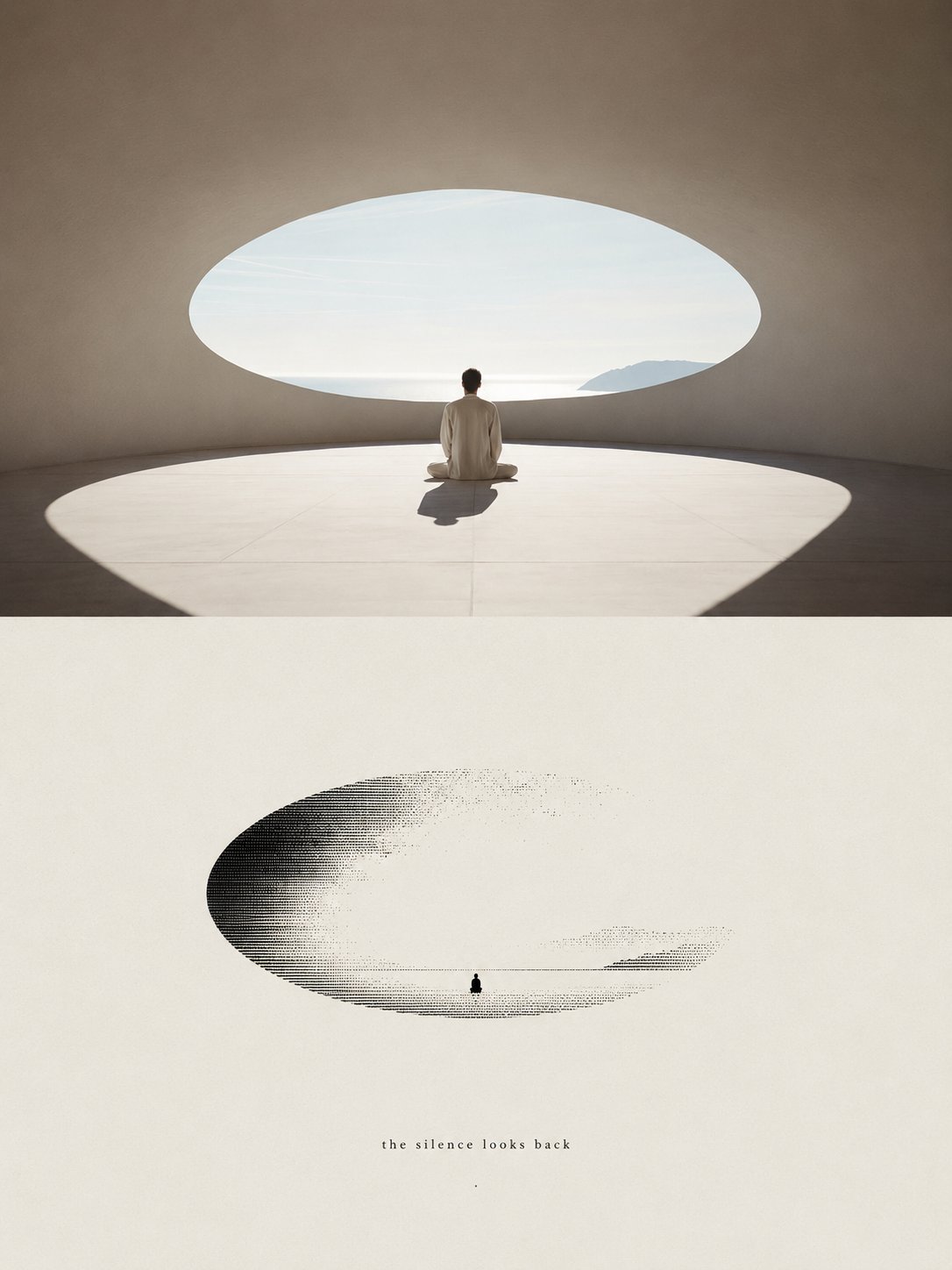
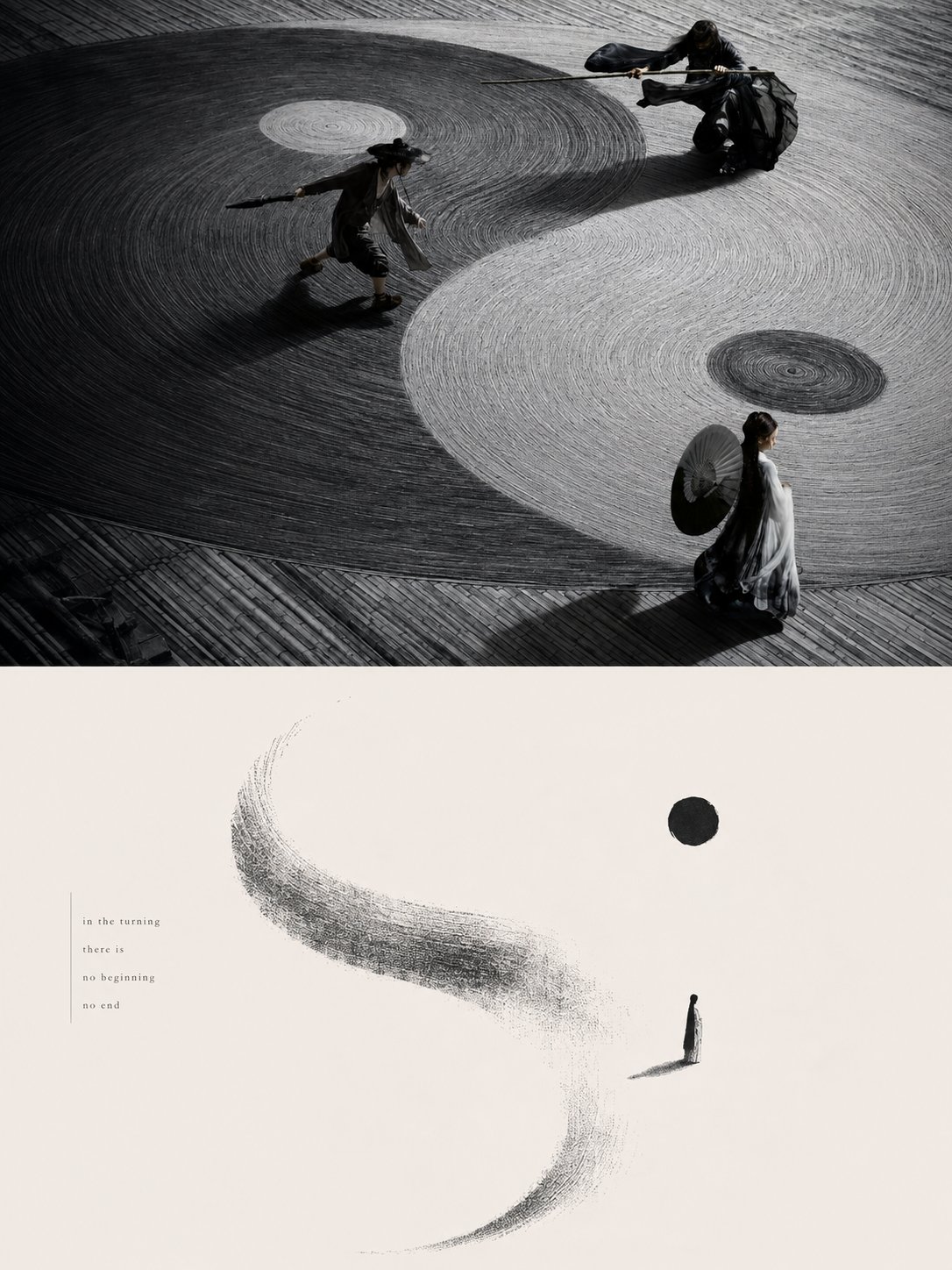
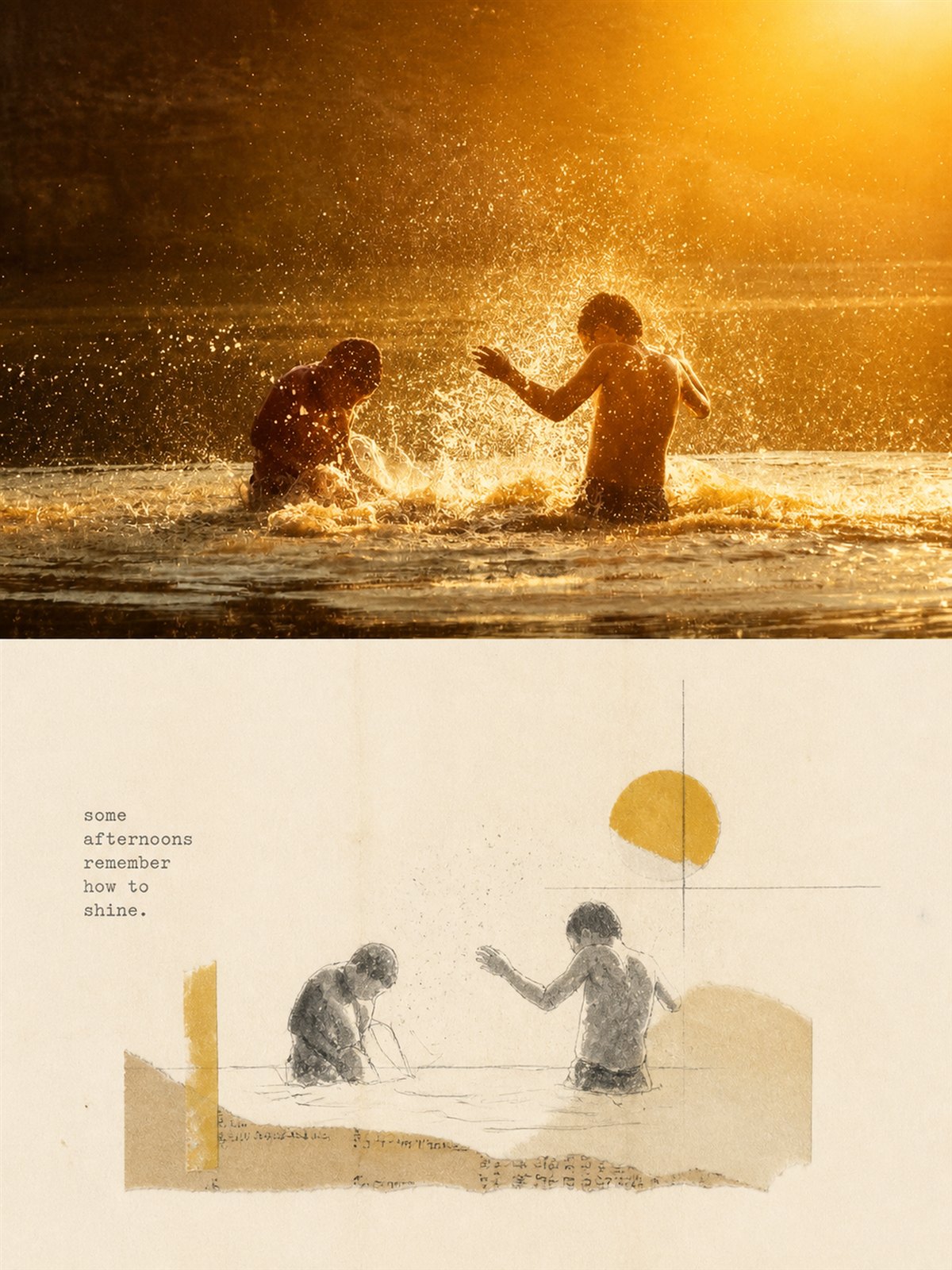
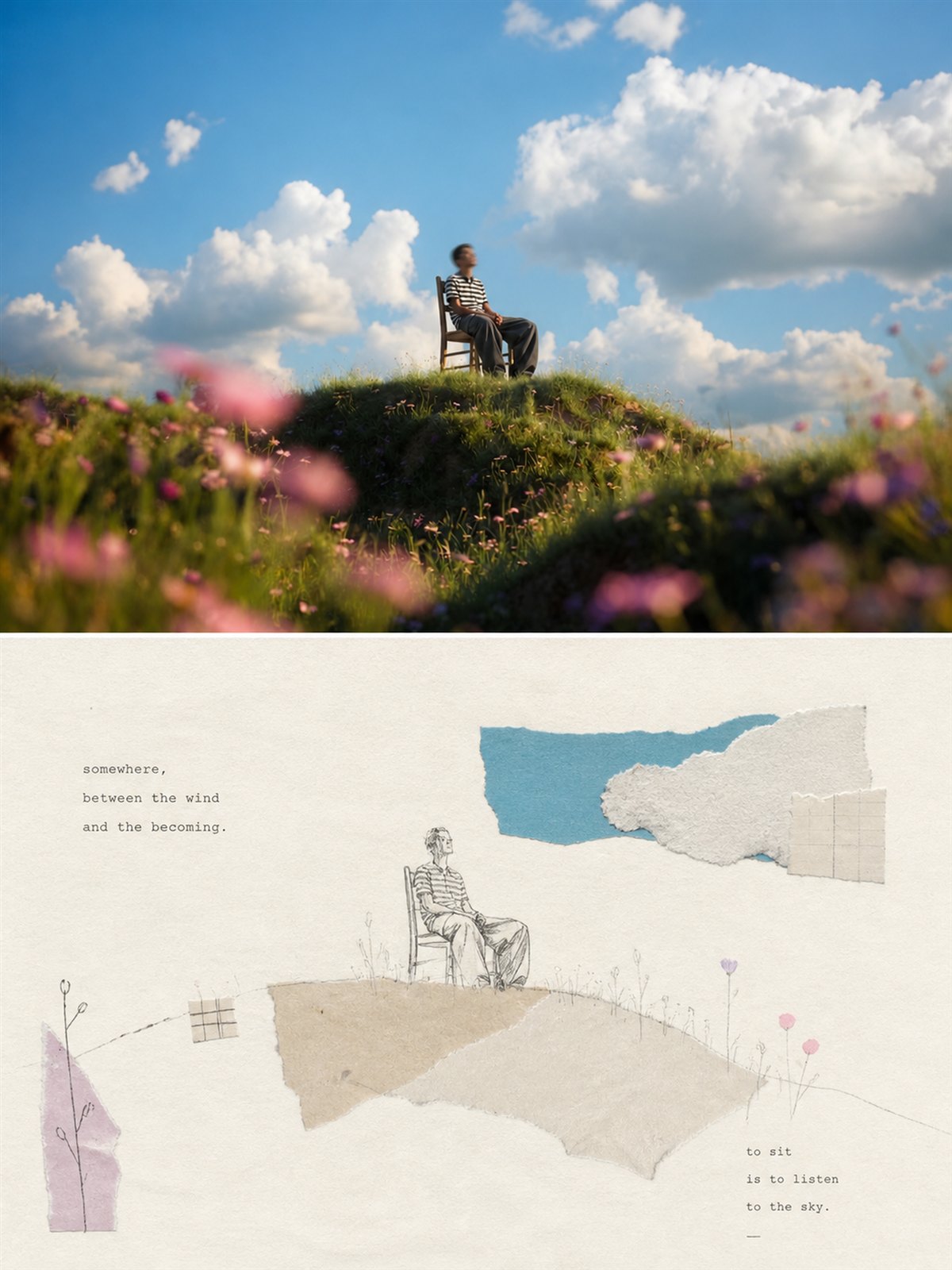
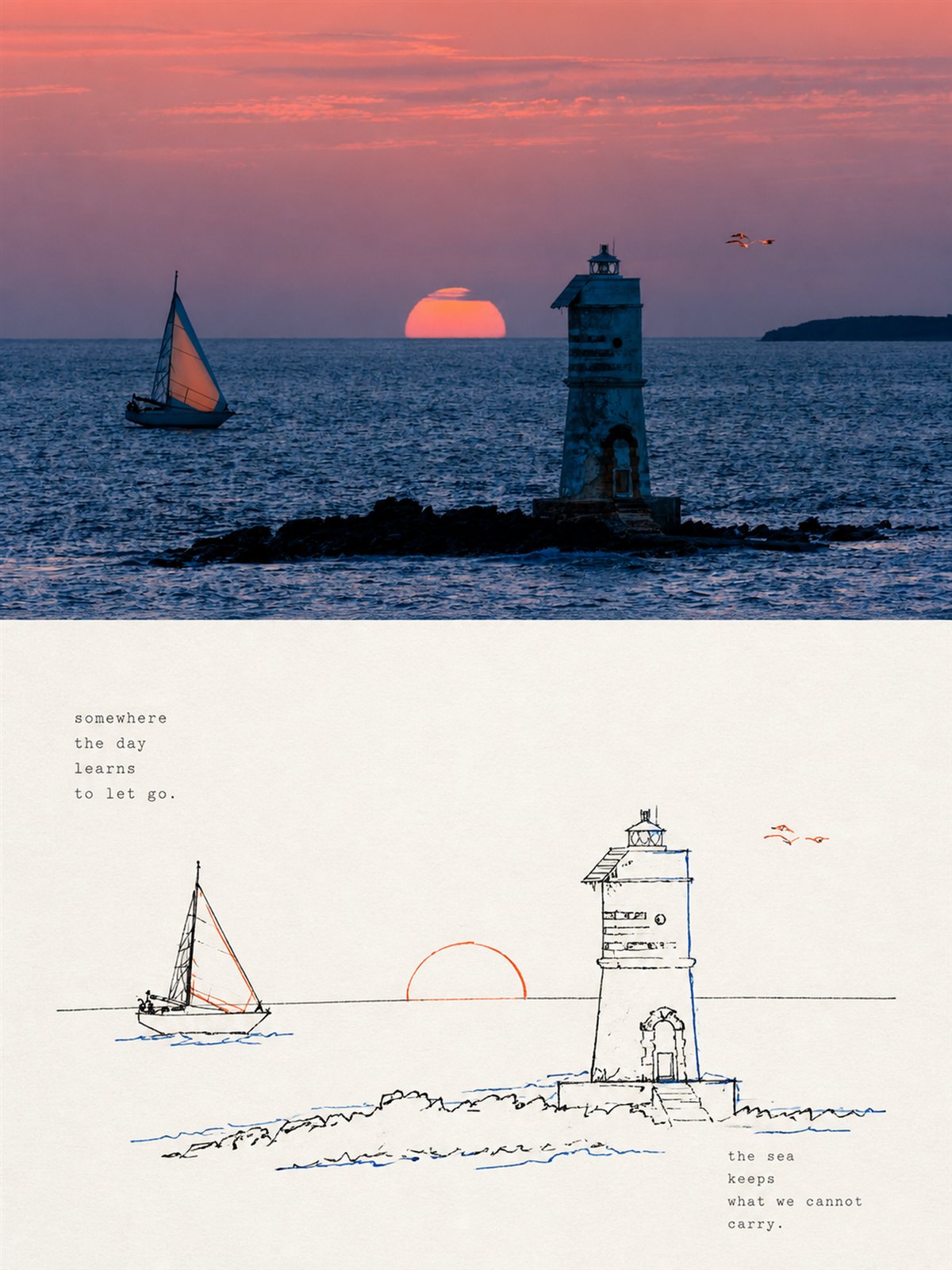
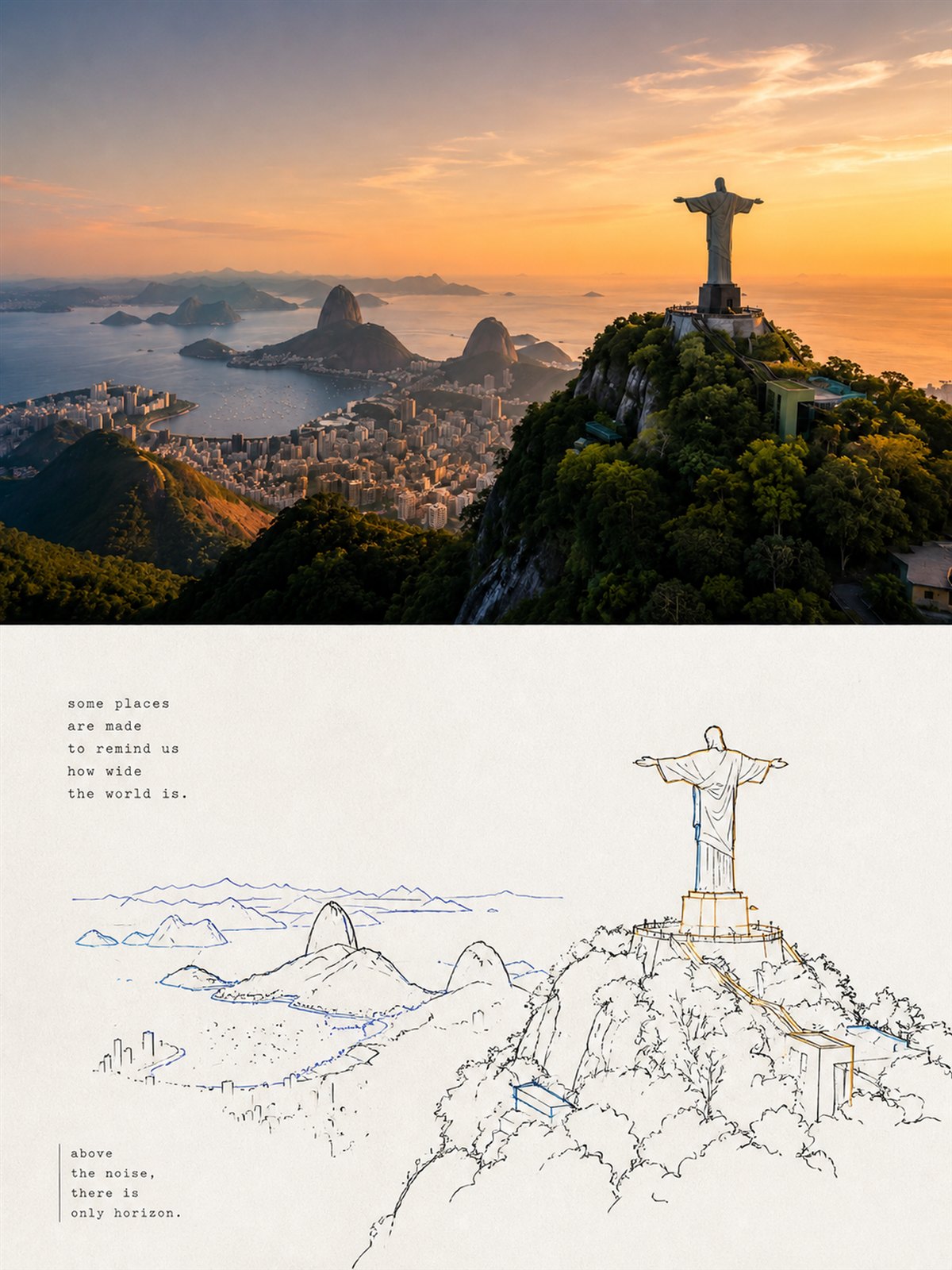
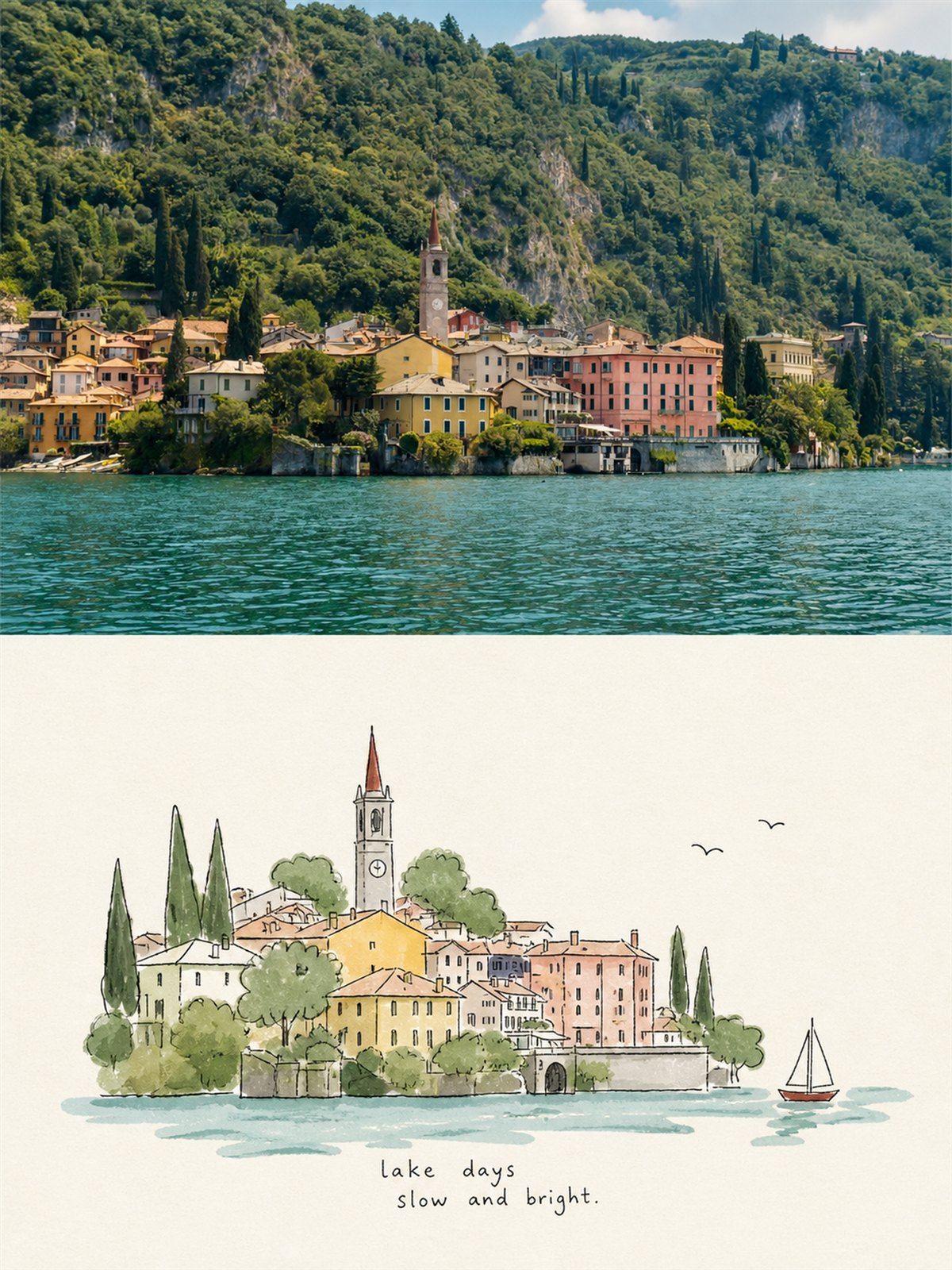
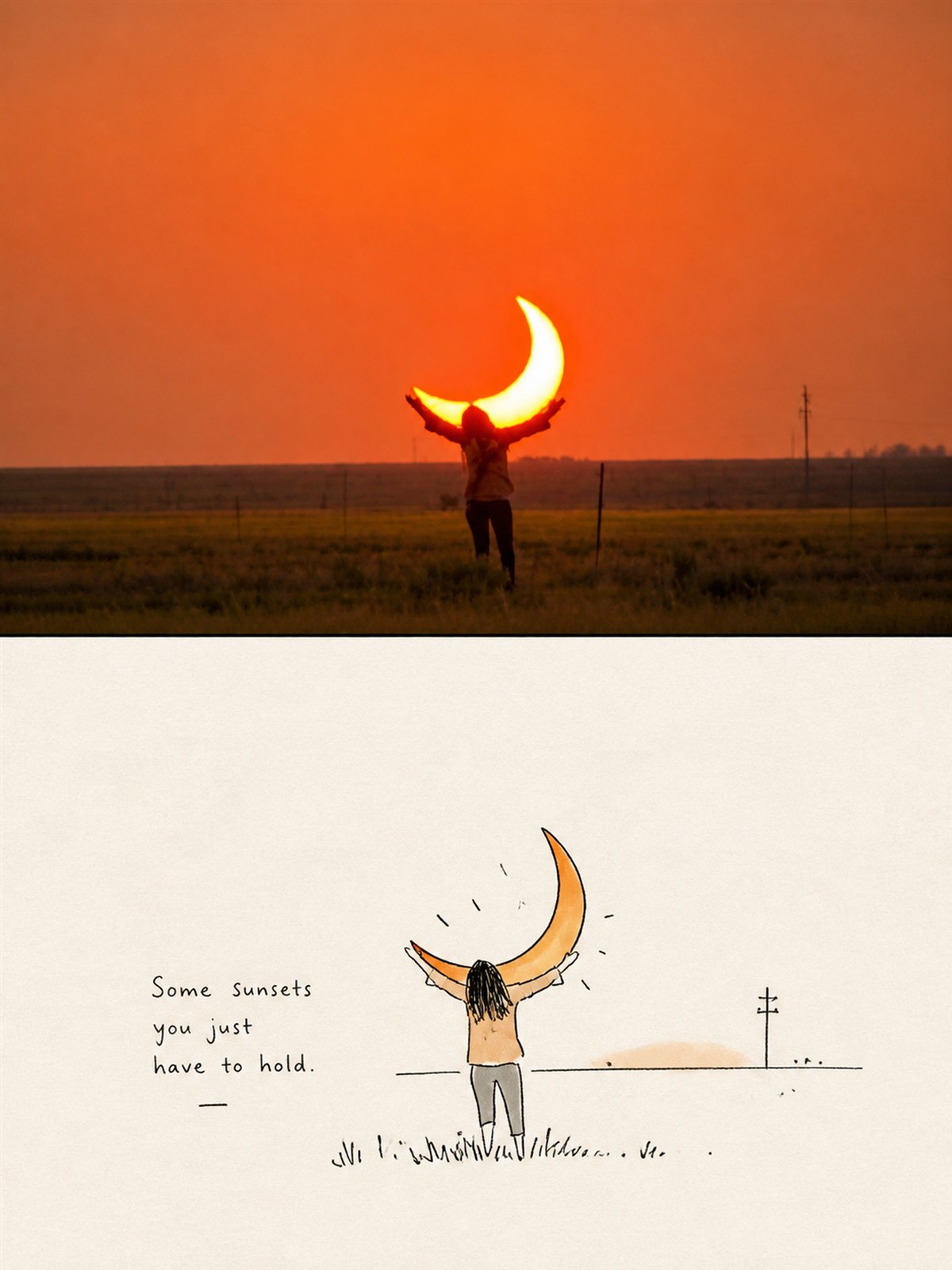
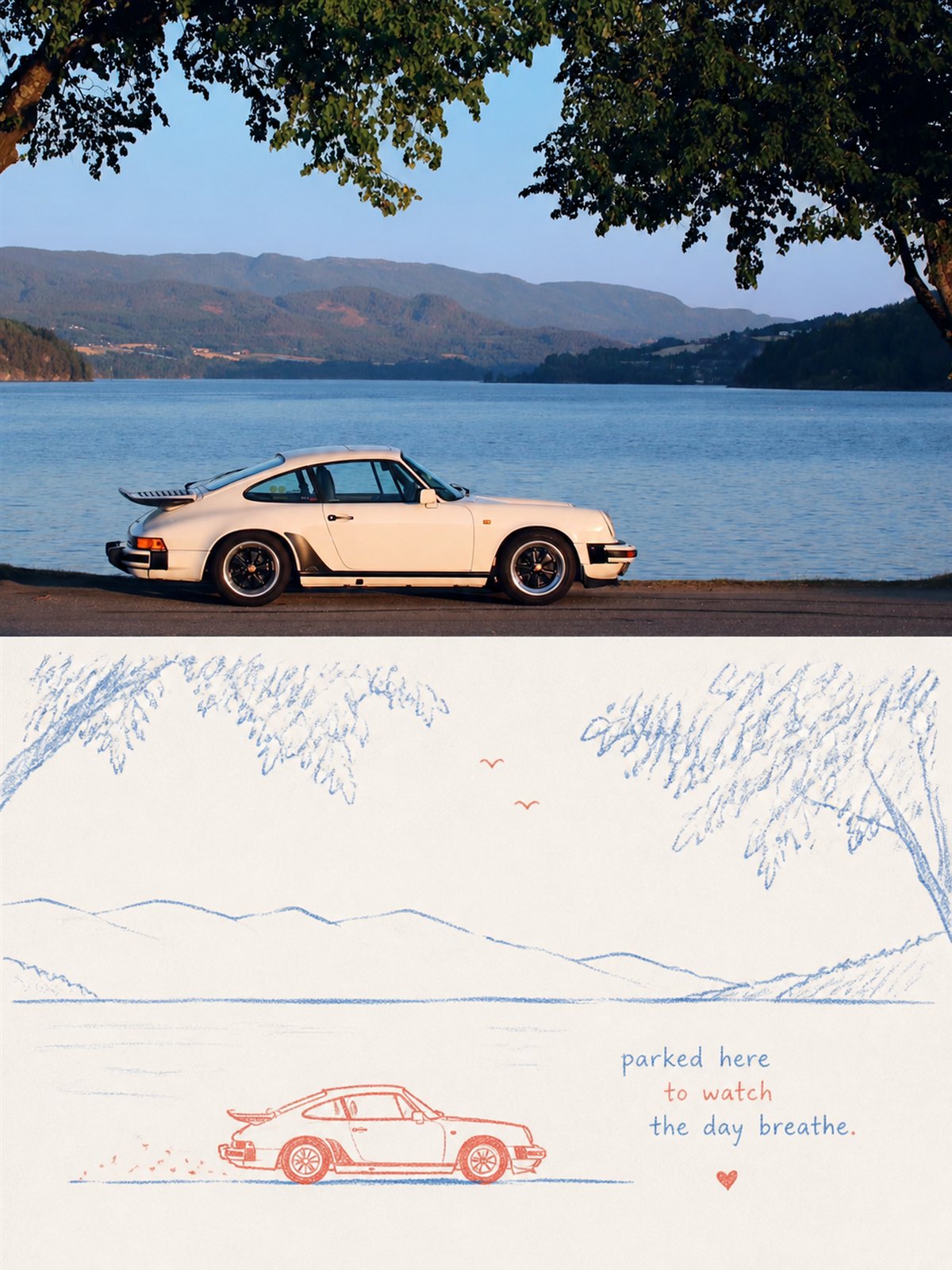
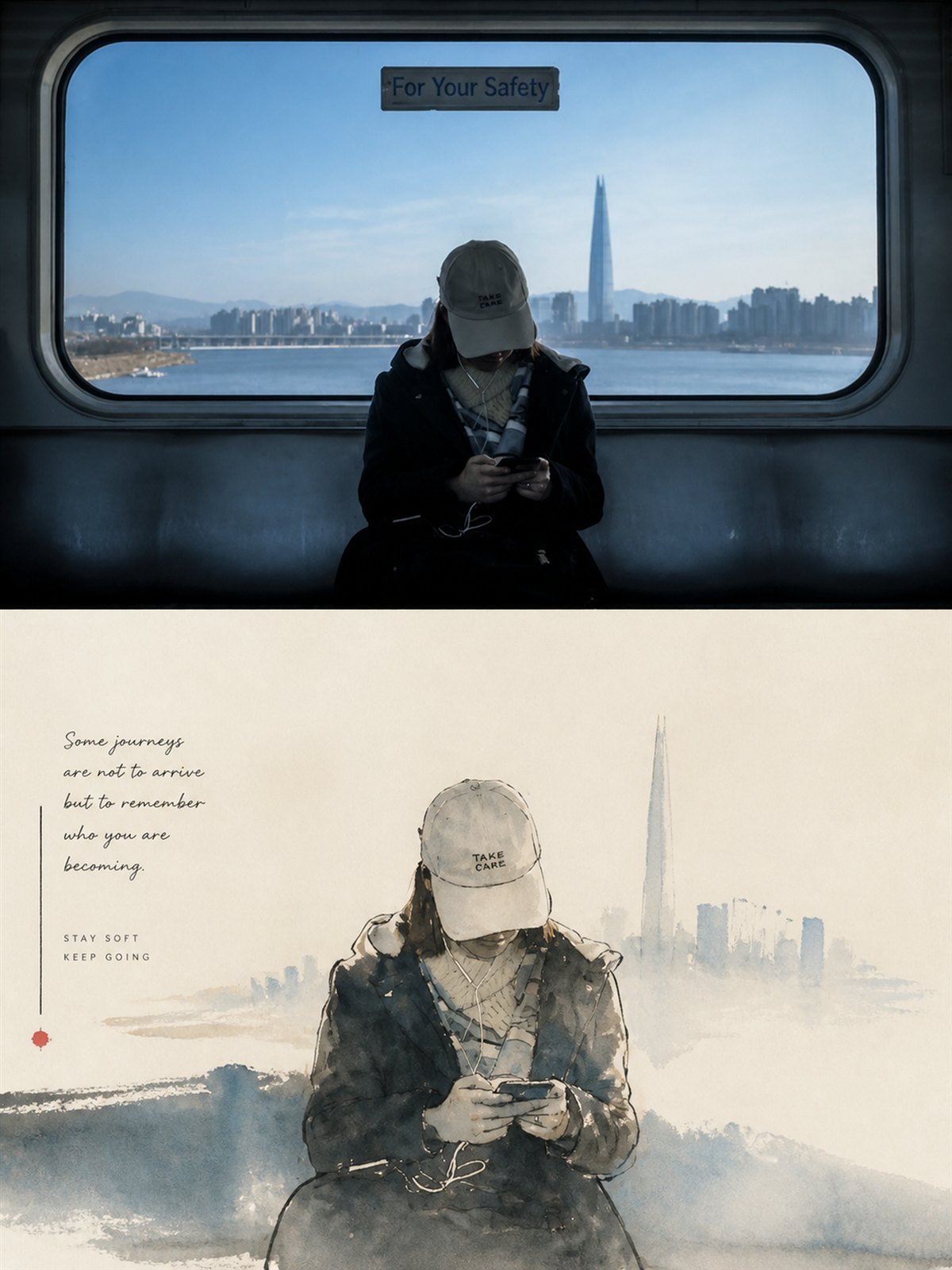
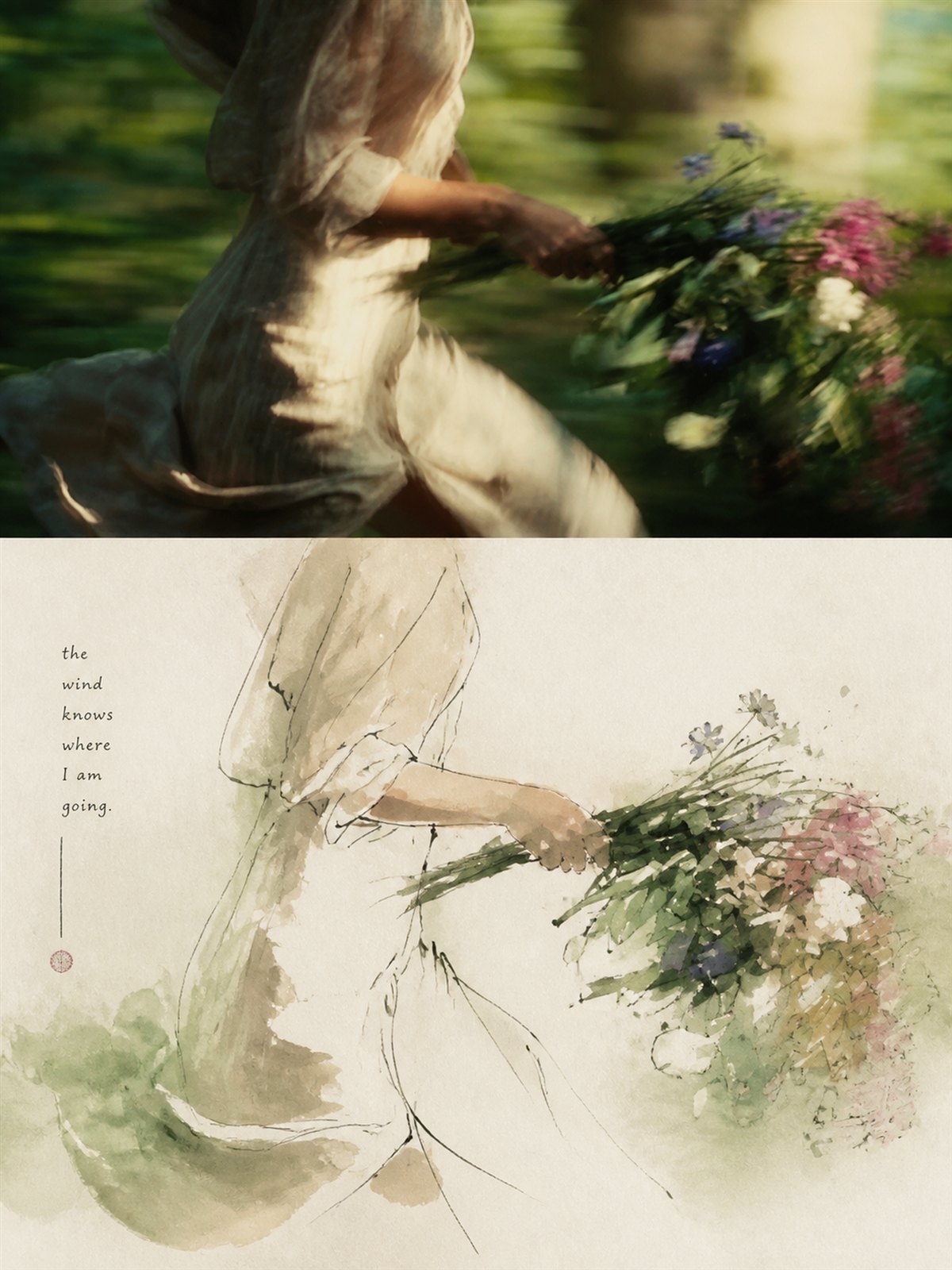
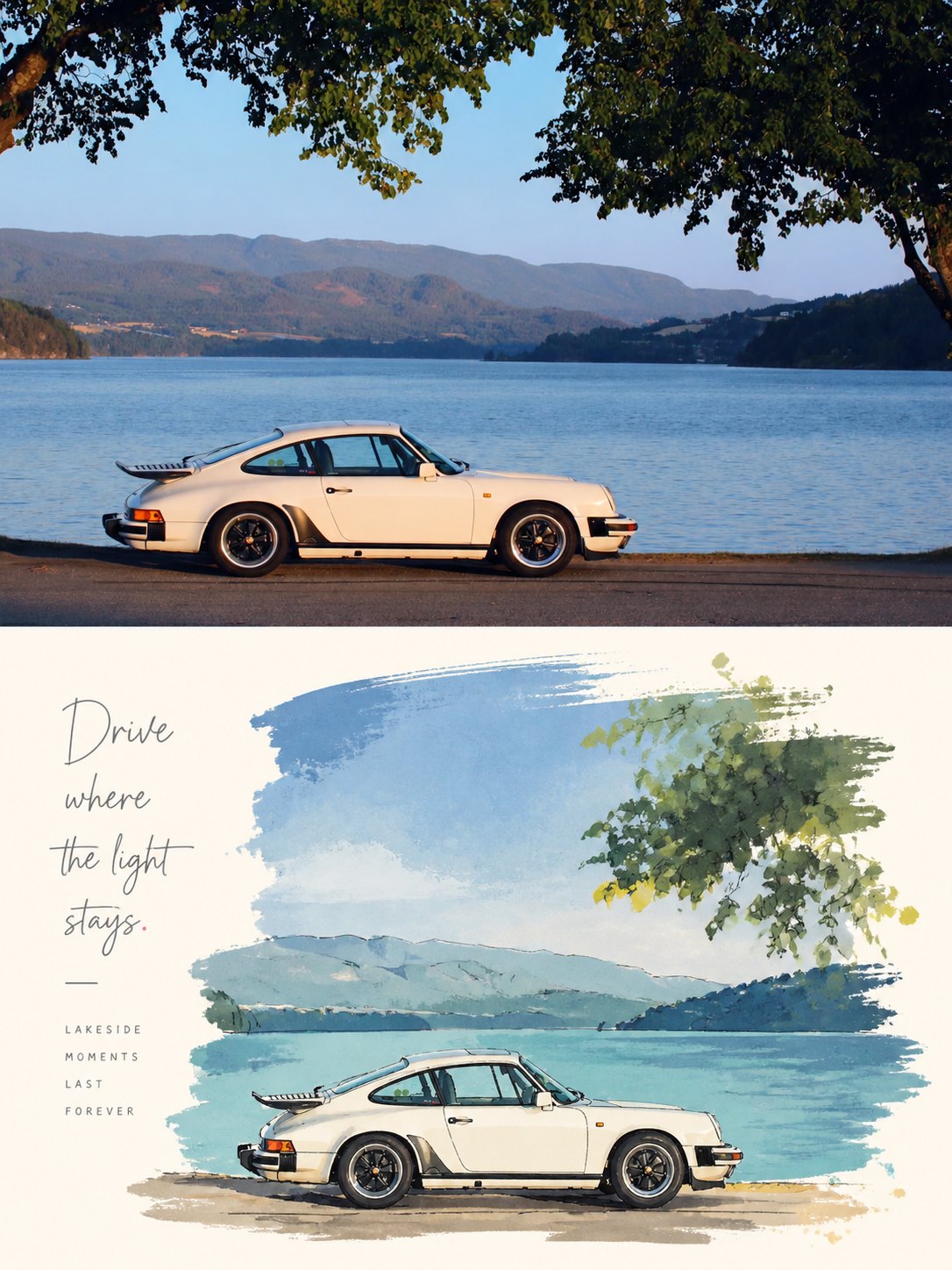
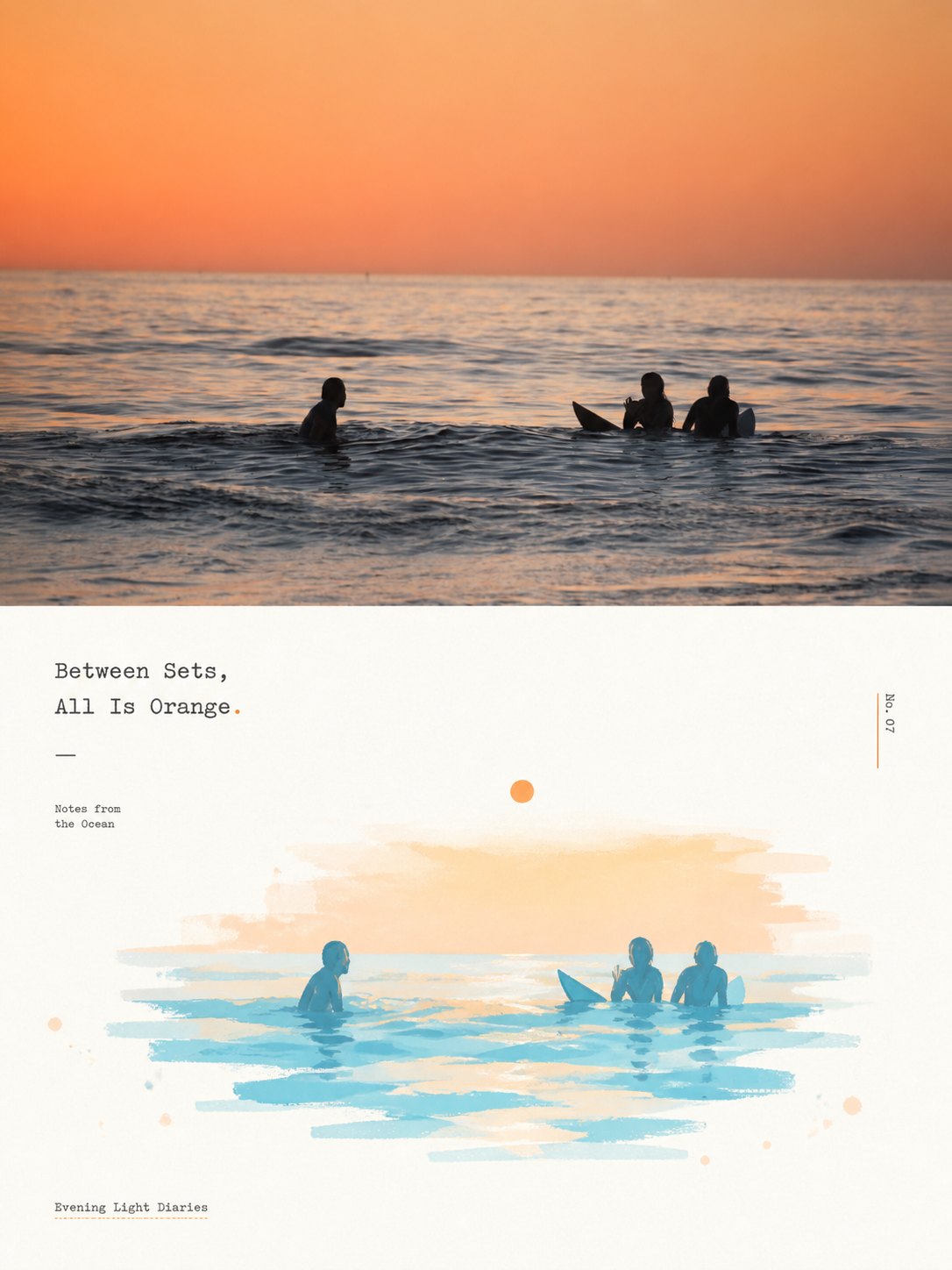
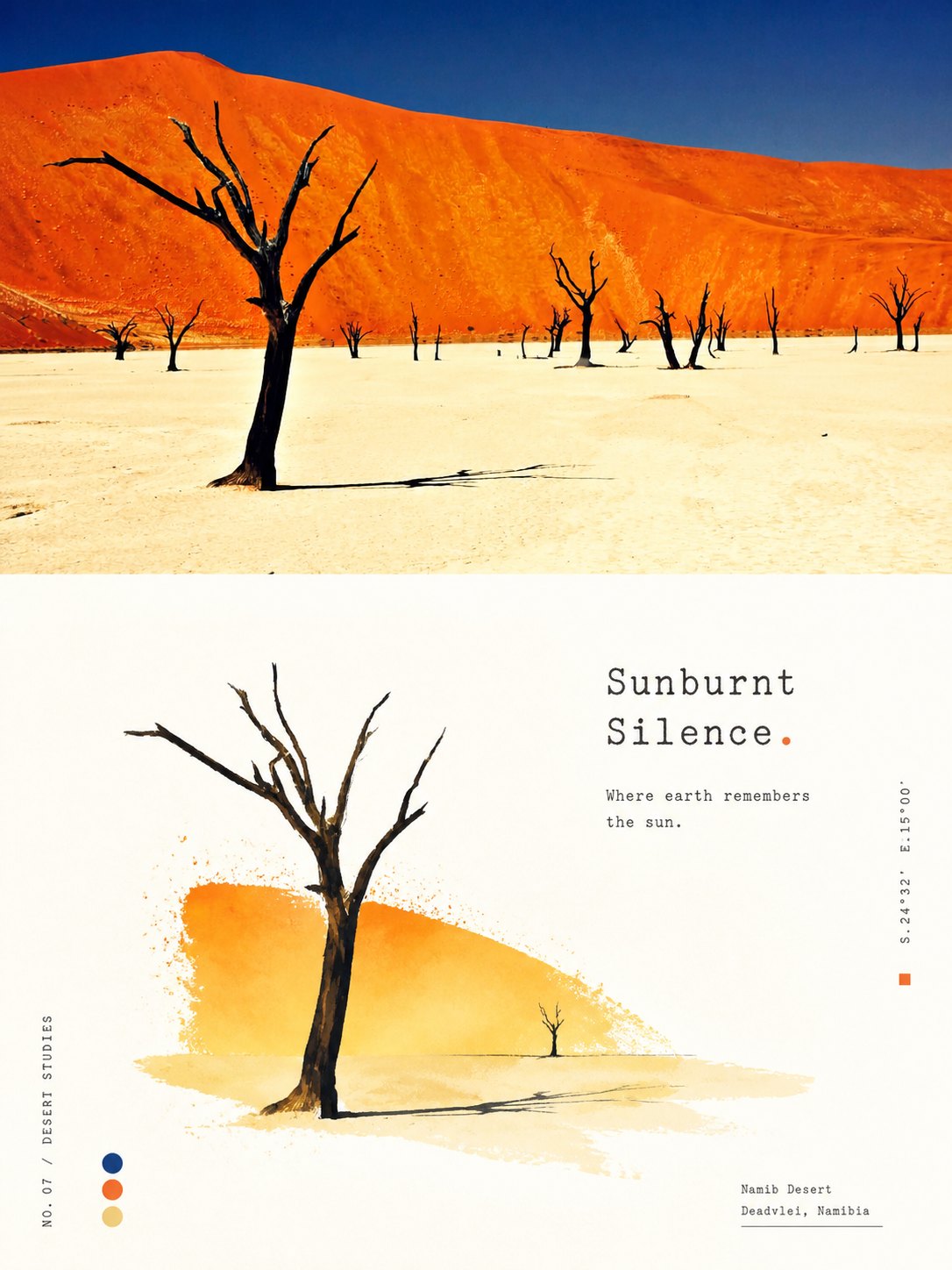
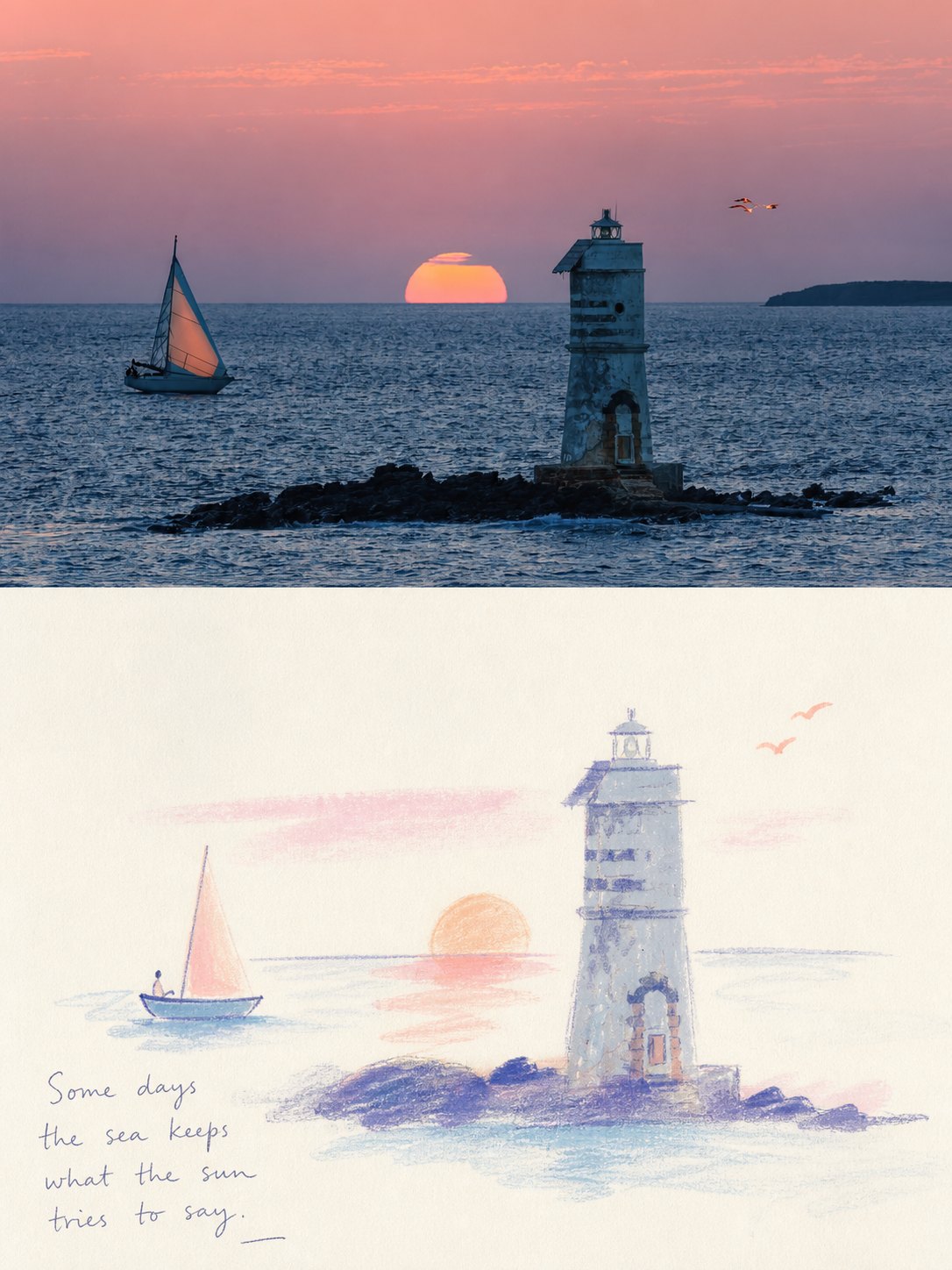
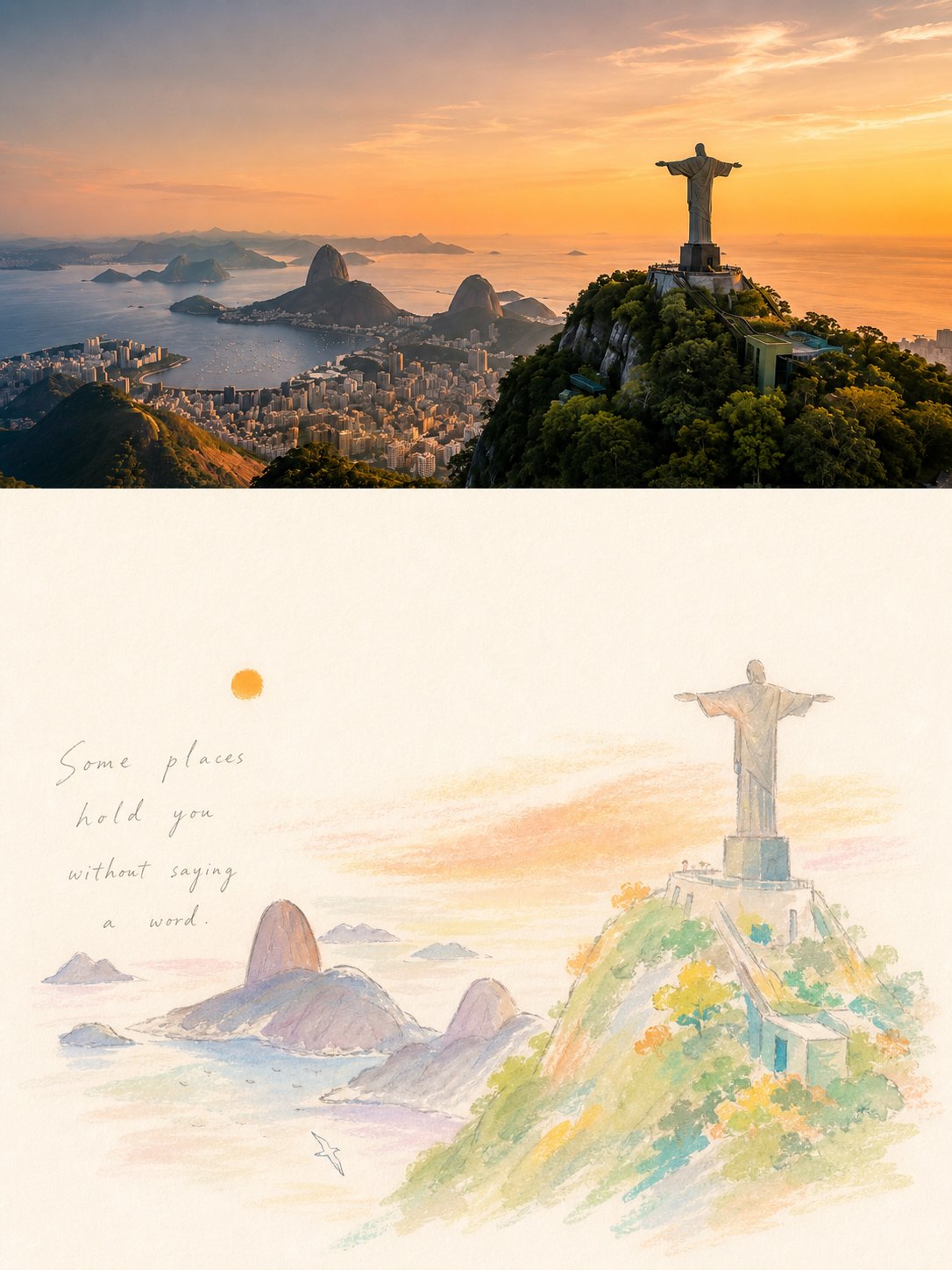
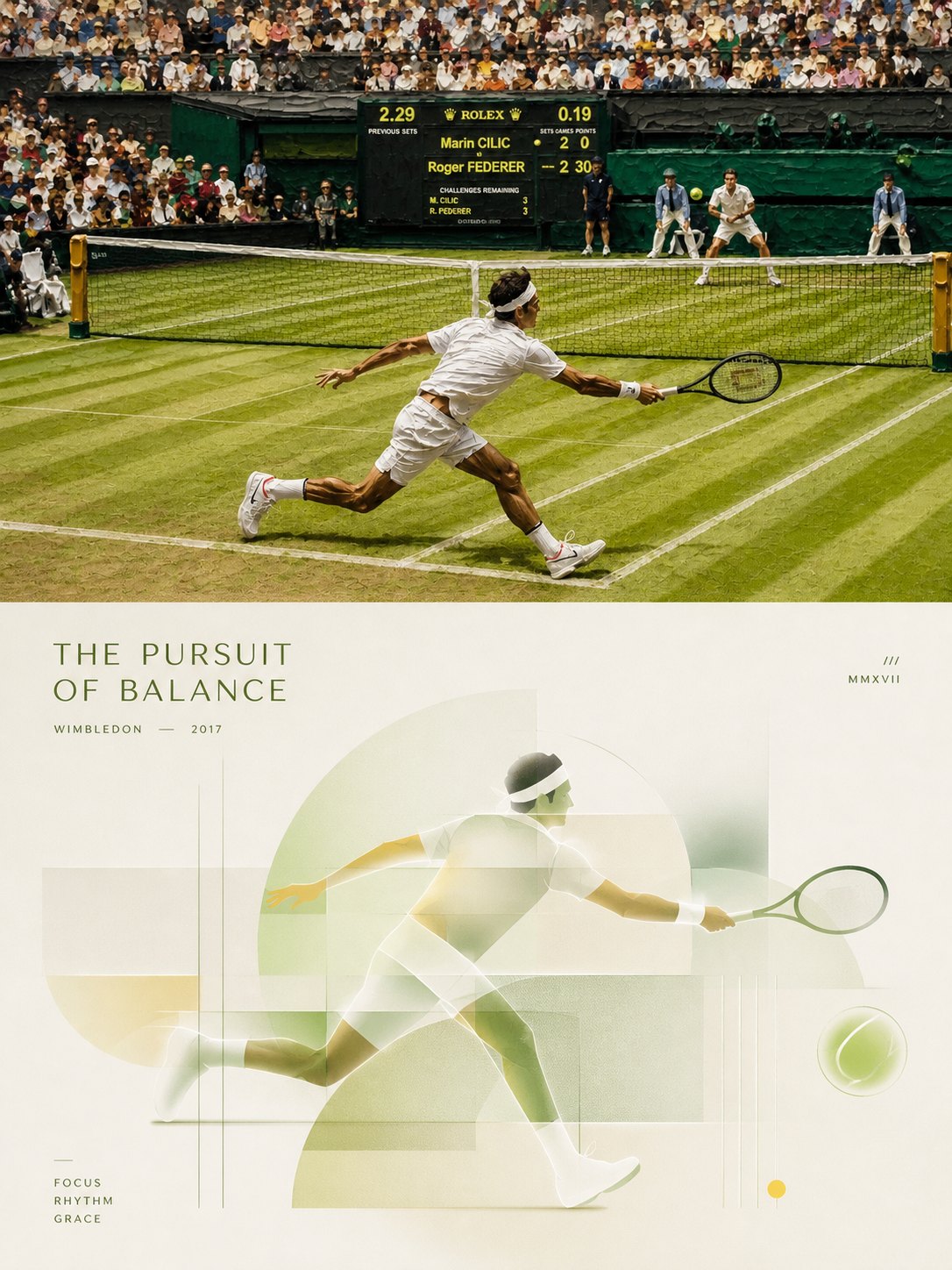
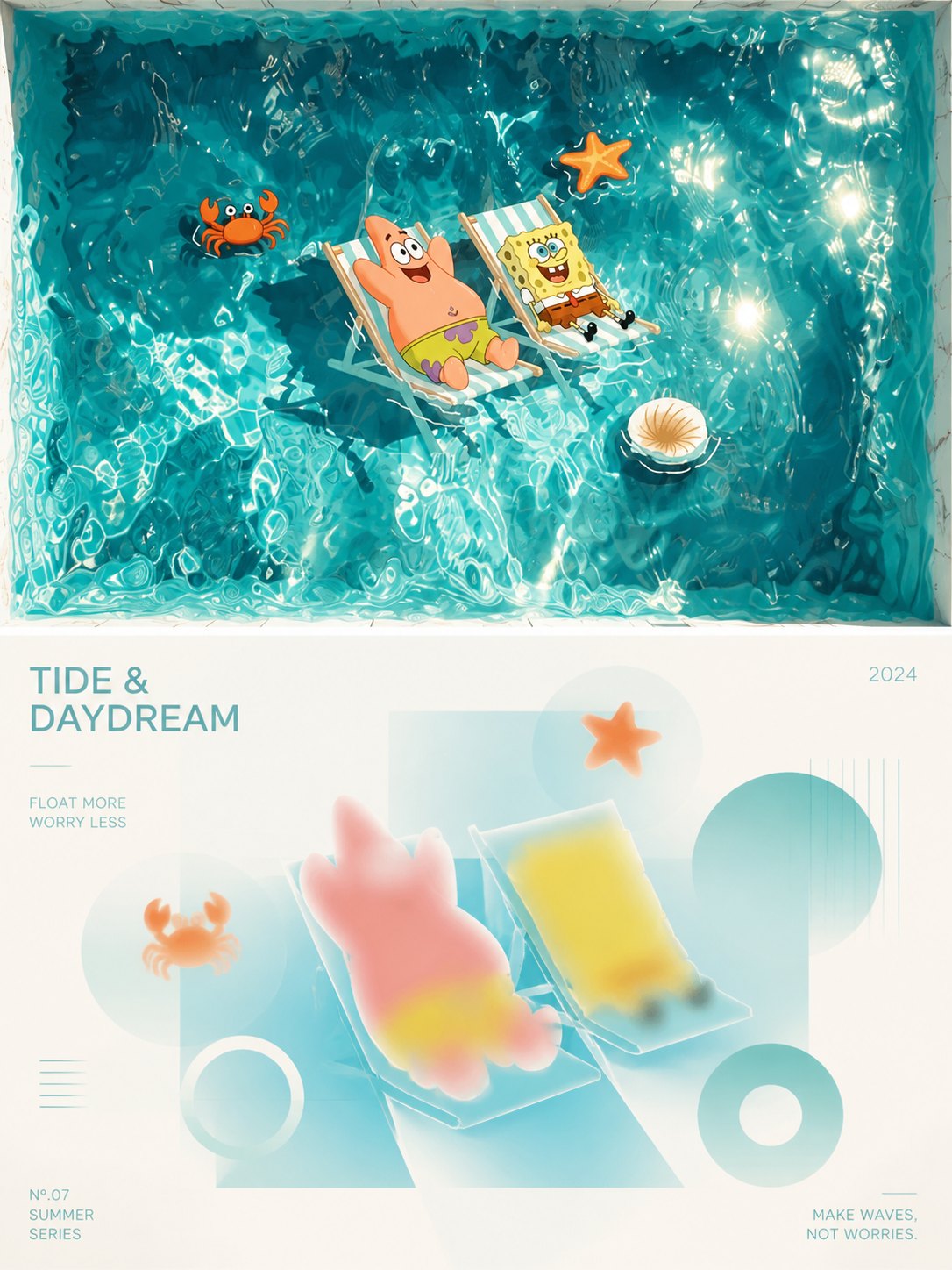
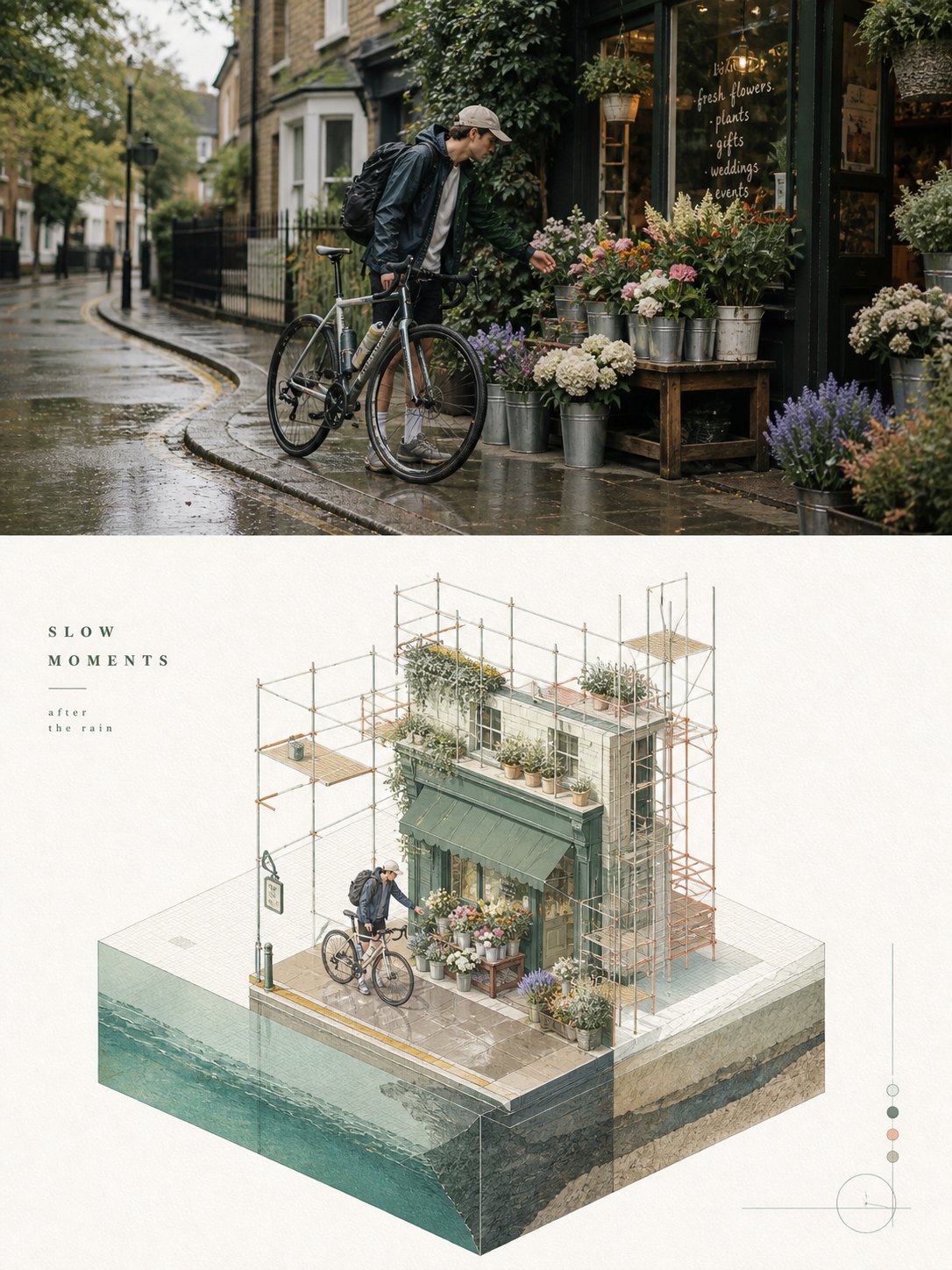
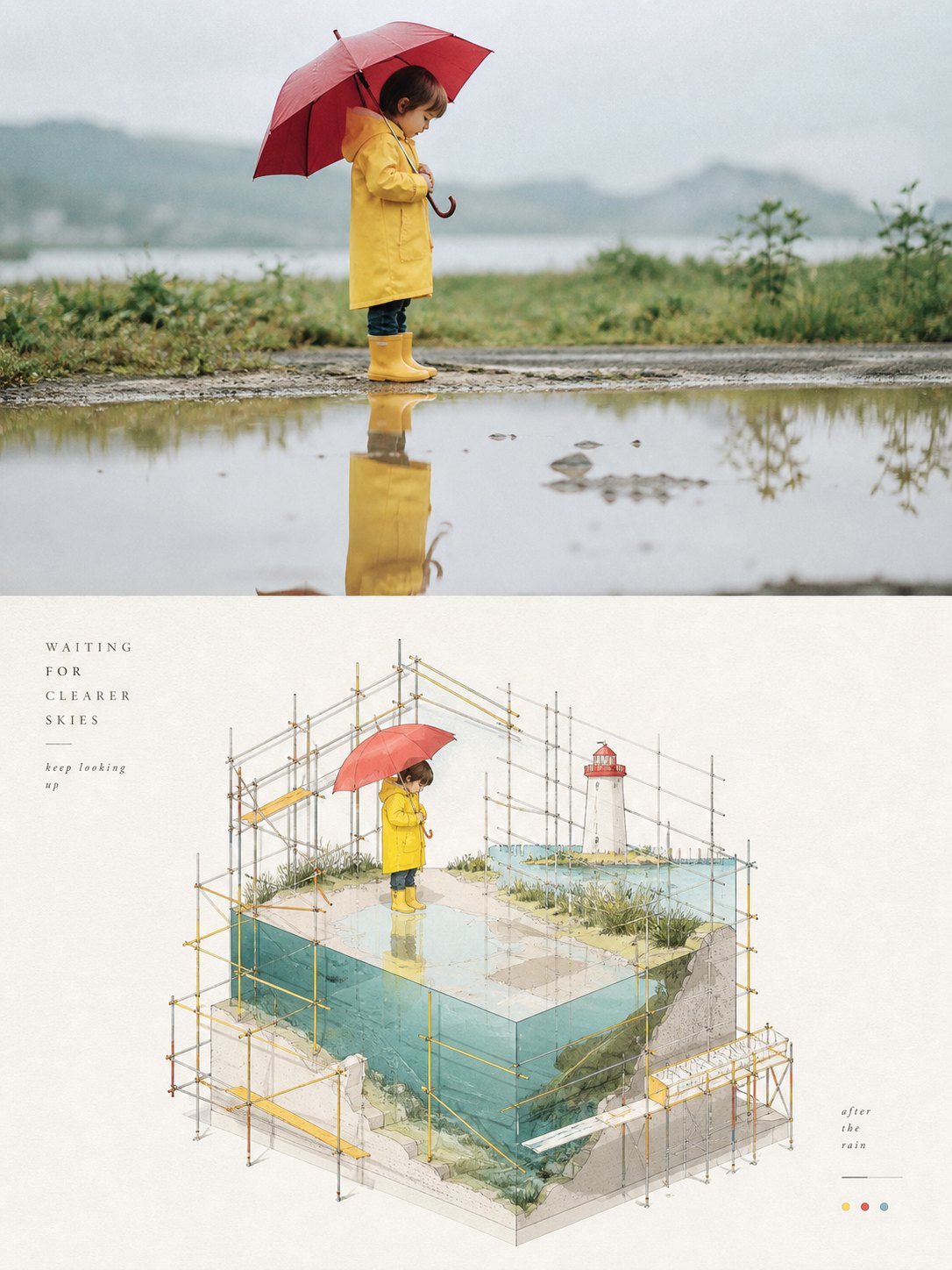
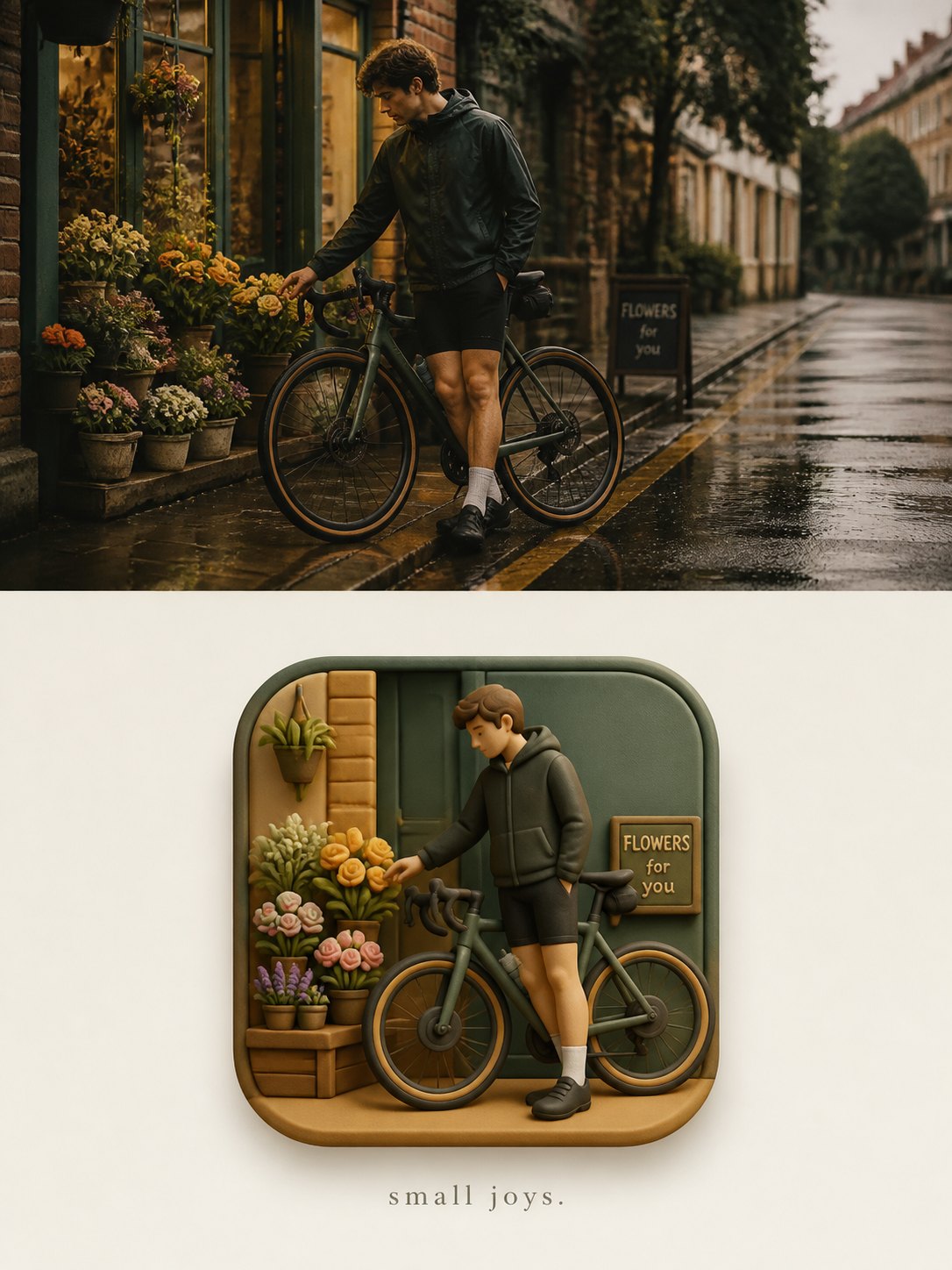
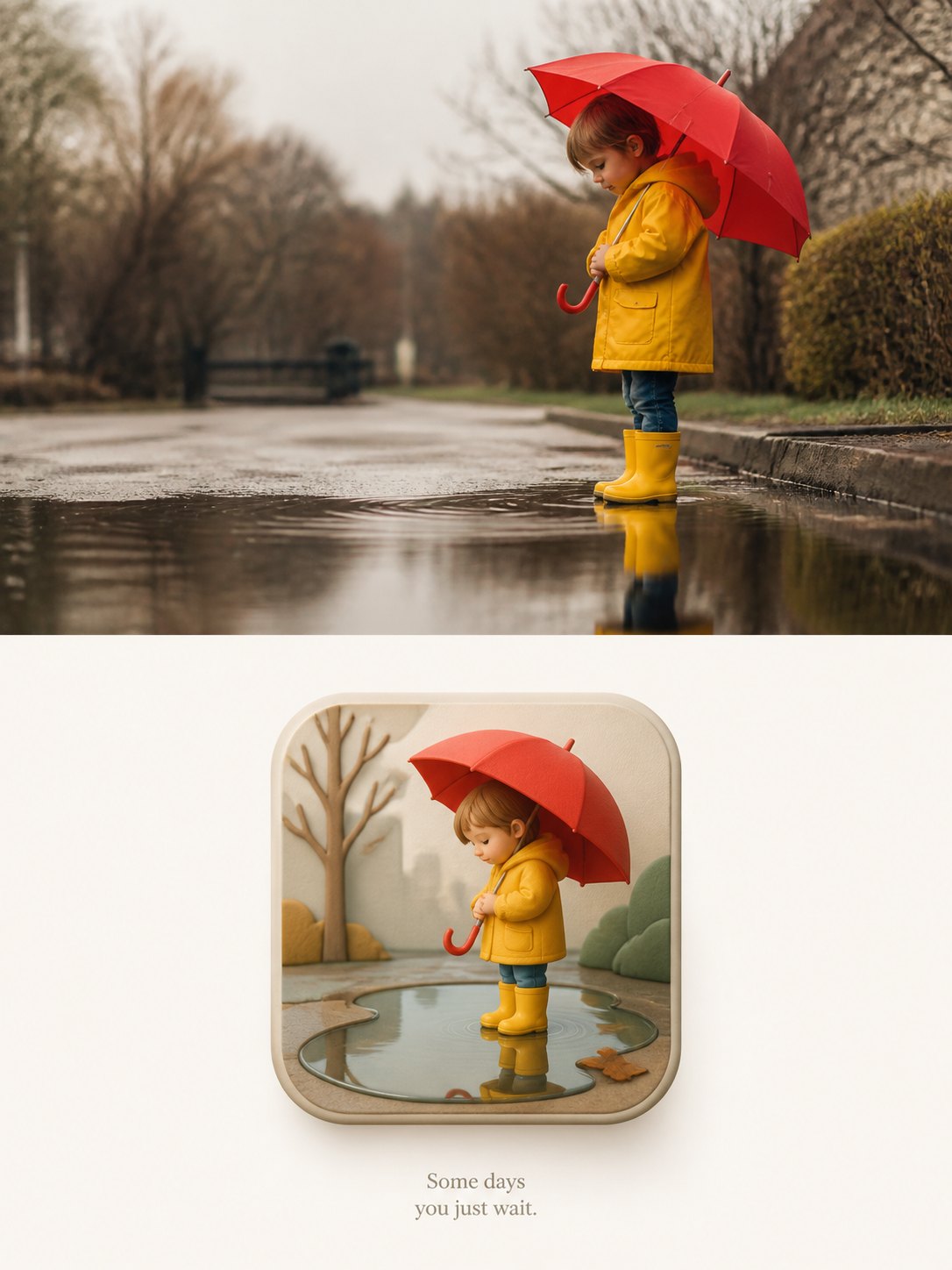
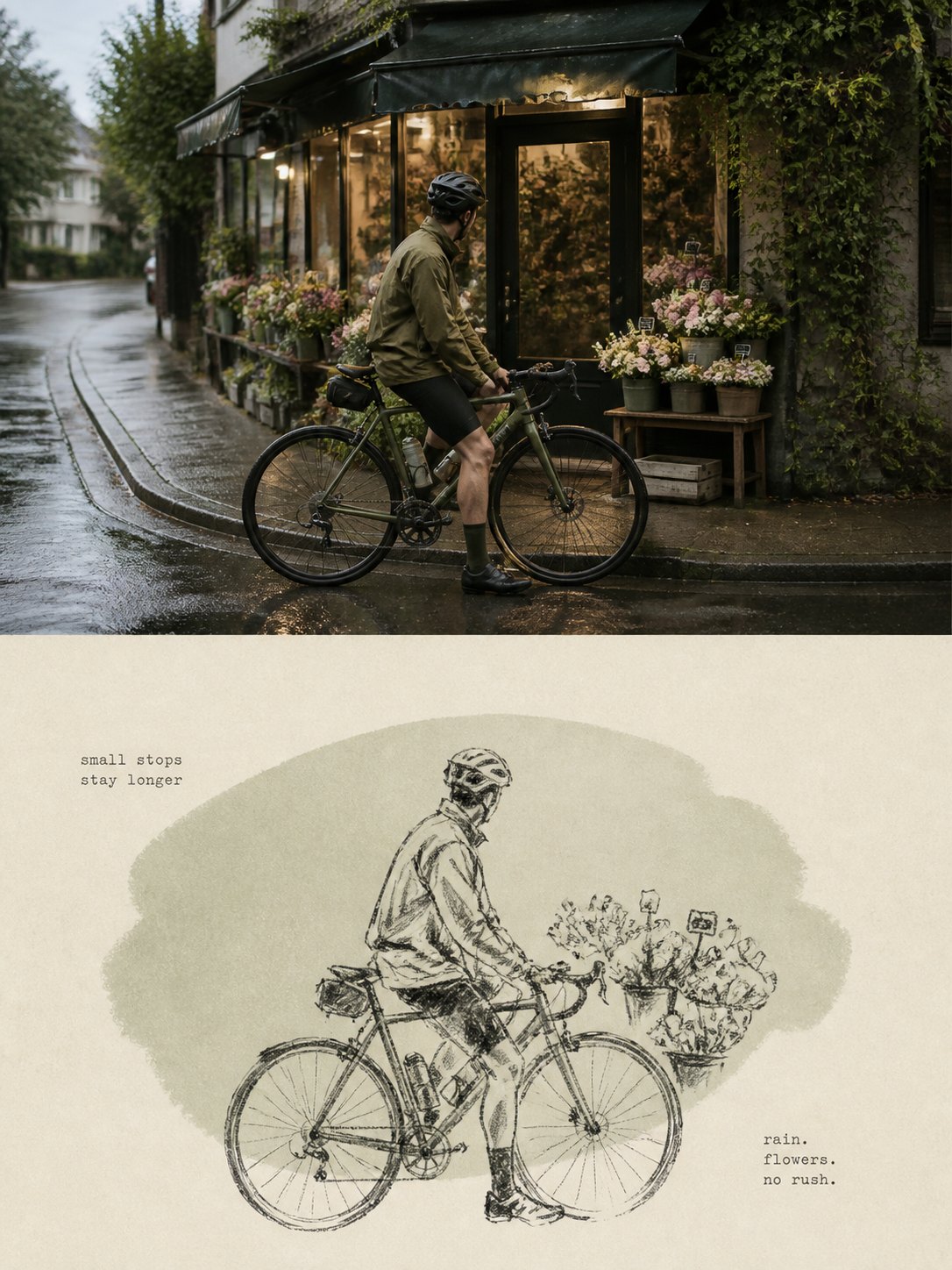
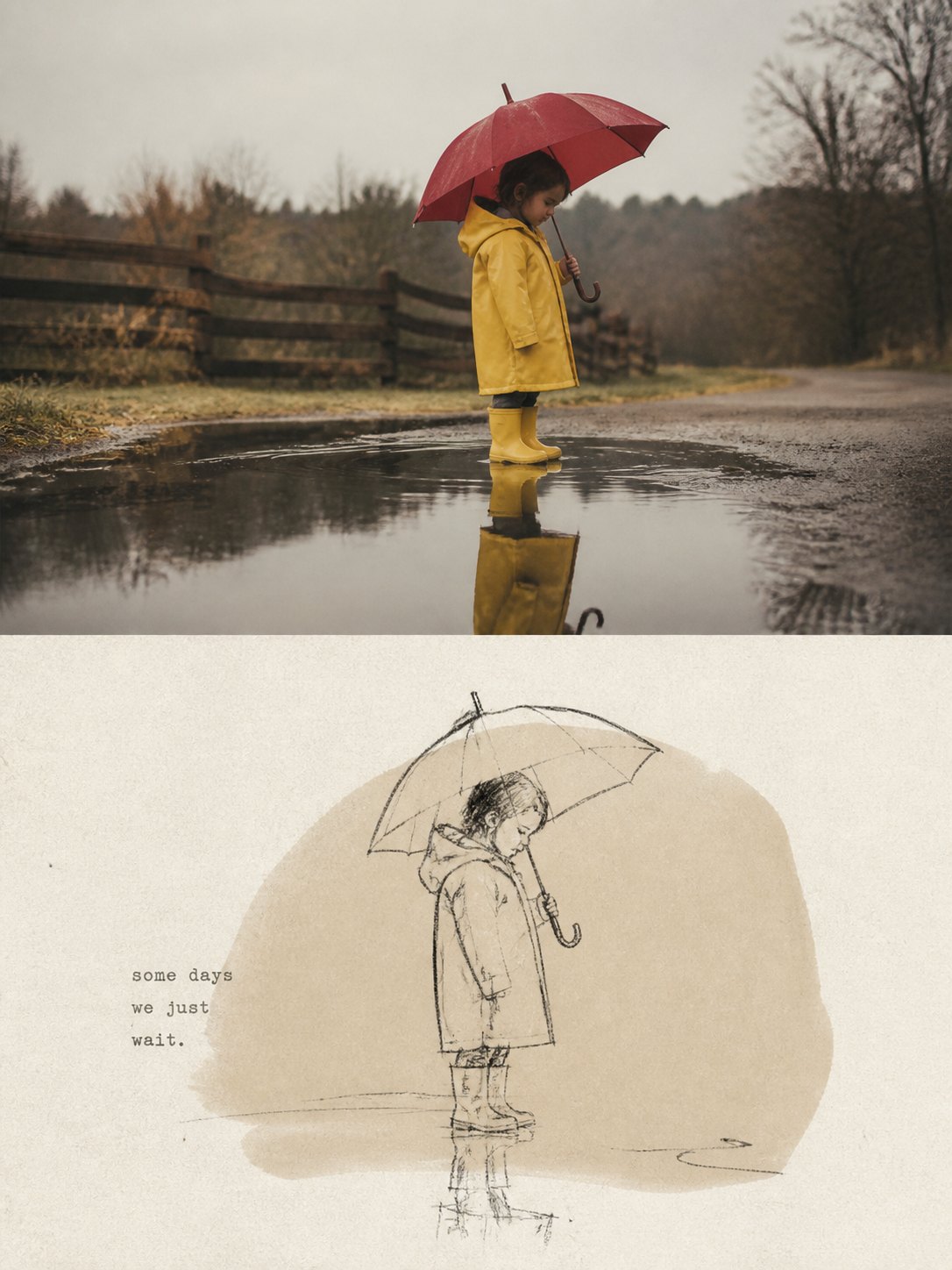
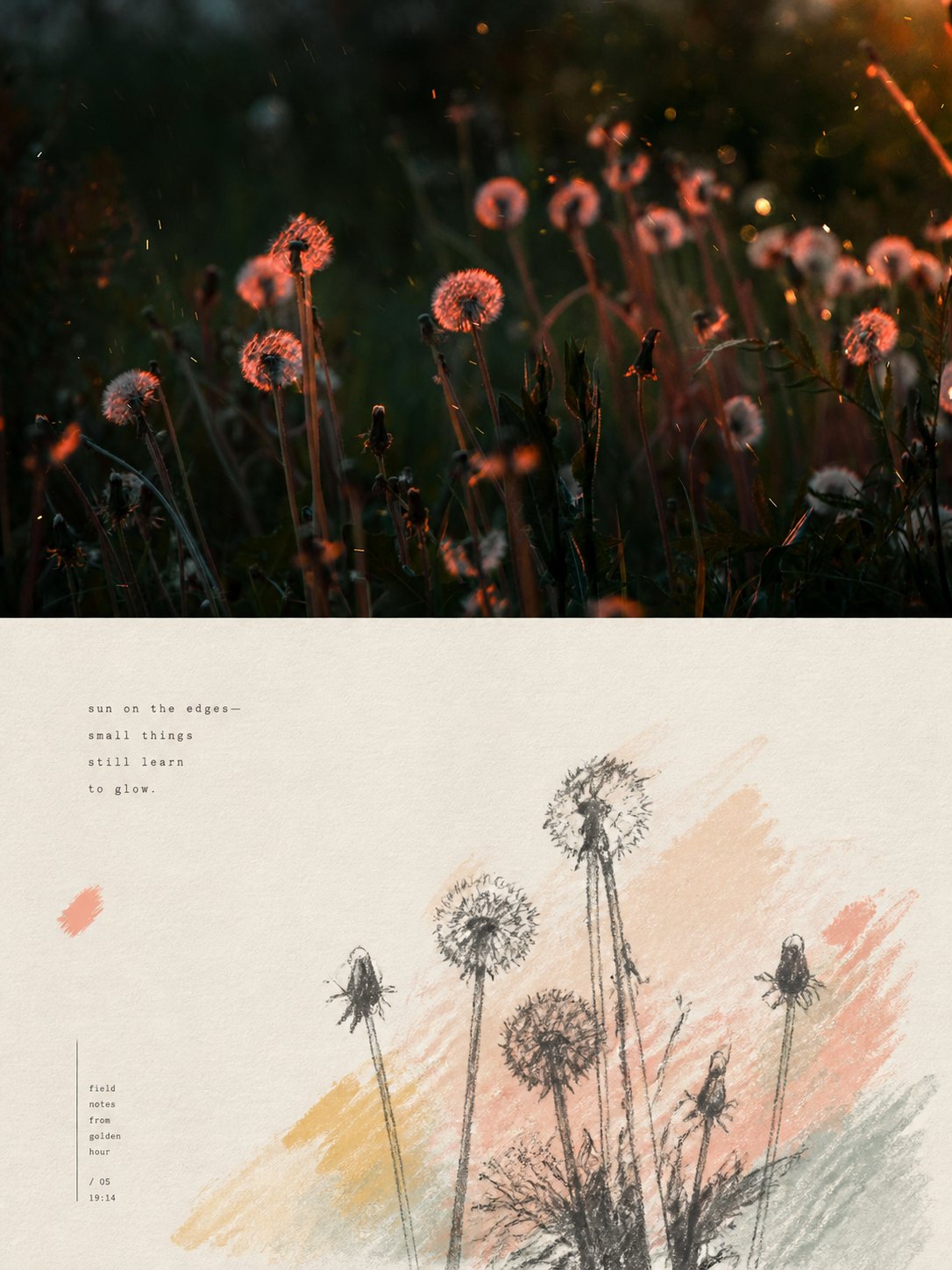
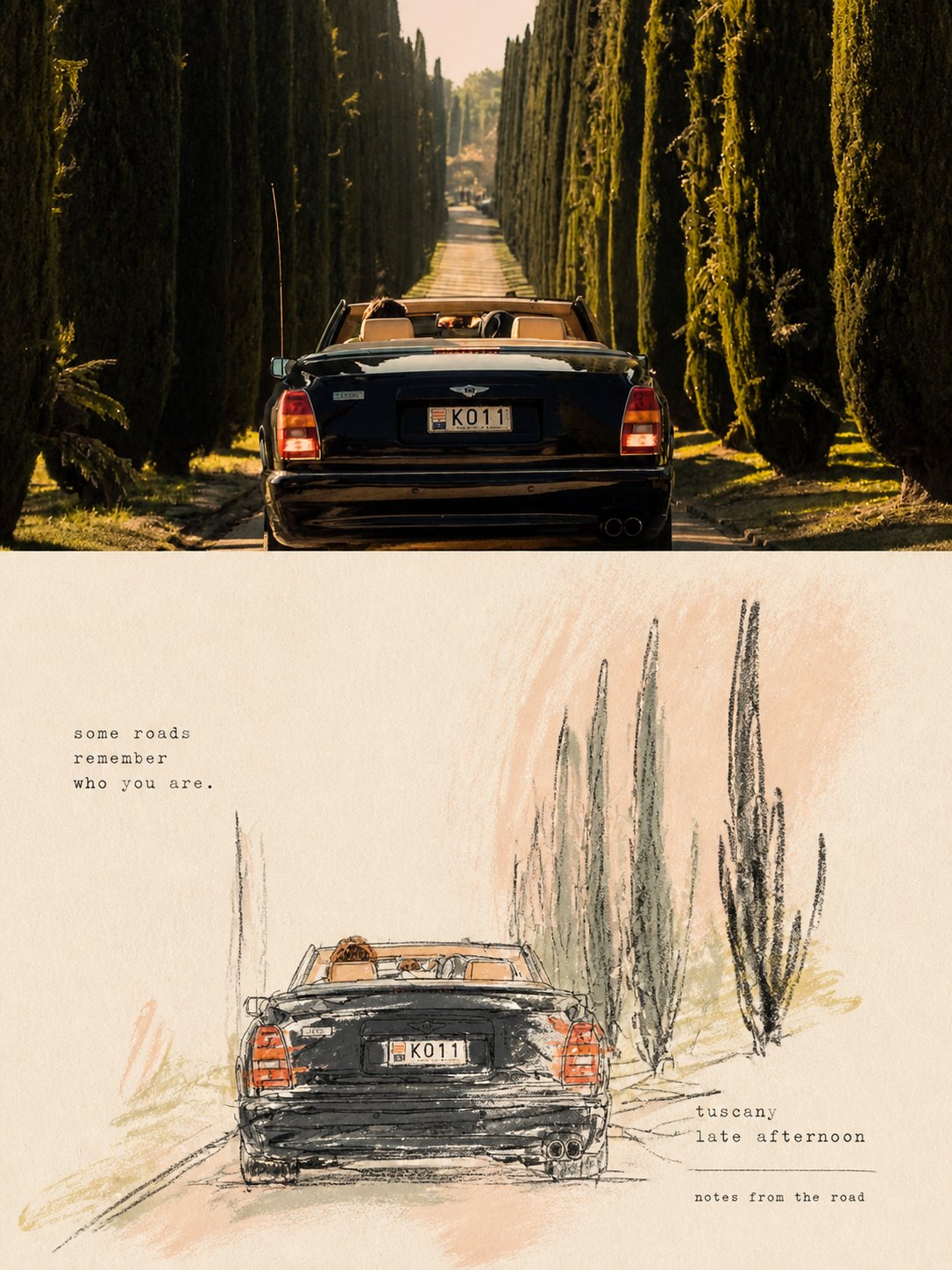
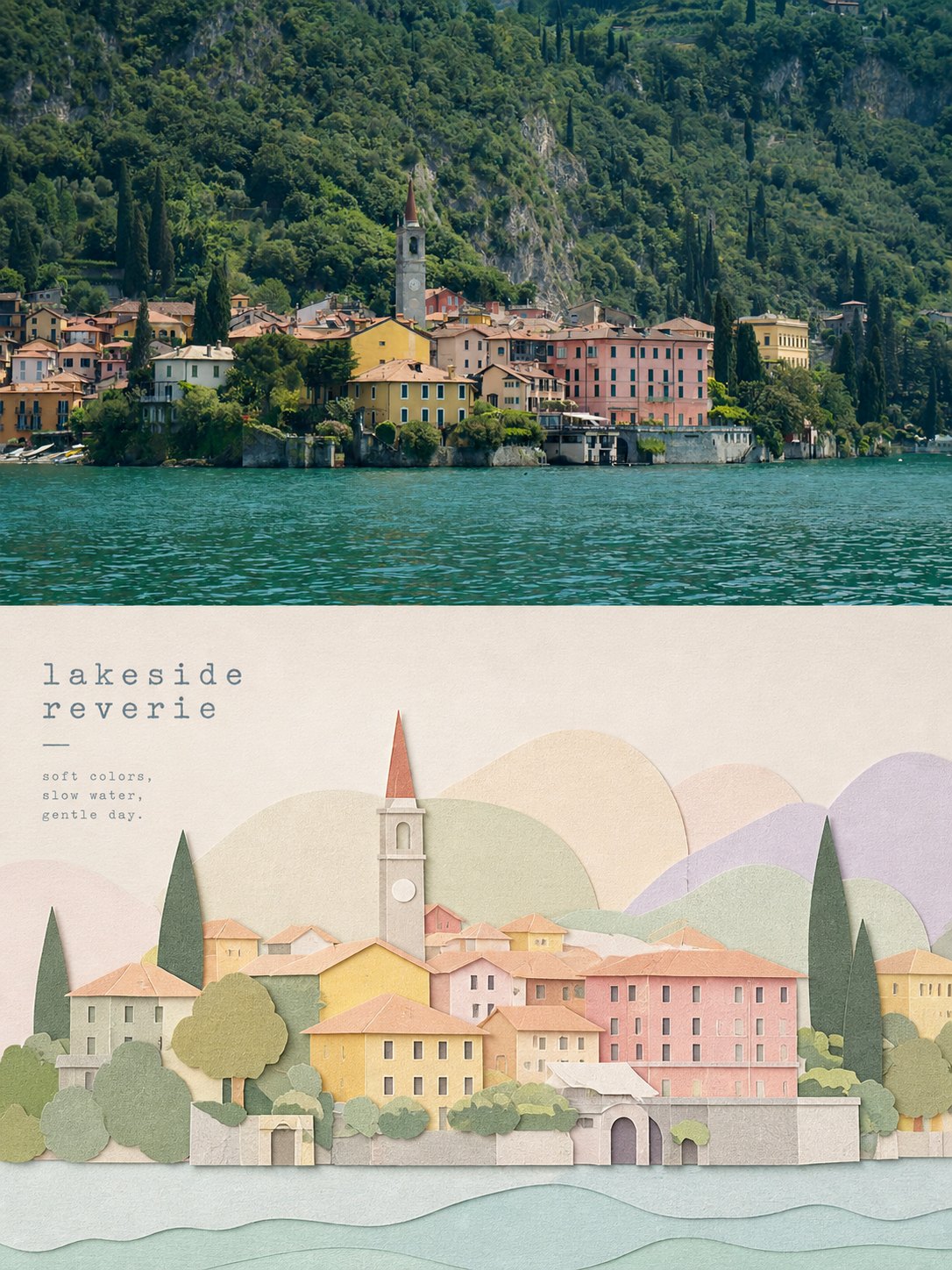
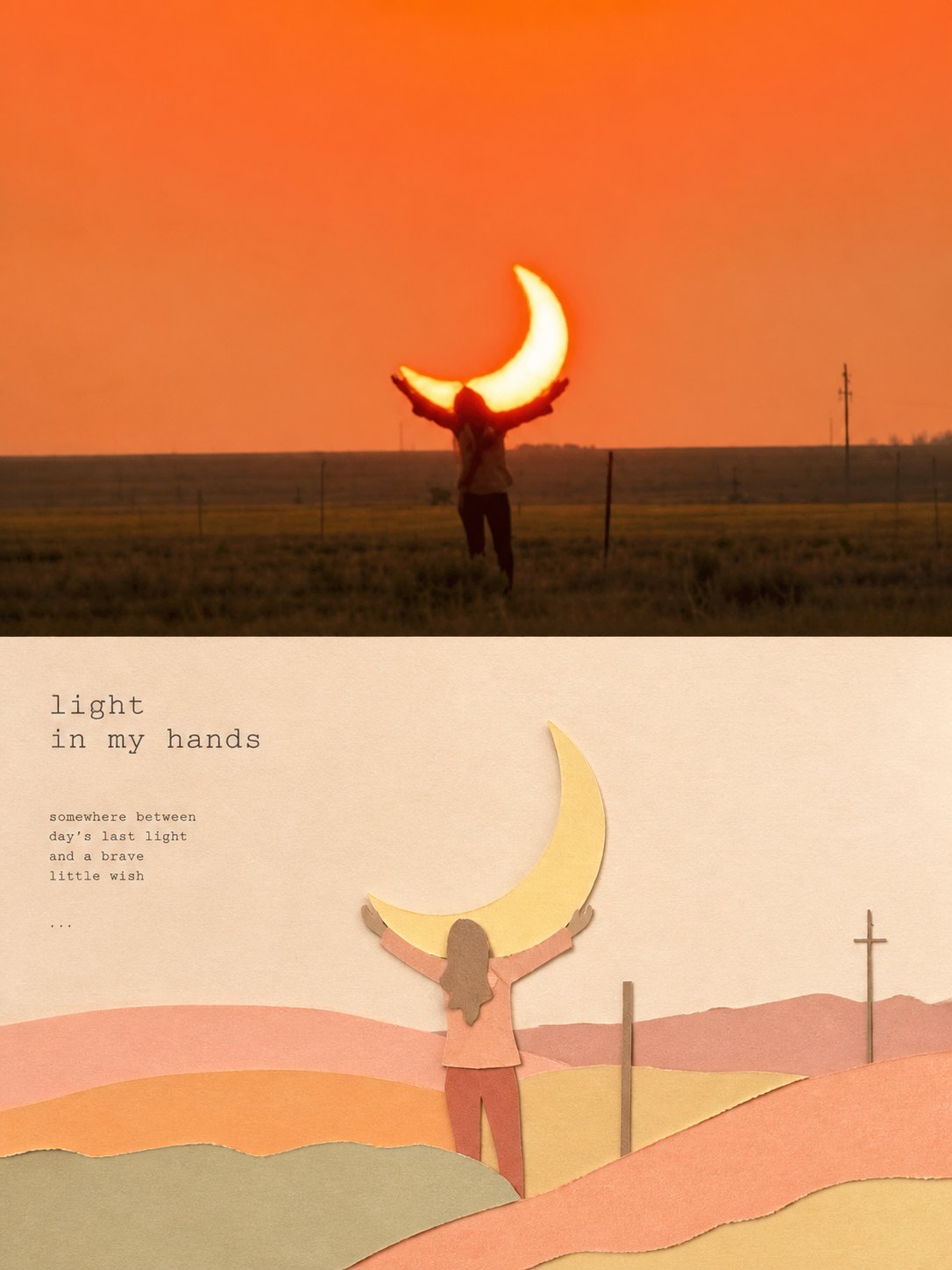
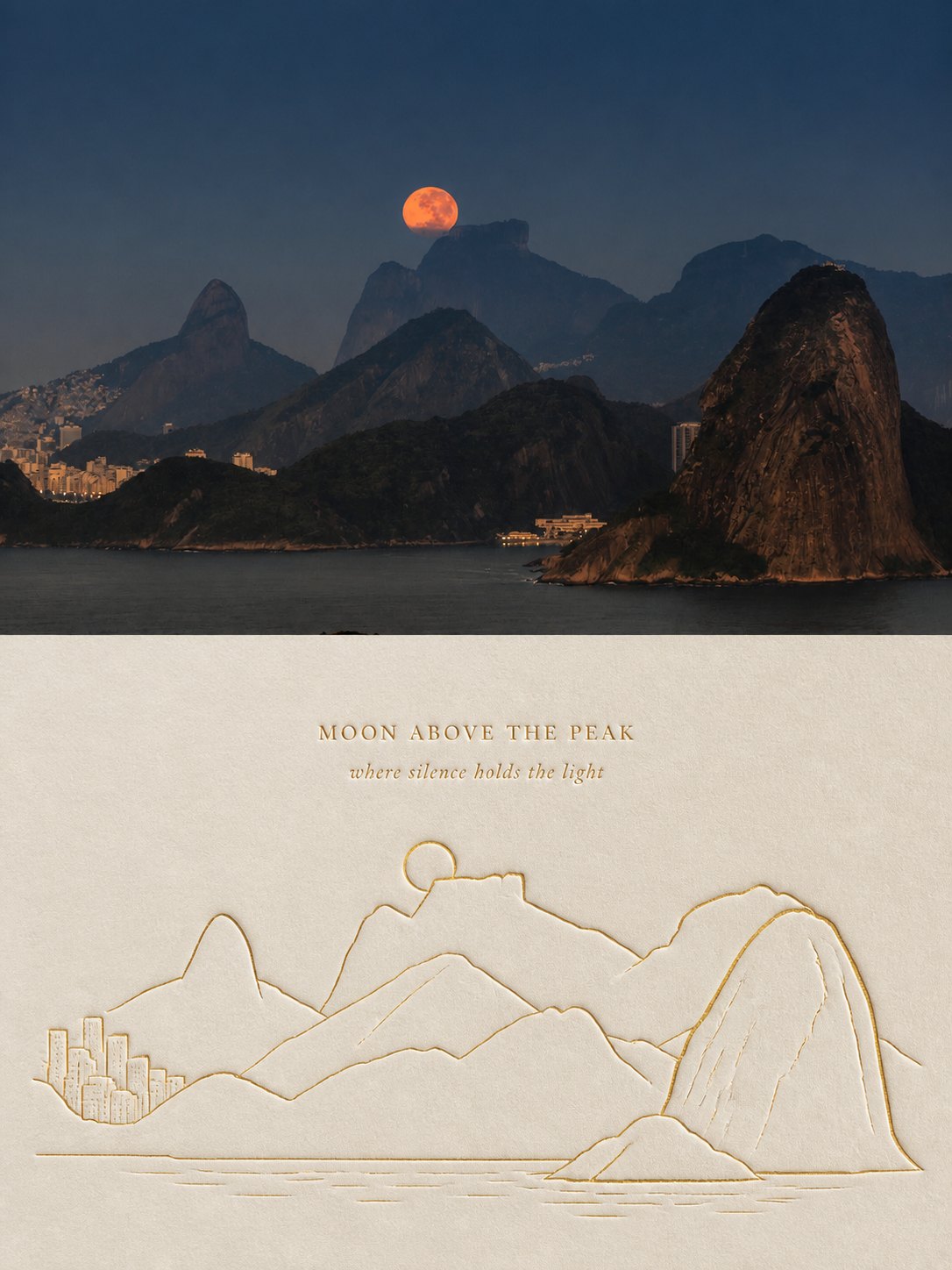
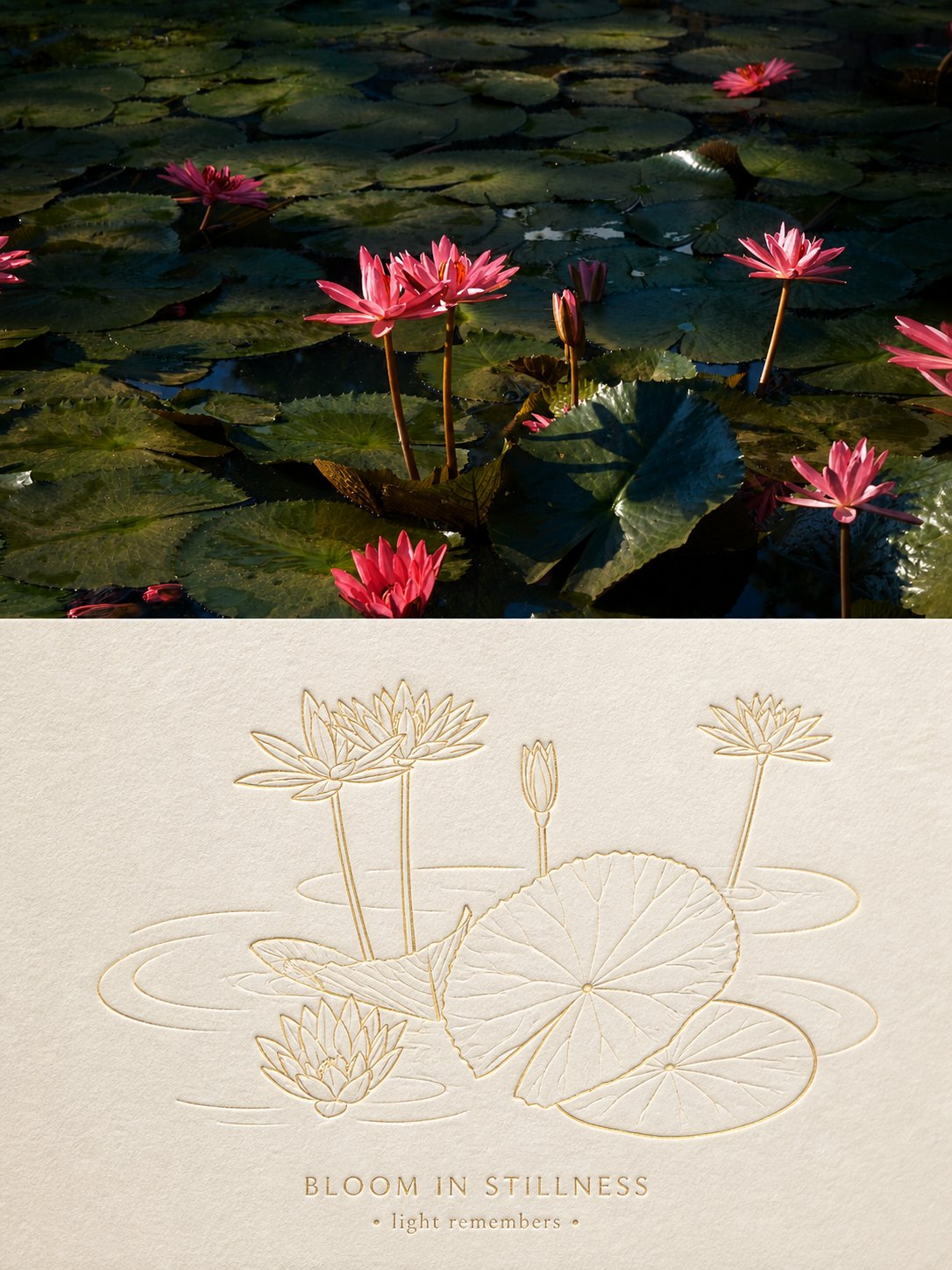
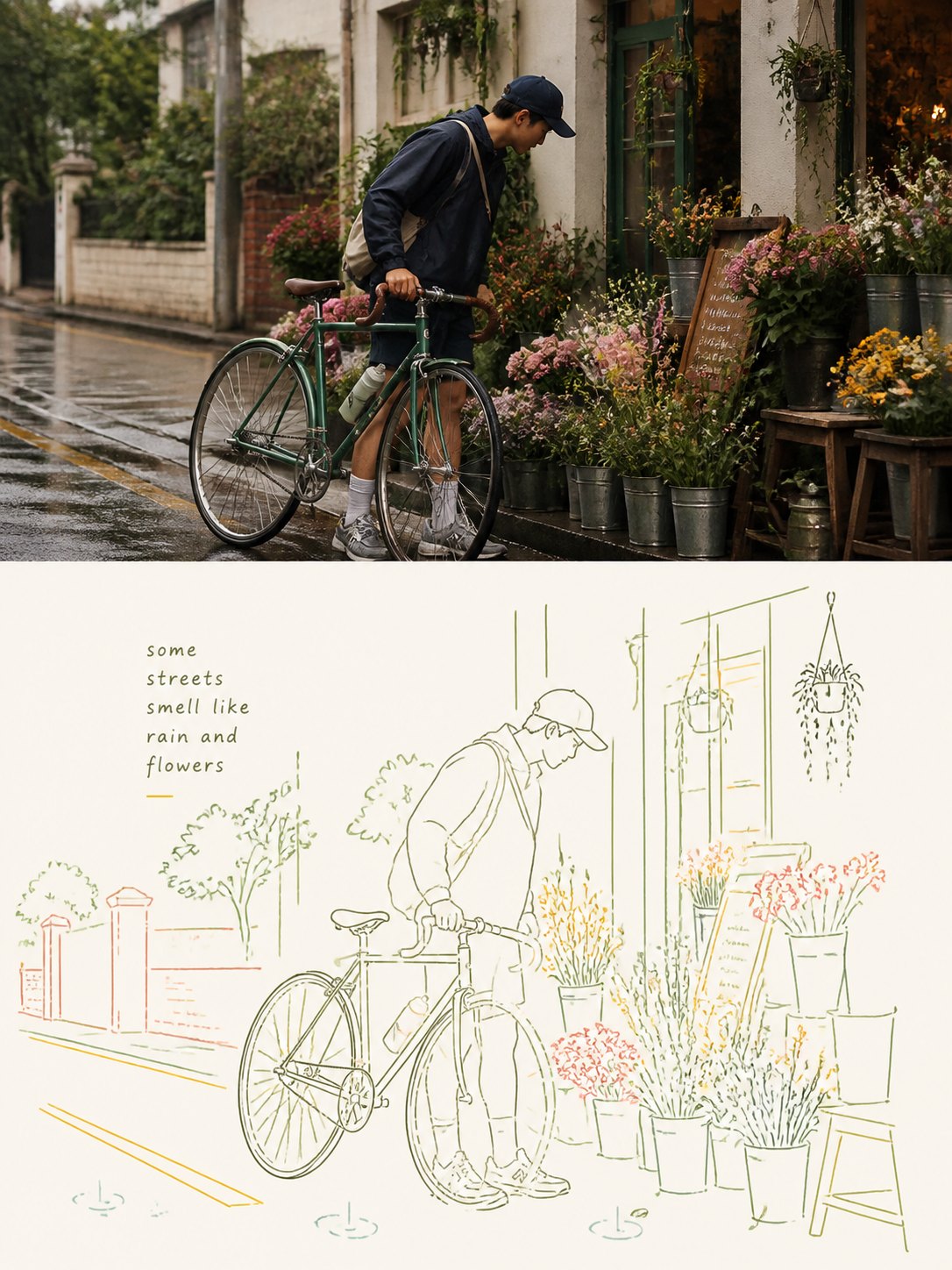
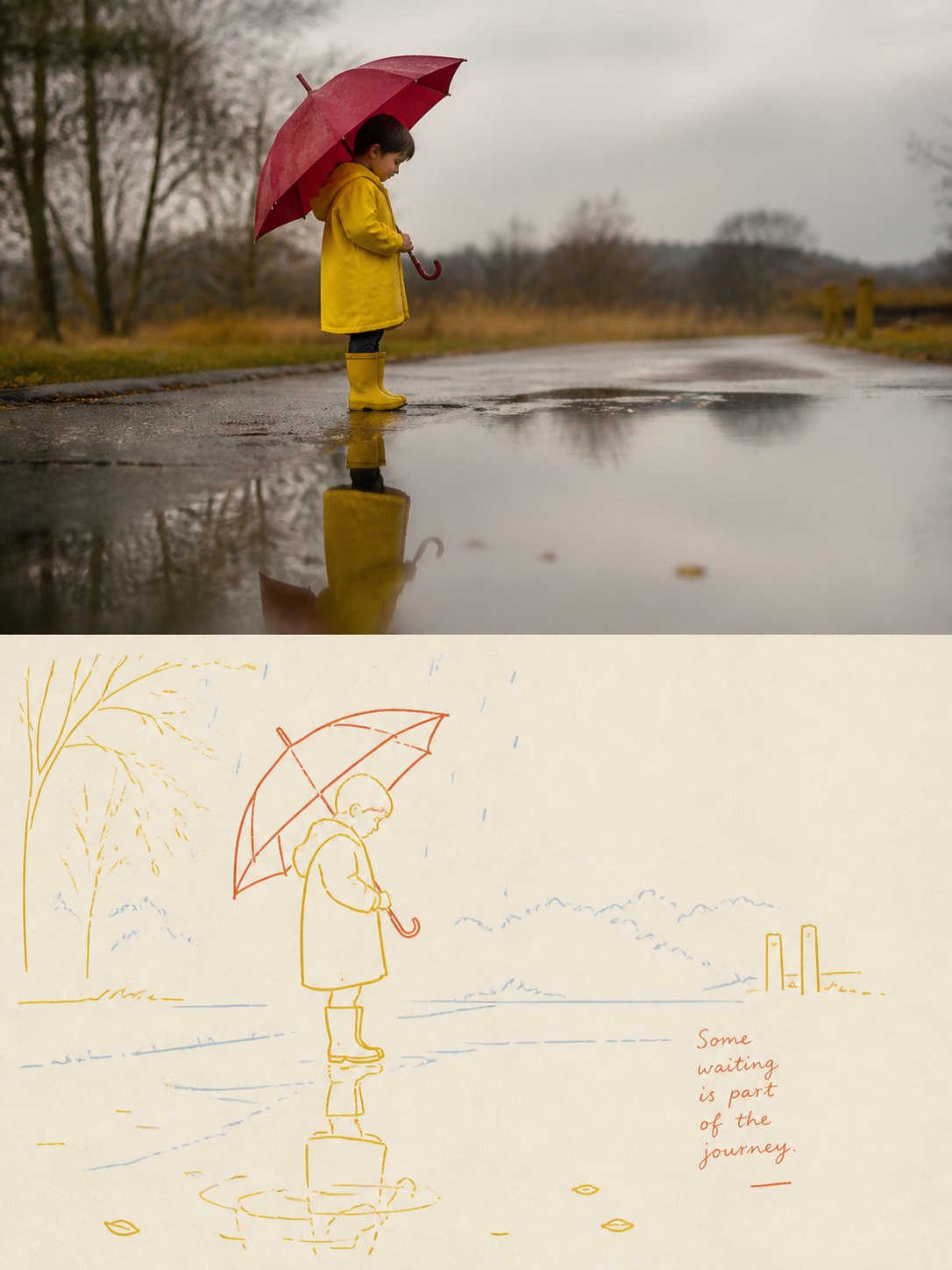
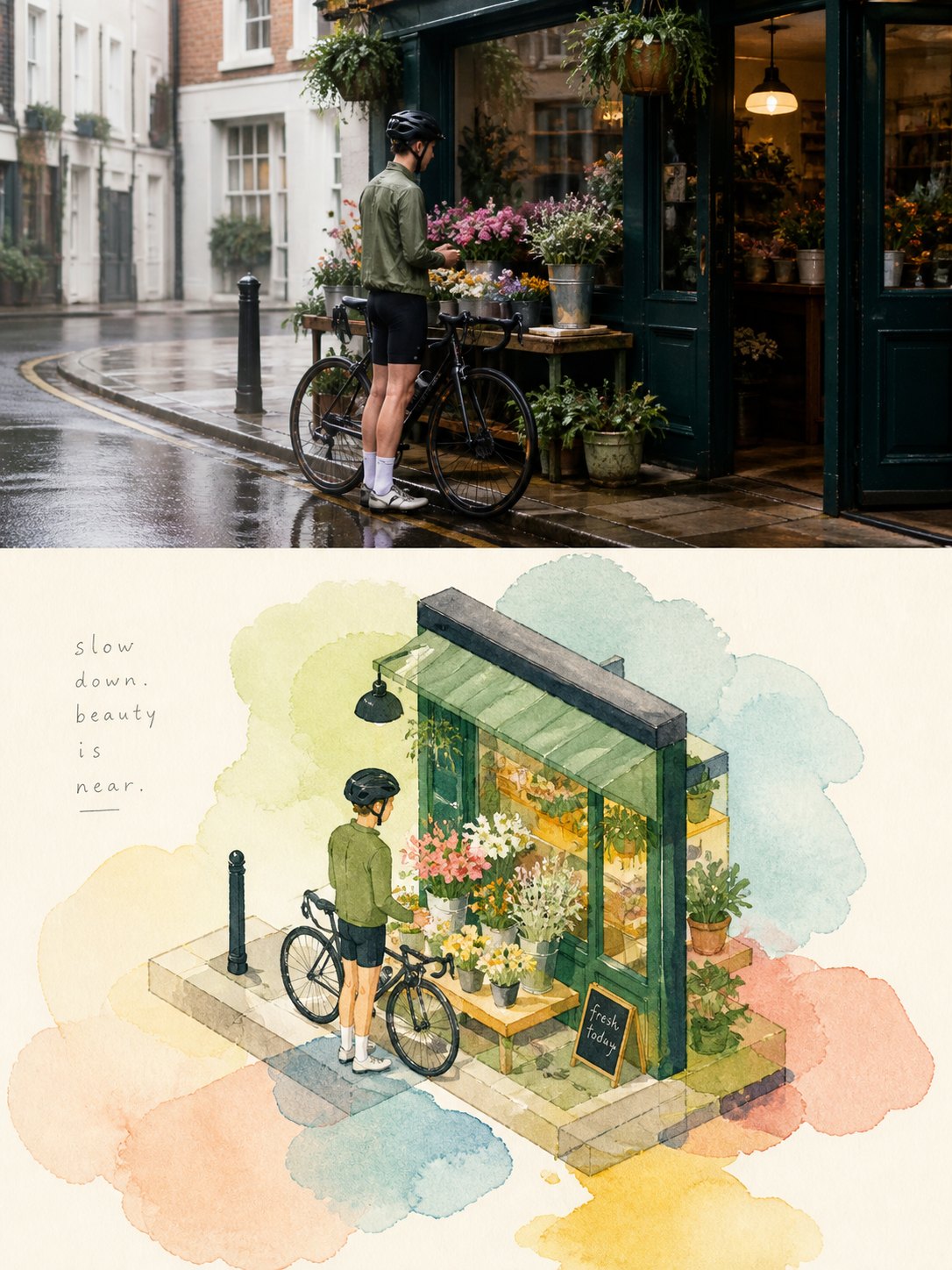
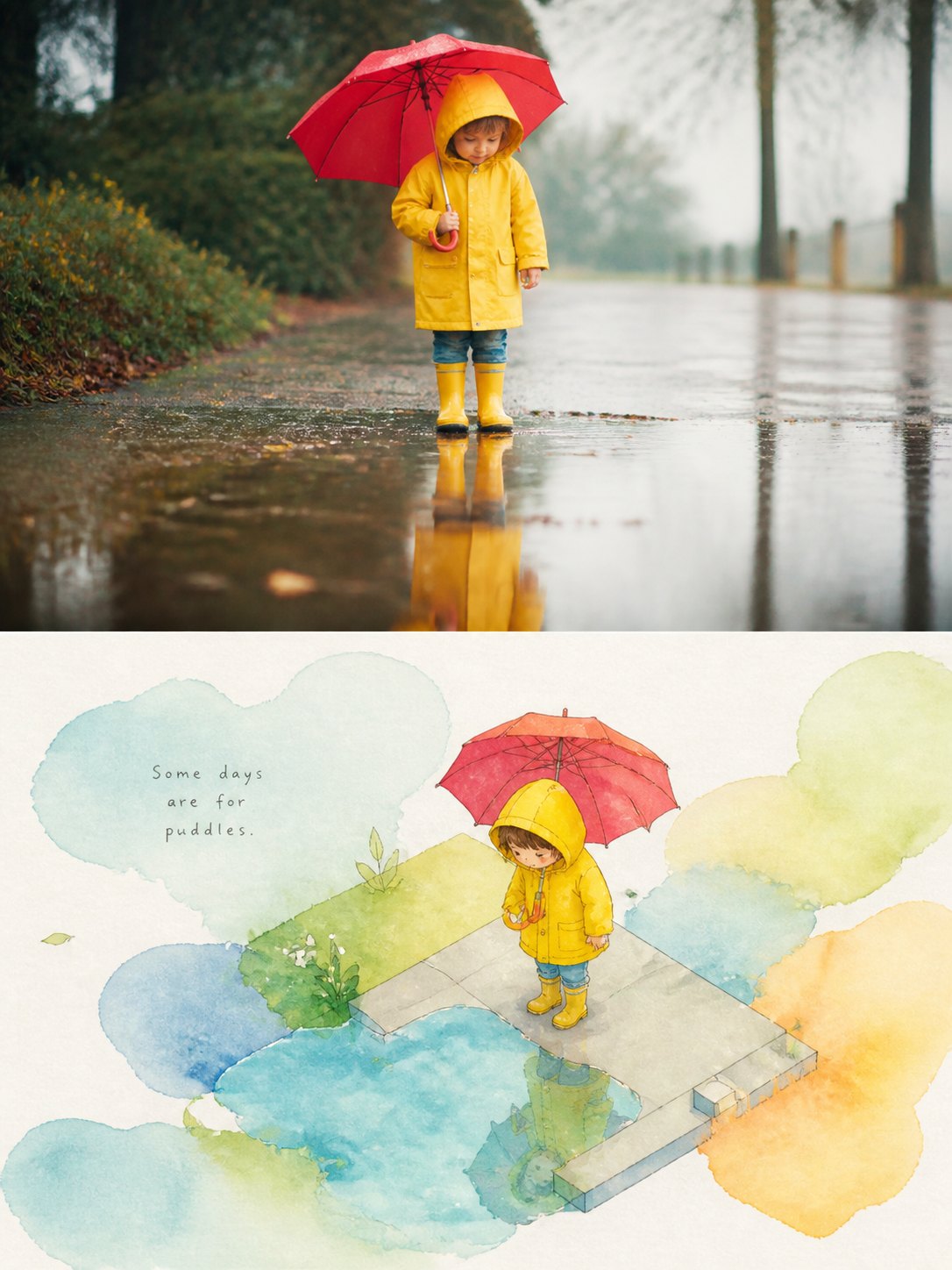
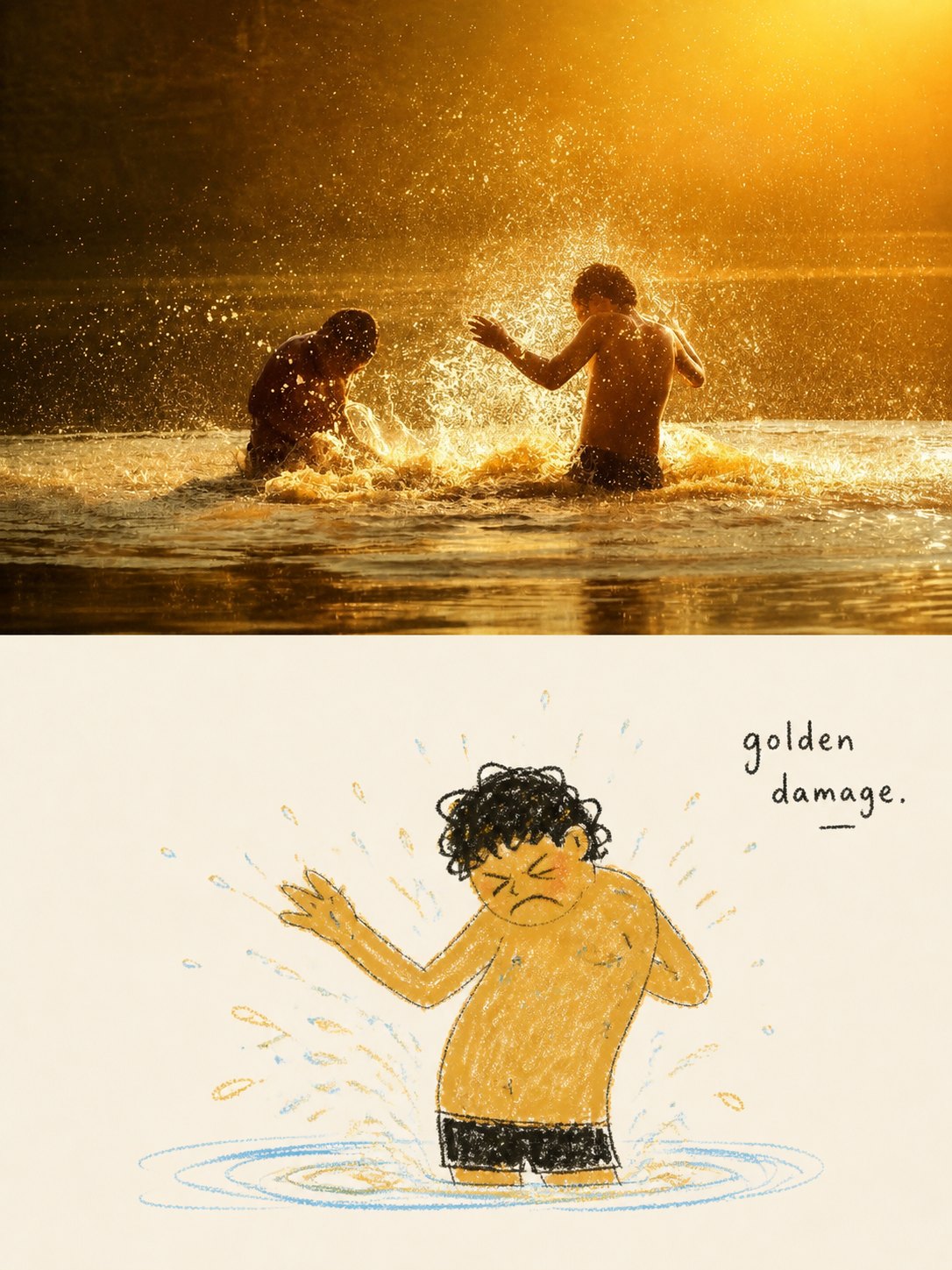
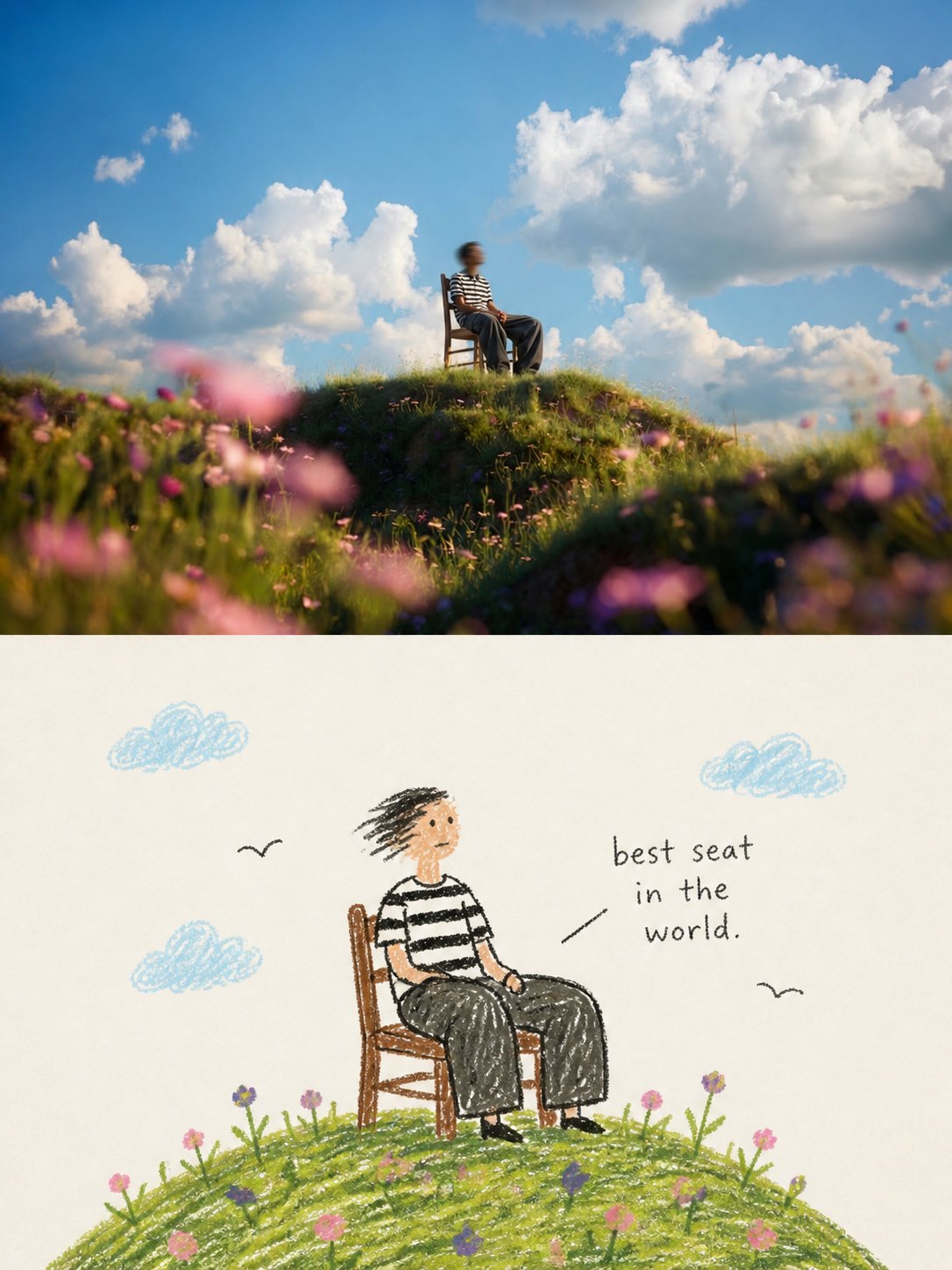
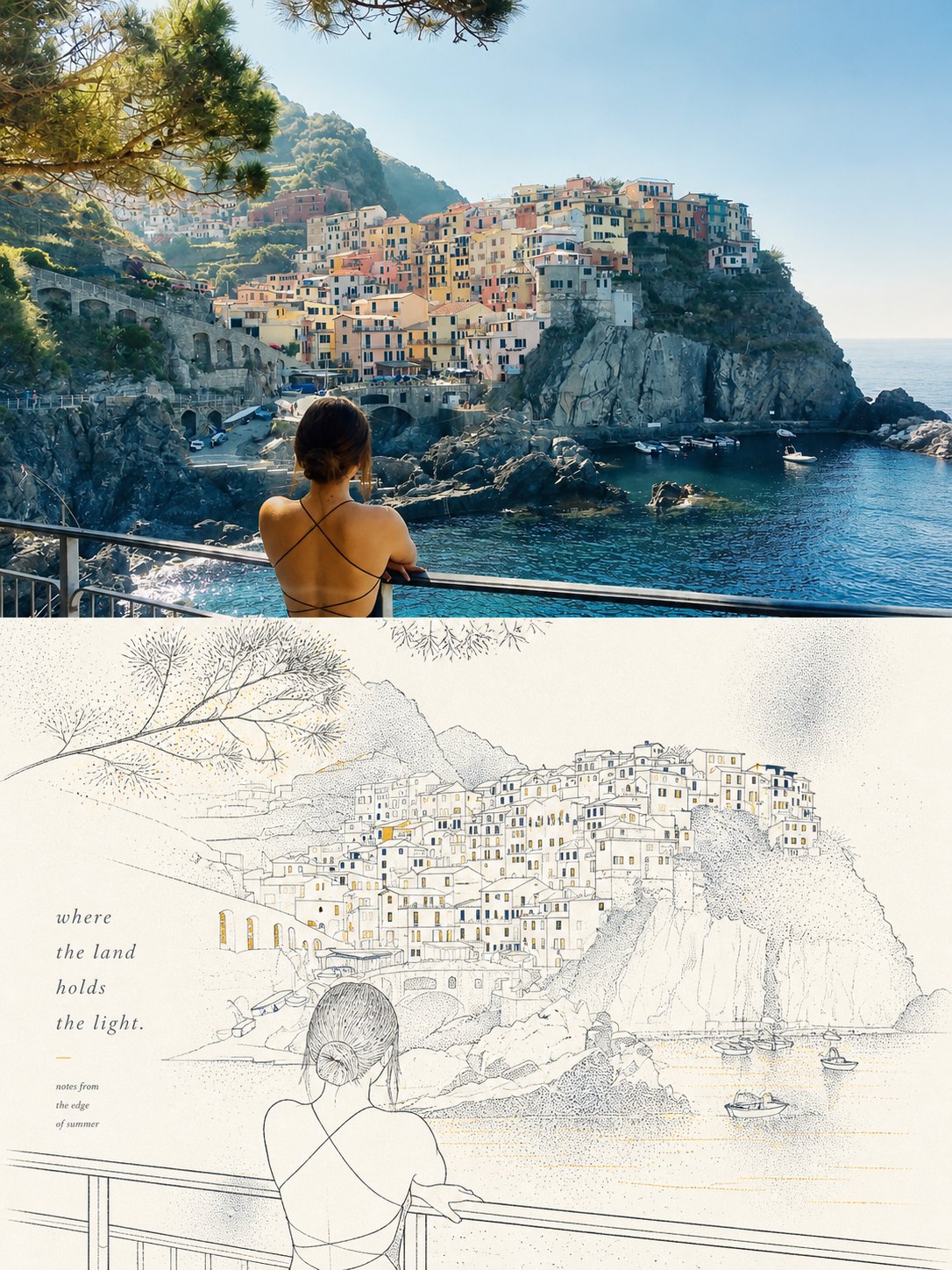
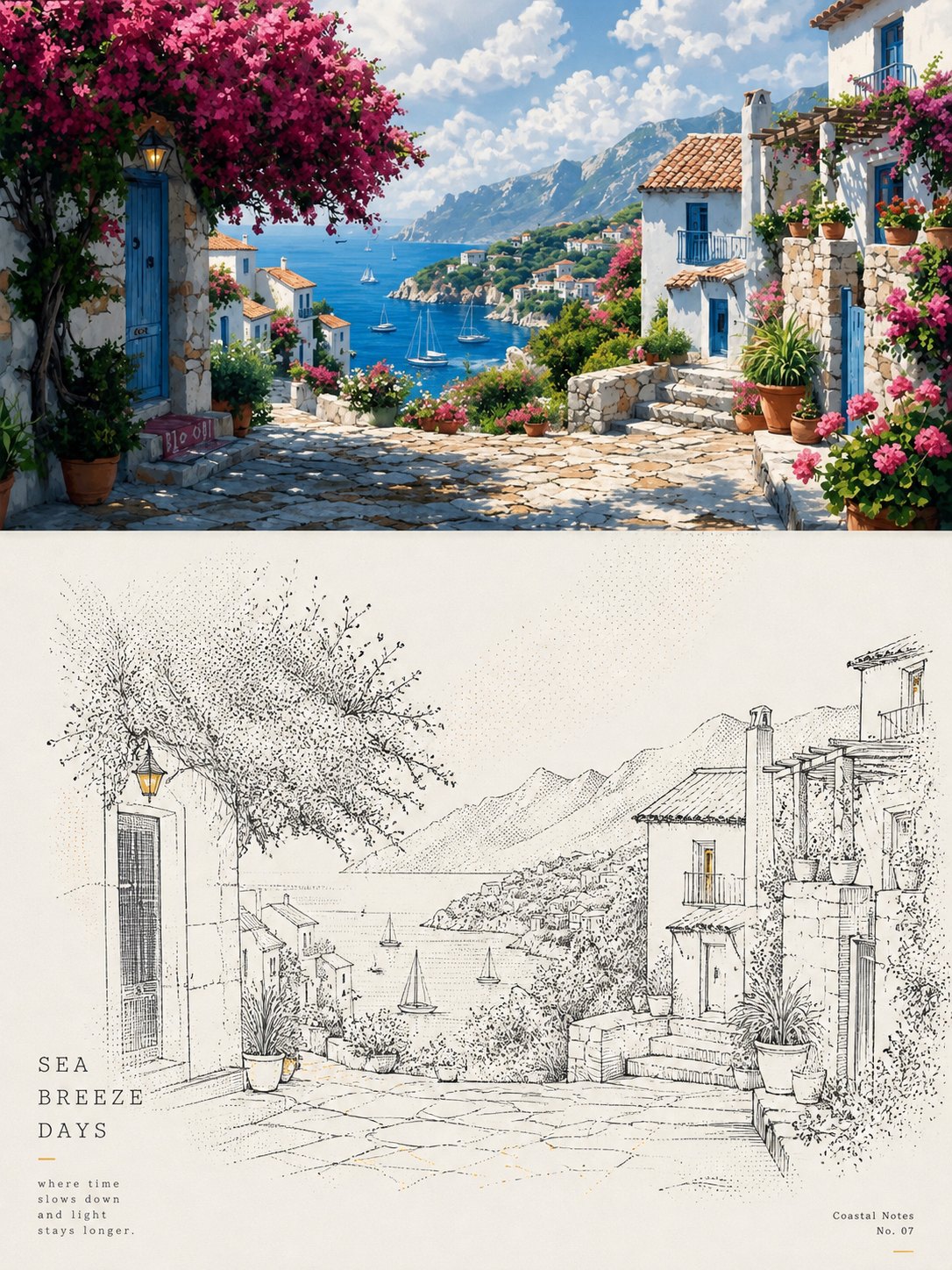
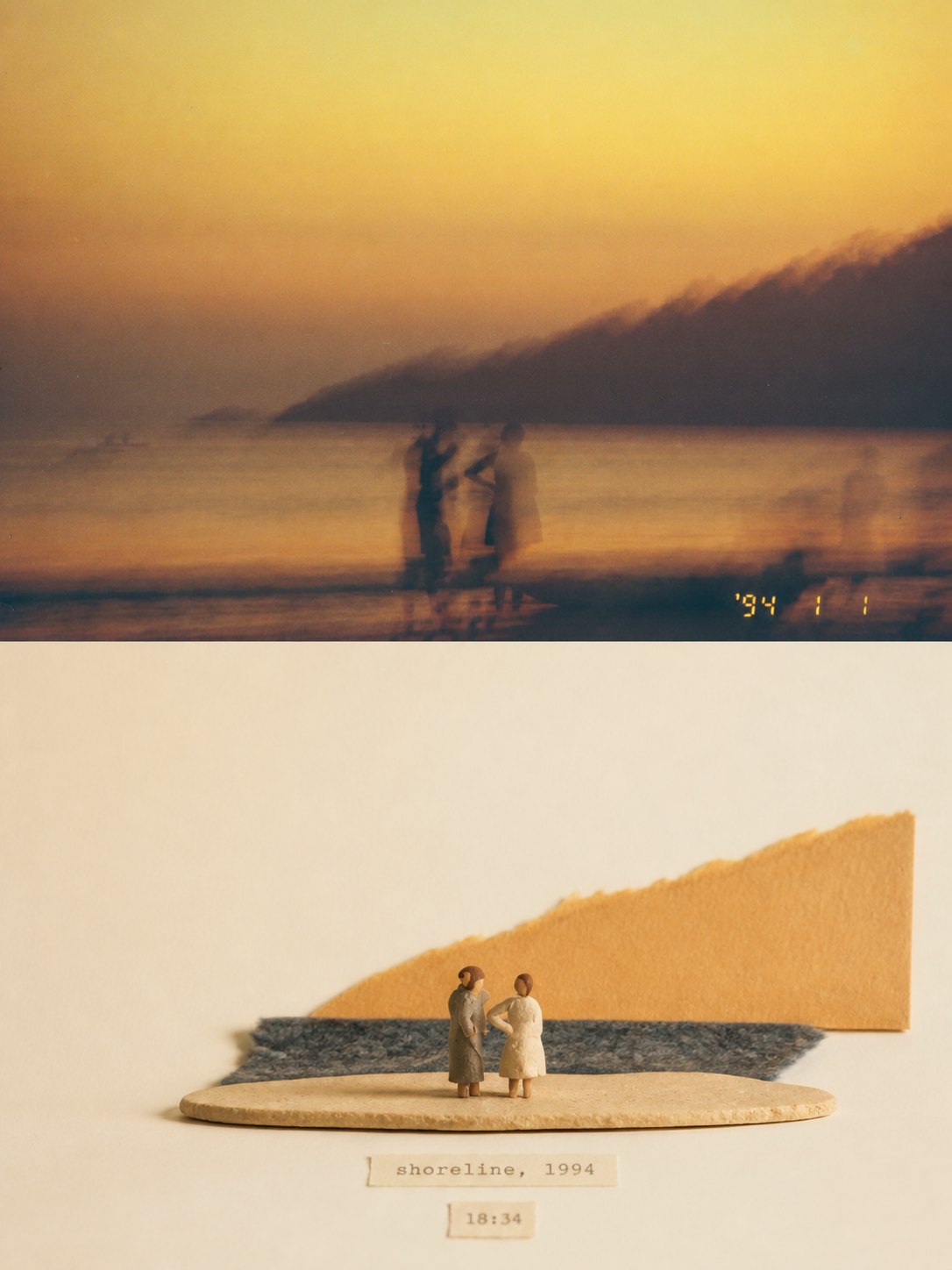
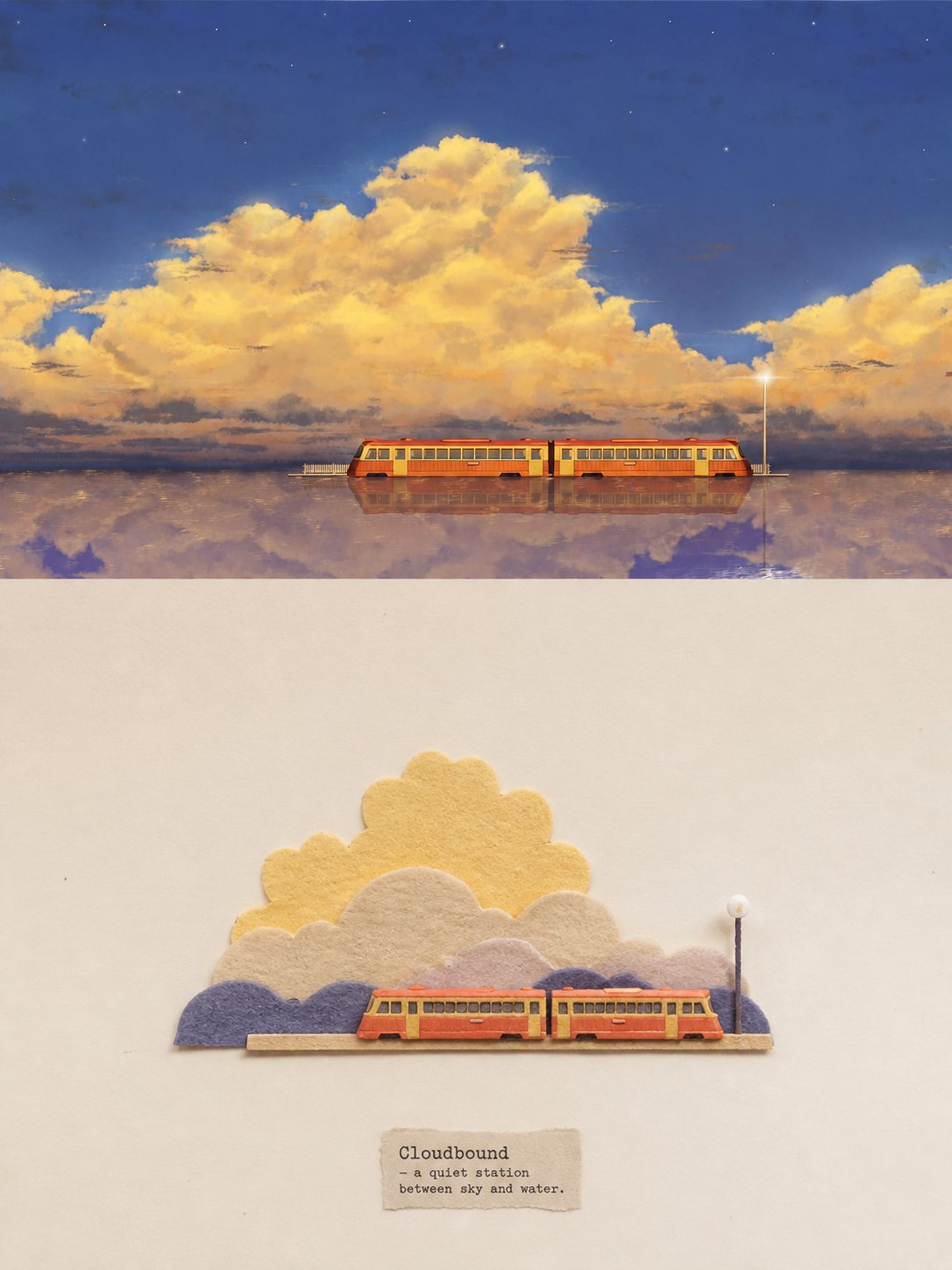
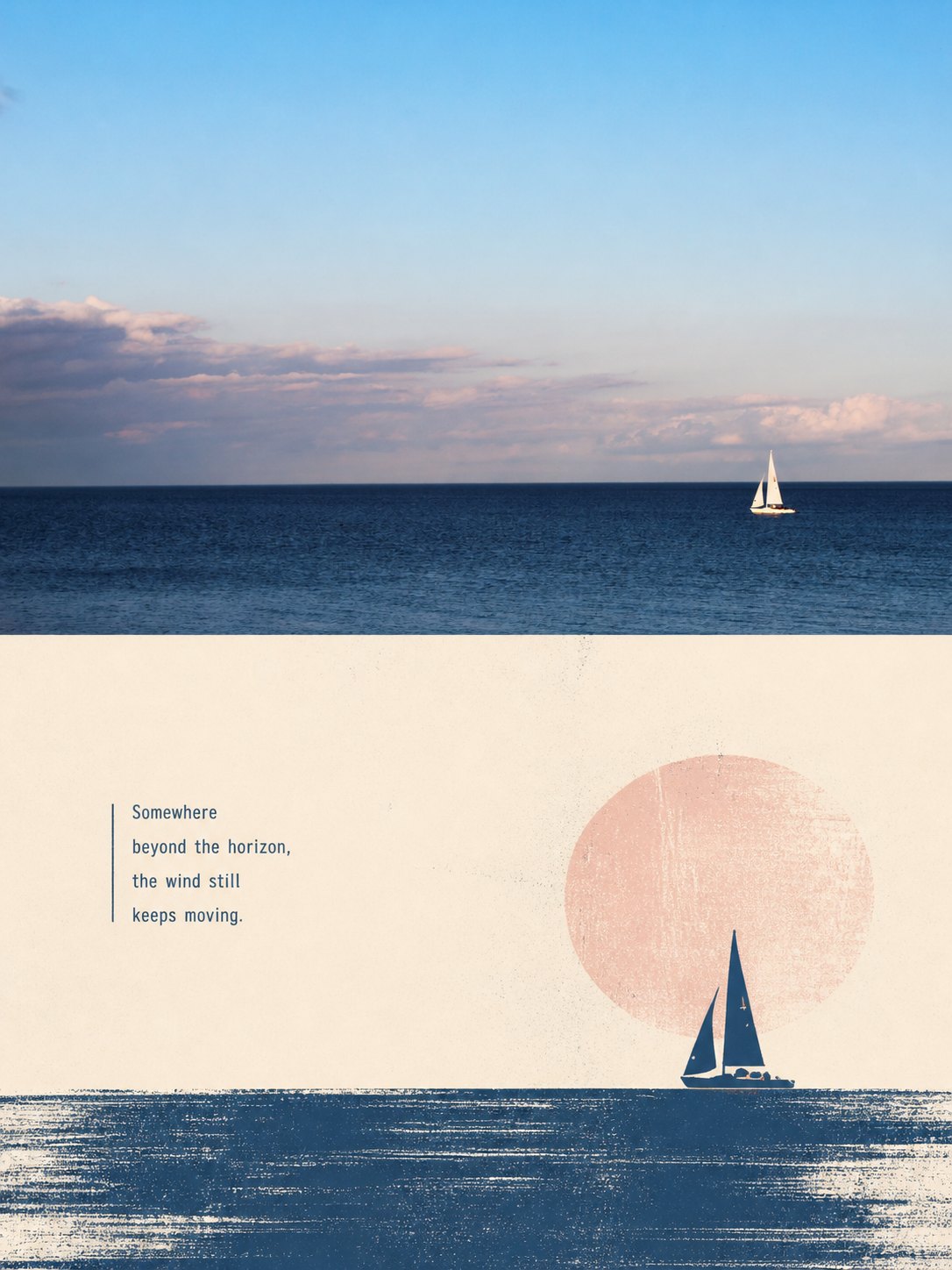
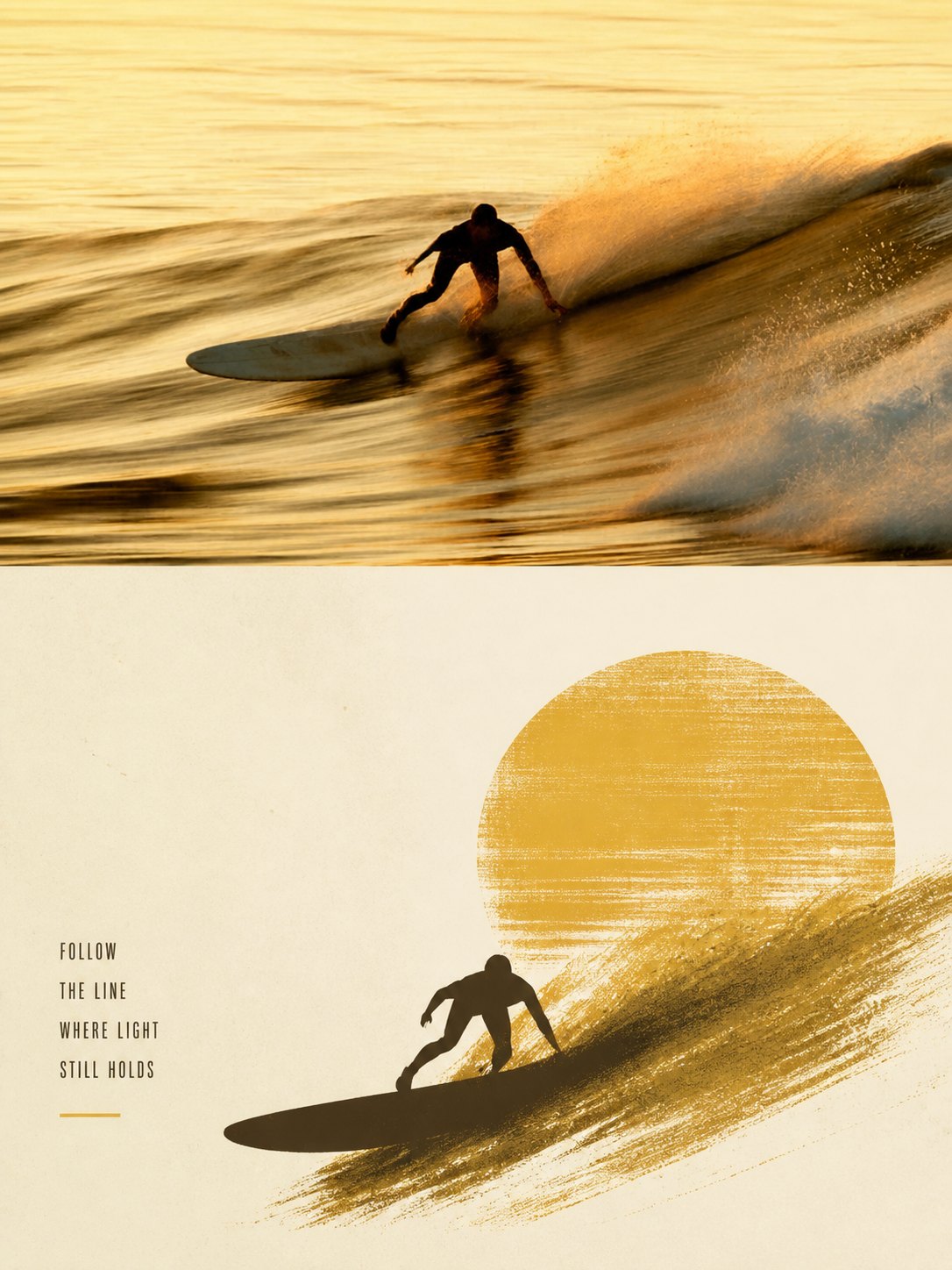
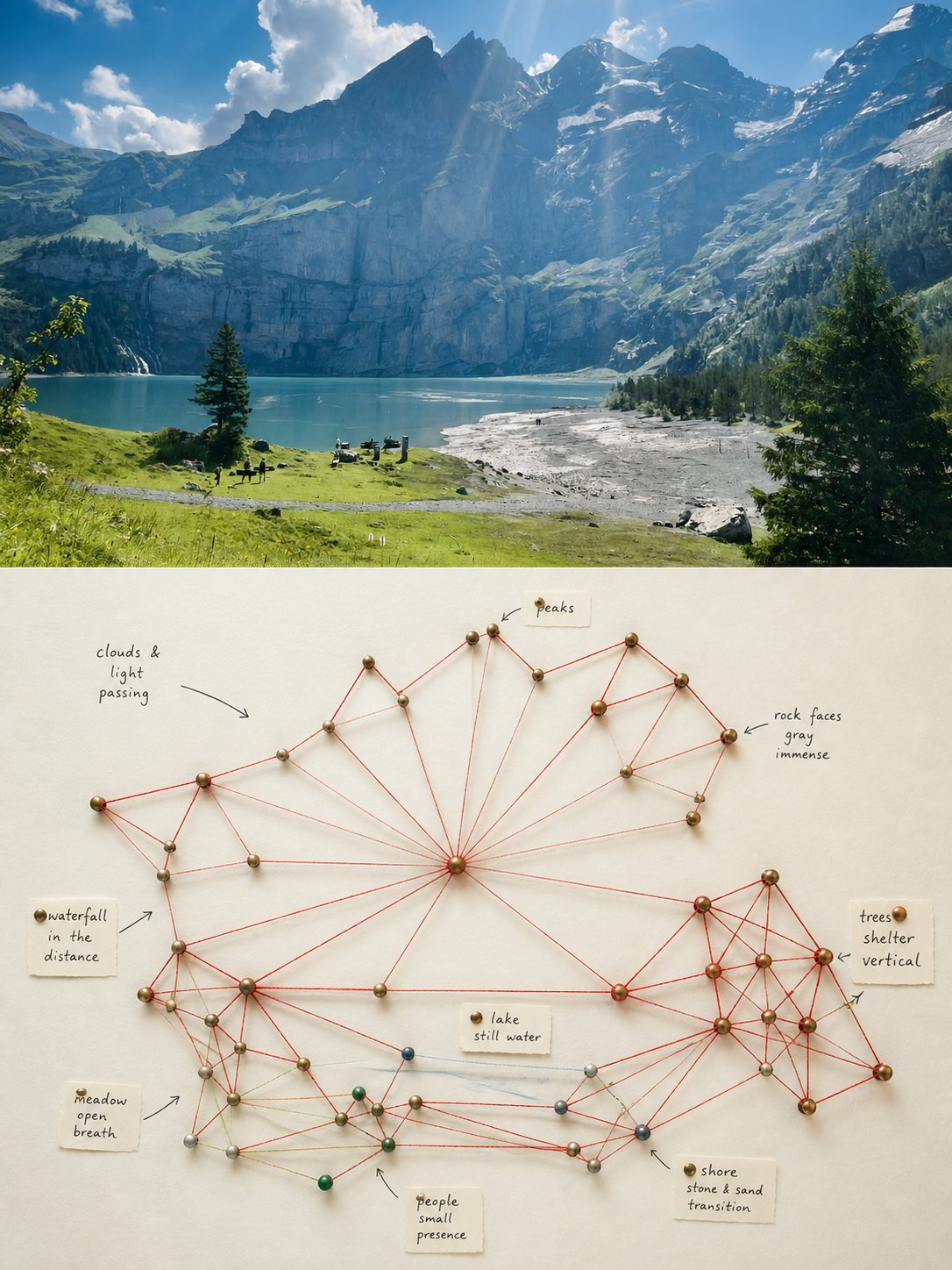
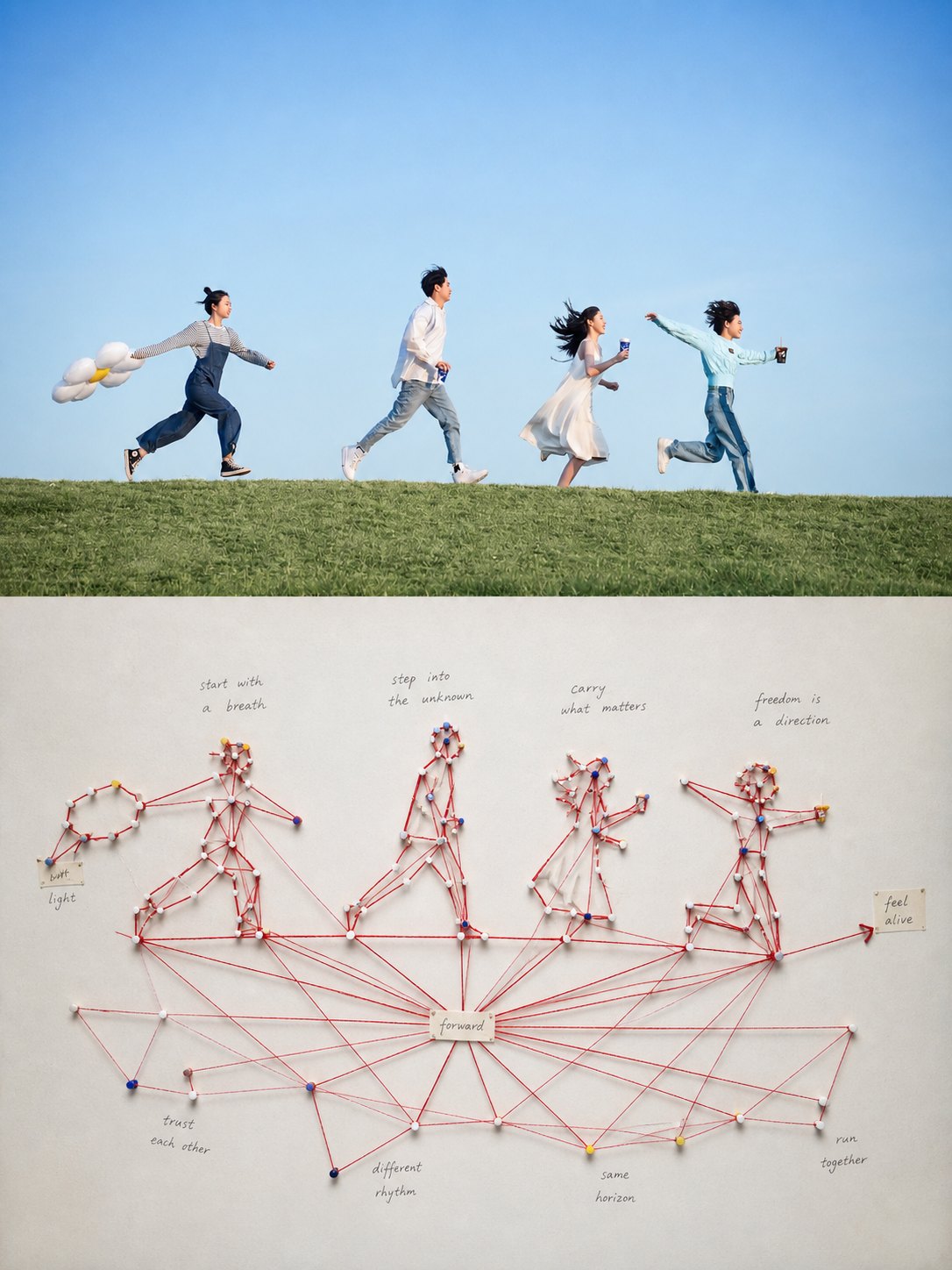
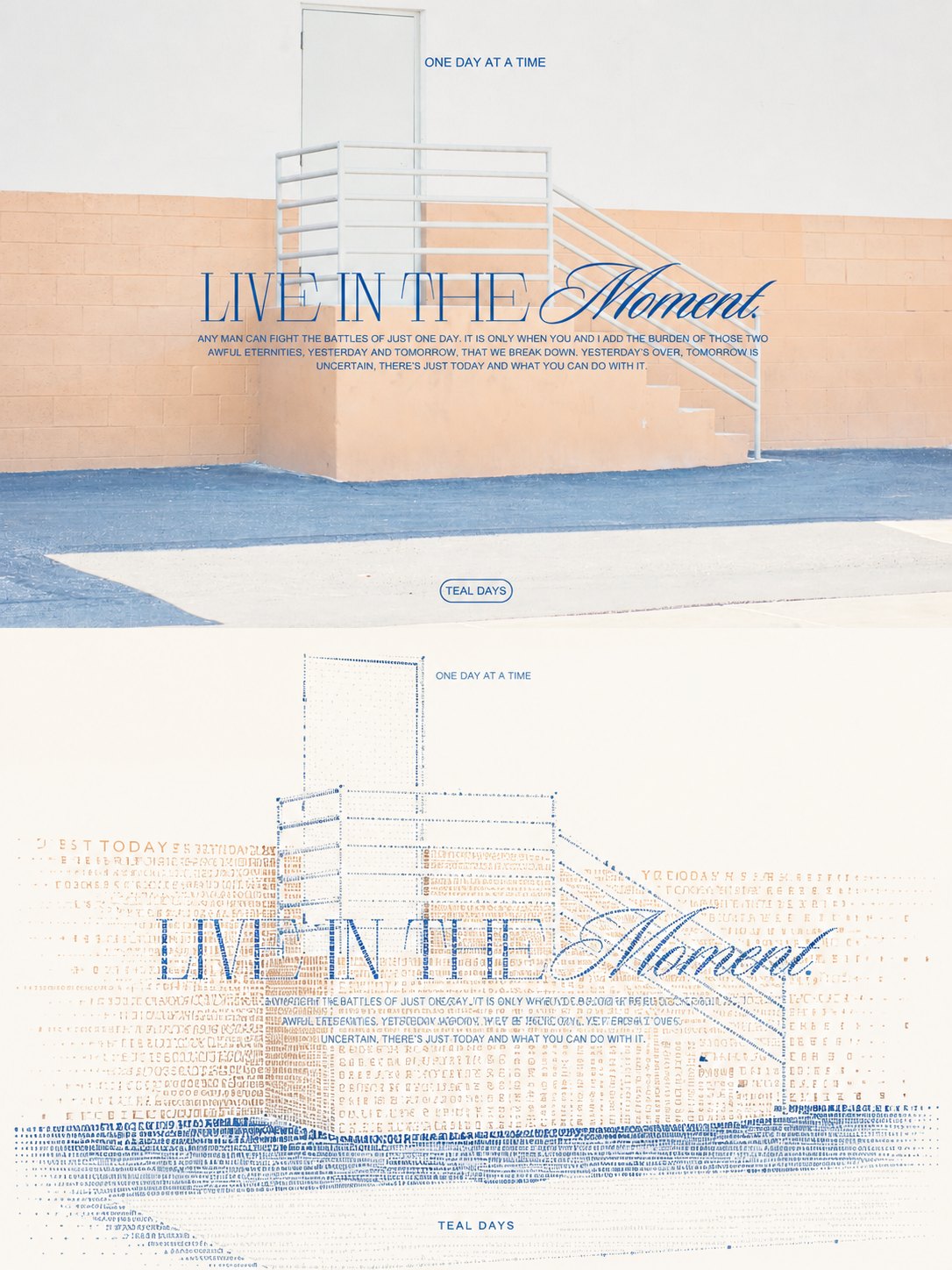
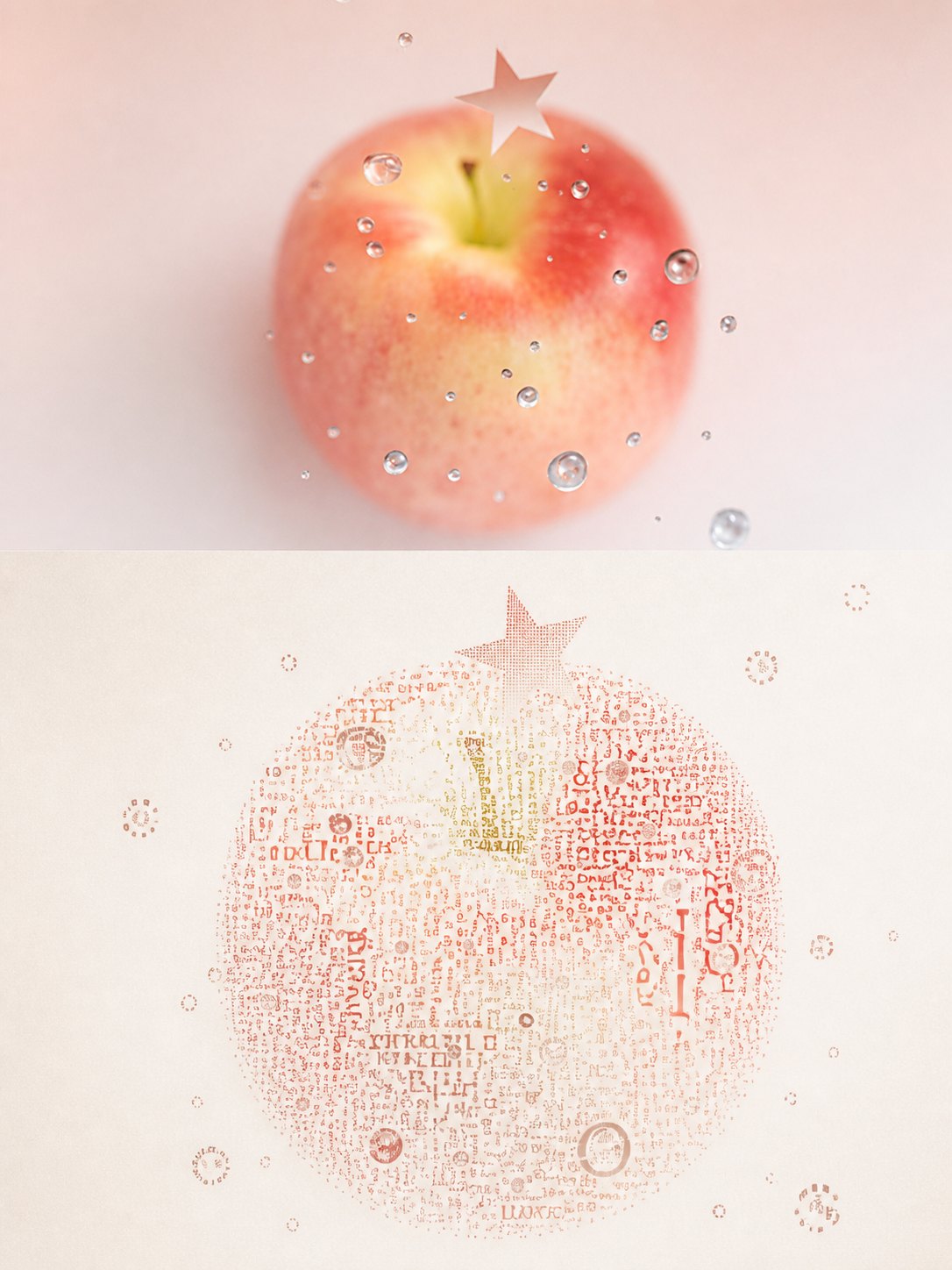
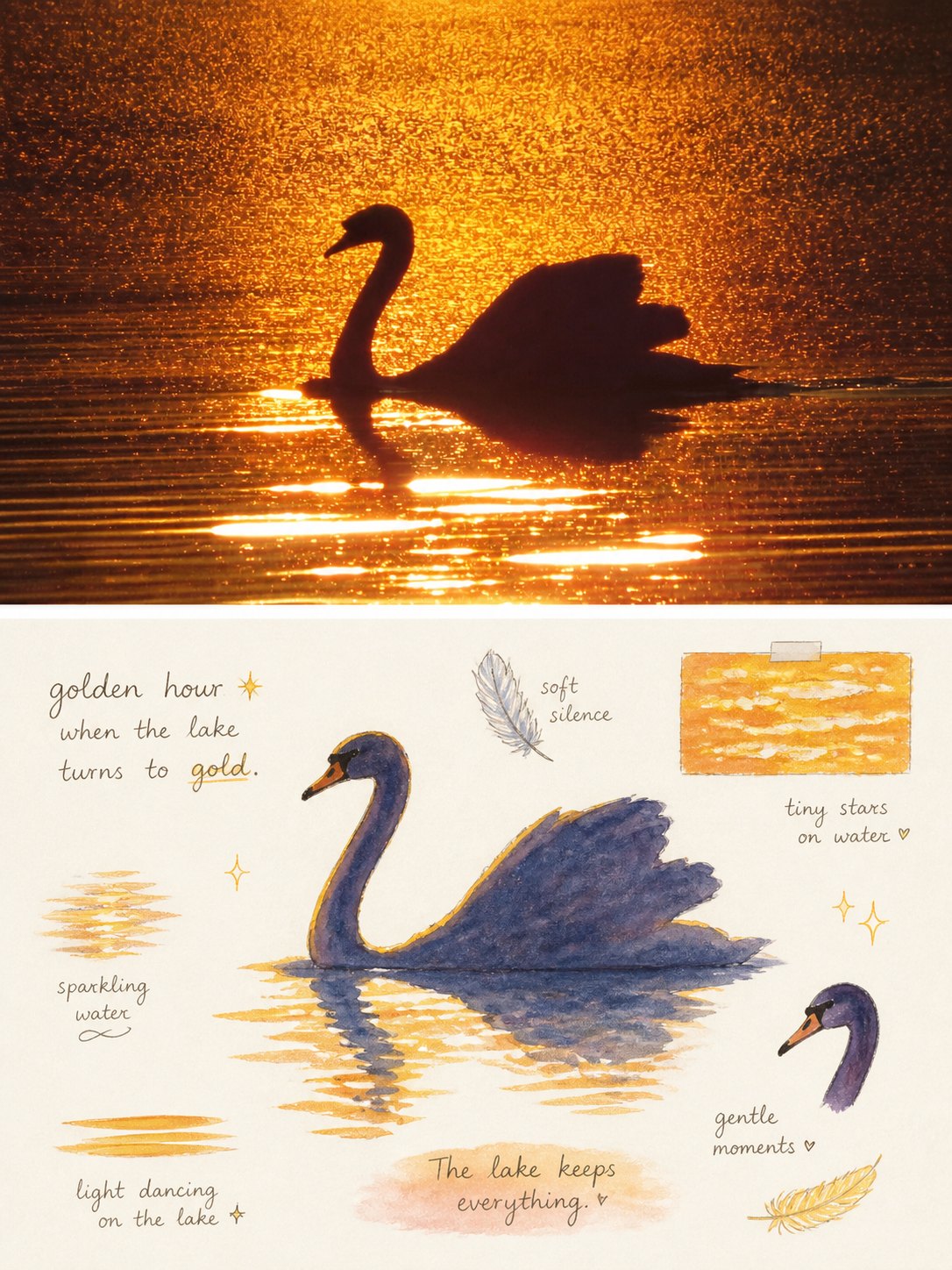
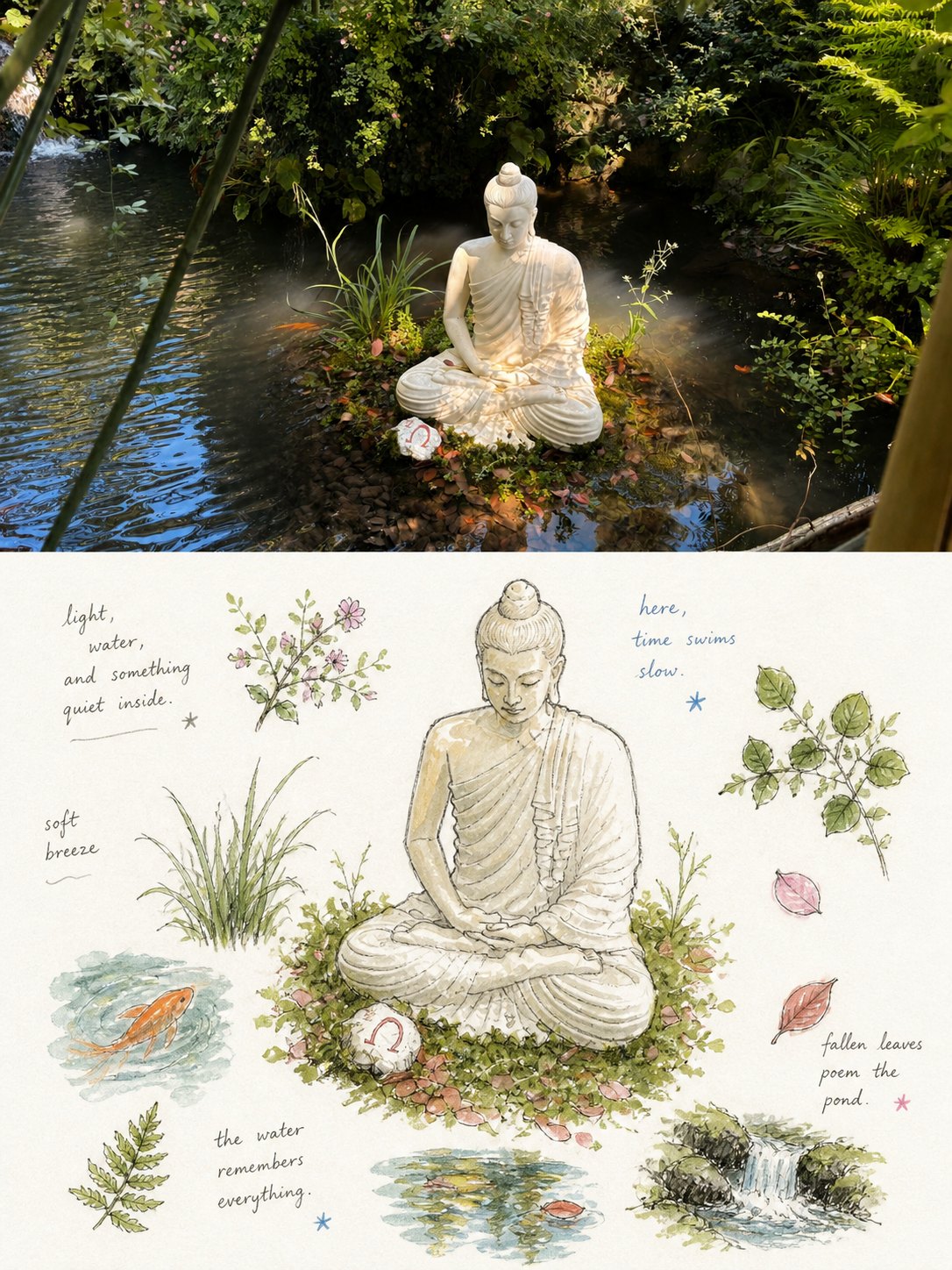
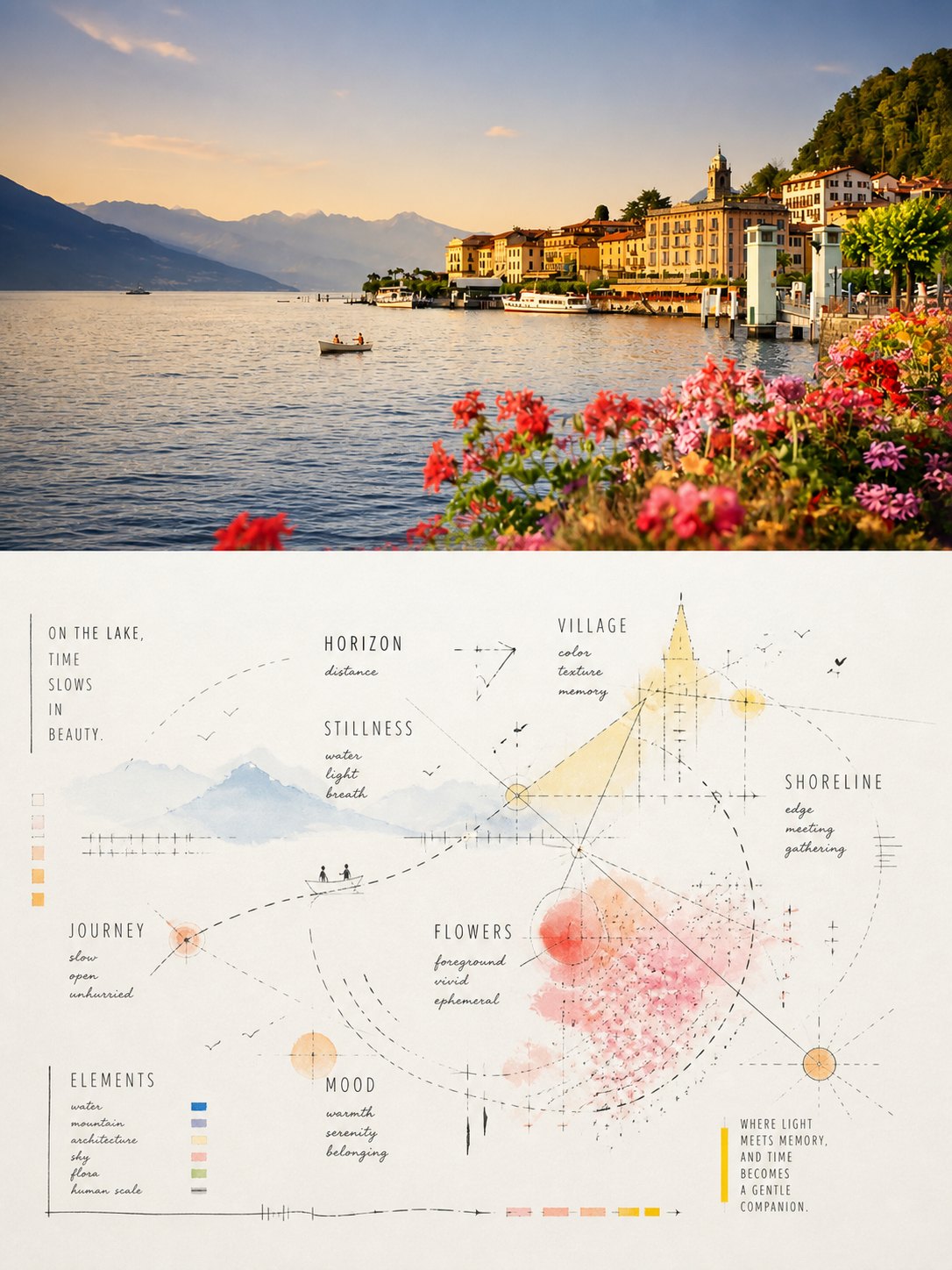
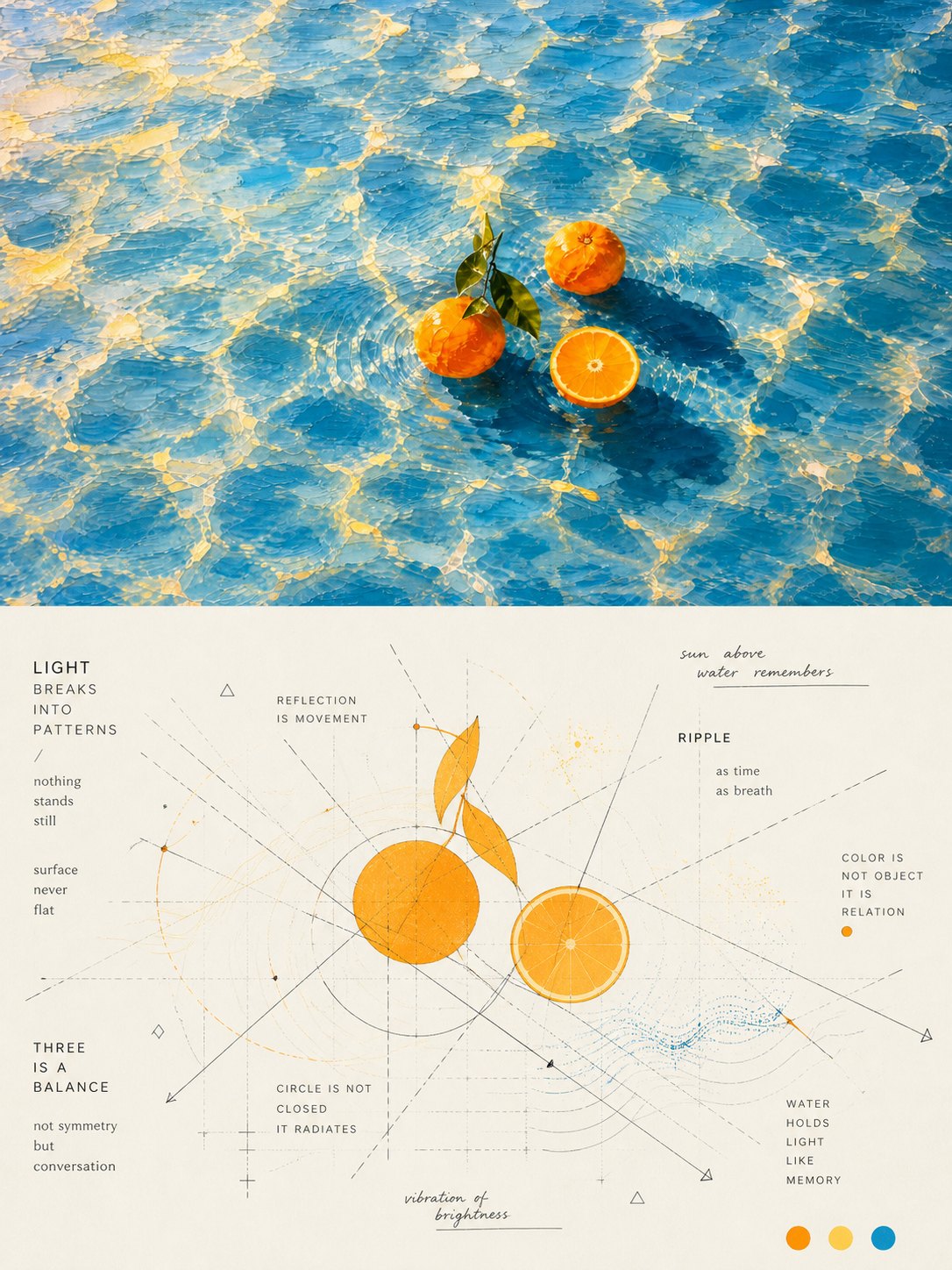
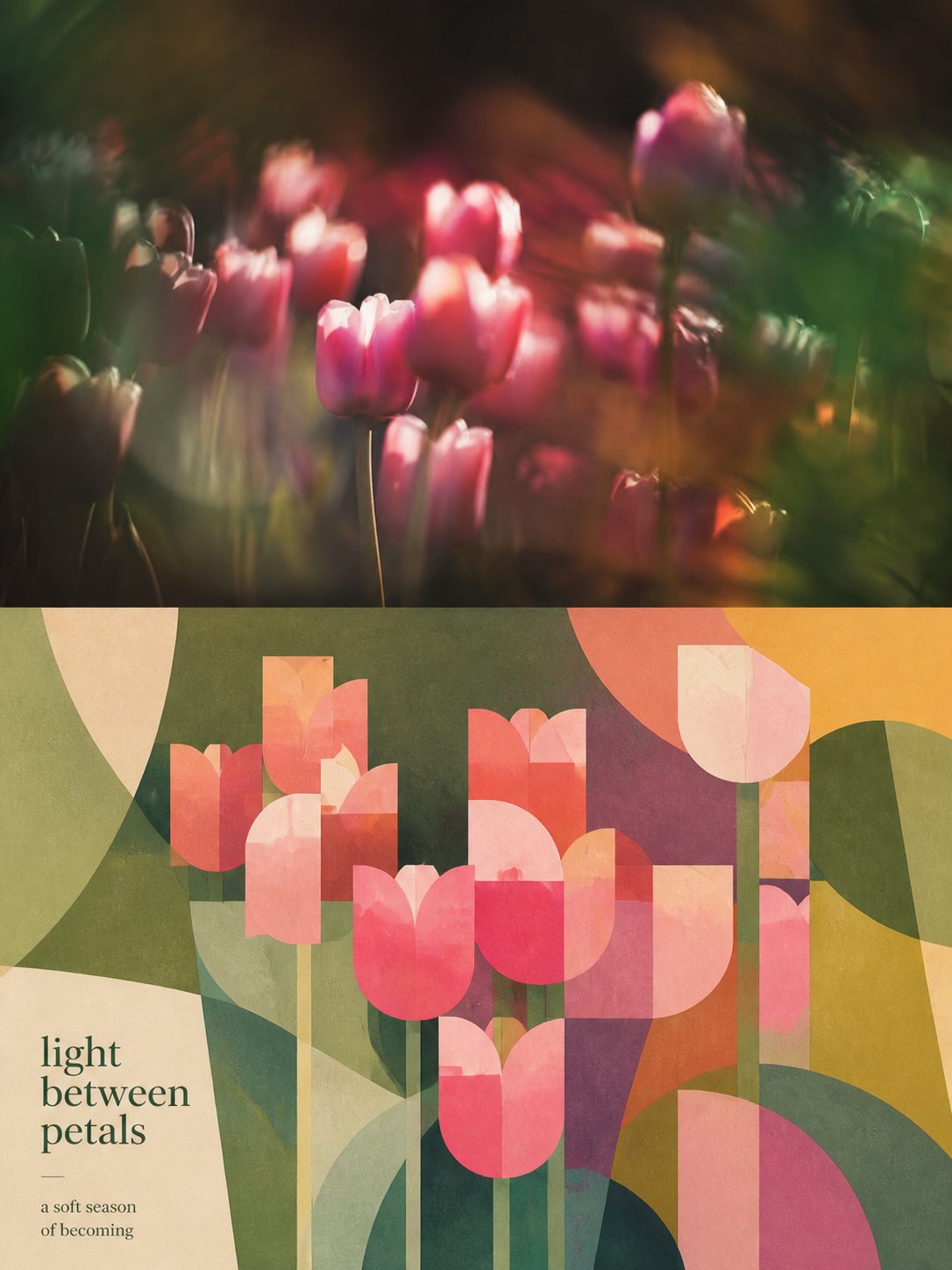
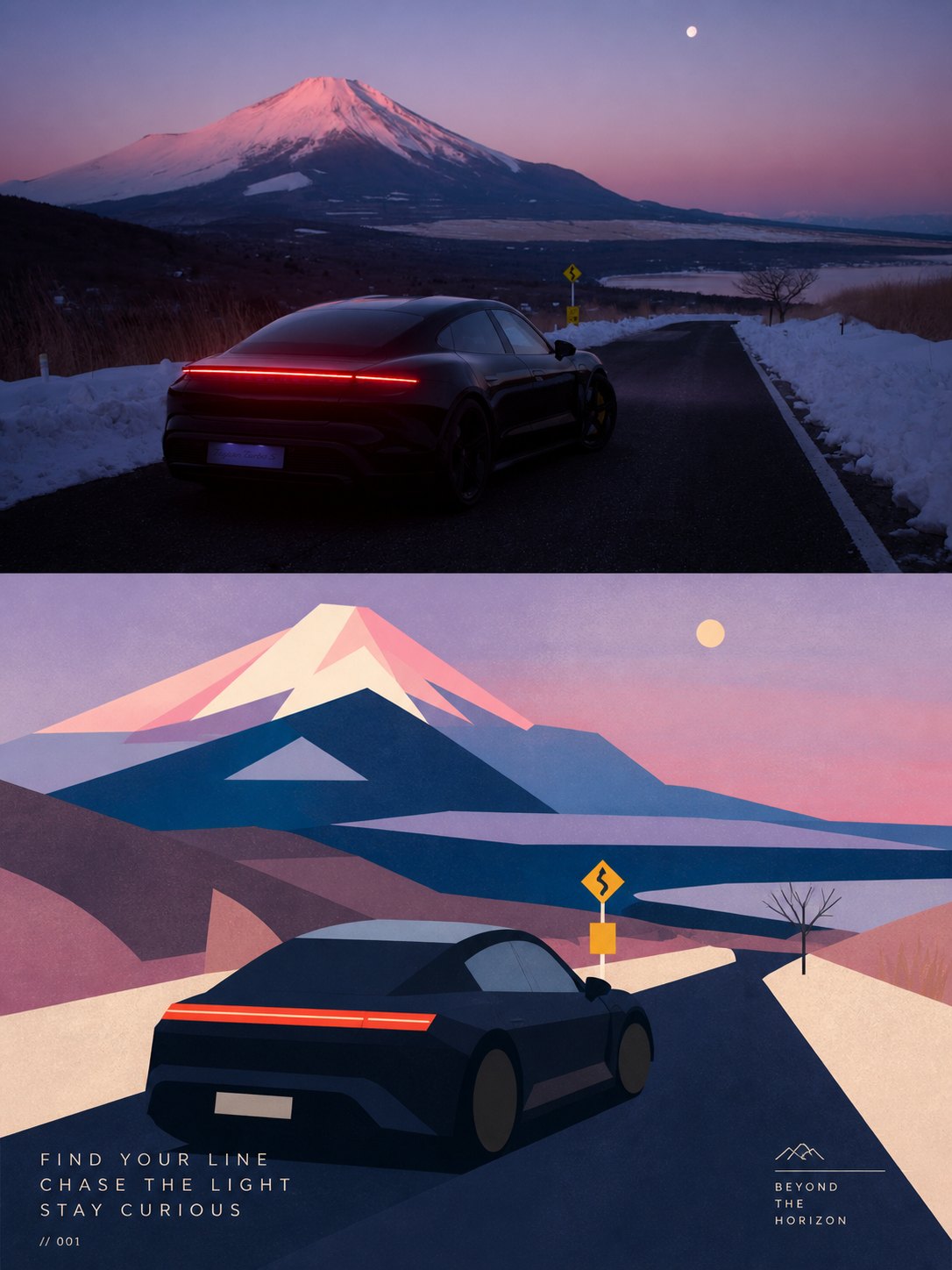
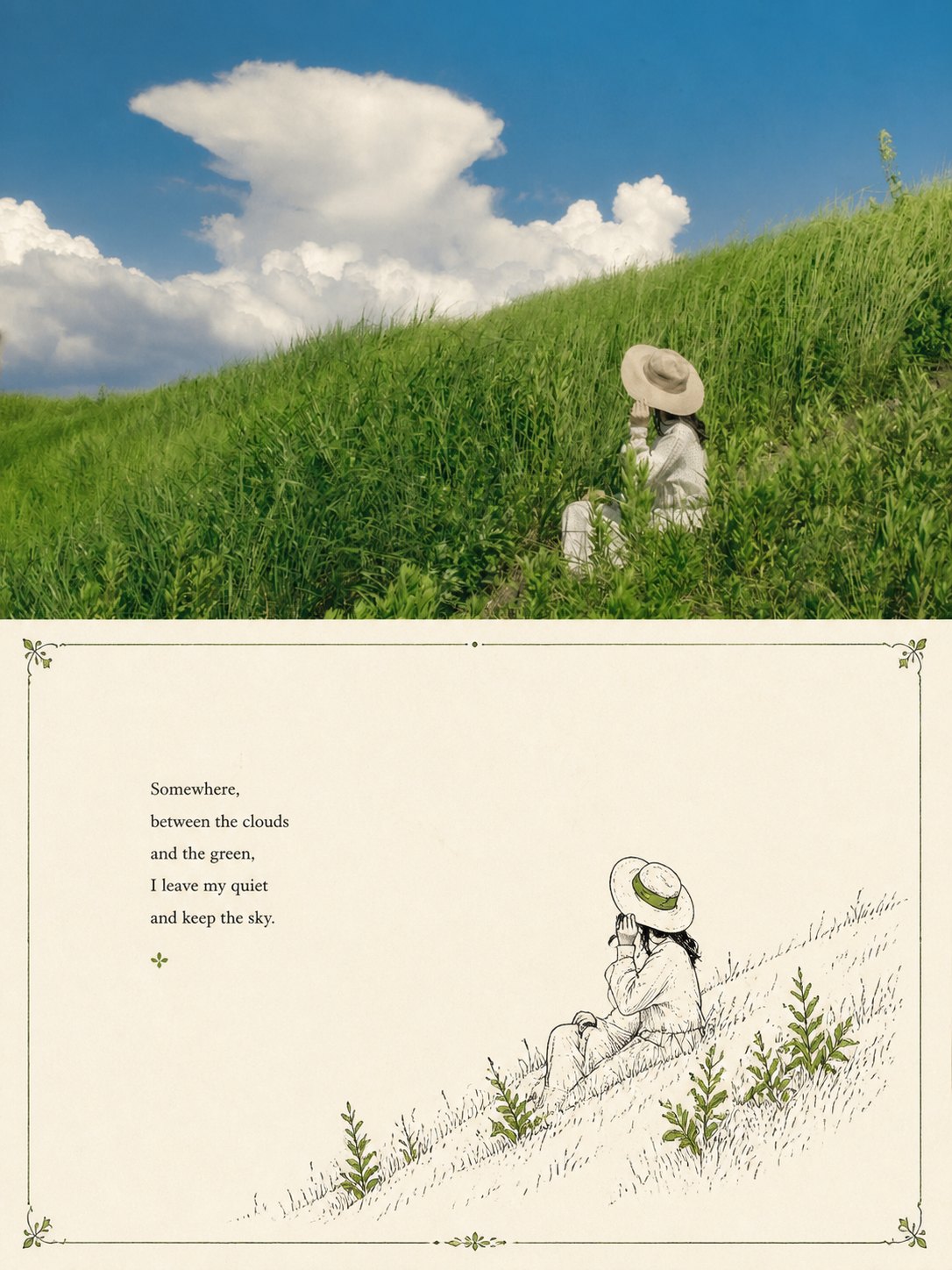
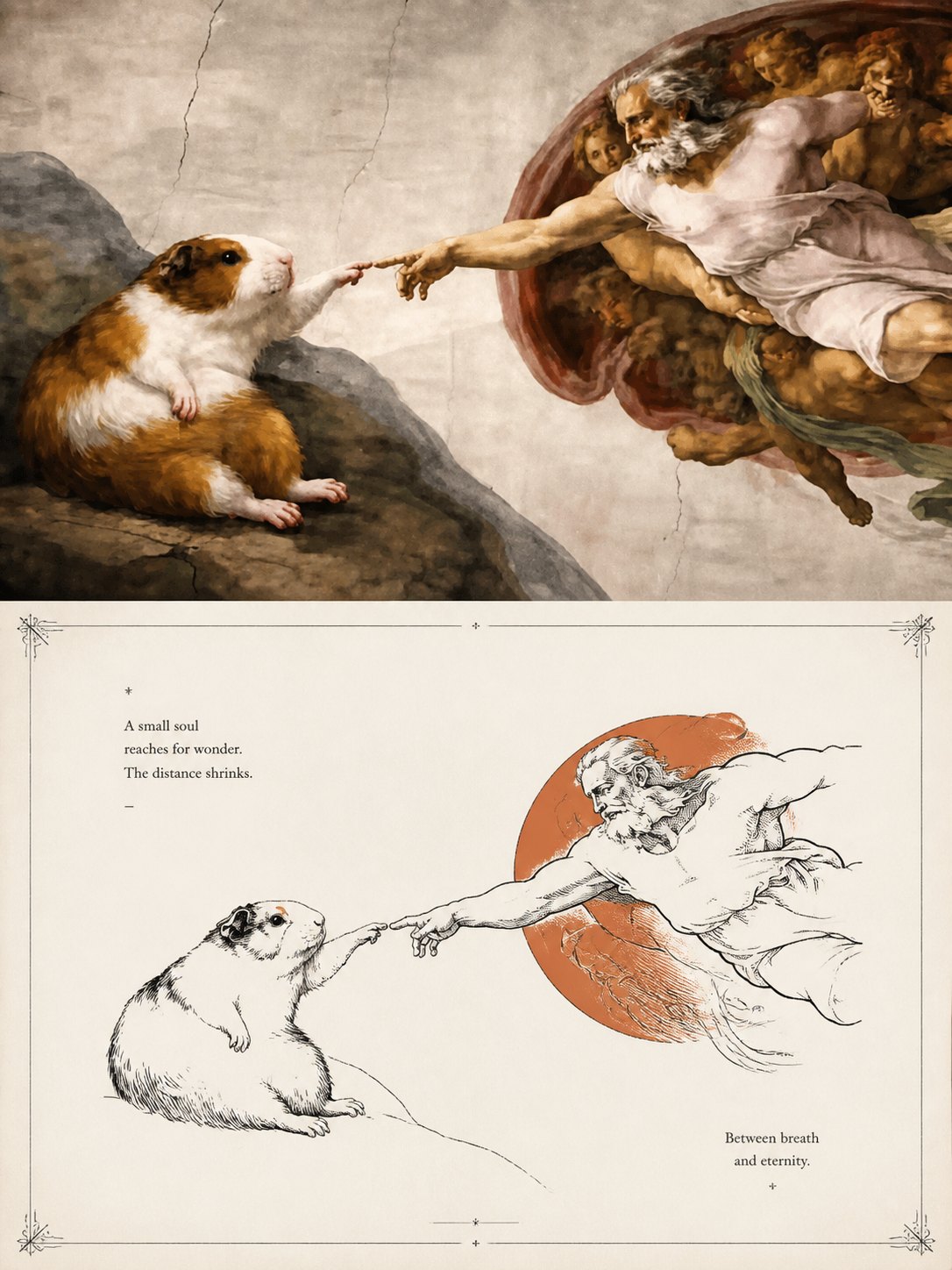
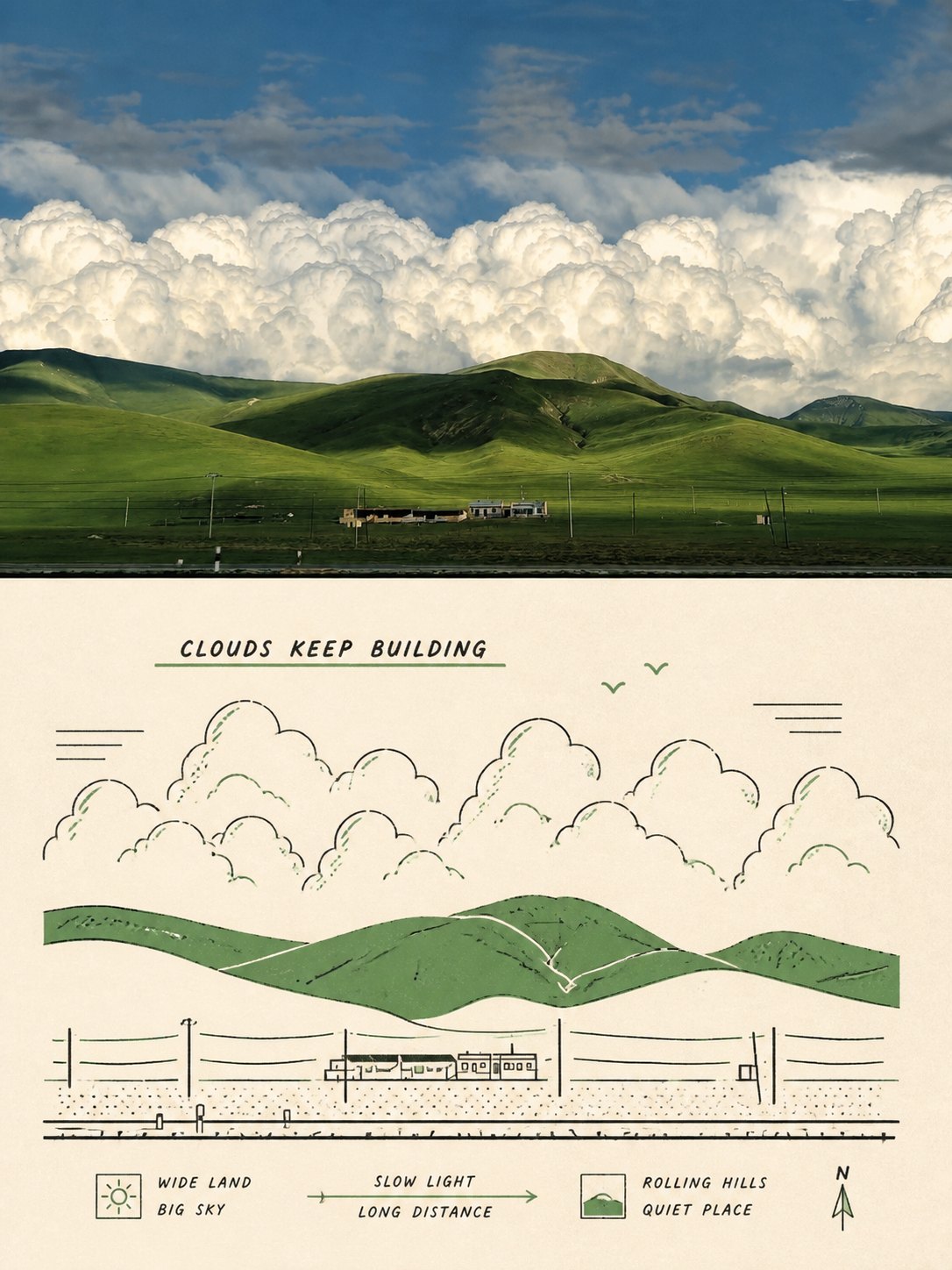
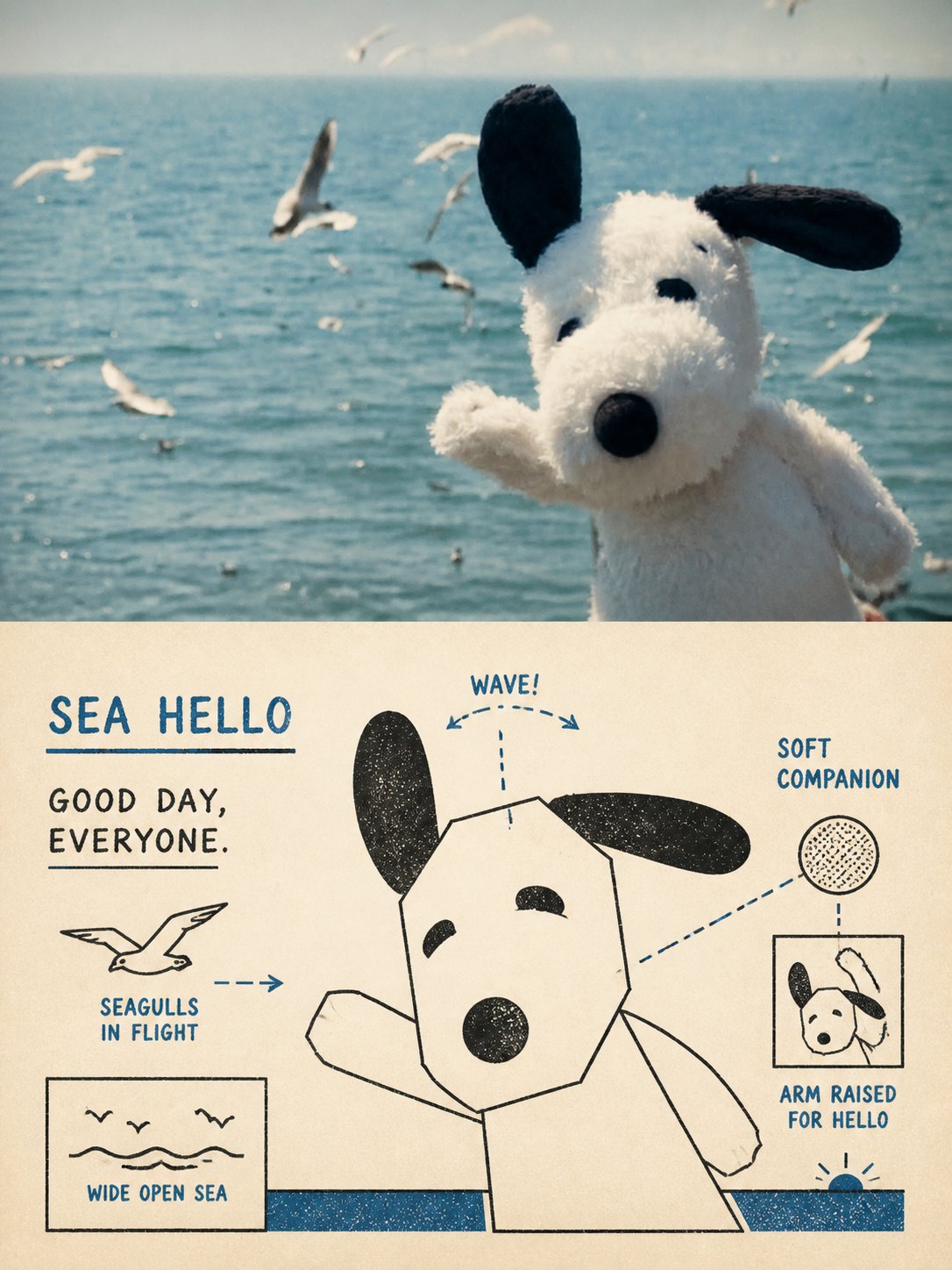
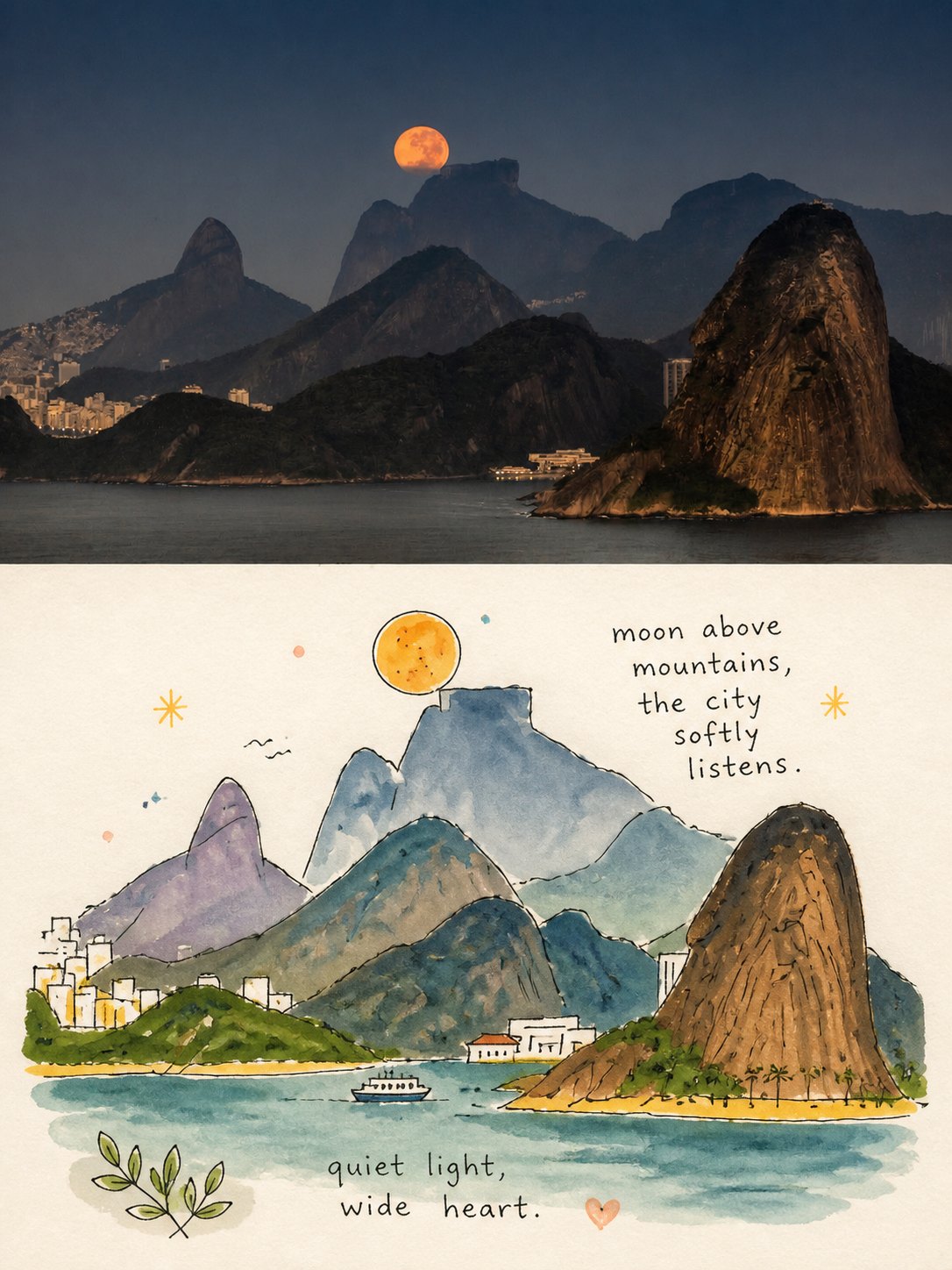
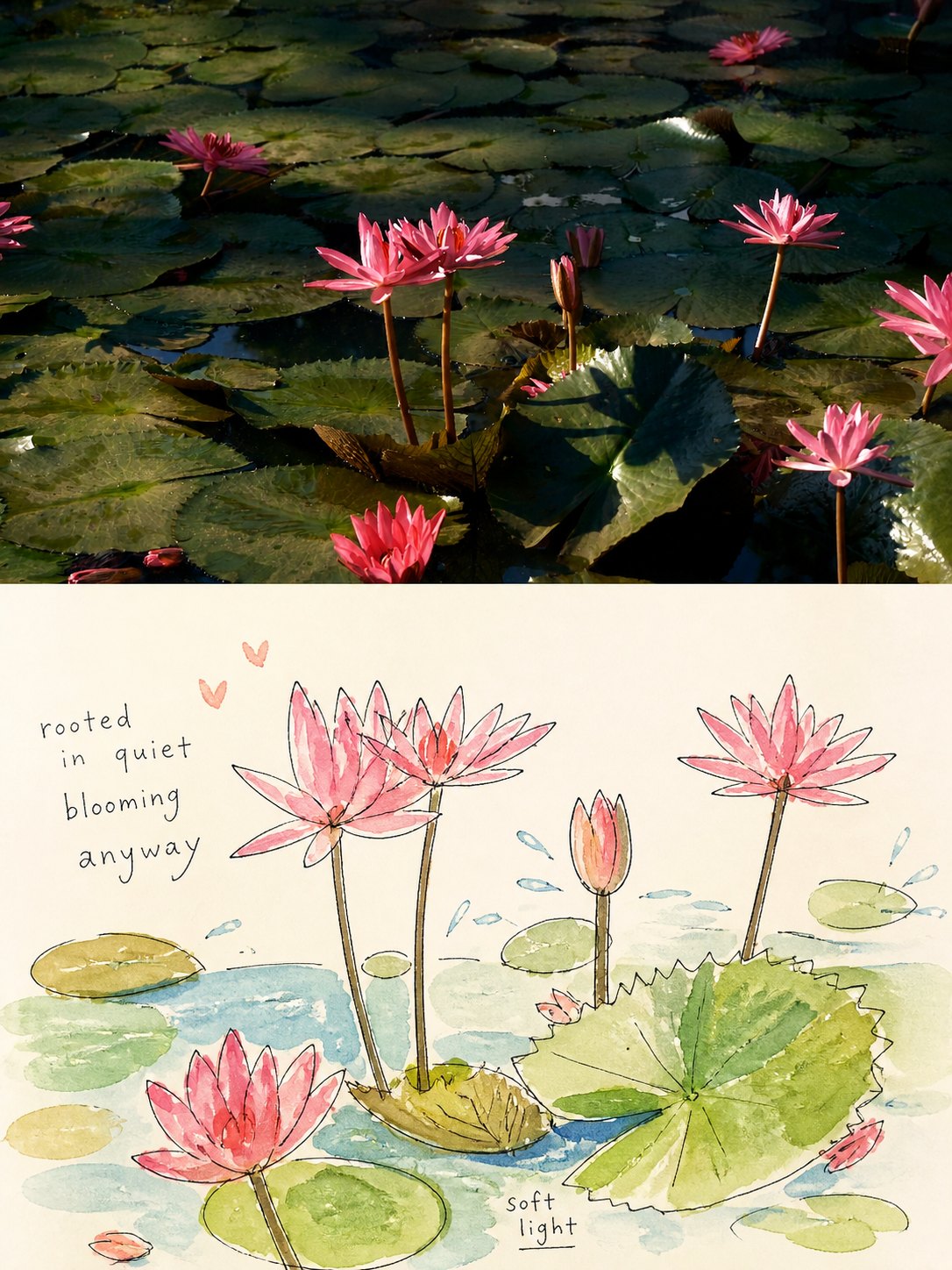
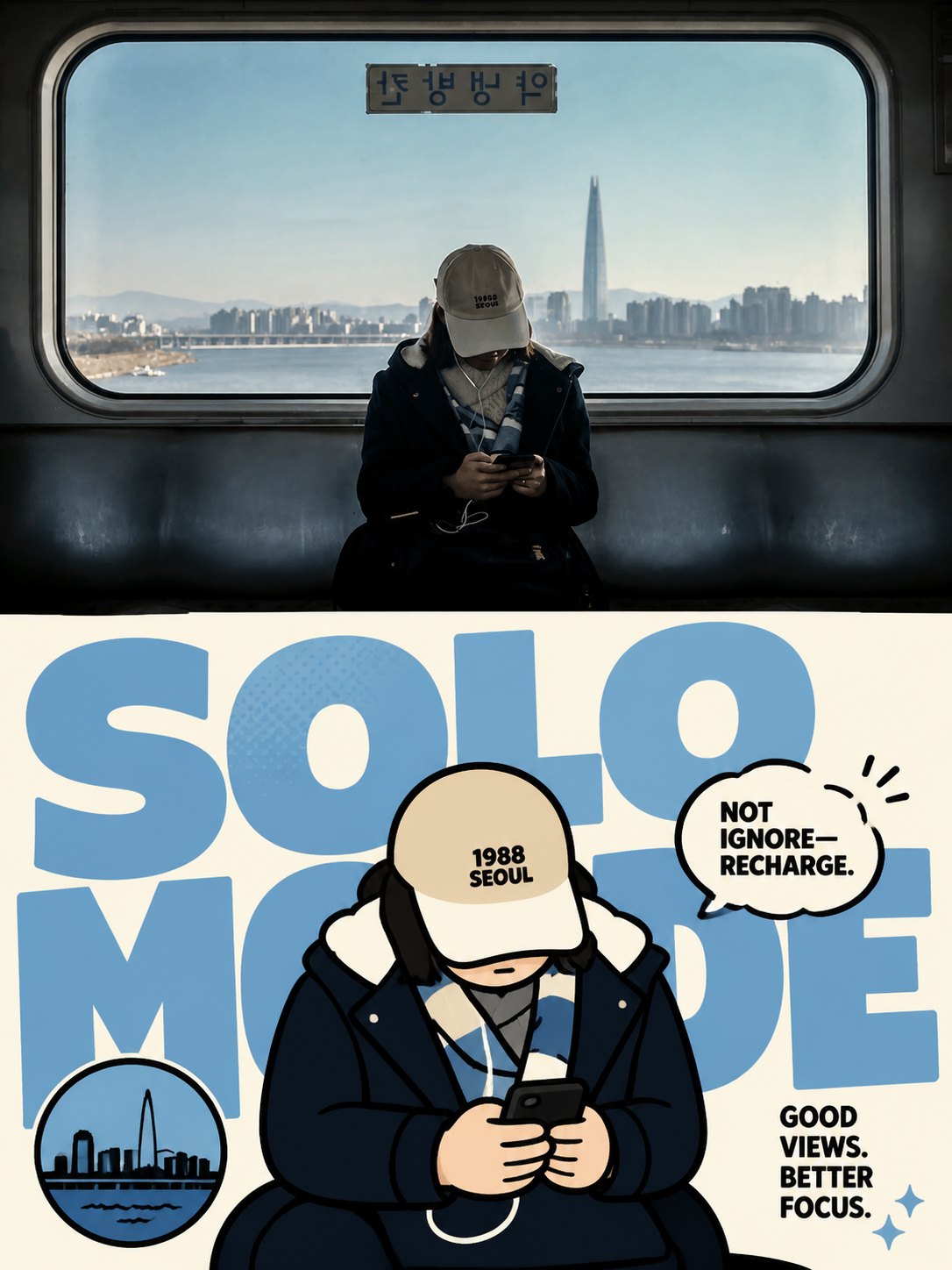
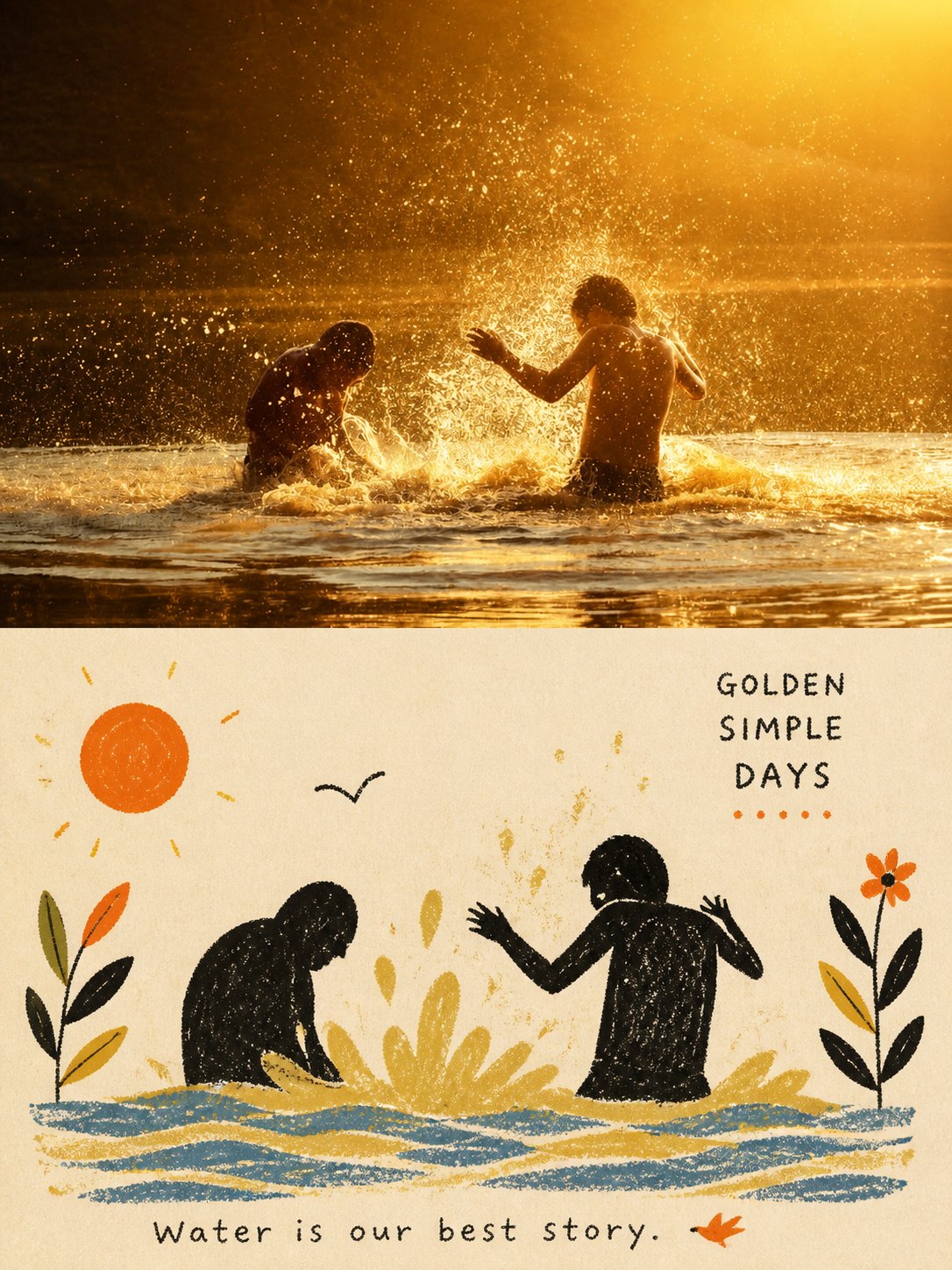
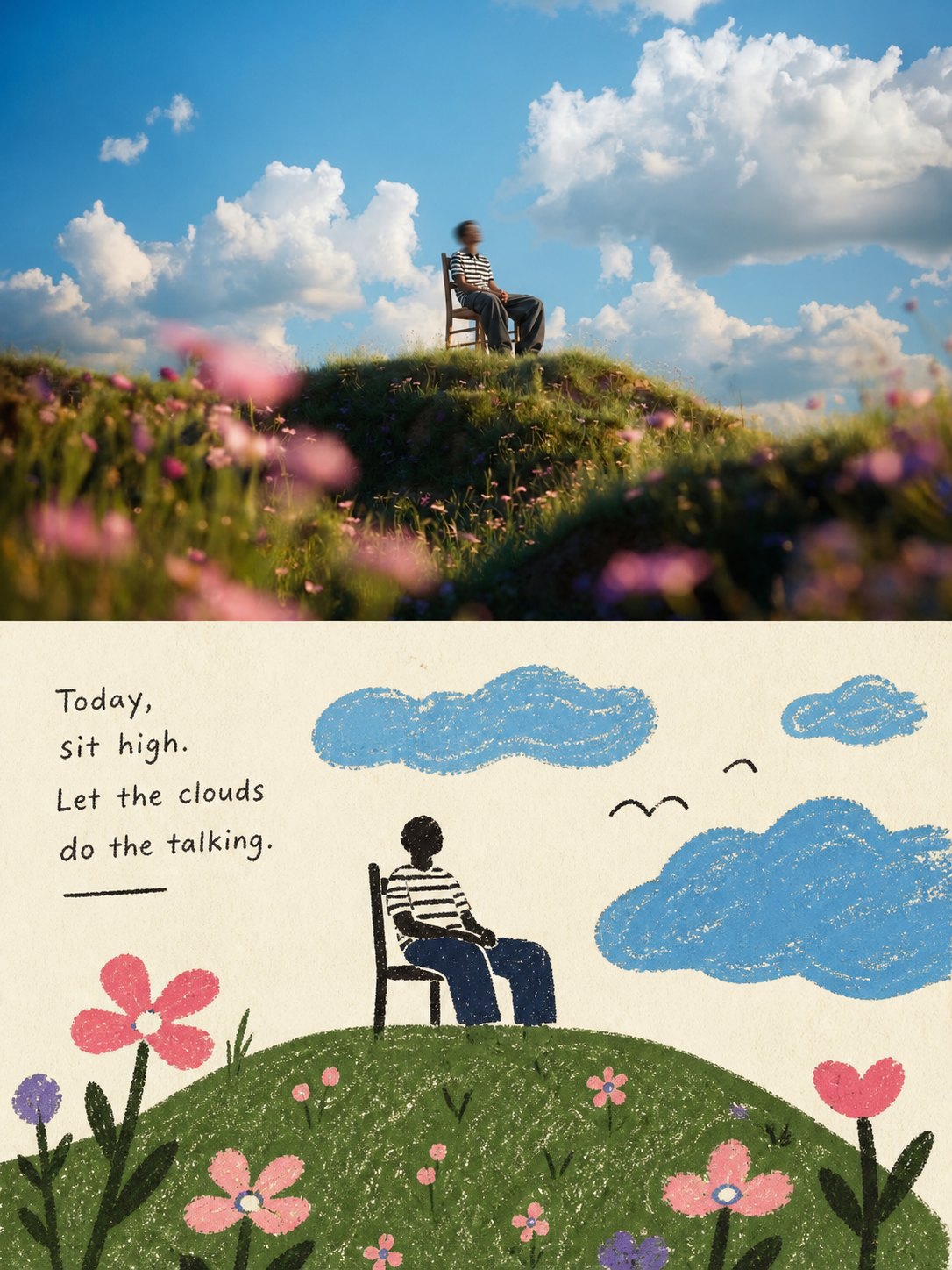
Please create a separate advanced editing poster for each of my uploaded travel photos, without multi-image collages; output each photo individually.
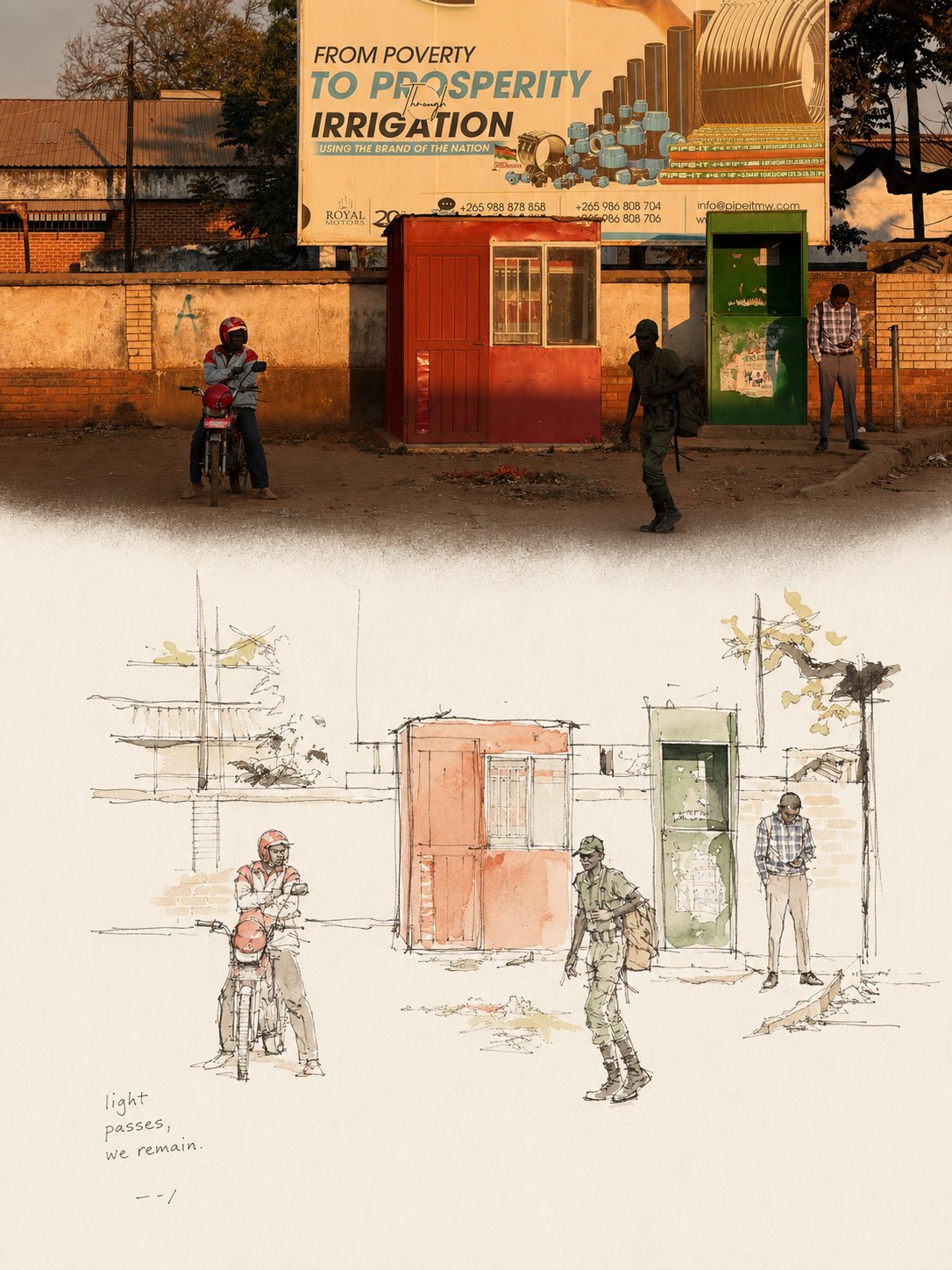
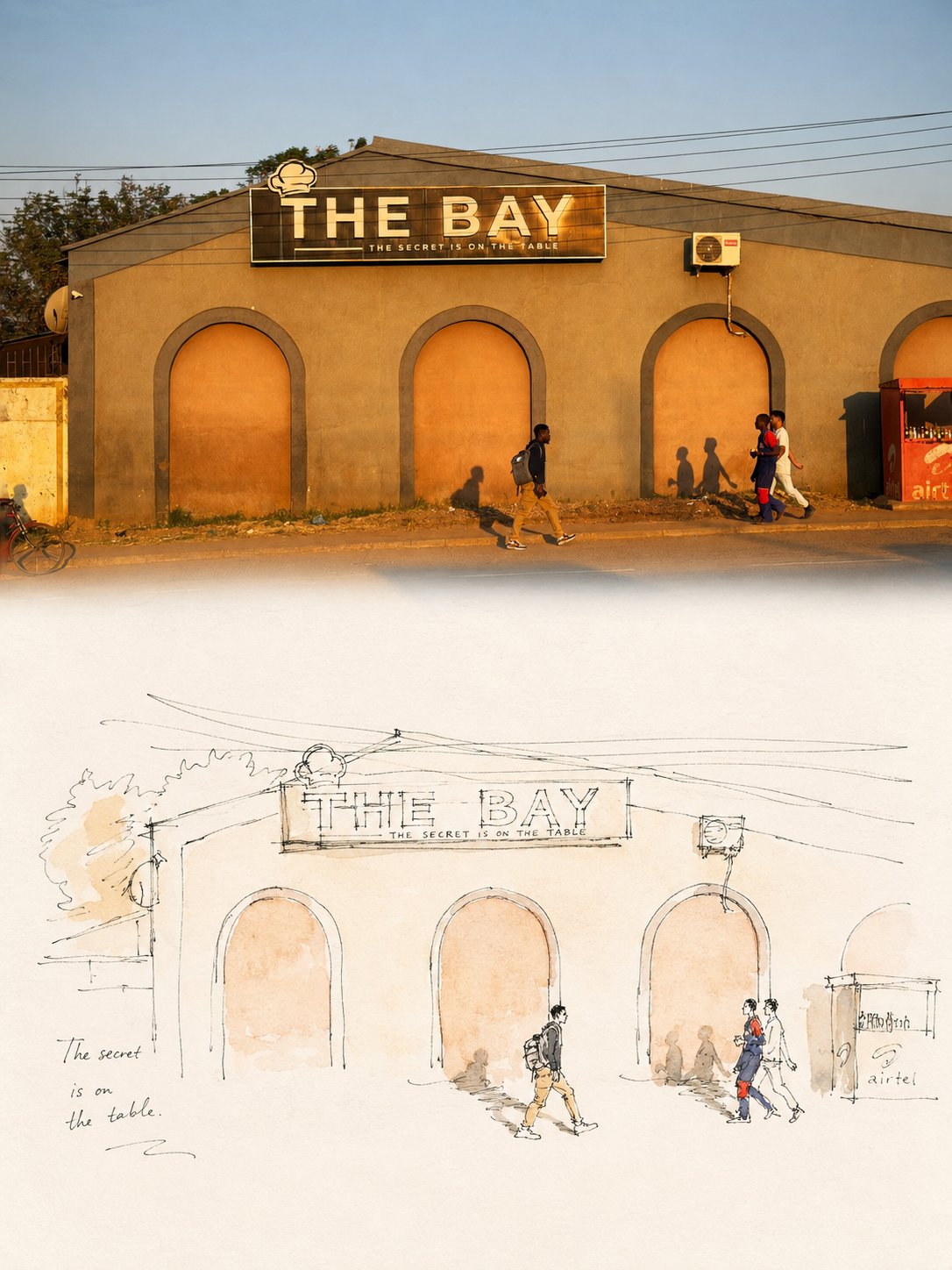
Overall, use a 3:4 vertical split composition, with the upper and lower sections approximately 1:1, separated by a straight, clear, clean horizontal boundary in the middle. Do not feather, bleed, or overlay; do not shrink the original image into a thumbnail, rounded card, or floating preview.
The upper section must retain the high-fidelity original photo. Accurately preserve the main subject identity and quantity, building outlines, roof and door/window proportions, human poses, vehicles, bridges, boats, road directions, foreground/background occlusions, viewing angles, realistic textures, natural lighting and shadows, and the original color atmosphere. Only apply minimal, restrained color grading at the level of a travel magazine, art publication, or photography exhibition, and add extremely subtle film grain. Do not turn the photo into an illustration; do not move, replace, add, remove, or distort the main subject; do not alter the perspective of buildings or streets.
The lower section, on a warm off-white or light ivory paper surface, reorganizes the same scene into a "handmade pixel dissolve landscape" with ample white space. This is not a photo mosaic filter, nor is it simply reducing the resolution of the entire photo.
First, select the most identifiable visual anchor from the photo, such as a bridge, a colorful facade, a dome, a motorcycle, a bicycle, a boat, a gatehouse, or a distinct group of roofs, then retain only the minimal elements needed to indicate location and spatial relationships.
Use a reduced, abstracted secondary composition: The main subject typically occupies about 30%–50% of the redraw area's width and height, concentrated in the middle-lower part, offset to the left or right, and naturally arranged according to the original photo's direction. Retain at least about 50%–65% of the complete off-white paper surface around it.
Do not fill the entire lower section with the original street scene. The background should only retain two or three layers of sparse pixel hints. Delete repetitive window panes, tile textures, small sign text, tourist clutter, dense pipelines, branches and leaves, and photographic noise, but do not remove eaves, bridge arches, domes, vehicle outlines, human poses, or road directions that define the main subject's identity.
Rebuild forms using discrete pixel blocks with clear edges, square or near-square in shape:
- Use medium-sized pixel blocks to establish the main subject's broad outlines, volume, light/dark, and primary color planes.
- Use smaller, denser pixel blocks at key identification points like eaves, spires, dome edges, door/window proportions, bridge arches, human poses, wheels, or boat prows.
- Gradually reduce pixel density at building edges, vegetation, road surfaces, water, reflections, and distant views, making blocks break apart, misalign, scatter, and fade into the paper surface.
- The main subject should be relatively intact internally, with a clear pixel dissolve band forming at the periphery.
- The dissolve must come from a decline in the number and density of independent blocks; do not use soft focus, feathering, smoke, transparent gradients, or pixel stretching.
- A few discrete blocks can trail away from the main subject along eaves, road perspectives, water flow, terrain, or motion directions, but they cannot become random digital glitches.
The color palette must be entirely extracted from the current photo and compressed to about 6–12 main color levels. Retain 1–3 of the most identifiable colors for the main subject, then use adjacent light/dark shades to build volume.
Reduce environmental color saturation, unifying it toward natural grays, limestone colors, gray-blues, gray-greens, wood browns, or the photo's own architectural tones. A small area of high-saturation color that truly exists in the photo can be used as a visual pop, such as taillights, door/window colors, or clothing hues.
The off-white paper surface must be the largest color block in the redraw area. Do not rigidly use neon colors, cyber blue-purples, sunset oranges unrelated to the original image, or high-saturation gaming console palettes.
Based on the photo's location, main subject, direction, or action, distill a small amount of English text. The first line is a small title of 1–3 English words; the second line is an extremely short observational sentence of 5–10 English words.
Text content should describe the space or action truly visible in the photo; do not write vague travel slogans or fabricate dates, coordinates, or locations. The text must be determined word-for-word in the prompt before generation.
Place the text in the complete white space edges away from the pixel subject, using restrained monospaced or thin sans-serif fonts, with slightly wide letter spacing; it can have subtle grid or pixel-stepped edges, but must remain clearly readable. Text area should not exceed 3%–5% of the redraw area and cannot become the primary visual focus.
Overall, it should resemble a handmade, limited-color, rearranged low-resolution landscape sketch: The main structure is clear, edges fray grid by grid, like a travel memory slowly receding from the paper surface.
Pixels are a medium for reorganizing forms, not a cheap retro filter.
Strictly avoid: Photo mosaic filters, overall resolution reduction, blurry pixelation, isomorphic low-res redraws, smooth digital illustrations, 8-bit game interfaces, retro game characters, voxel 3D, Minecraft blocks, cyber glitches, data corruption effects, pixel stretching, halftone dots, cross-stitch, diamond painting, full-bleed pixel backgrounds, generic travel icons, fictional landmarks, arbitrary additions of people or vehicles, oversized main subjects, insufficient white space, pixels crossing the upper/lower boundary, oversized titles, author names, signatures, logos, QR codes, URLs, fake Chinese, garbled text, and watermarks.
The most important rule: Do not blur the photo; instead, deliberately decide which information should be preserved in pixels and which should fade grid by grid; the main subject must instantly correspond to the original photo, and the white paper must outweigh the pixels.
2026-08-31via @Hamburgerai