Visuele inspiratie
Promptbibliotheek
Sterke AI-resultaten uit het wild, mét de prompt erbij. Klik op een beeld, kopieer de prompt en maak er iets eigens van.
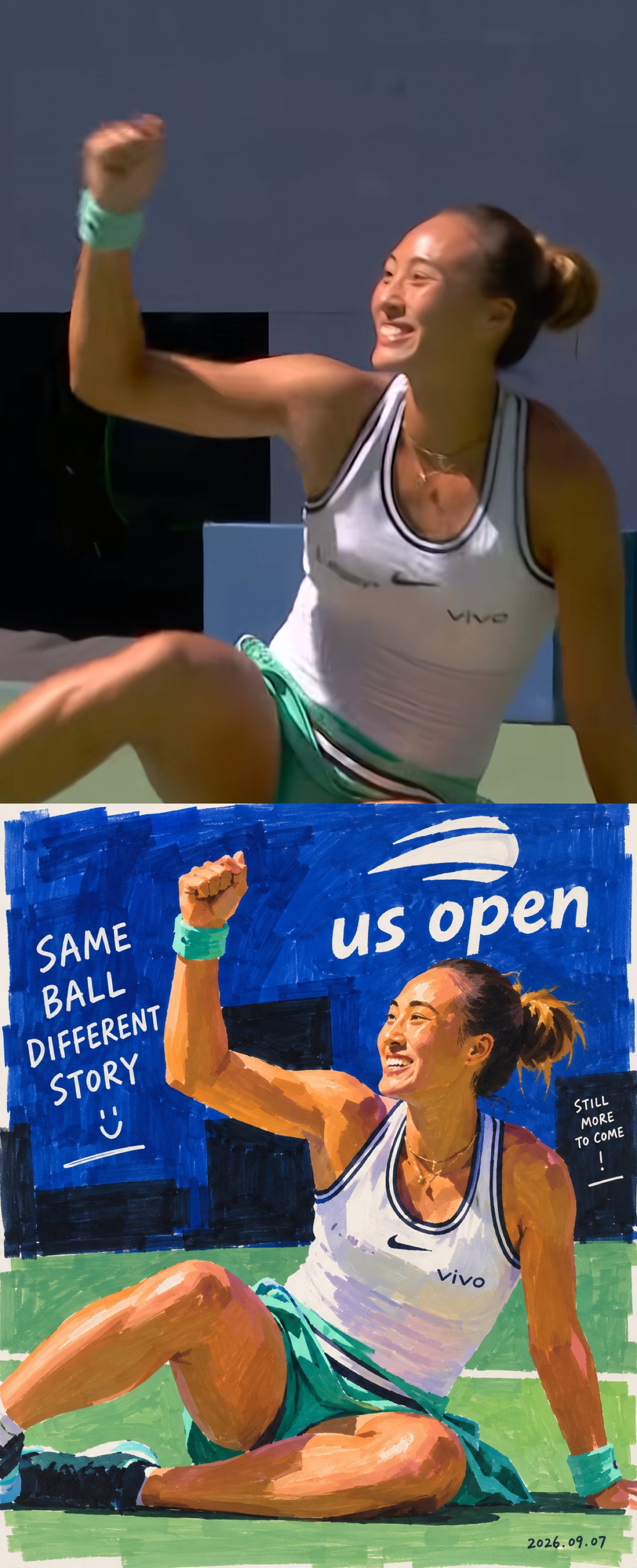
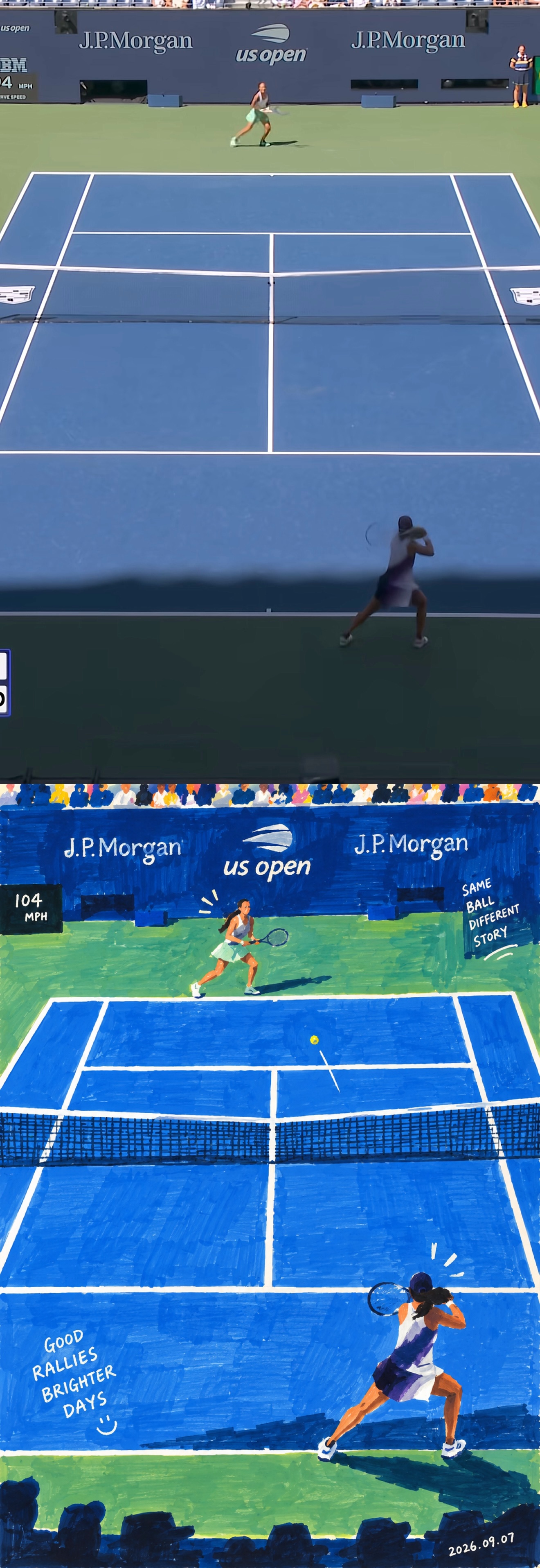
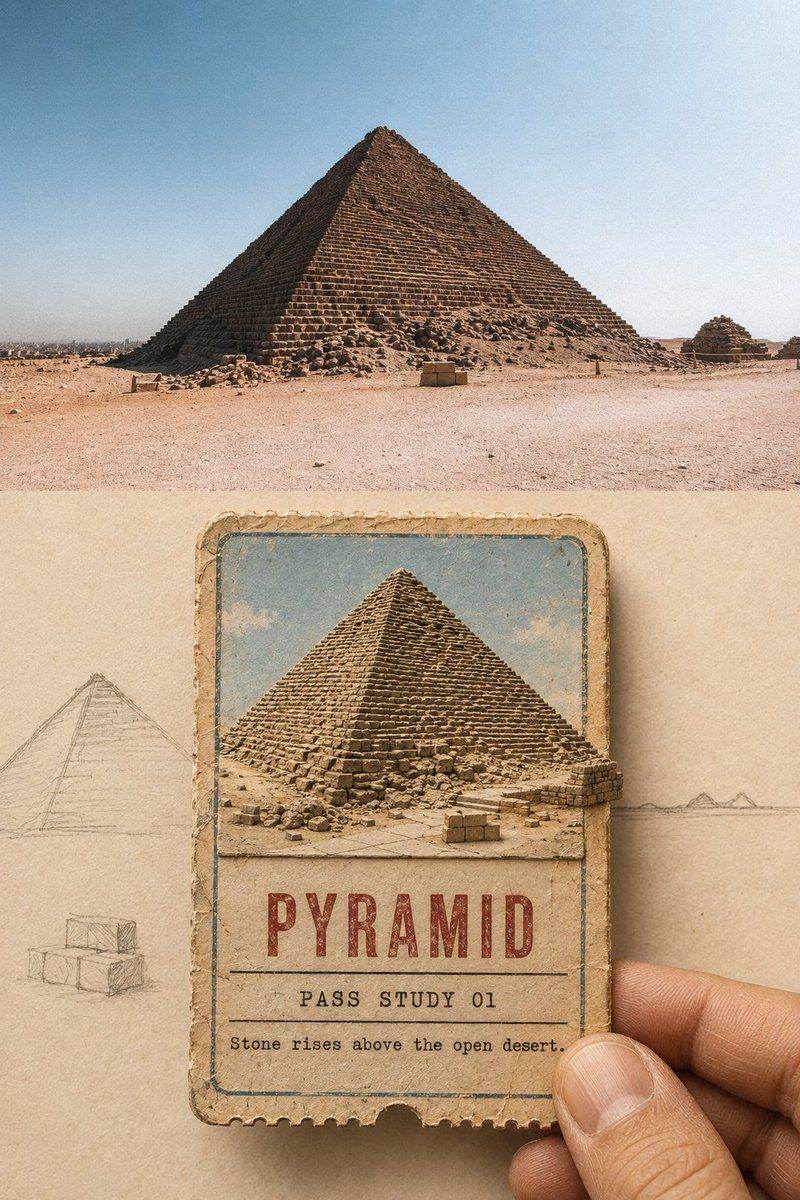
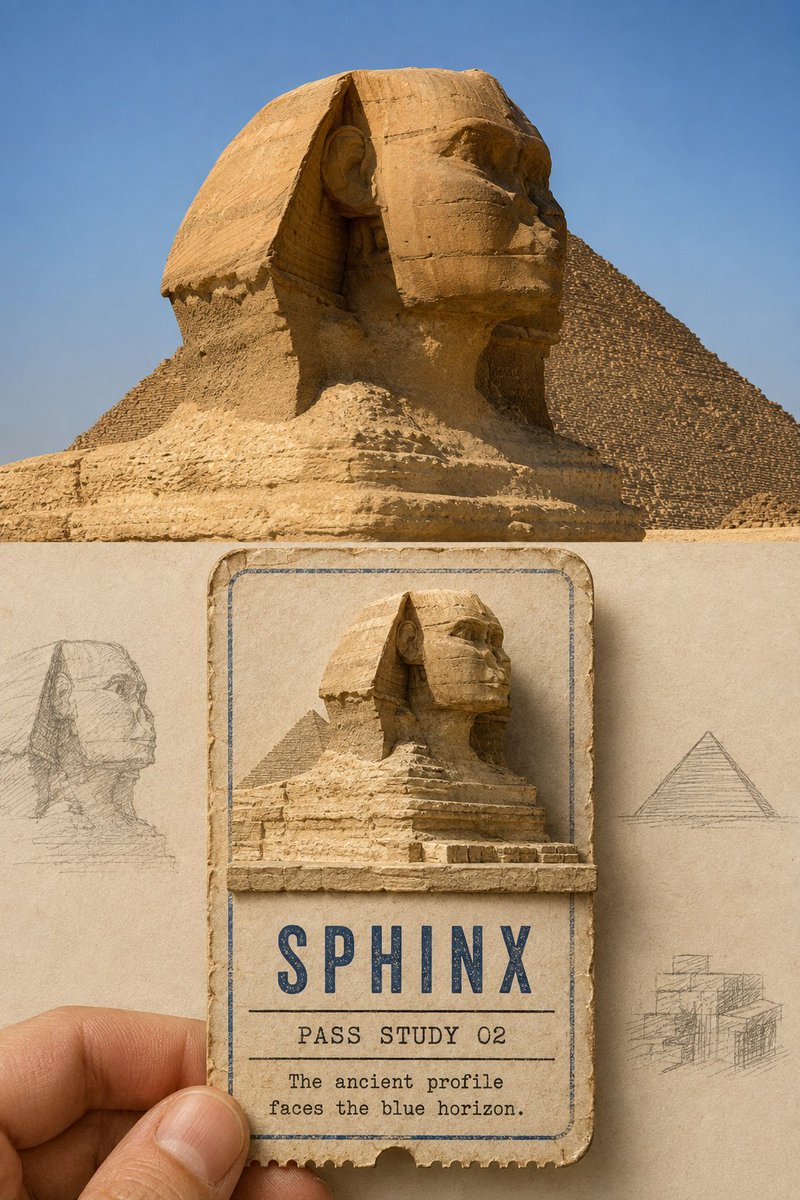
Krijg de prompts die indruk maken
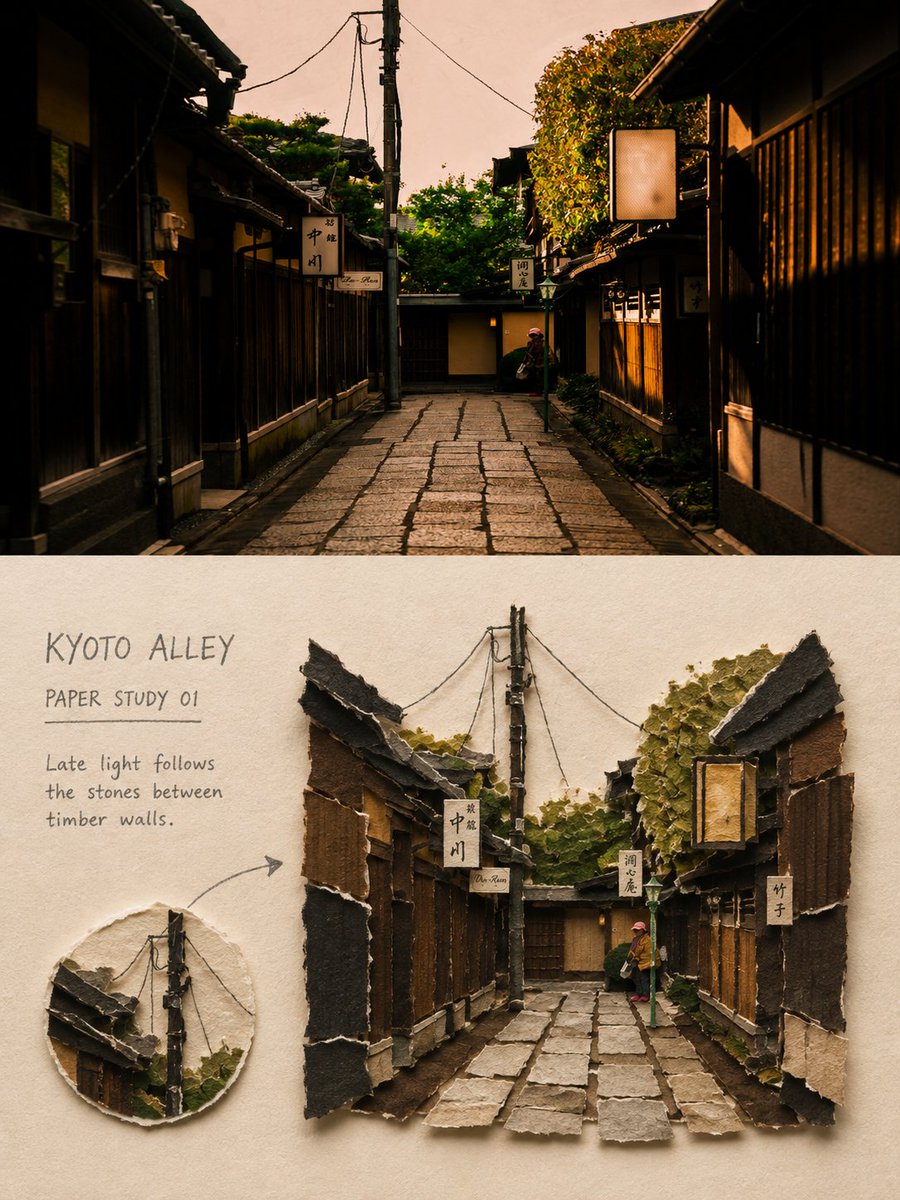
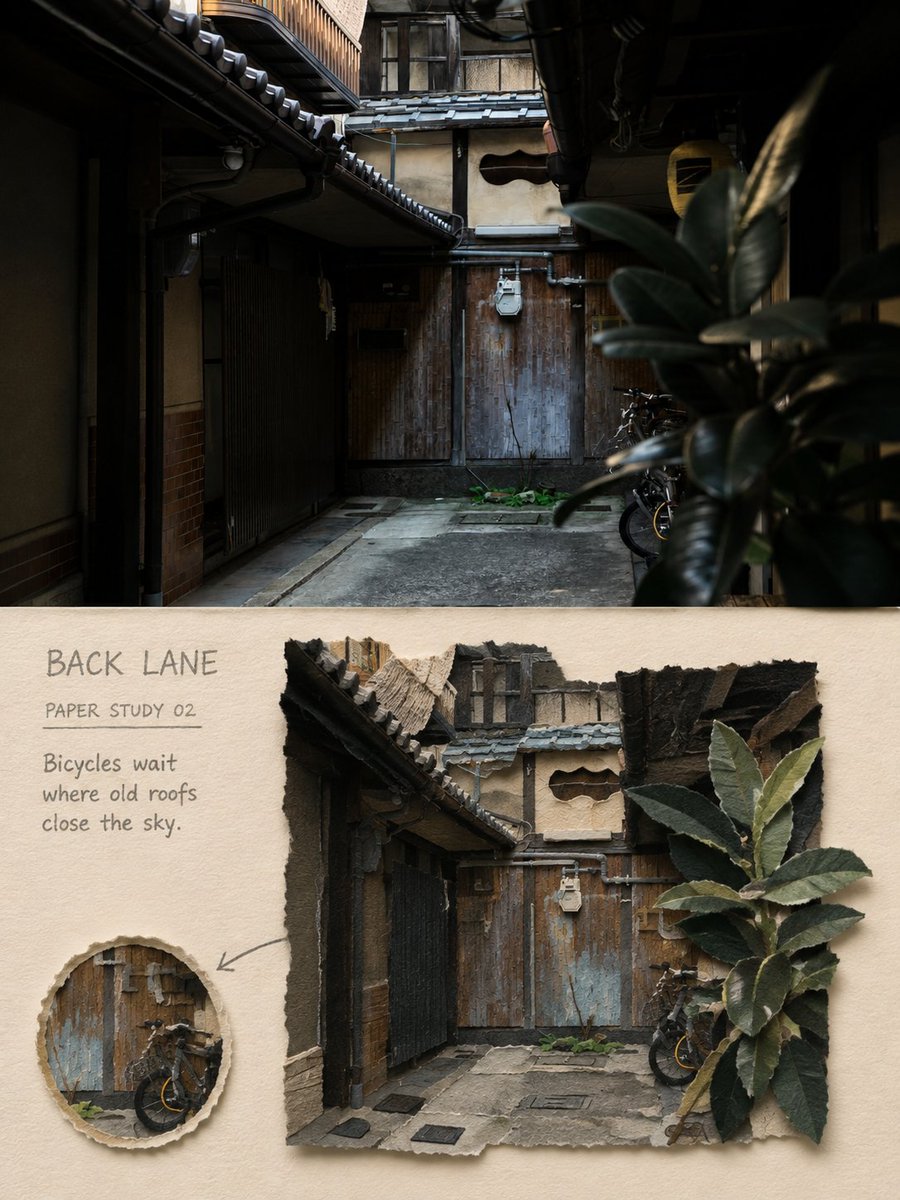
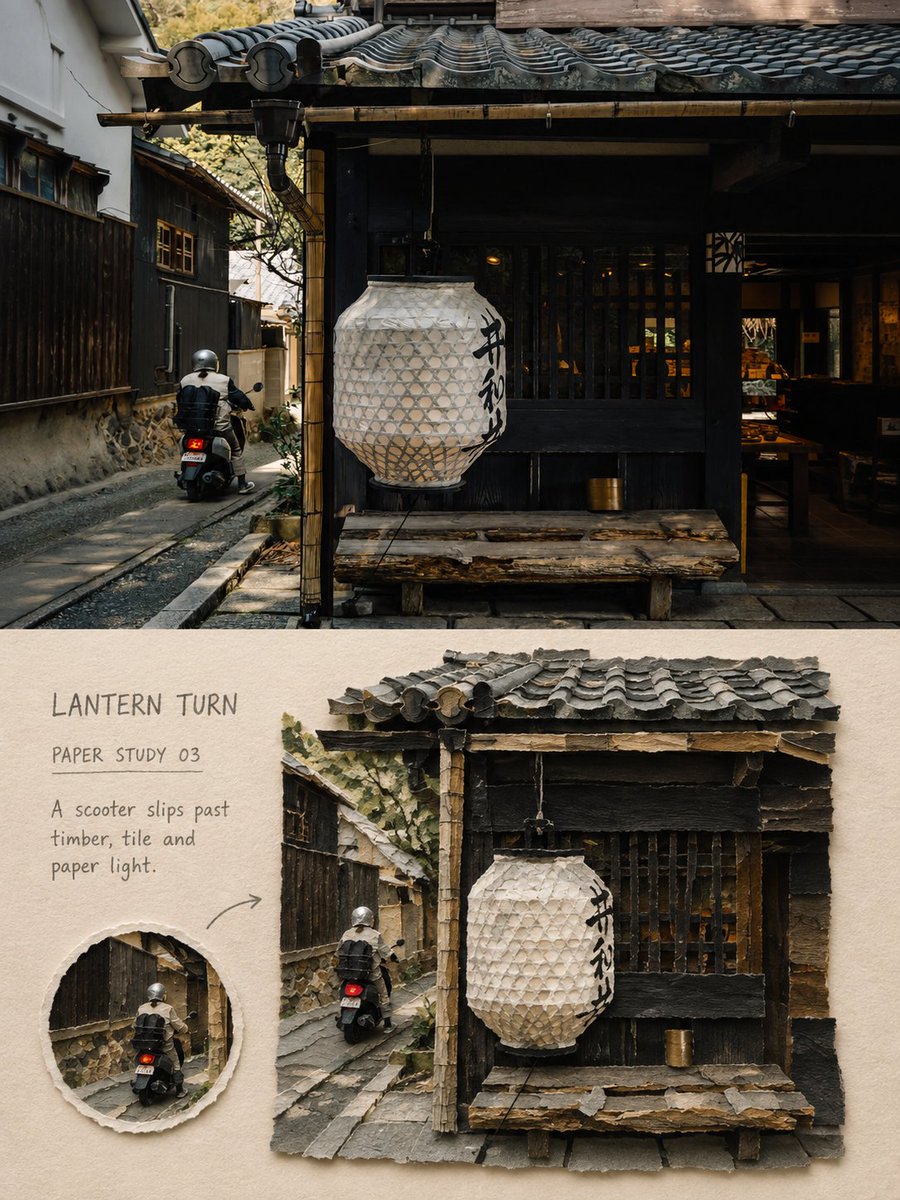
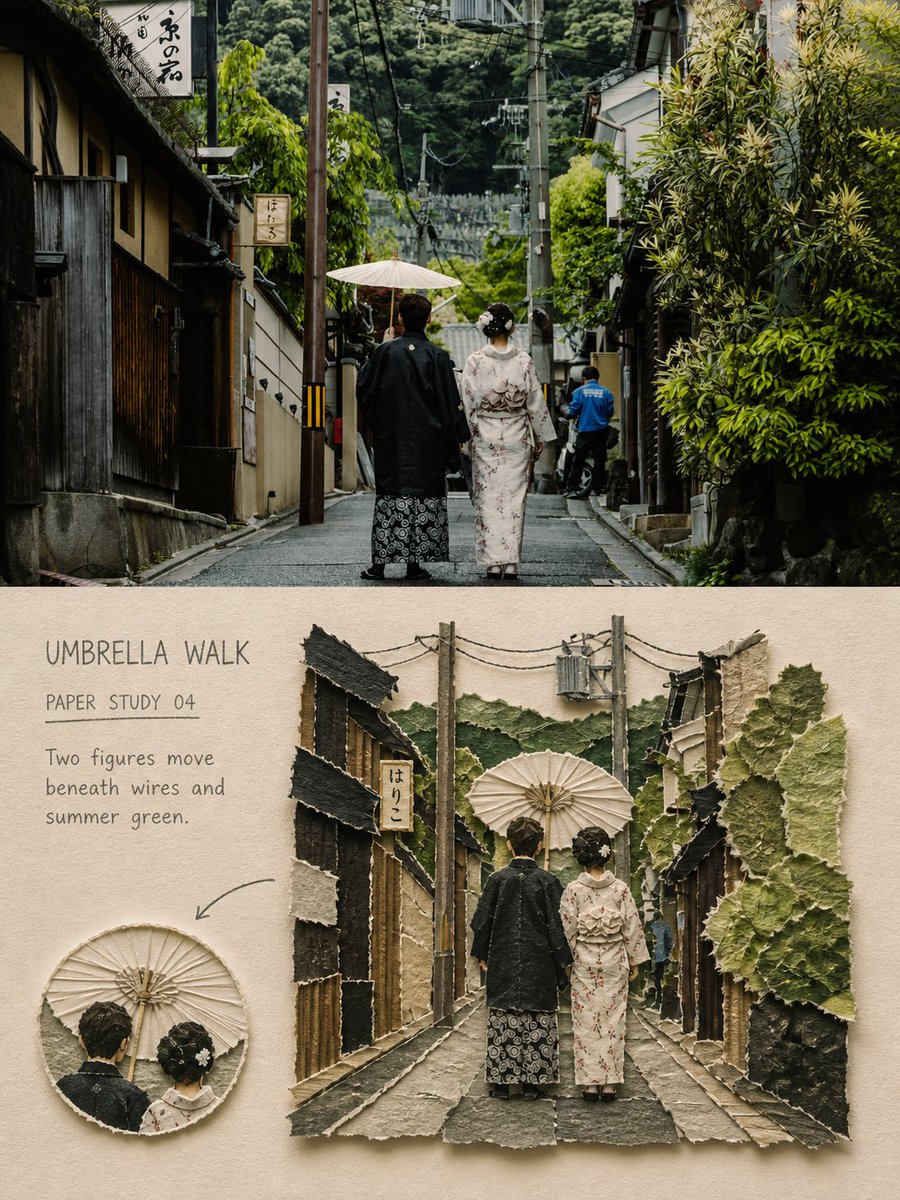
Krijg de prompts die indruk maken
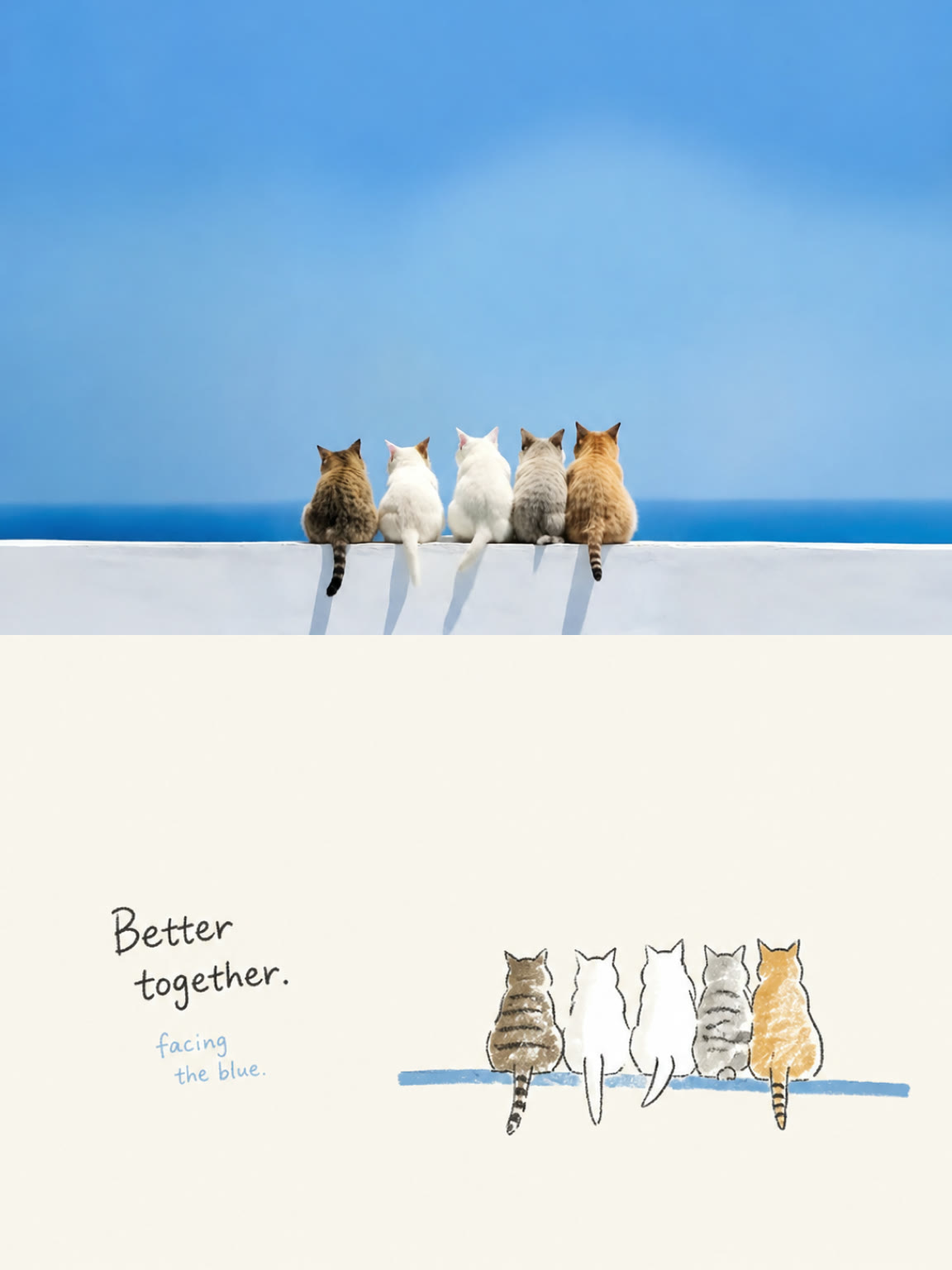
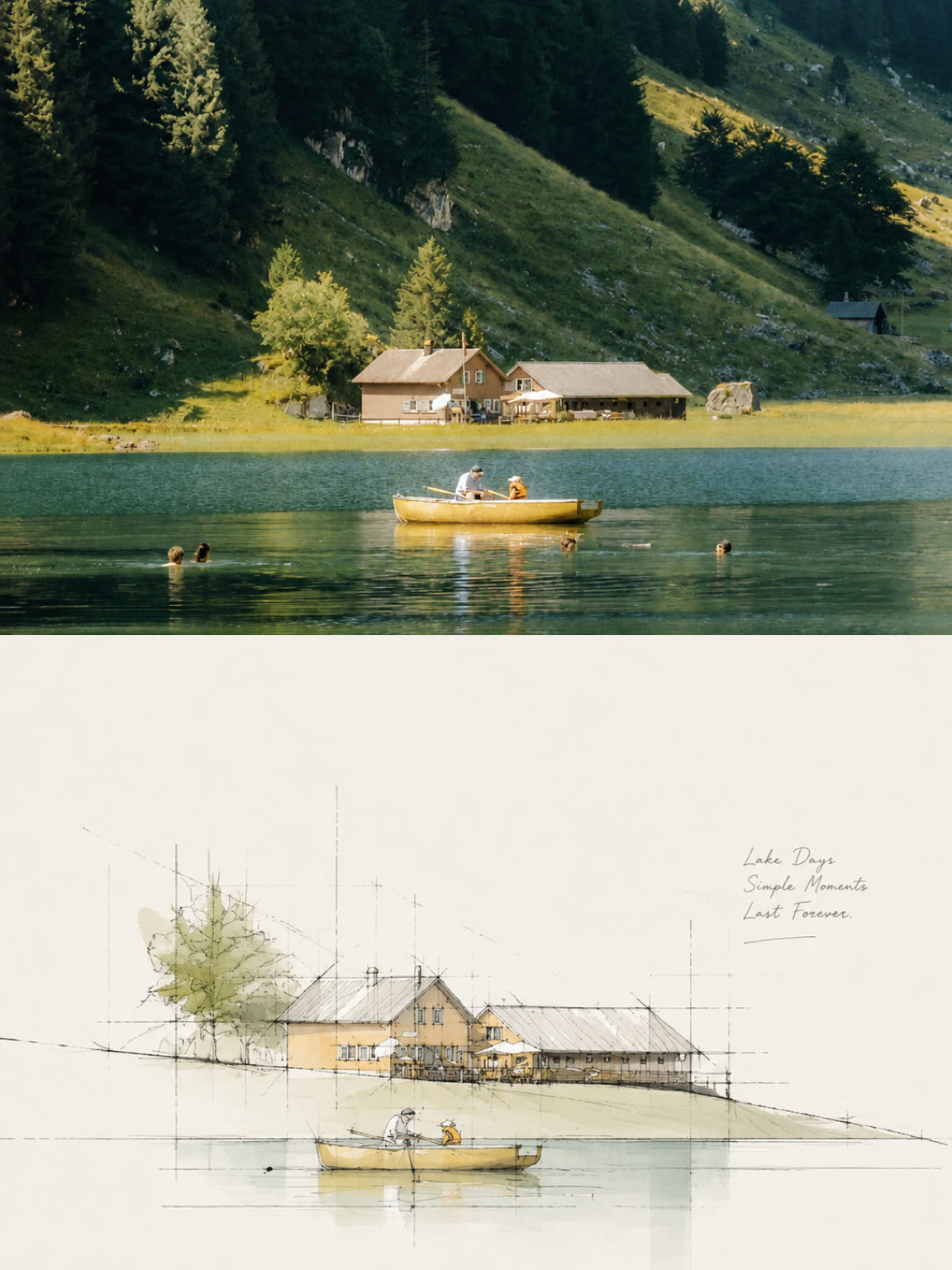
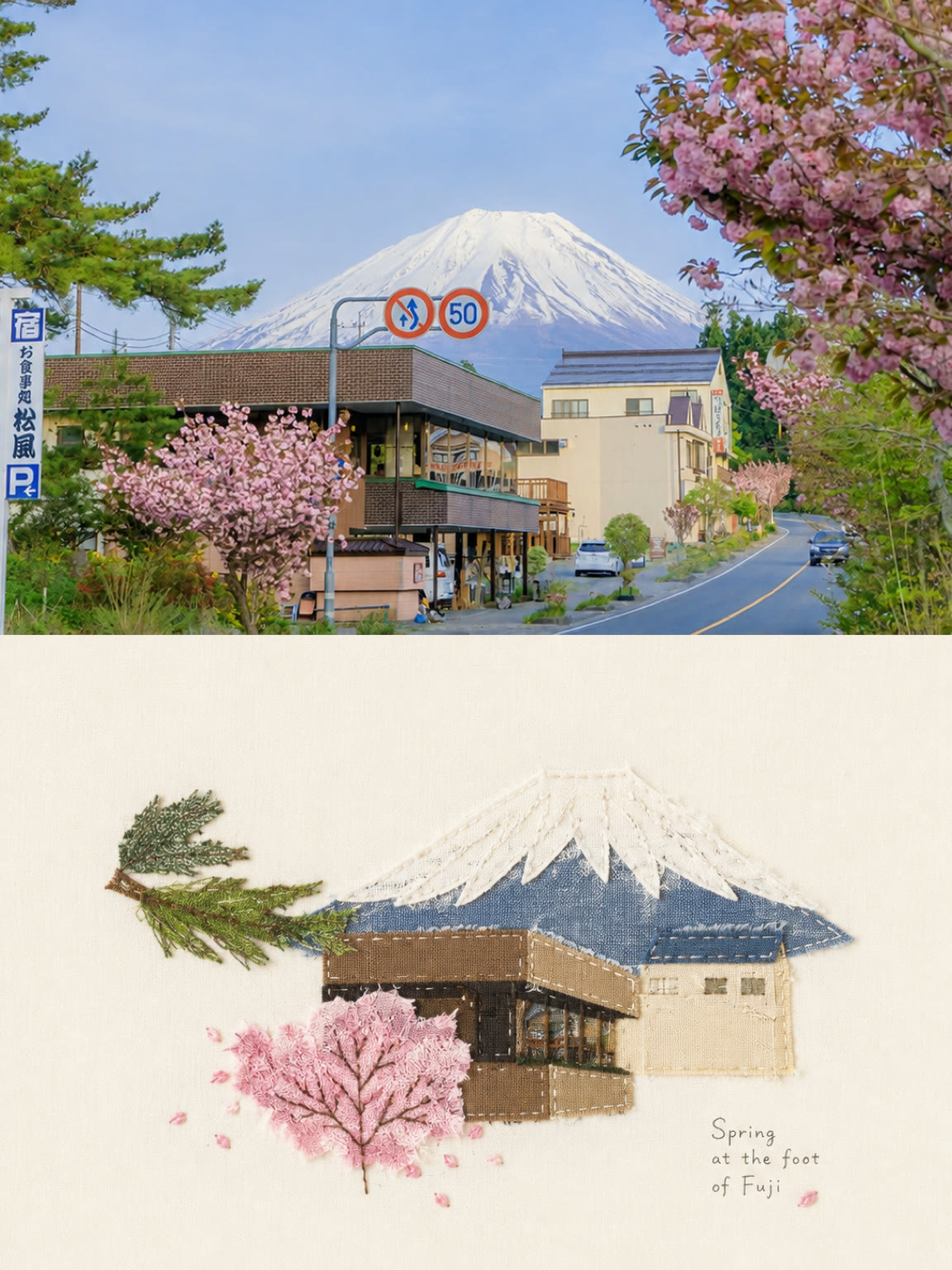
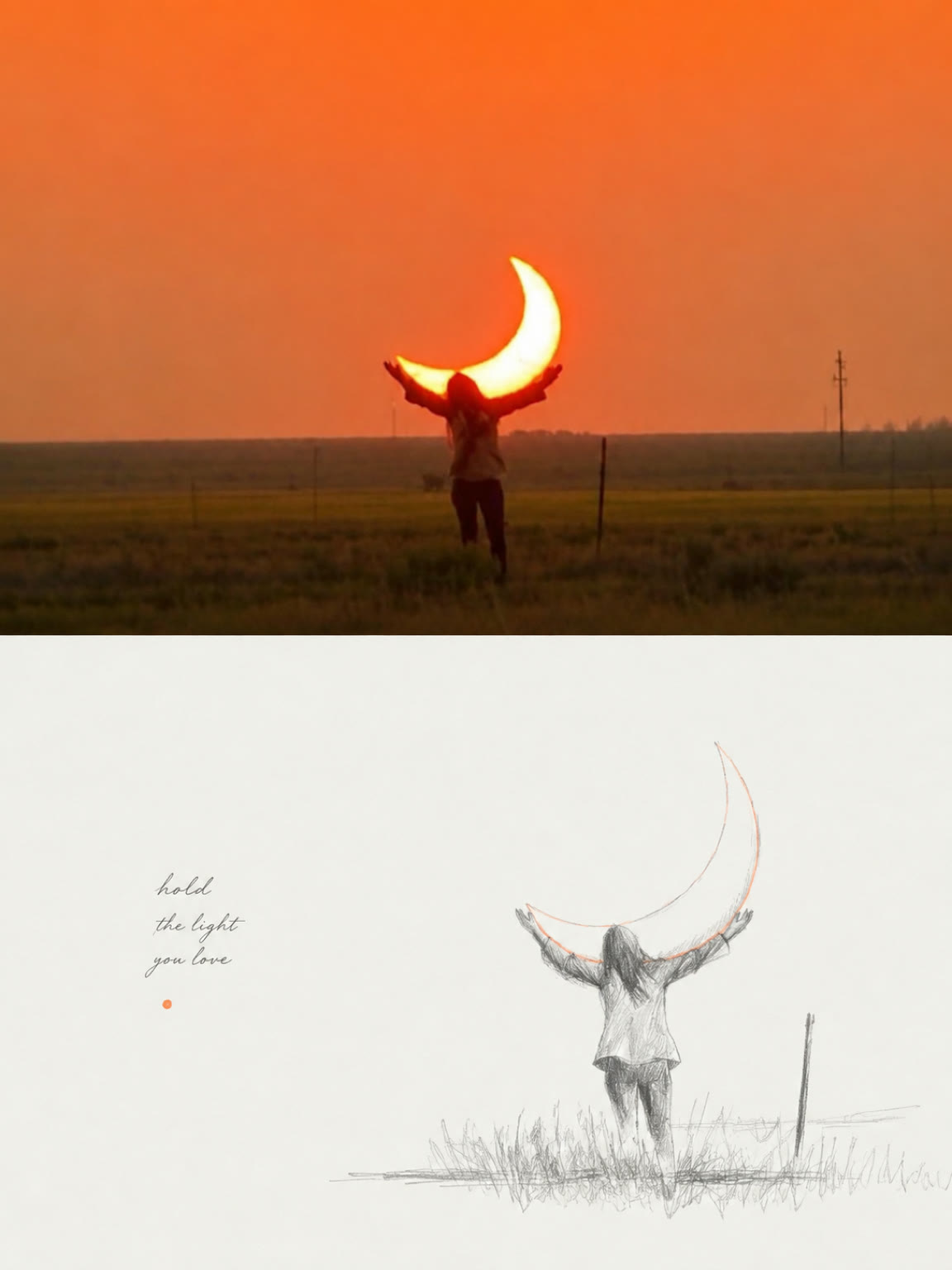
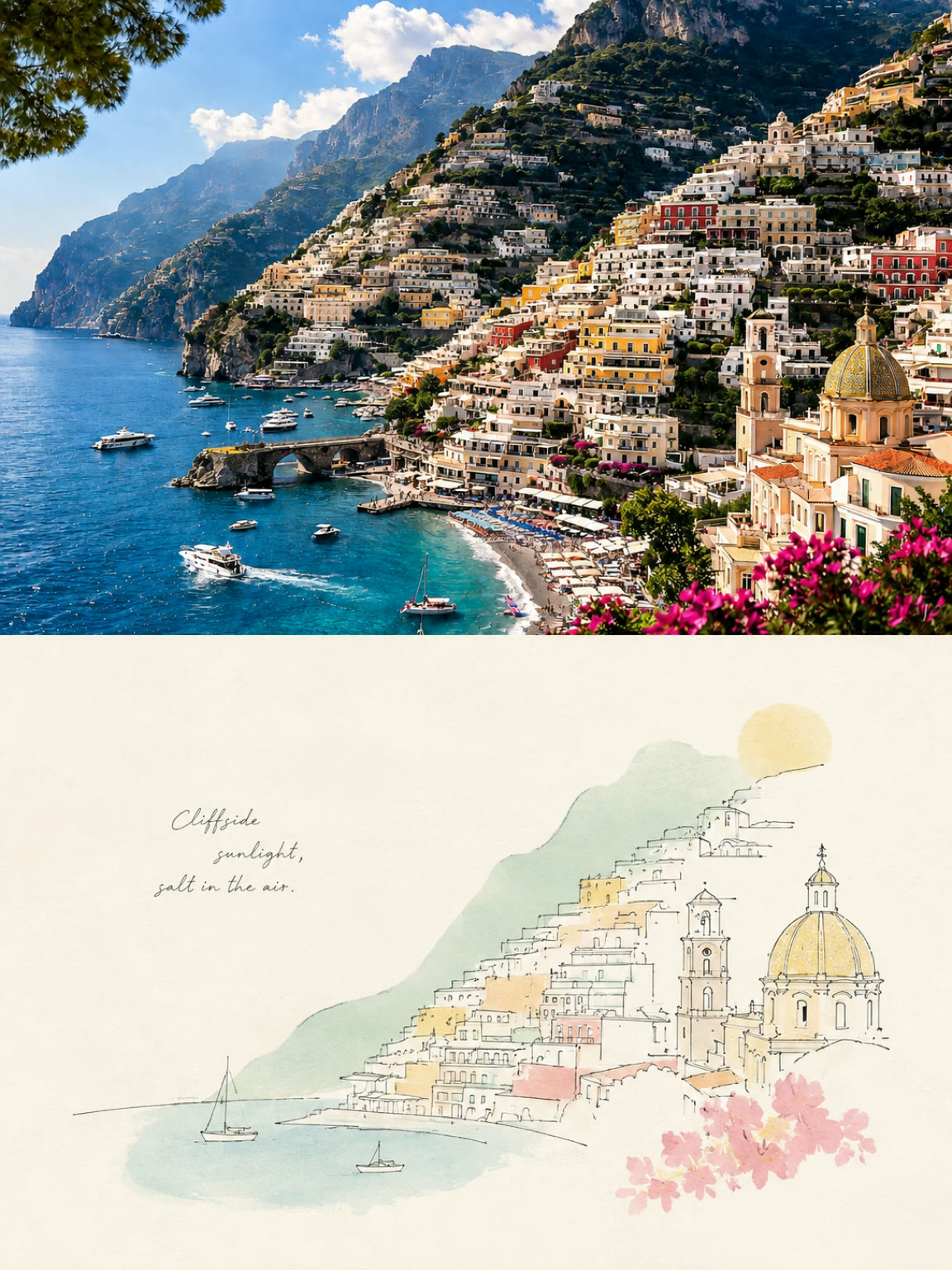
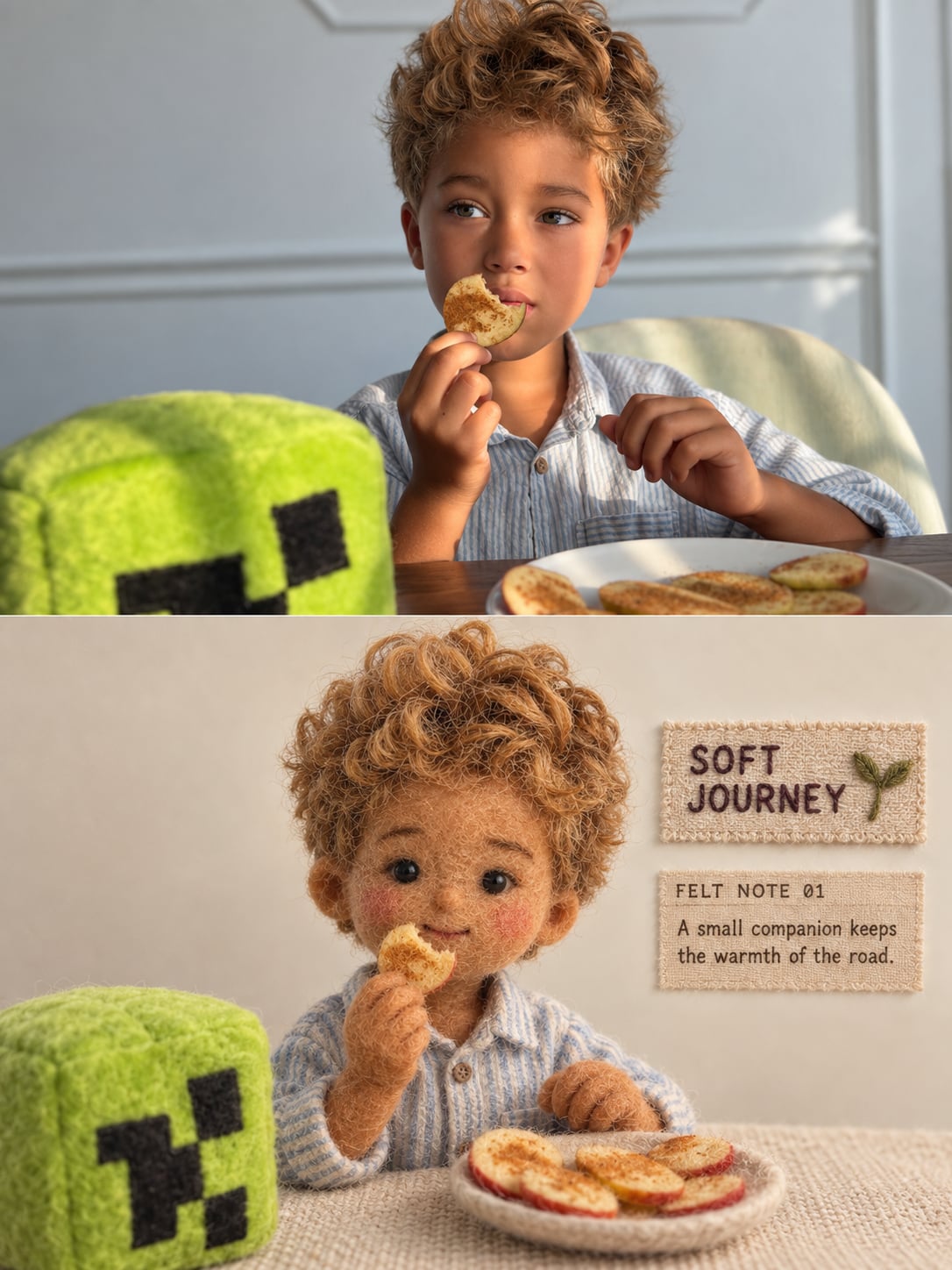
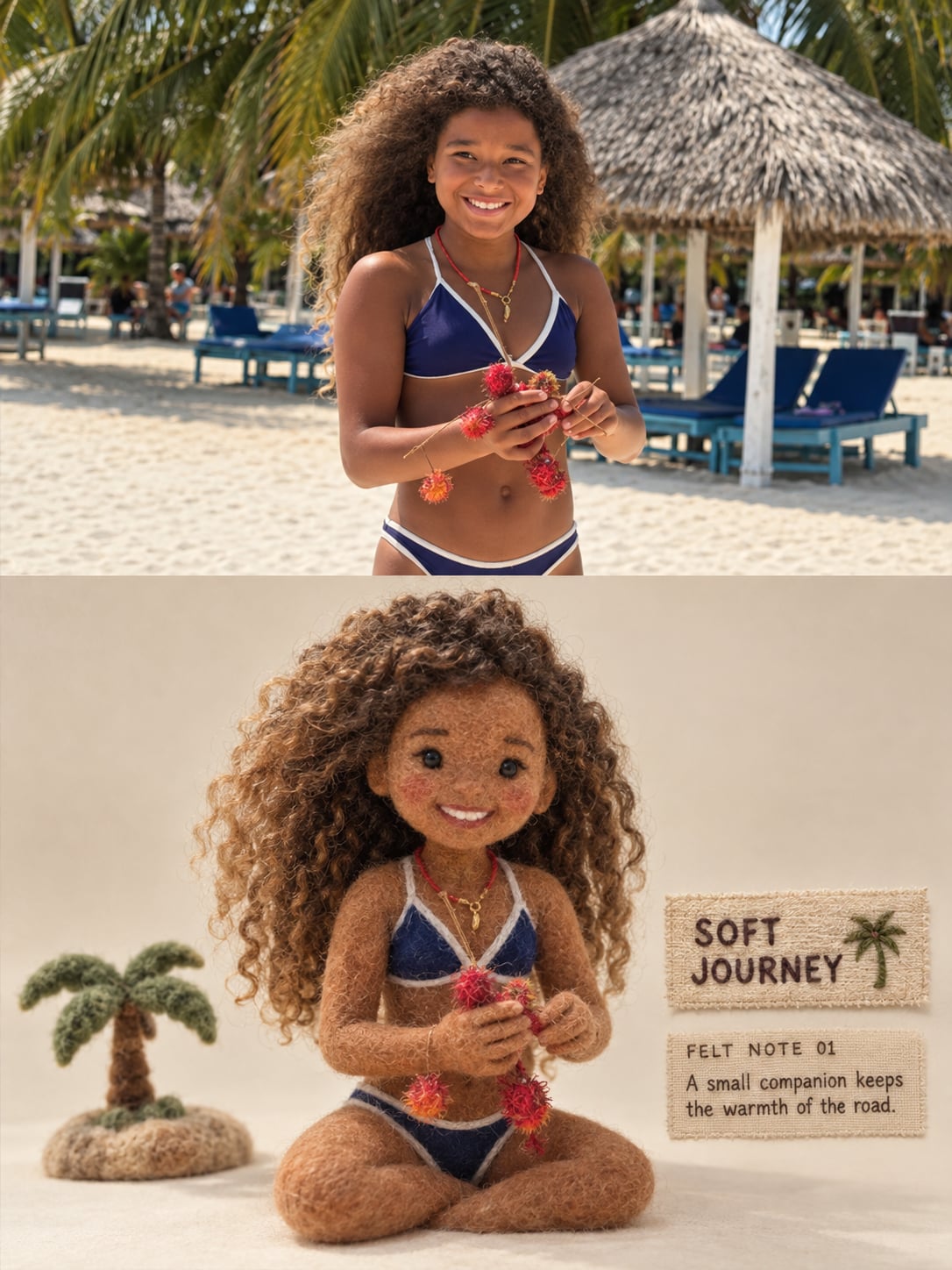
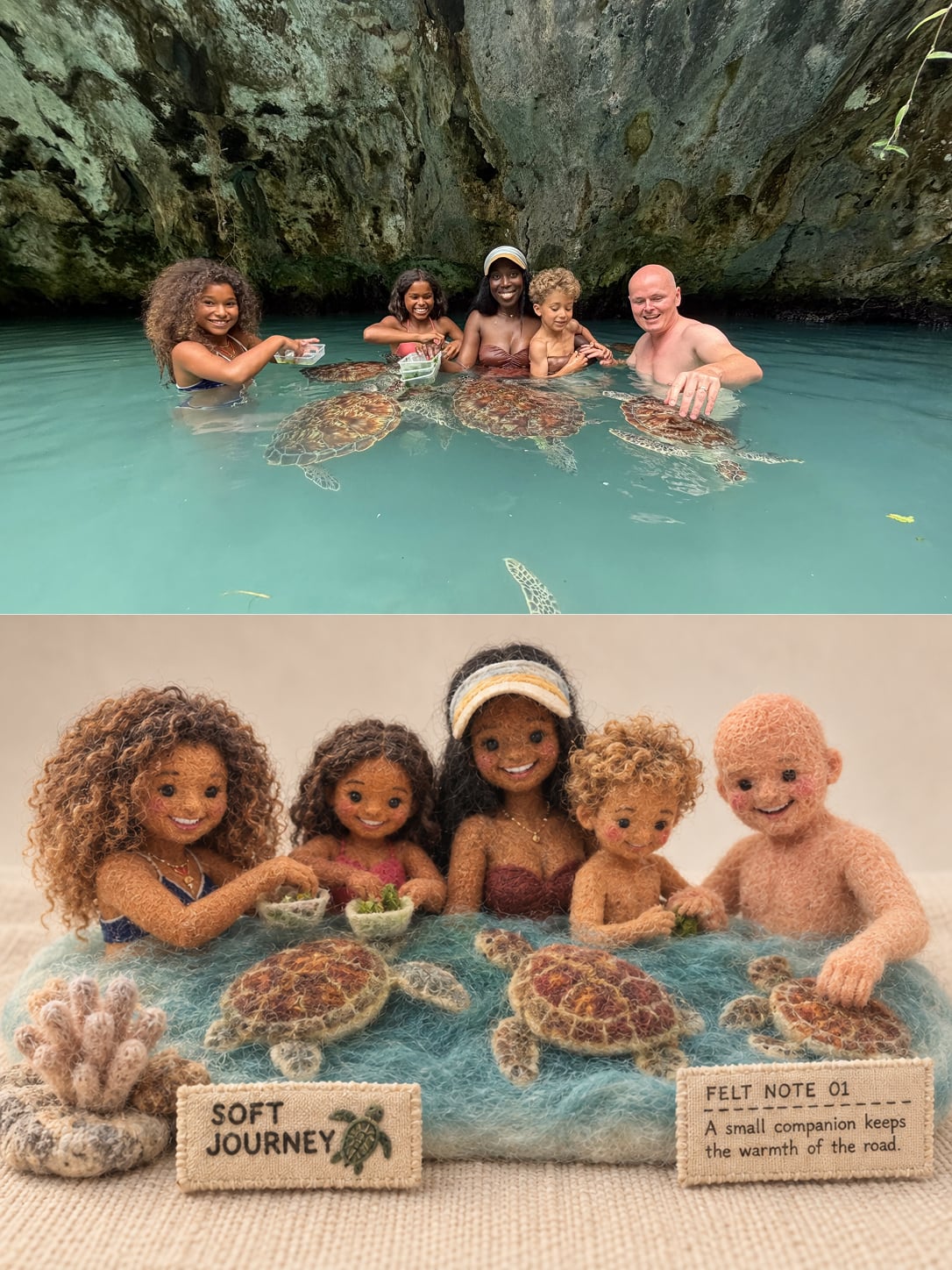
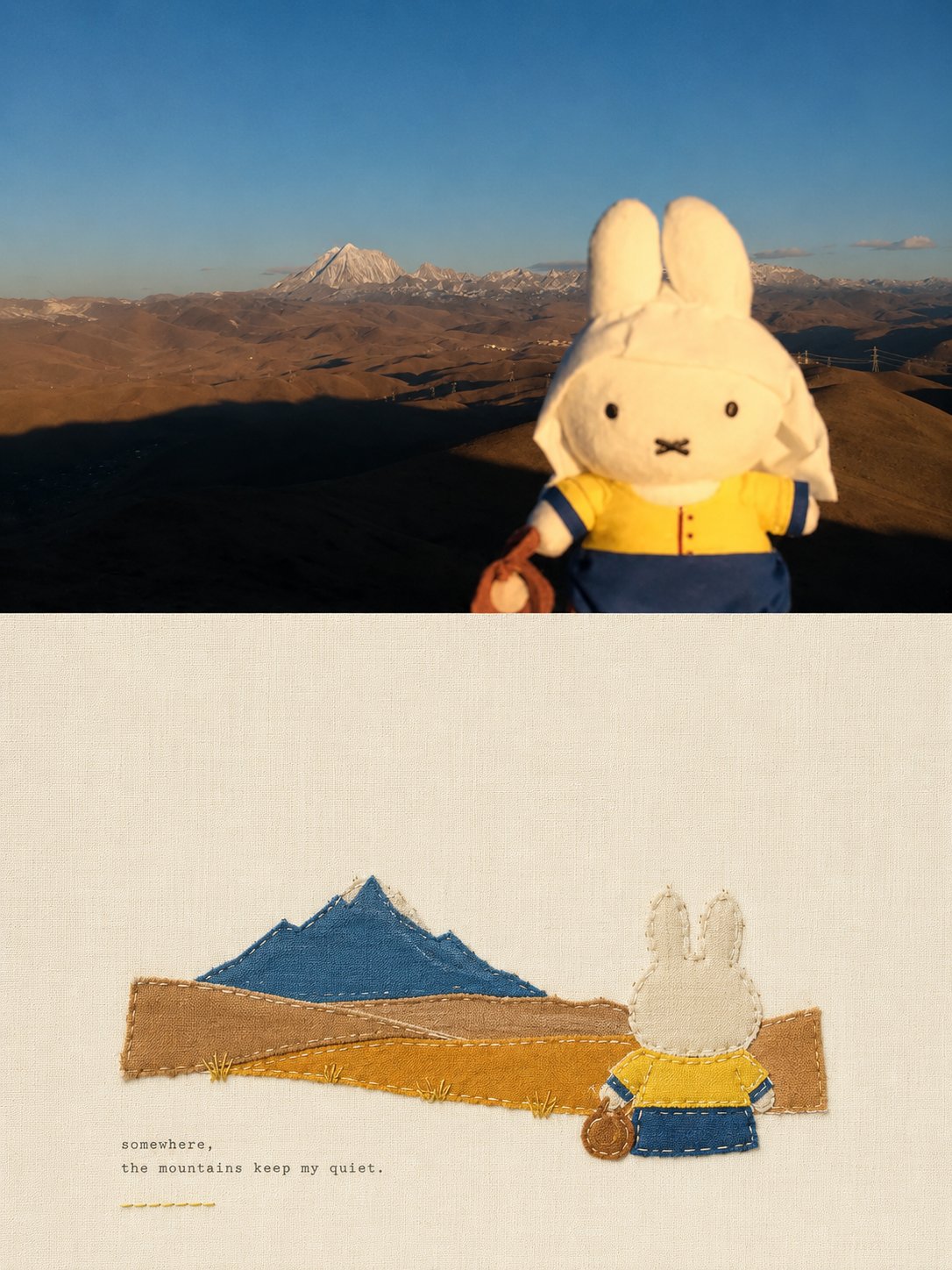
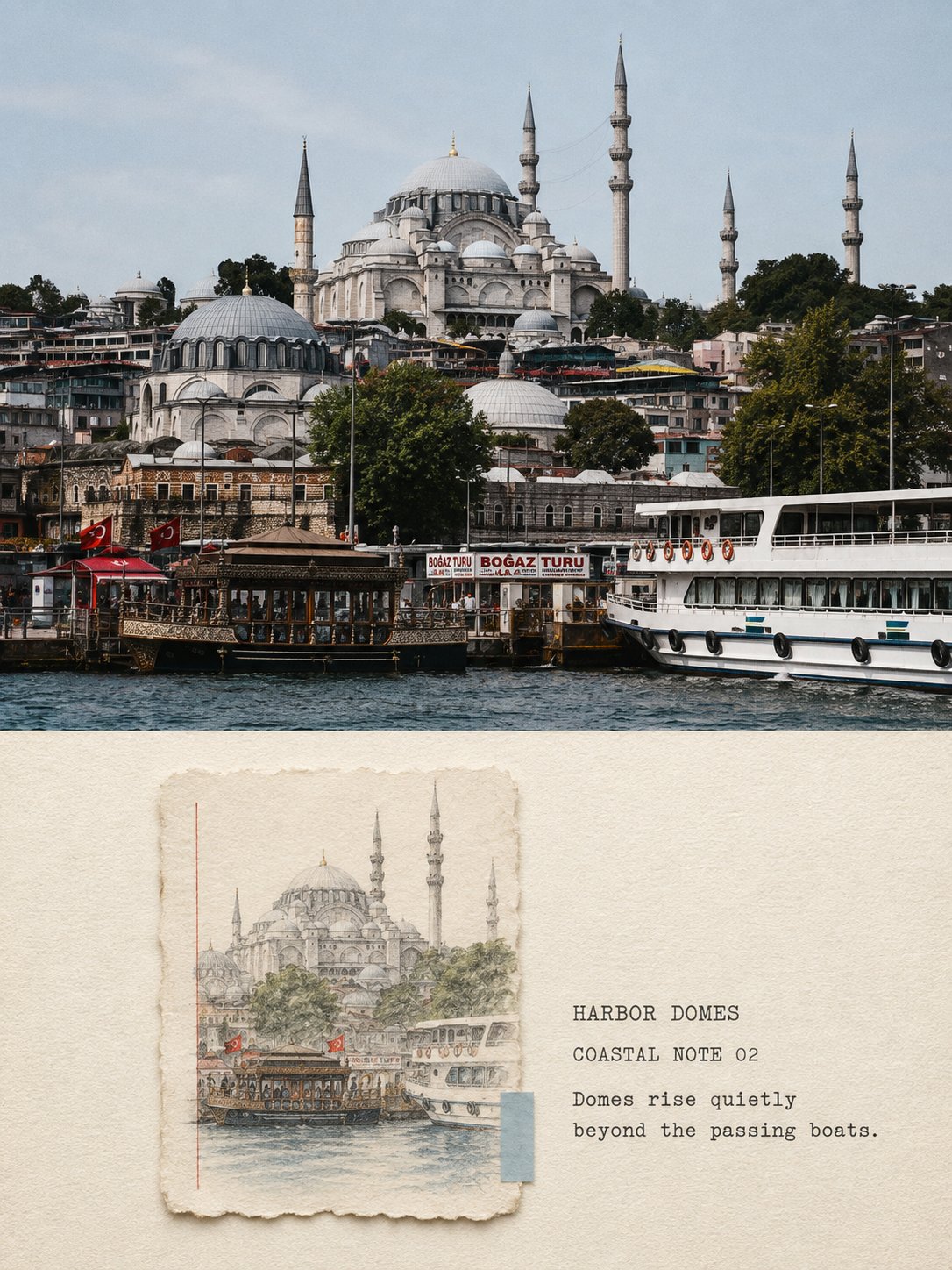
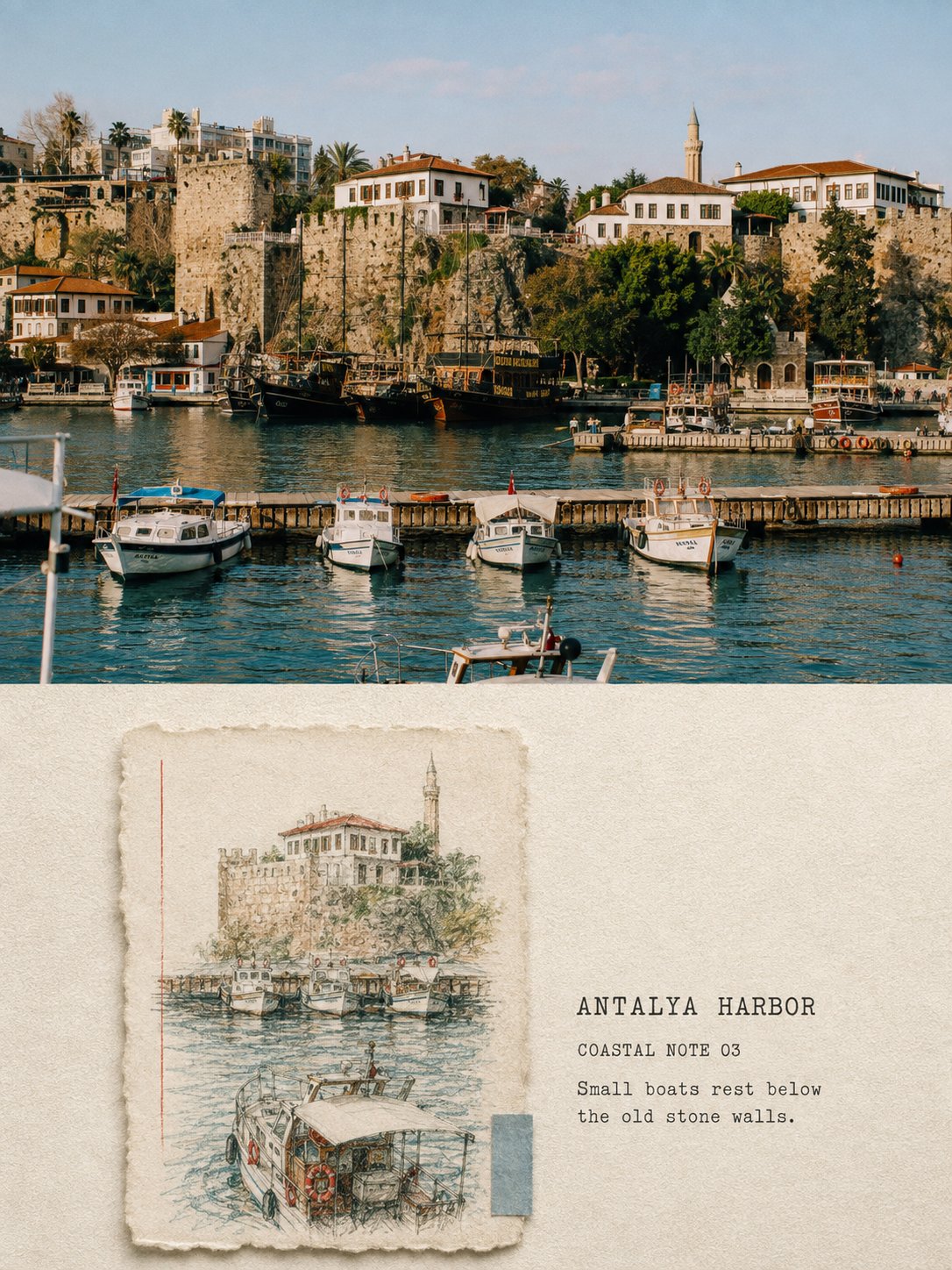
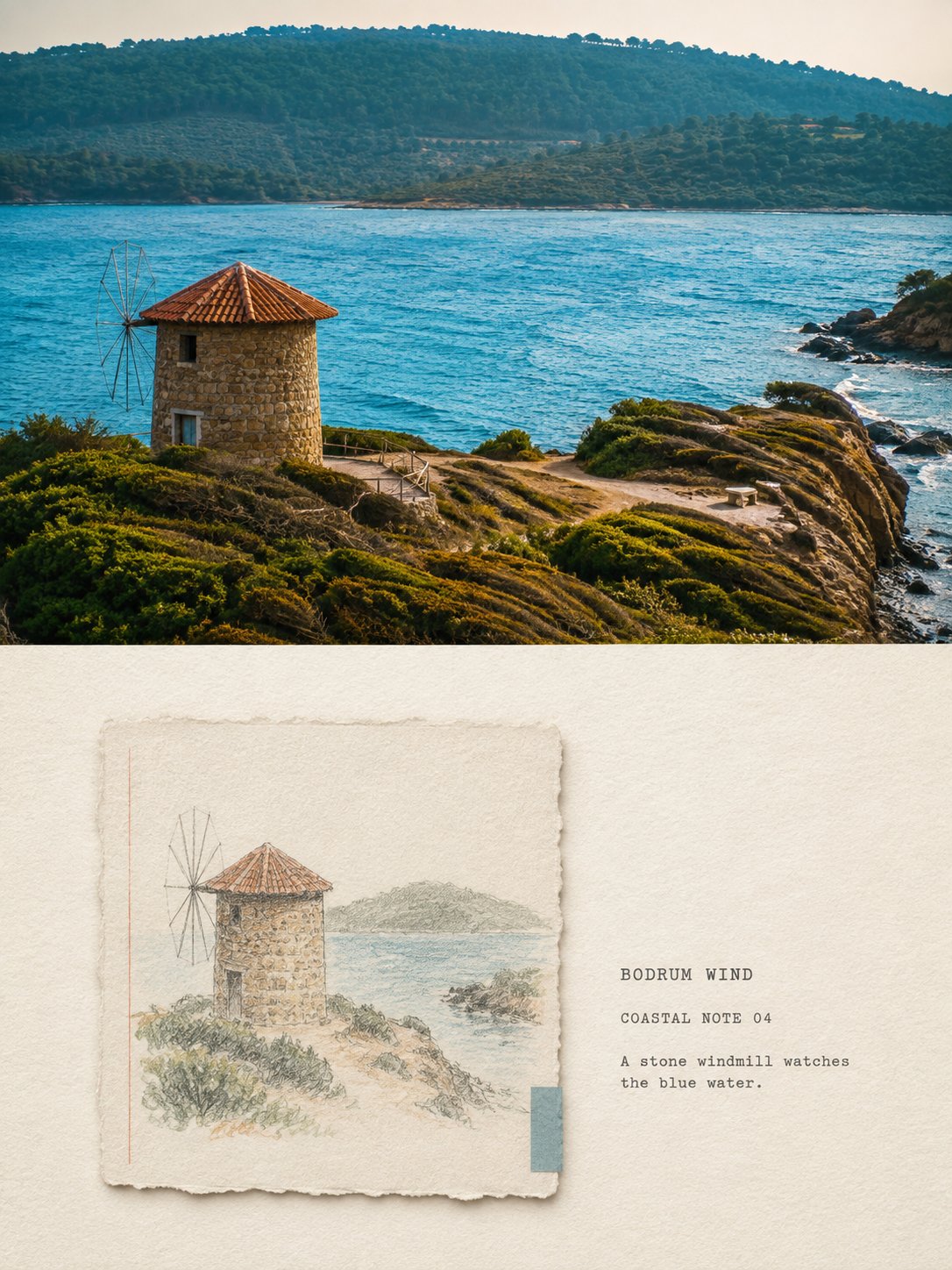
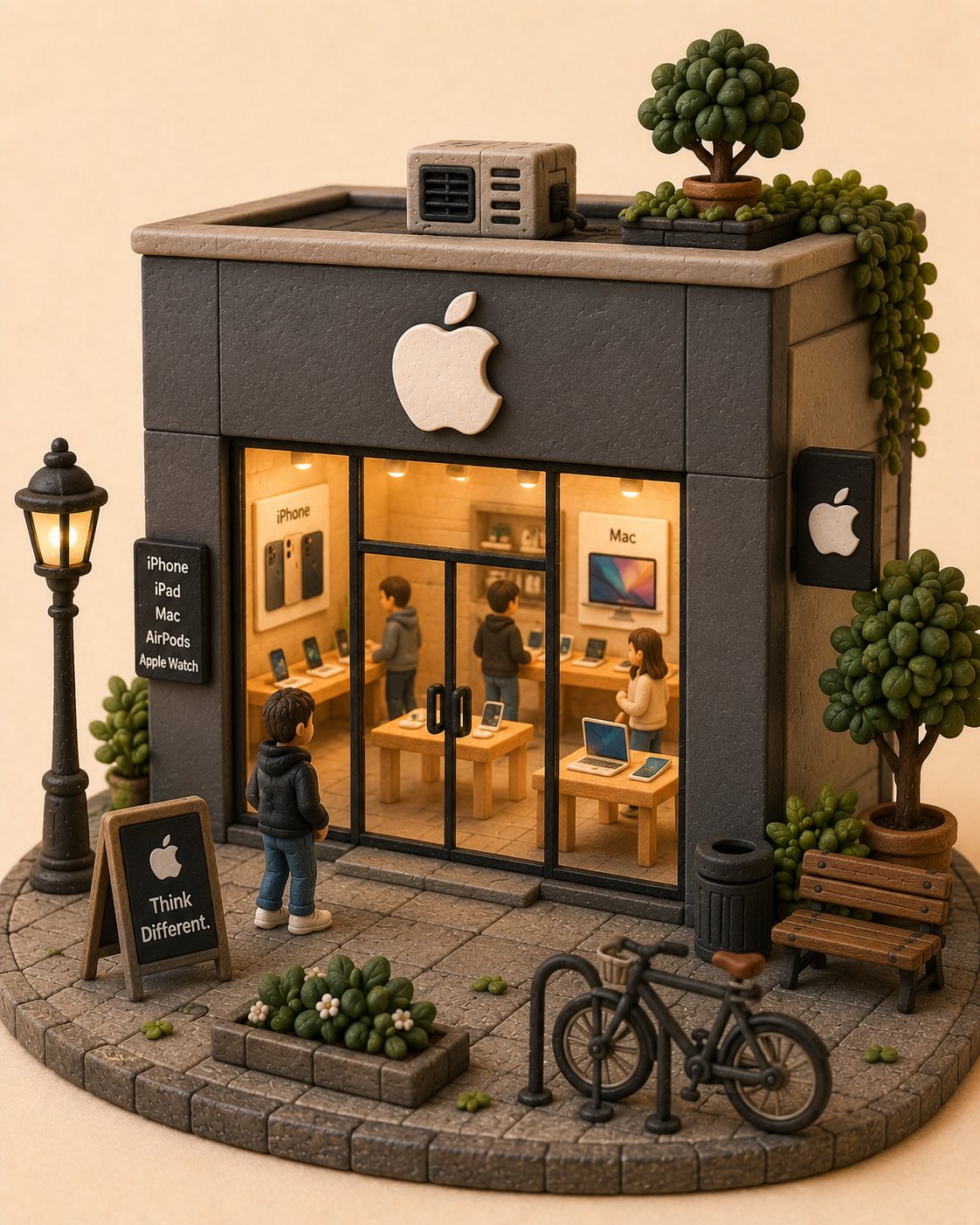
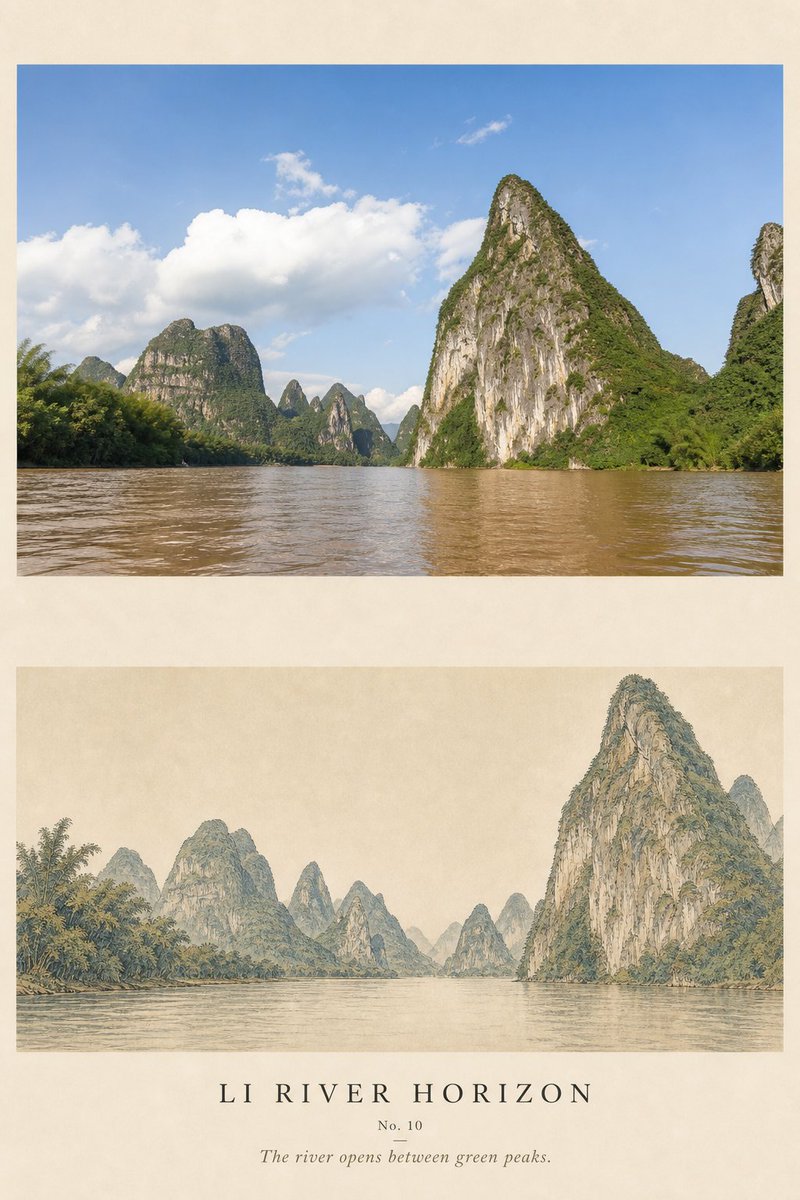
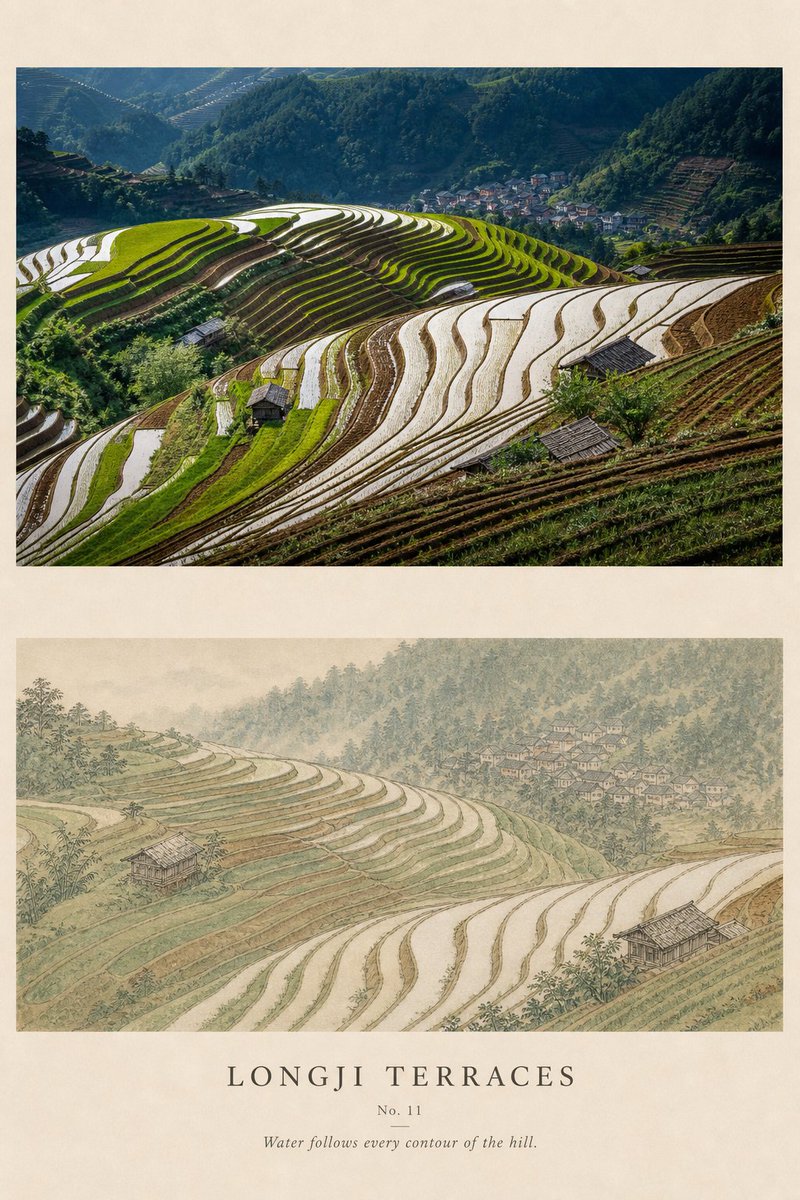
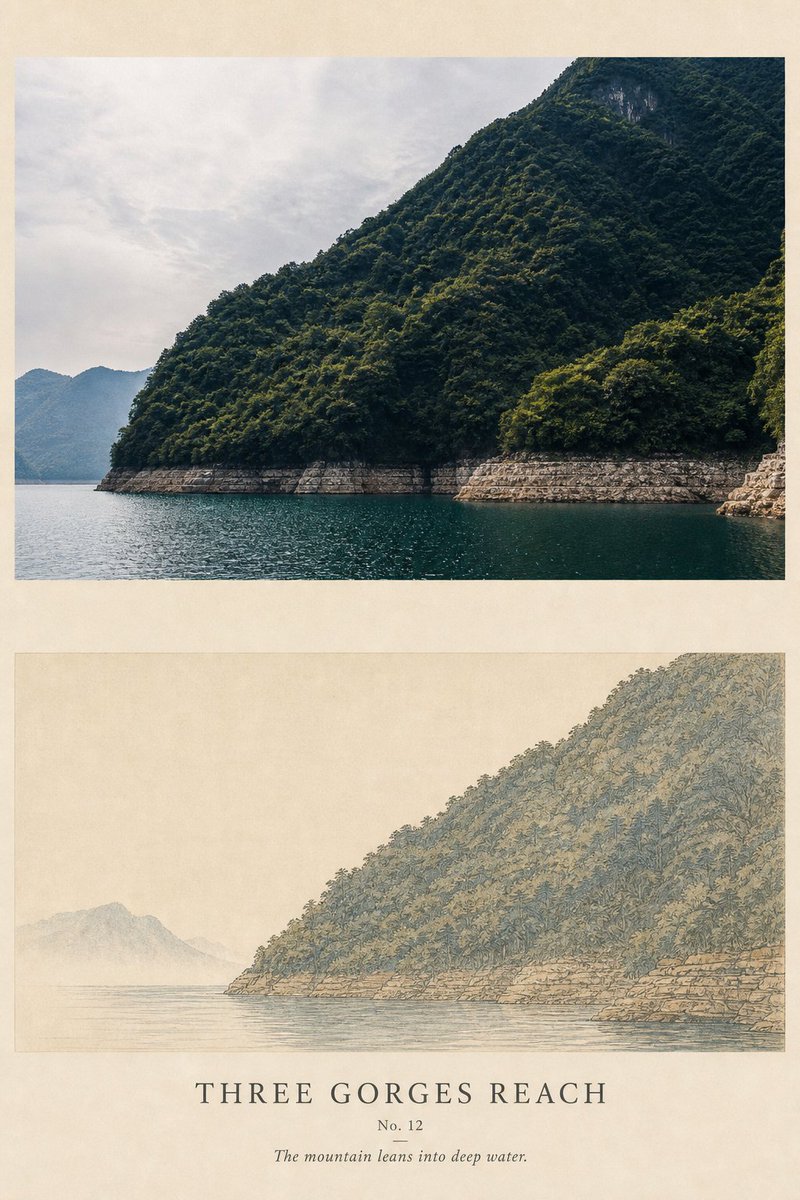
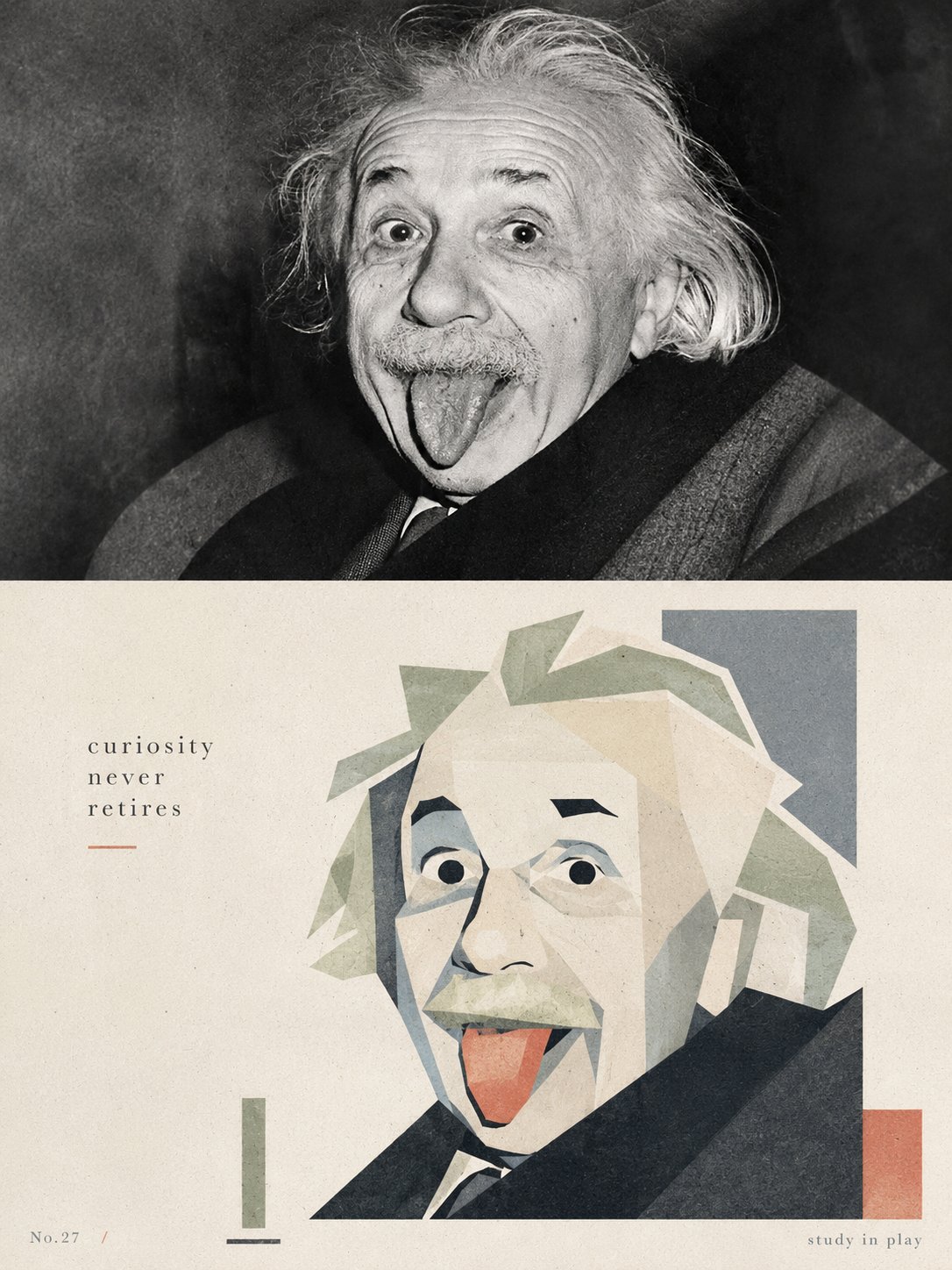
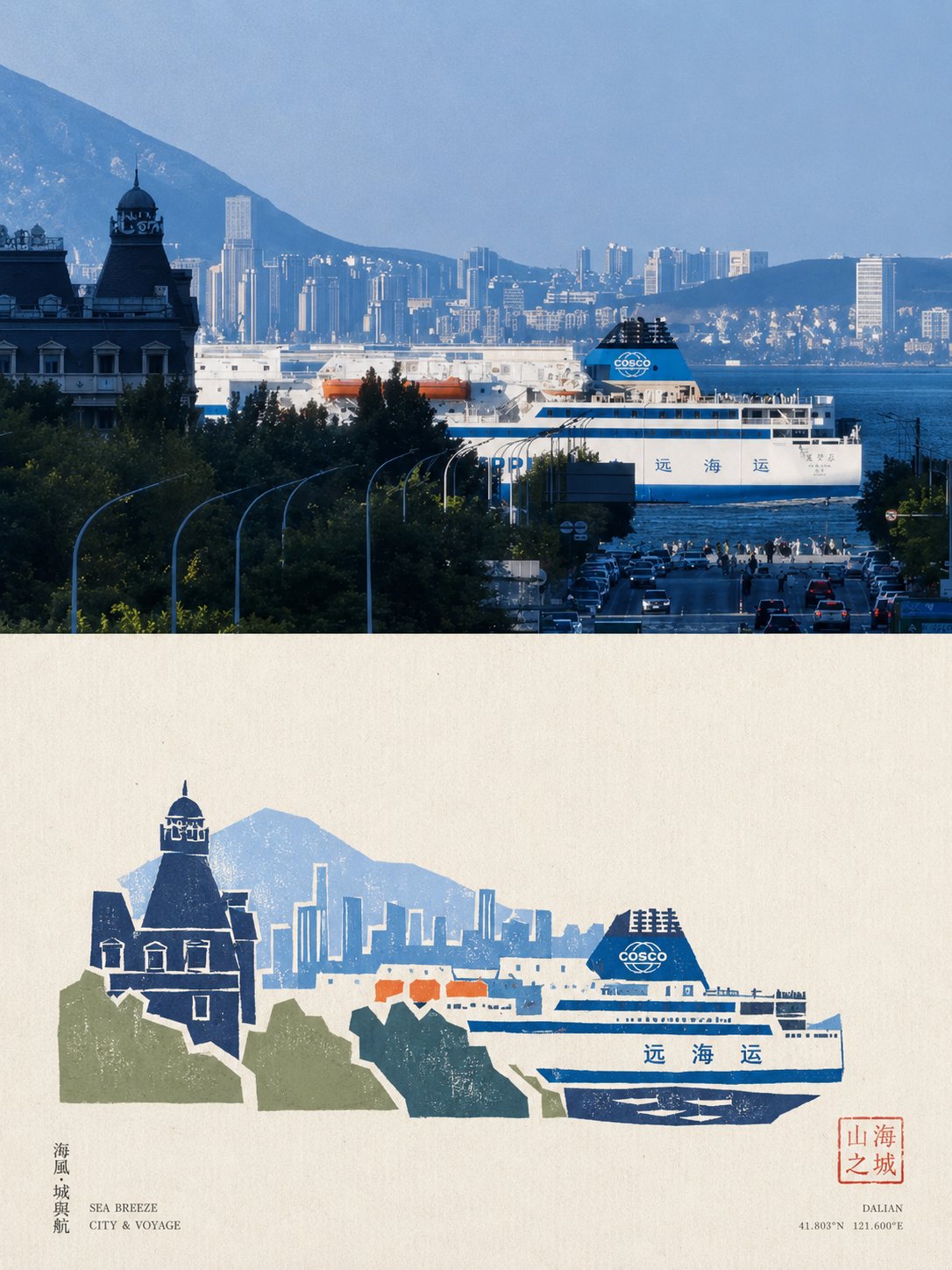
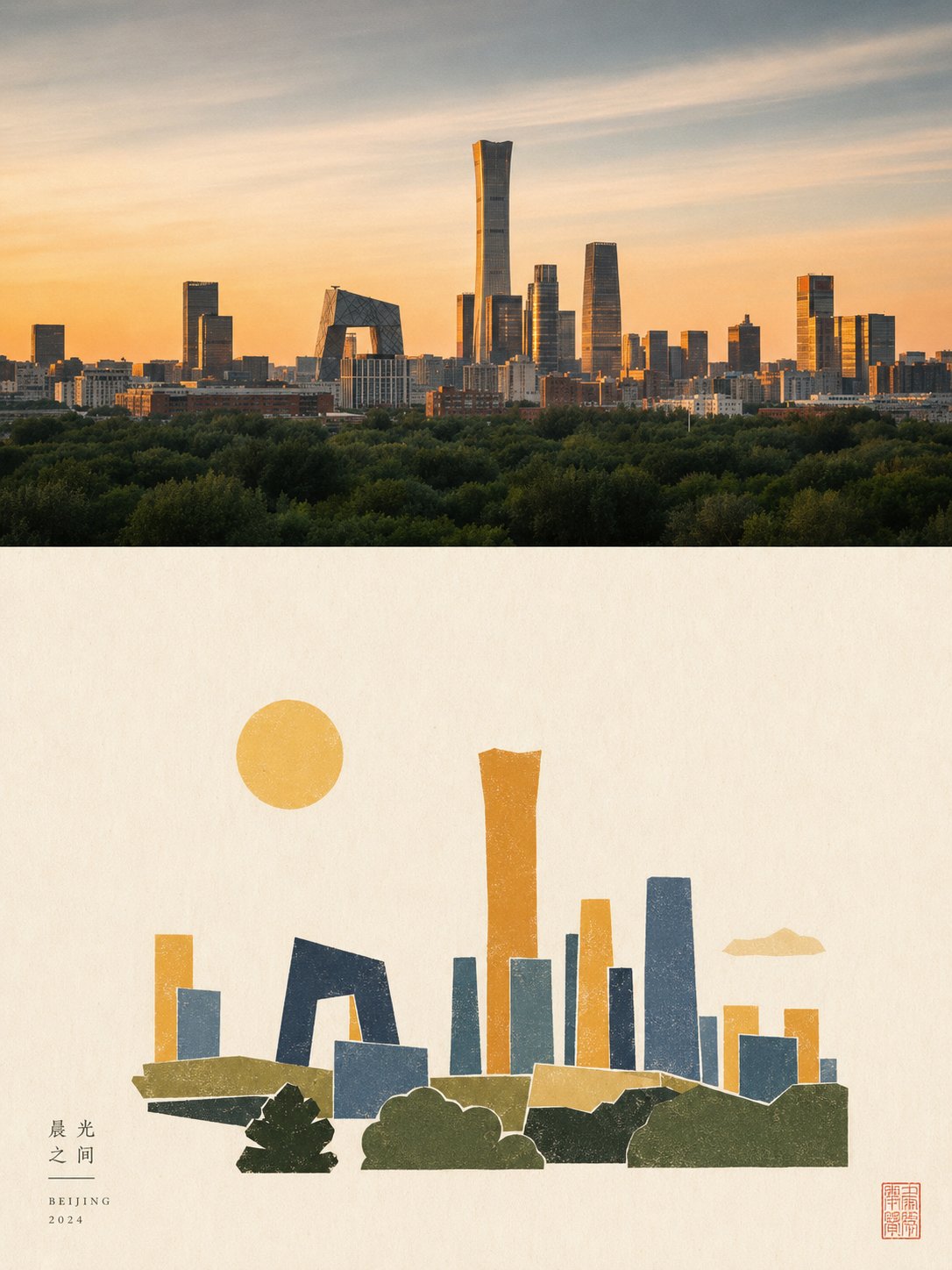
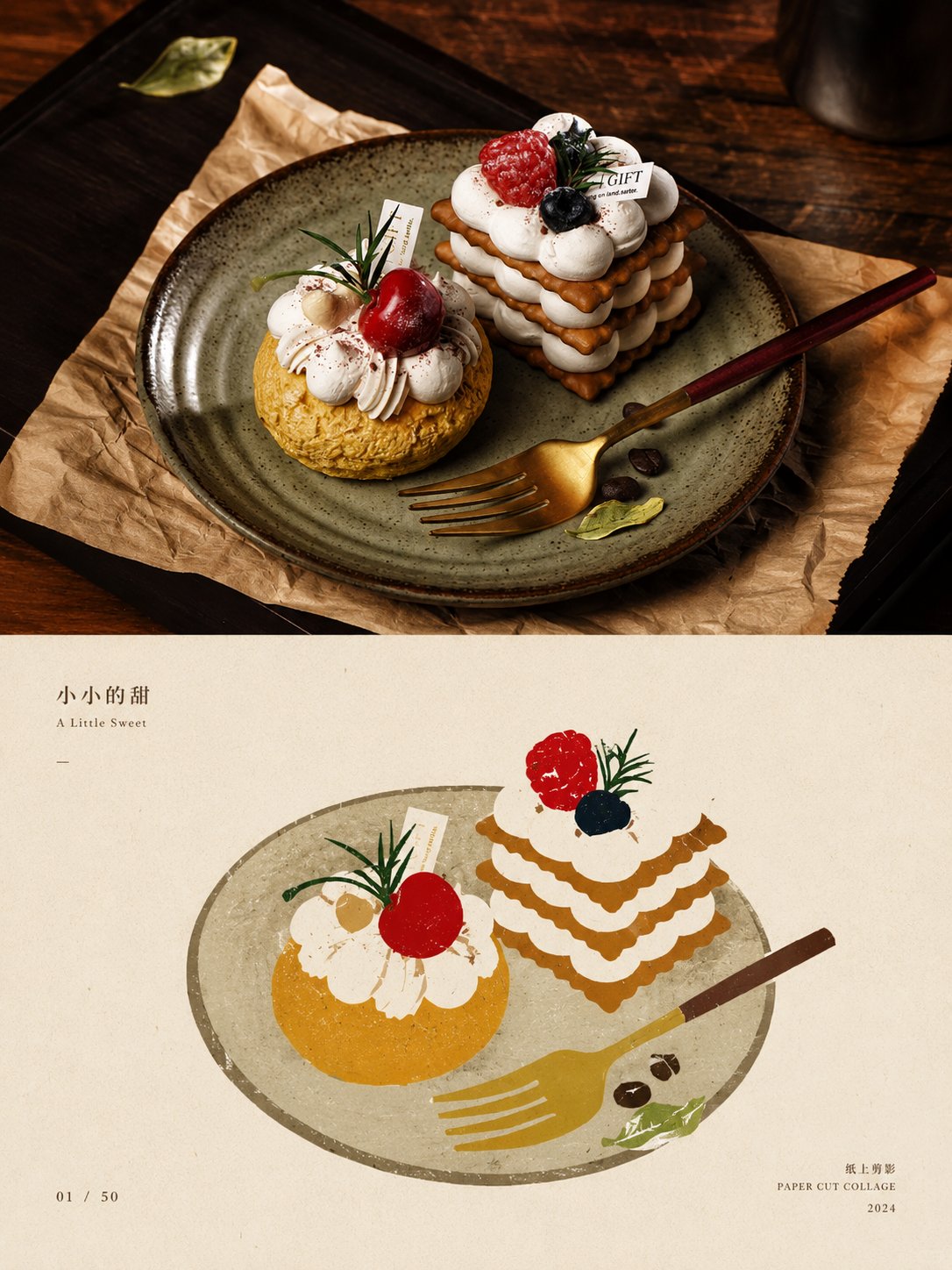
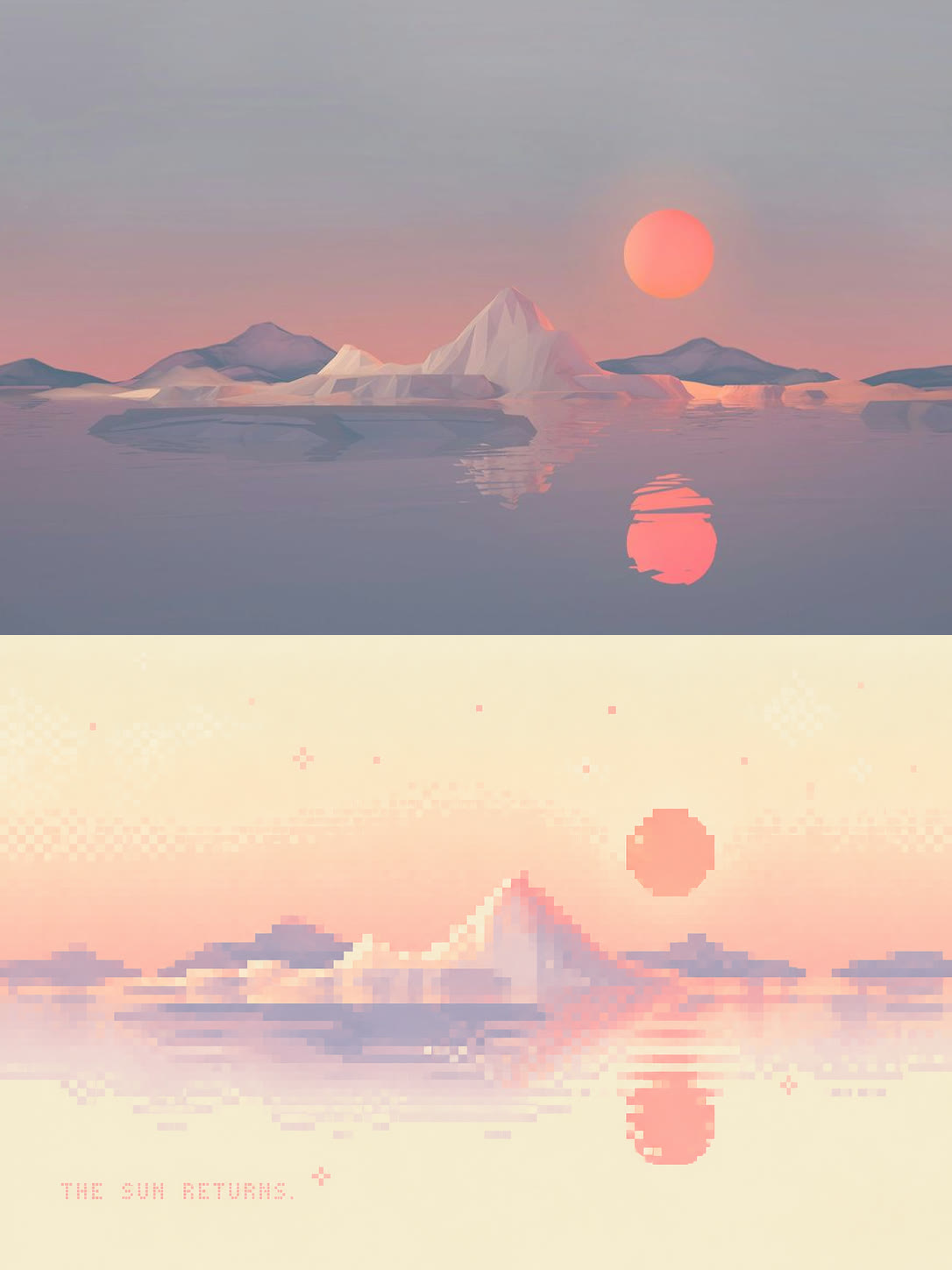
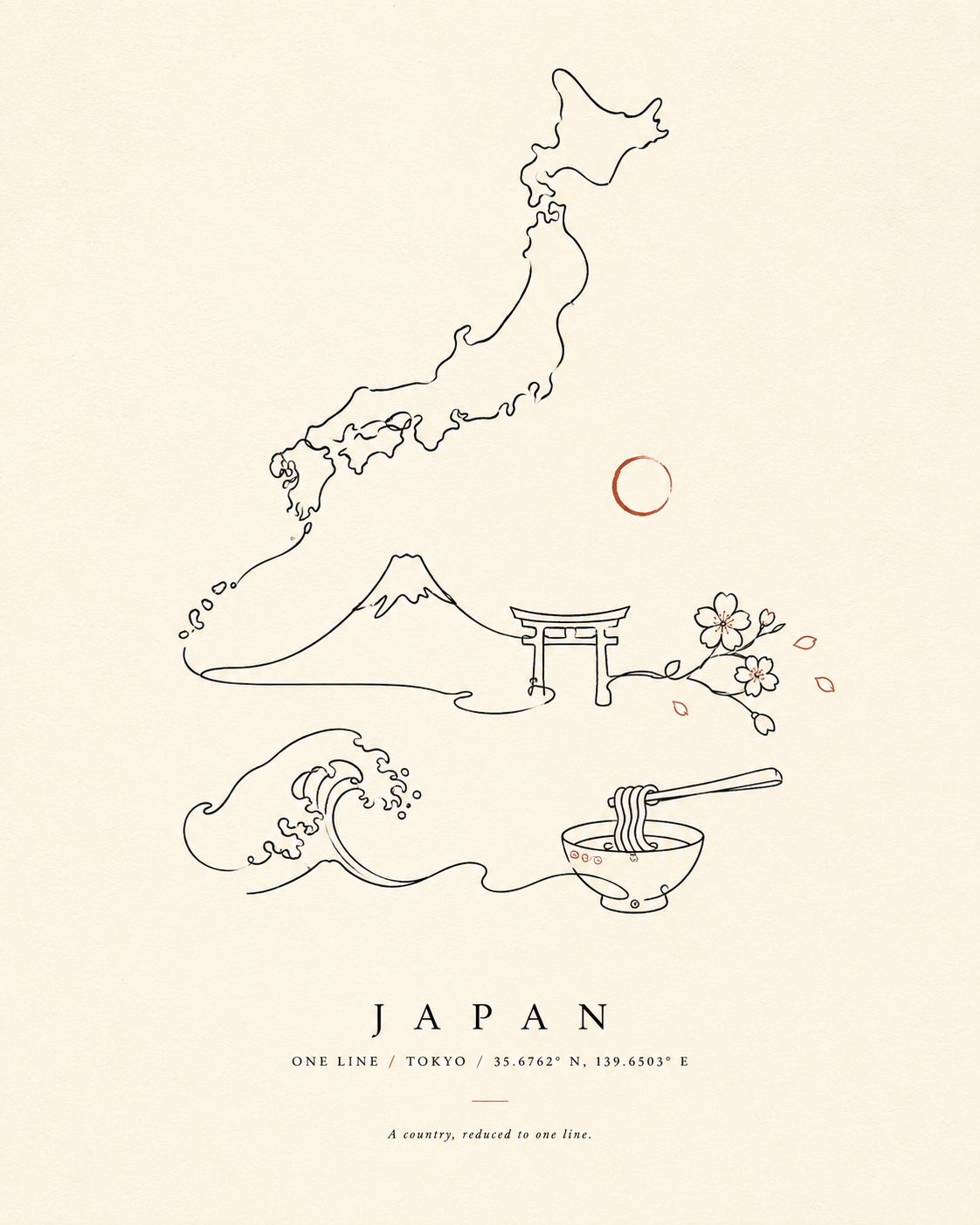
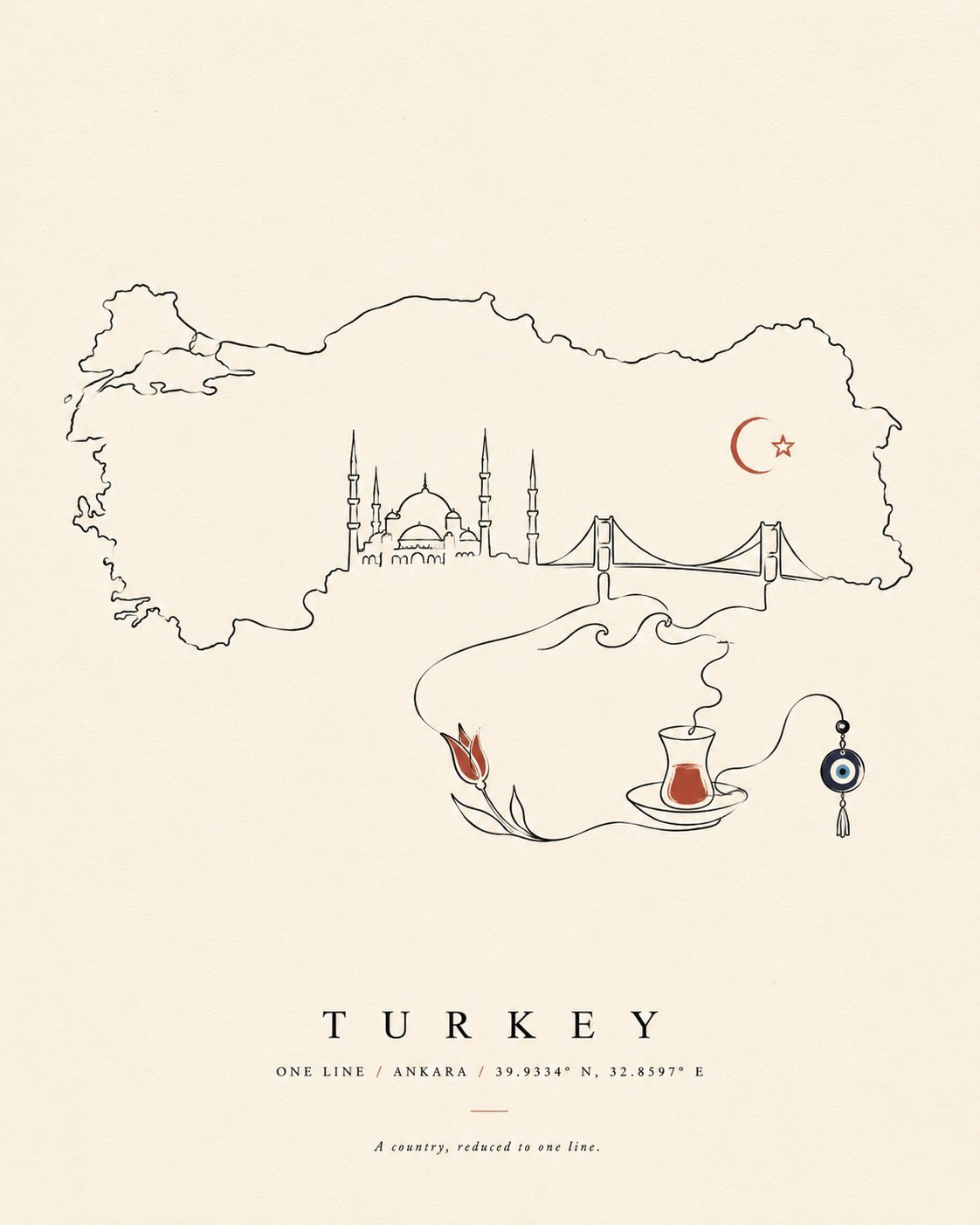
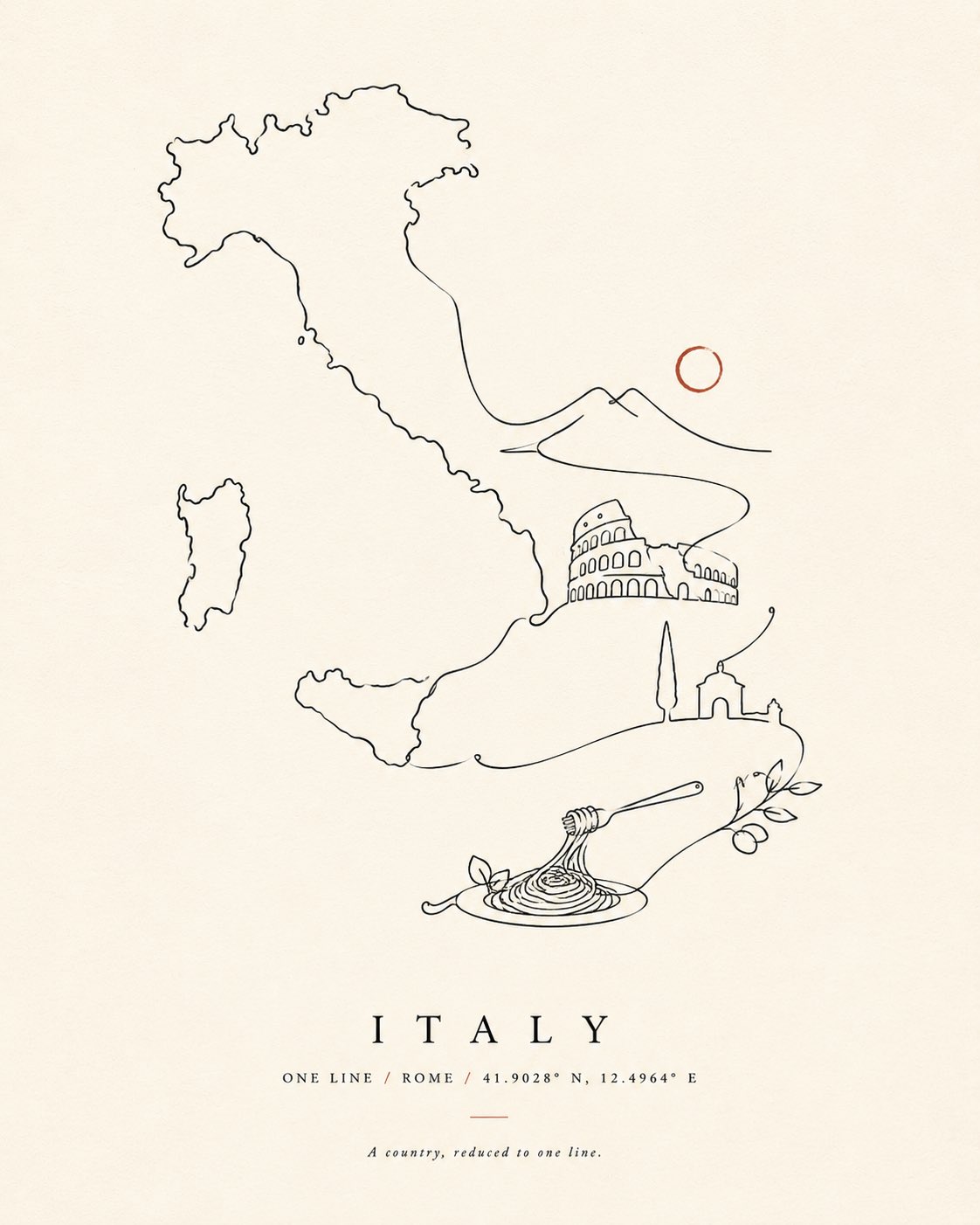
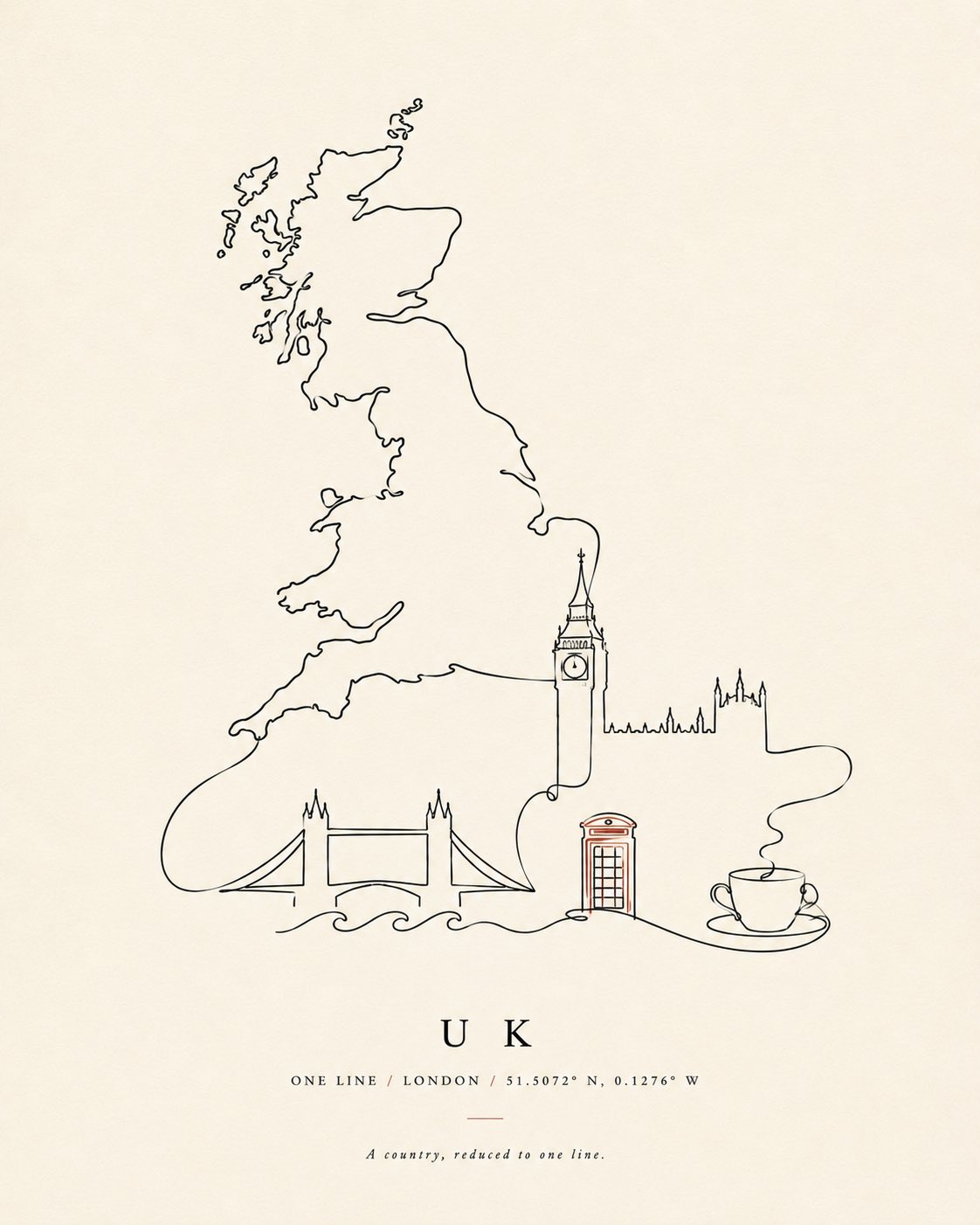
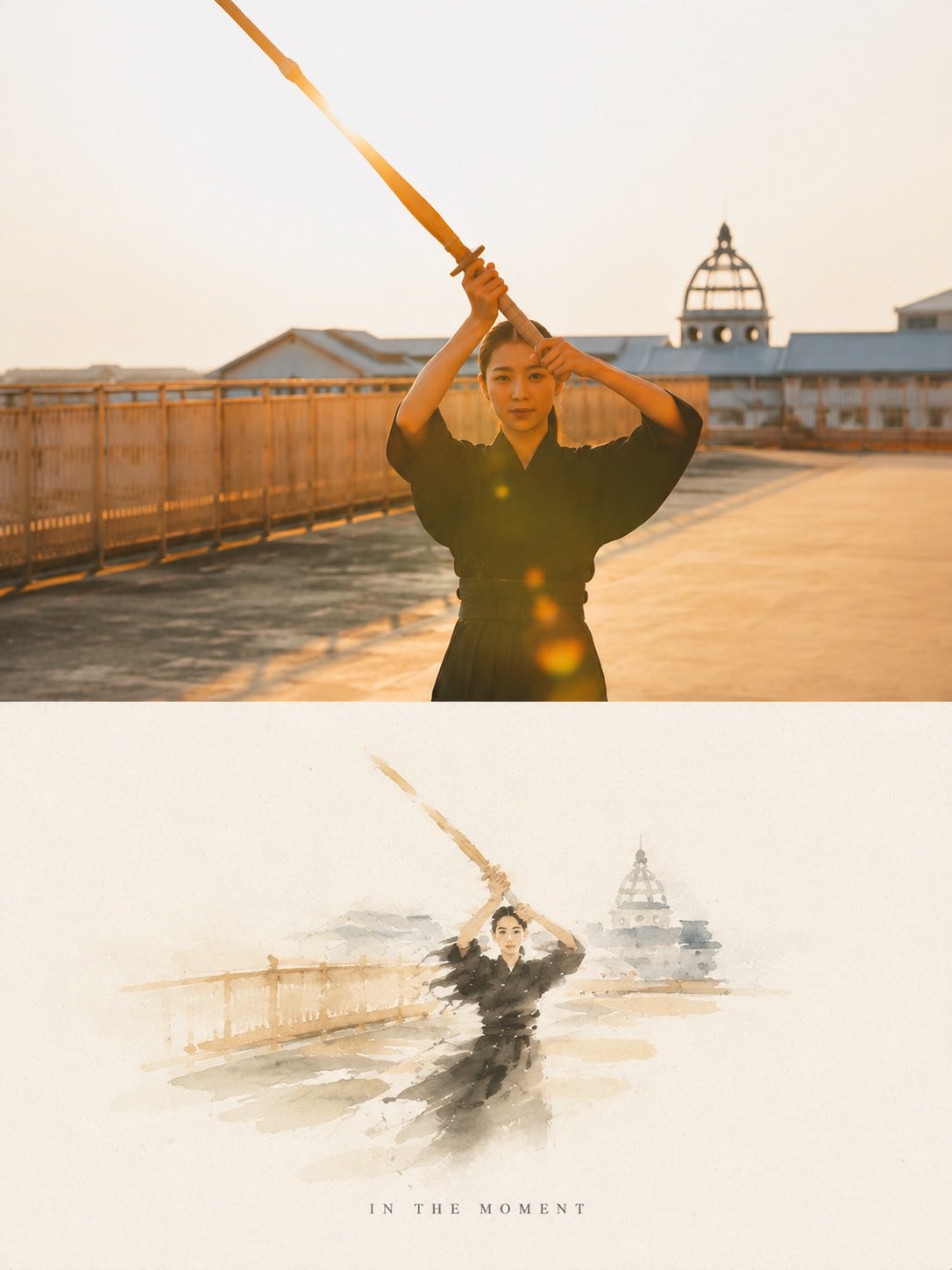
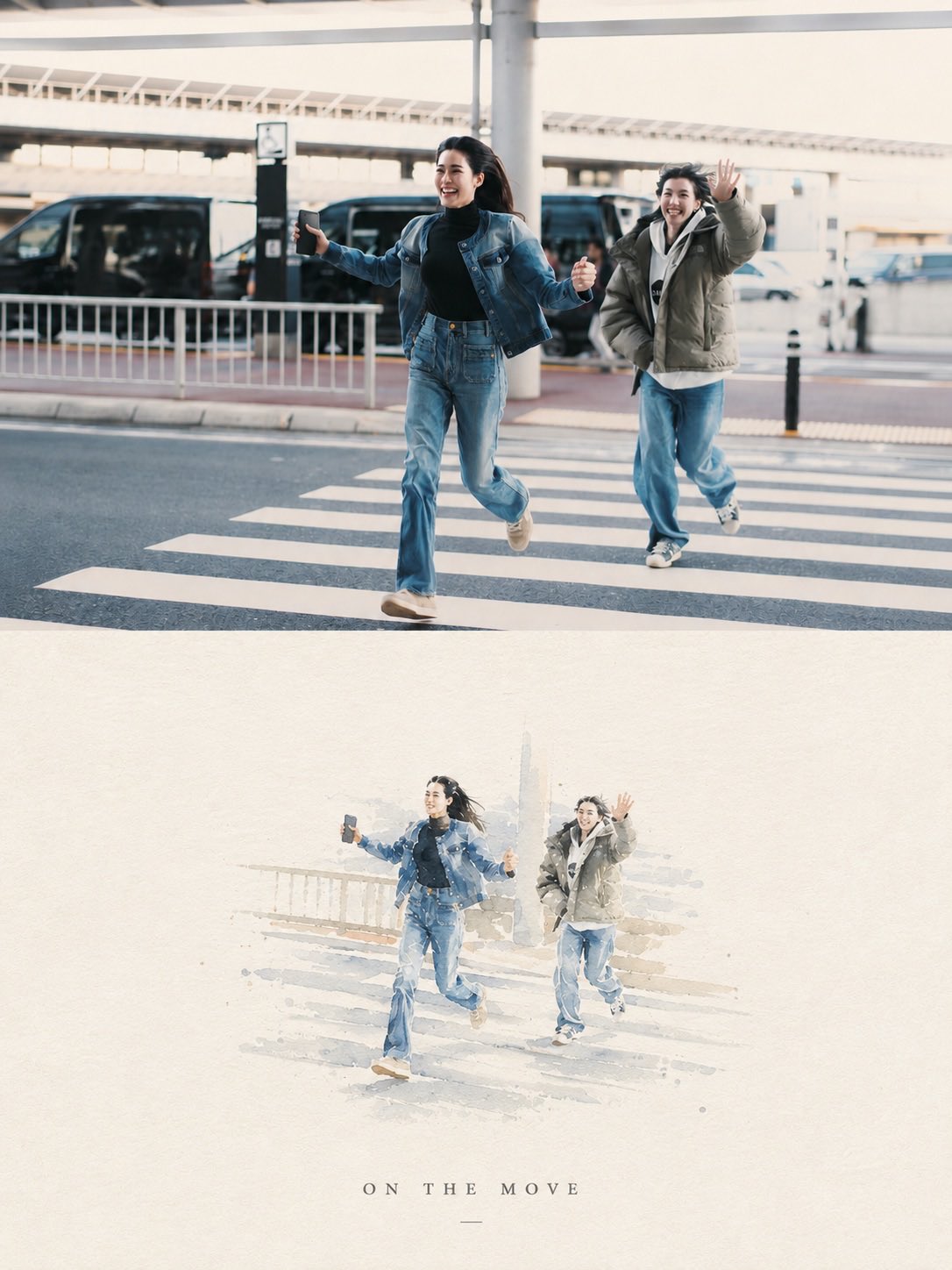
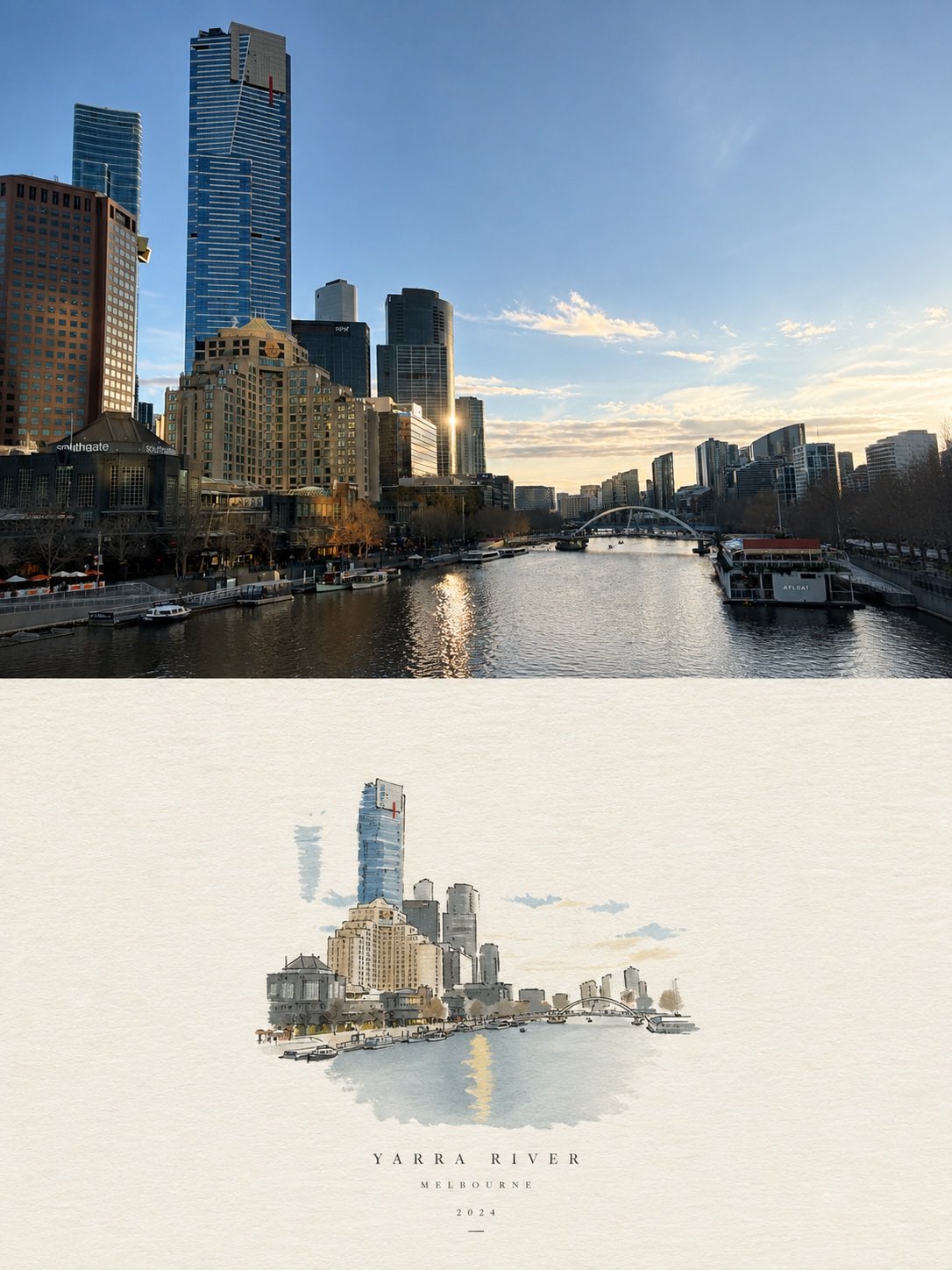
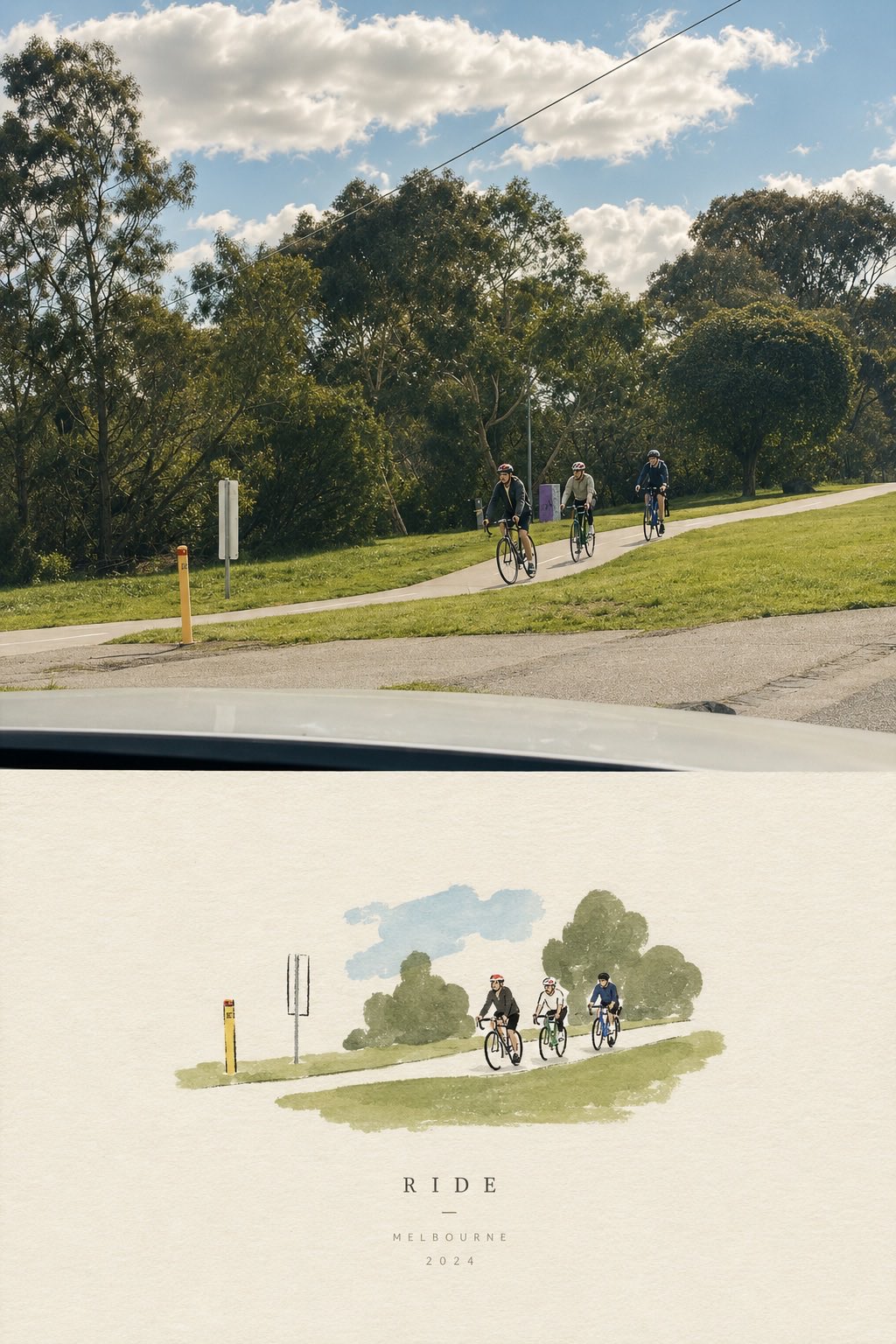
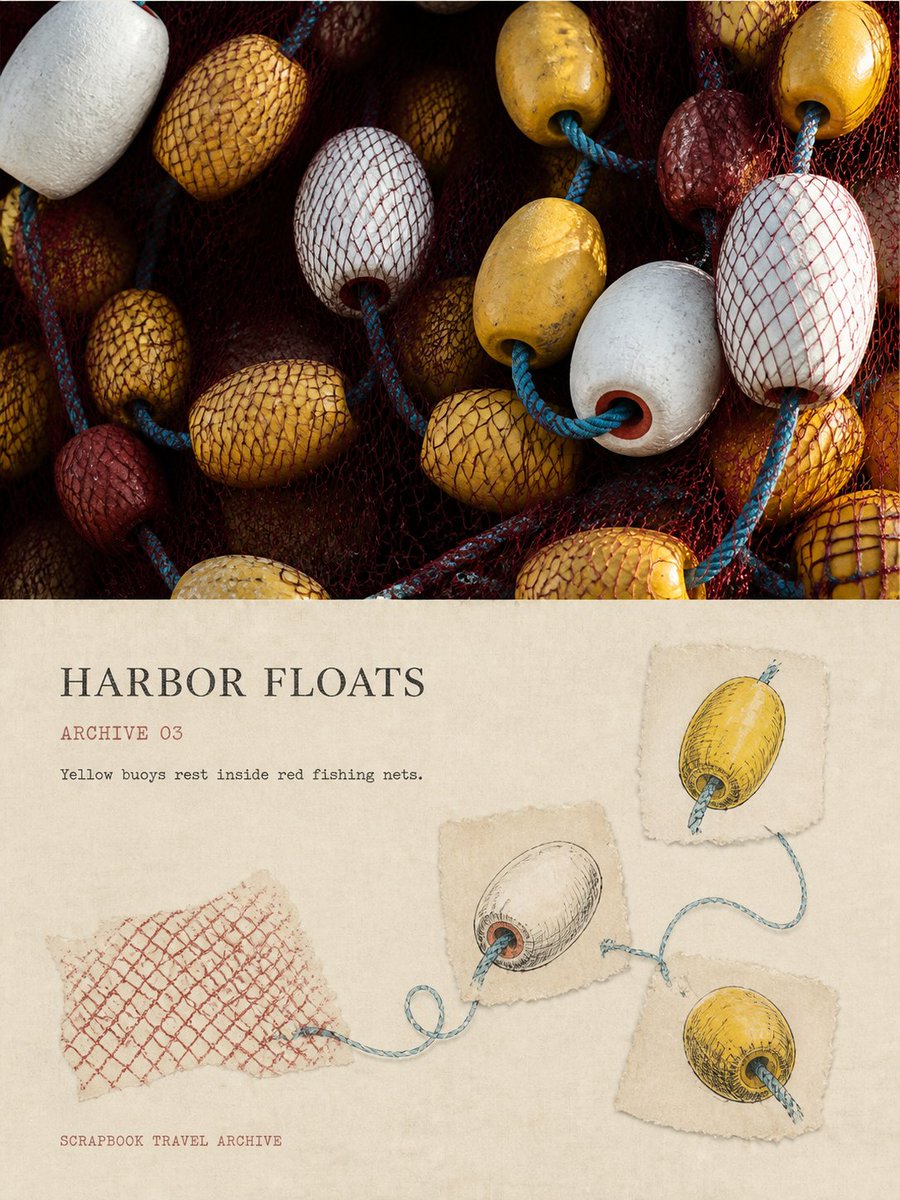
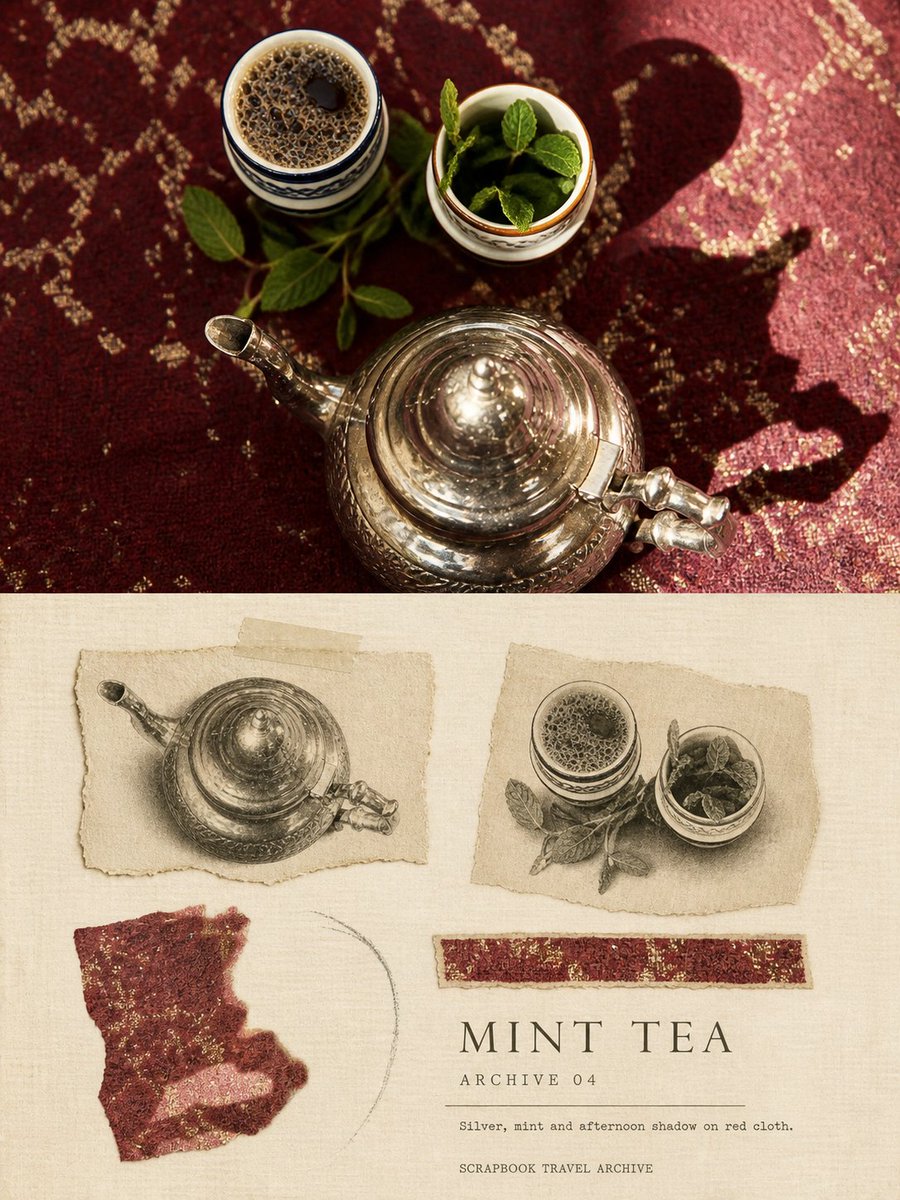
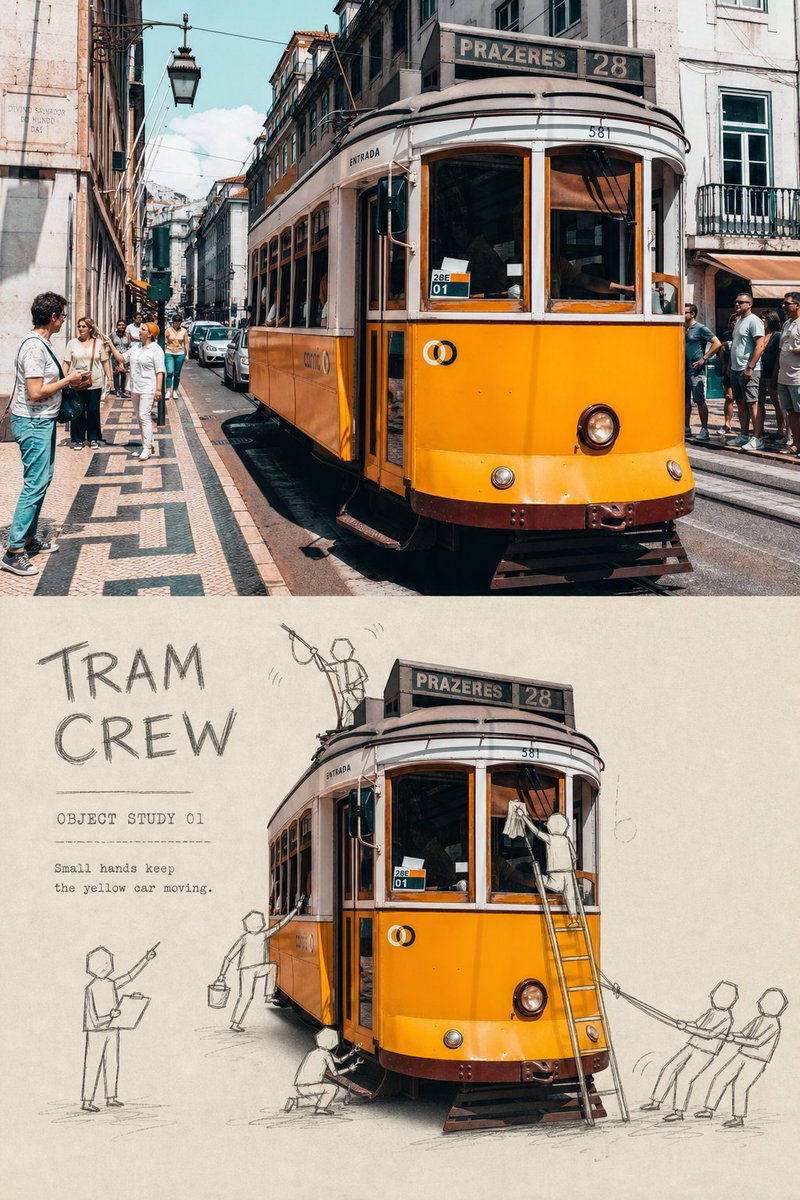
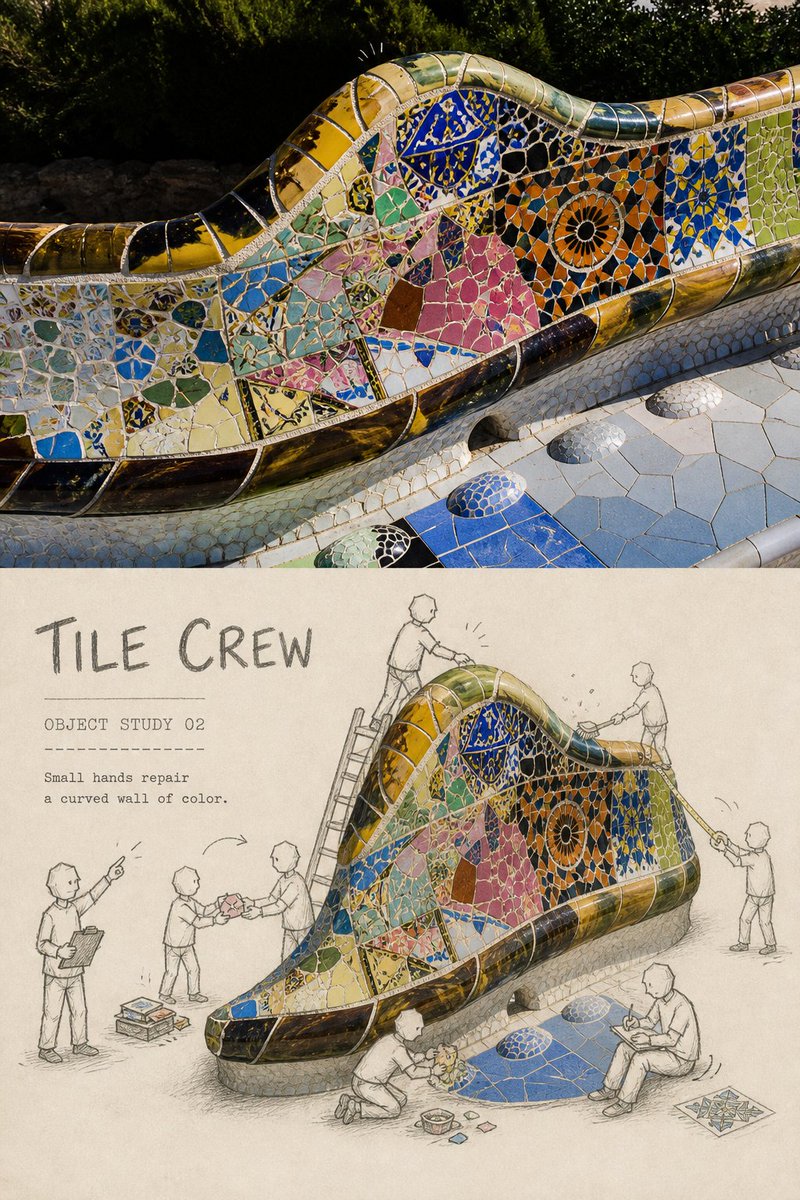
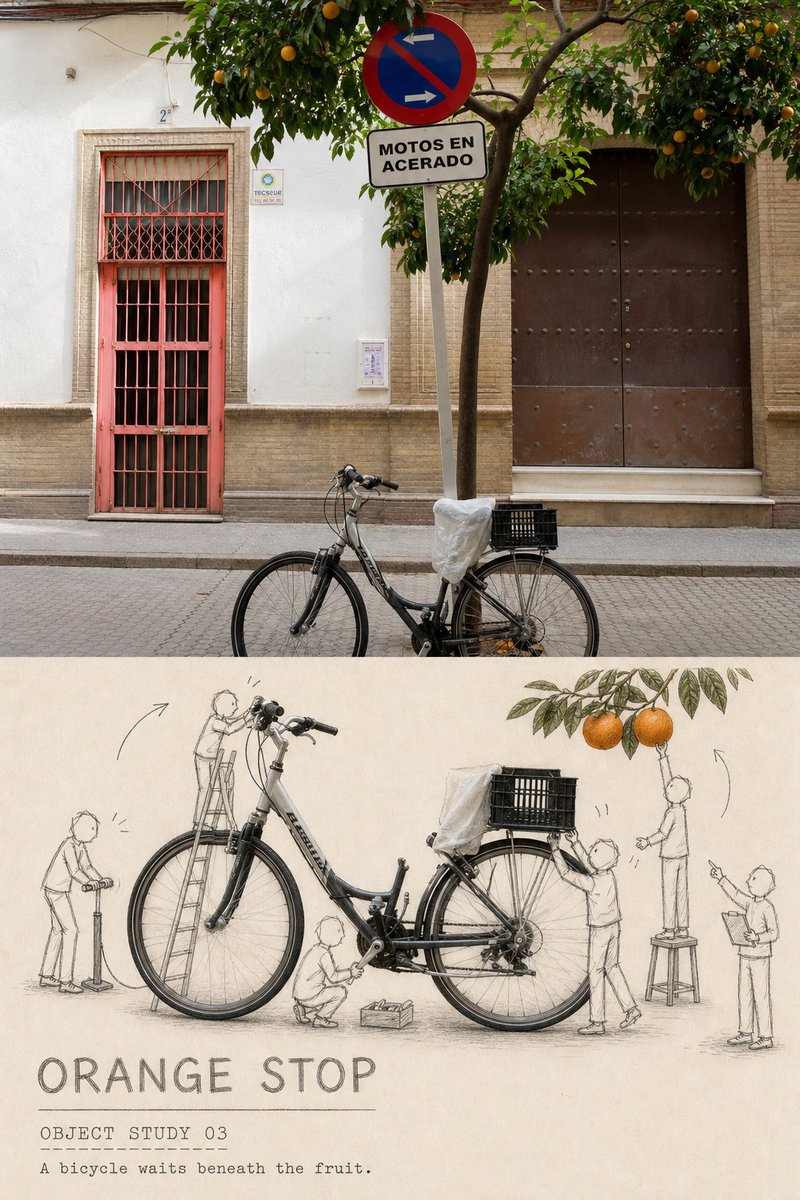
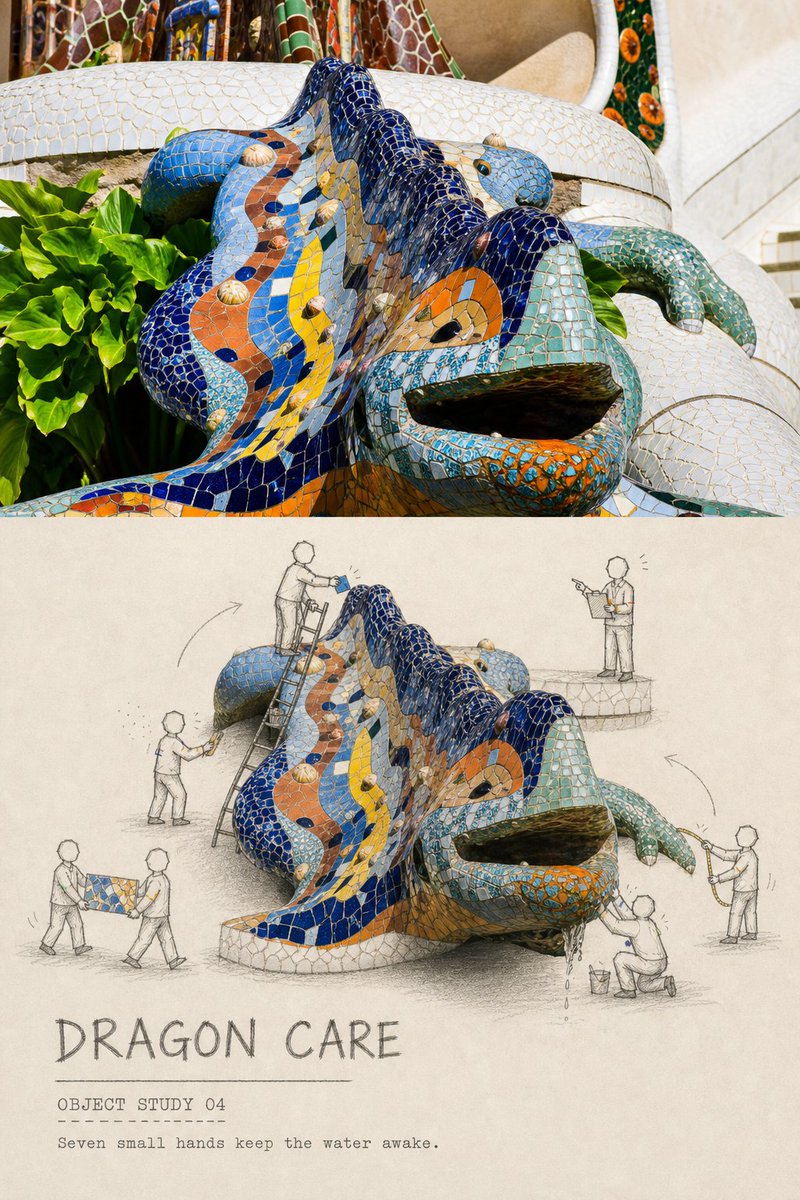
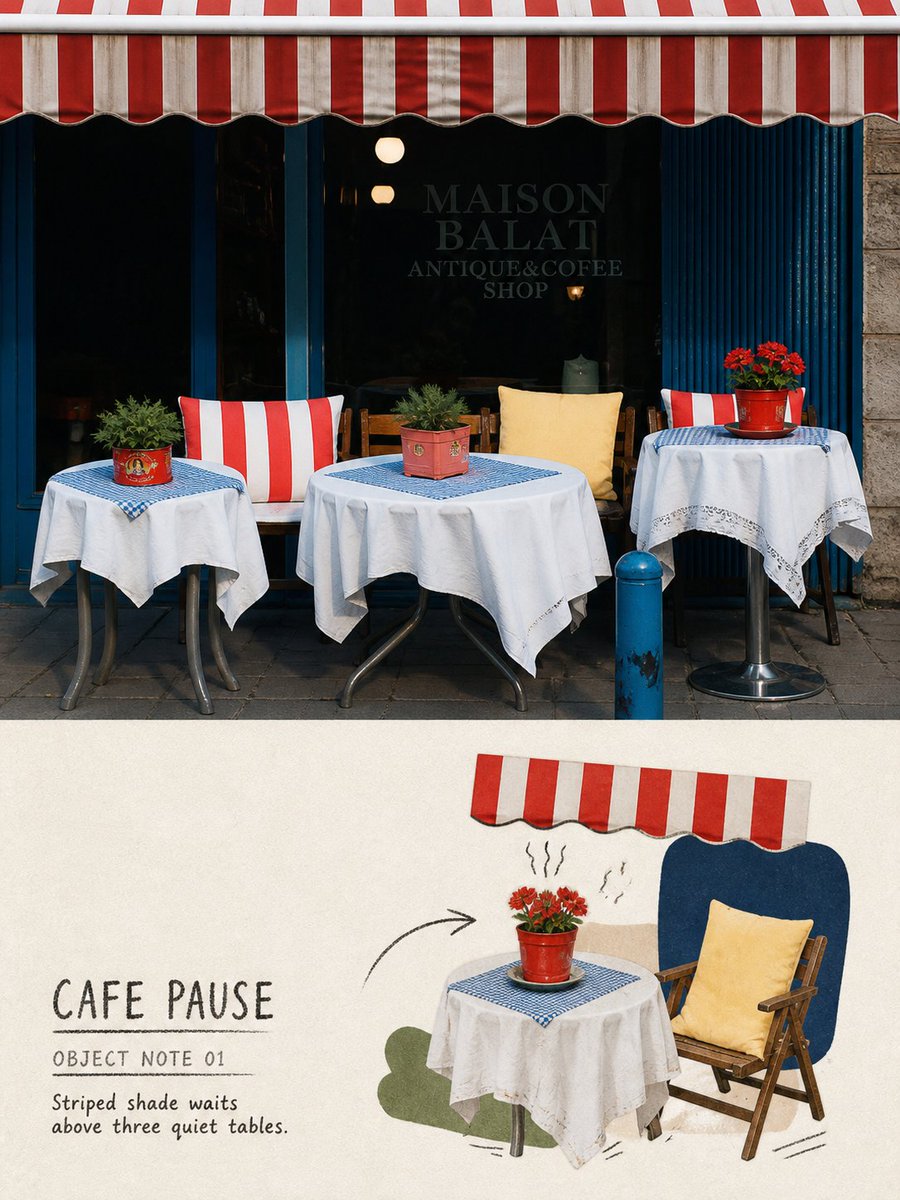
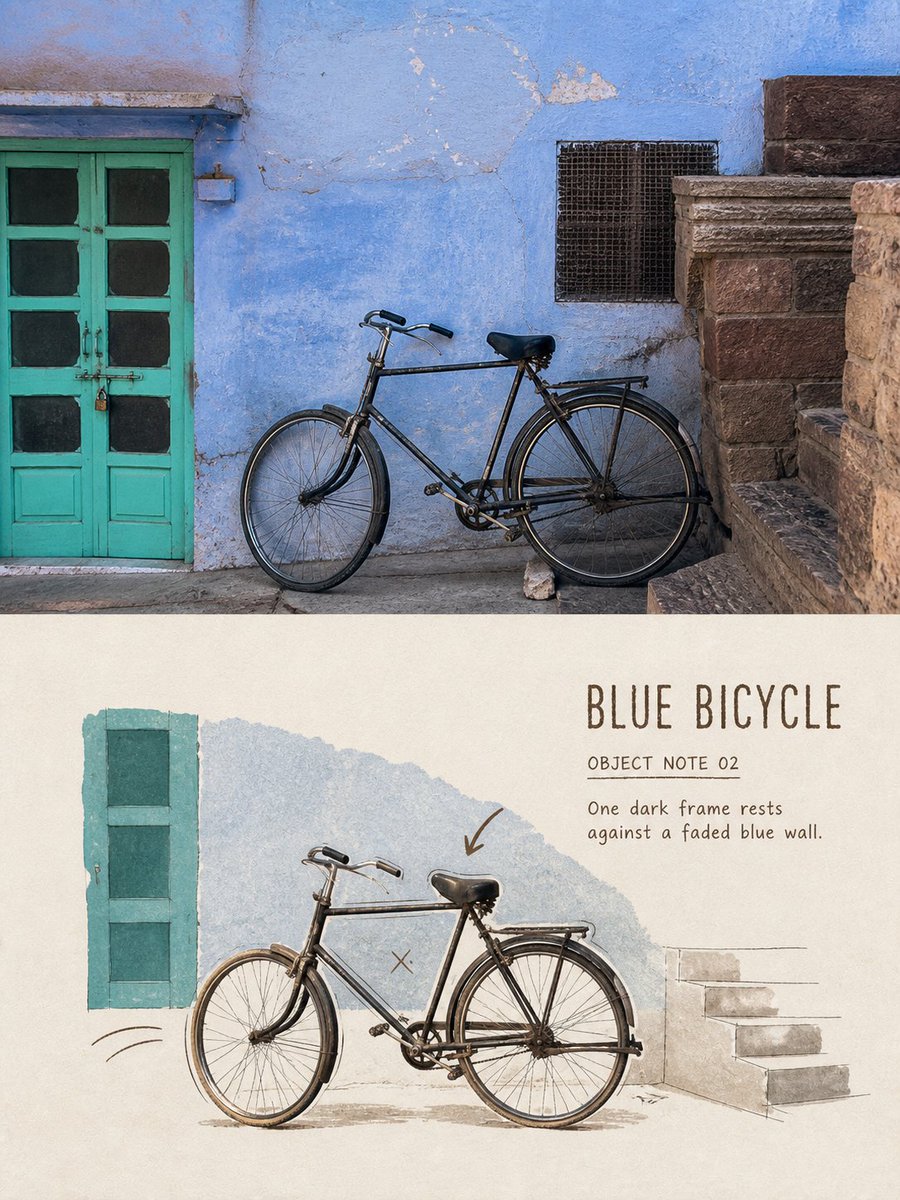
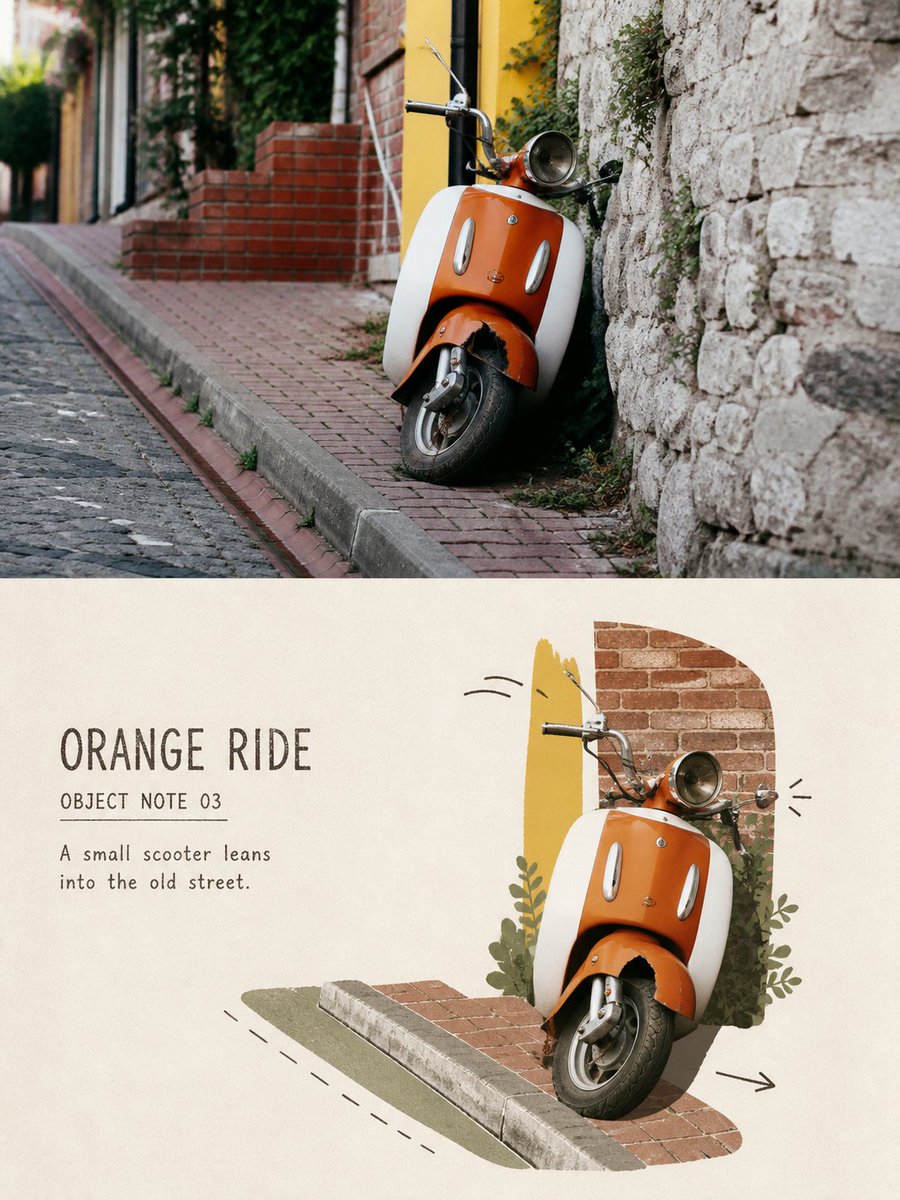
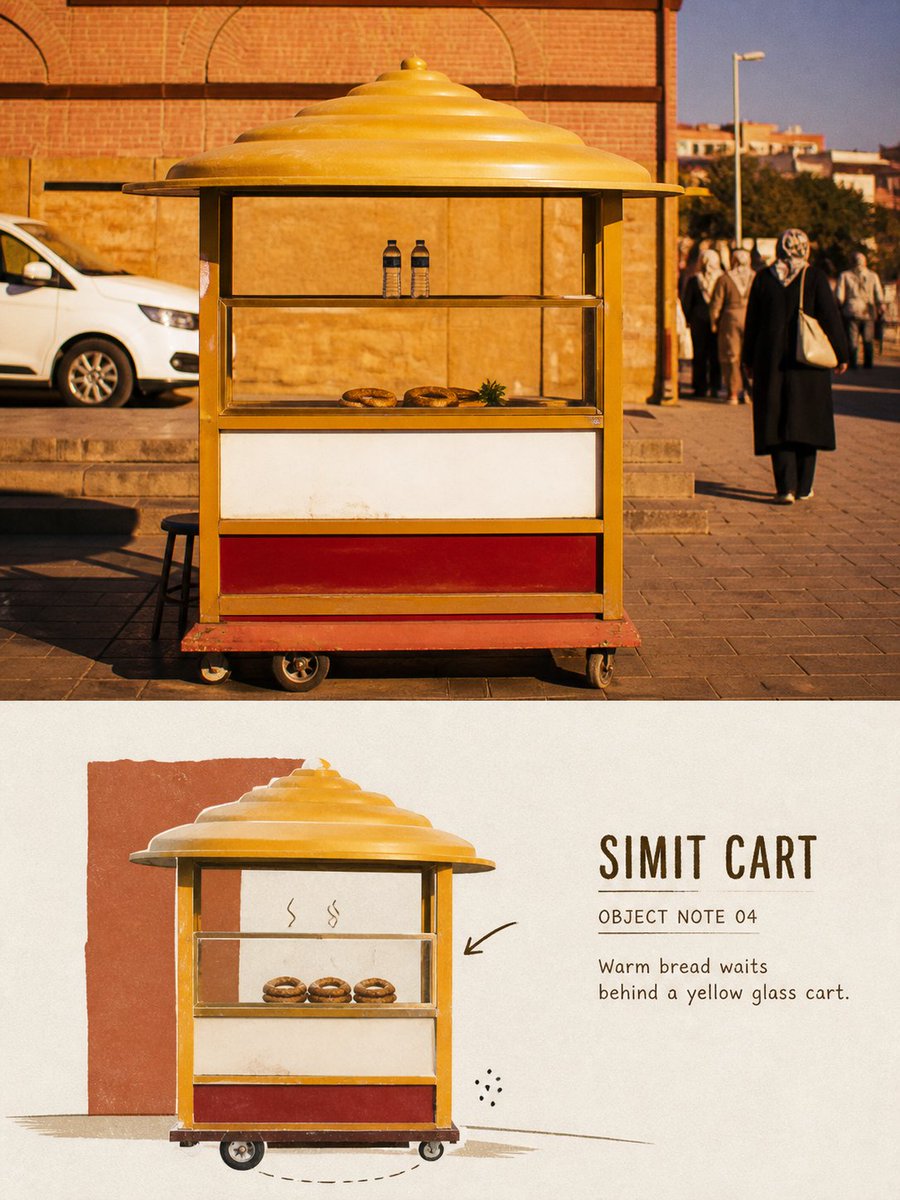
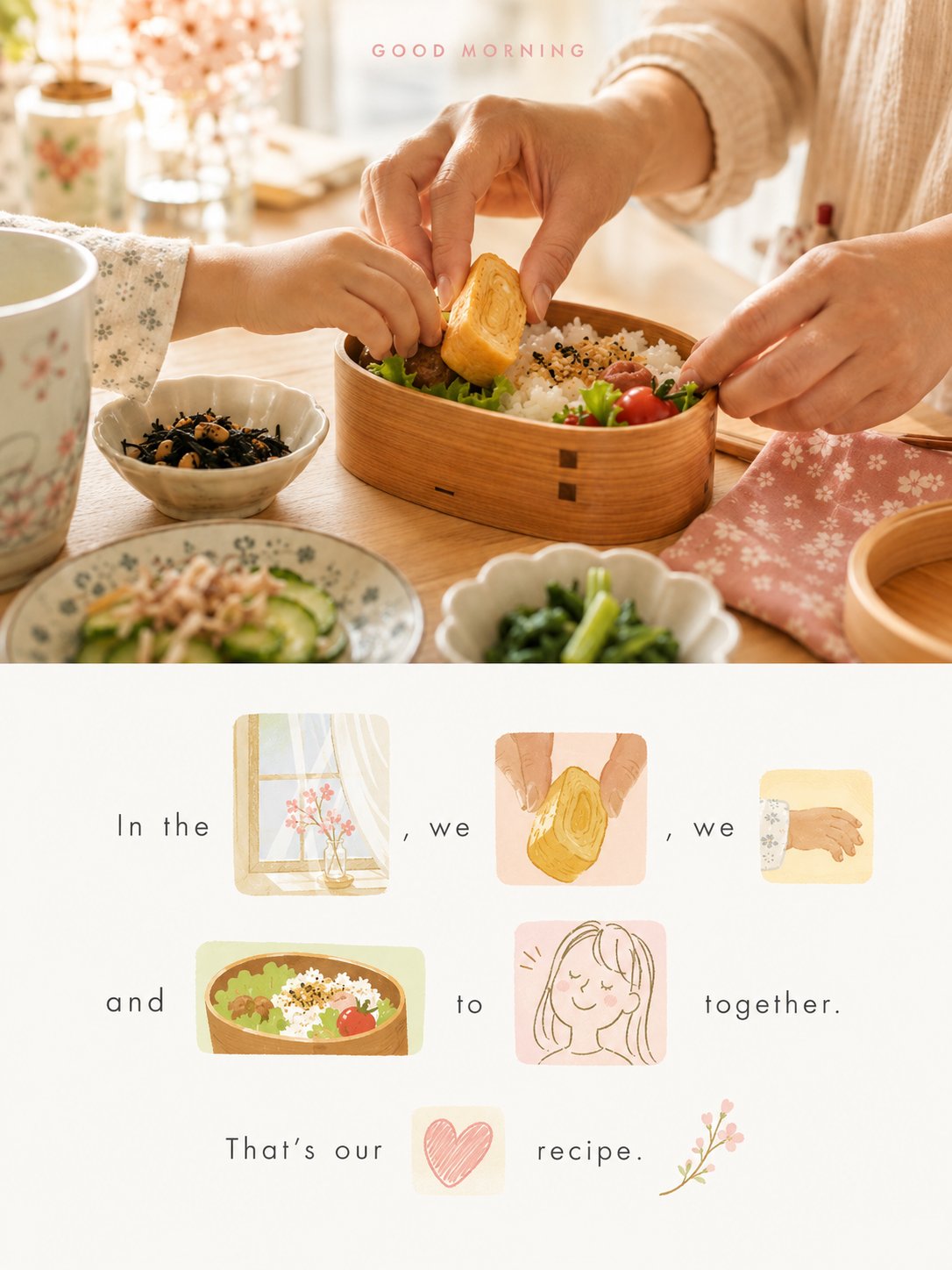
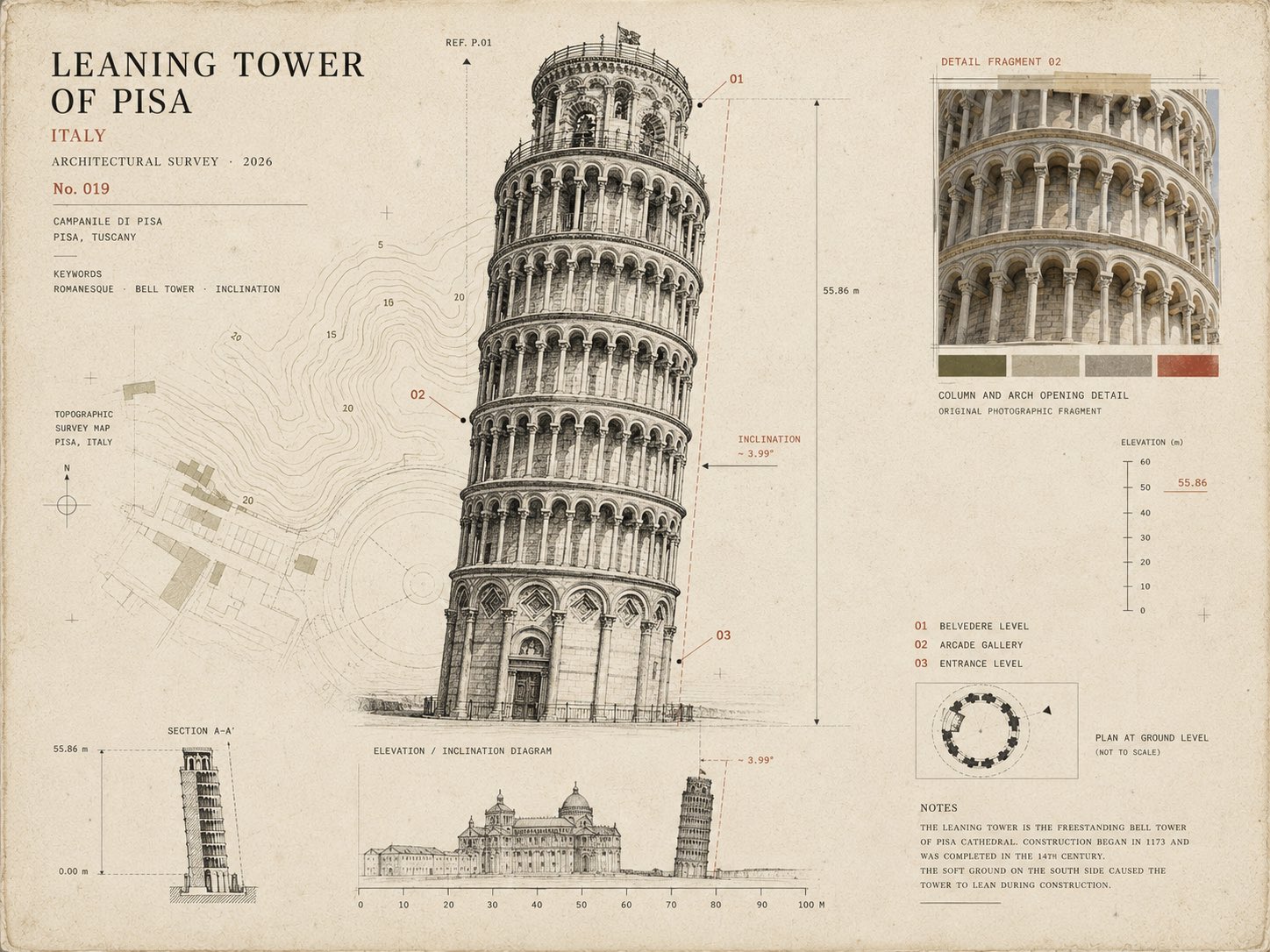
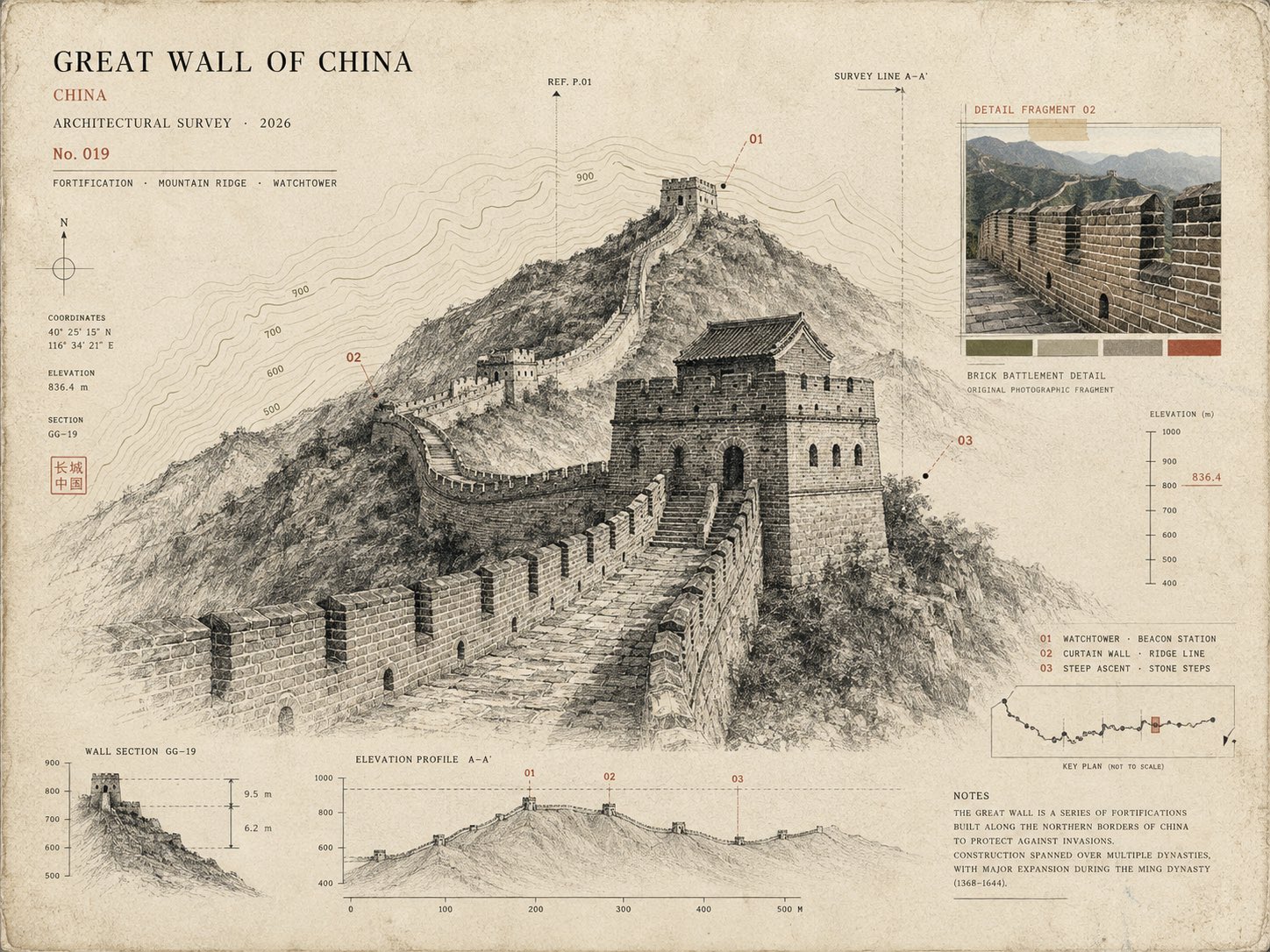
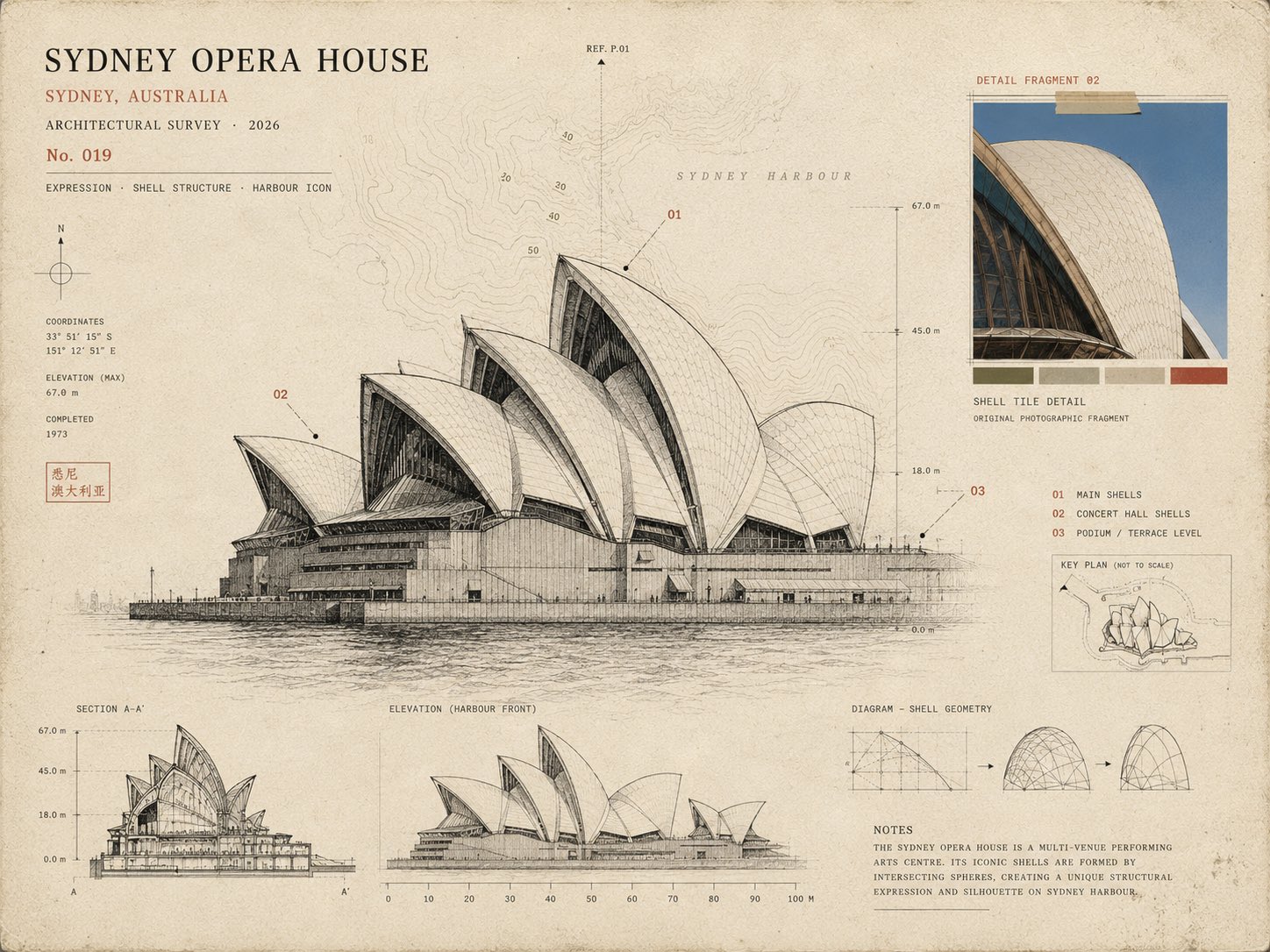
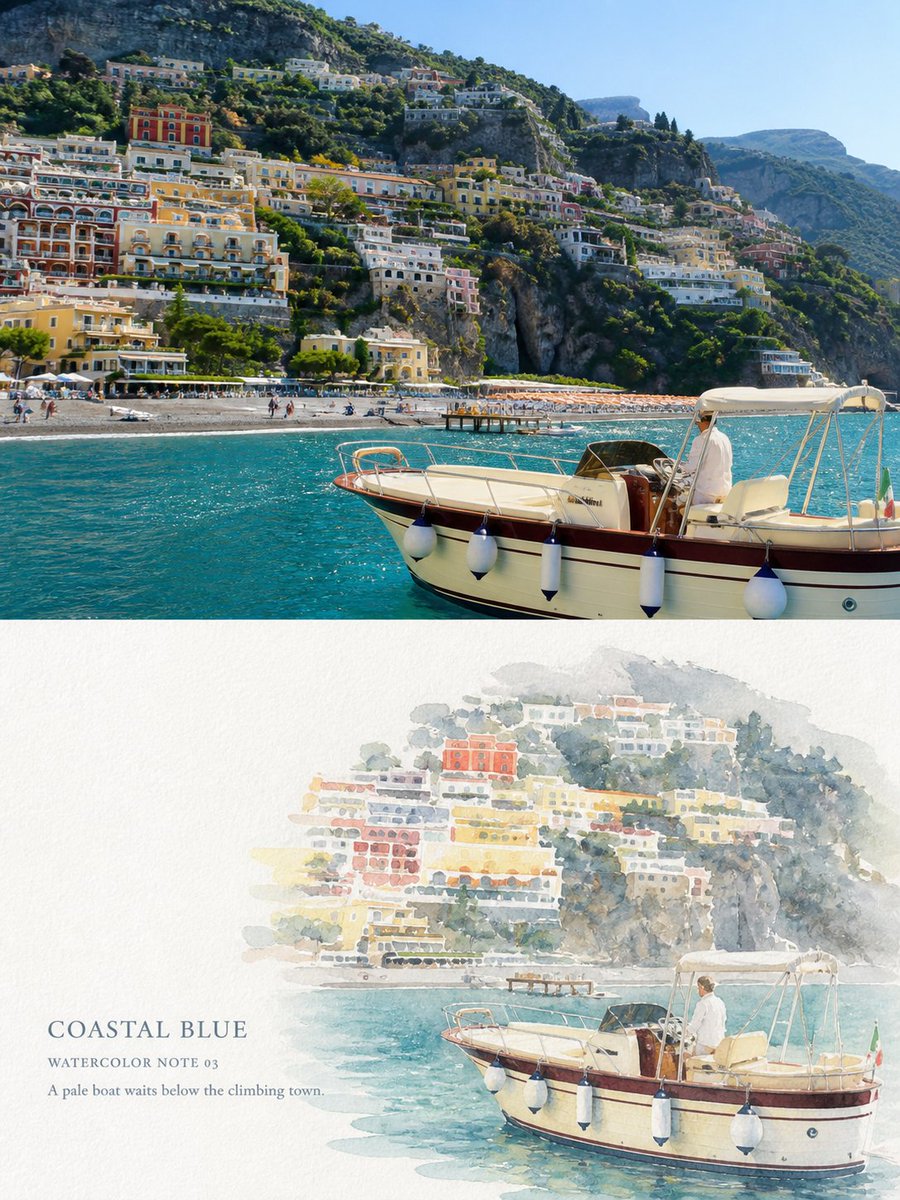
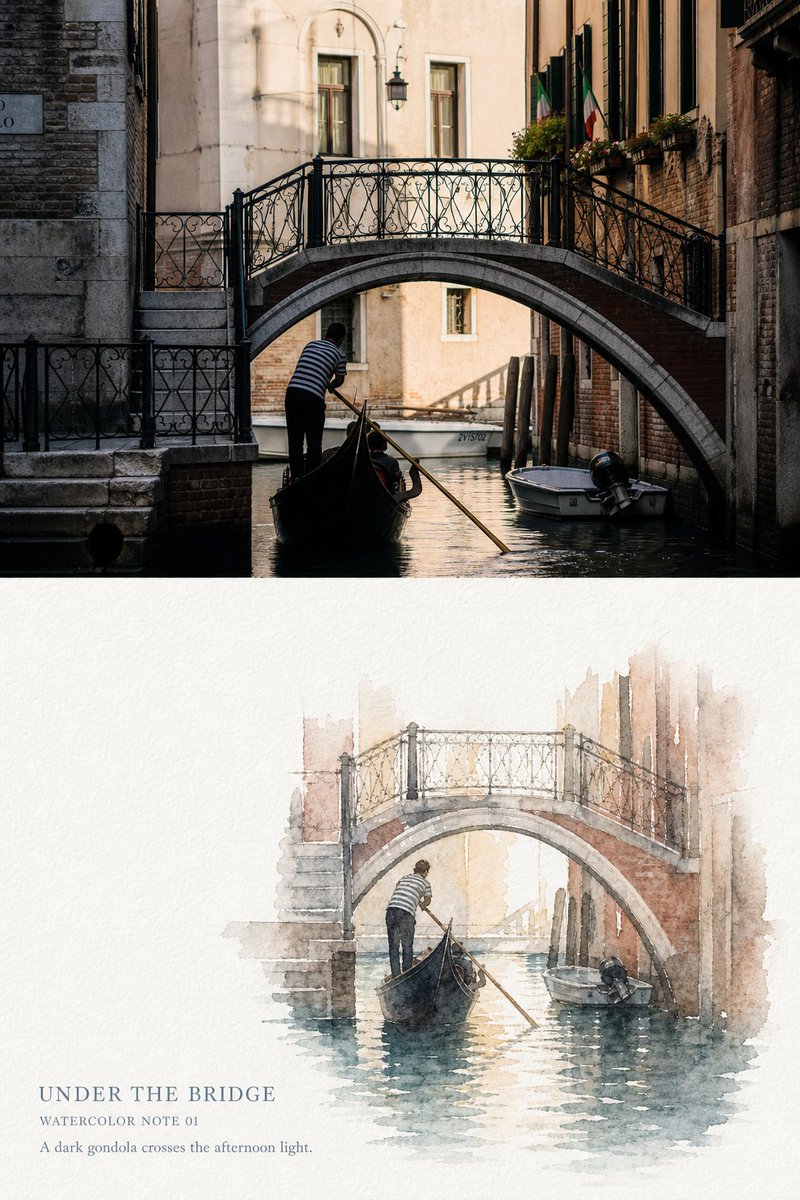
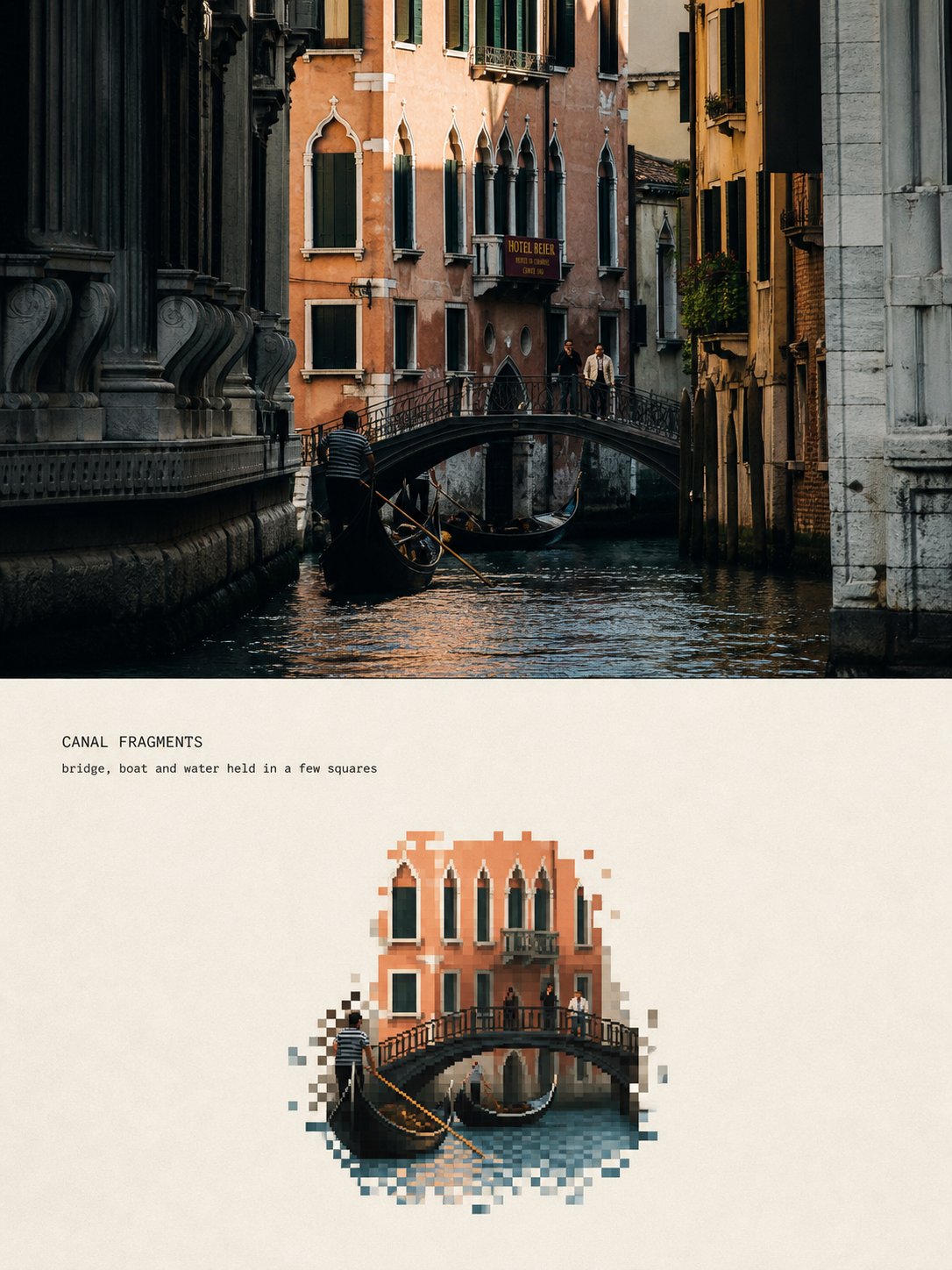
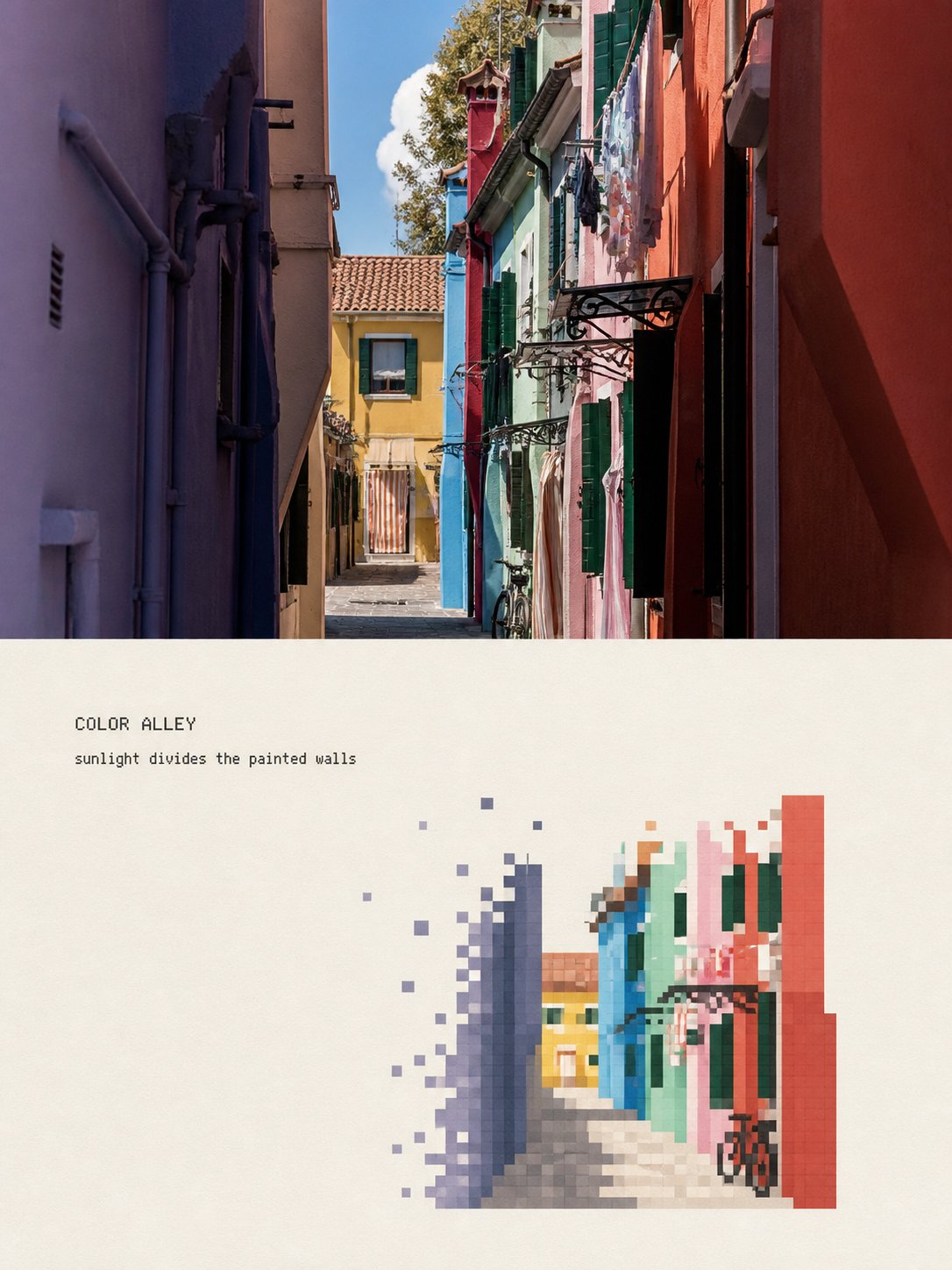
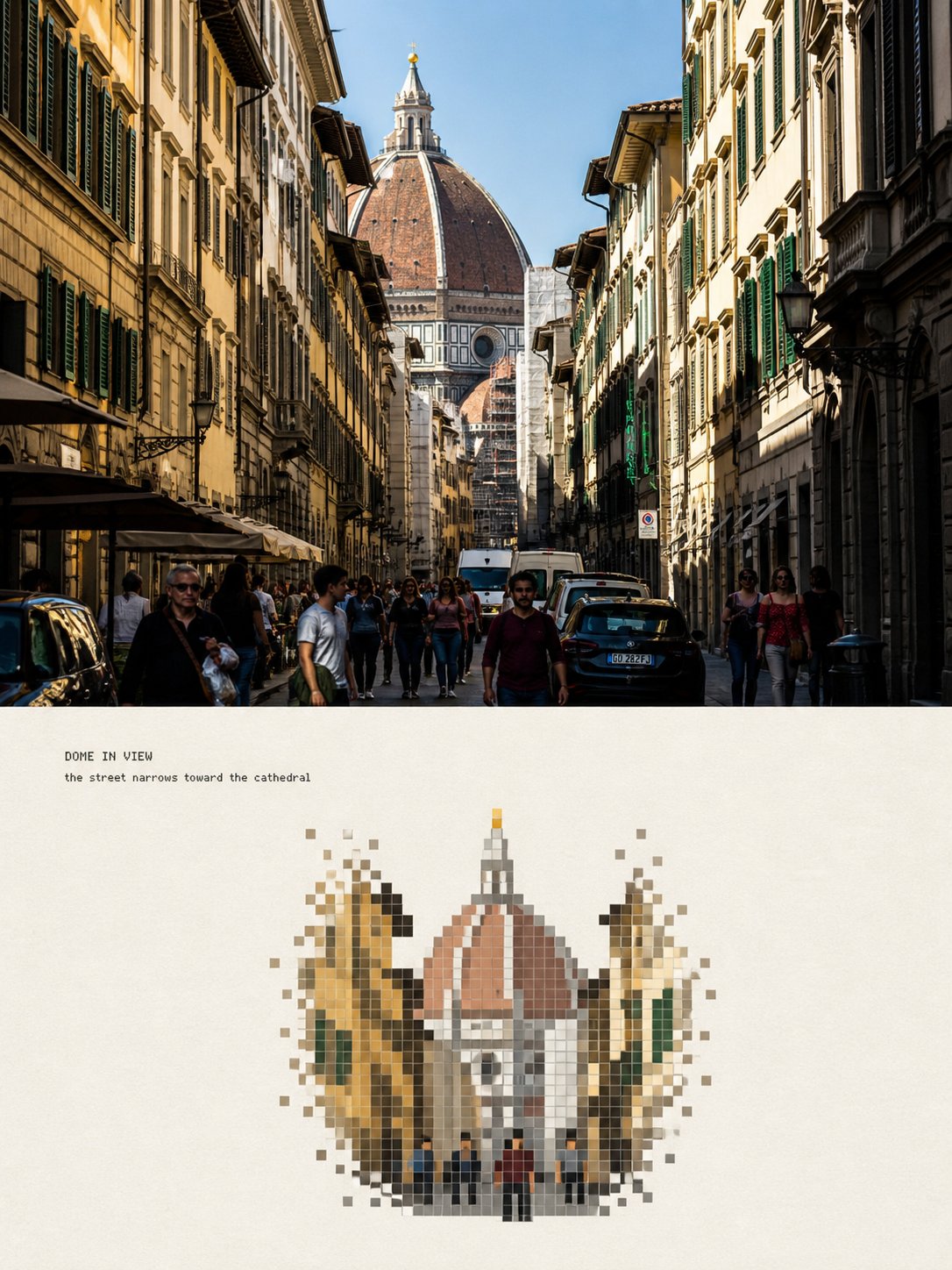
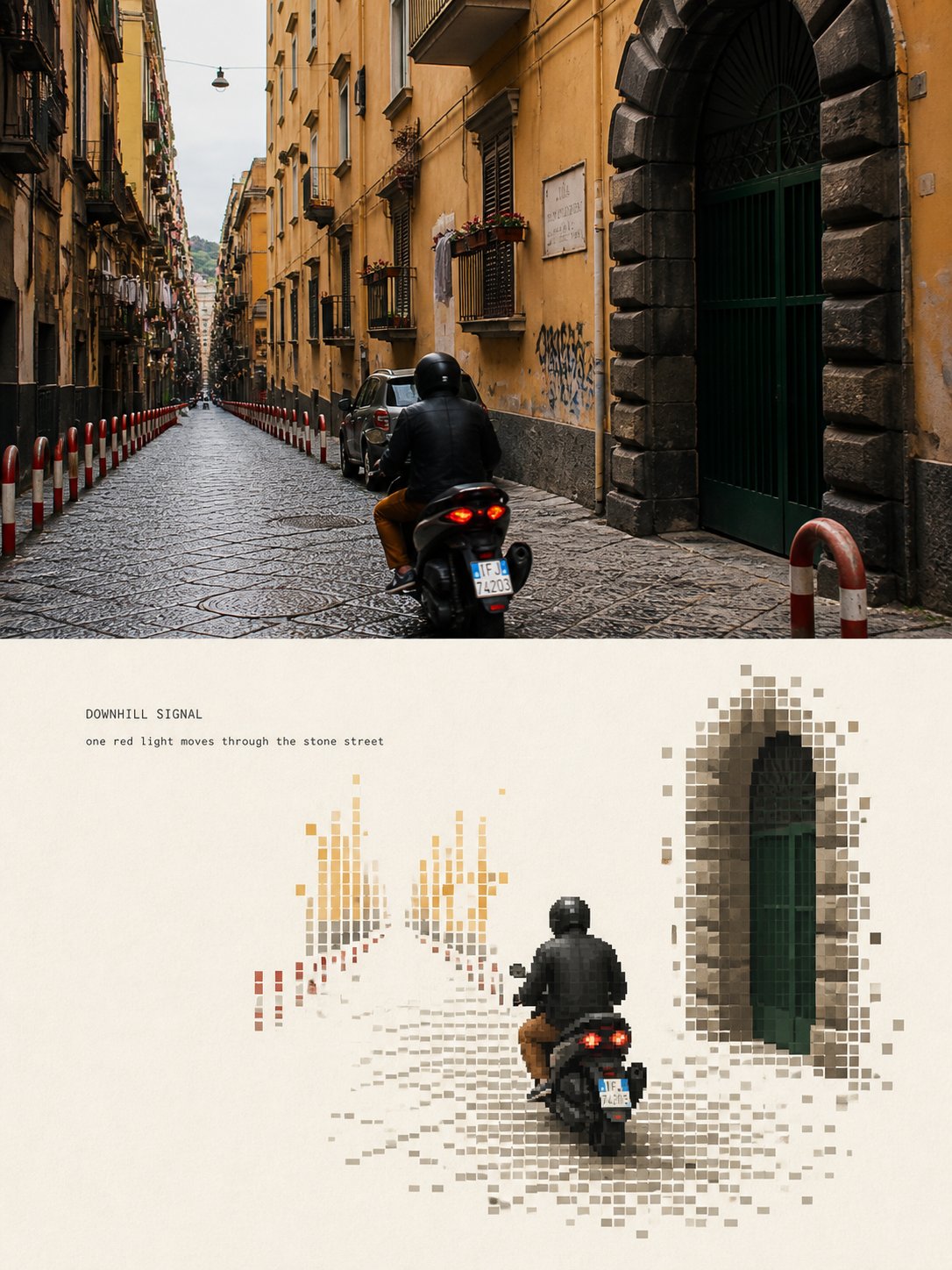
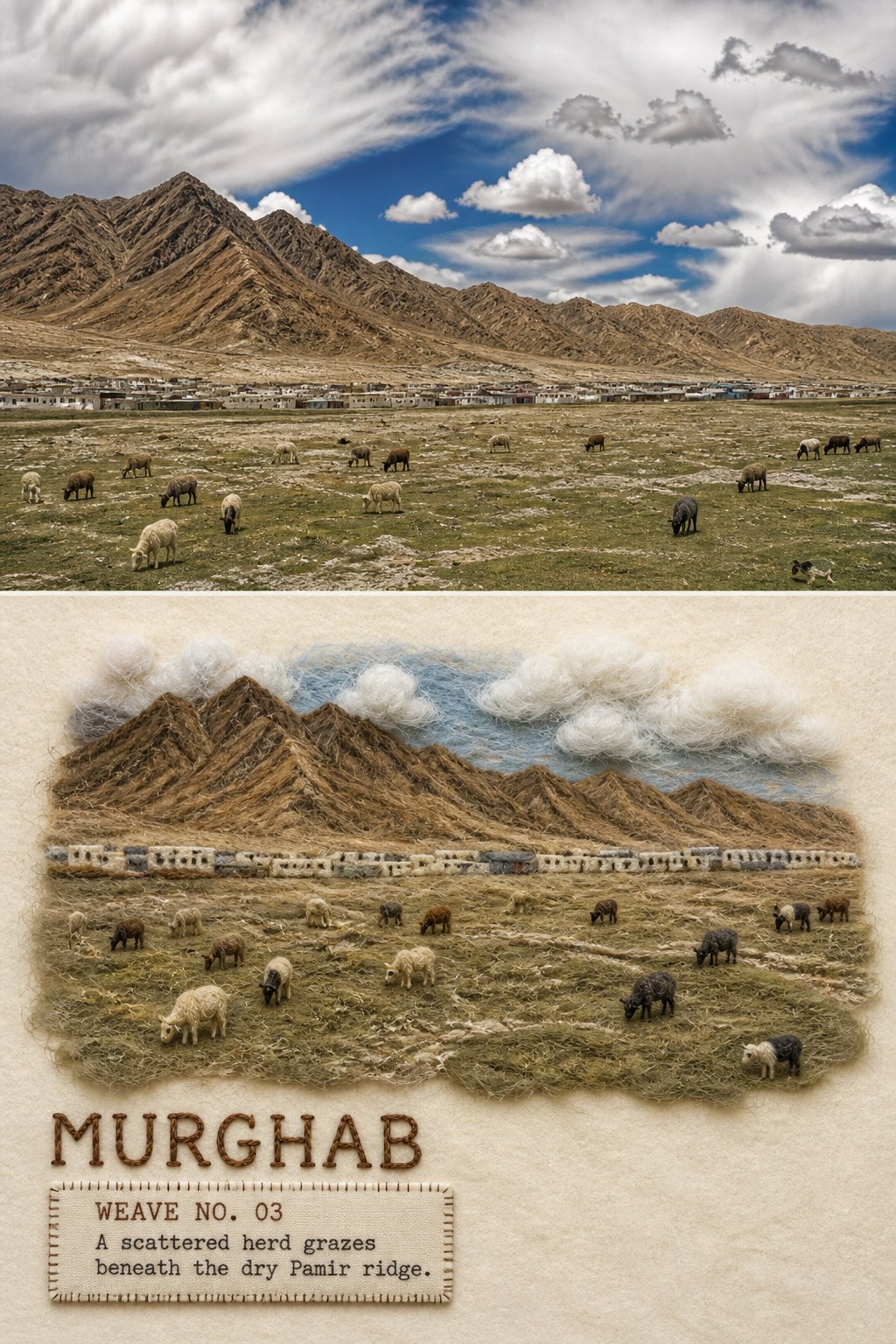
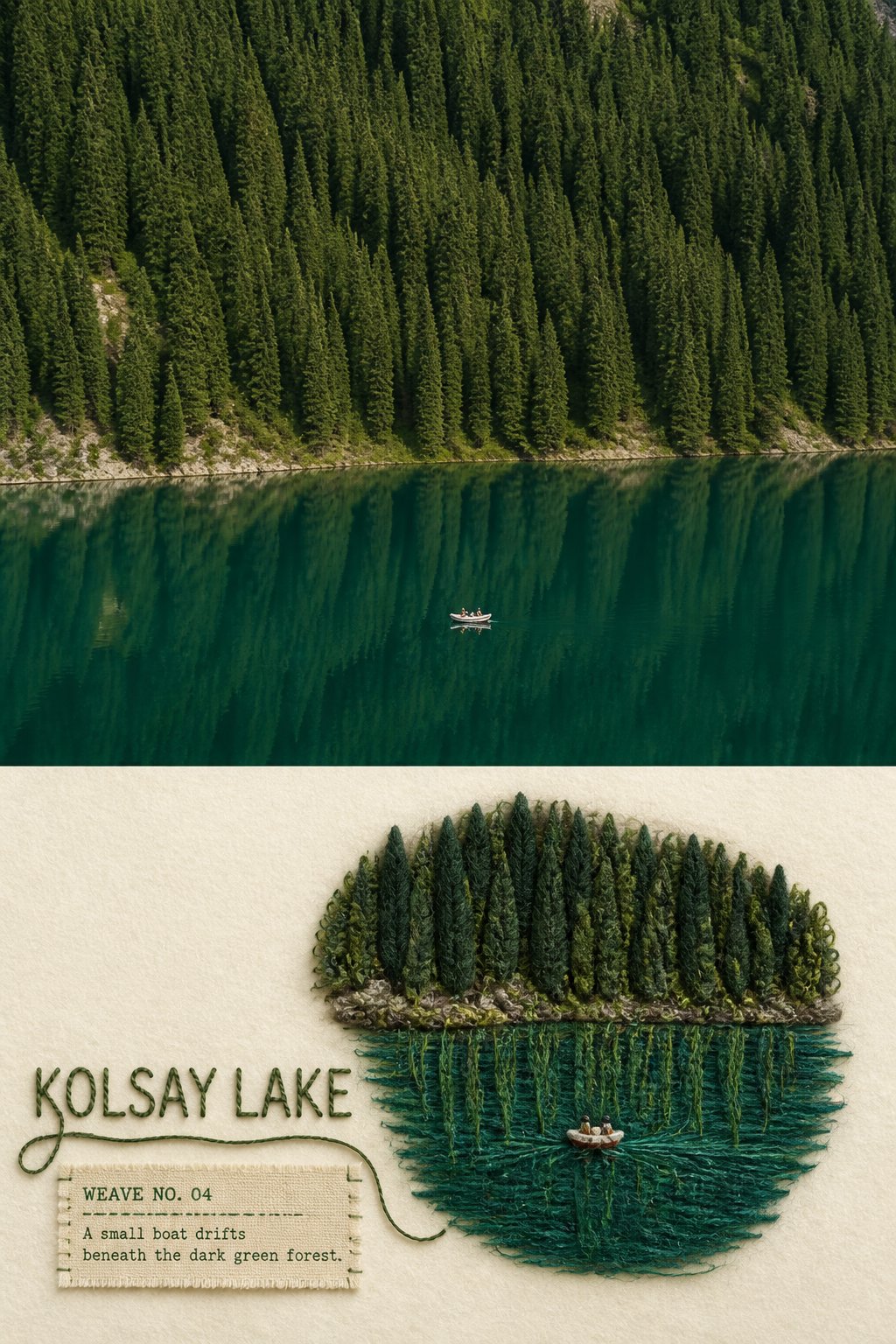
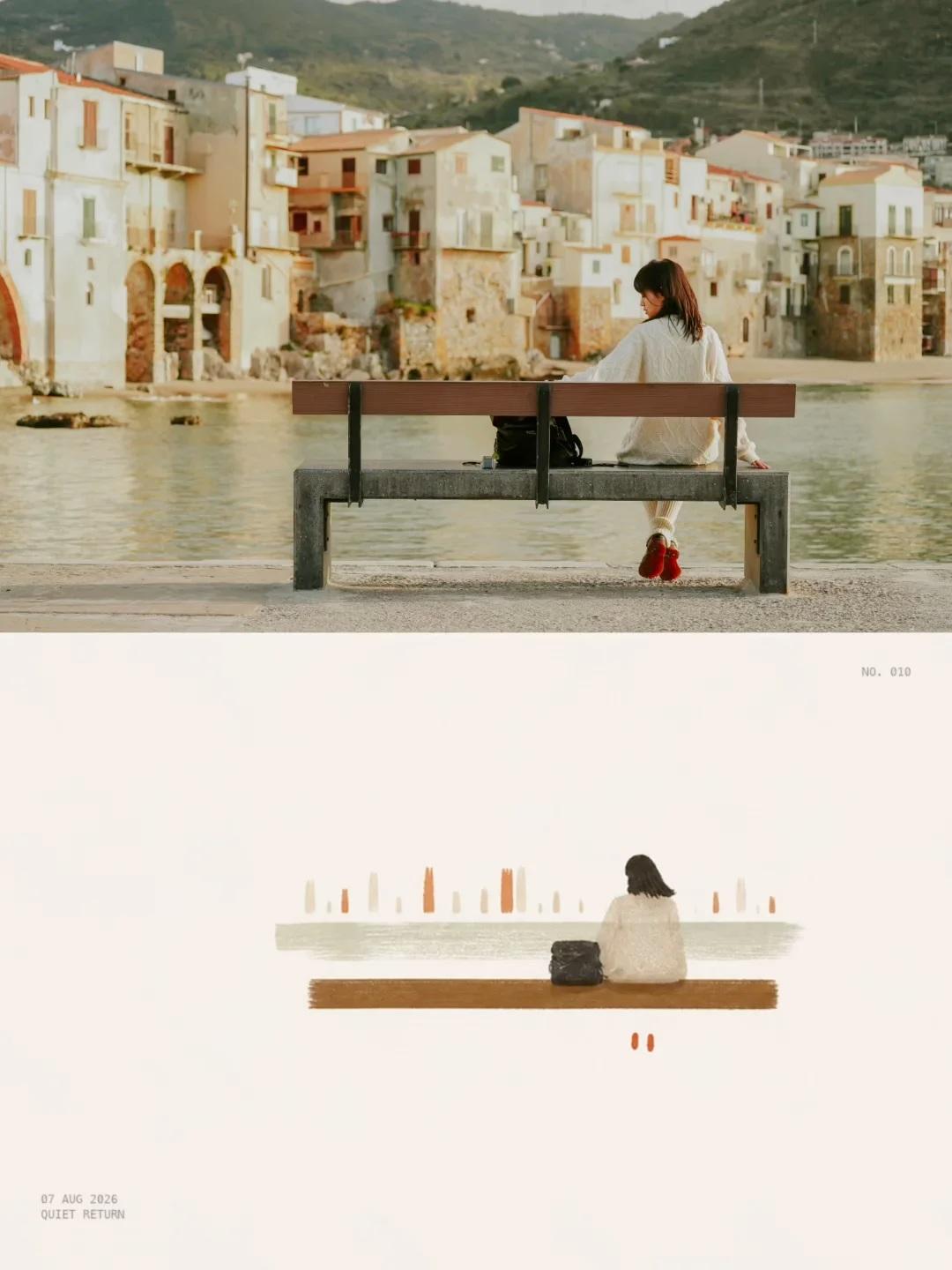
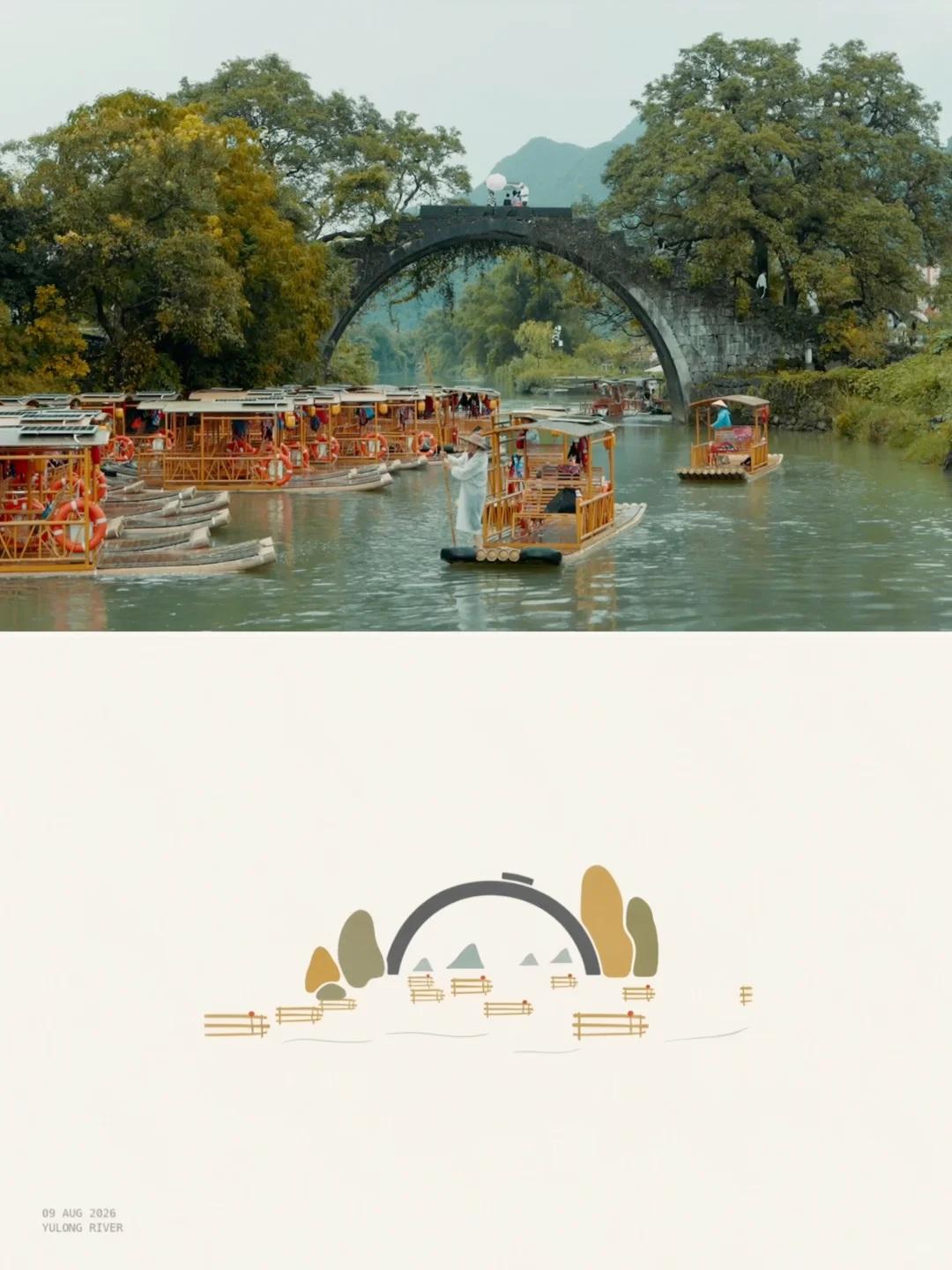
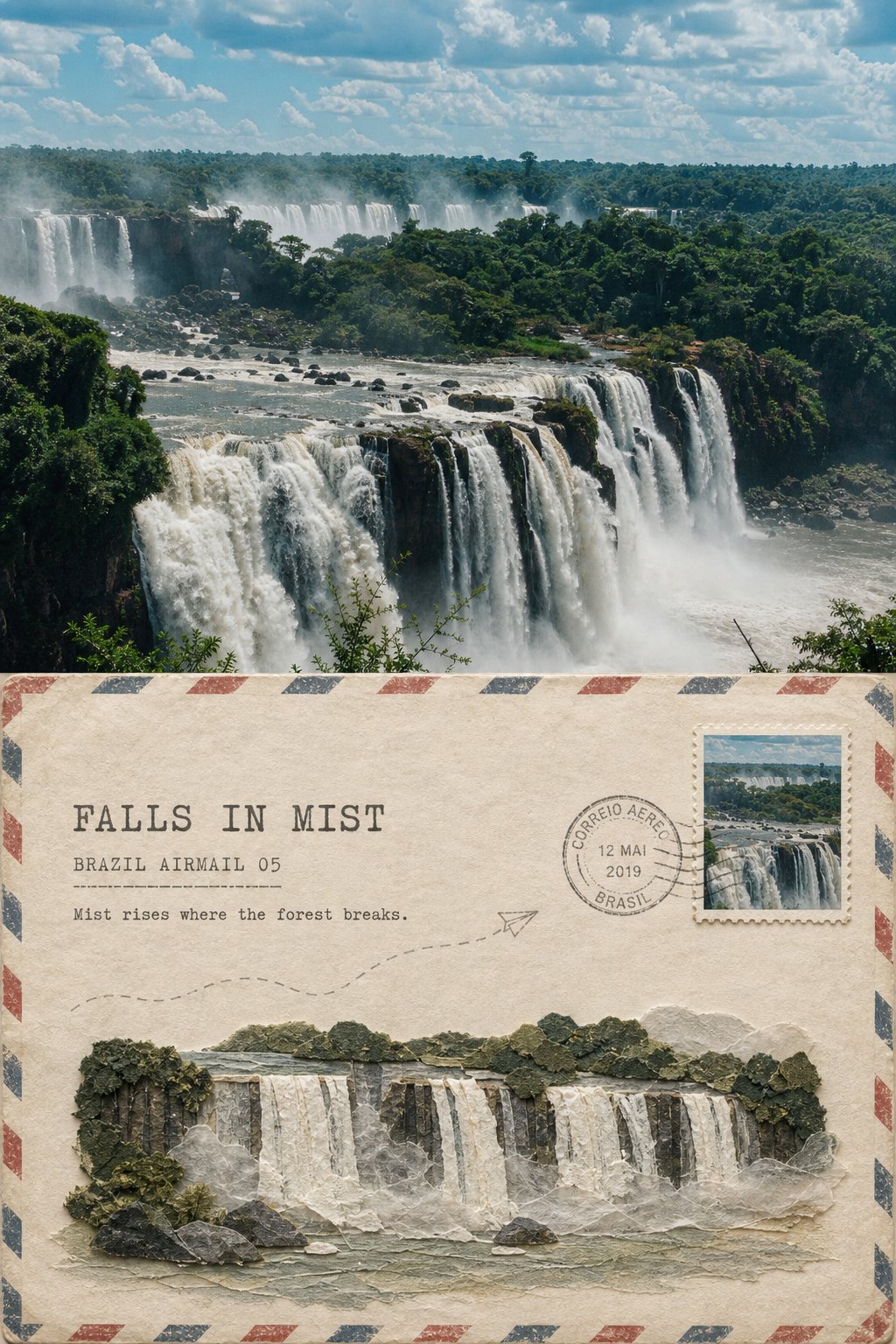
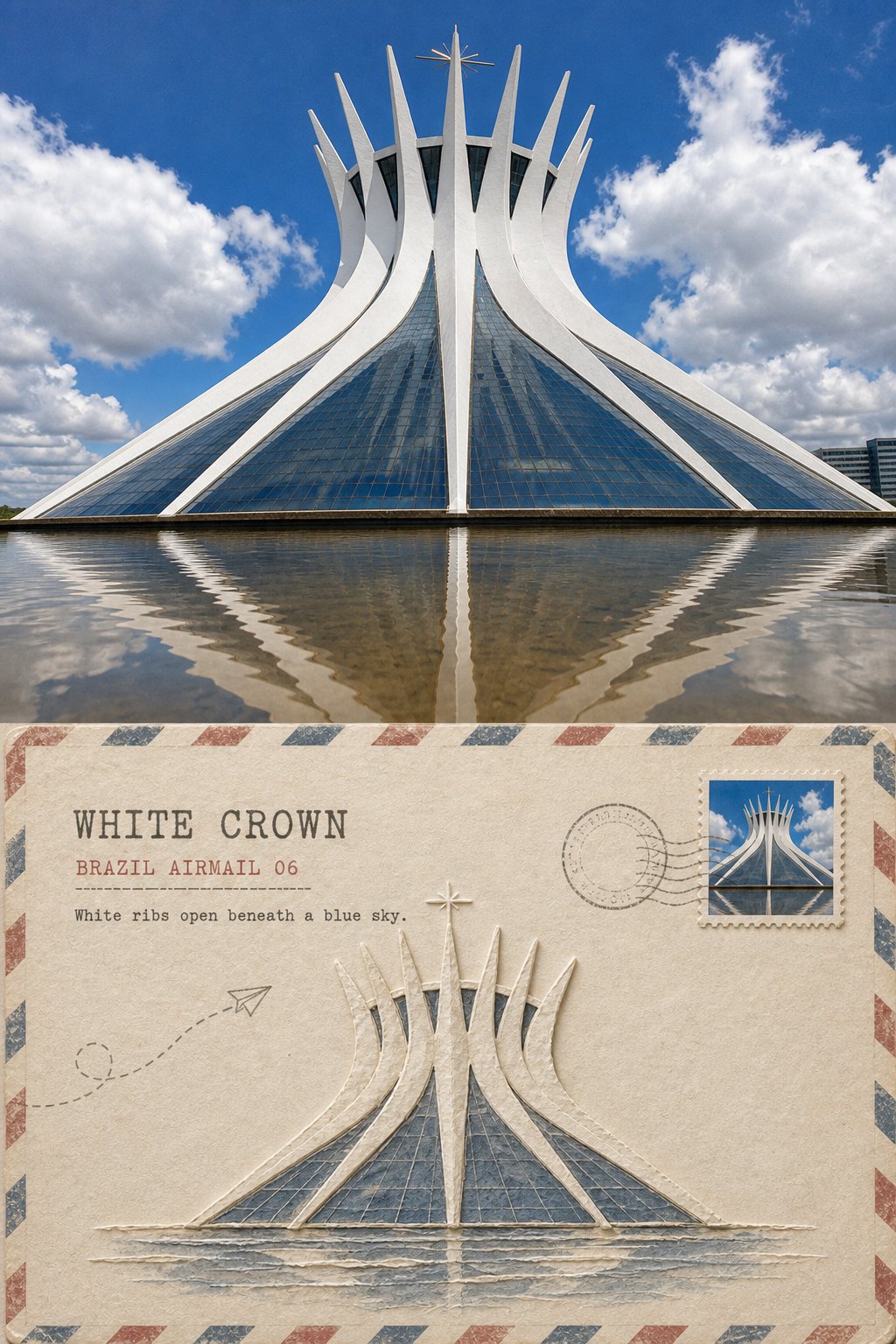
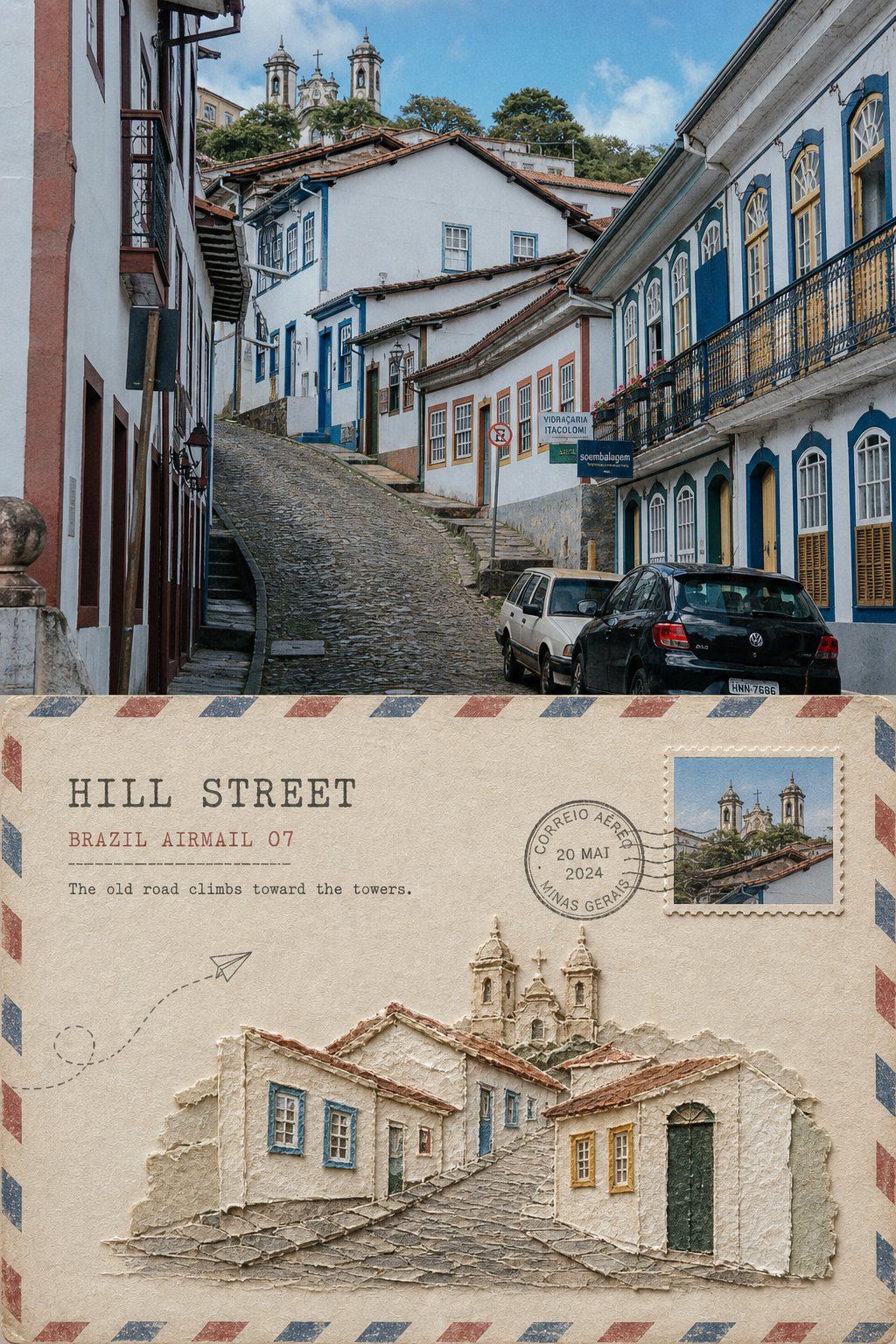
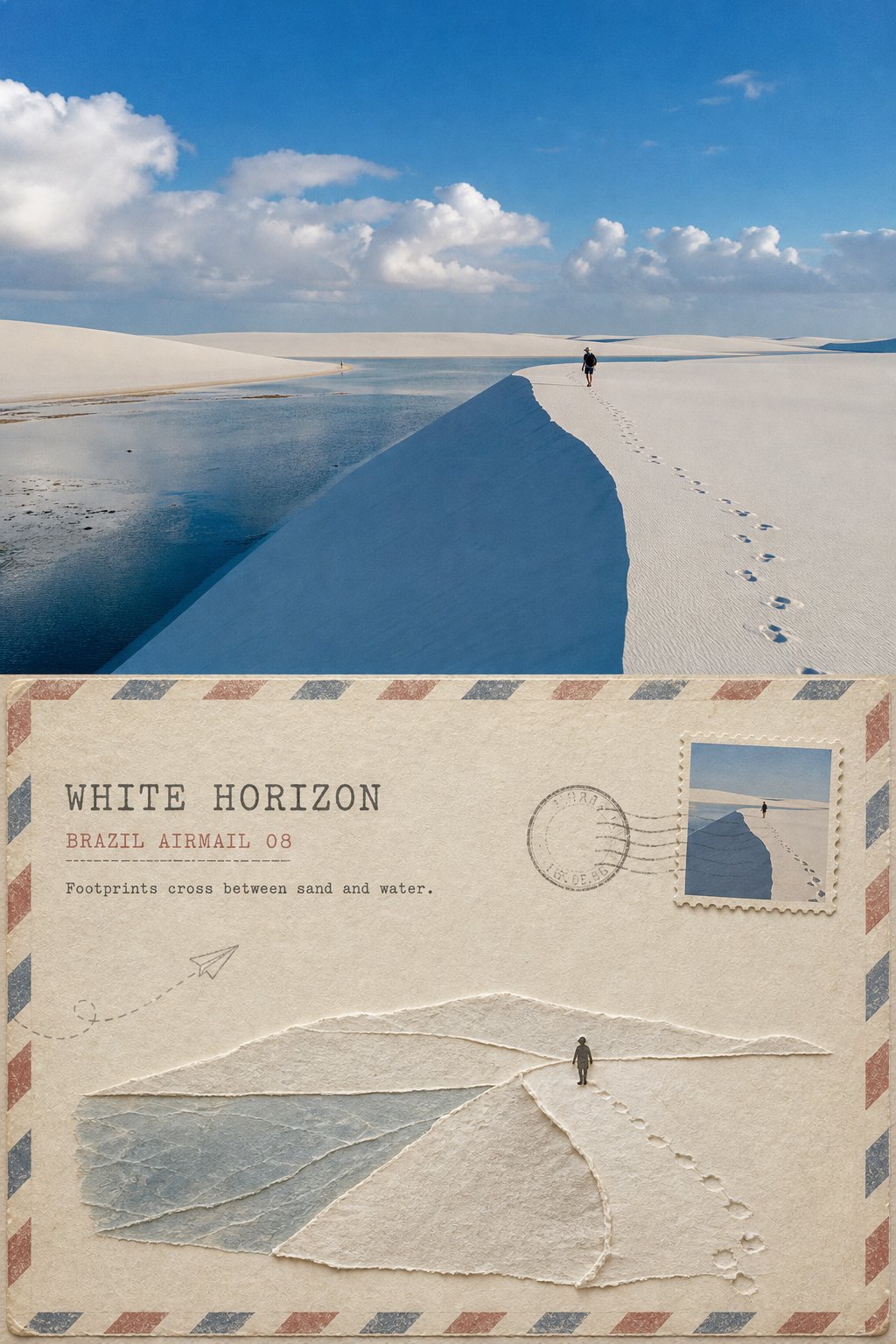
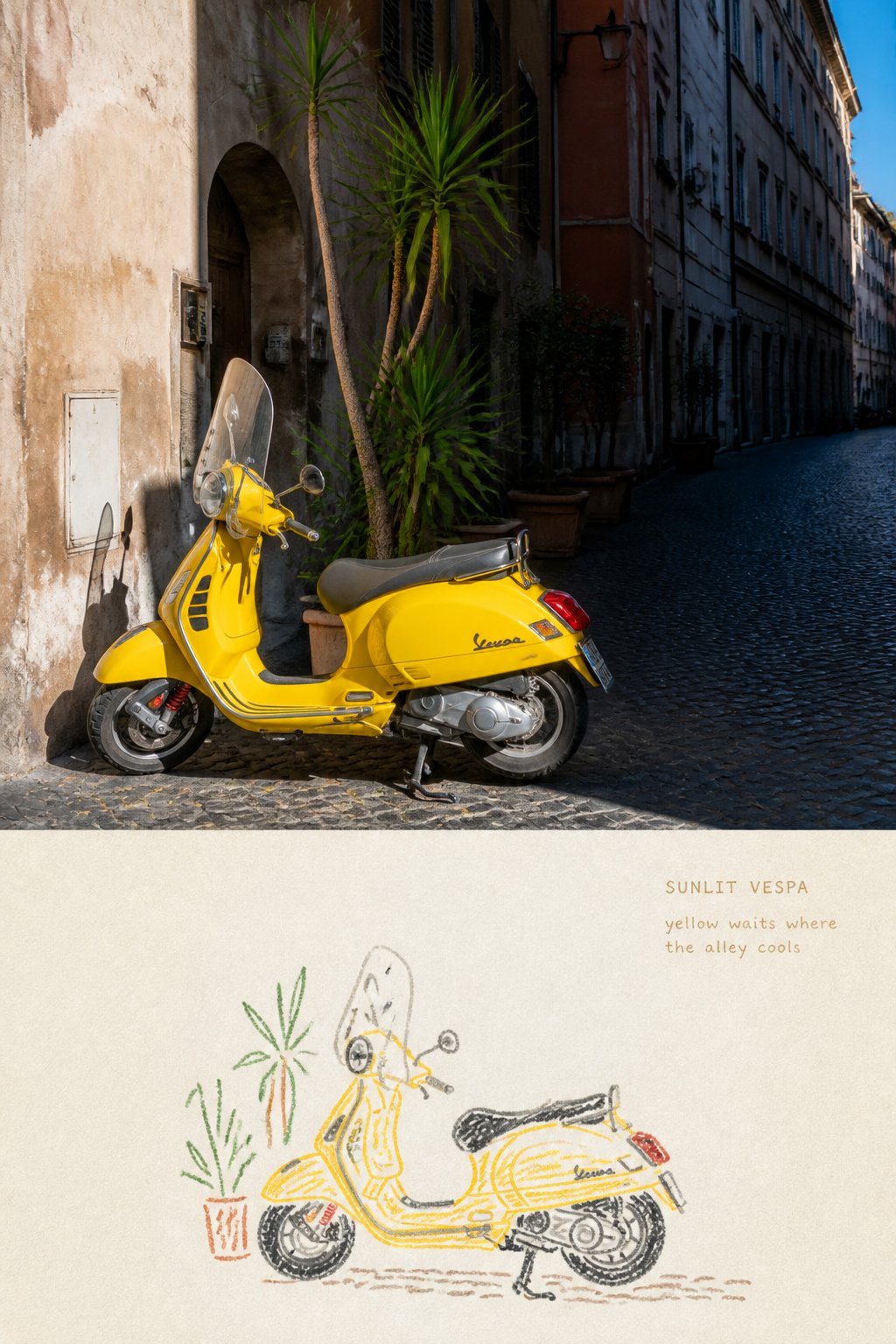
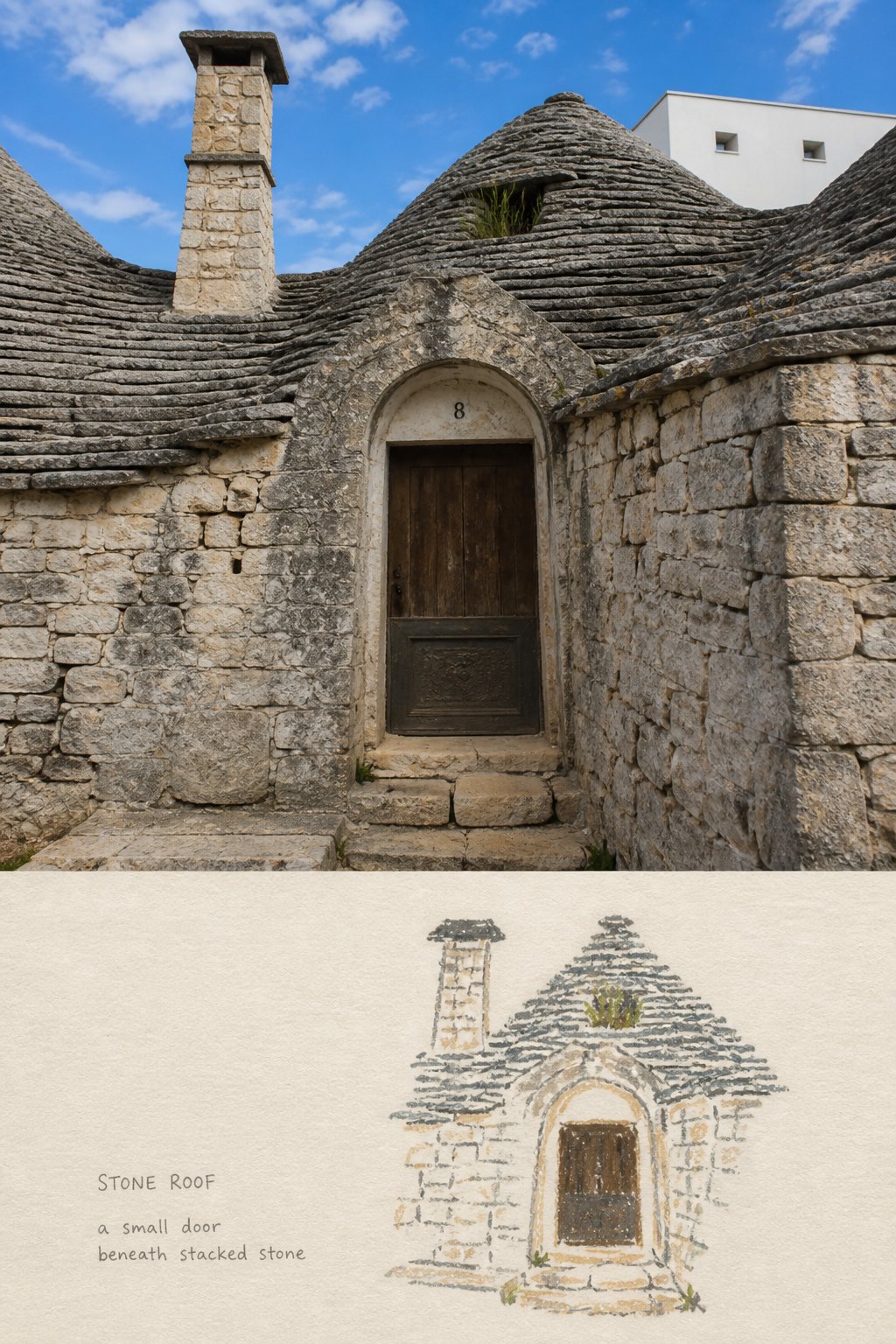
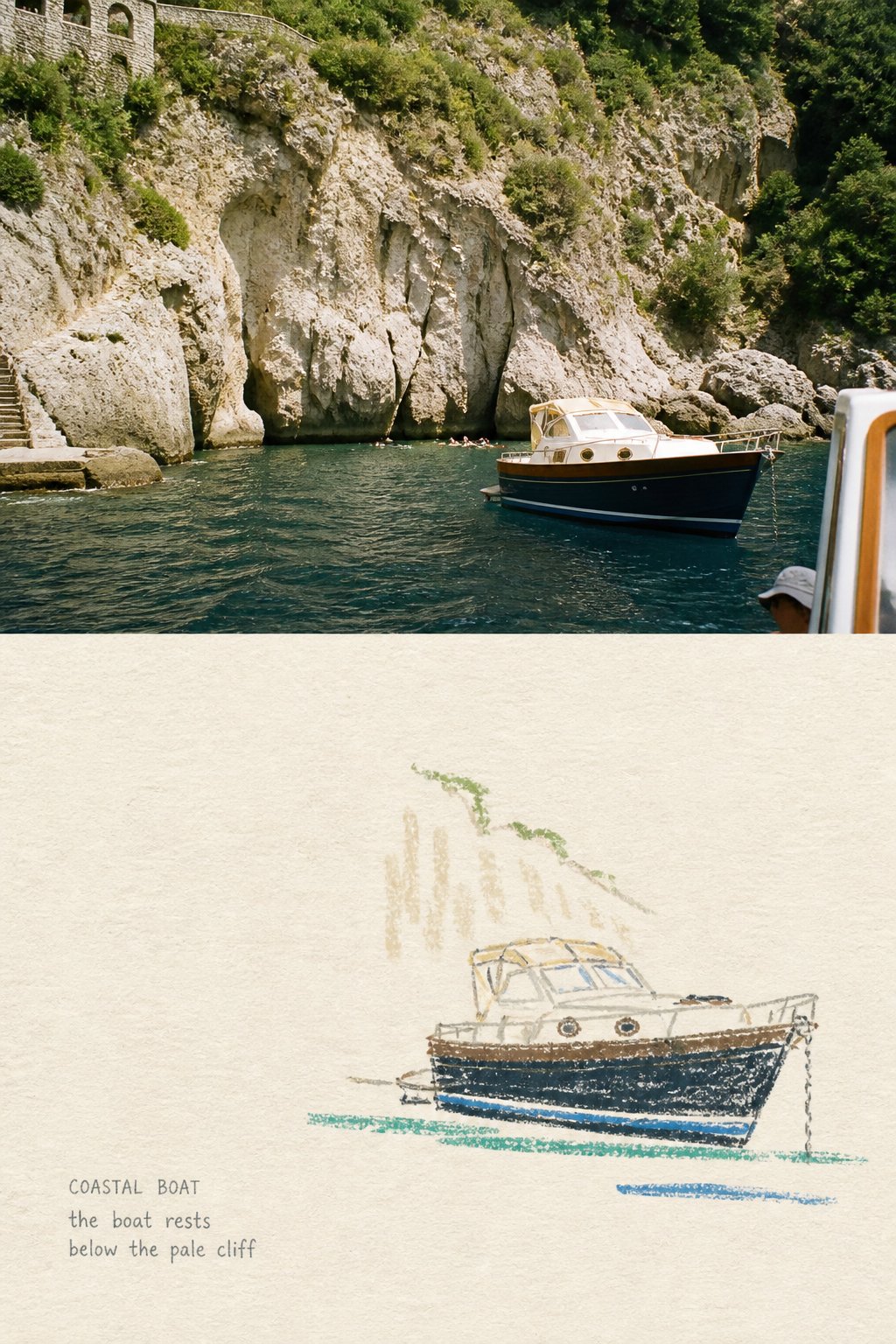
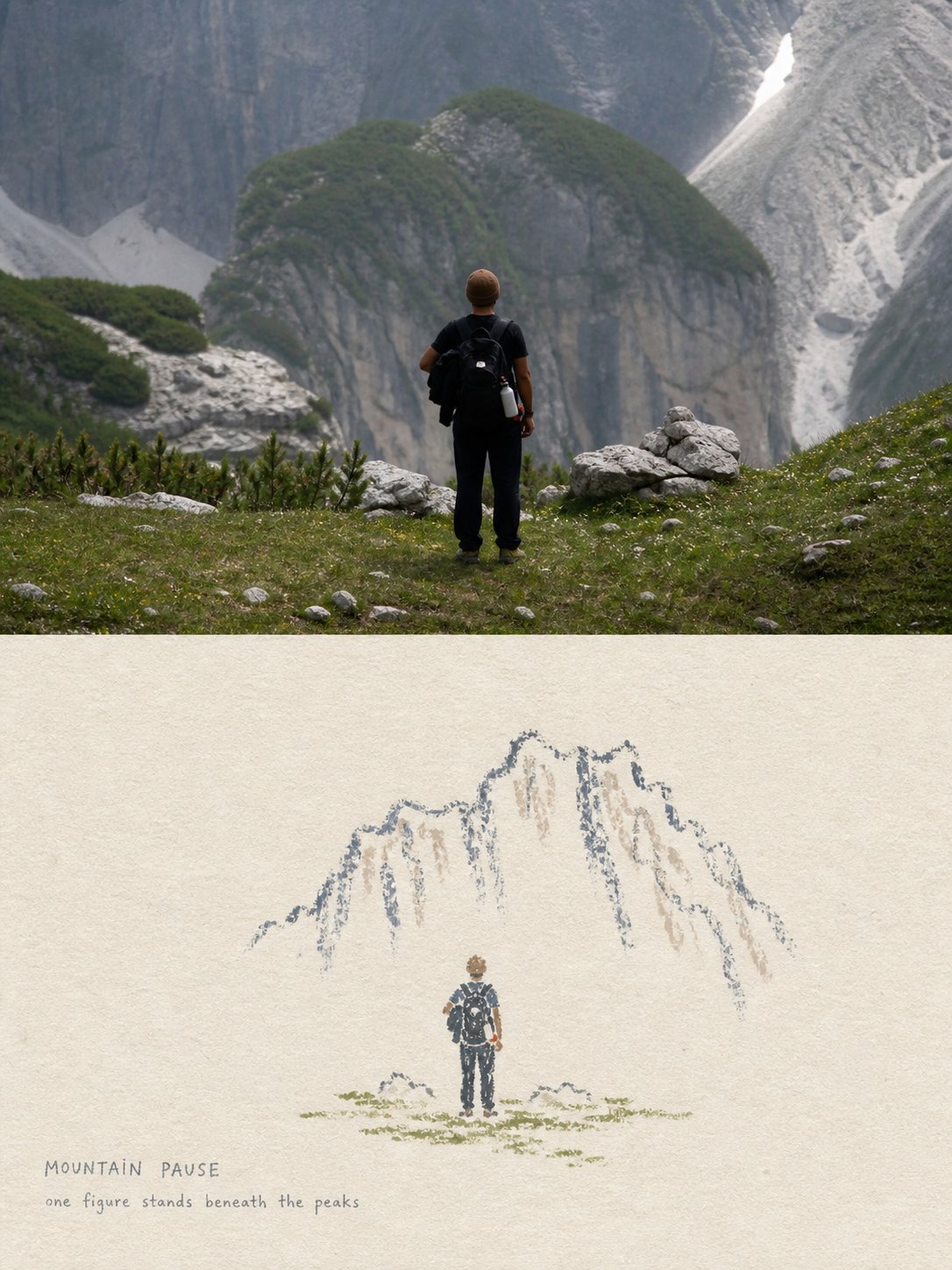
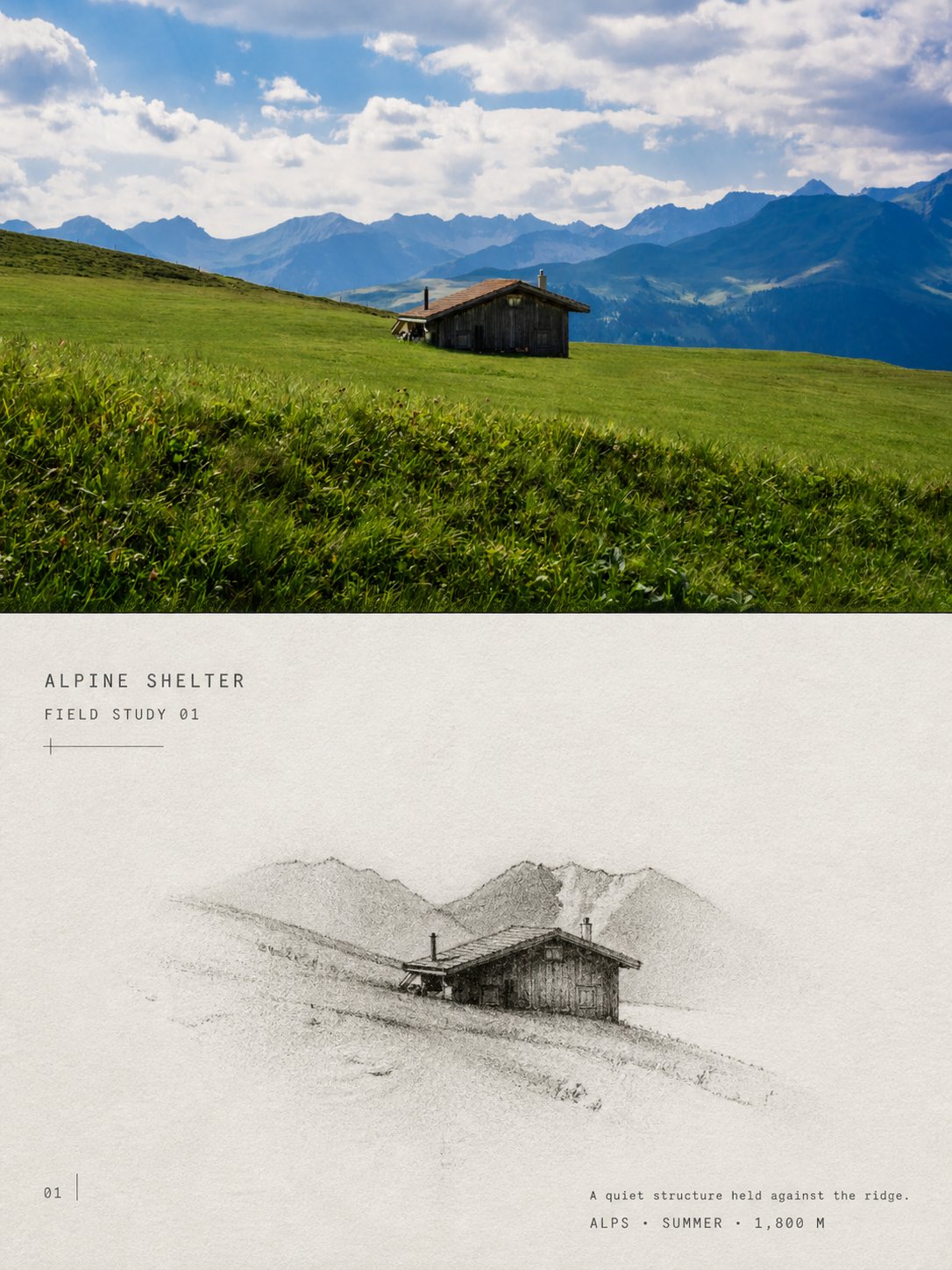
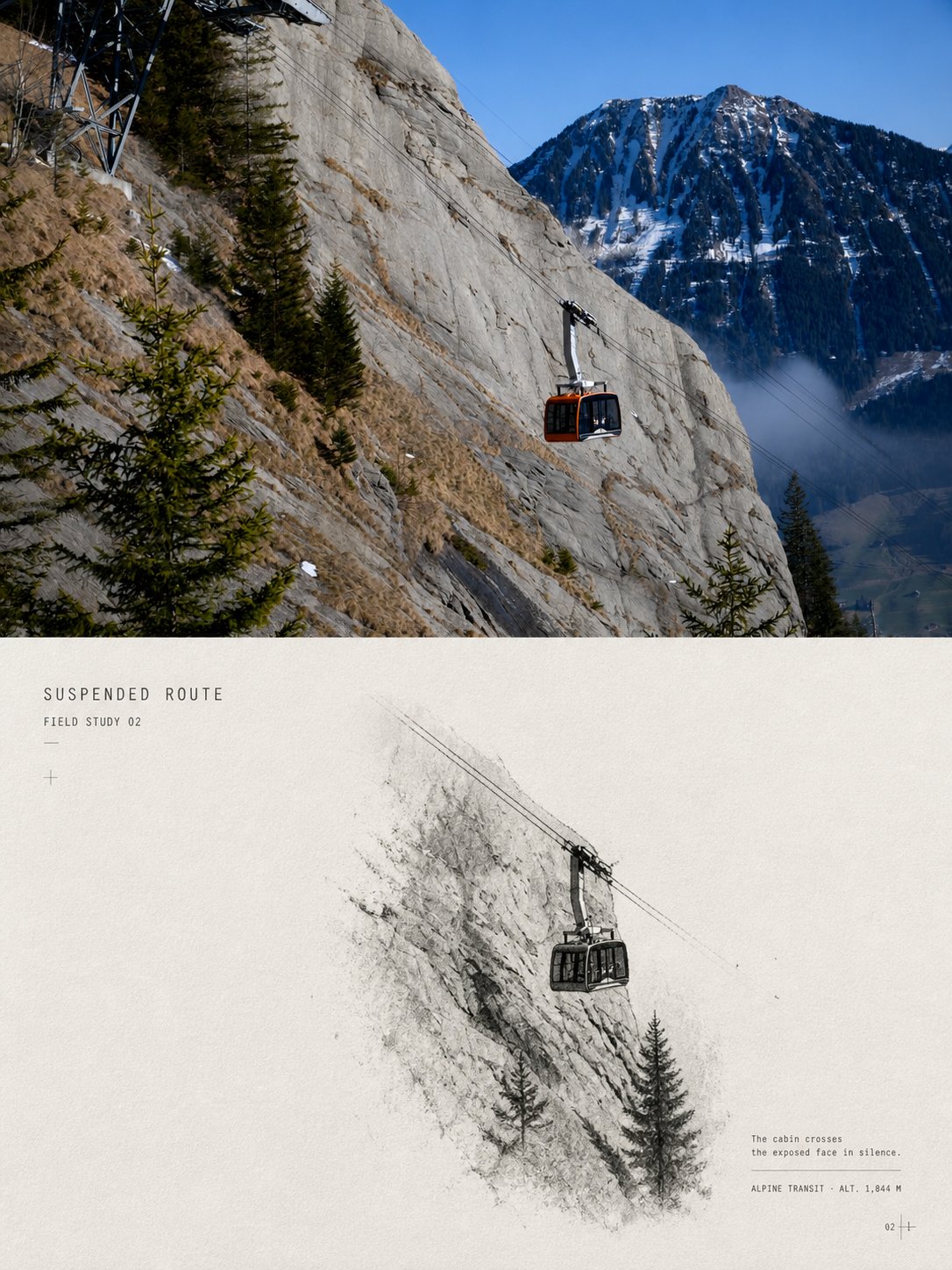
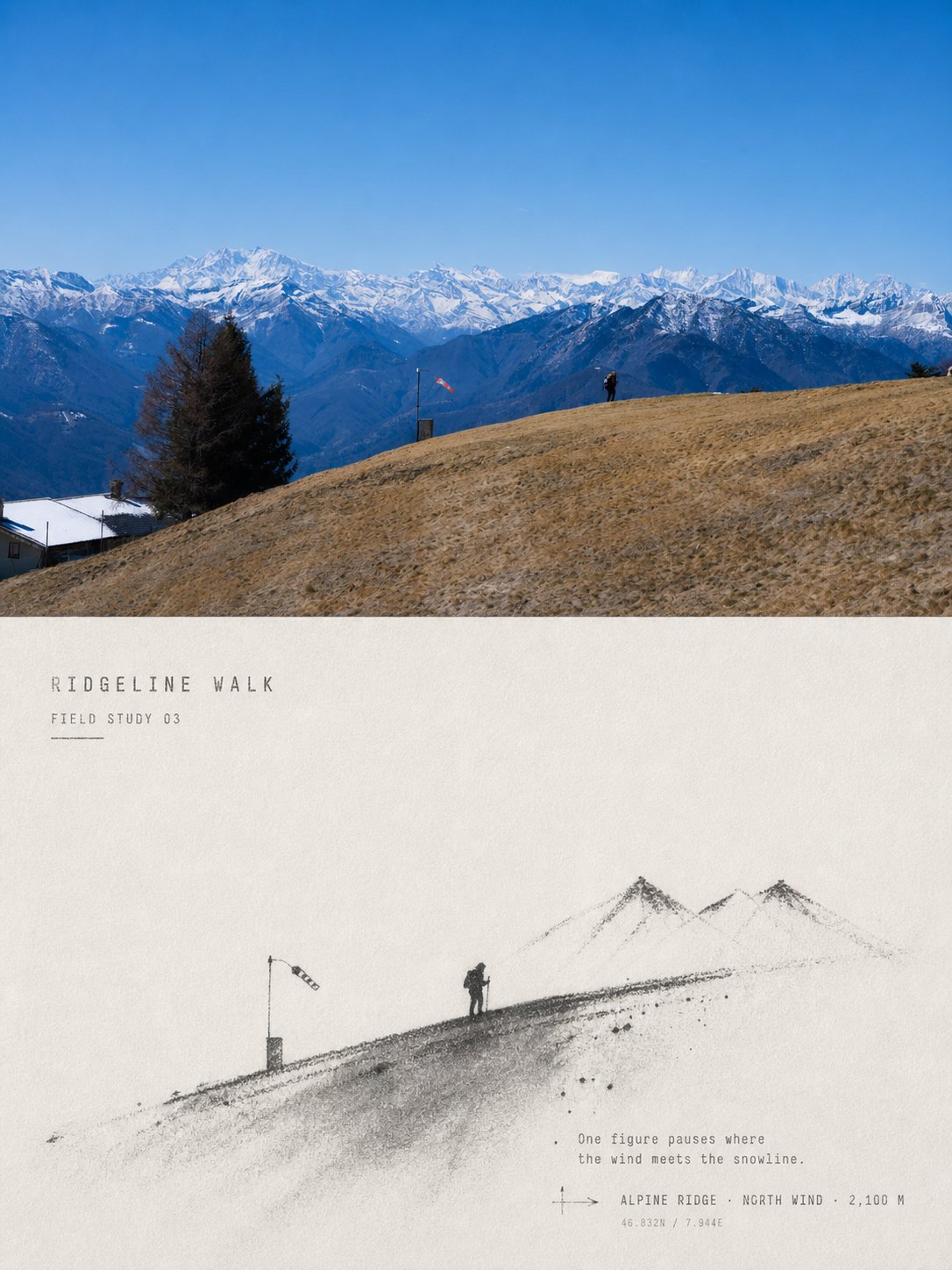
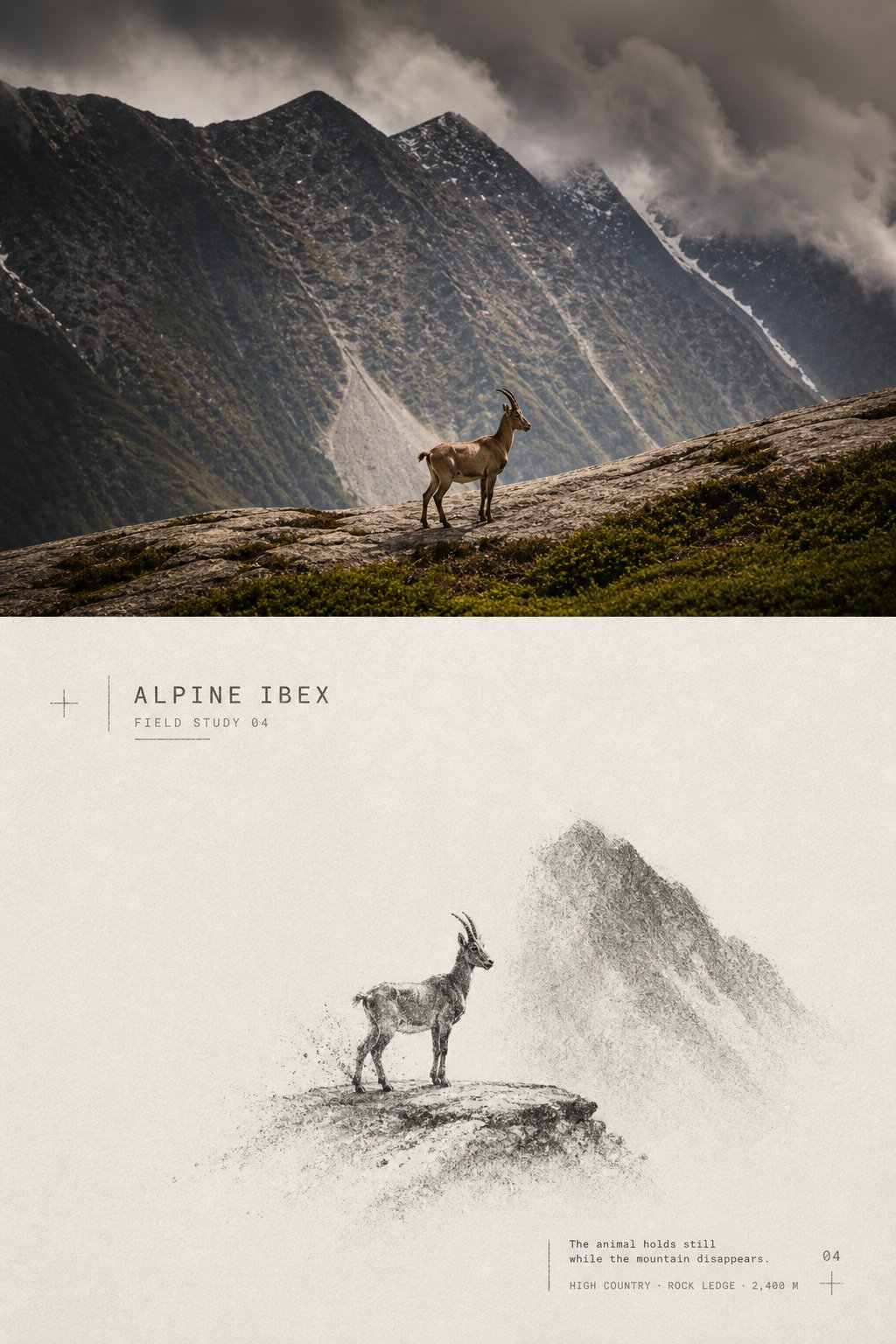
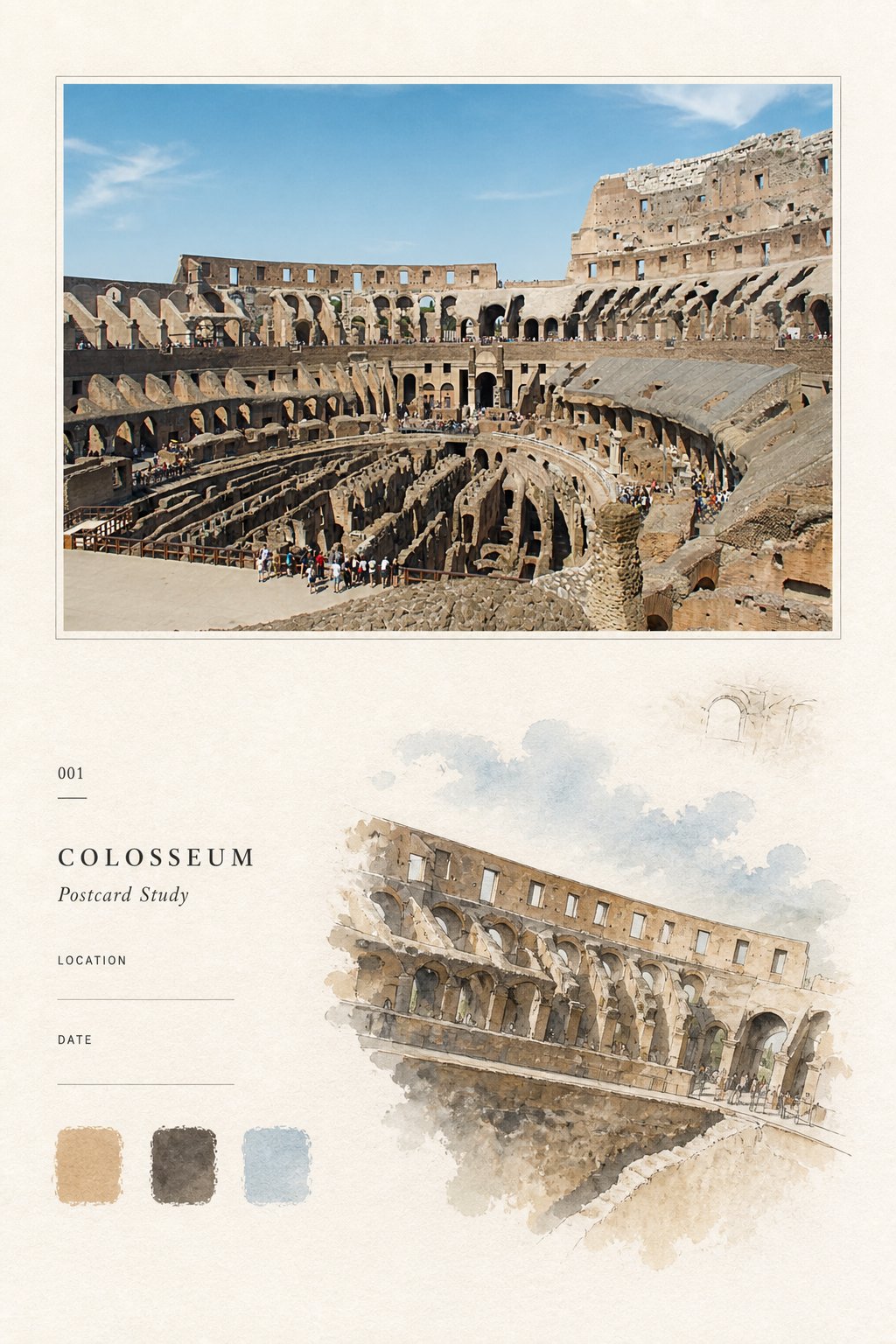
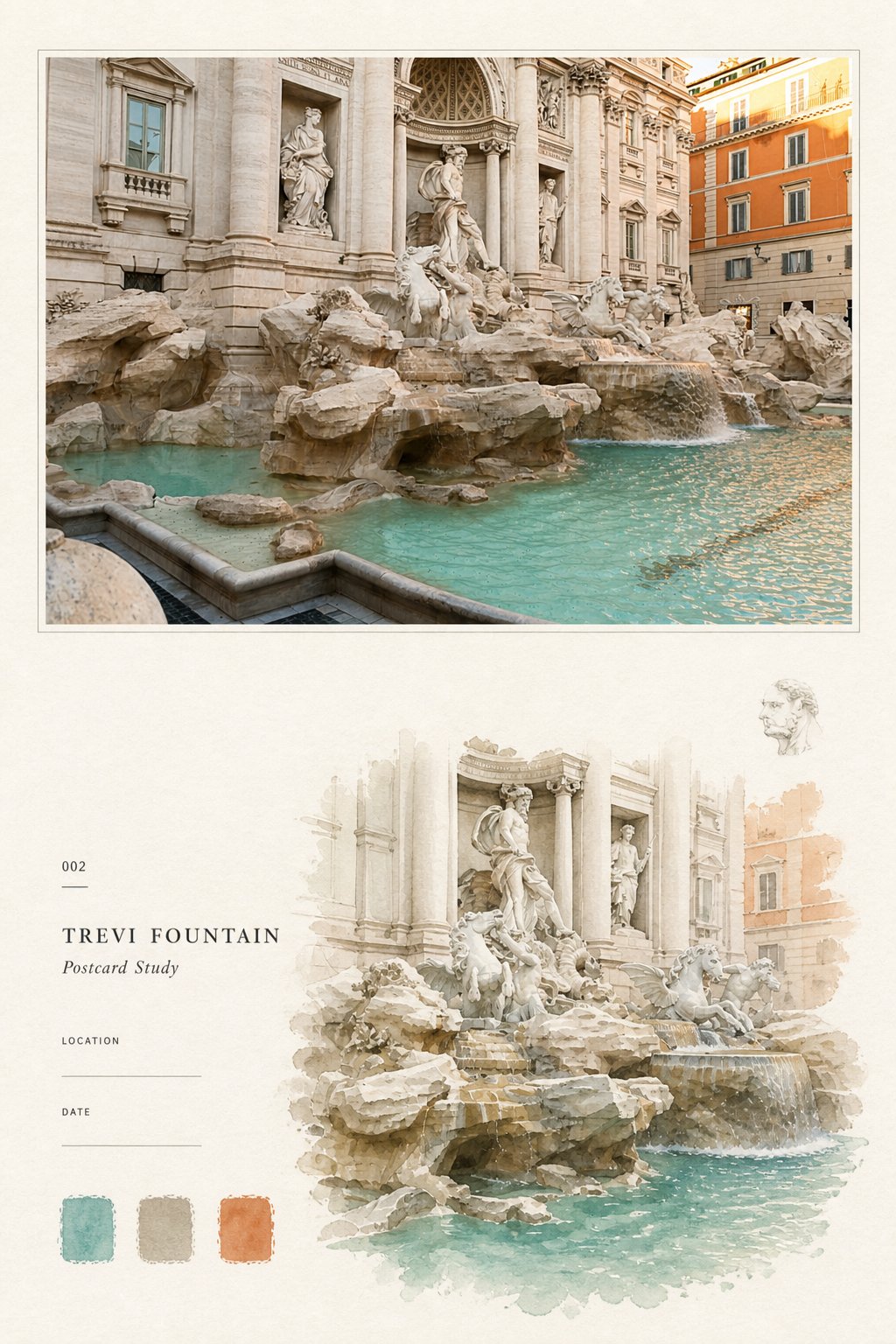
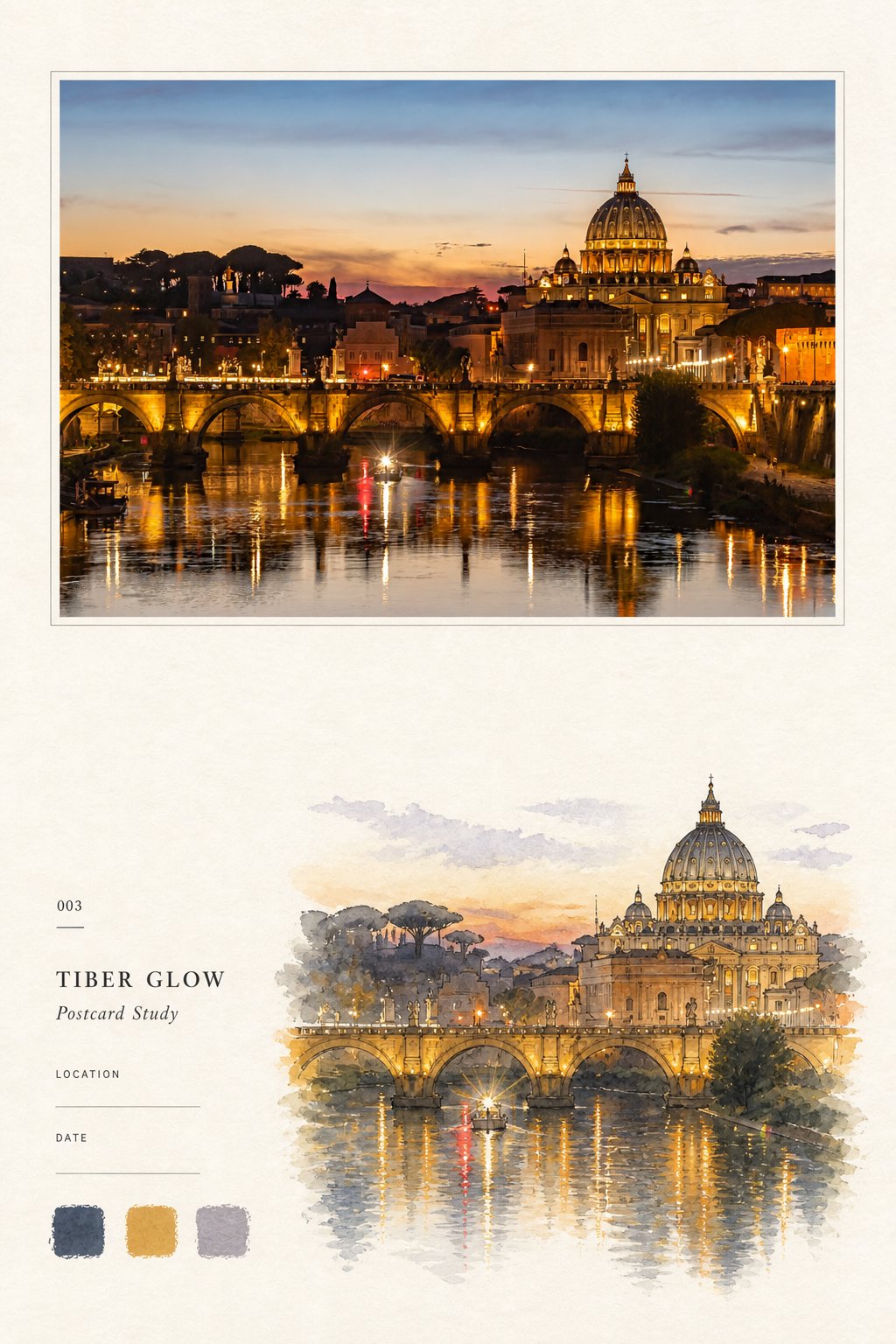
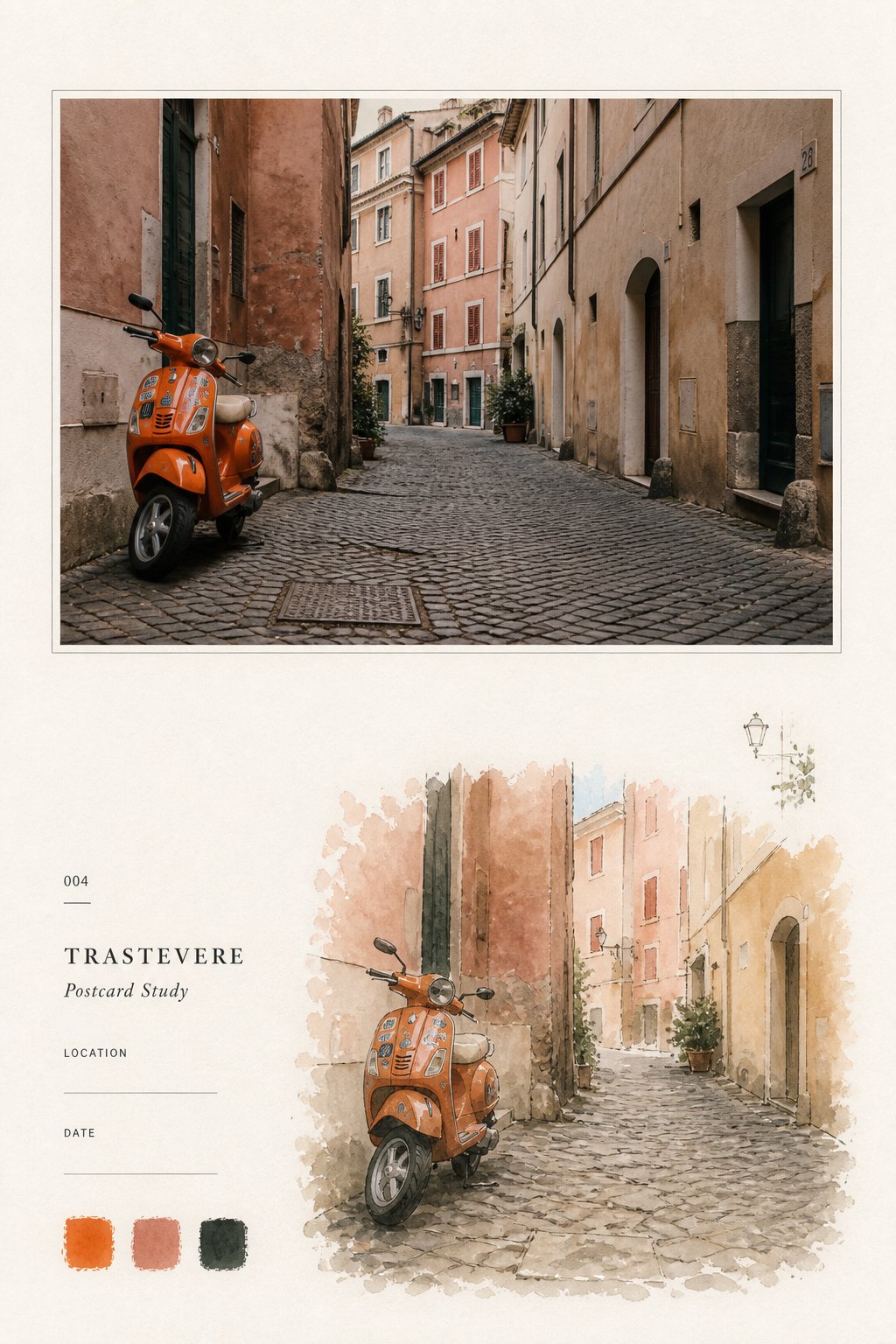
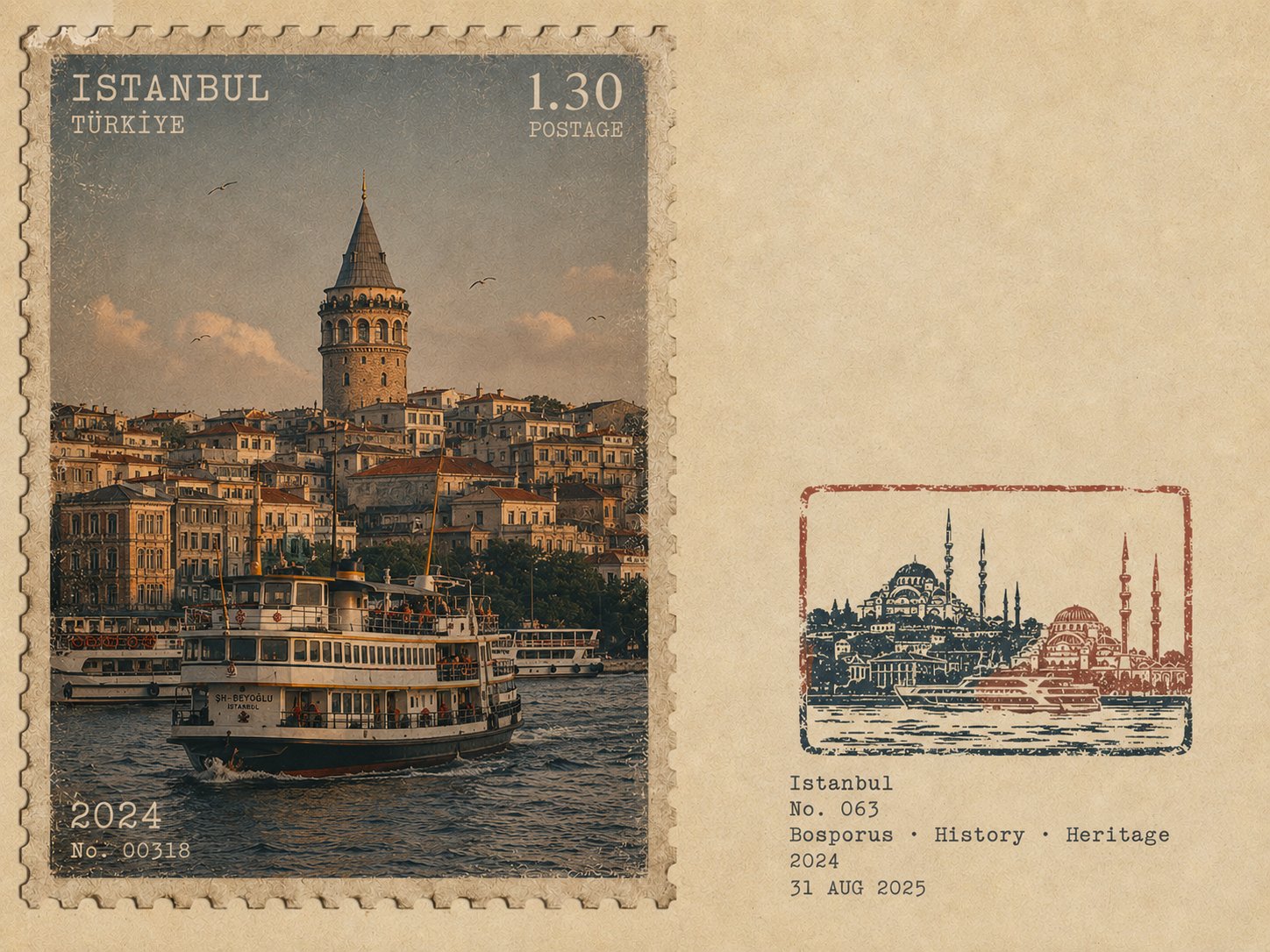
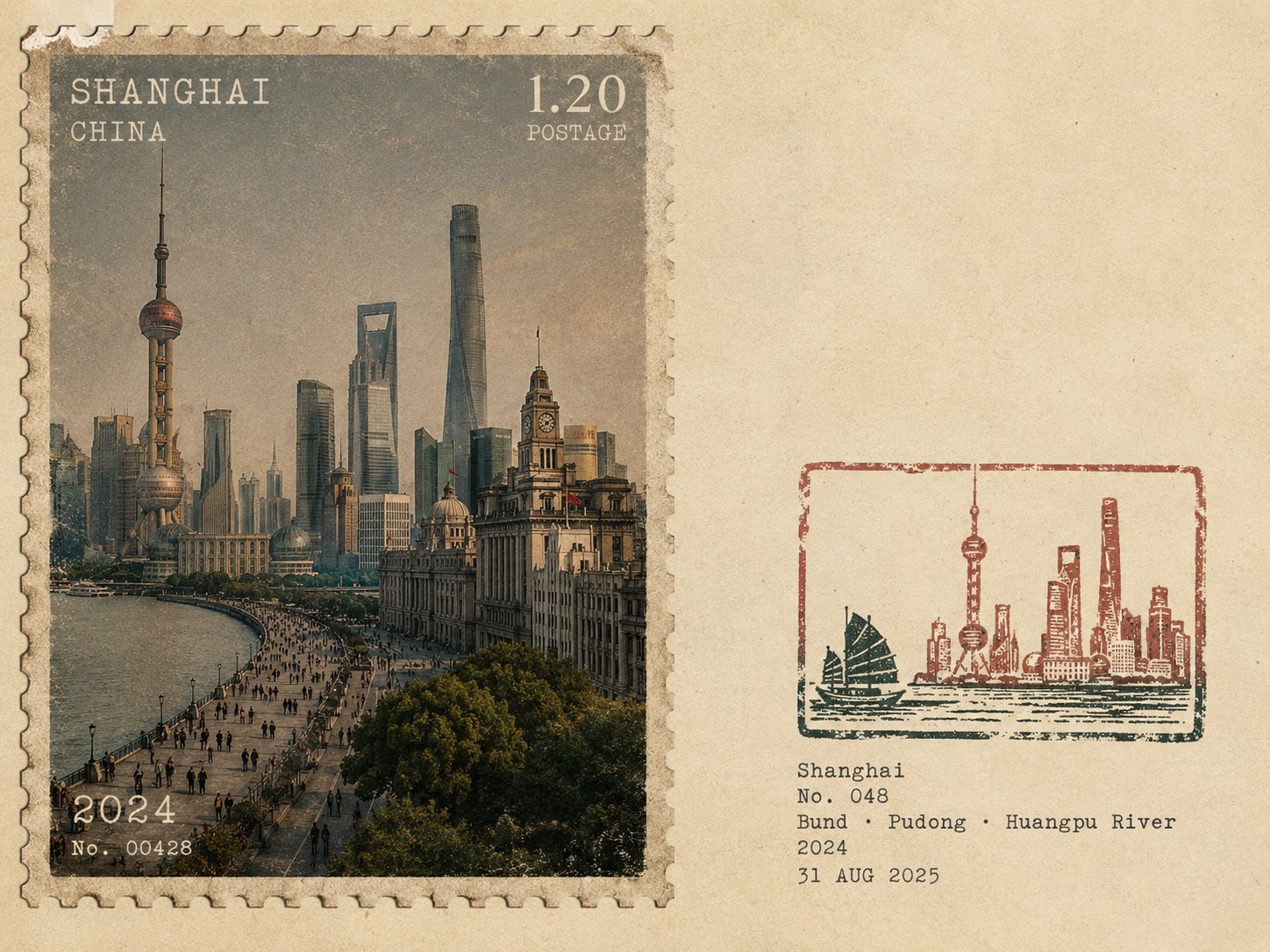
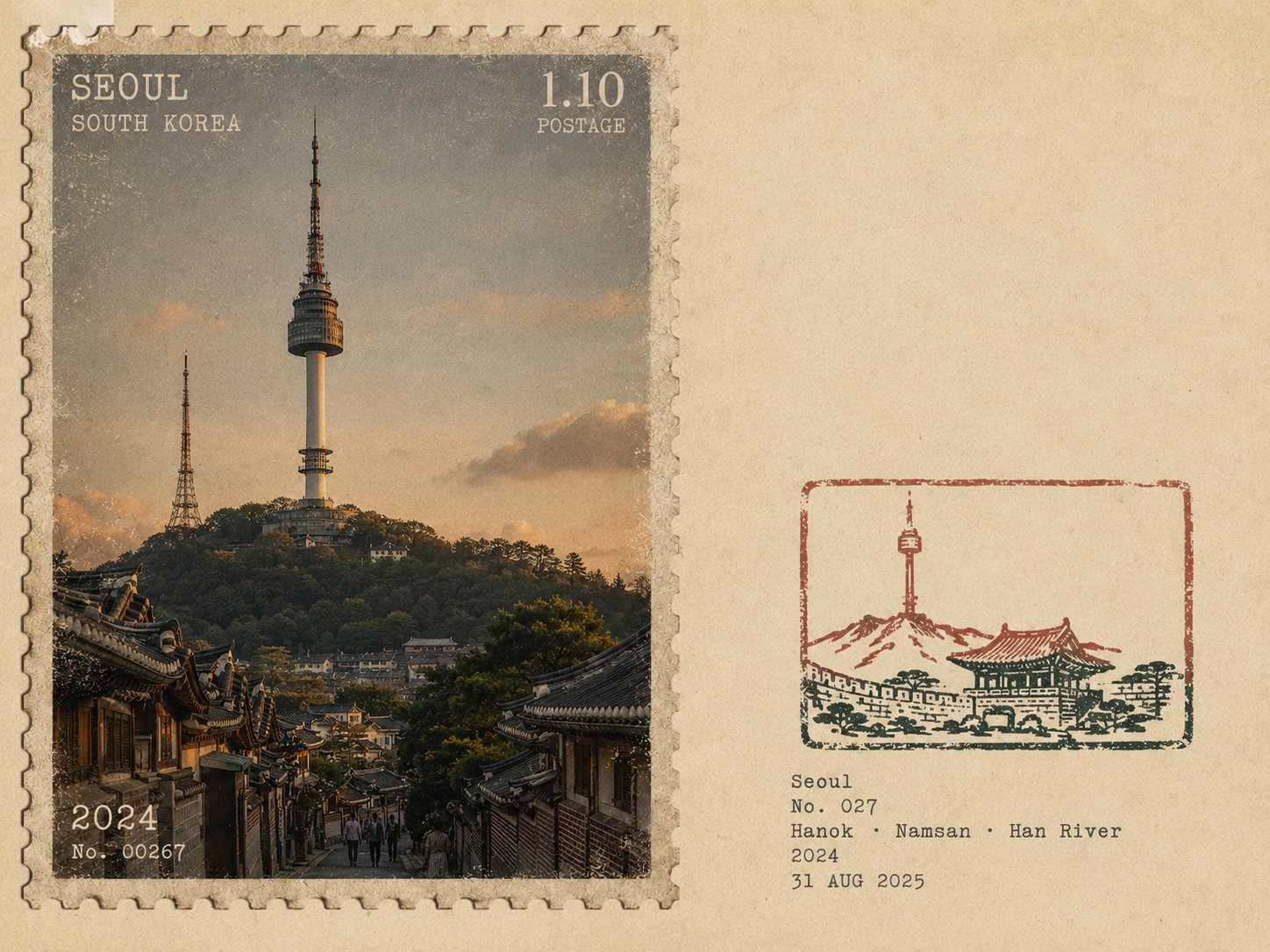
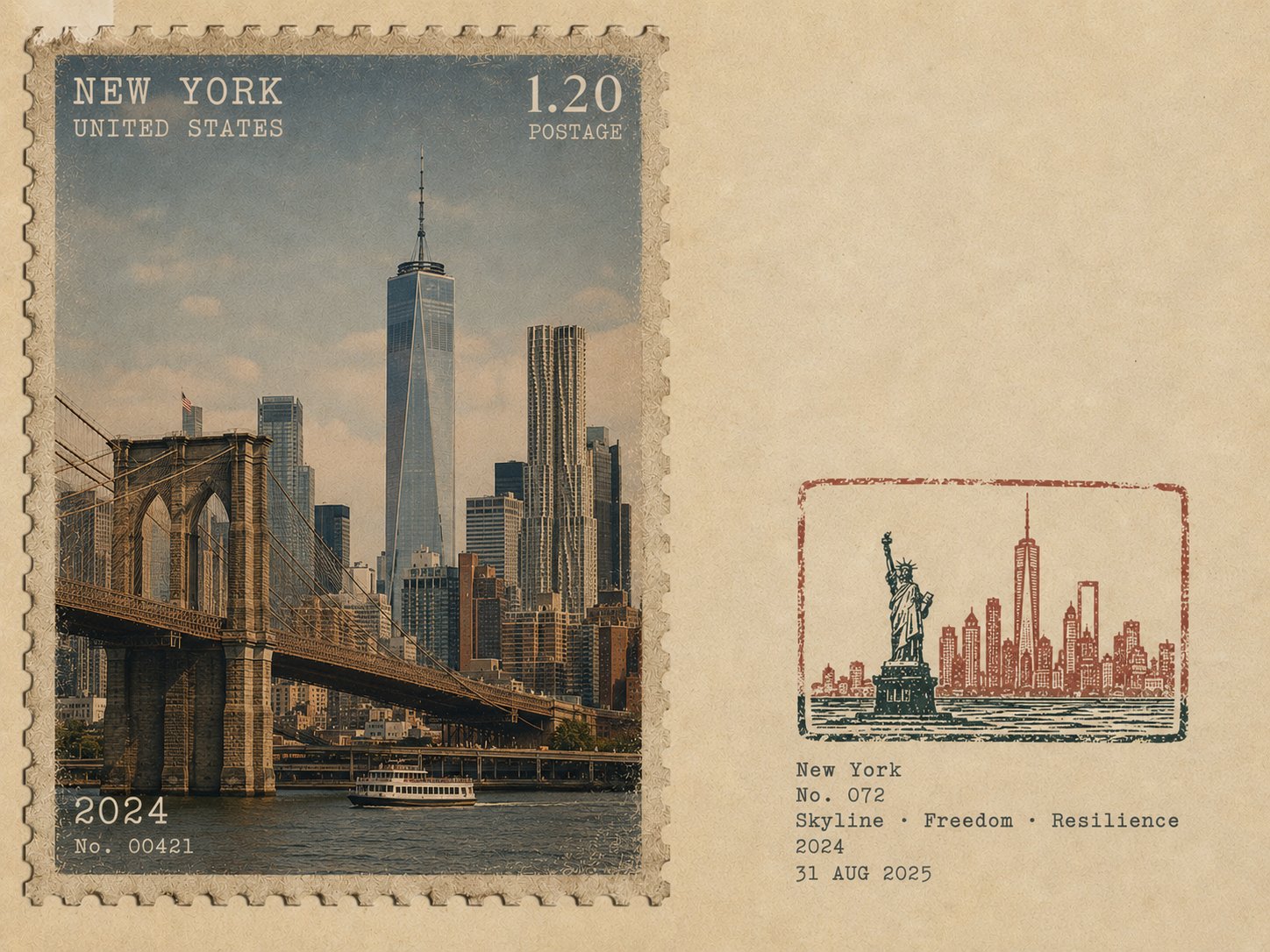
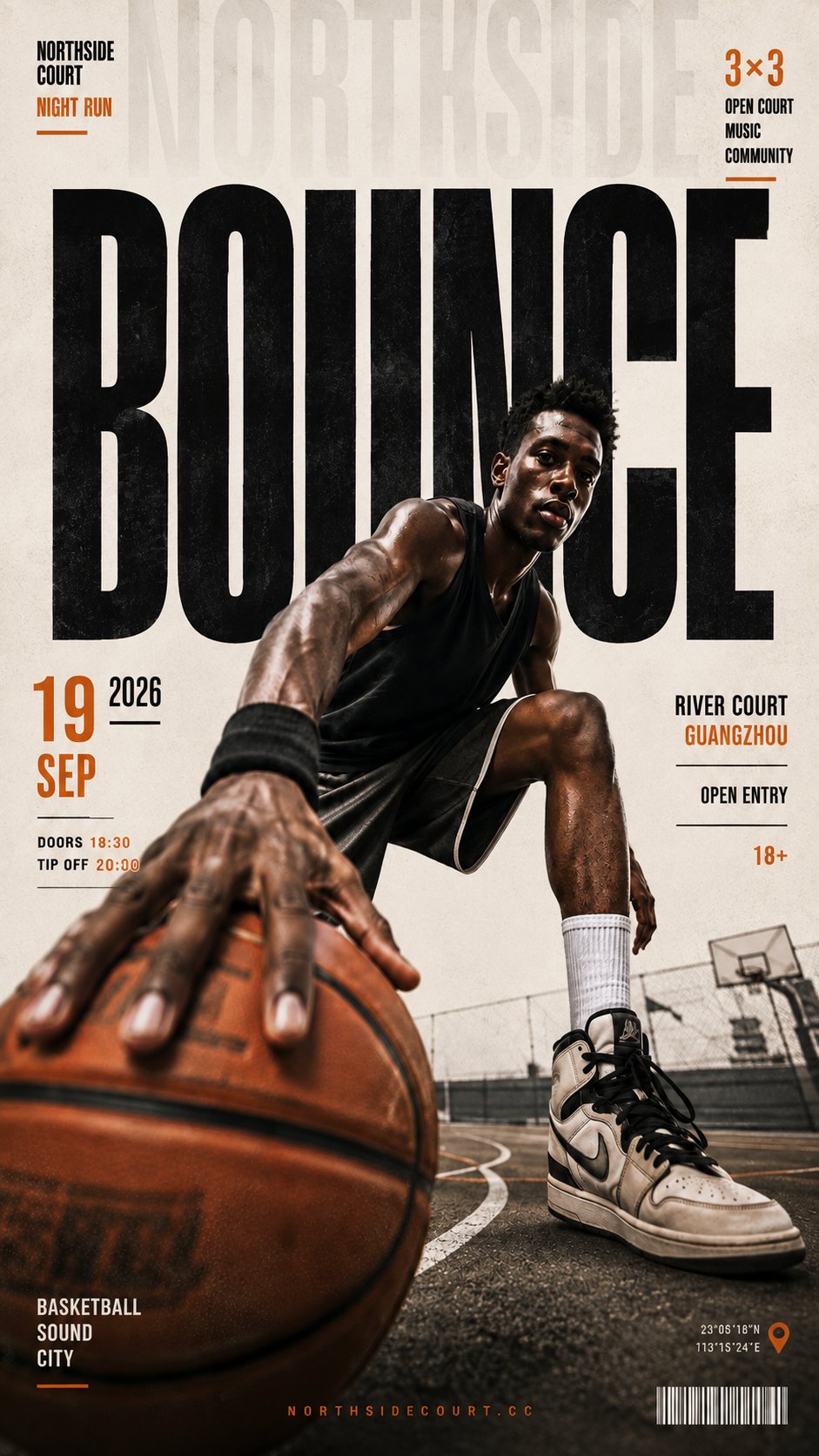
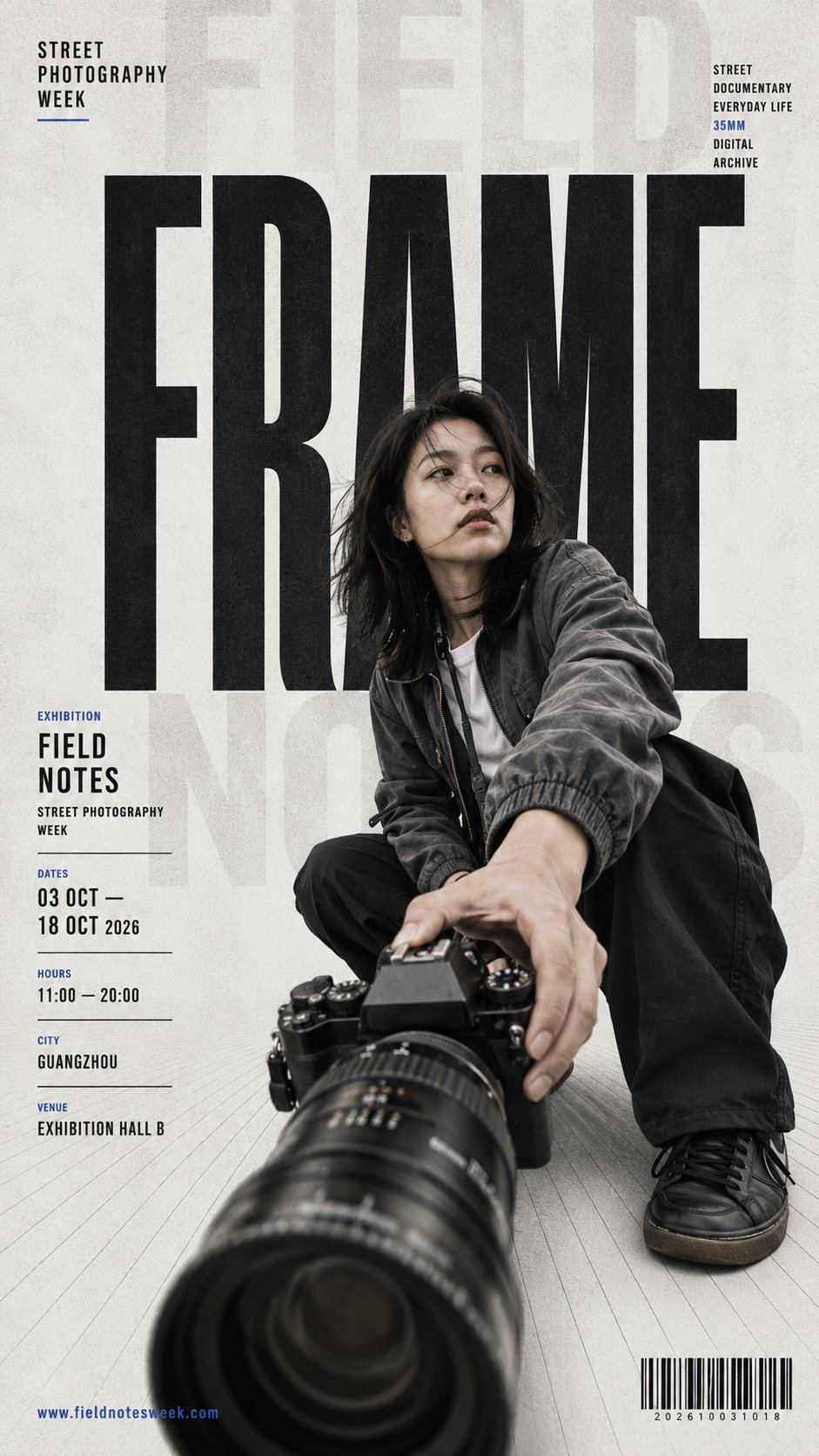
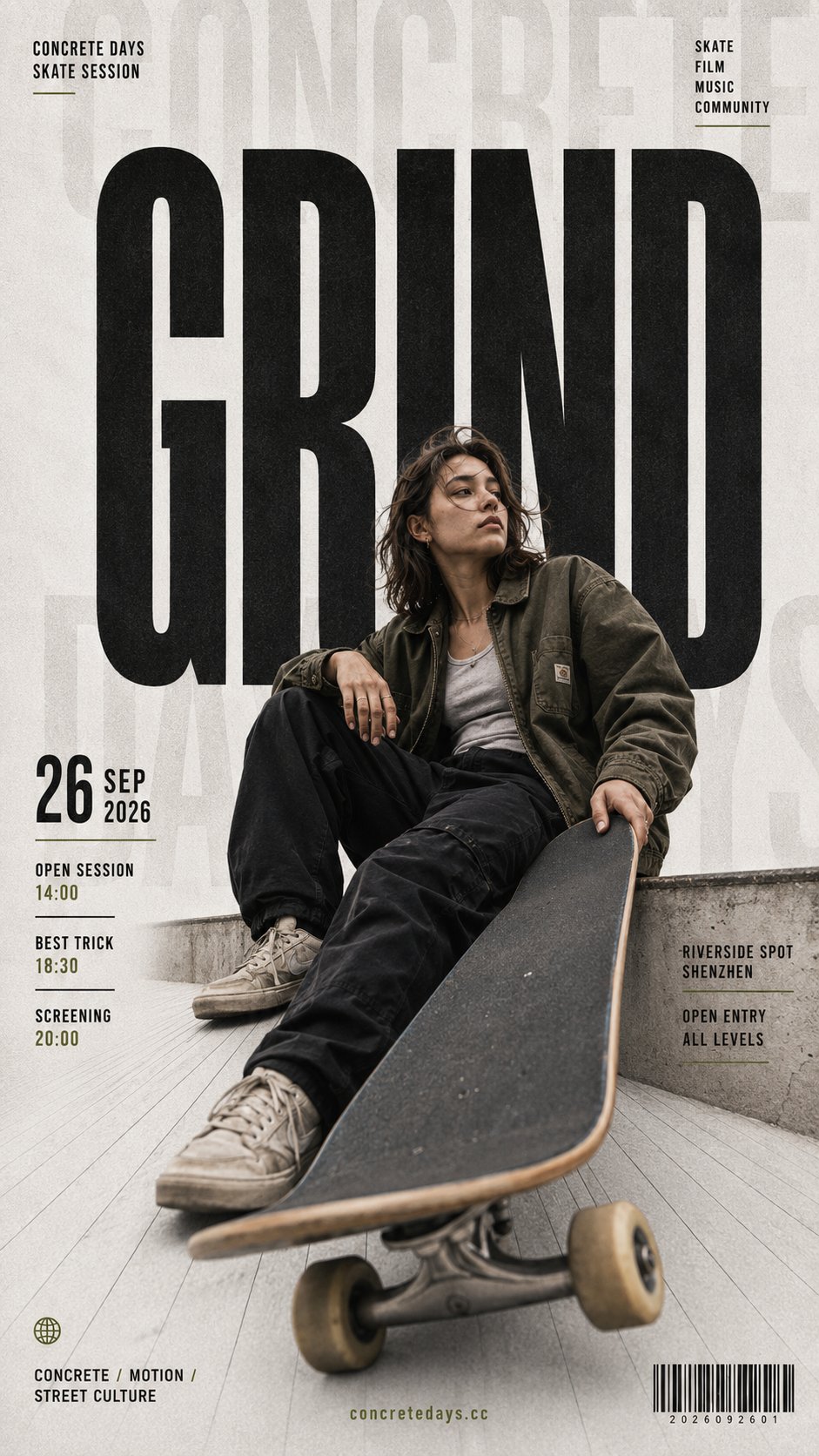
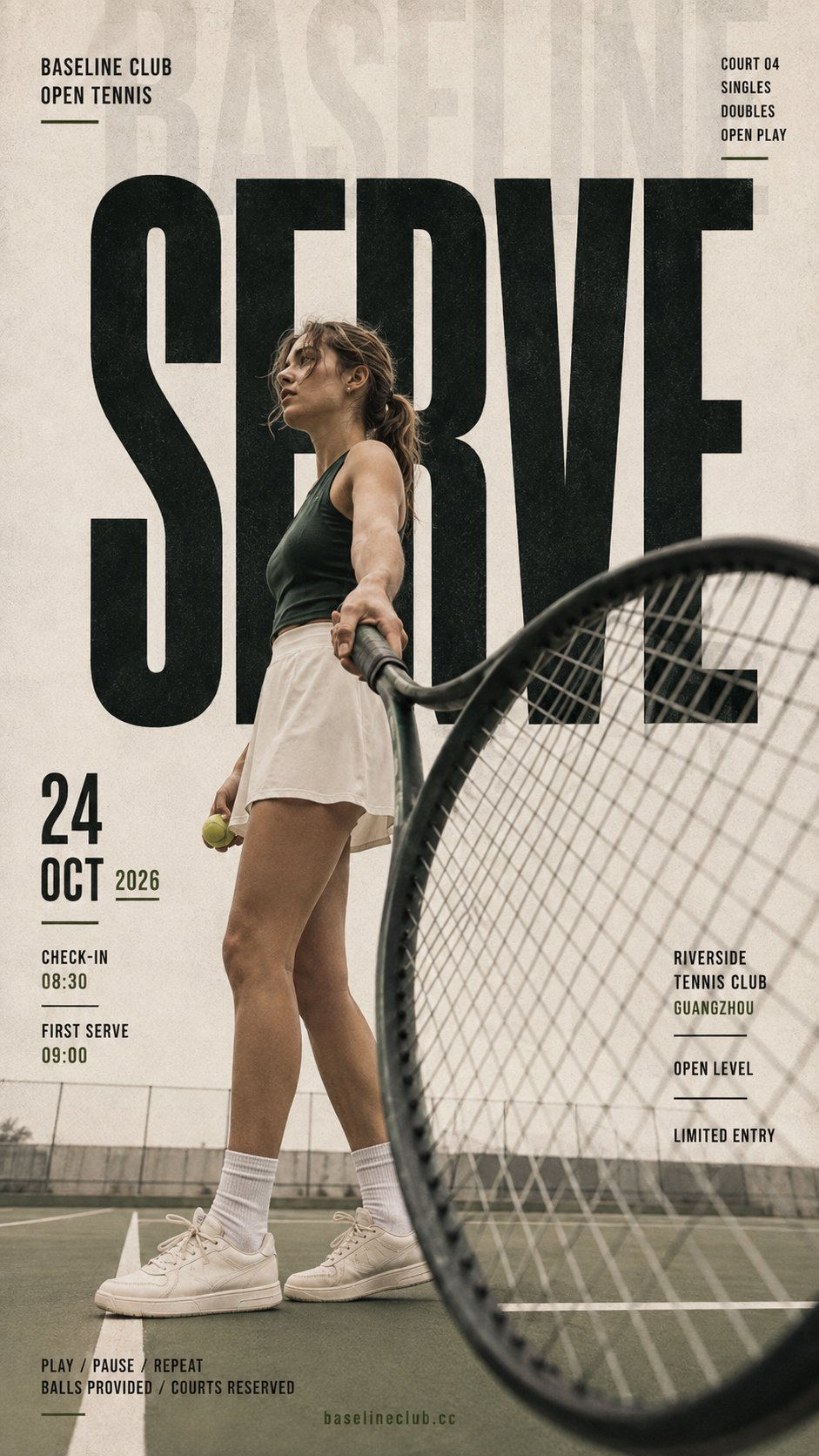
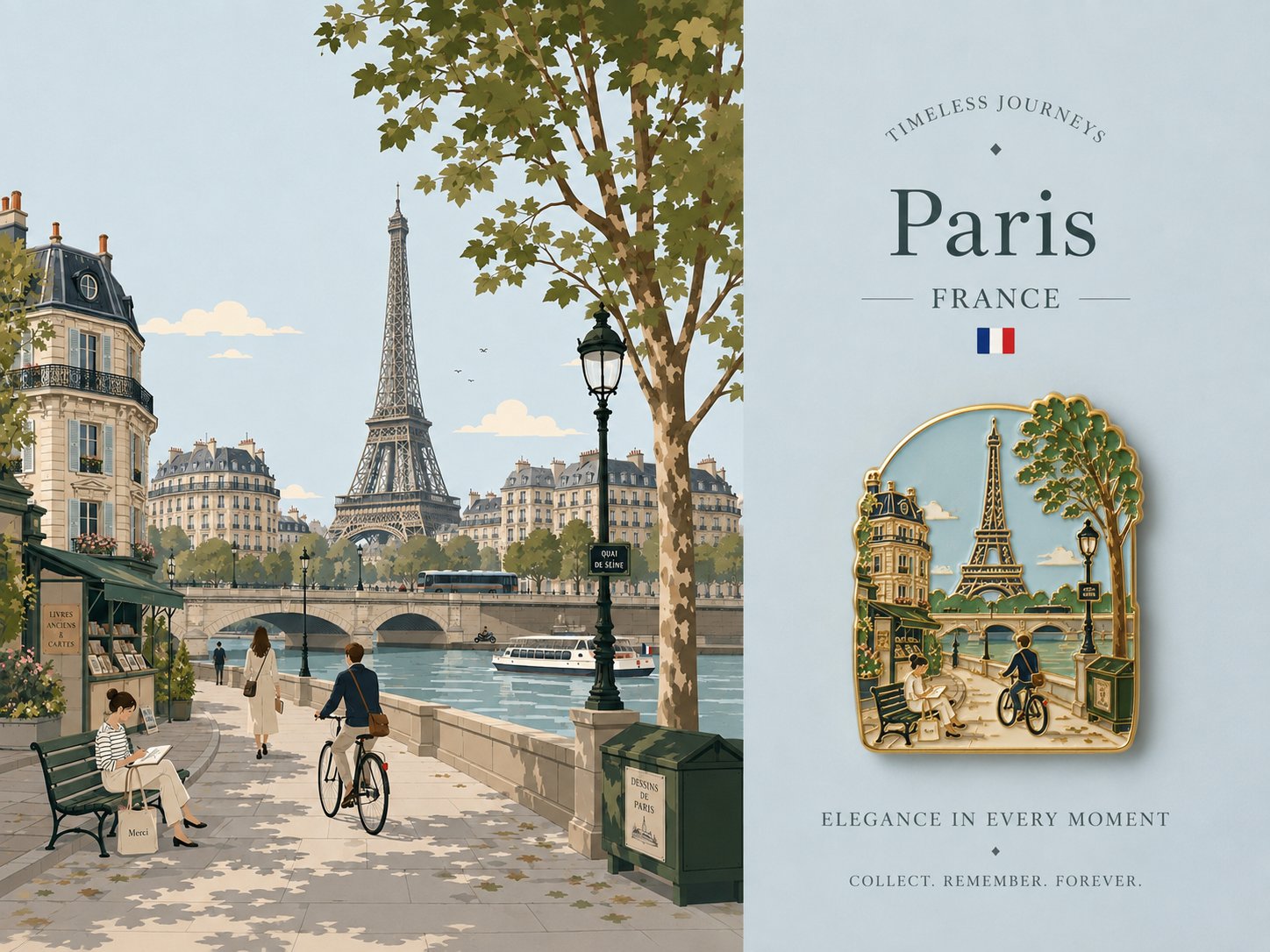
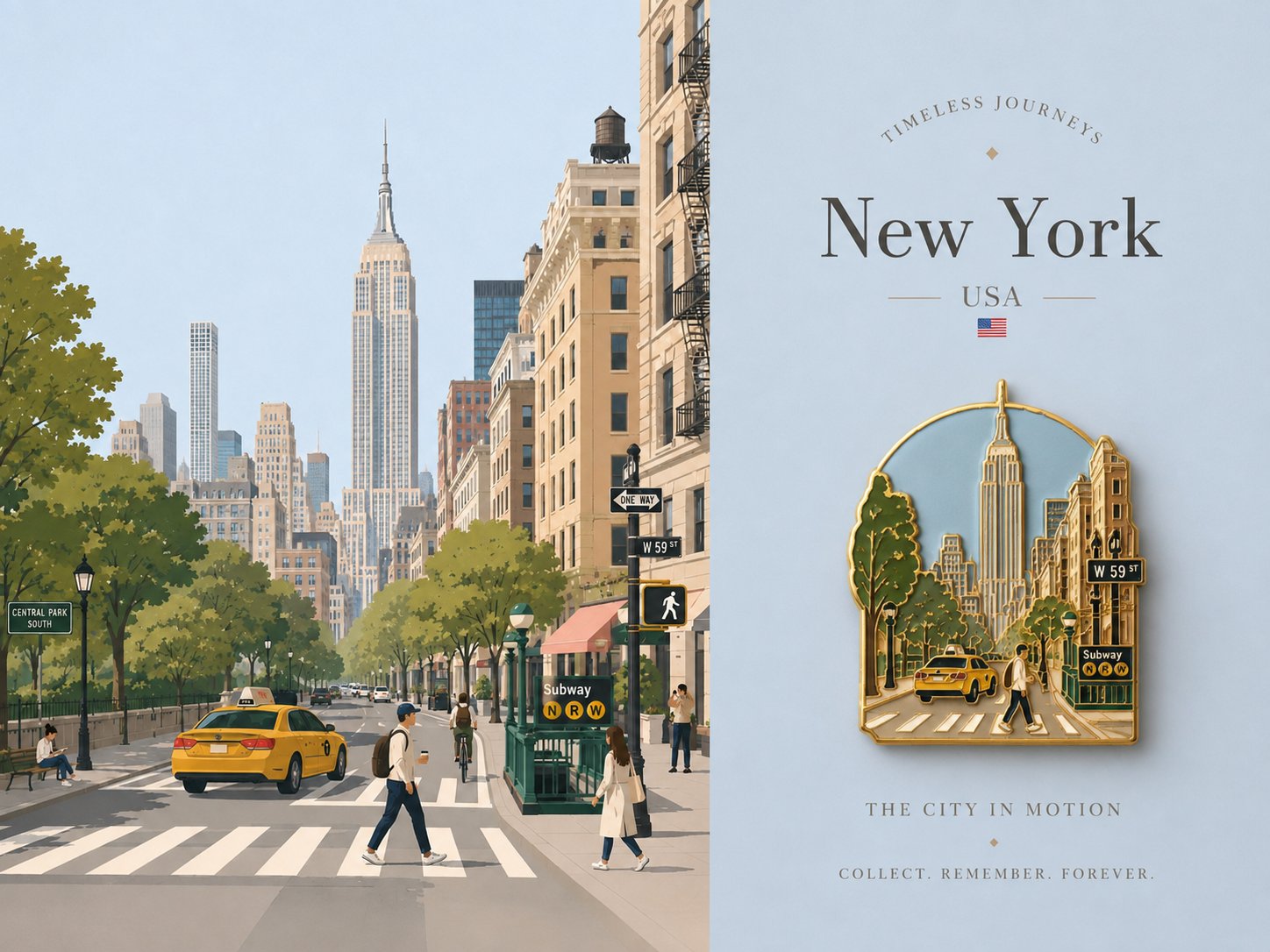
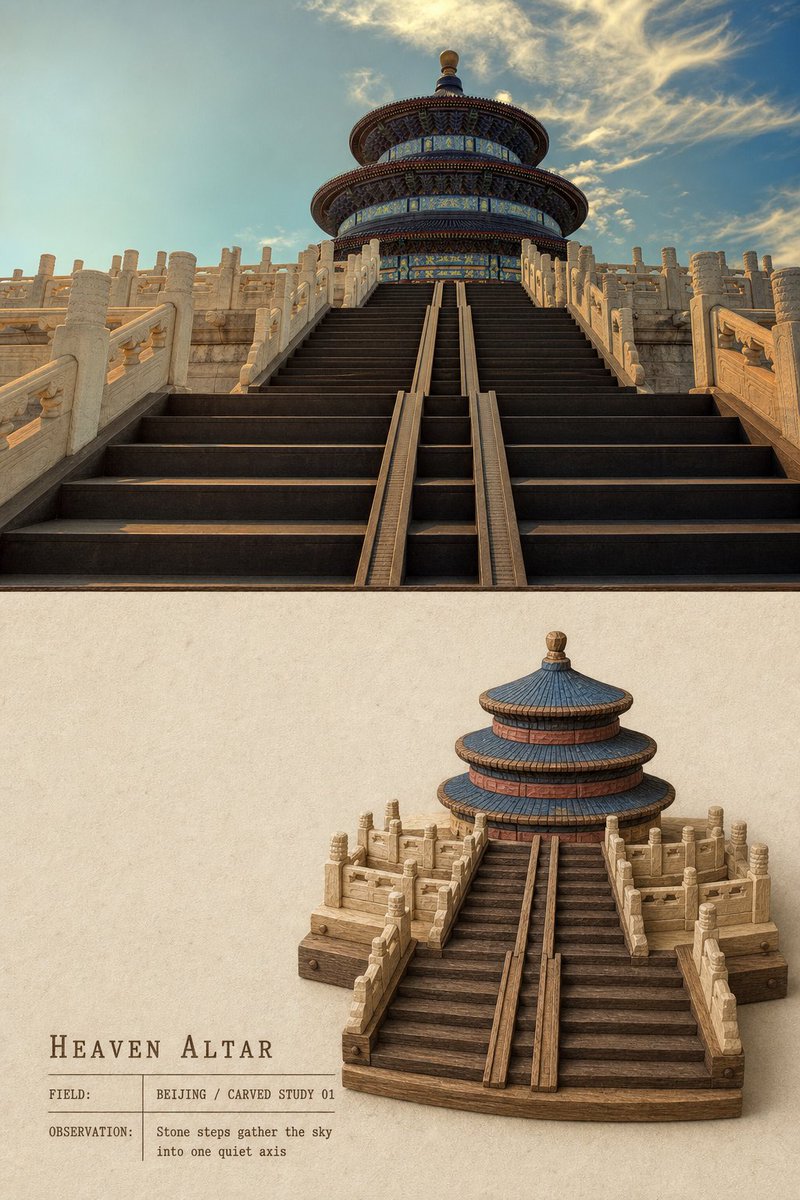
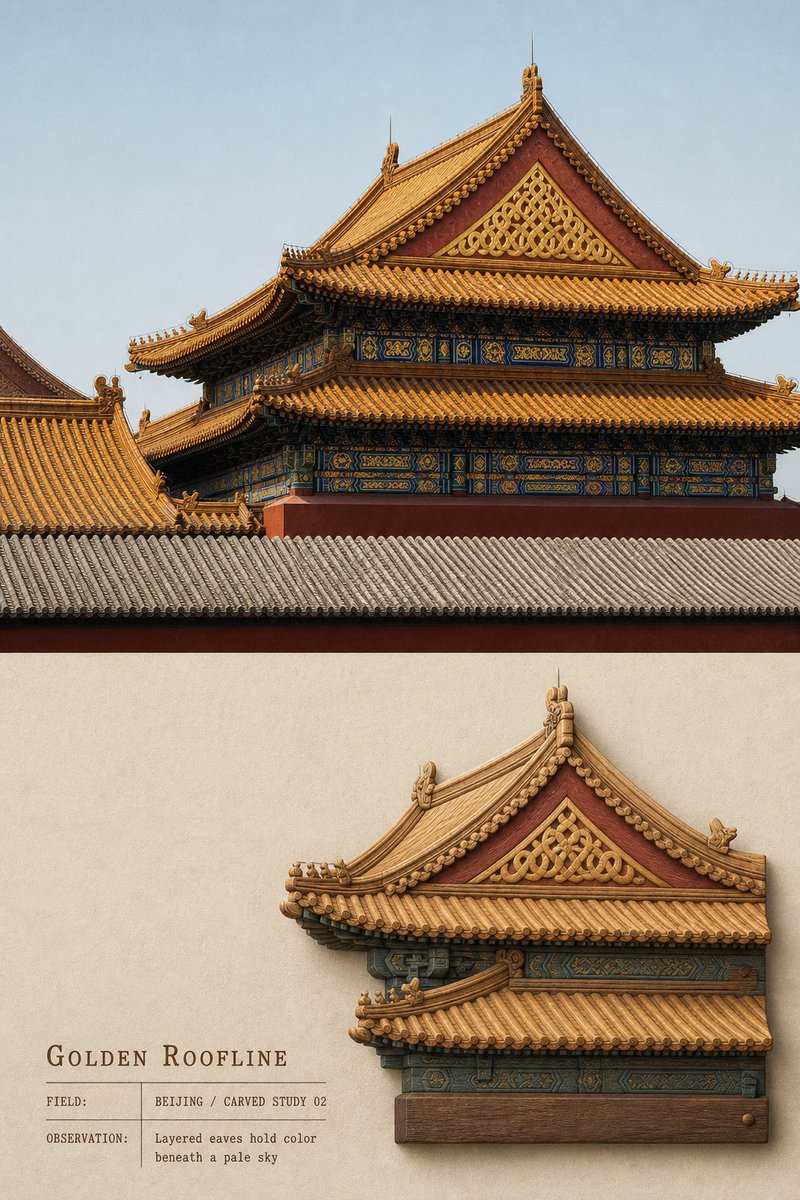
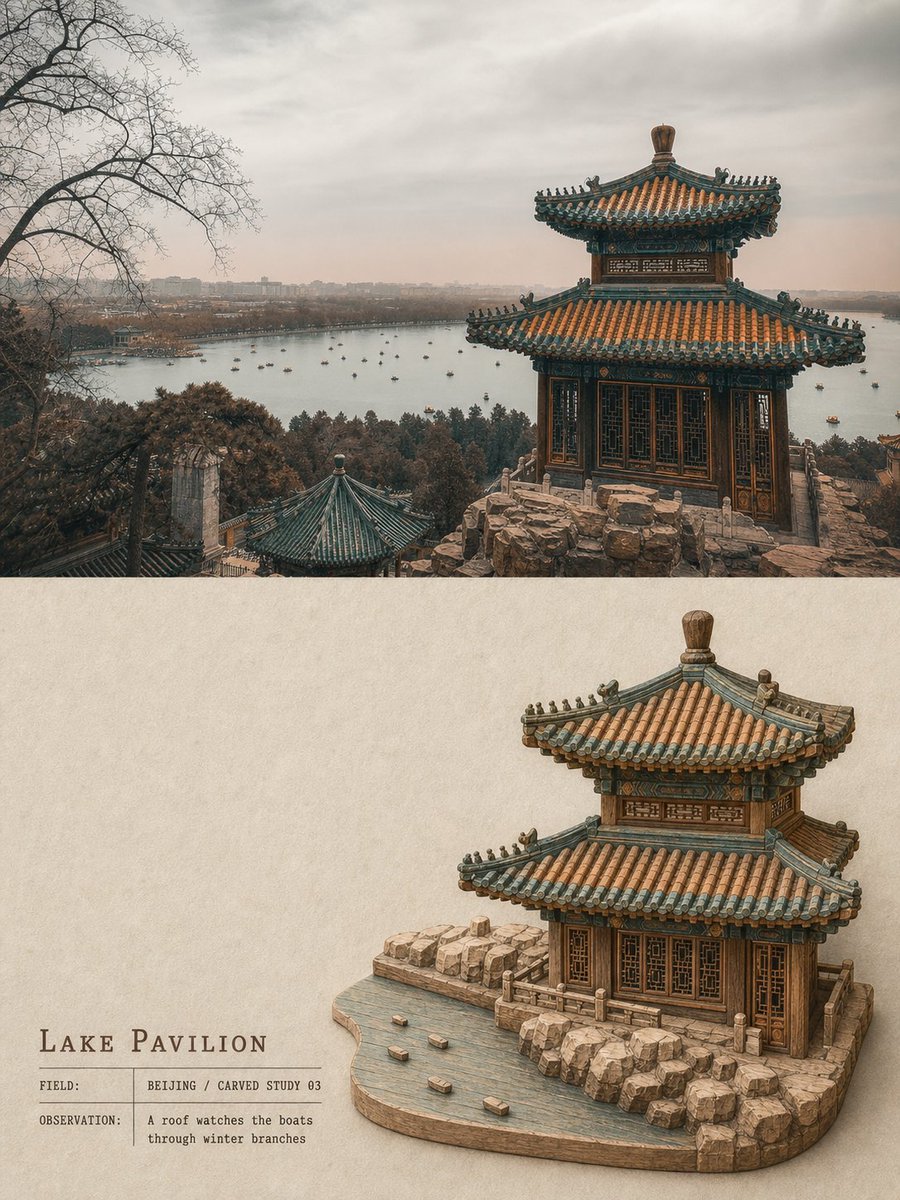
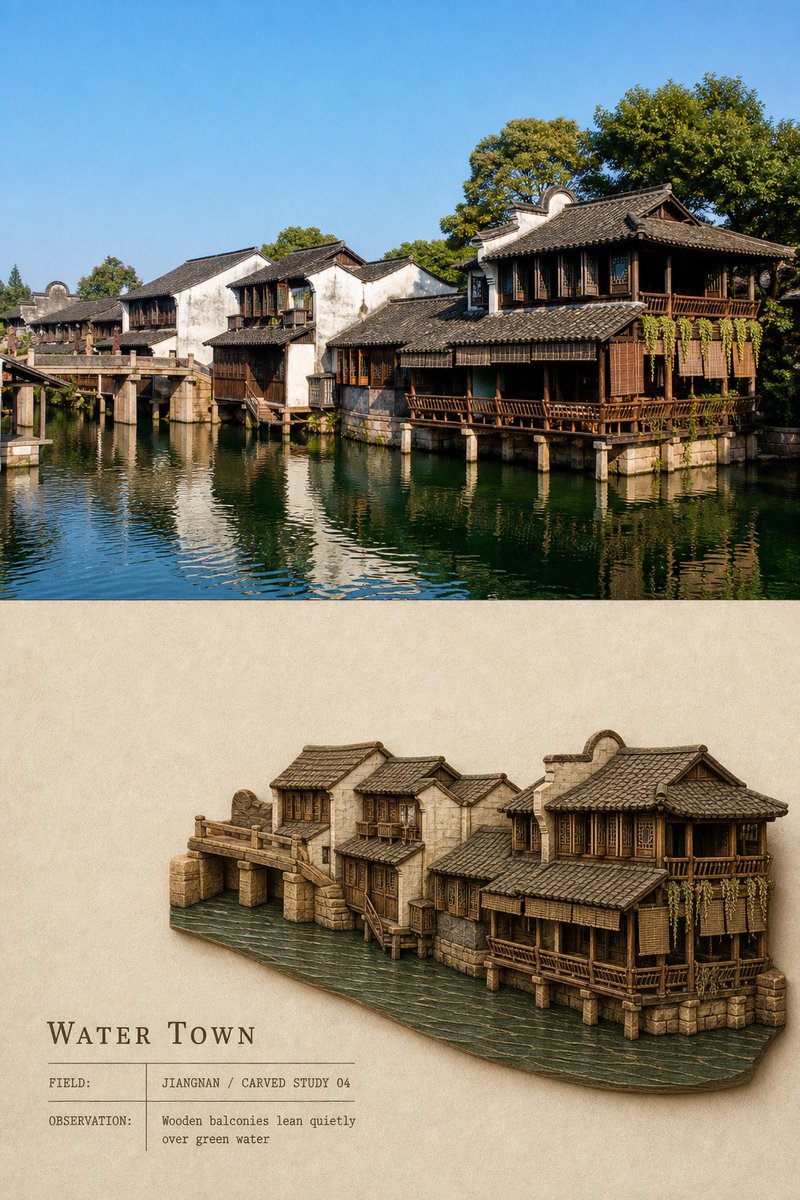
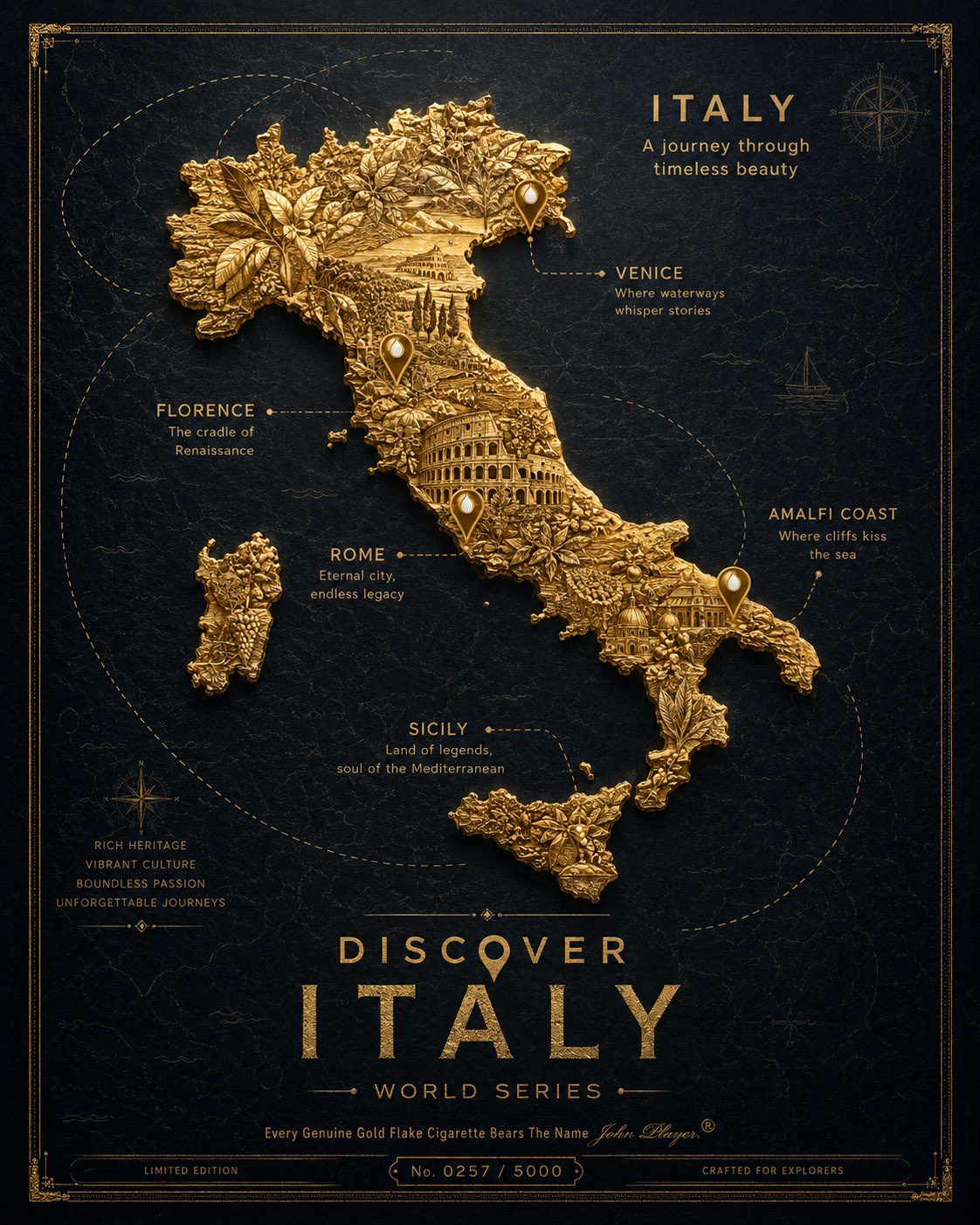
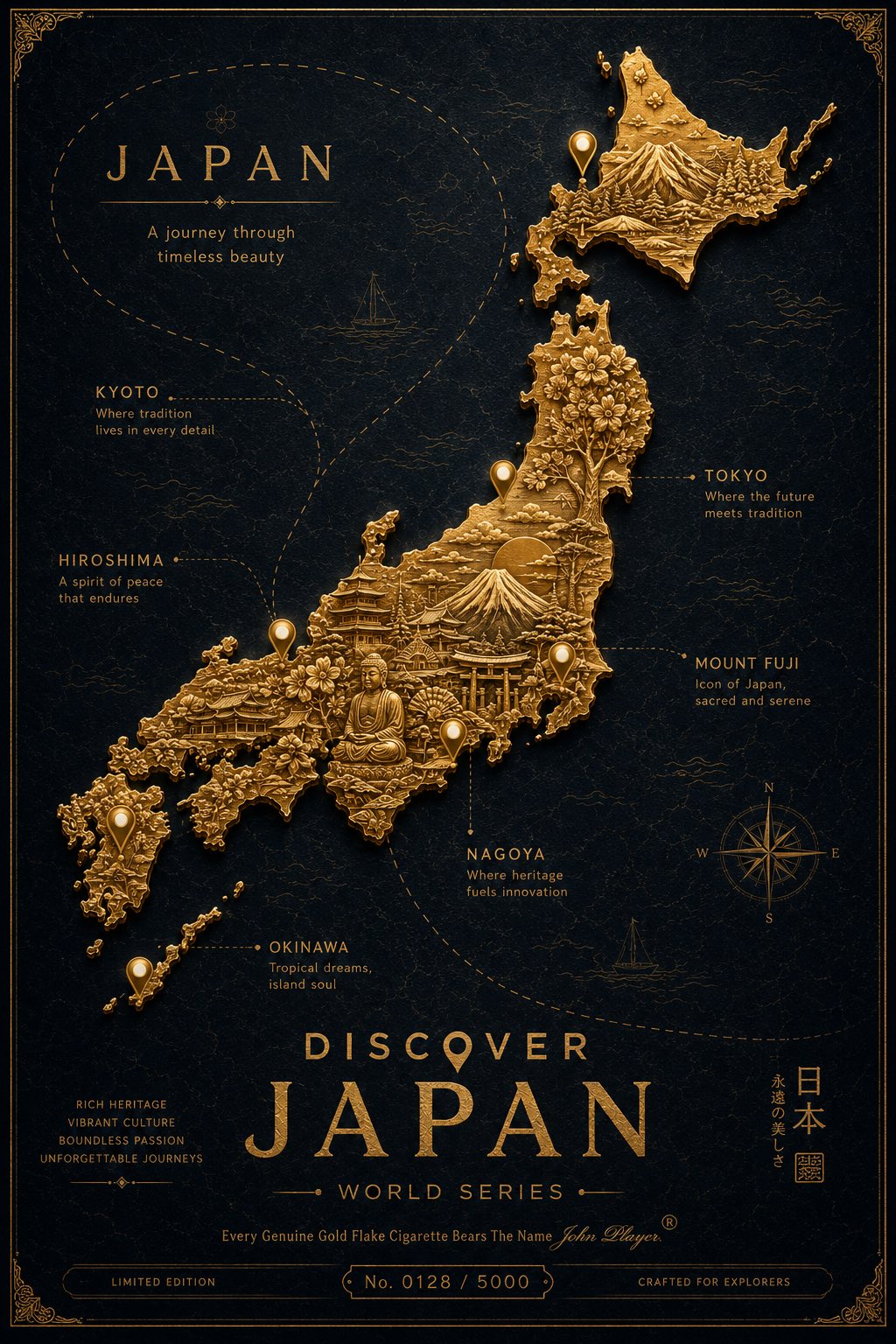
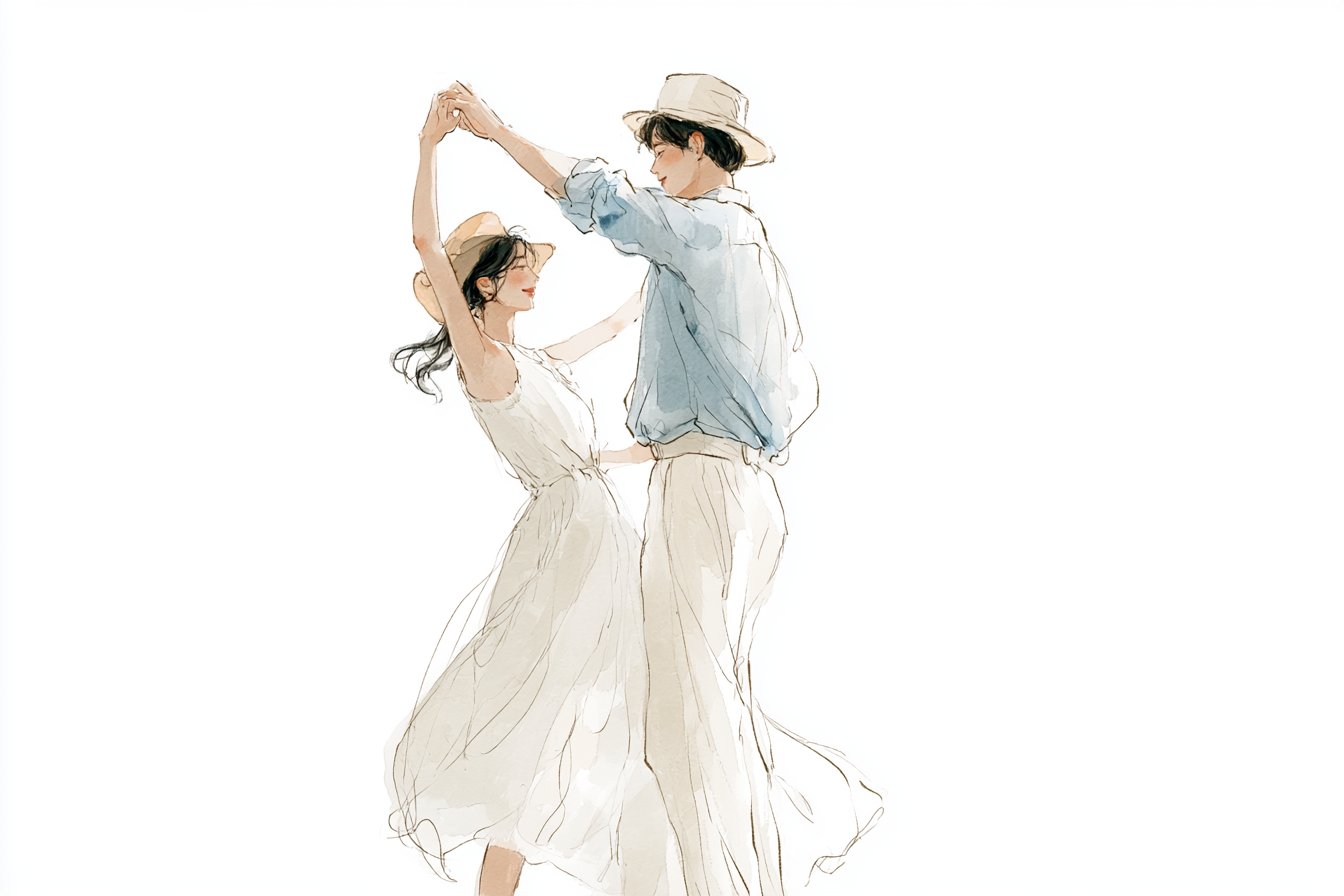
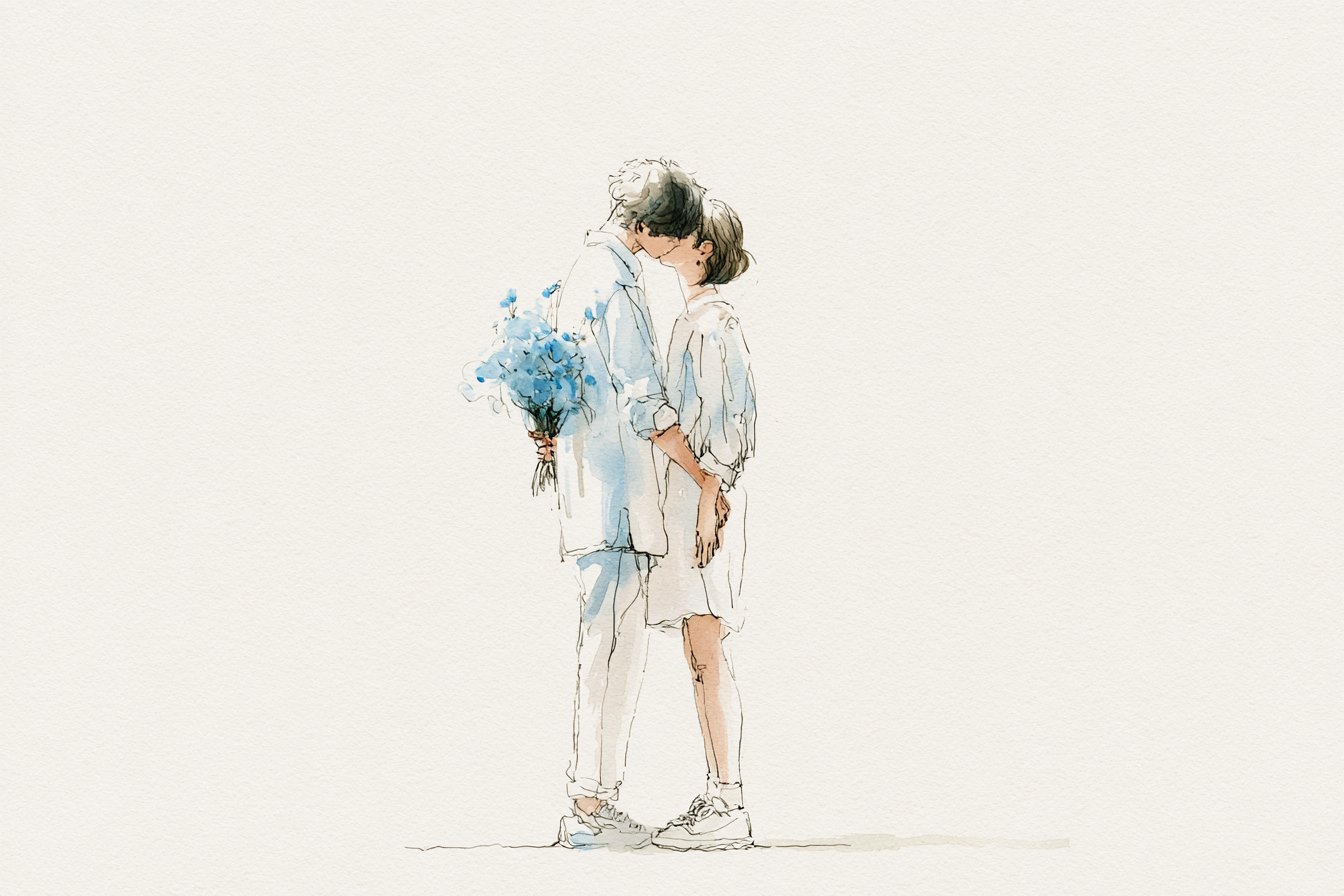
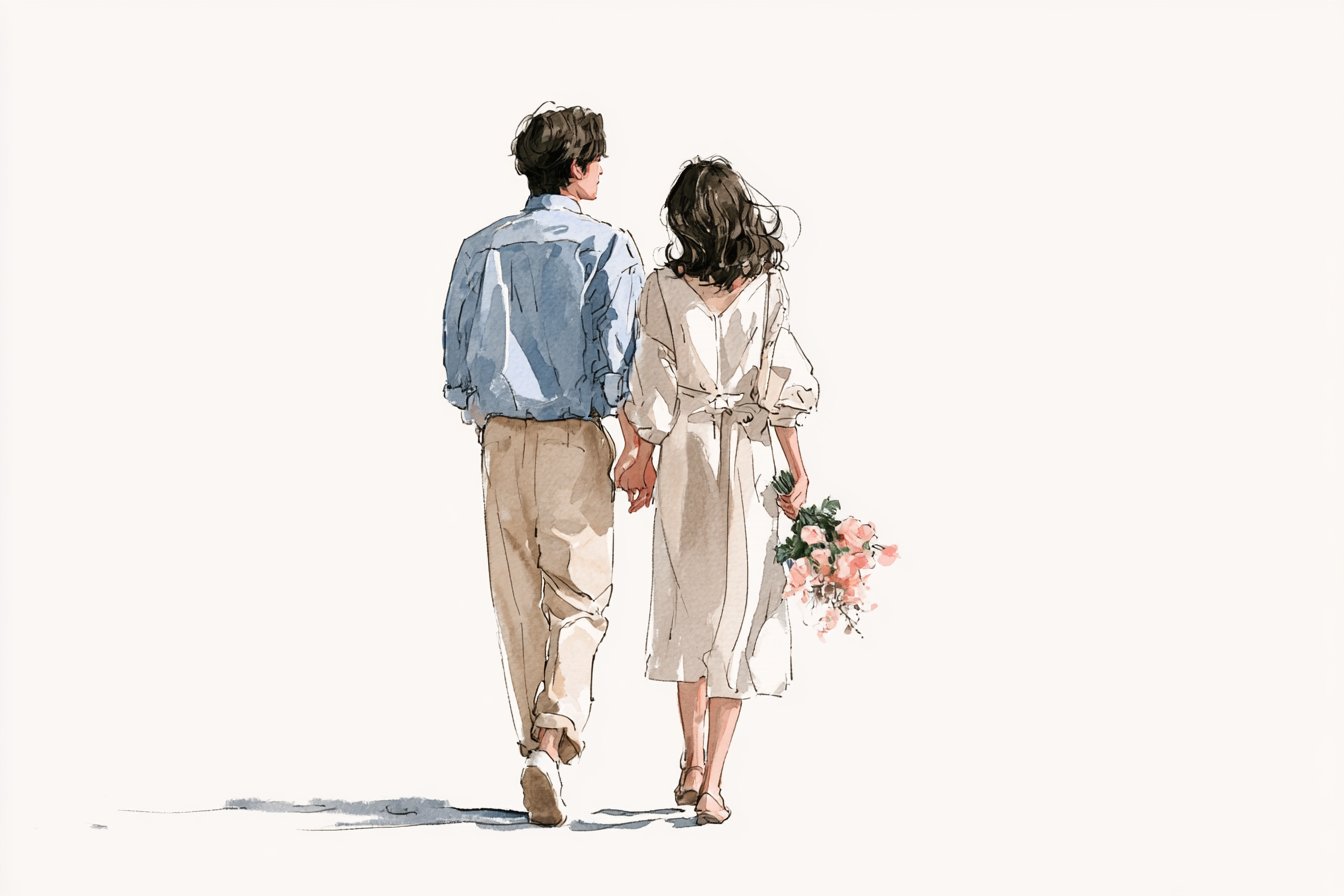
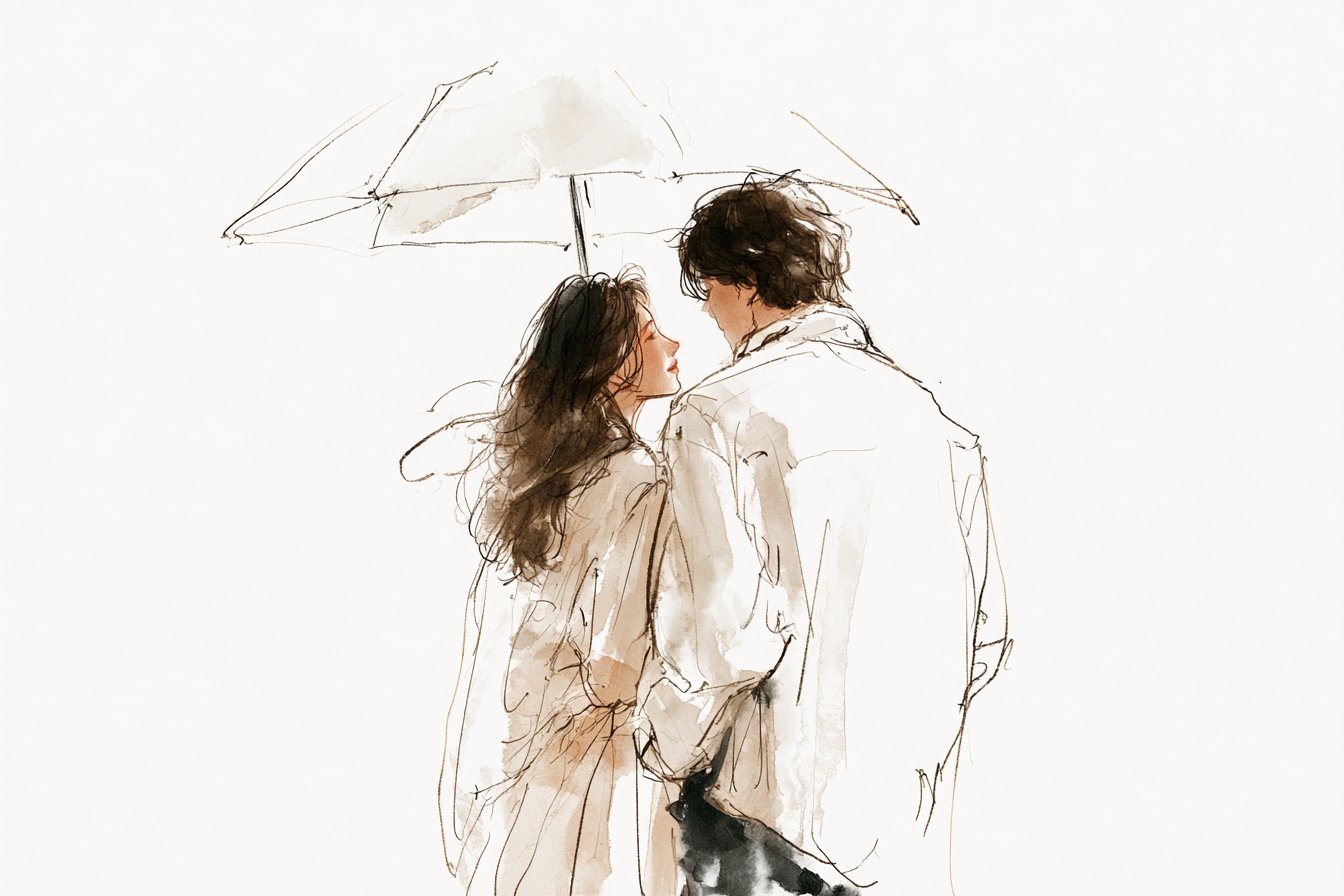
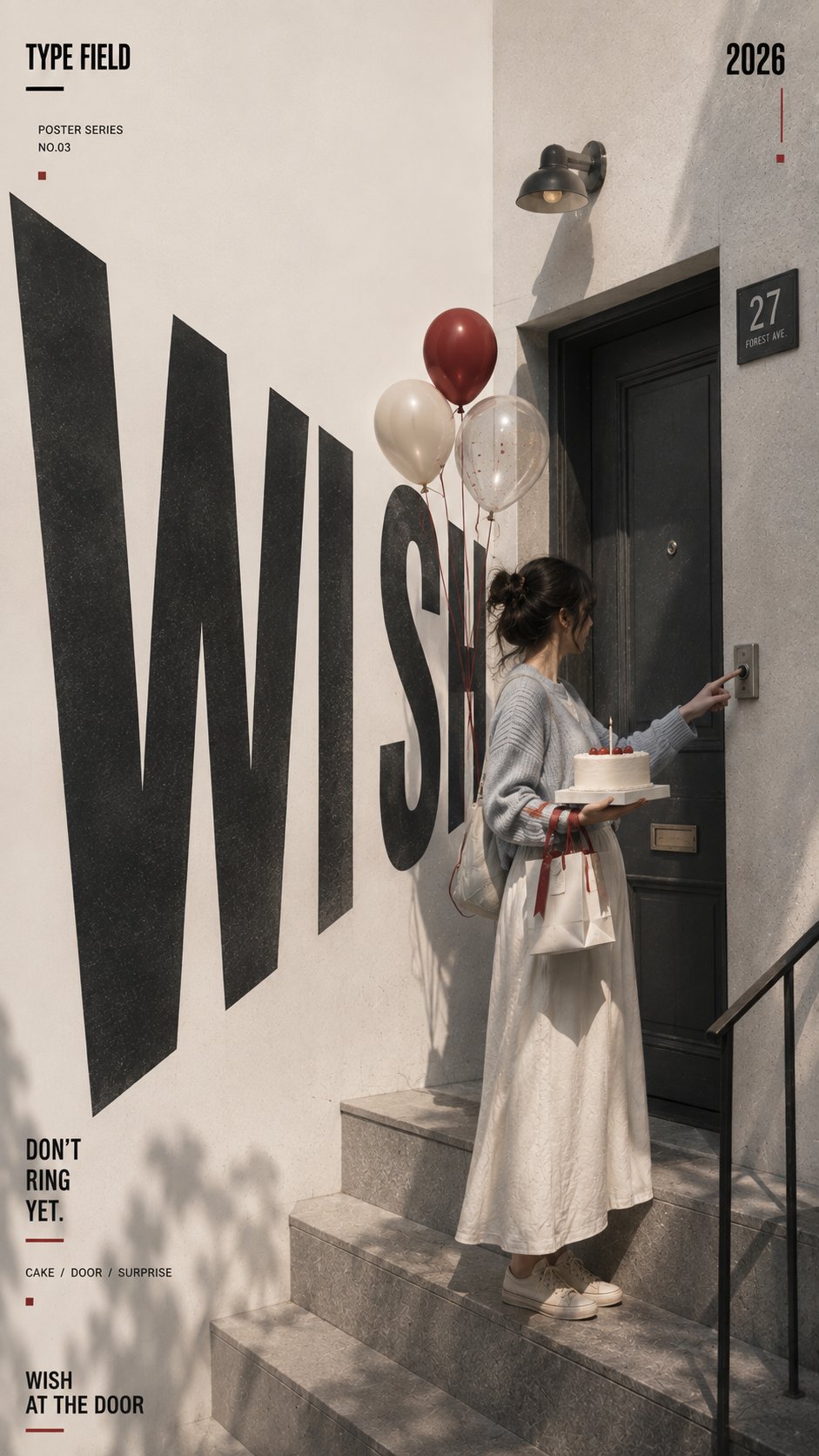
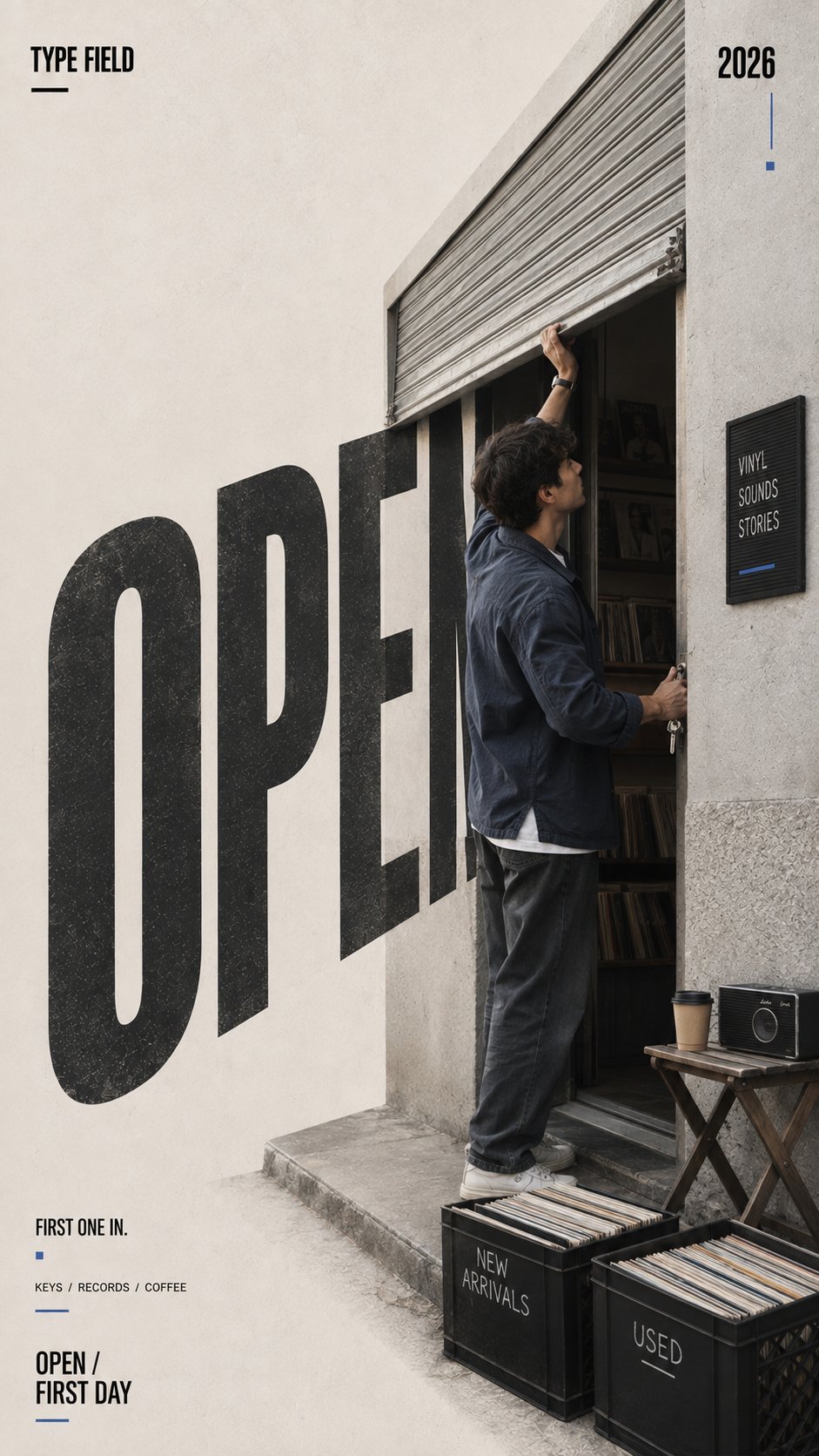
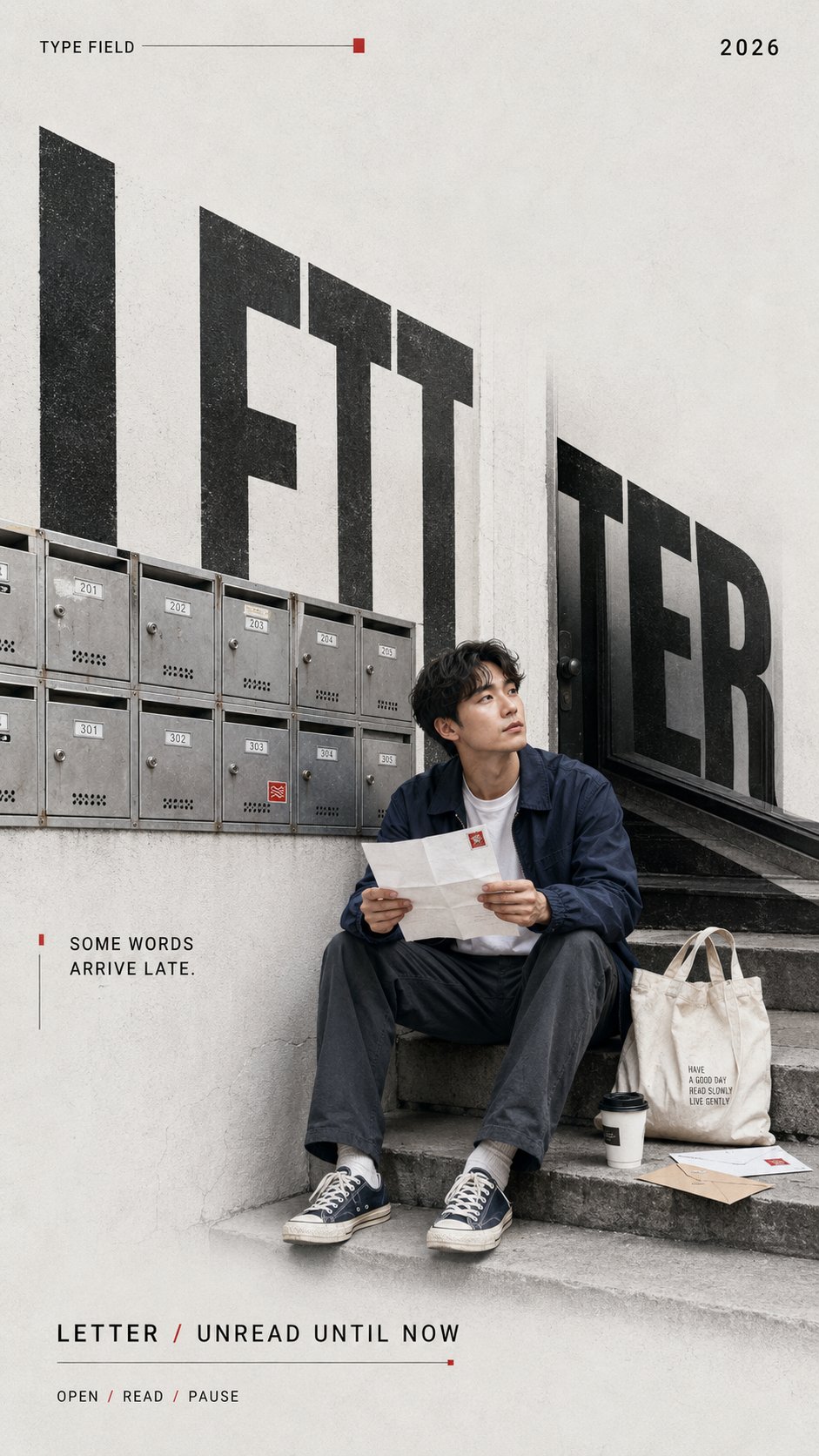
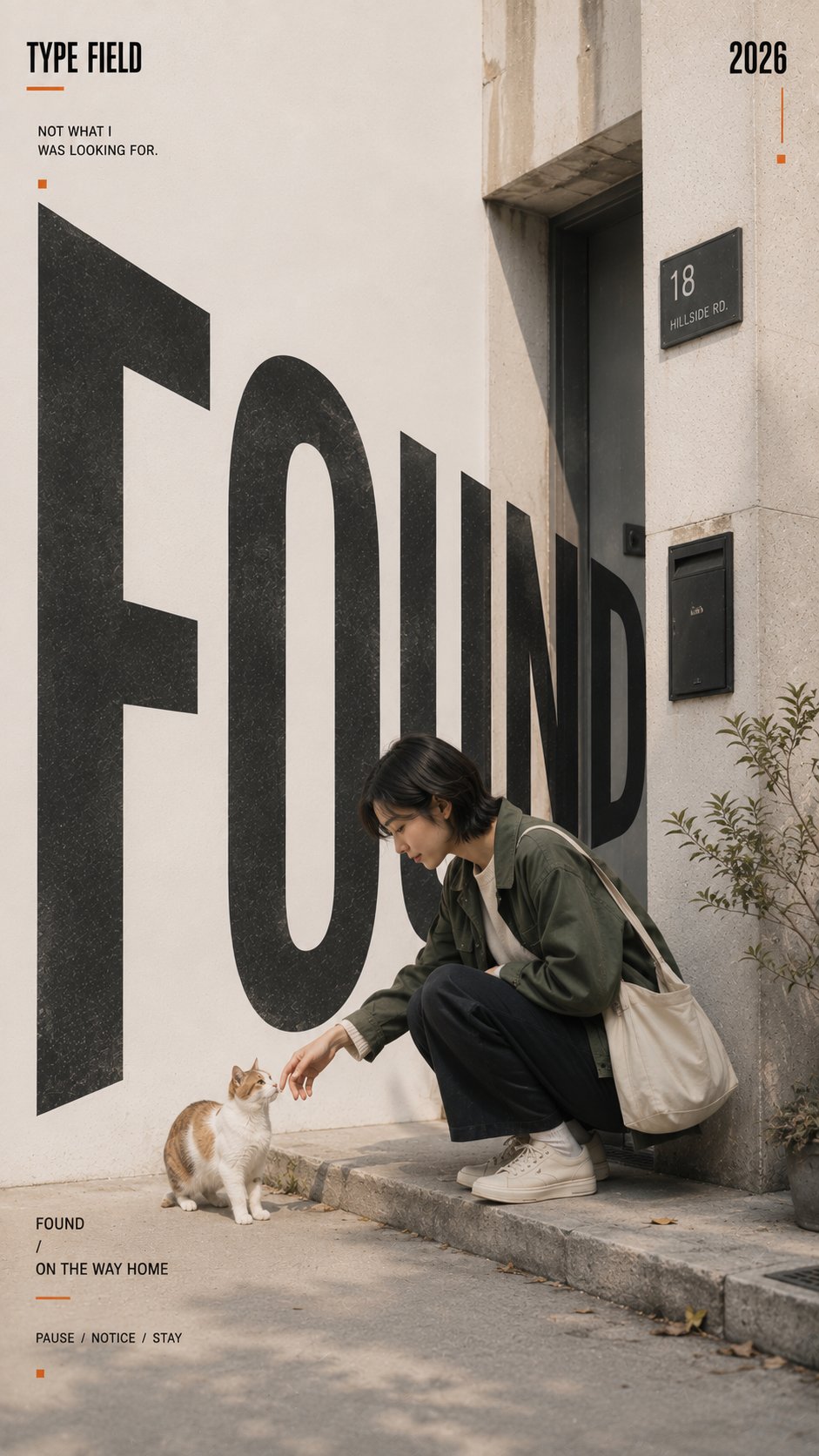
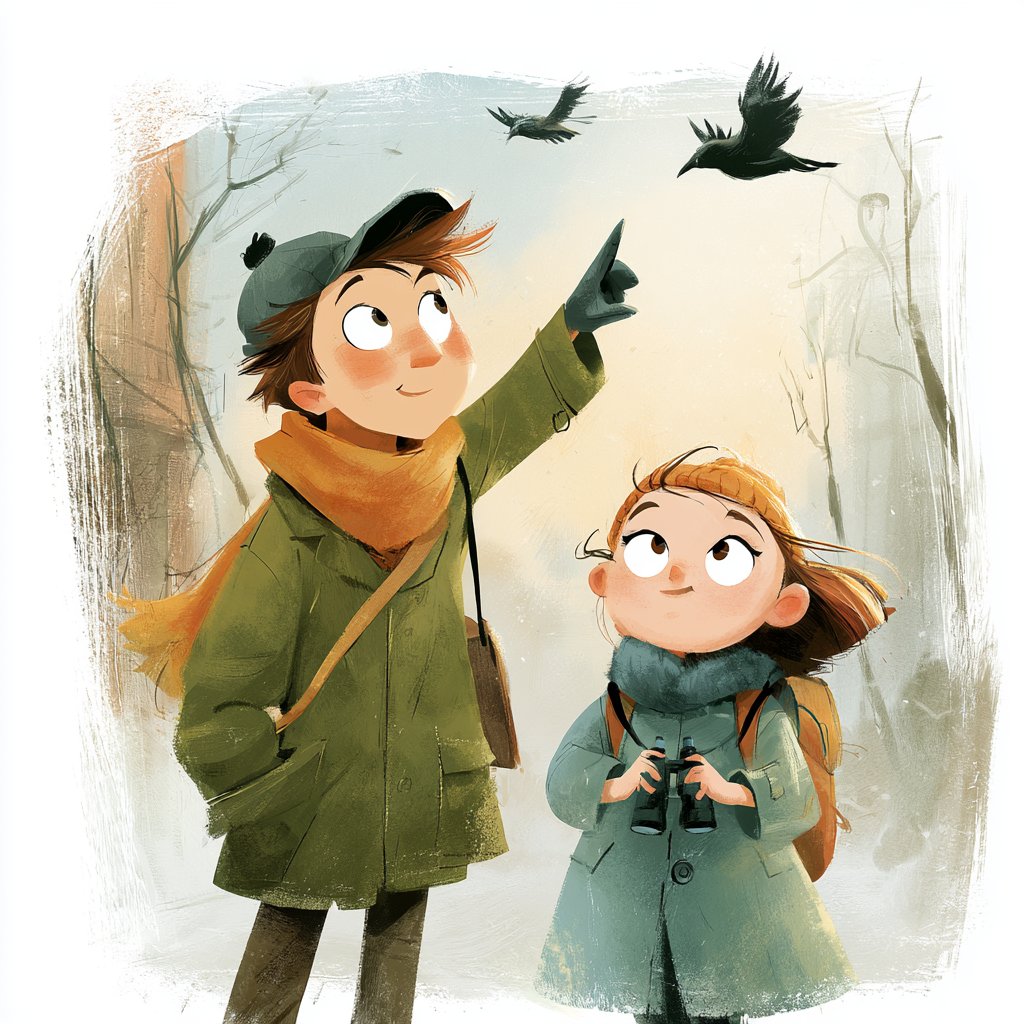
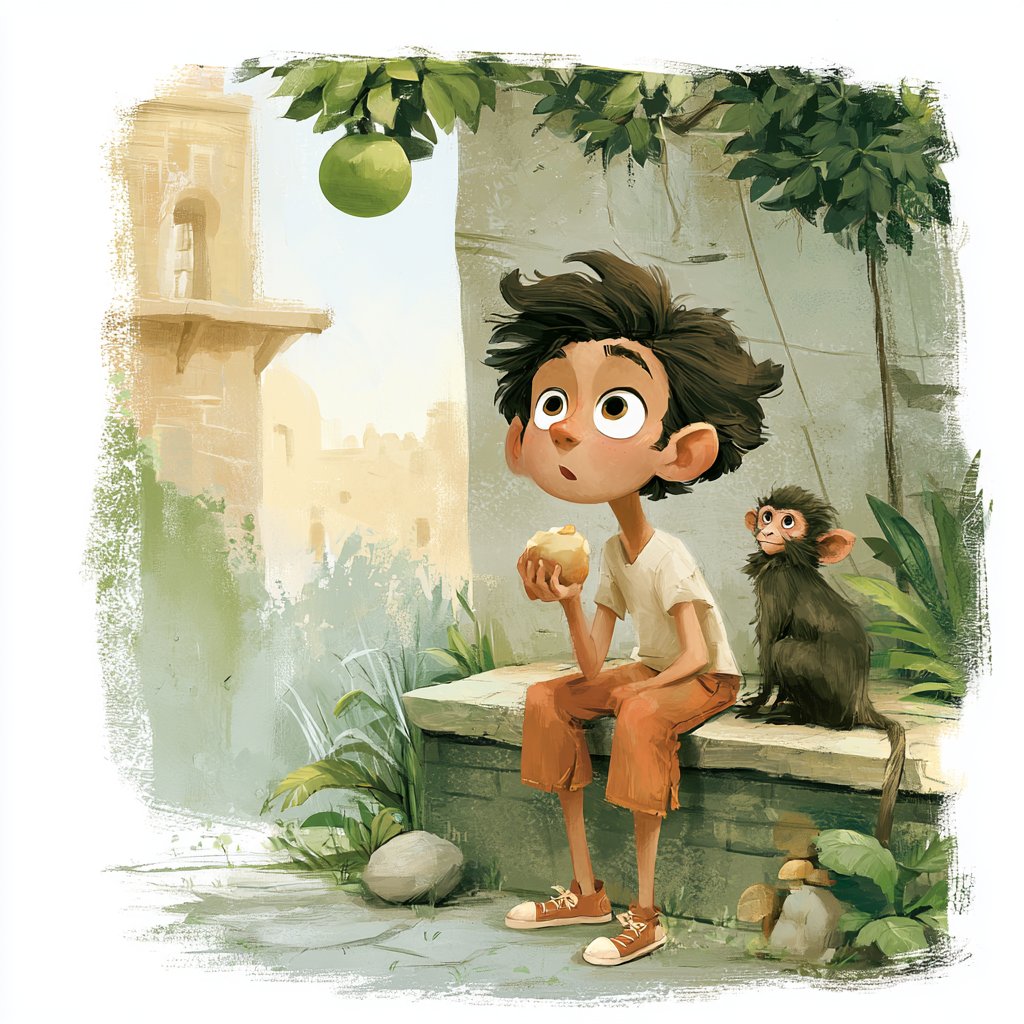
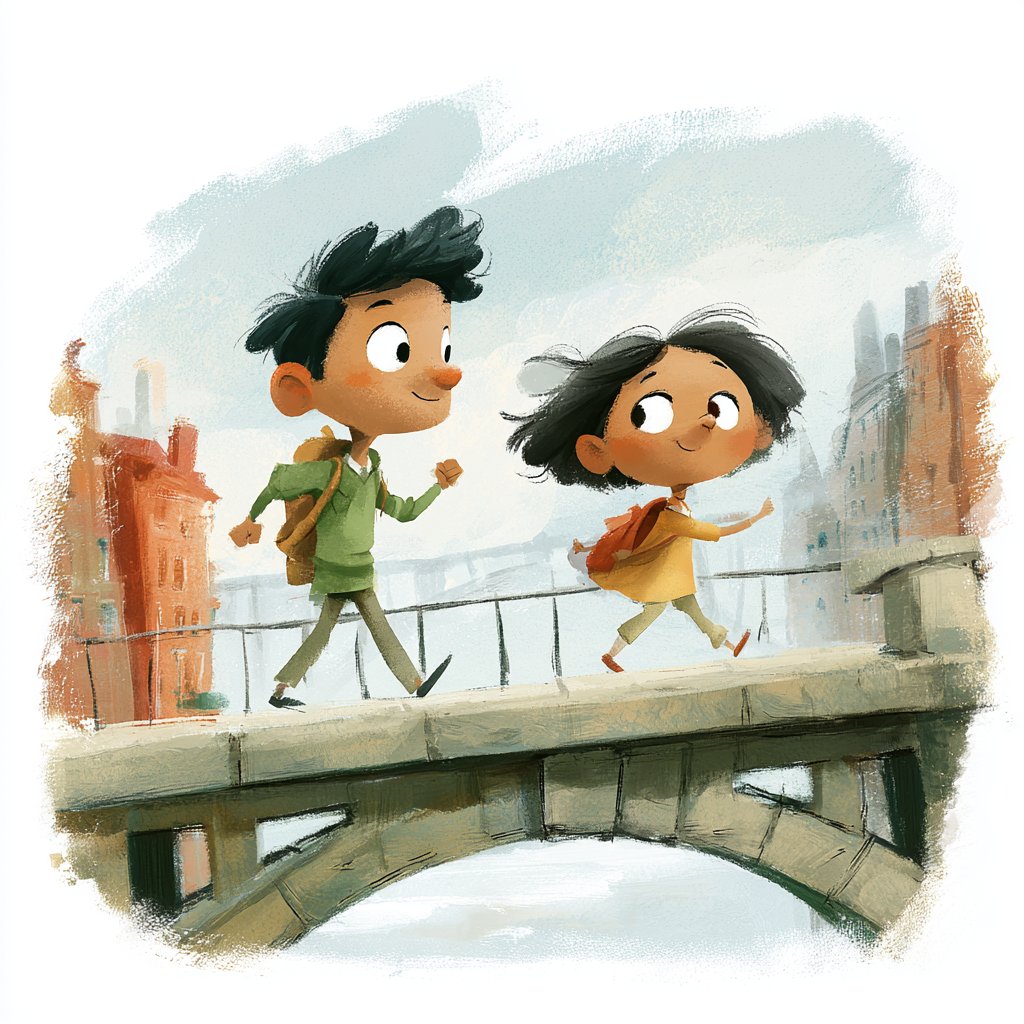
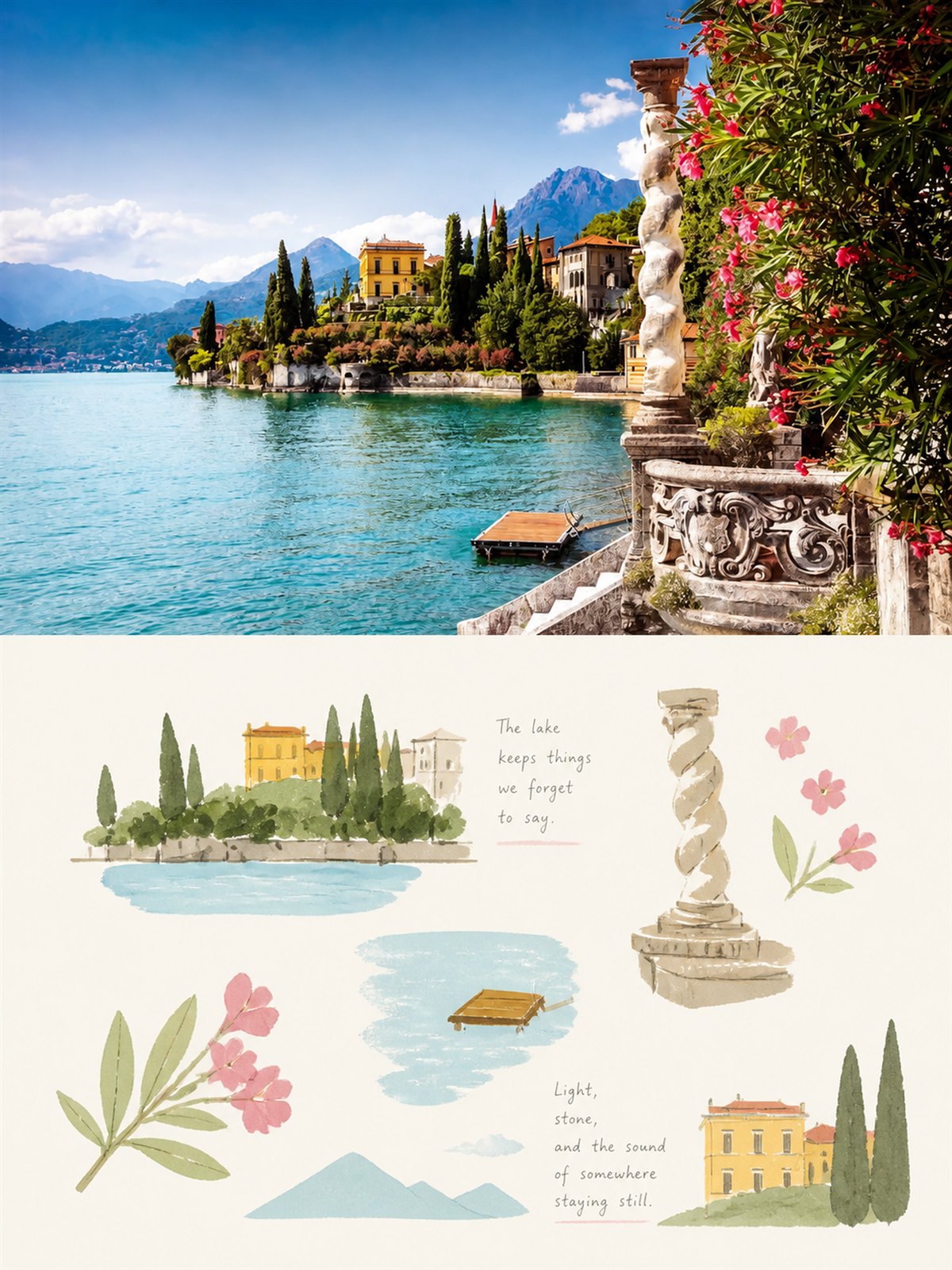
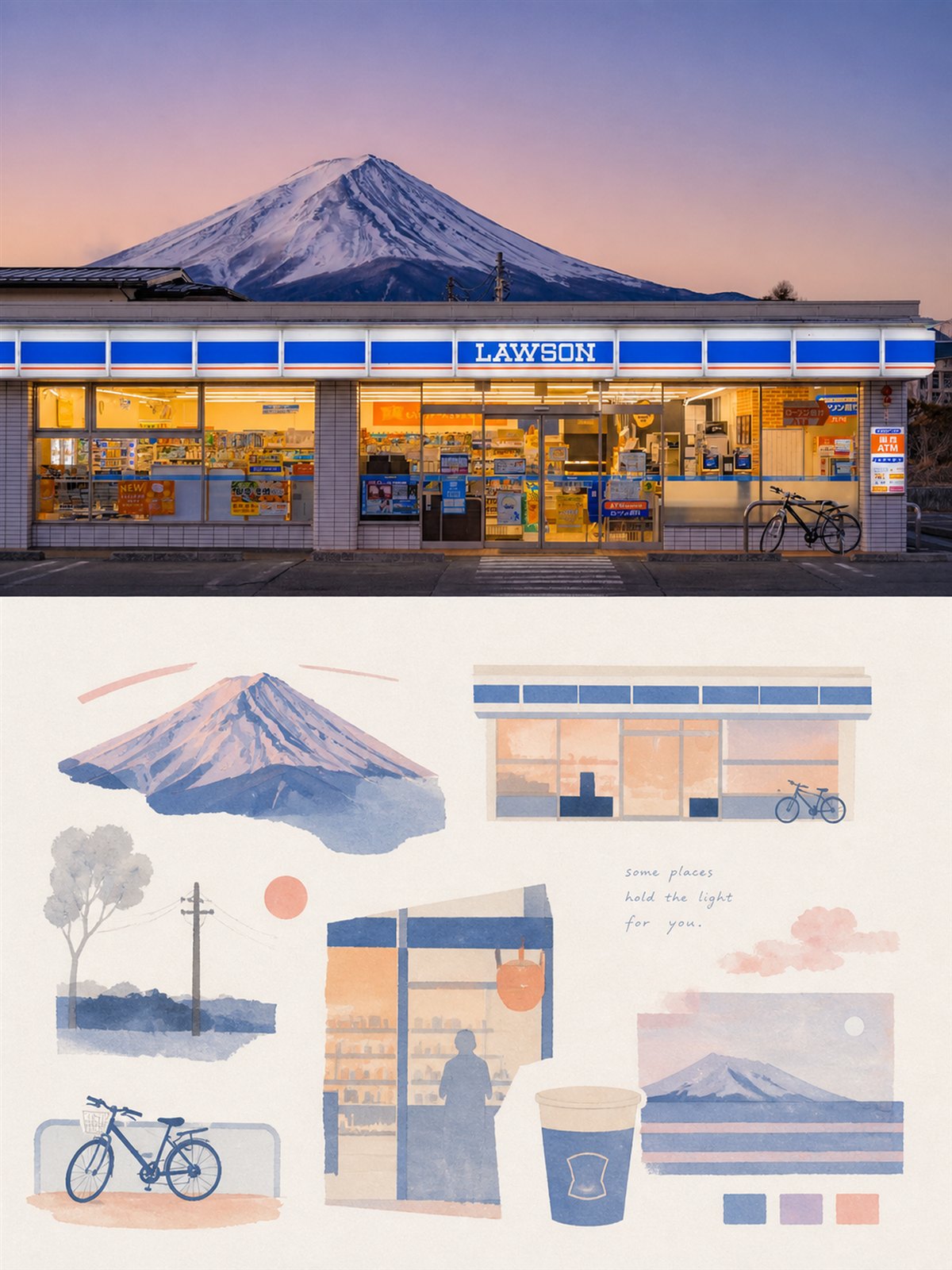
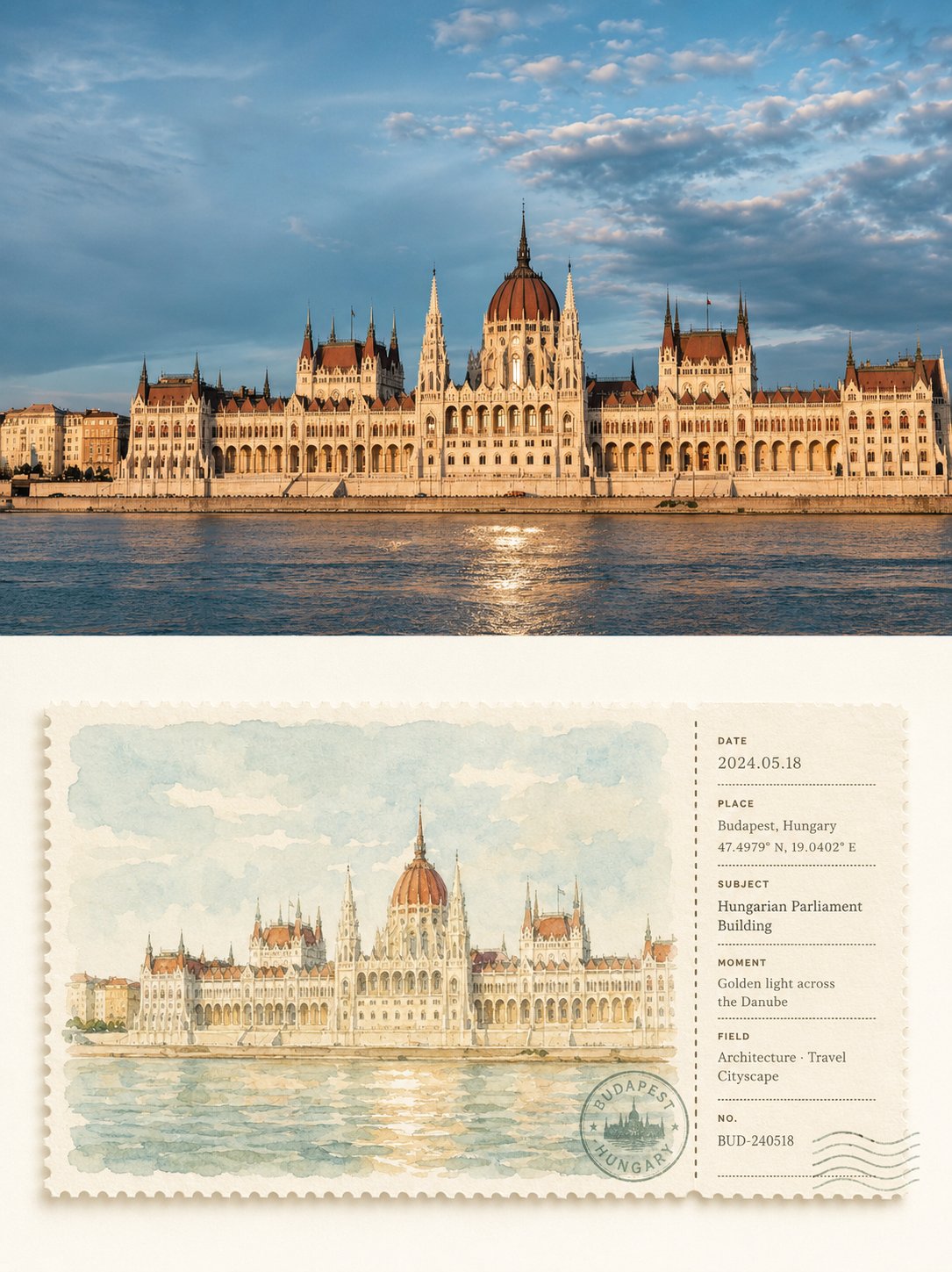
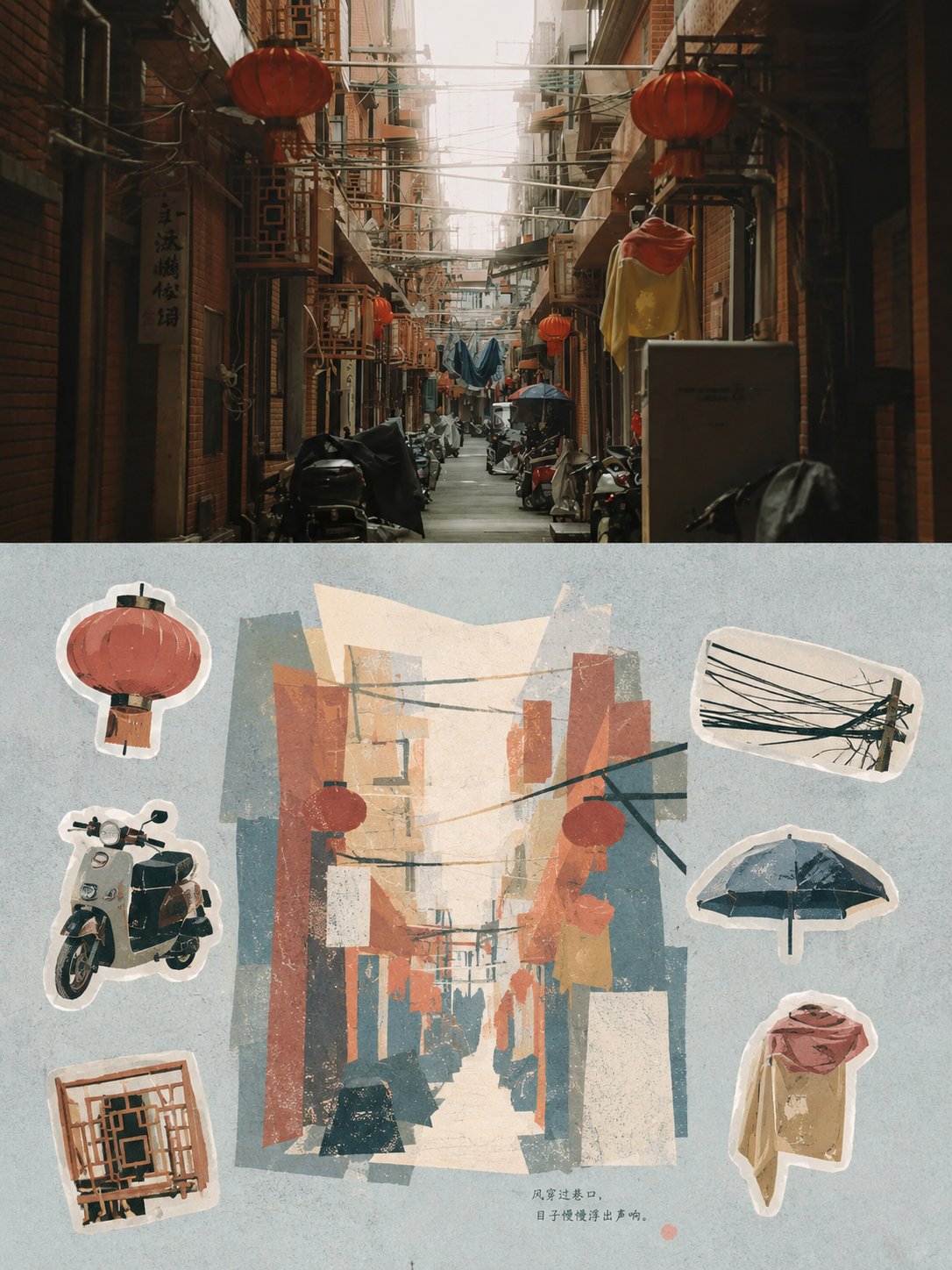
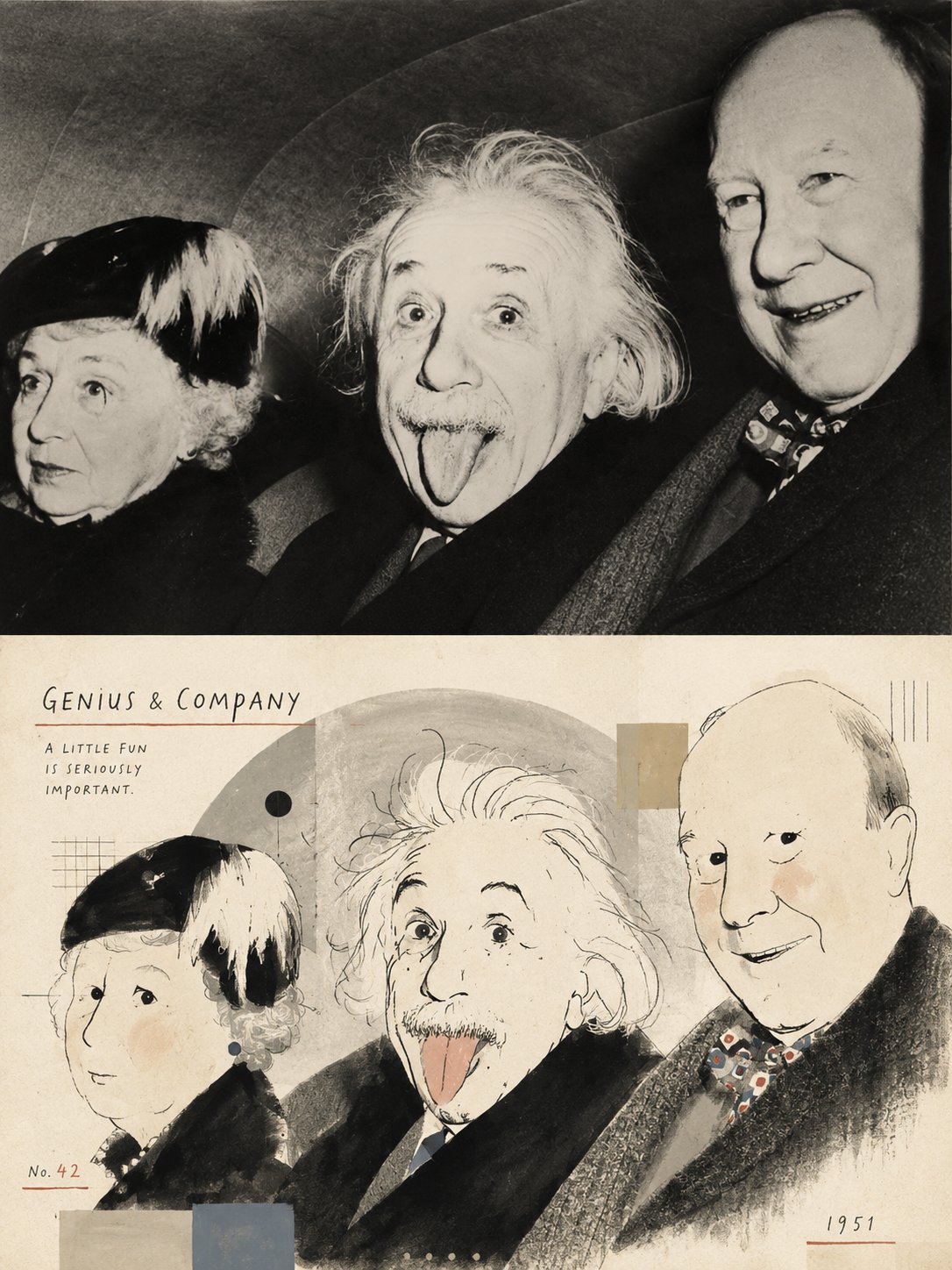
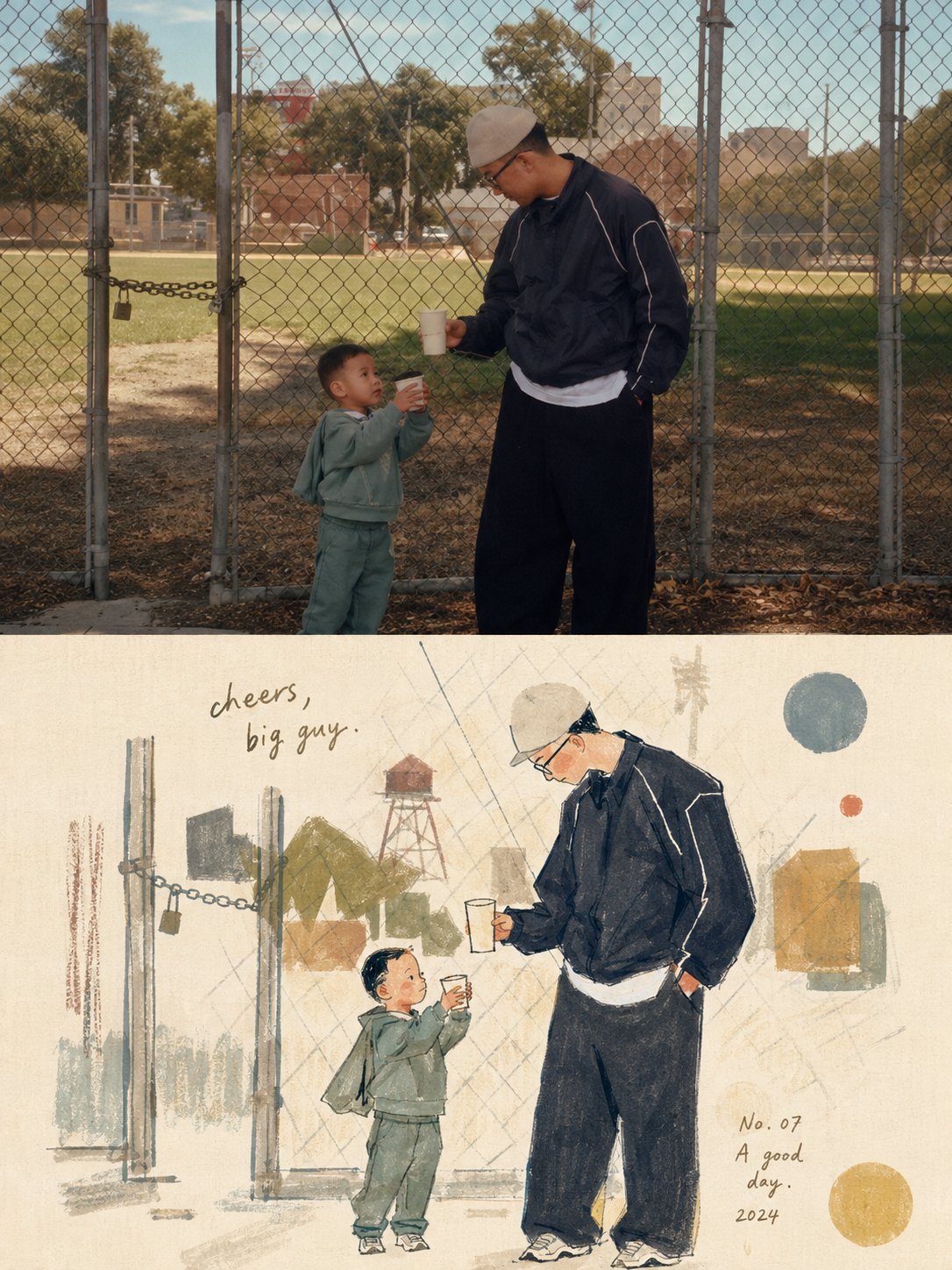
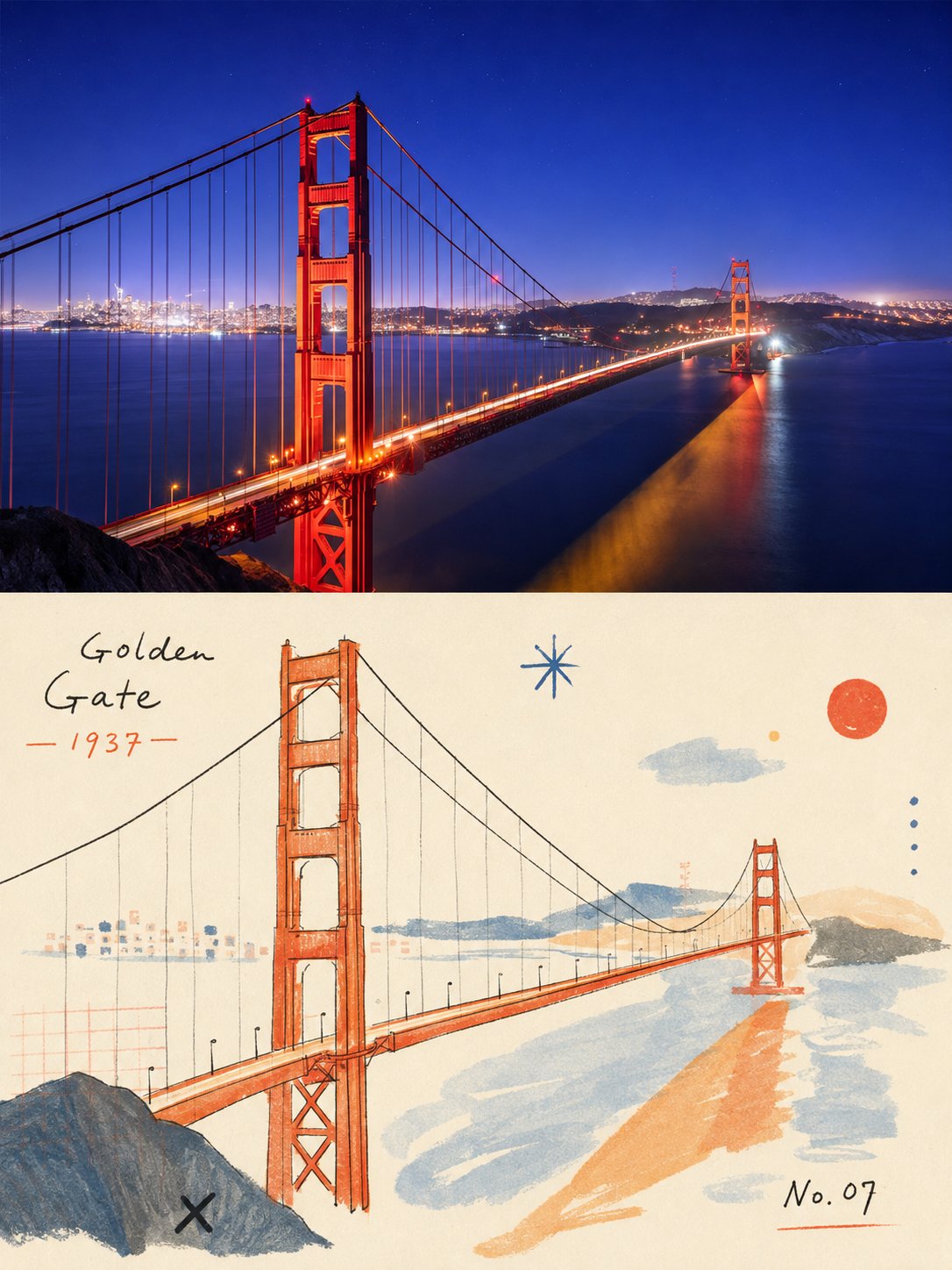
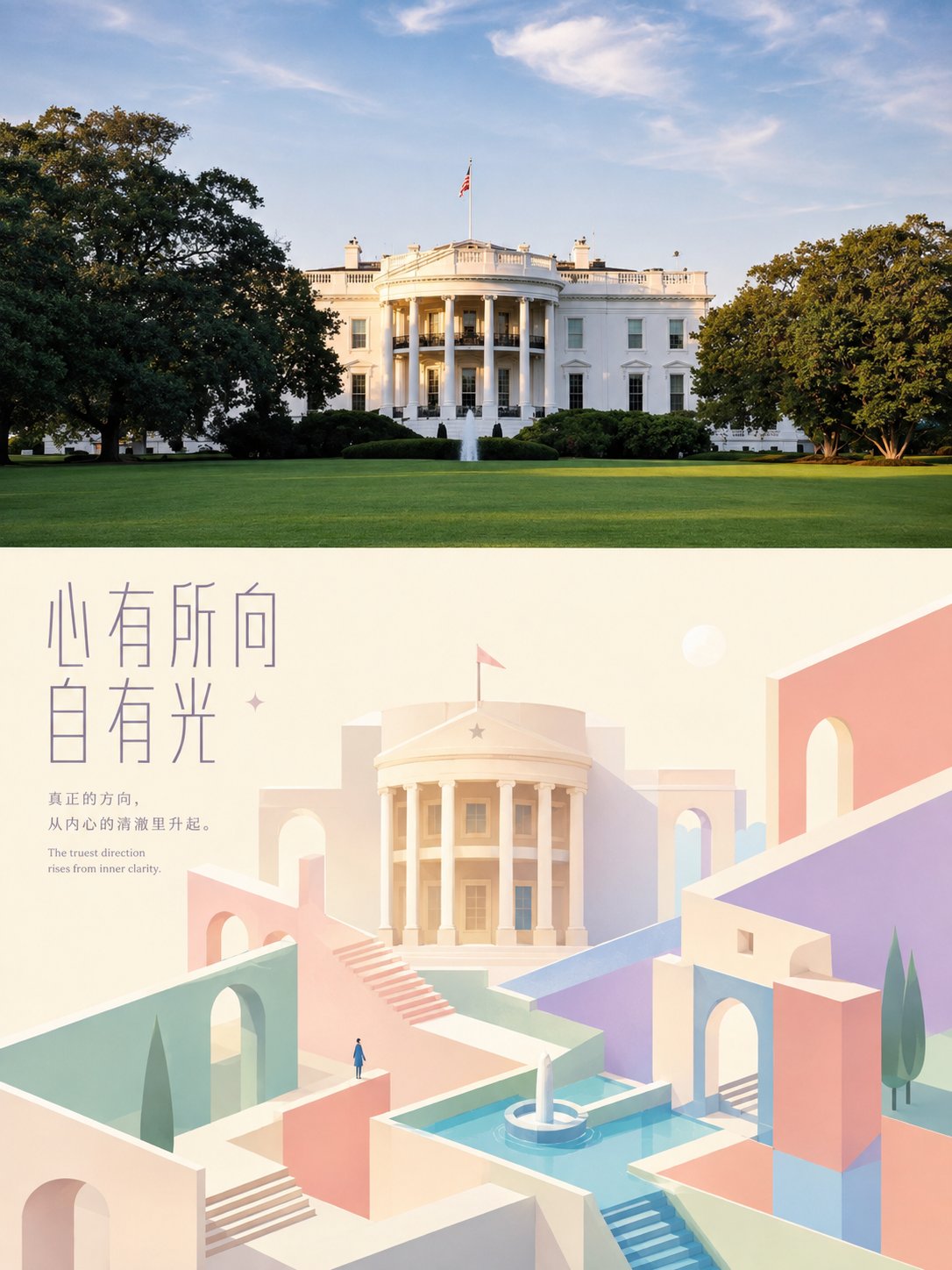
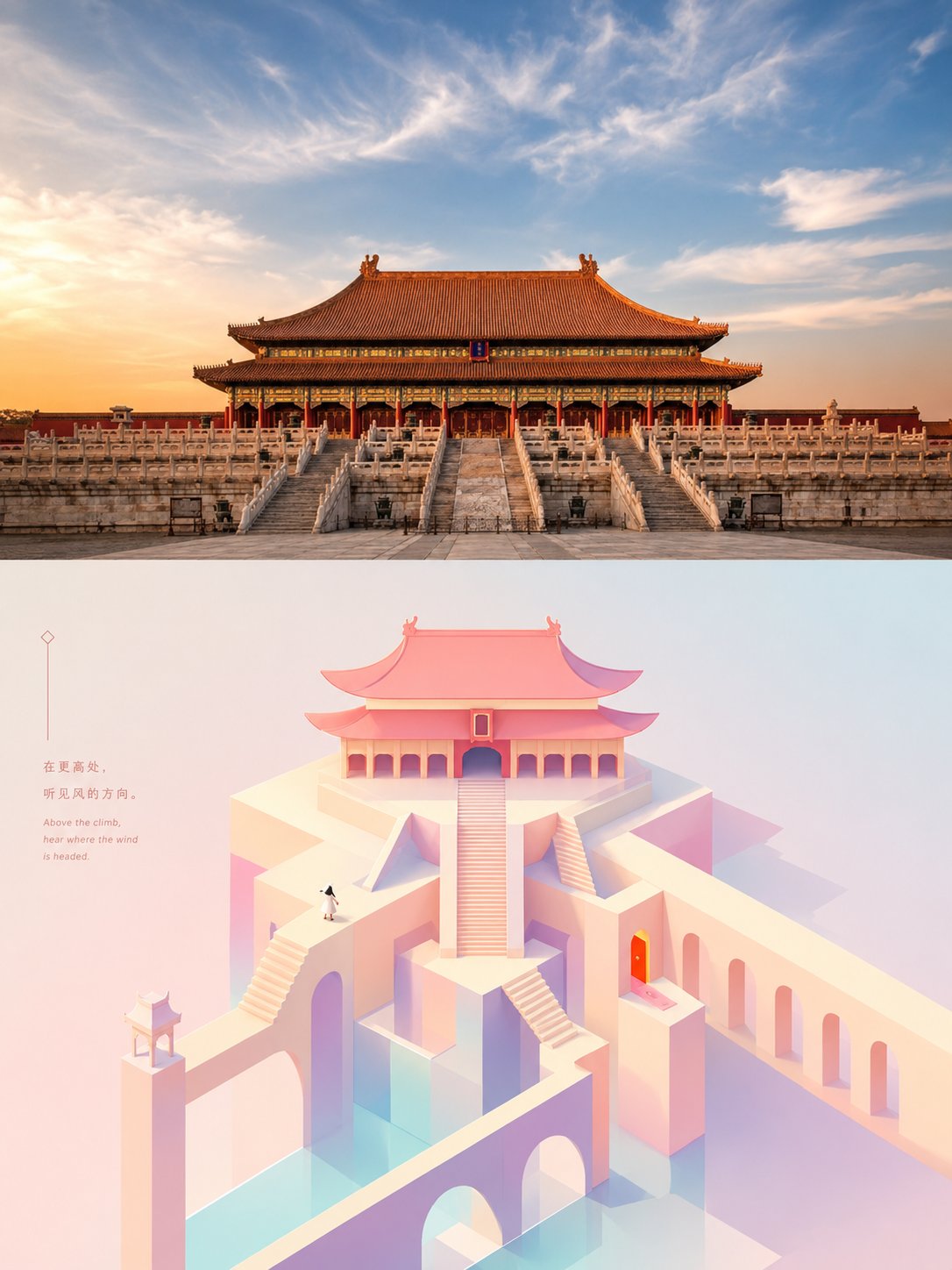
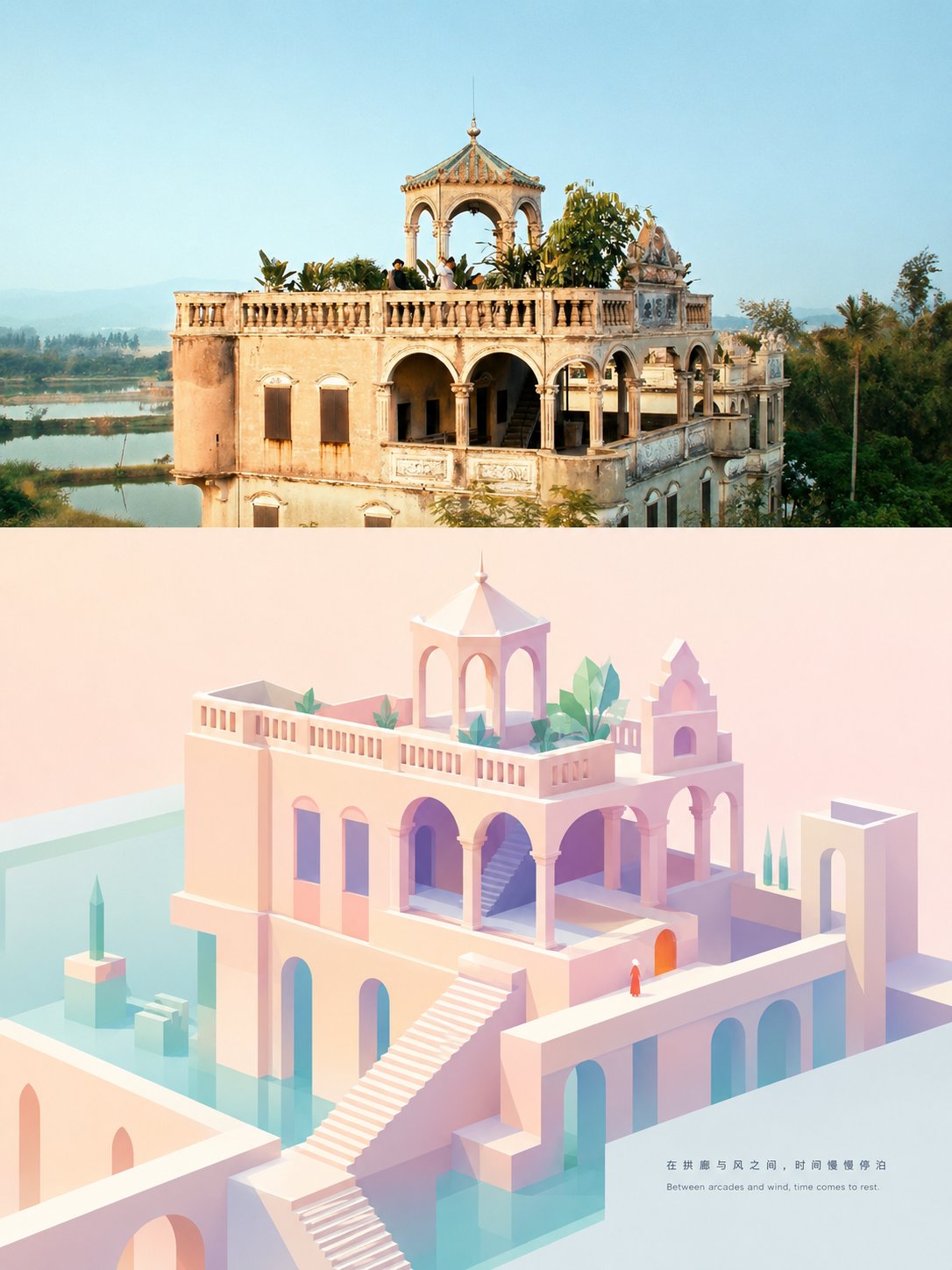
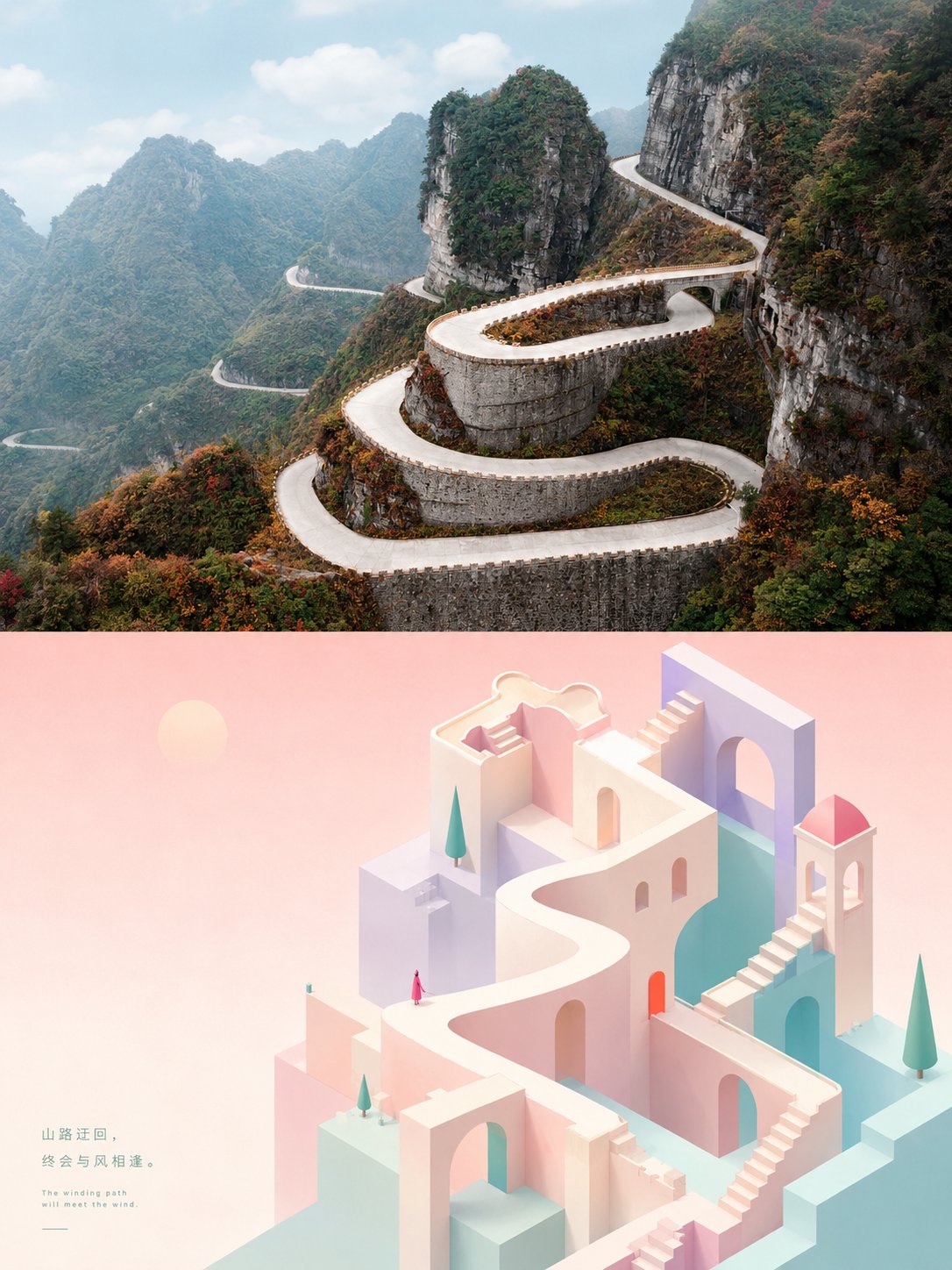
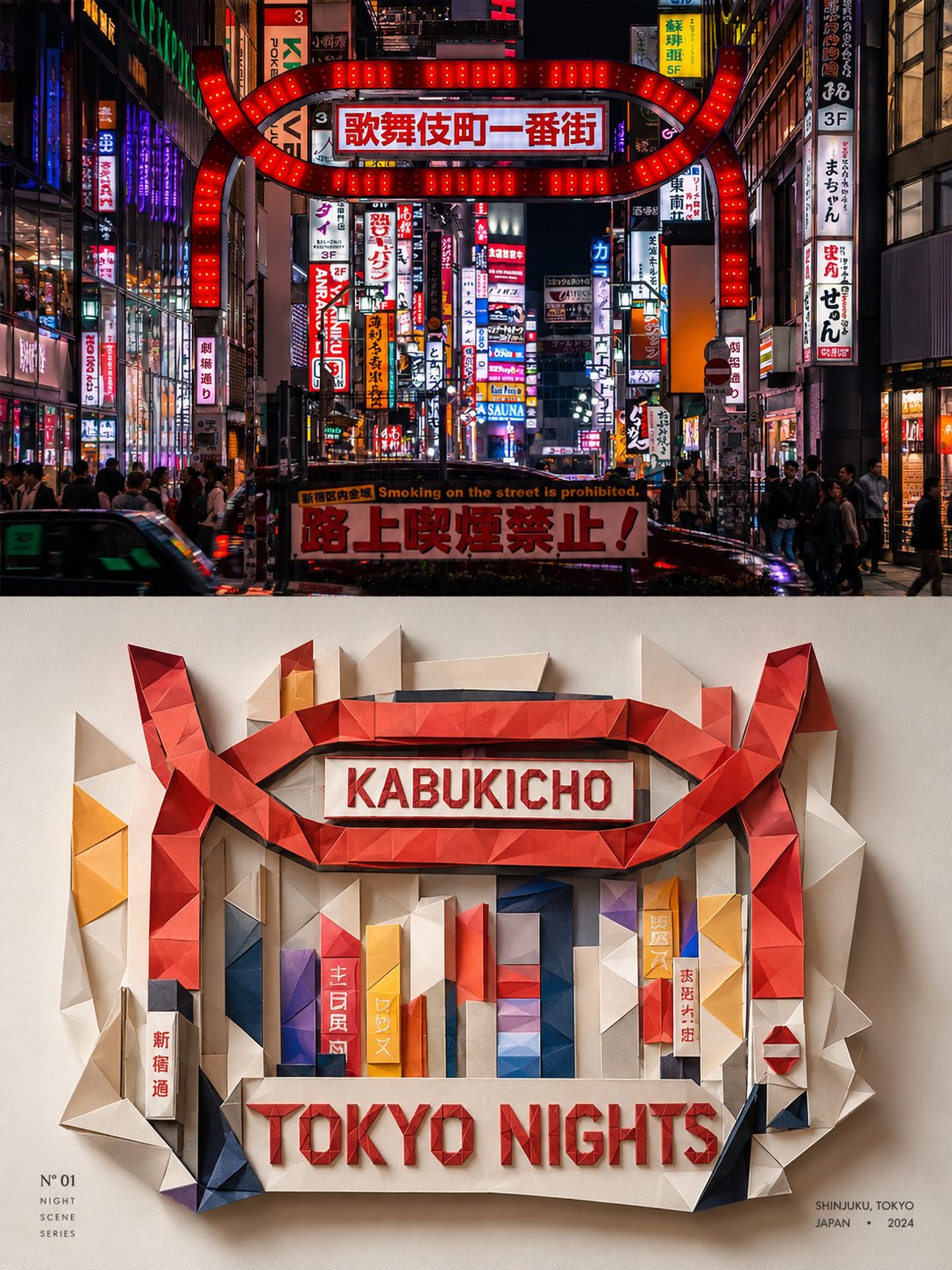
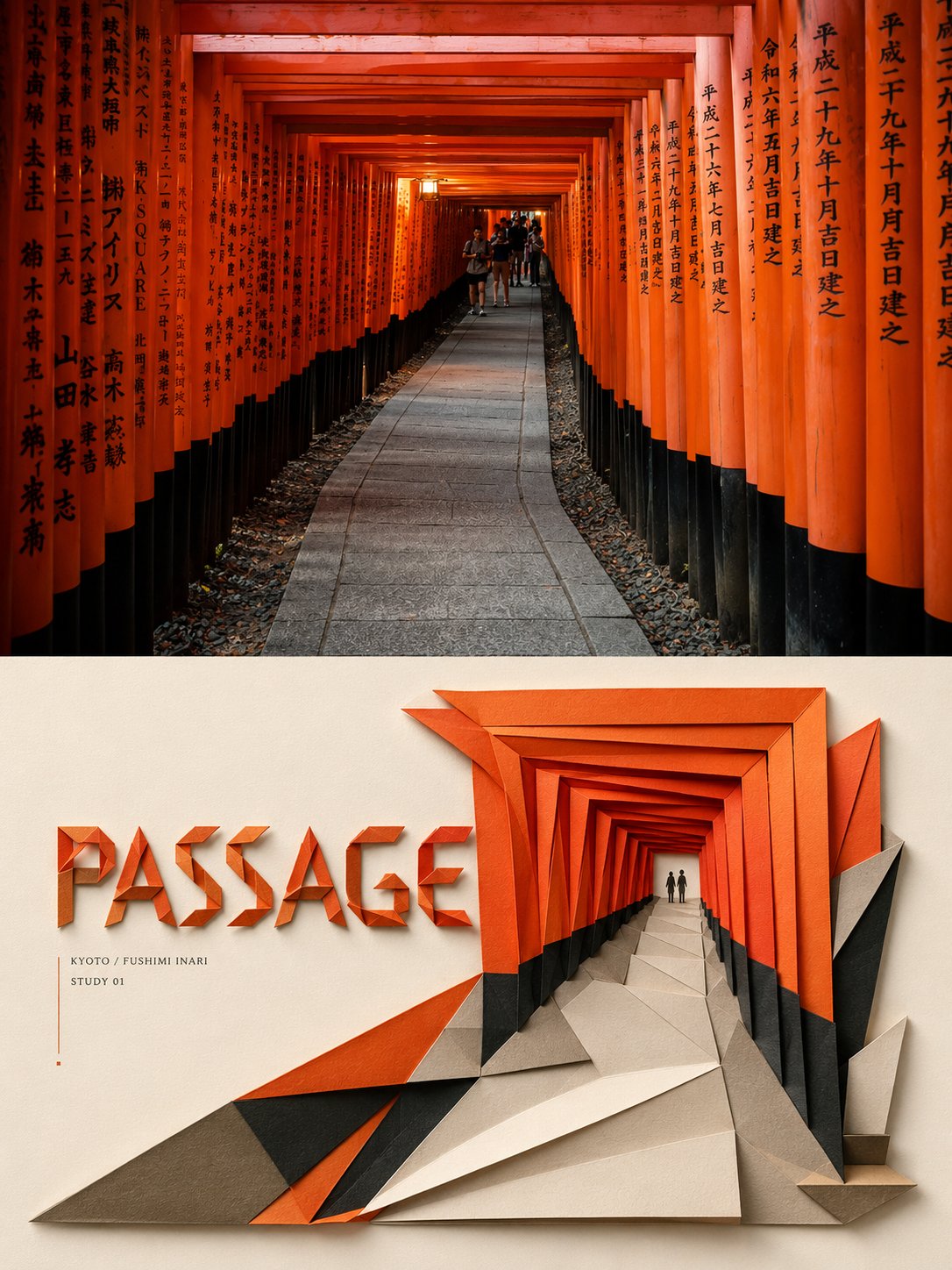
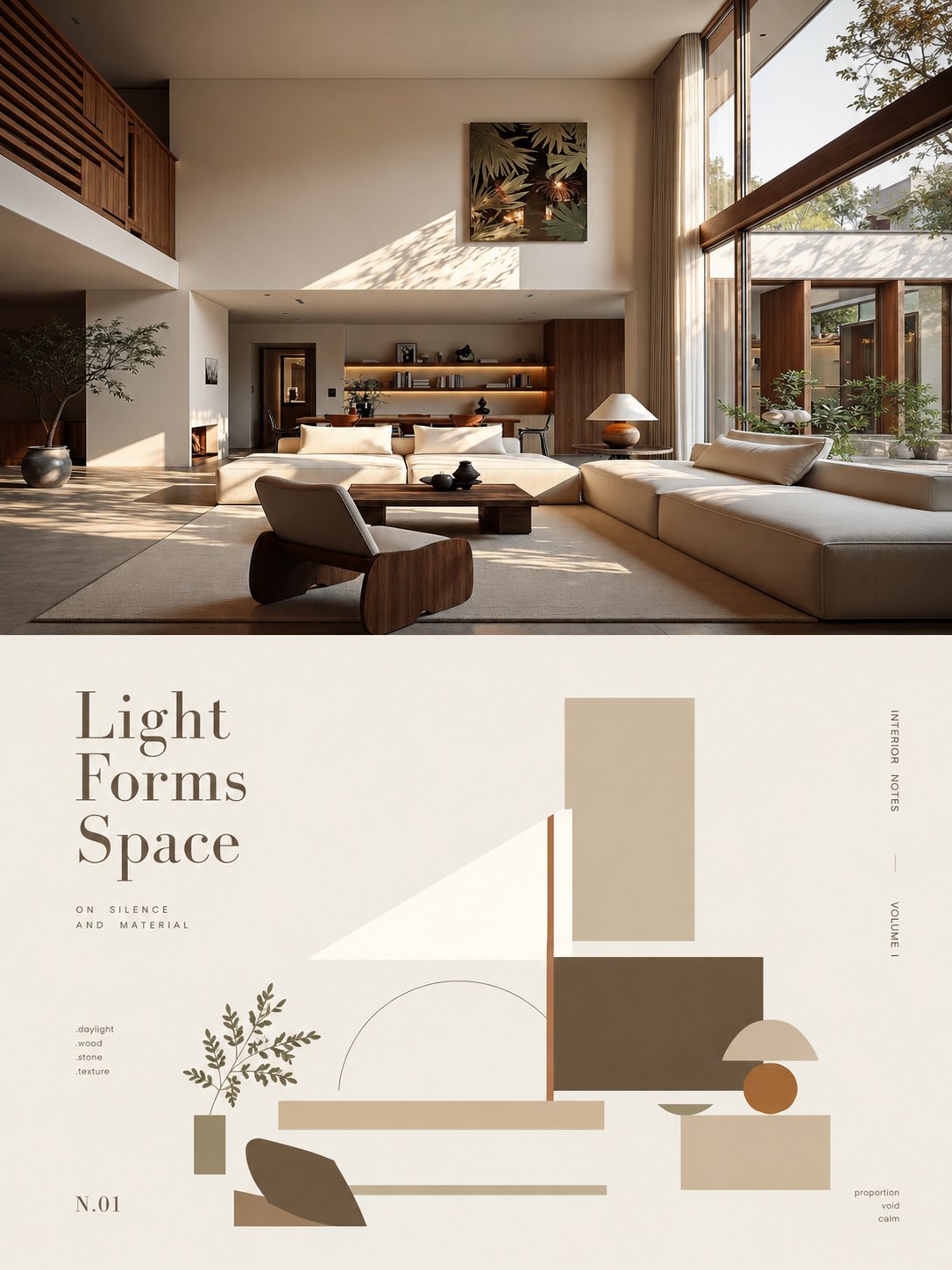
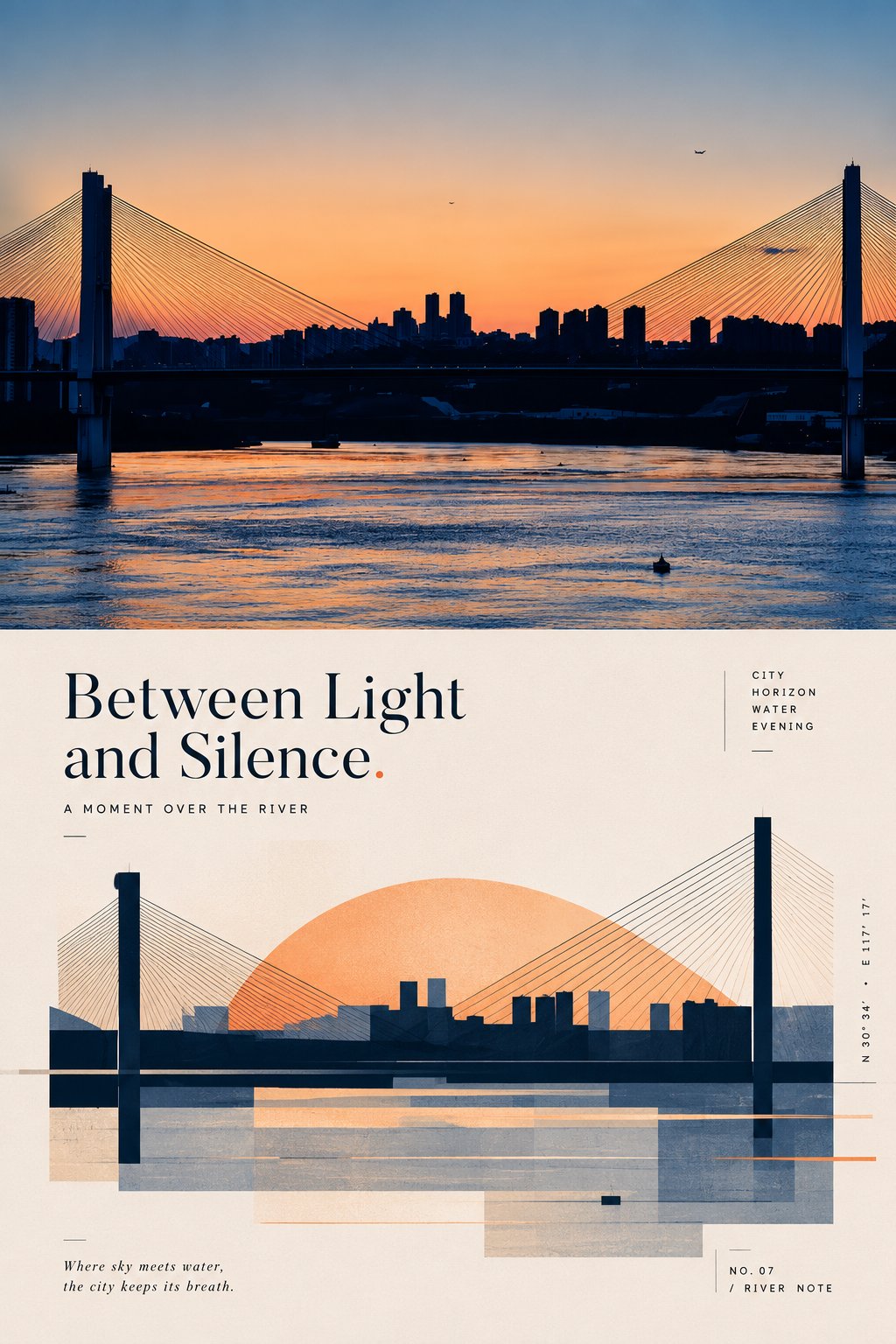
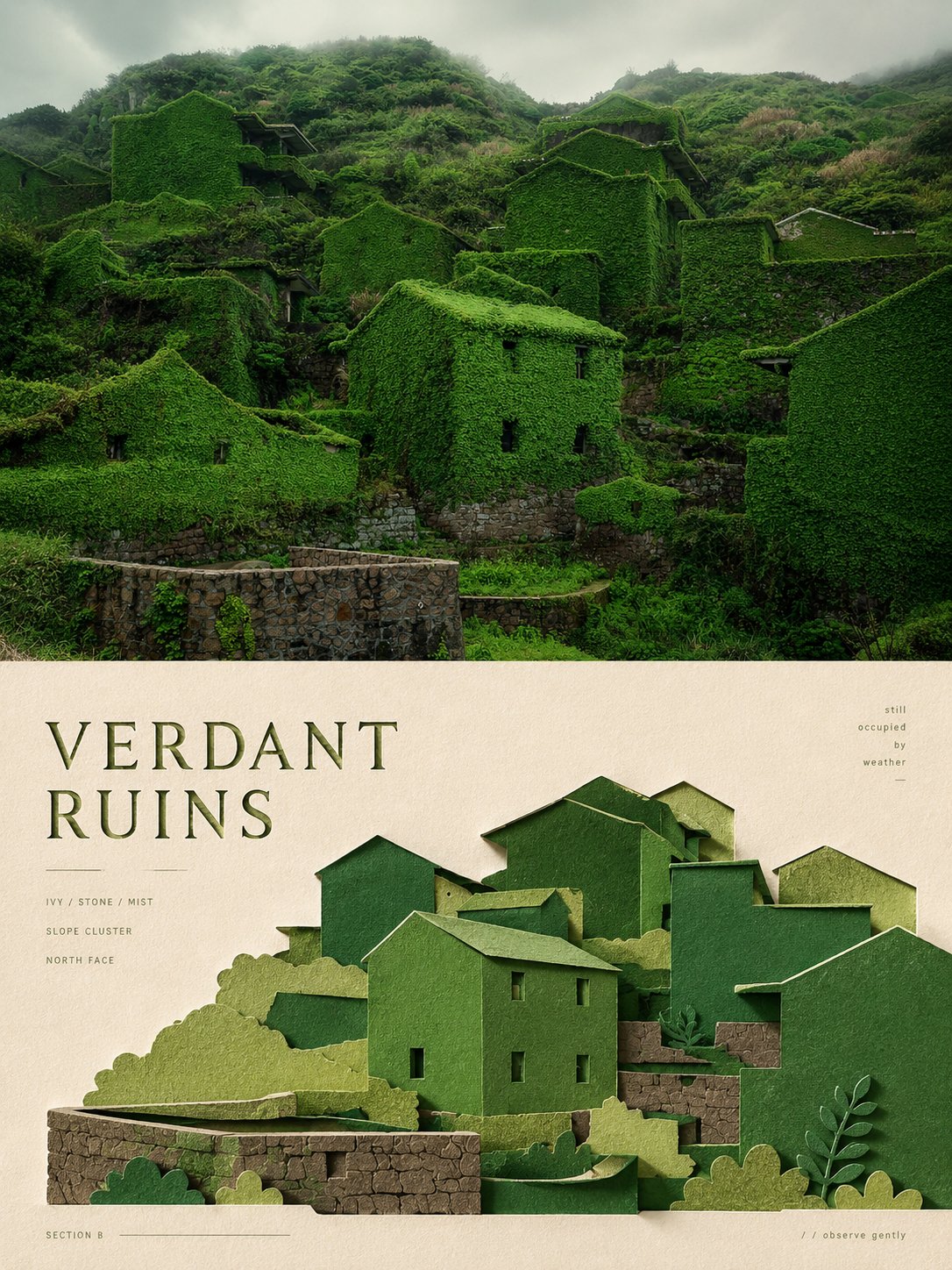
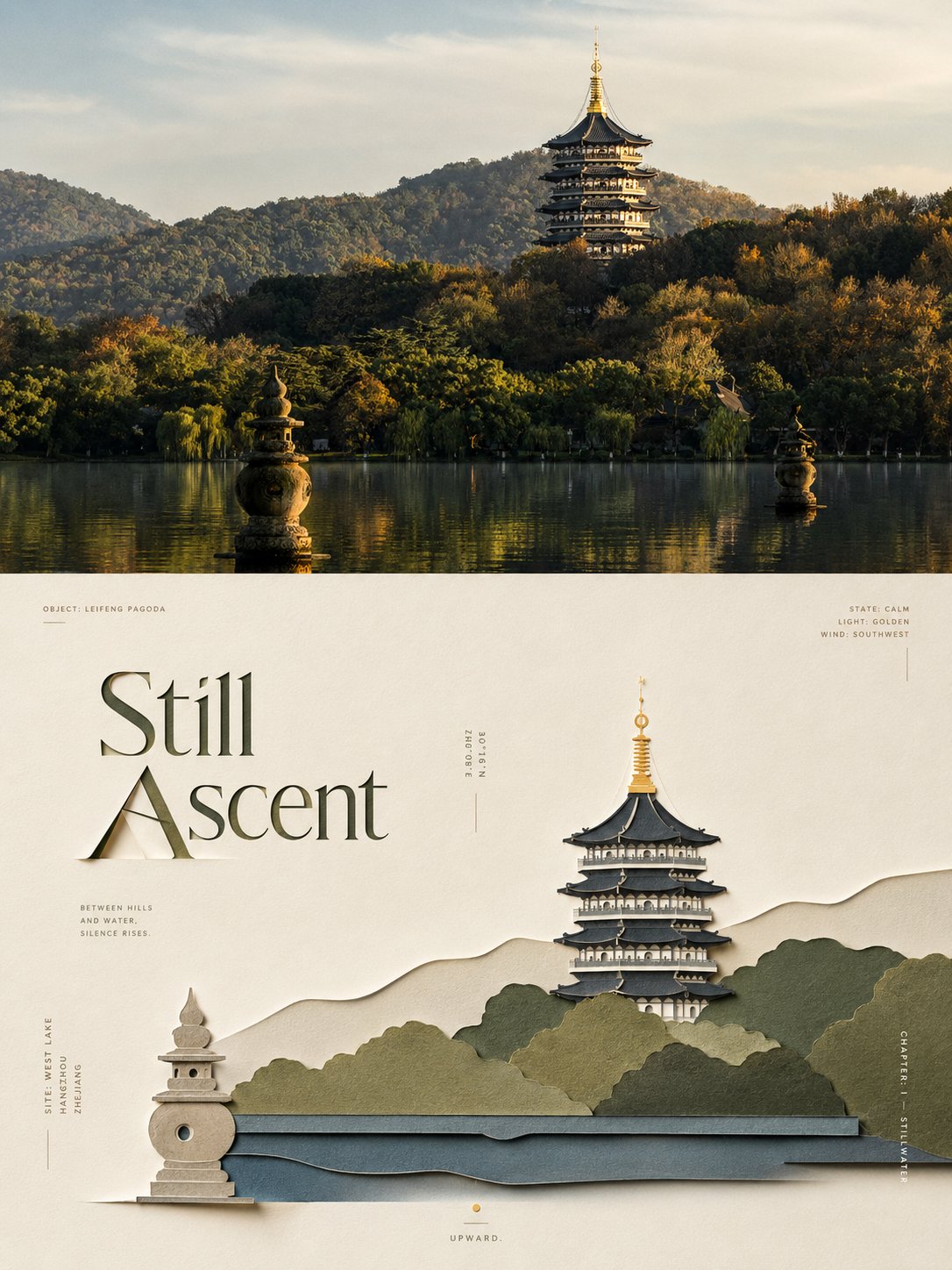
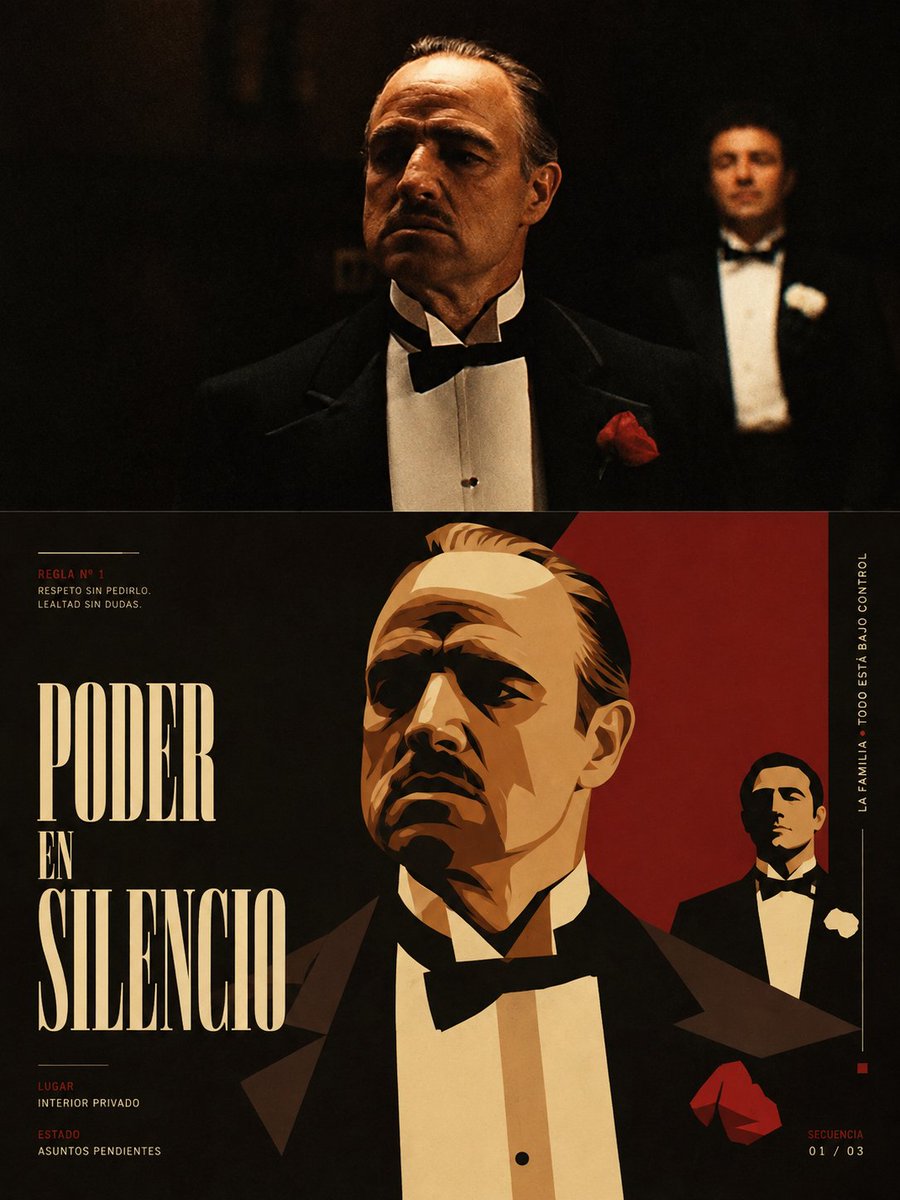
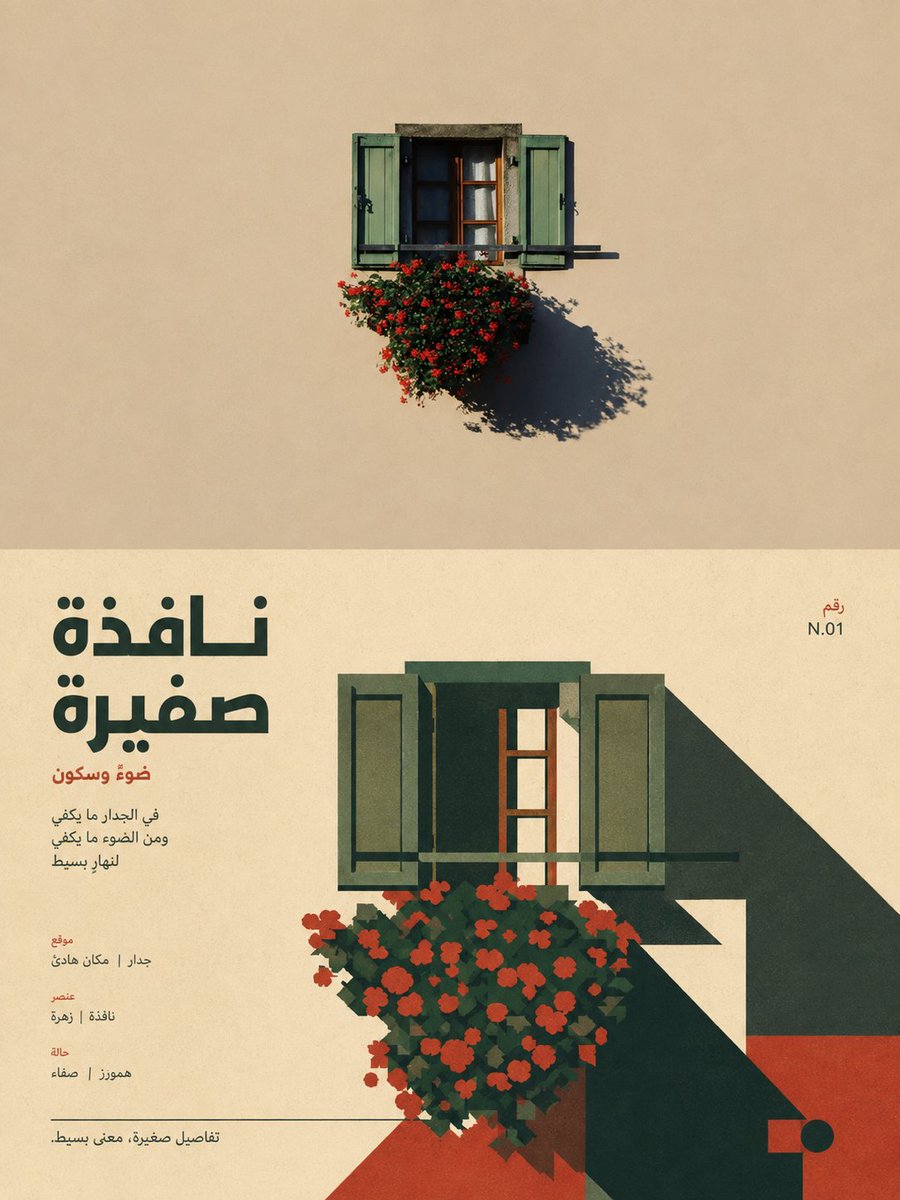
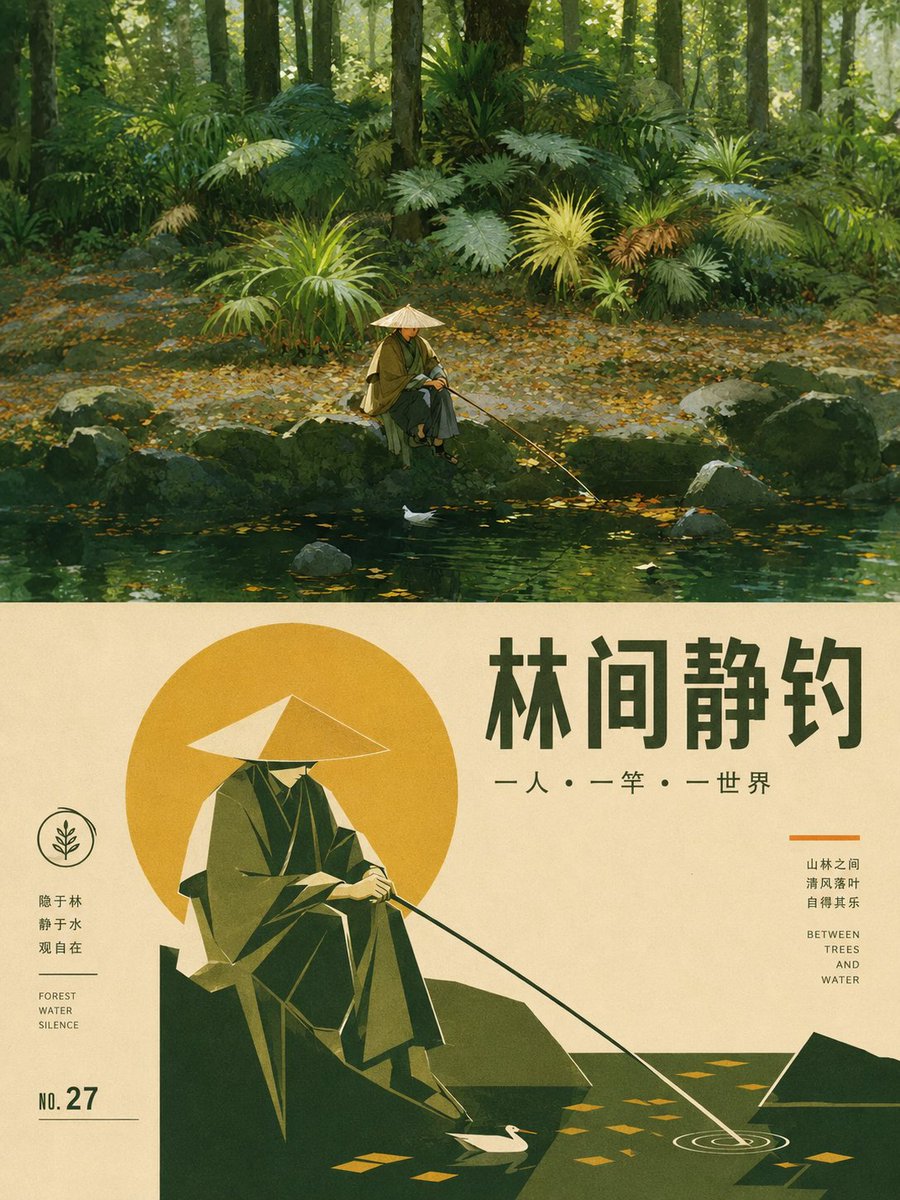
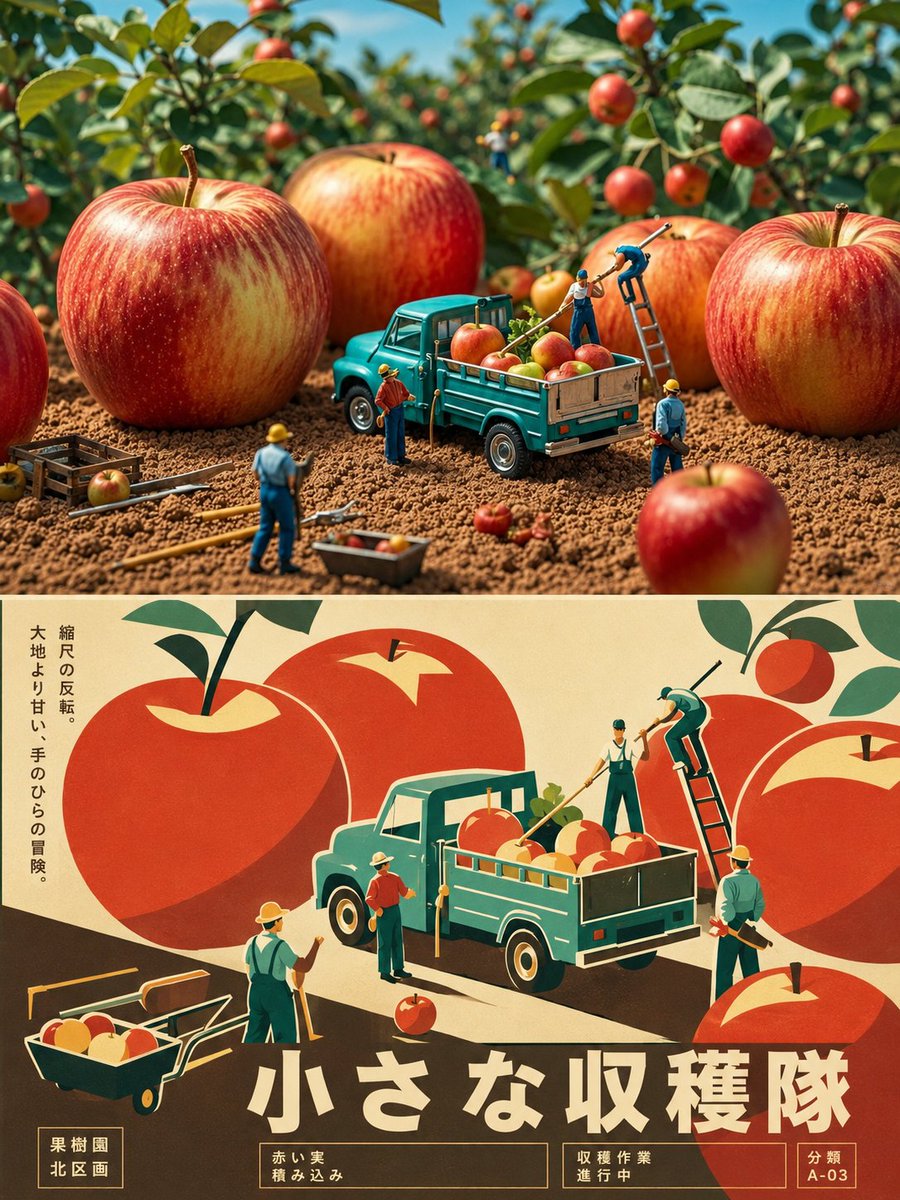
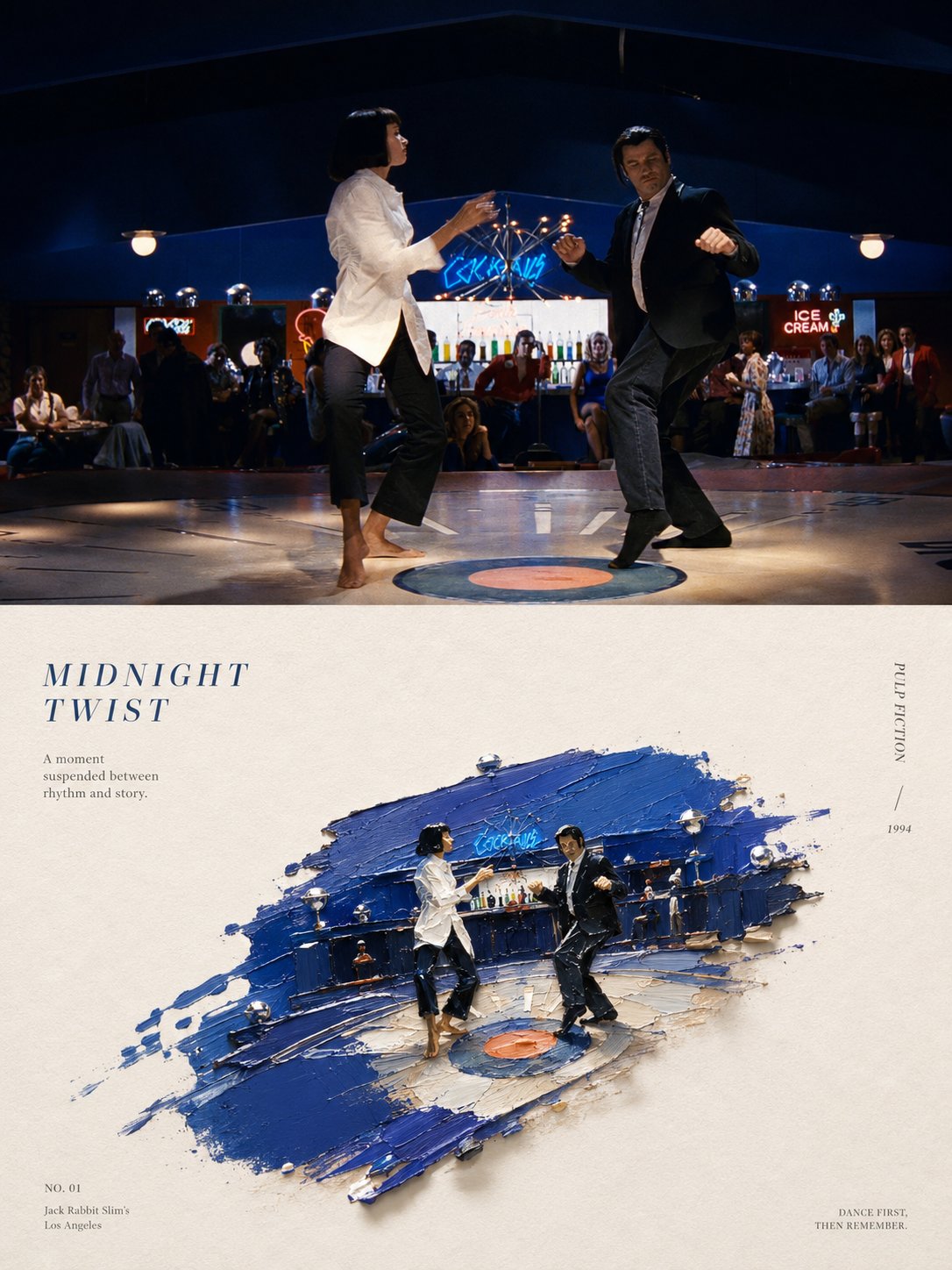
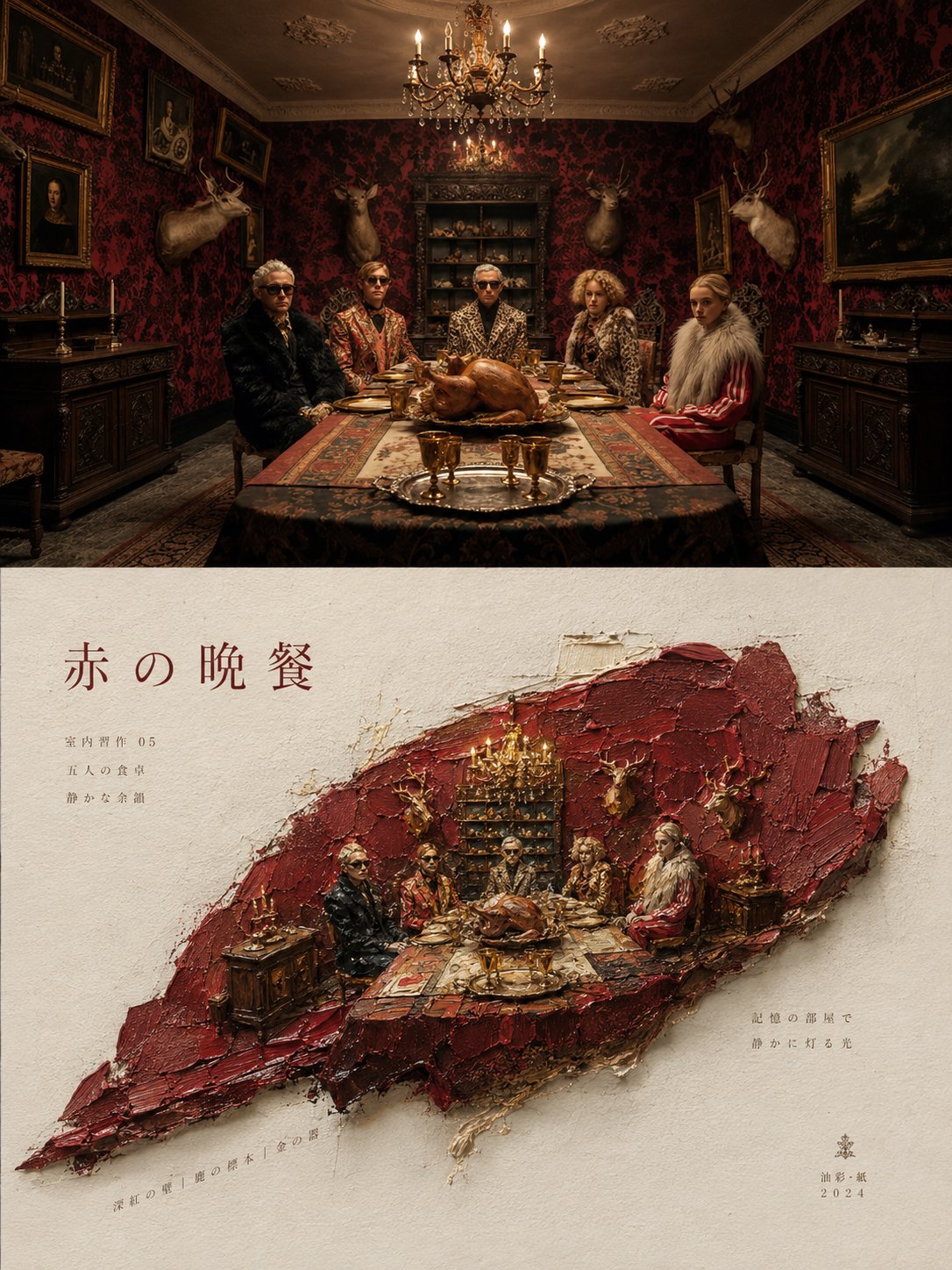
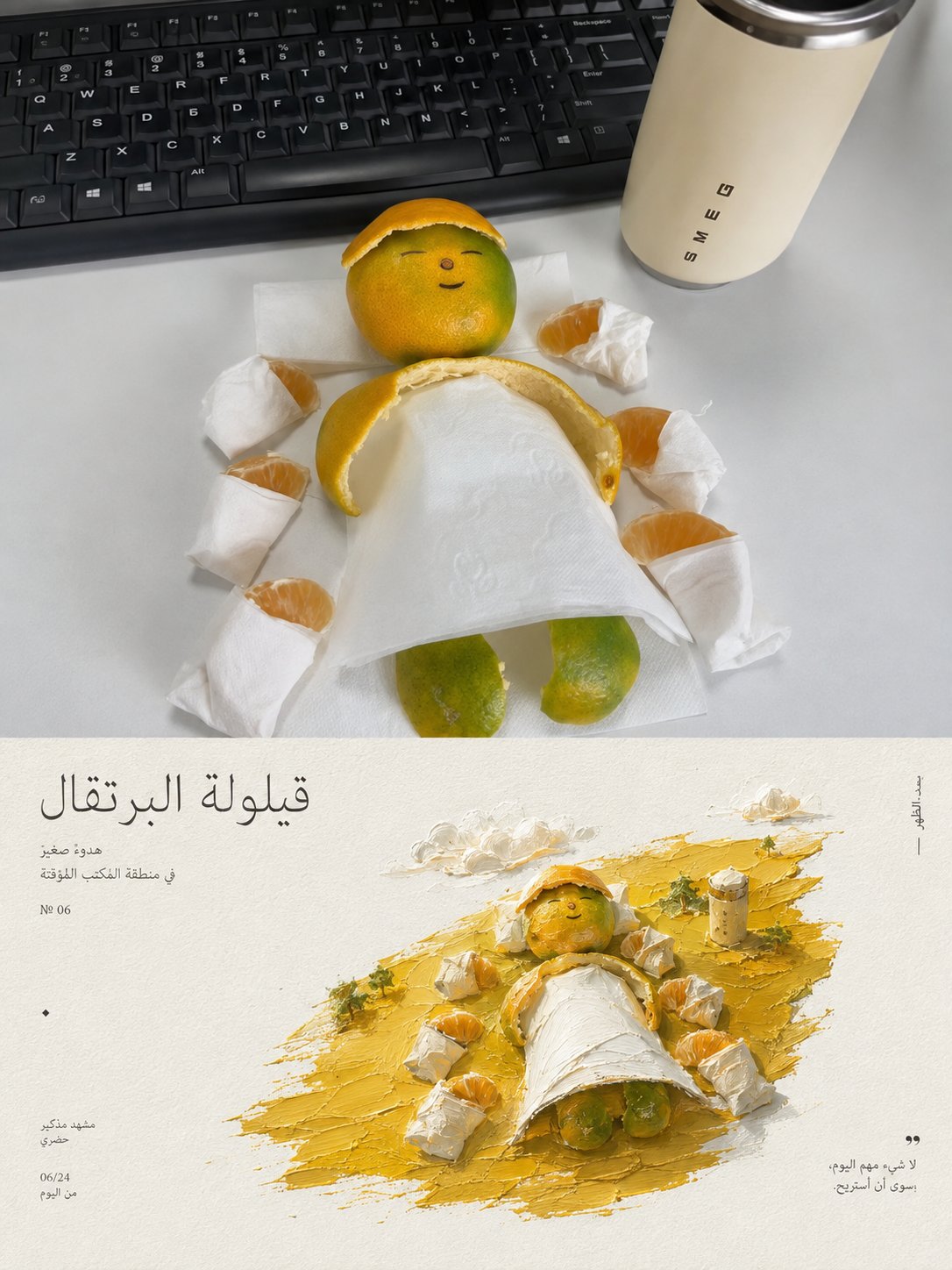
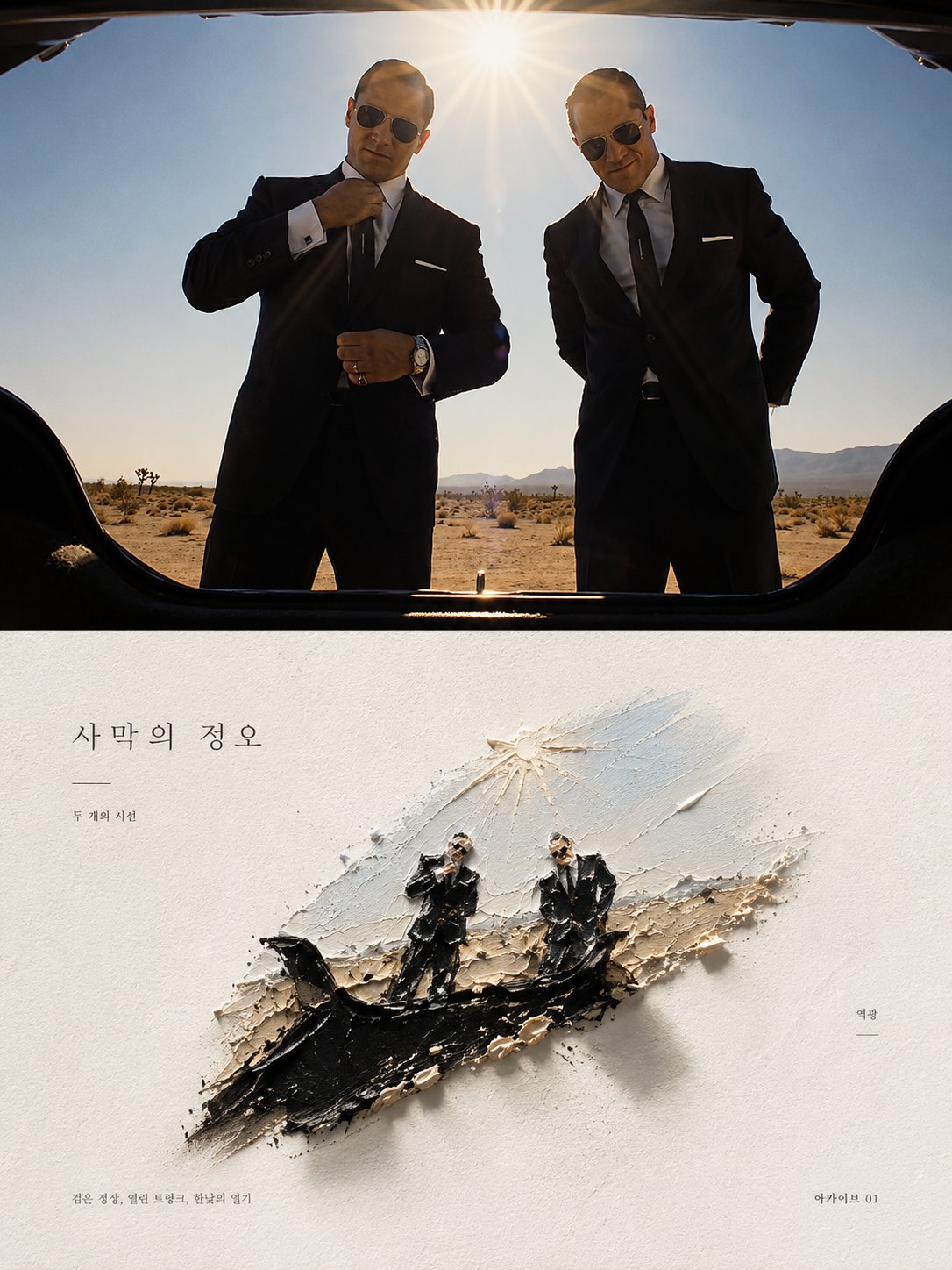
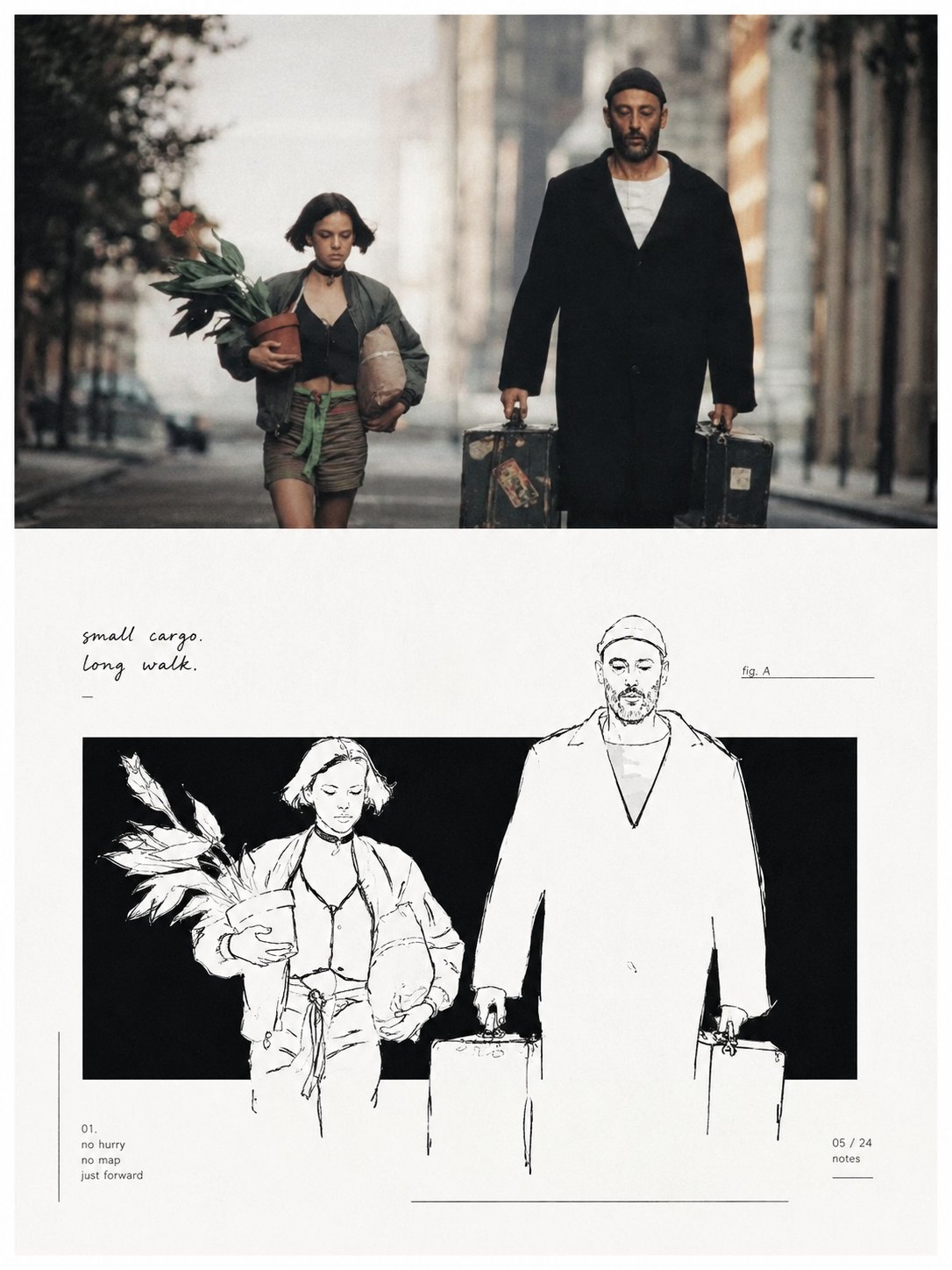
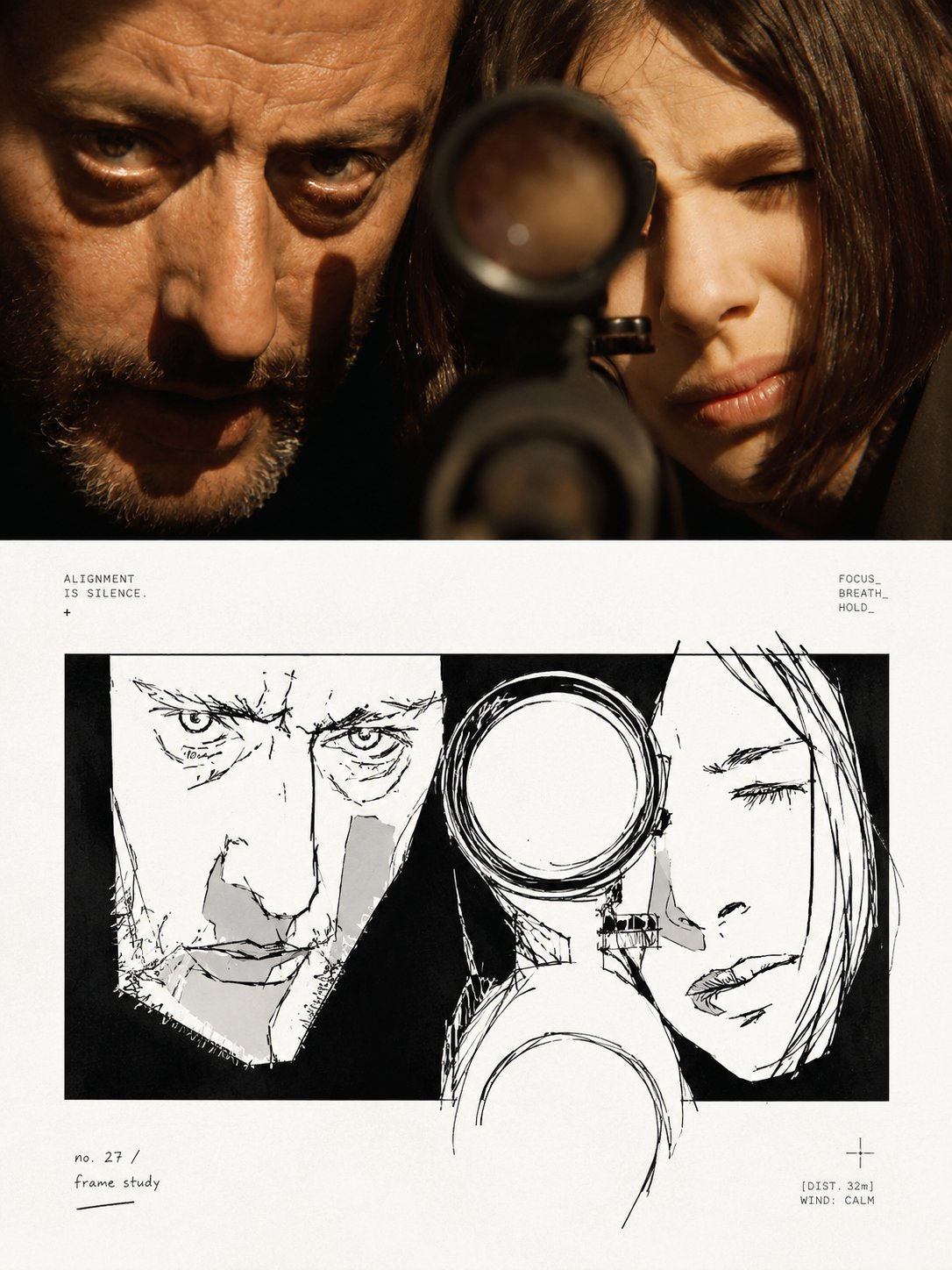
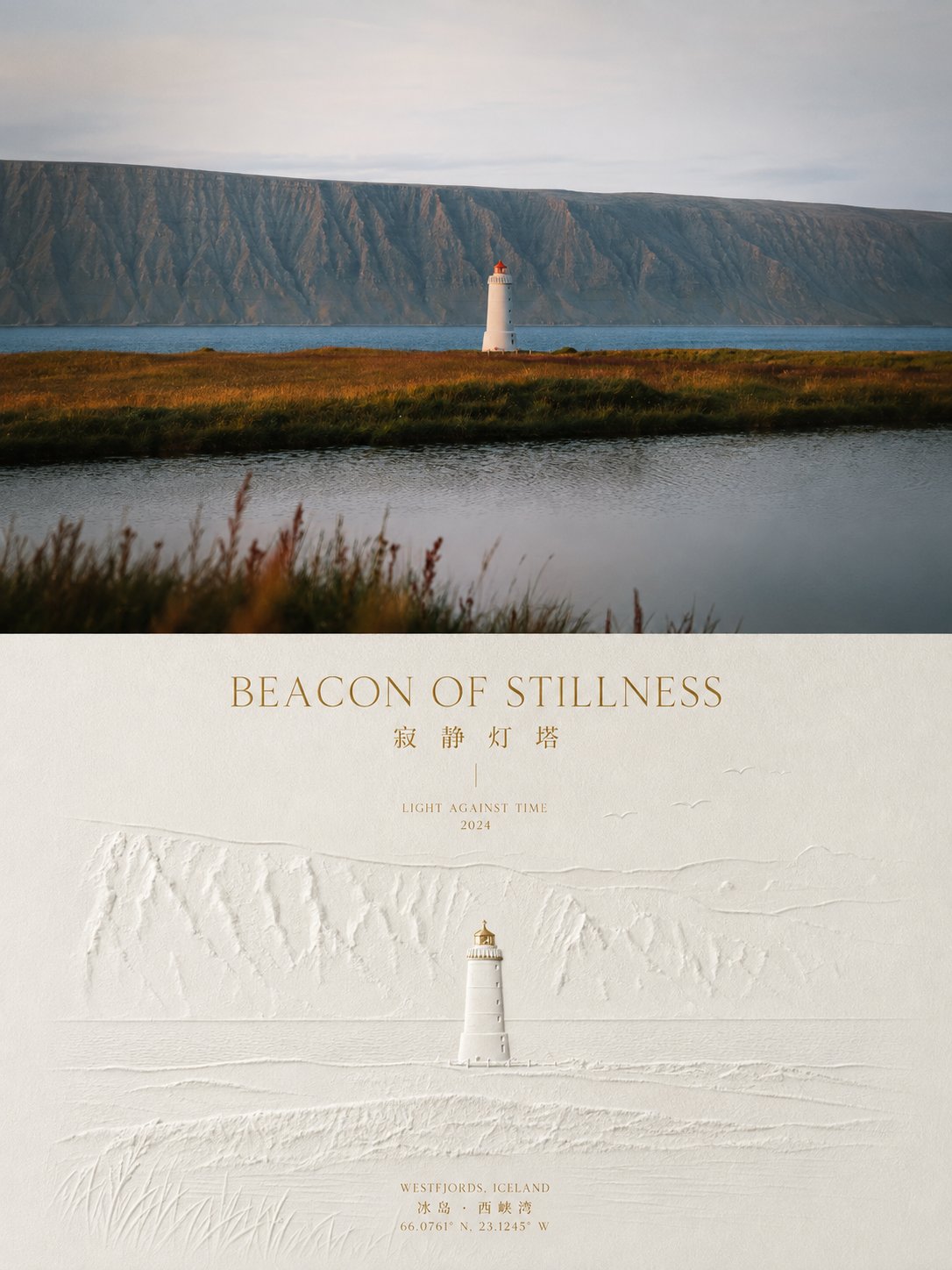
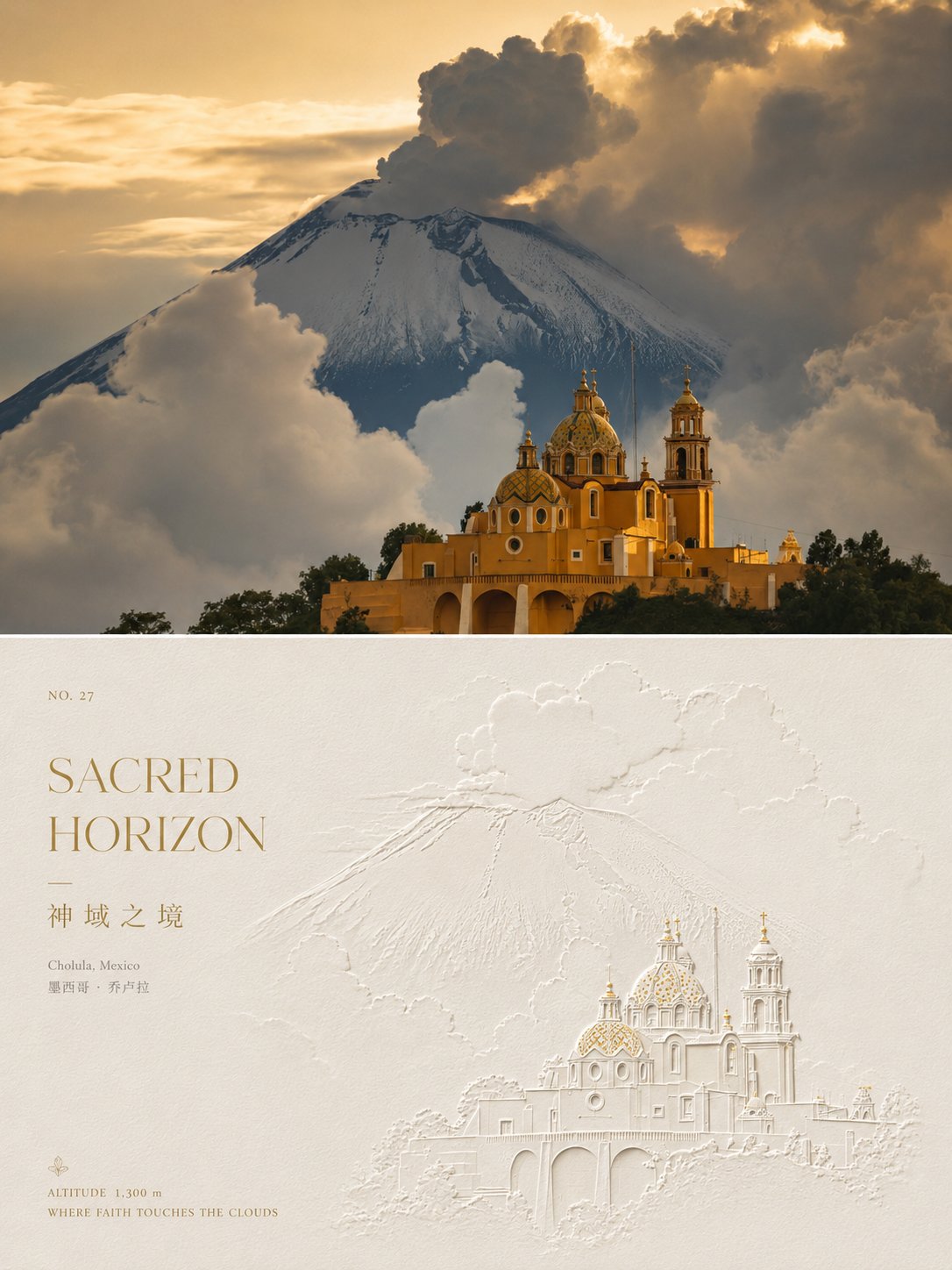
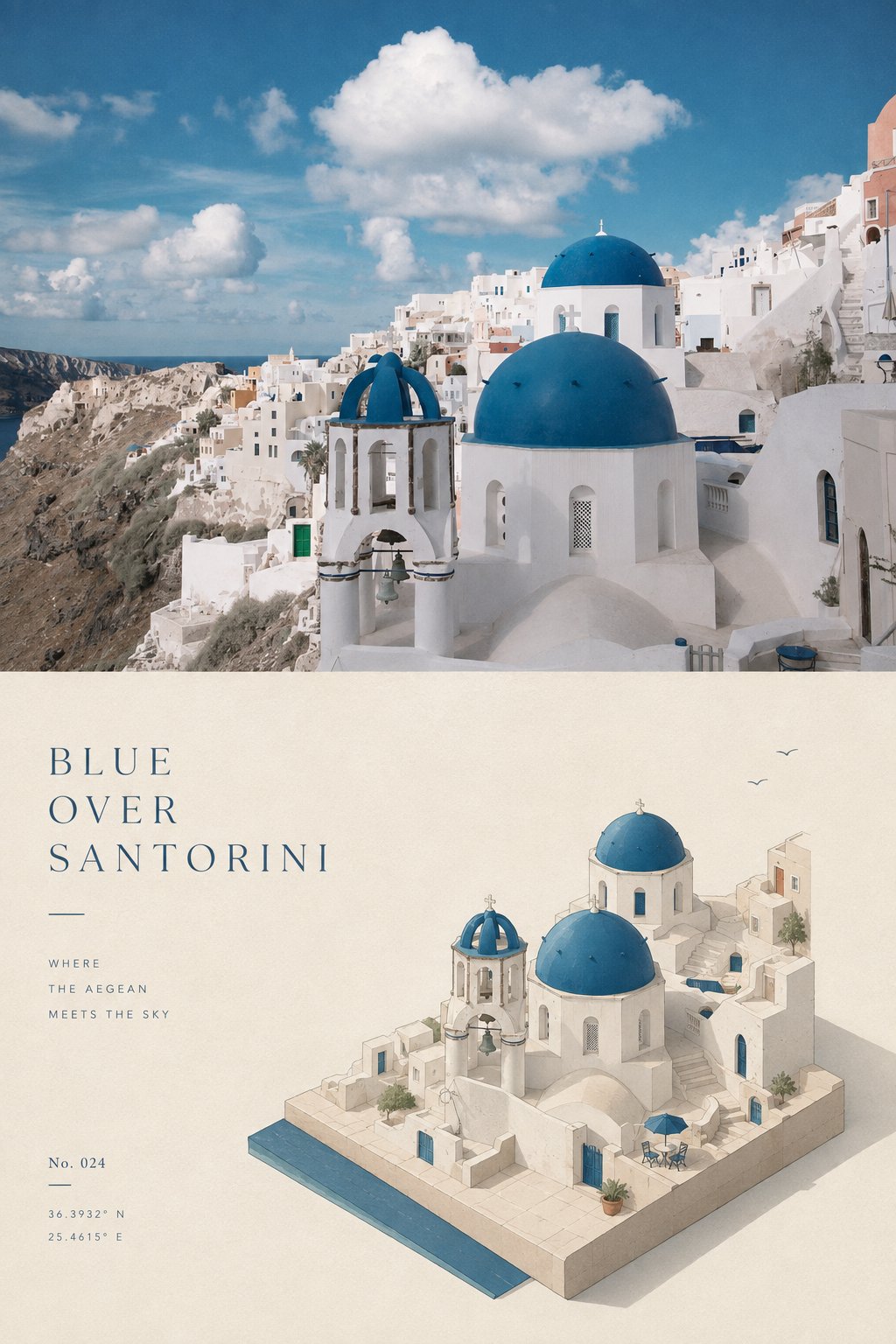
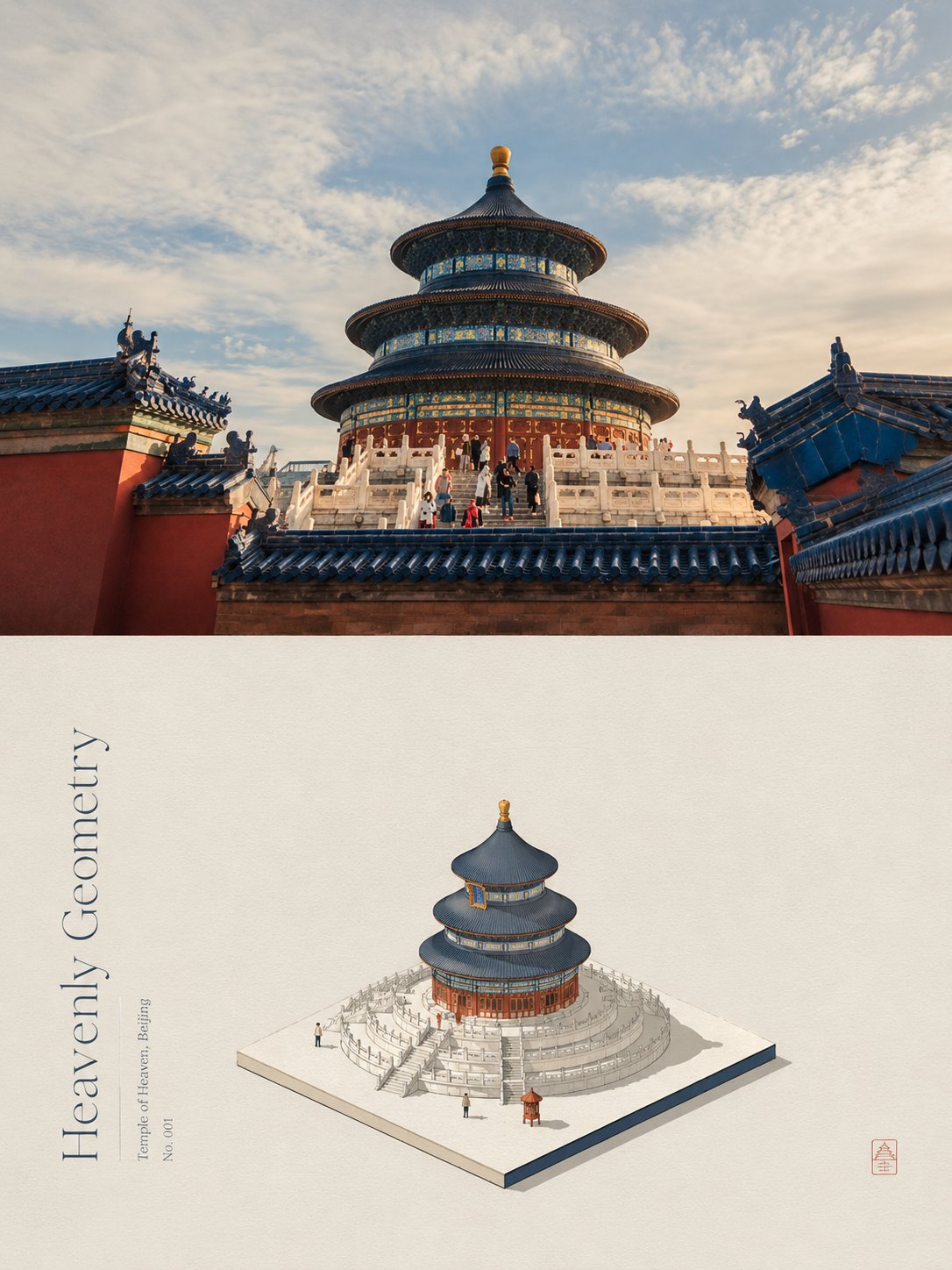
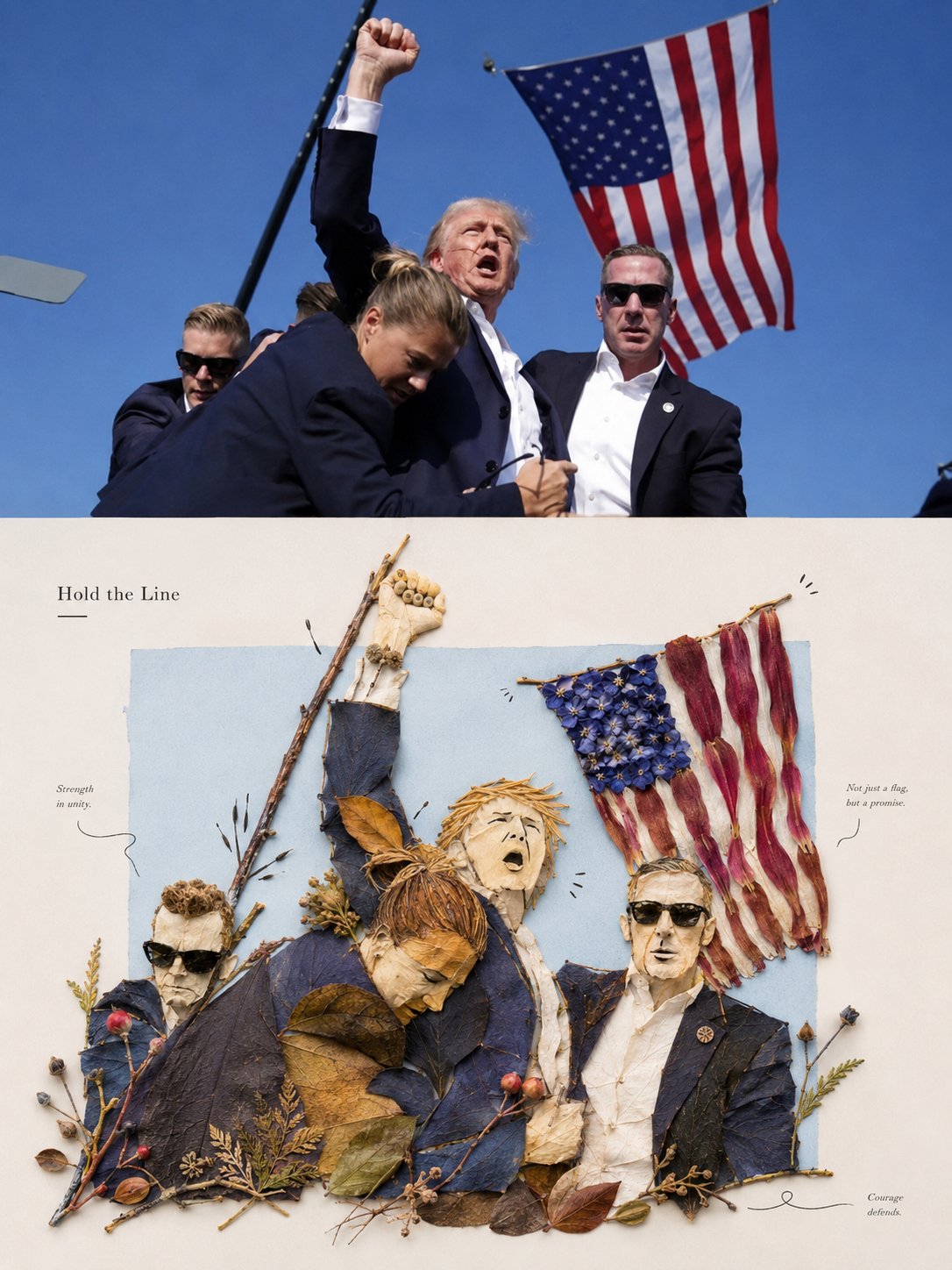
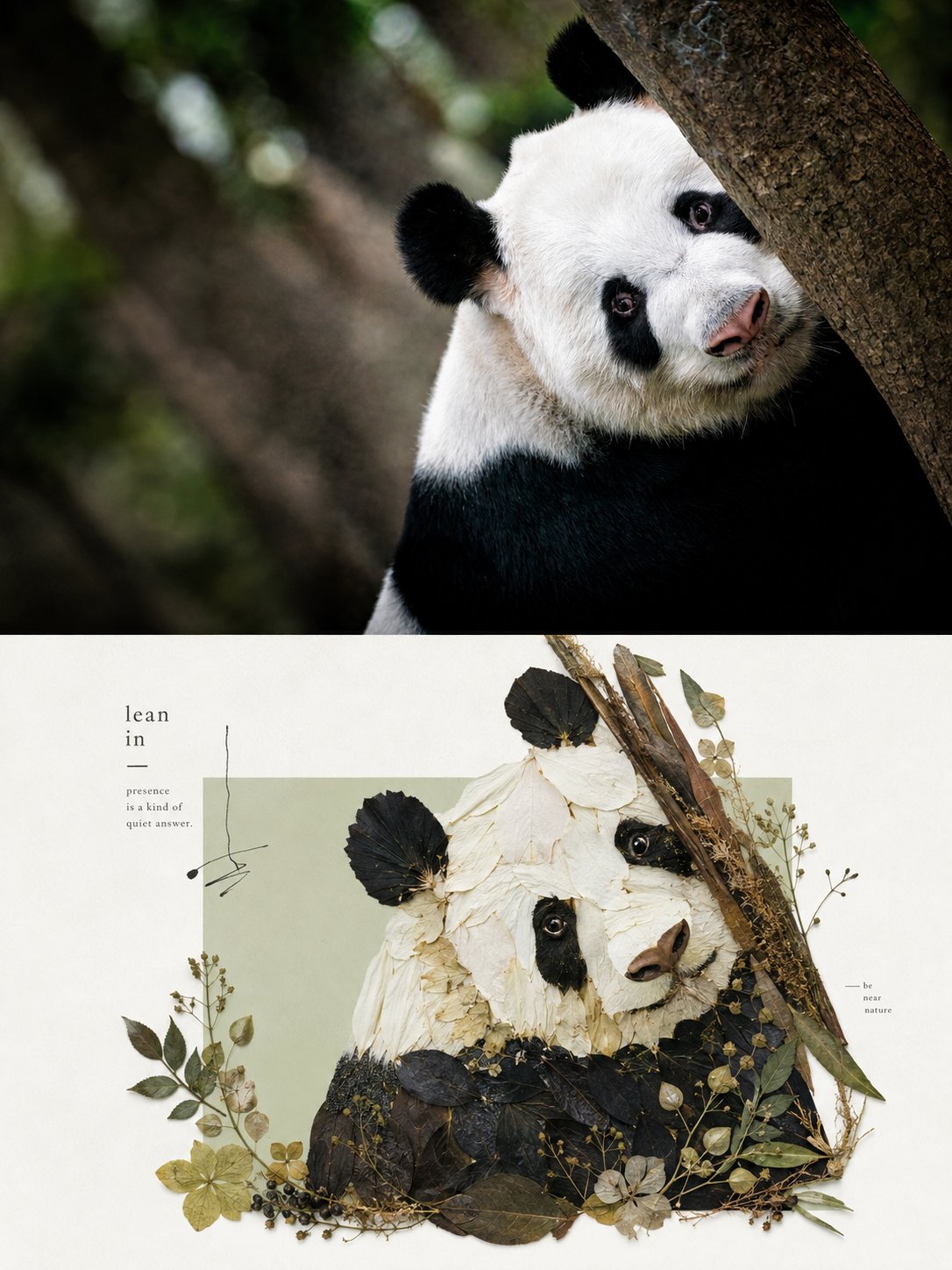
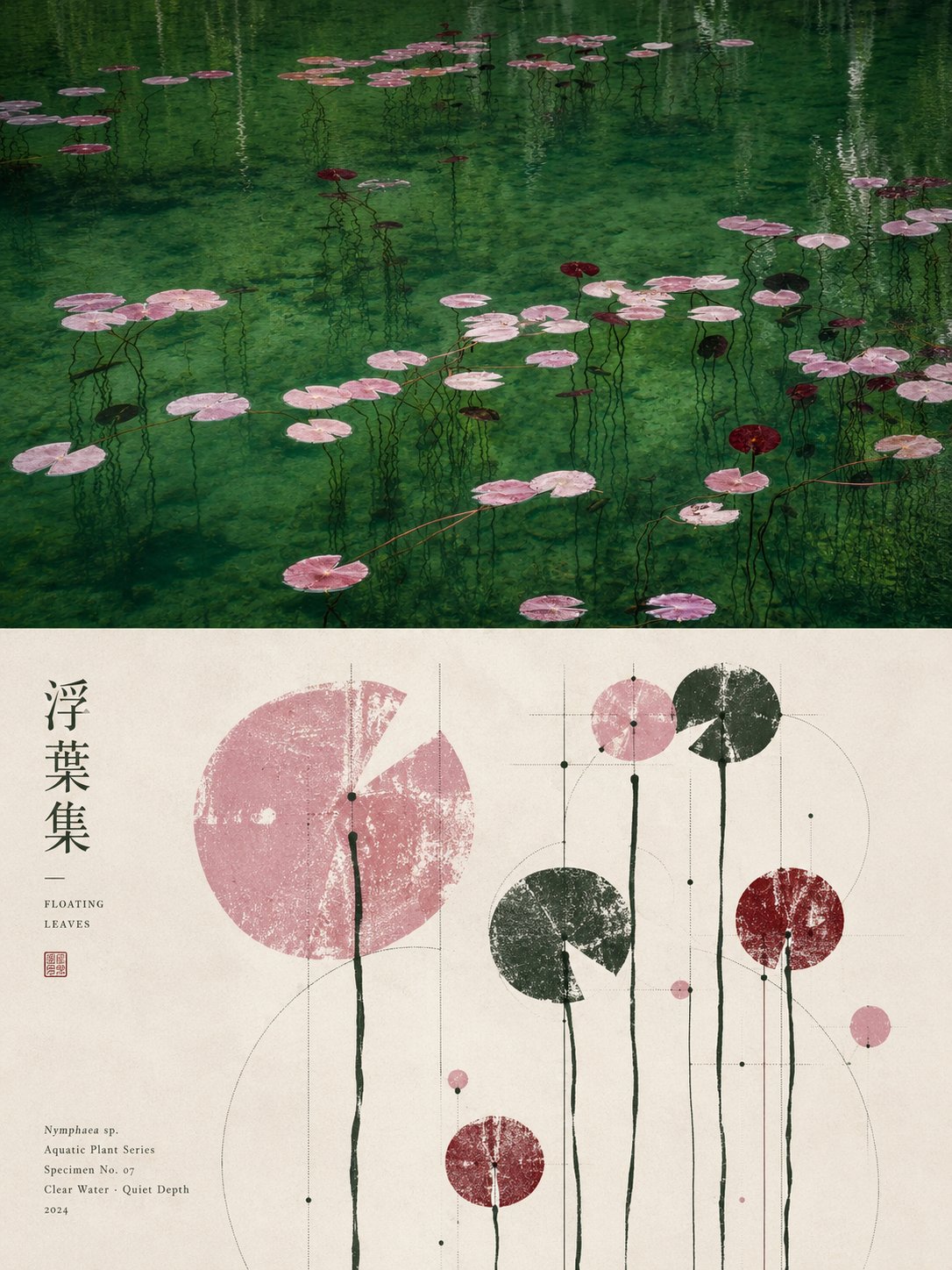
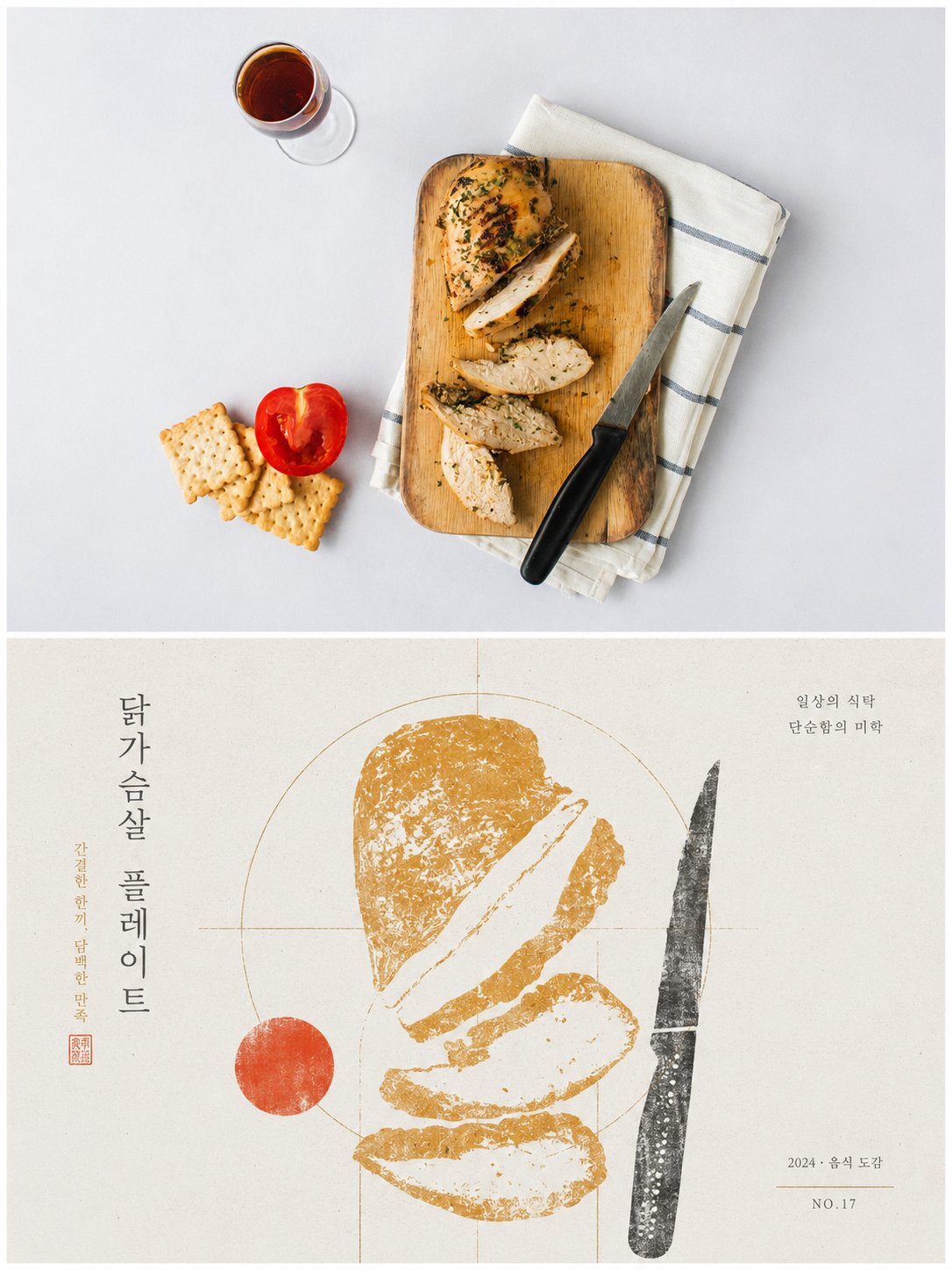
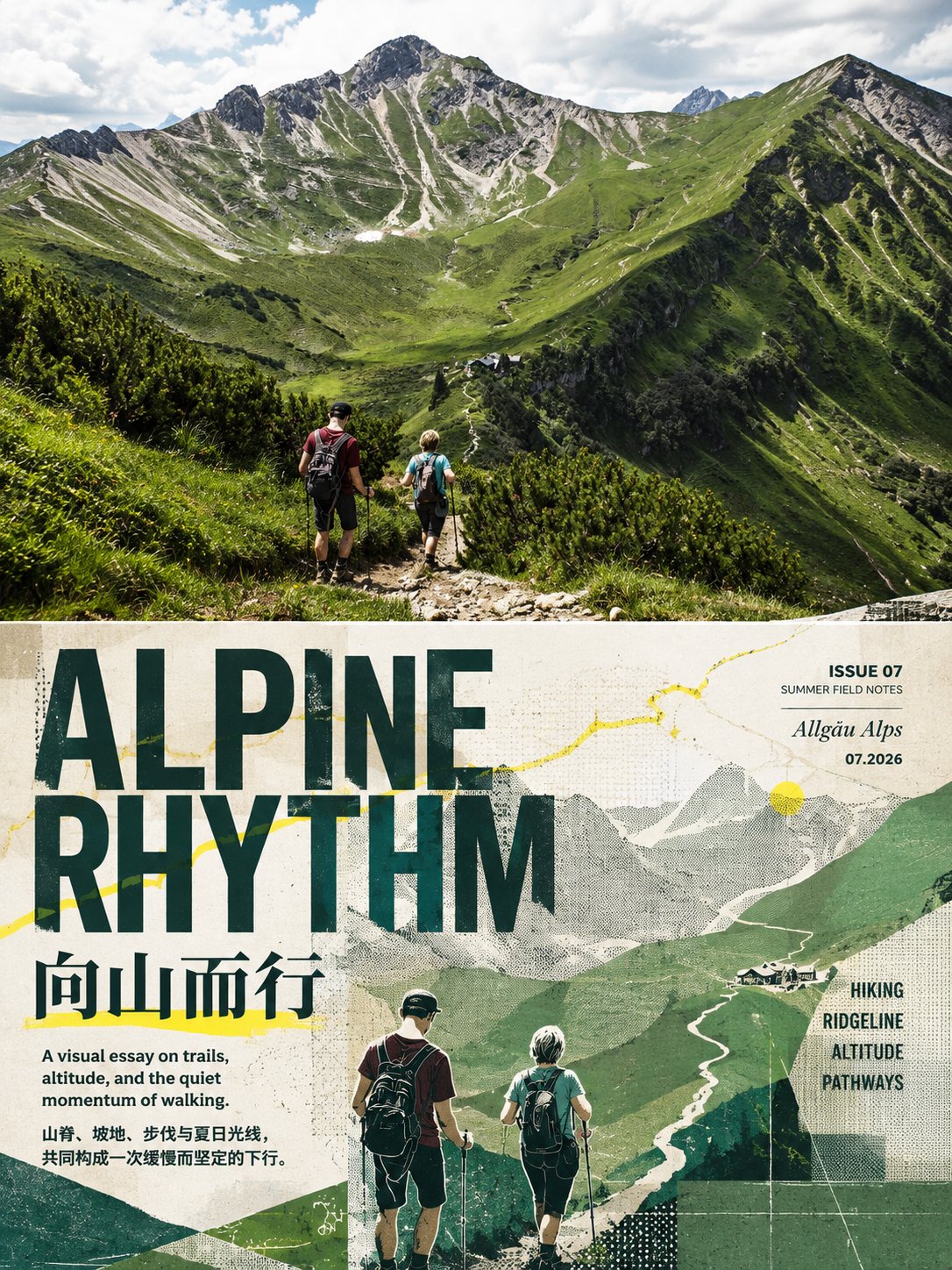
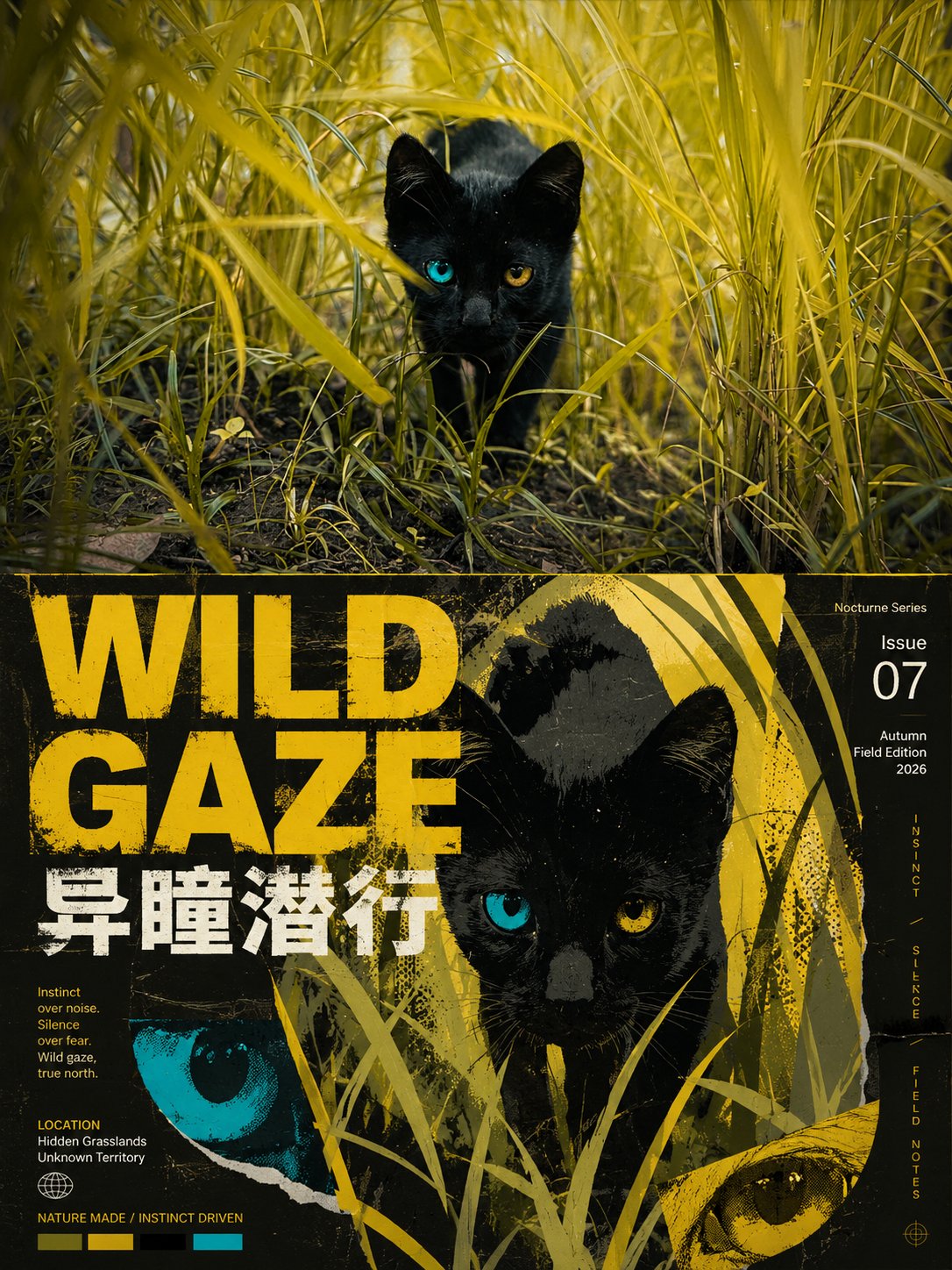
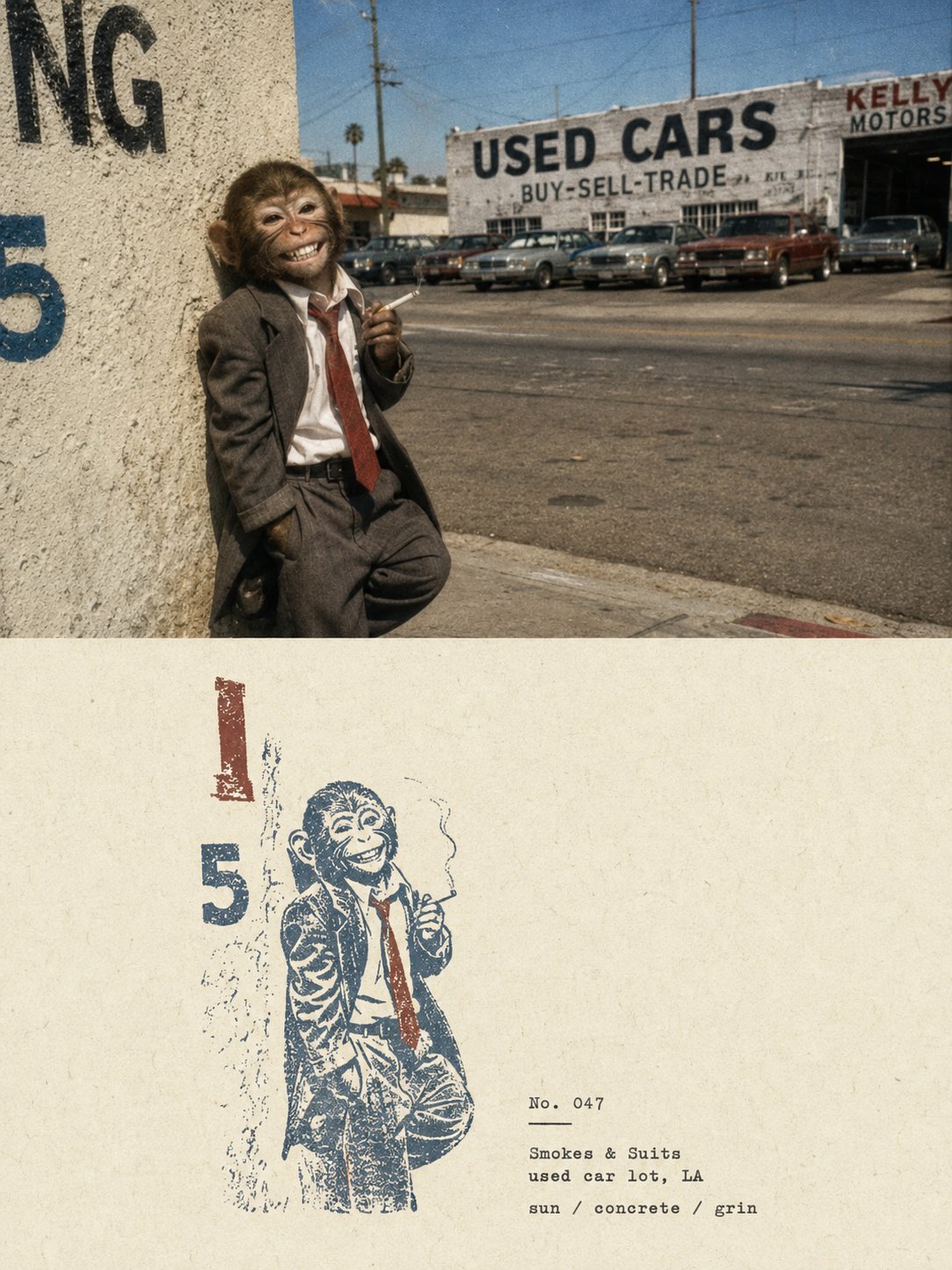
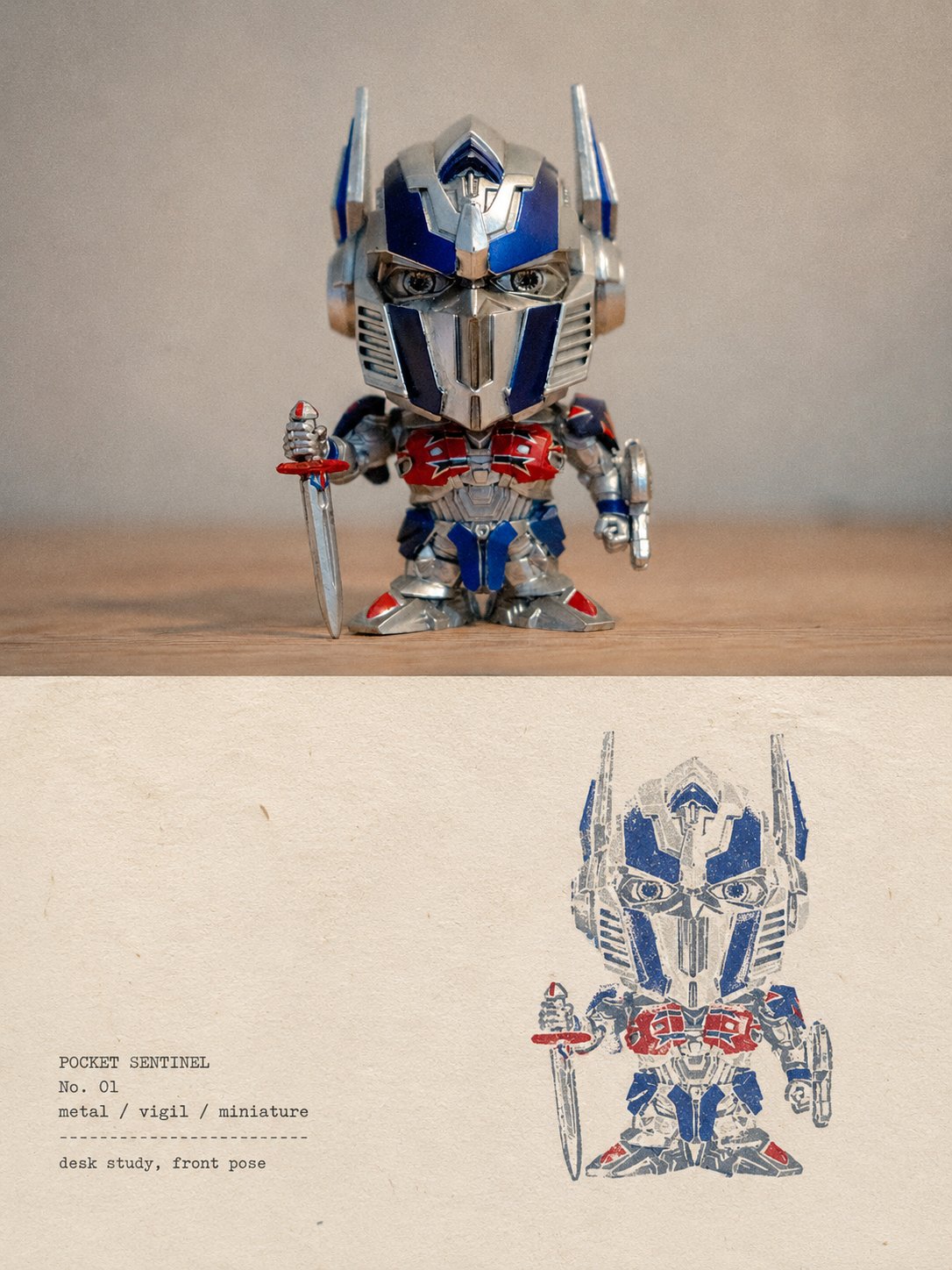
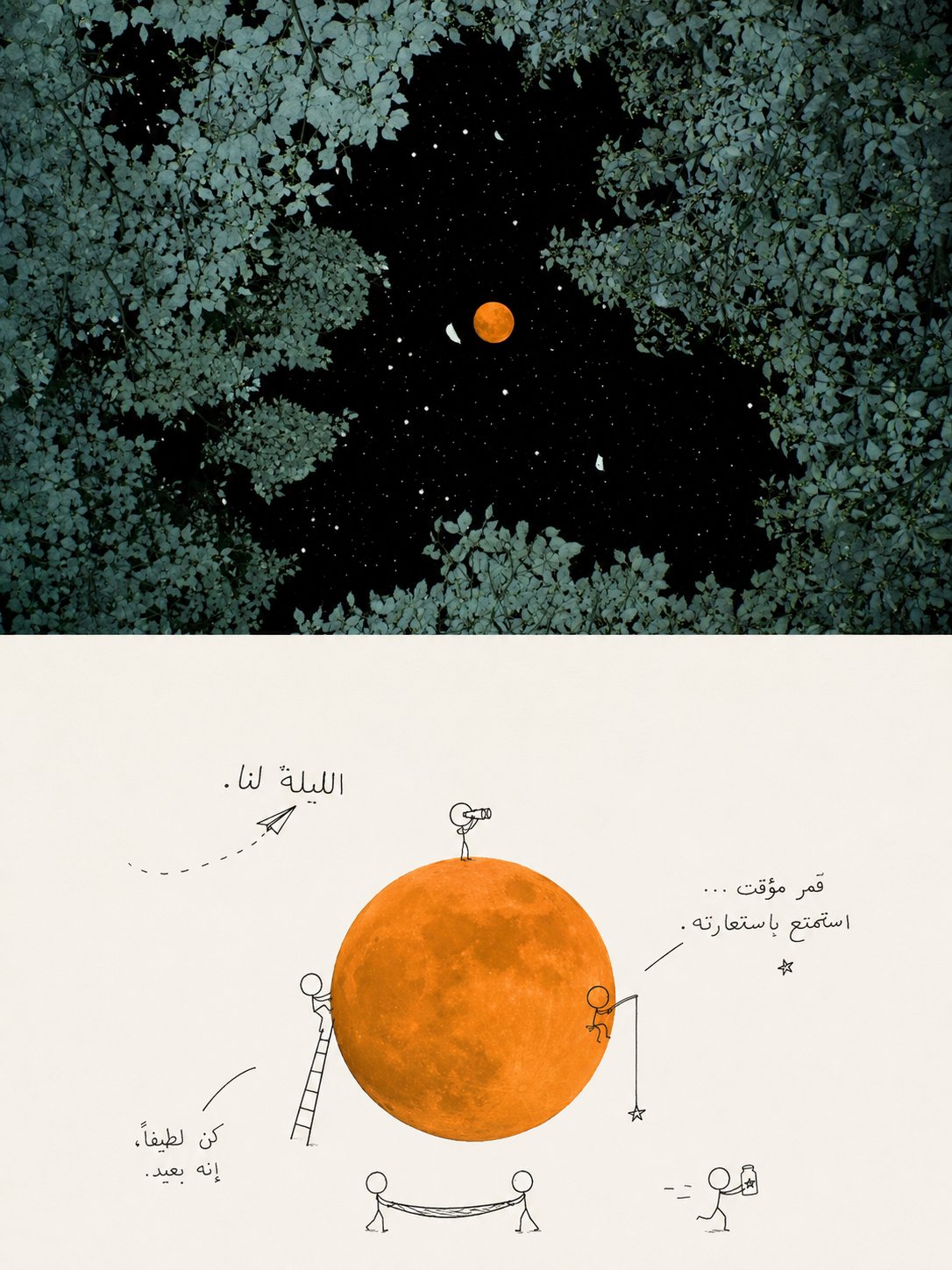
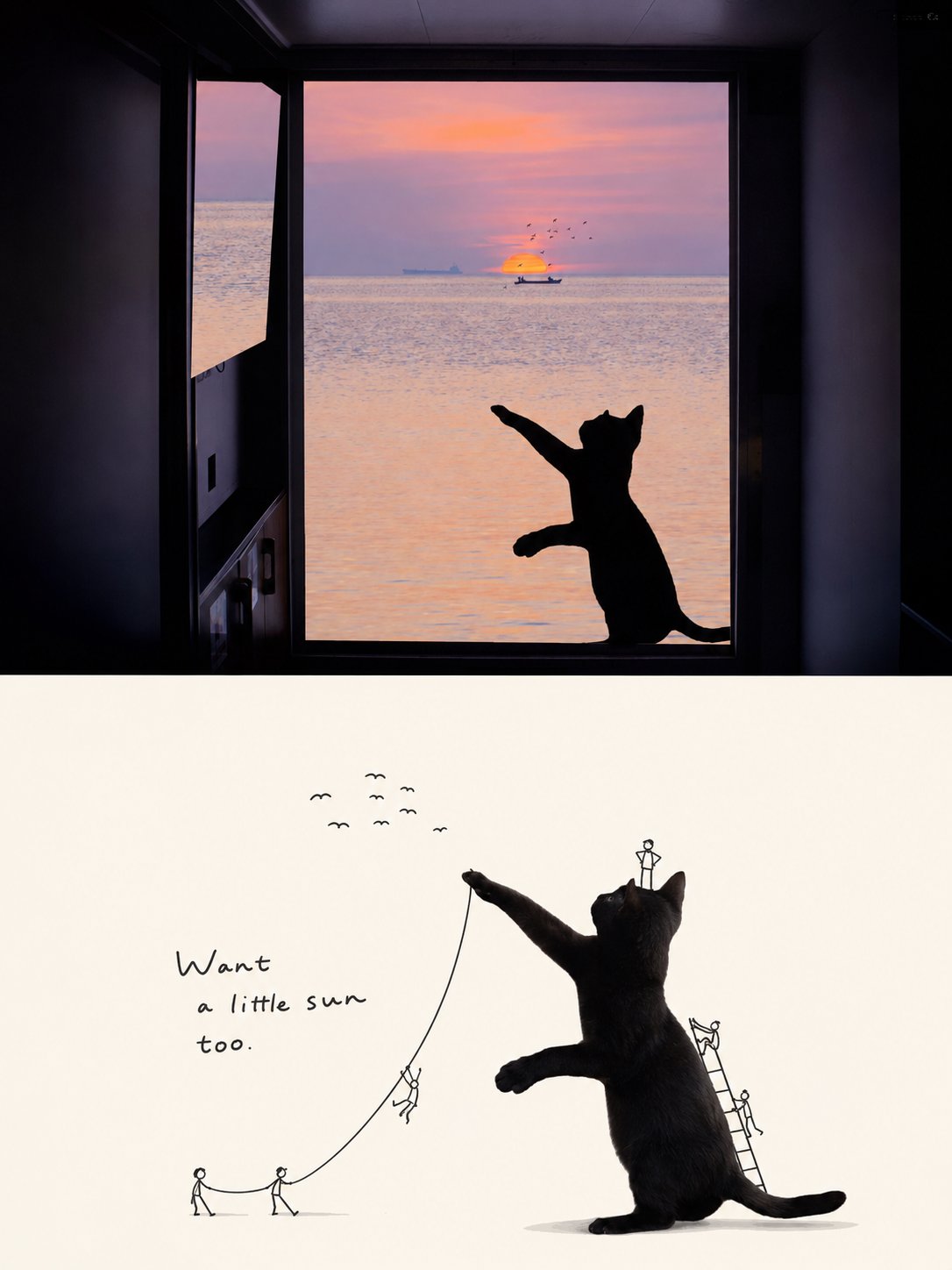
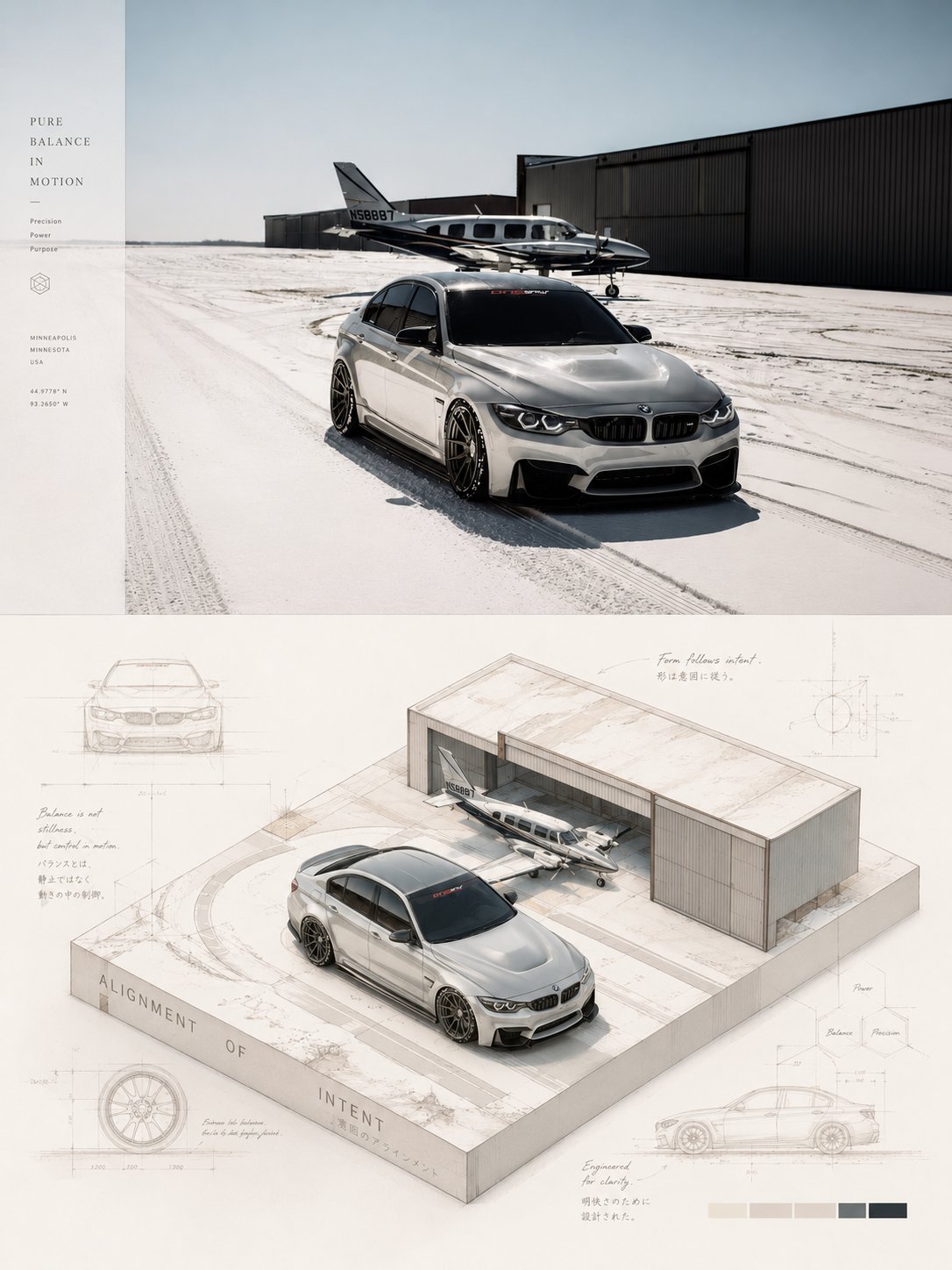
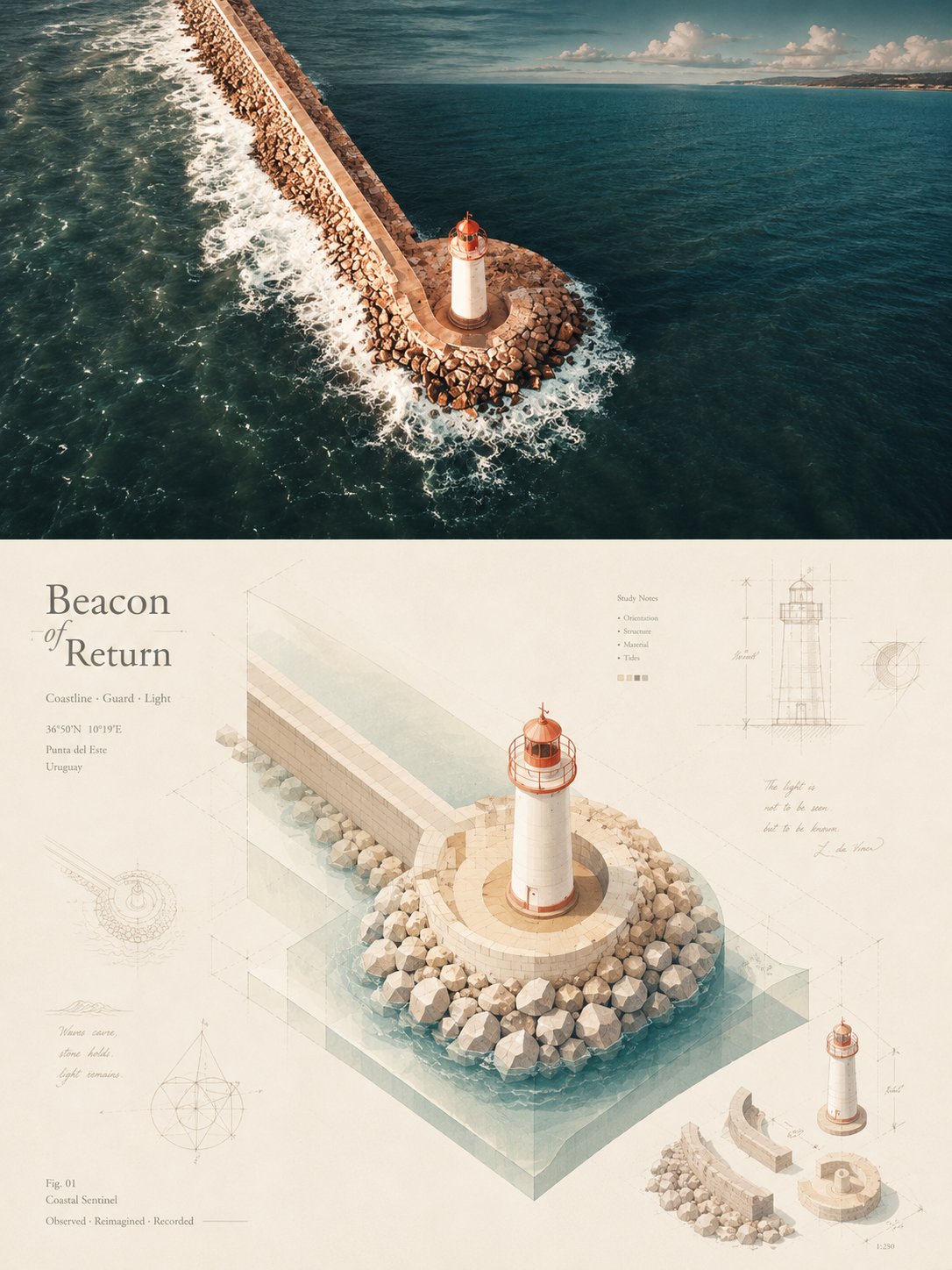
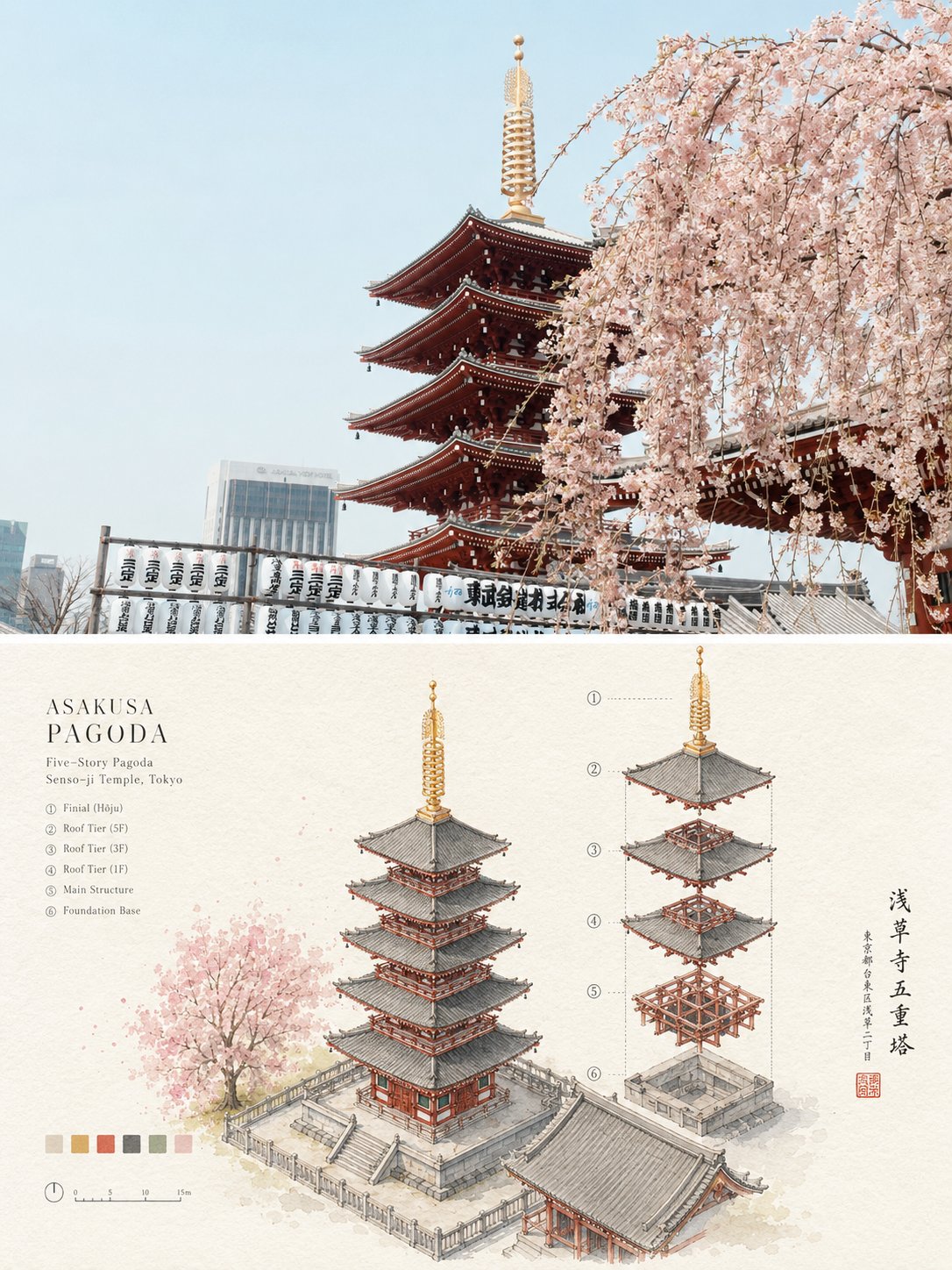
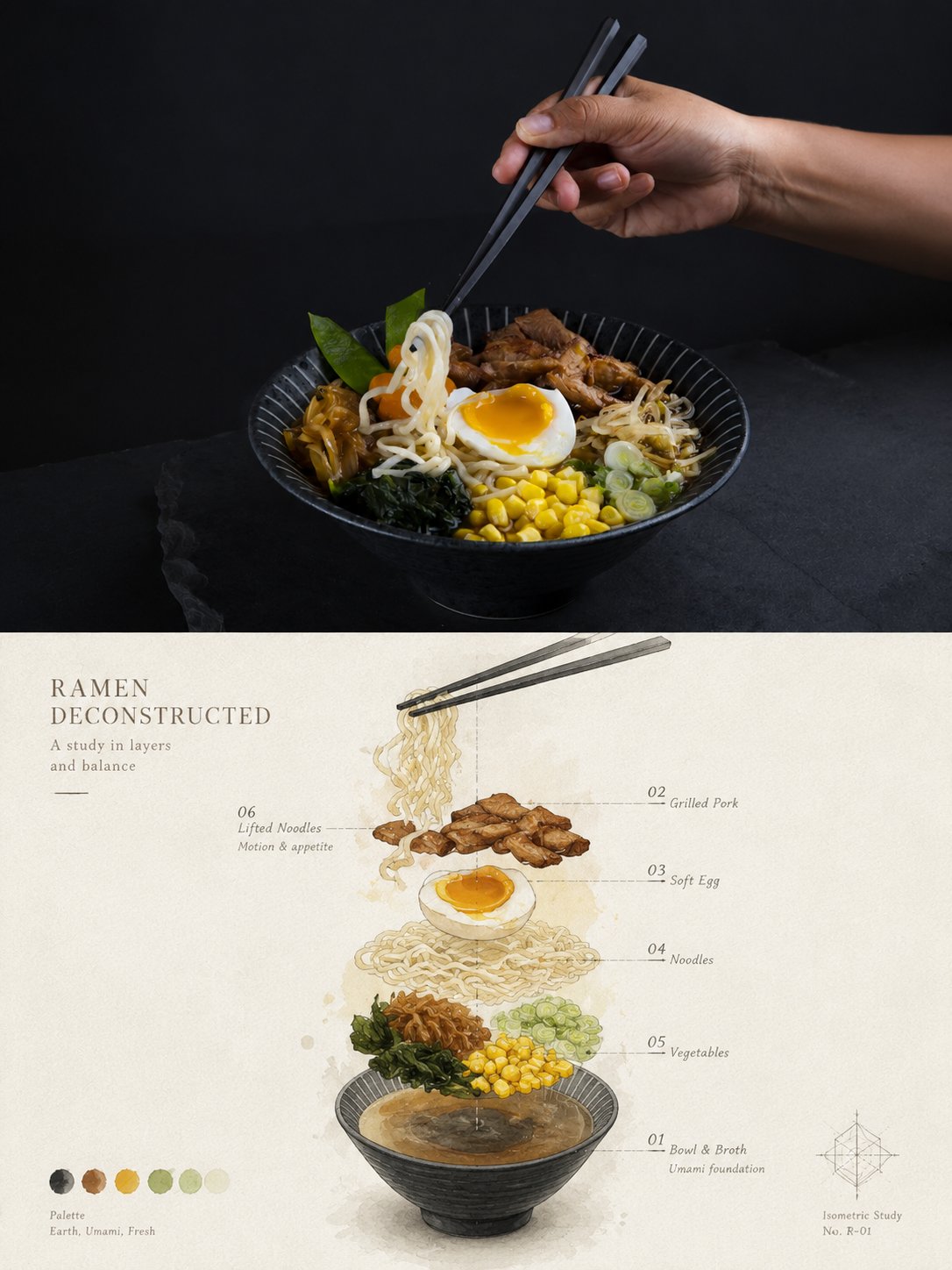
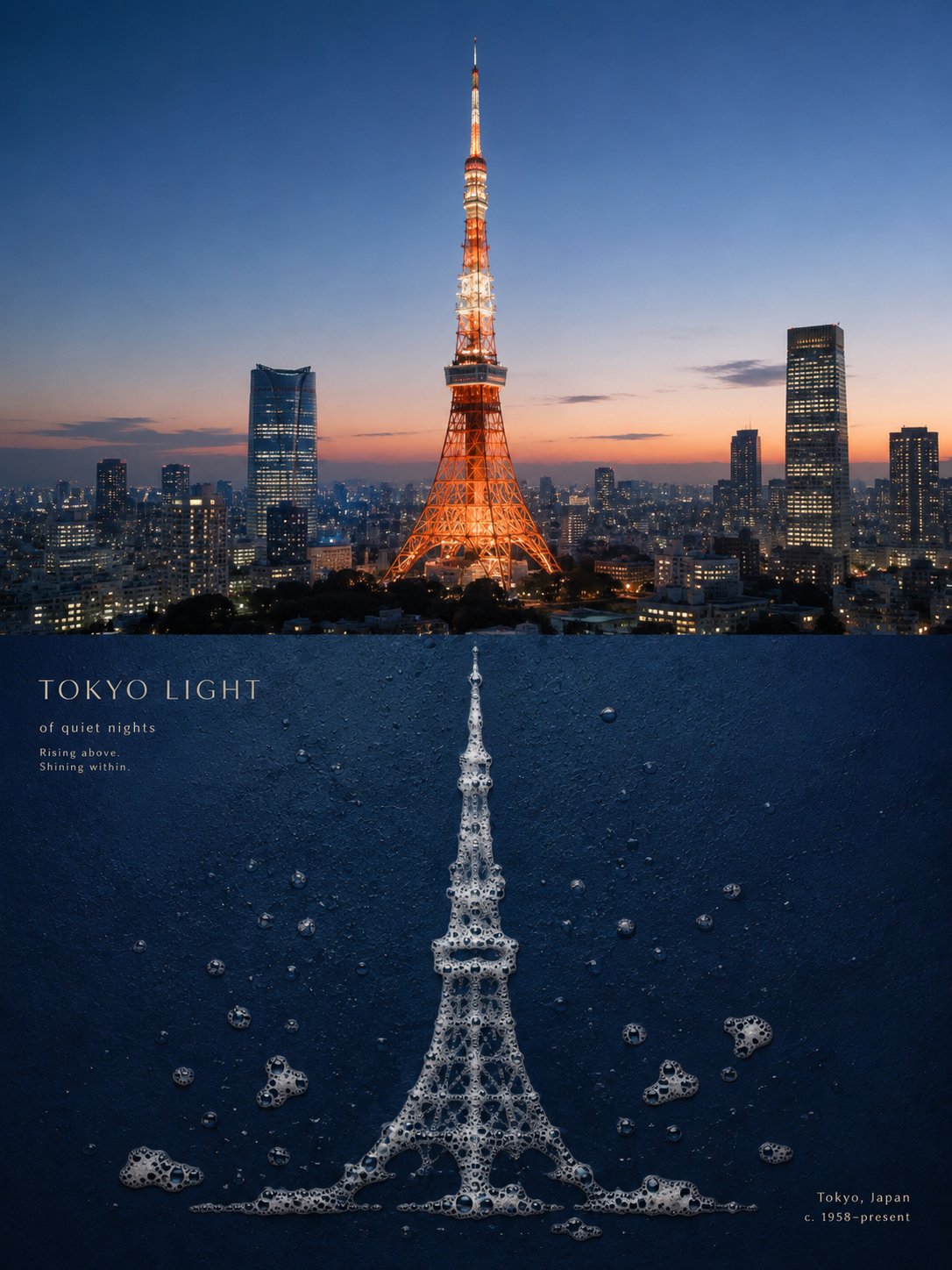
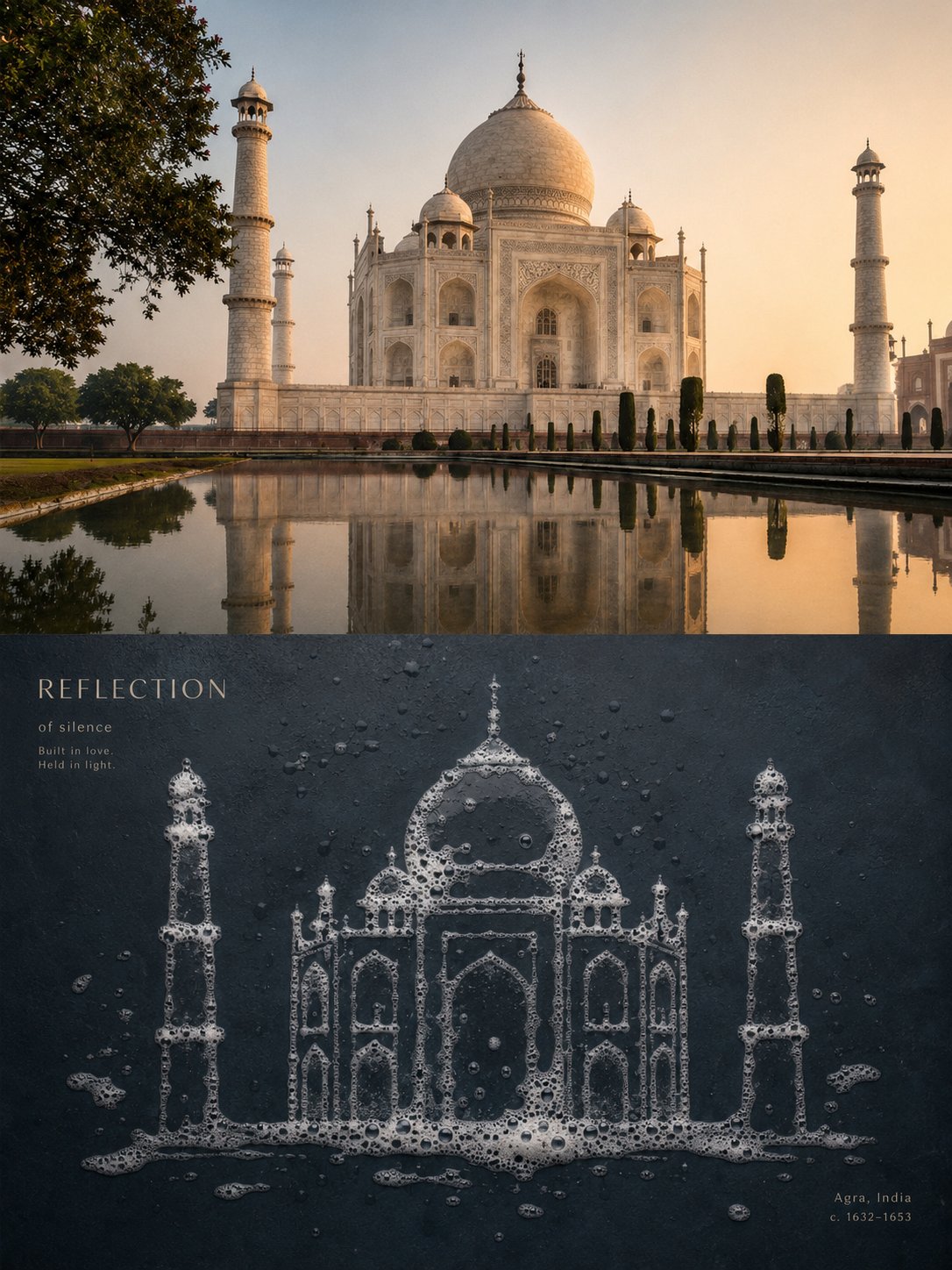
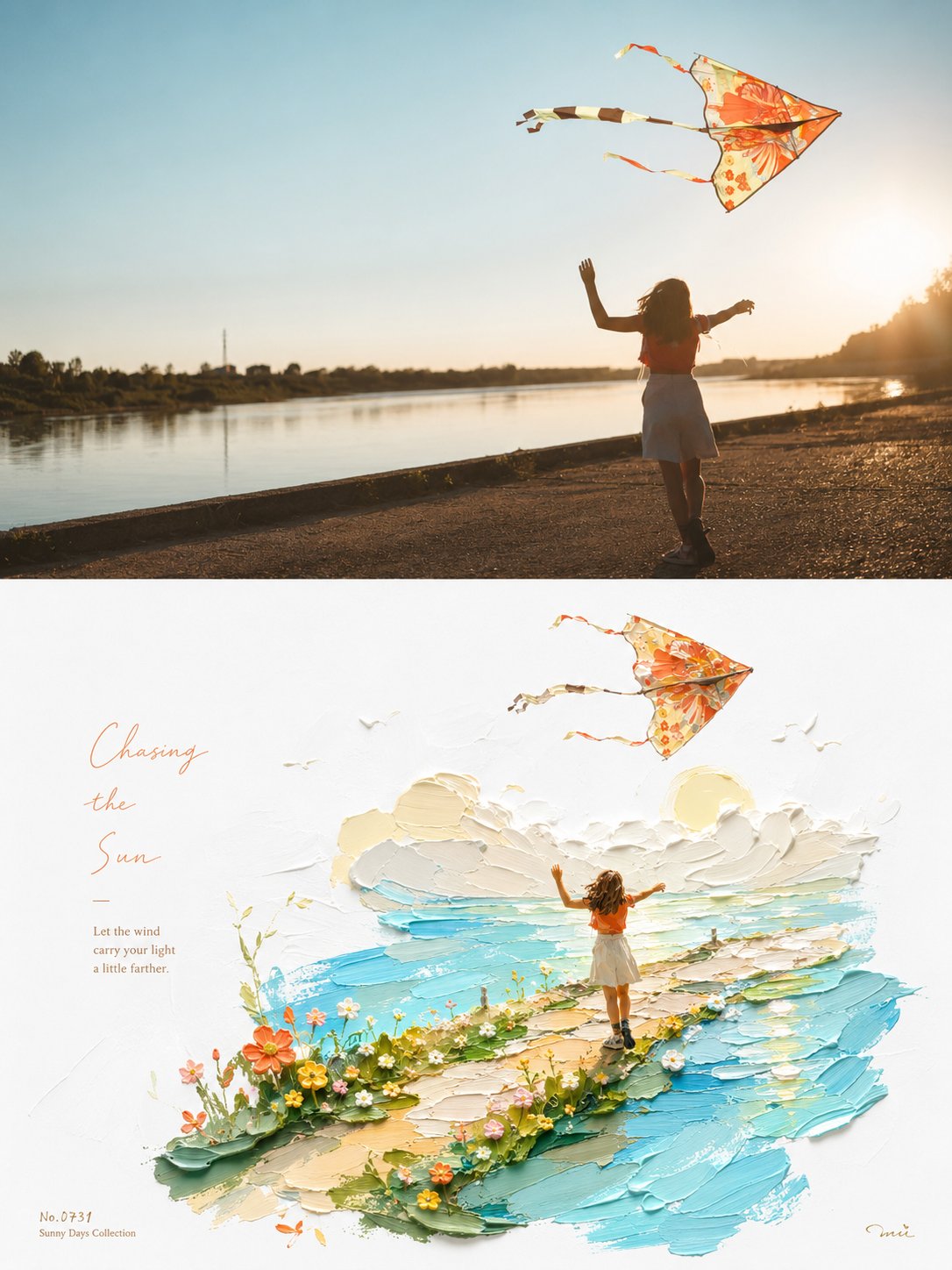
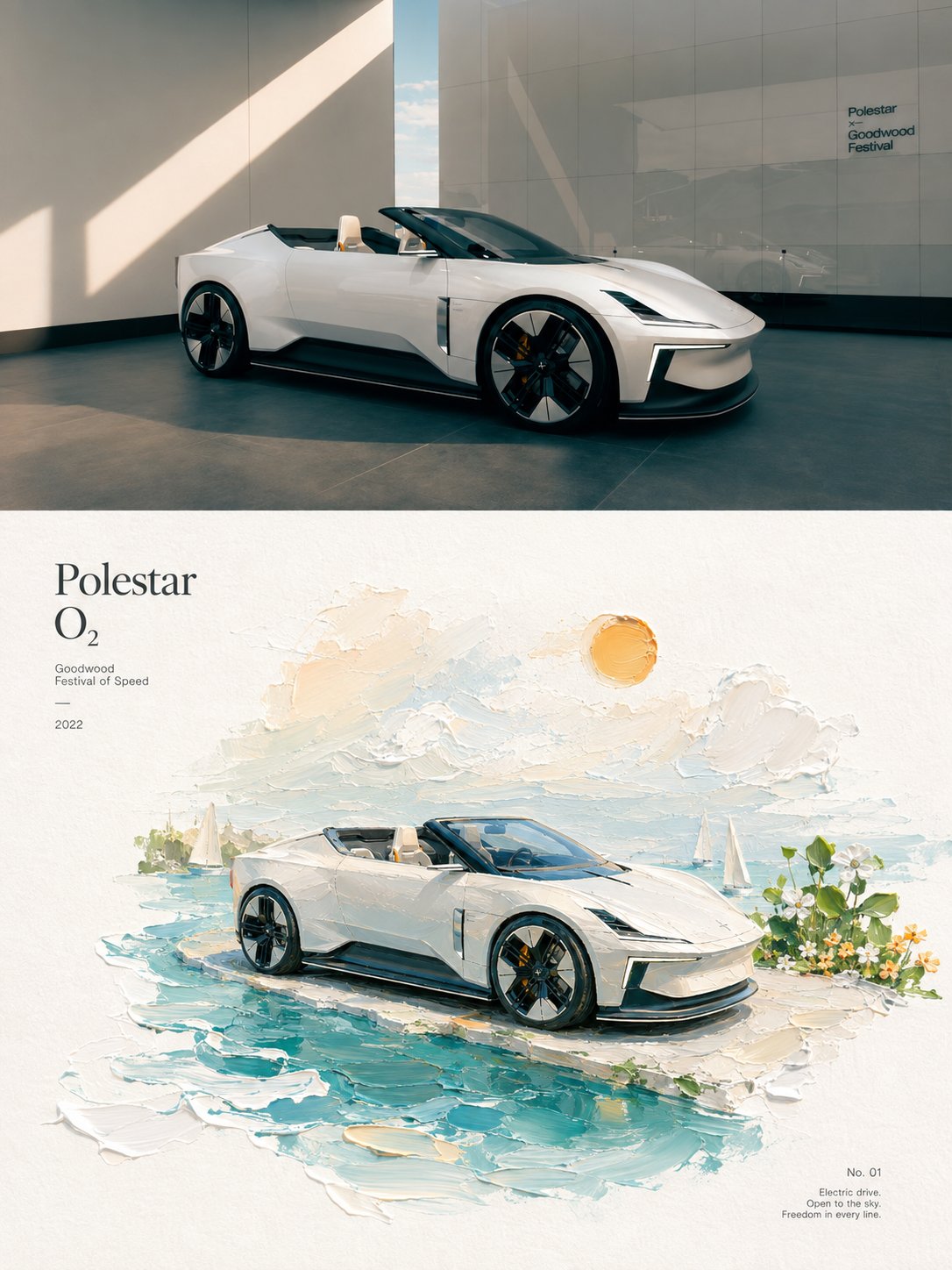
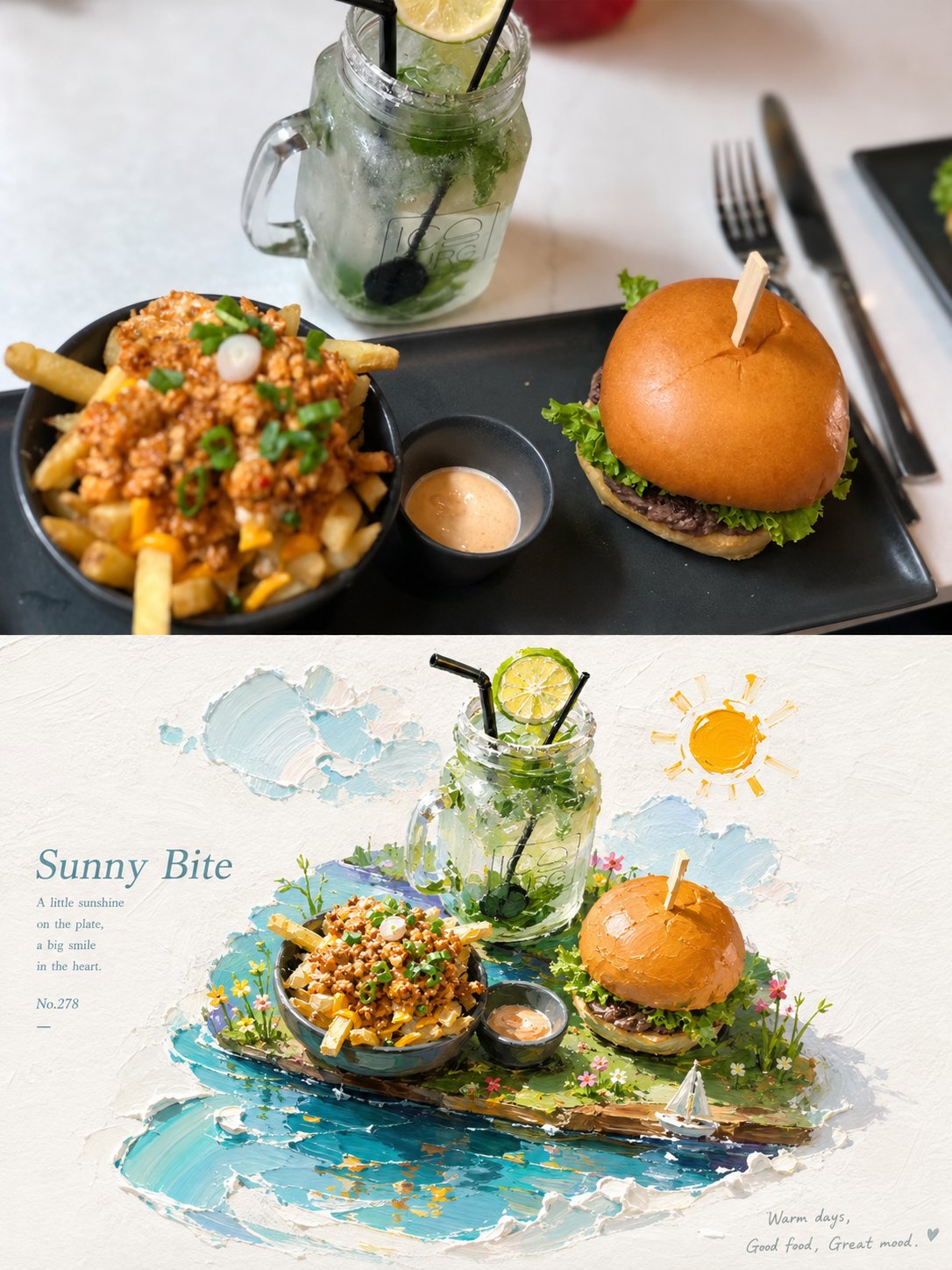
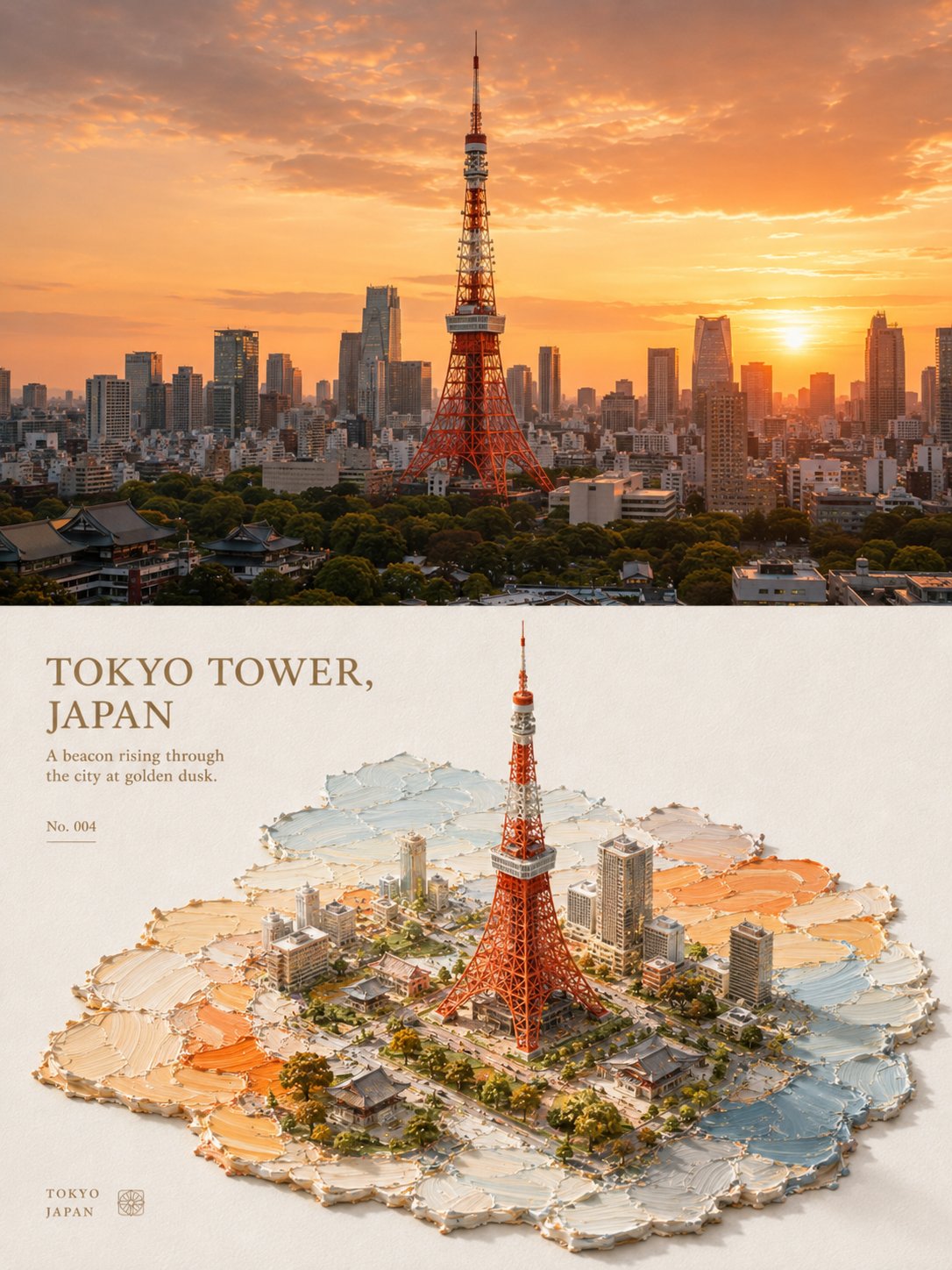
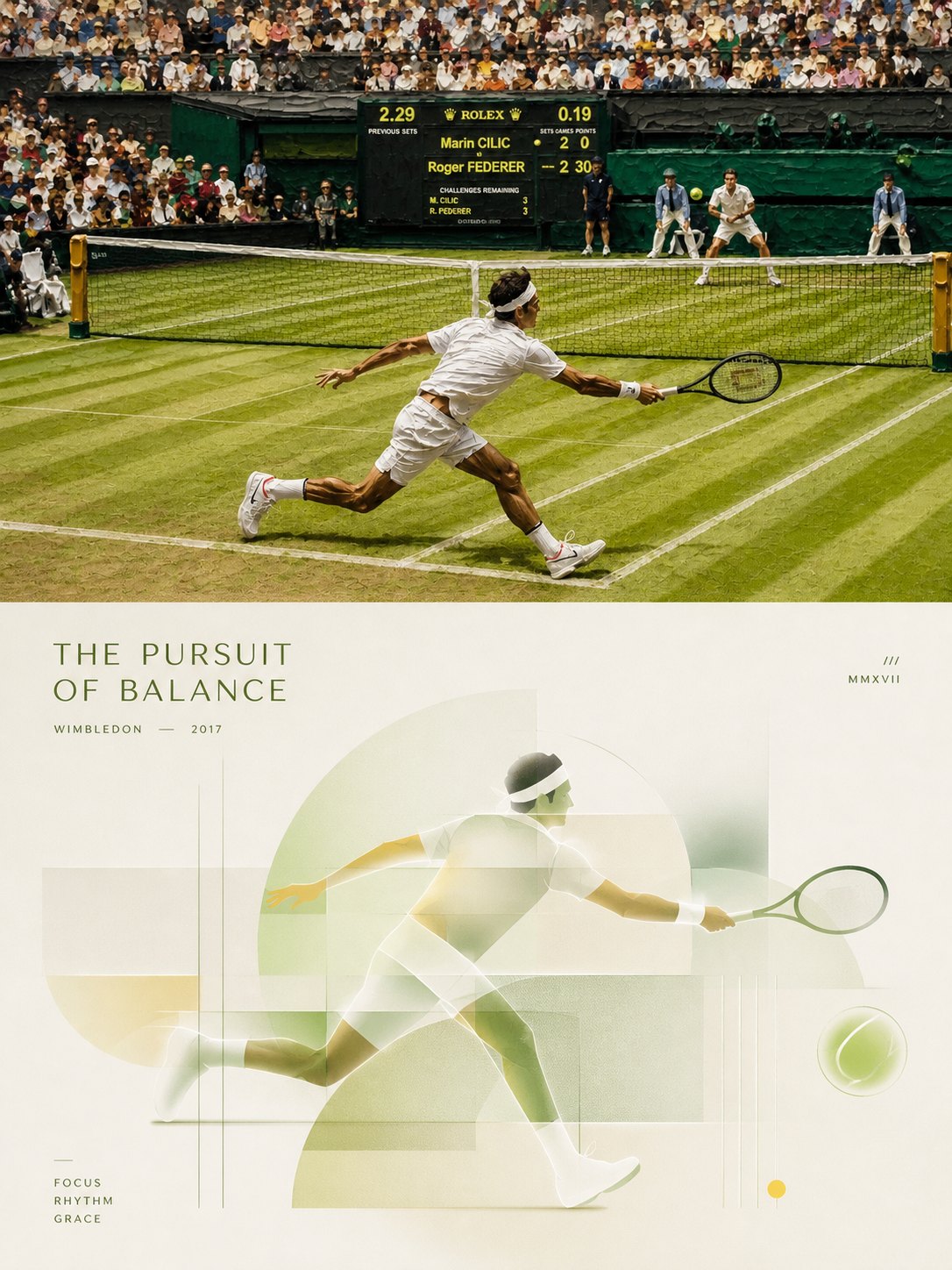
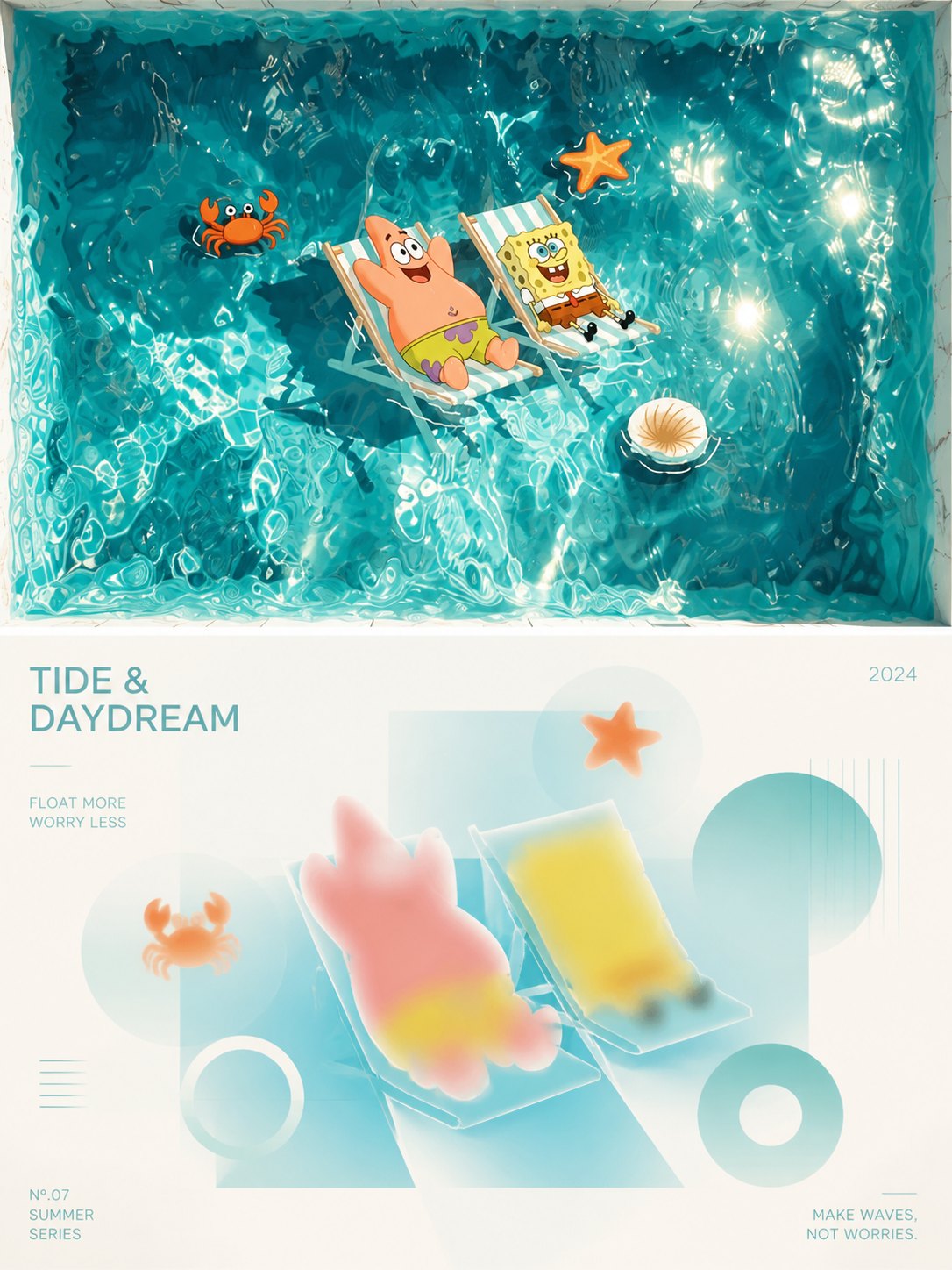
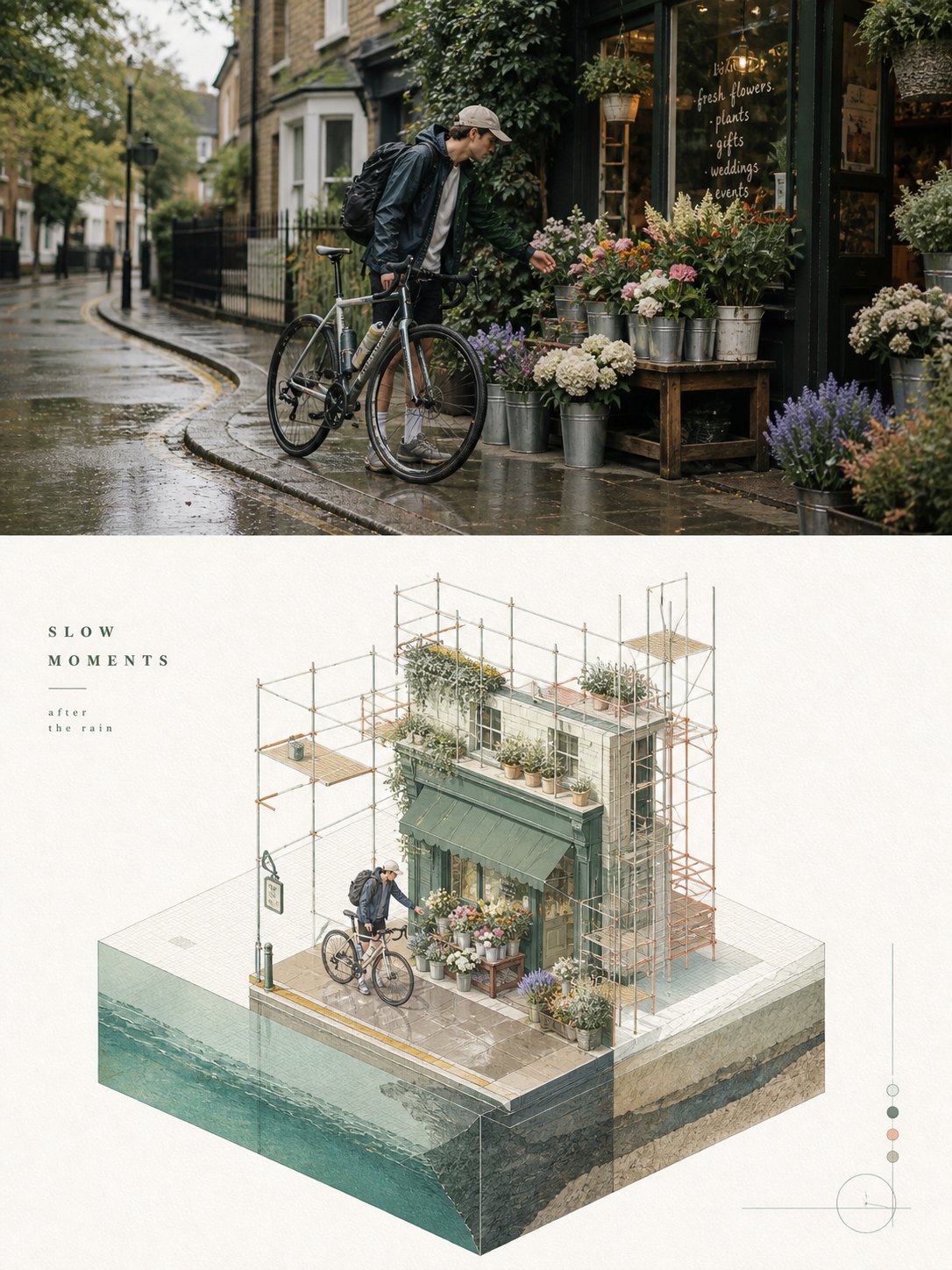
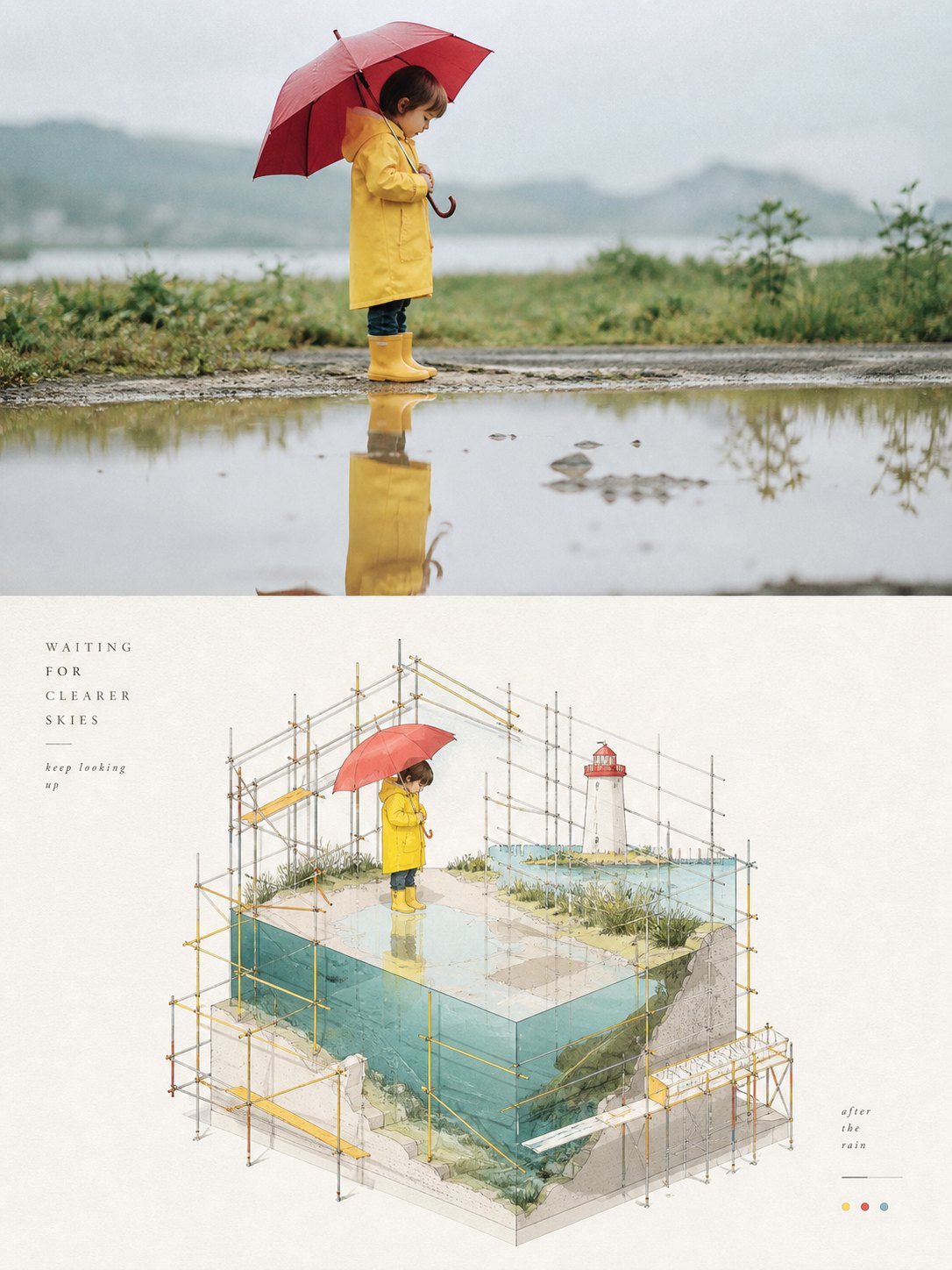
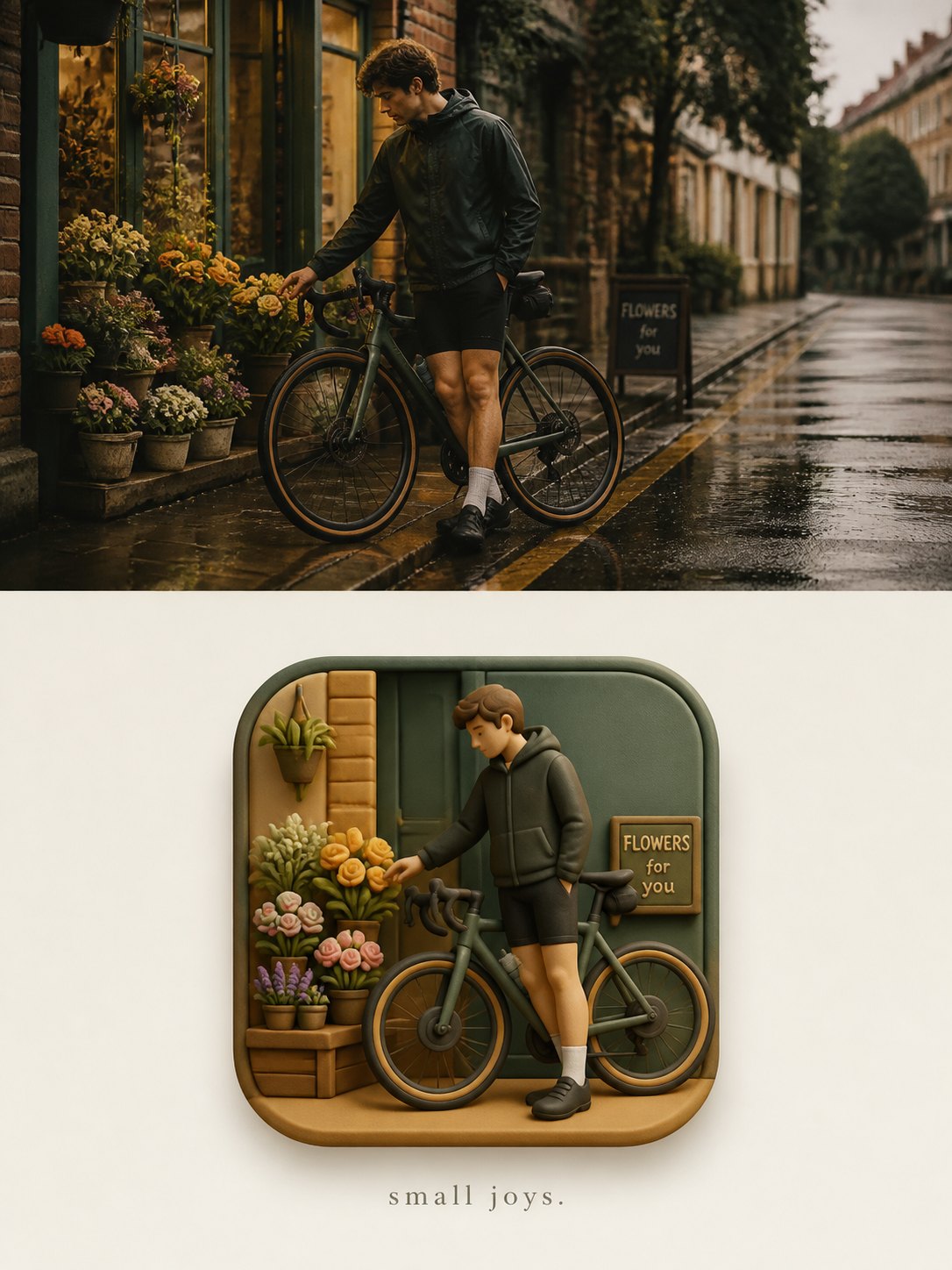
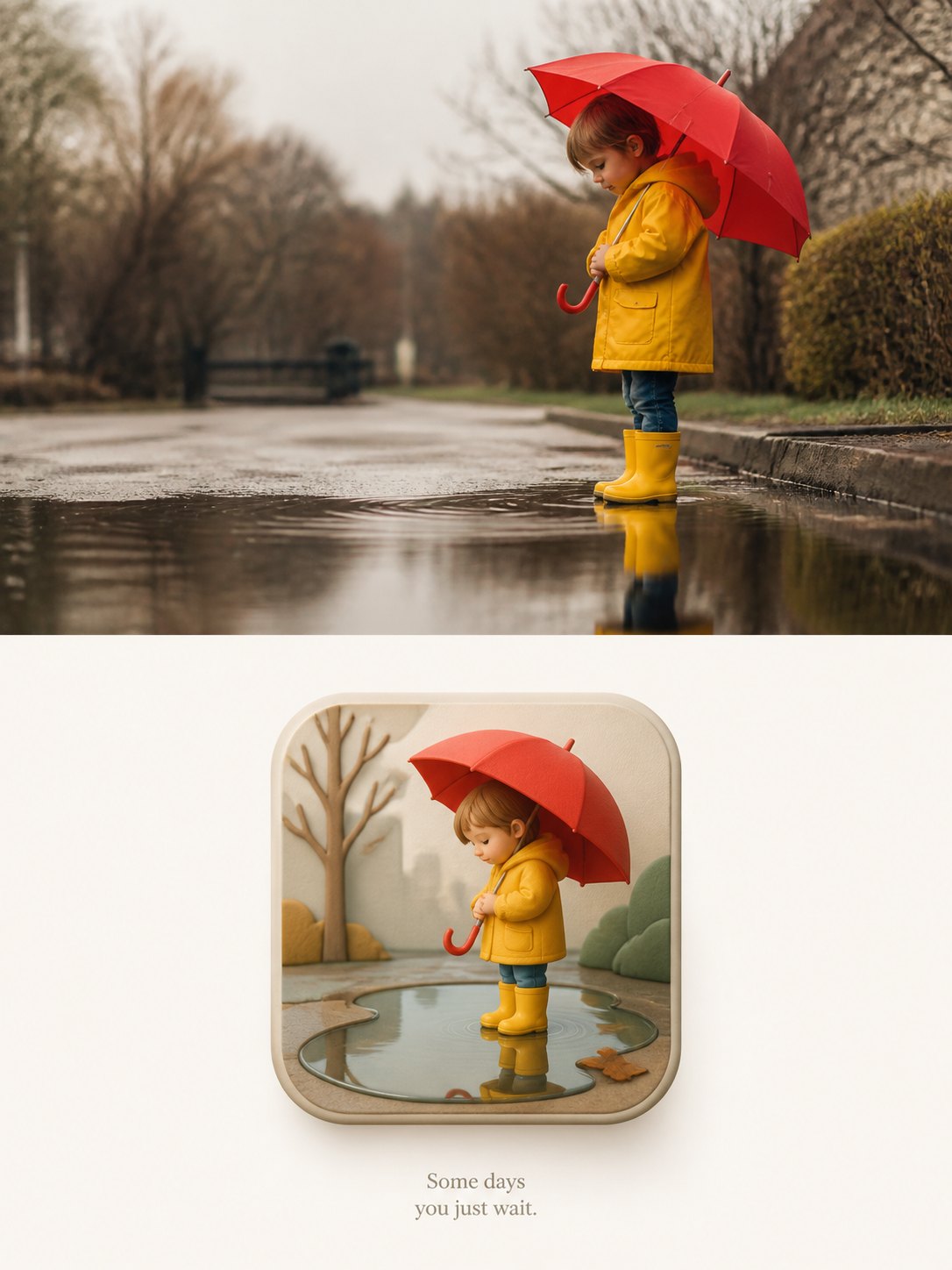
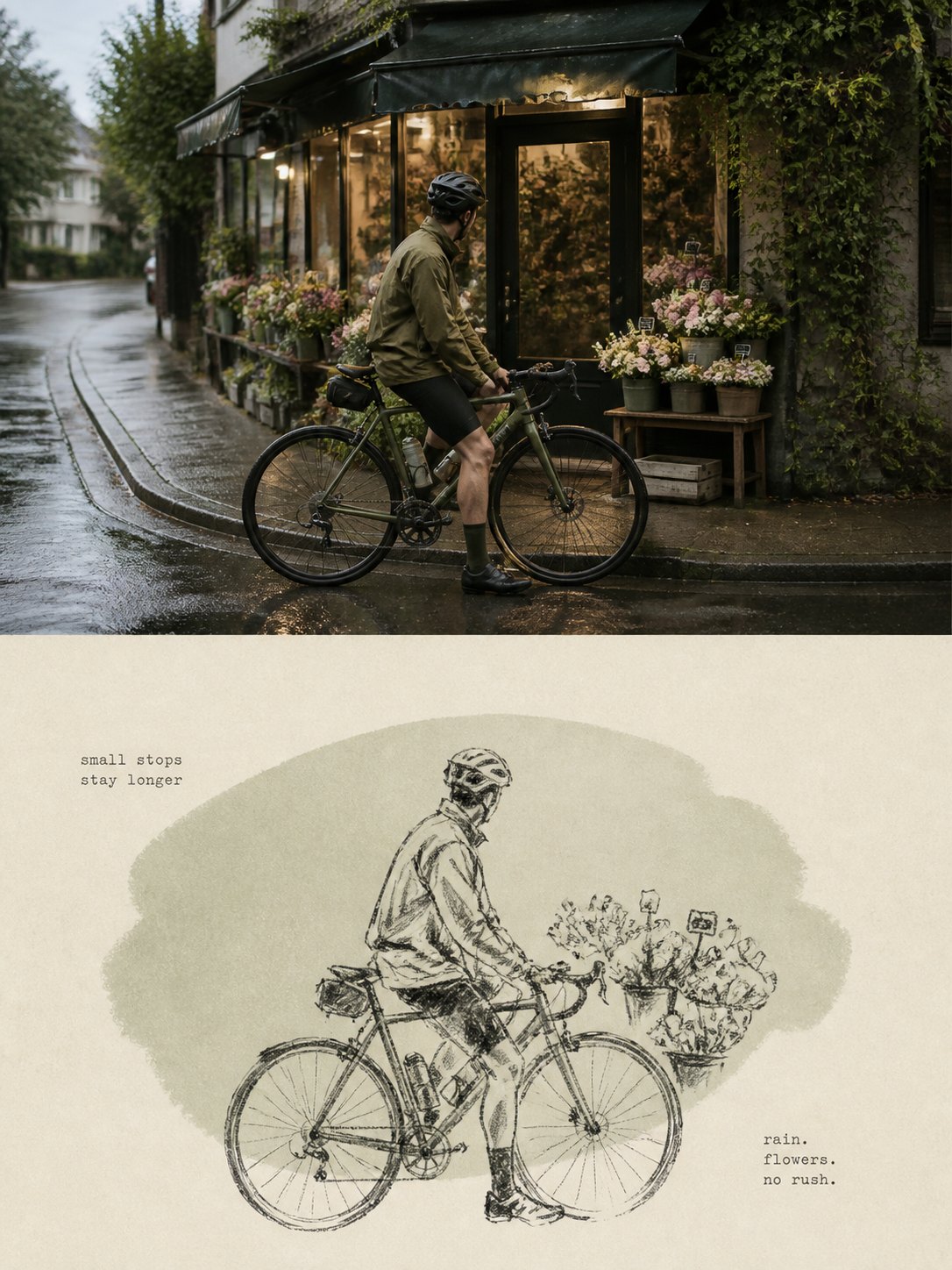
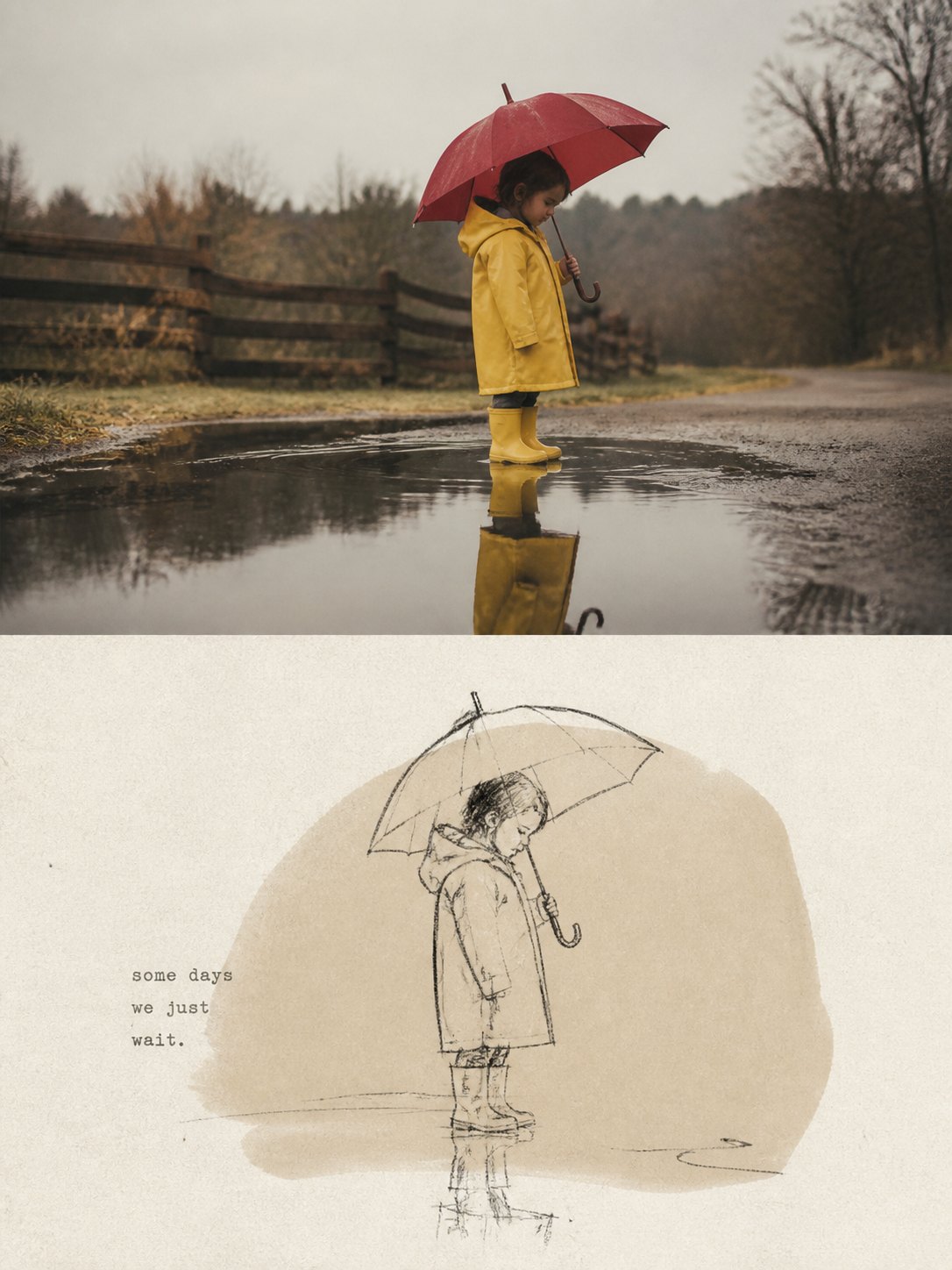
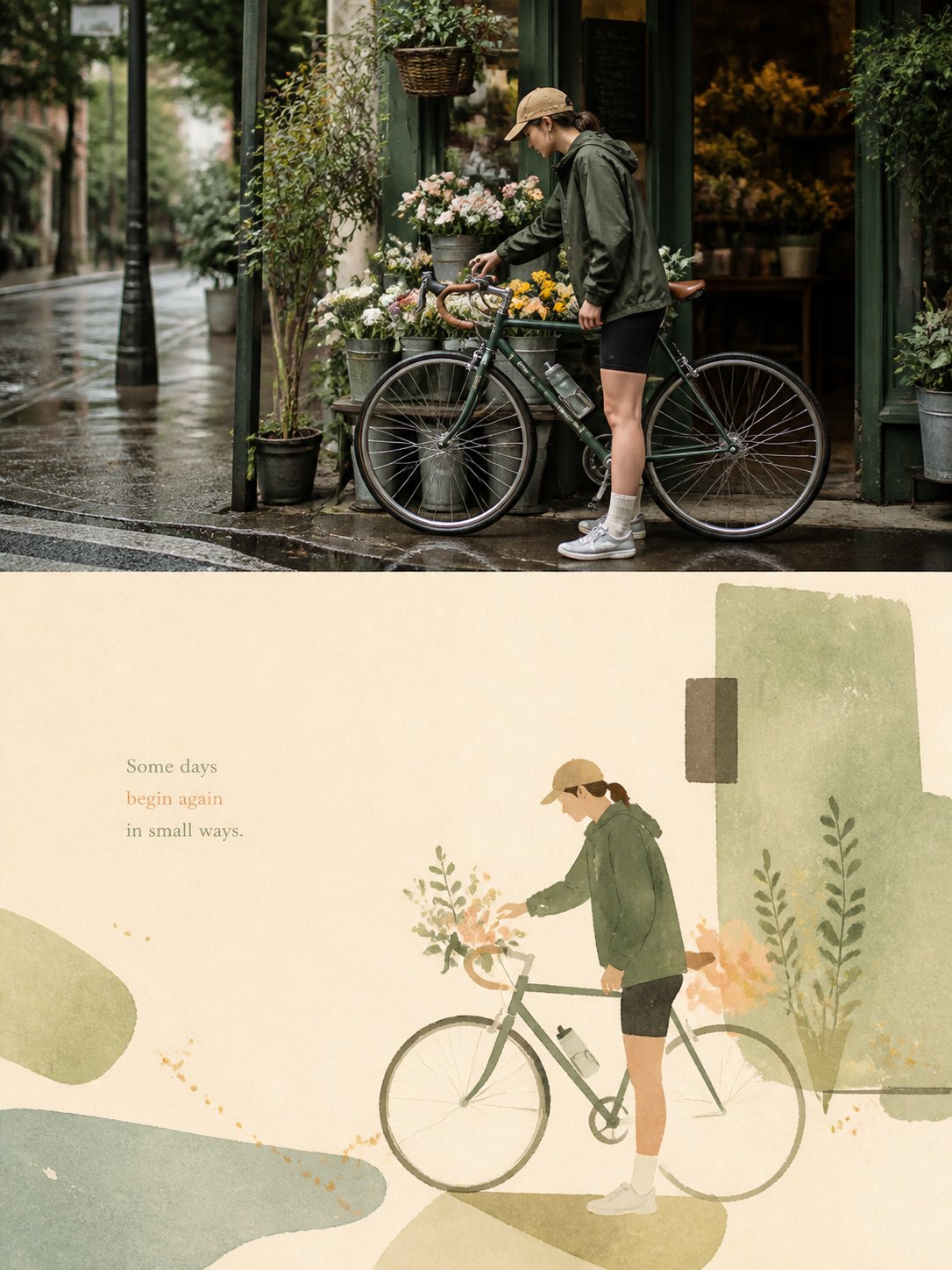
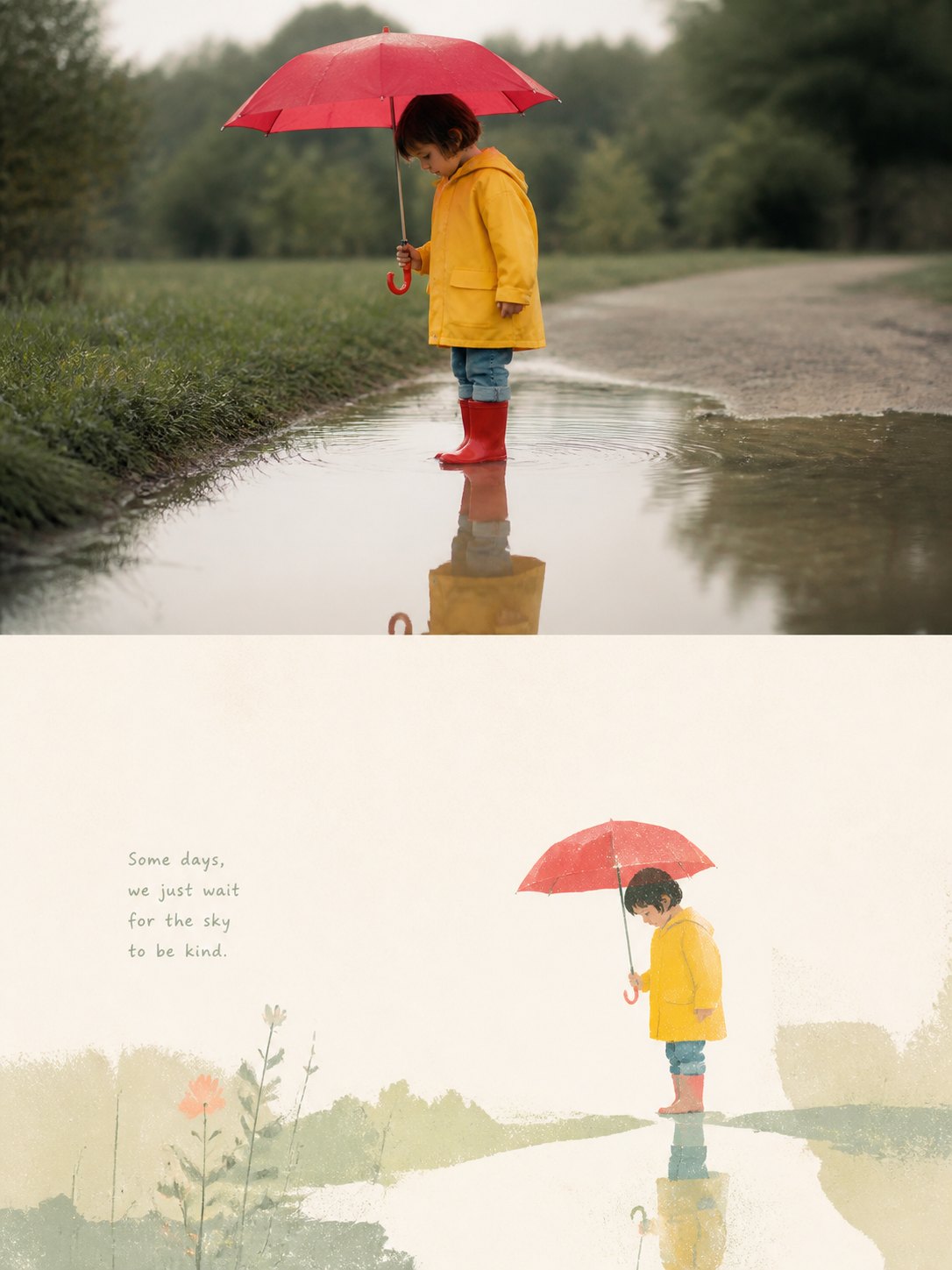
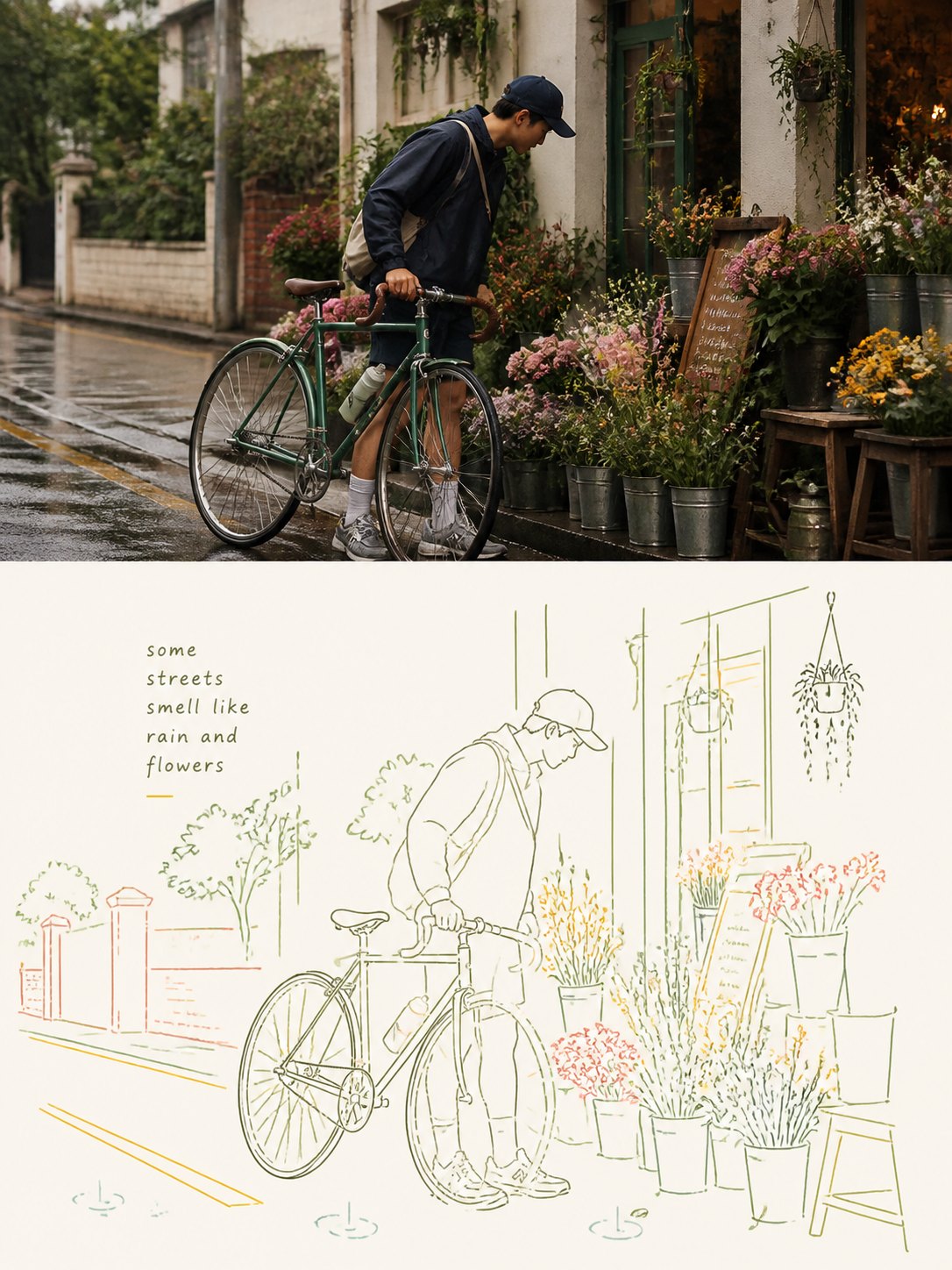
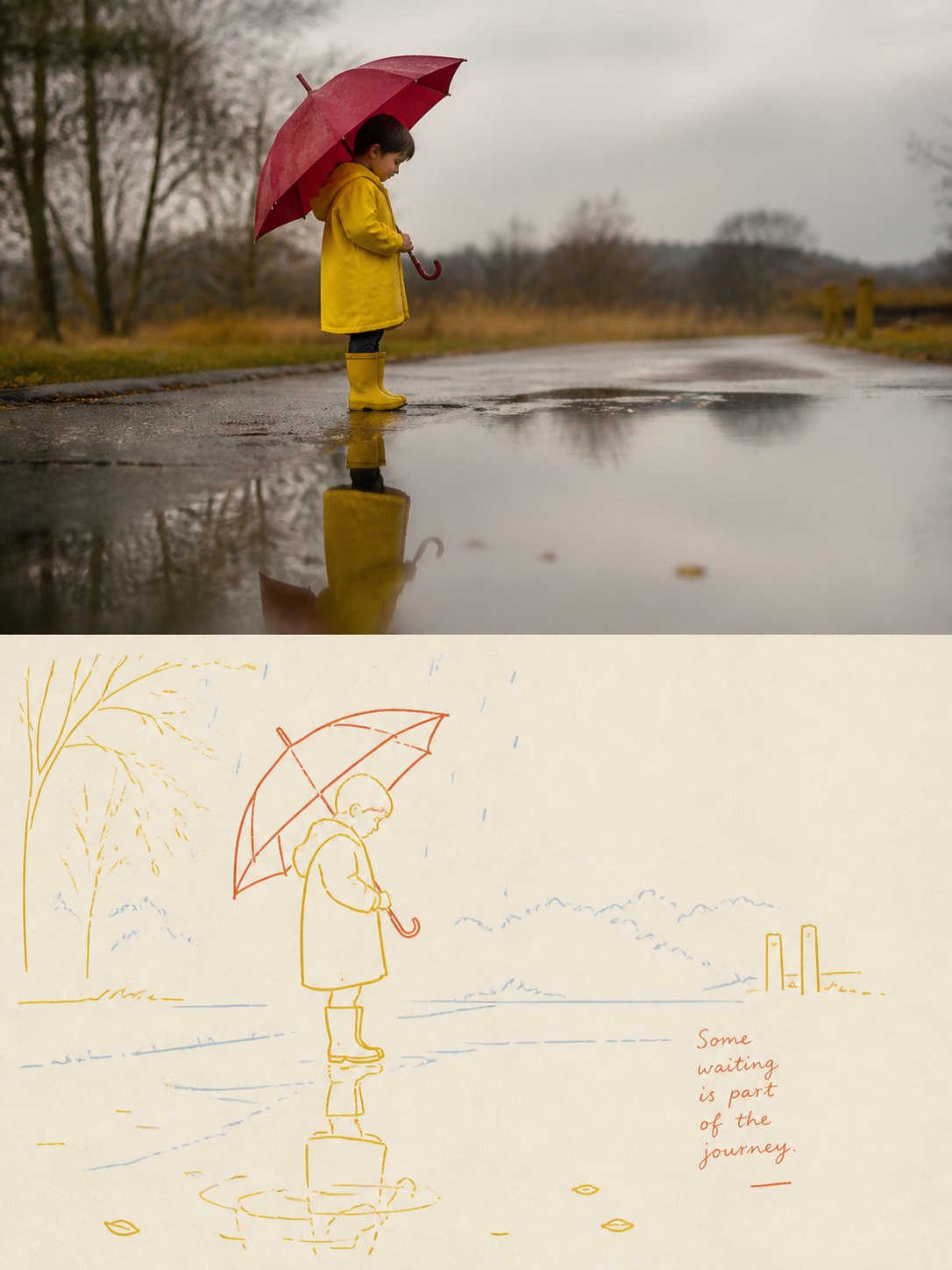
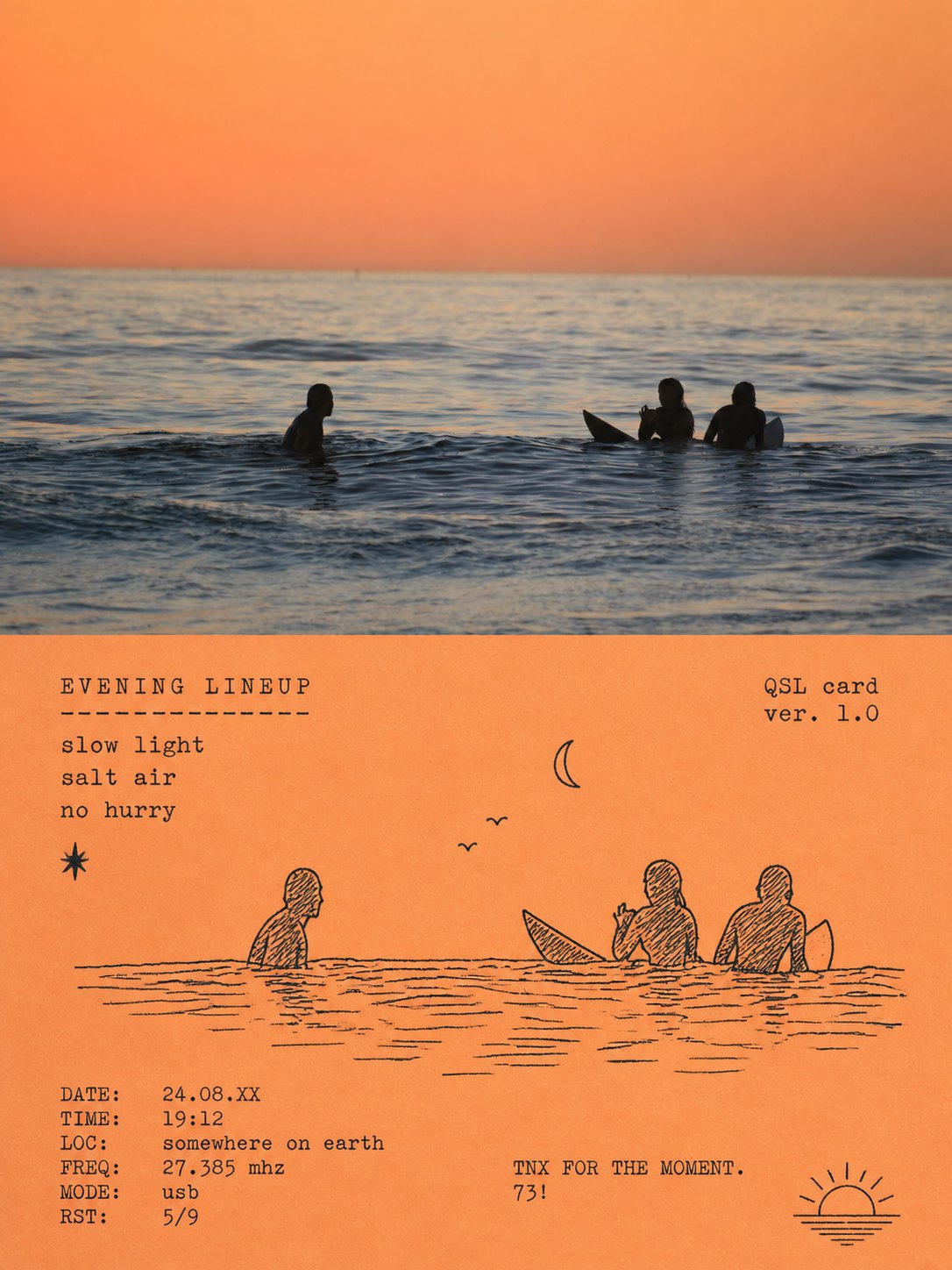
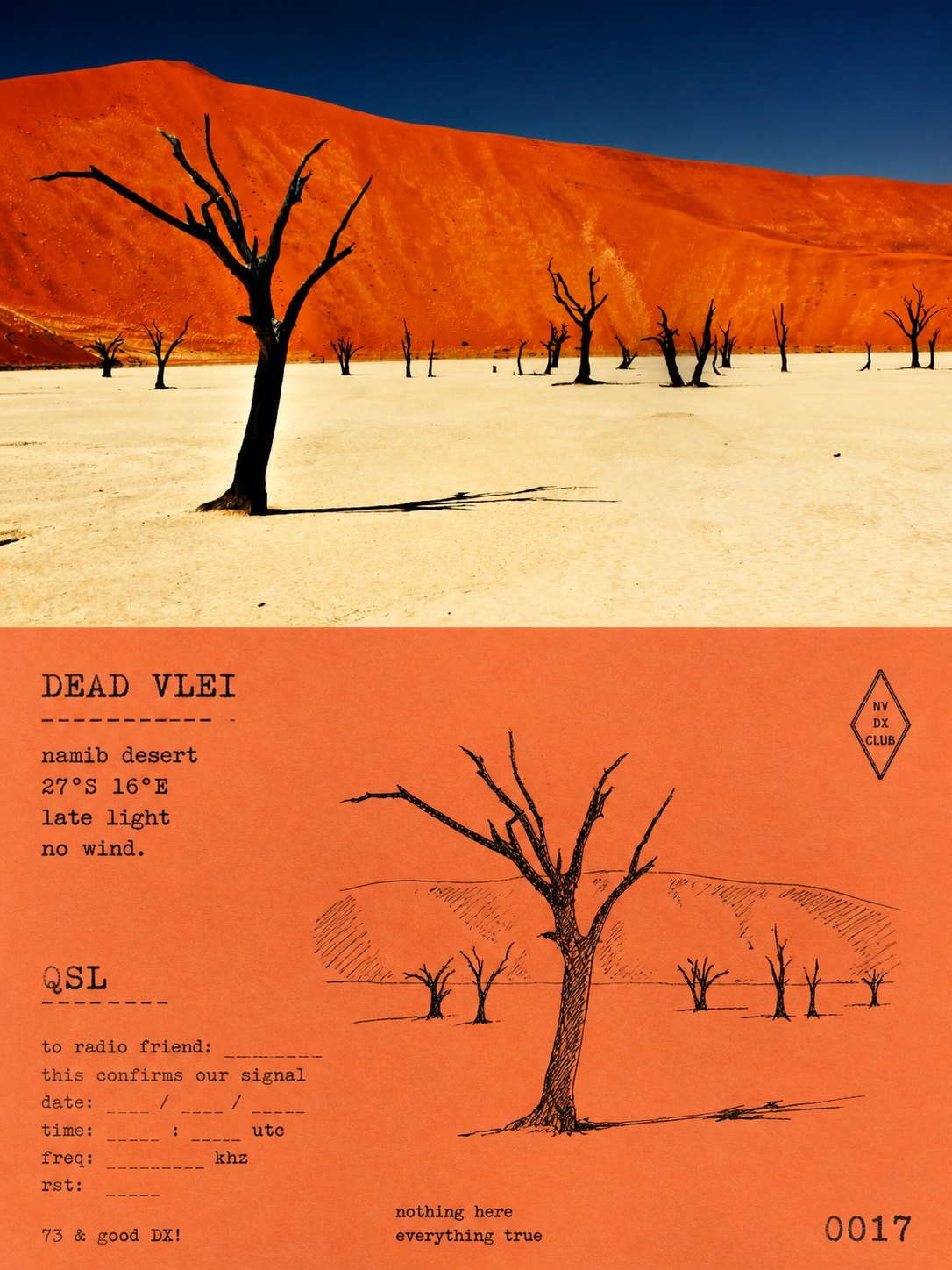
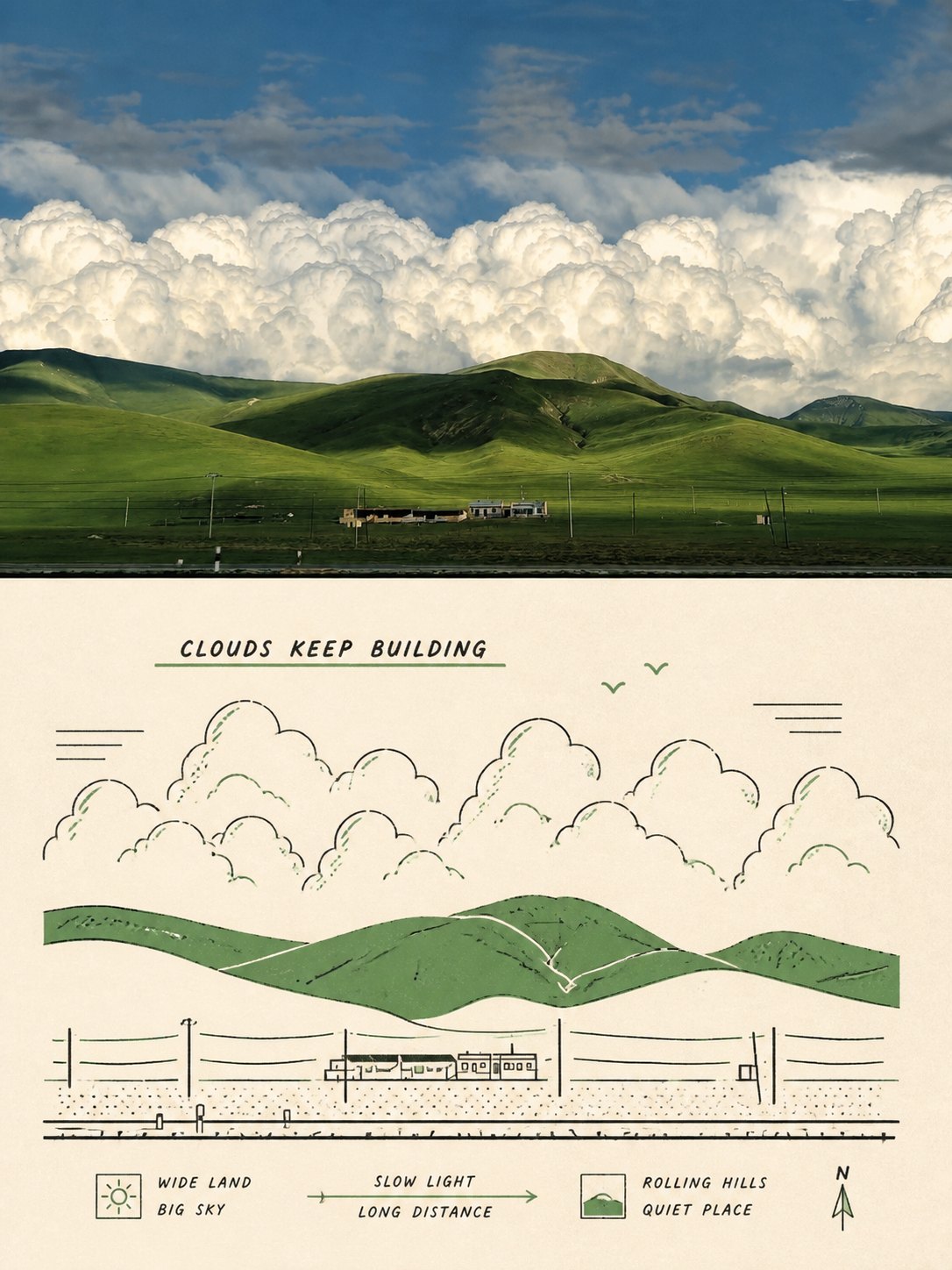
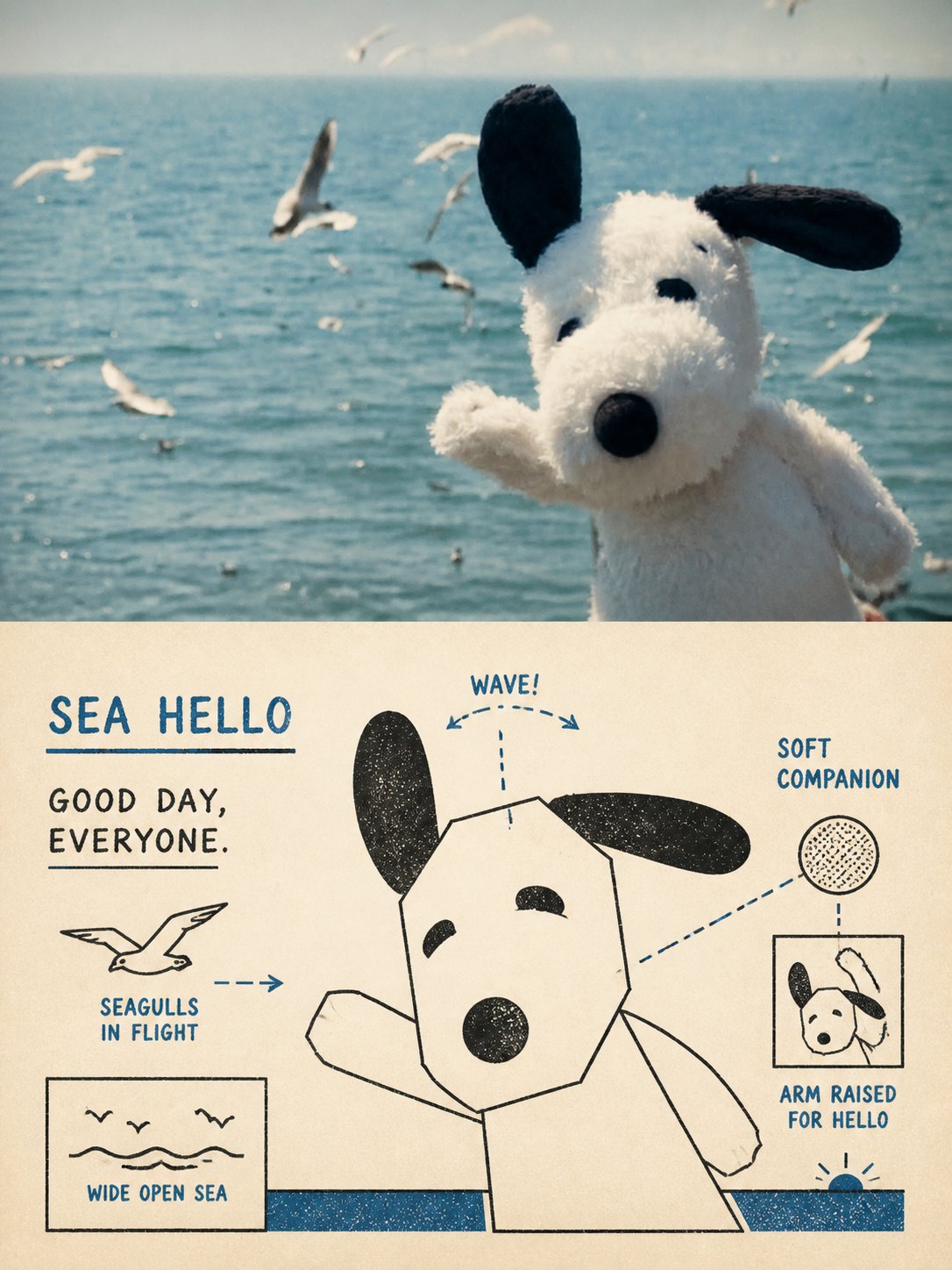
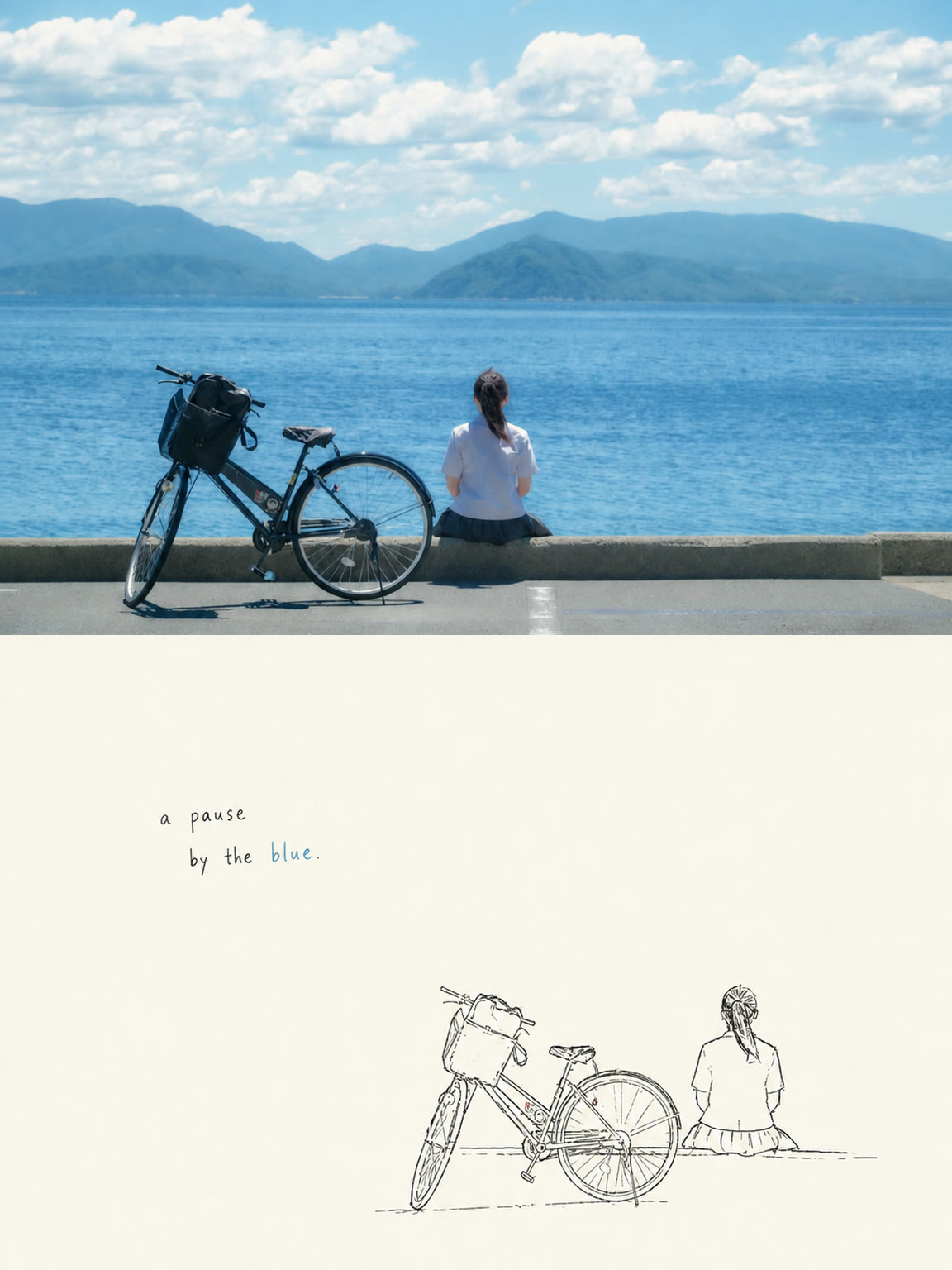
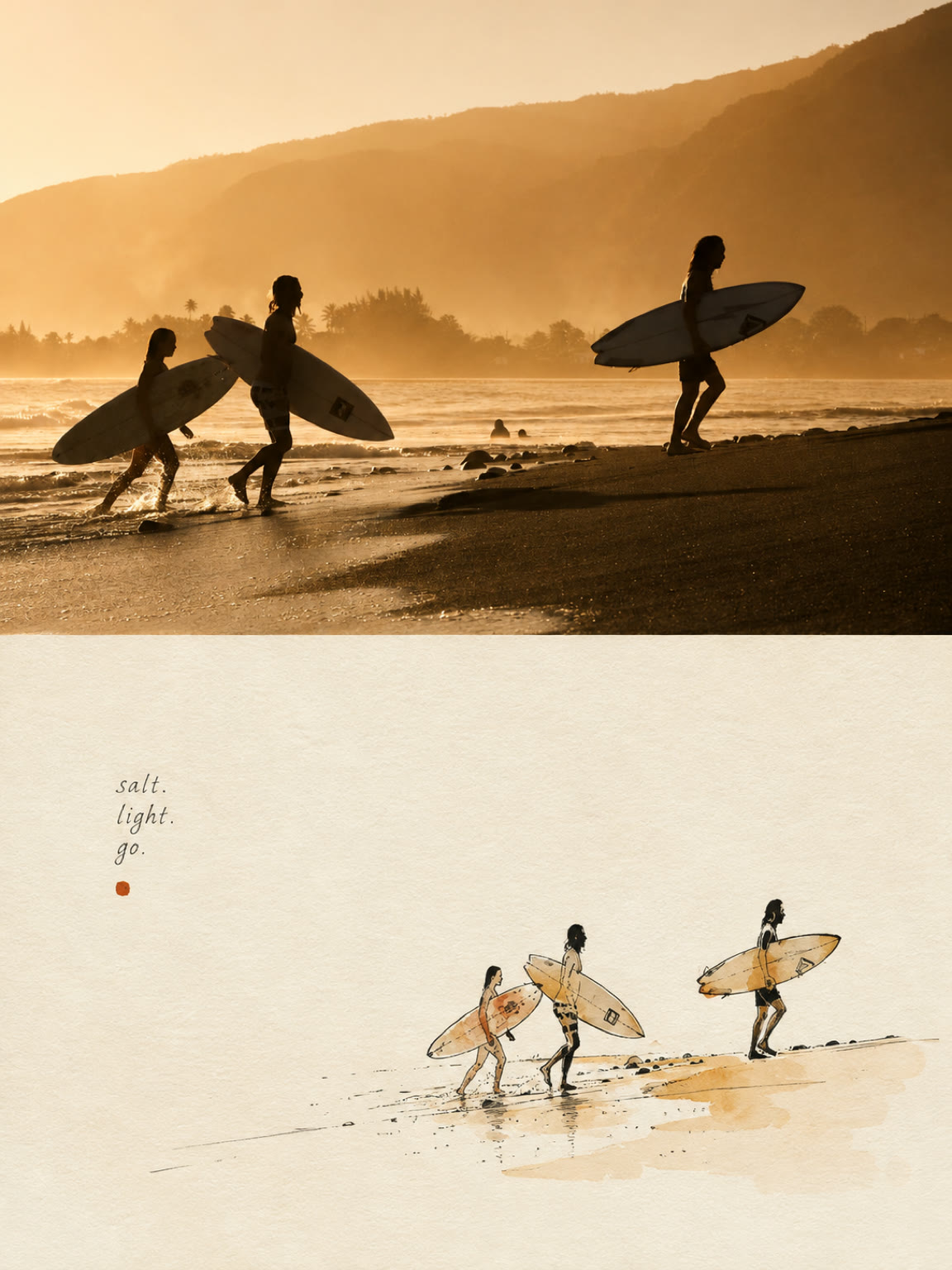
Minimal hand-drawn lines
GPT Image 2line artminimal
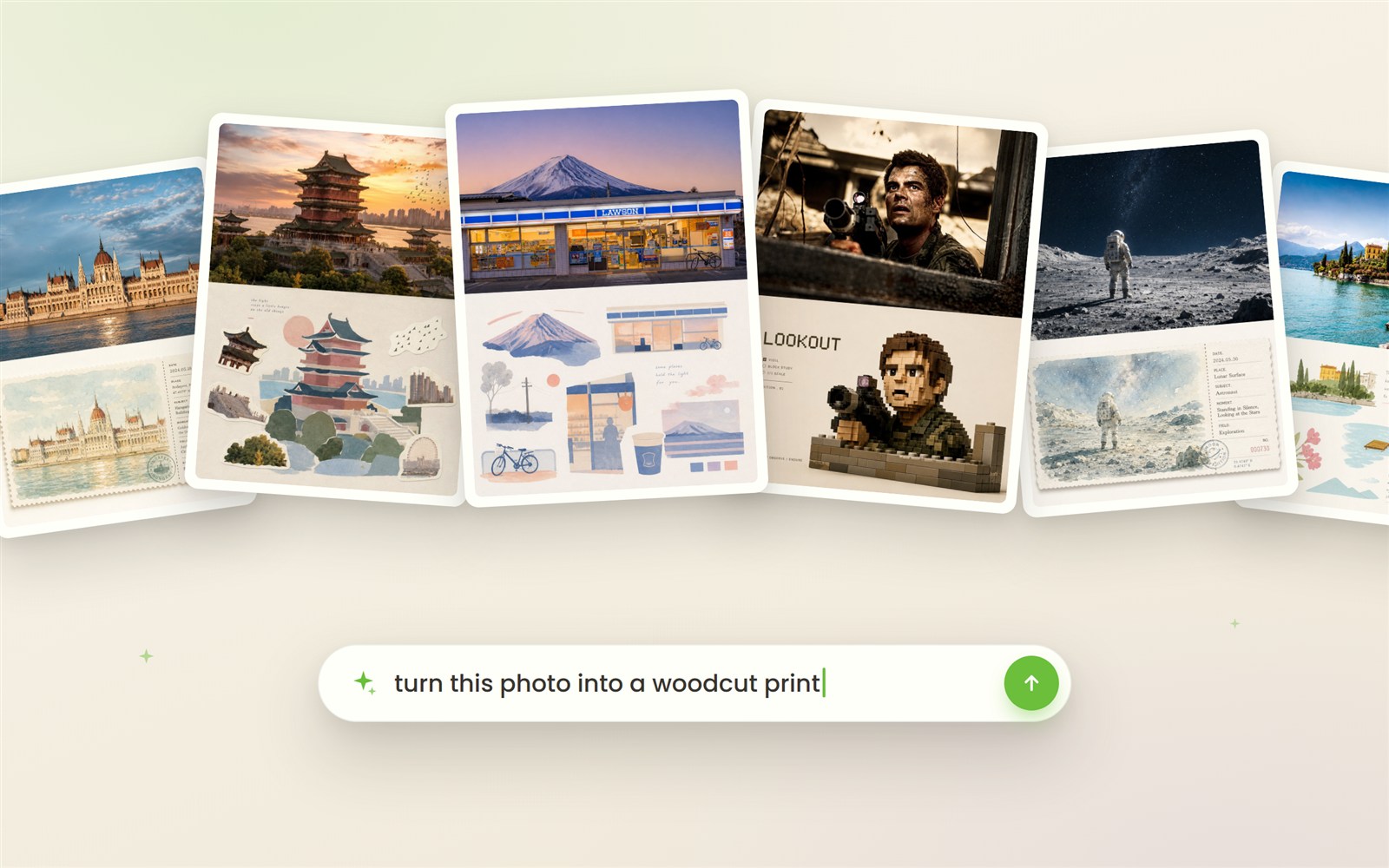
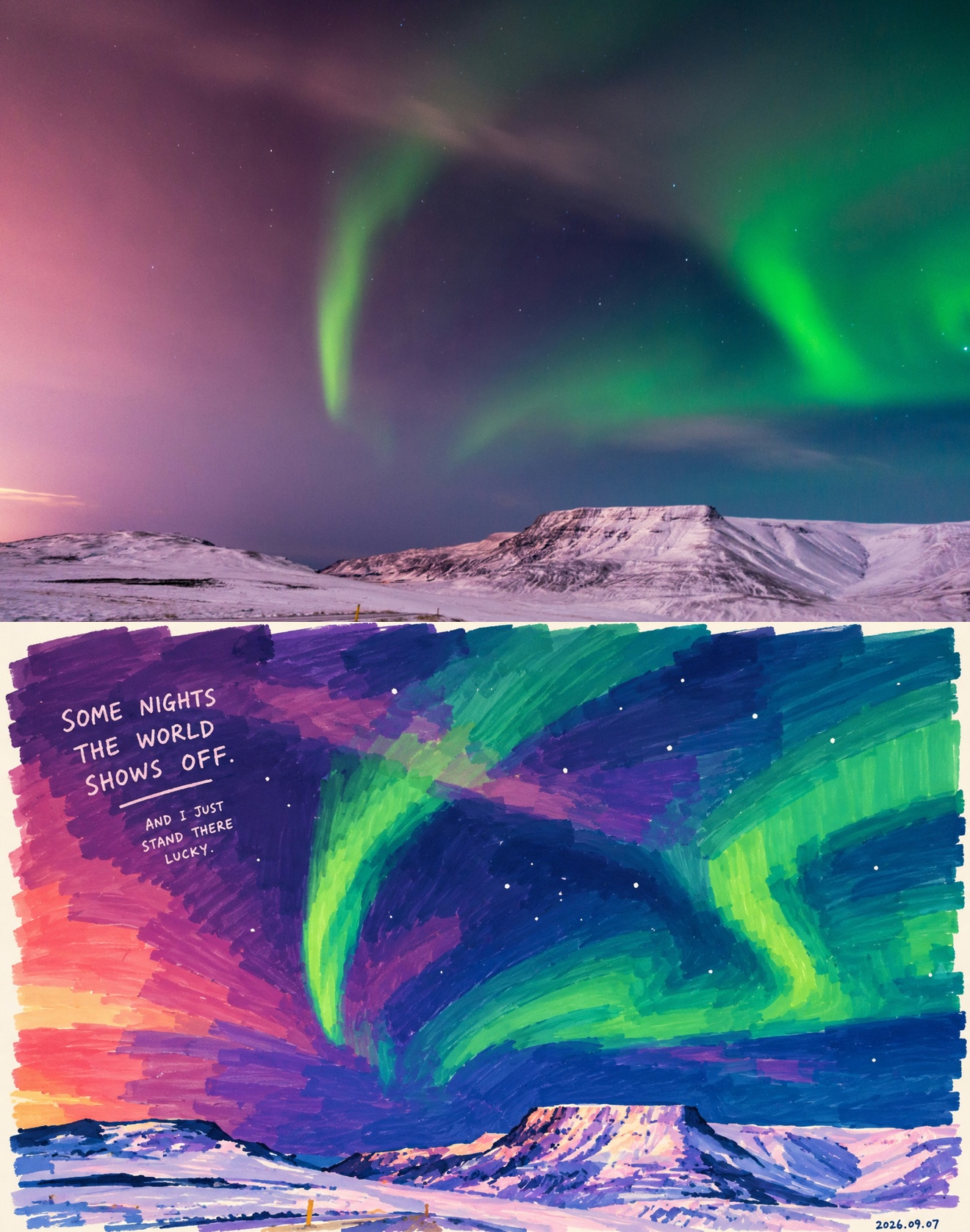
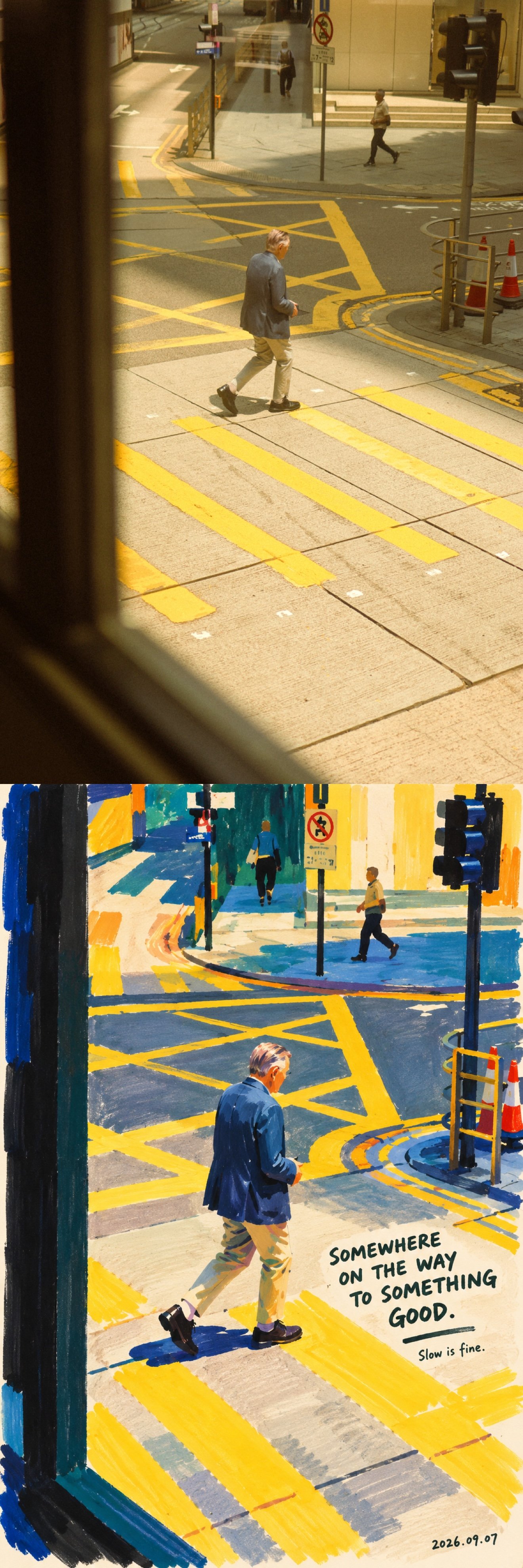
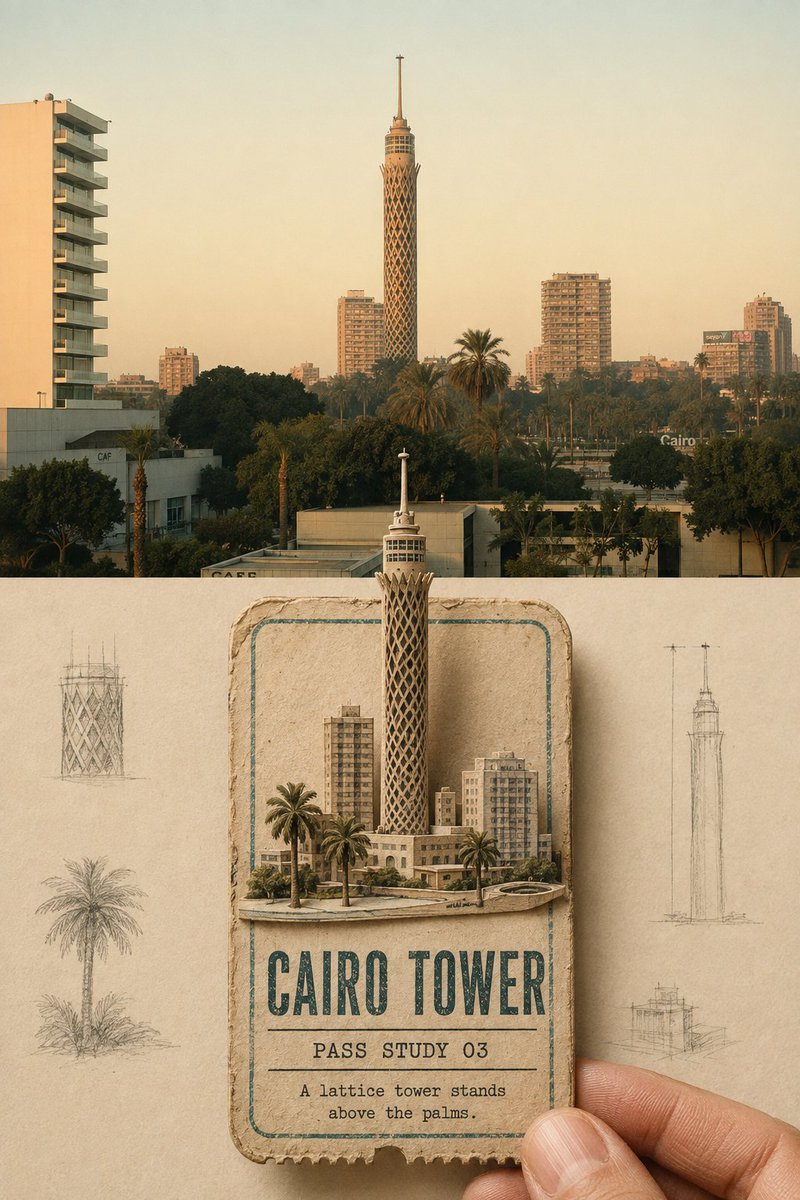
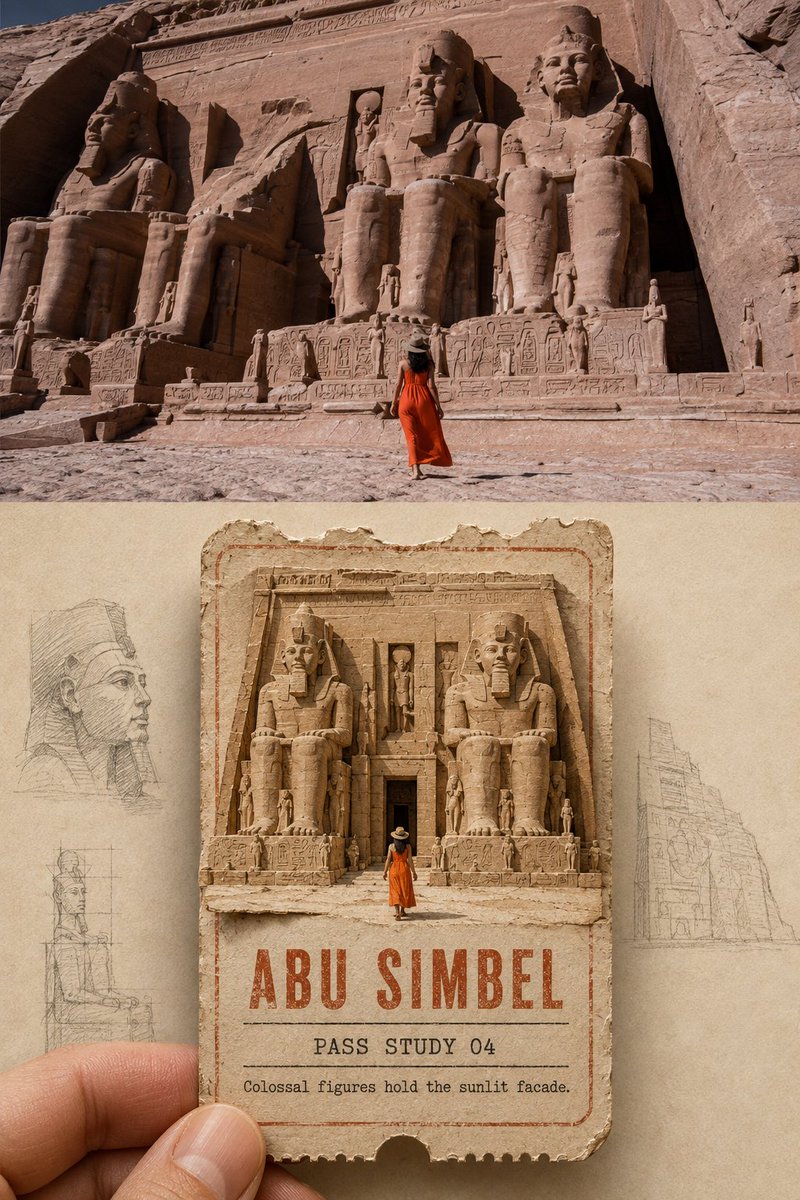
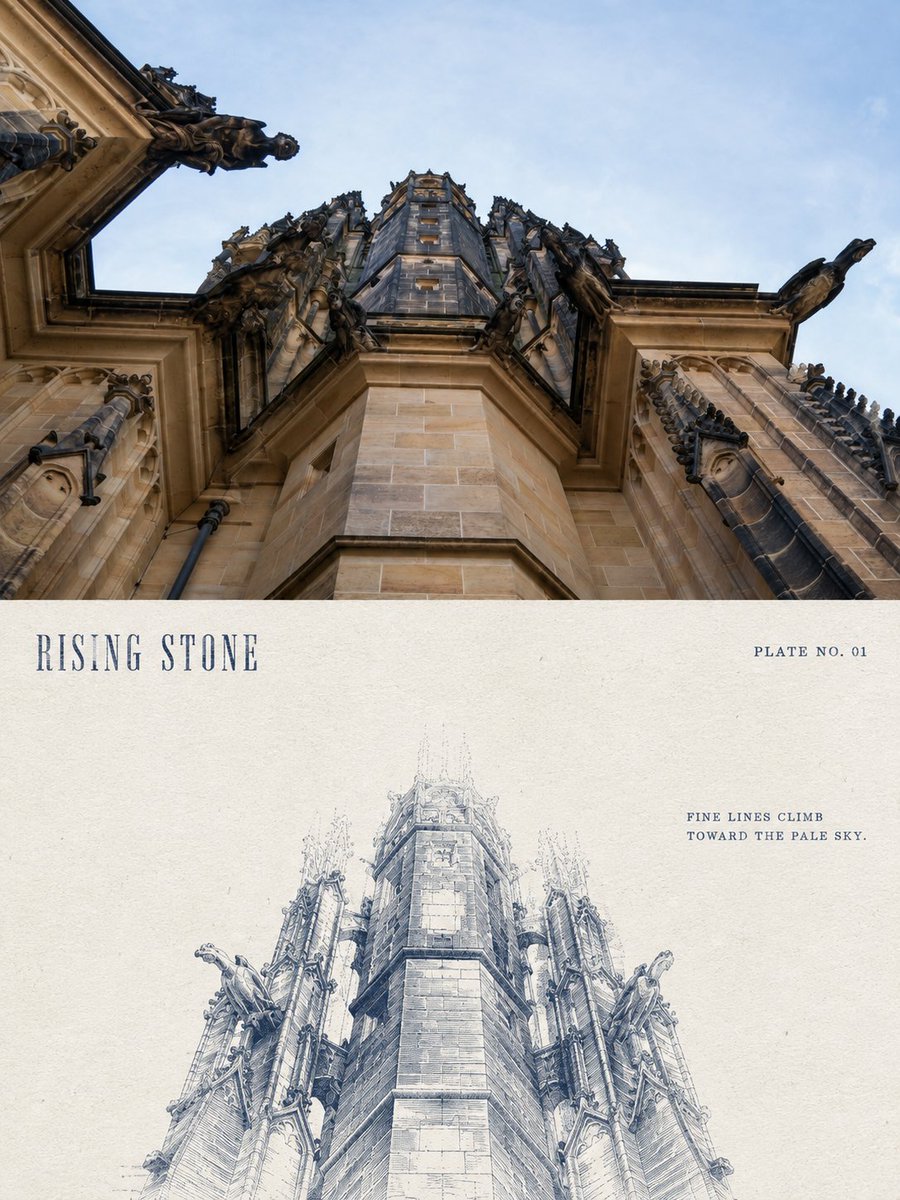
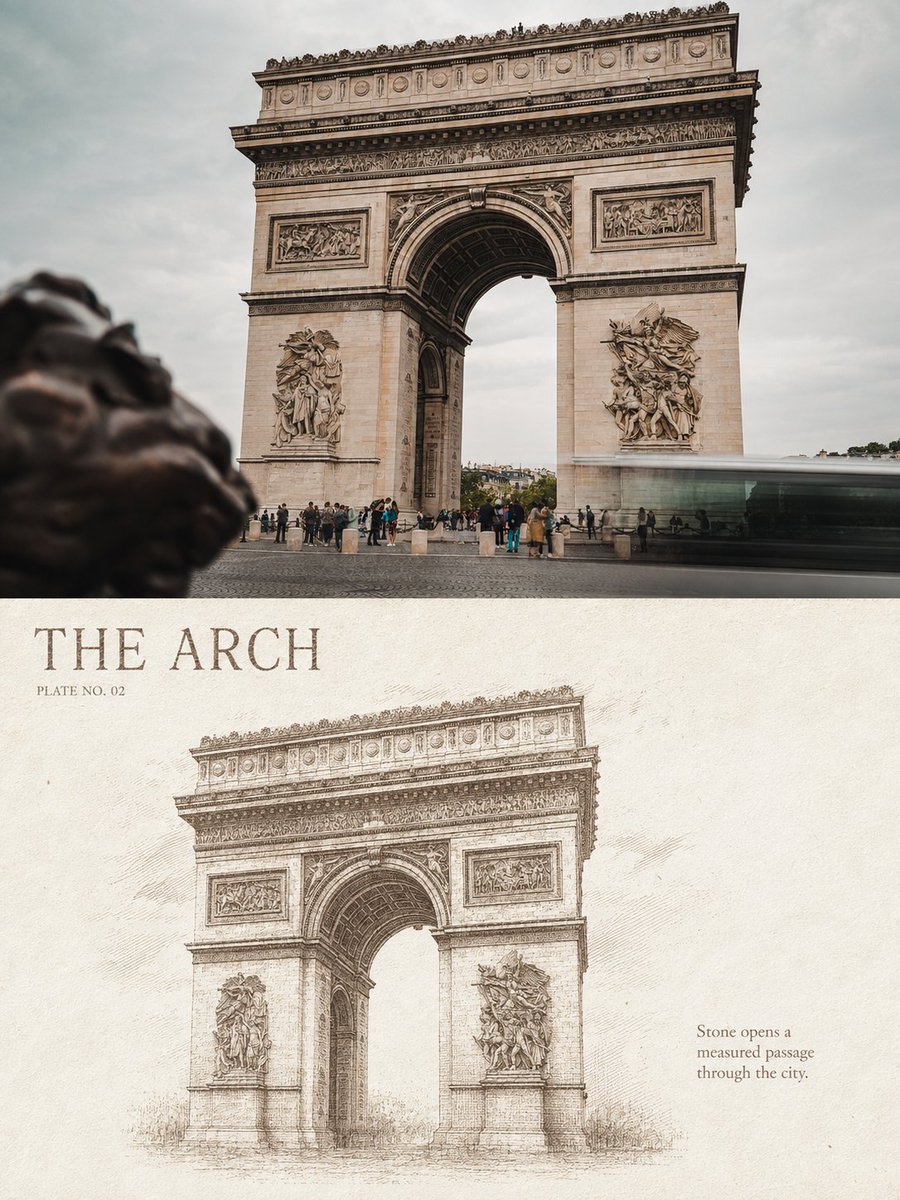
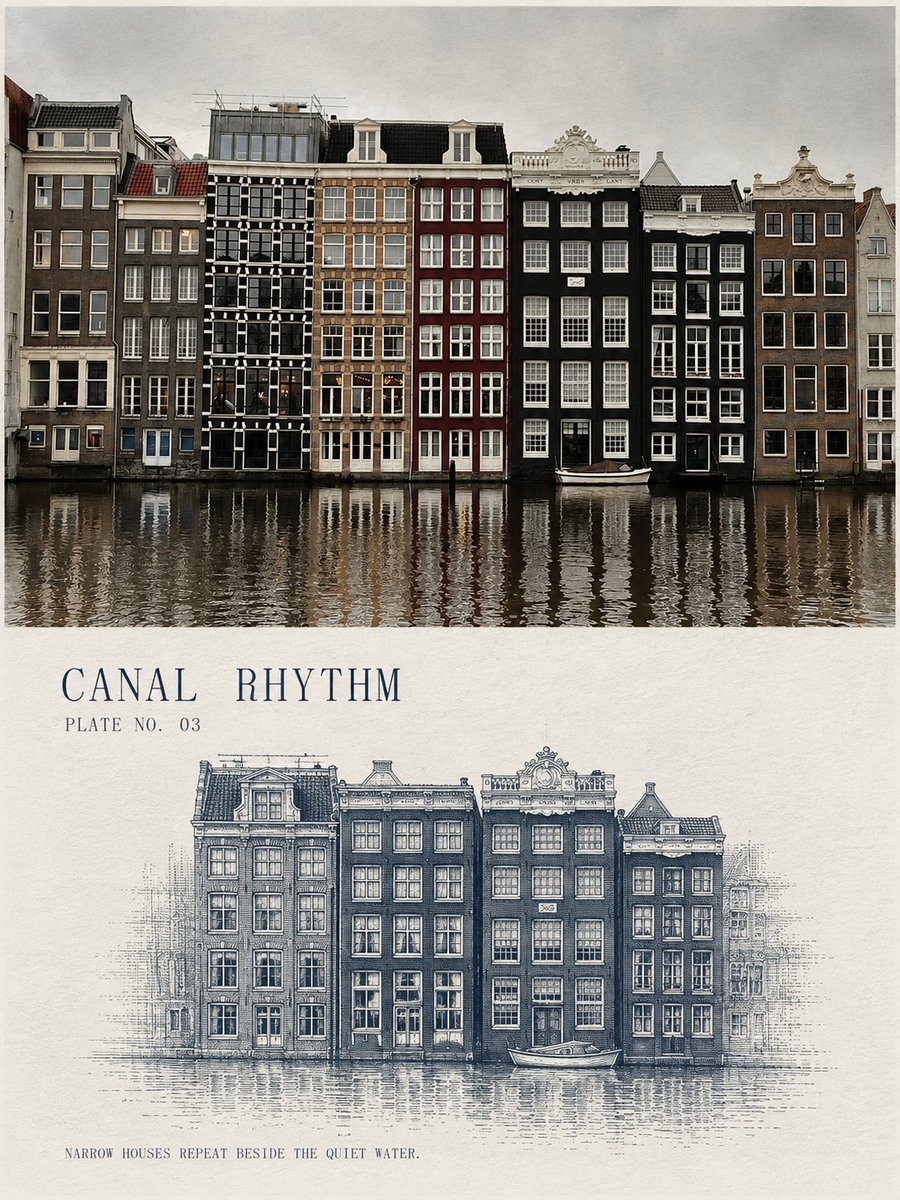
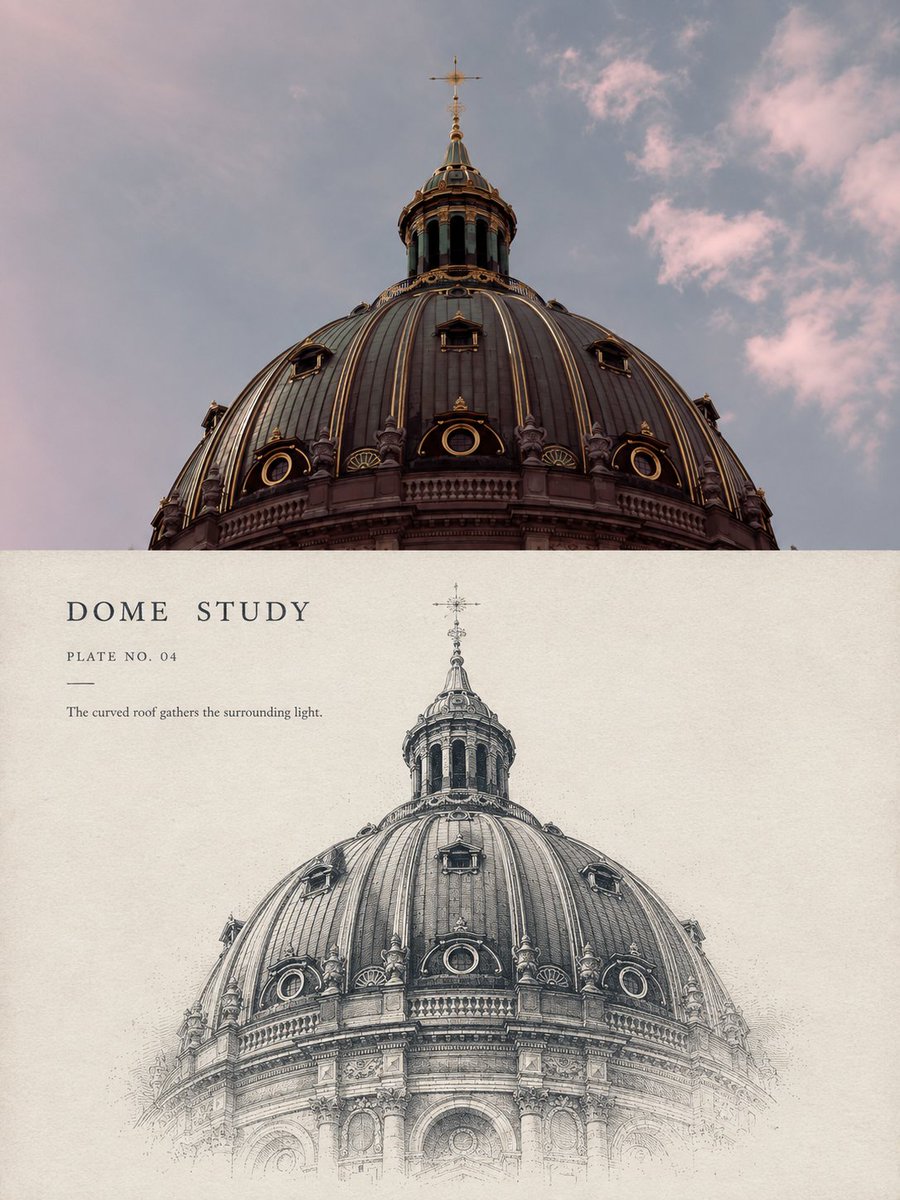
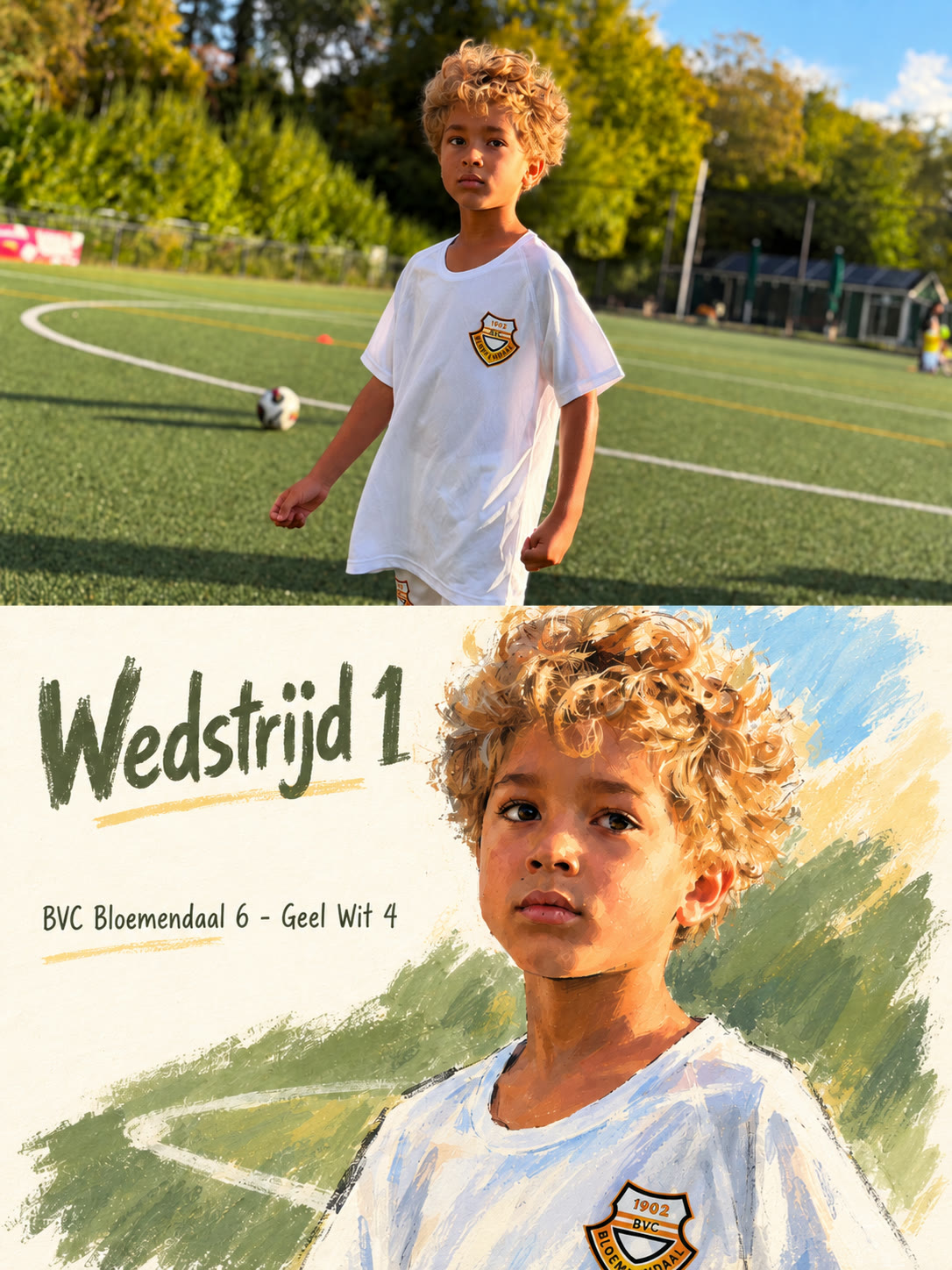
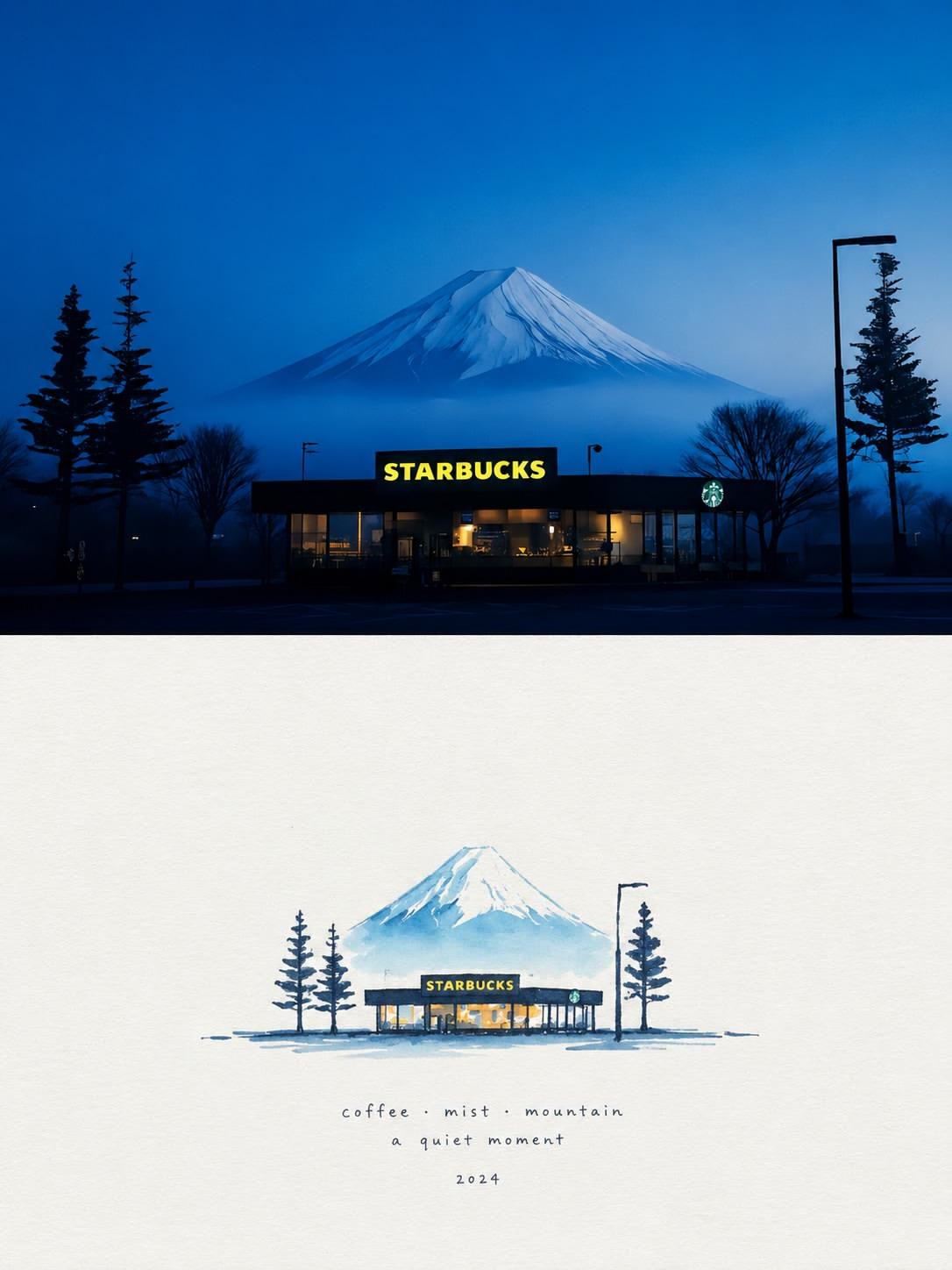
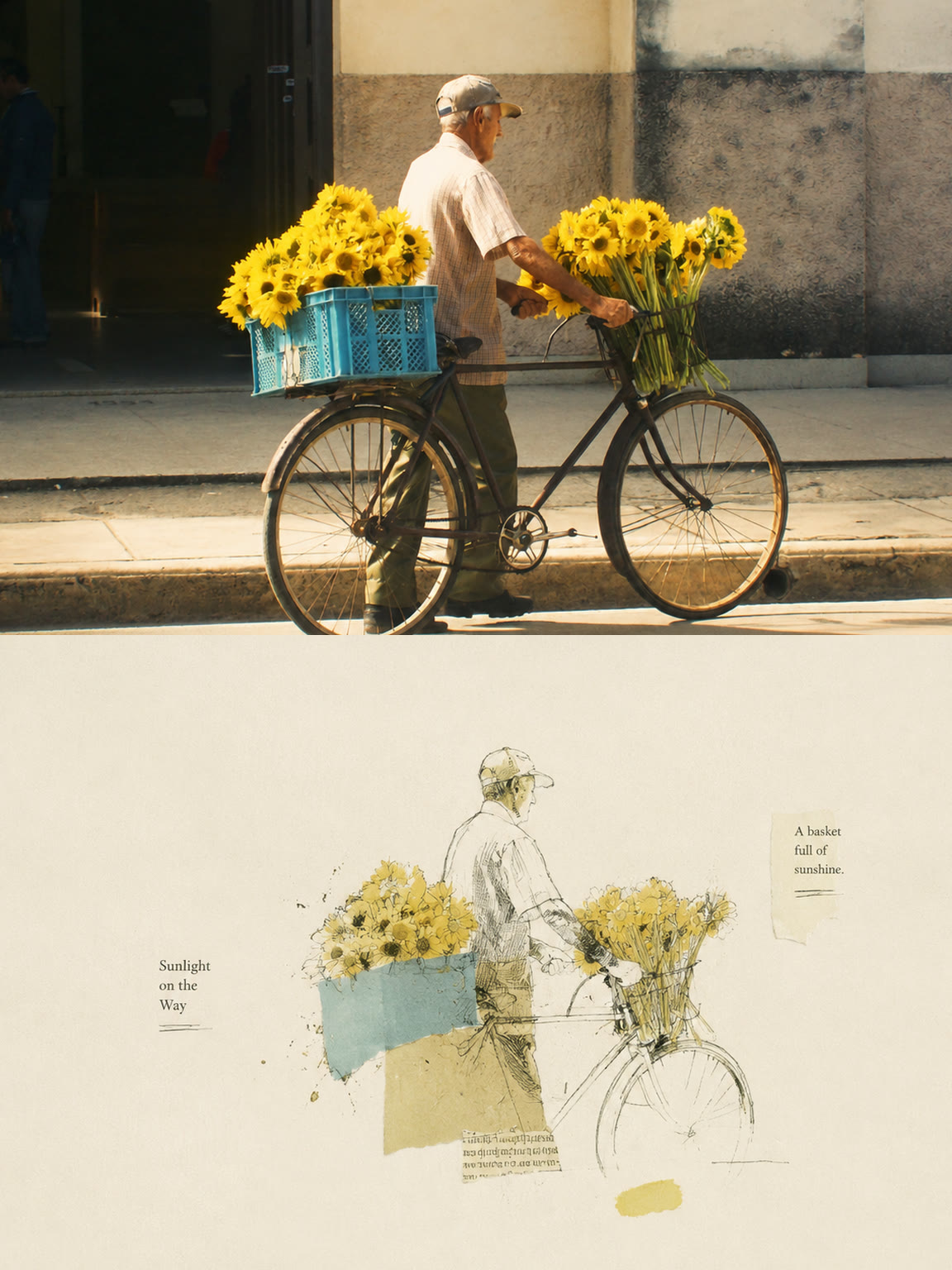
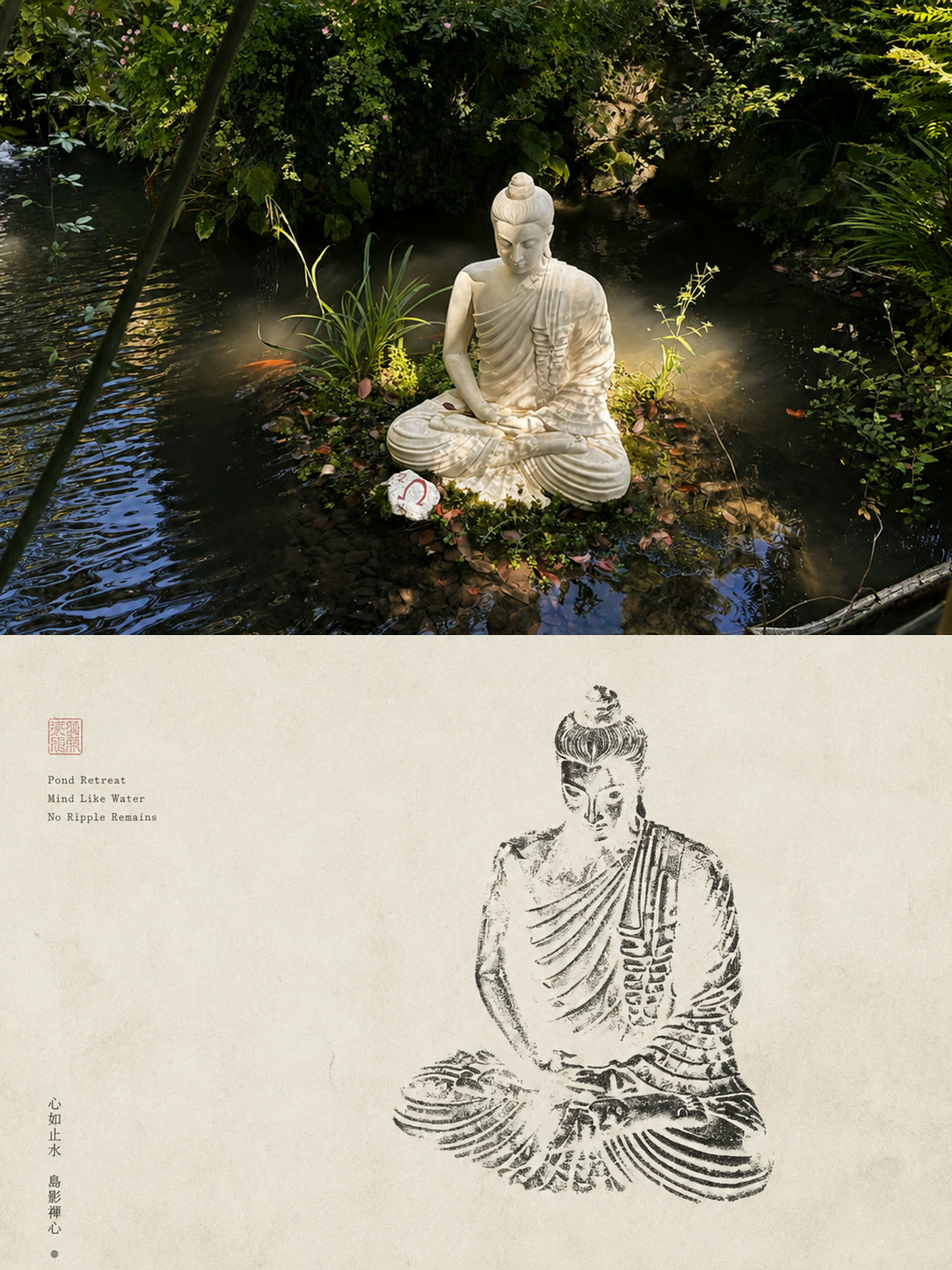
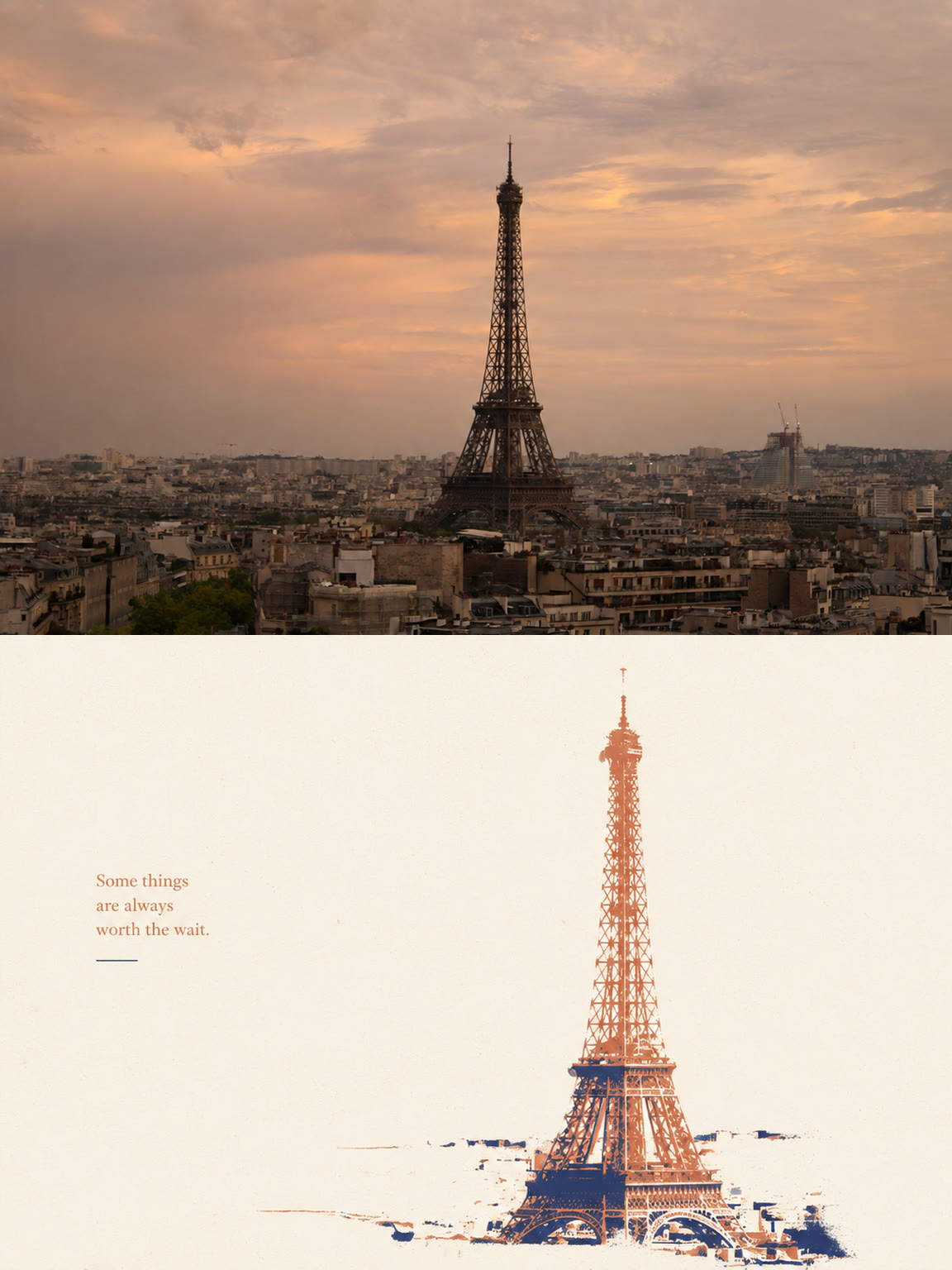
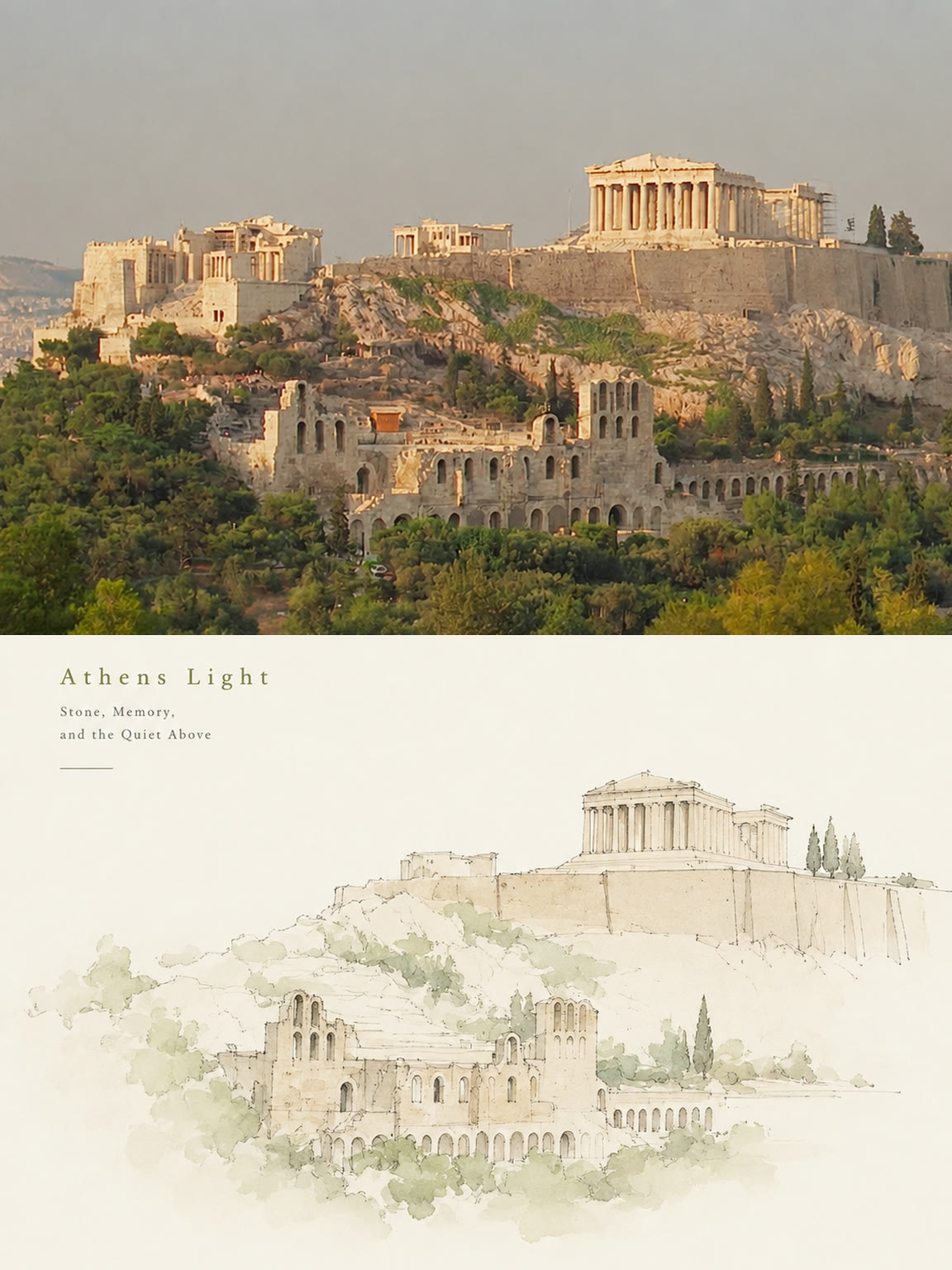
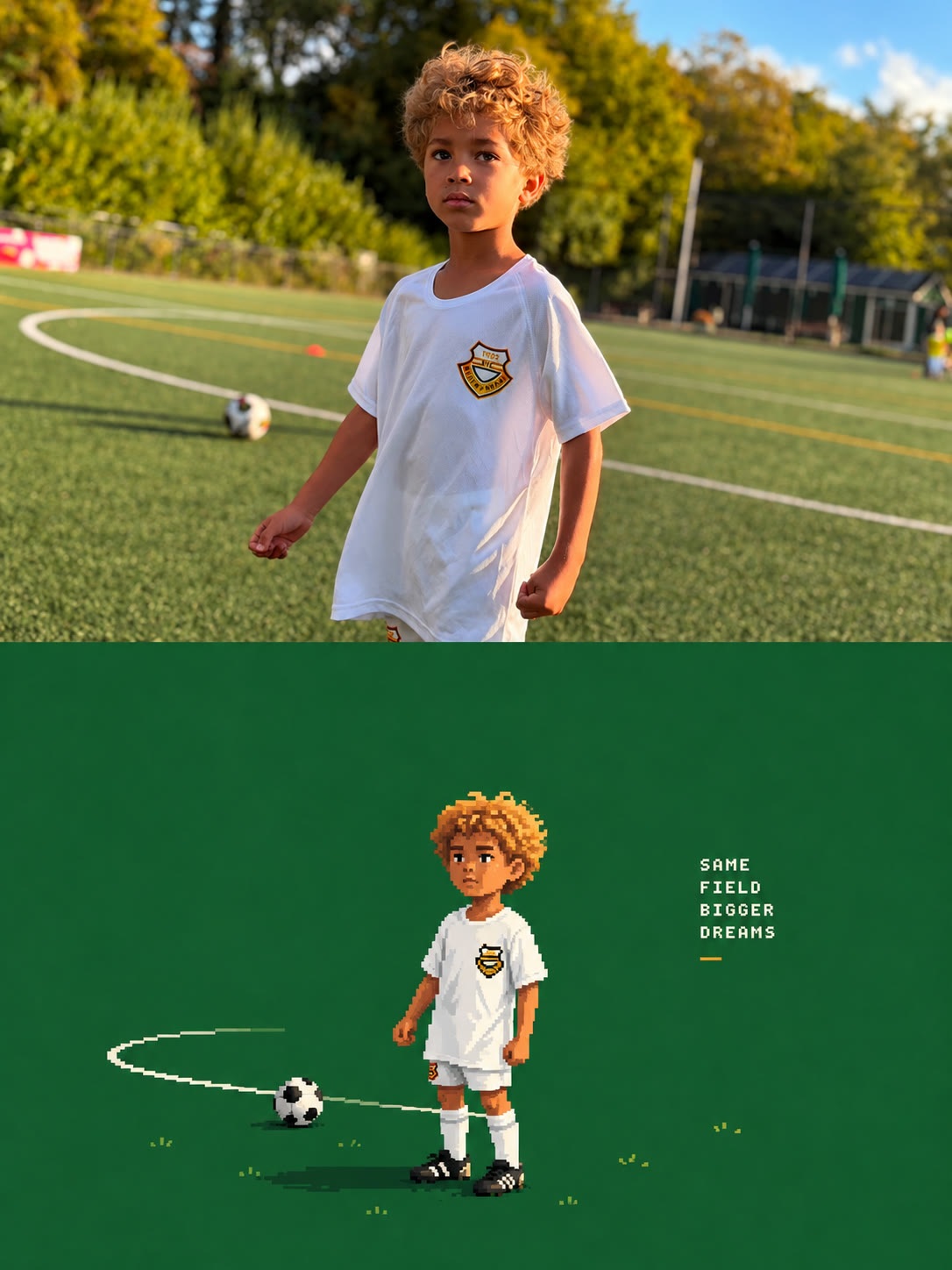
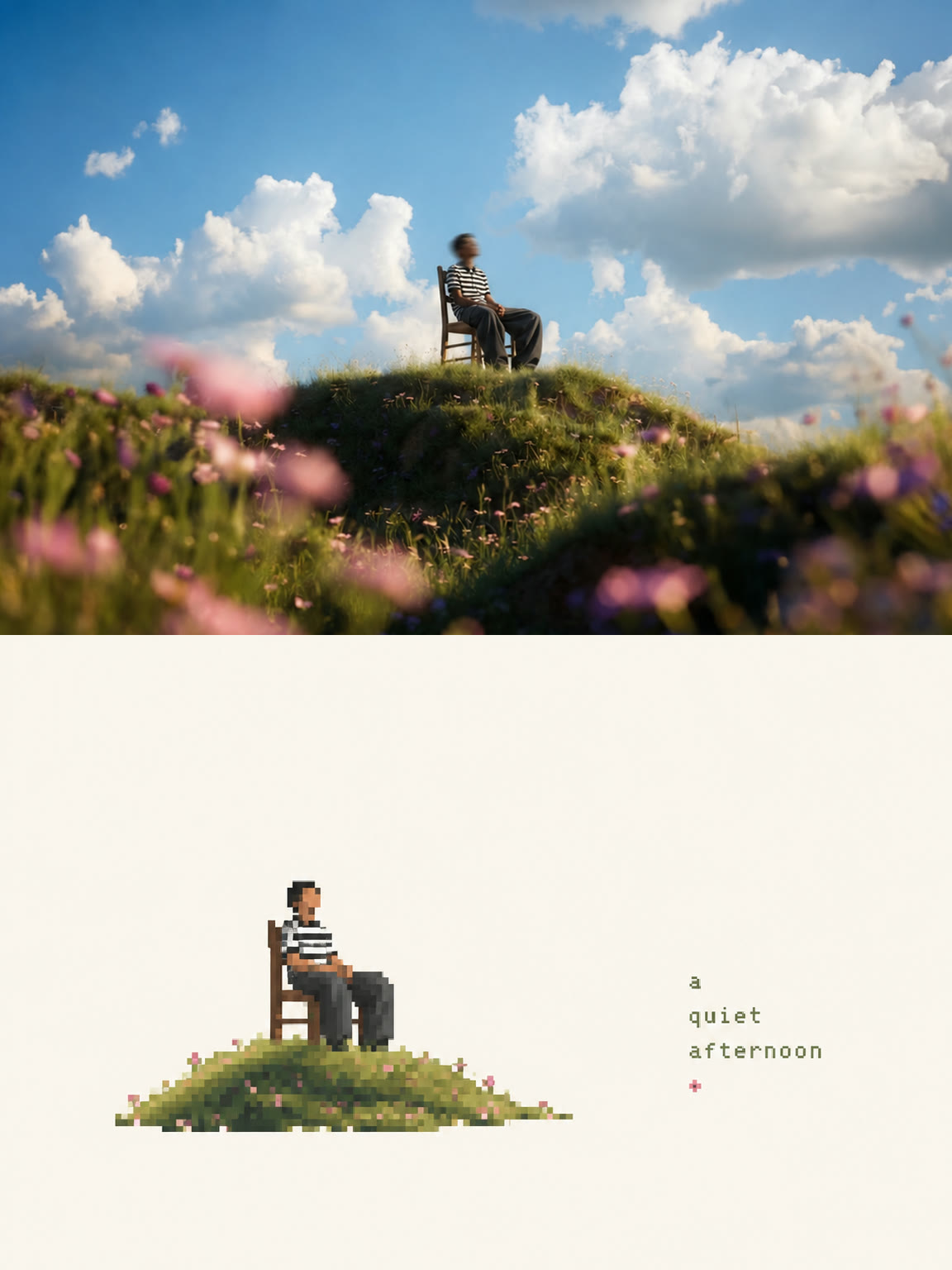
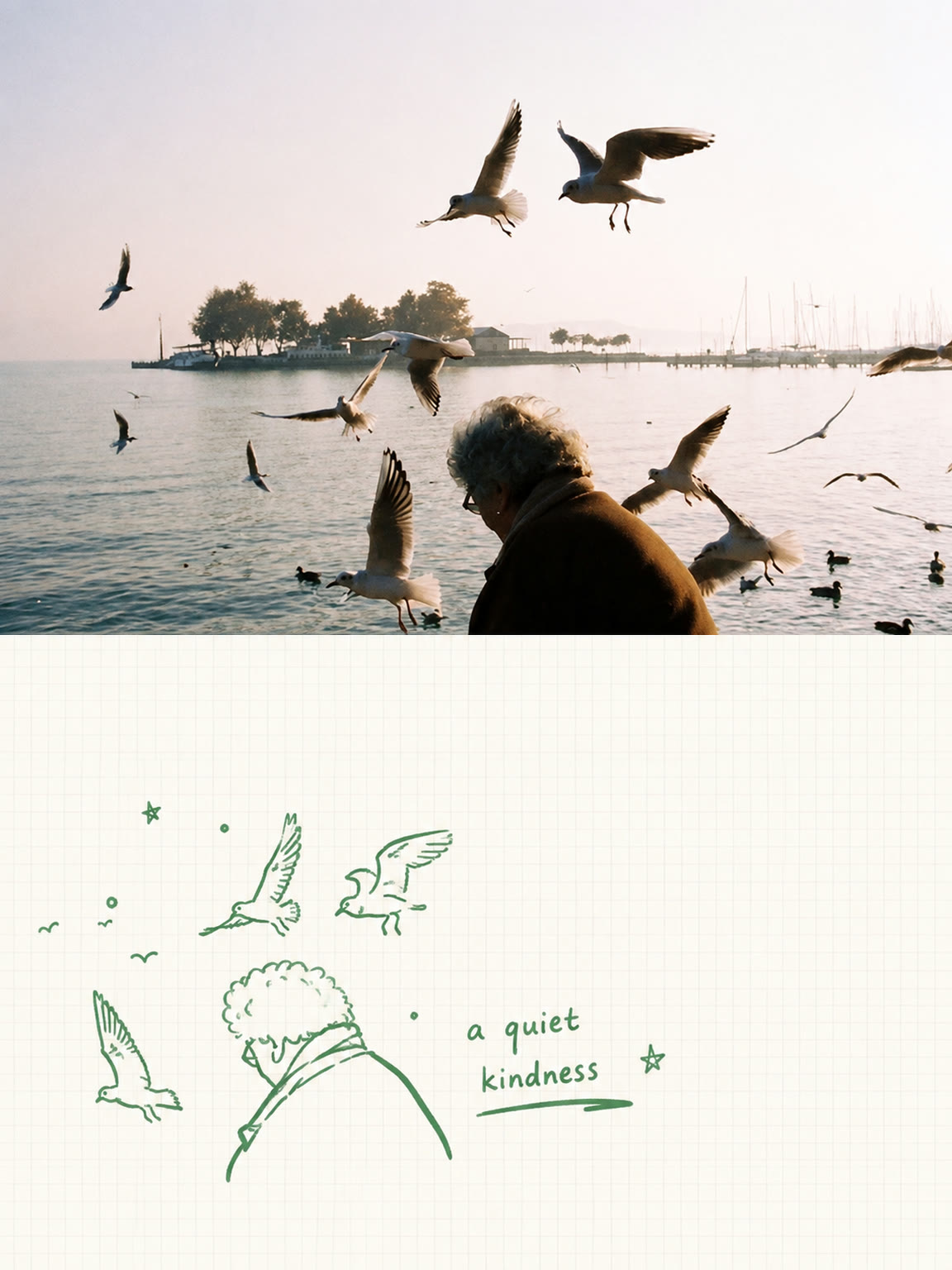
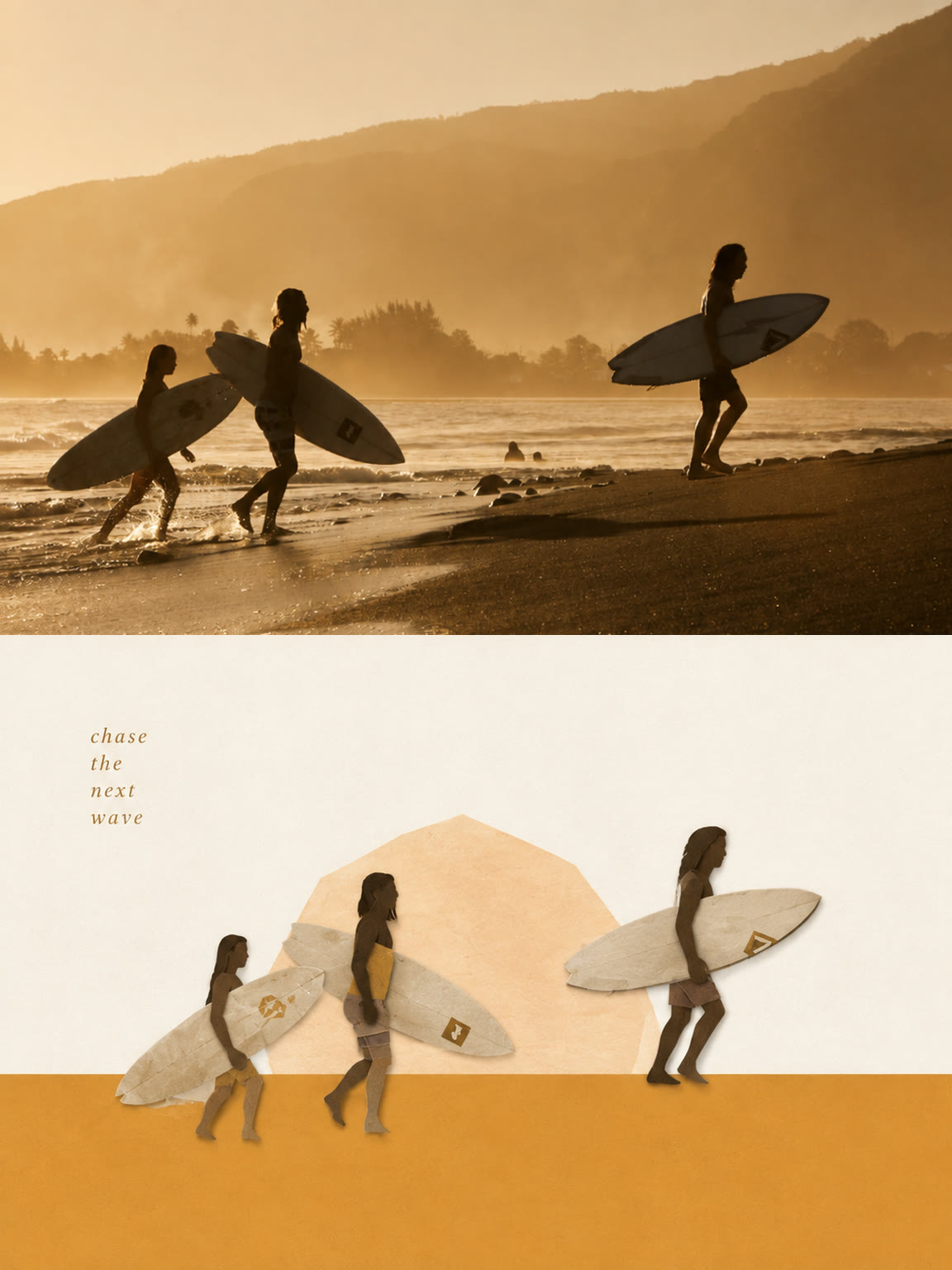
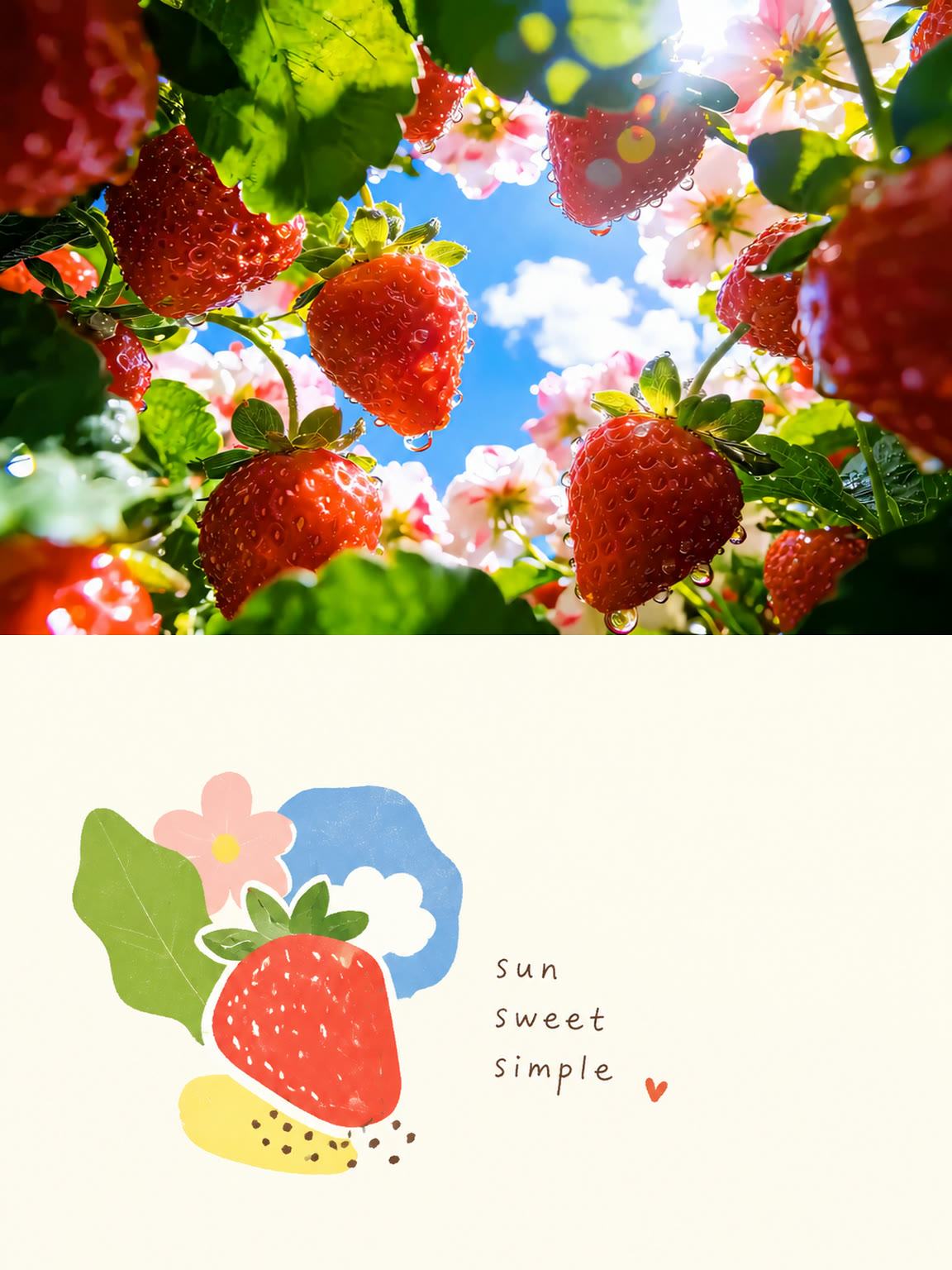
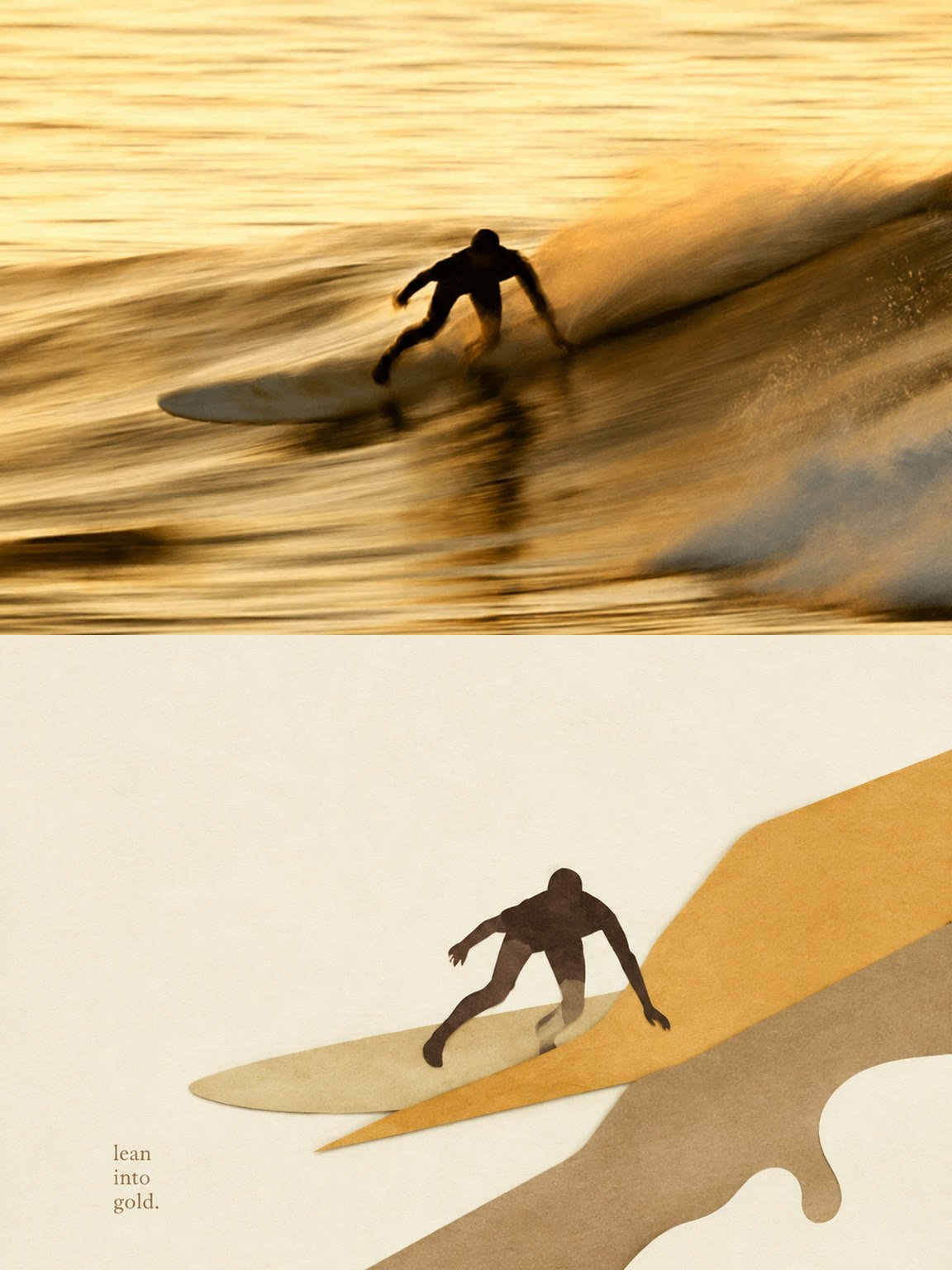
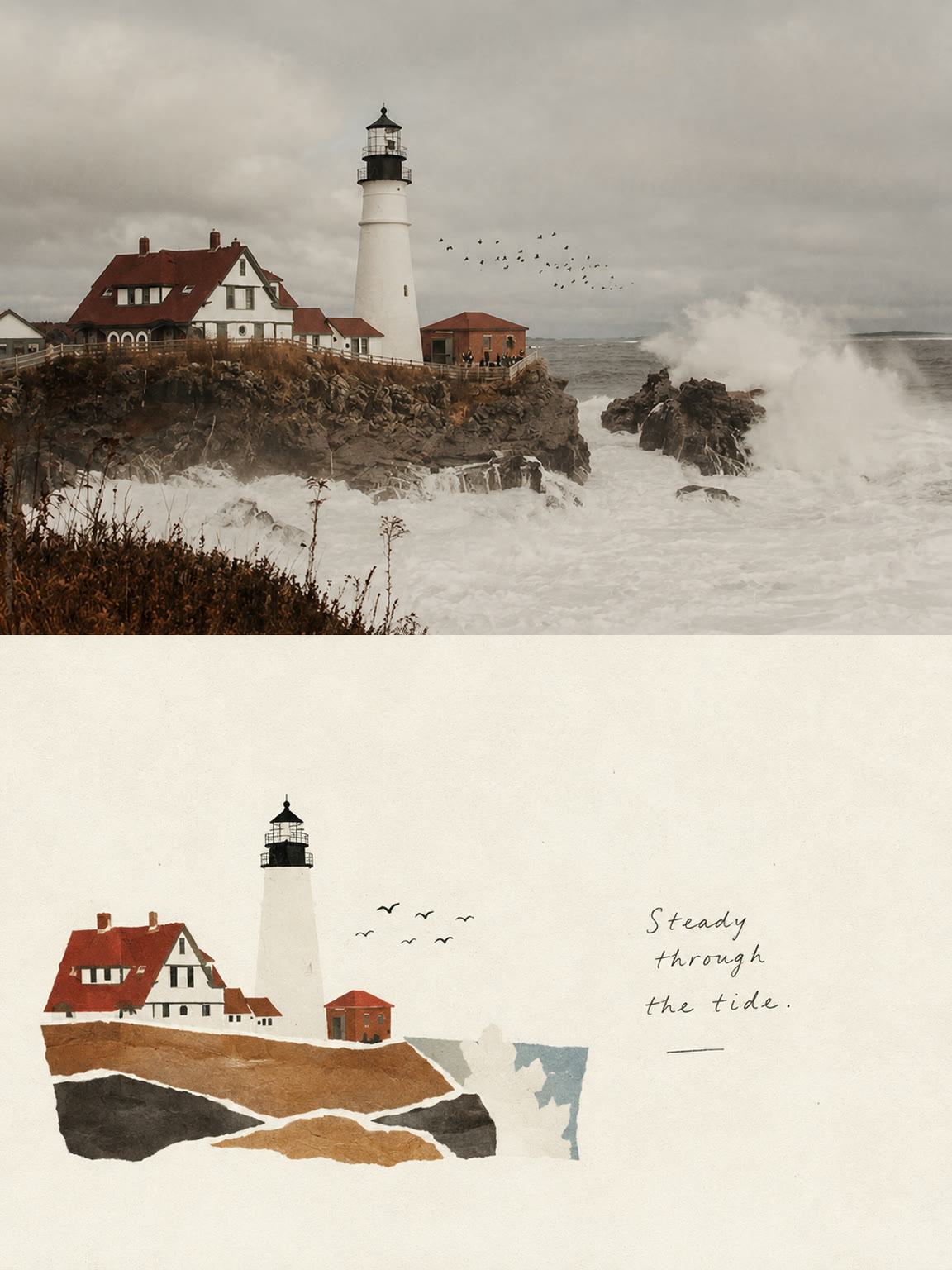
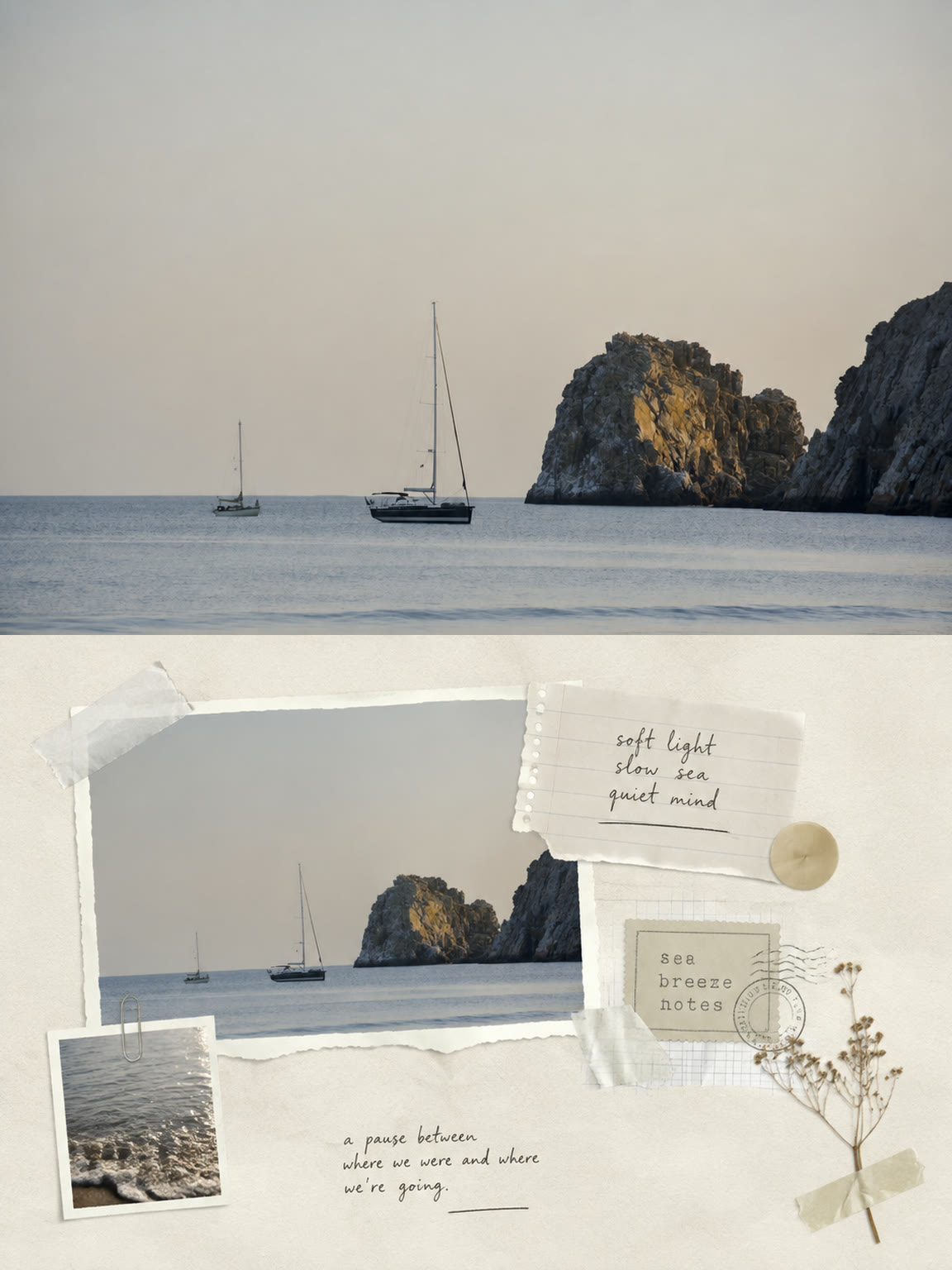
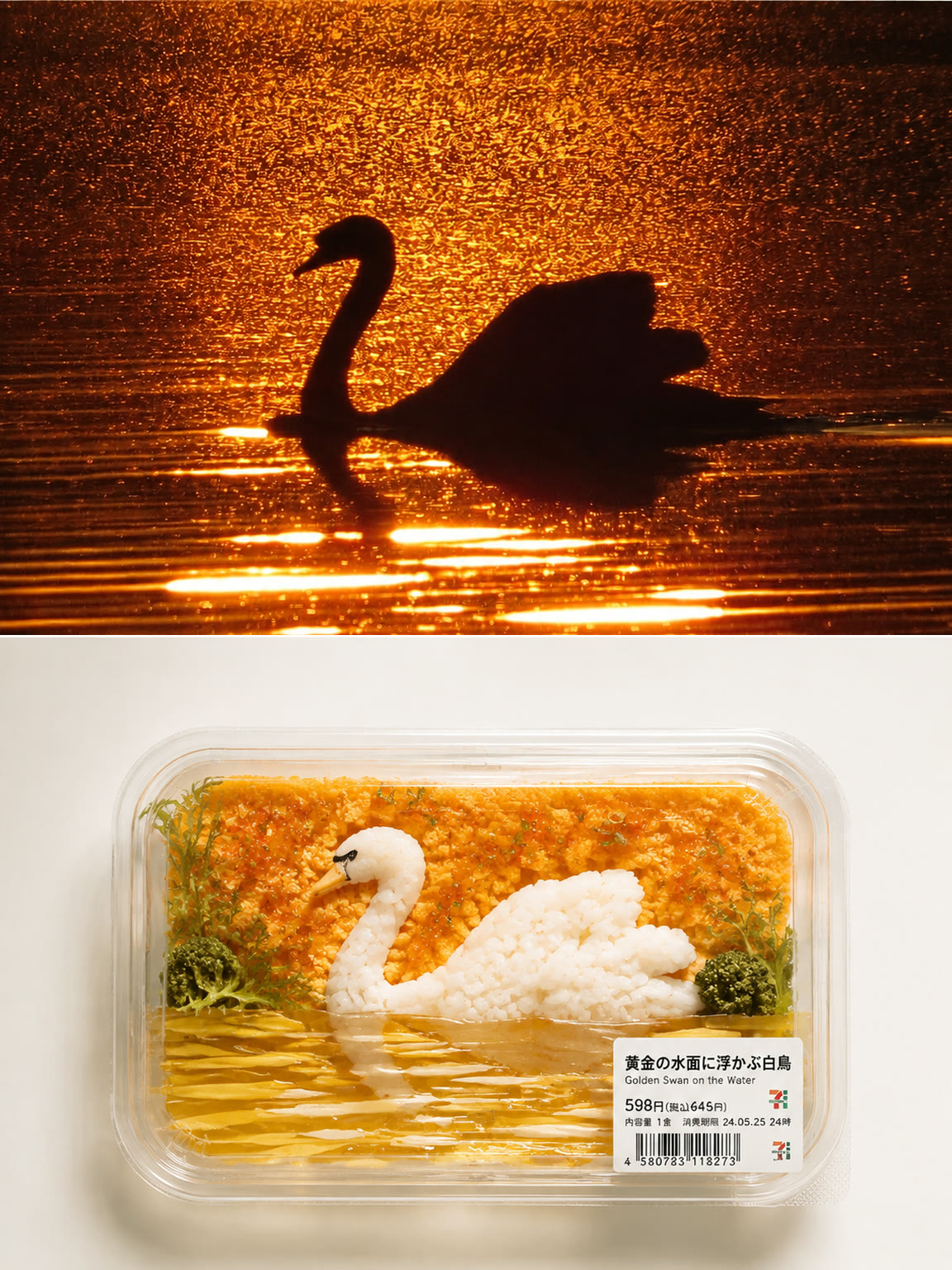
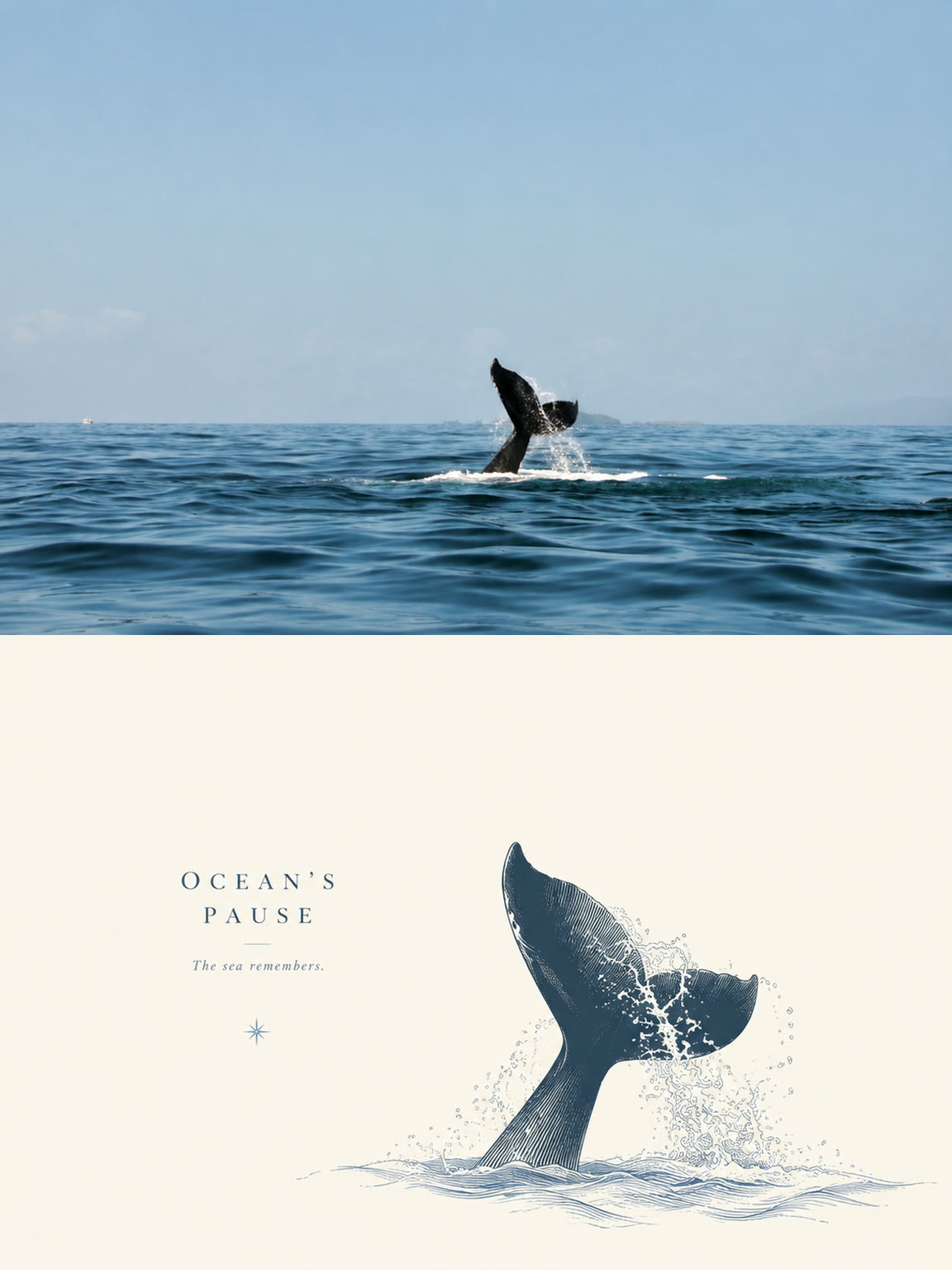
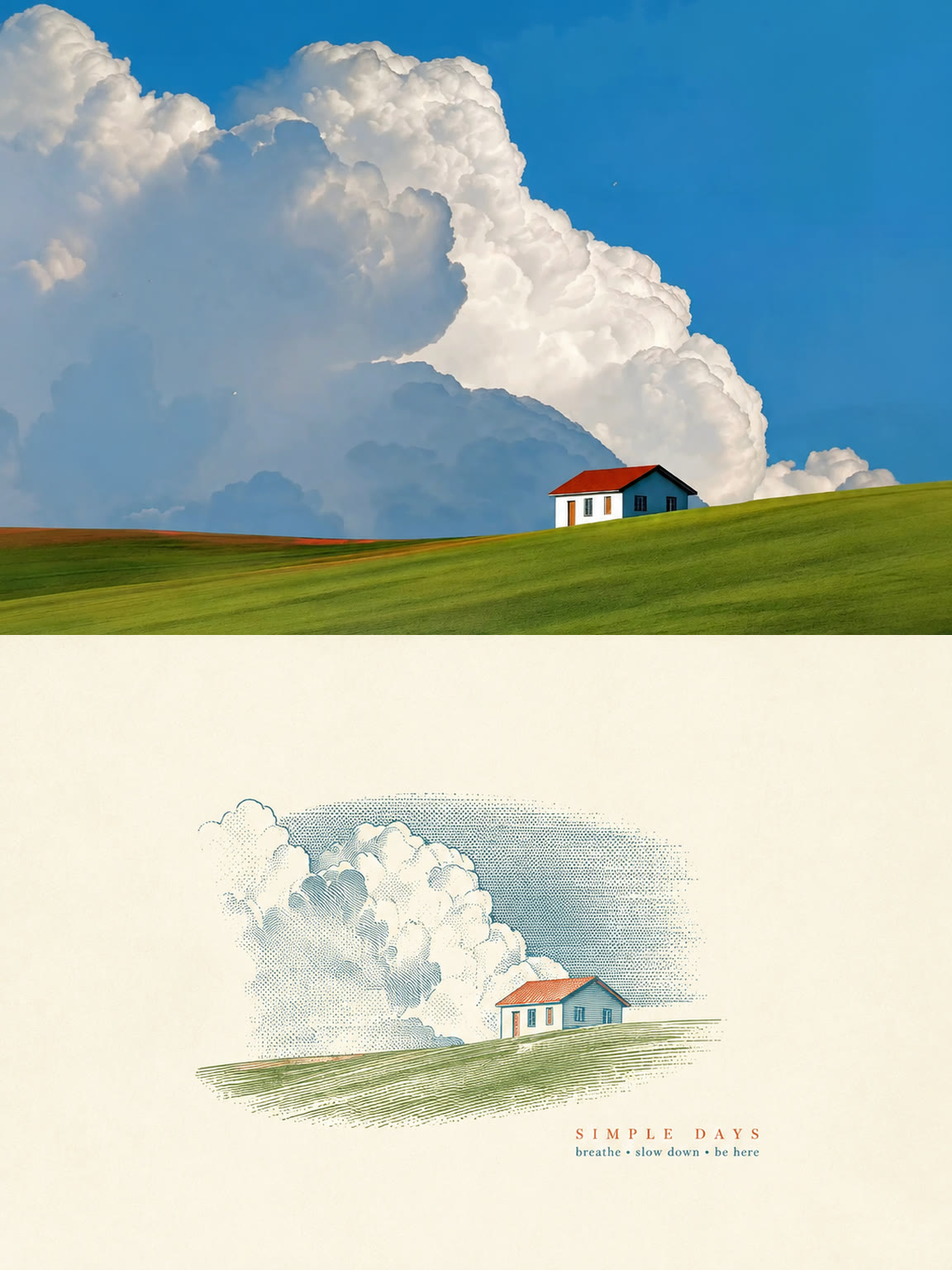
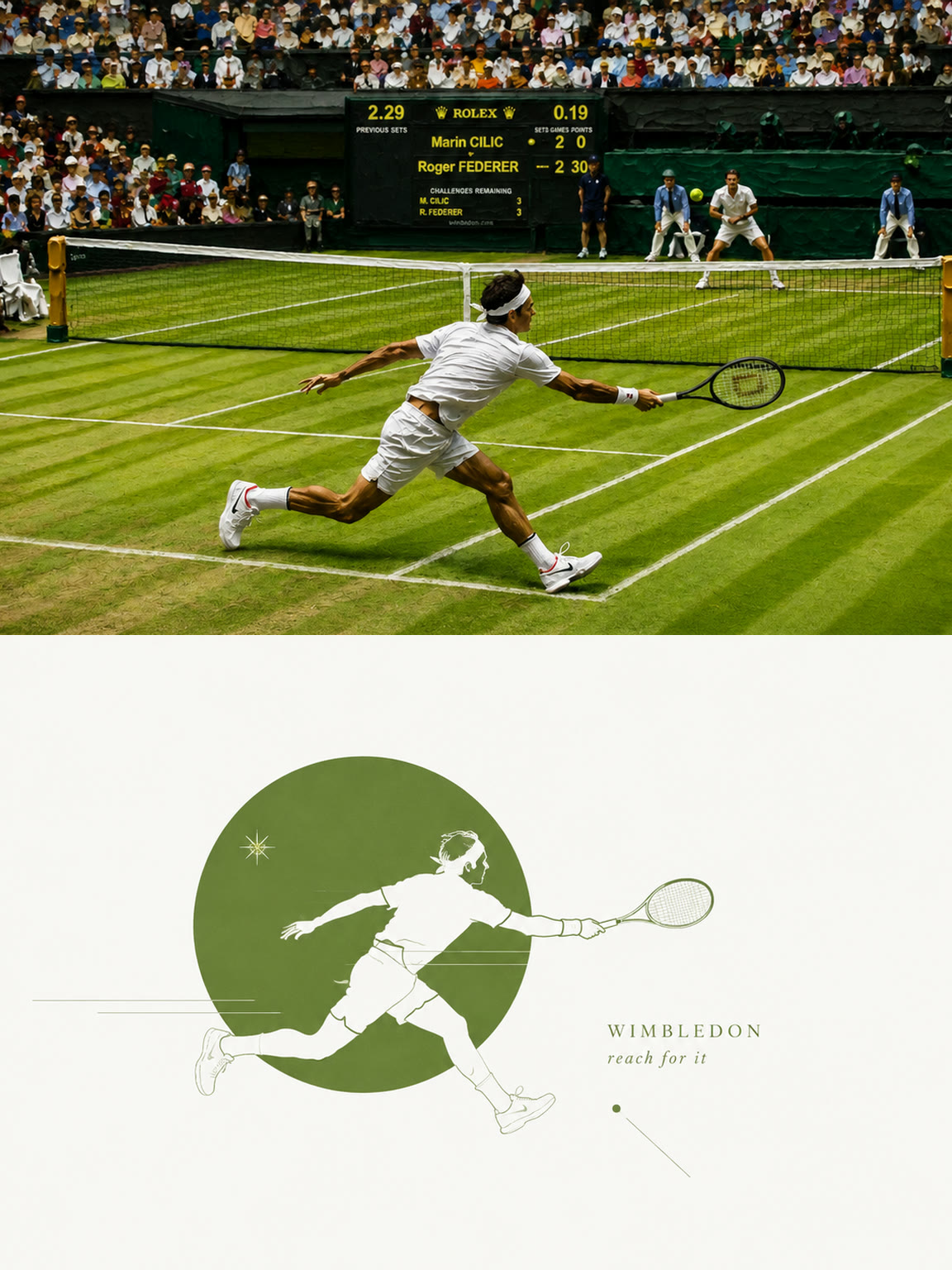
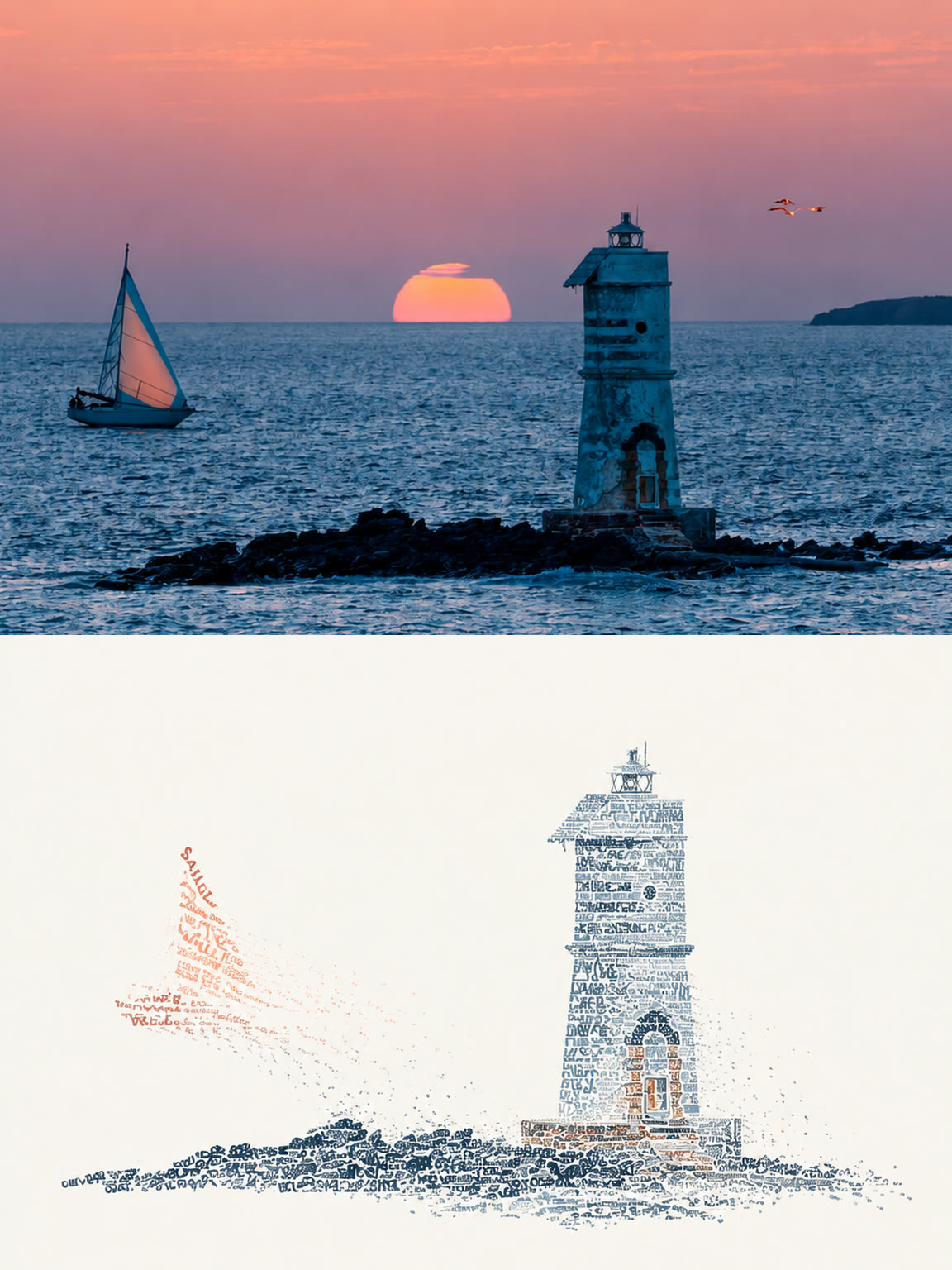
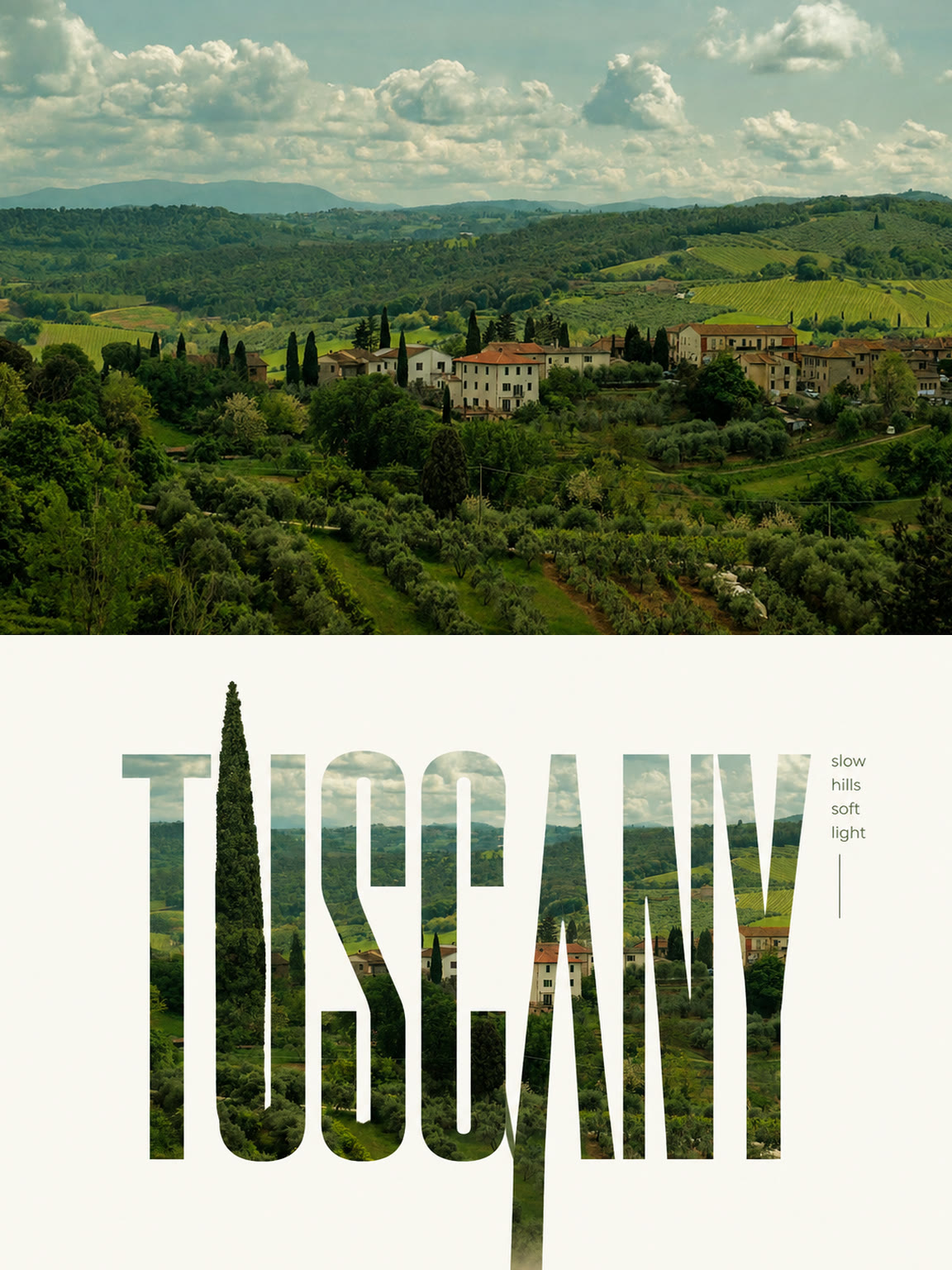
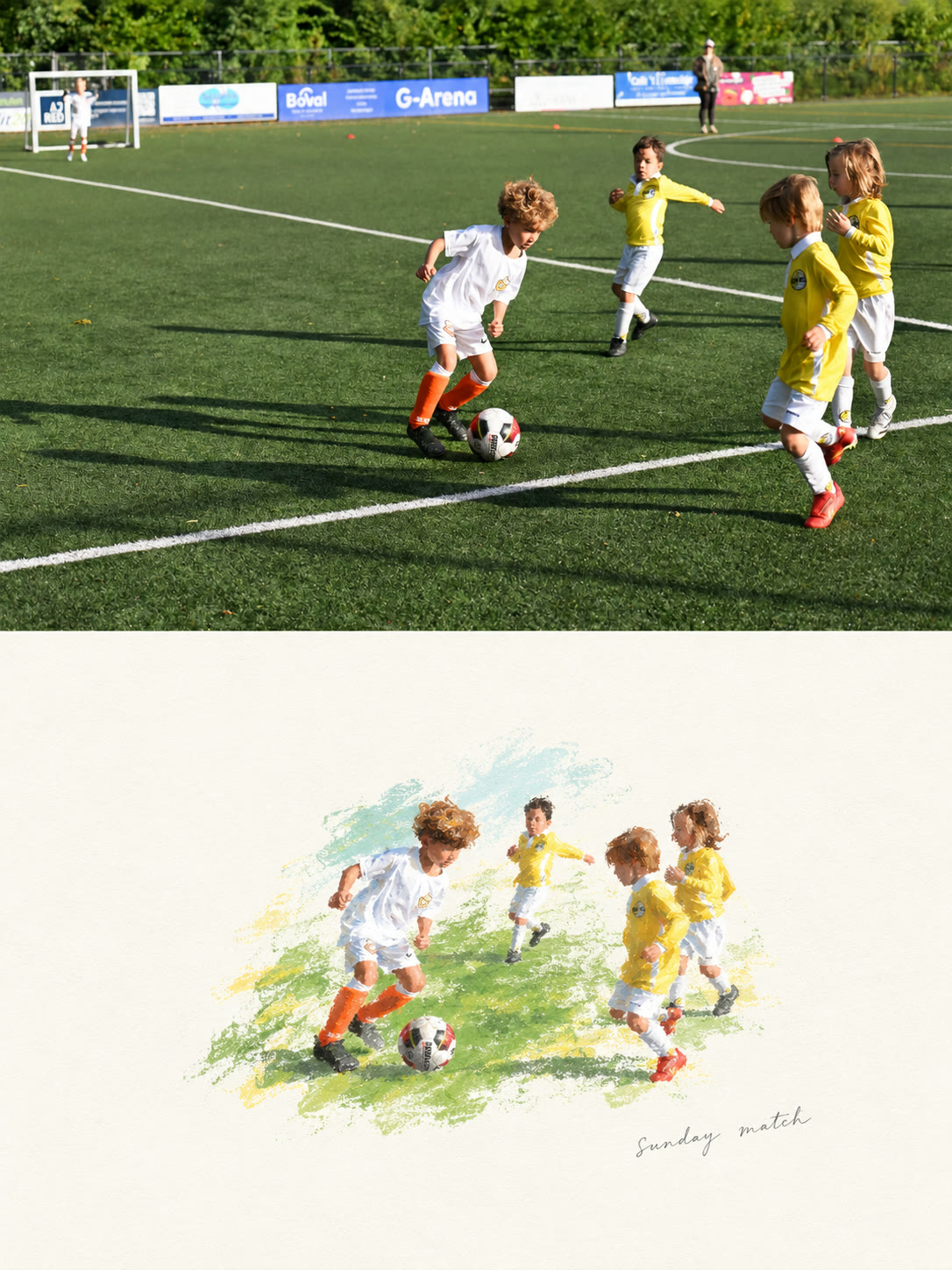
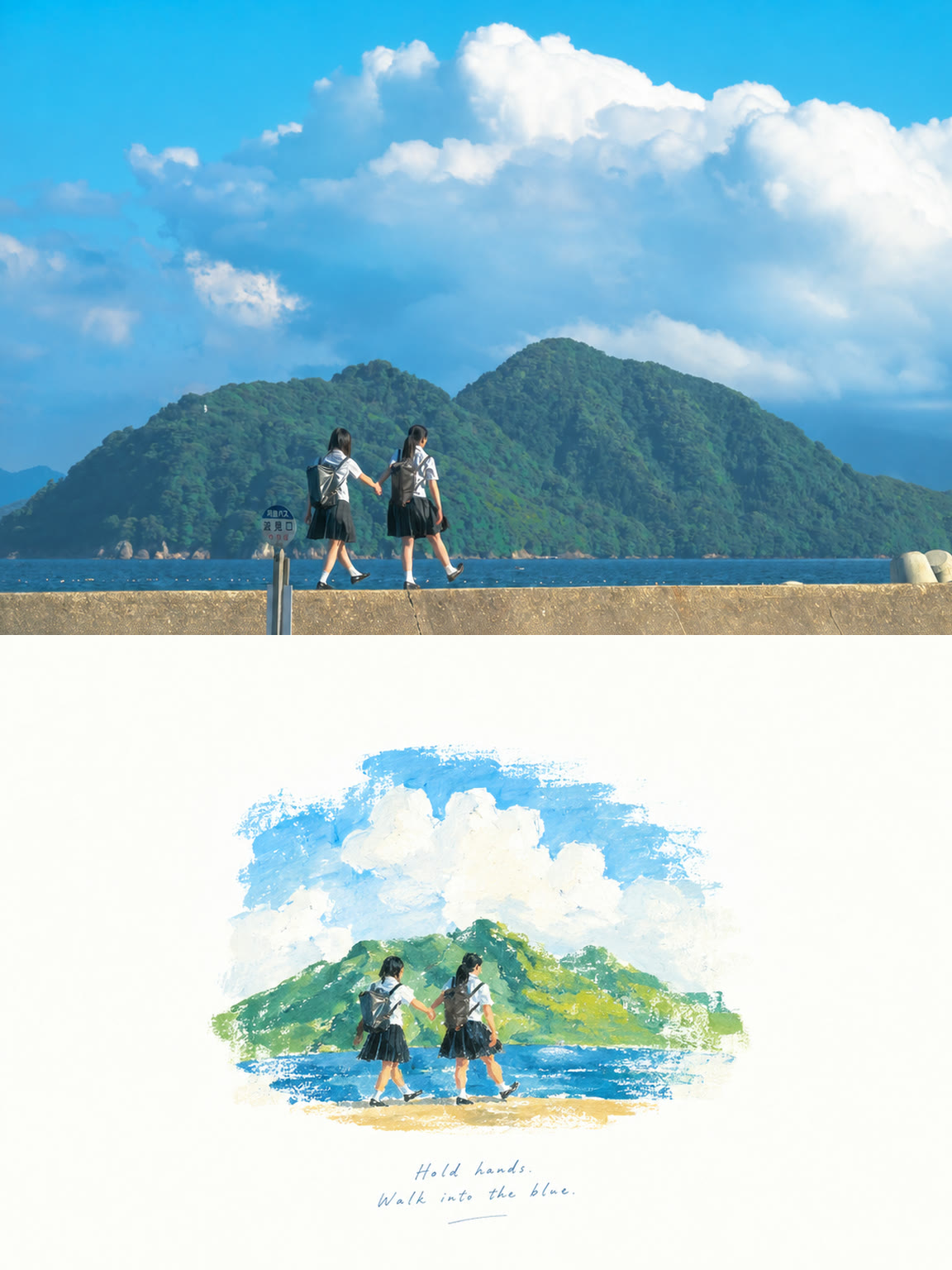
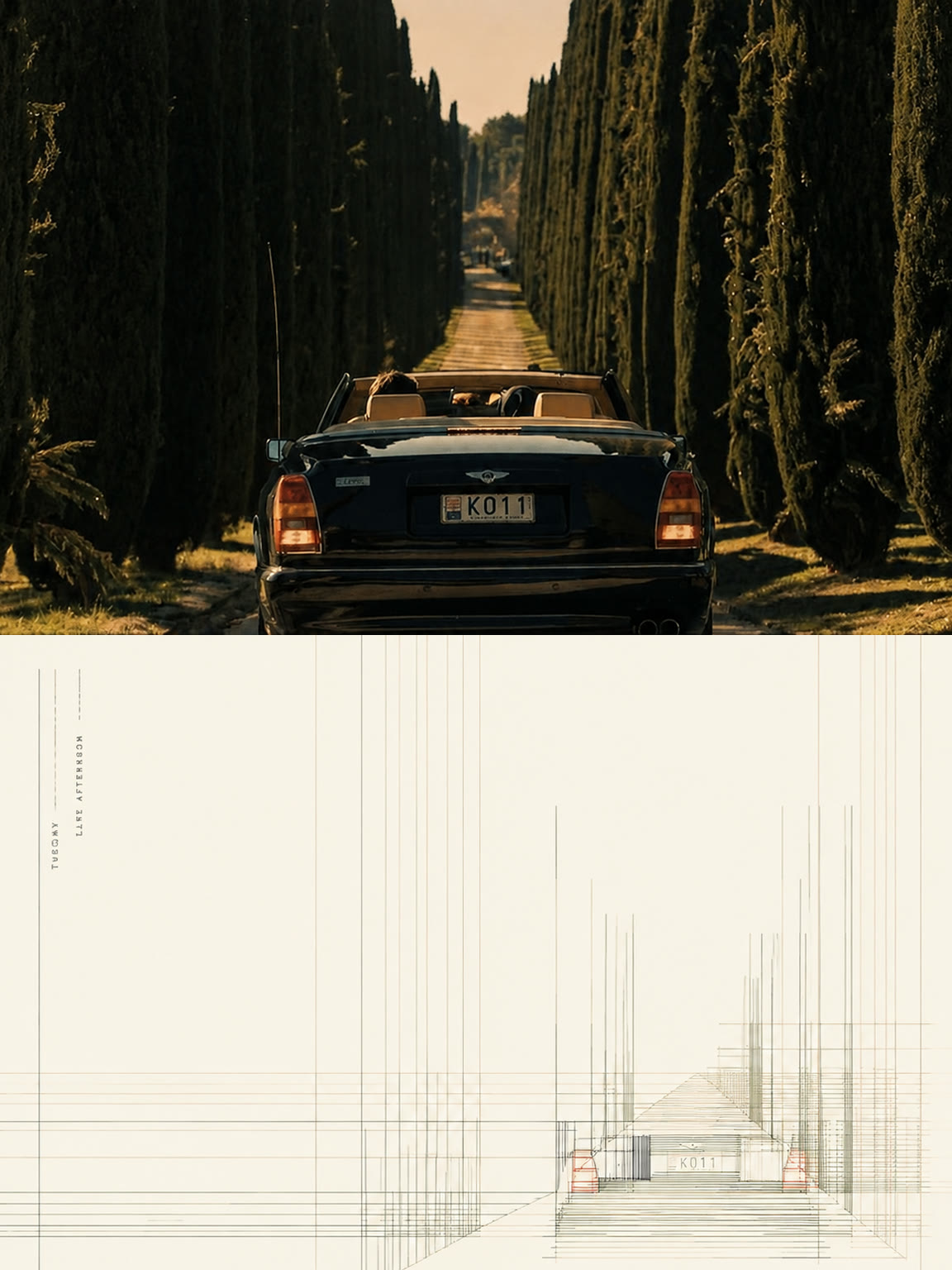
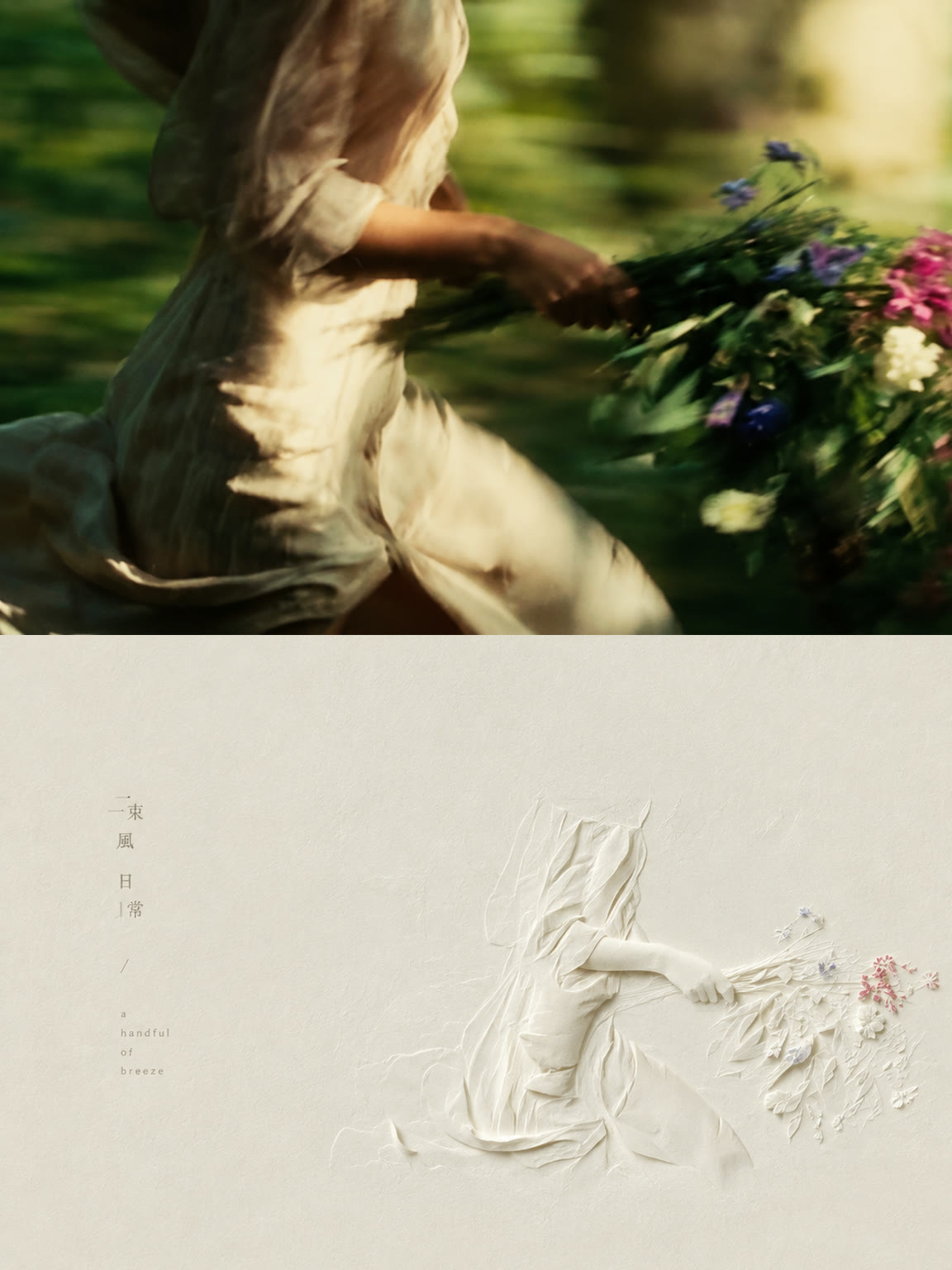
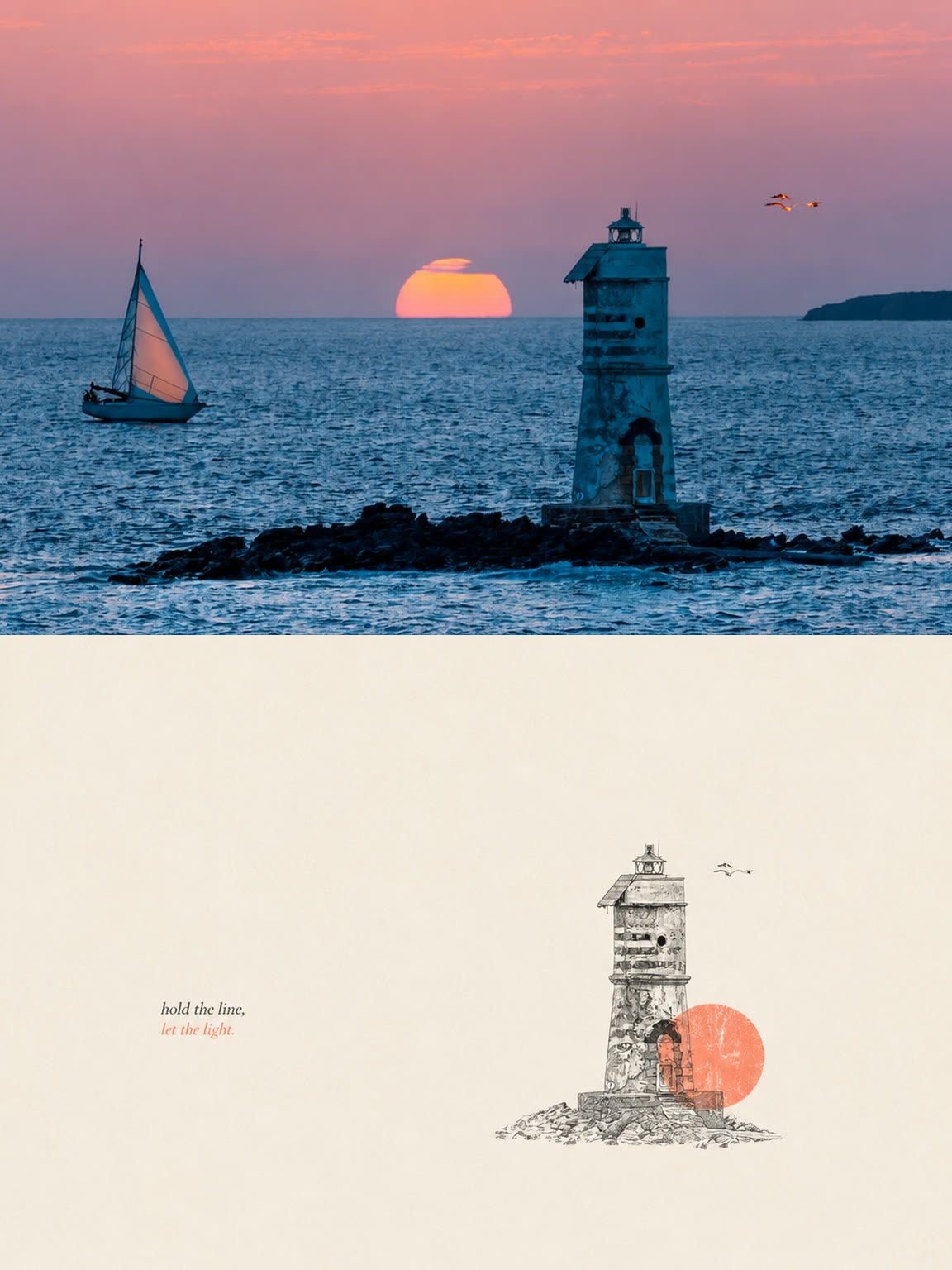
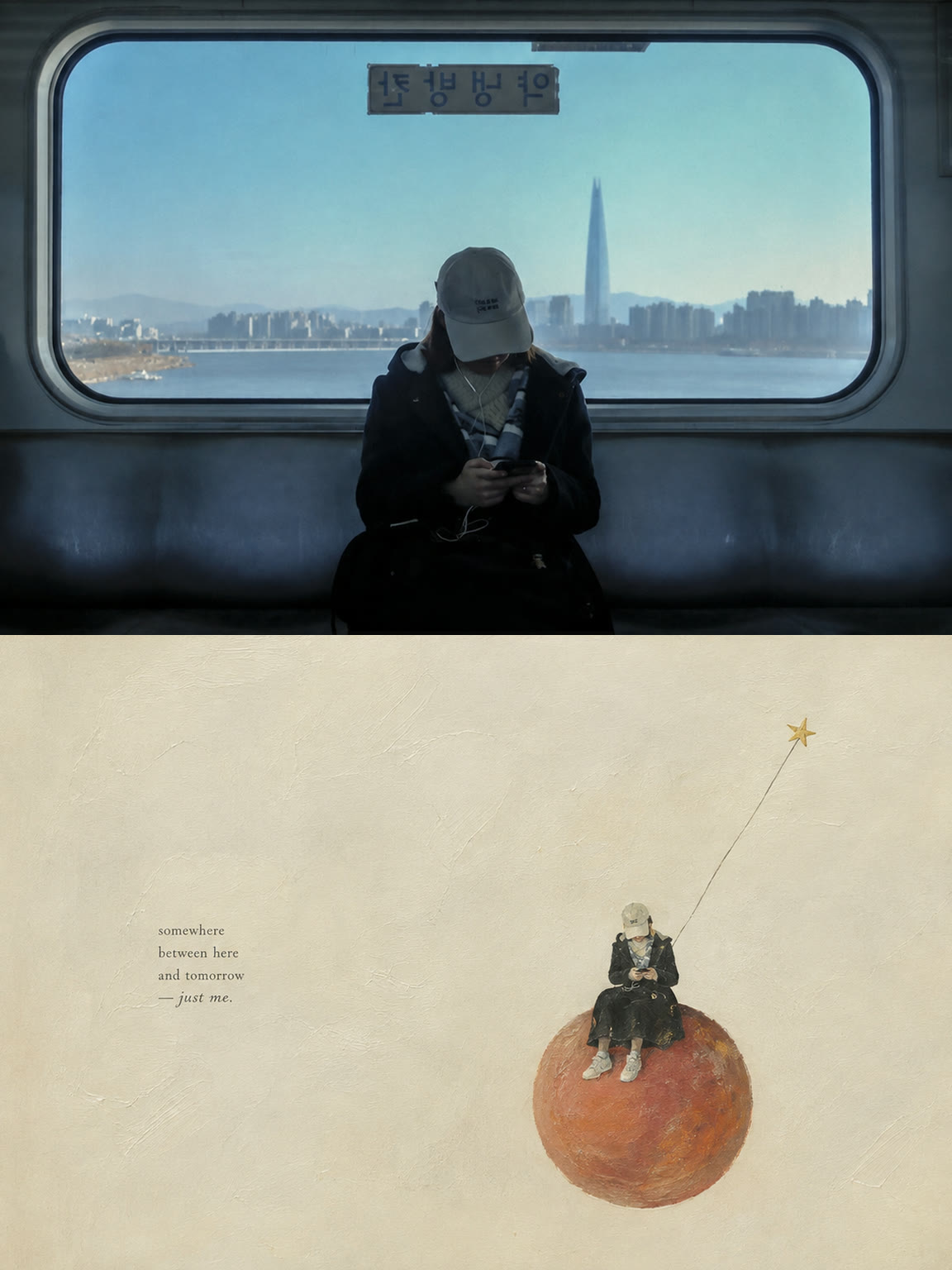
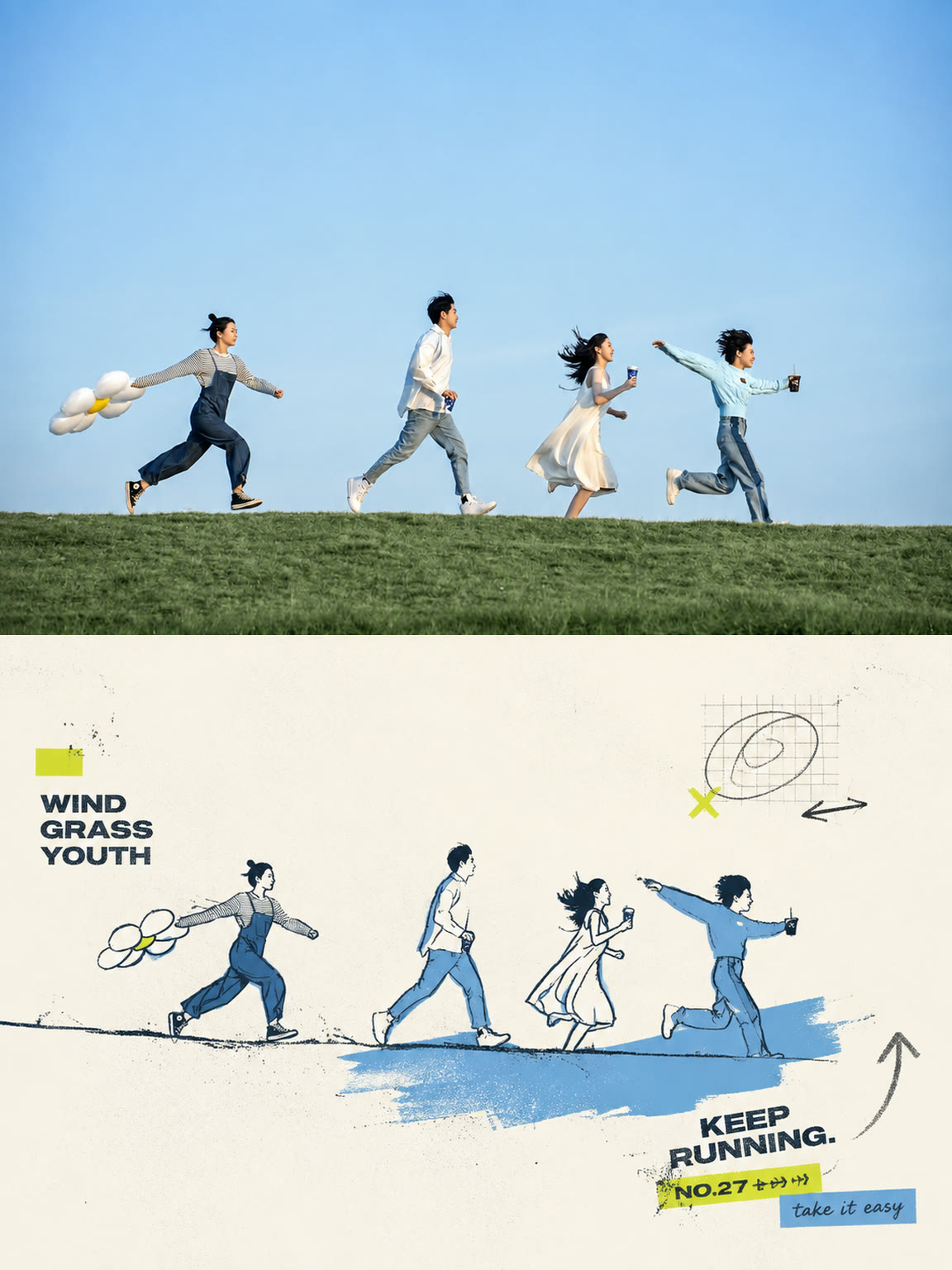
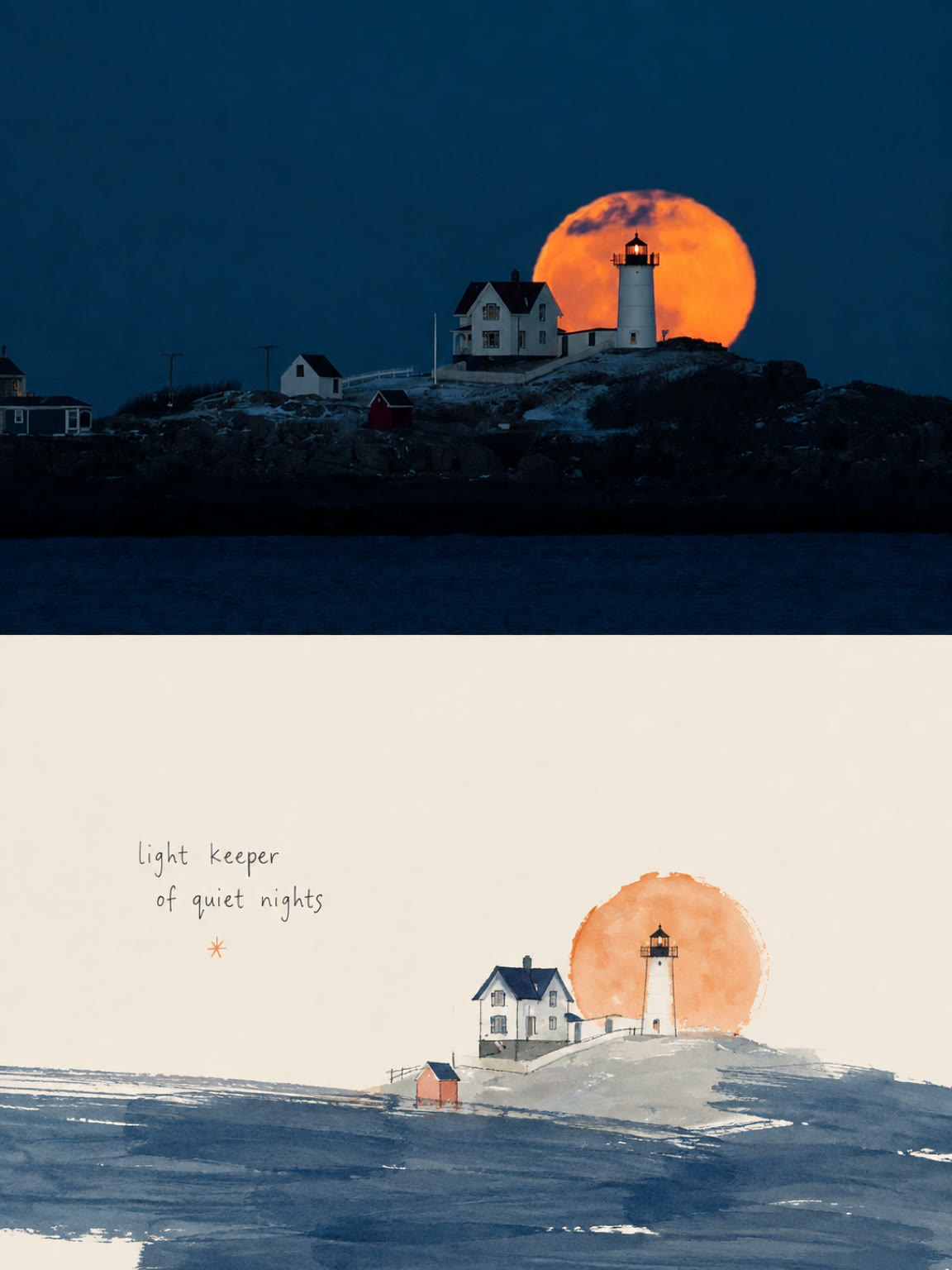
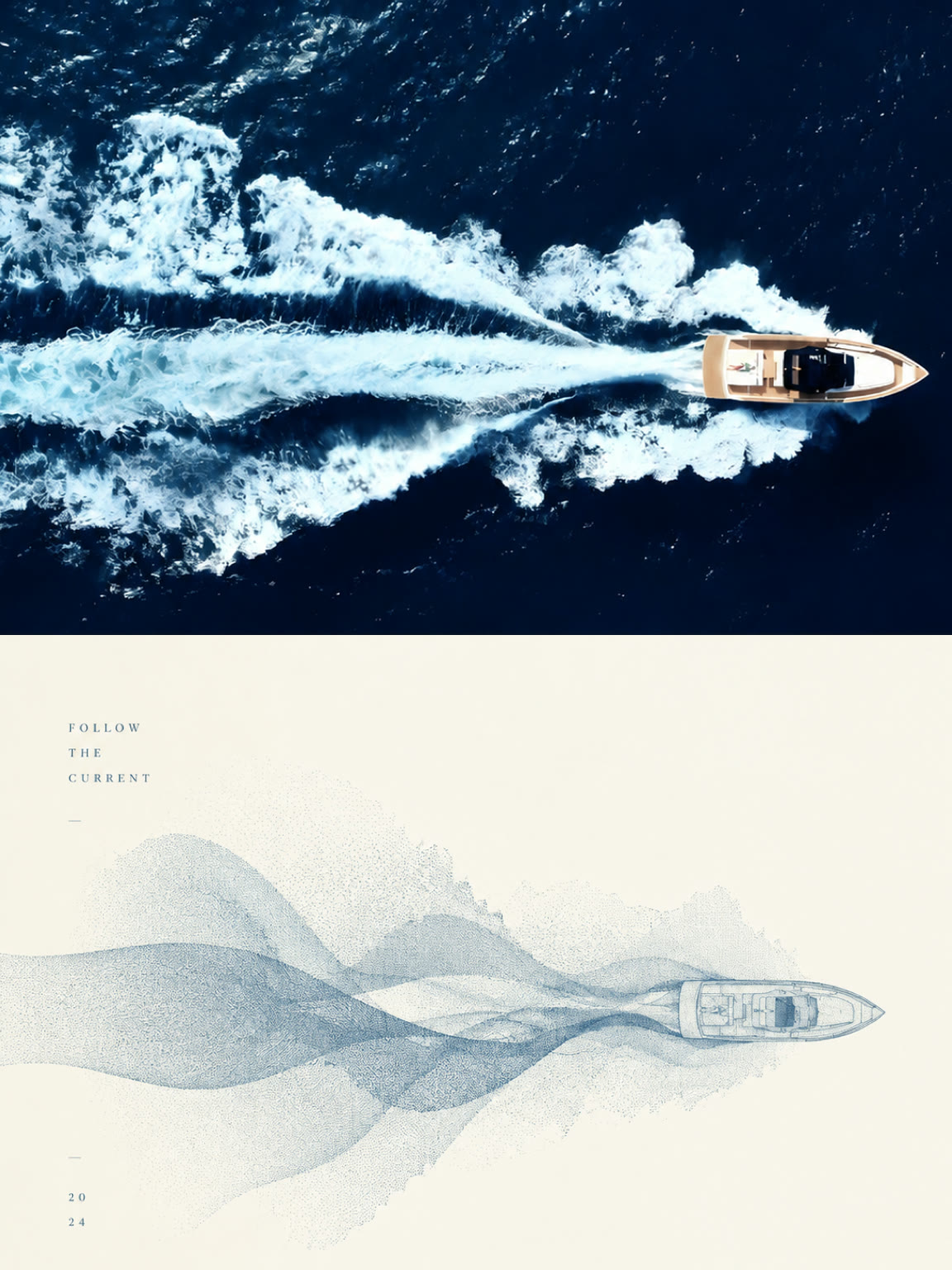
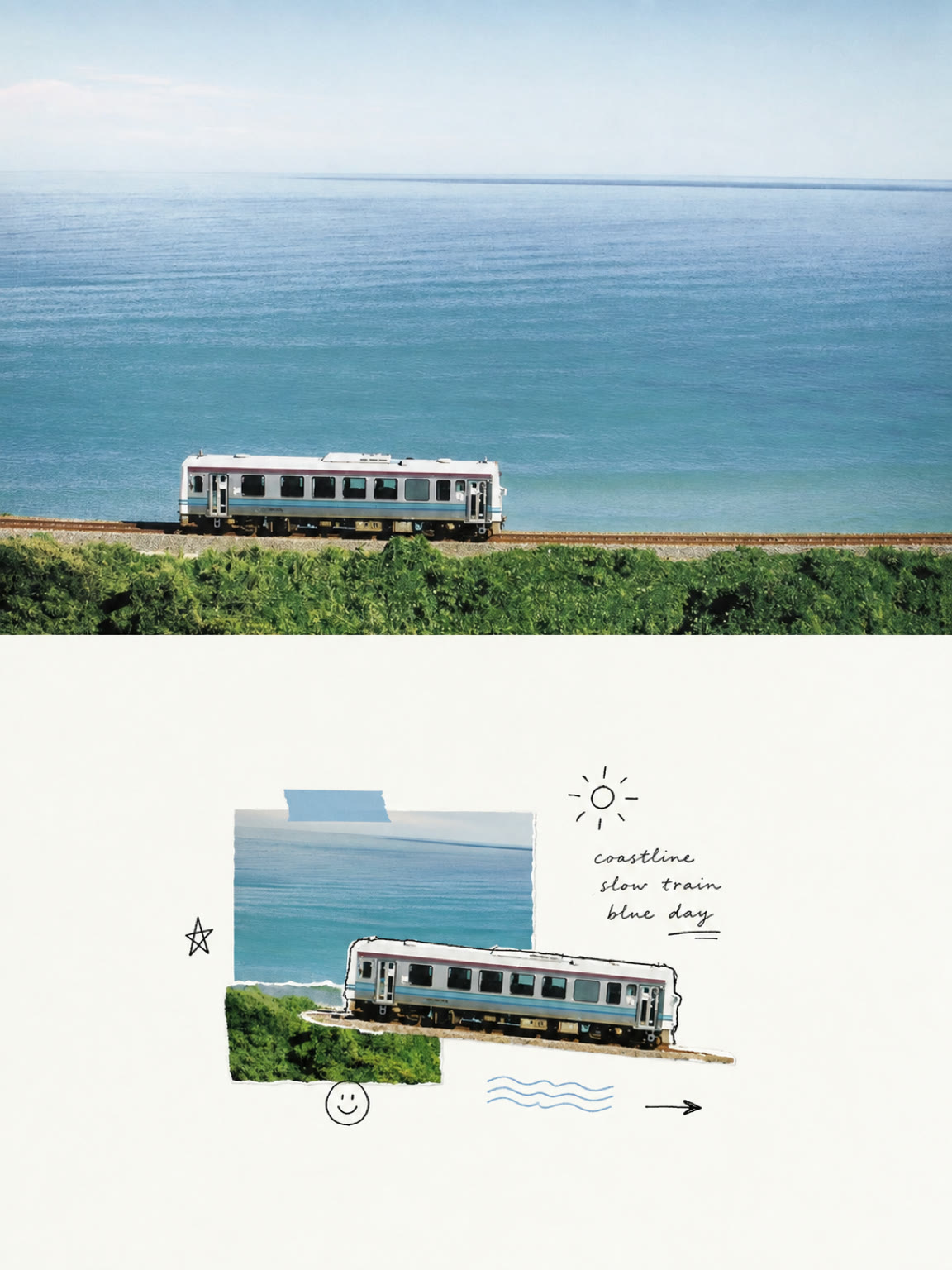
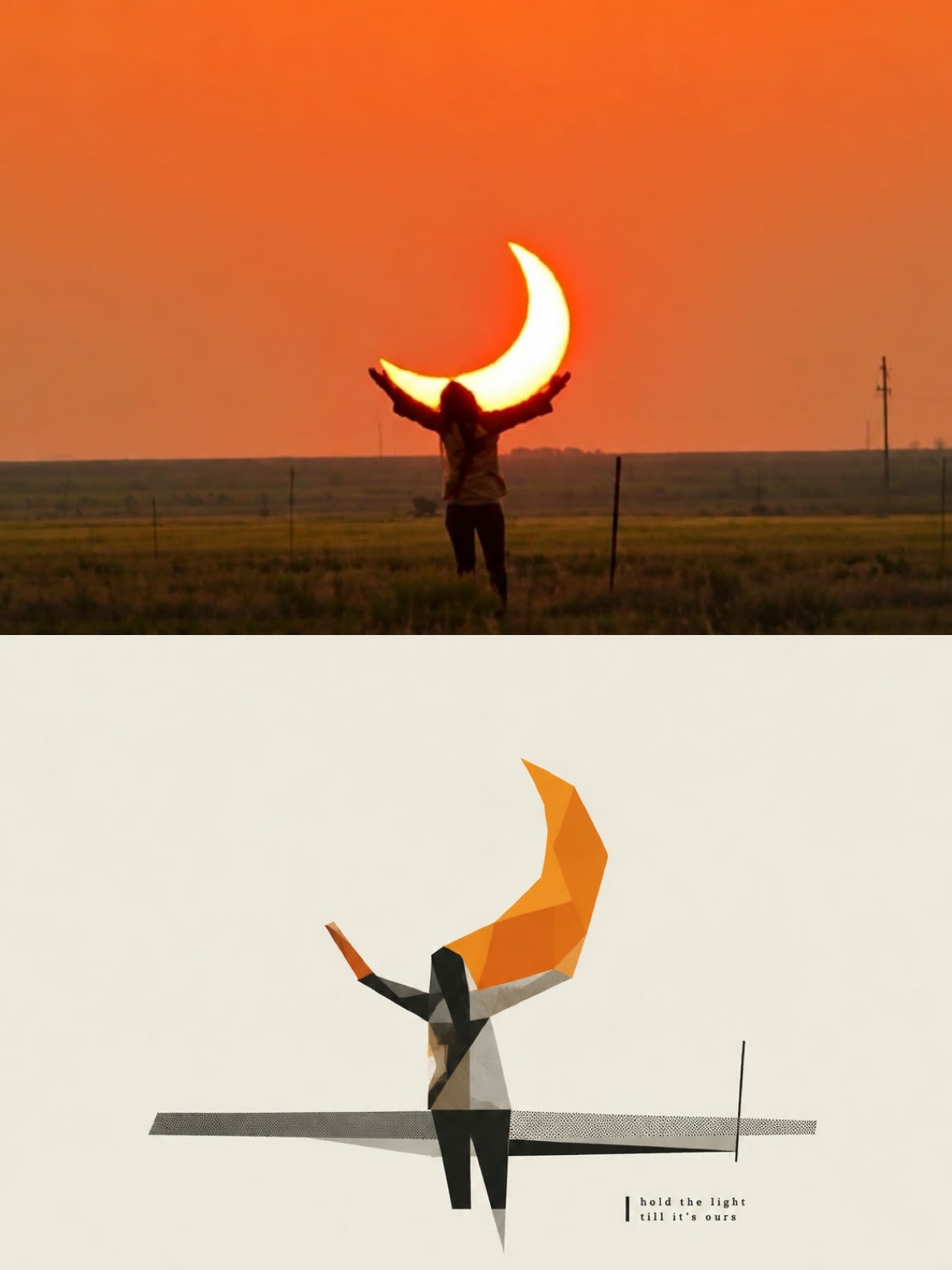
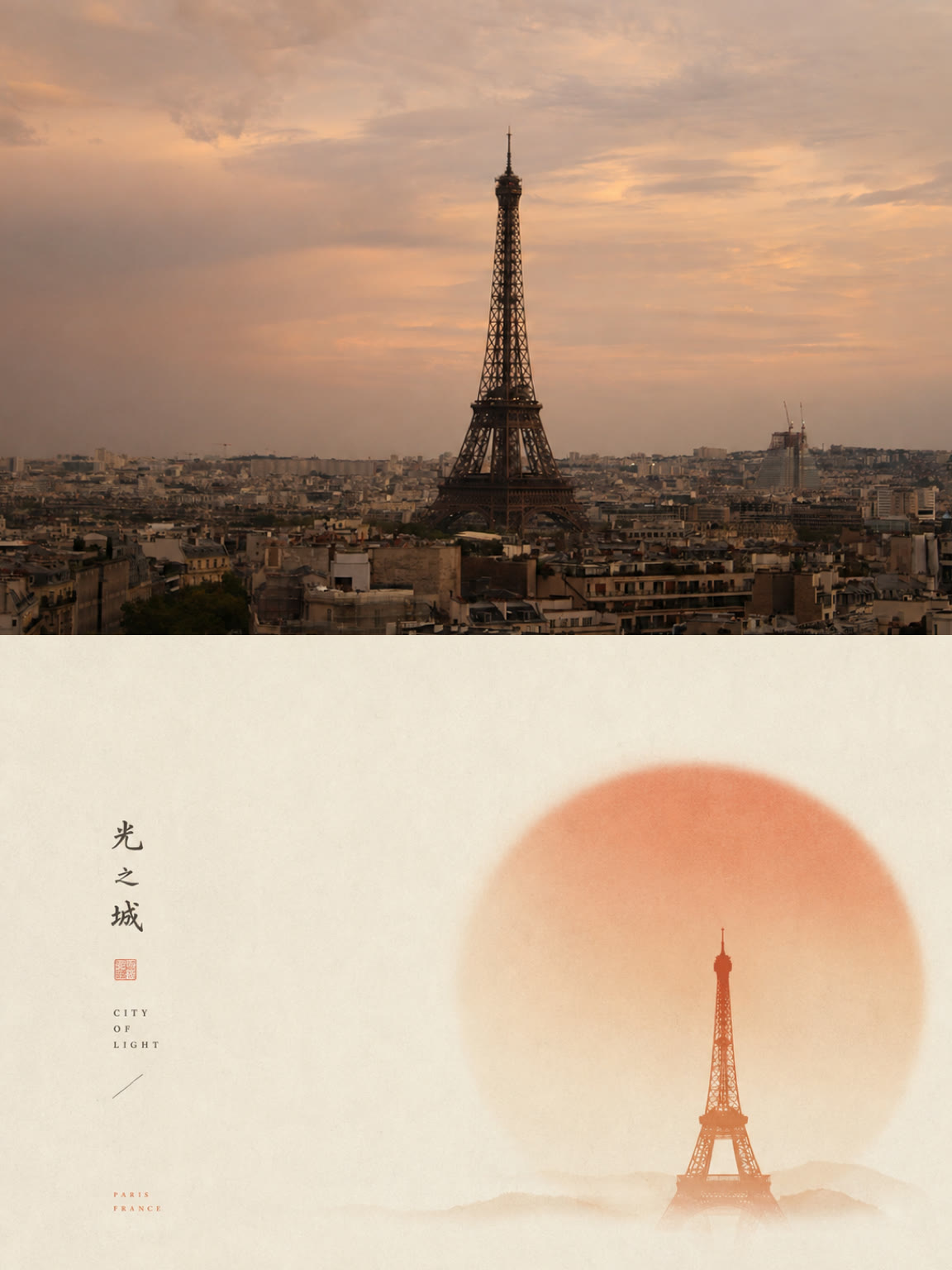
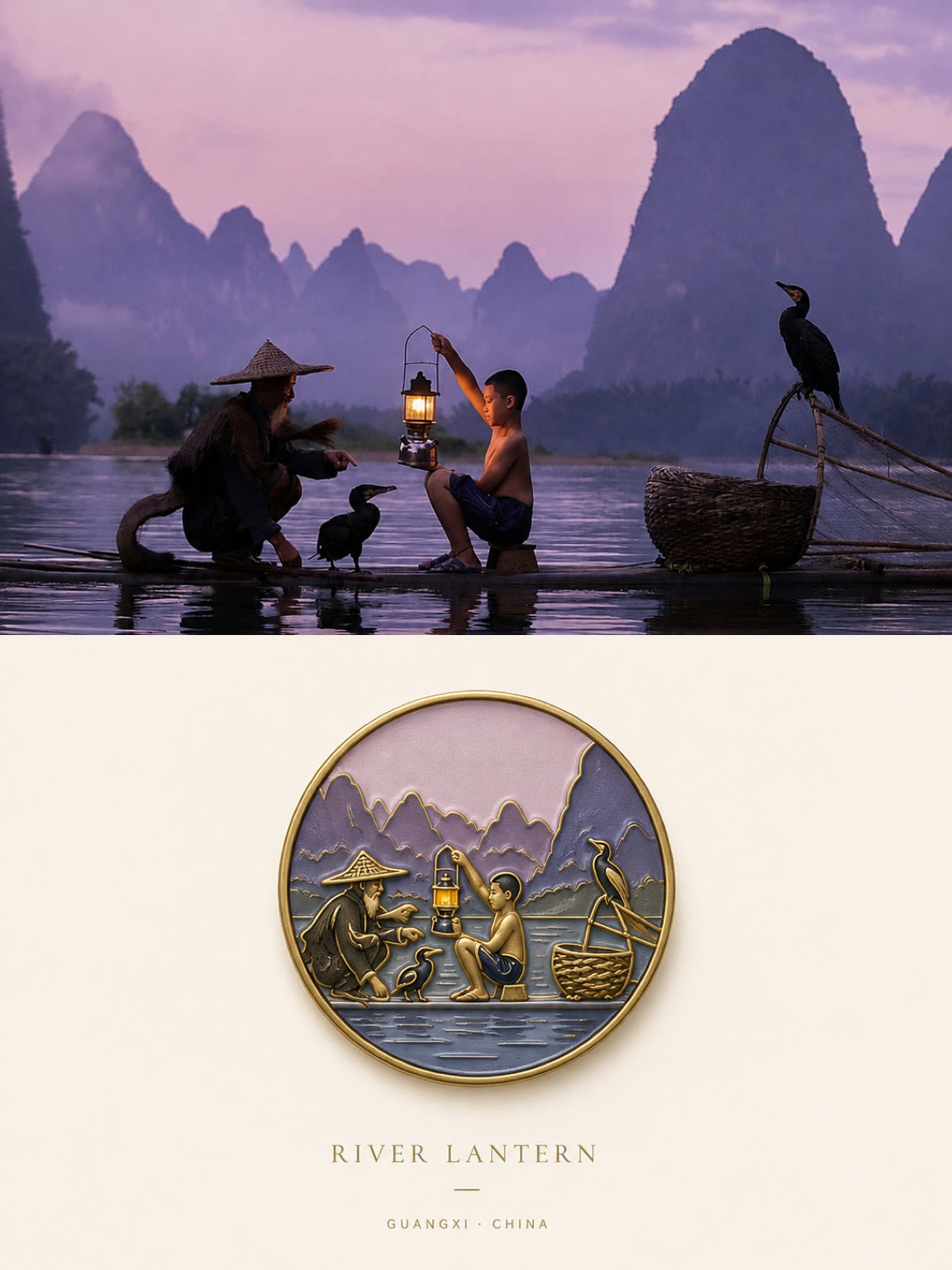
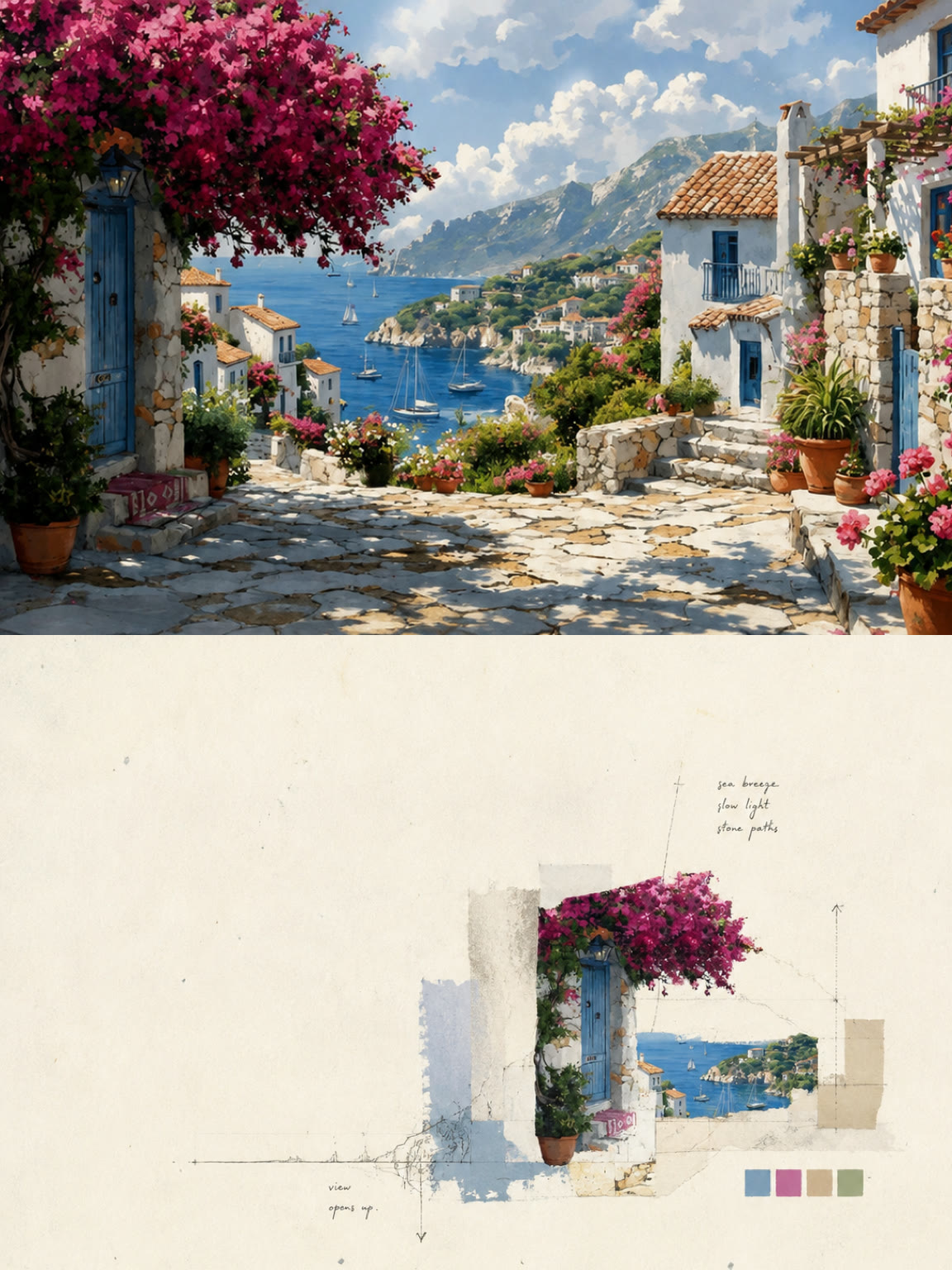
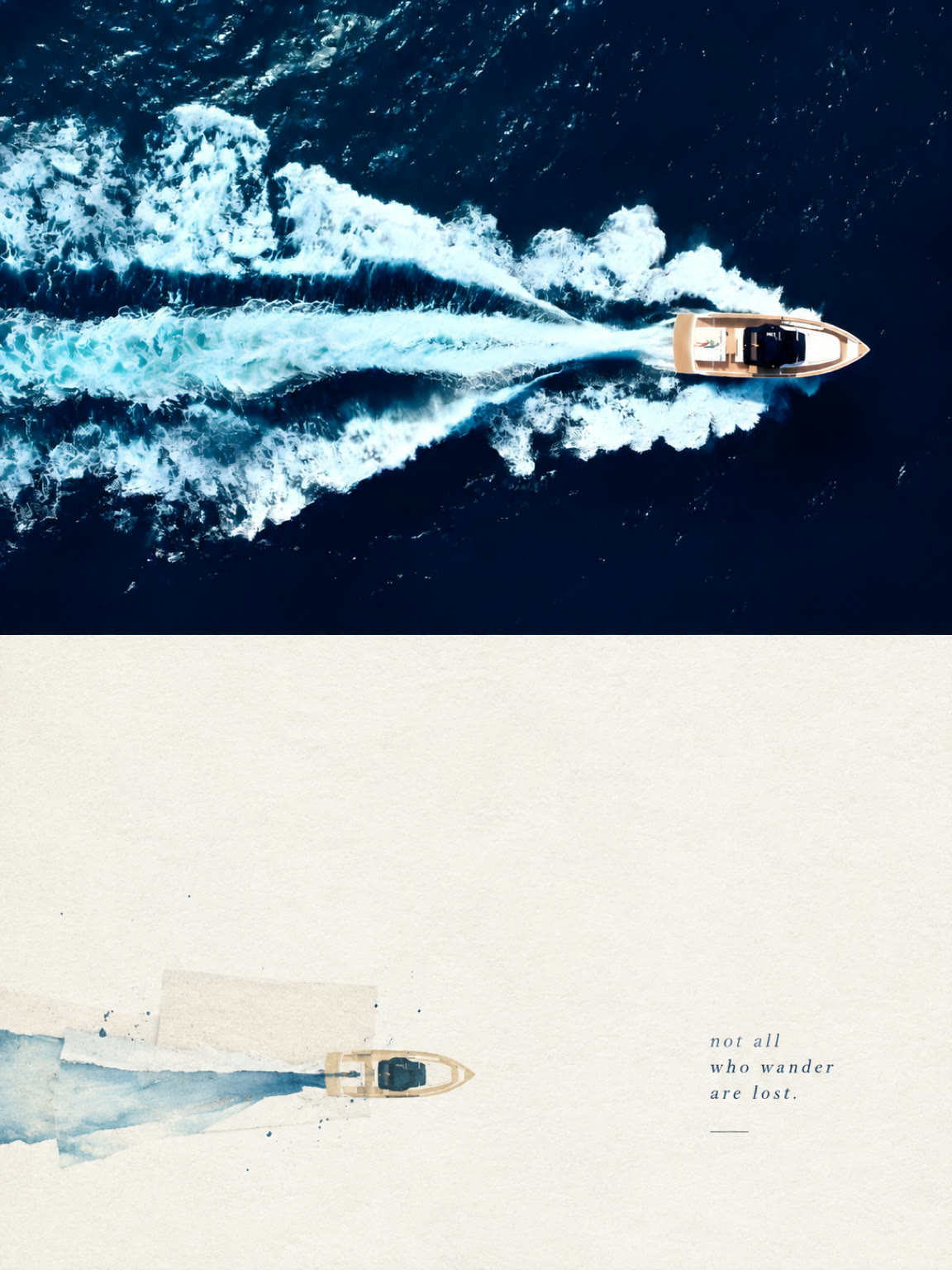
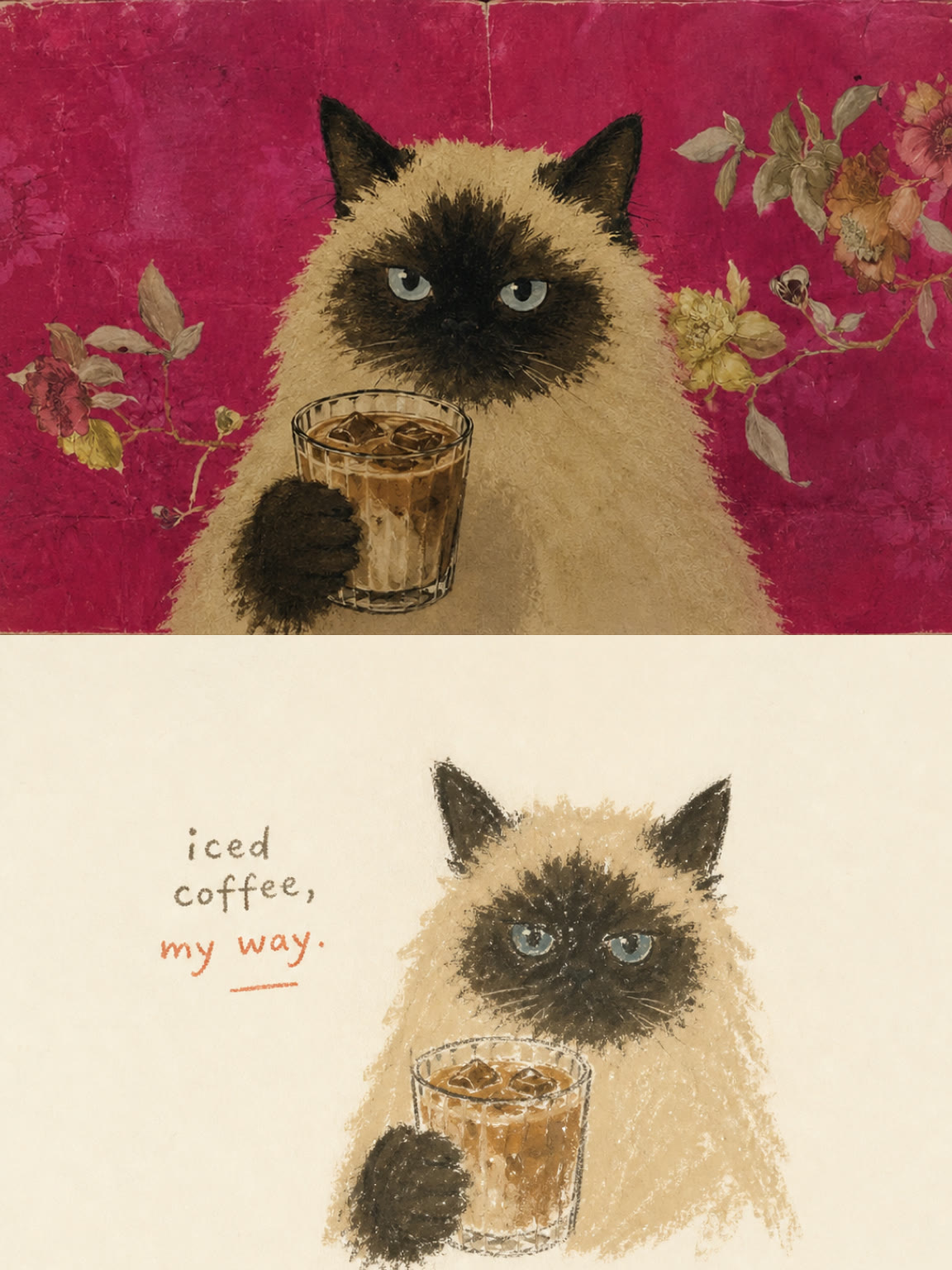
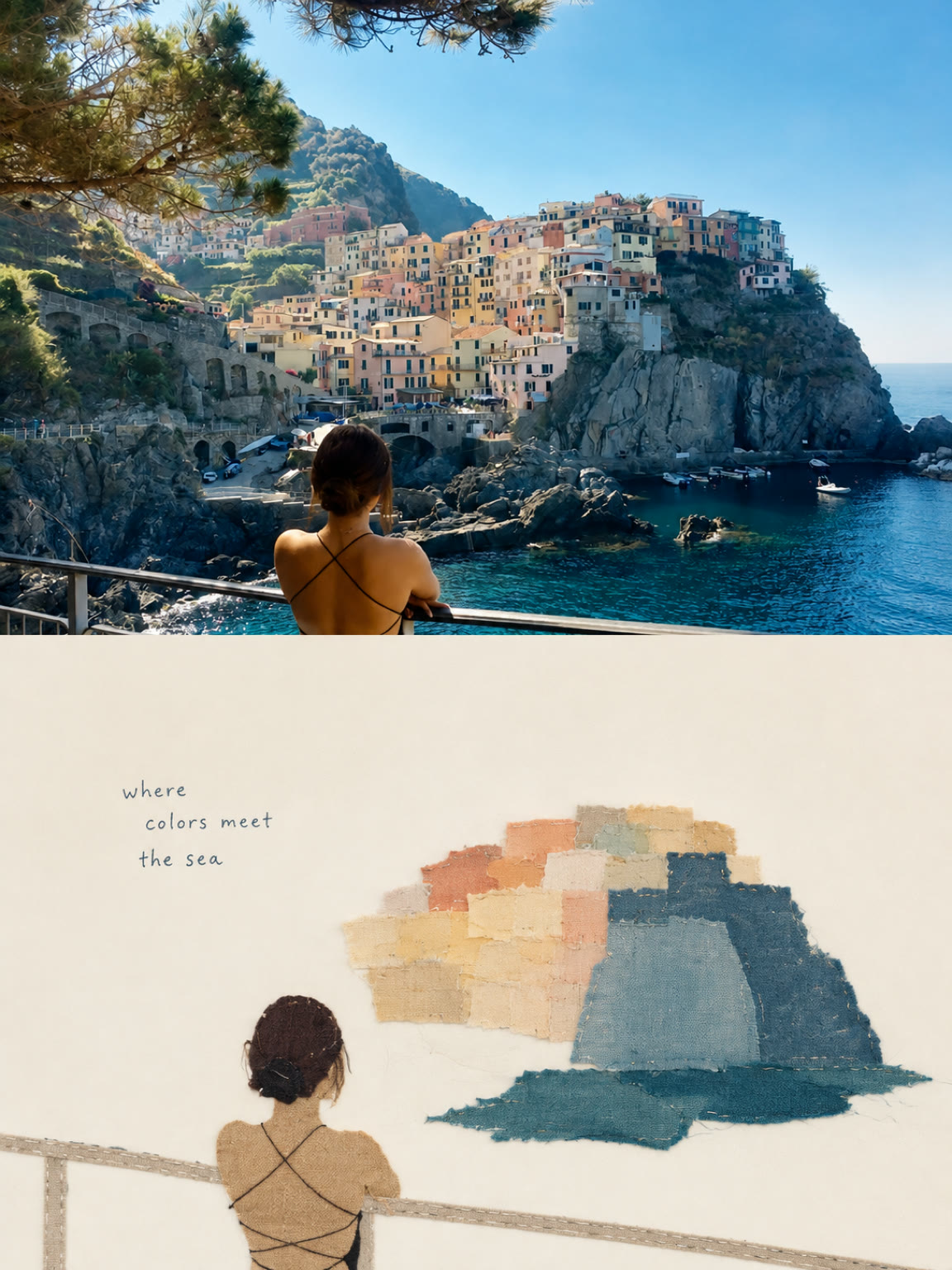
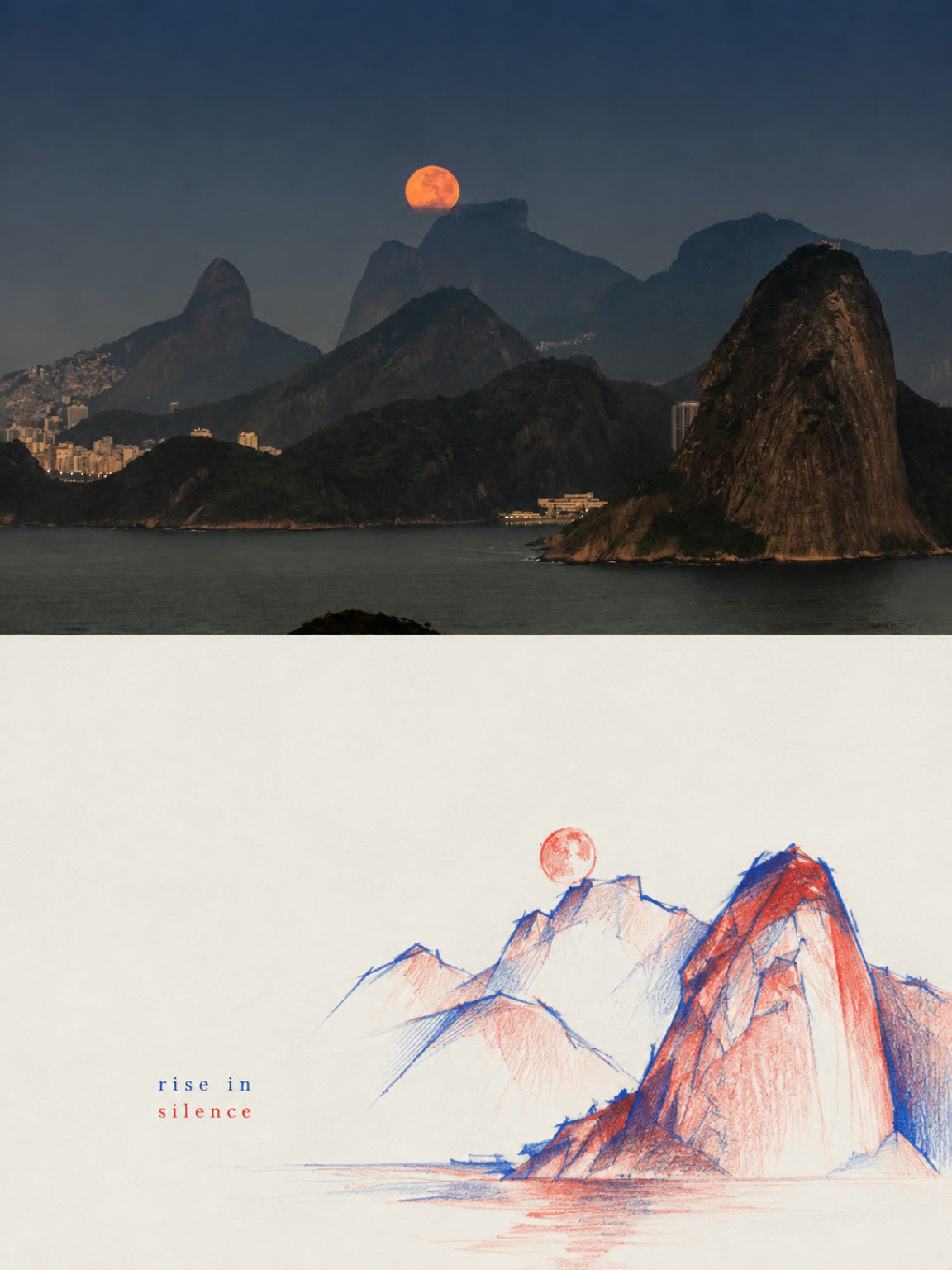
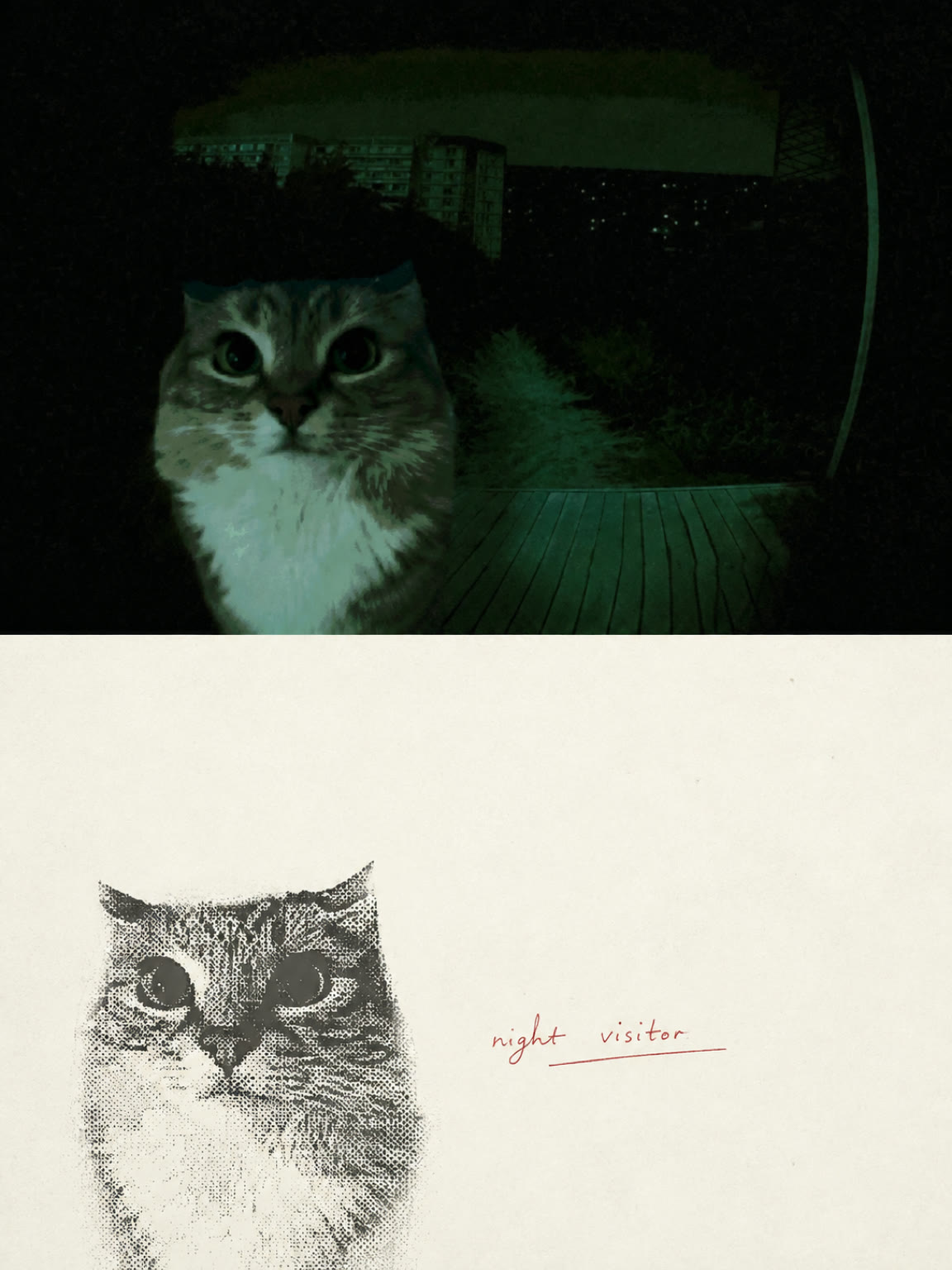
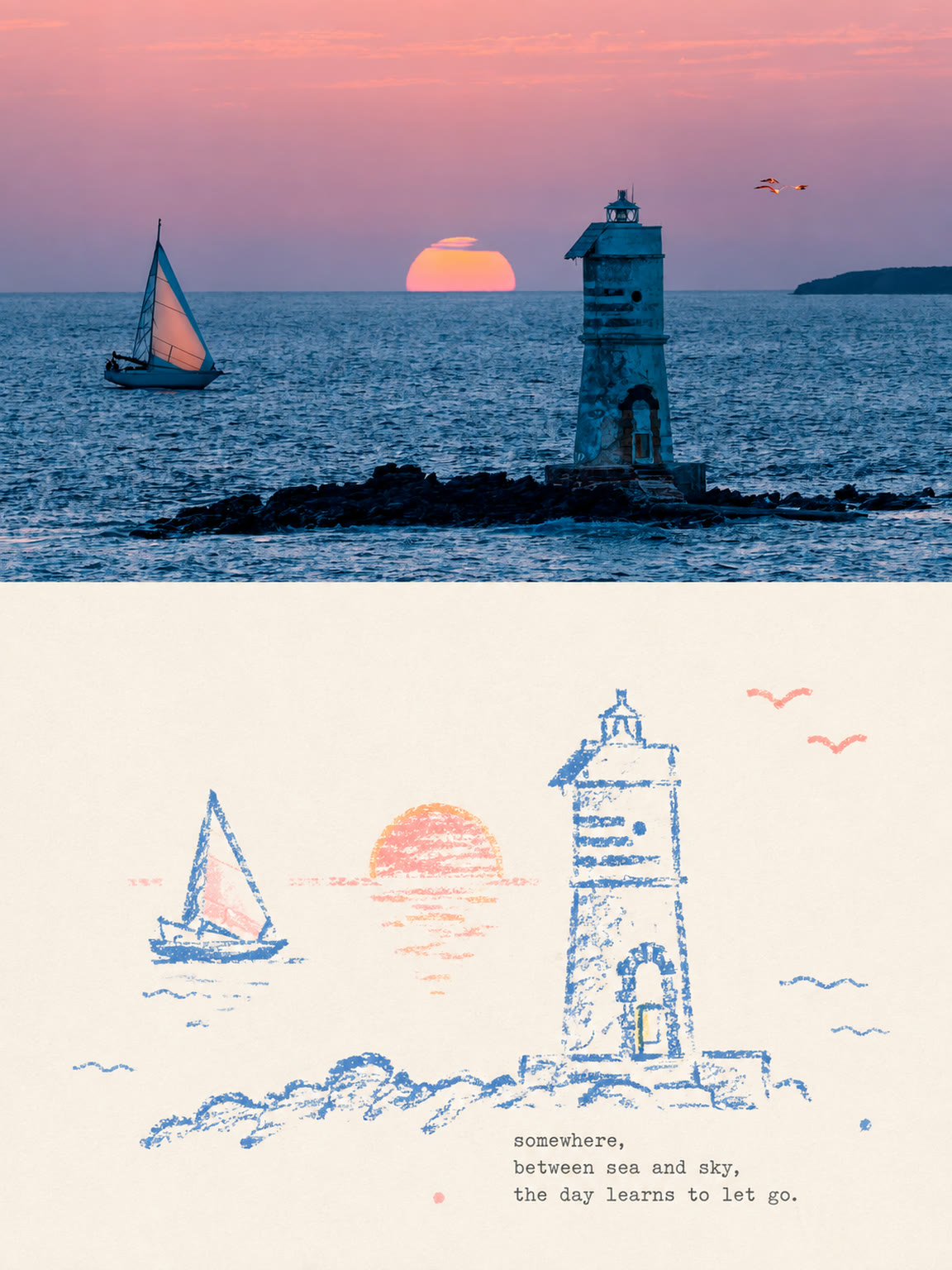
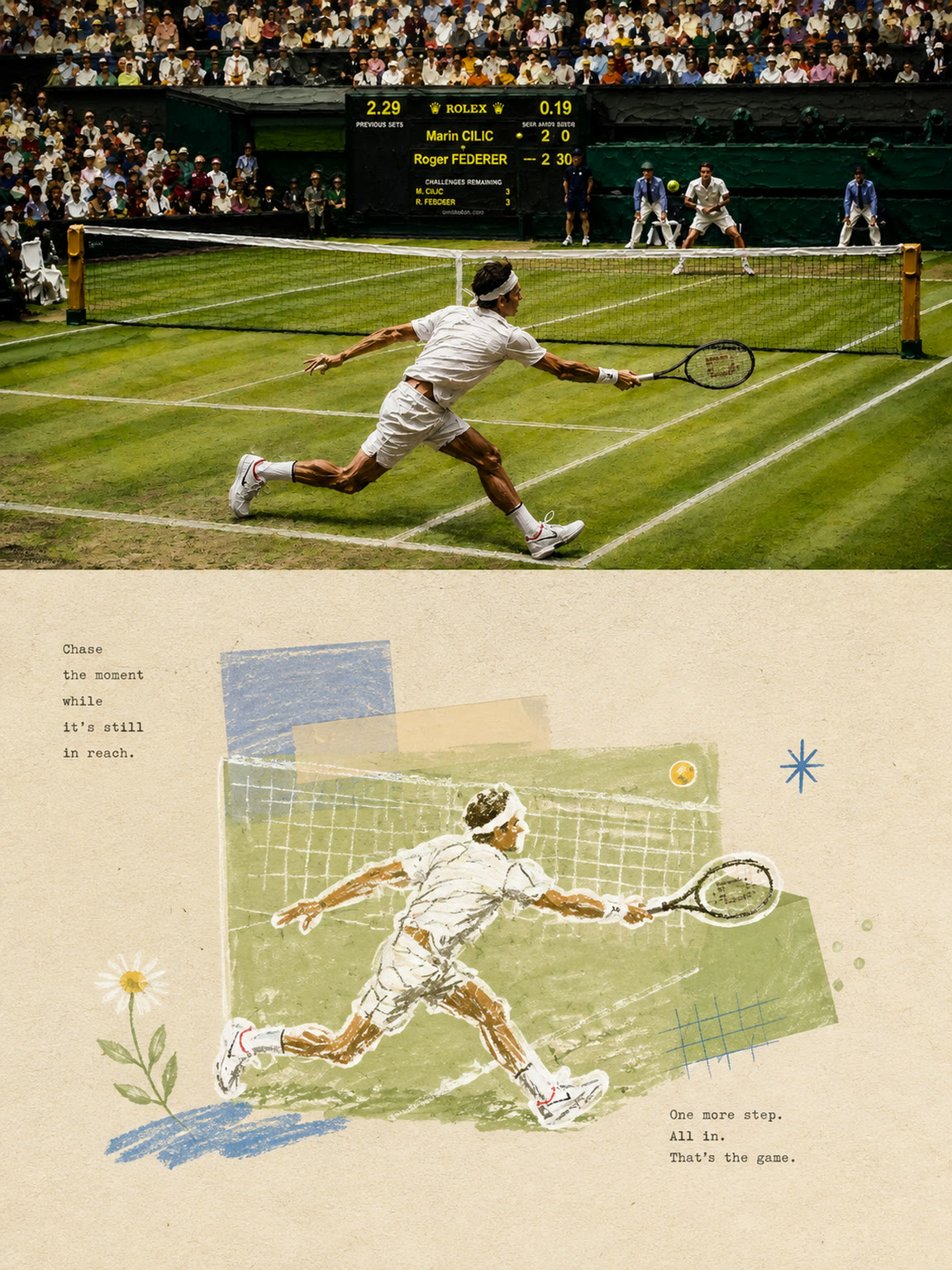
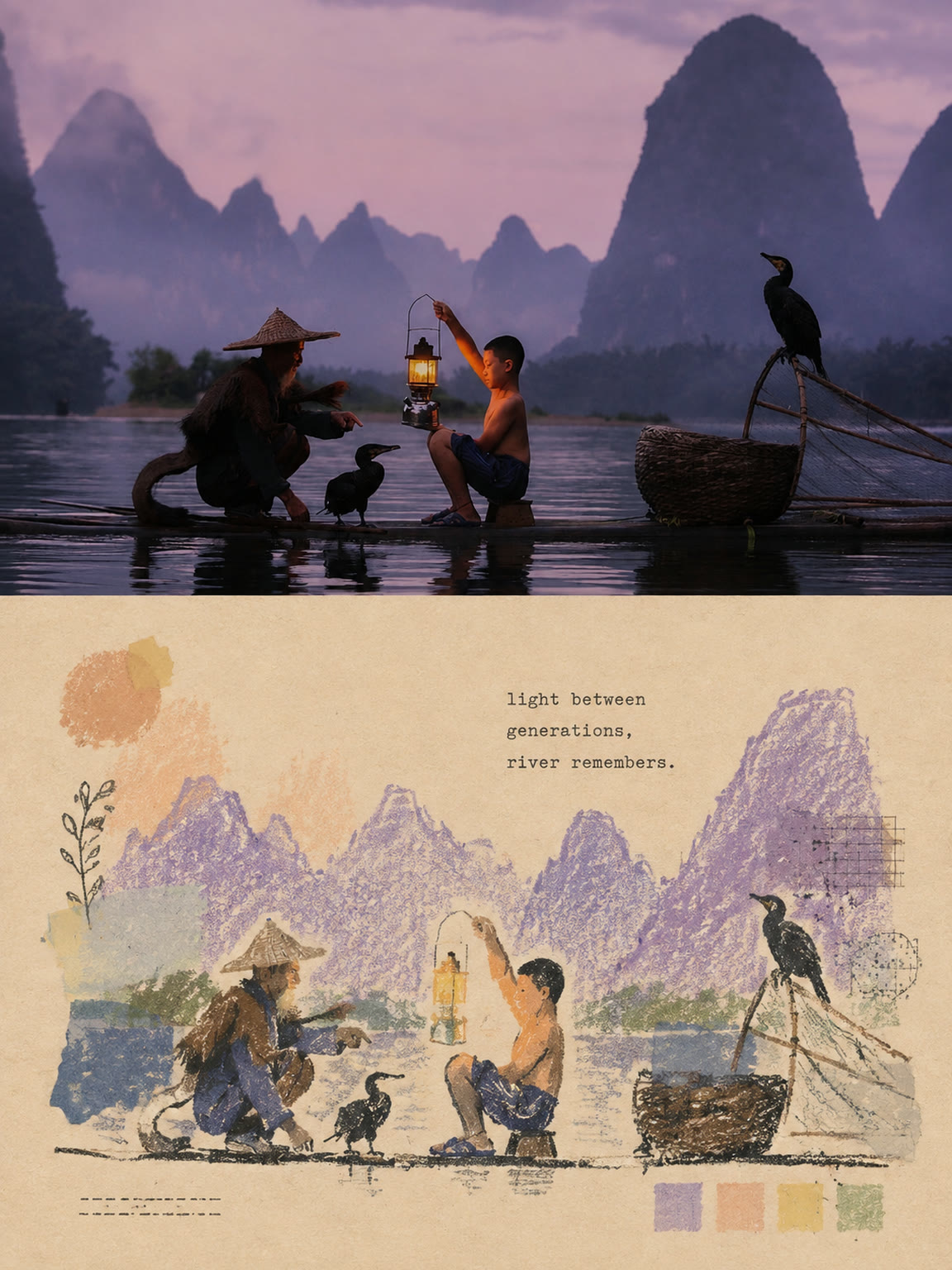
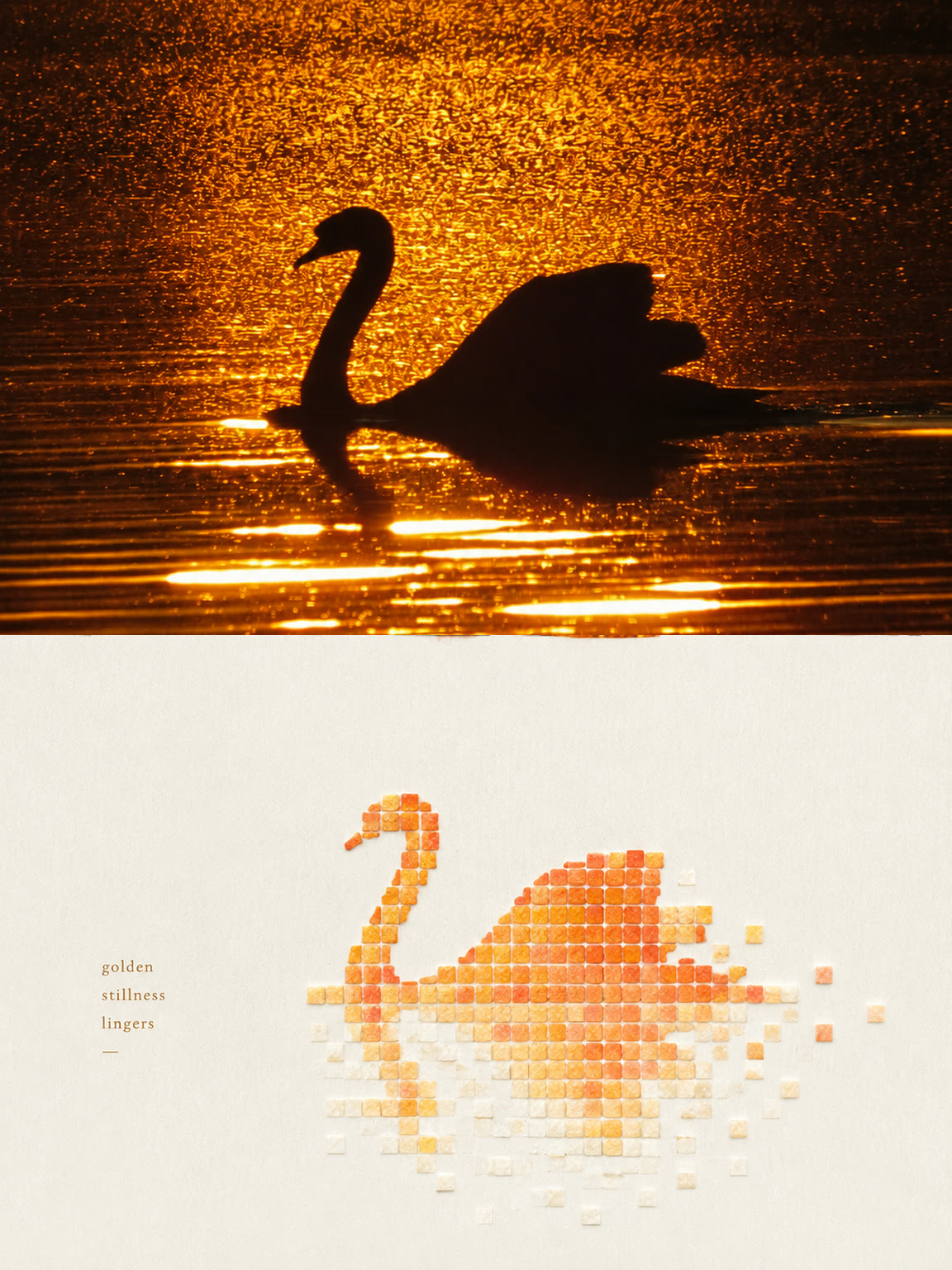
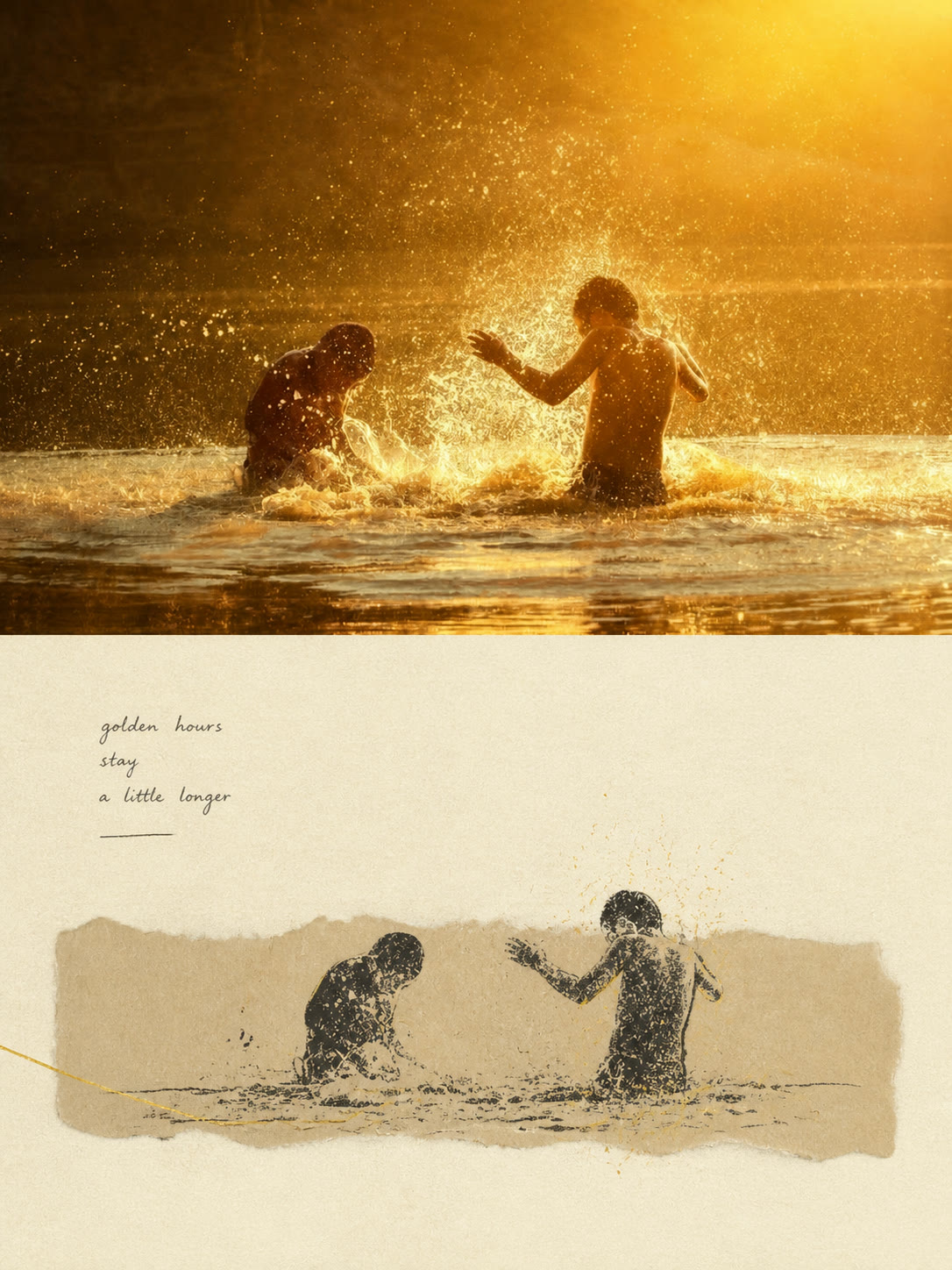
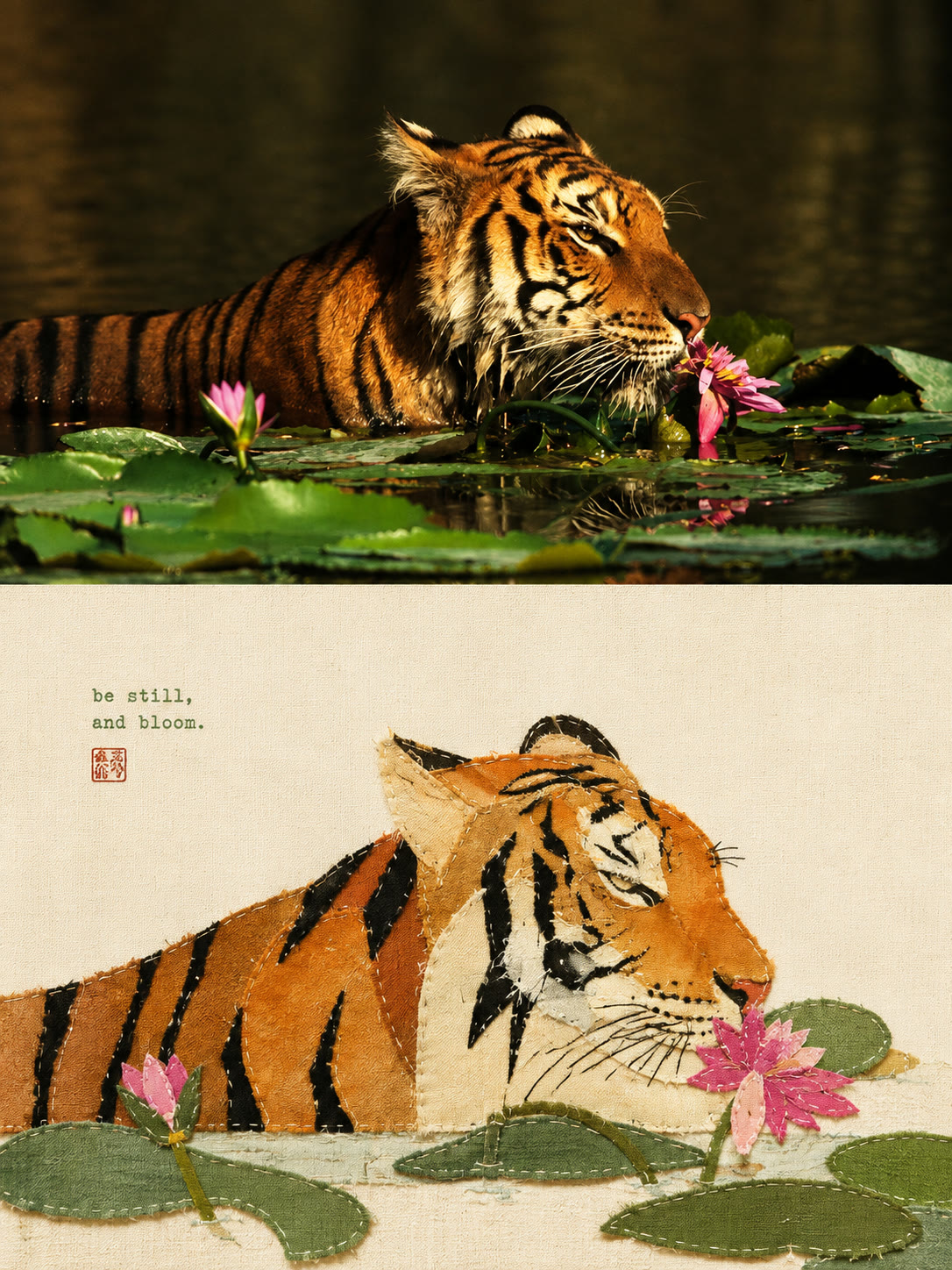
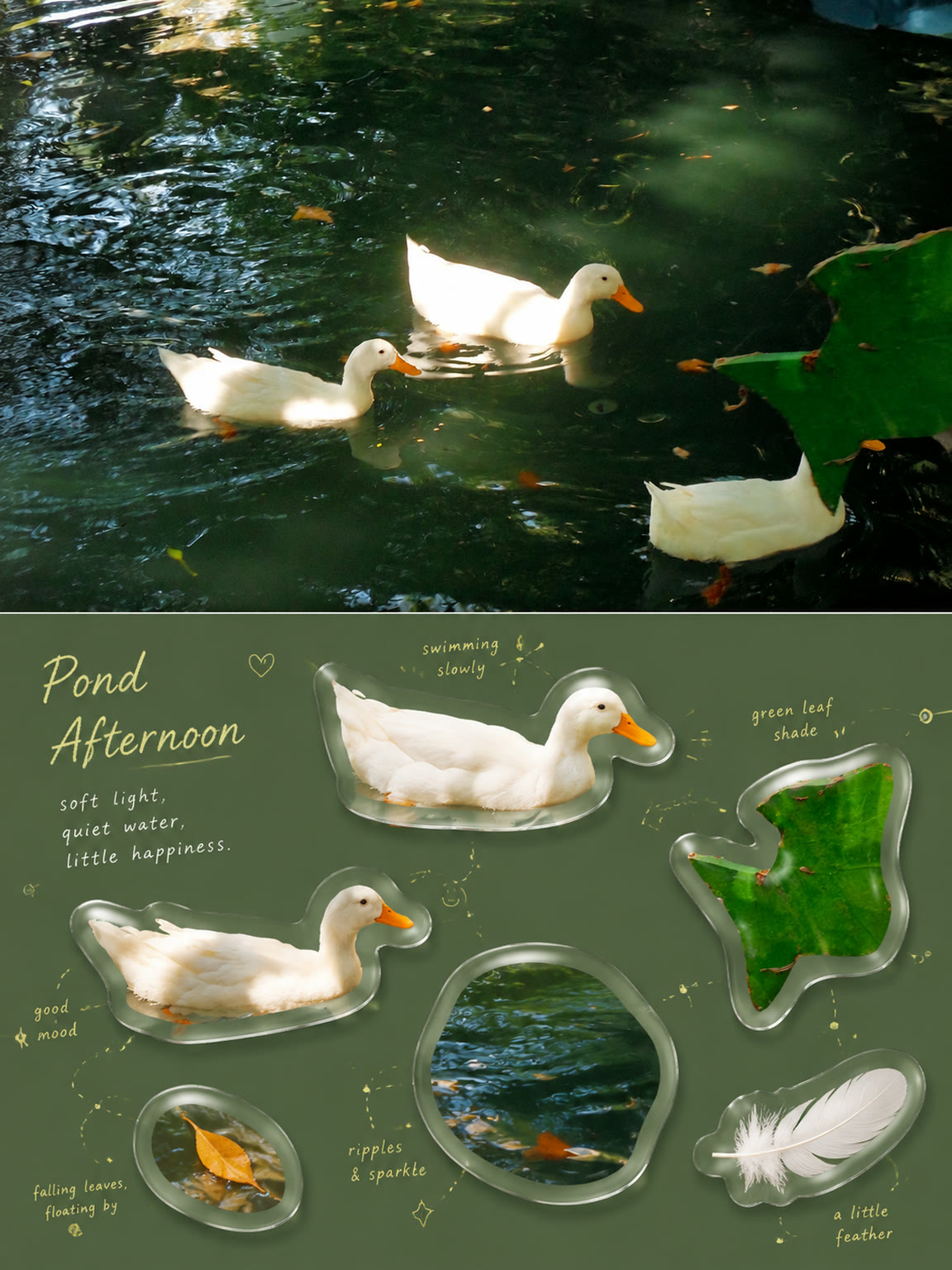
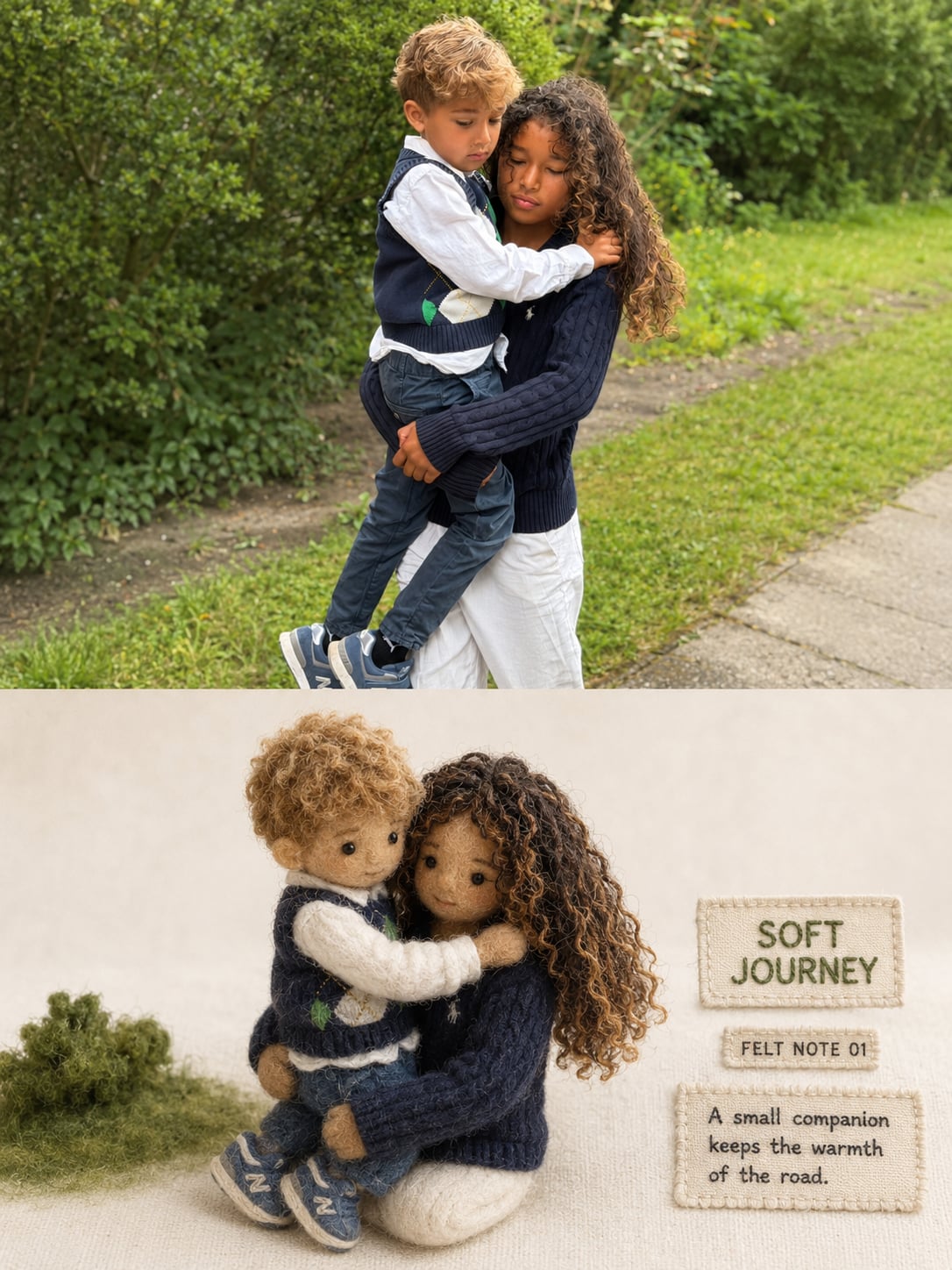
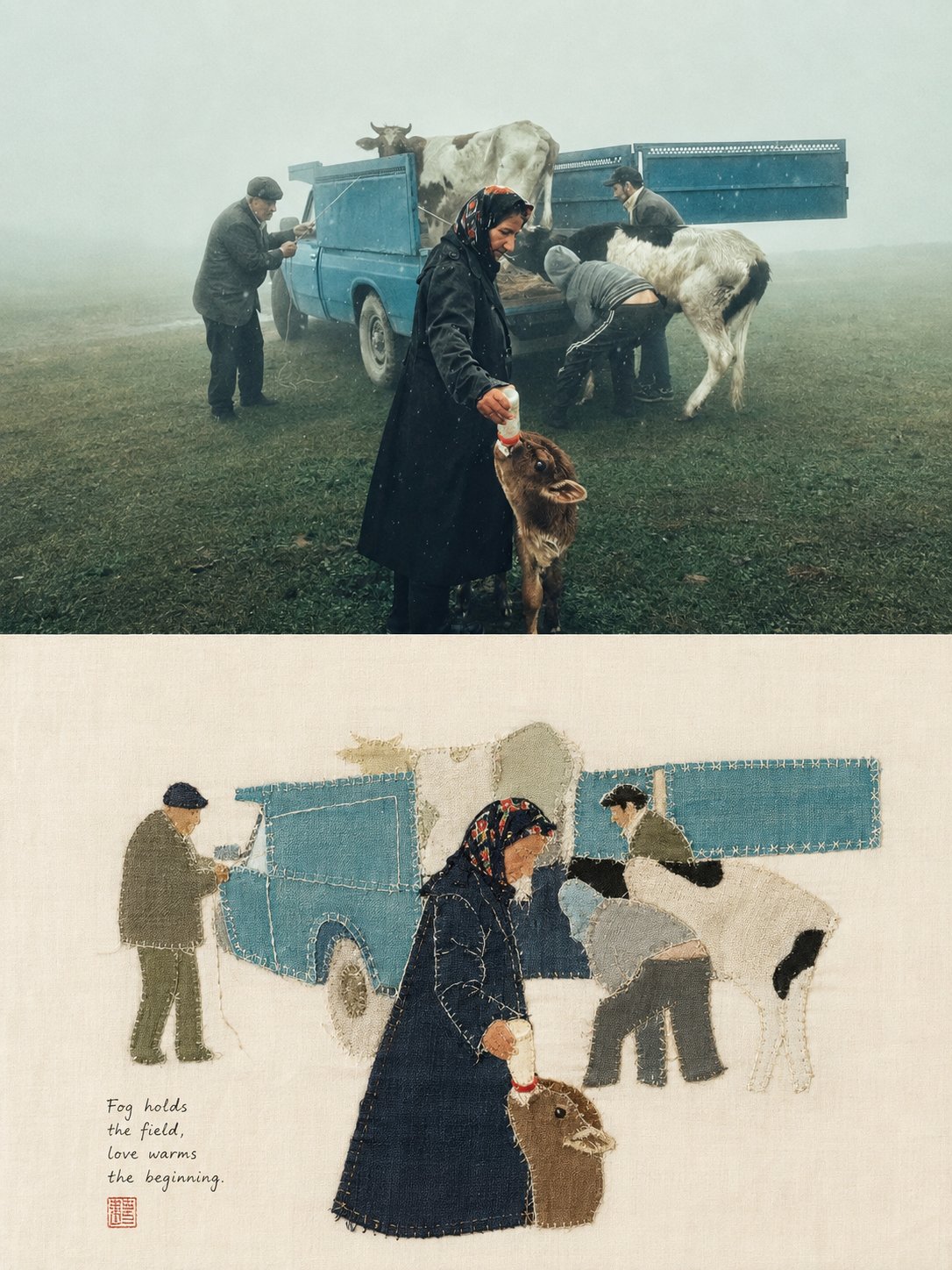
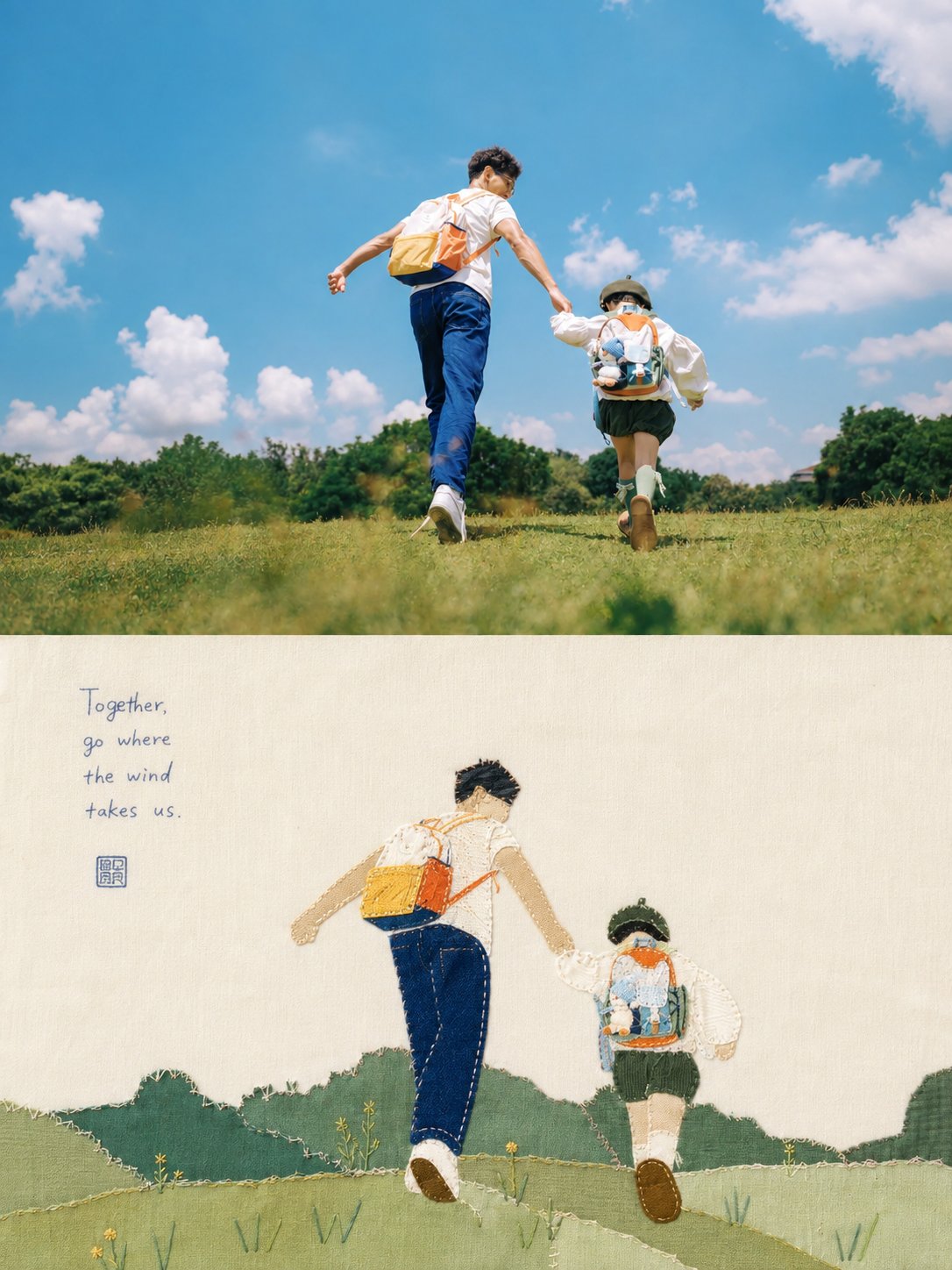
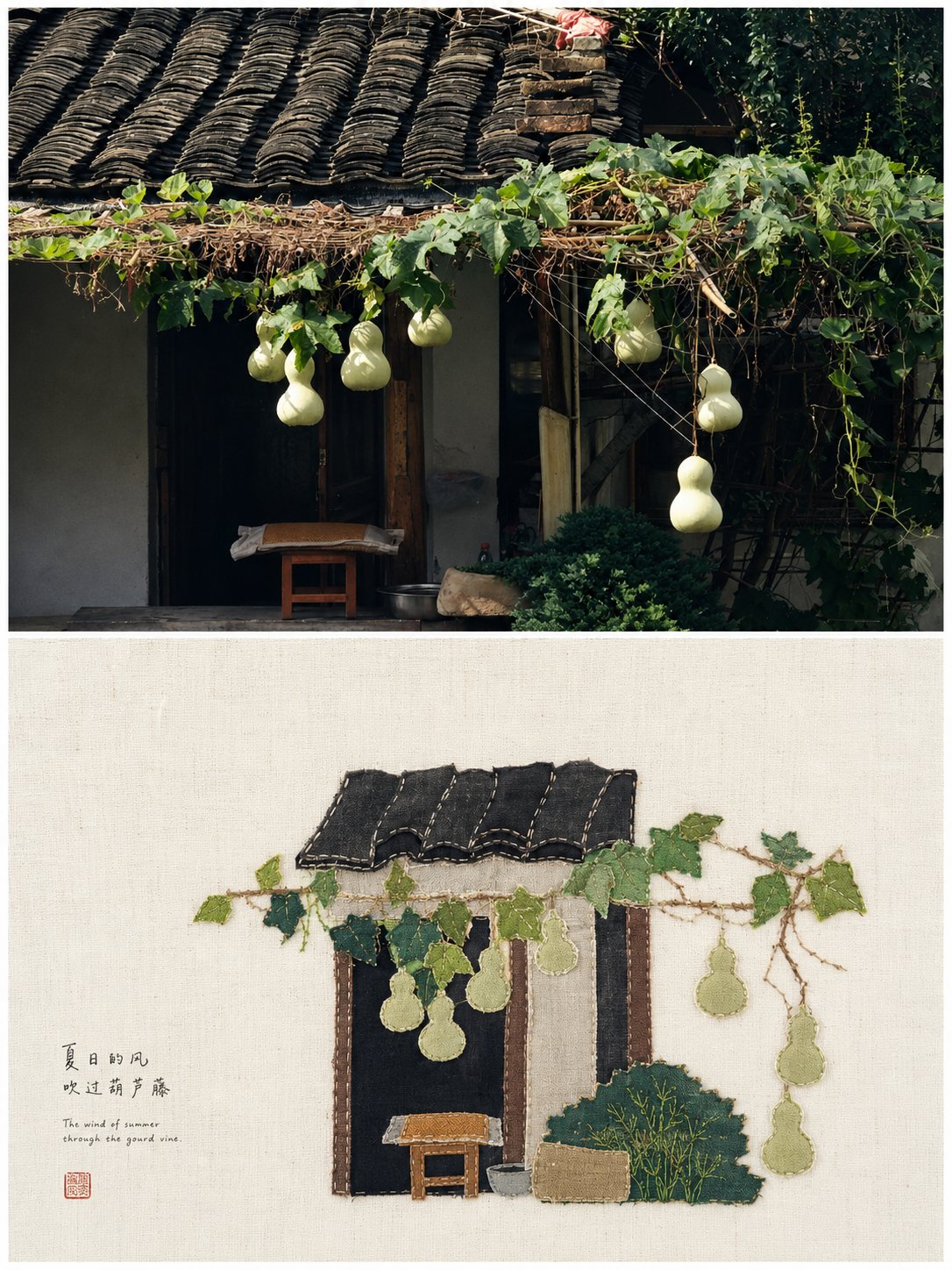
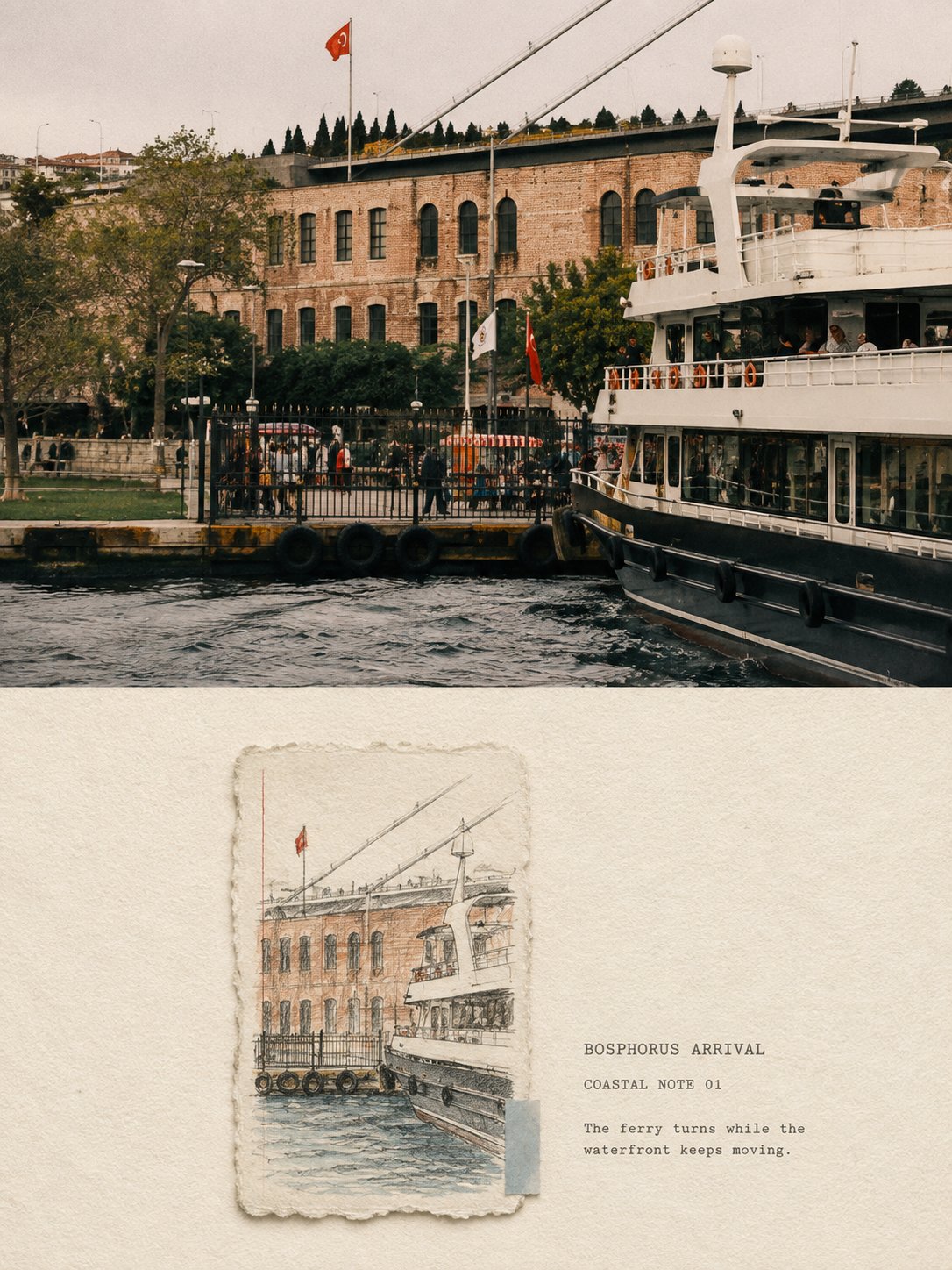
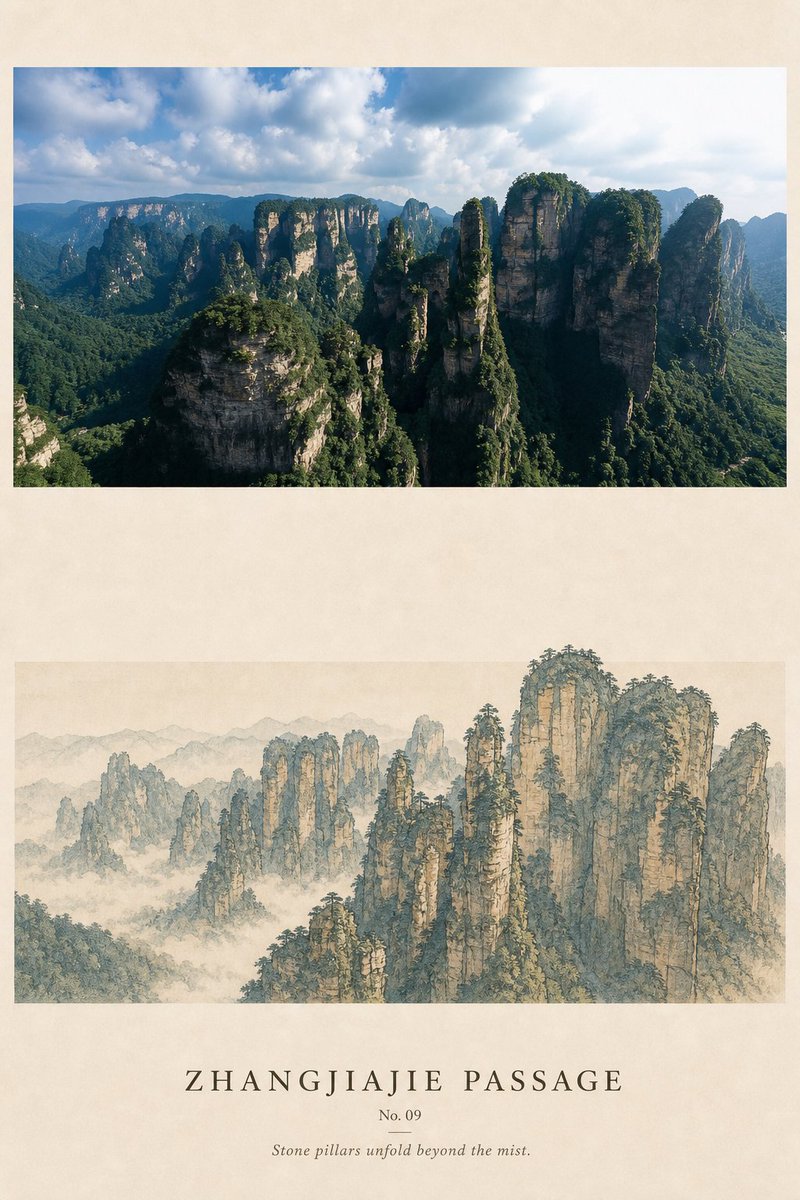
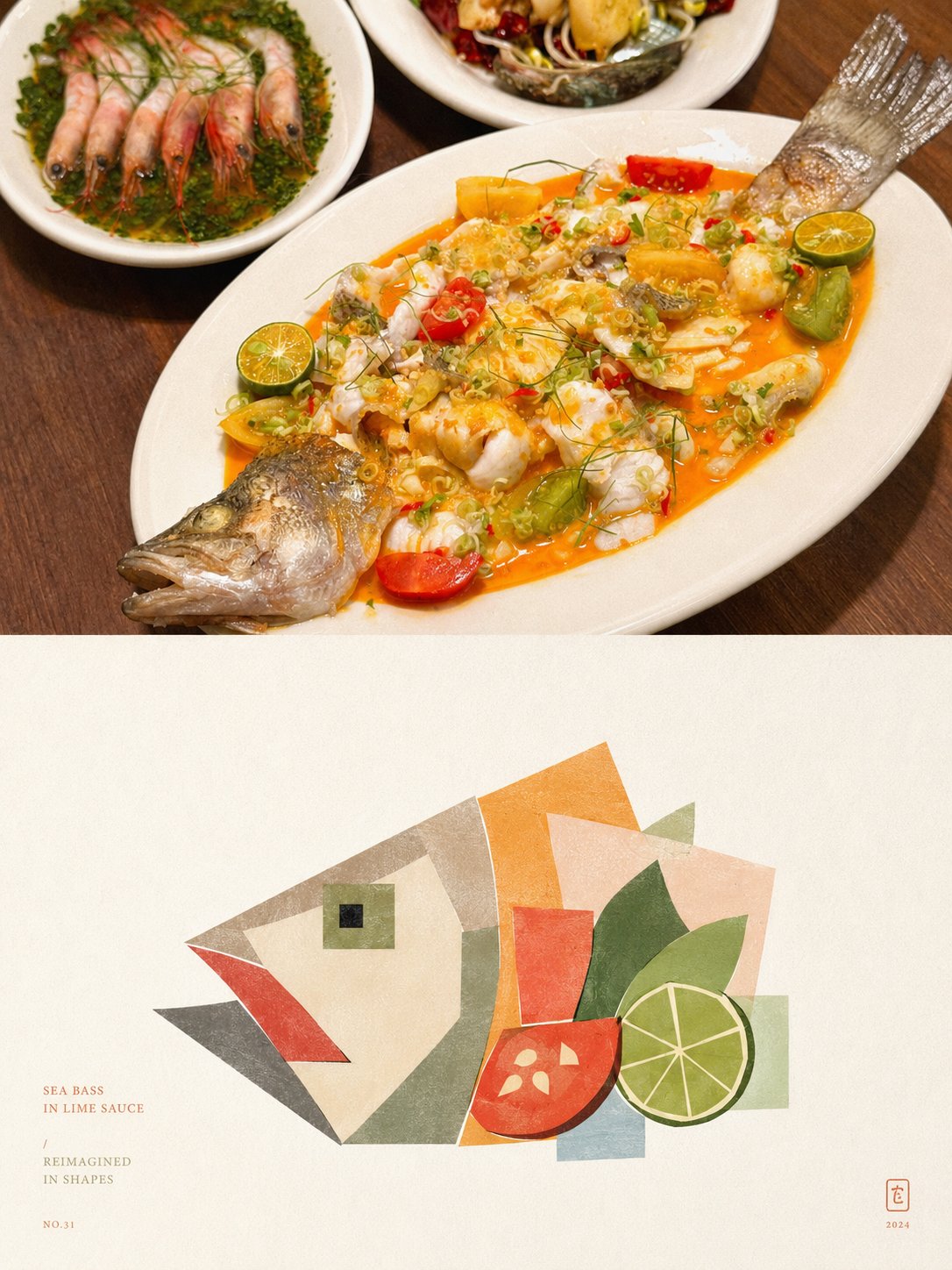
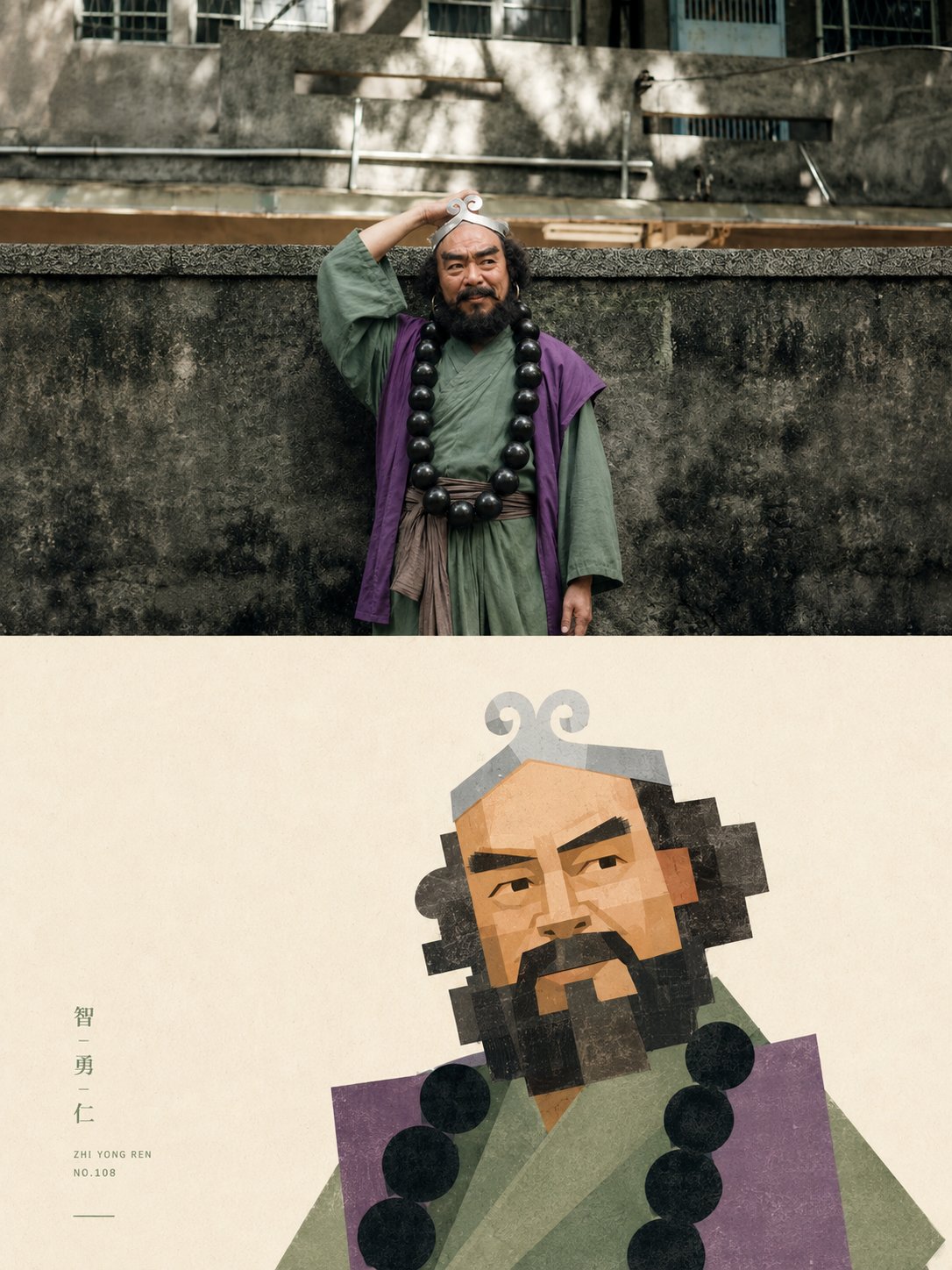
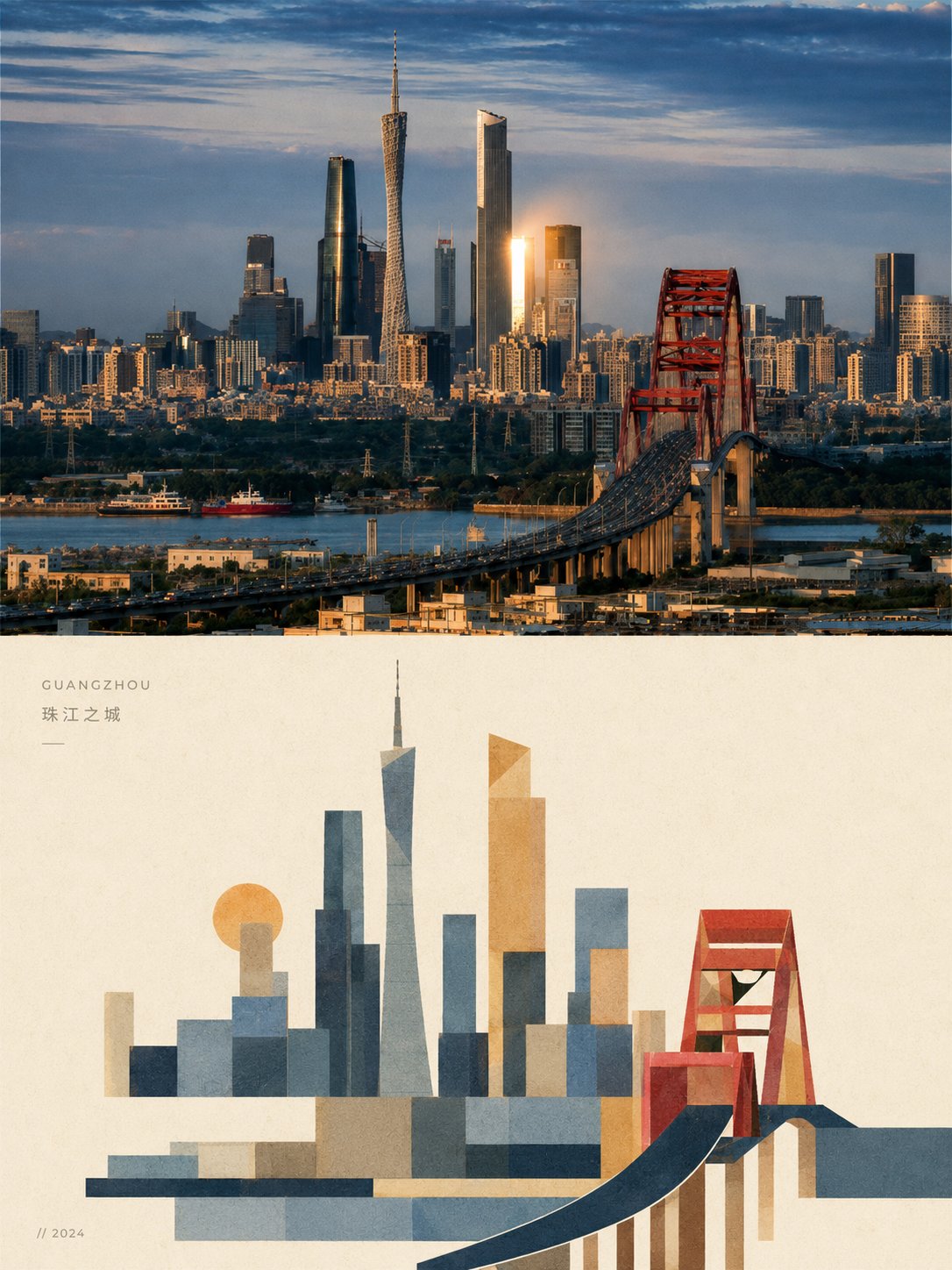
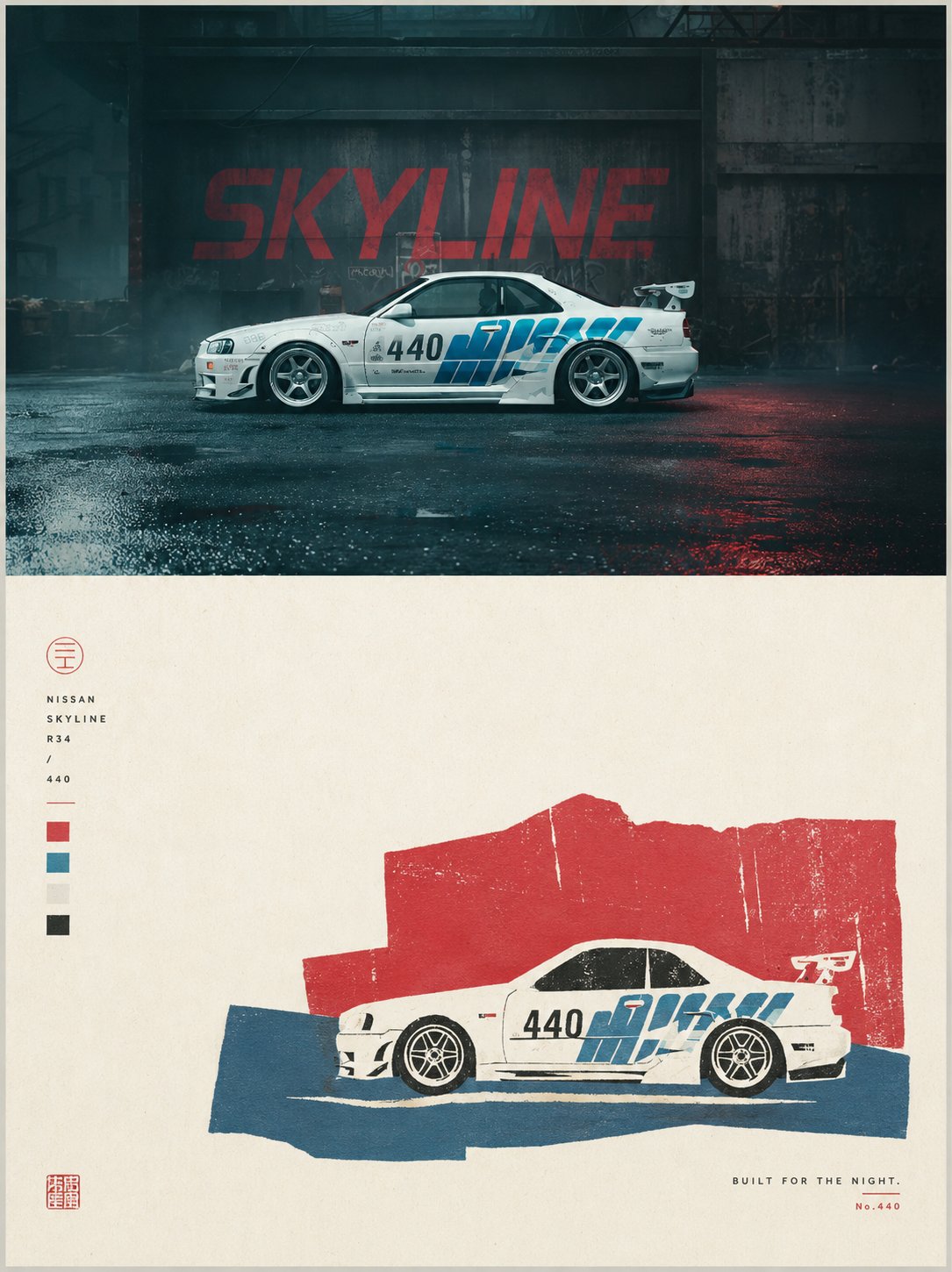
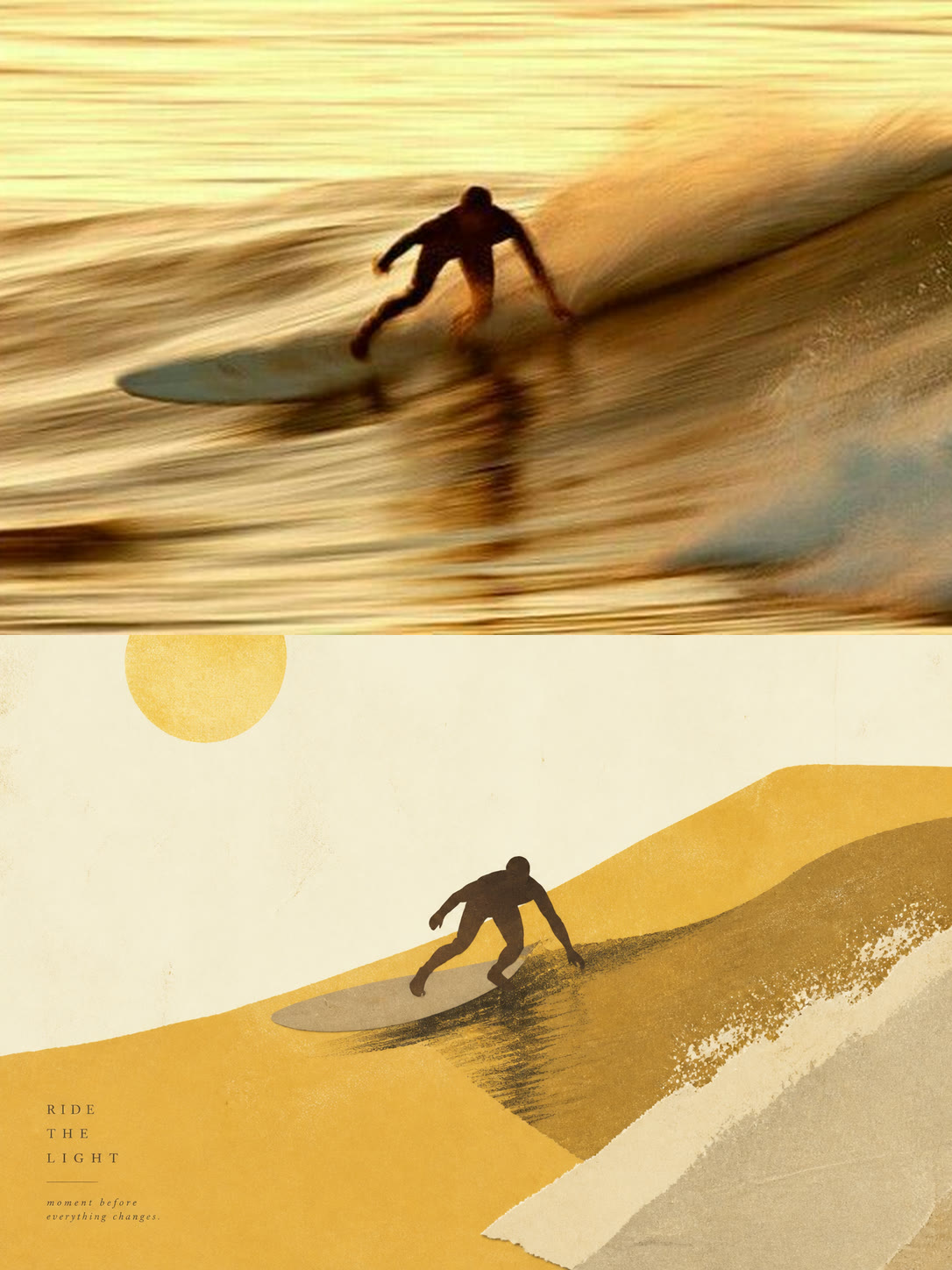
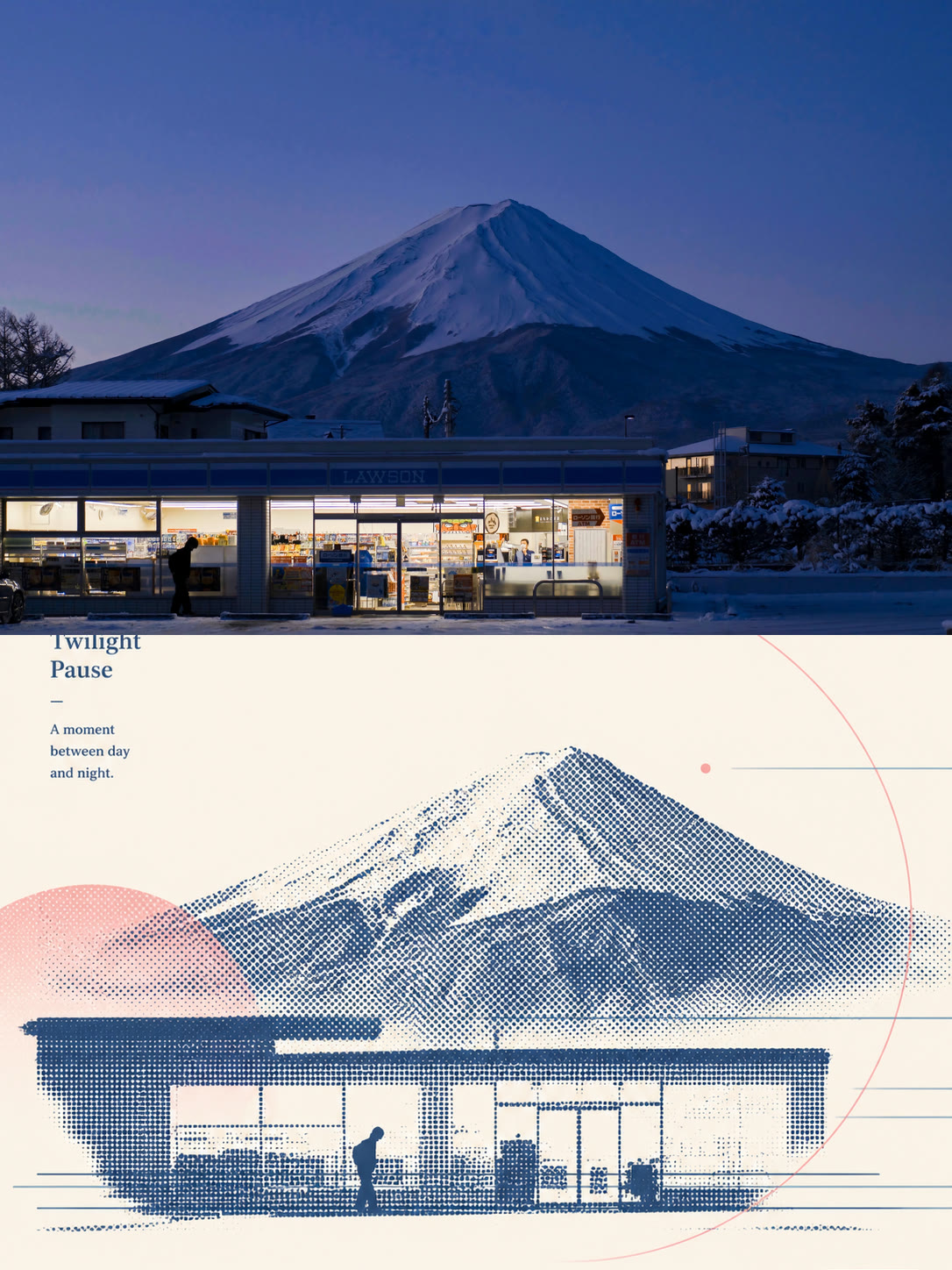
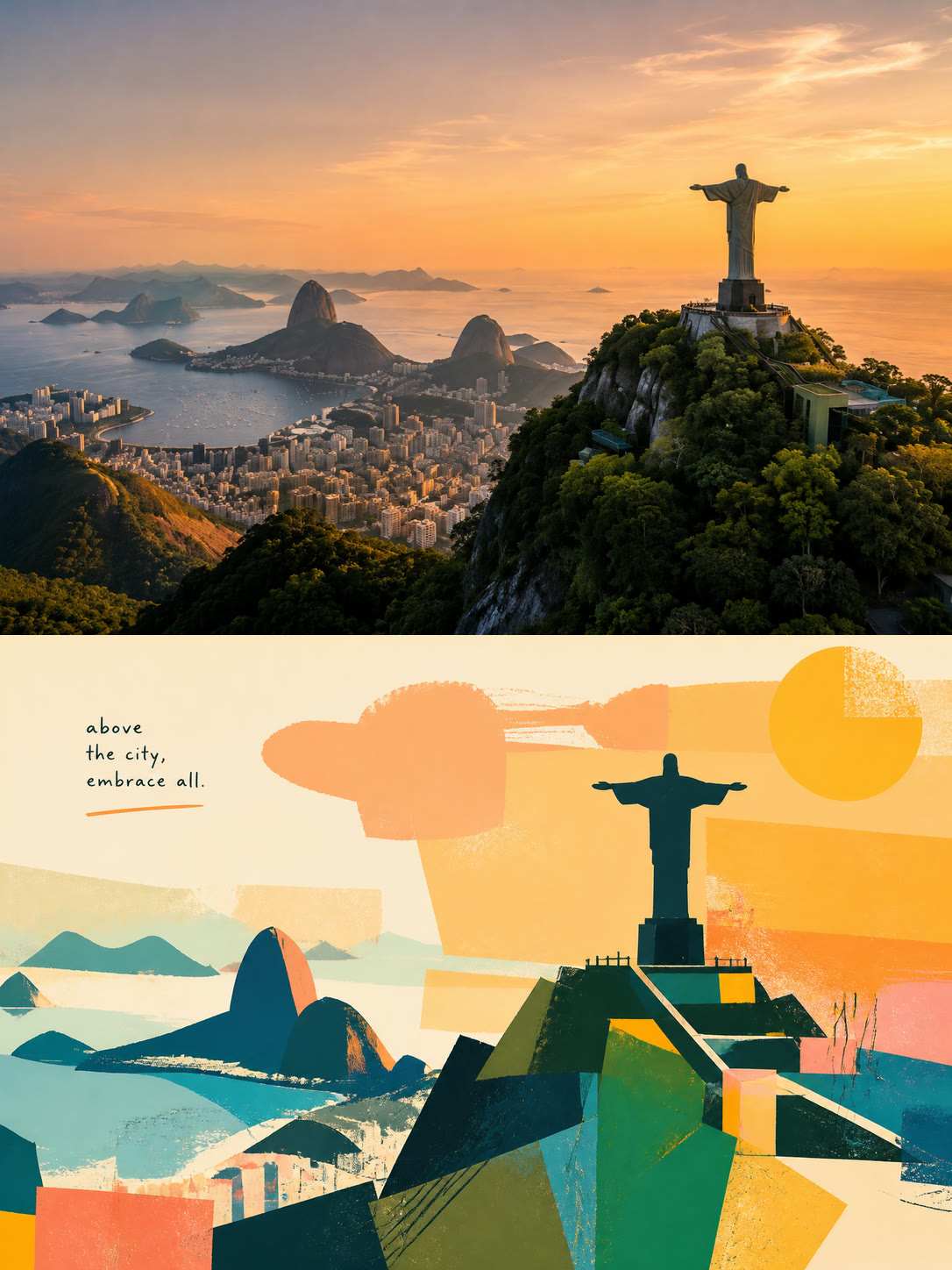
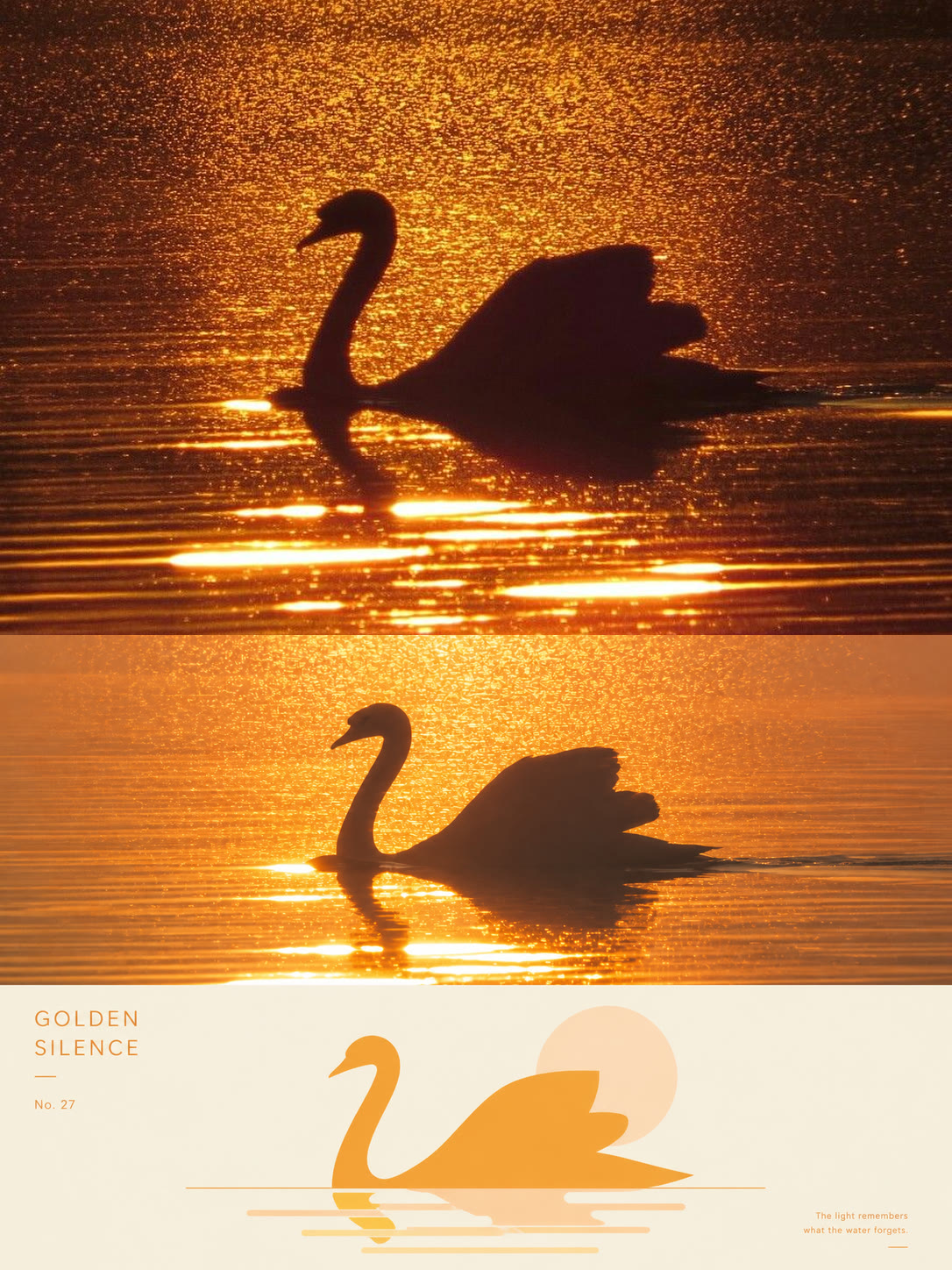
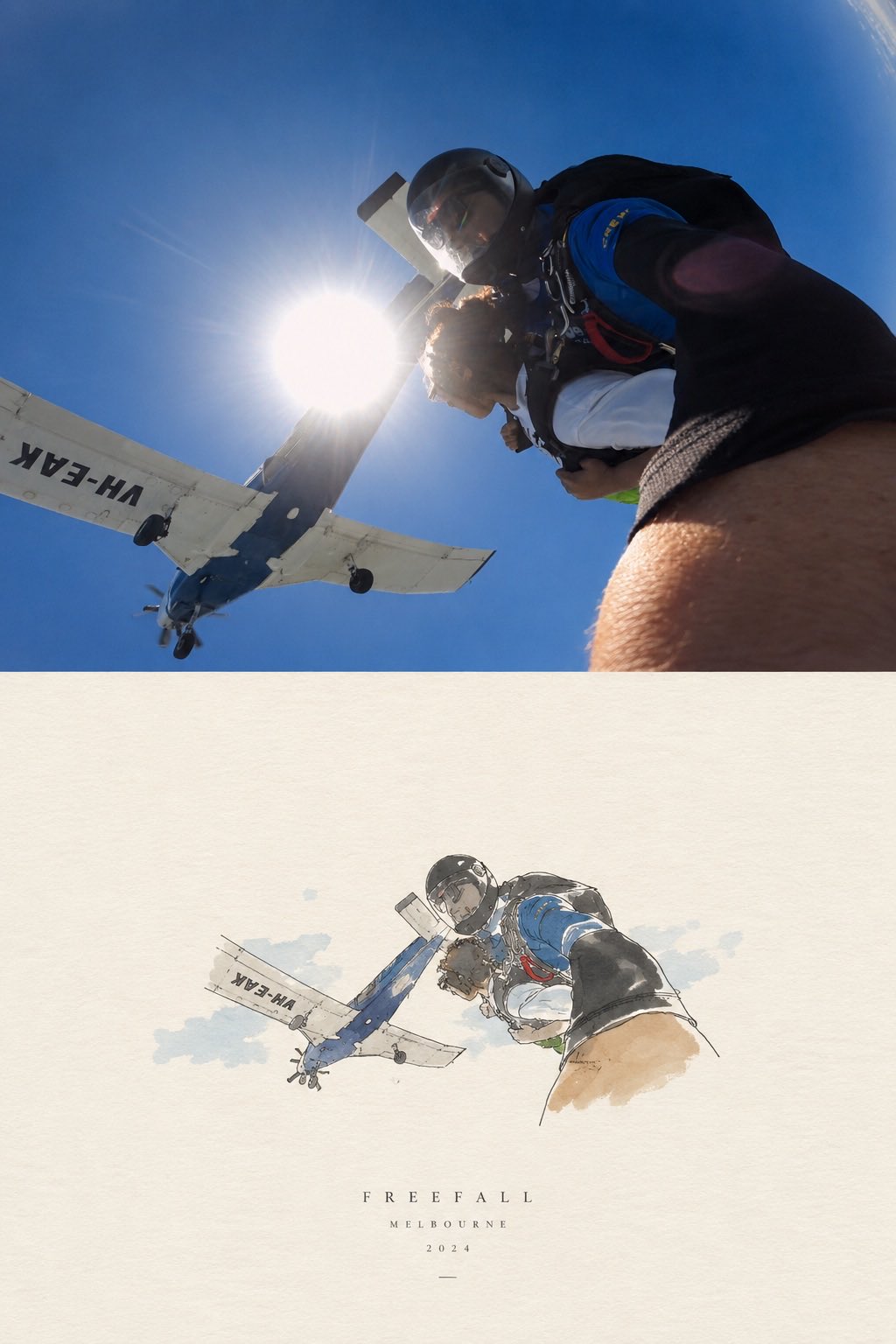
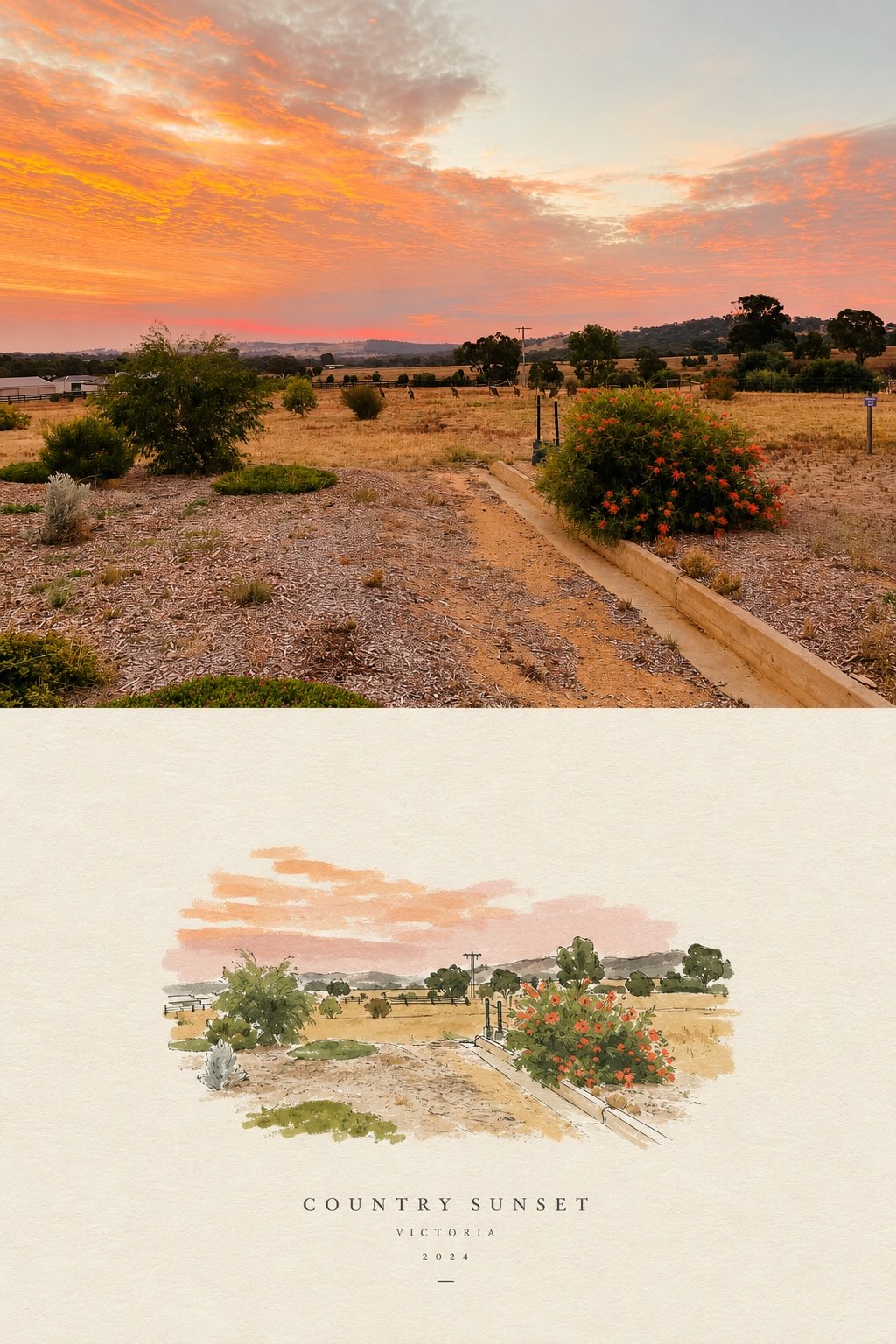
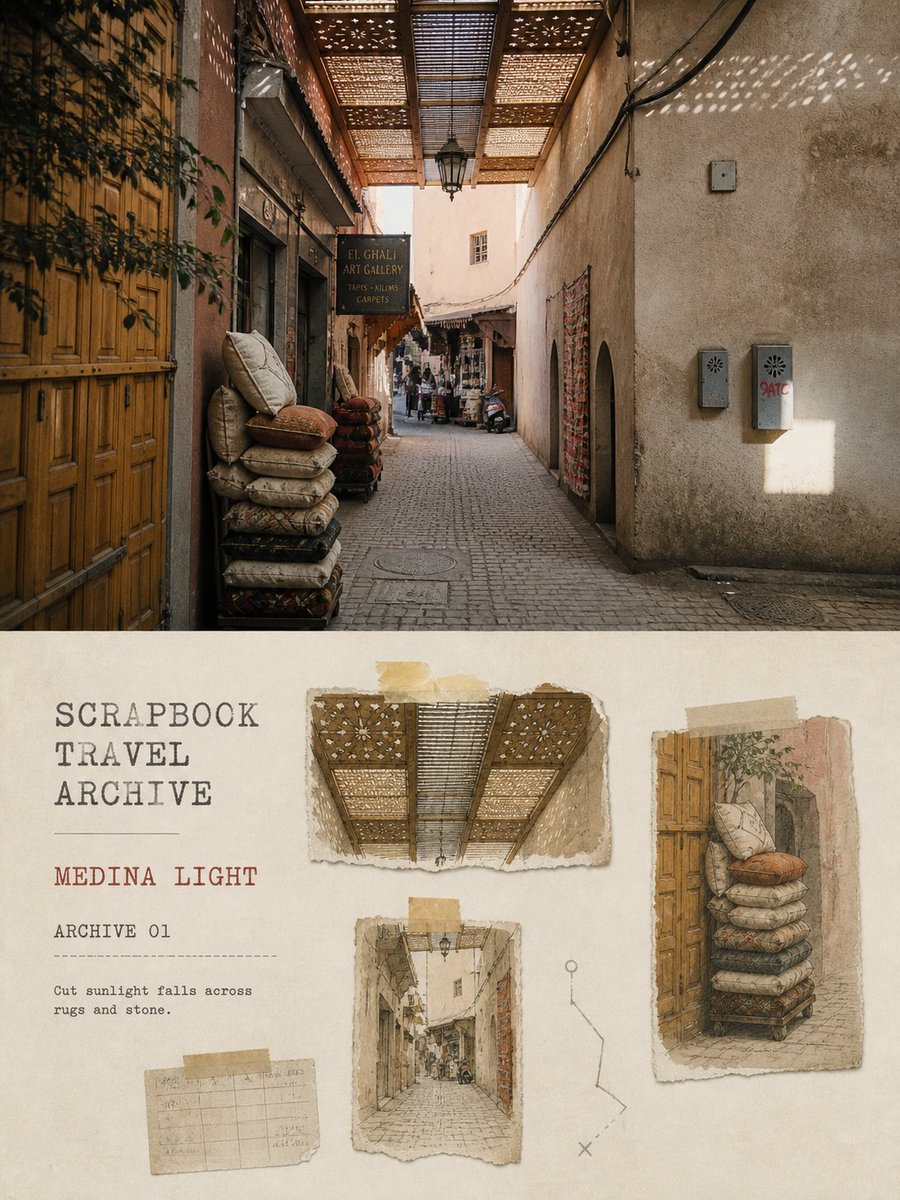
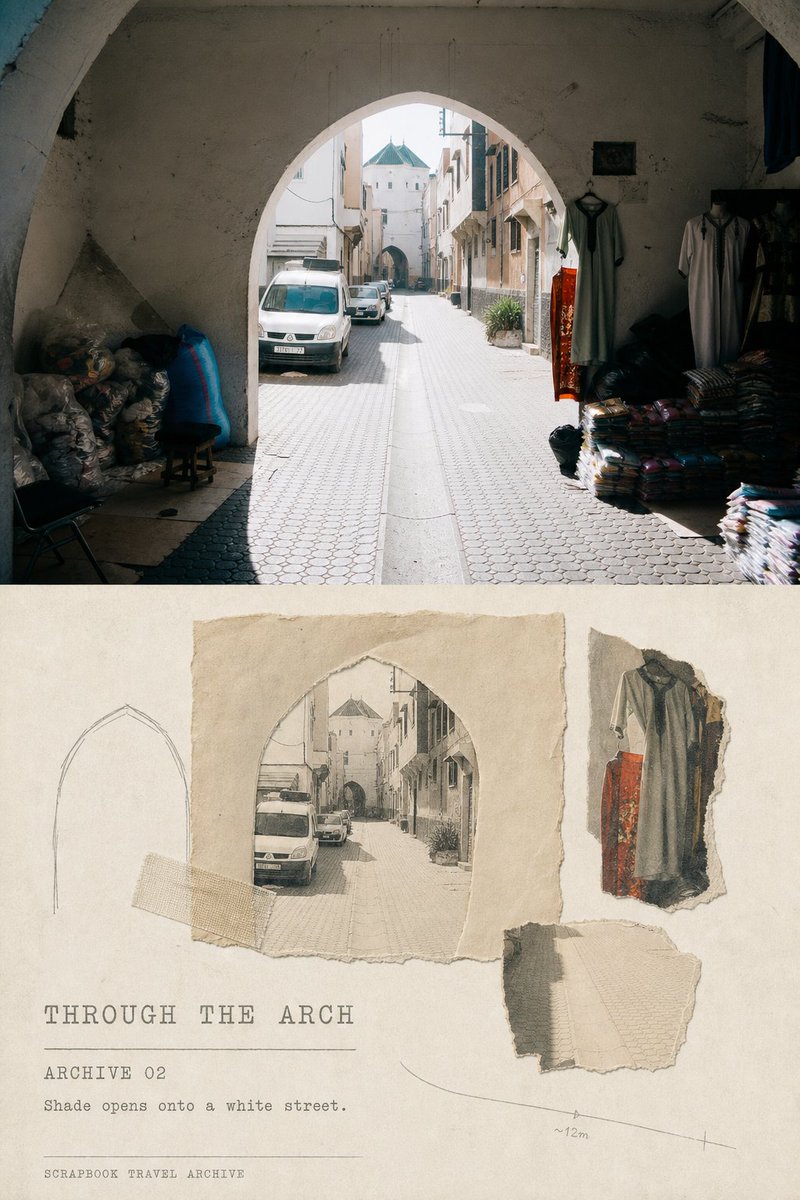
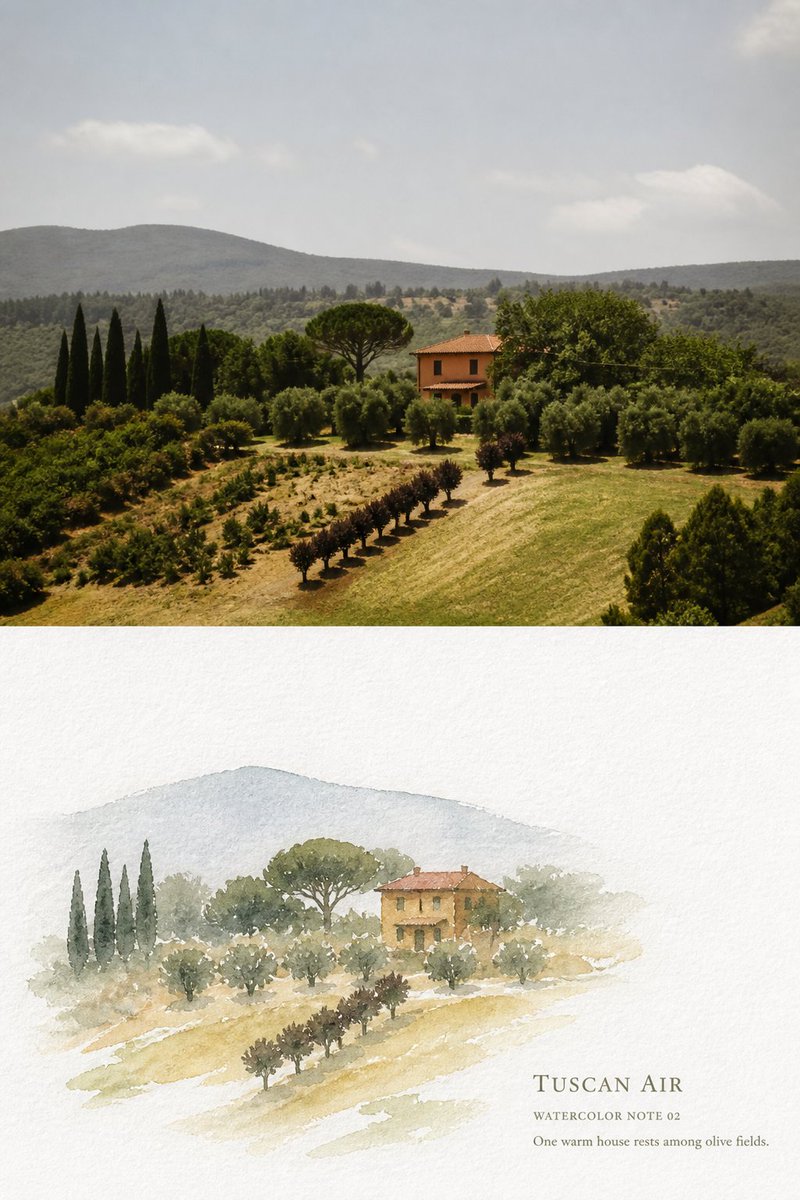
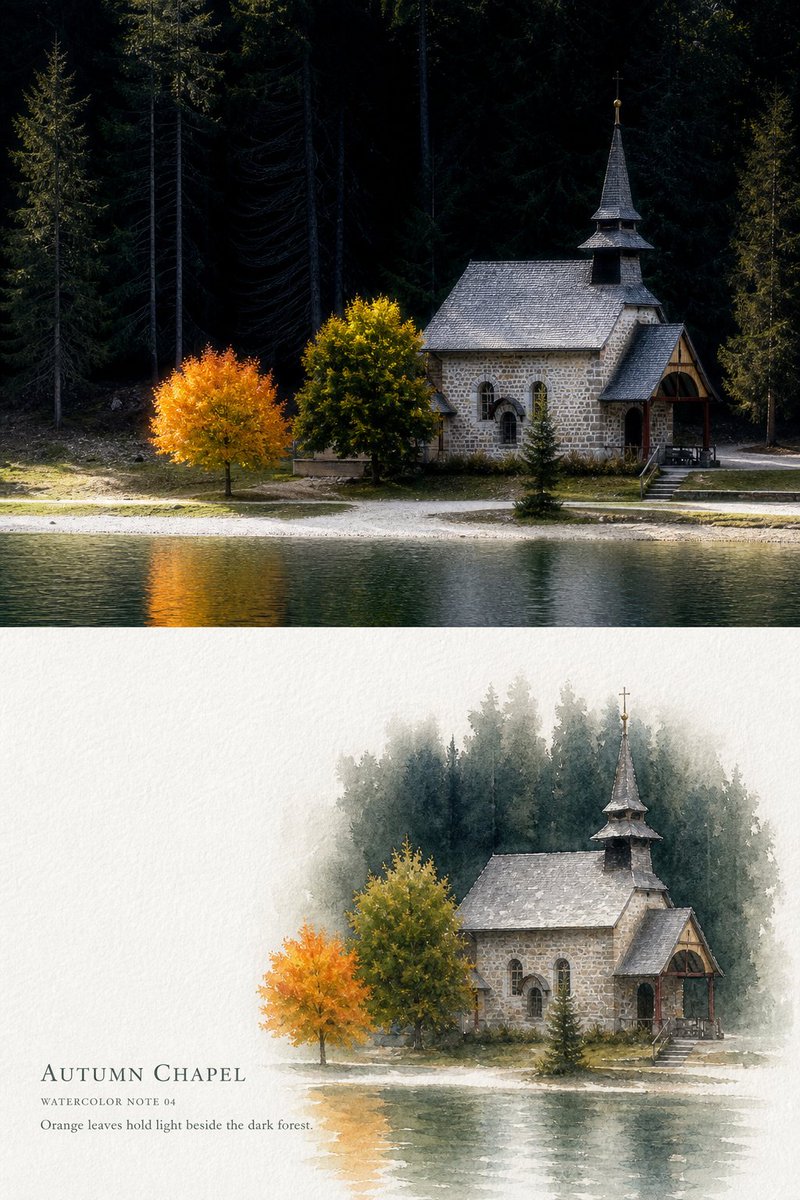
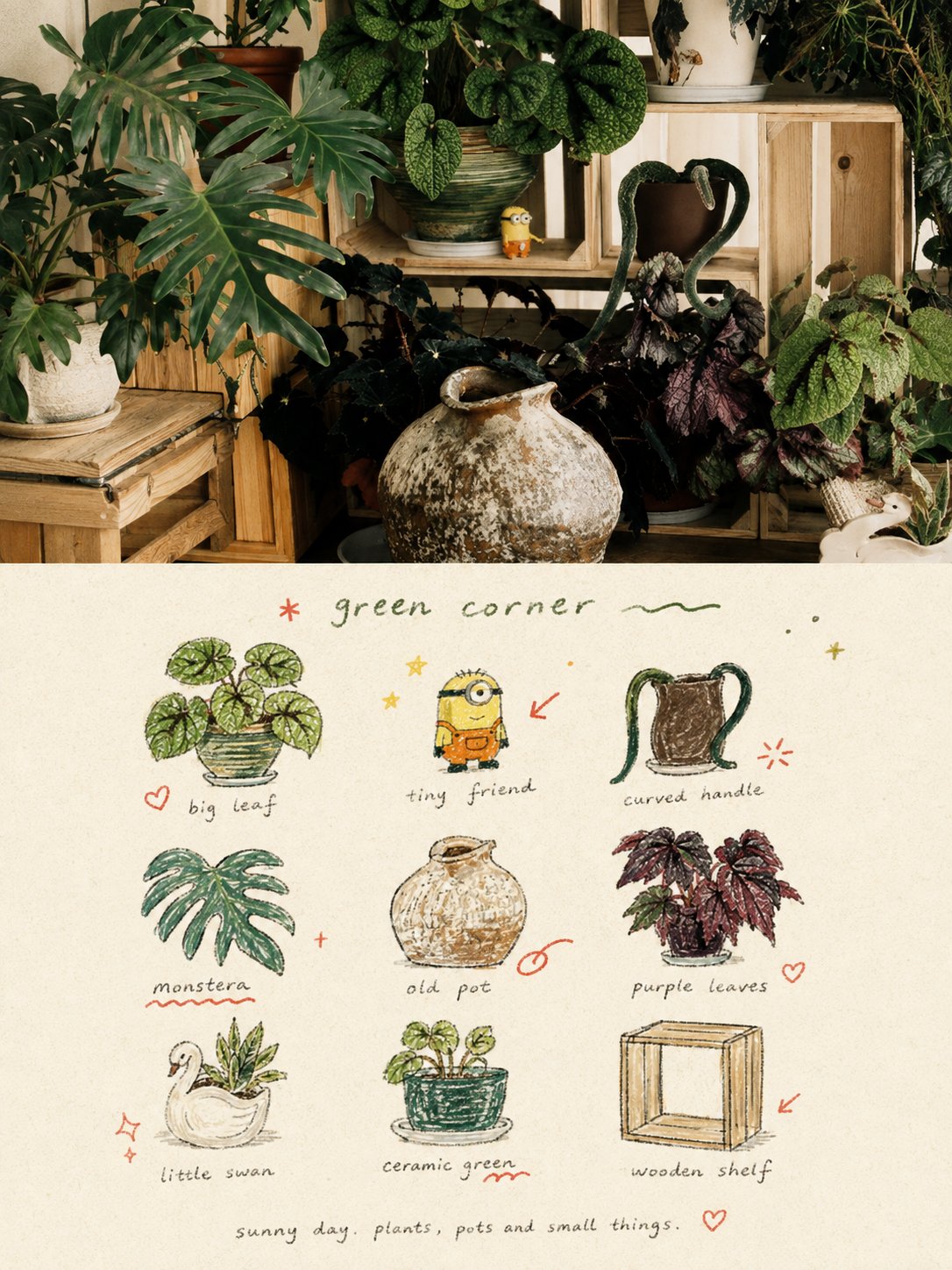
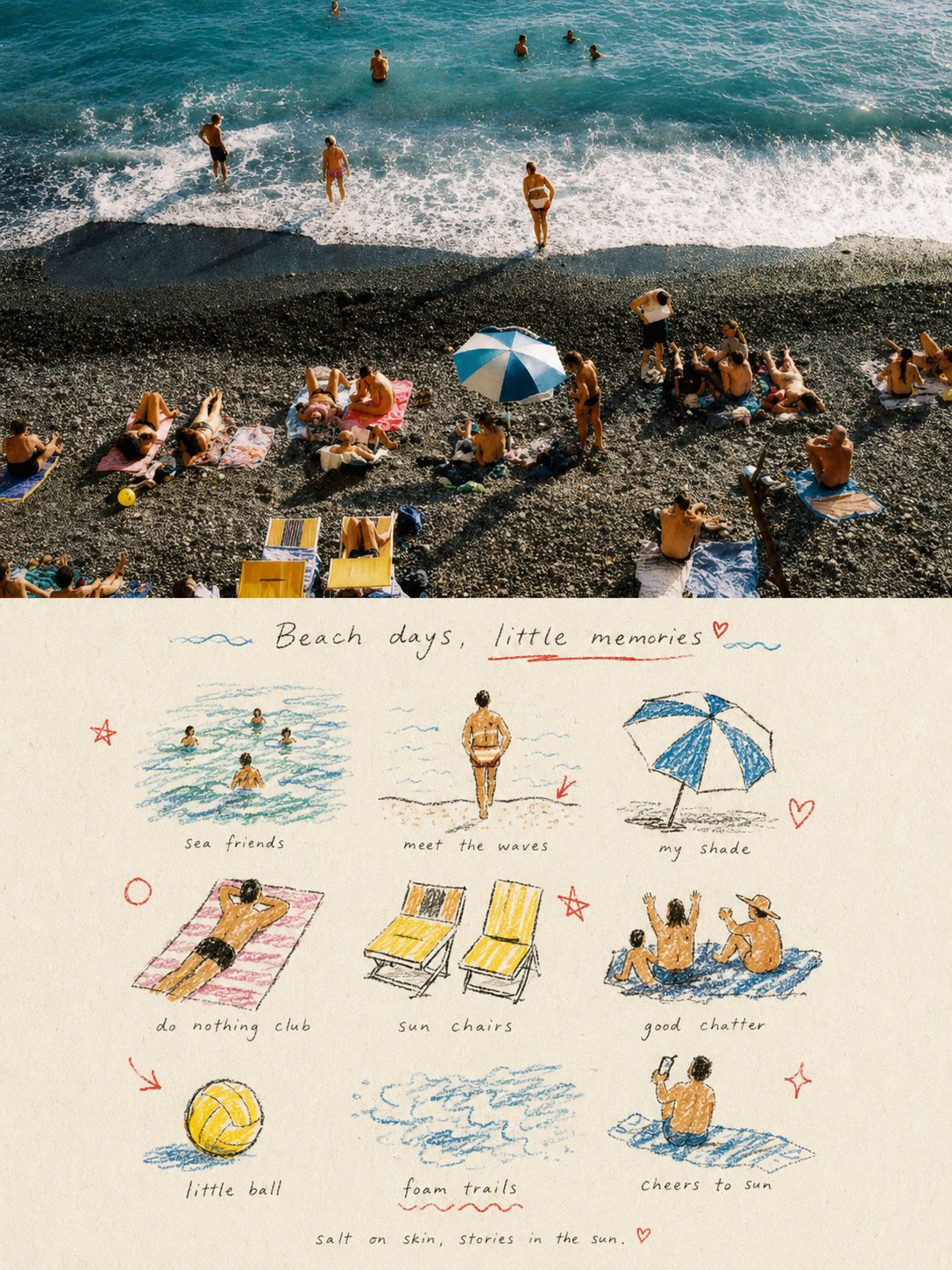
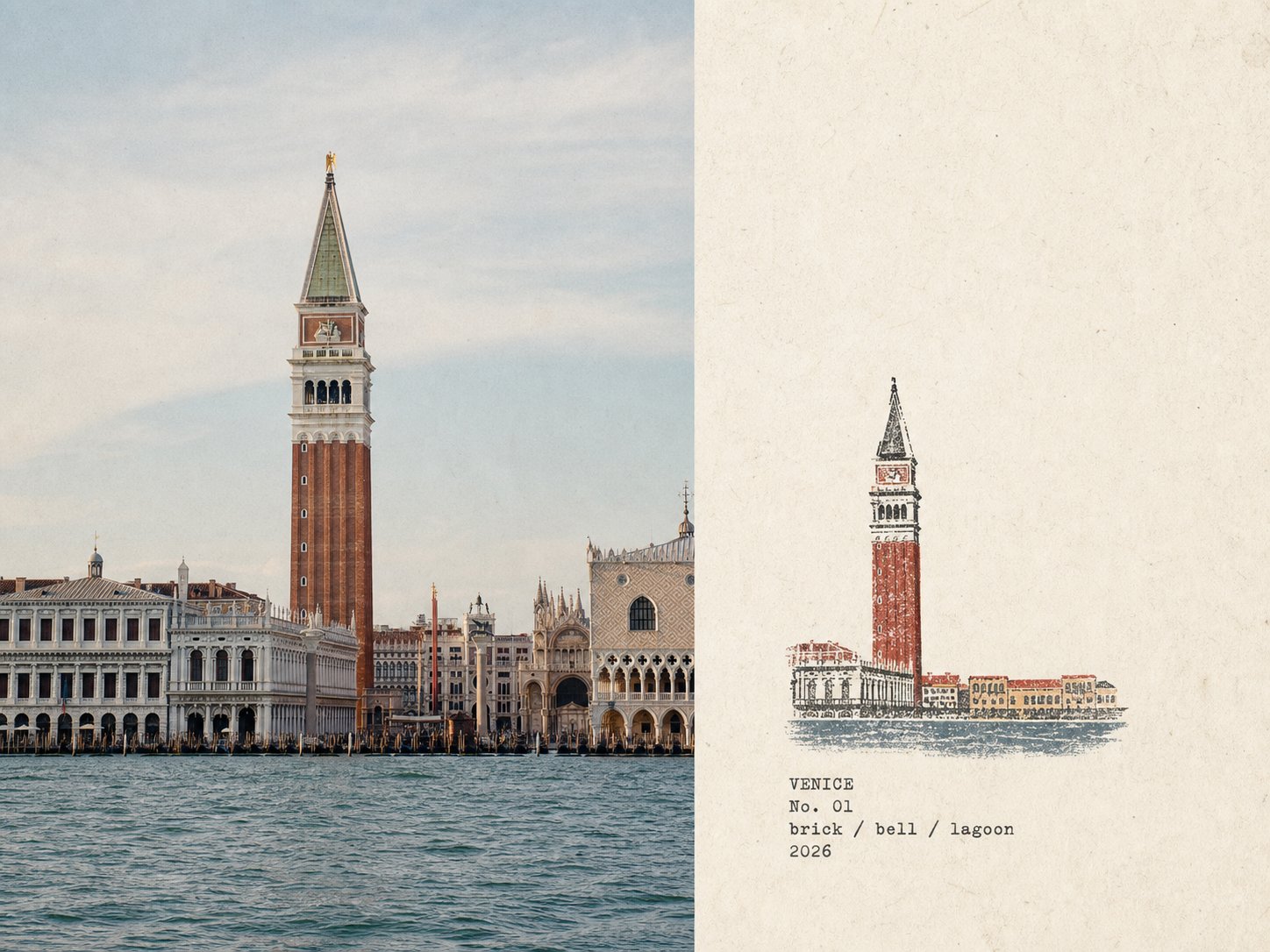
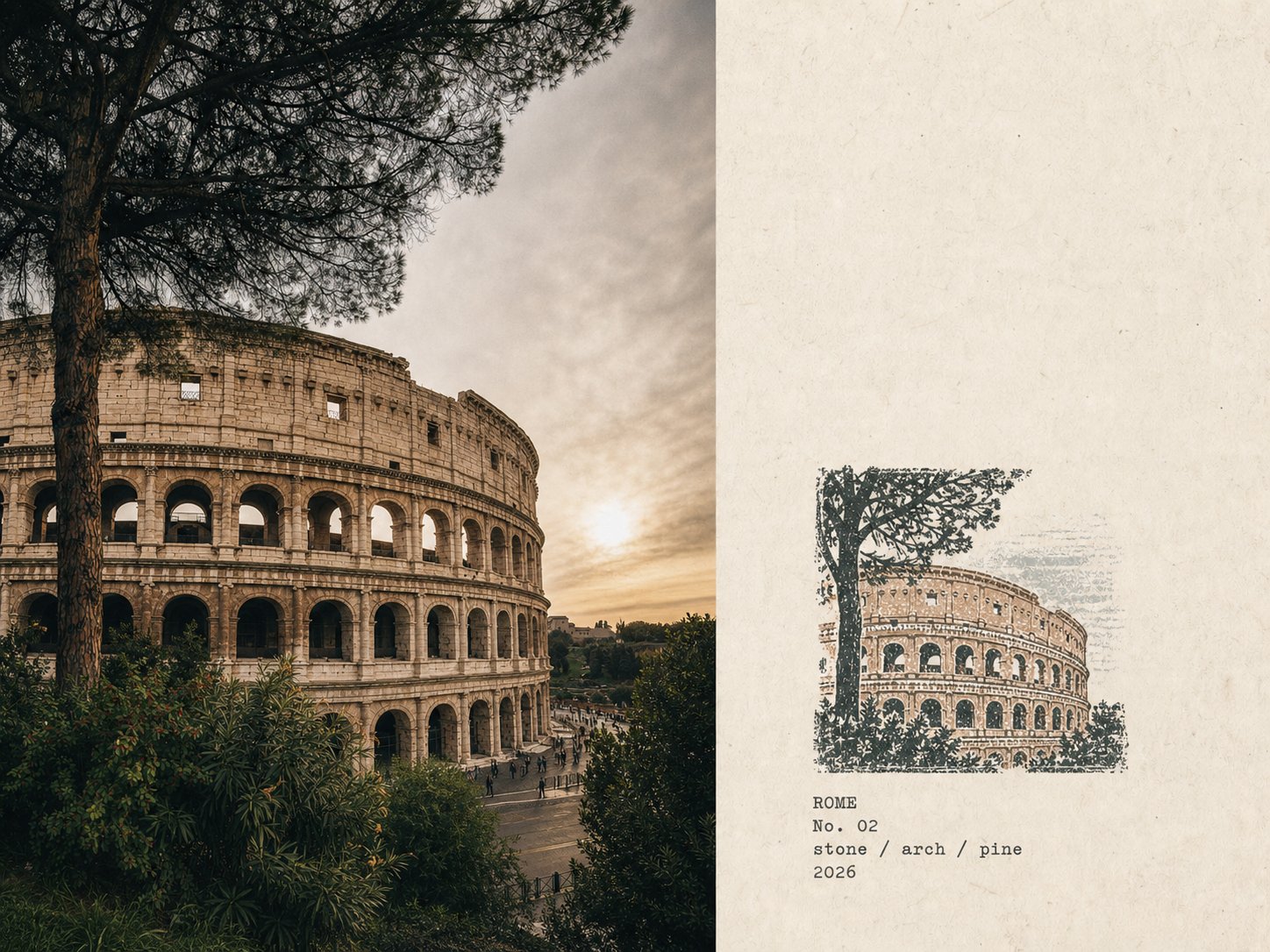
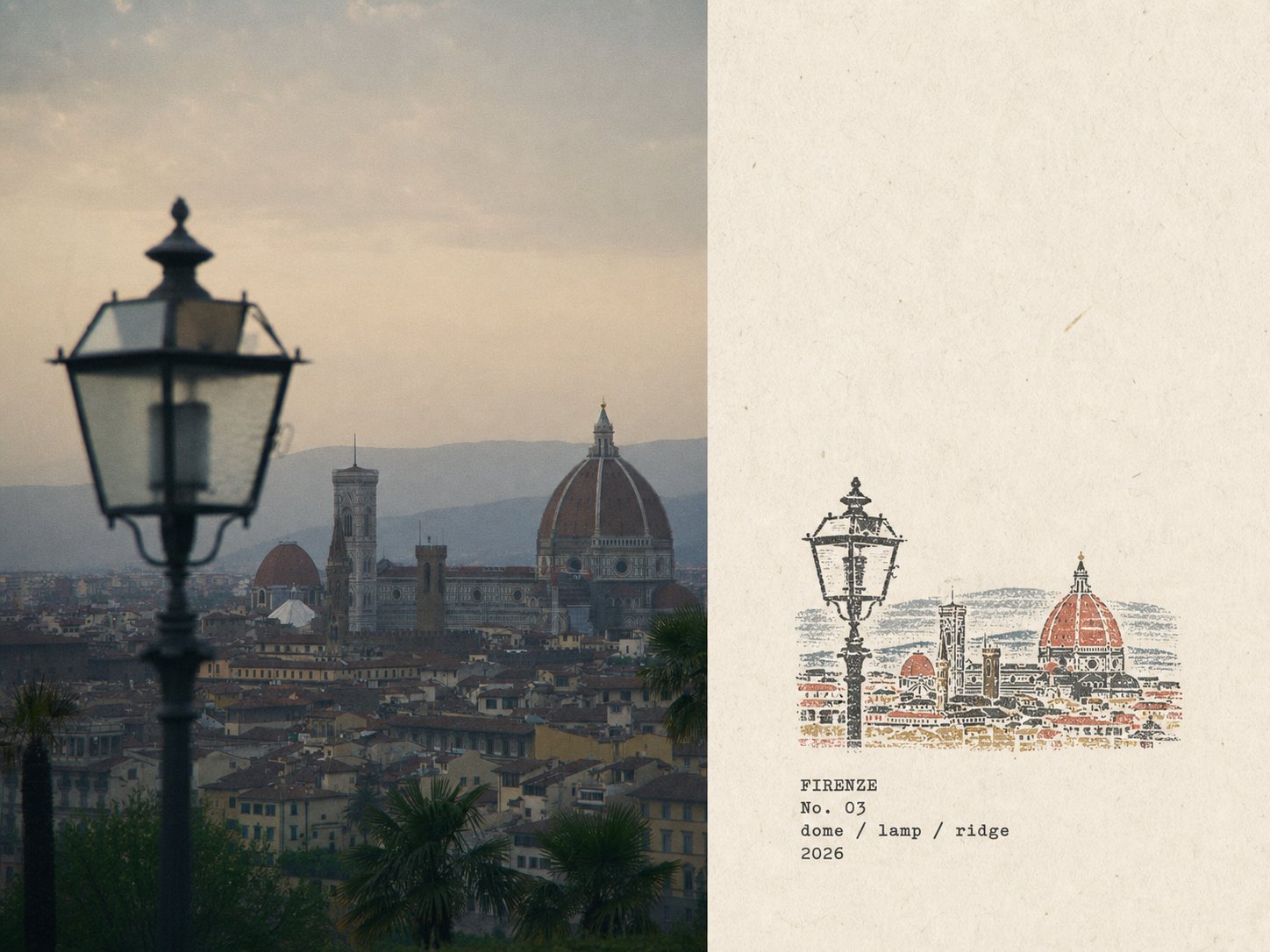
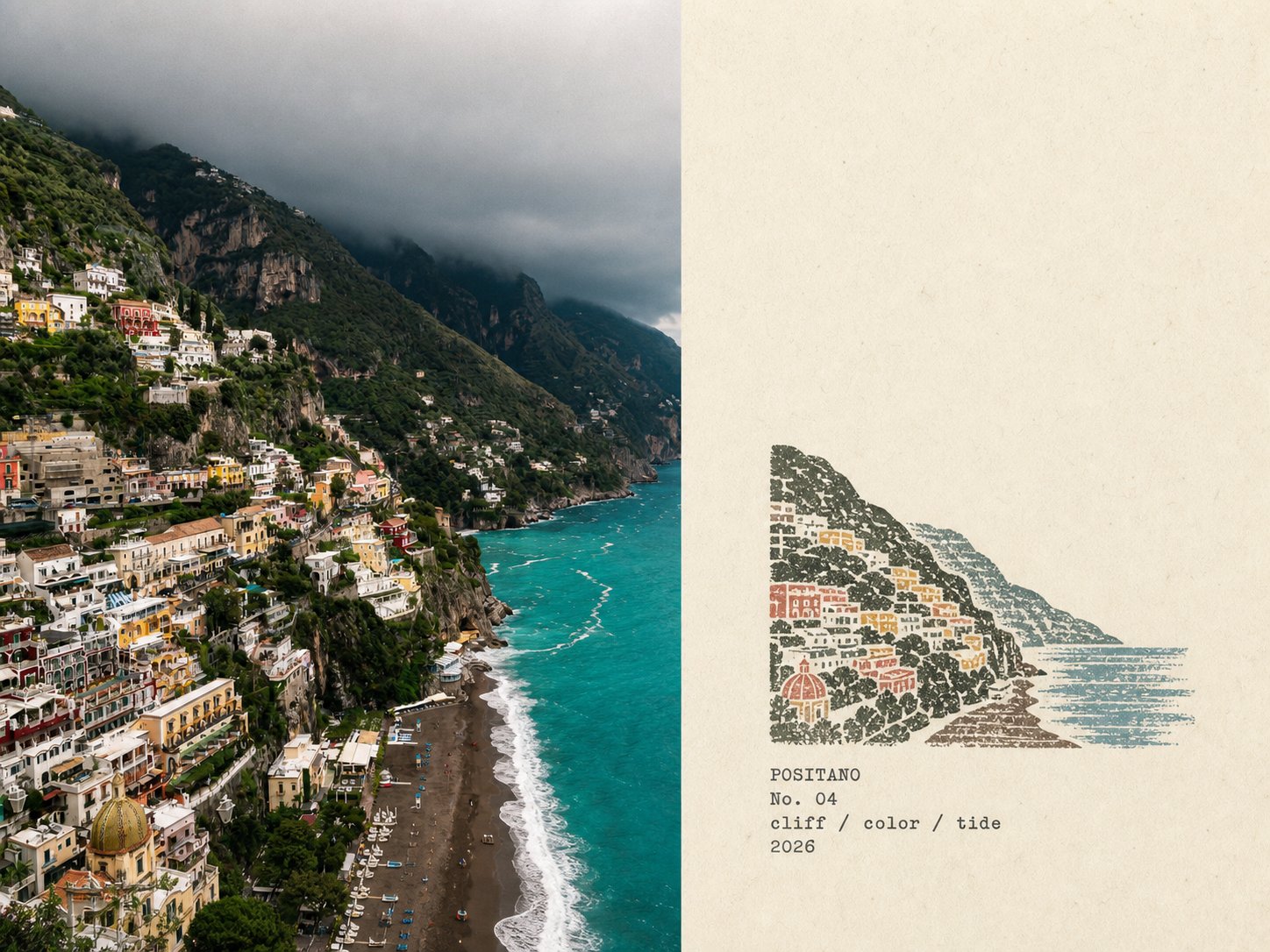
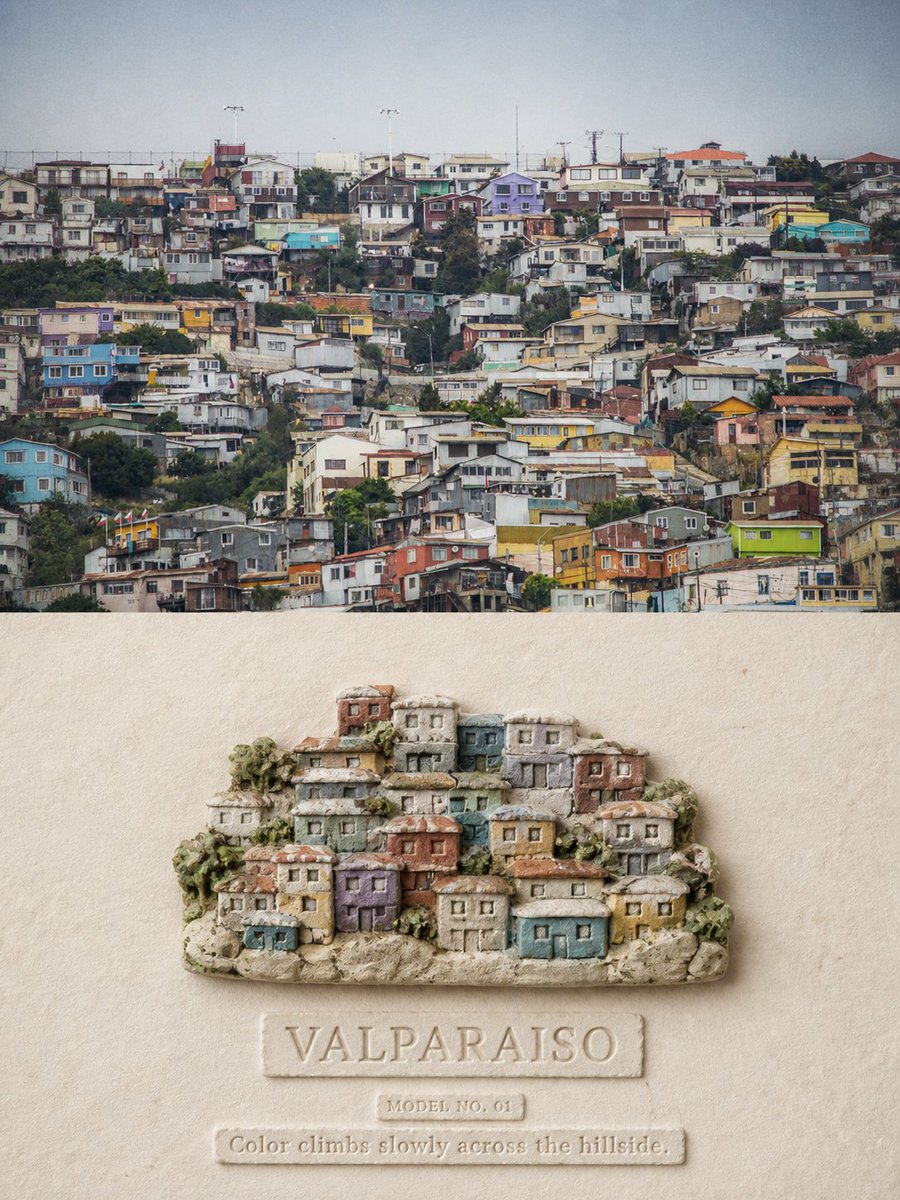
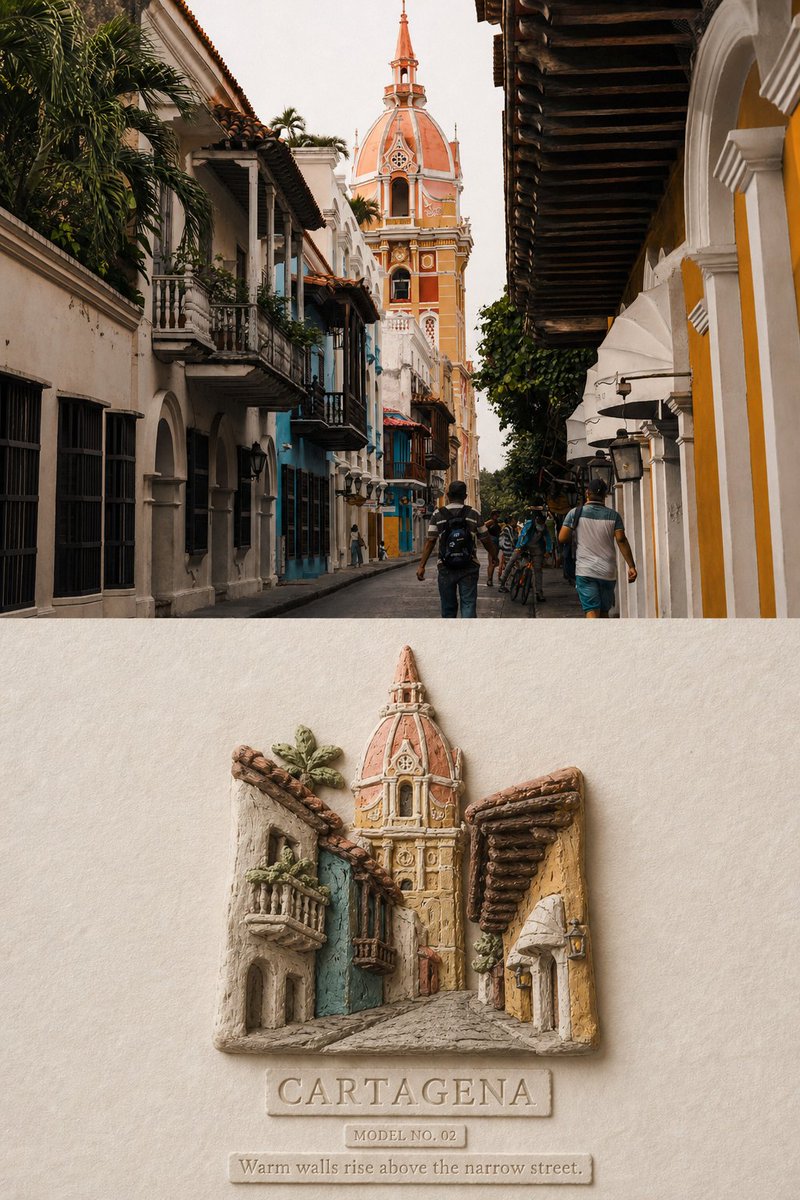
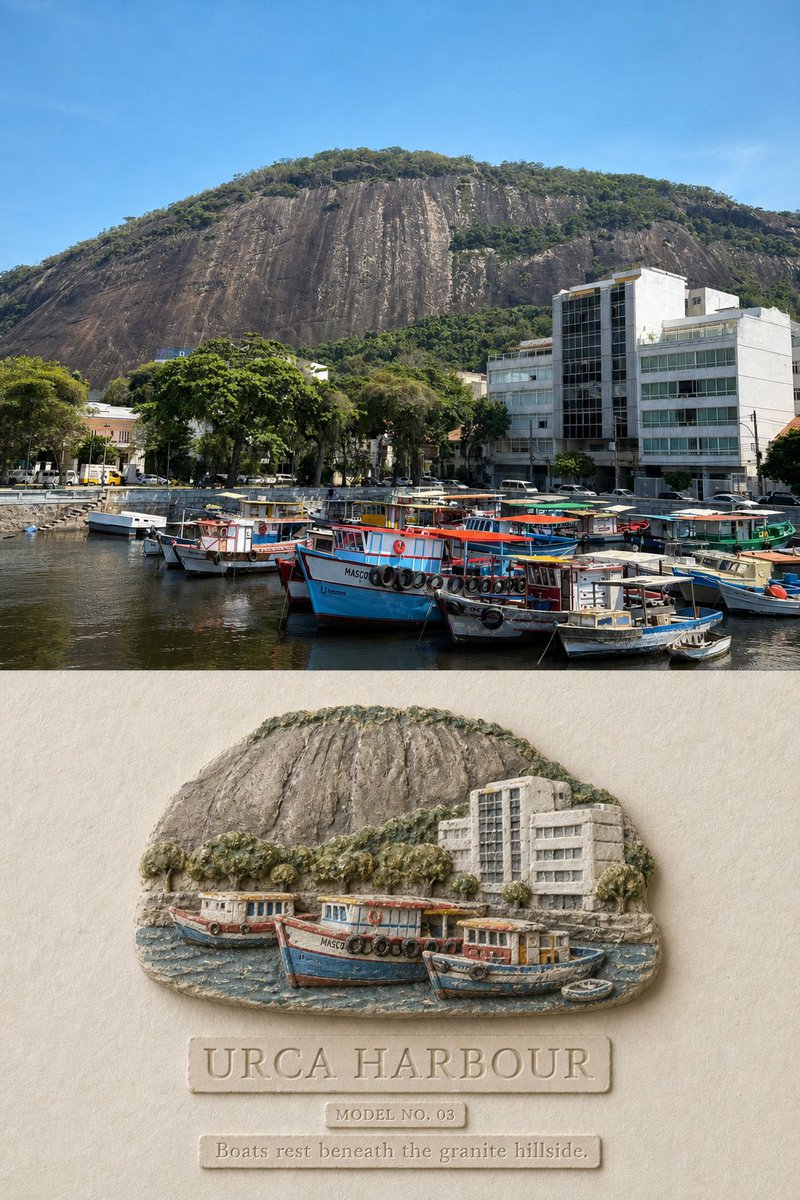
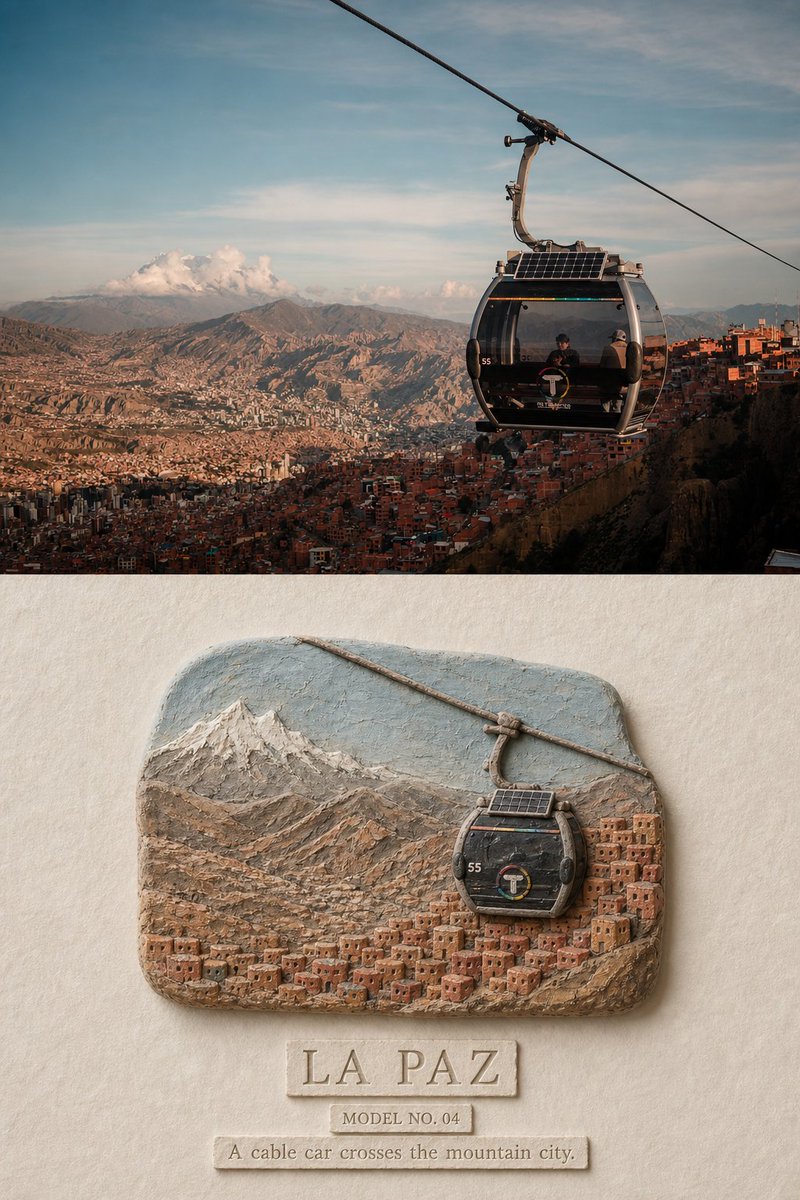
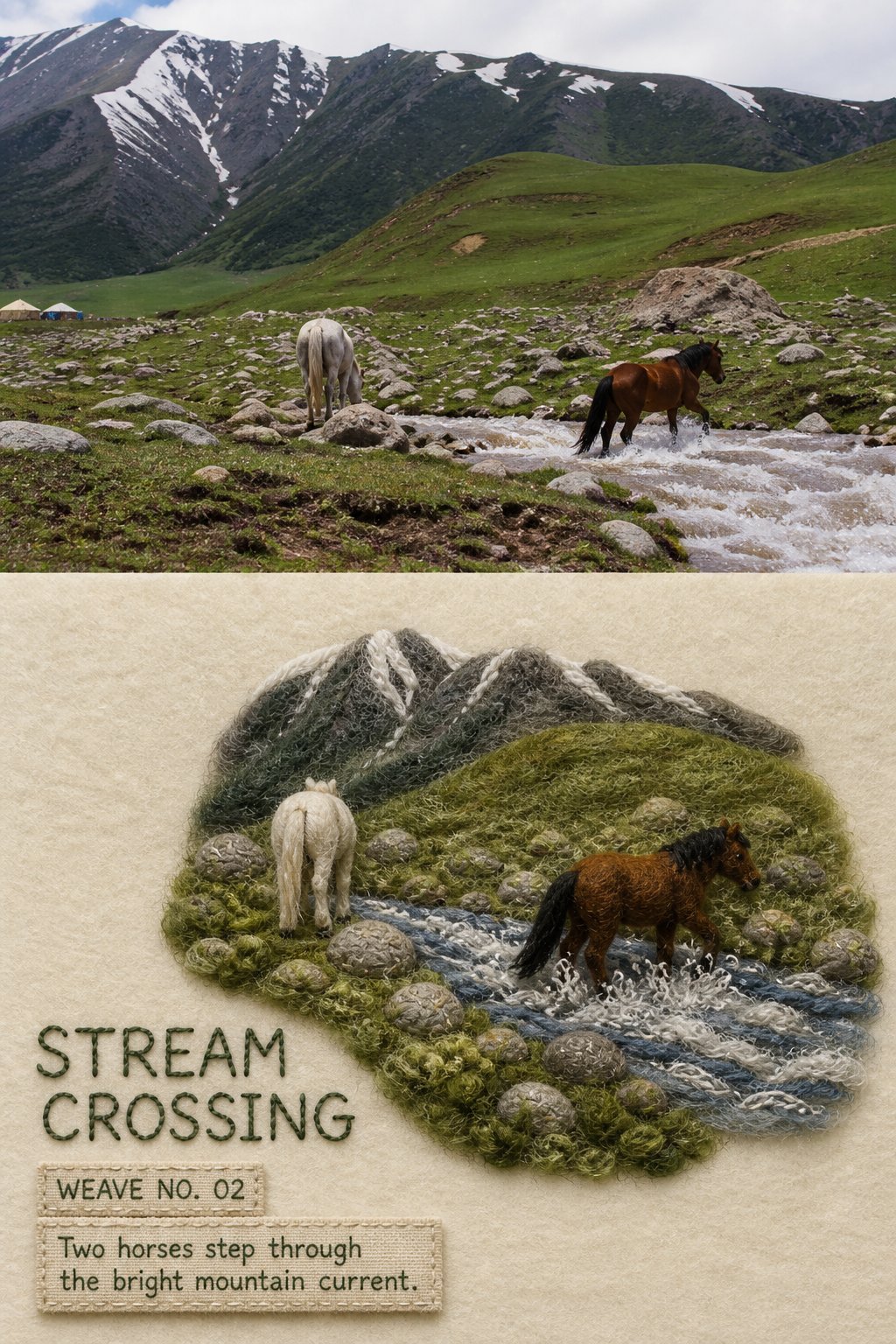
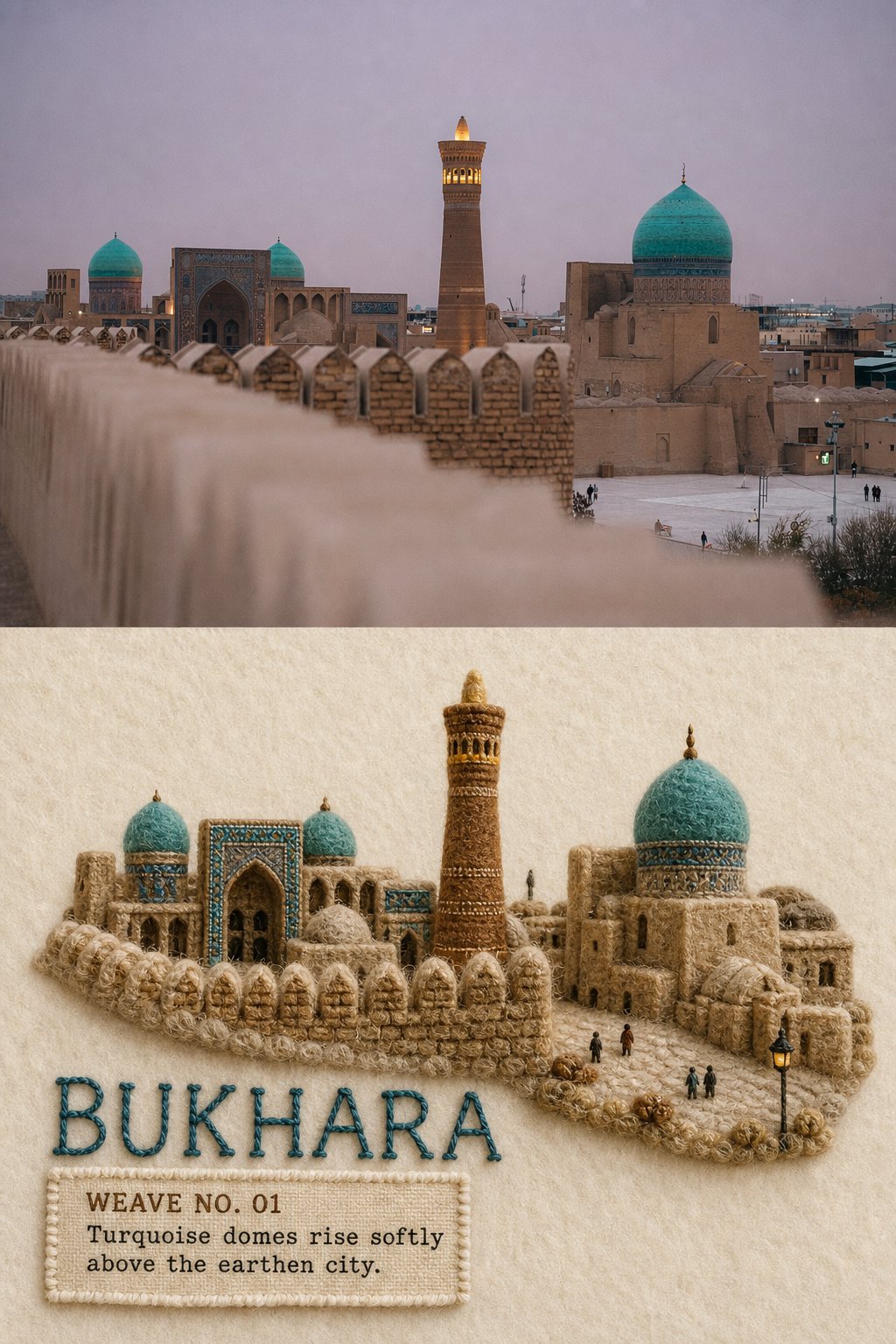
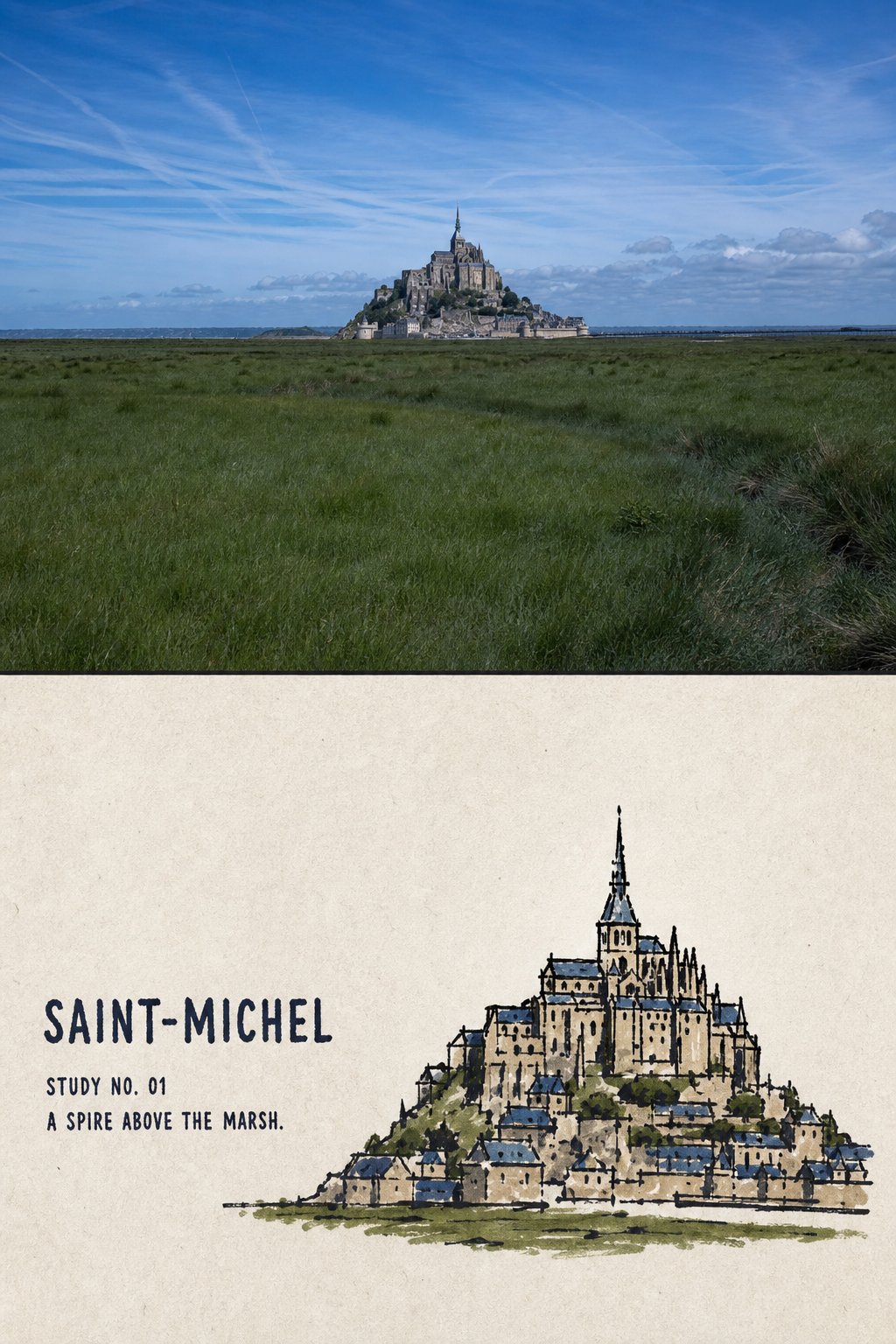
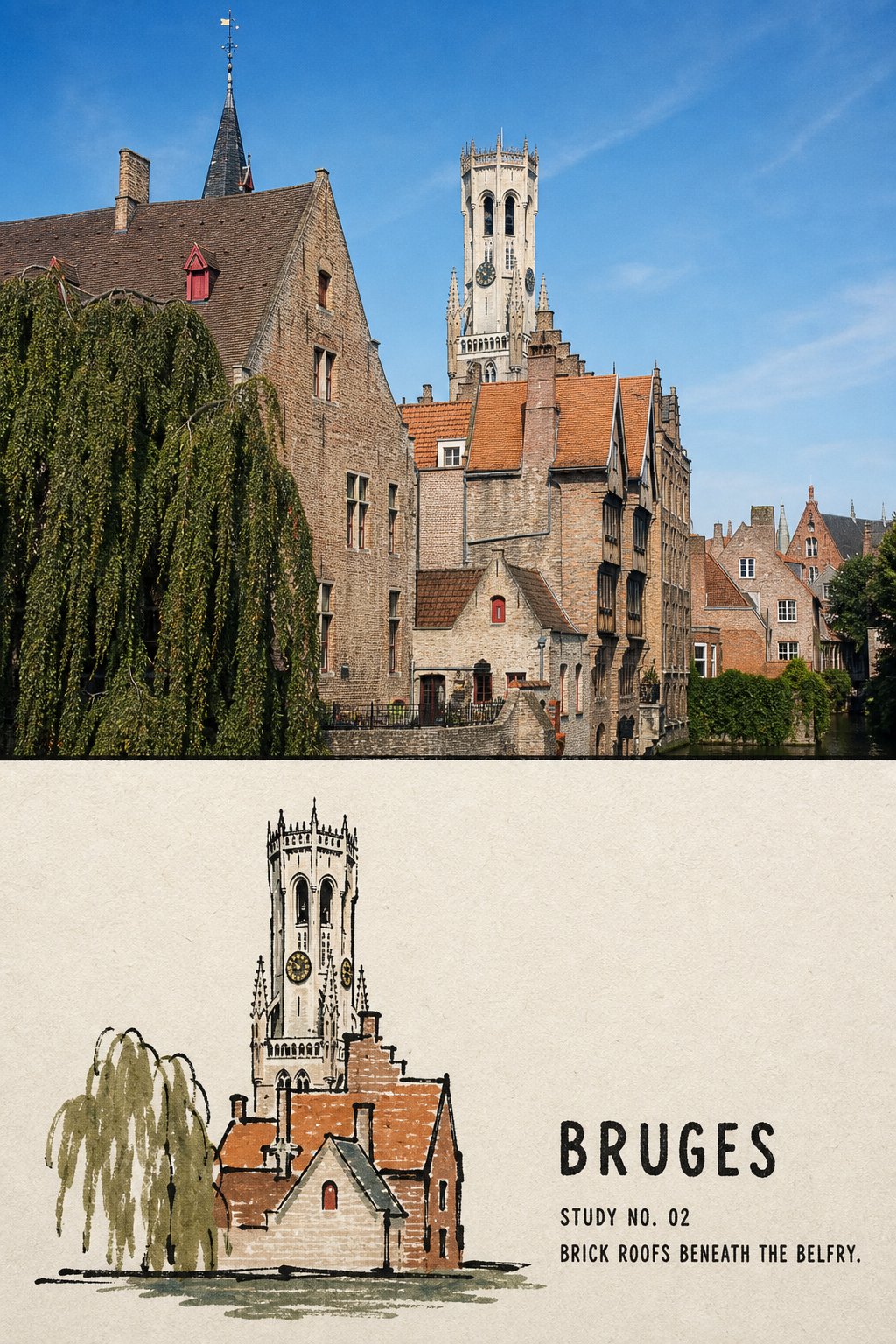
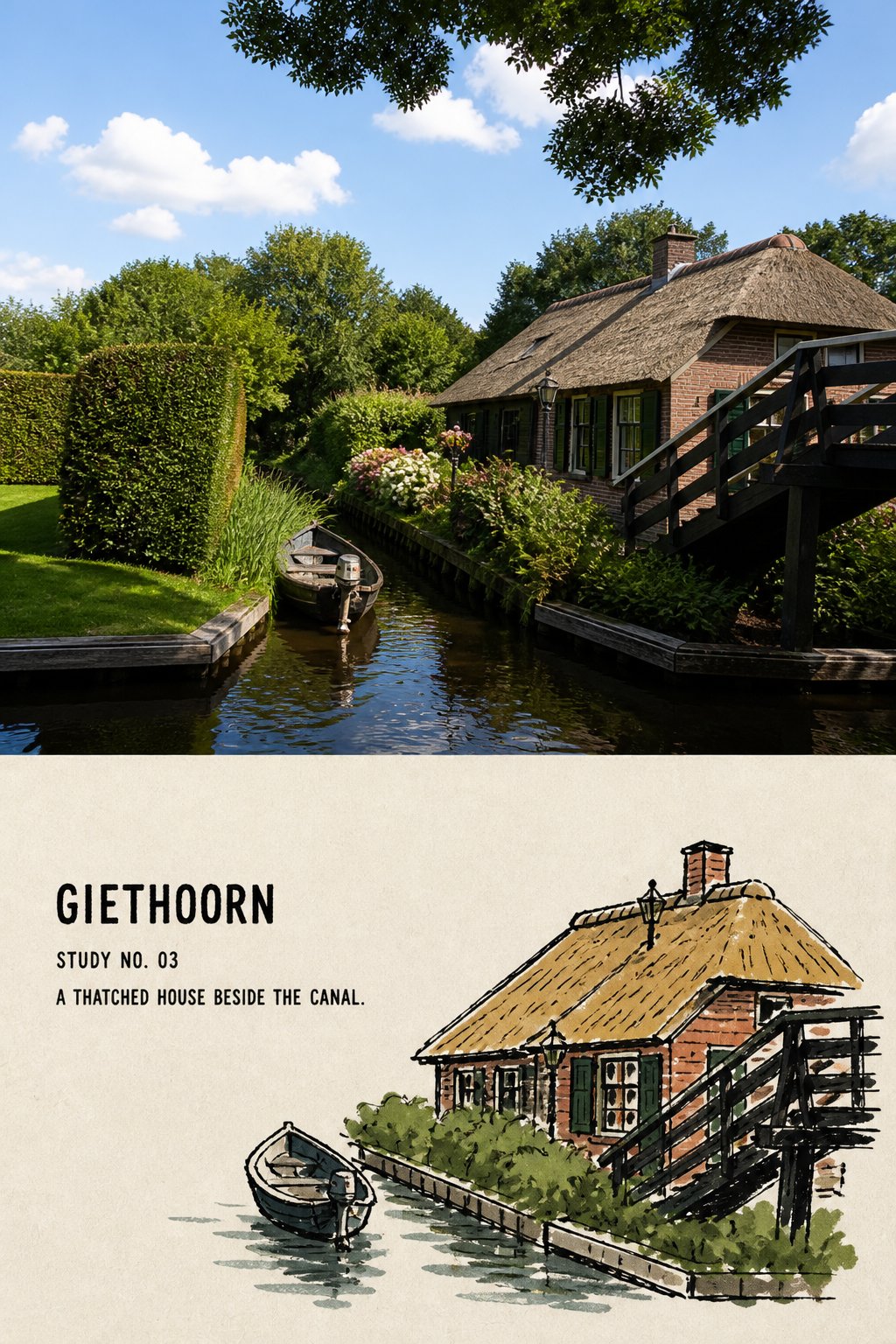
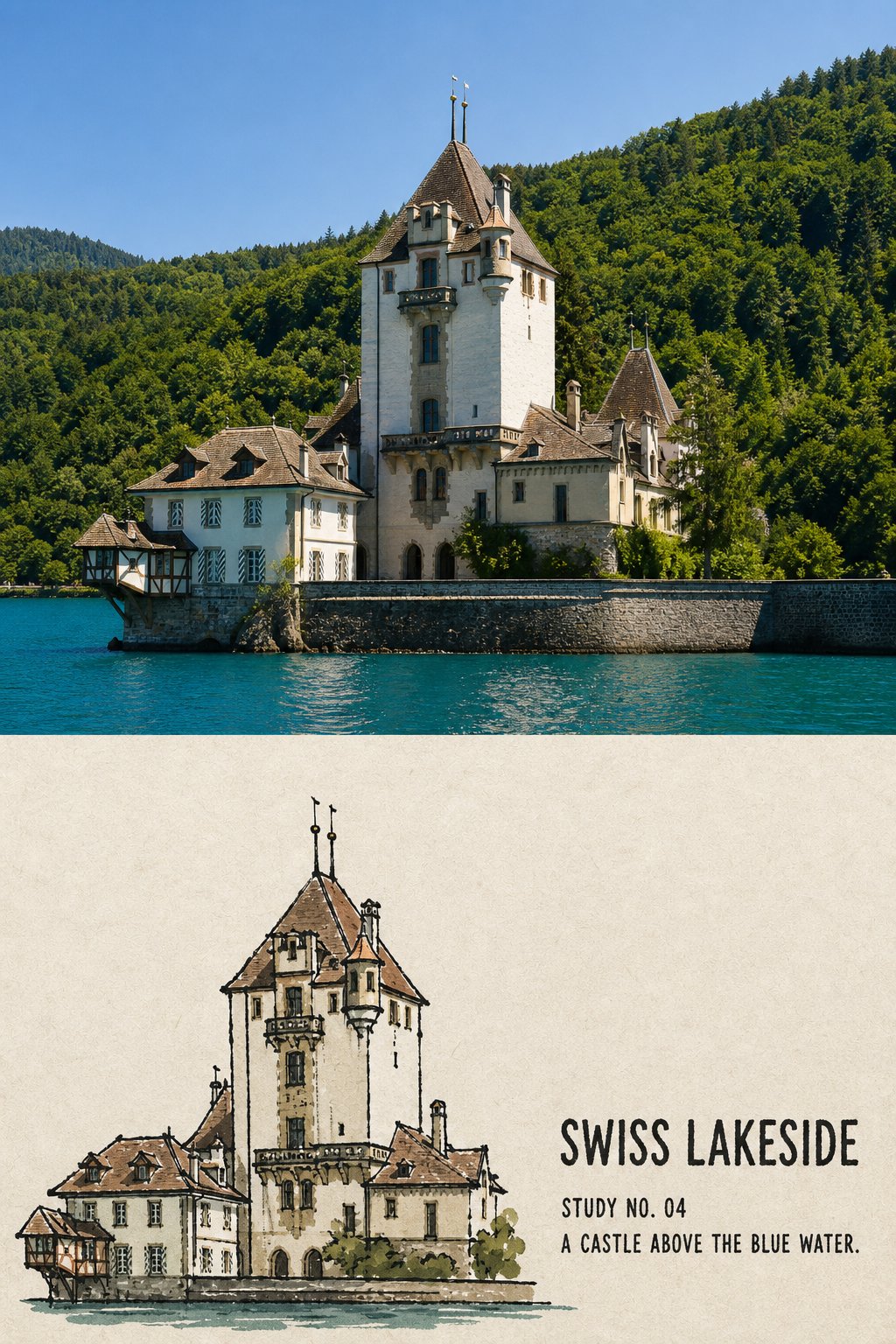
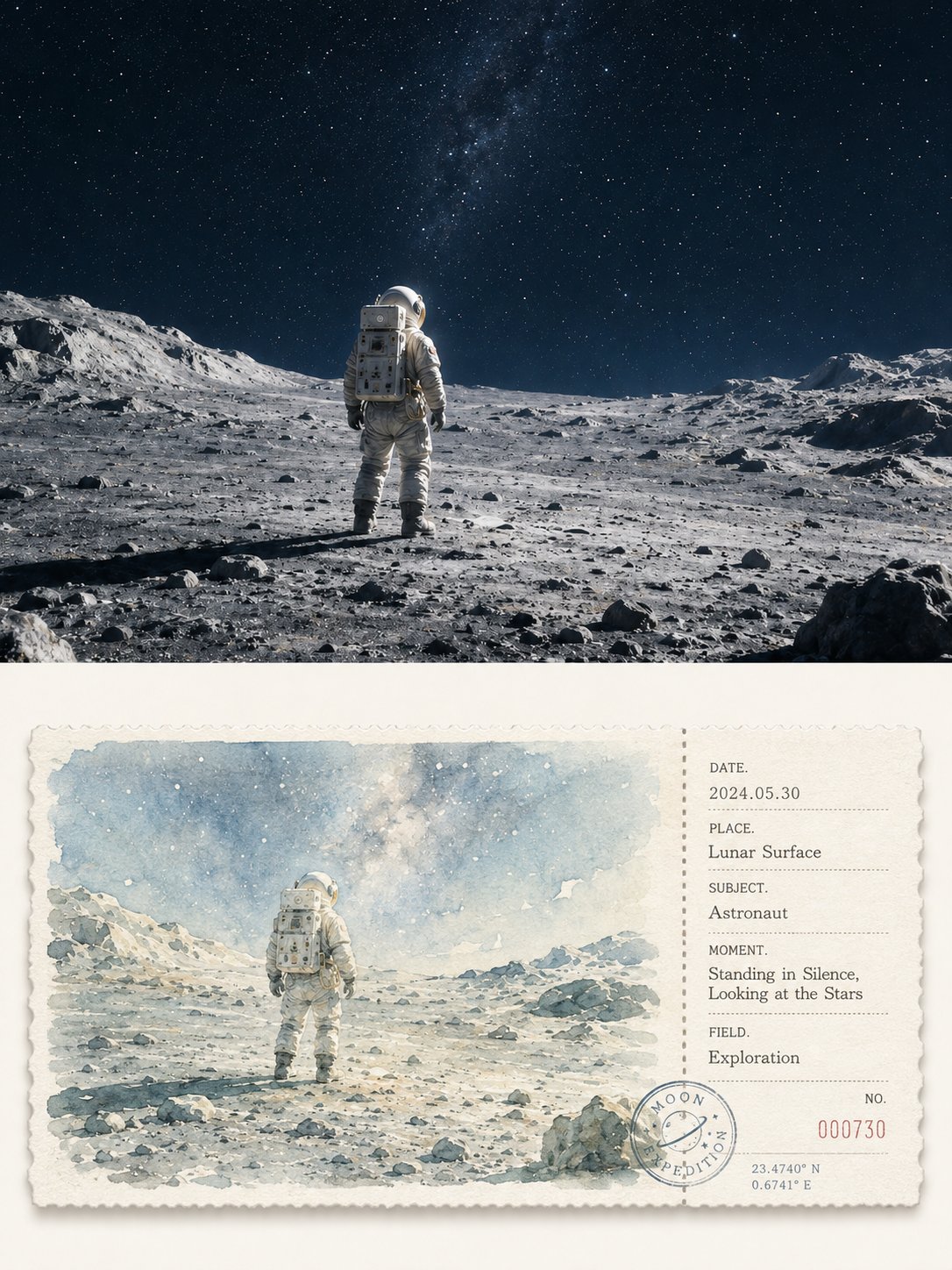
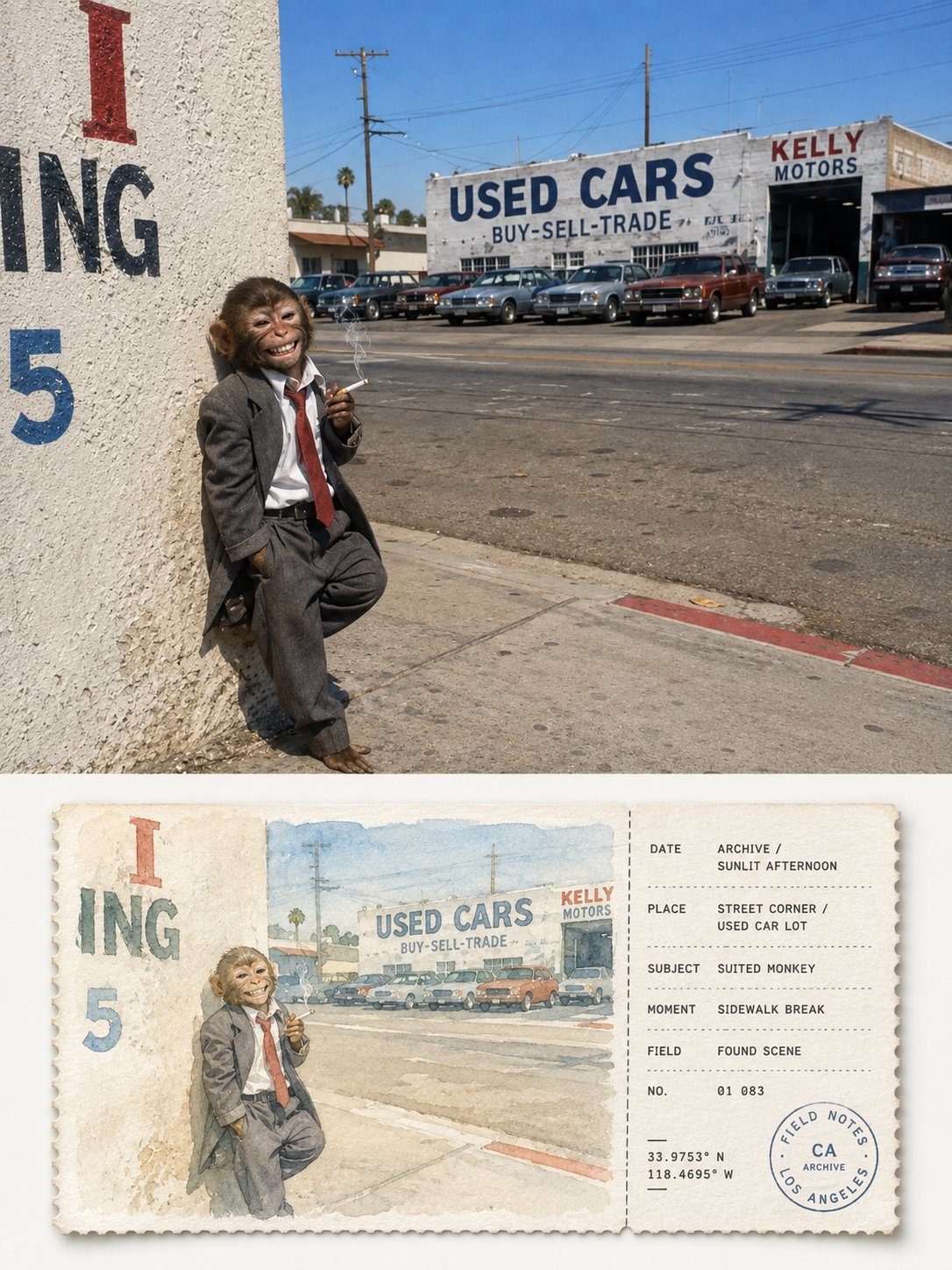
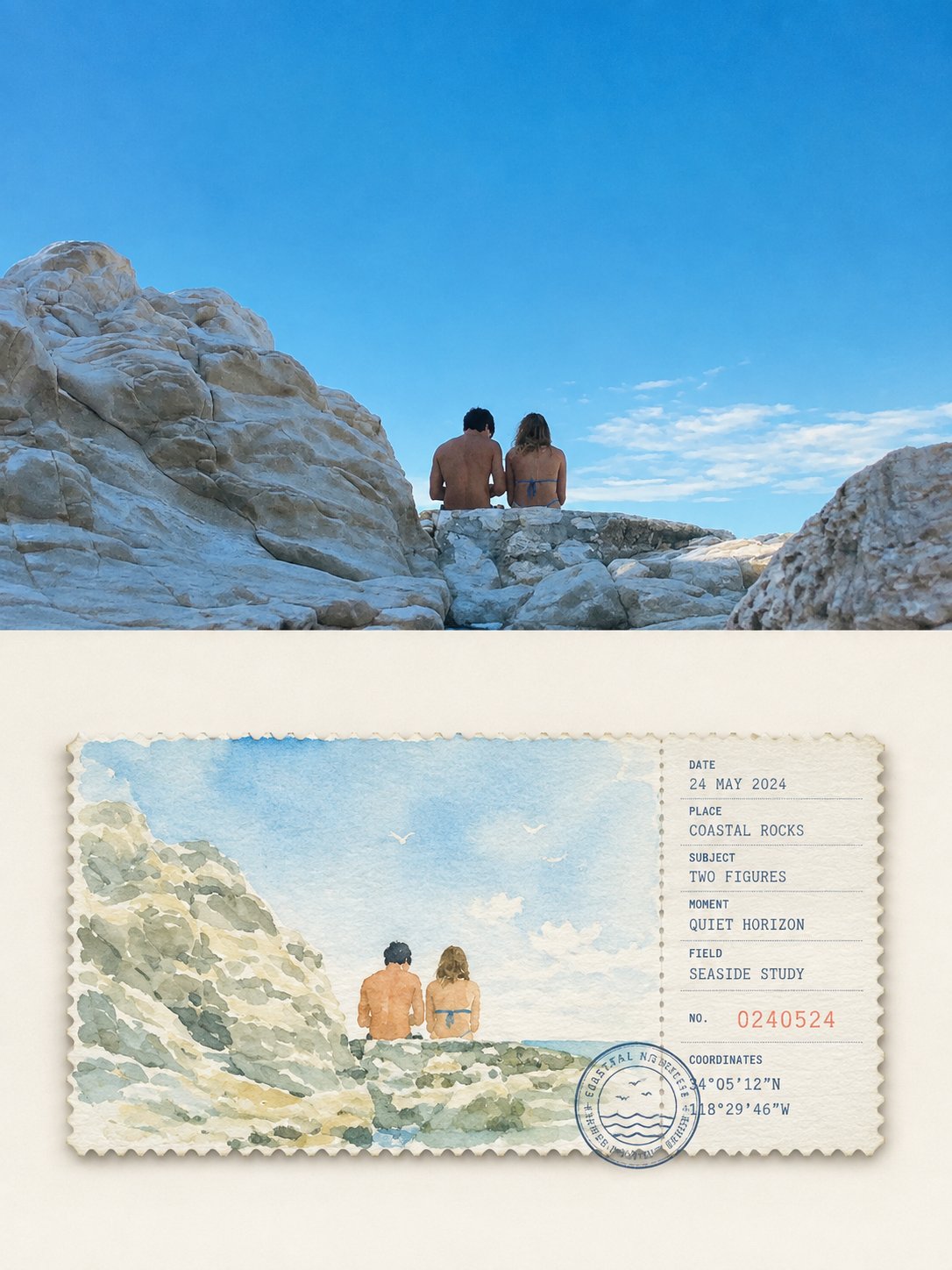
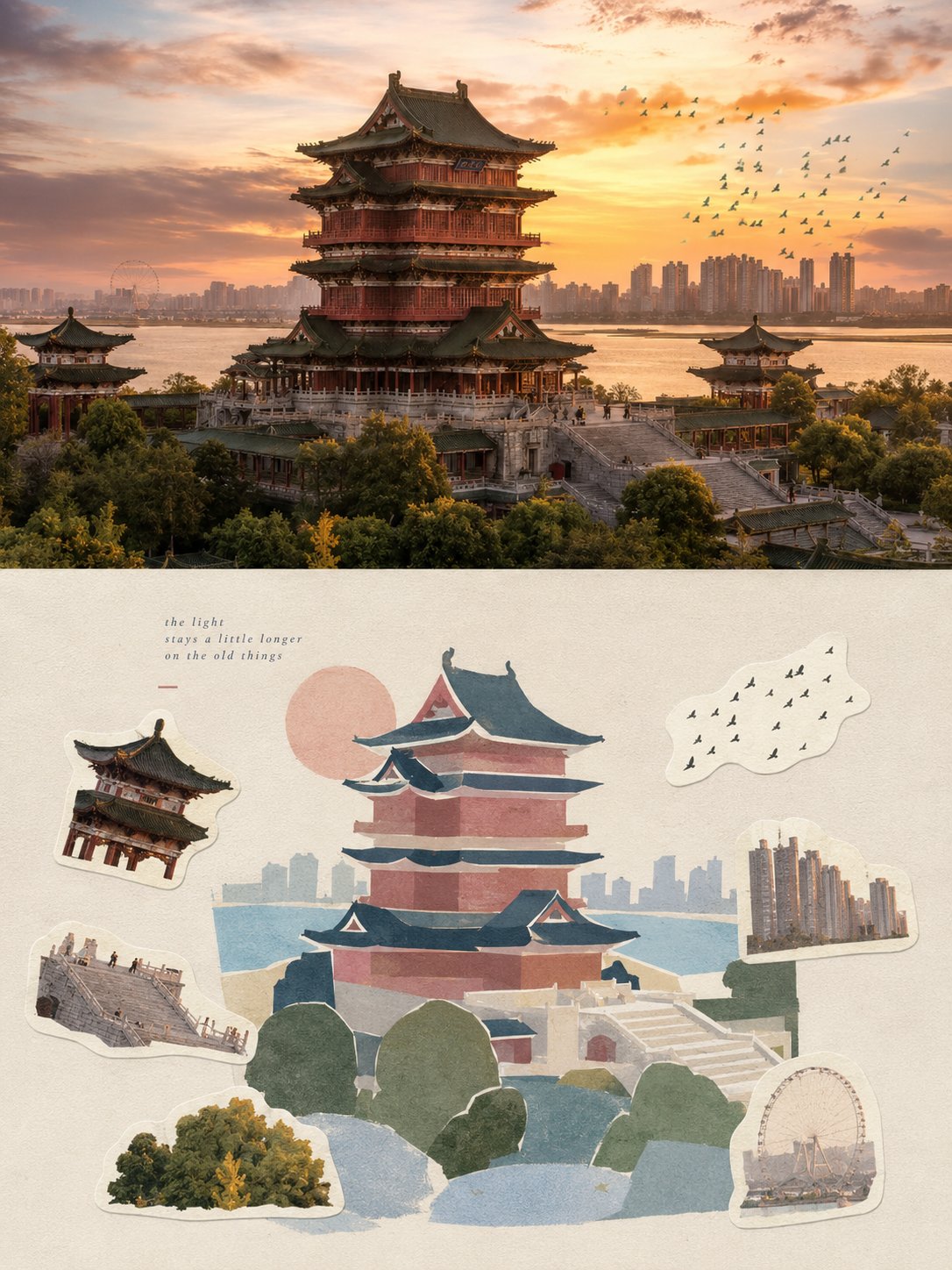
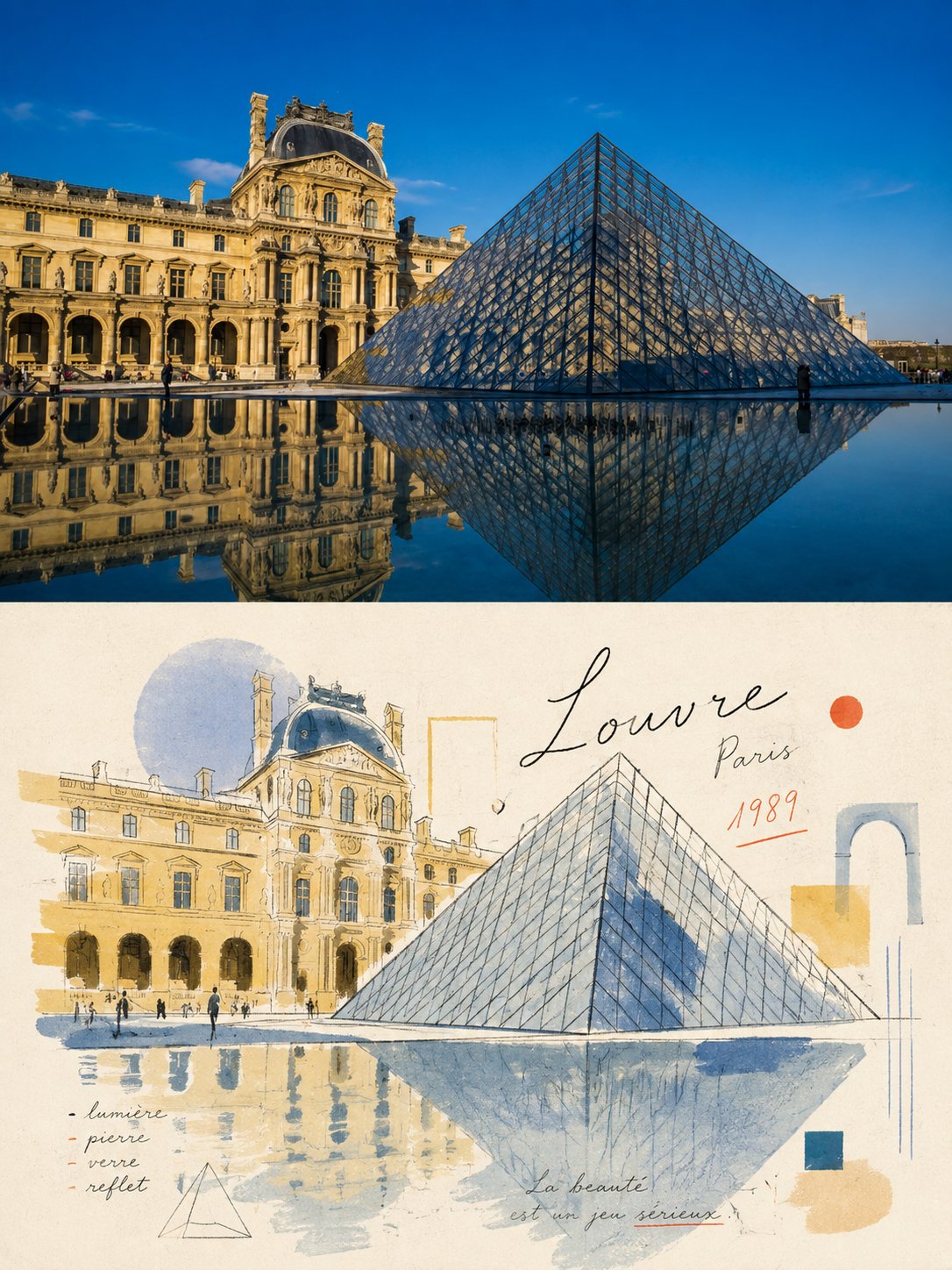
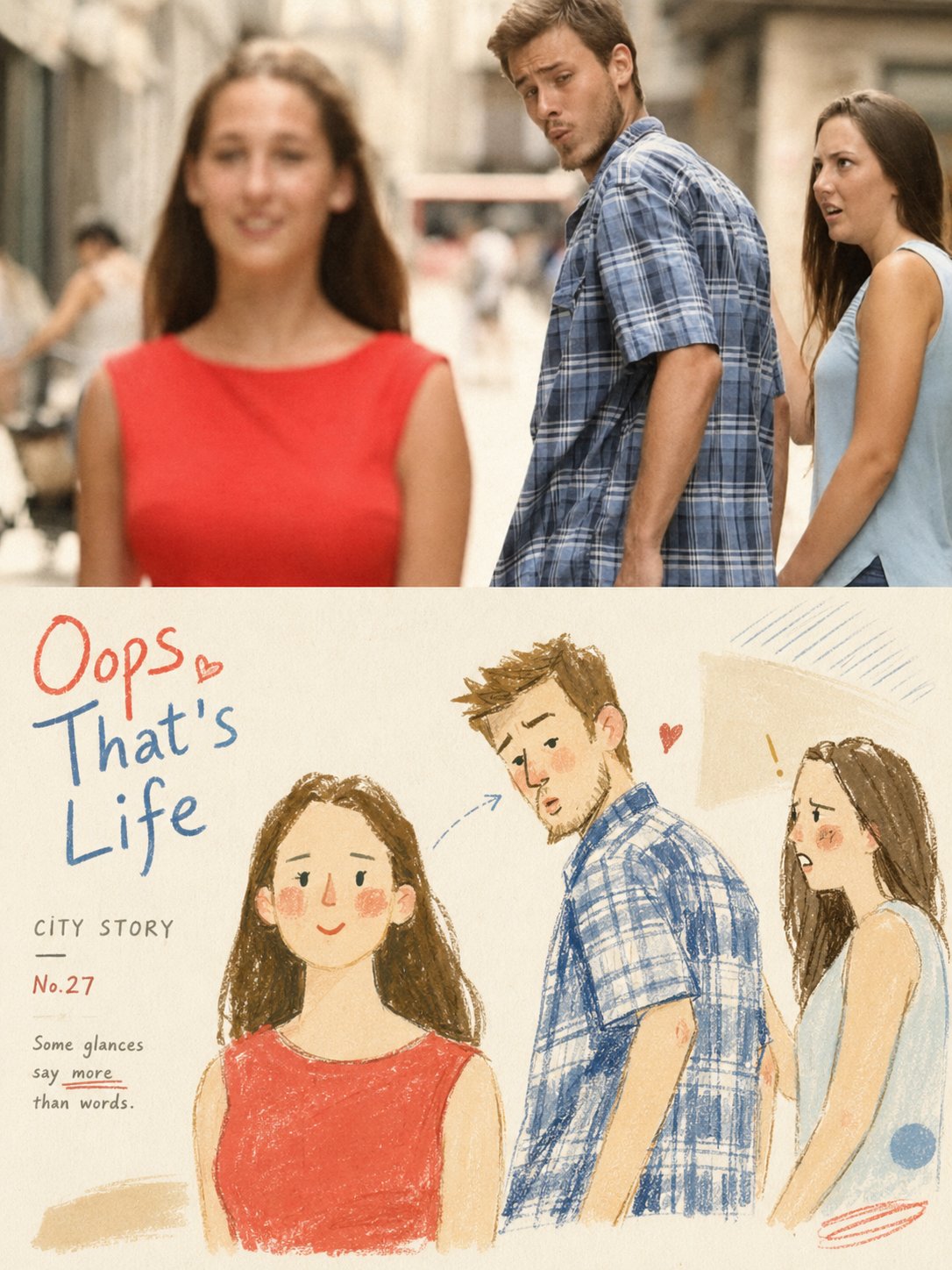
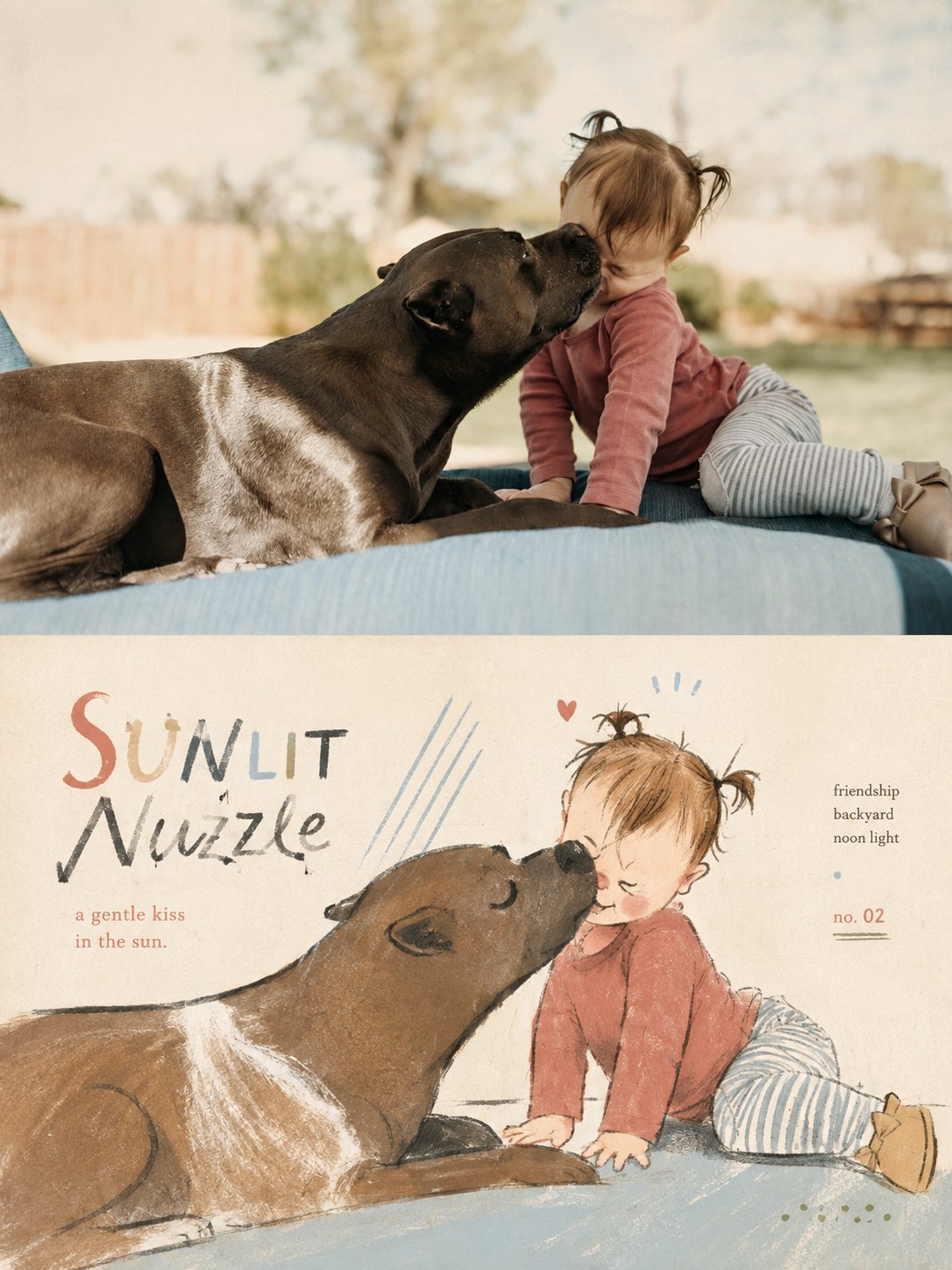
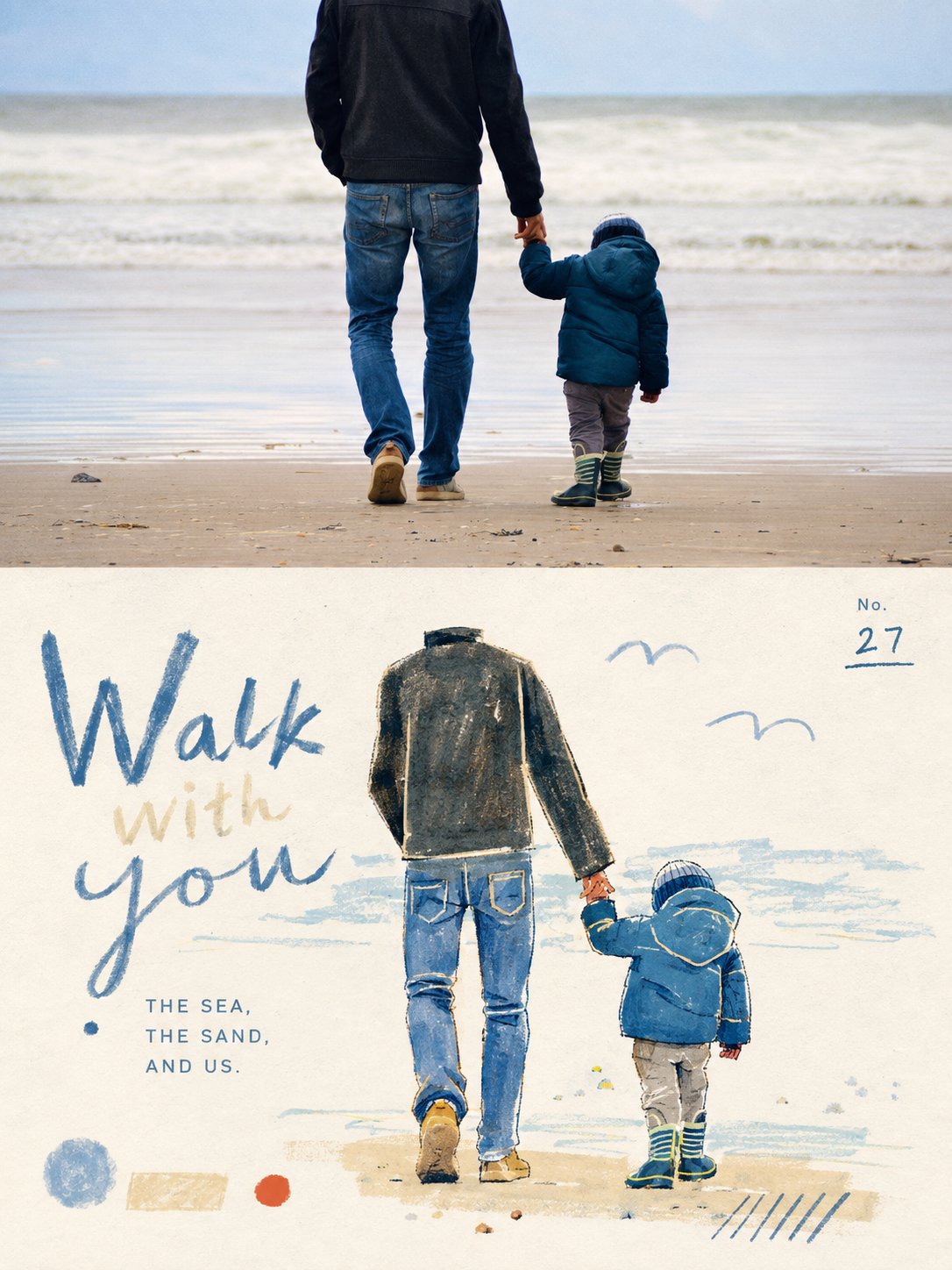
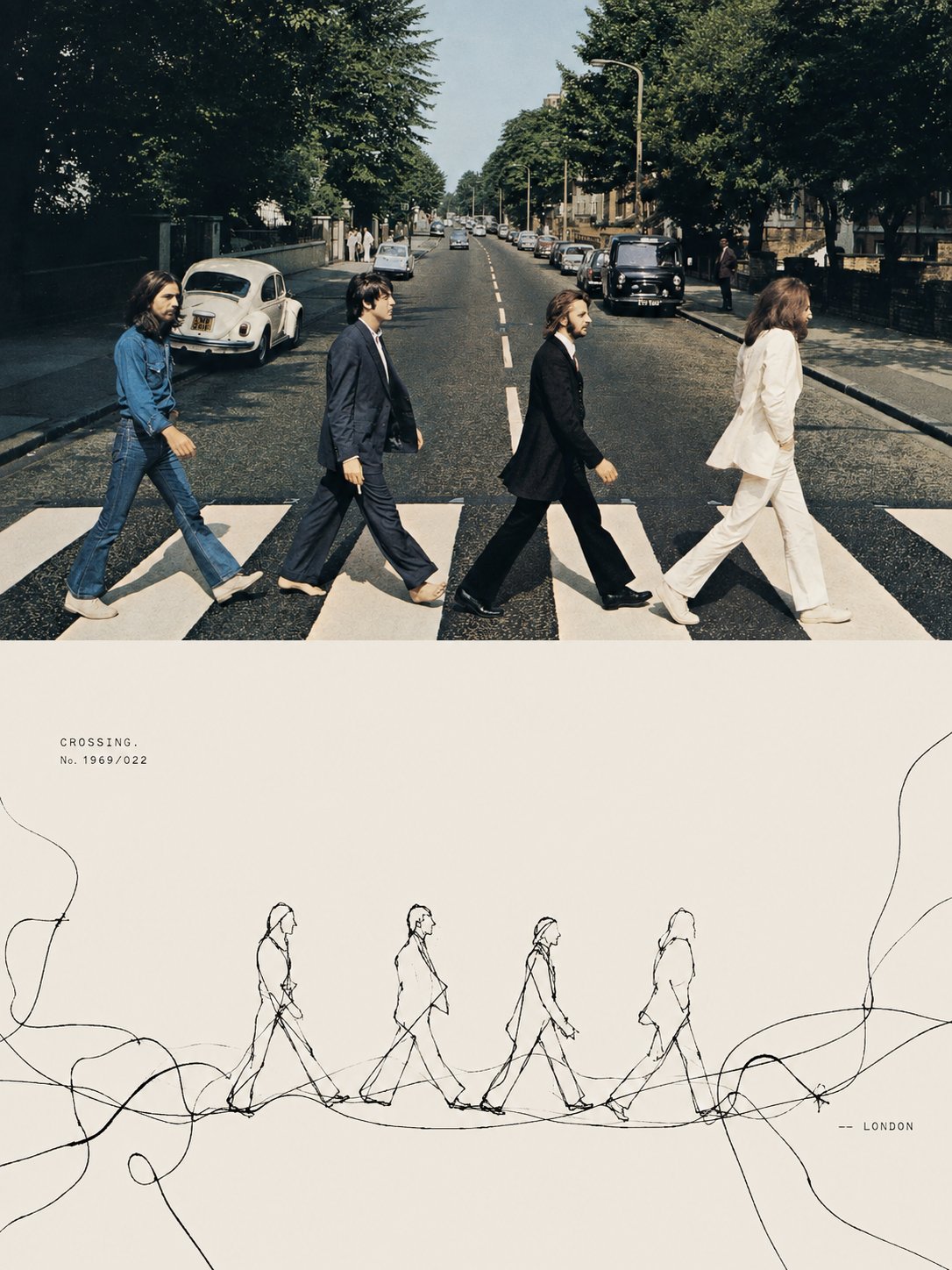
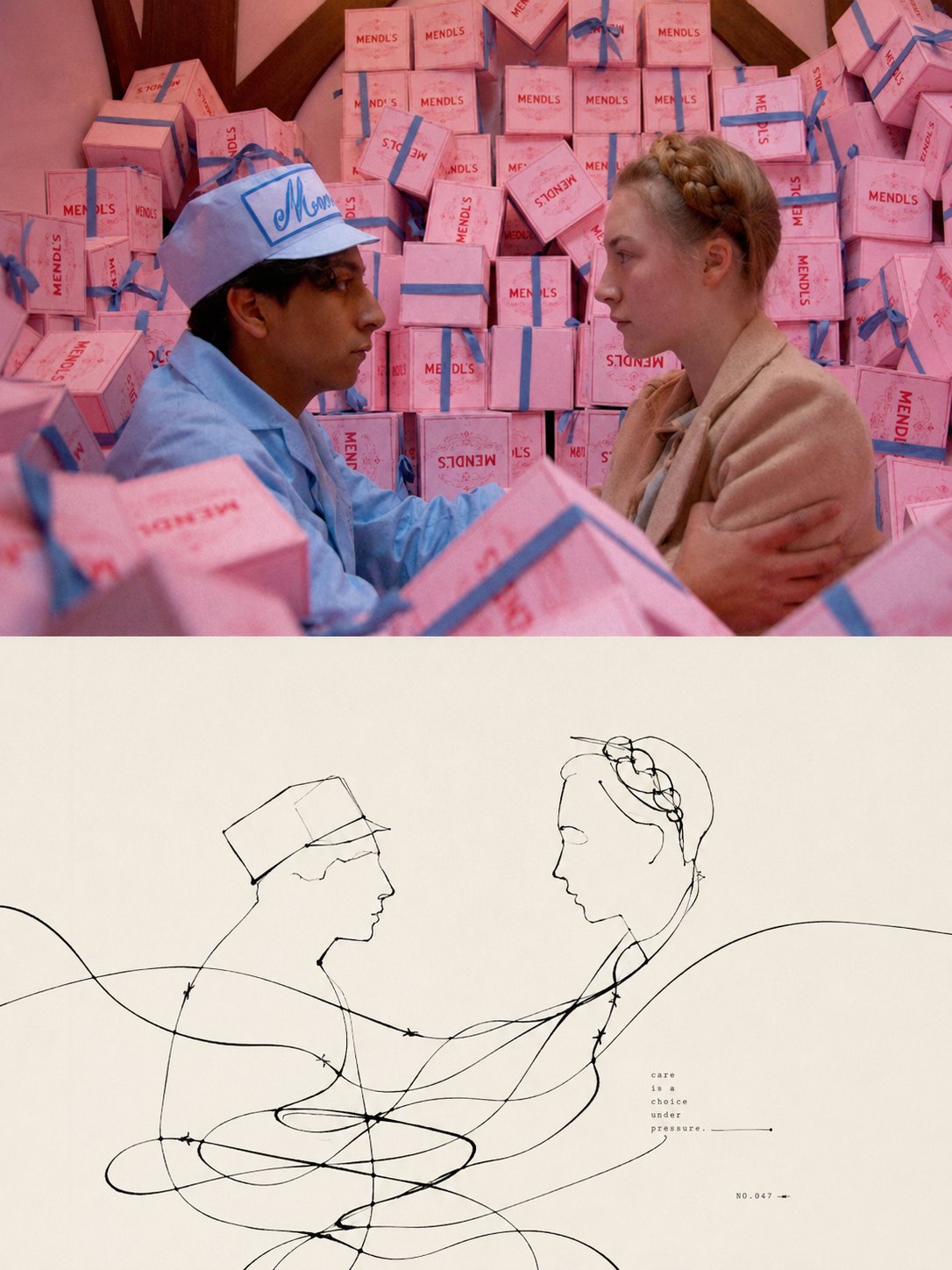
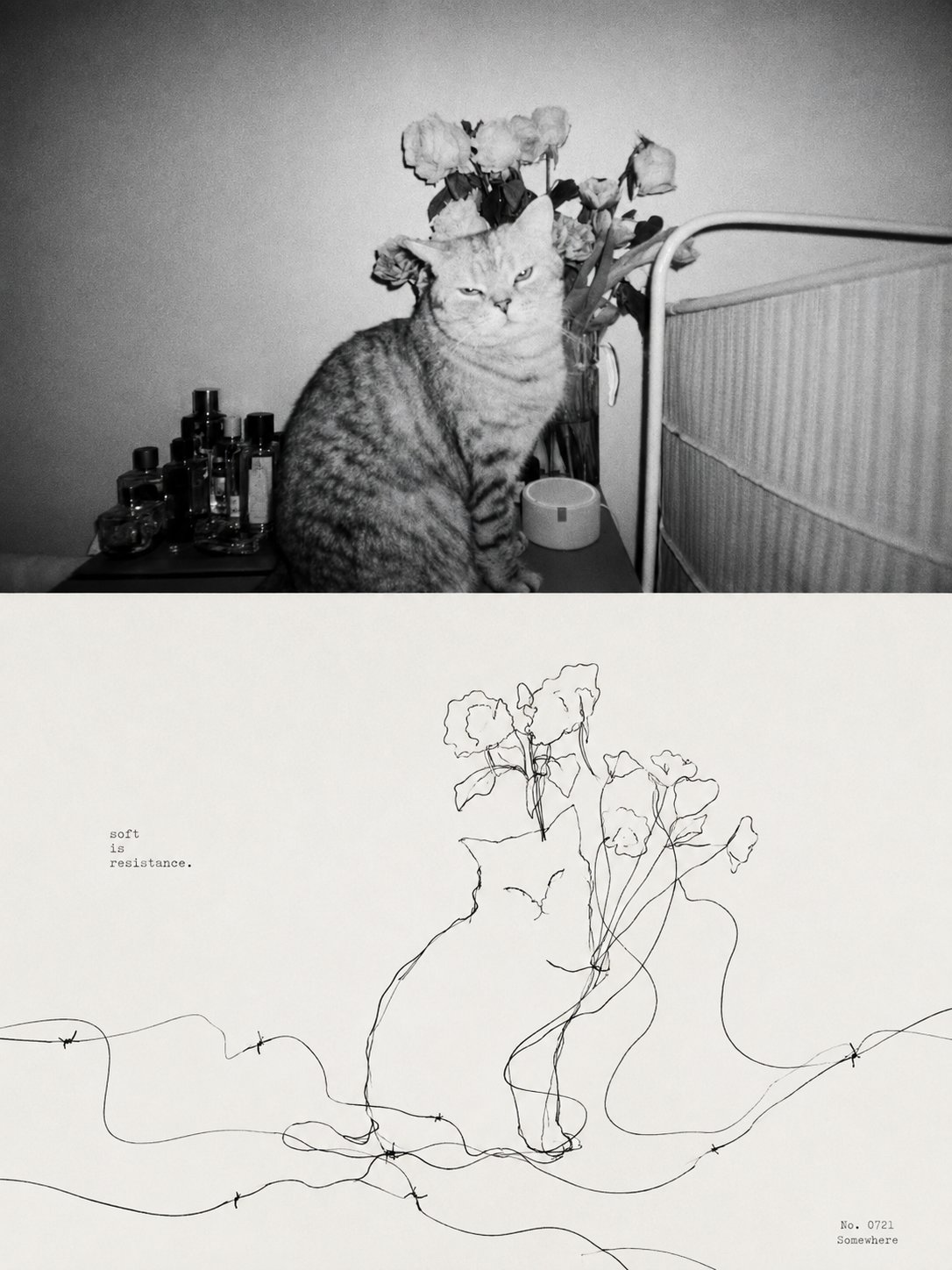
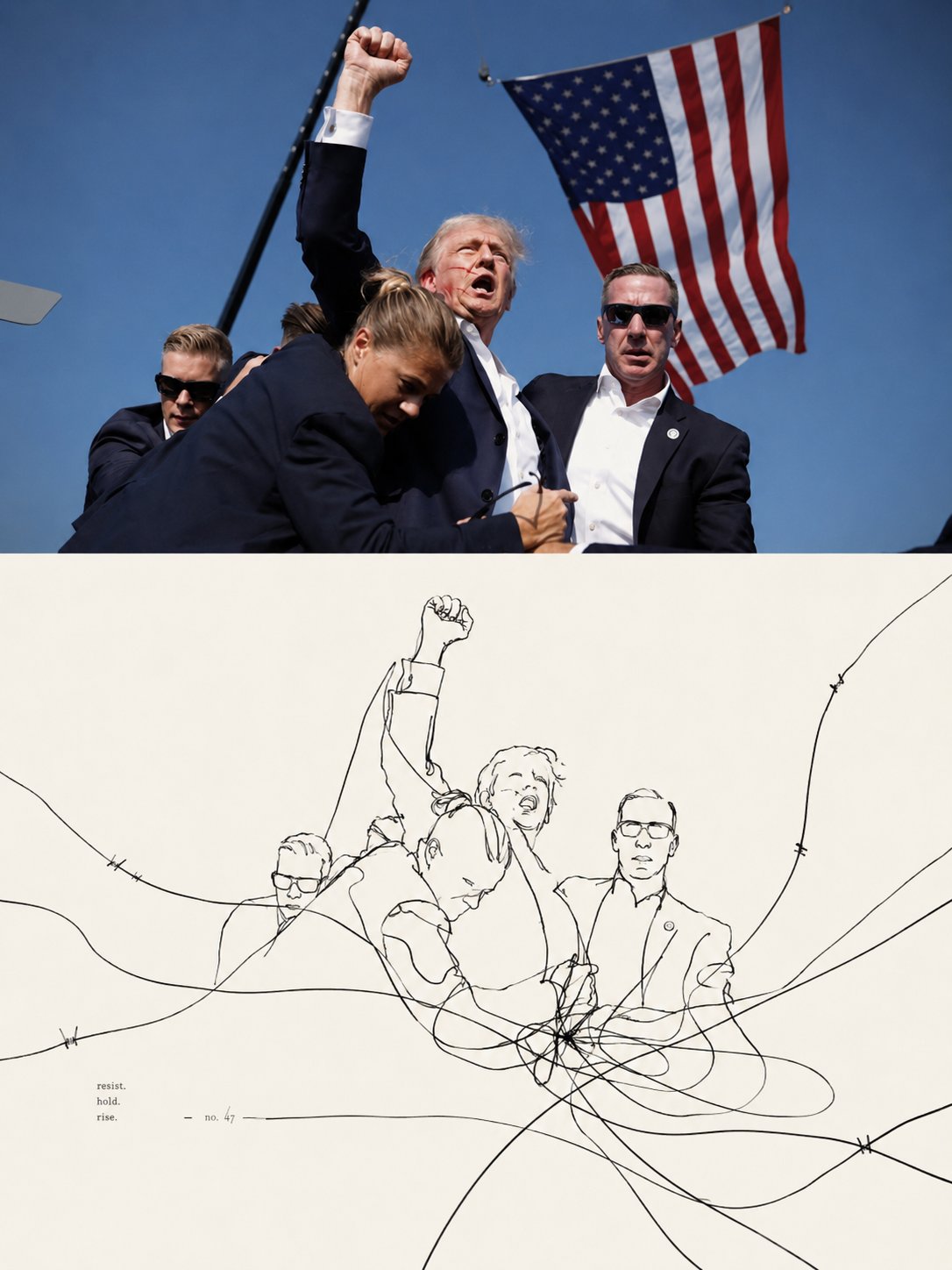
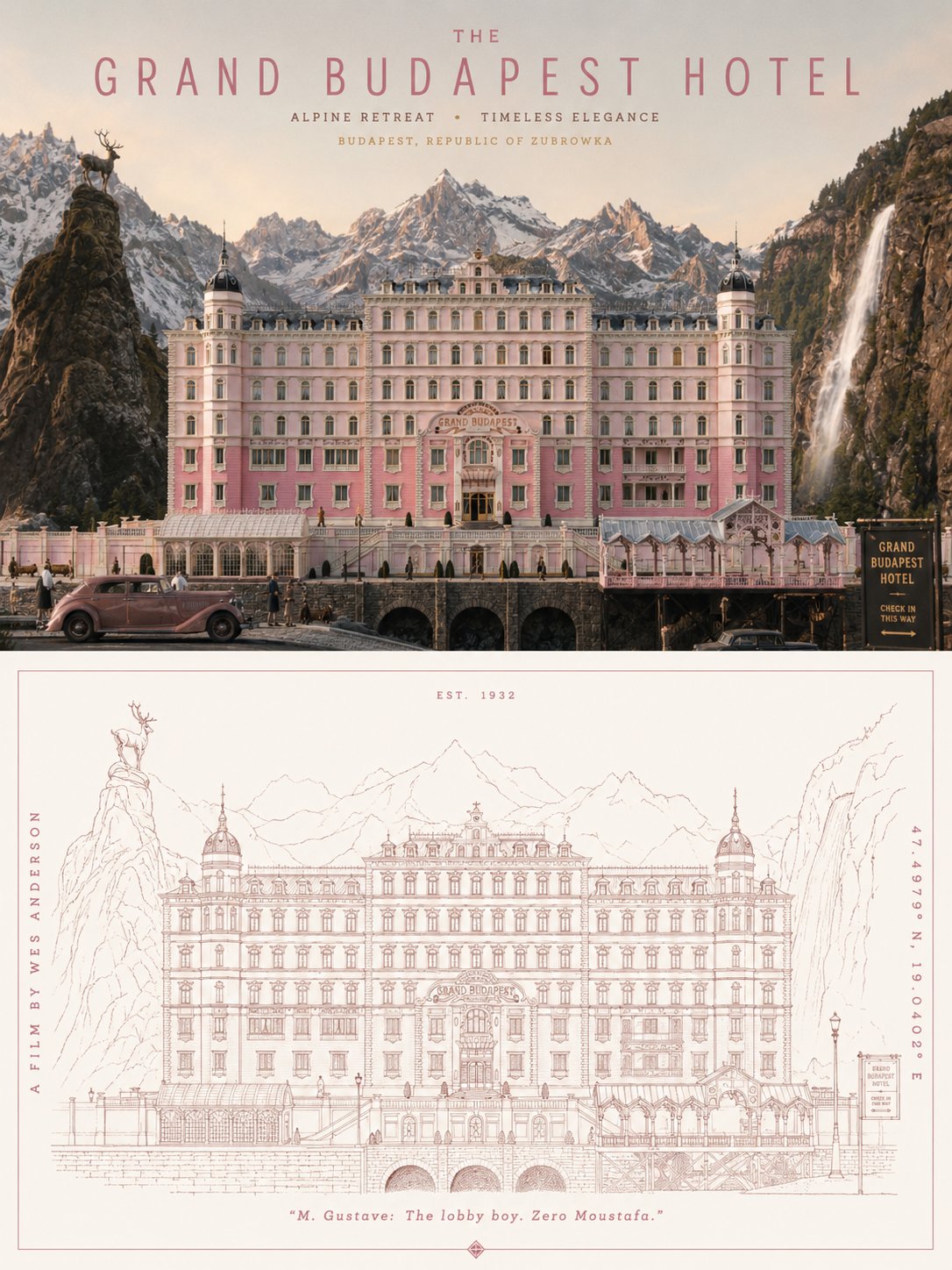
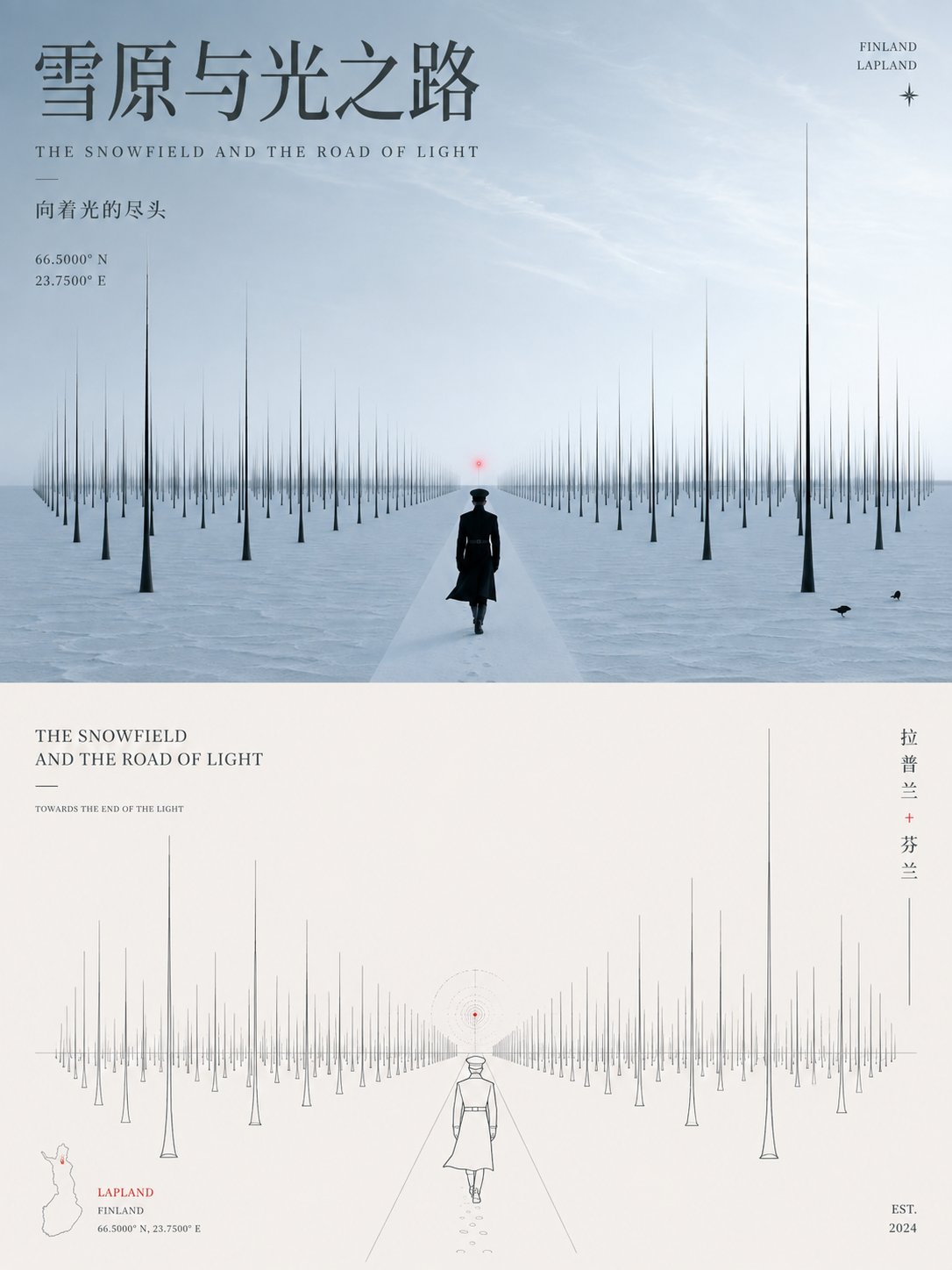
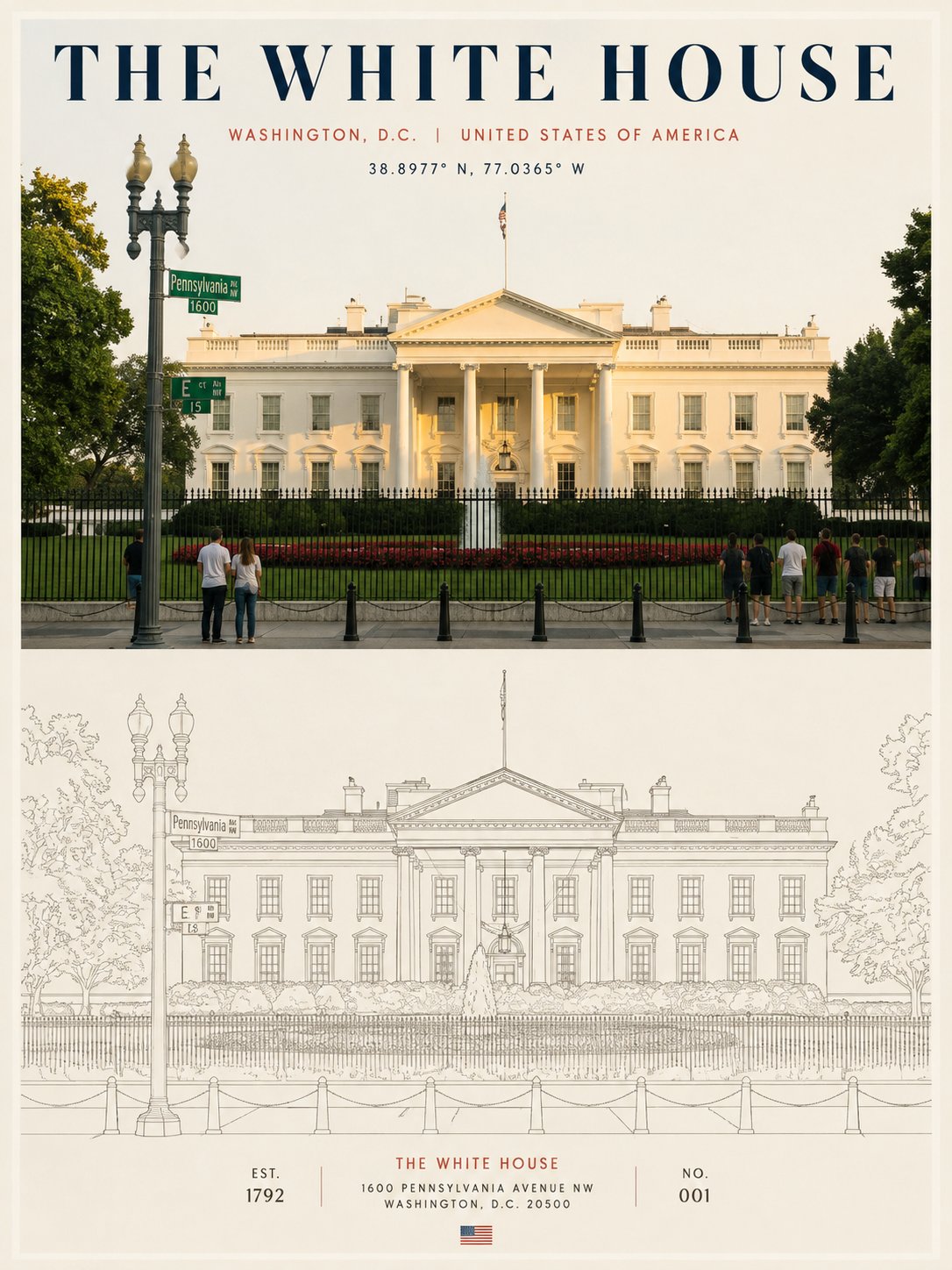
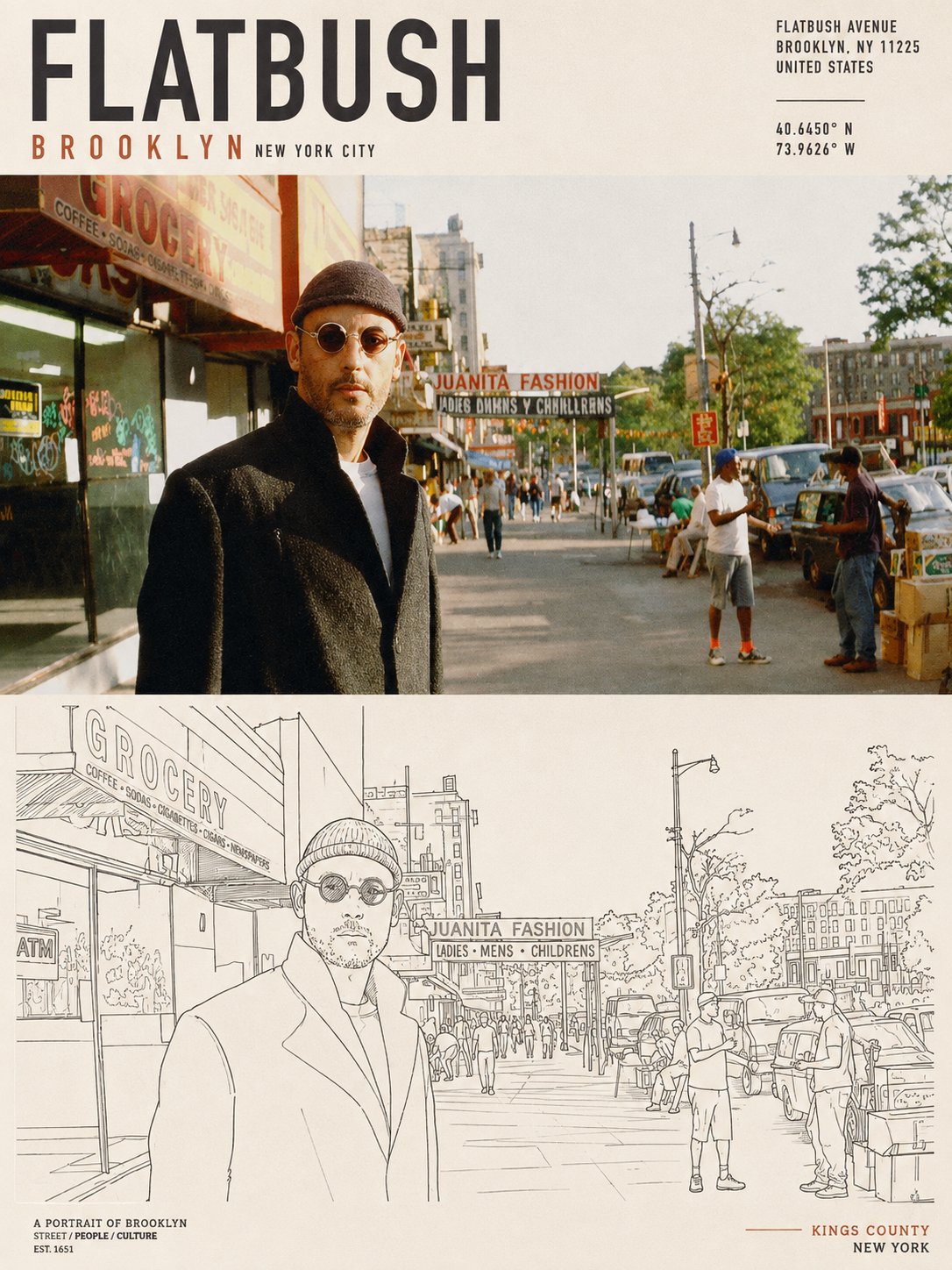
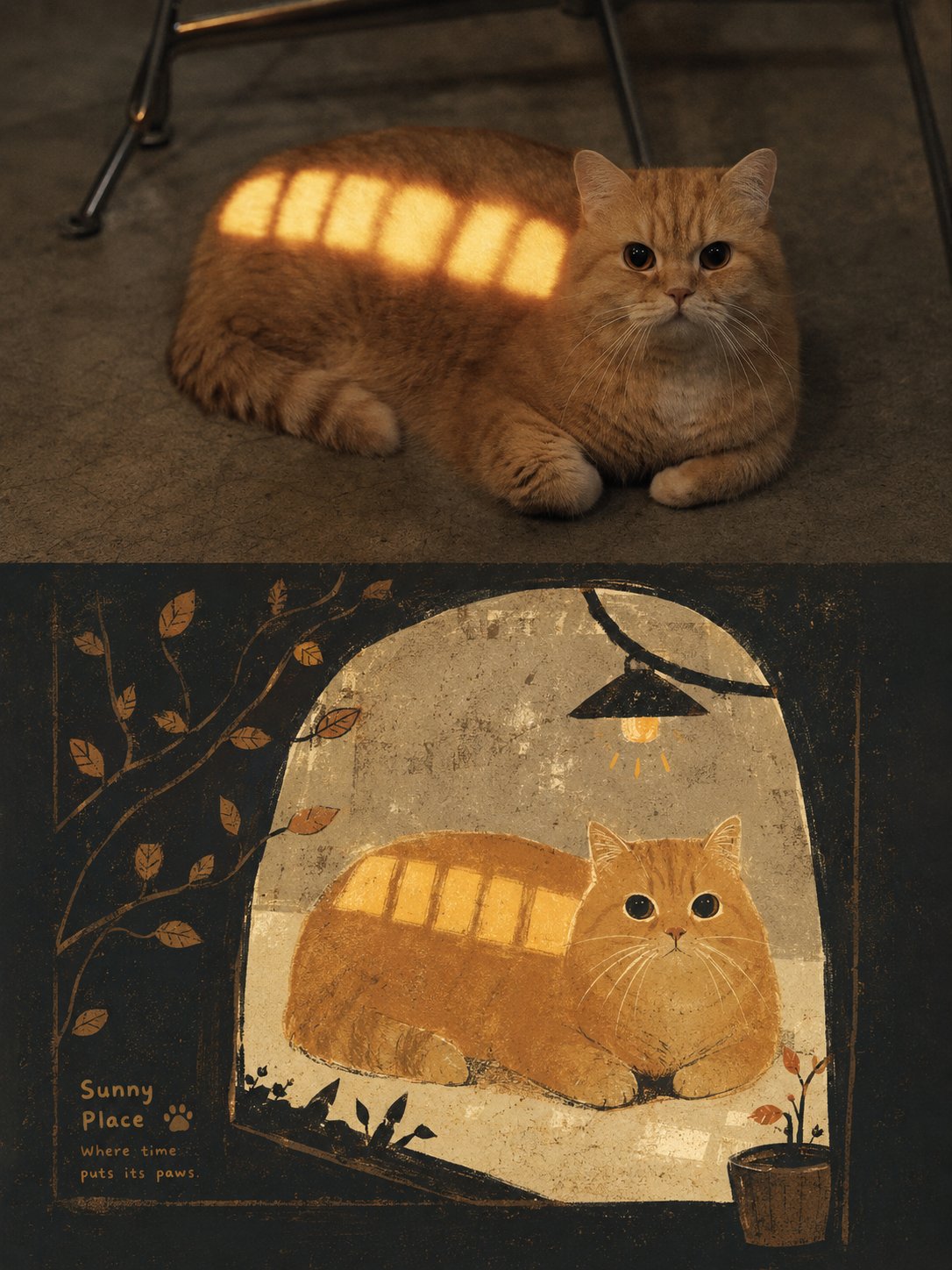
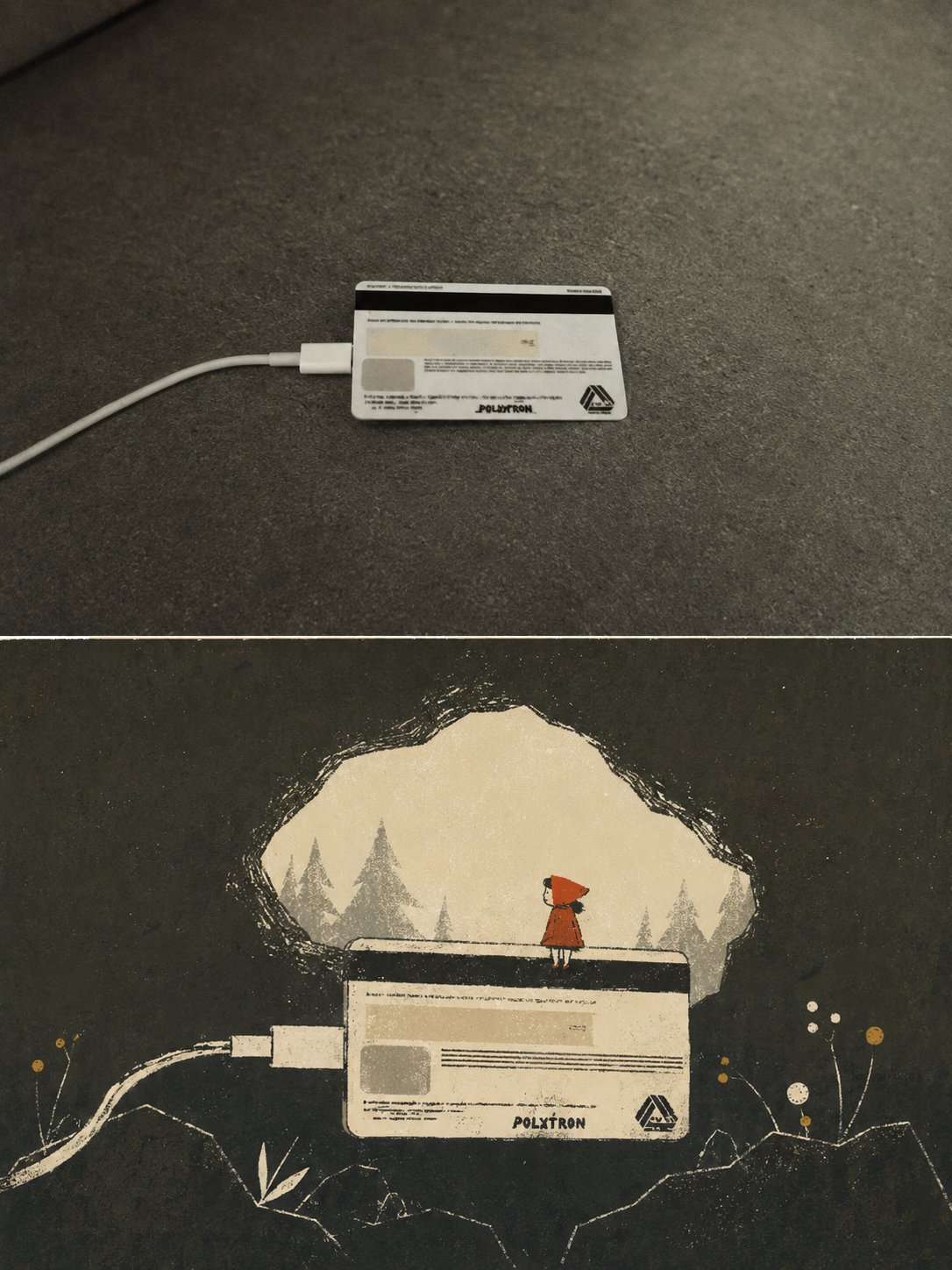
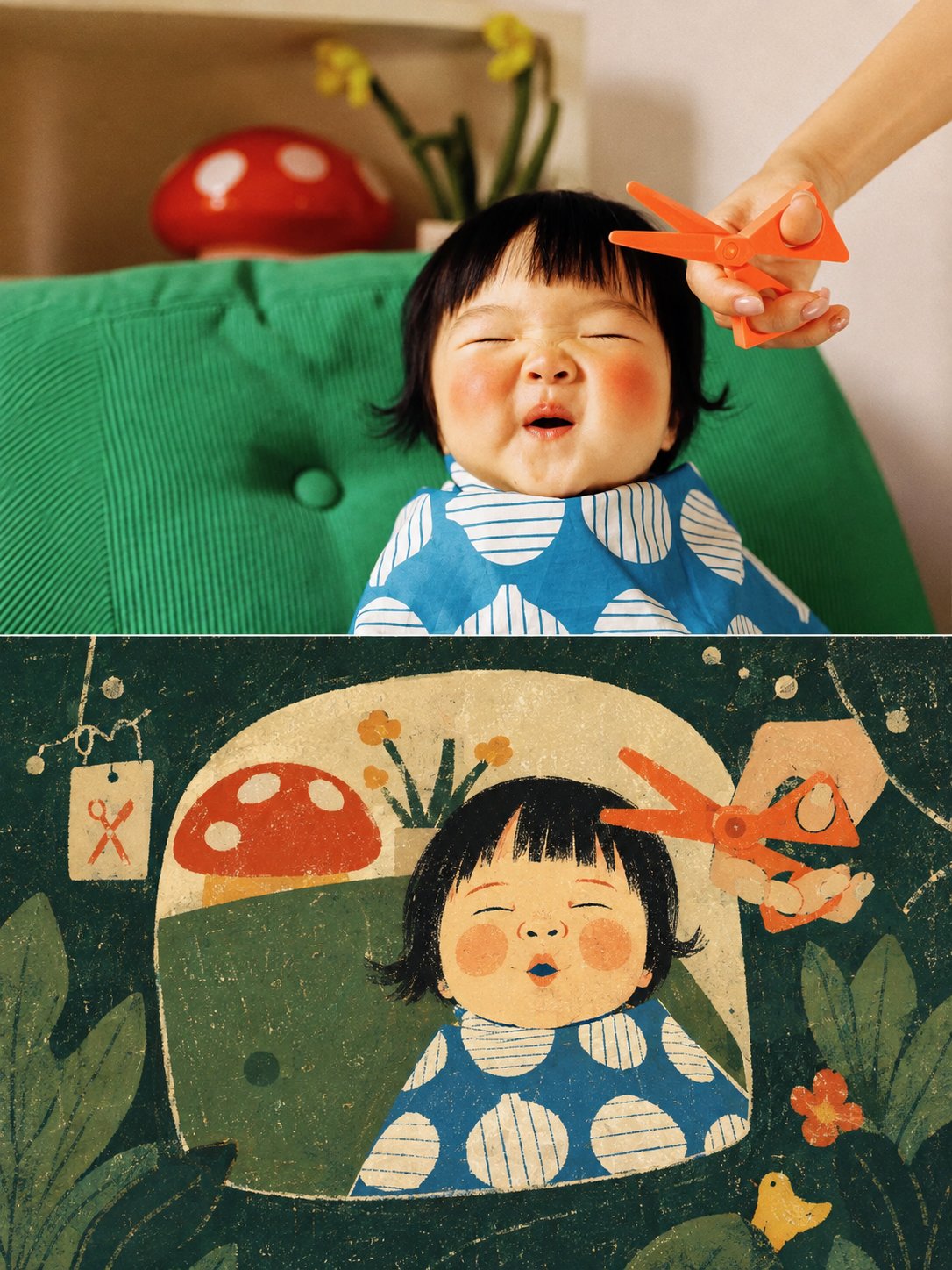
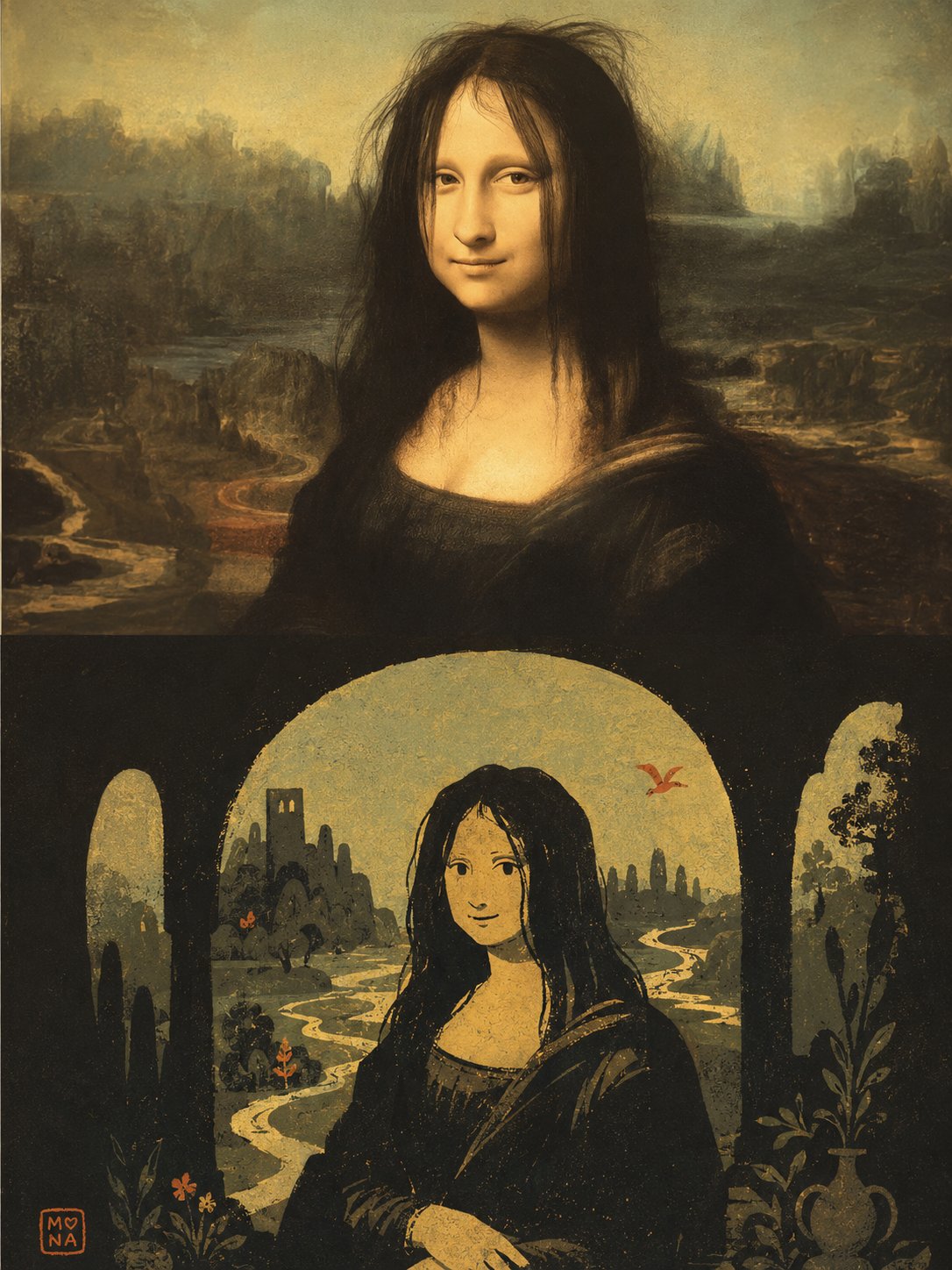
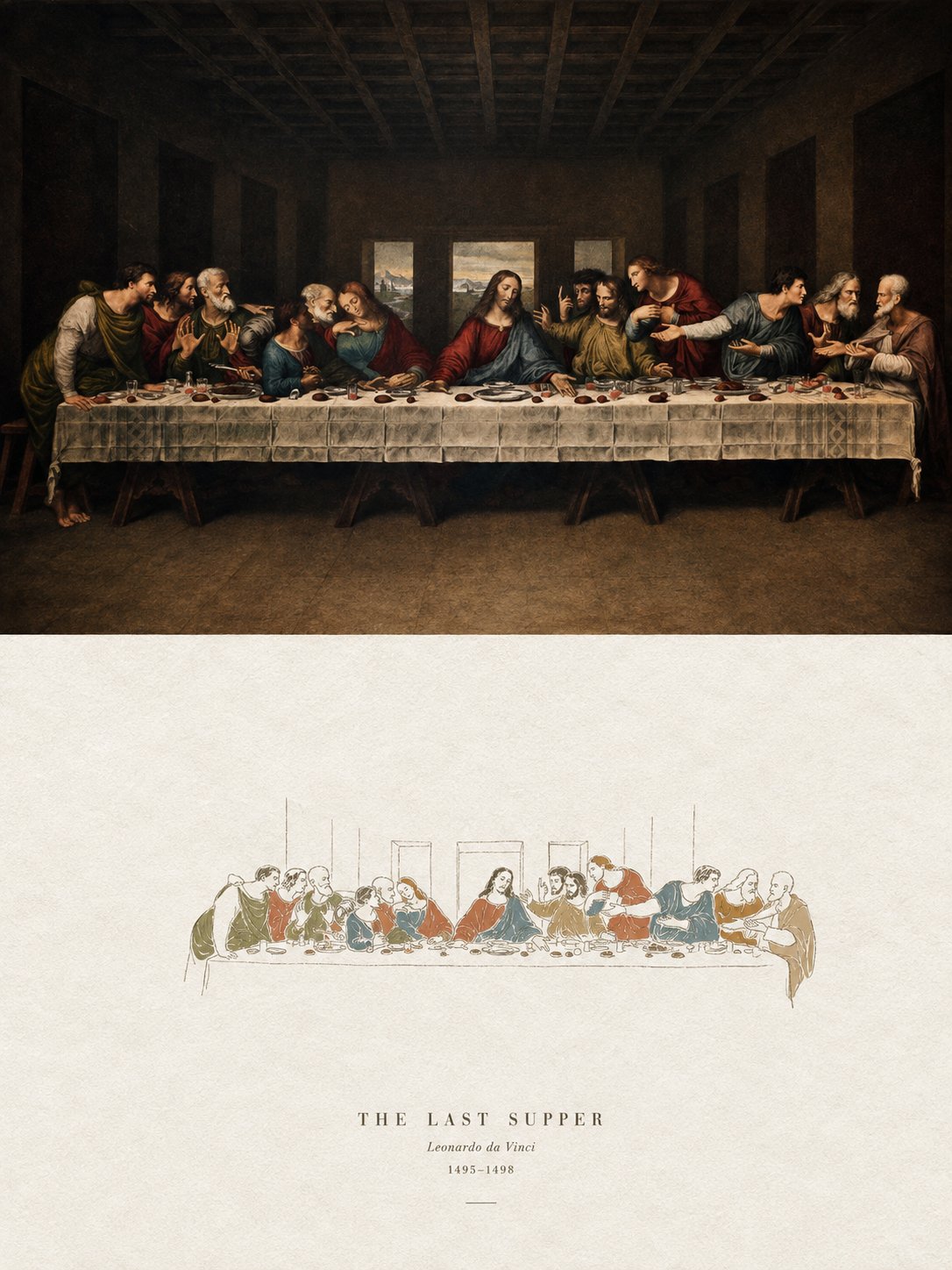
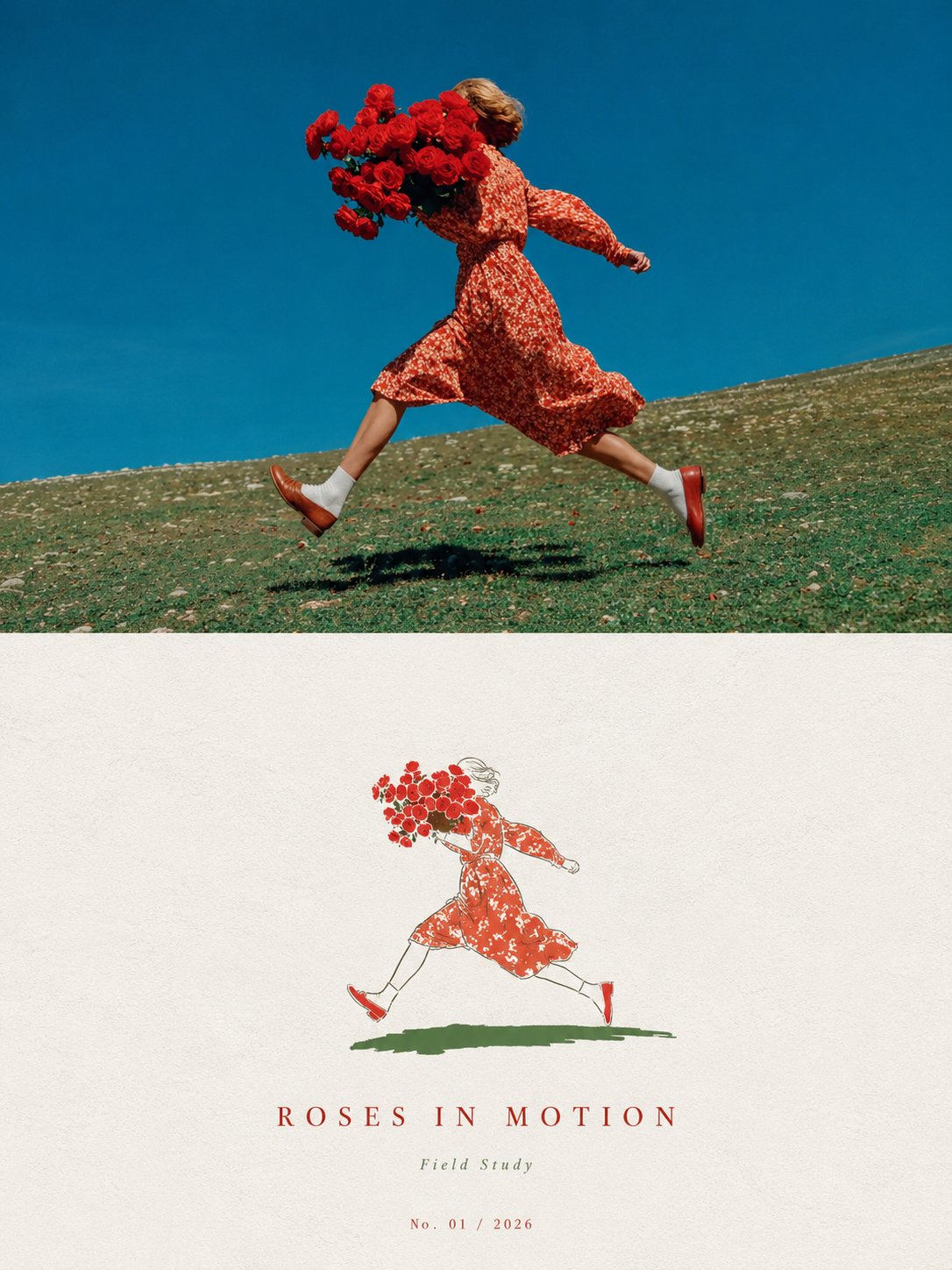
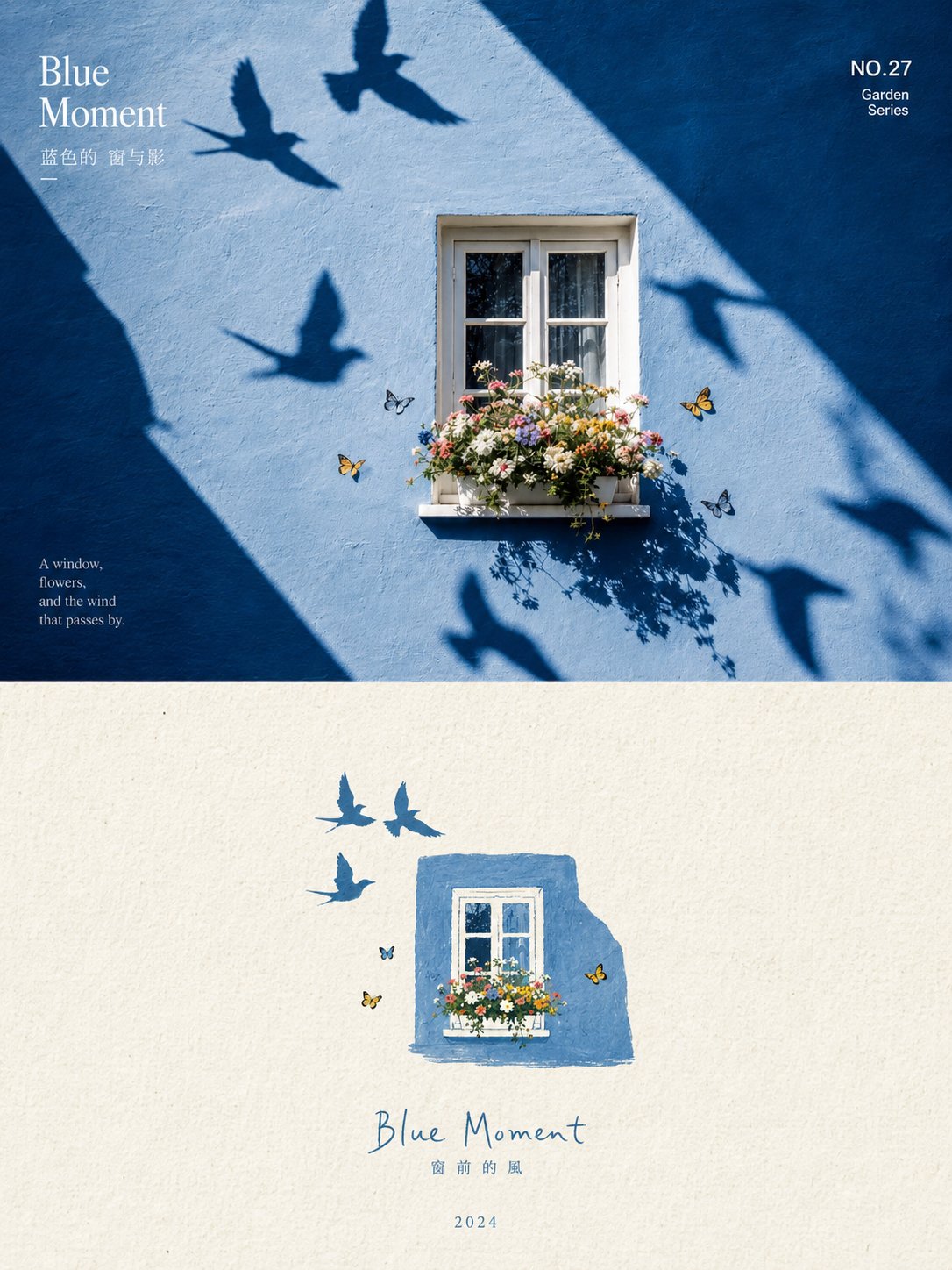
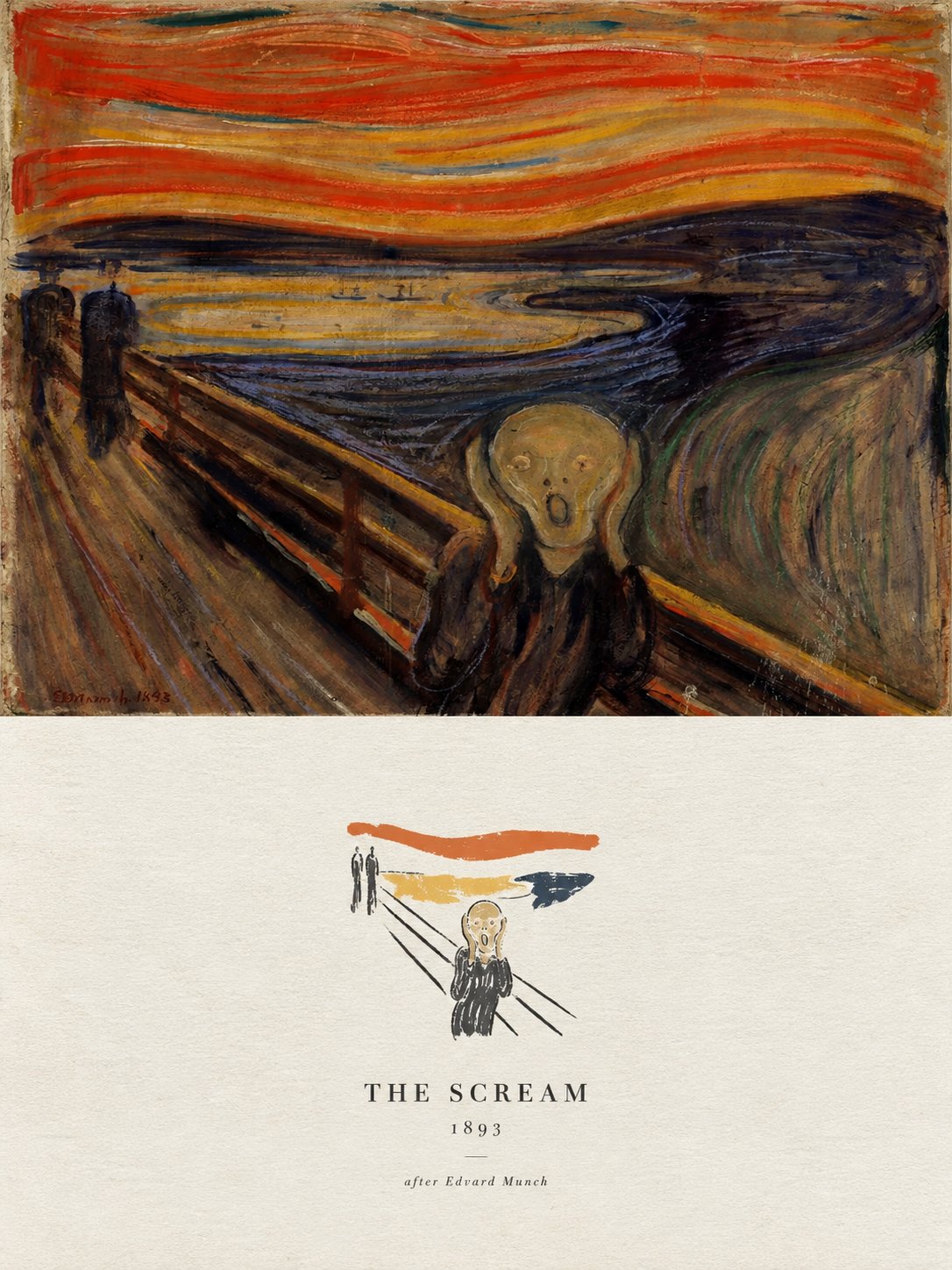
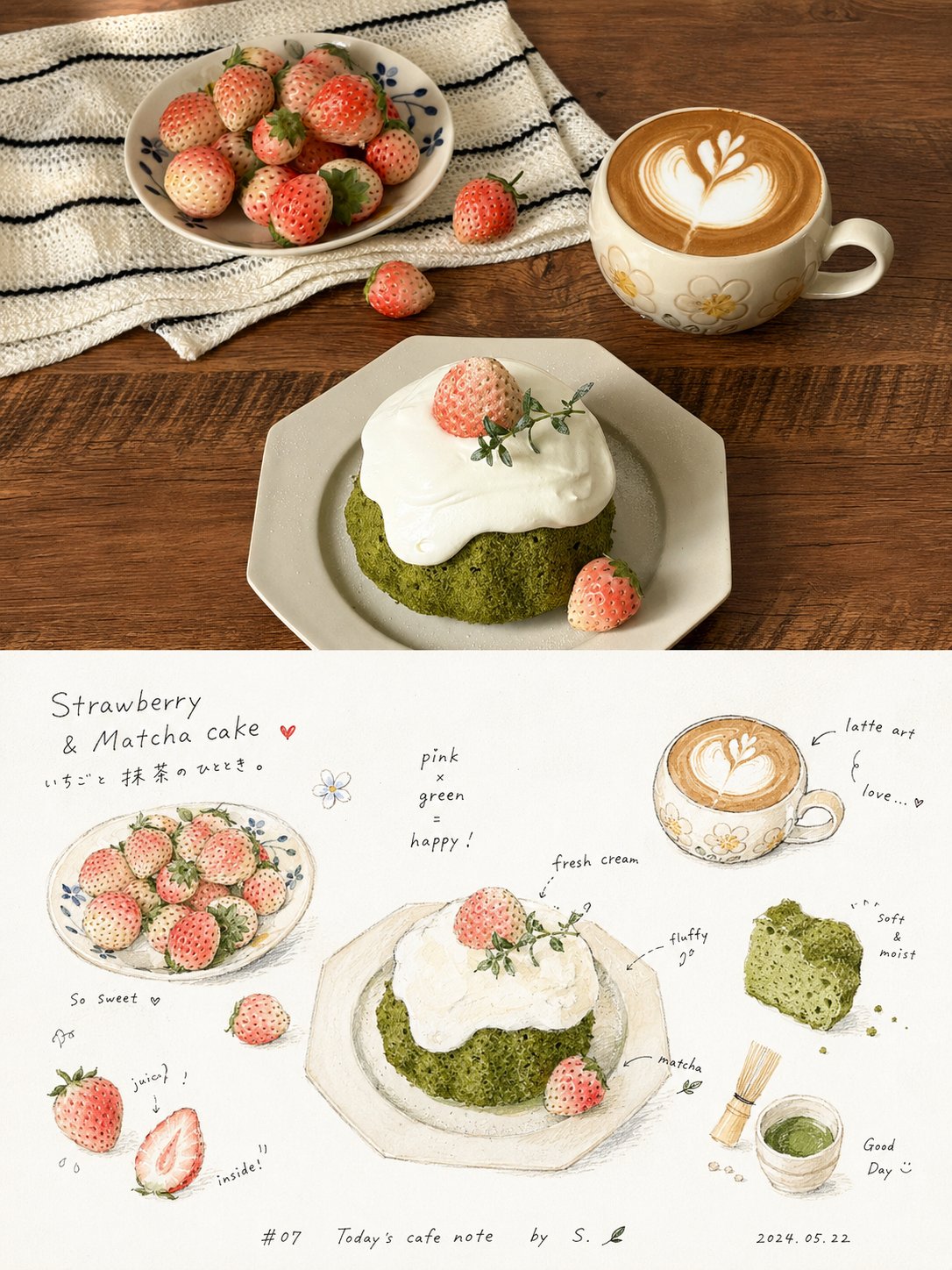
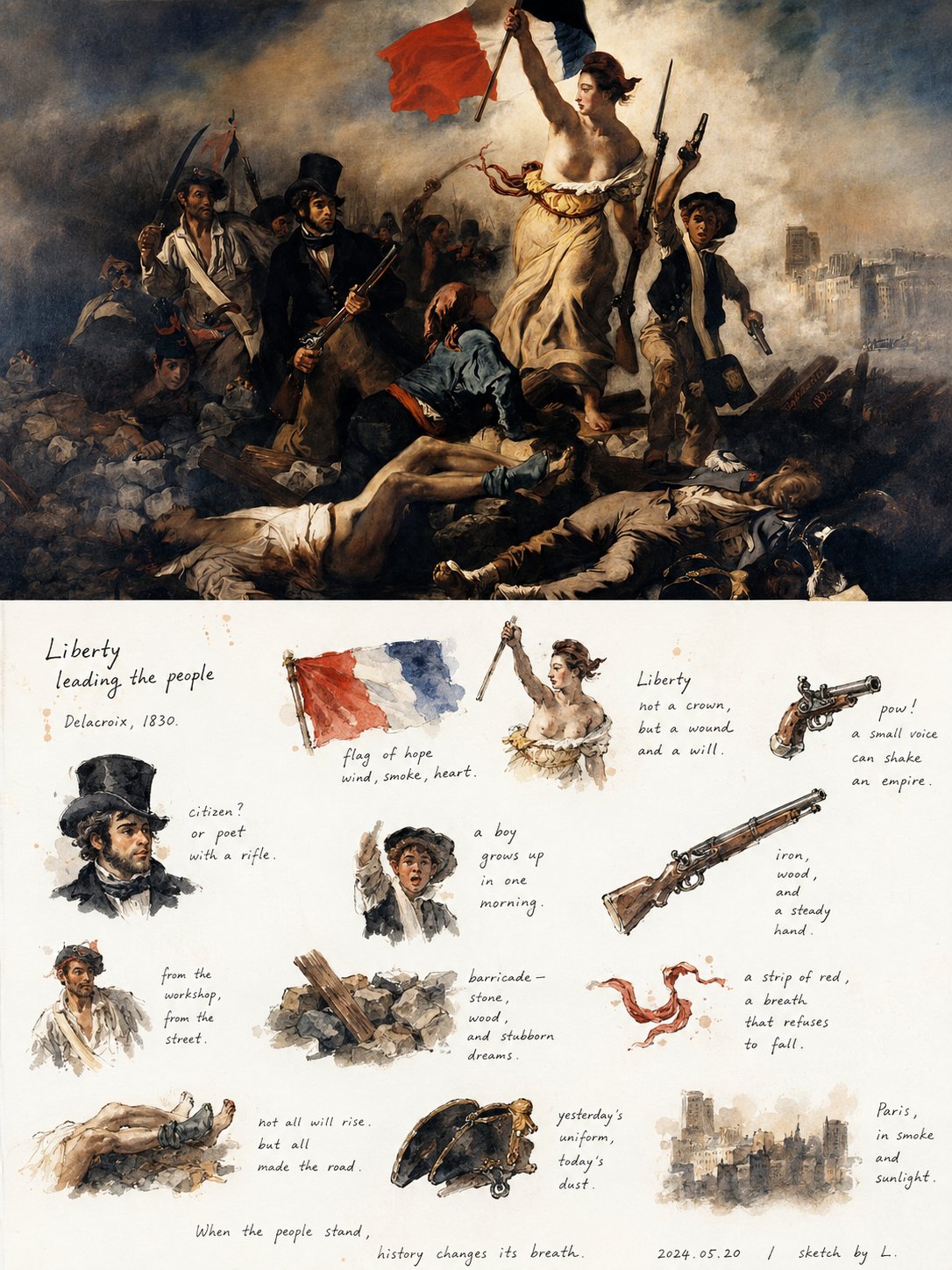
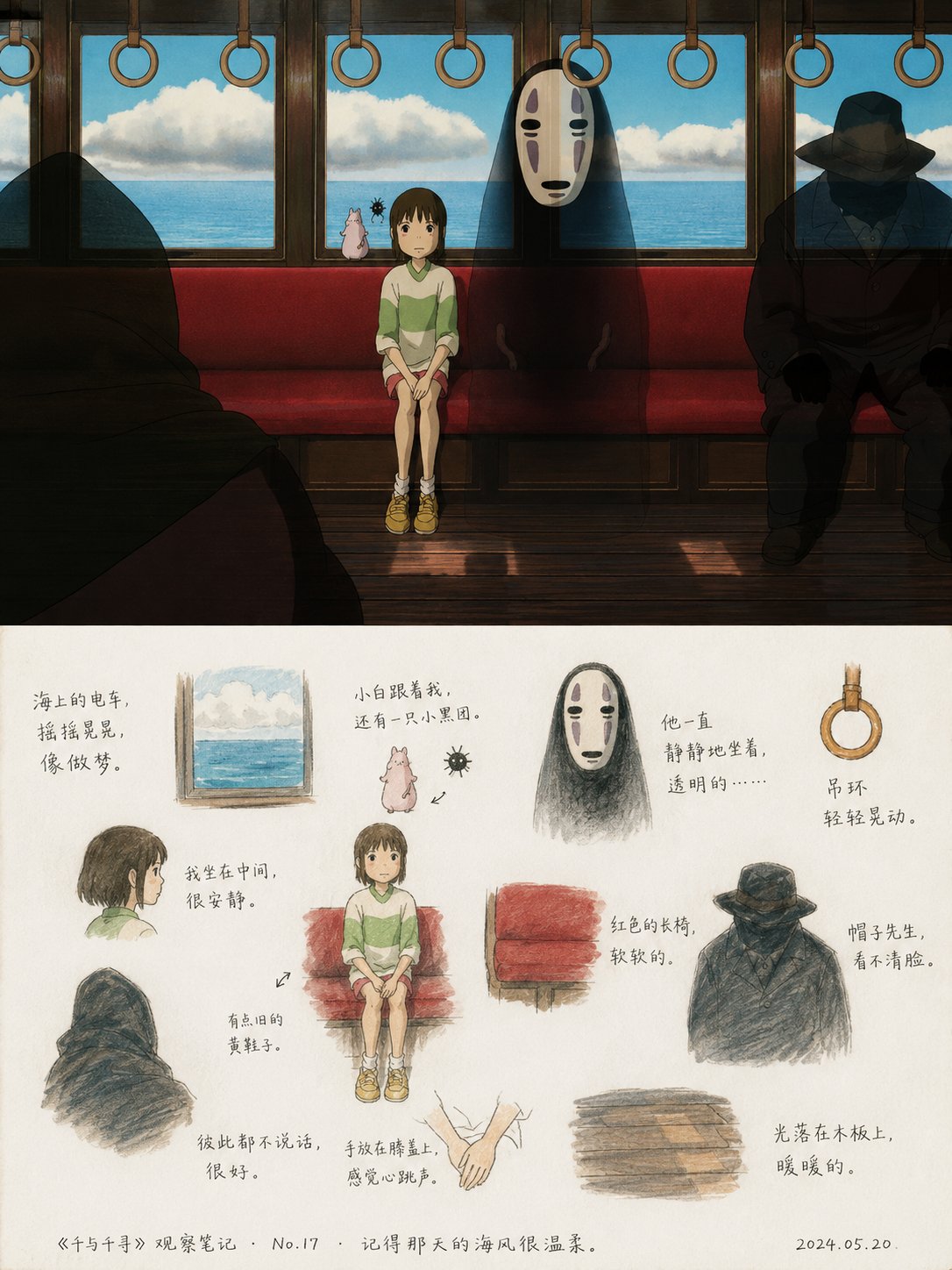
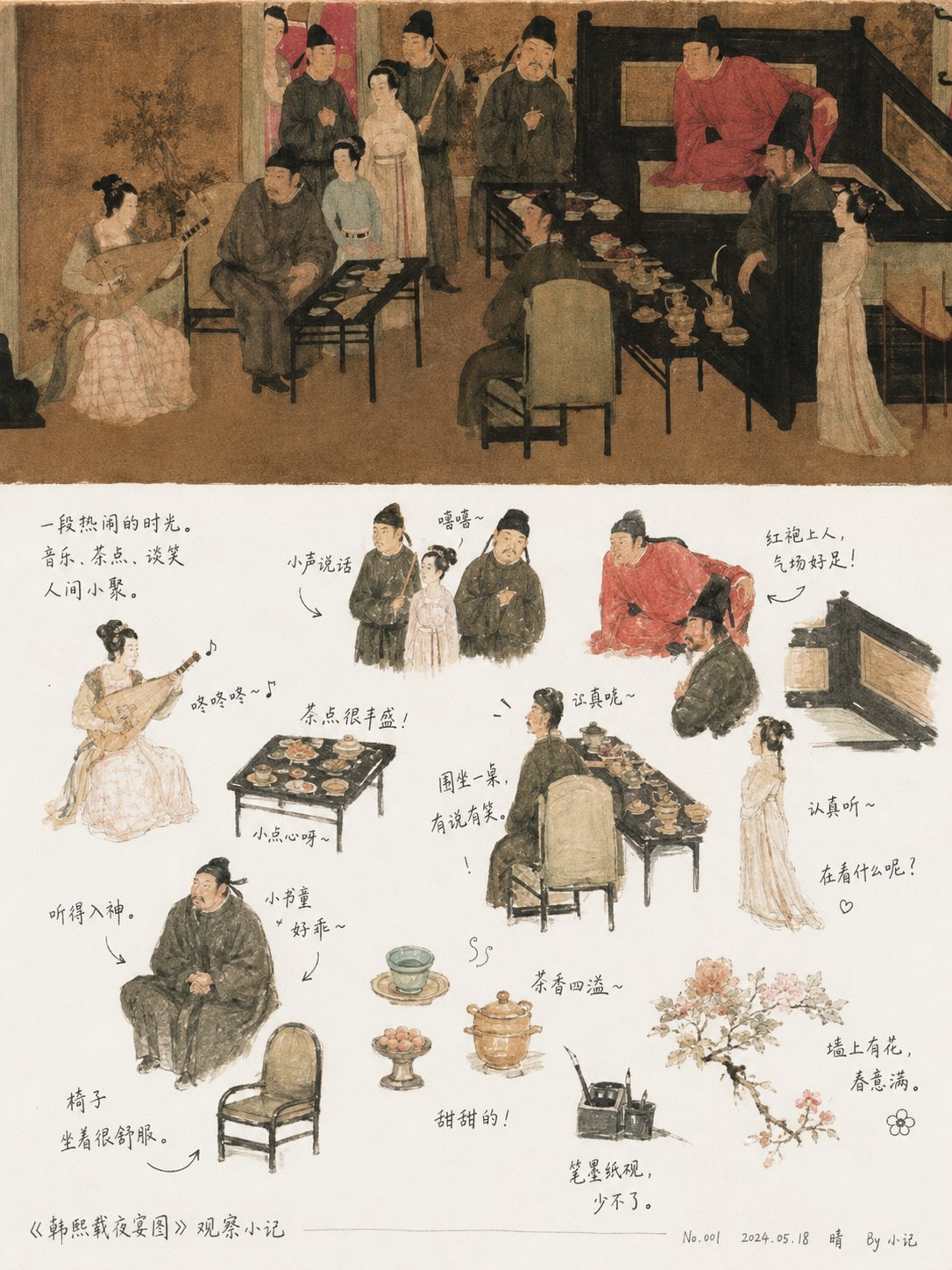
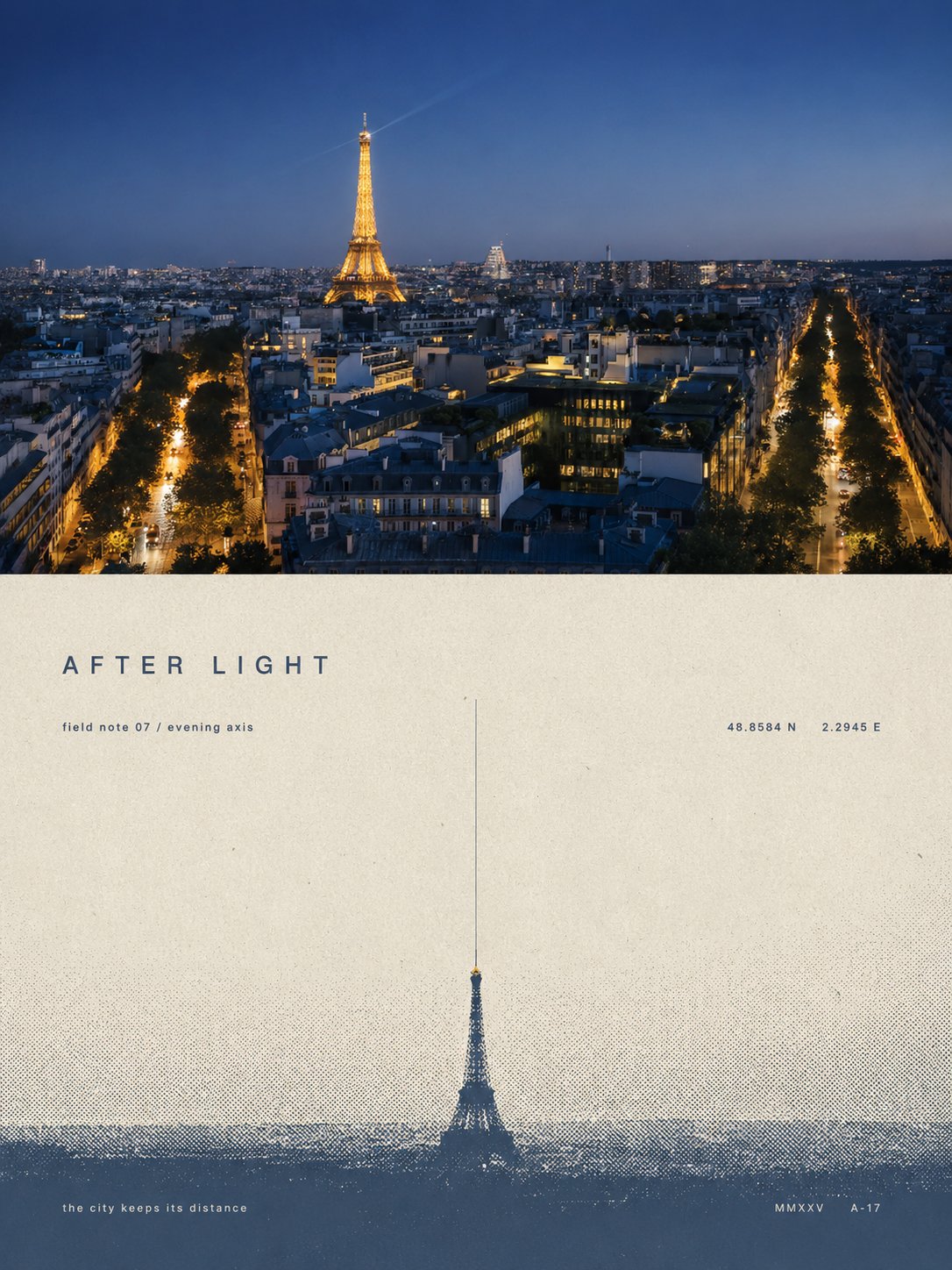
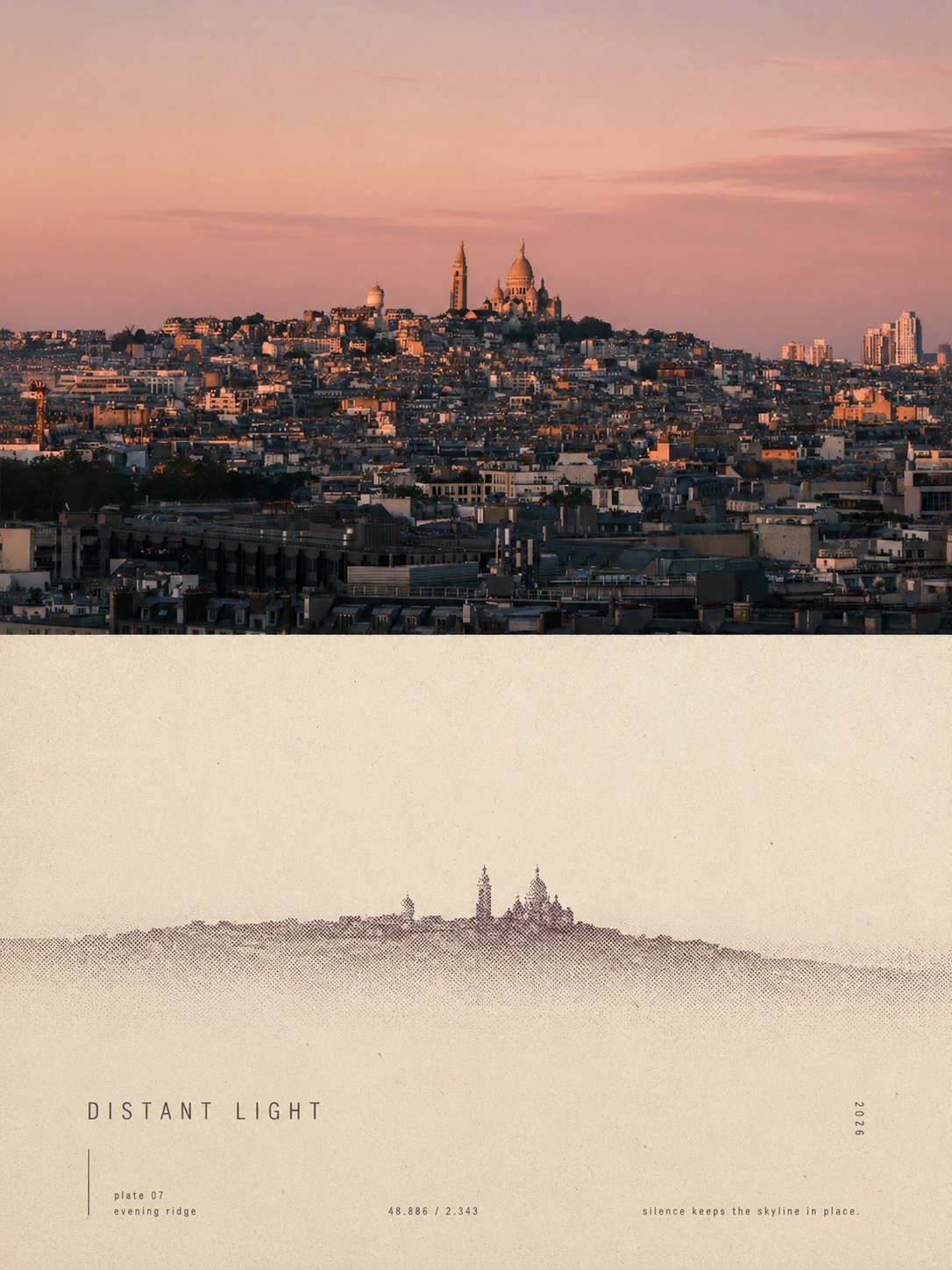
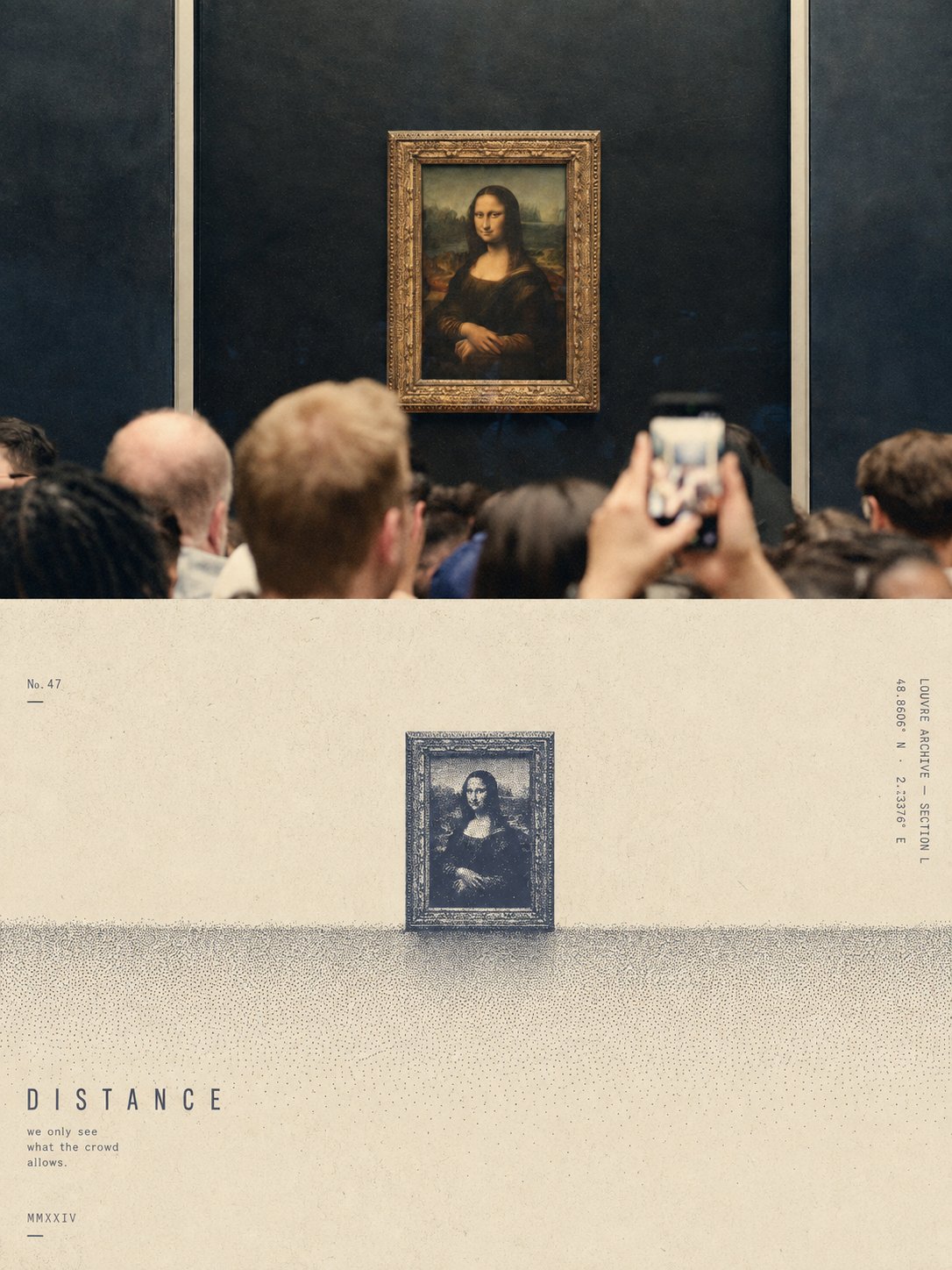
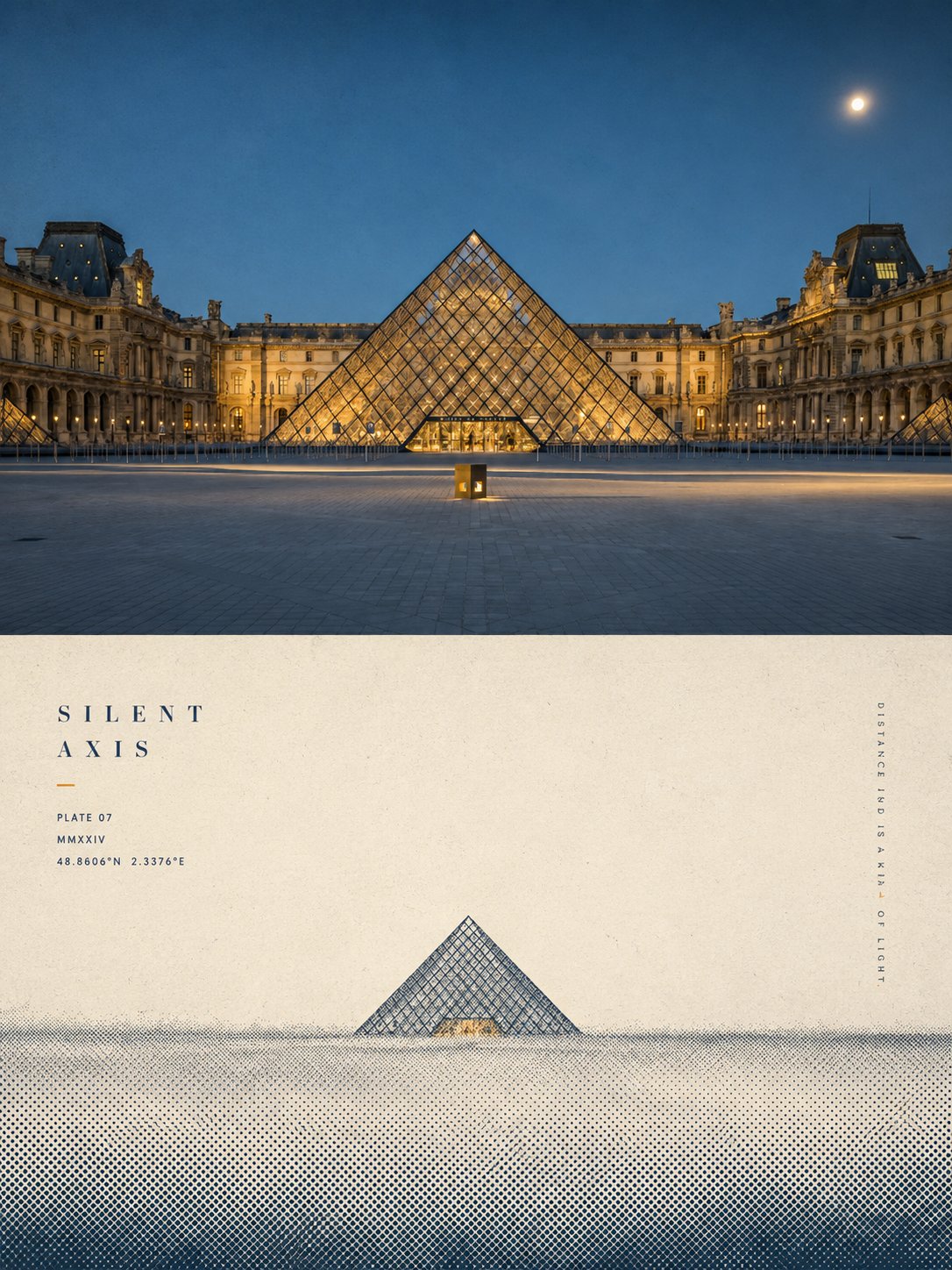
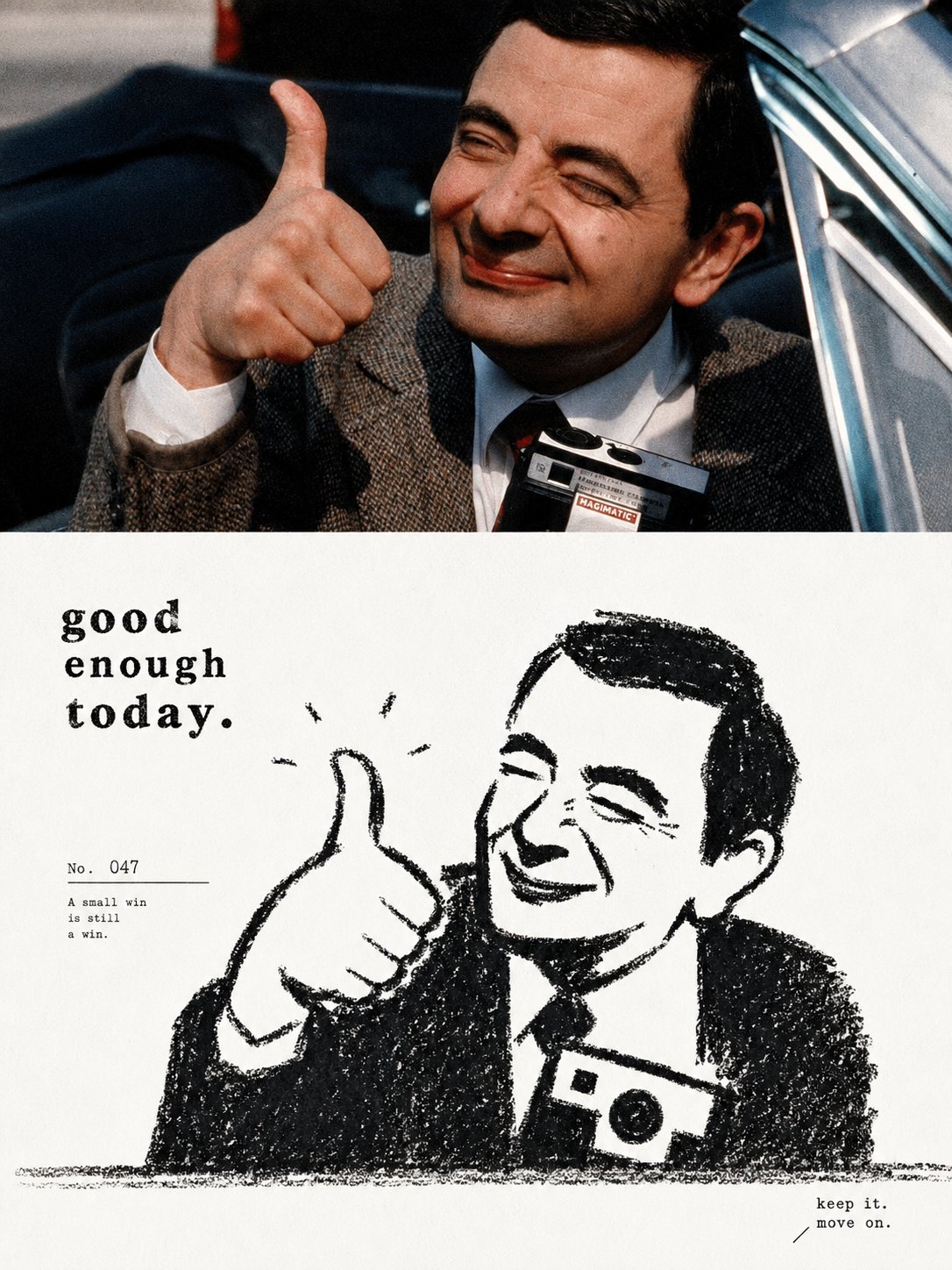
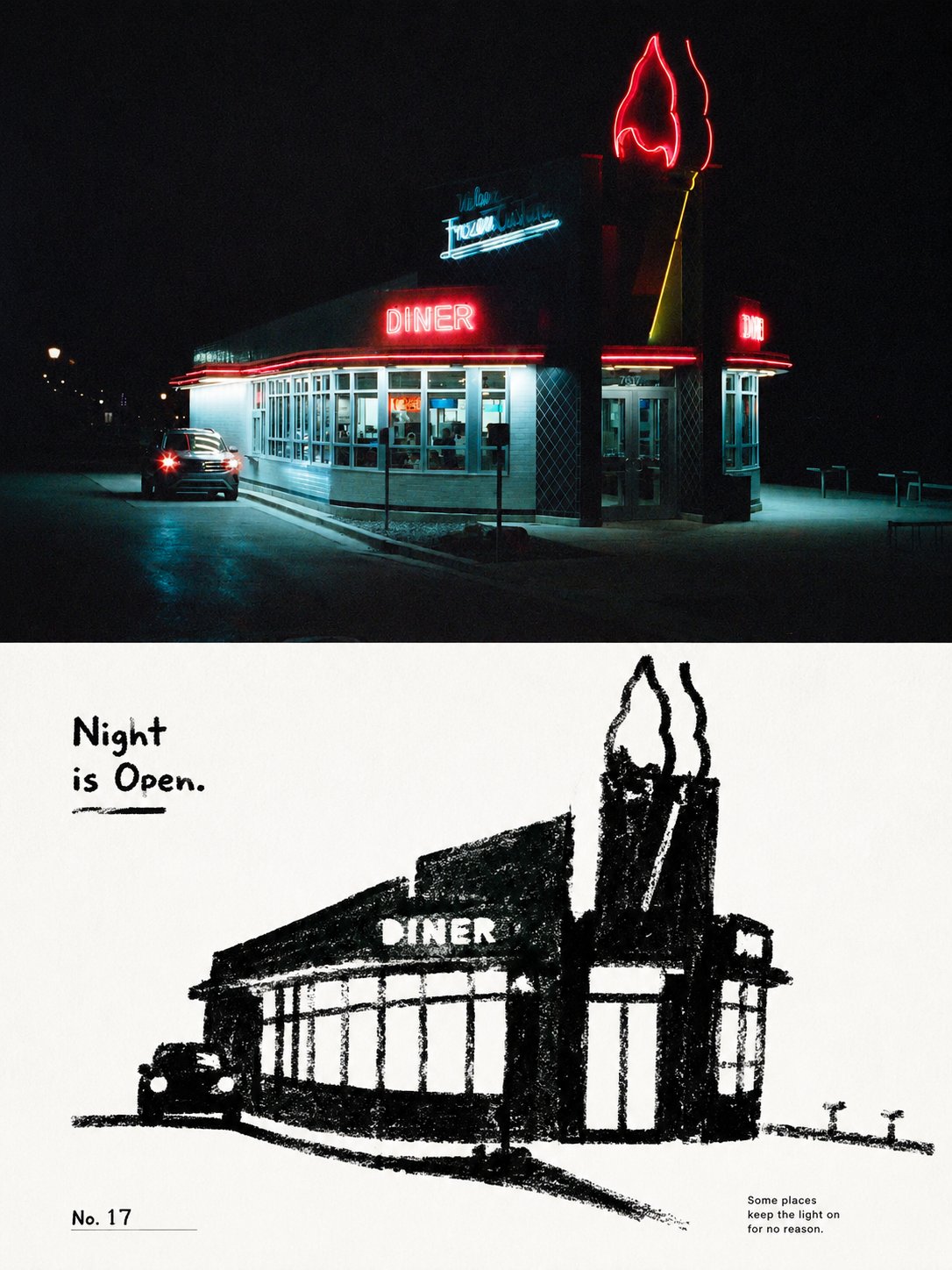
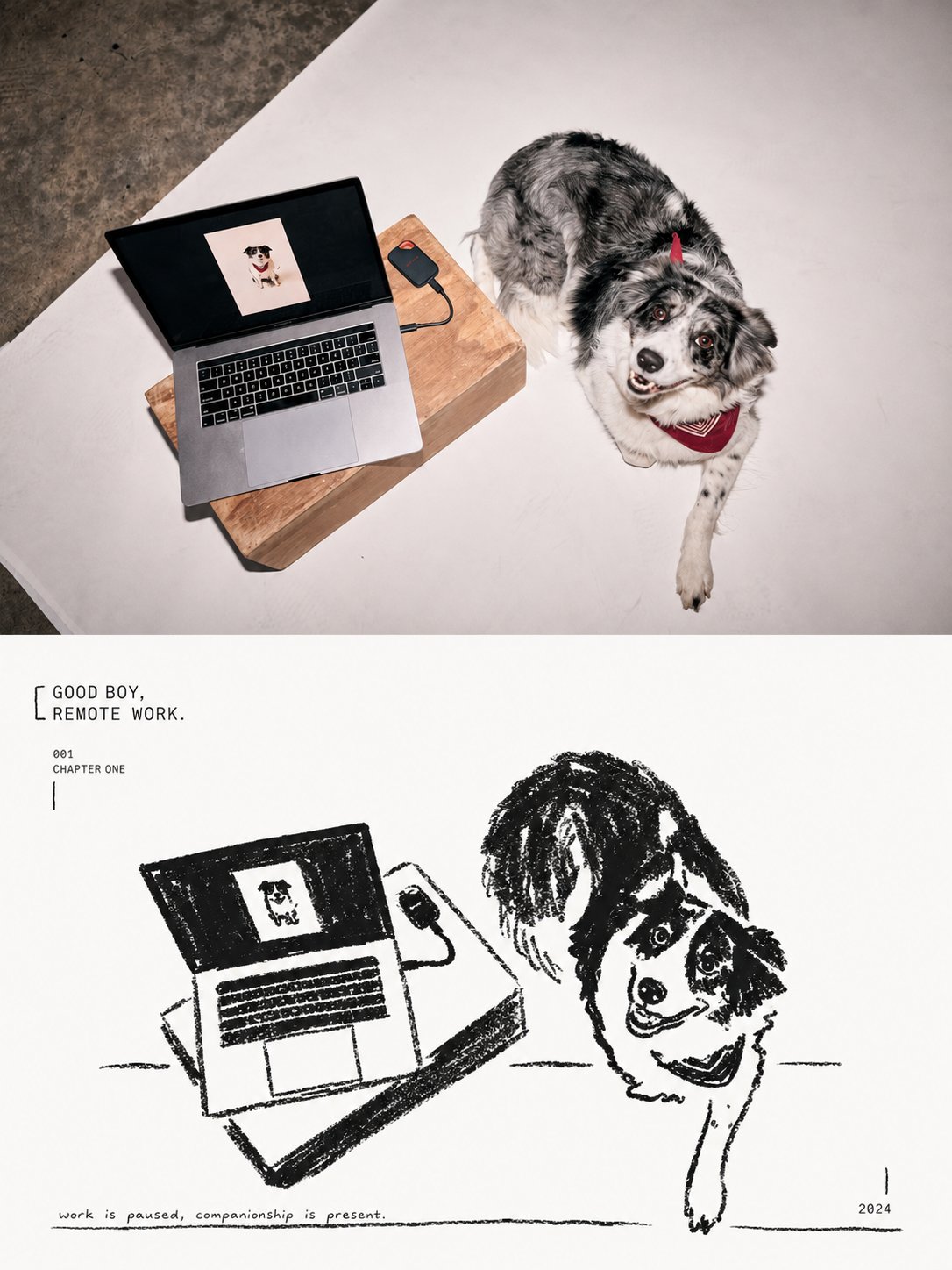
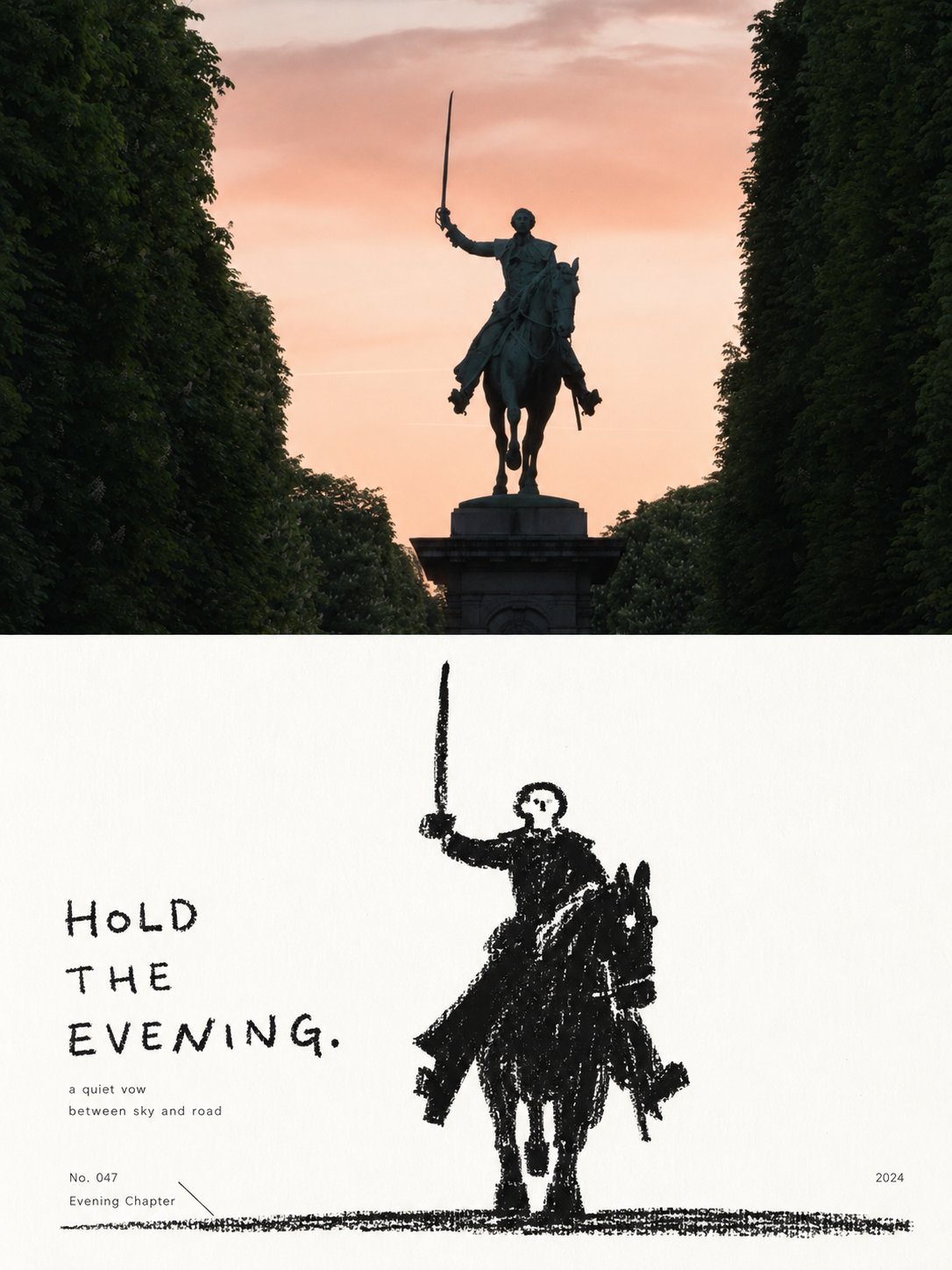
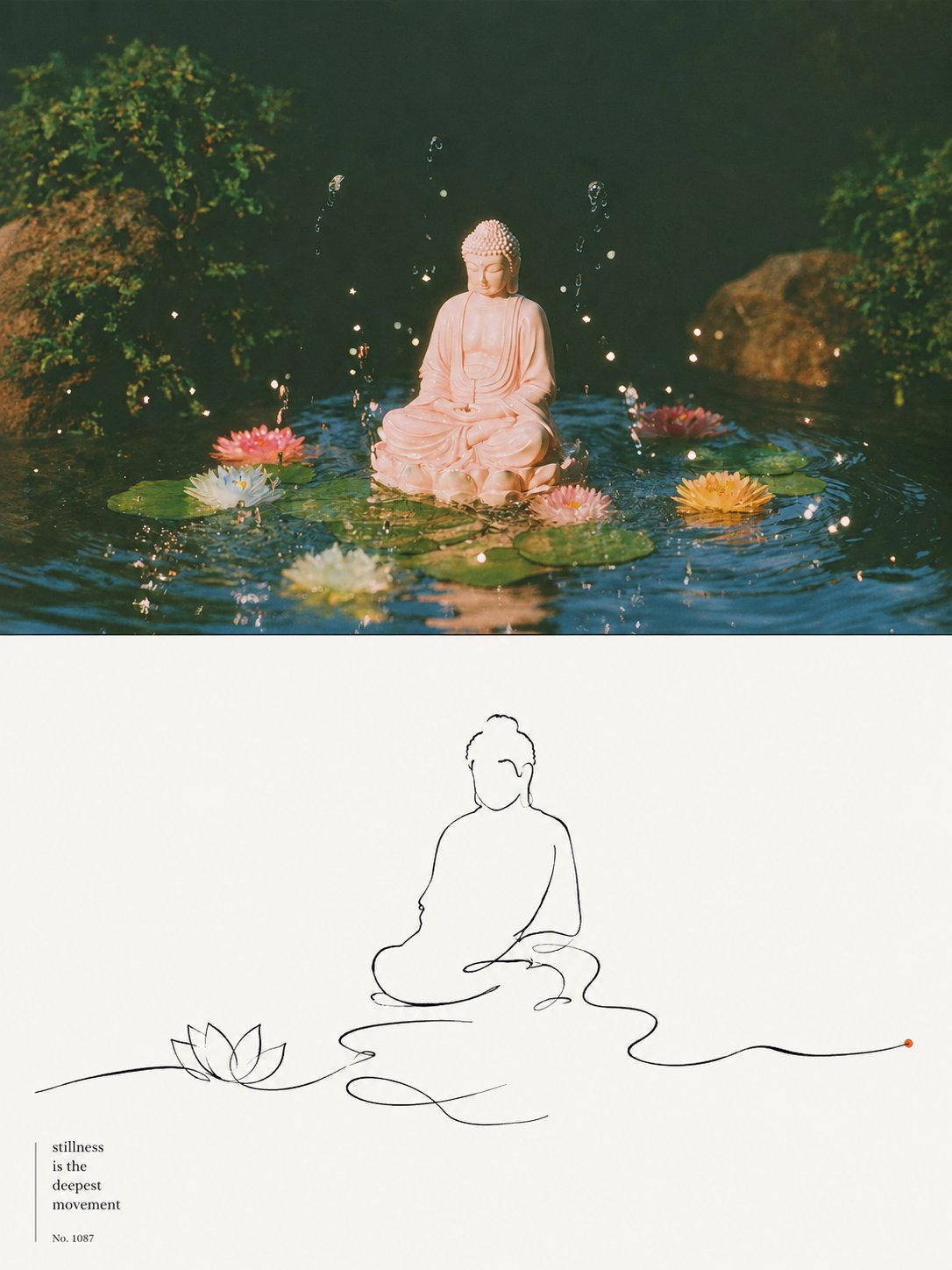
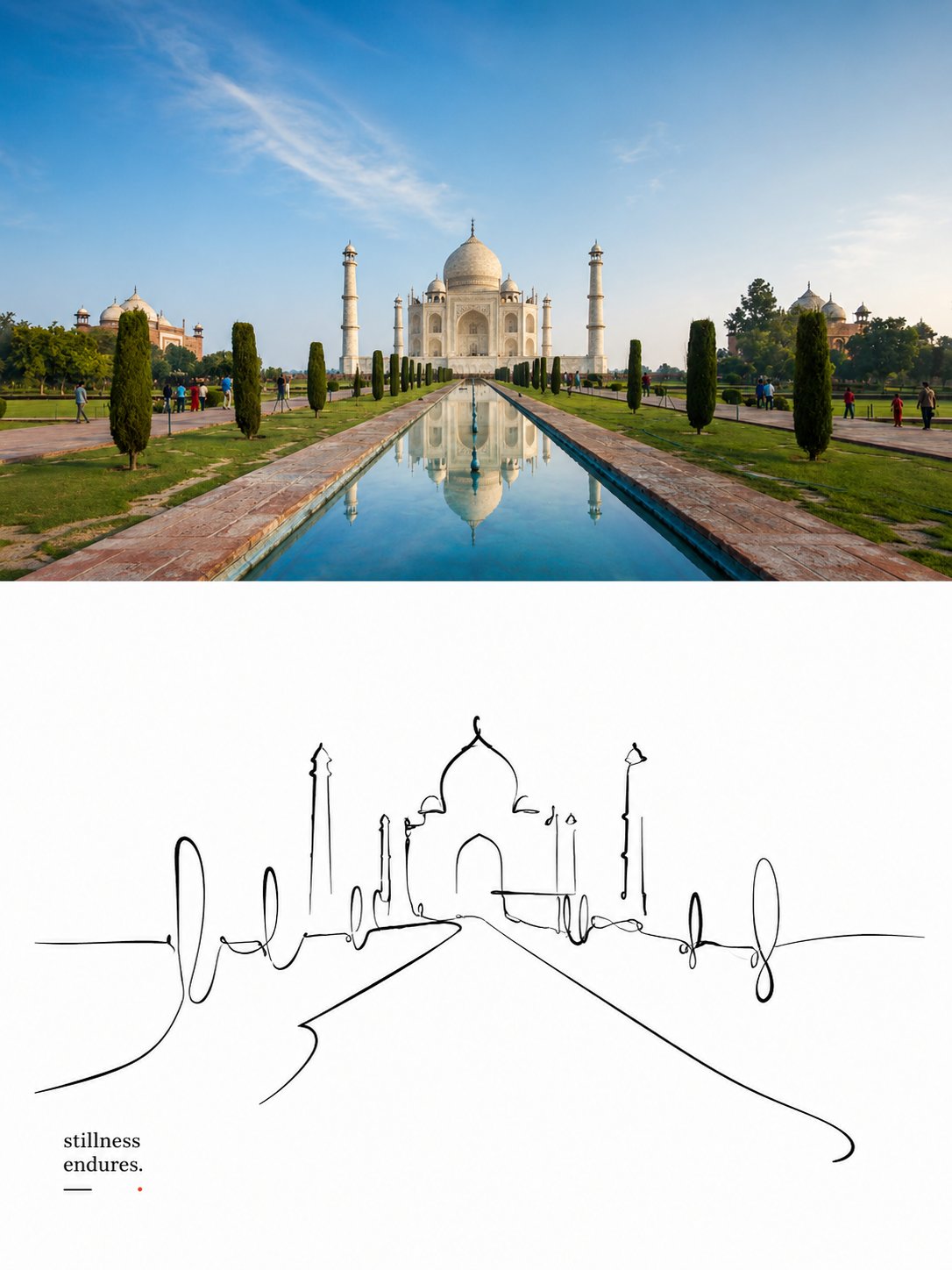
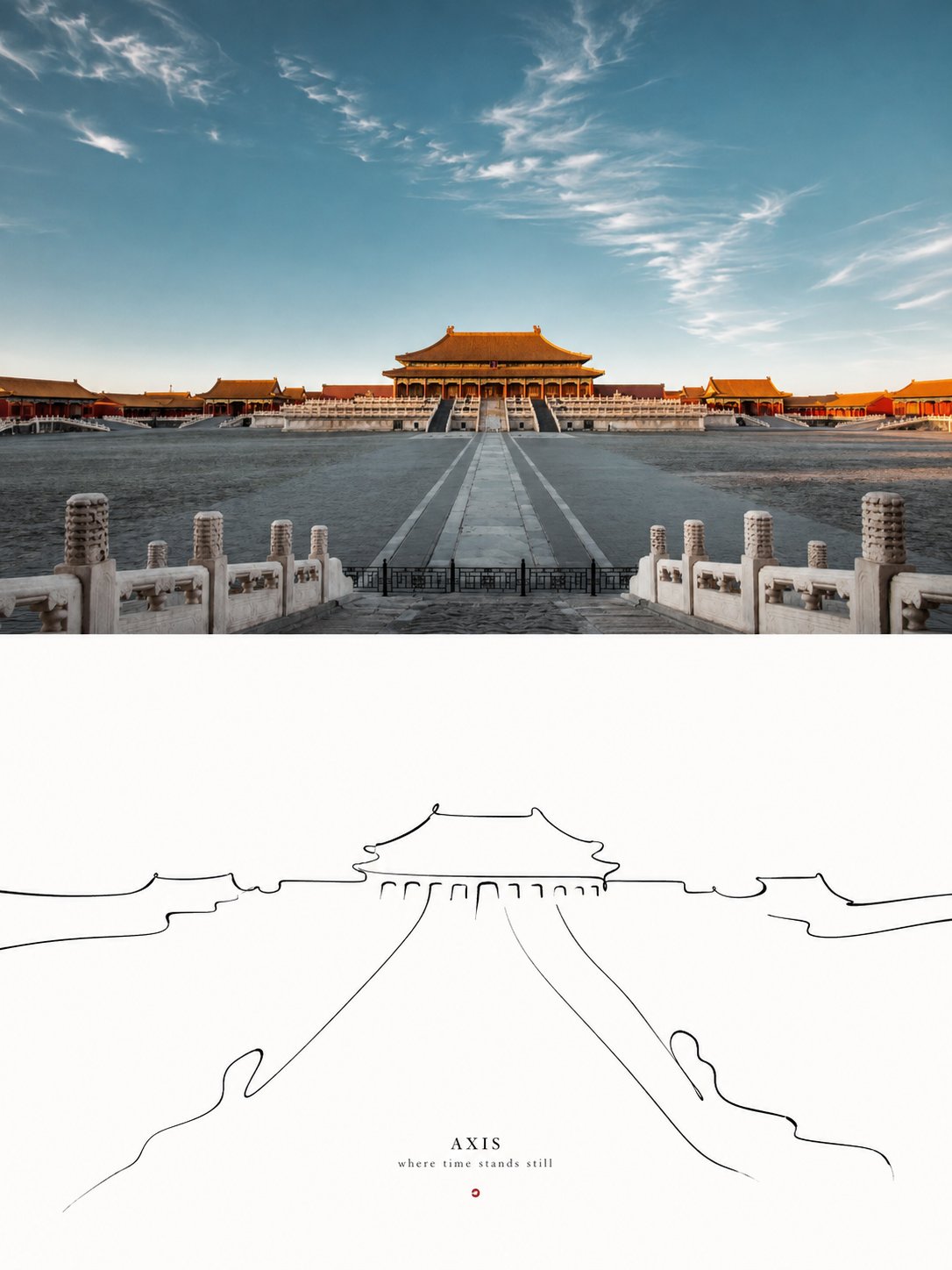
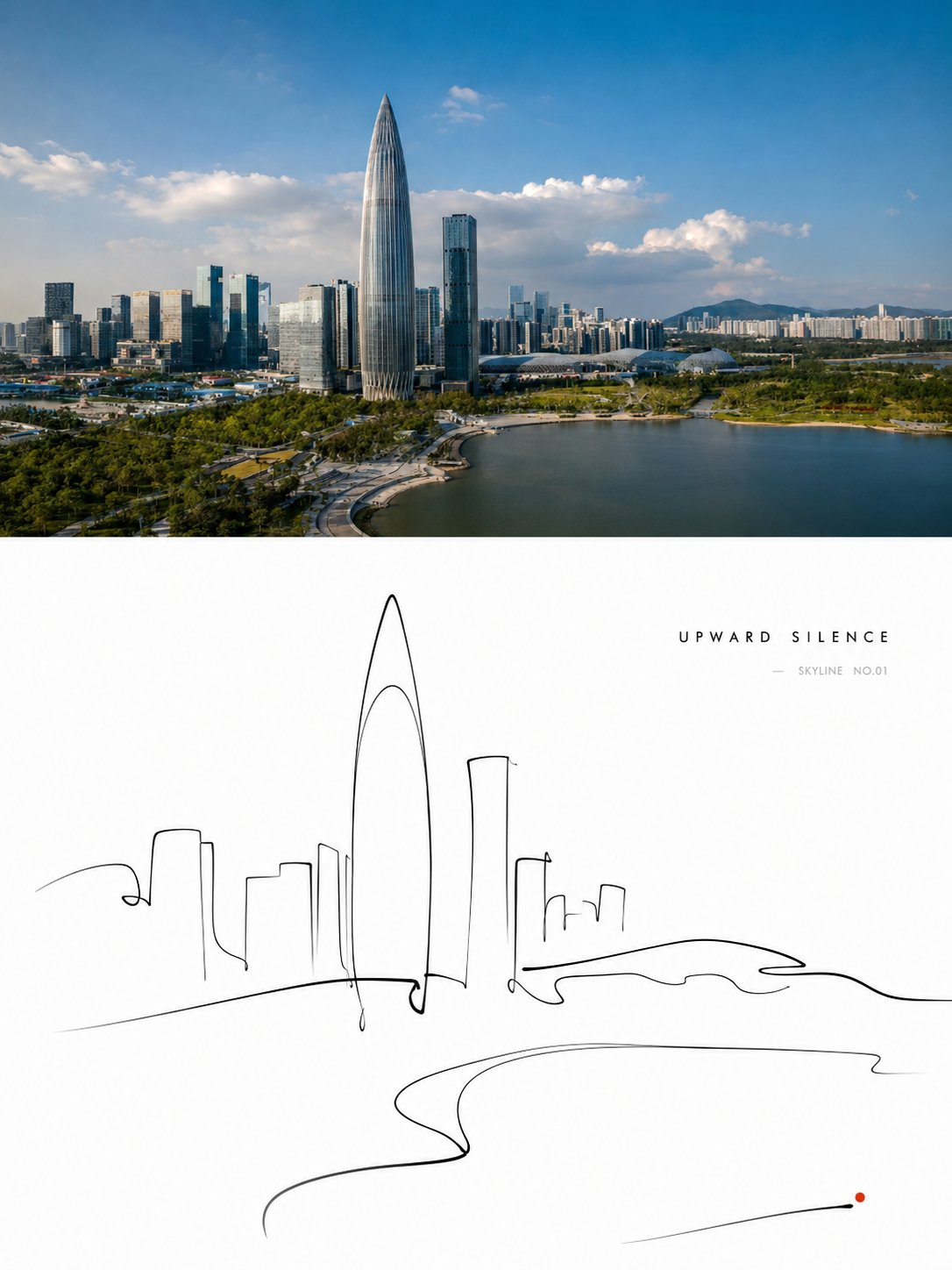
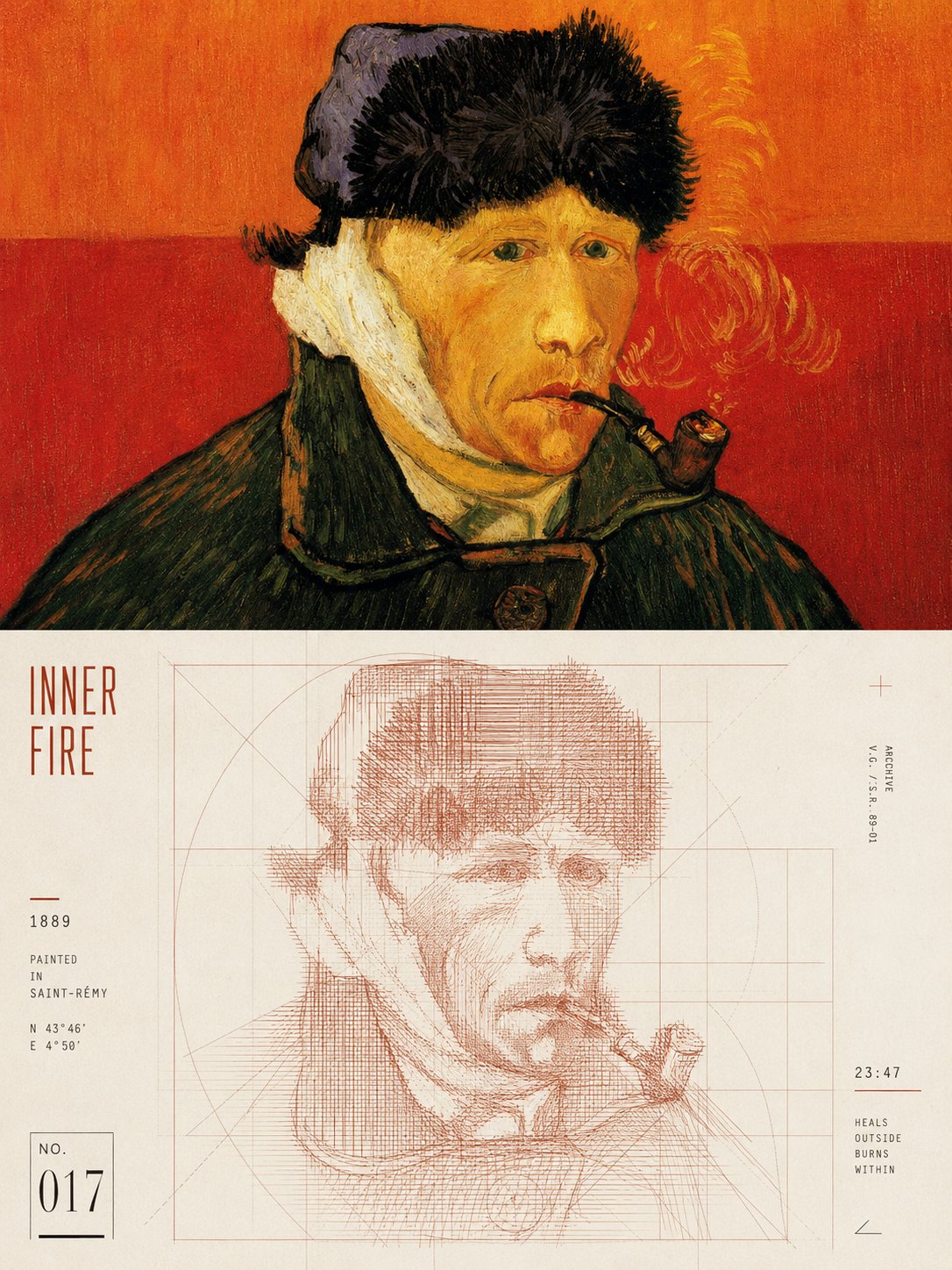
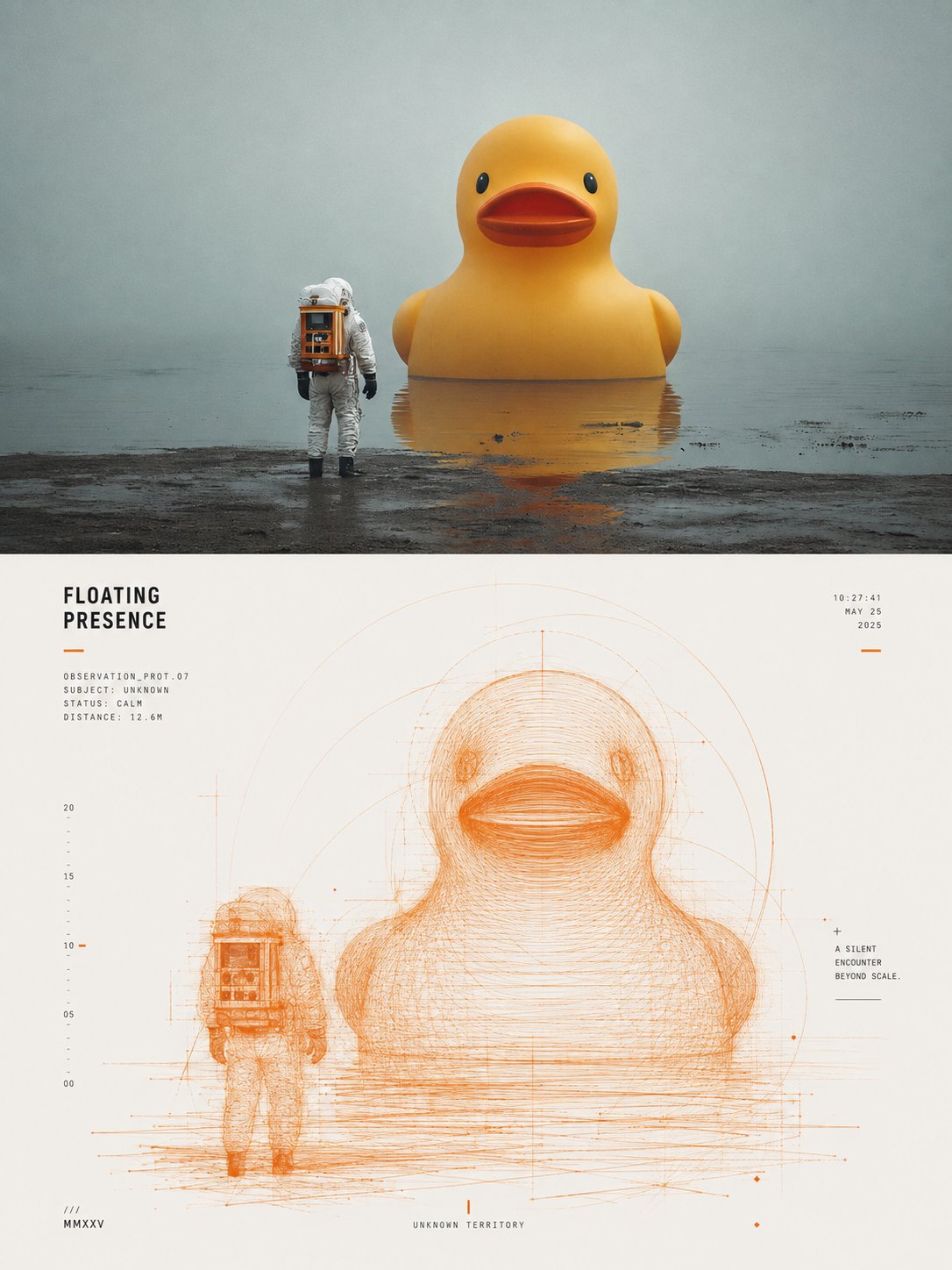
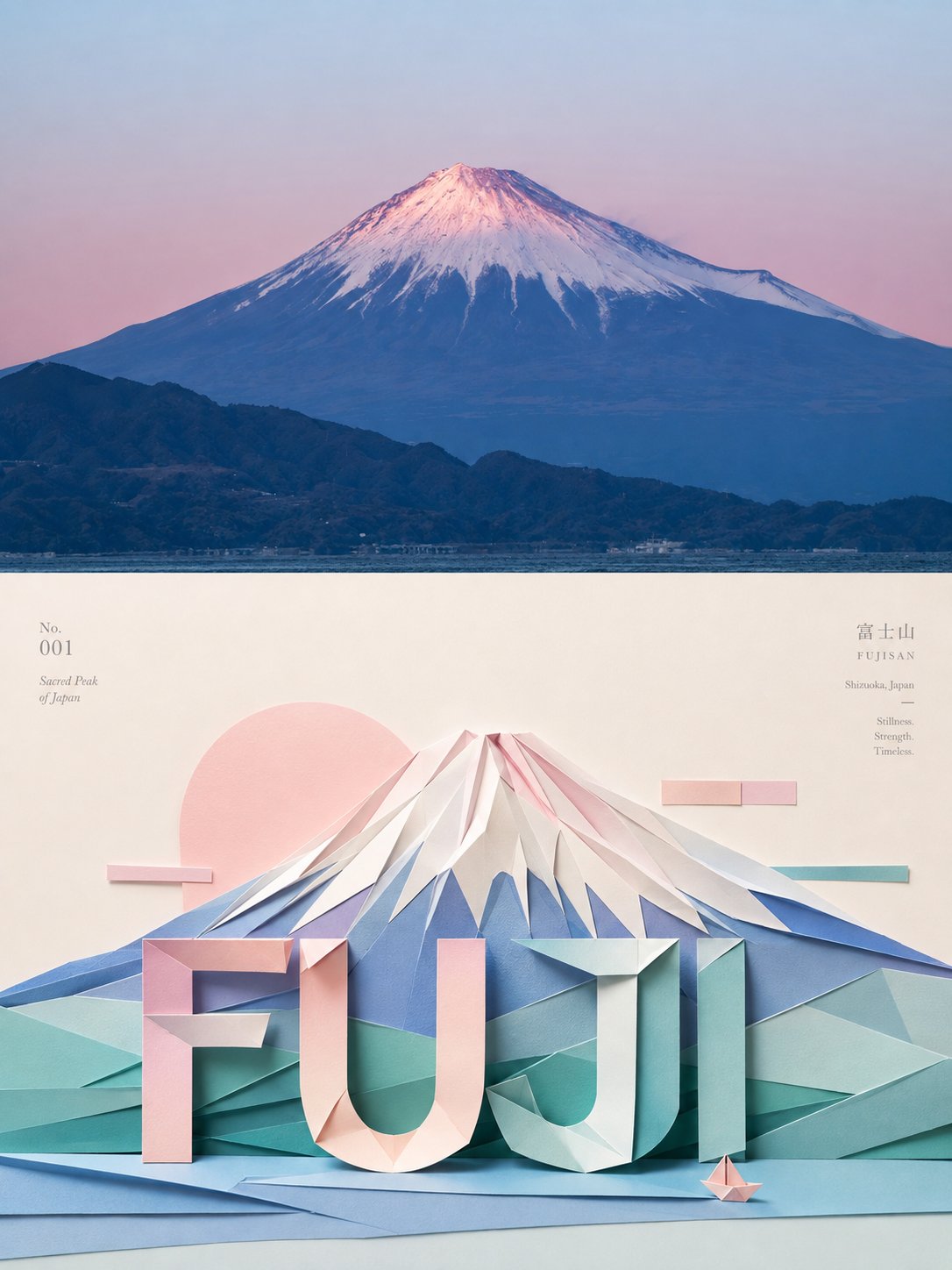
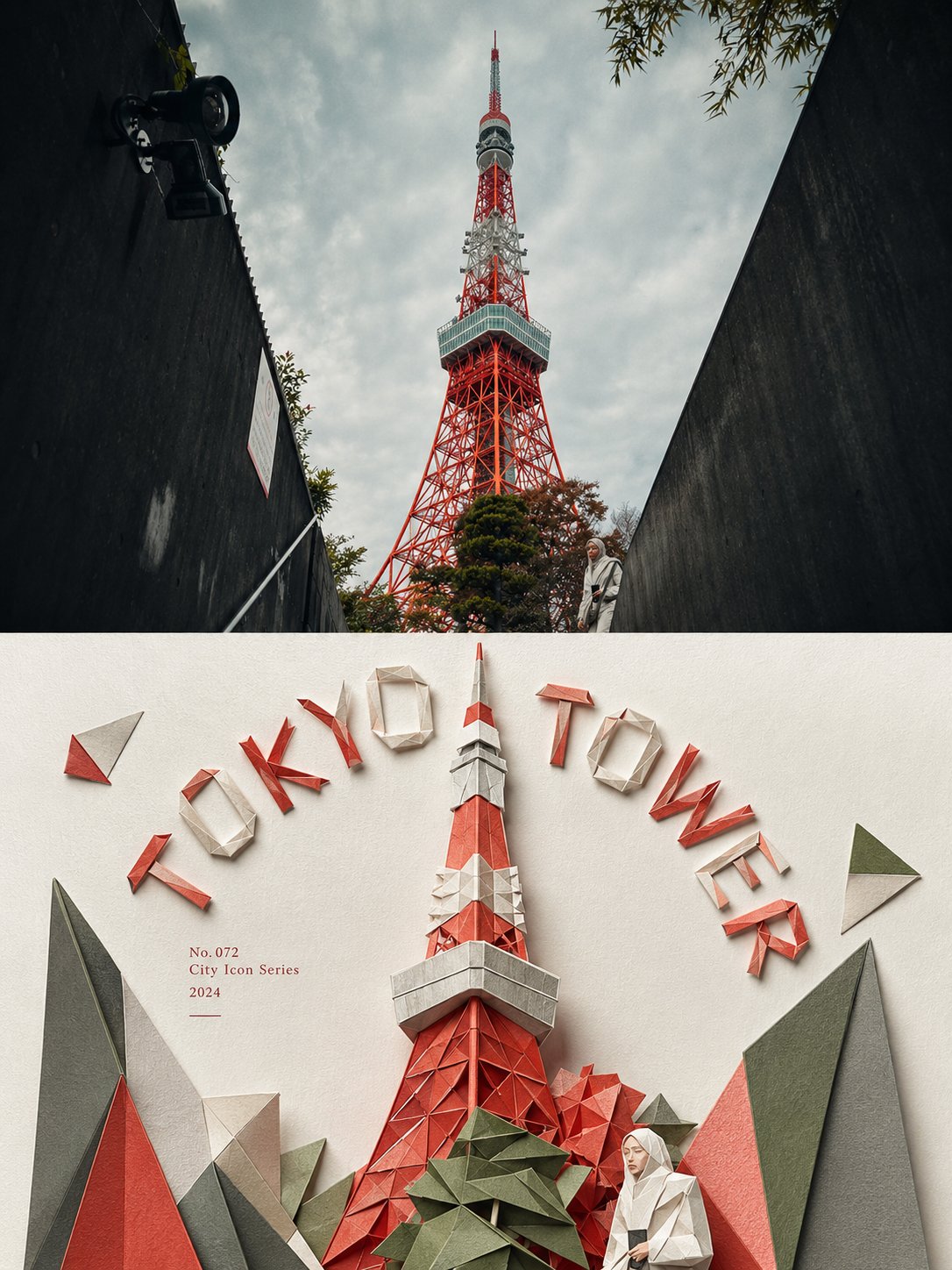
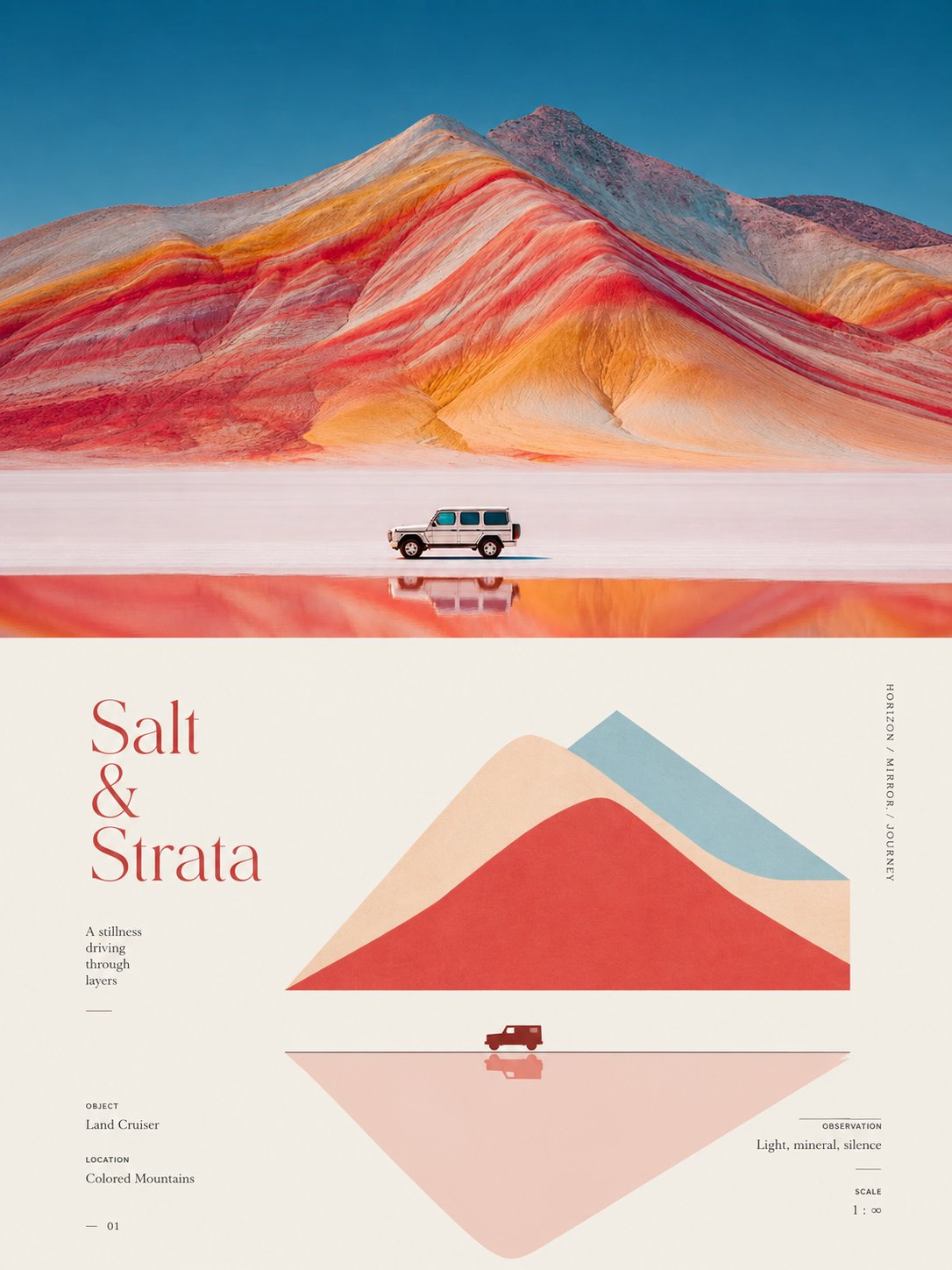
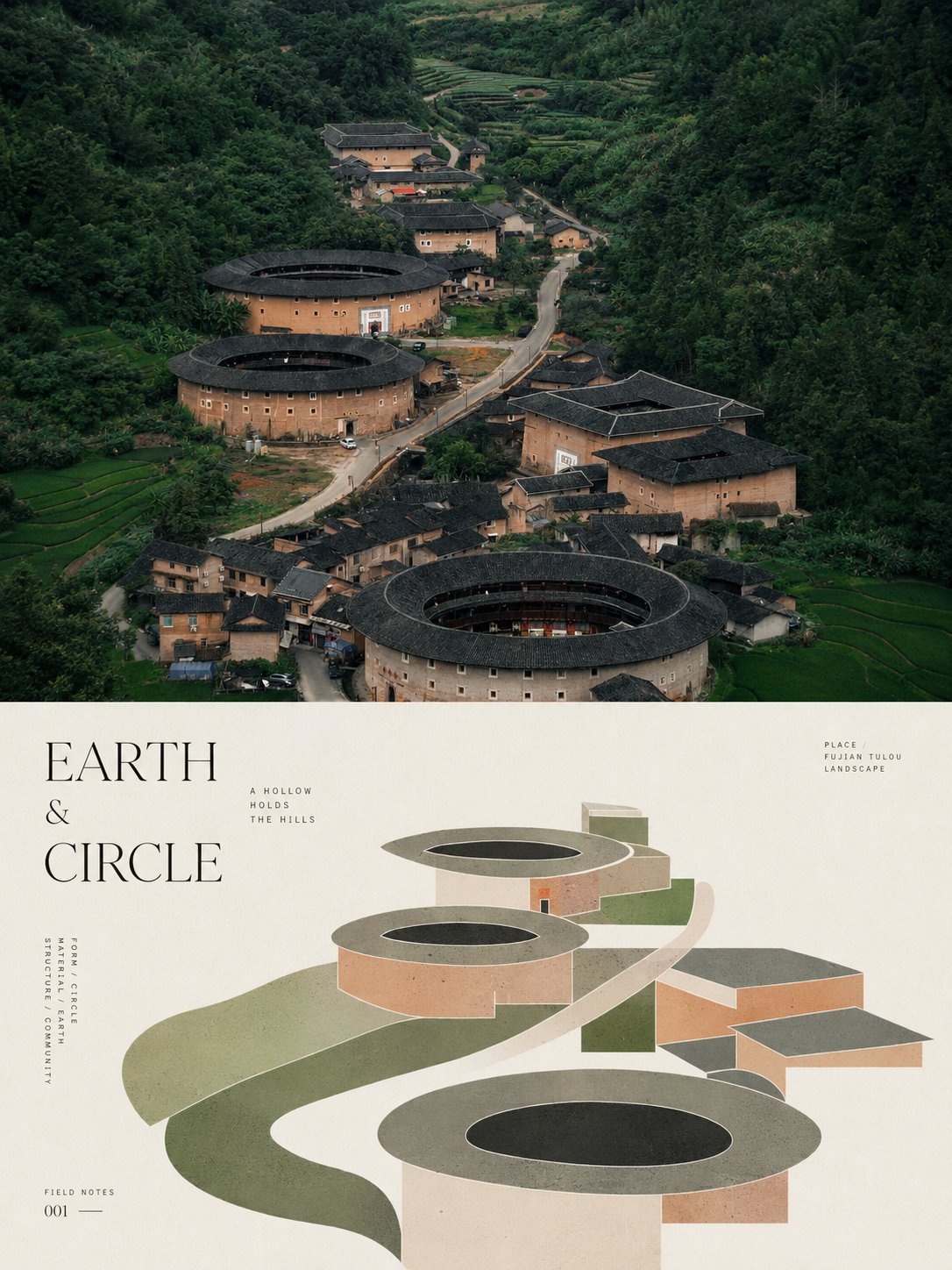
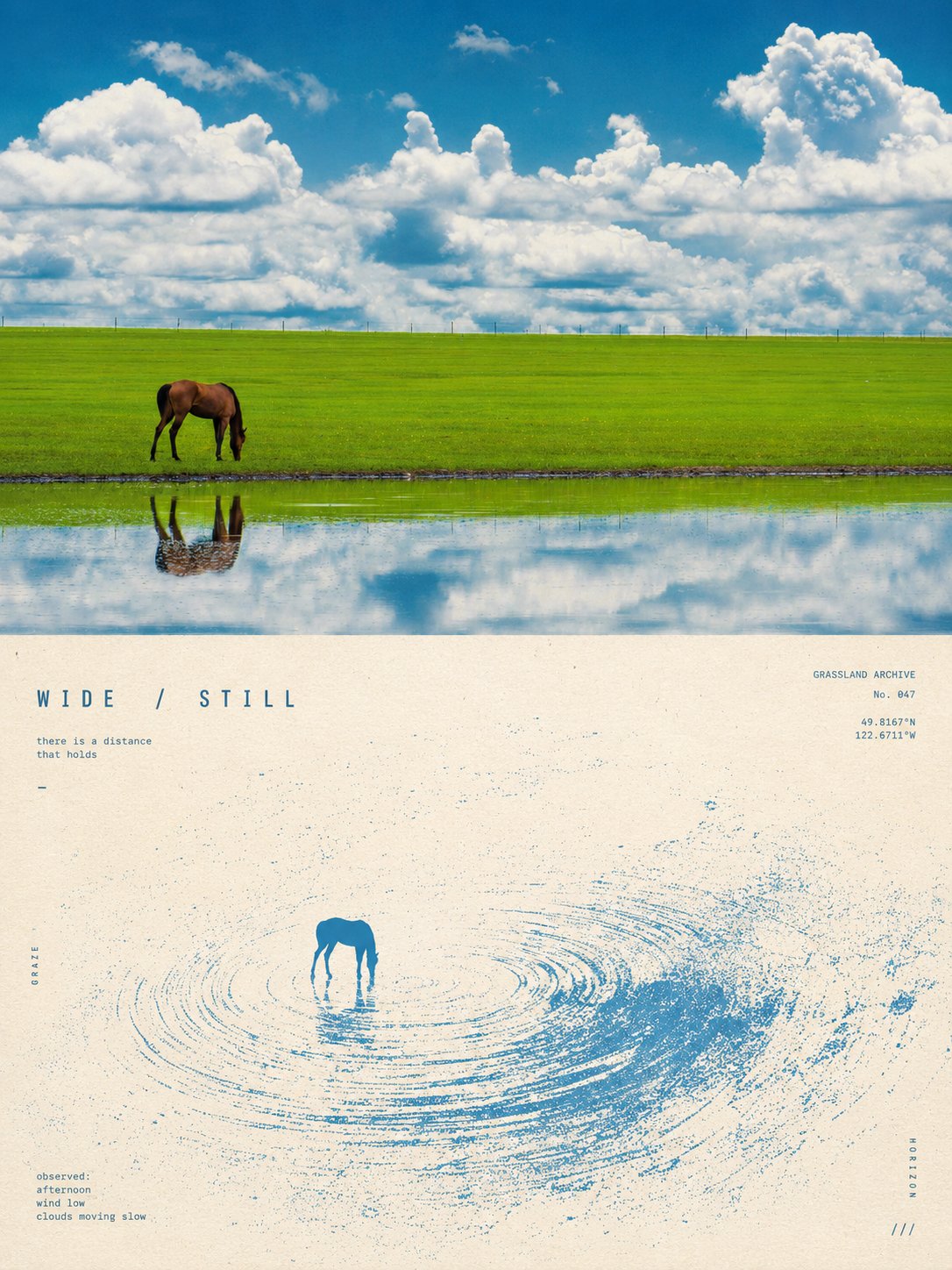
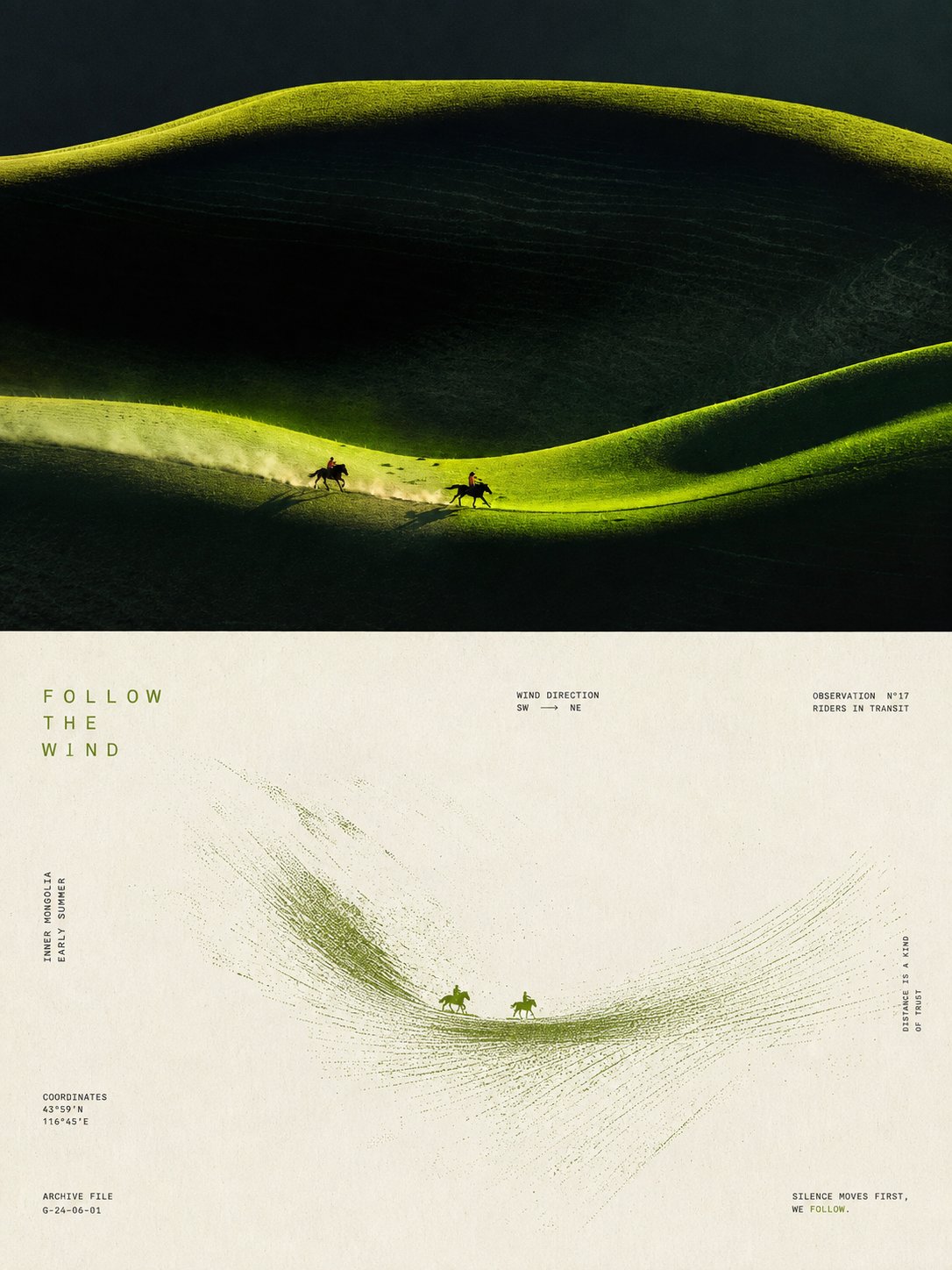
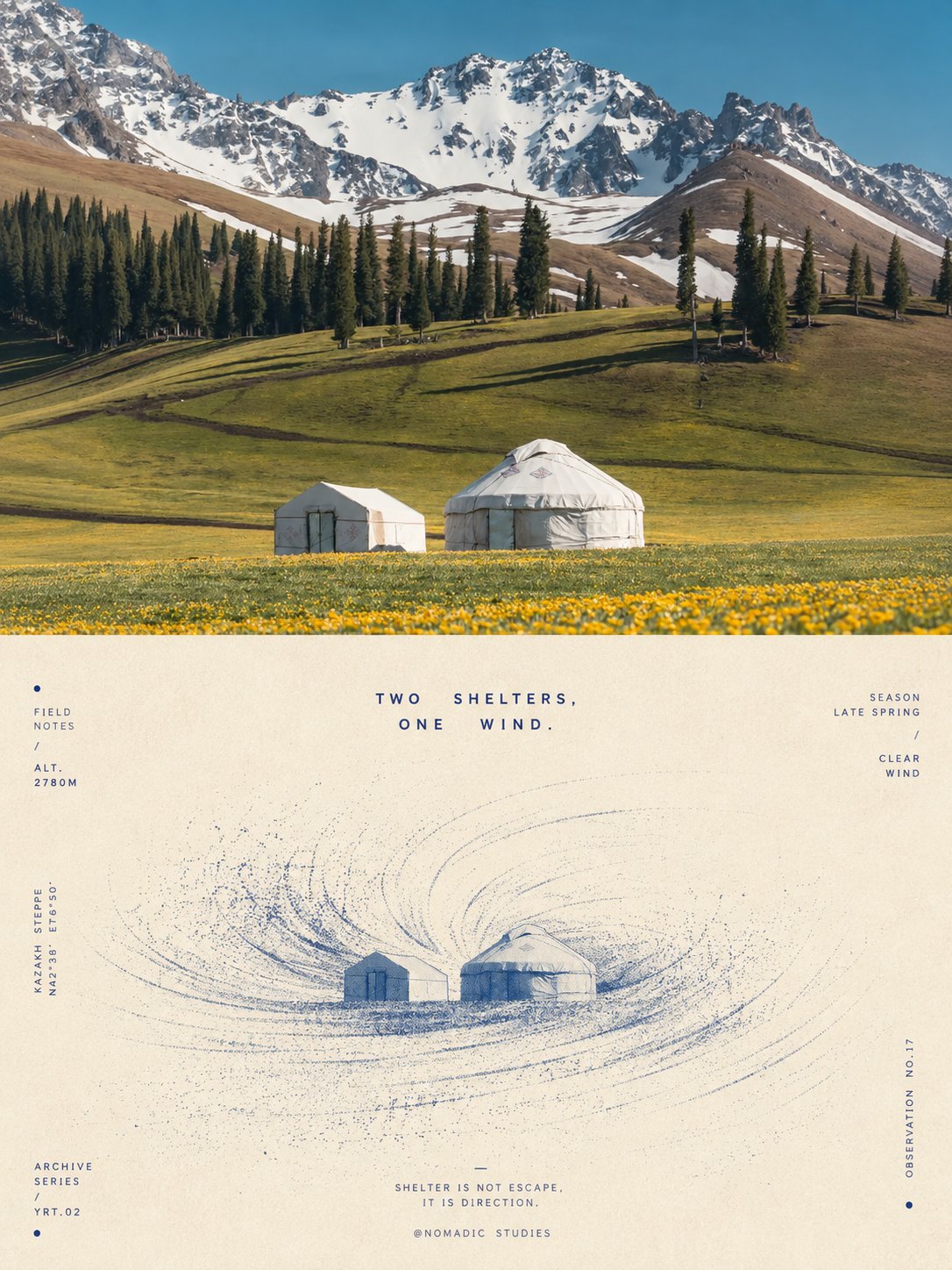
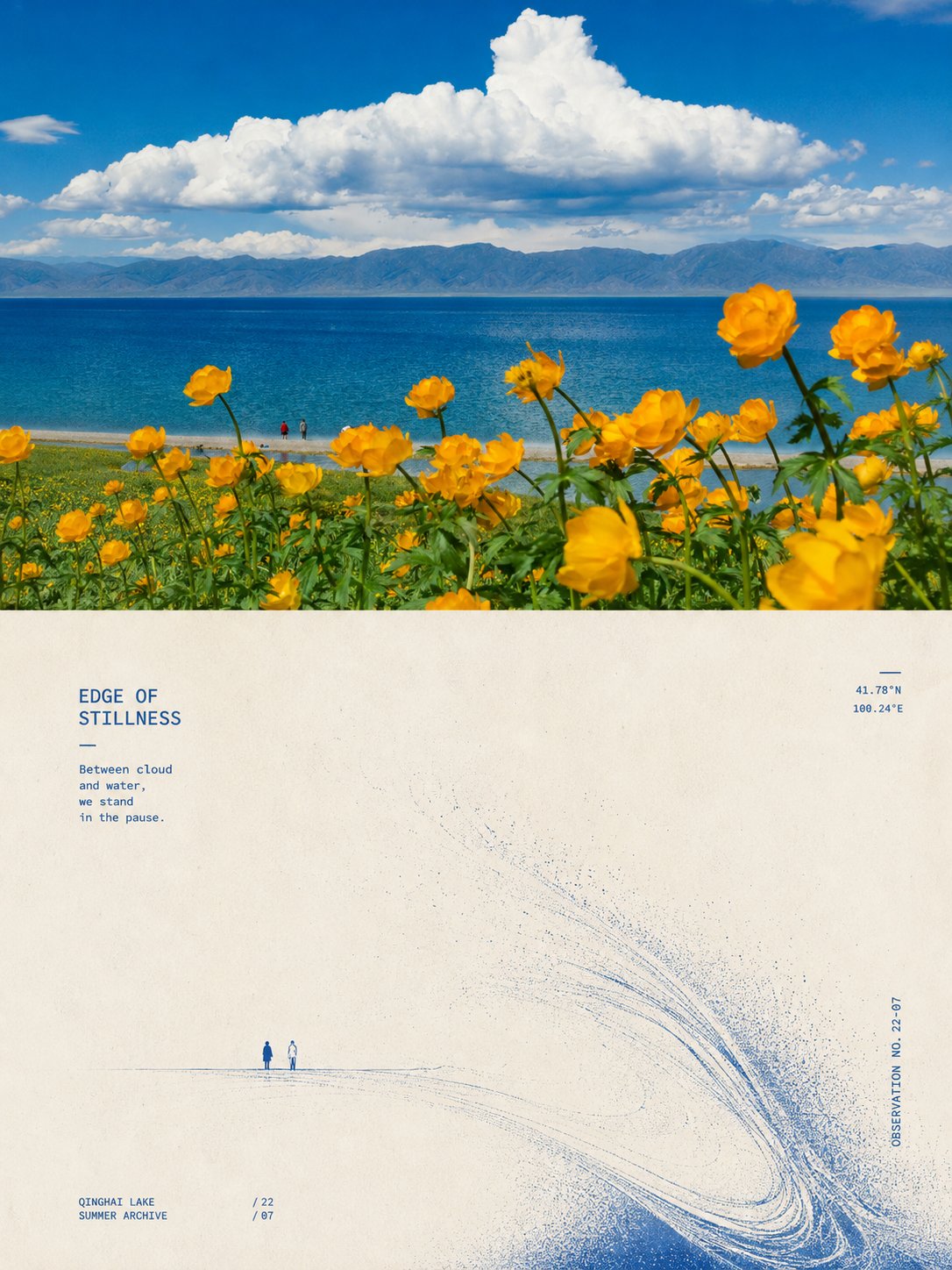
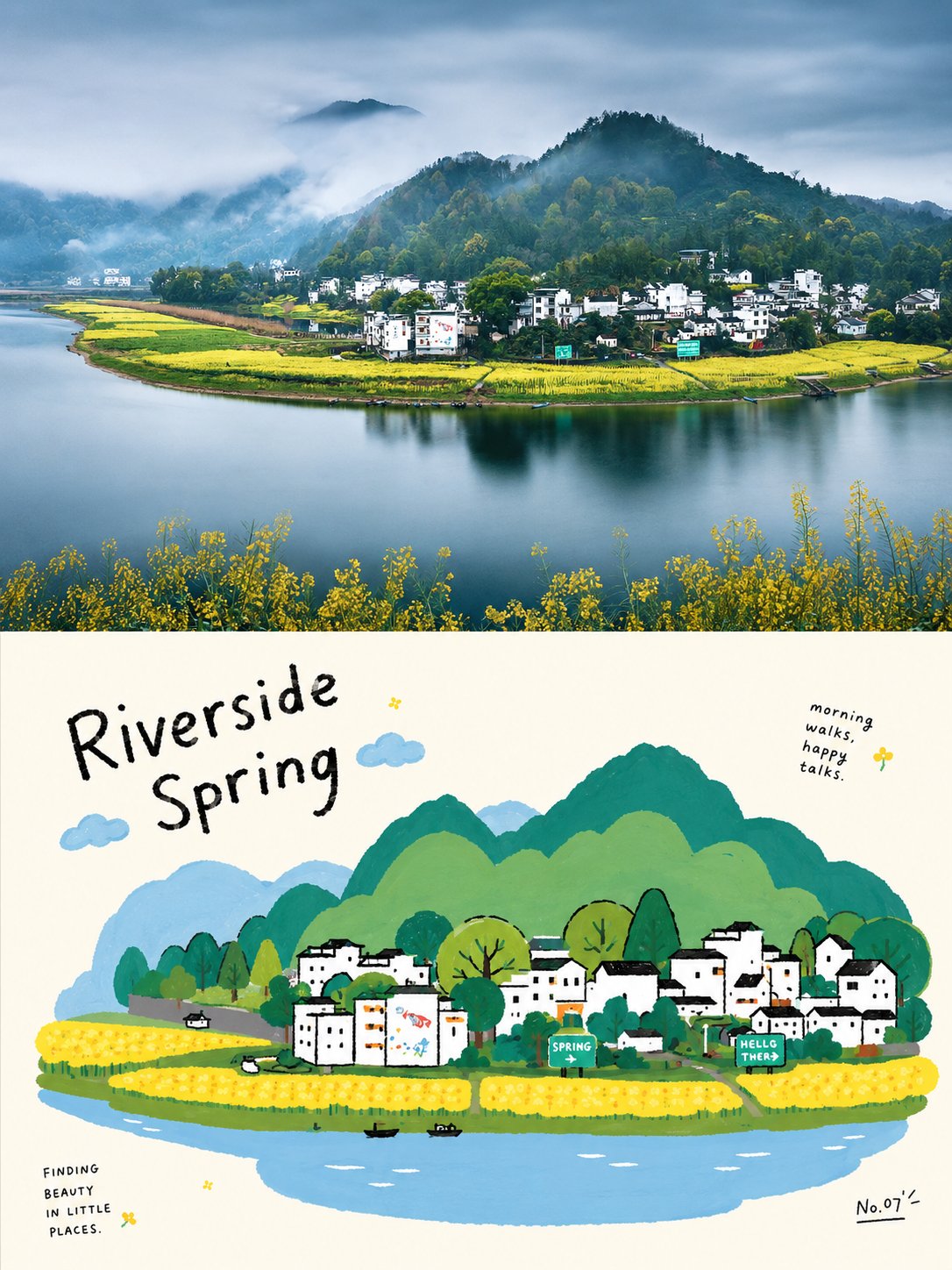
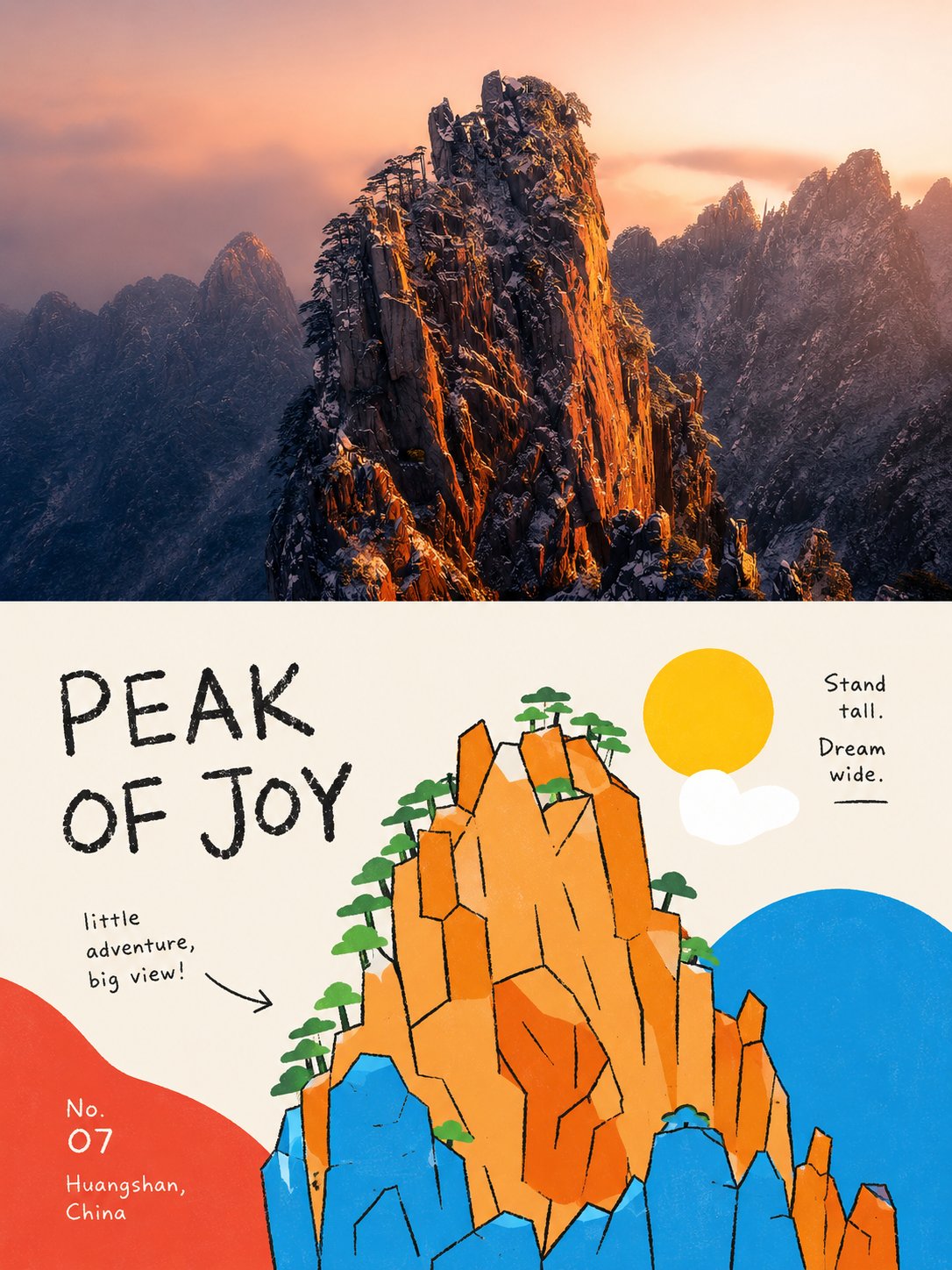
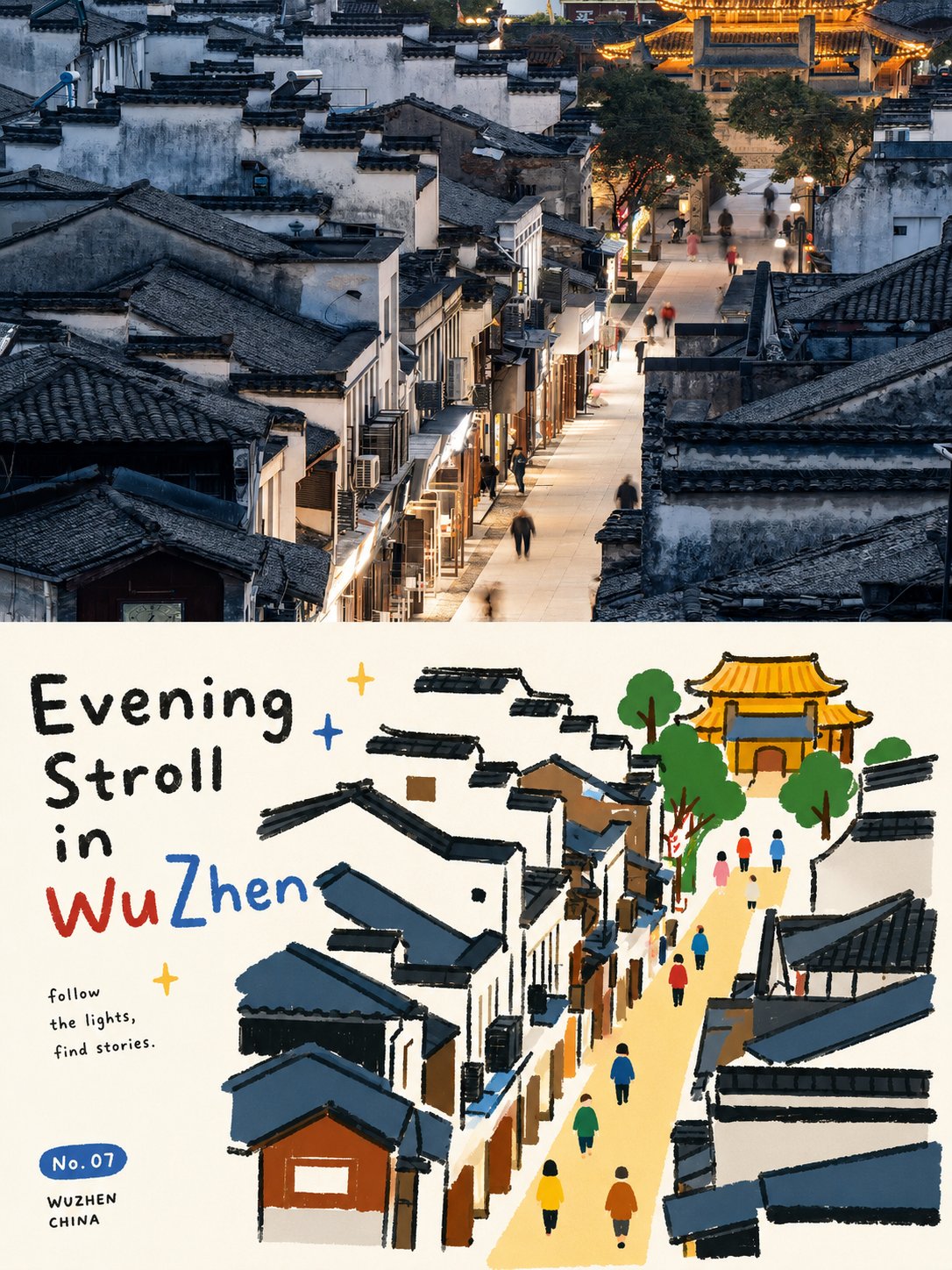
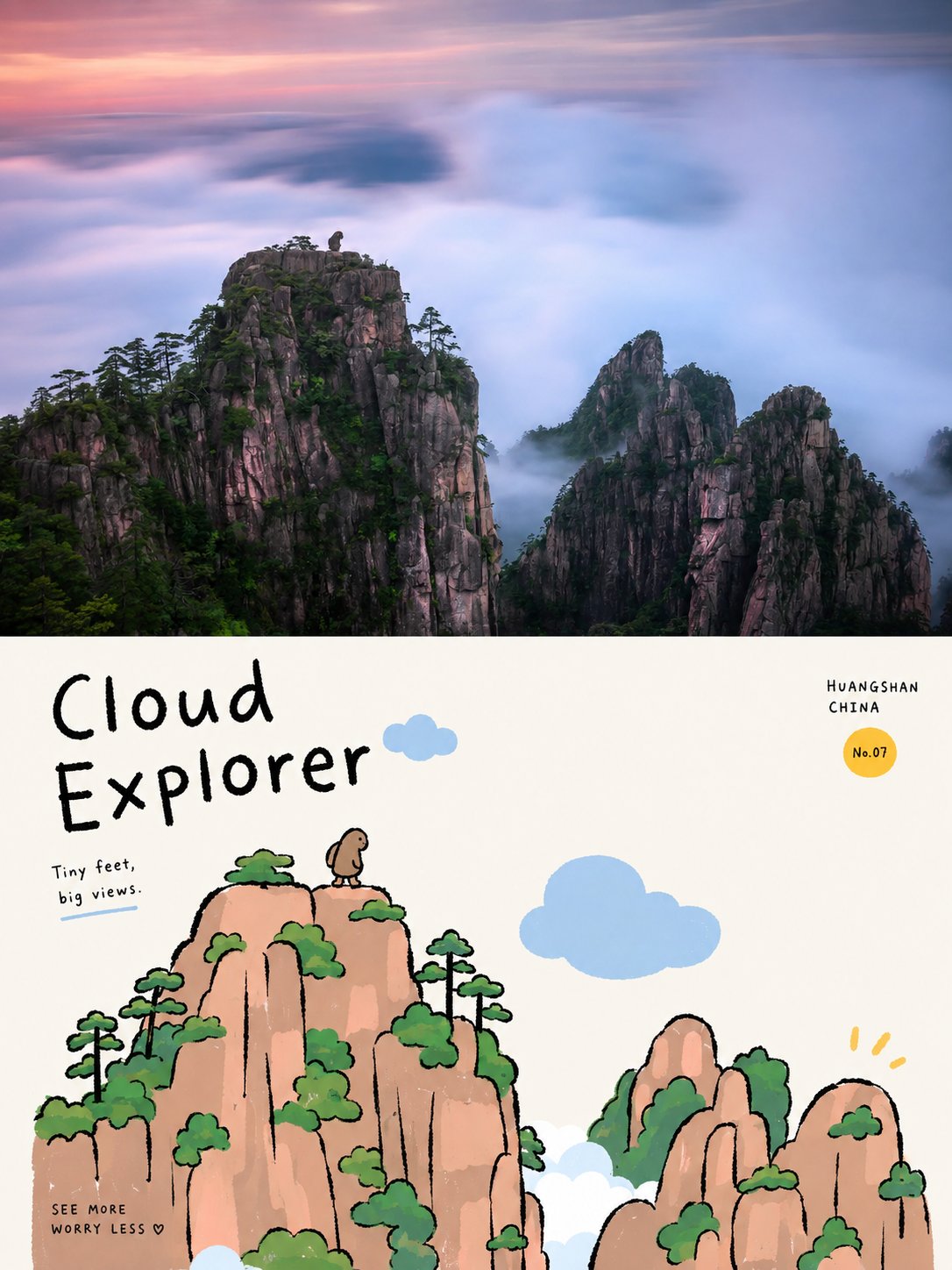
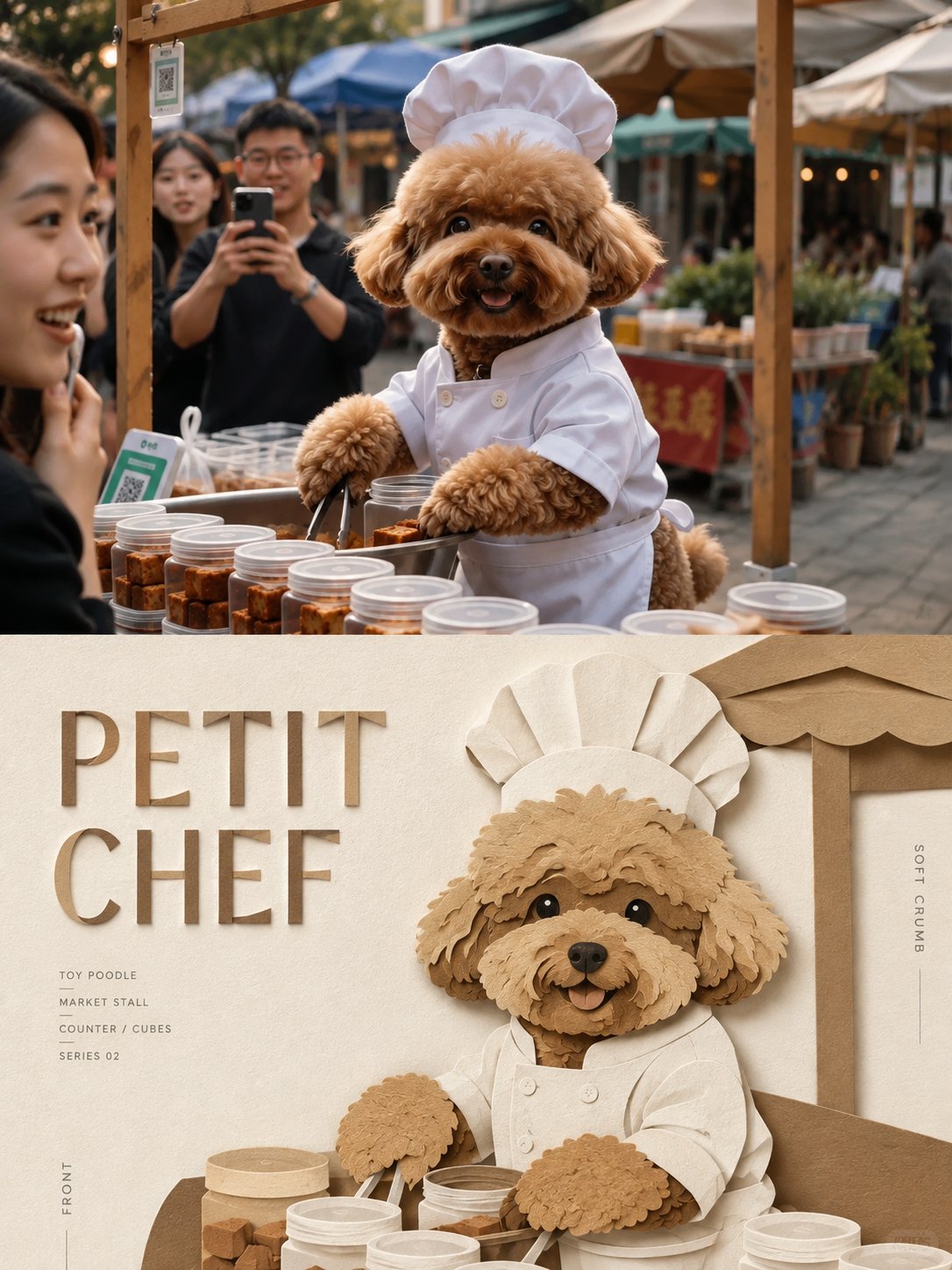
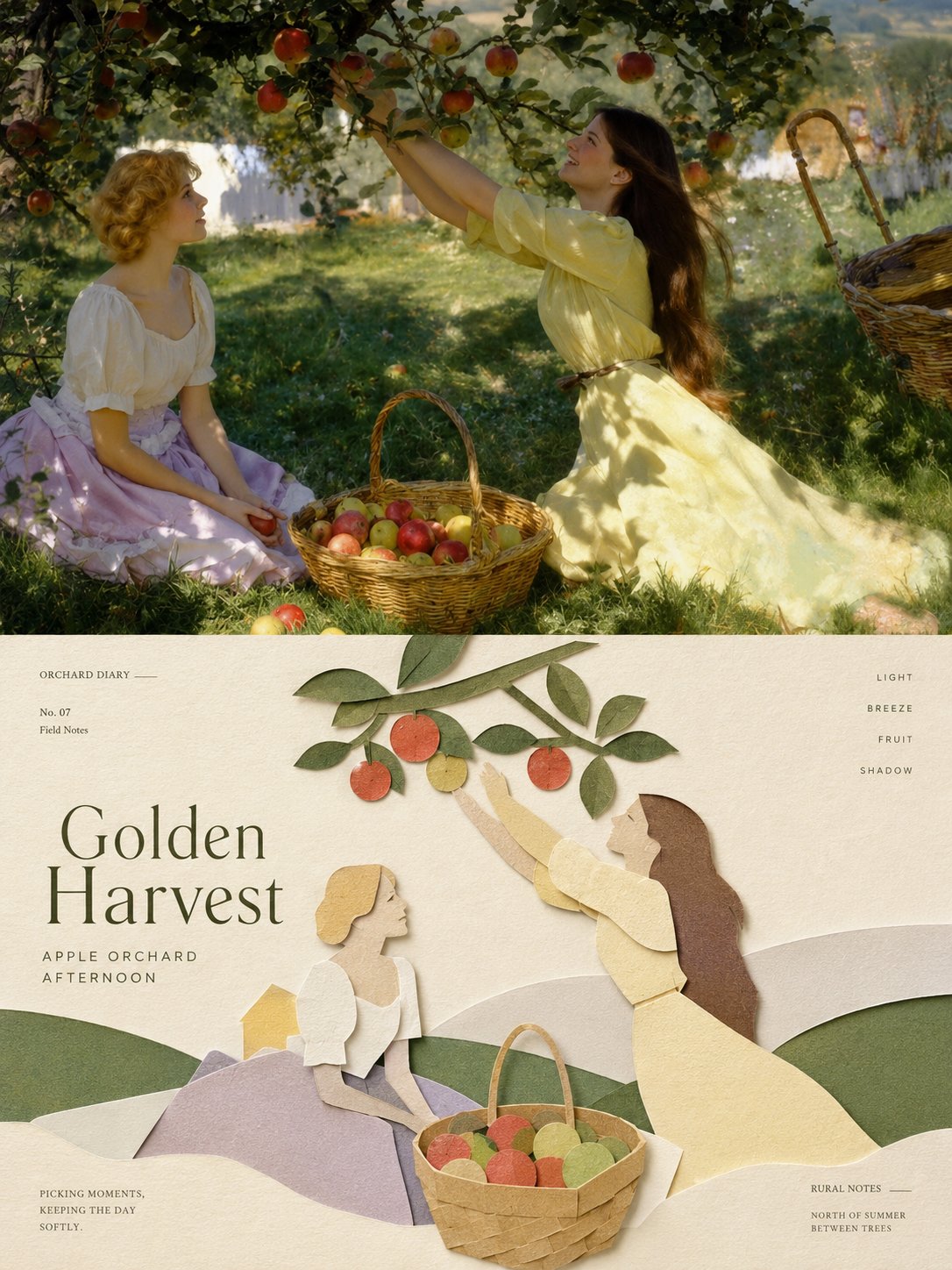
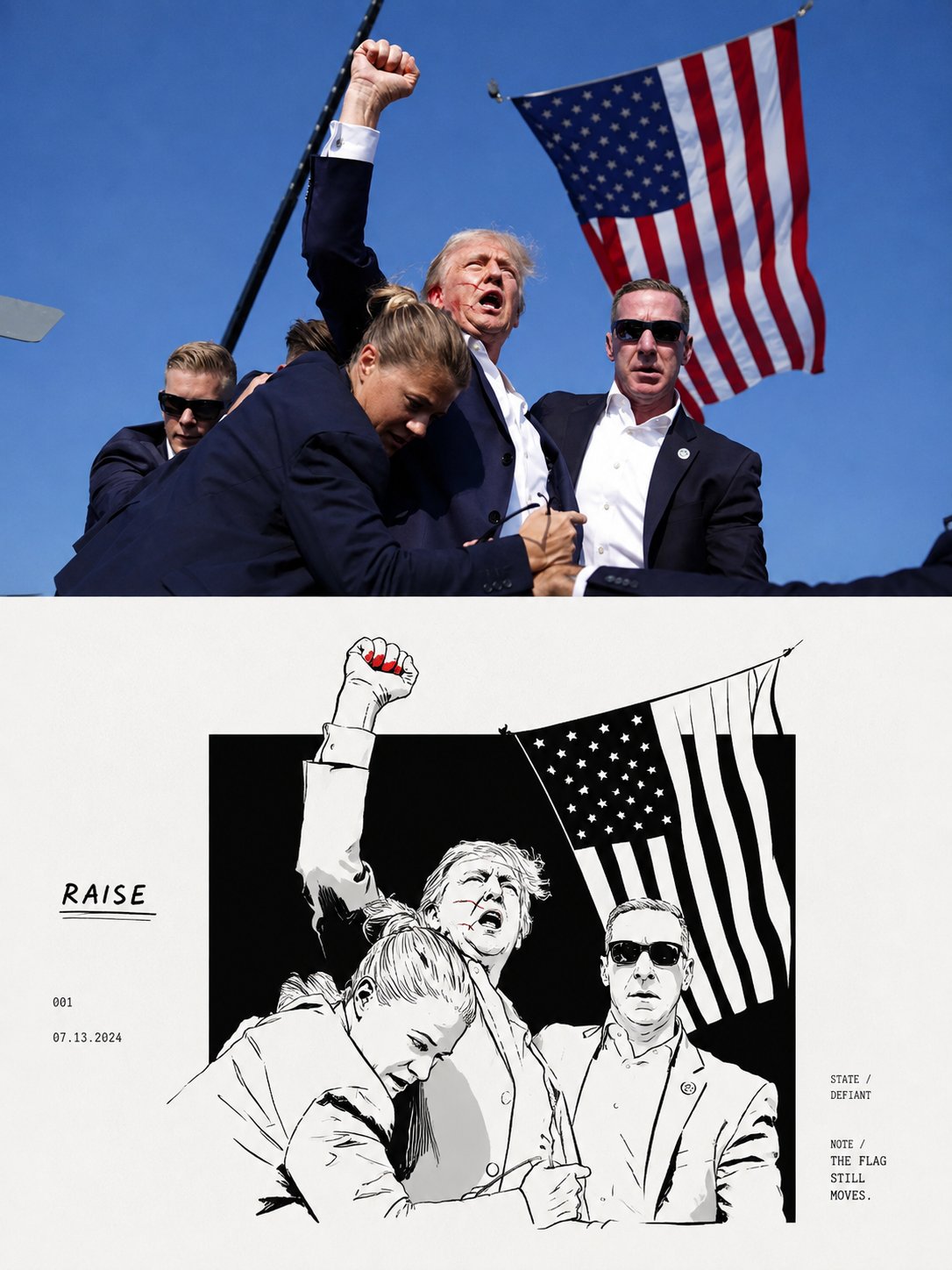
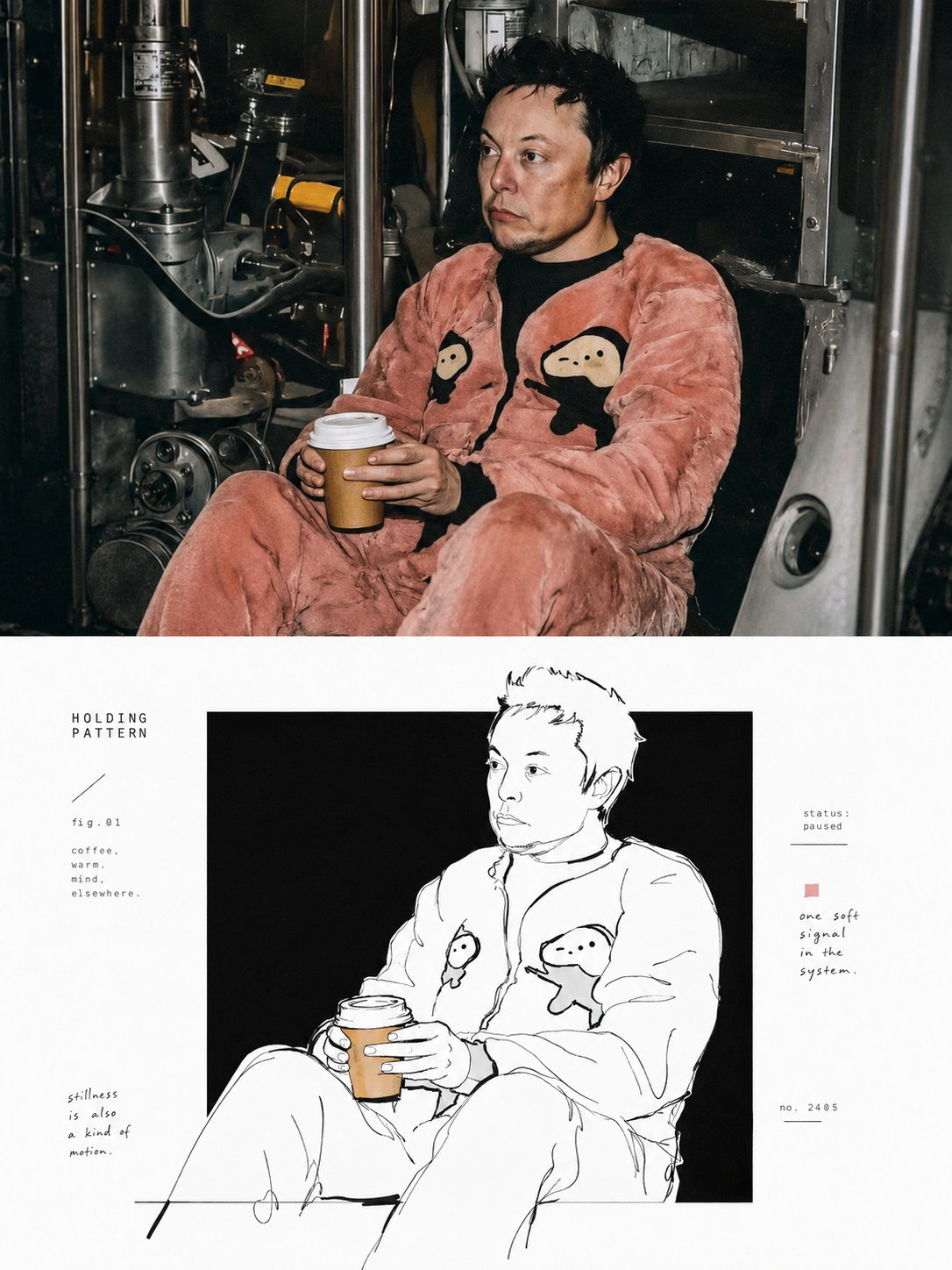
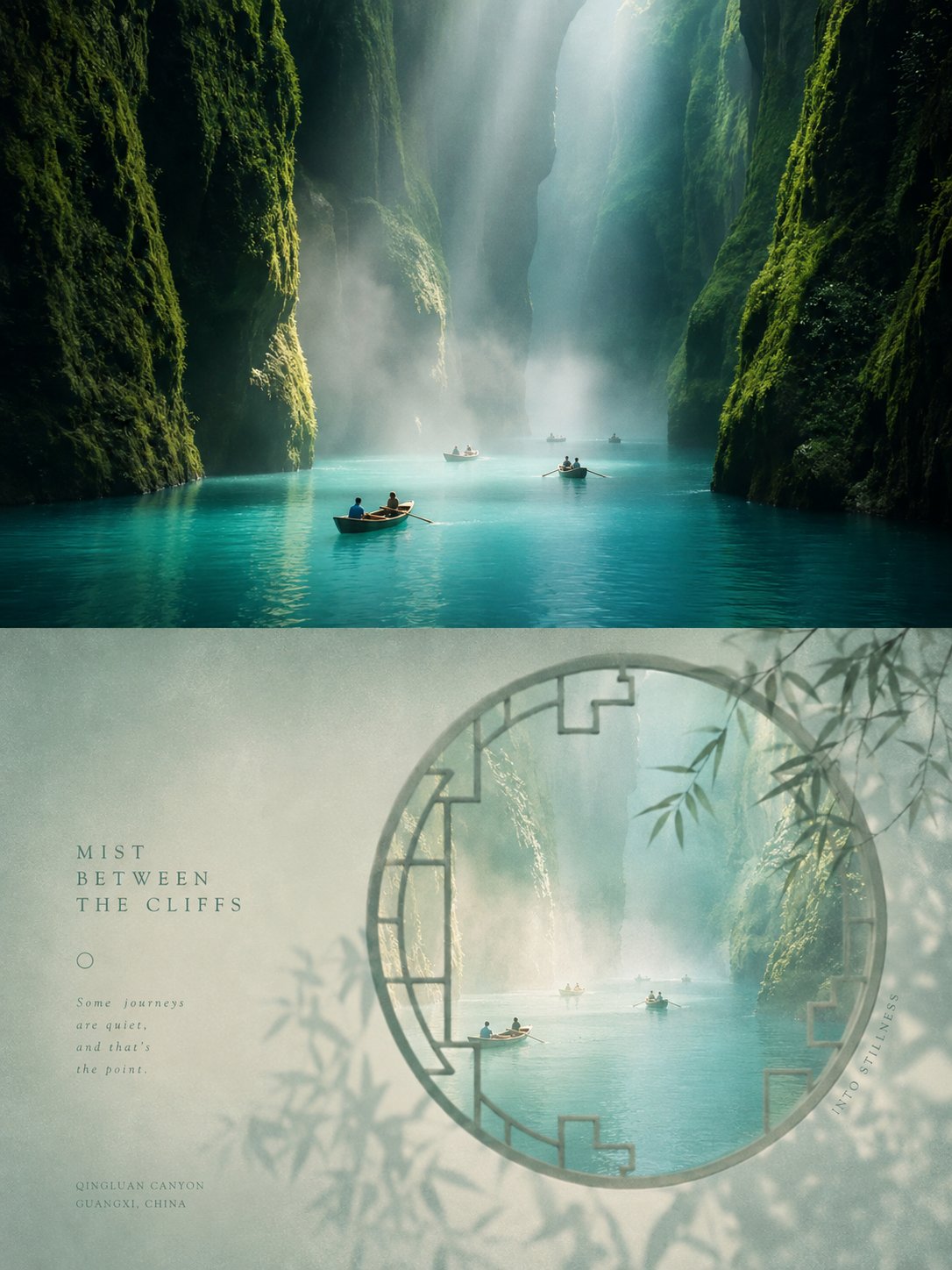
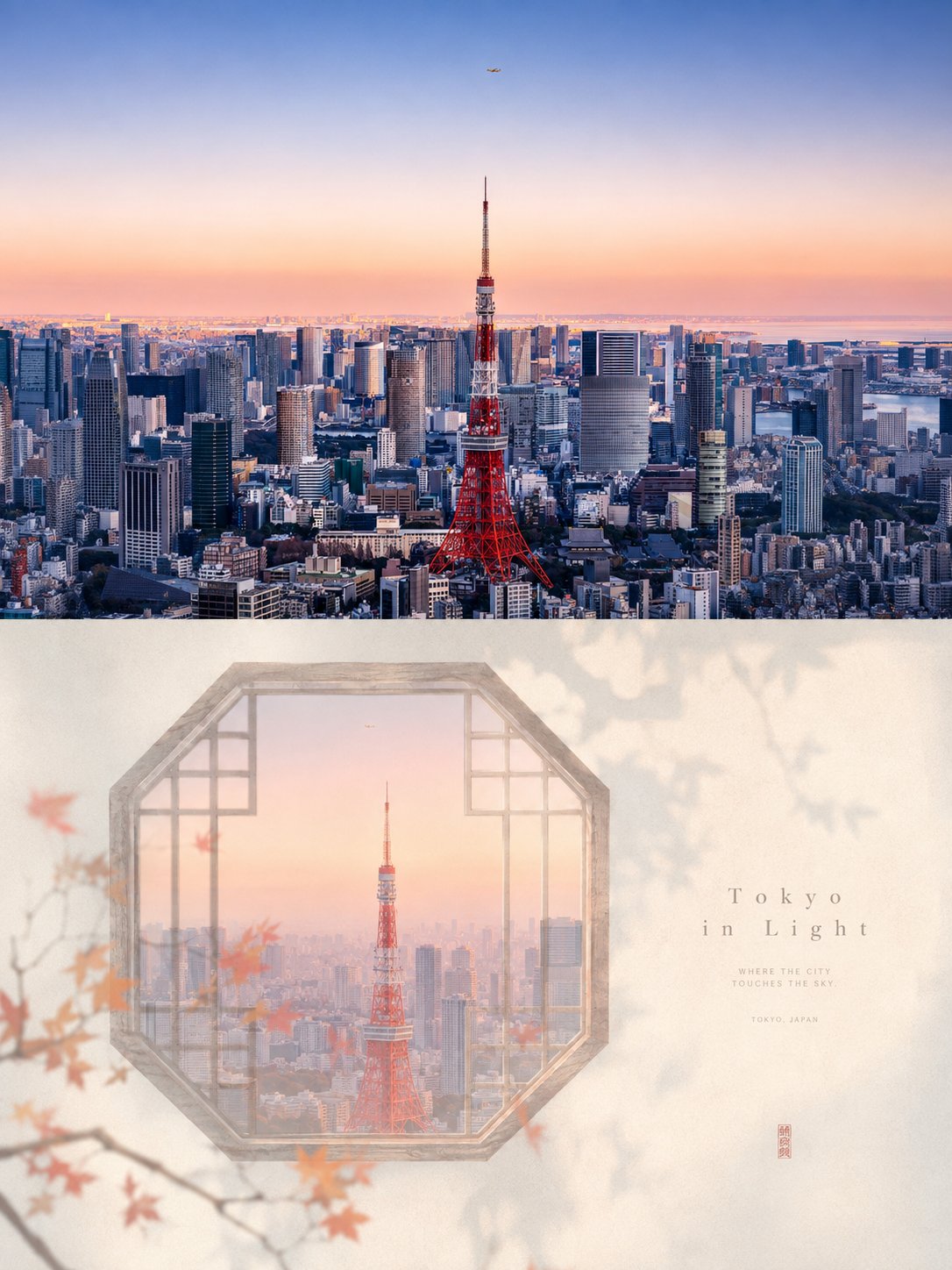
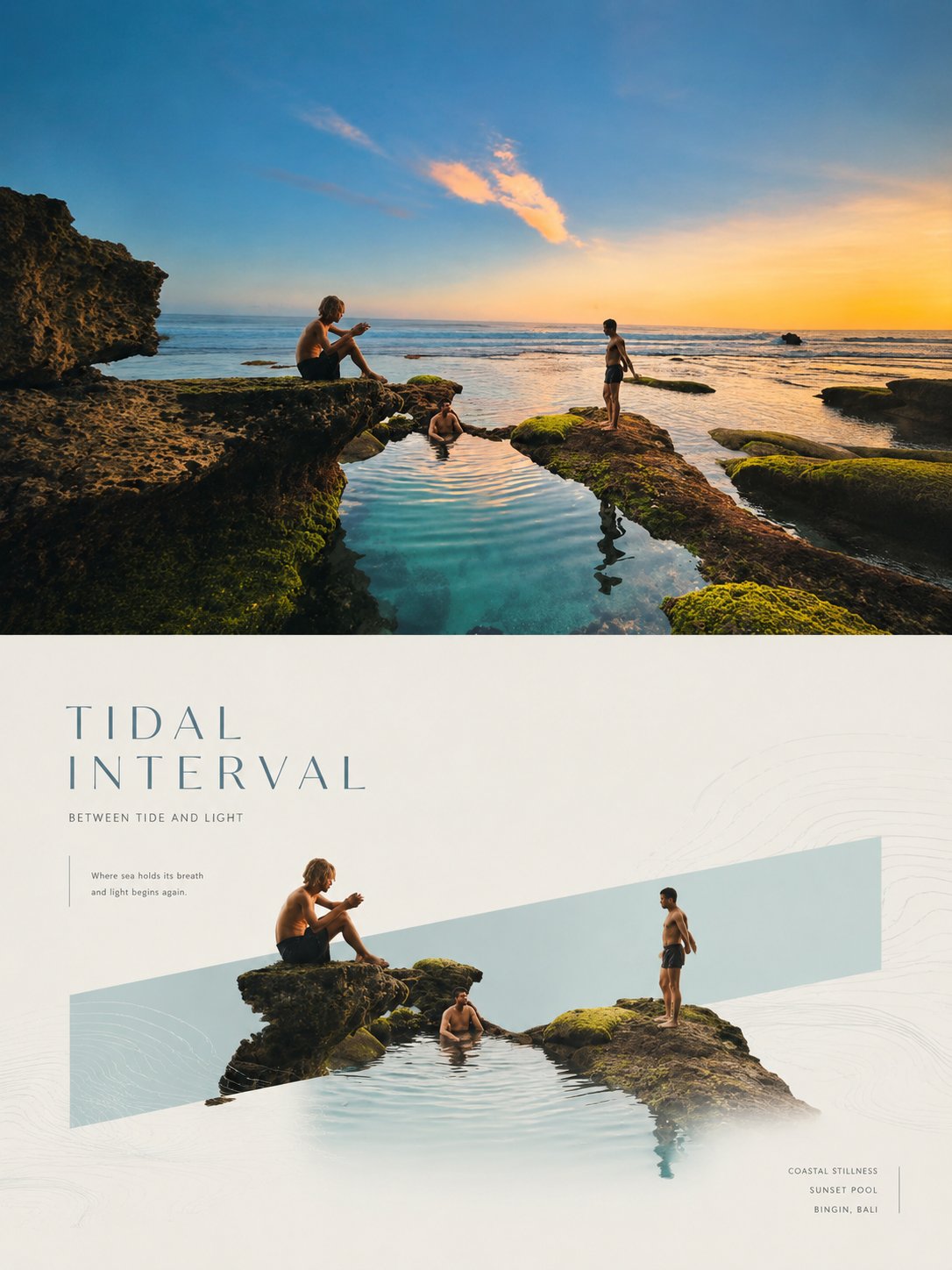
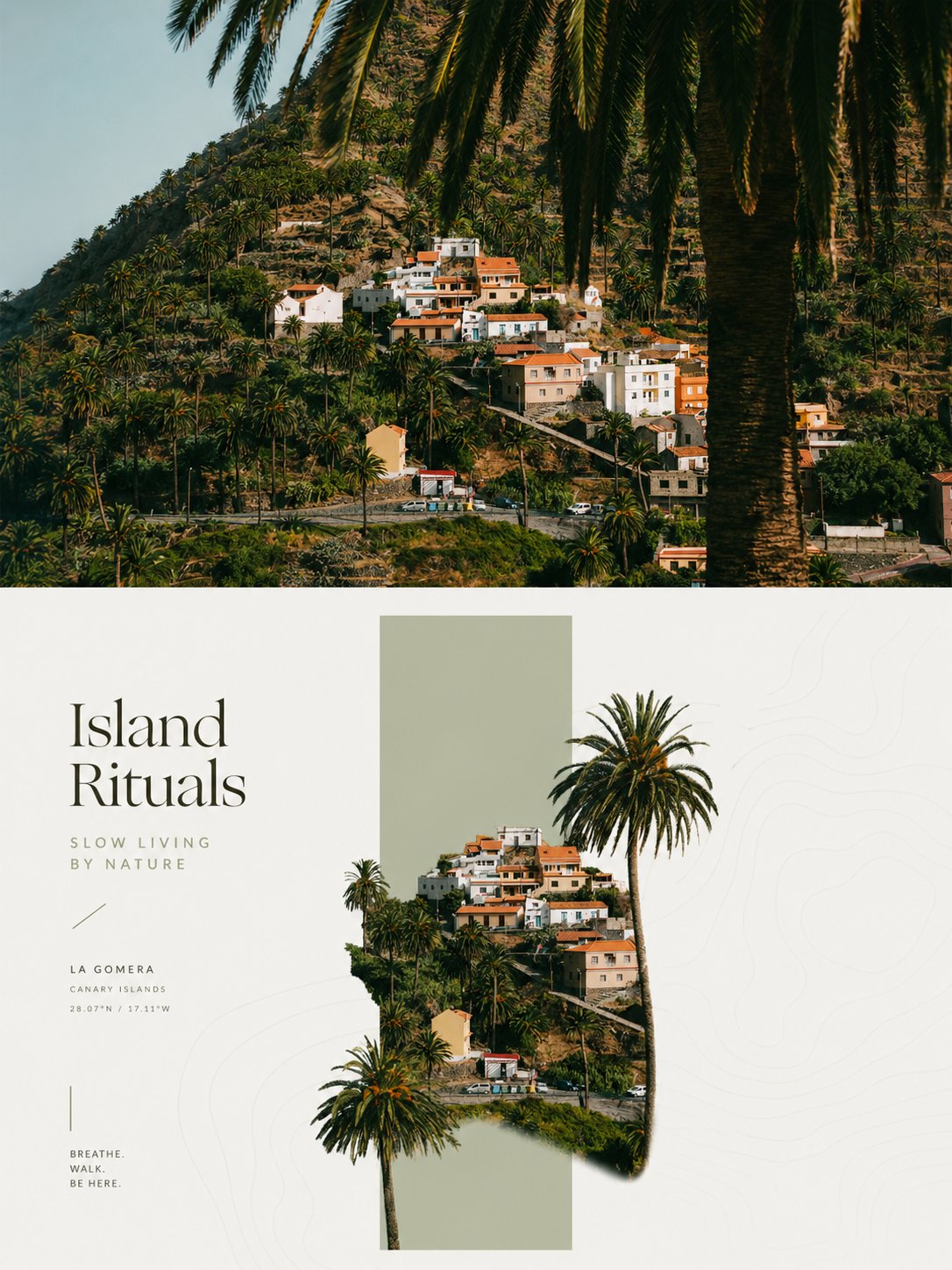
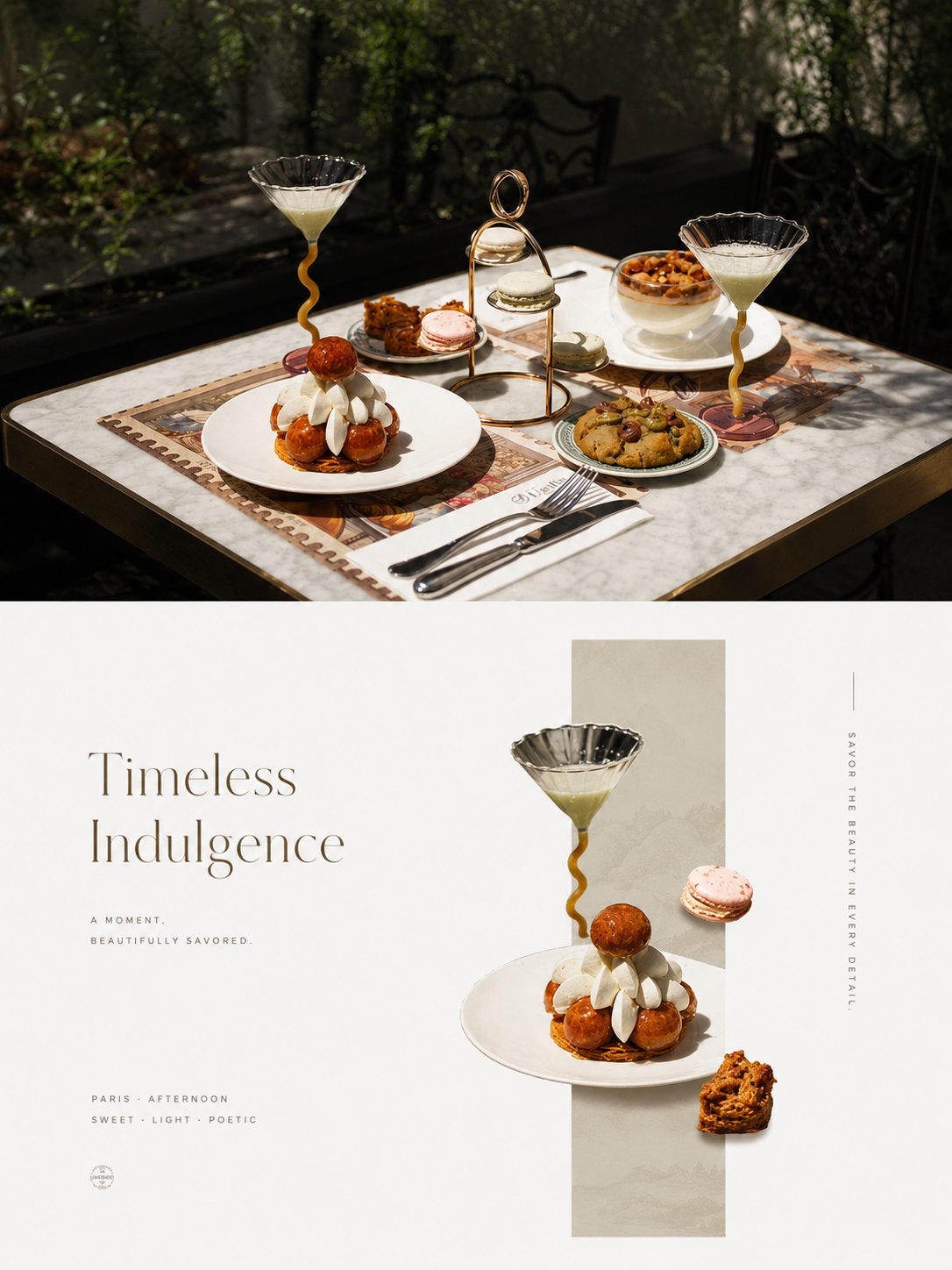
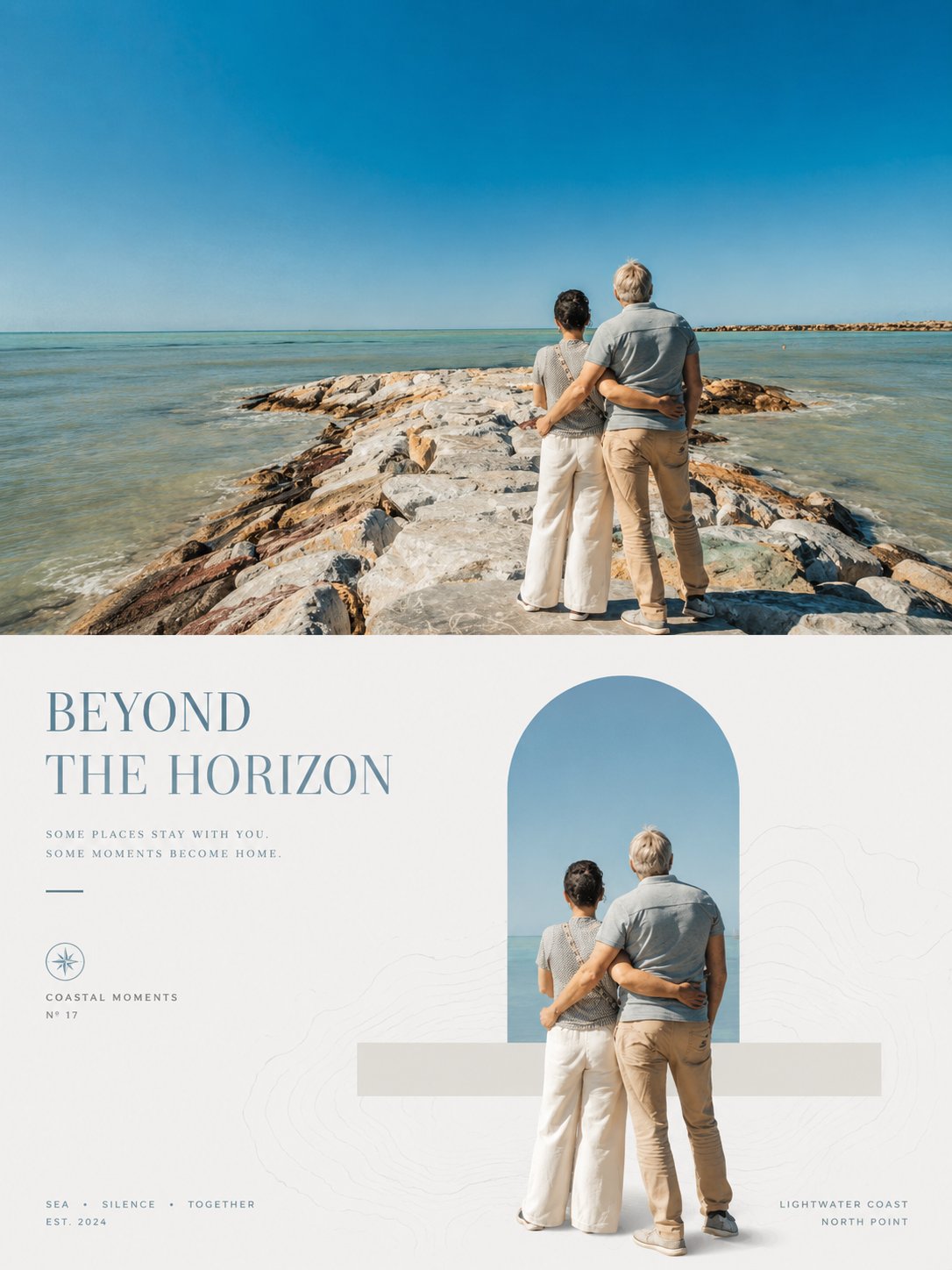
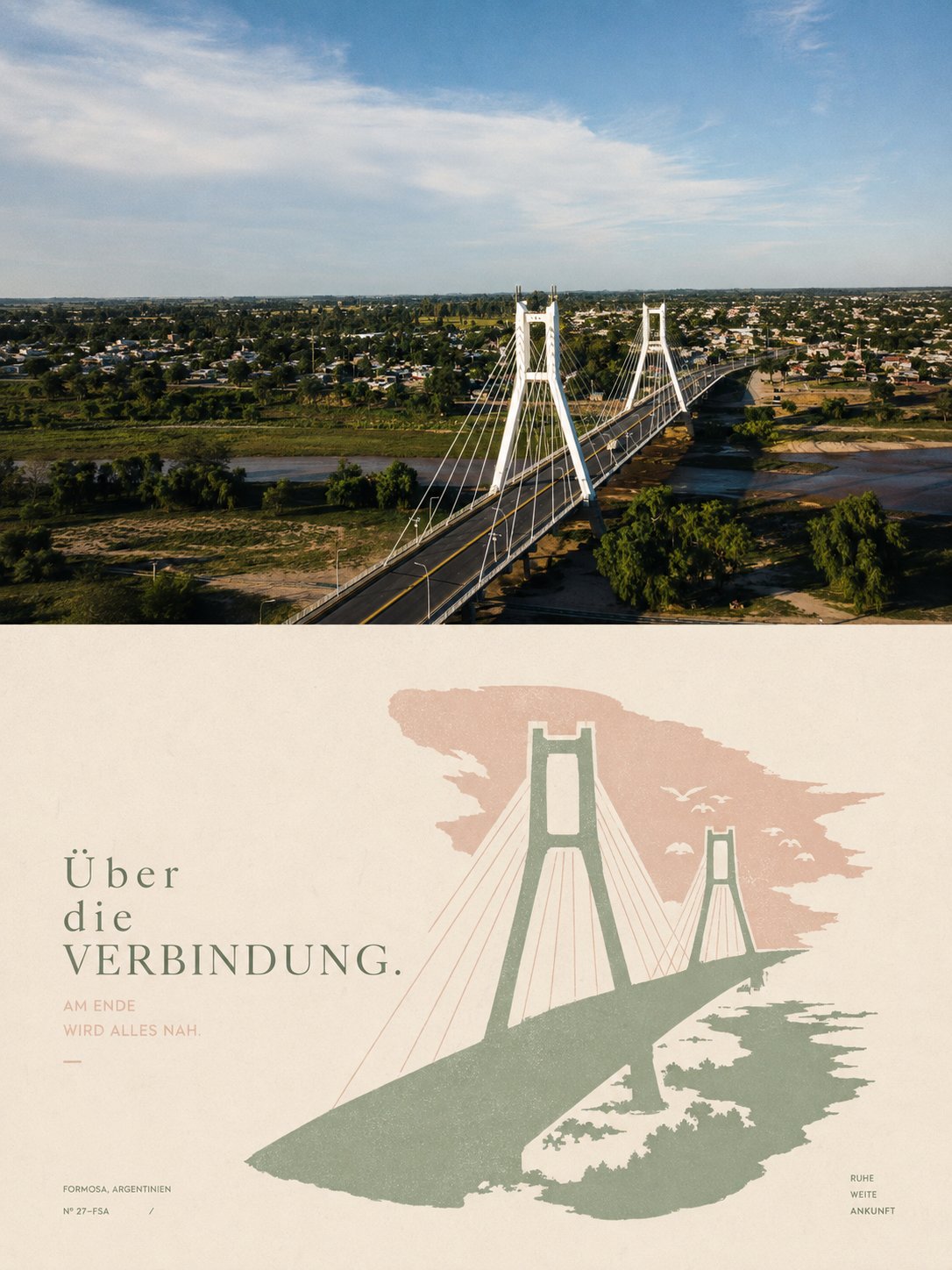
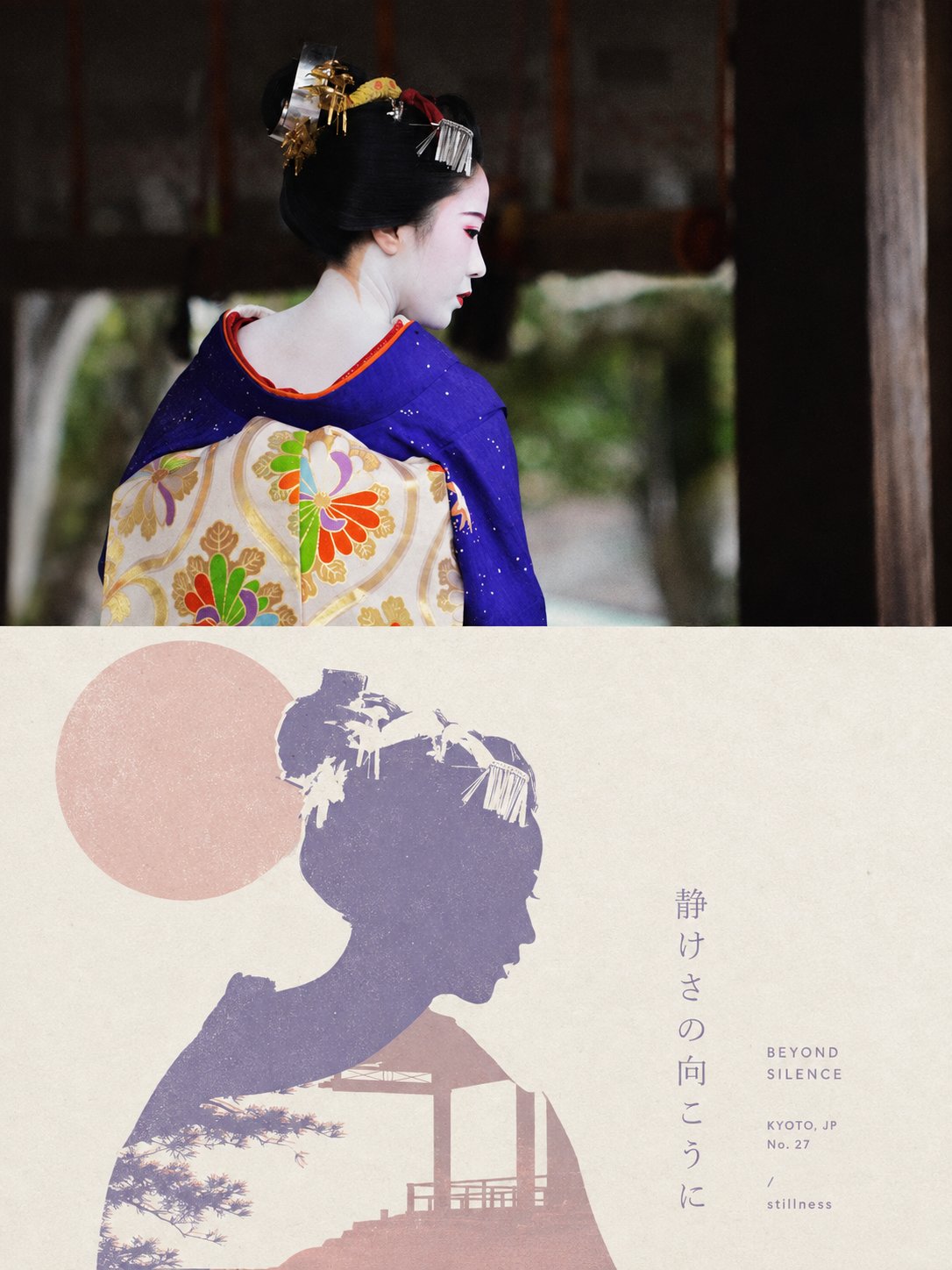
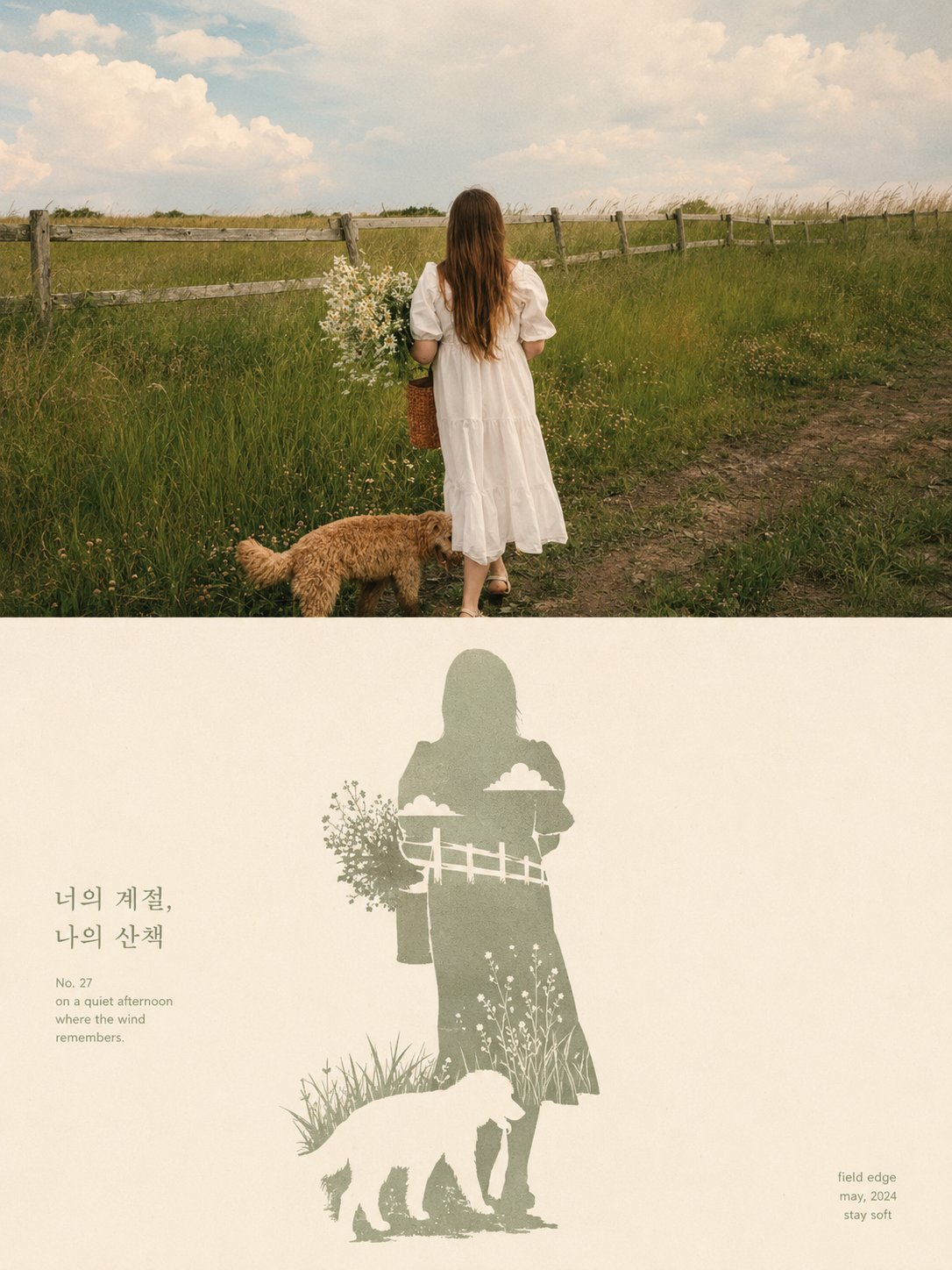
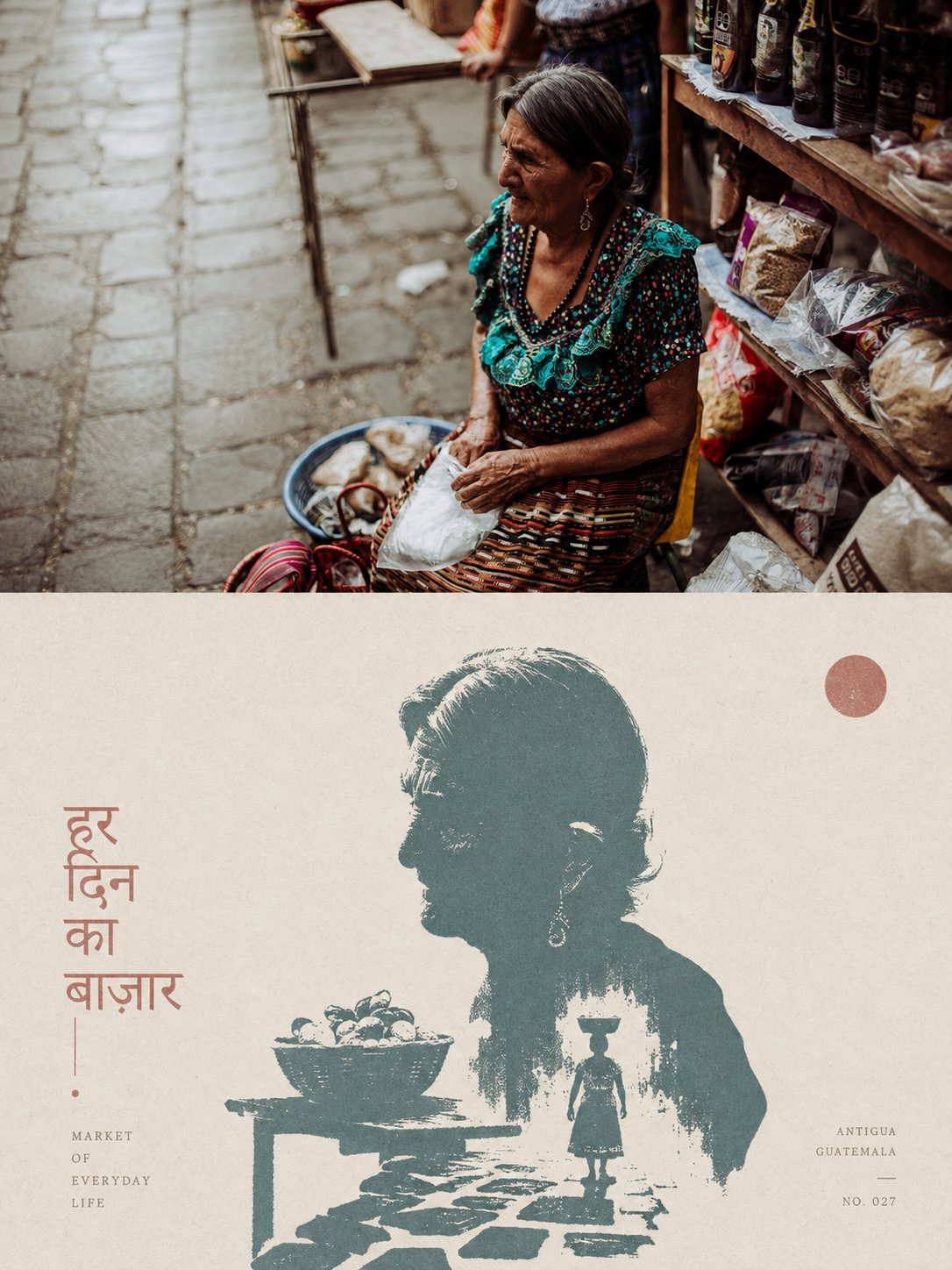
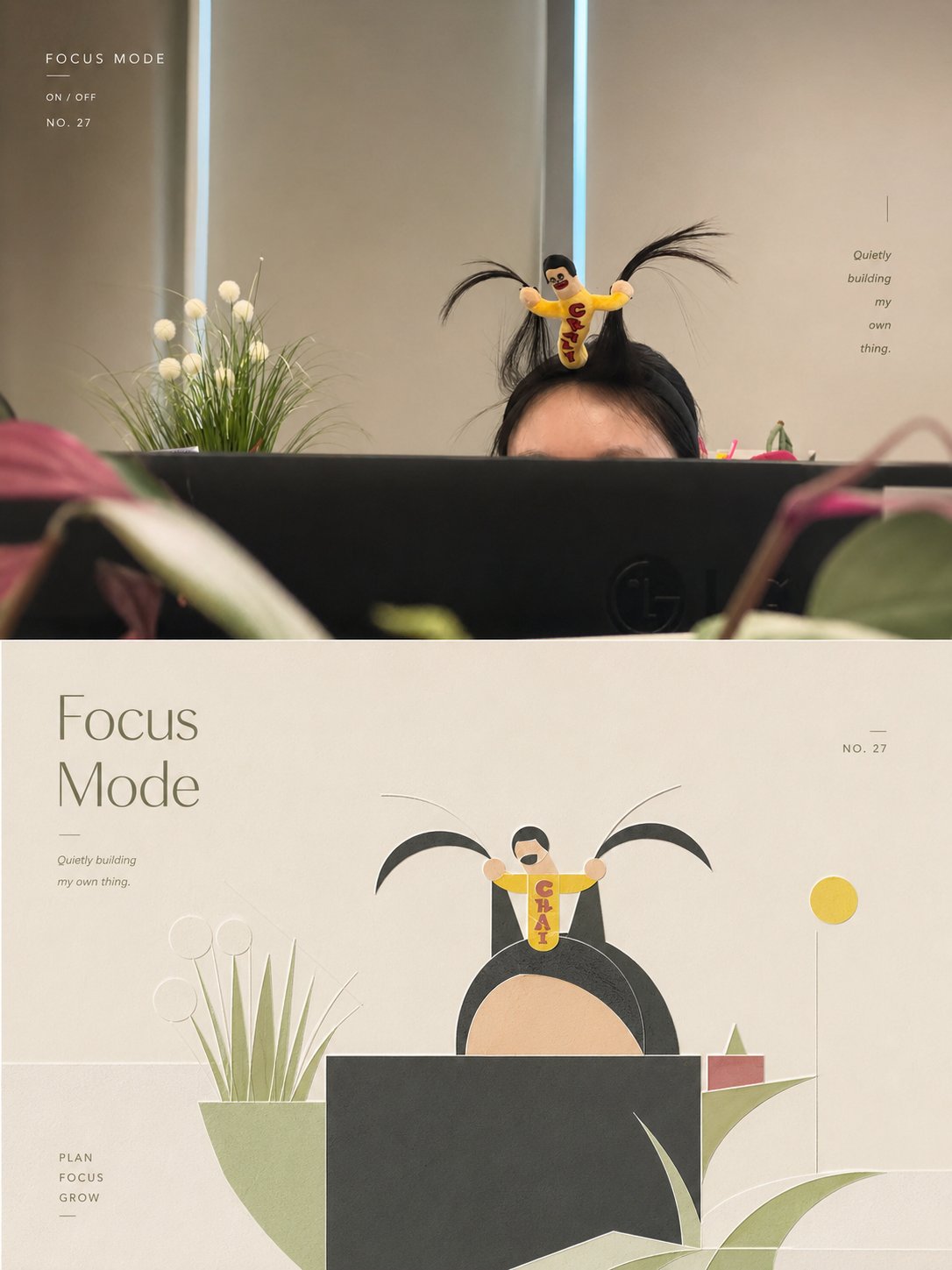
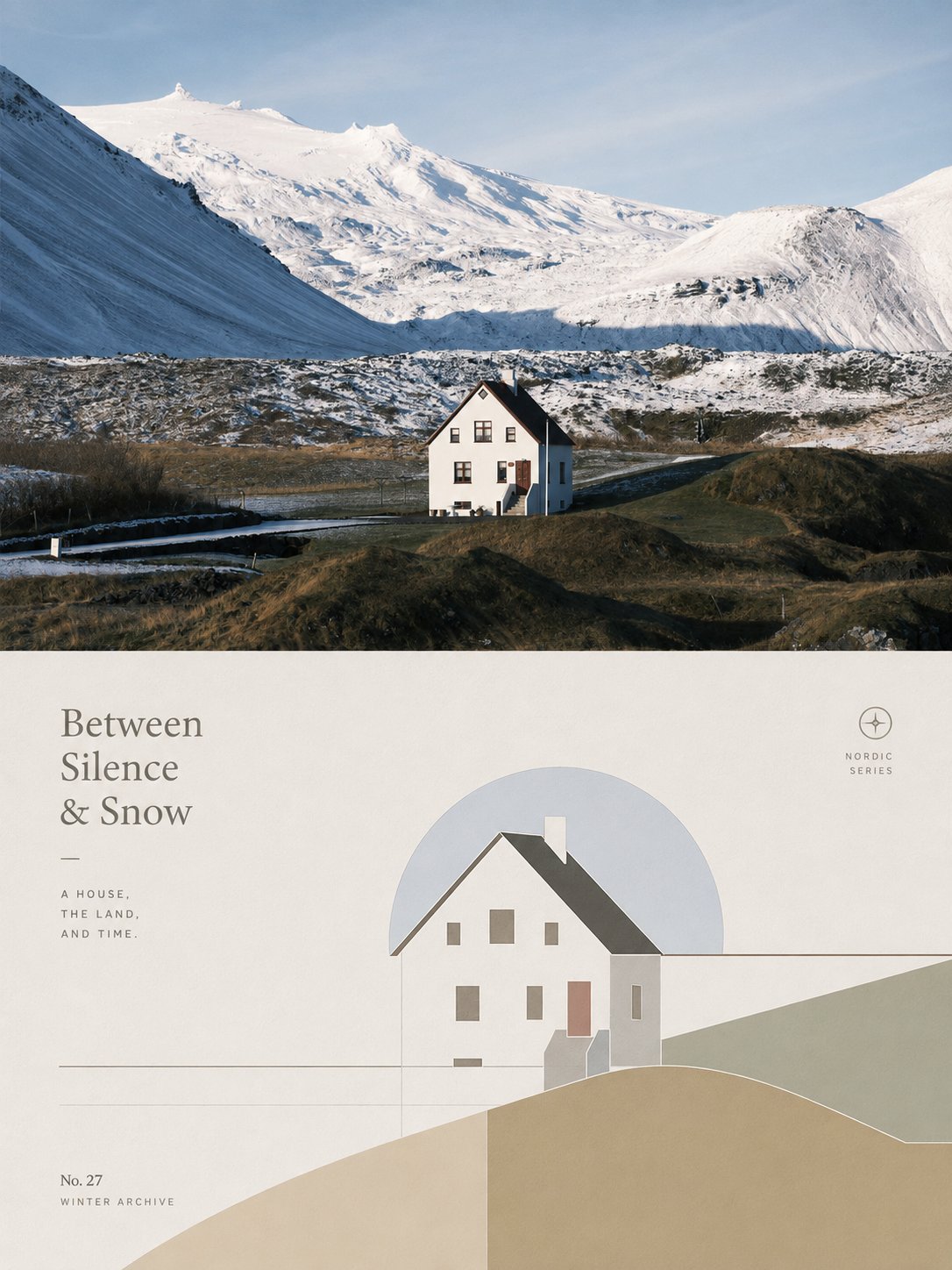
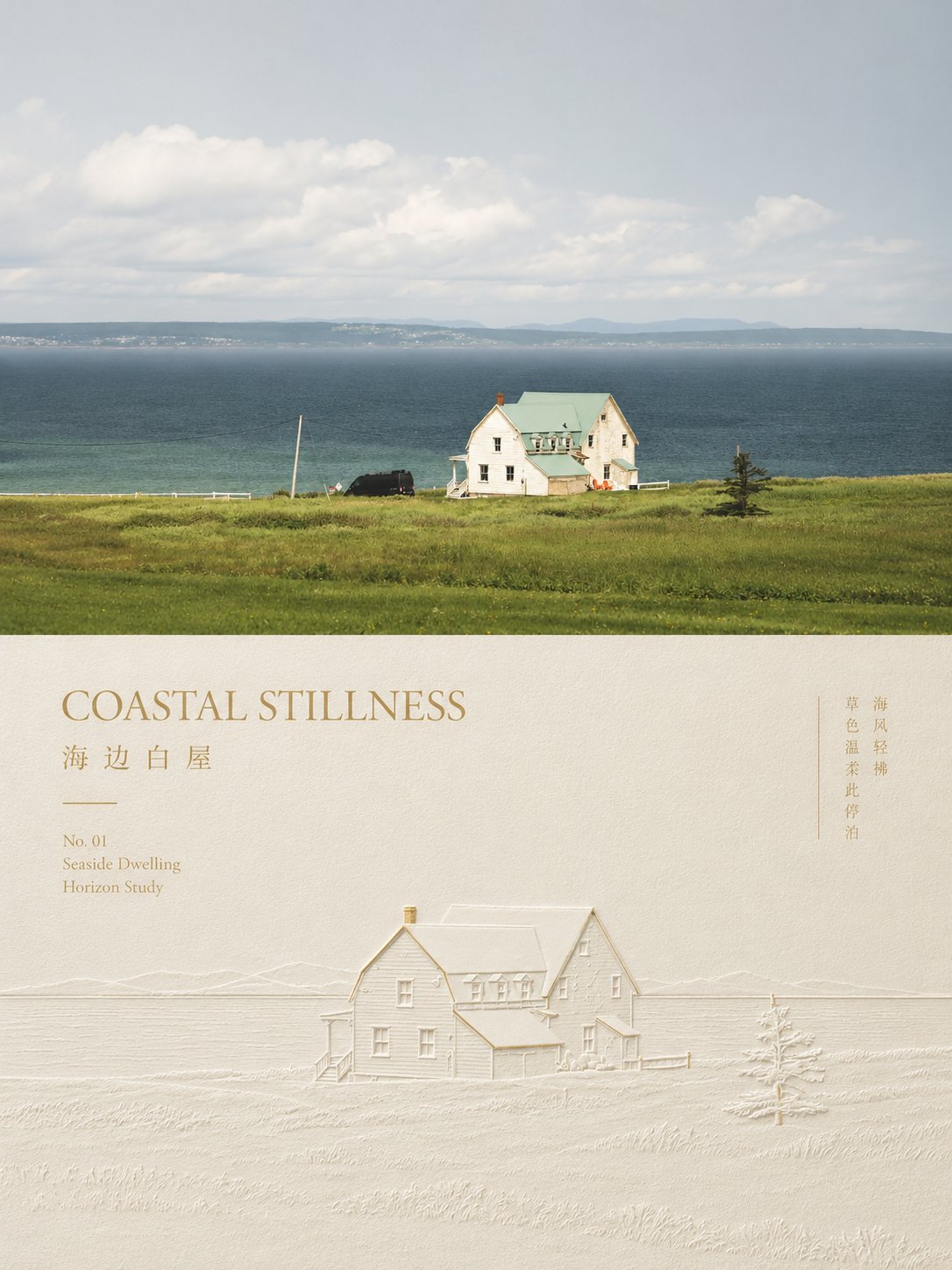
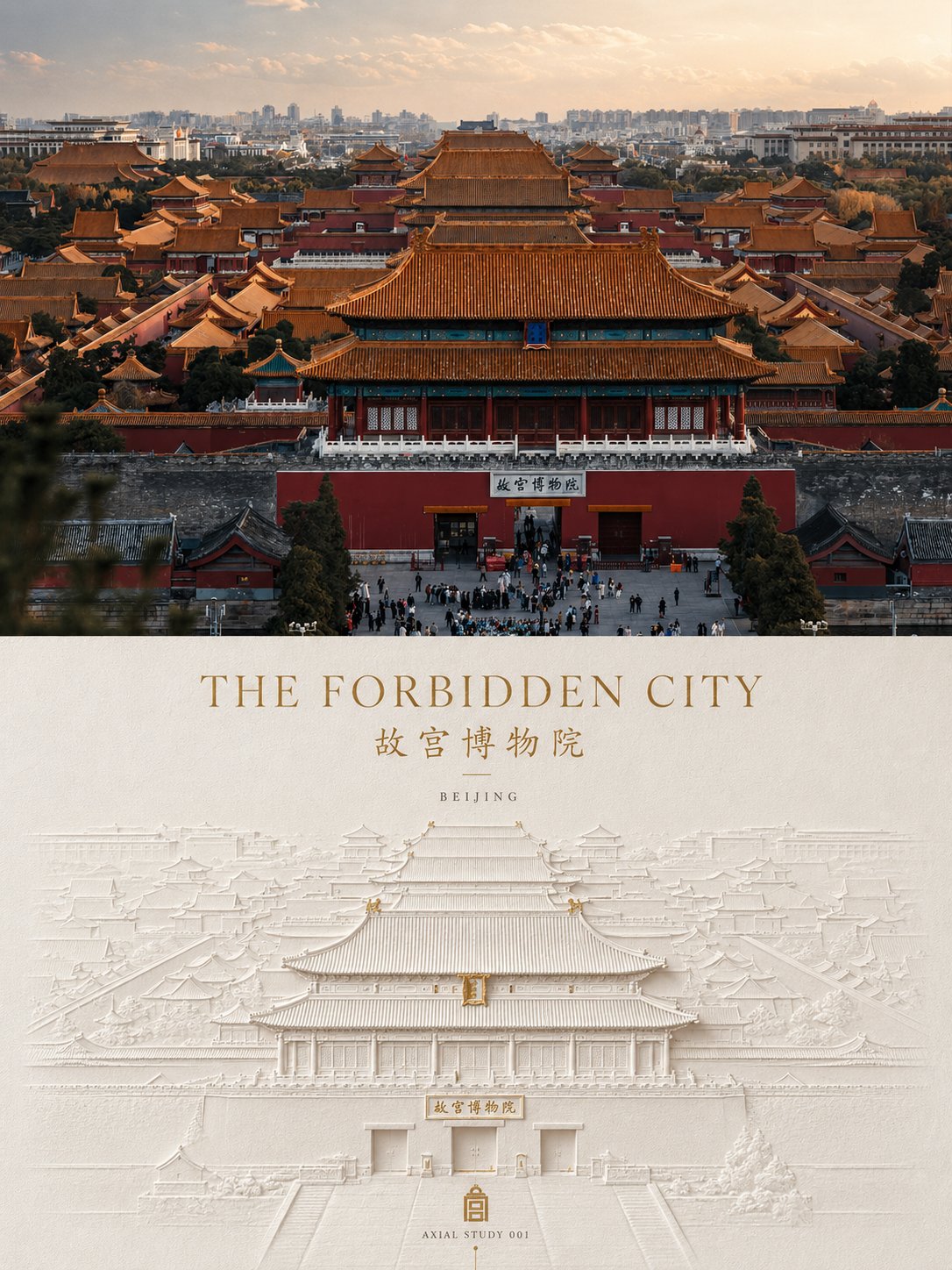
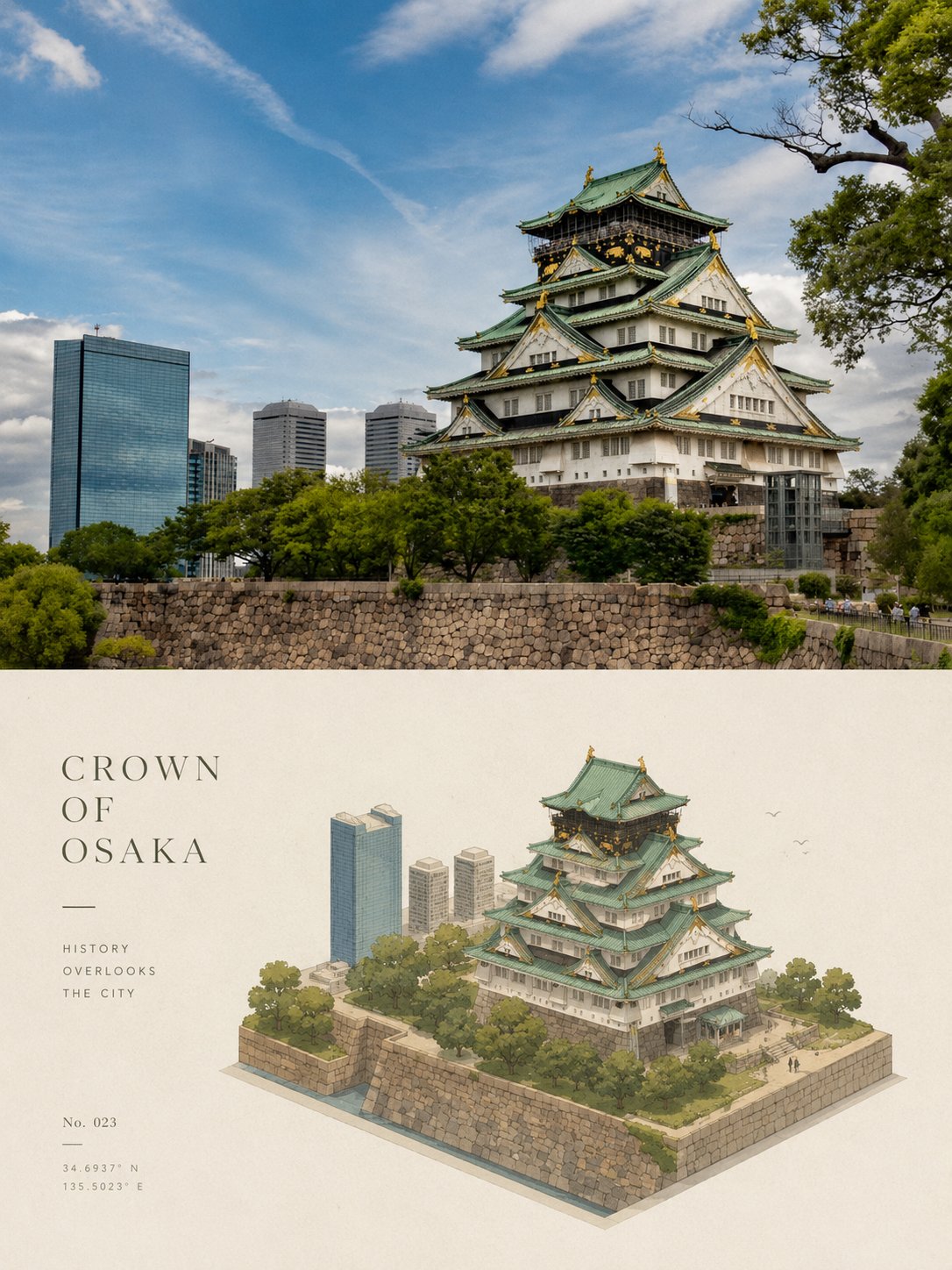
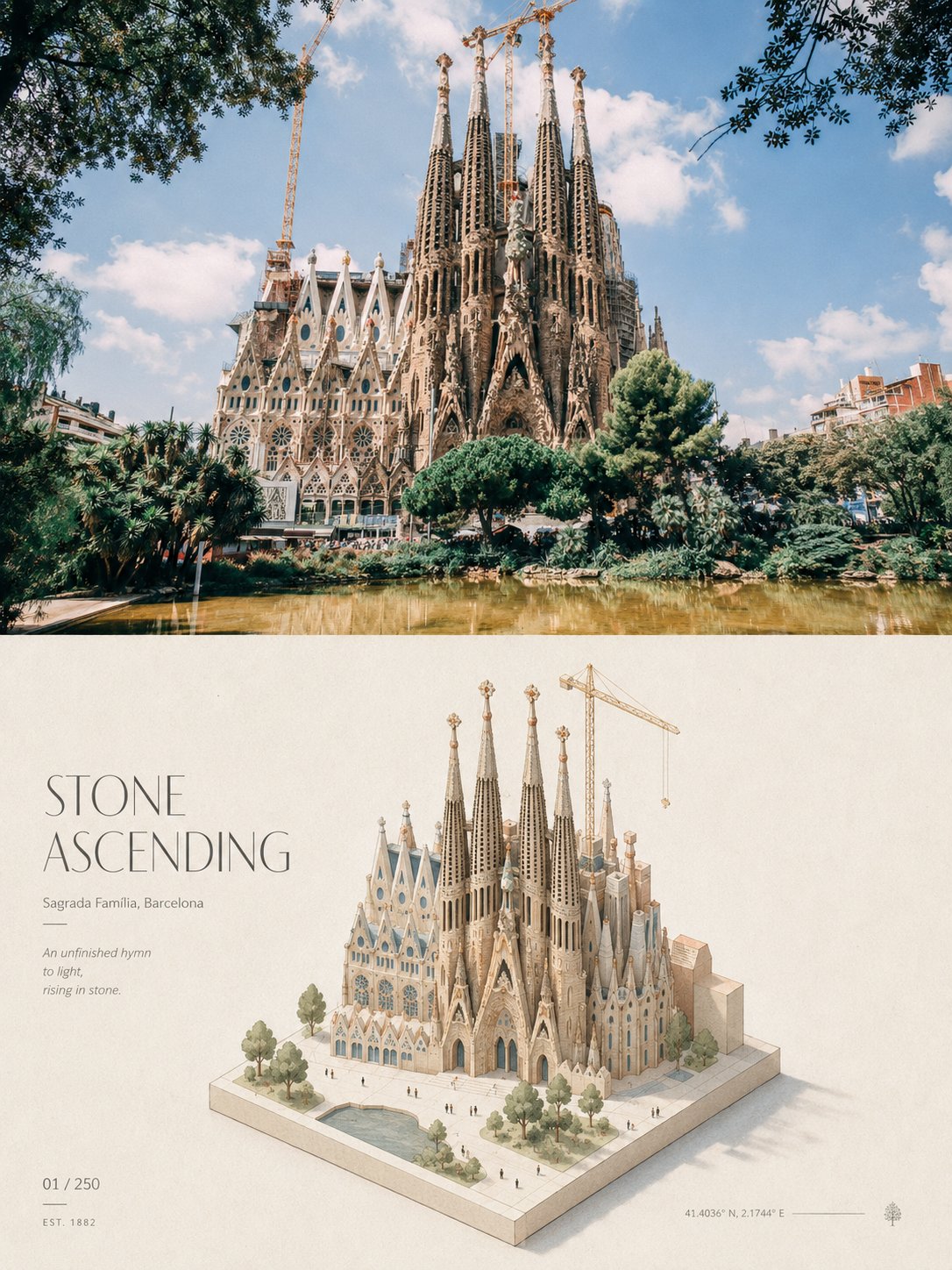
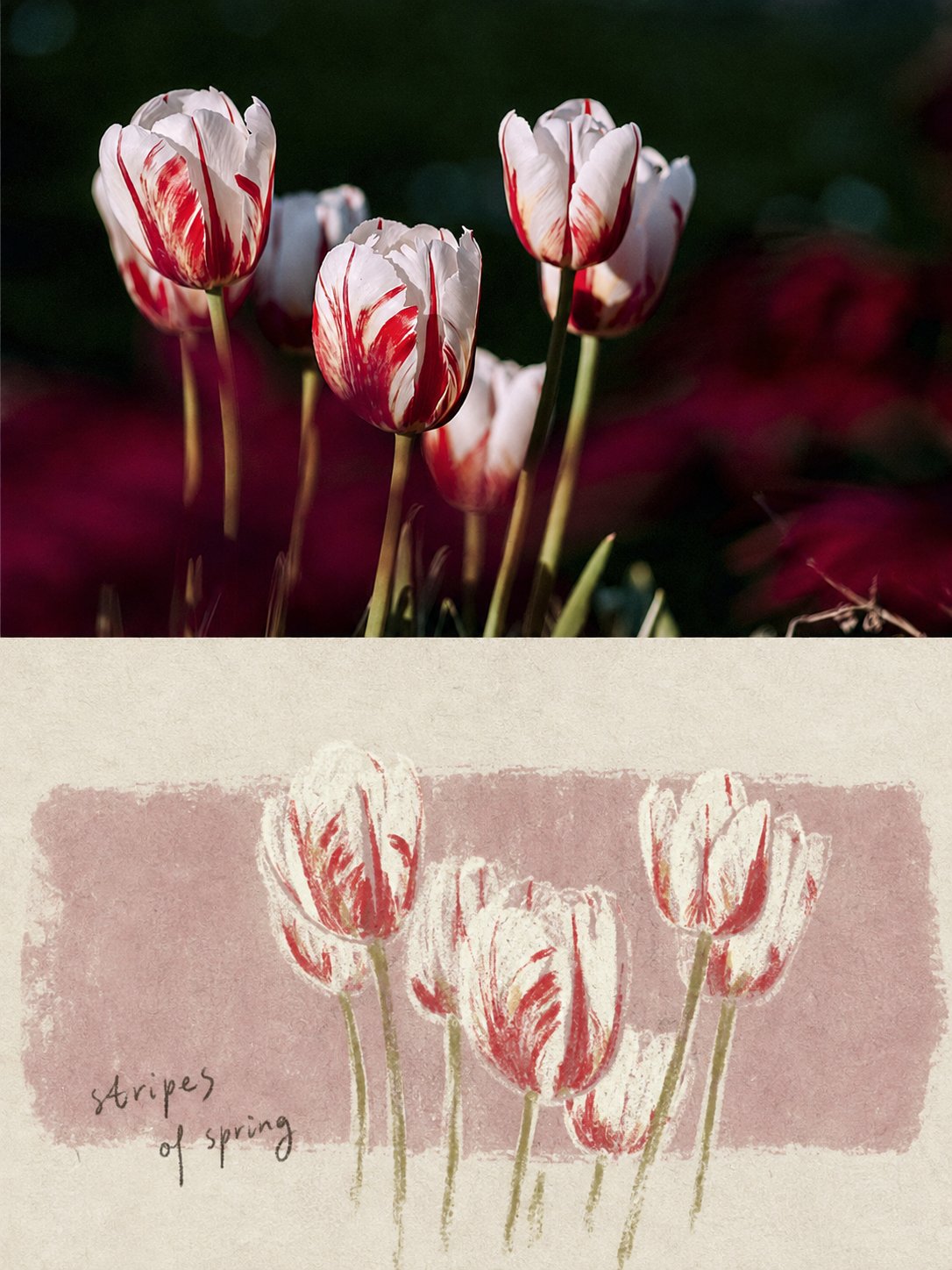
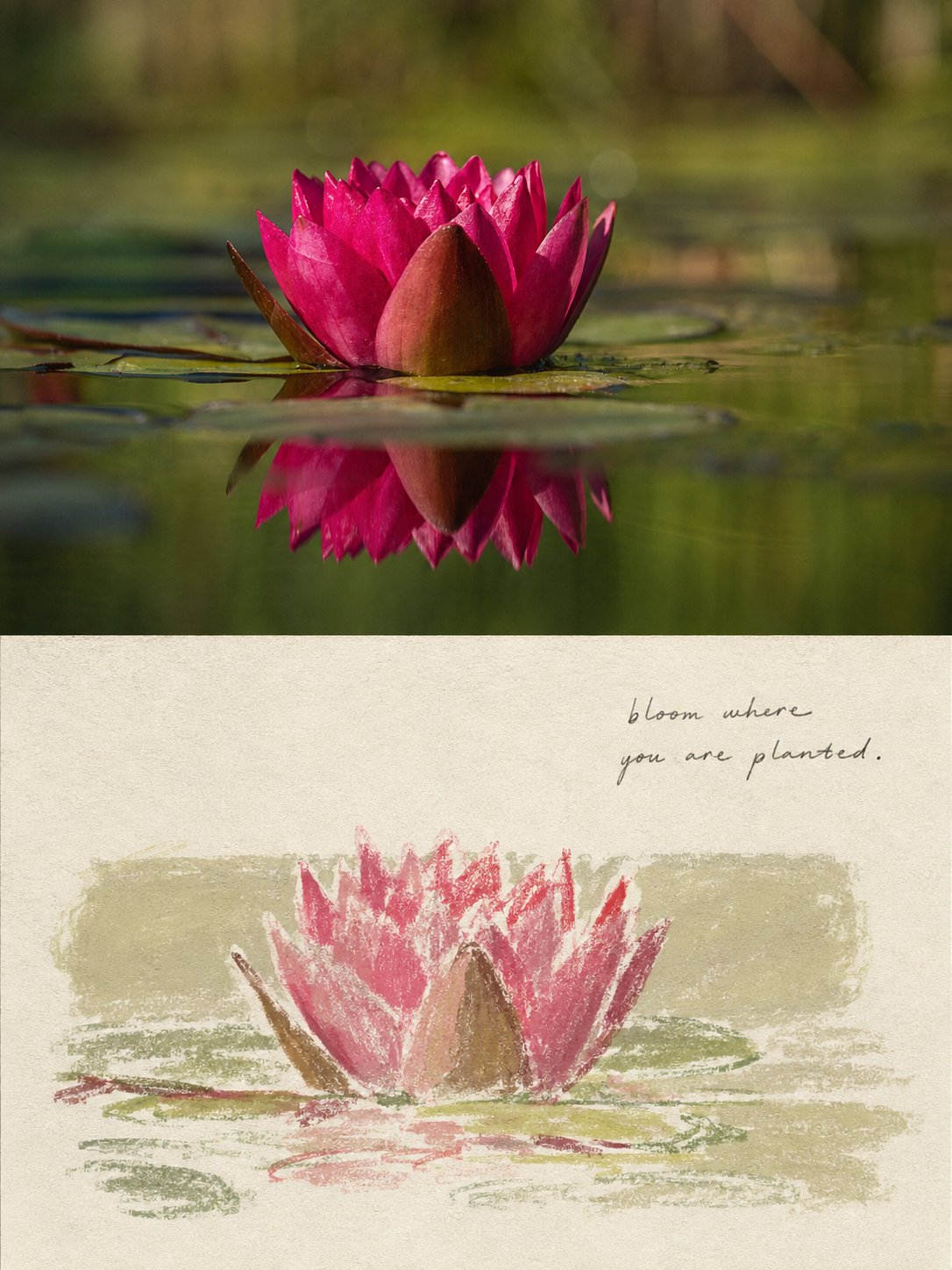
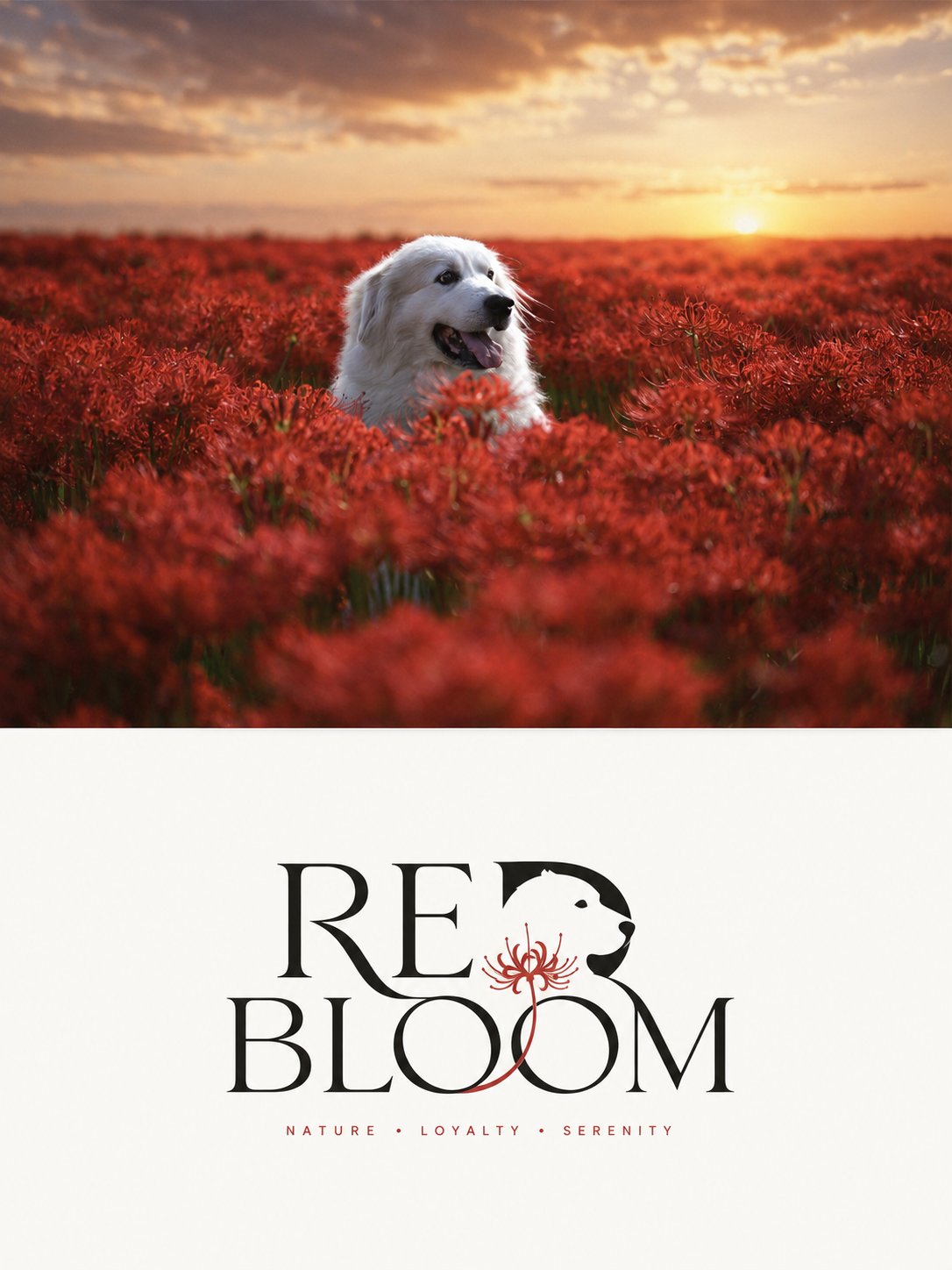
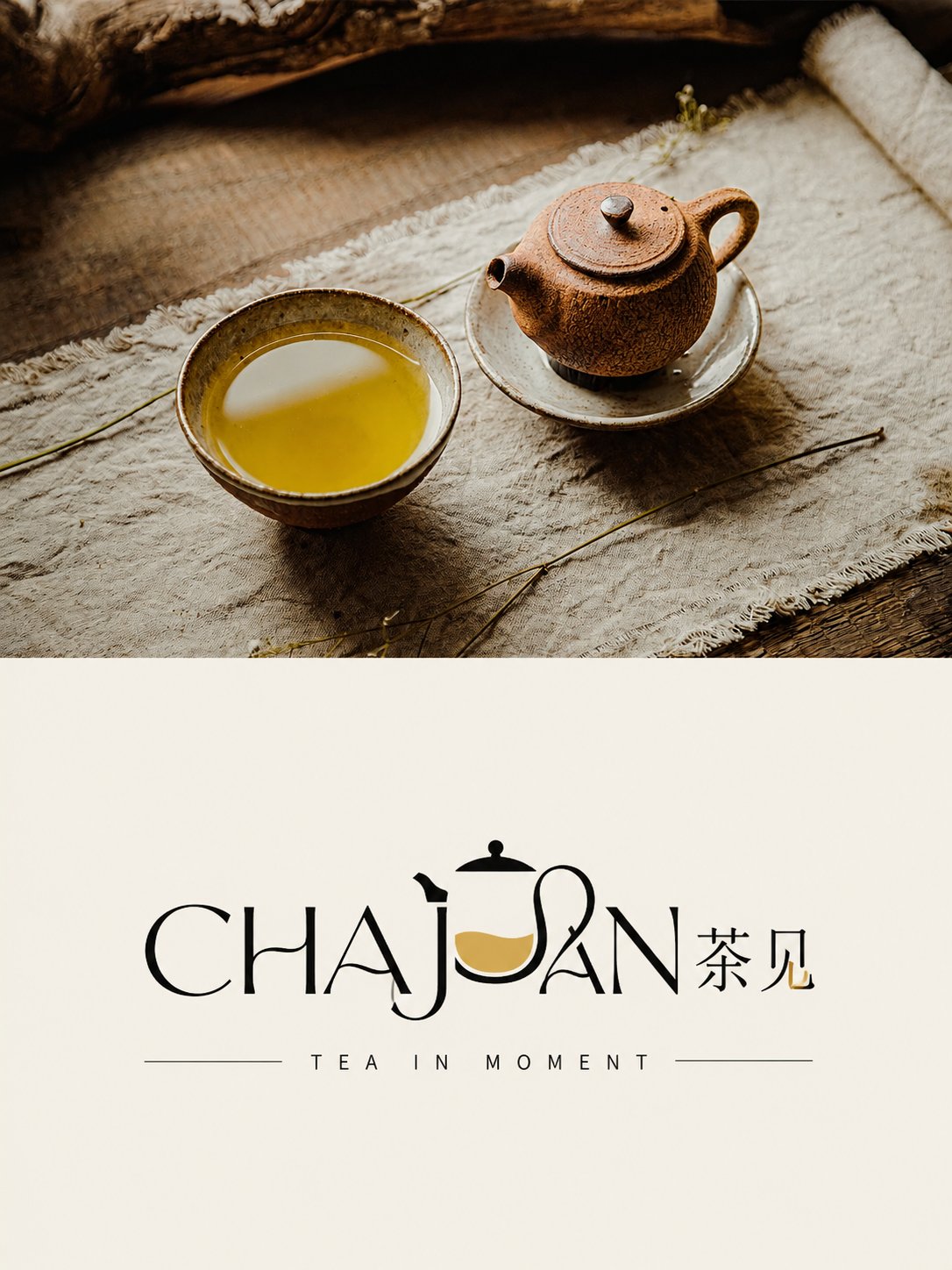
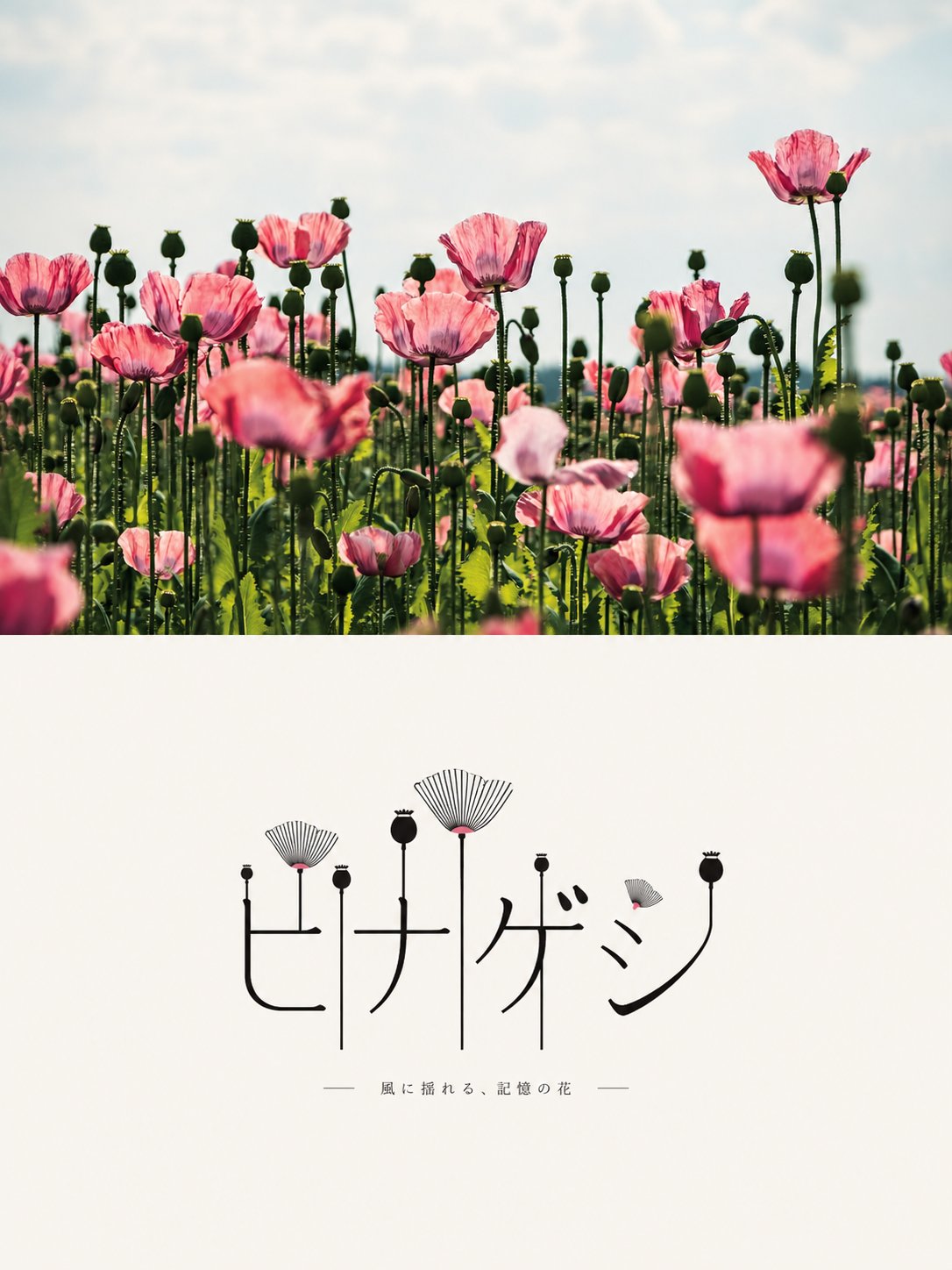
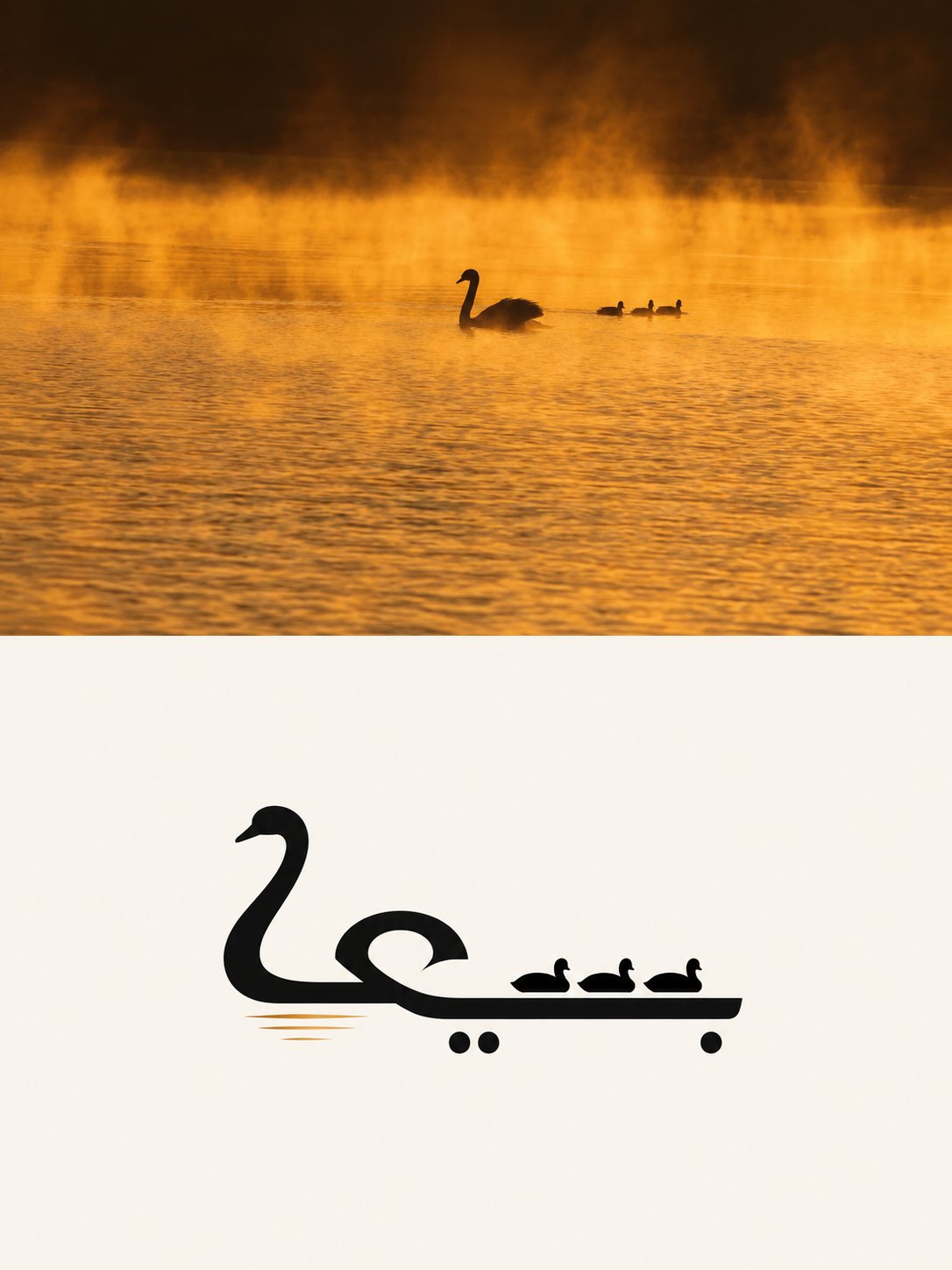
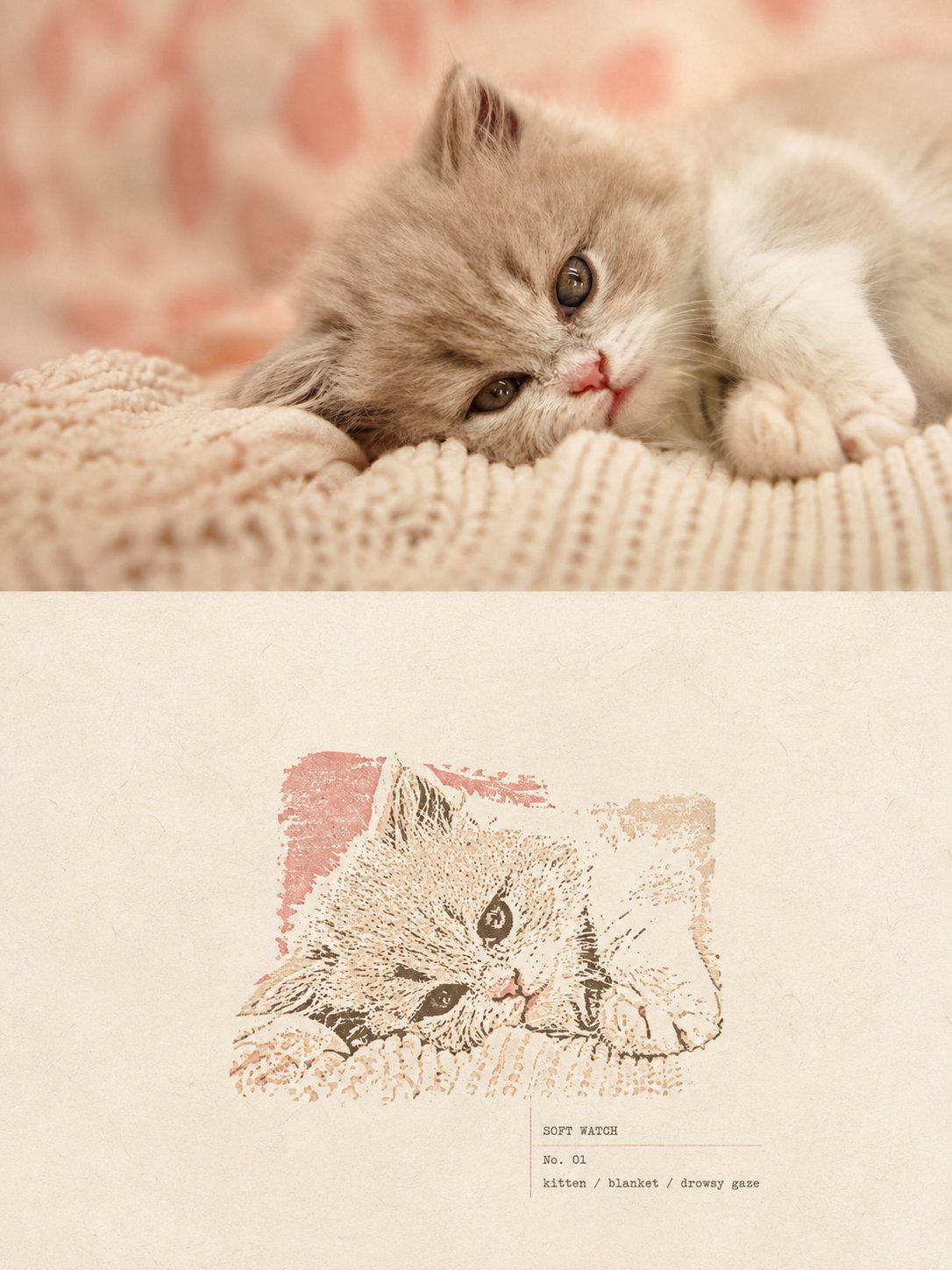
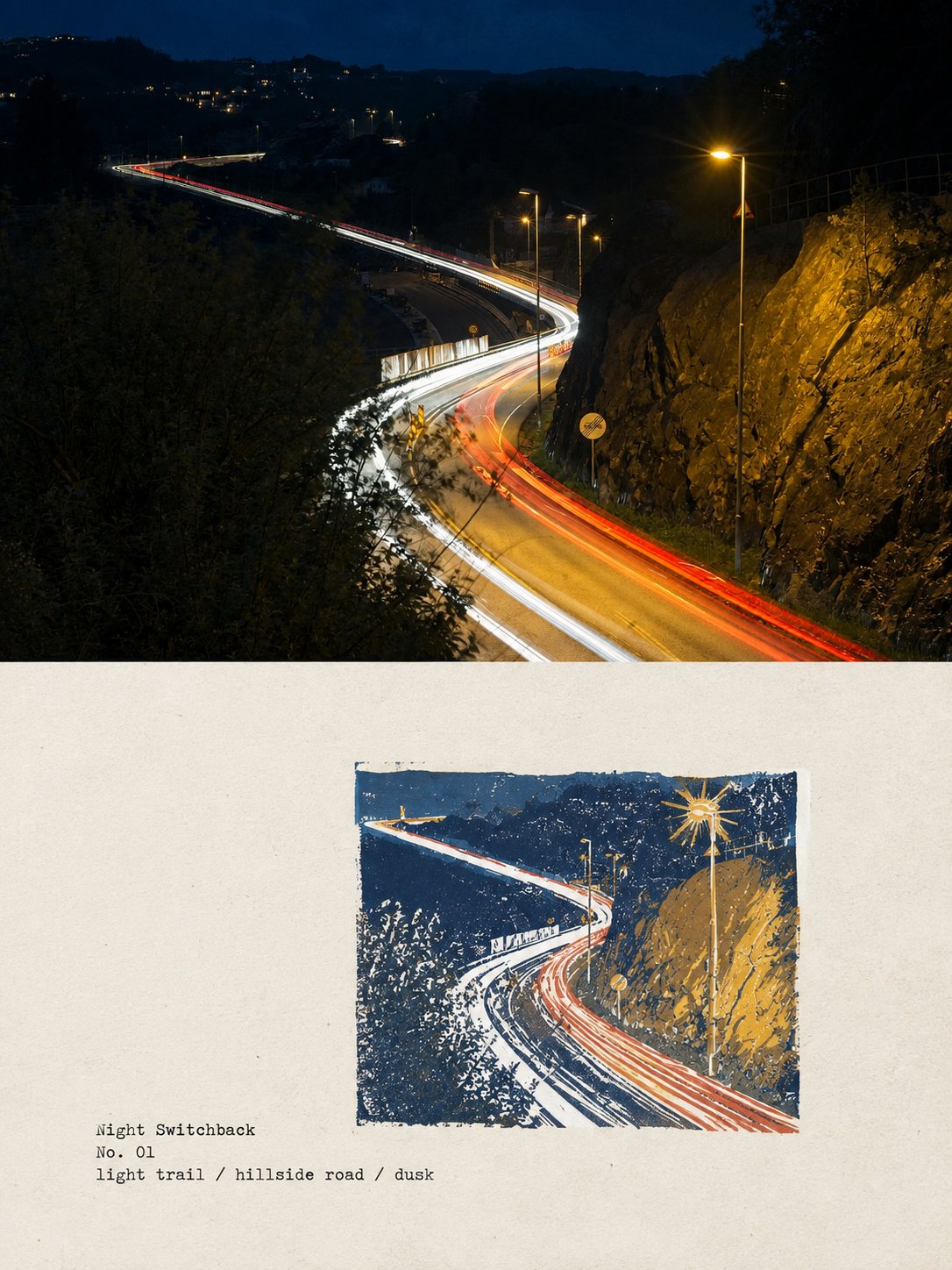
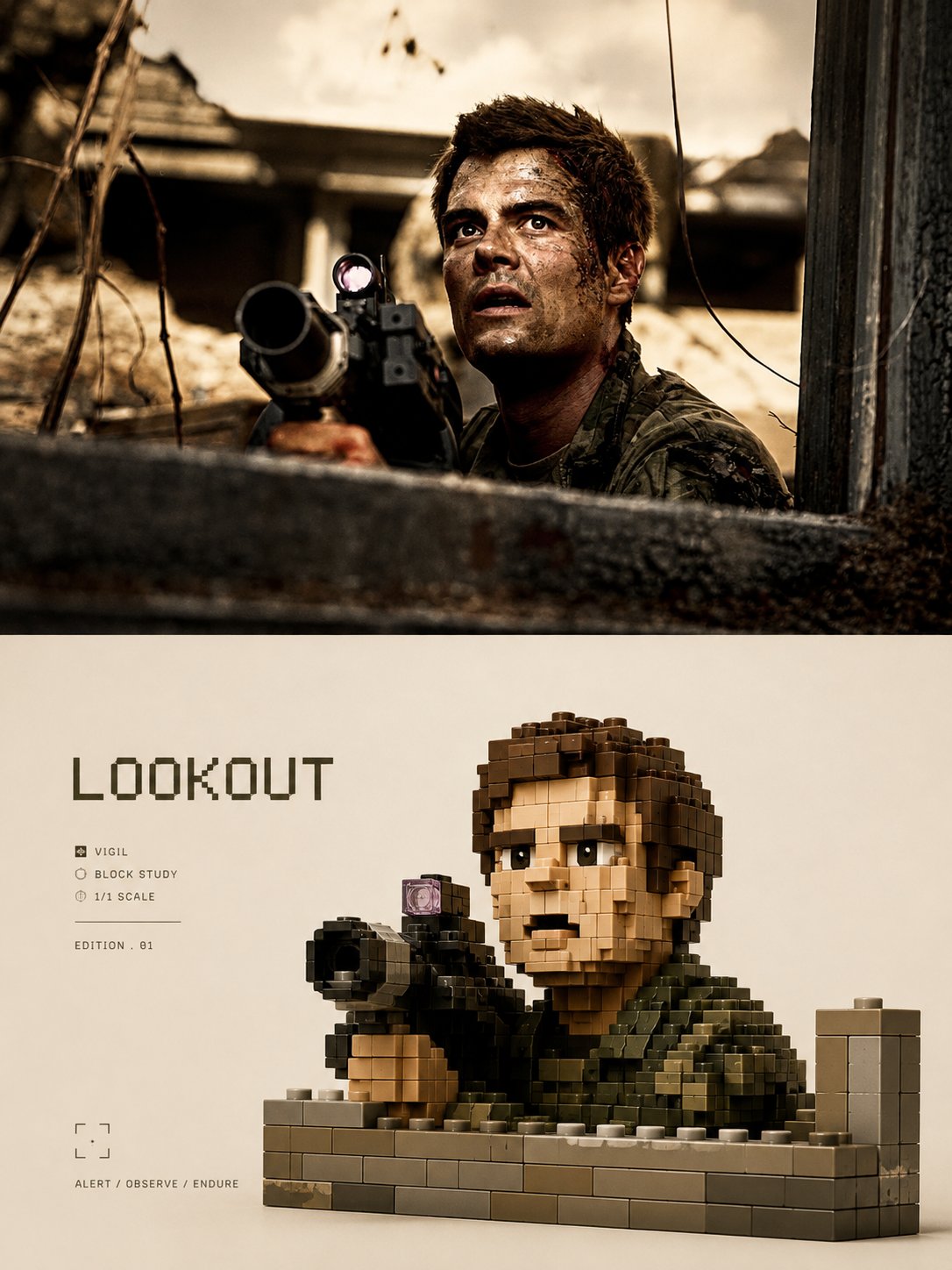
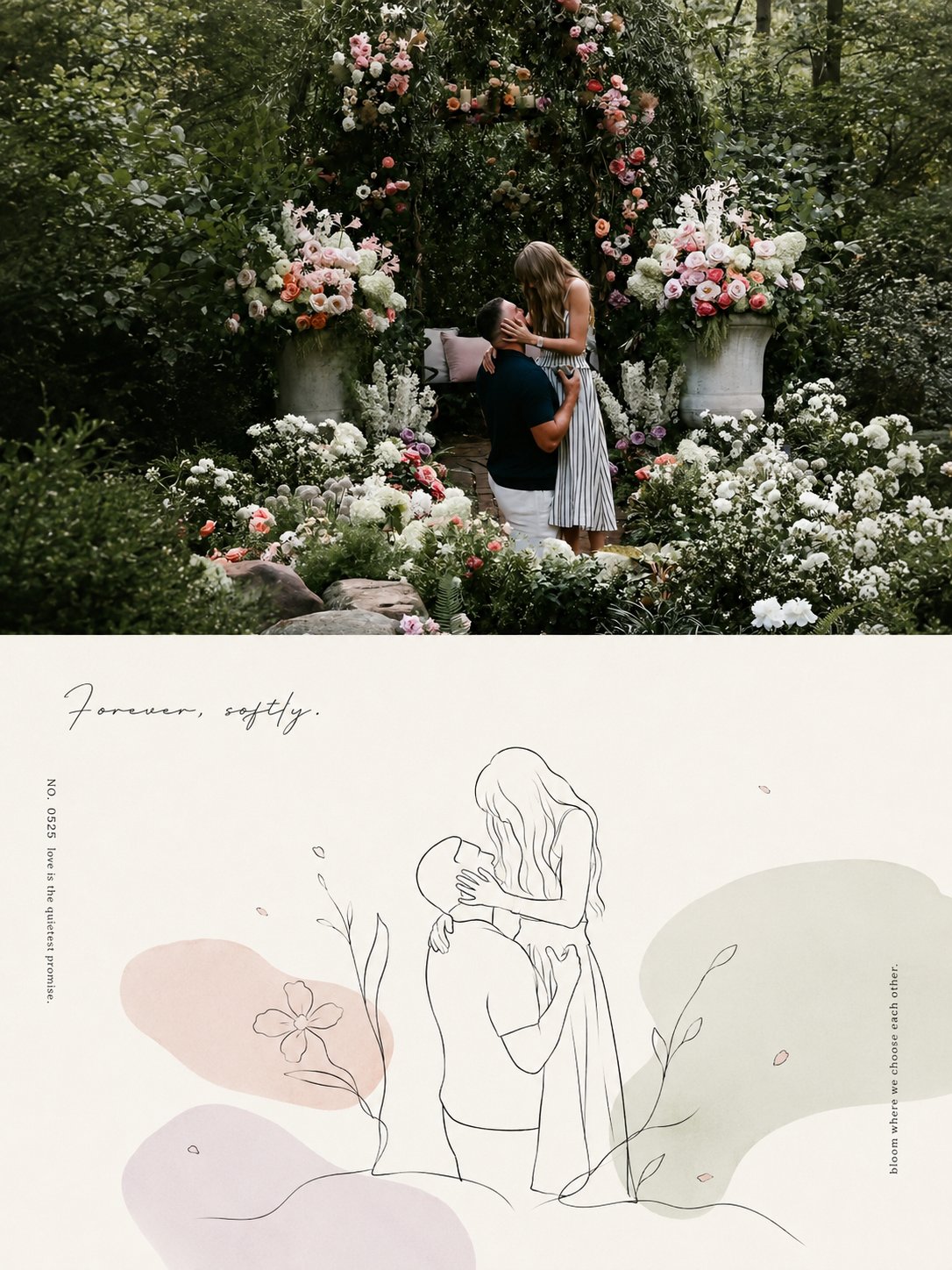
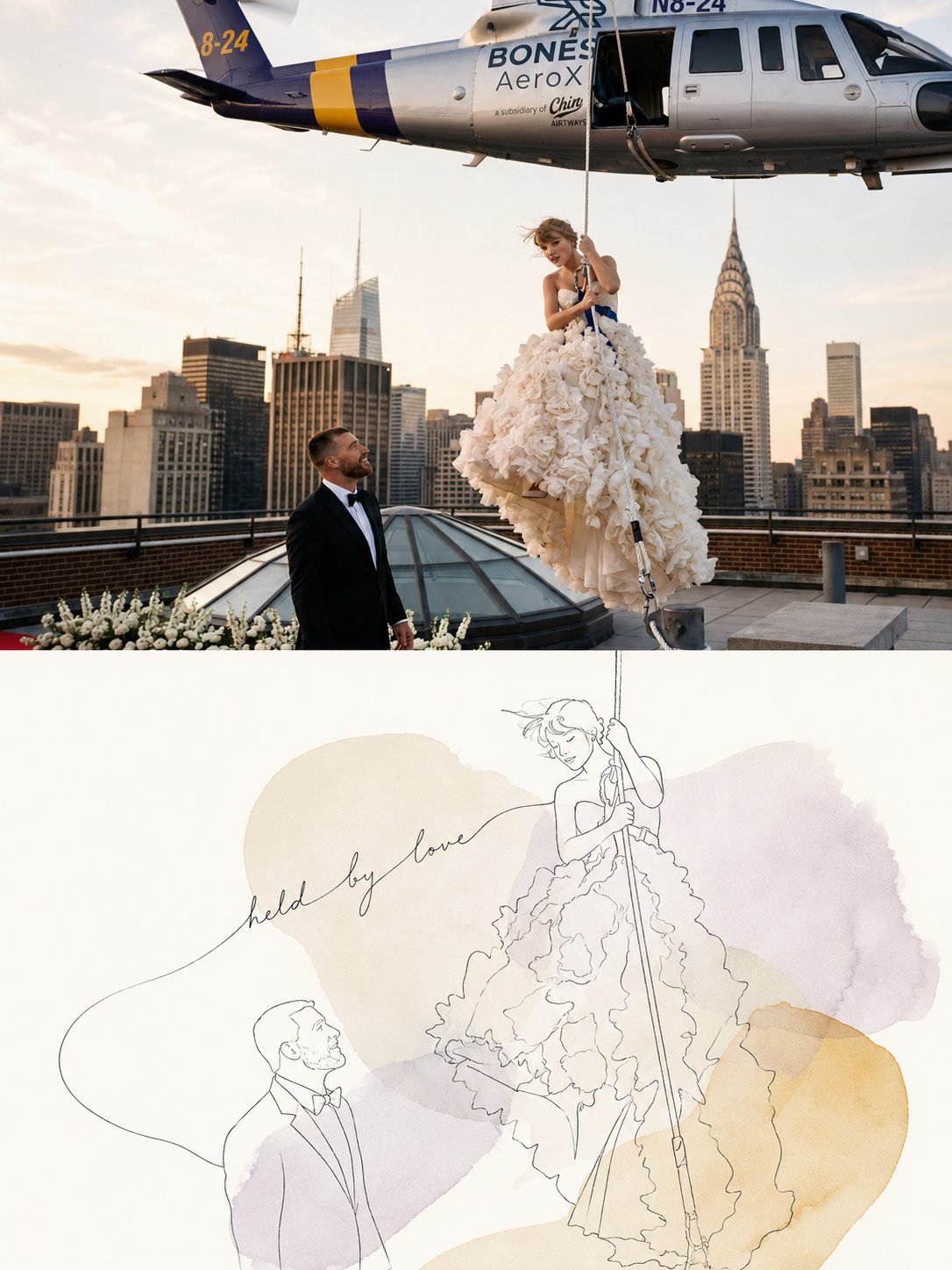
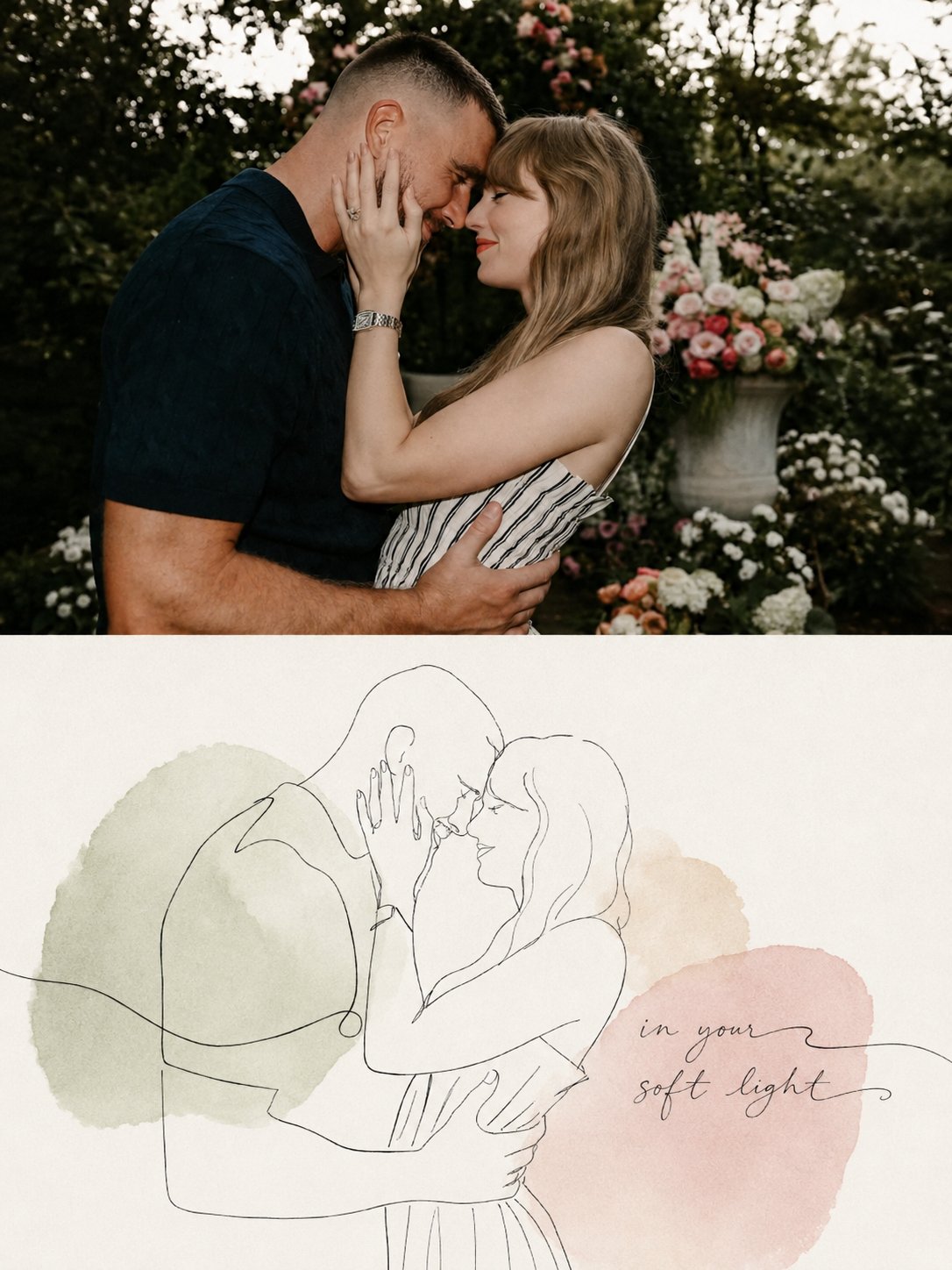
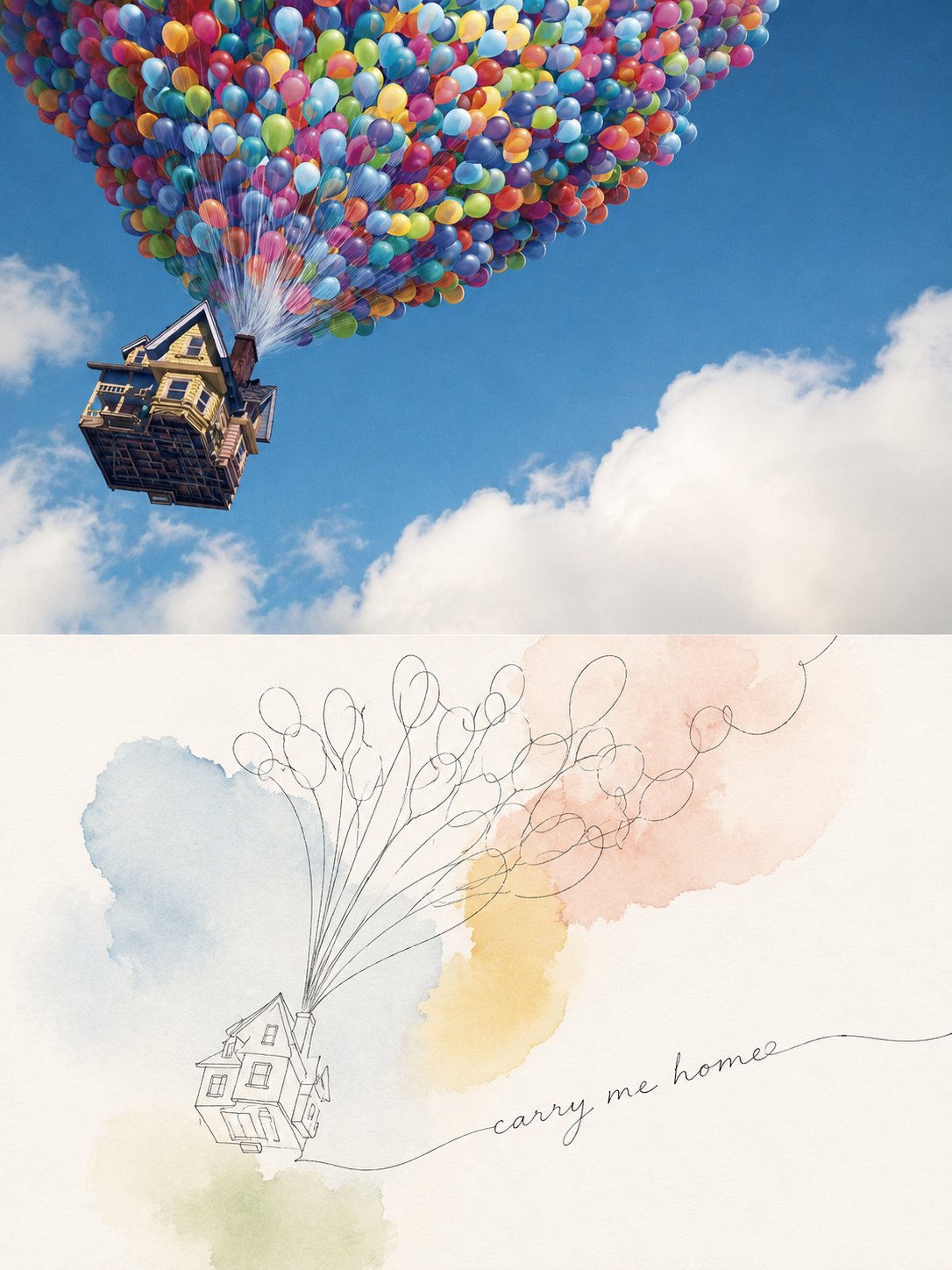
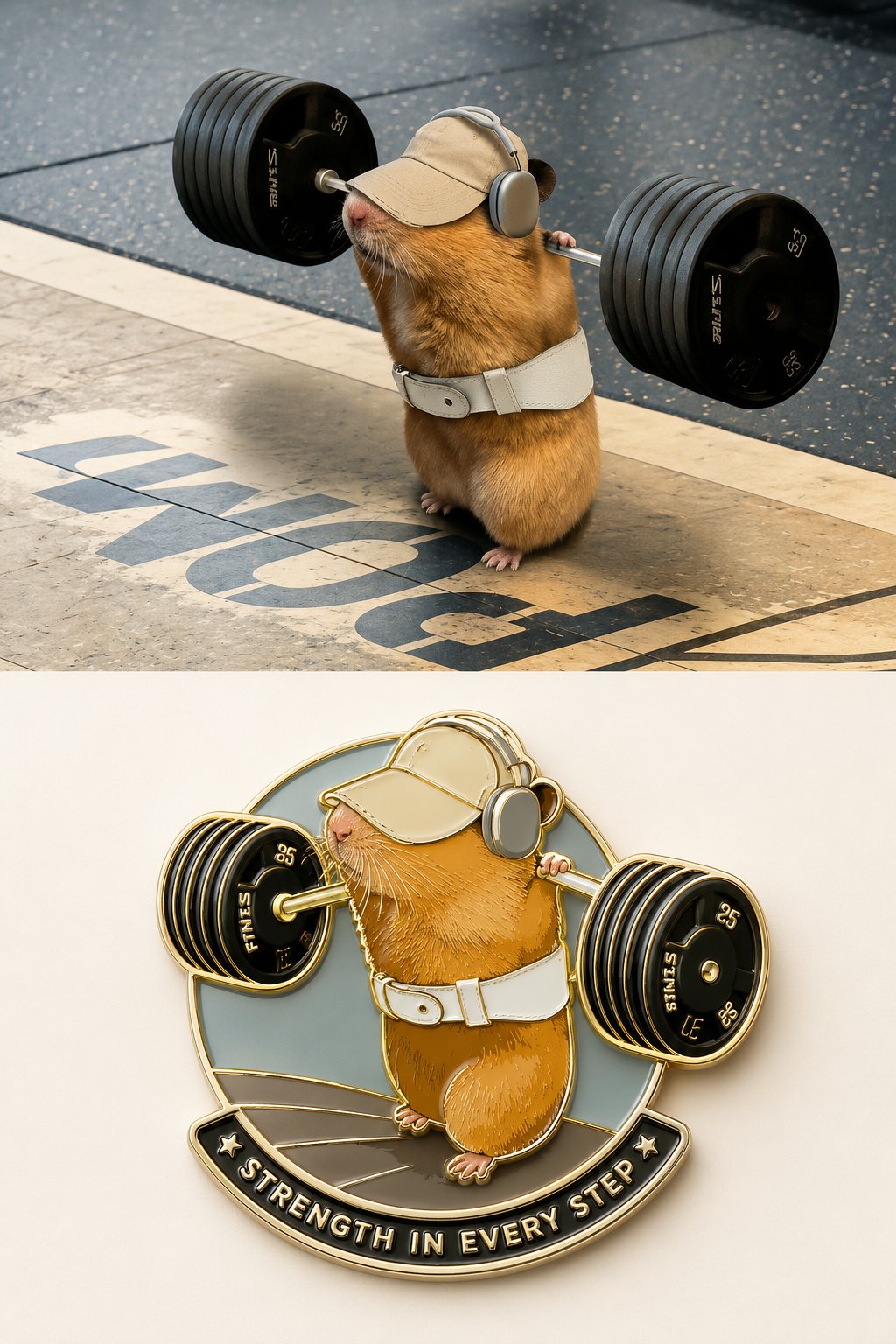
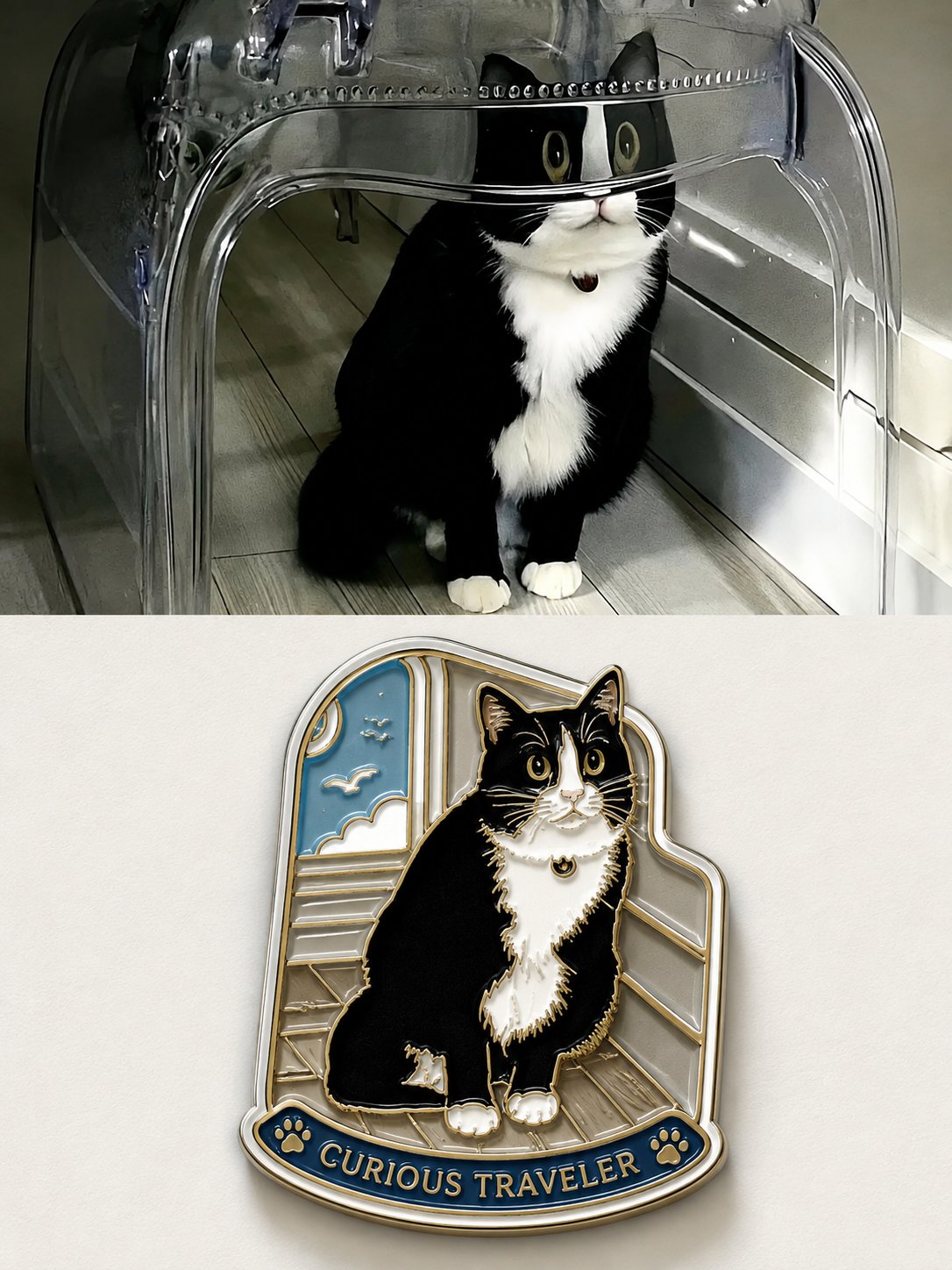
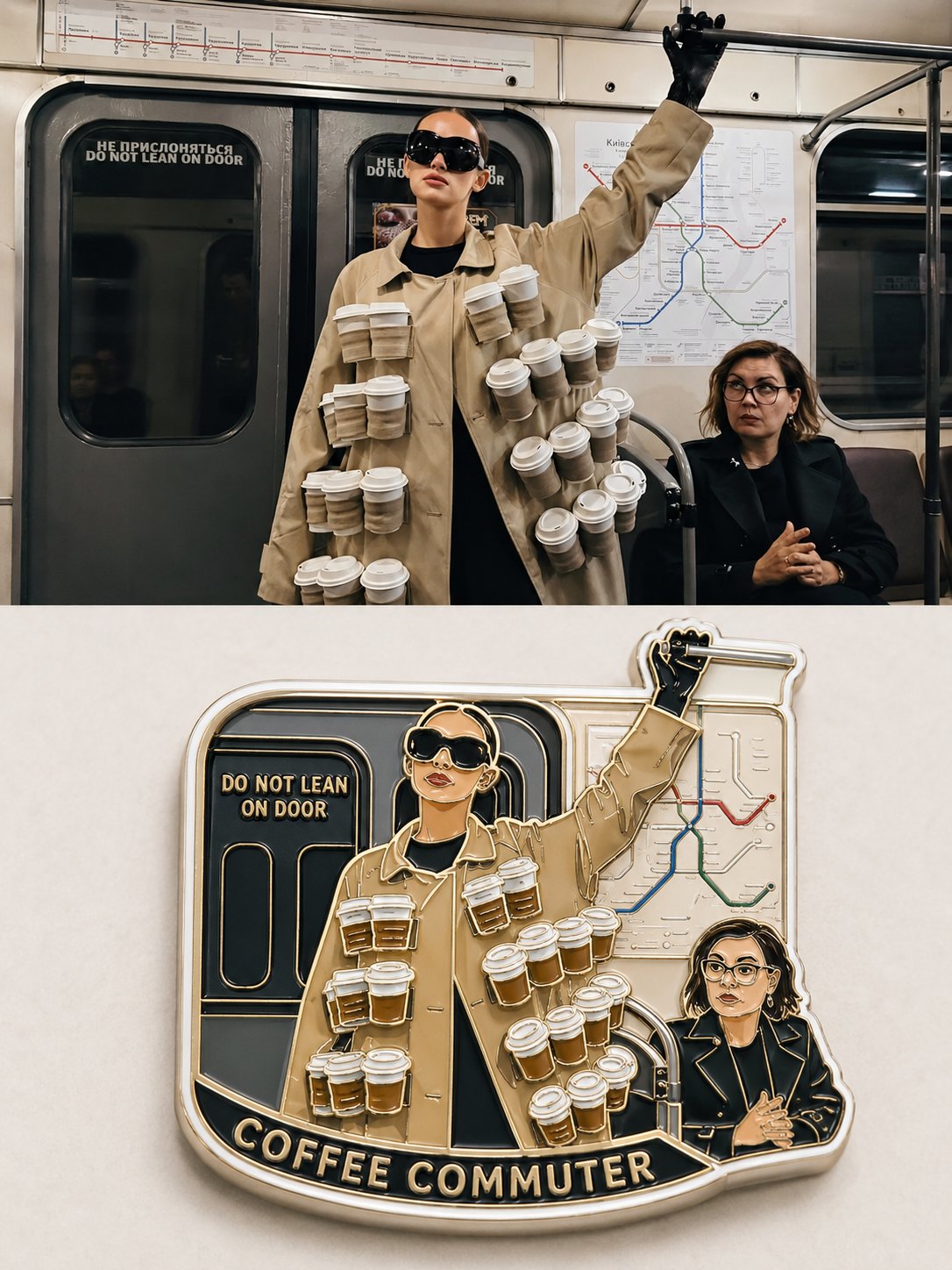
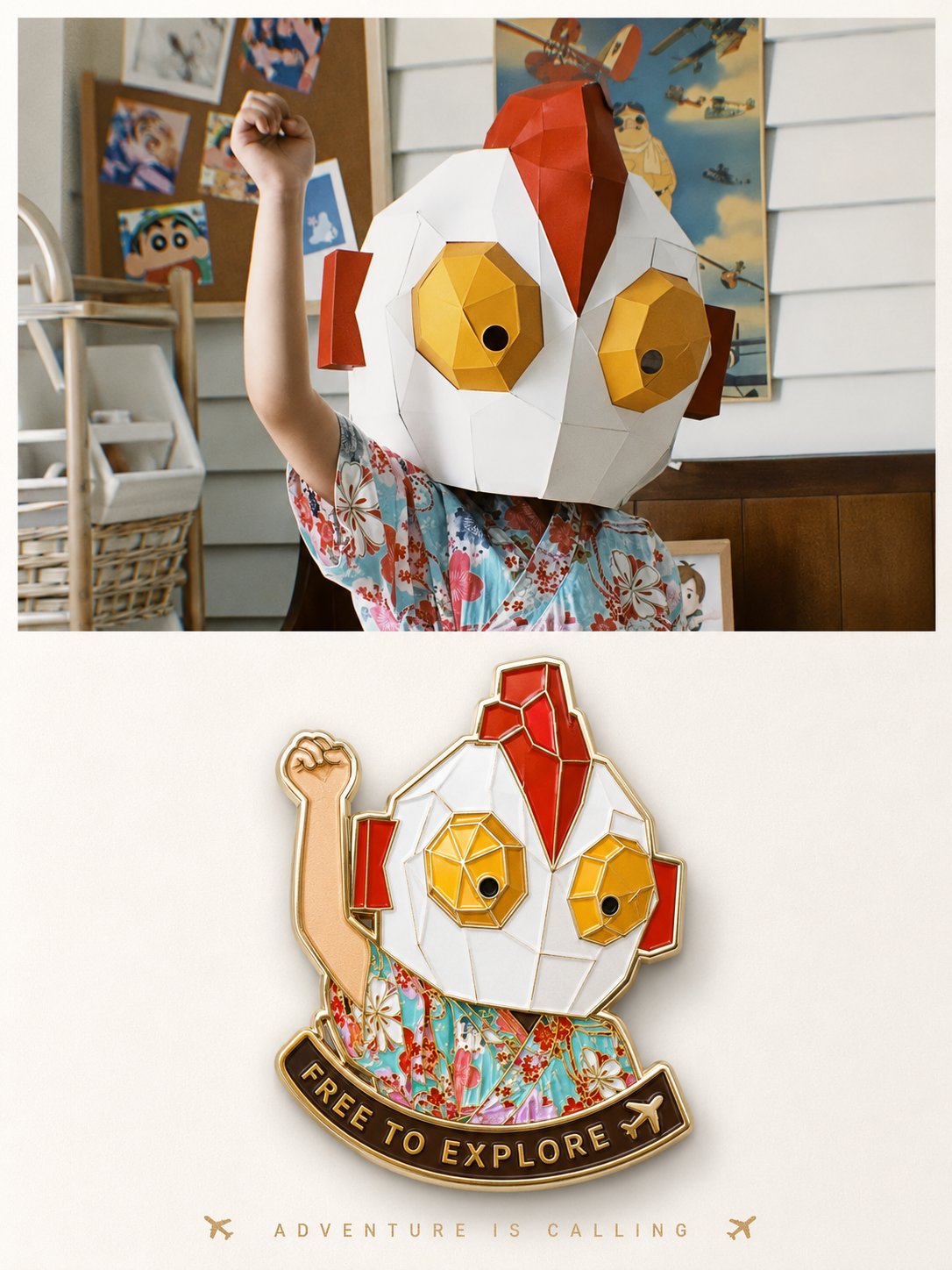
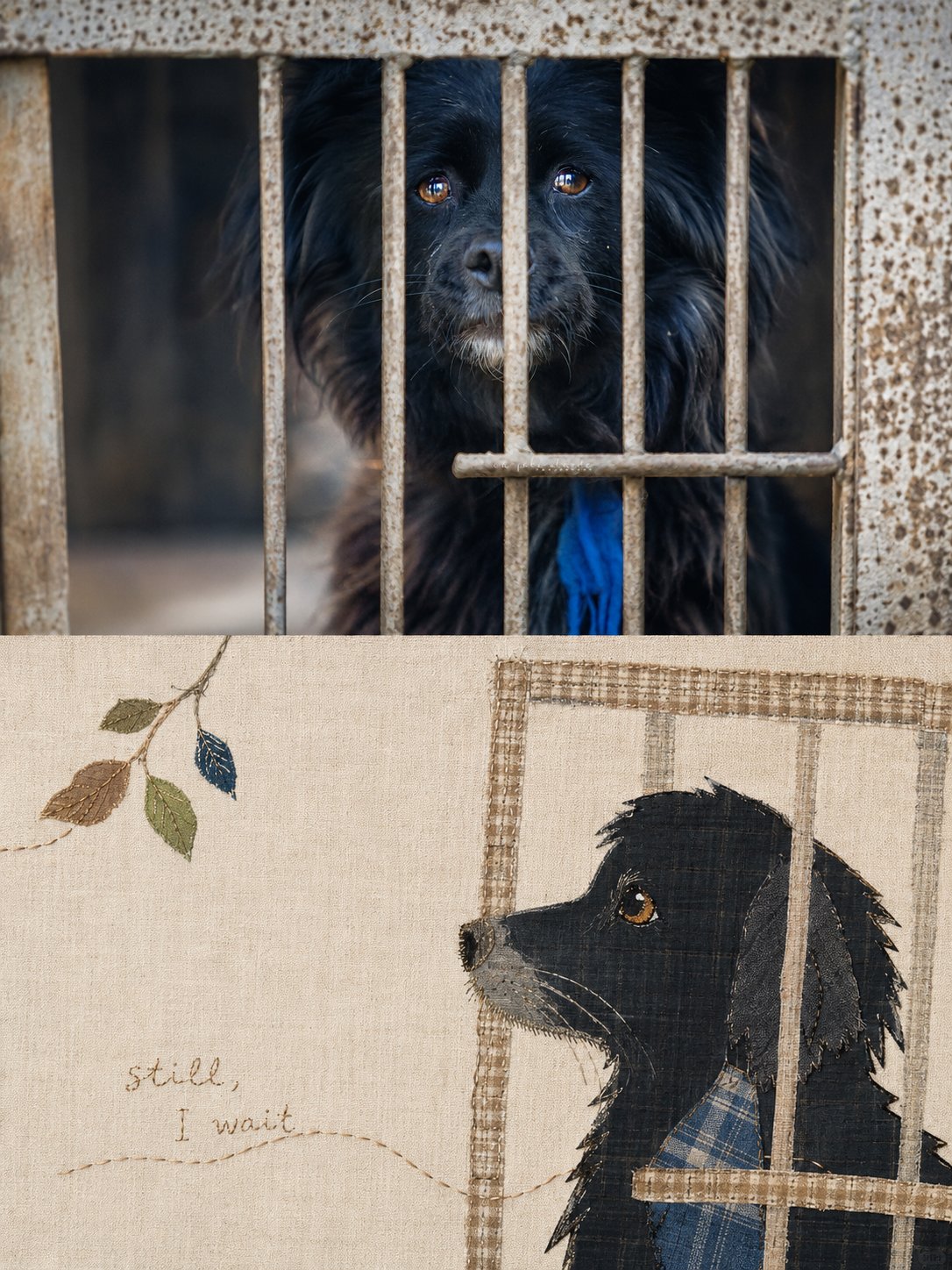
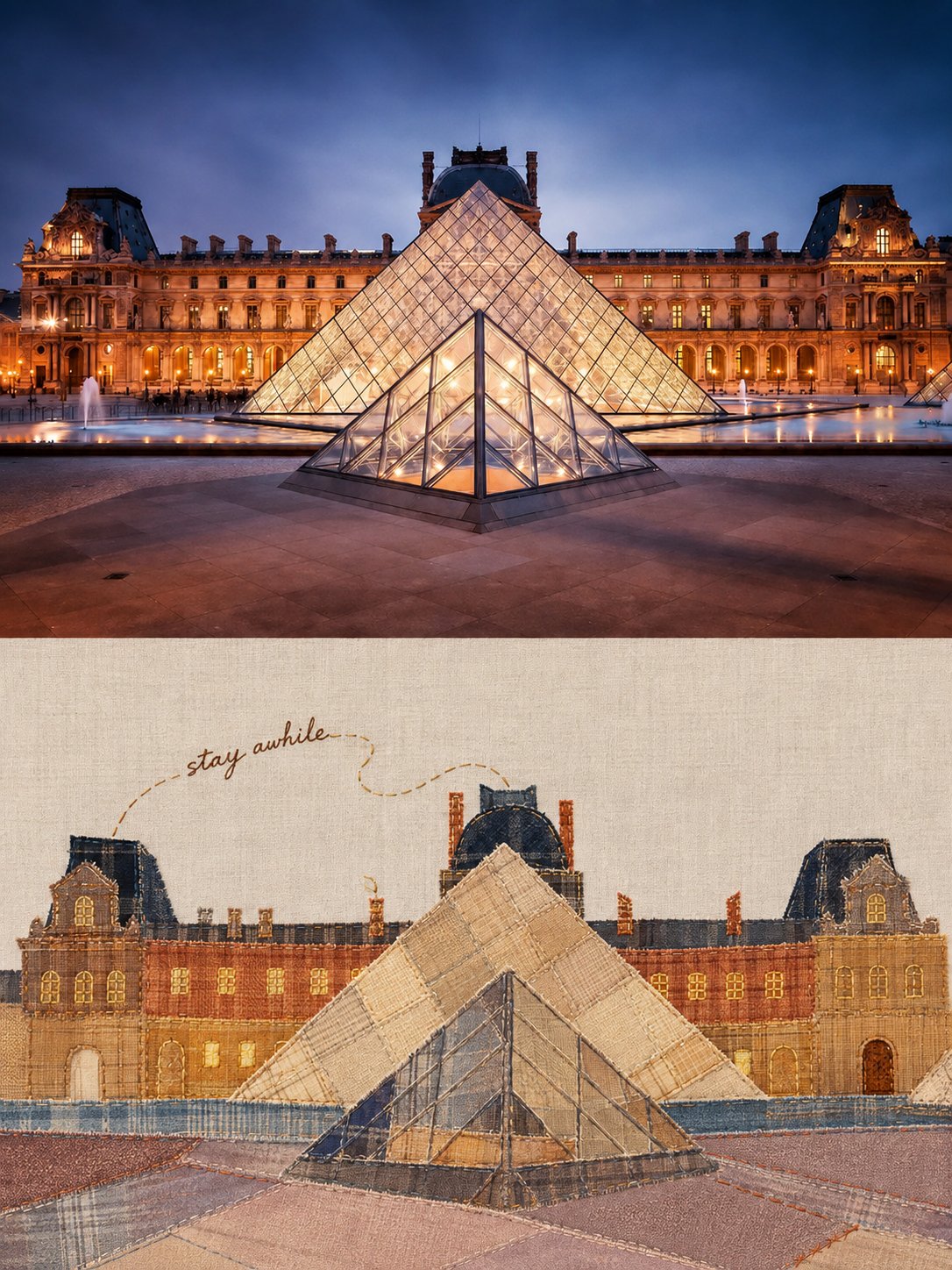
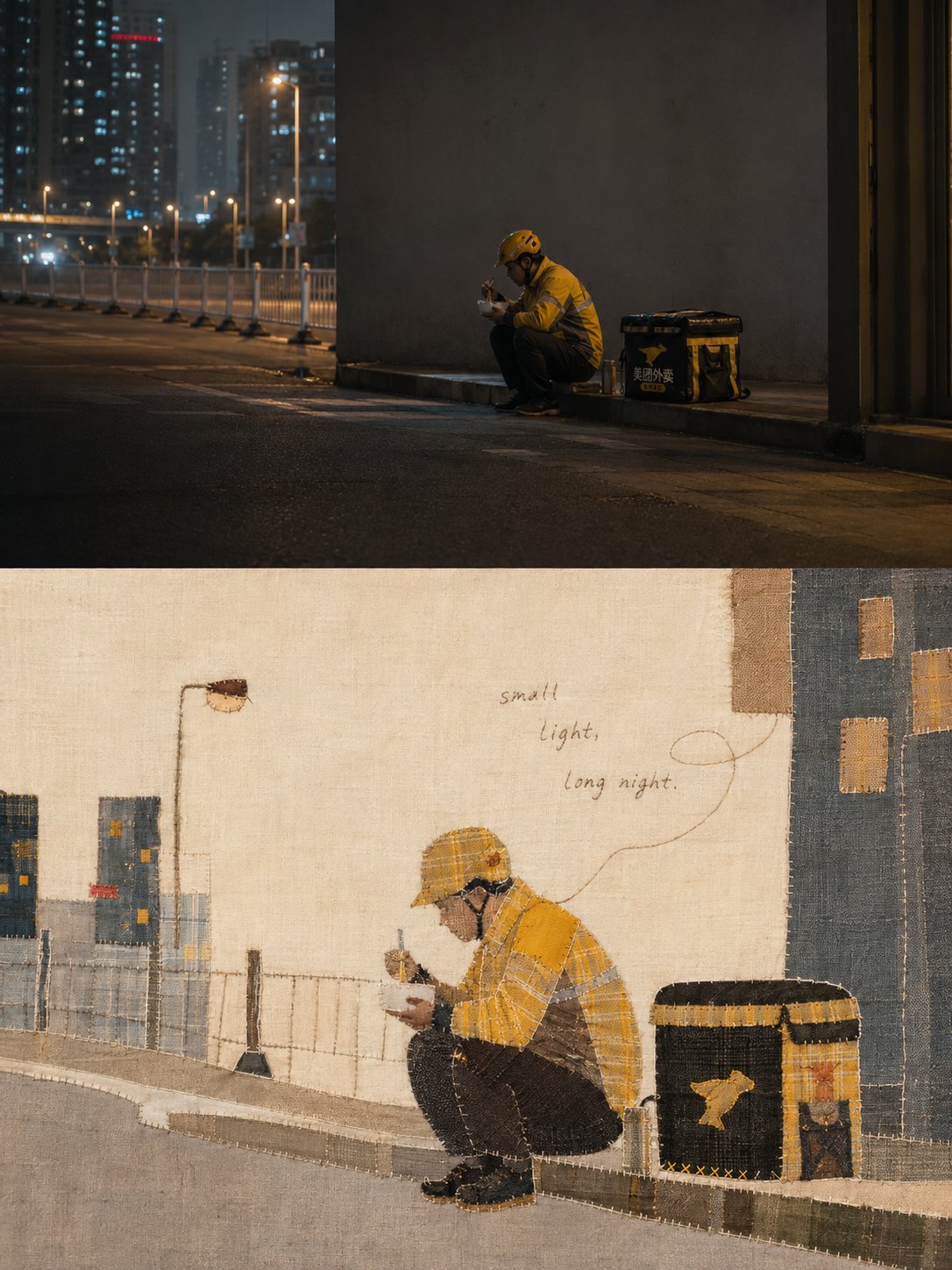
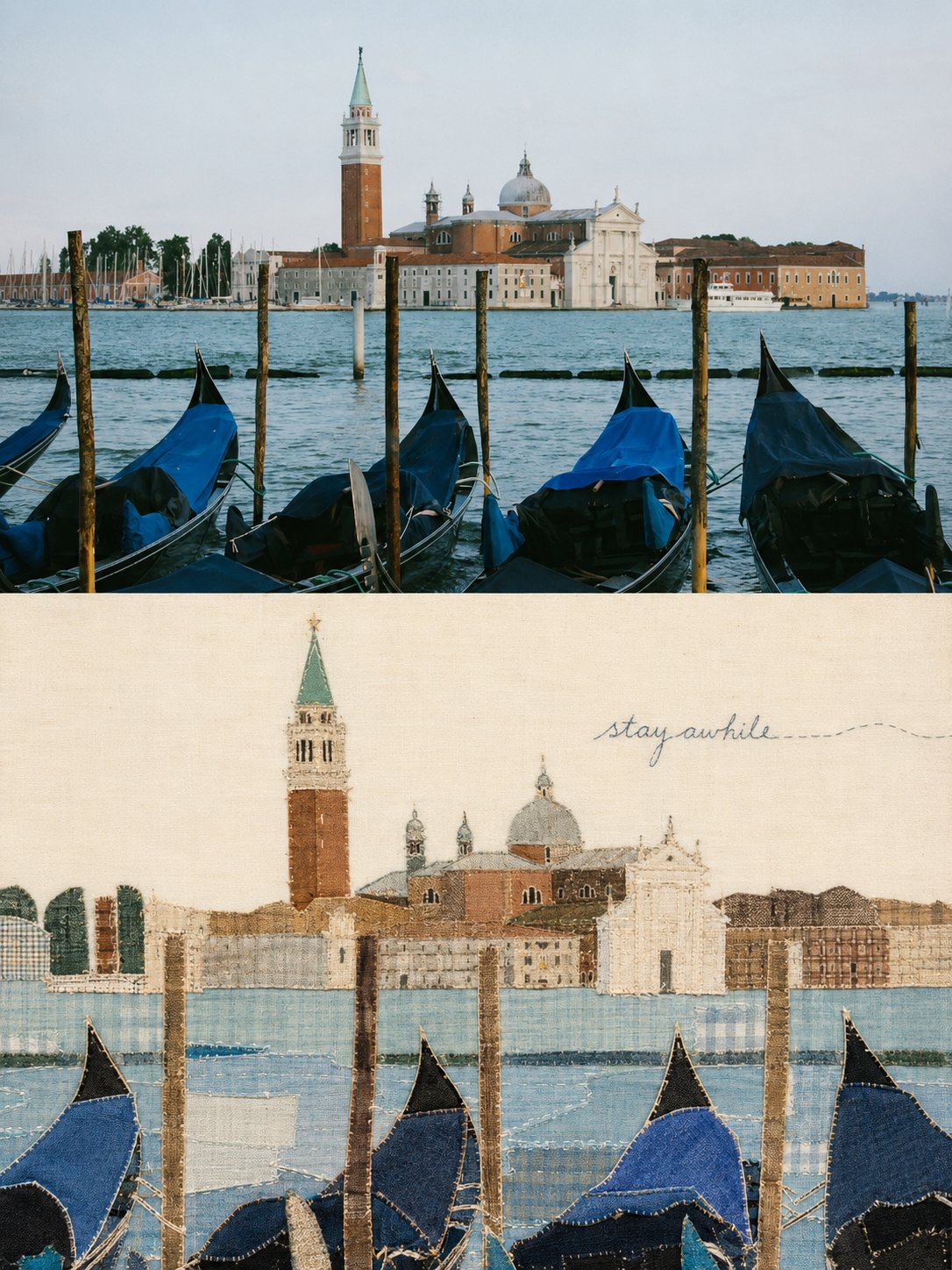
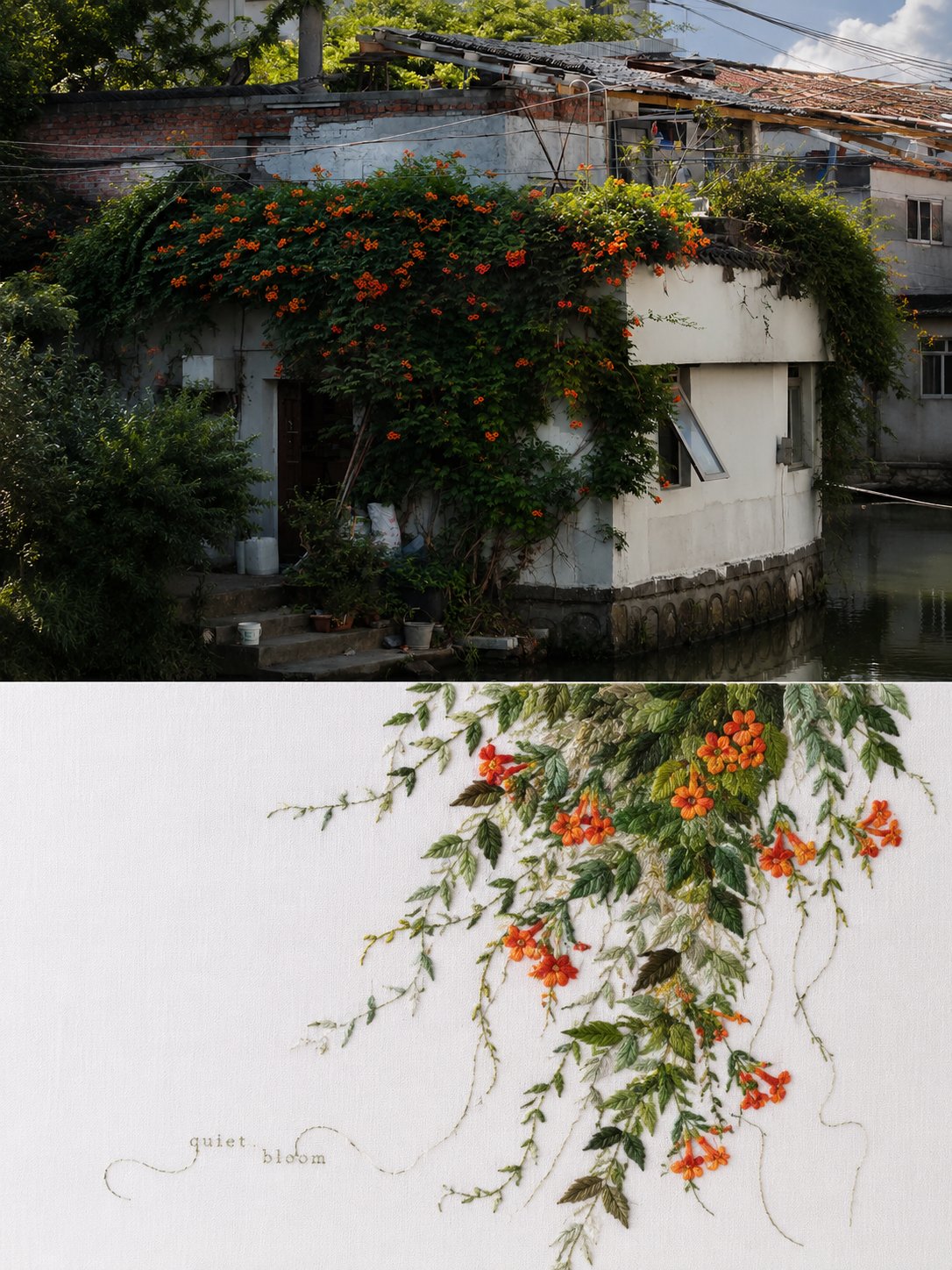
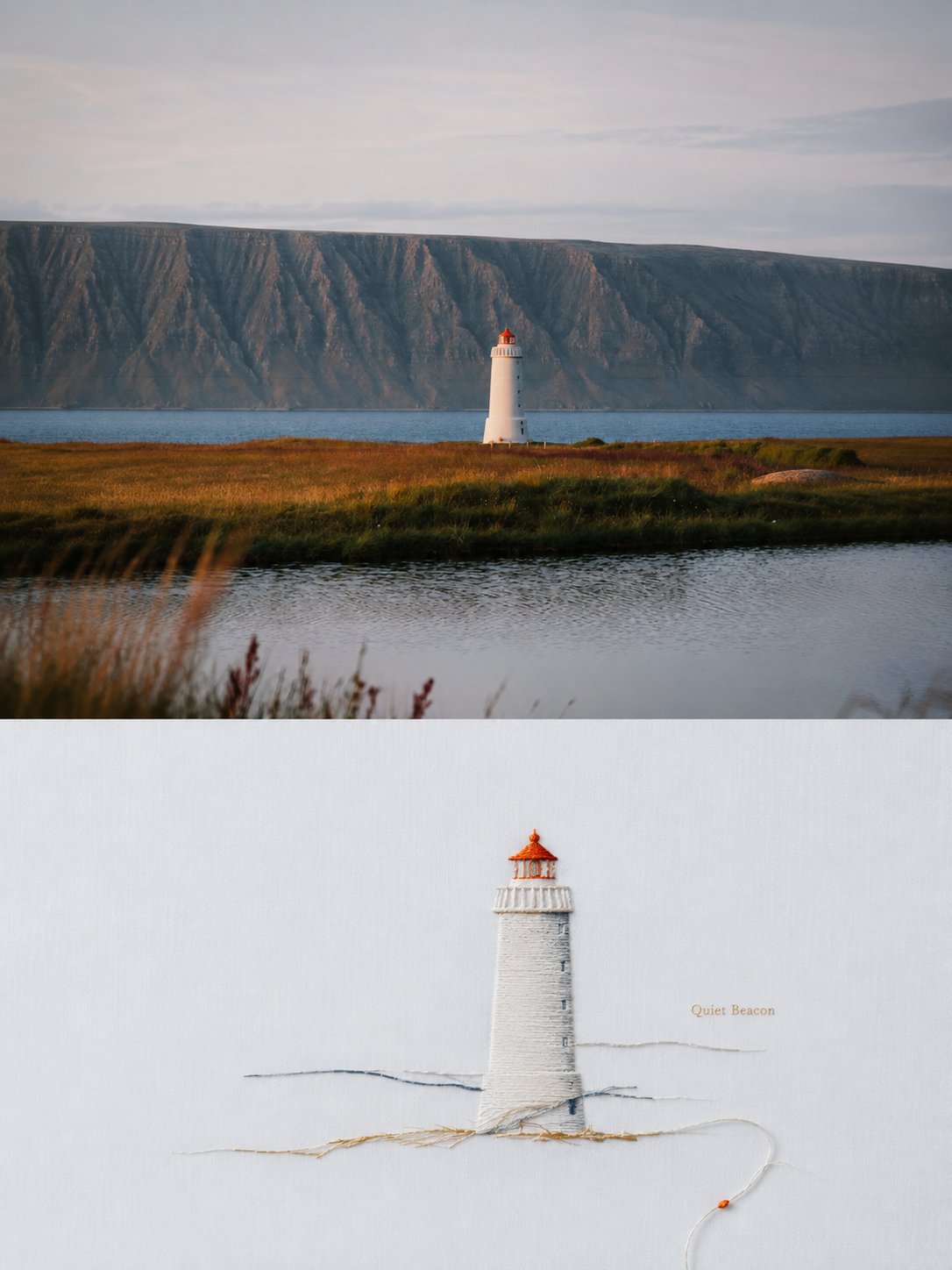
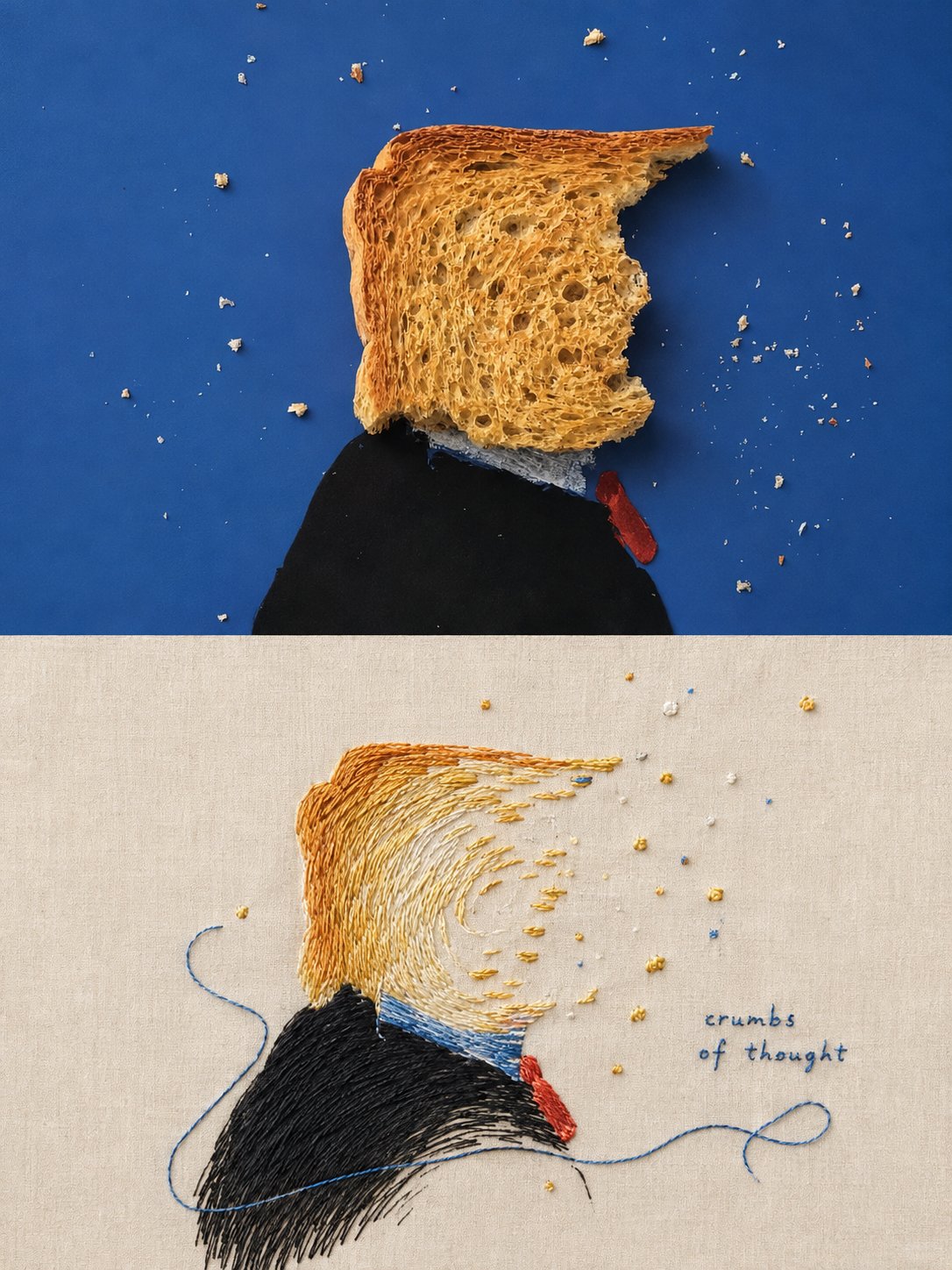
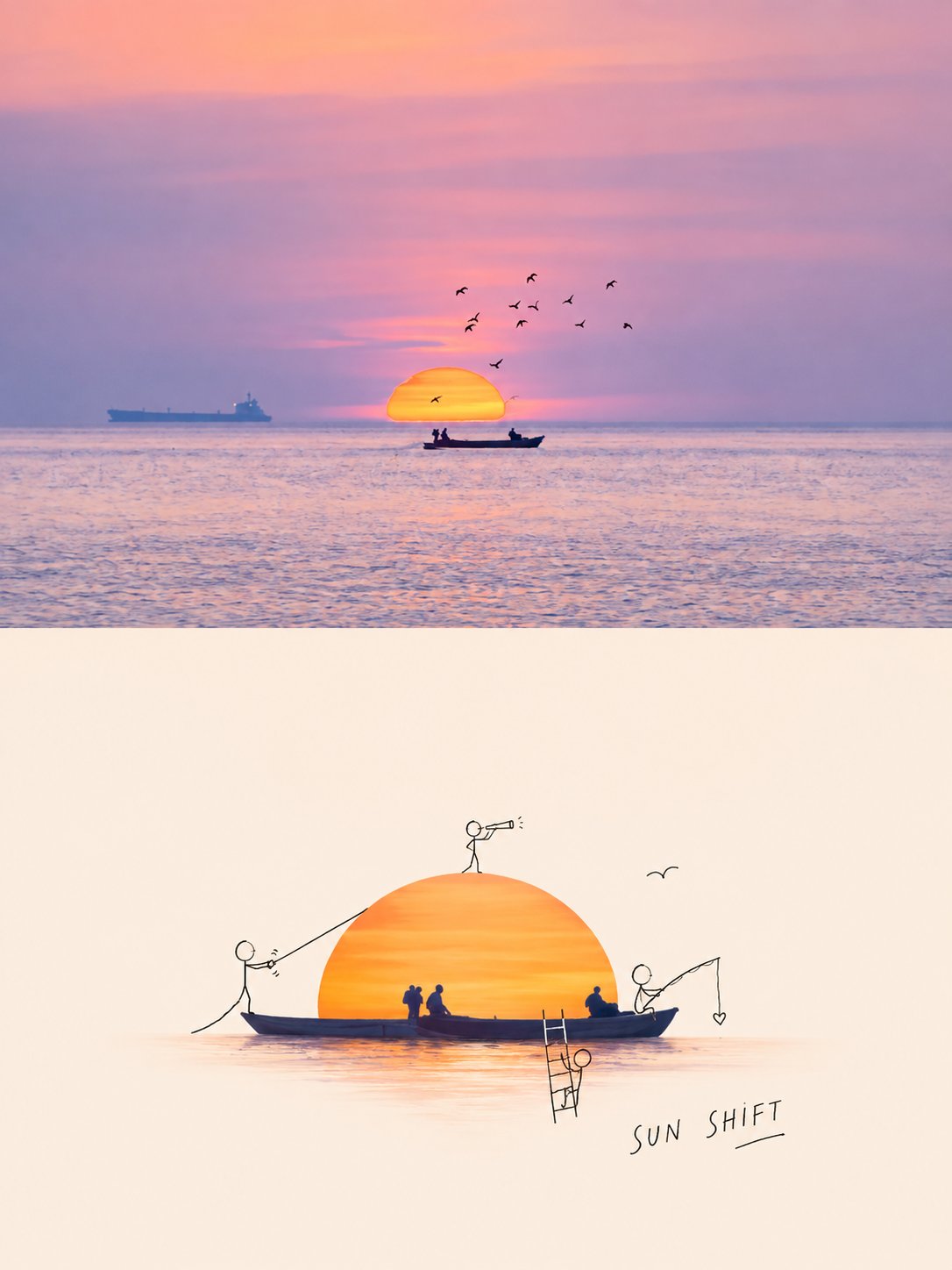
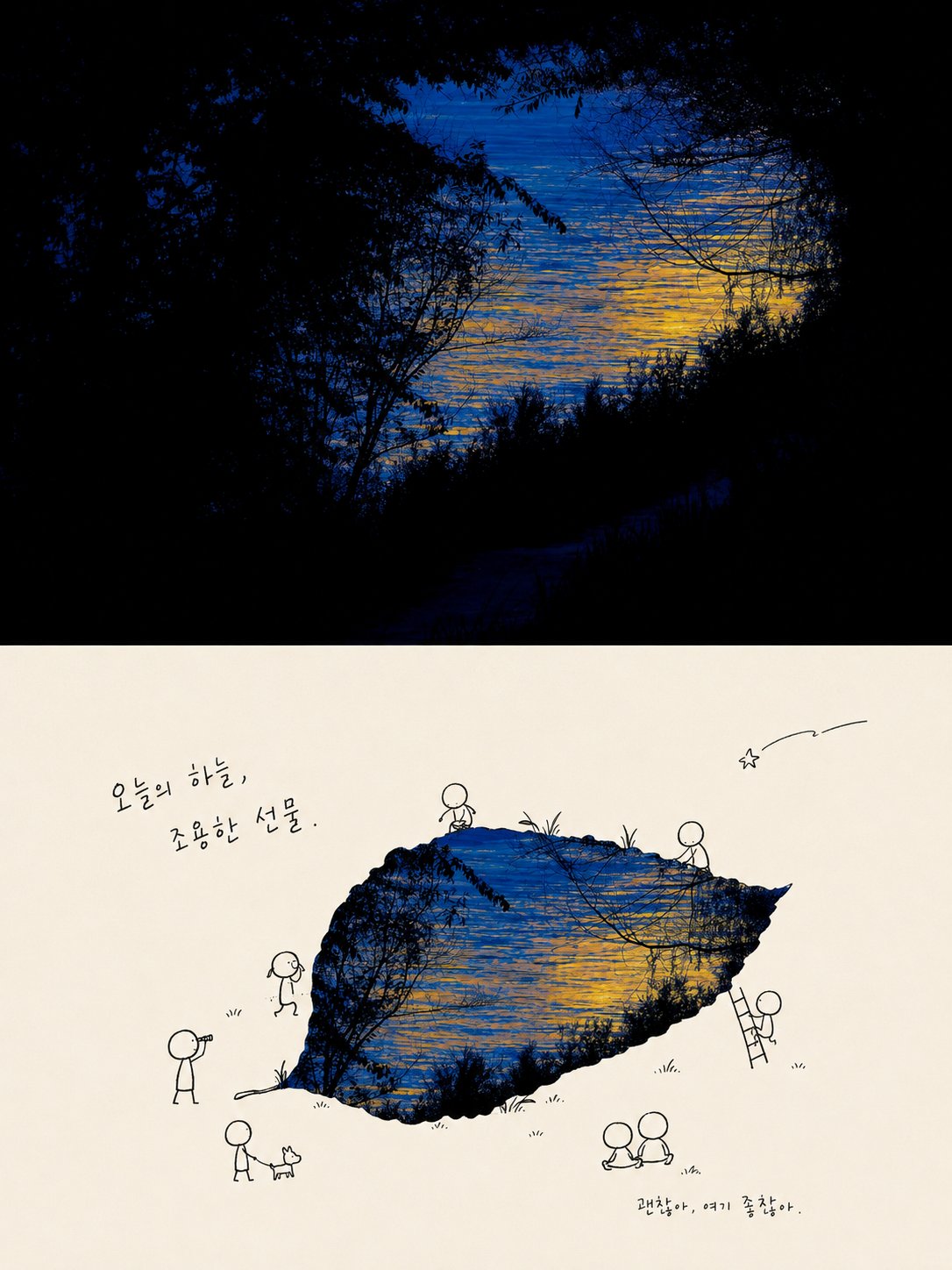
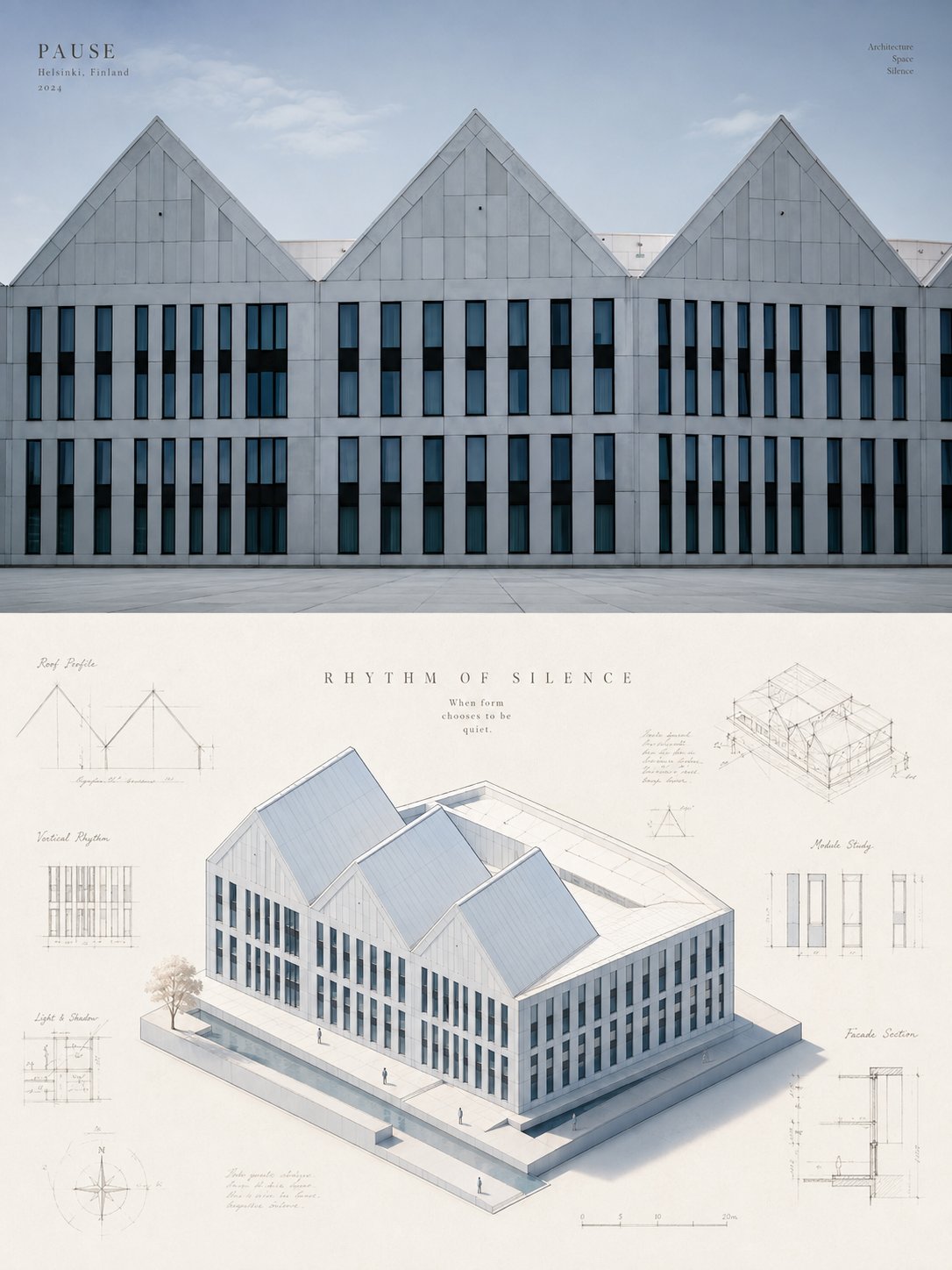
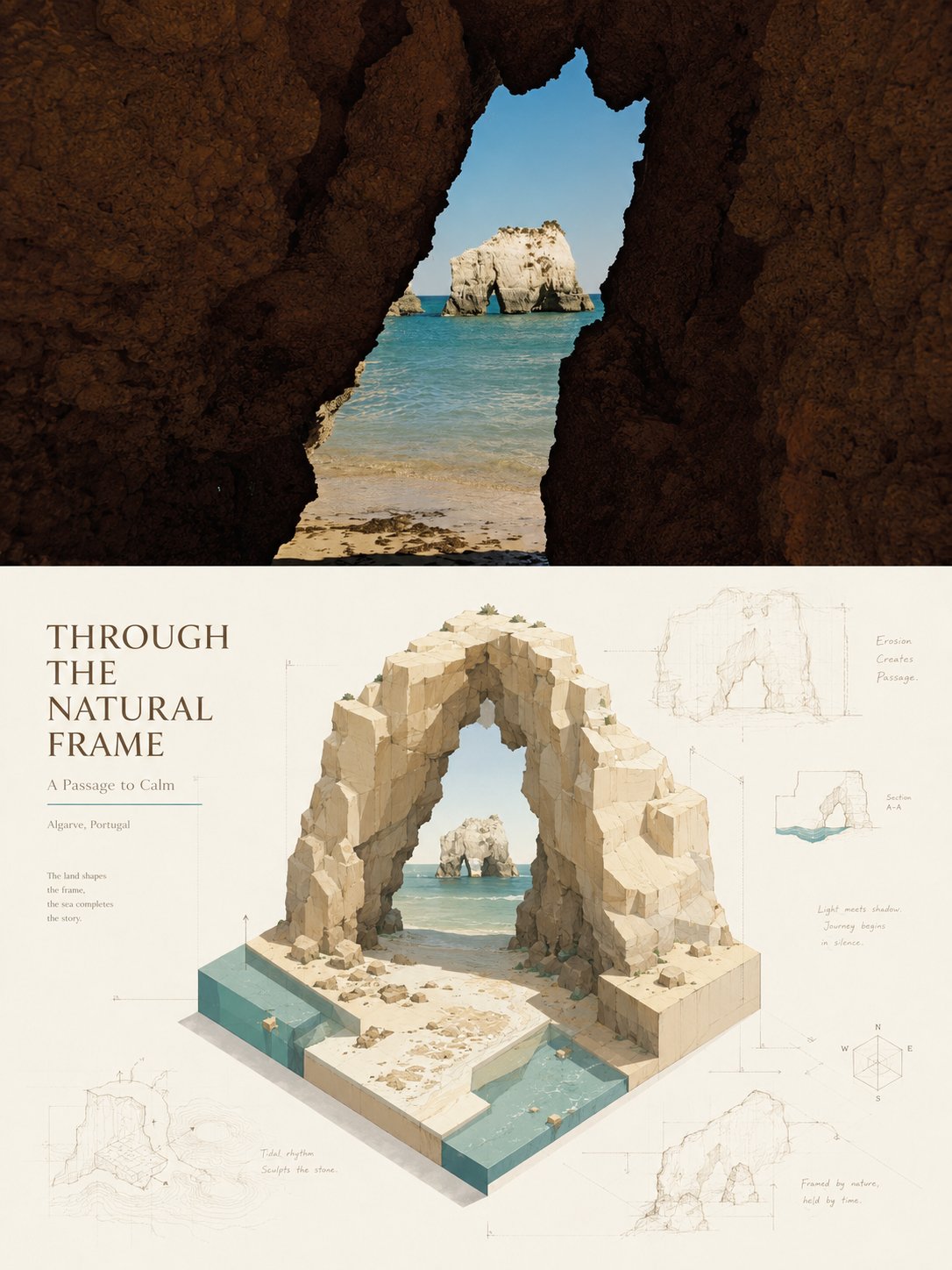
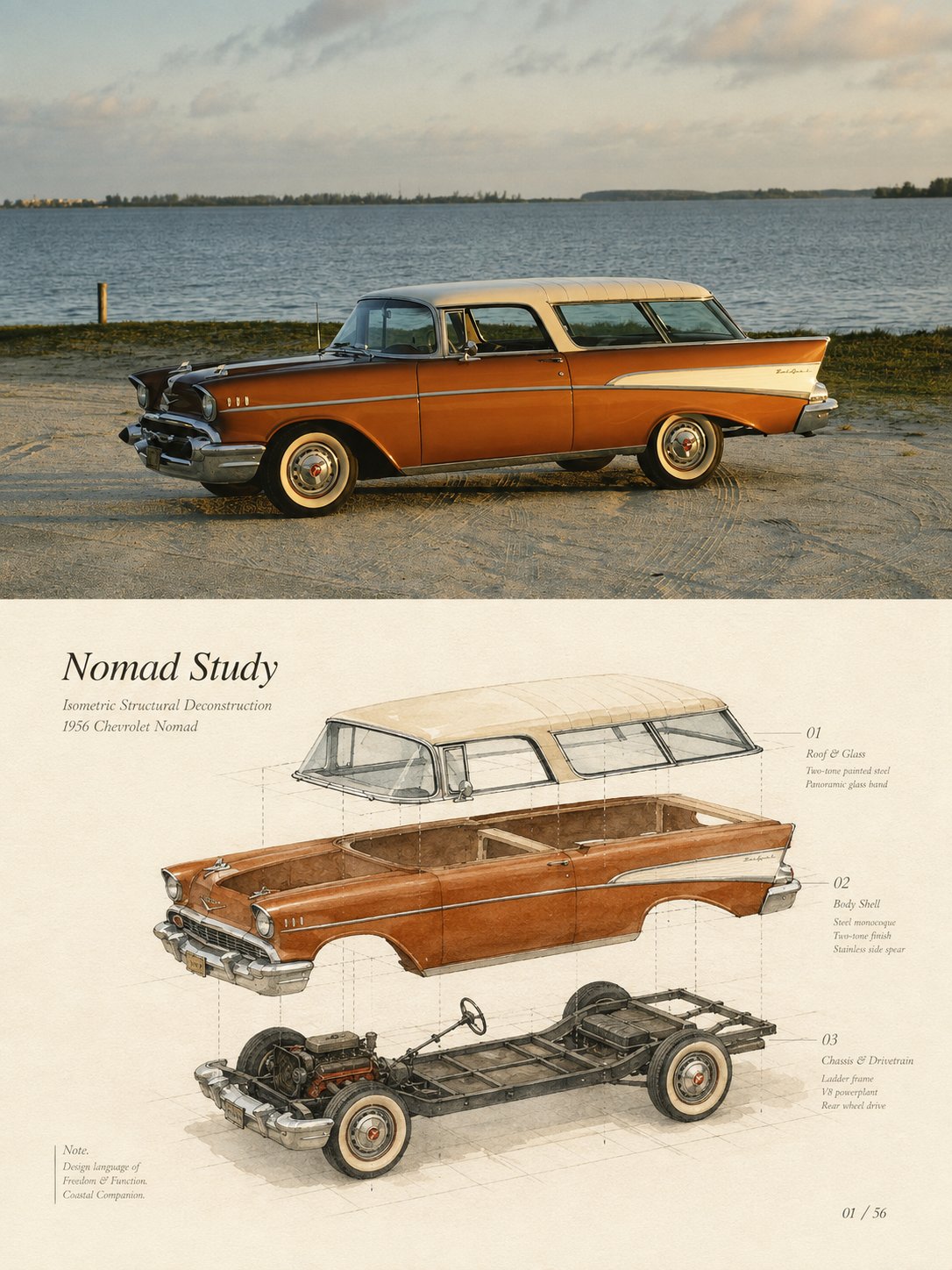
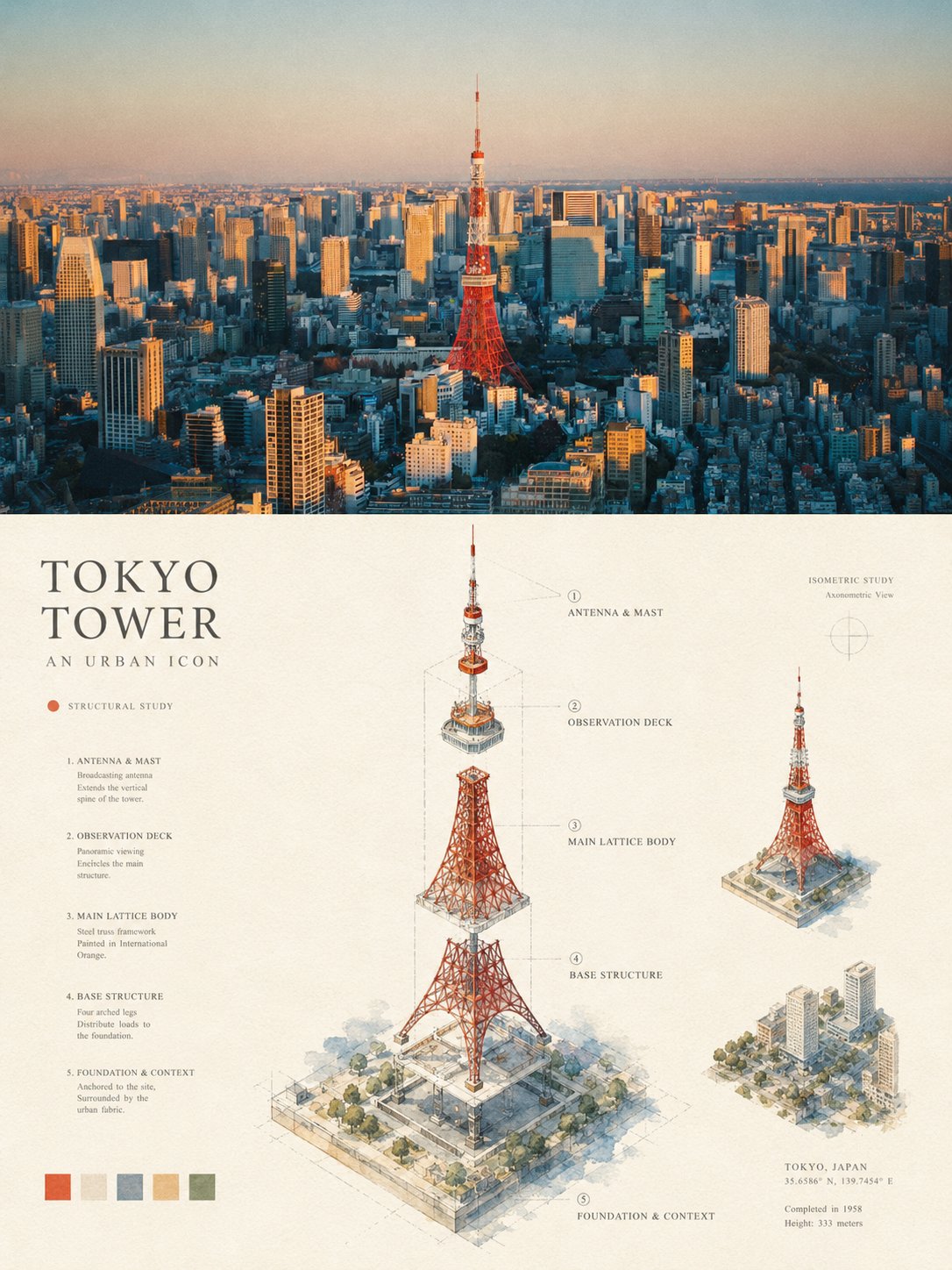
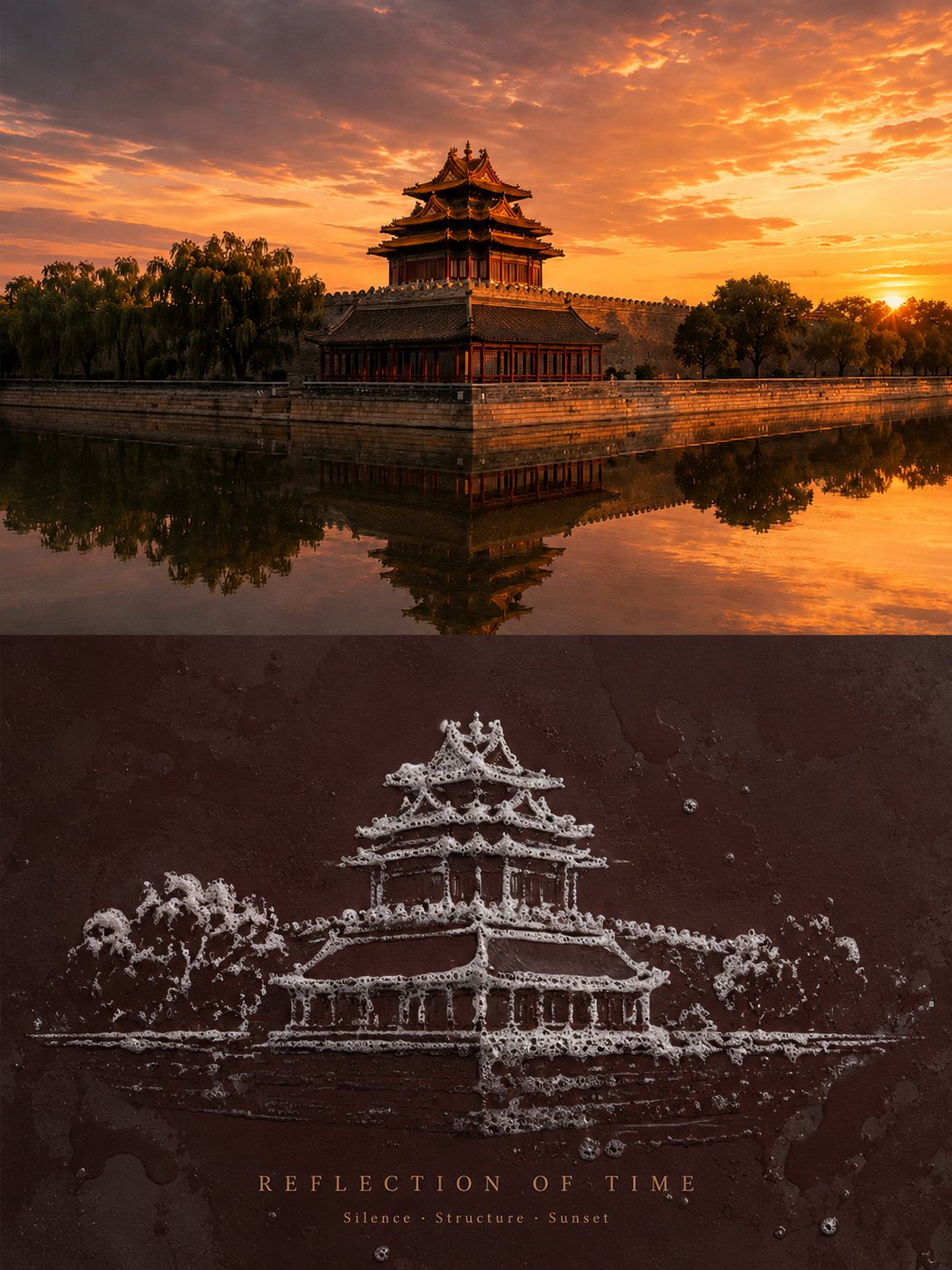
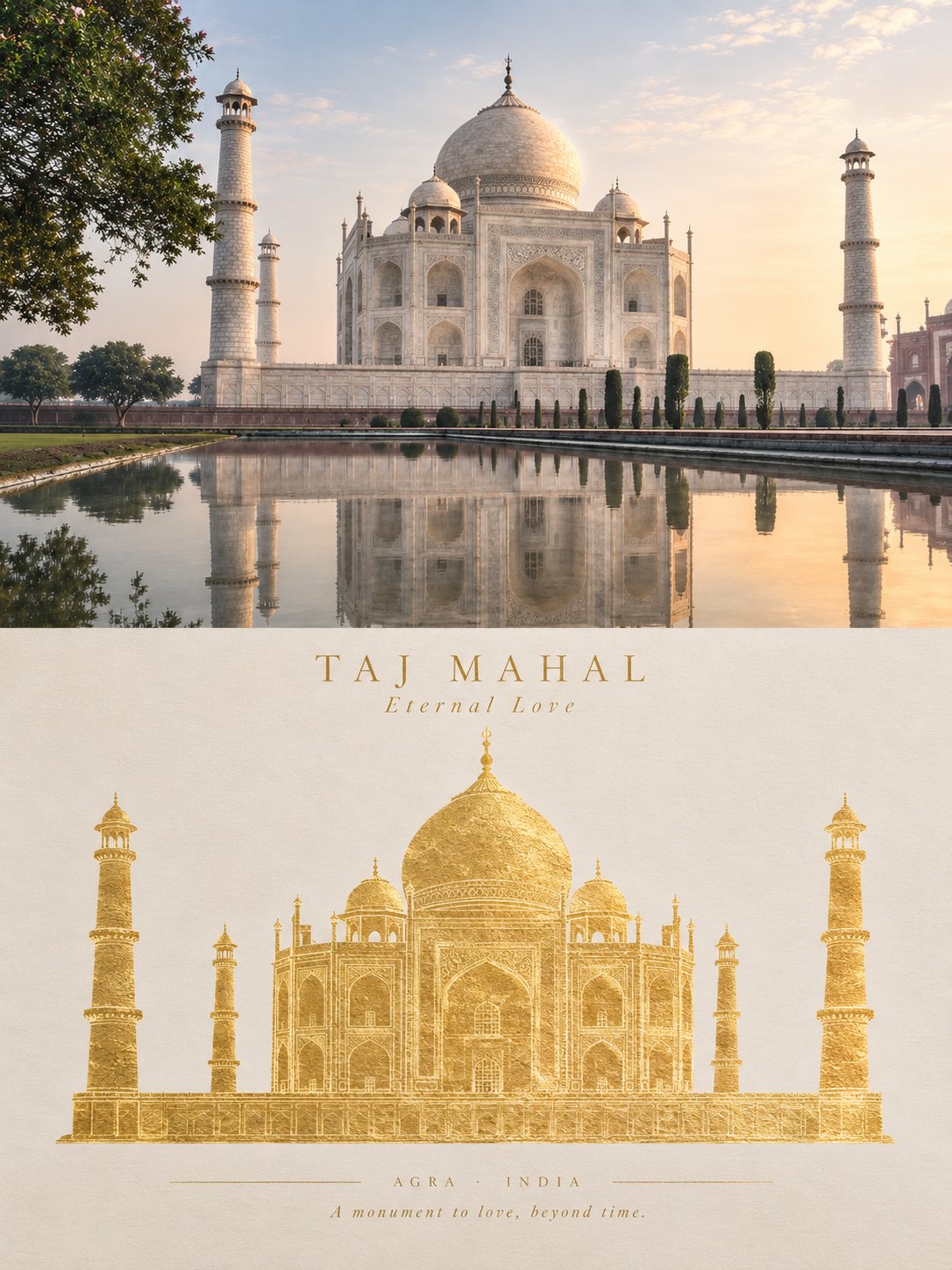
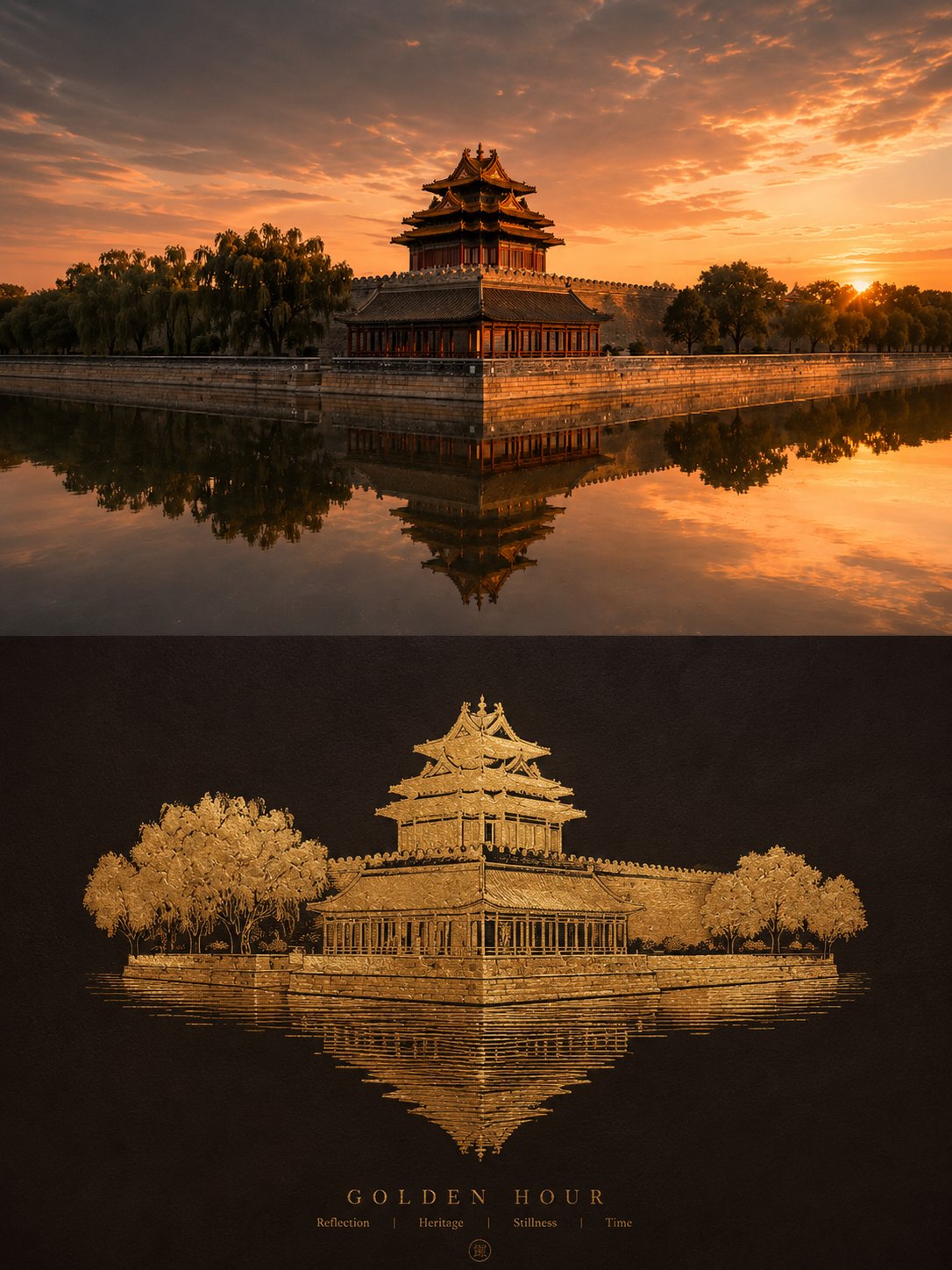
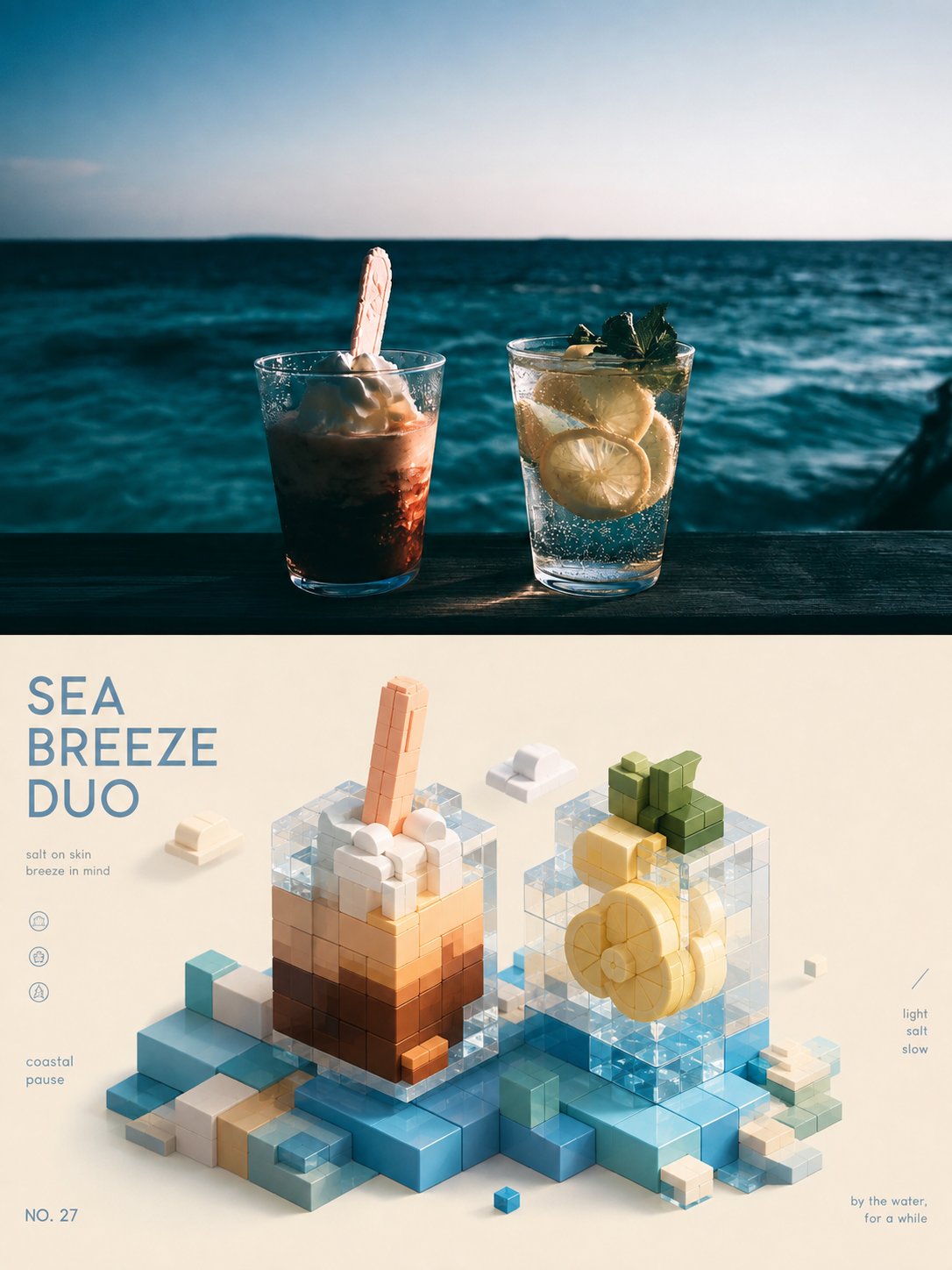
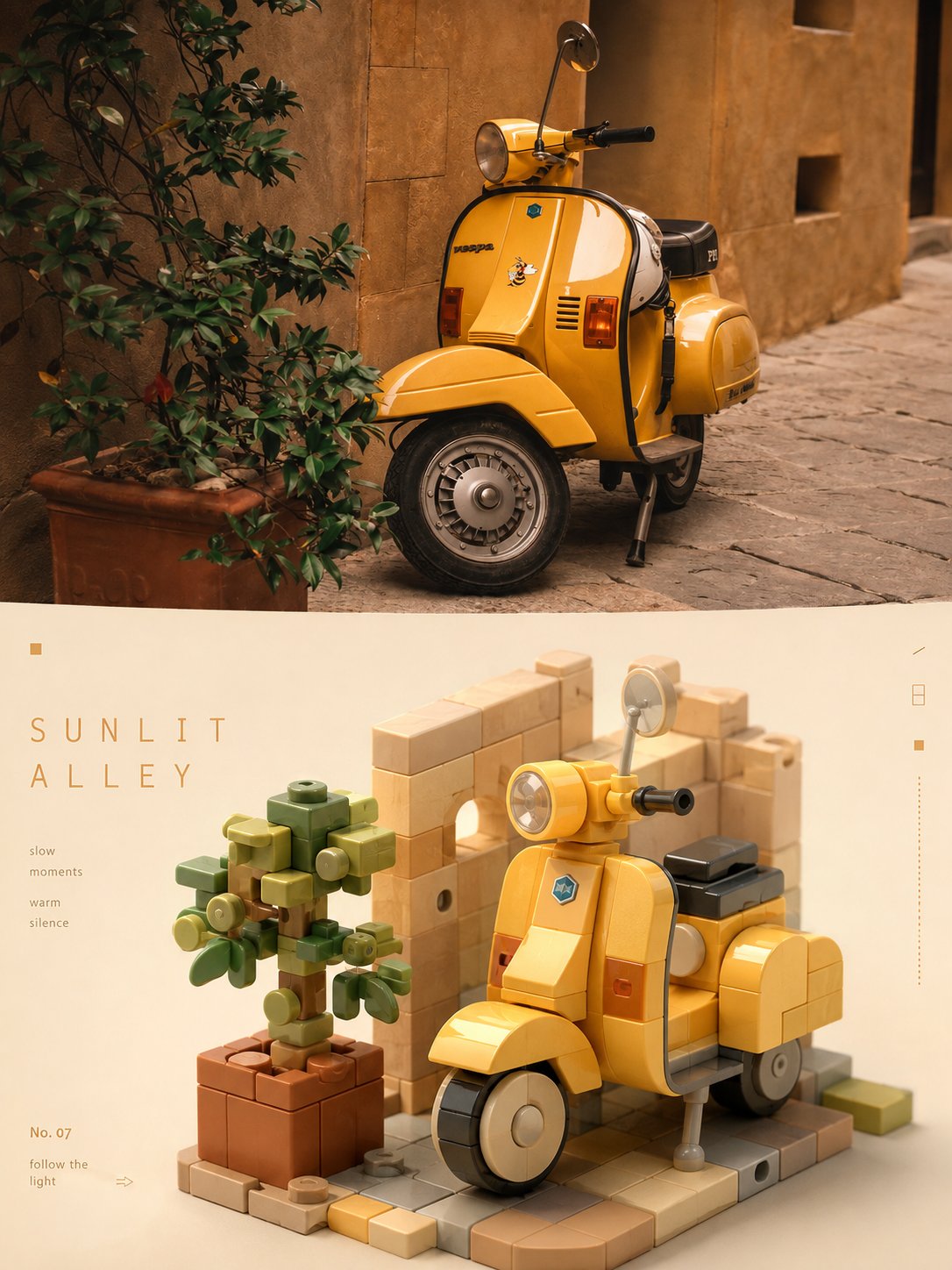
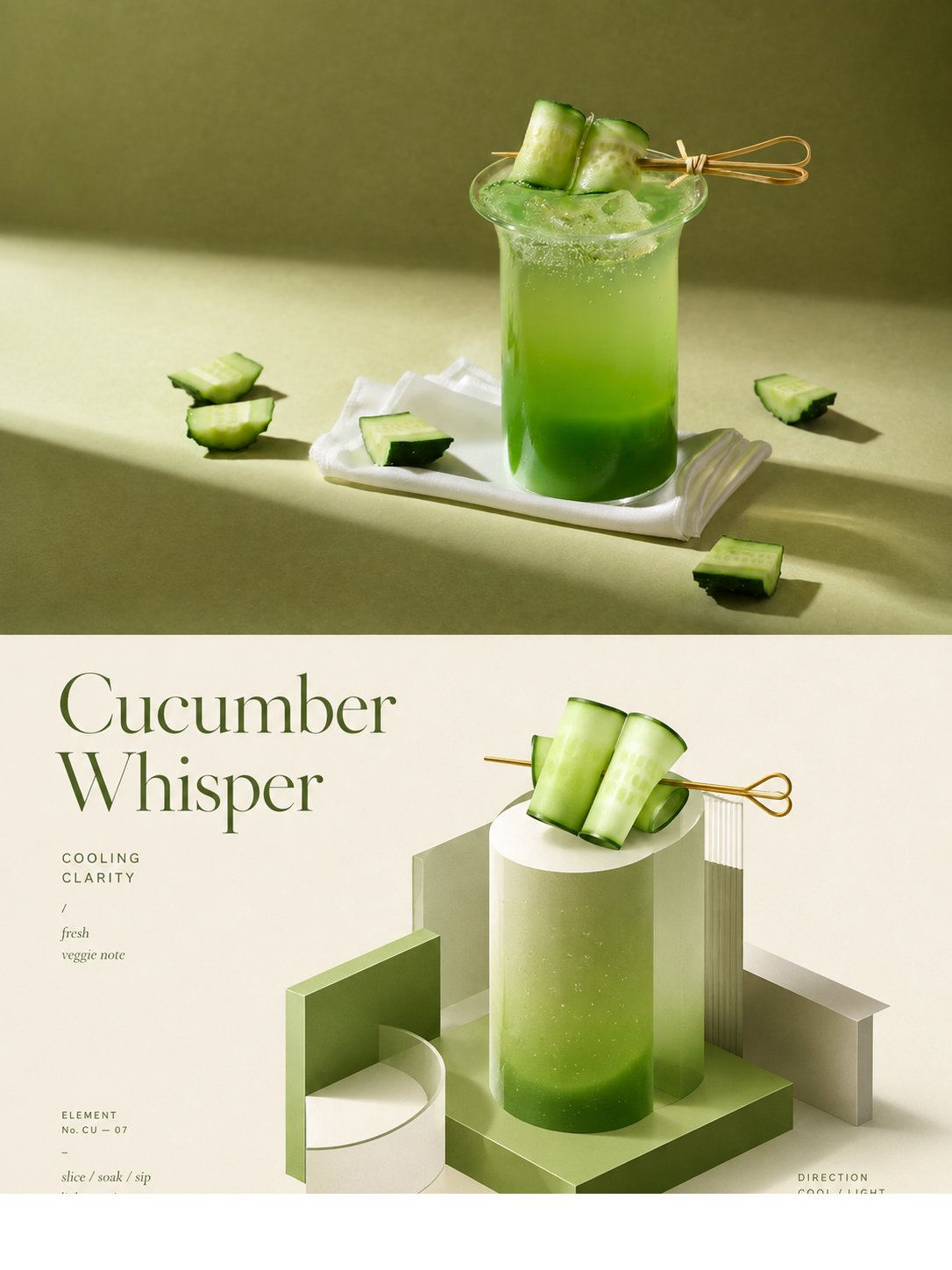
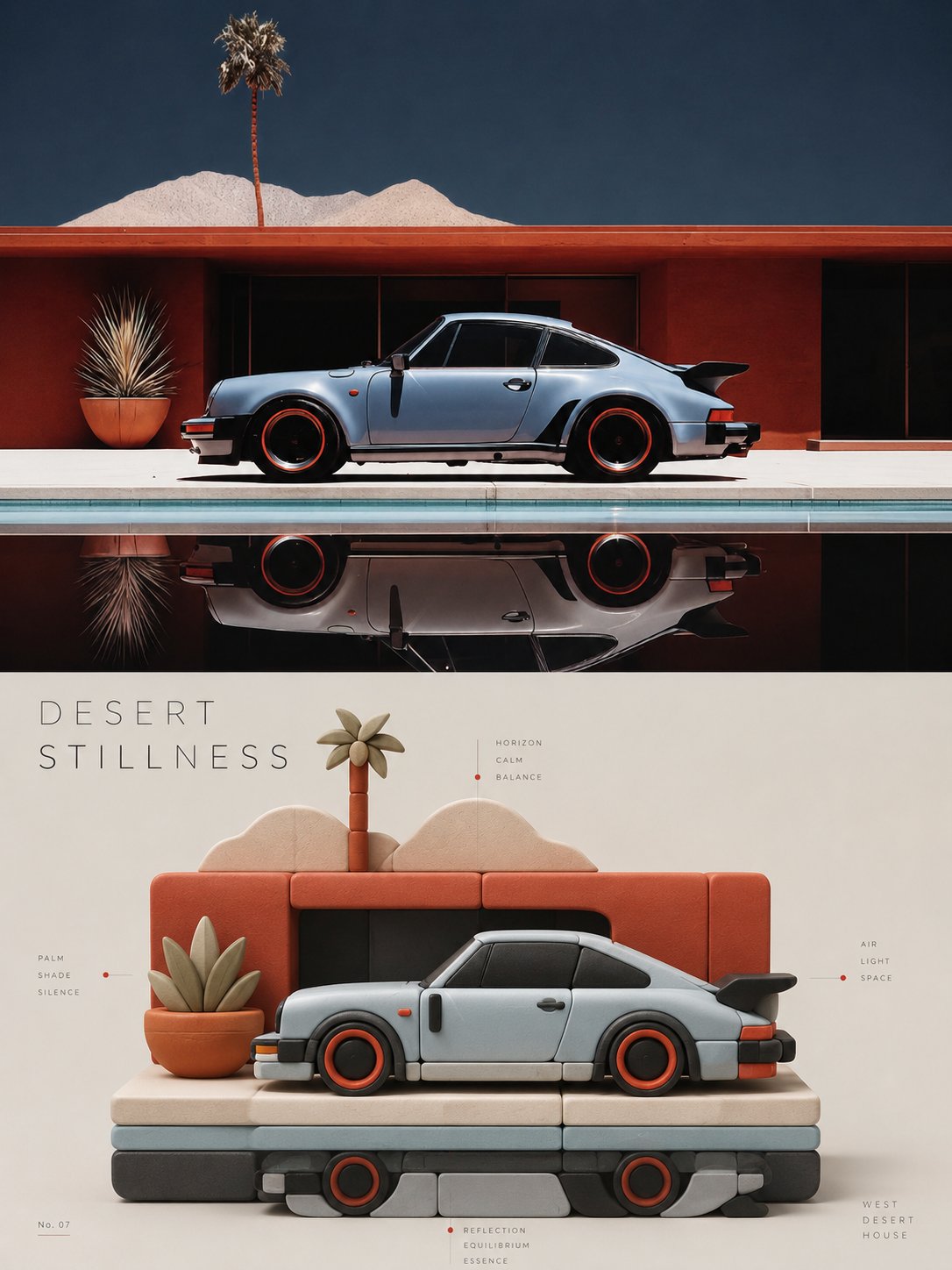
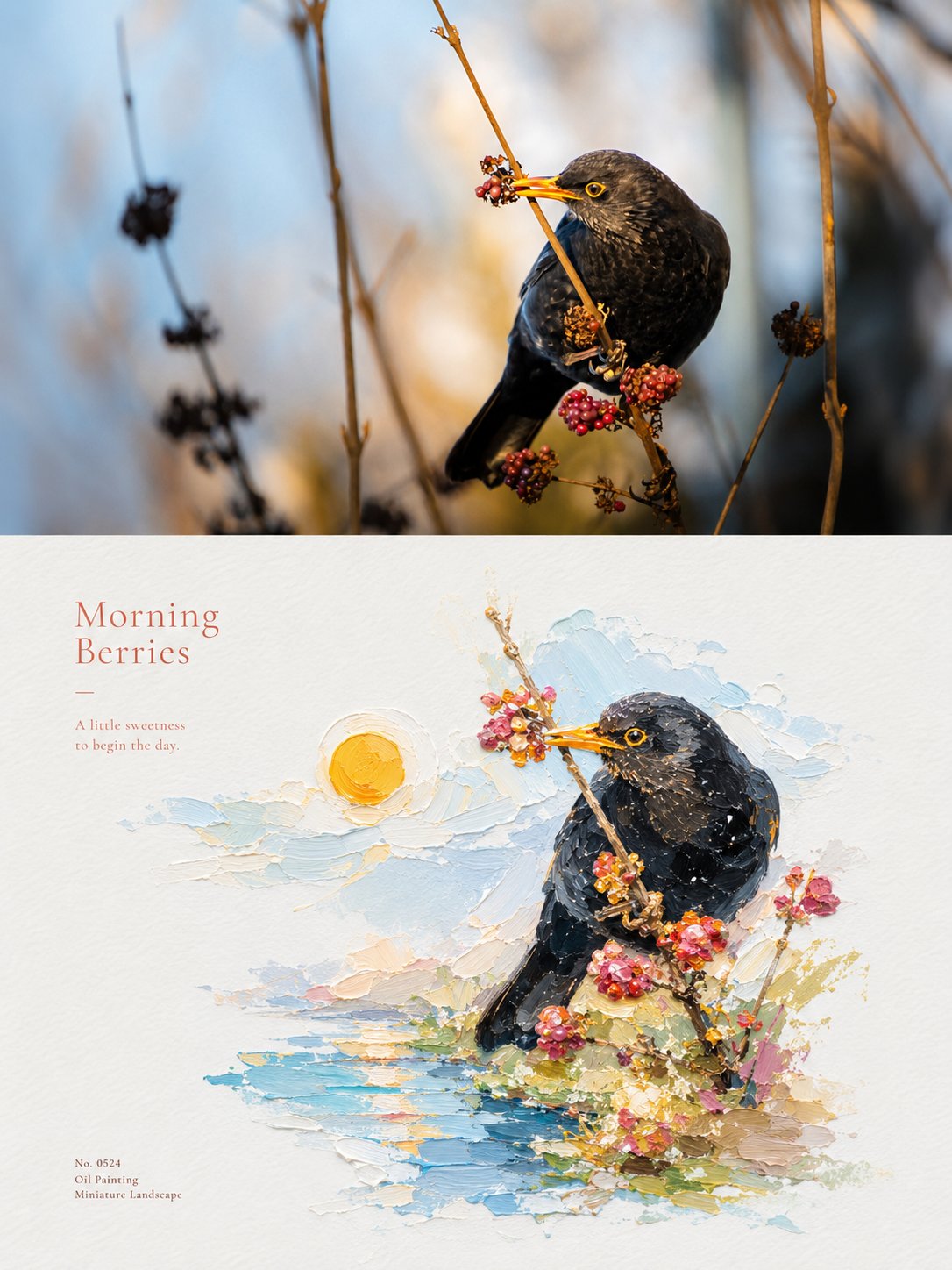
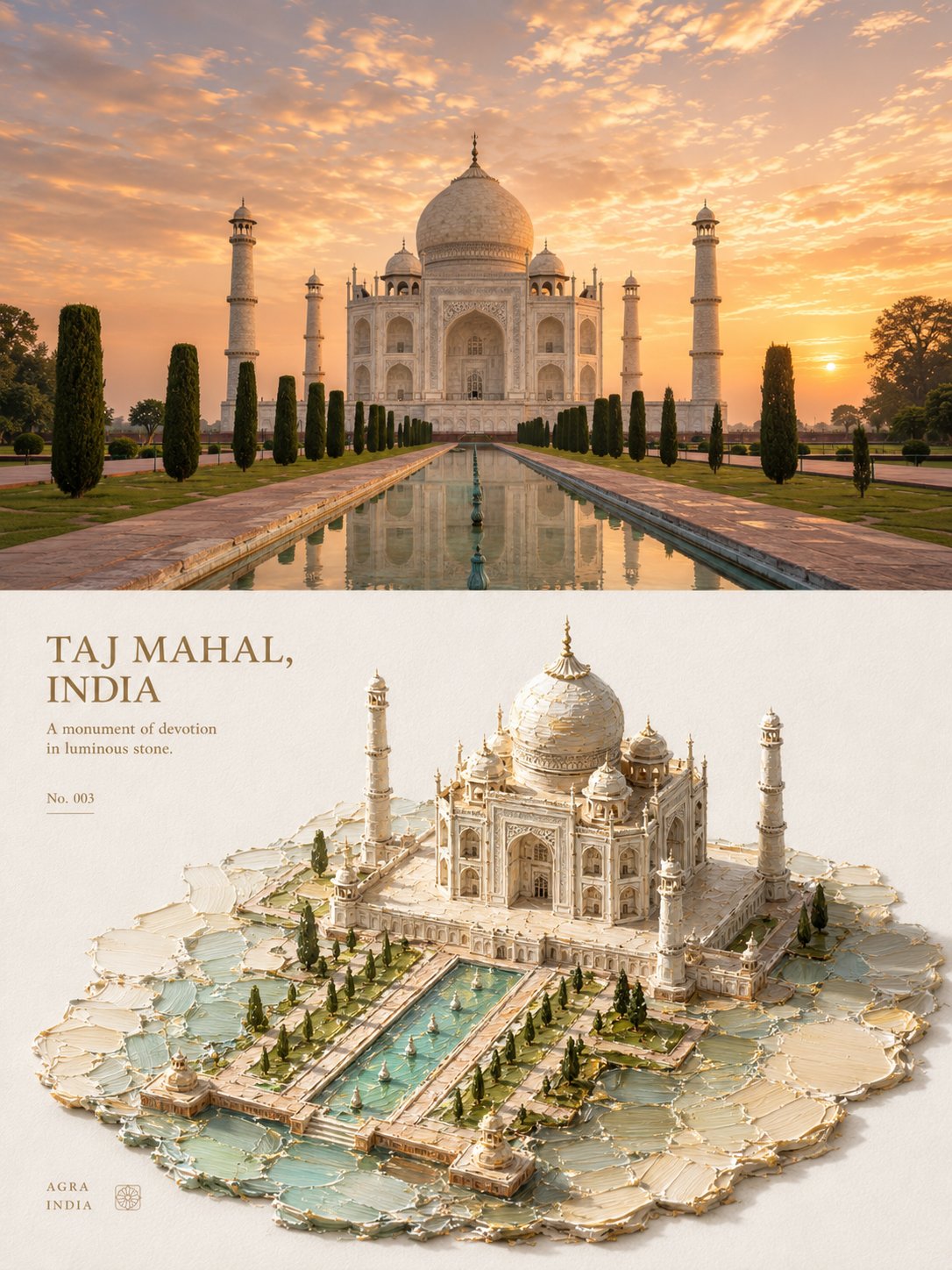
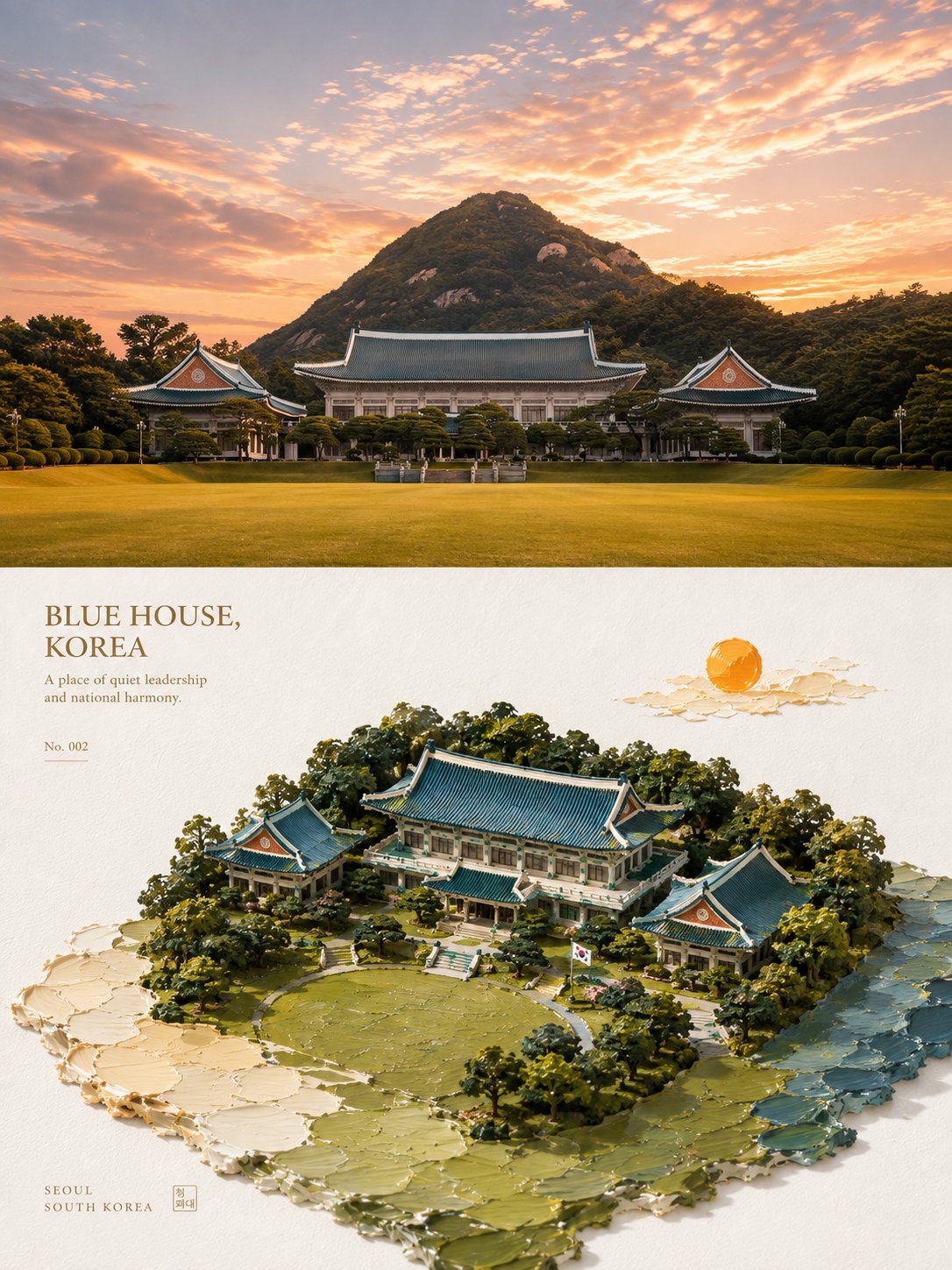
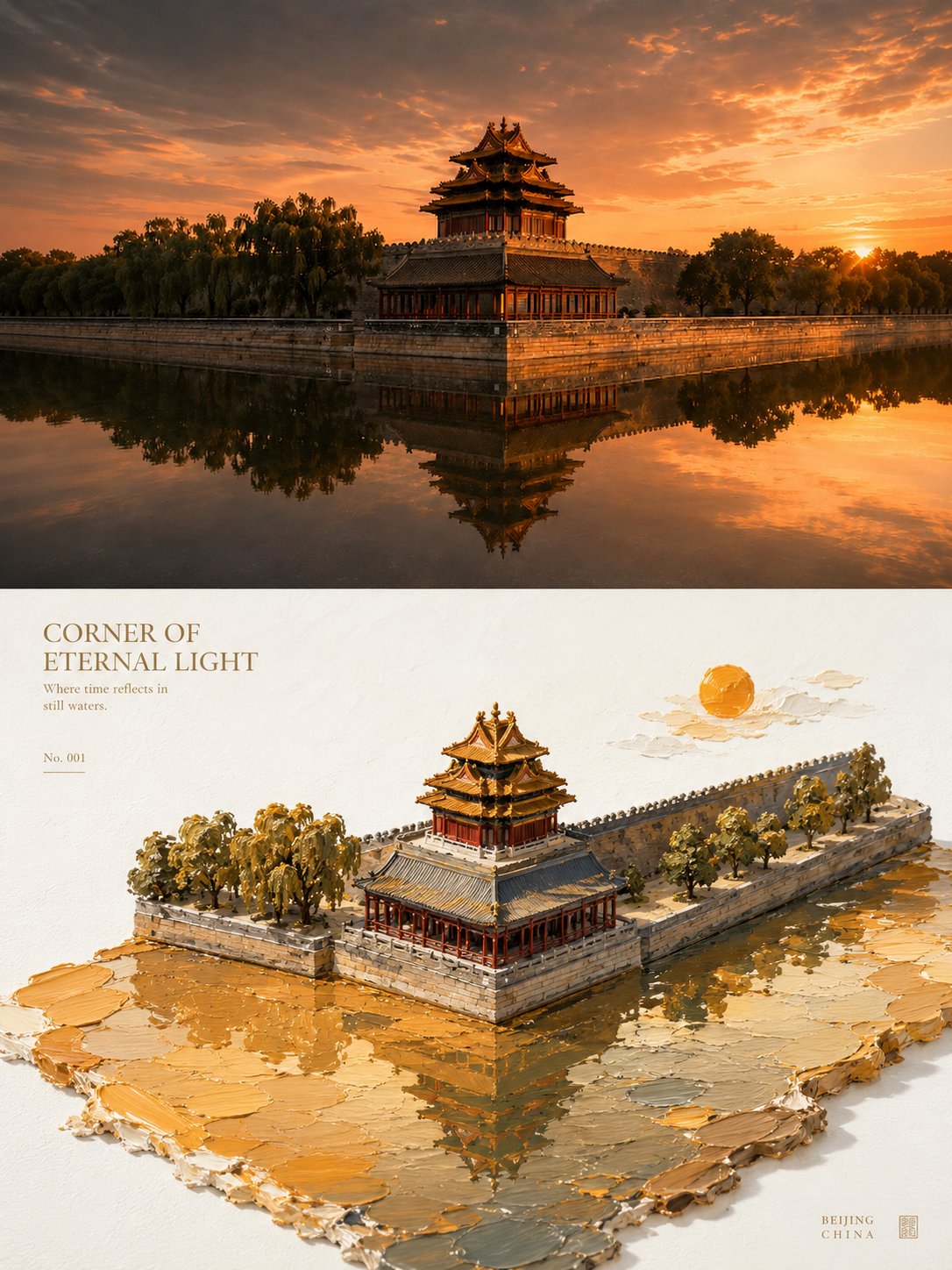
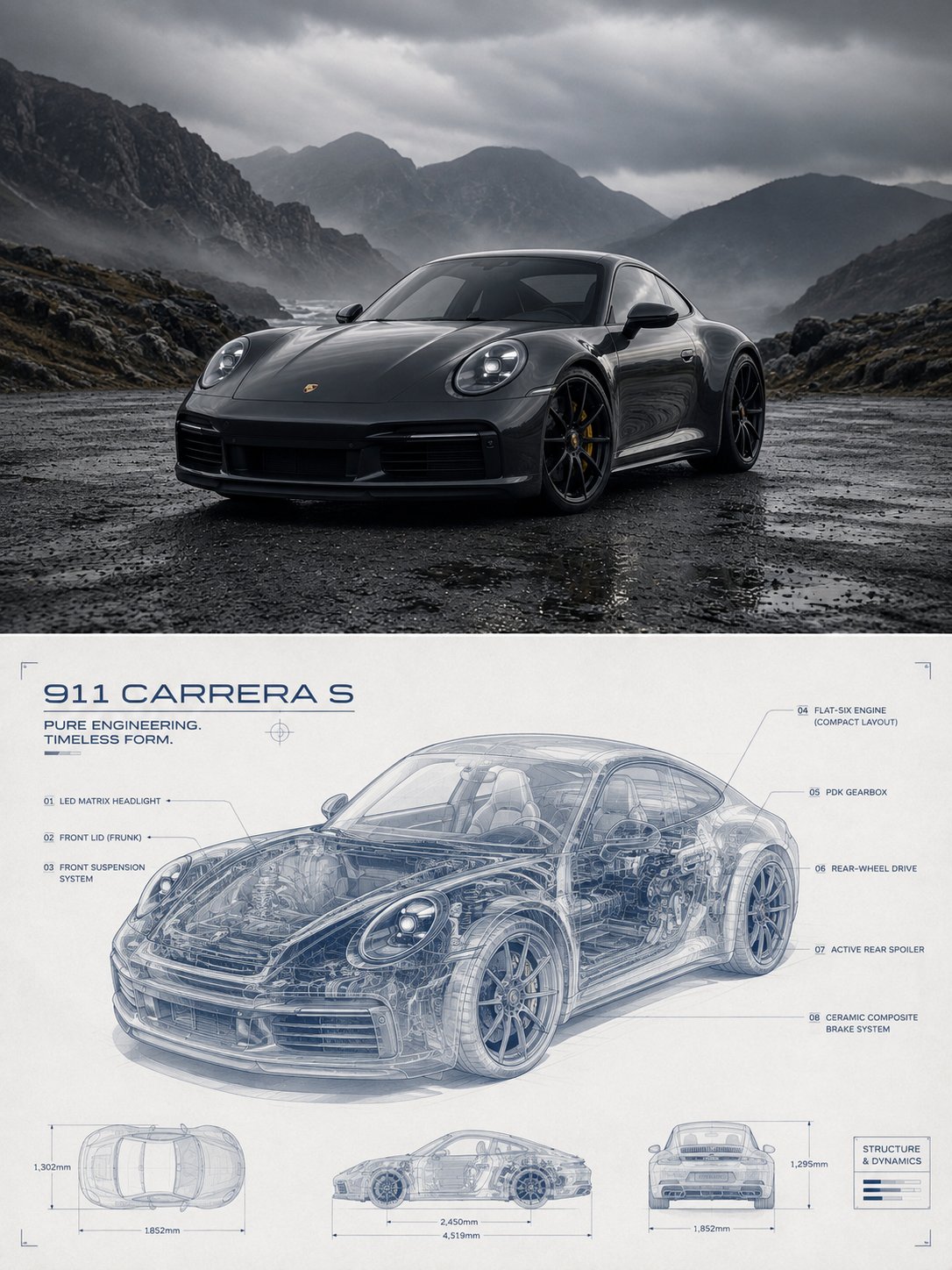
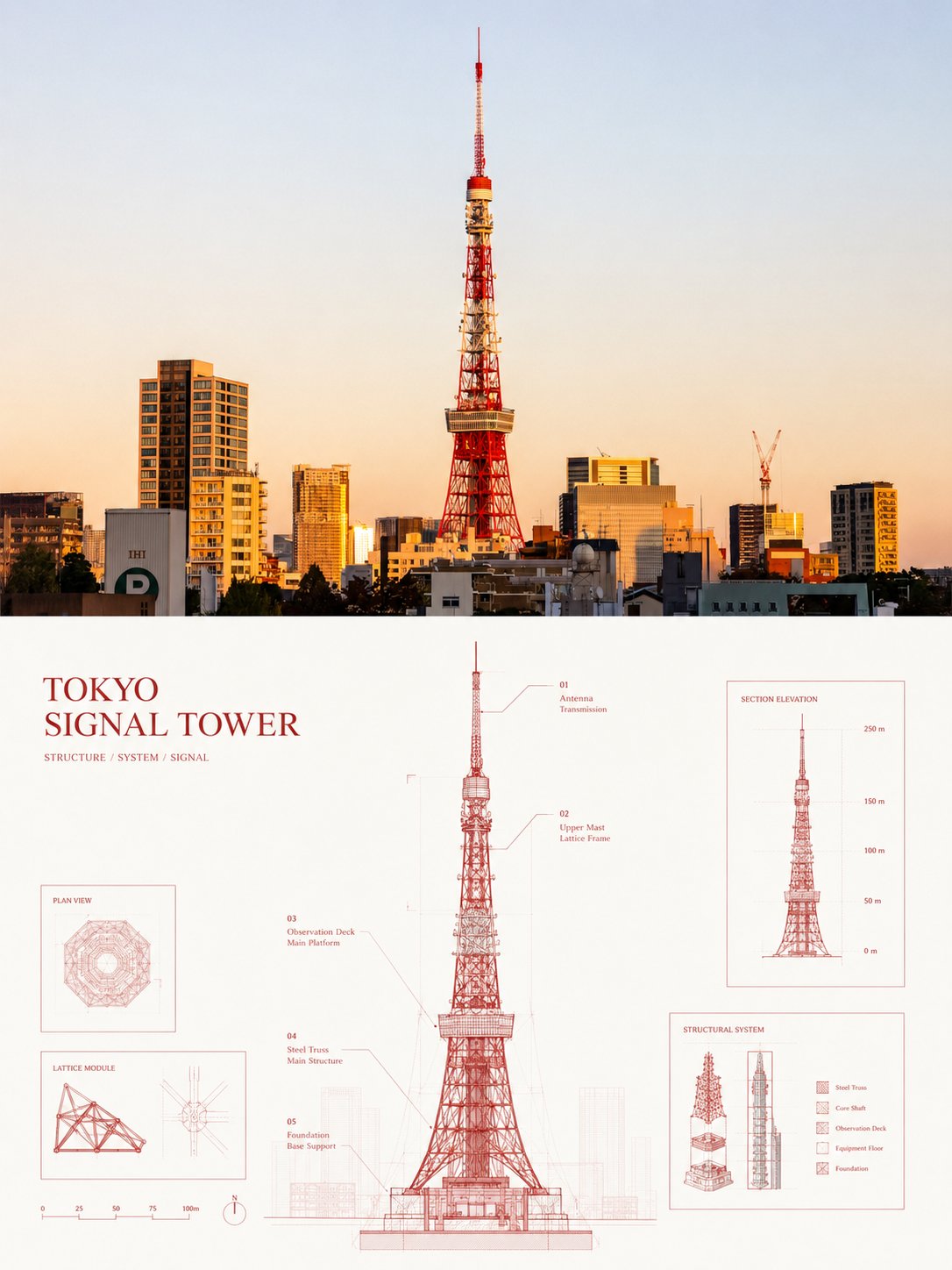
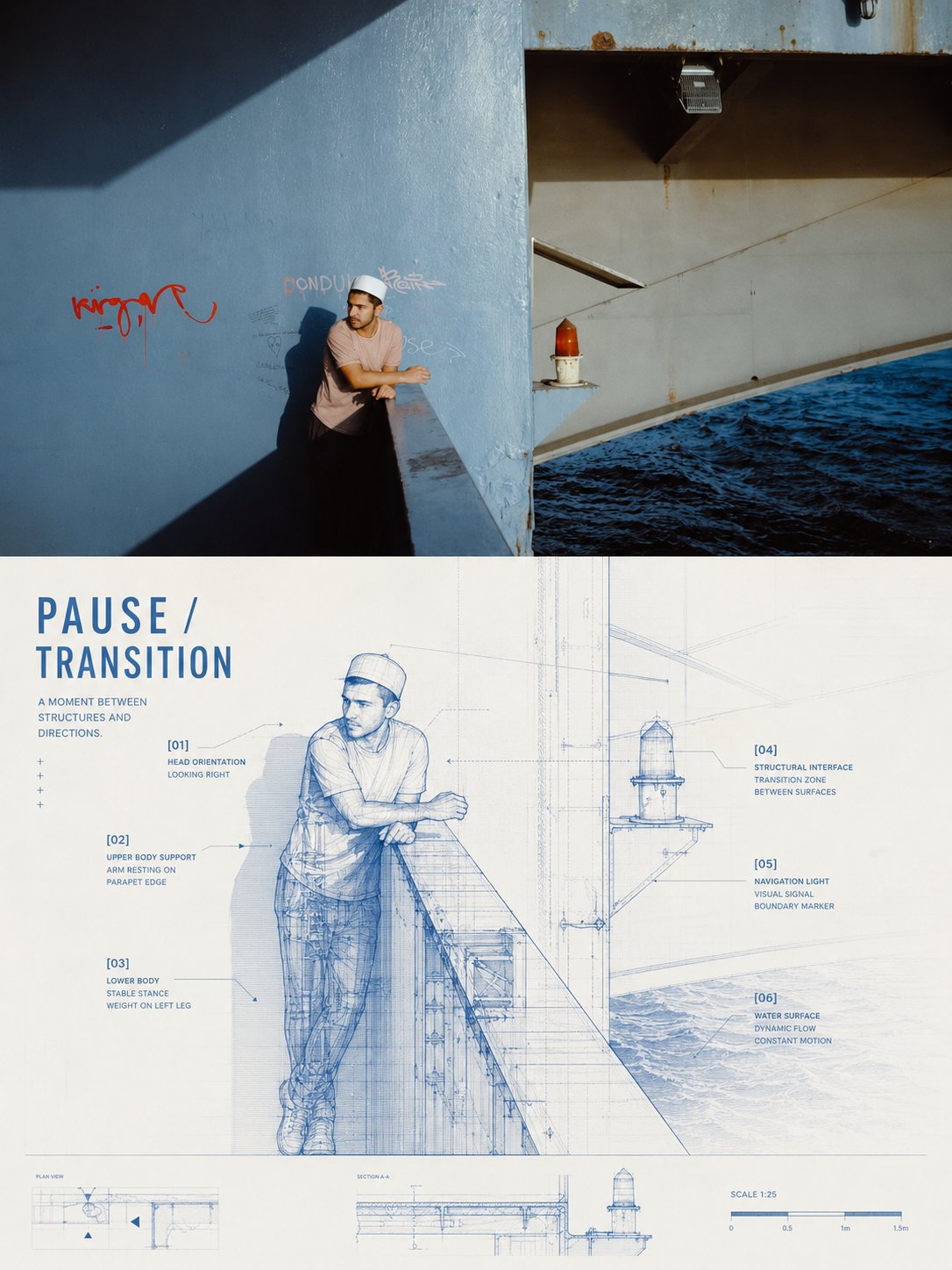
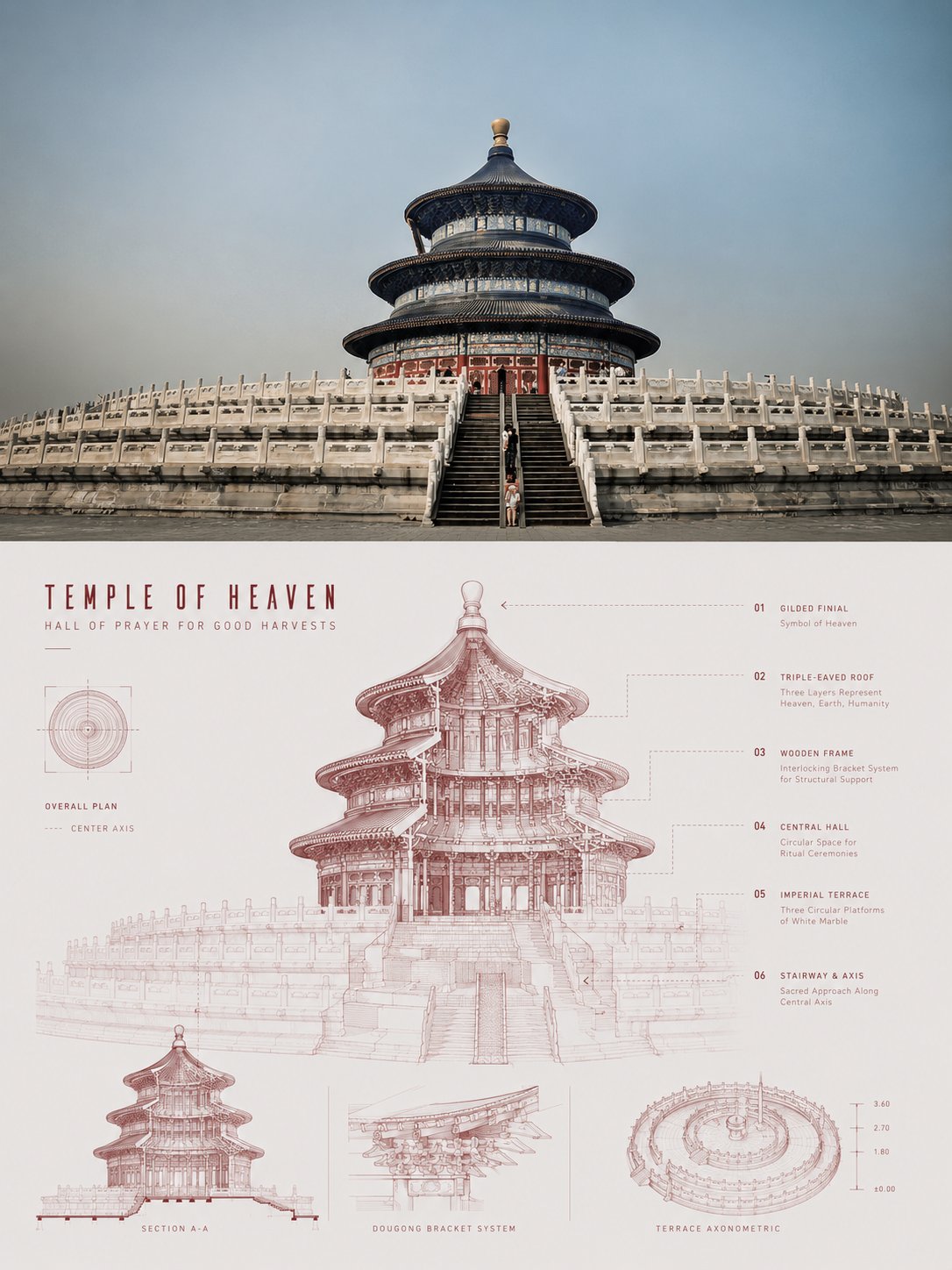
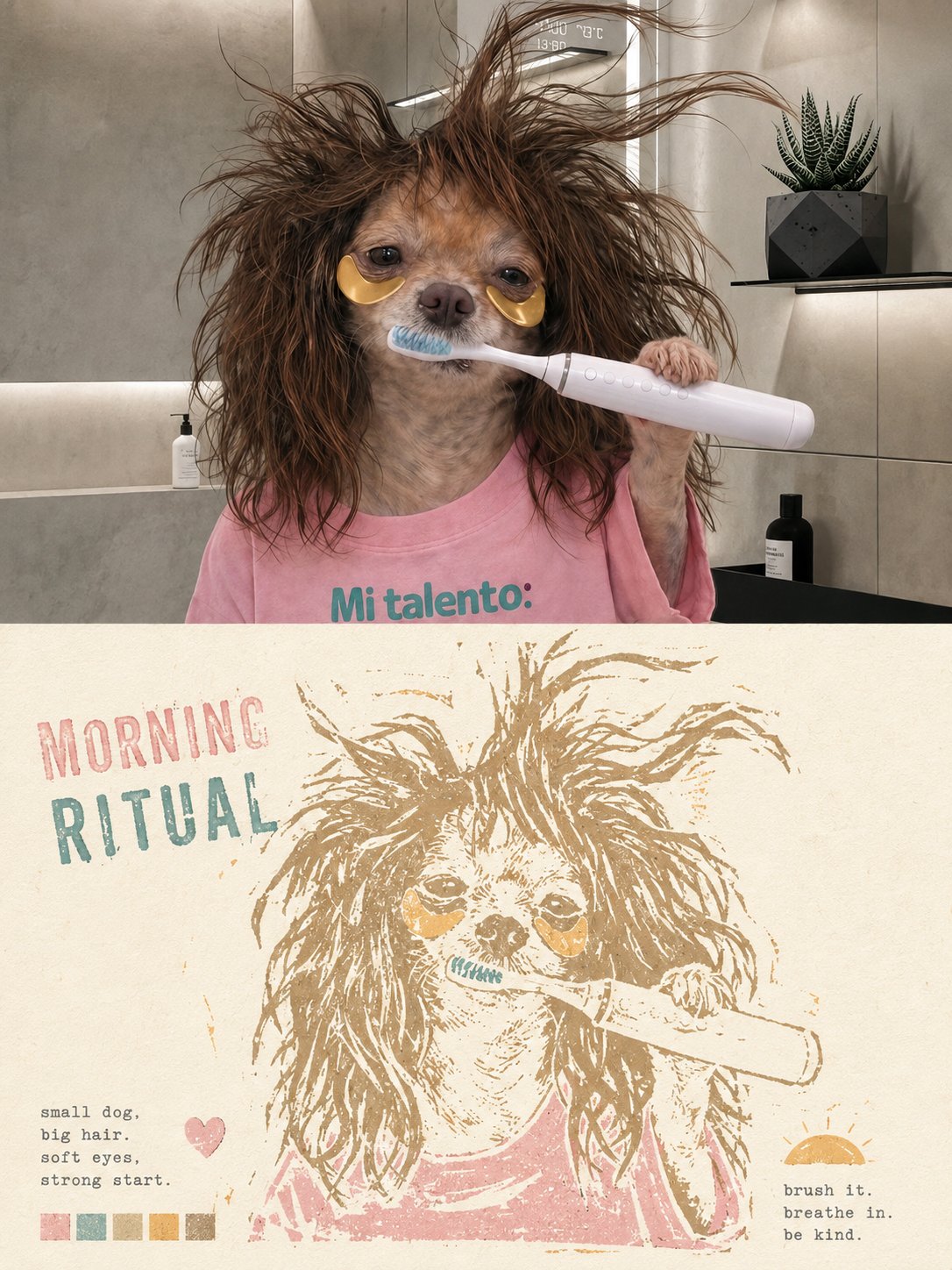
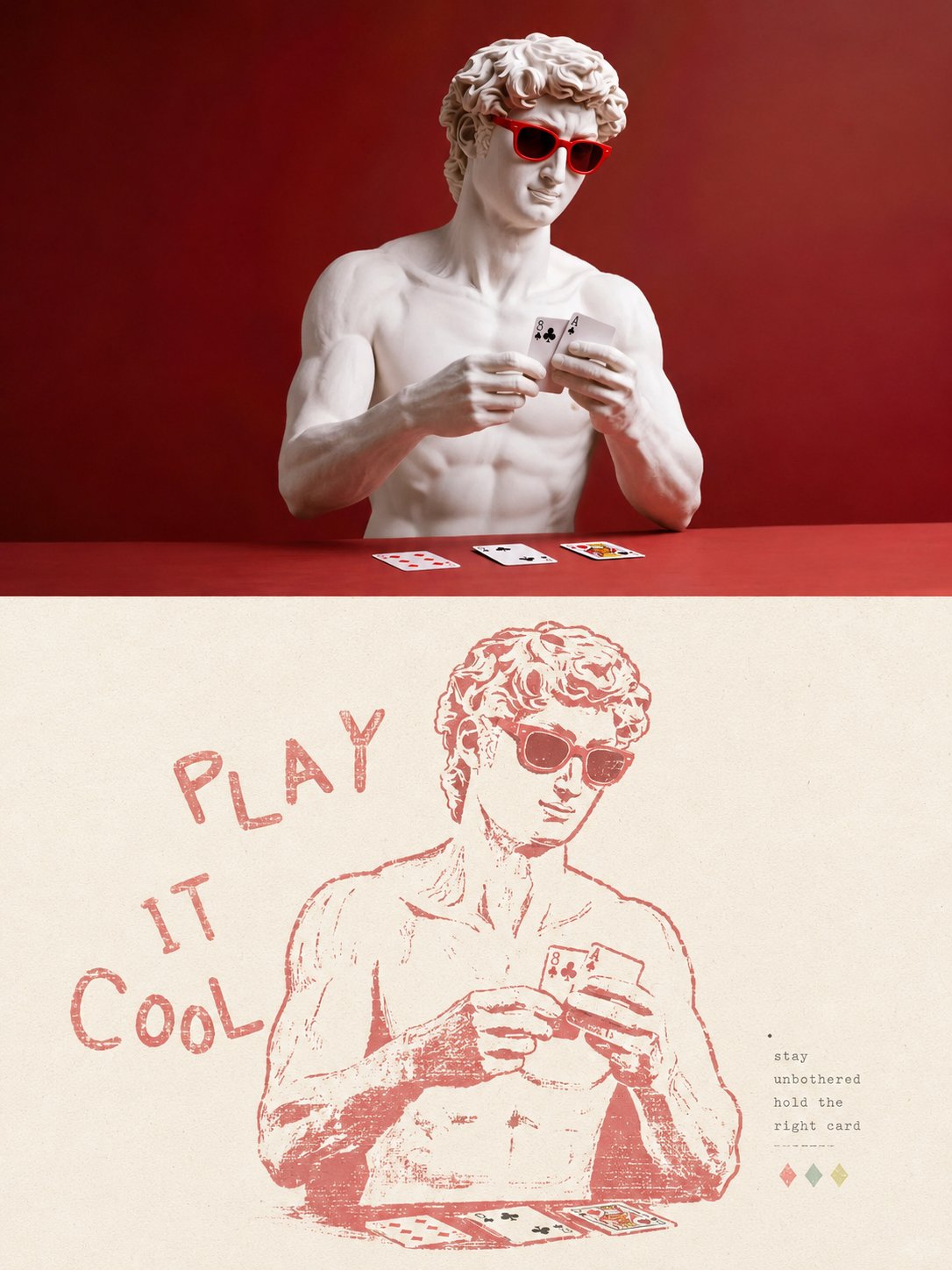
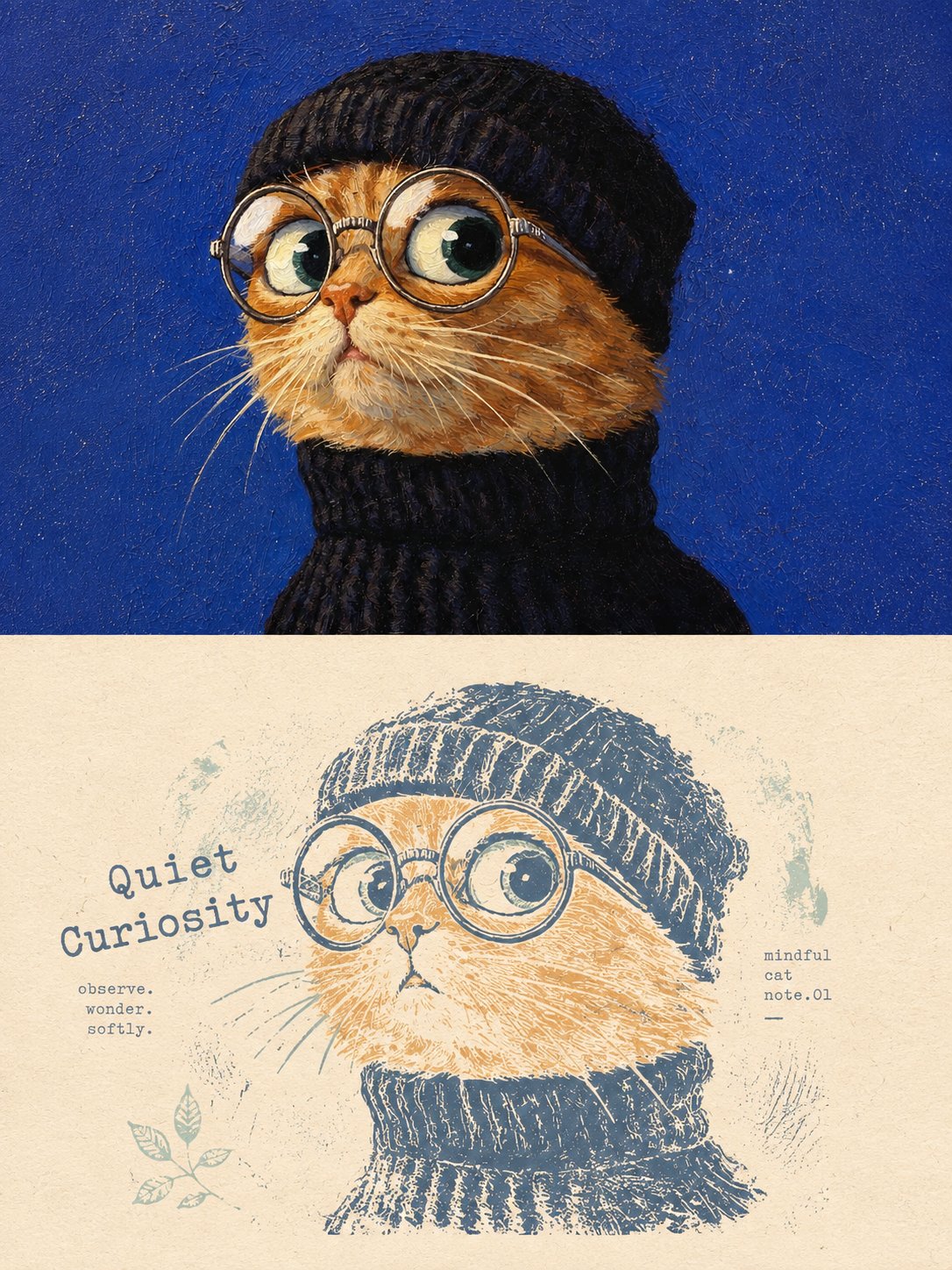
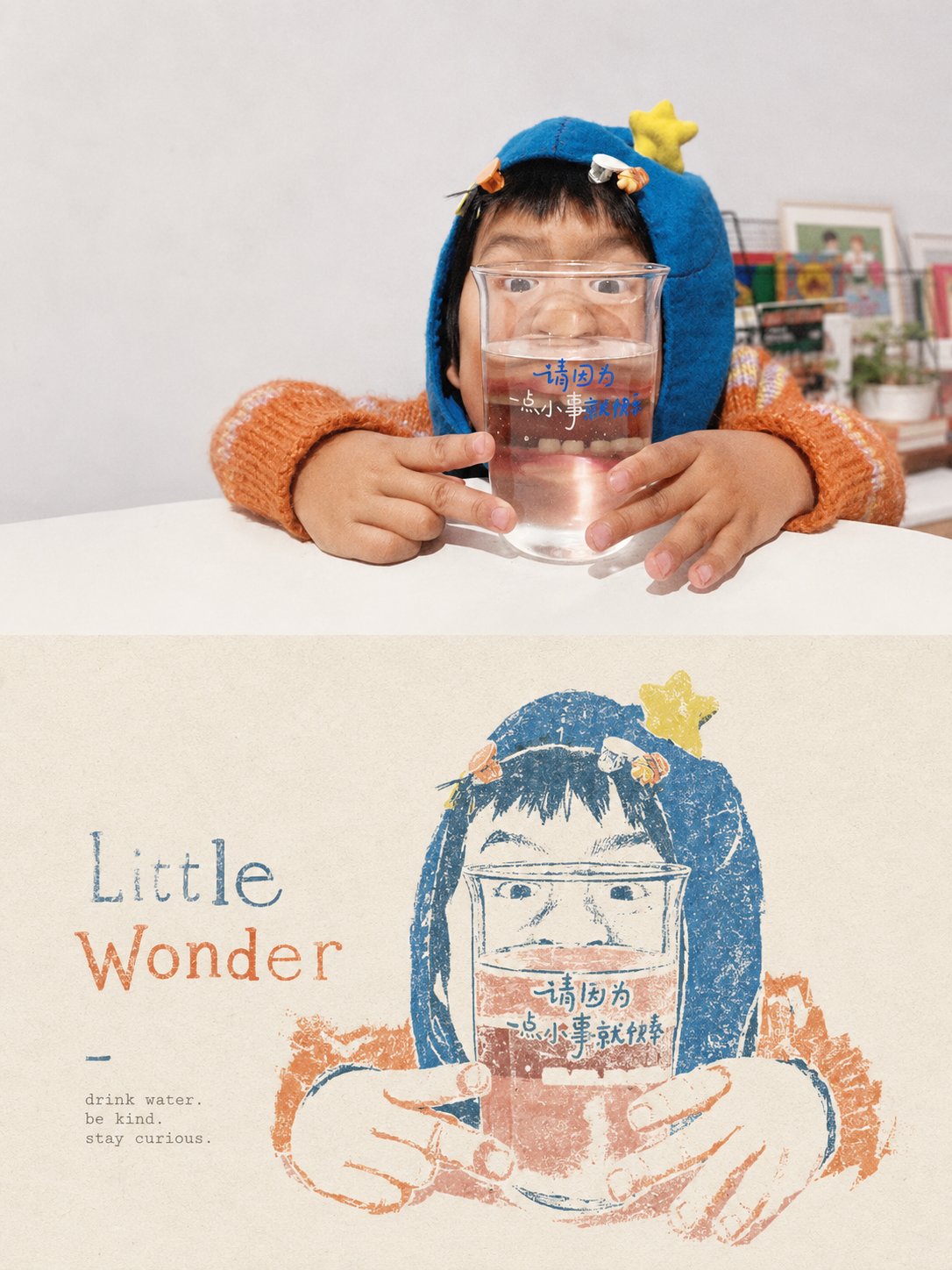
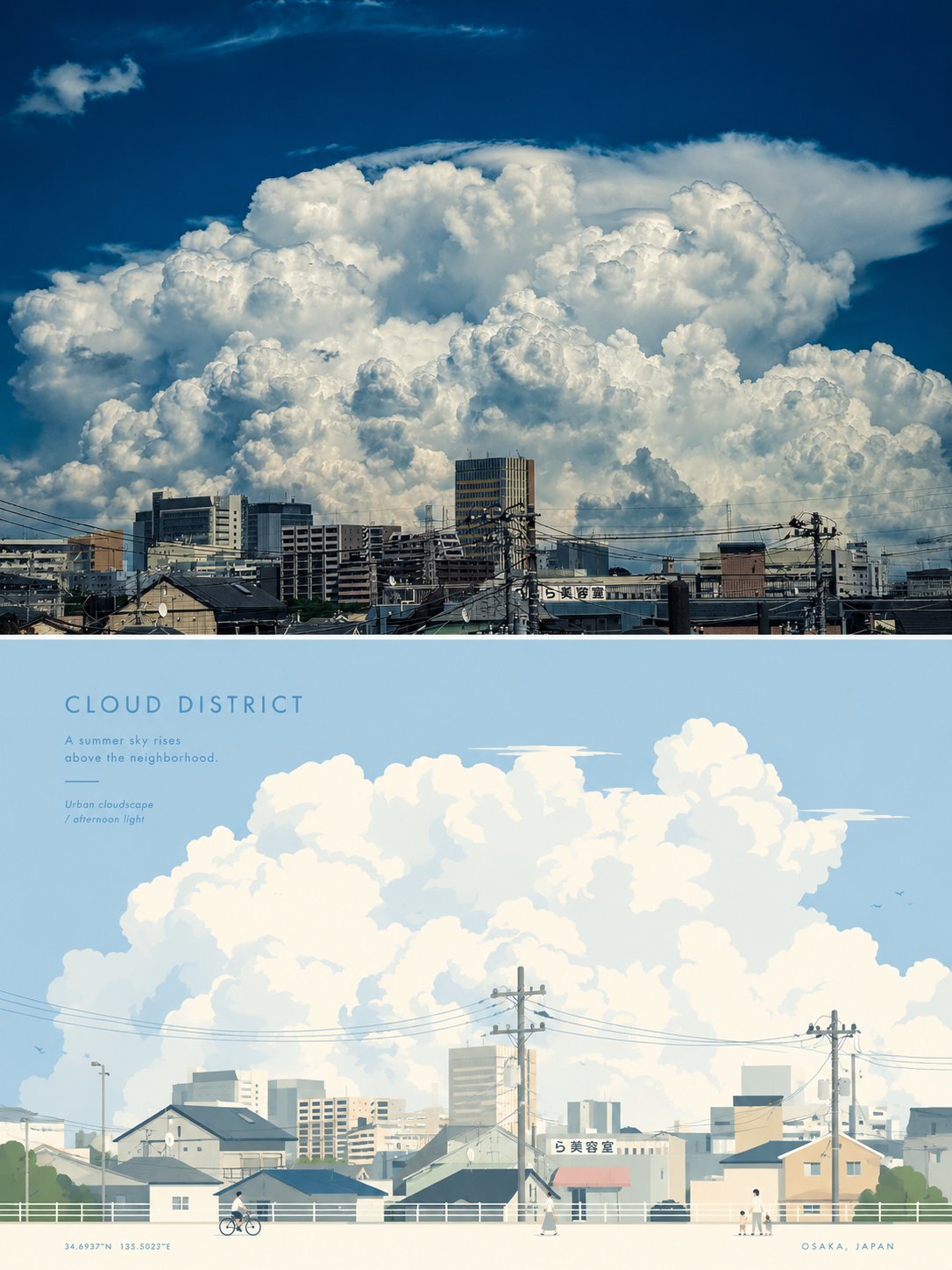
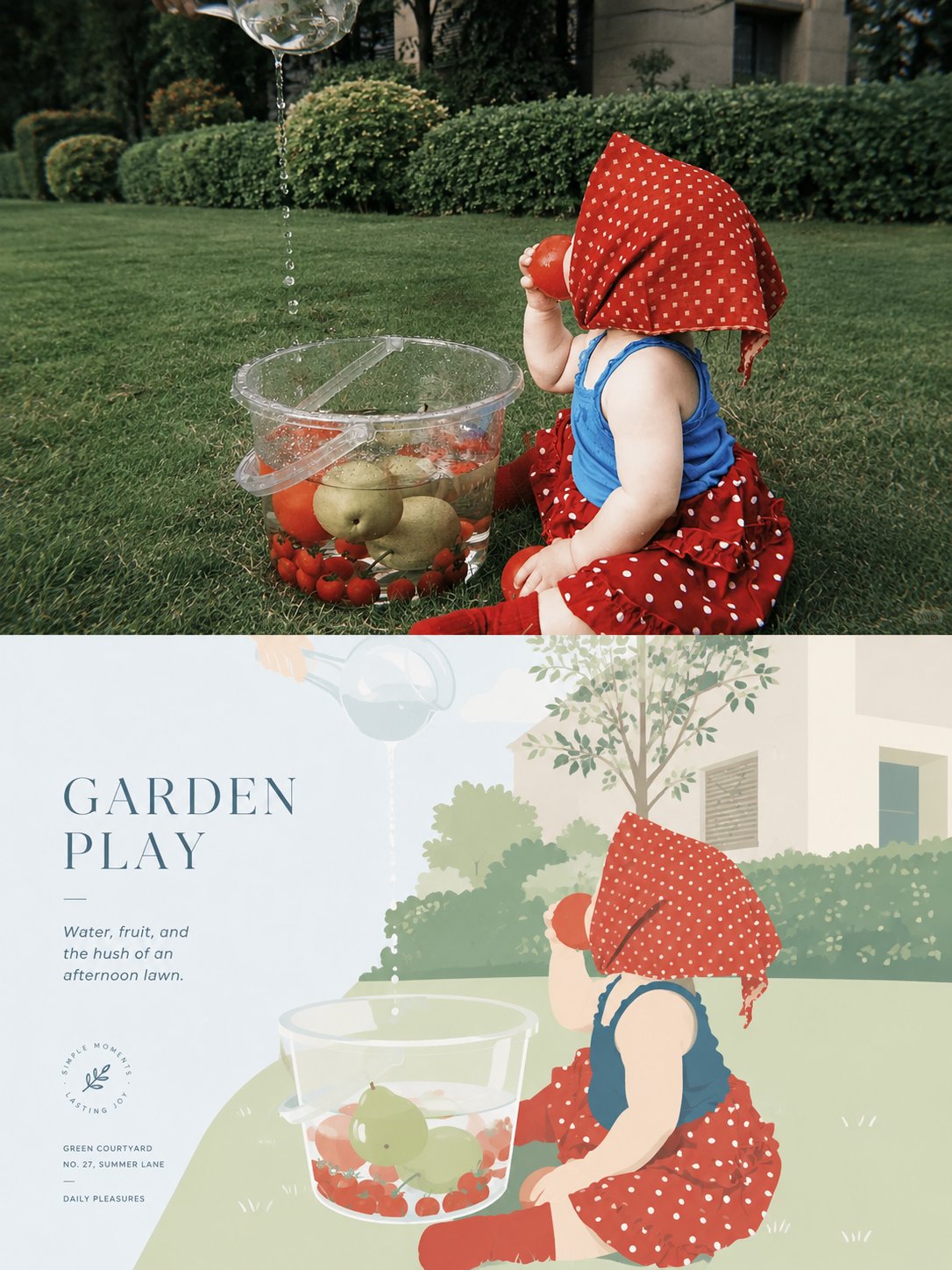
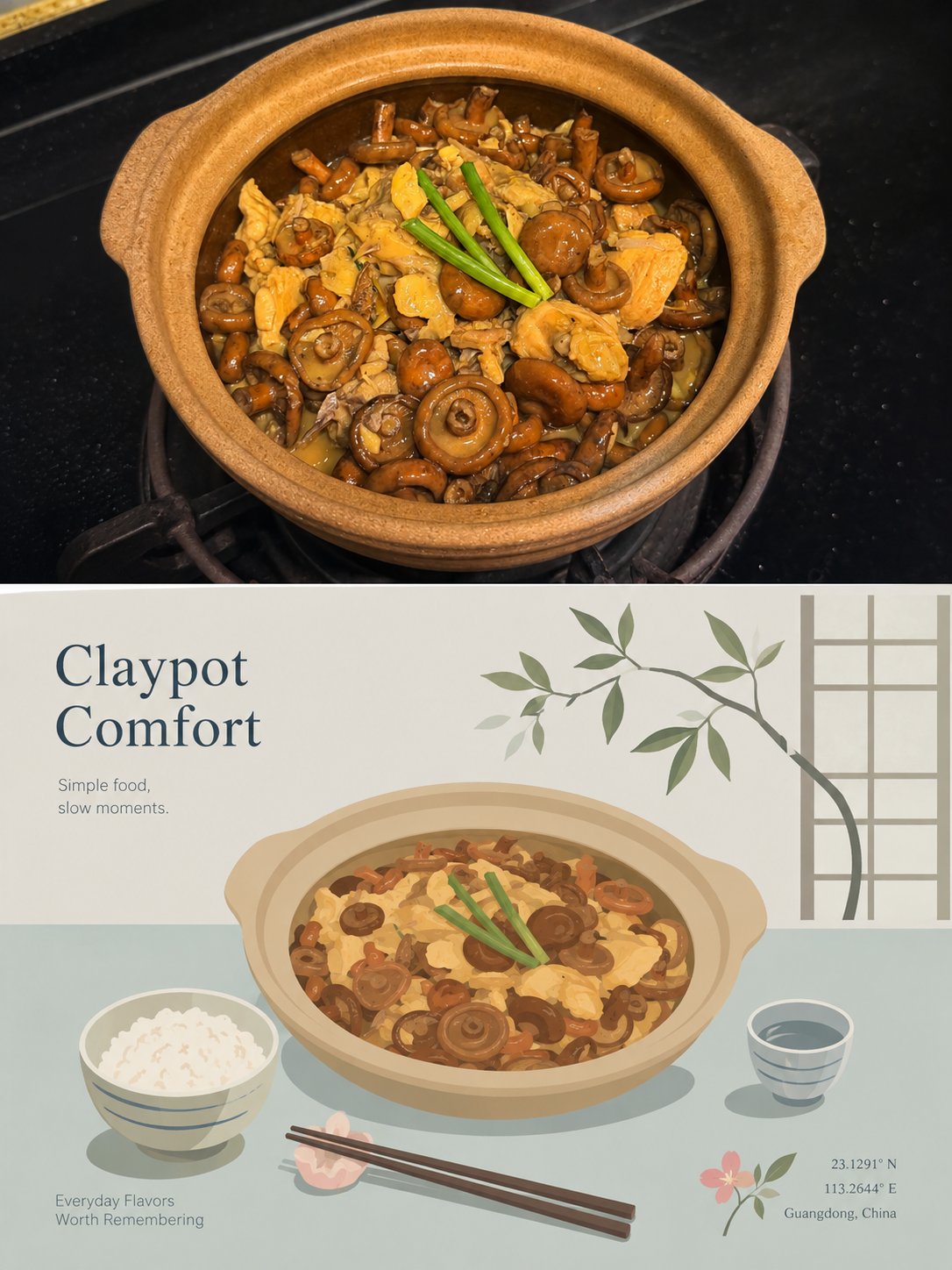
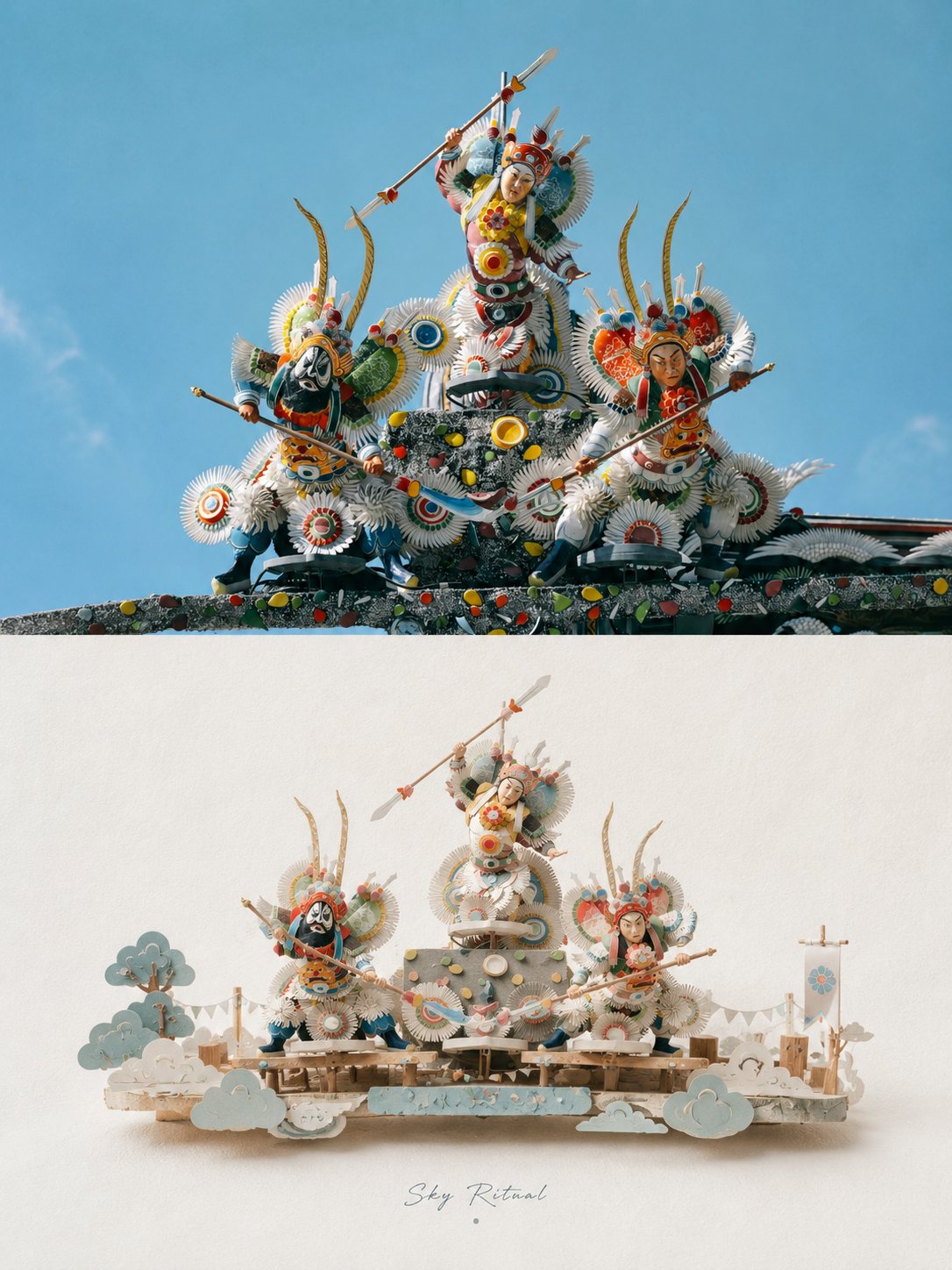
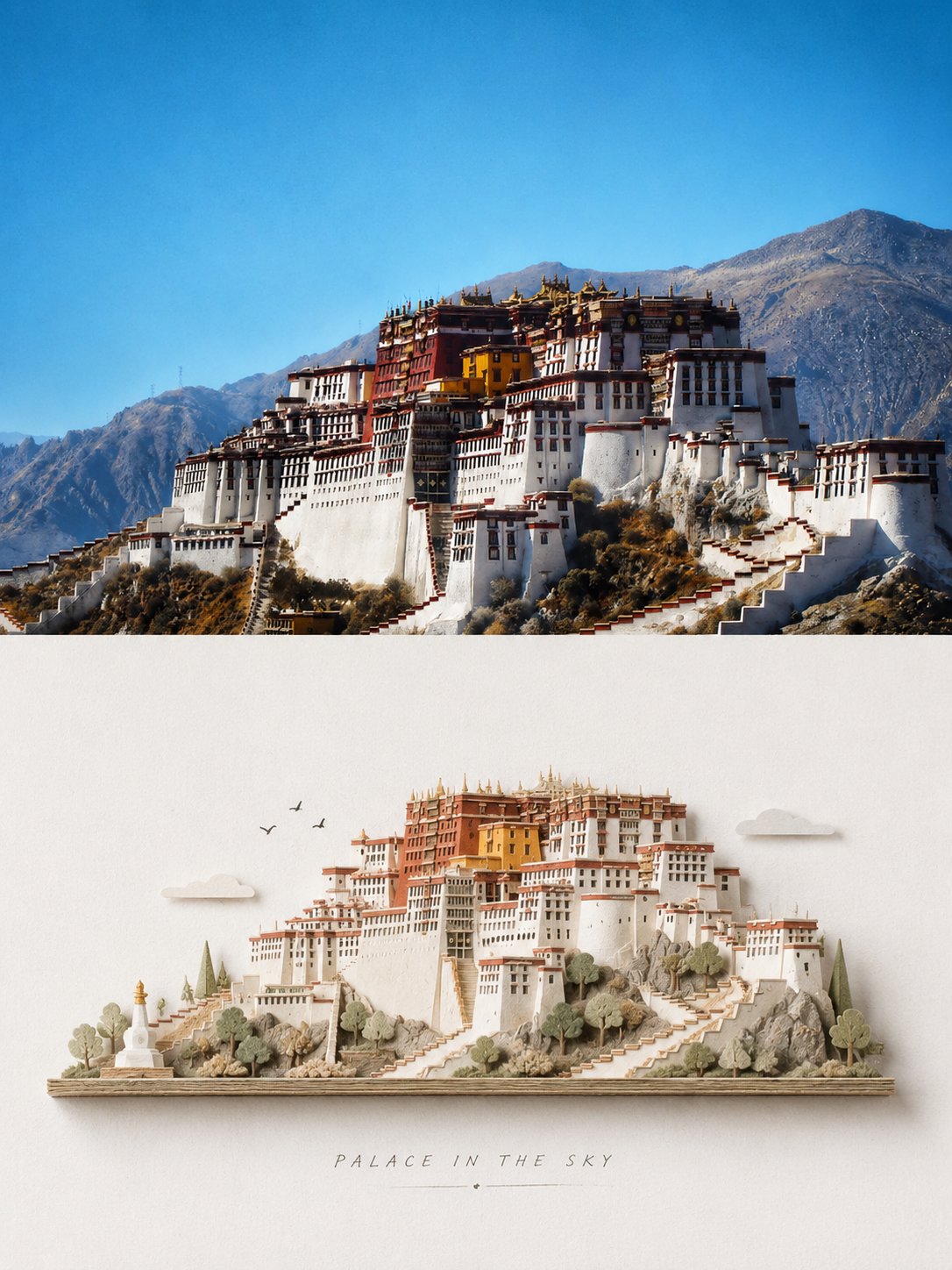
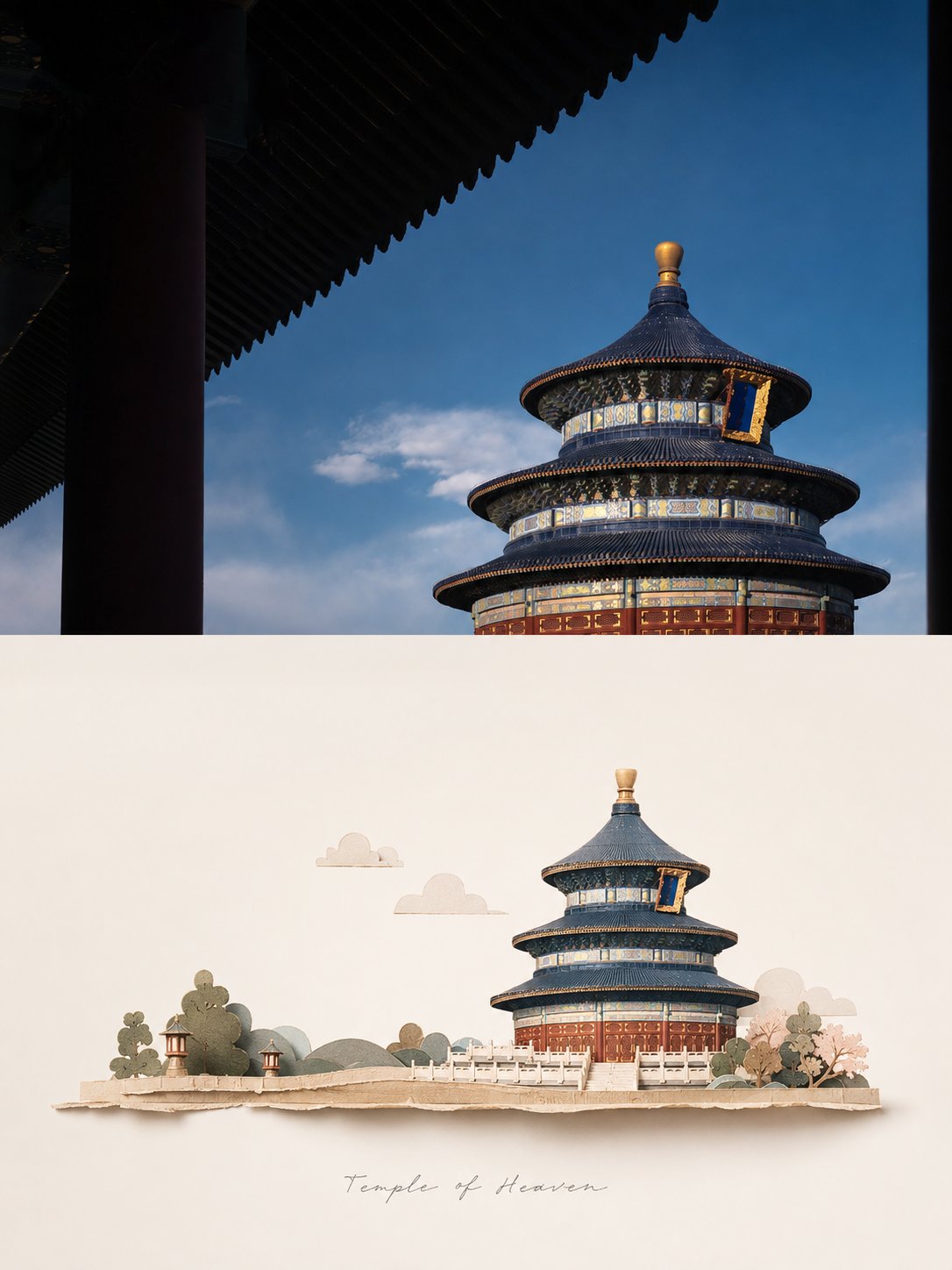
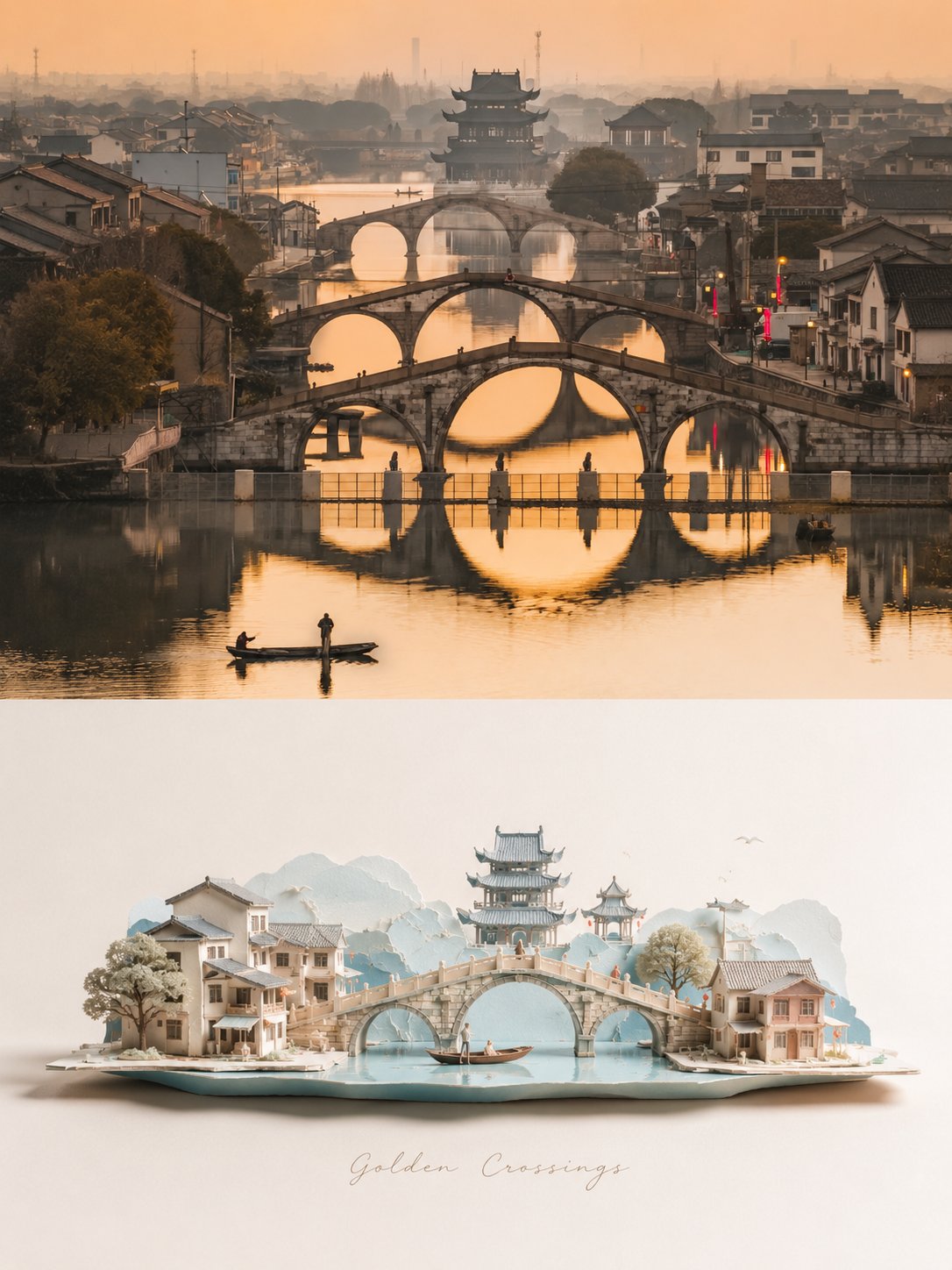
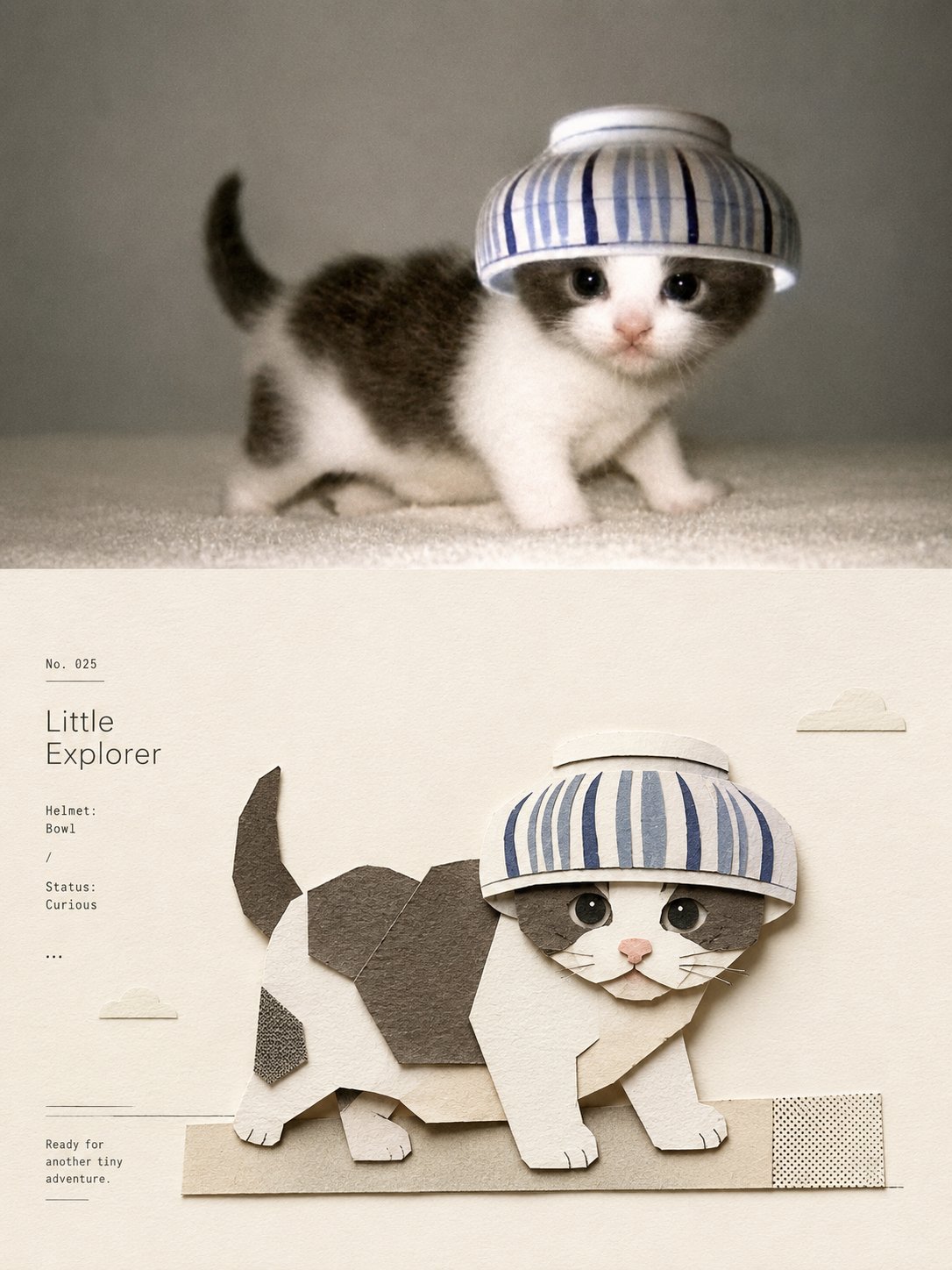
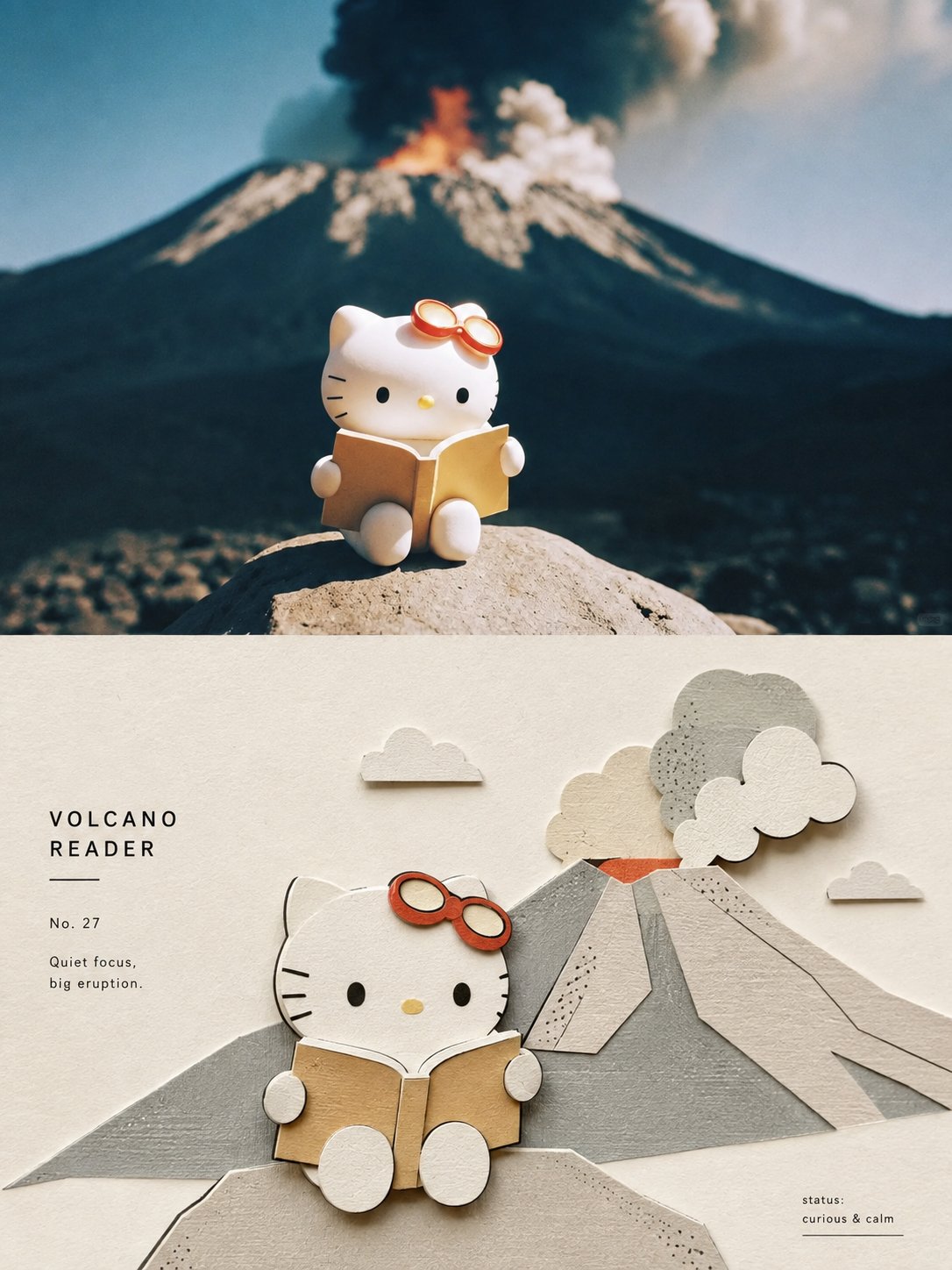
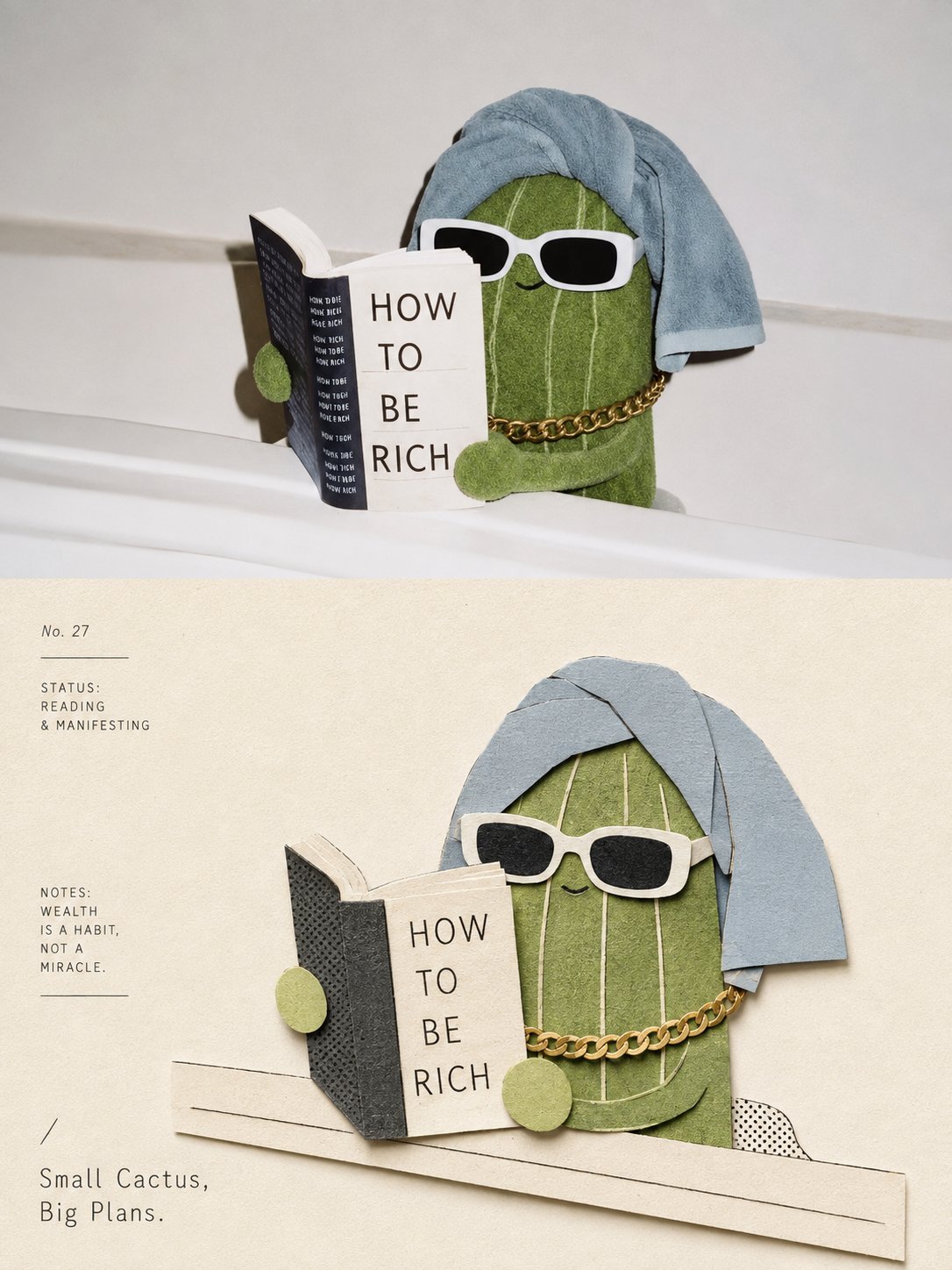
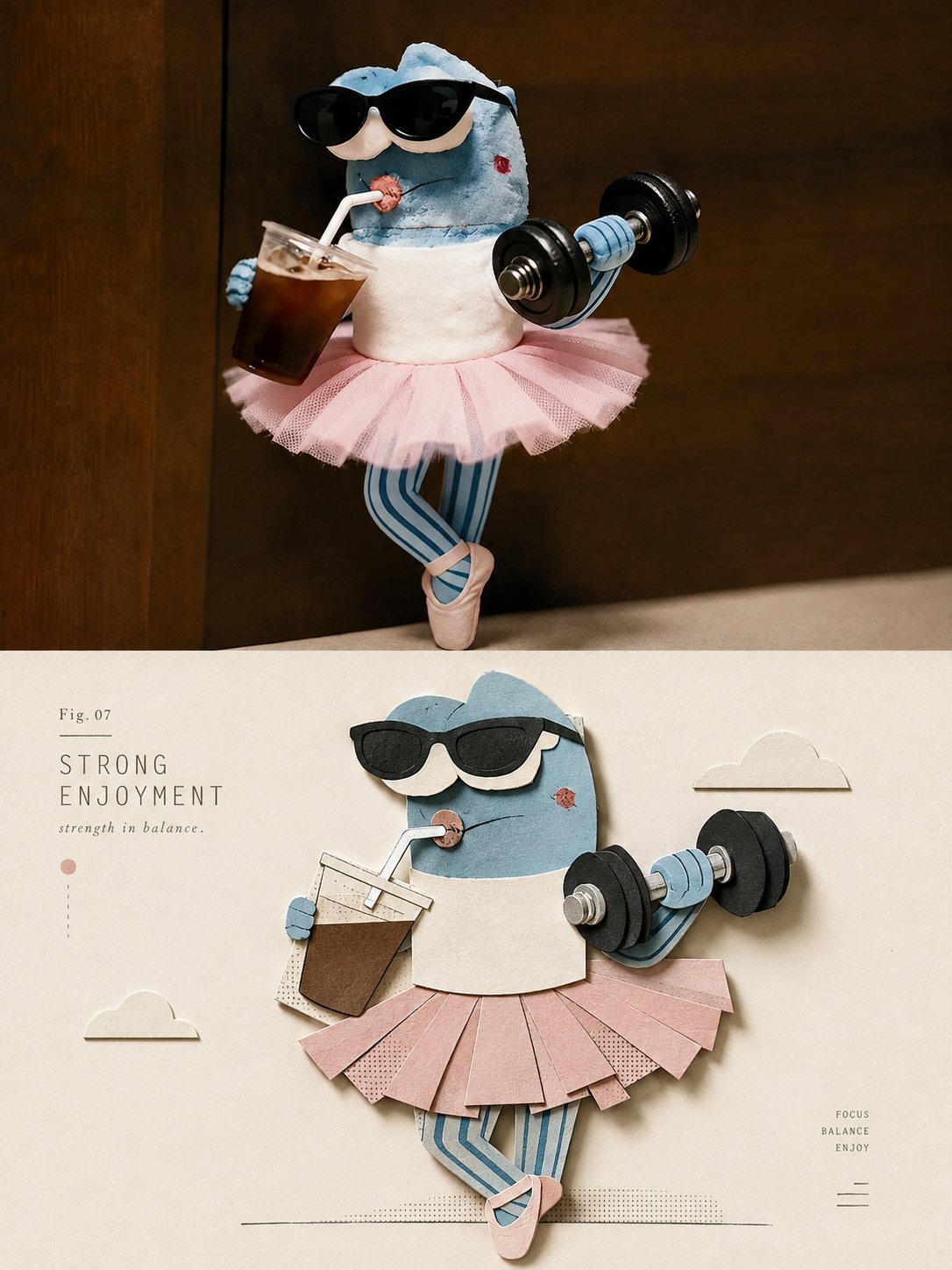
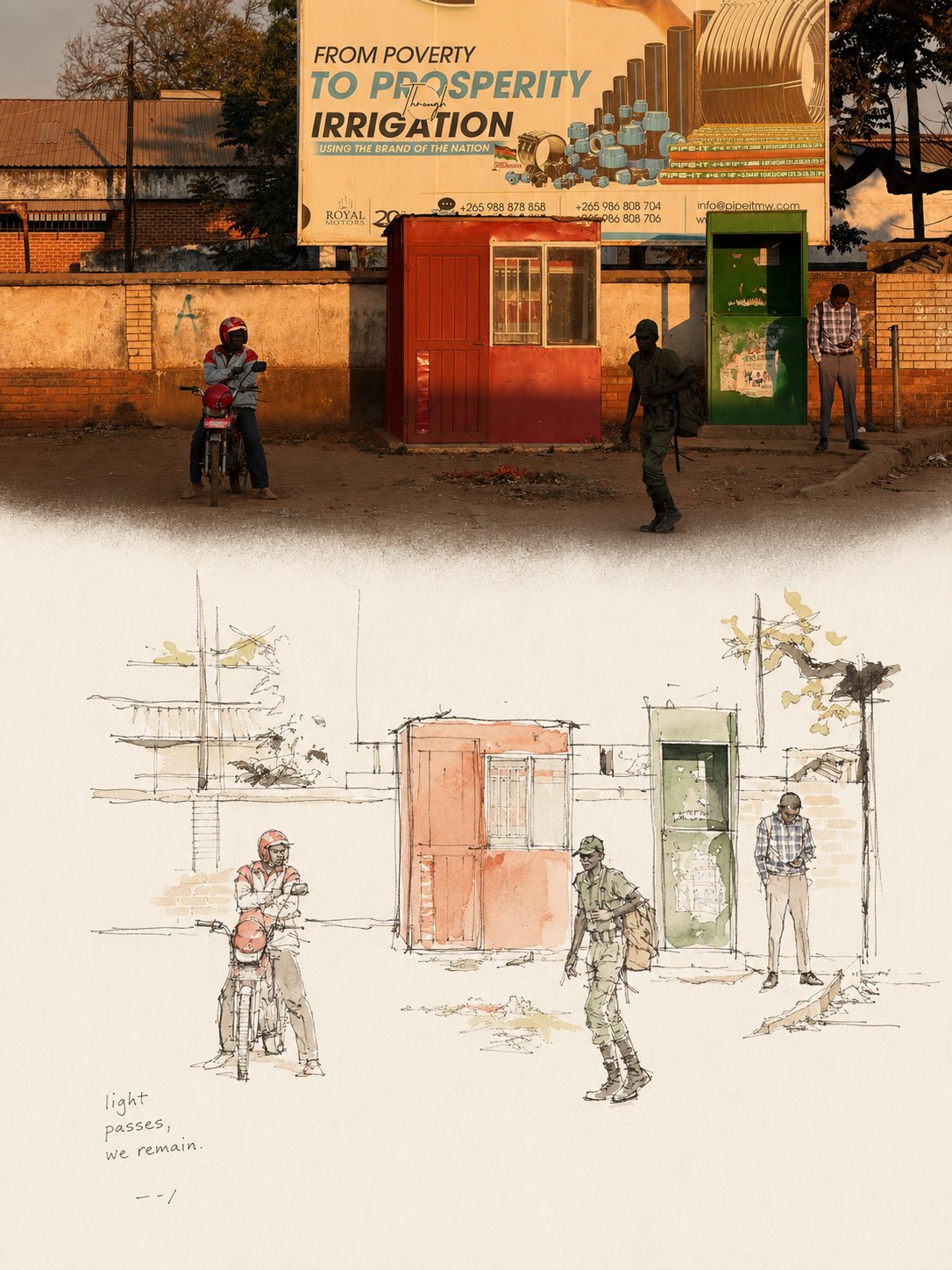
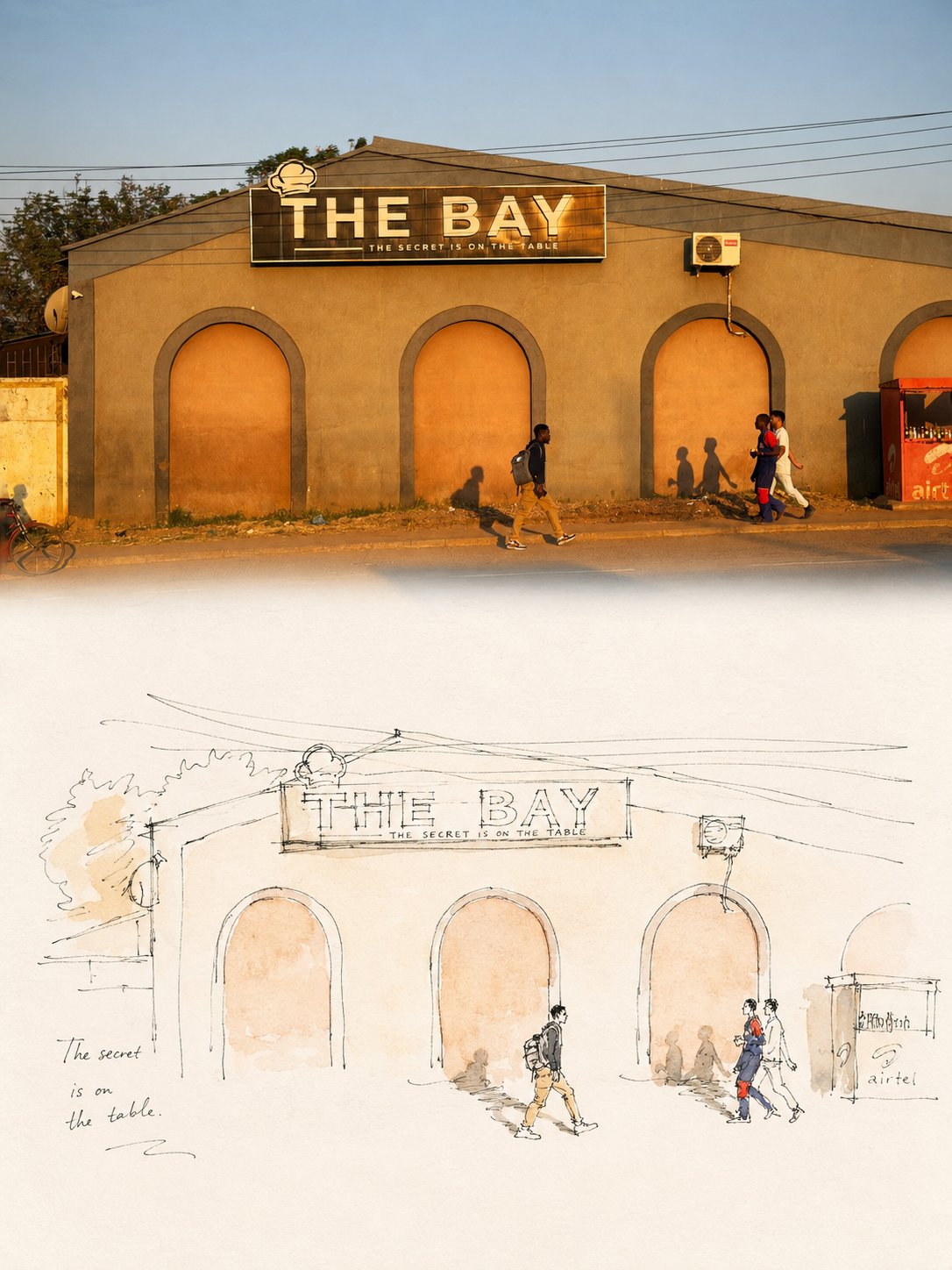
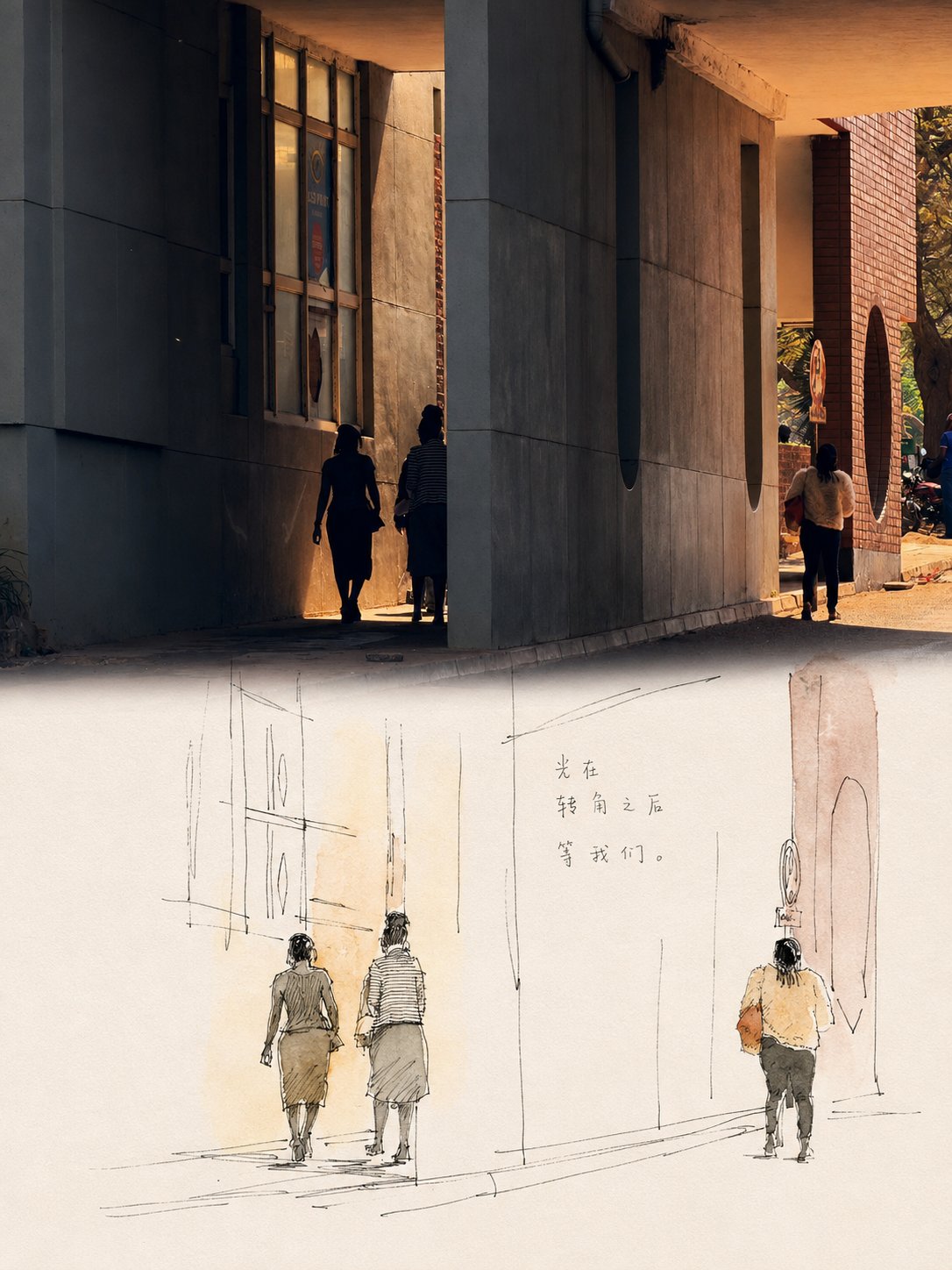
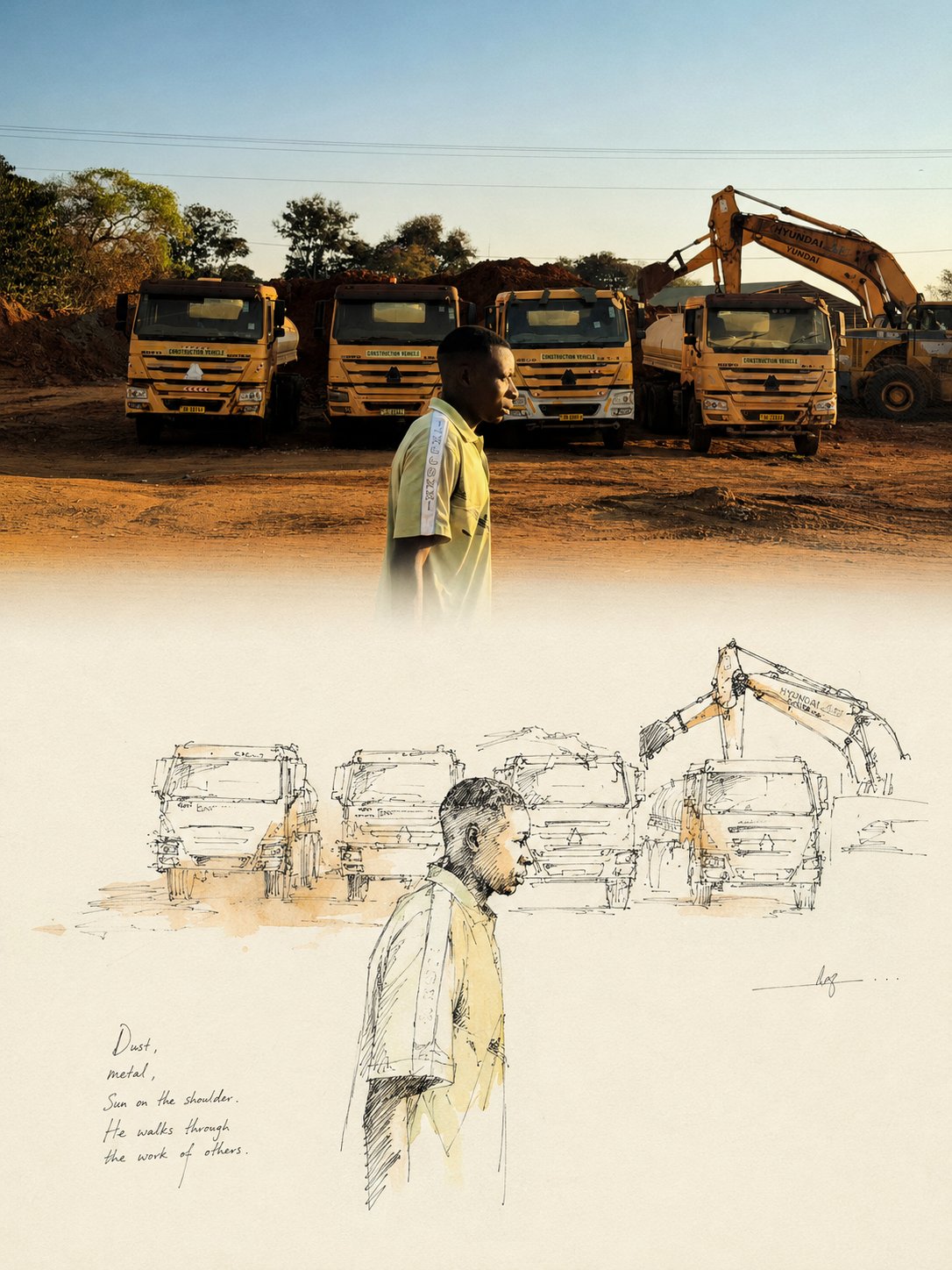
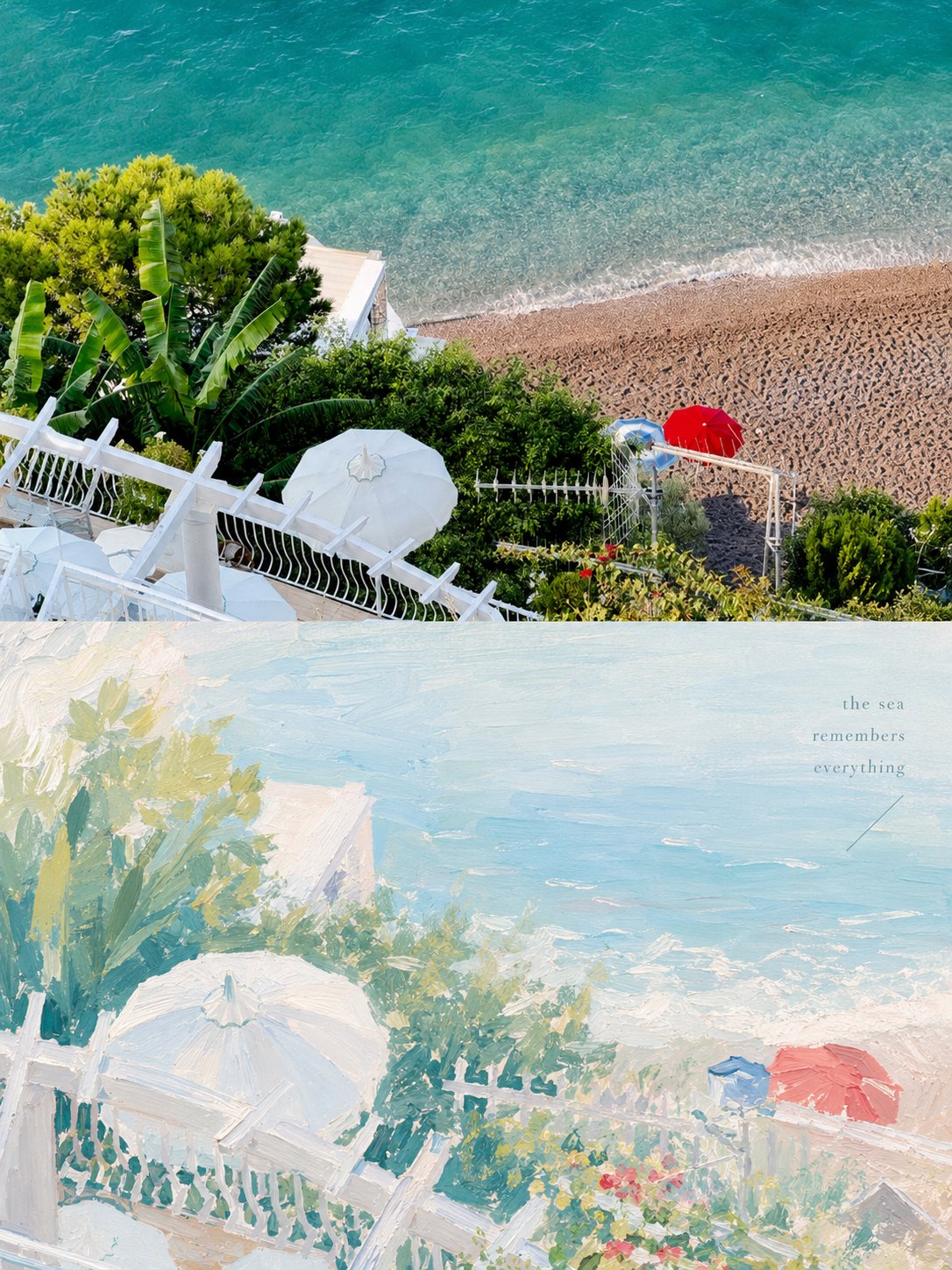
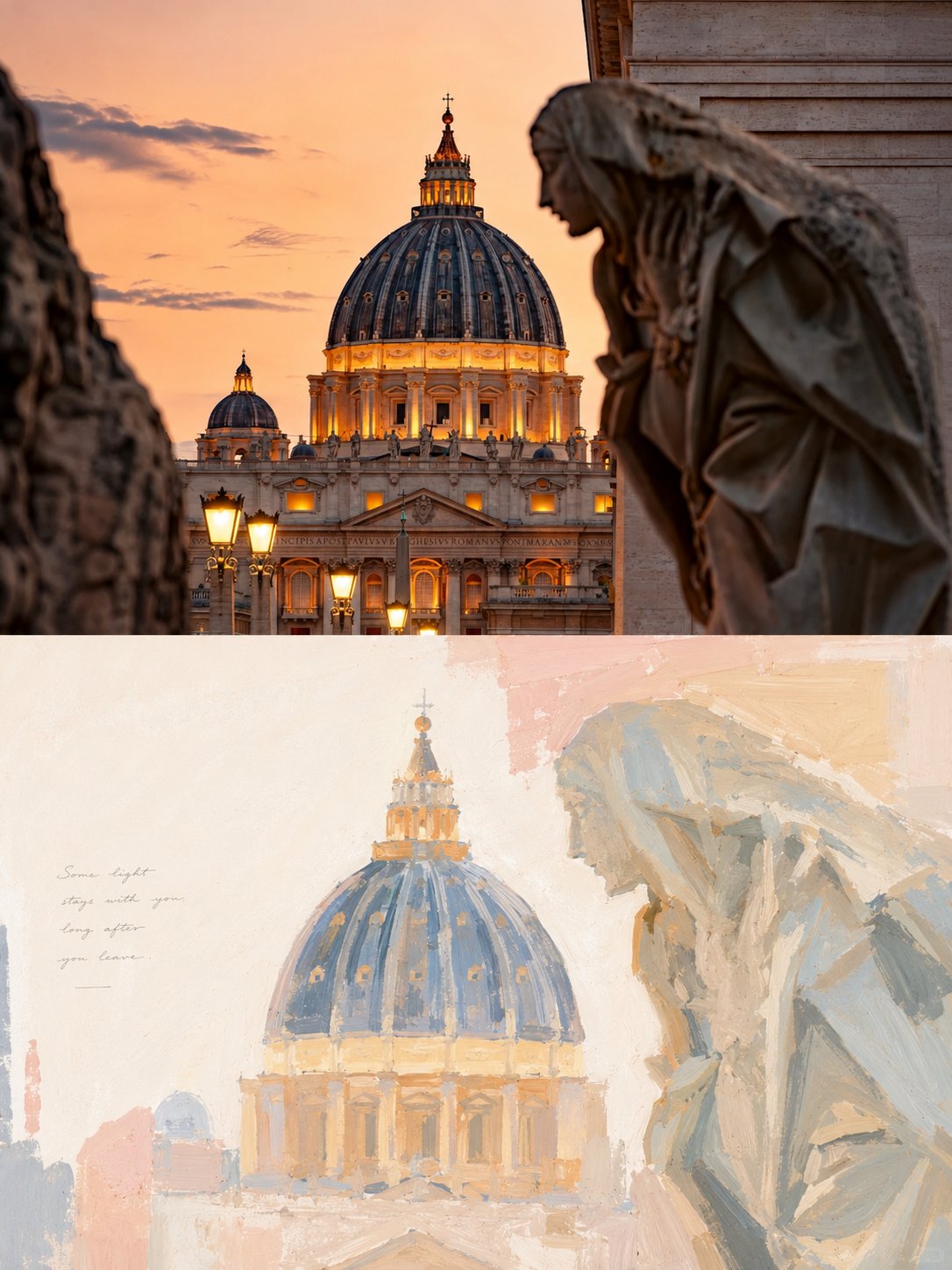
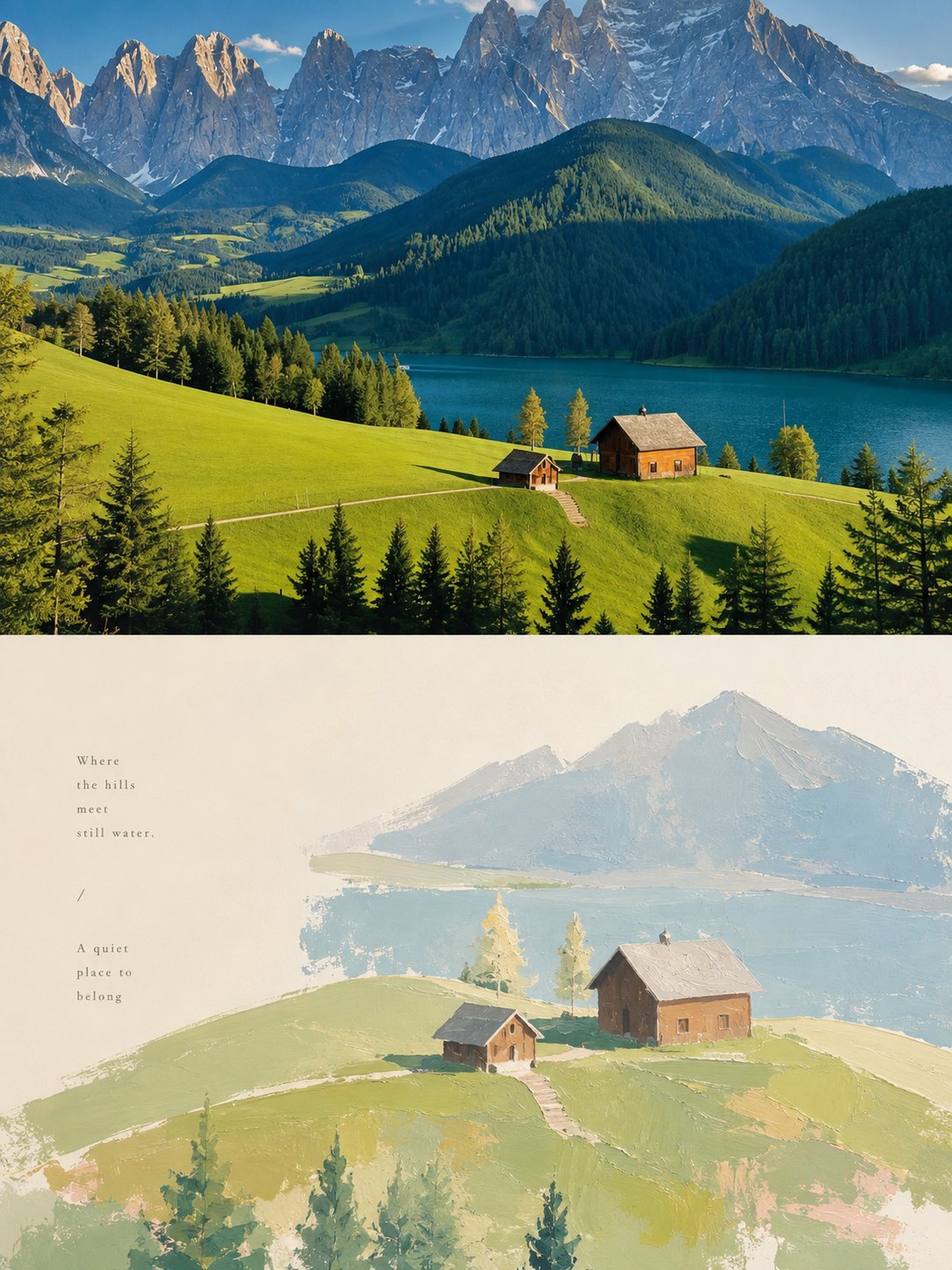
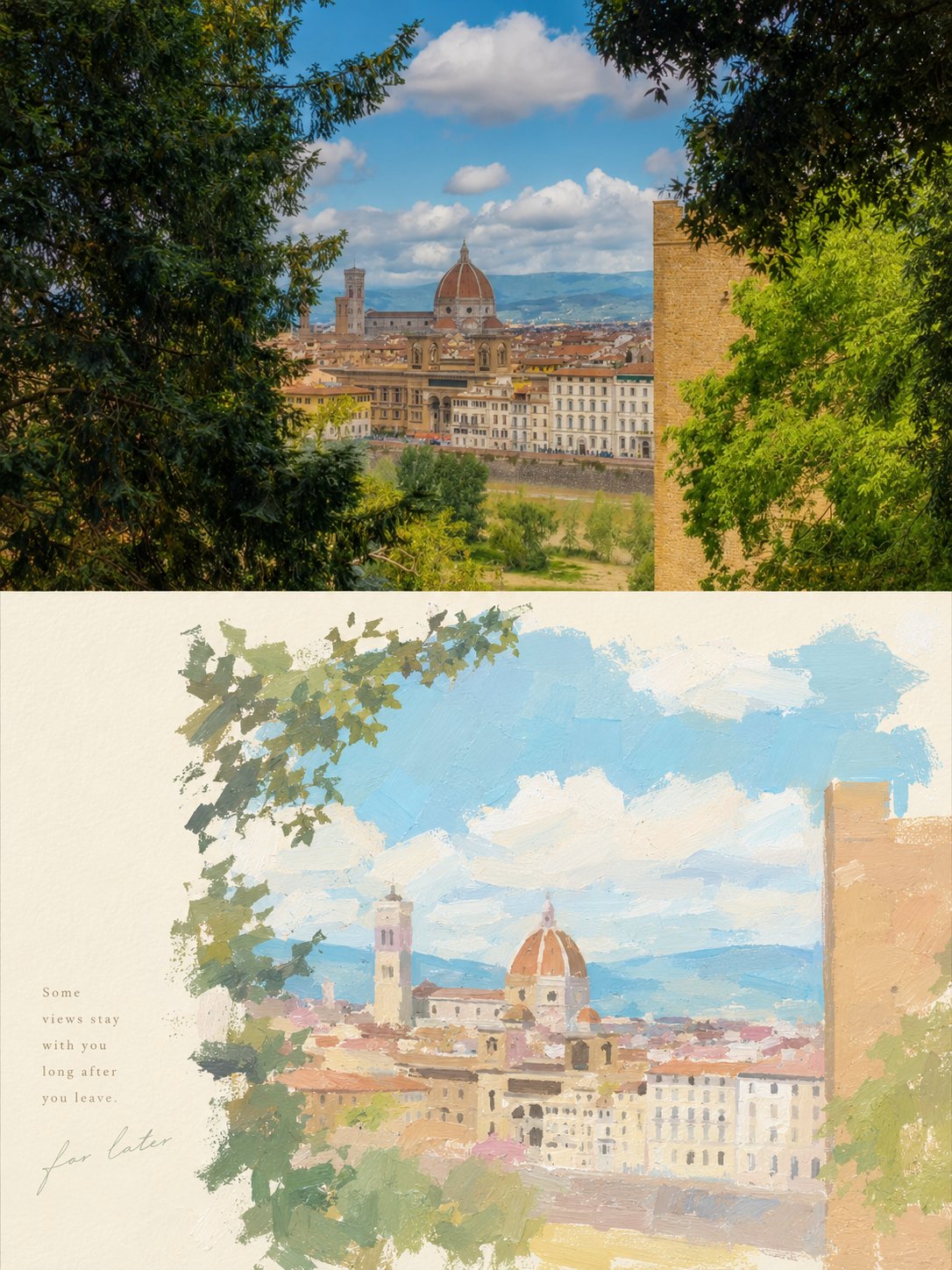
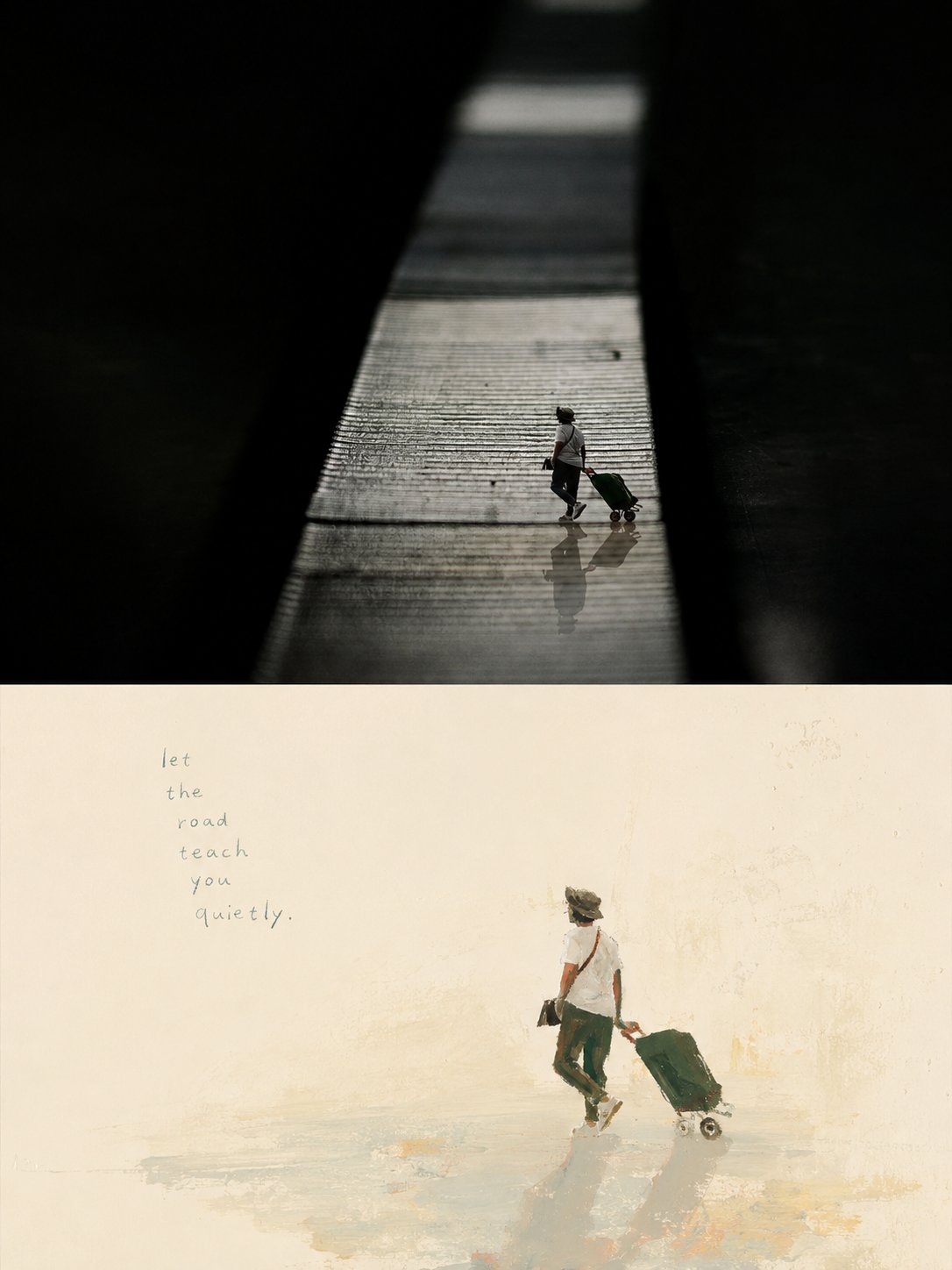
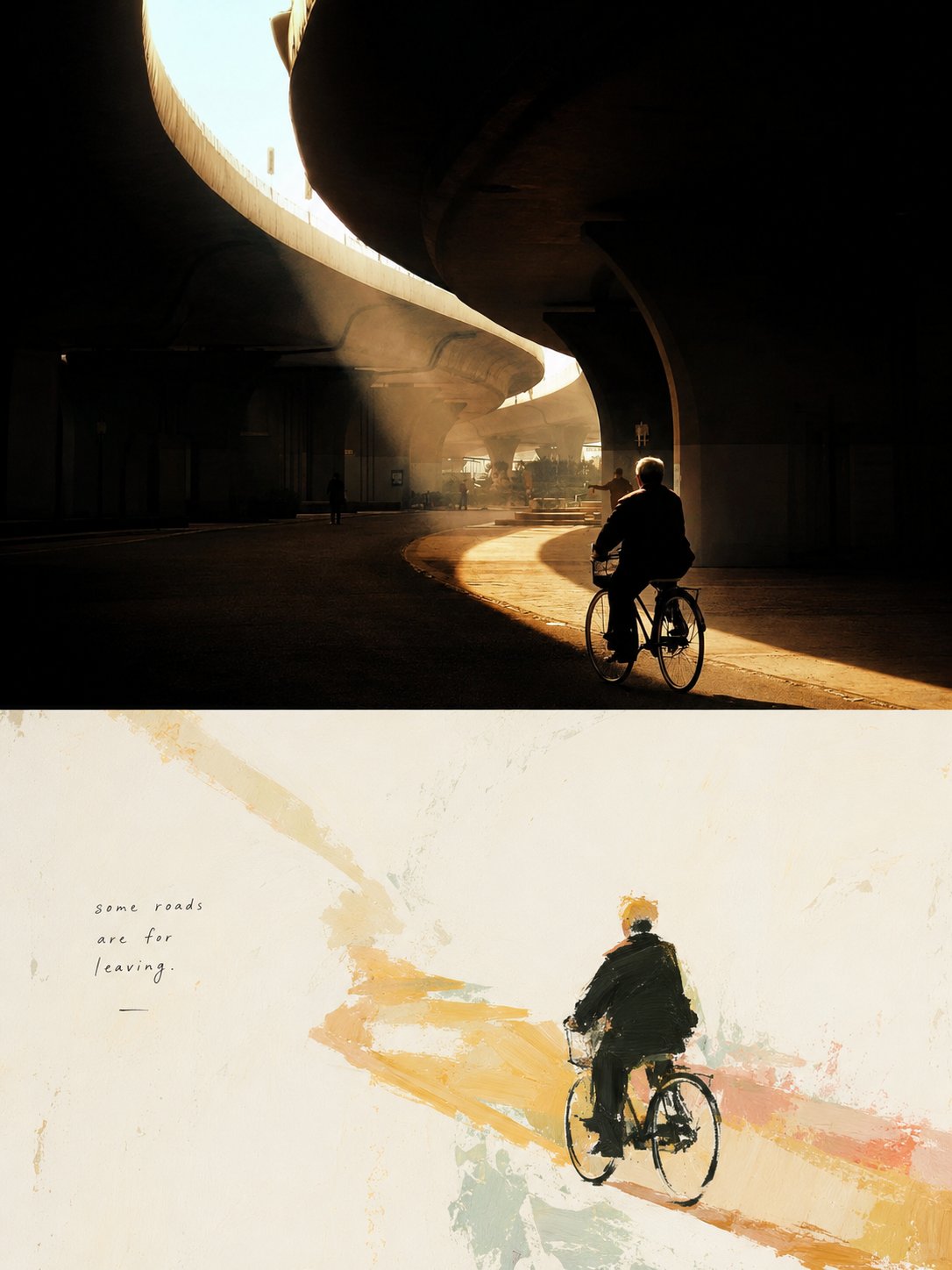
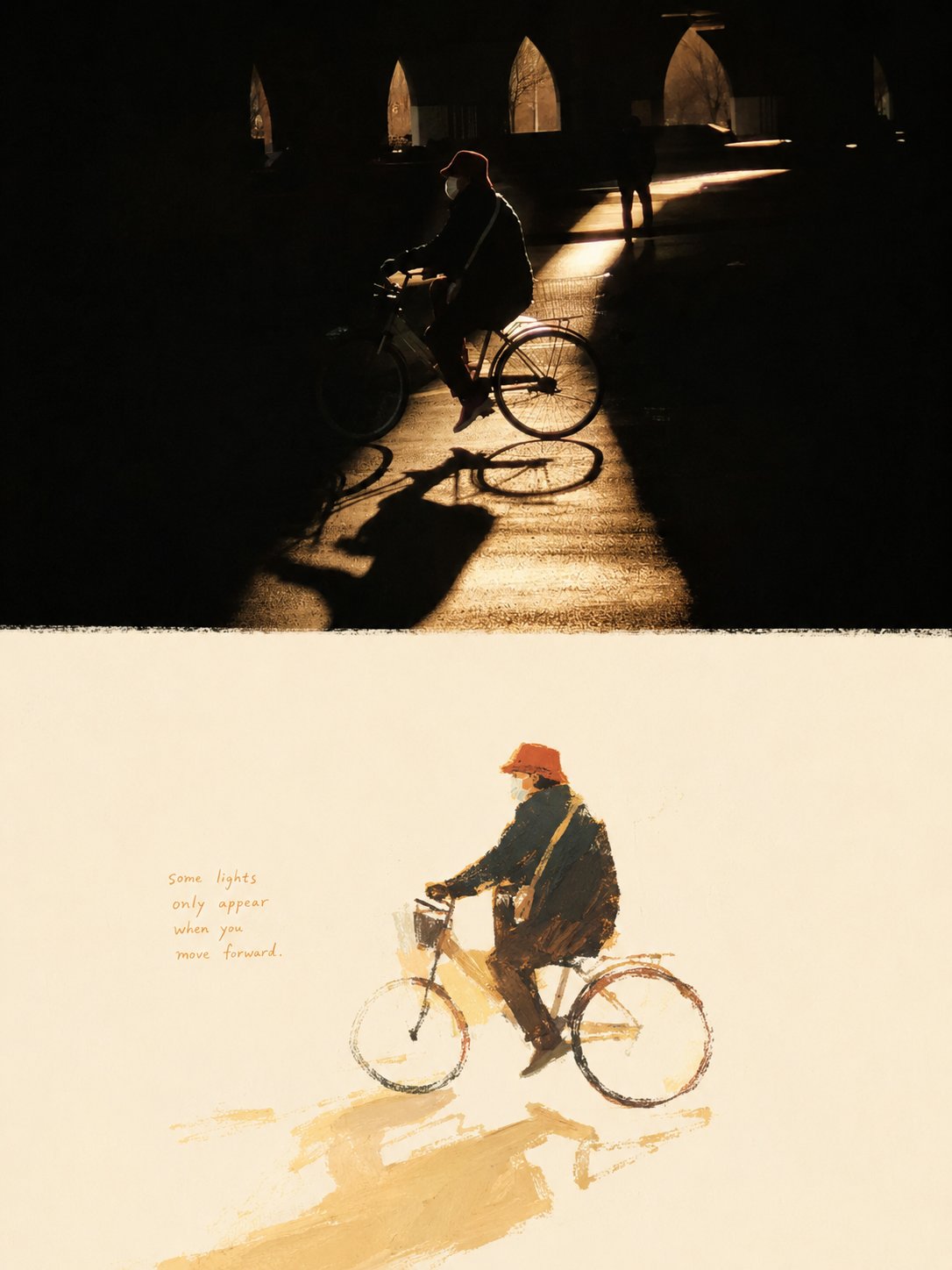
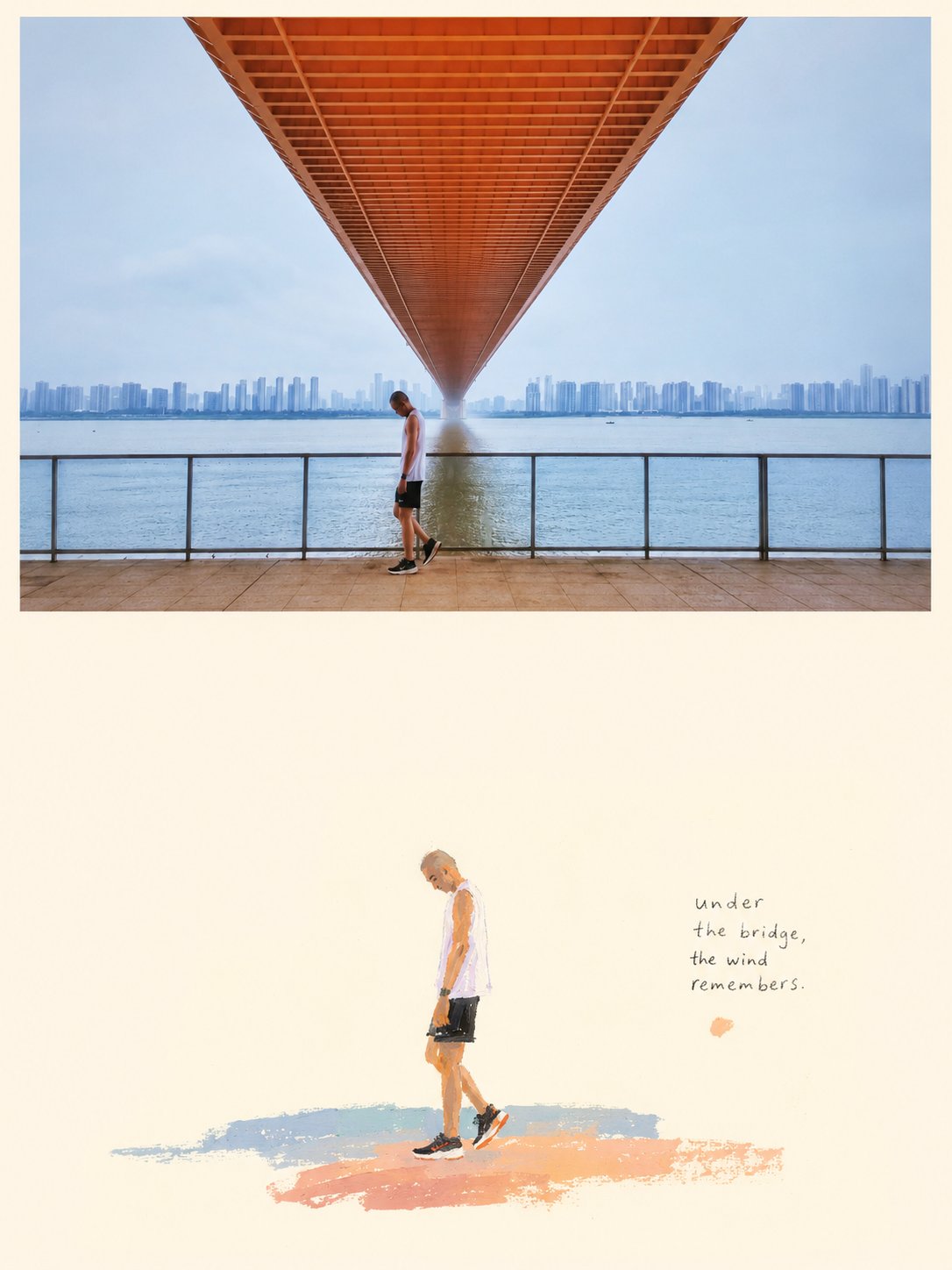
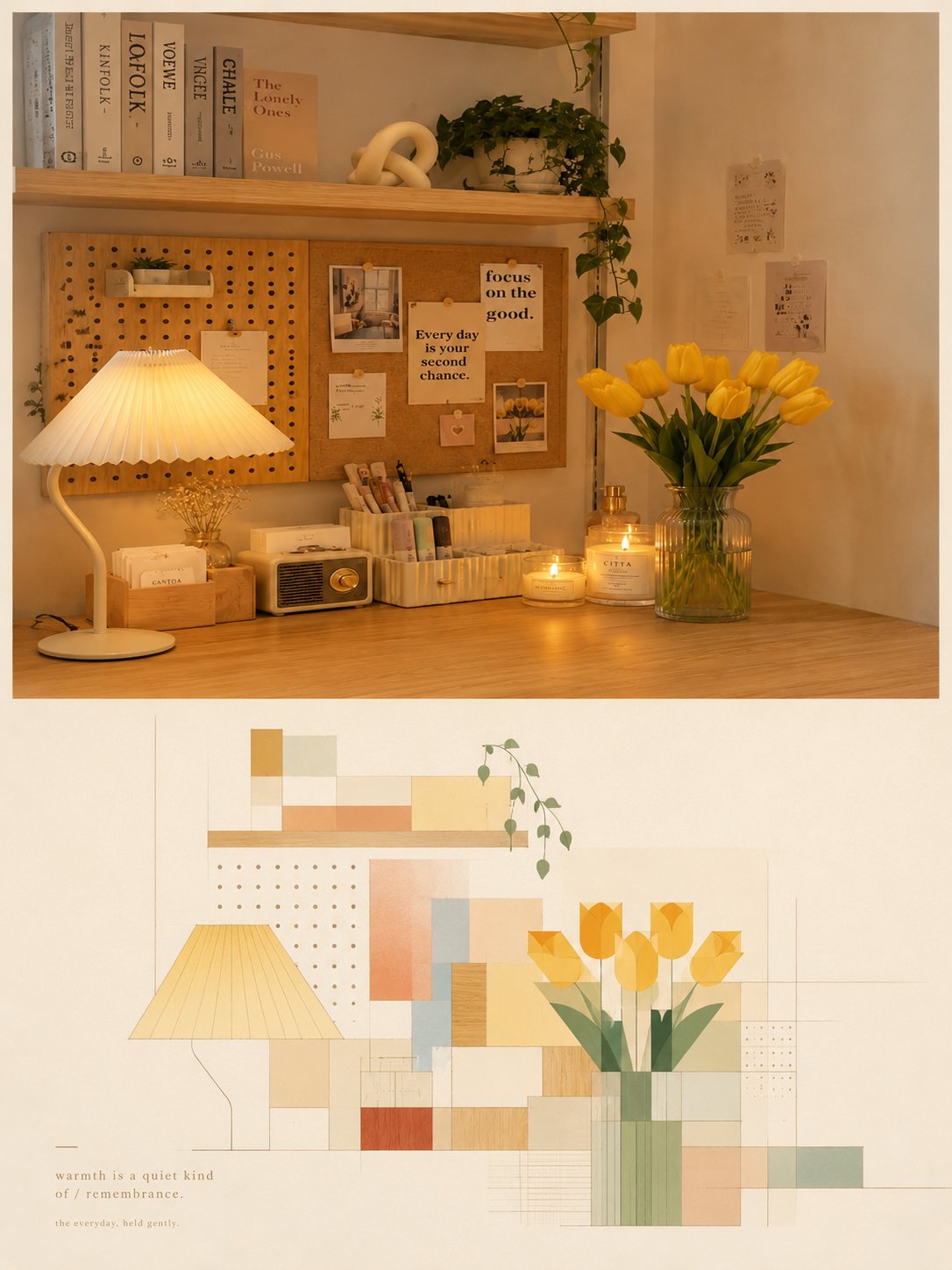
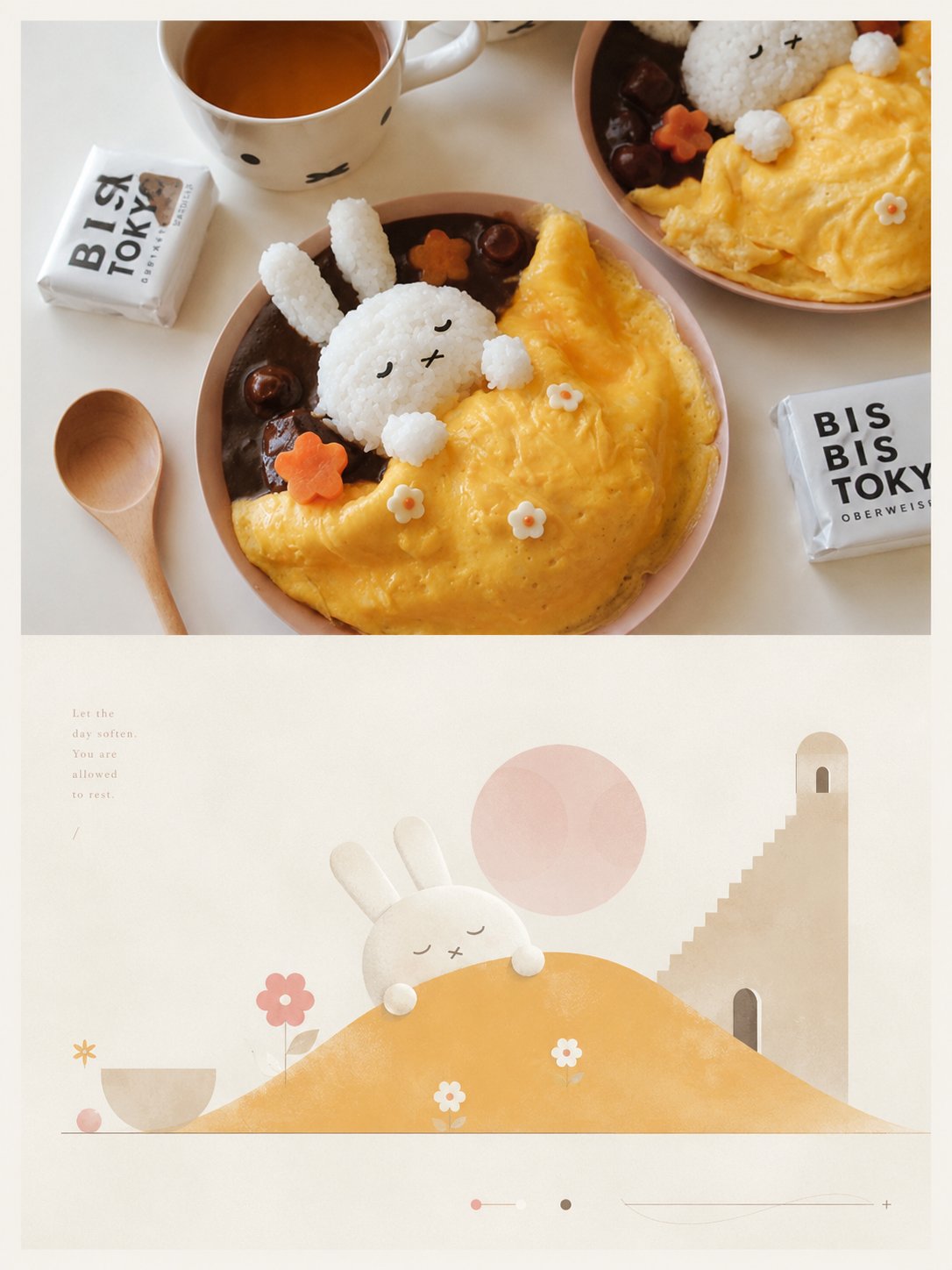
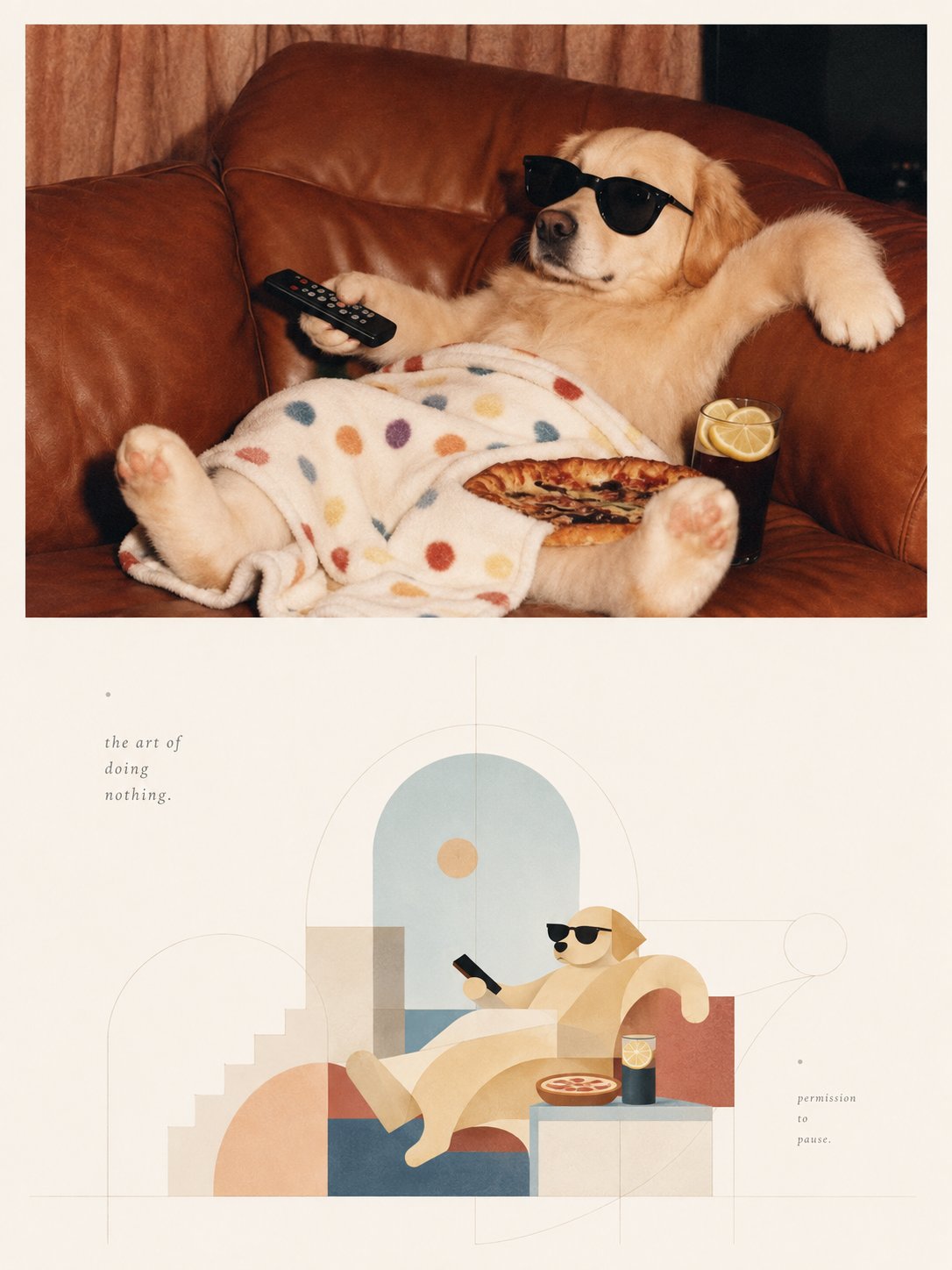
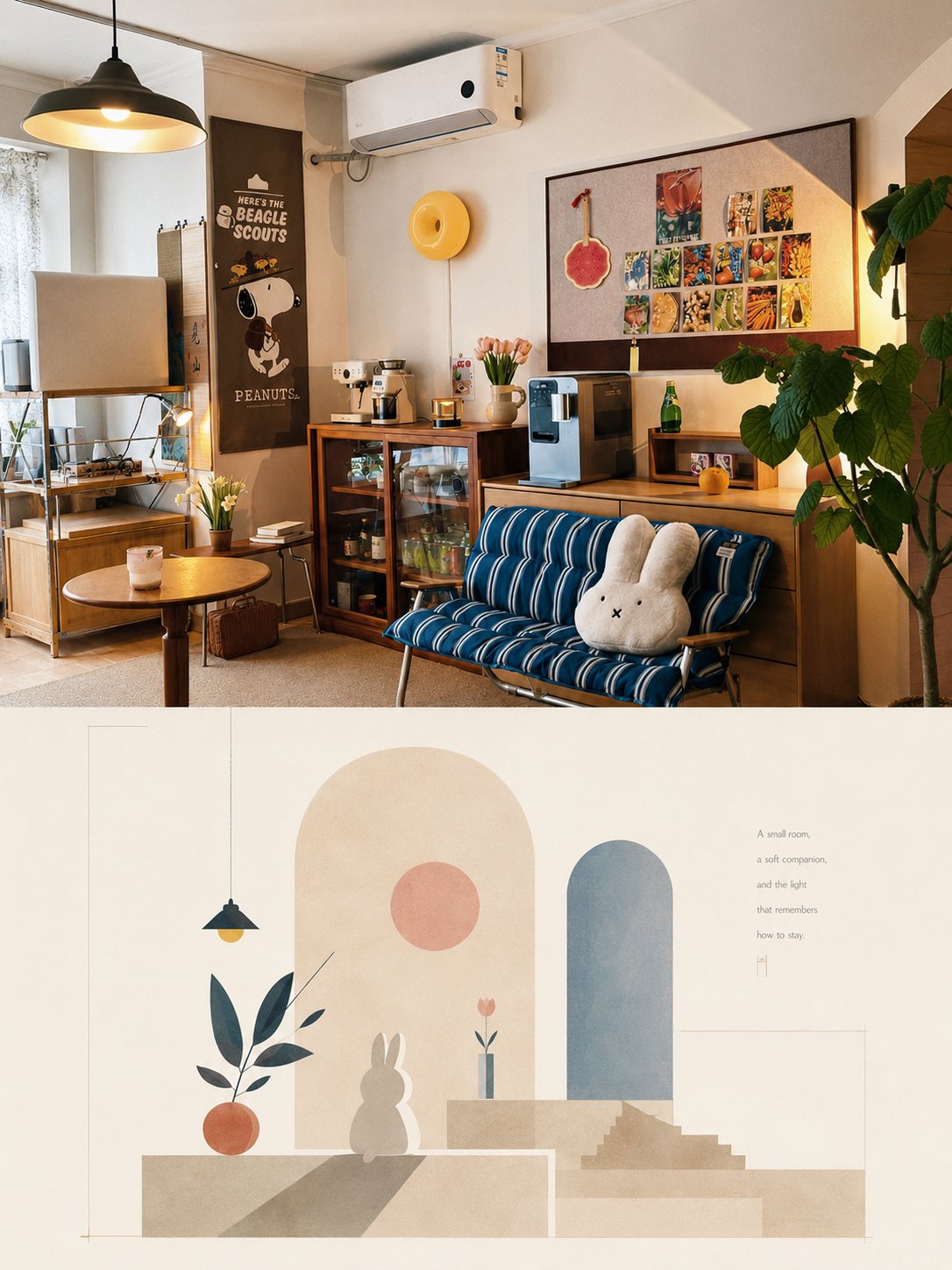
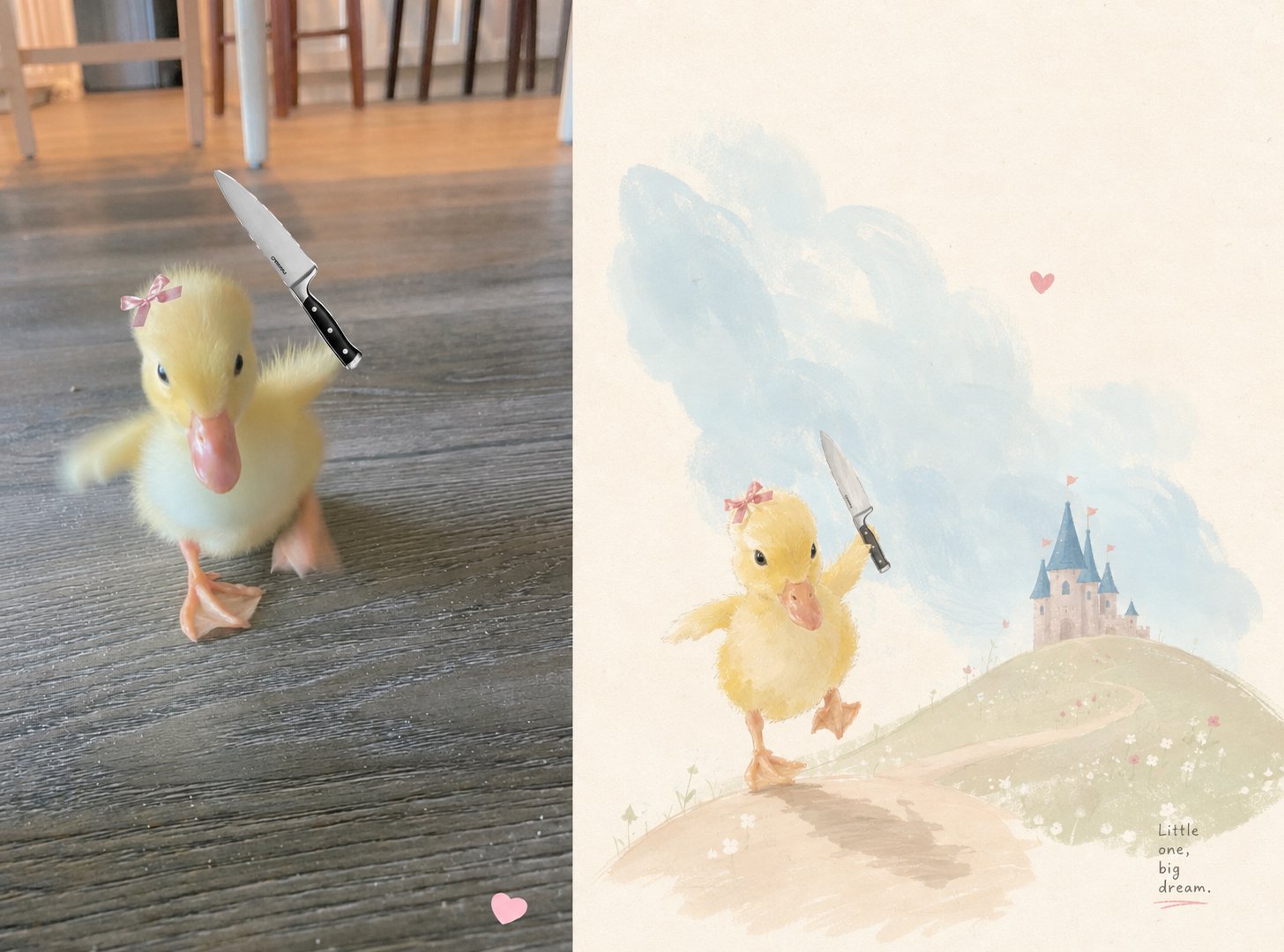
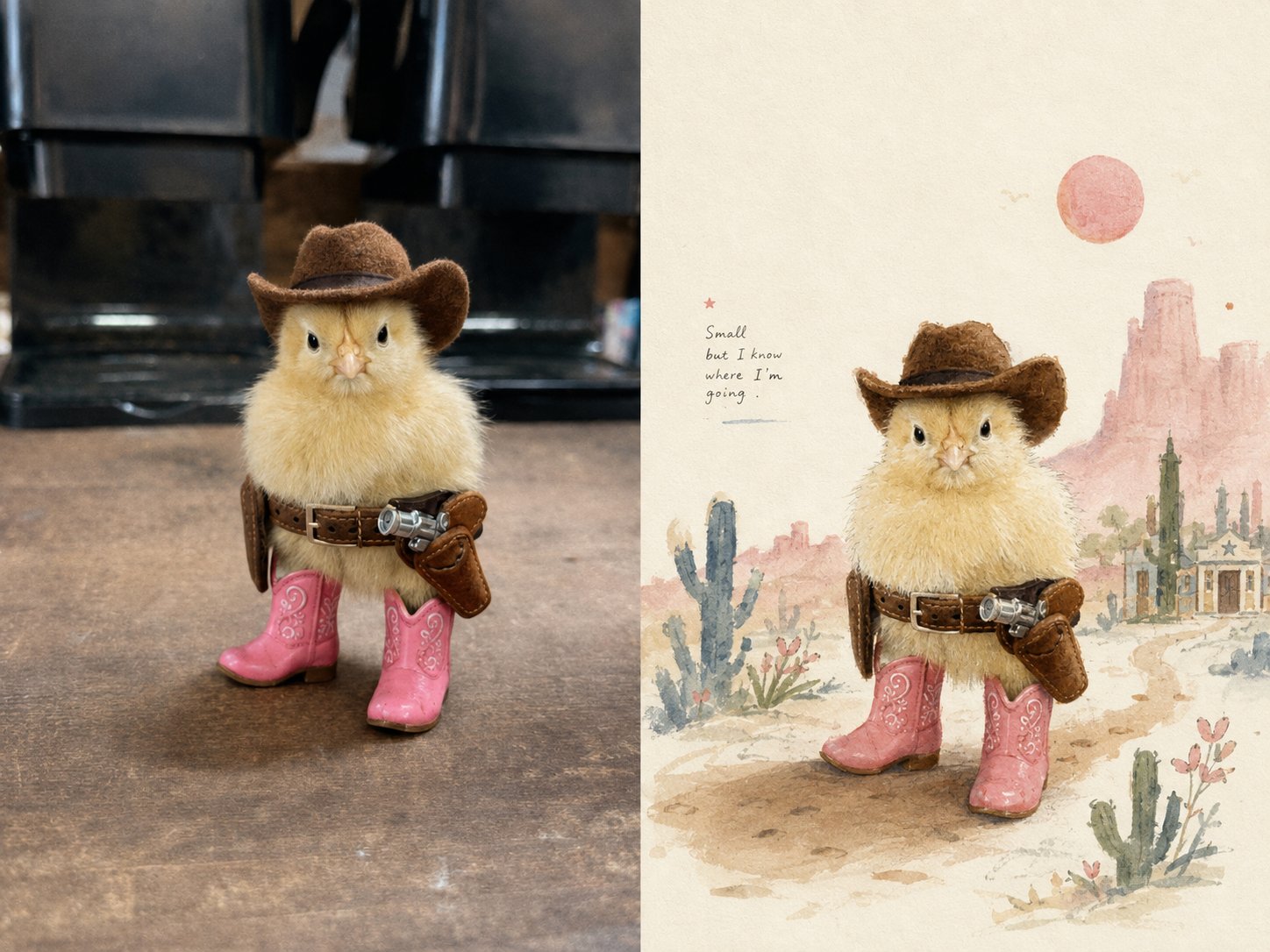
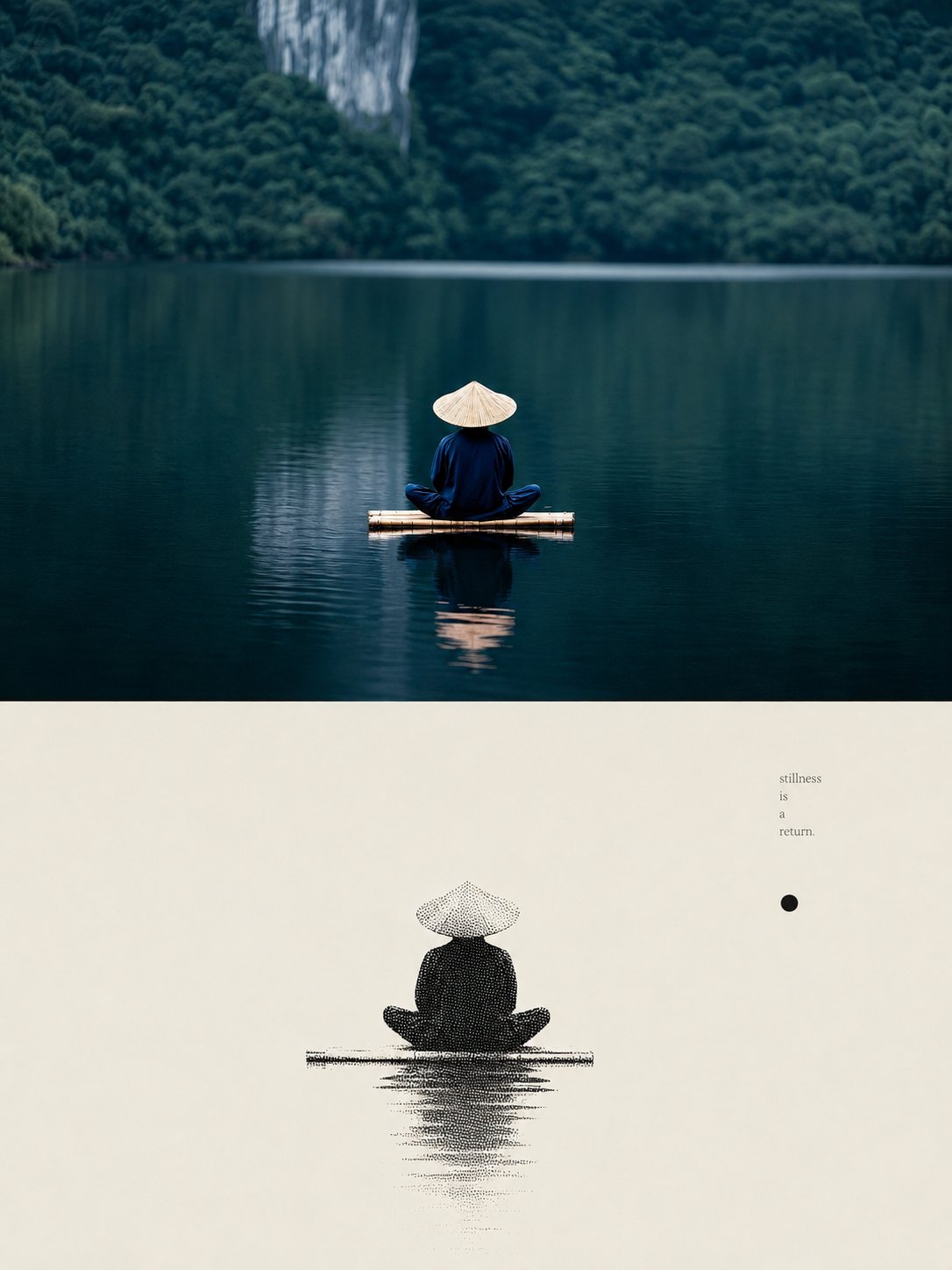
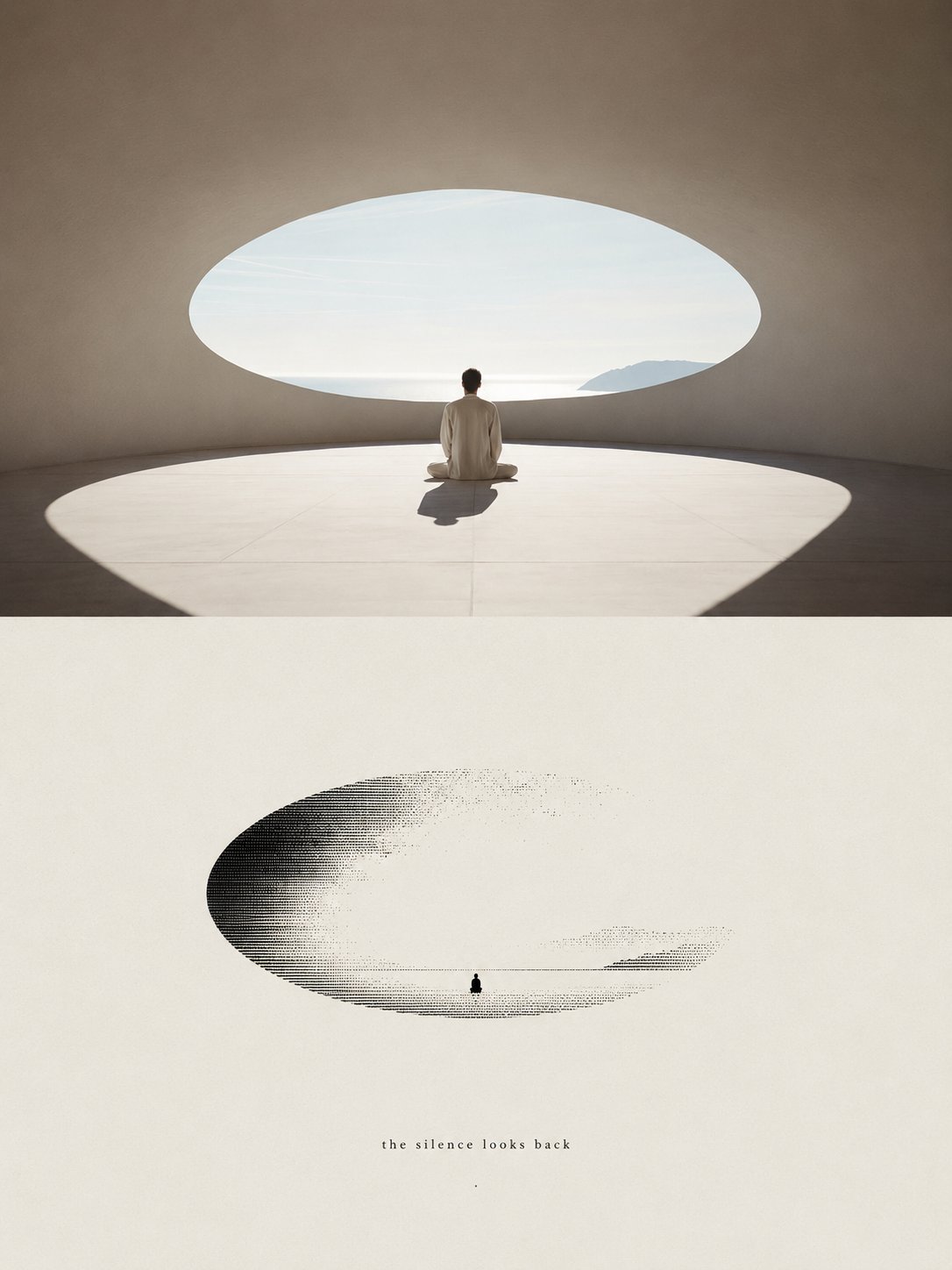
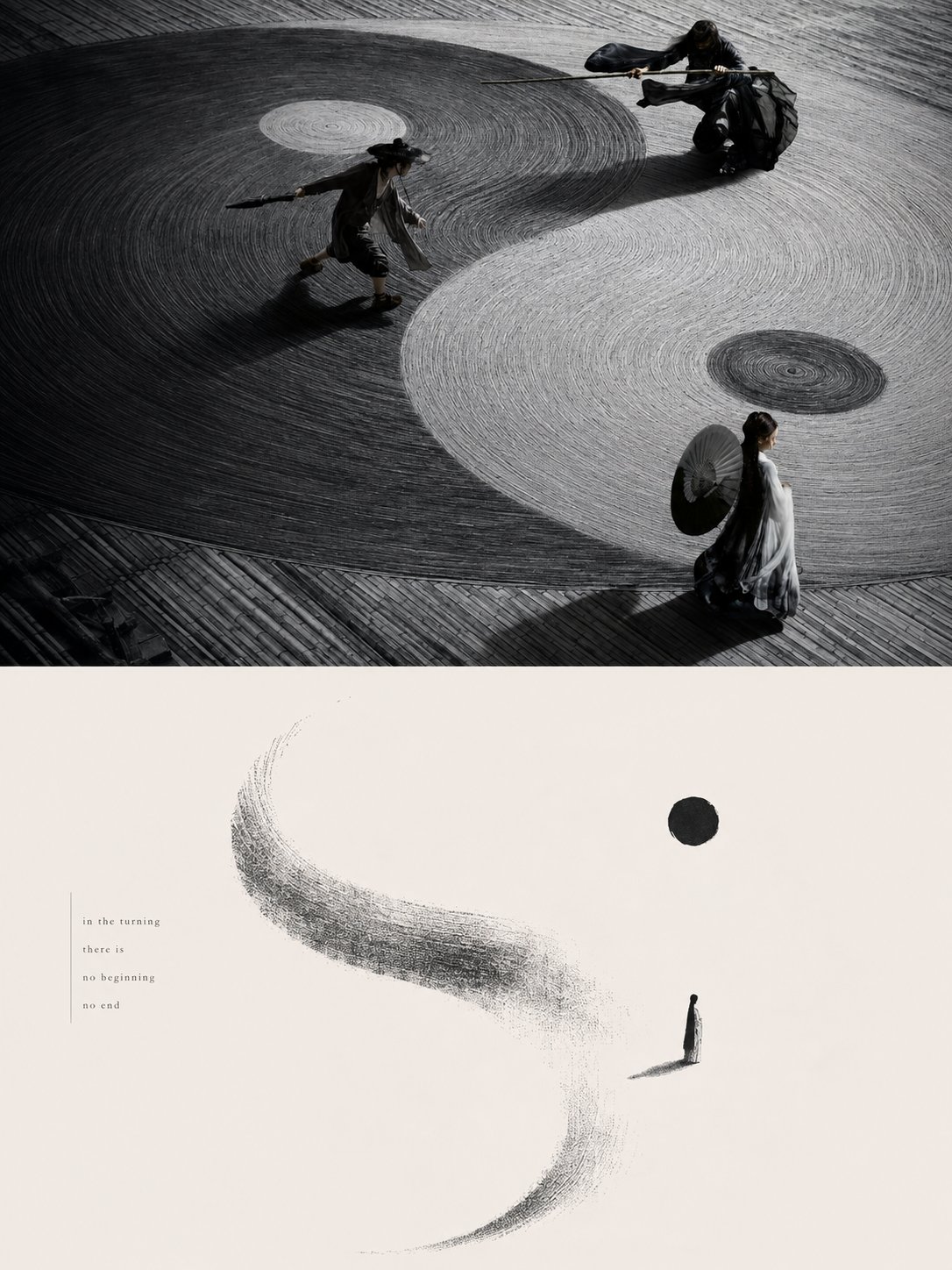
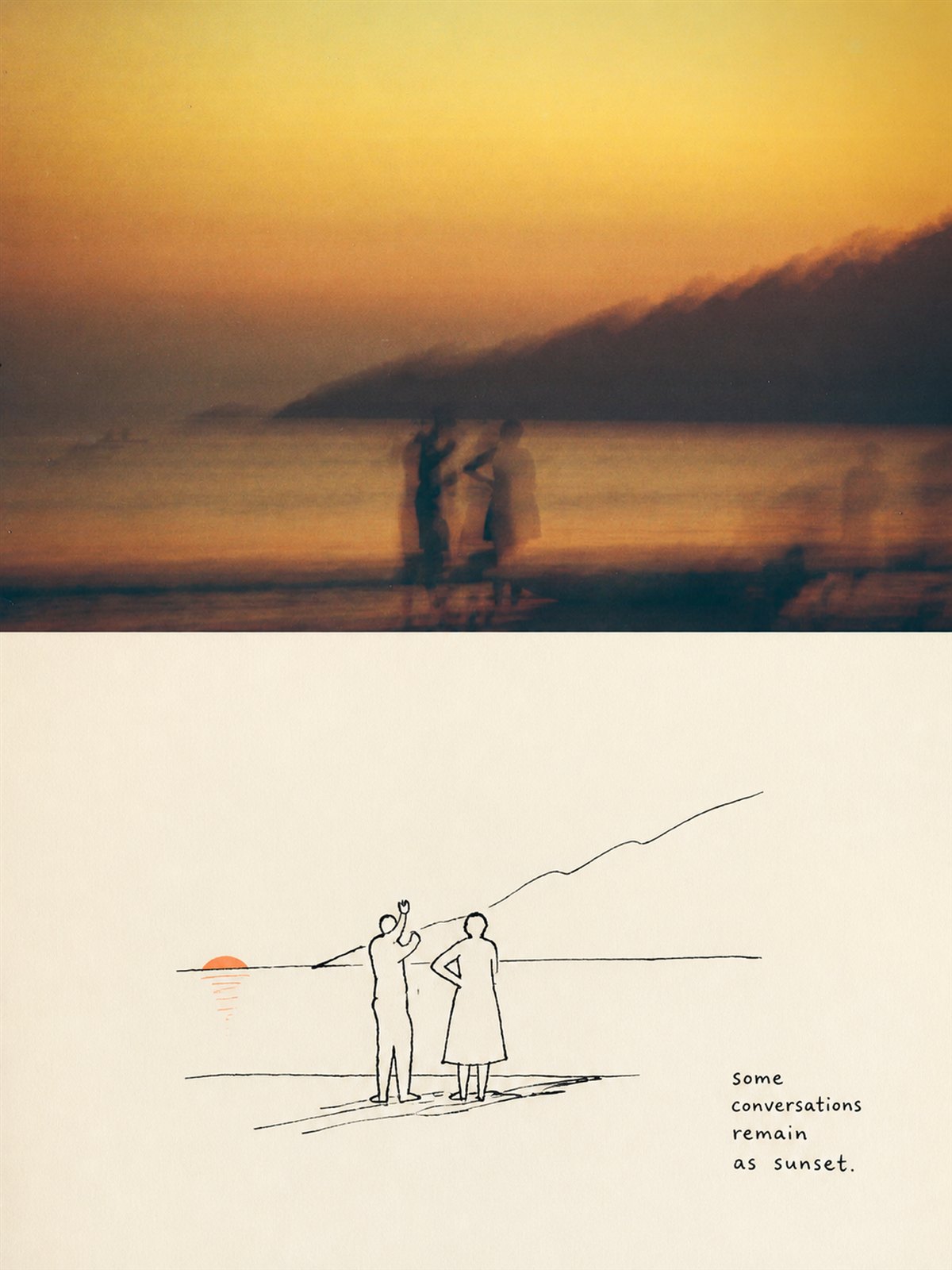
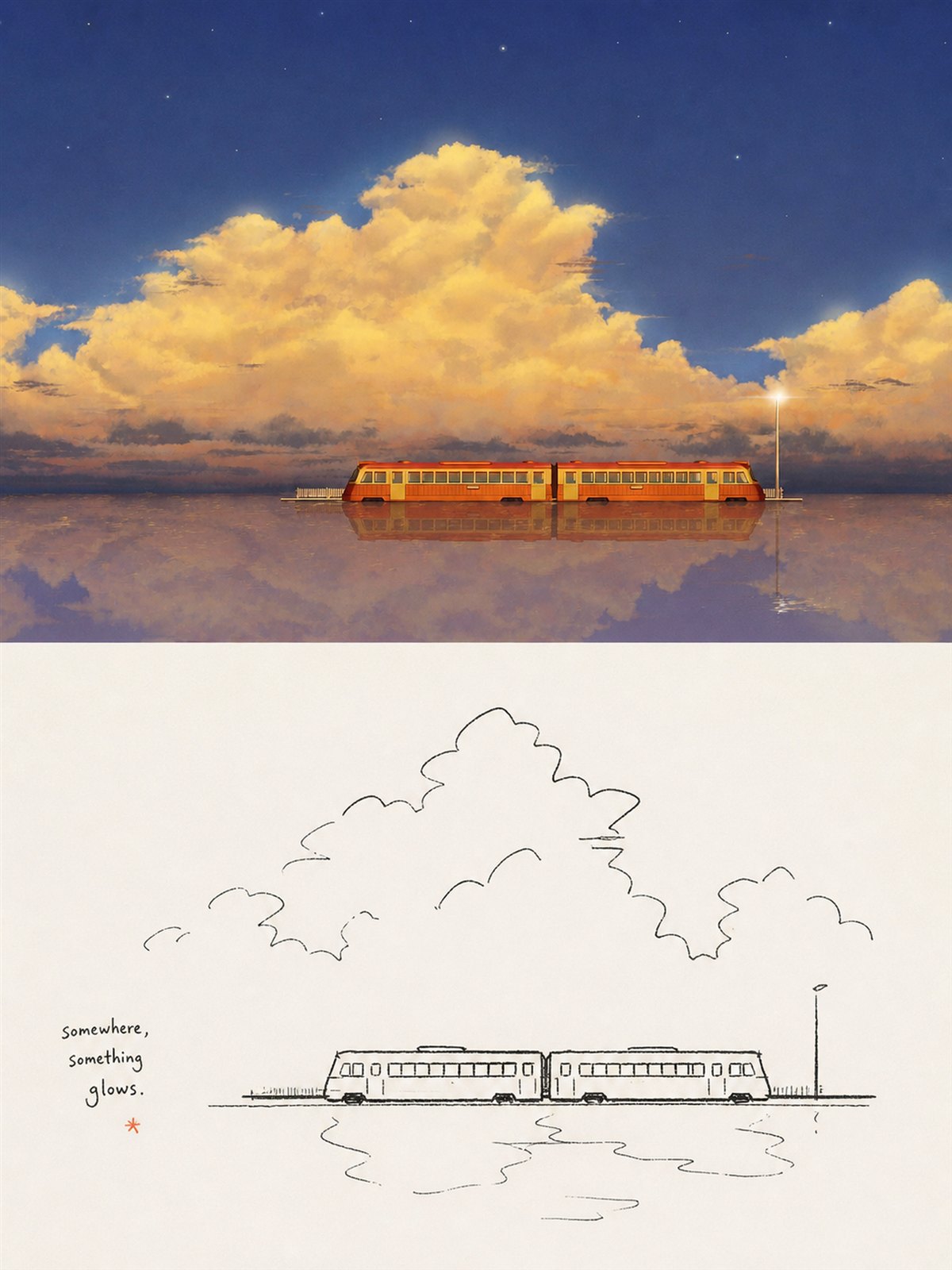
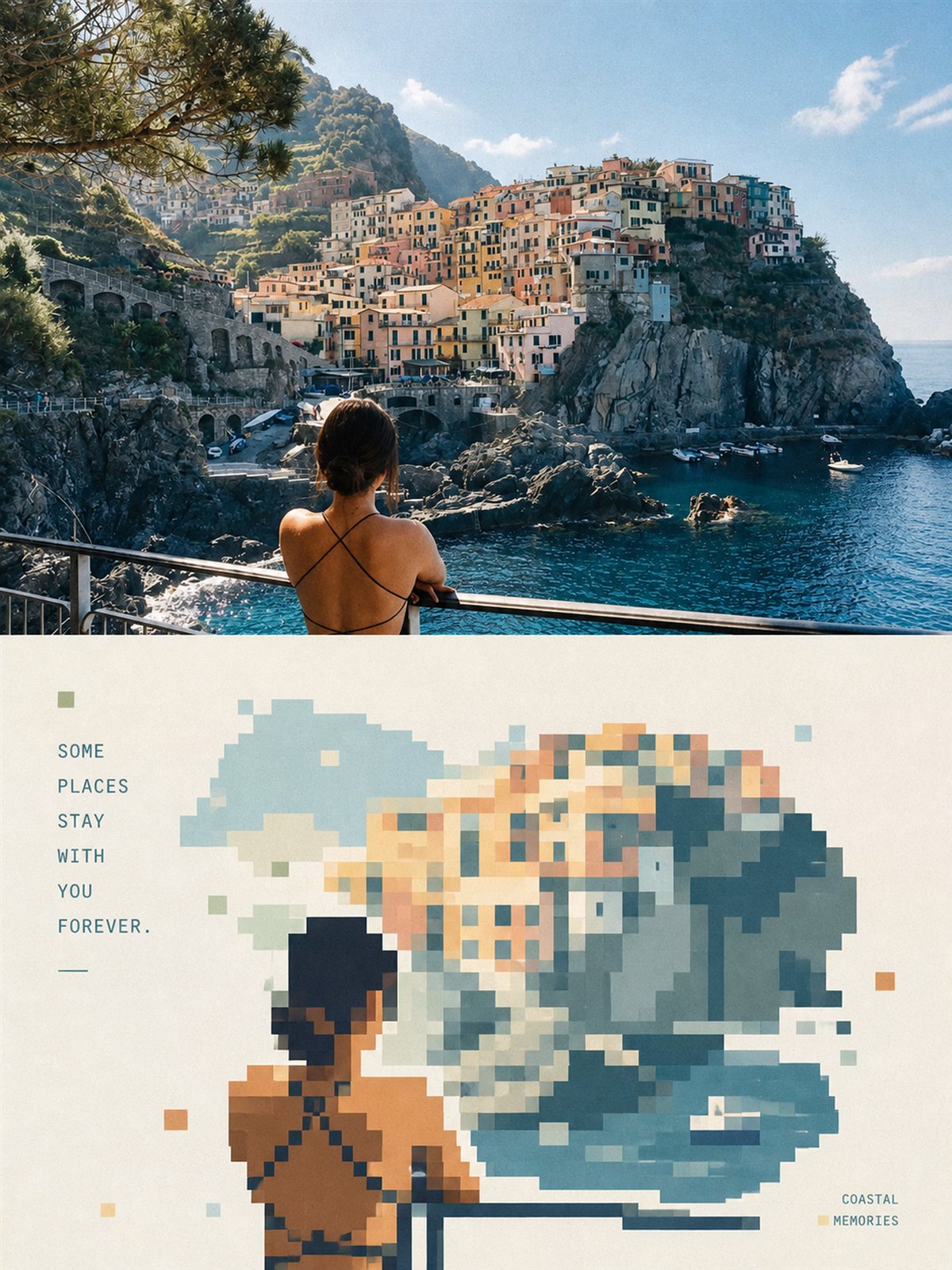
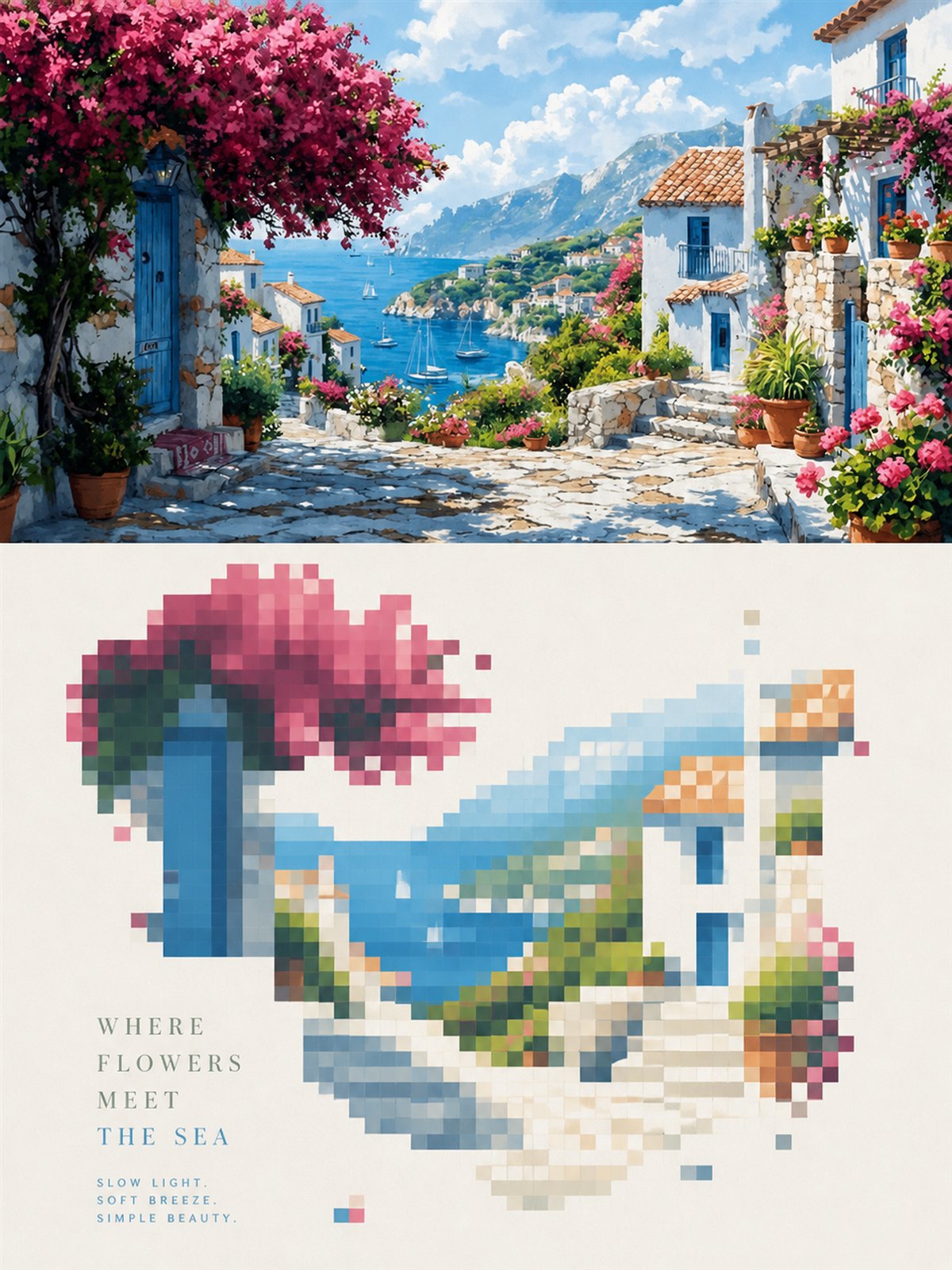
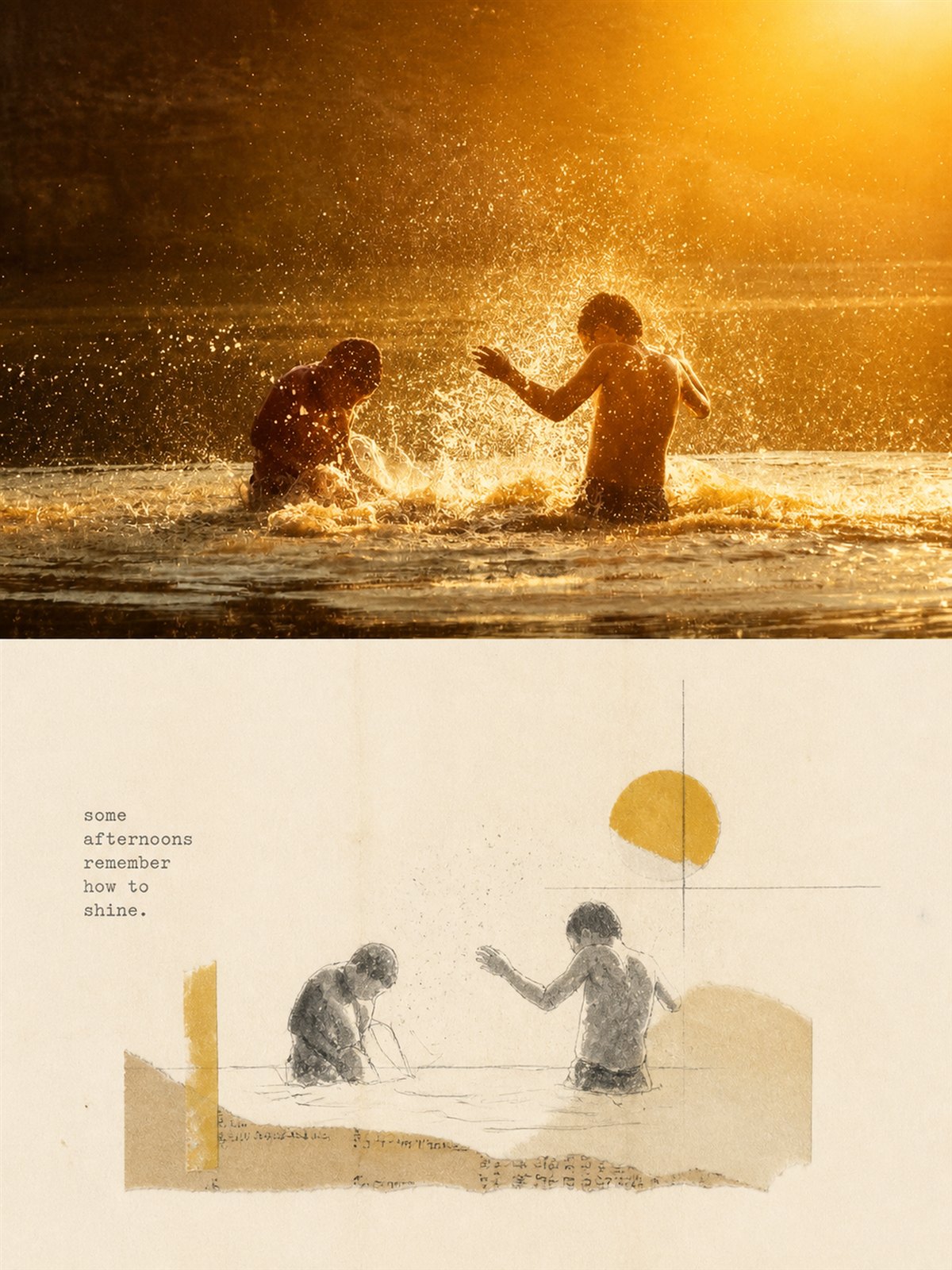
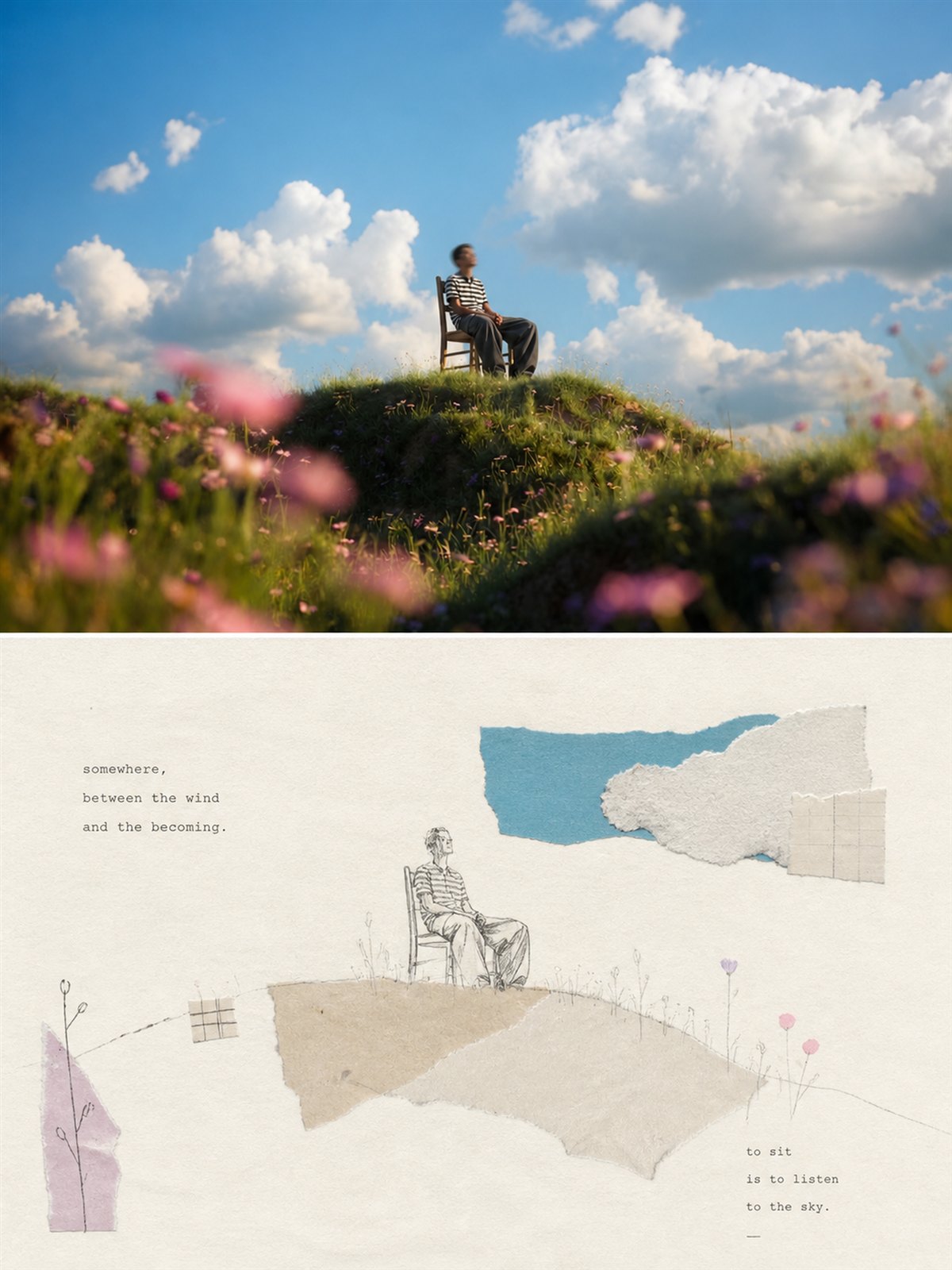
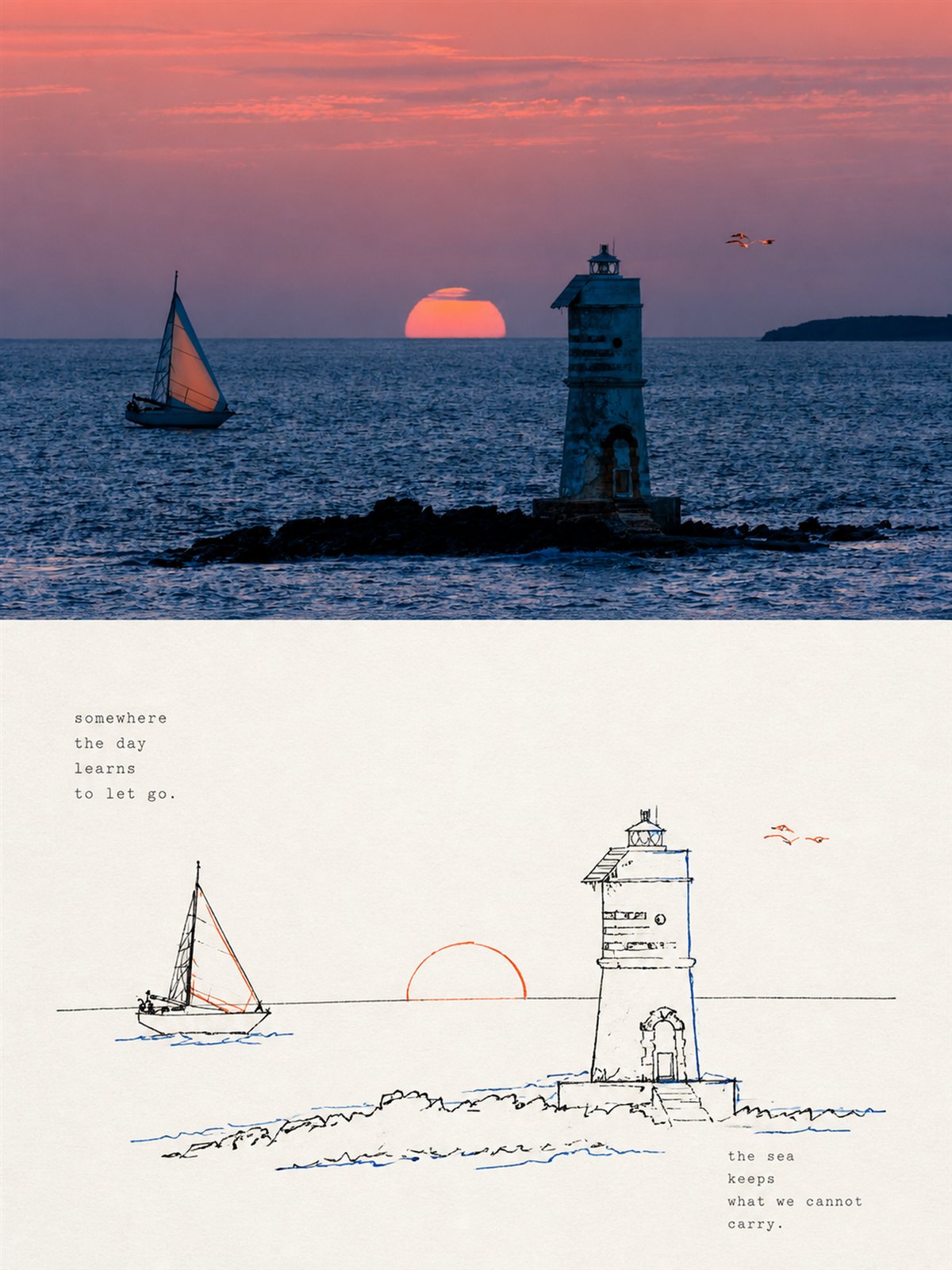
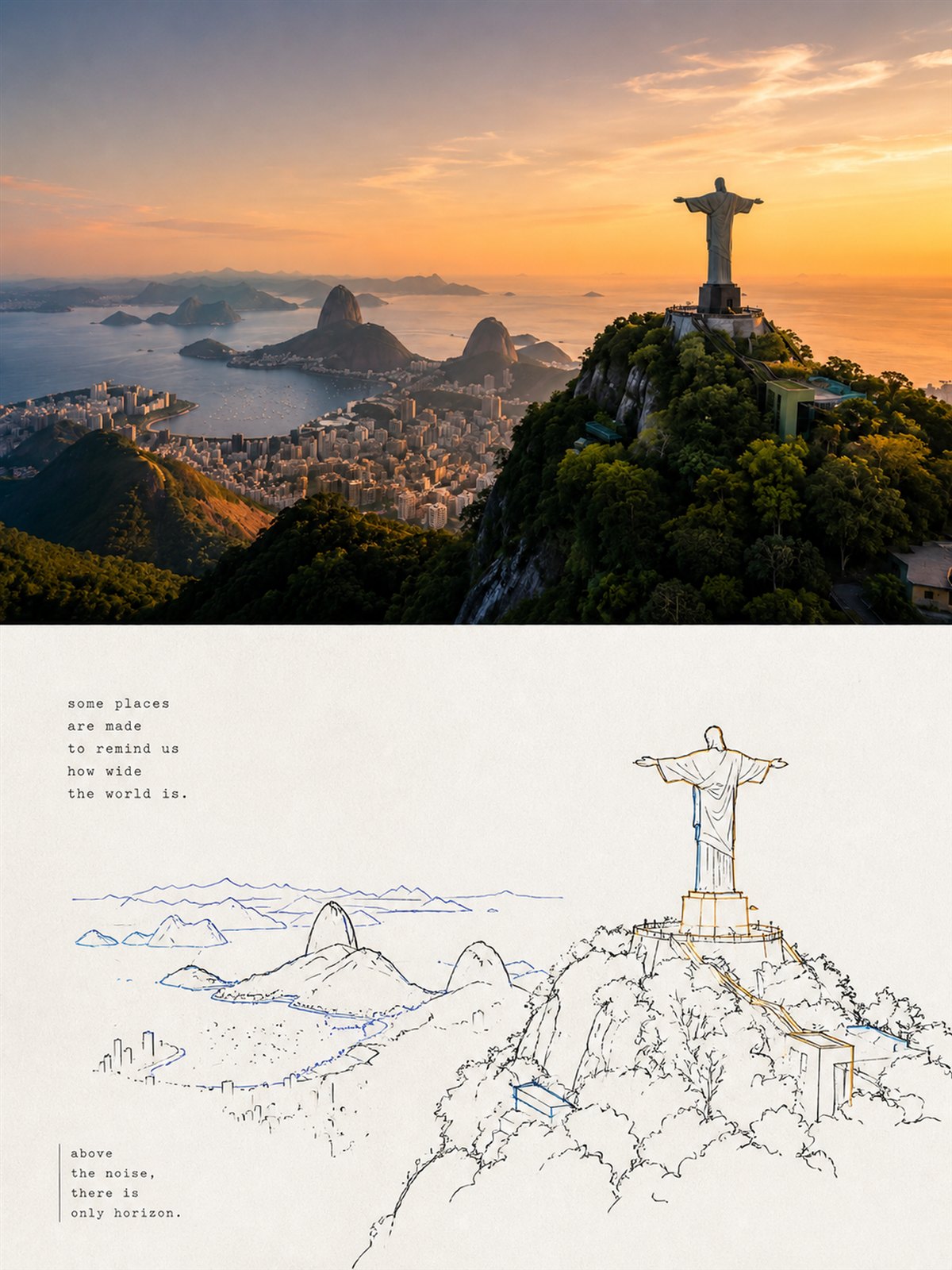
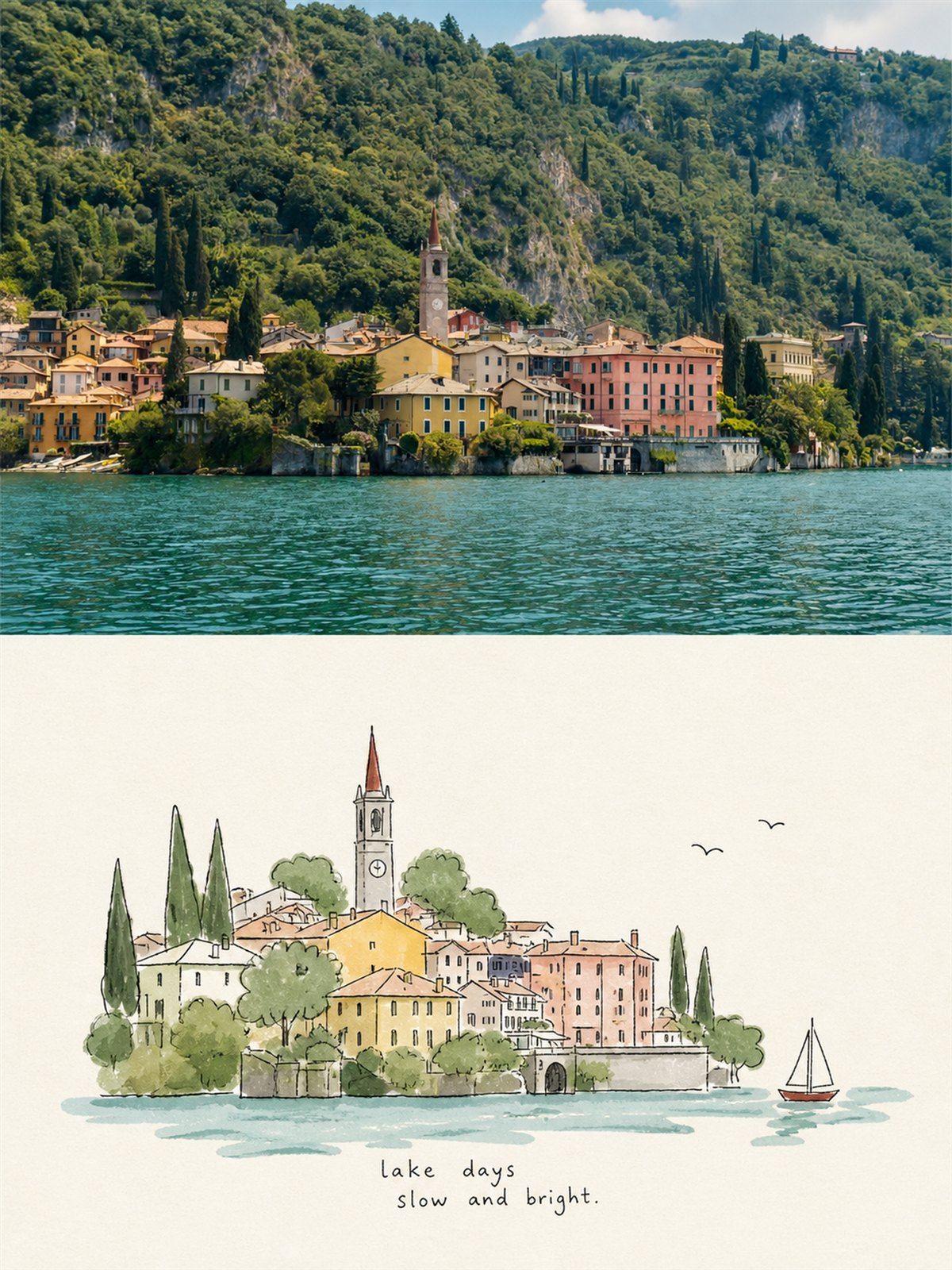
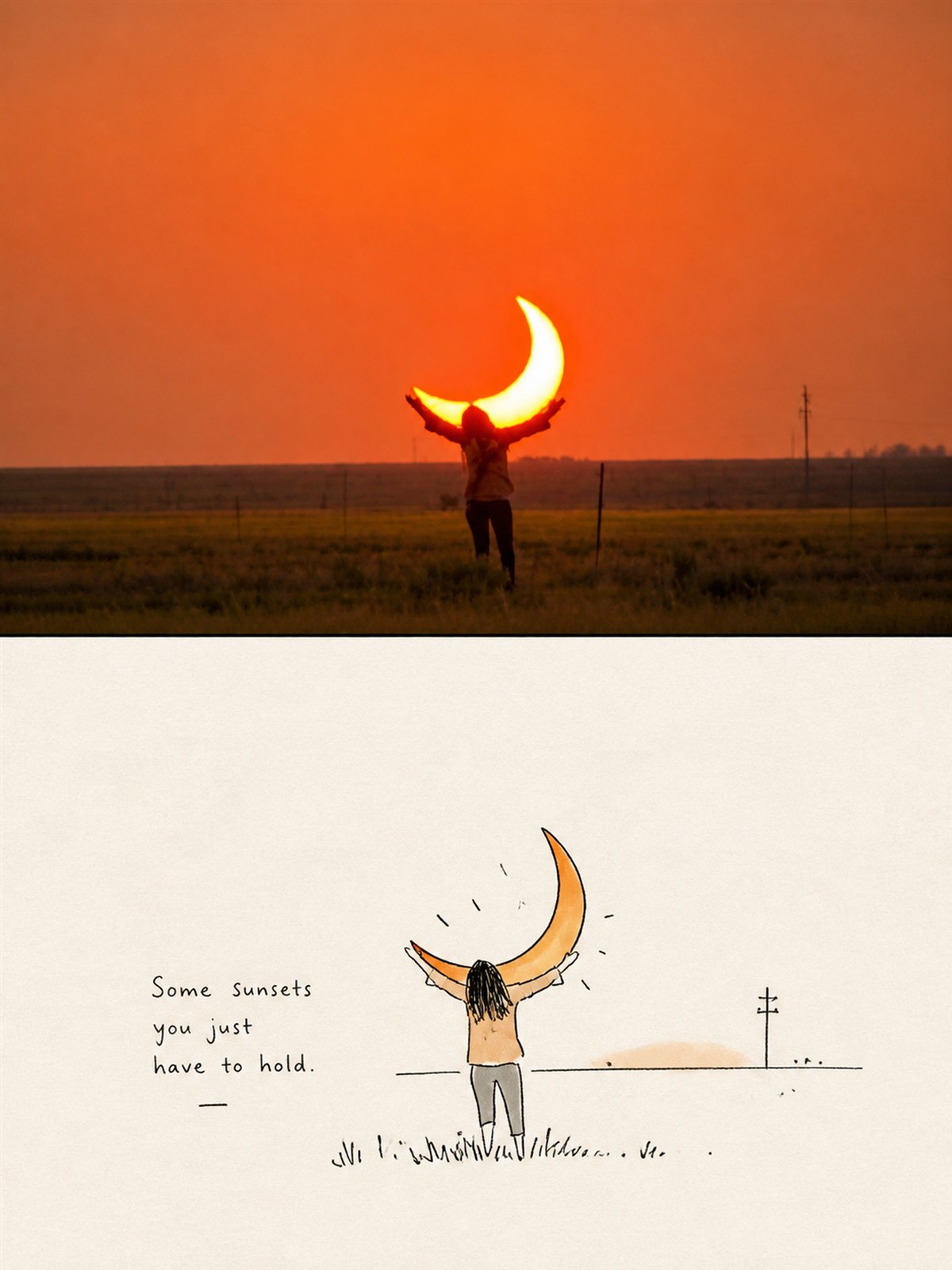
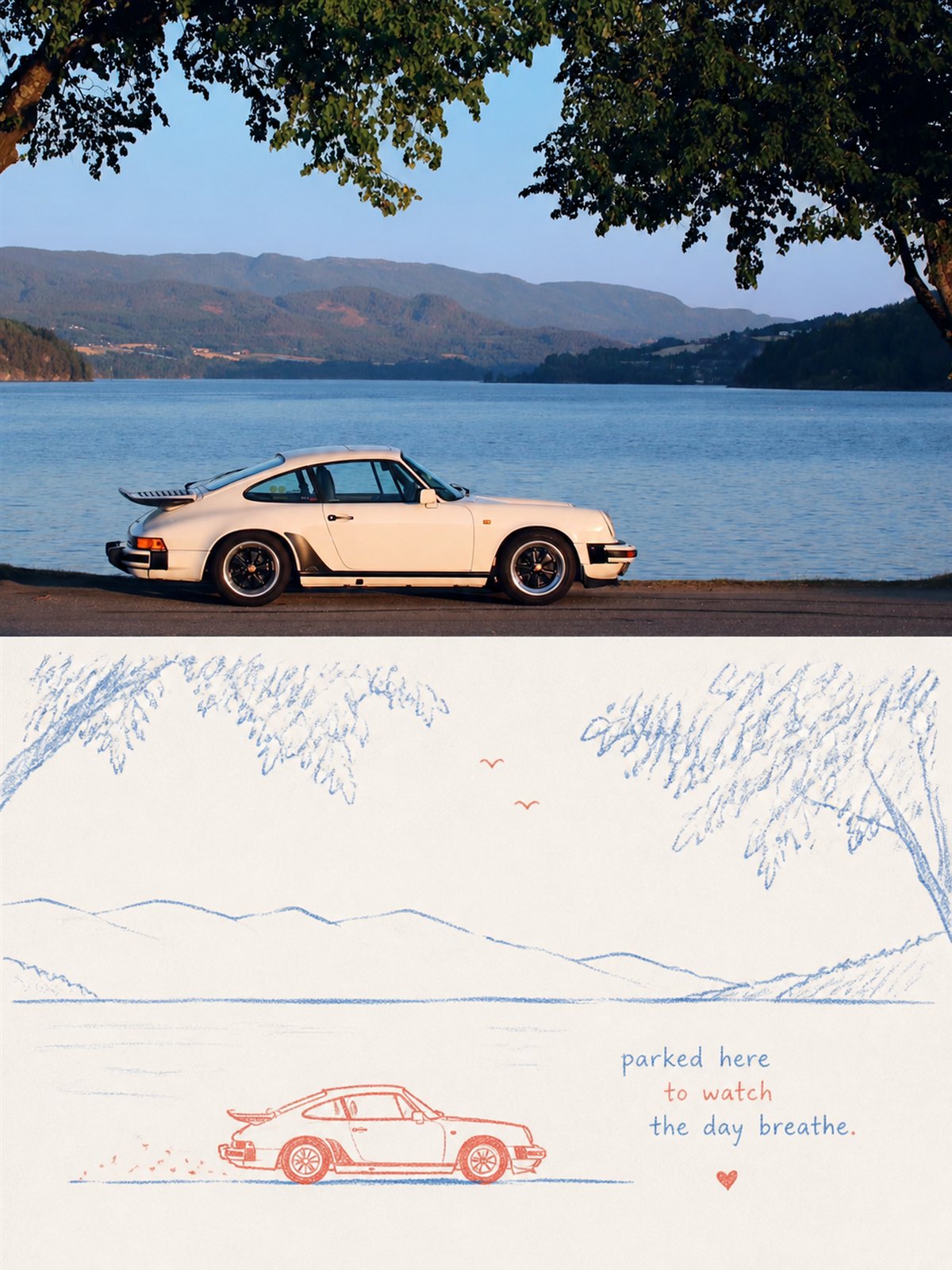
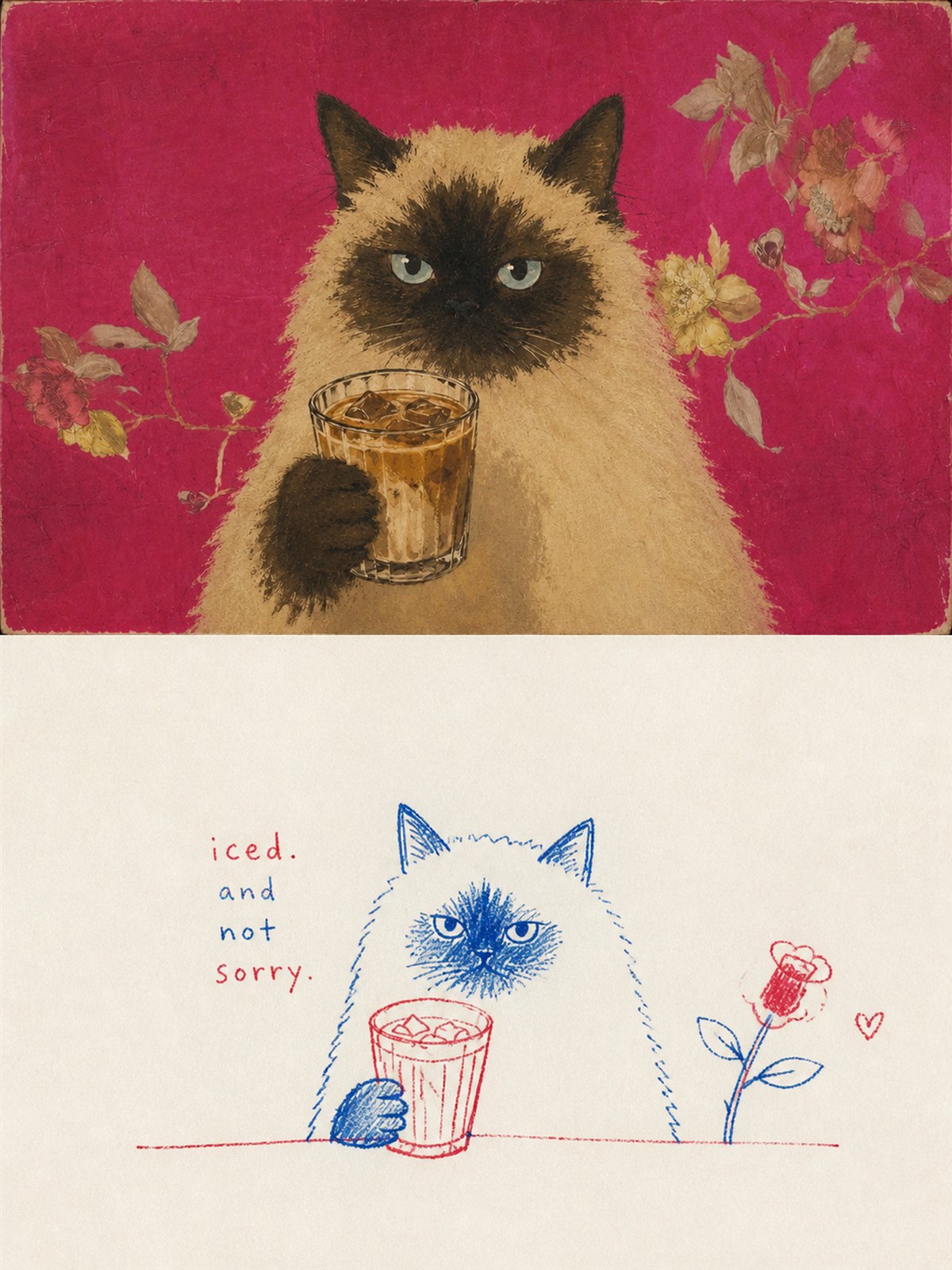
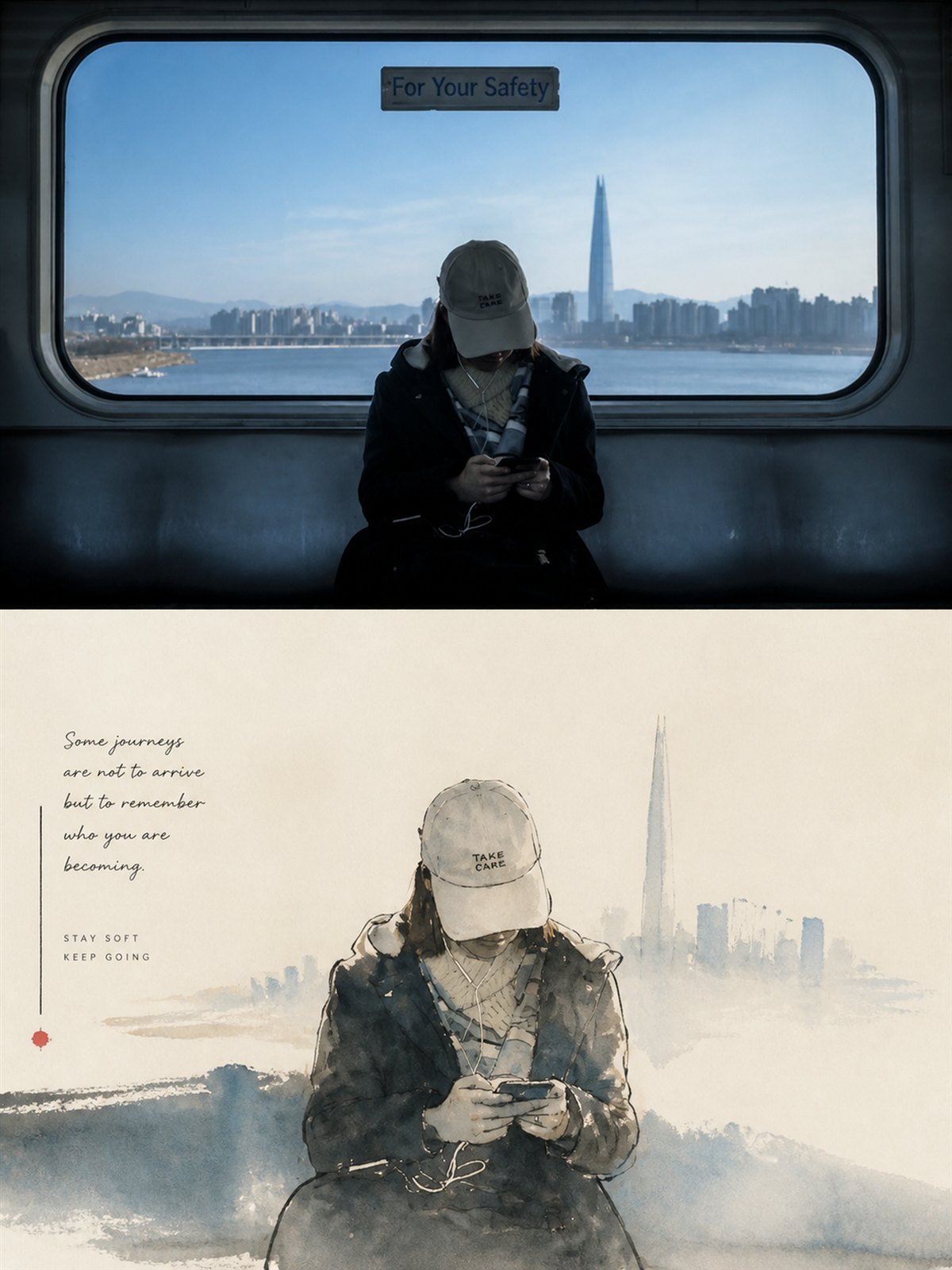
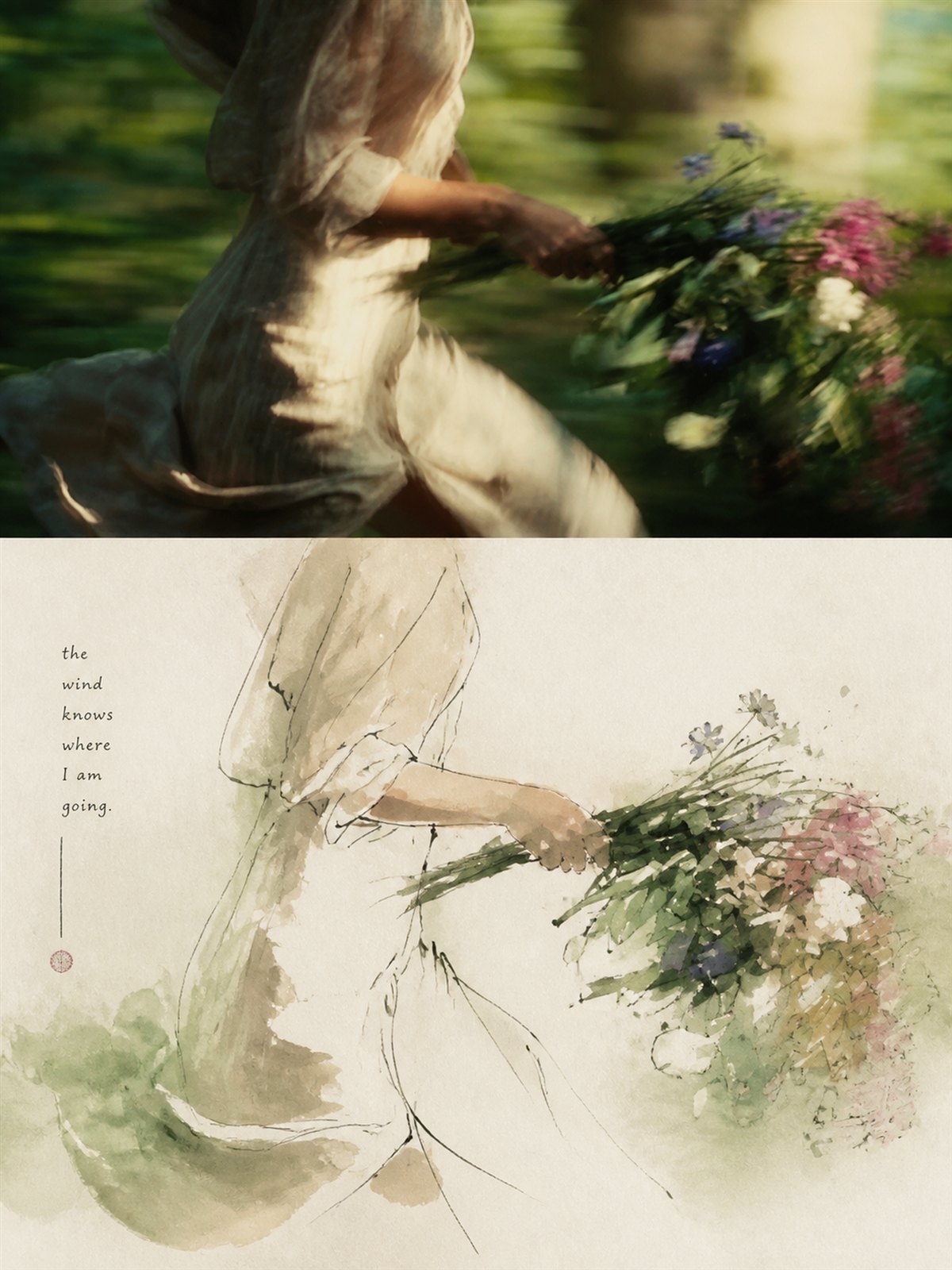
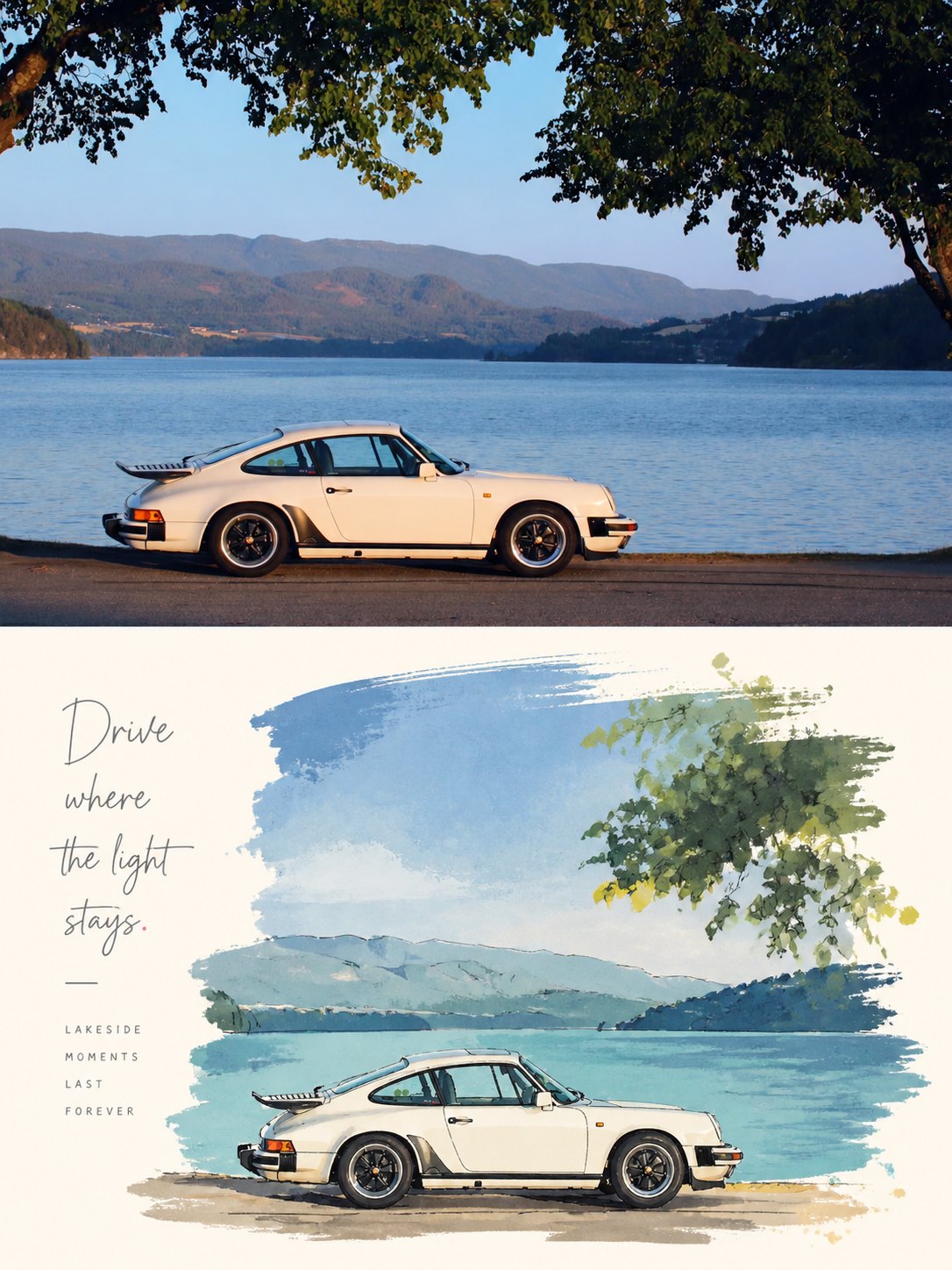
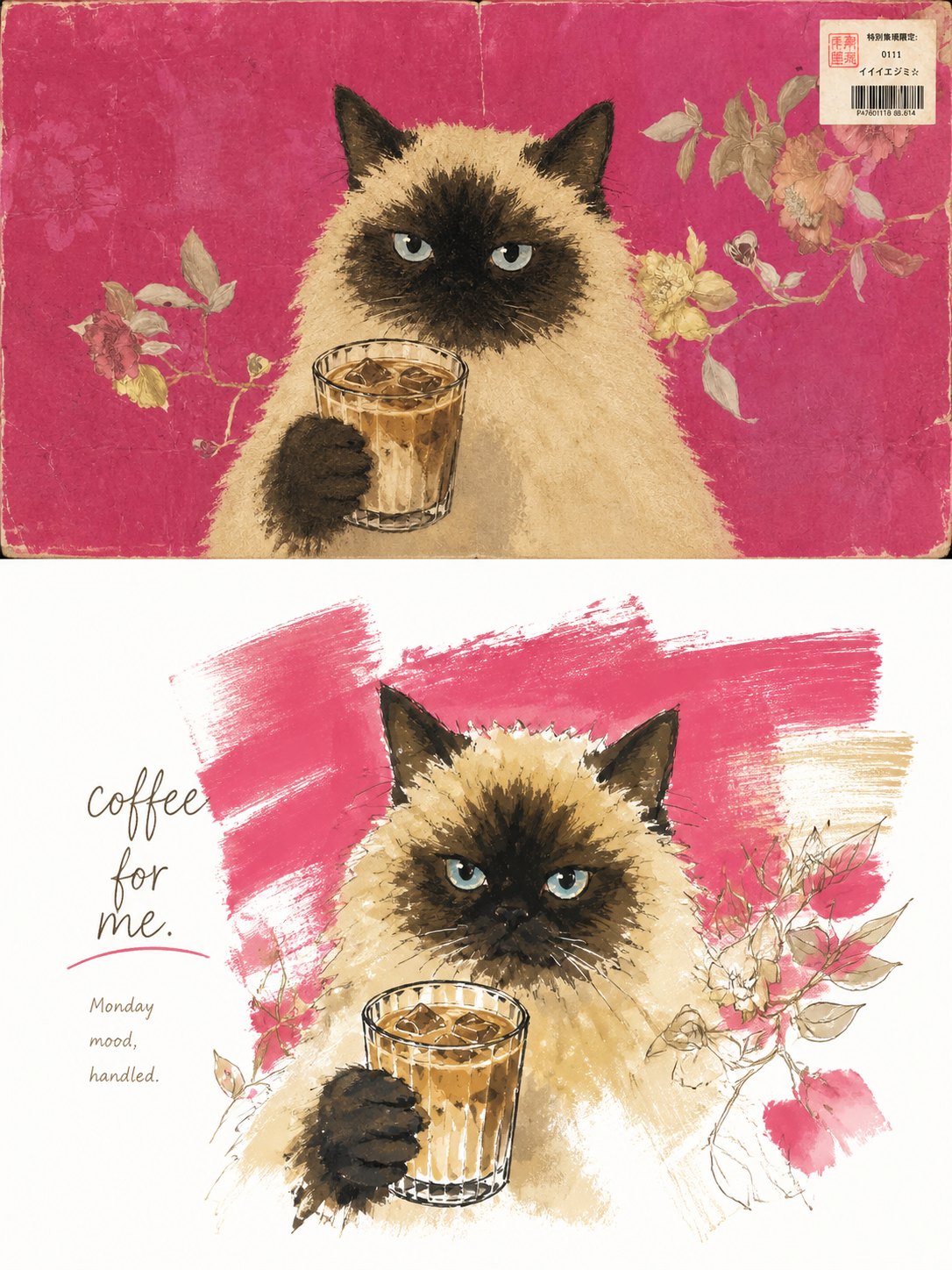
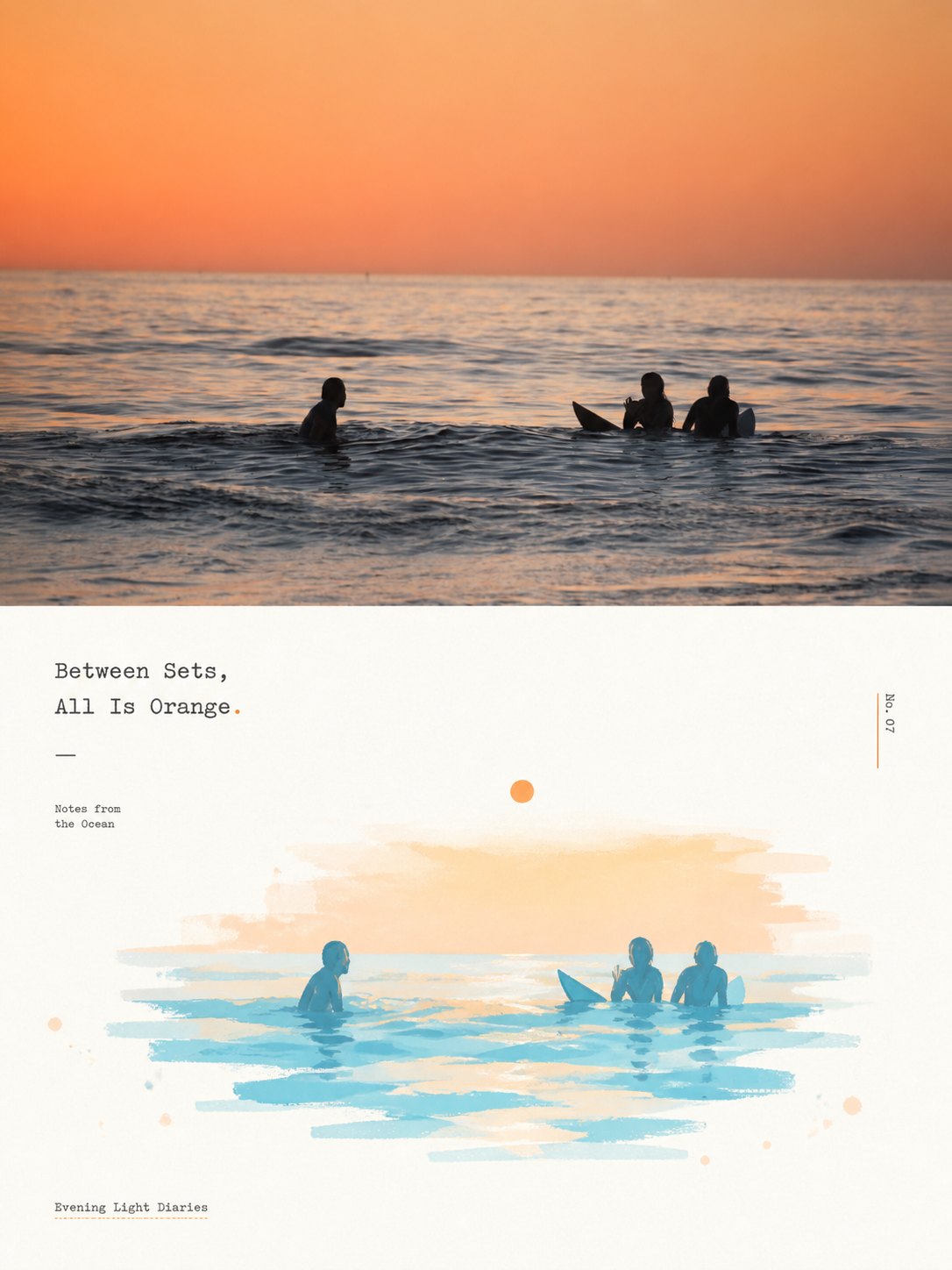
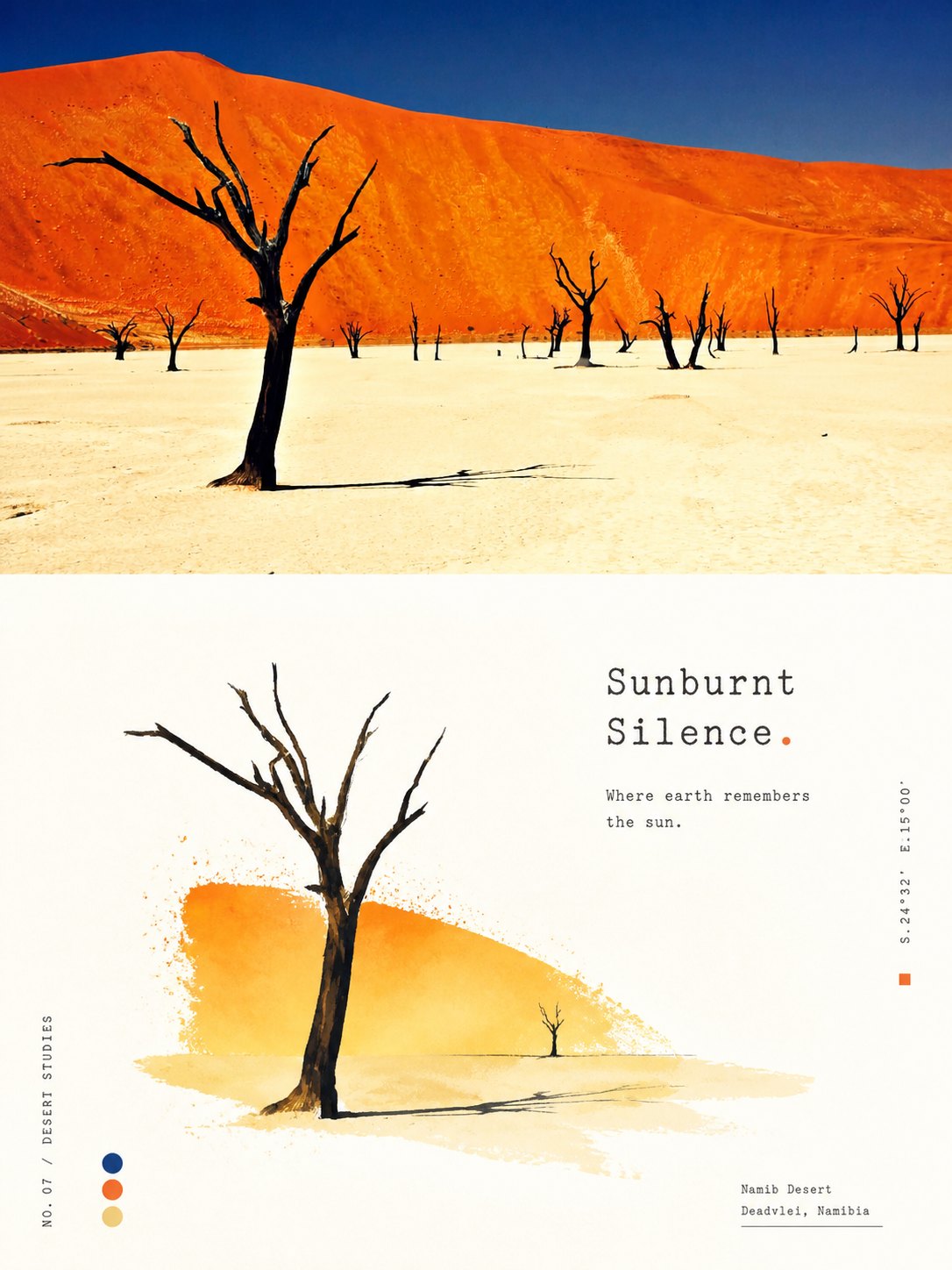
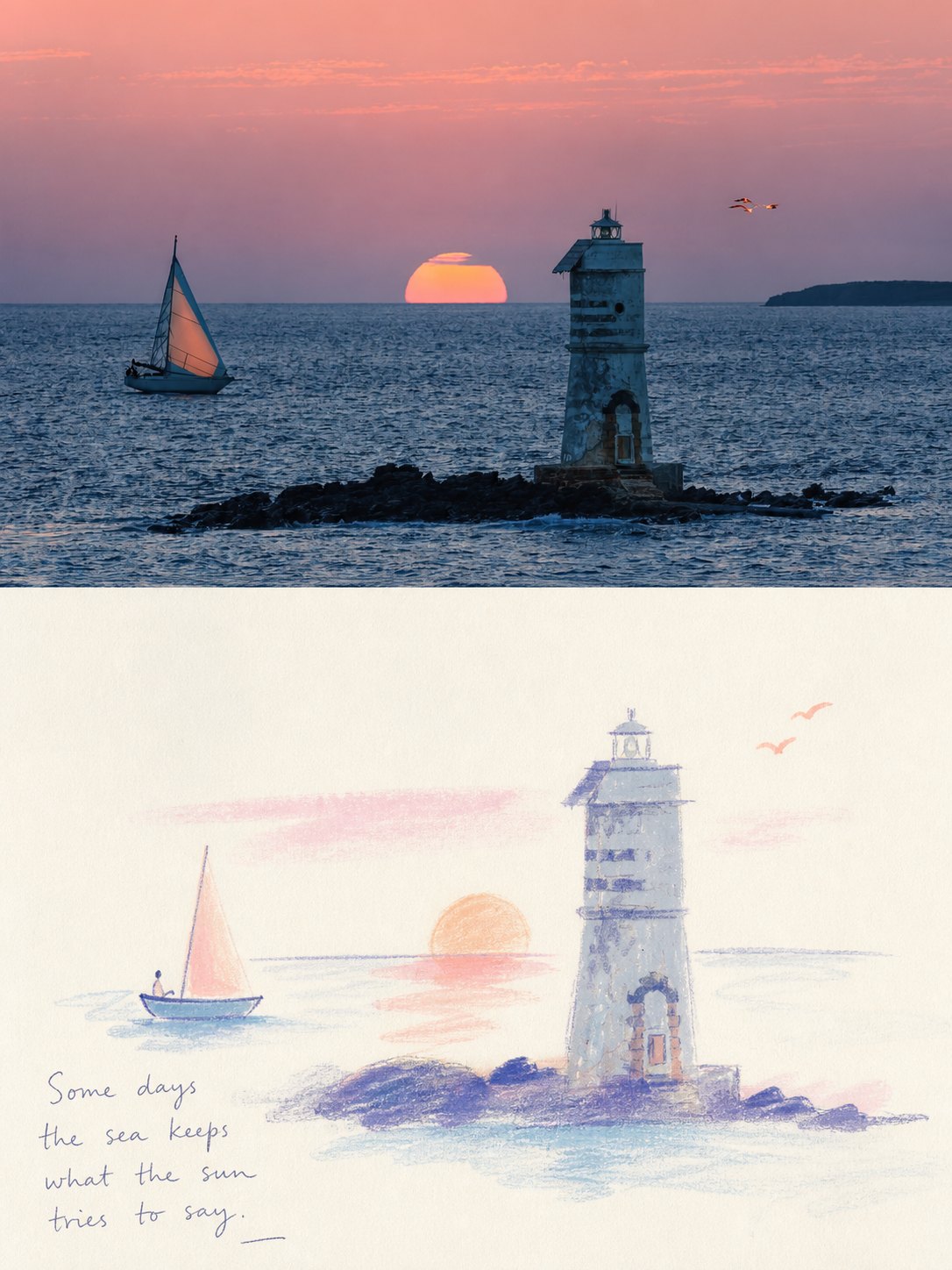
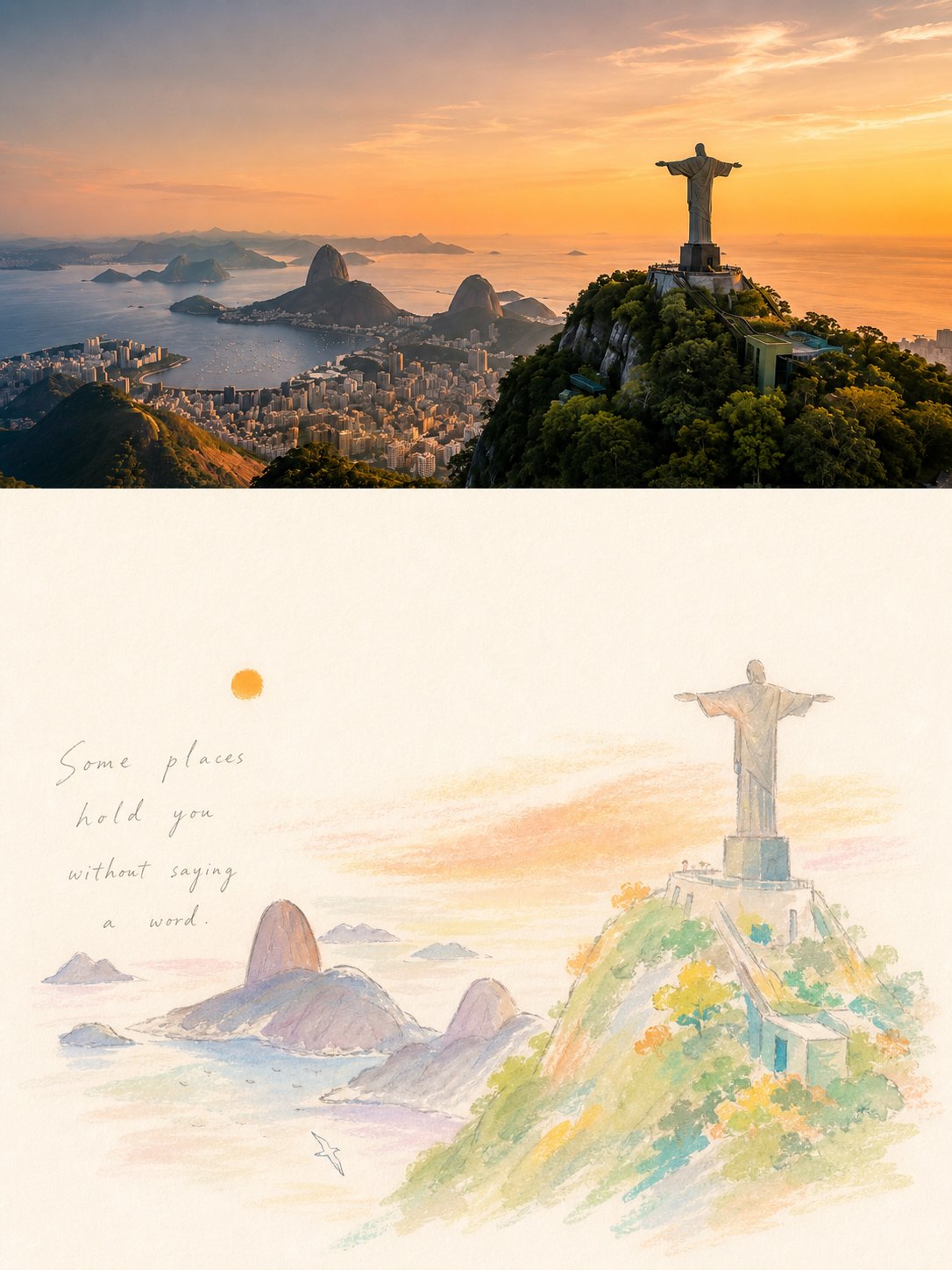
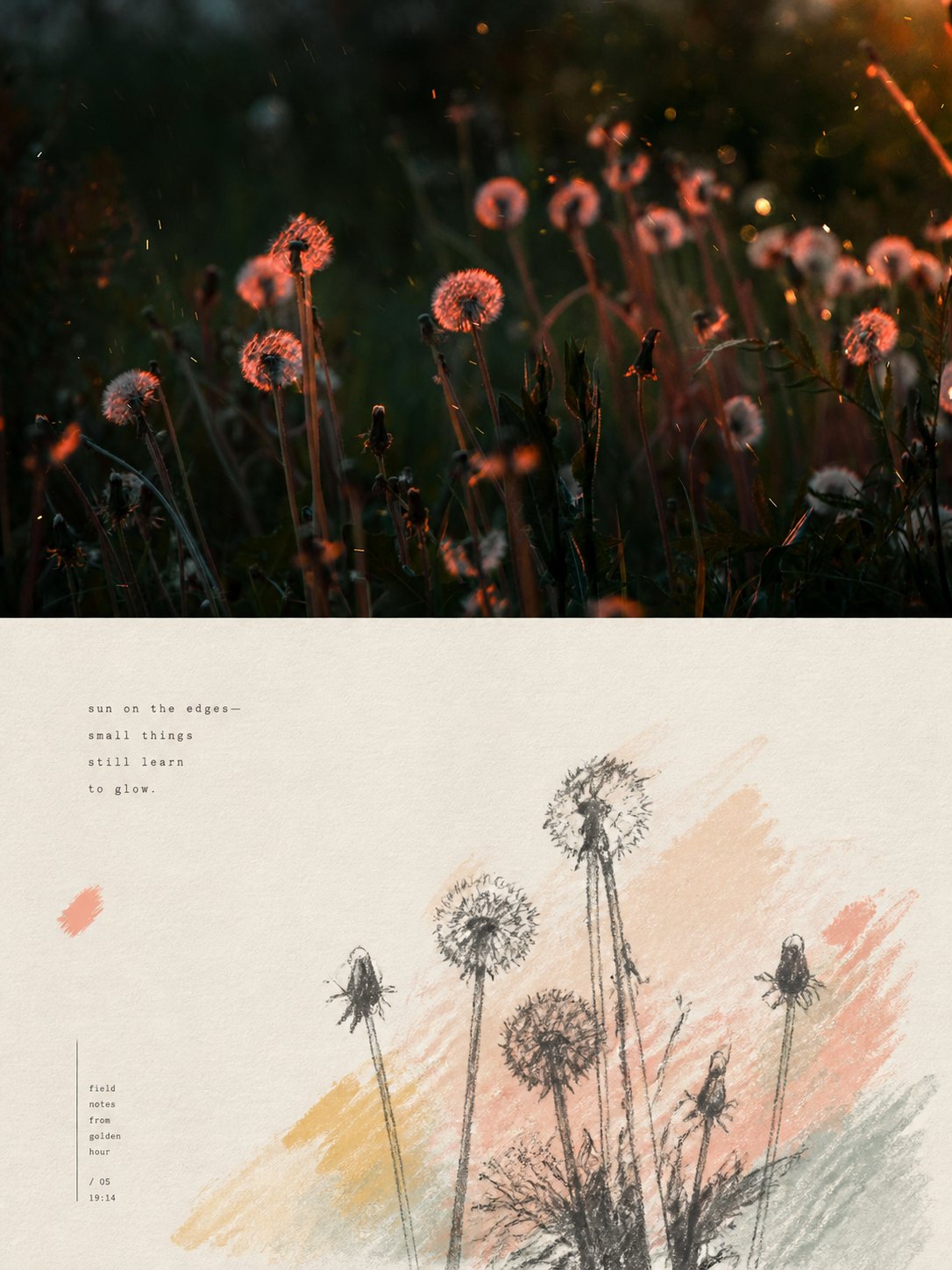
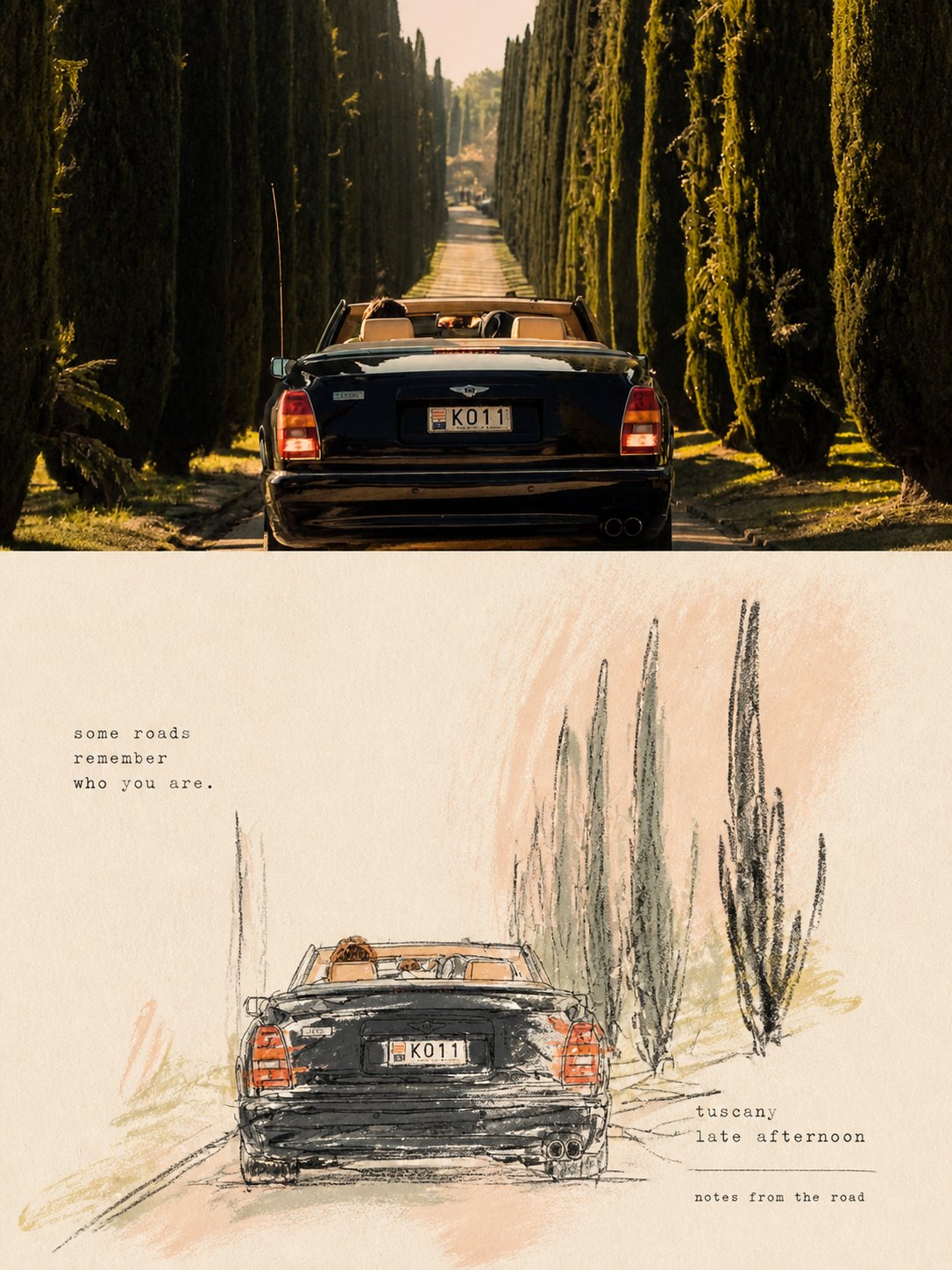
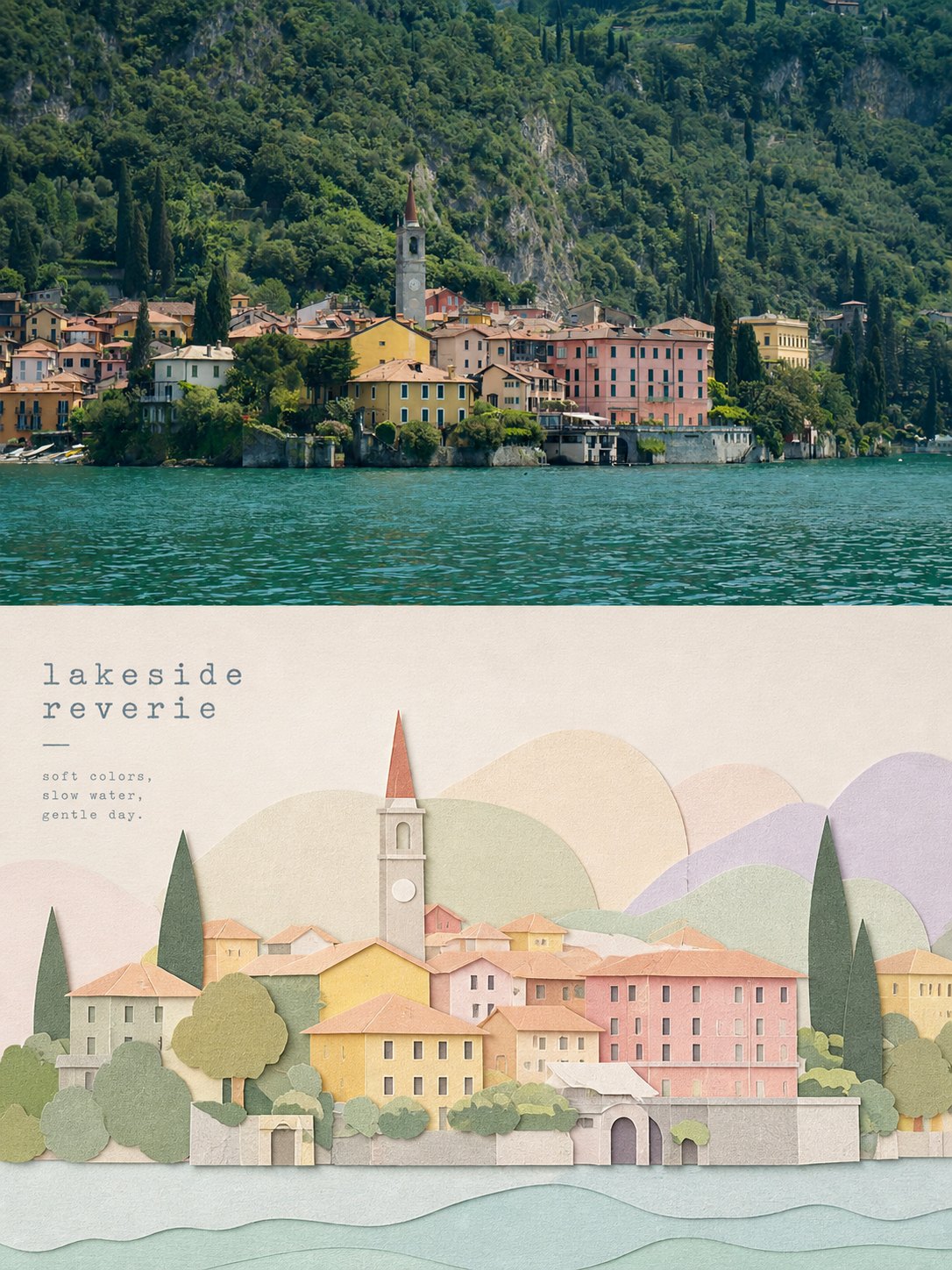
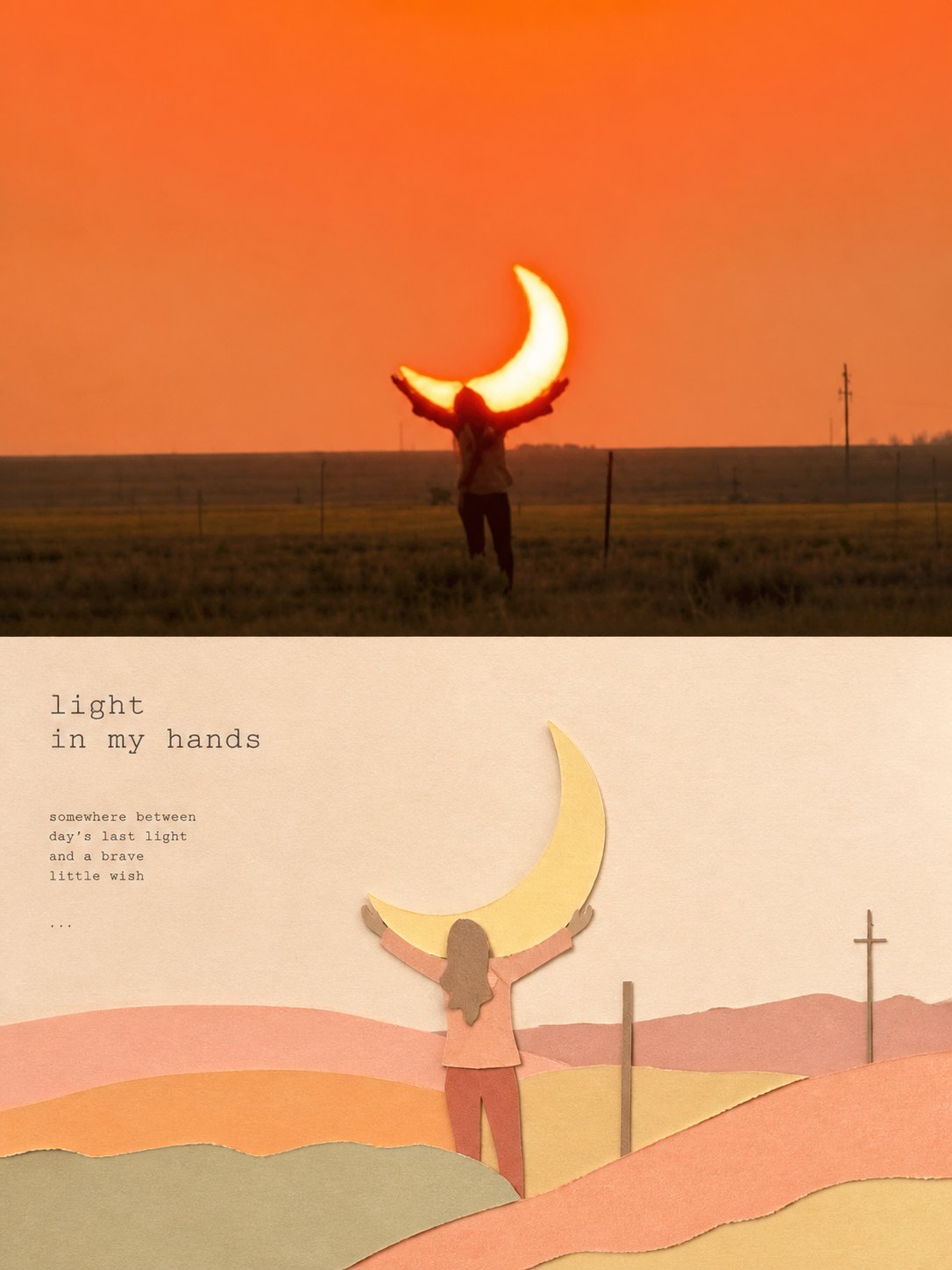
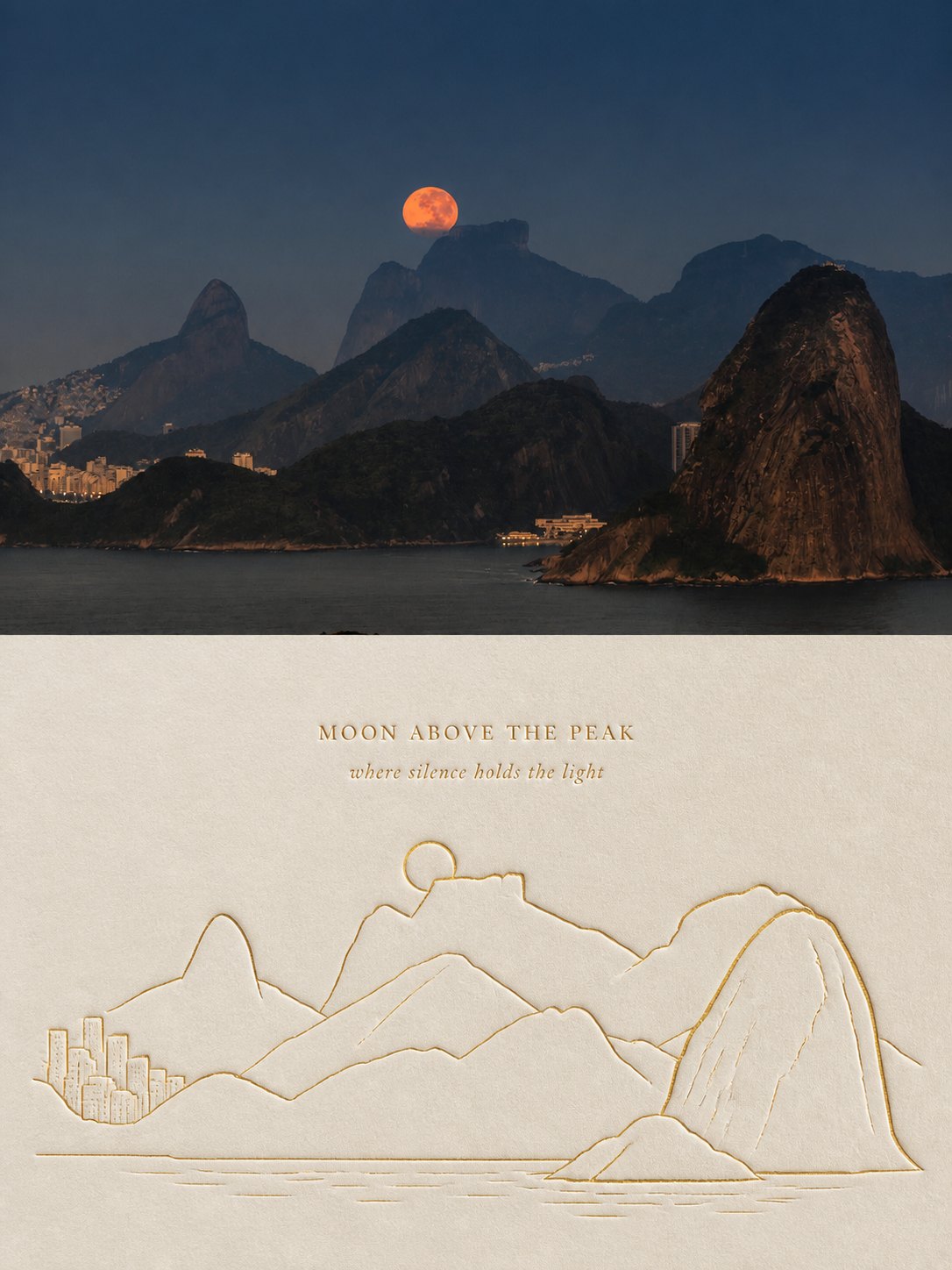
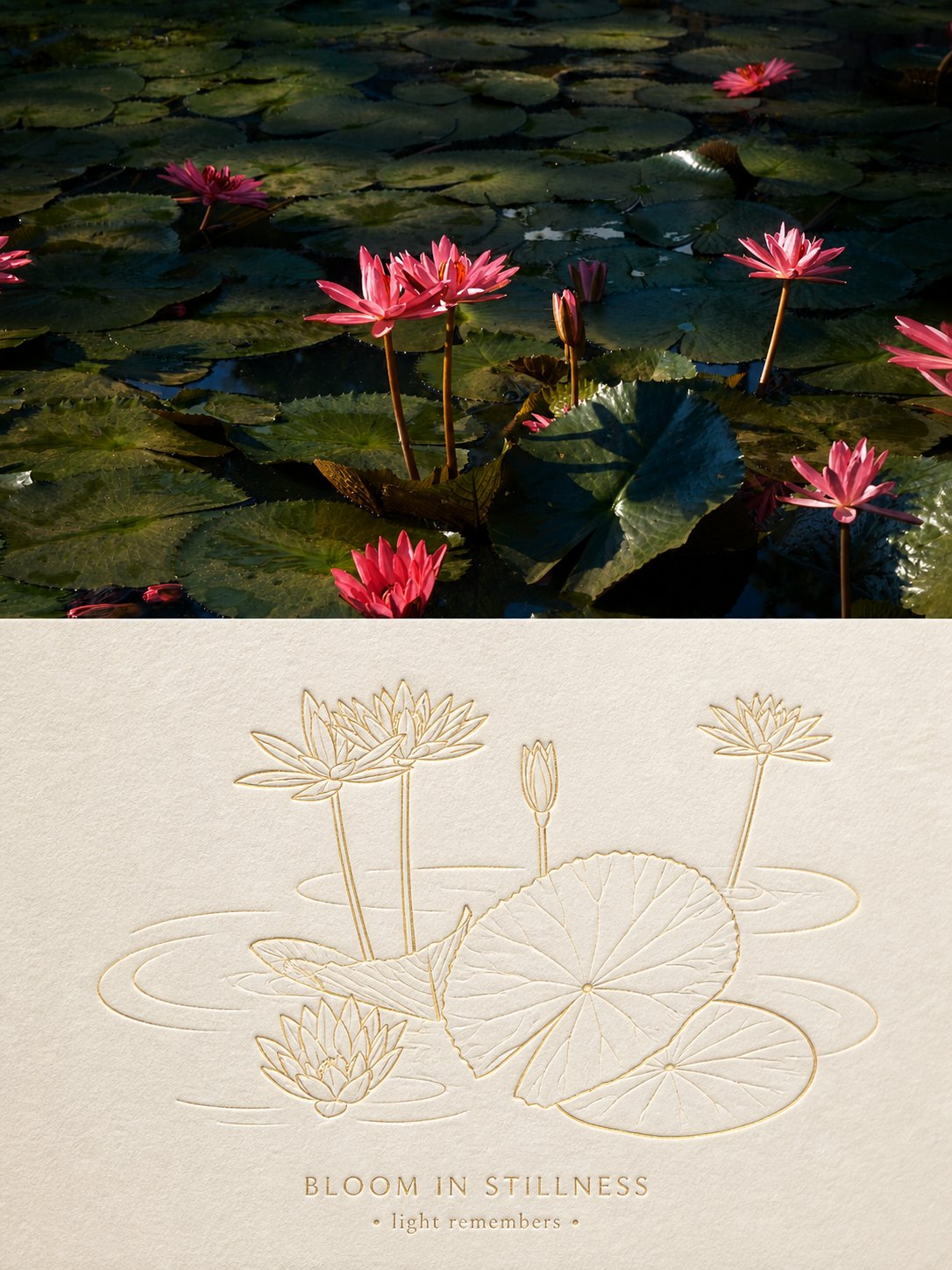
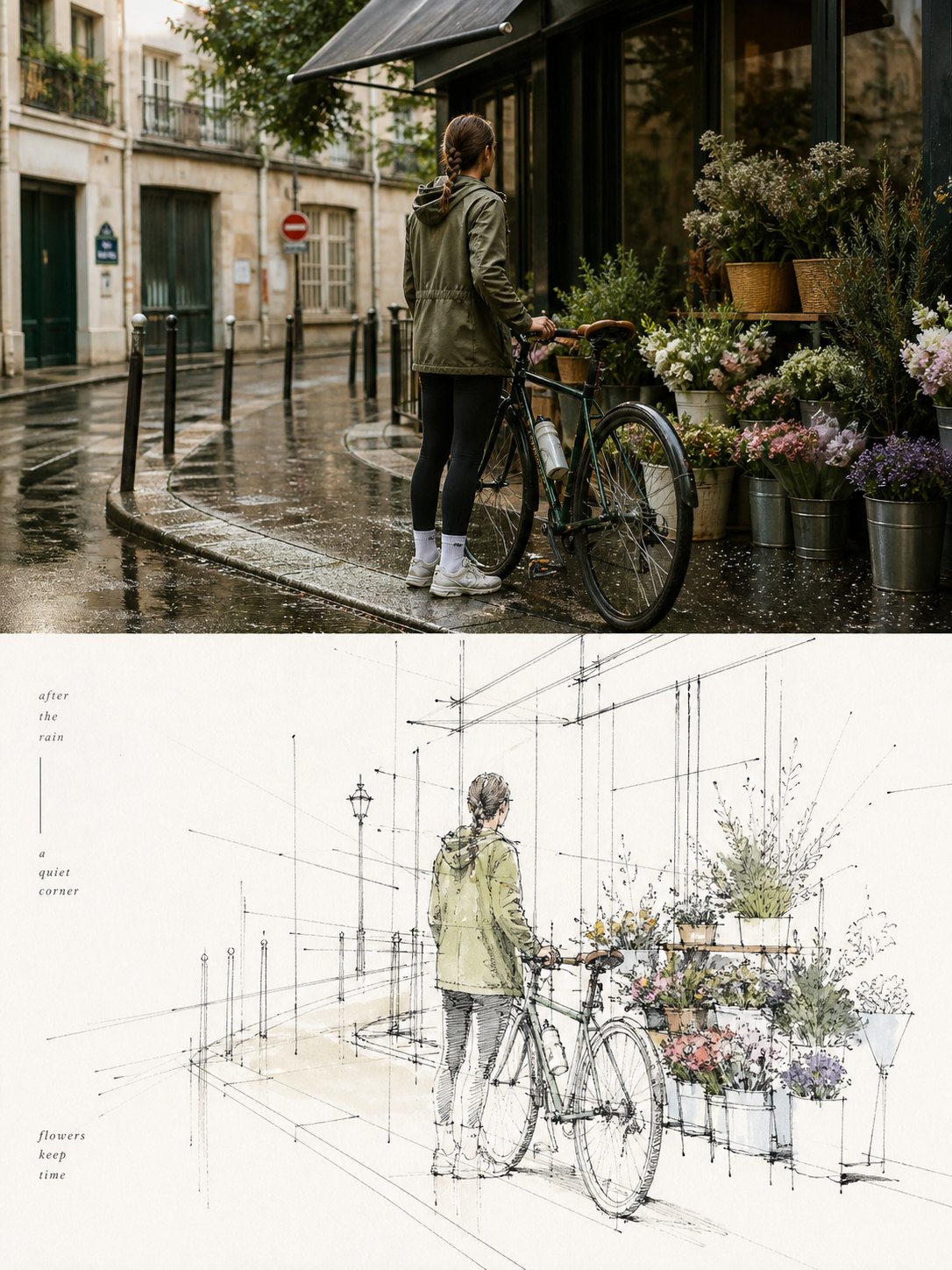
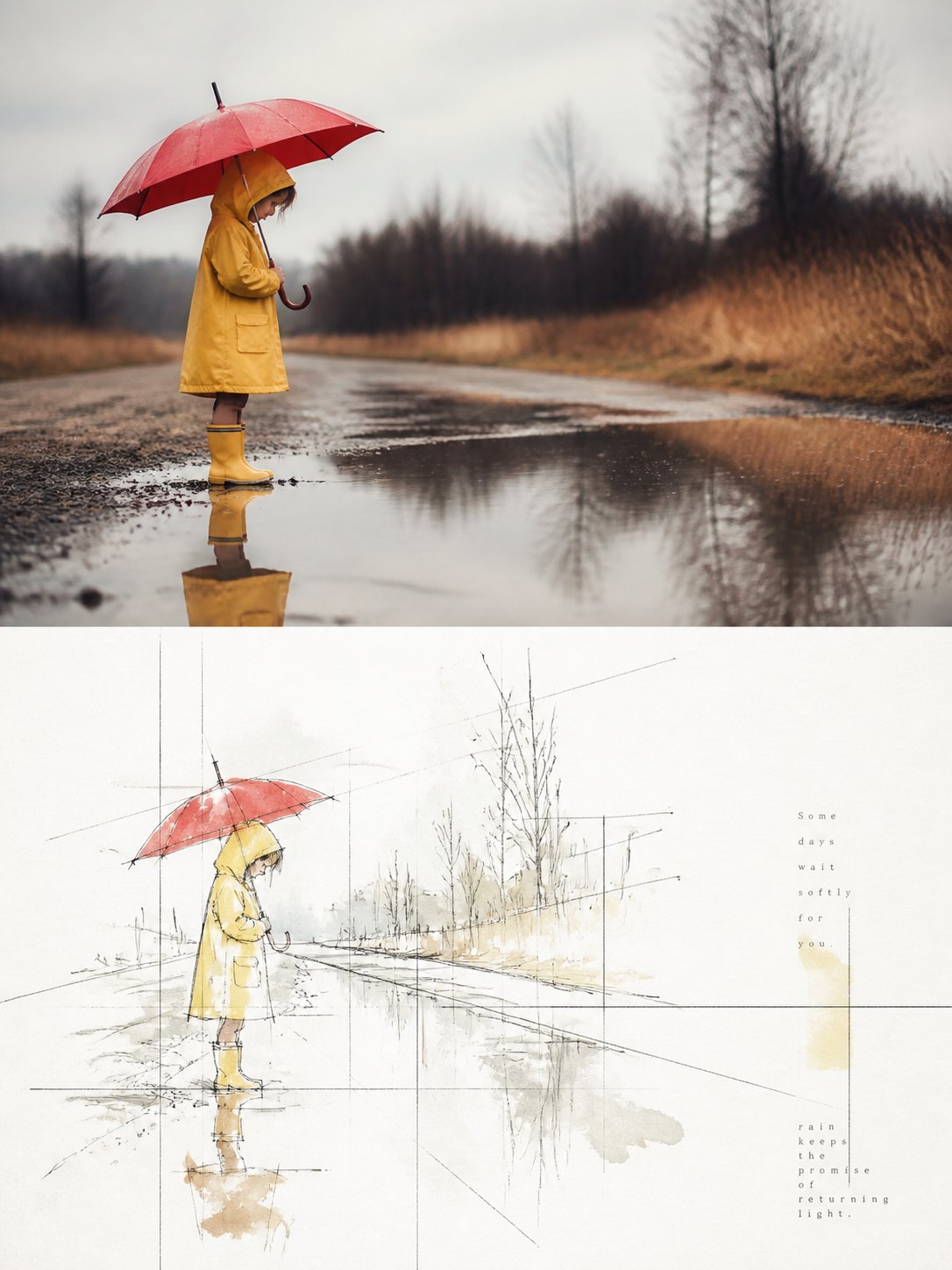
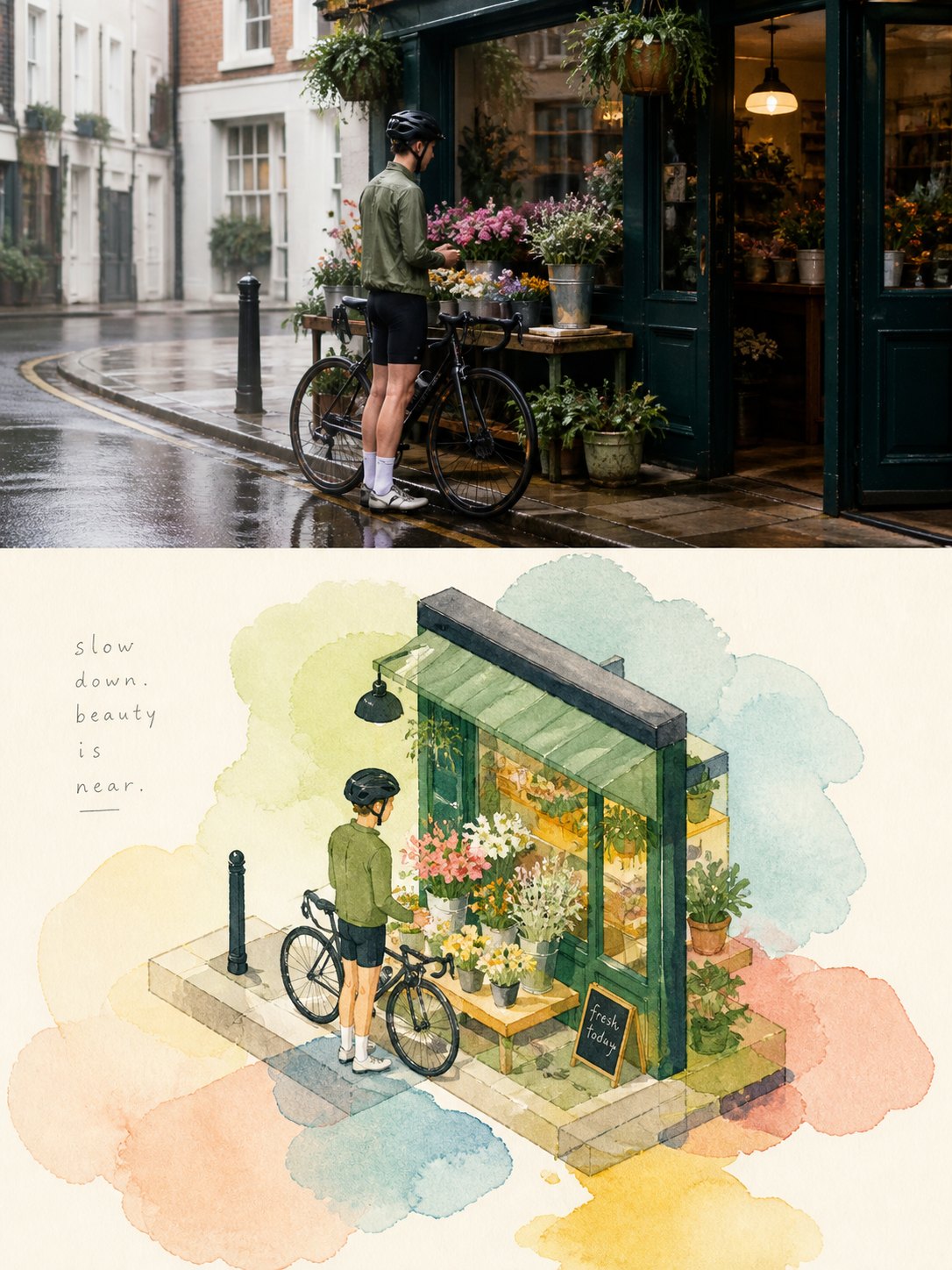
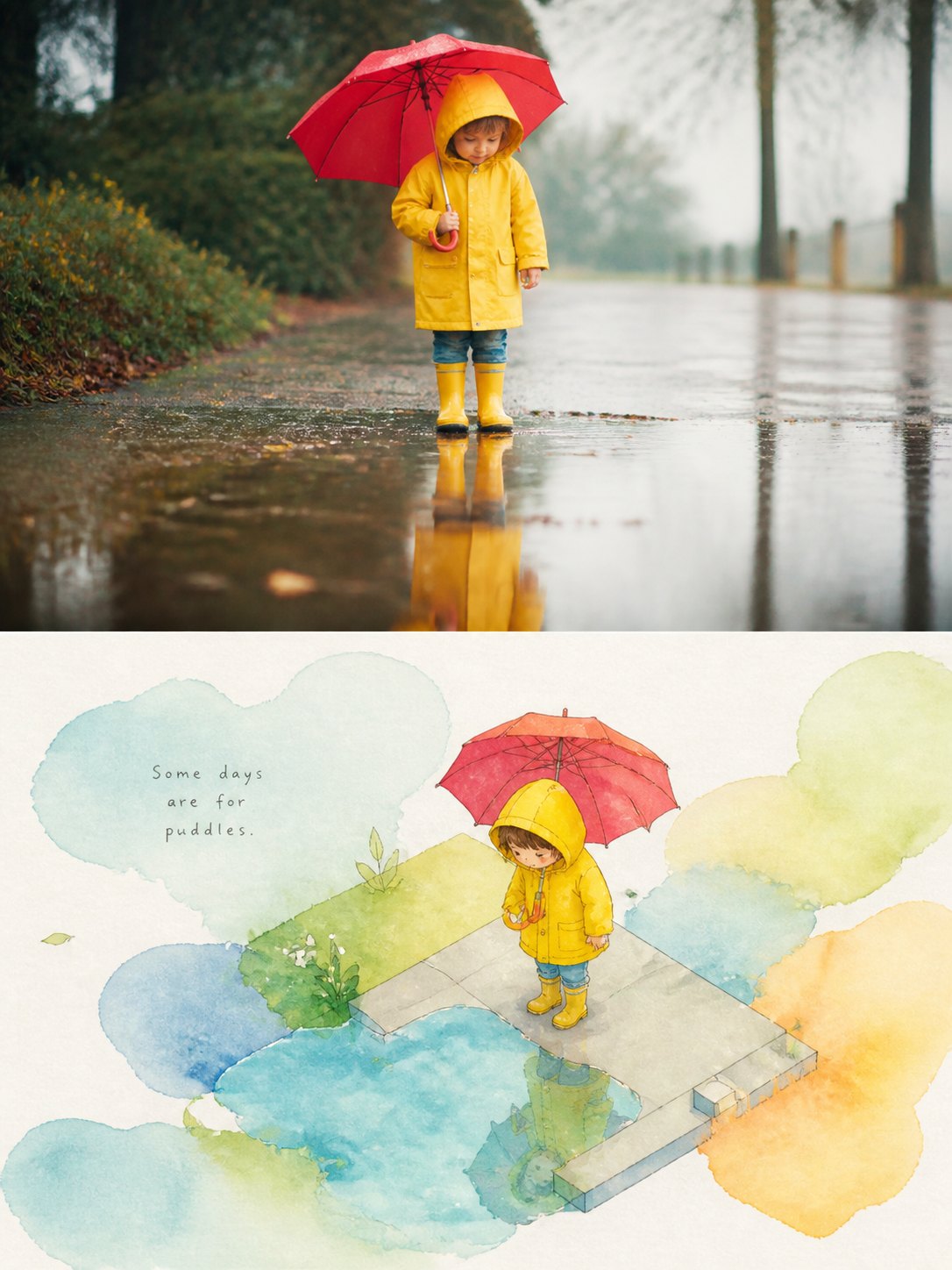
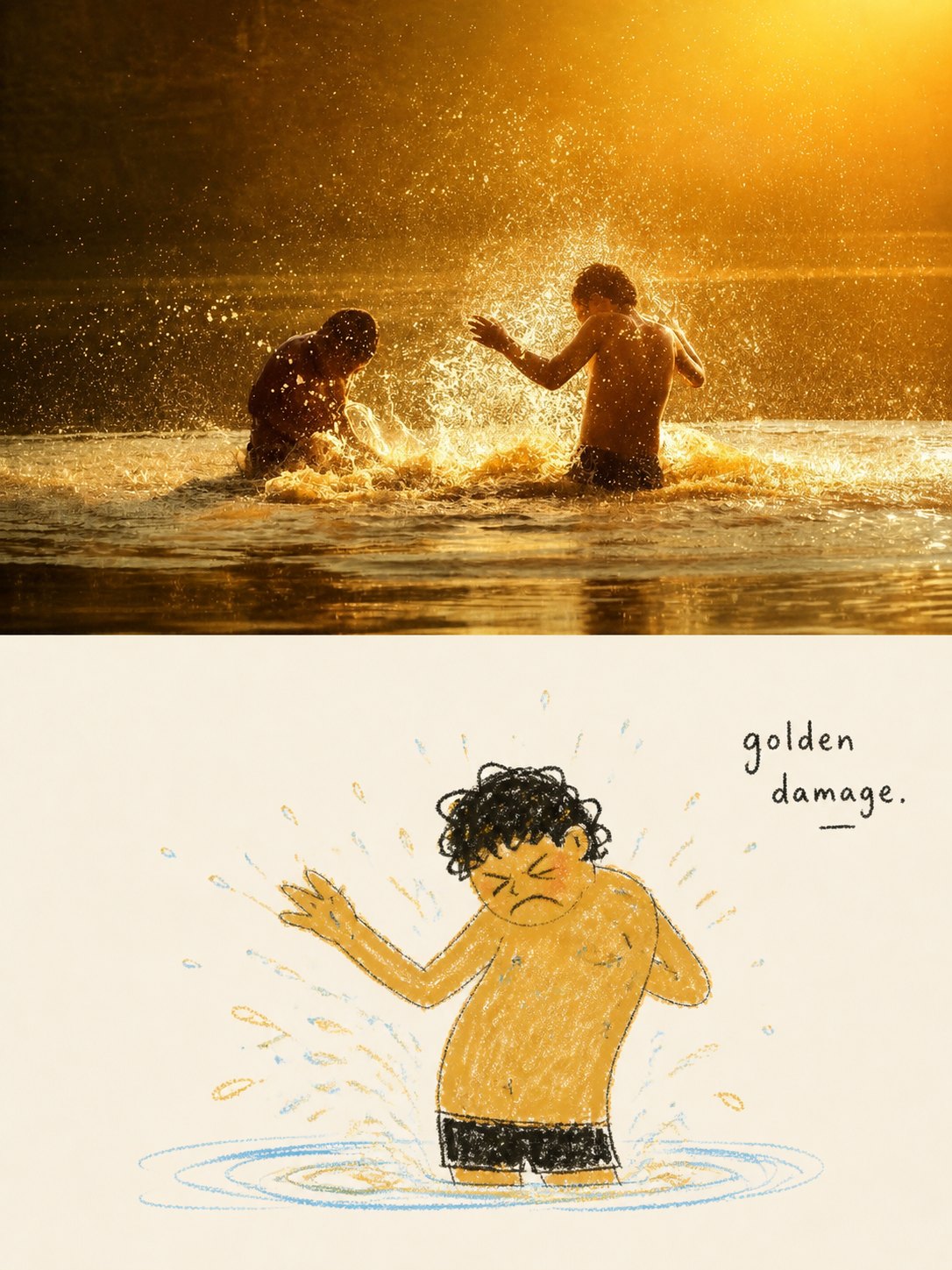
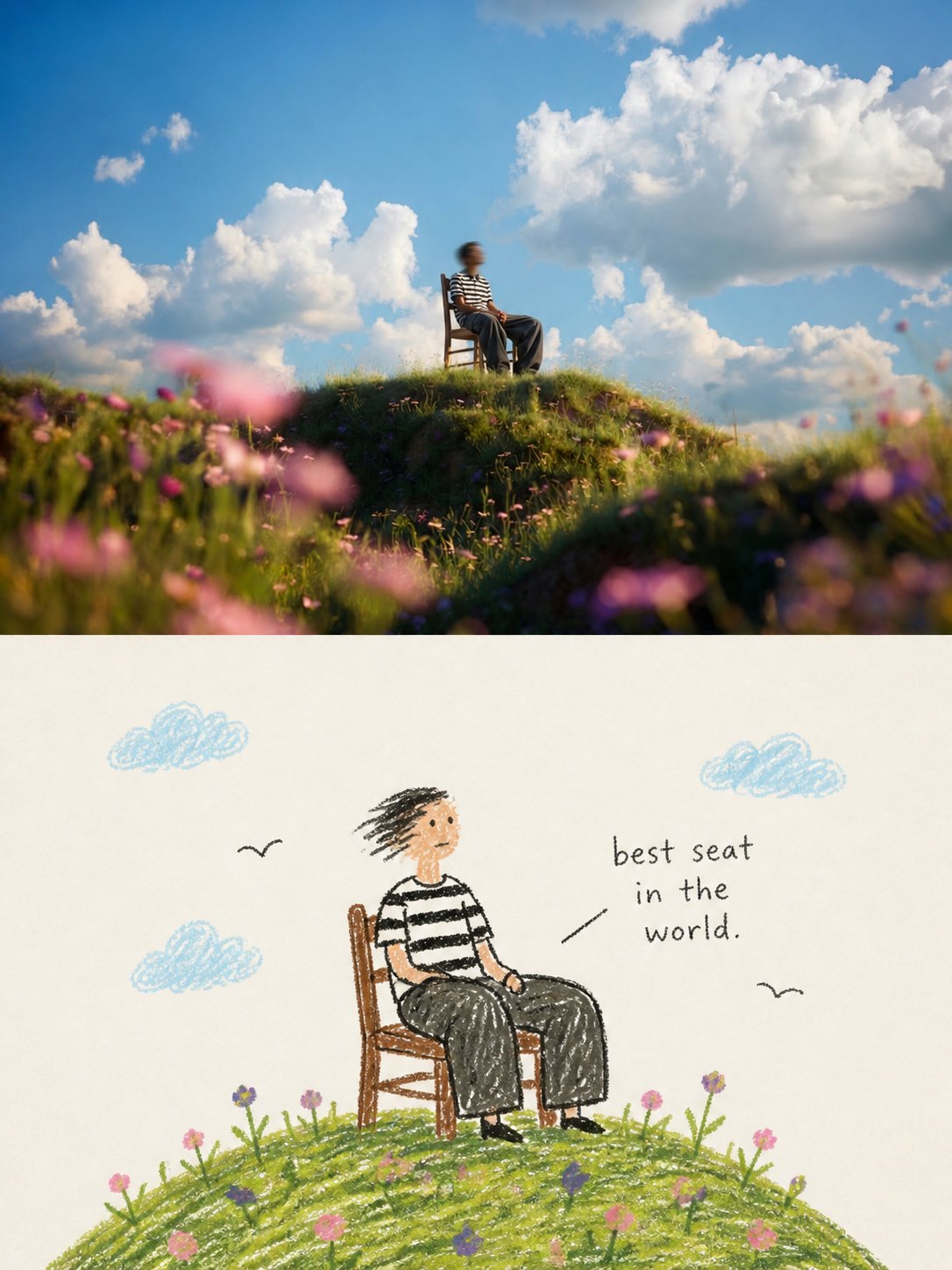
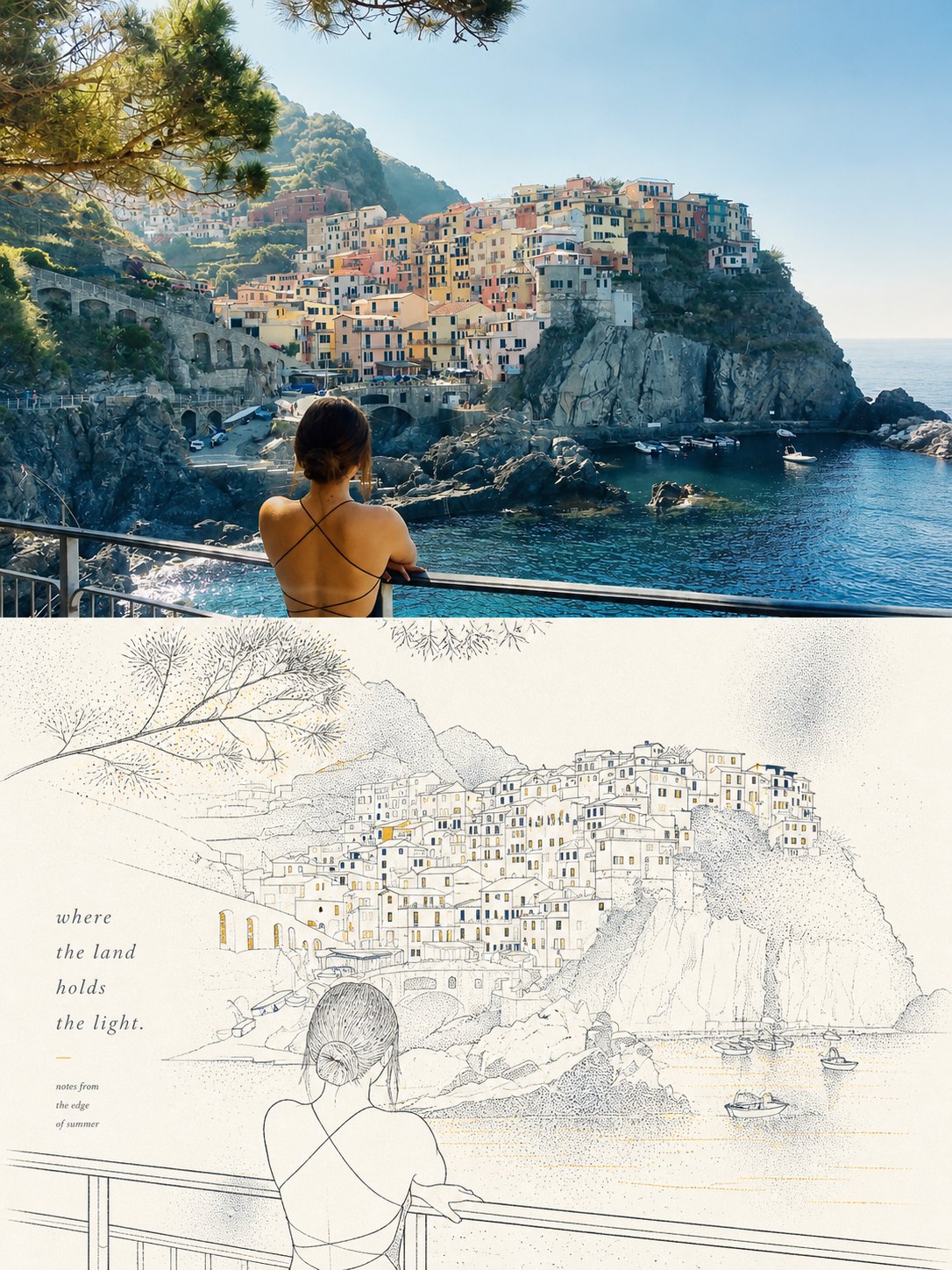
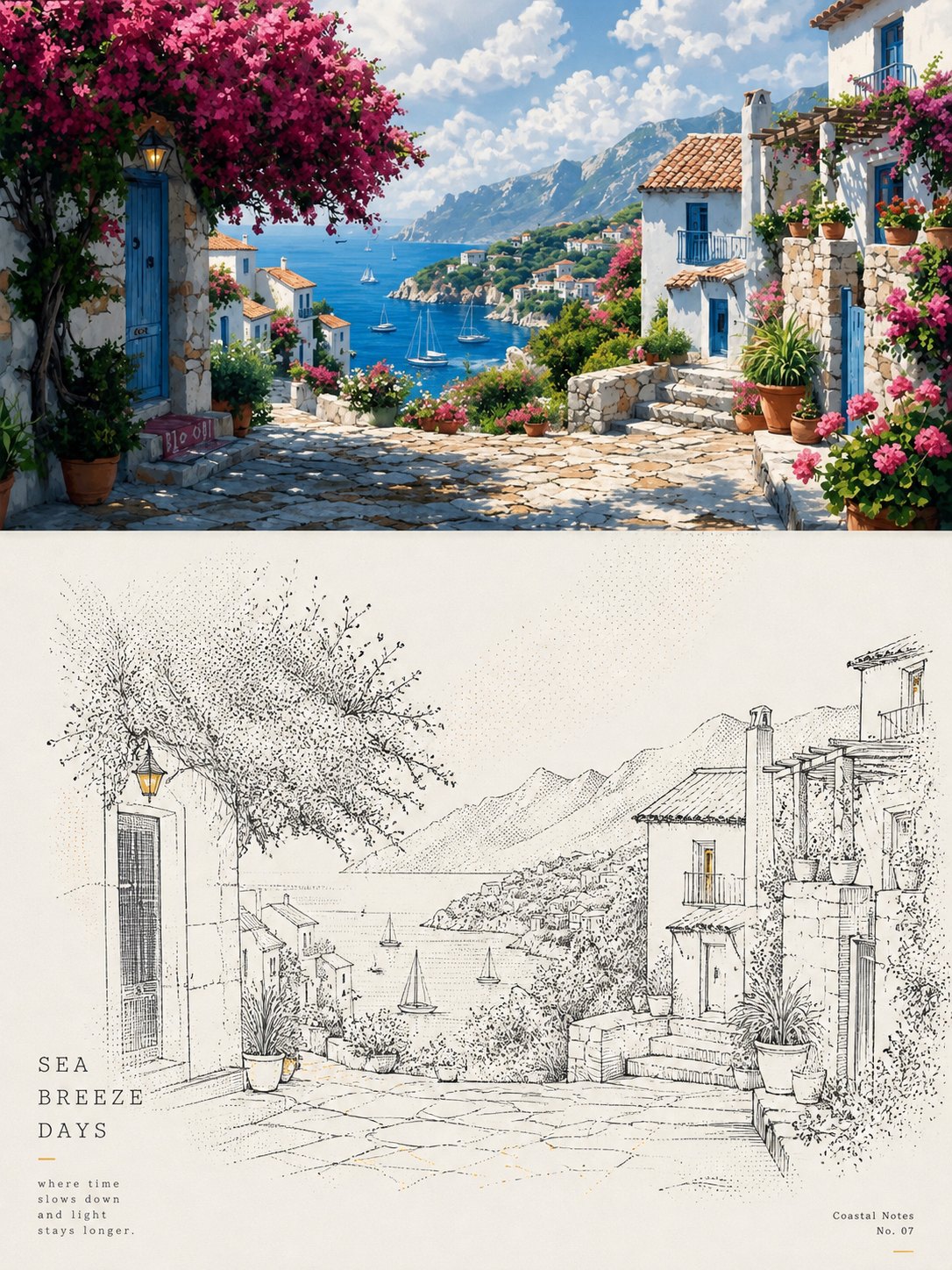
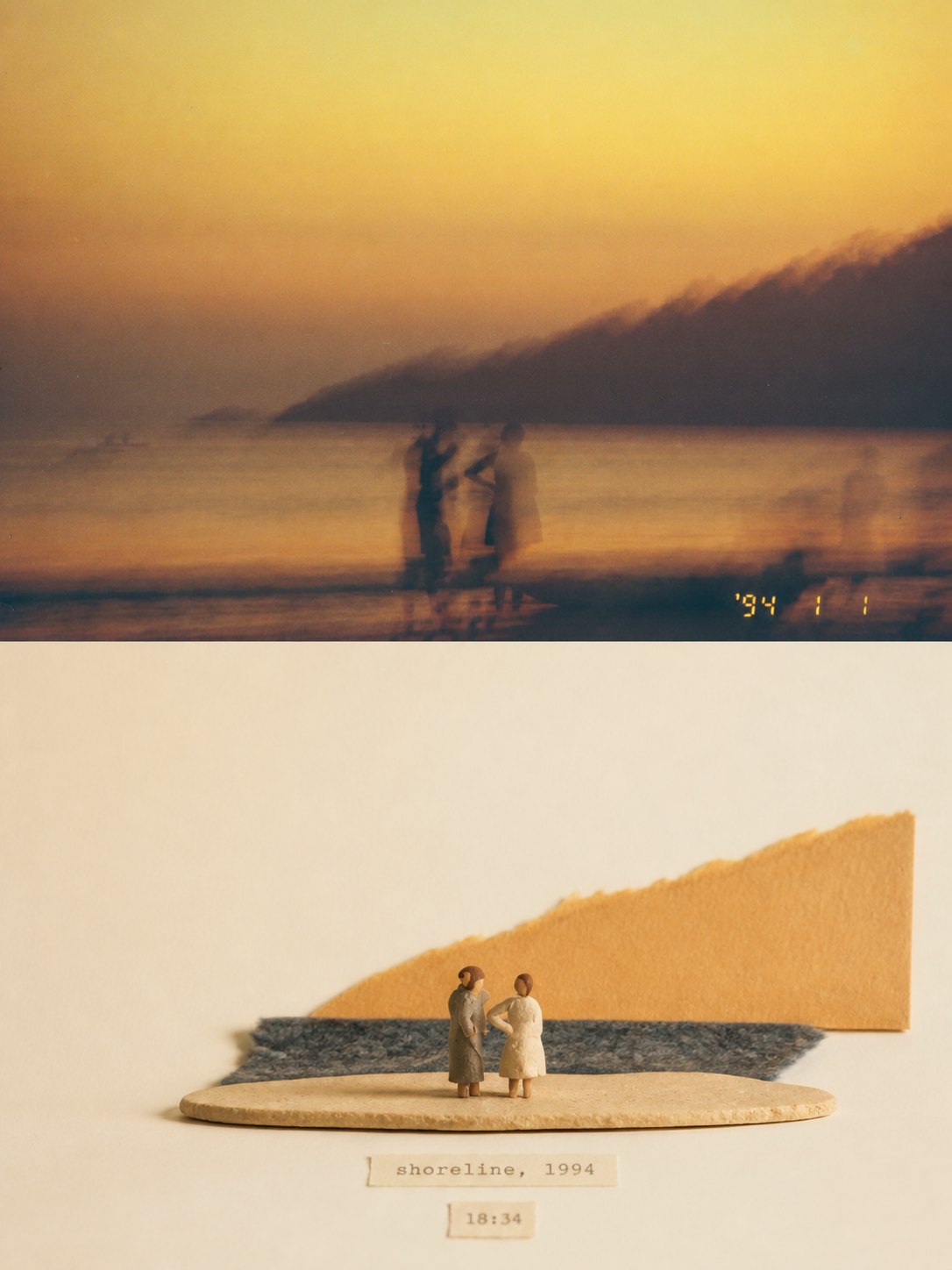
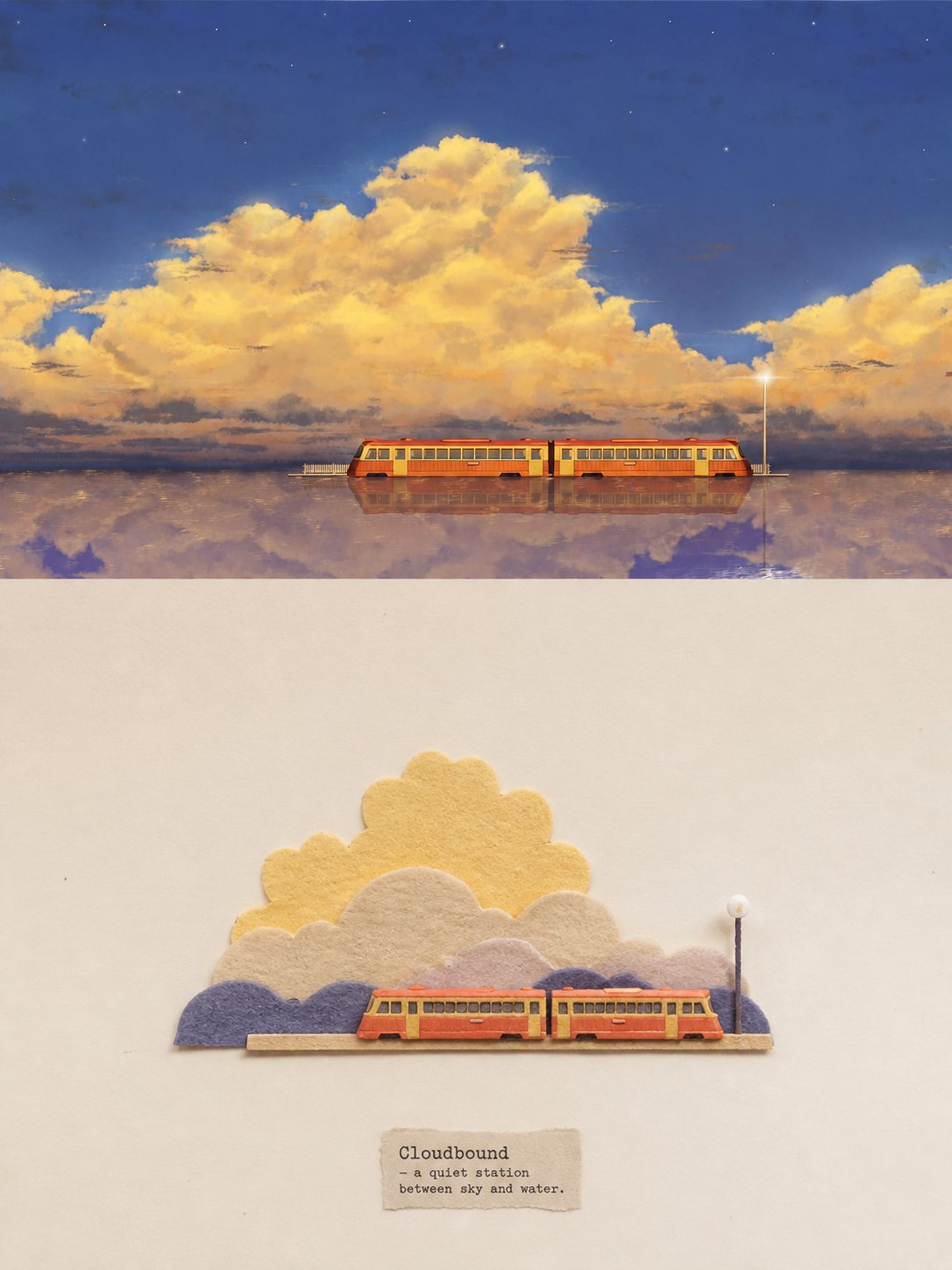
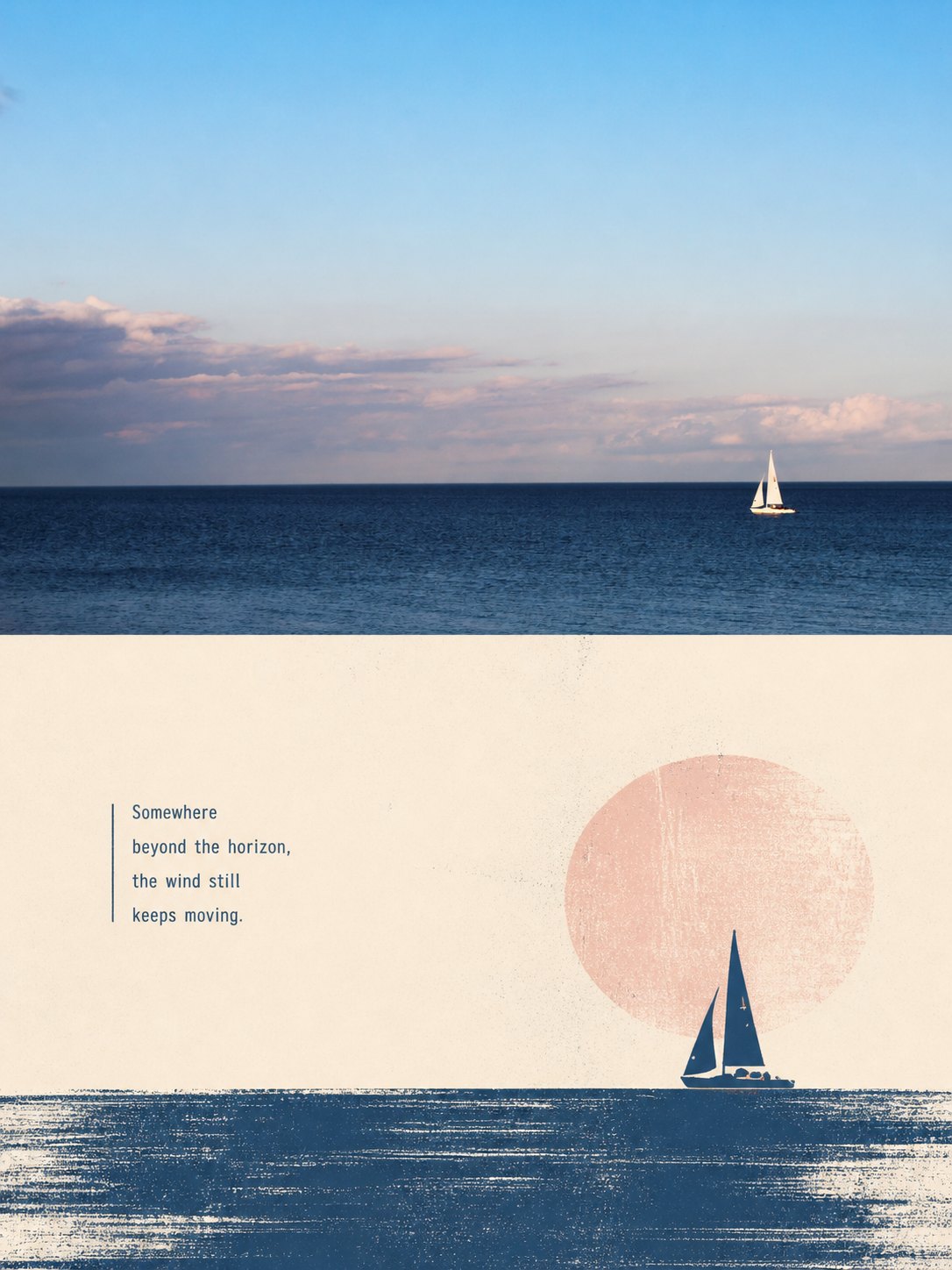
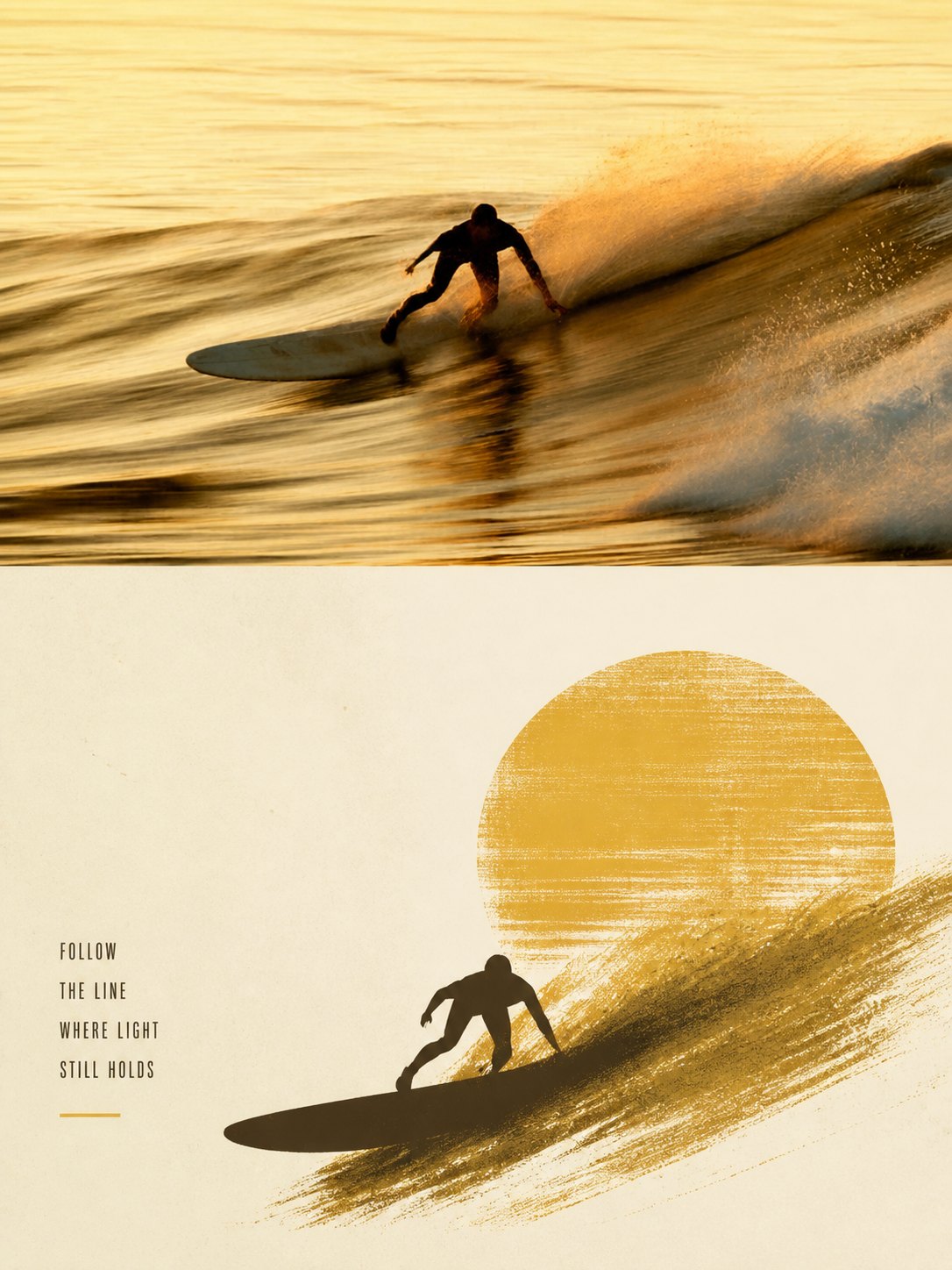
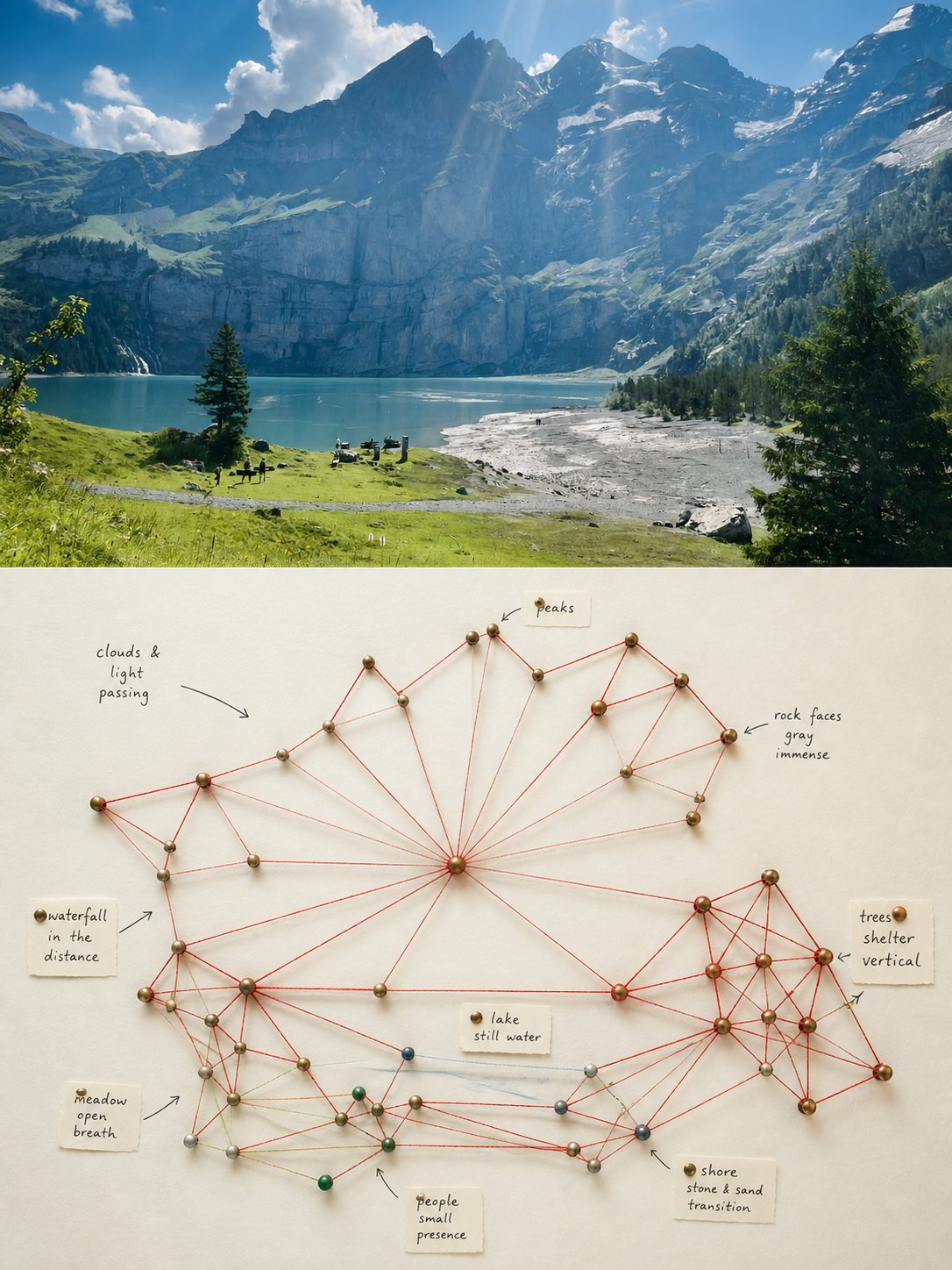
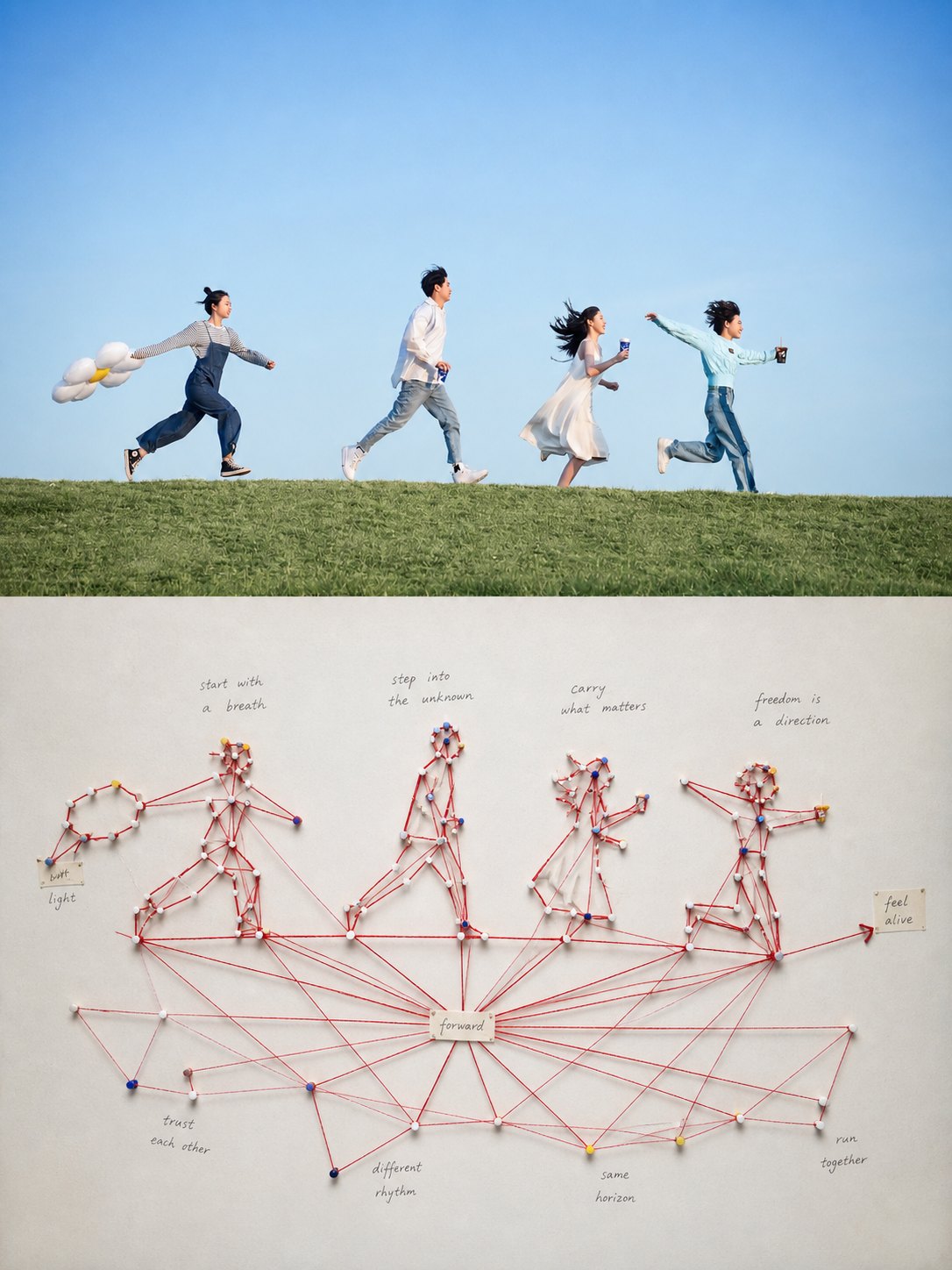
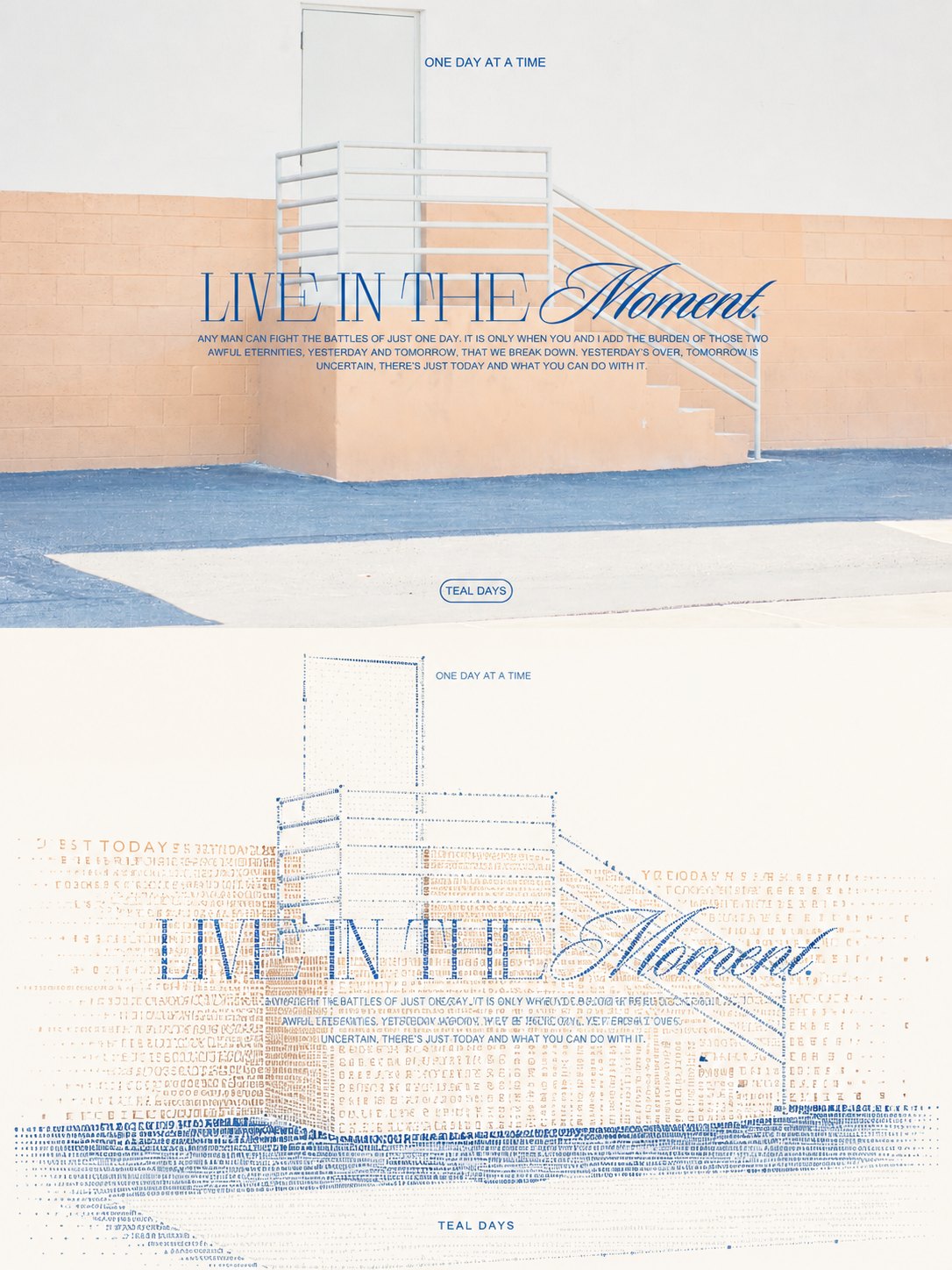
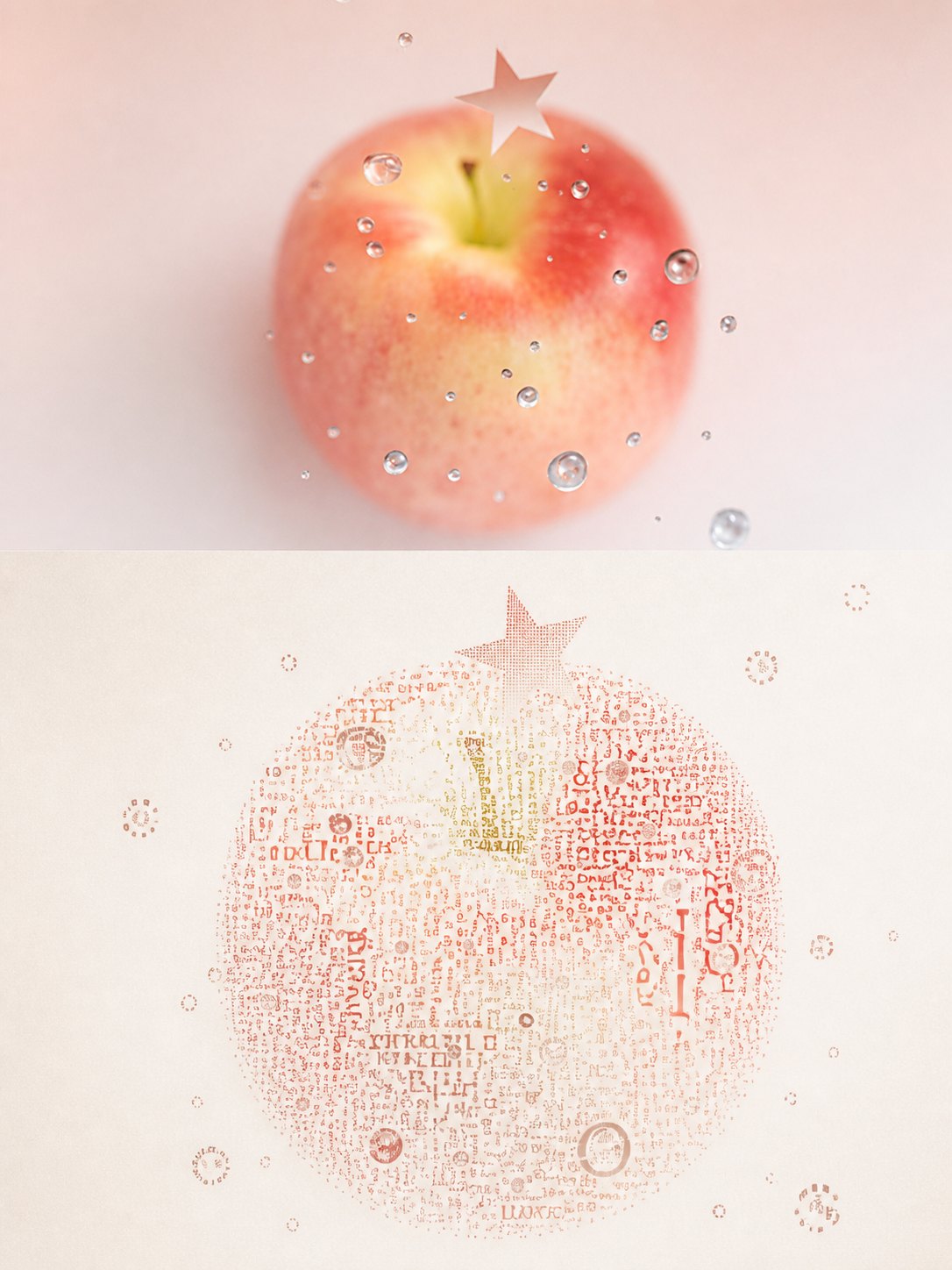
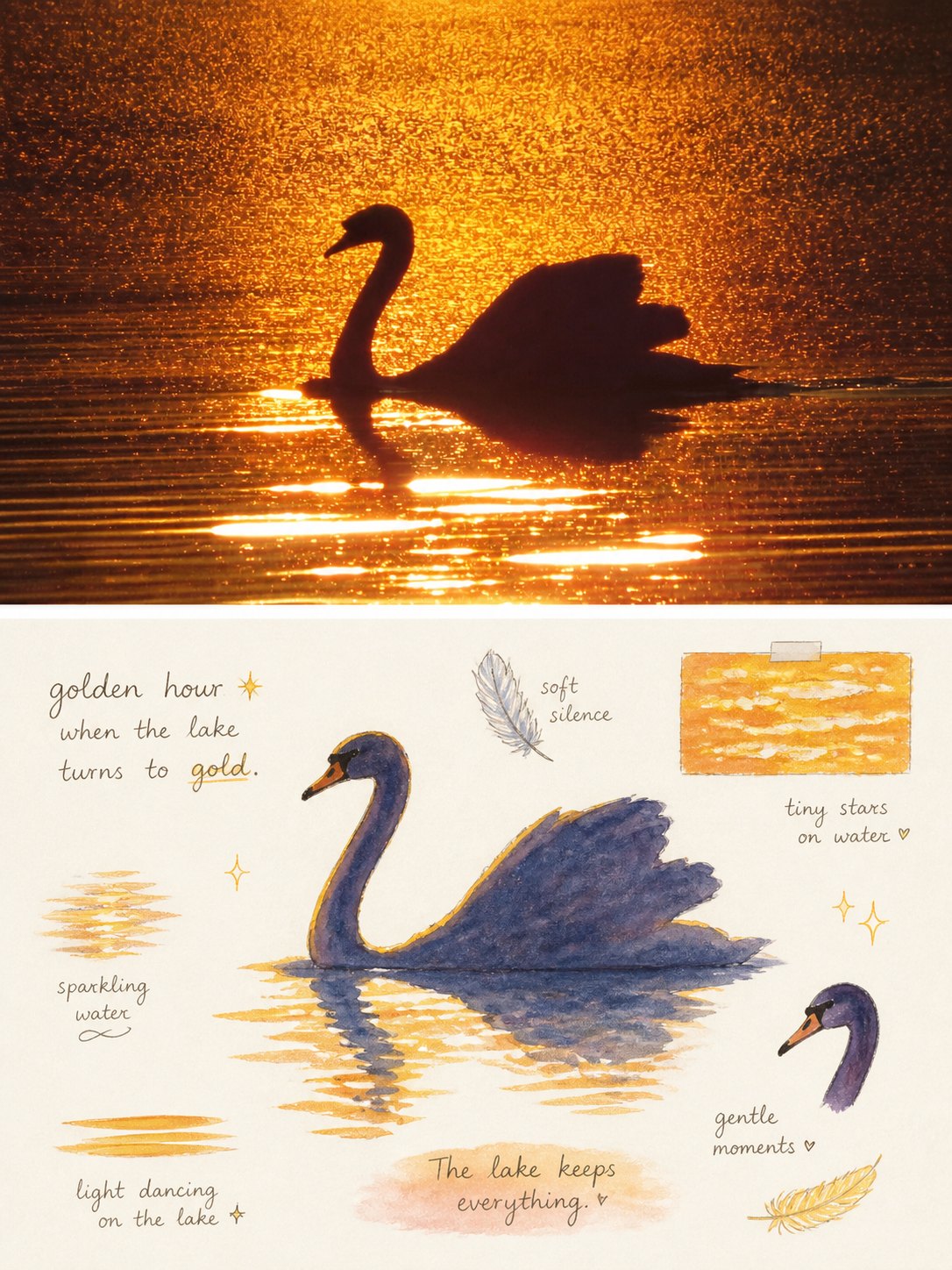
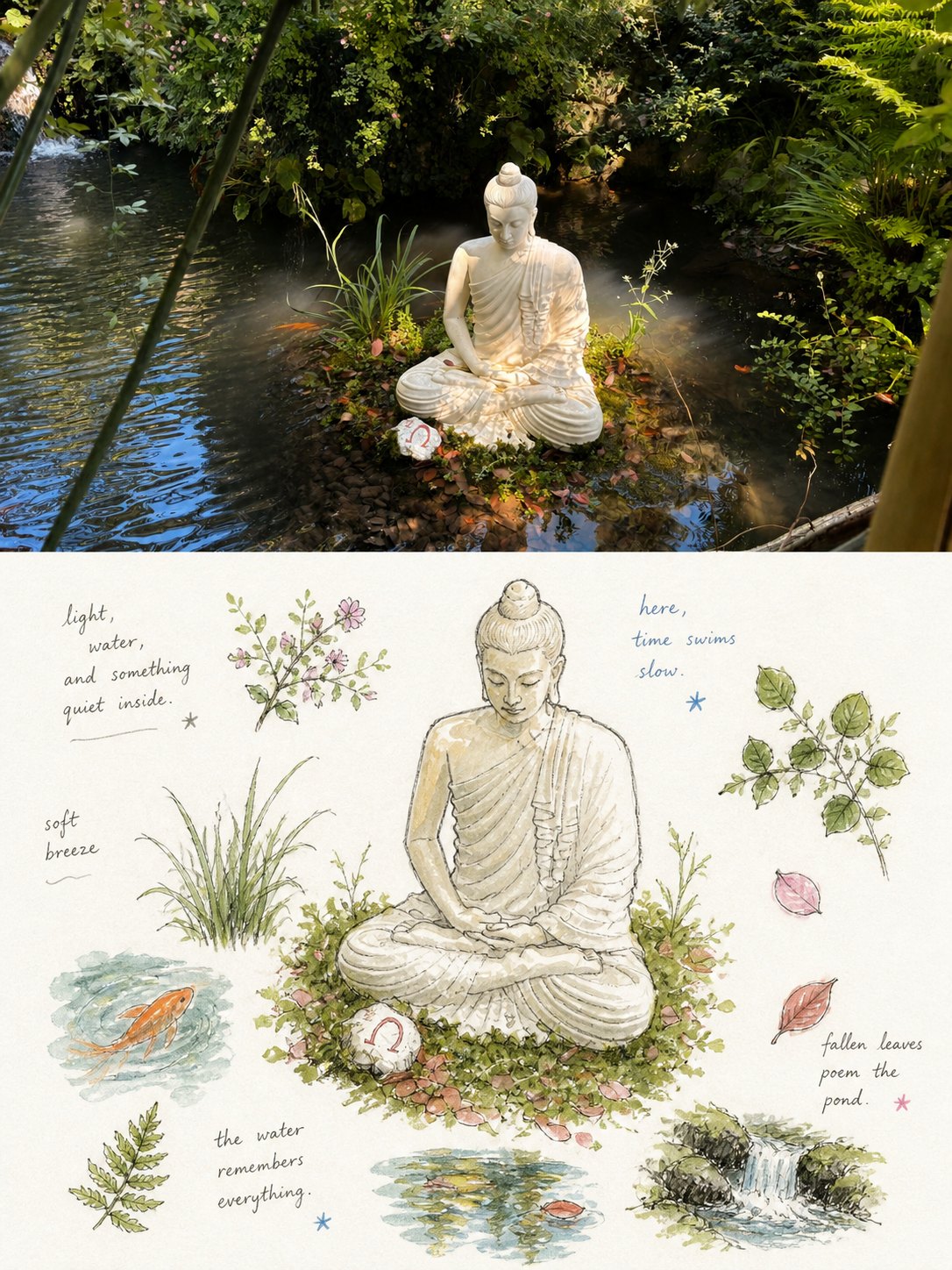
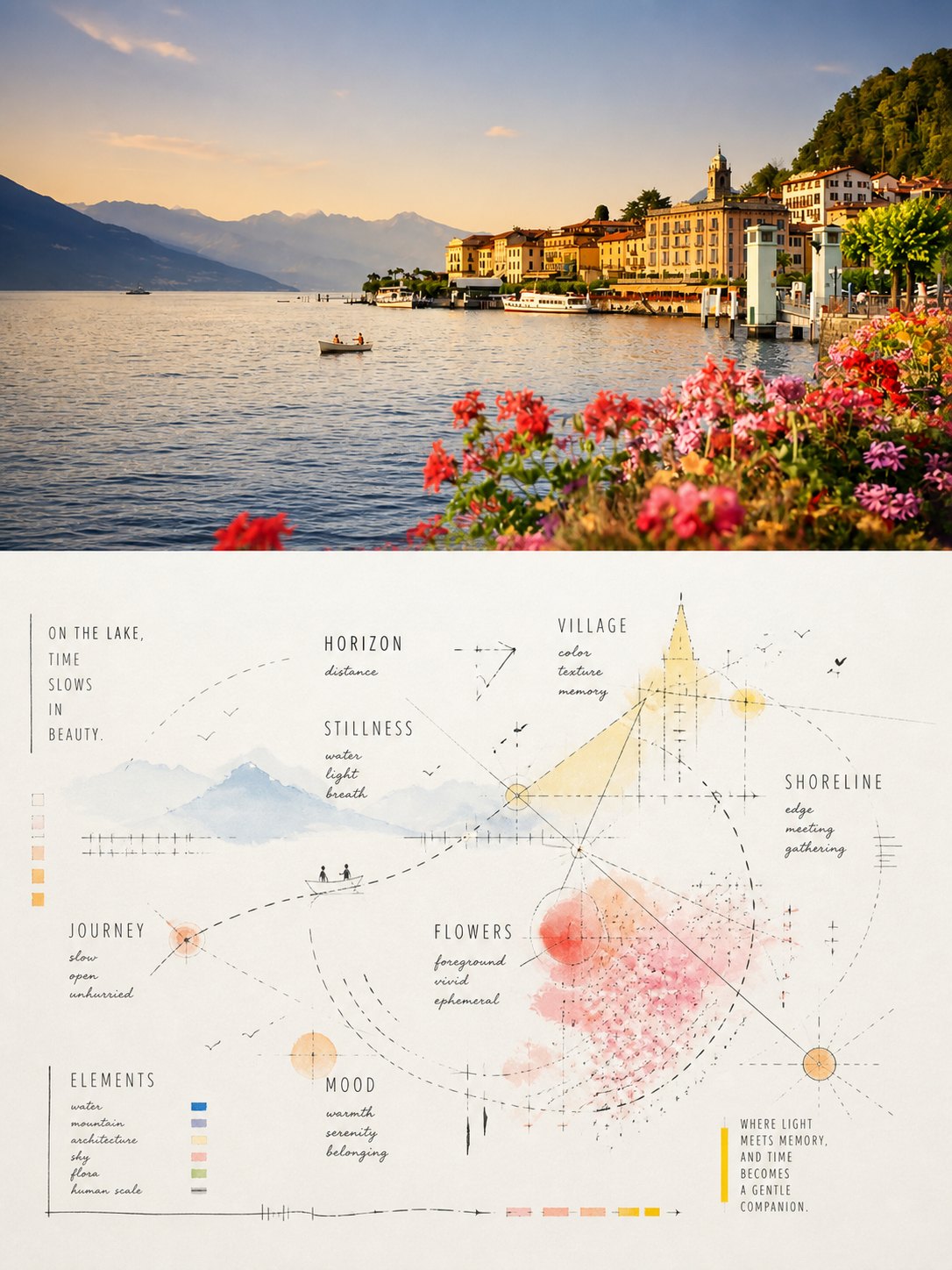
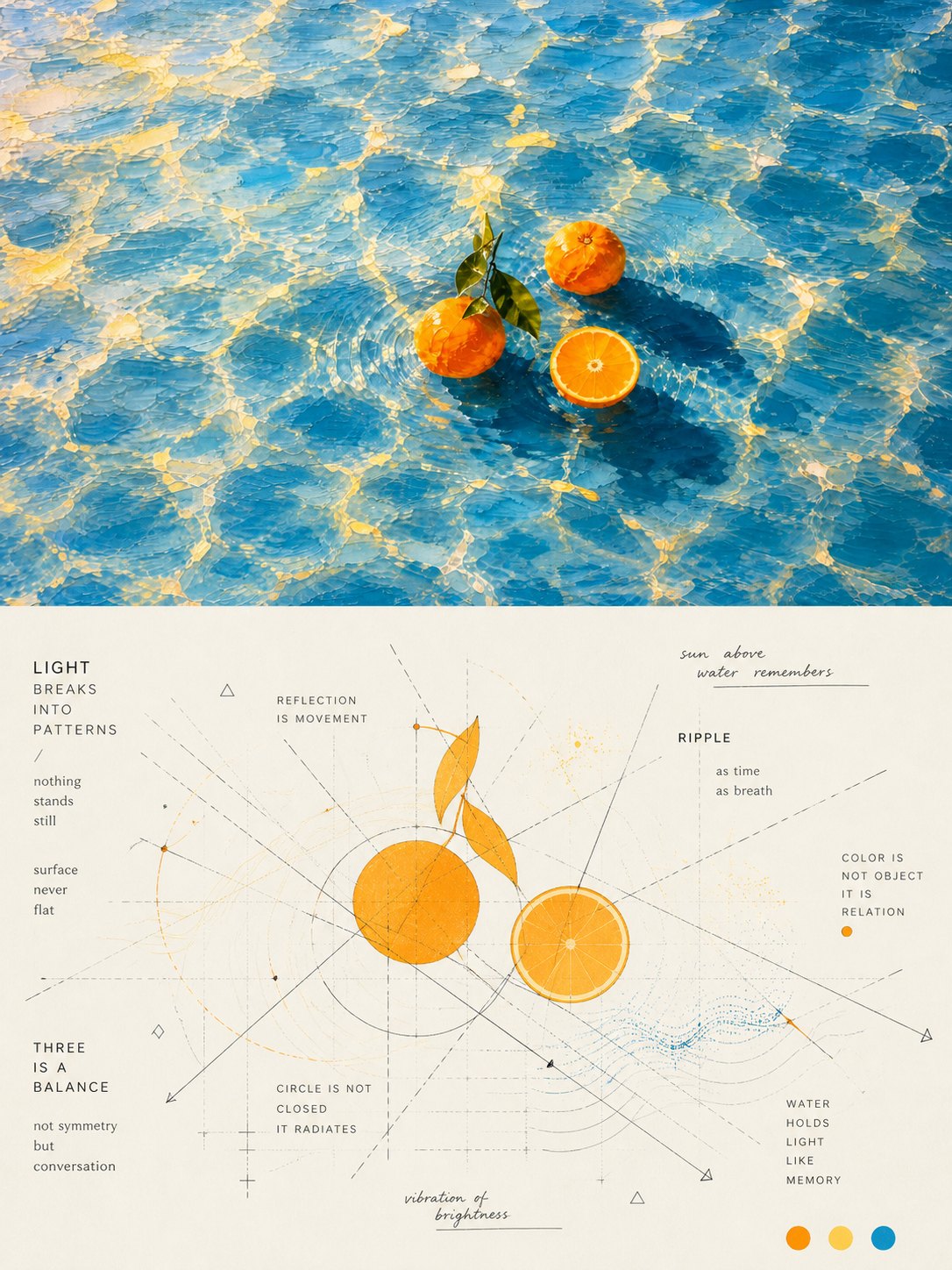
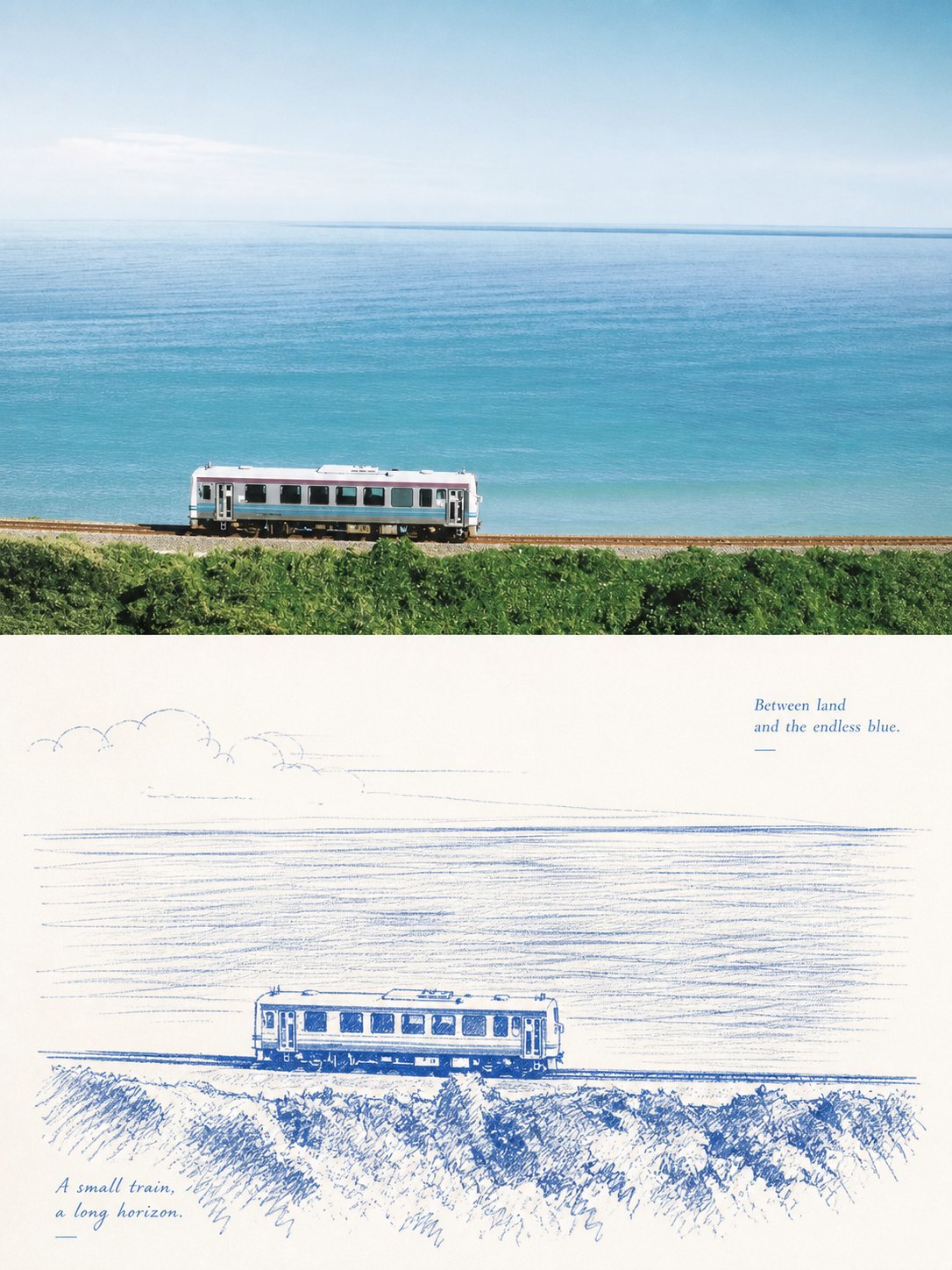
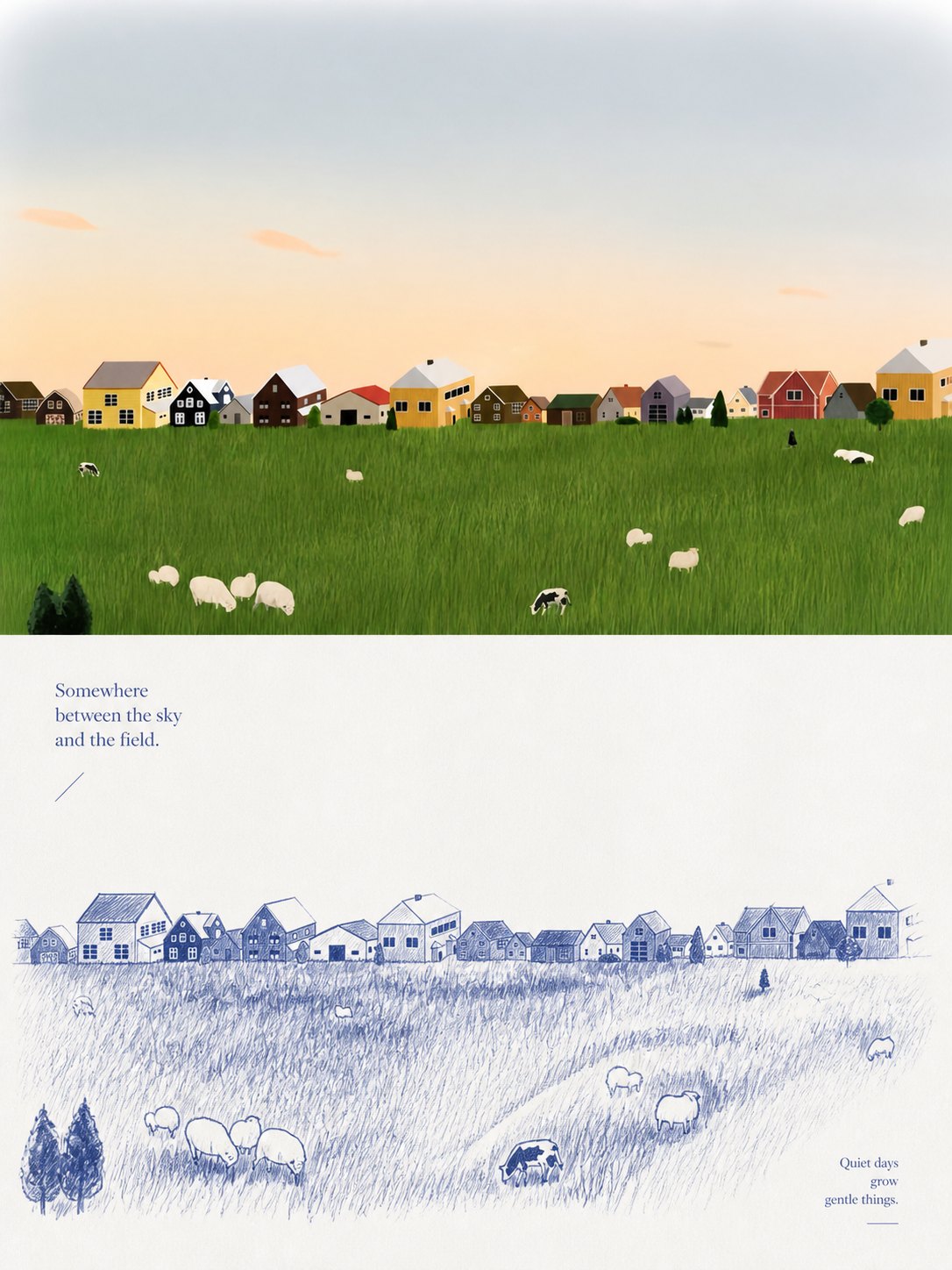
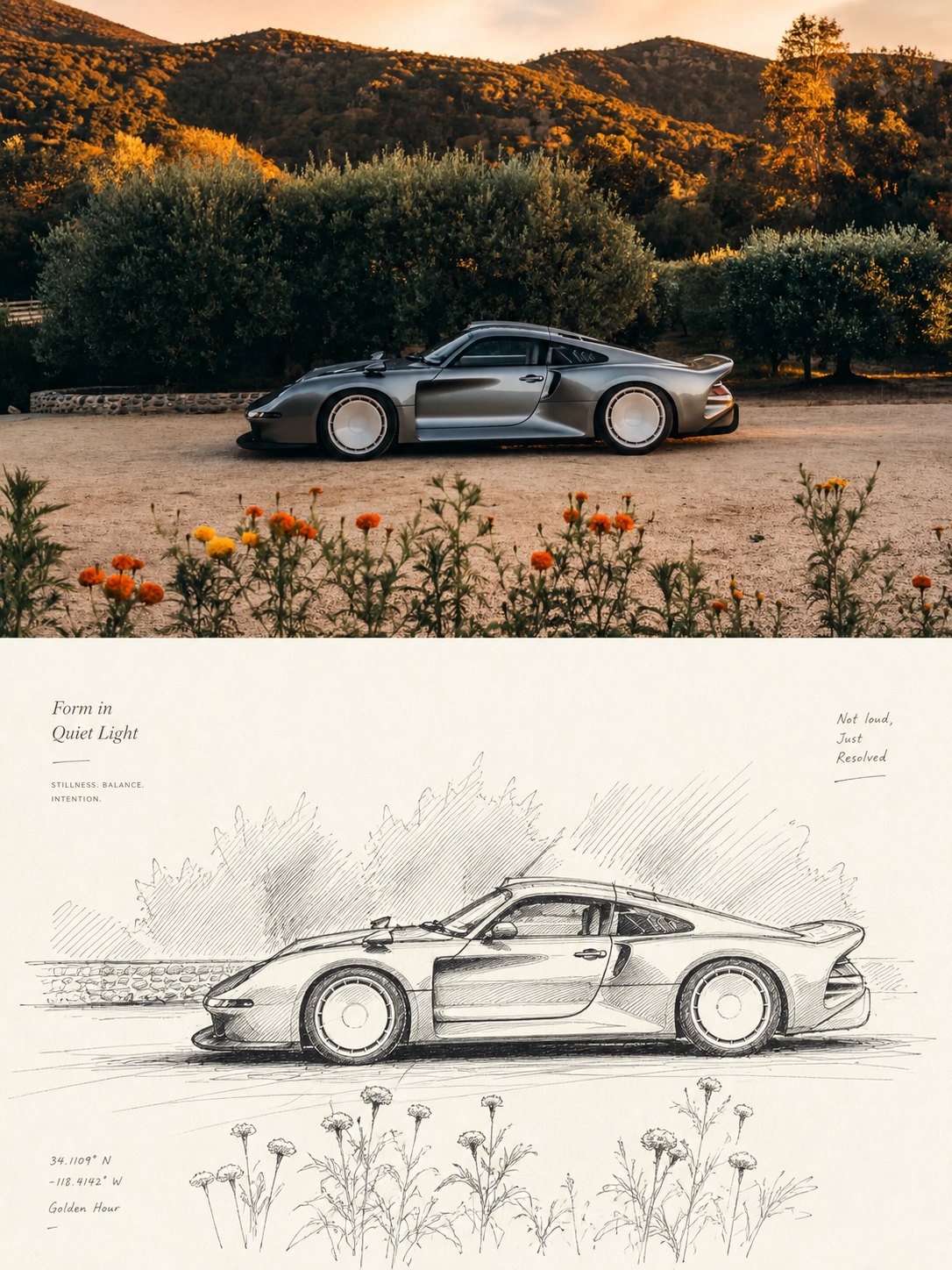
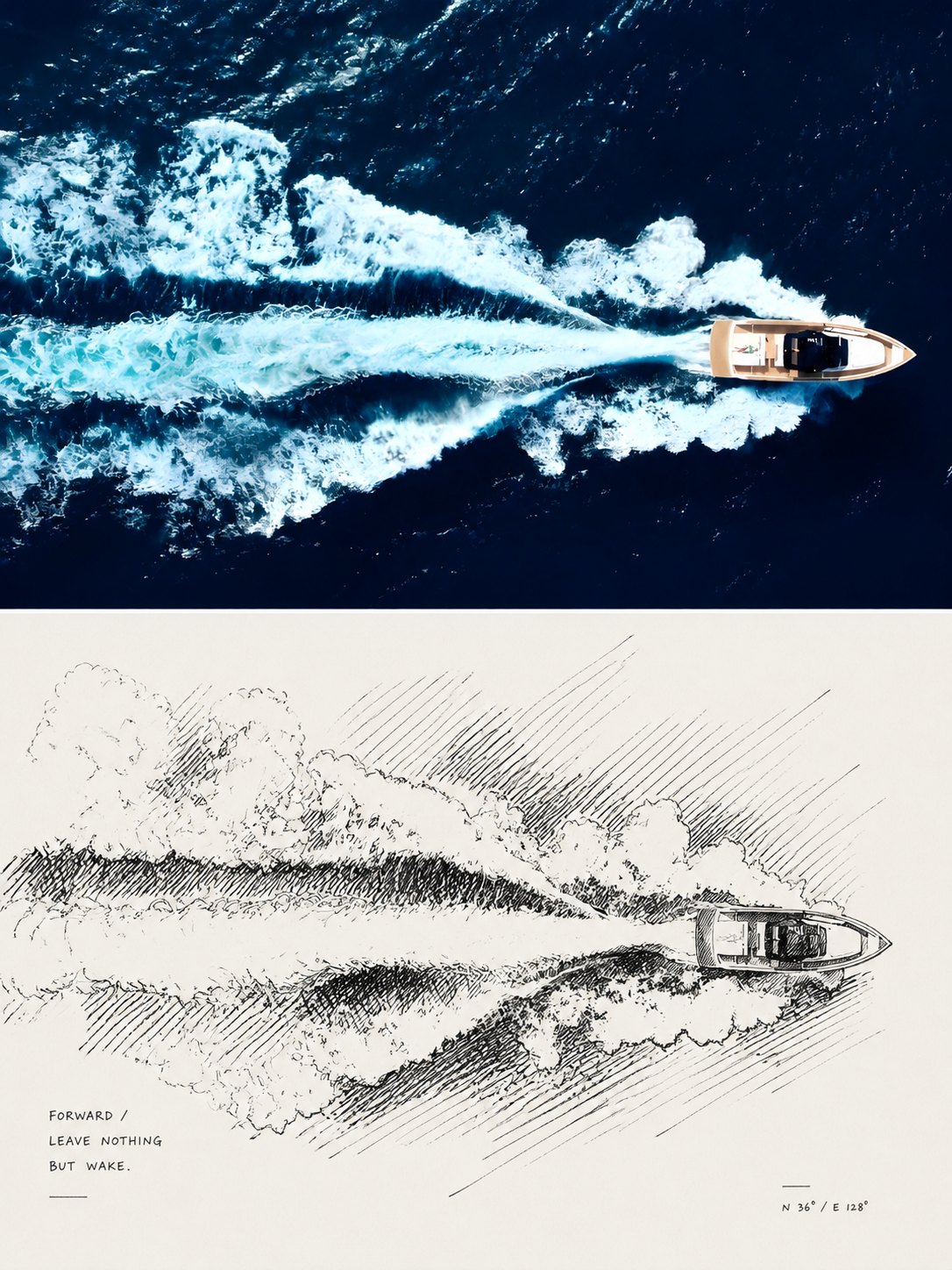
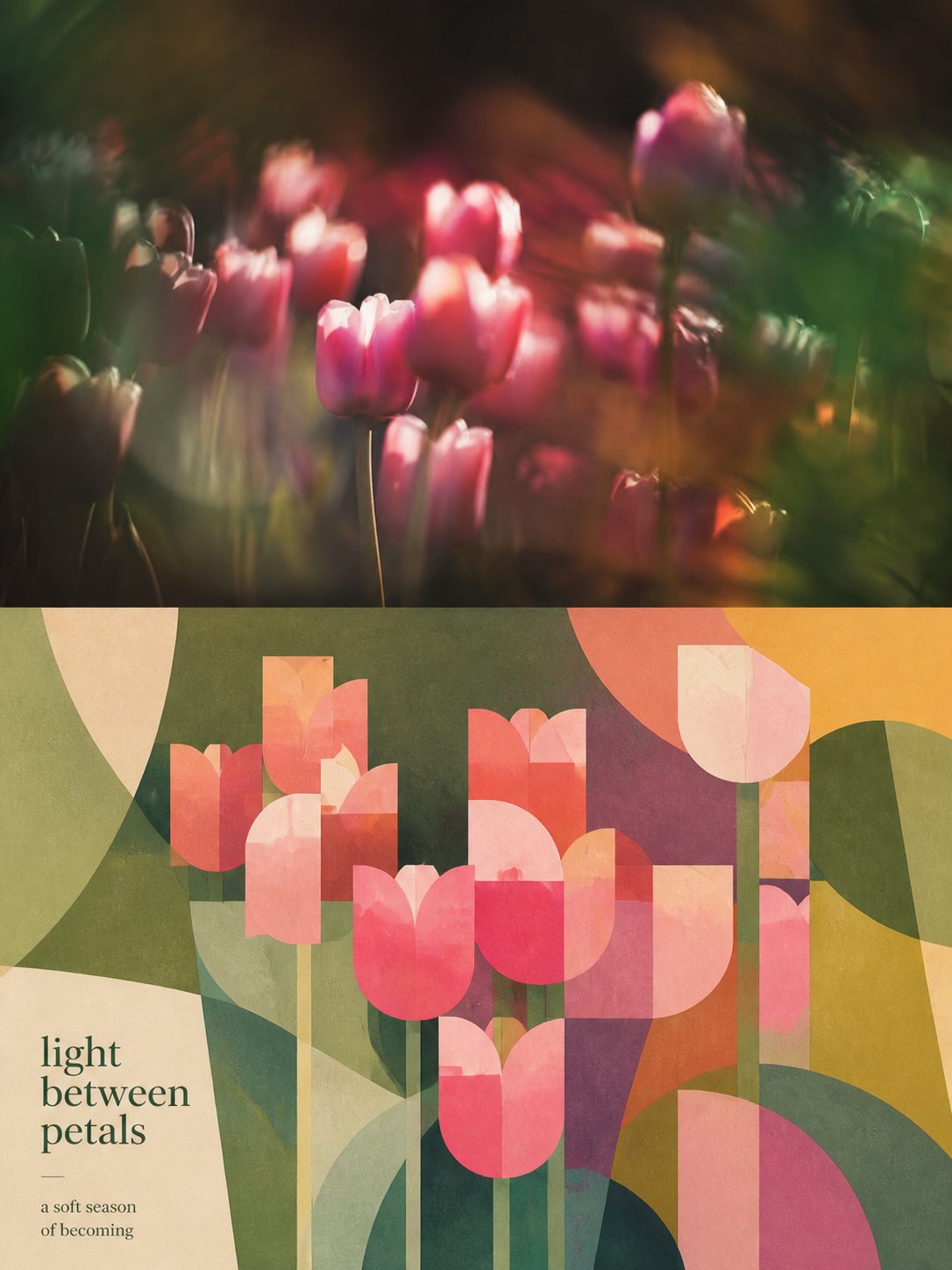
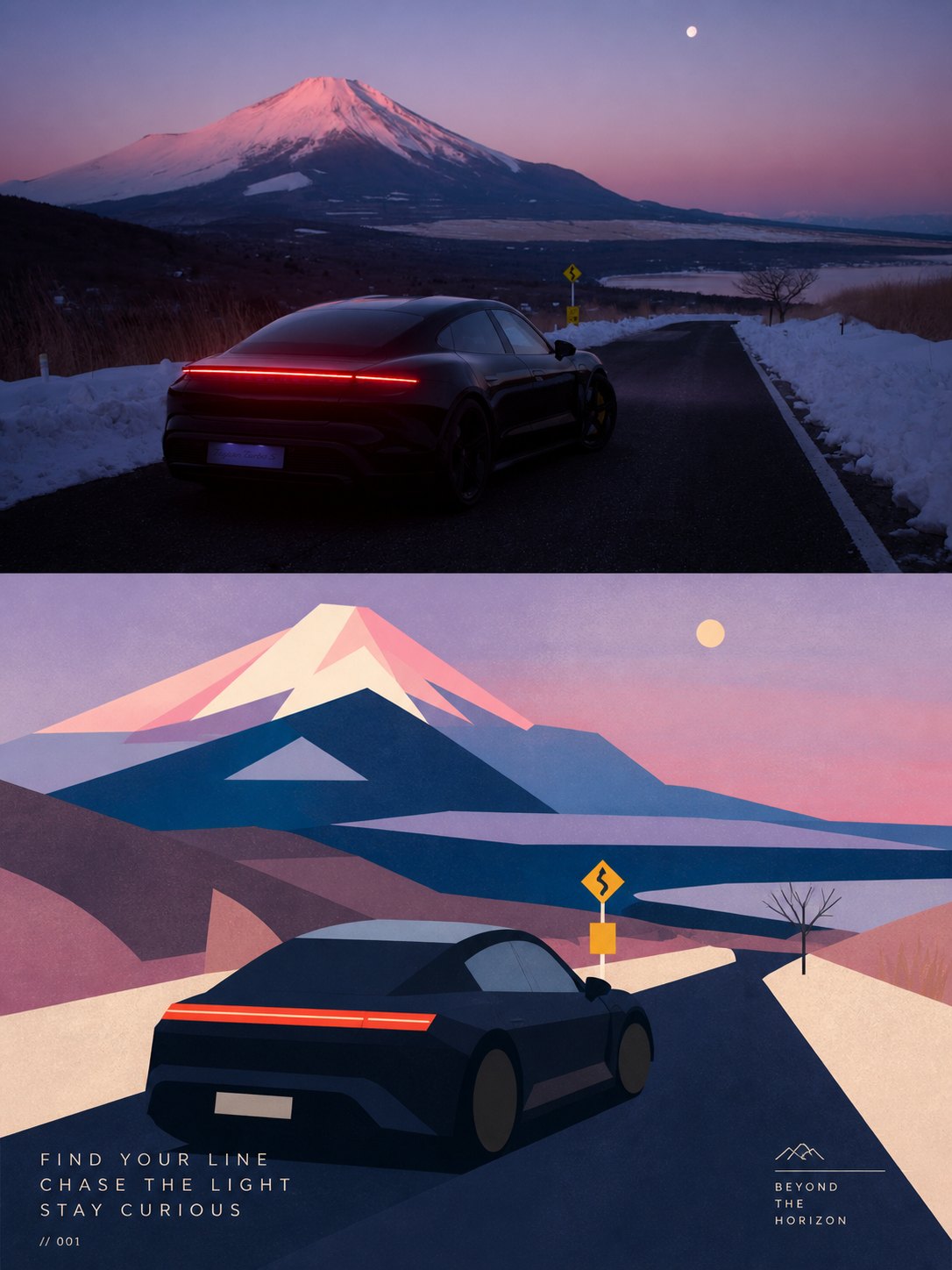
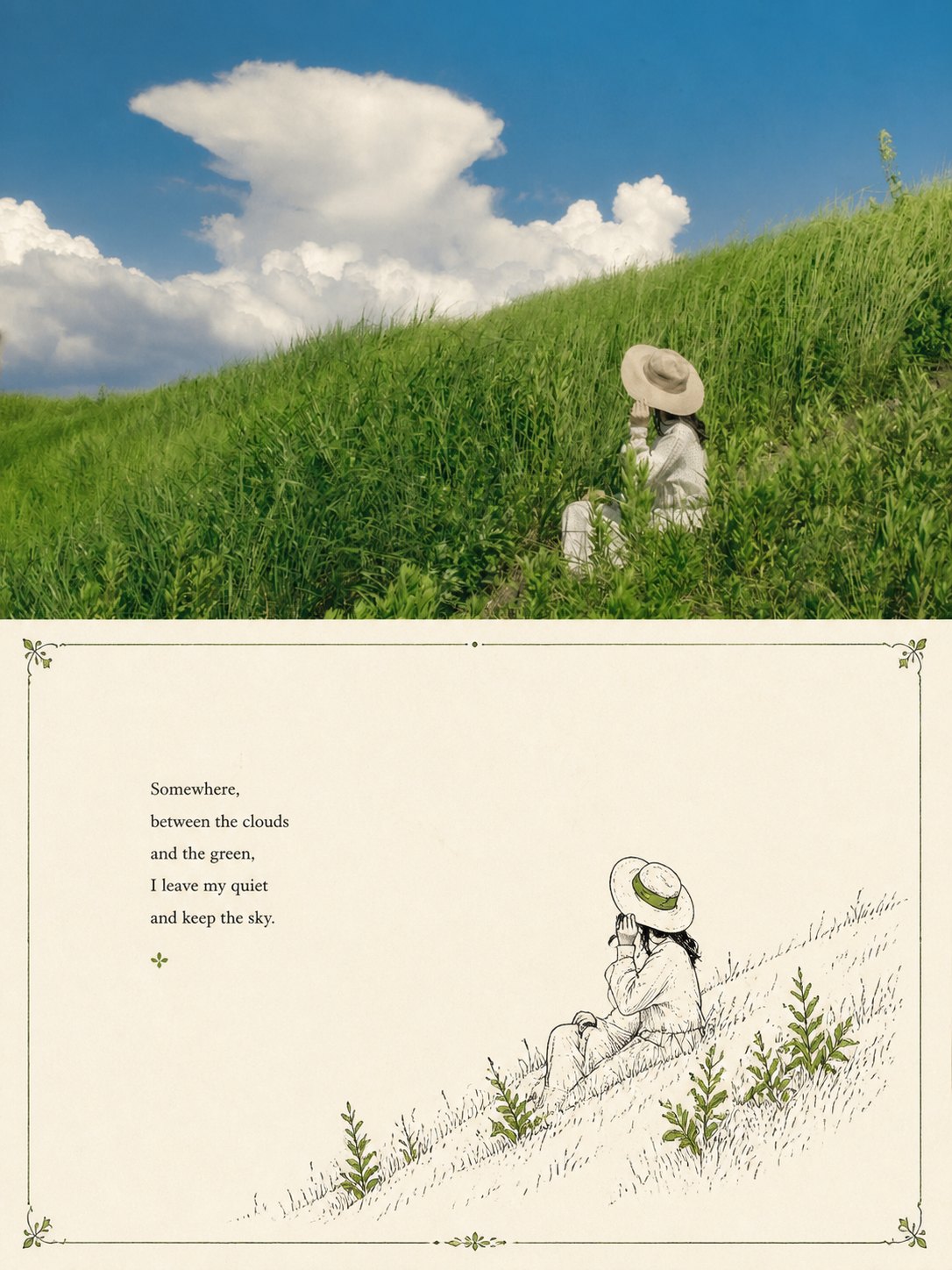
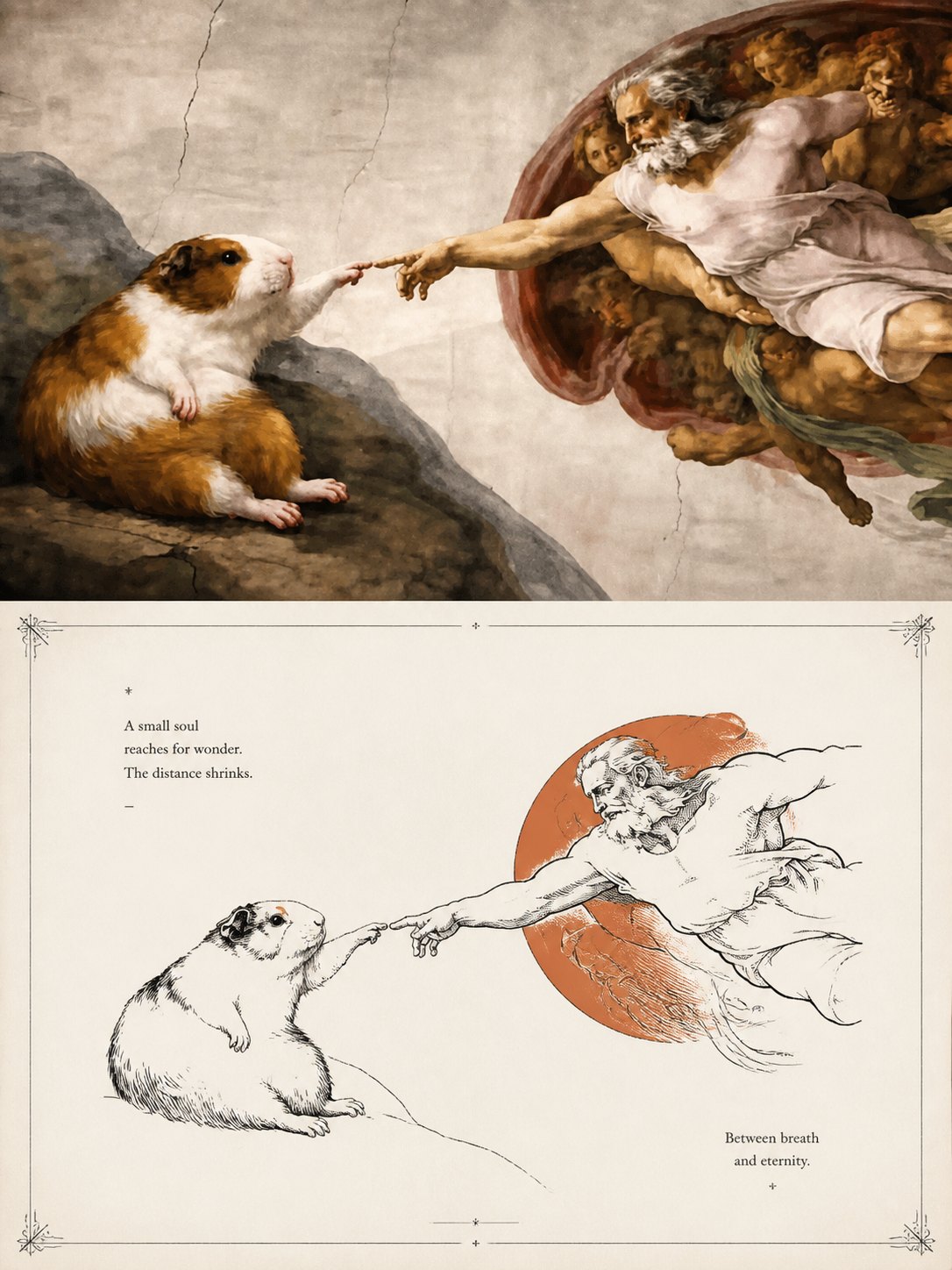
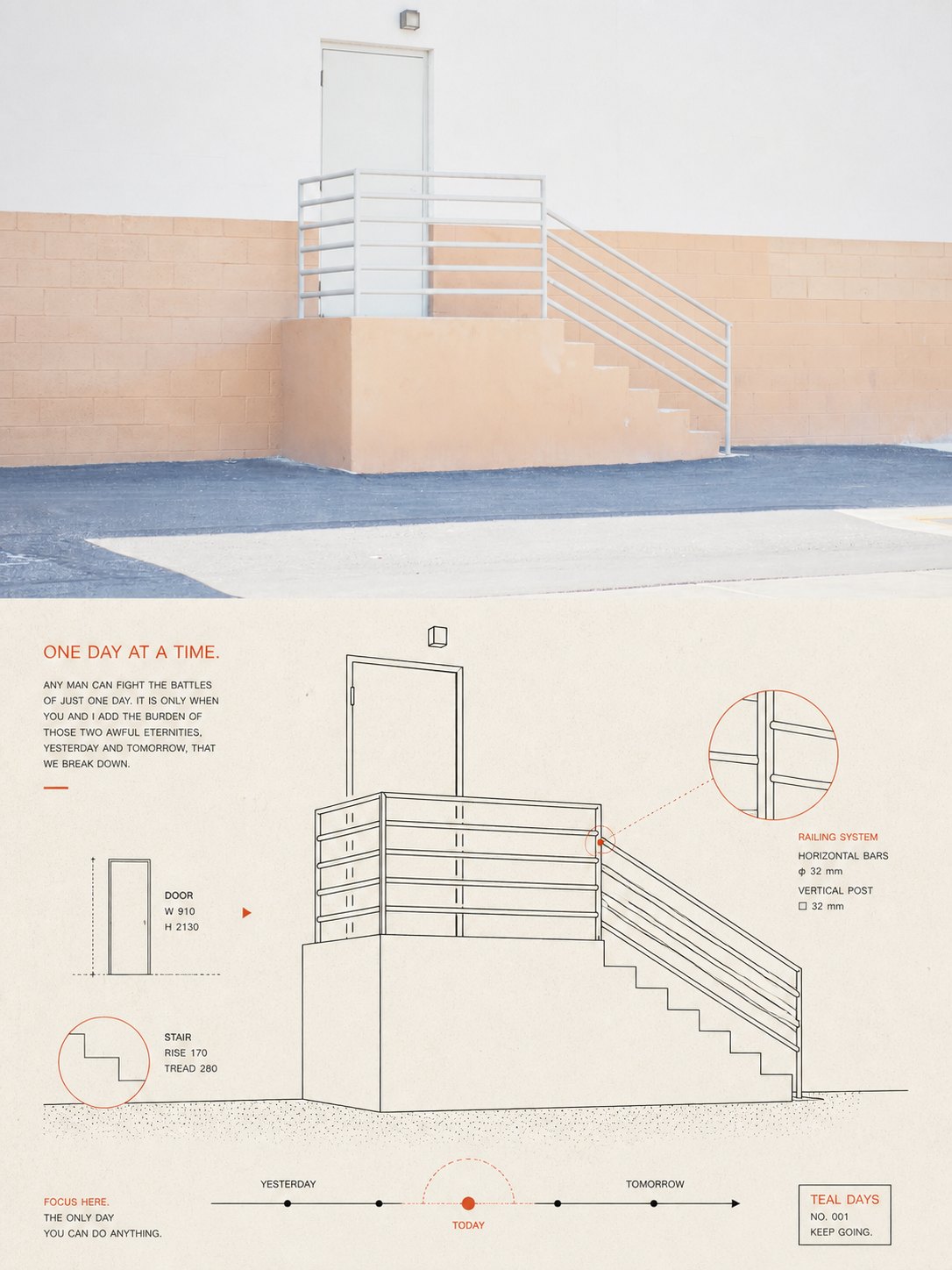
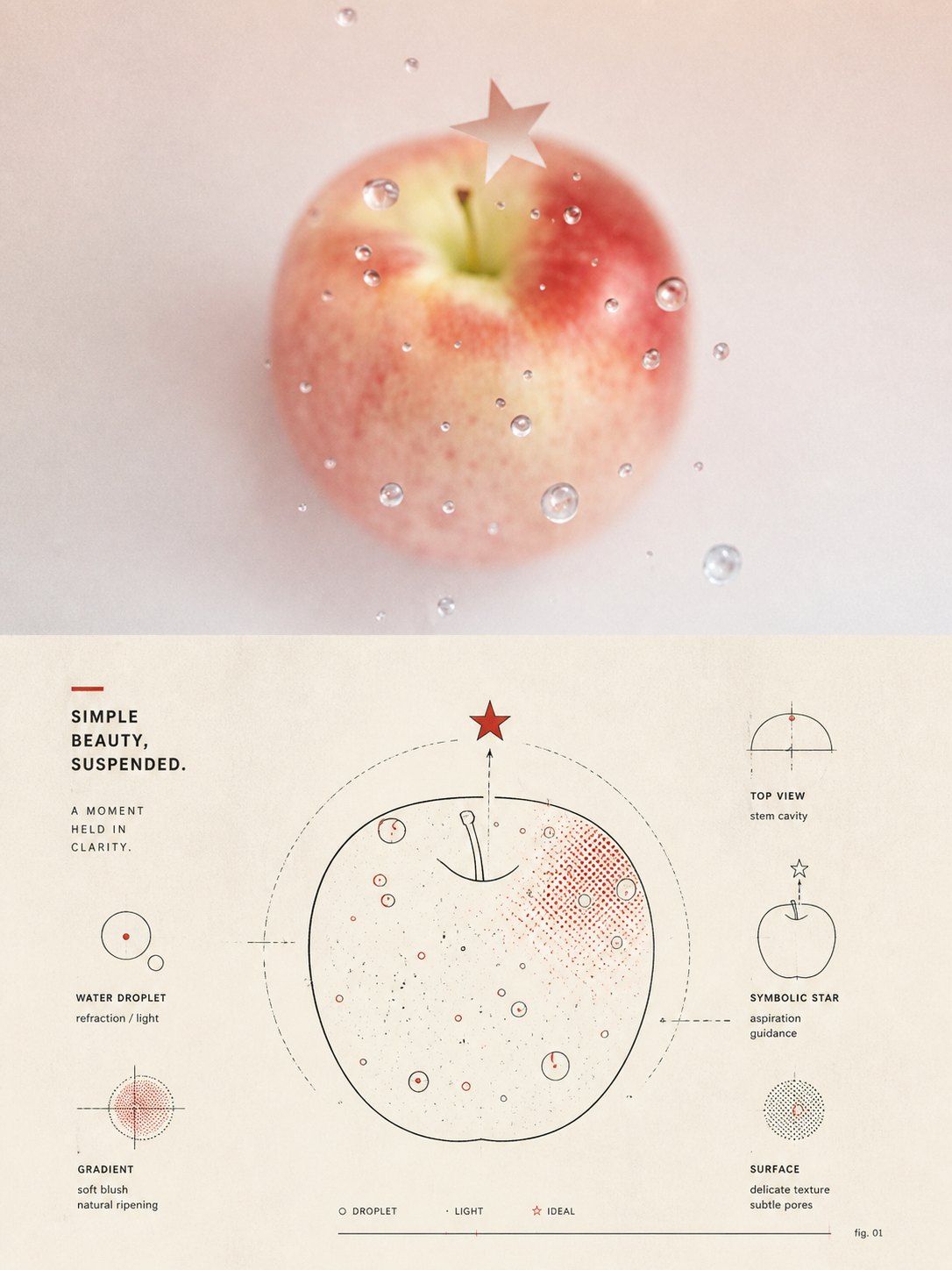
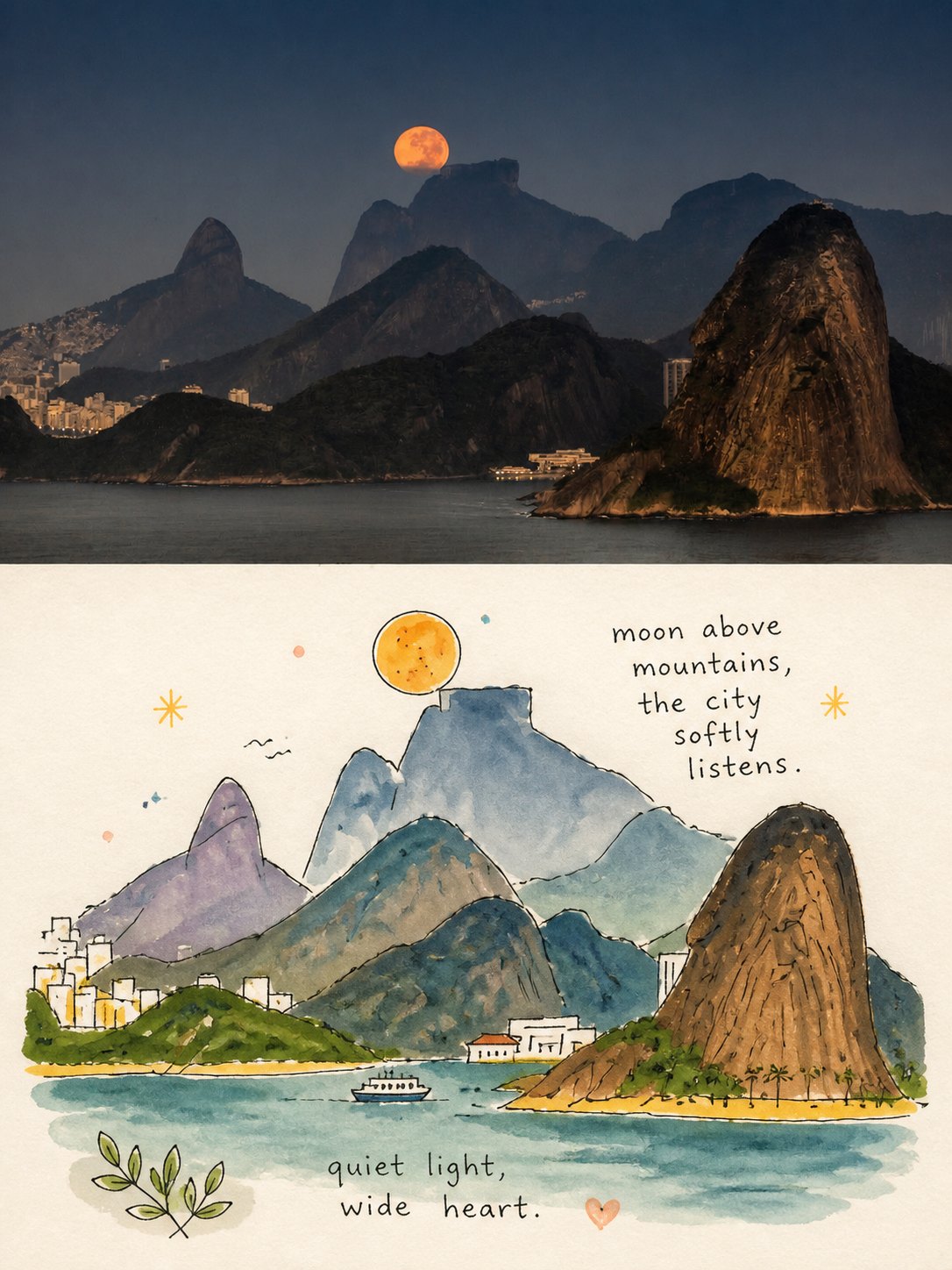
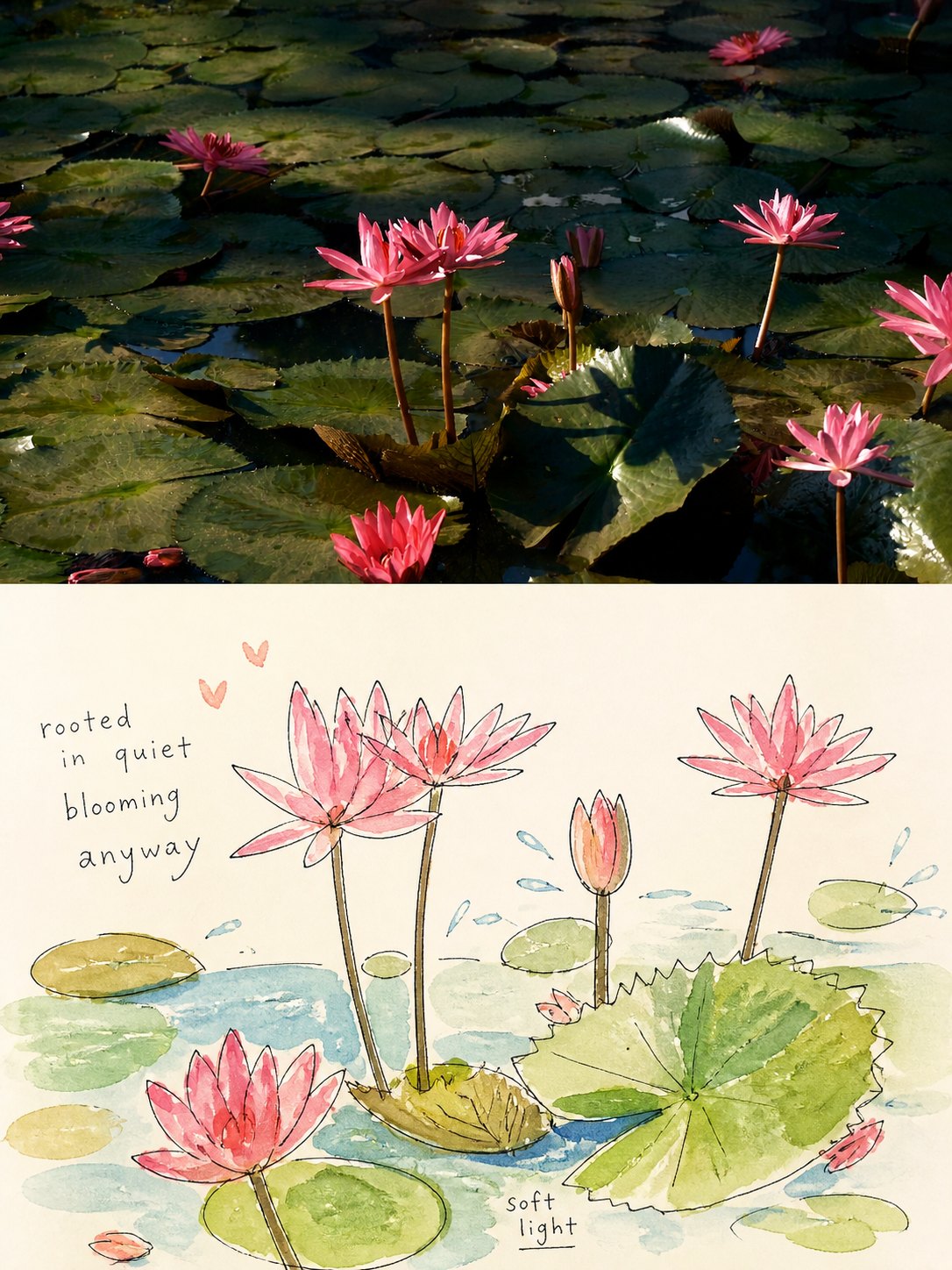
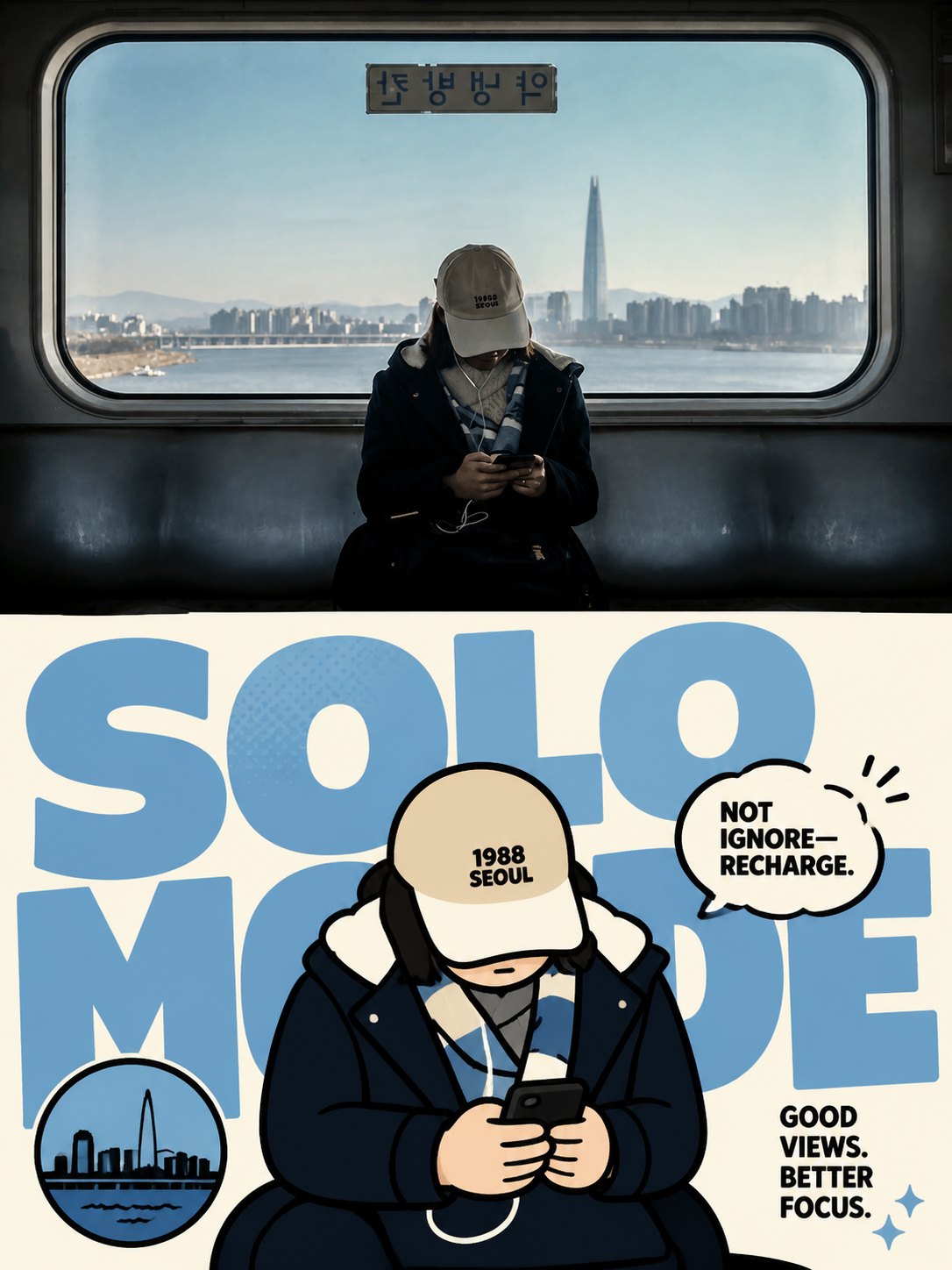
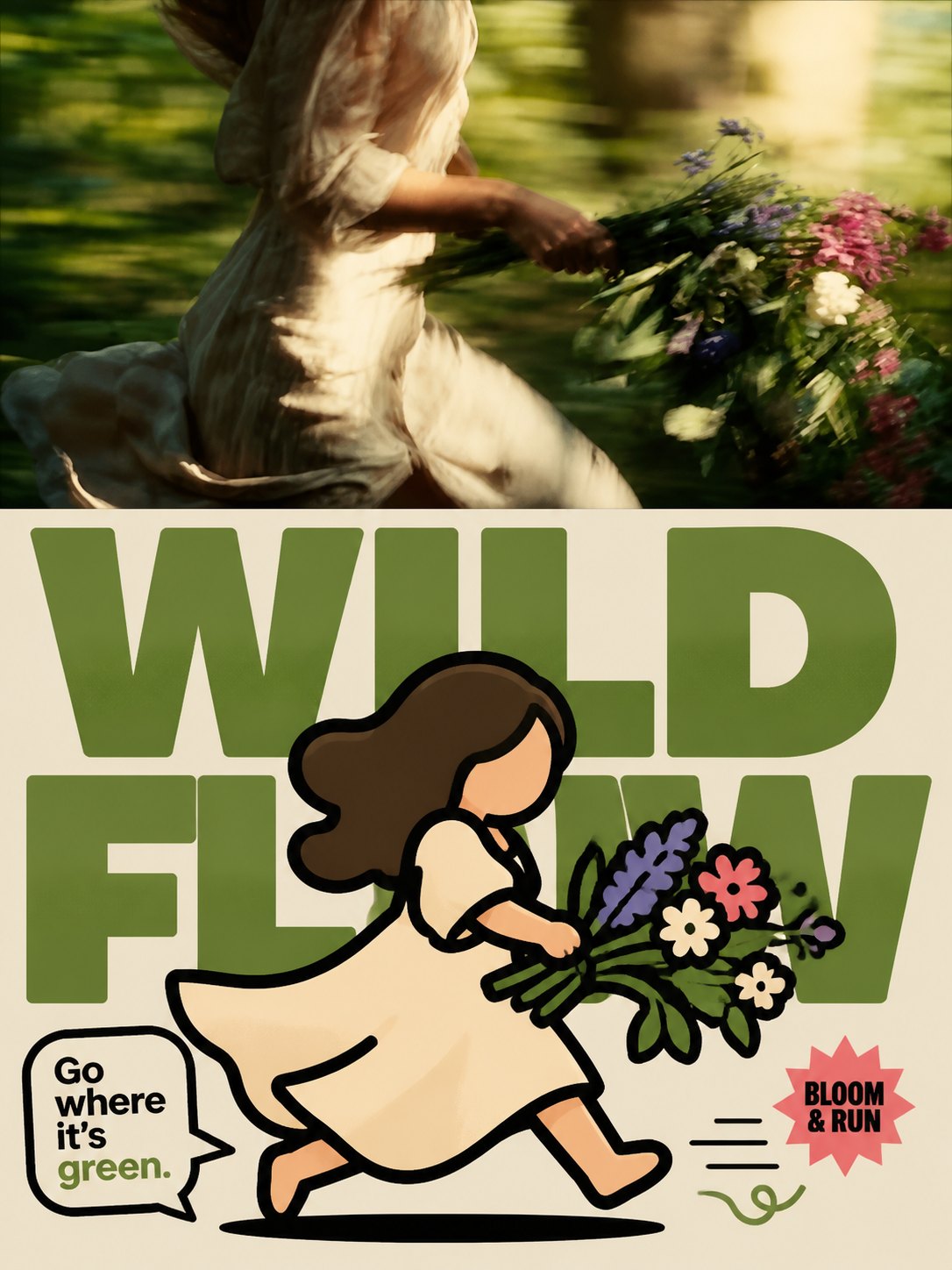
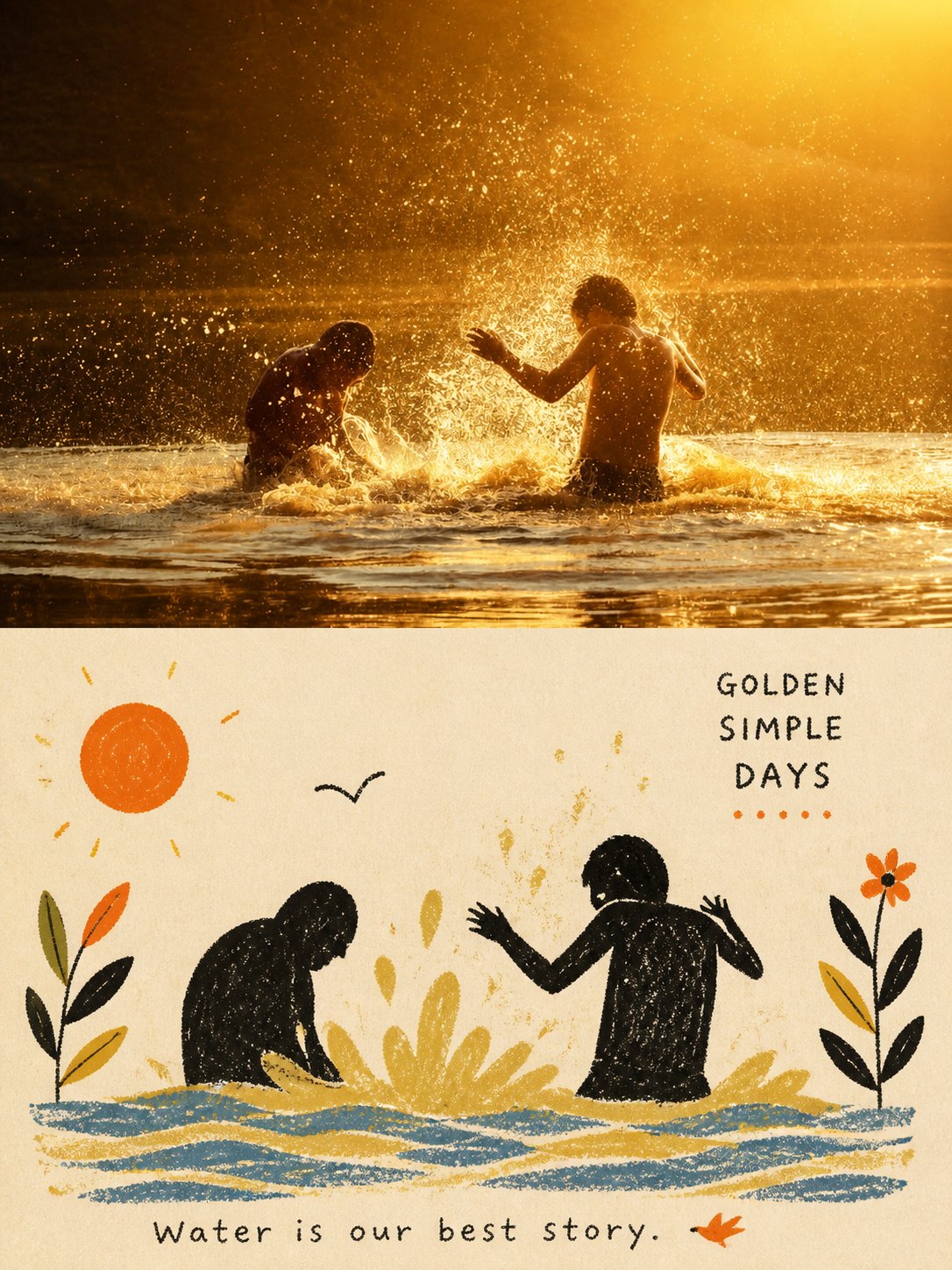
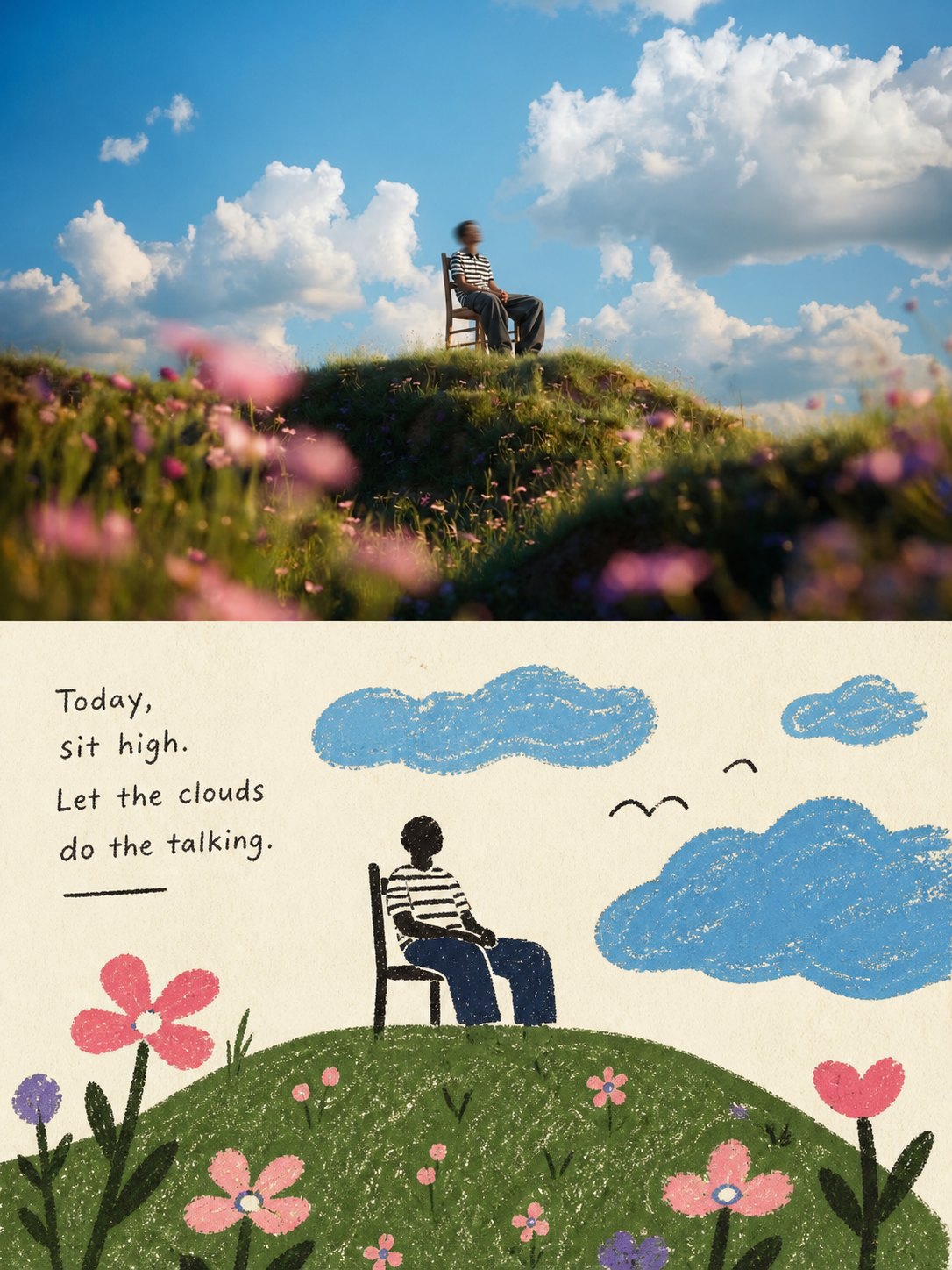
Make one independent premium poster per uploaded photograph, without multi-photo collage. Use a 3:4 portrait composition with top and bottom exactly 1:1 in height, each covering 50%.
Preserve the original photograph above, including subject identity, structure, pose, real texture, natural lighting and original colour atmosphere. Apply only slight refined grading for an art-magazine, independent-publication and exhibition-image quality. Extend the environment naturally if necessary to fit, but never stretch, distort or alter the subject.
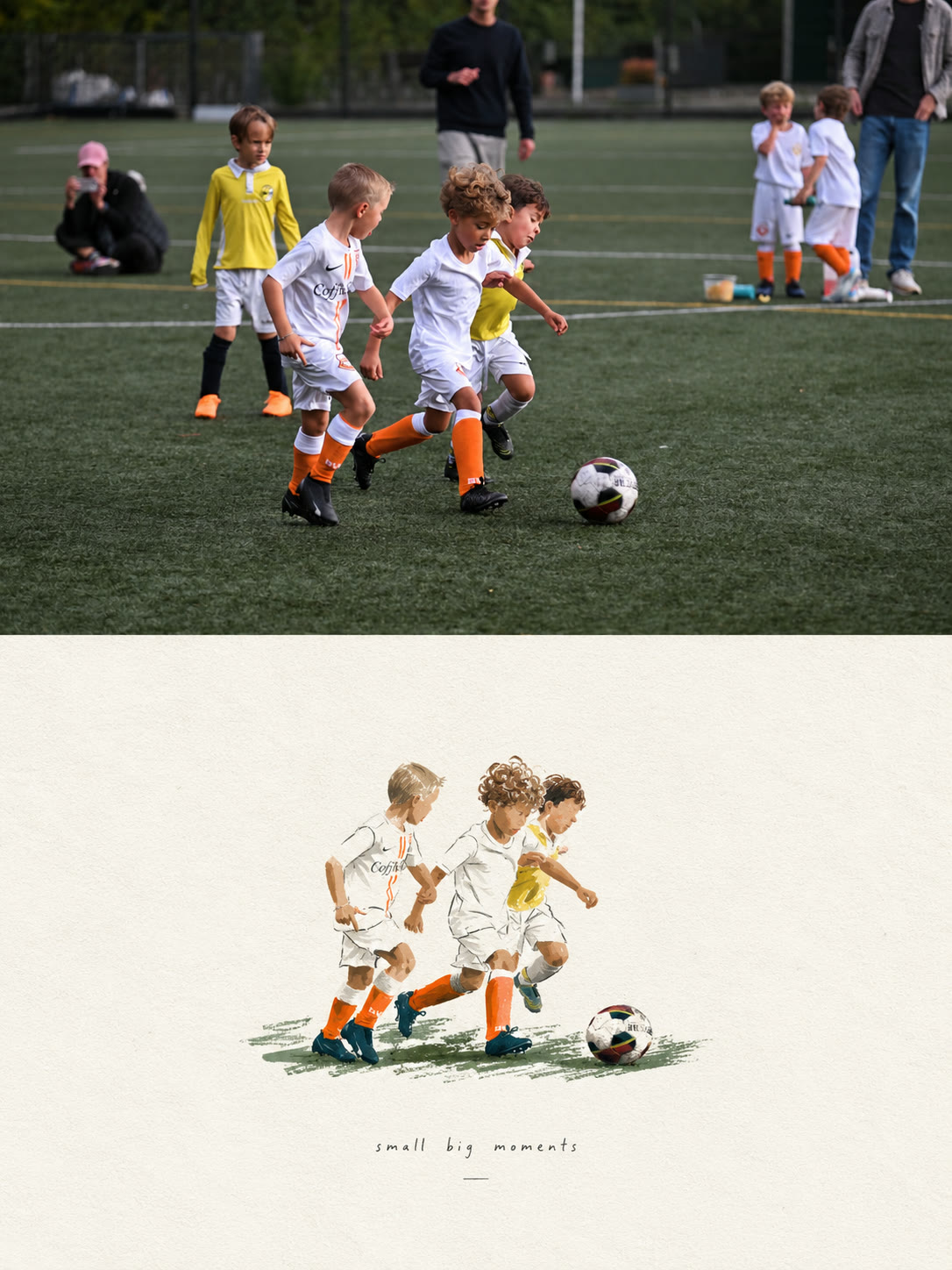
Below, extract only the most recognisable subject, contours, structure, pose and narrative relationships, rebuilding them as Minimal Hand-drawn Line Art Illustration. The source supplies visual meaning, not a composition template. Do not copy the whole photograph or redraw every object. Actively remove almost all background, clutter and irrelevant information, retaining only structural flow, characteristic proportions and visual memory points that make the correspondence with the photograph immediately clear.
Give the lower region full freedom of art direction. Even if the original composition is ordinary, cluttered or has a tiny subject, establish a stronger image through subtraction, rearrangement, cropping, scale changes, repositioning and whitespace. The subject may be smaller, larger, off-centre, edge-aligned, suspended or partially cropped; it need not inherit the original position or completeness.
Emphasise the relationship between a small subject and exceptionally large deliberate whitespace. Whitespace is not leftover background but a visual shape equal in importance to the subject, actively creating positive/negative forms, direction, density, pauses and spatial rhythm. Let the subject and a few elements give one another room, producing lightness, quiet, breath and resonance. Draw less rather than fill the canvas.
Use technical-pen, fountain-pen or fine-marker linework: thin, loose, slightly trembling, irregular hand-drawn lines with changing thickness. Allow broken and searching lines, slight repeated corrections and imperfect symmetry. Retain a little naïve / doodle charm while keeping structure and identifying features accurate. Avoid meticulous realism, mechanical vector lines and complex internal texture.
Keep the background clean, mainly warm white, ivory or very pale paper. Lines are black, dark grey or a soft dark colour. If colour is needed, take only a tiny amount of the source’s most distinctive hues for light accents, never large filled areas.
Text is a very small editorial intervention with no language restriction. Freely derive a few words or short phrases from the subject, place, action, mood or metaphor; place them quietly in whitespace or near the subject to form a refined image–text relationship with the drawing.
Aim for selective distillation, minimal hand-drawn lines, vast artistic whitespace, redirected composition and restrained editorial typography. Avoid full redrawing, excessive retained background, filled canvases, realistic illustration, thick black outlines, cartoon or 3D effects and template posters.
2026-09-07via @xiaoxiaodong01