Visuele inspiratie
Promptbibliotheek
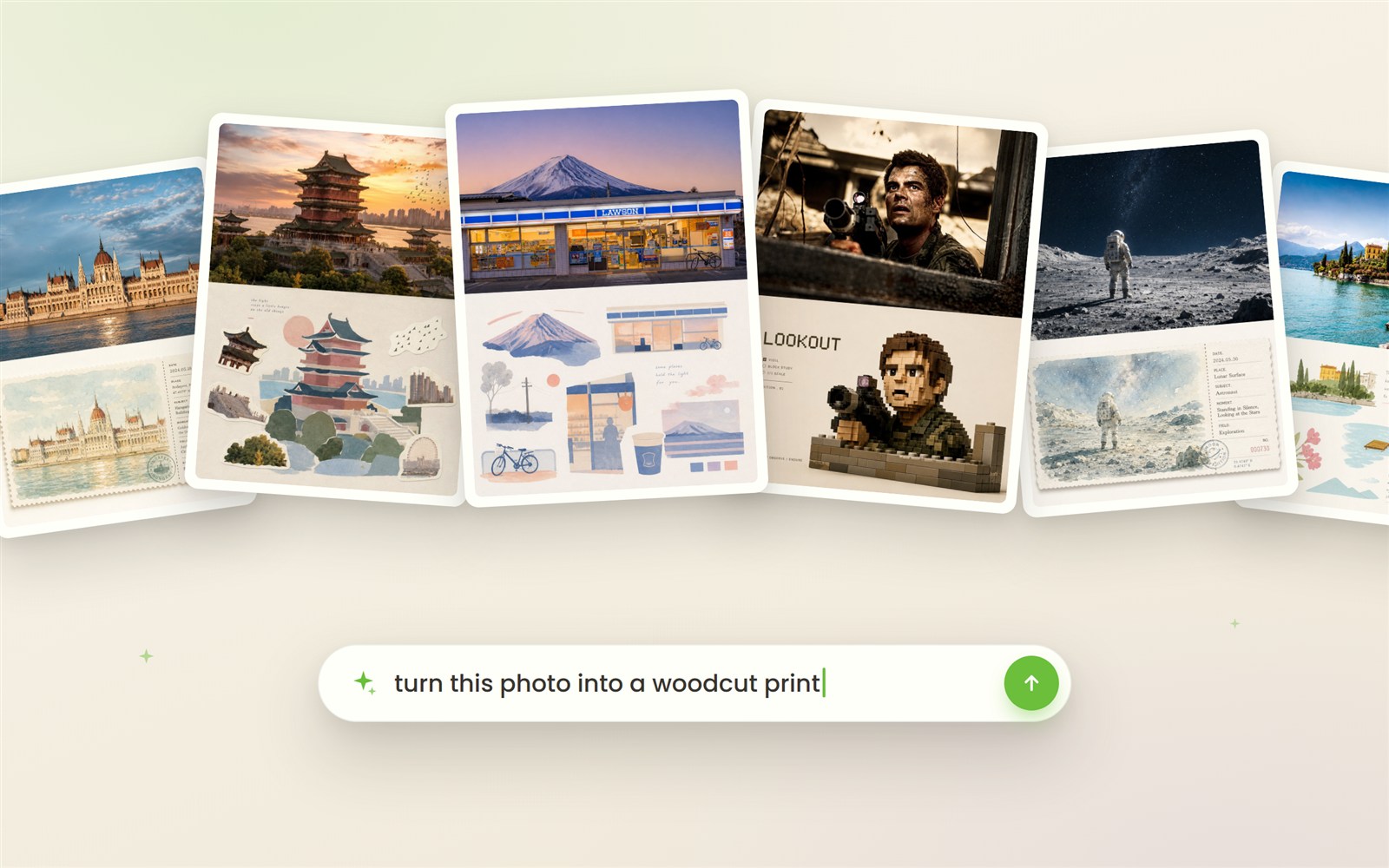
Sterke AI-resultaten uit het wild, mét de prompt erbij. Klik op een beeld, kopieer de prompt en maak er iets eigens van.
Krijg de prompts die indruk maken
Krijg de prompts die indruk maken
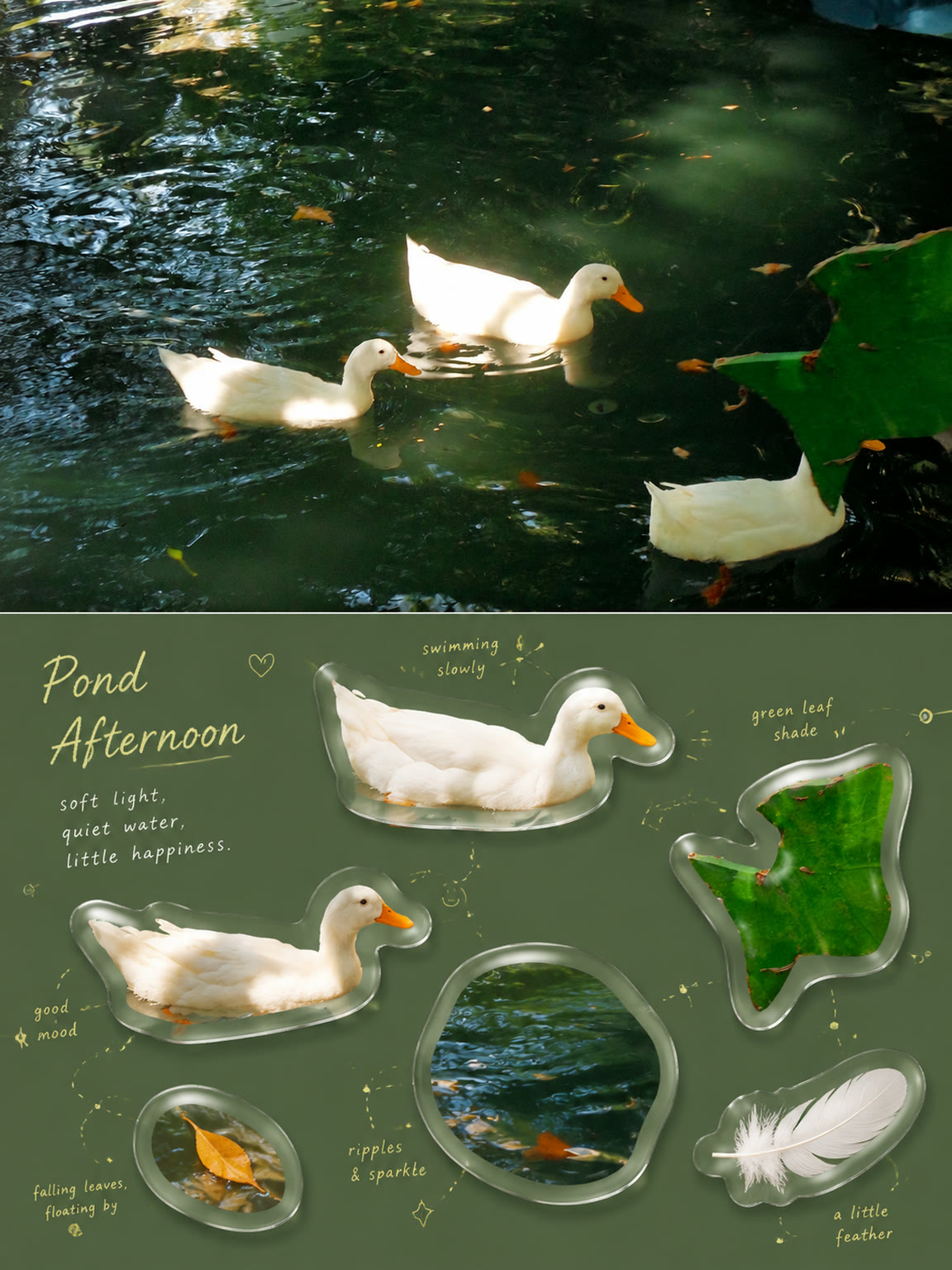
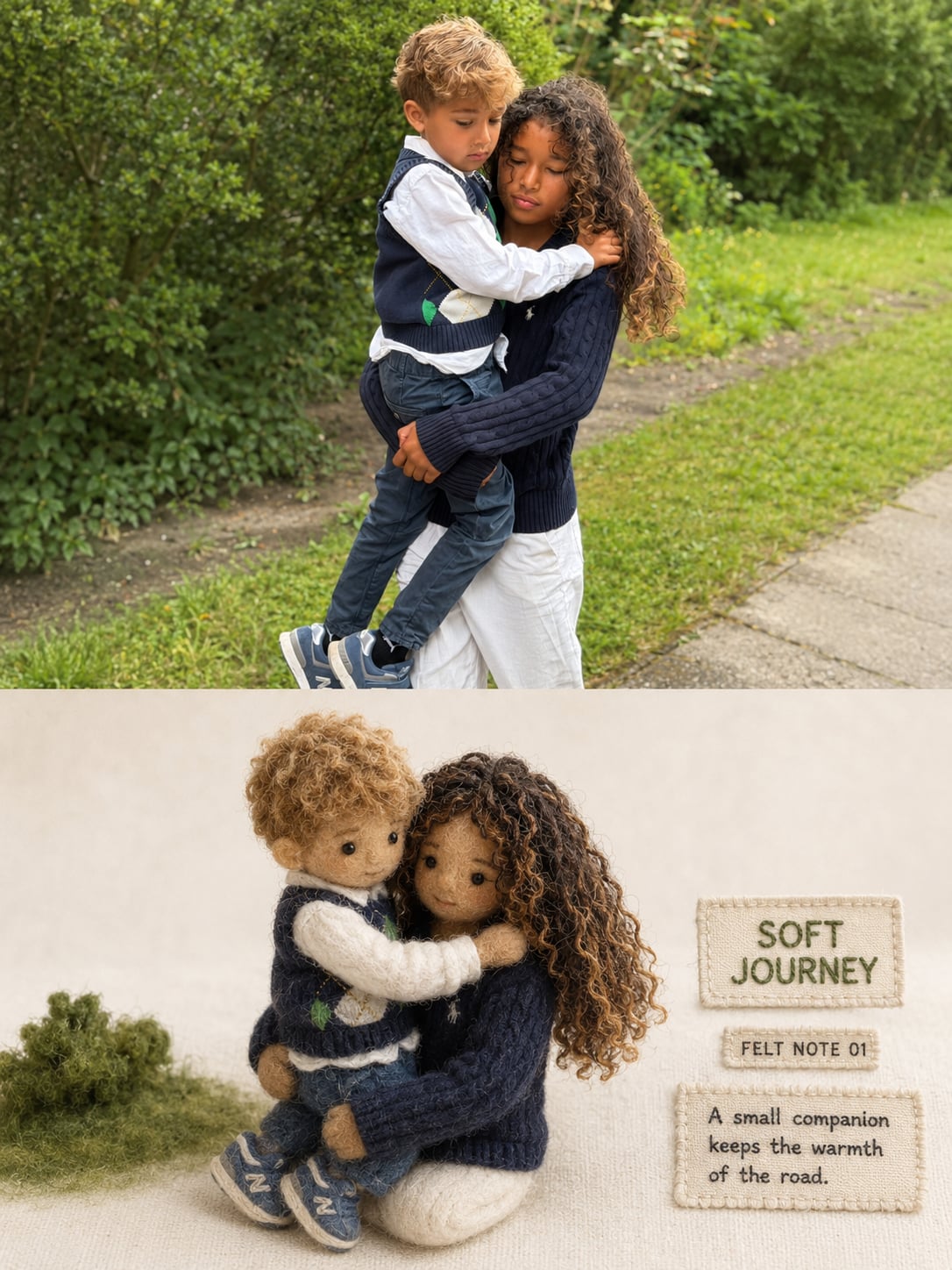
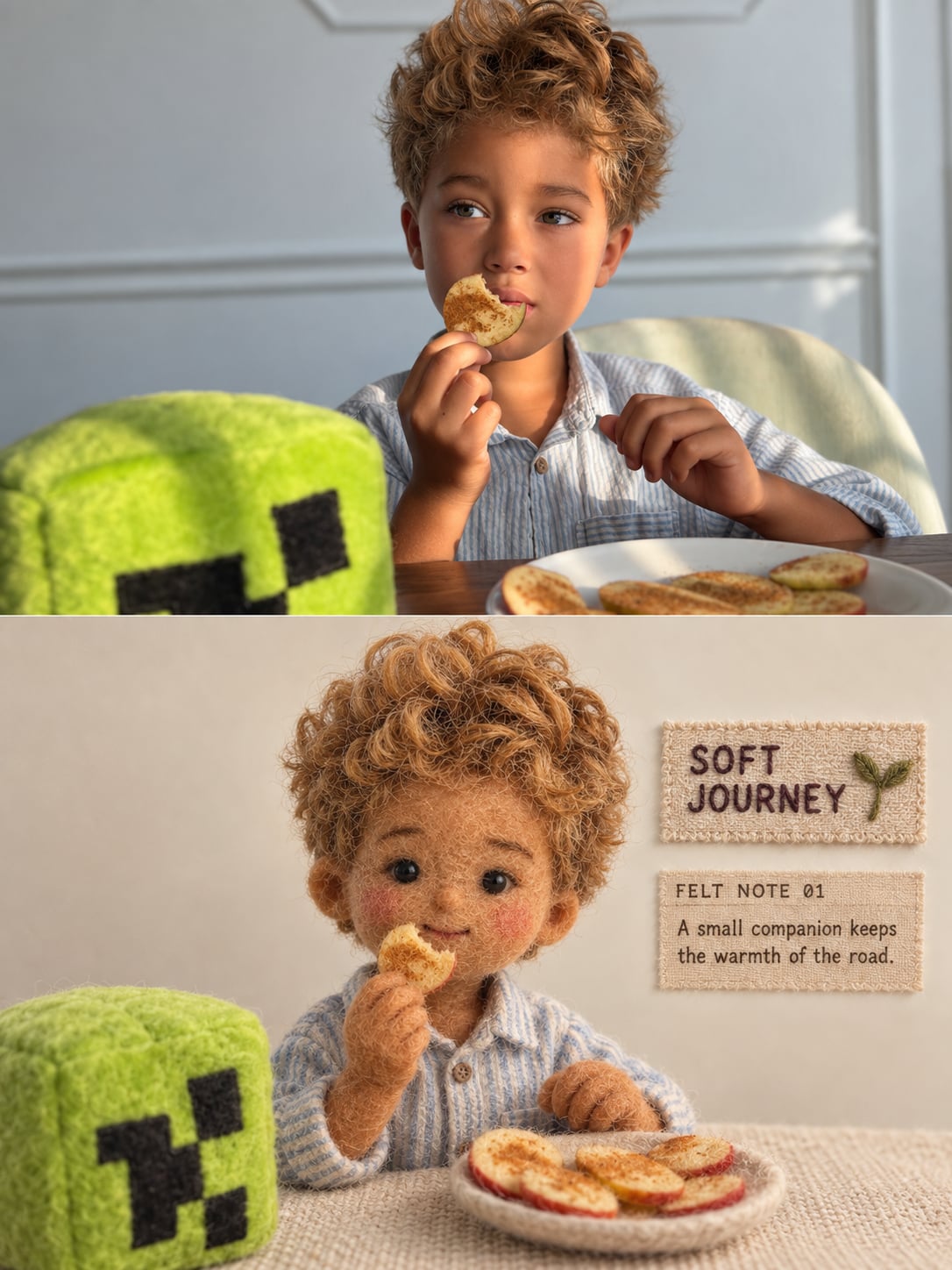
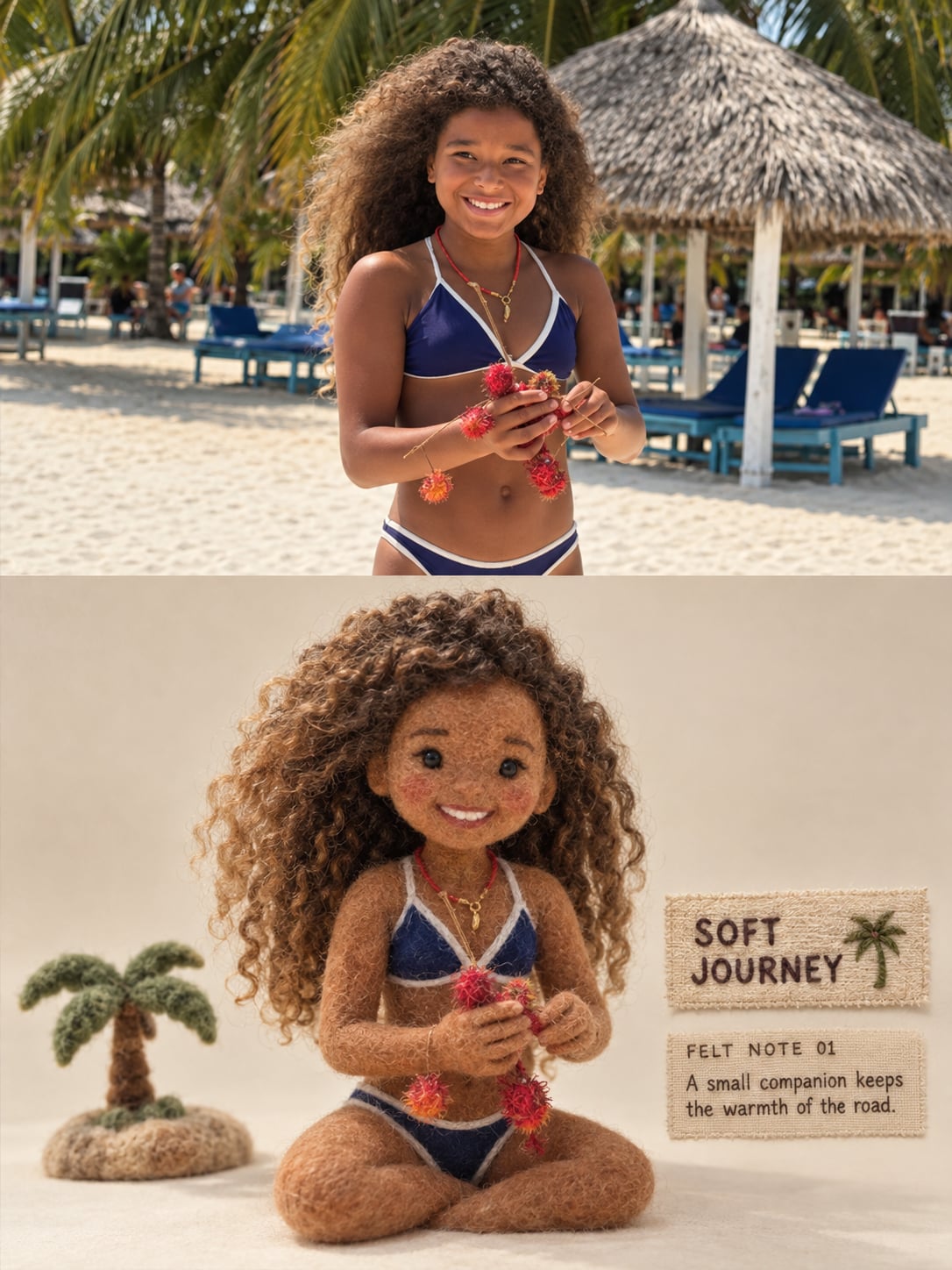
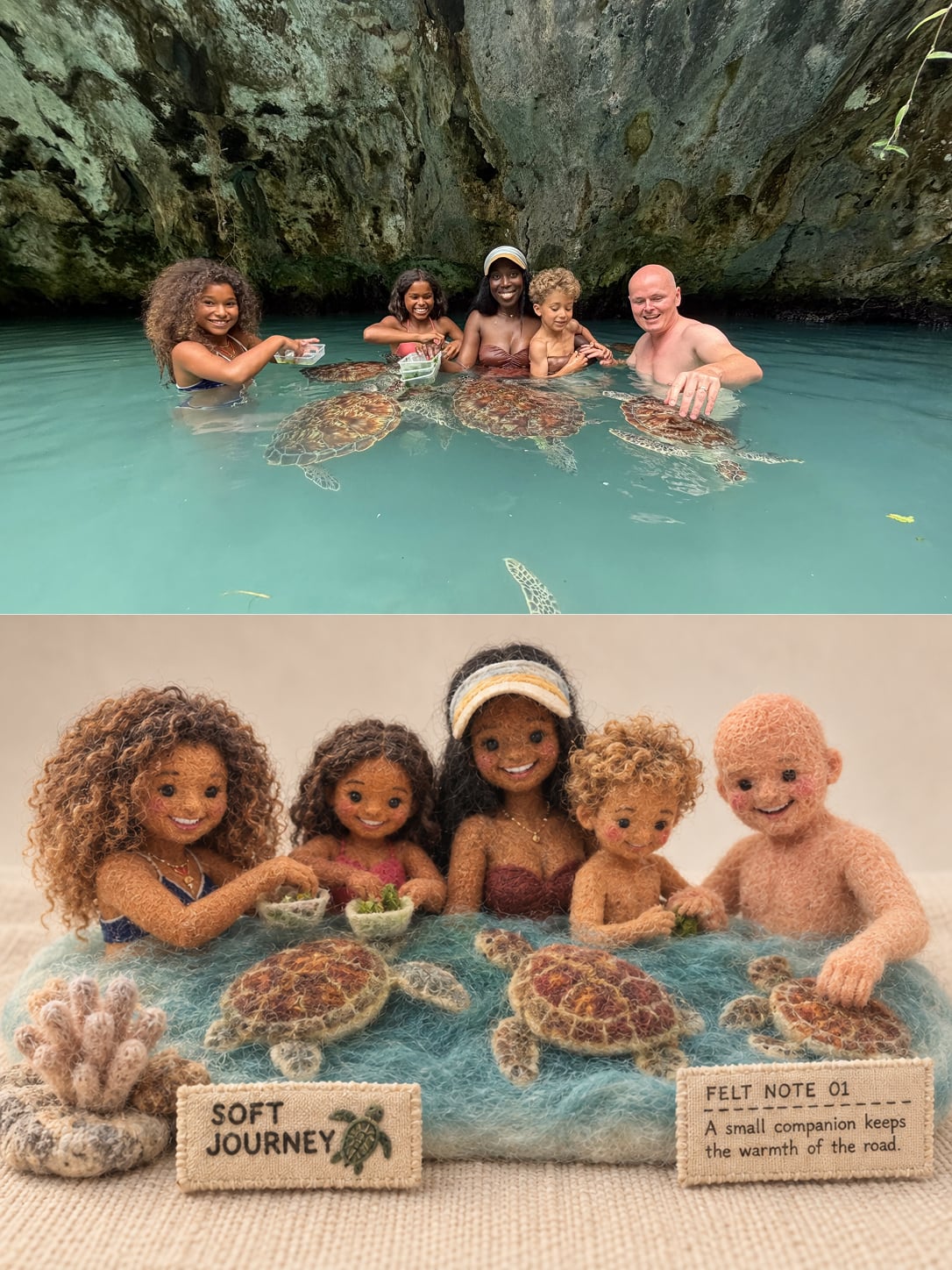
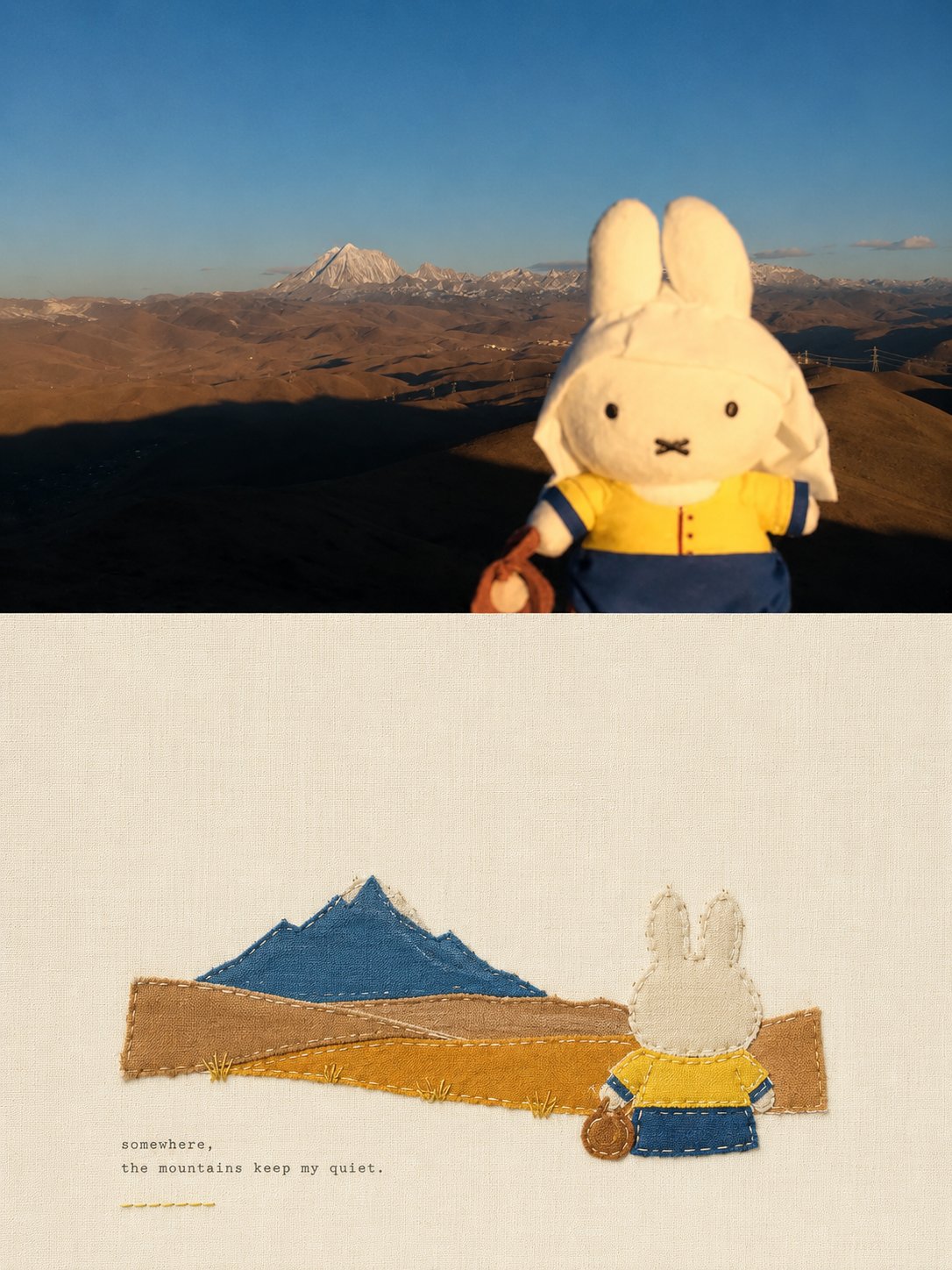
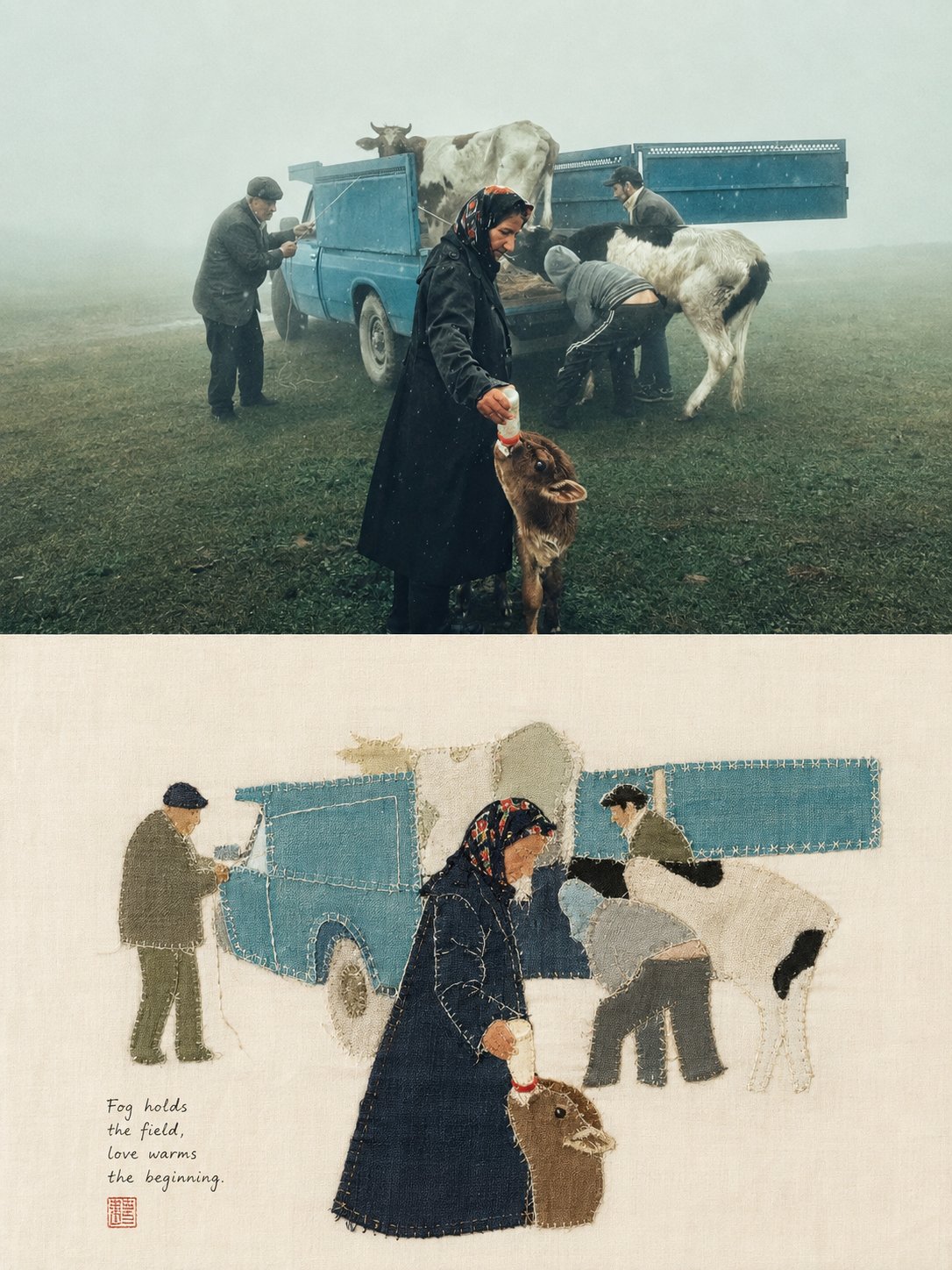
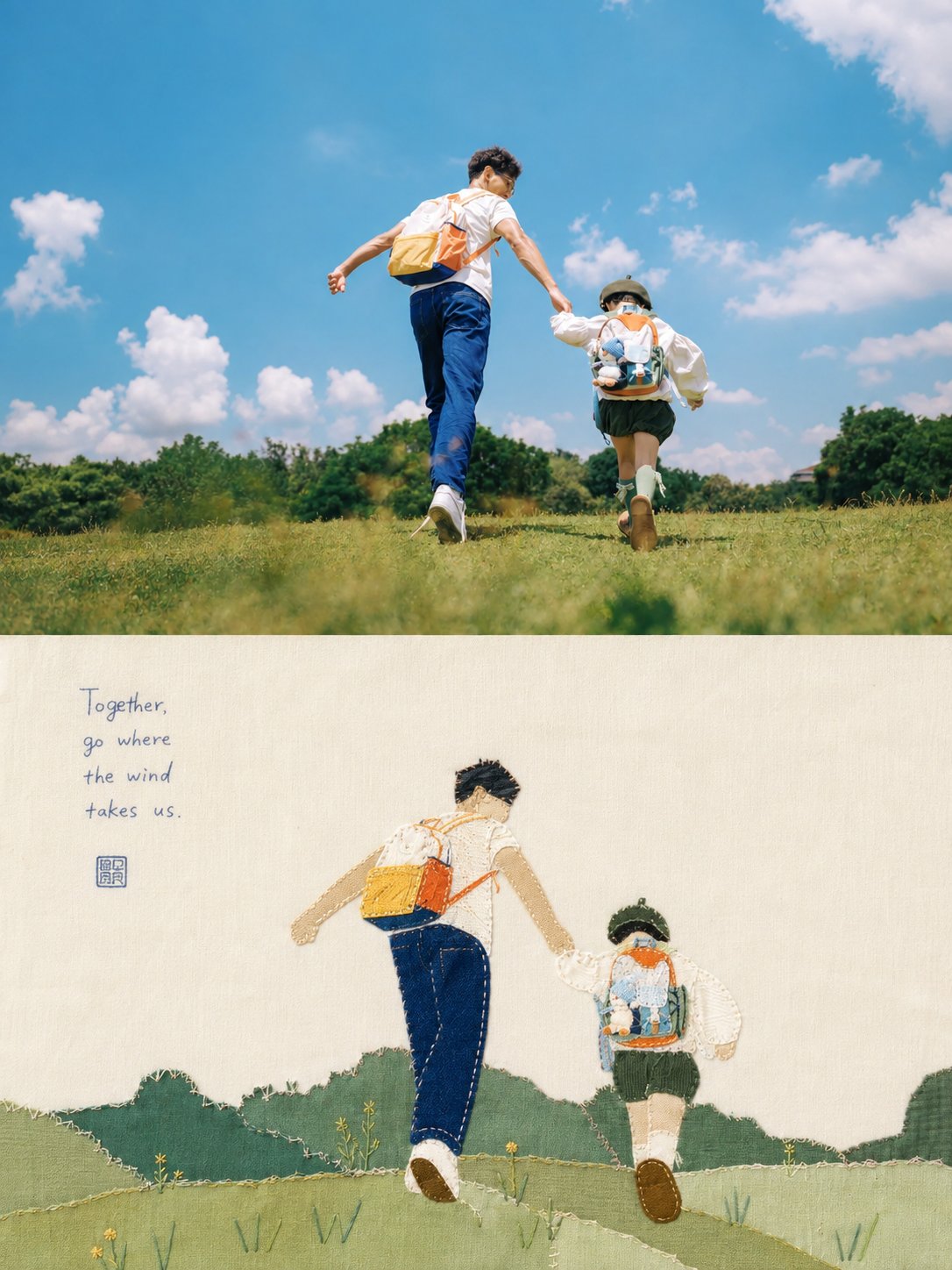
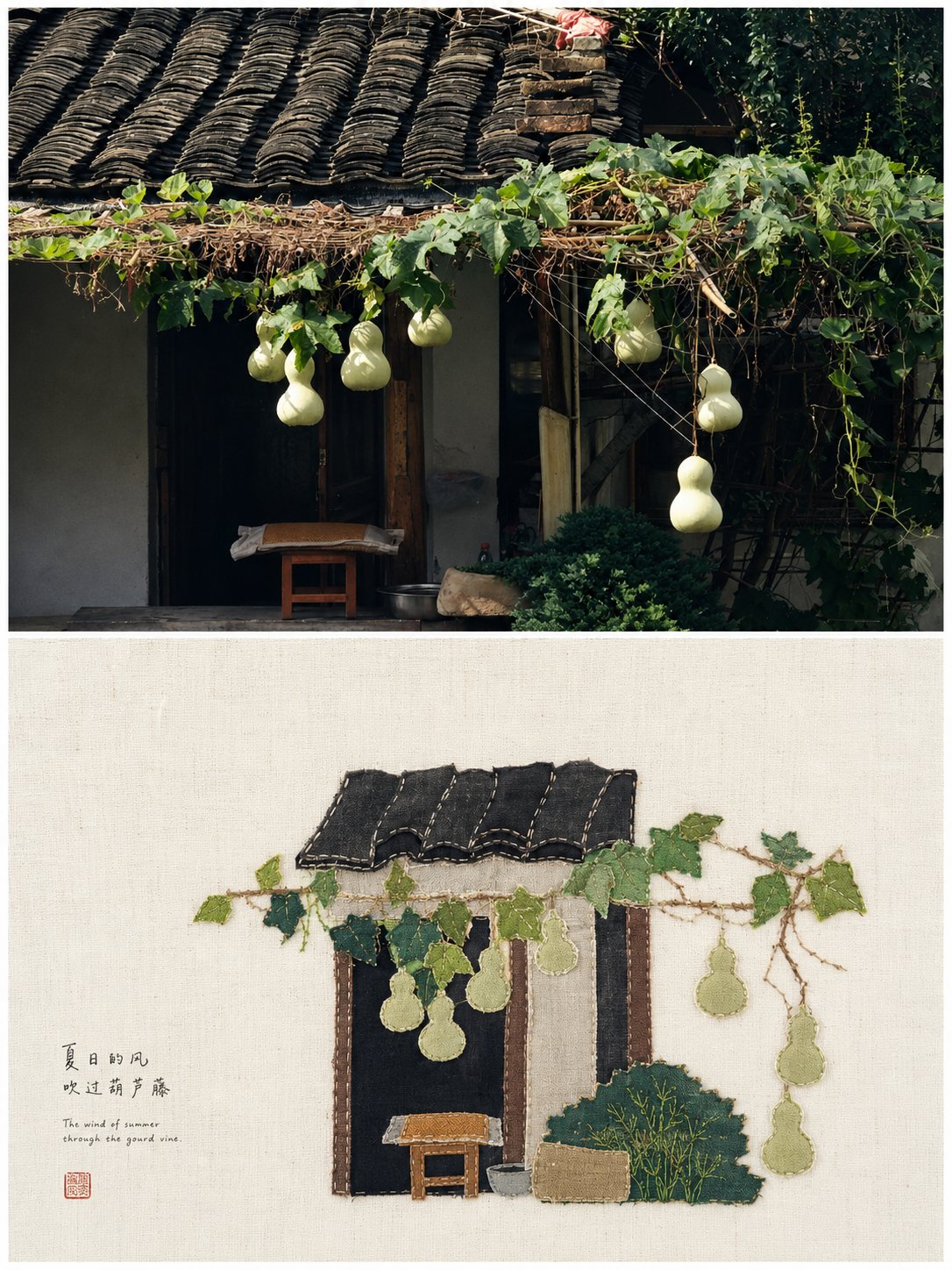
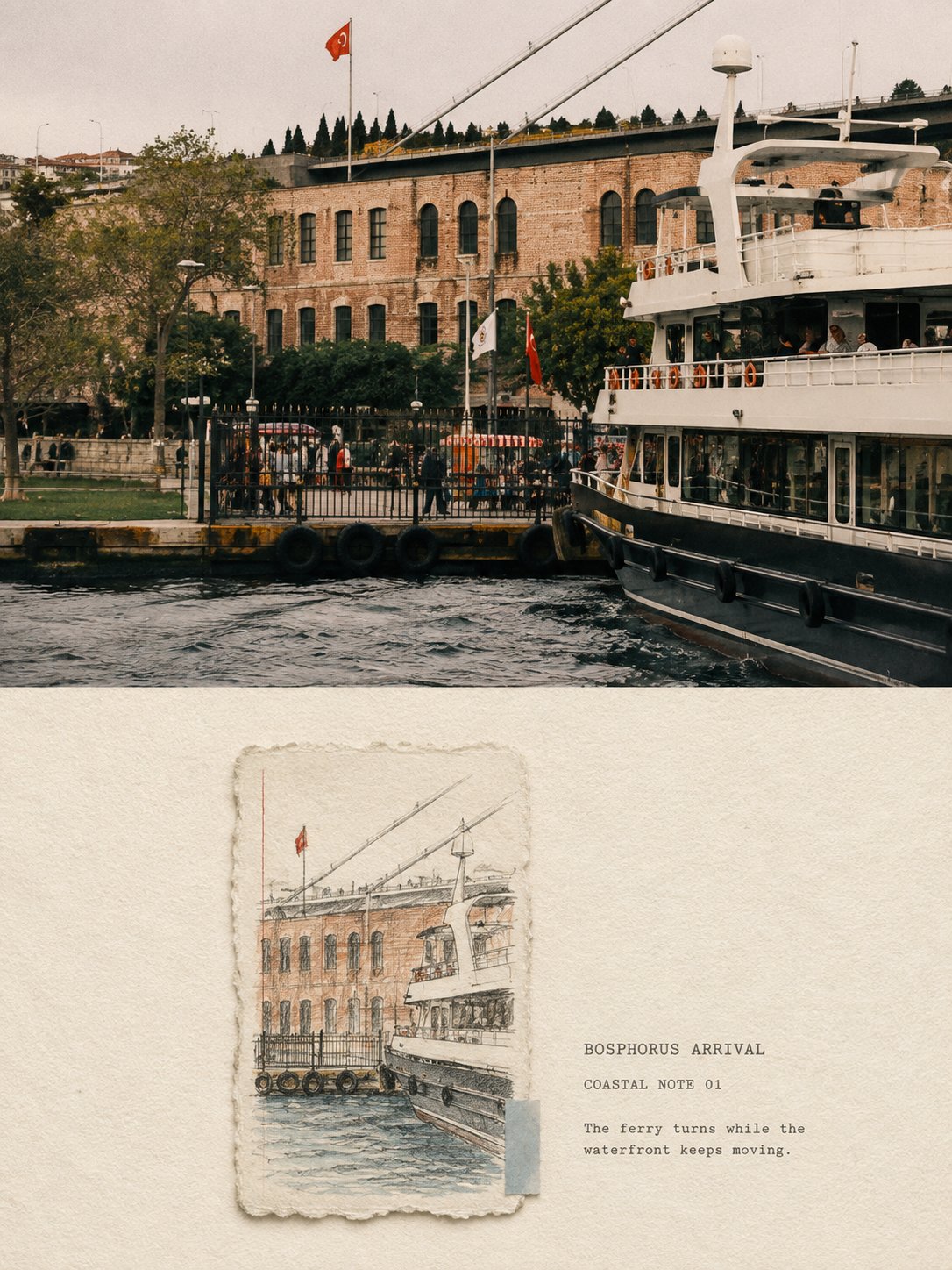
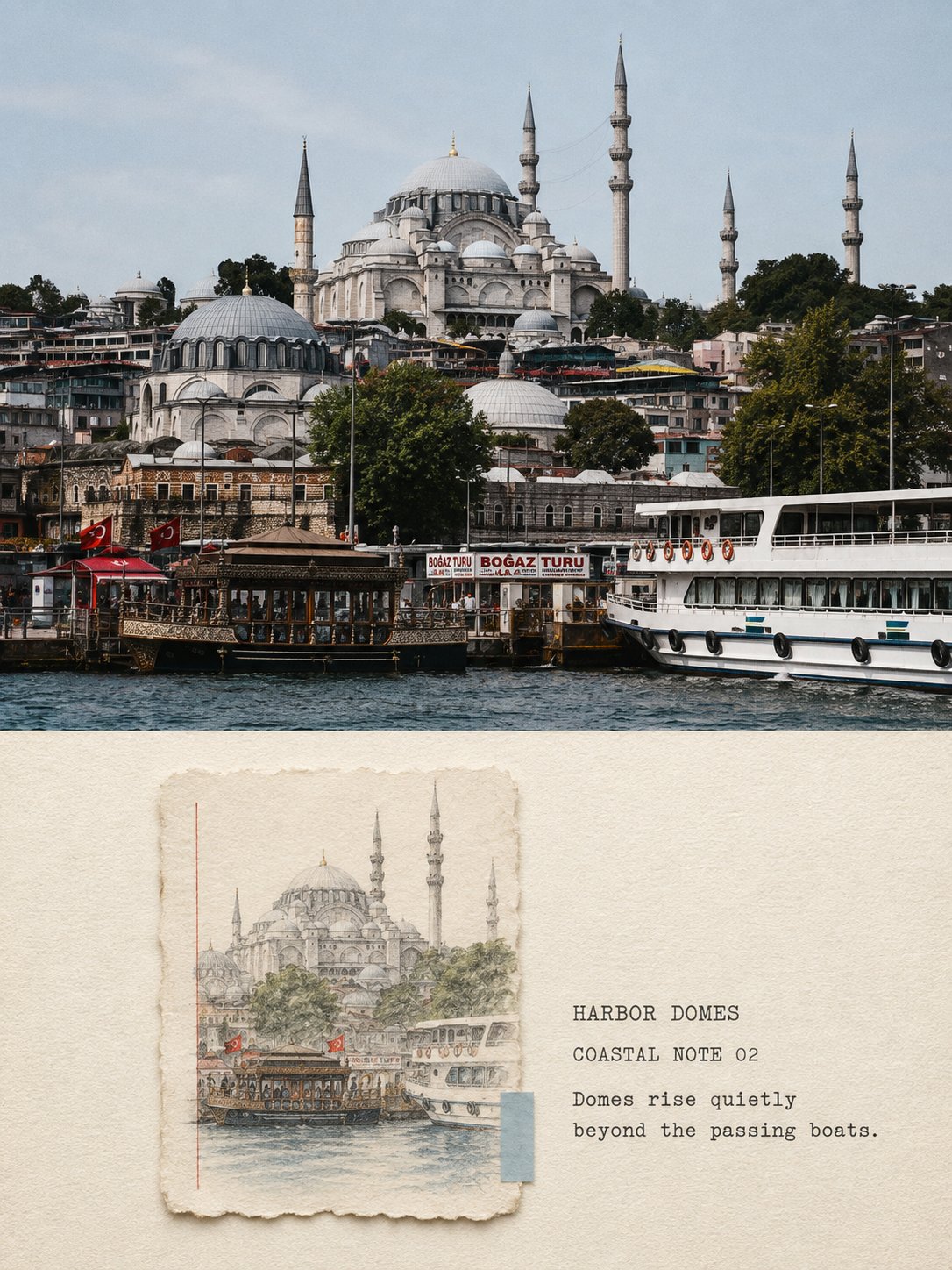
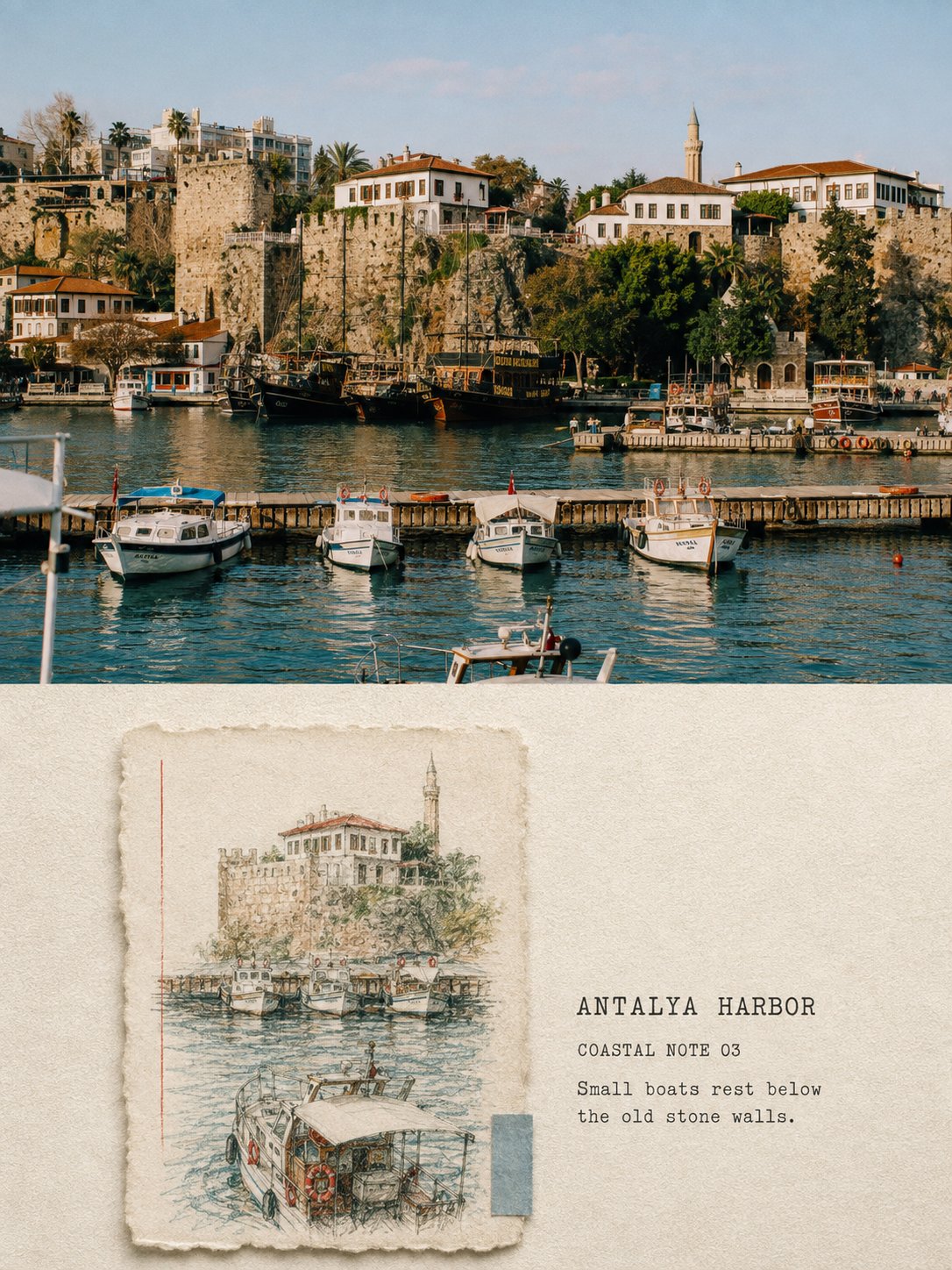
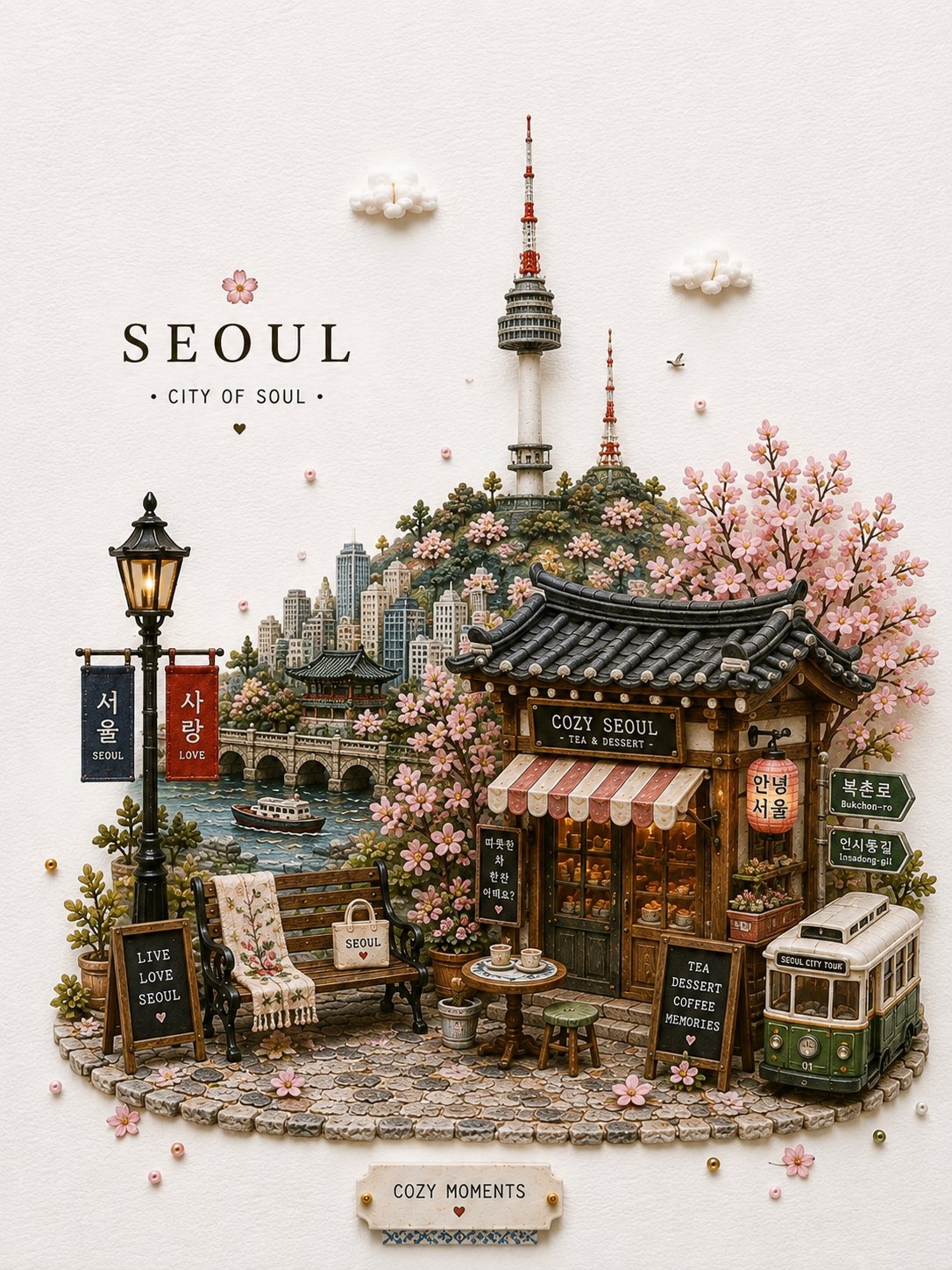
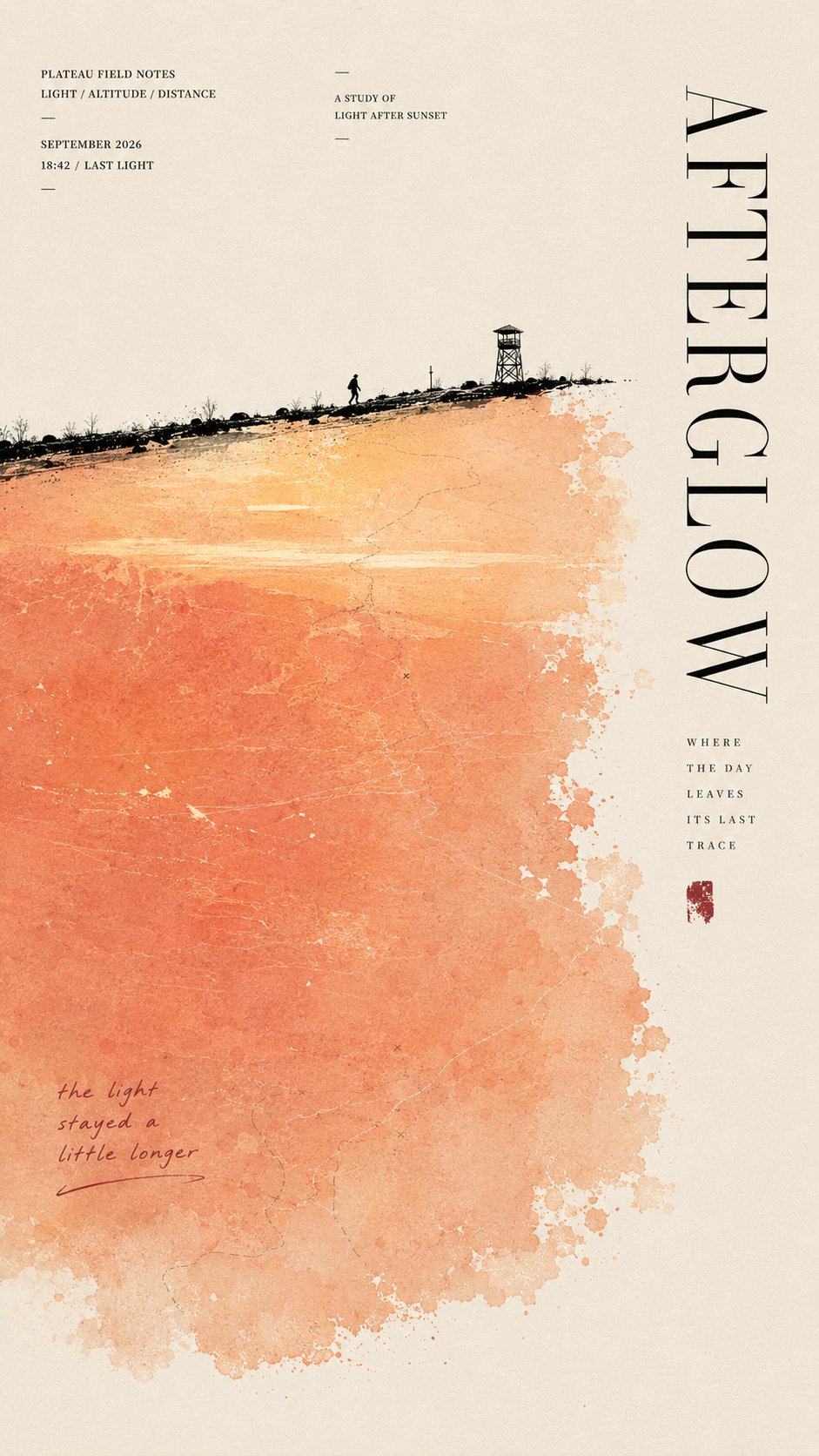
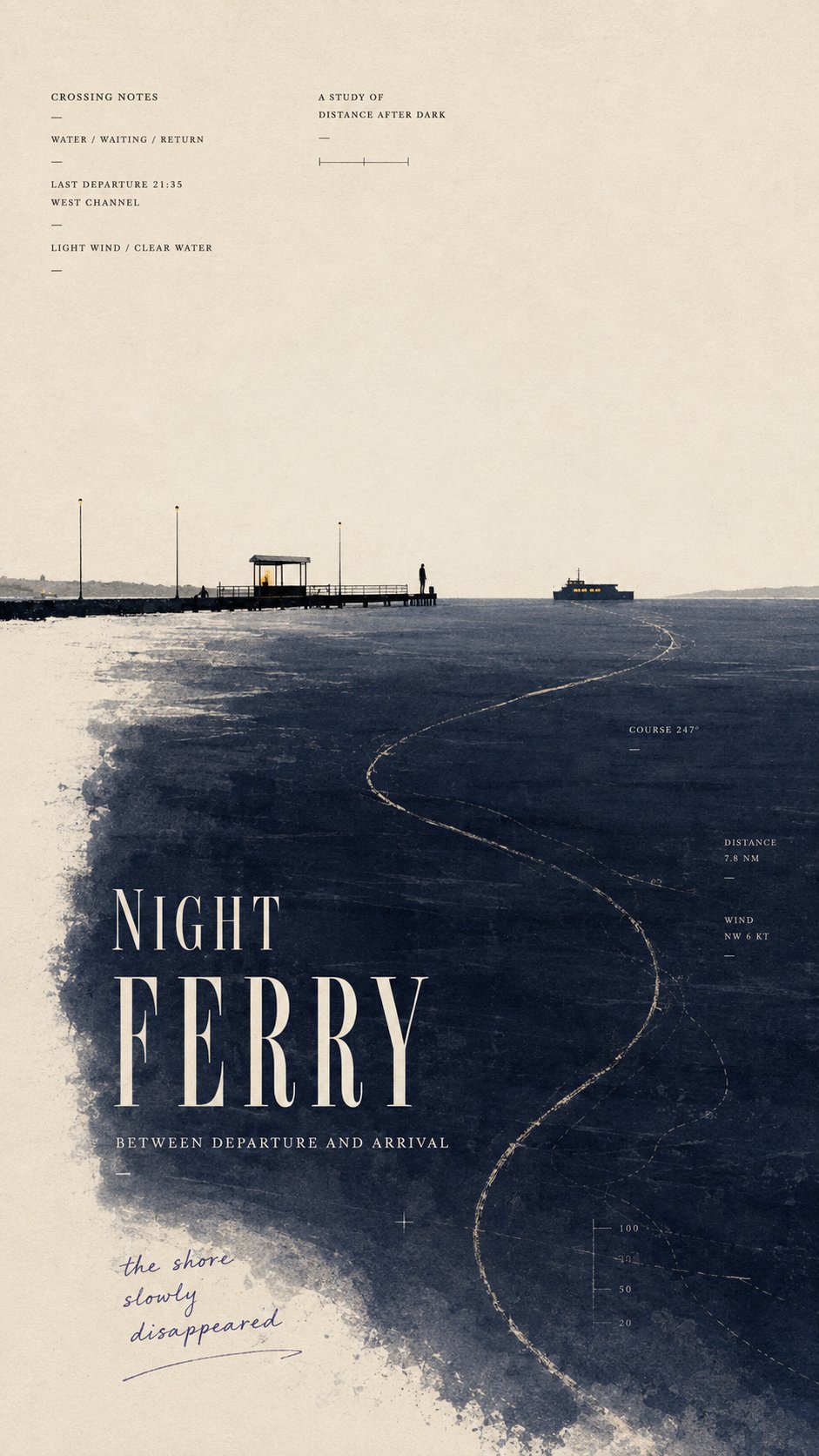
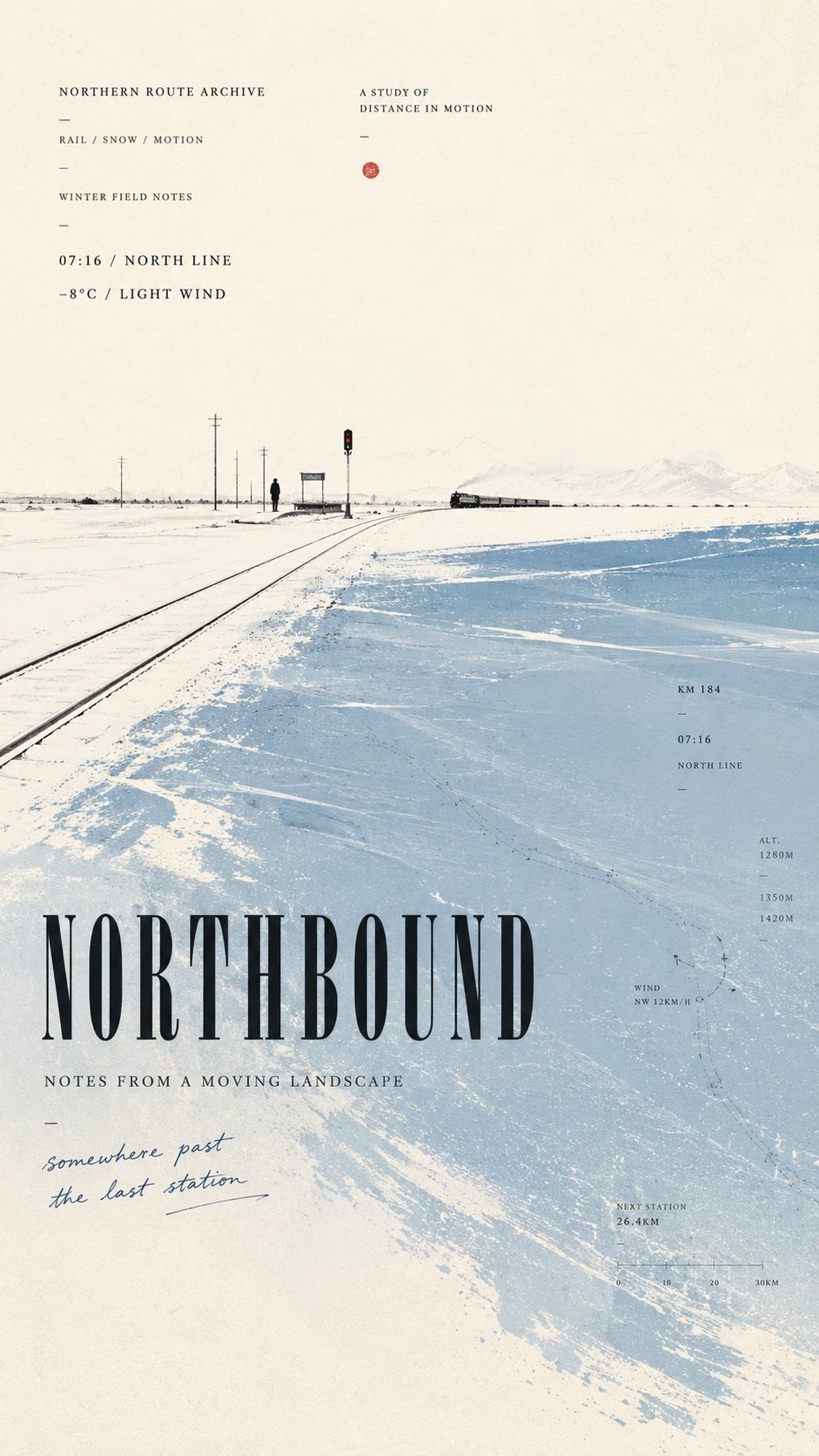
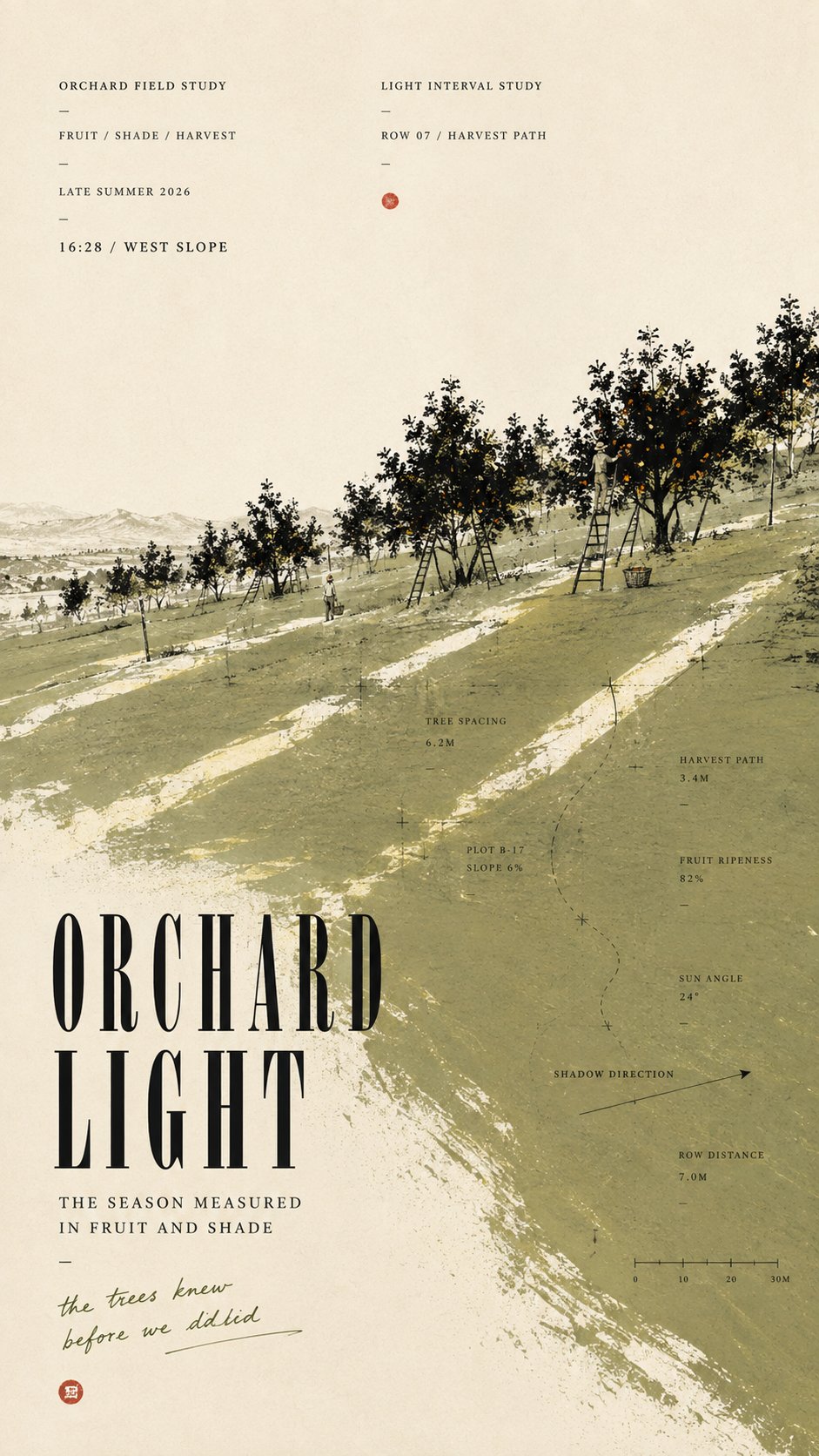
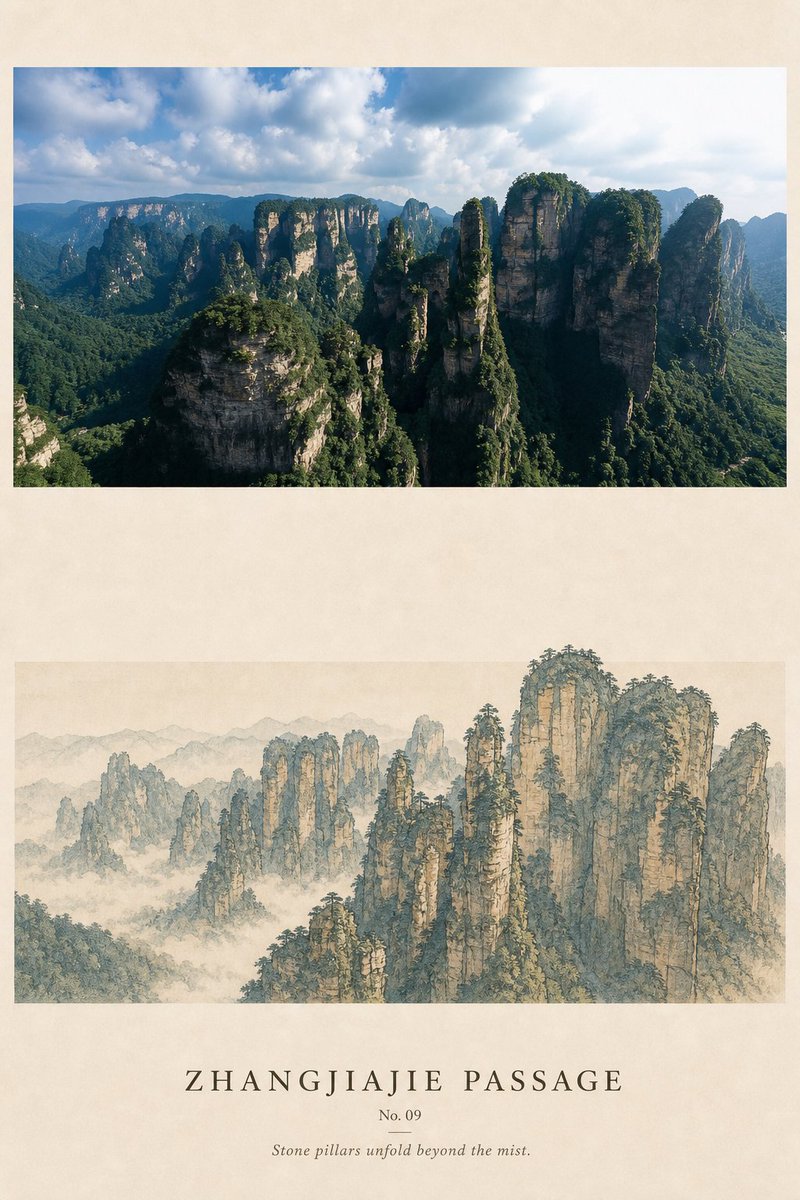
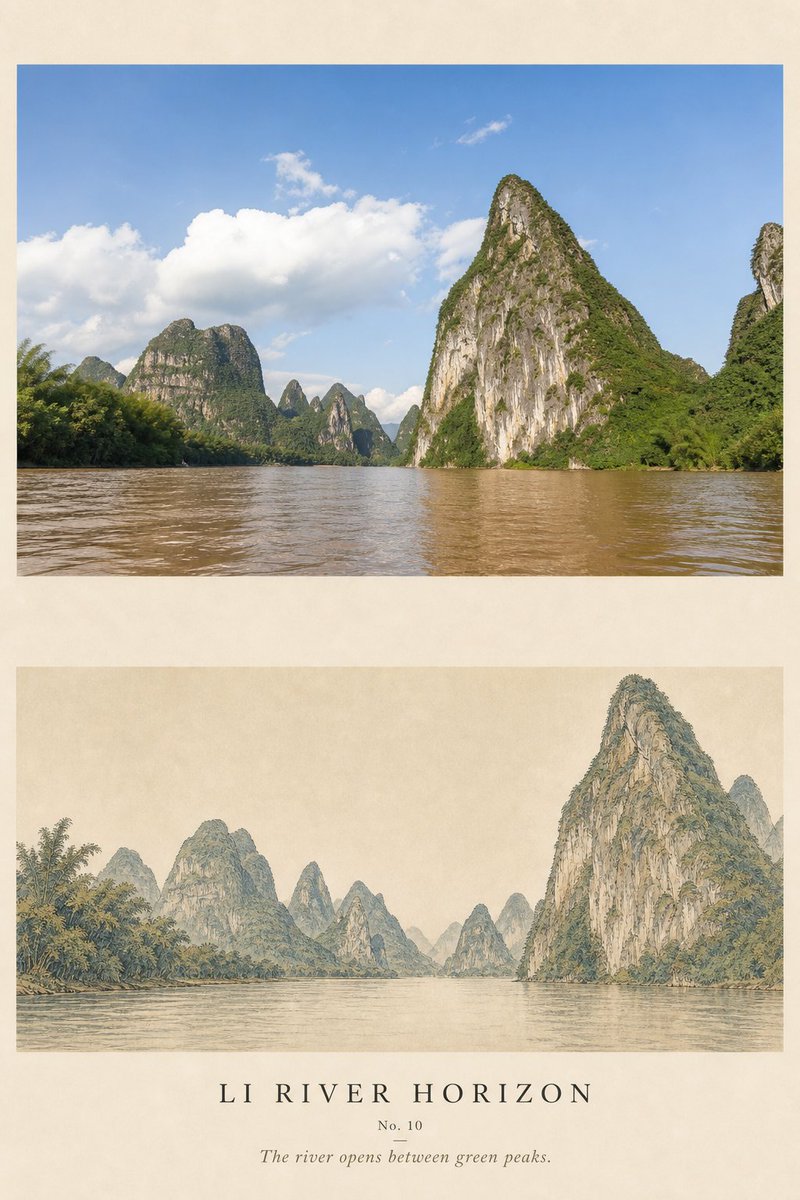
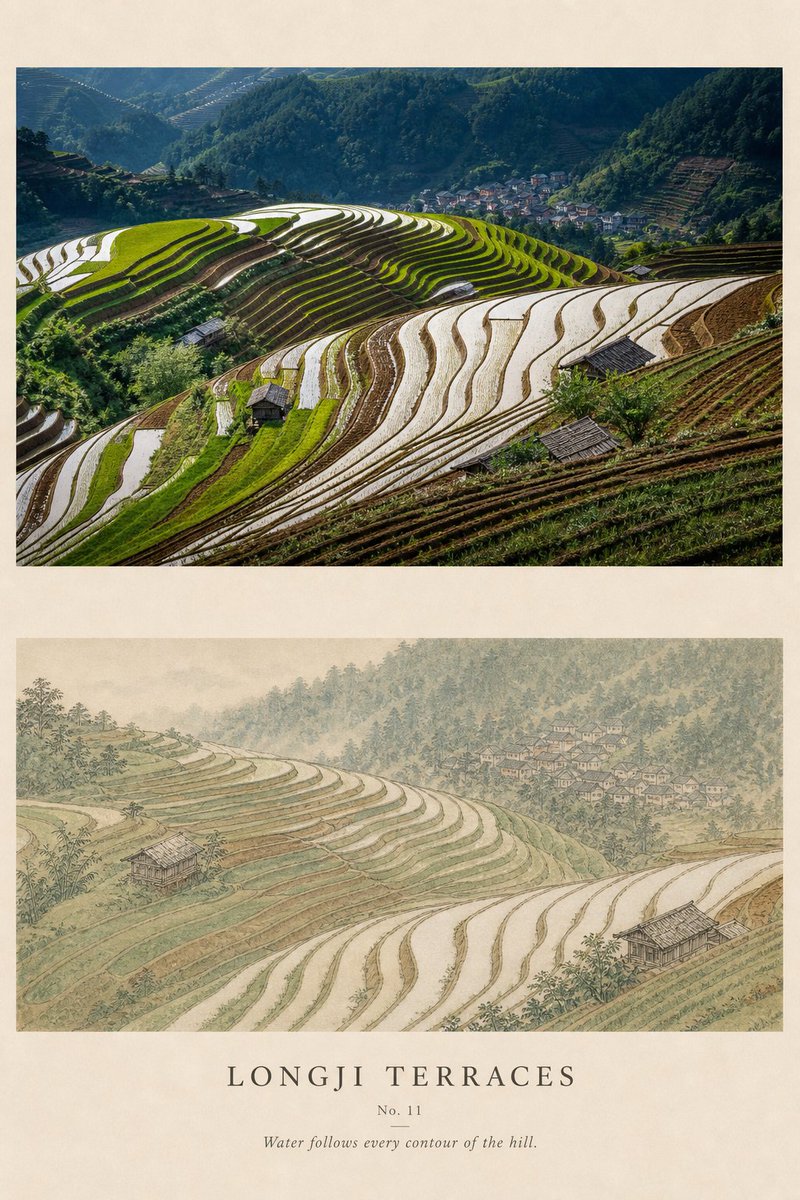
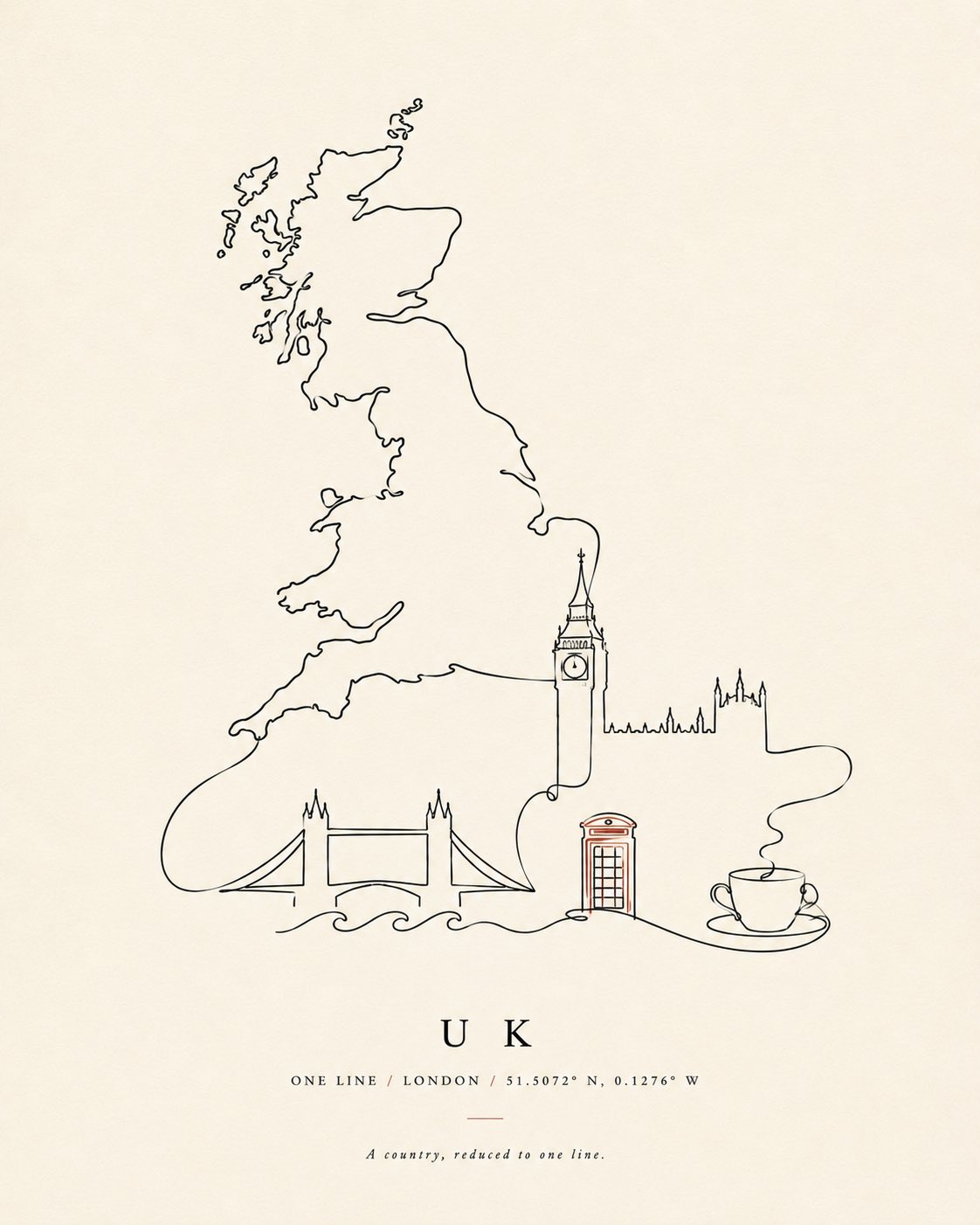
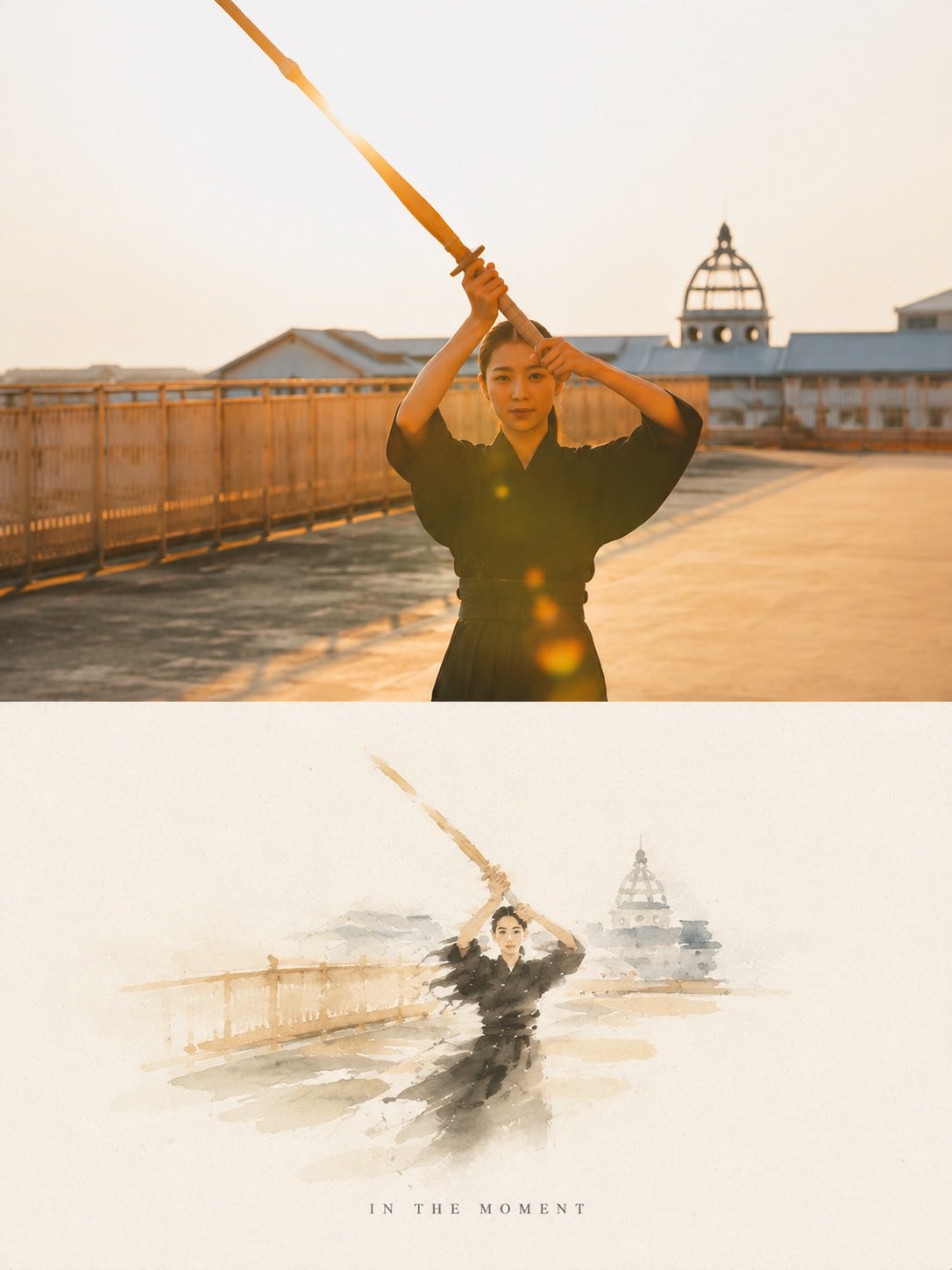
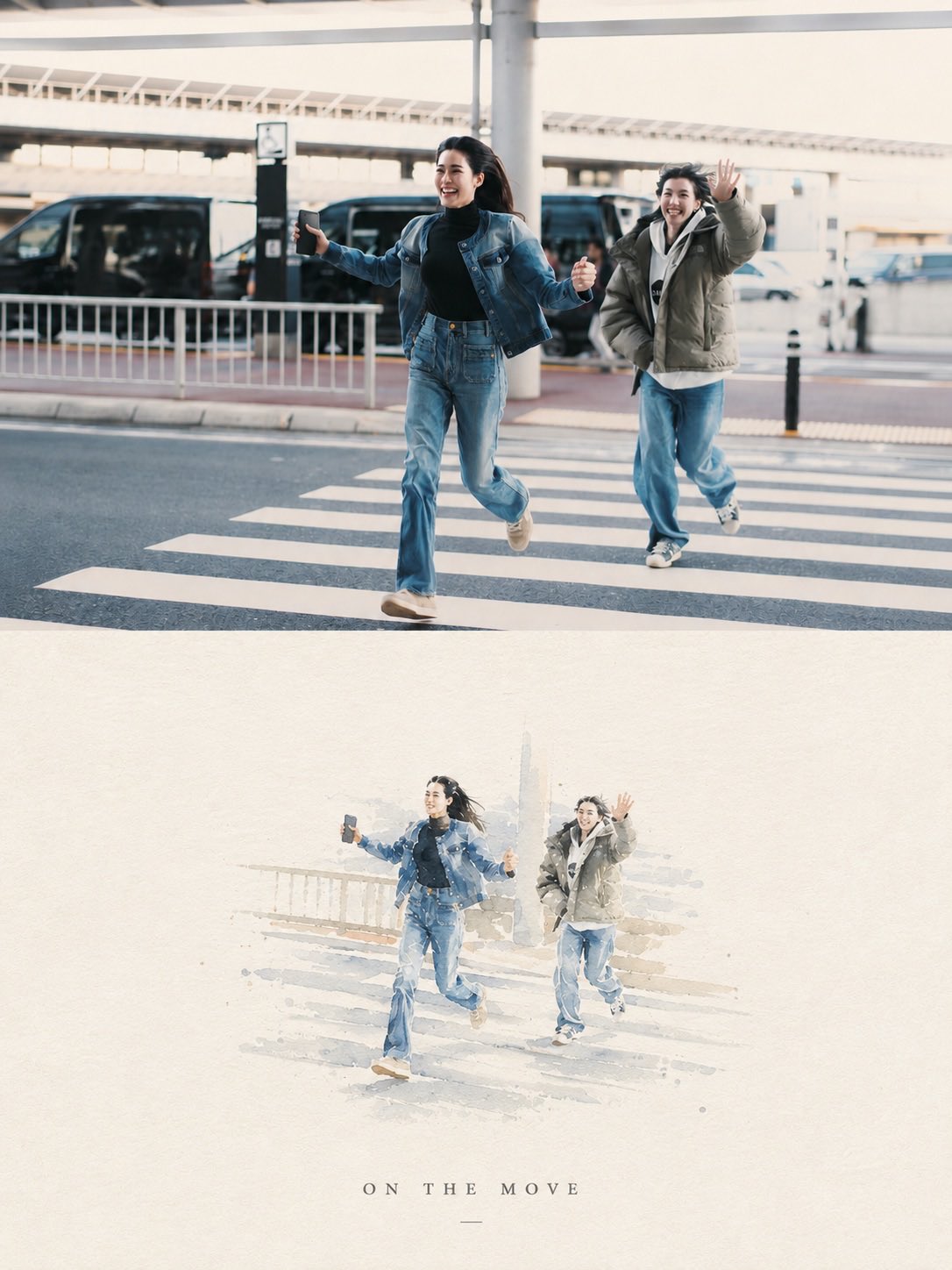
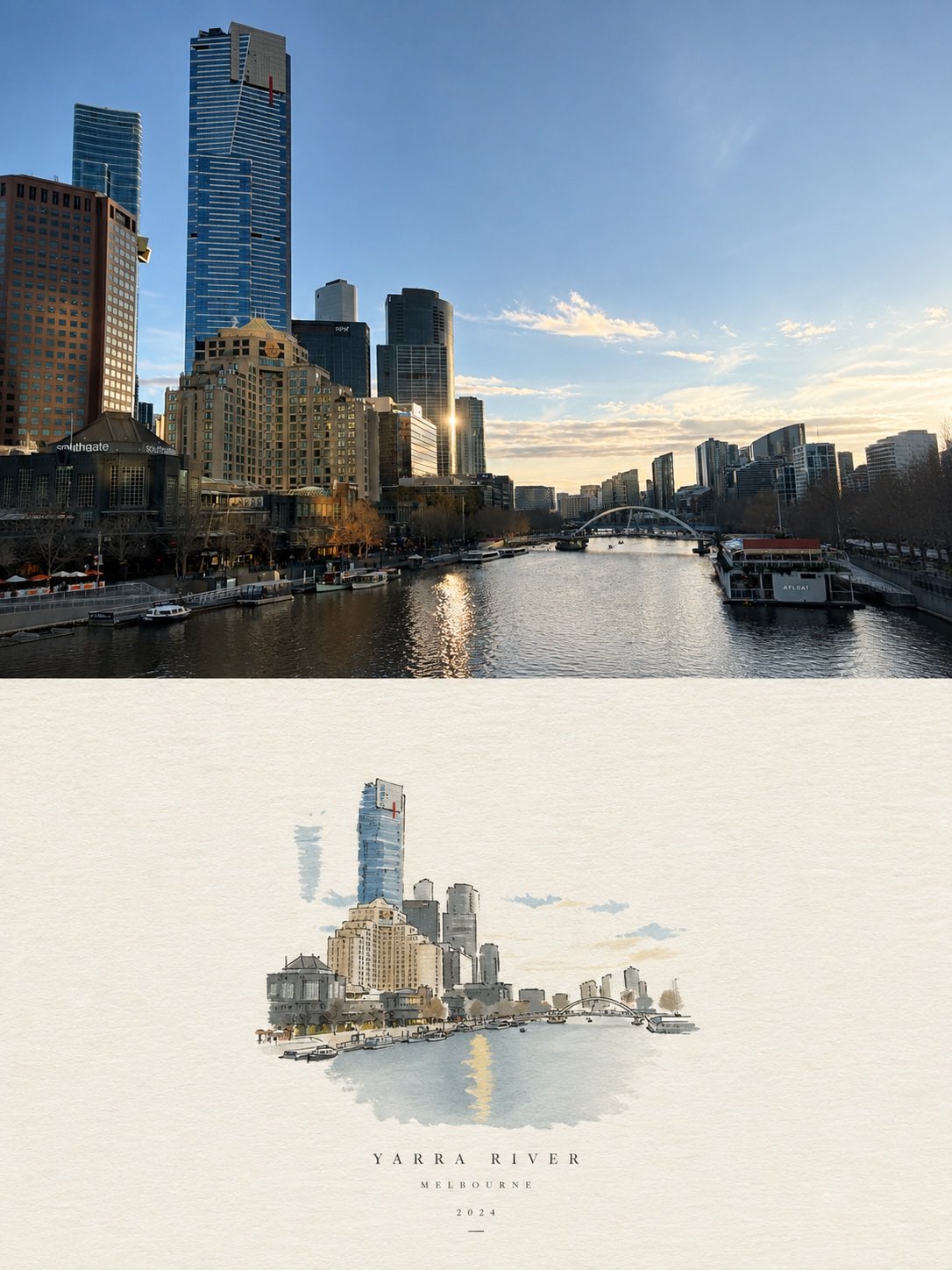
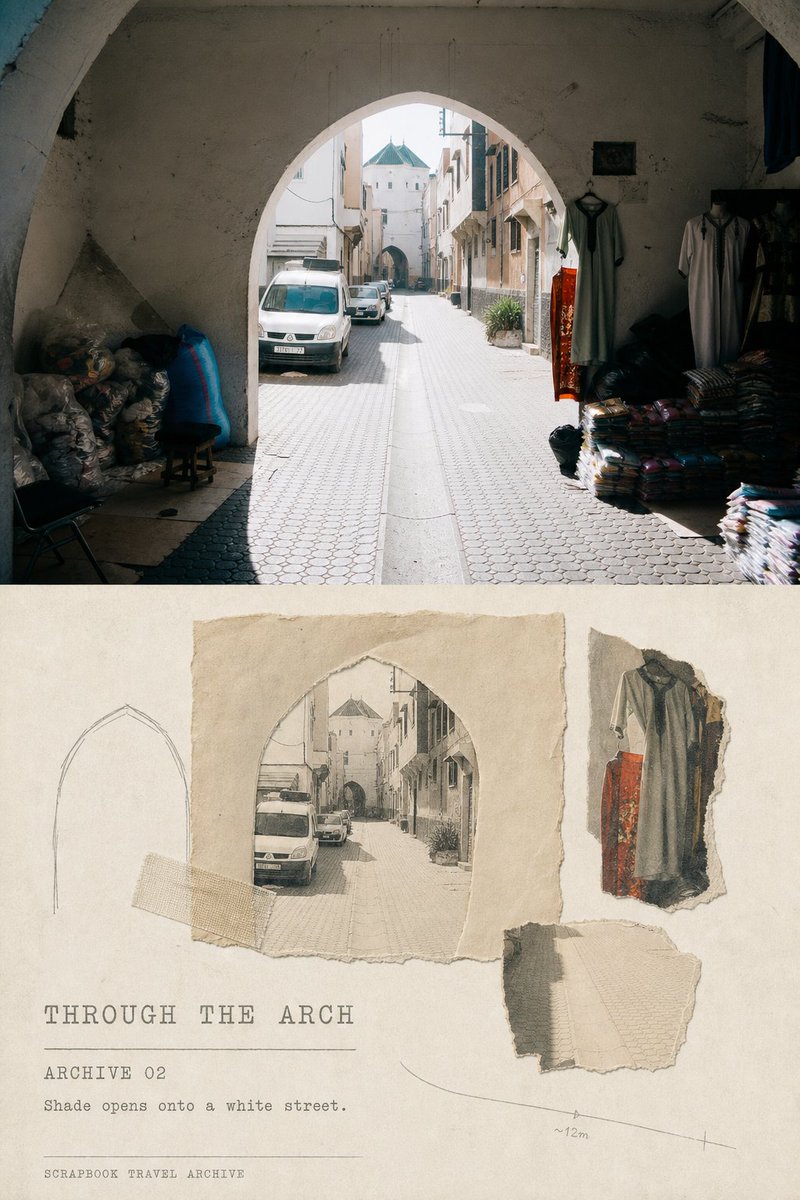
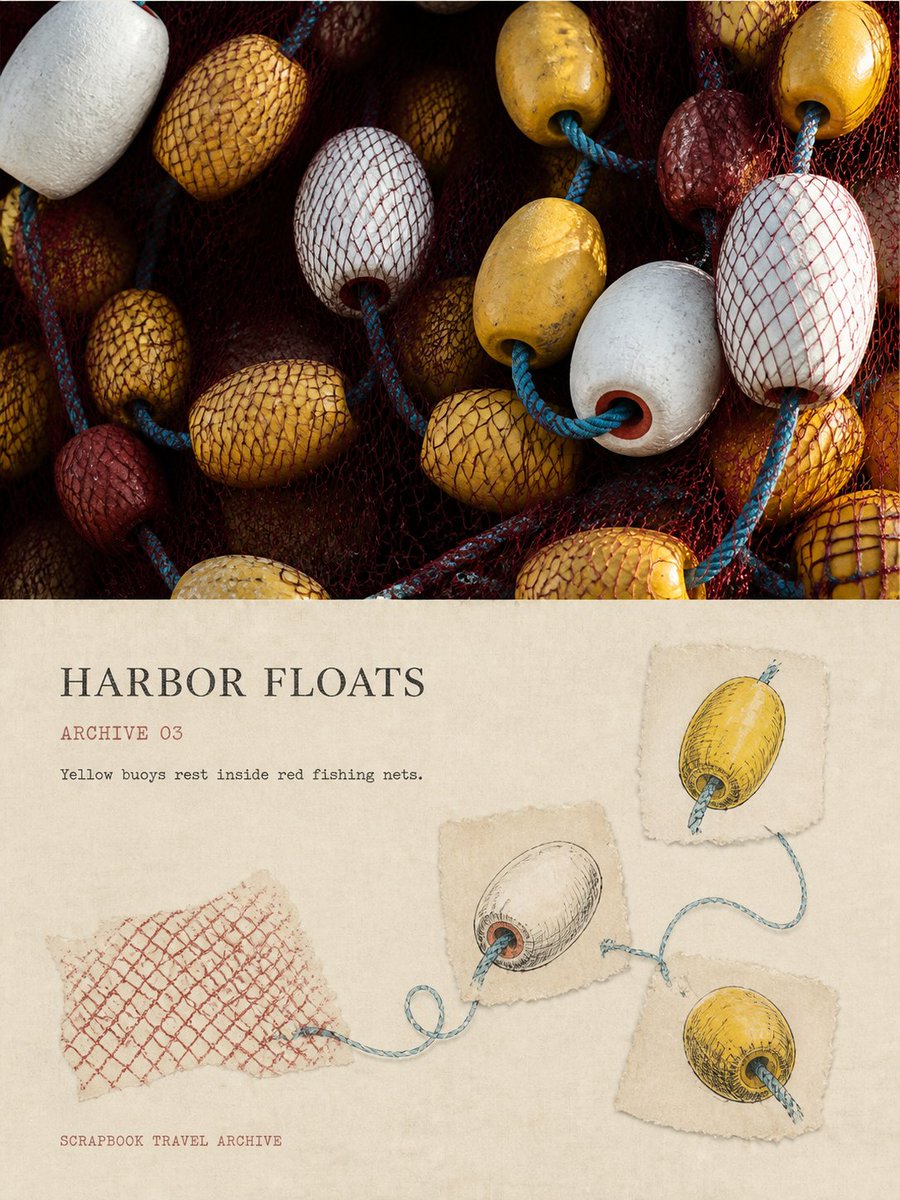
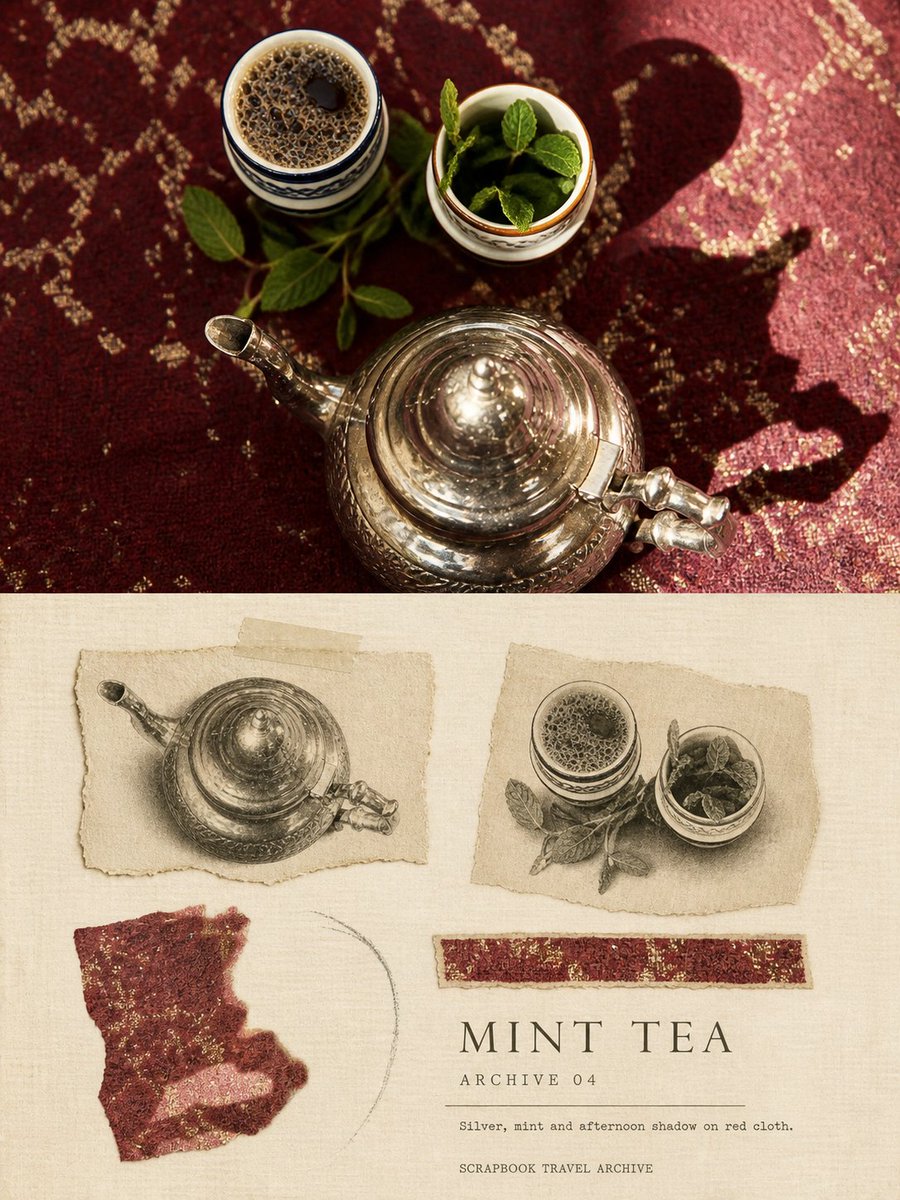
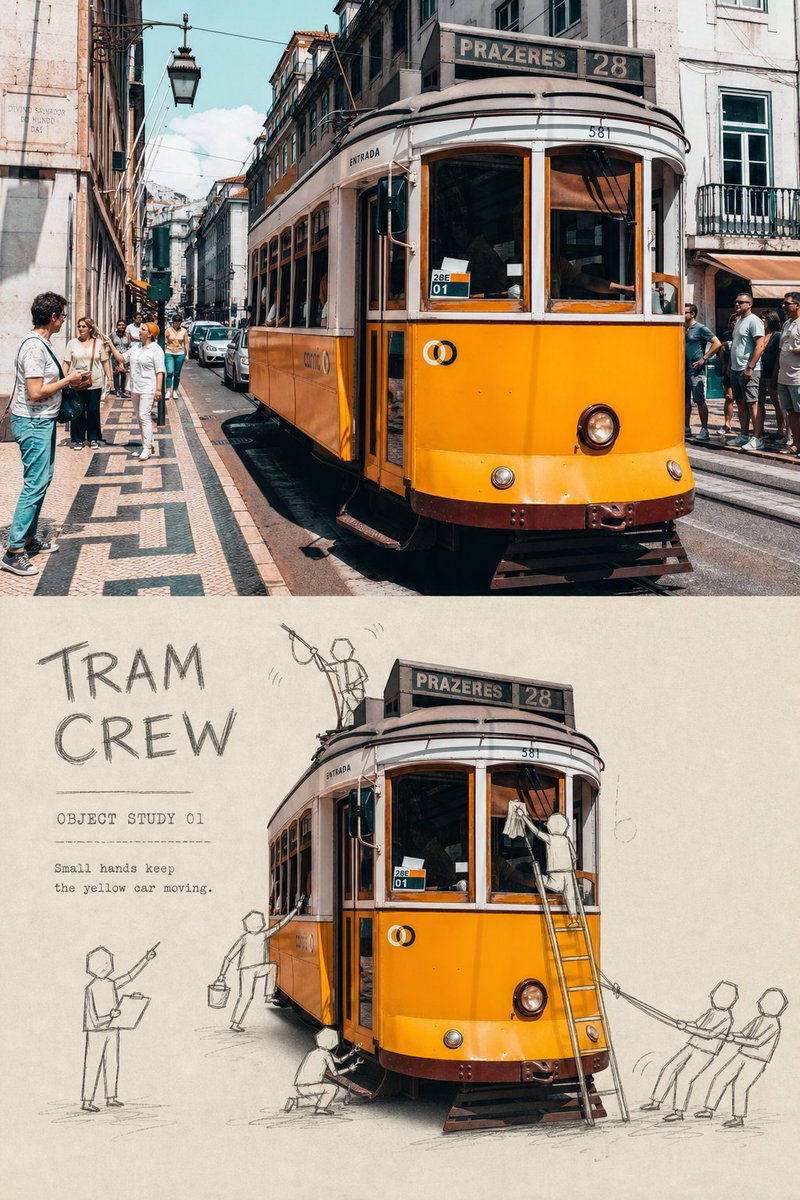
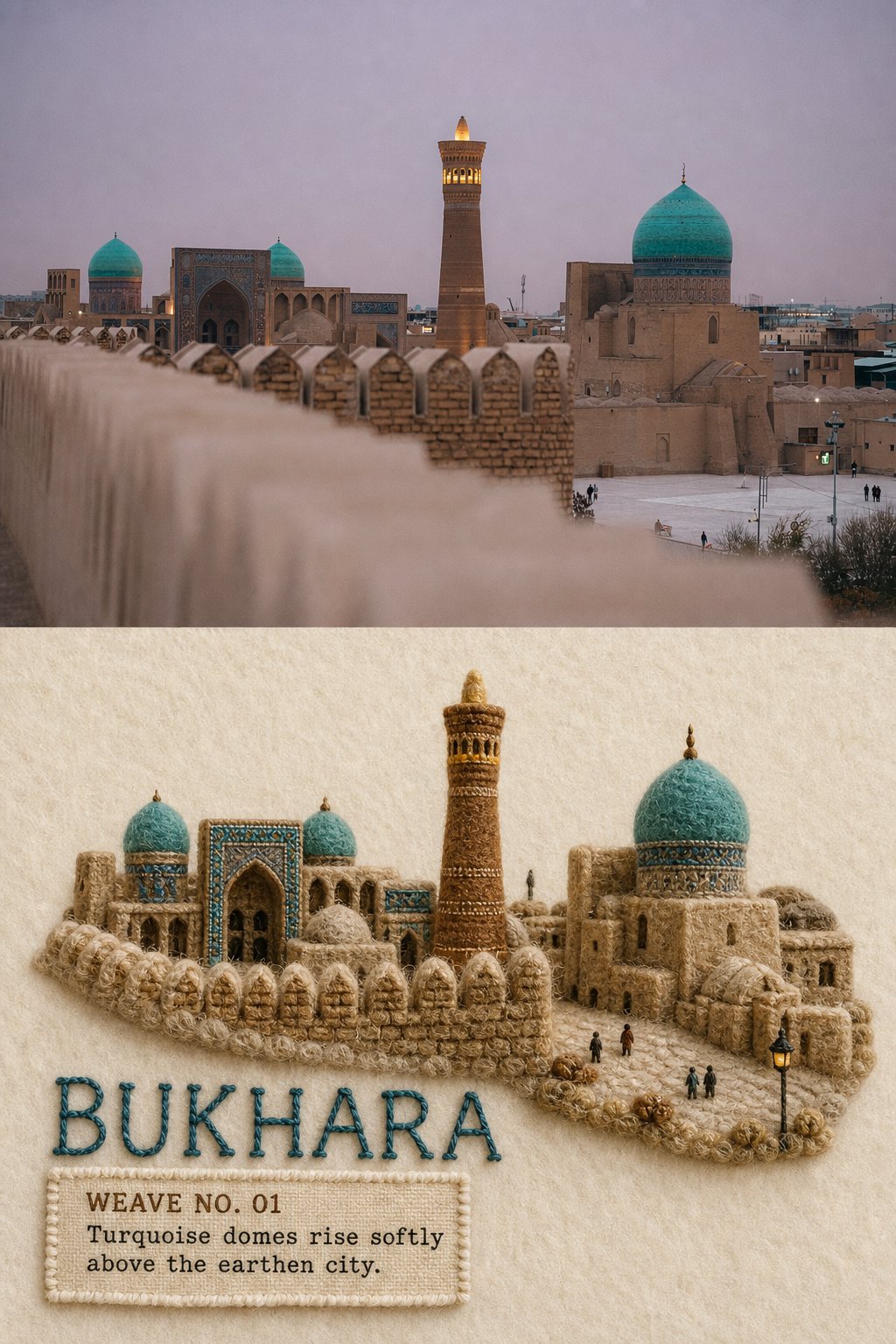
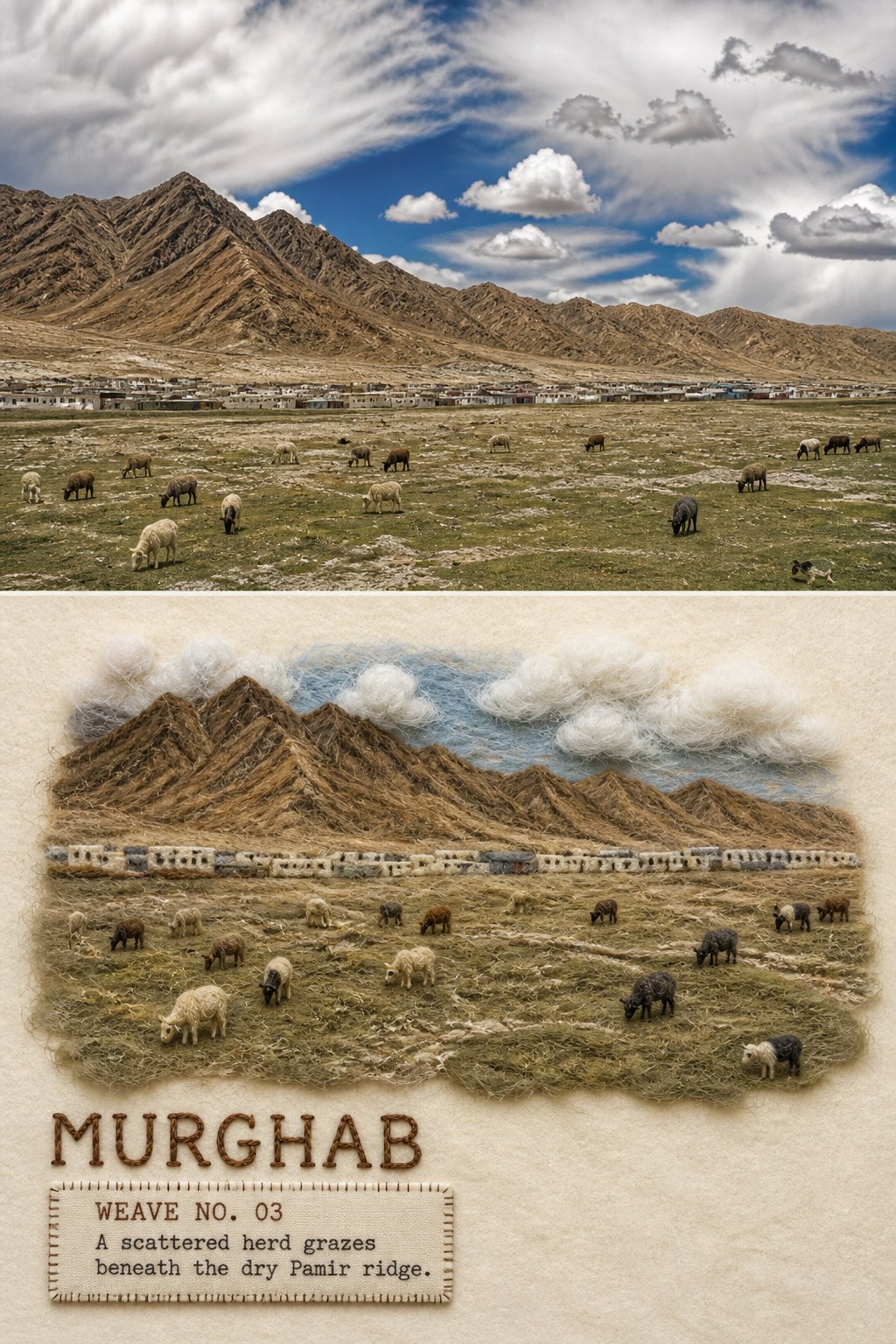
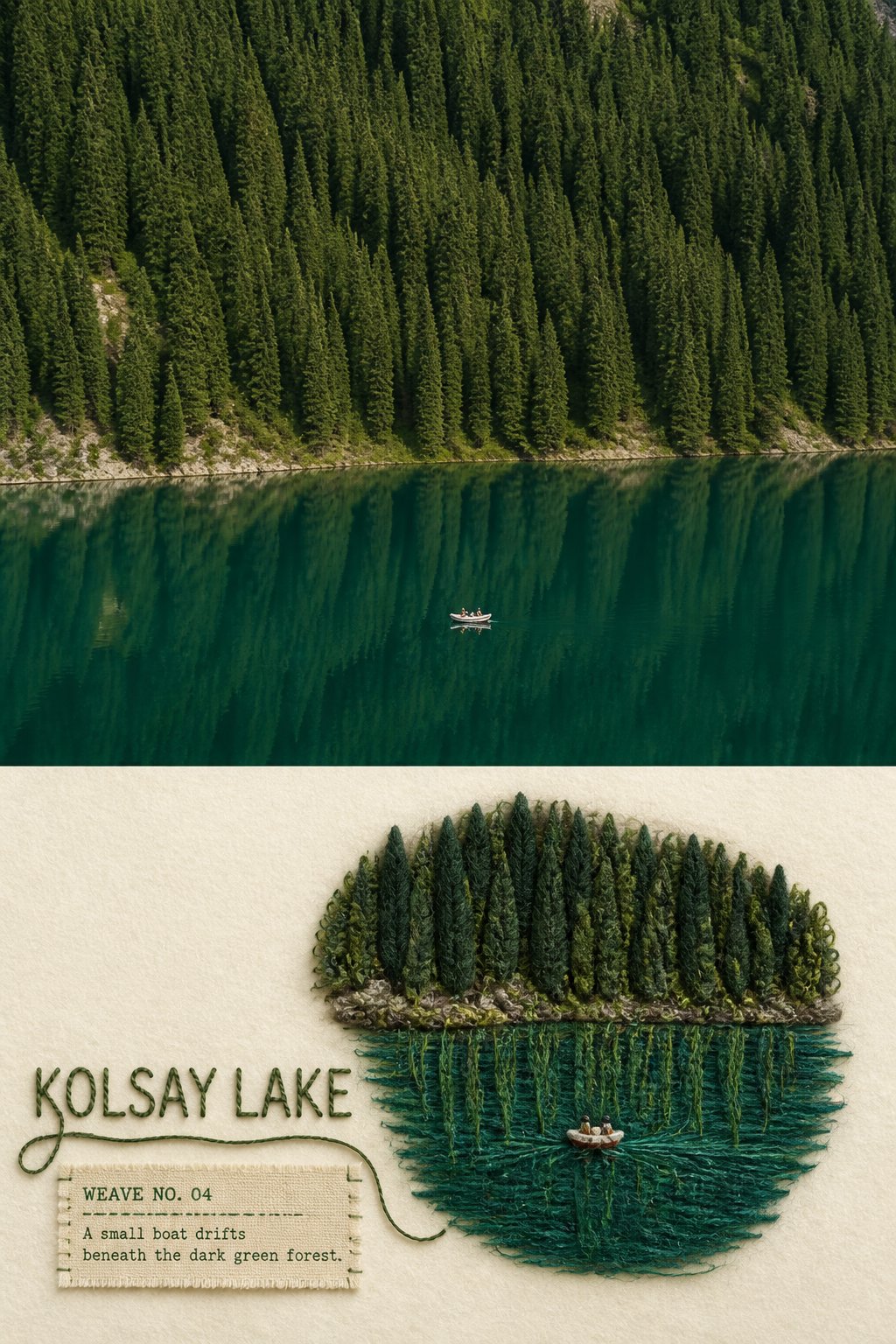
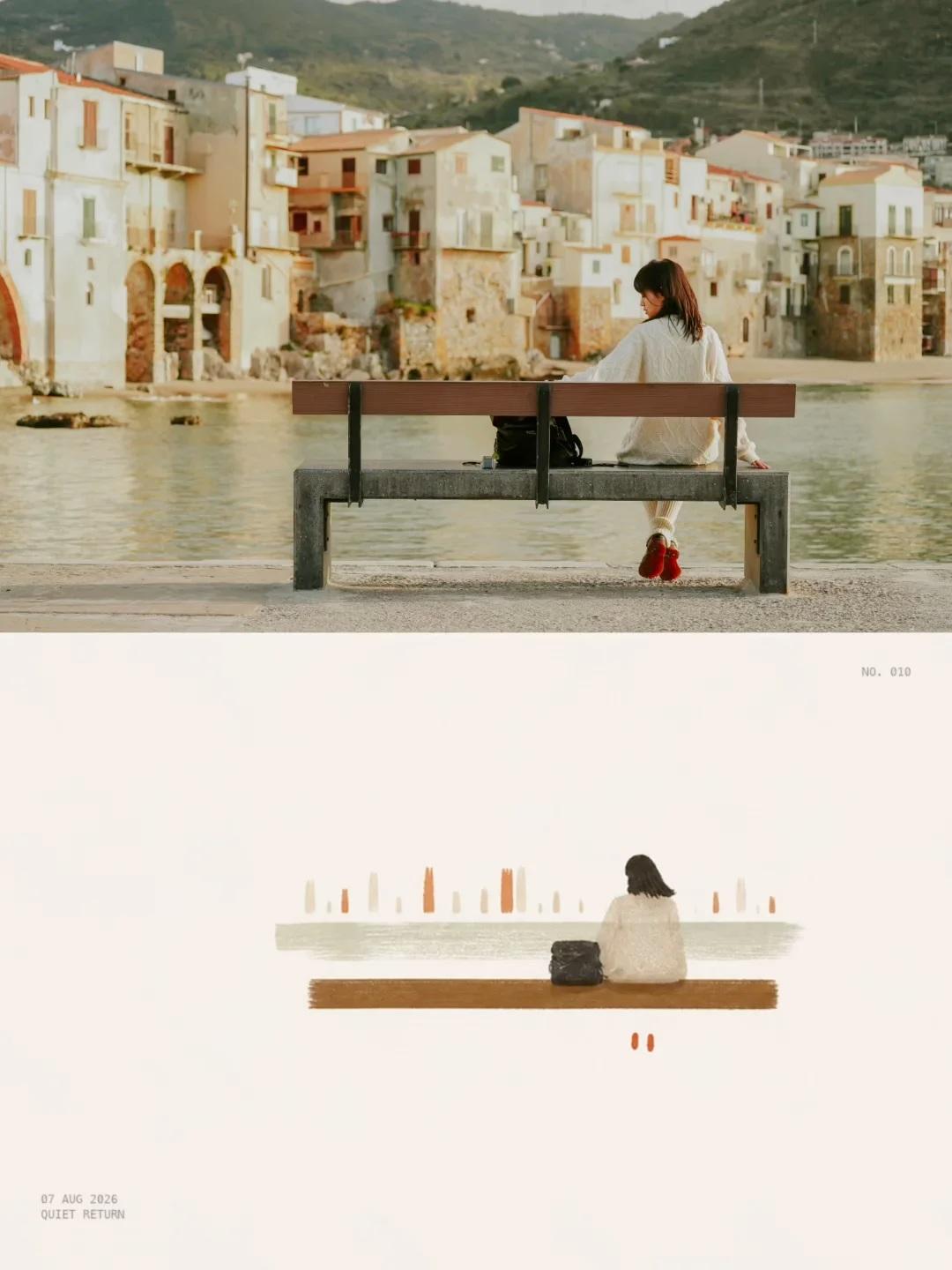
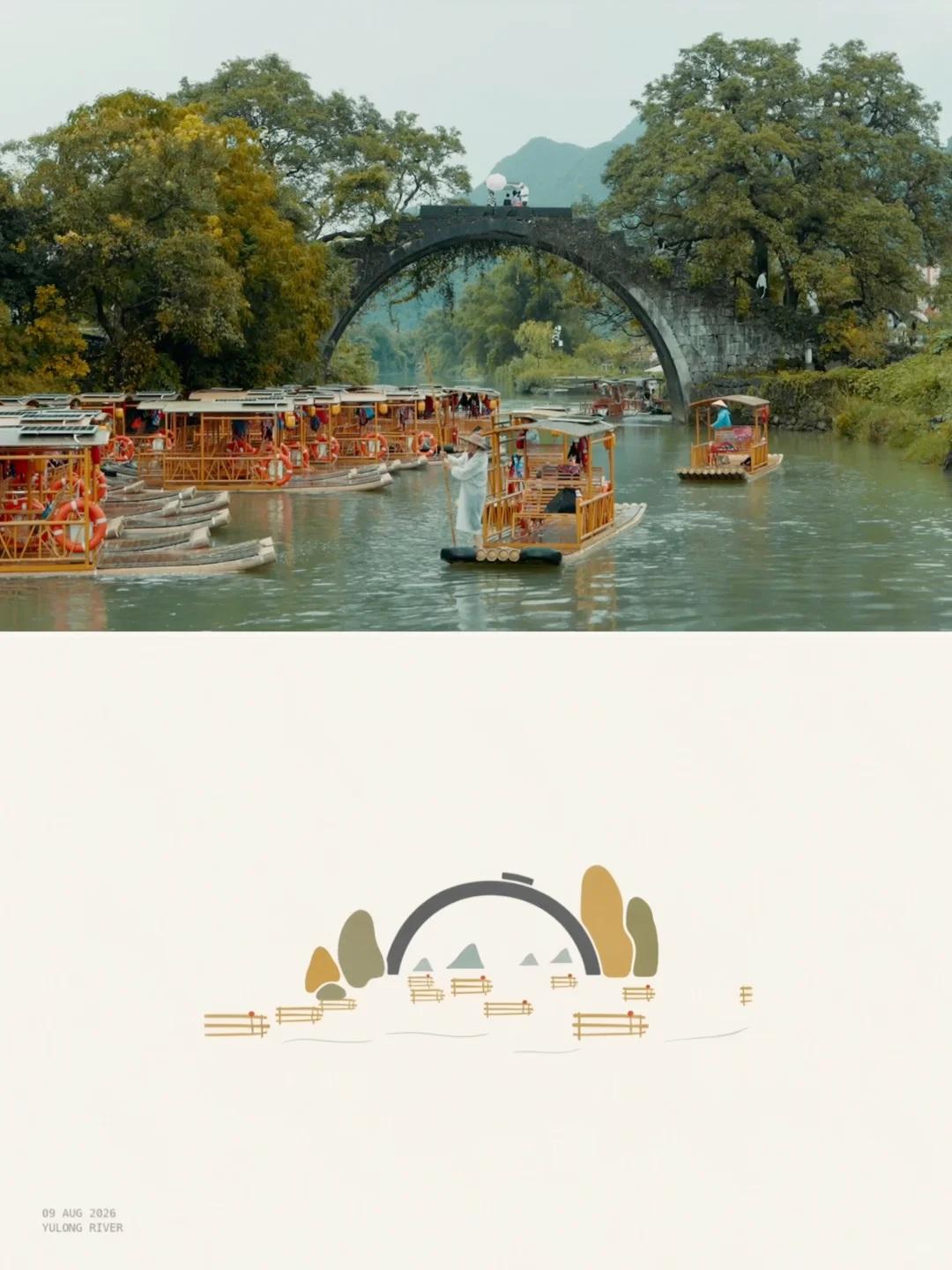
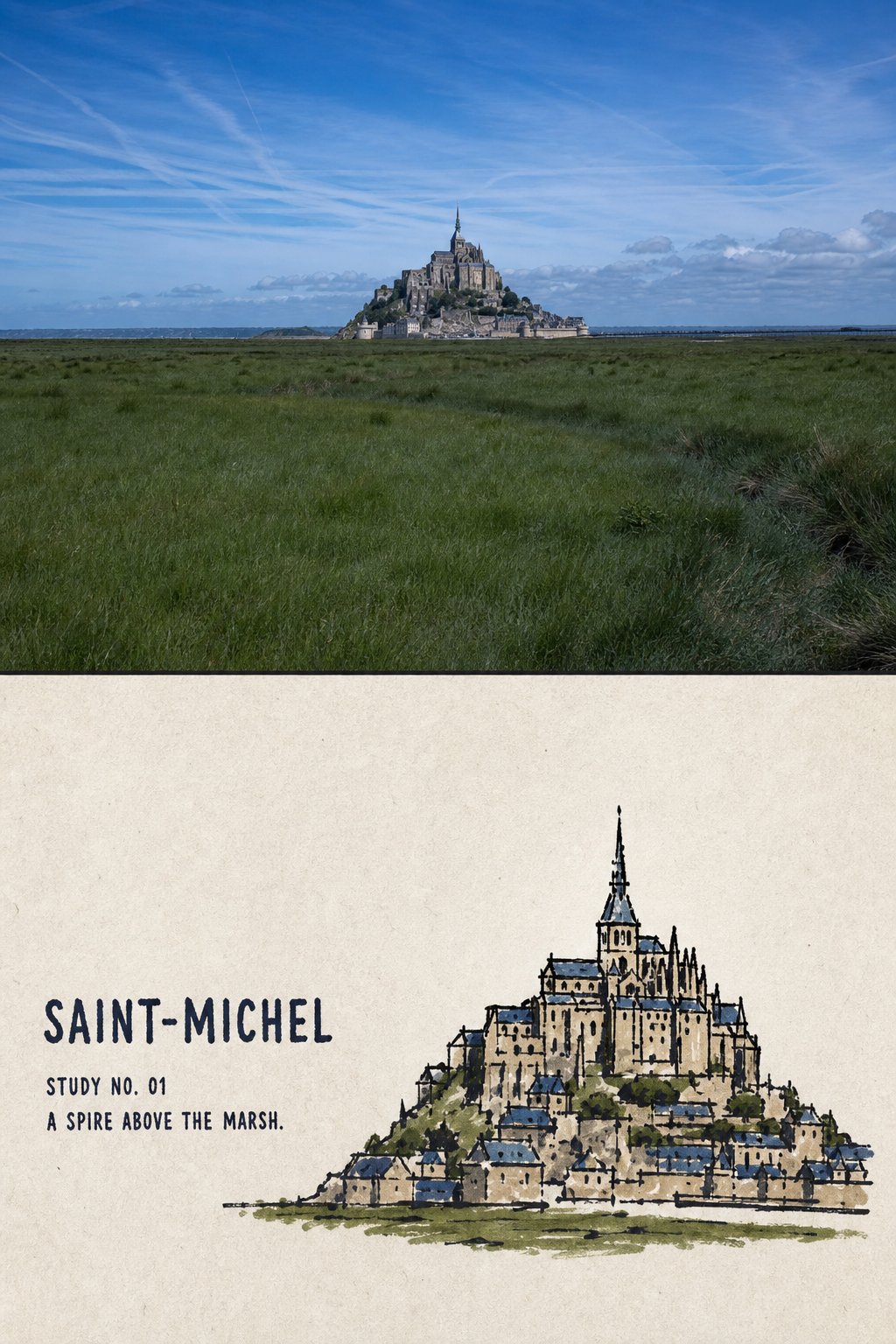
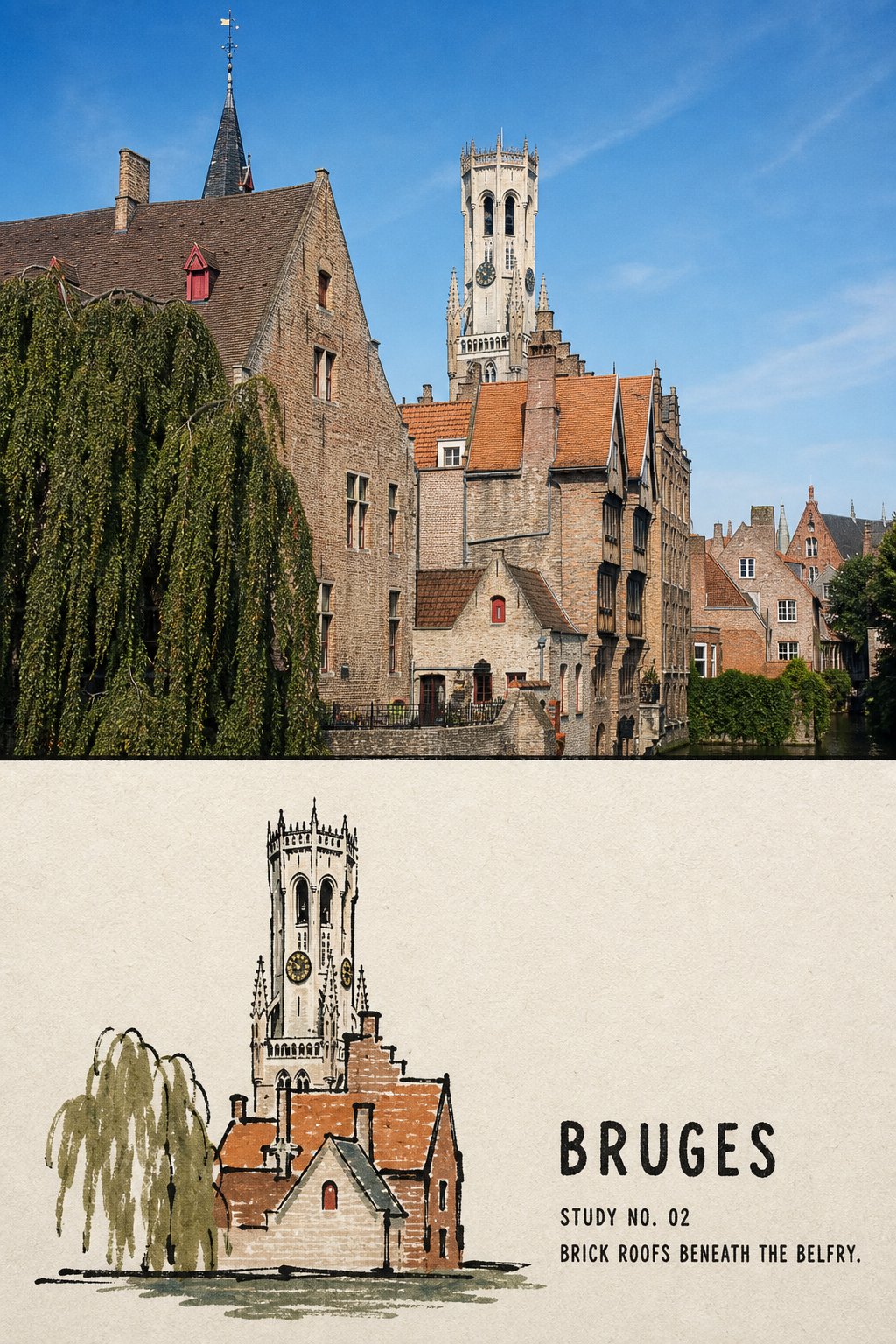
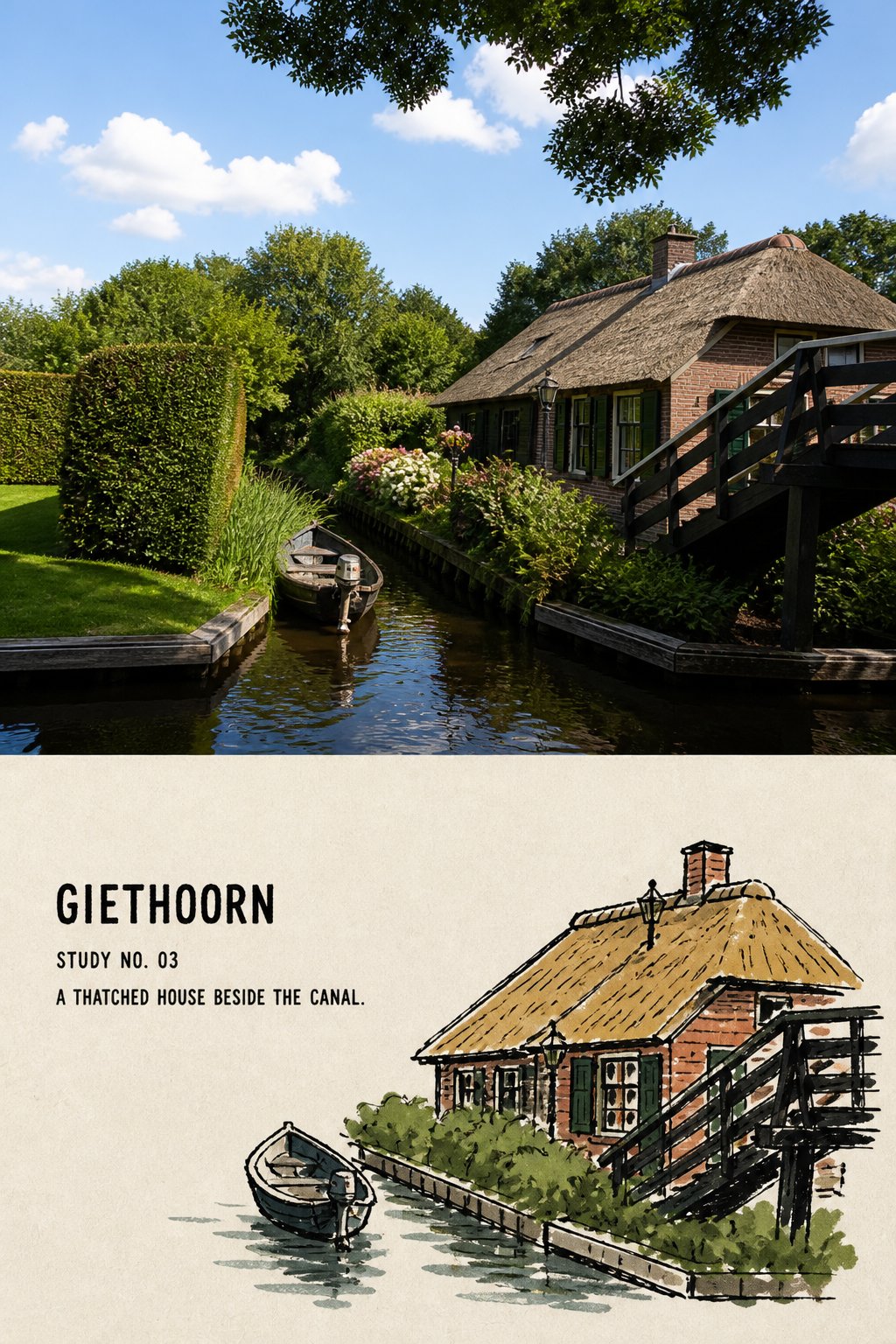
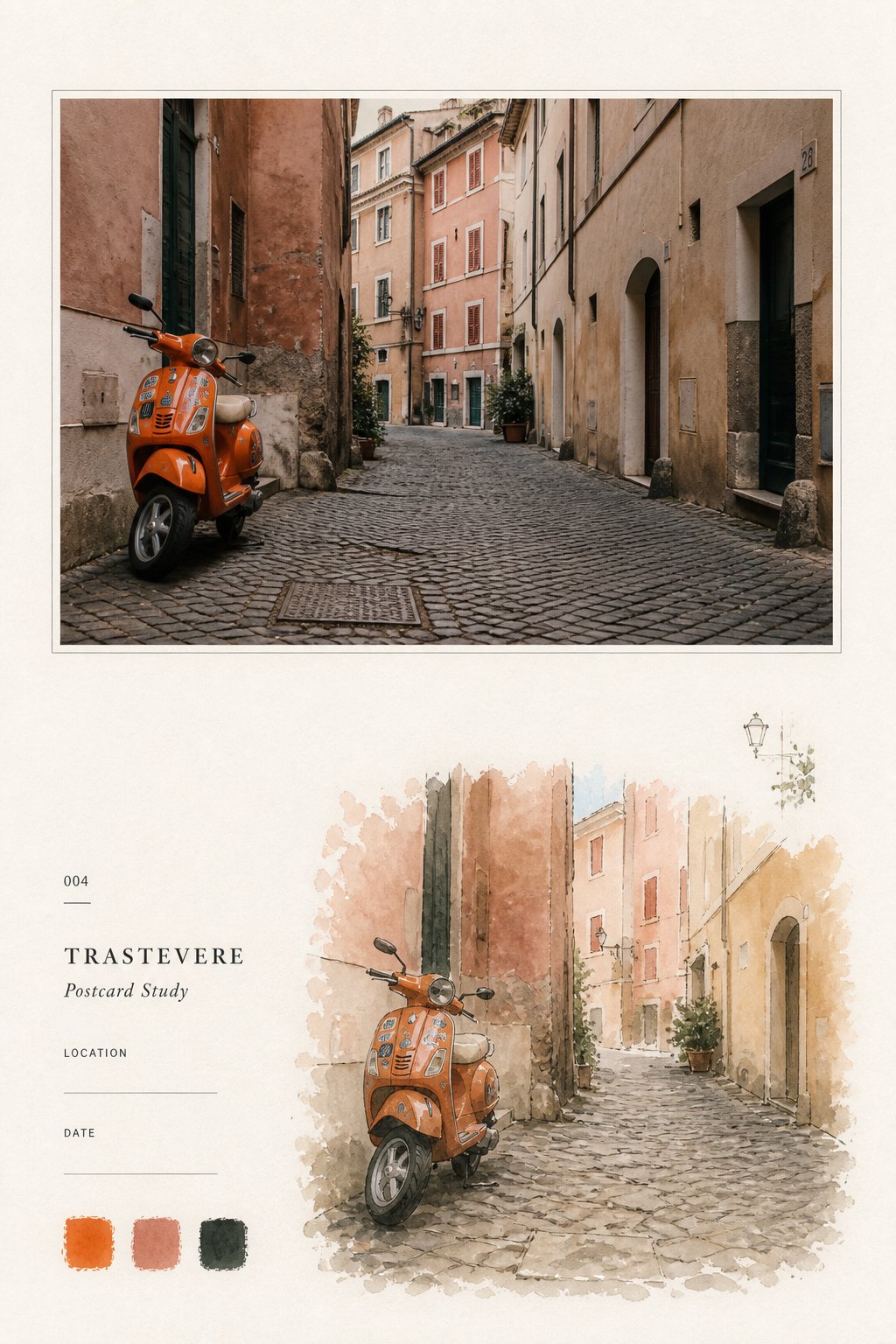
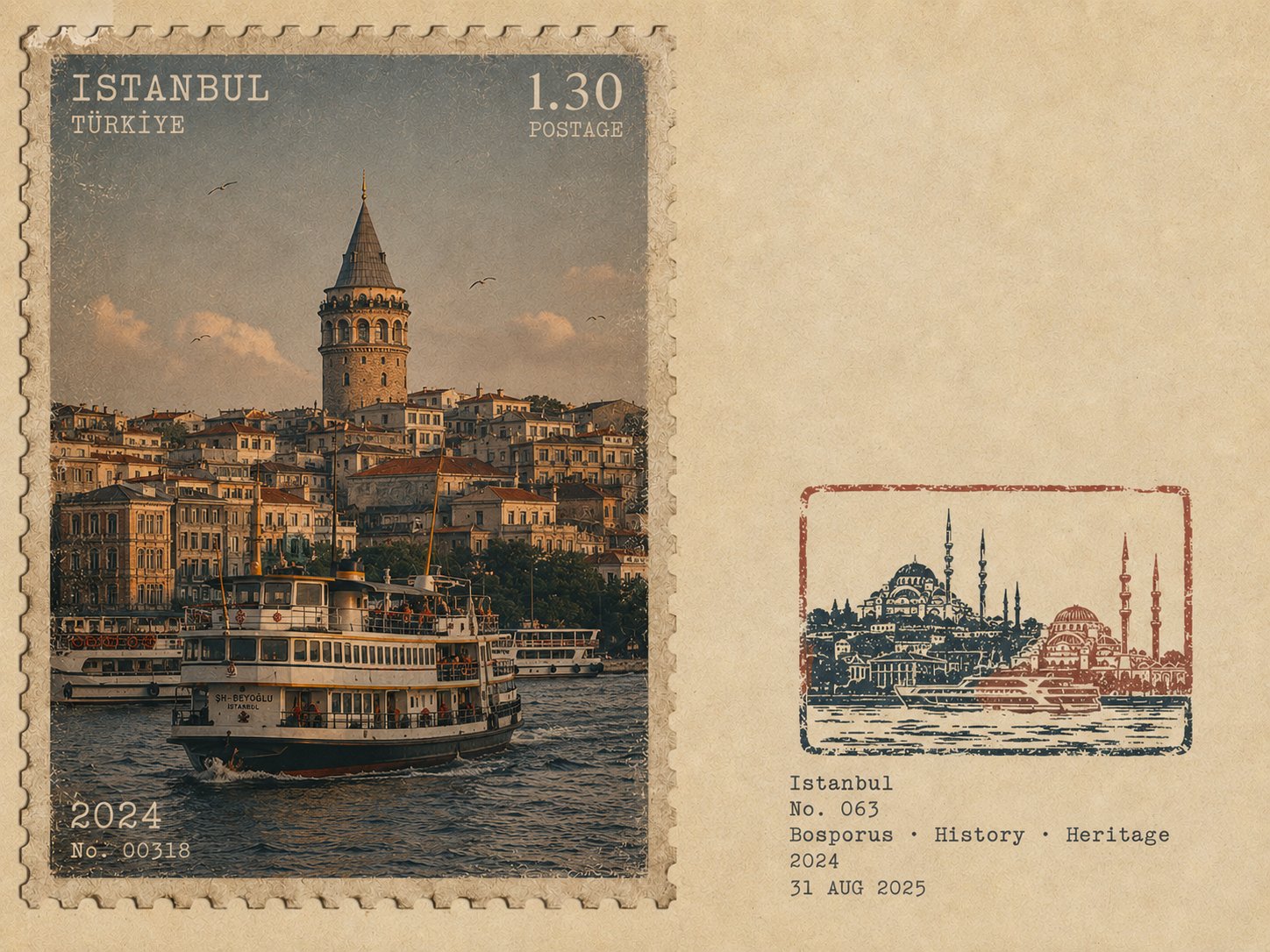
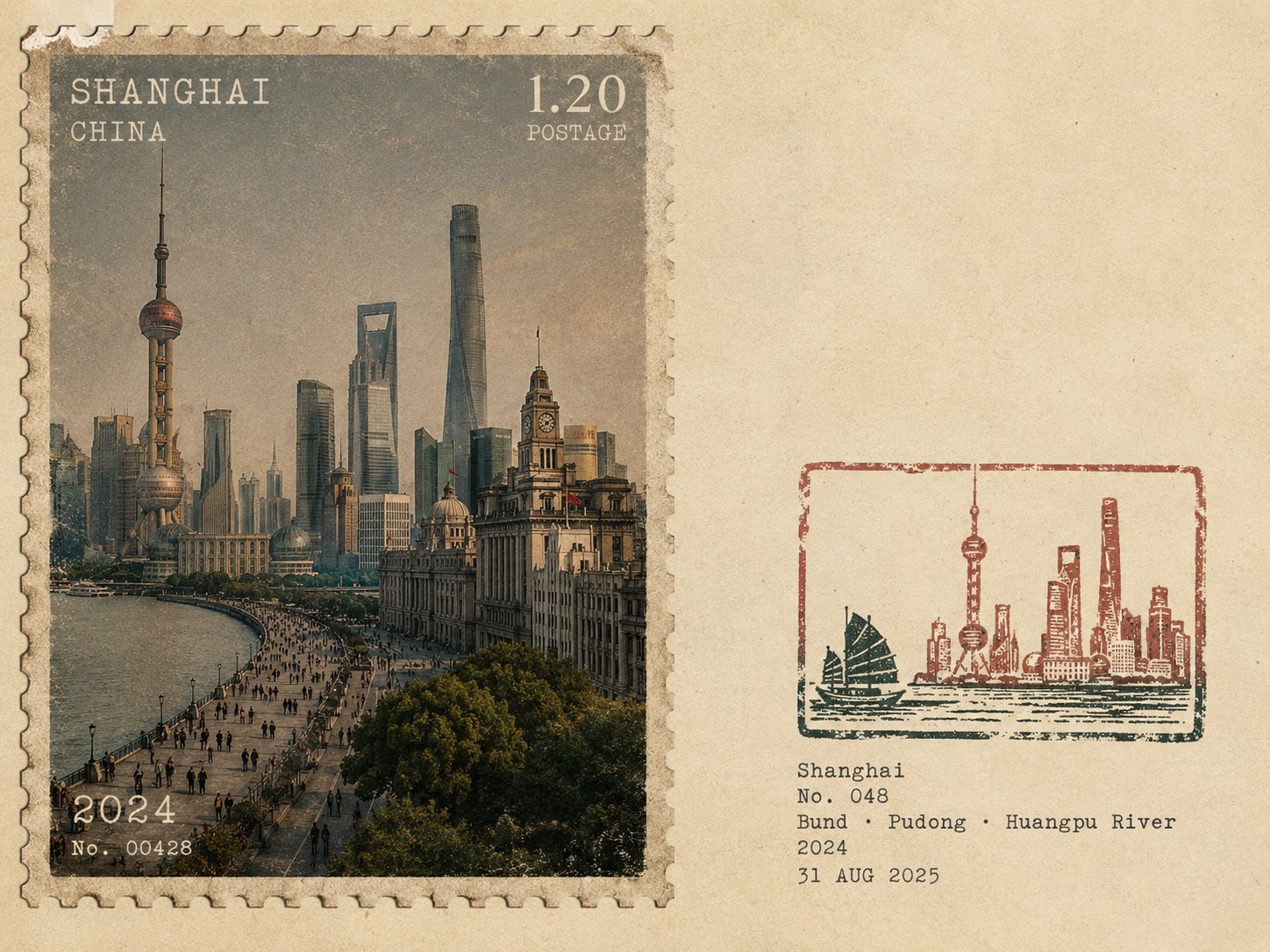
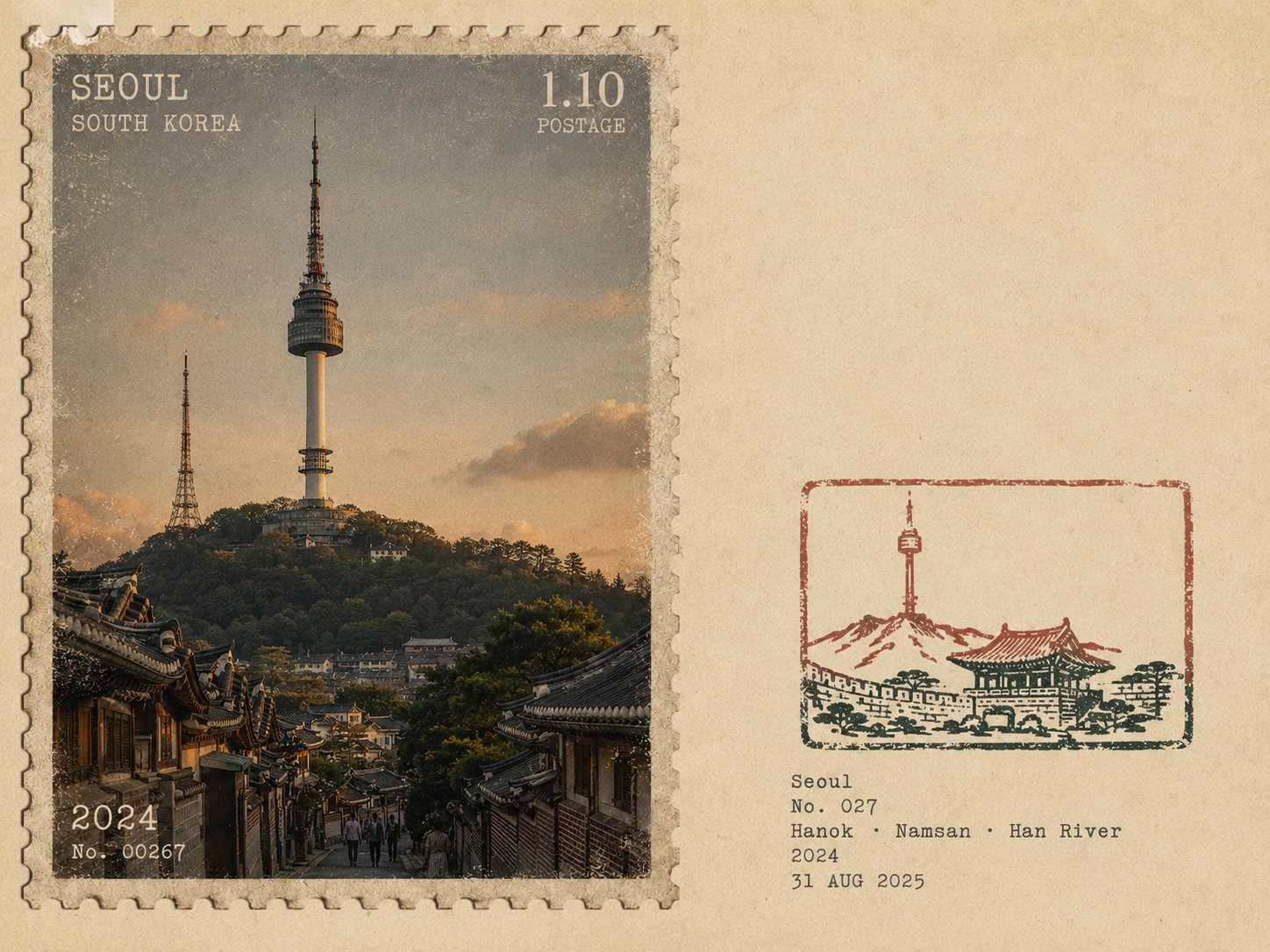
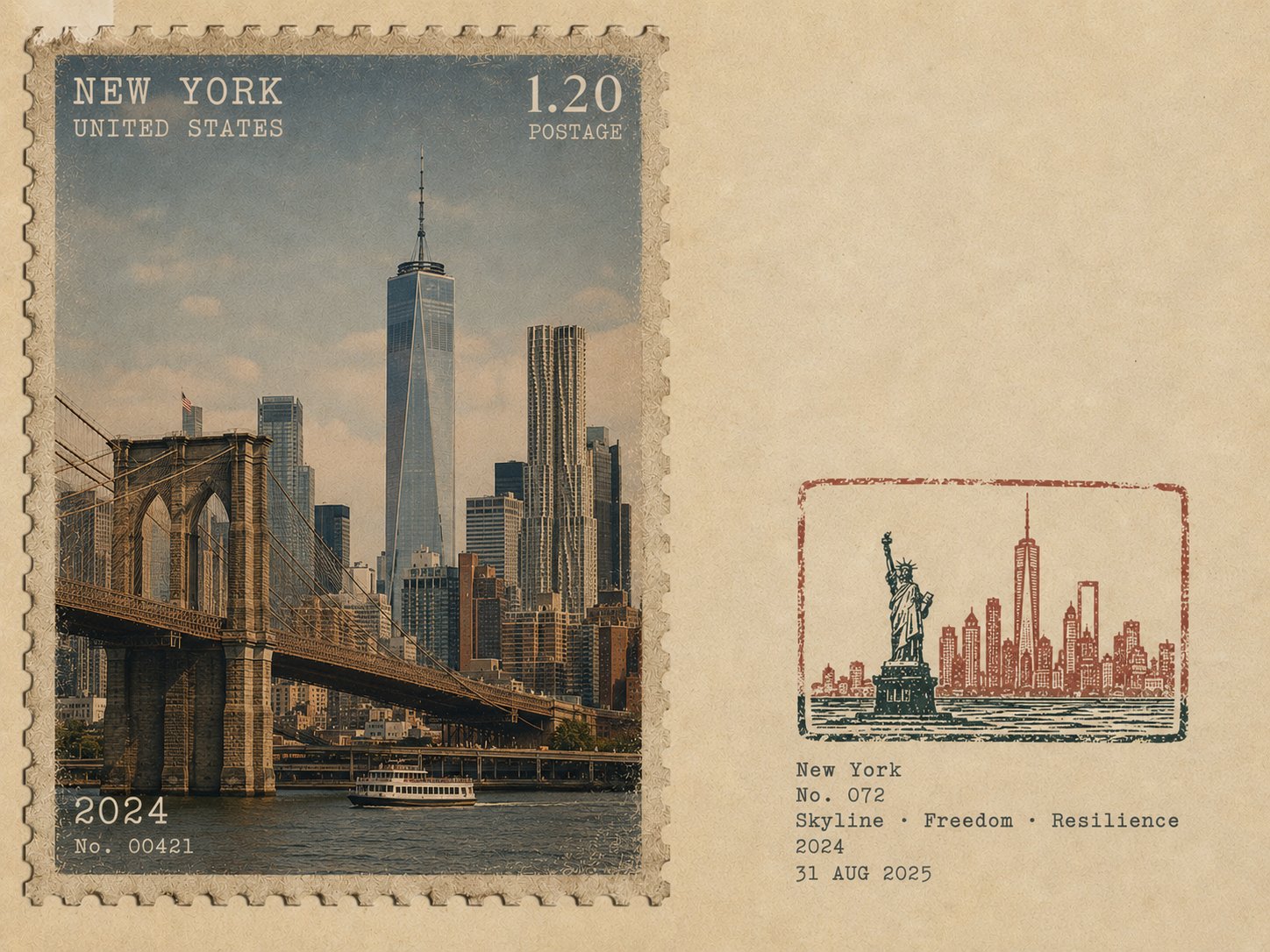
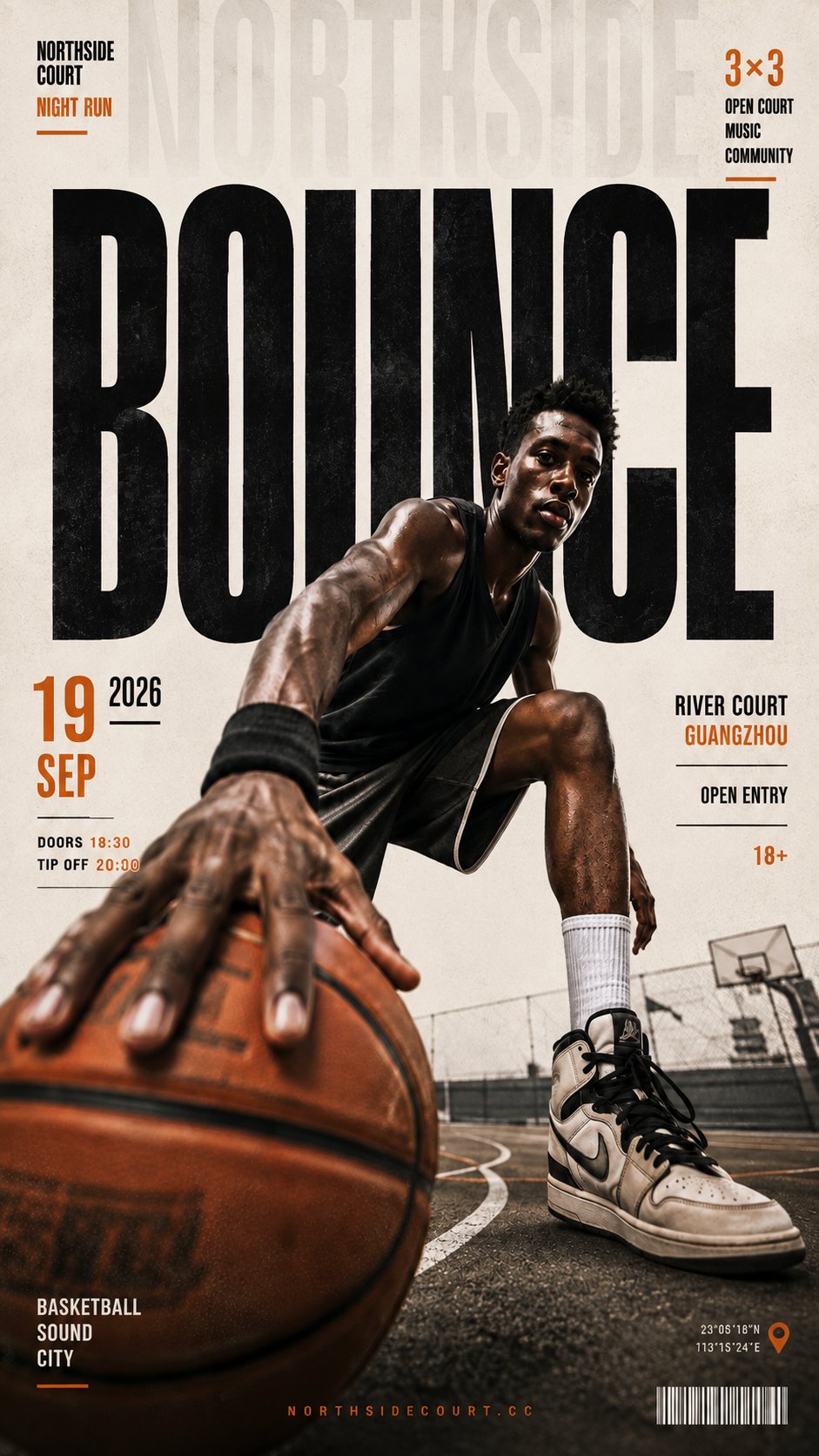
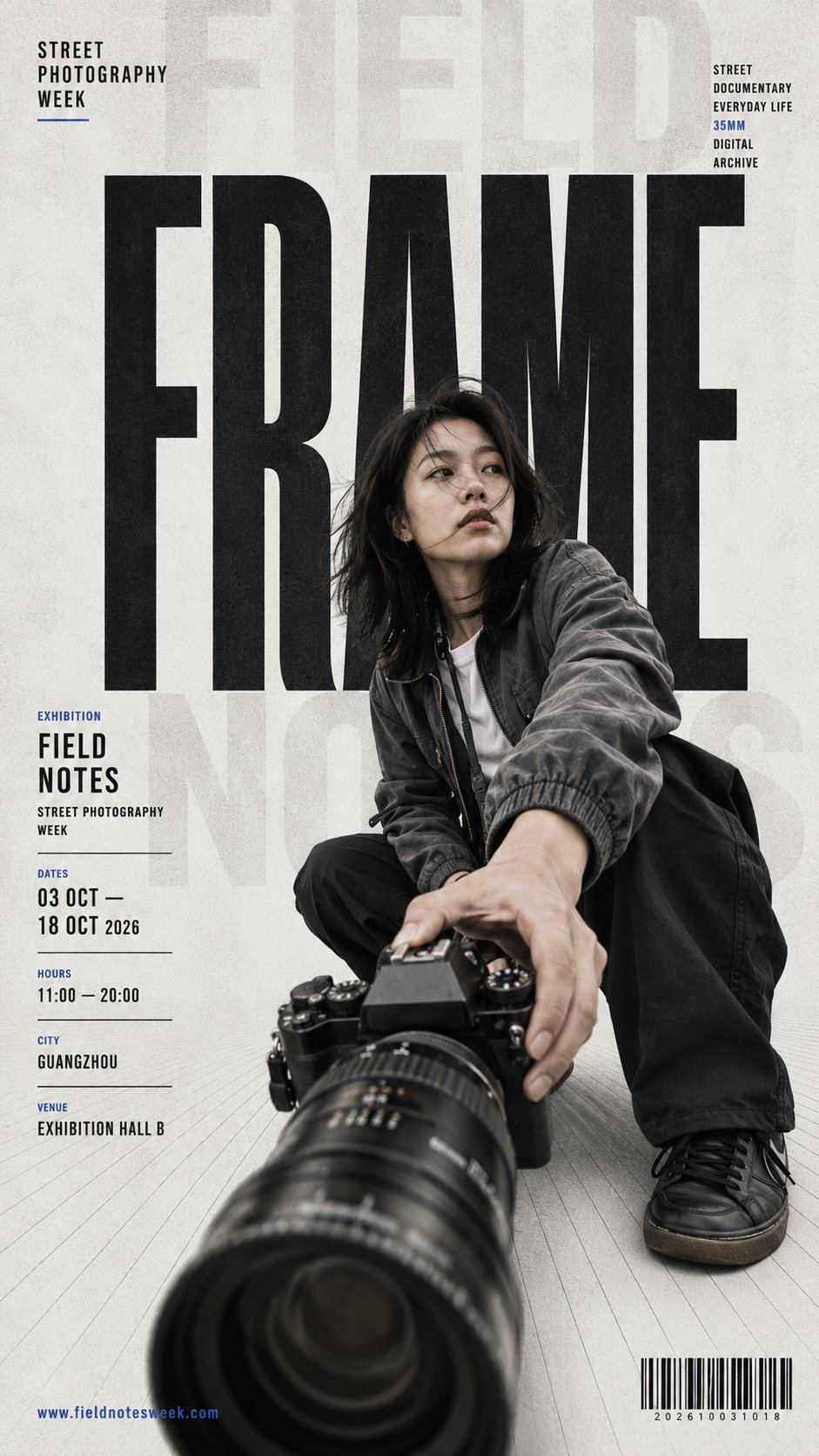
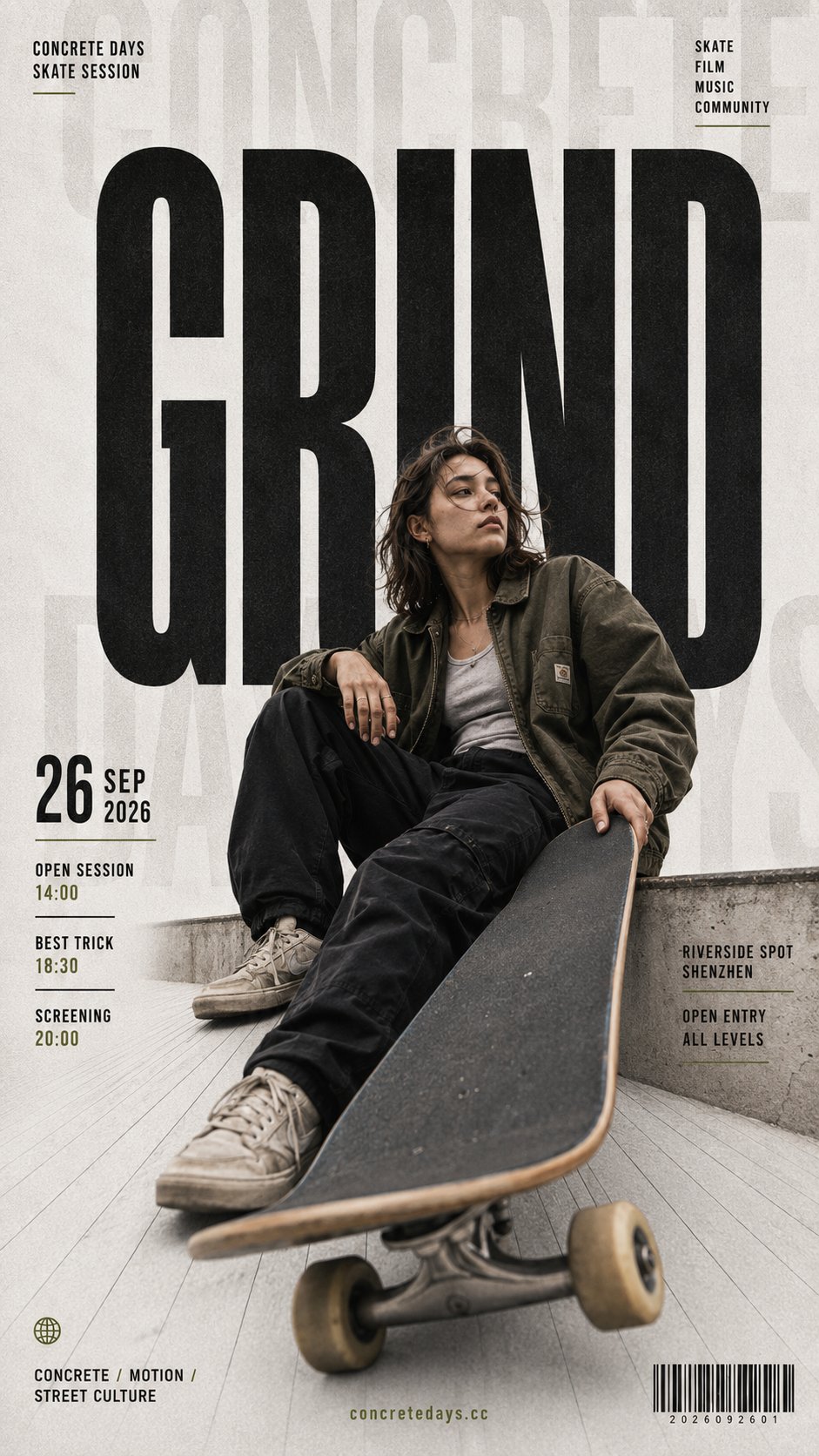
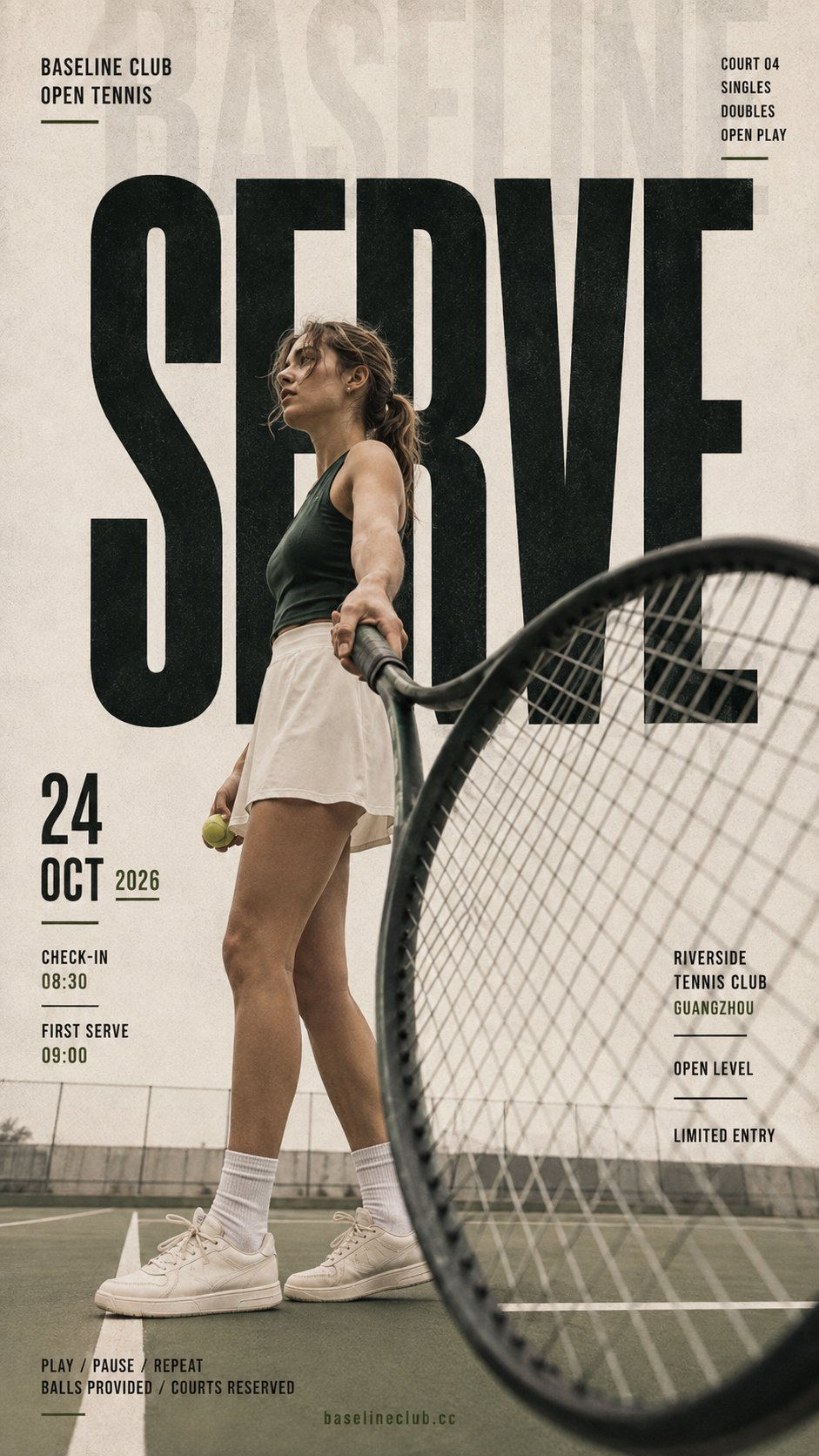
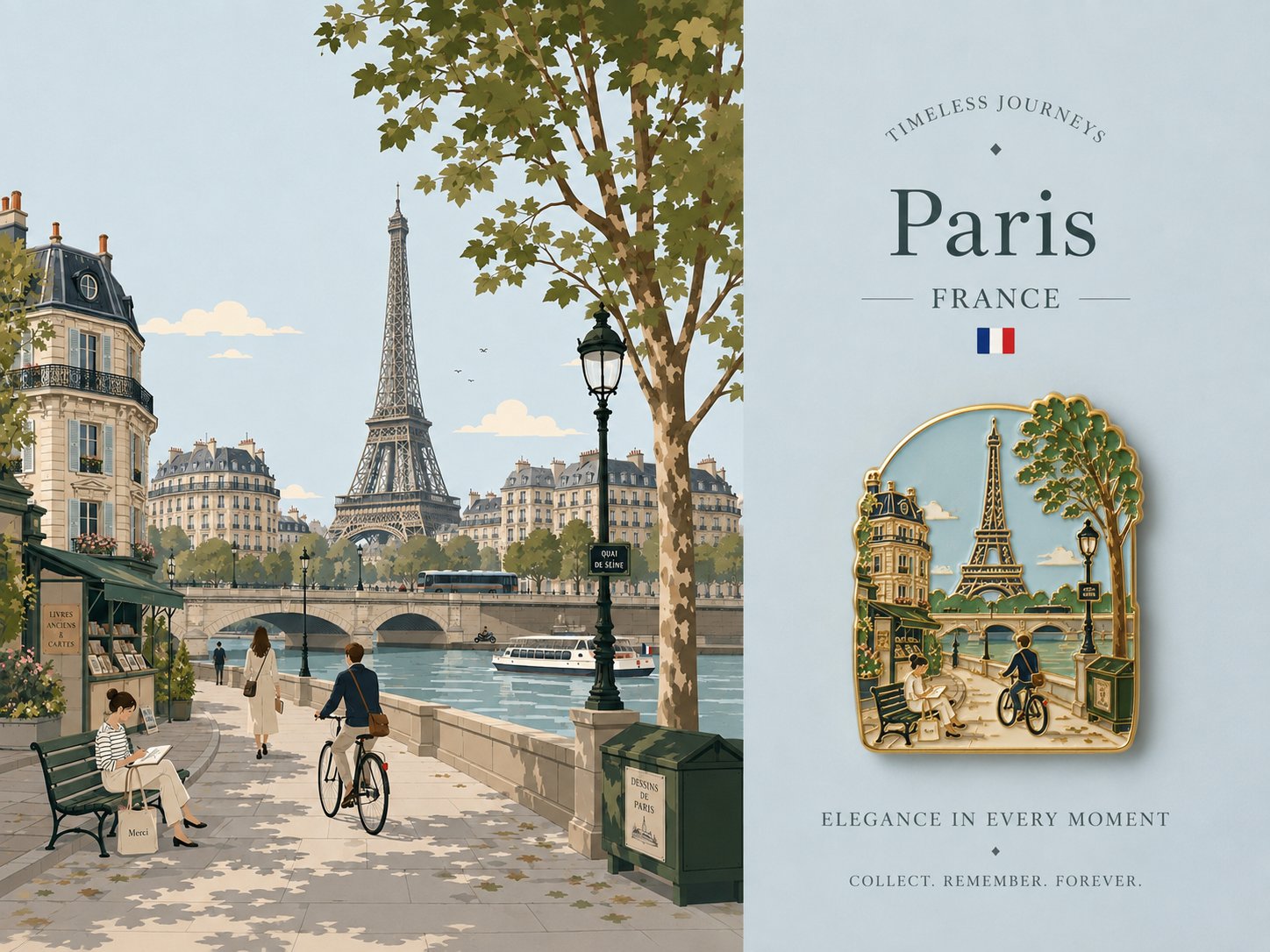
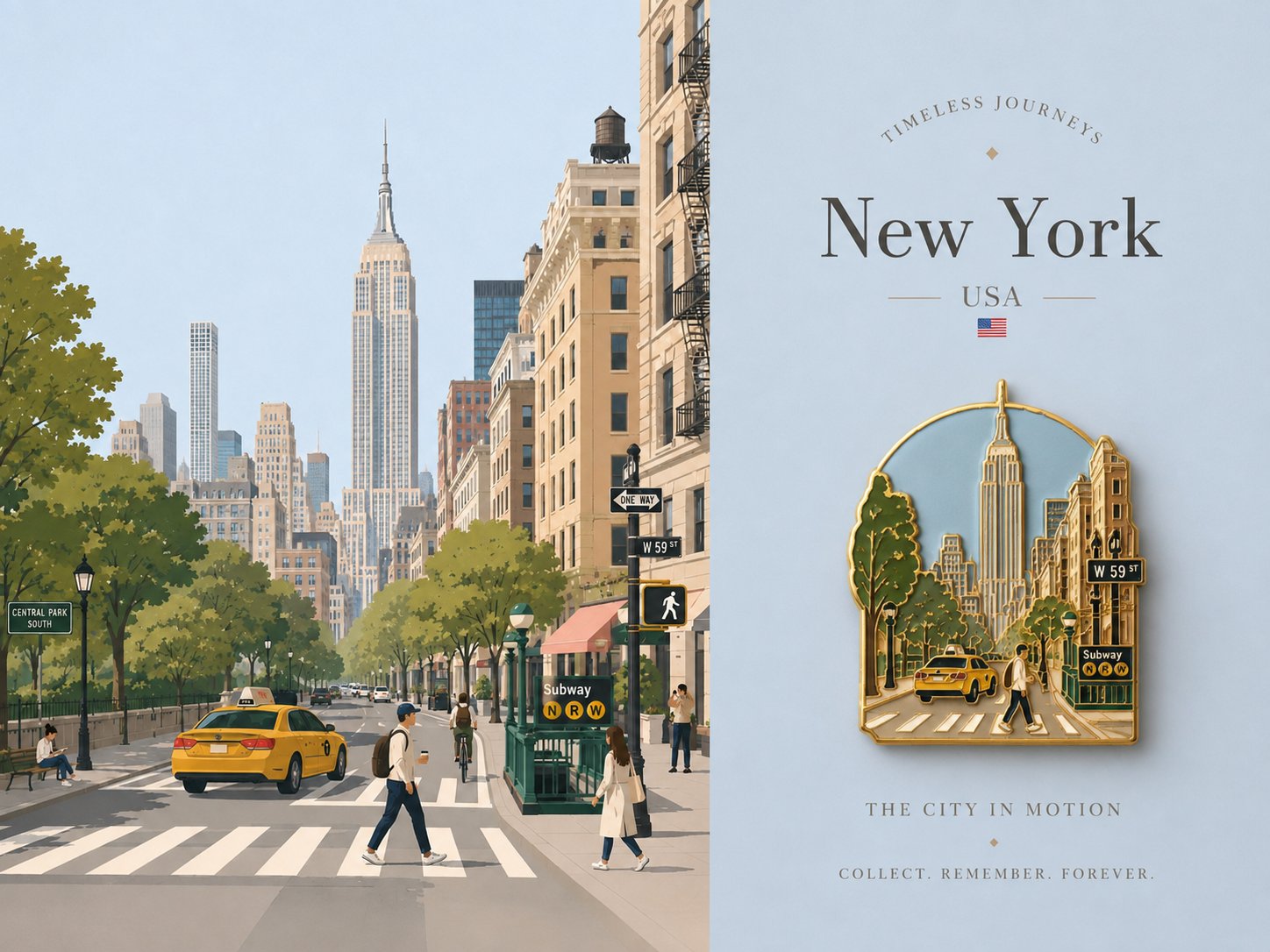
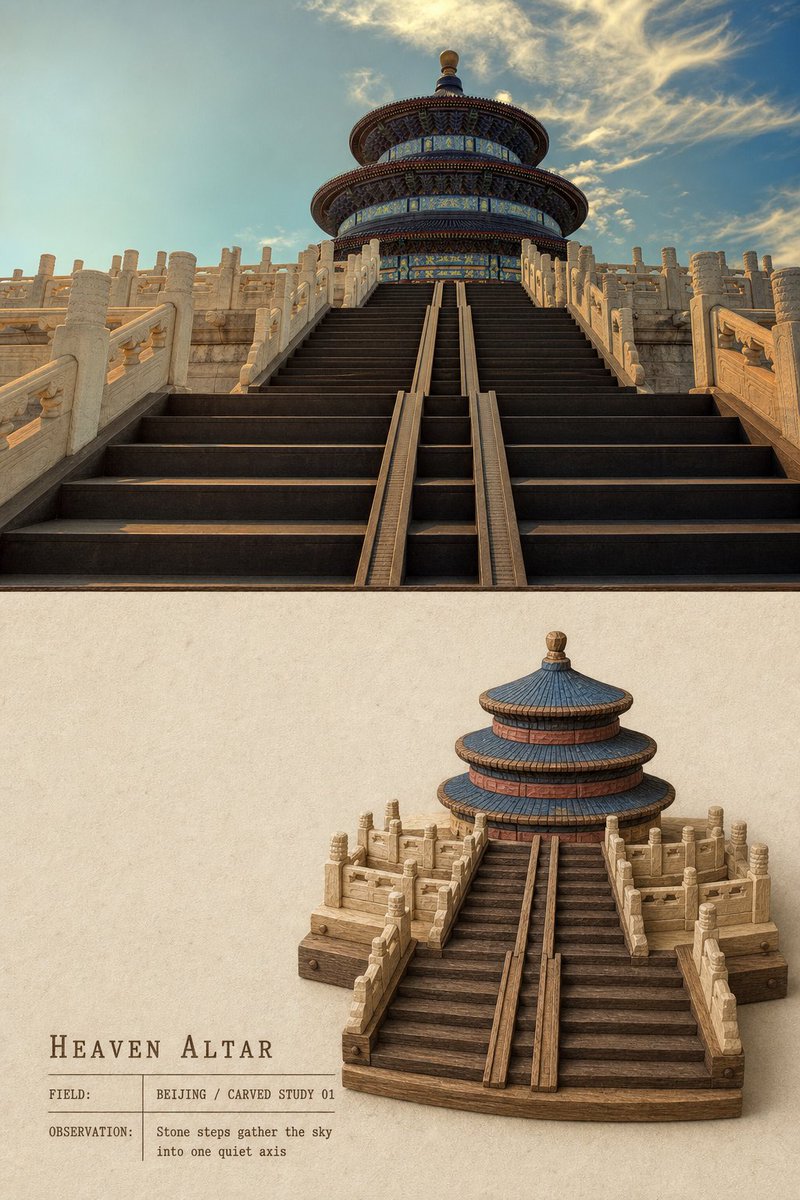
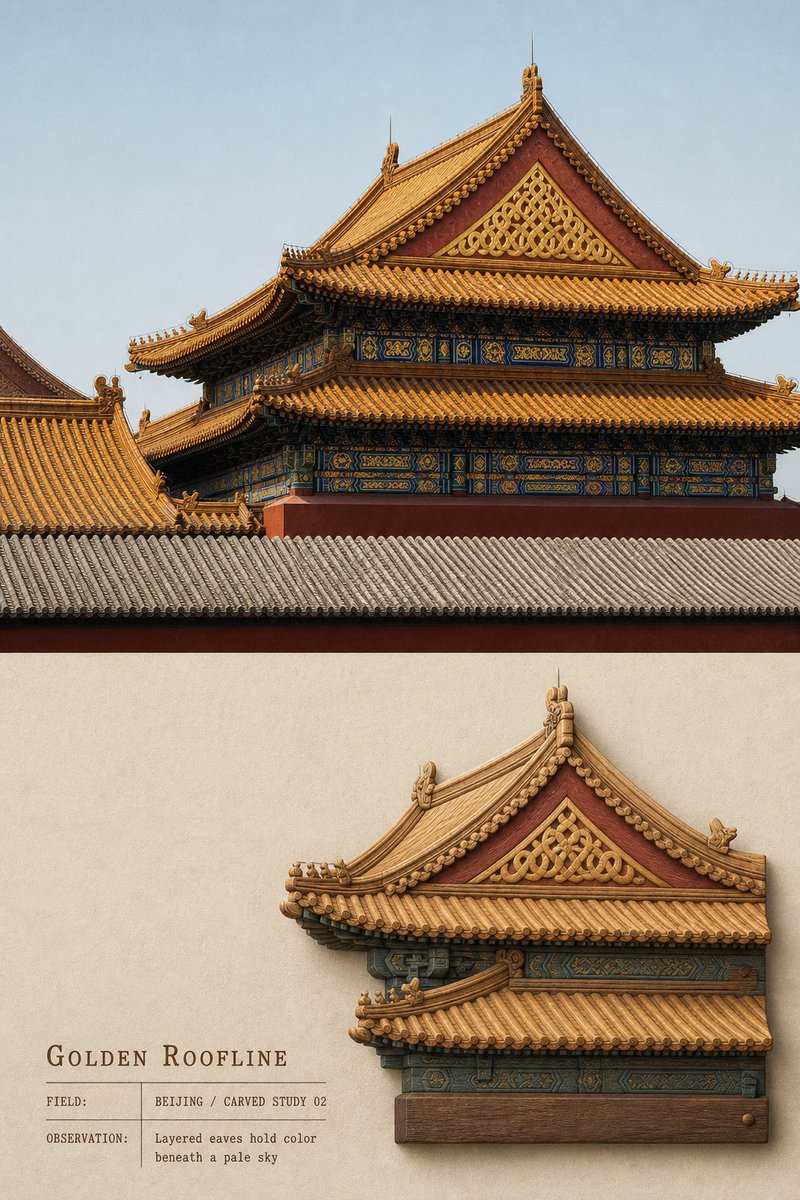
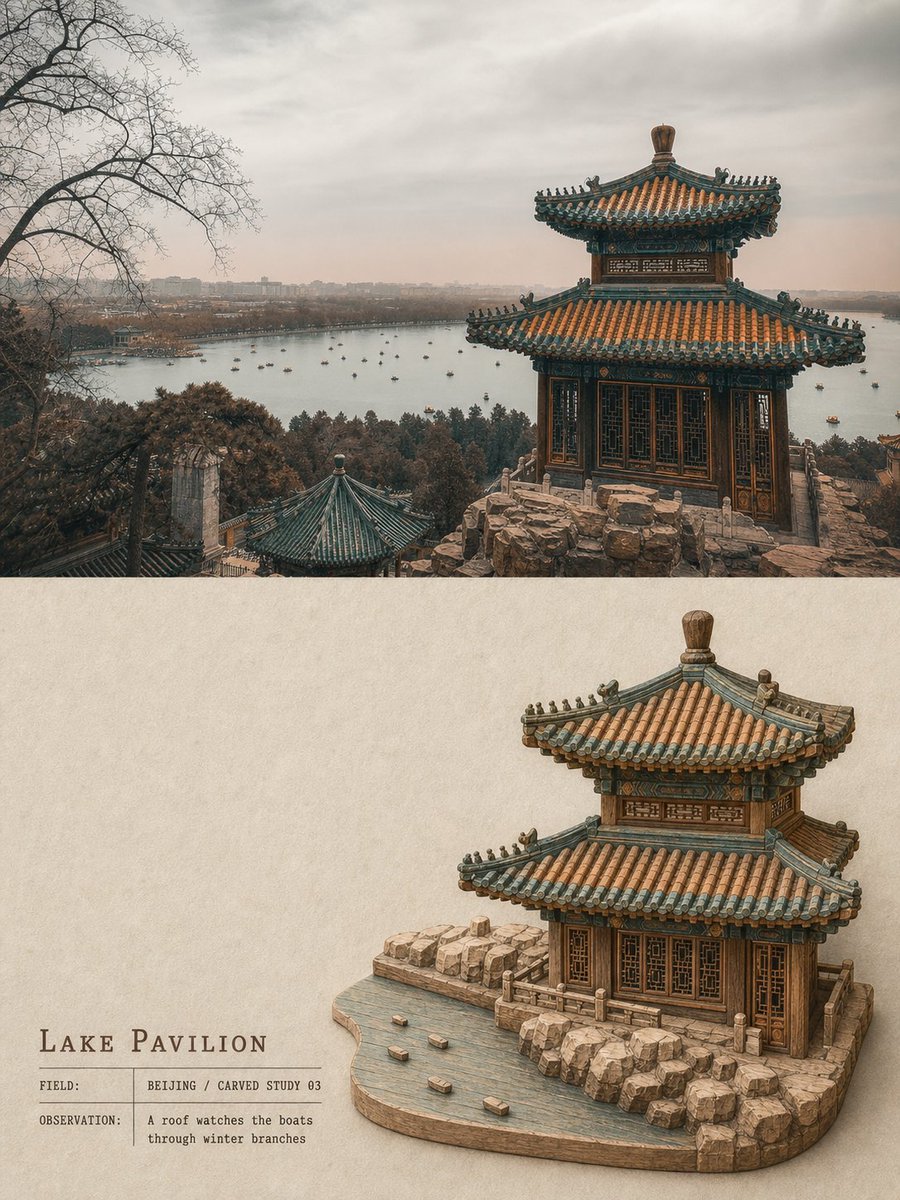
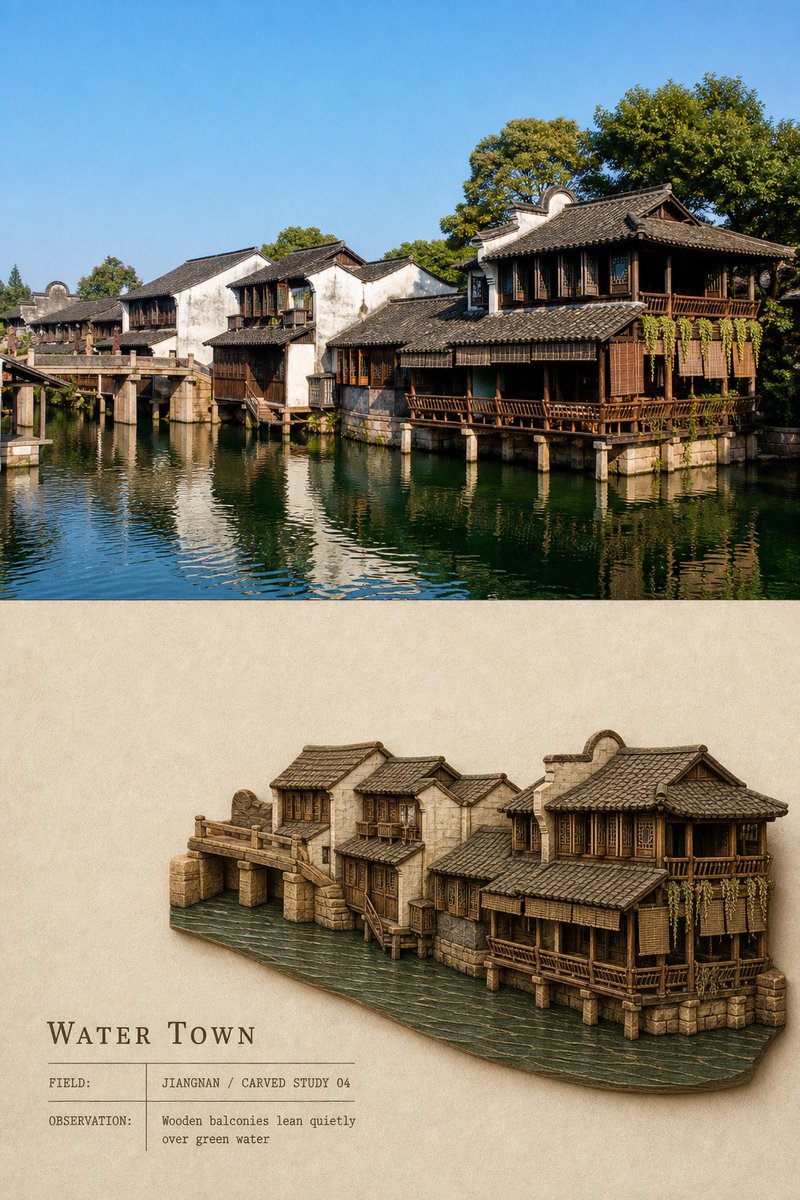
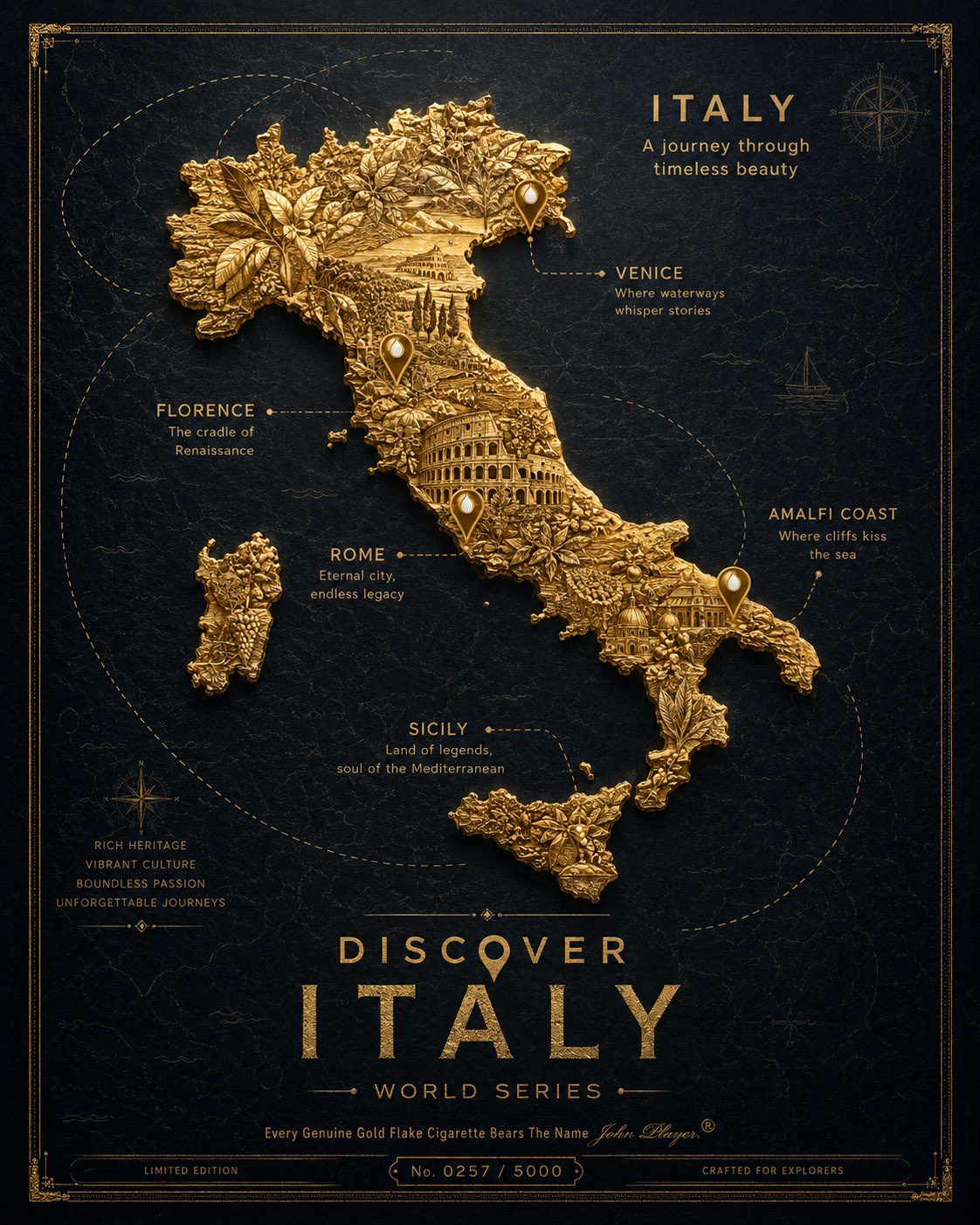
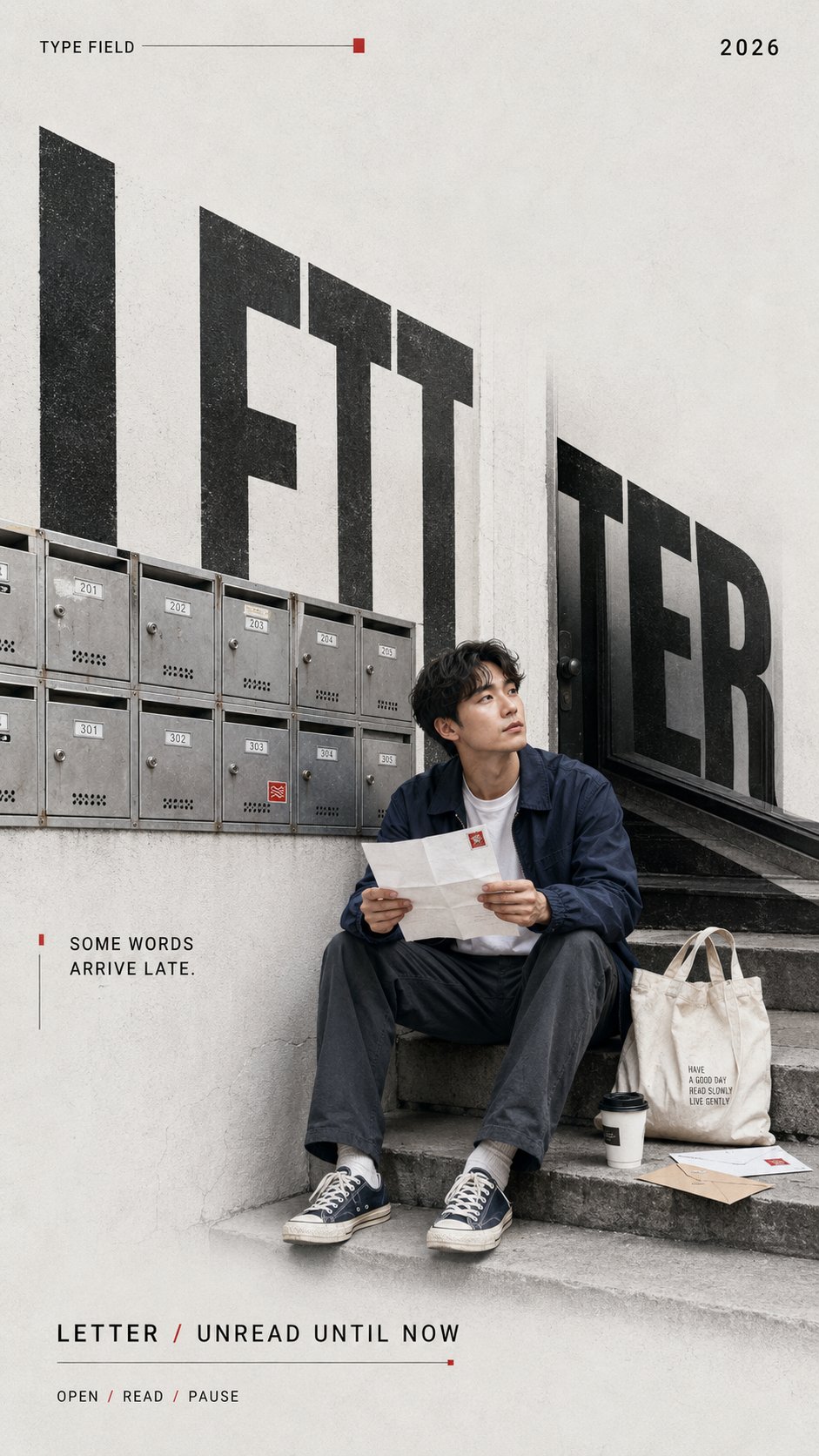
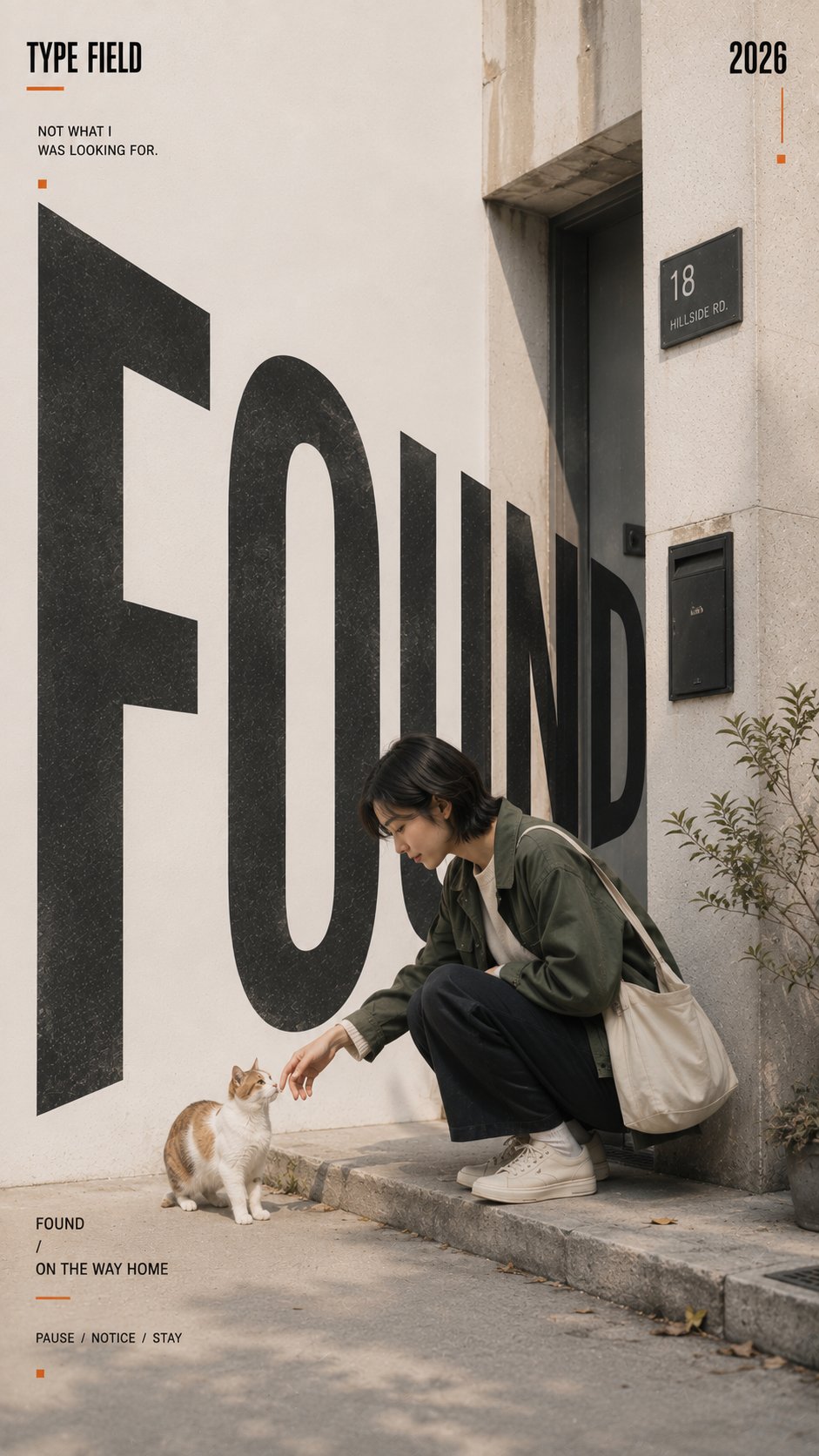
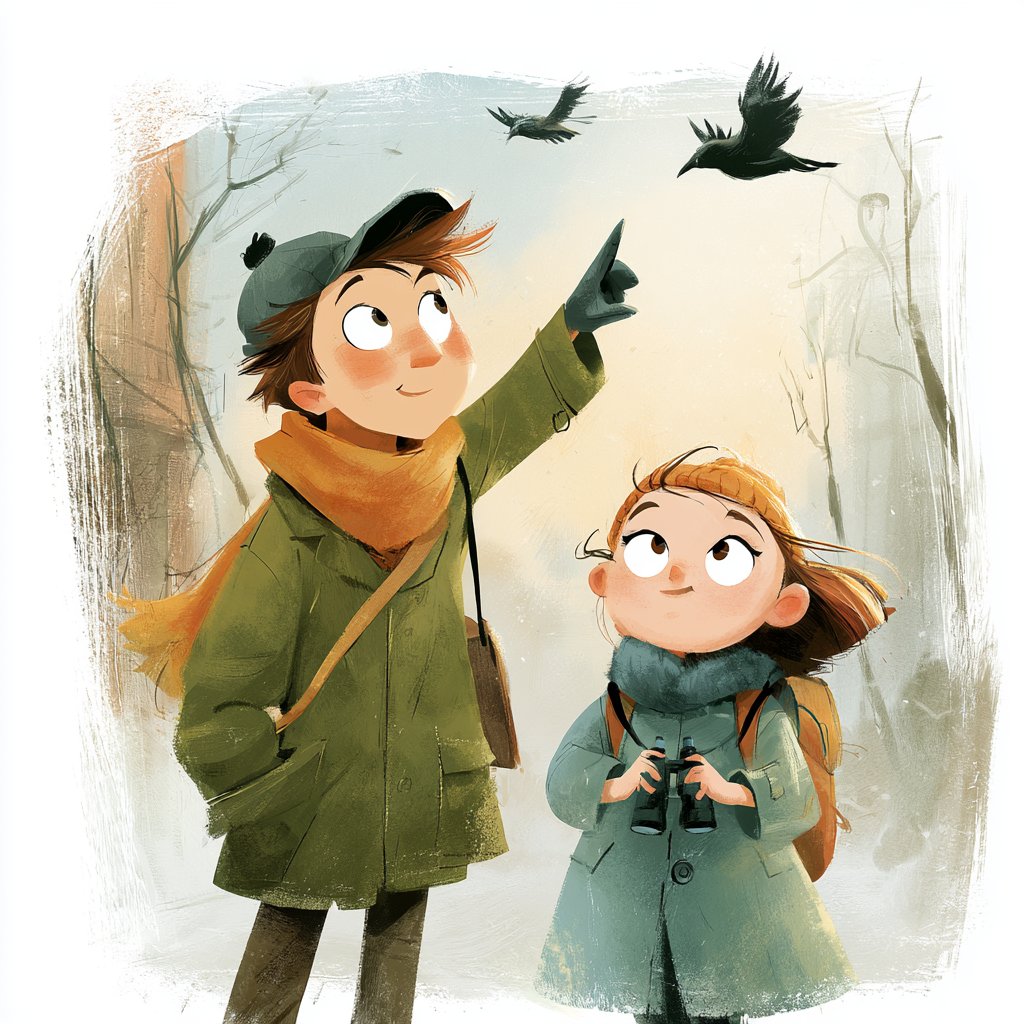
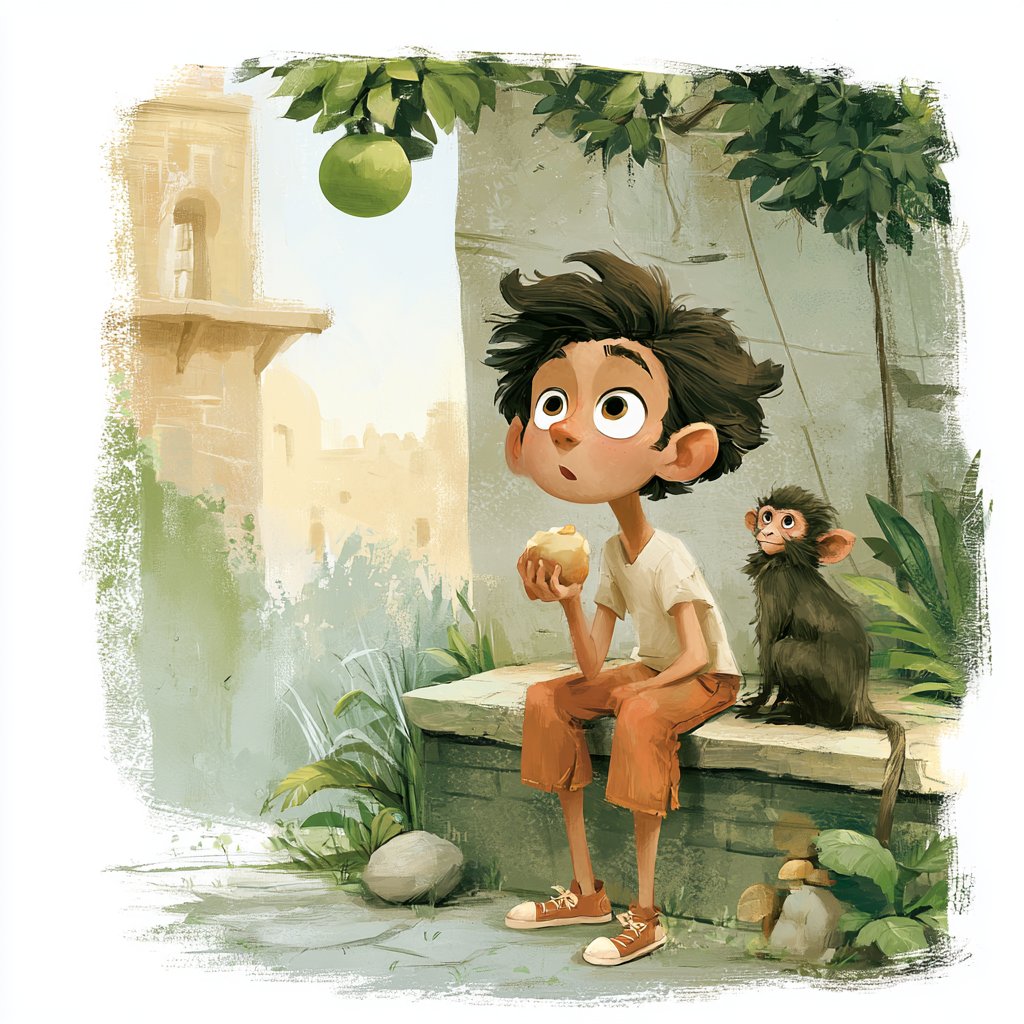
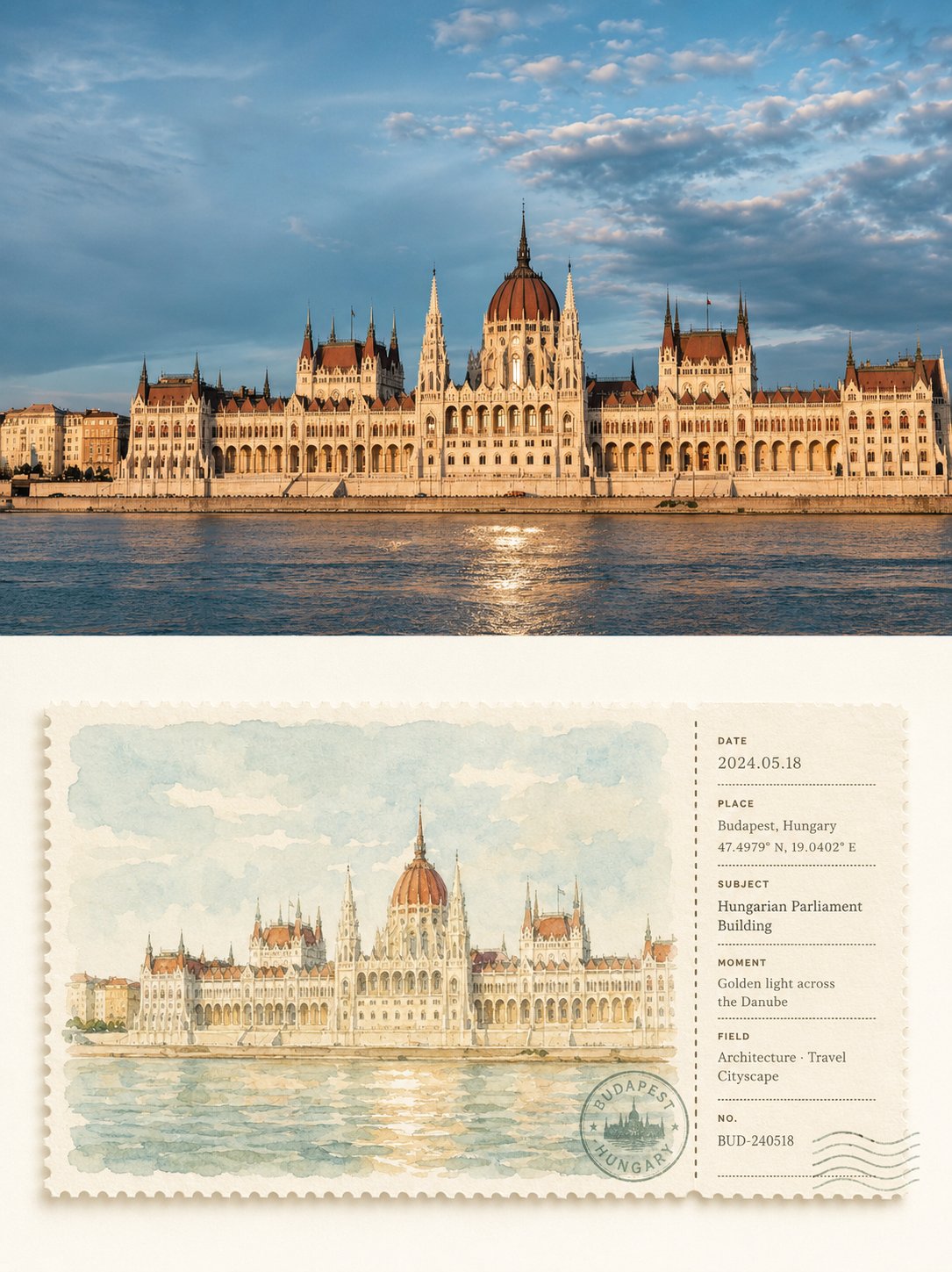
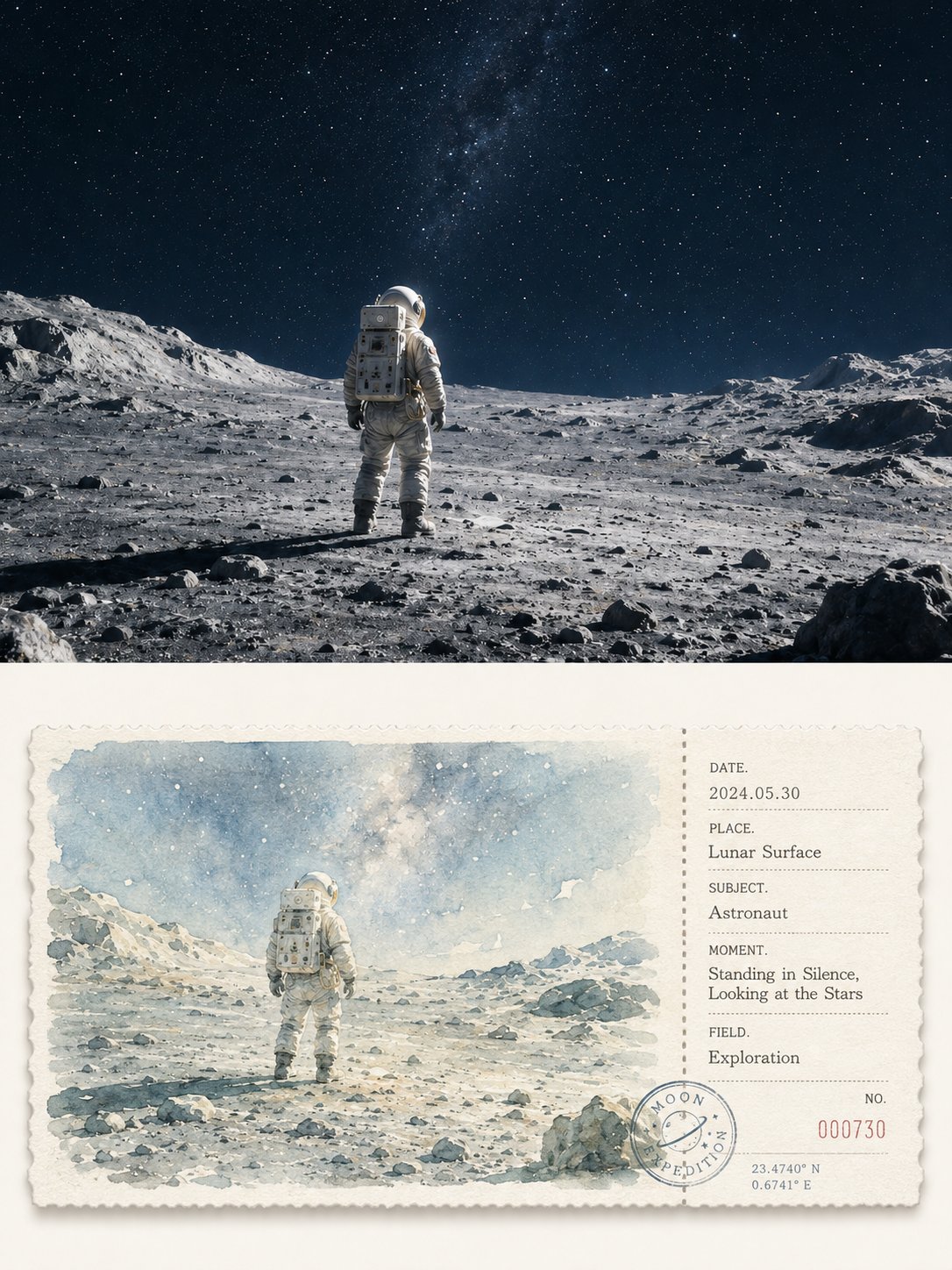
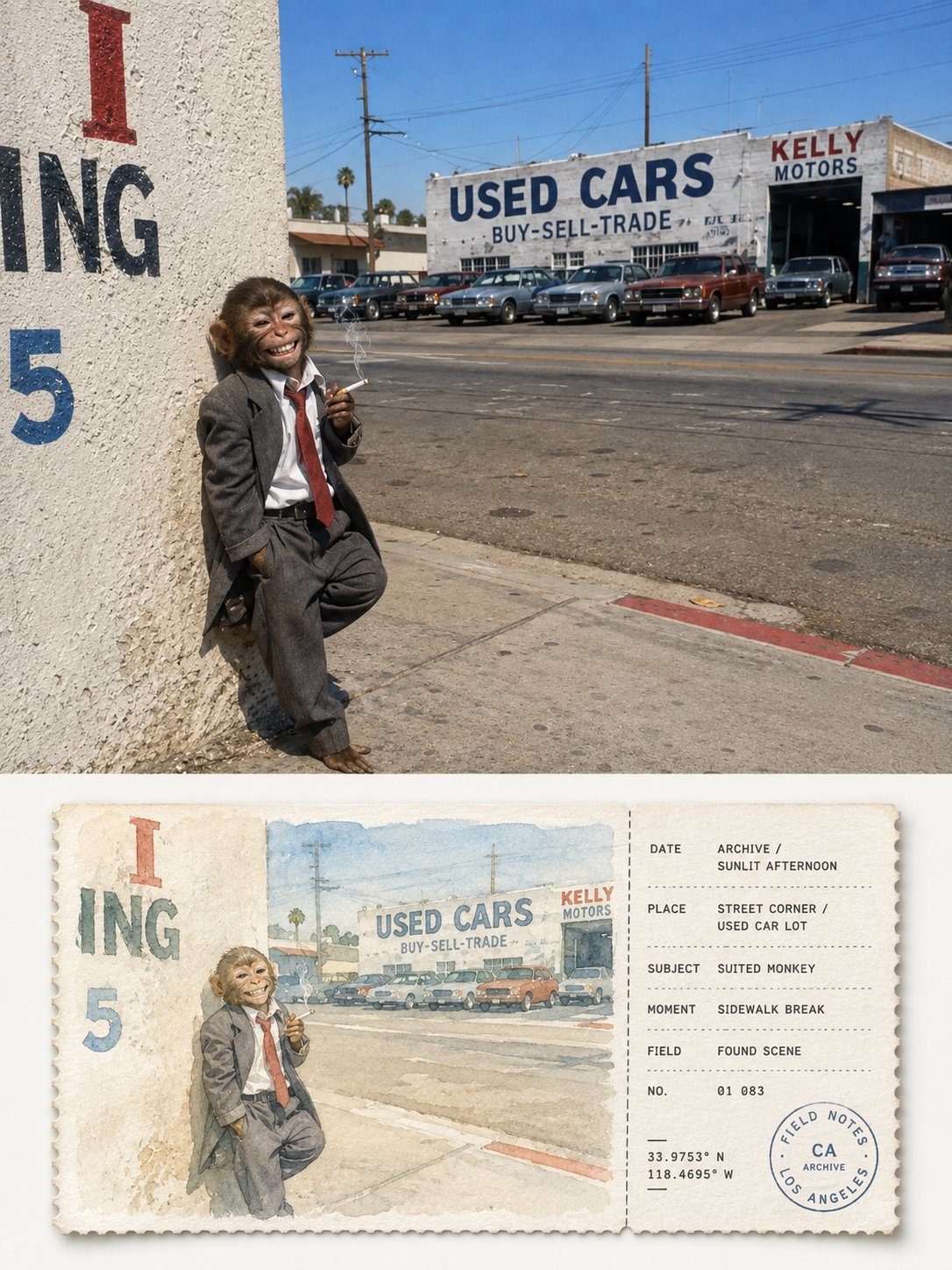
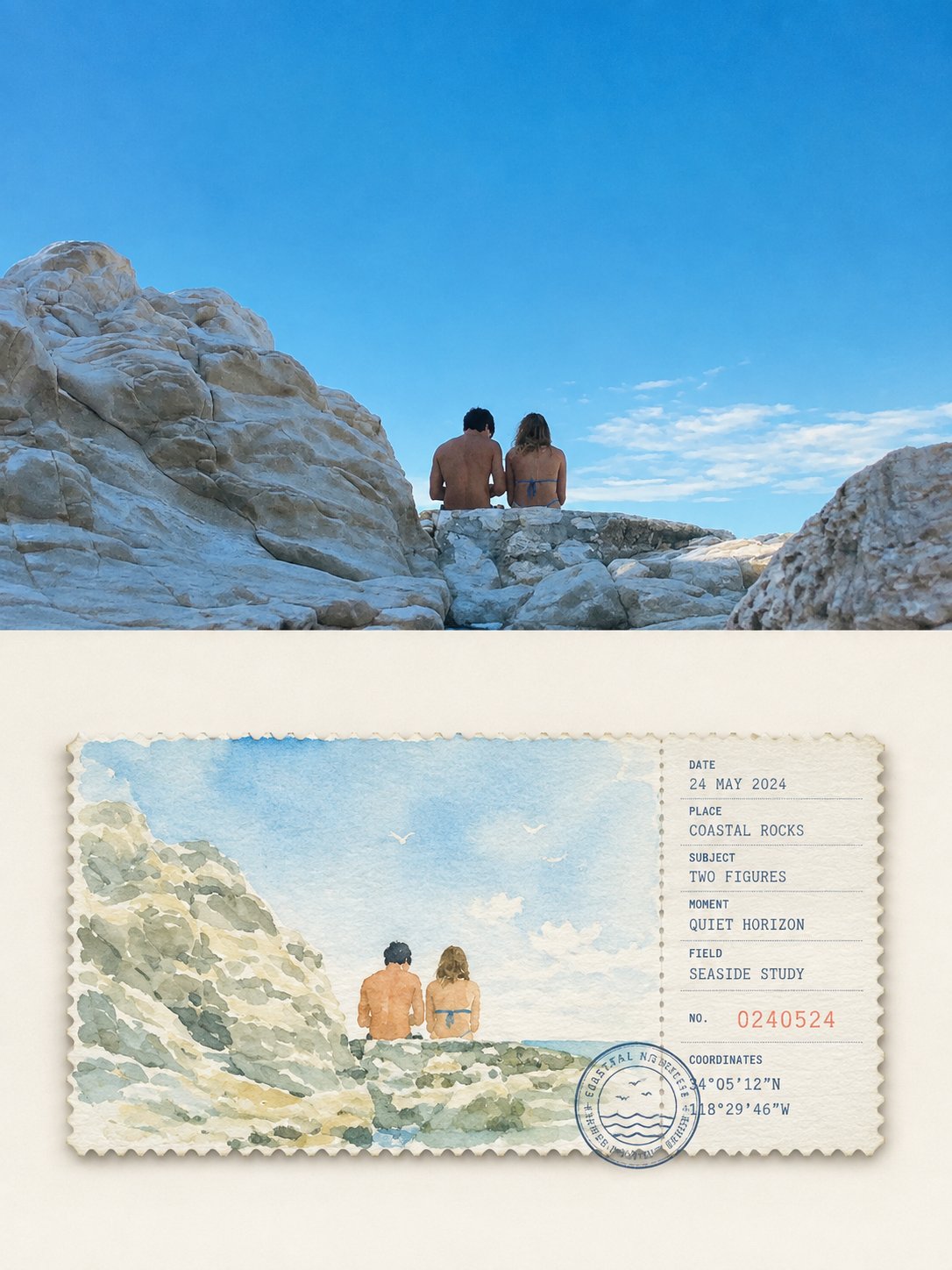
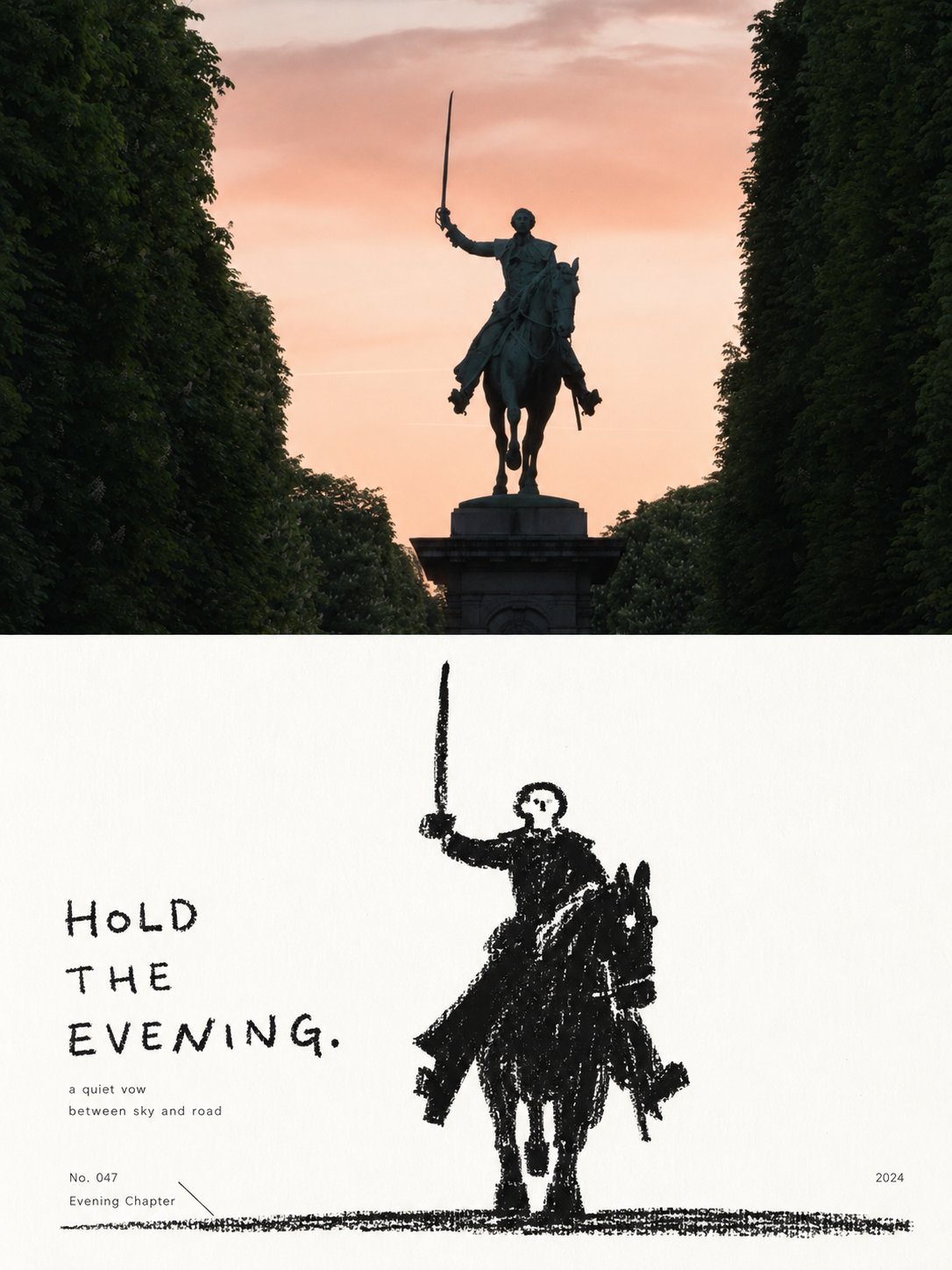
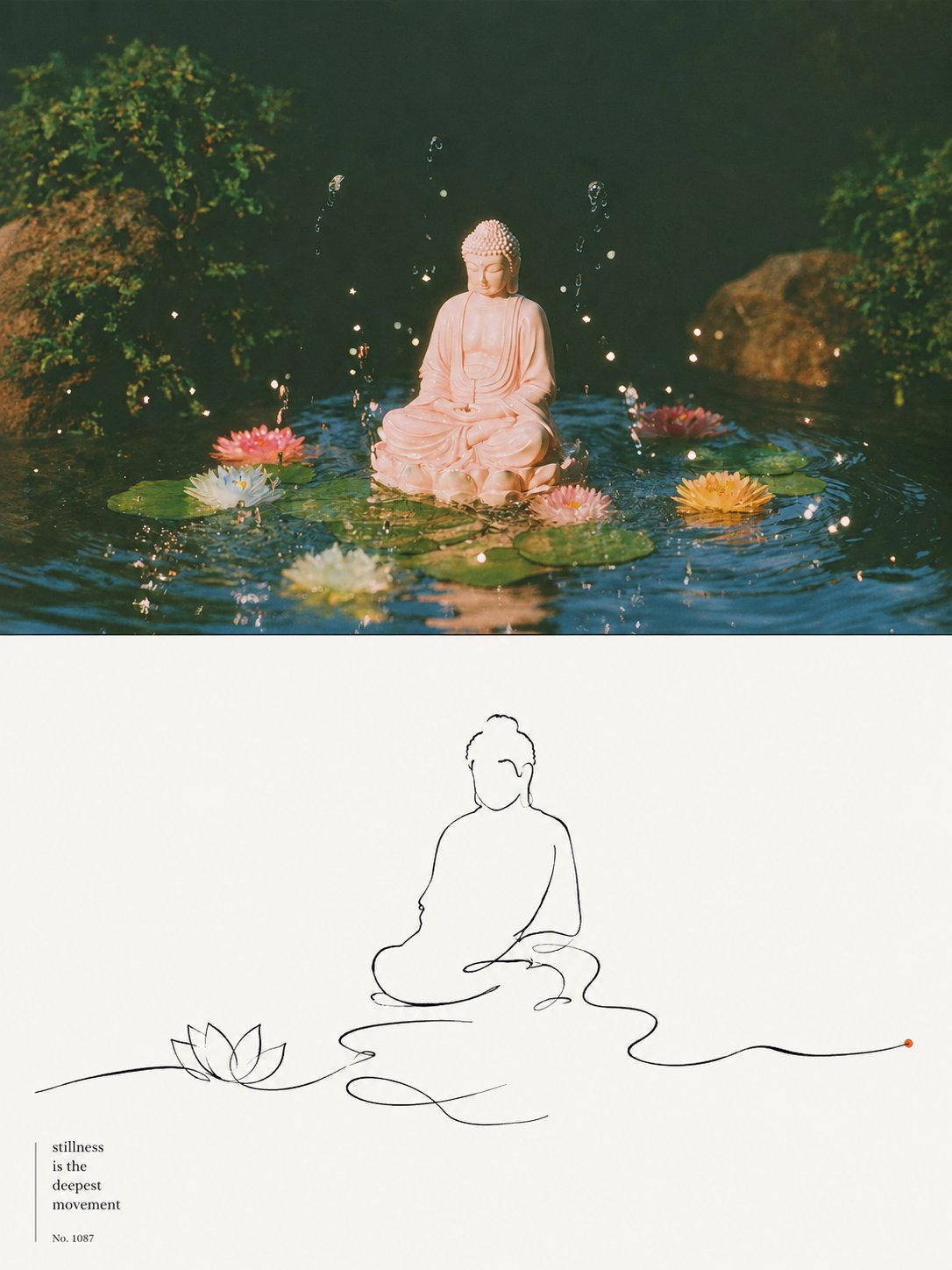
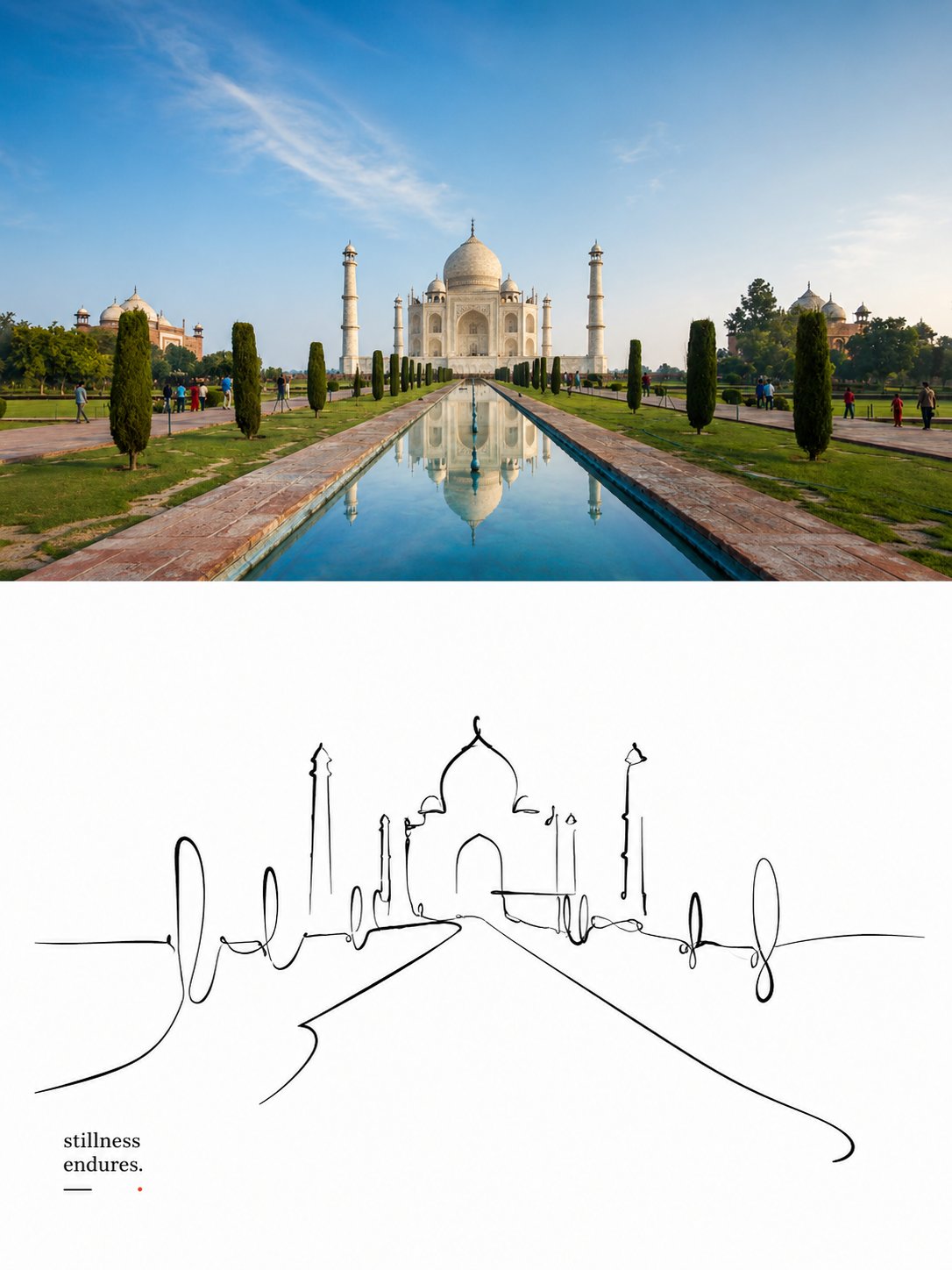
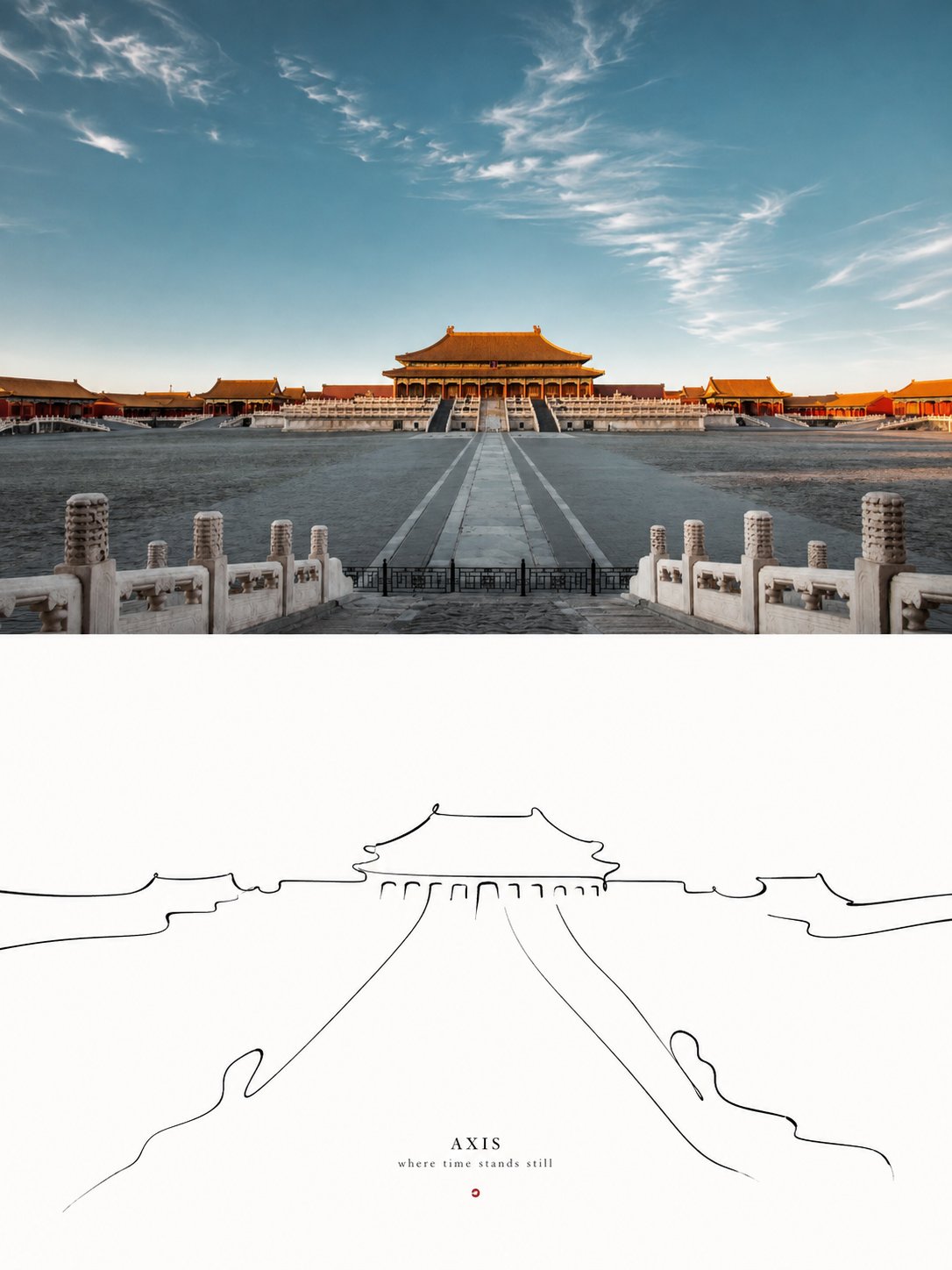
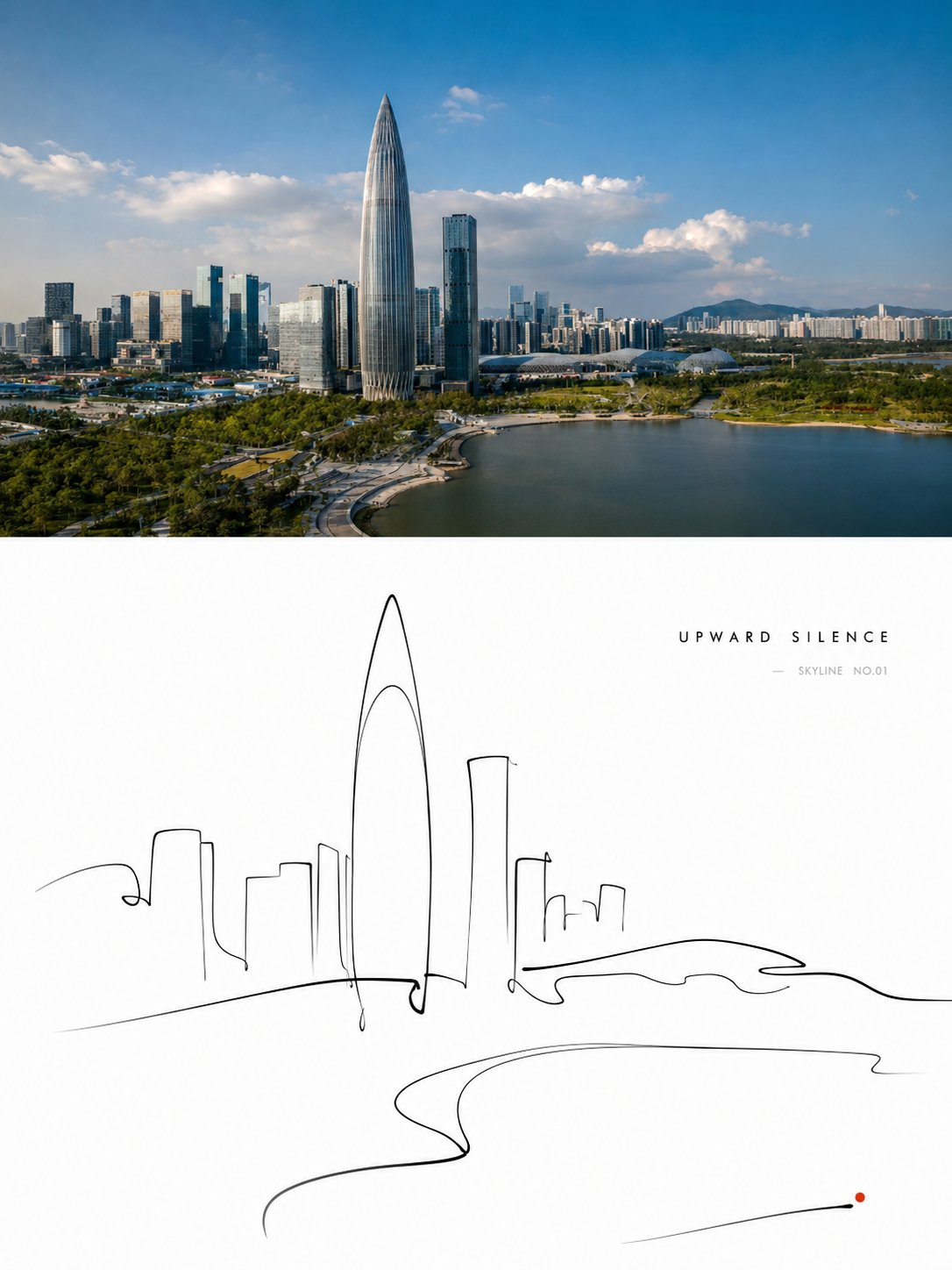
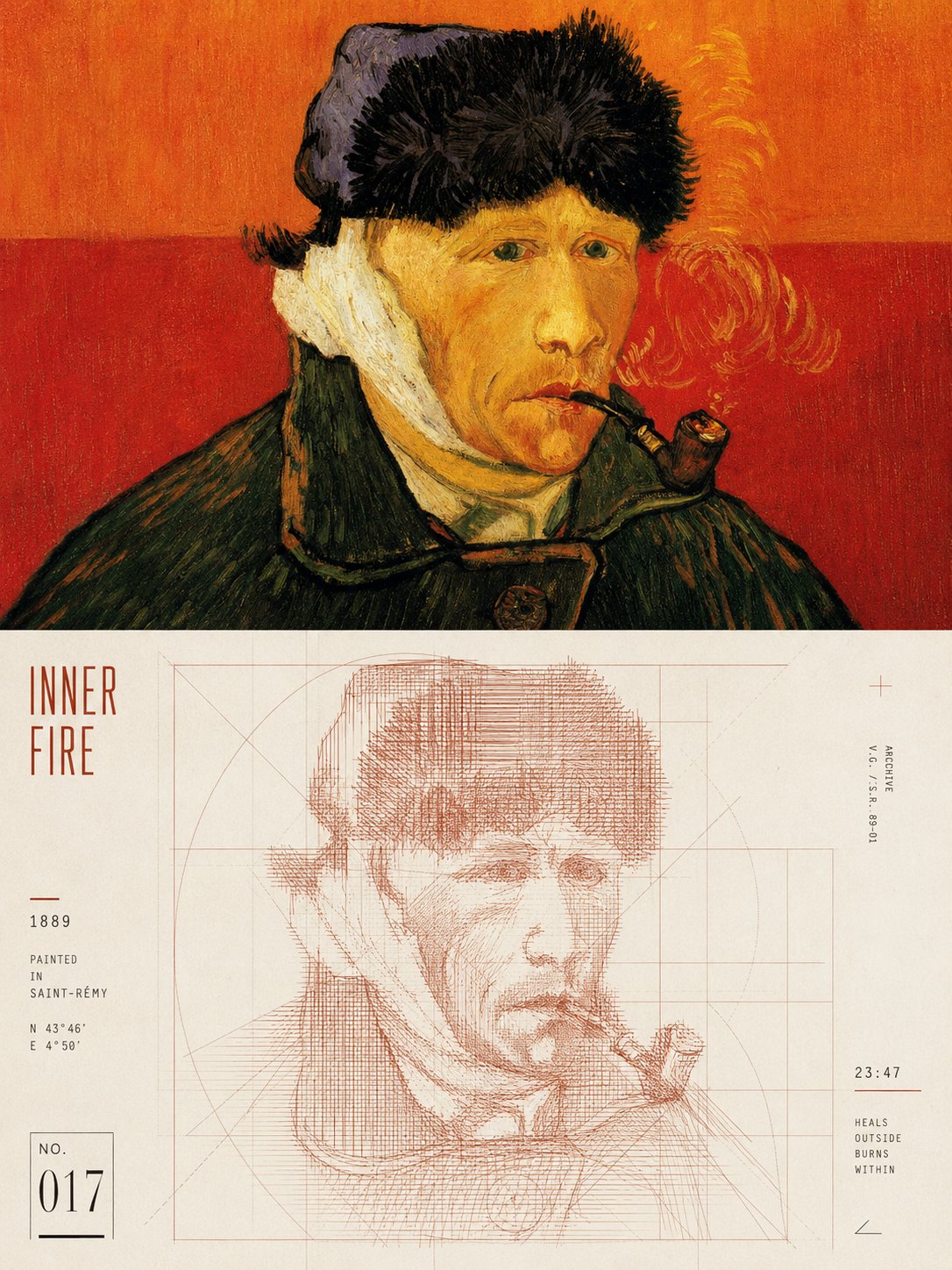
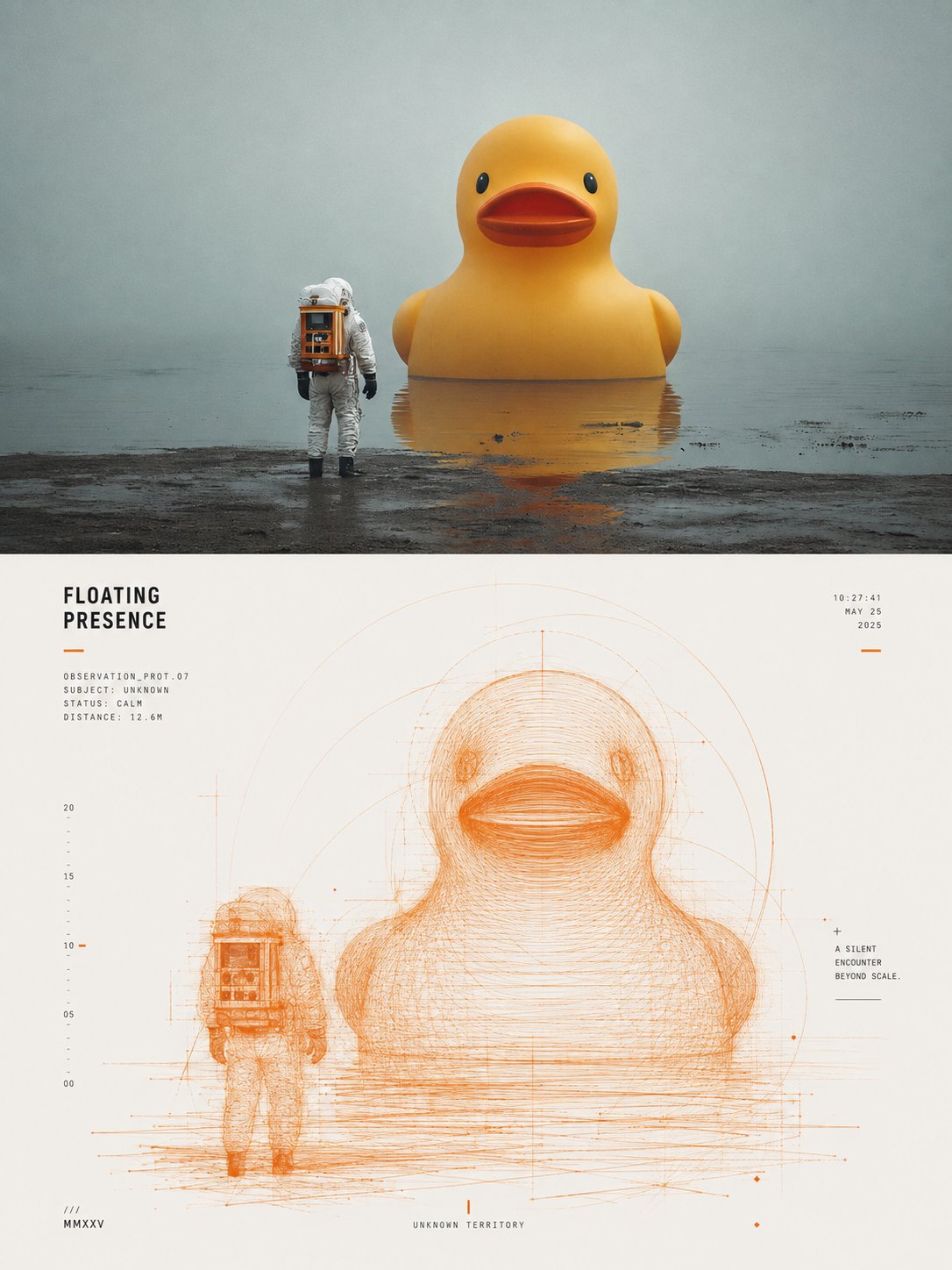
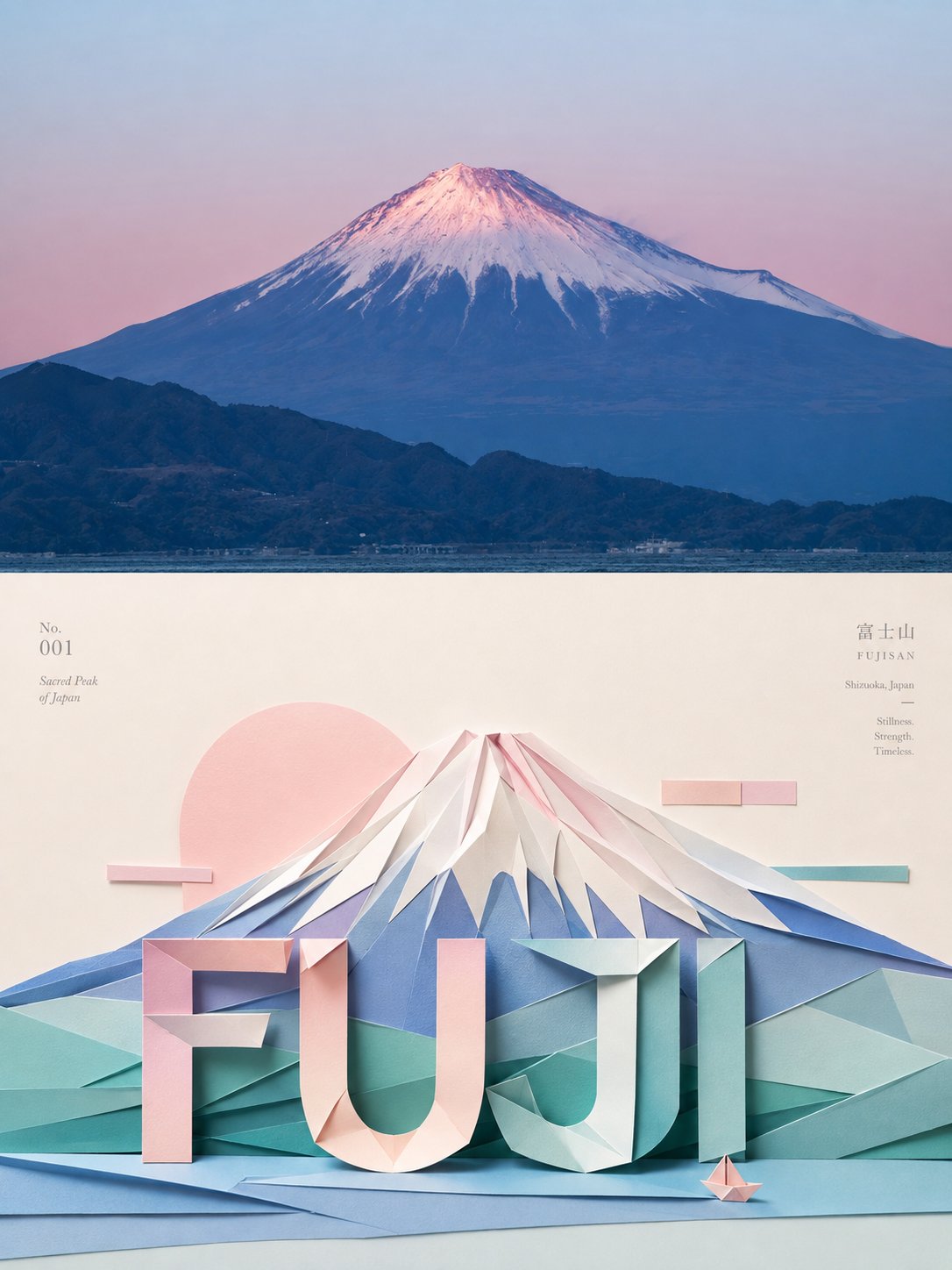
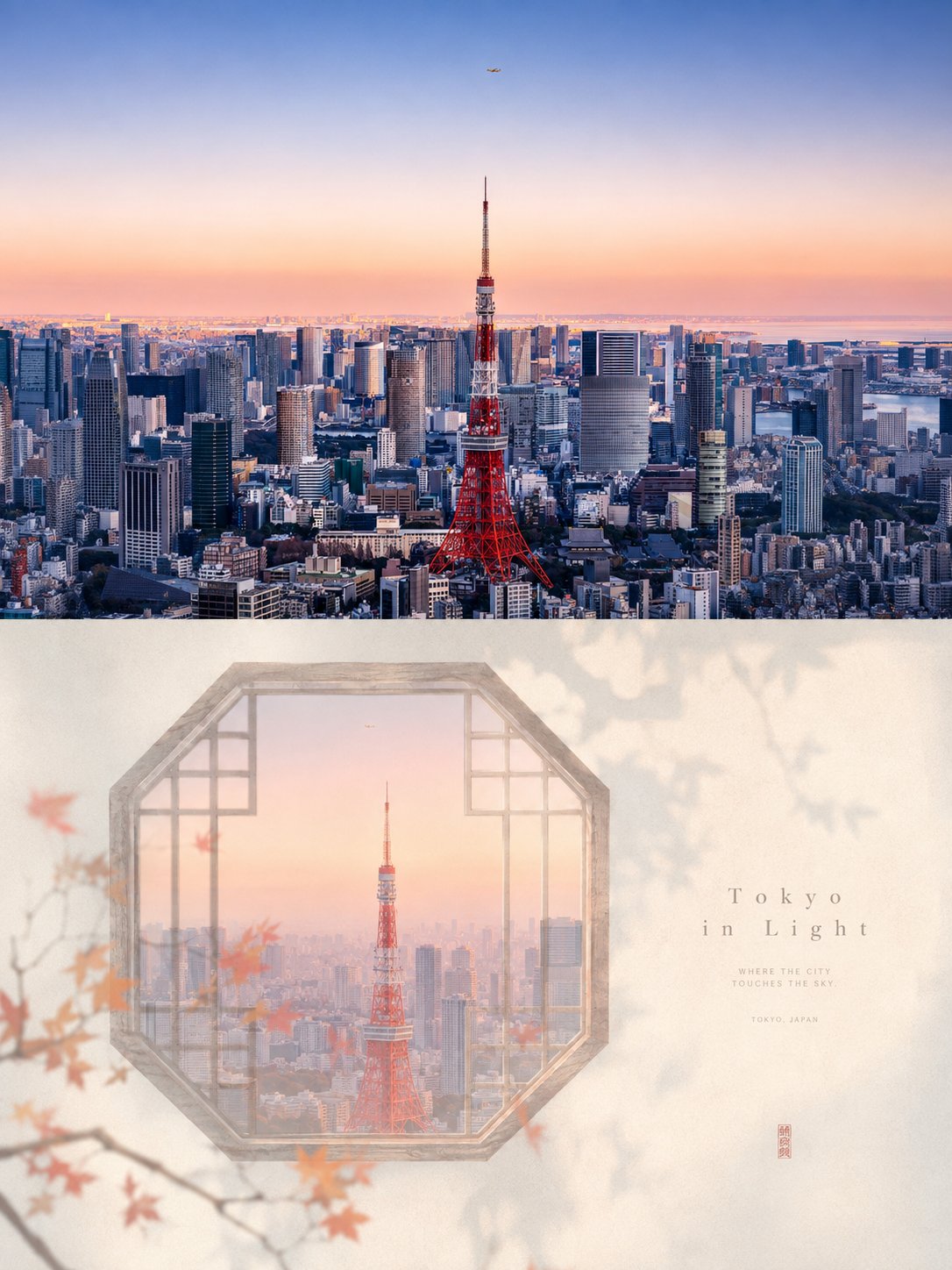
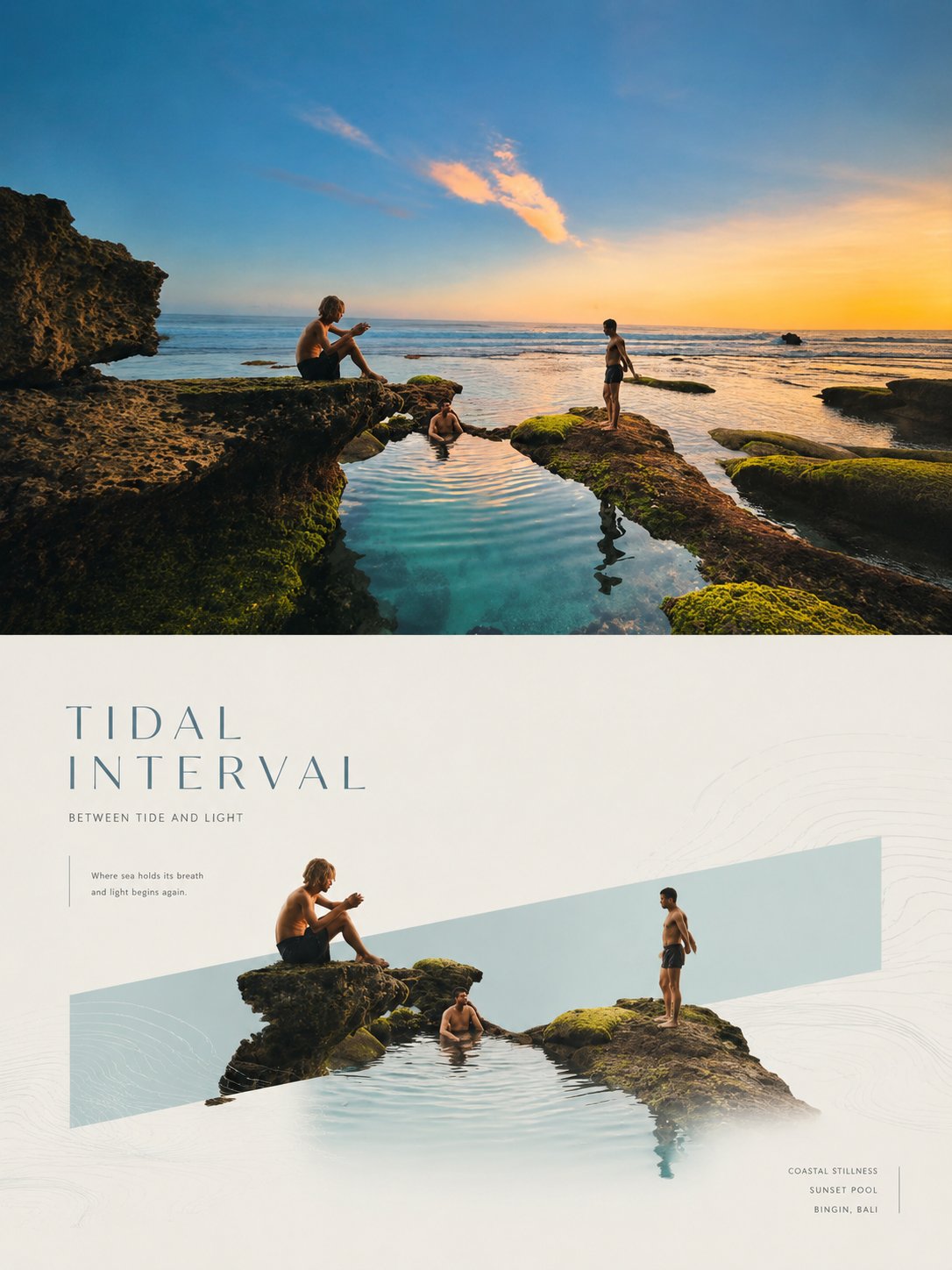
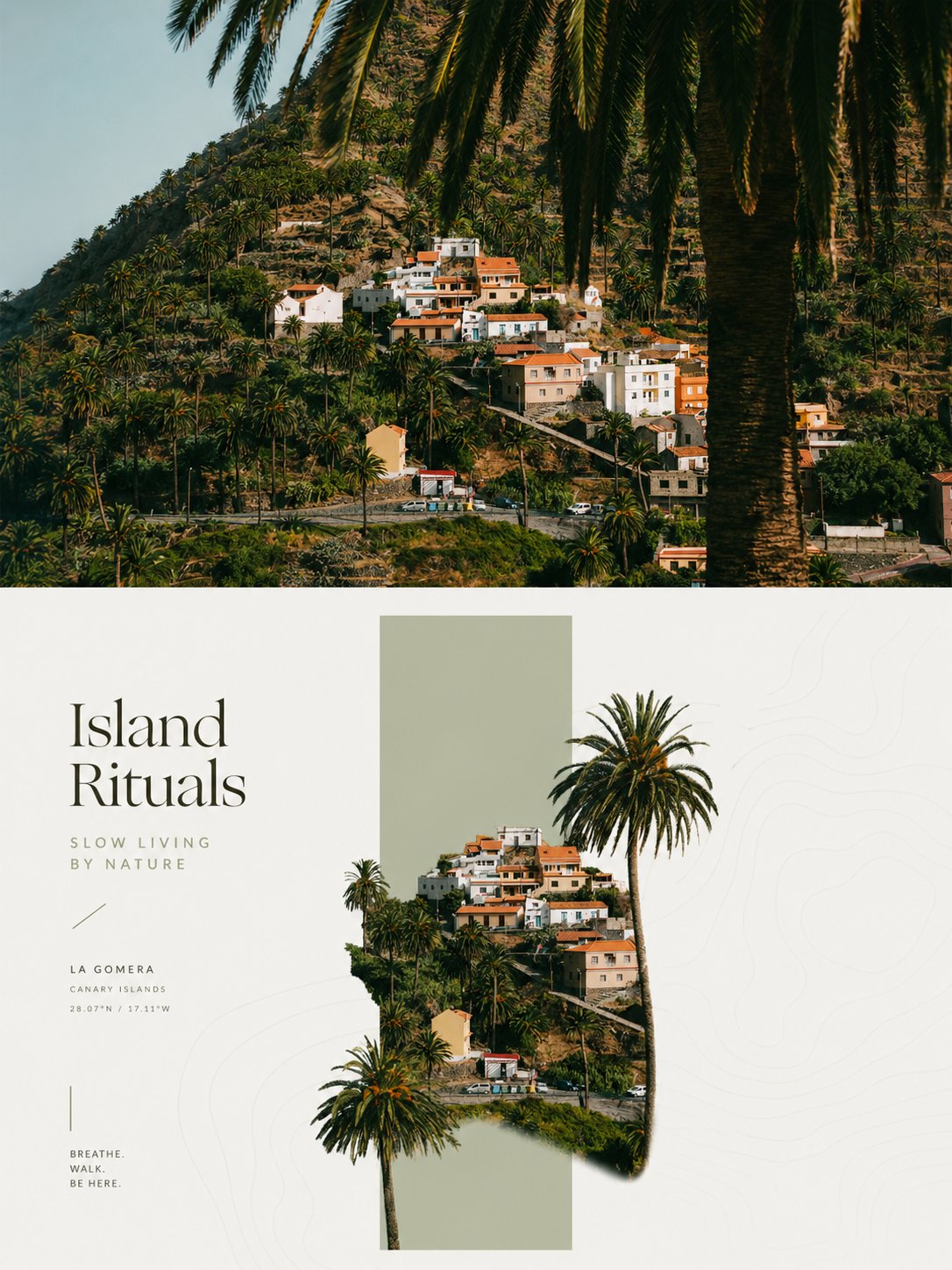
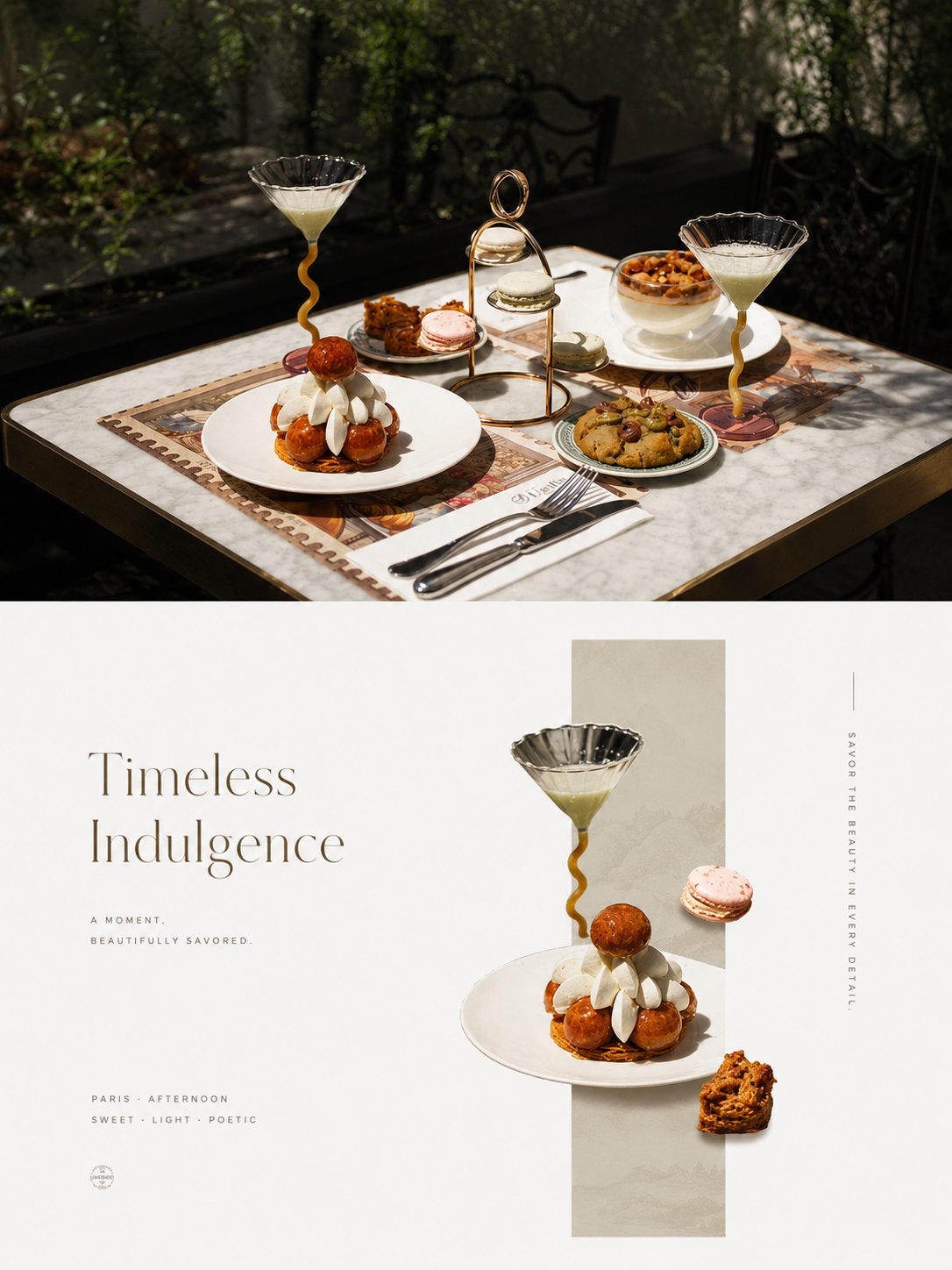
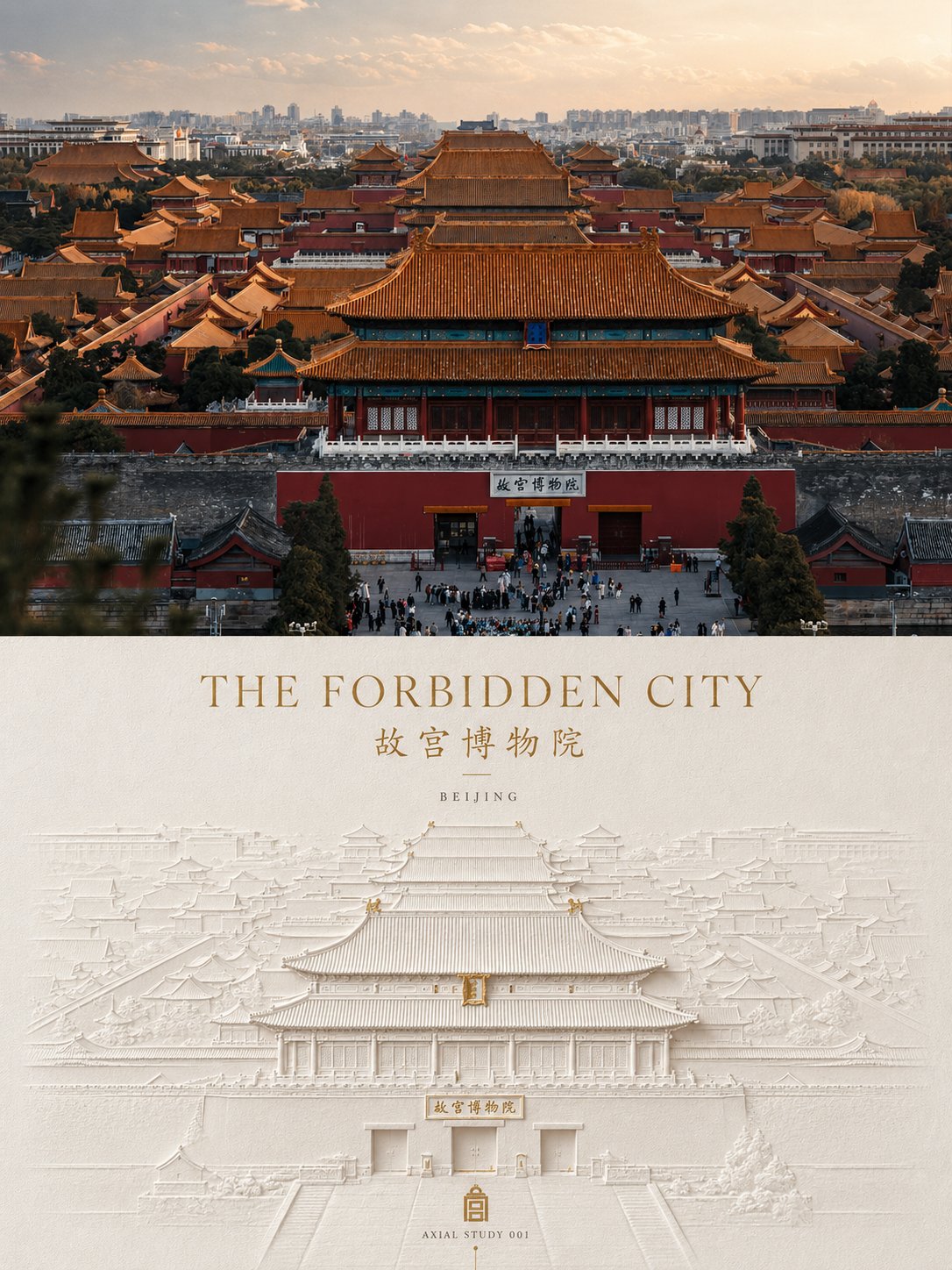
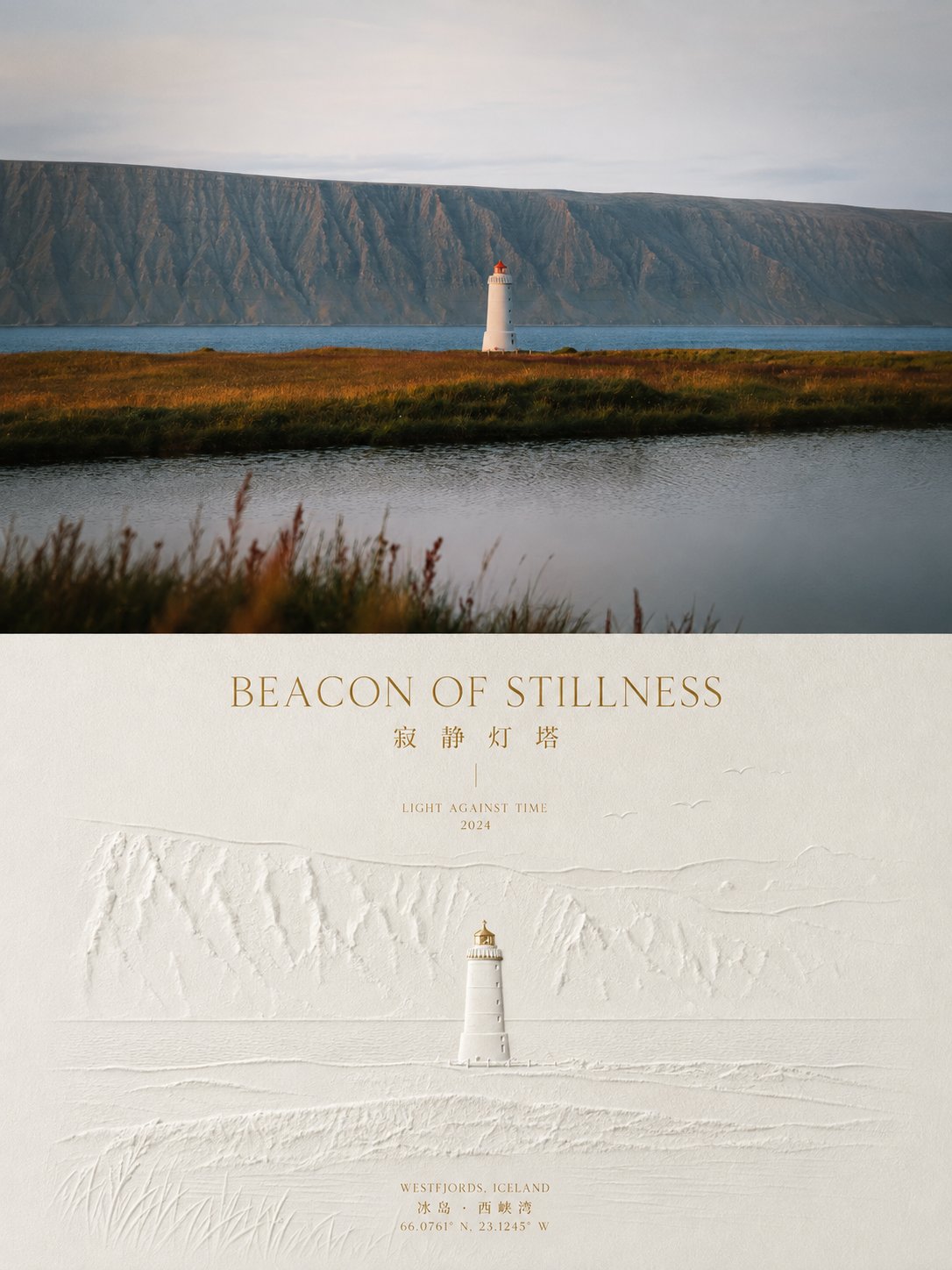
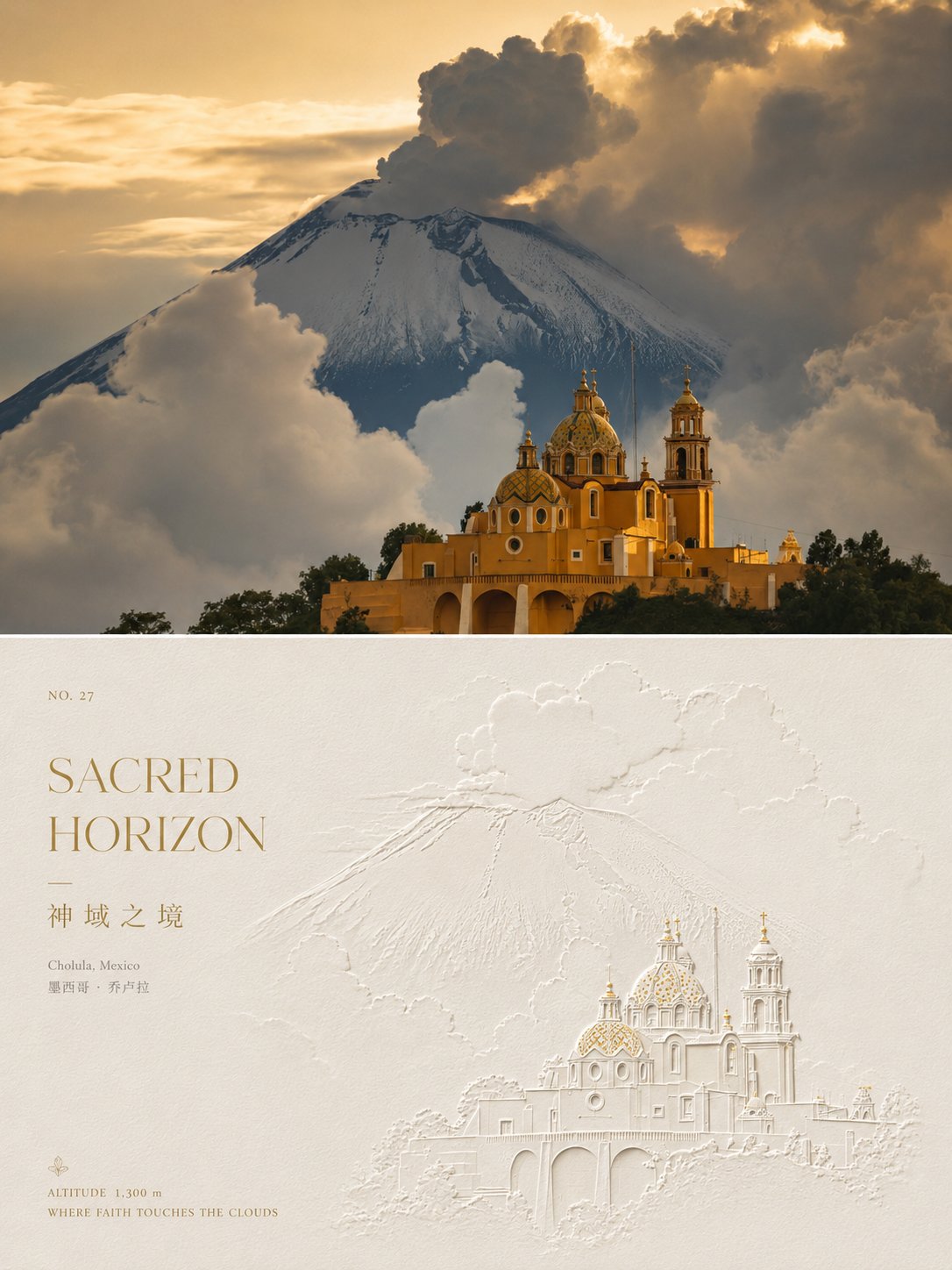
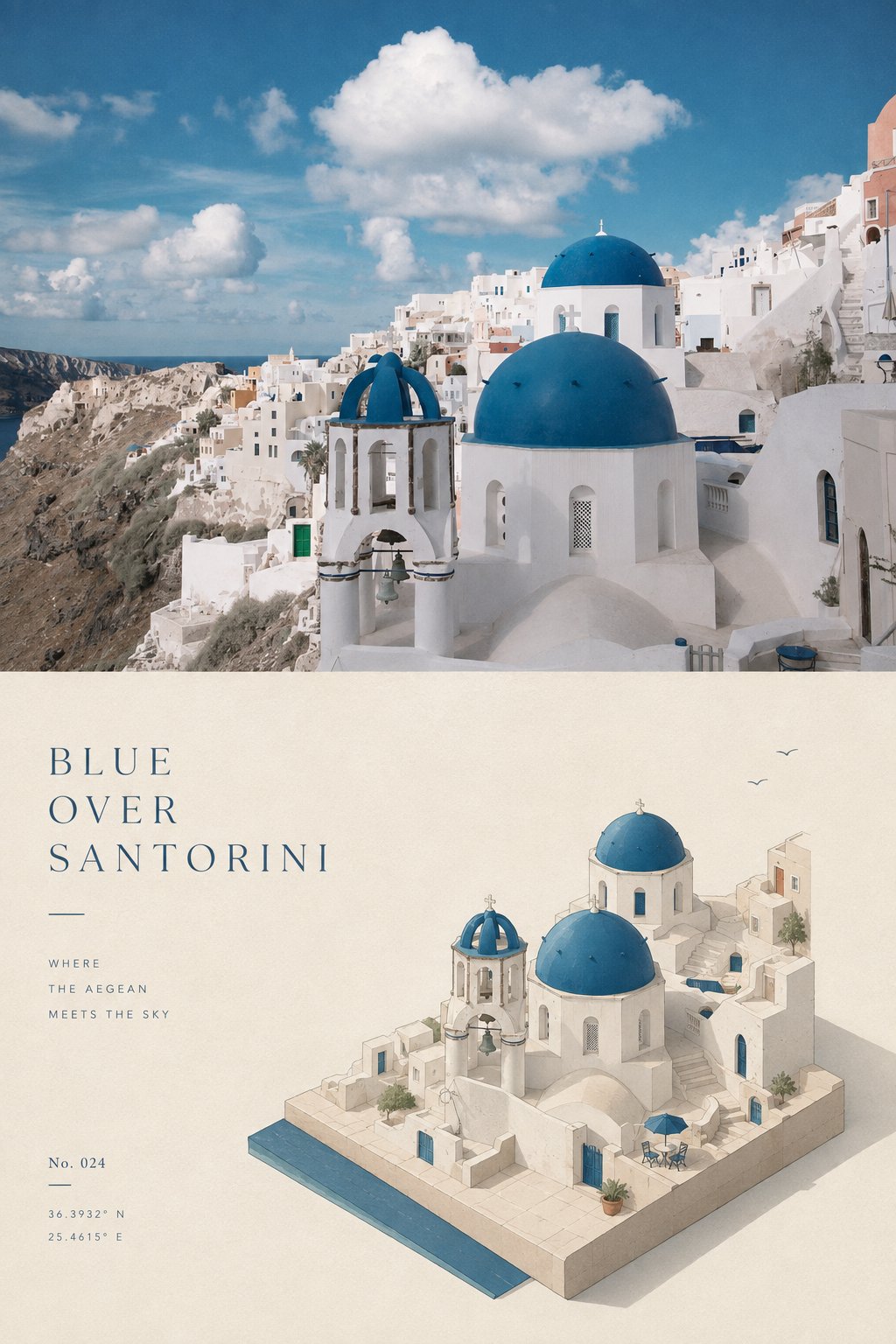
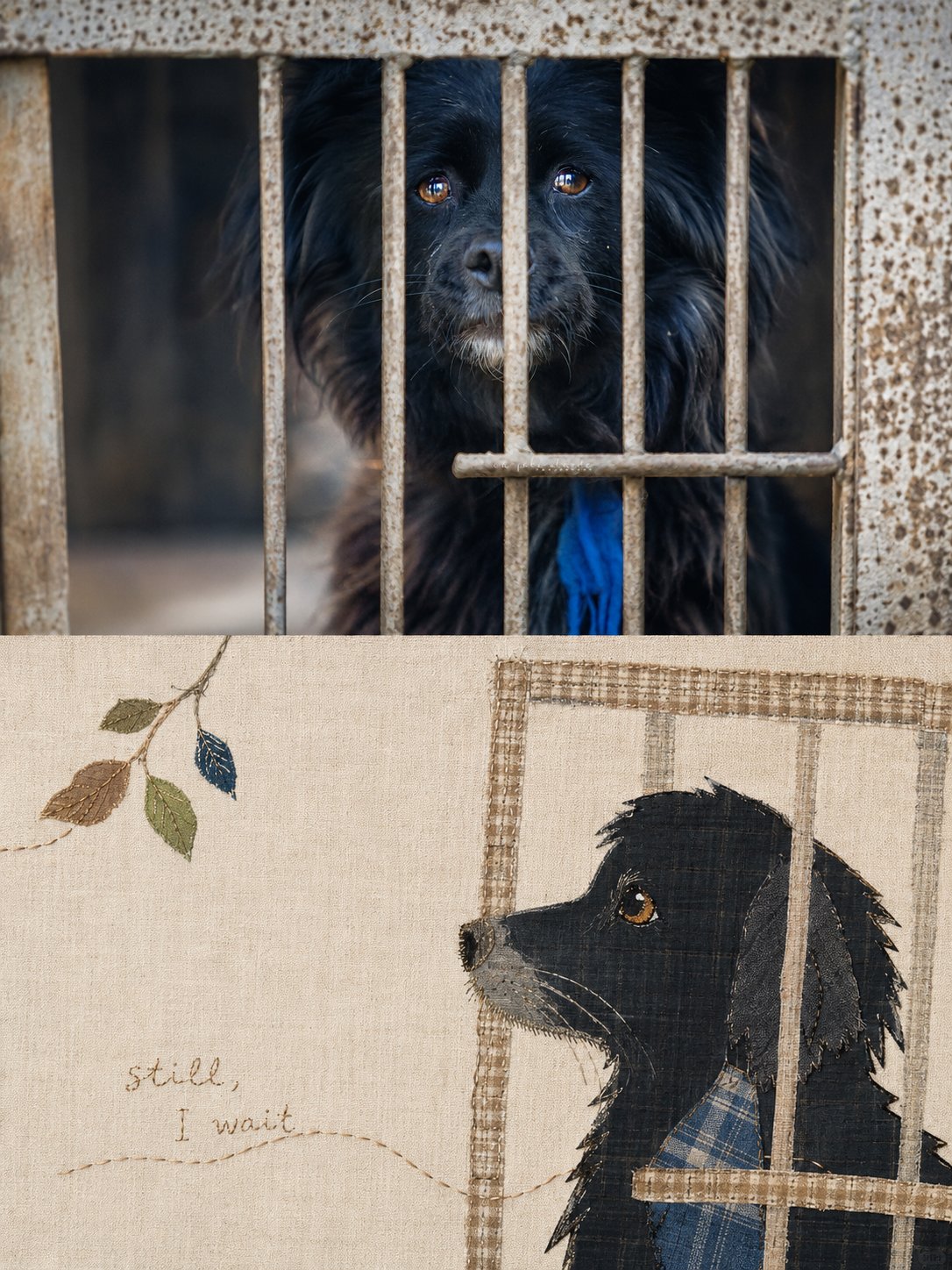
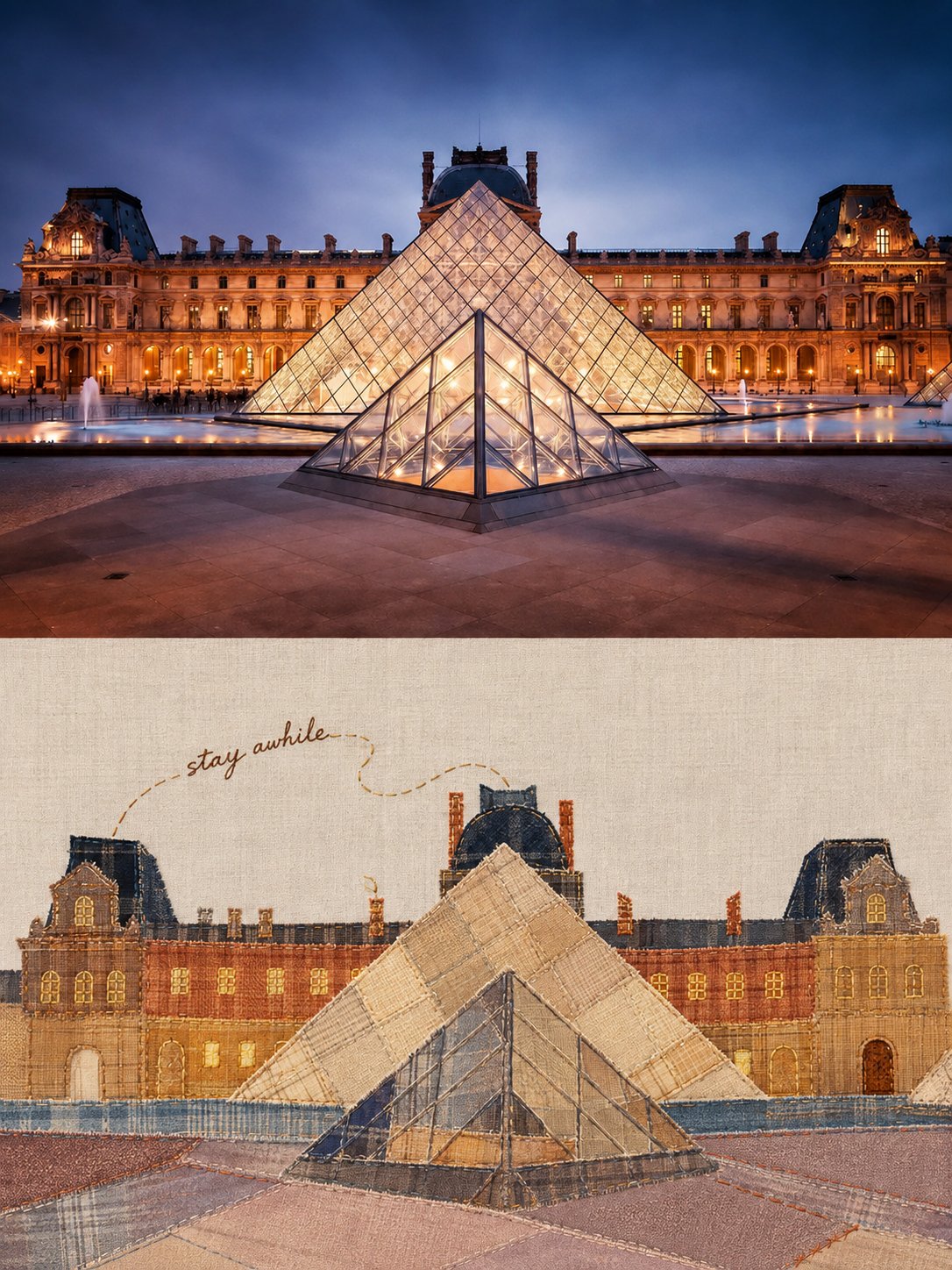
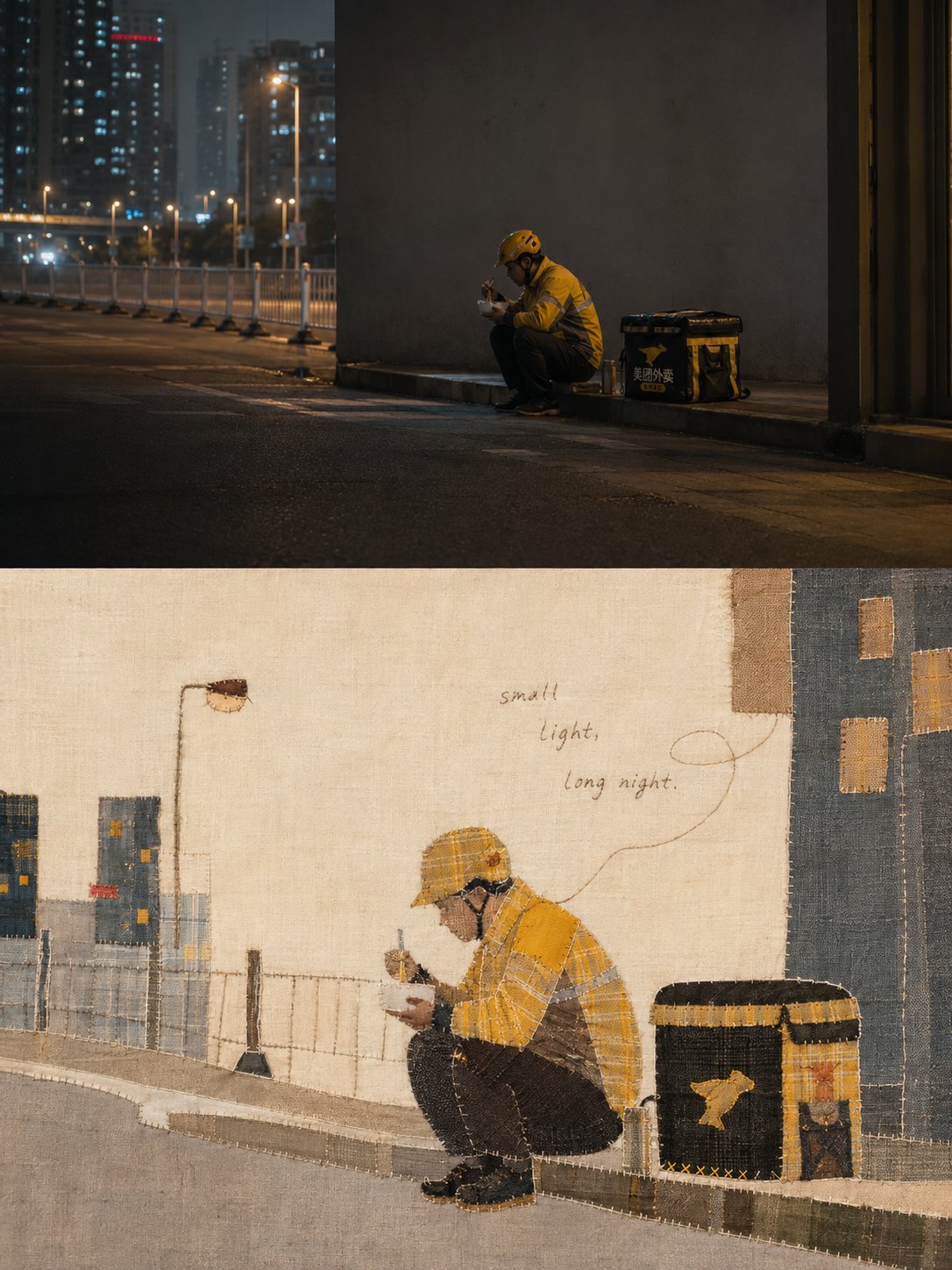
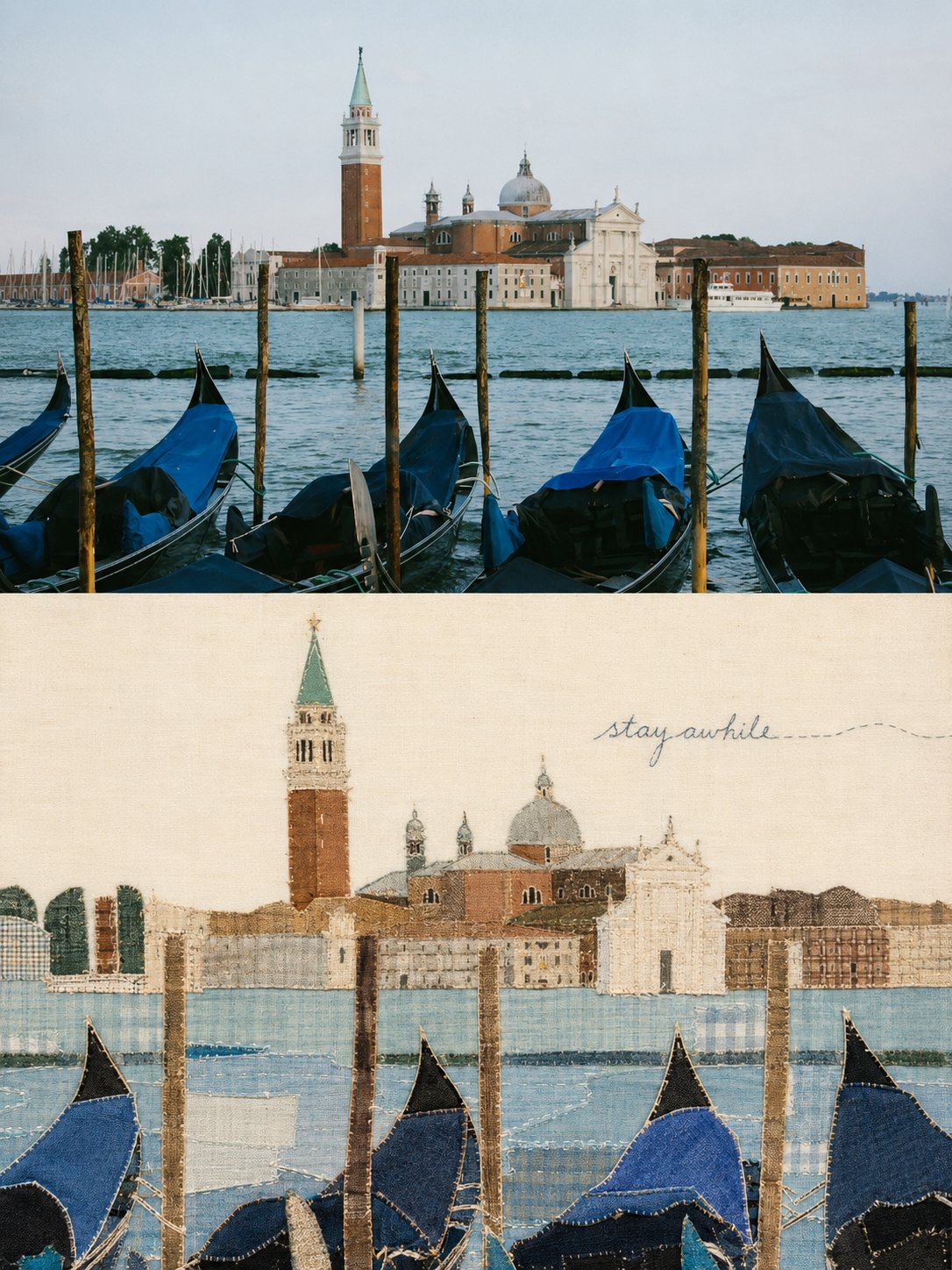
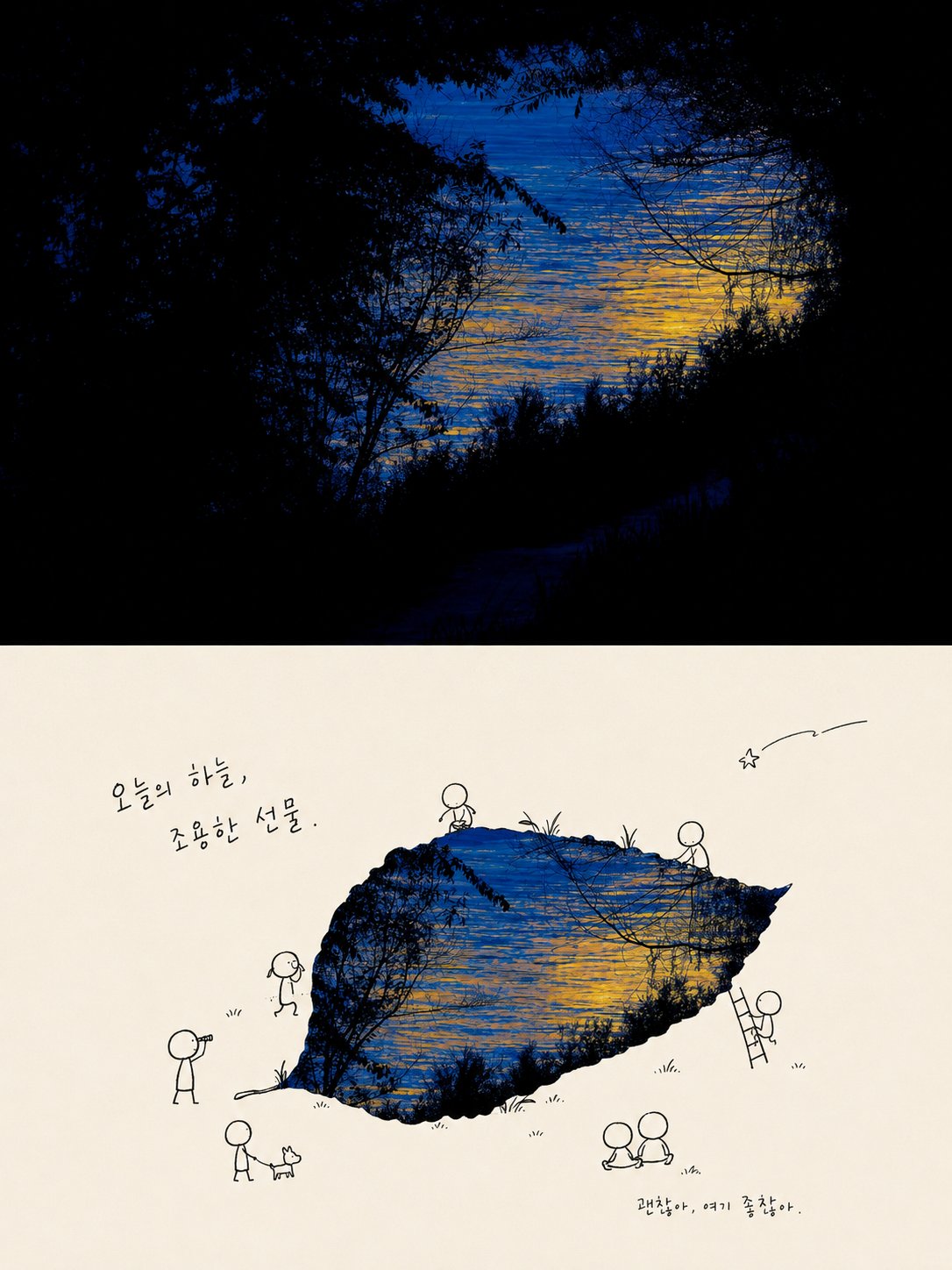
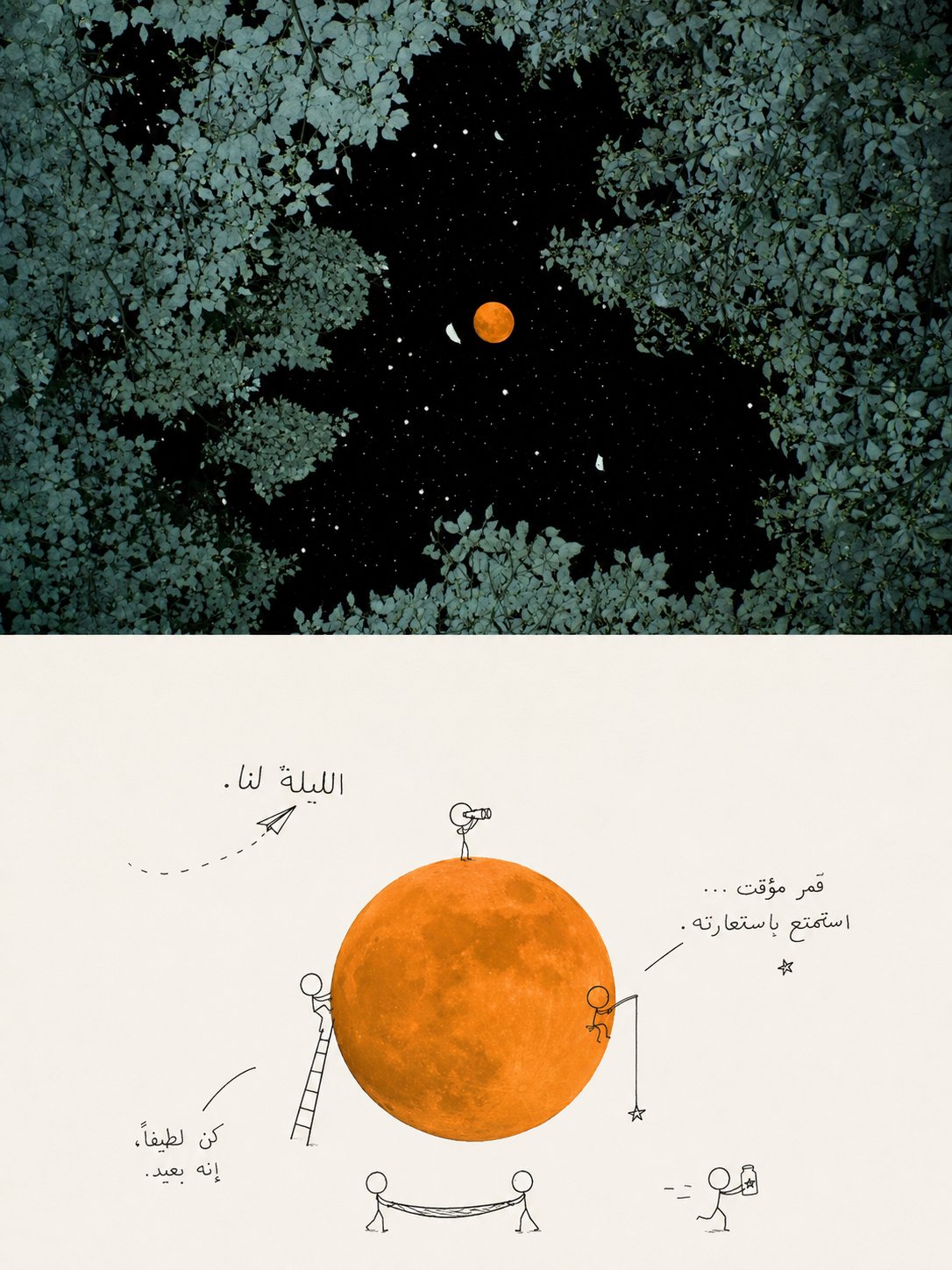
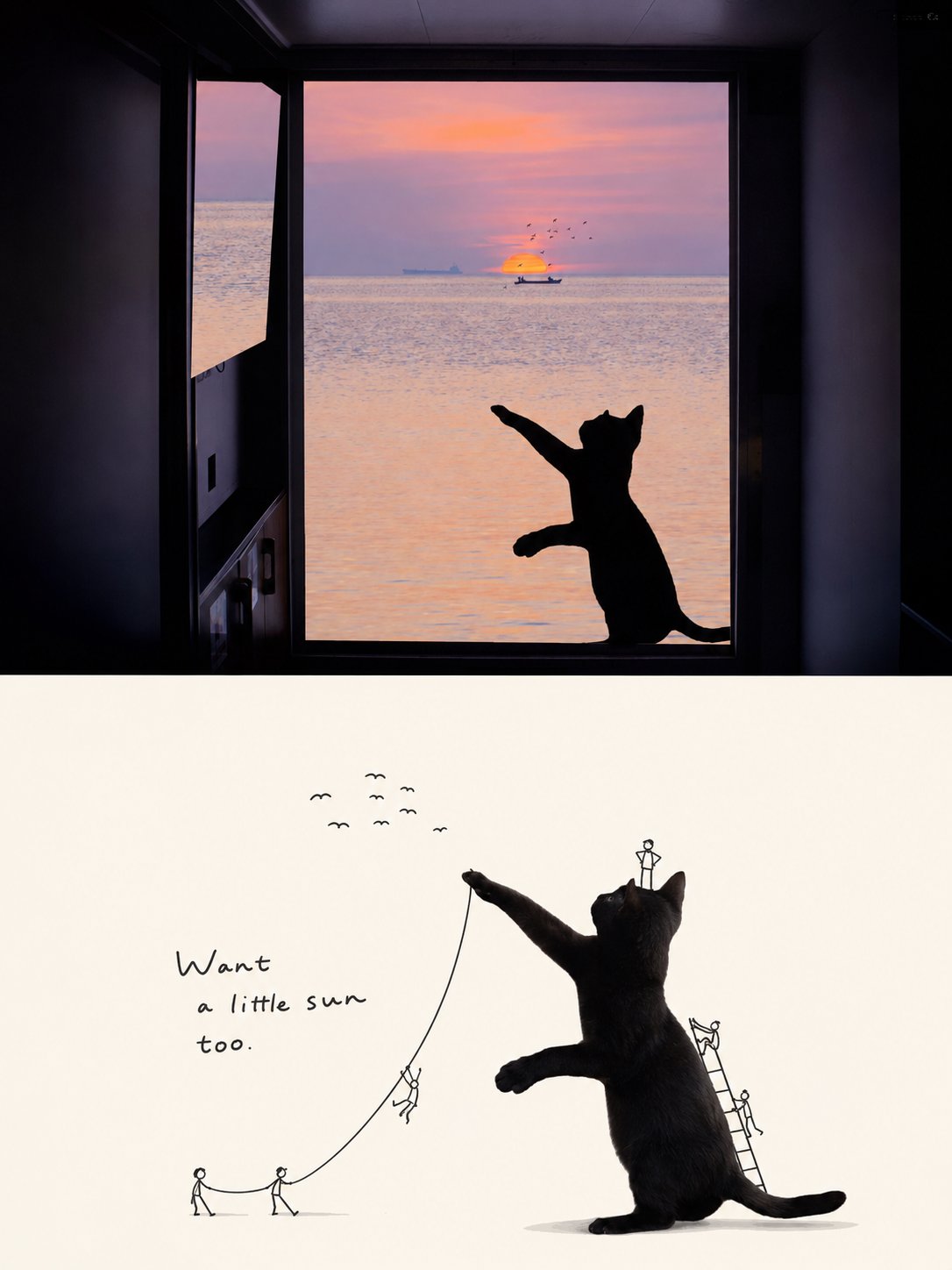
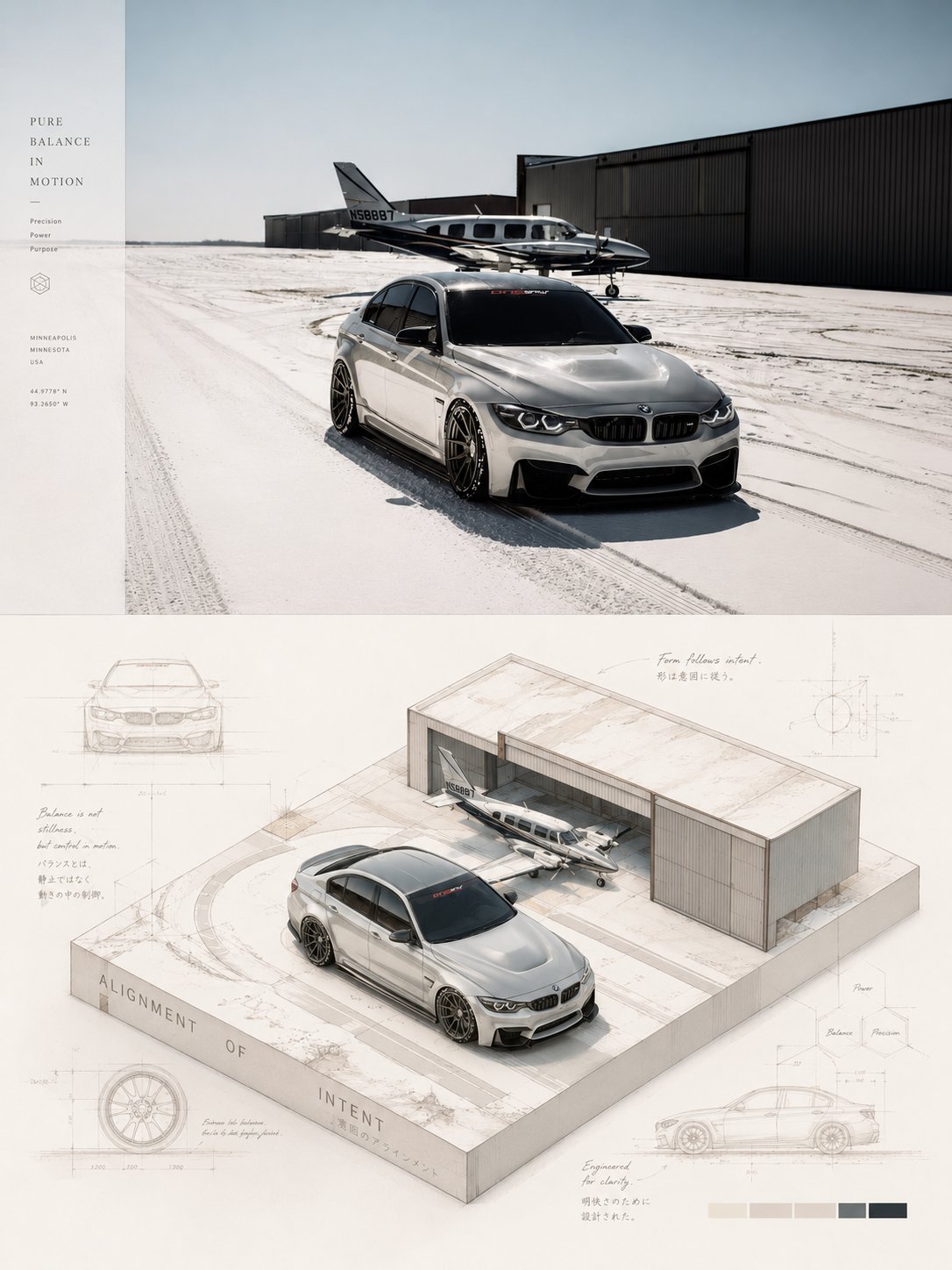
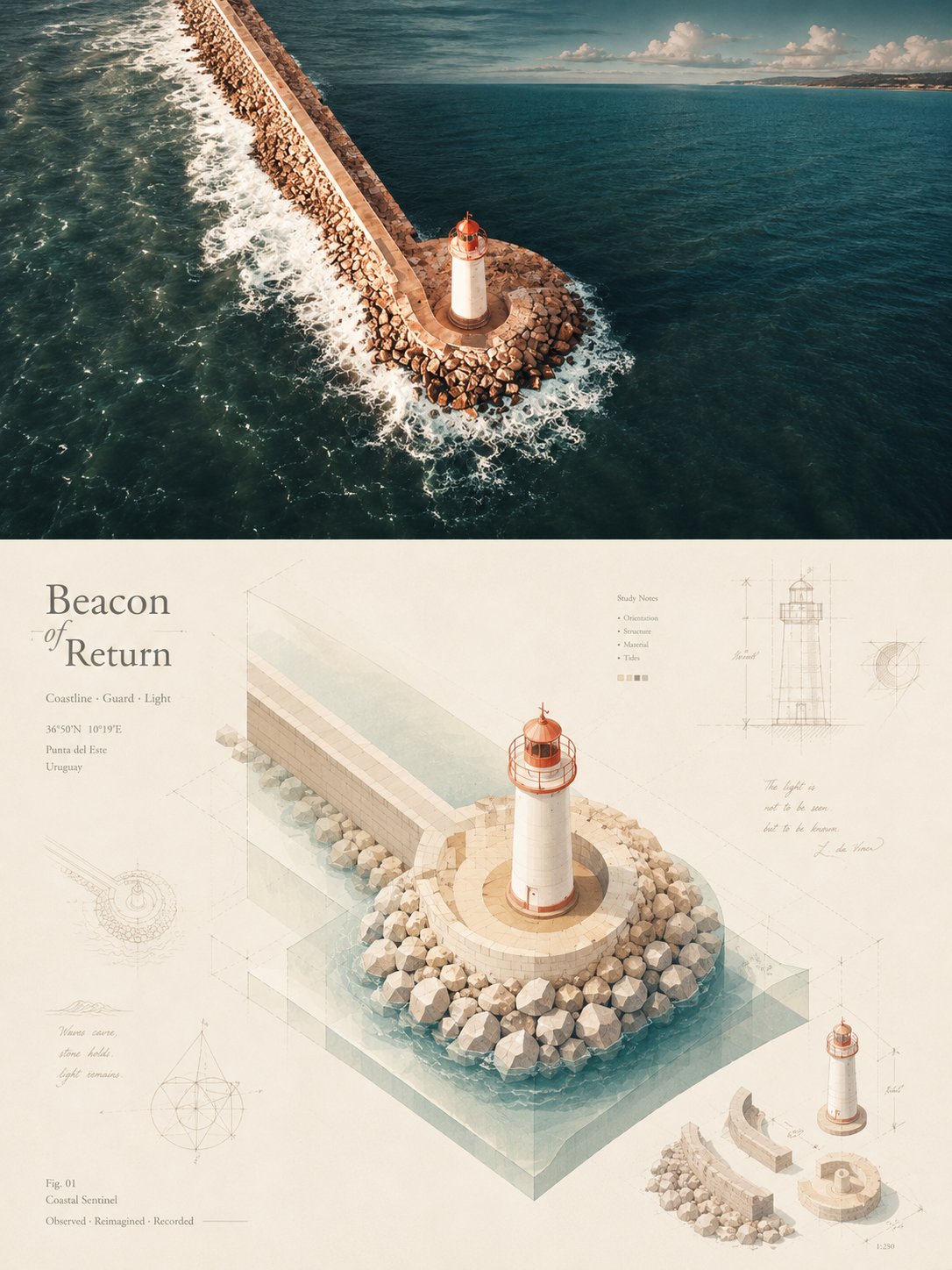
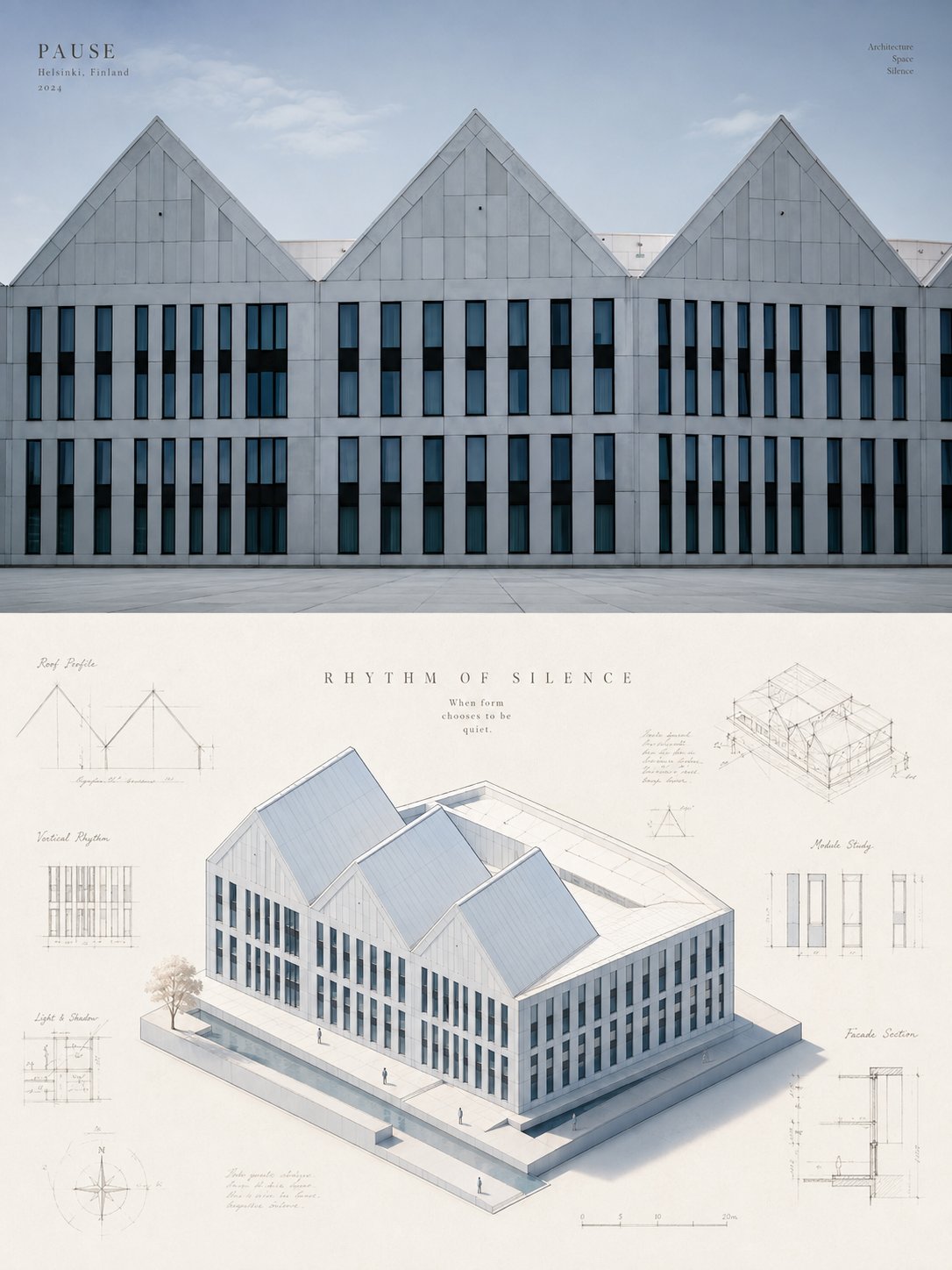
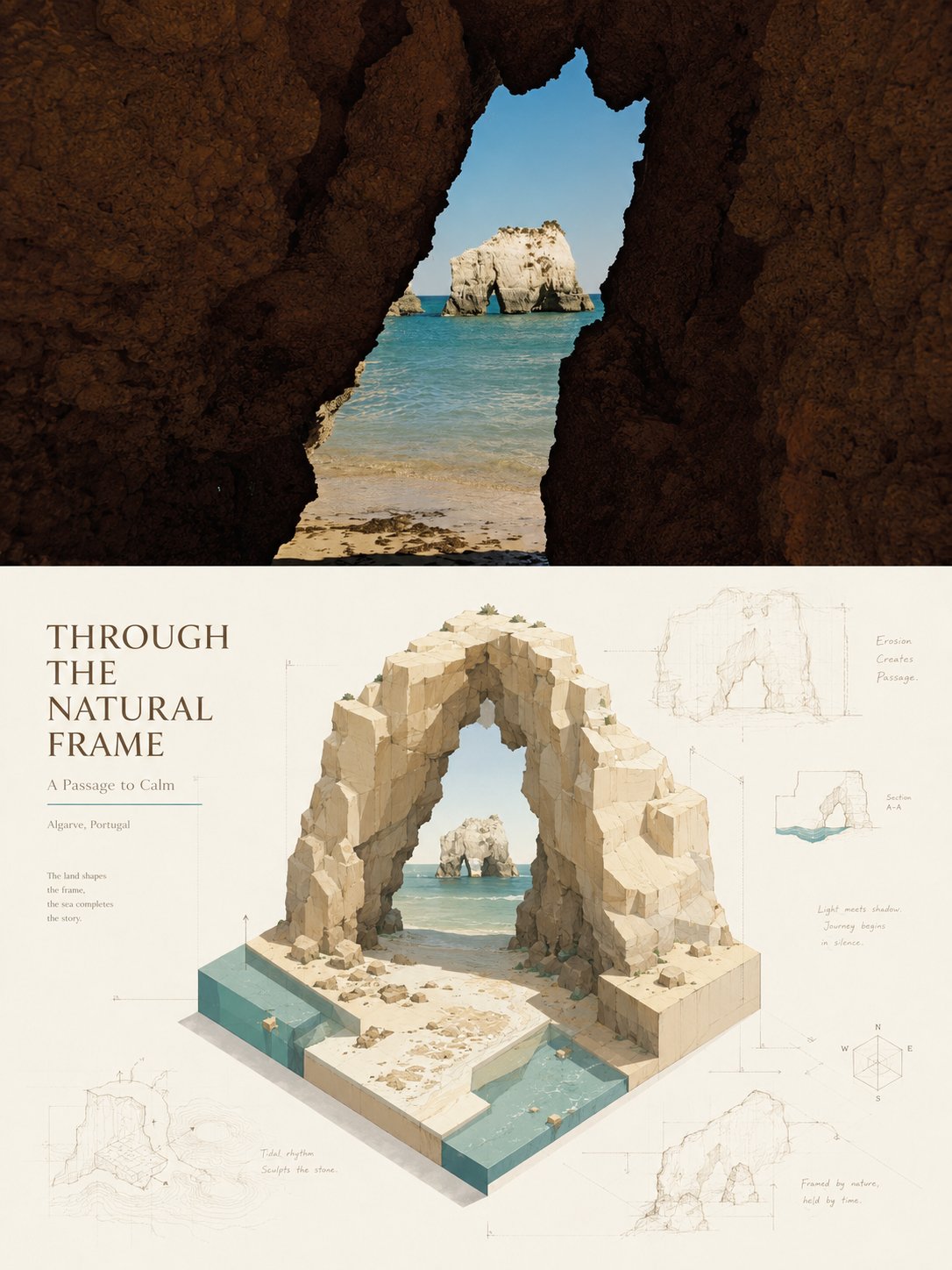
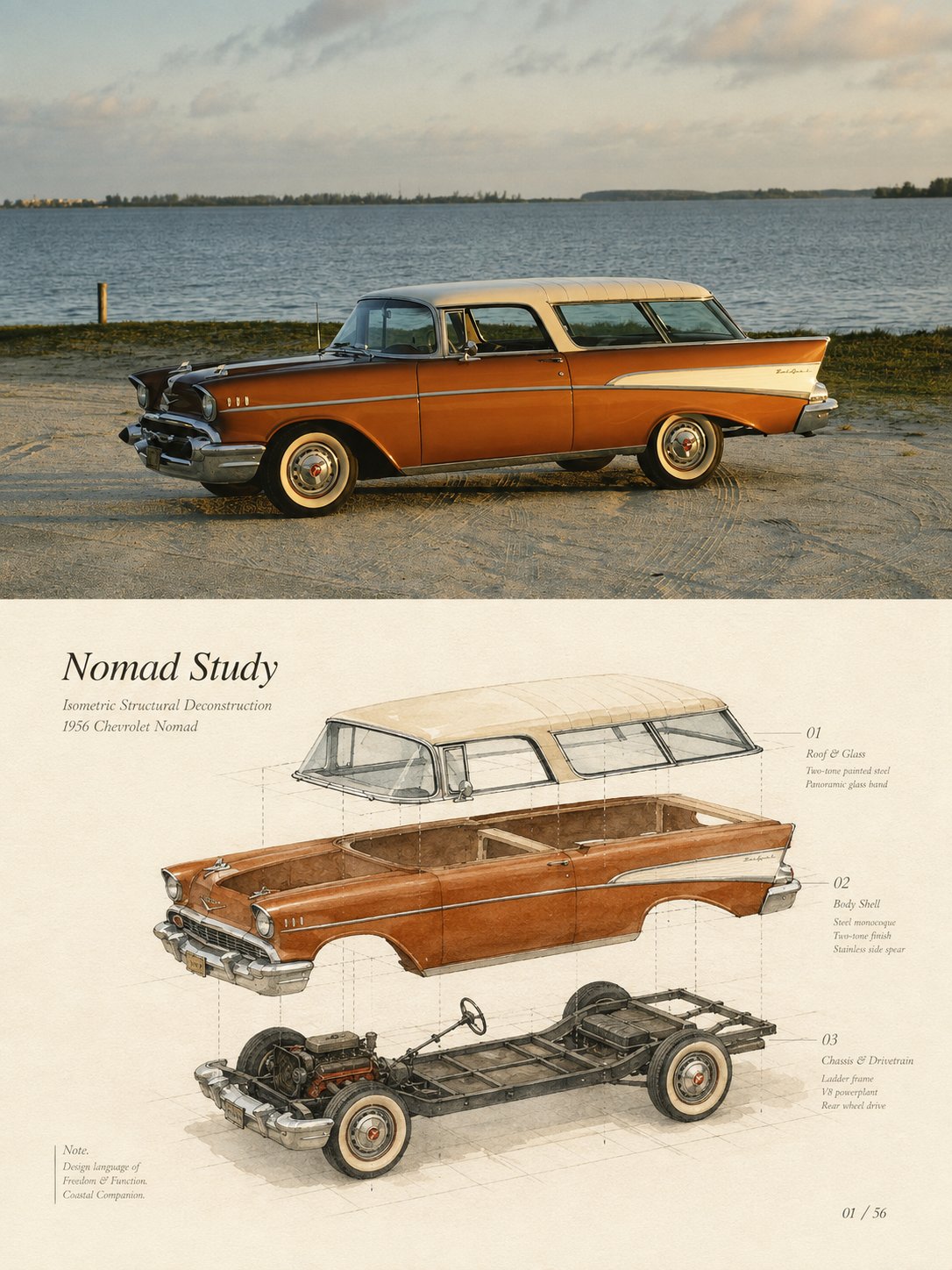
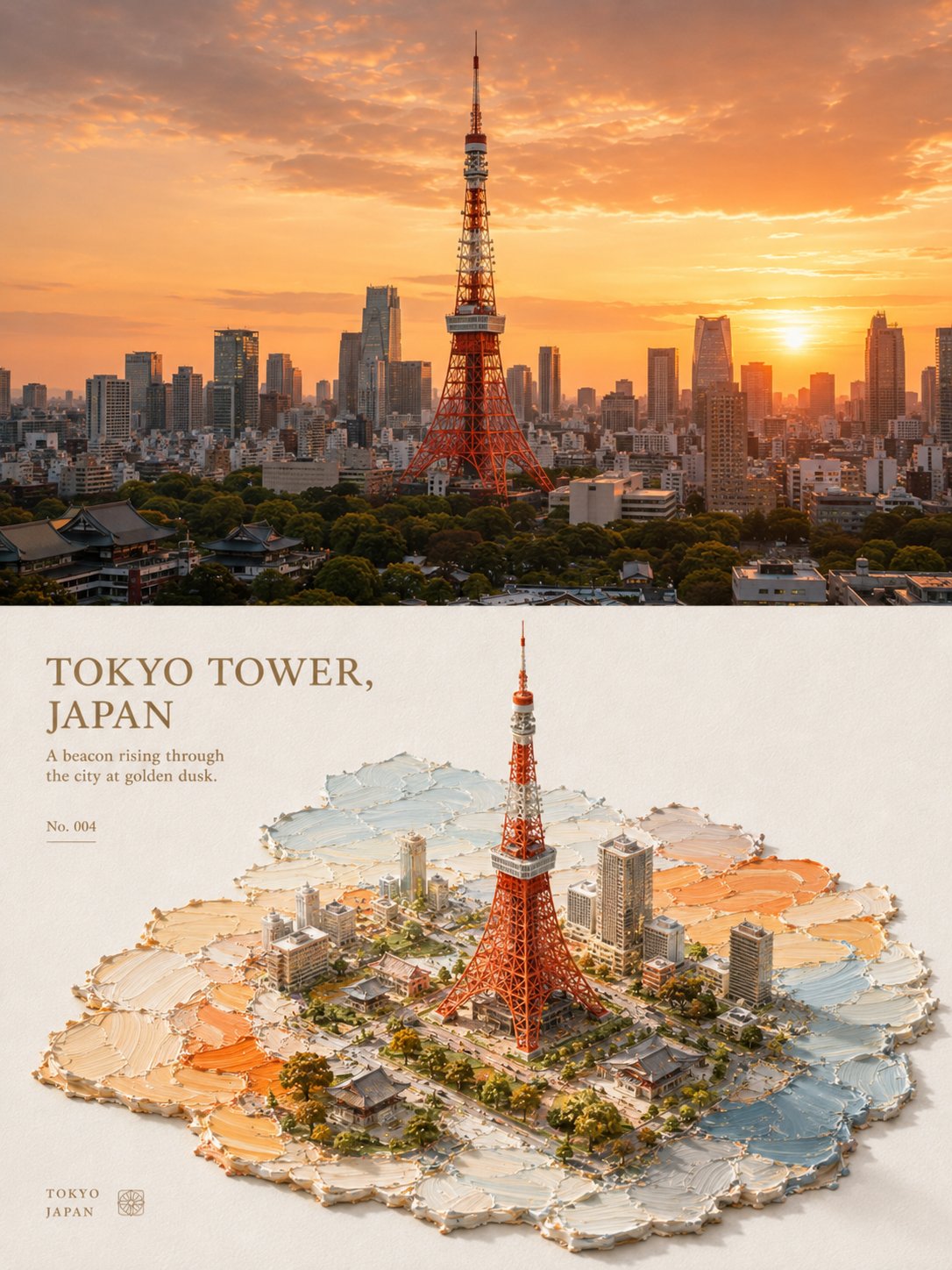
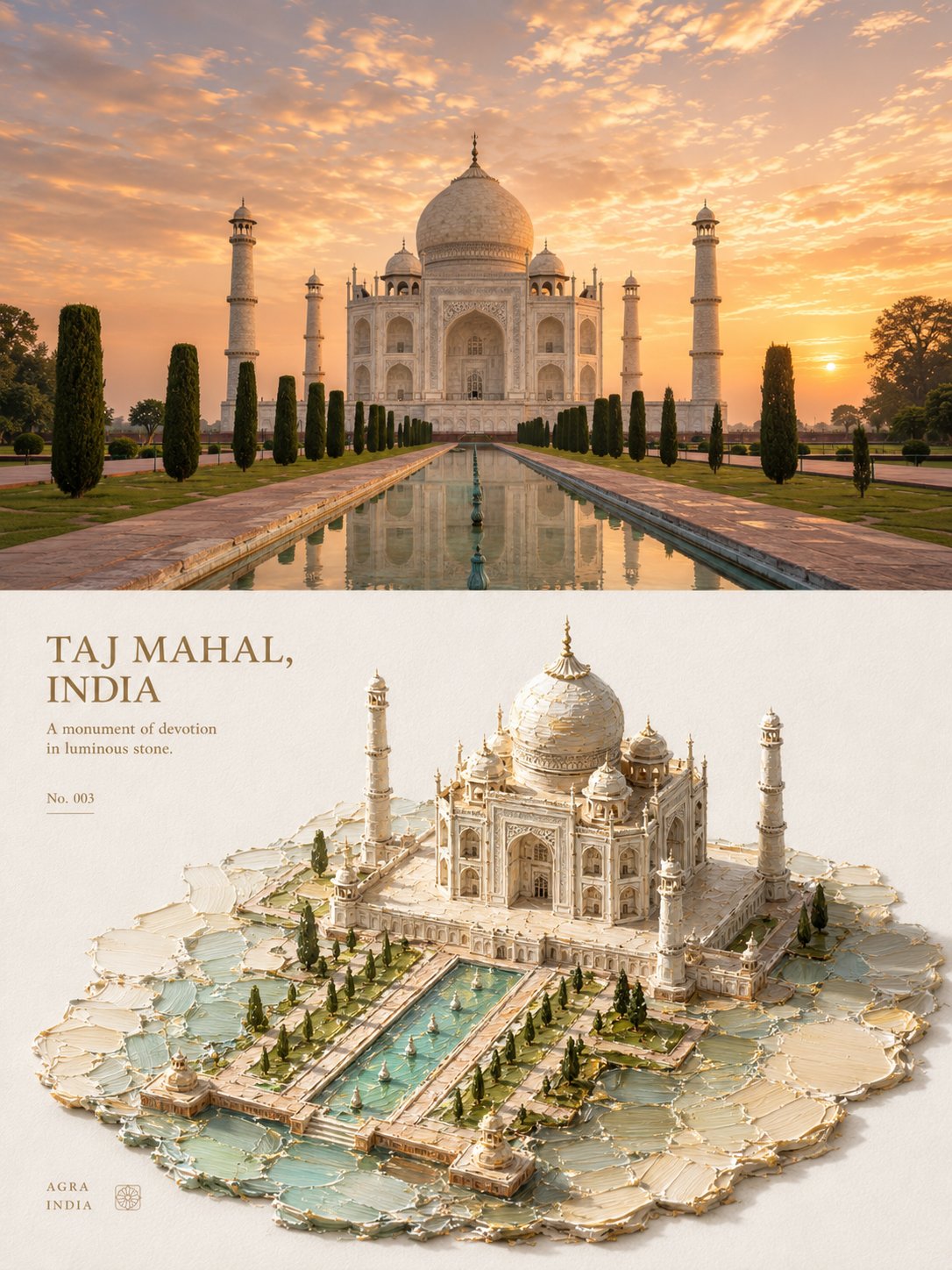
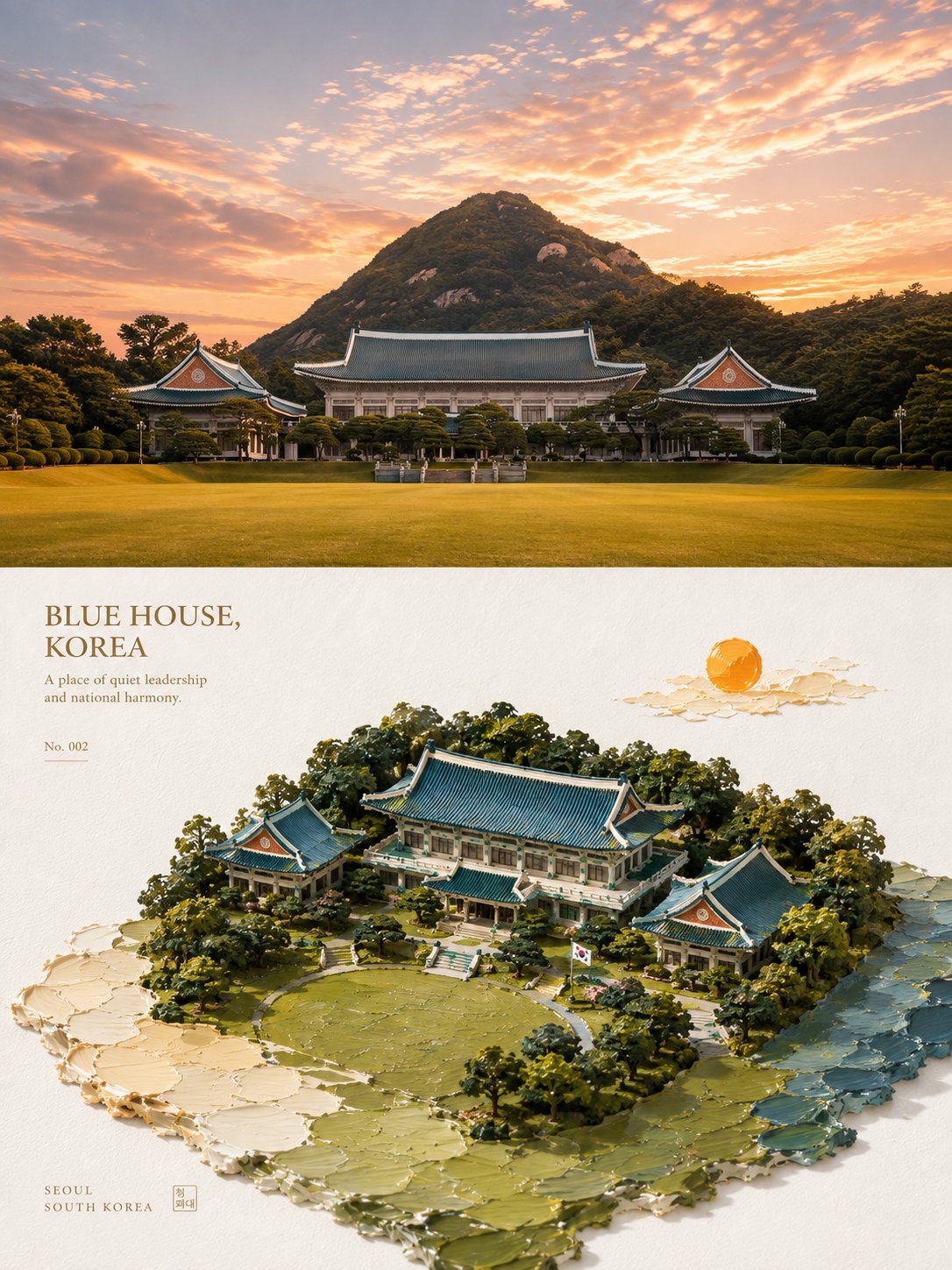
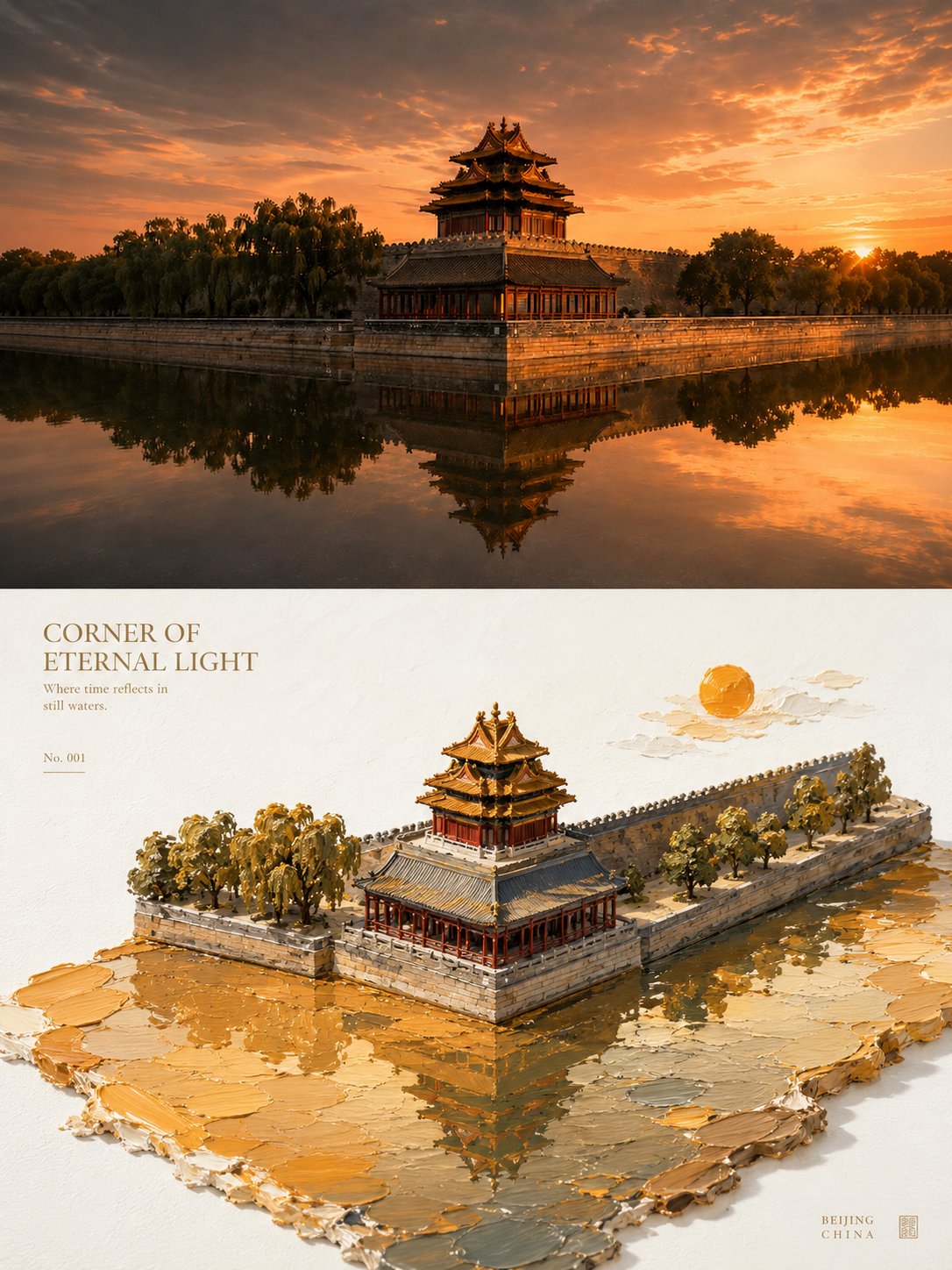
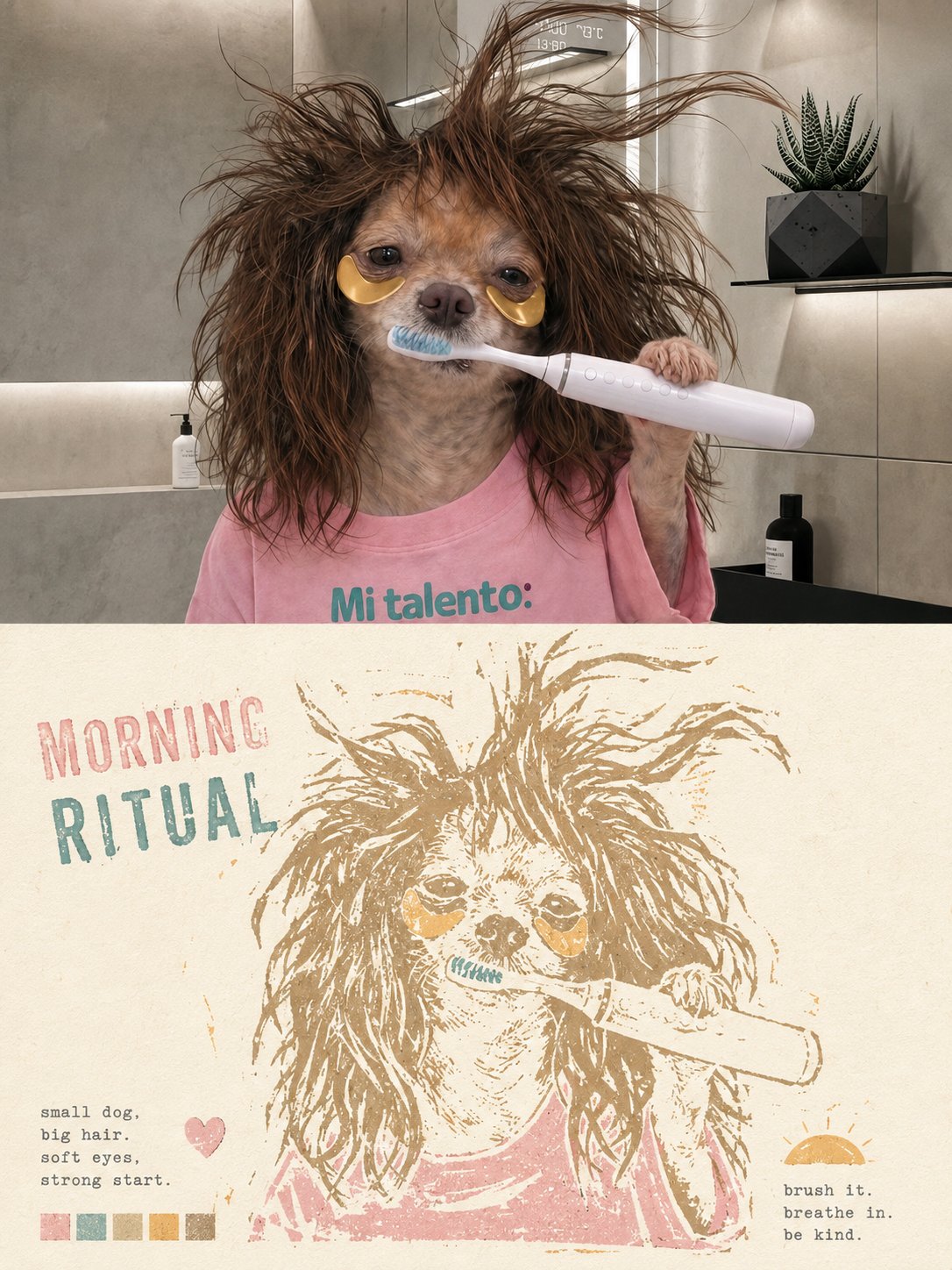
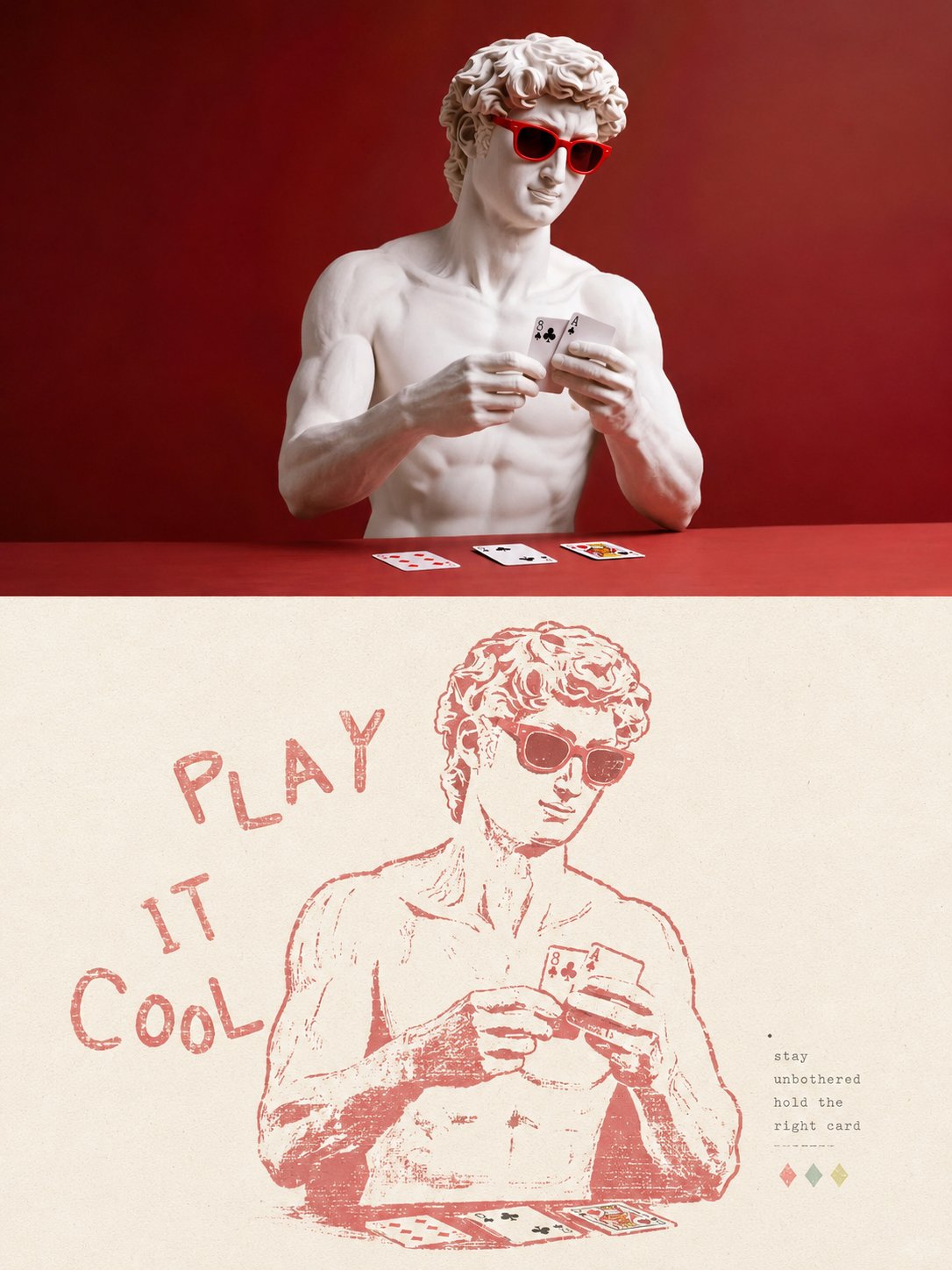
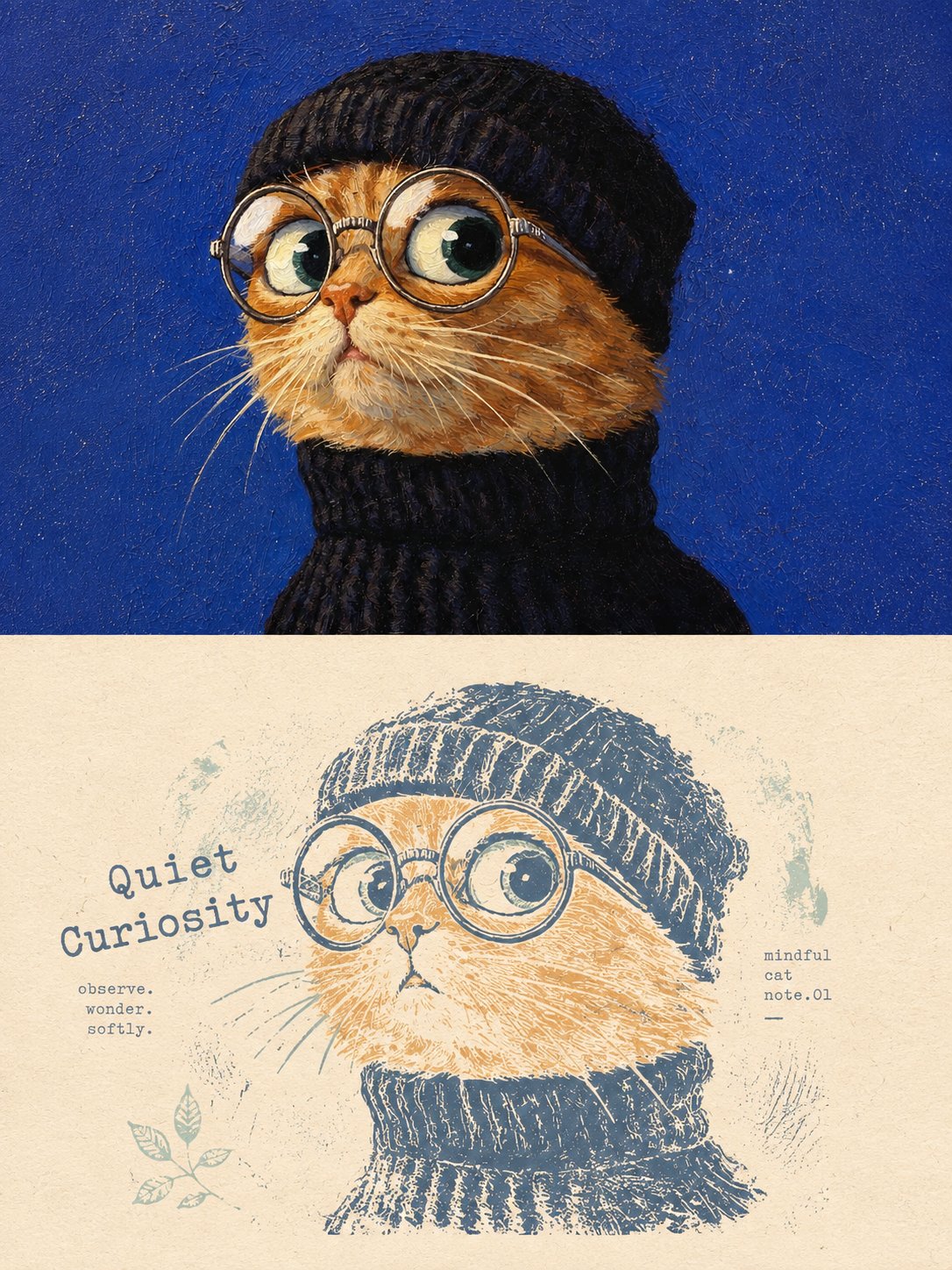
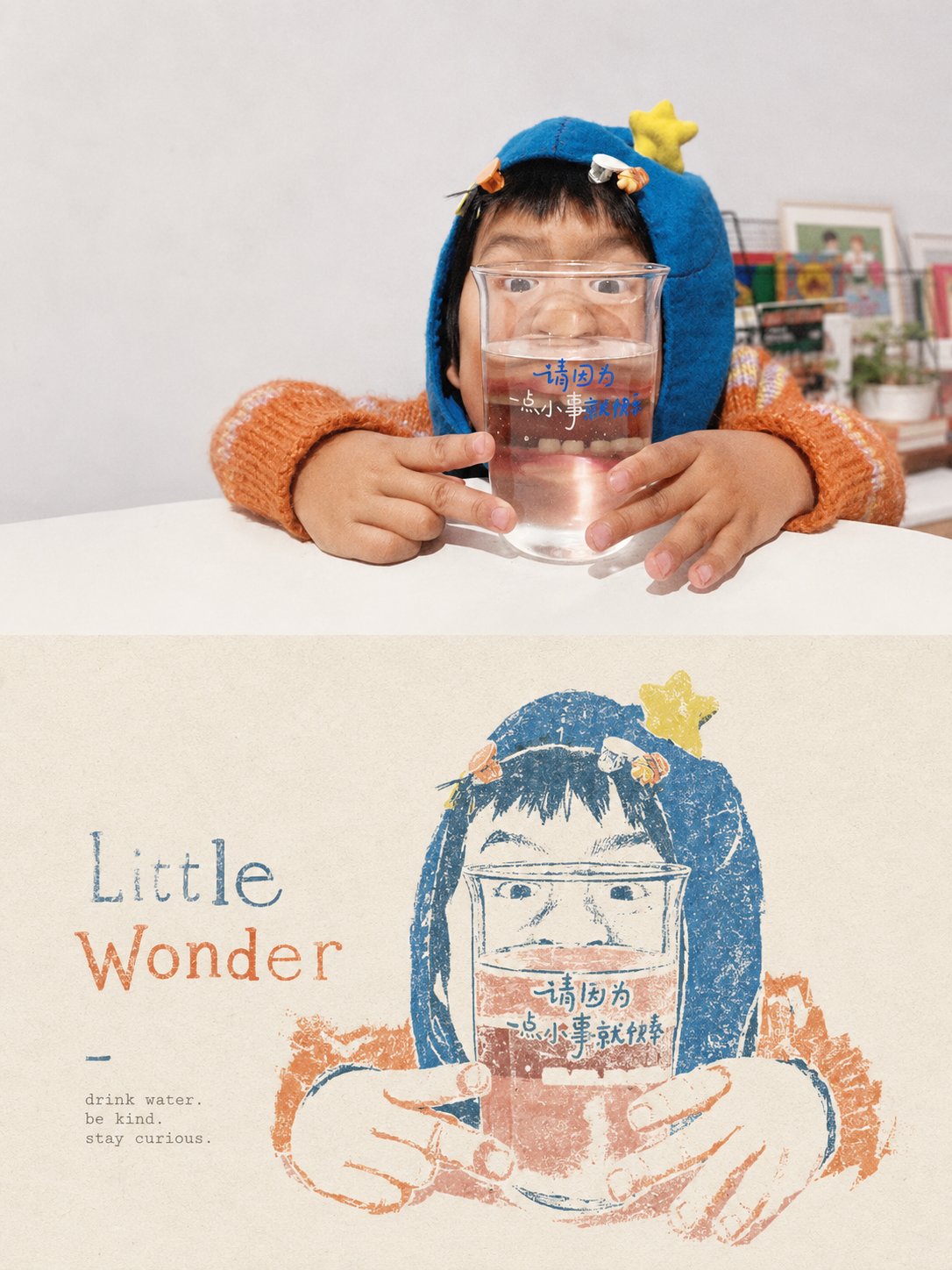
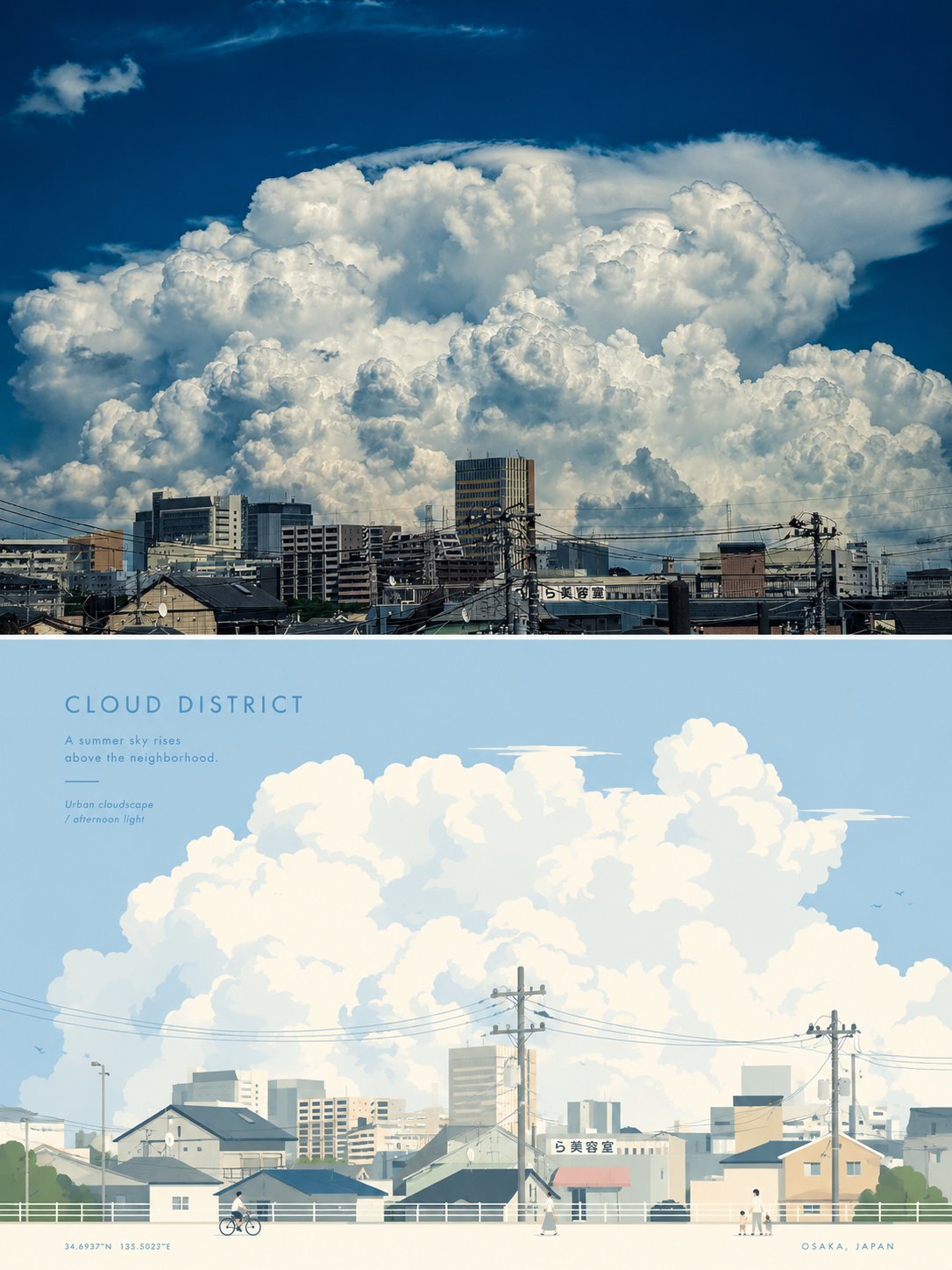
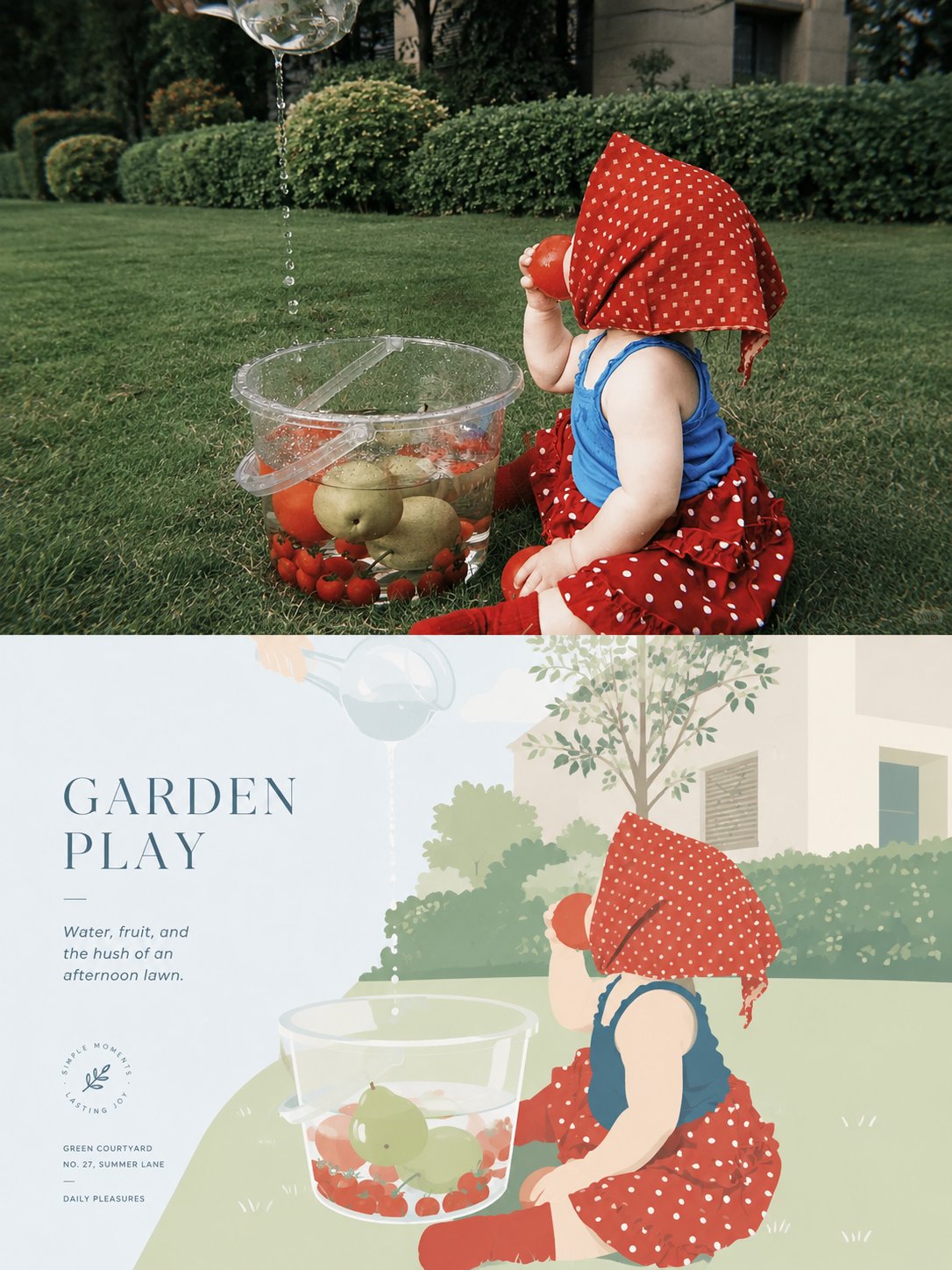
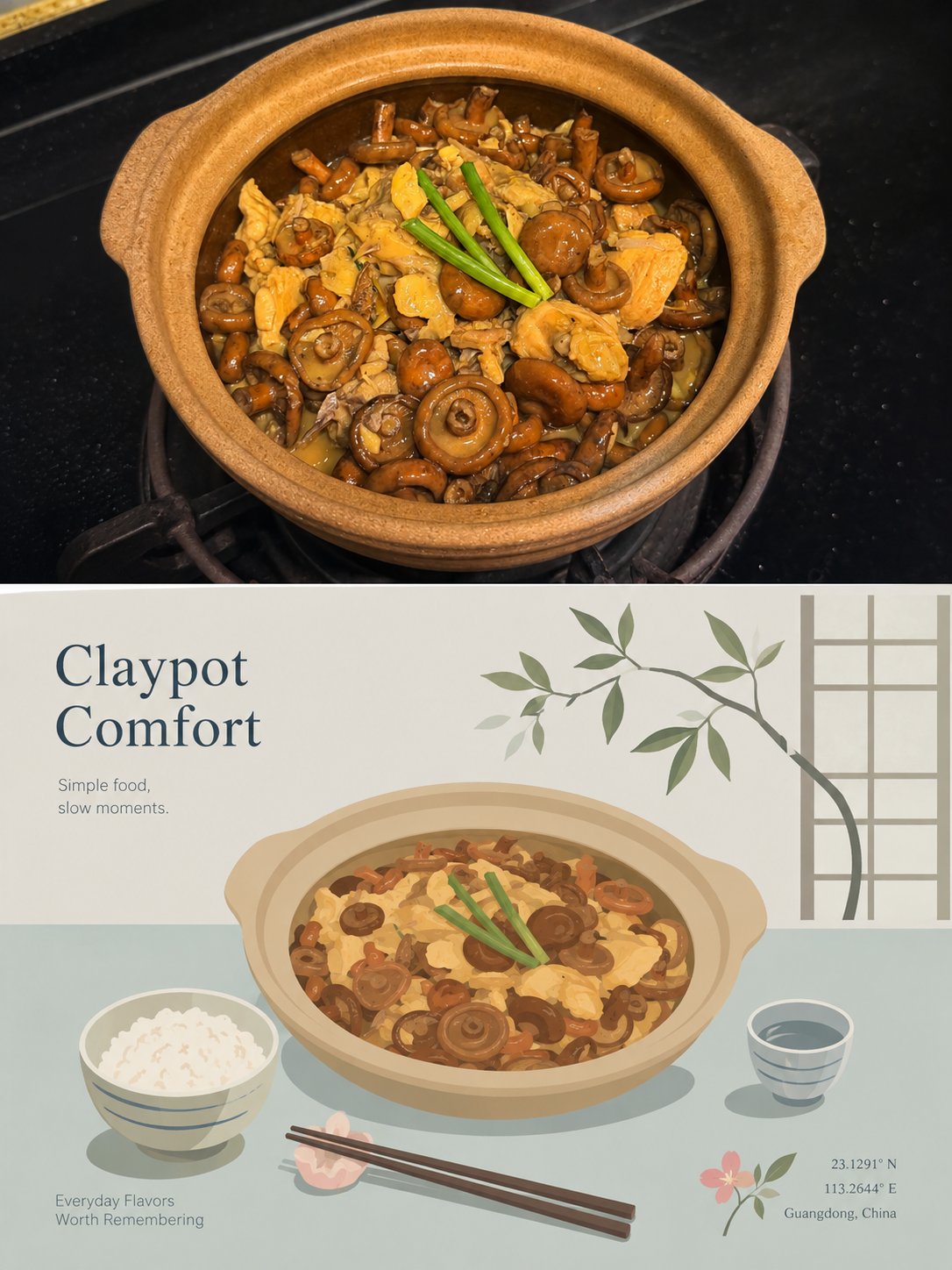
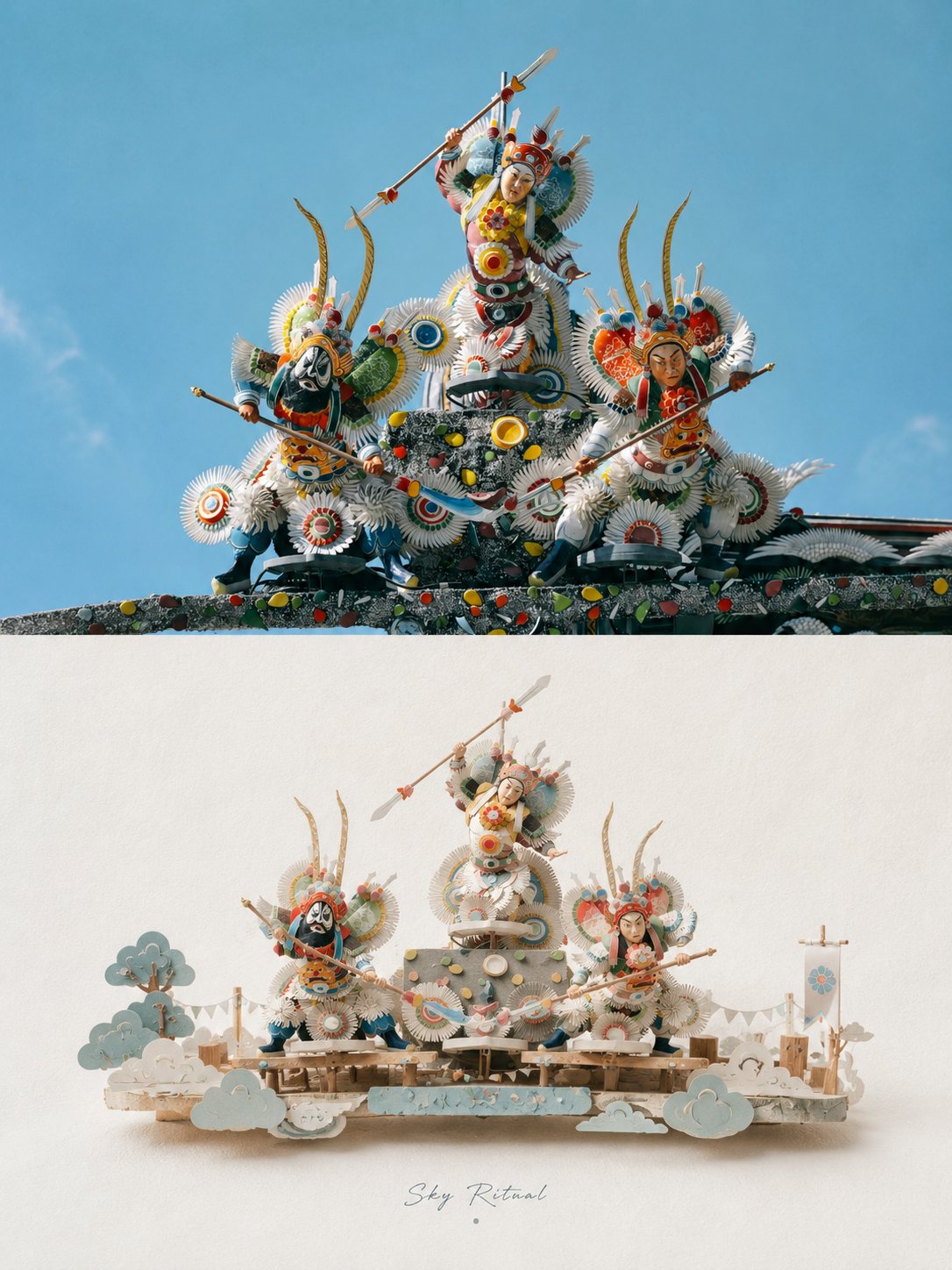
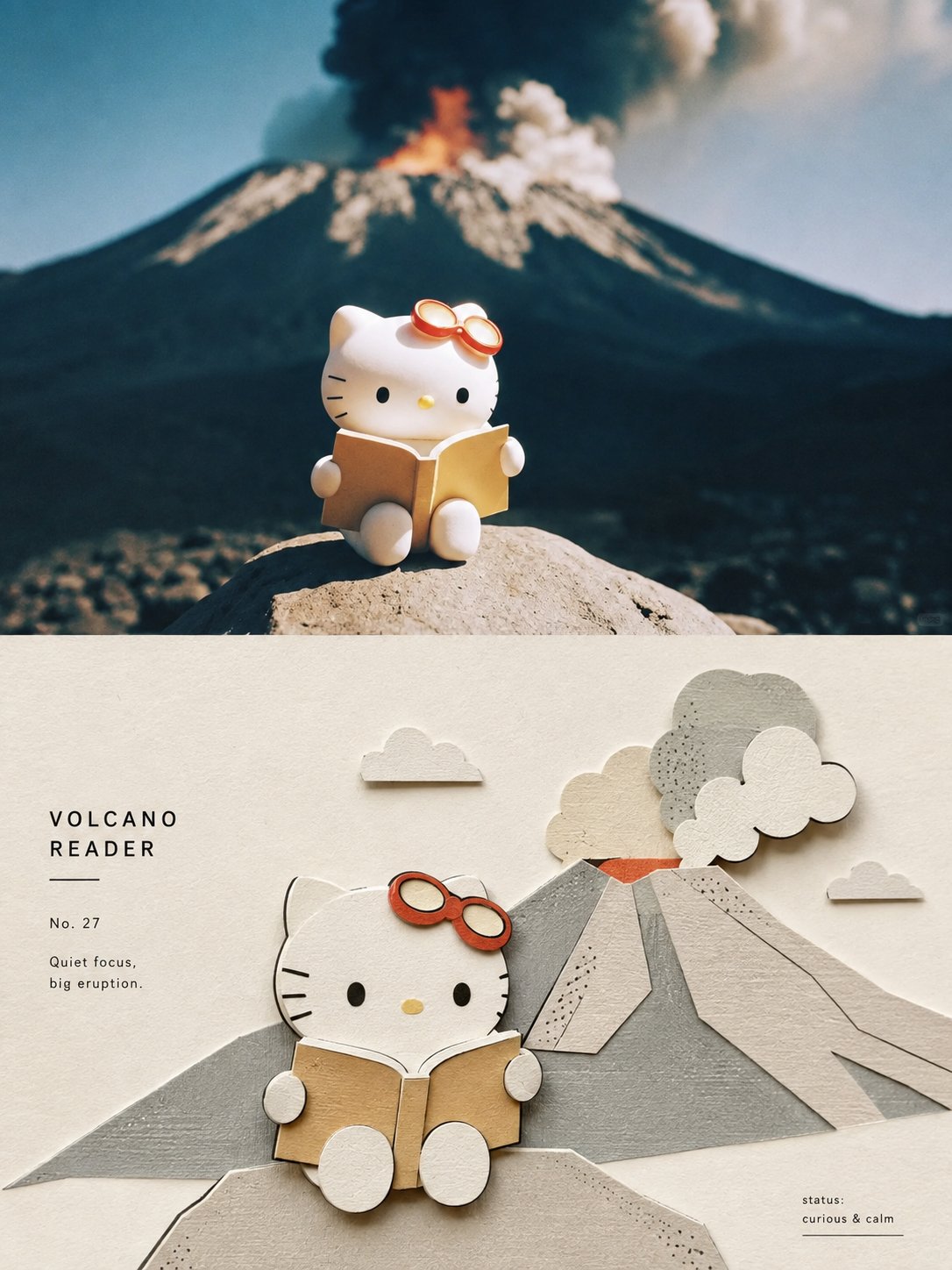
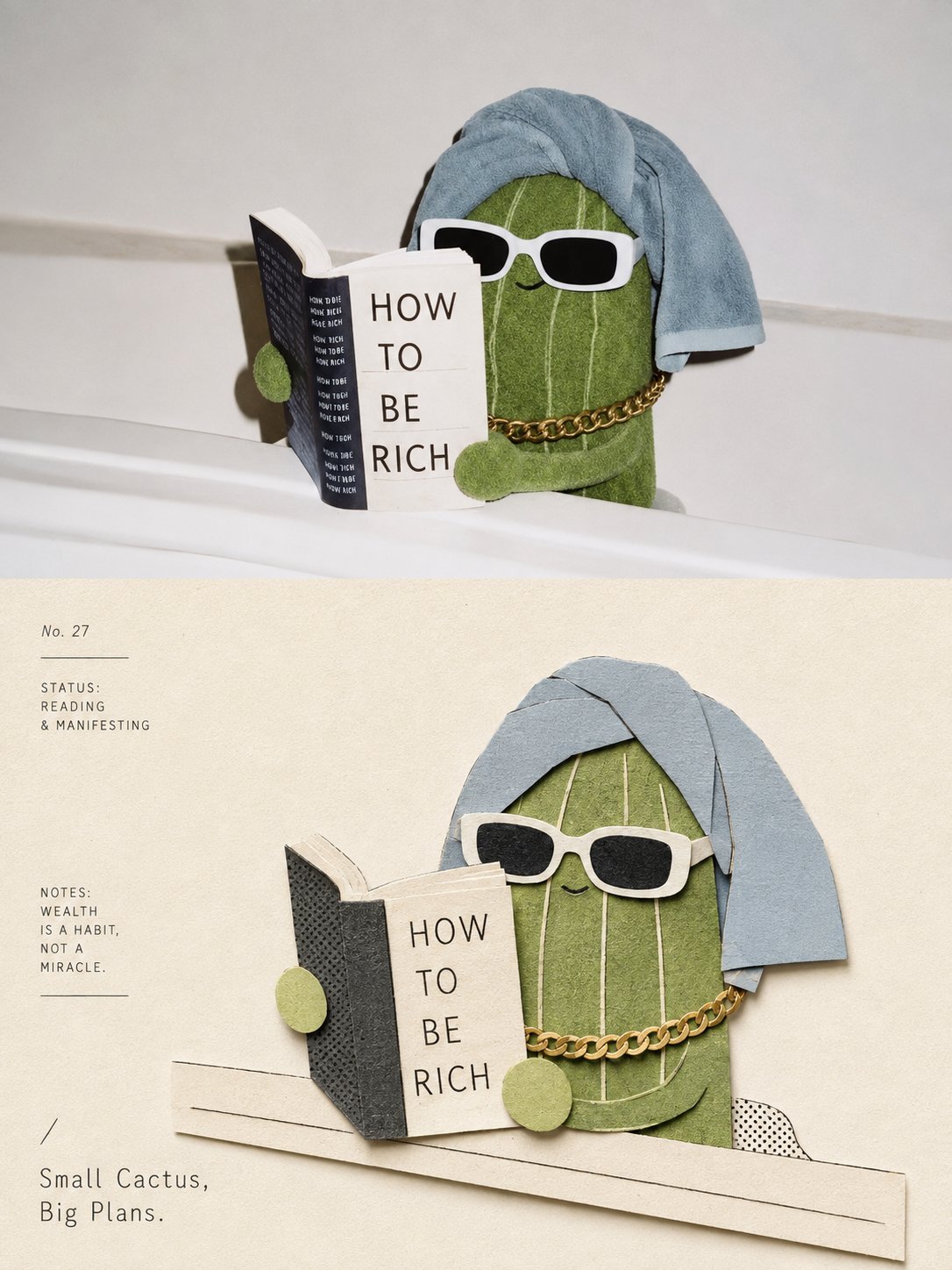
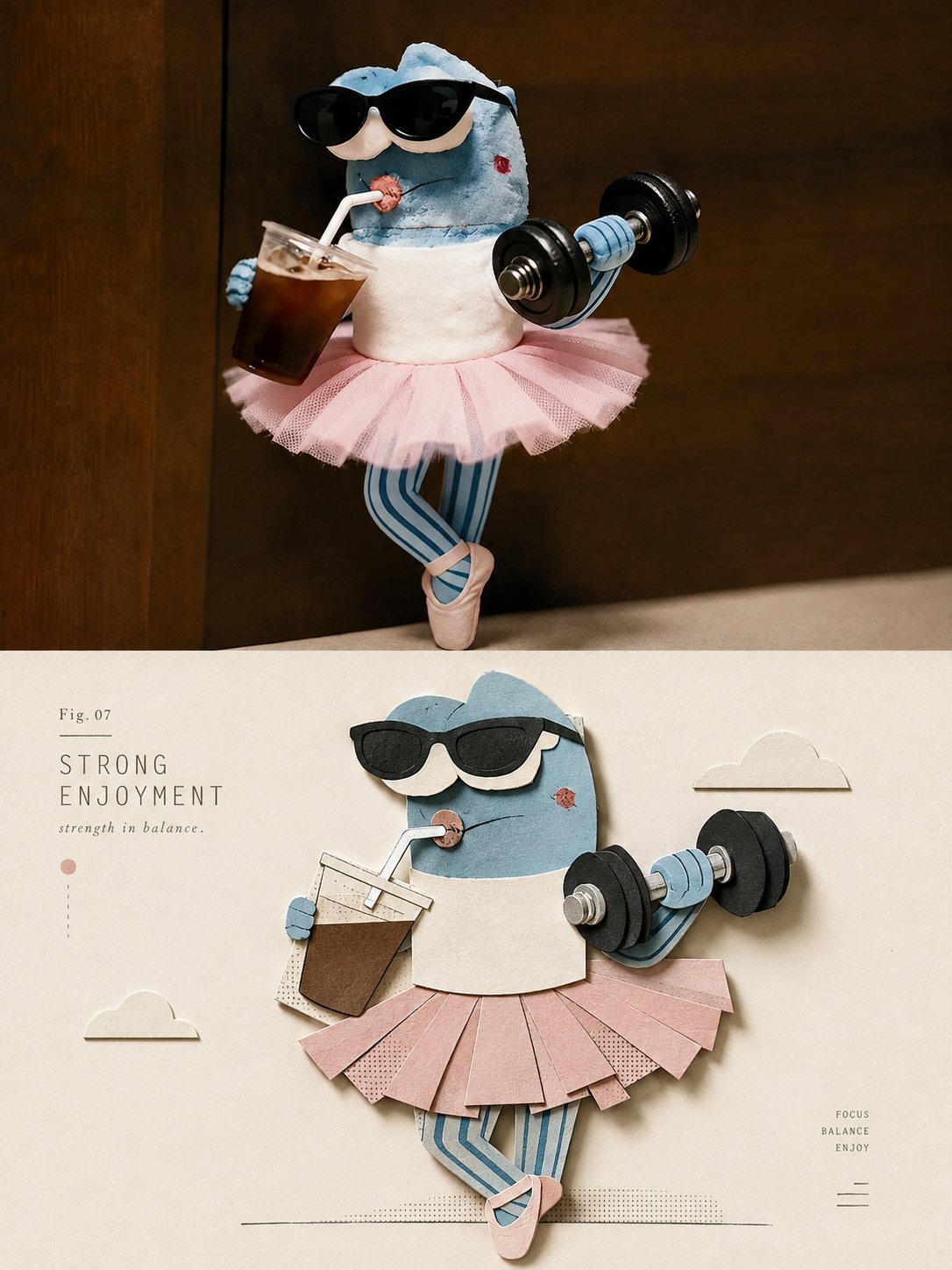
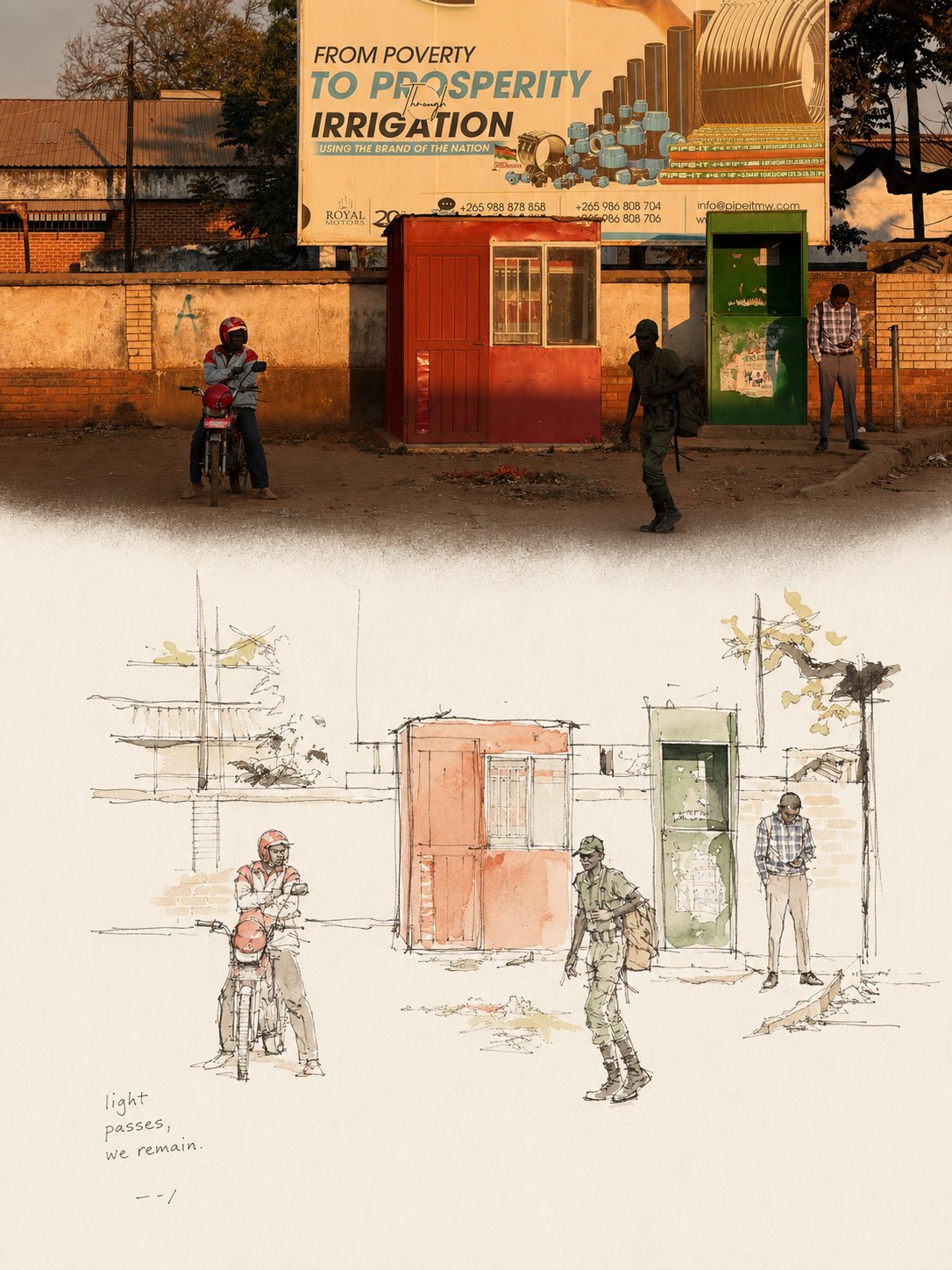
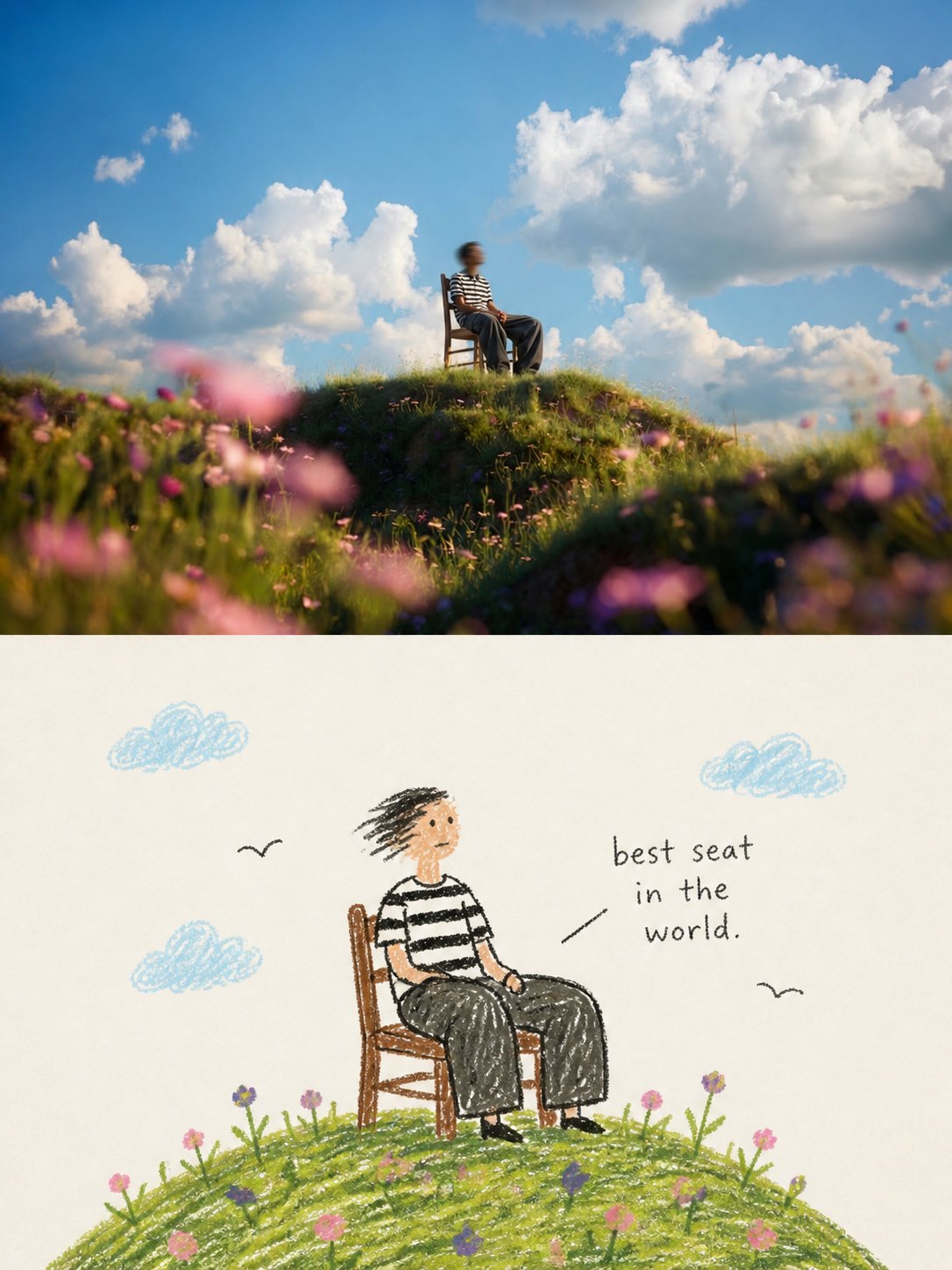
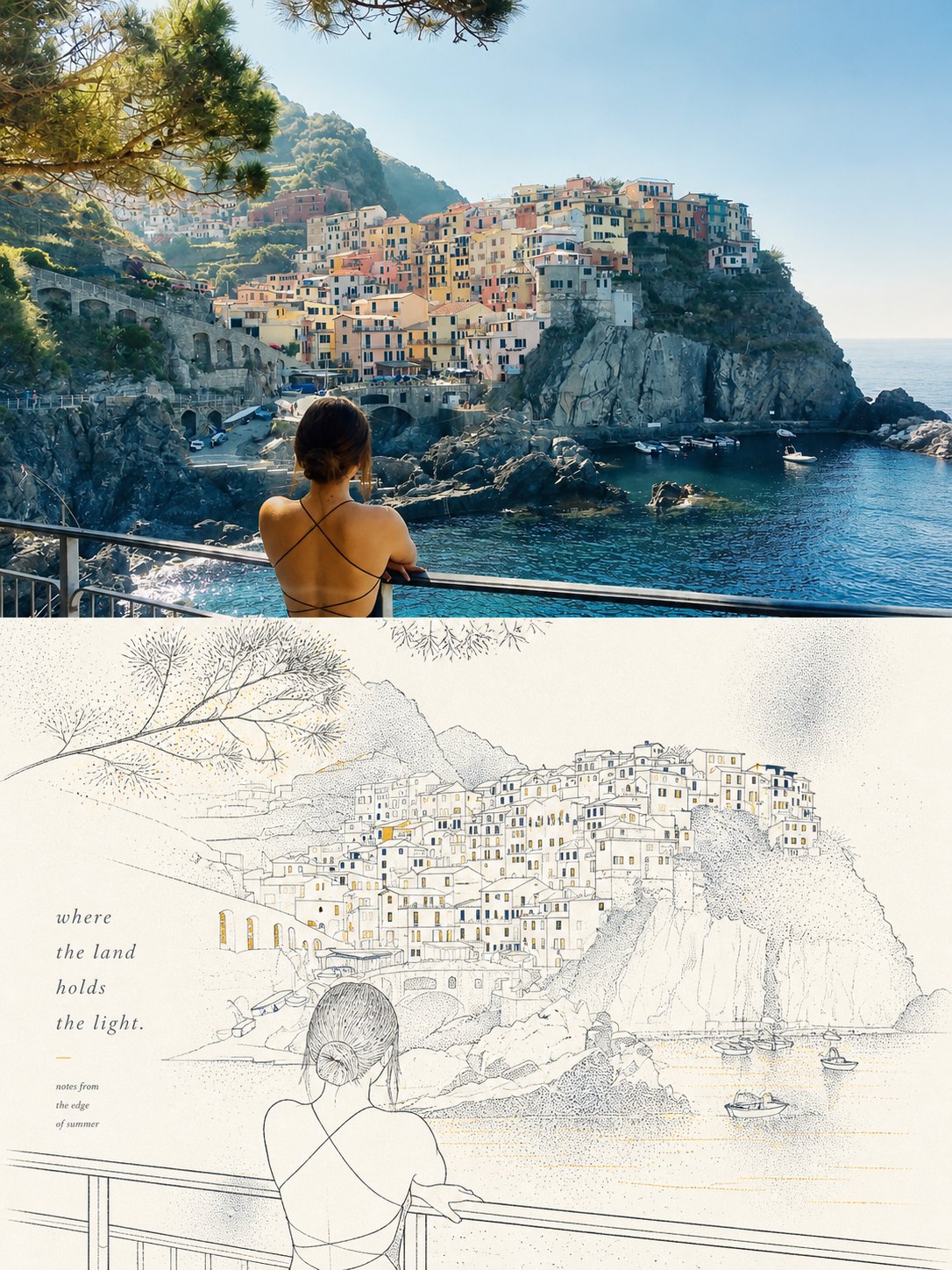
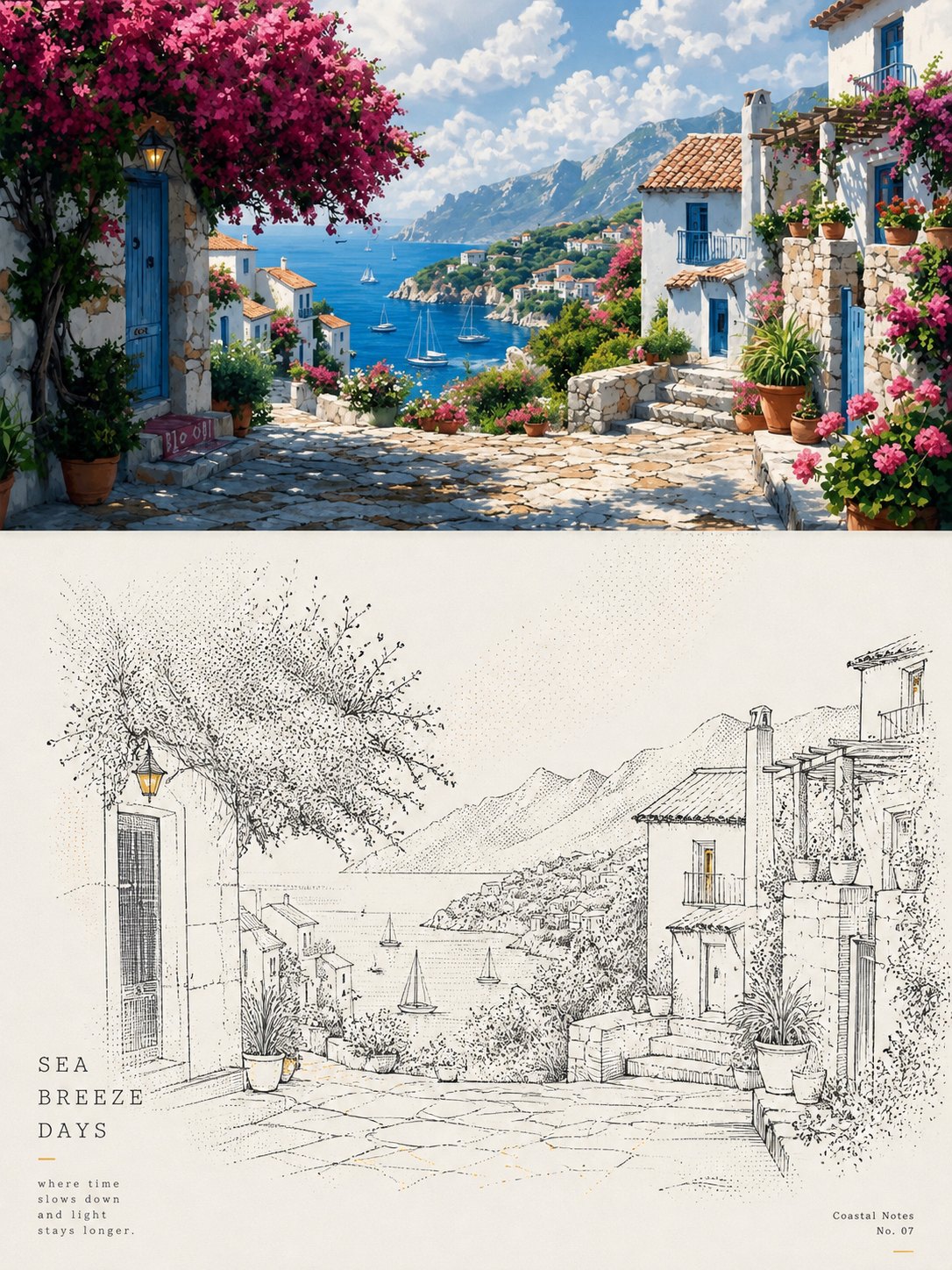
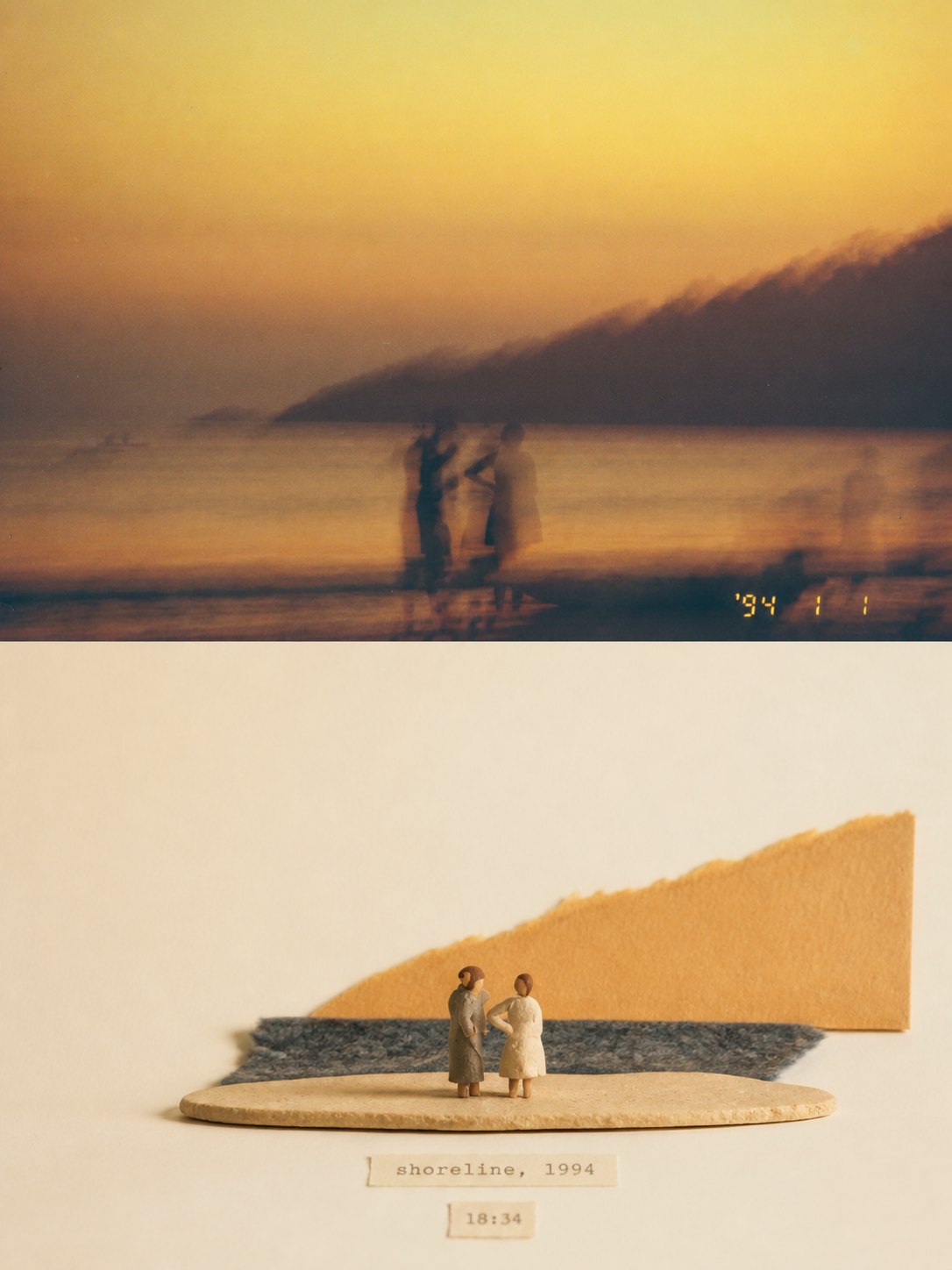
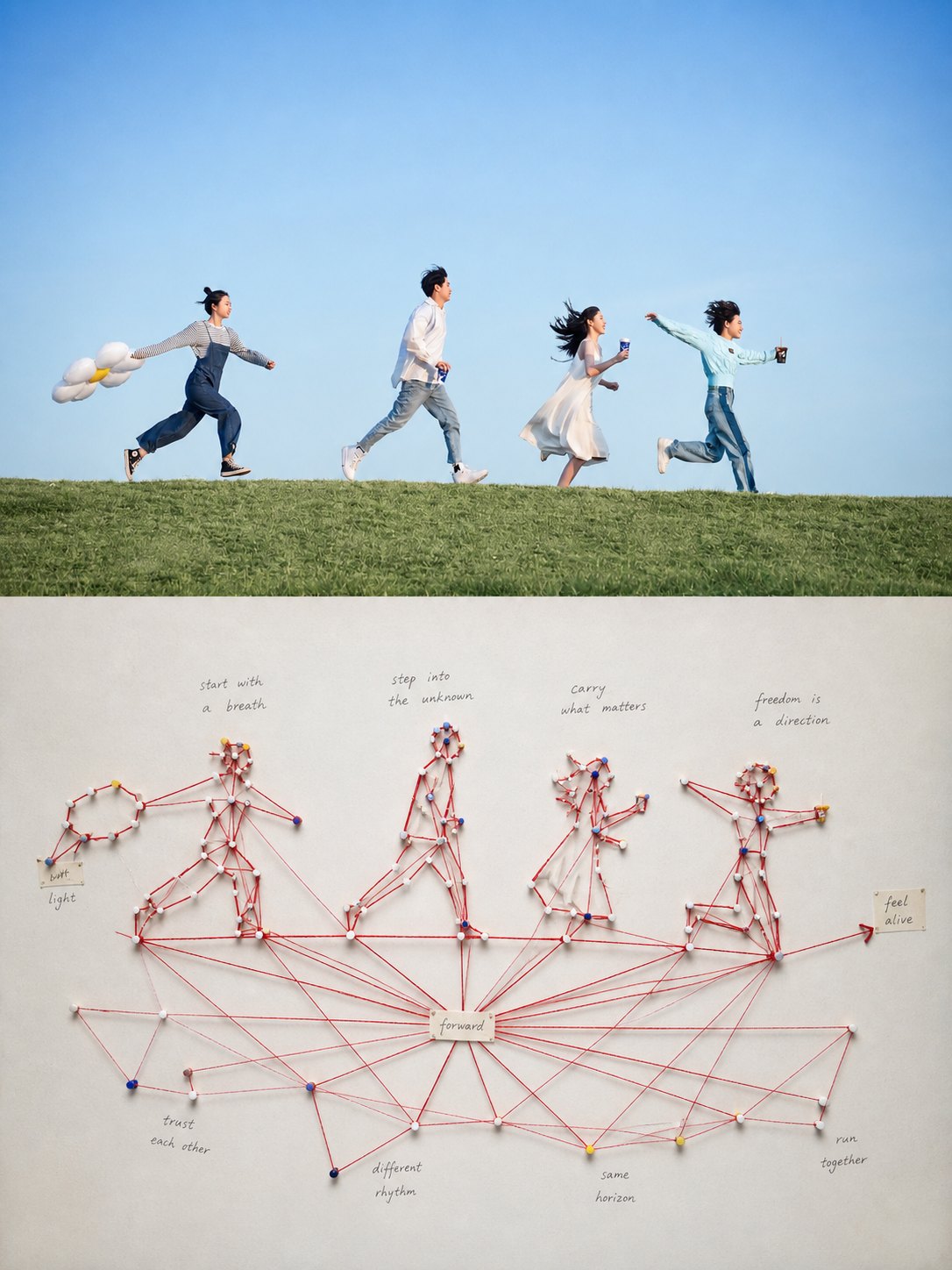
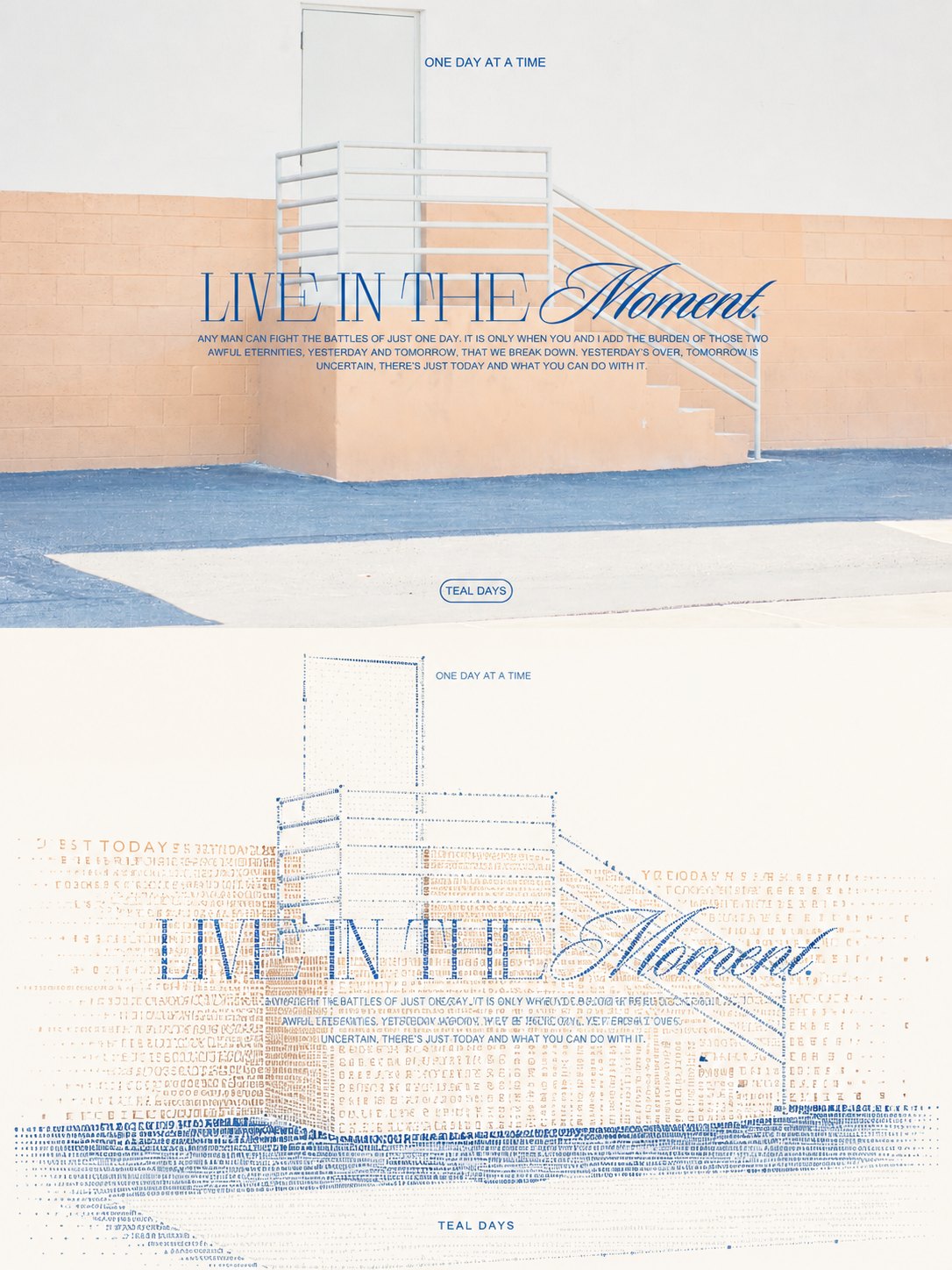
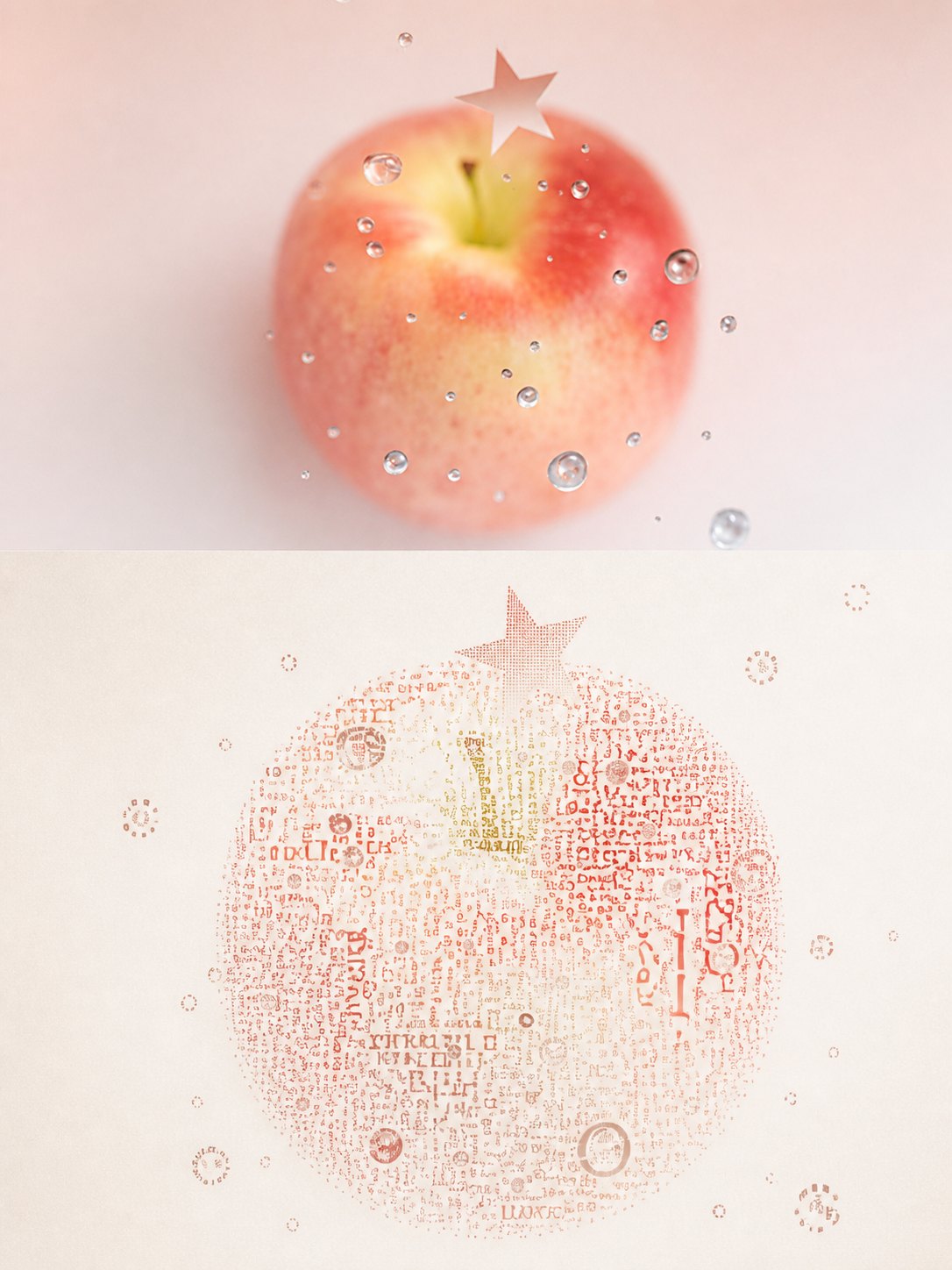
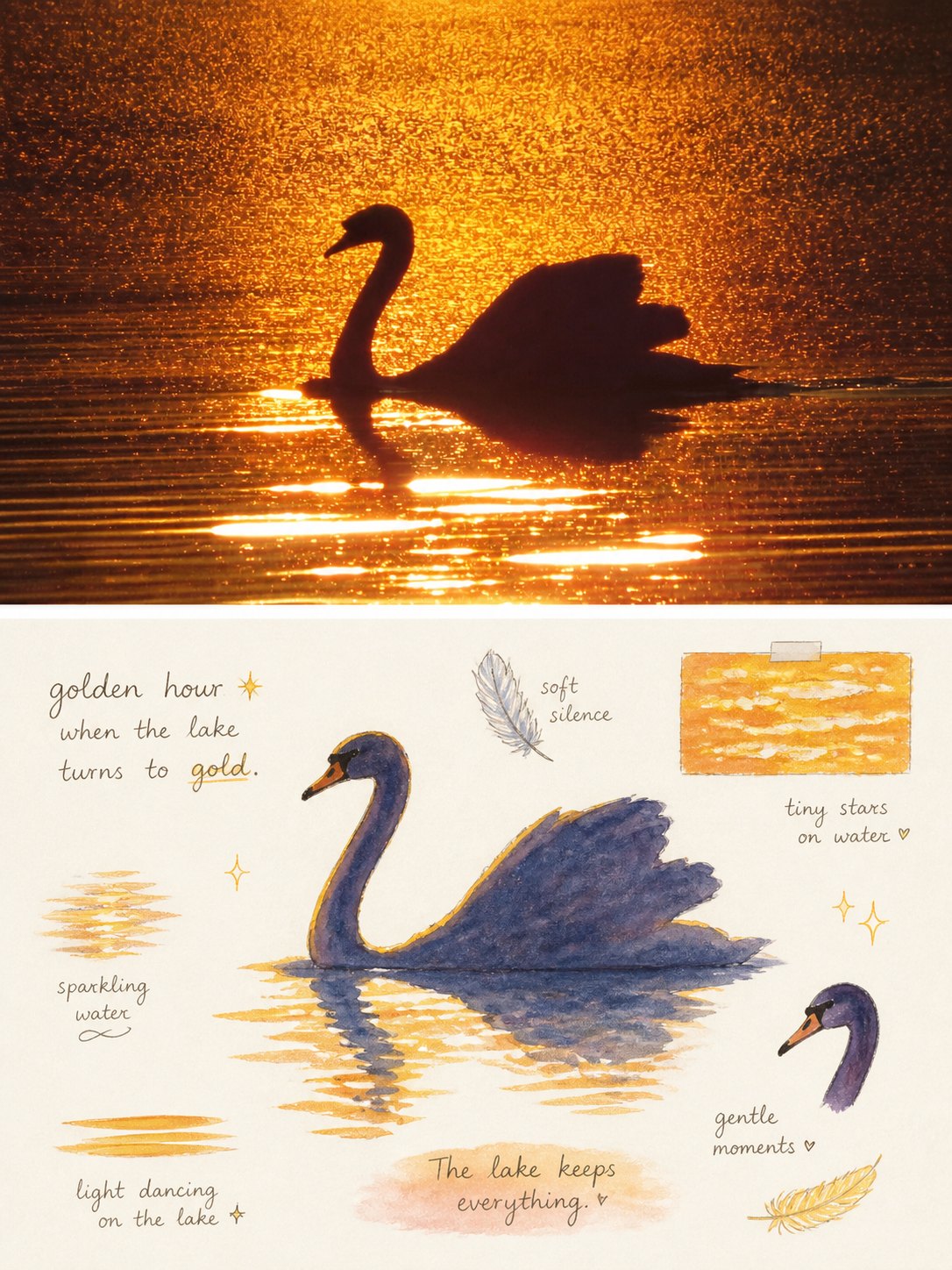
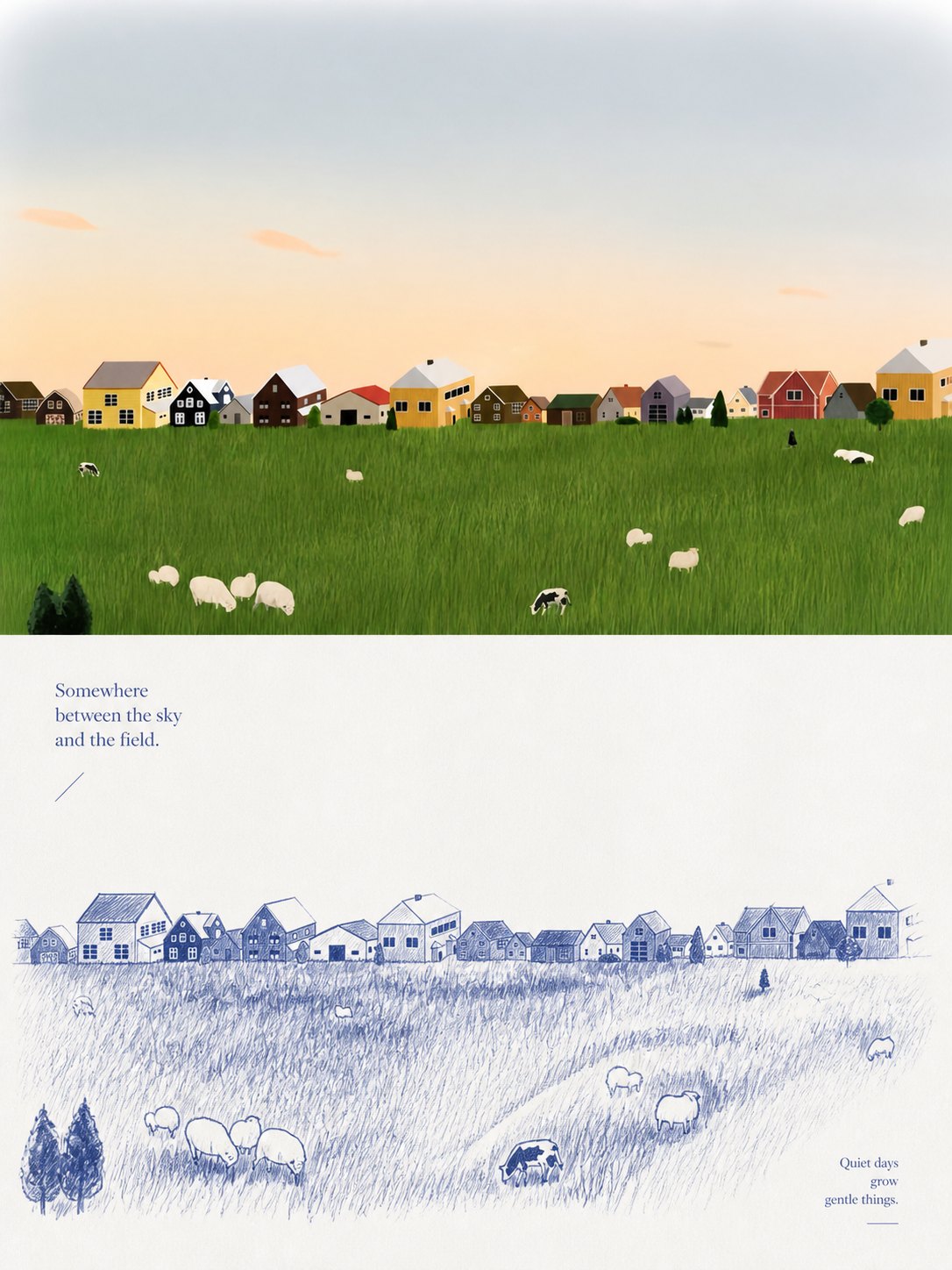
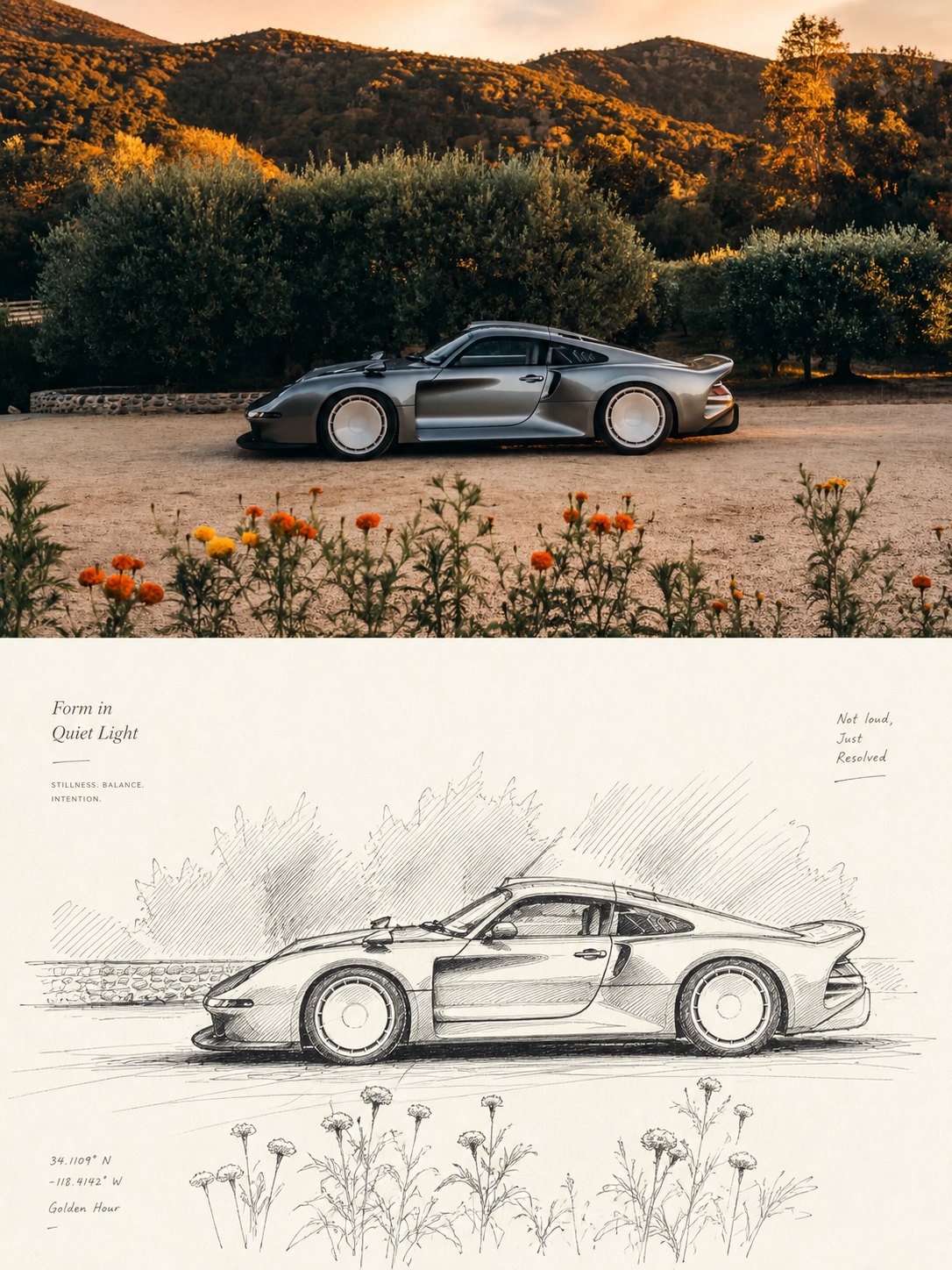
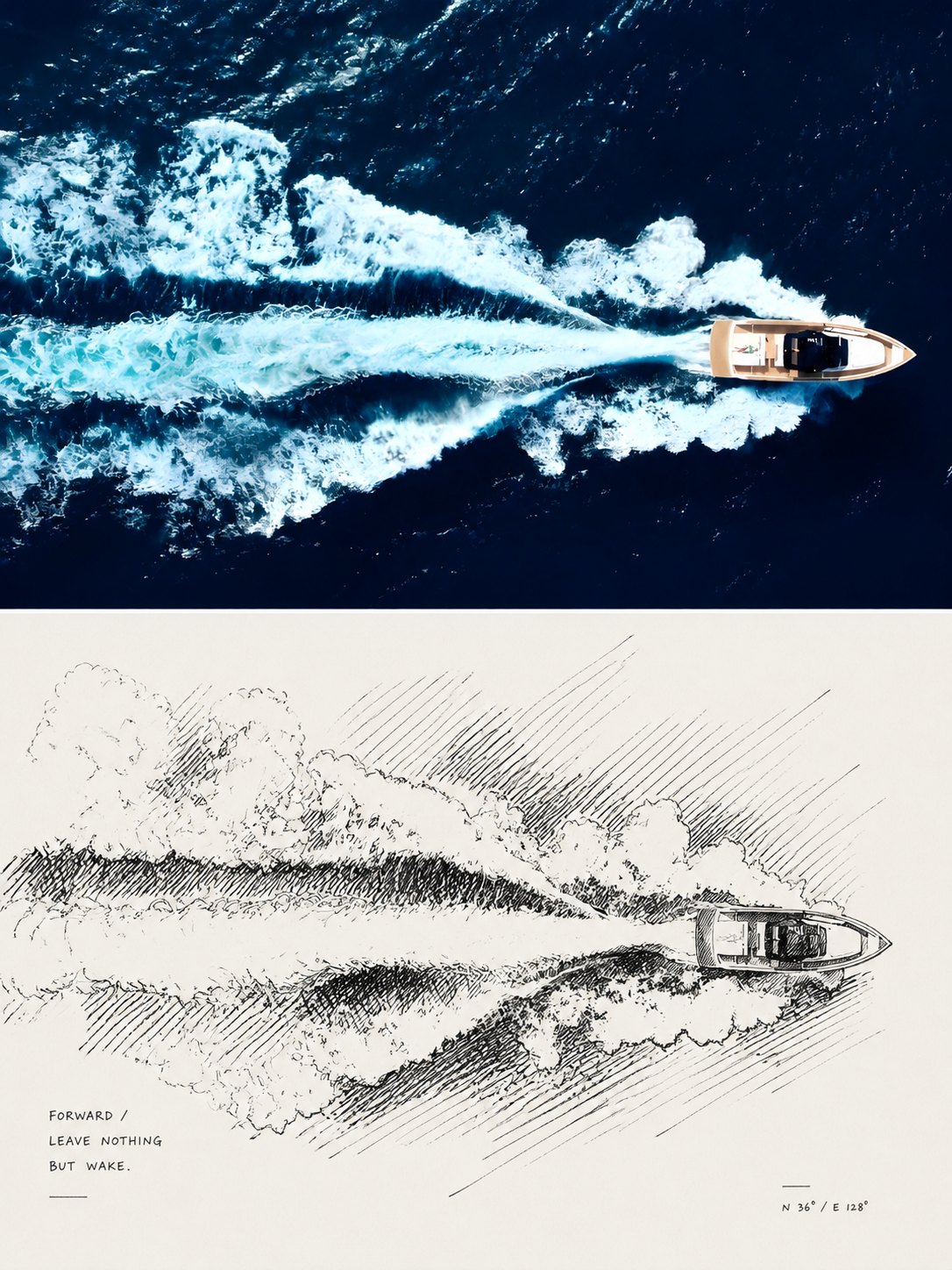
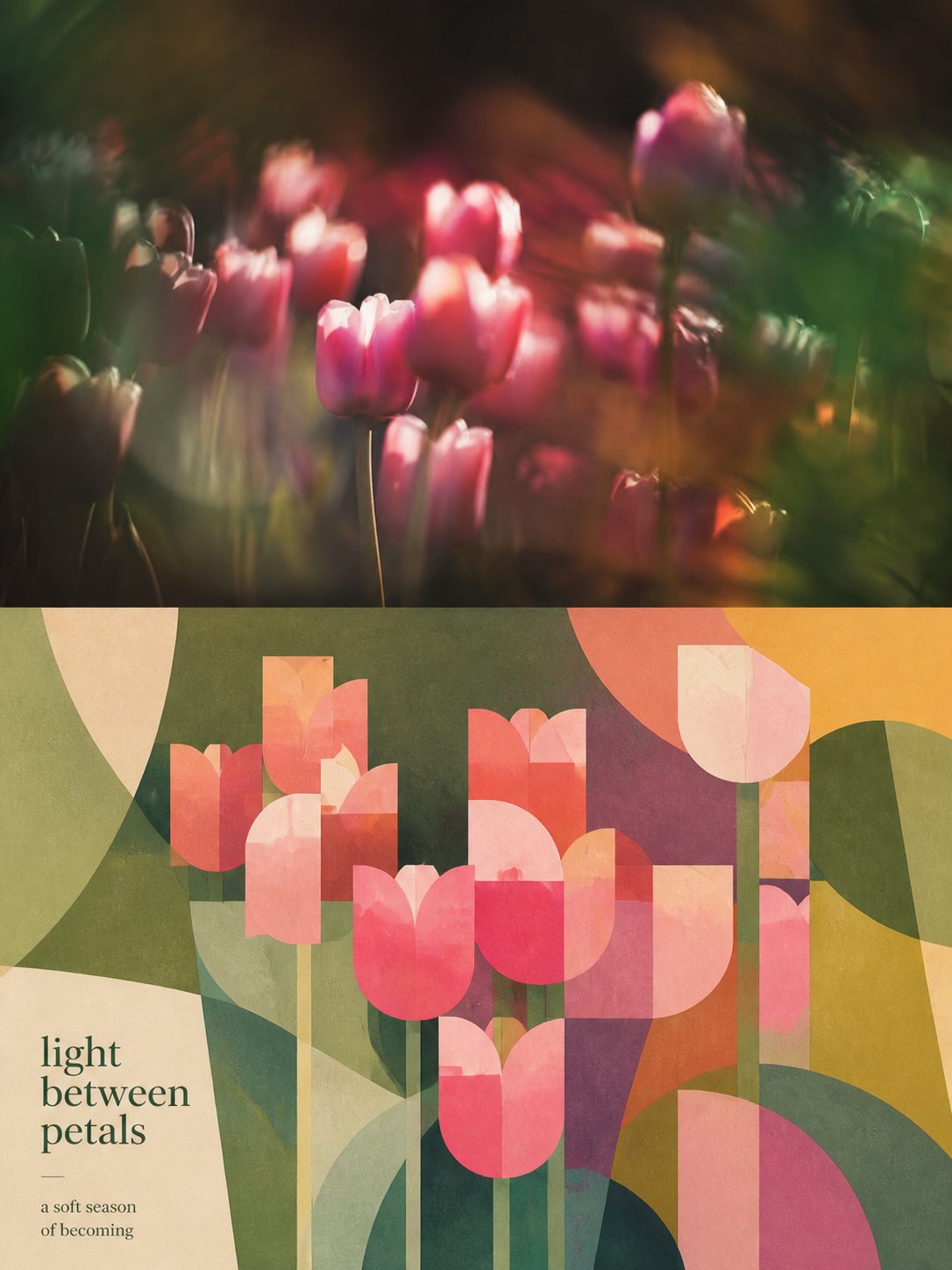
 1 / 4
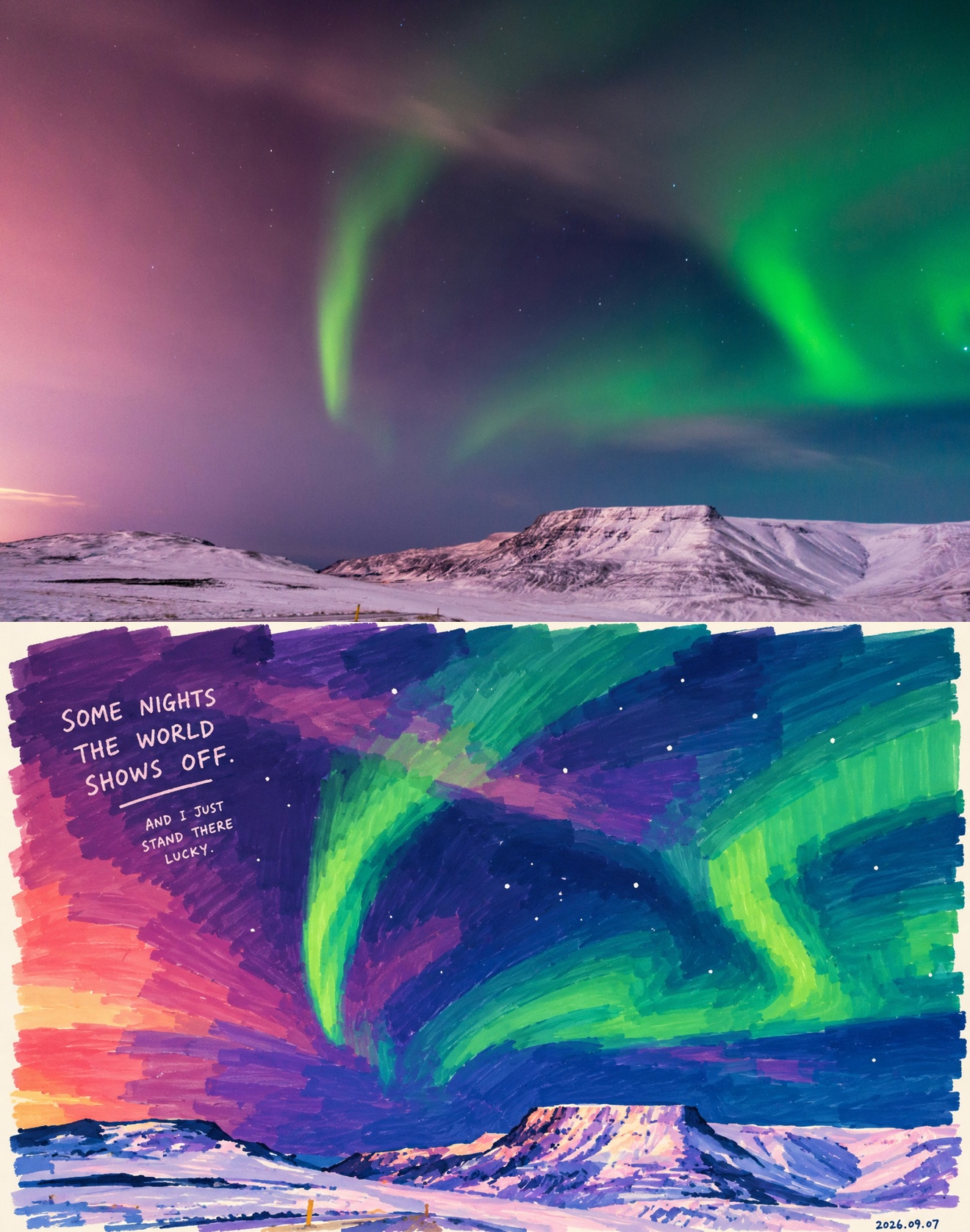
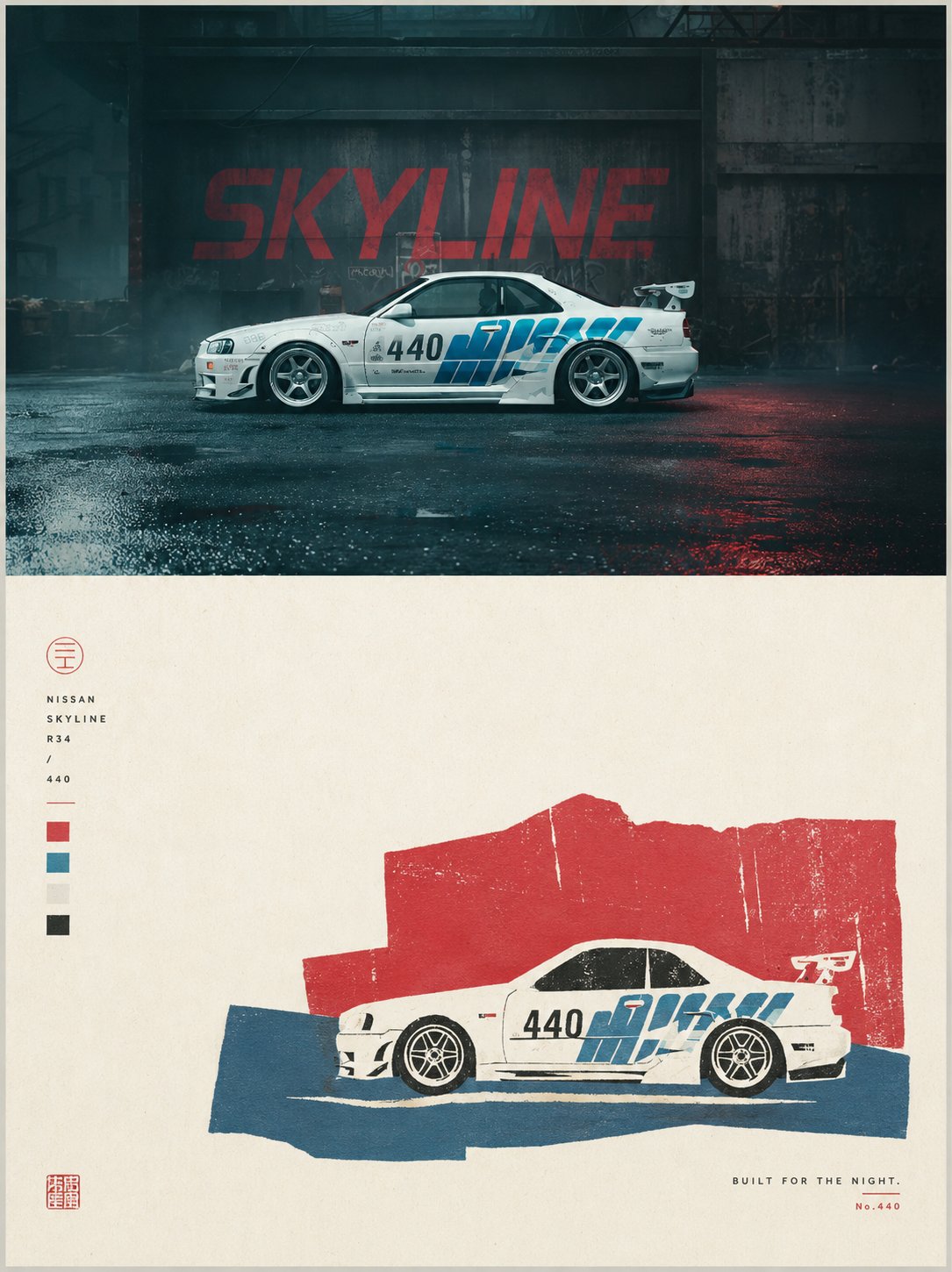
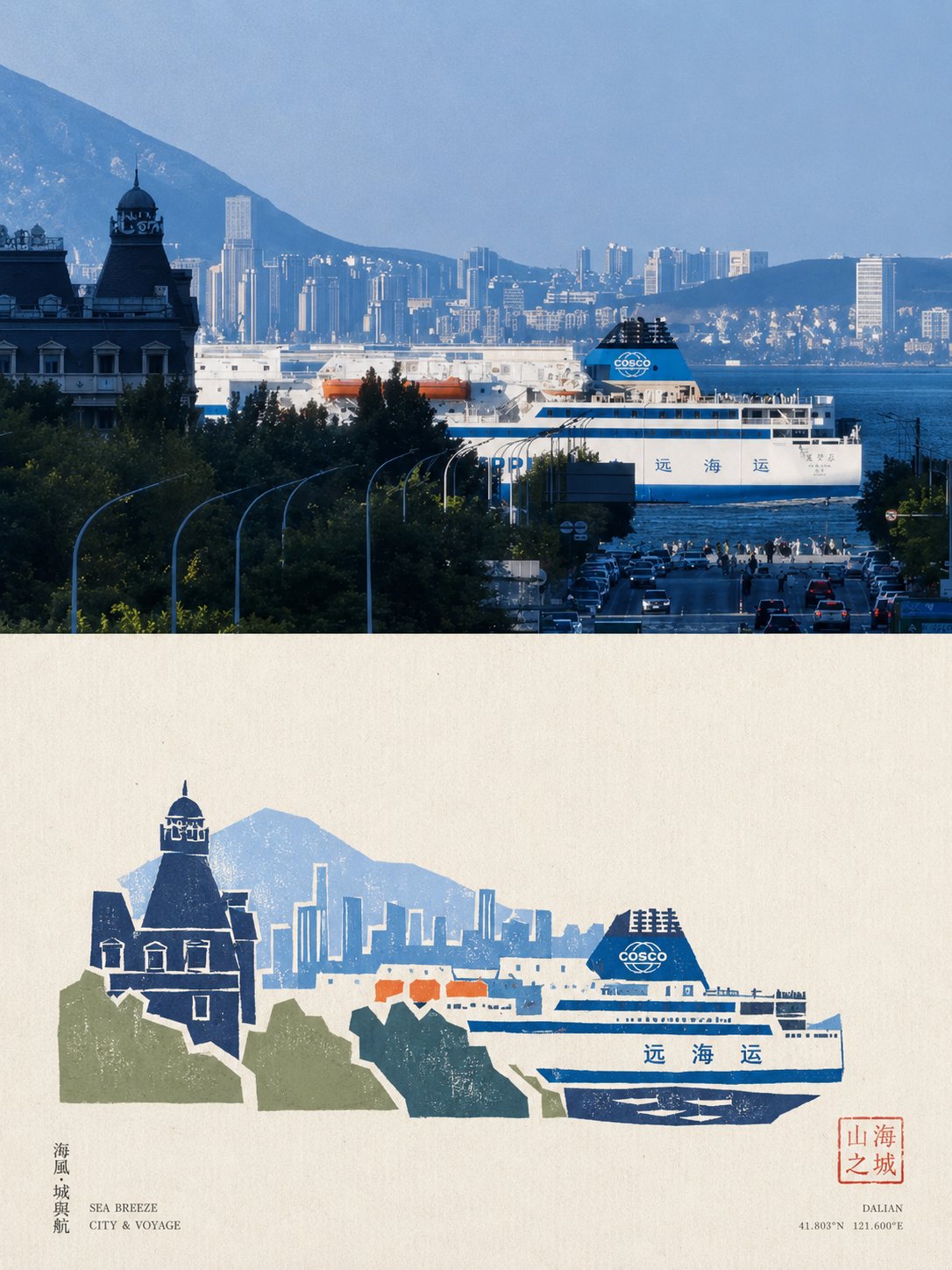
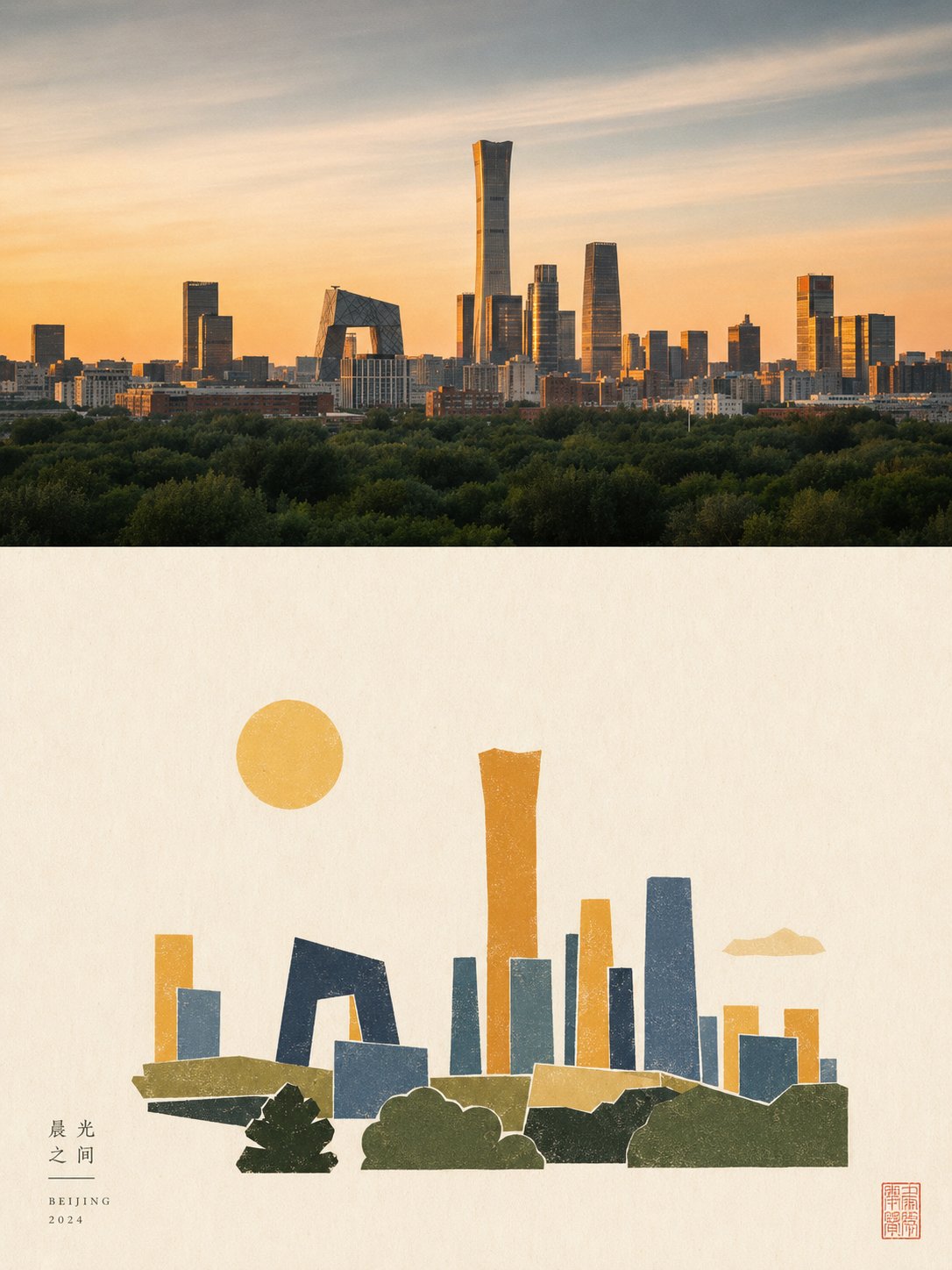
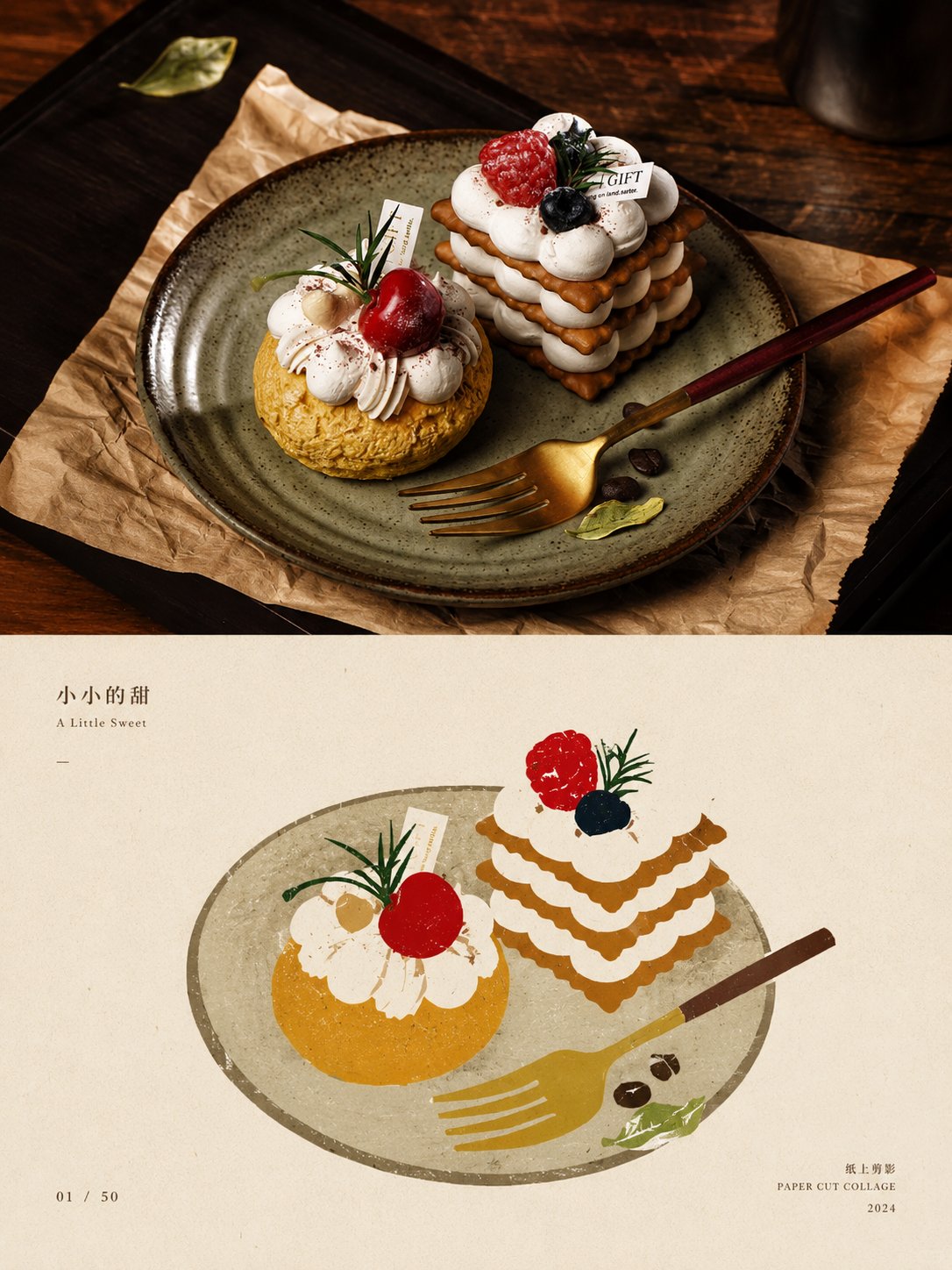
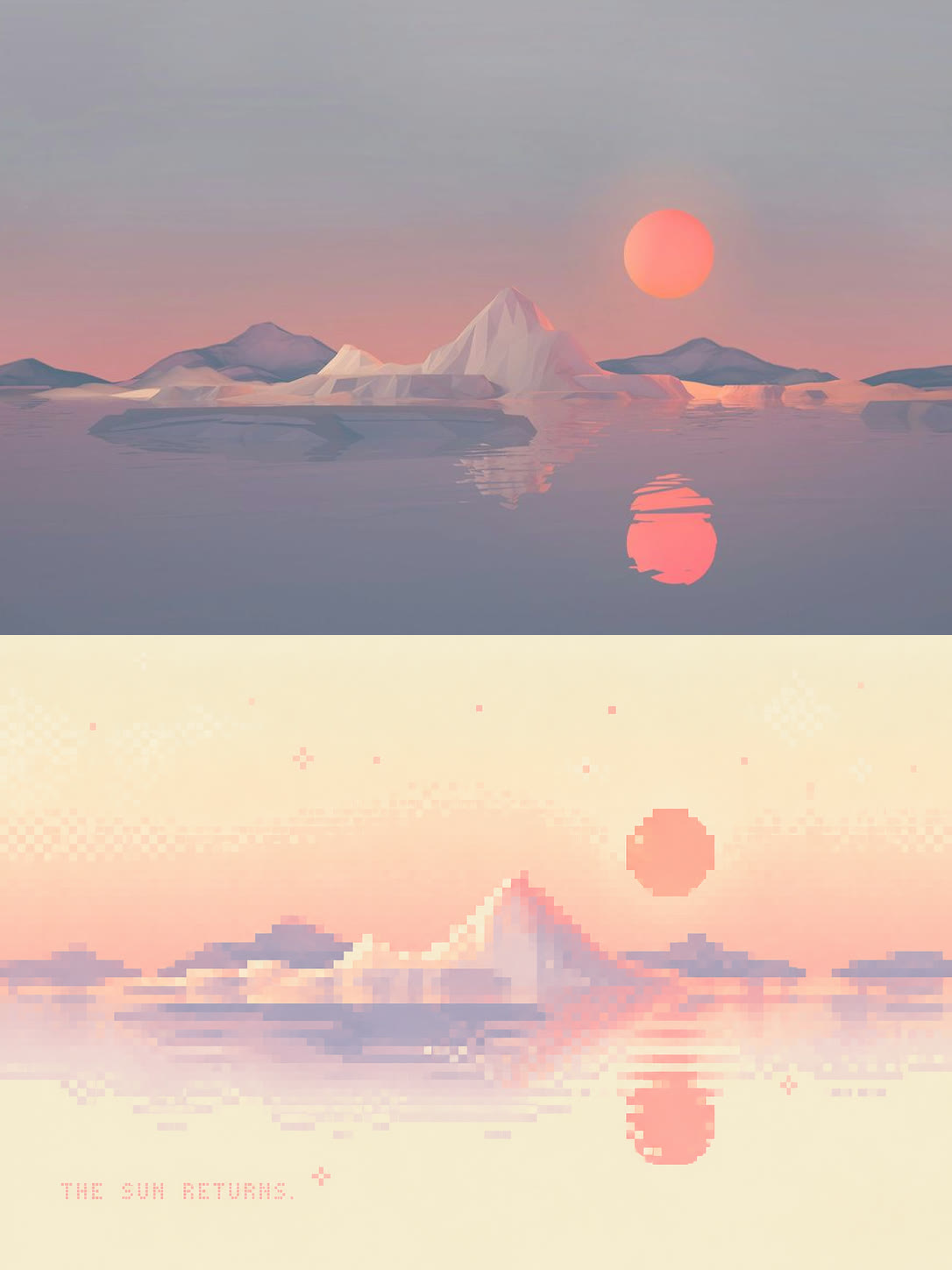
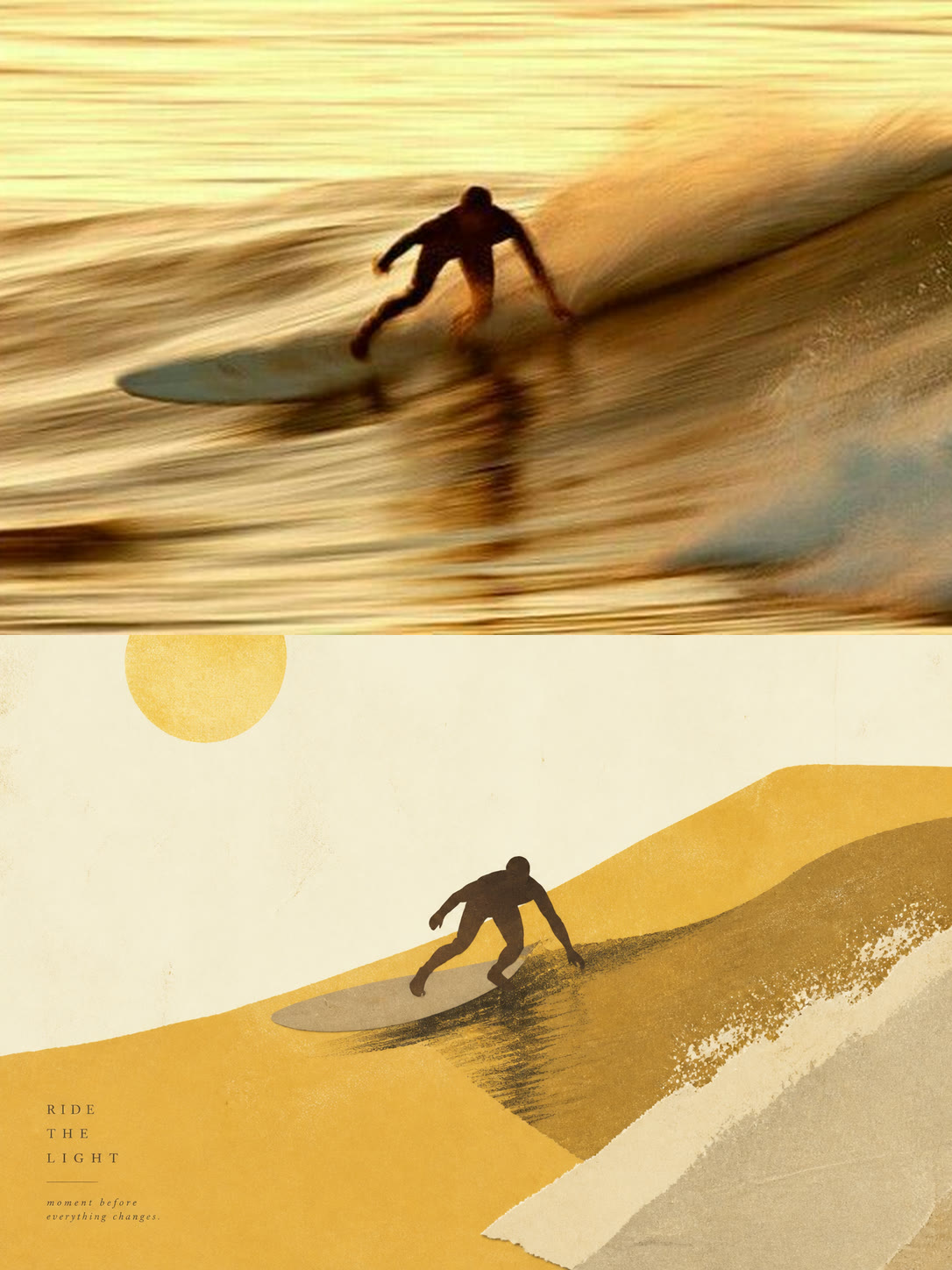
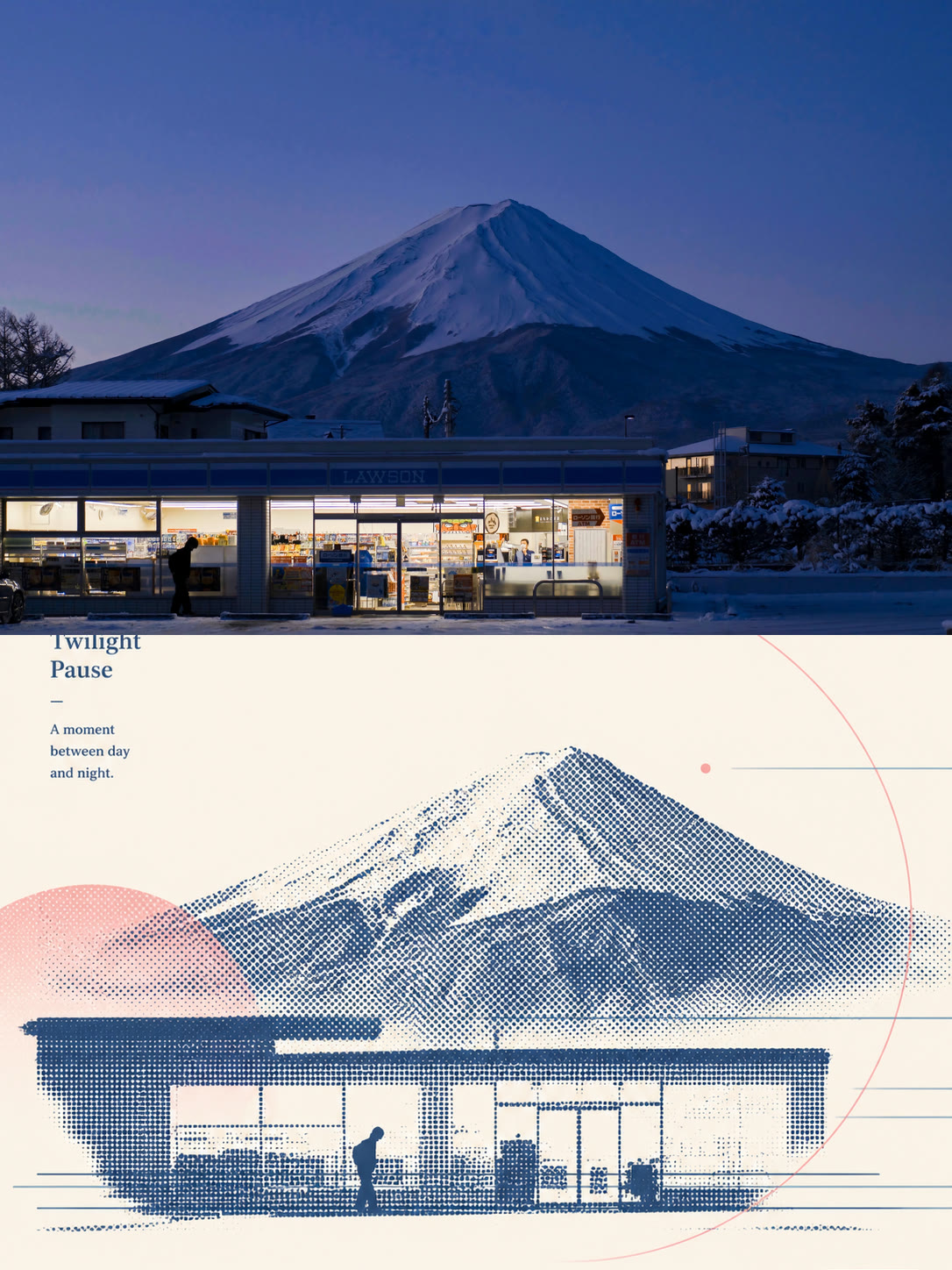
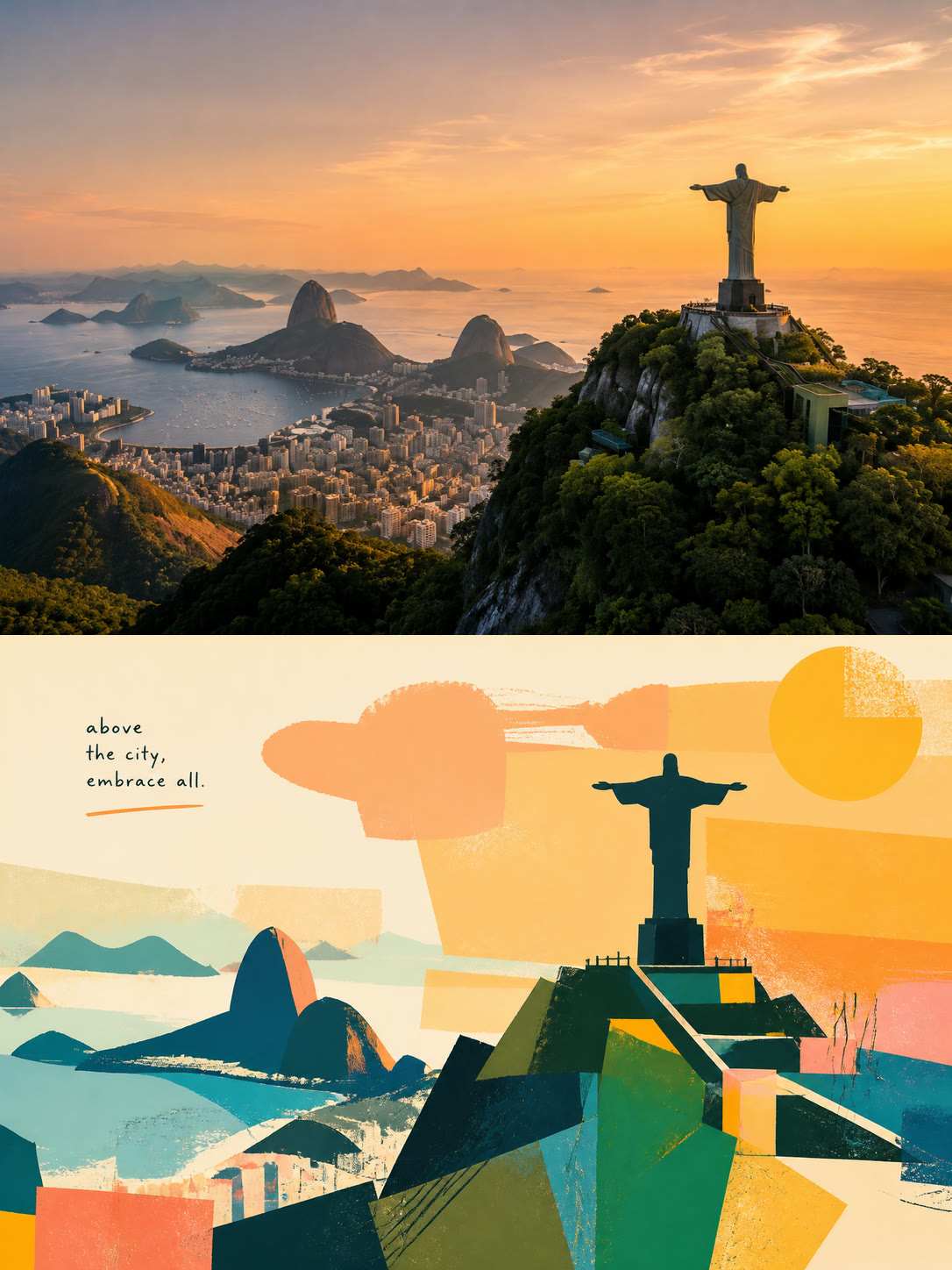
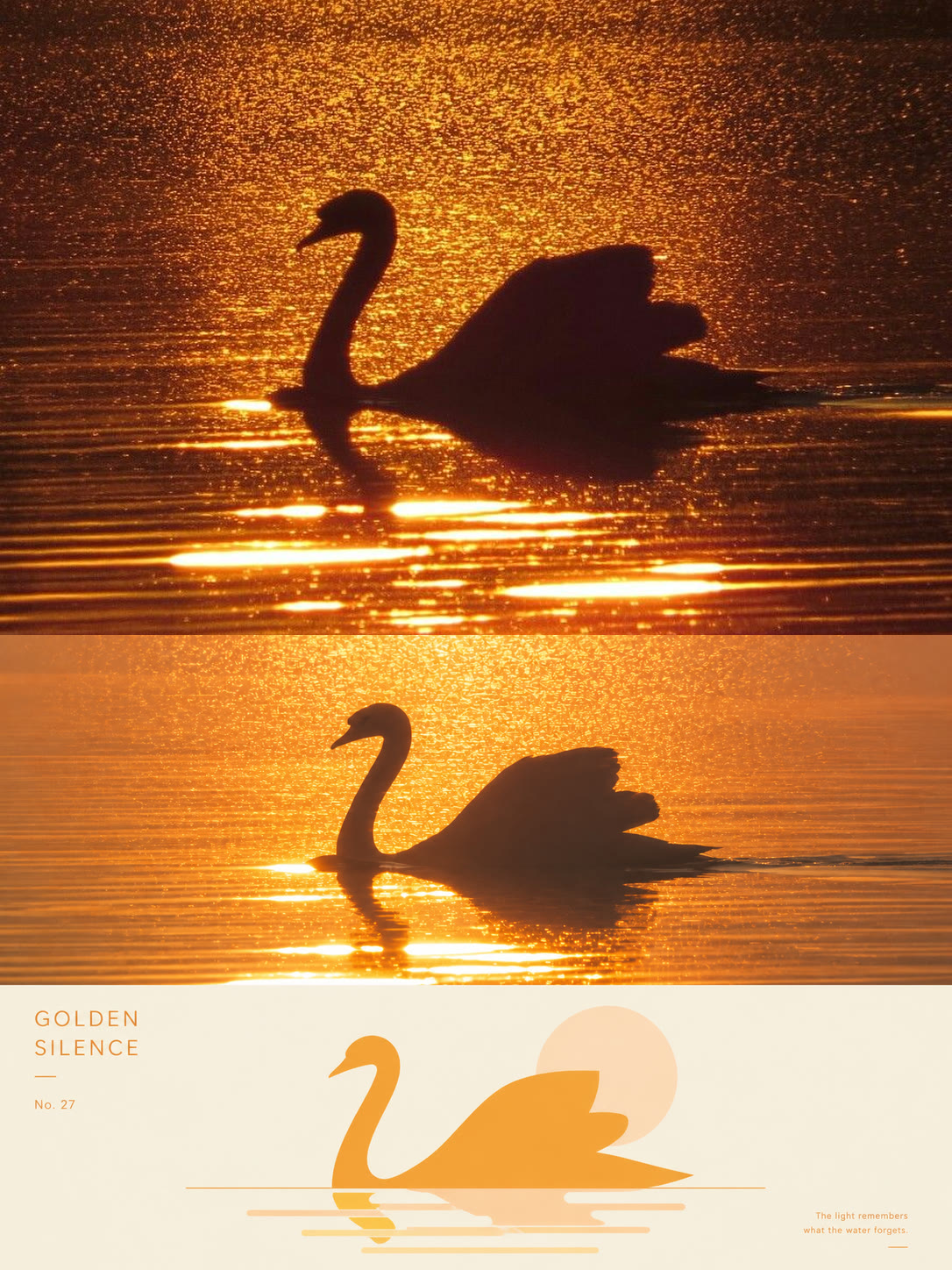
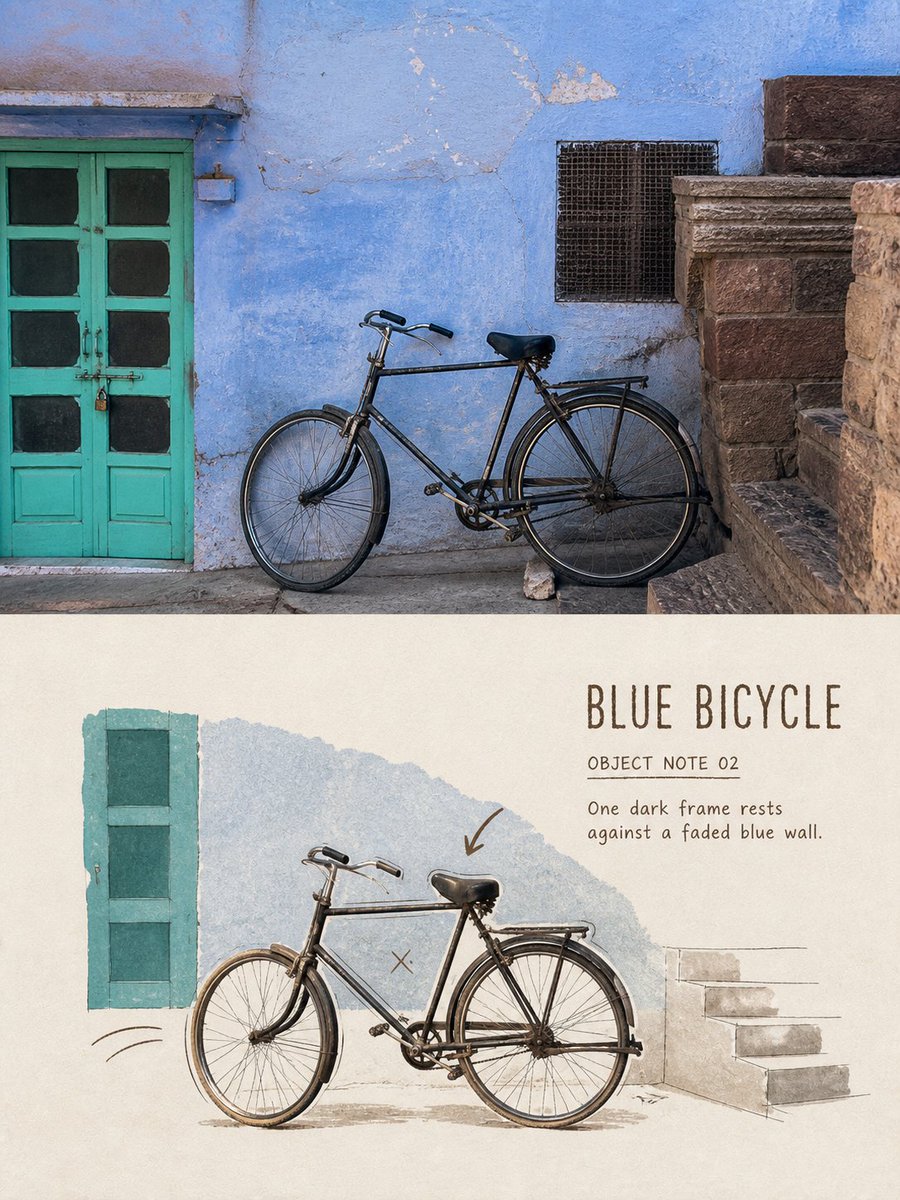
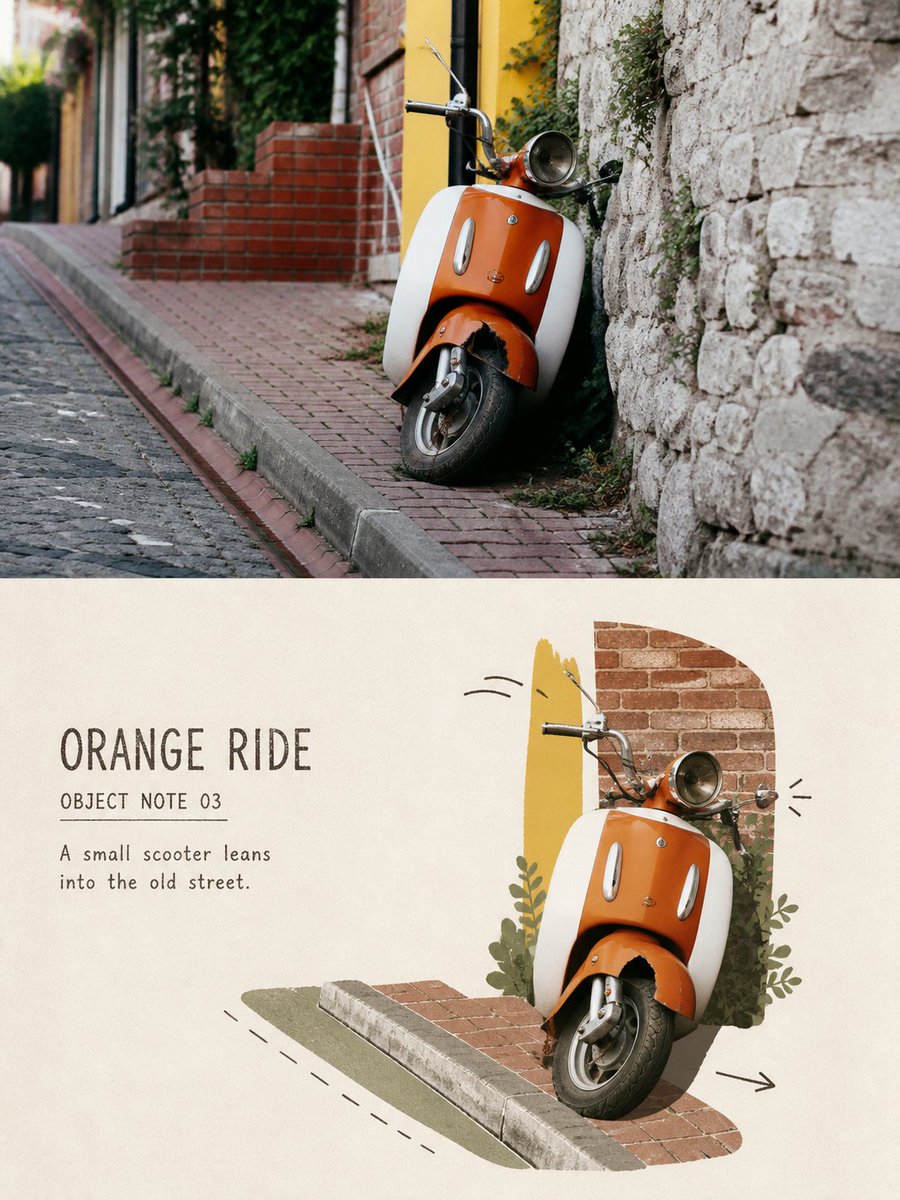
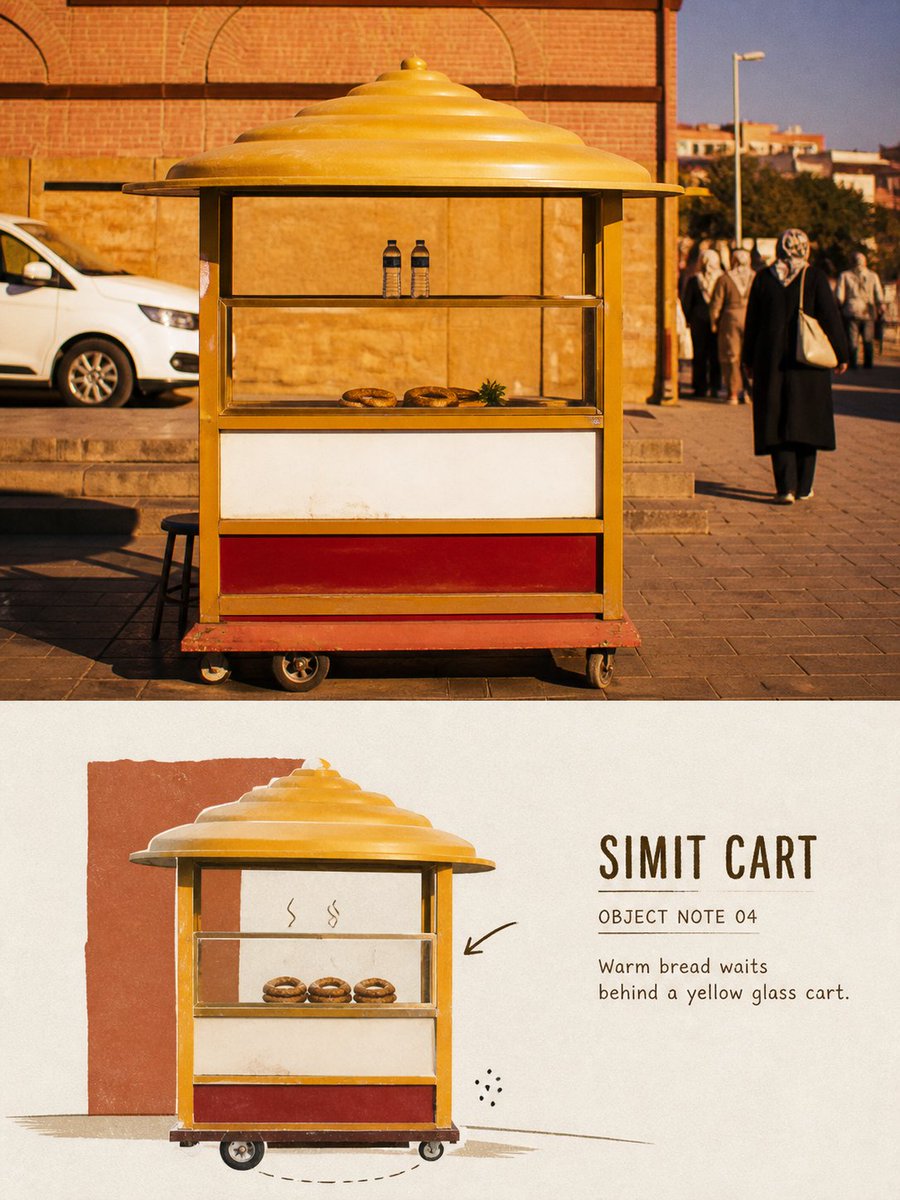
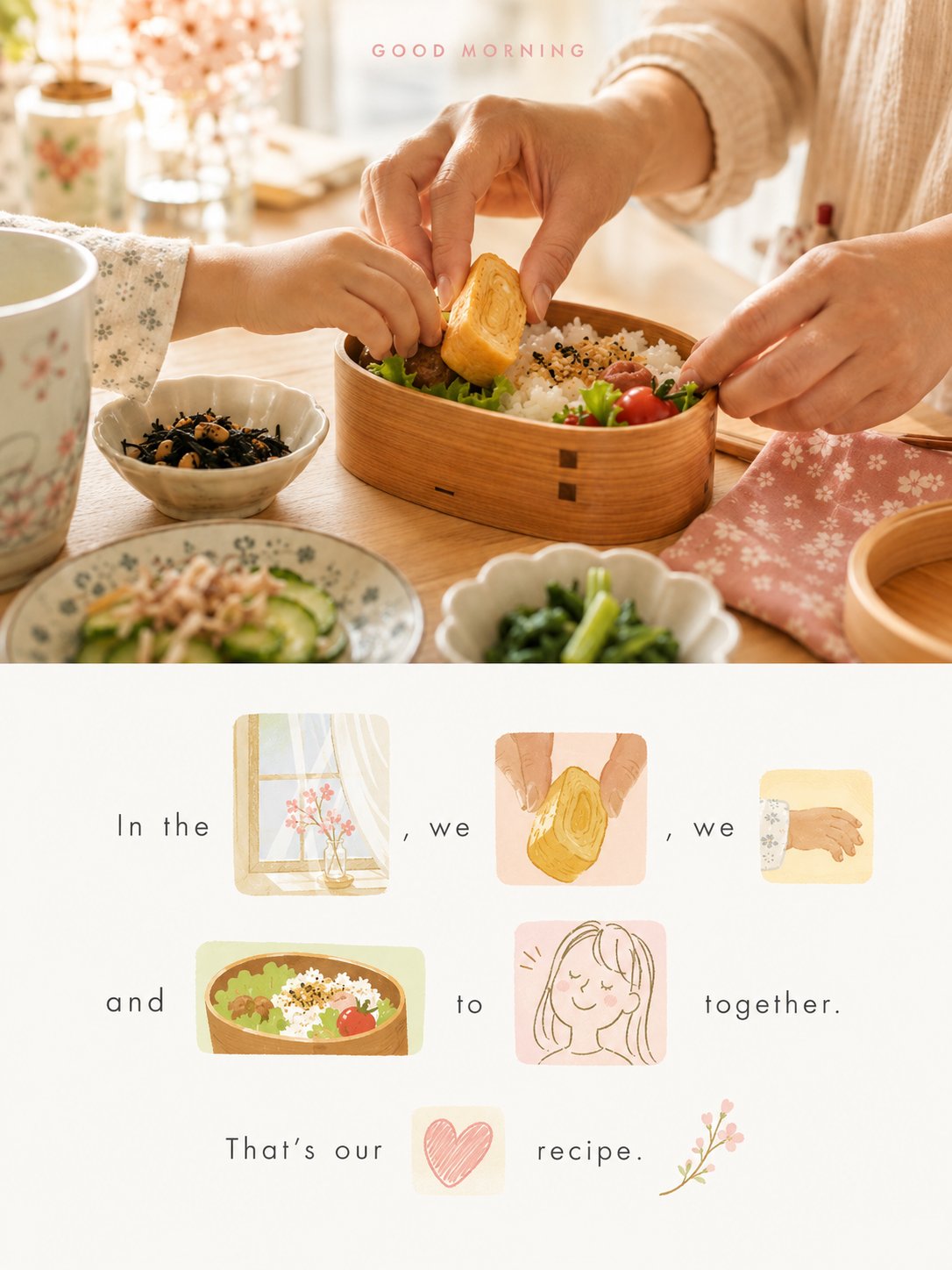
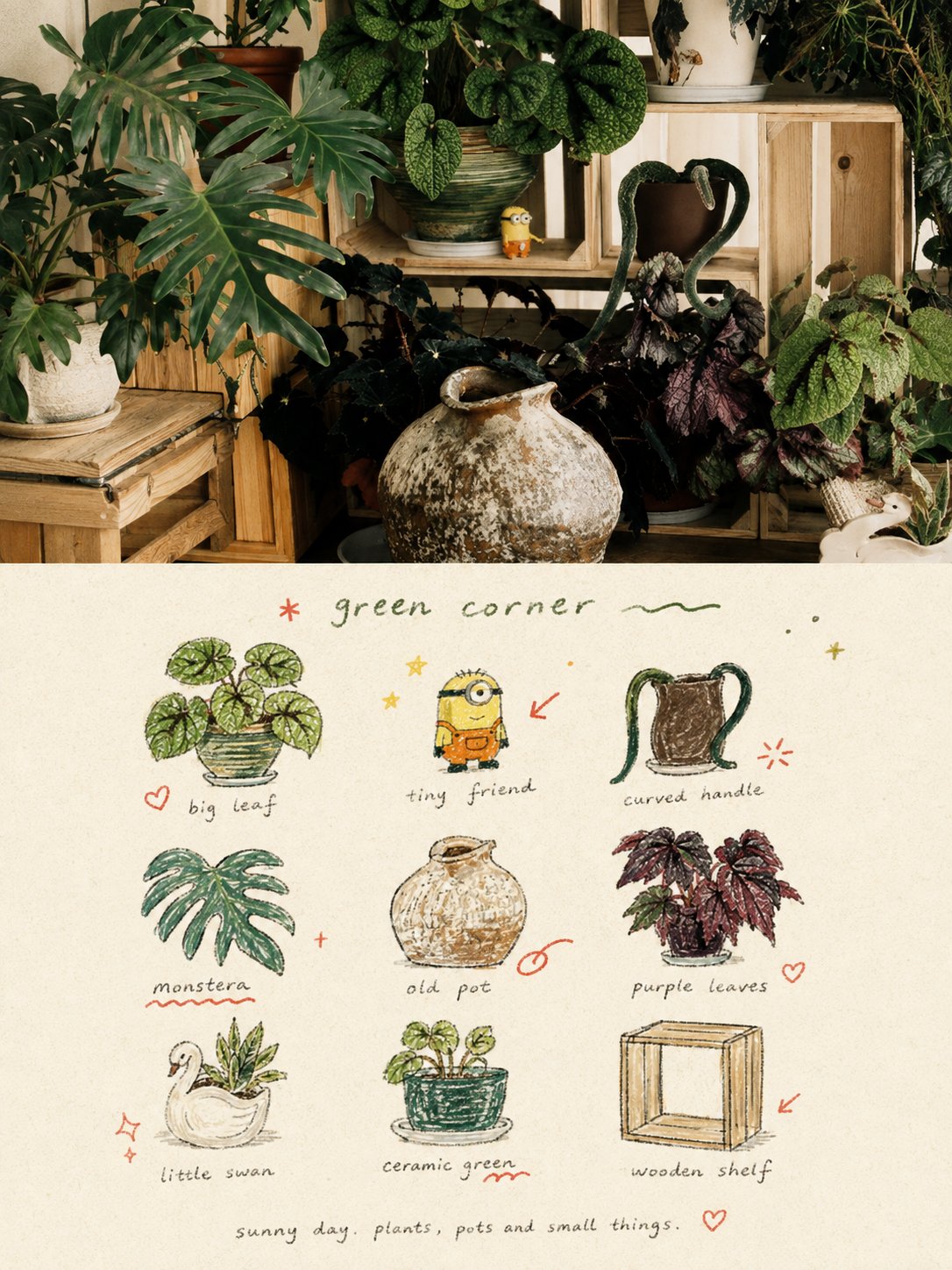
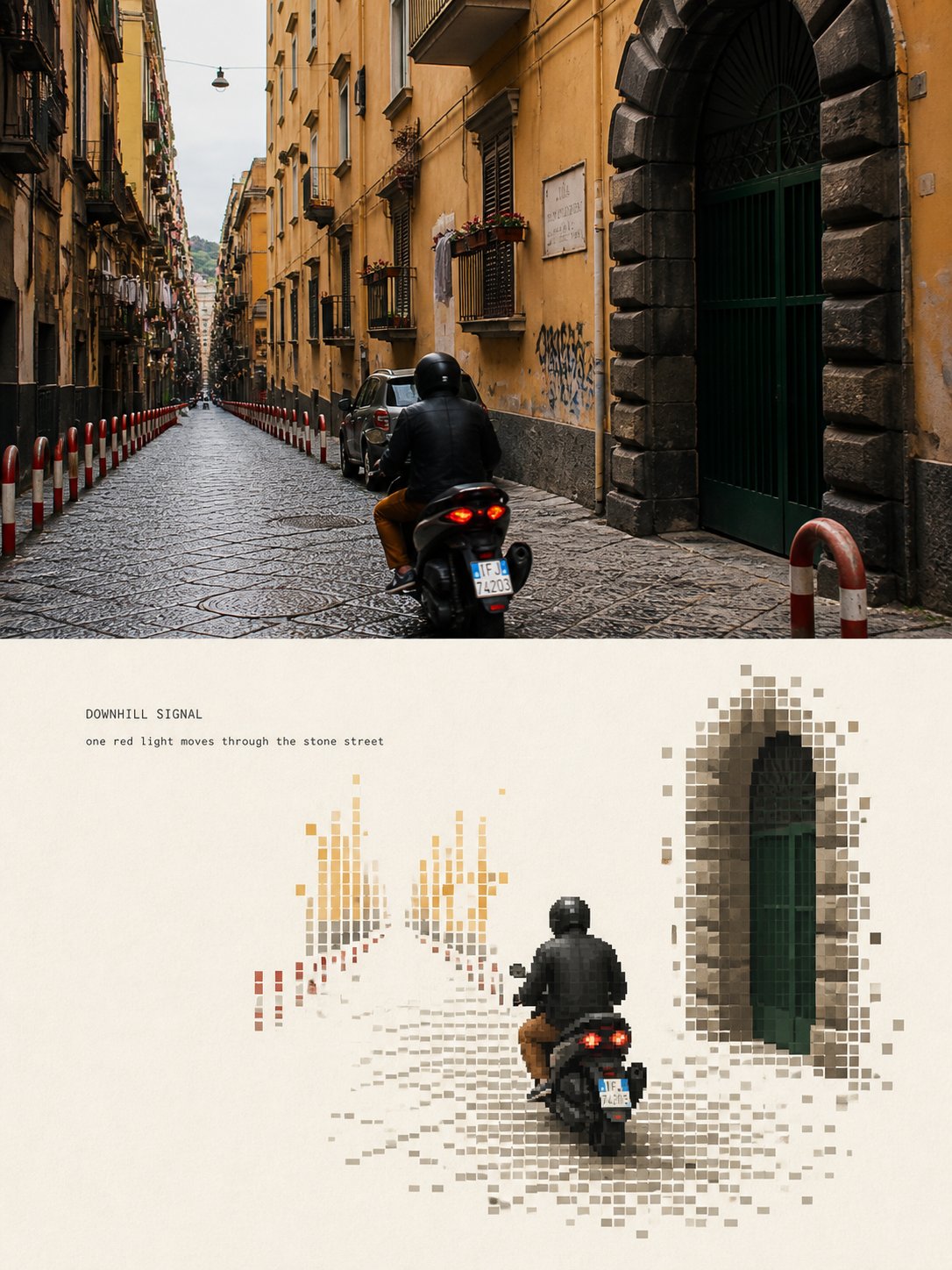
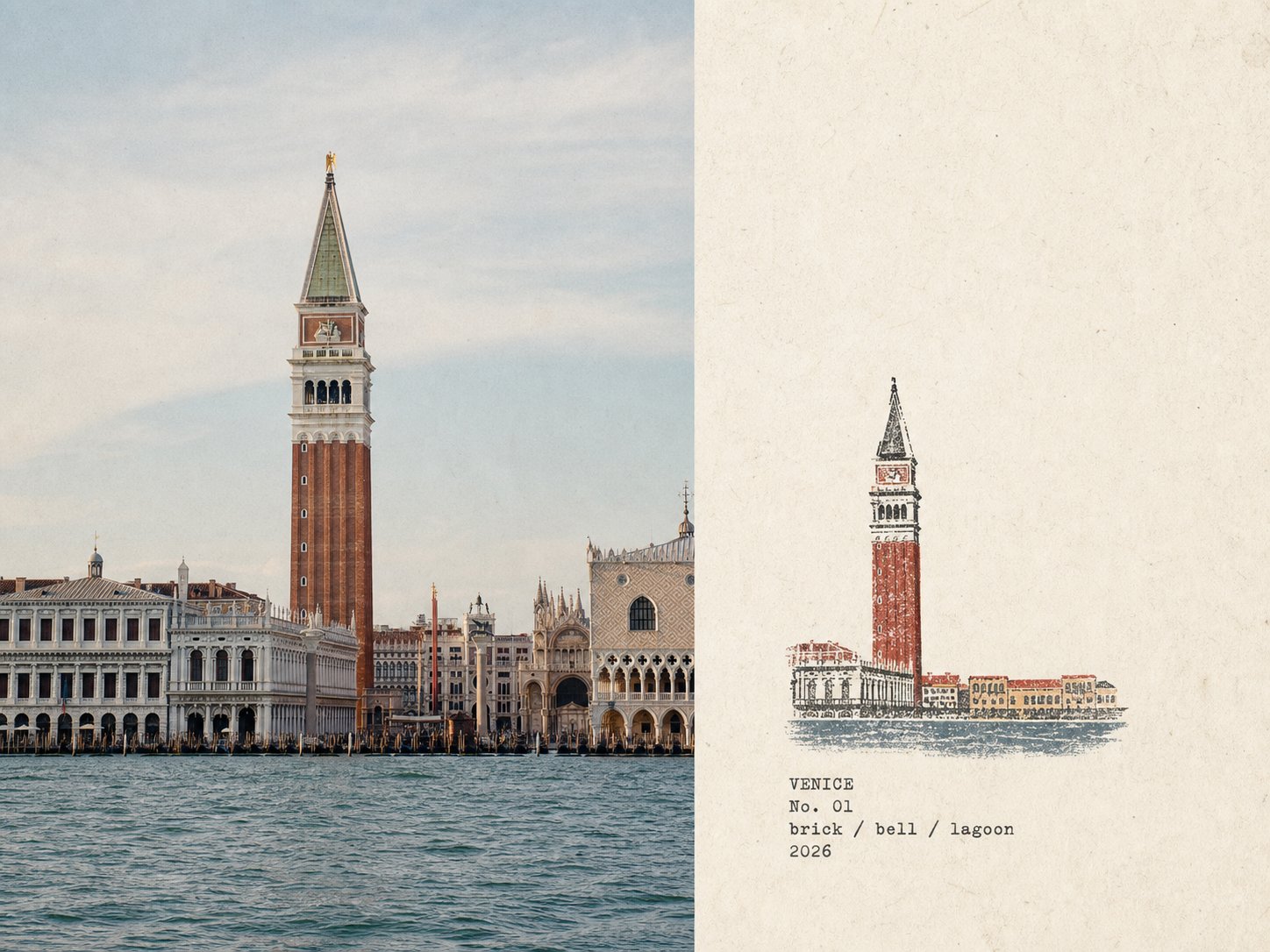
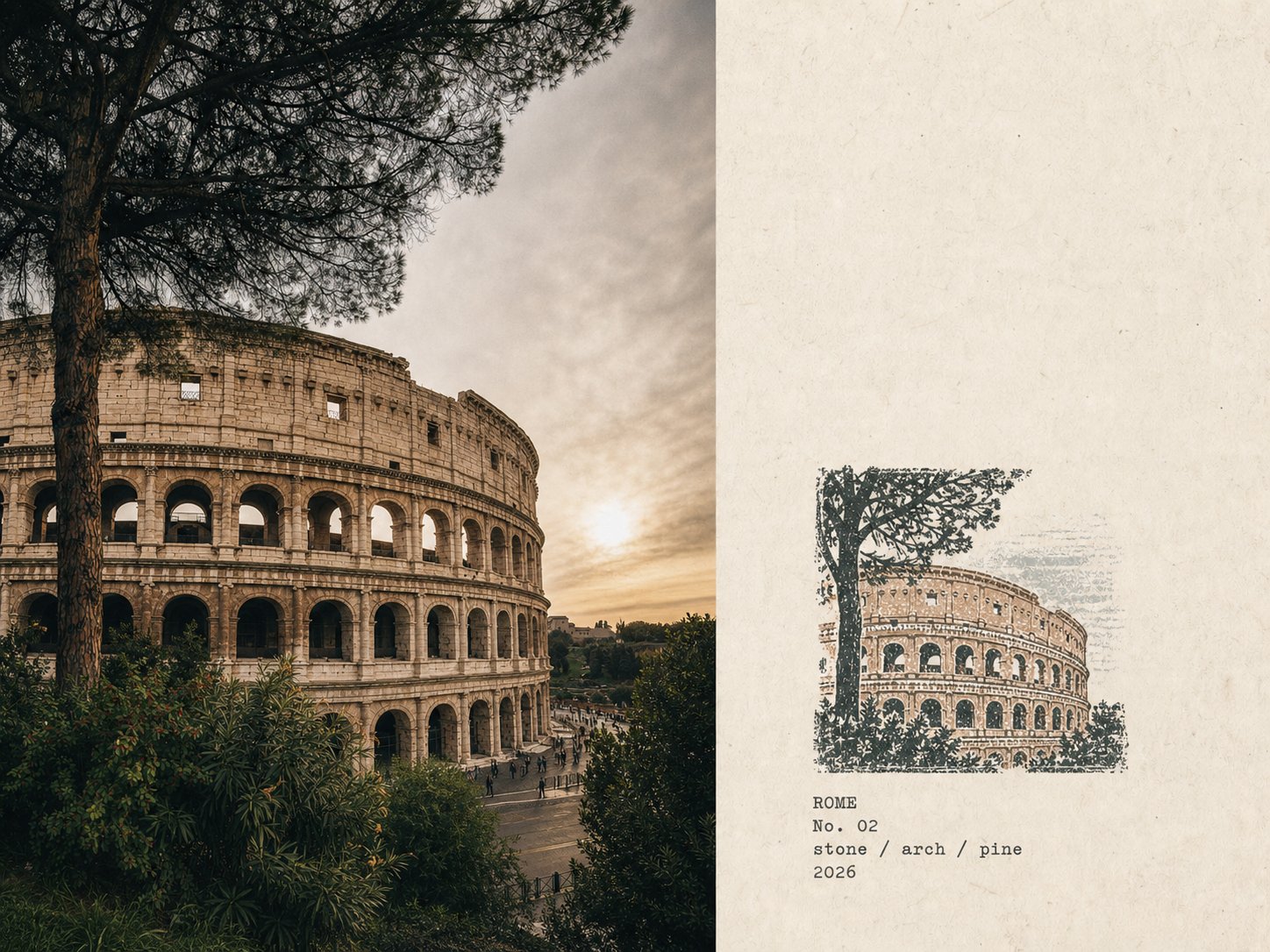
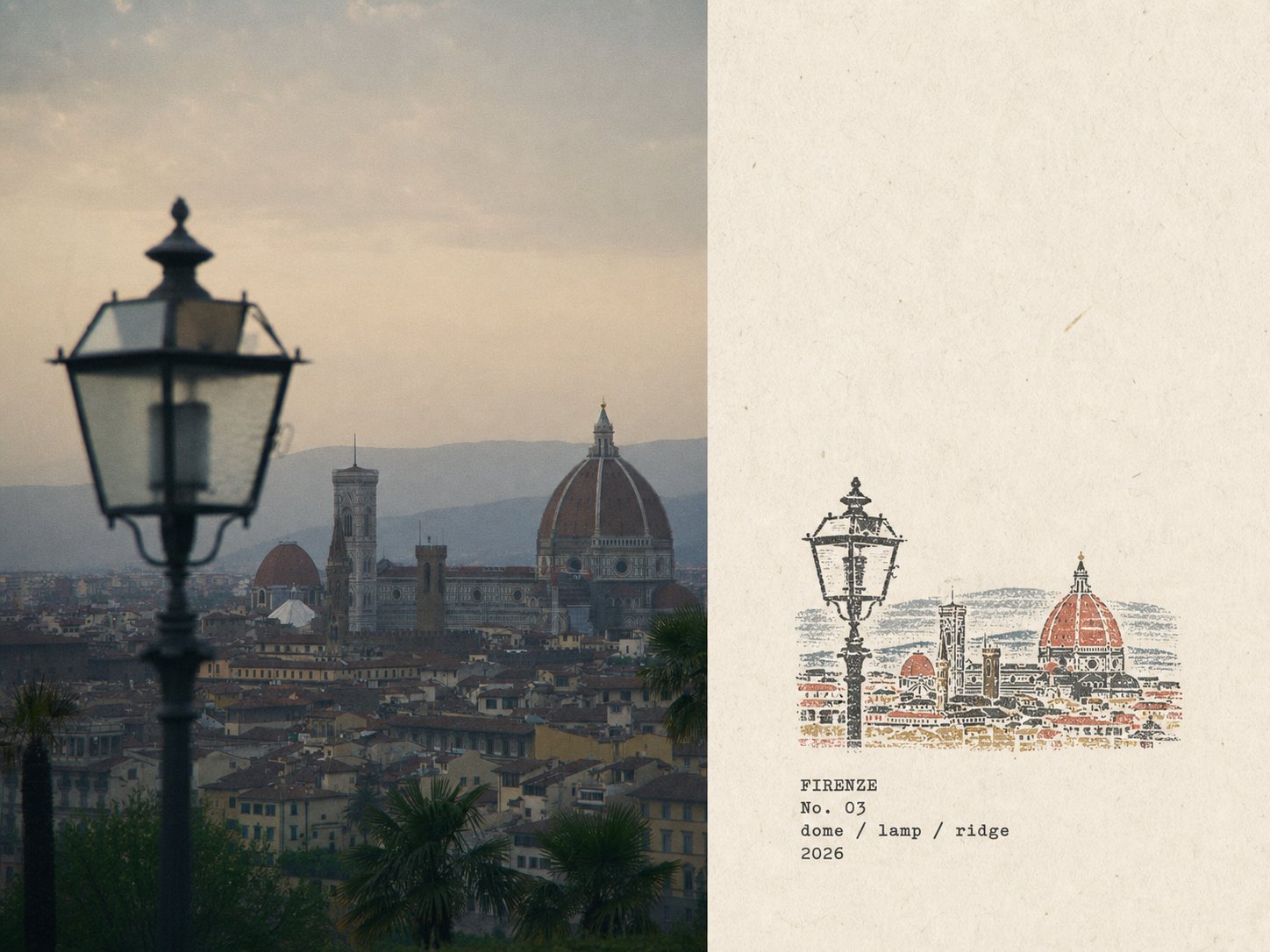
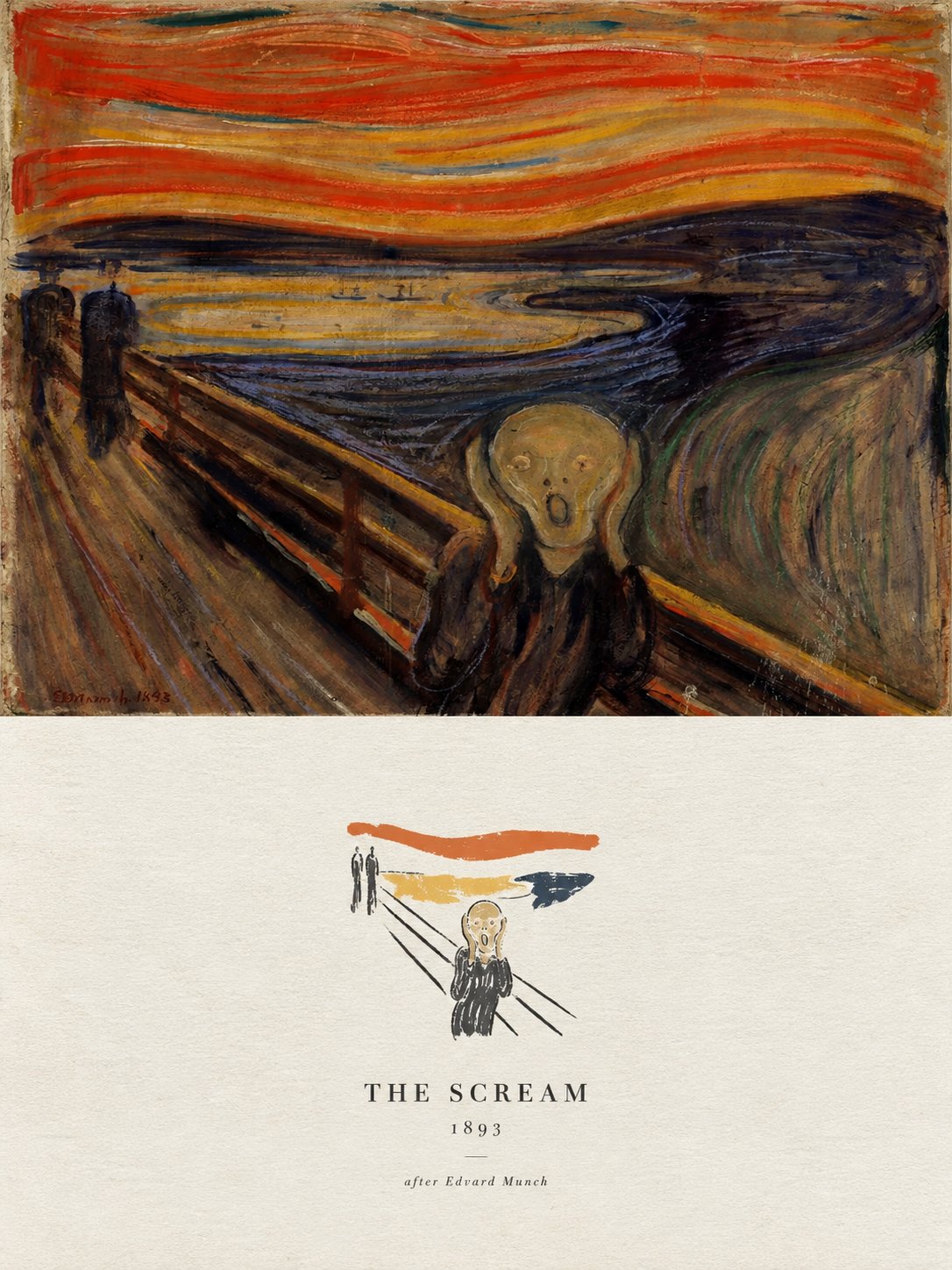
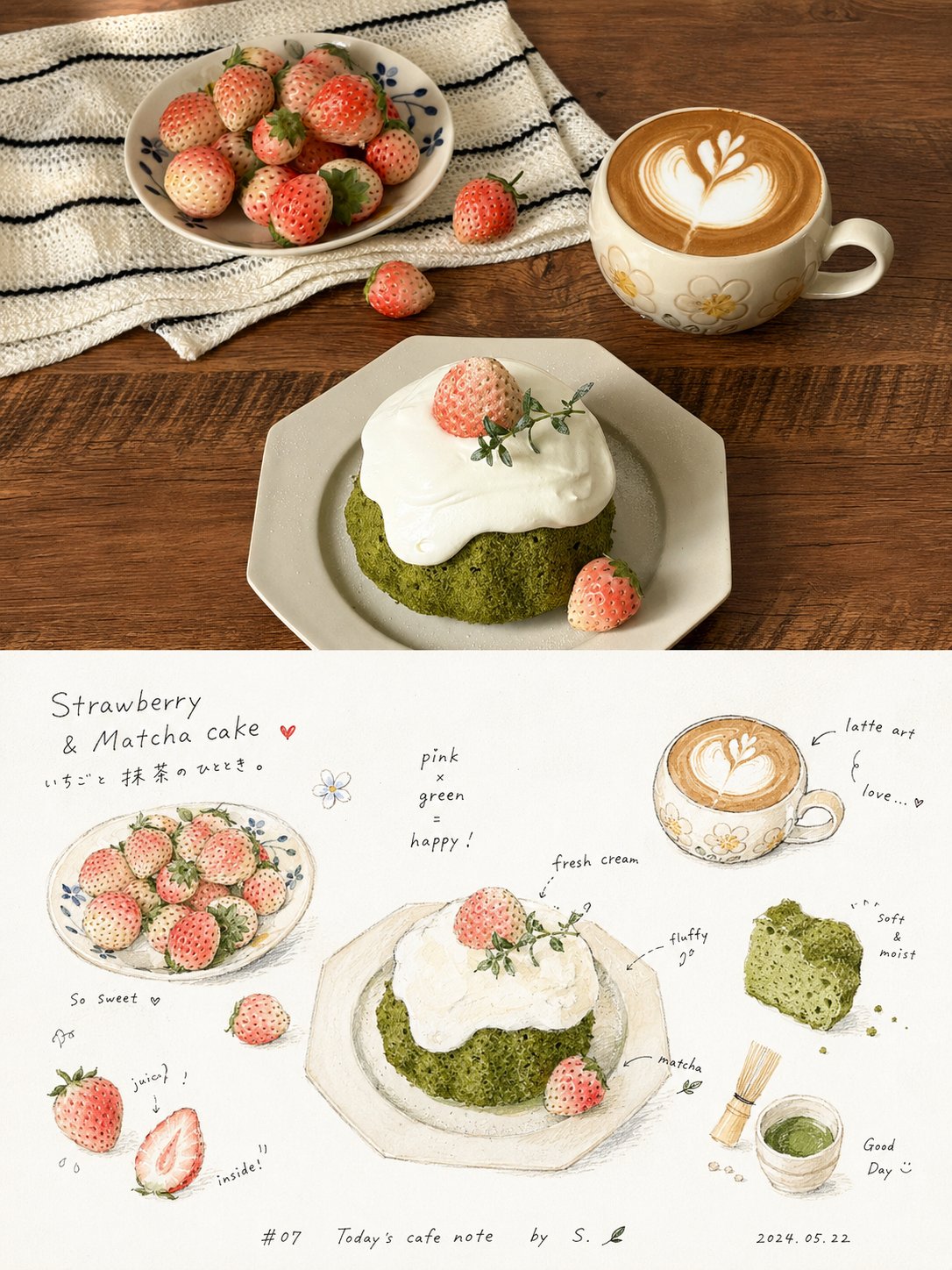
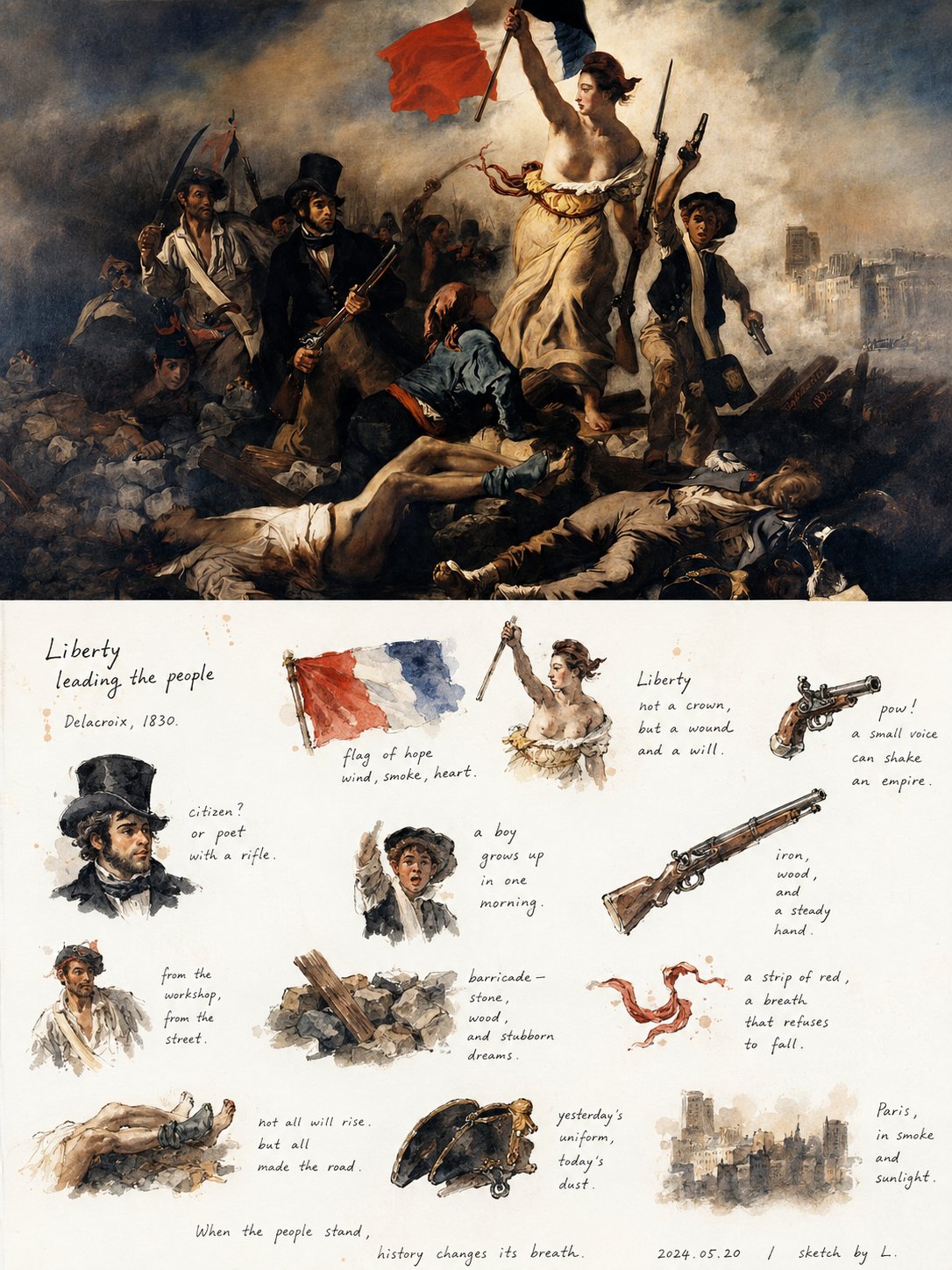
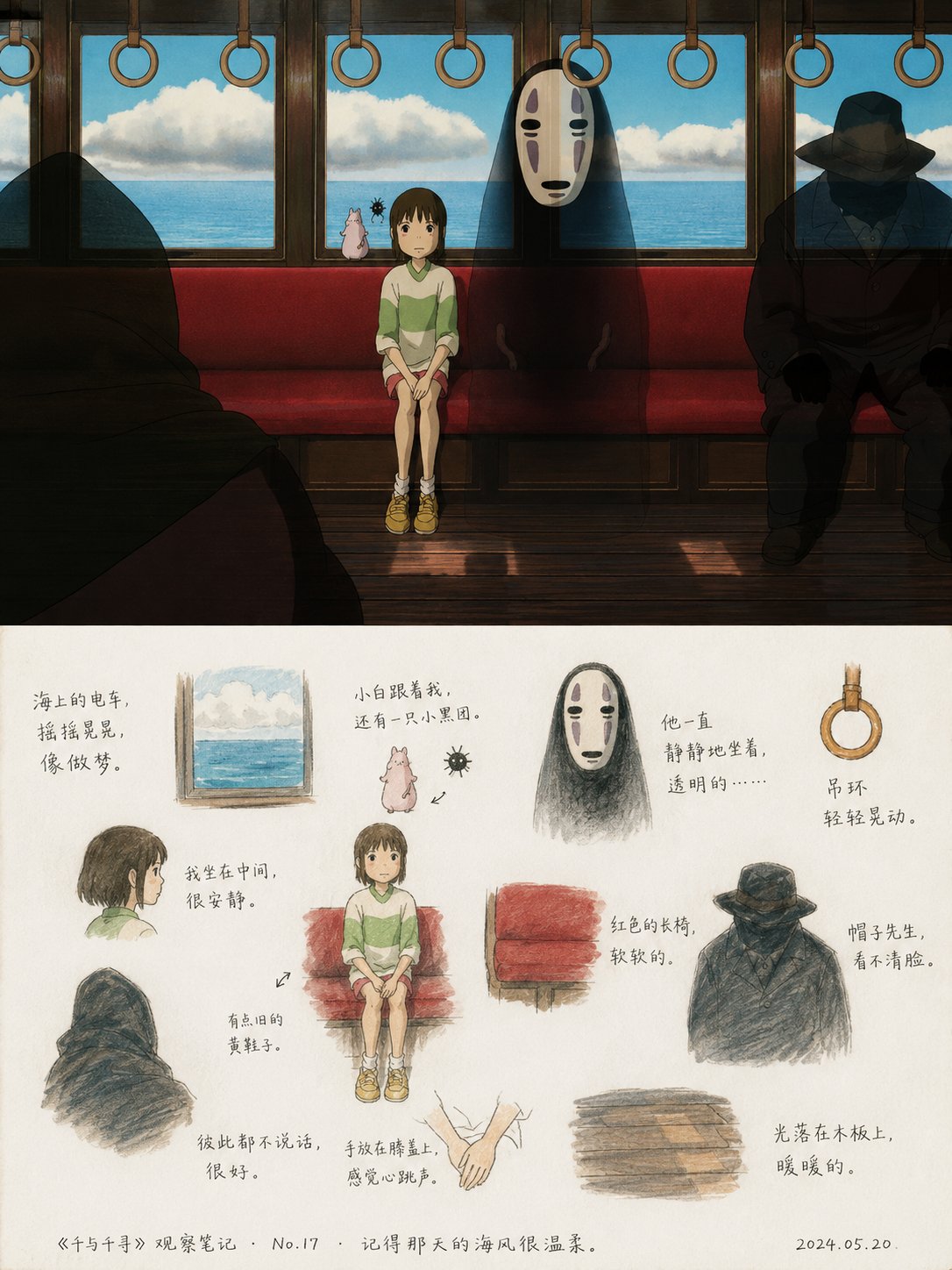
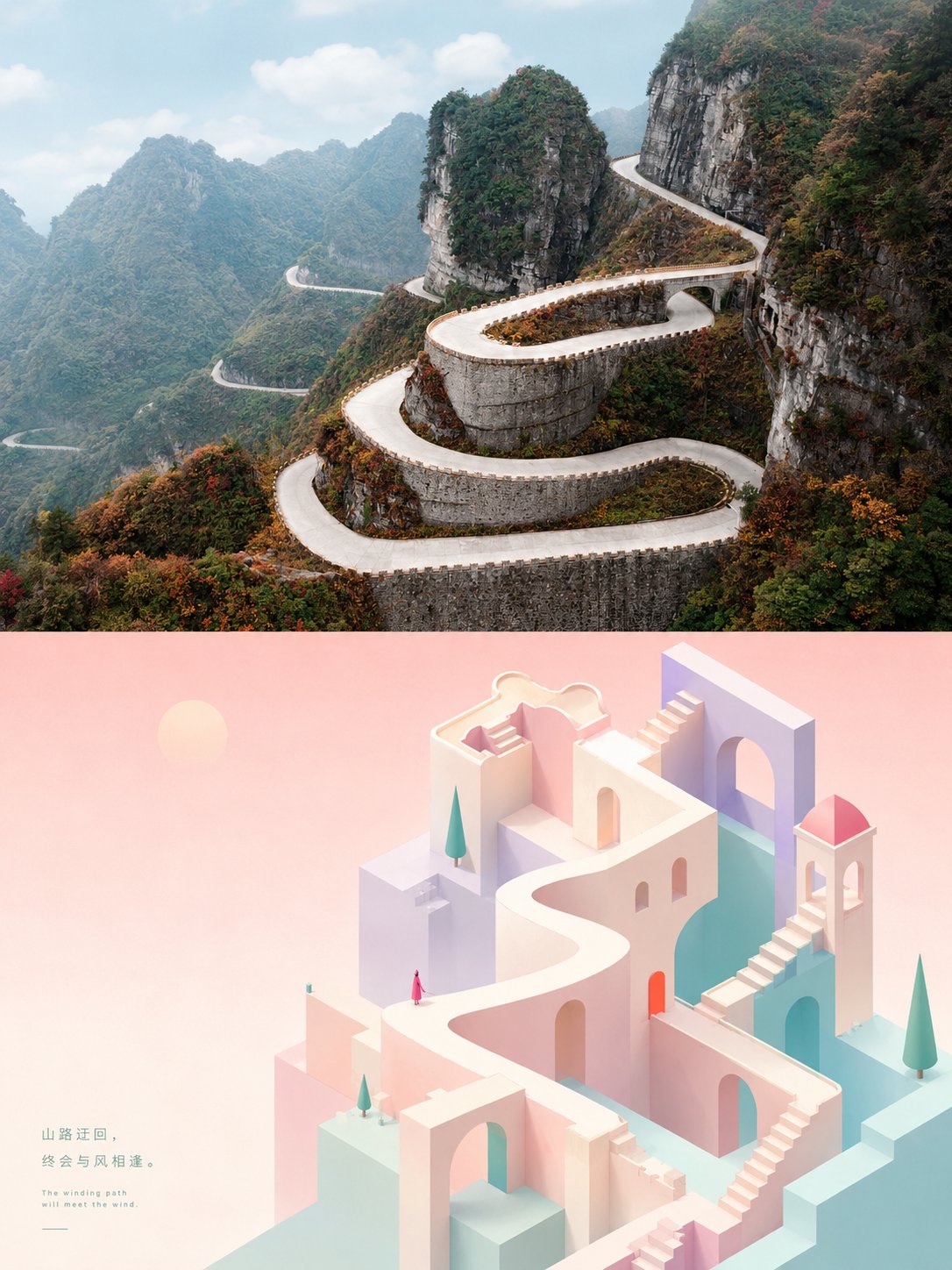
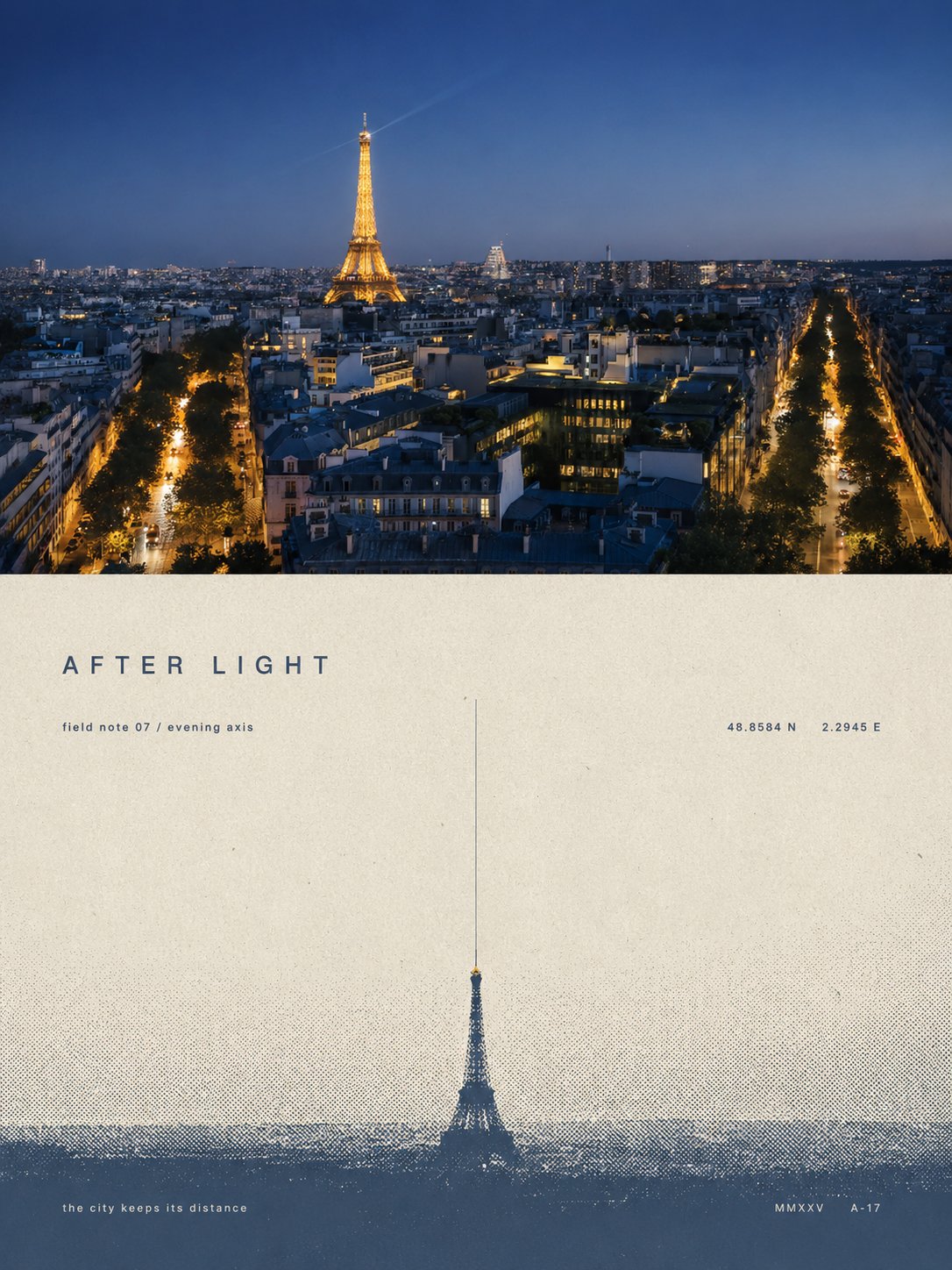
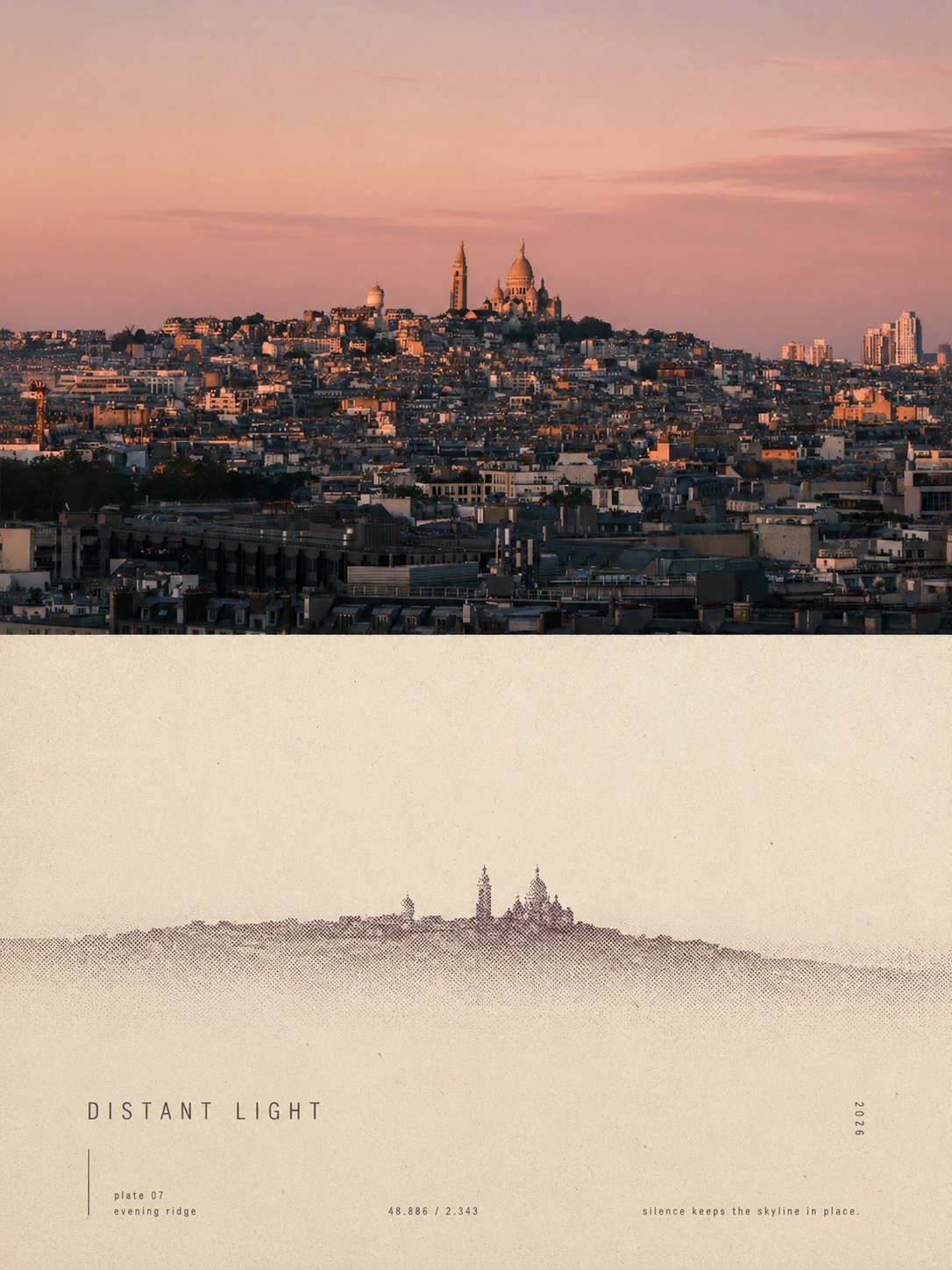
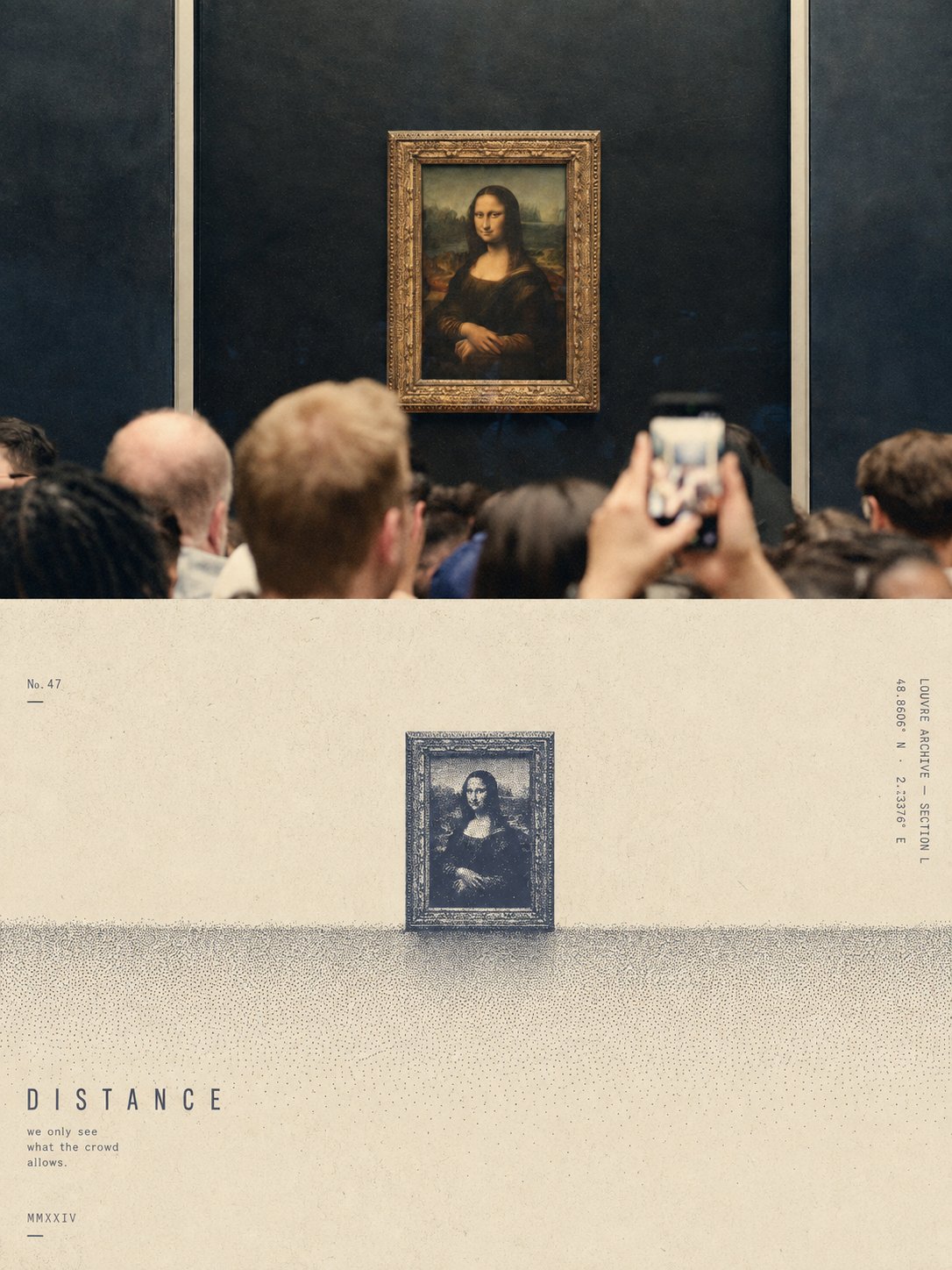
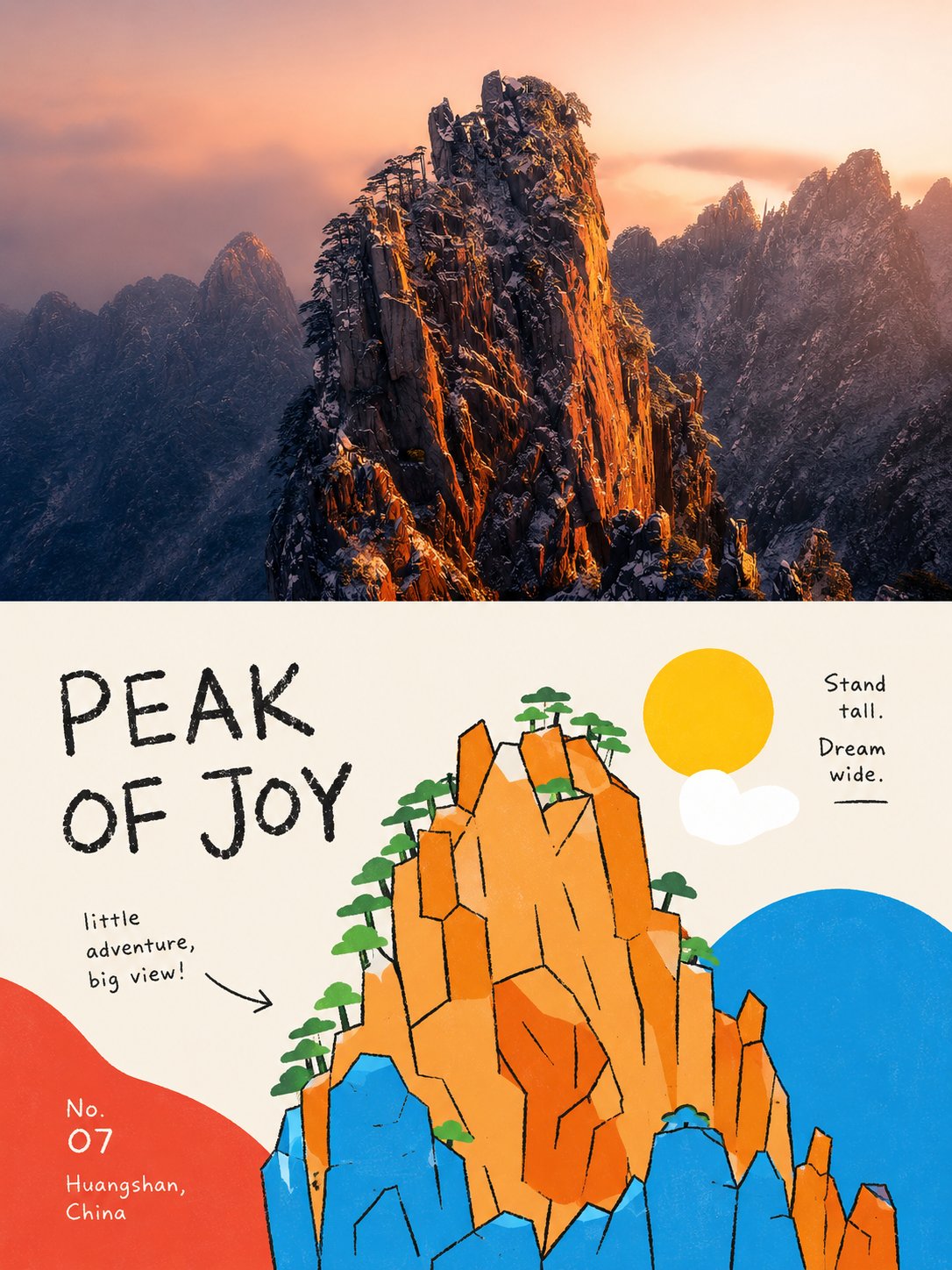
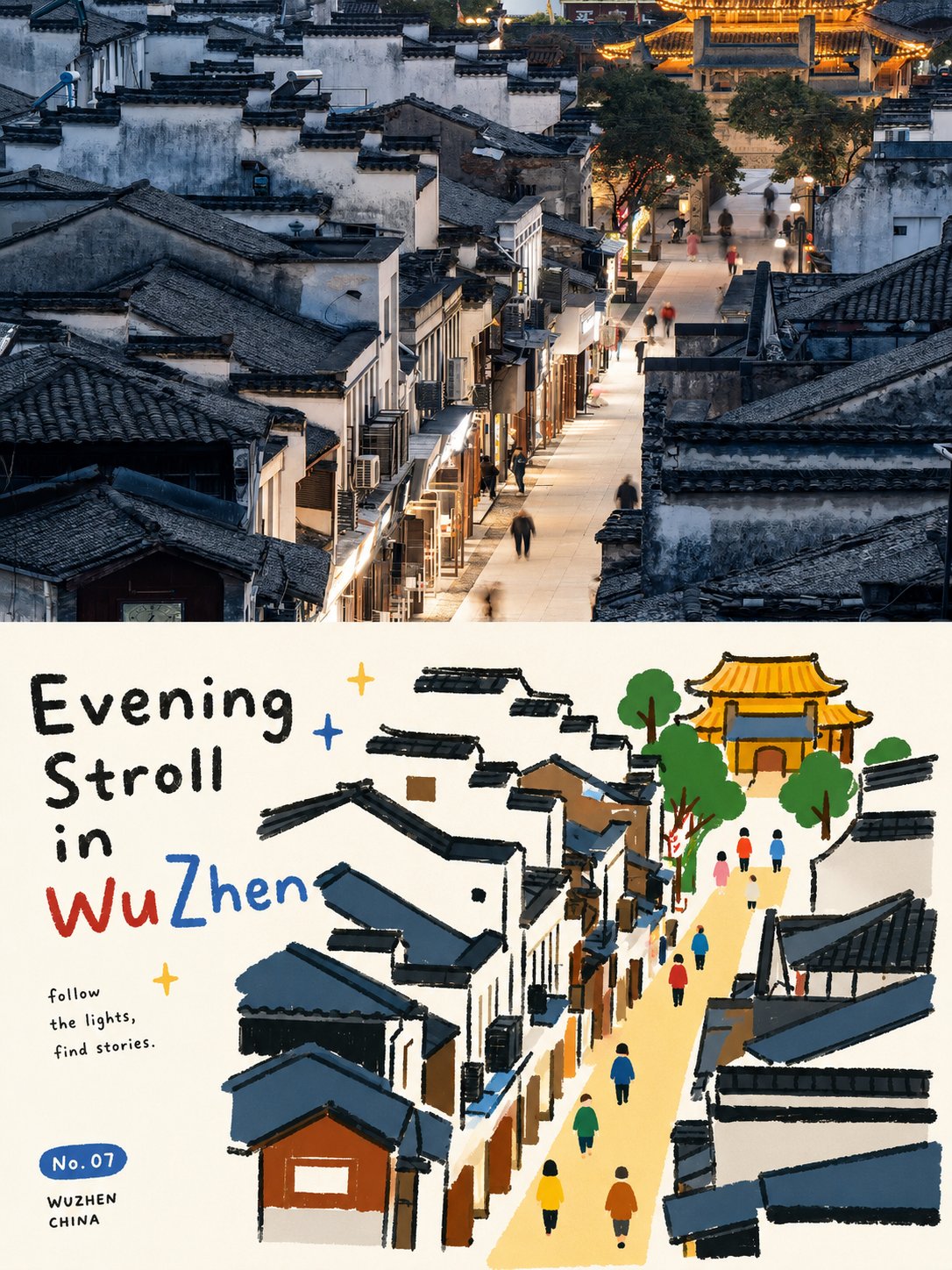
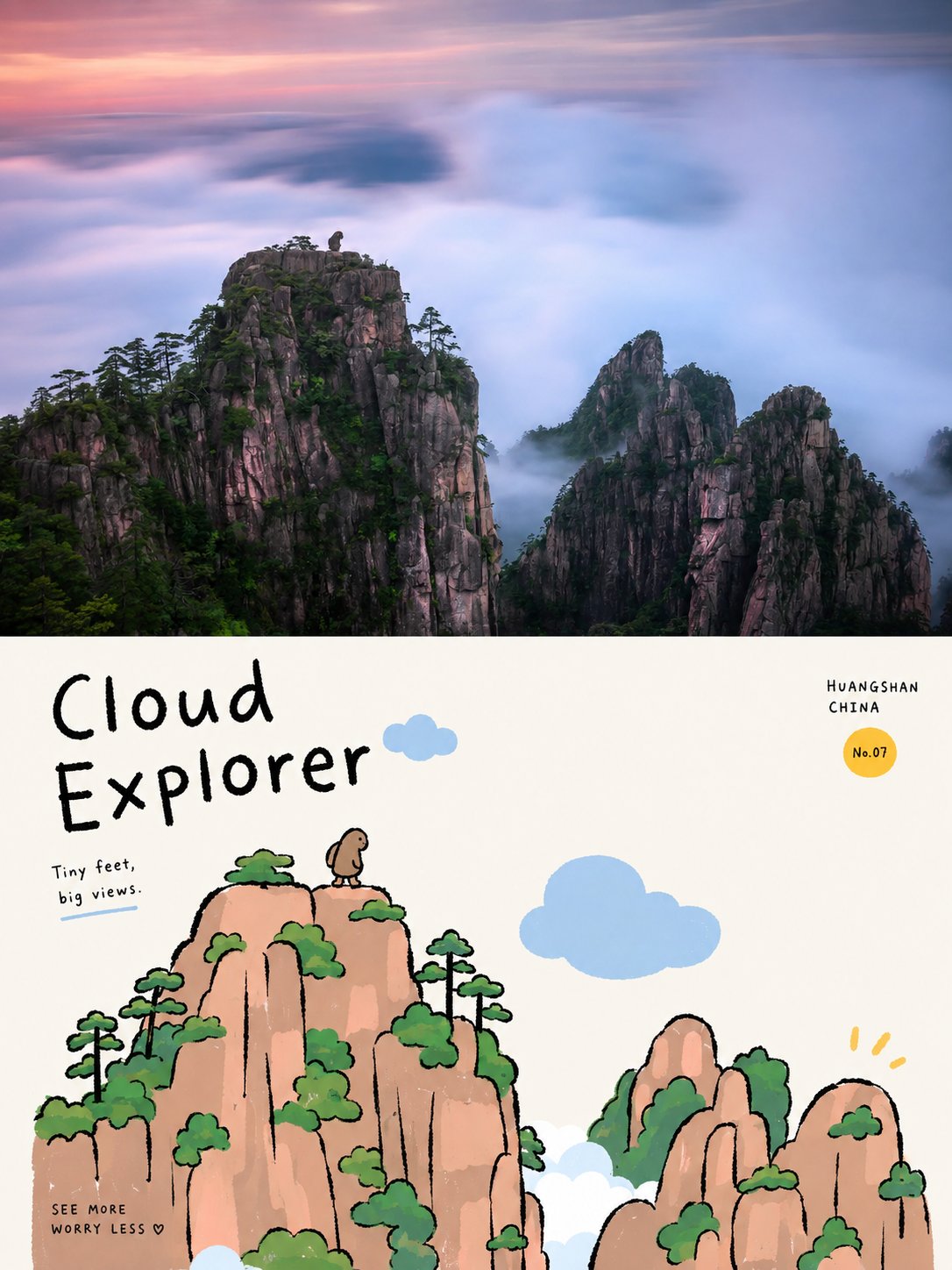
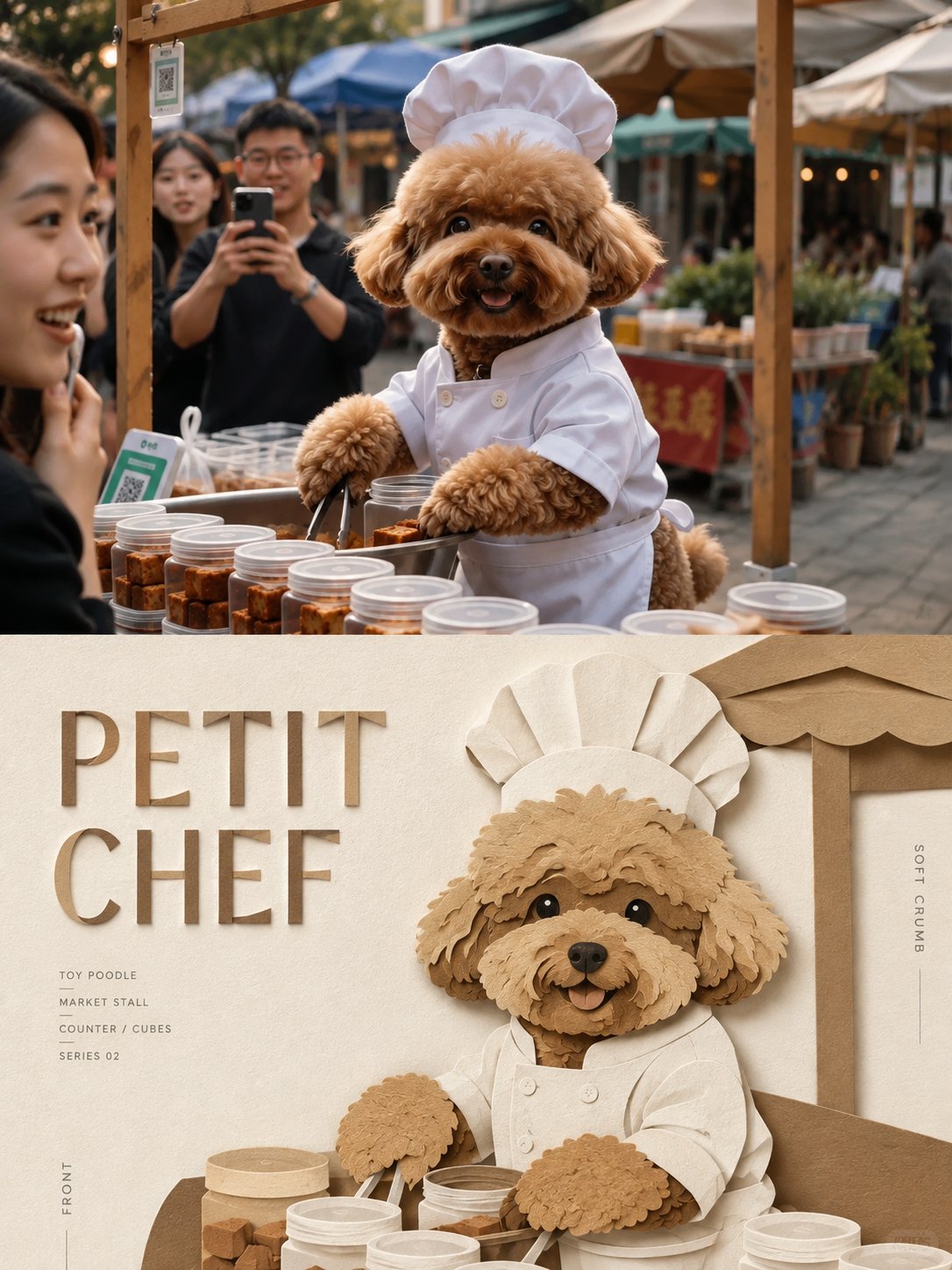
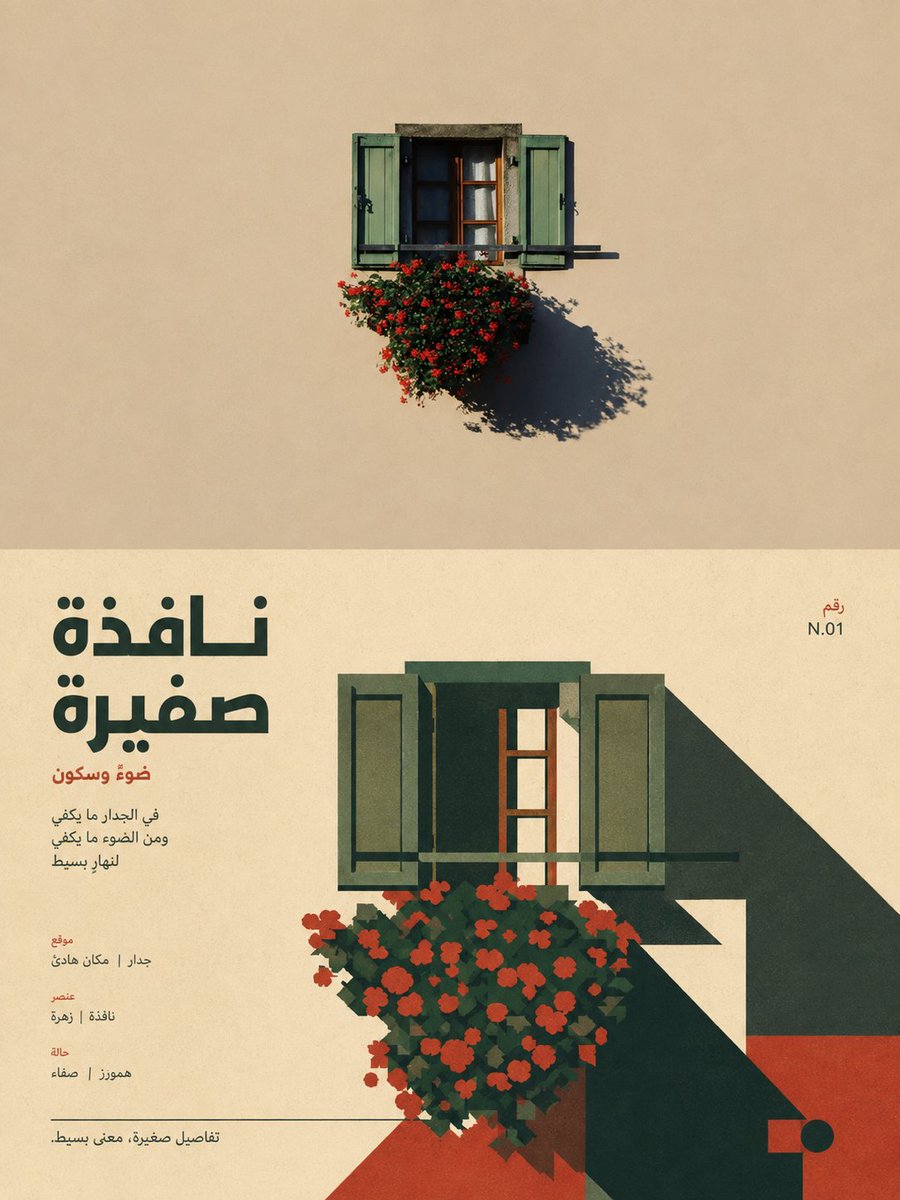
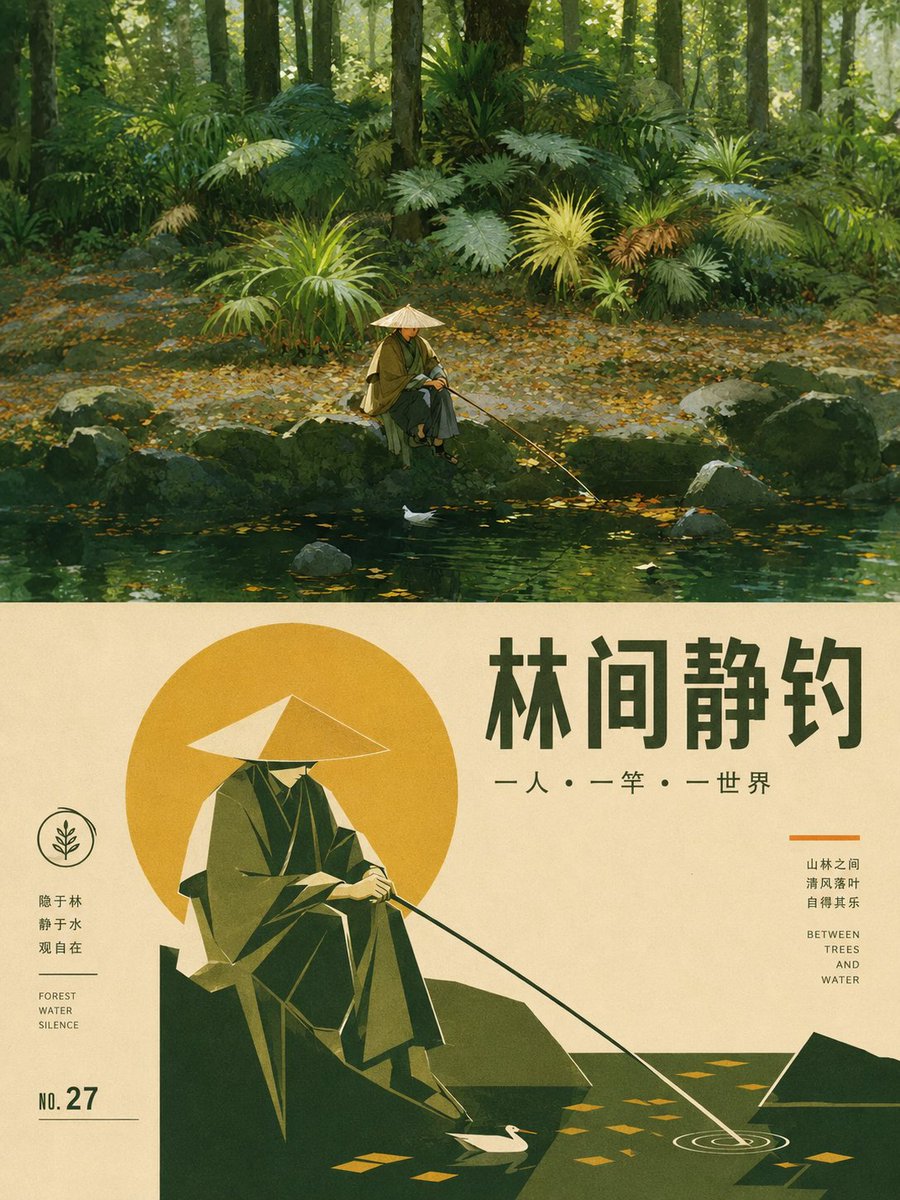
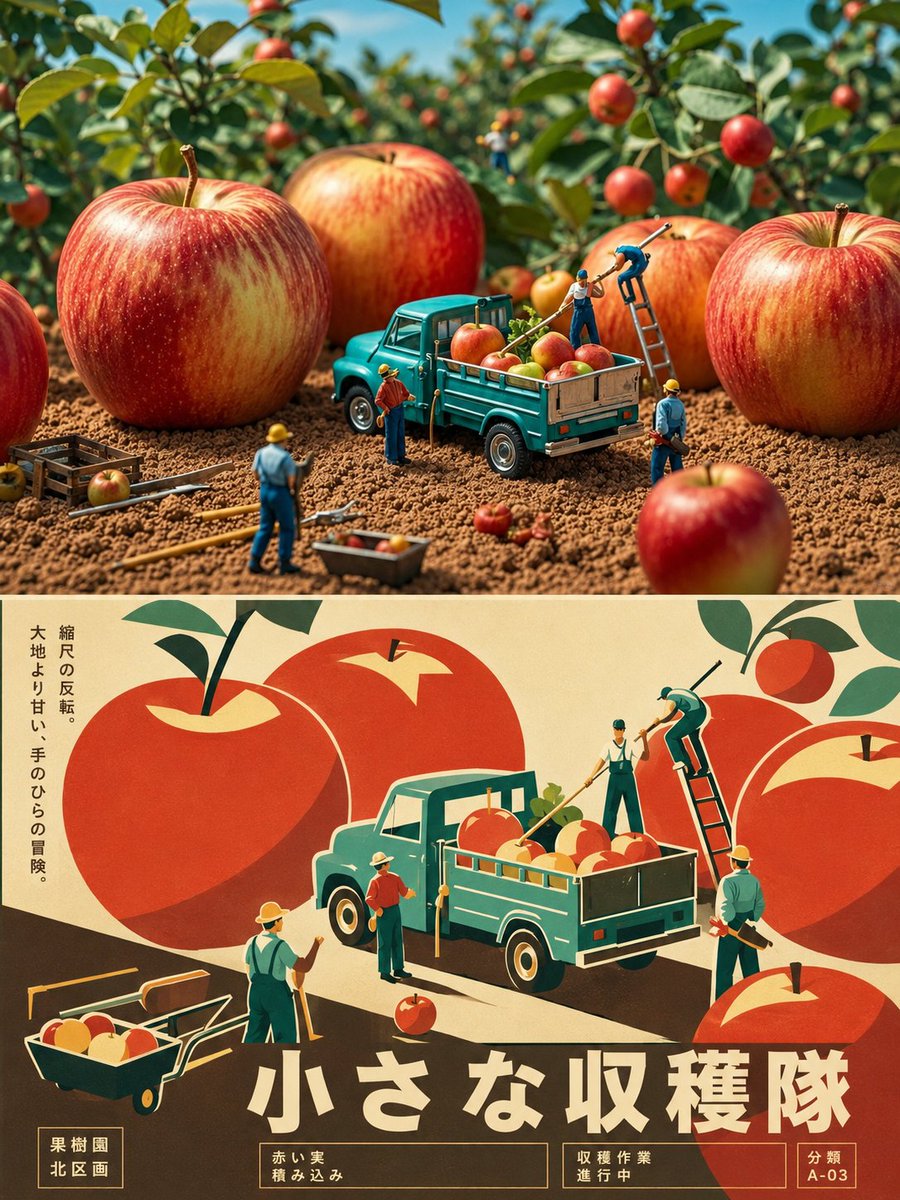
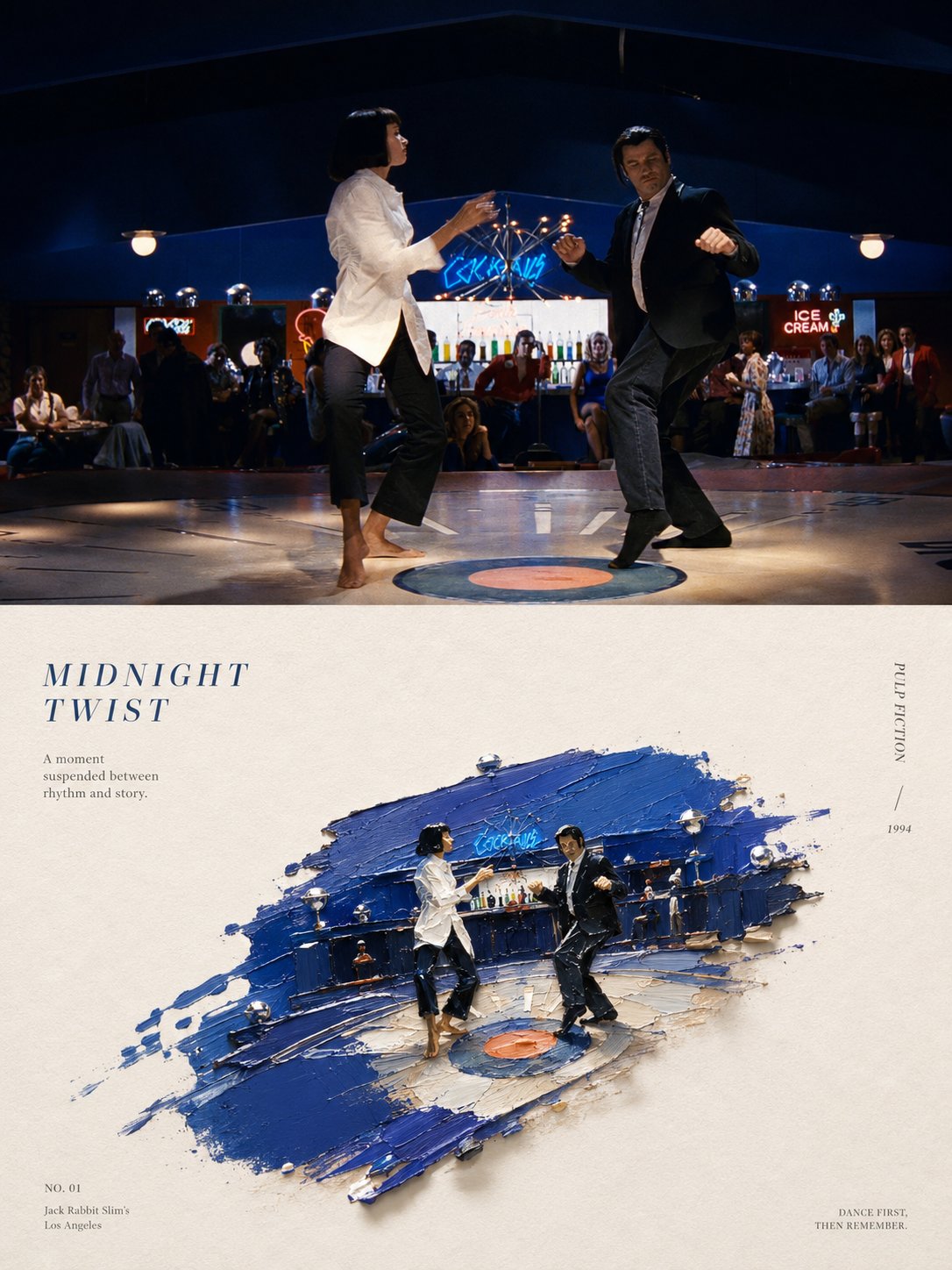
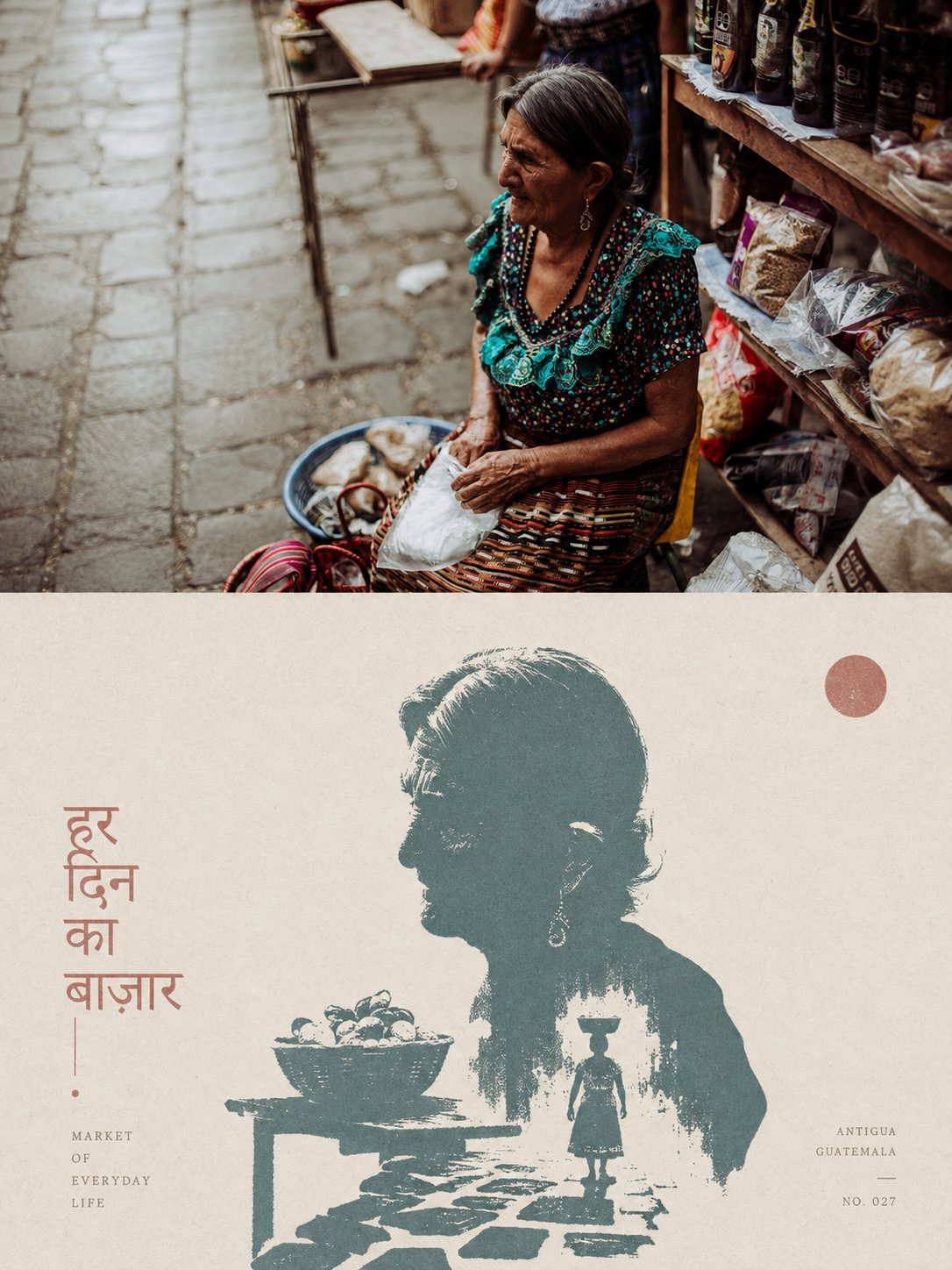
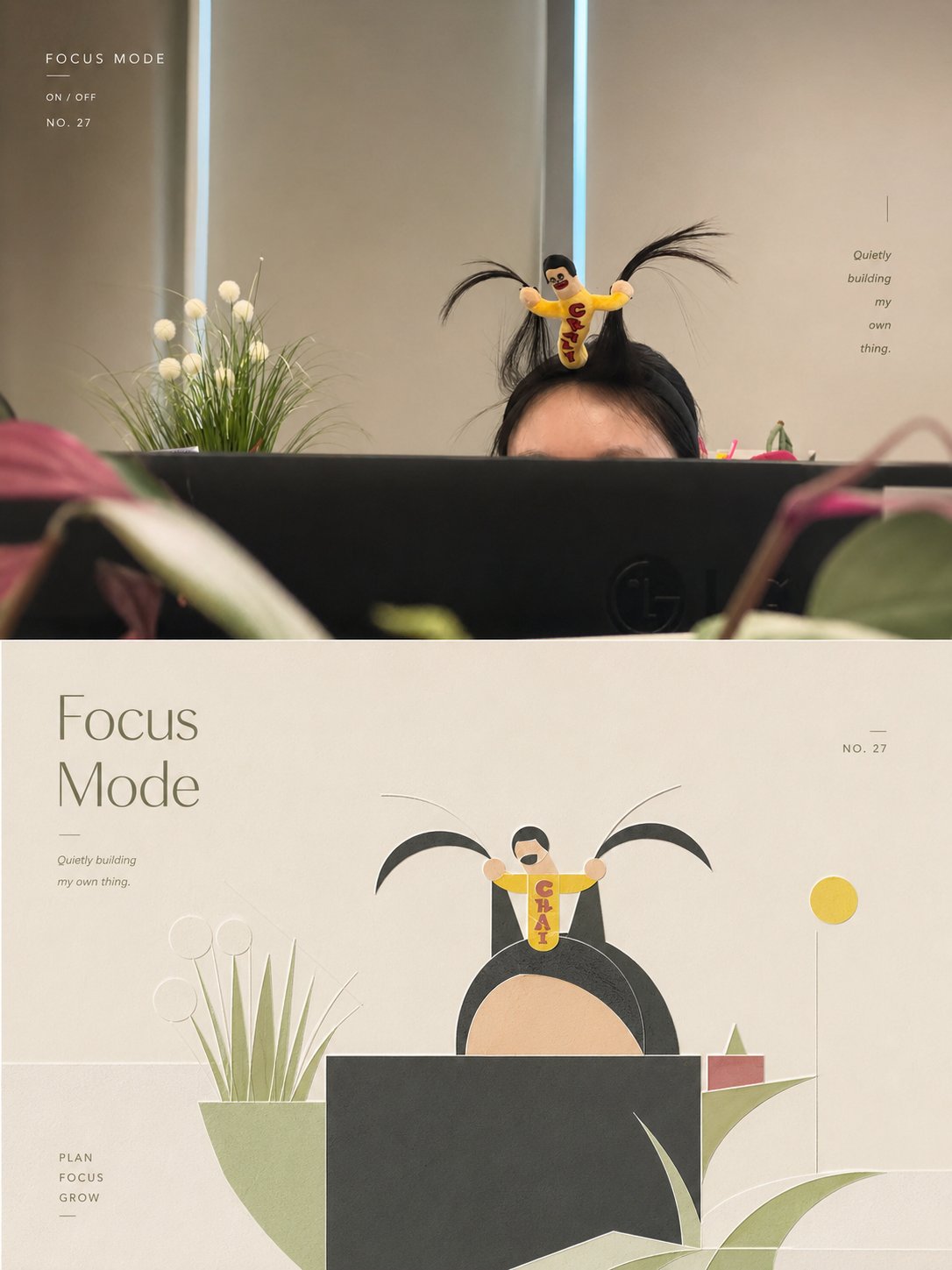
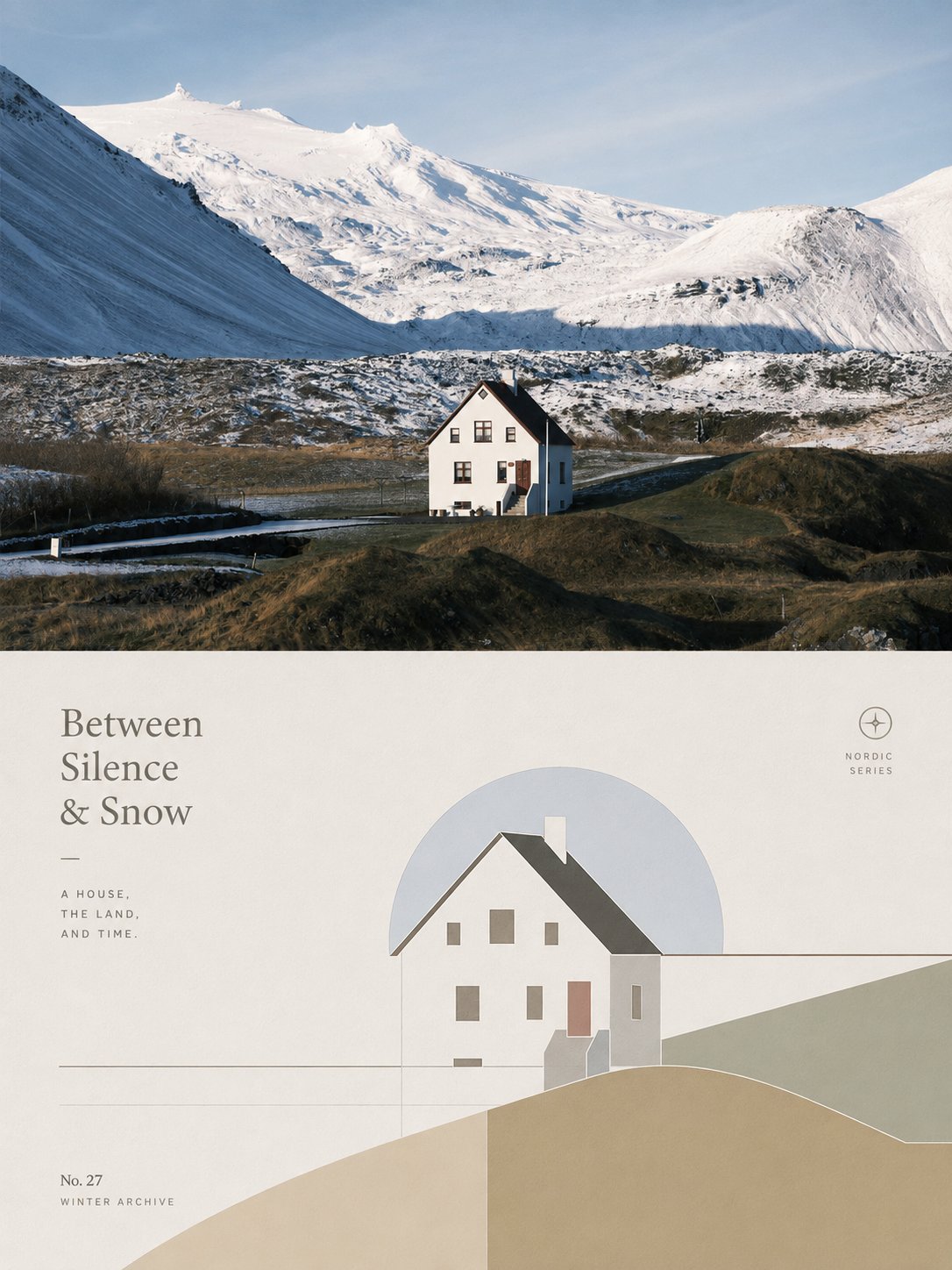
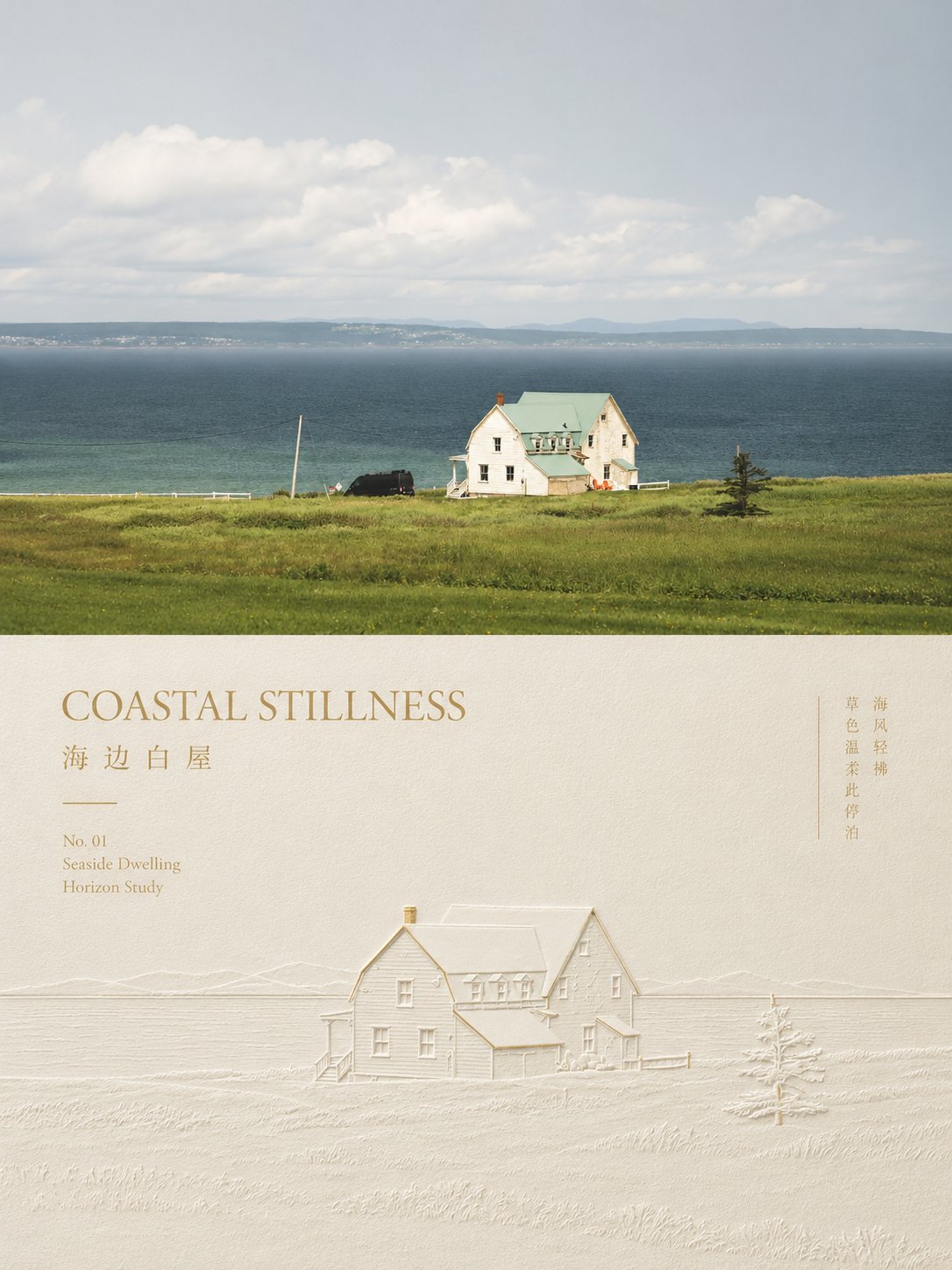
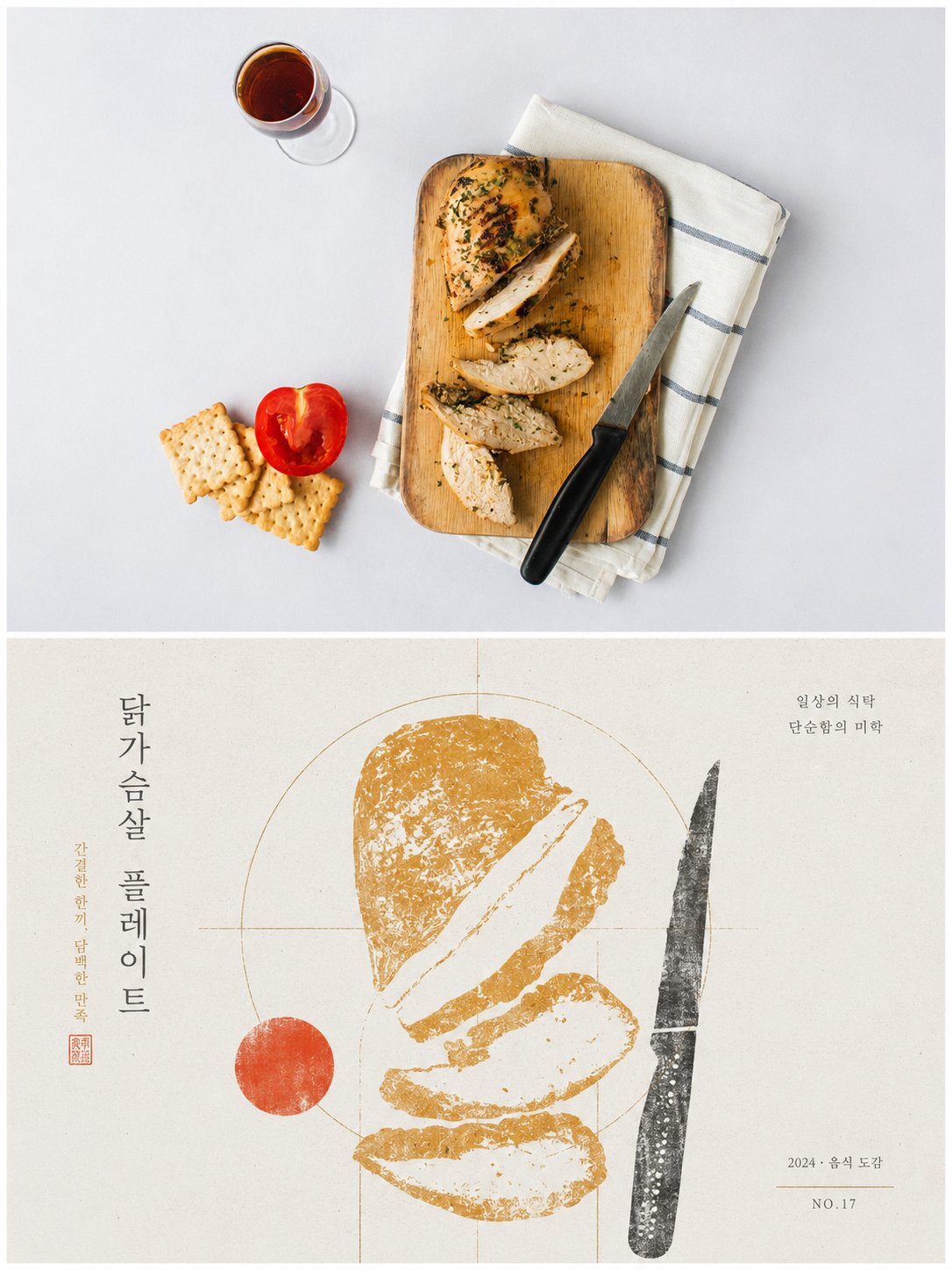
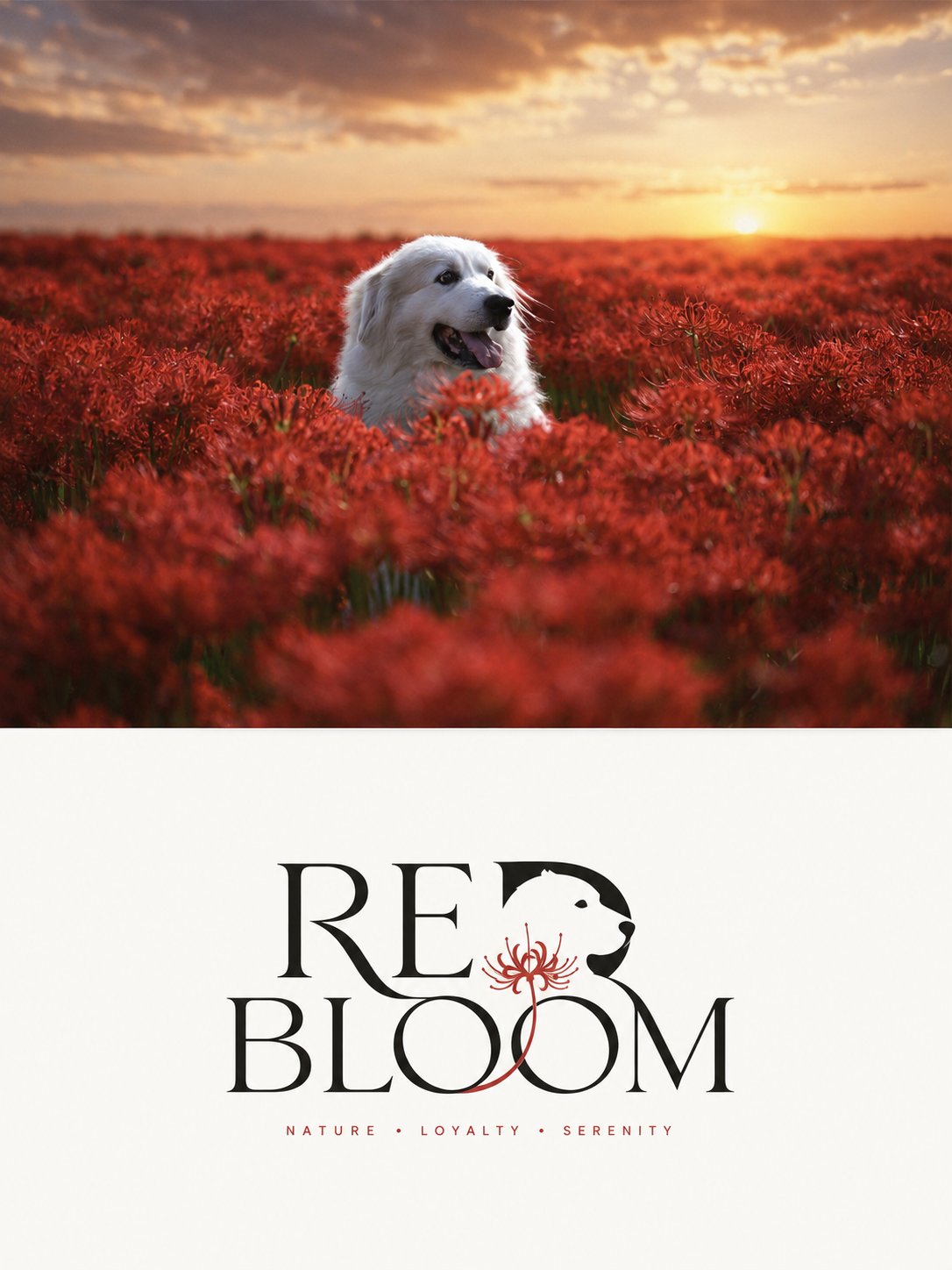
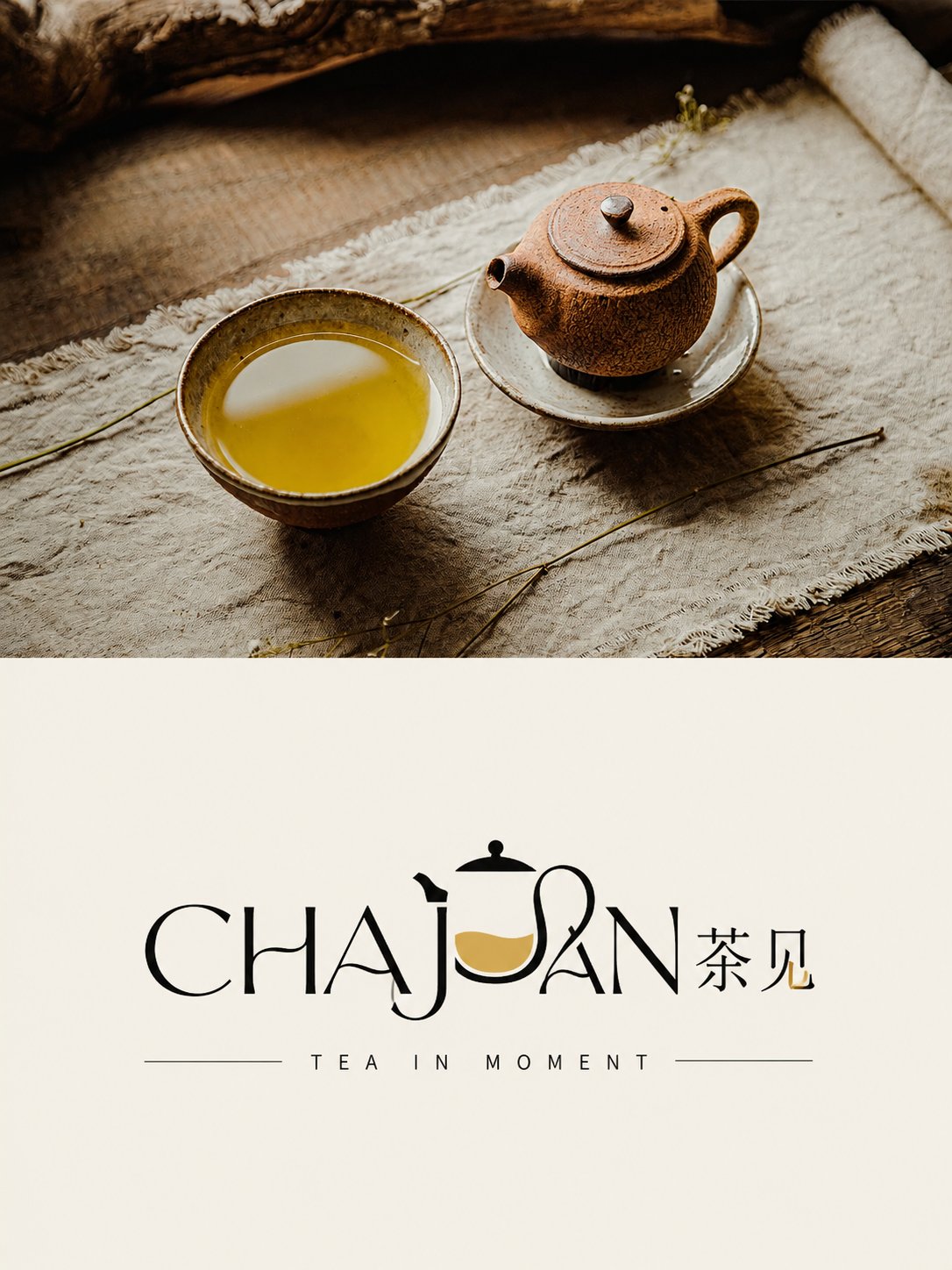
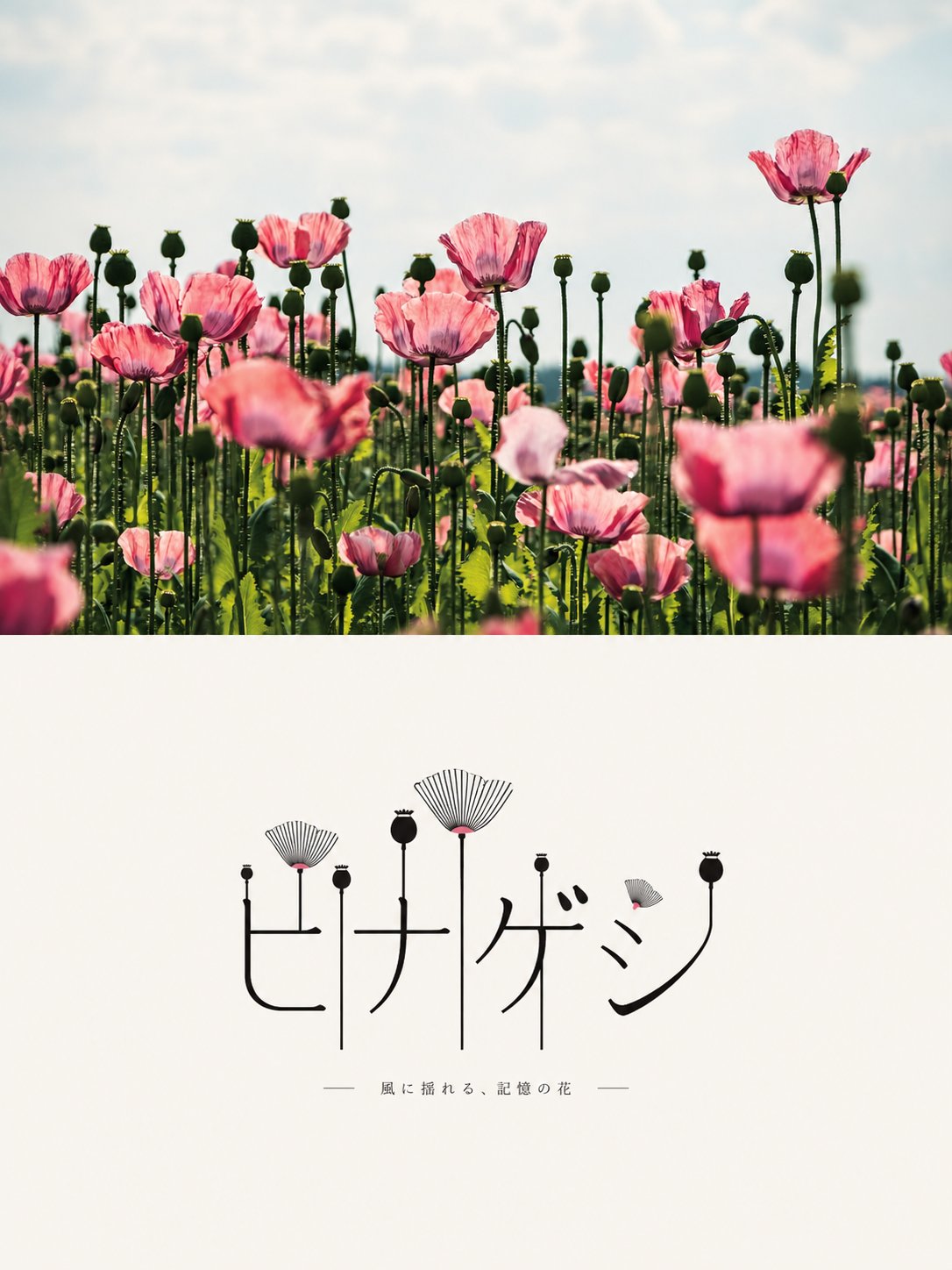
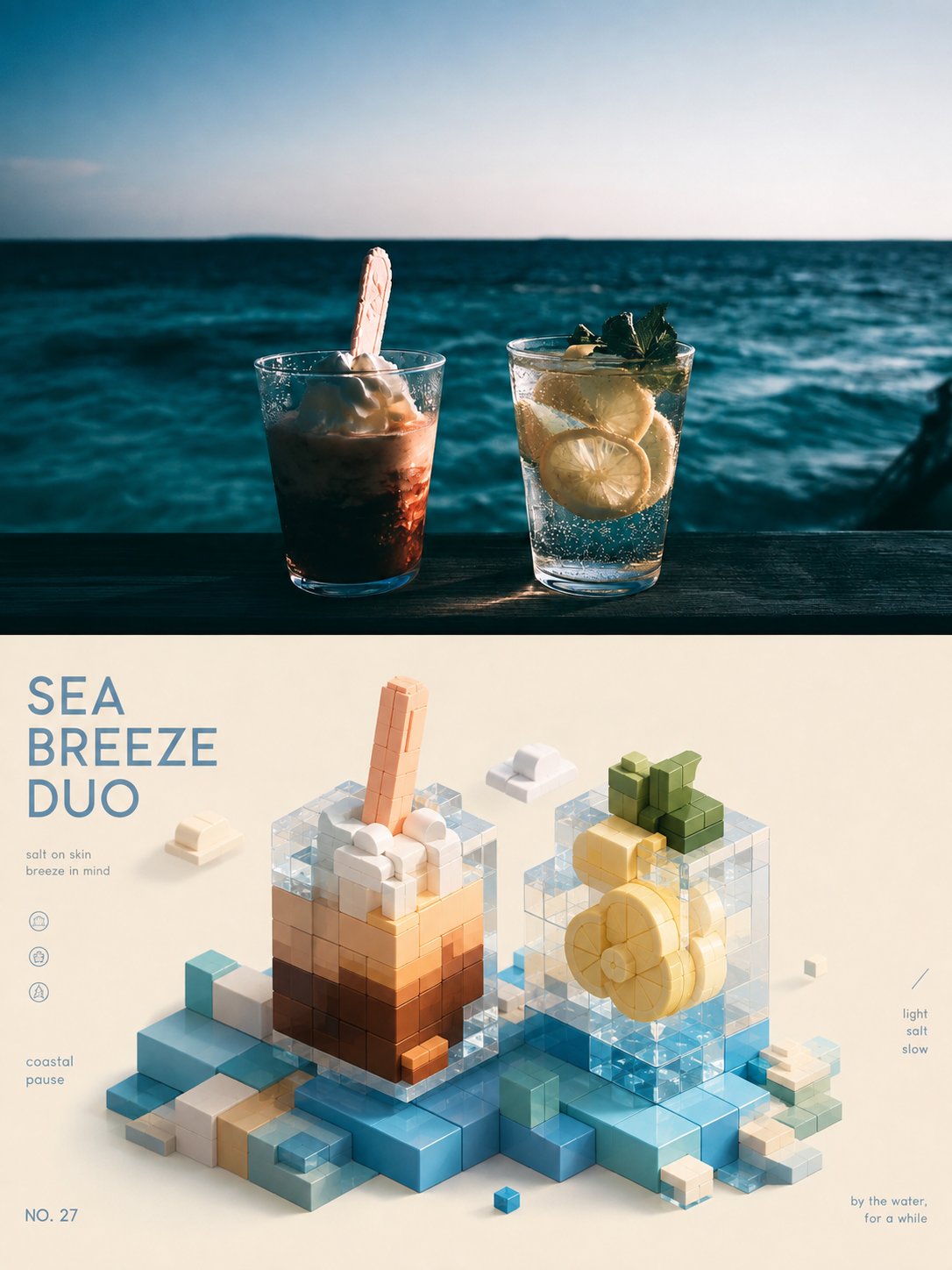
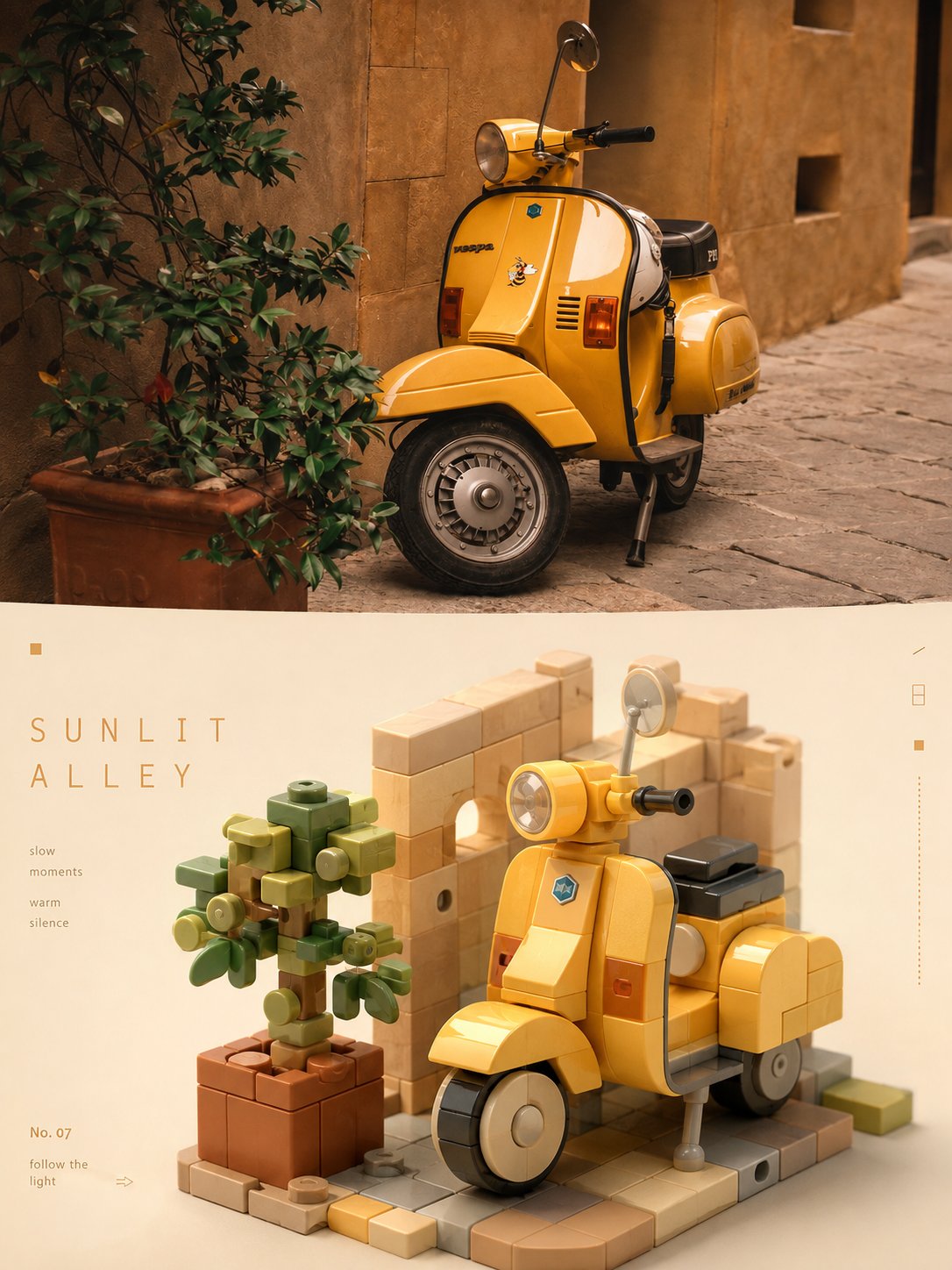
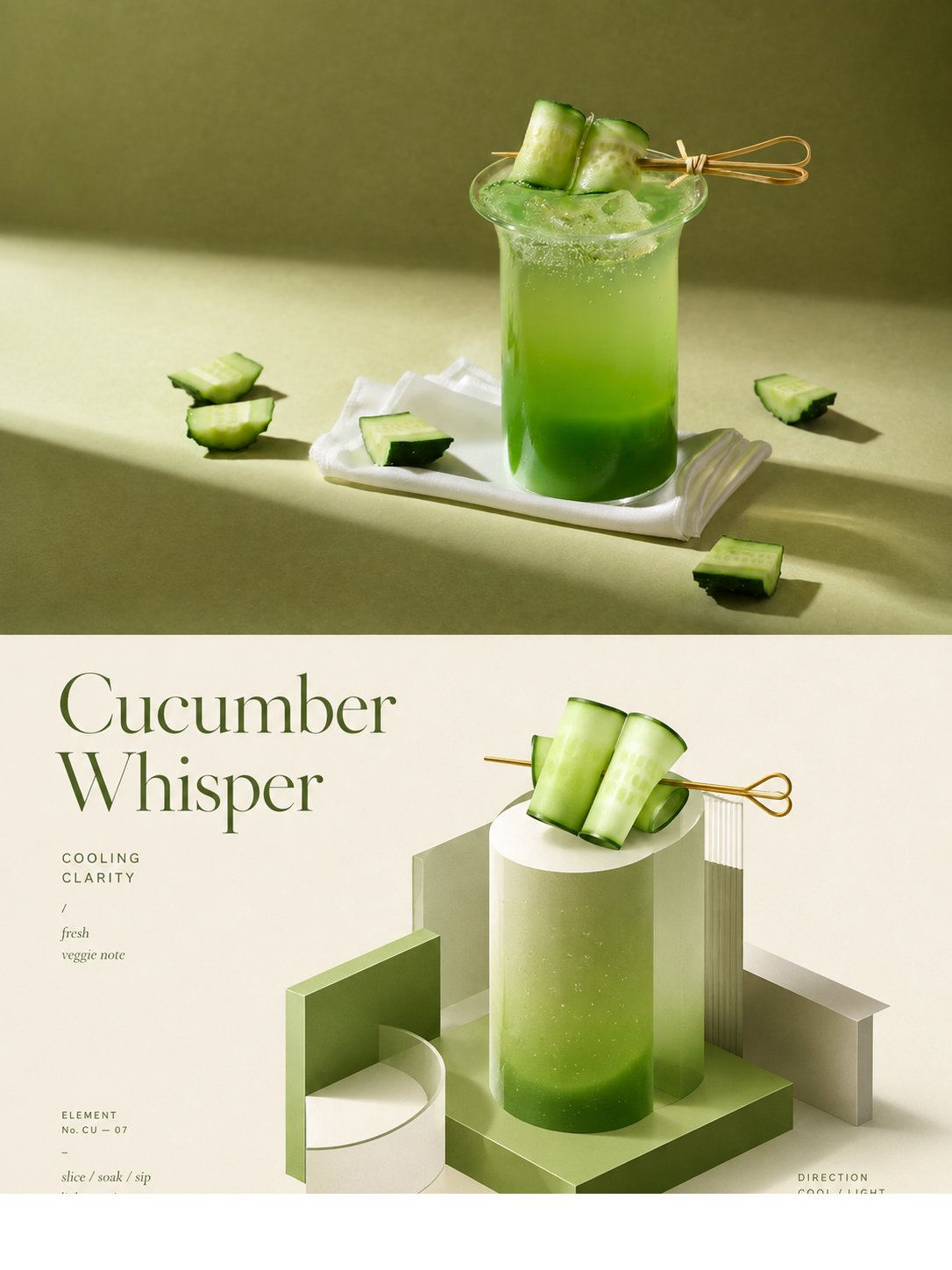
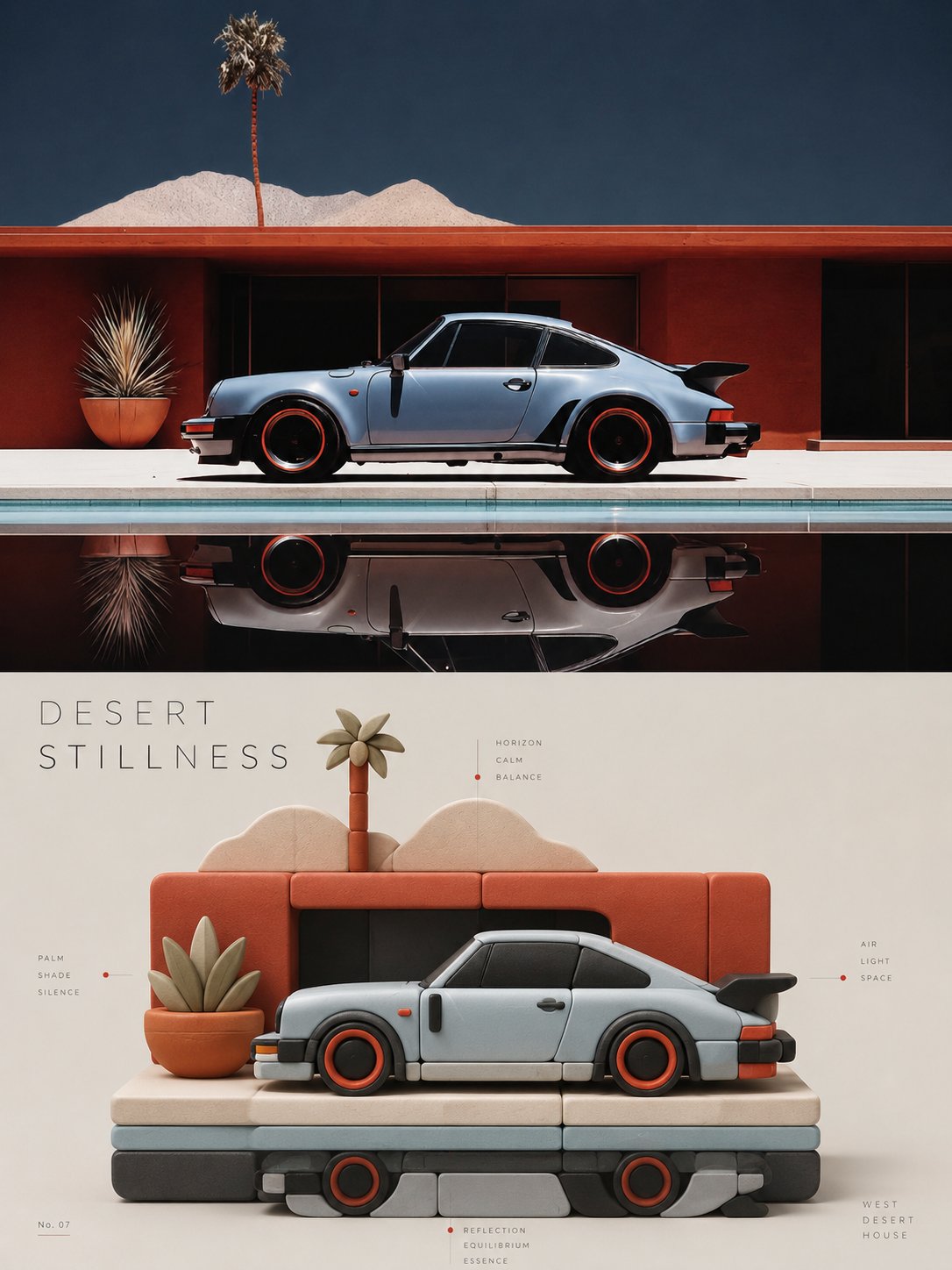
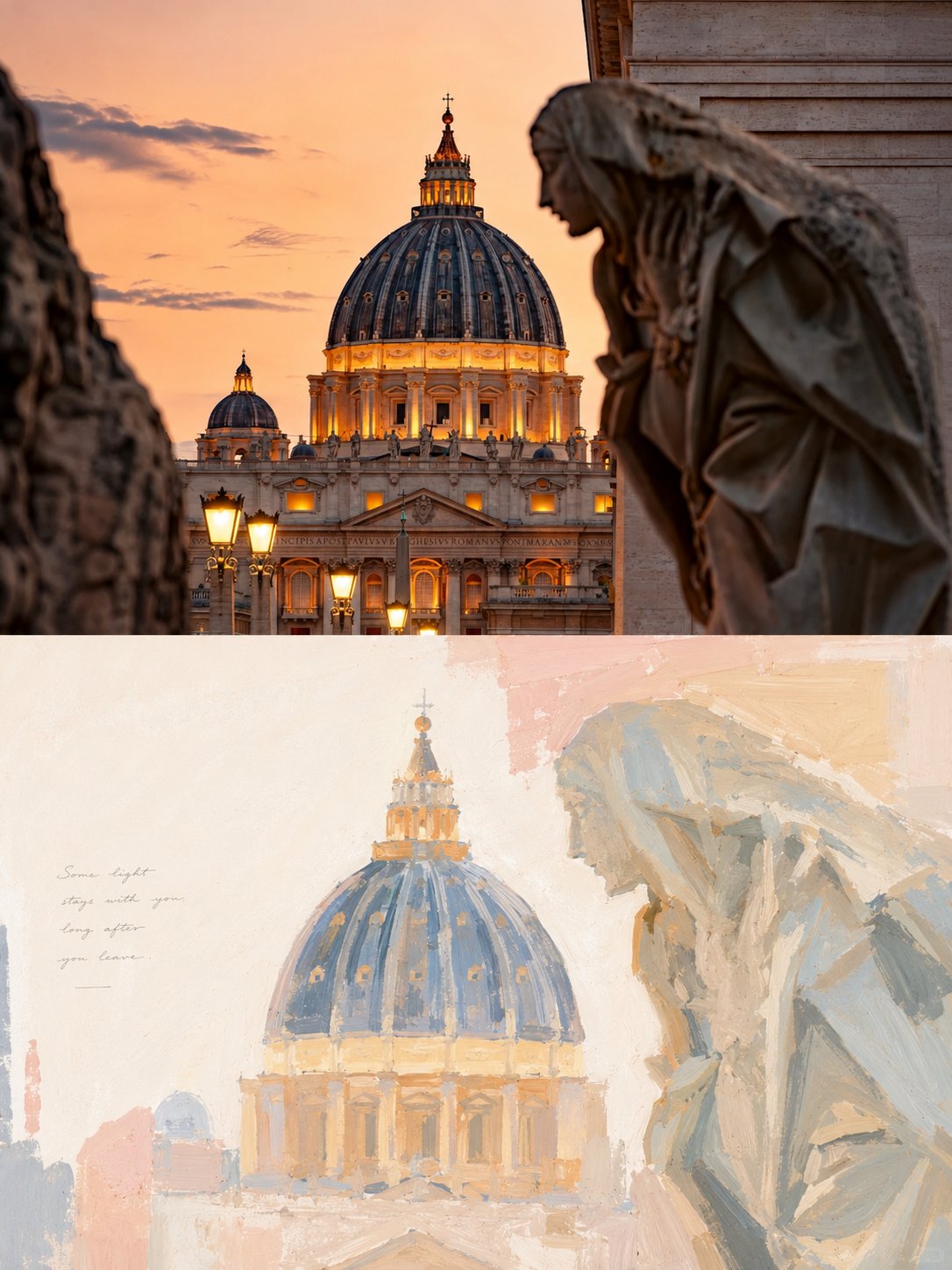
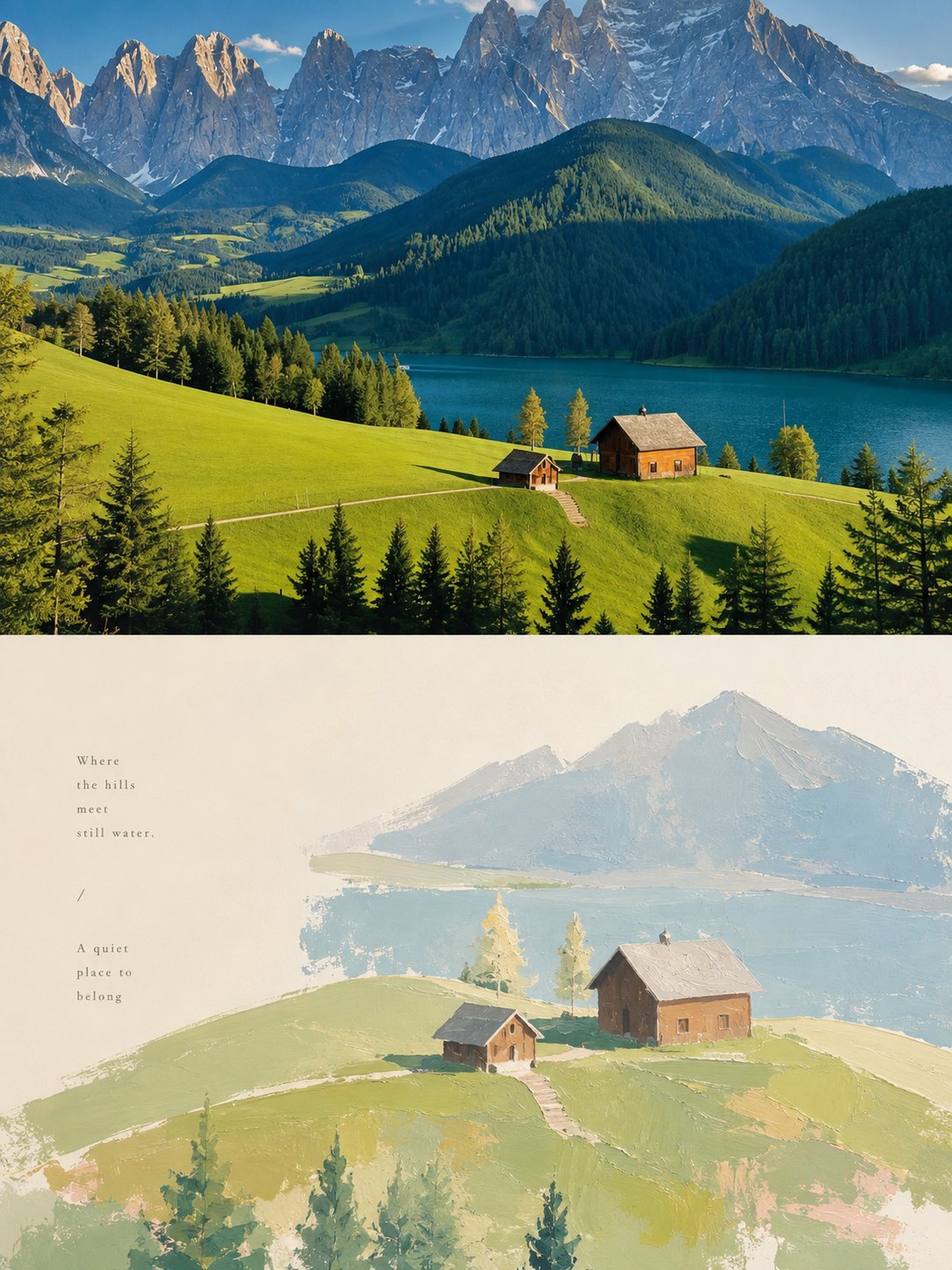
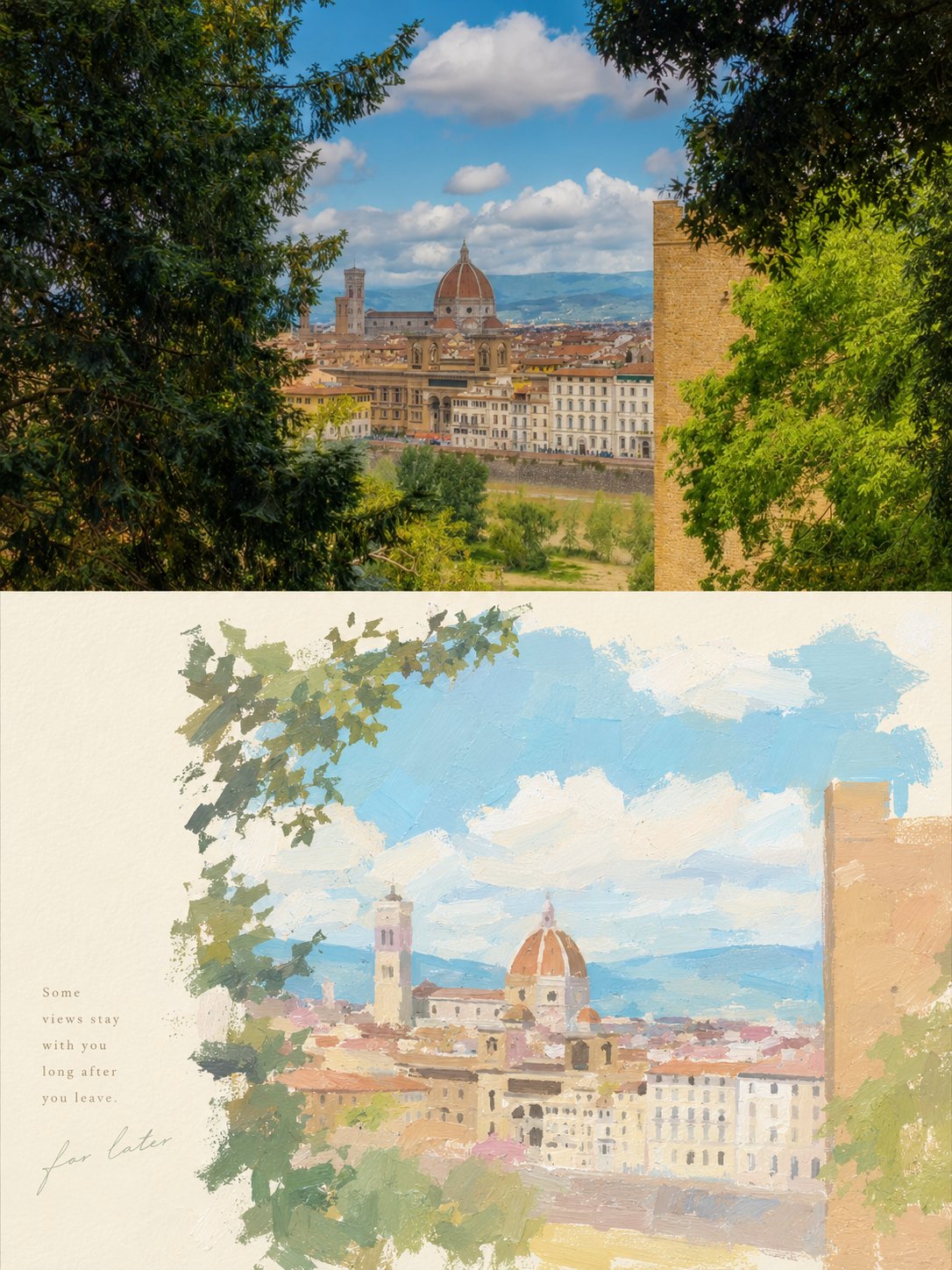
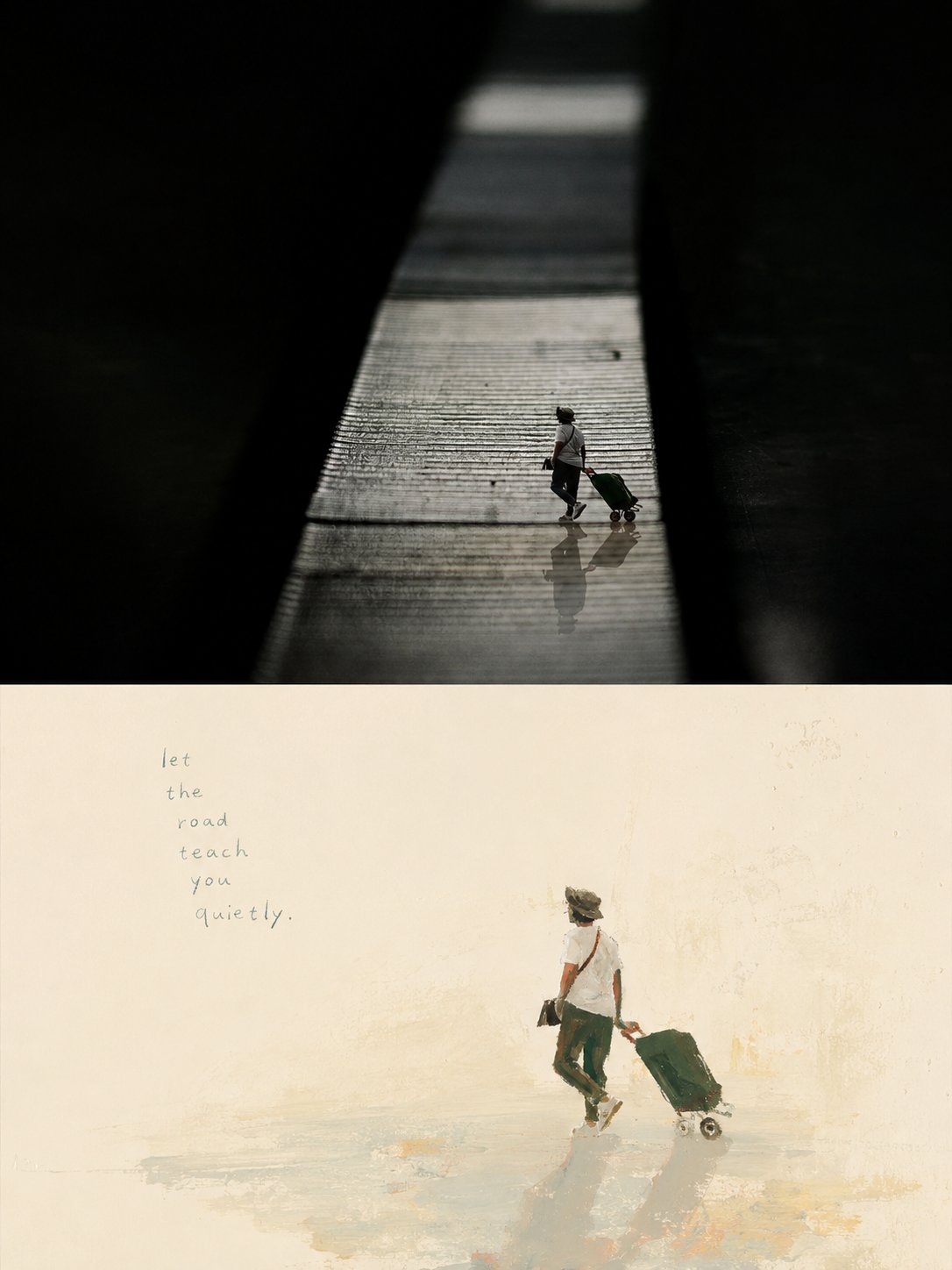
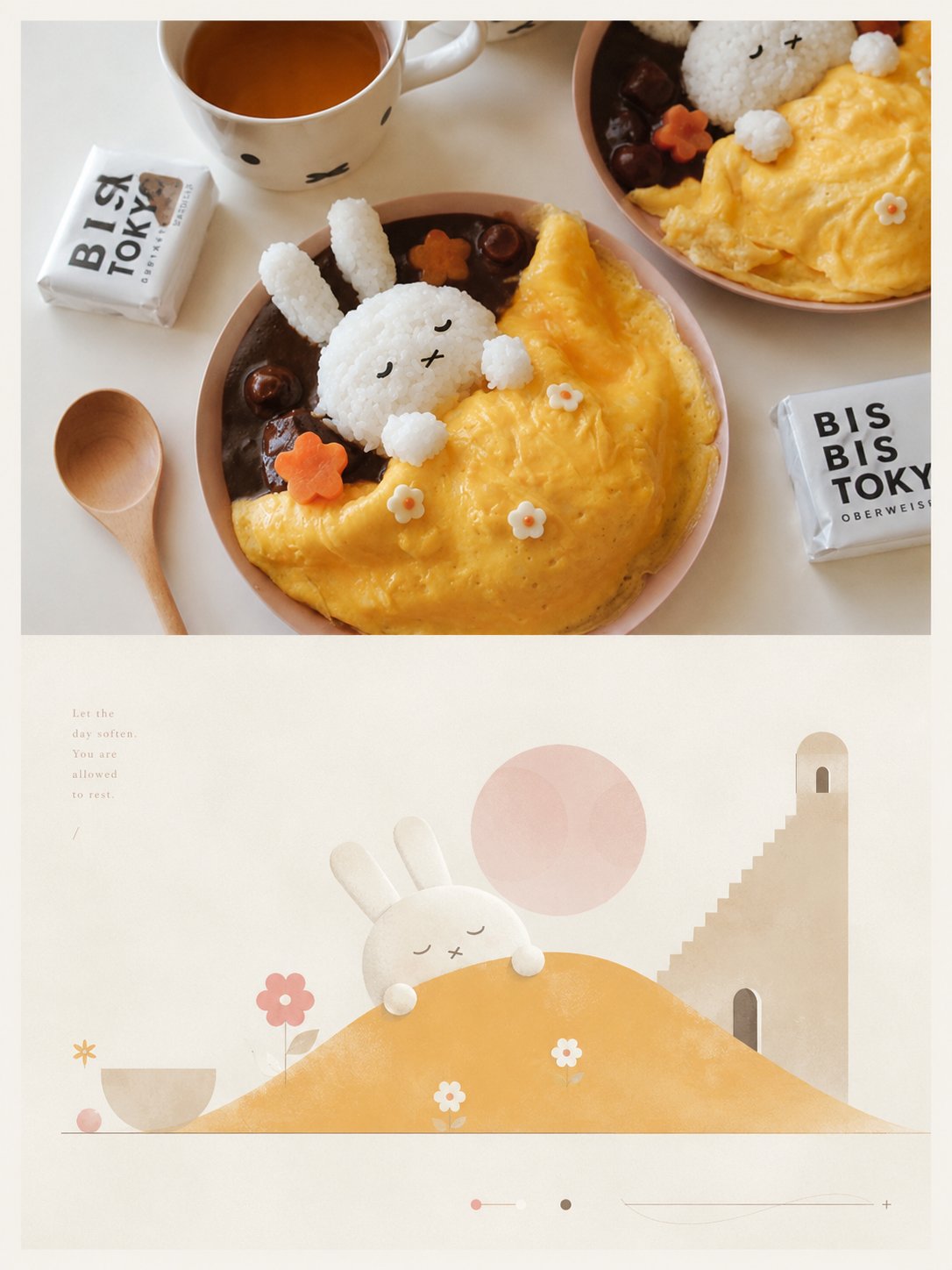
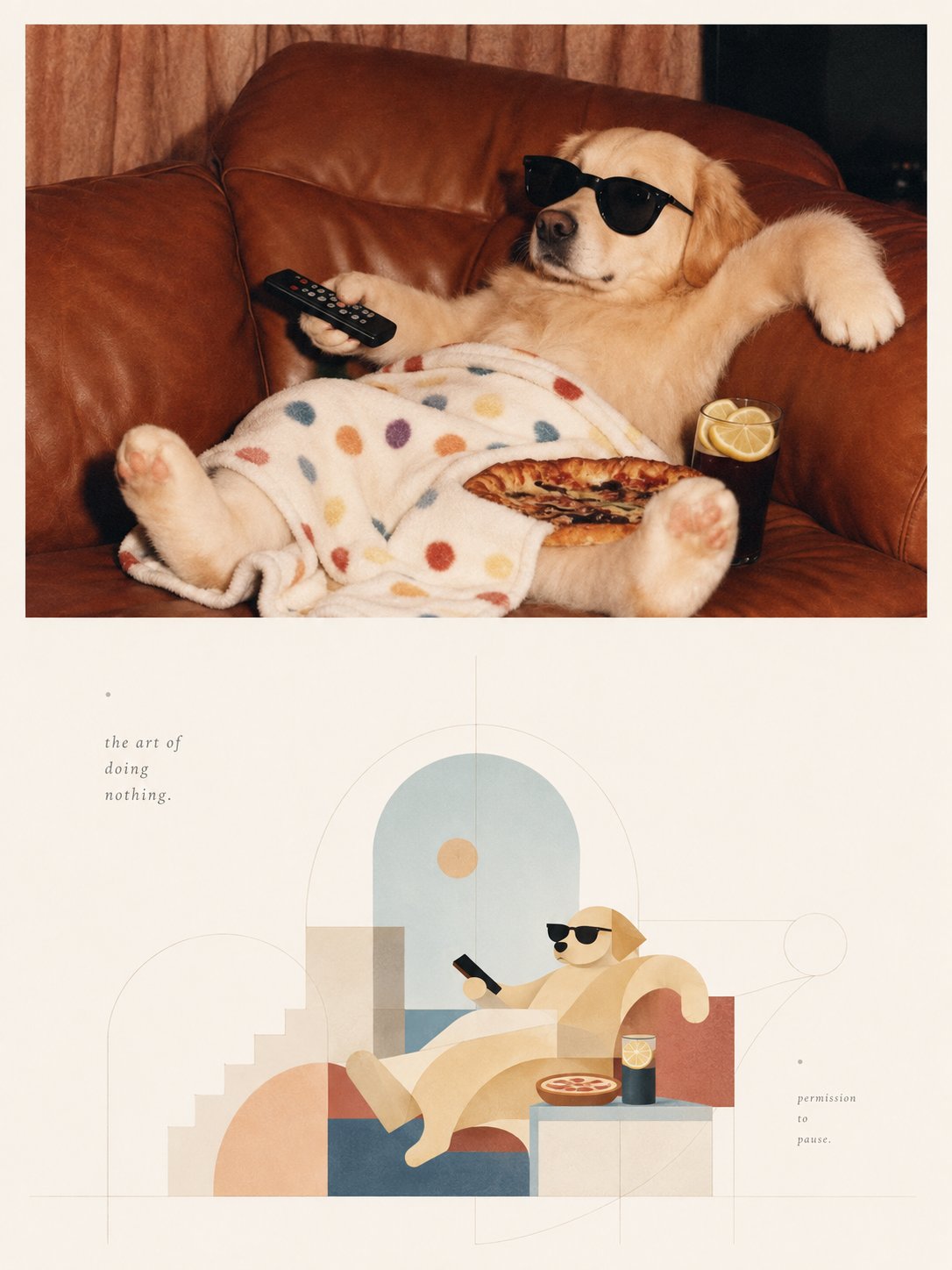
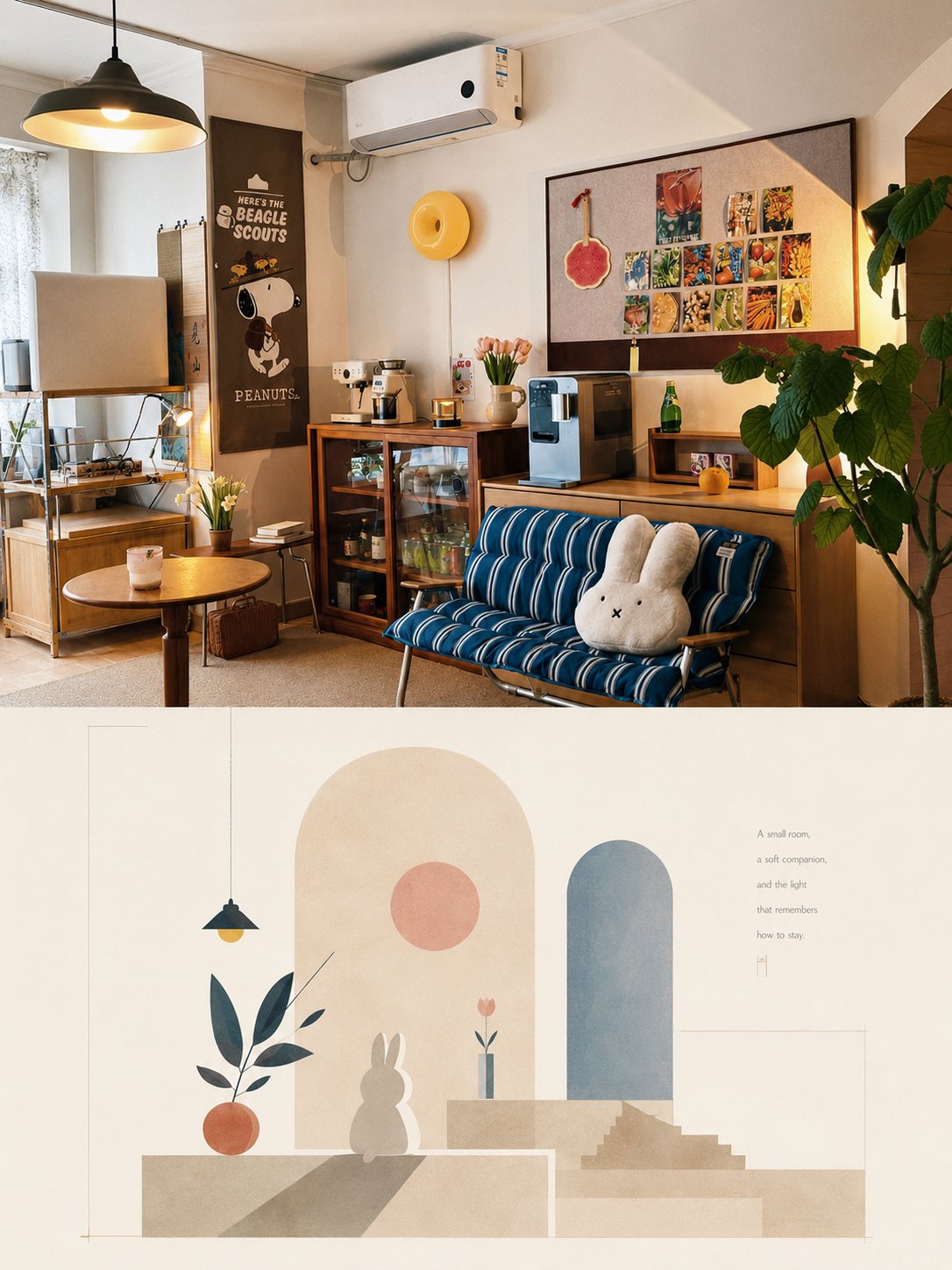
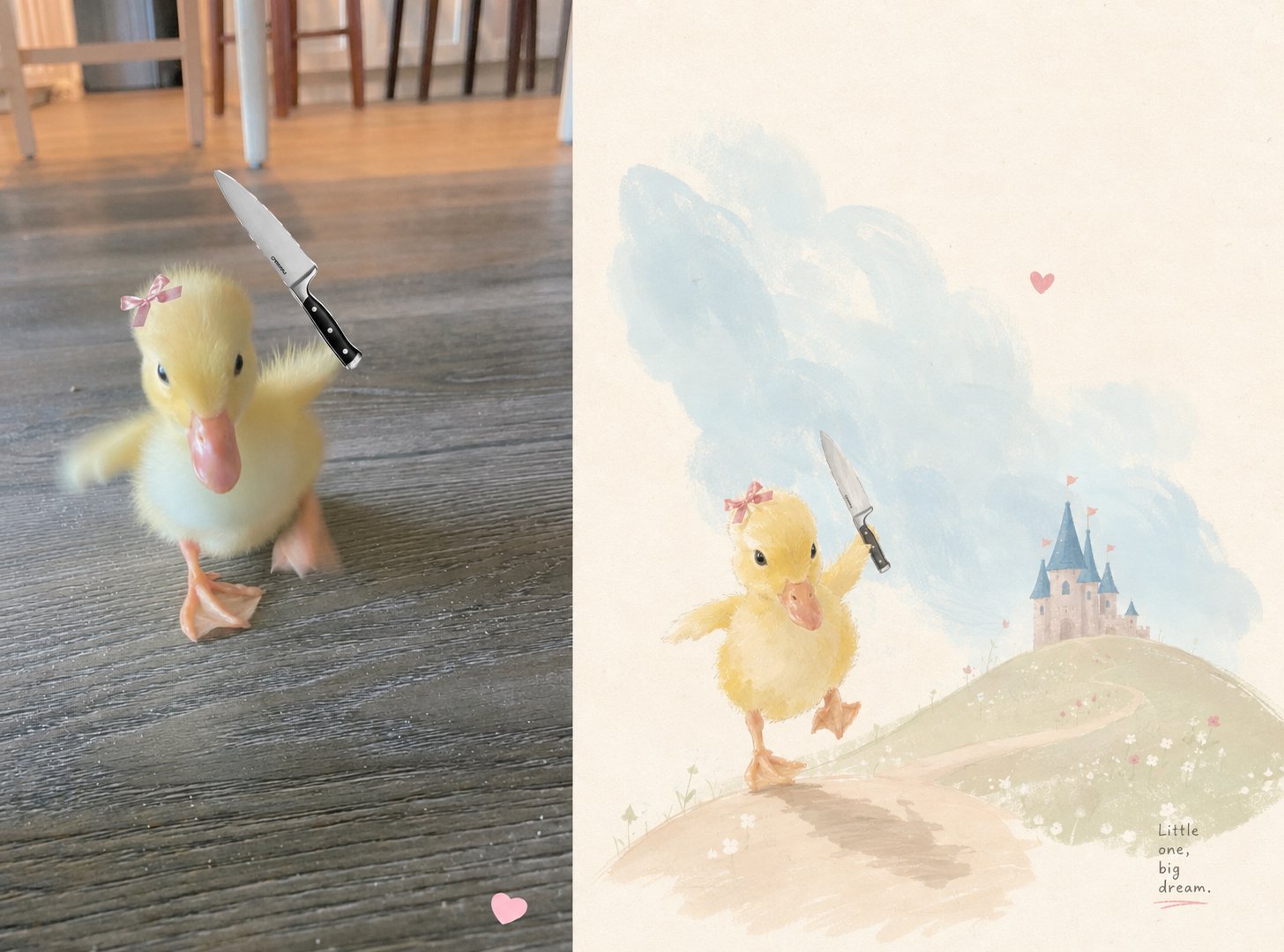
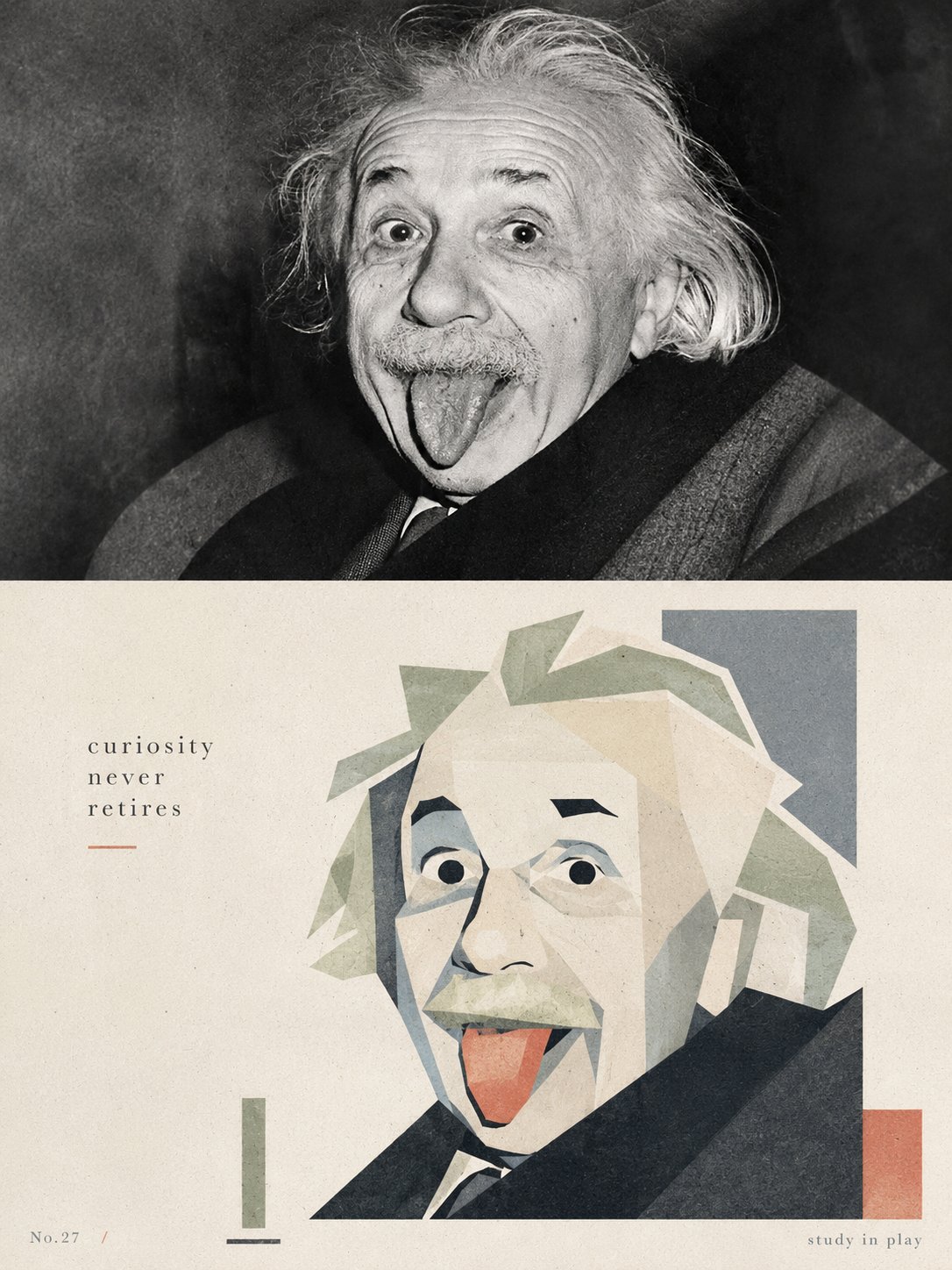
1 / 4Geometric block face poster
GPT Image 2collageeditorial
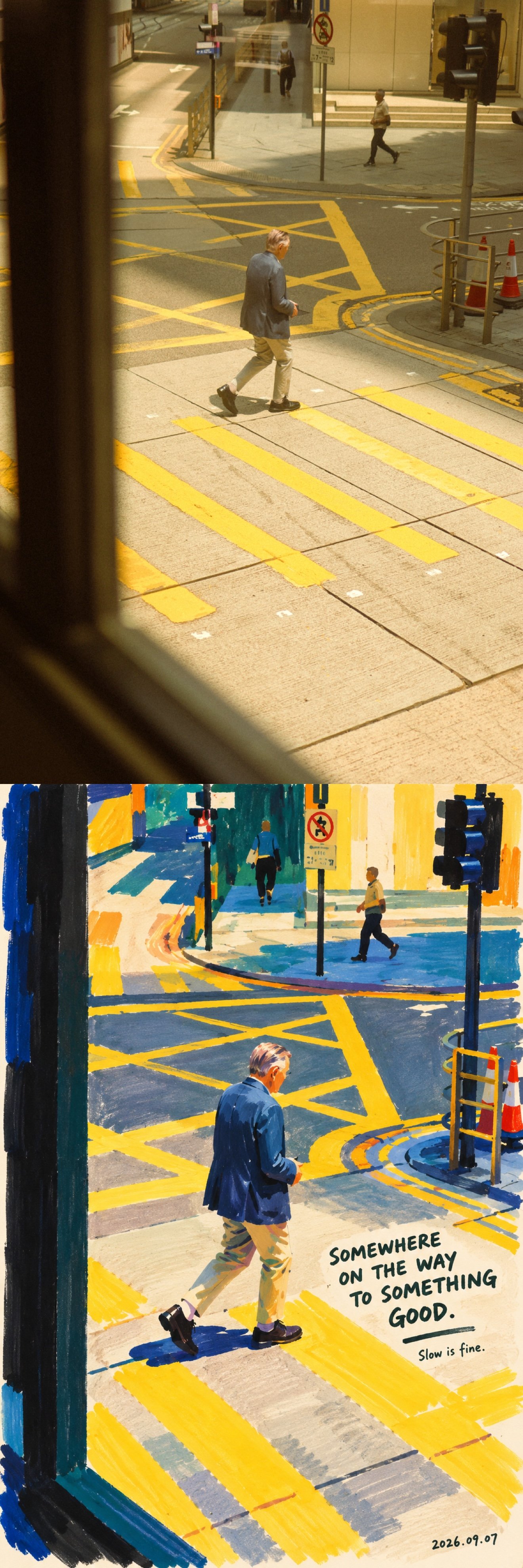
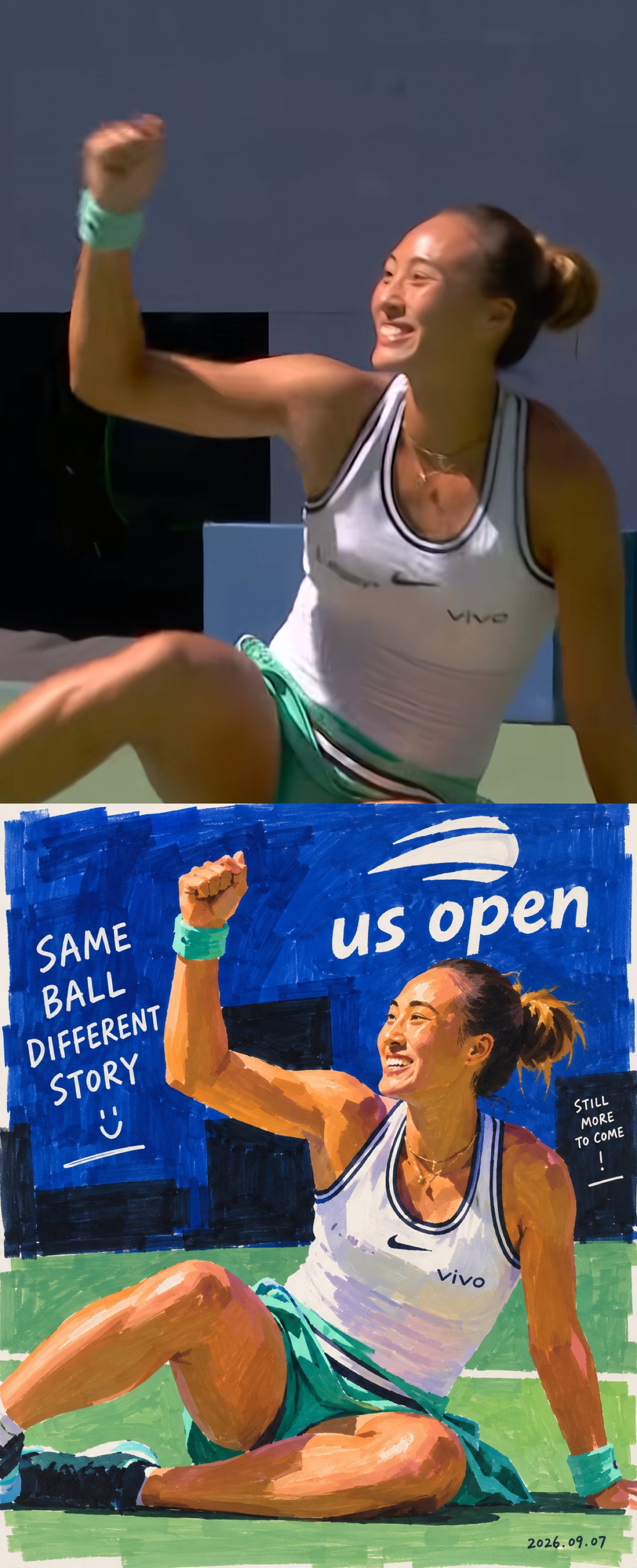
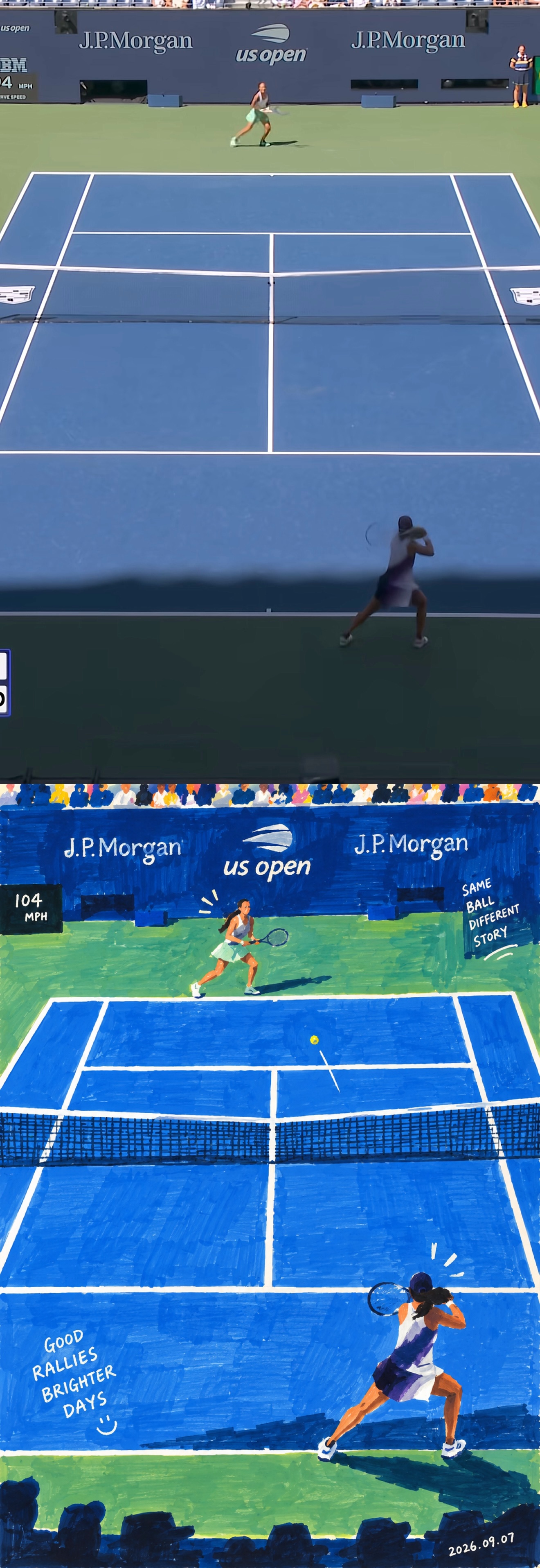
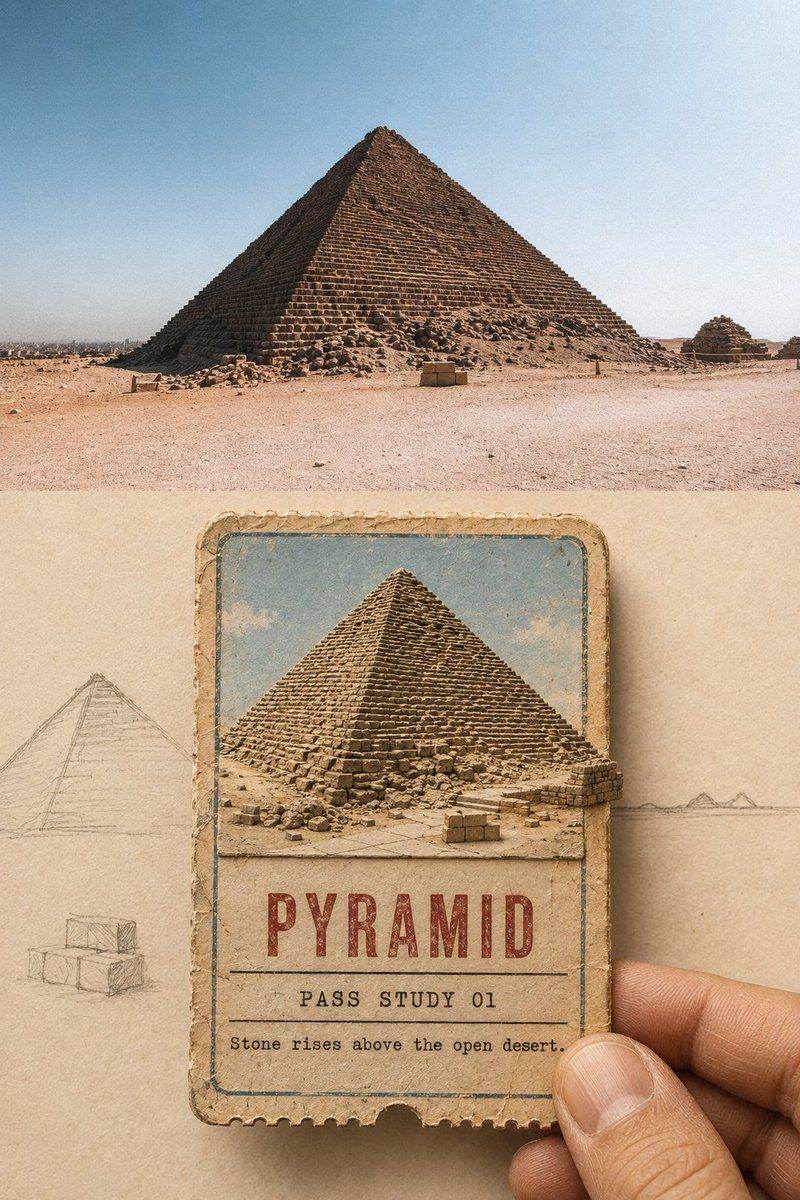
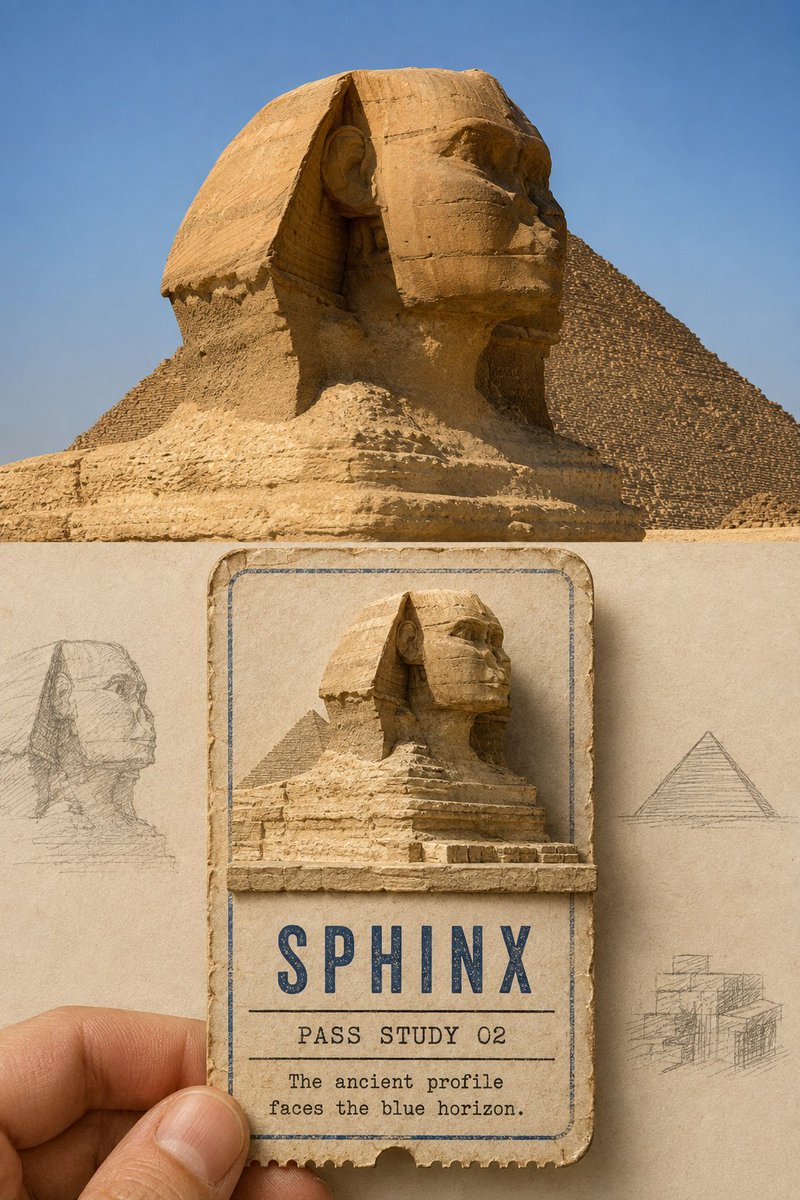
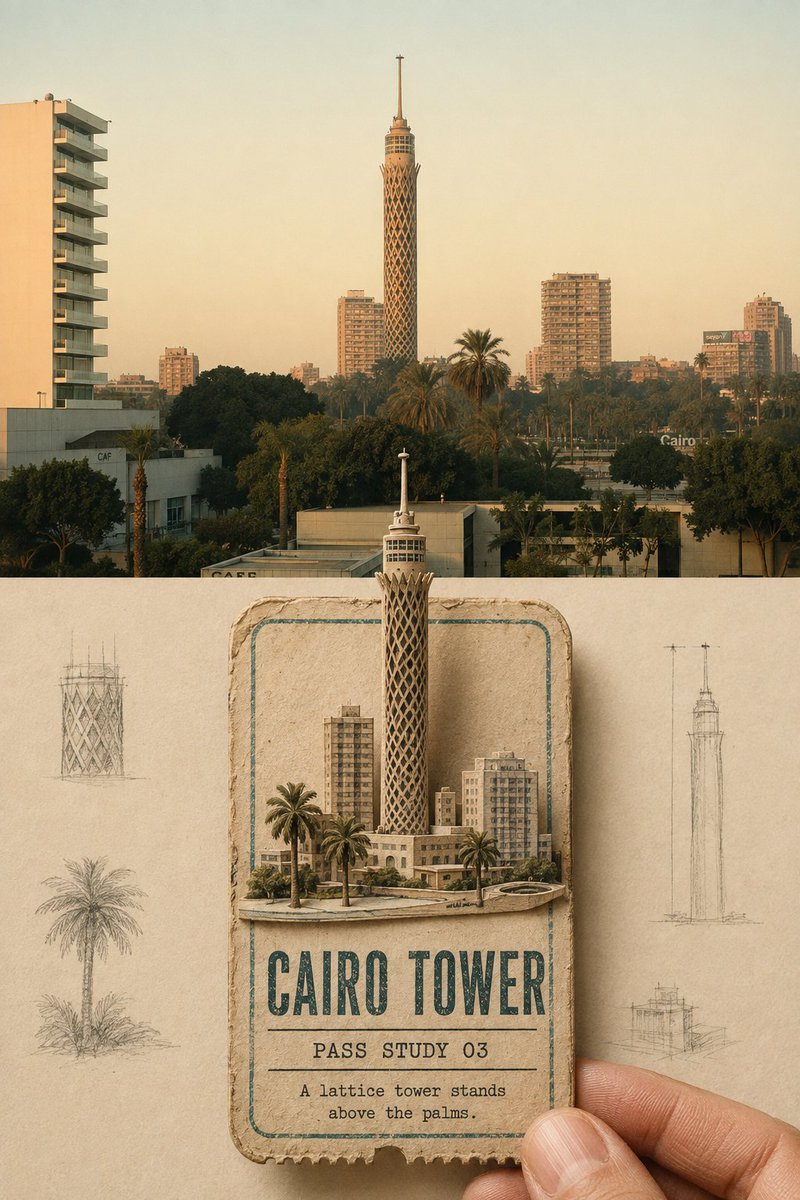
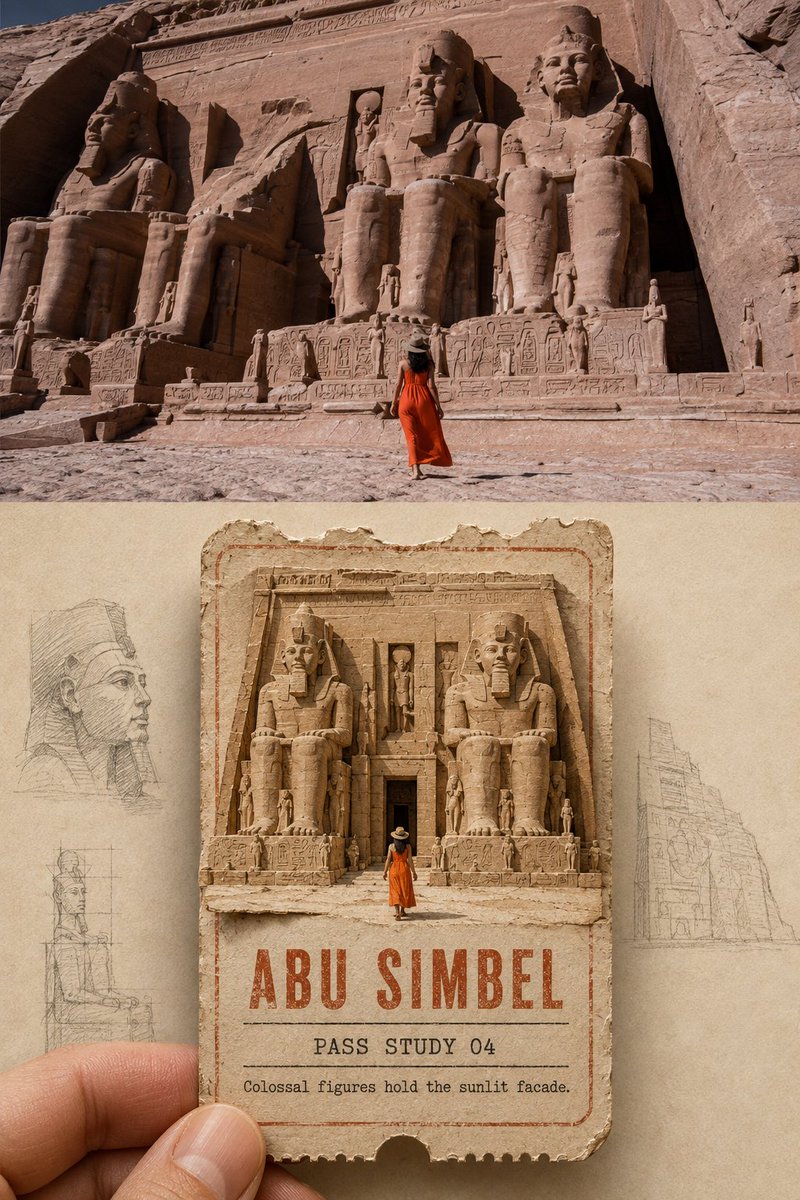
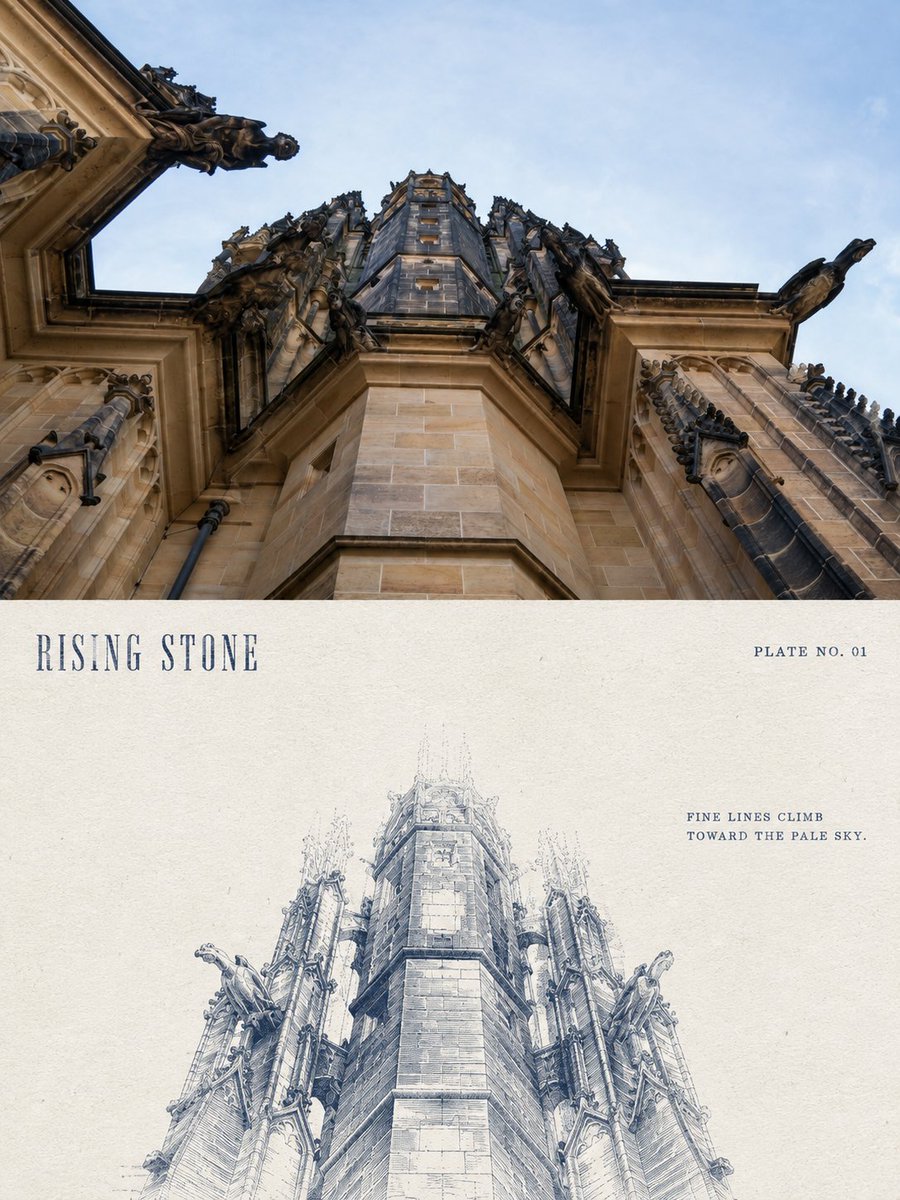
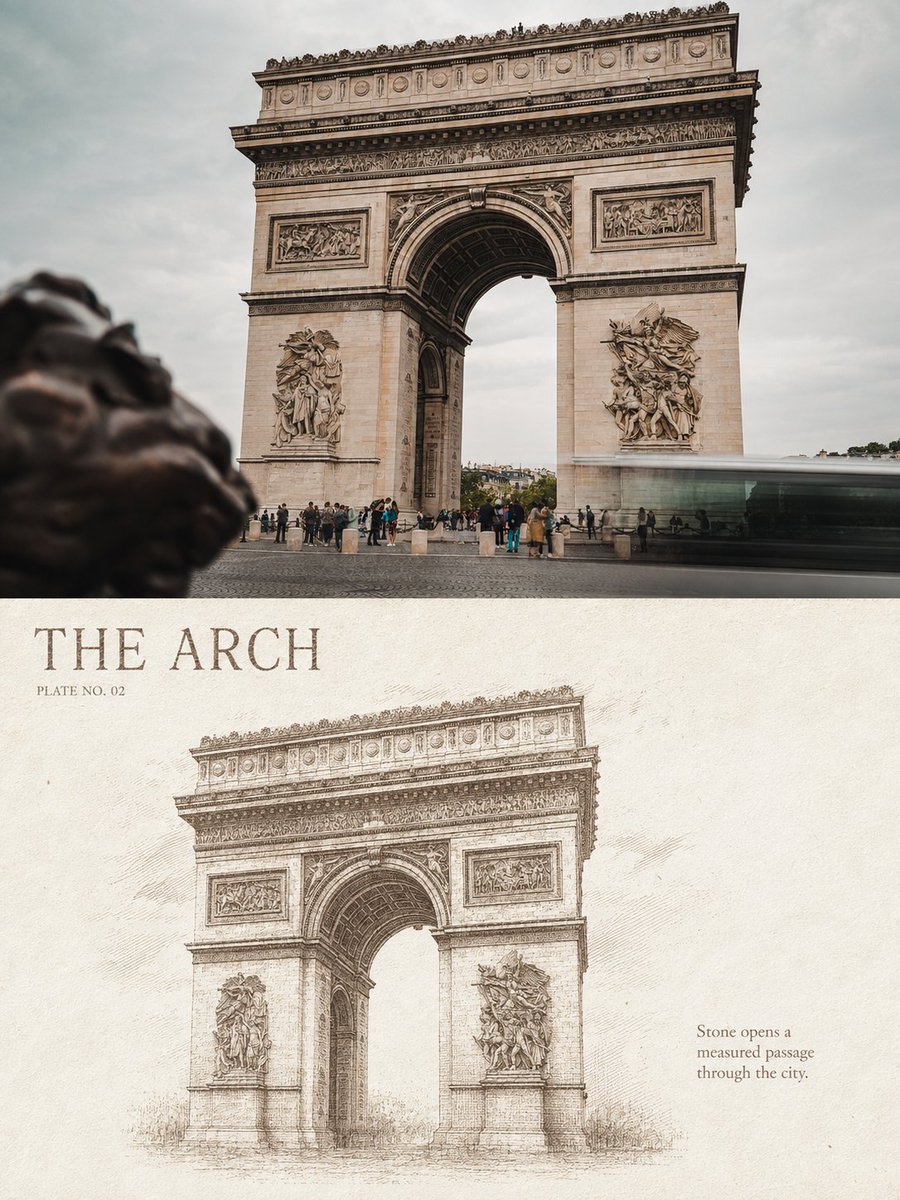
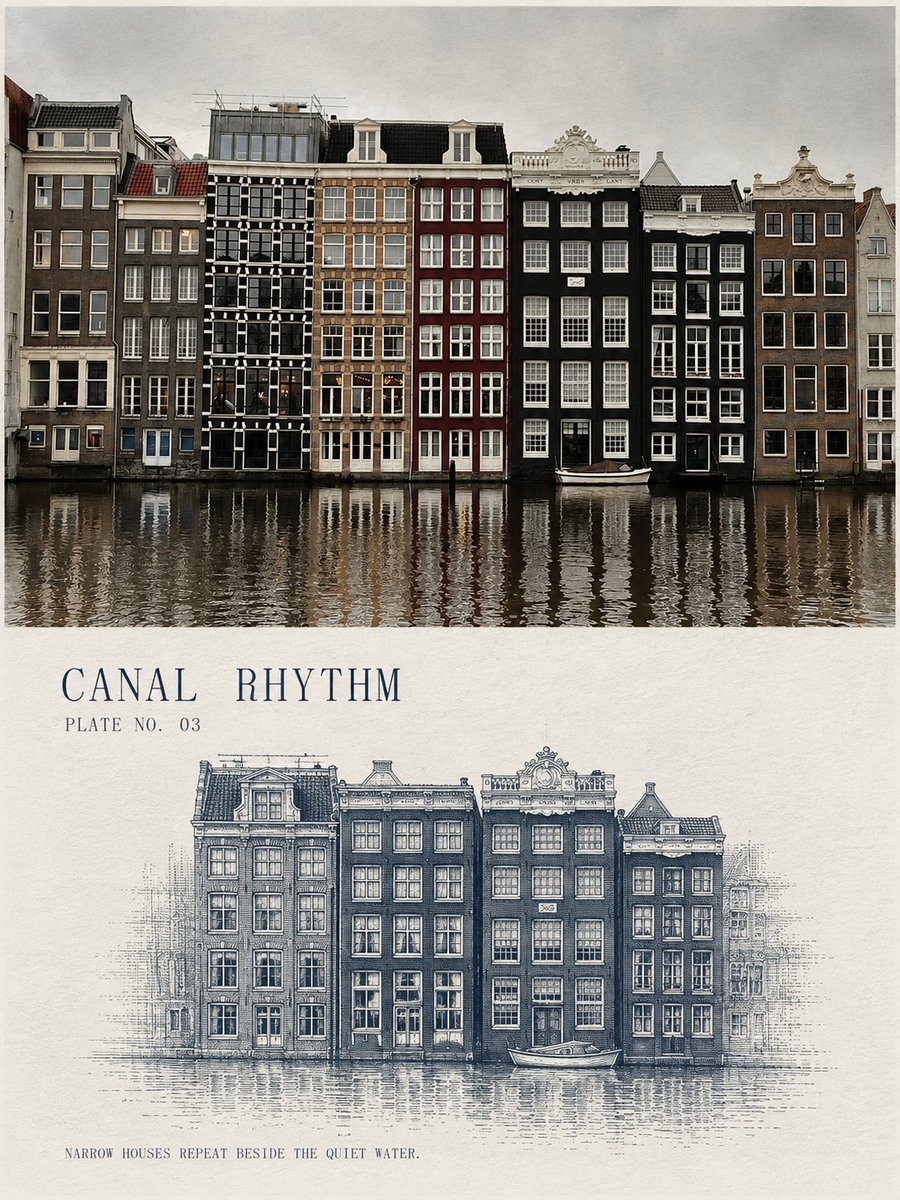
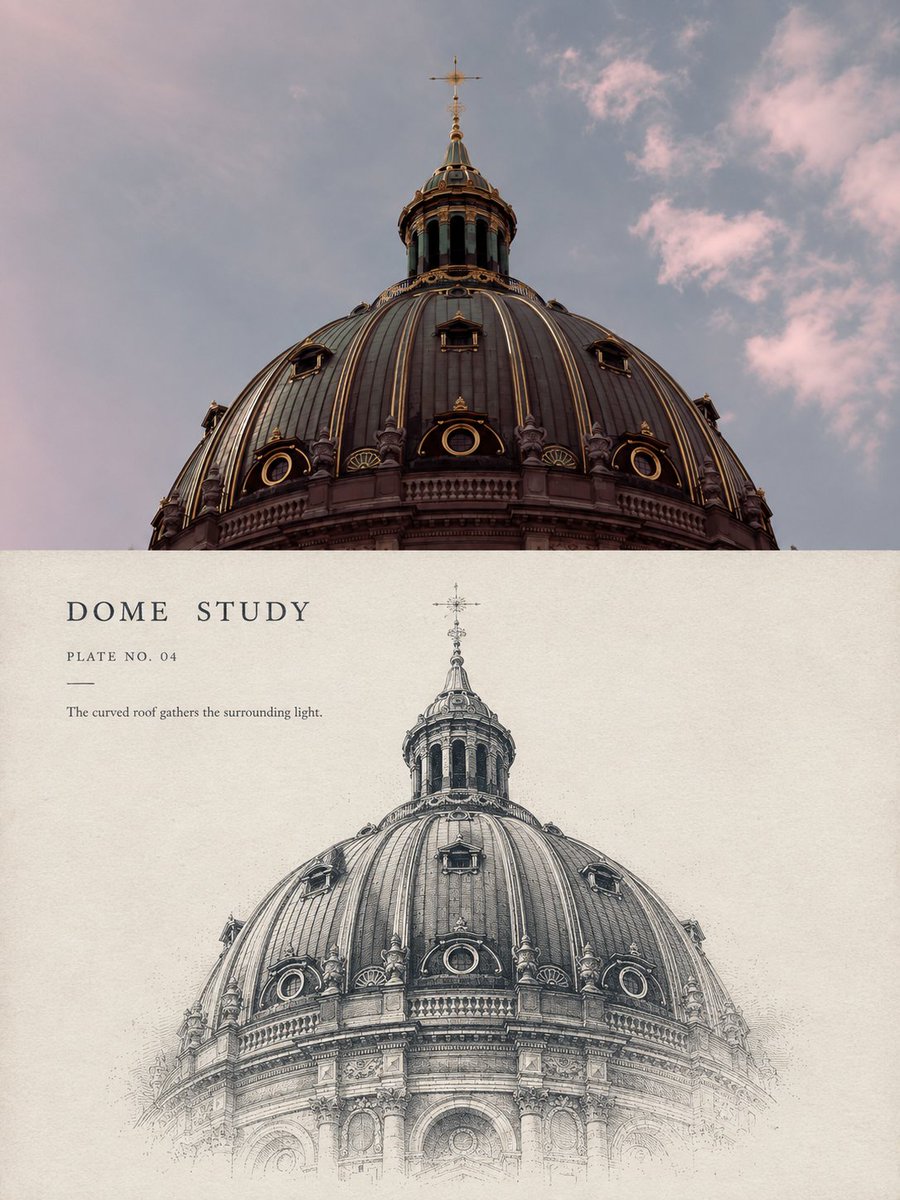
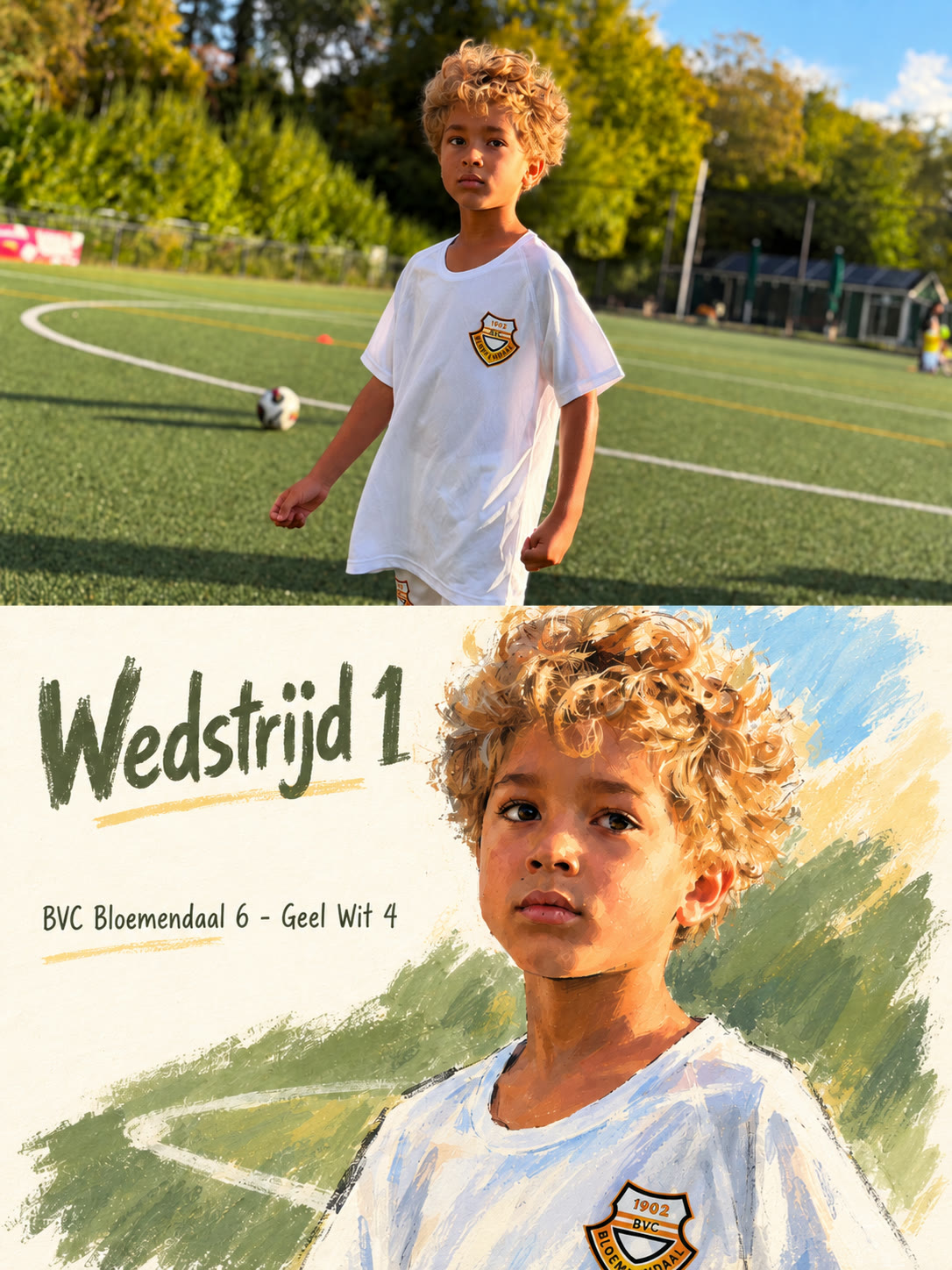
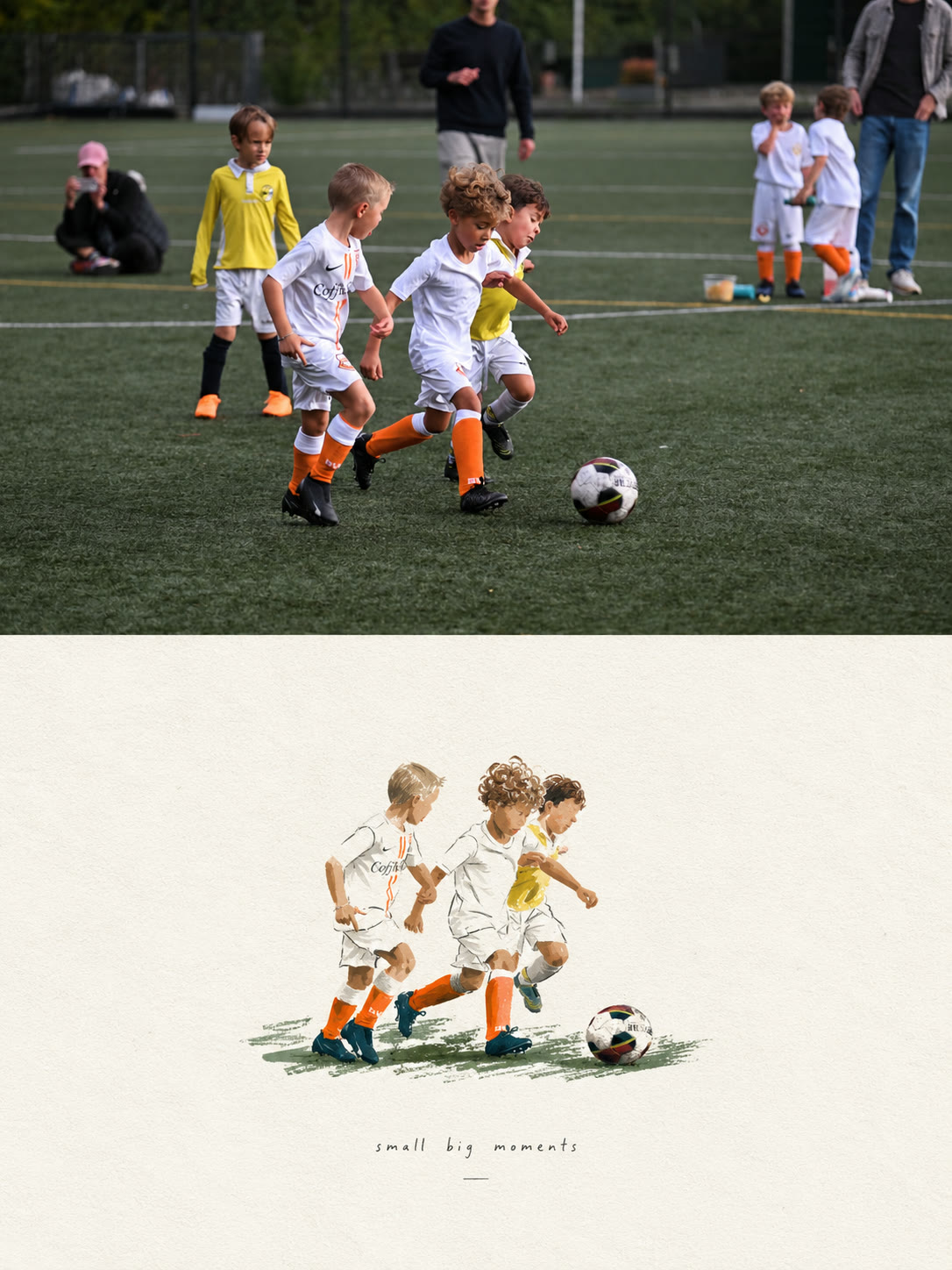
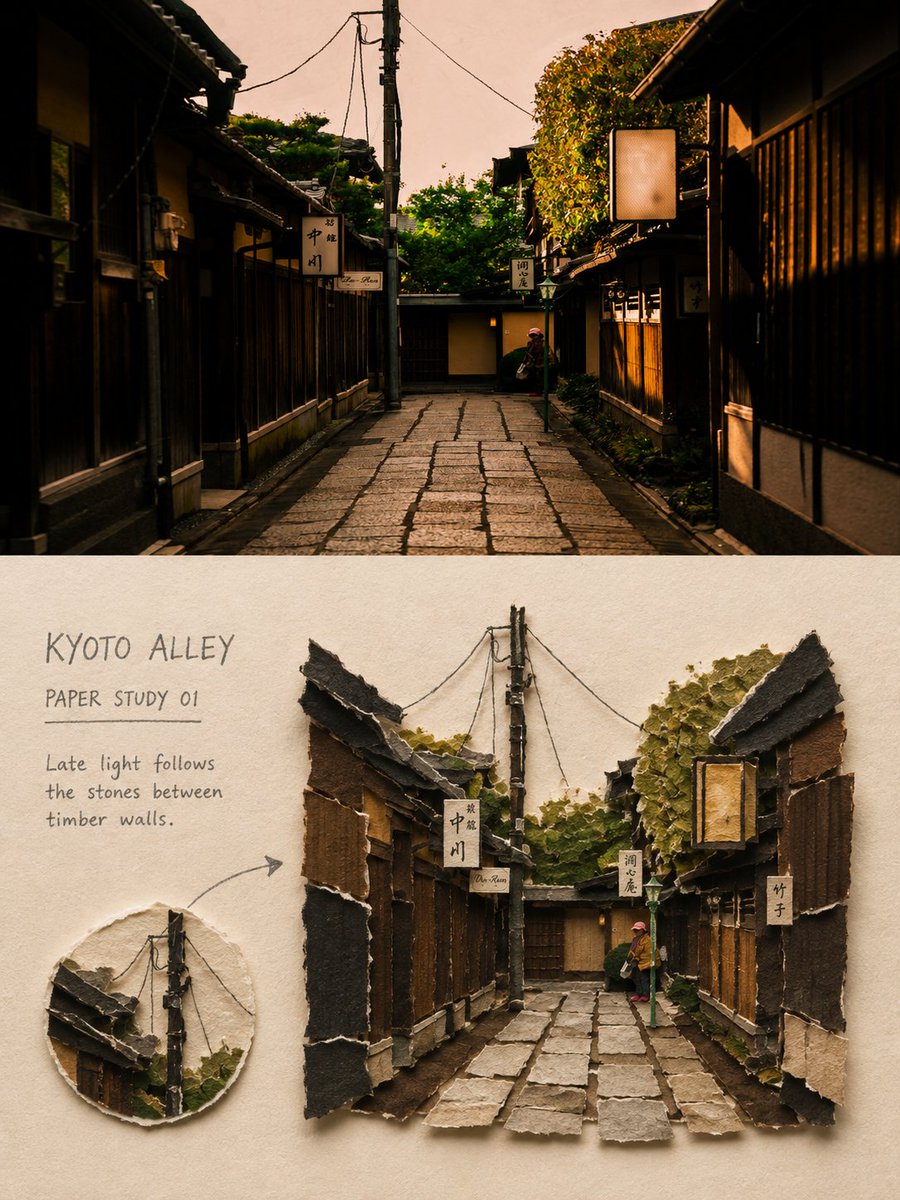
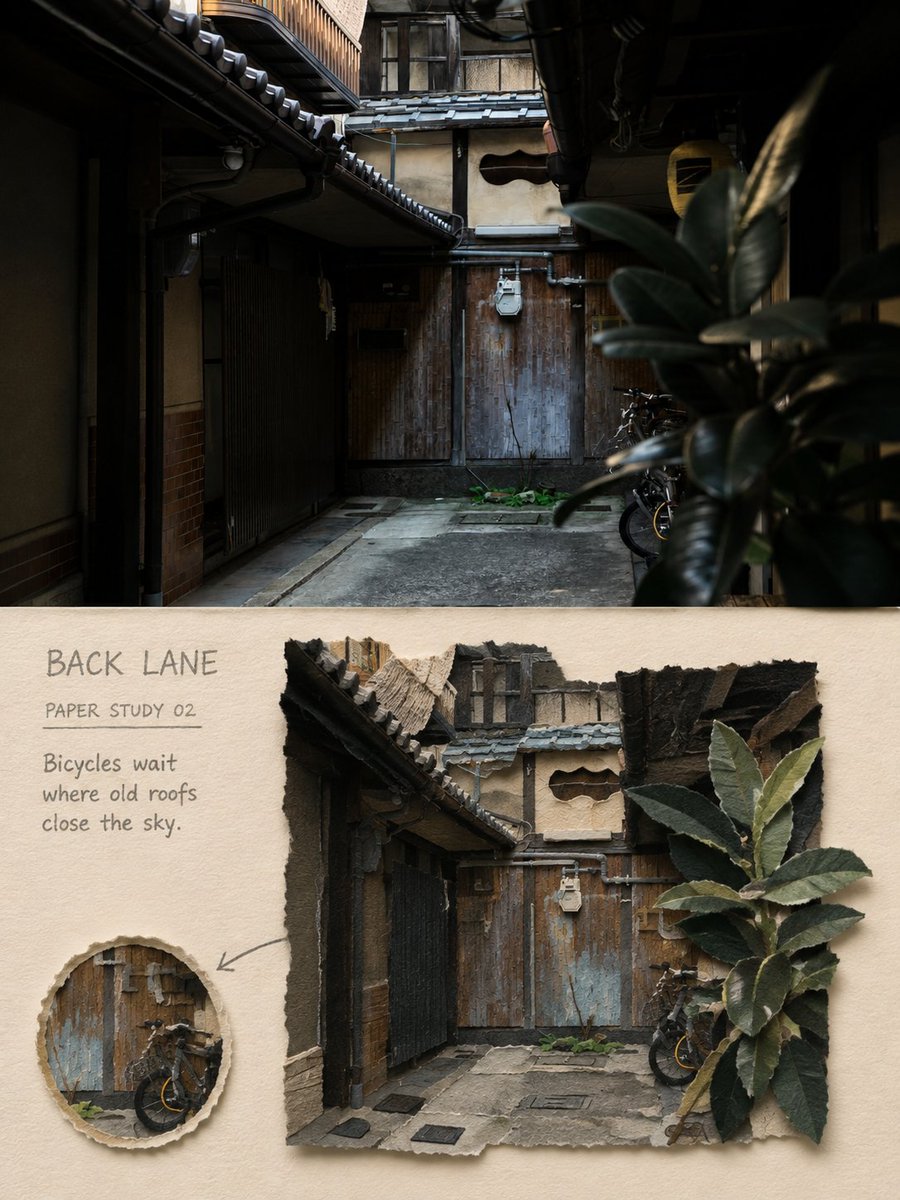
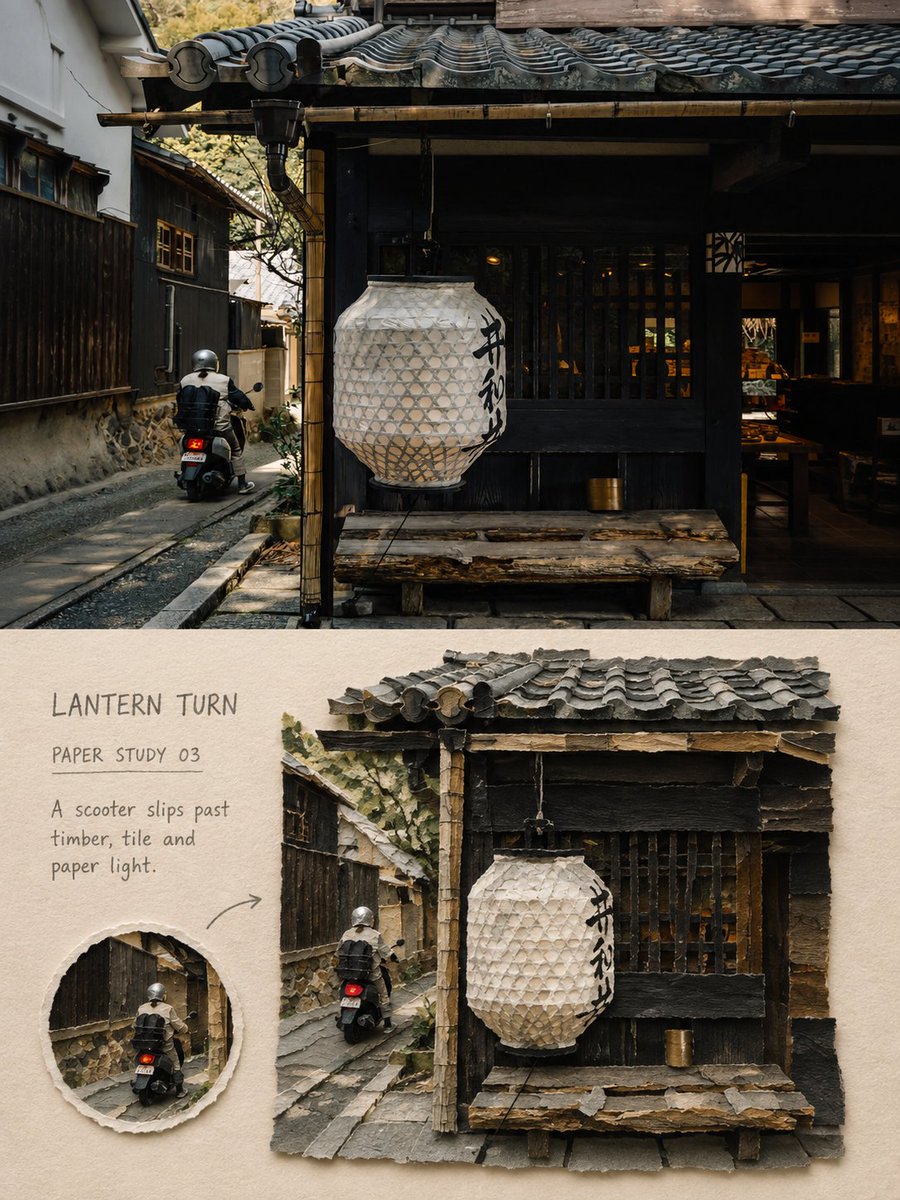
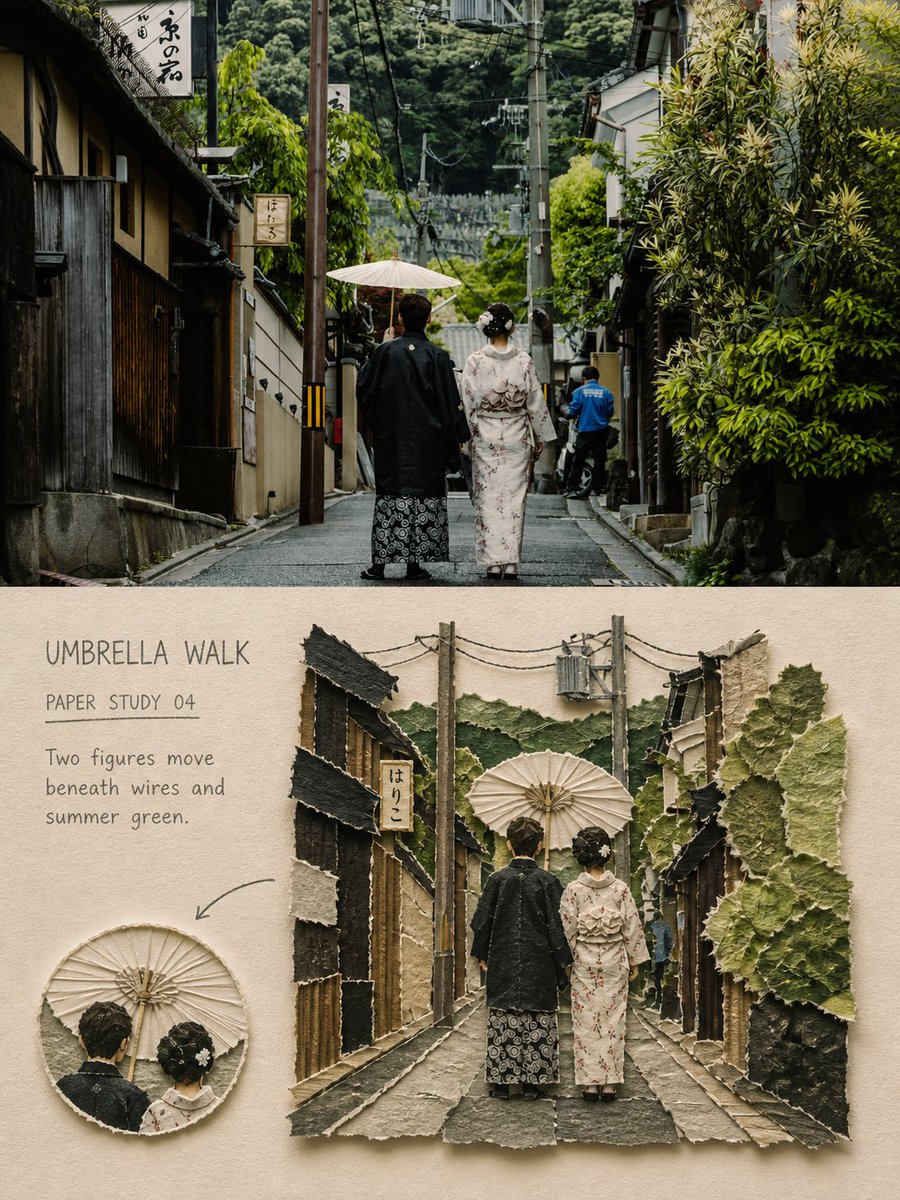
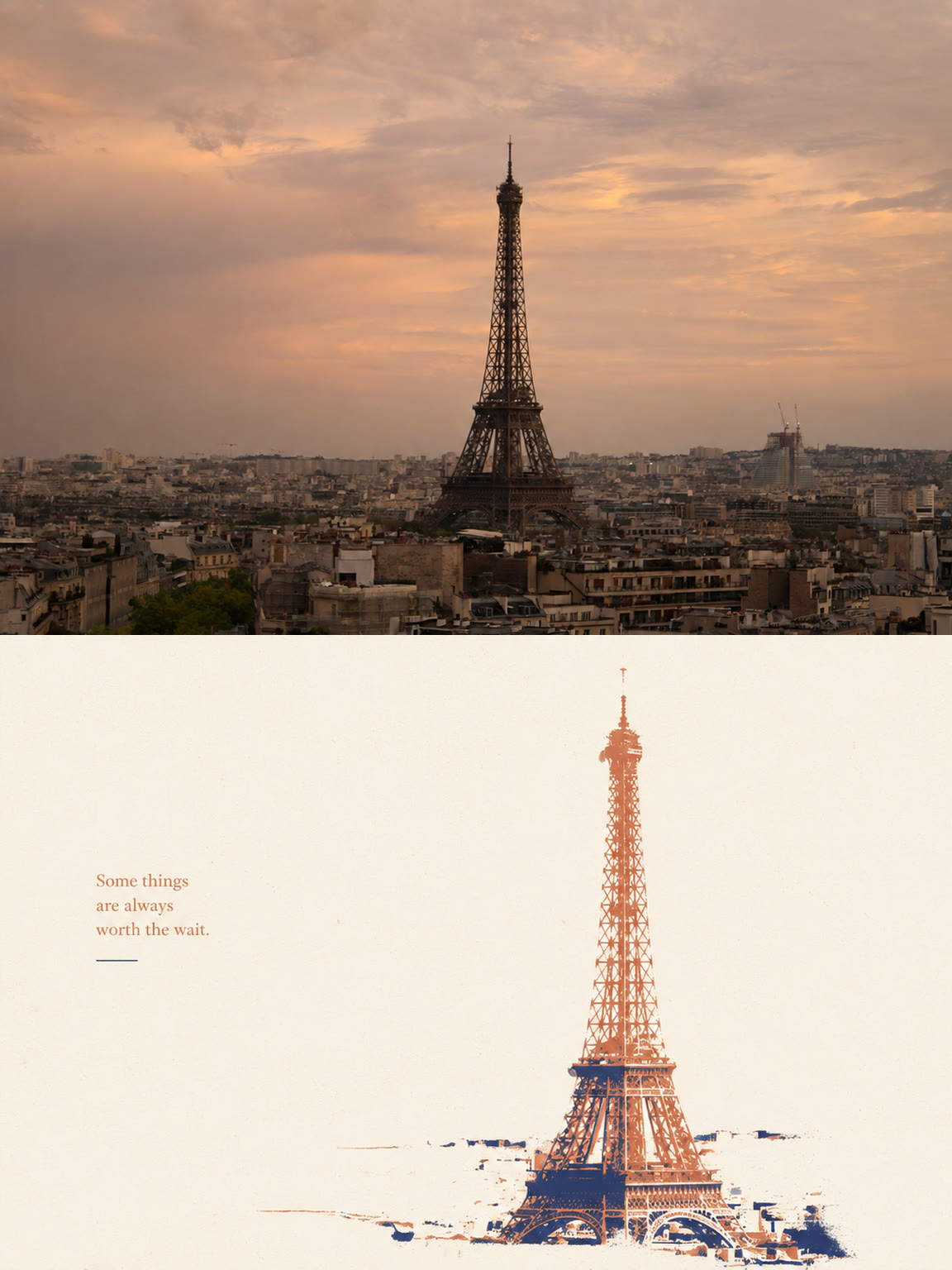
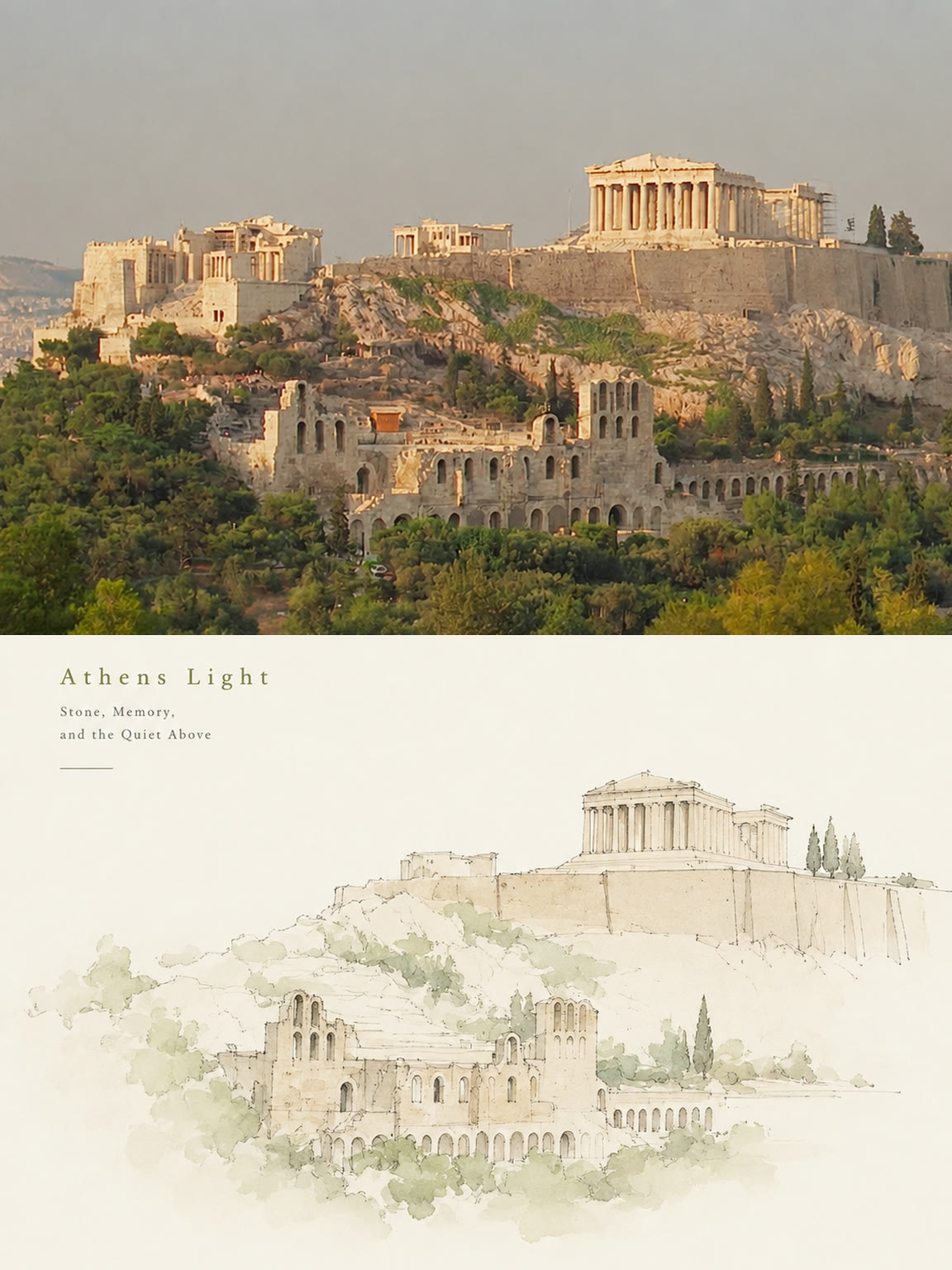
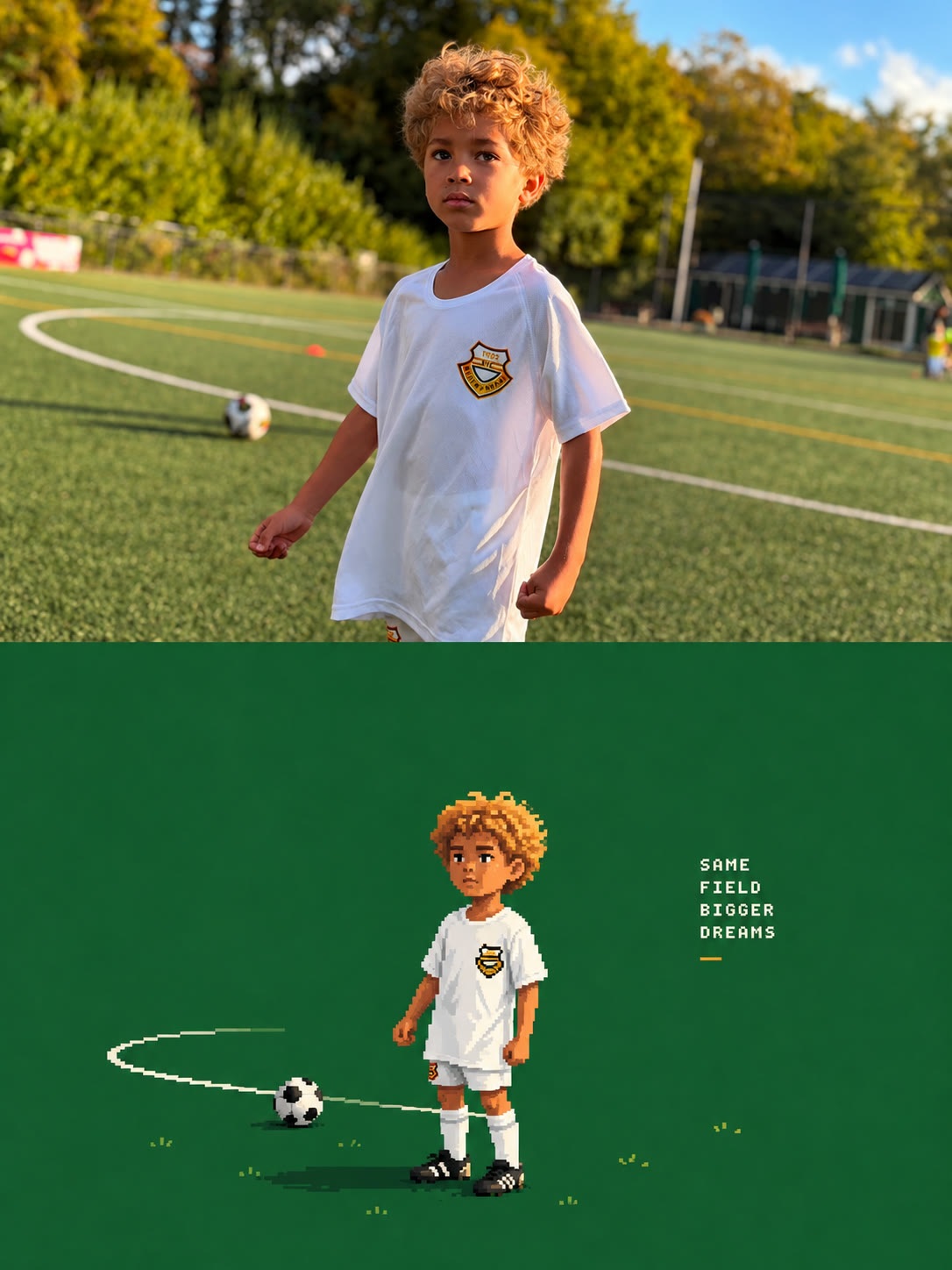
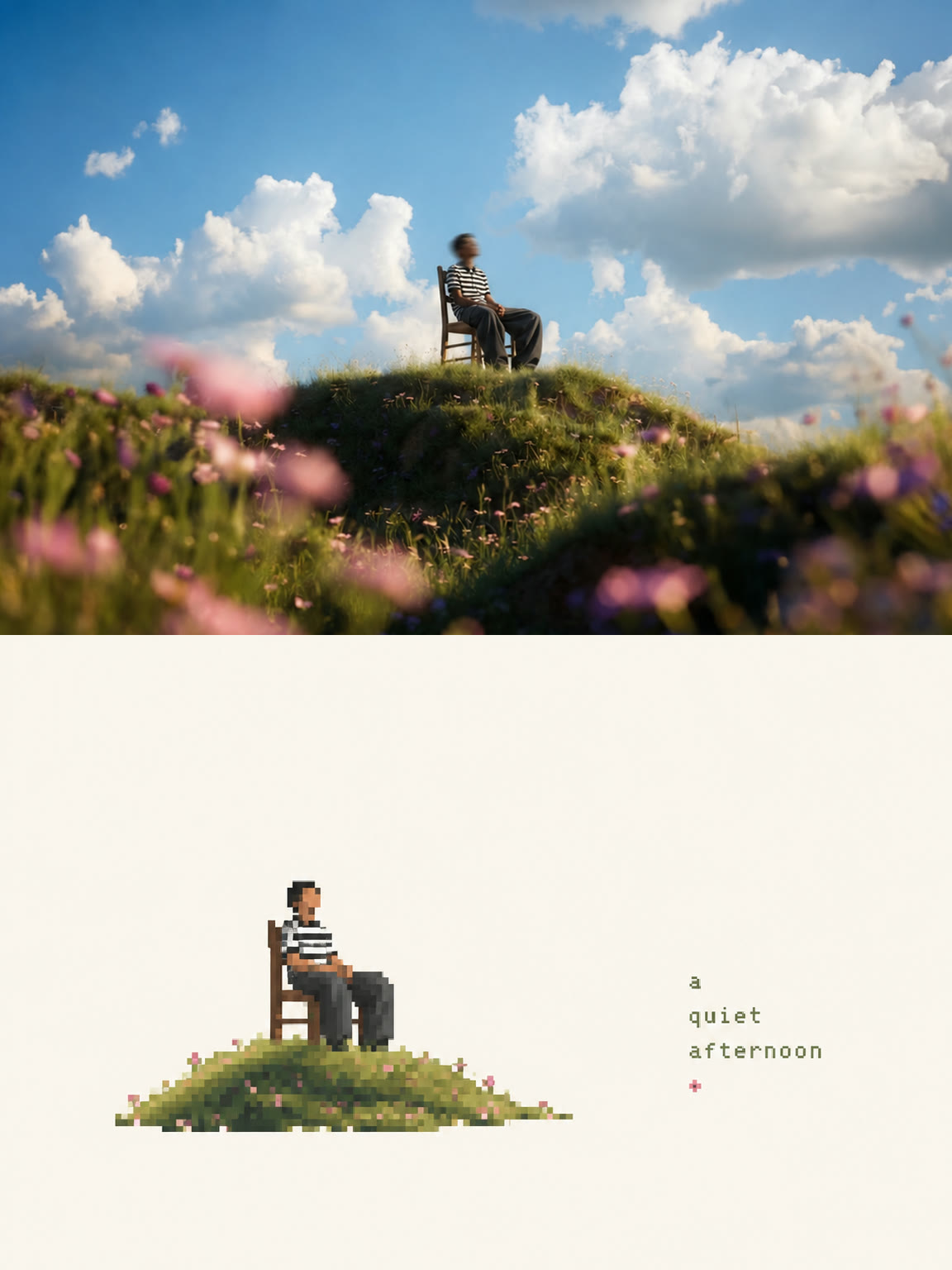
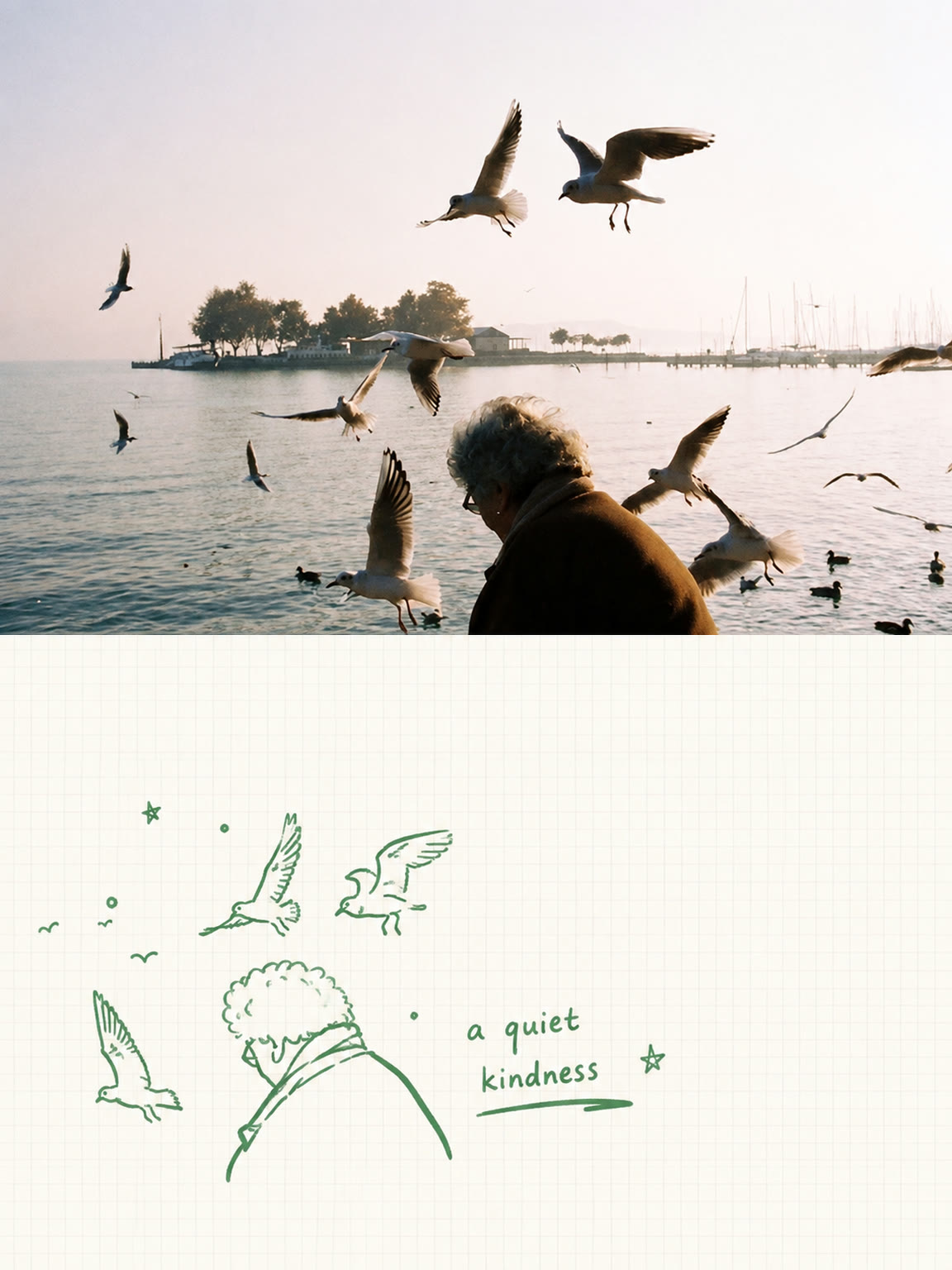
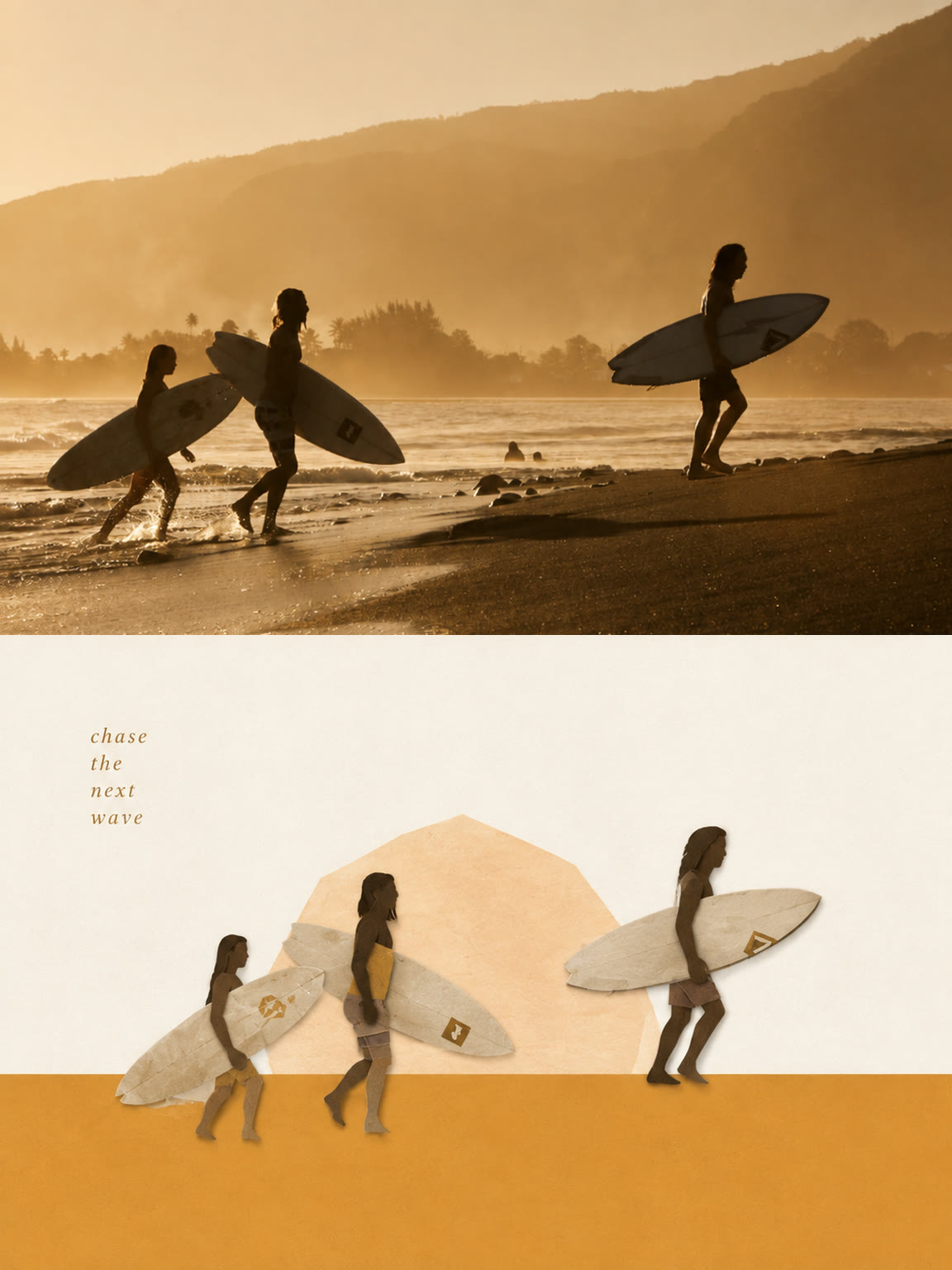
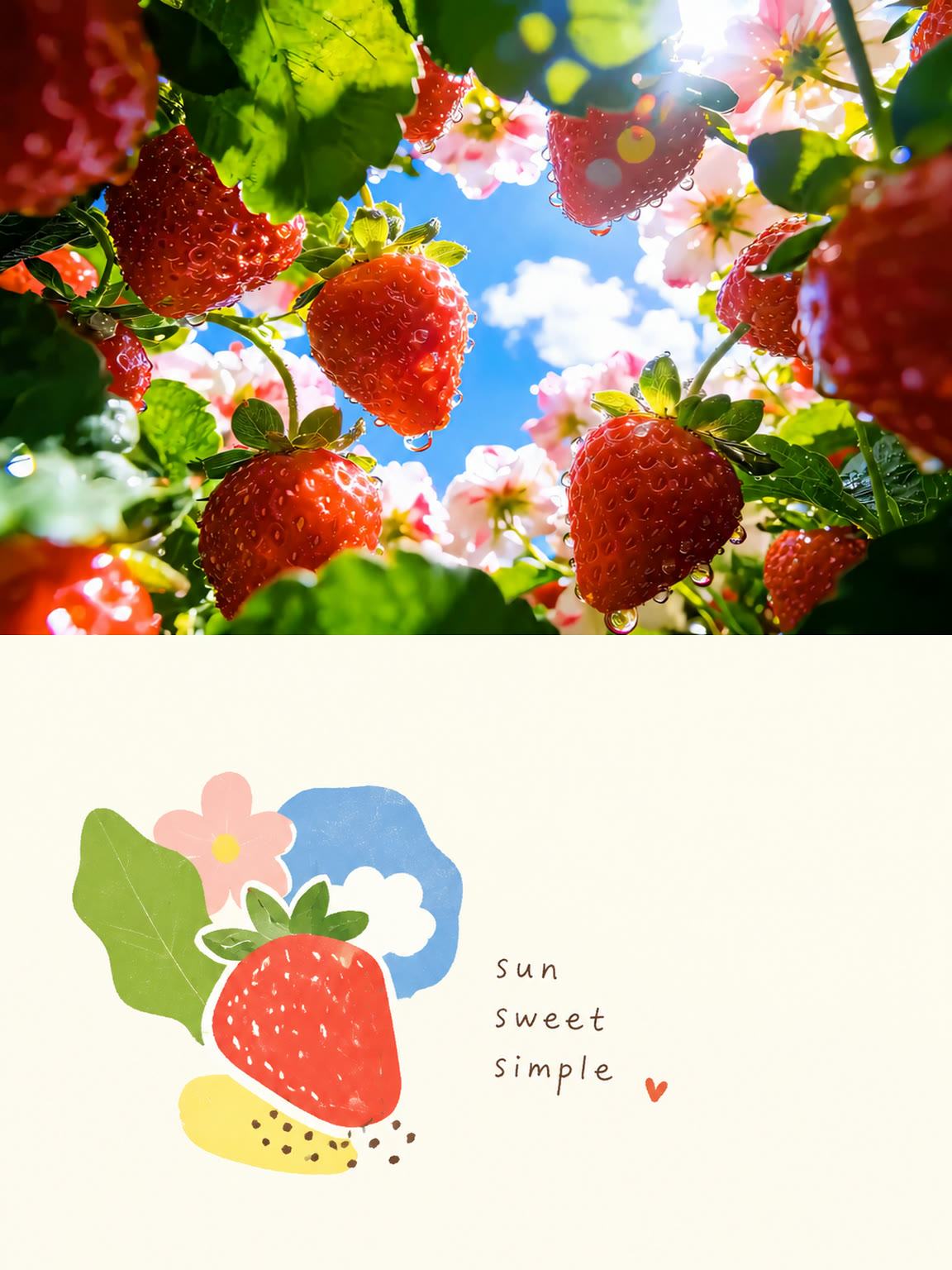
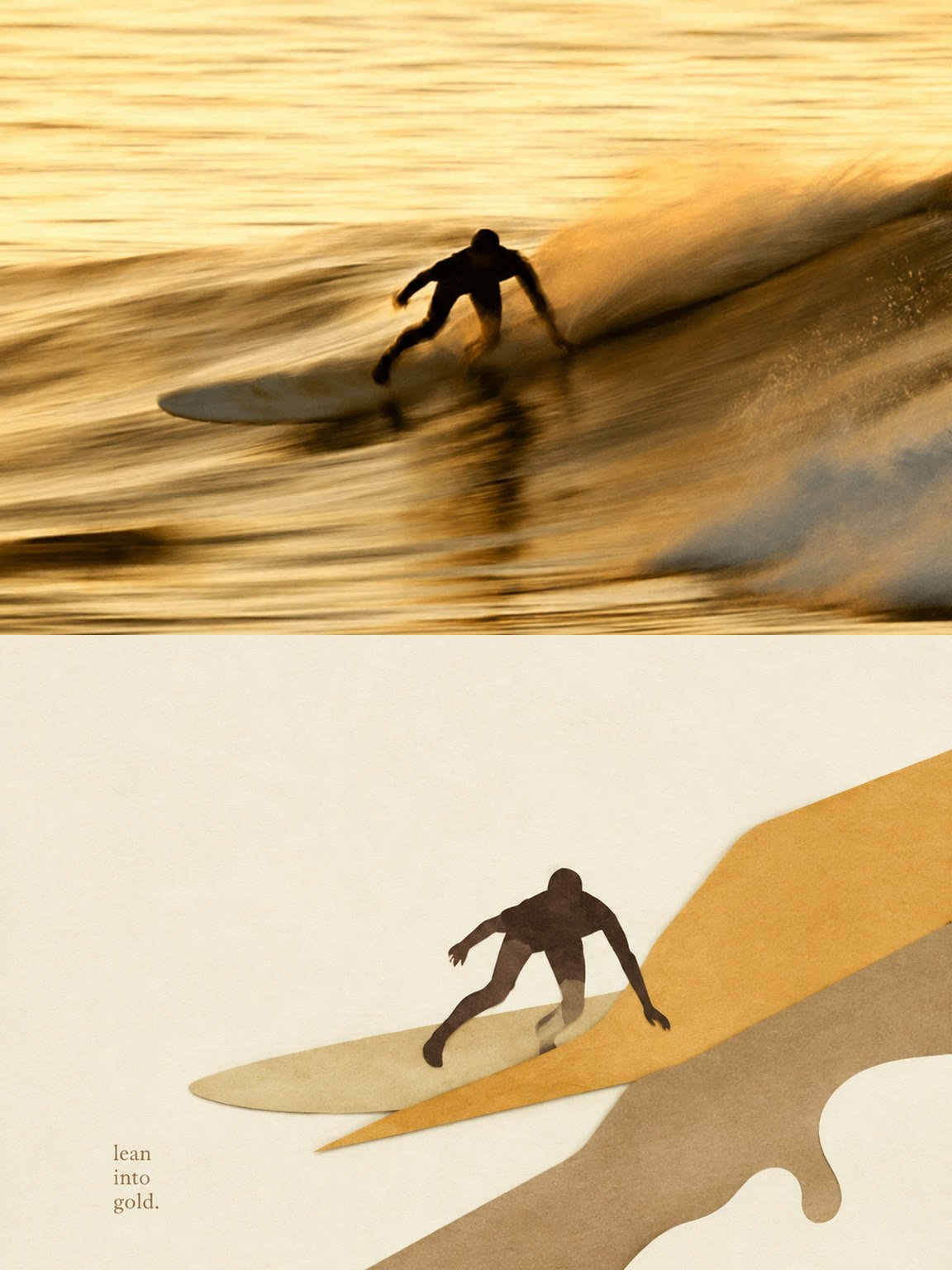
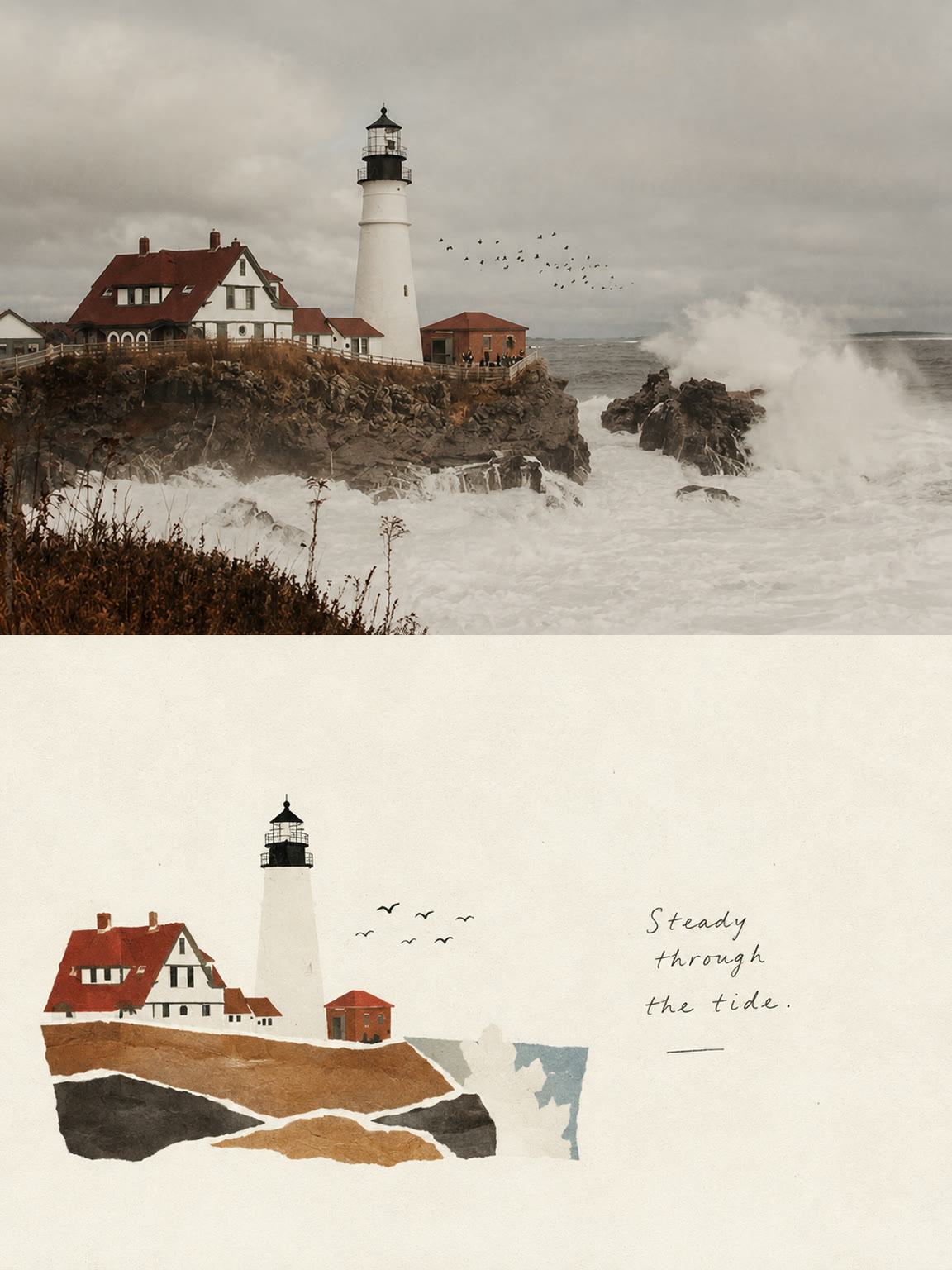
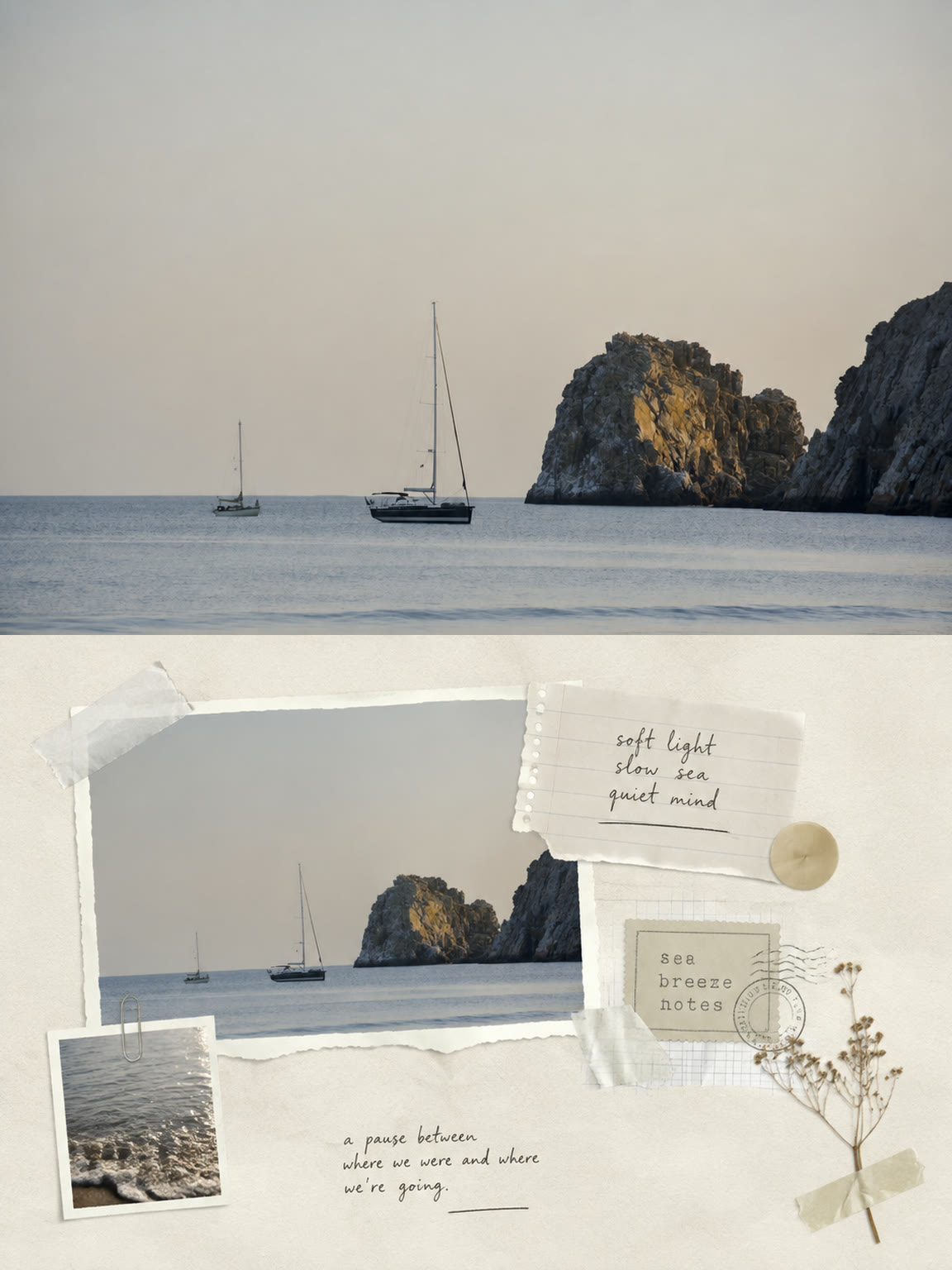
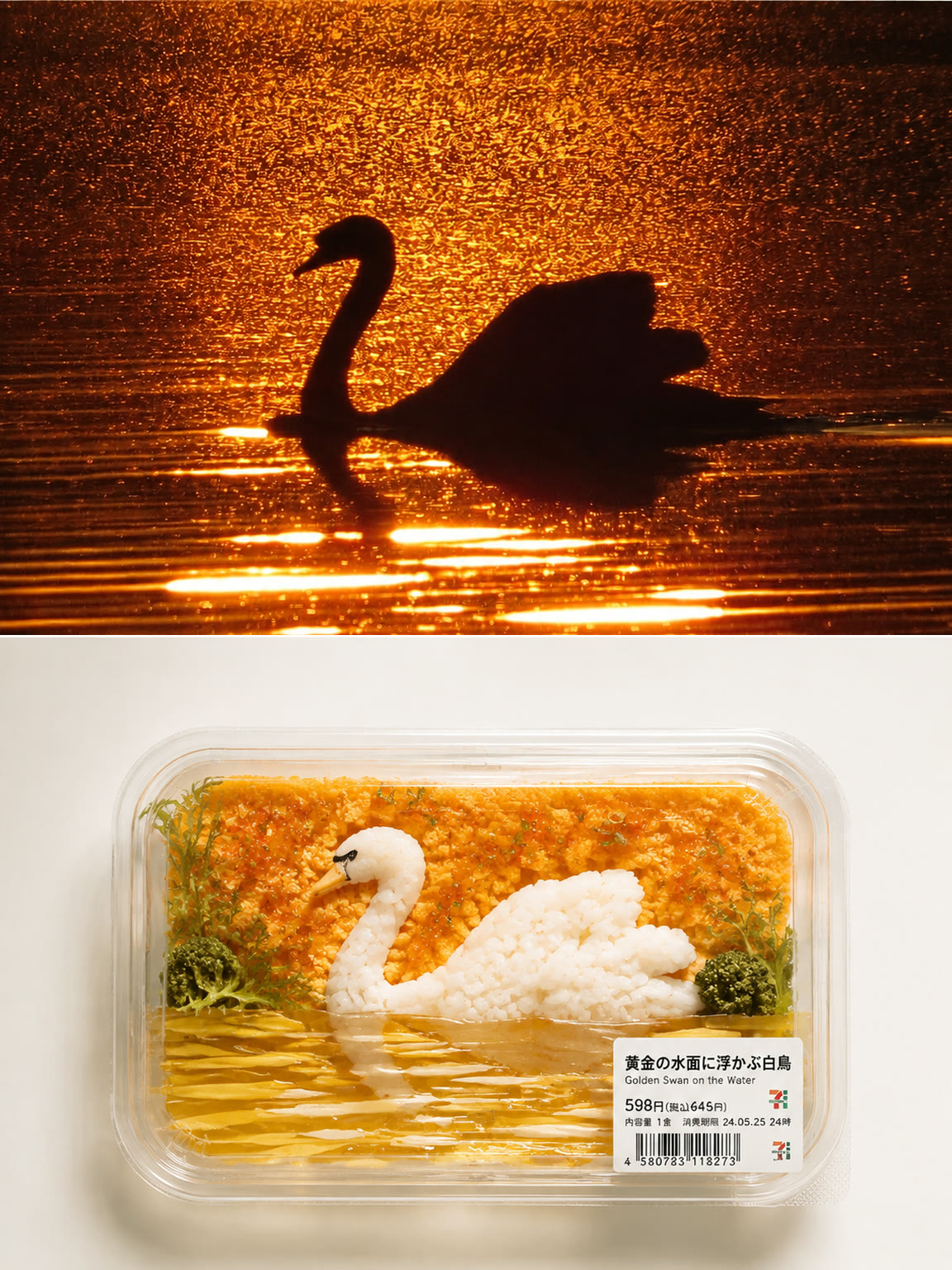
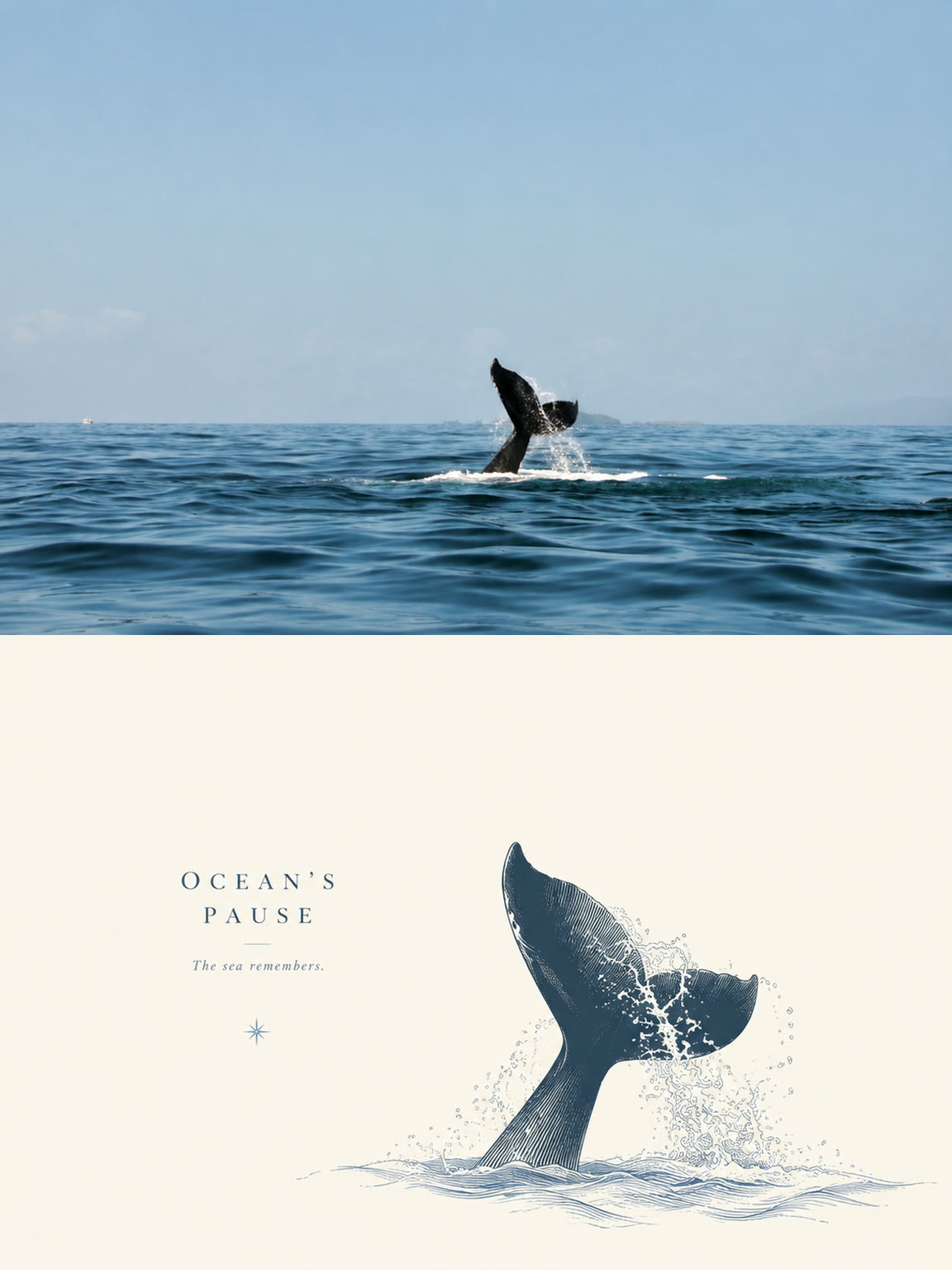
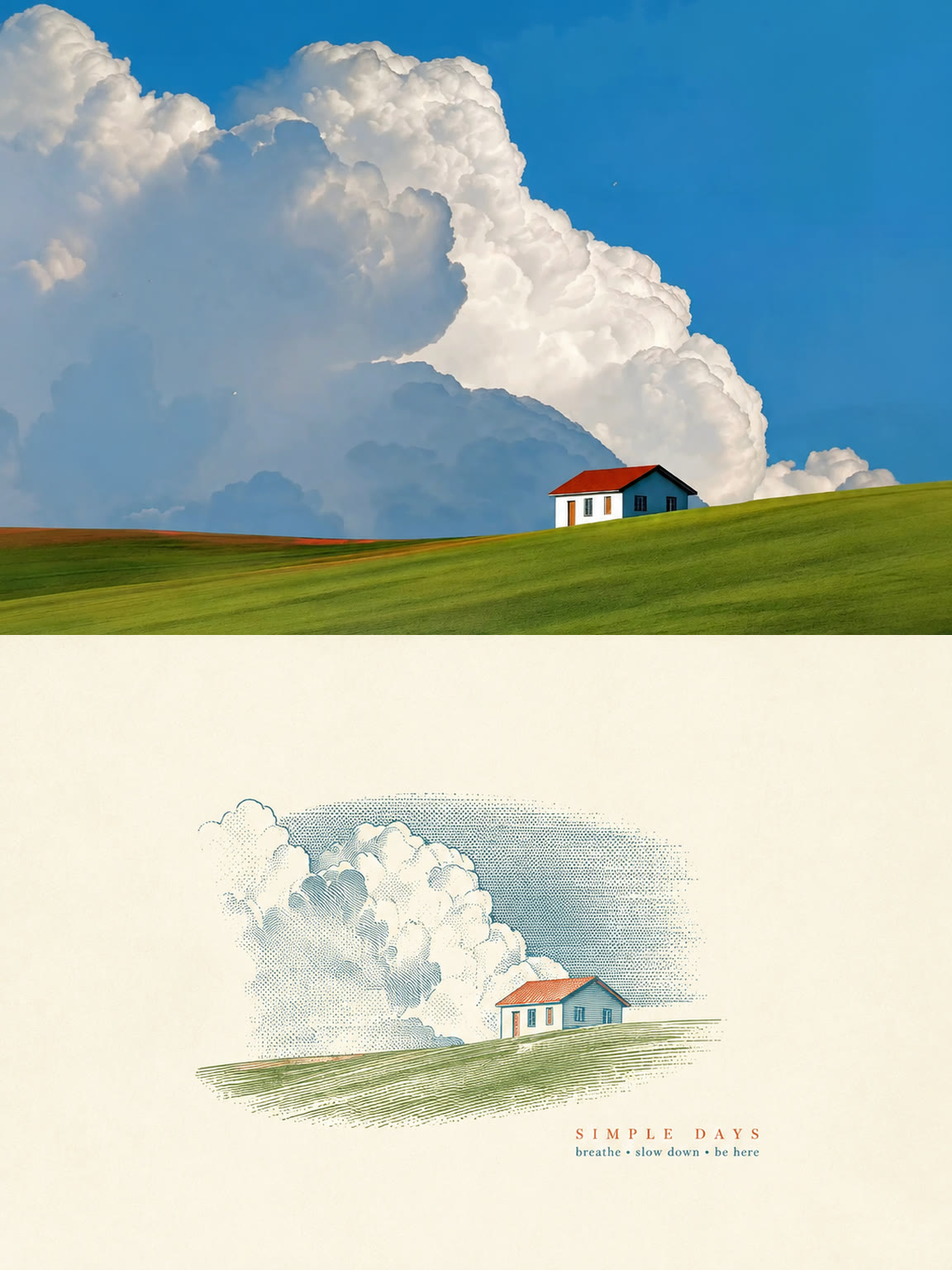
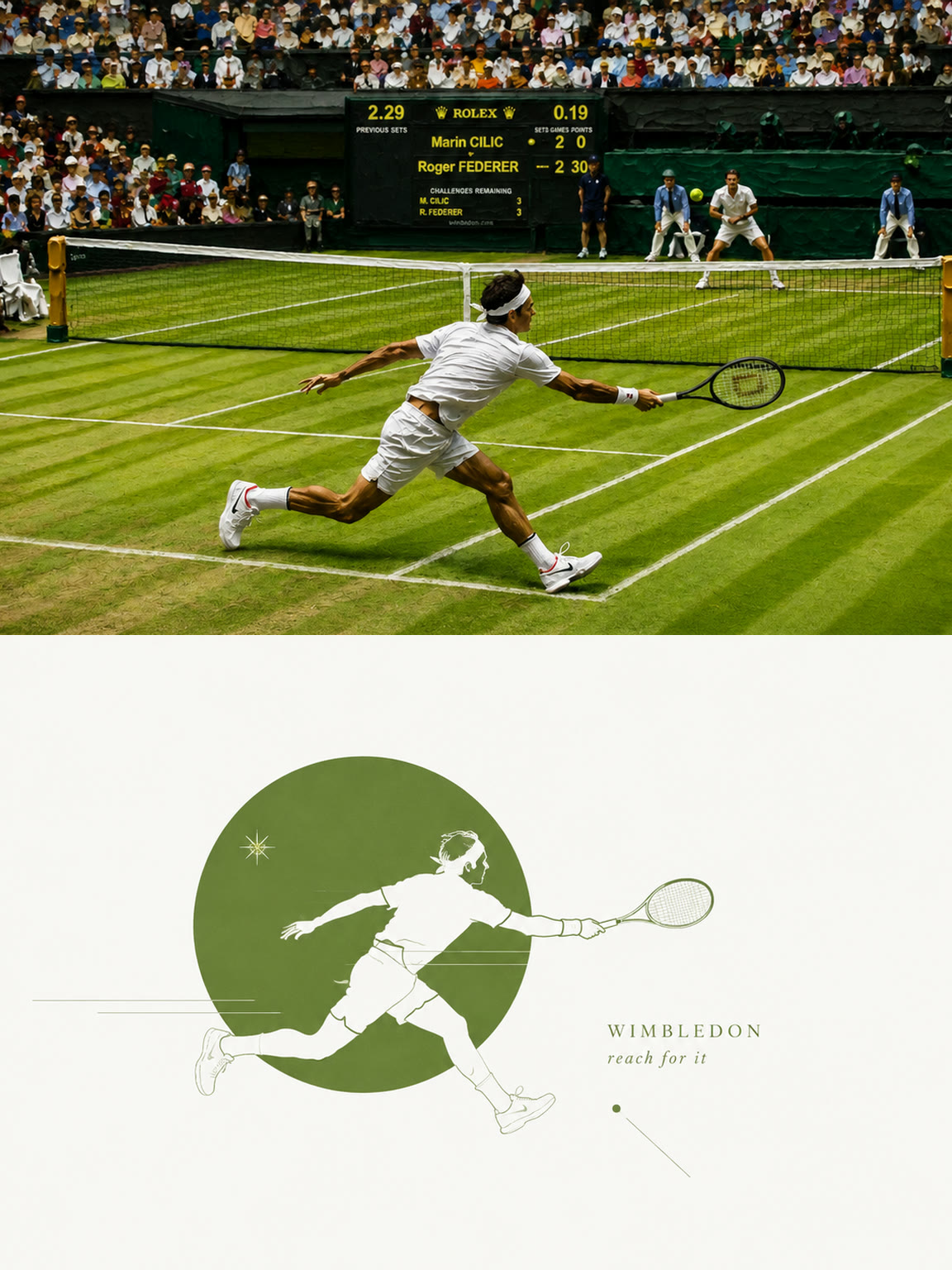
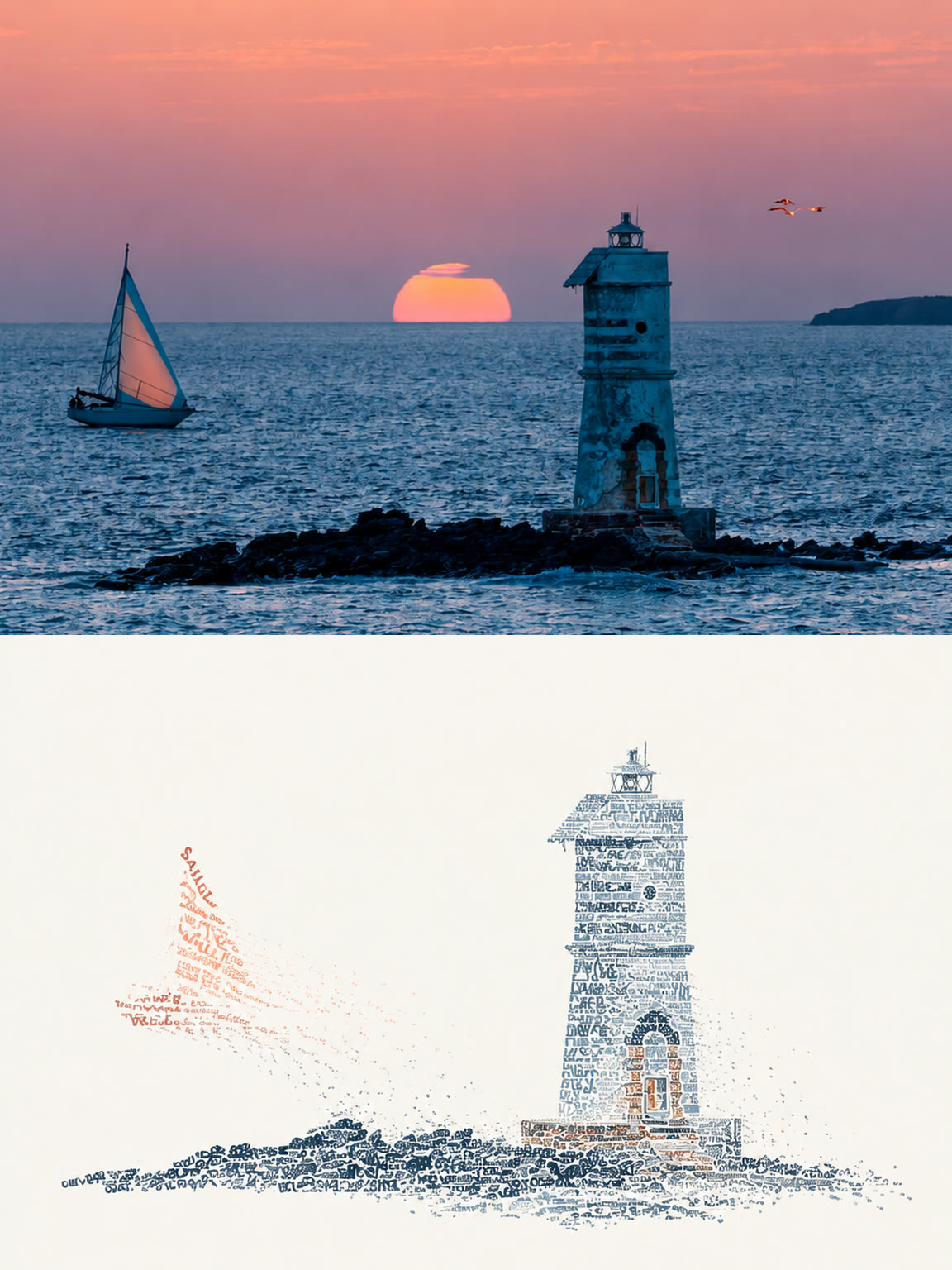
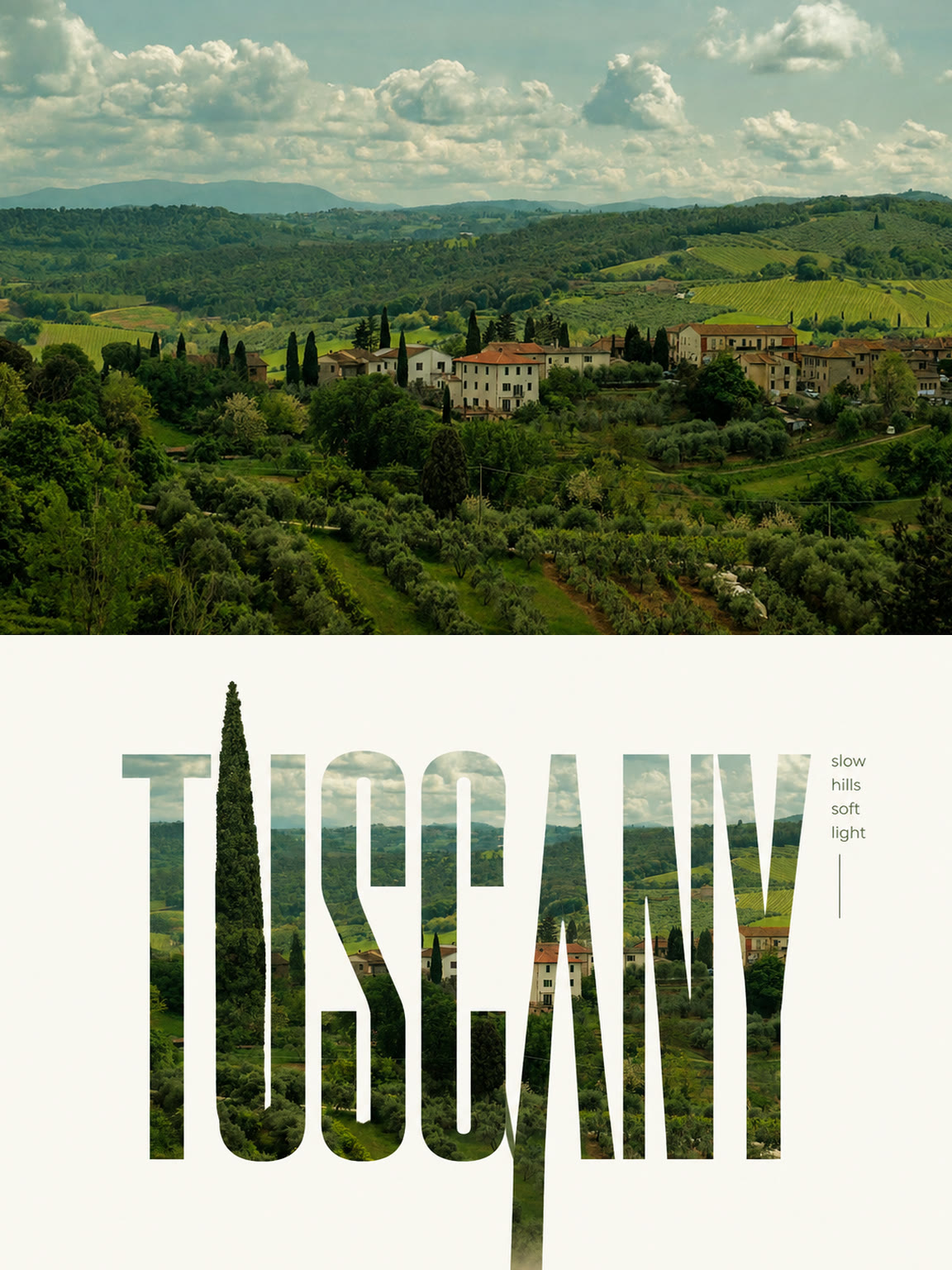
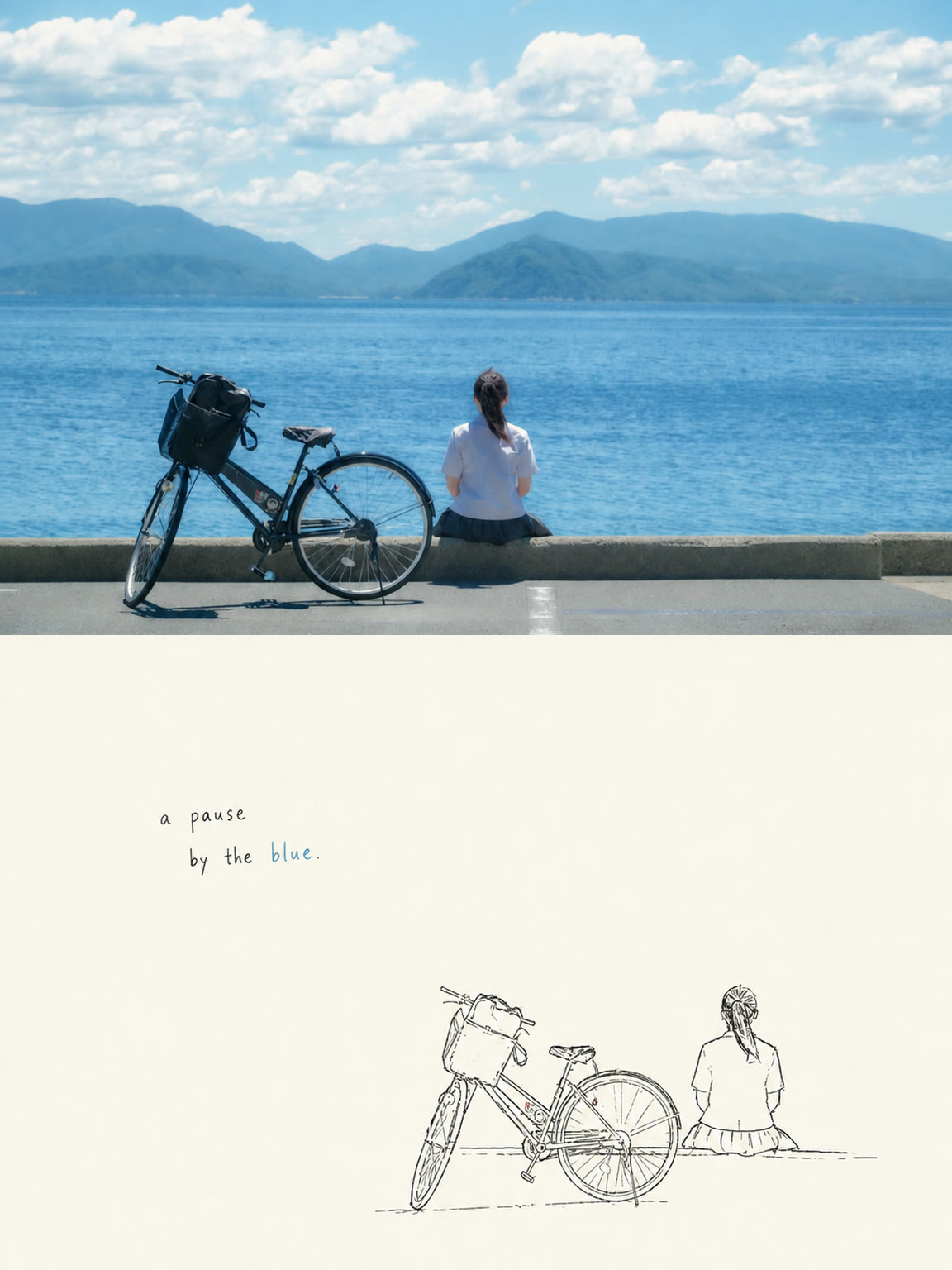
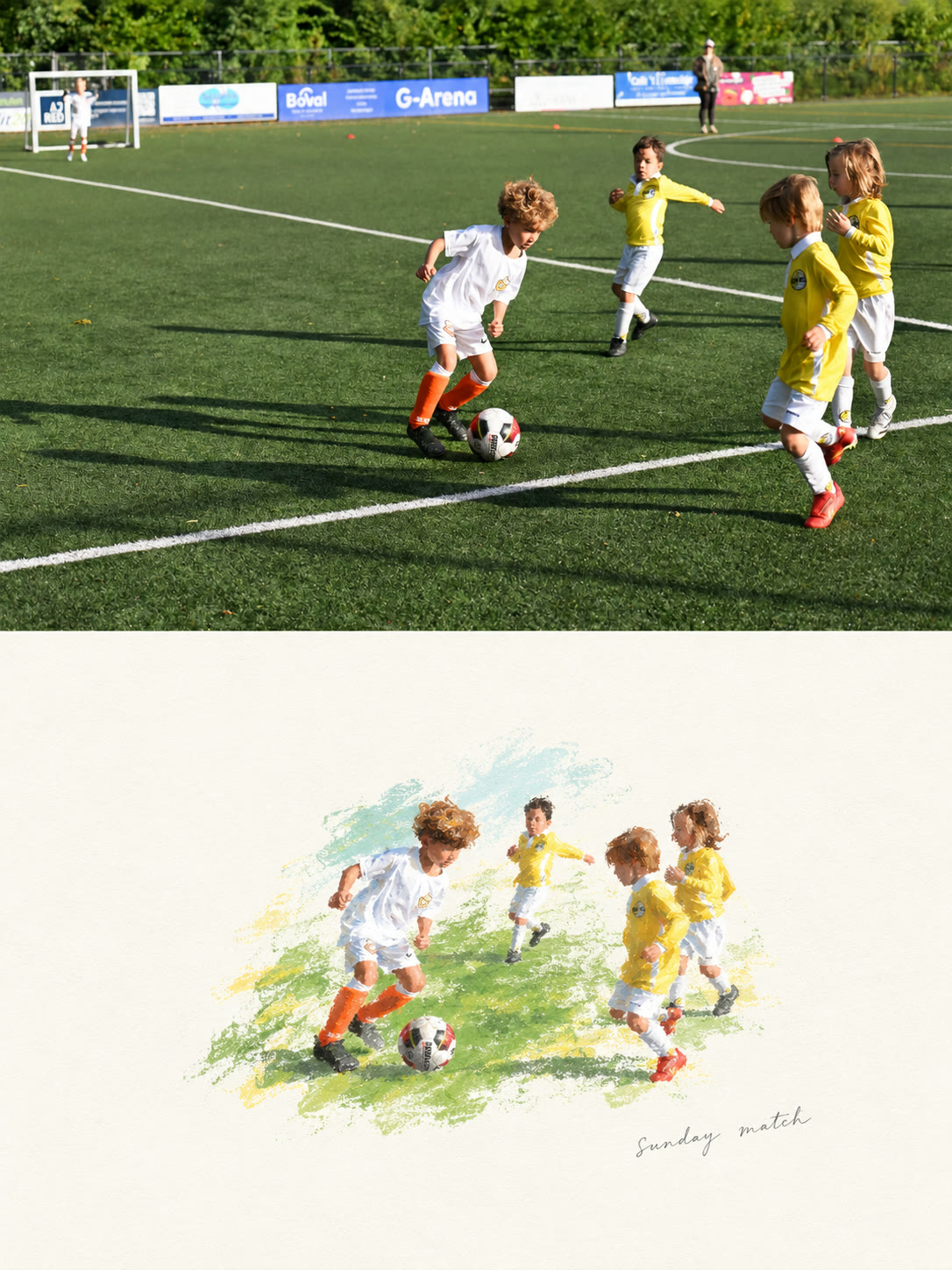
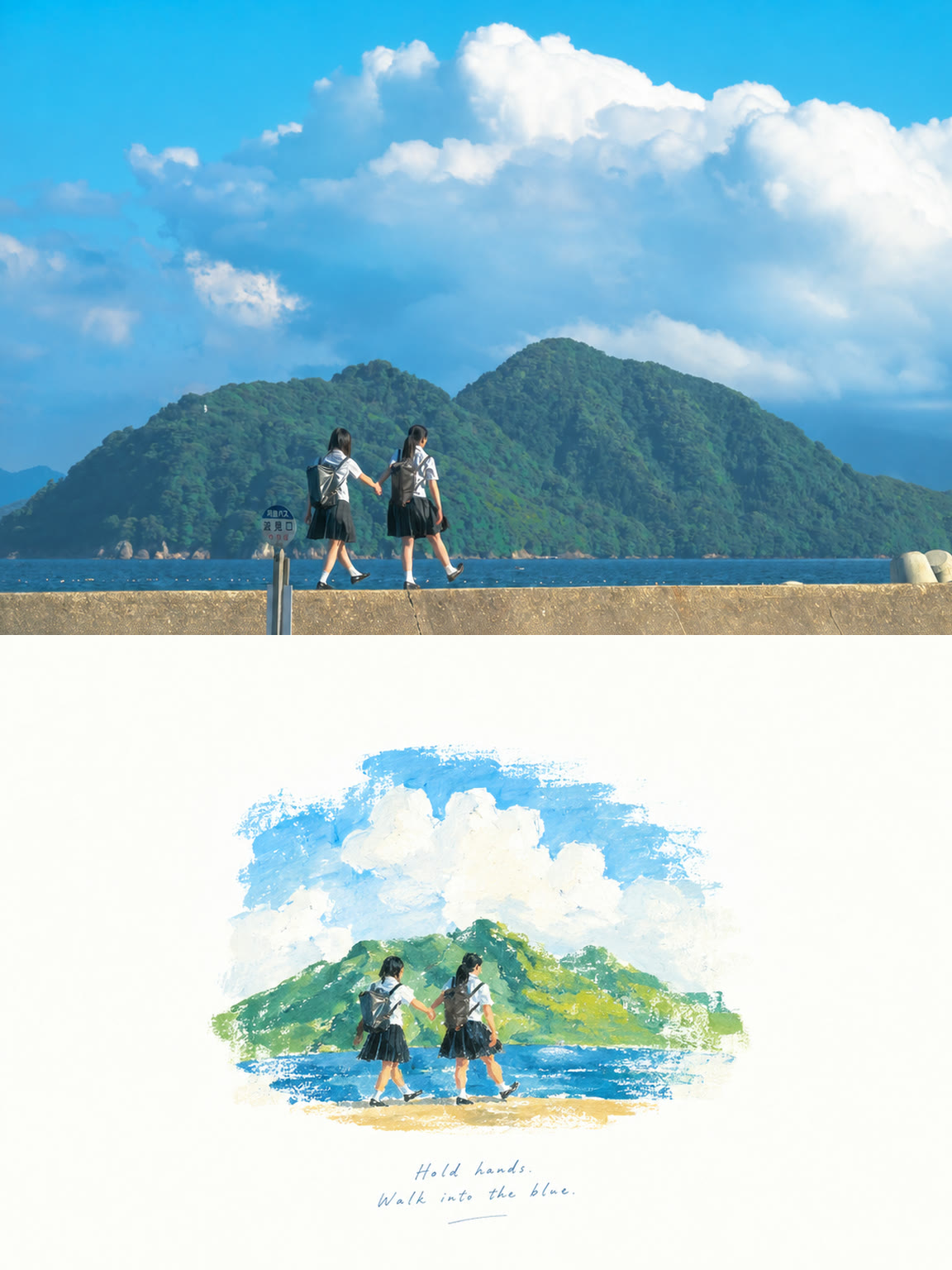
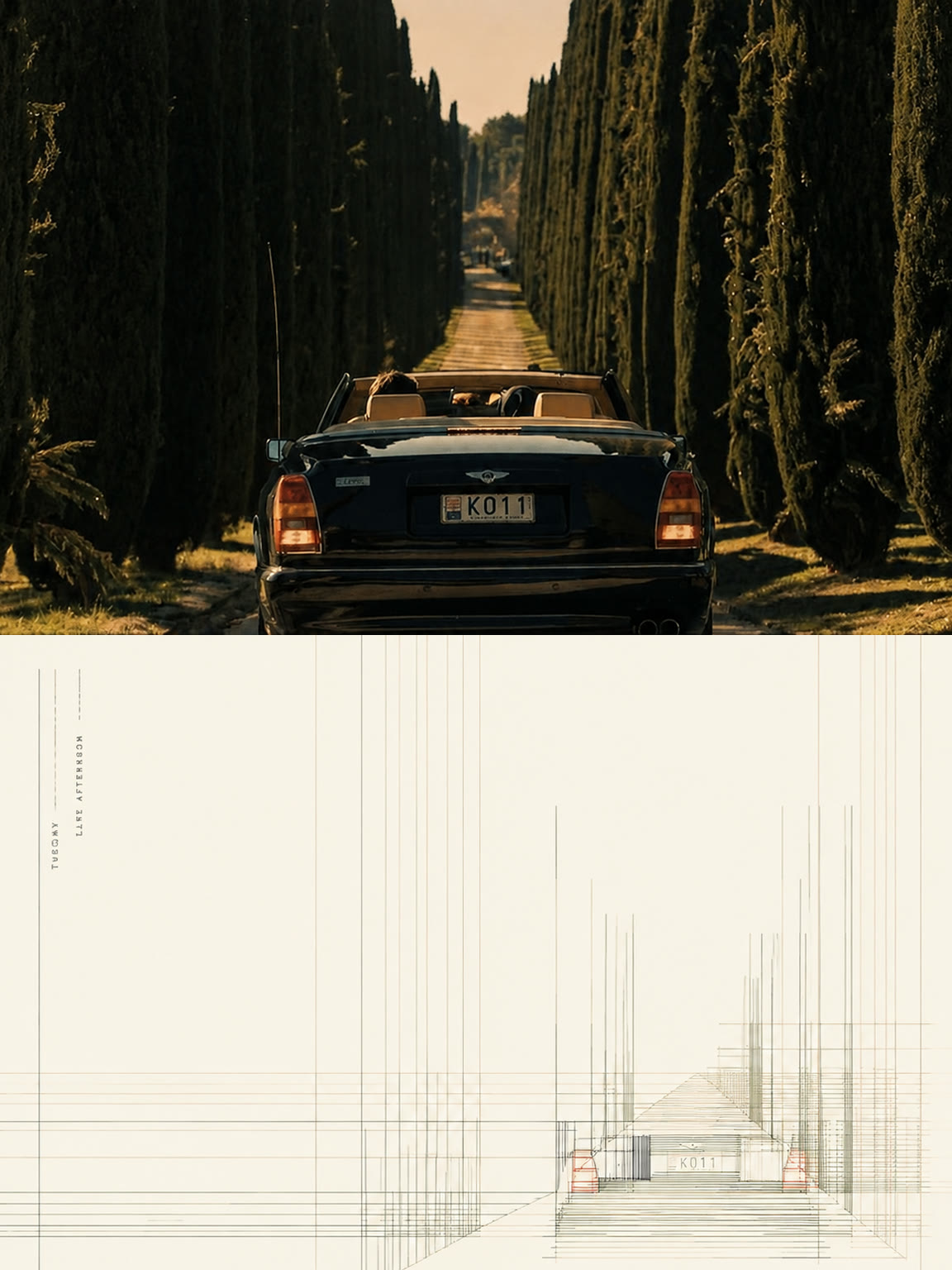
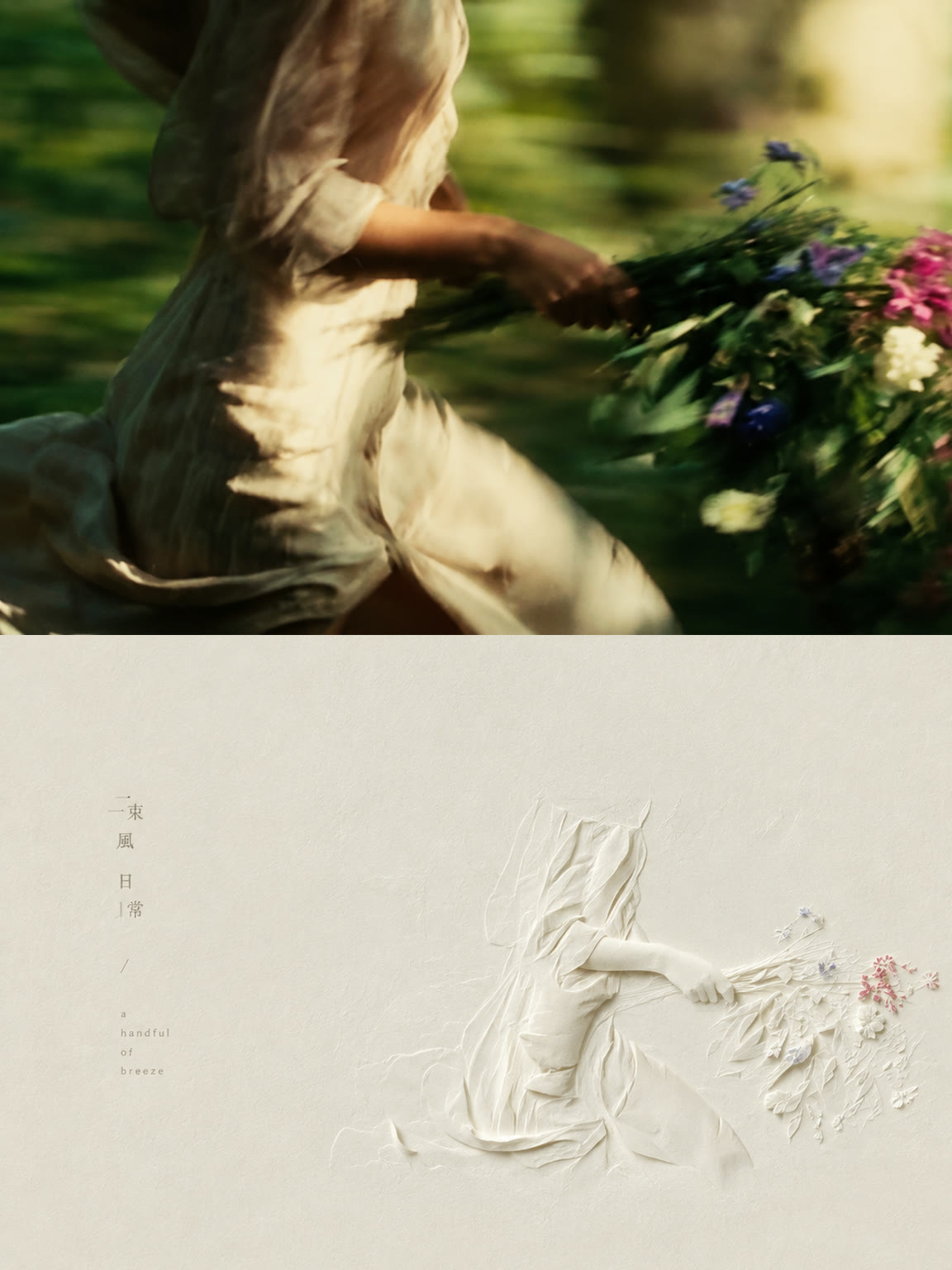
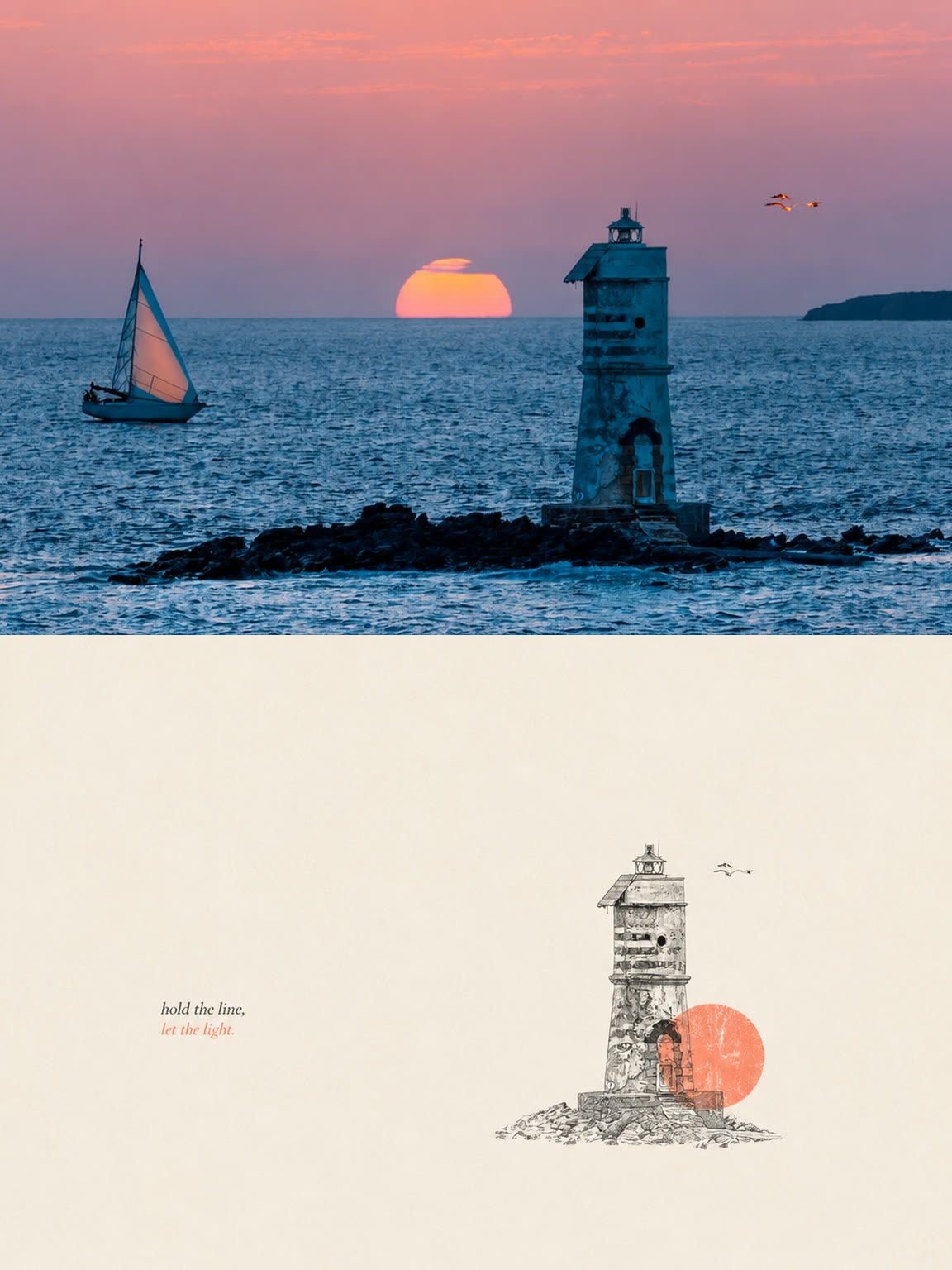
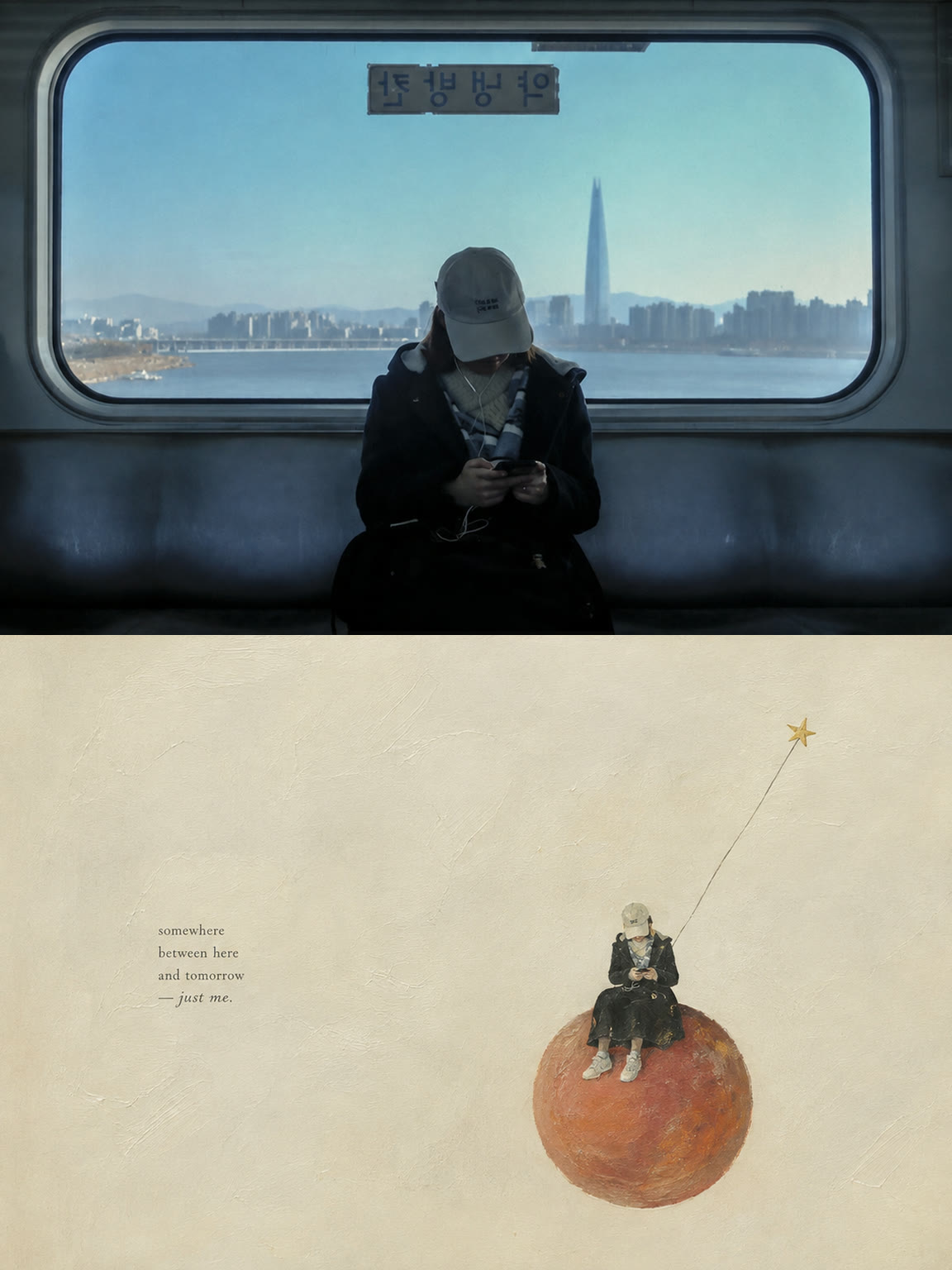
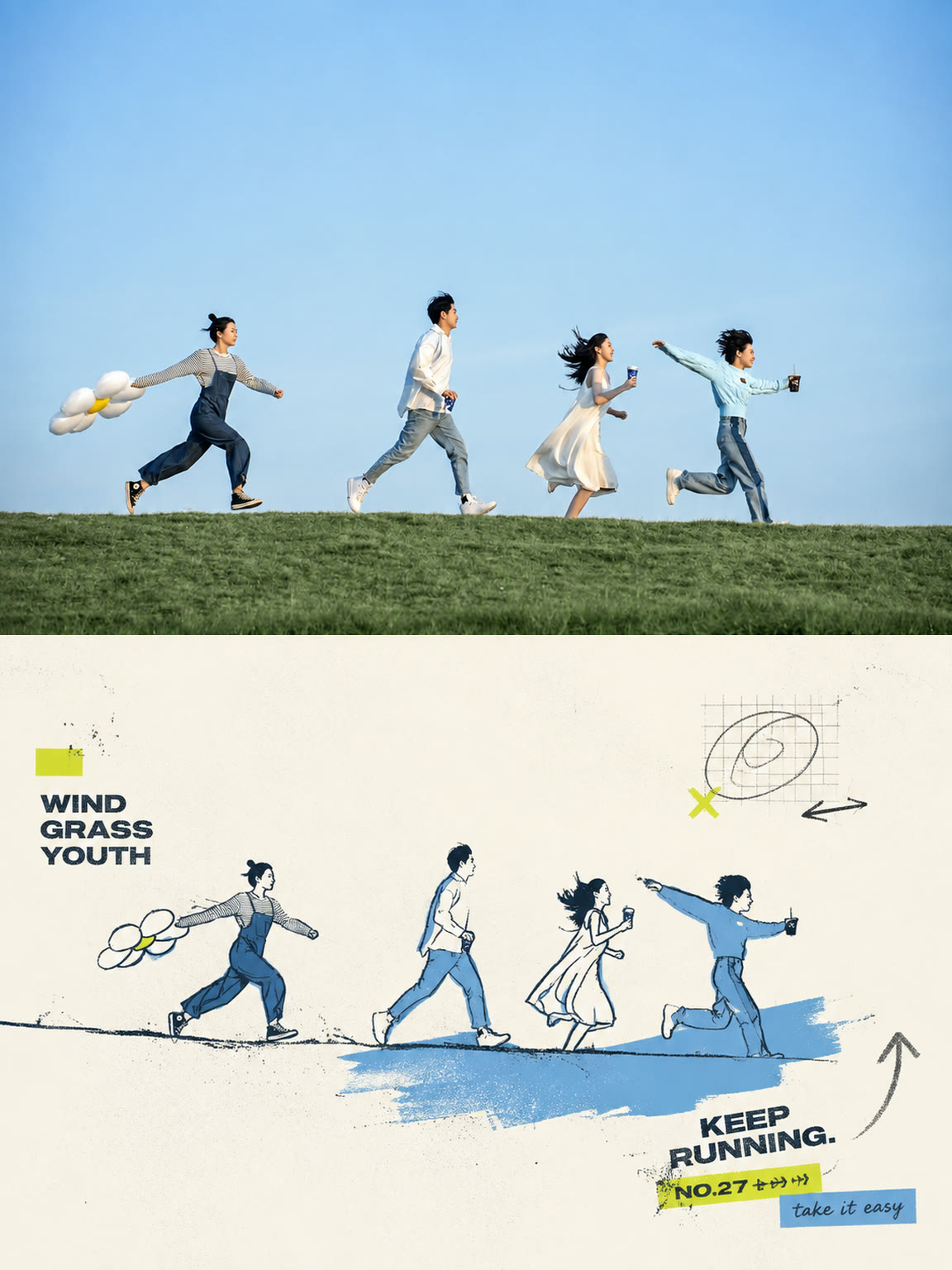
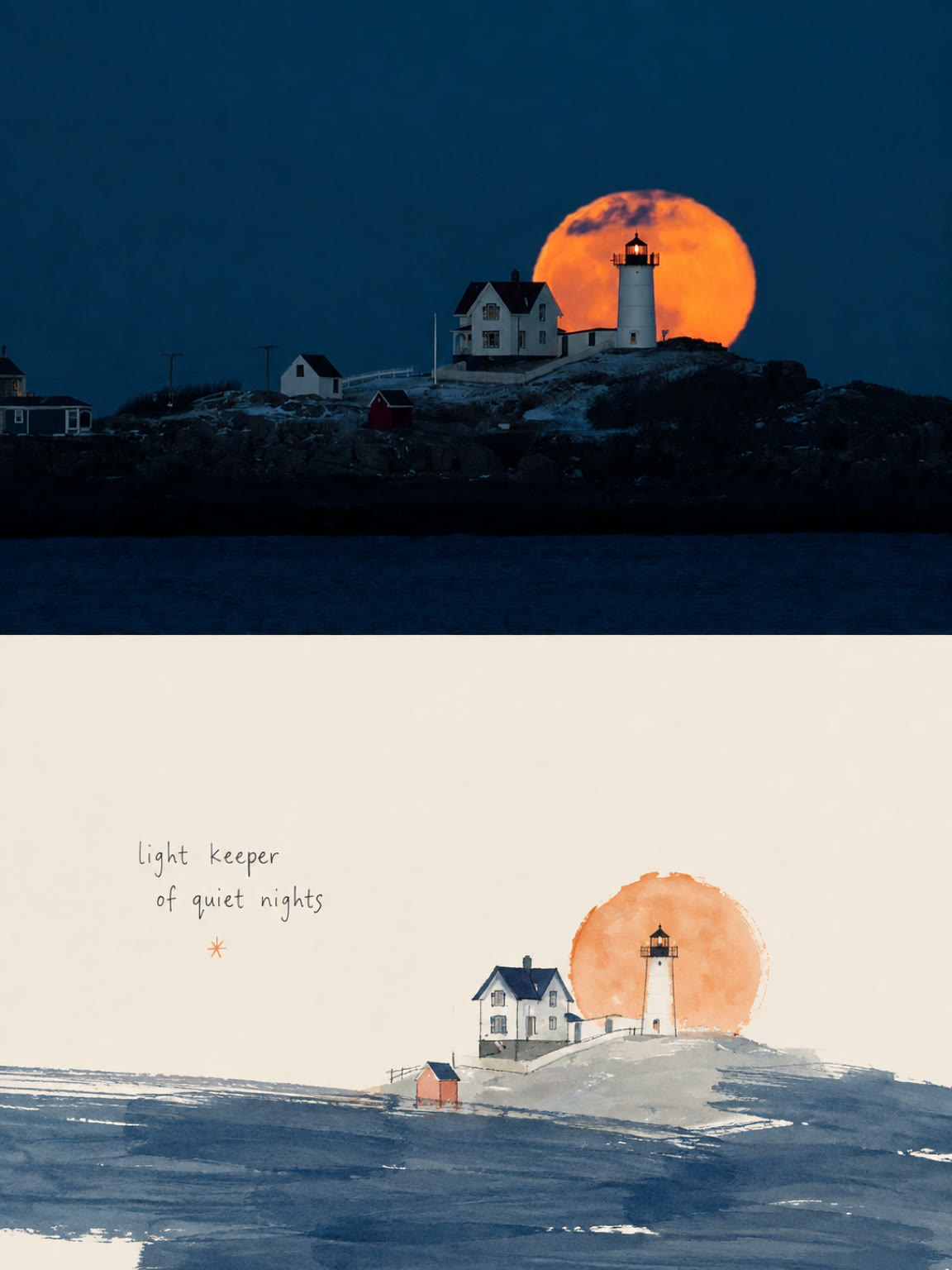
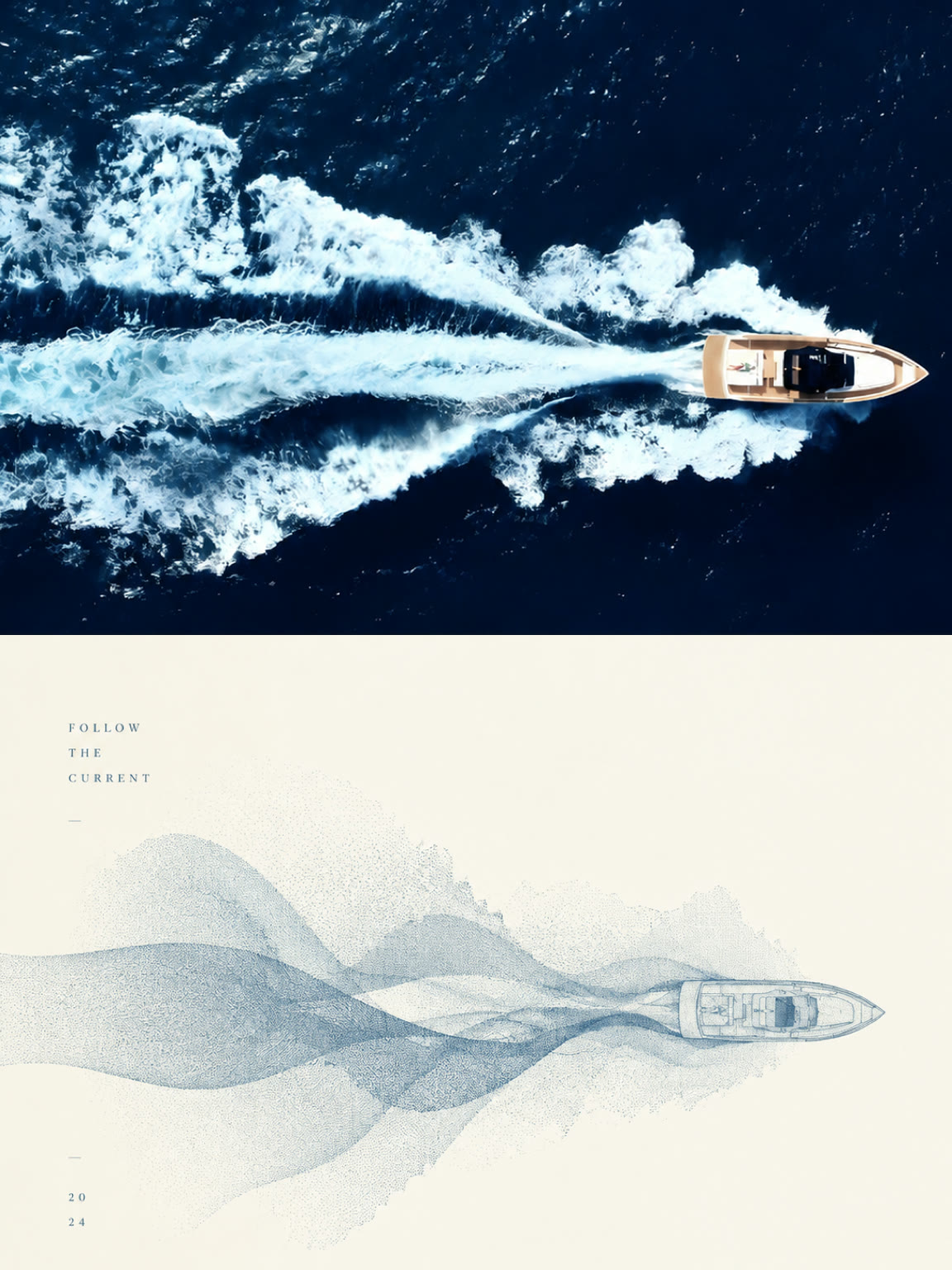
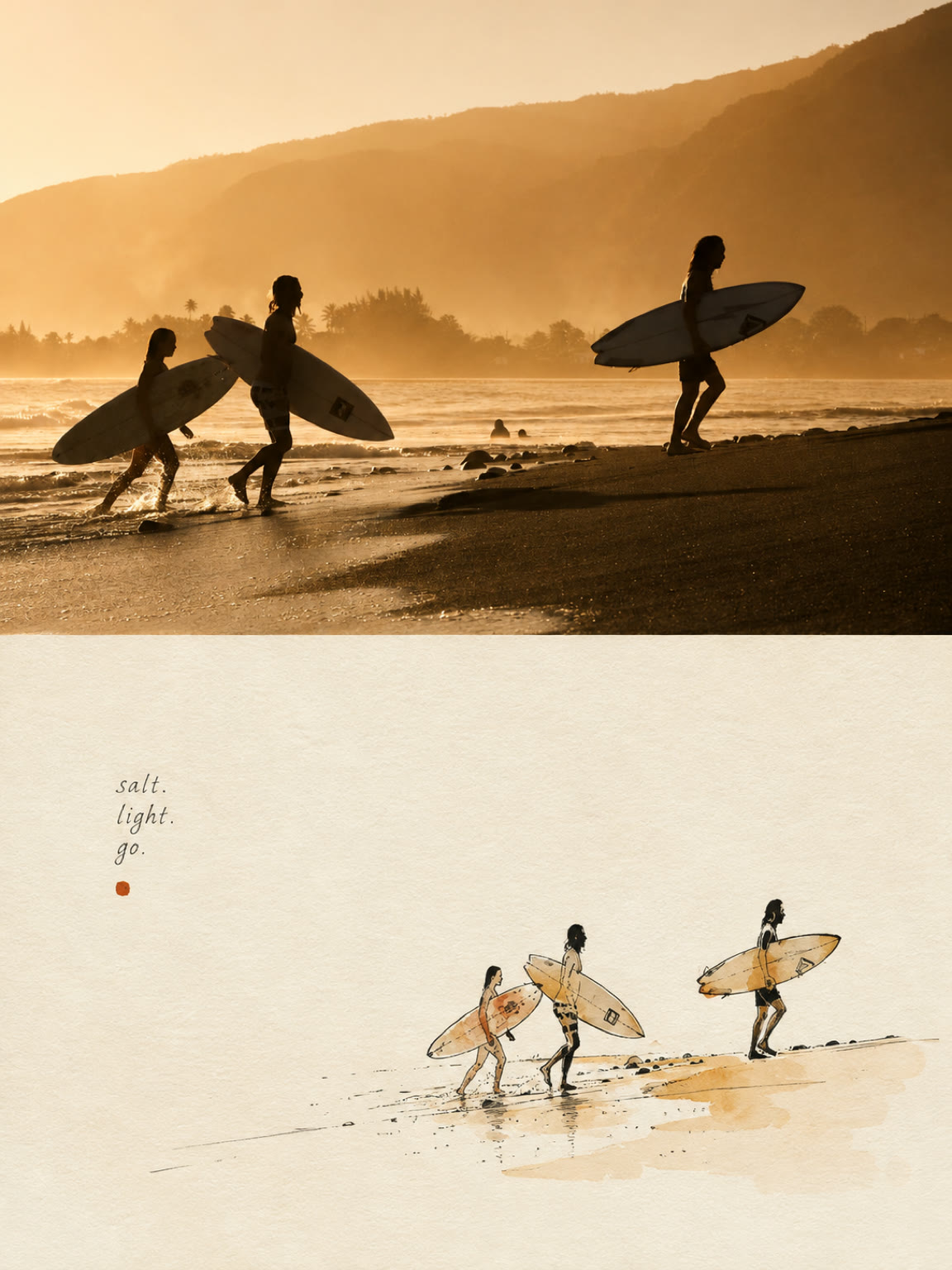
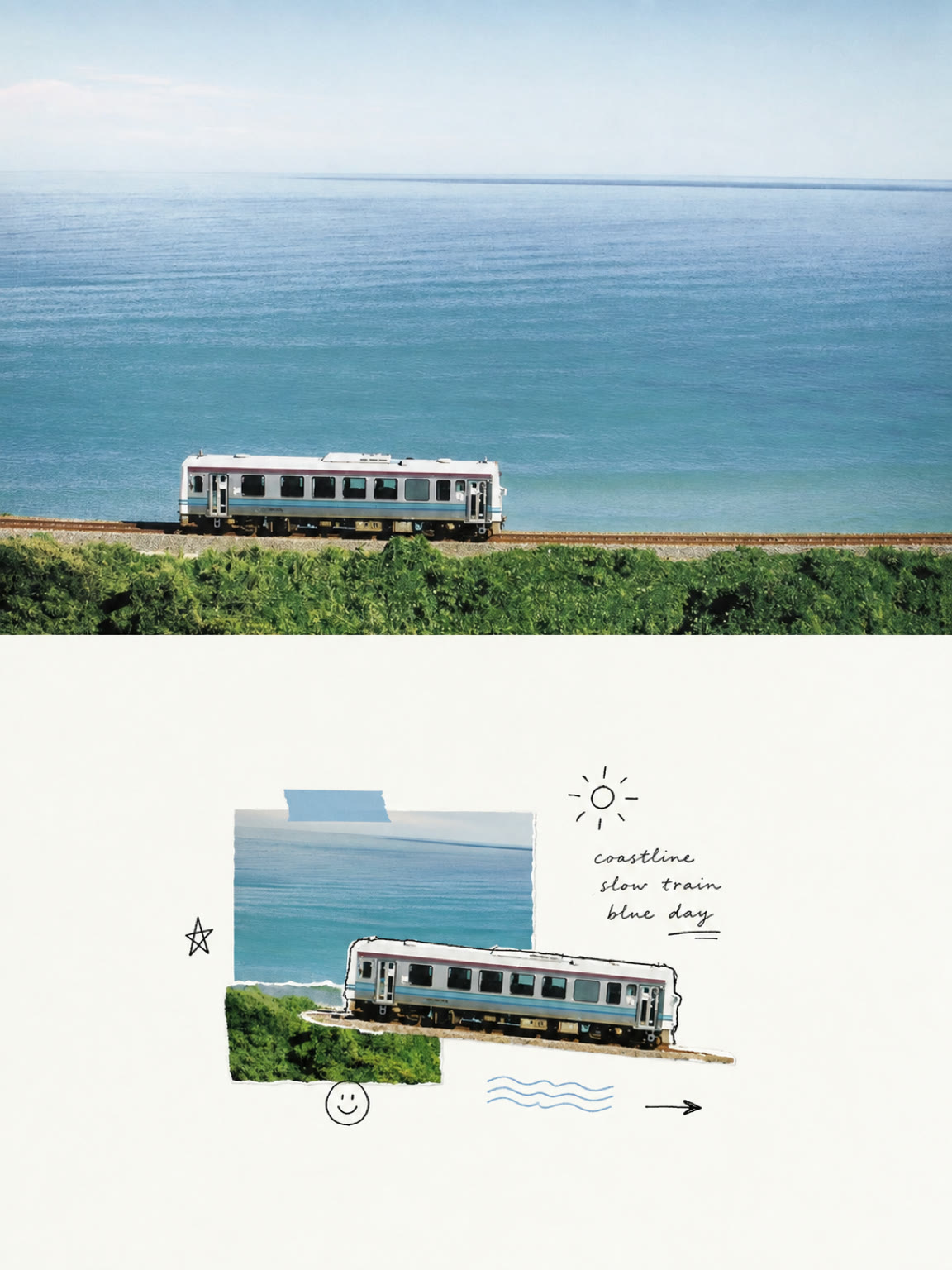
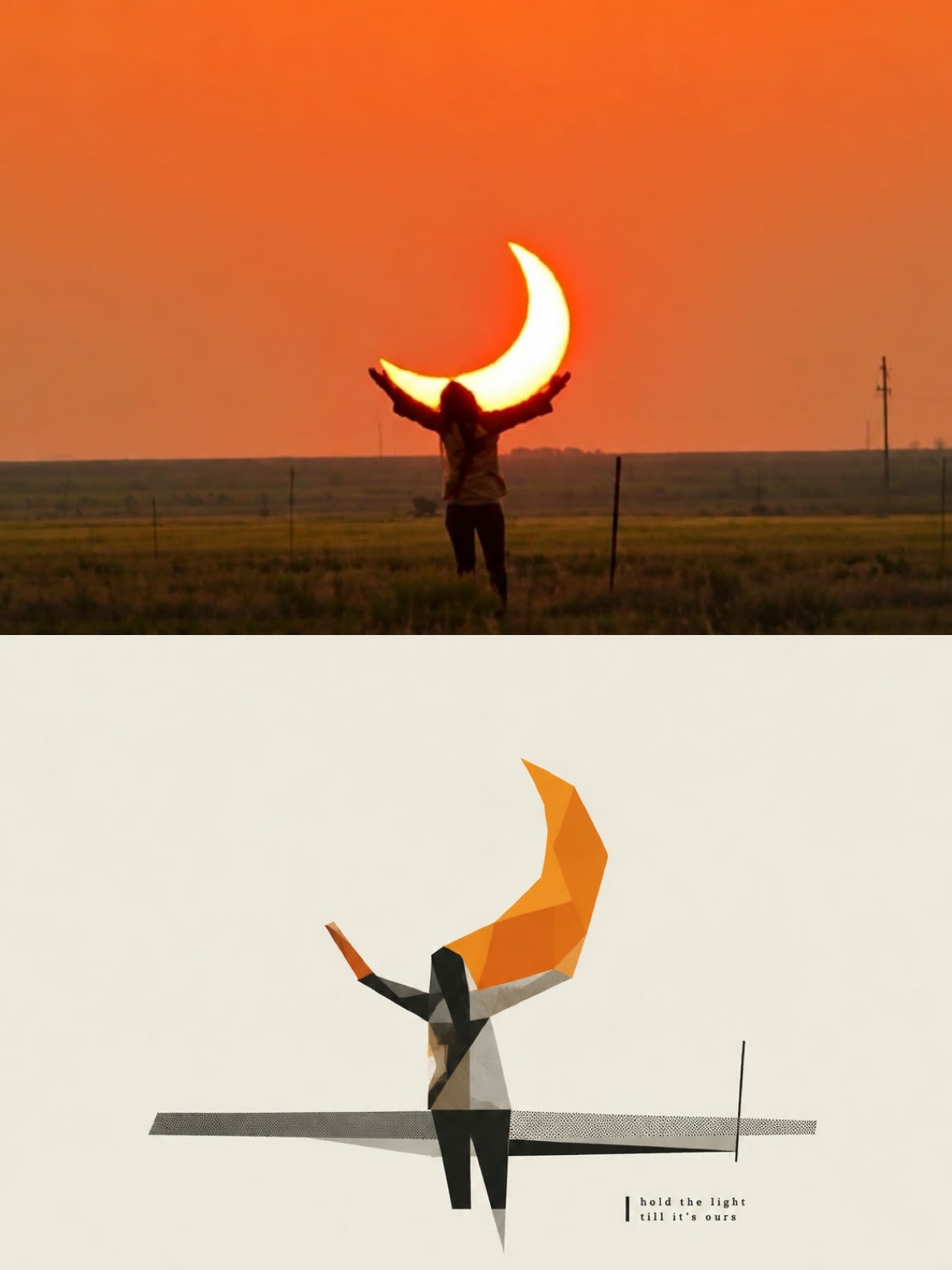
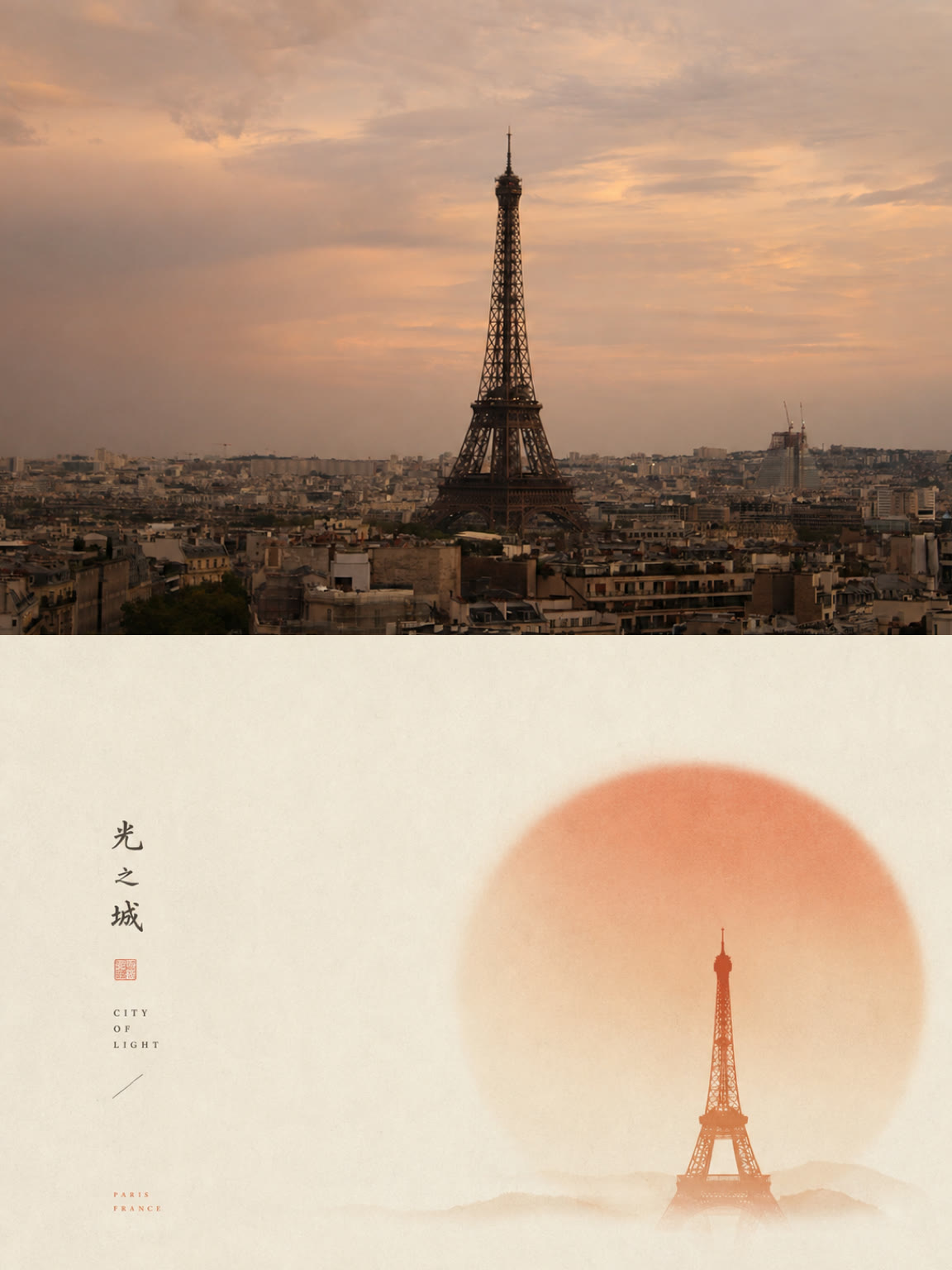
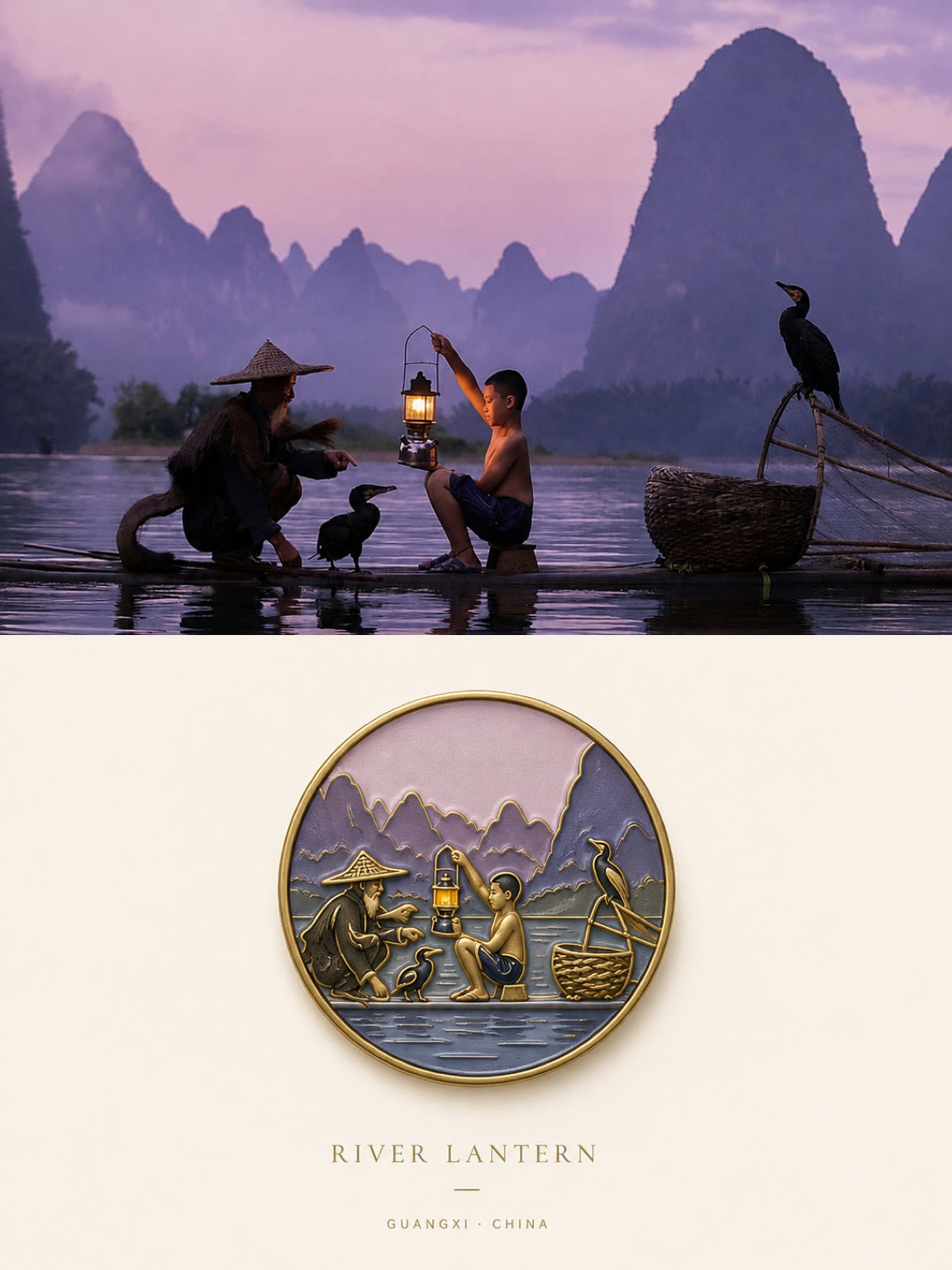
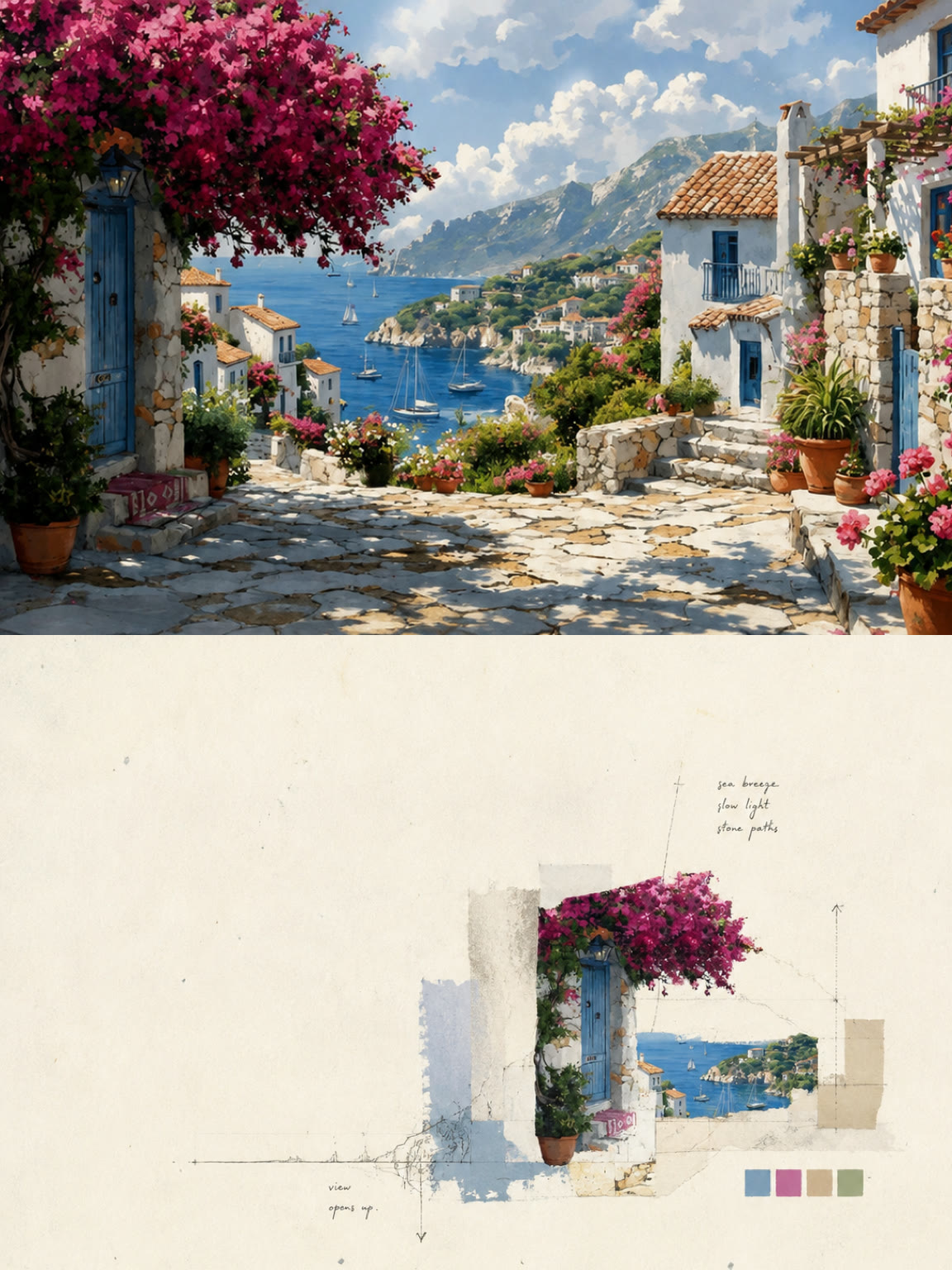
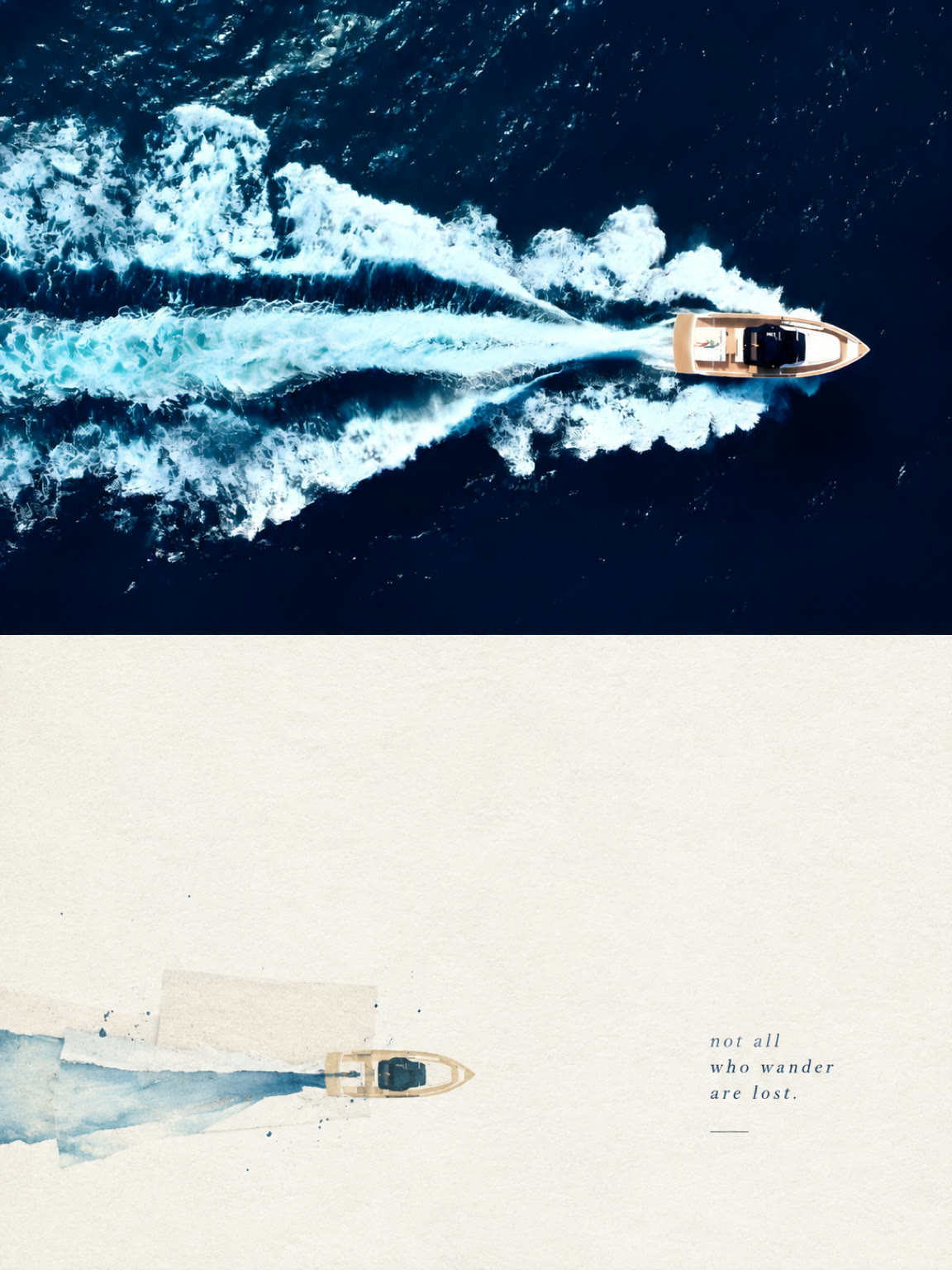
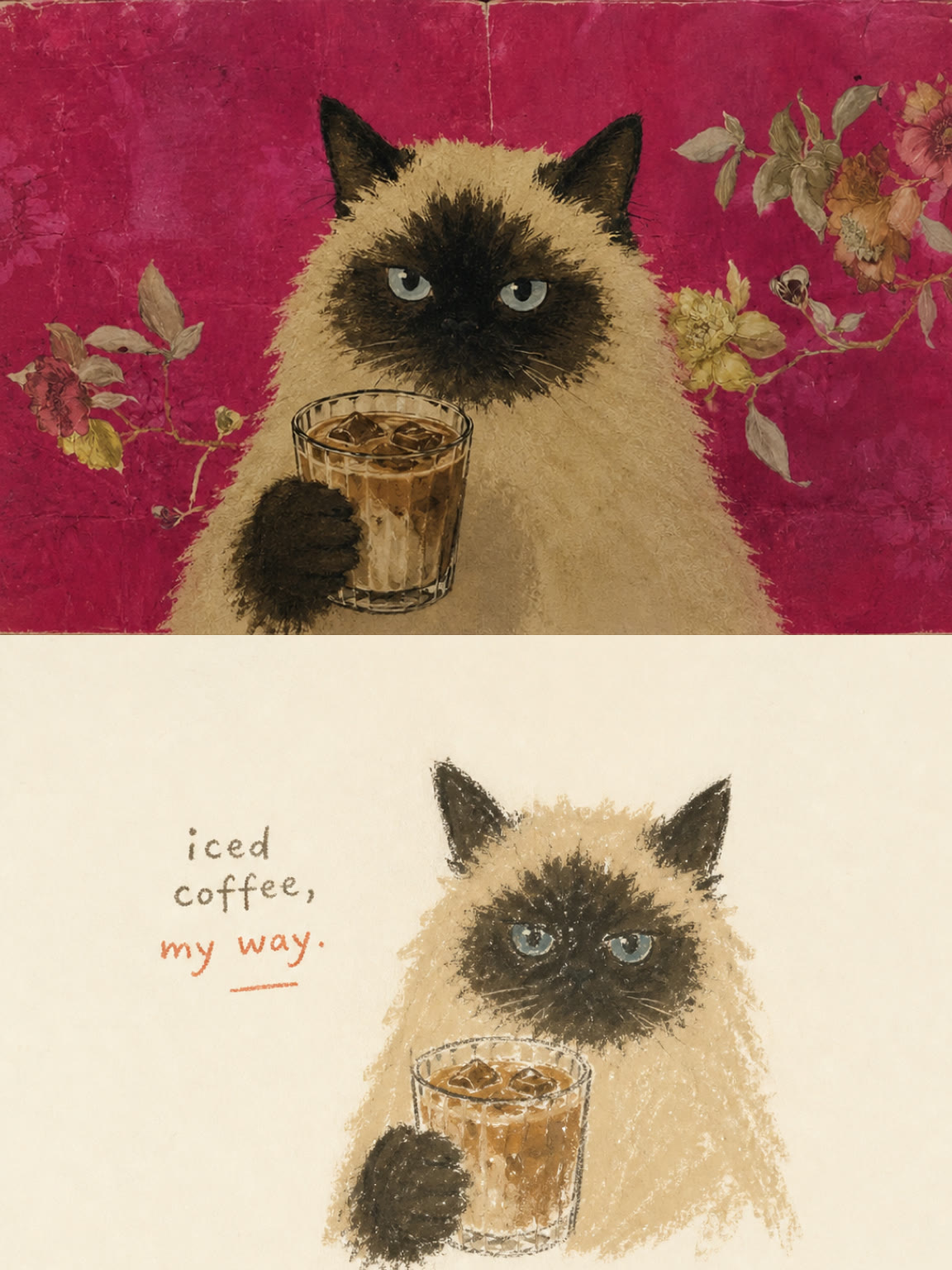
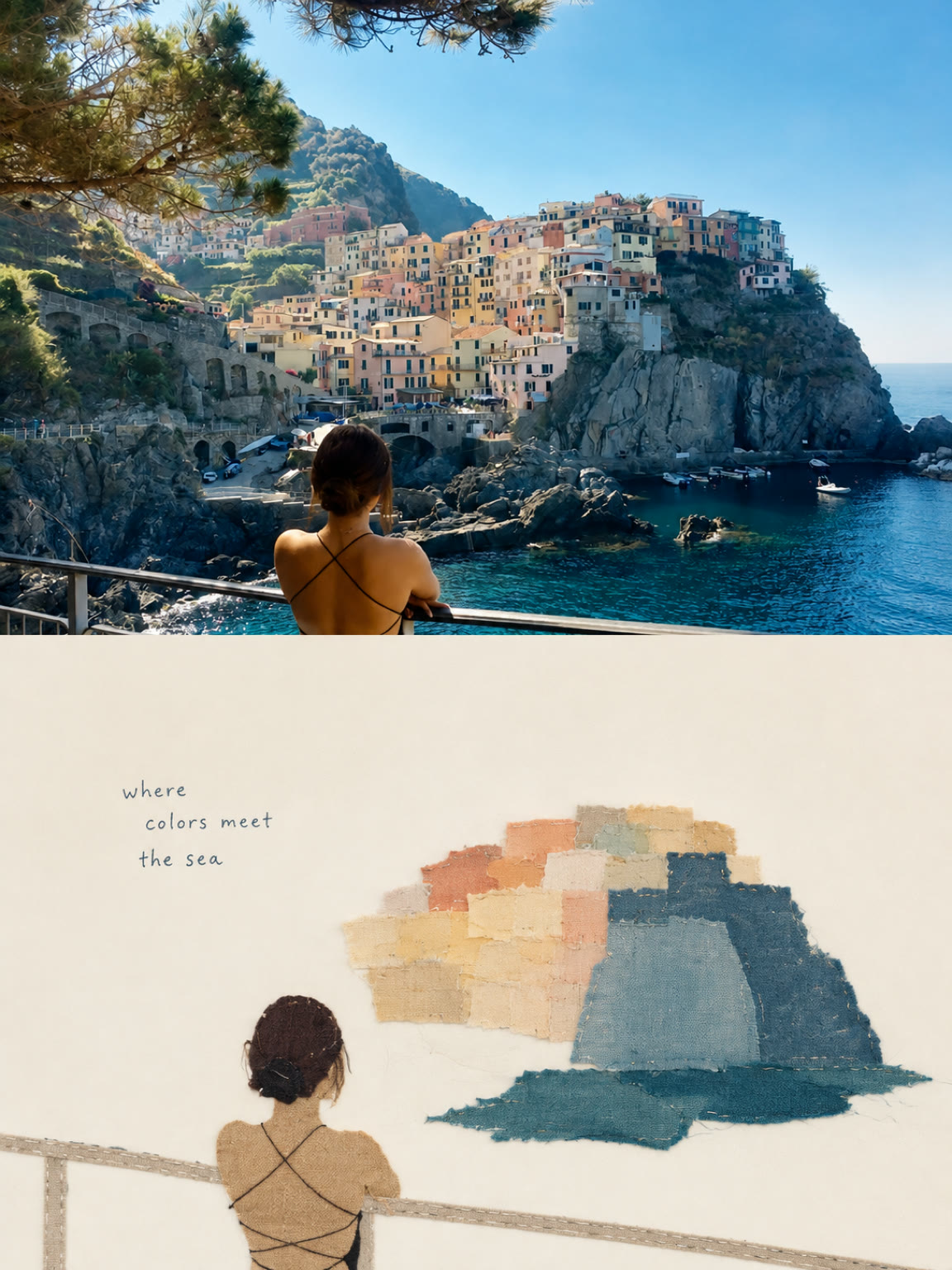
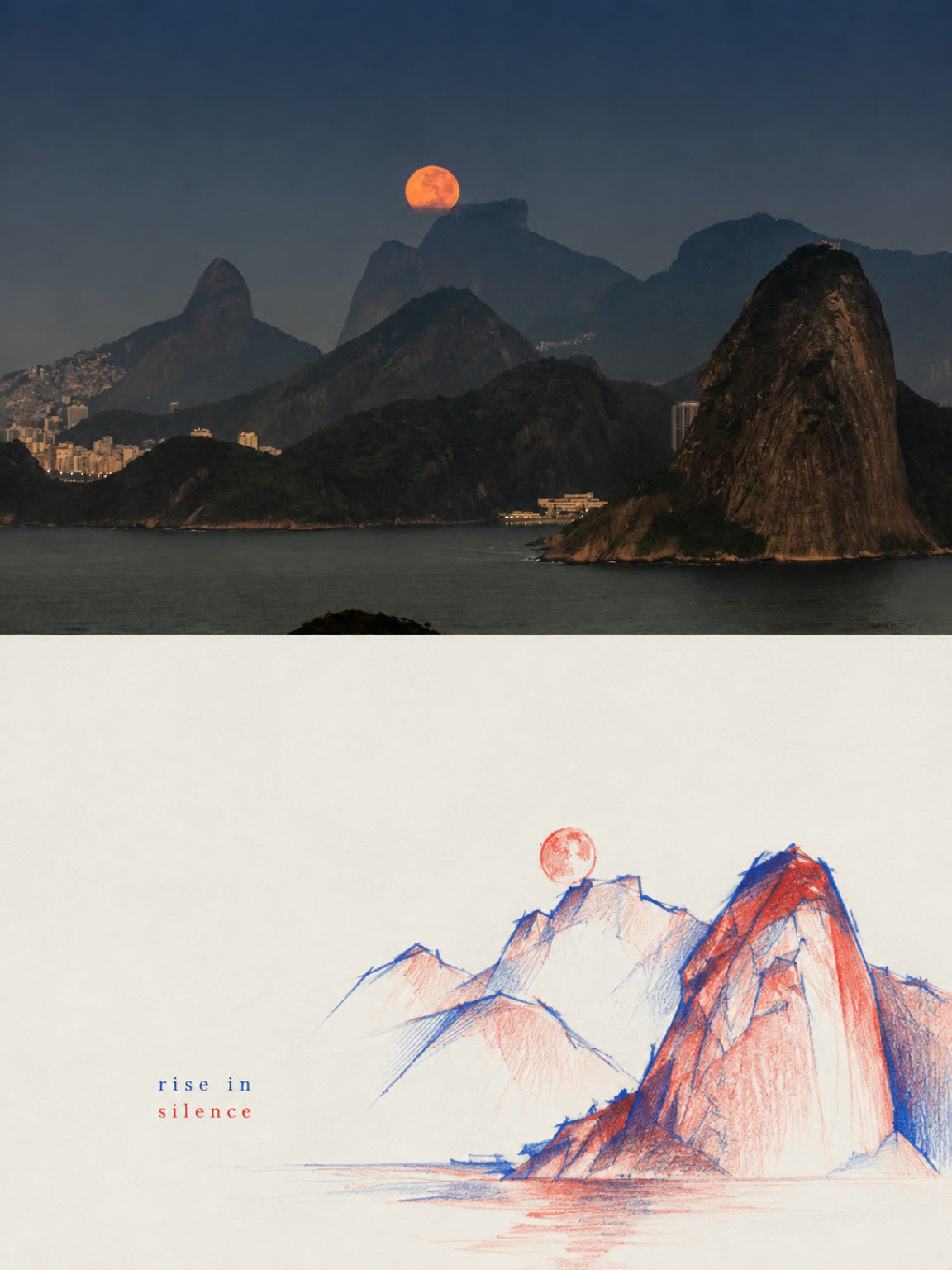
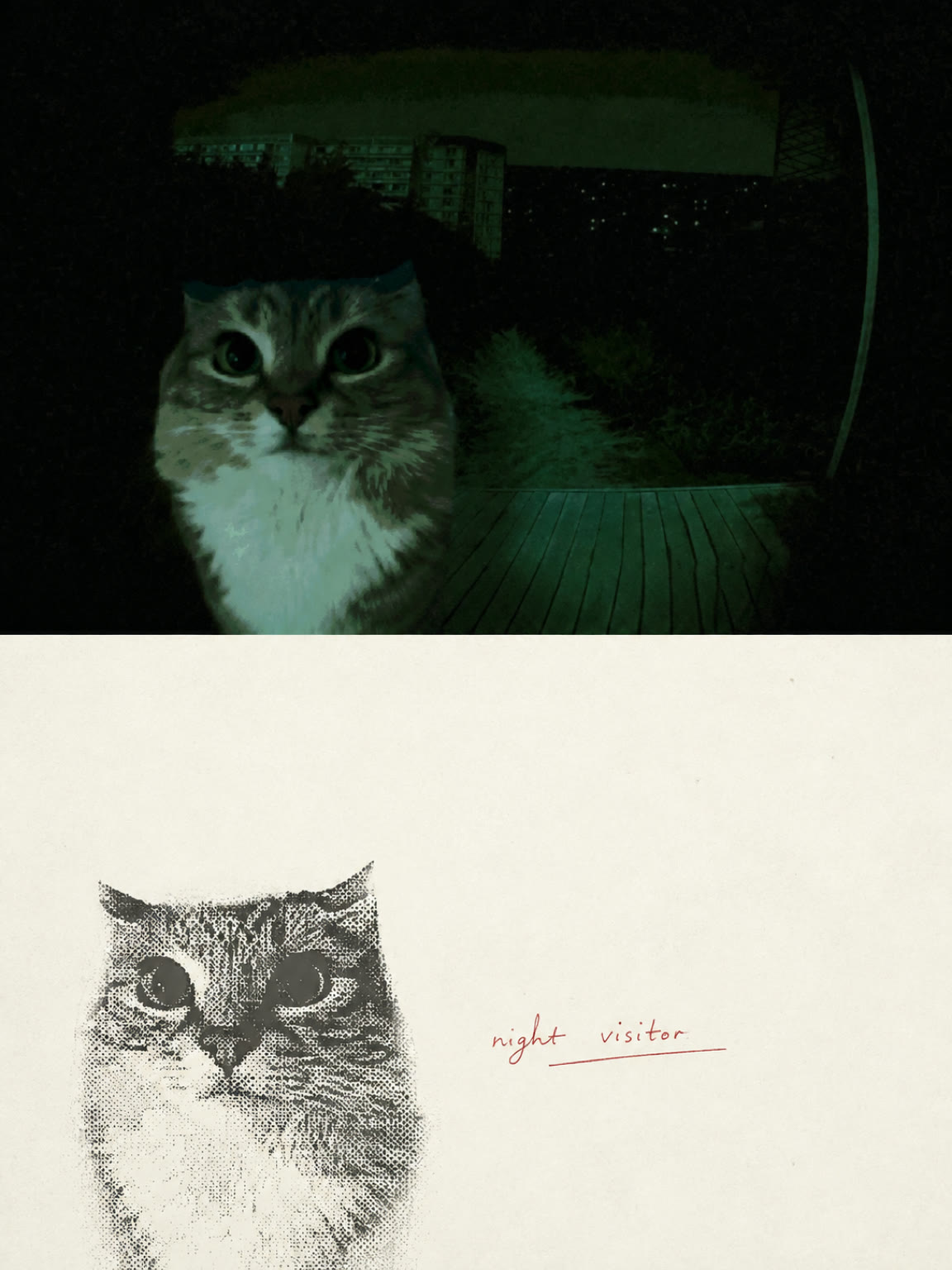
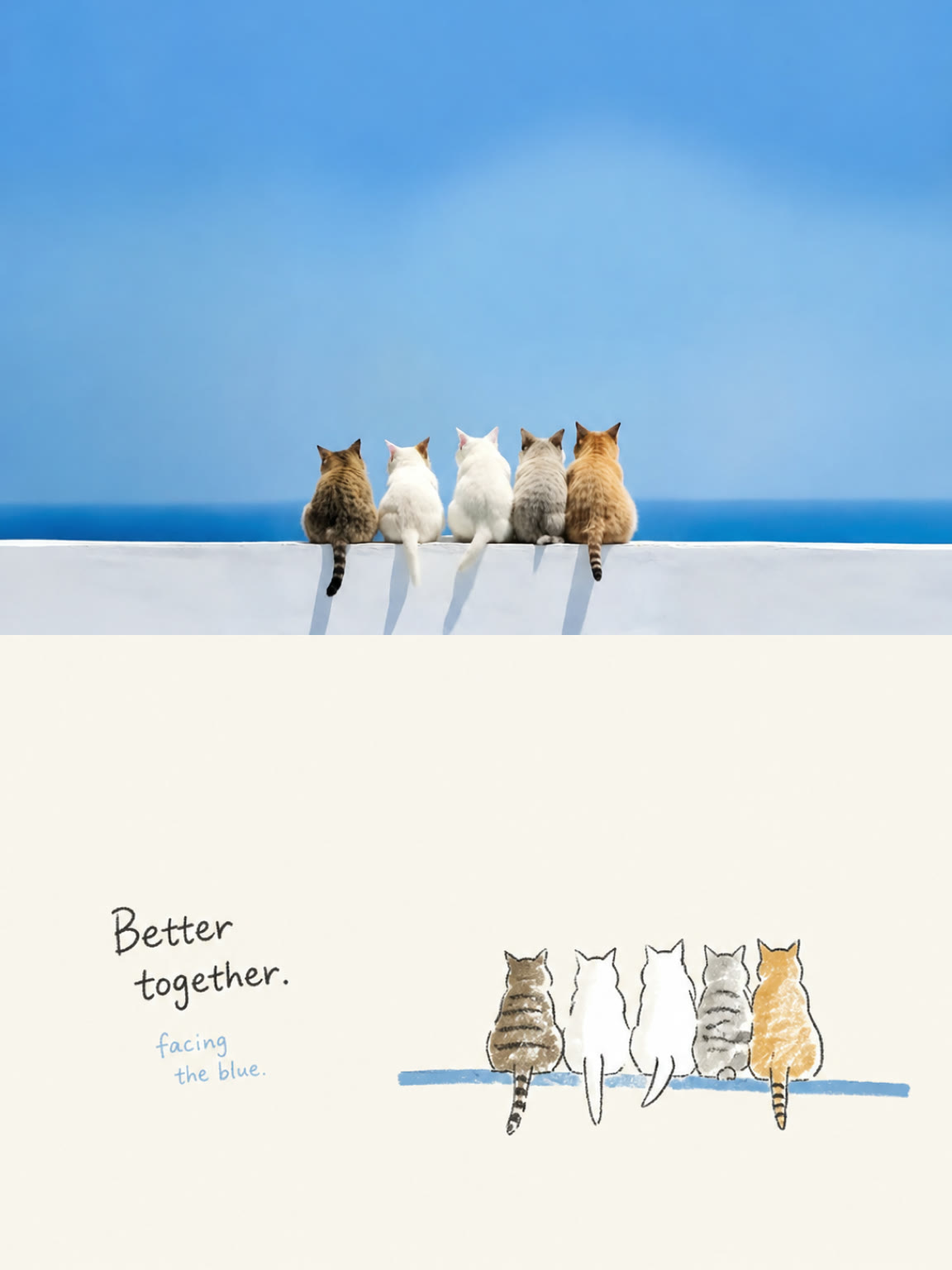
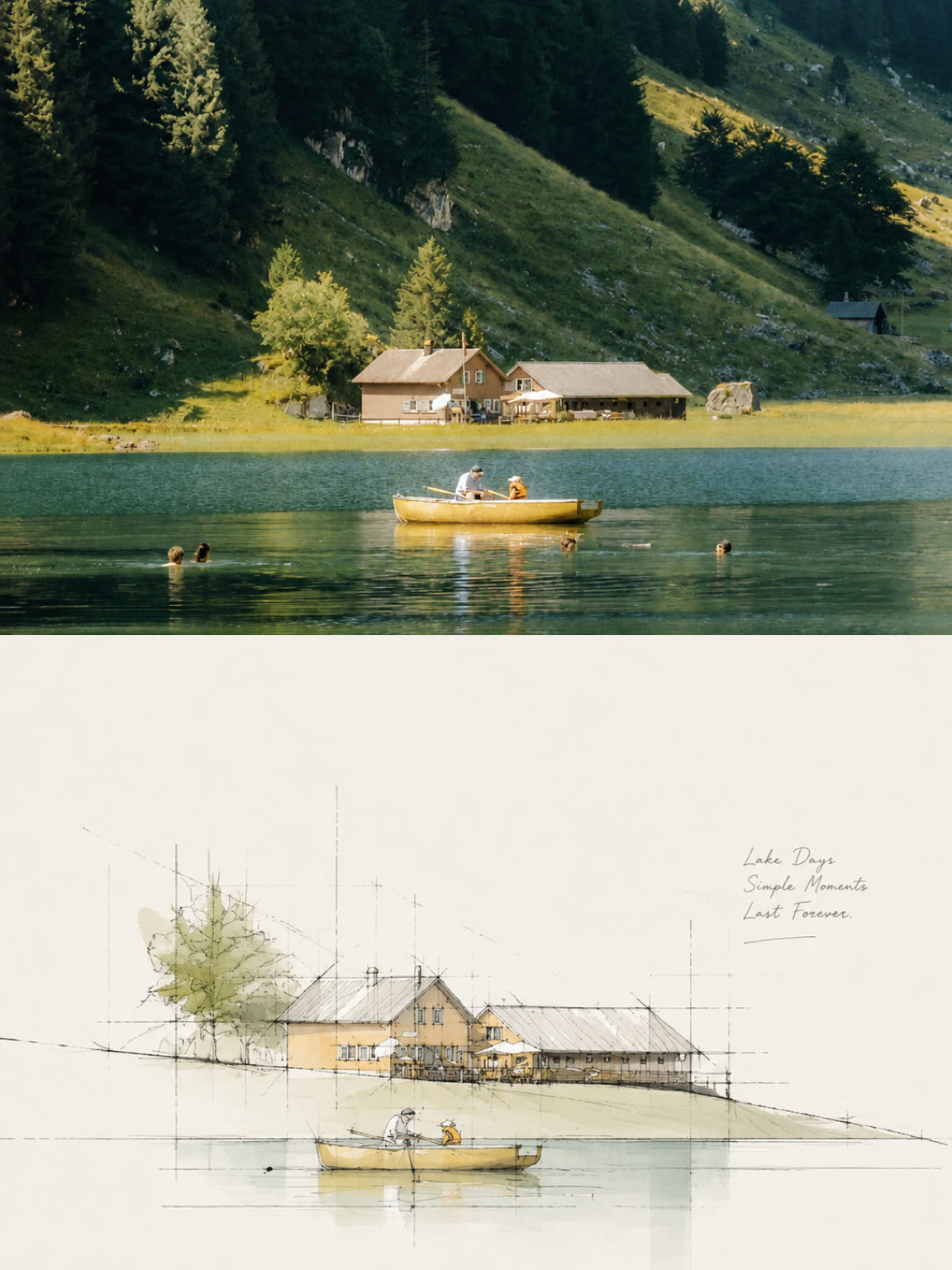
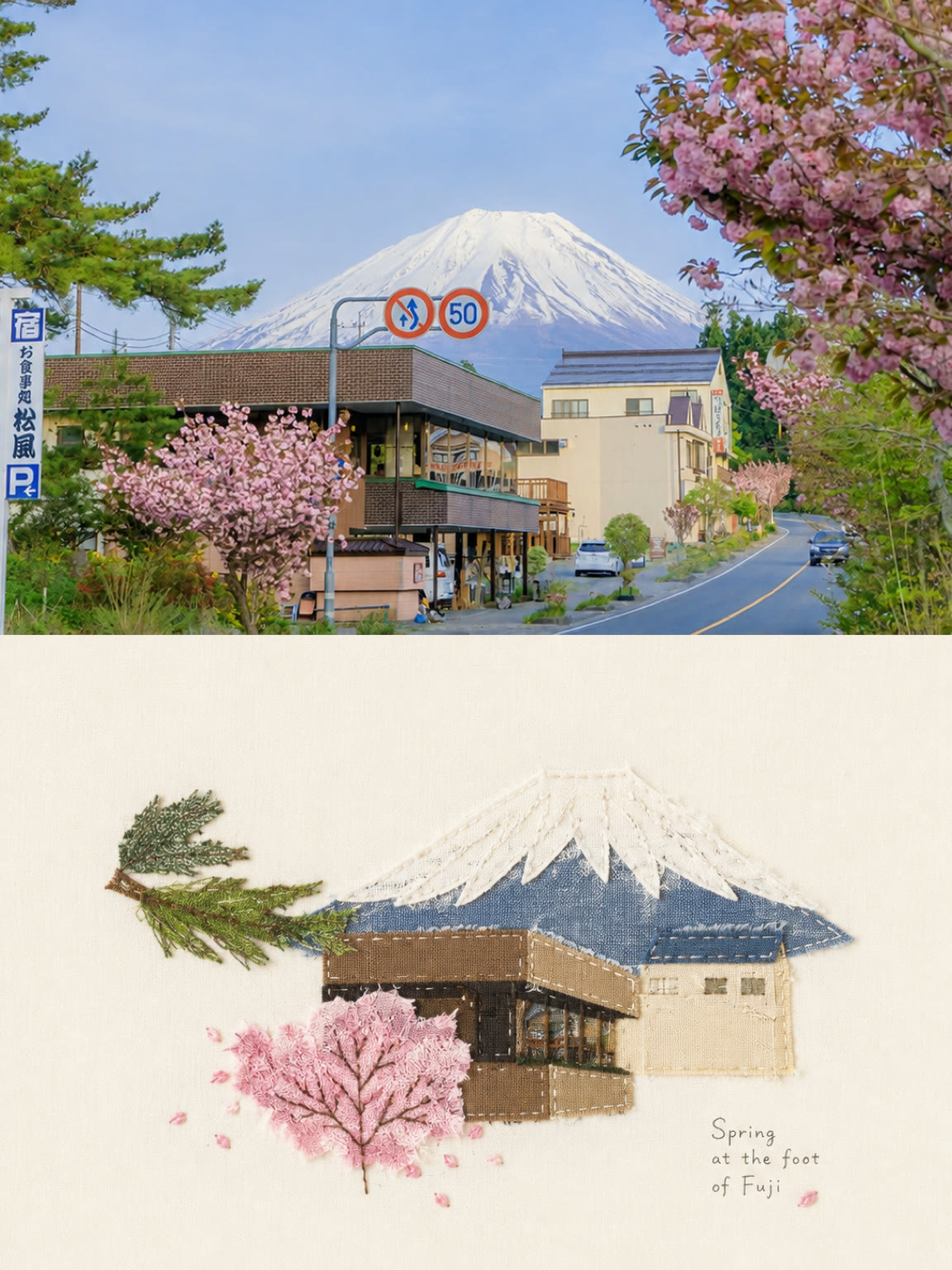
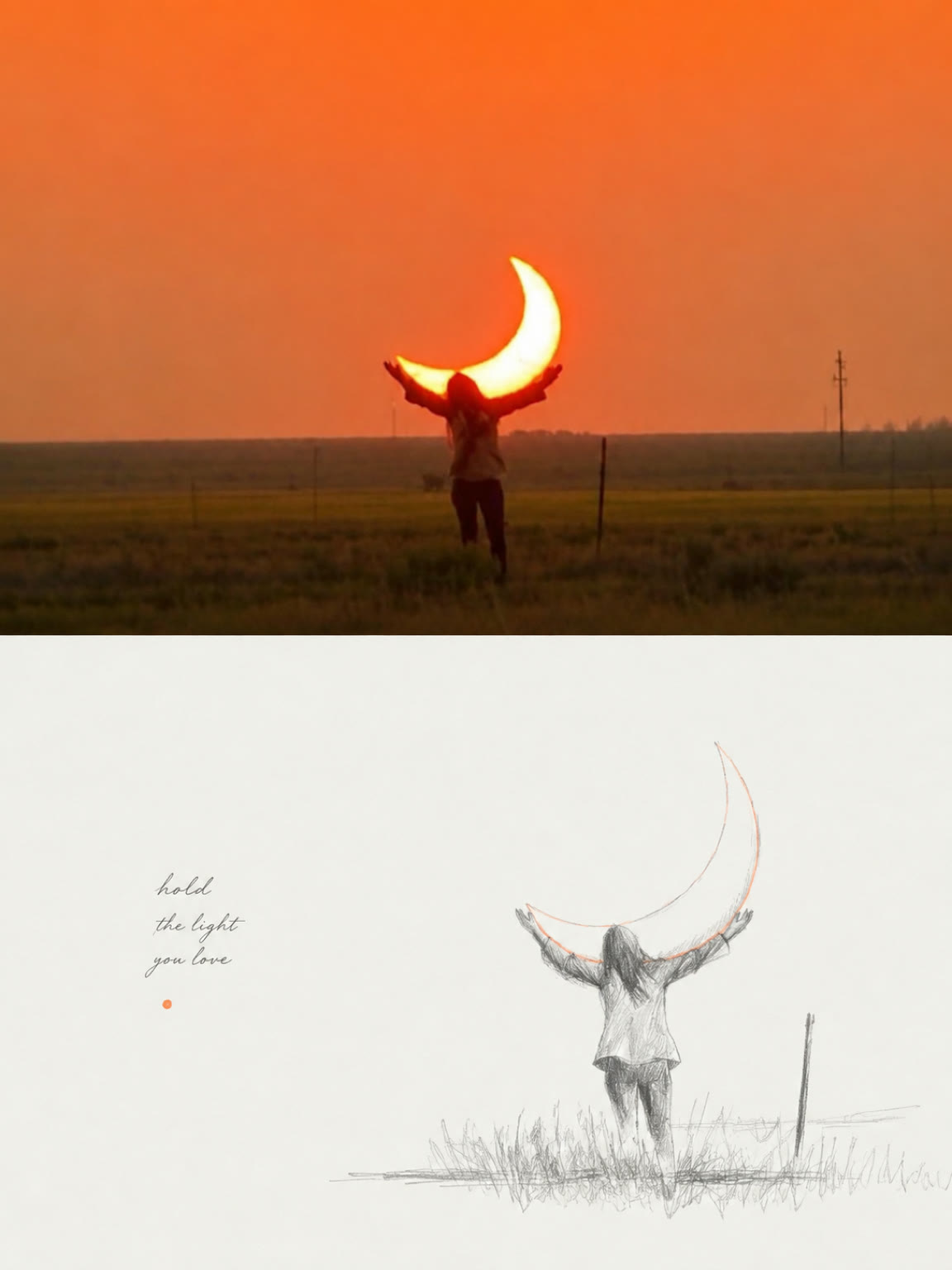
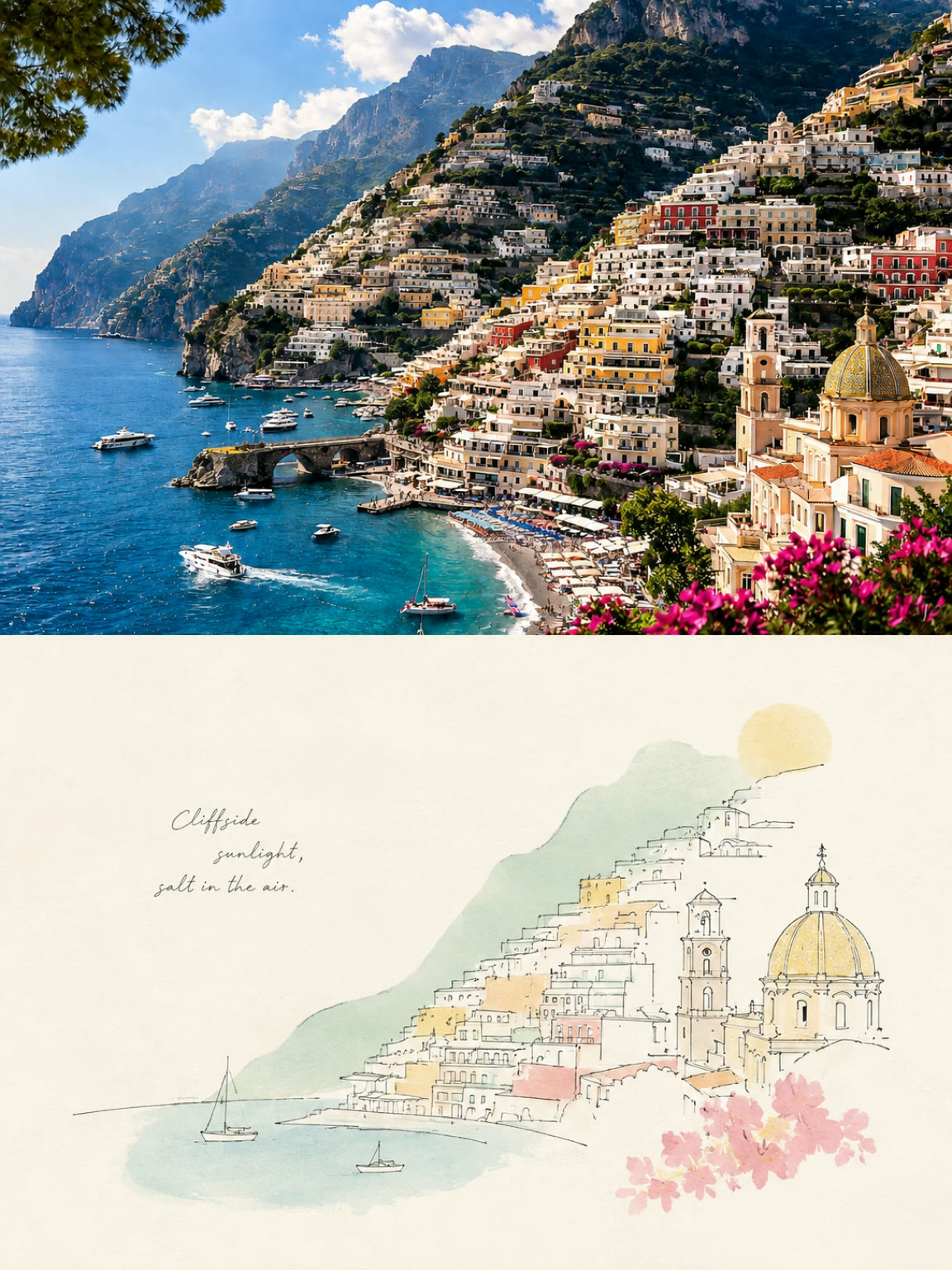
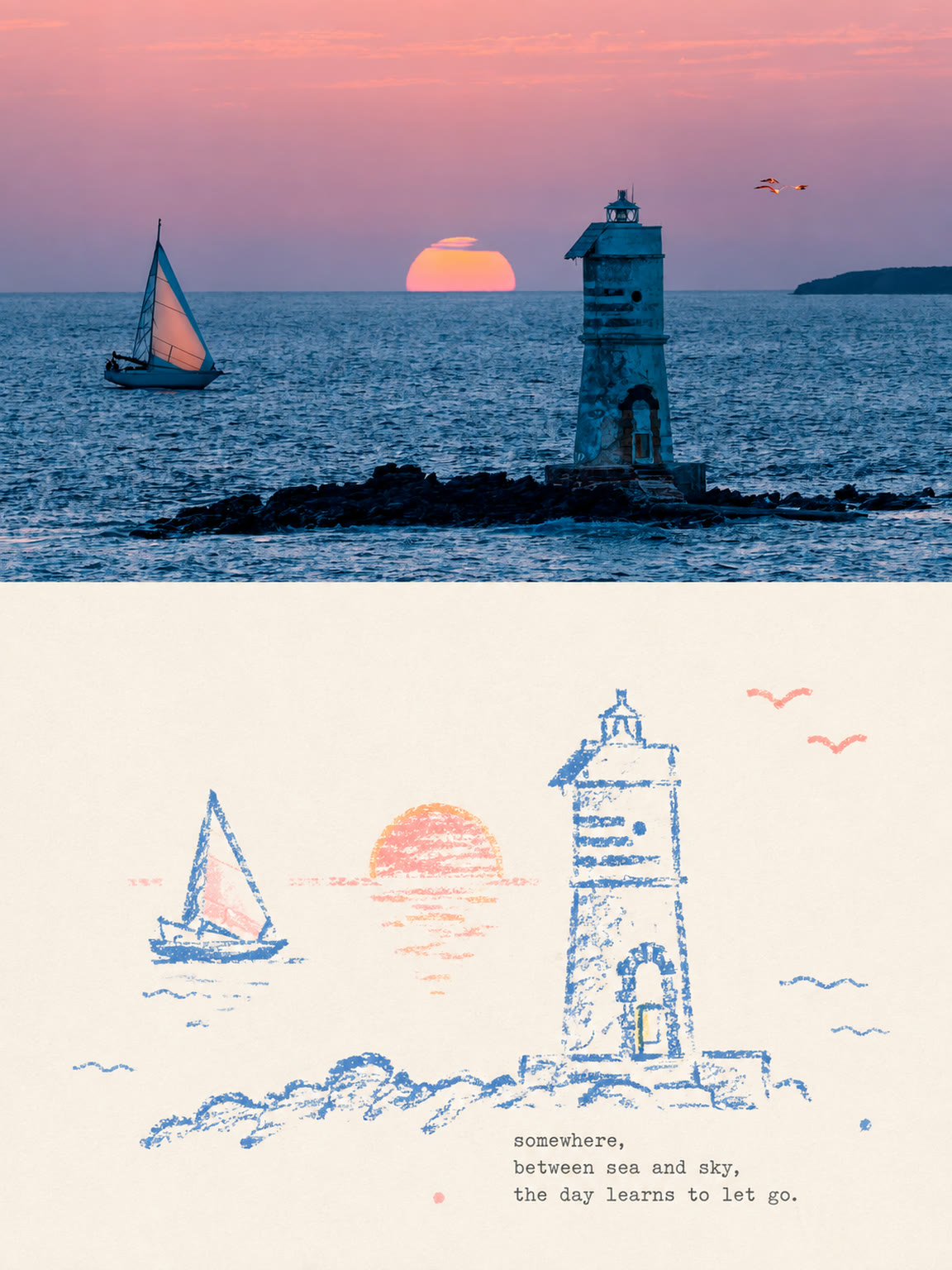
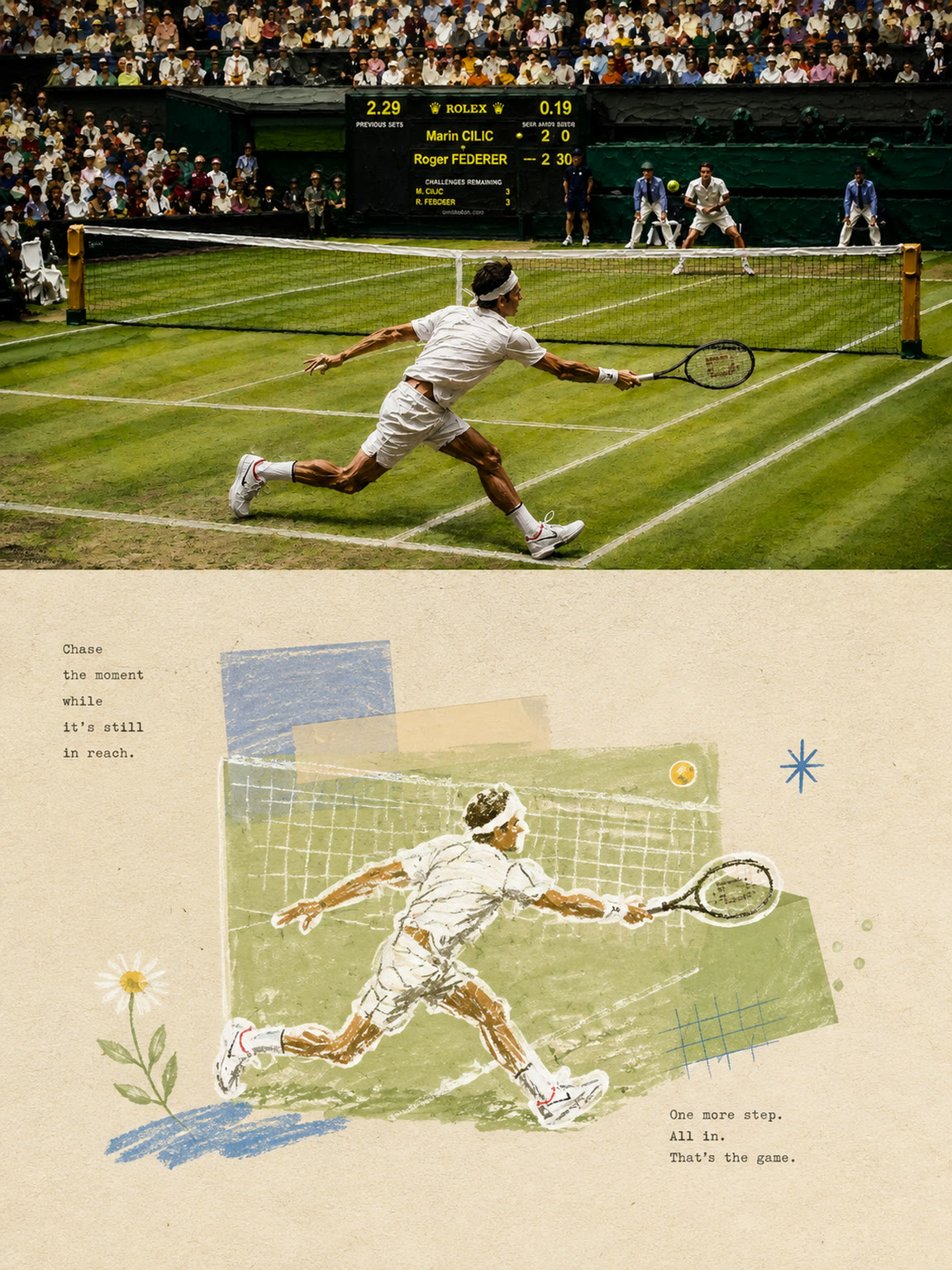
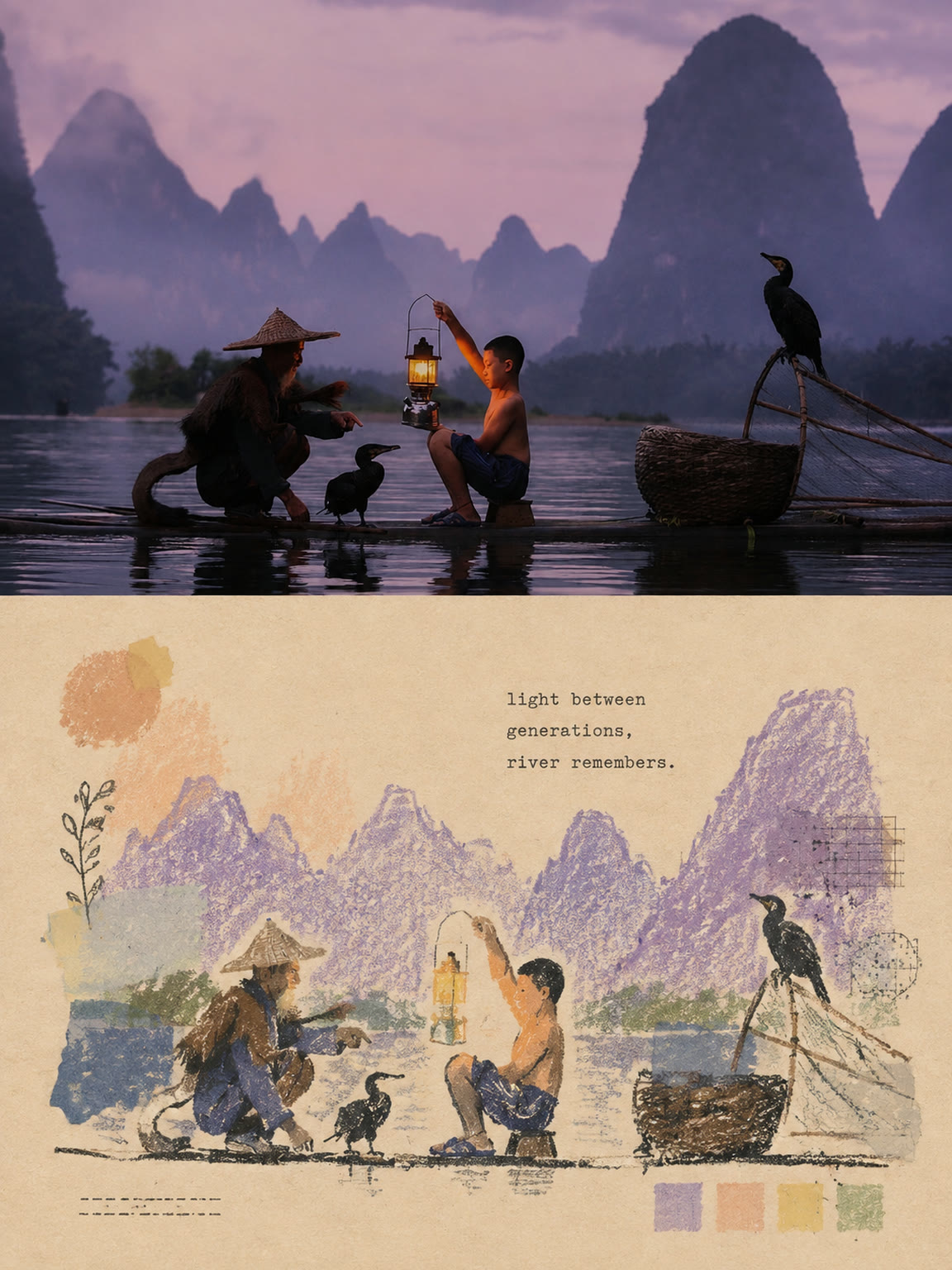
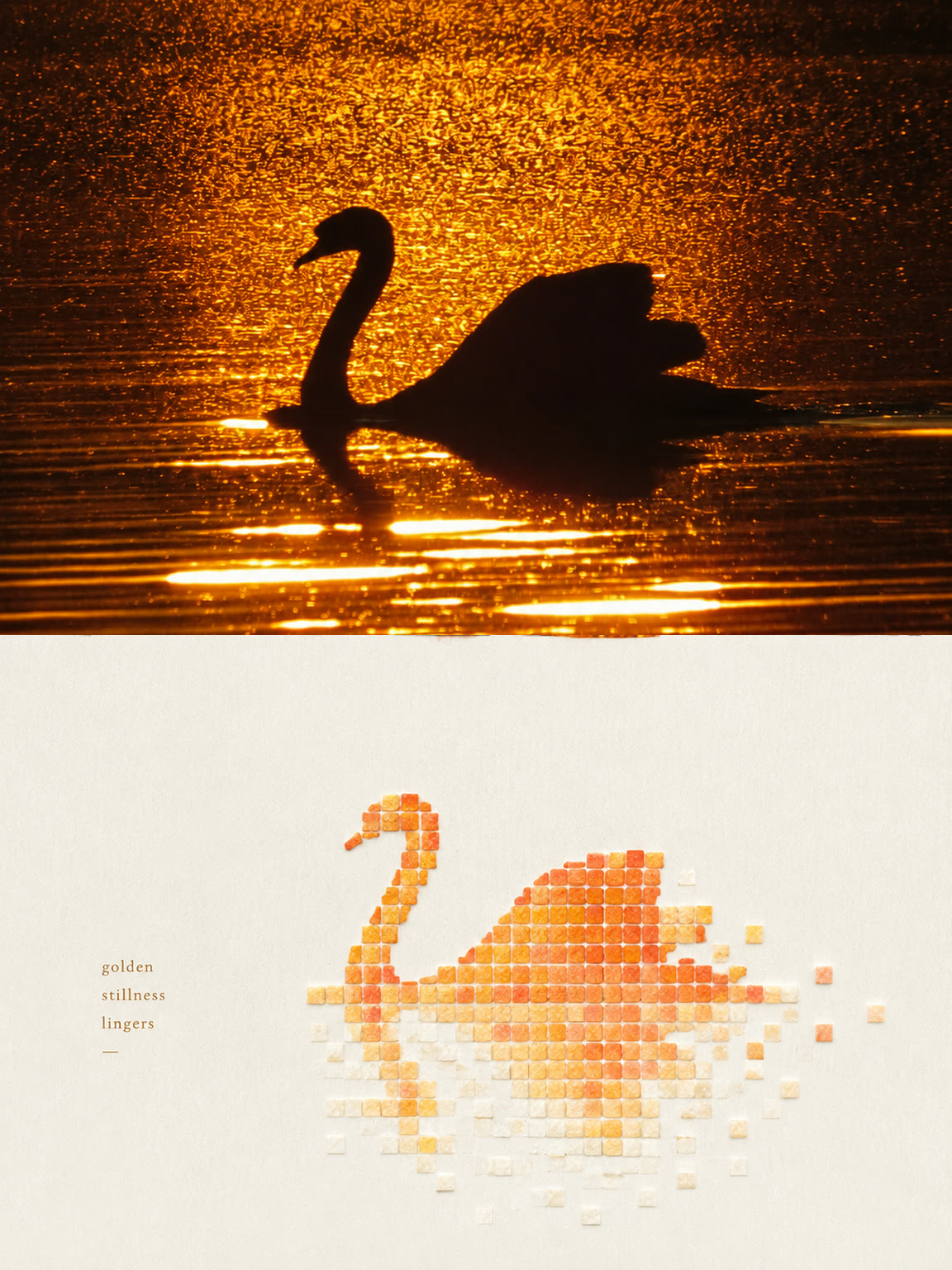
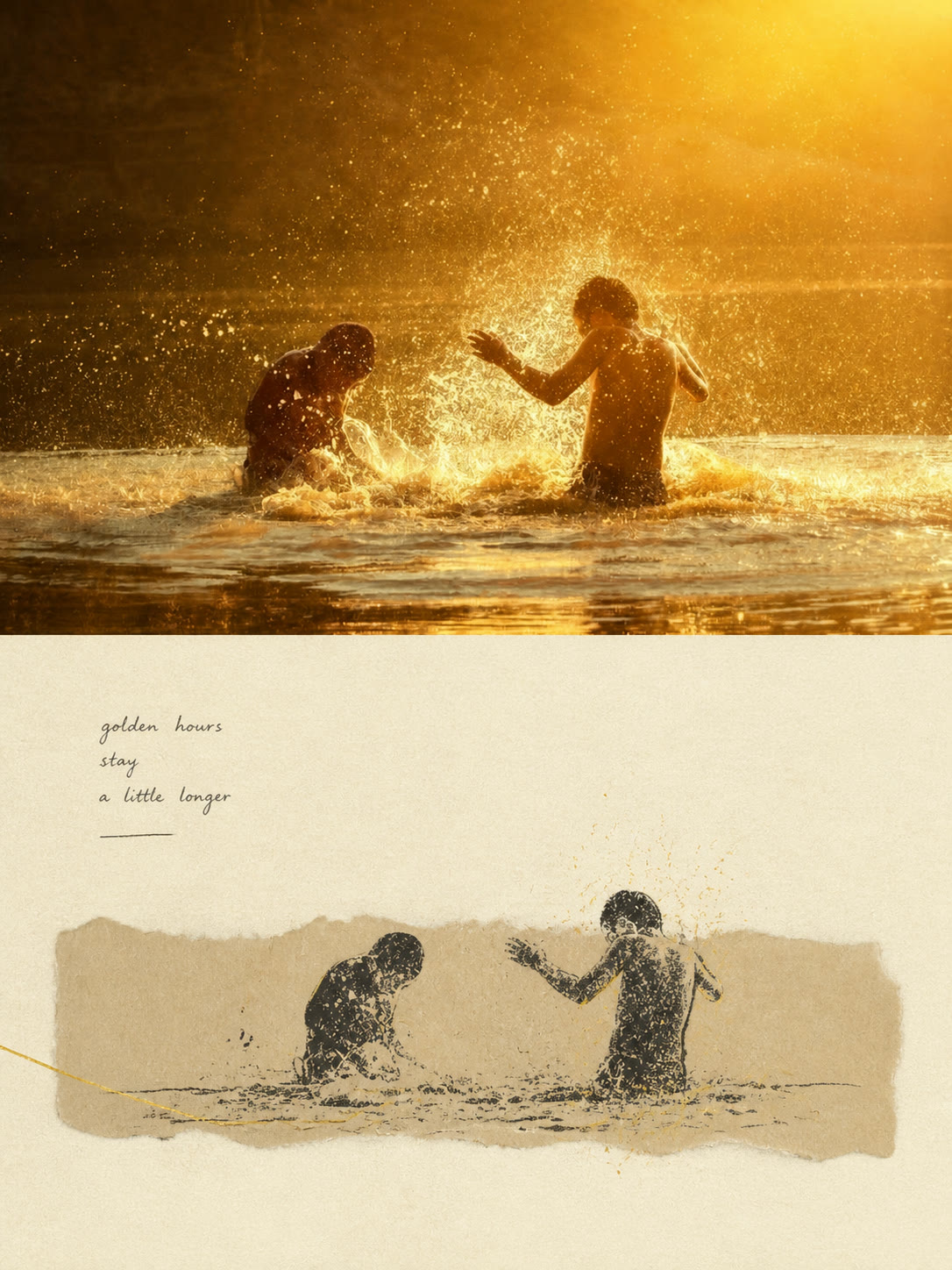
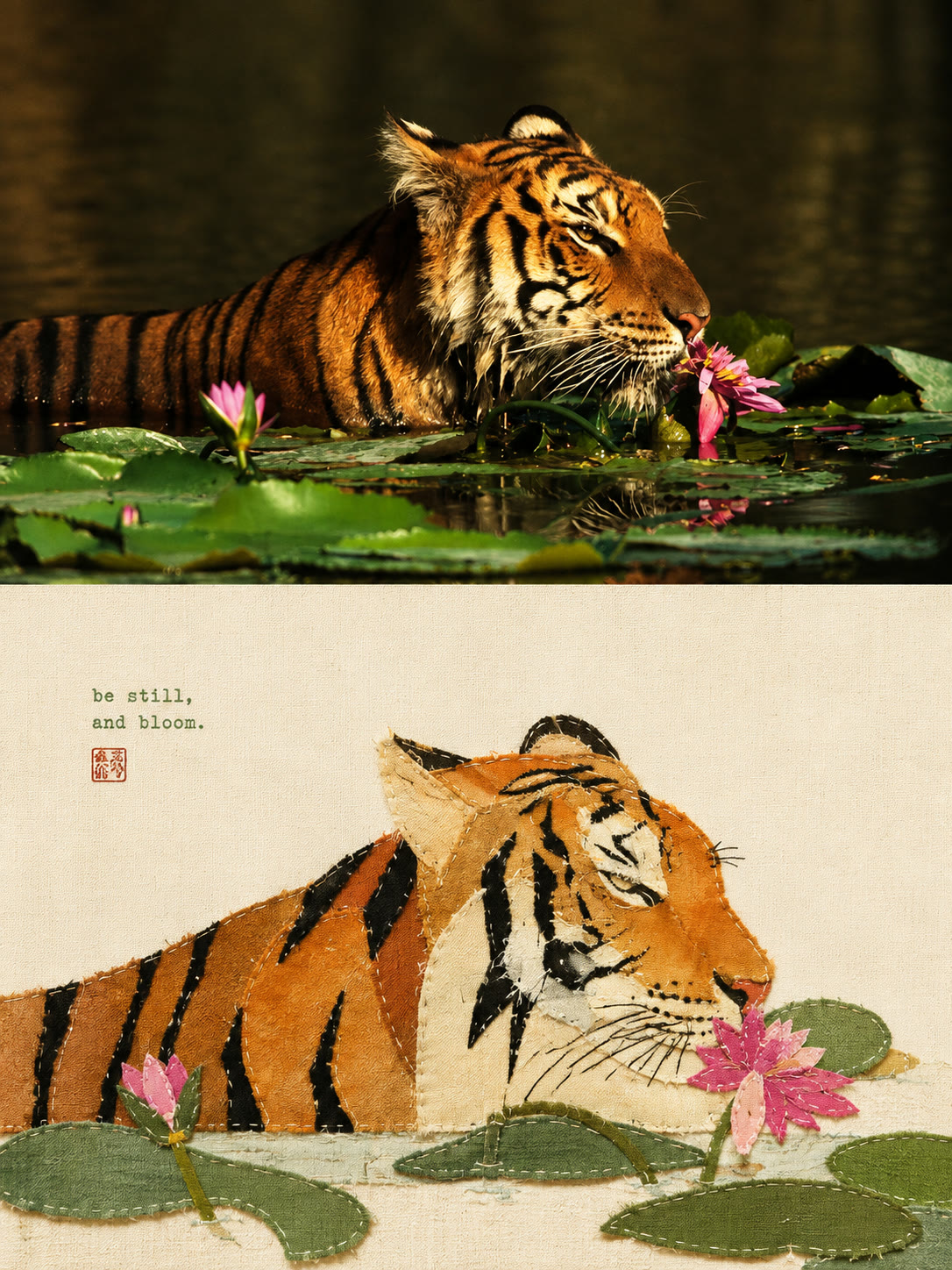
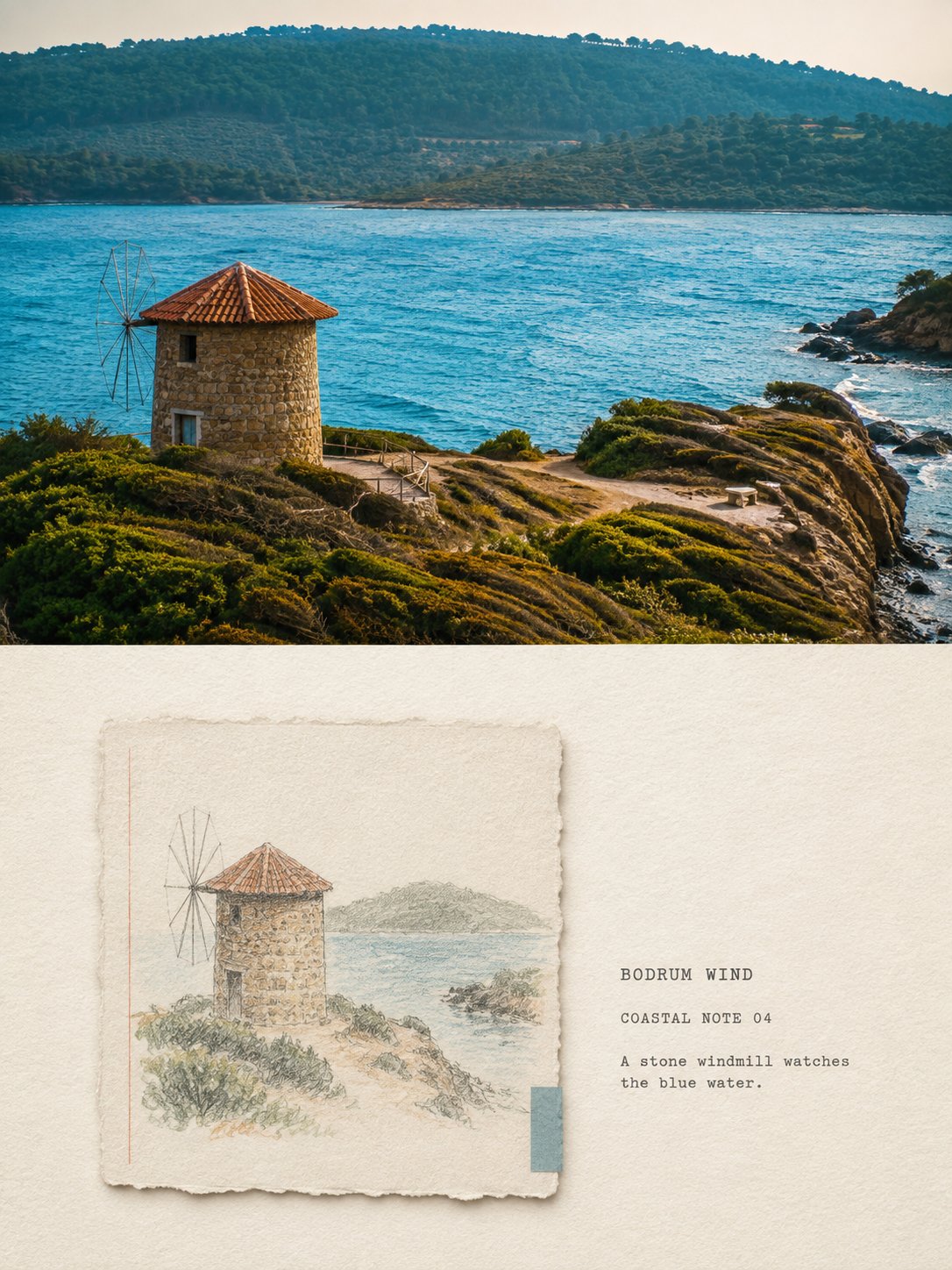
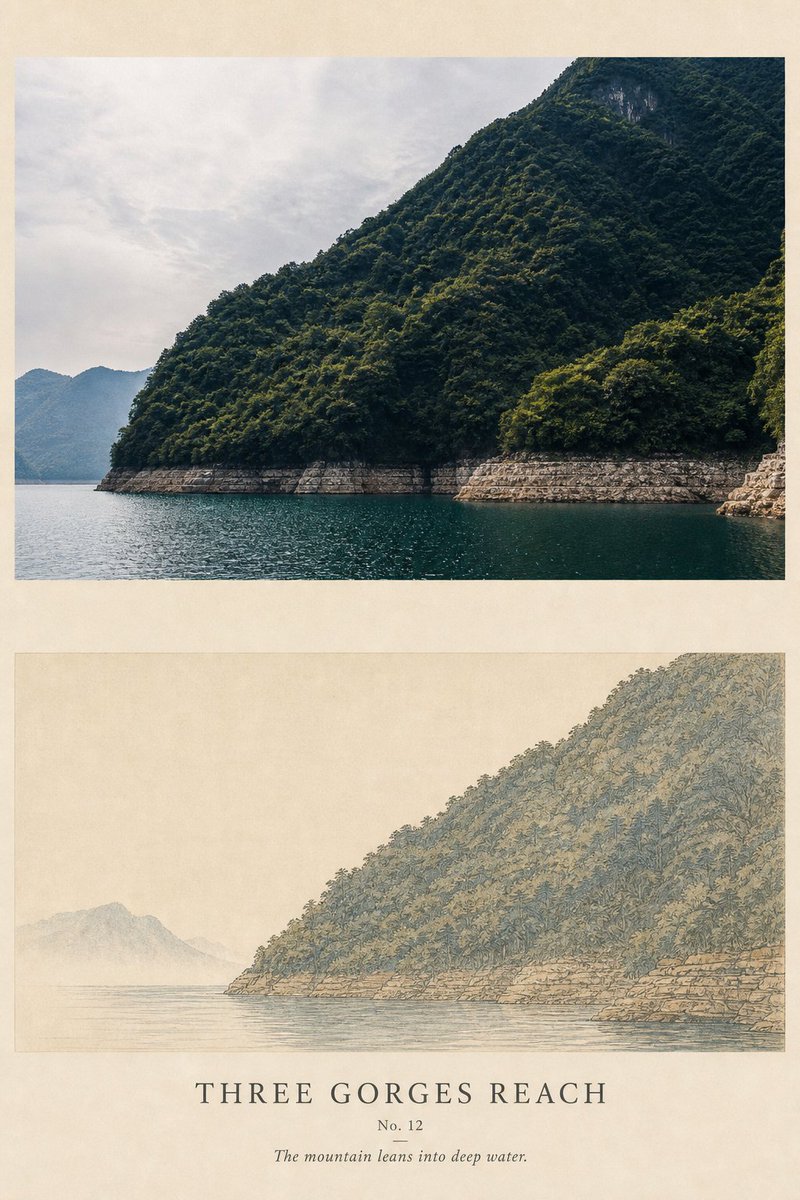
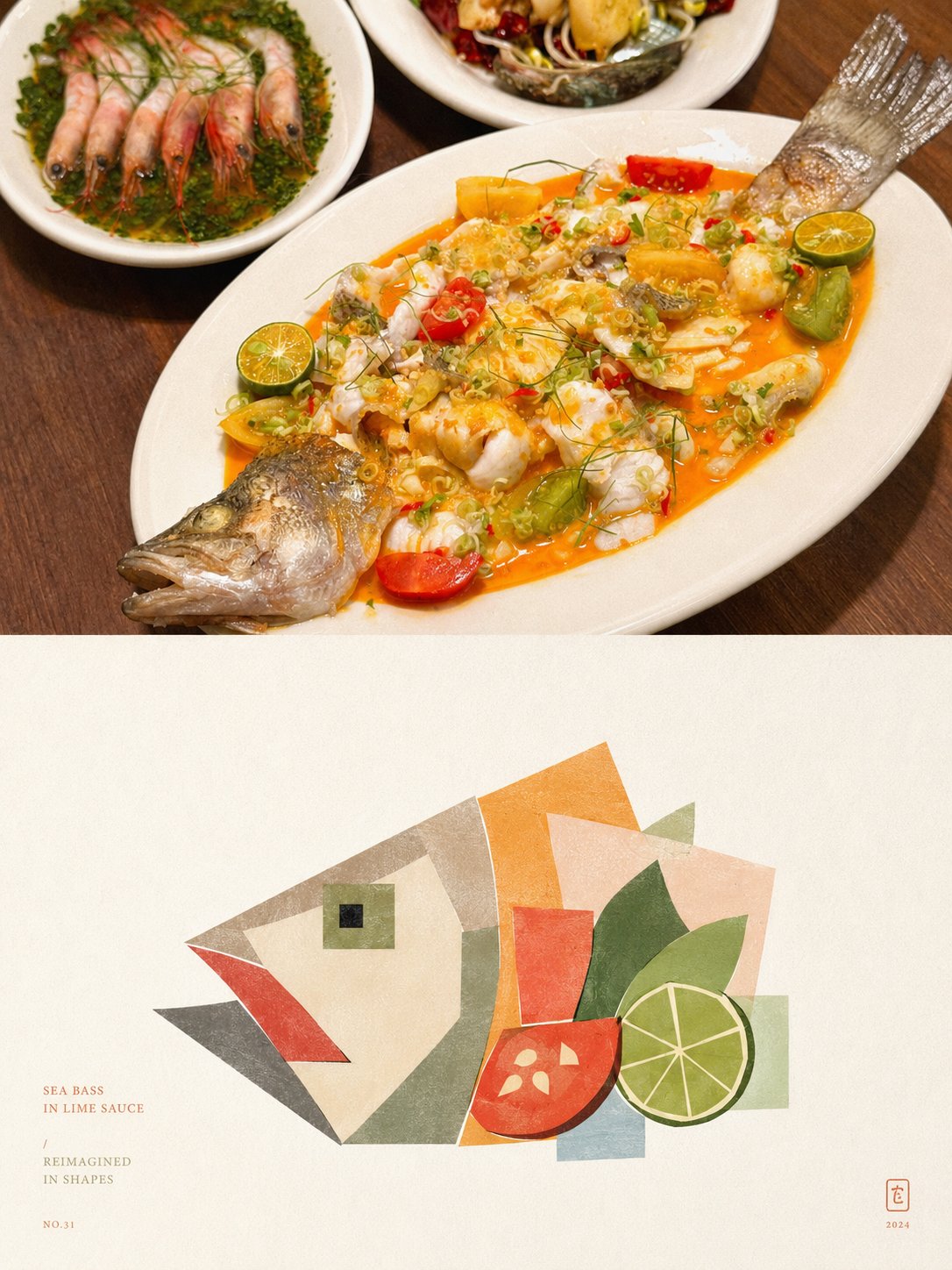
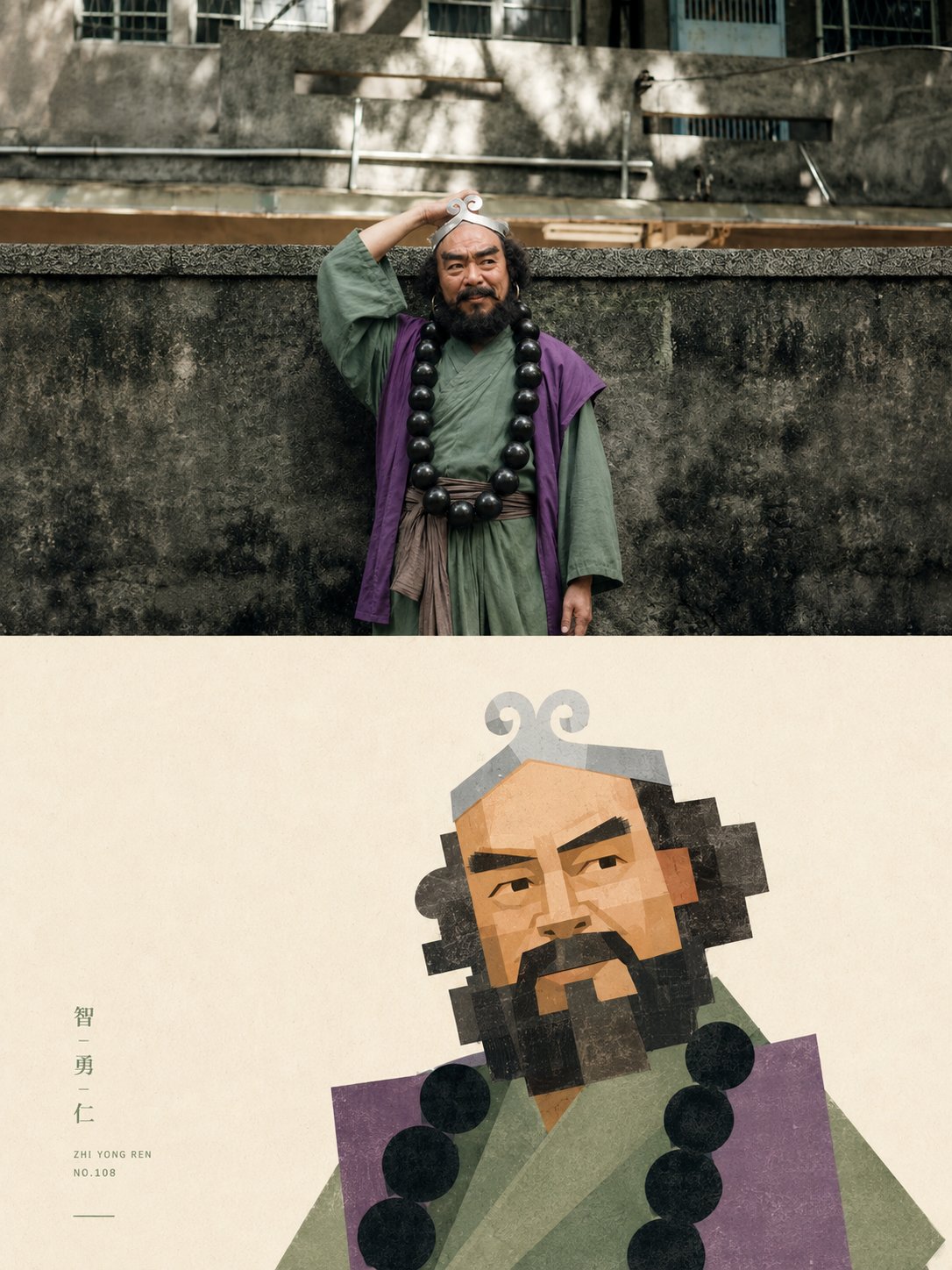
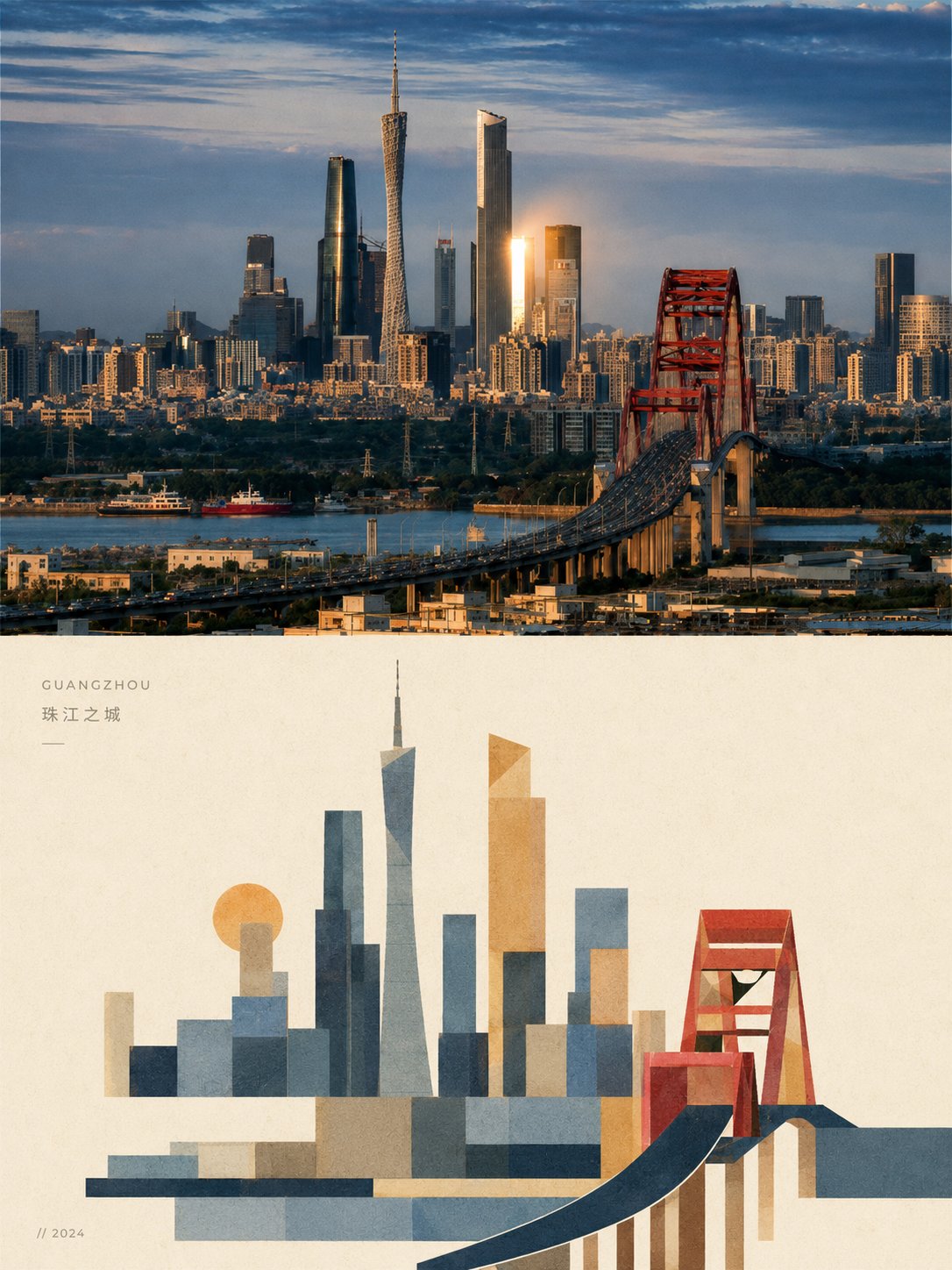
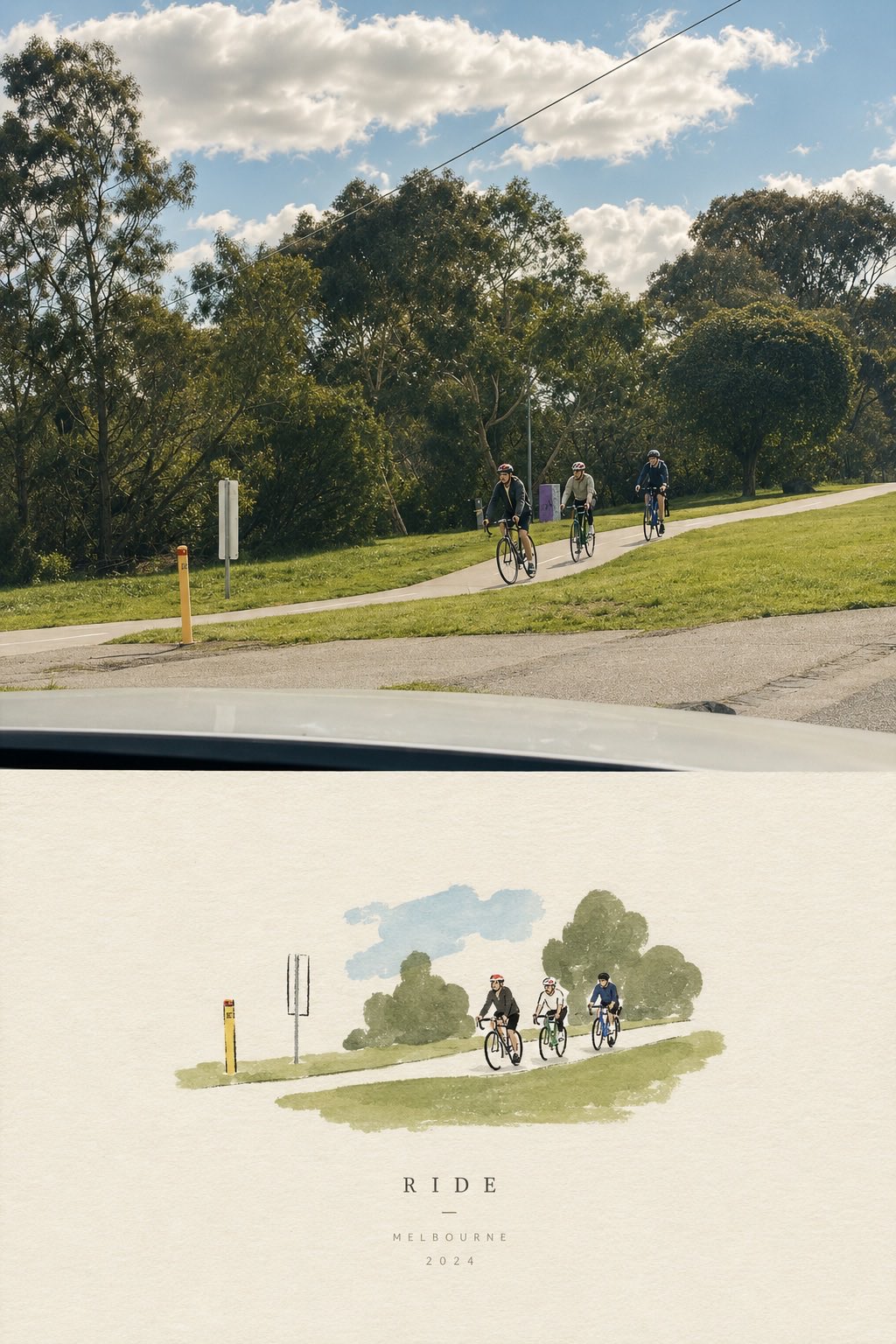
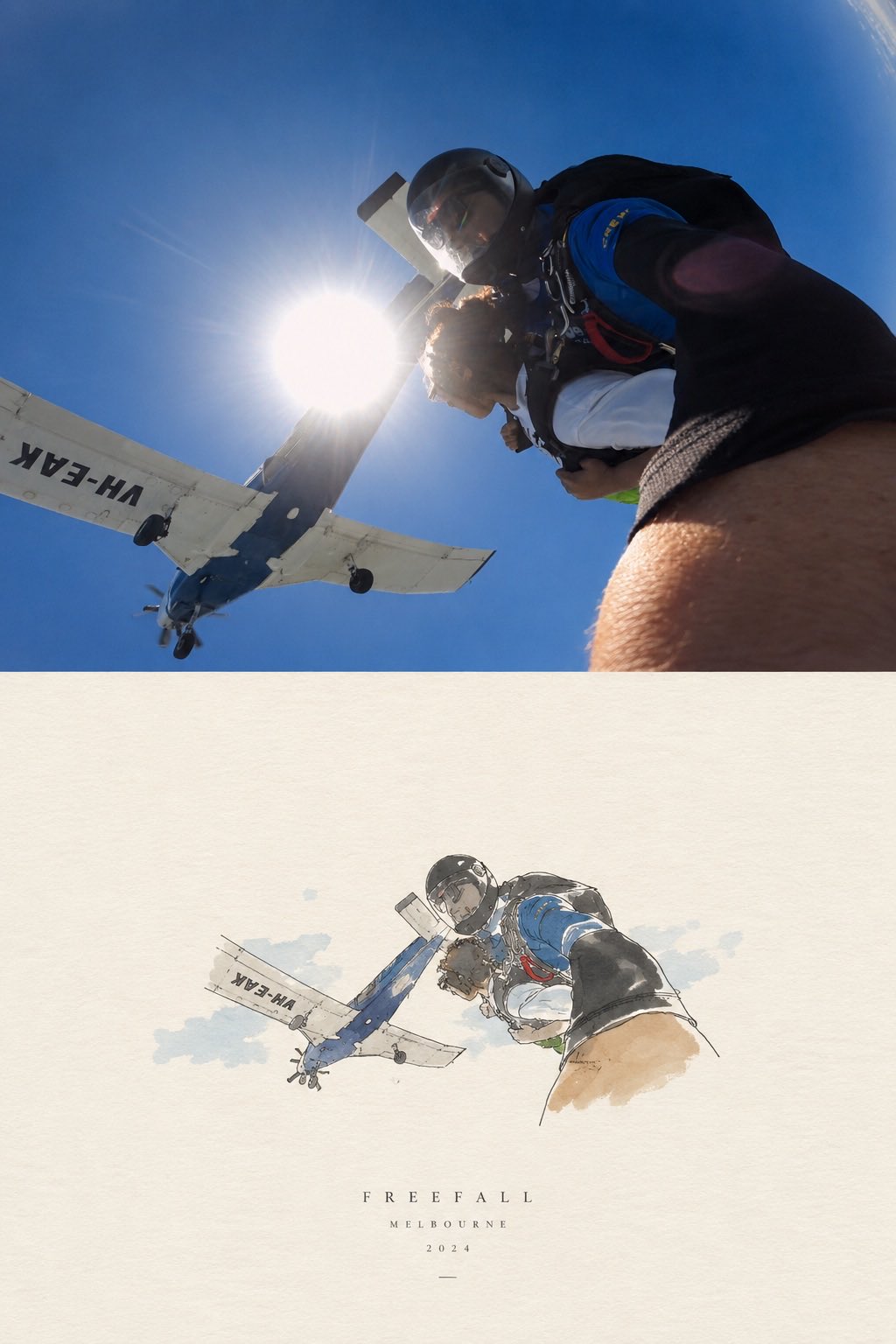
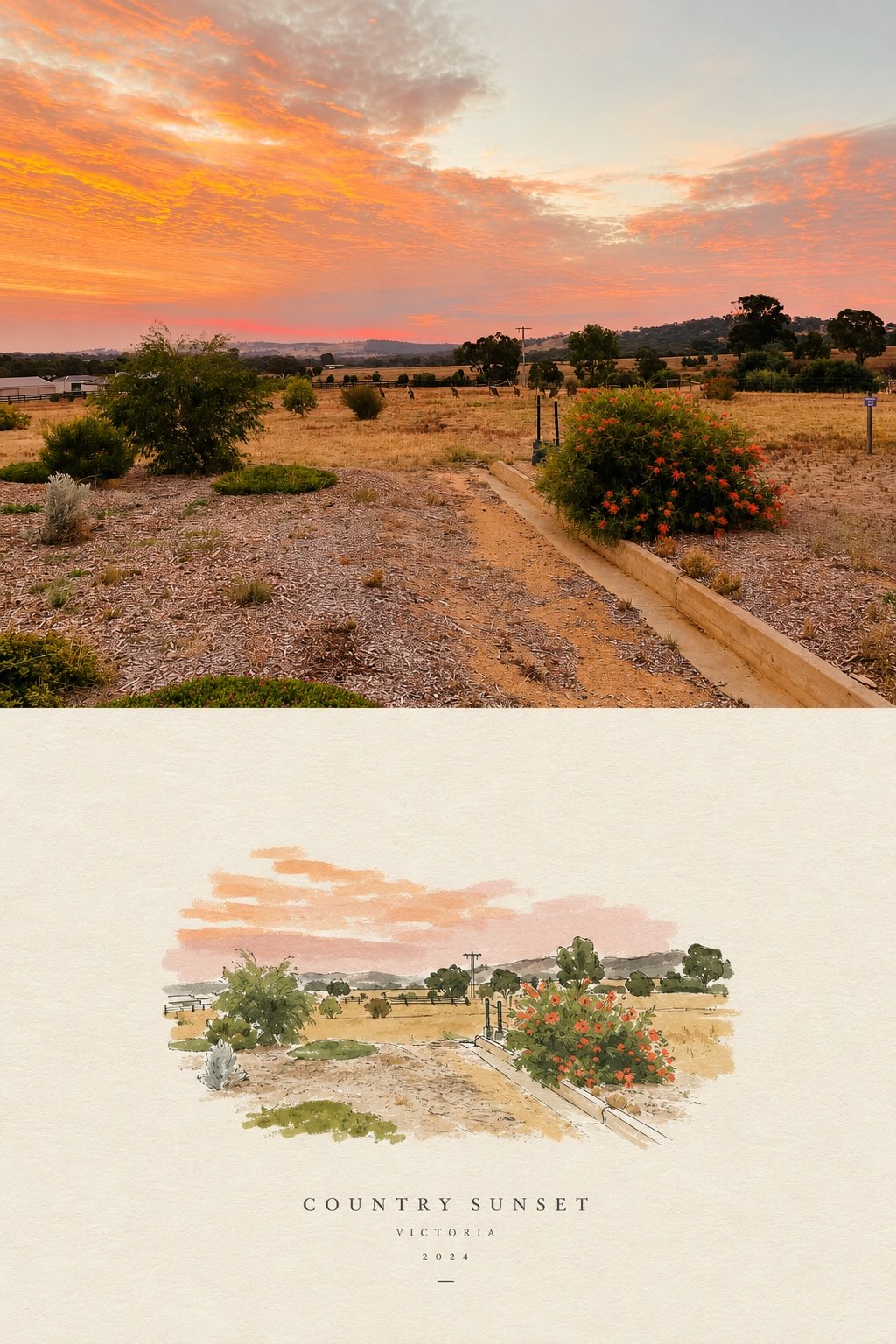
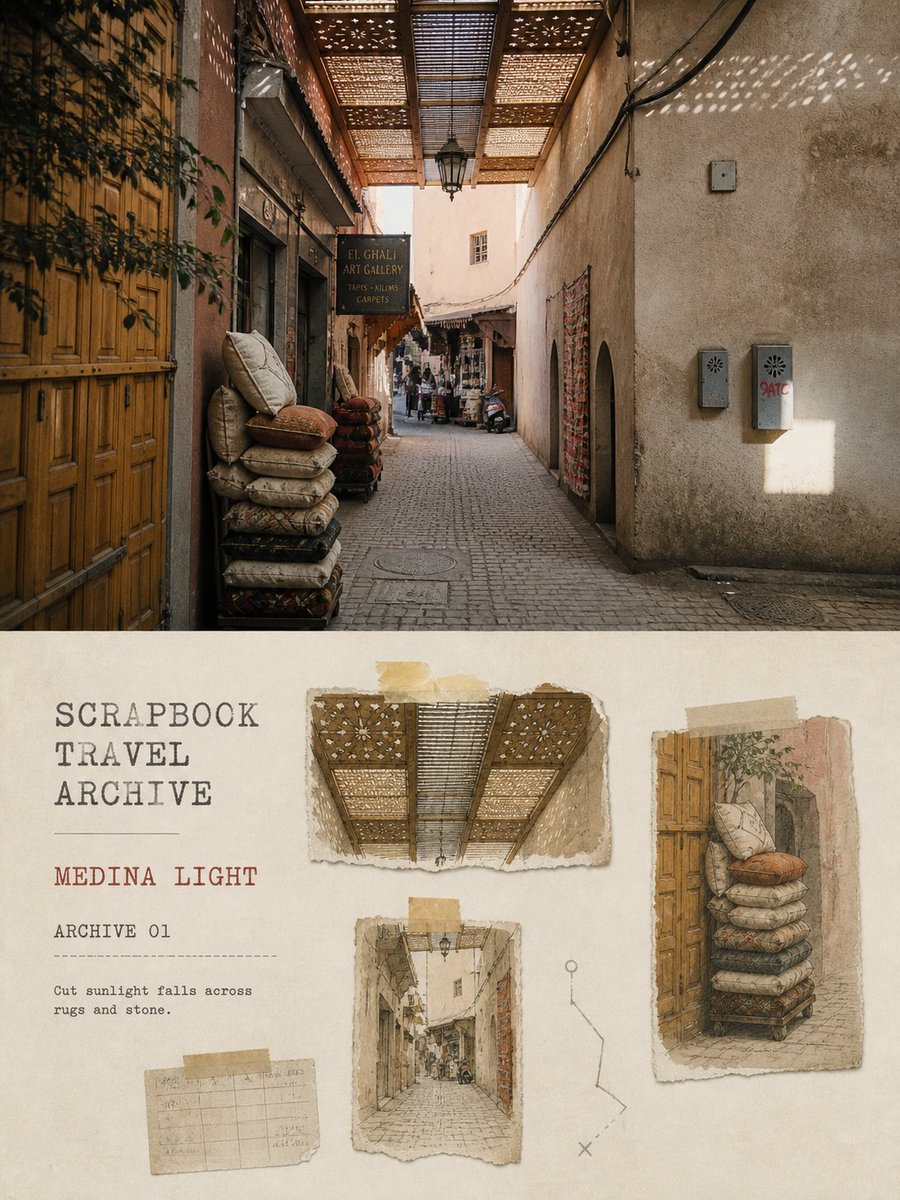
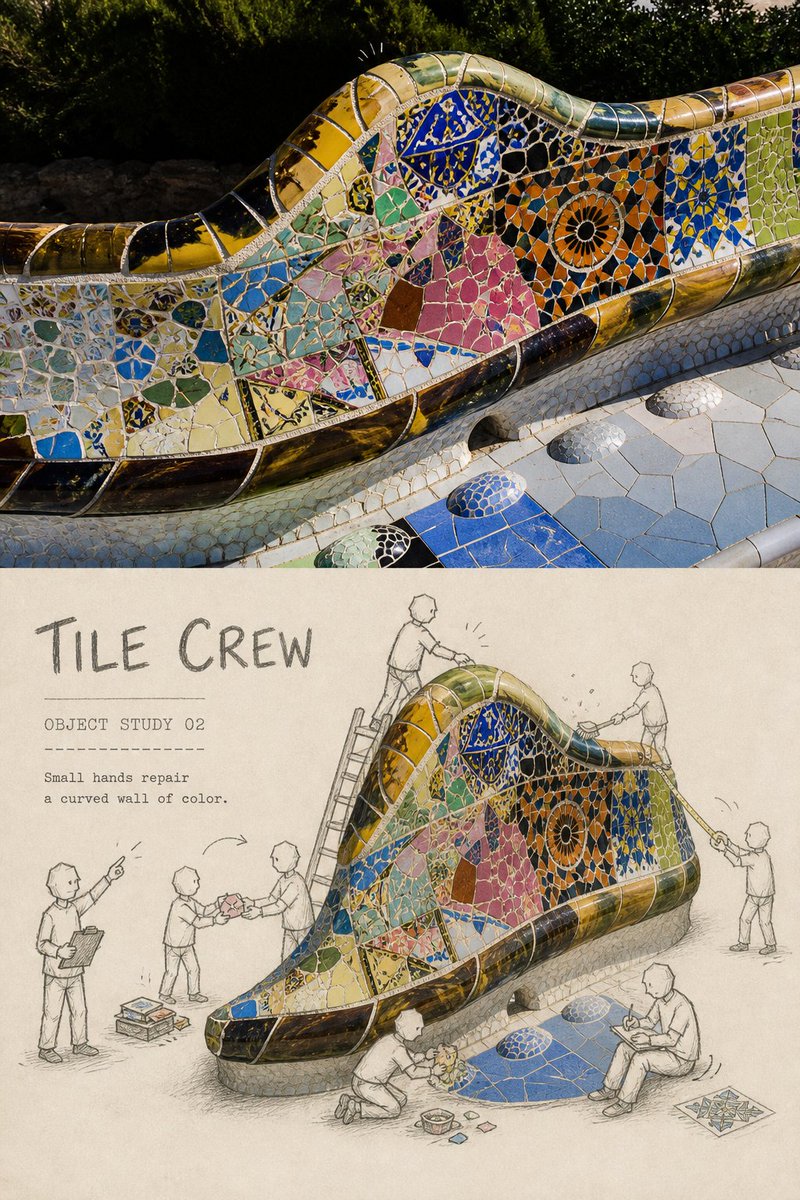
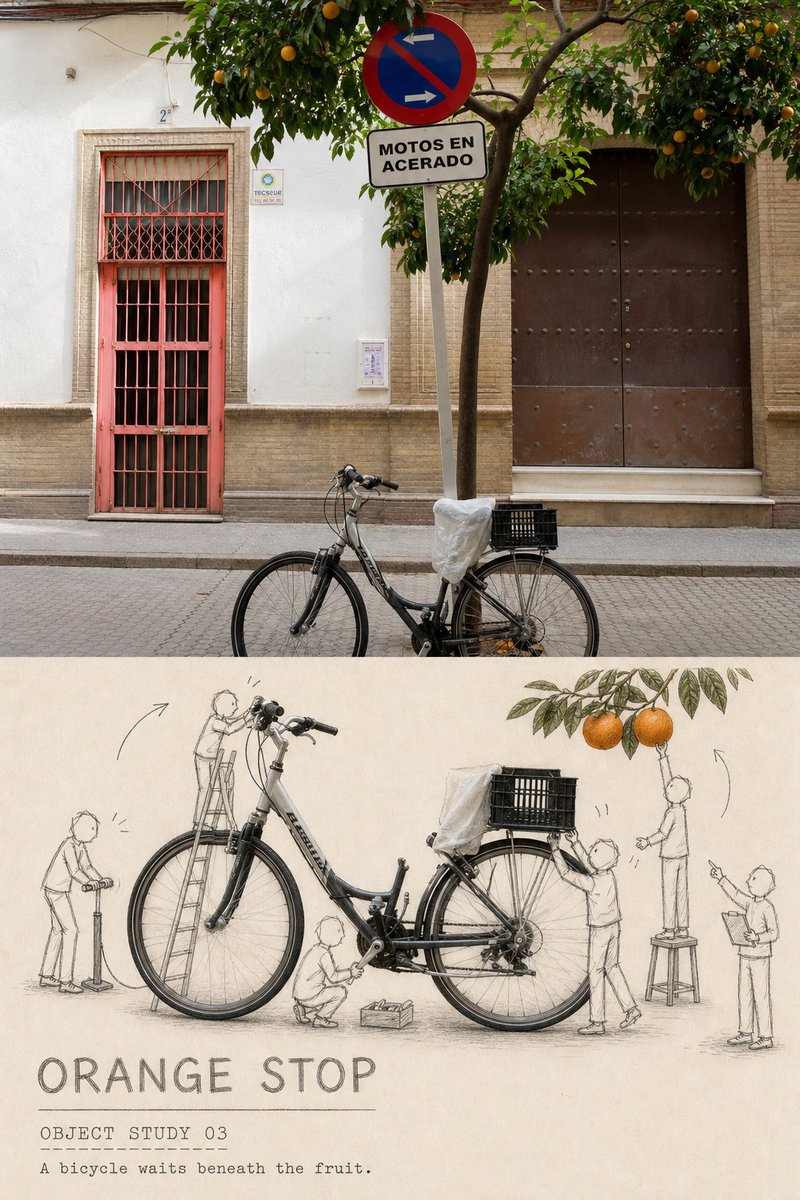
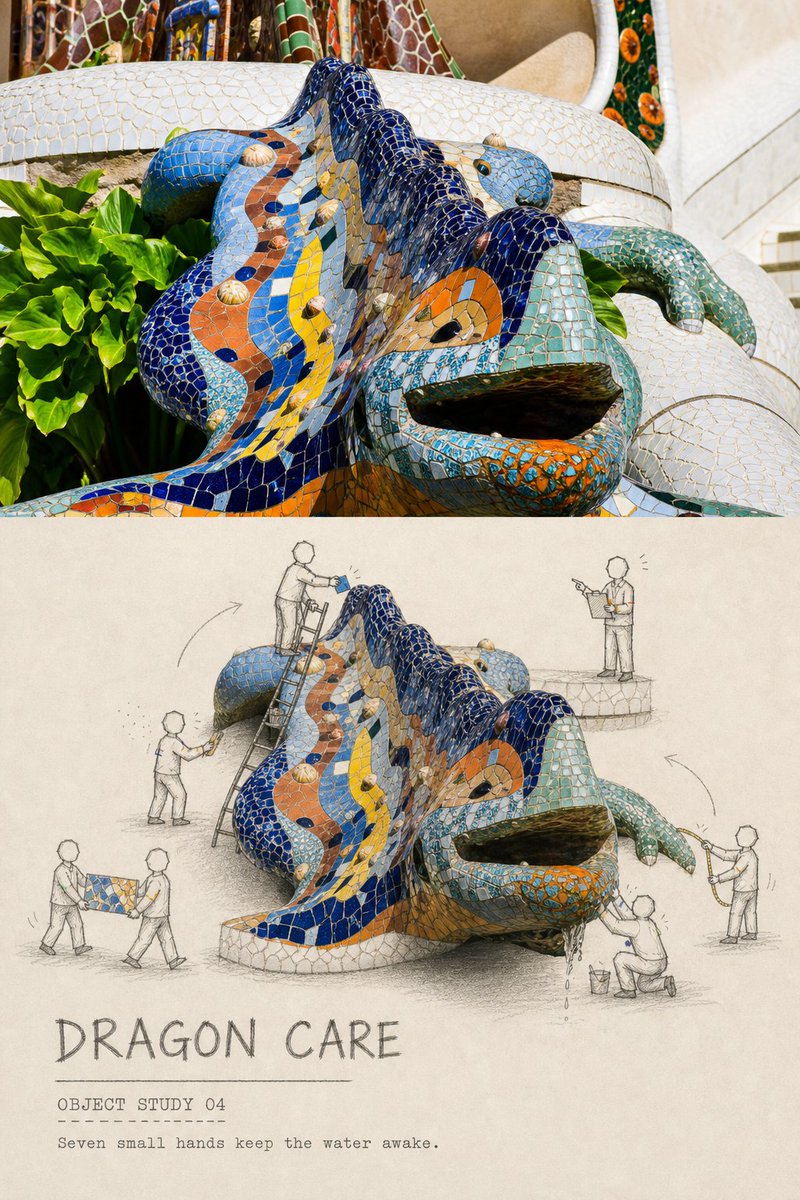
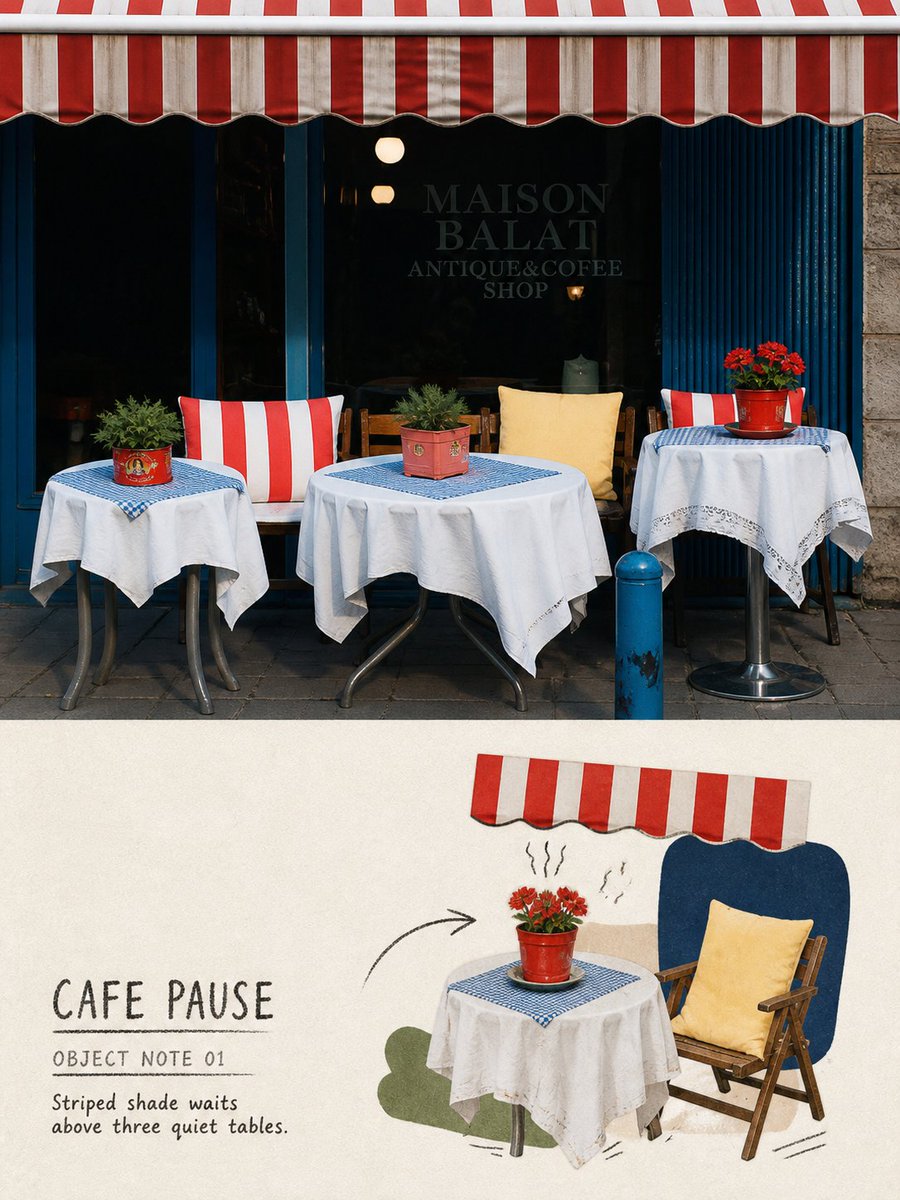
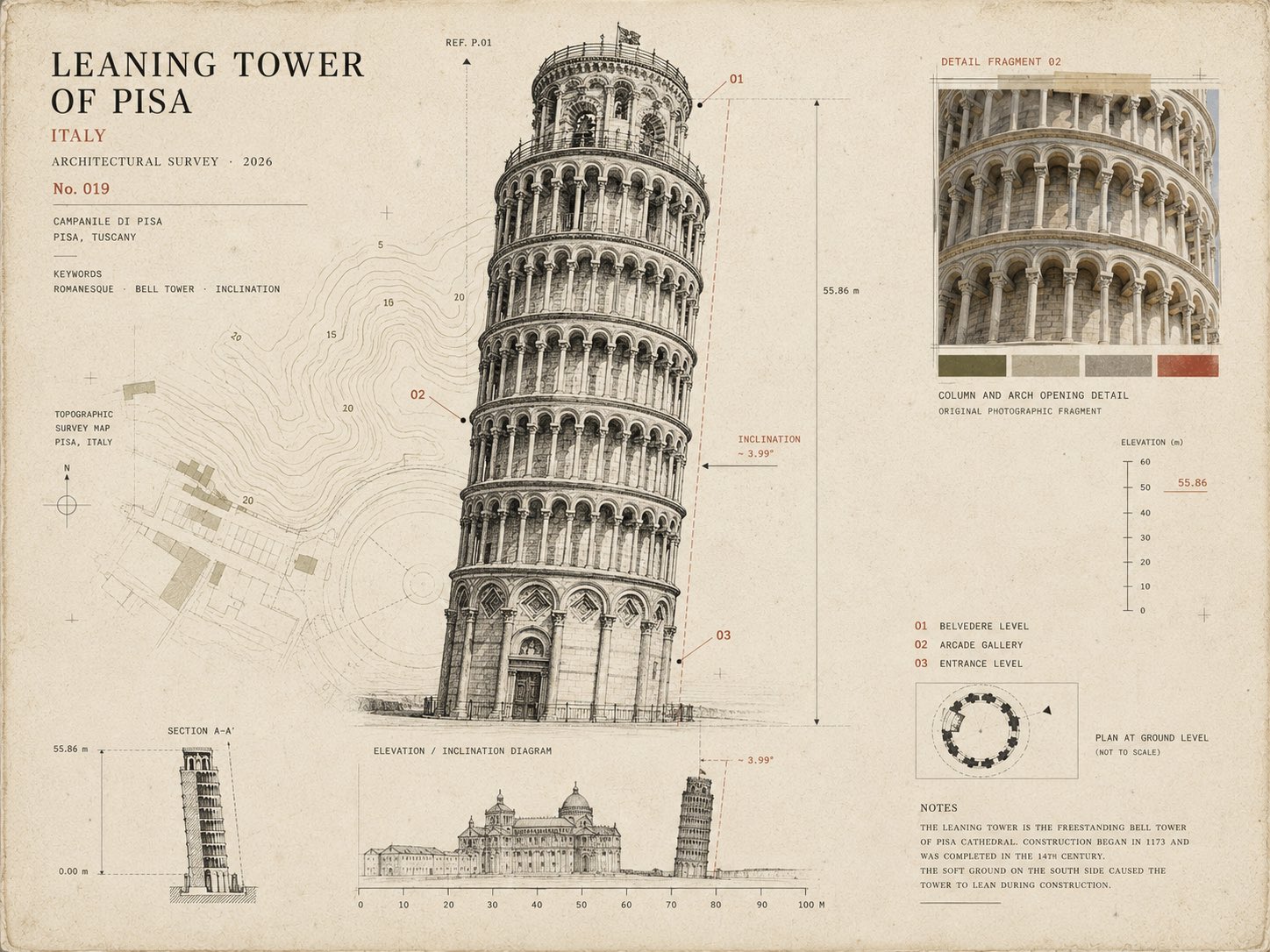
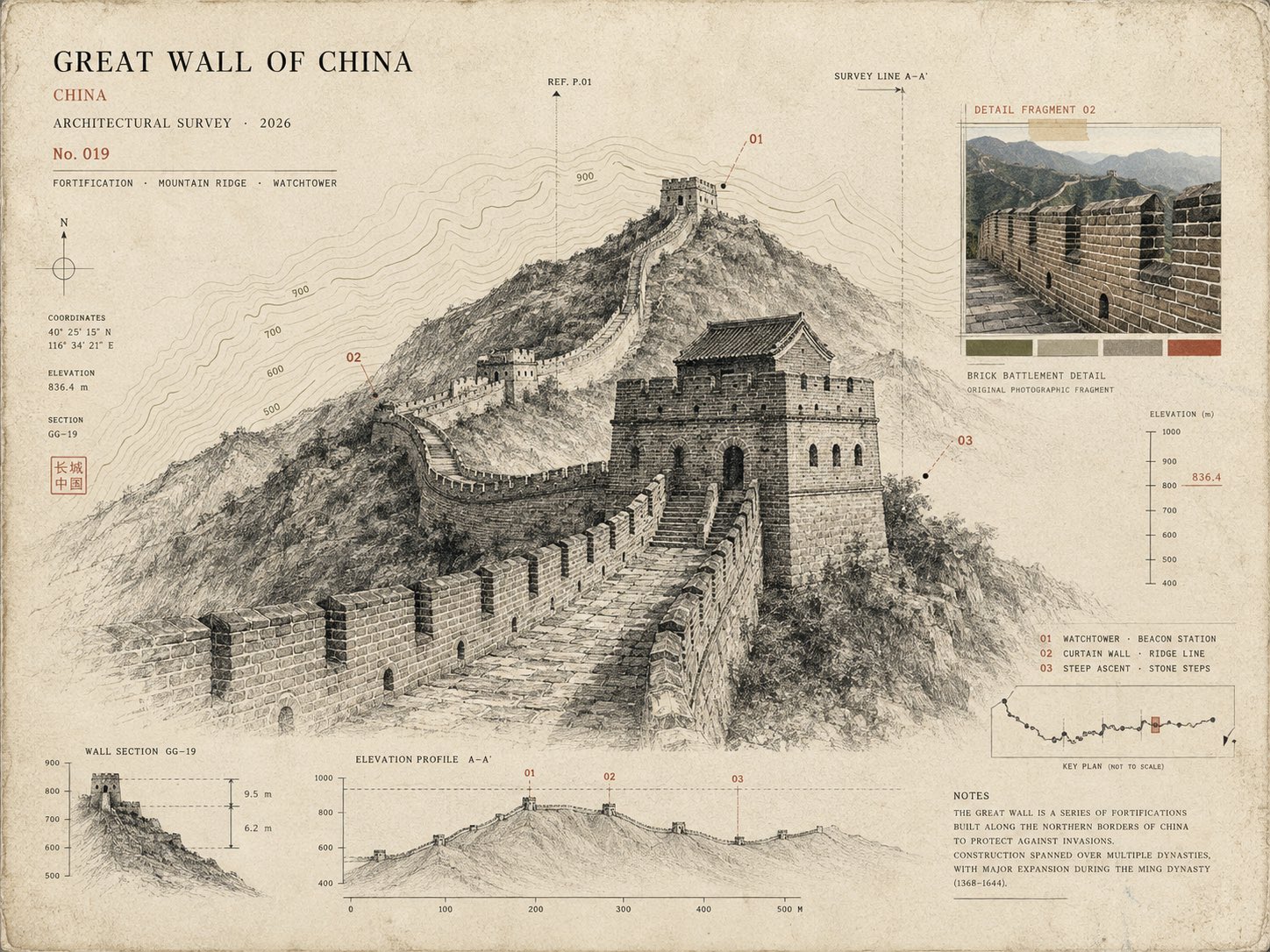
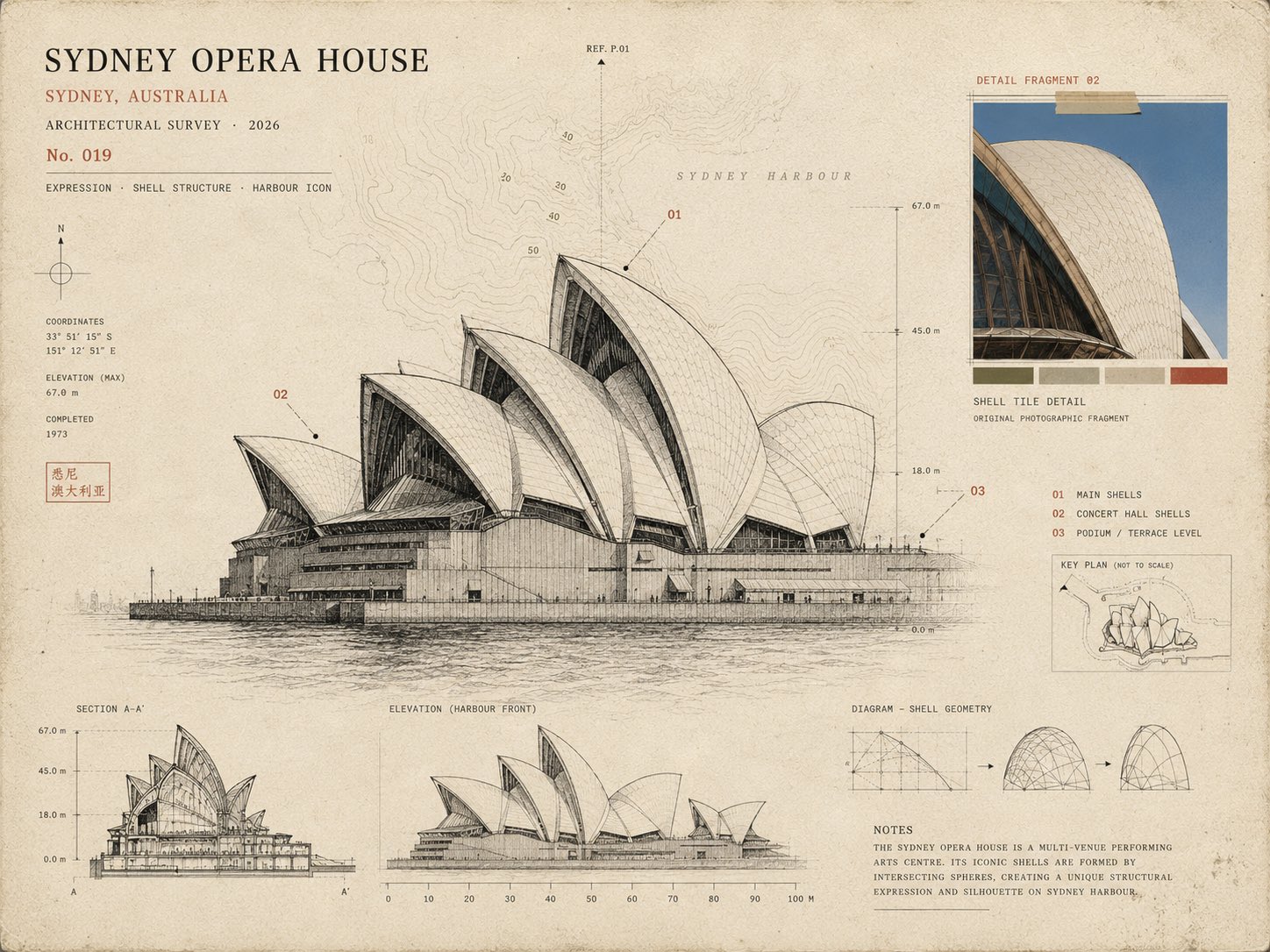
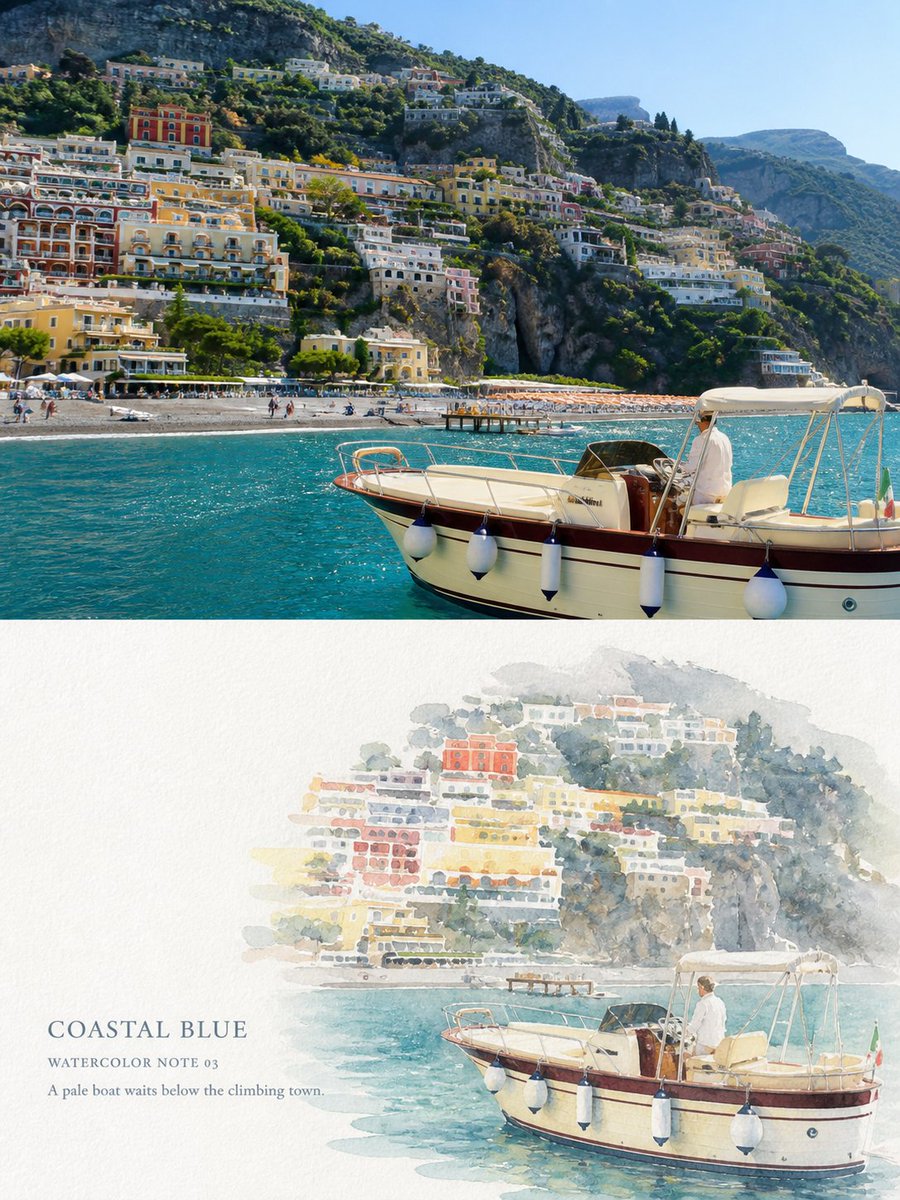
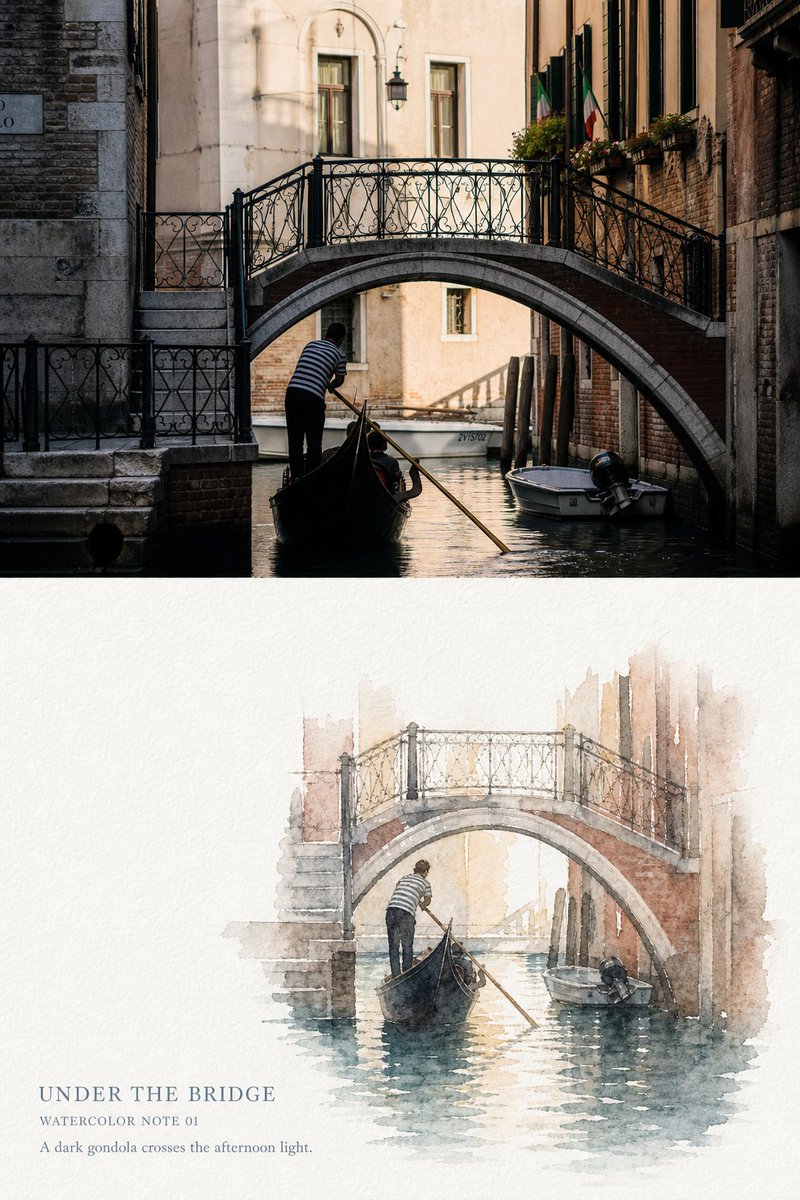
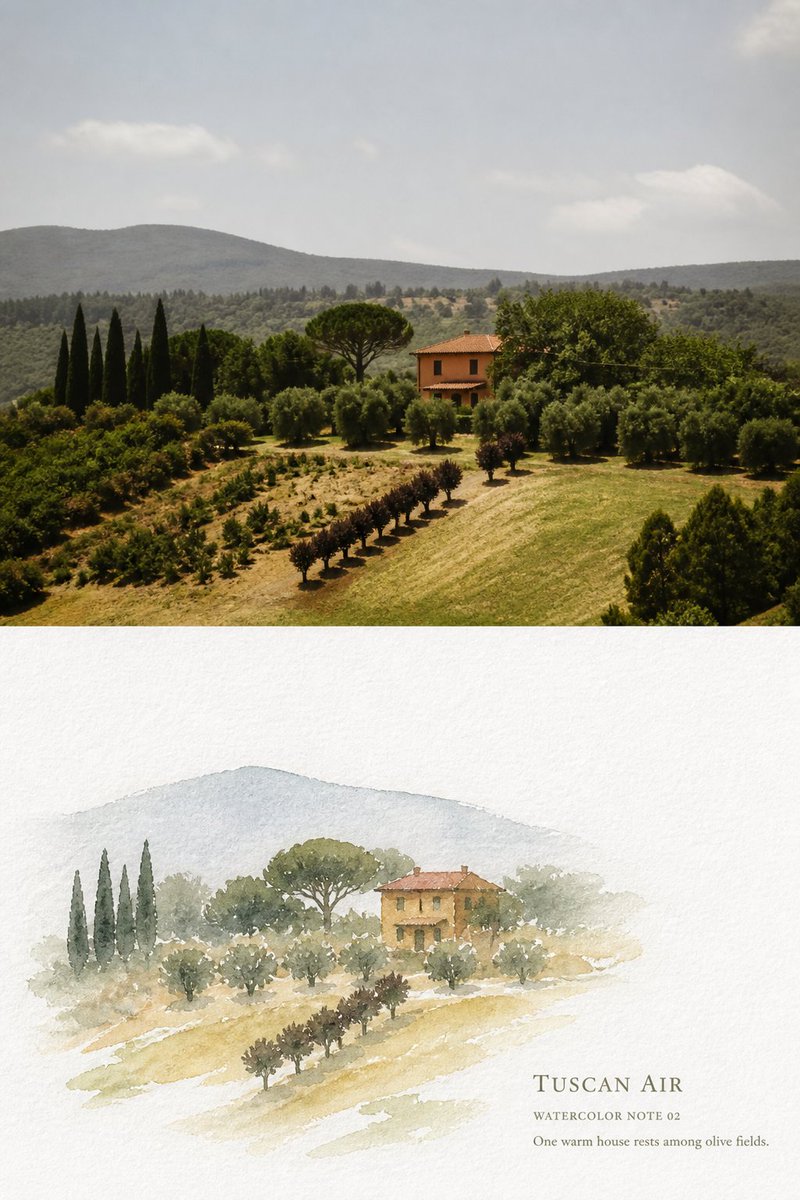
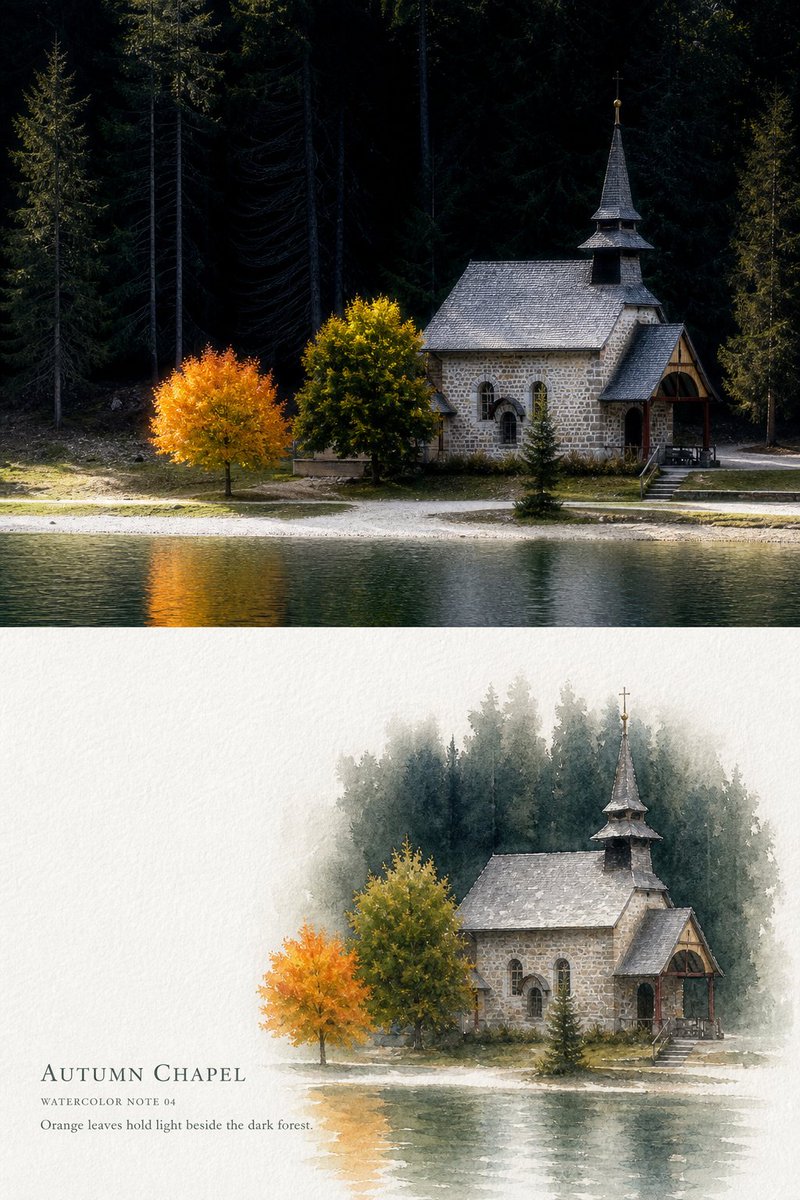
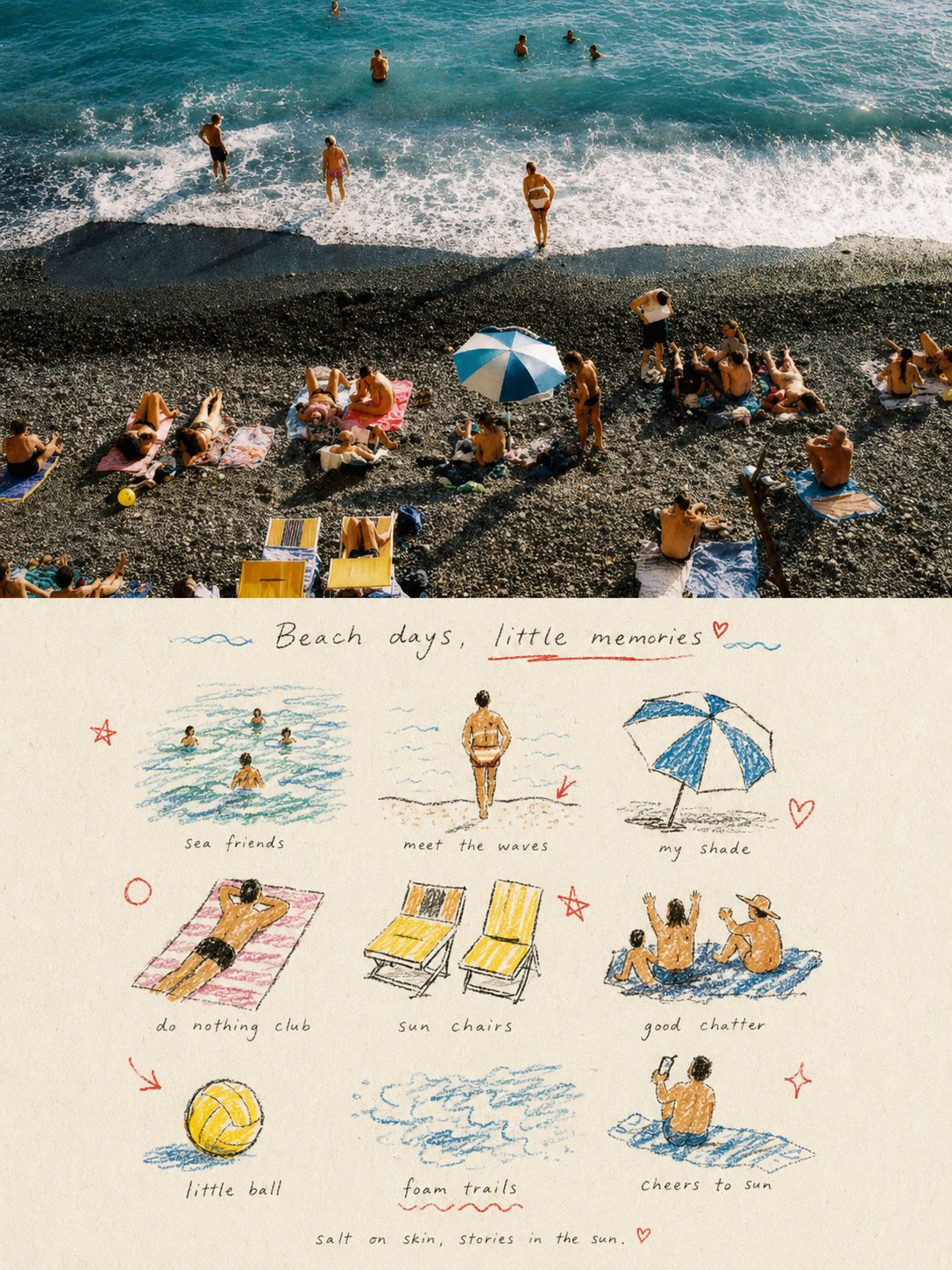
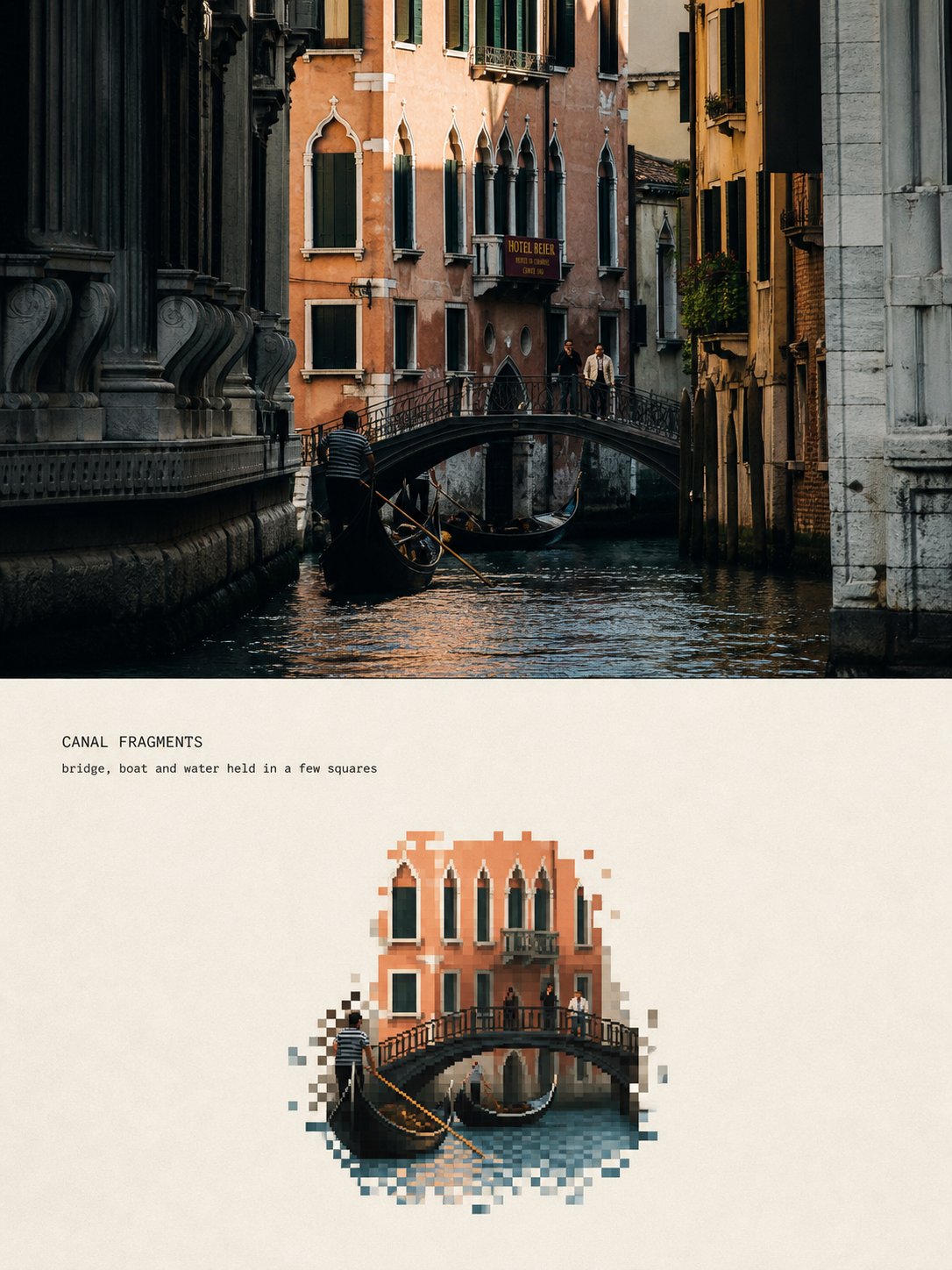
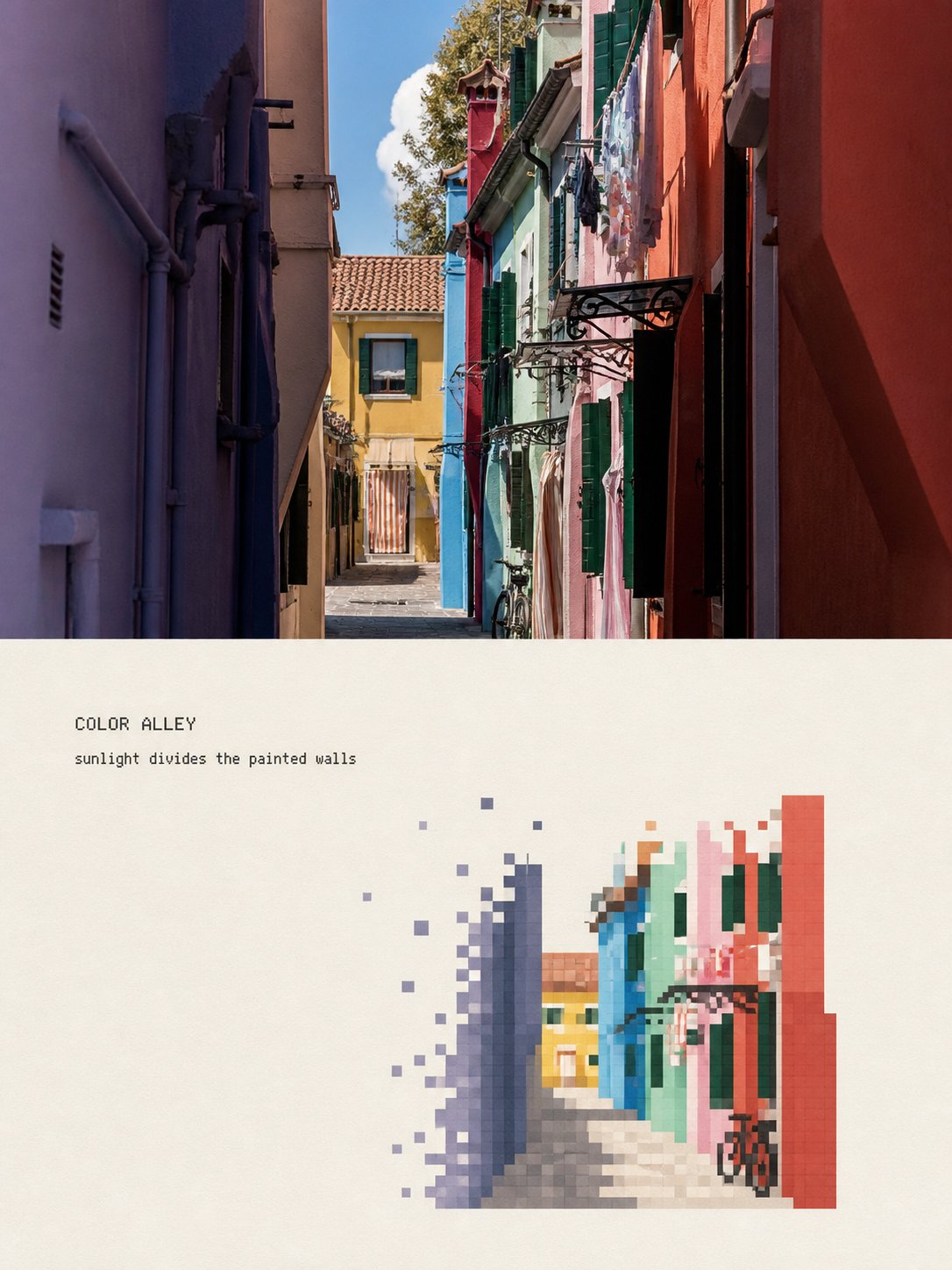
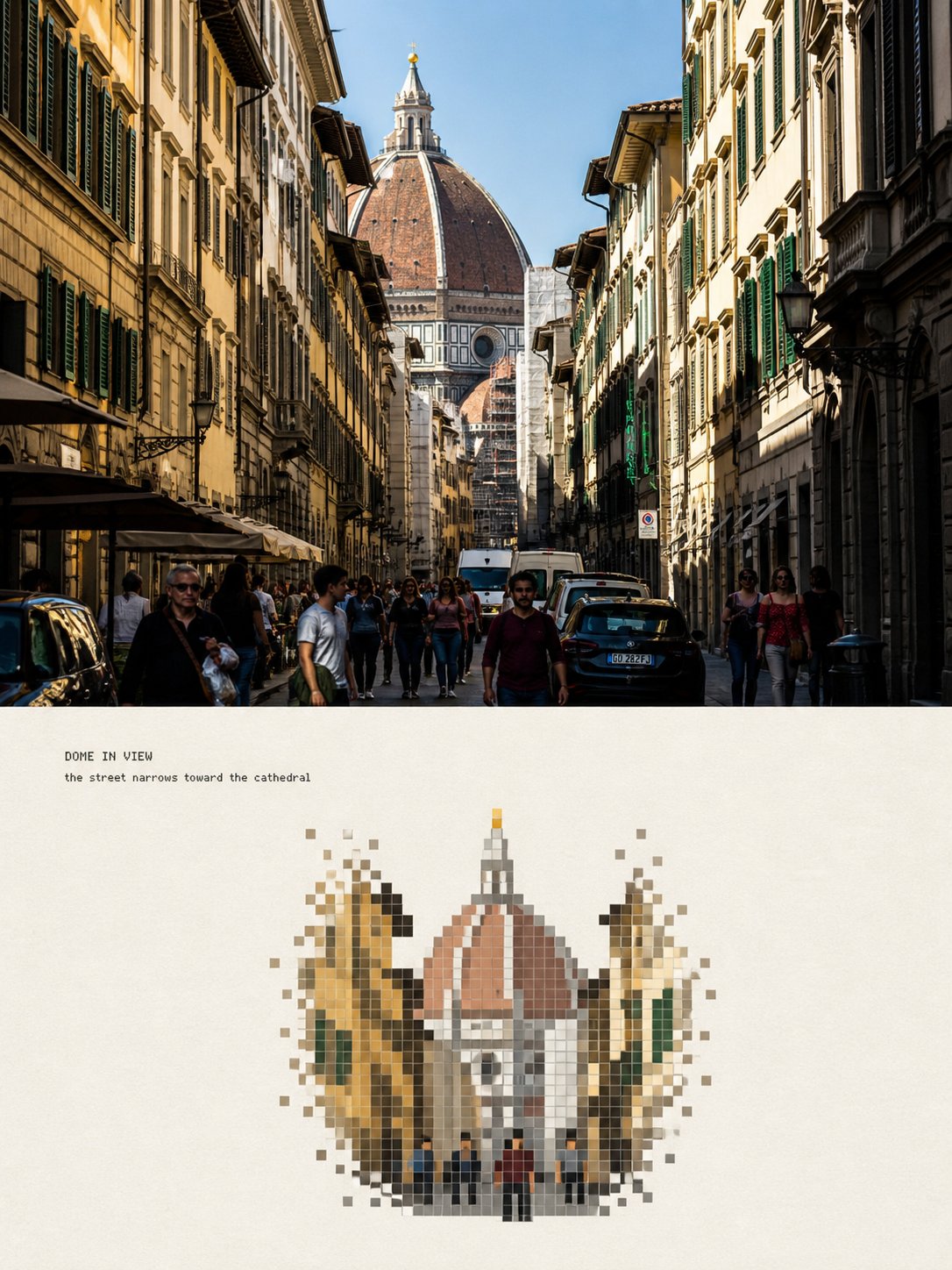
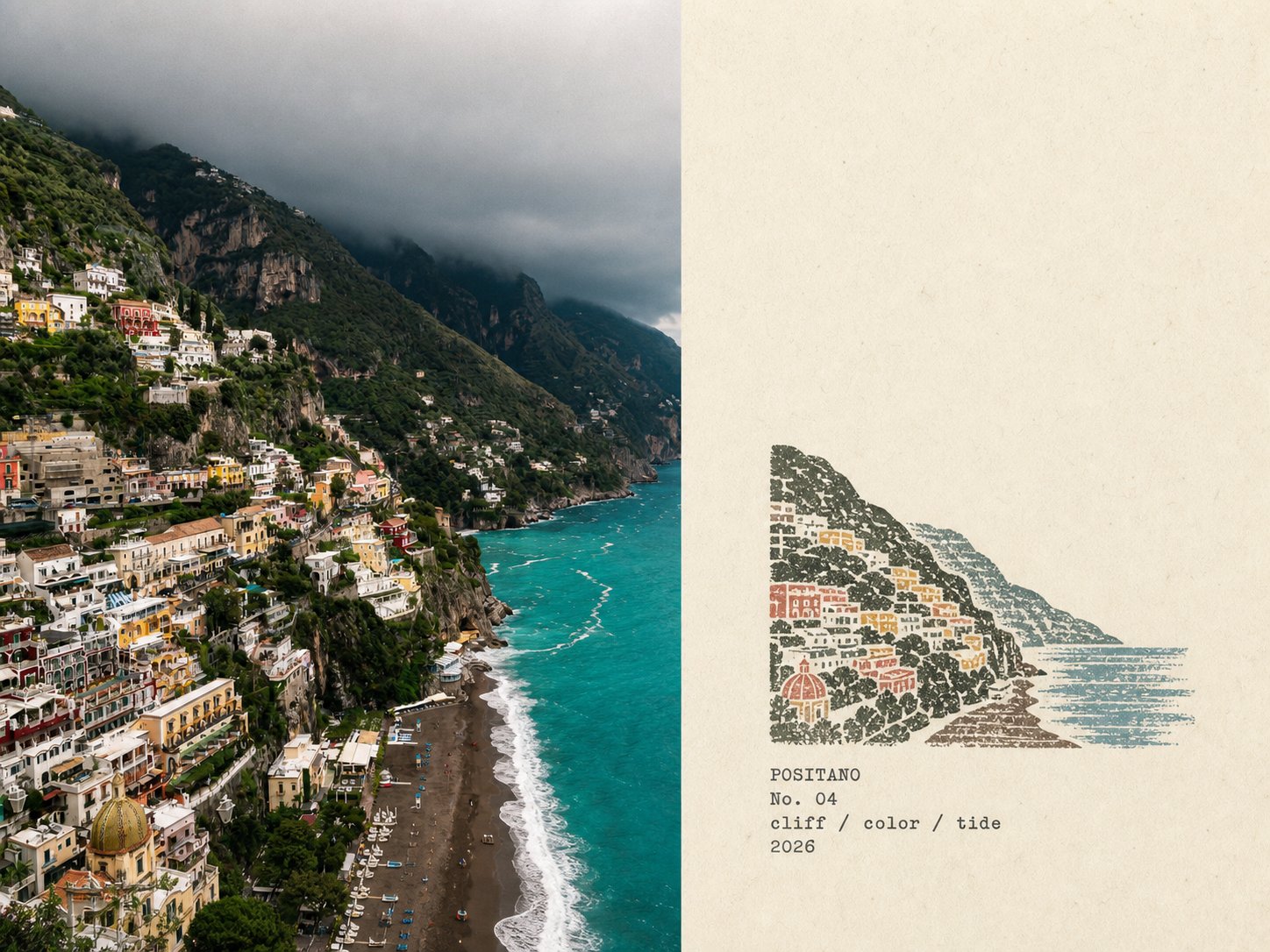
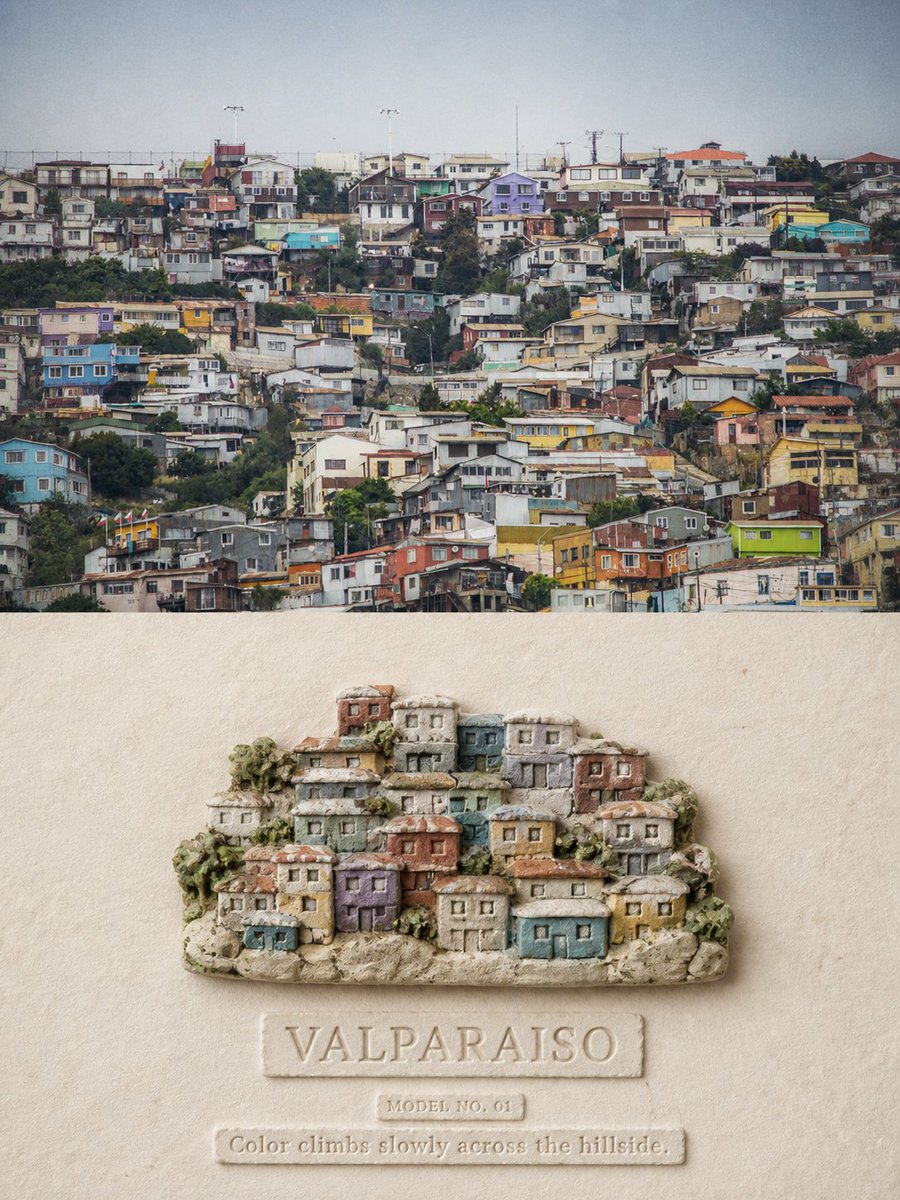
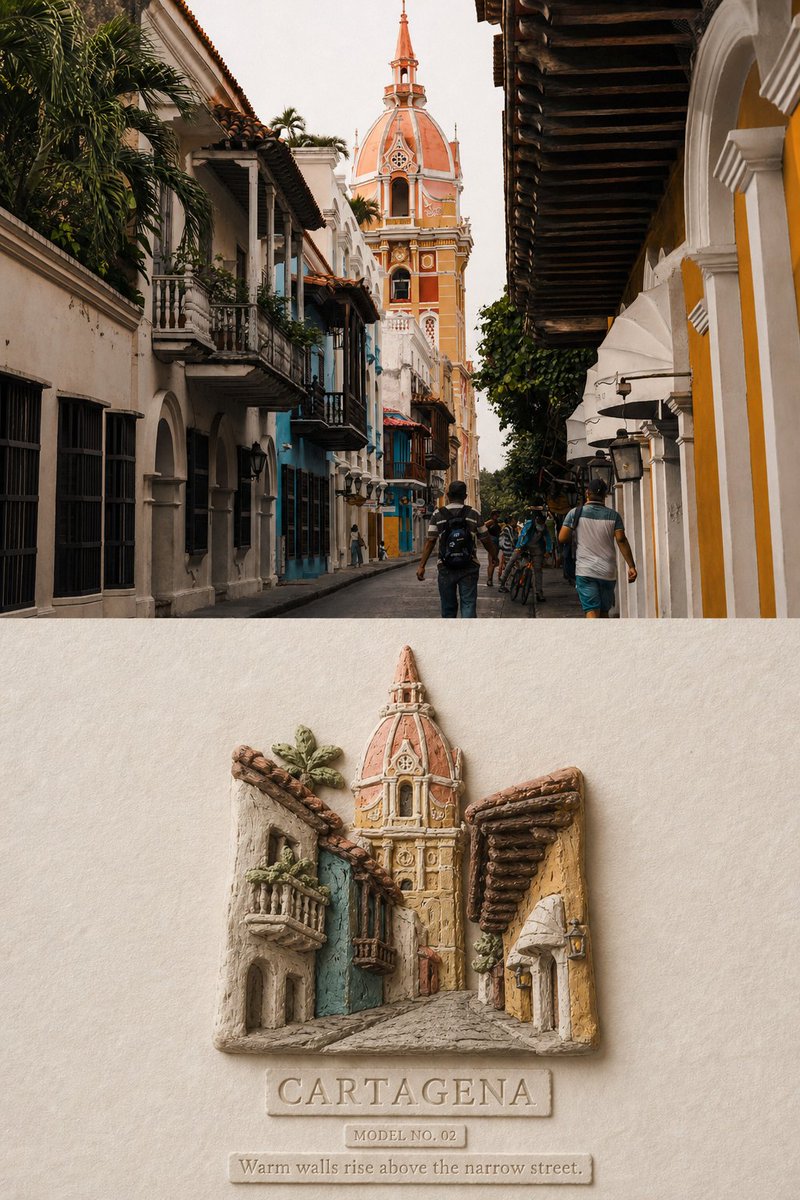
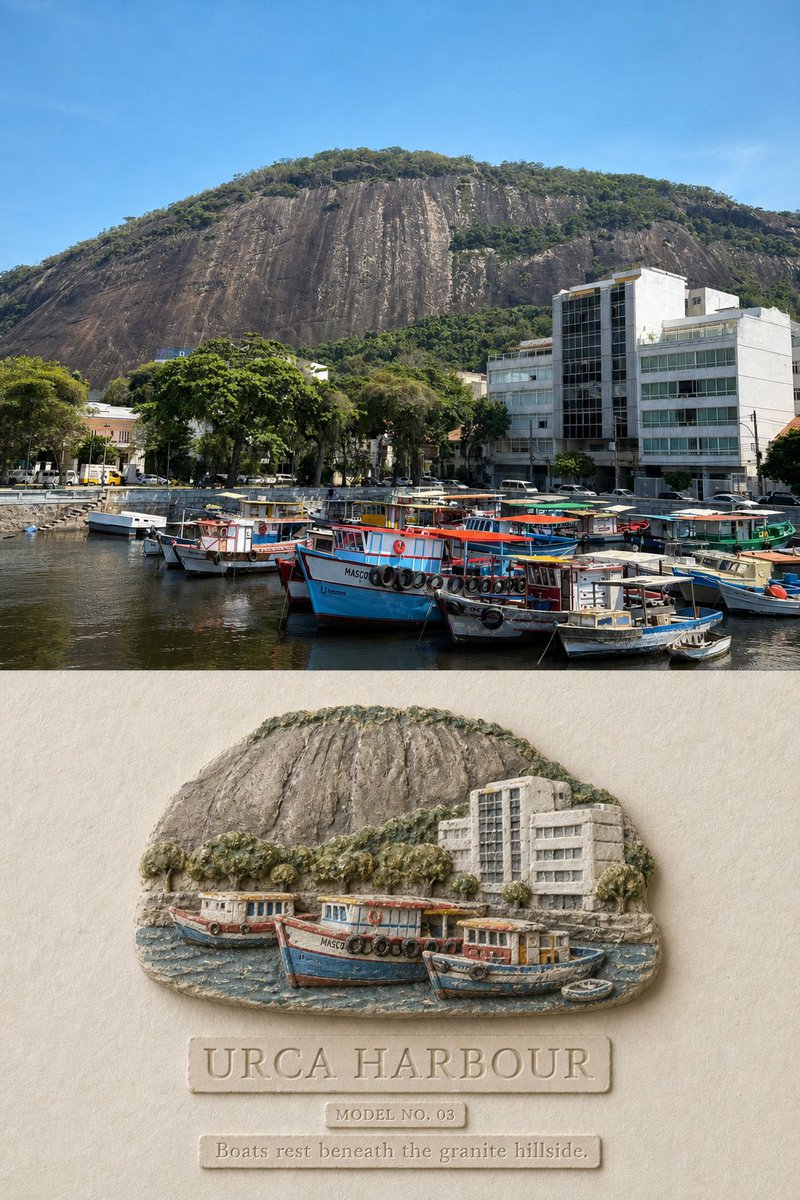
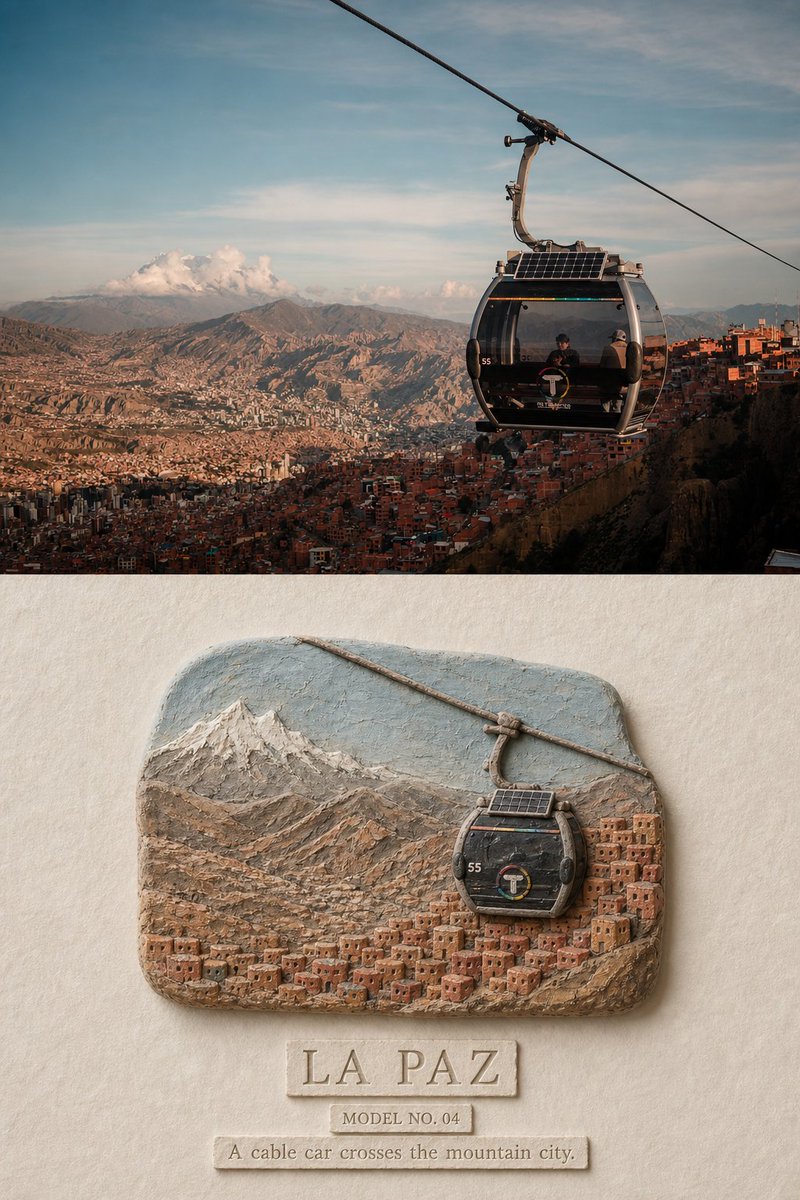
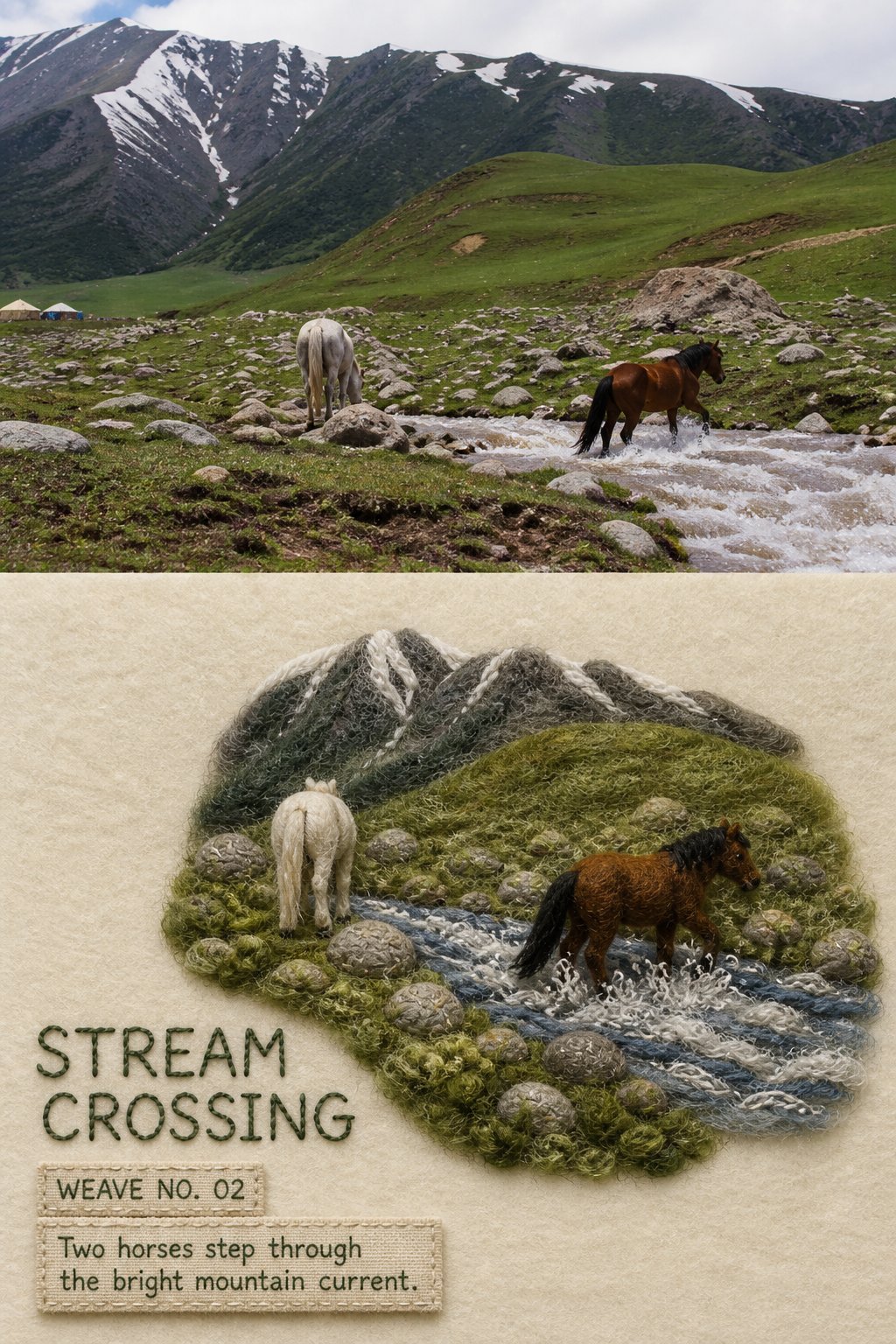
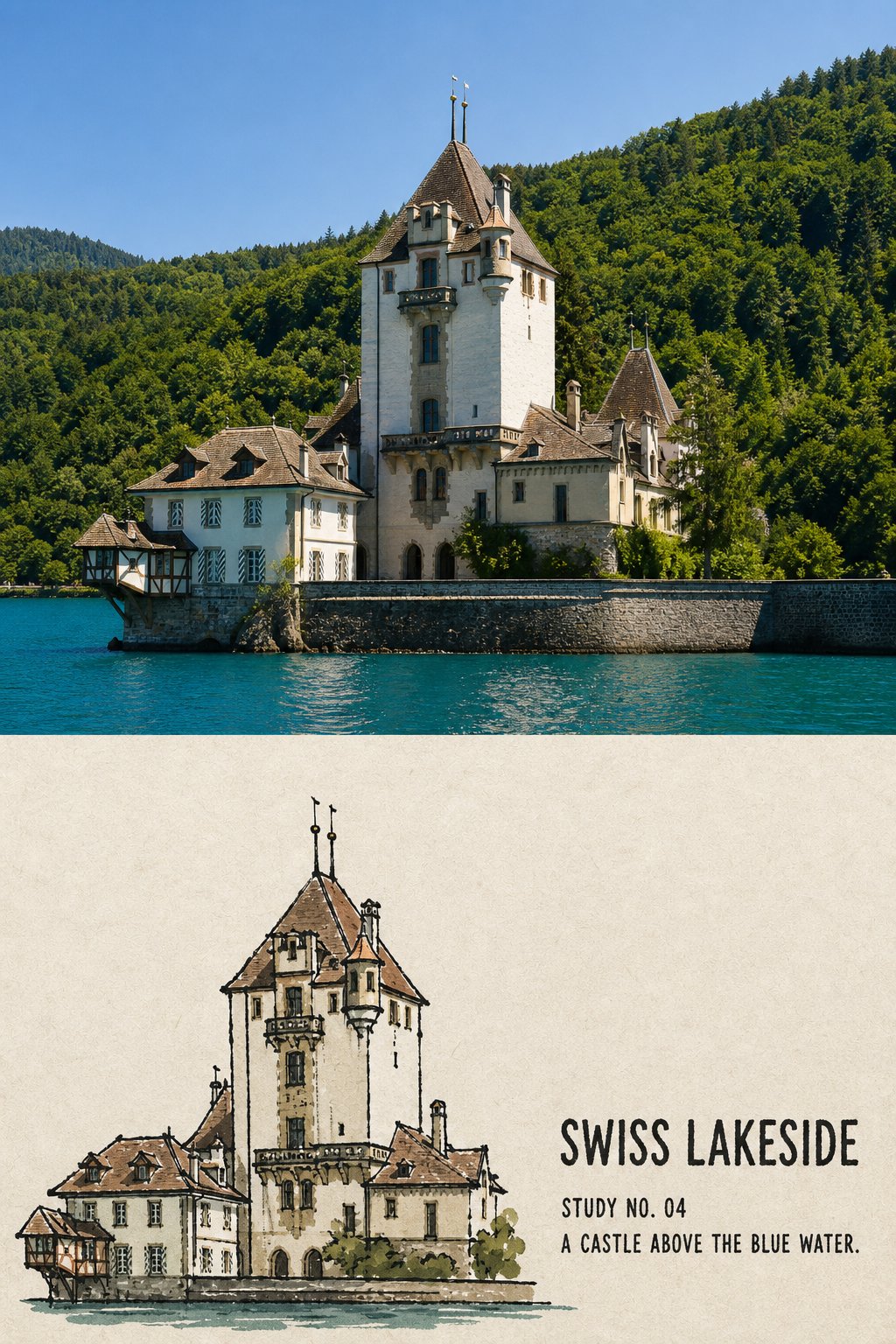
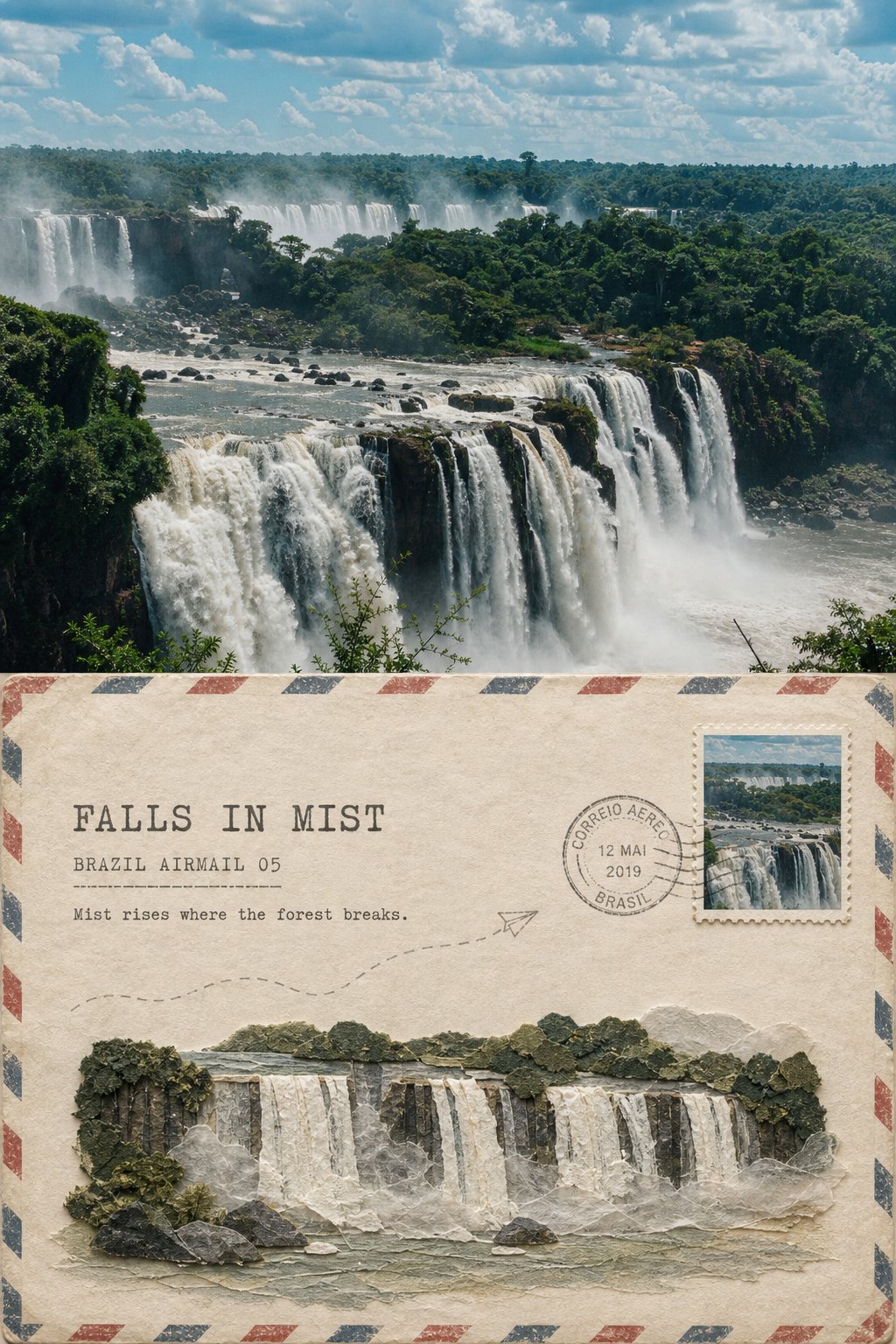
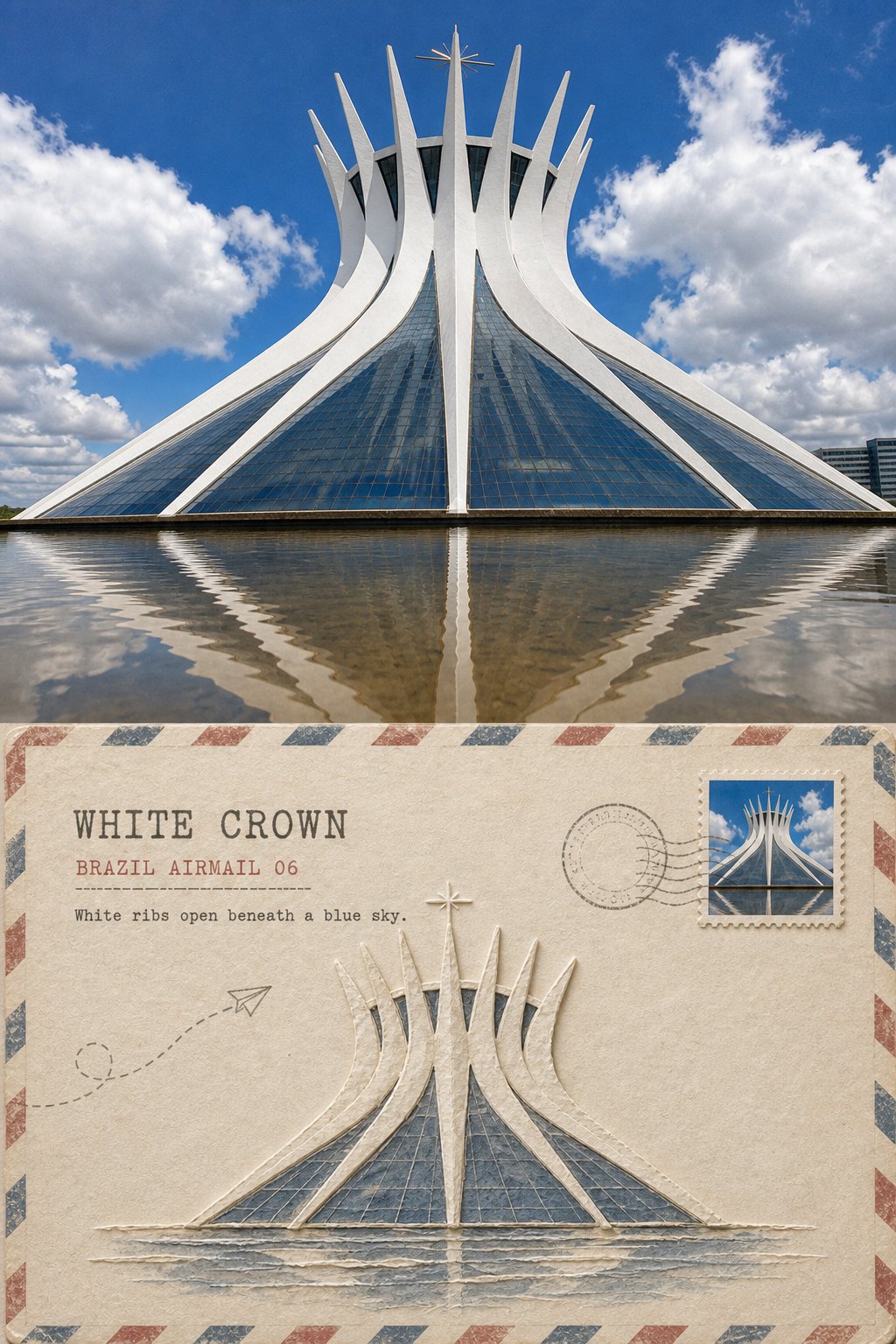
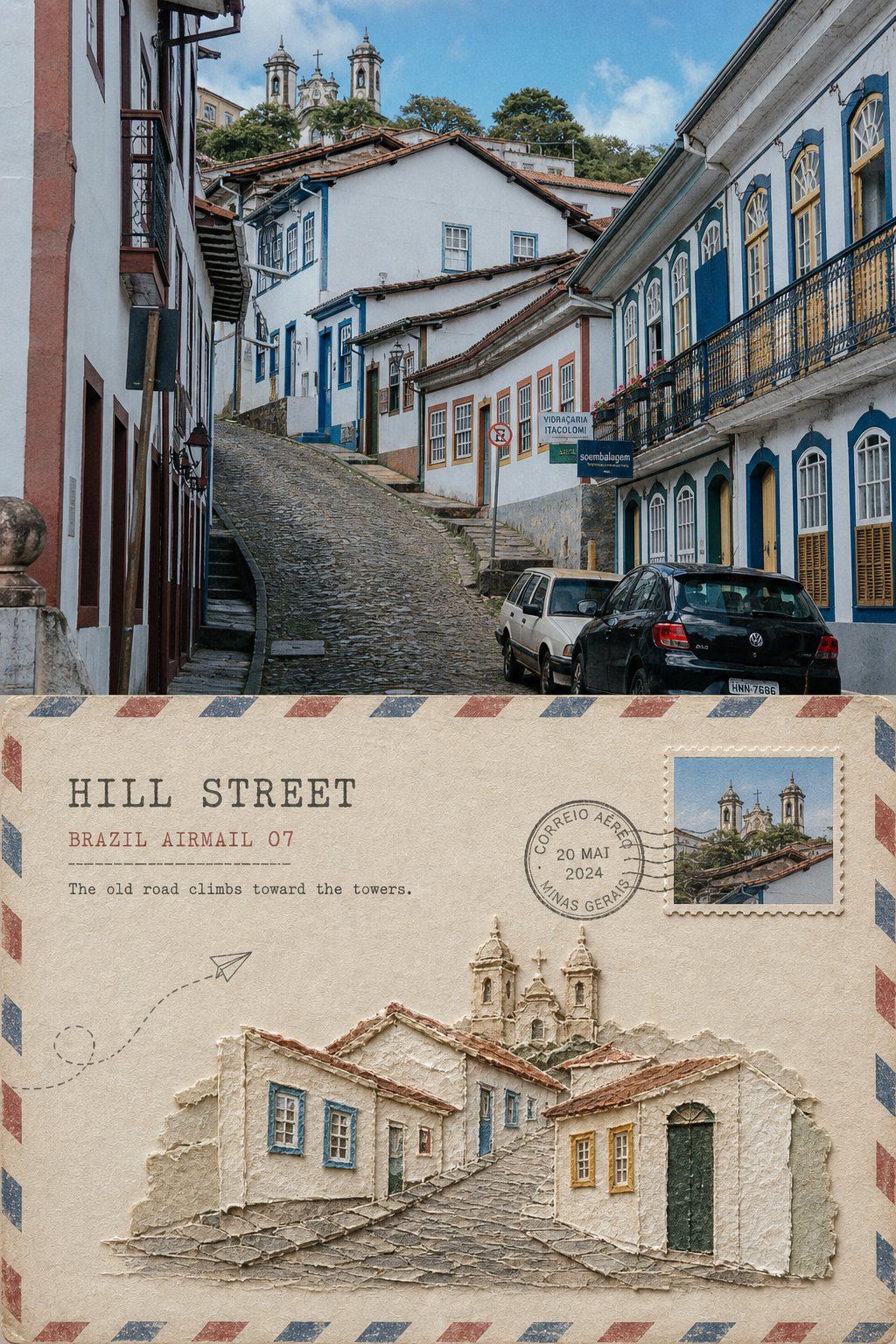
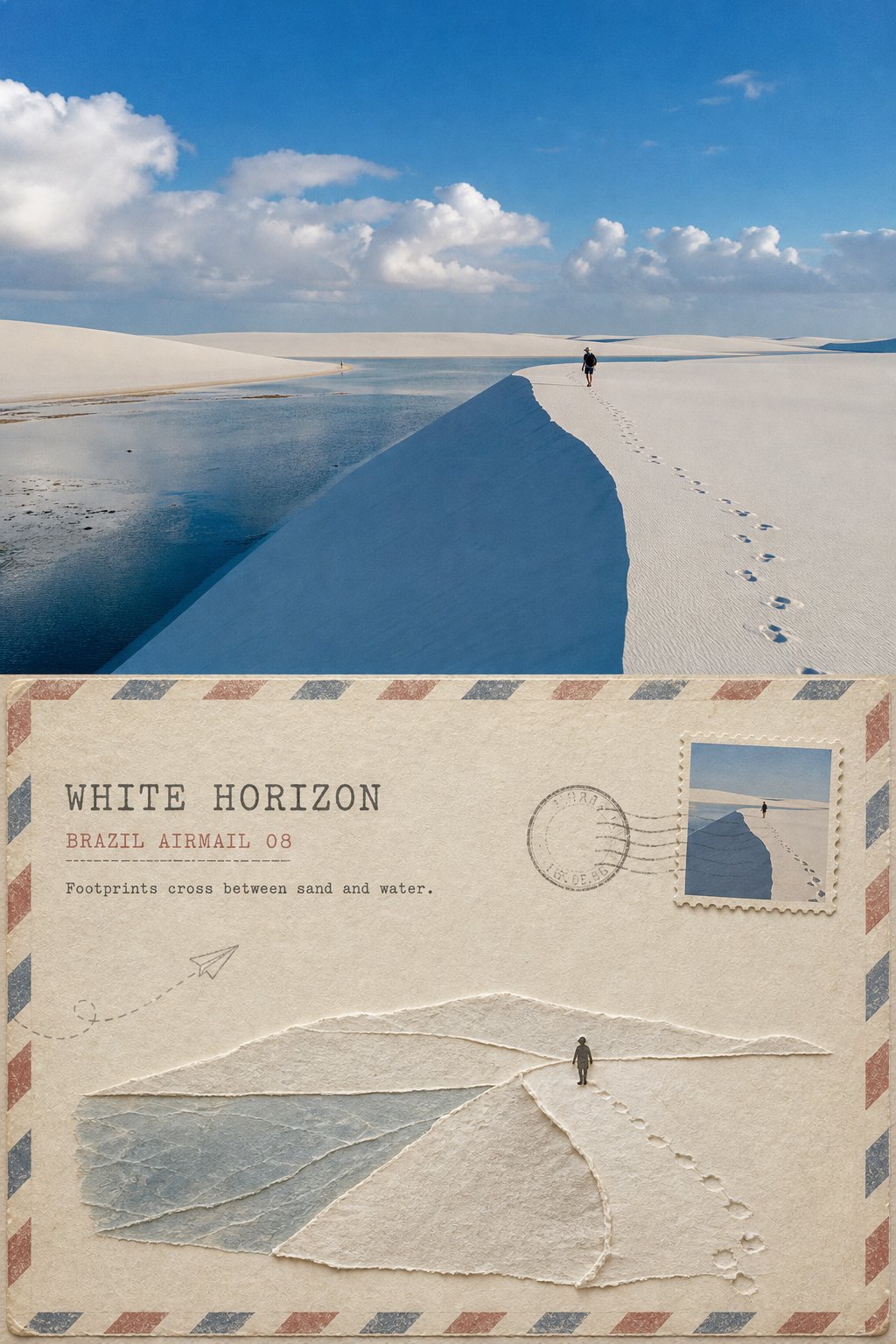
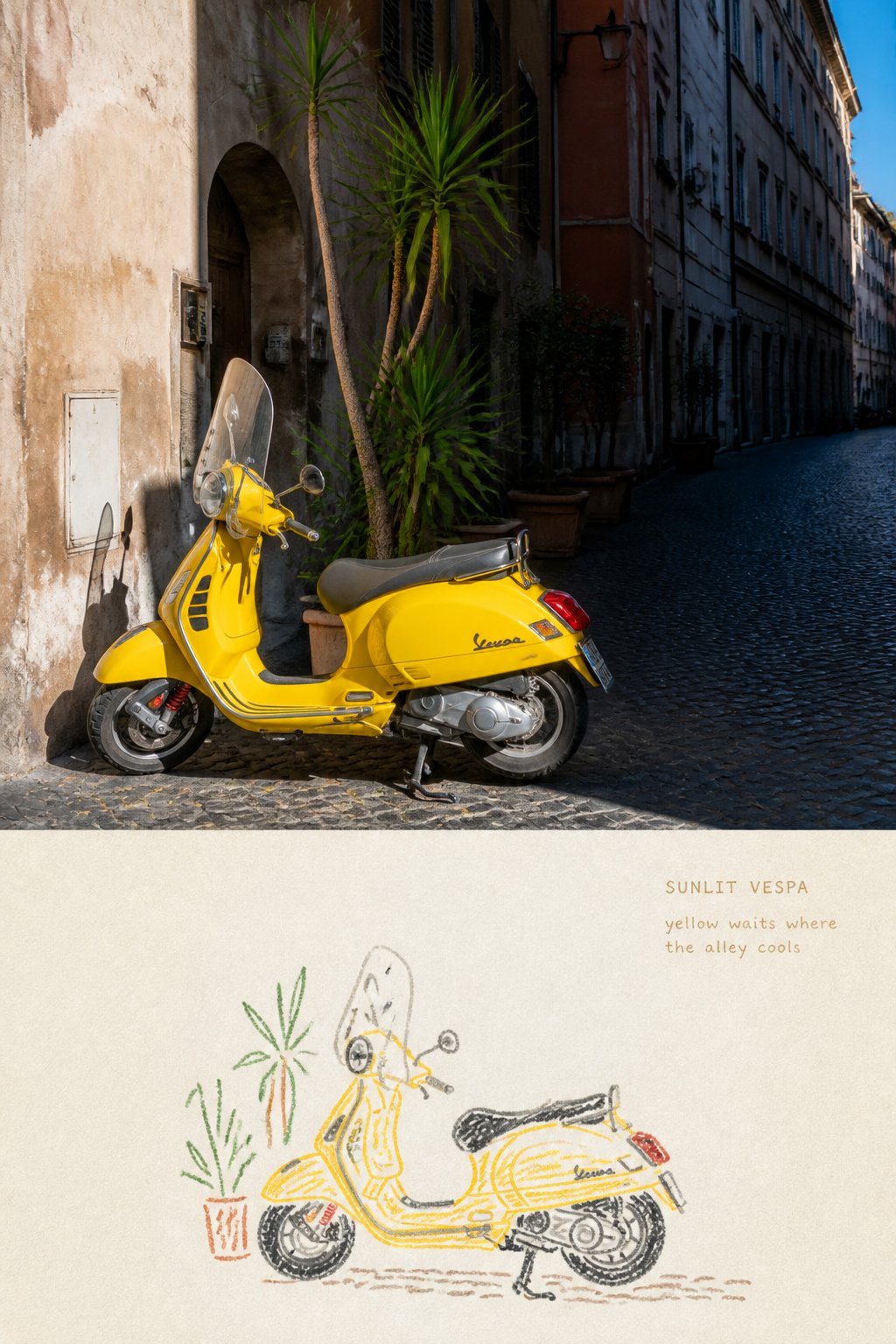
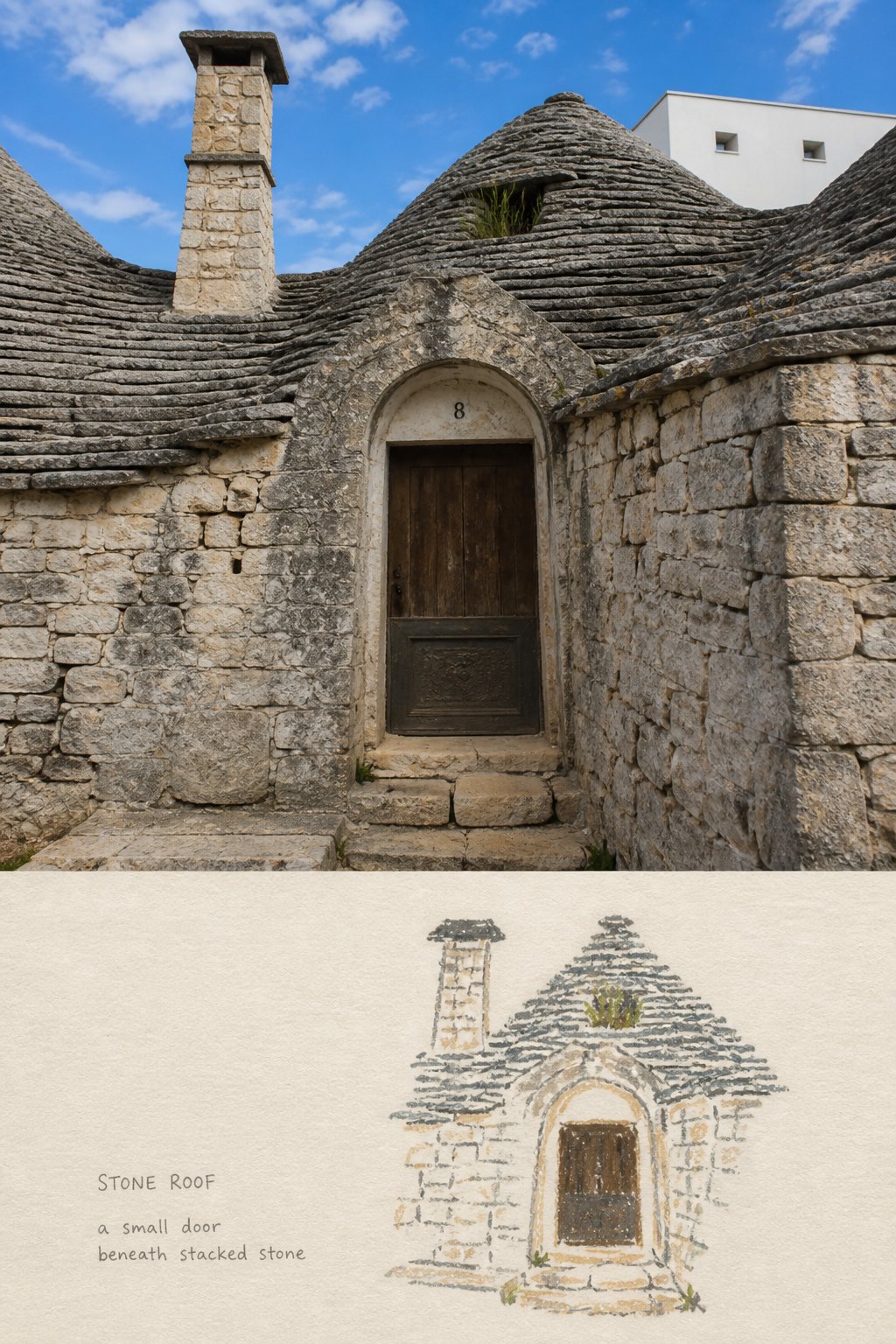
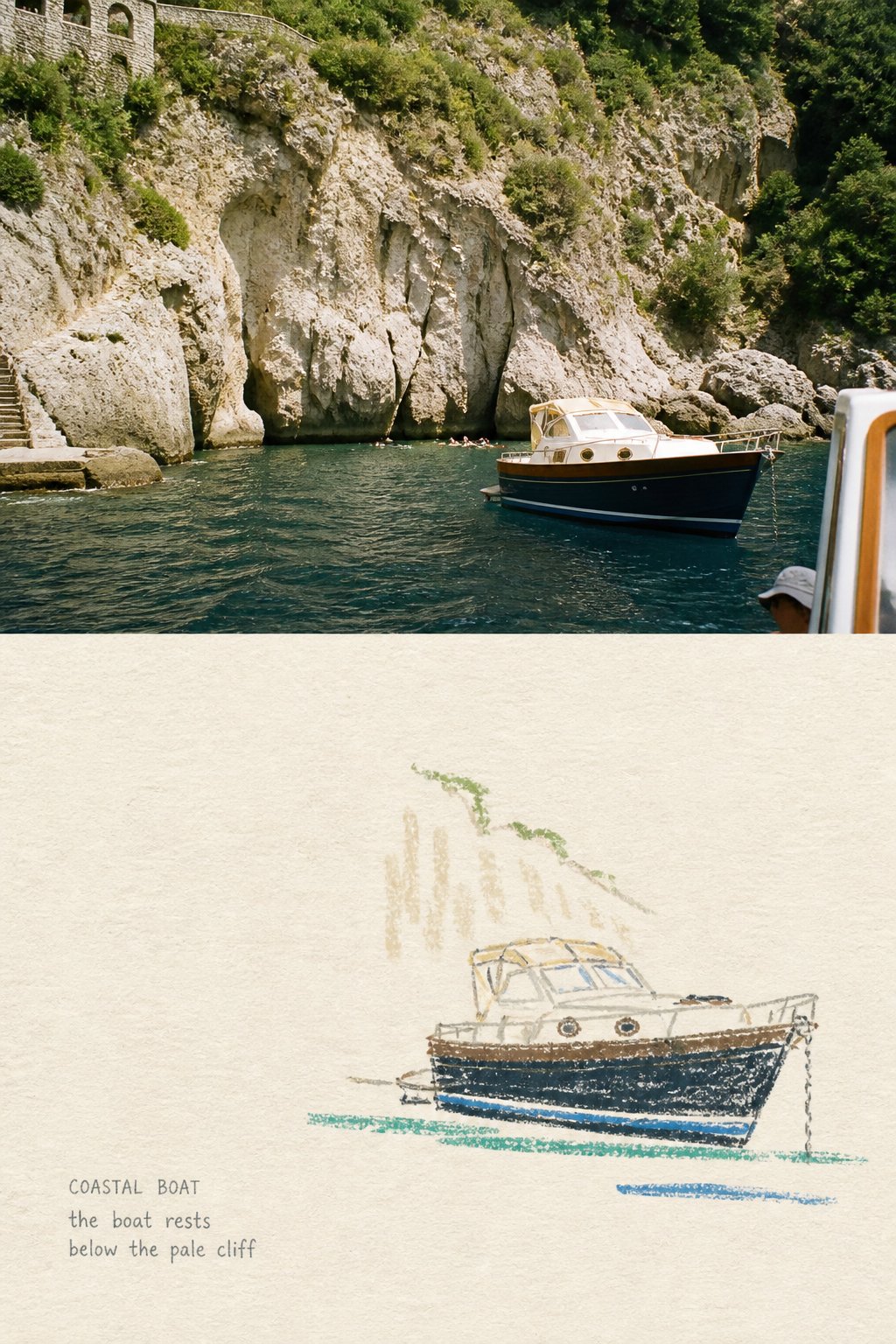
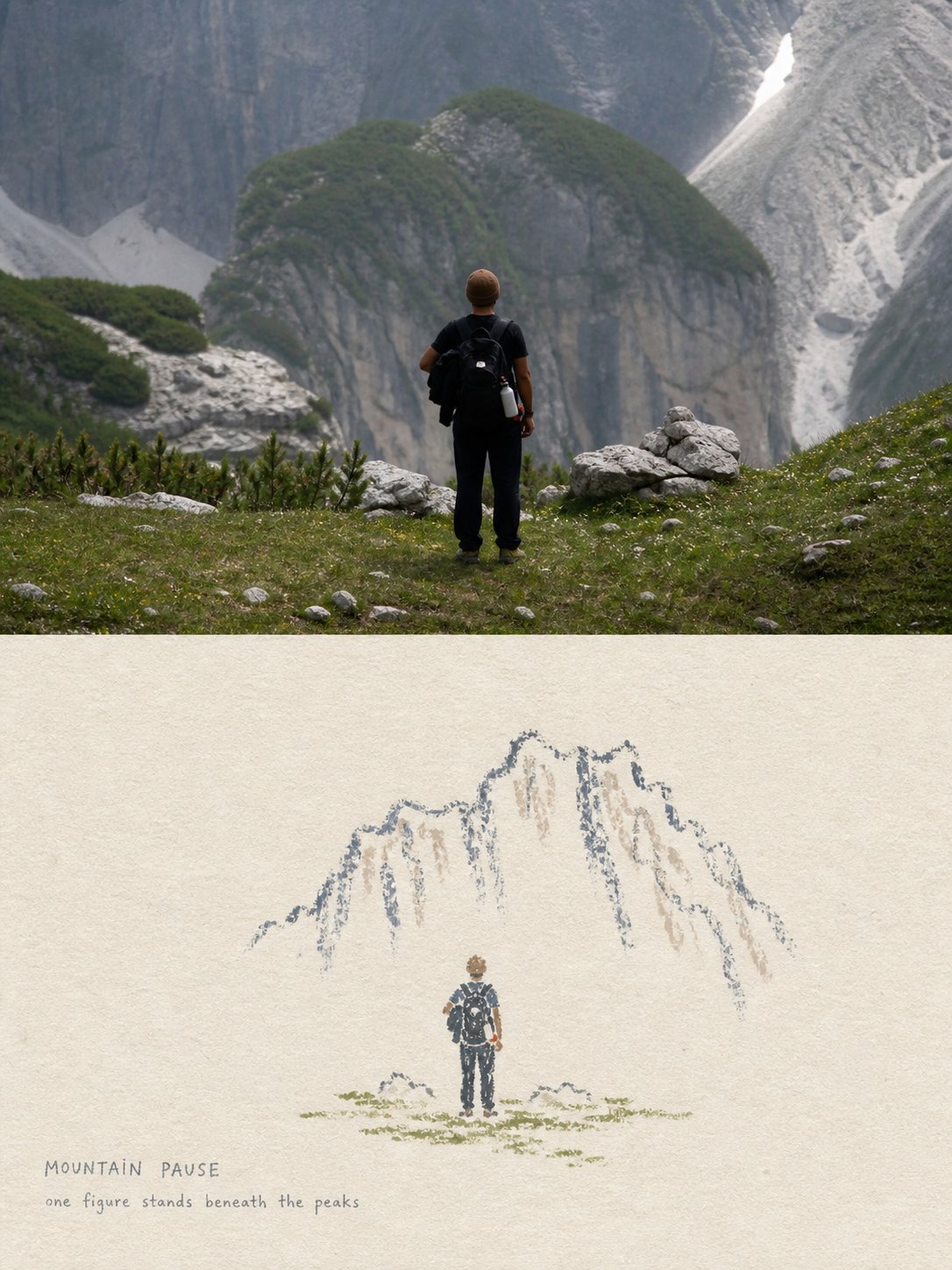
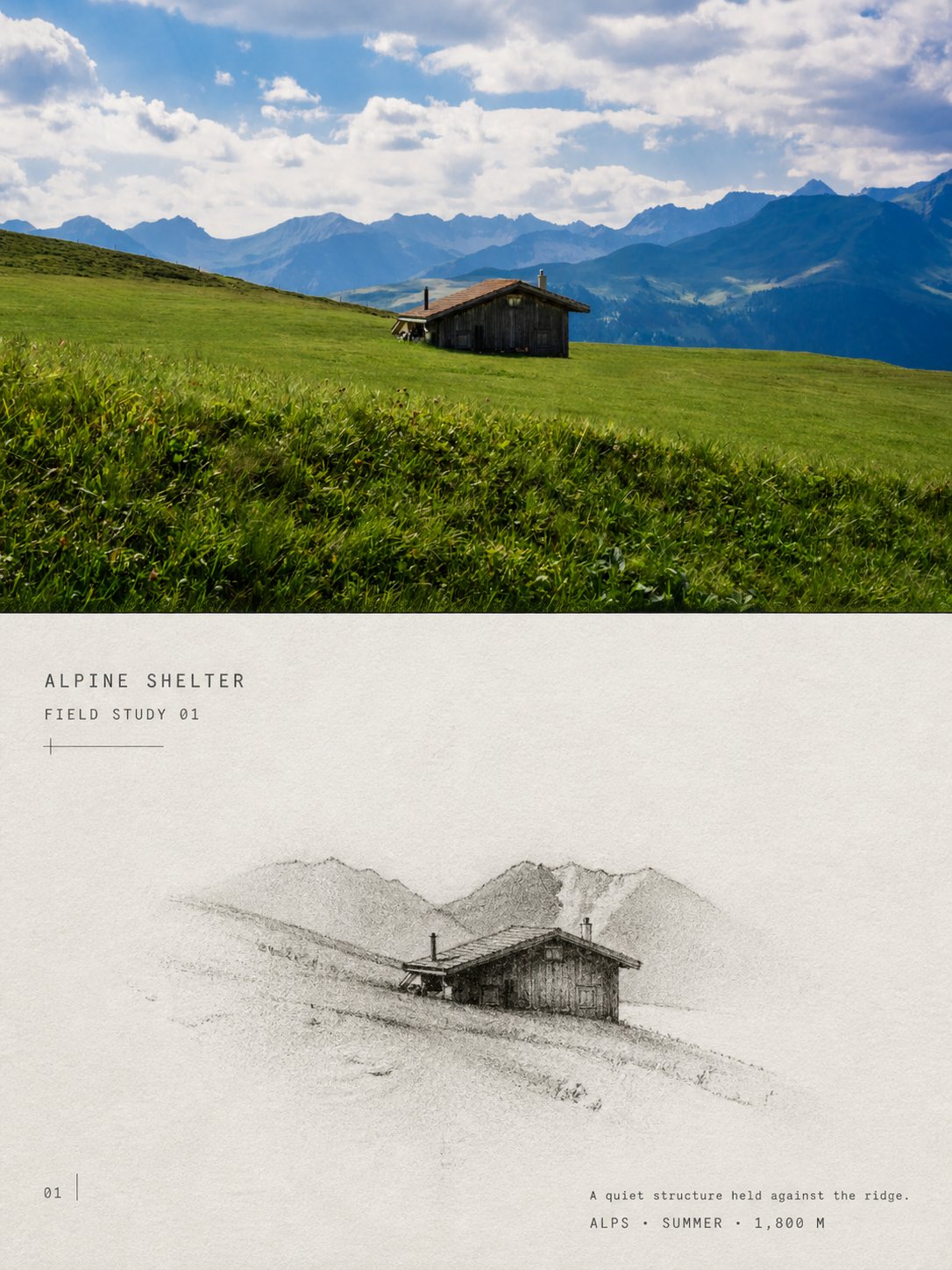
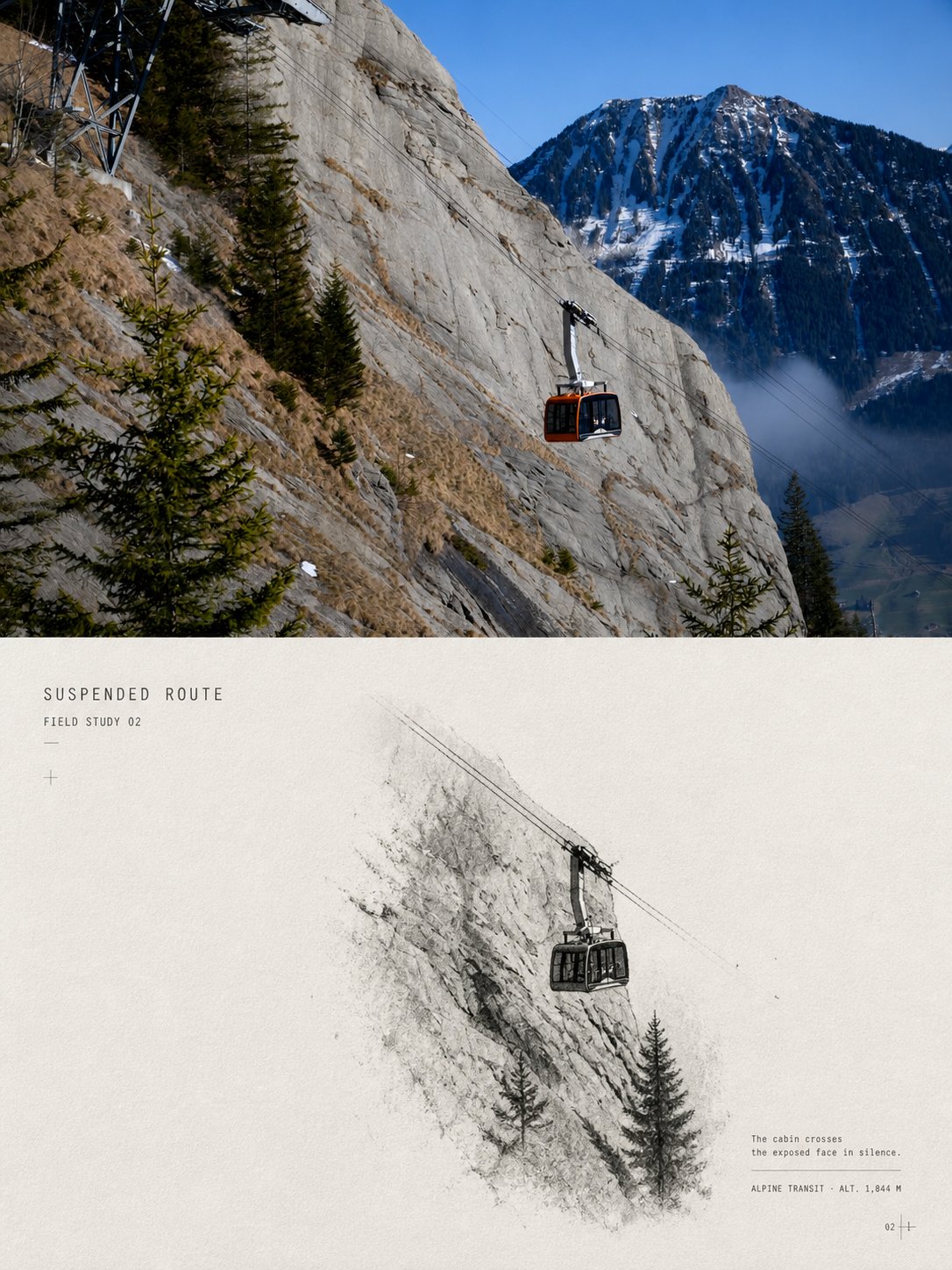
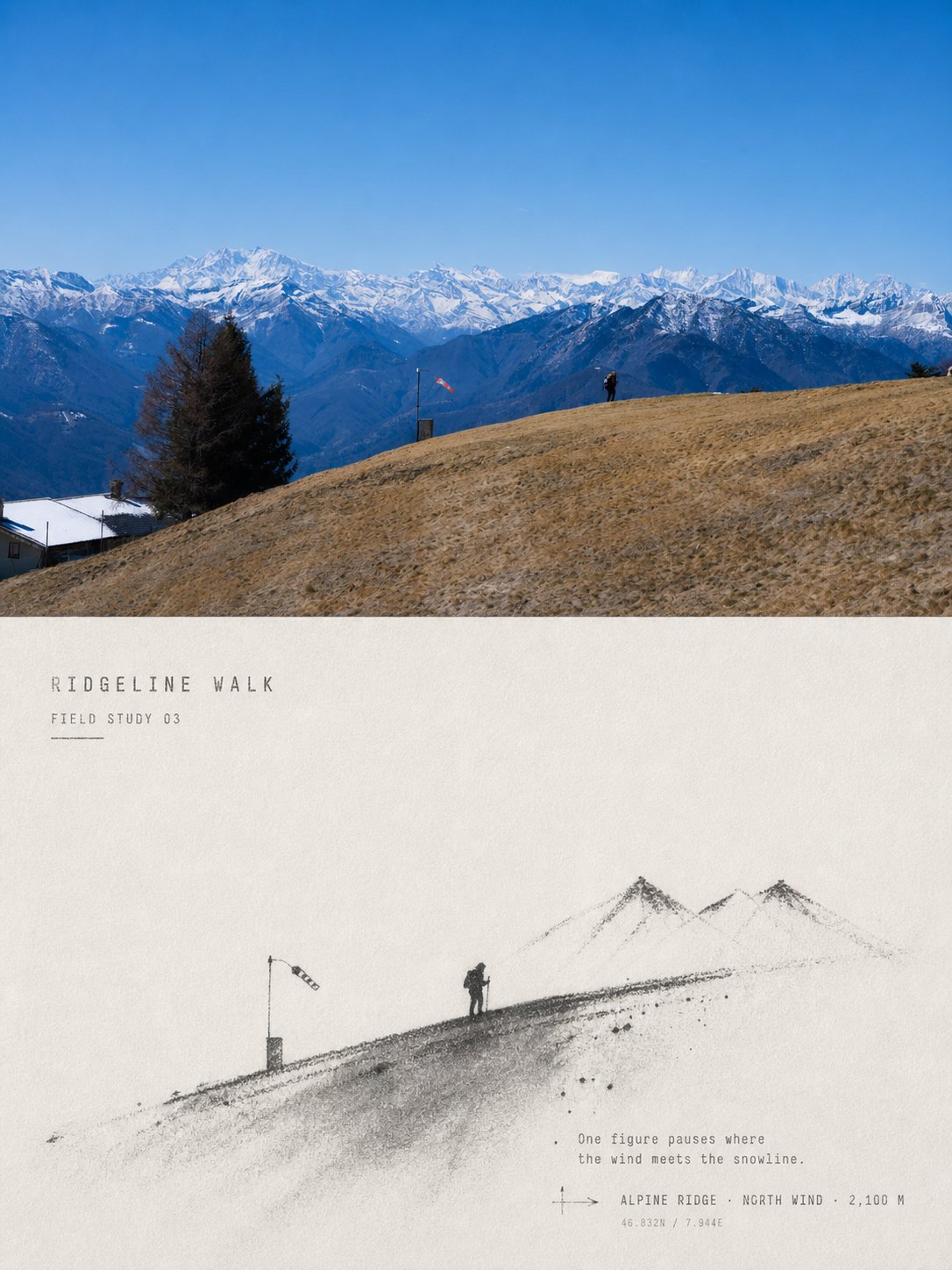
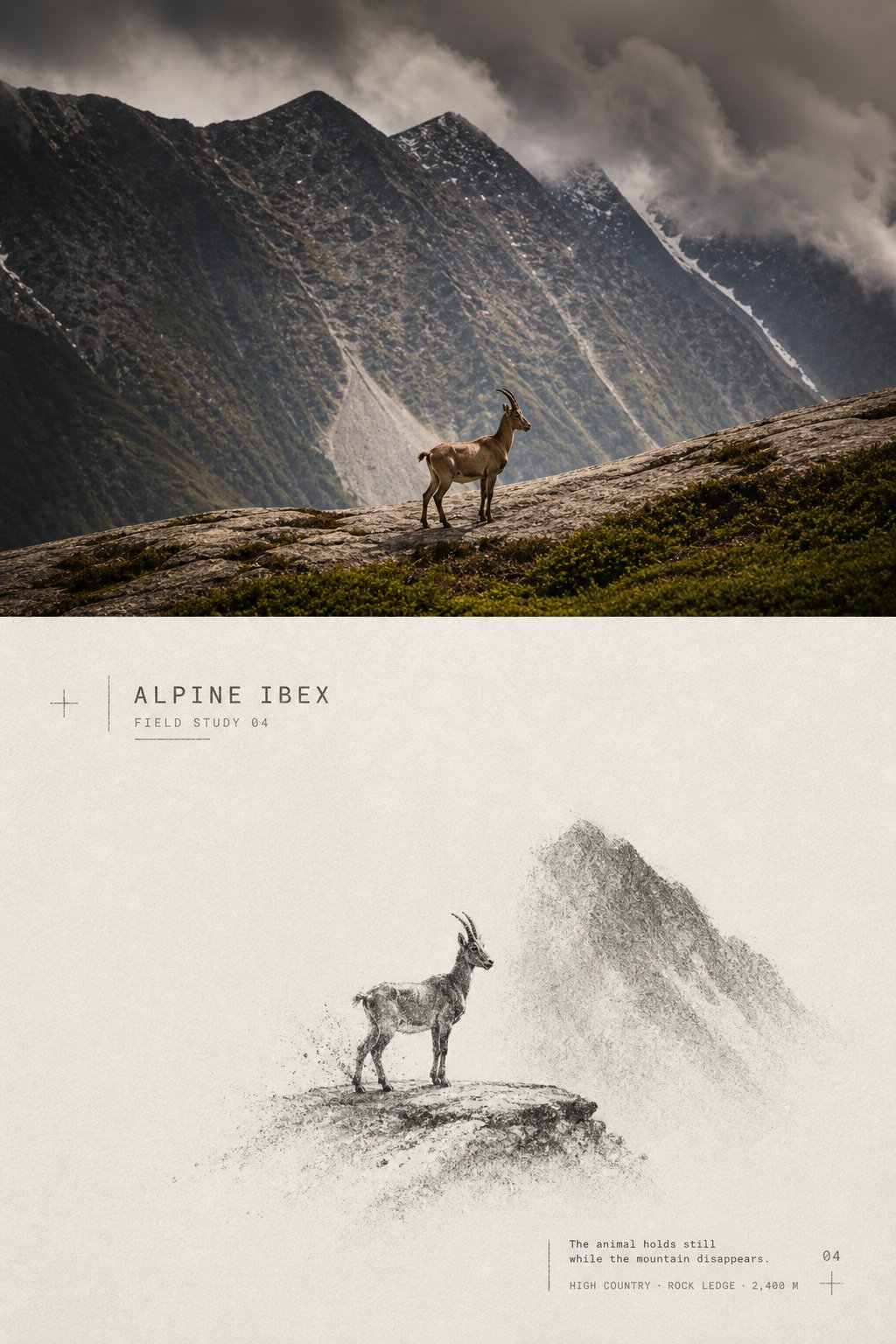
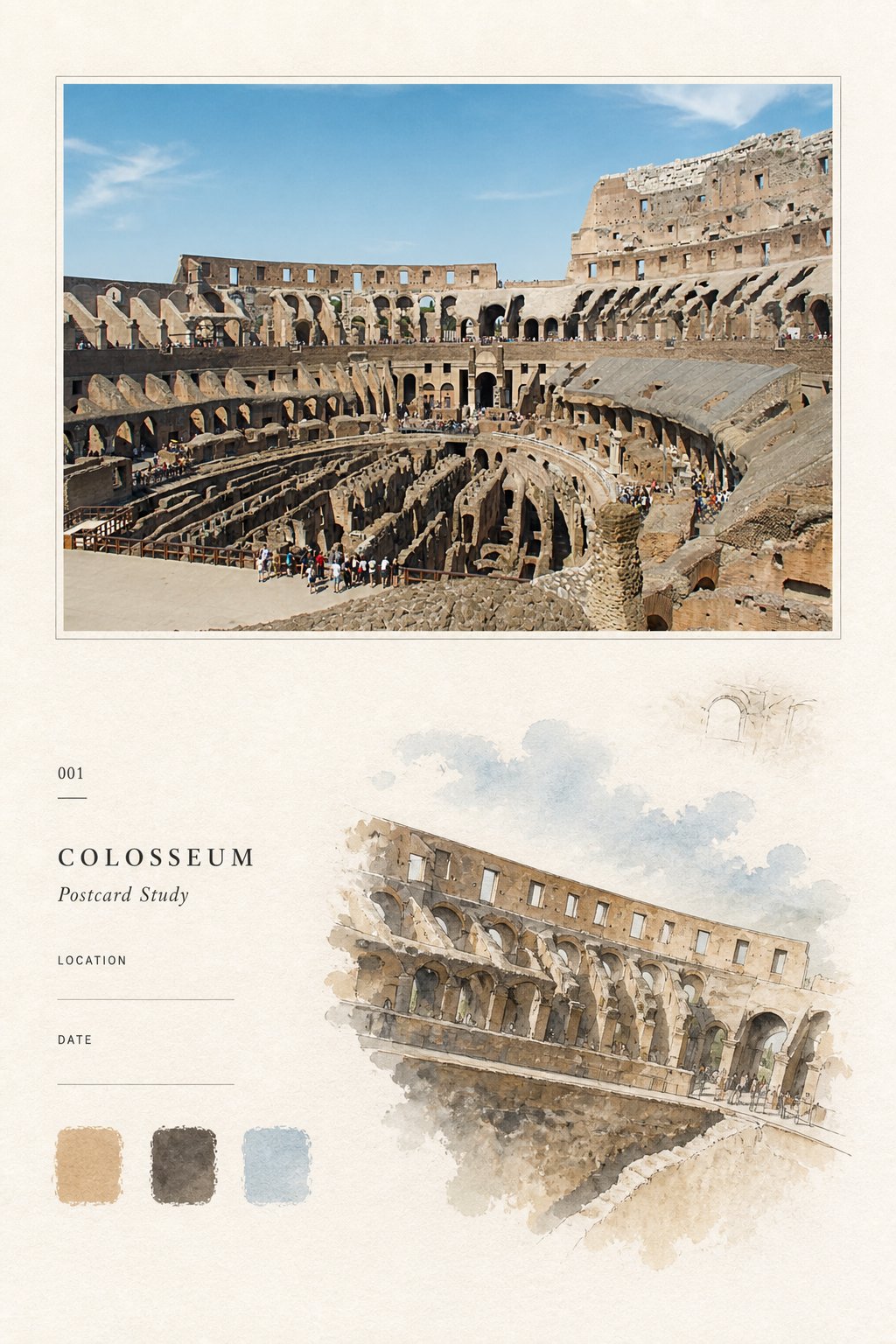
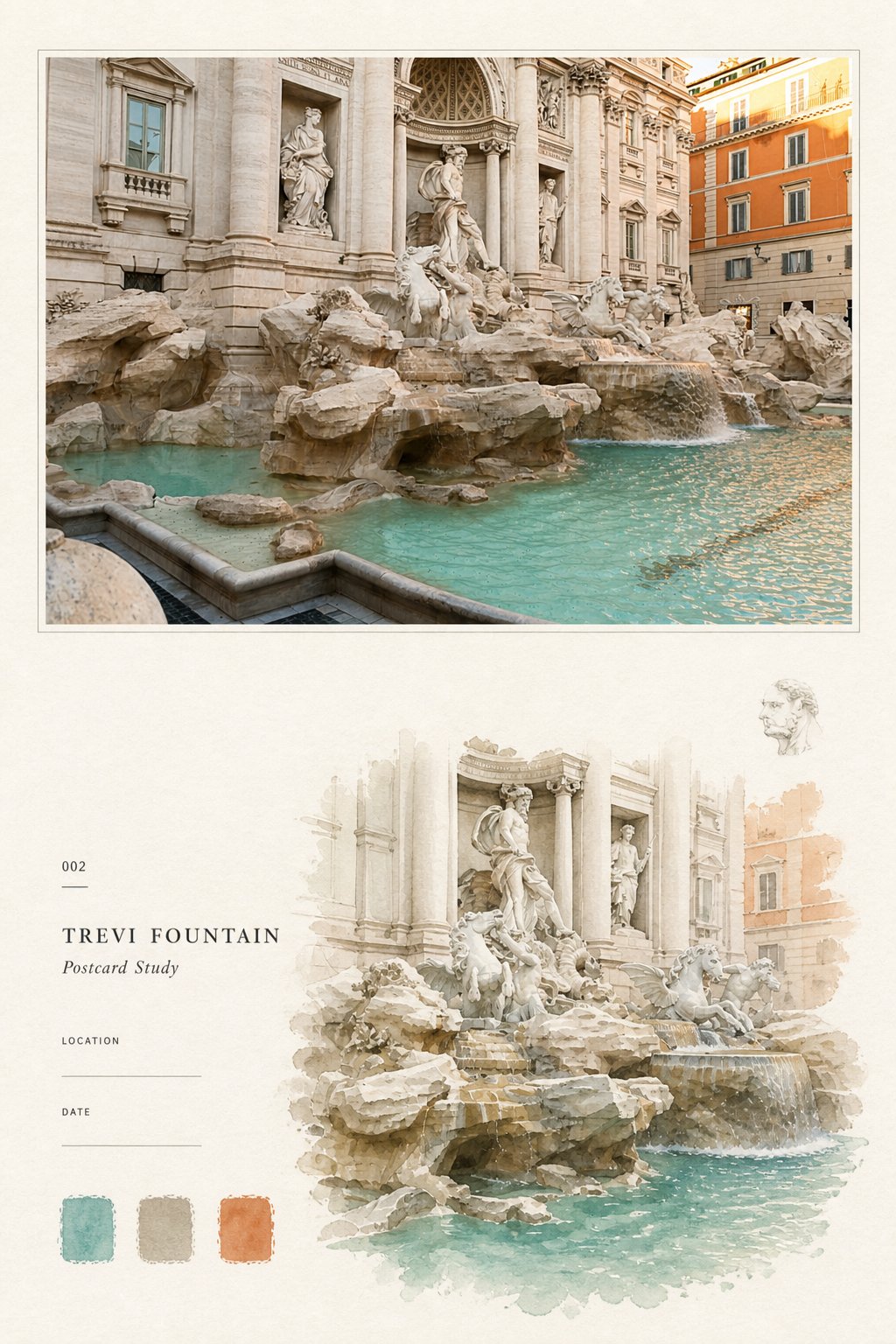
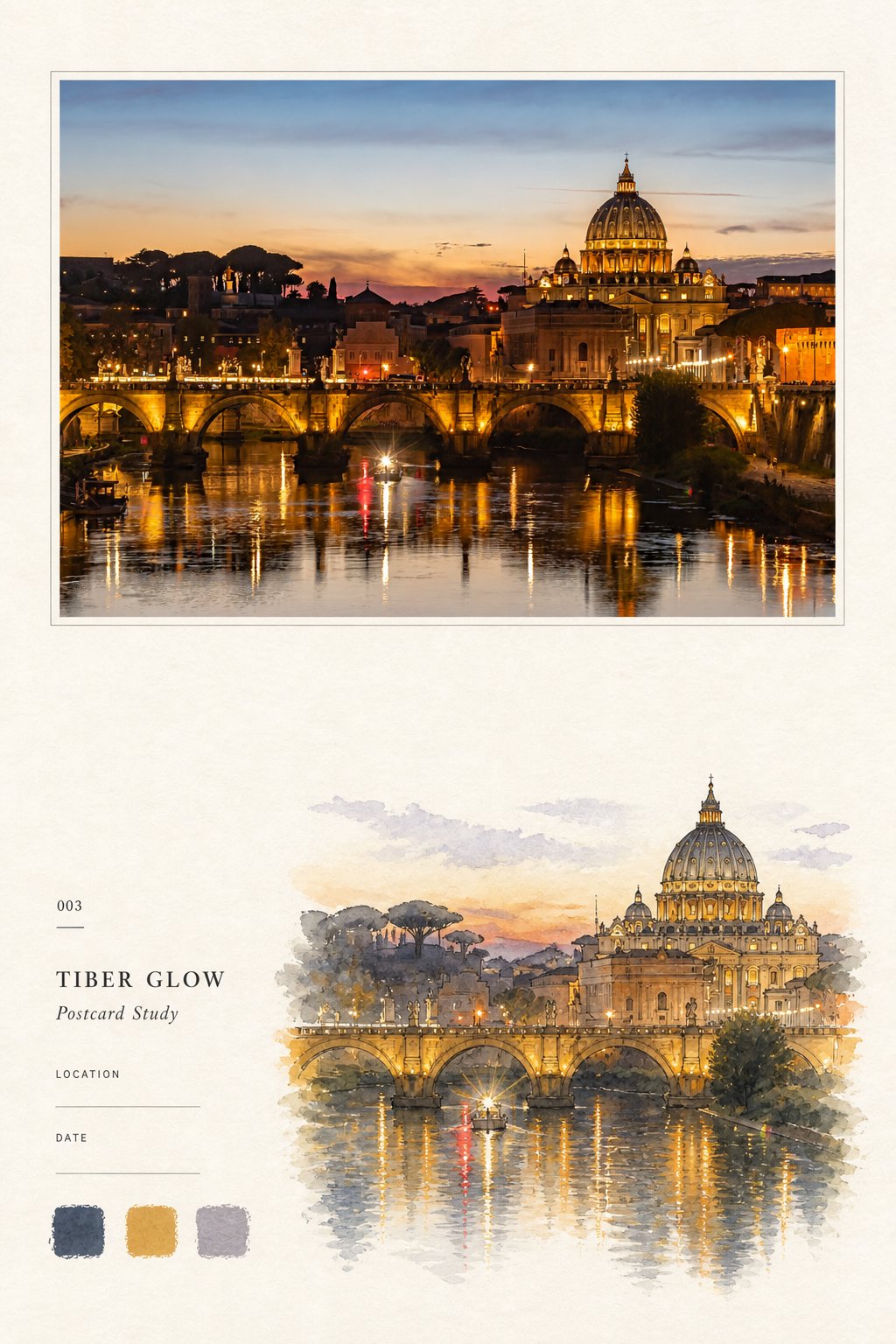
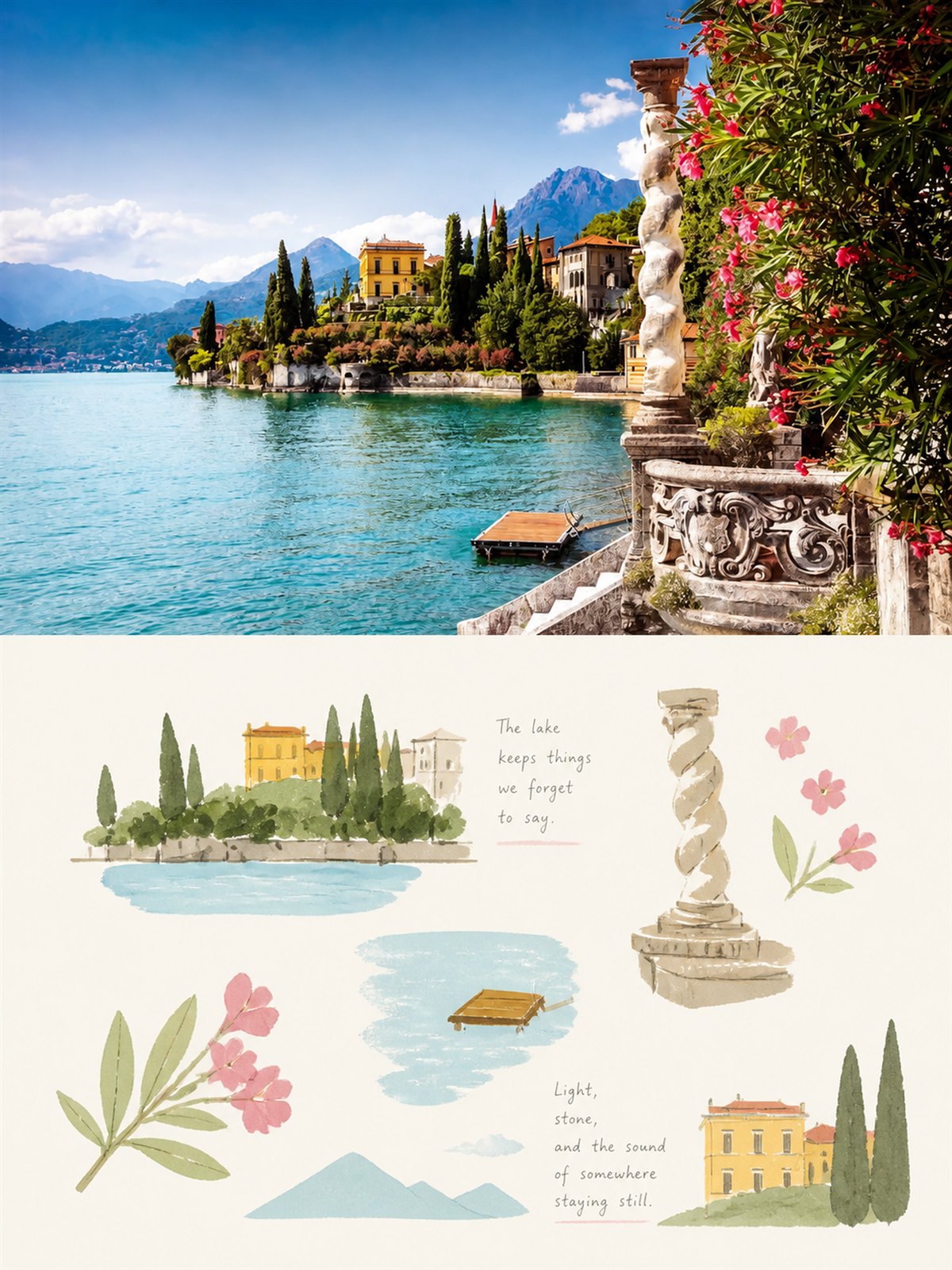
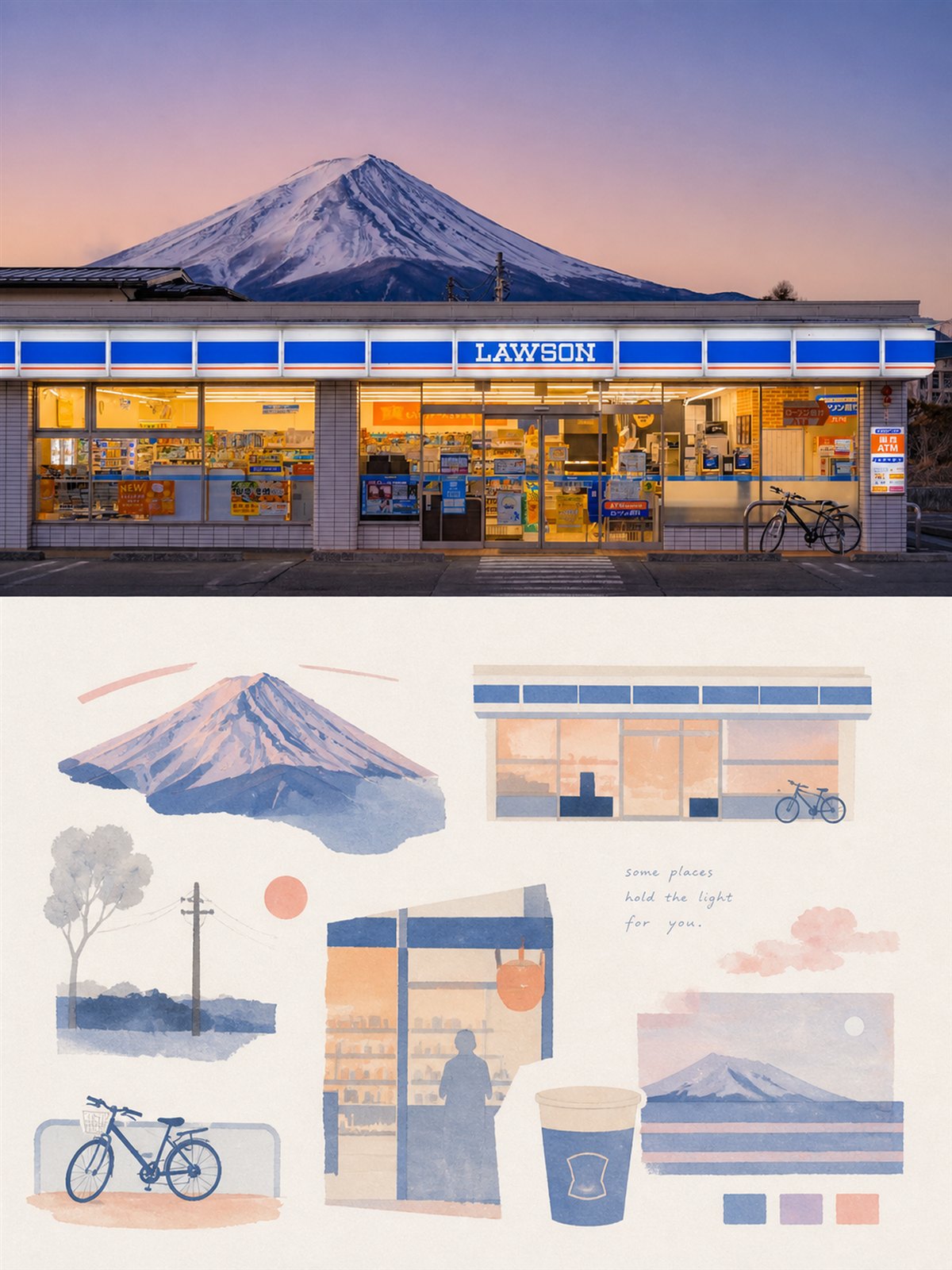
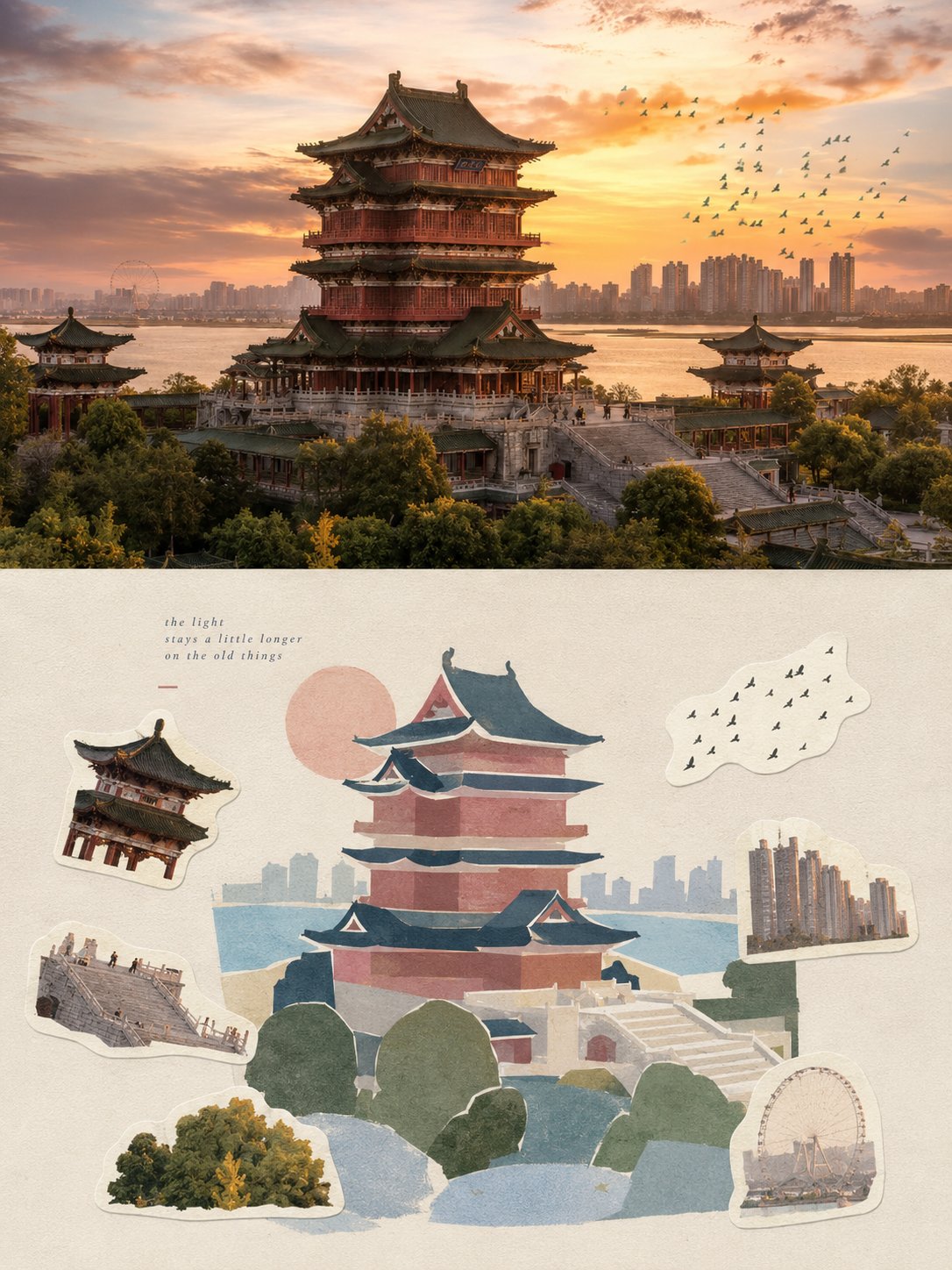
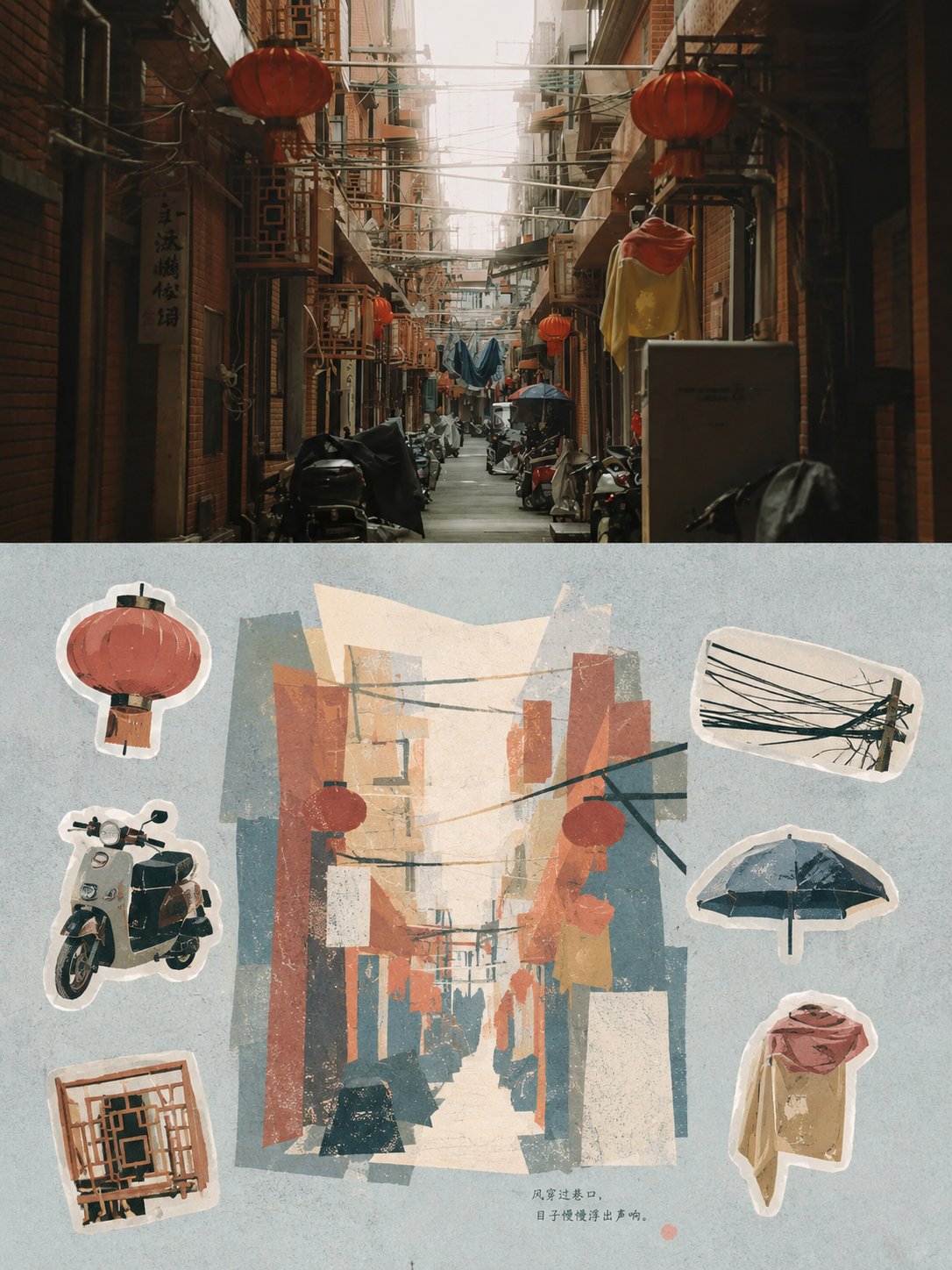
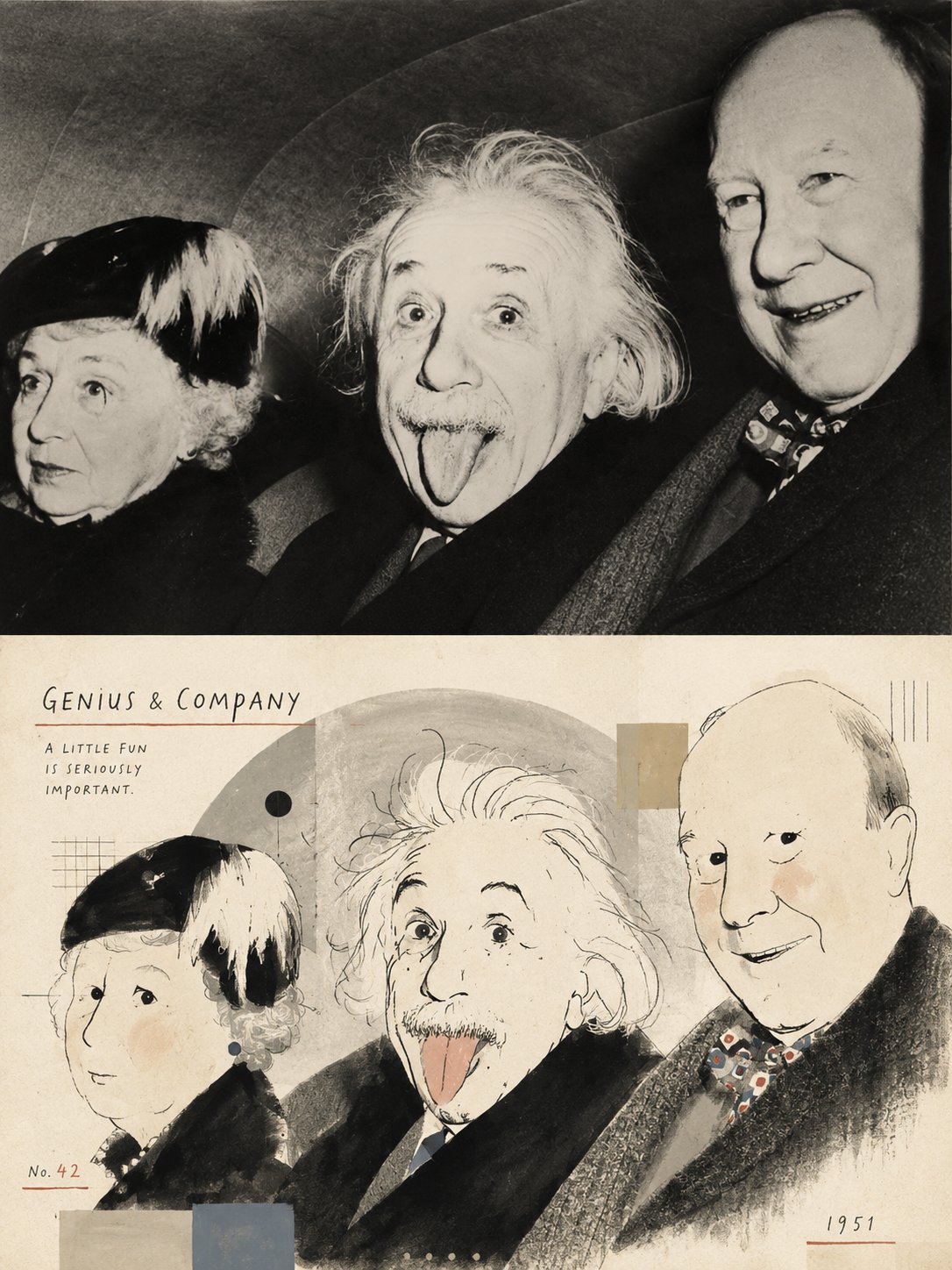
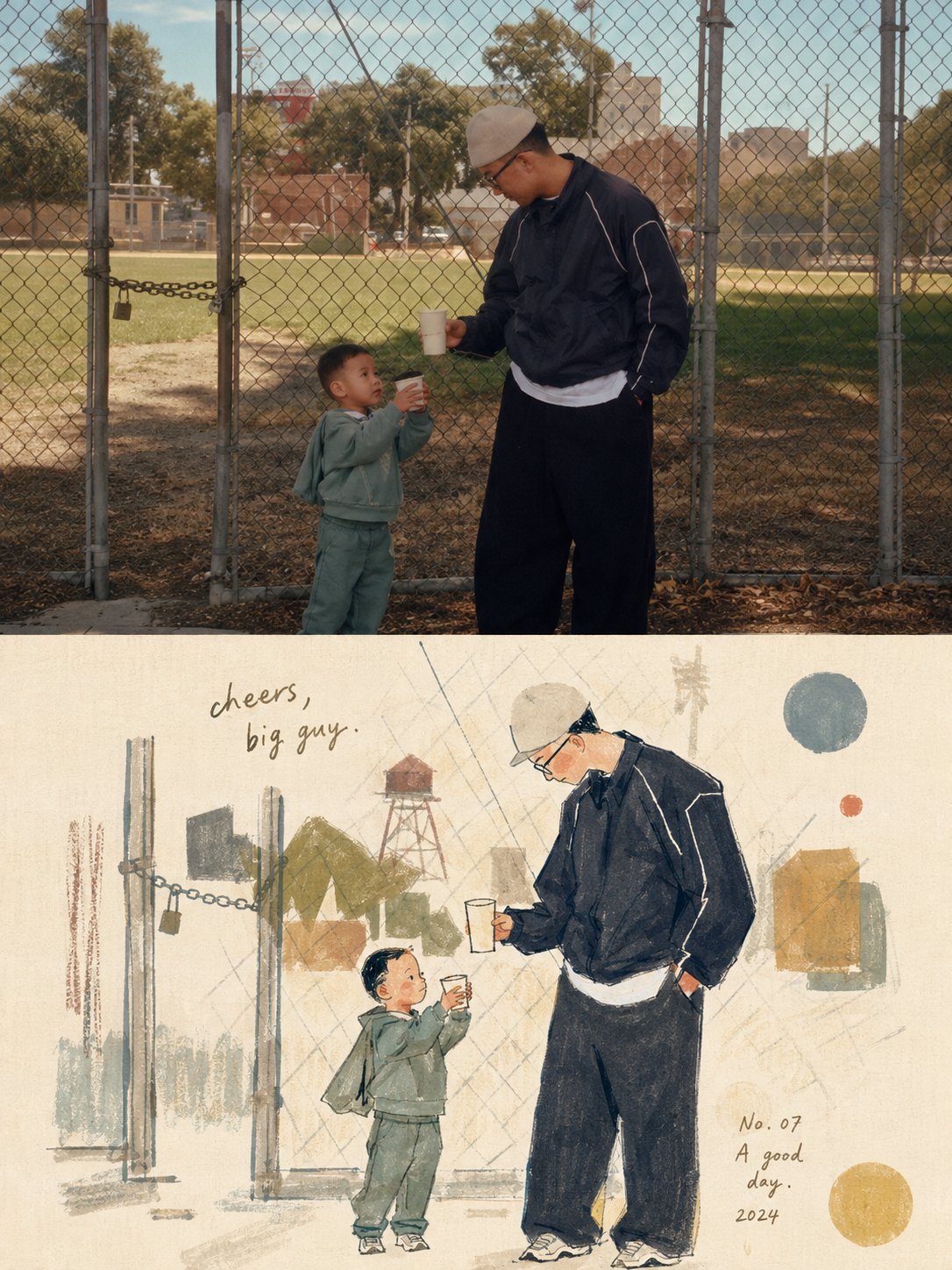
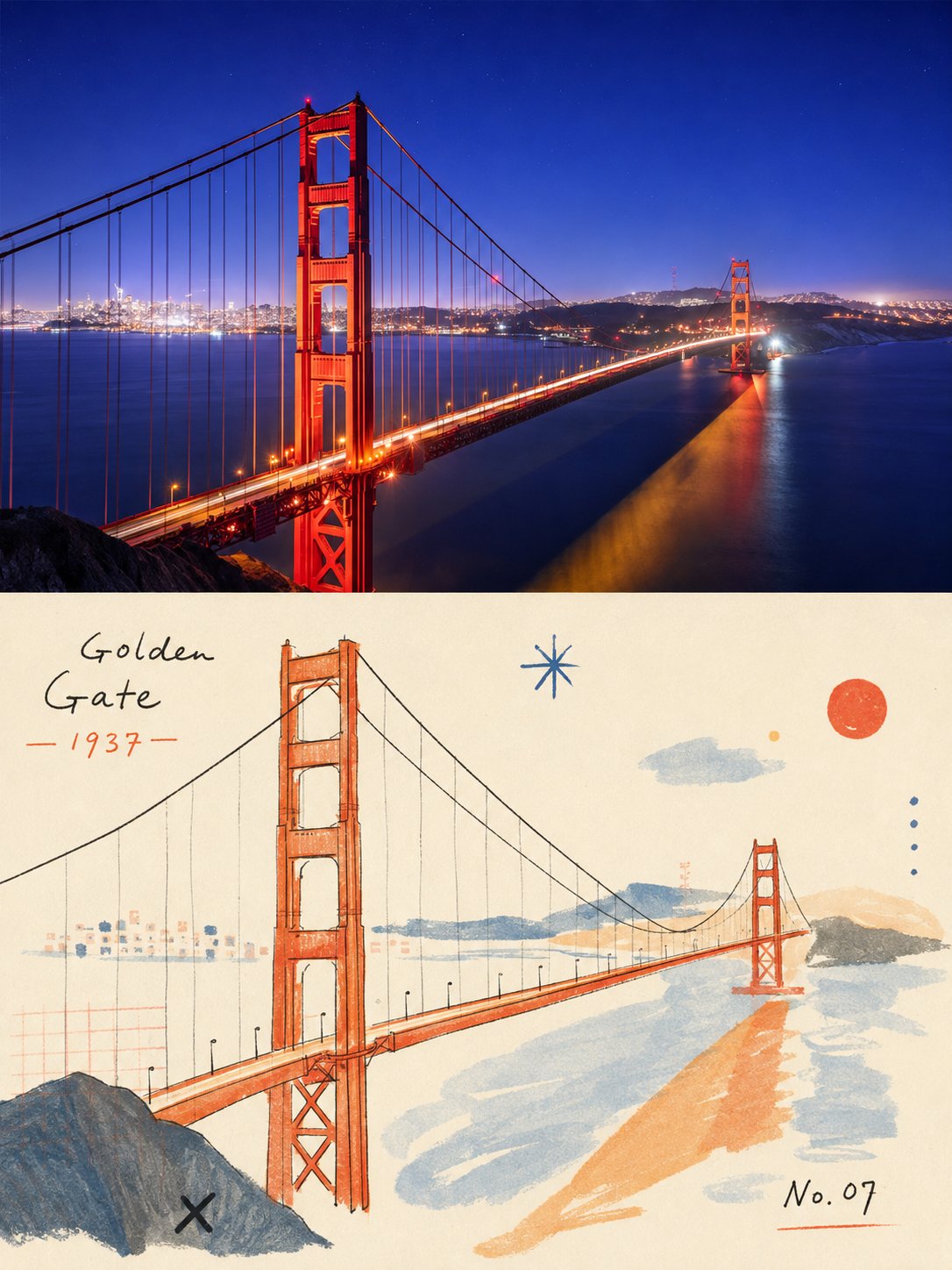
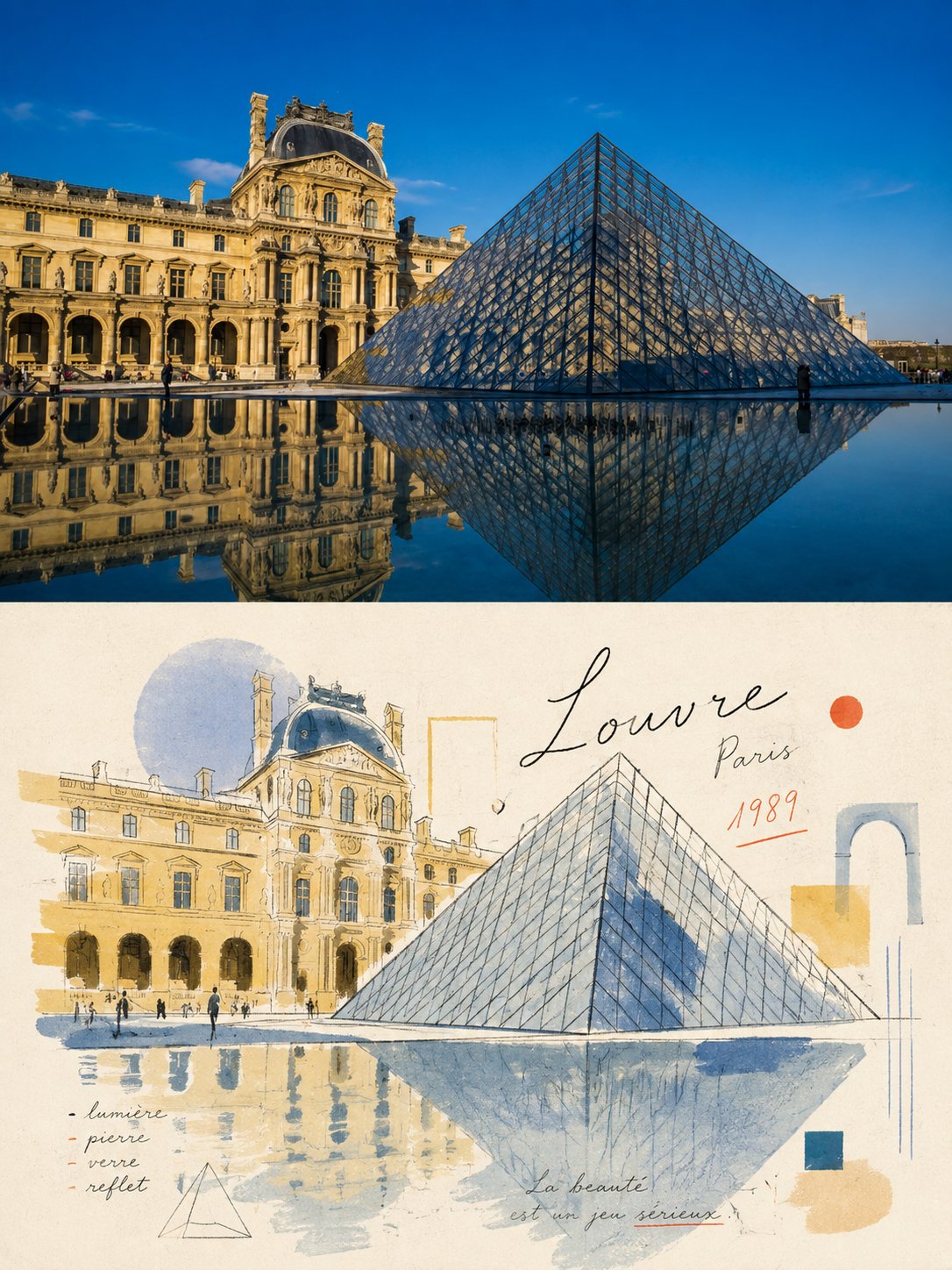
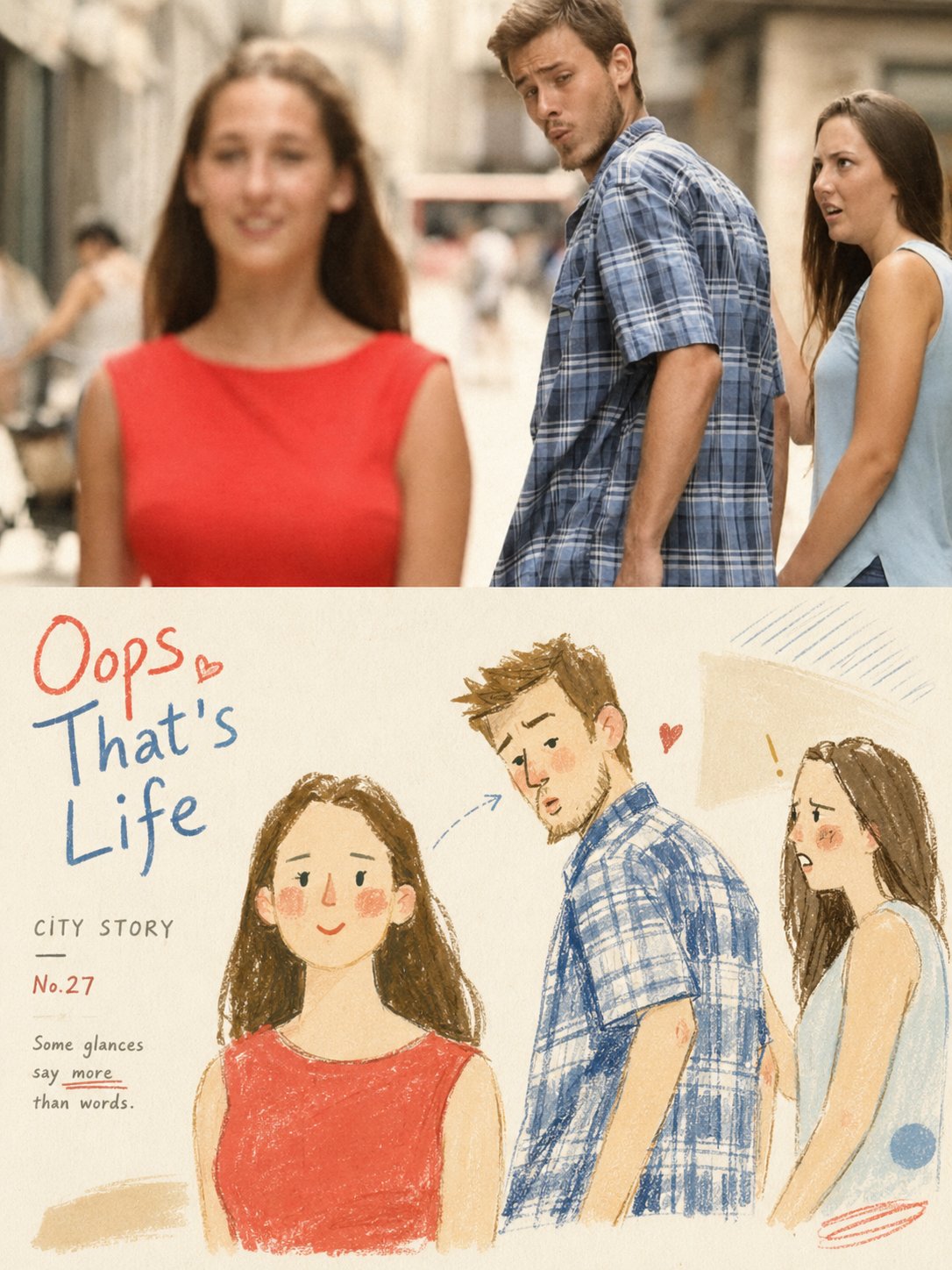
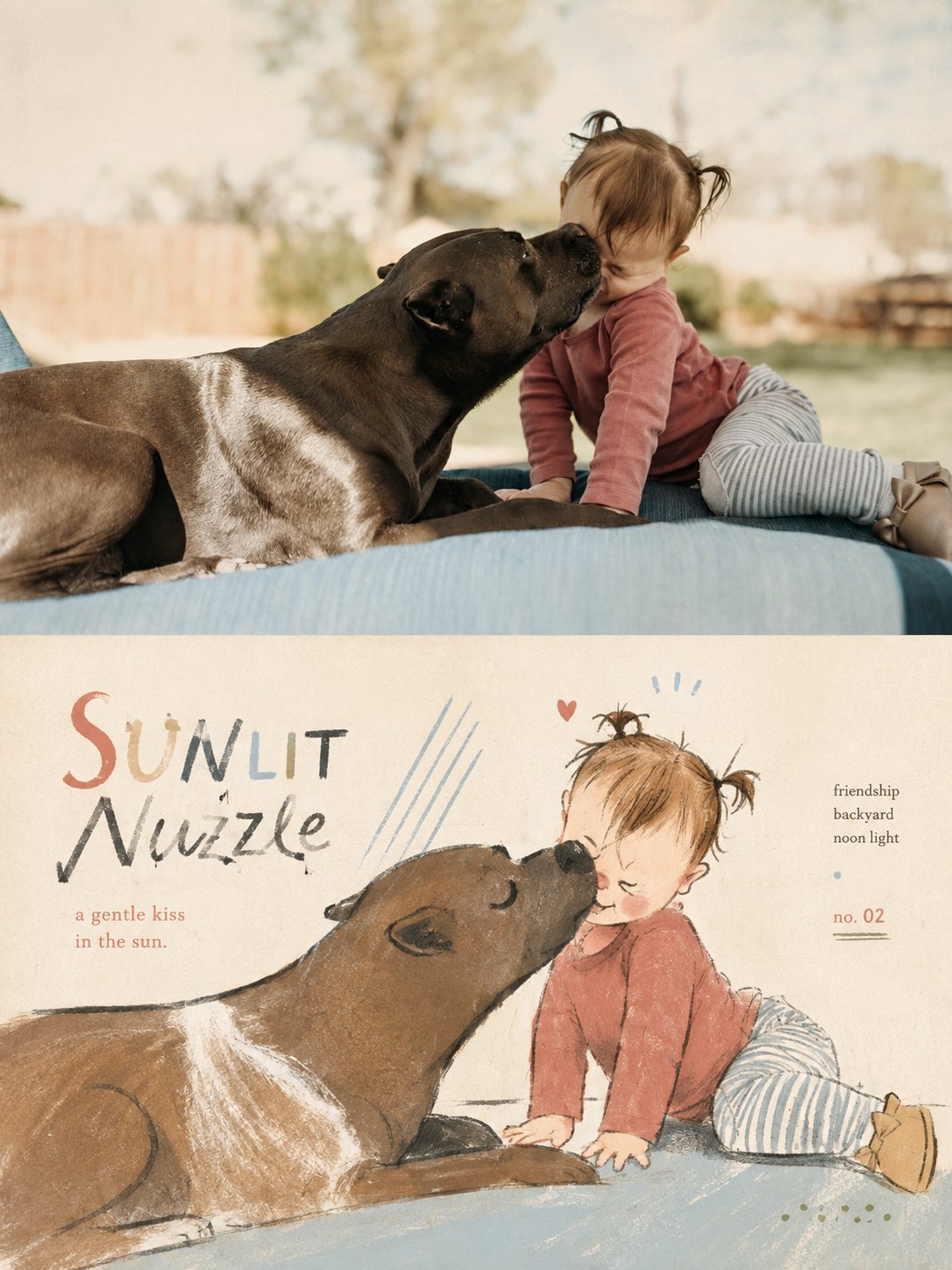
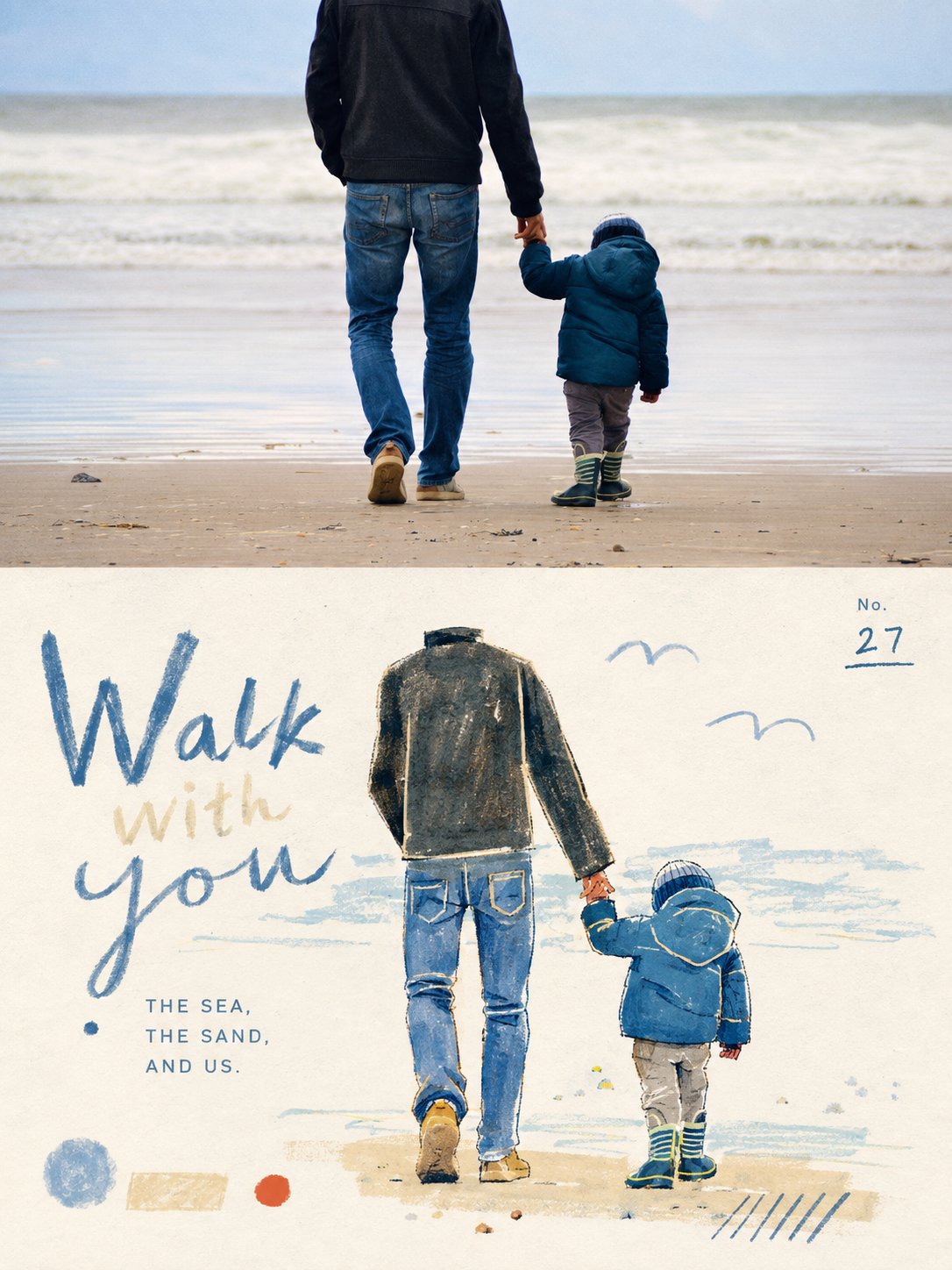
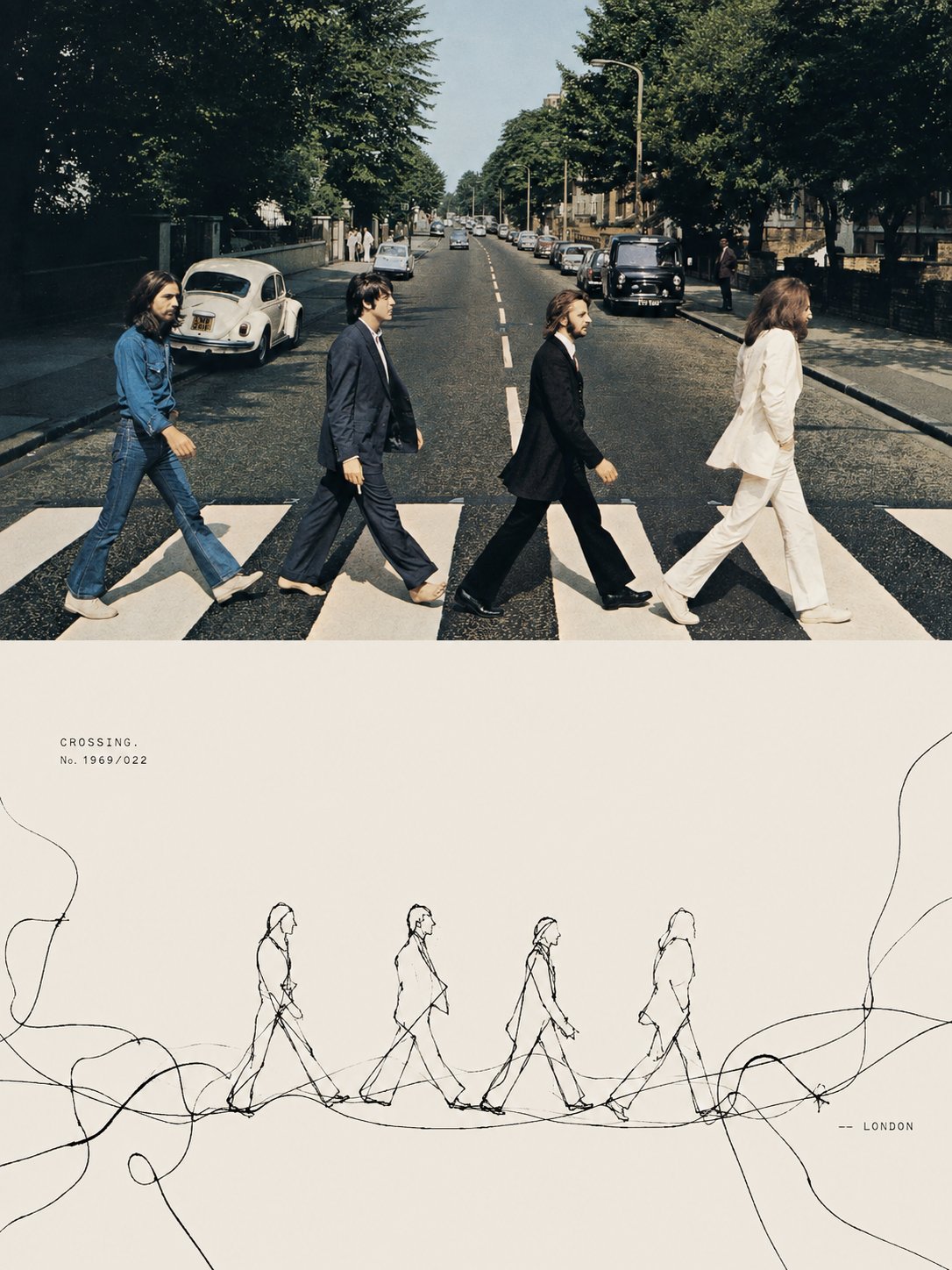
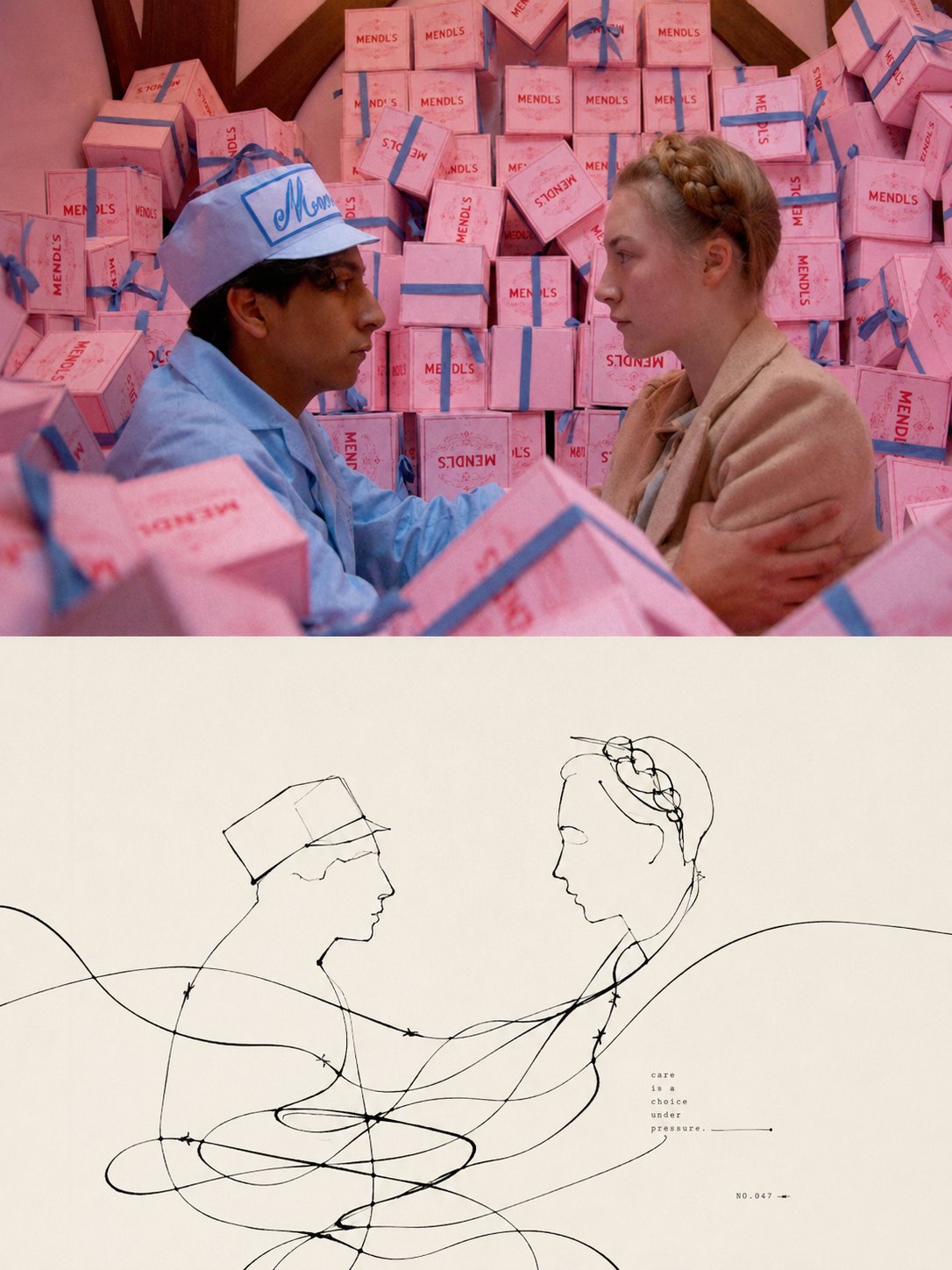
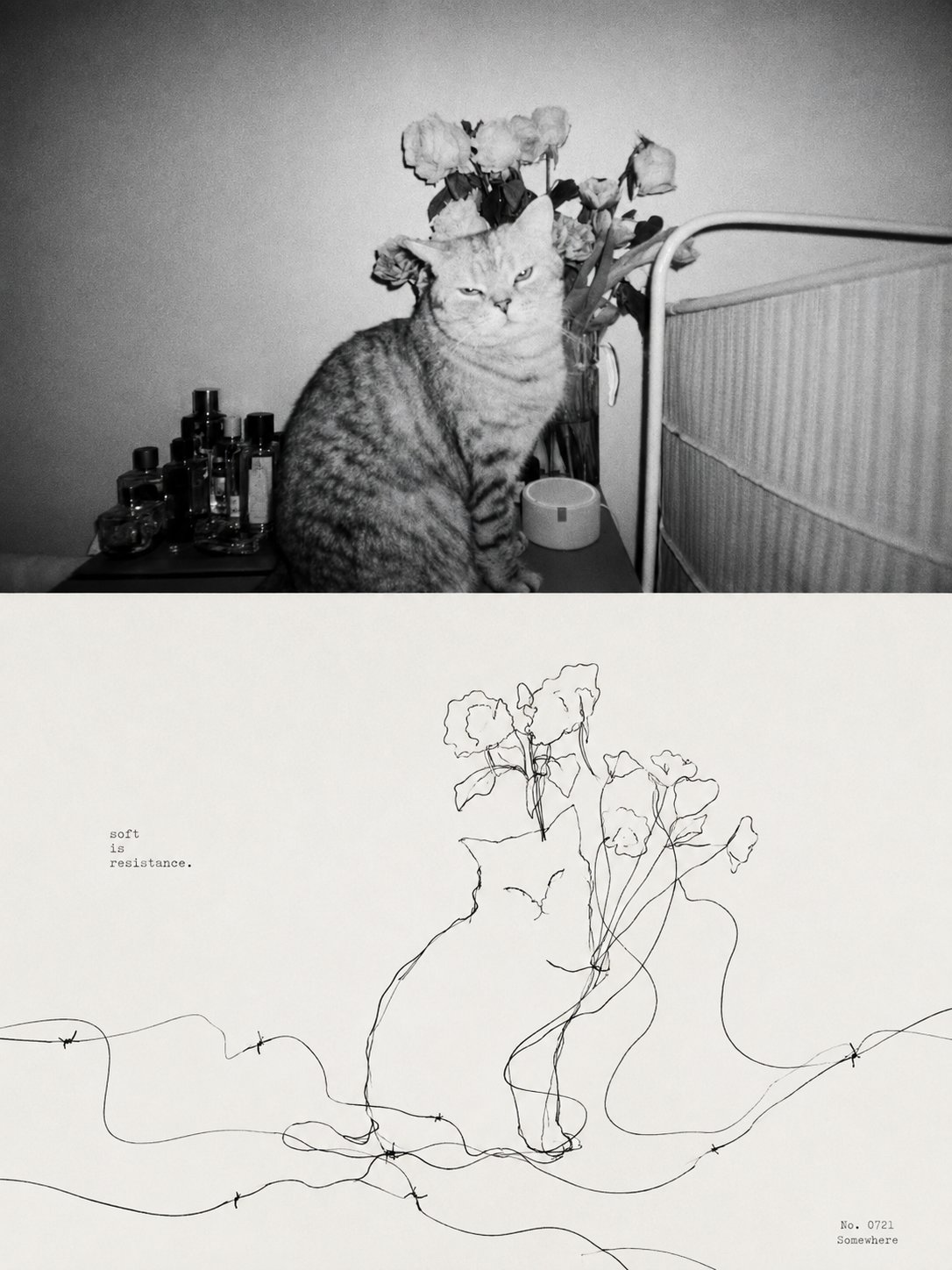
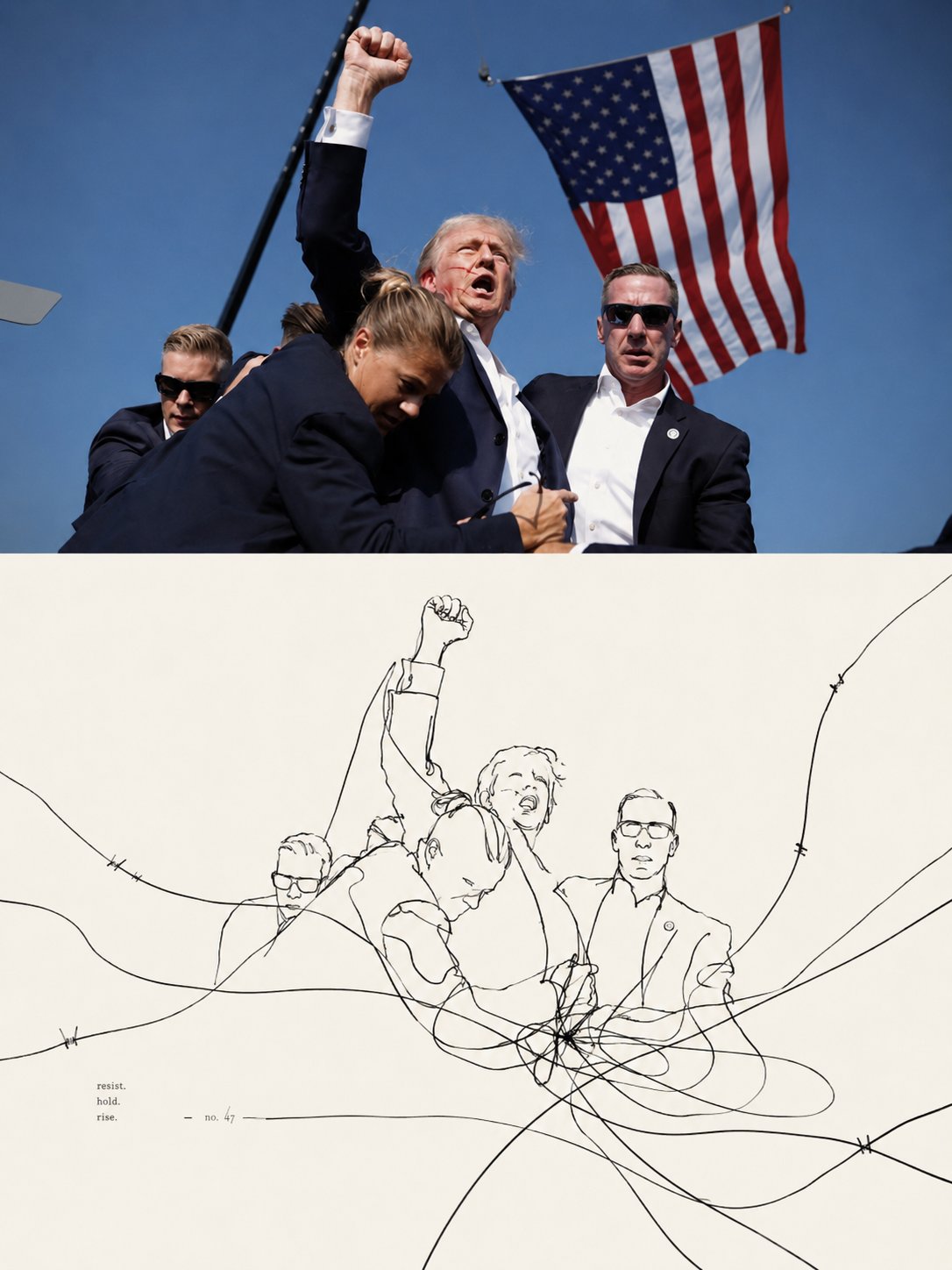
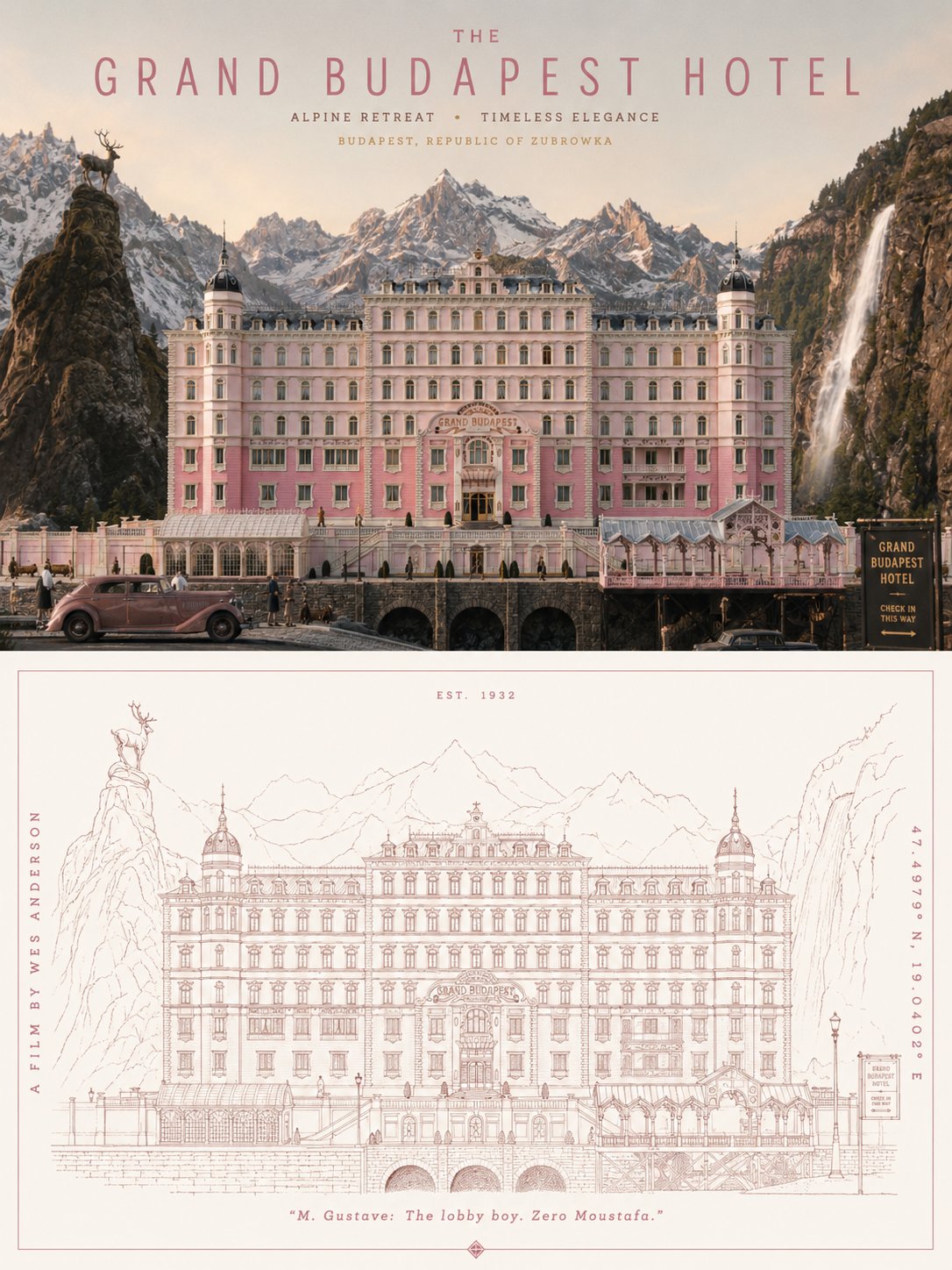
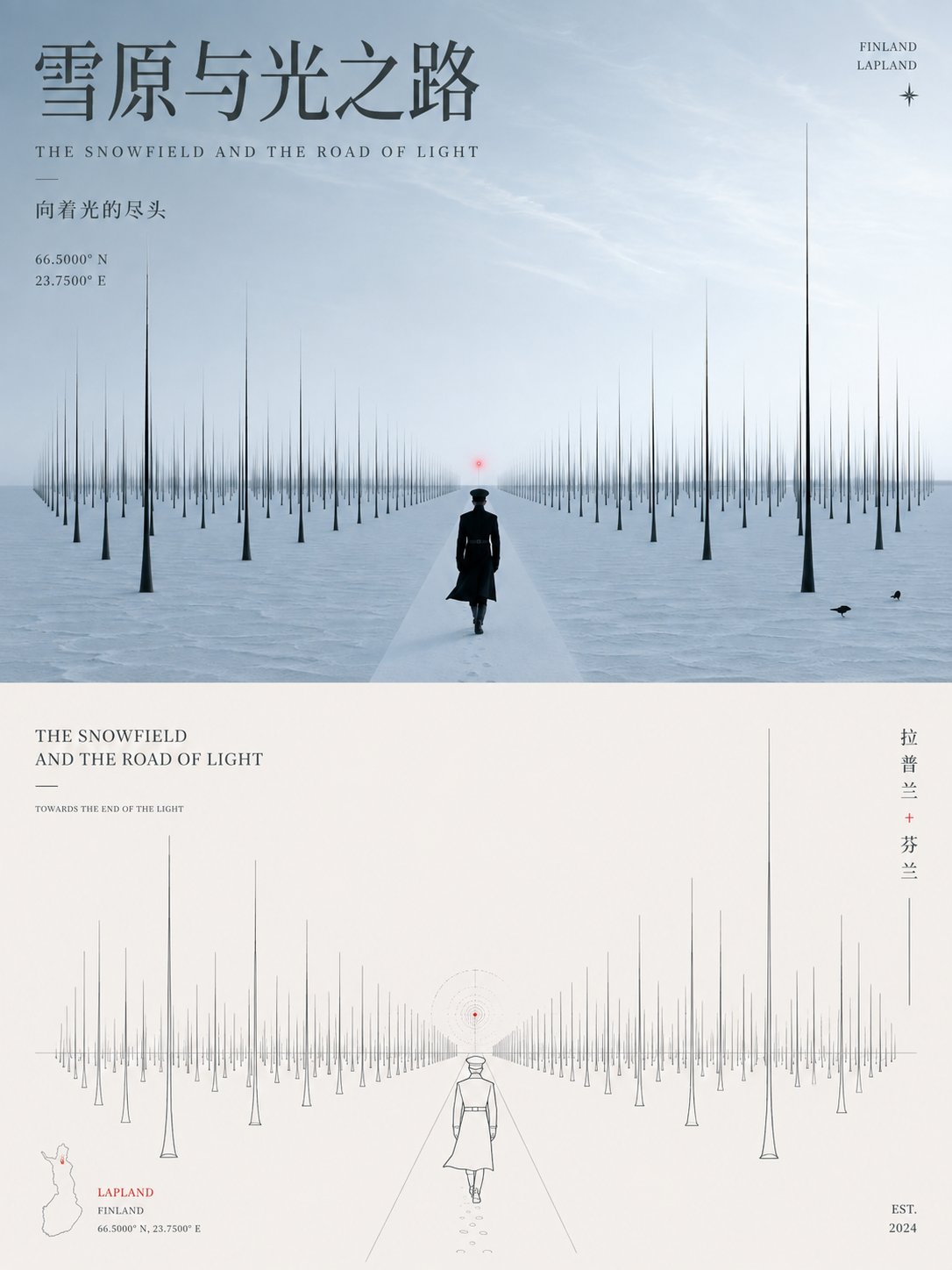
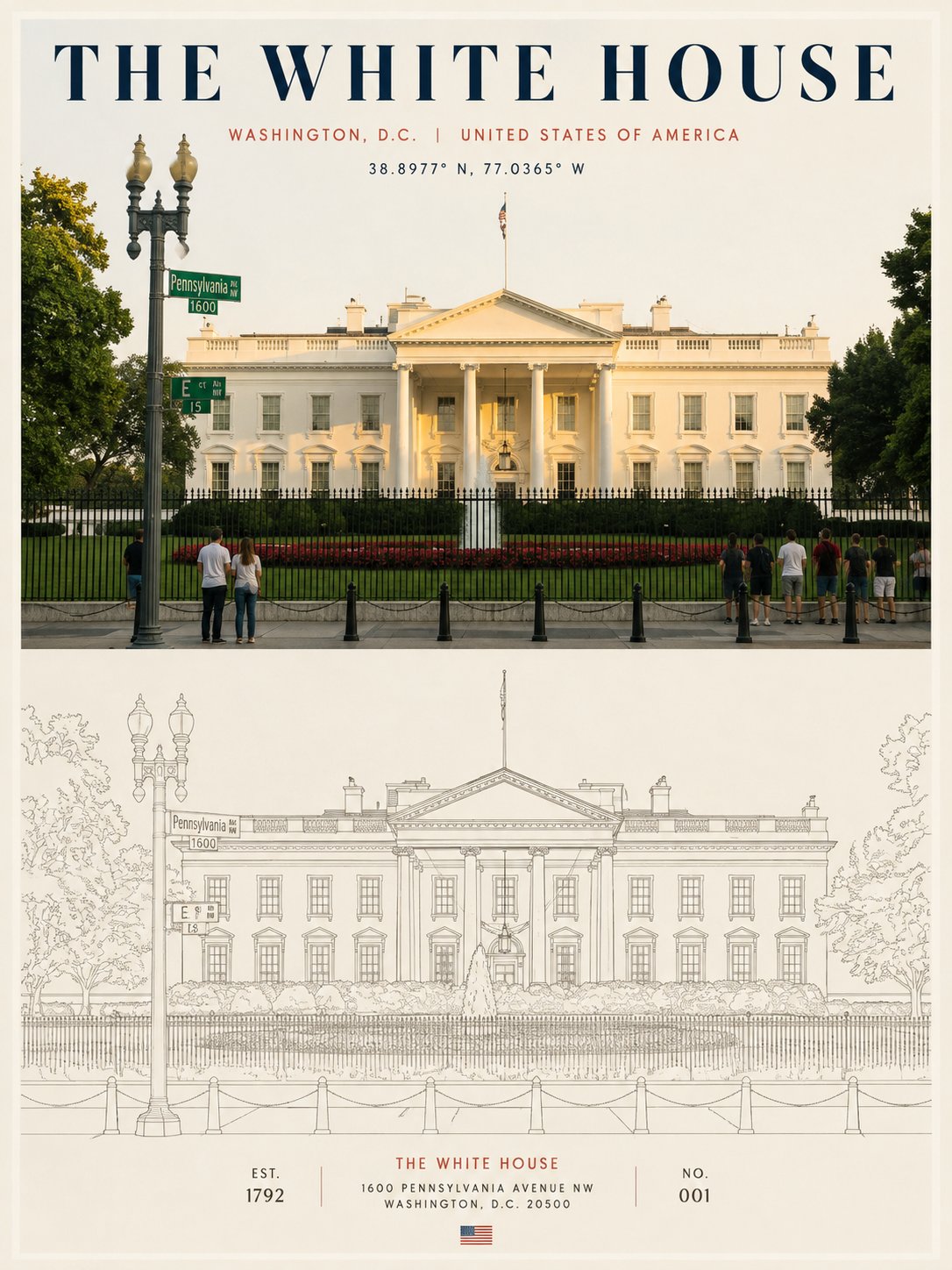
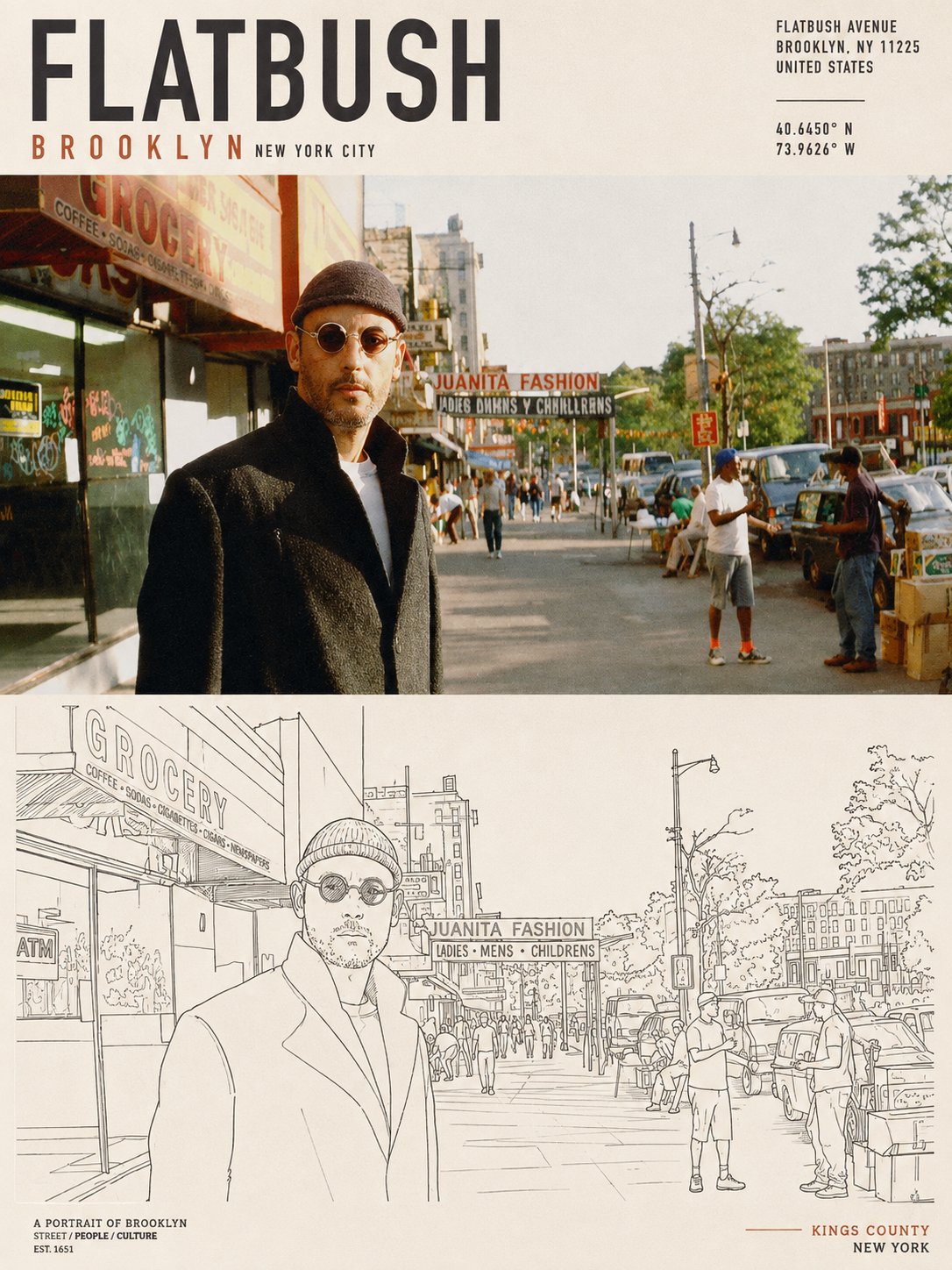
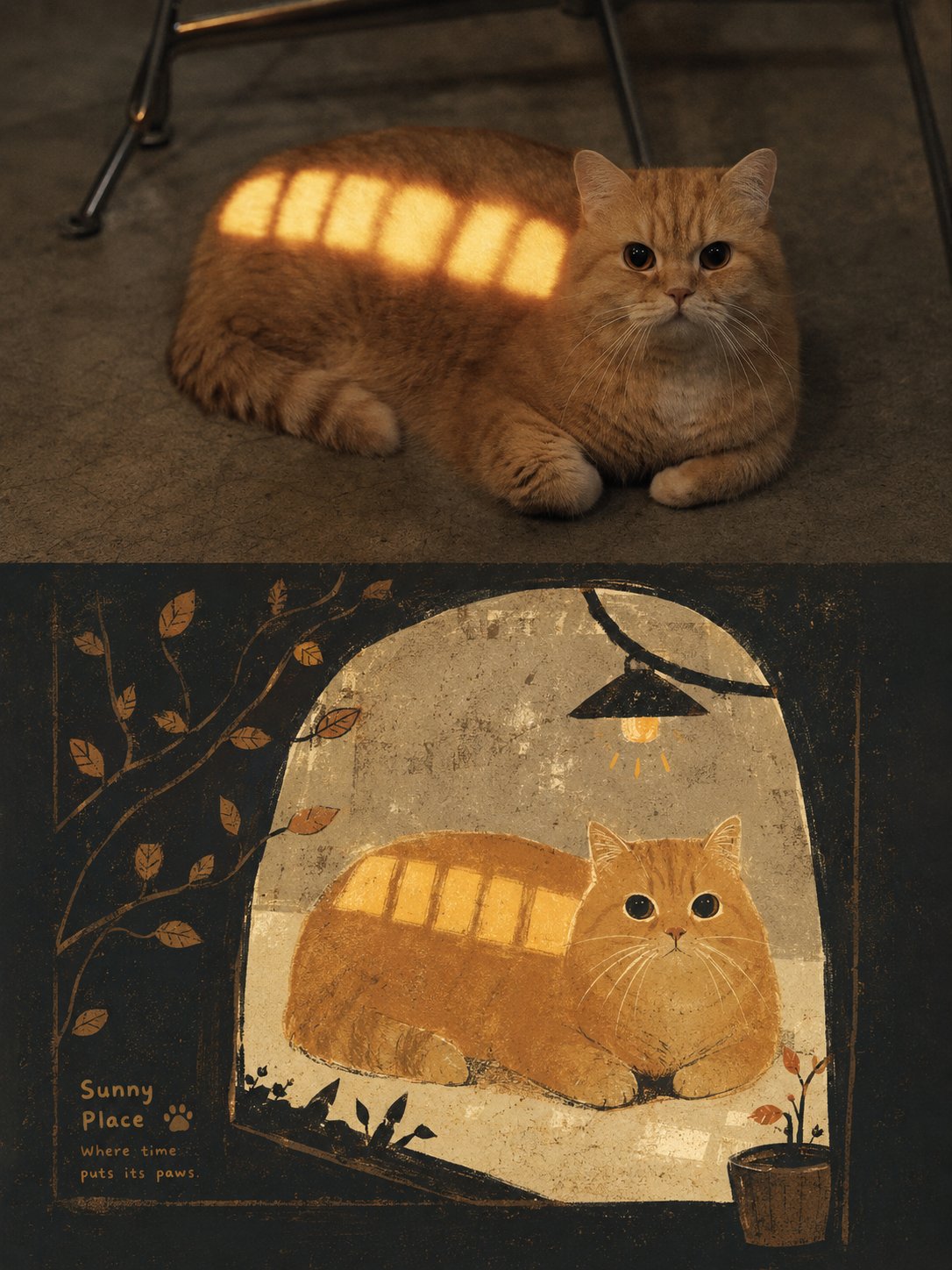
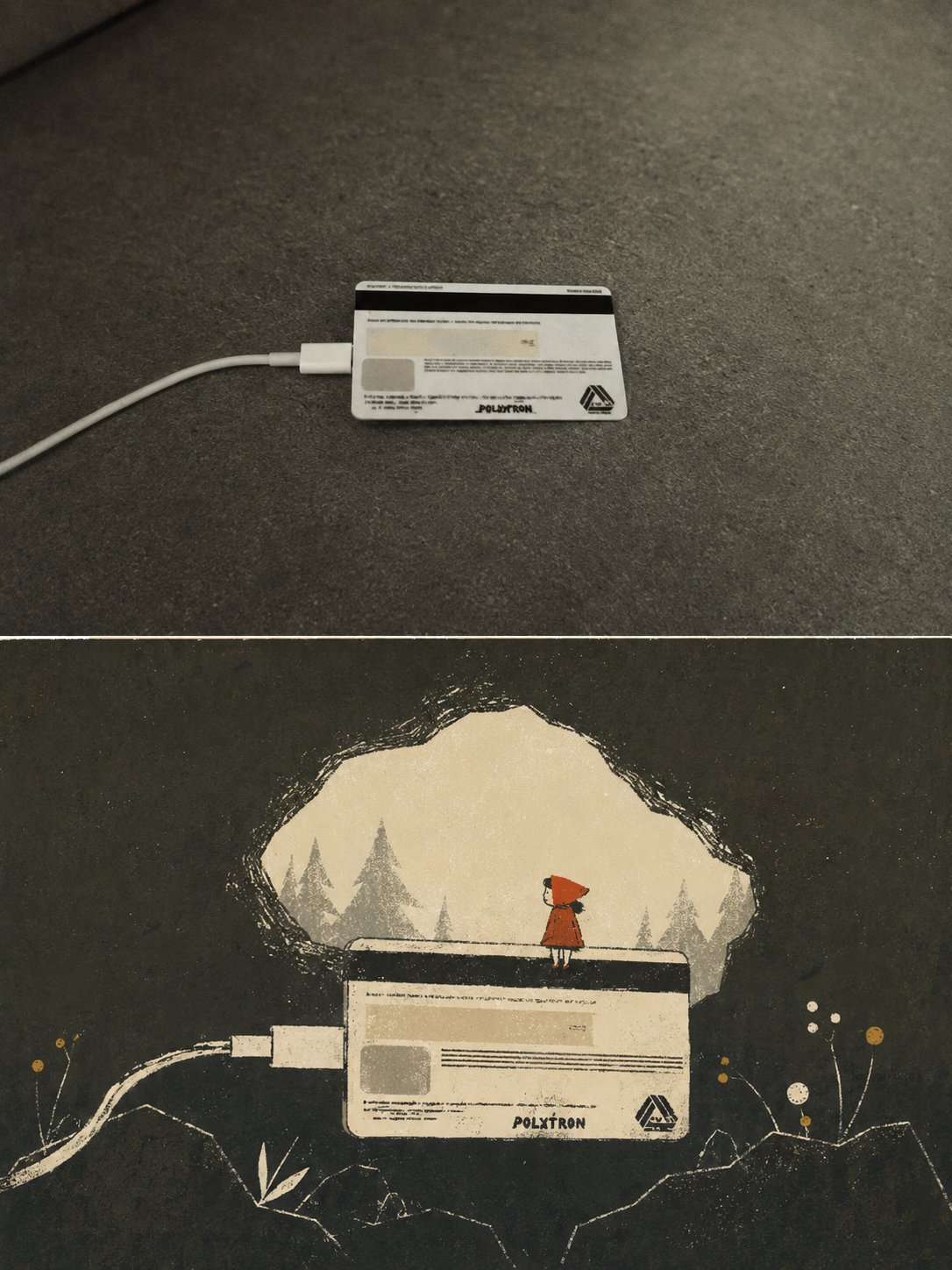
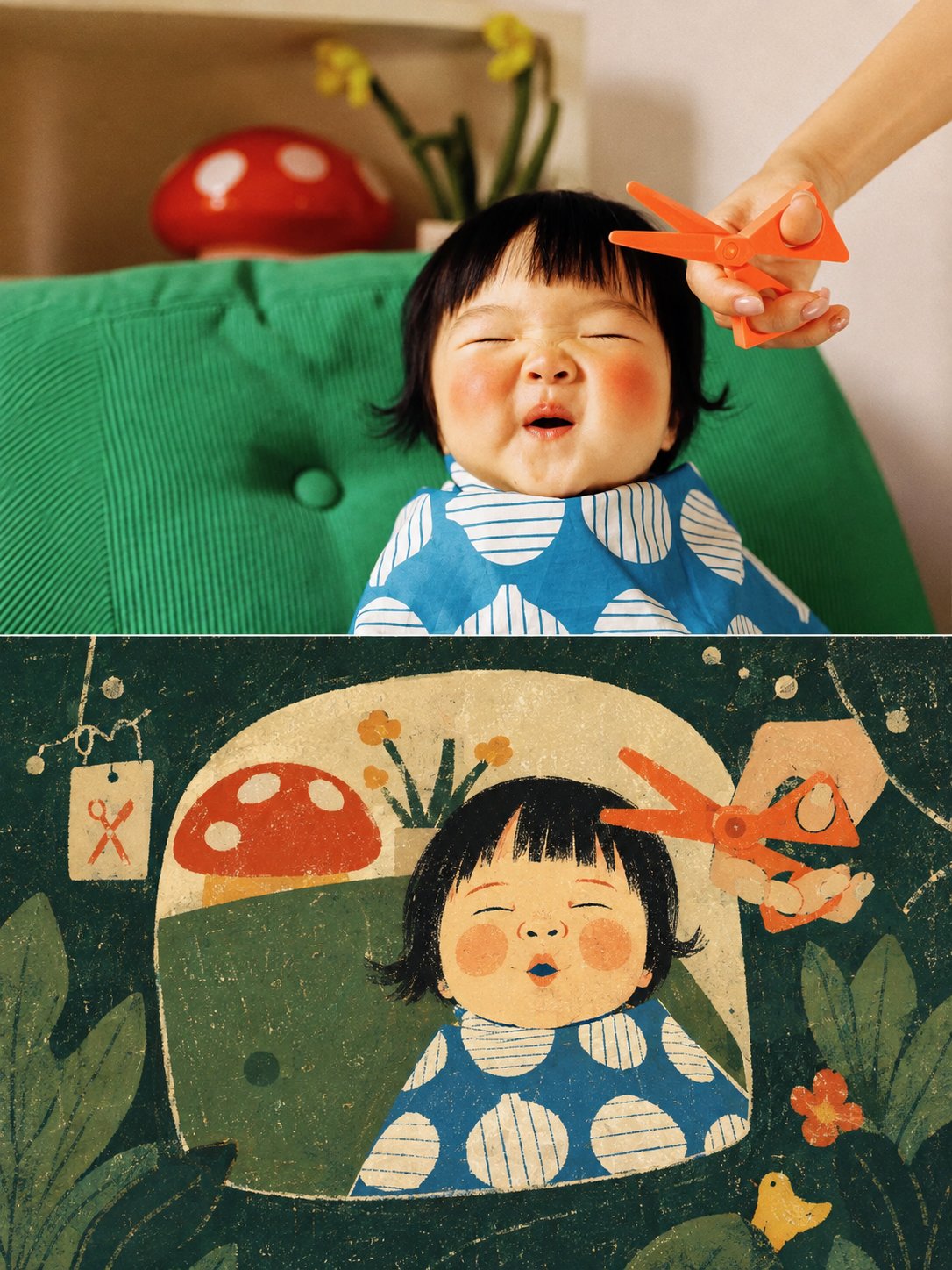
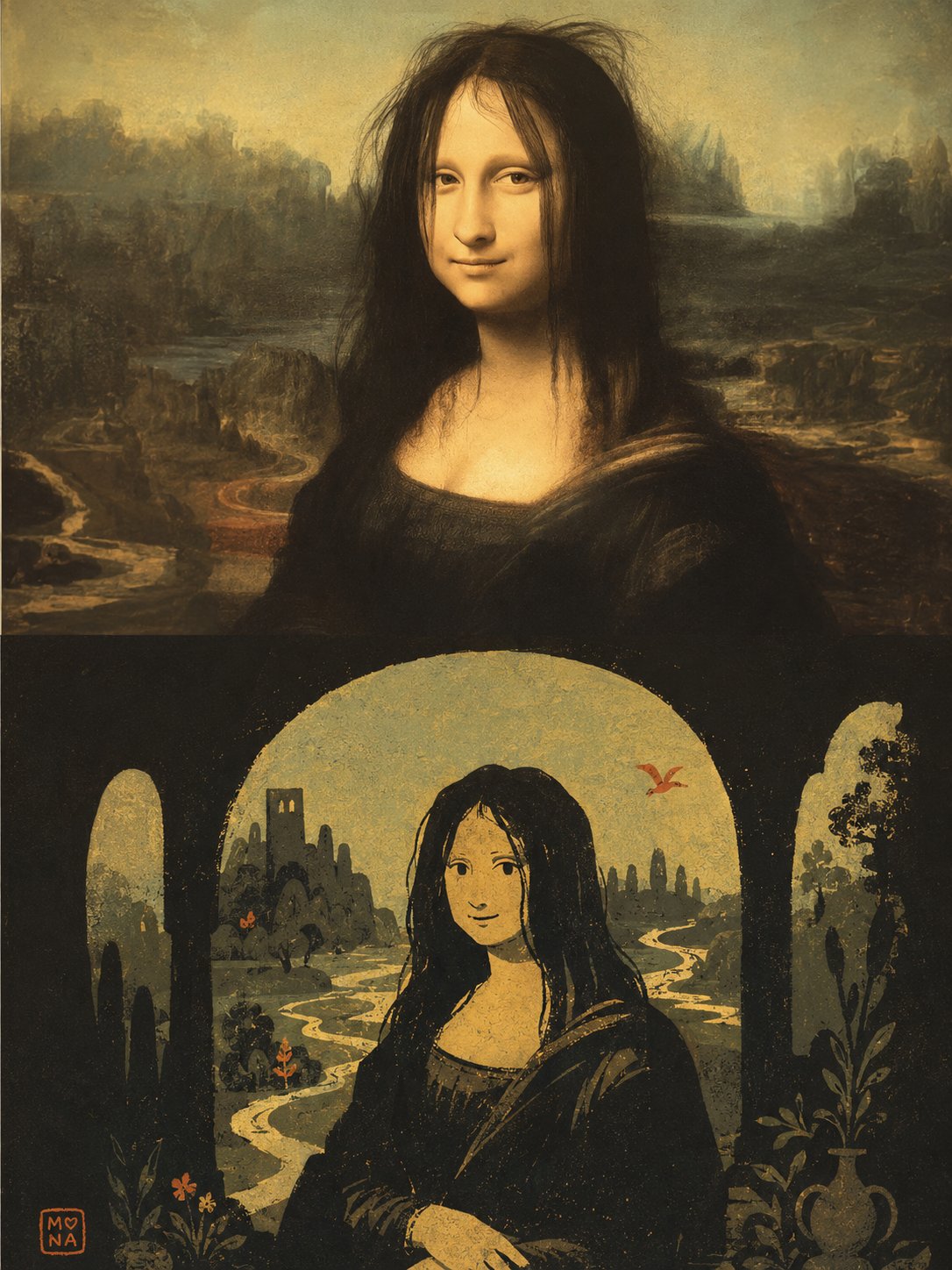
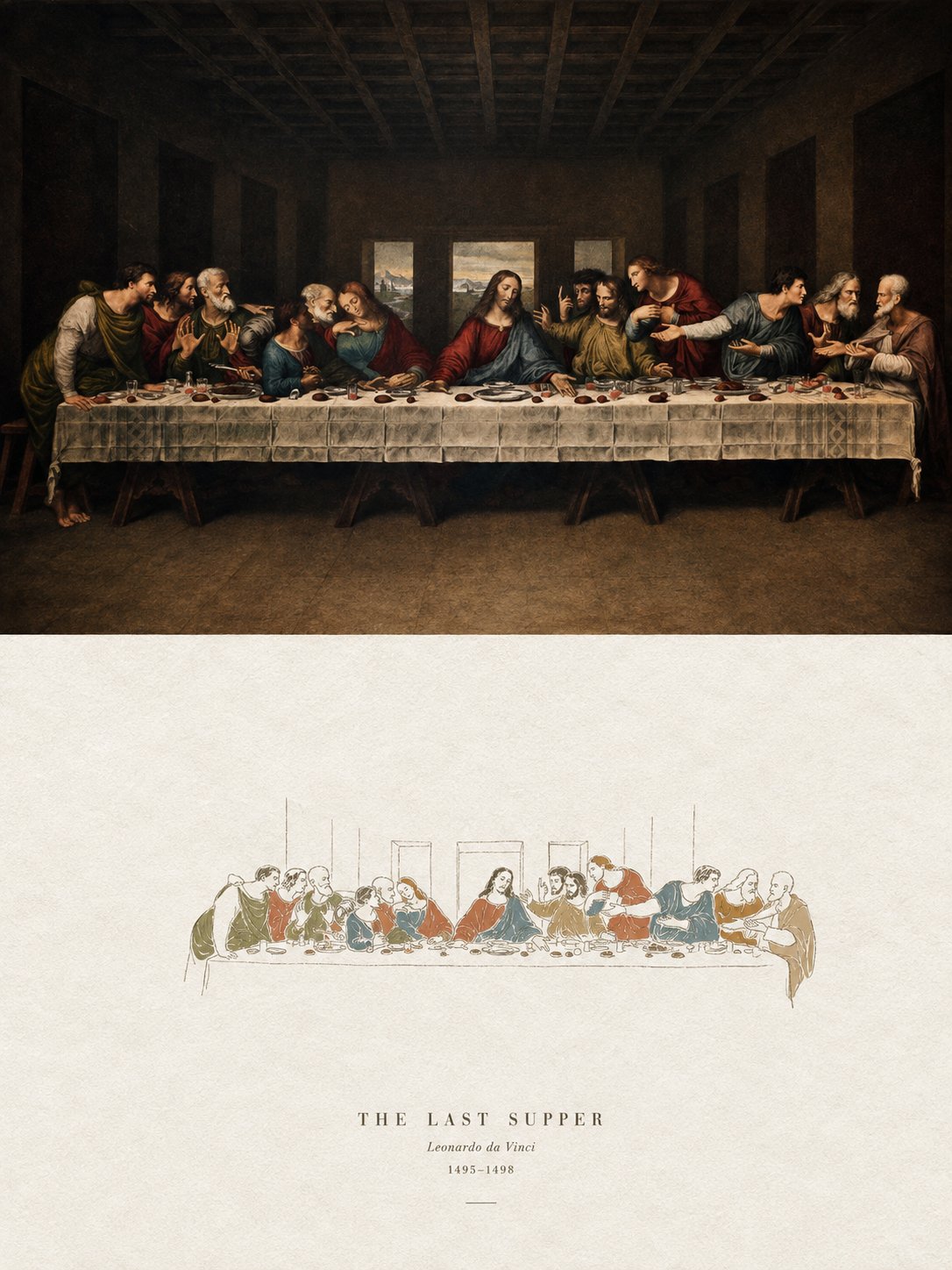
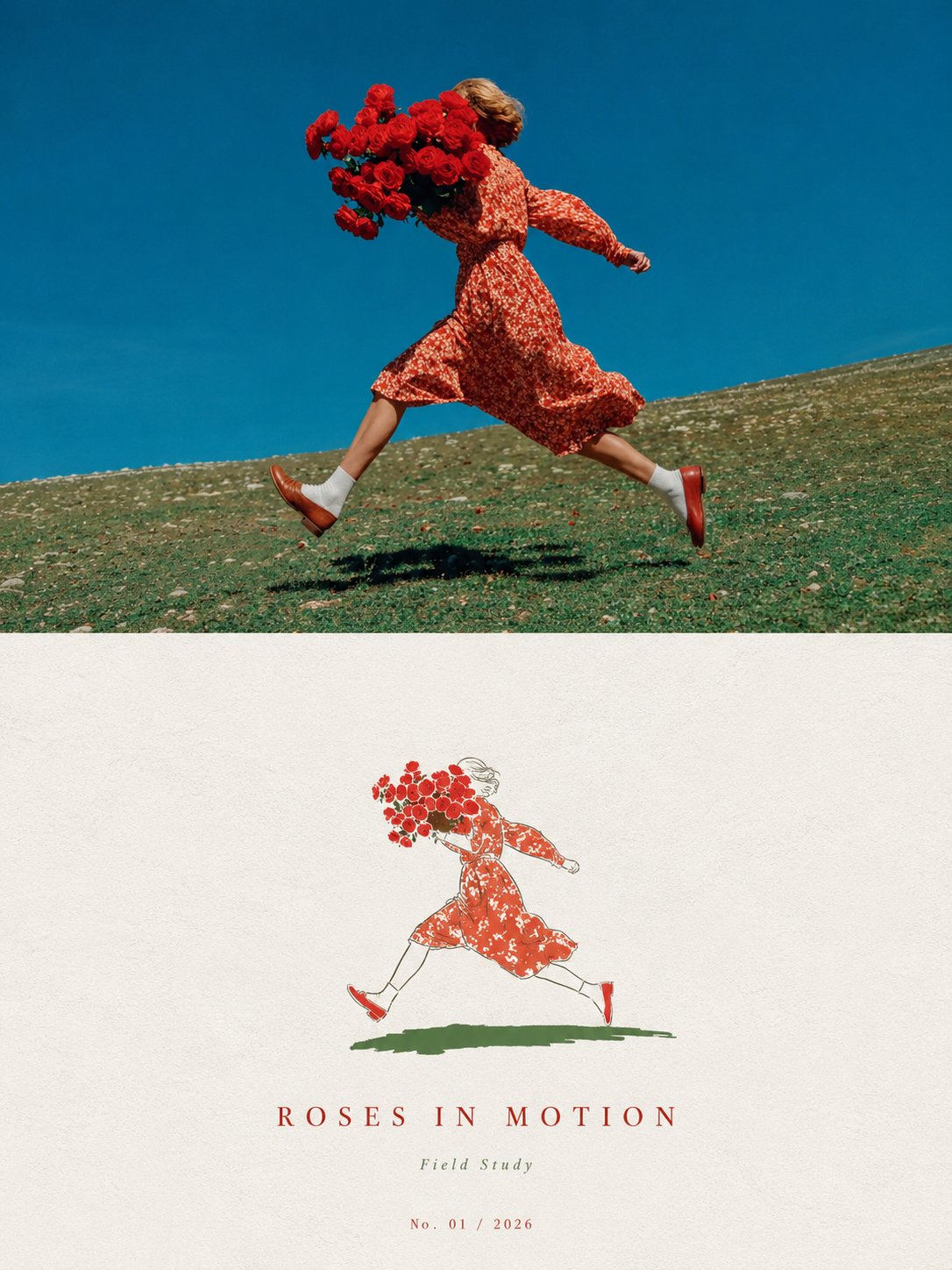
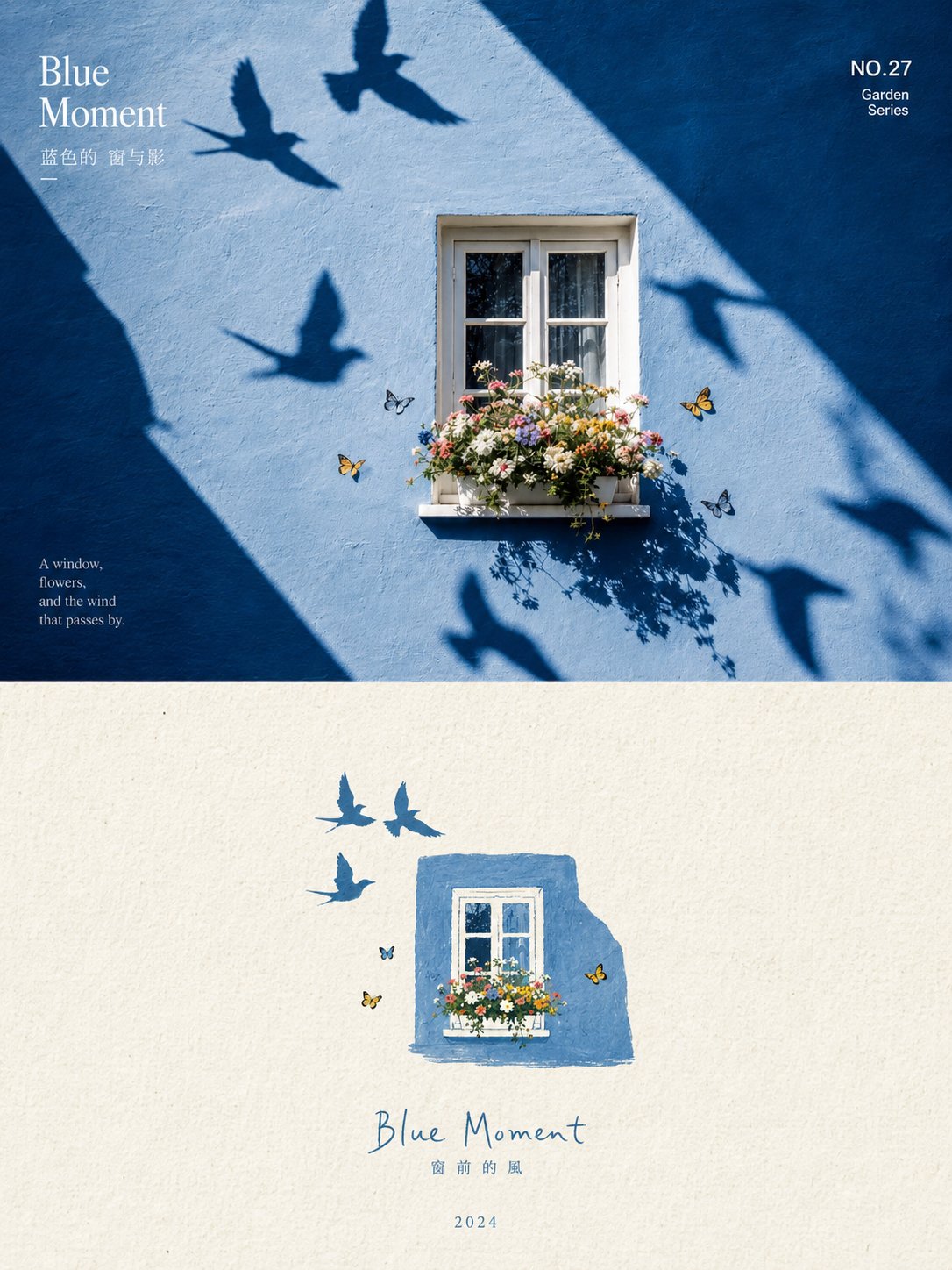
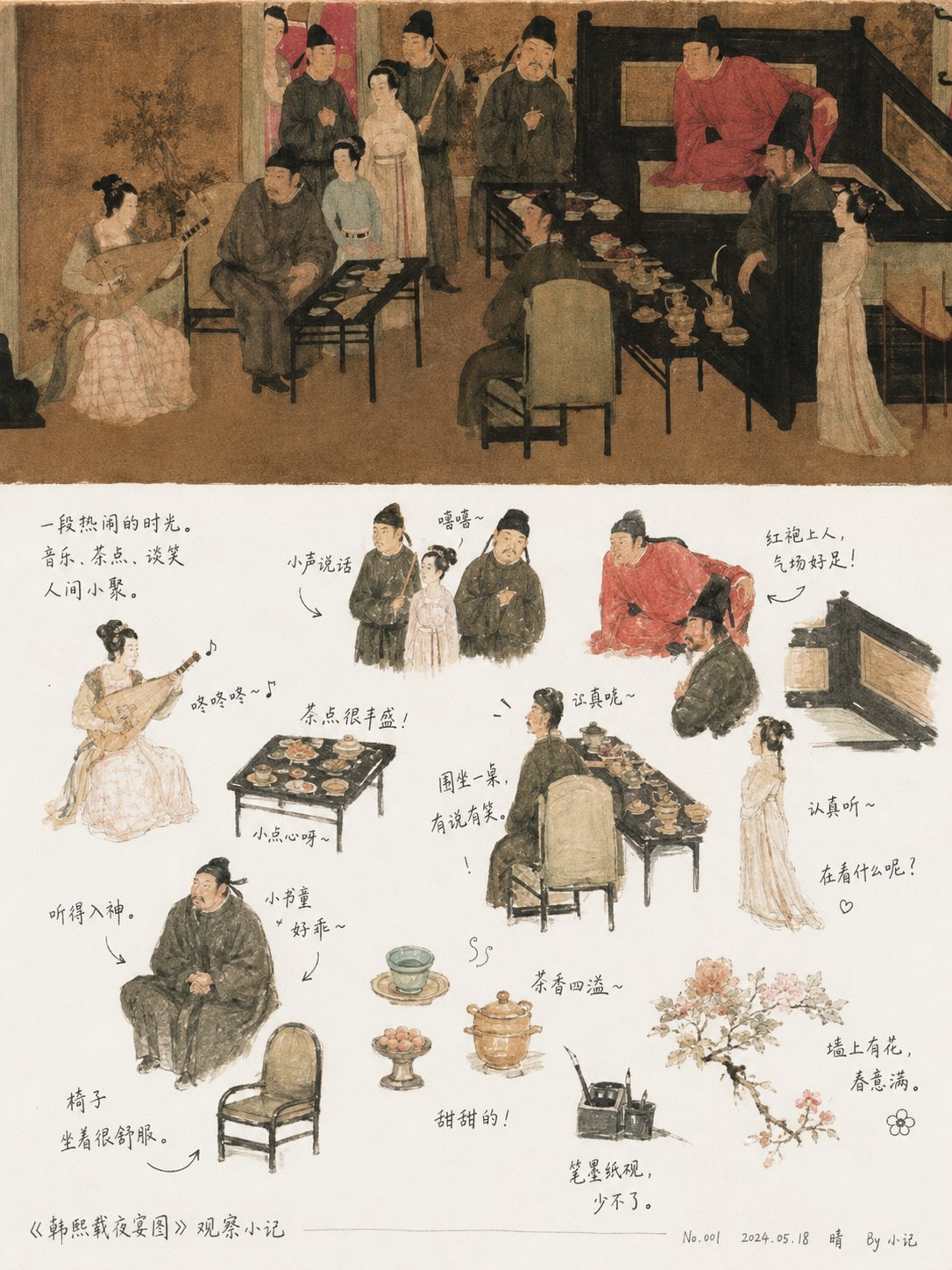
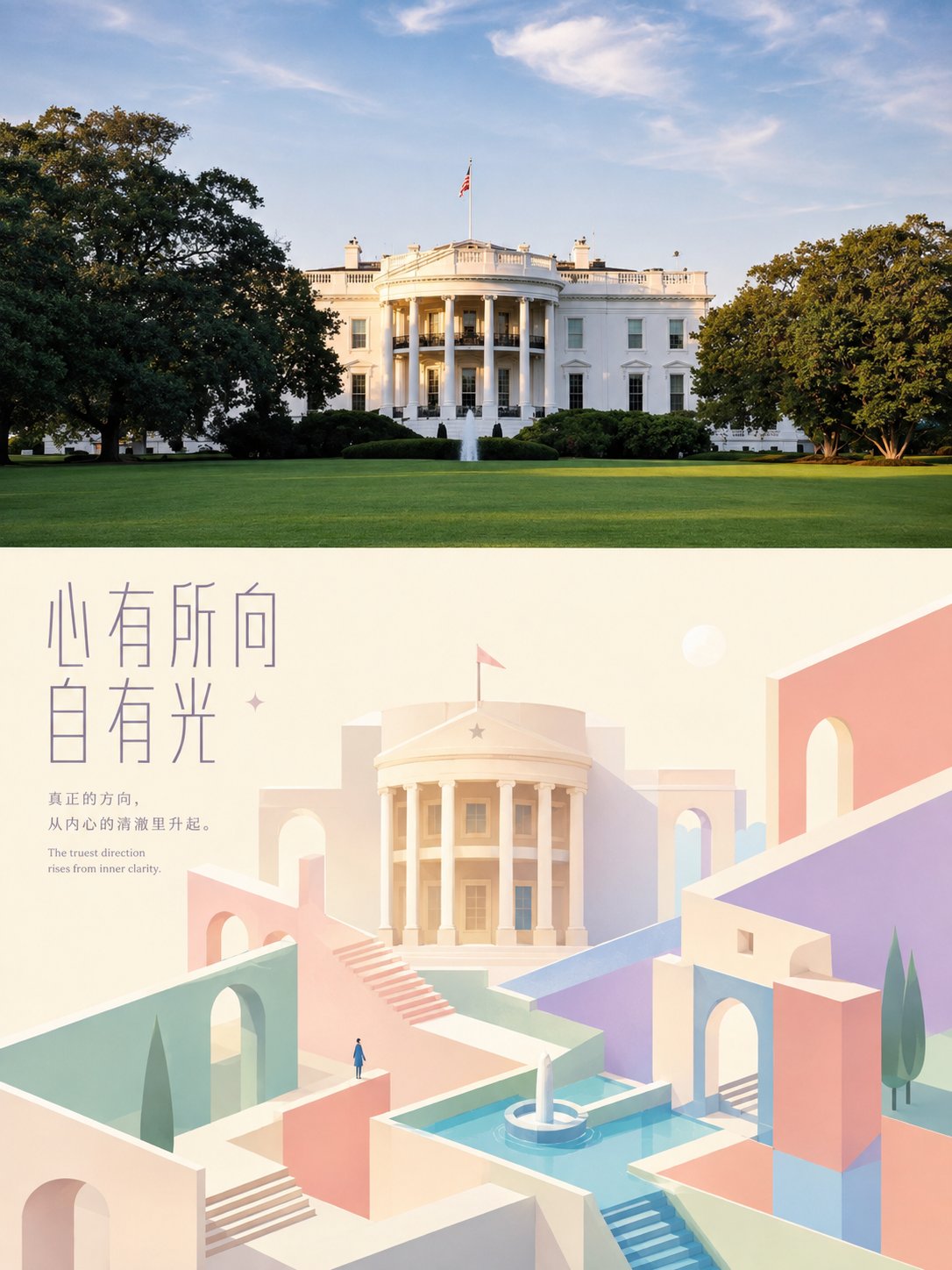
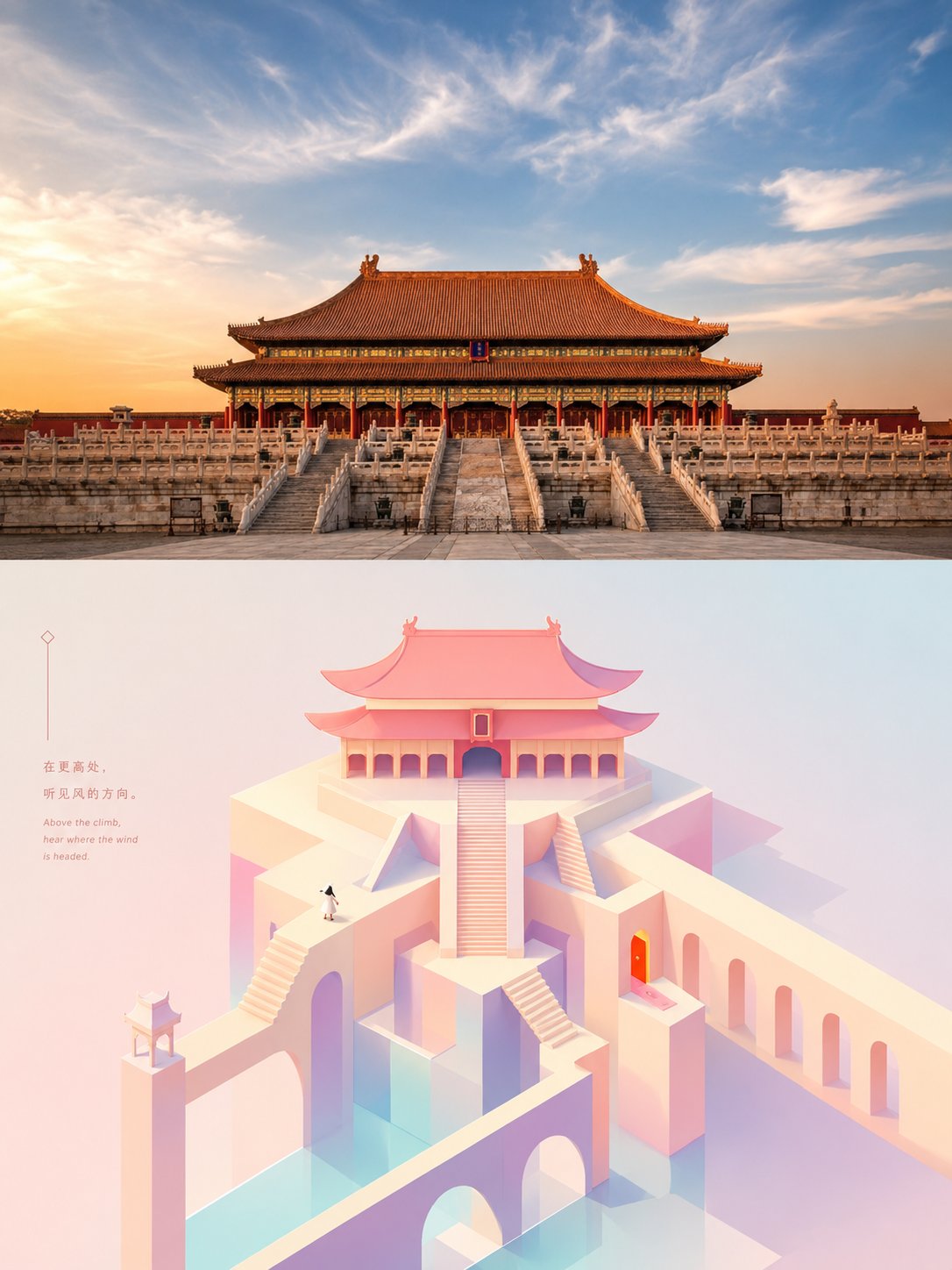
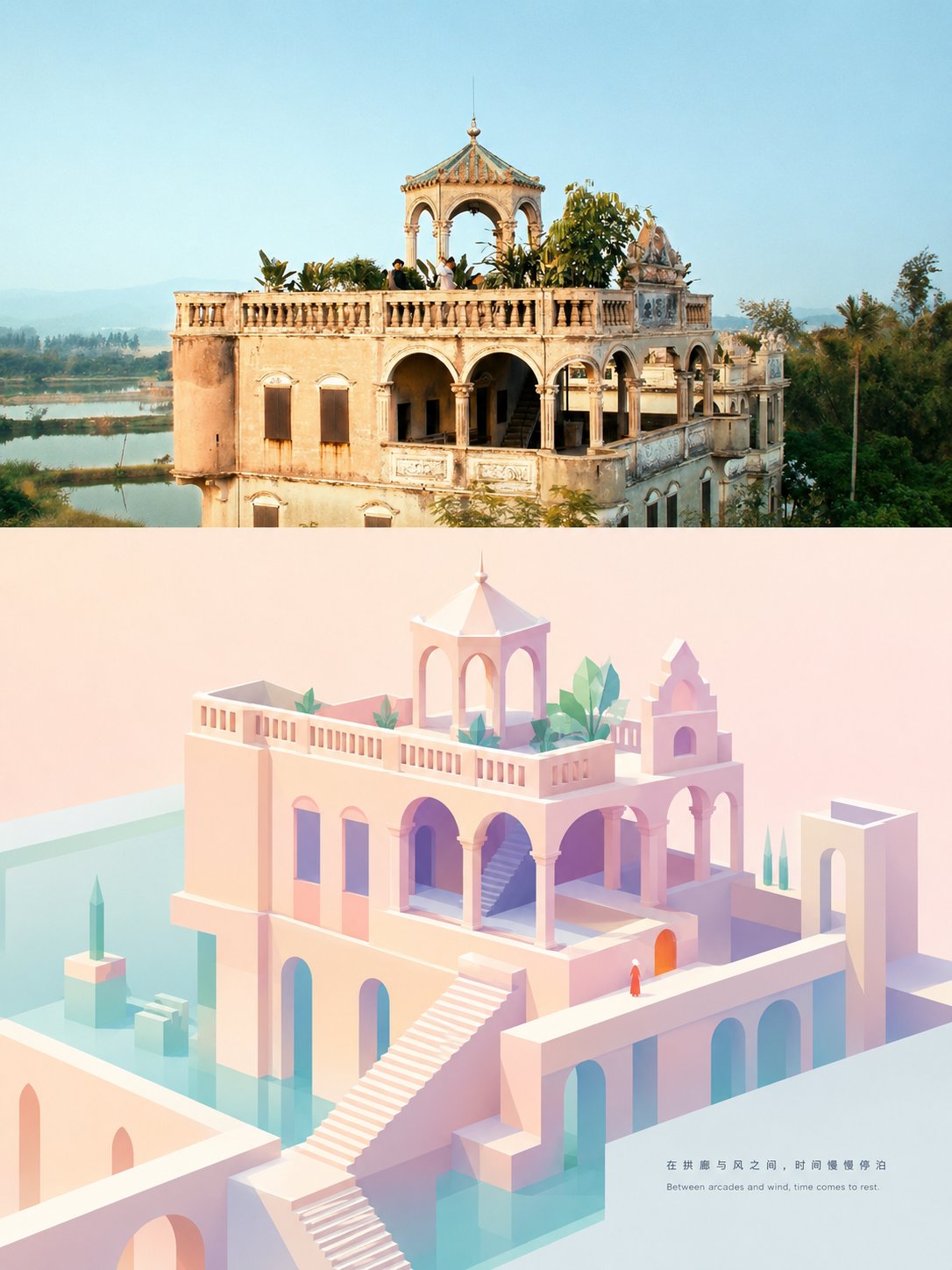
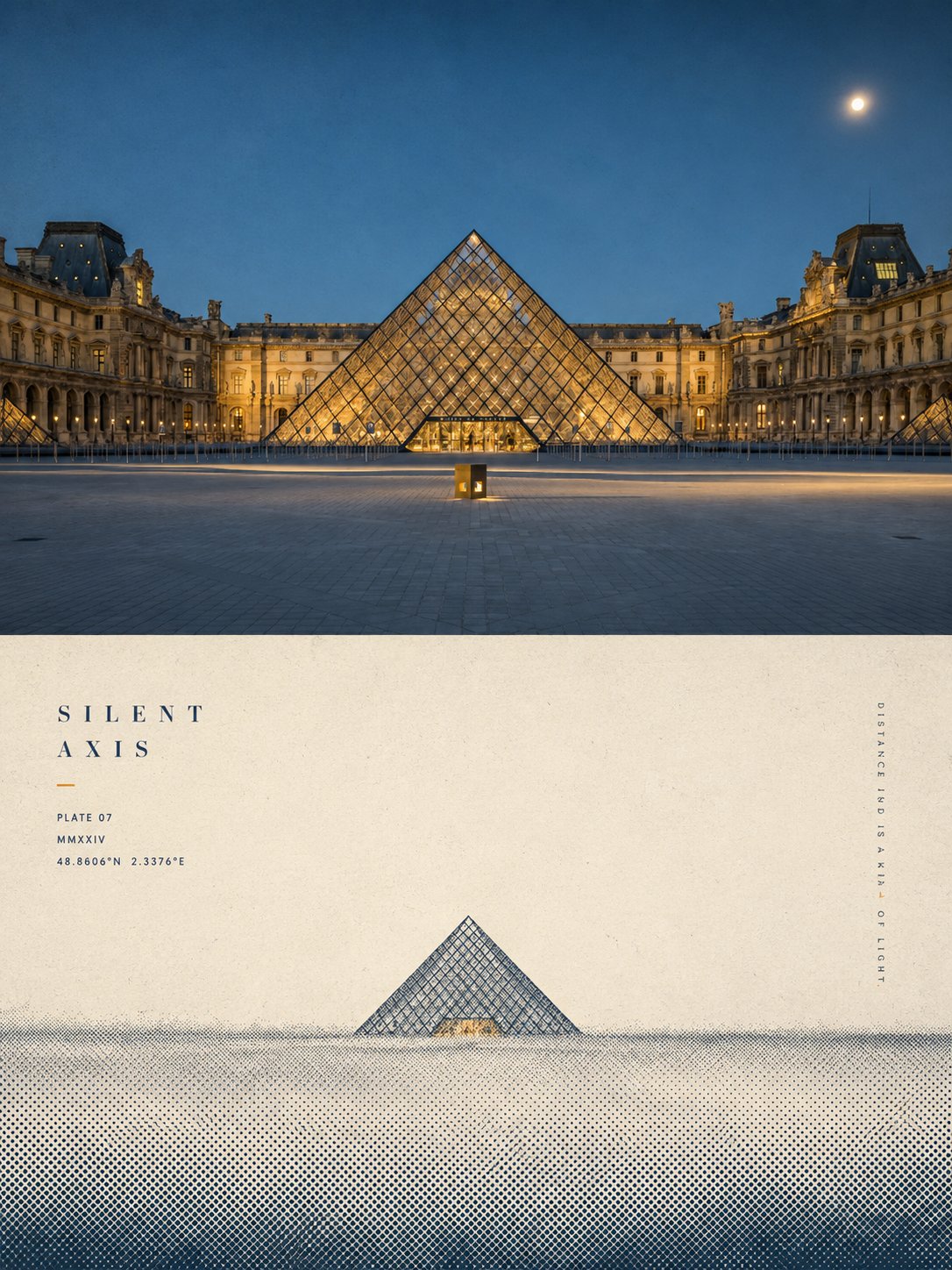
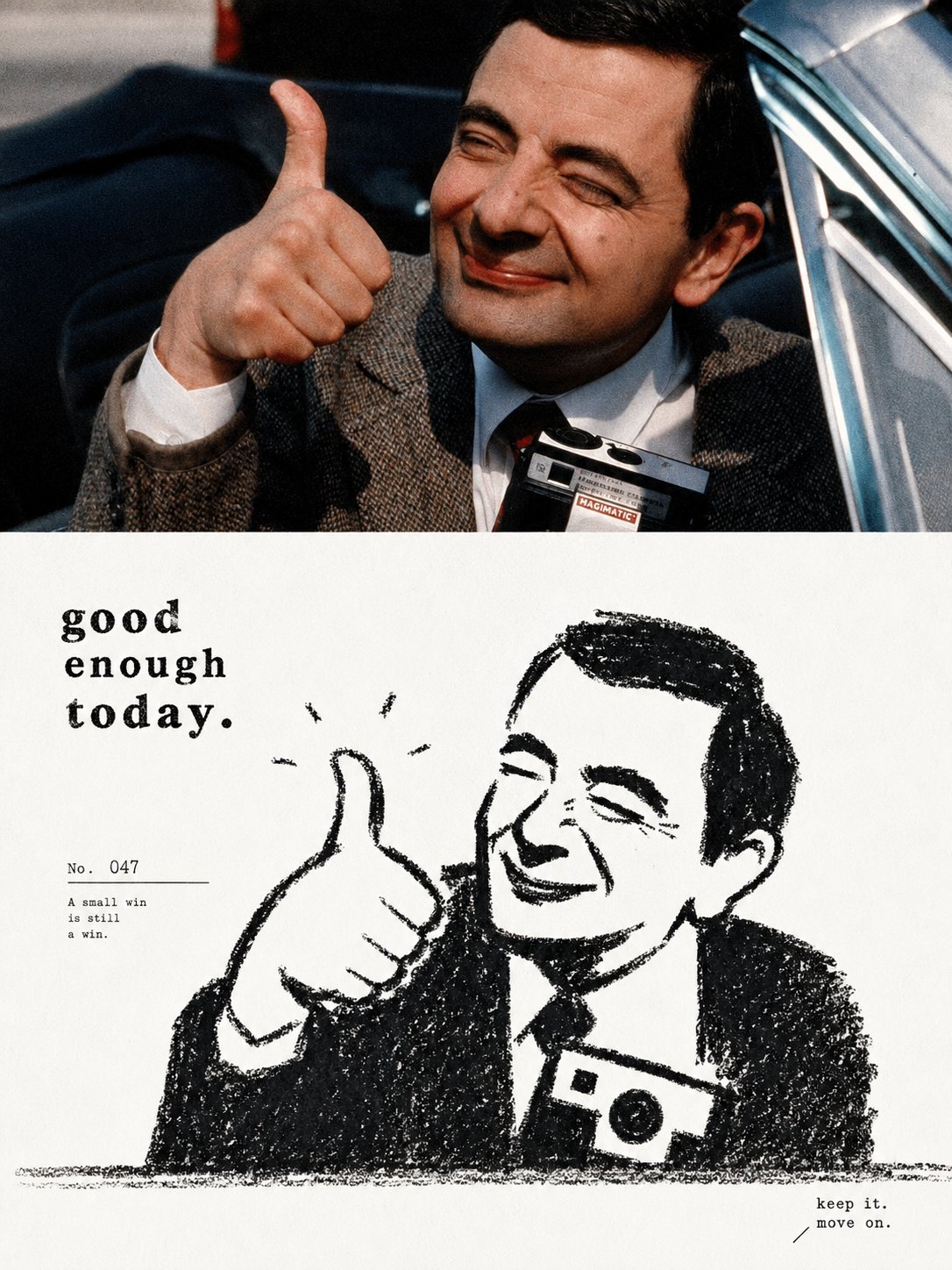
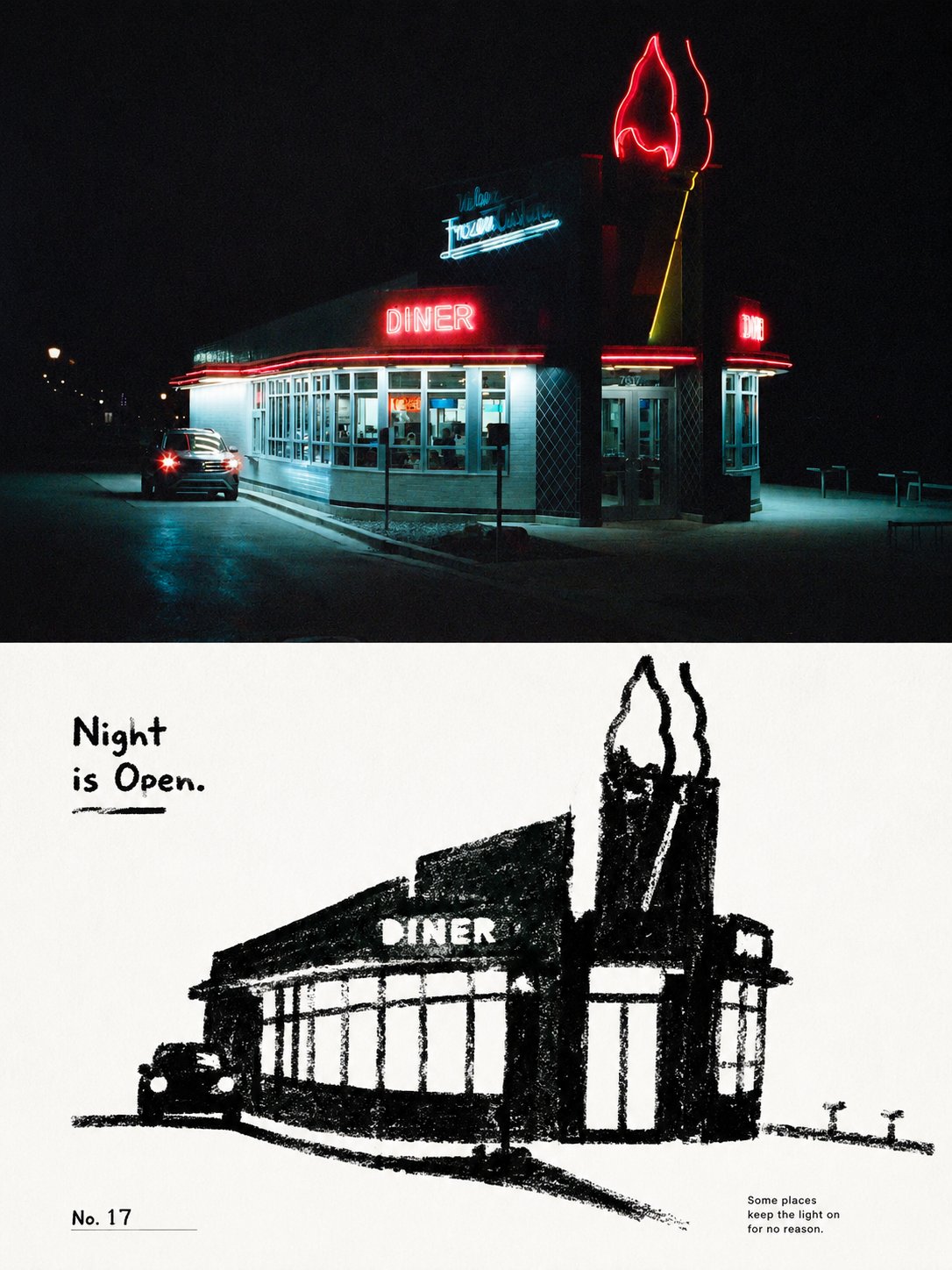
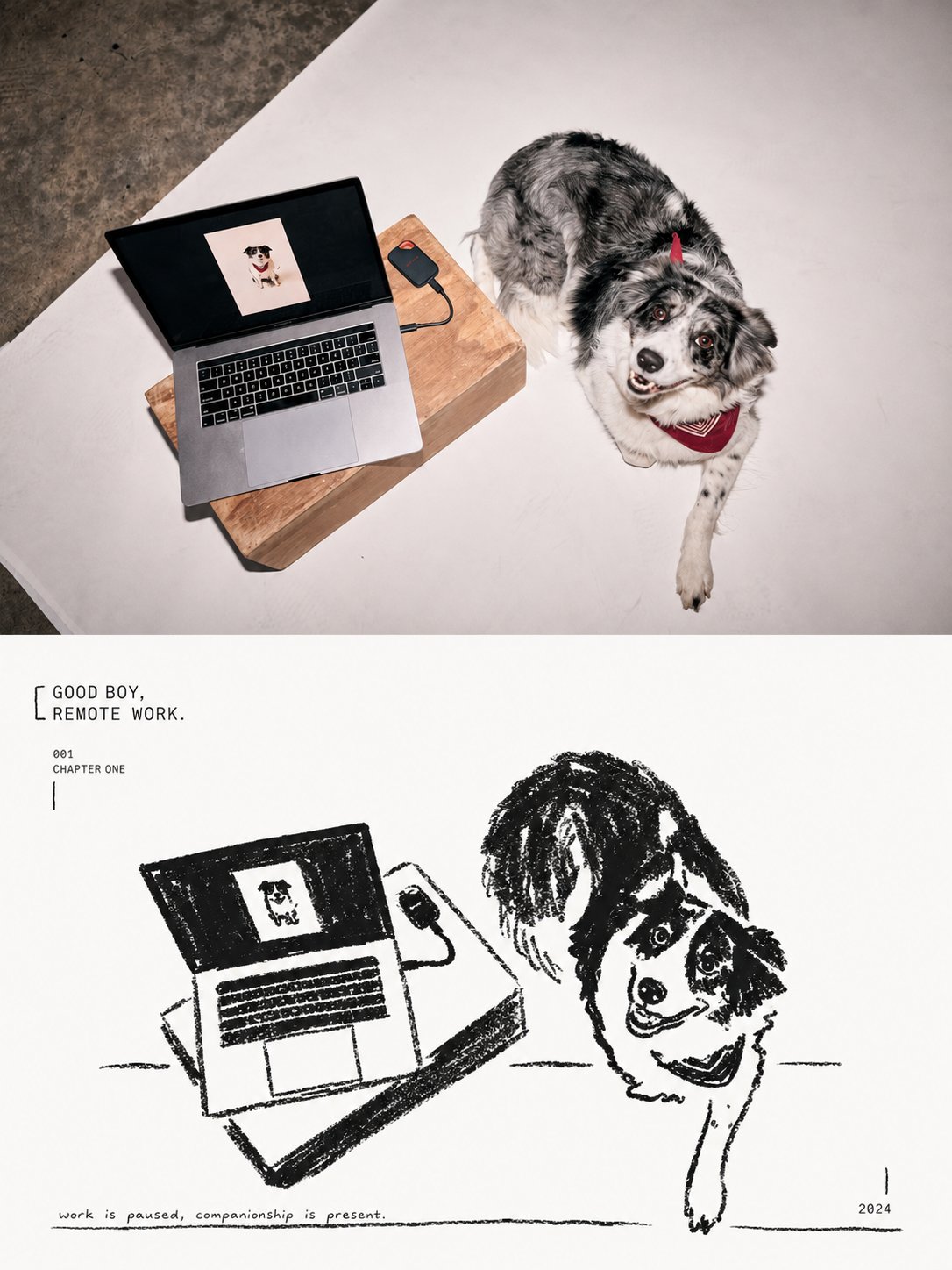
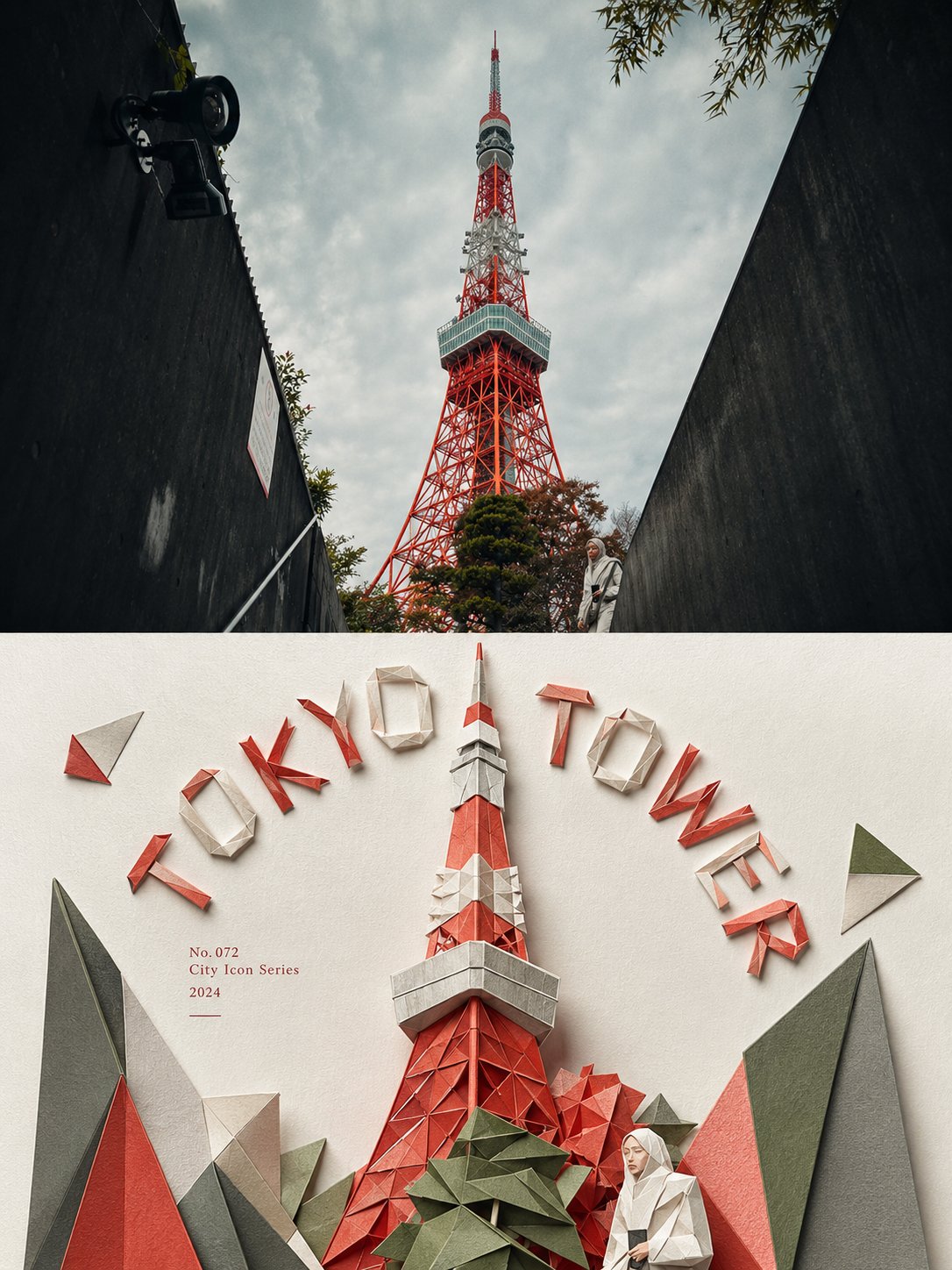
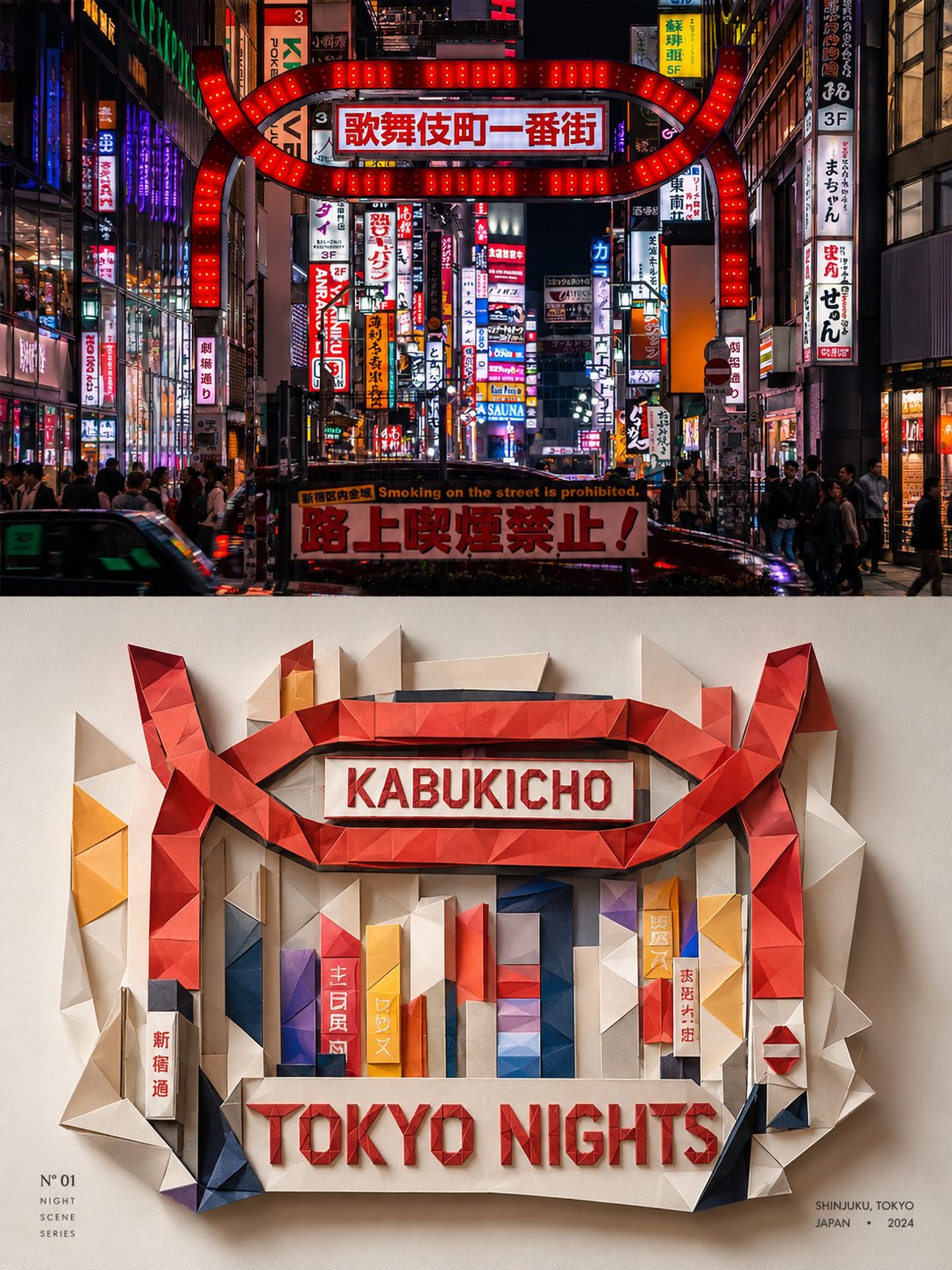
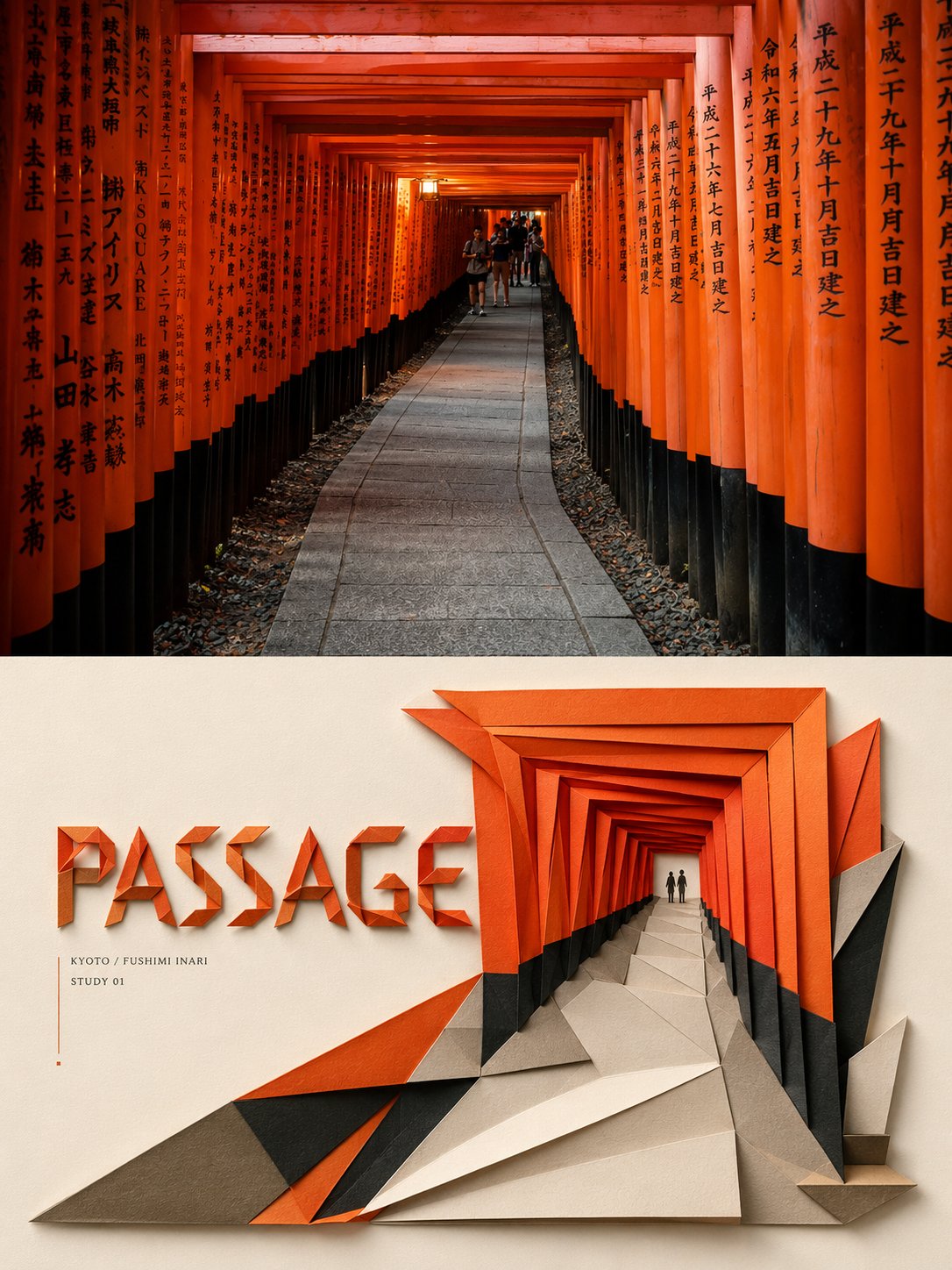
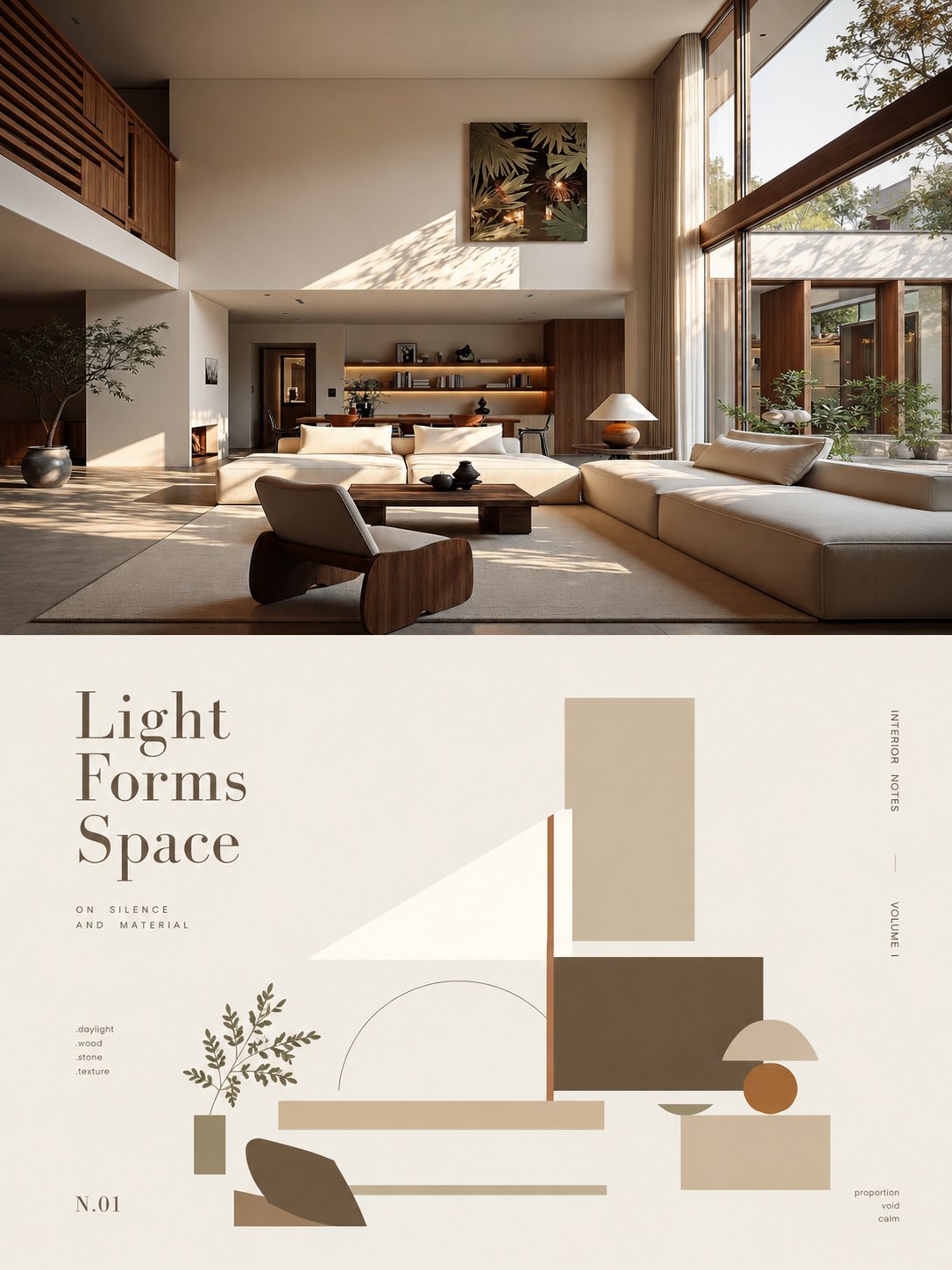
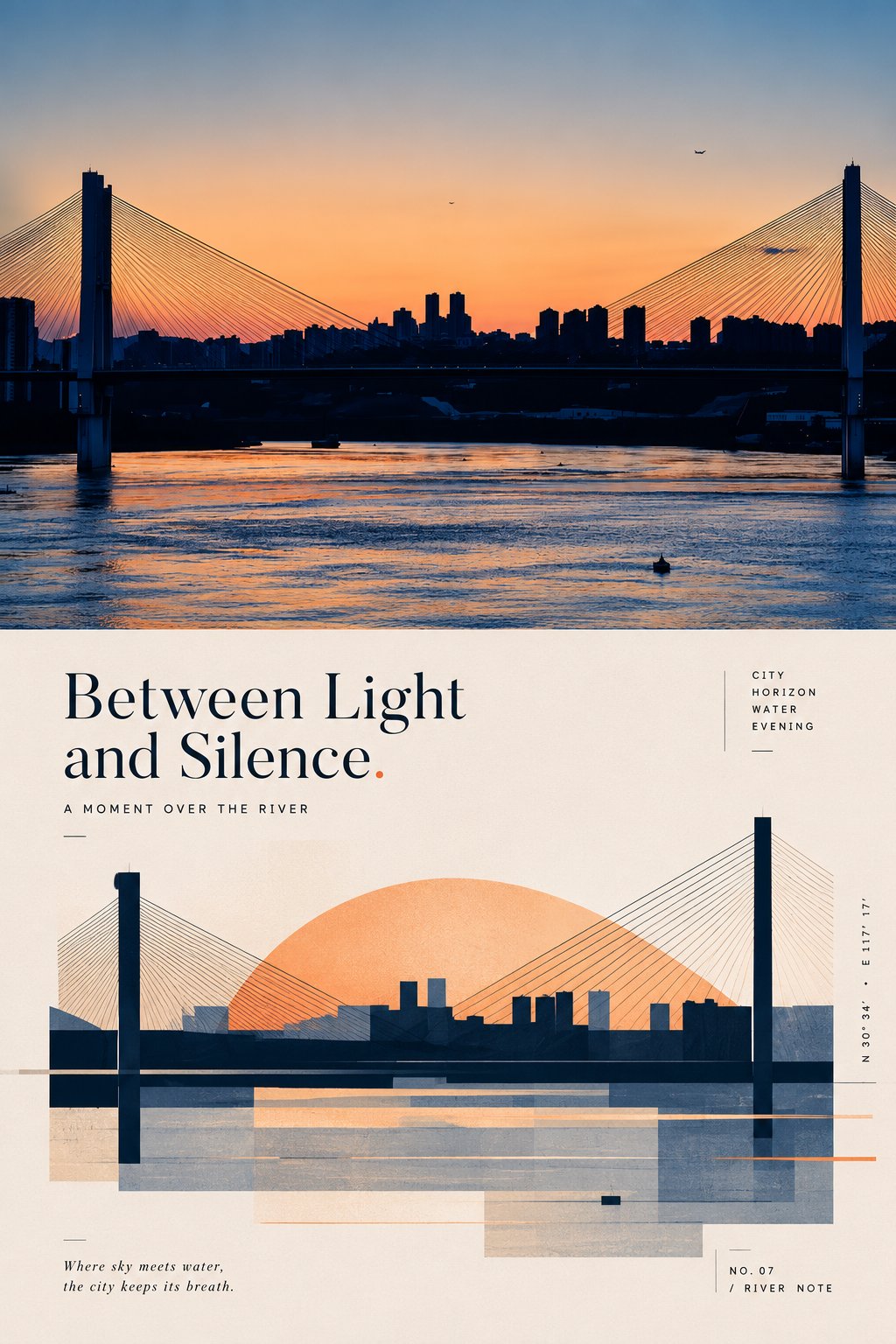
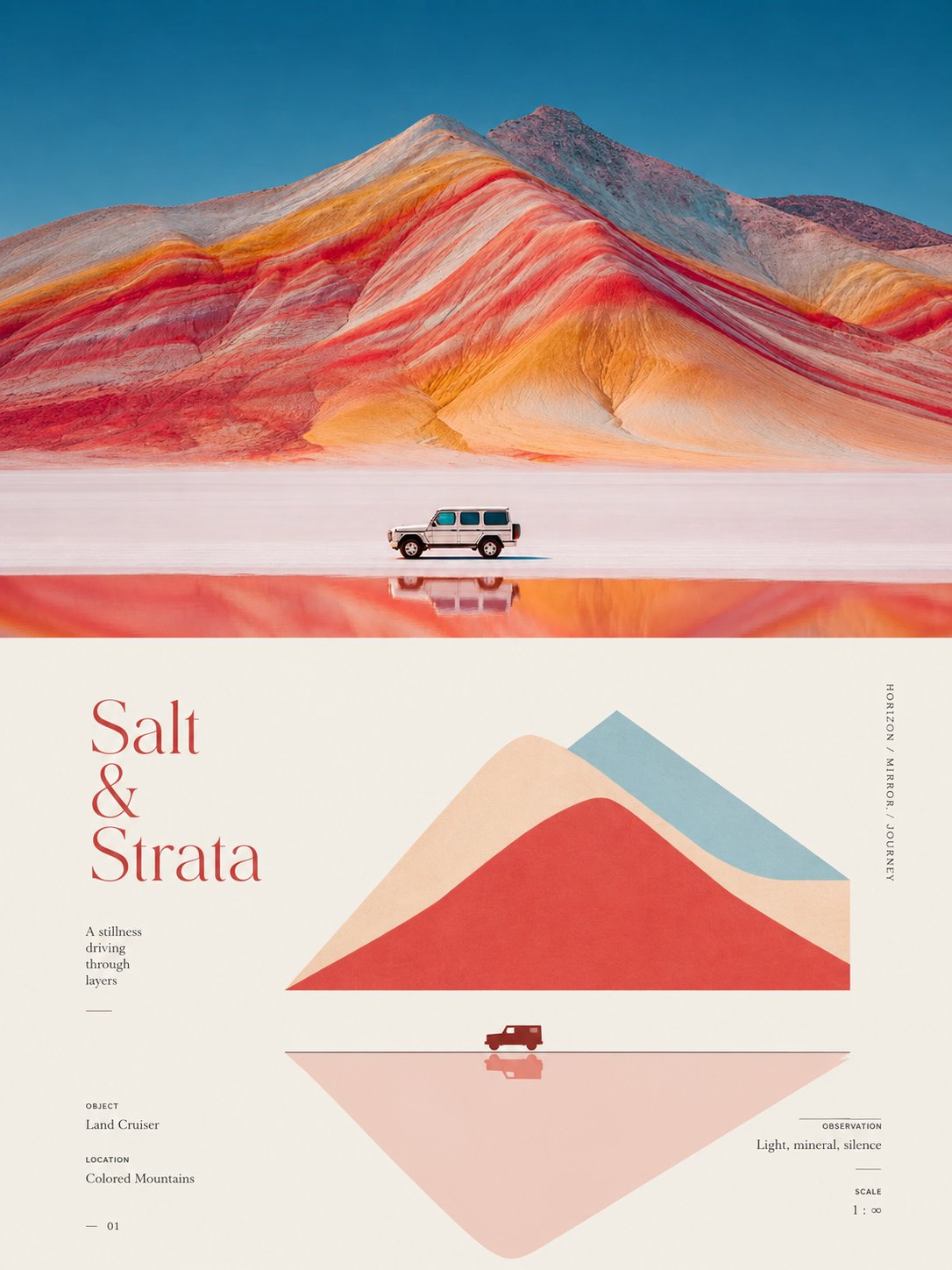
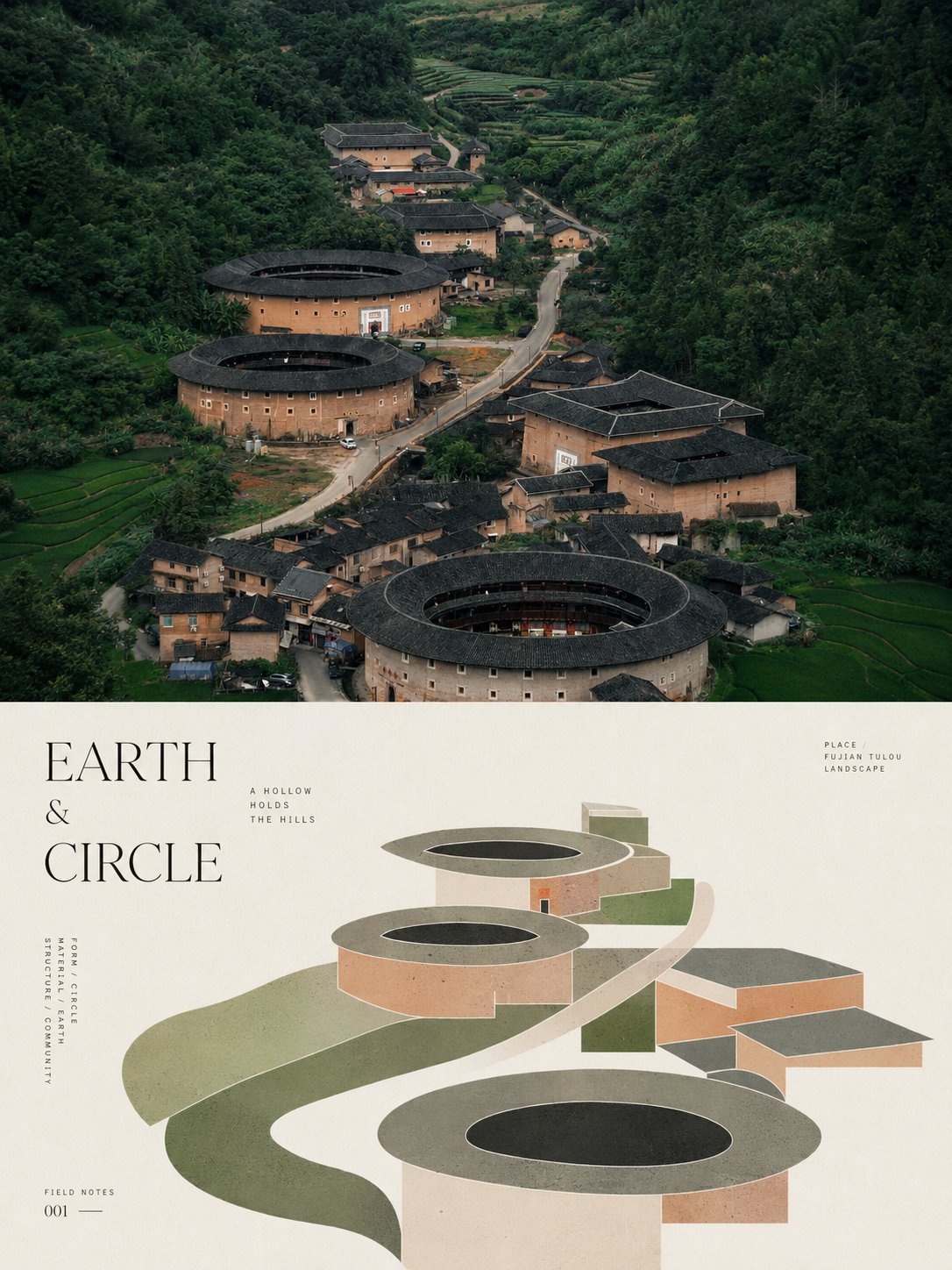
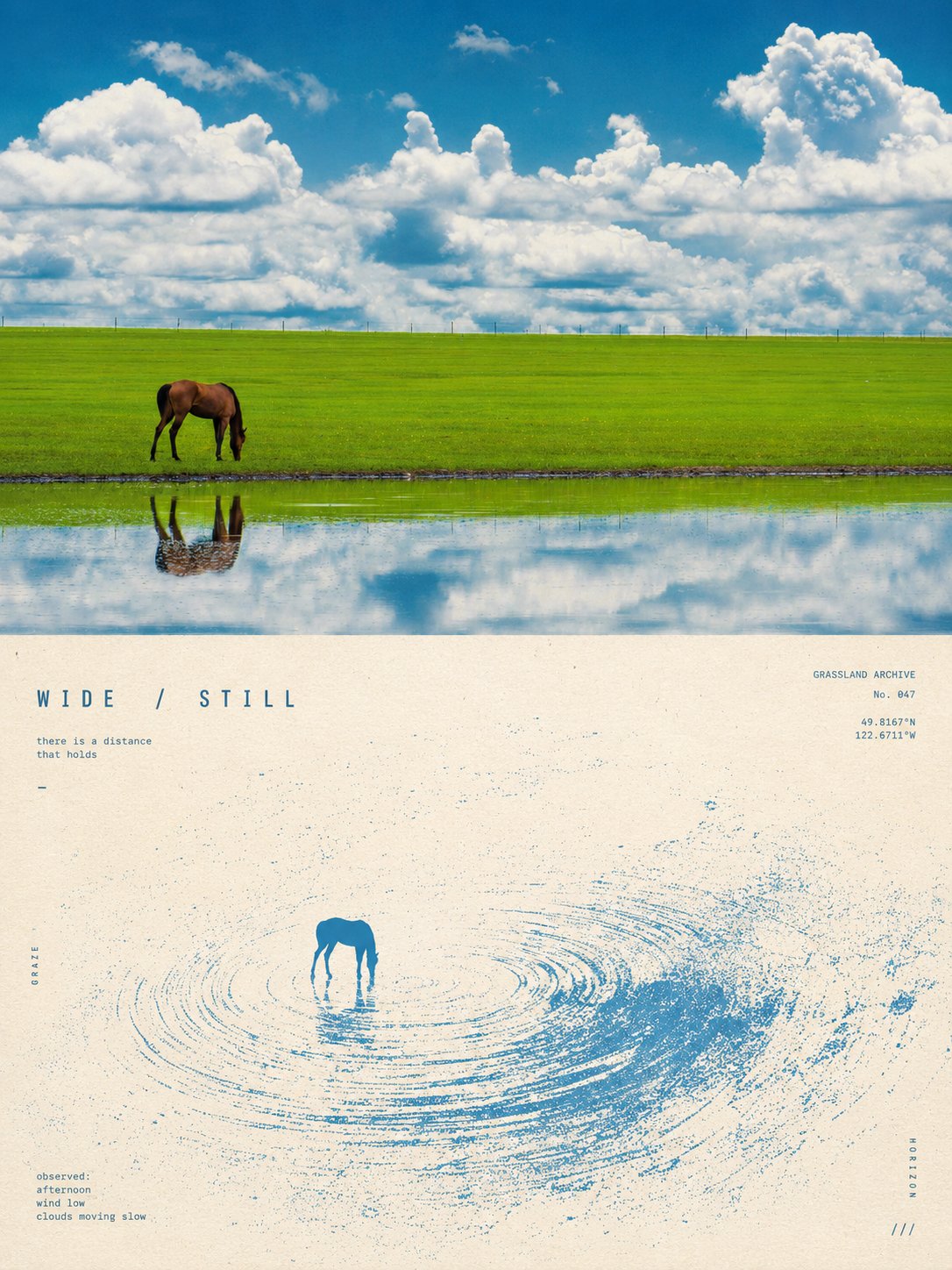
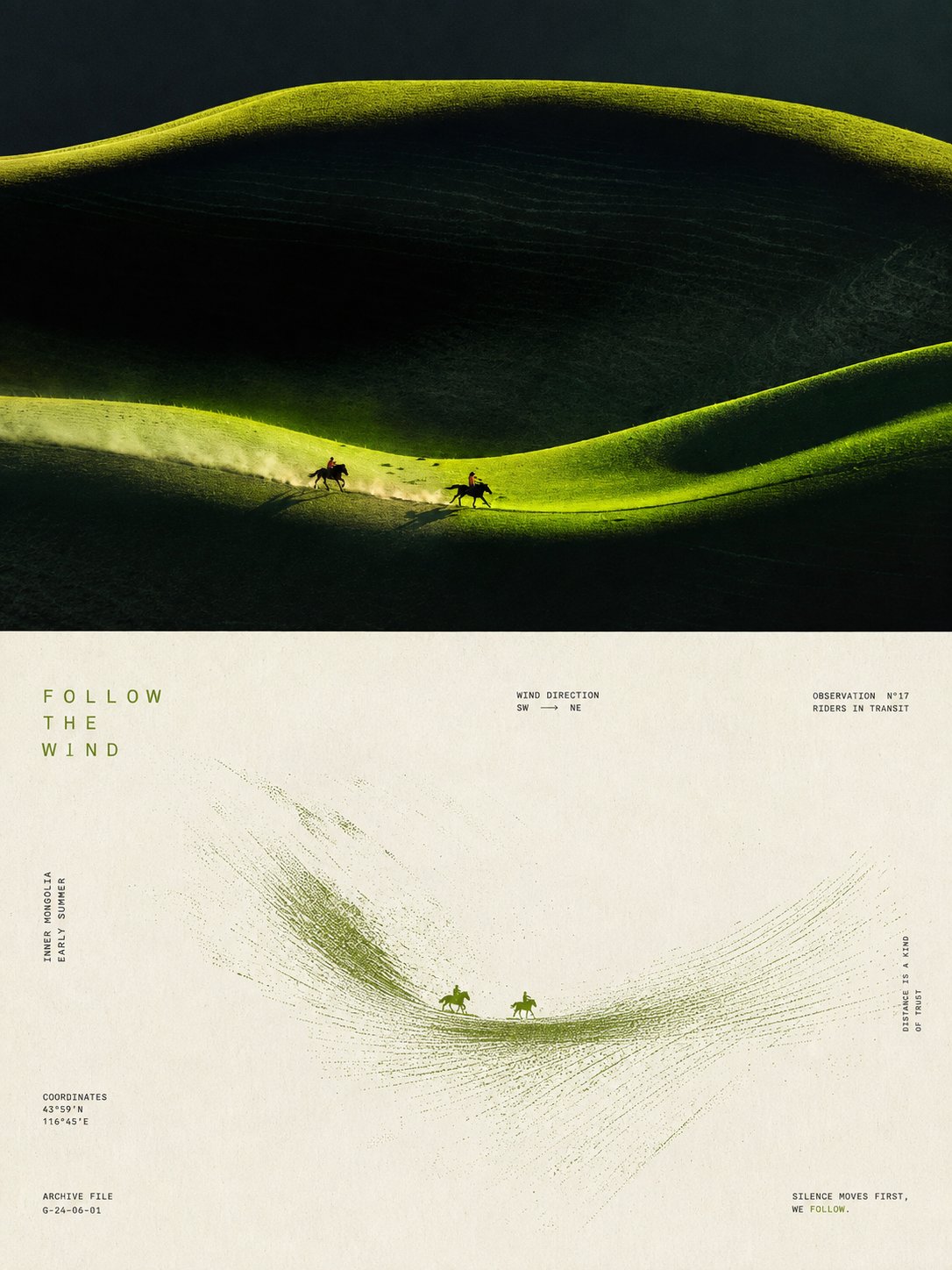
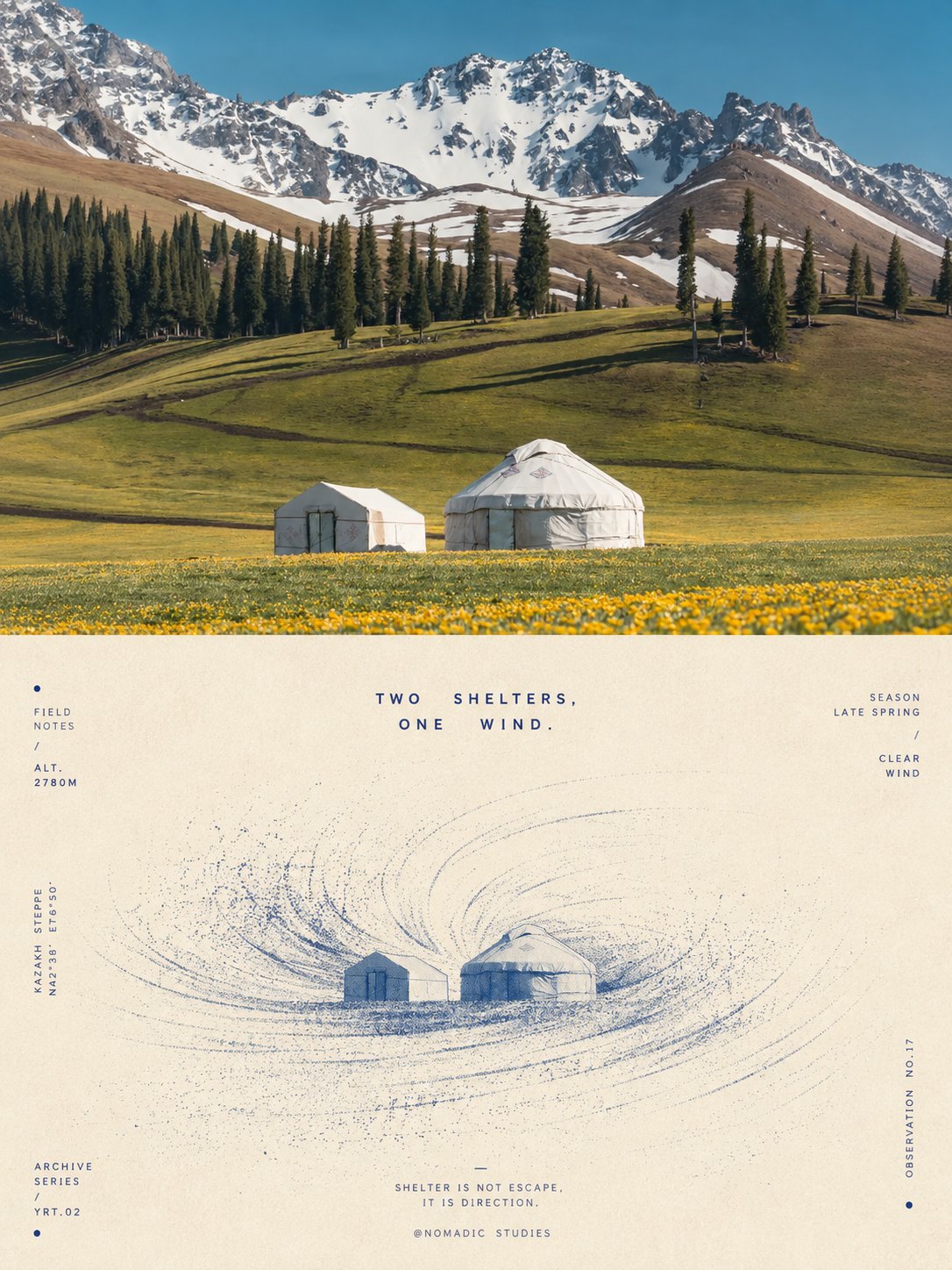
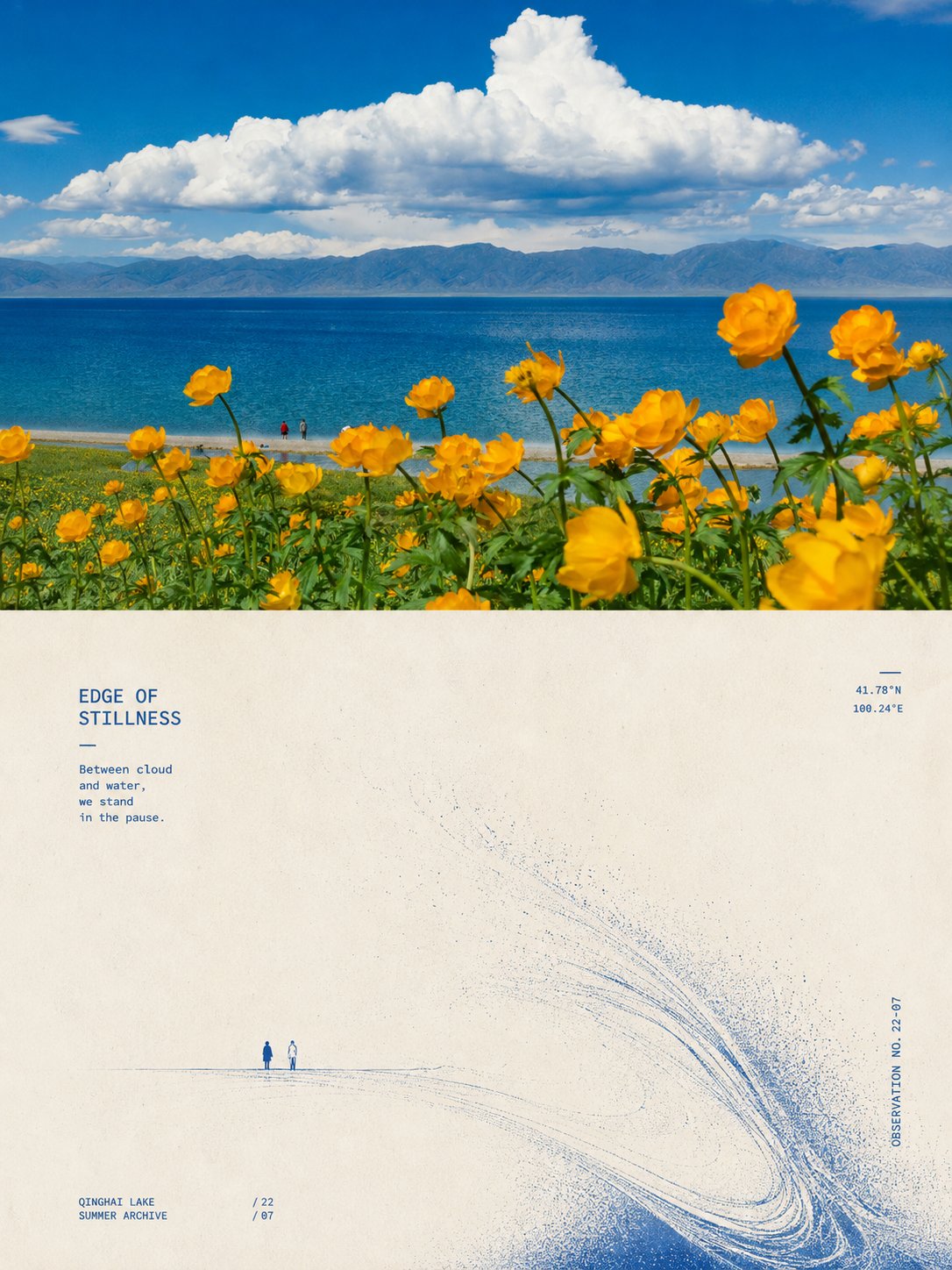
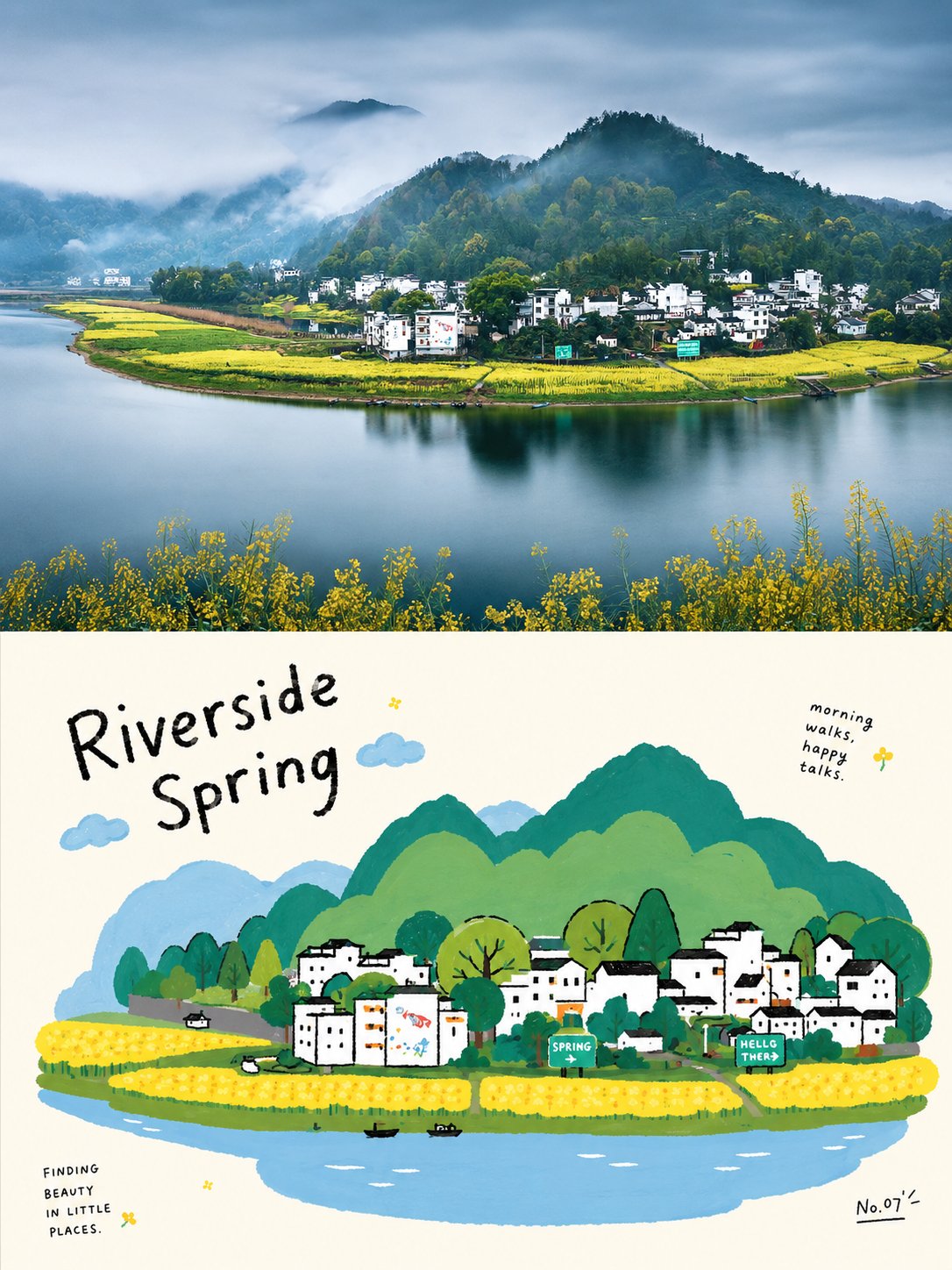
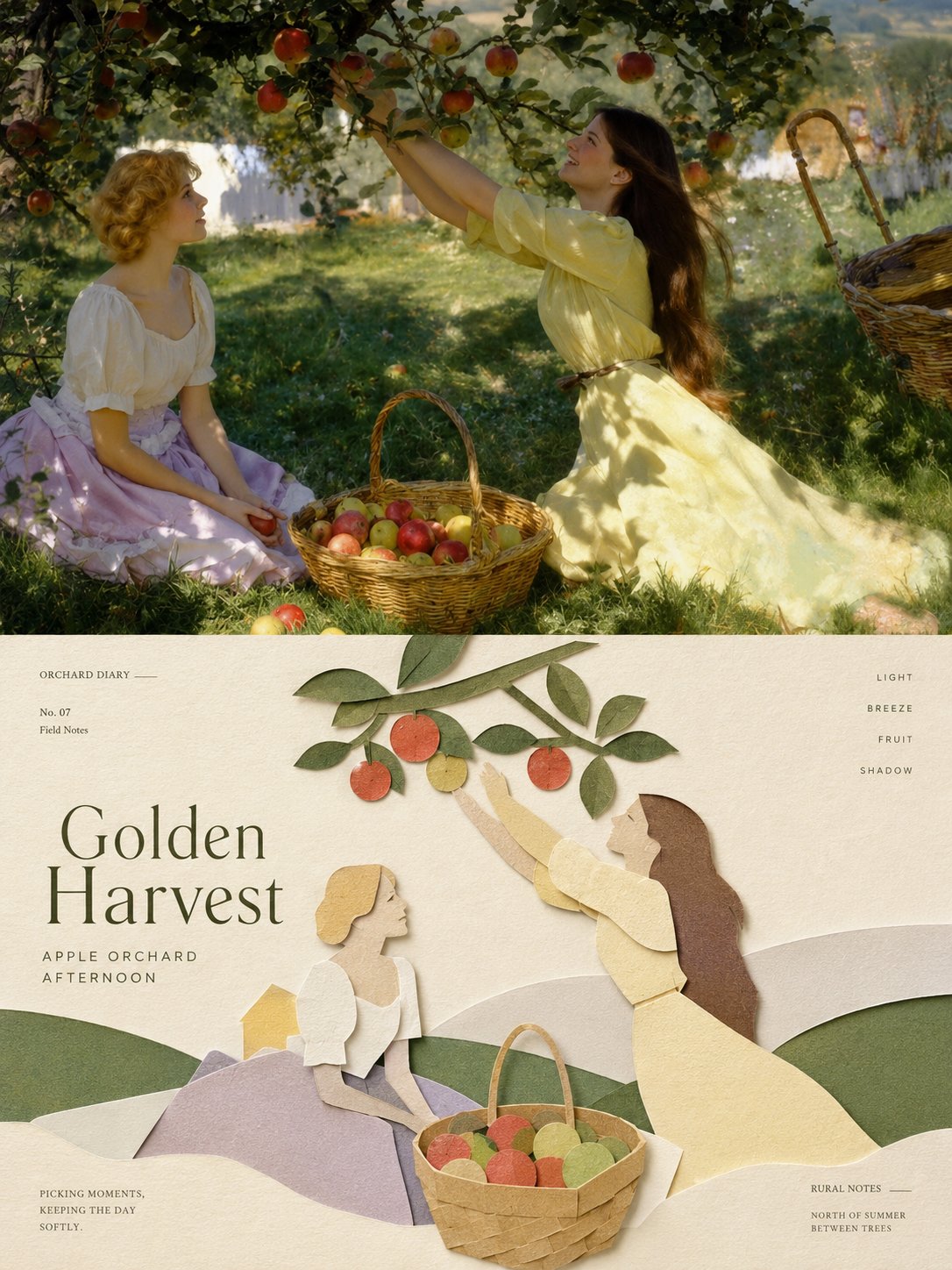
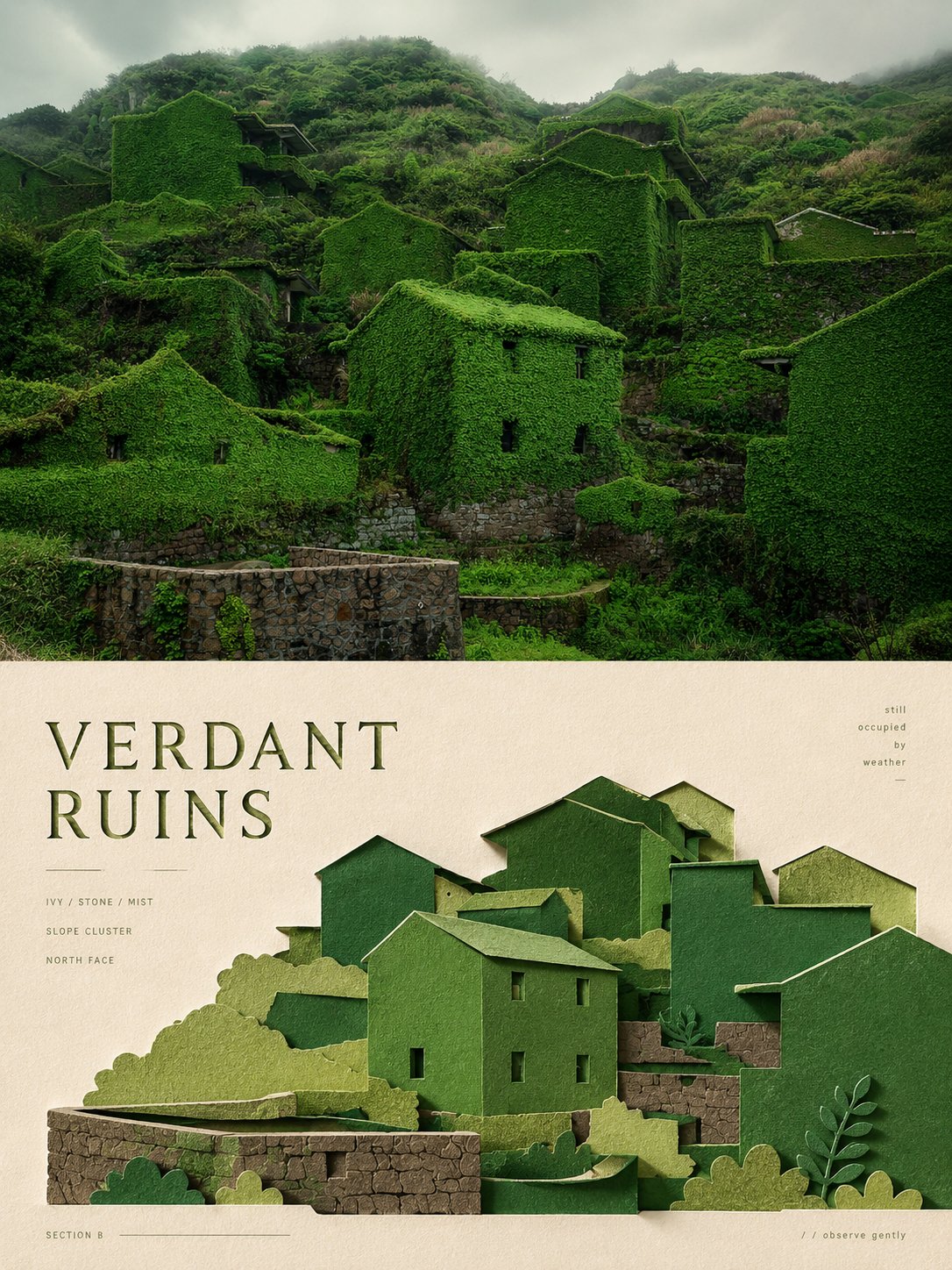
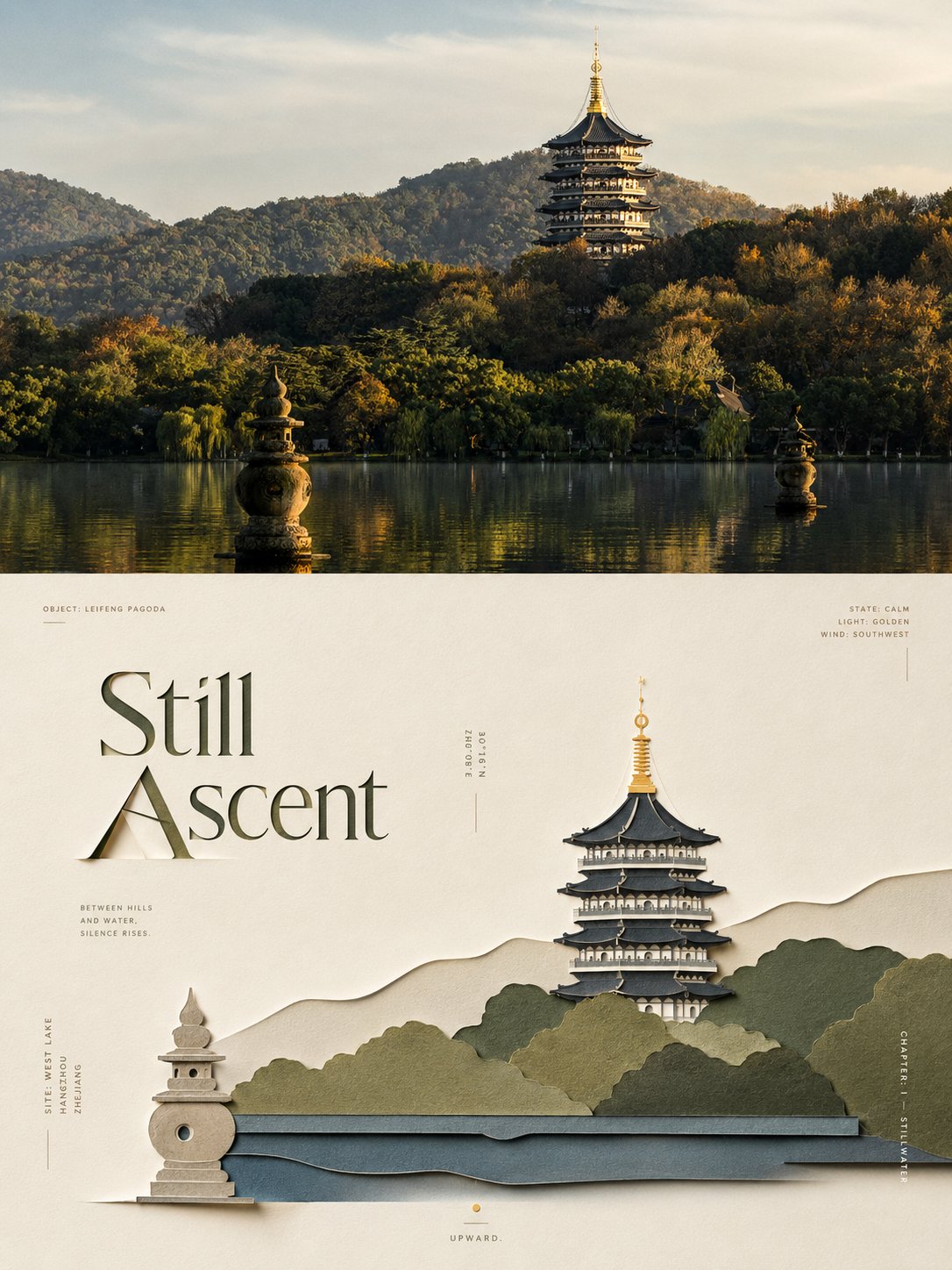
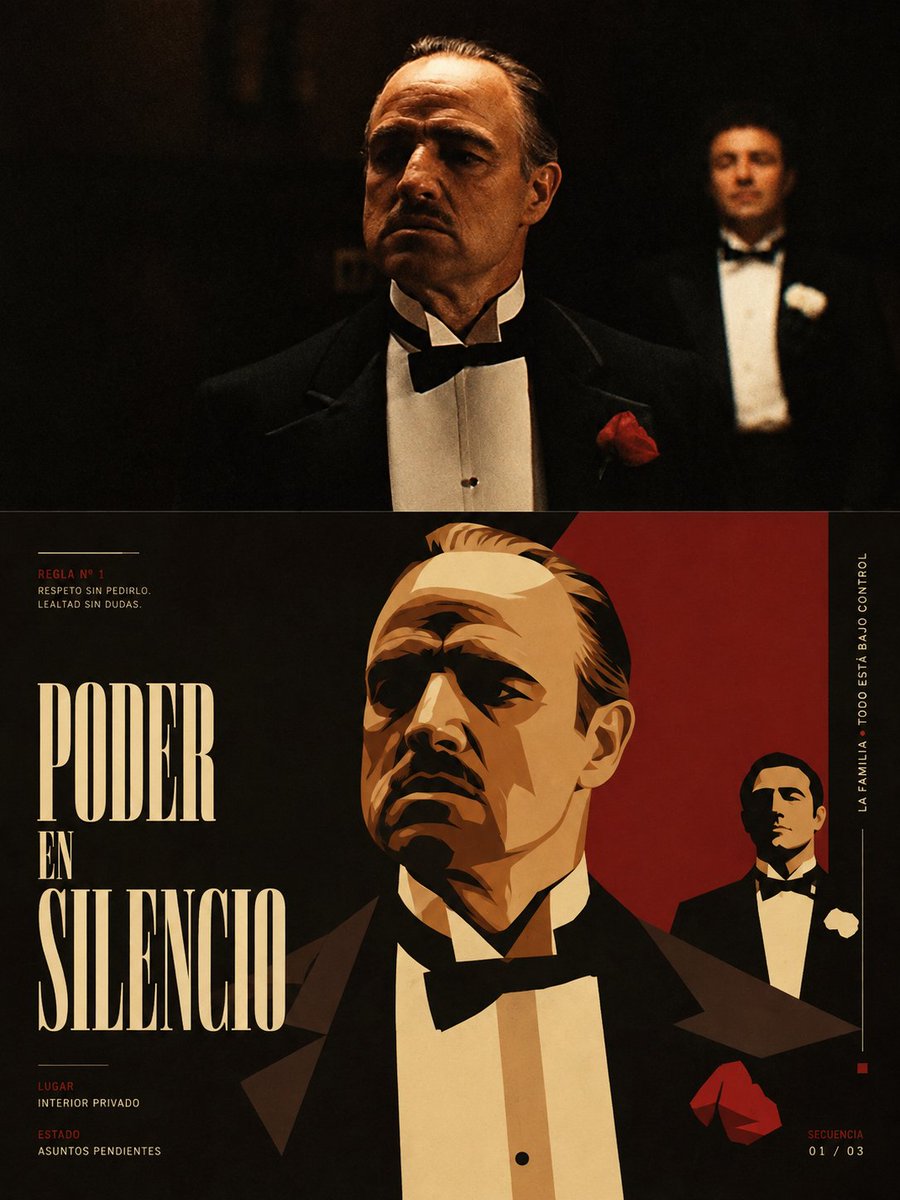
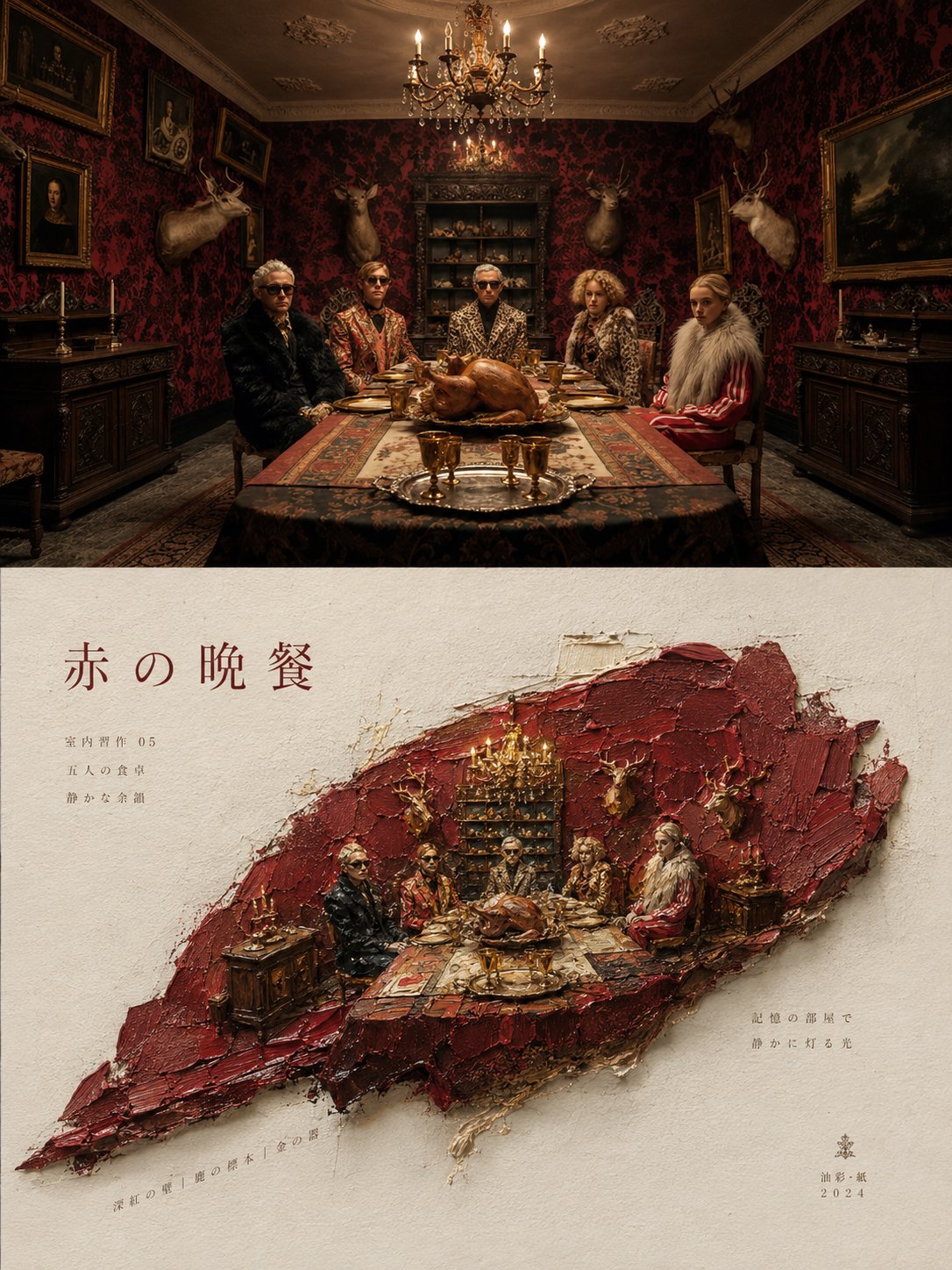
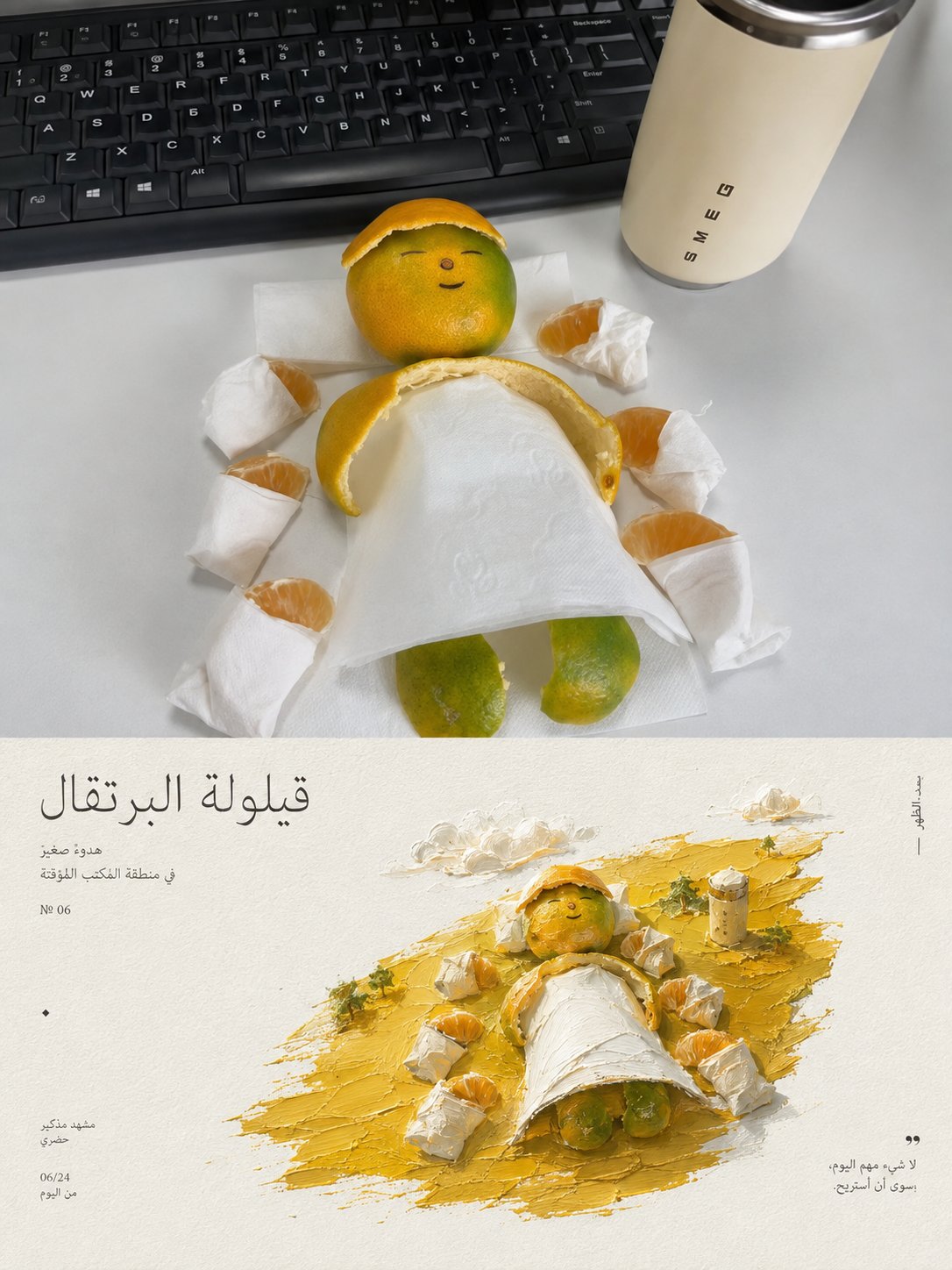
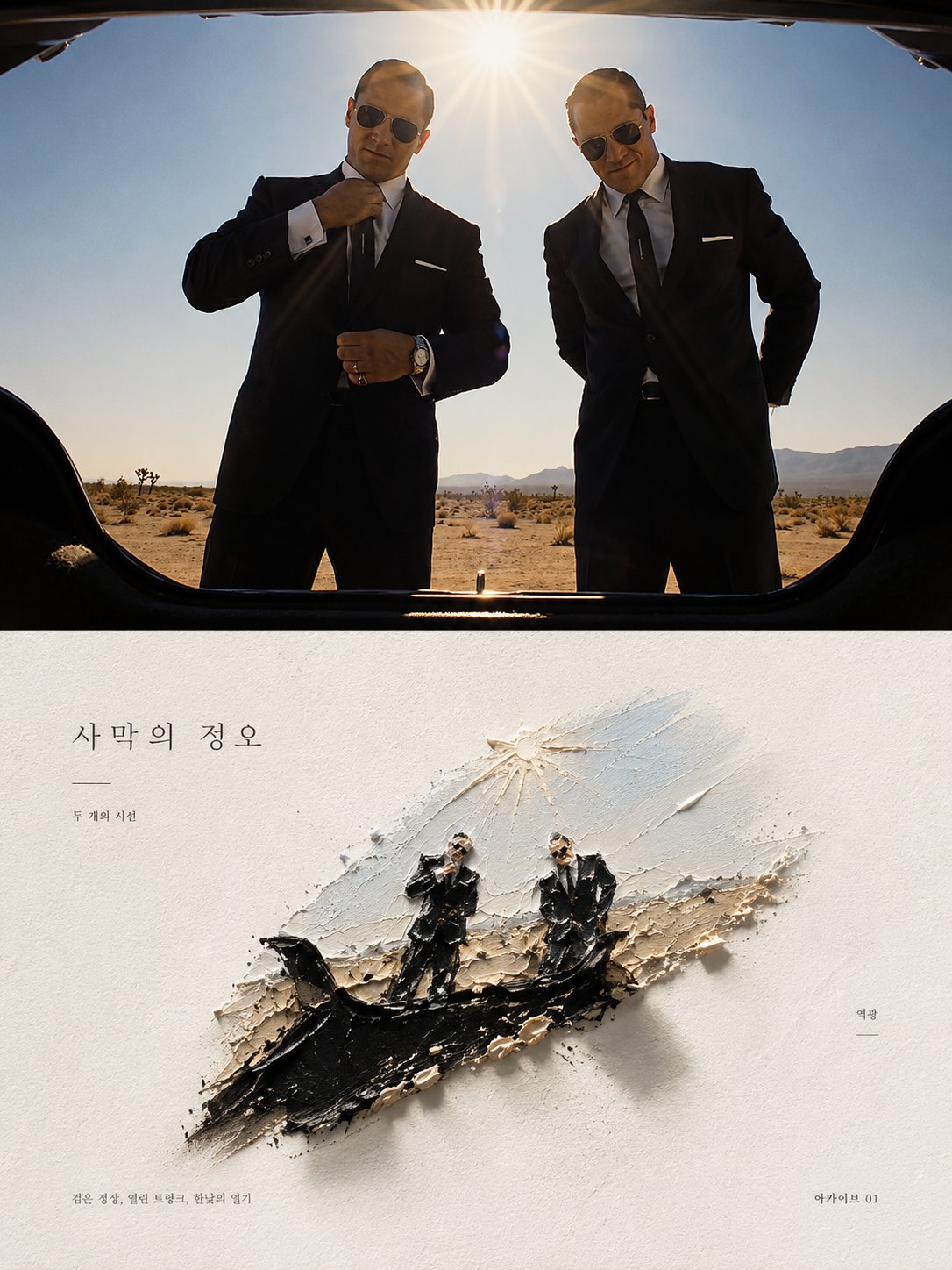
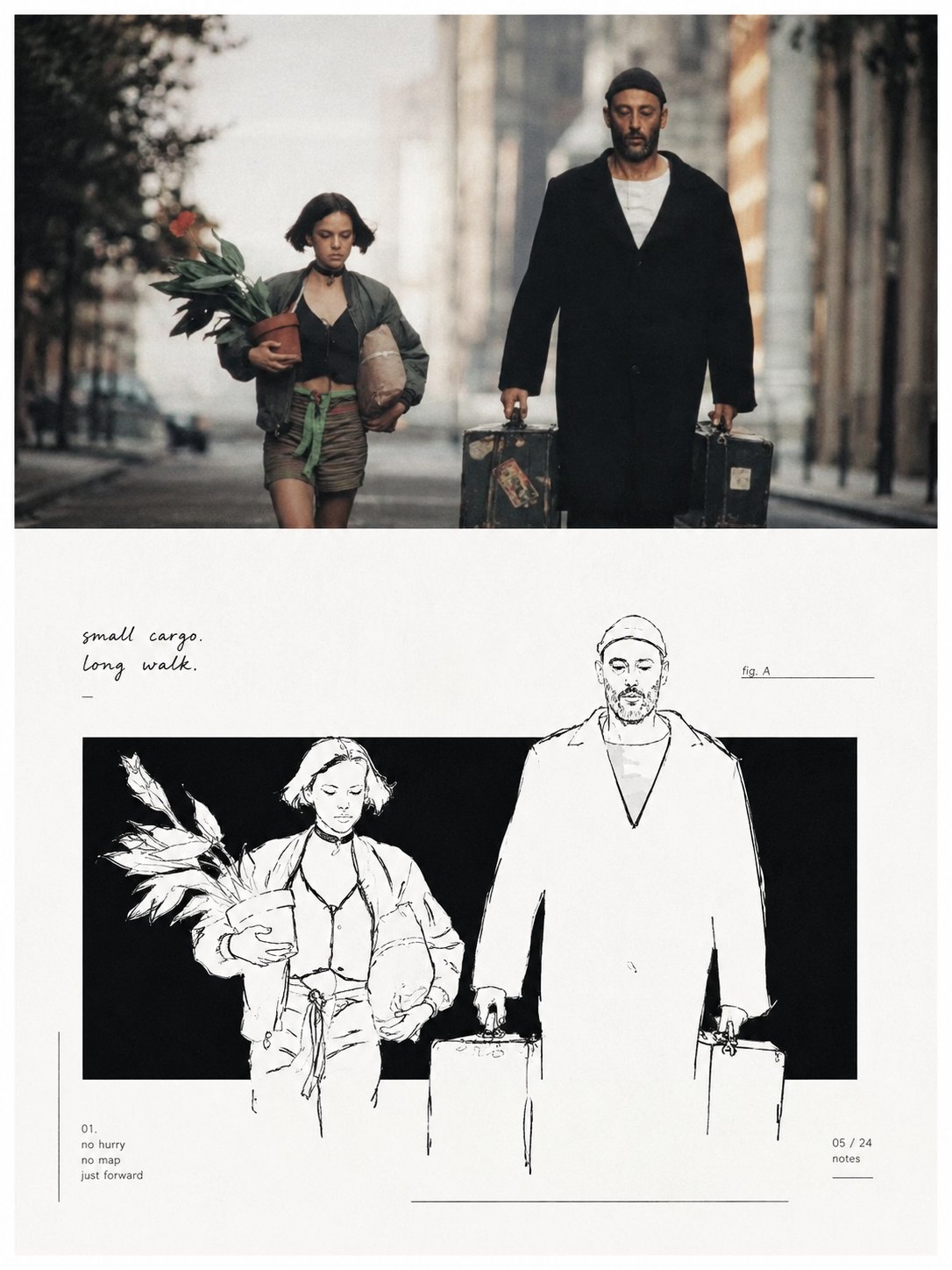
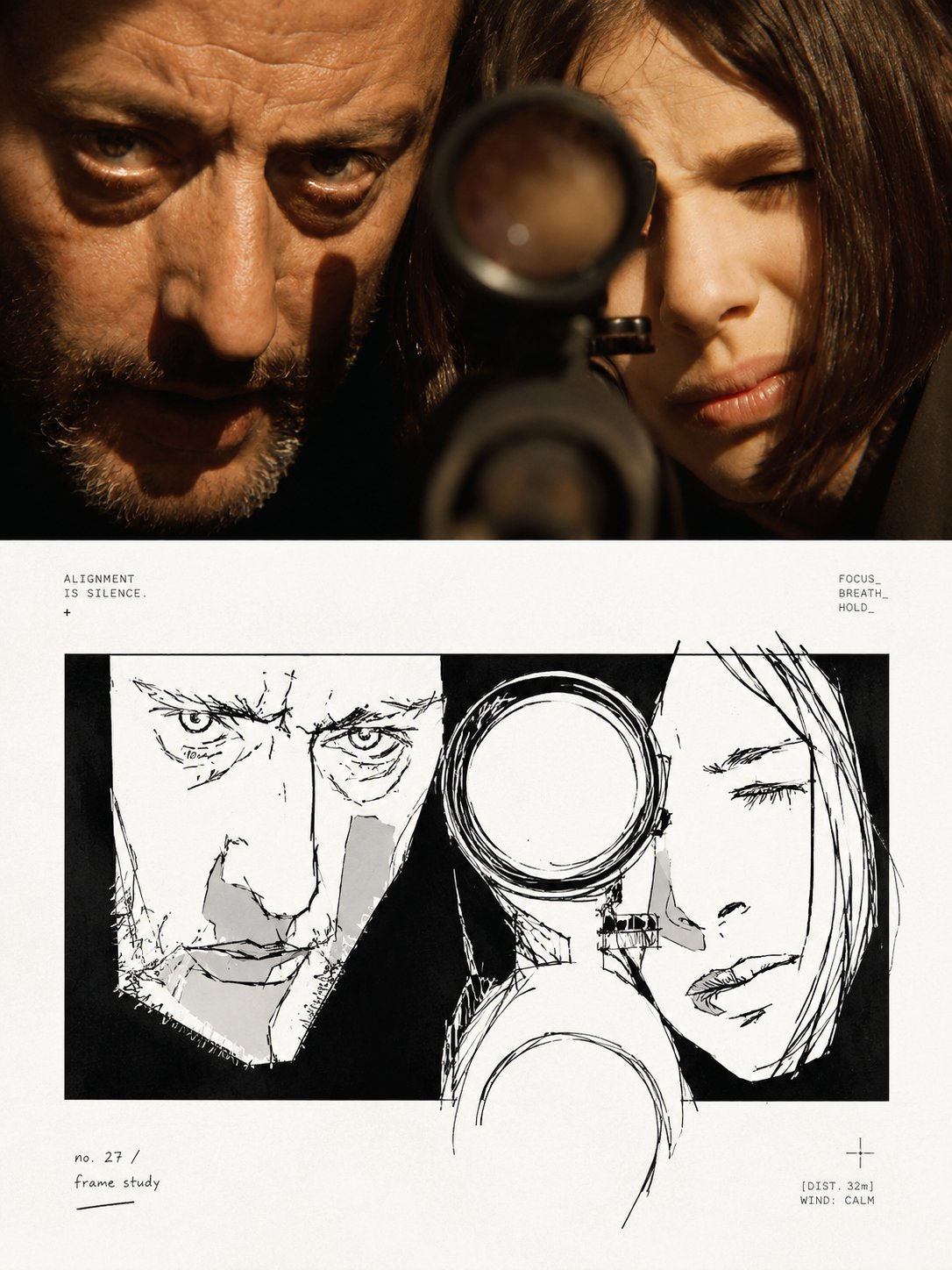
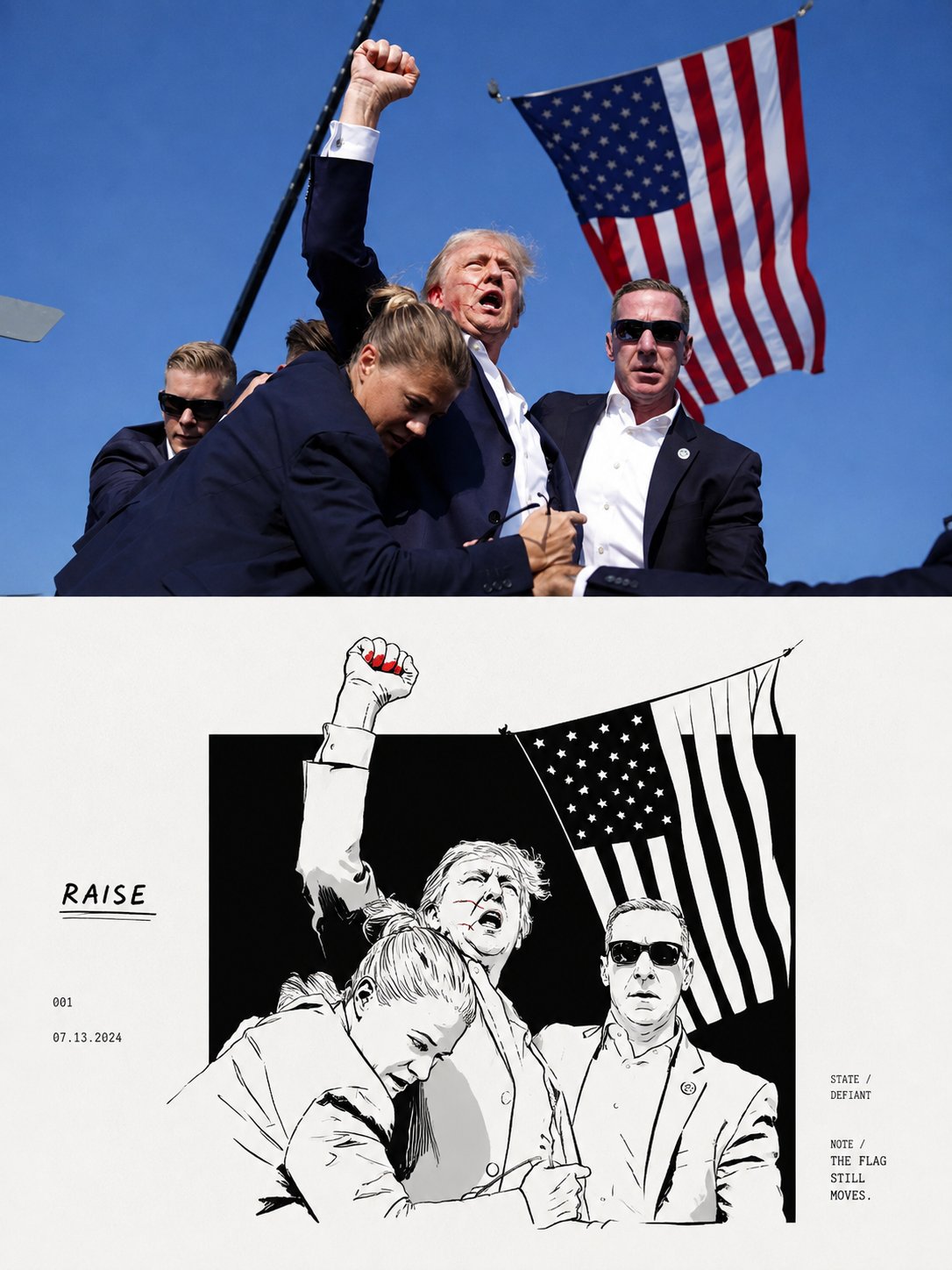
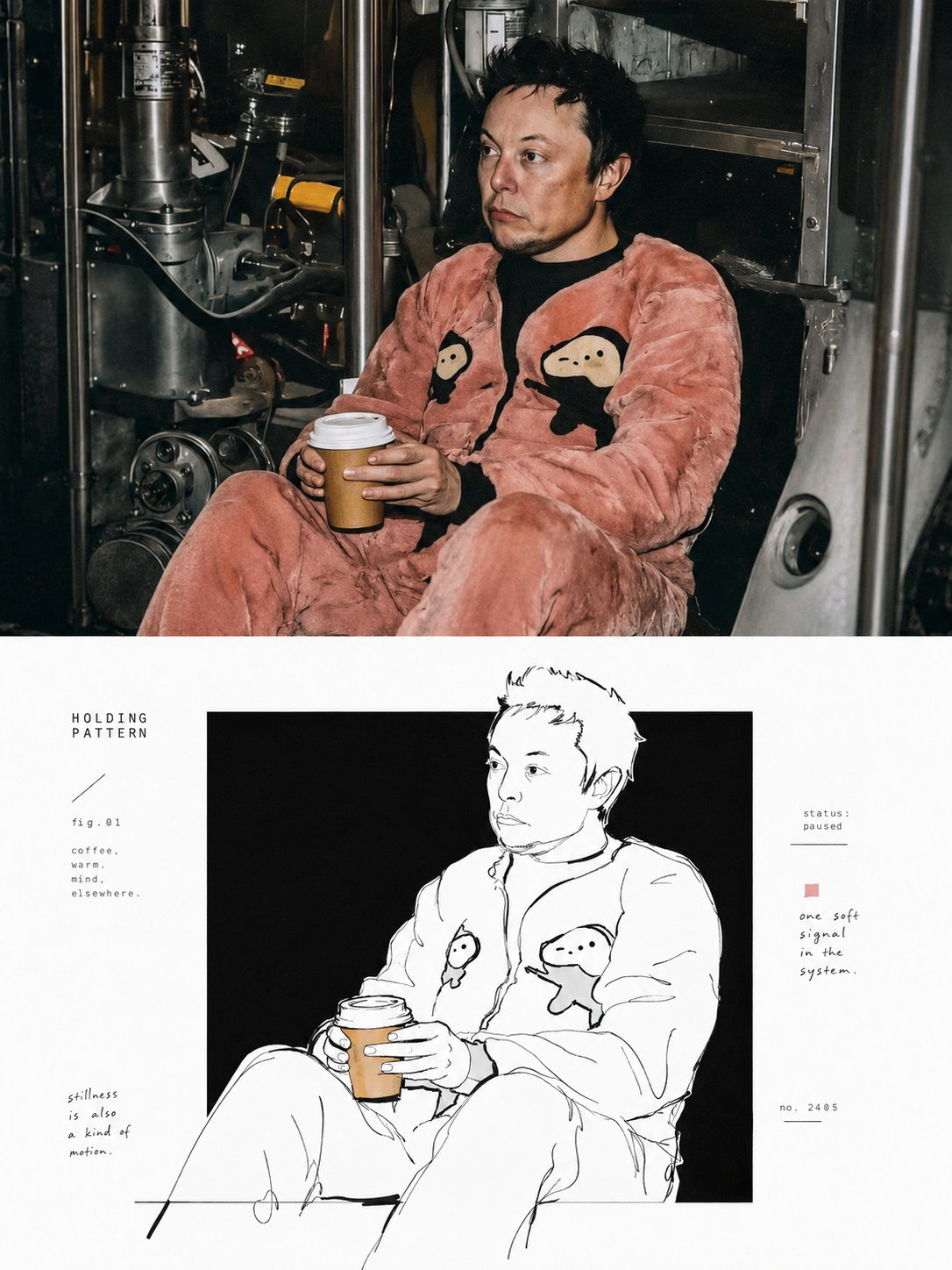
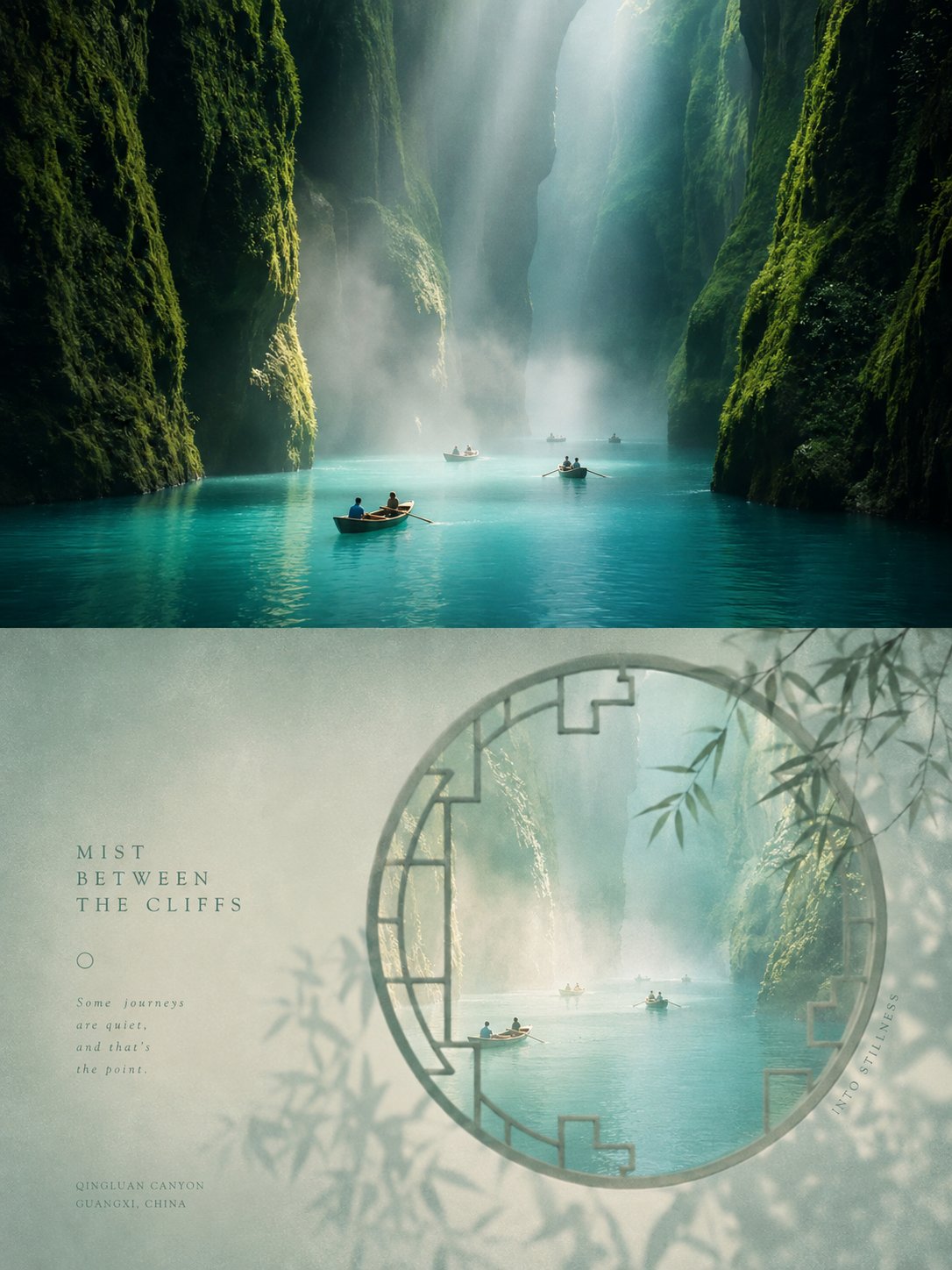
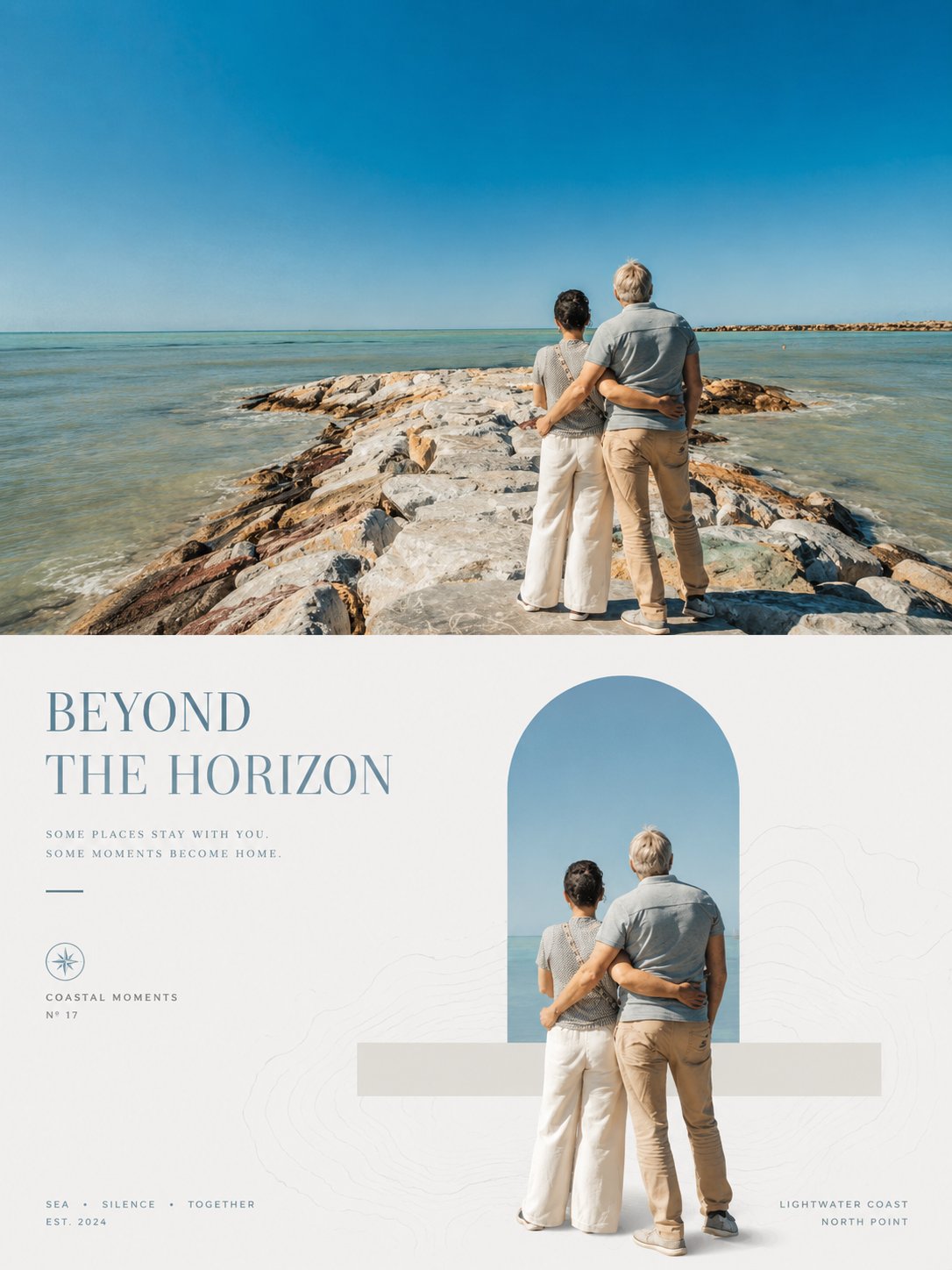
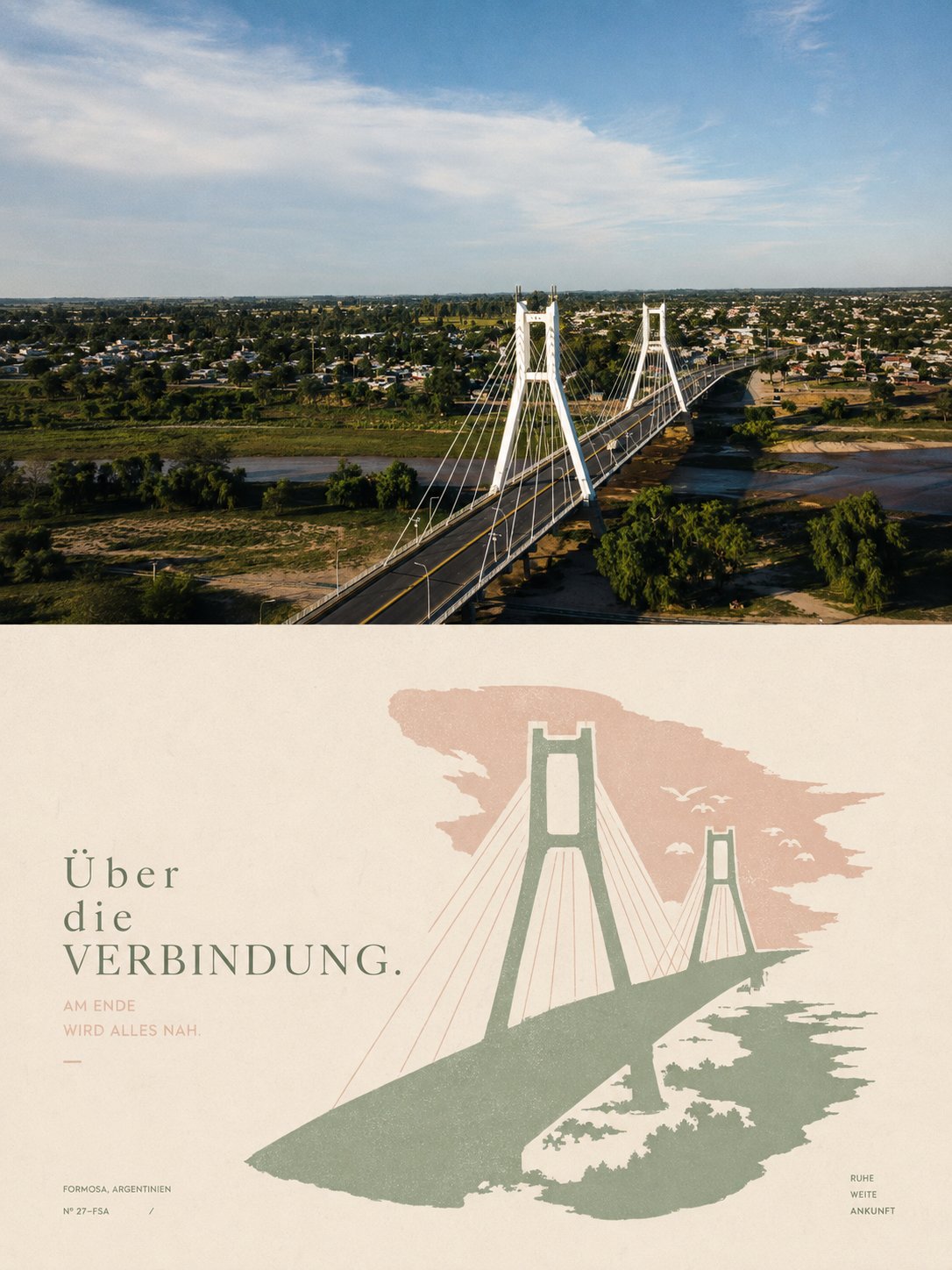
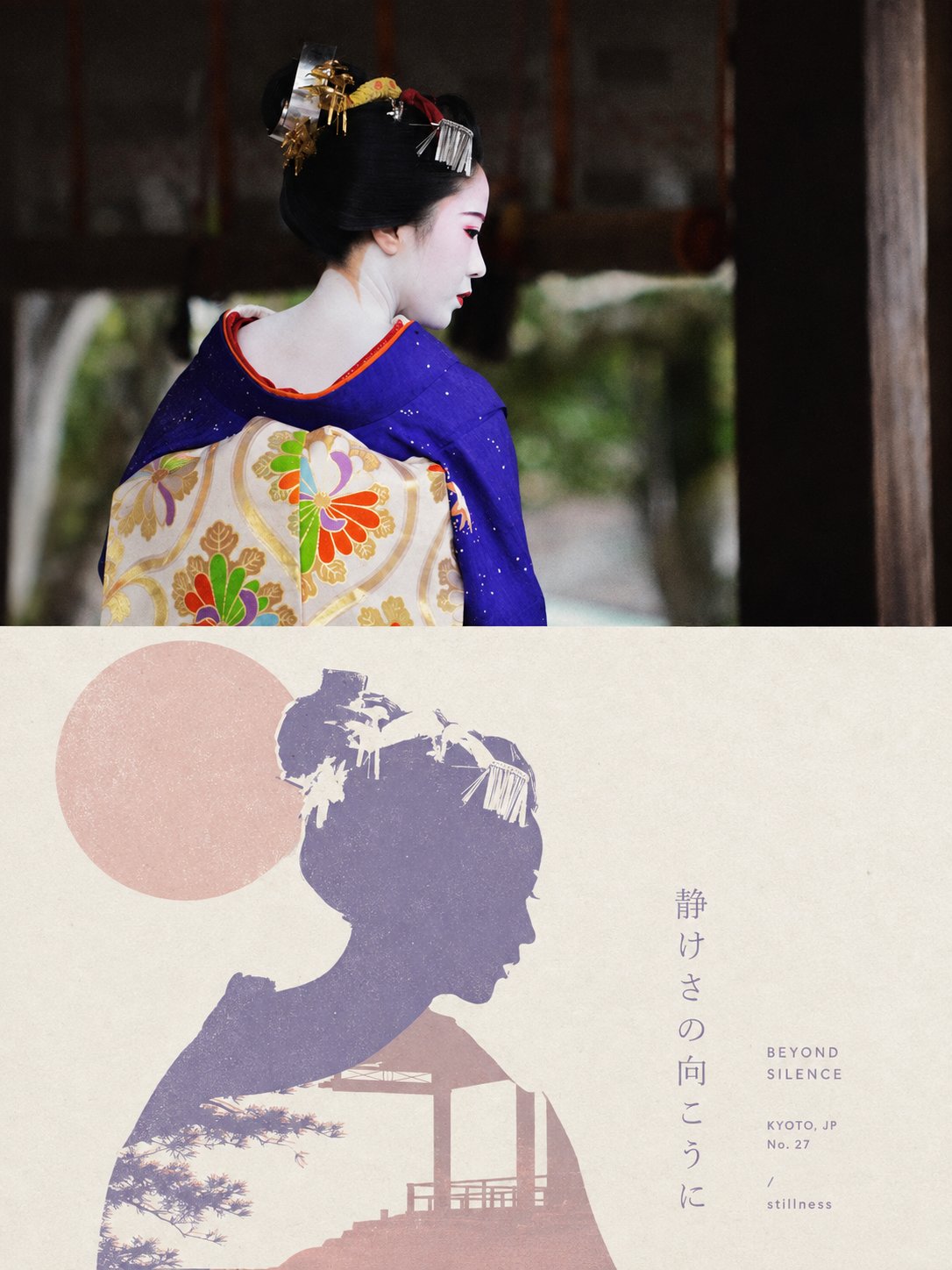
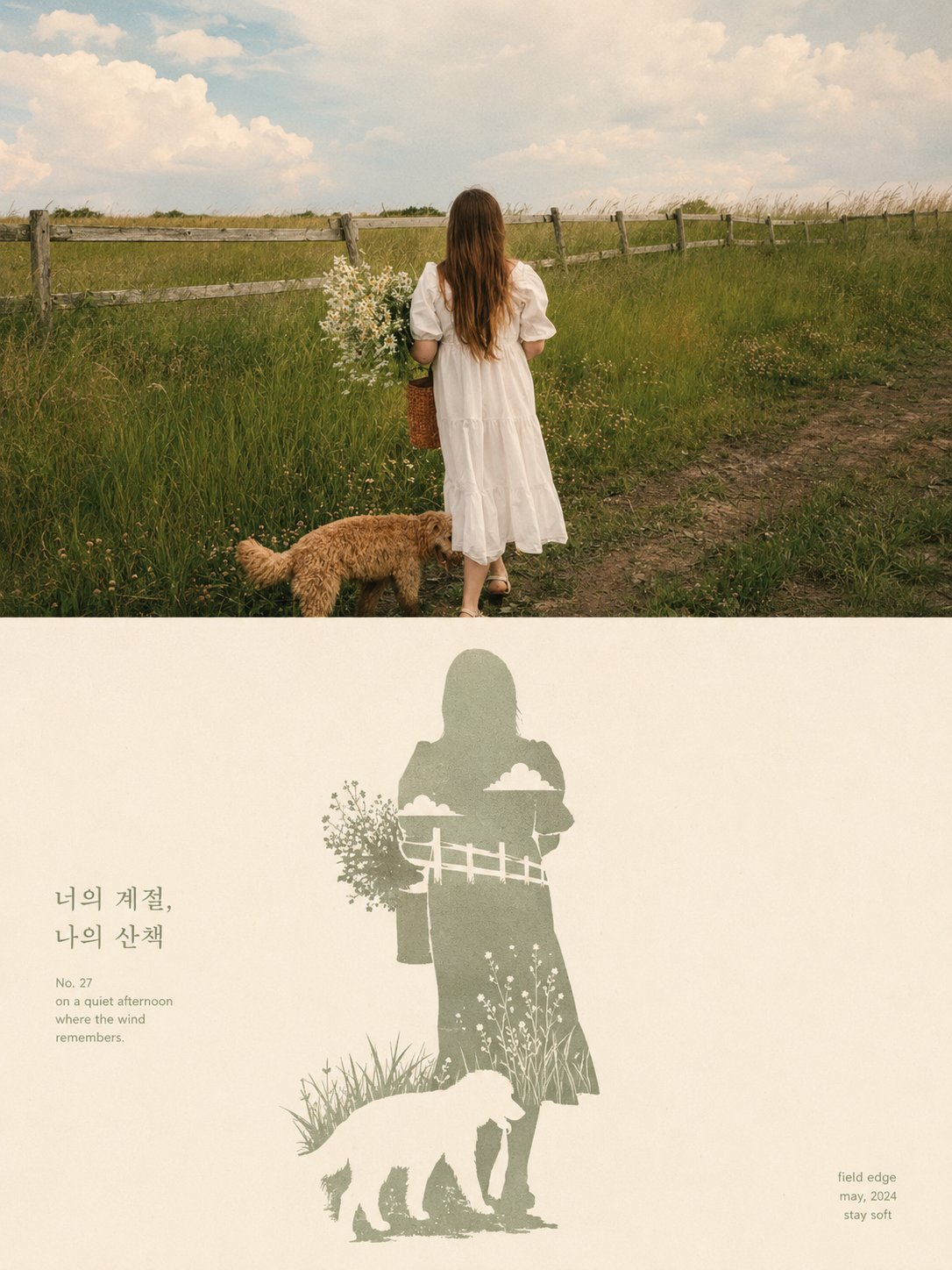
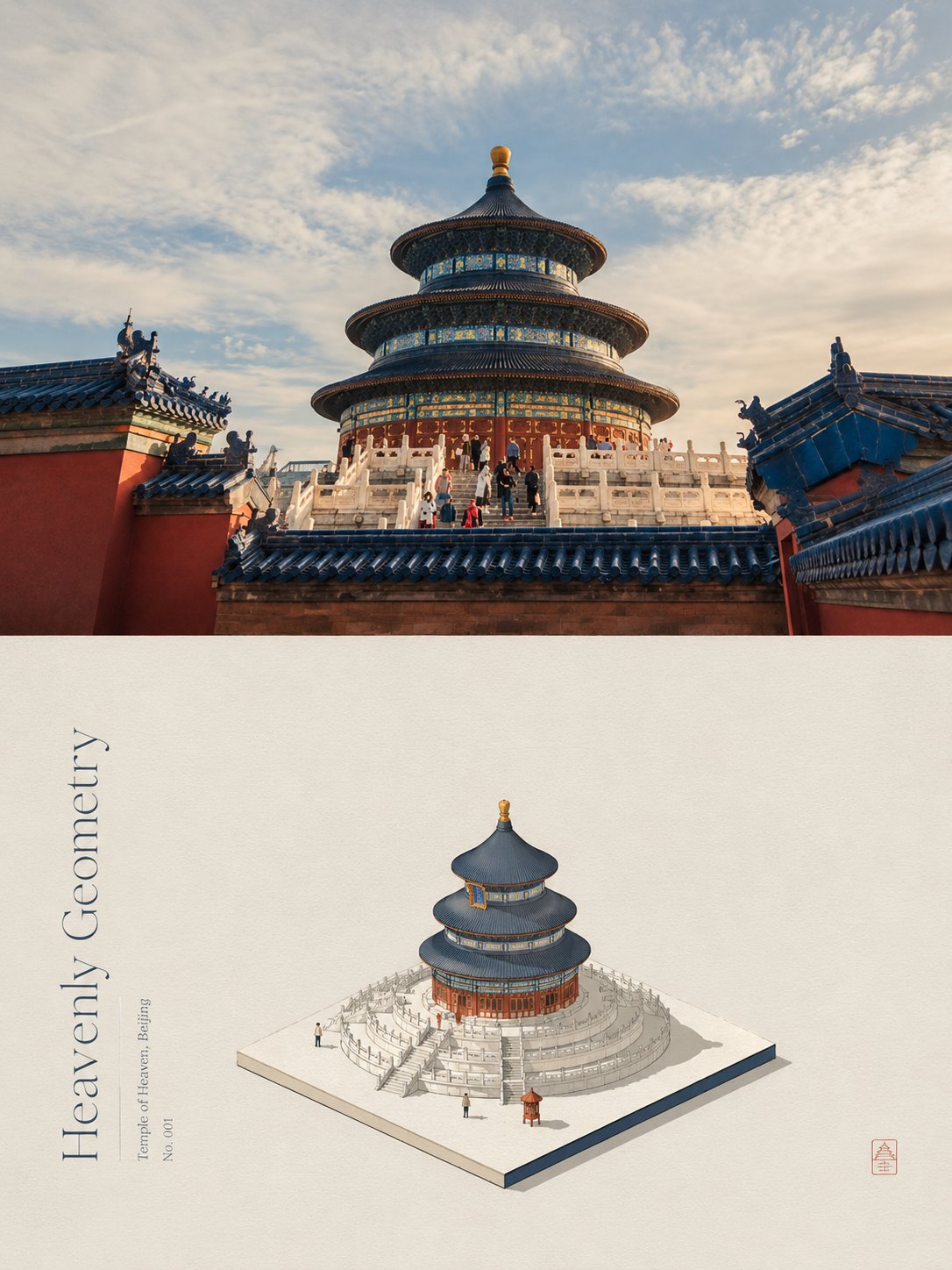
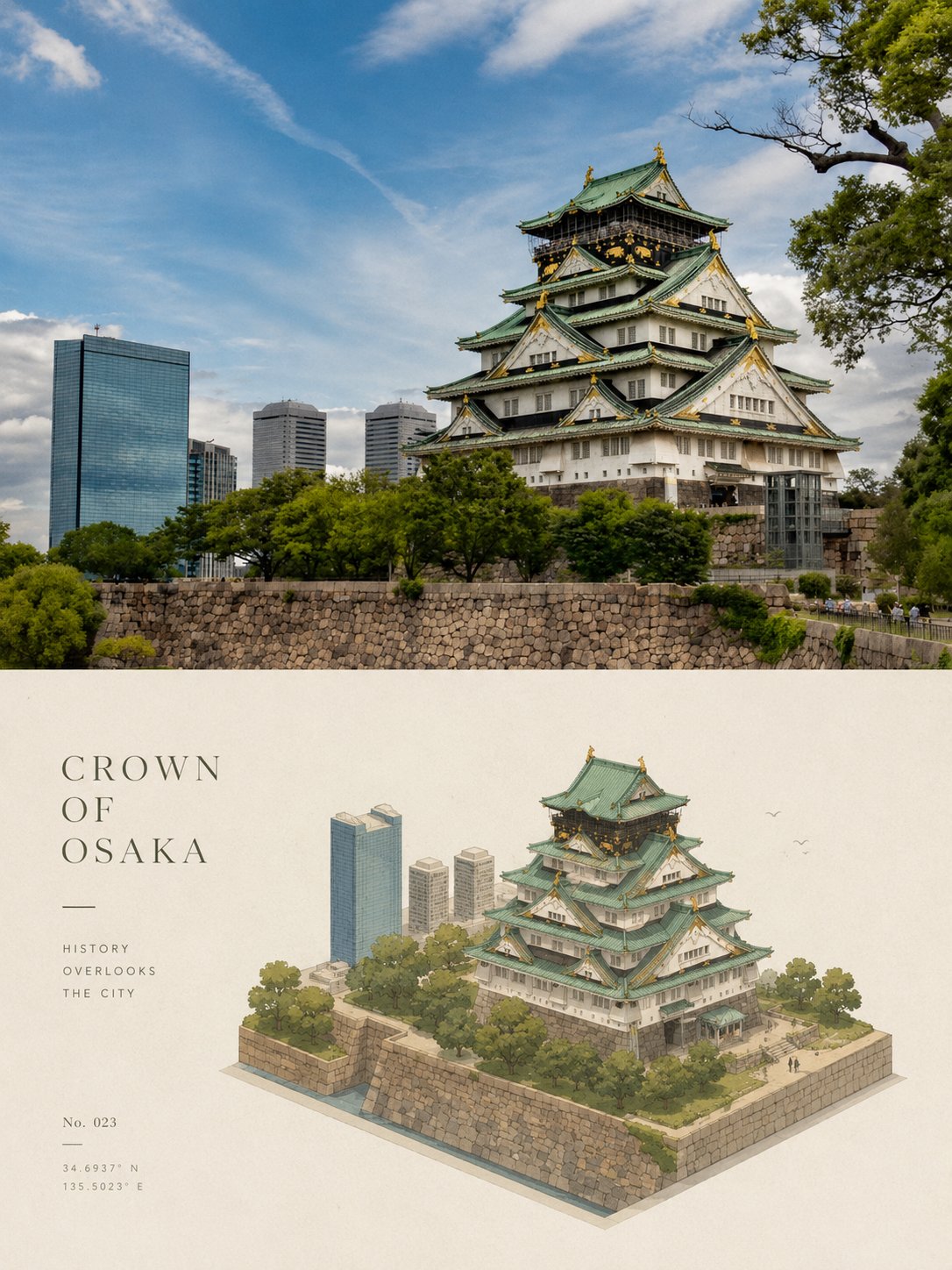
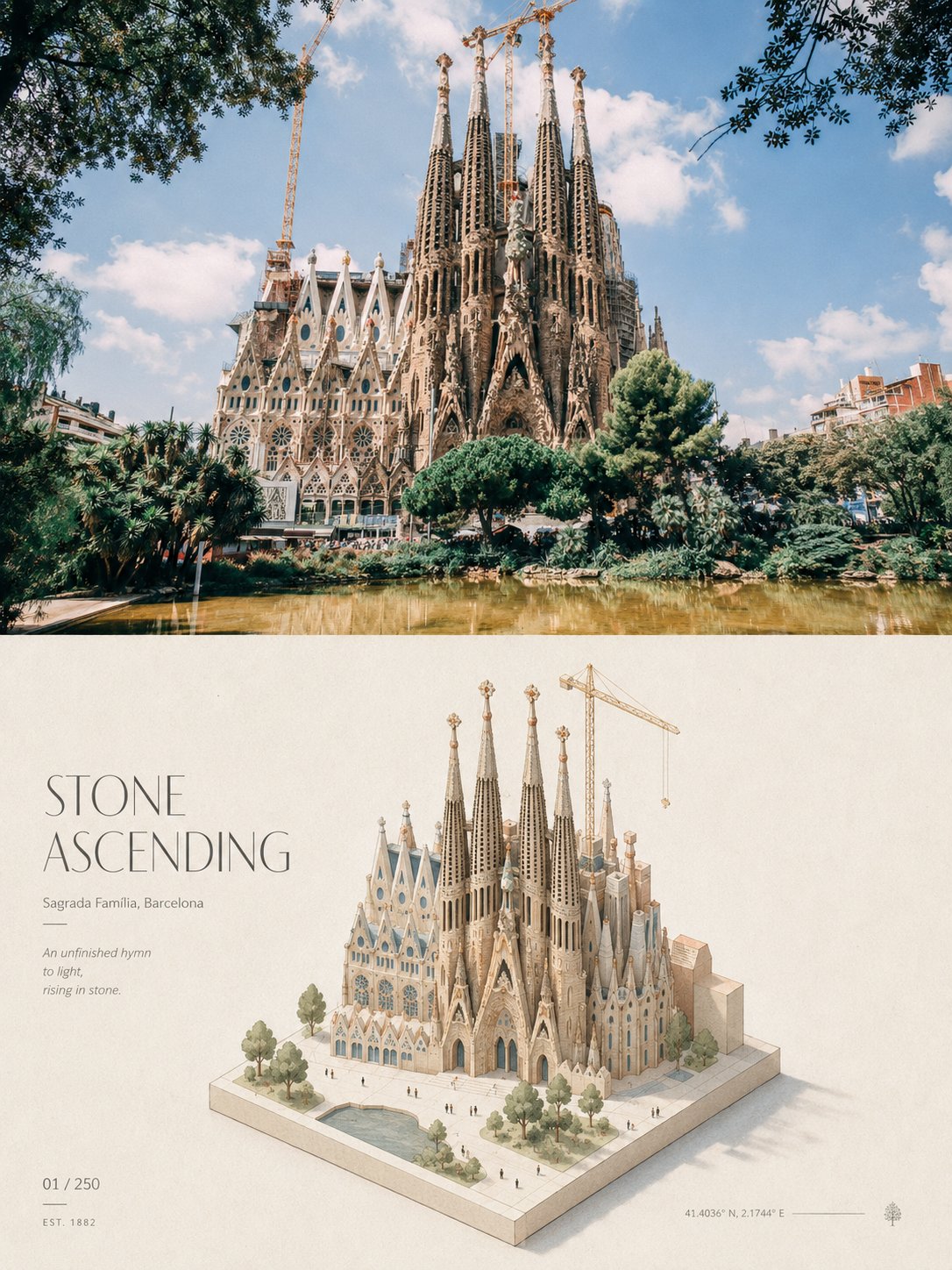
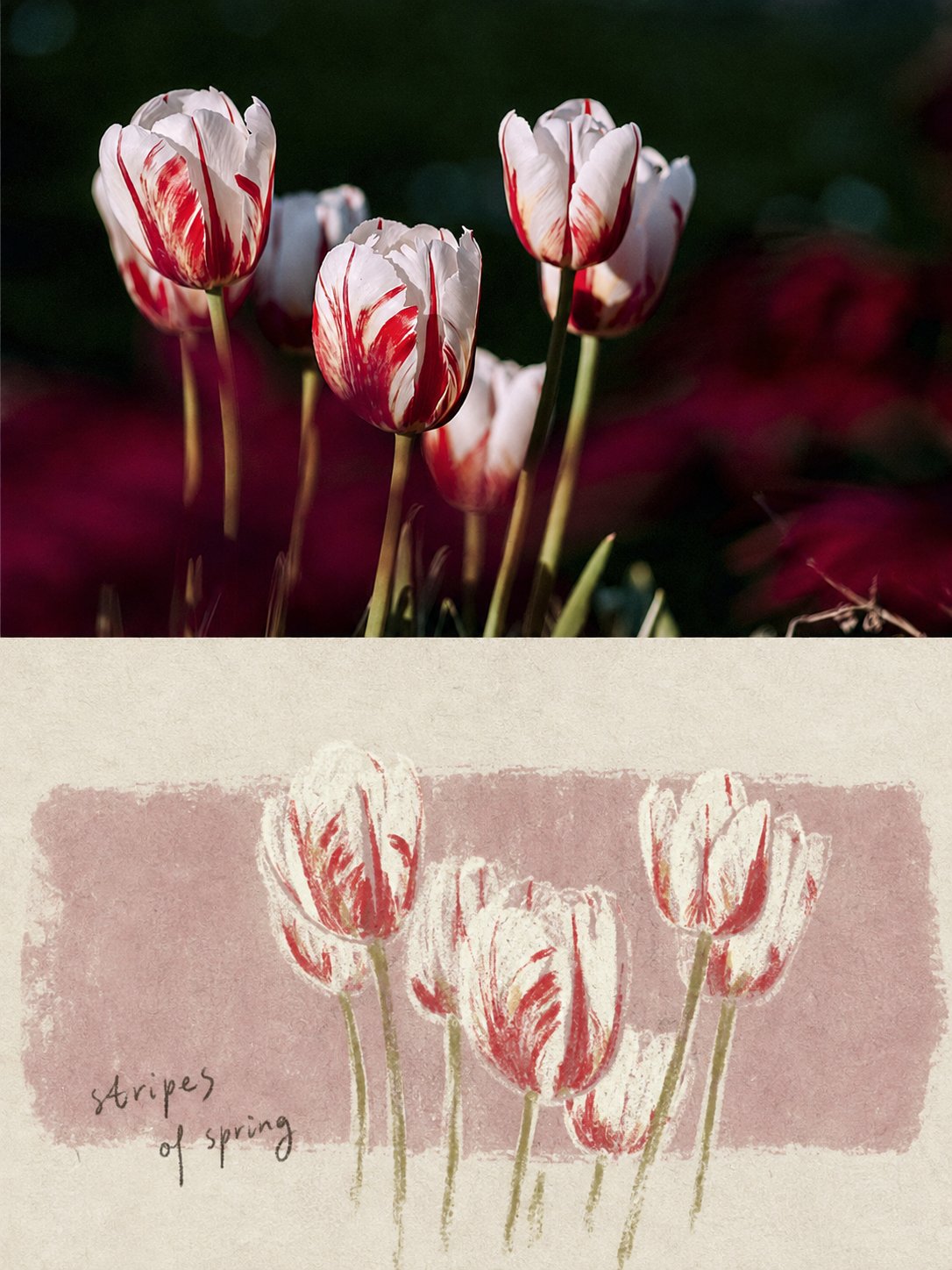
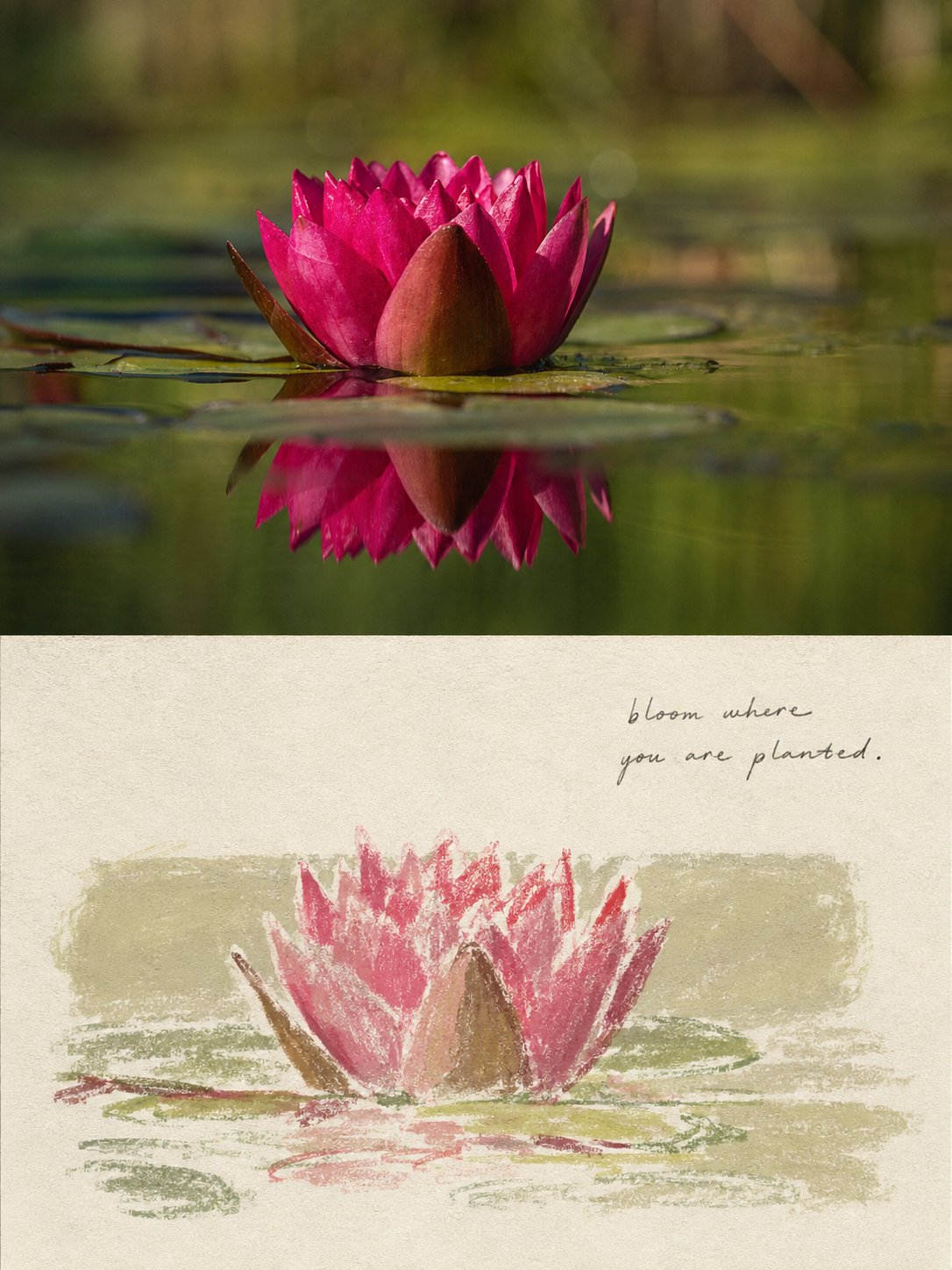
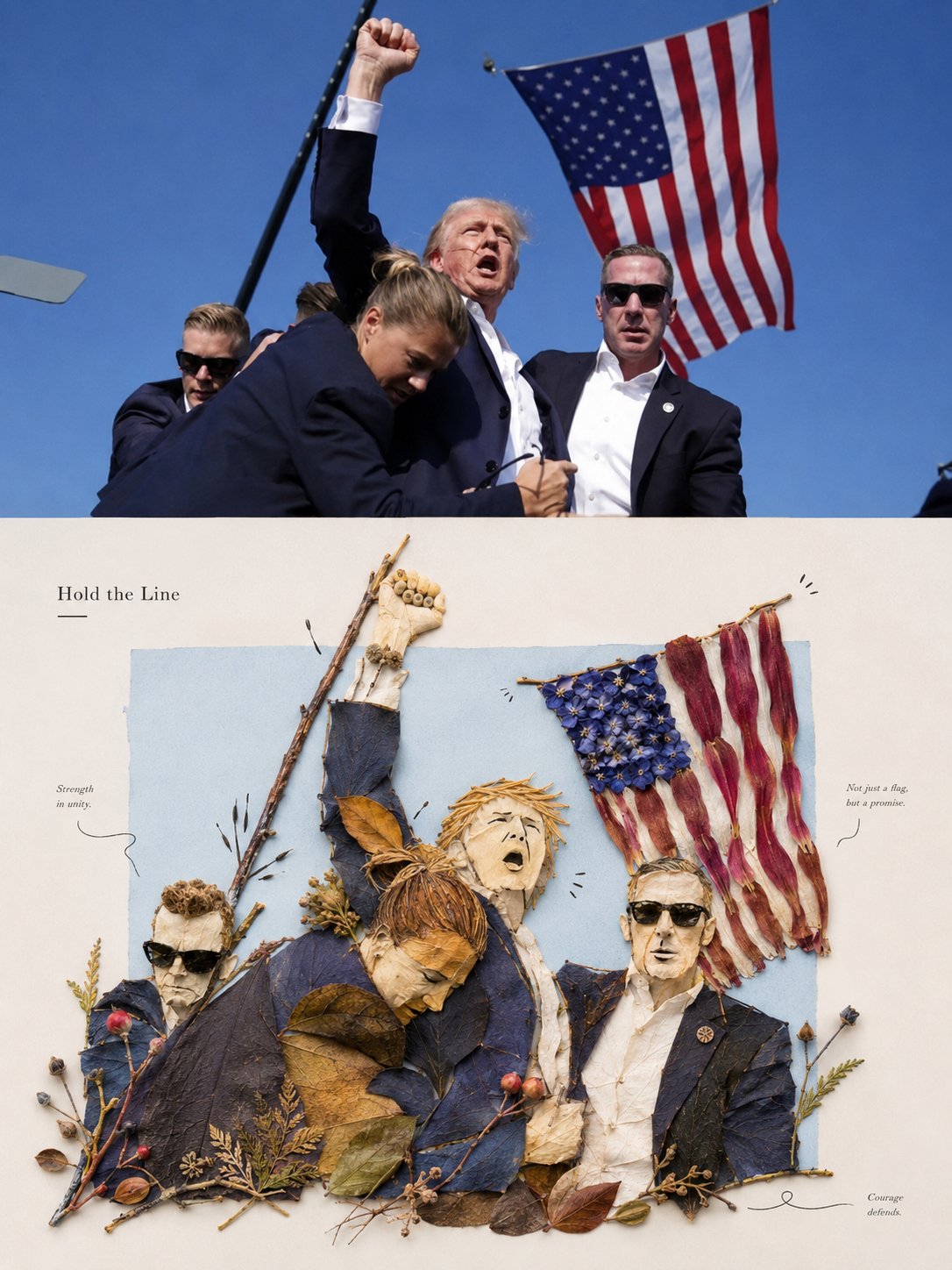
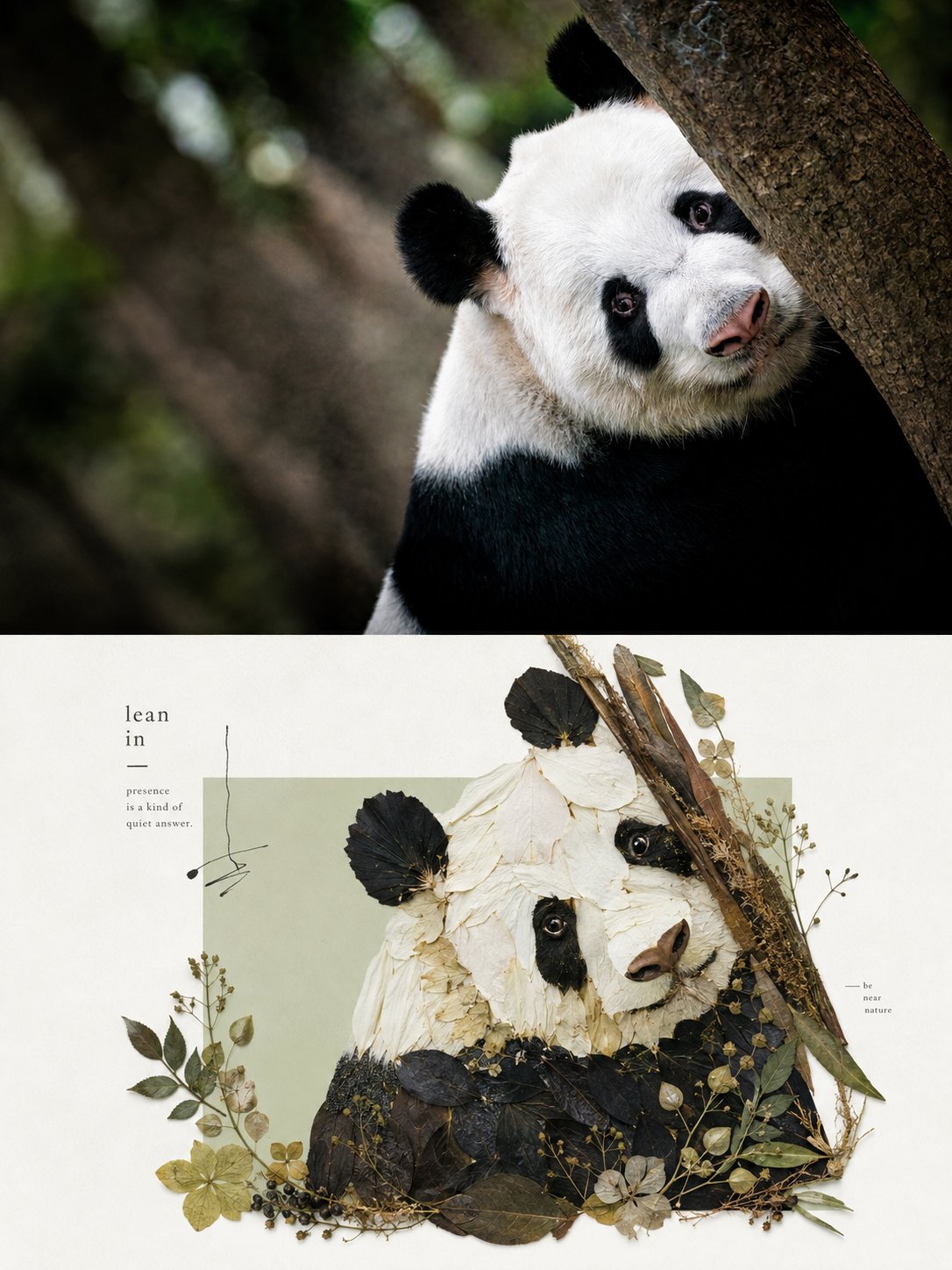
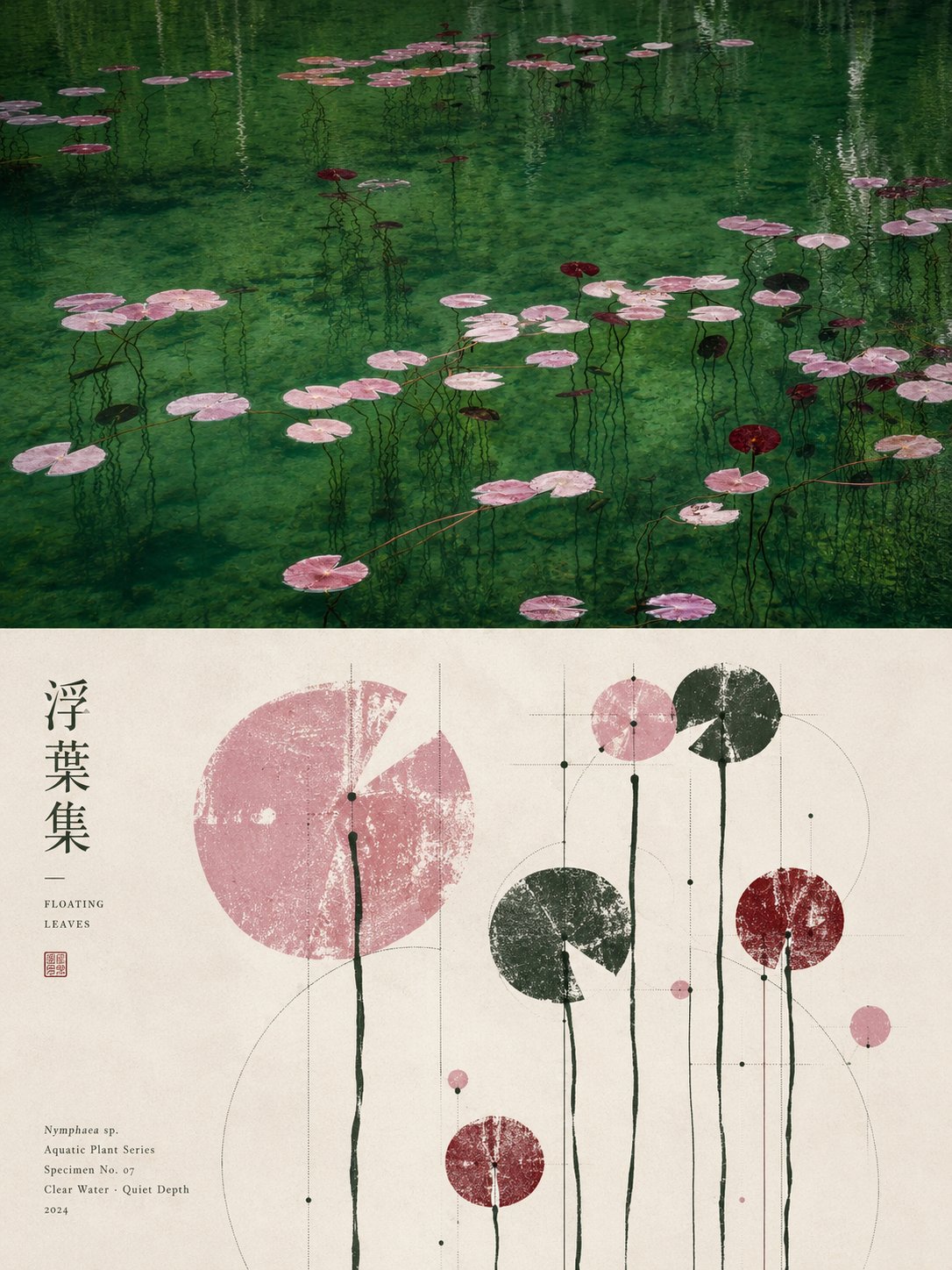
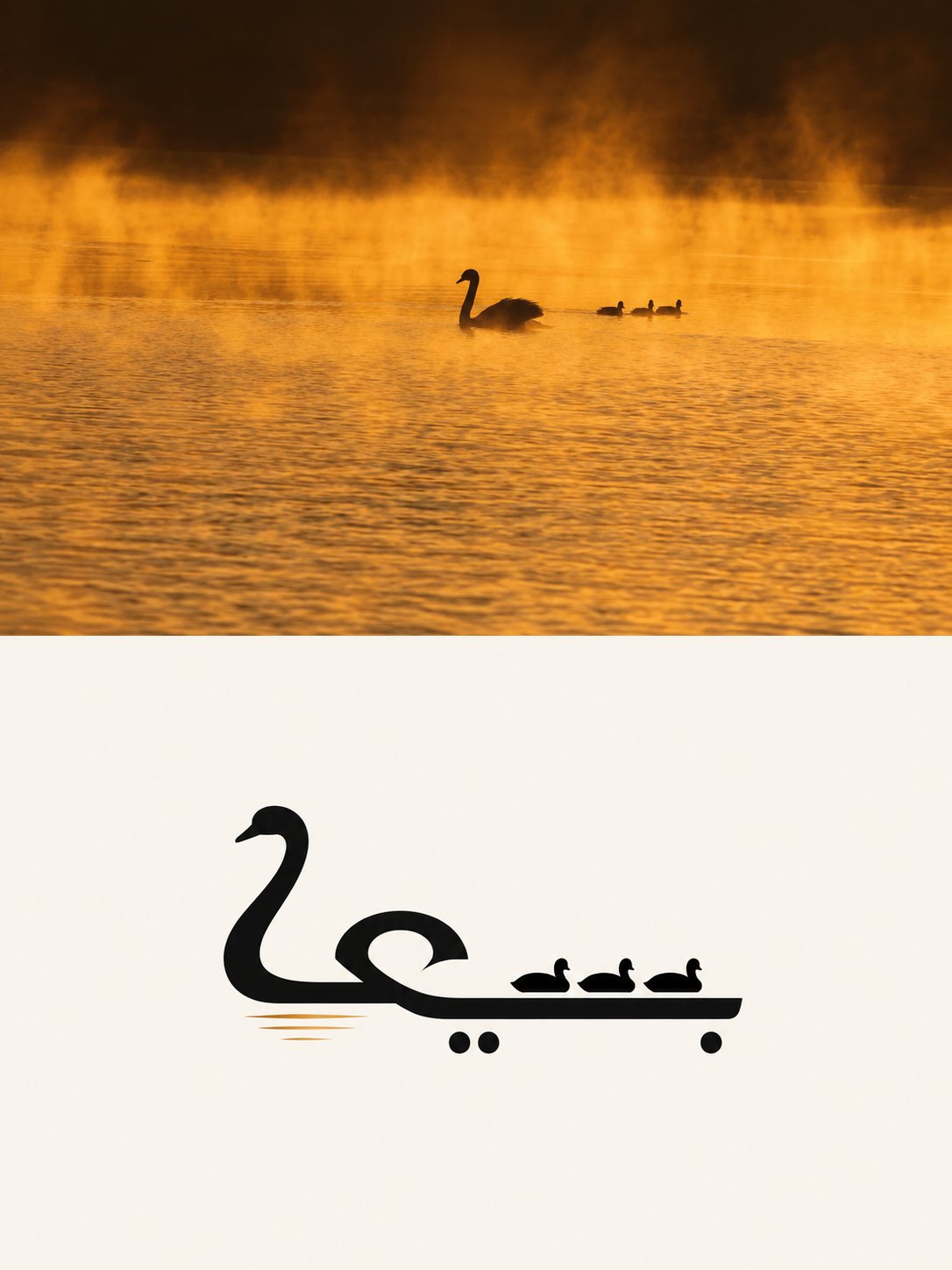
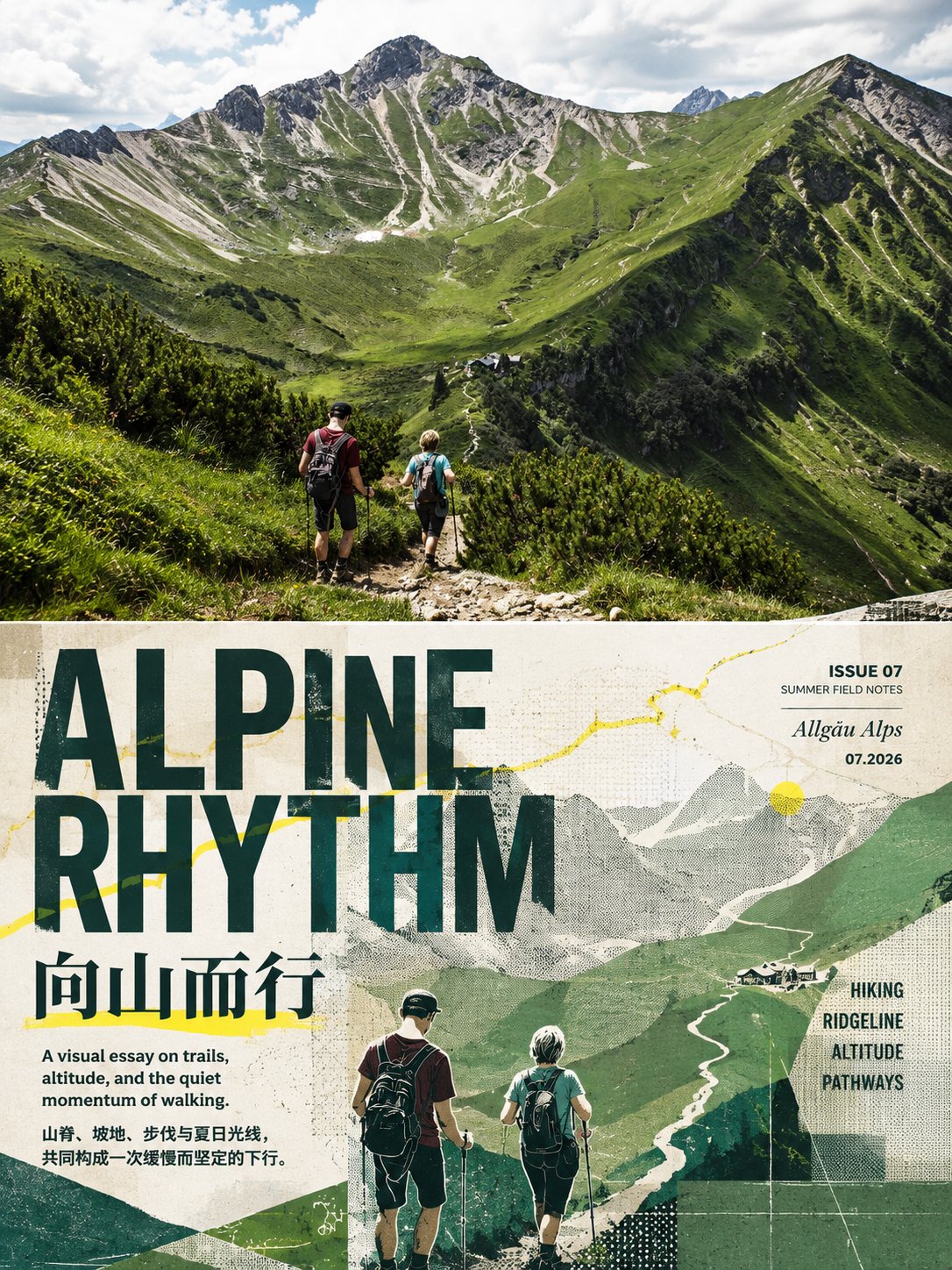
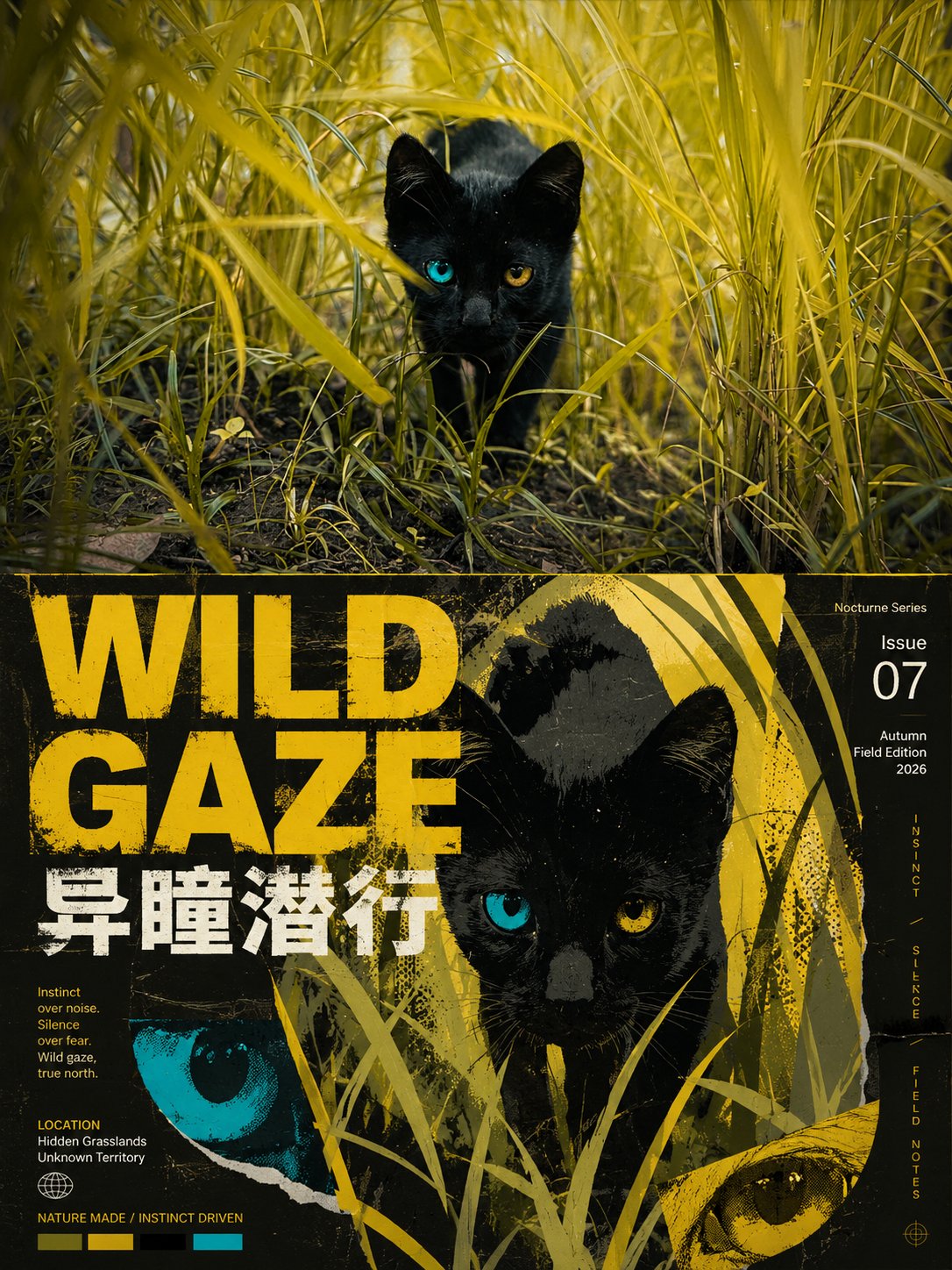
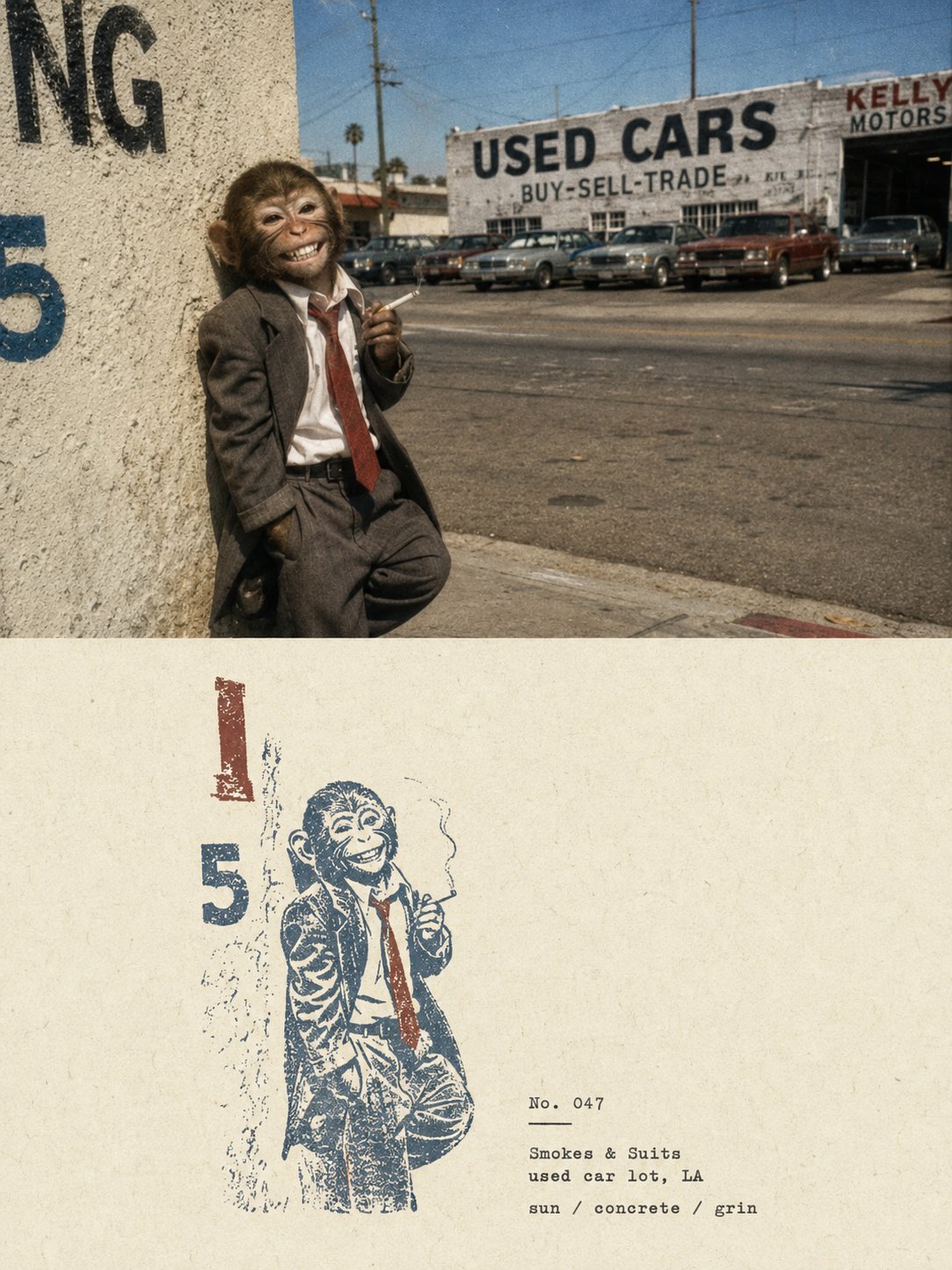
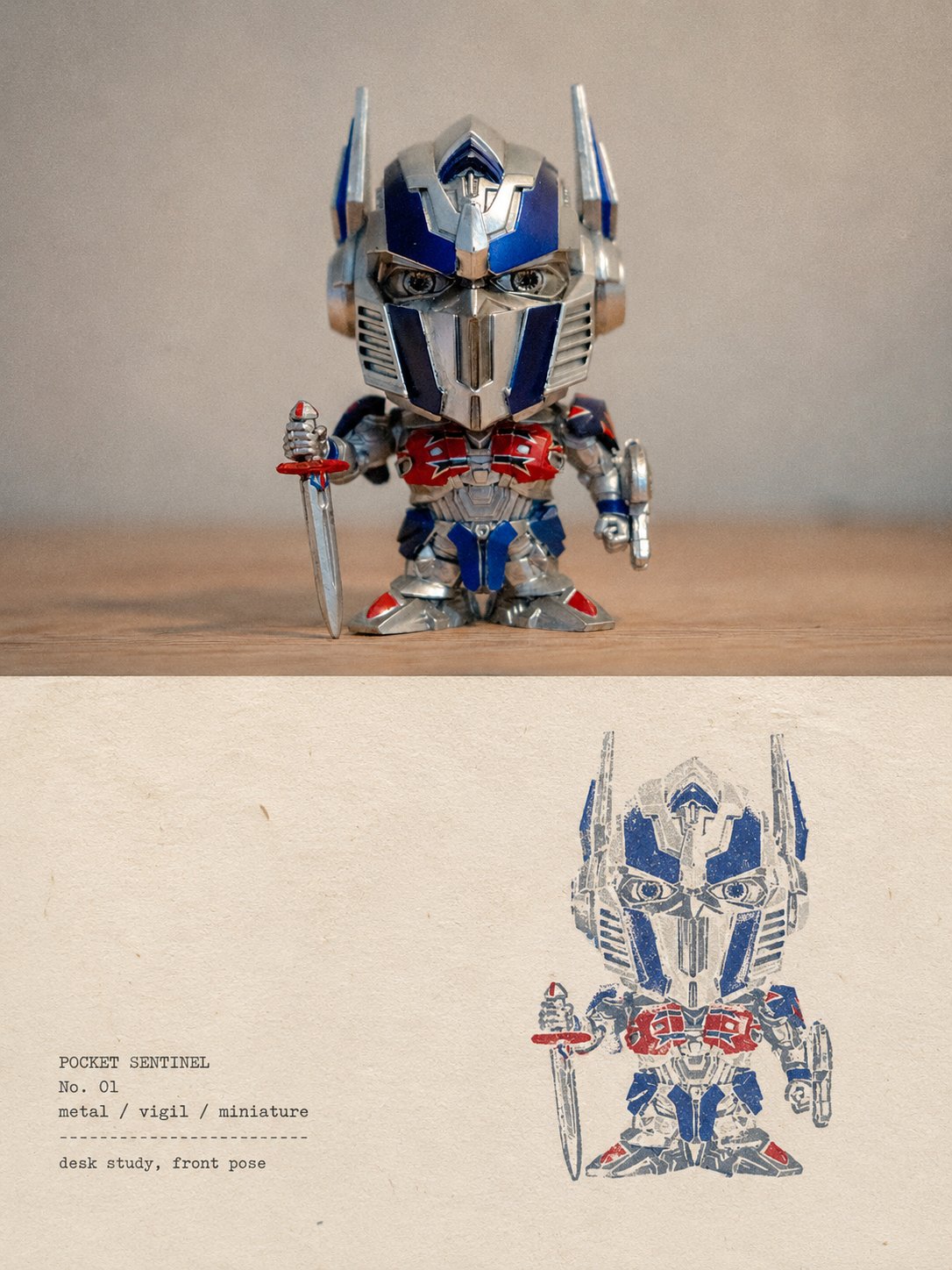
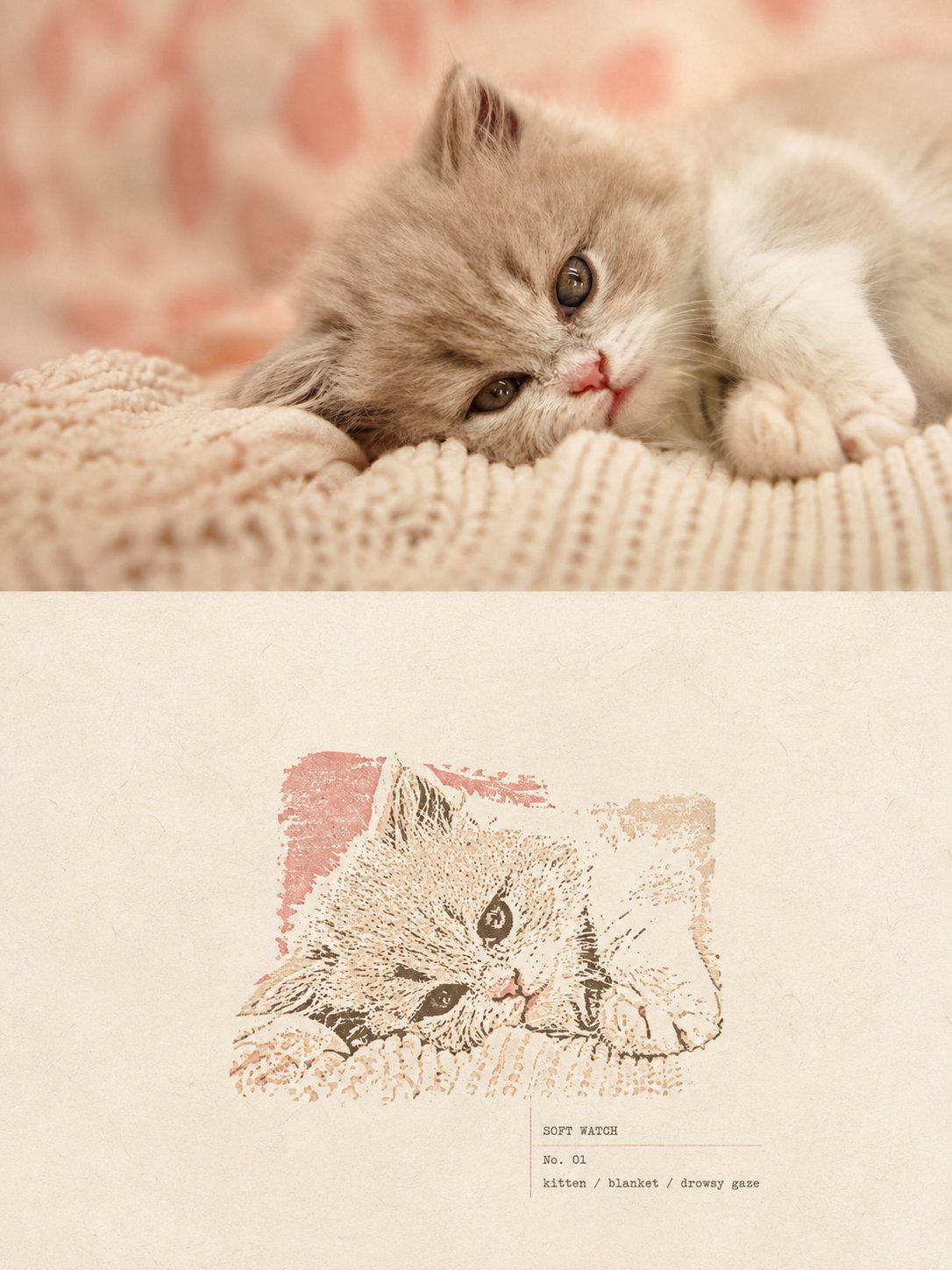
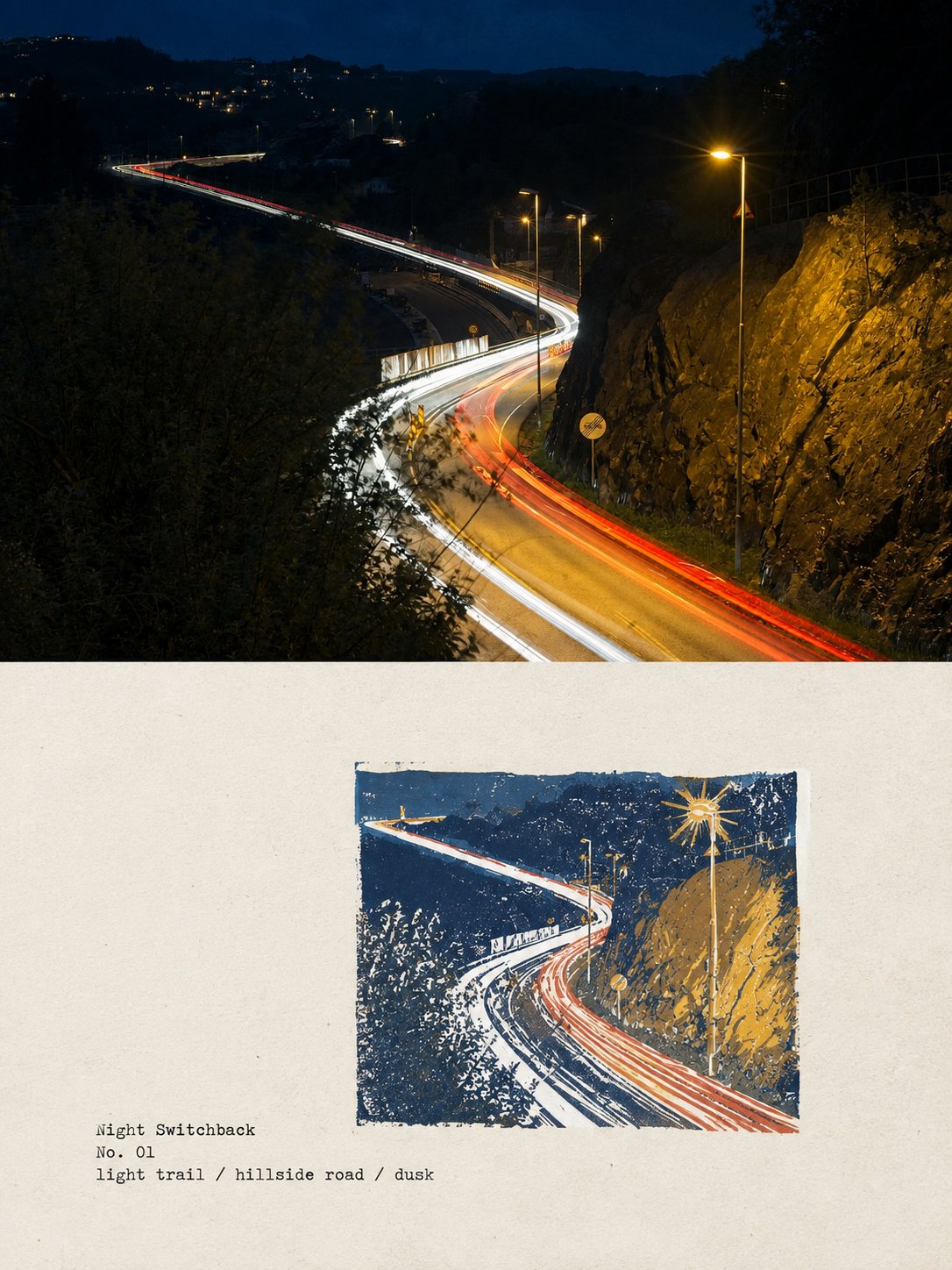
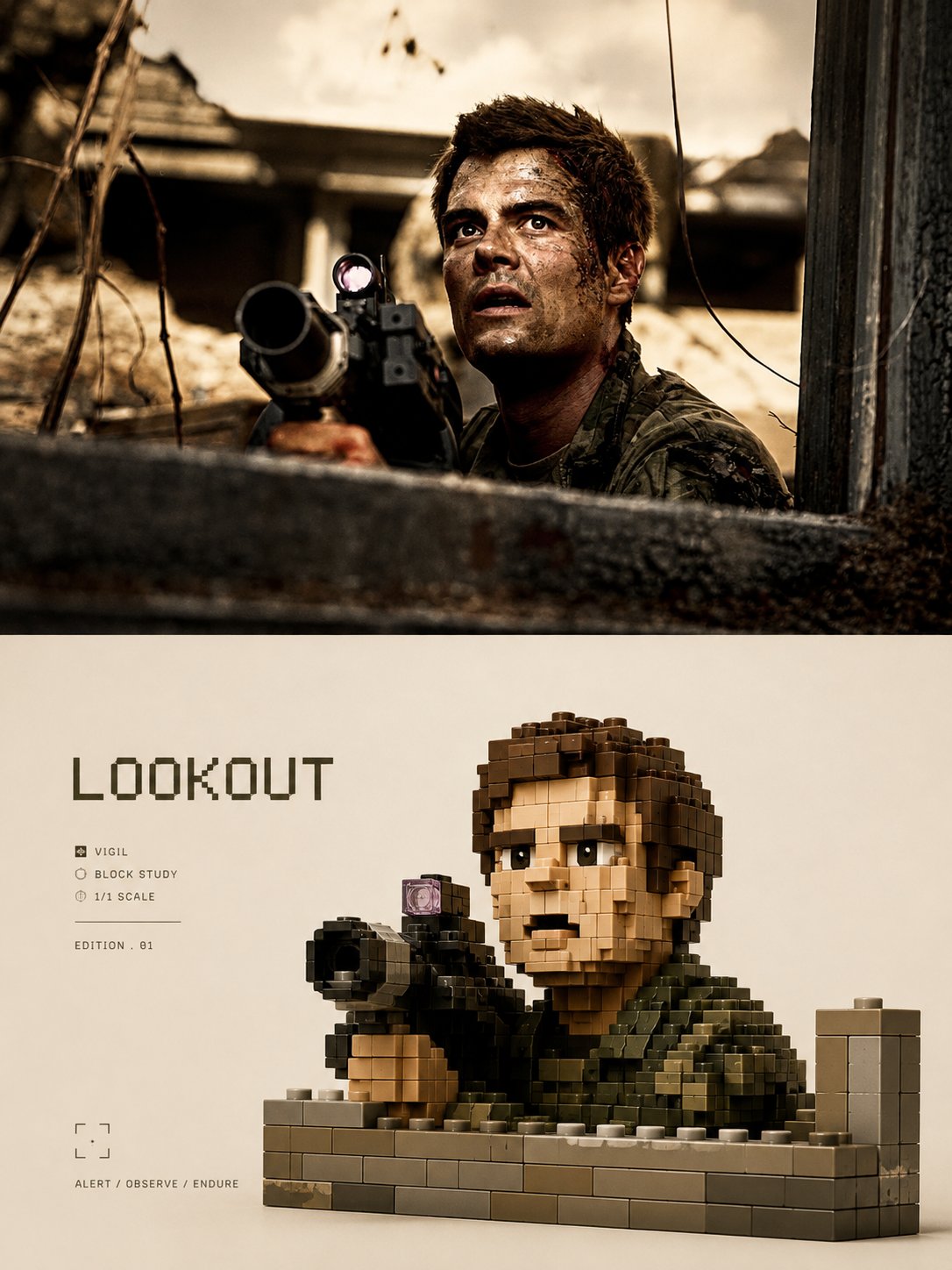
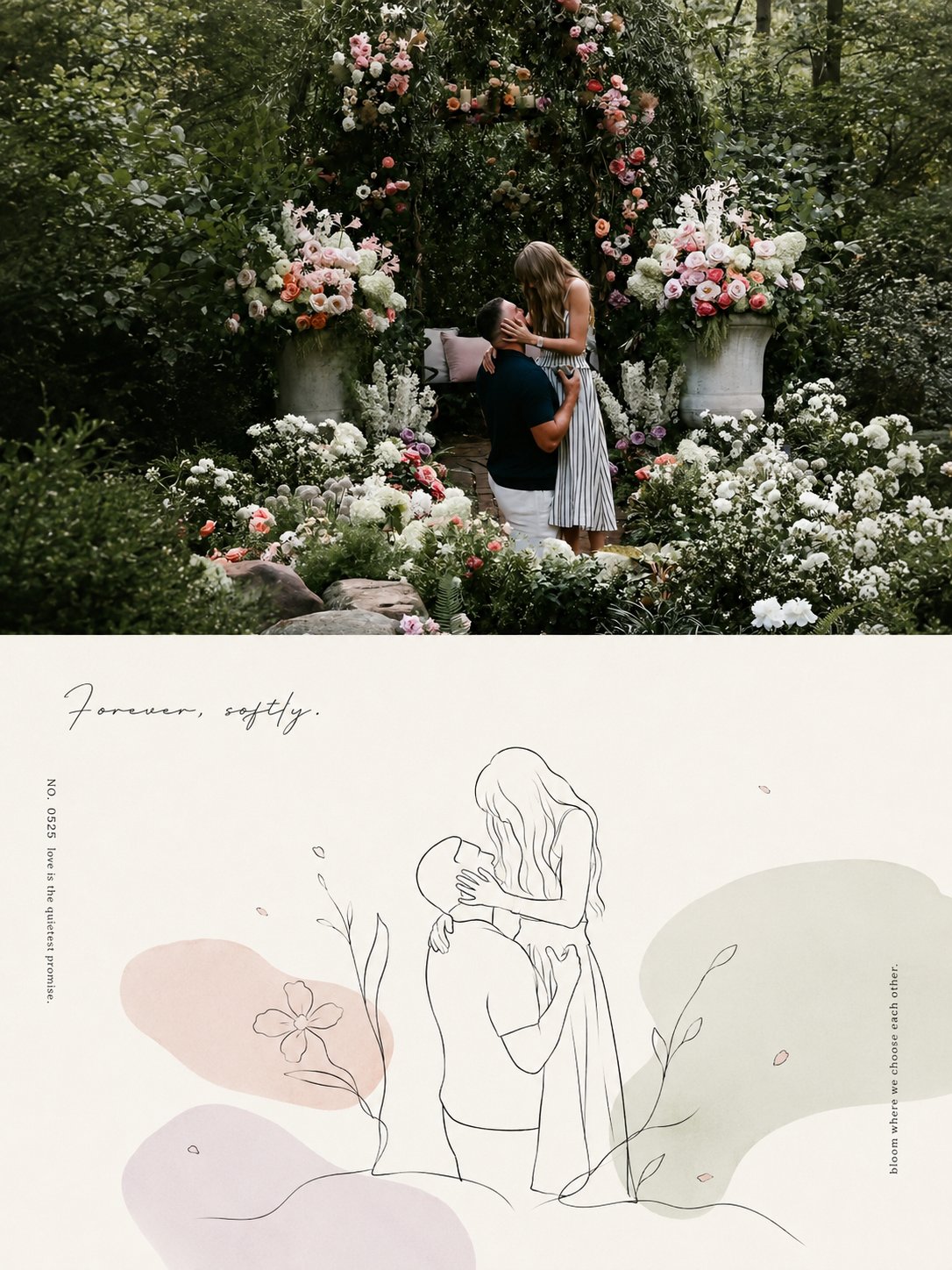
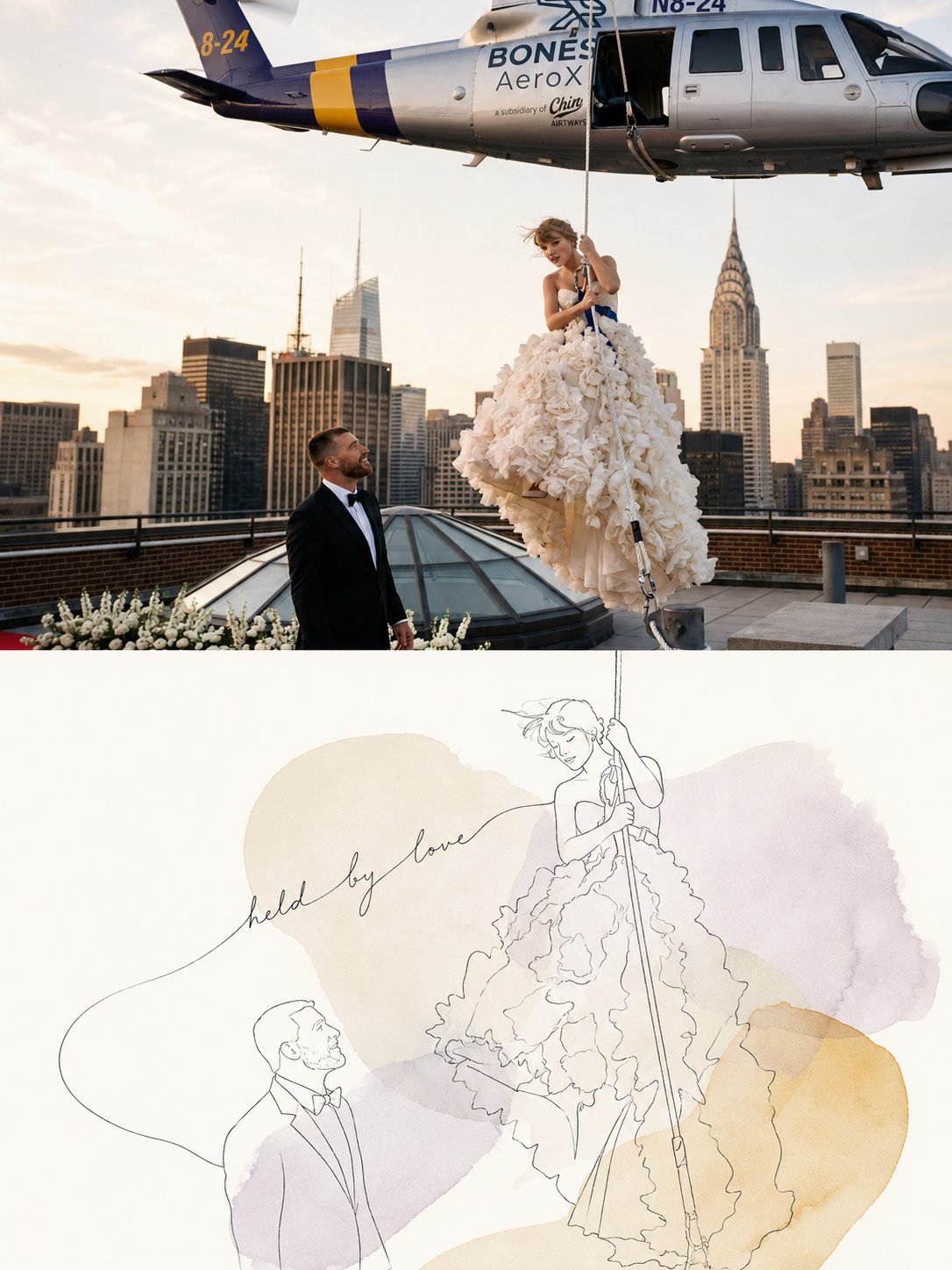
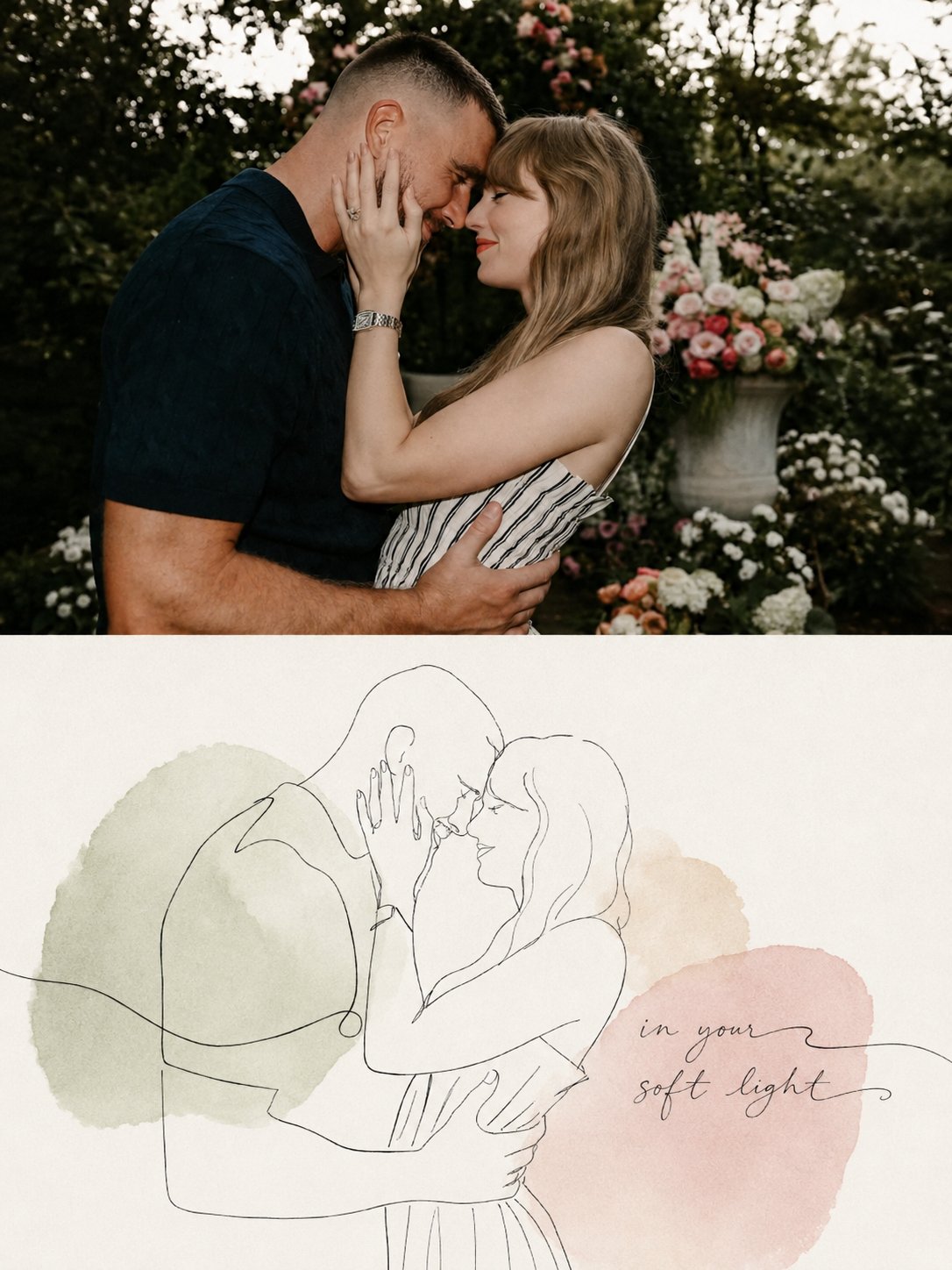
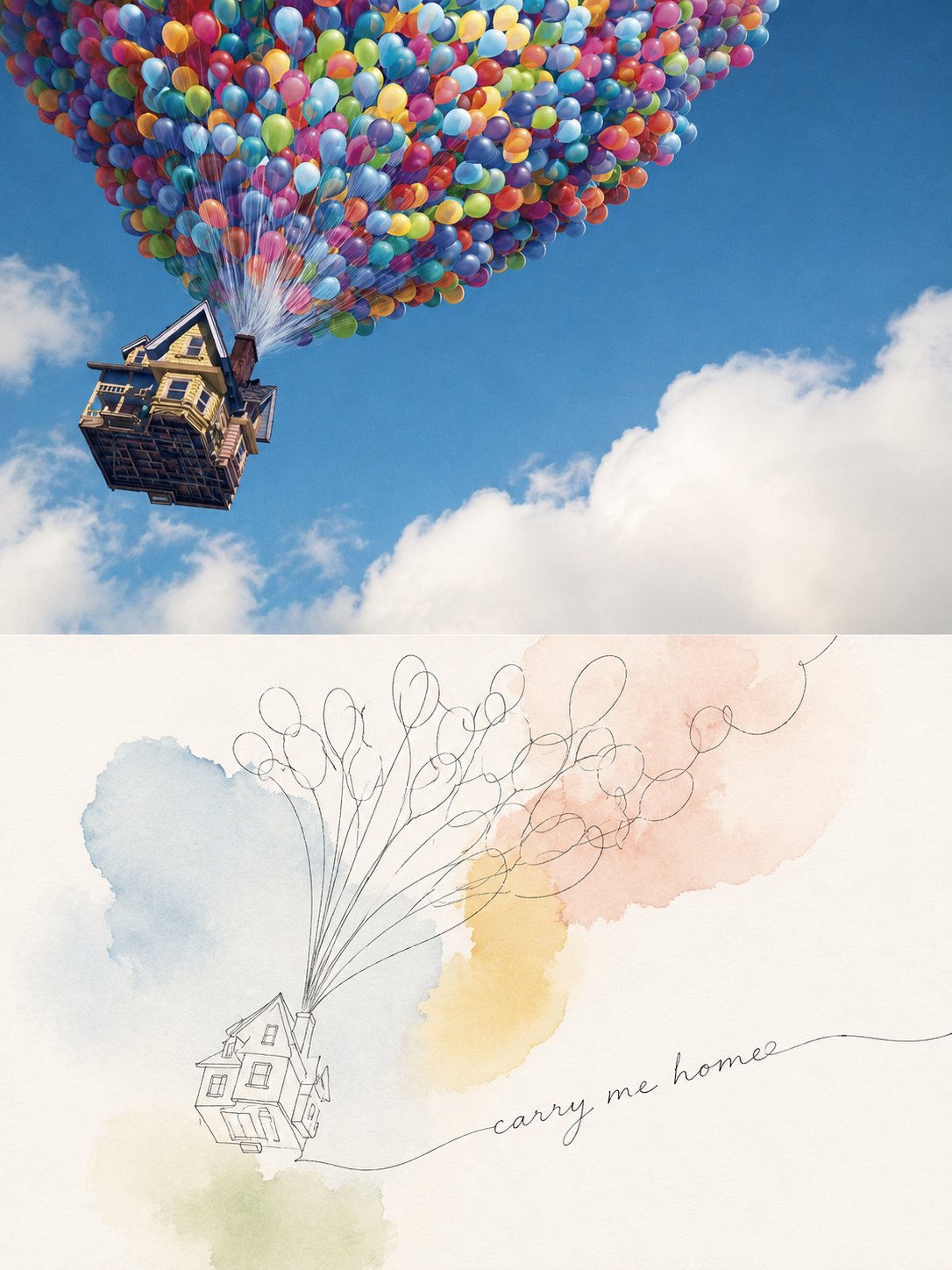
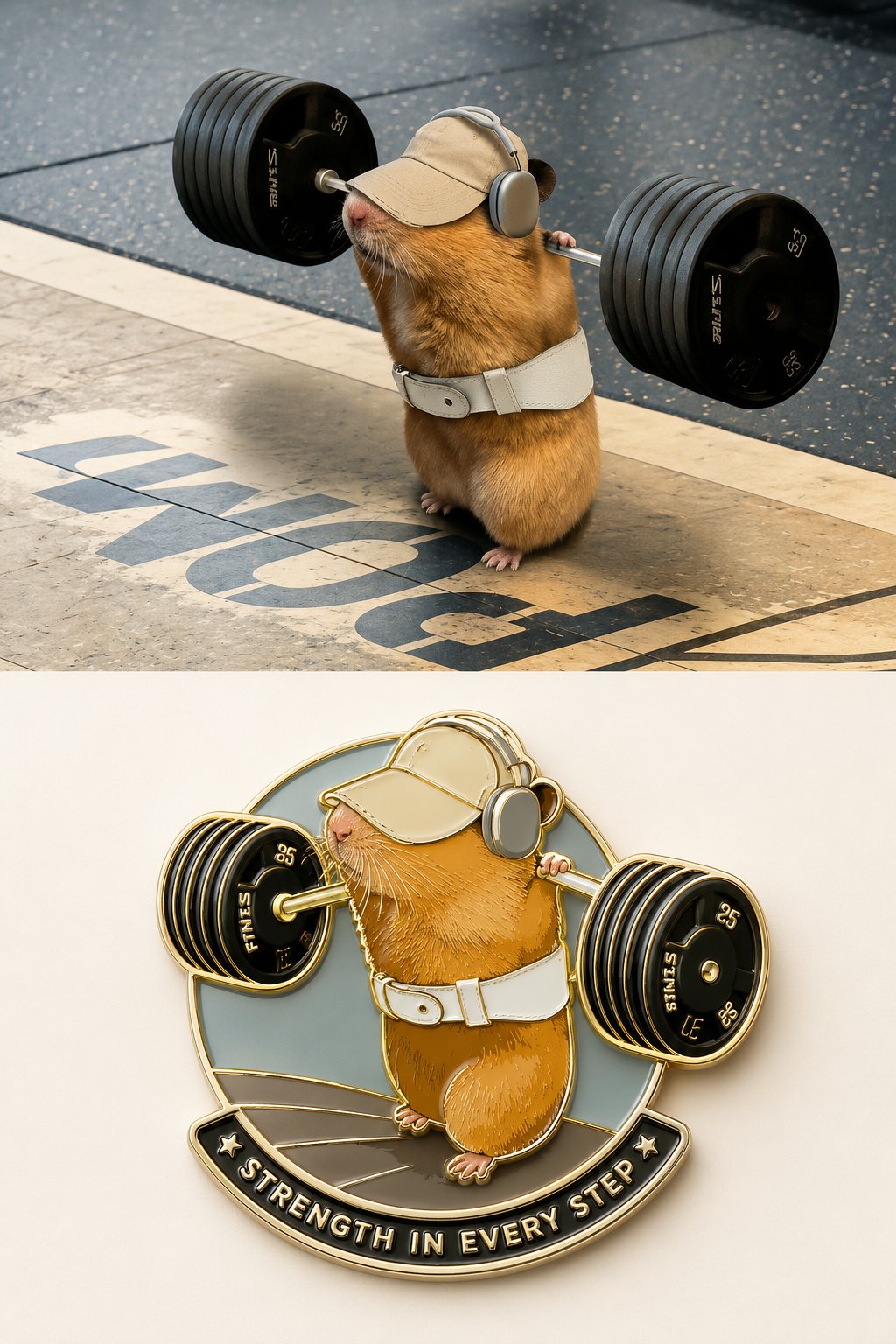
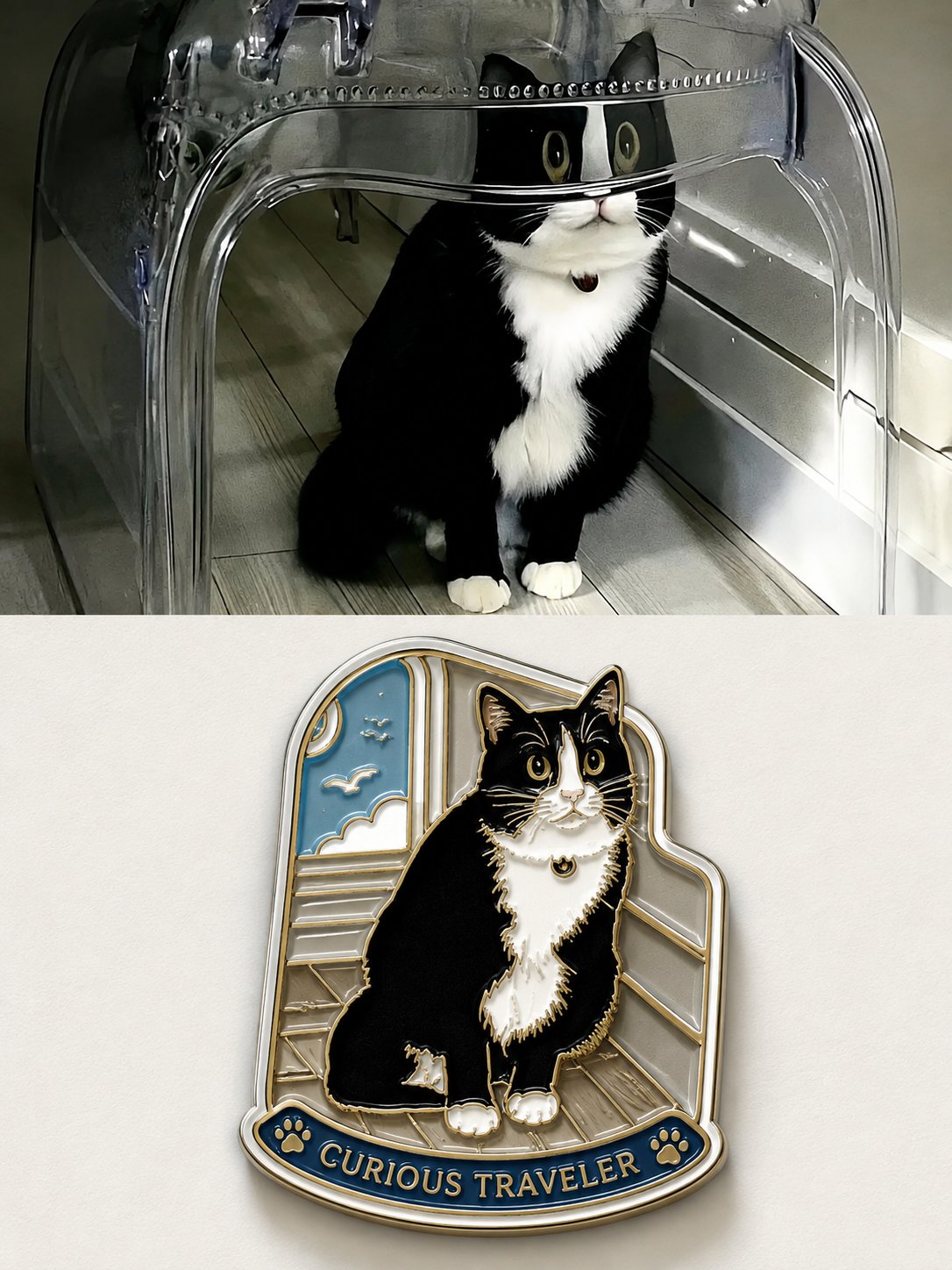
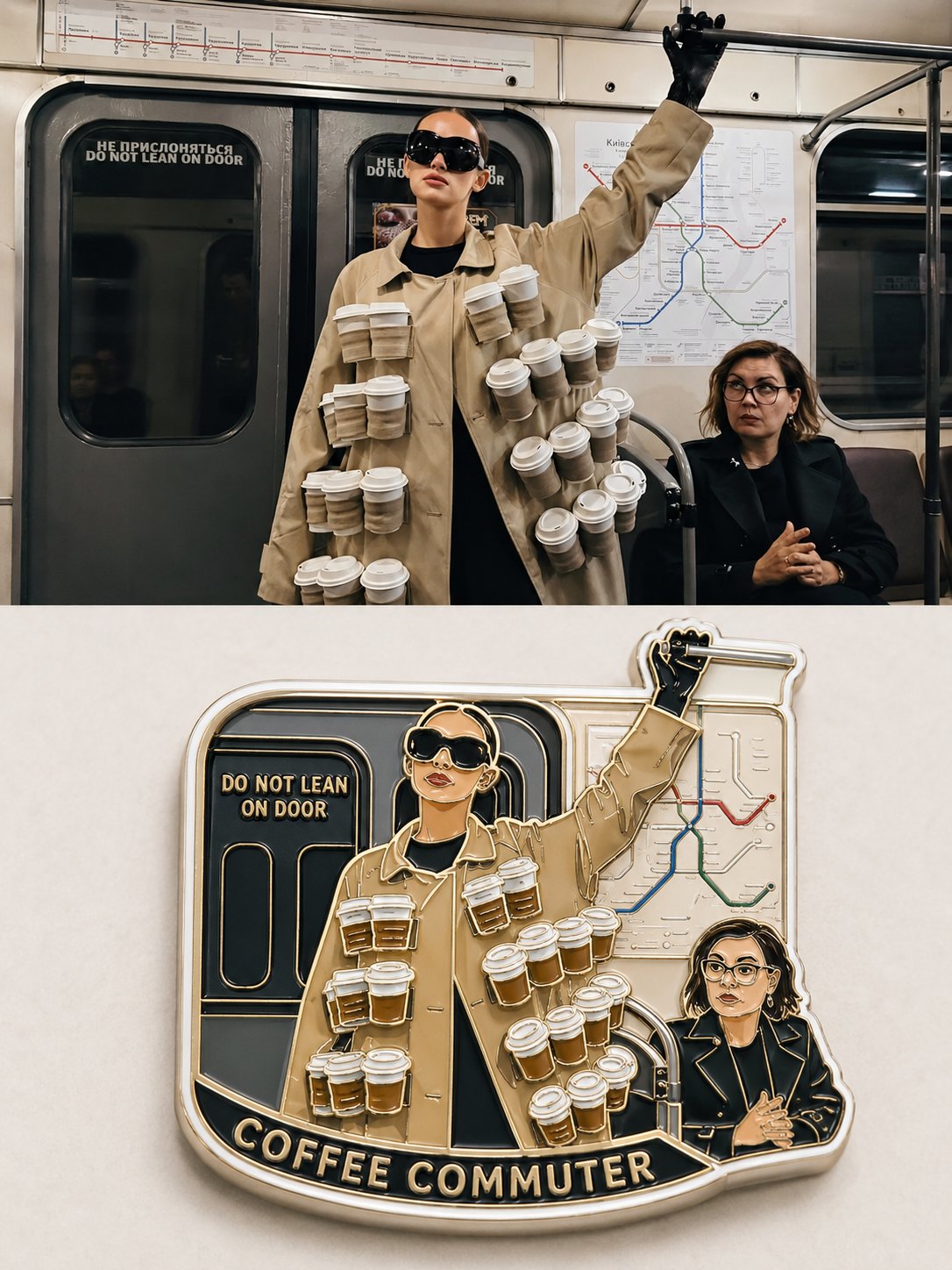
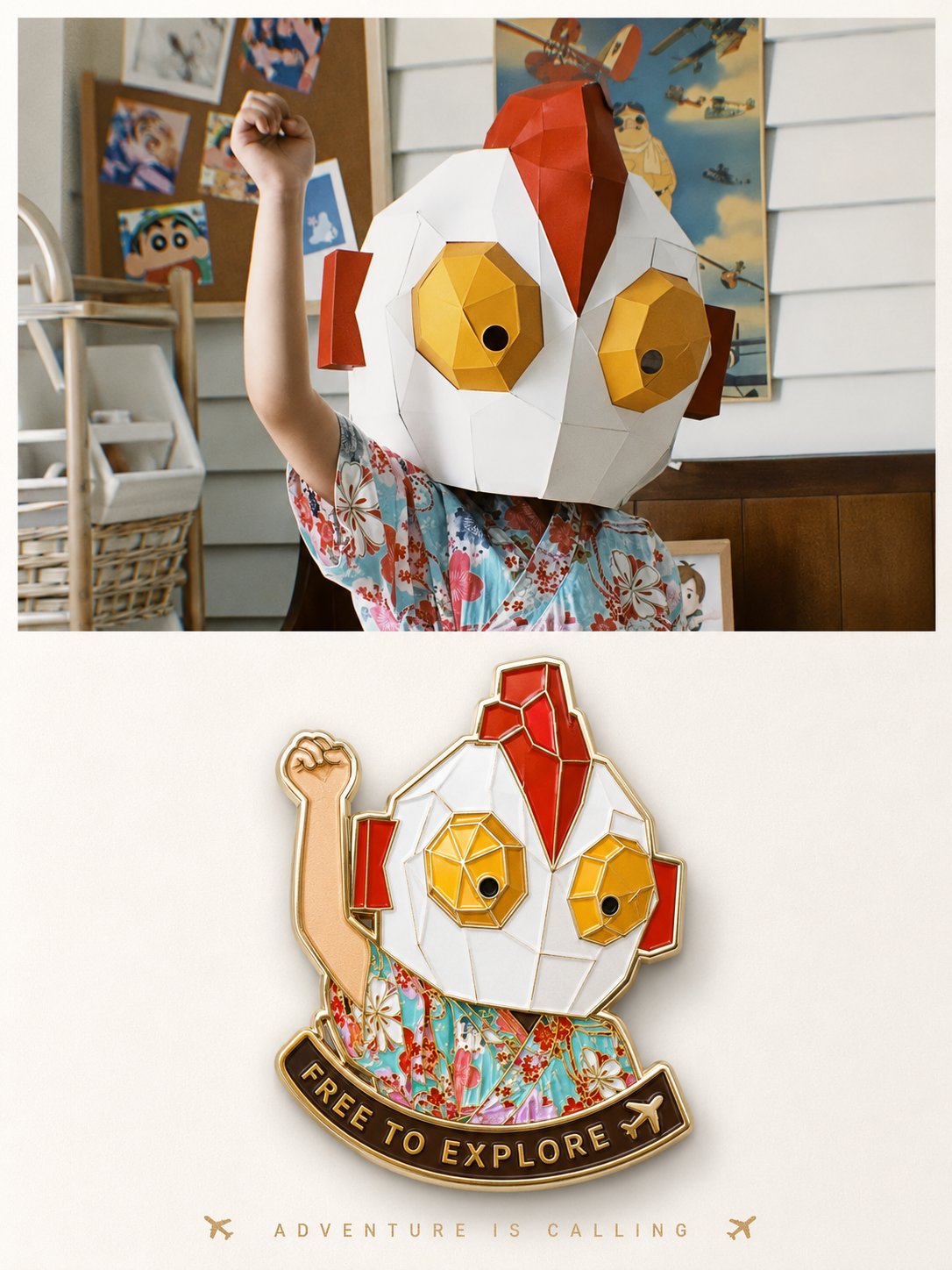
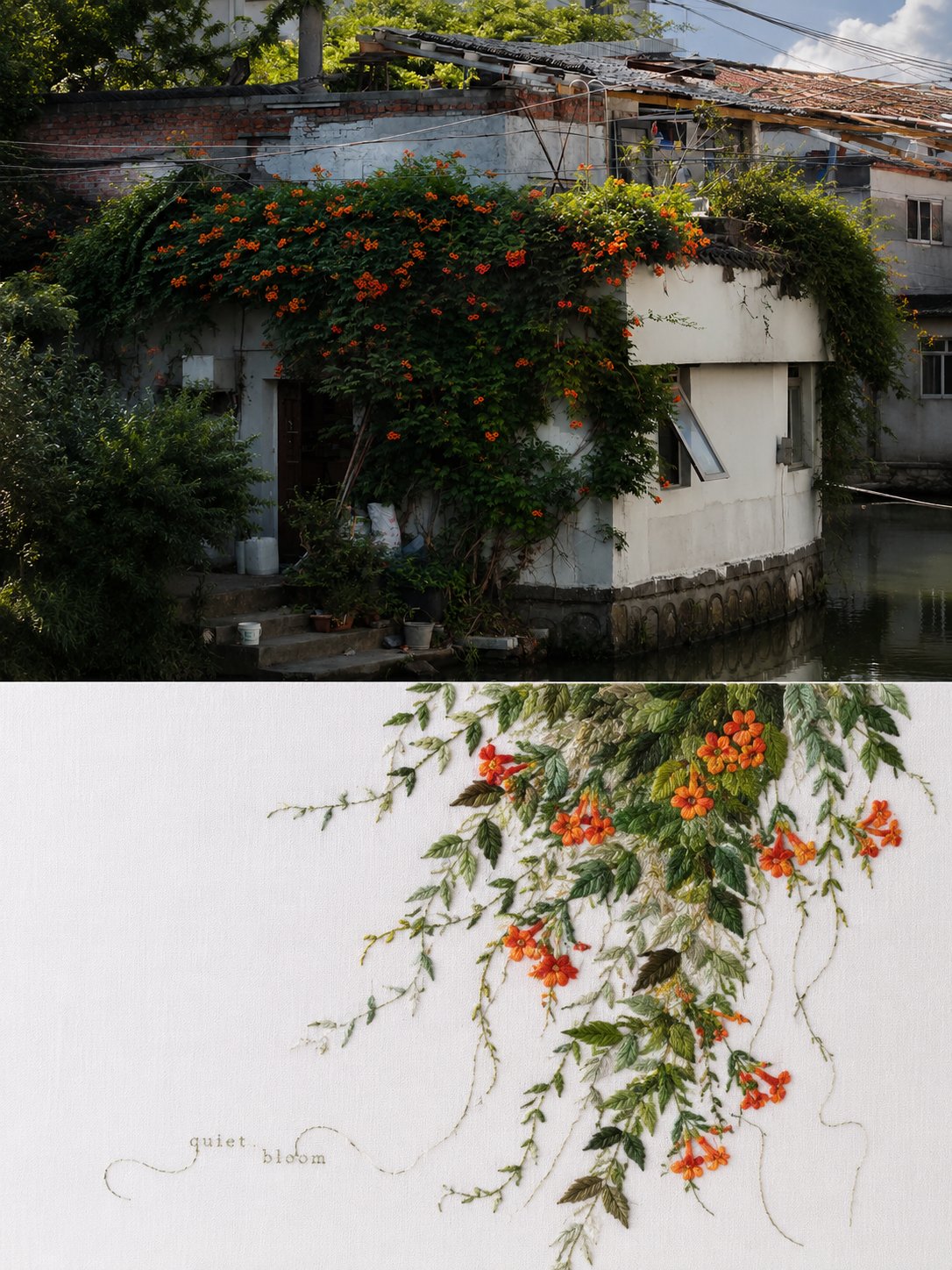
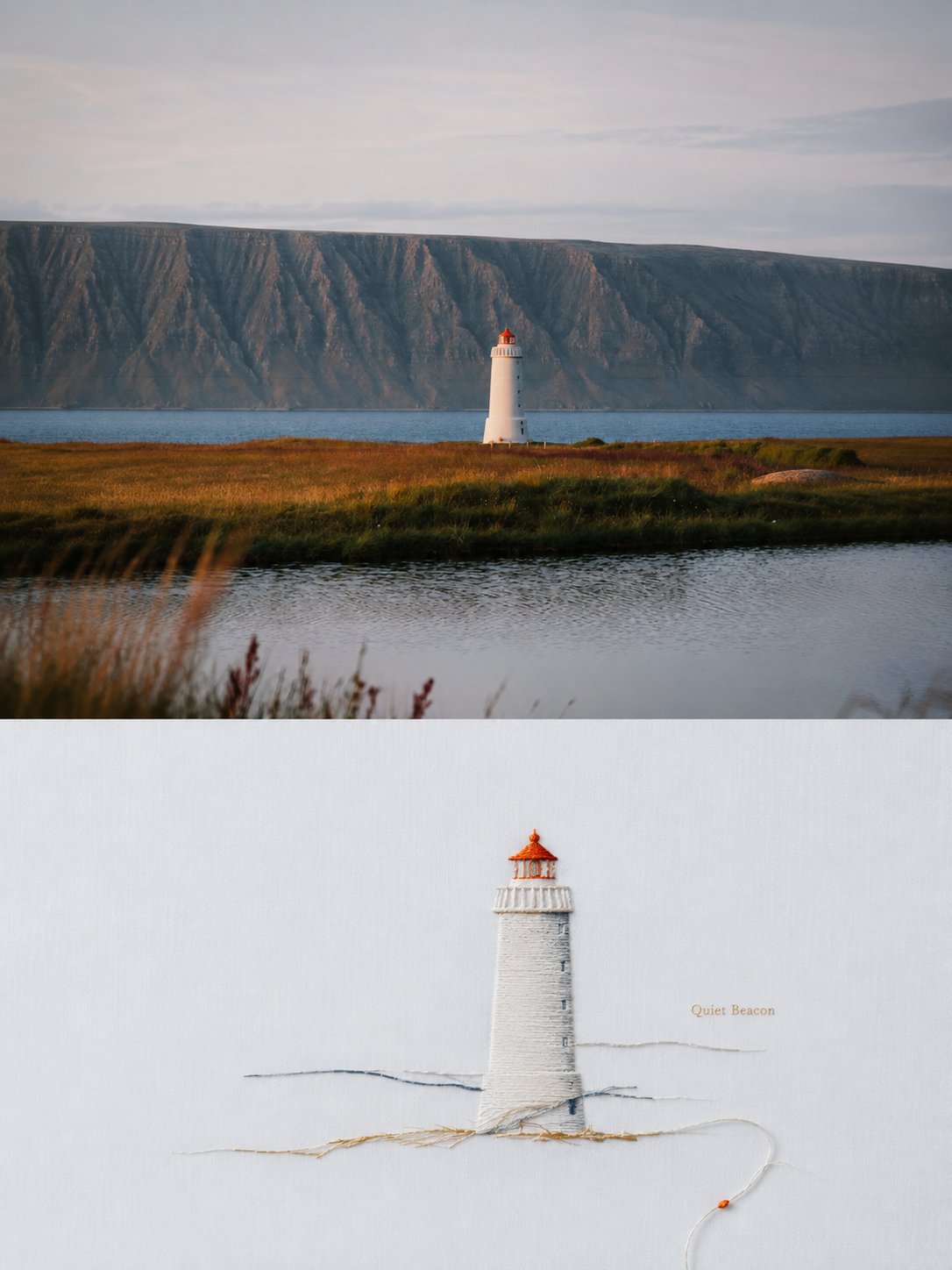
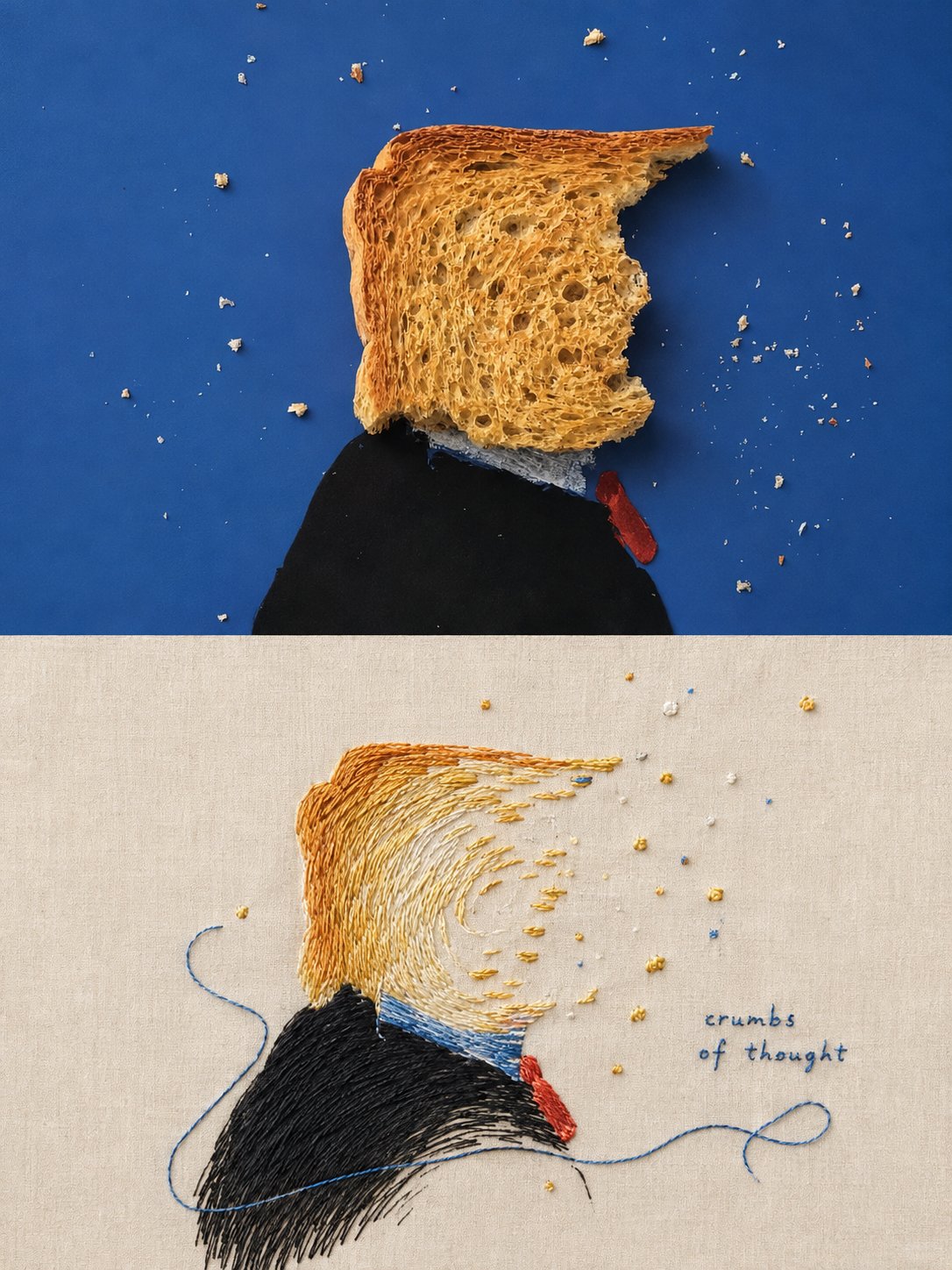
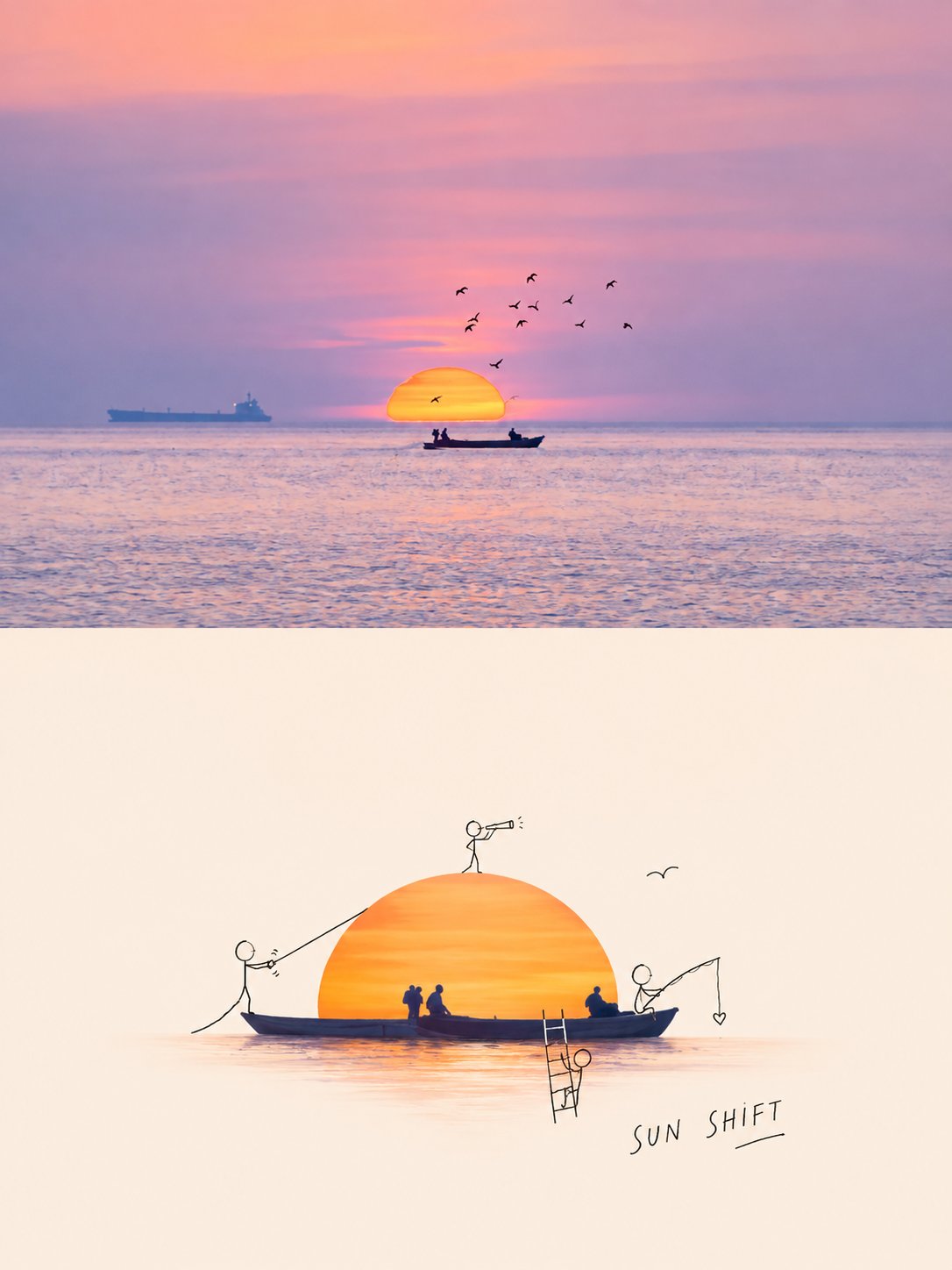
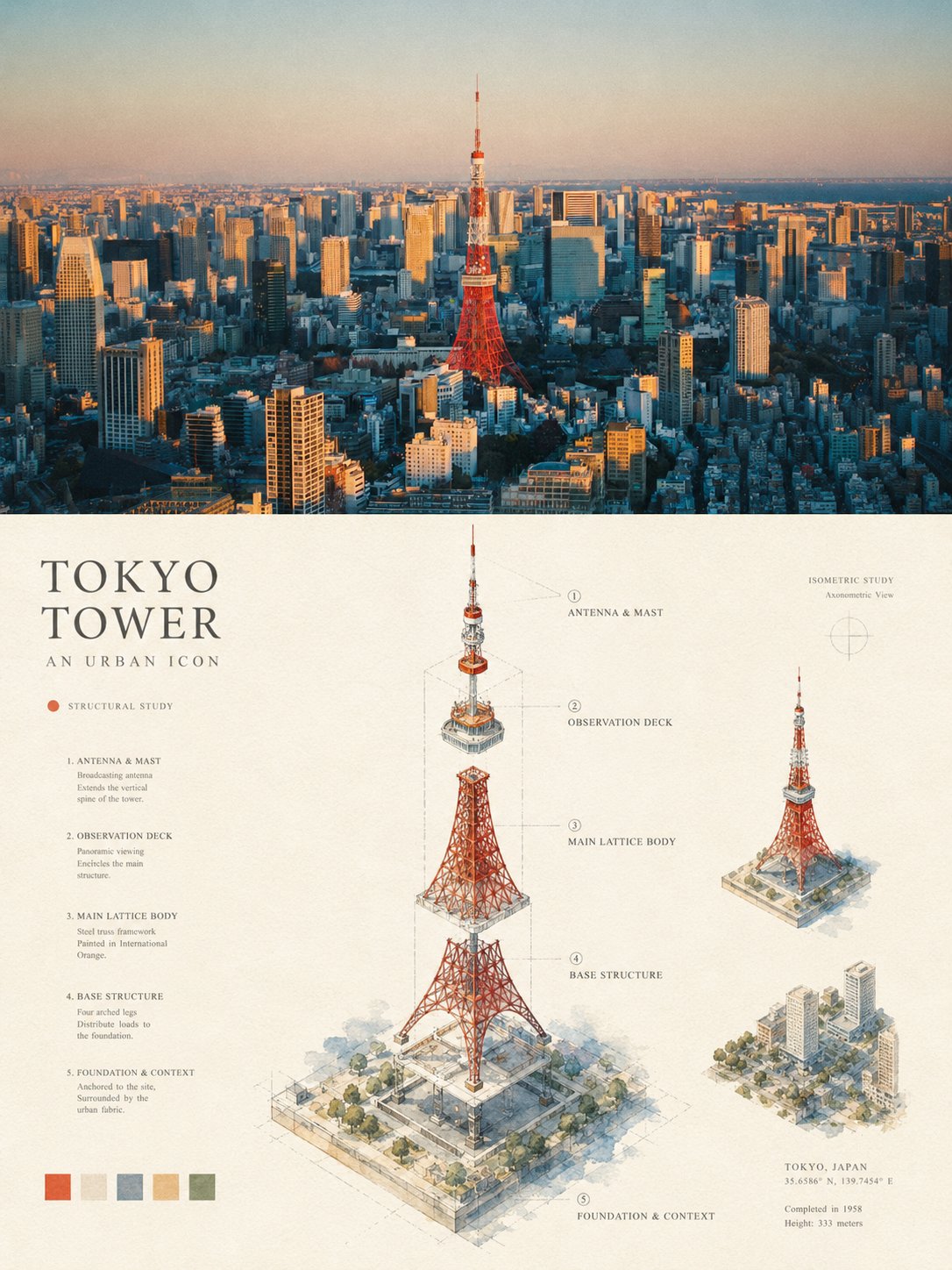
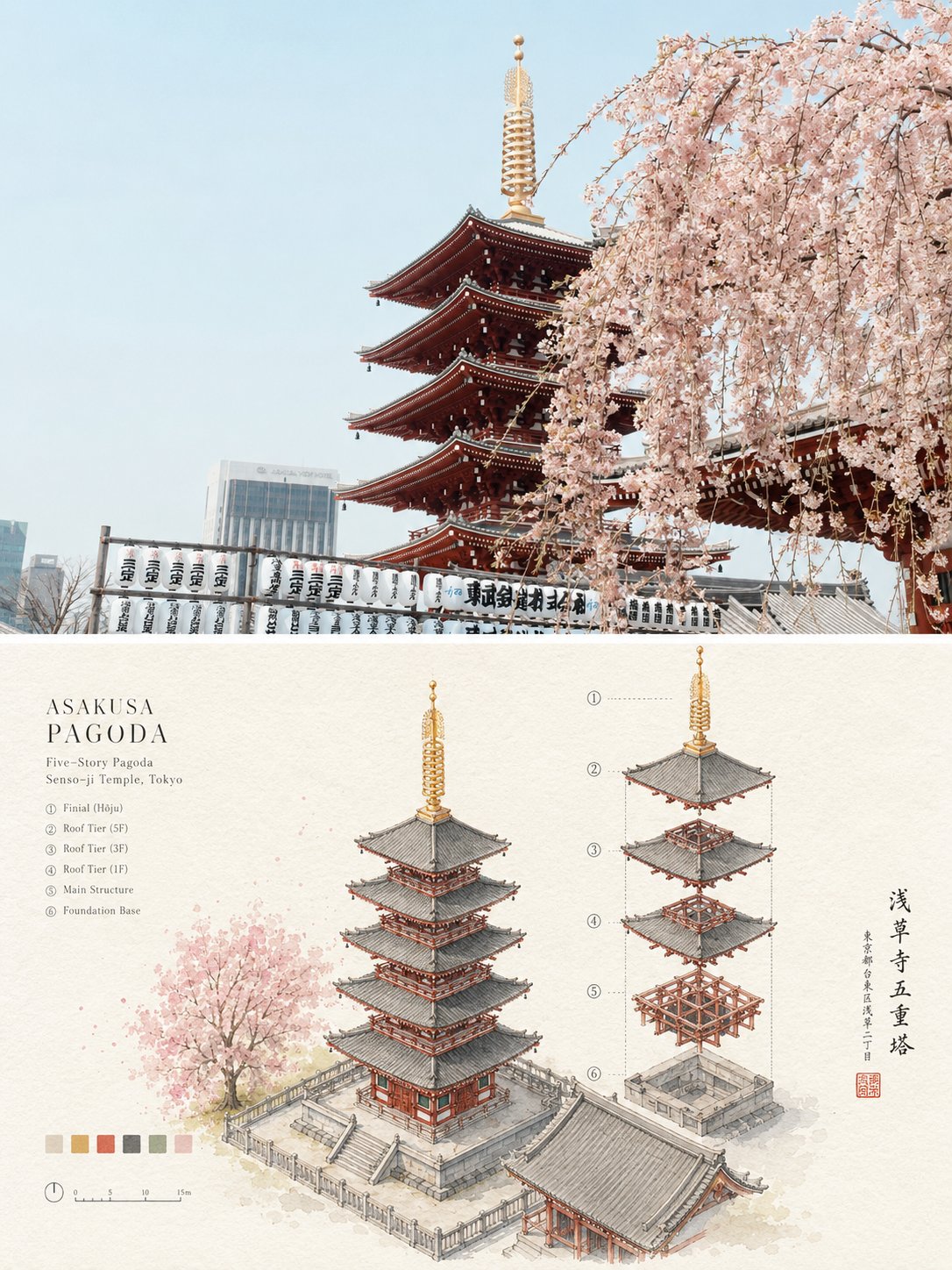
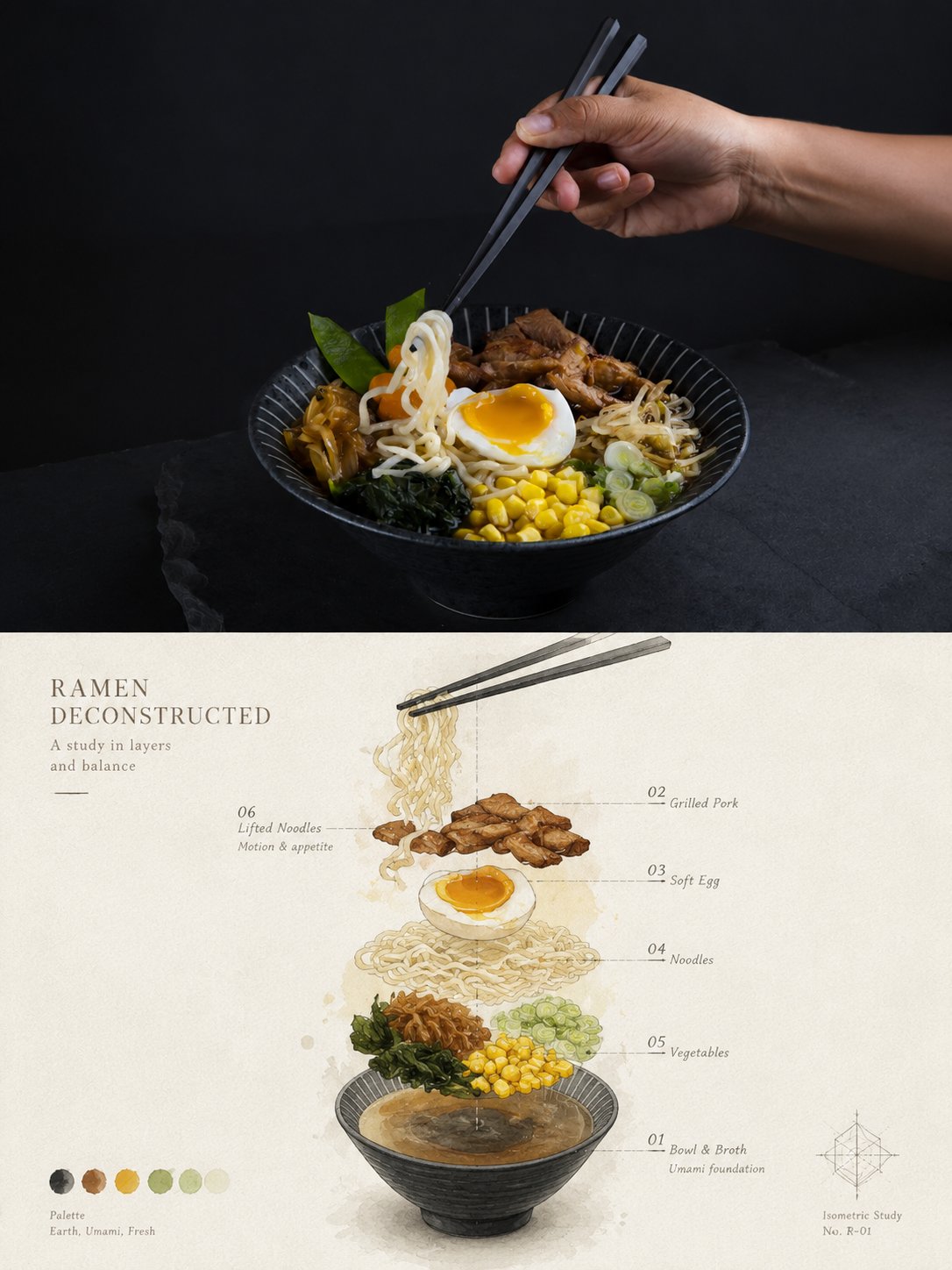
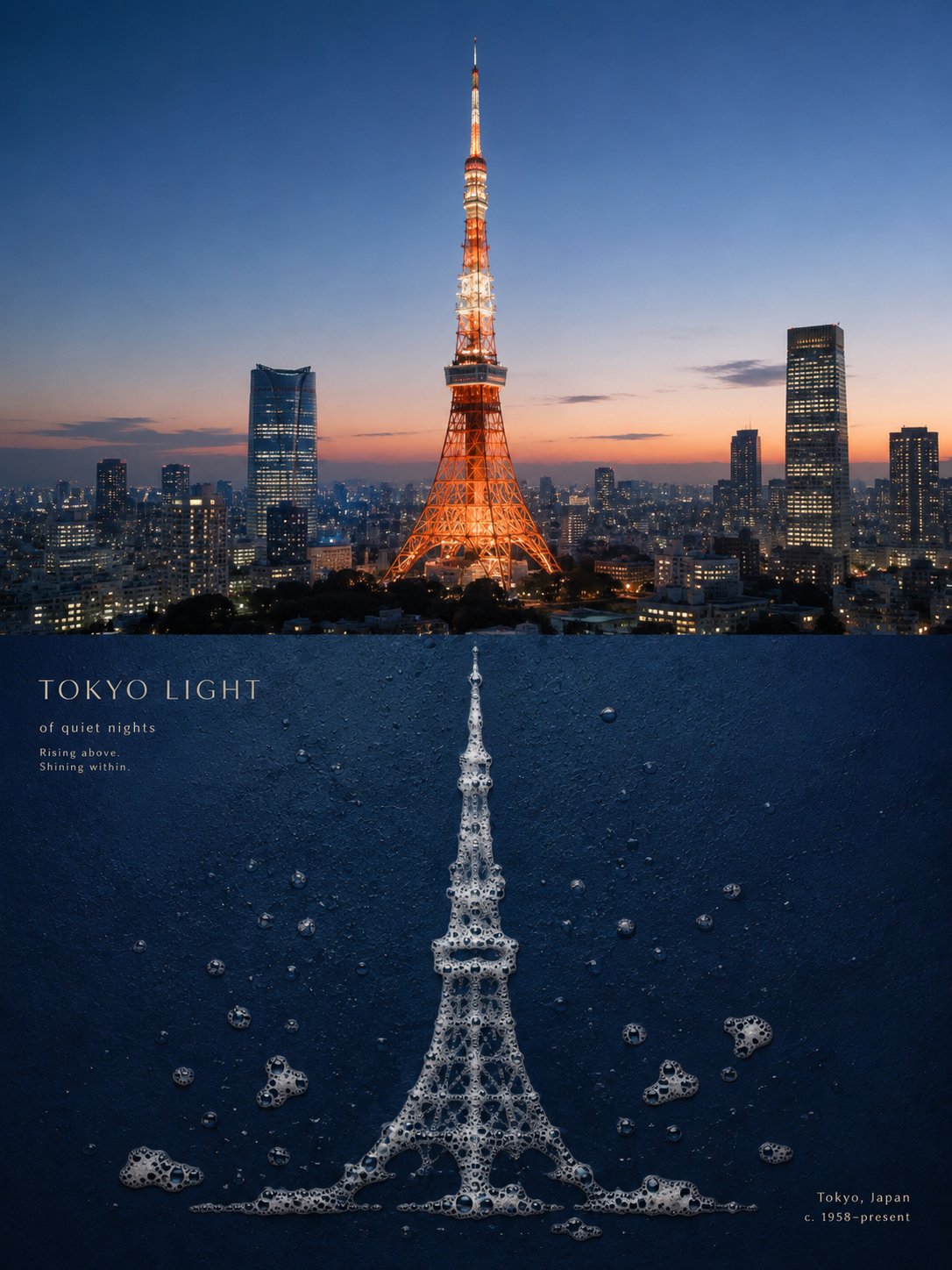
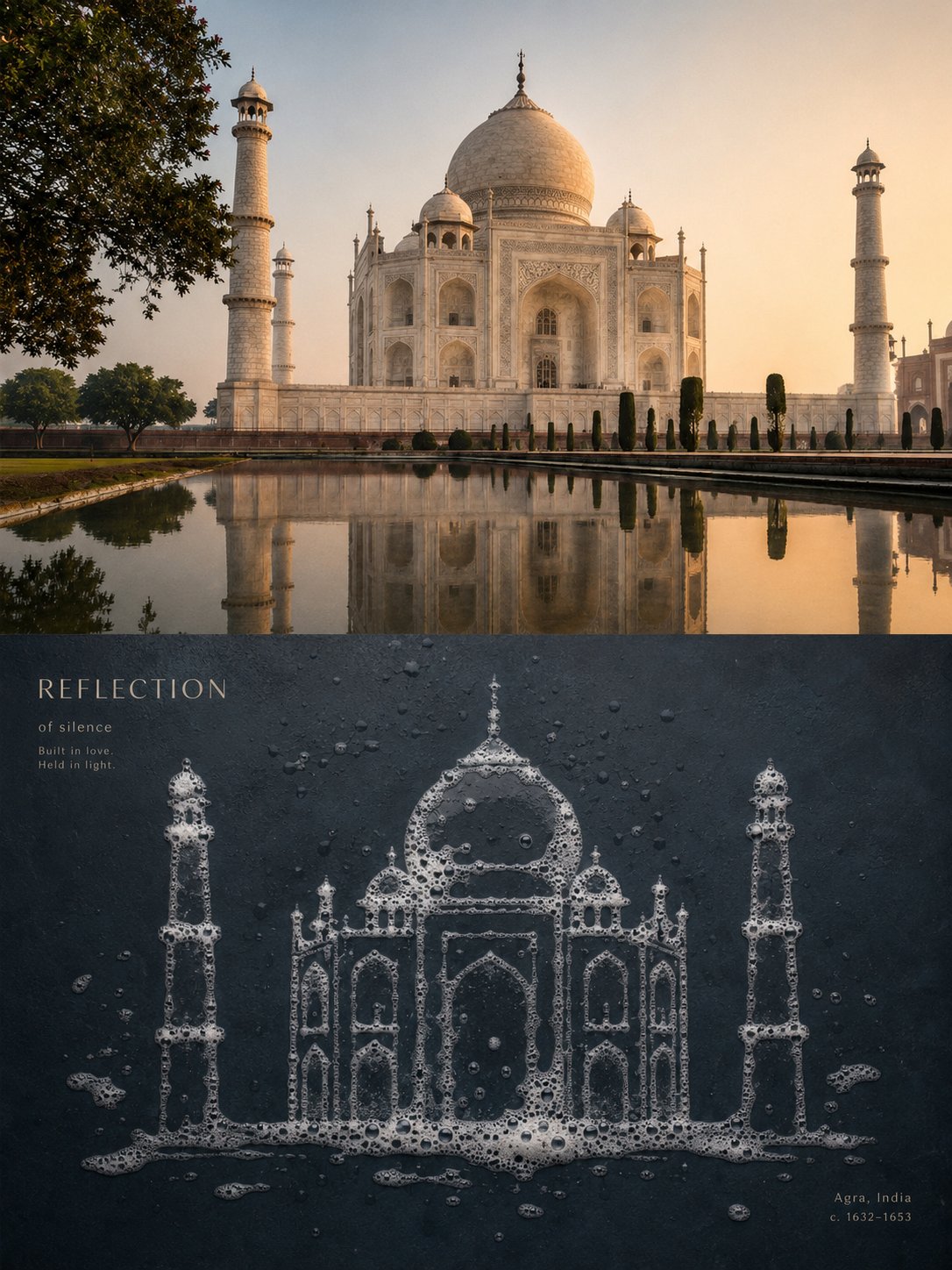
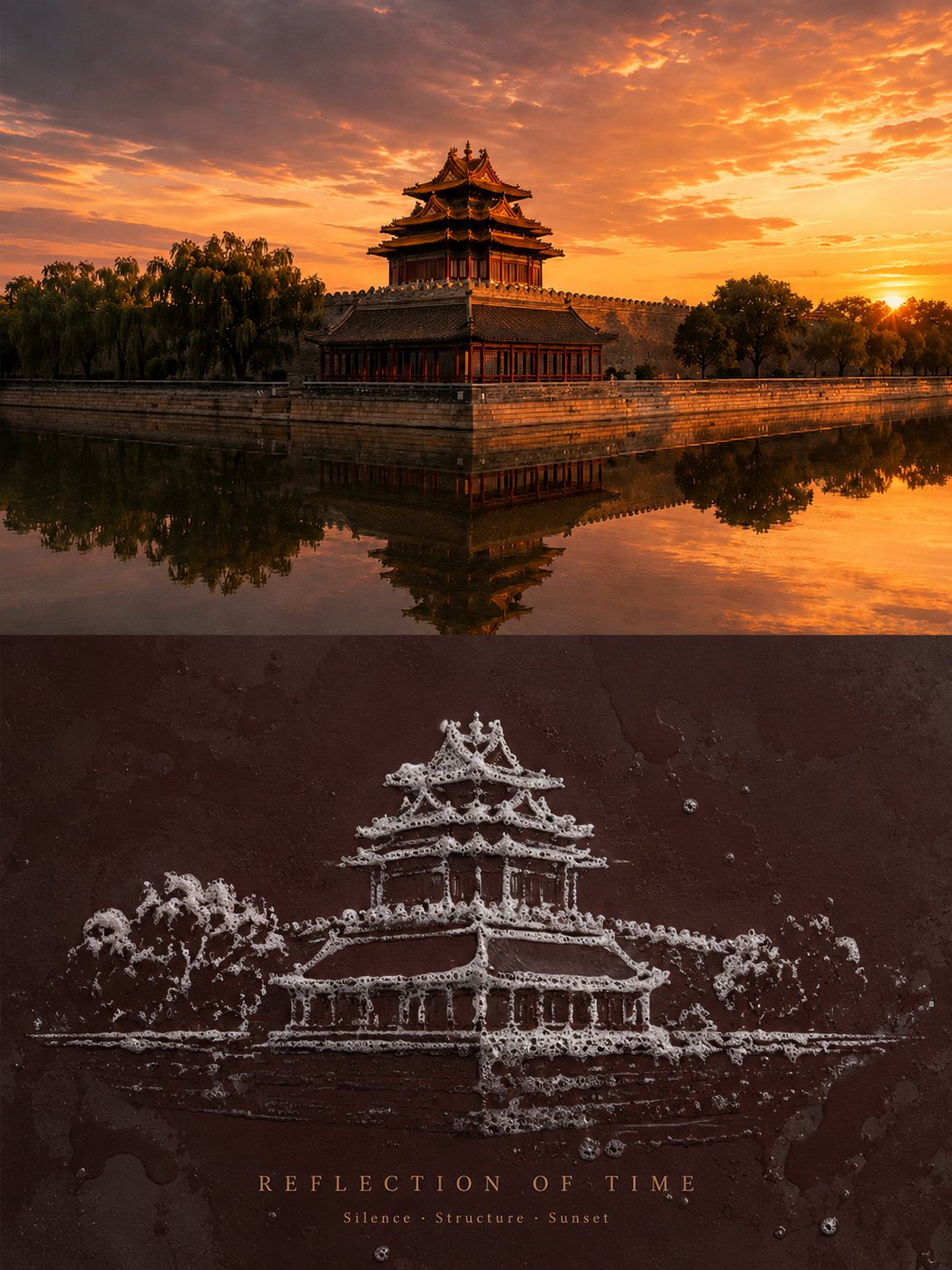
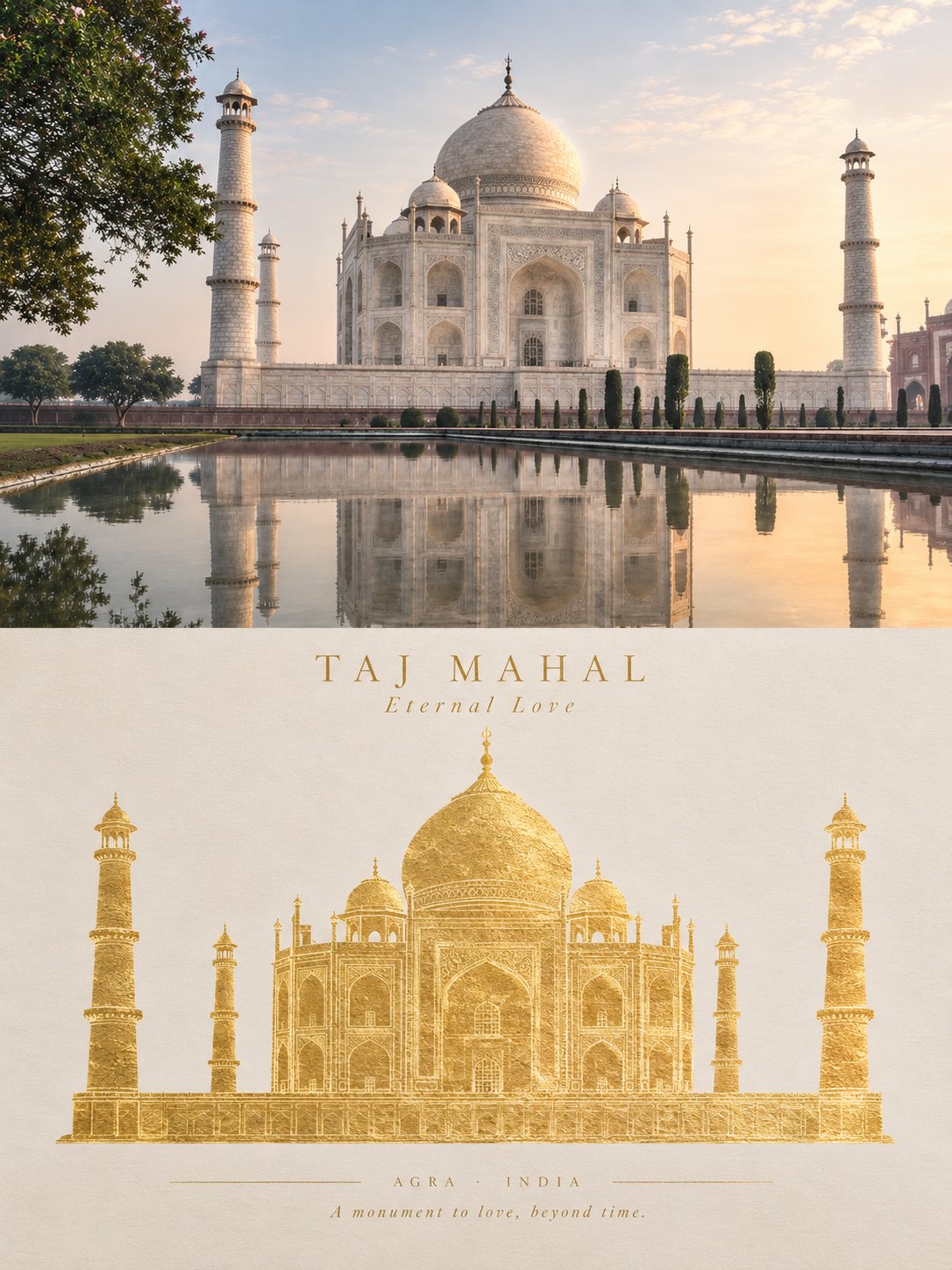
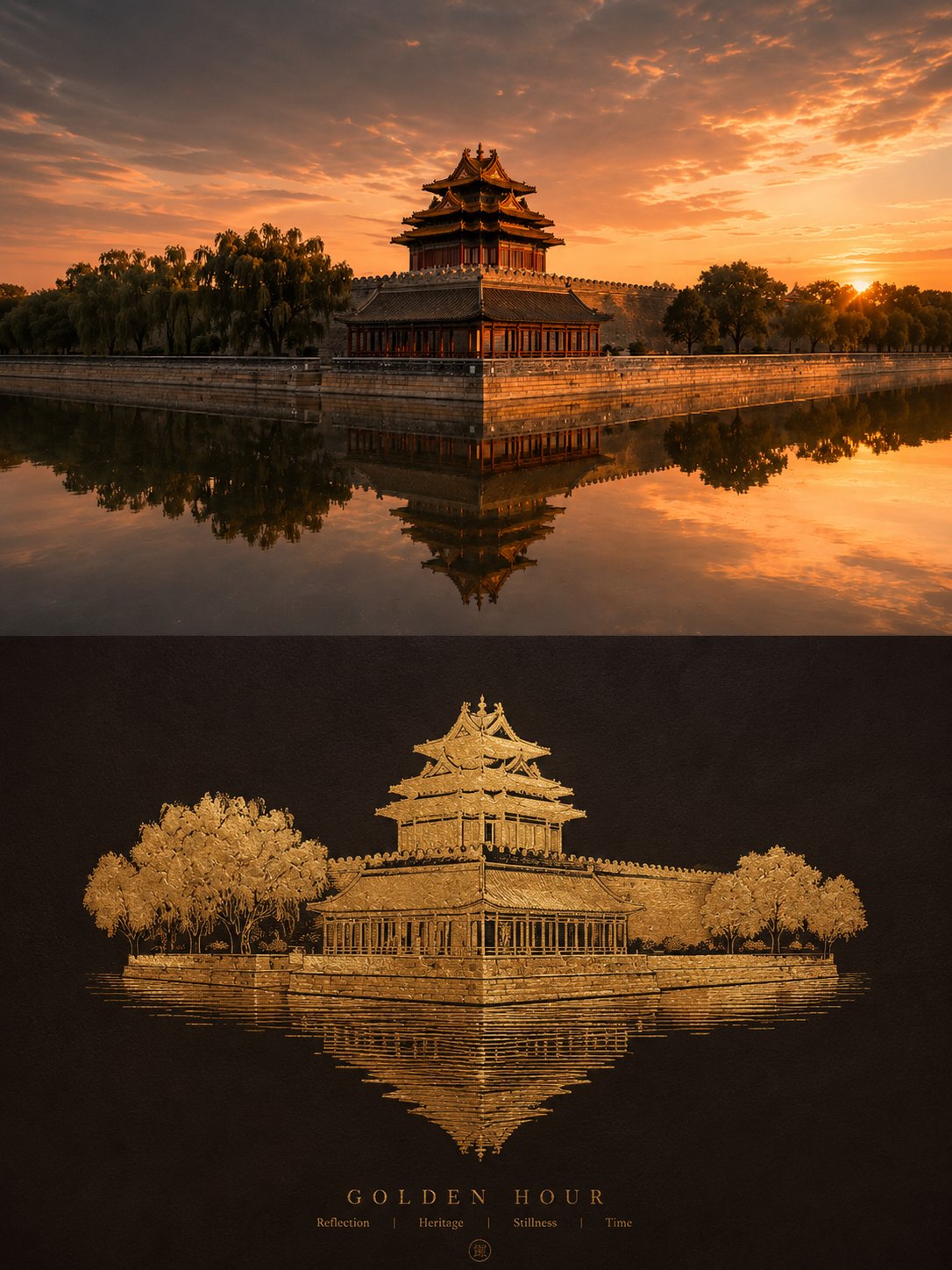
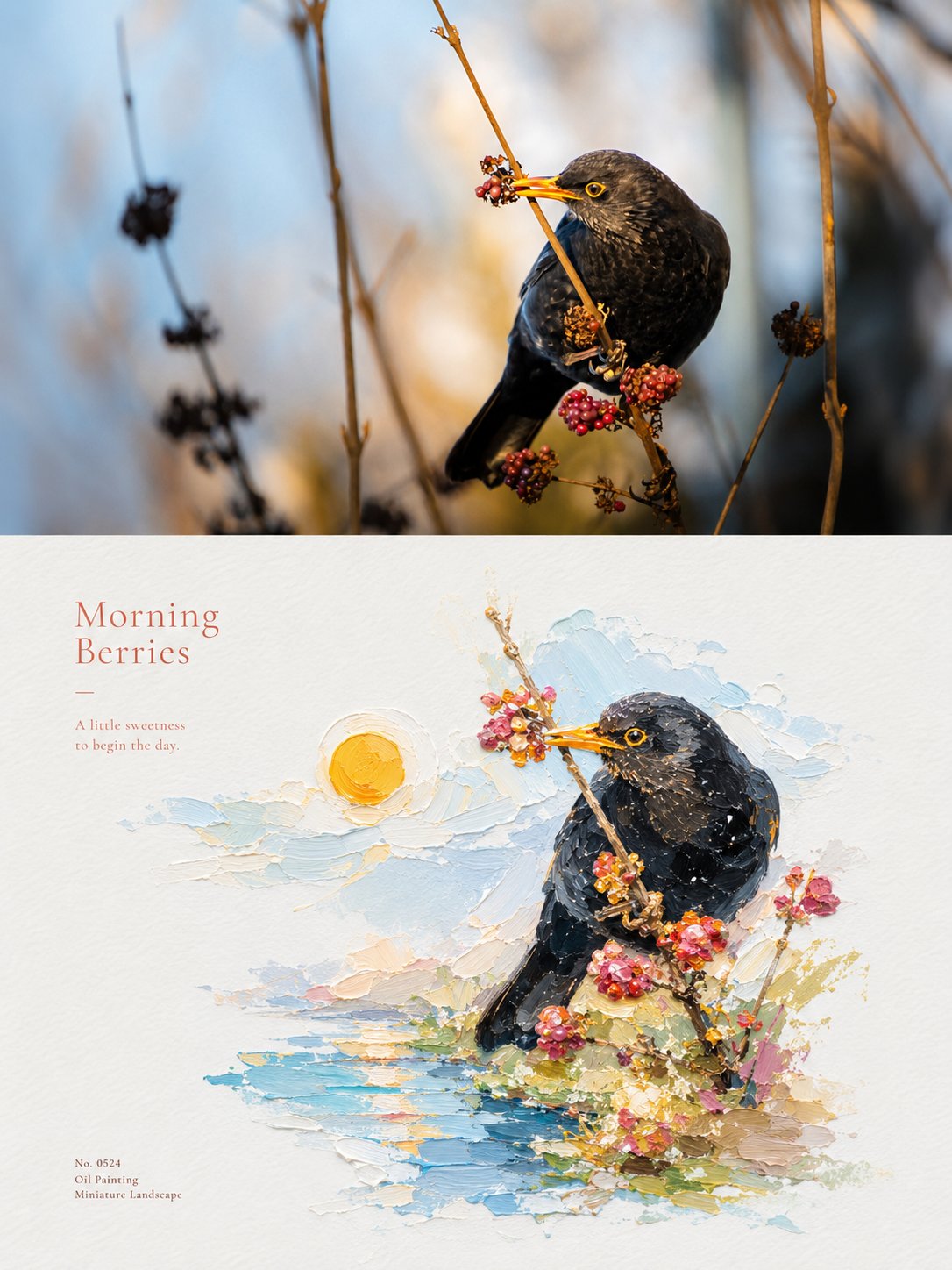
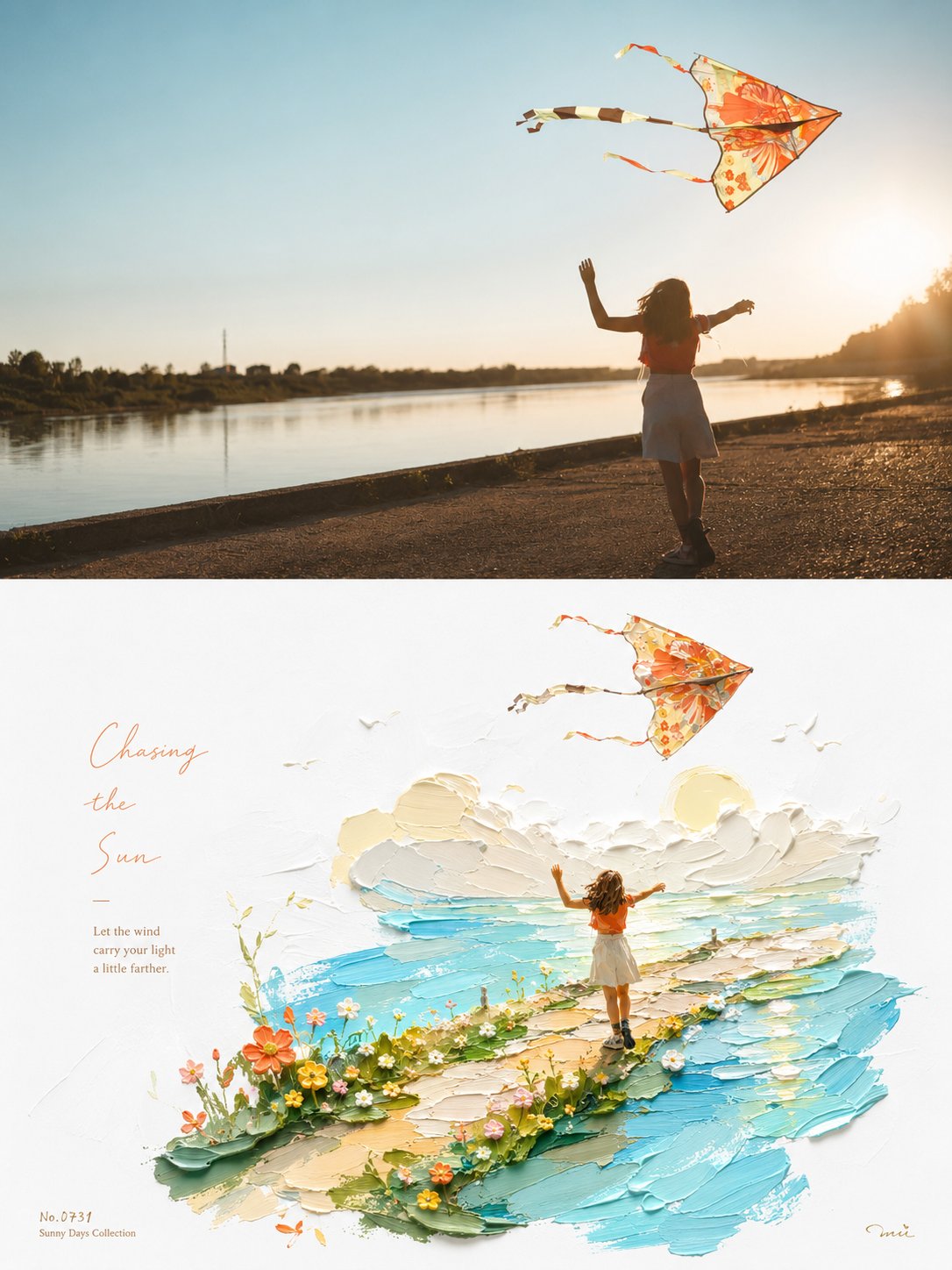
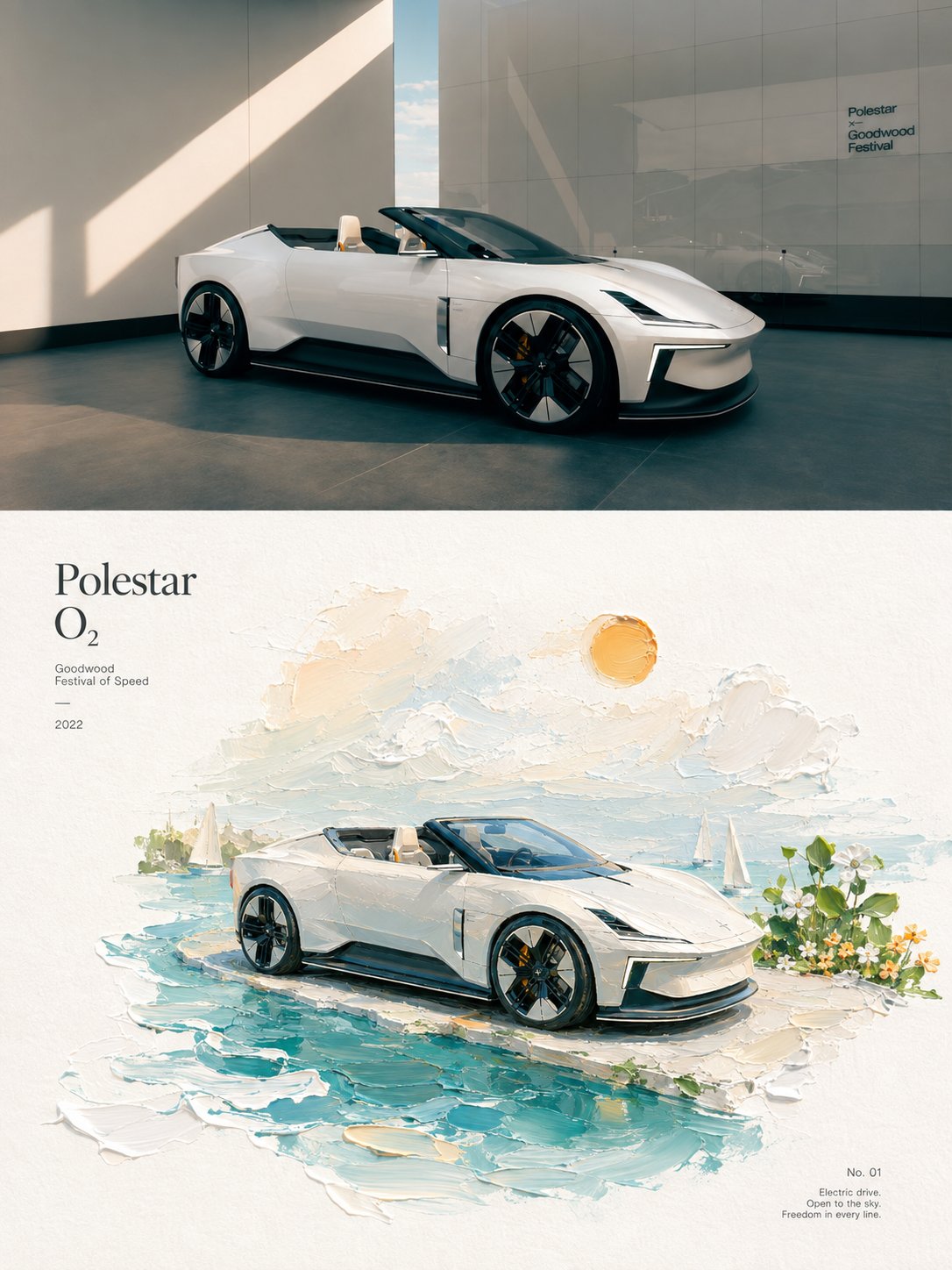
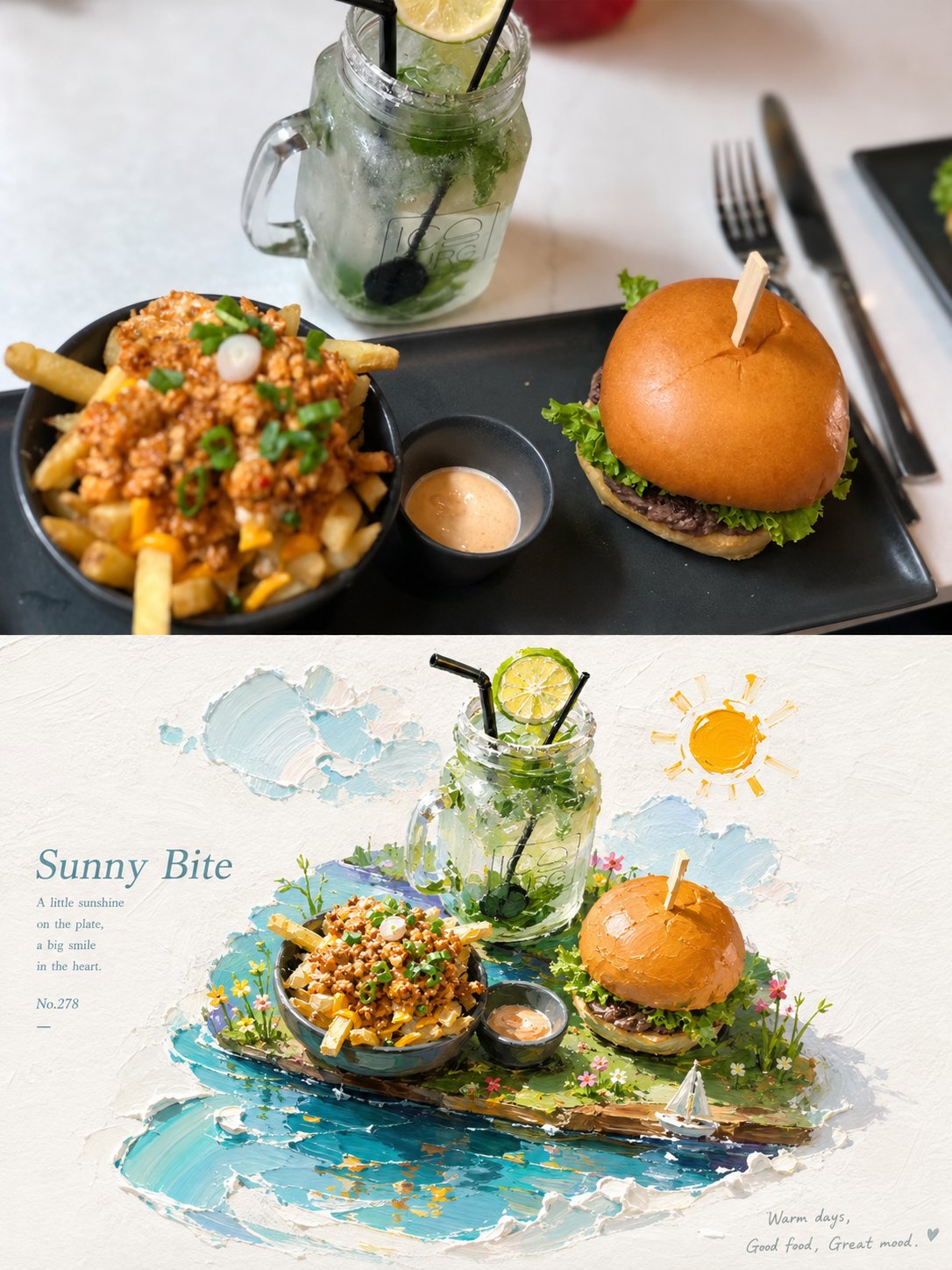
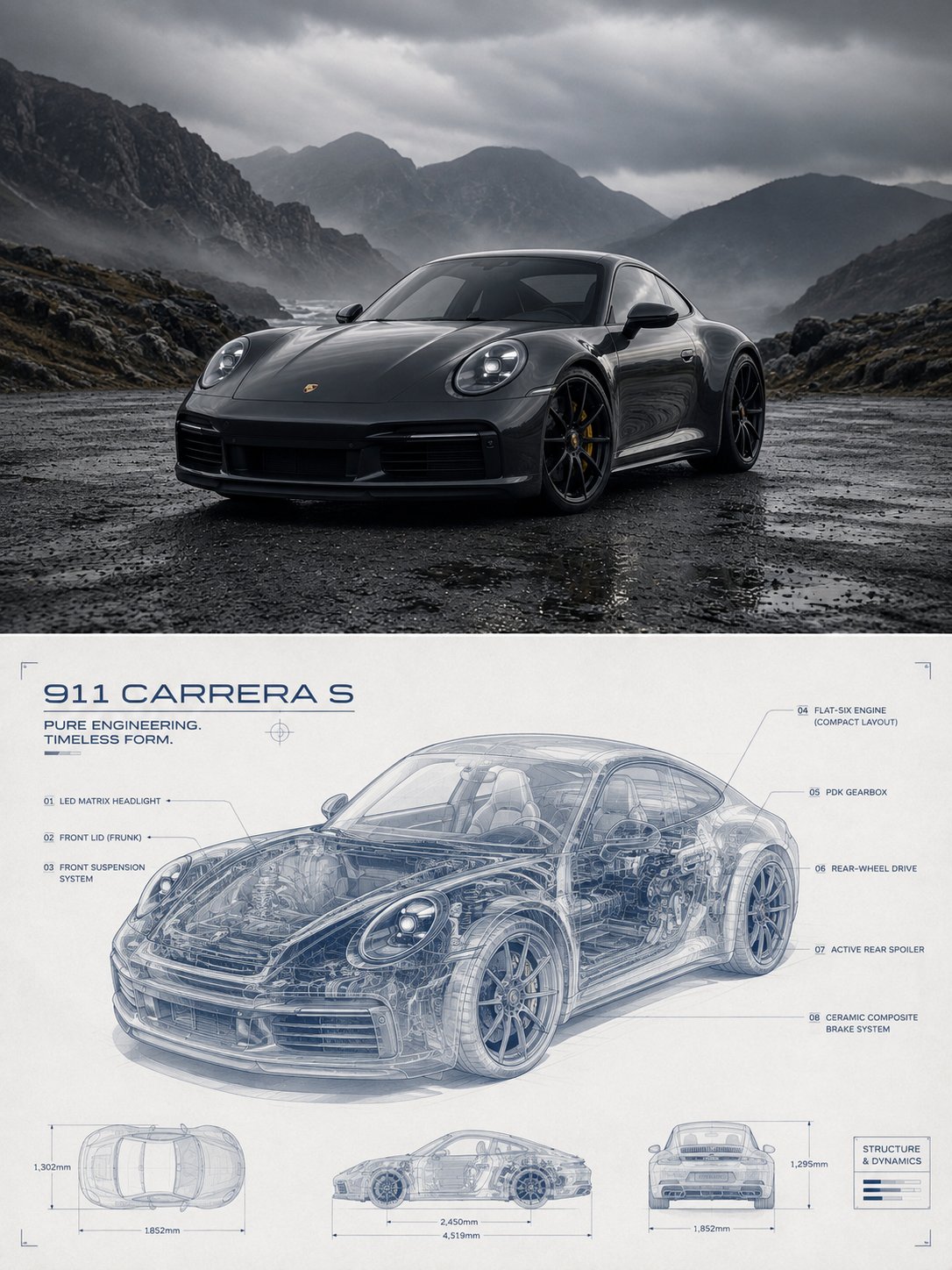
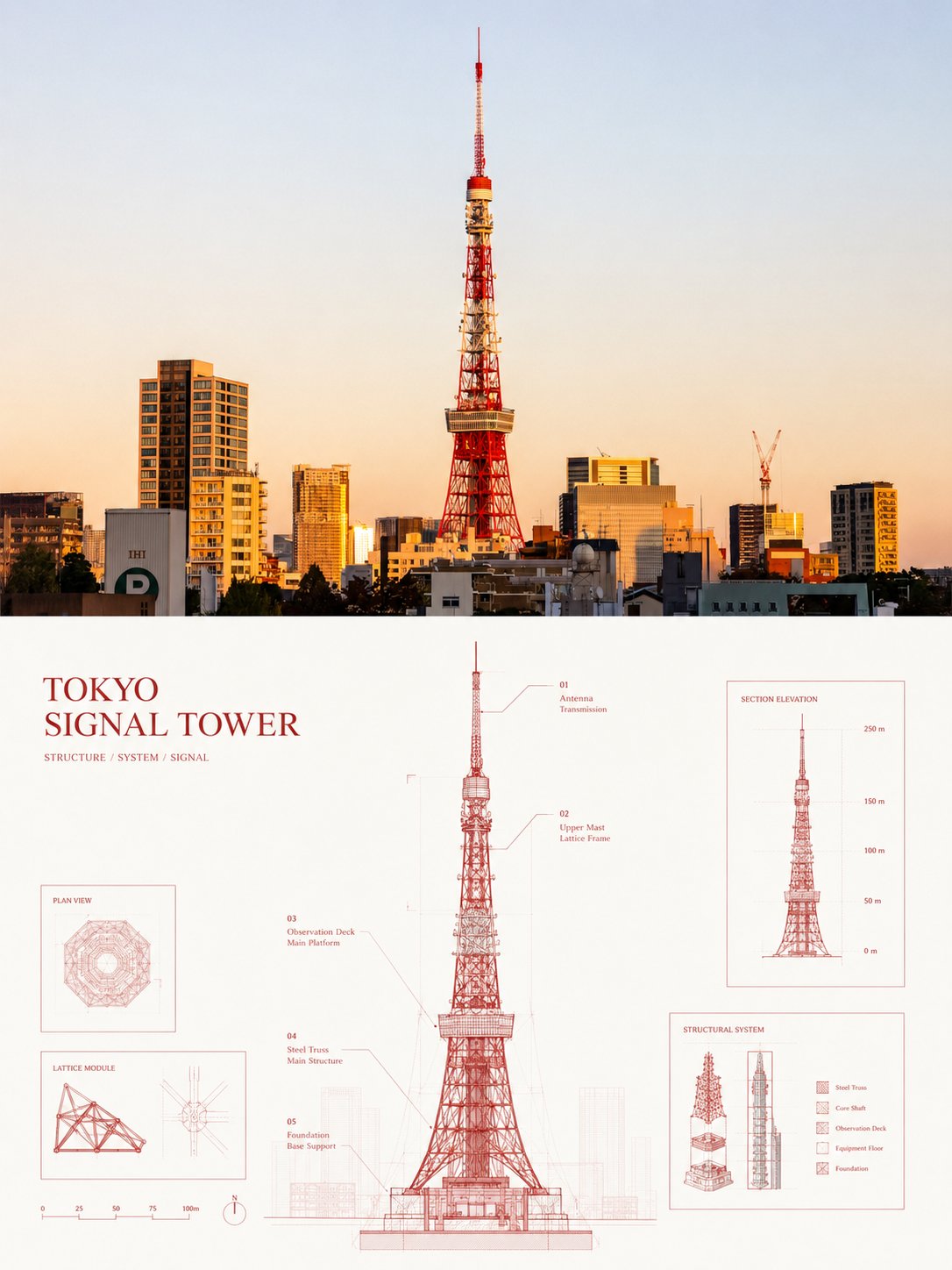
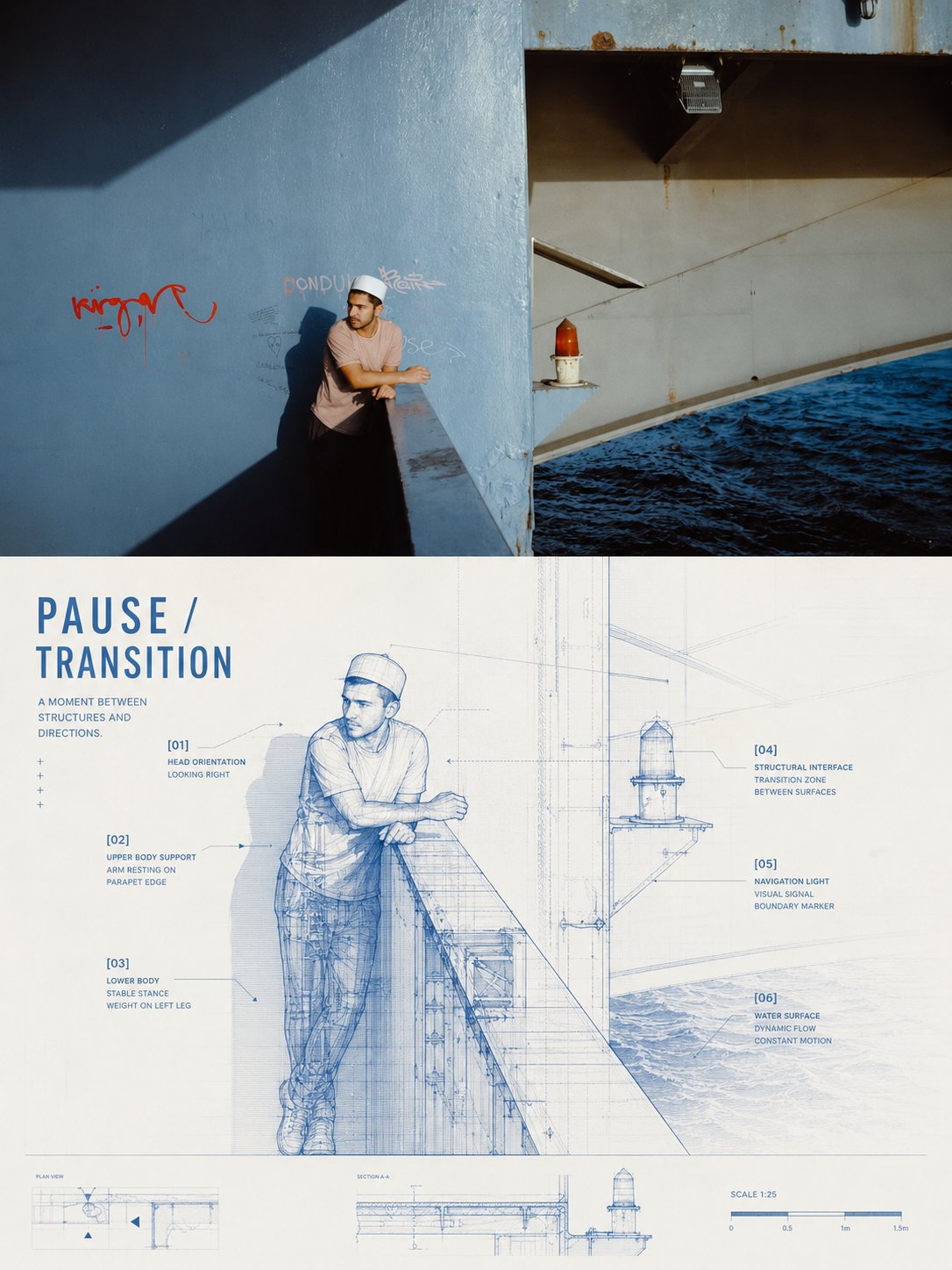
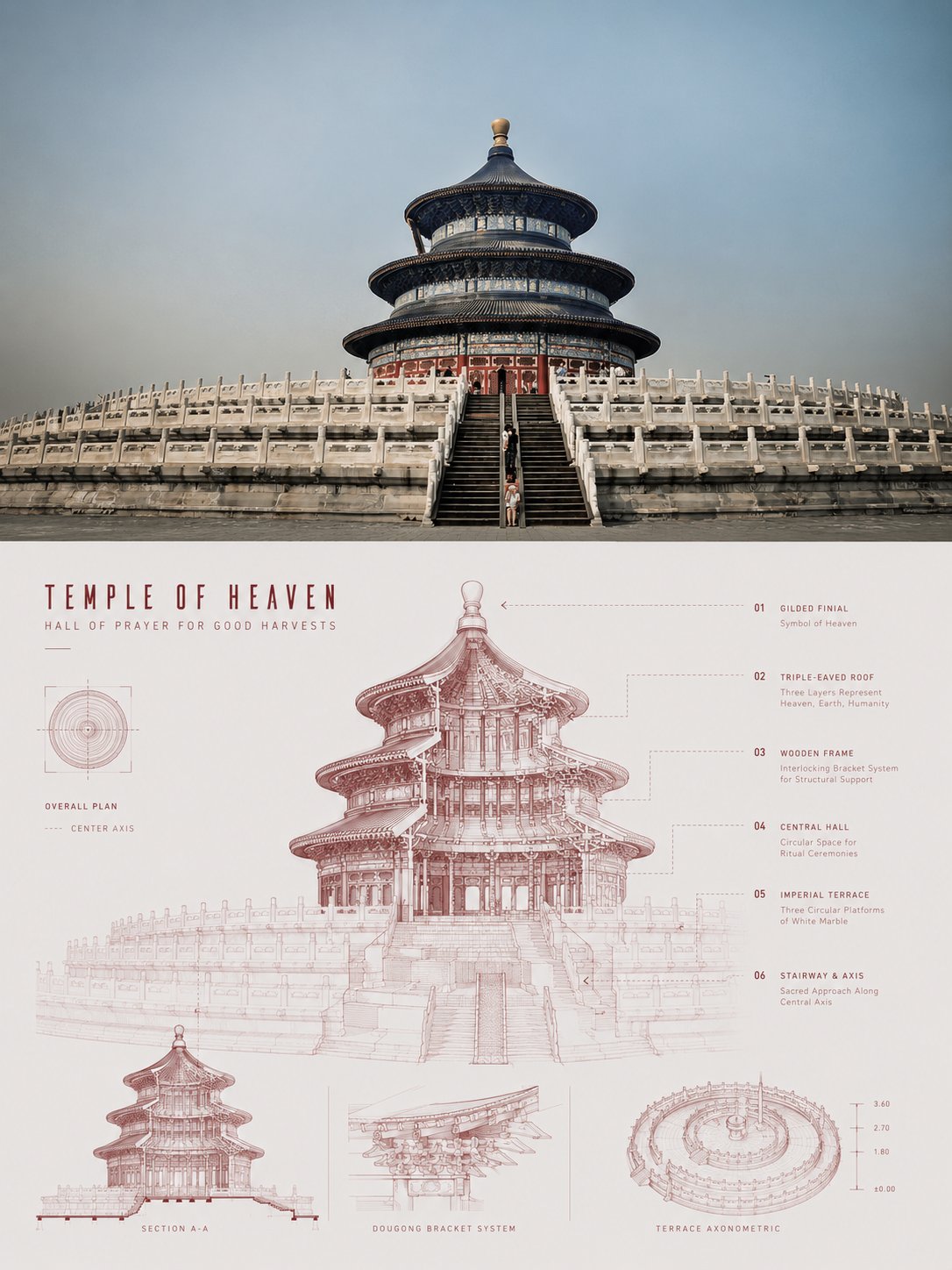
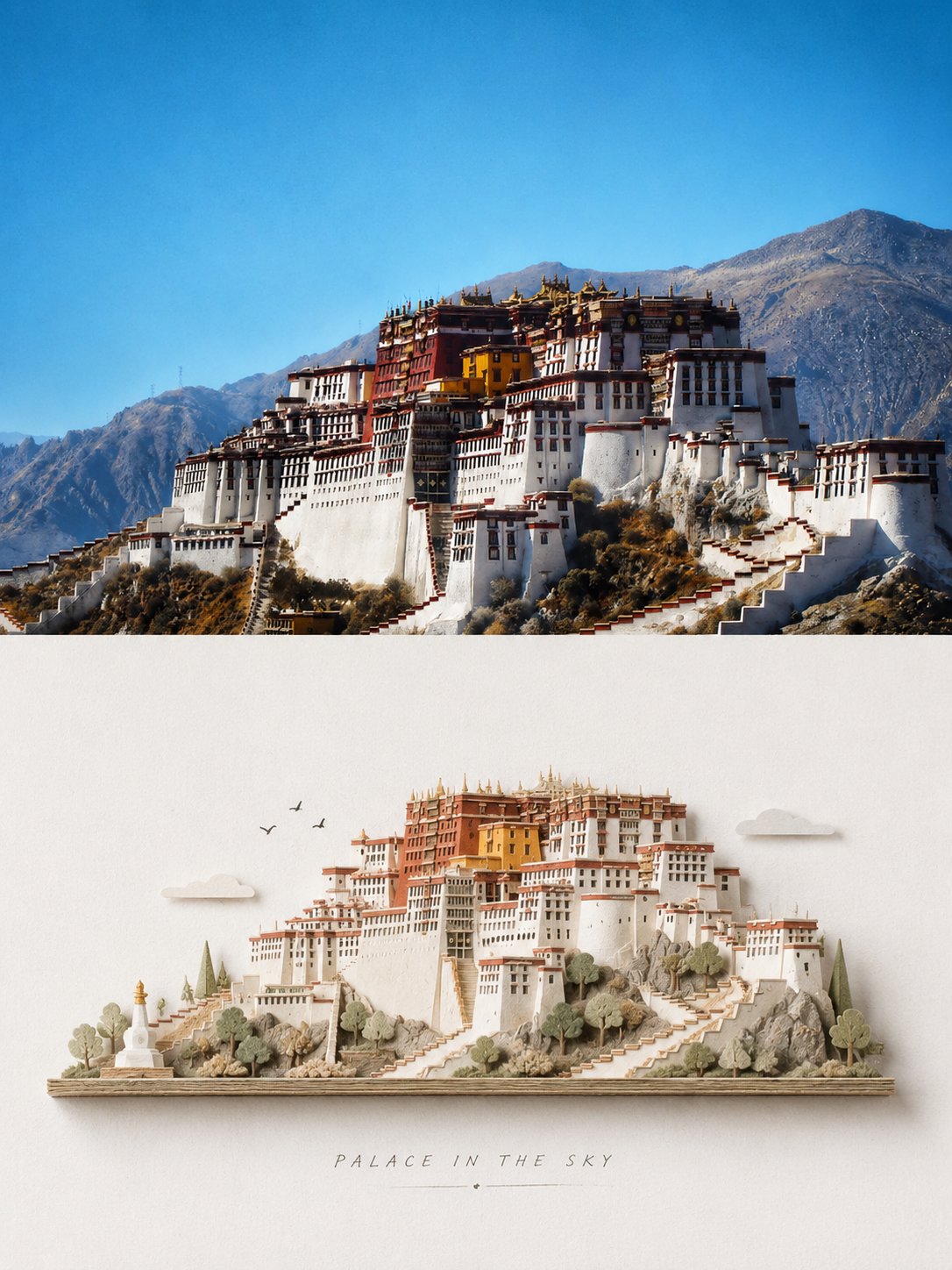
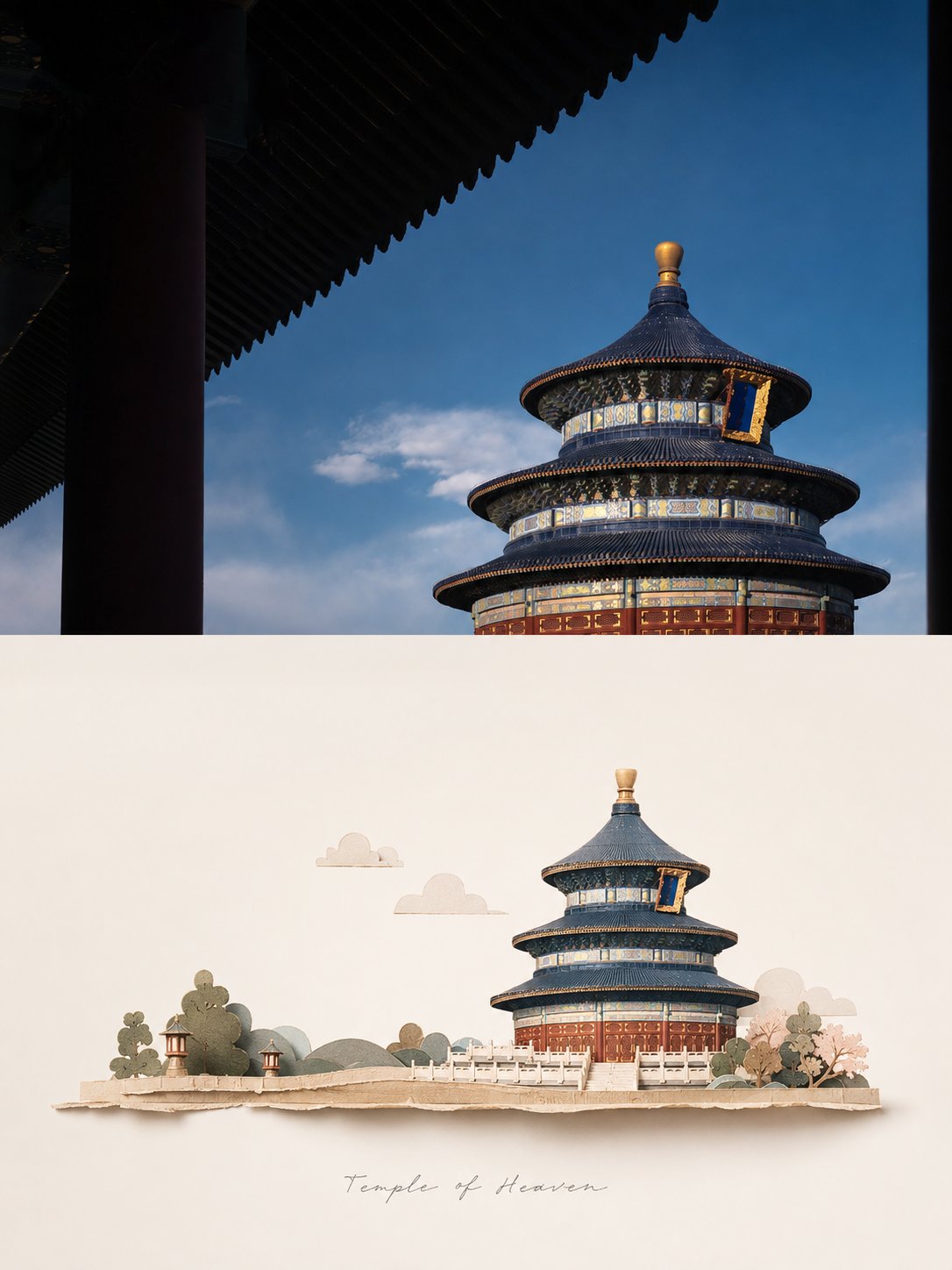
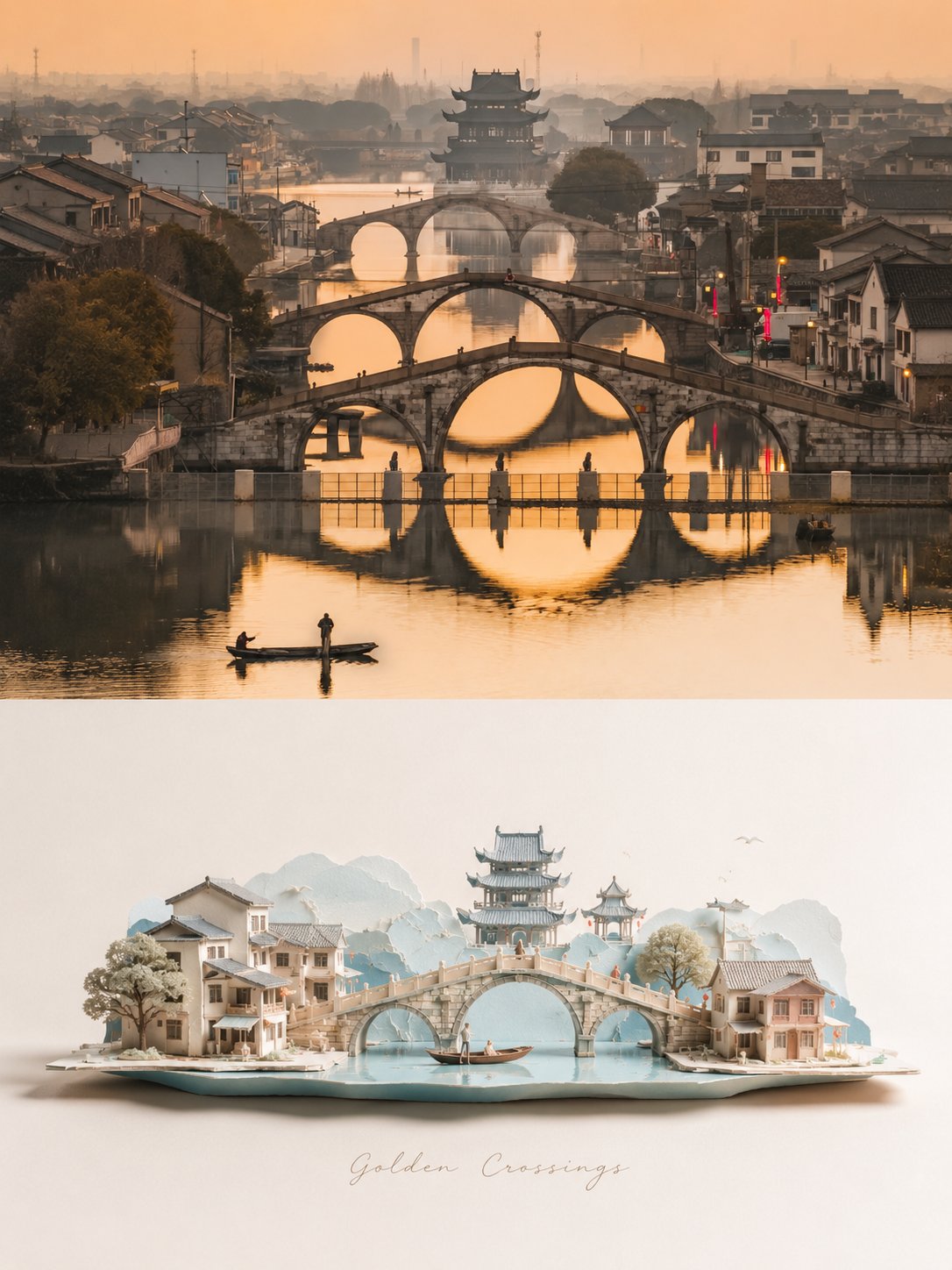
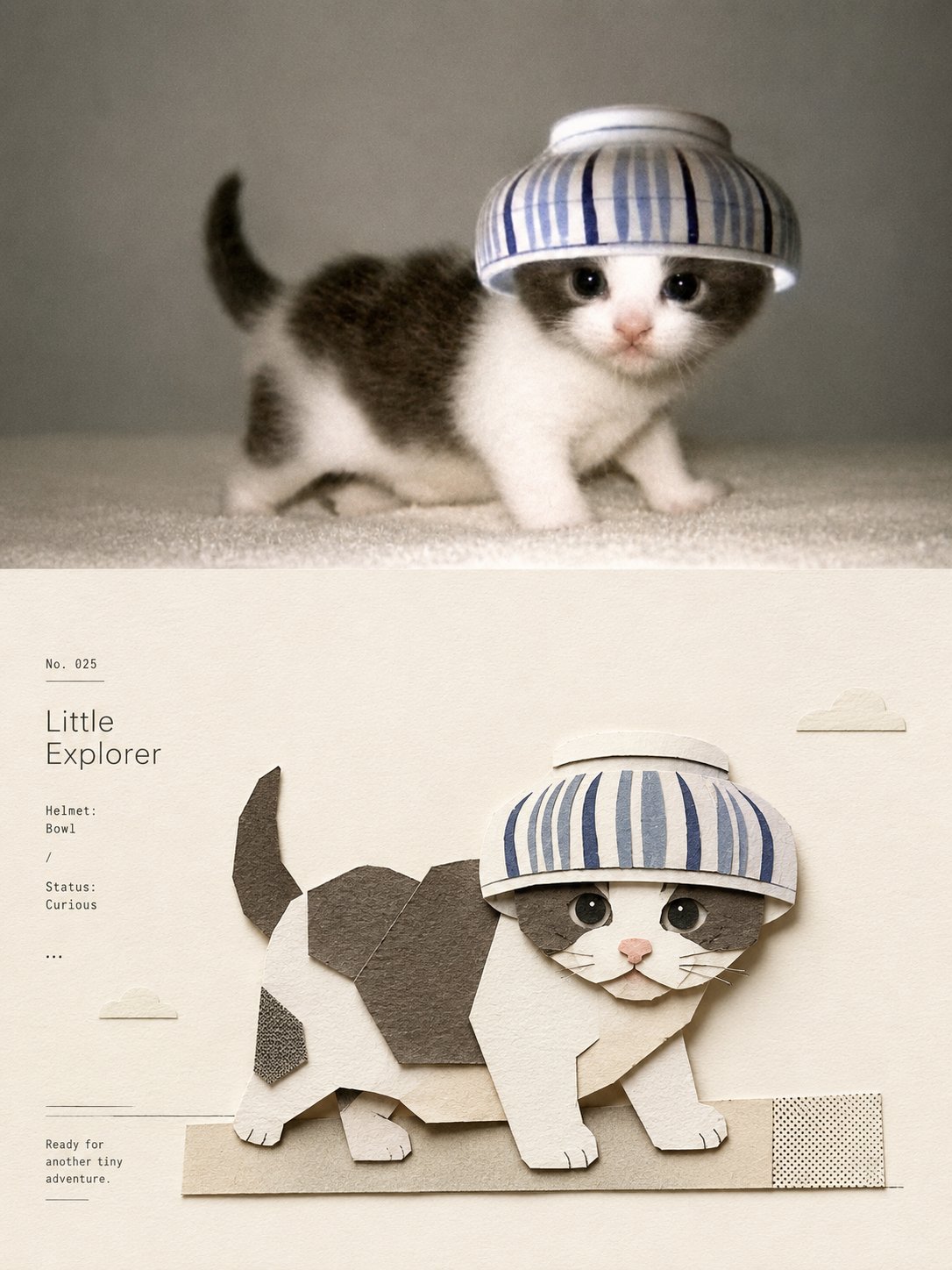
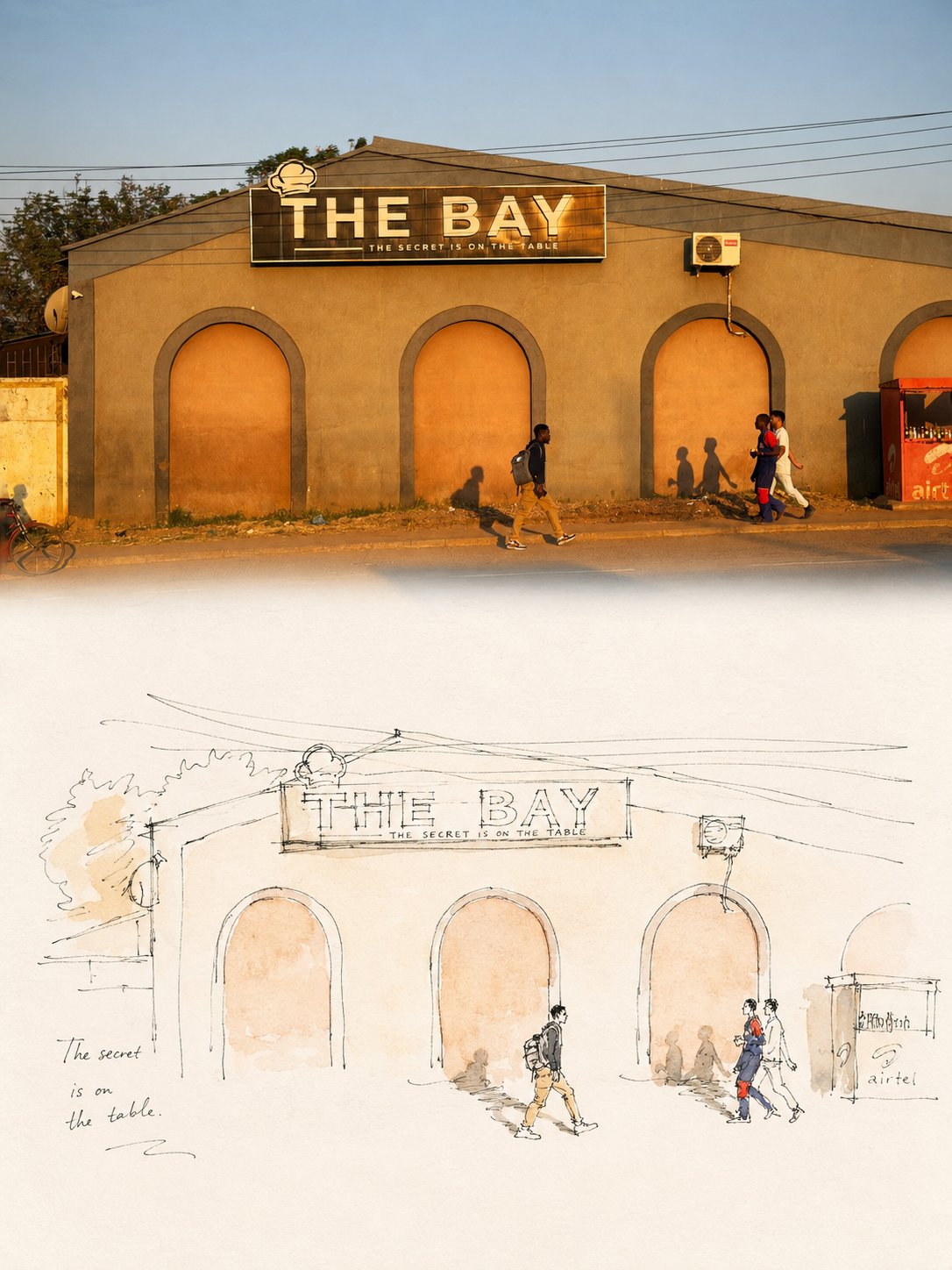
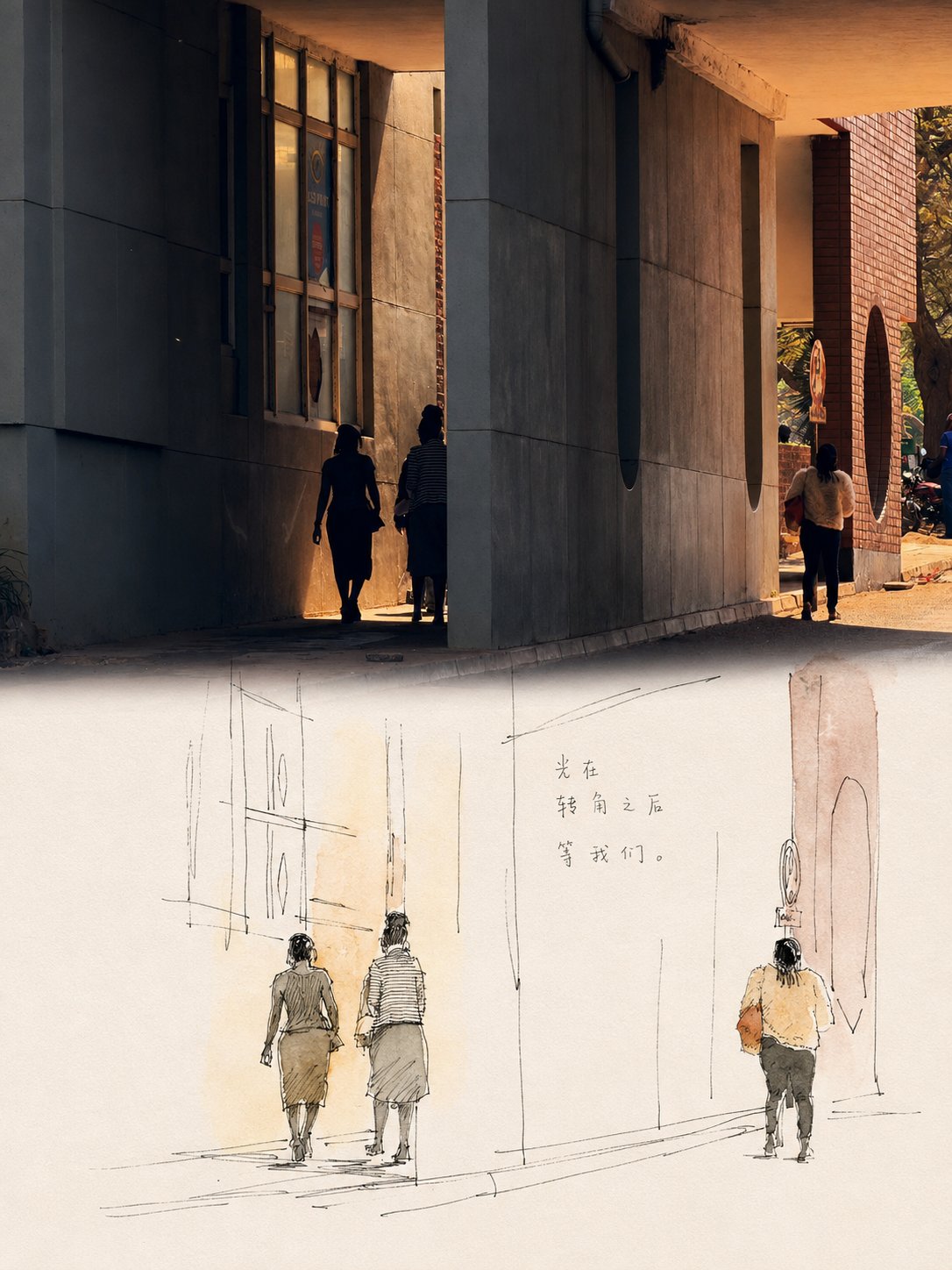
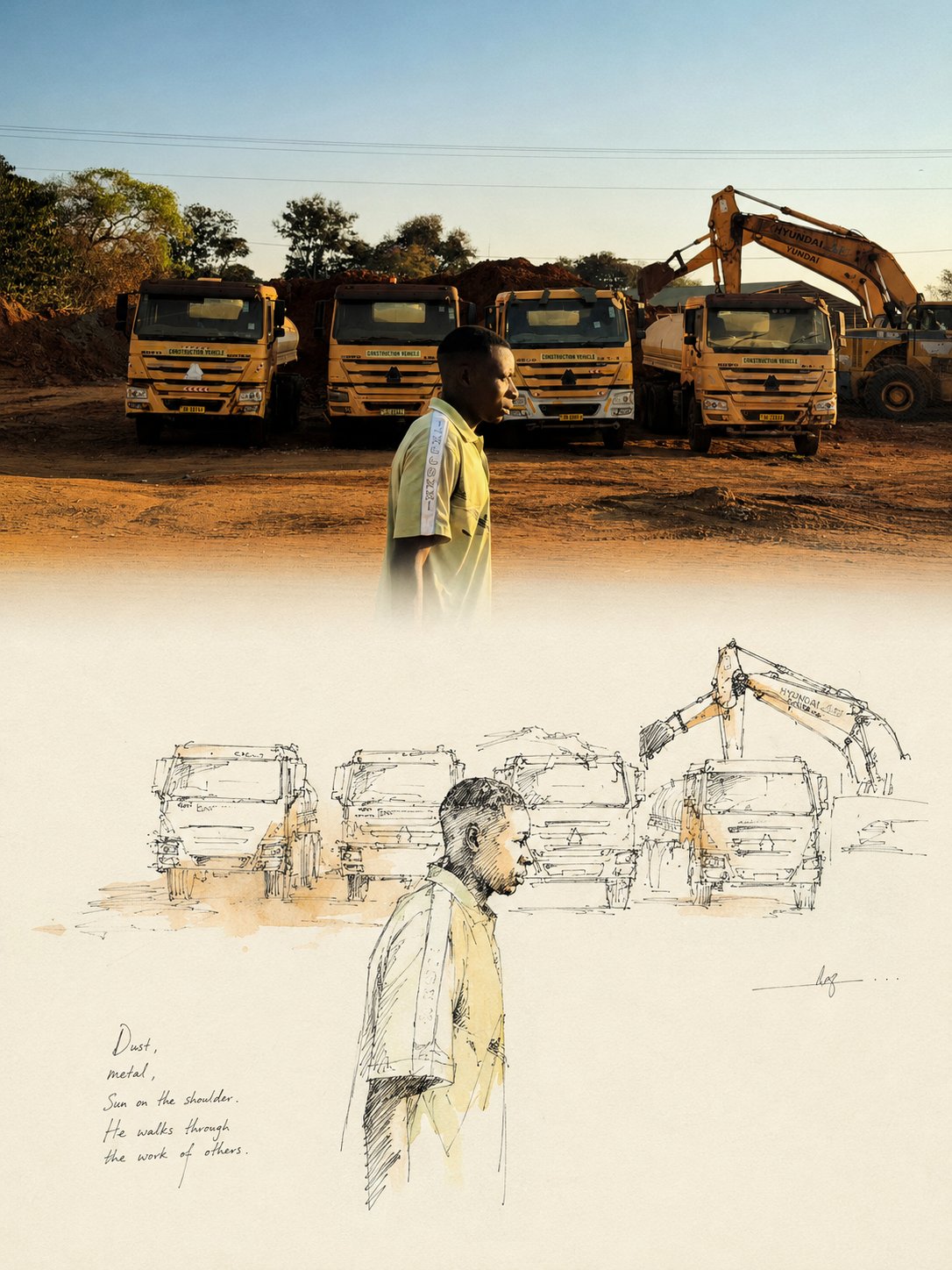
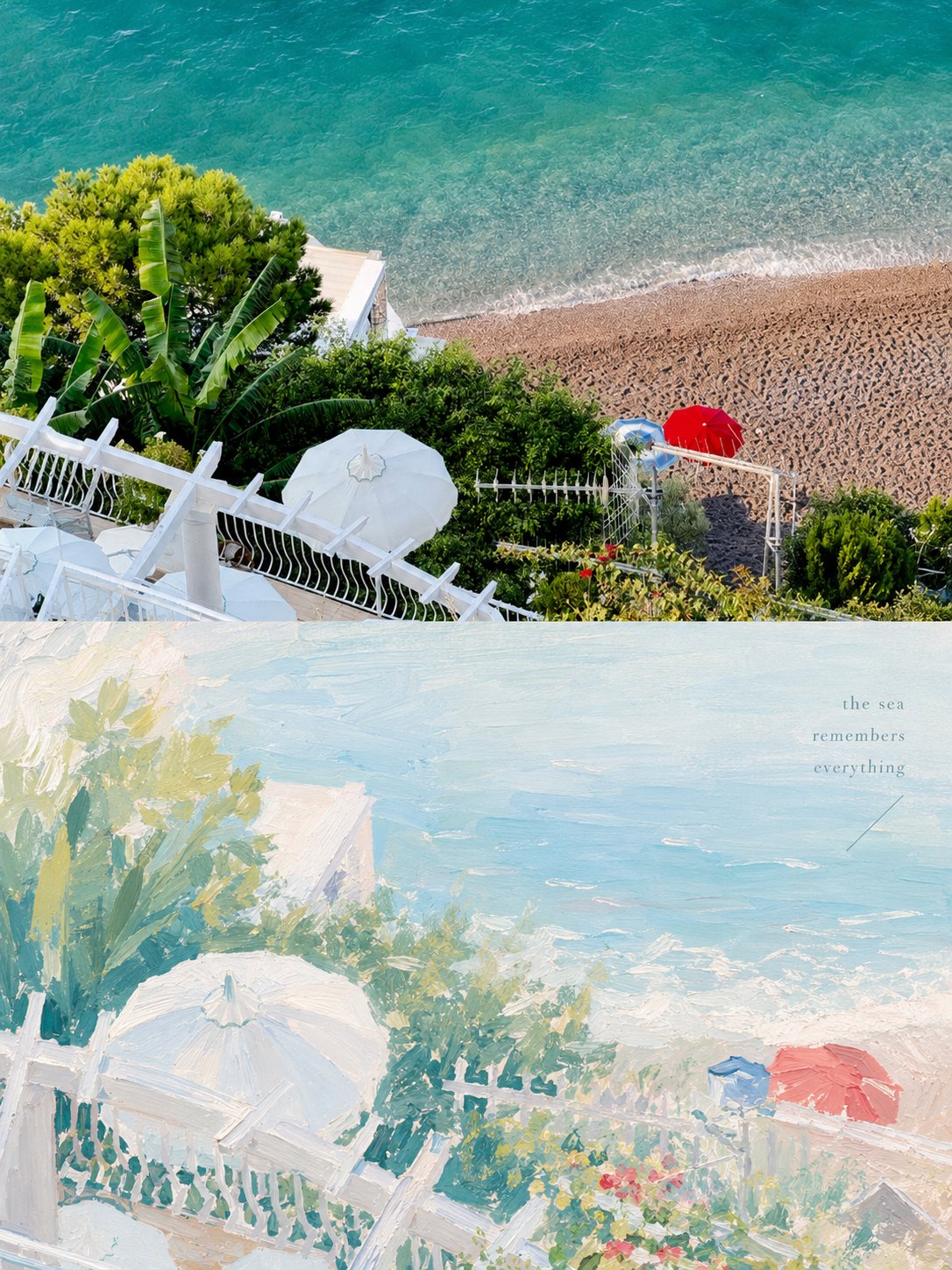
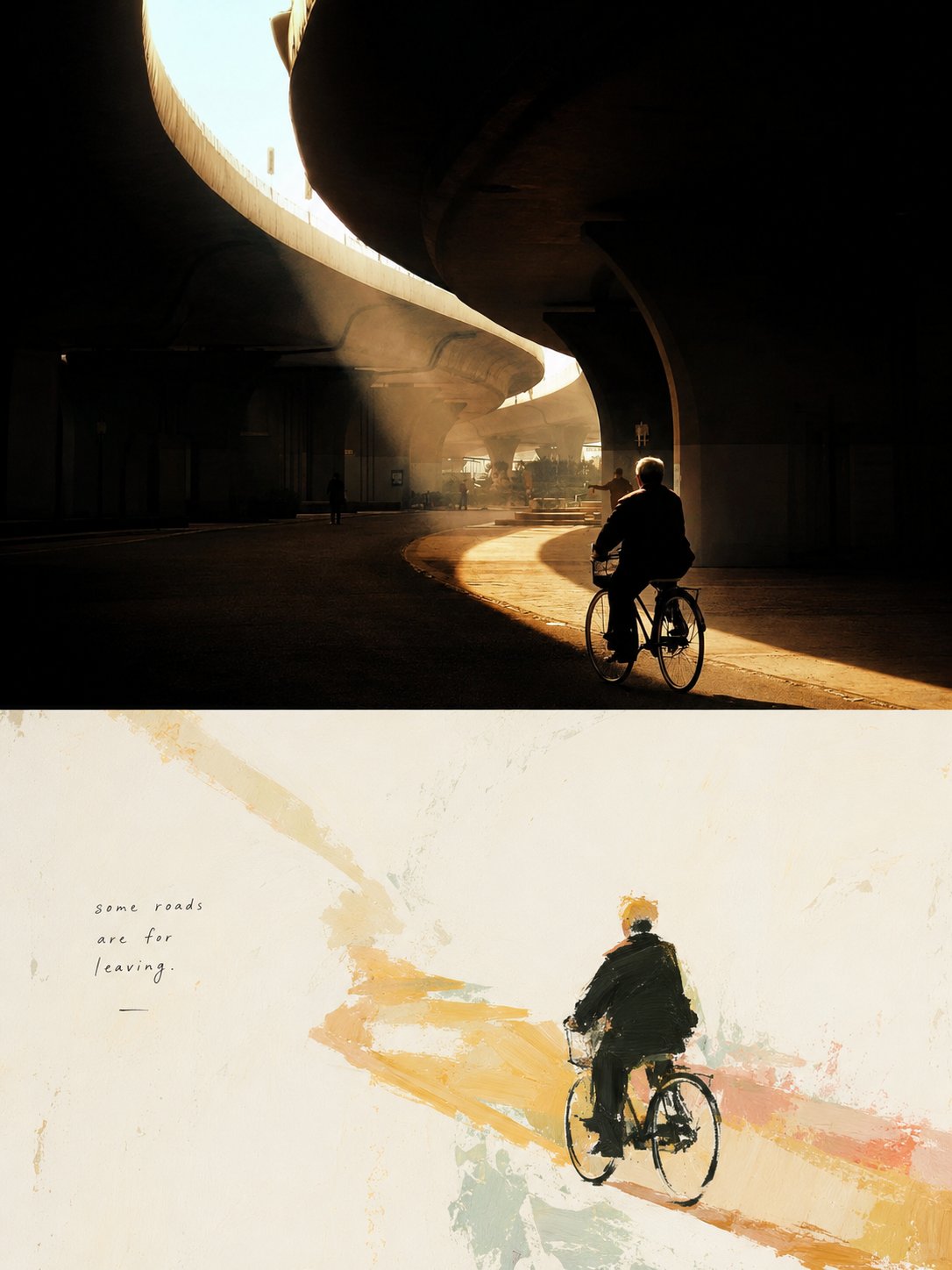
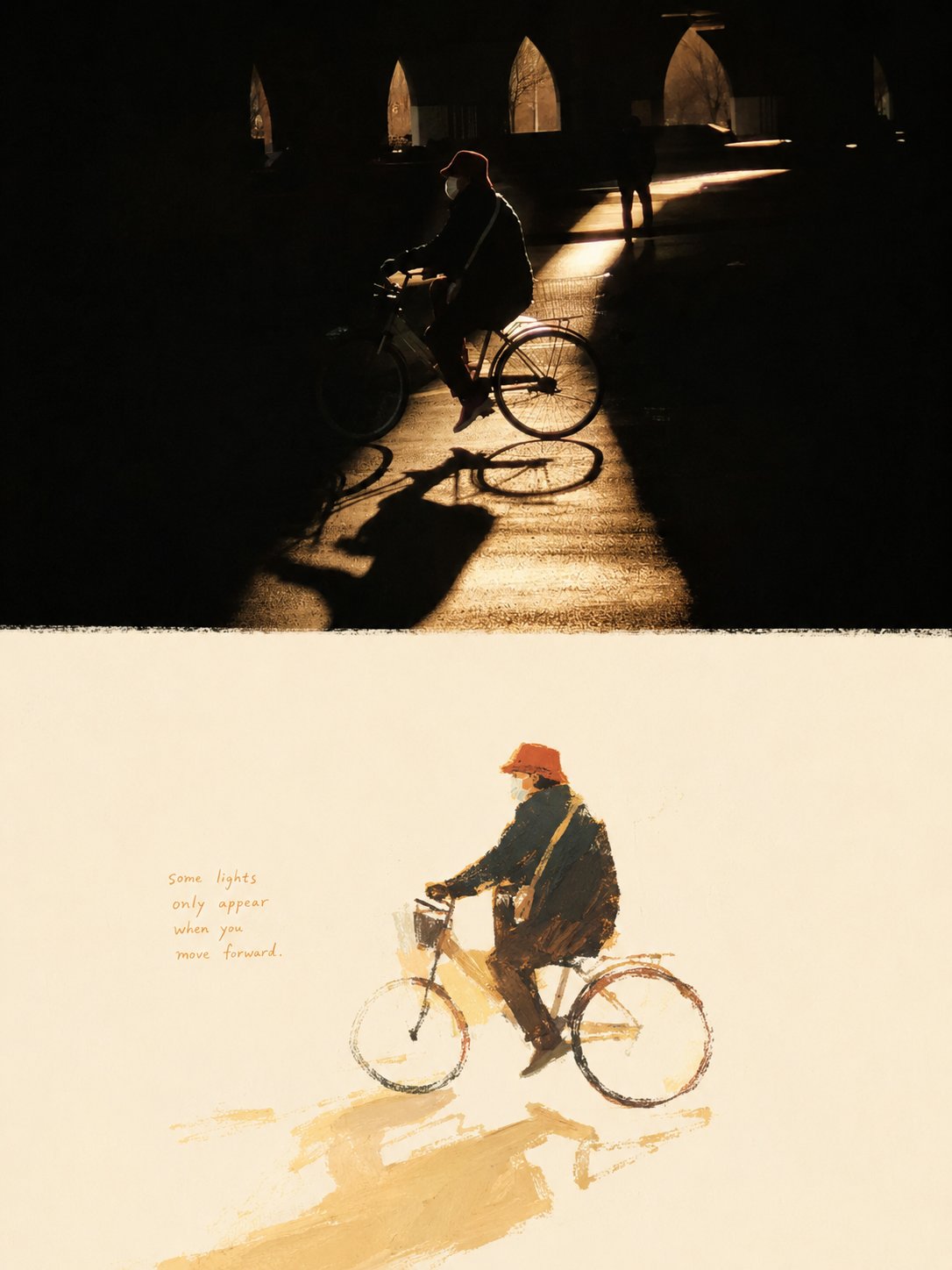
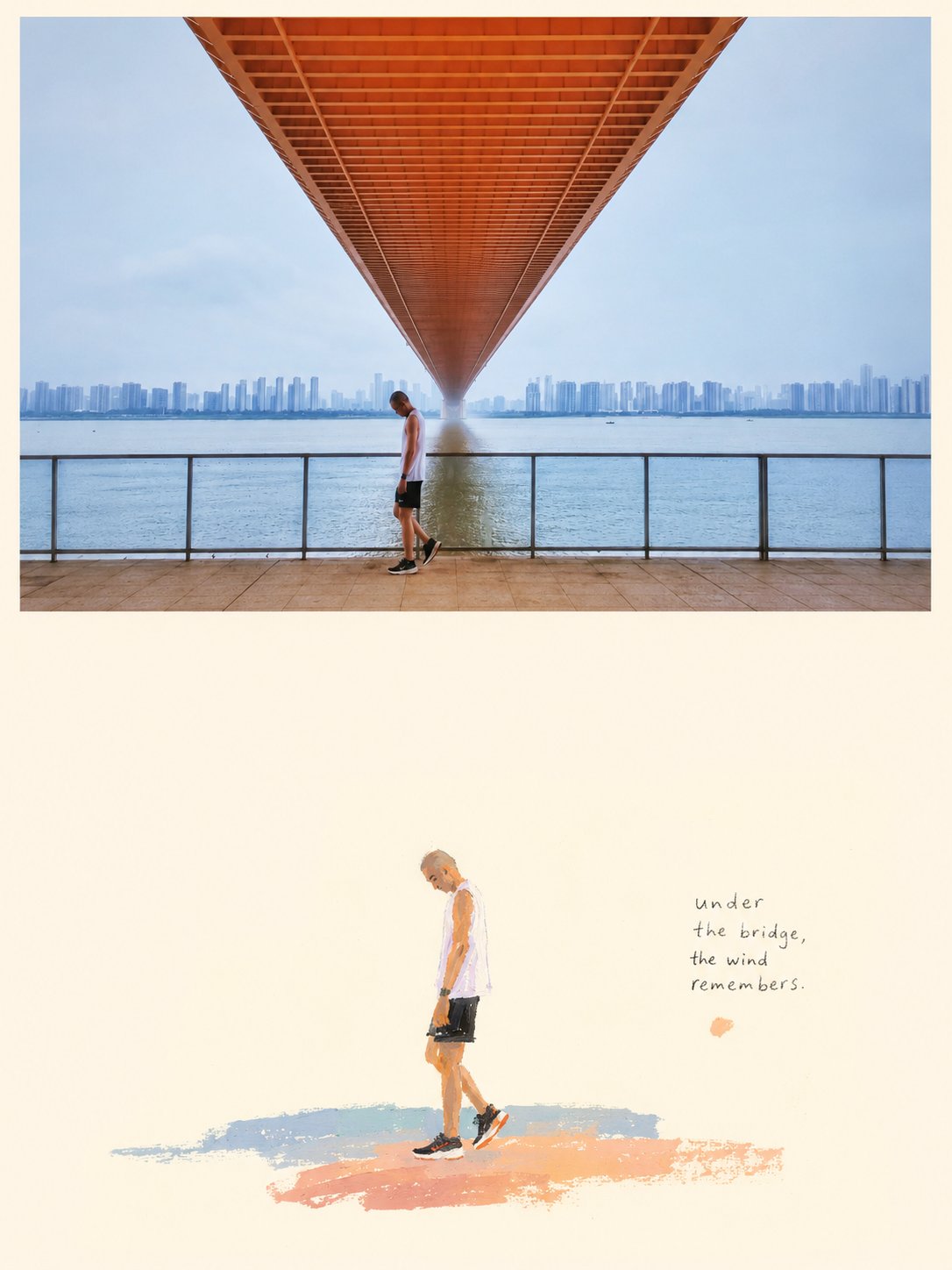
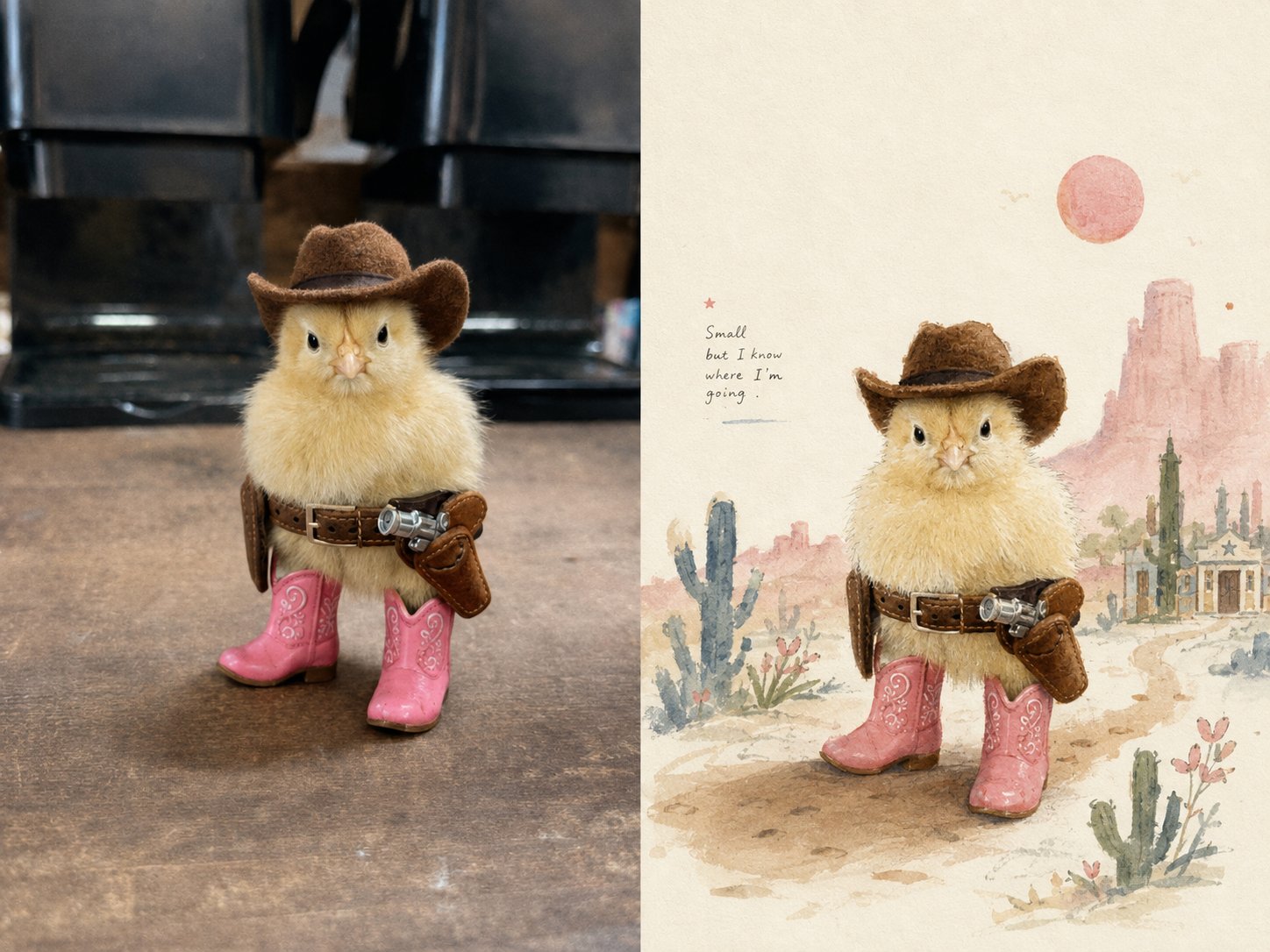
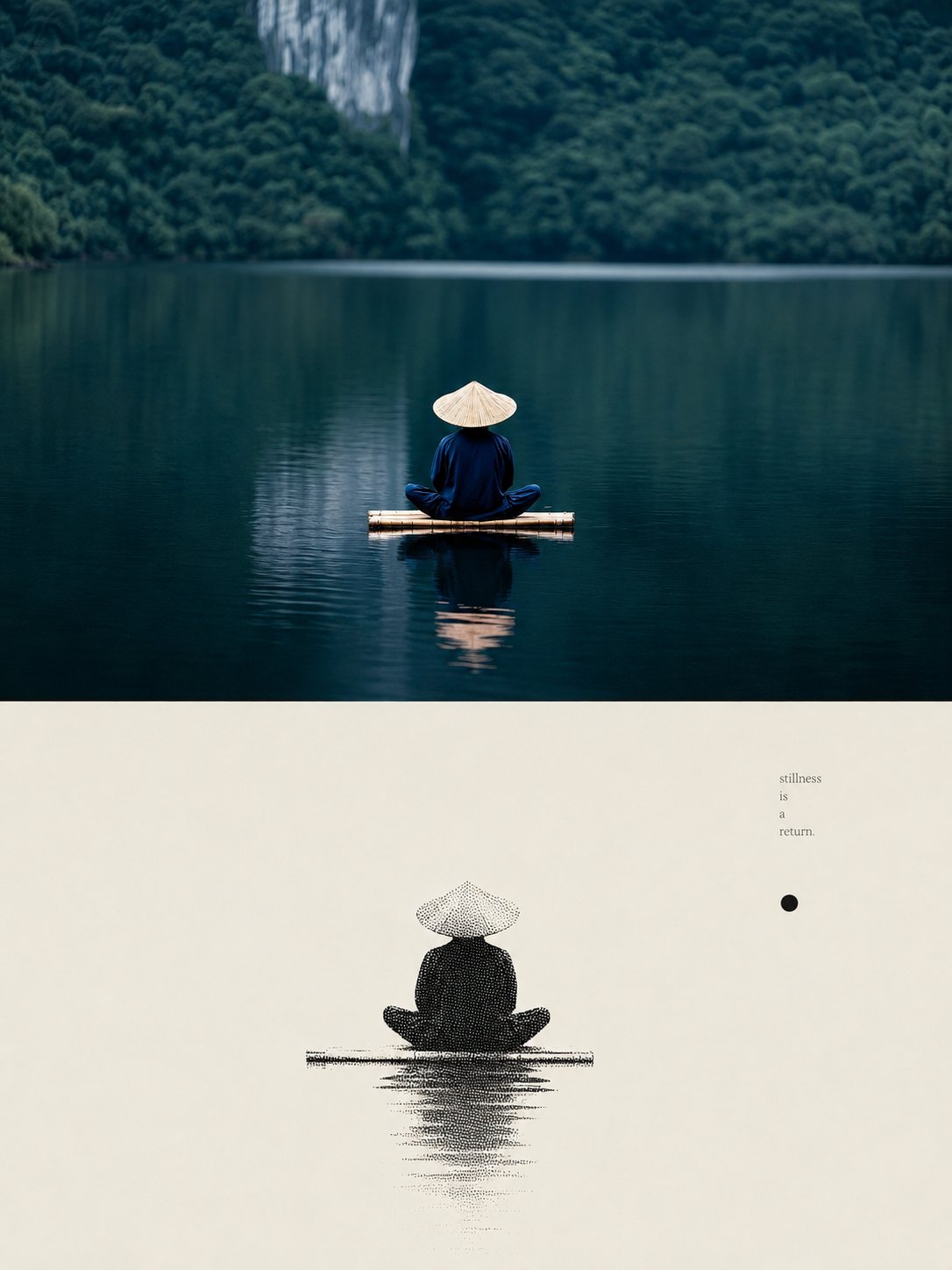
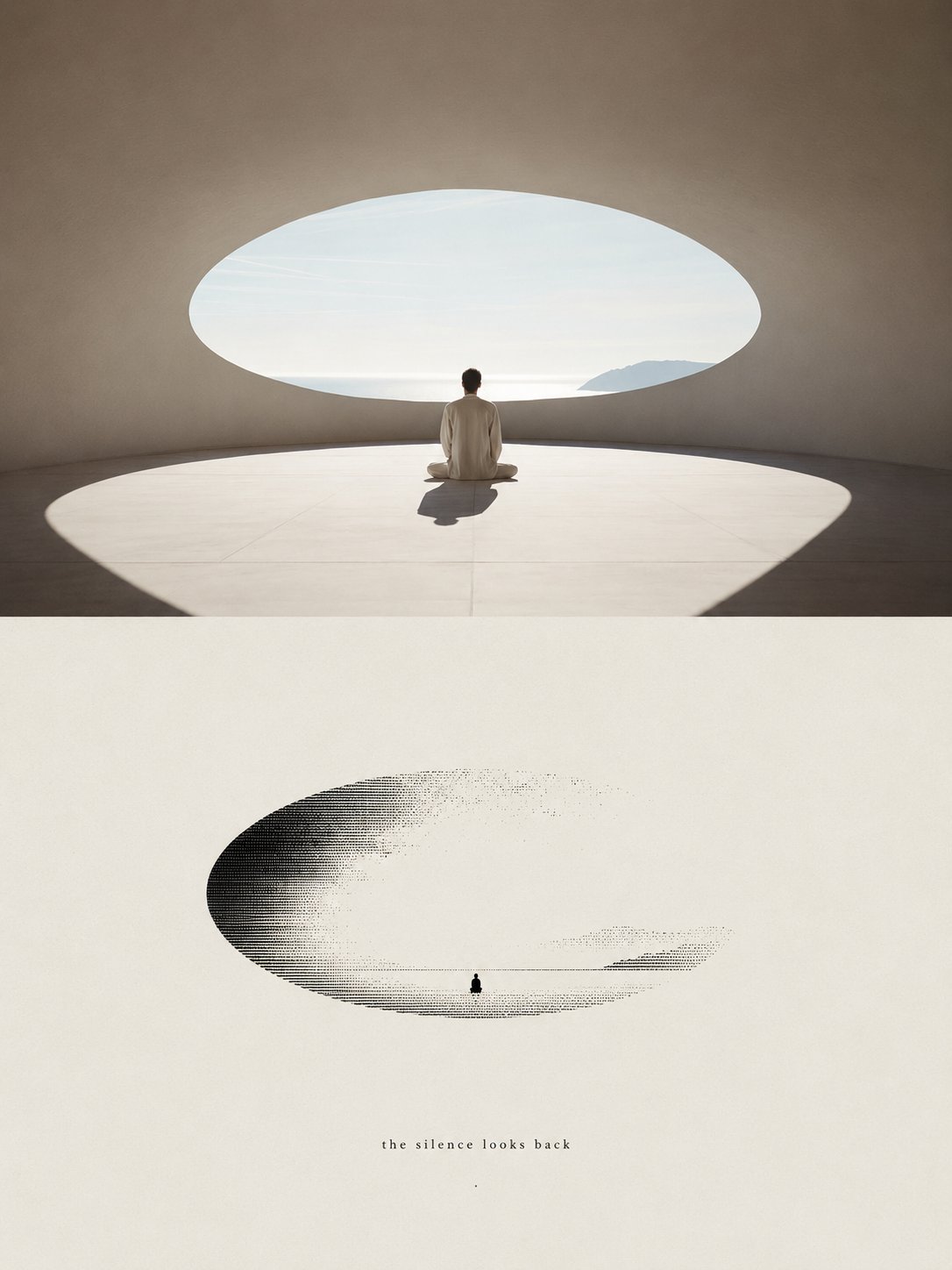
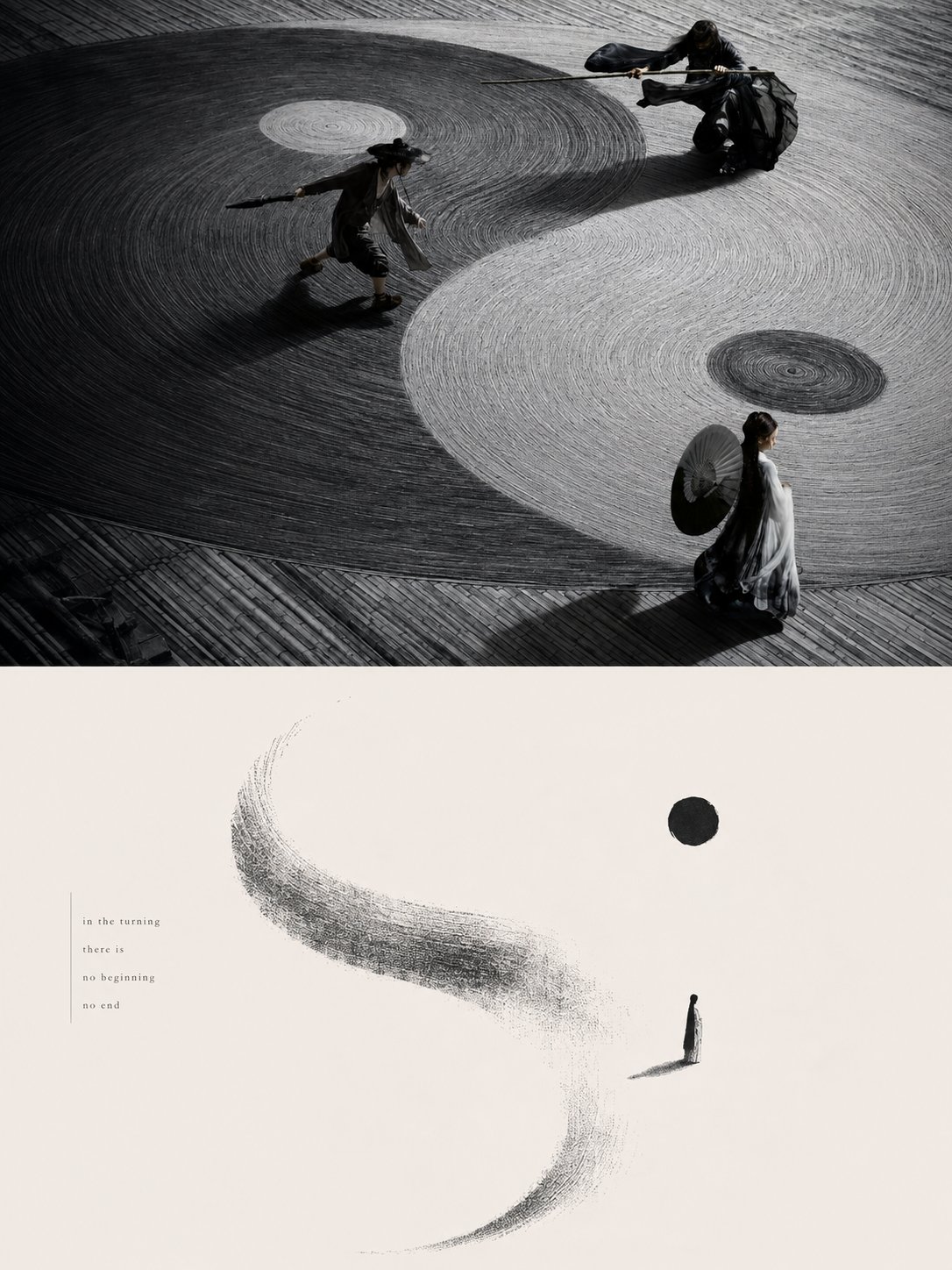
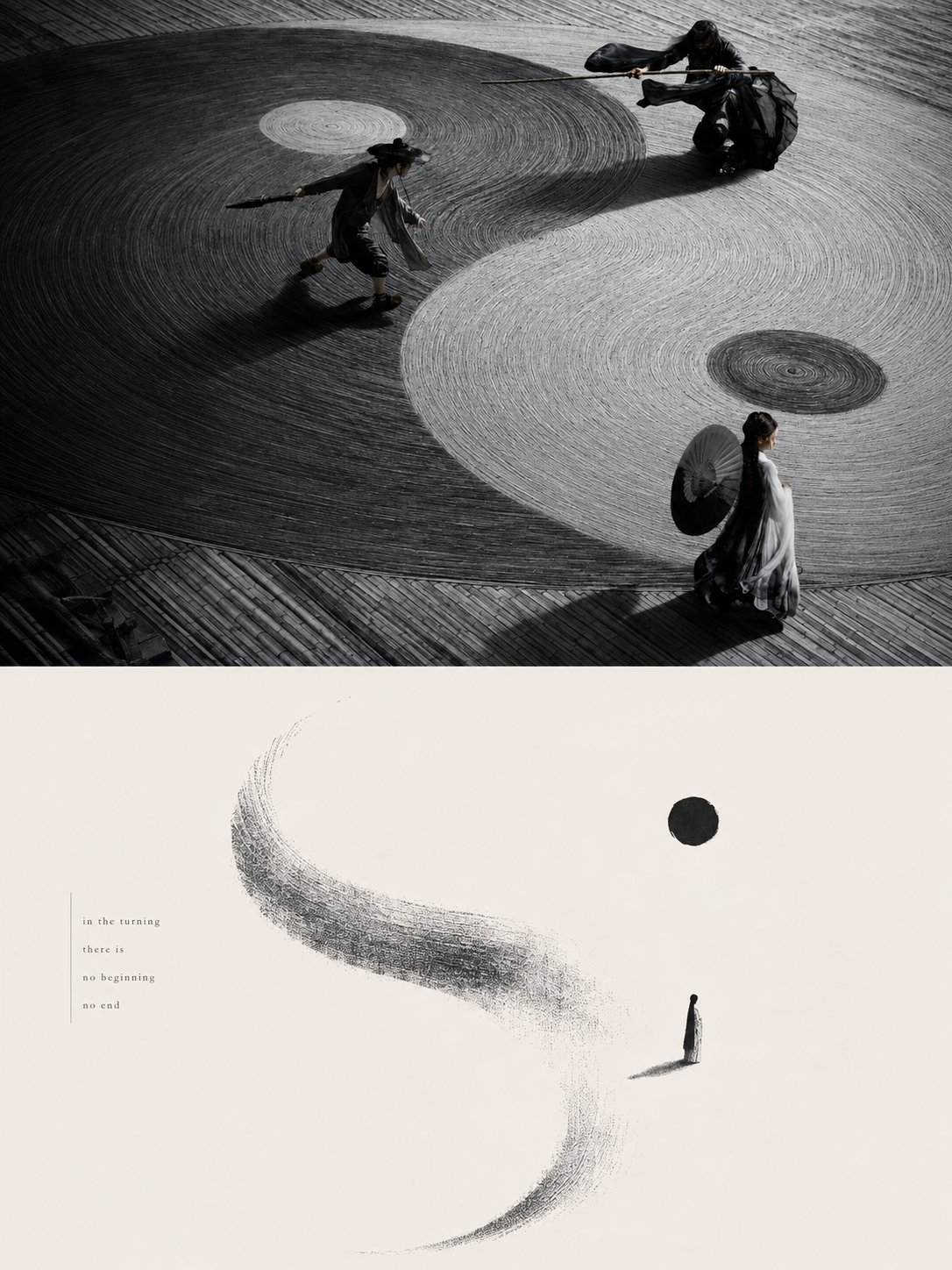
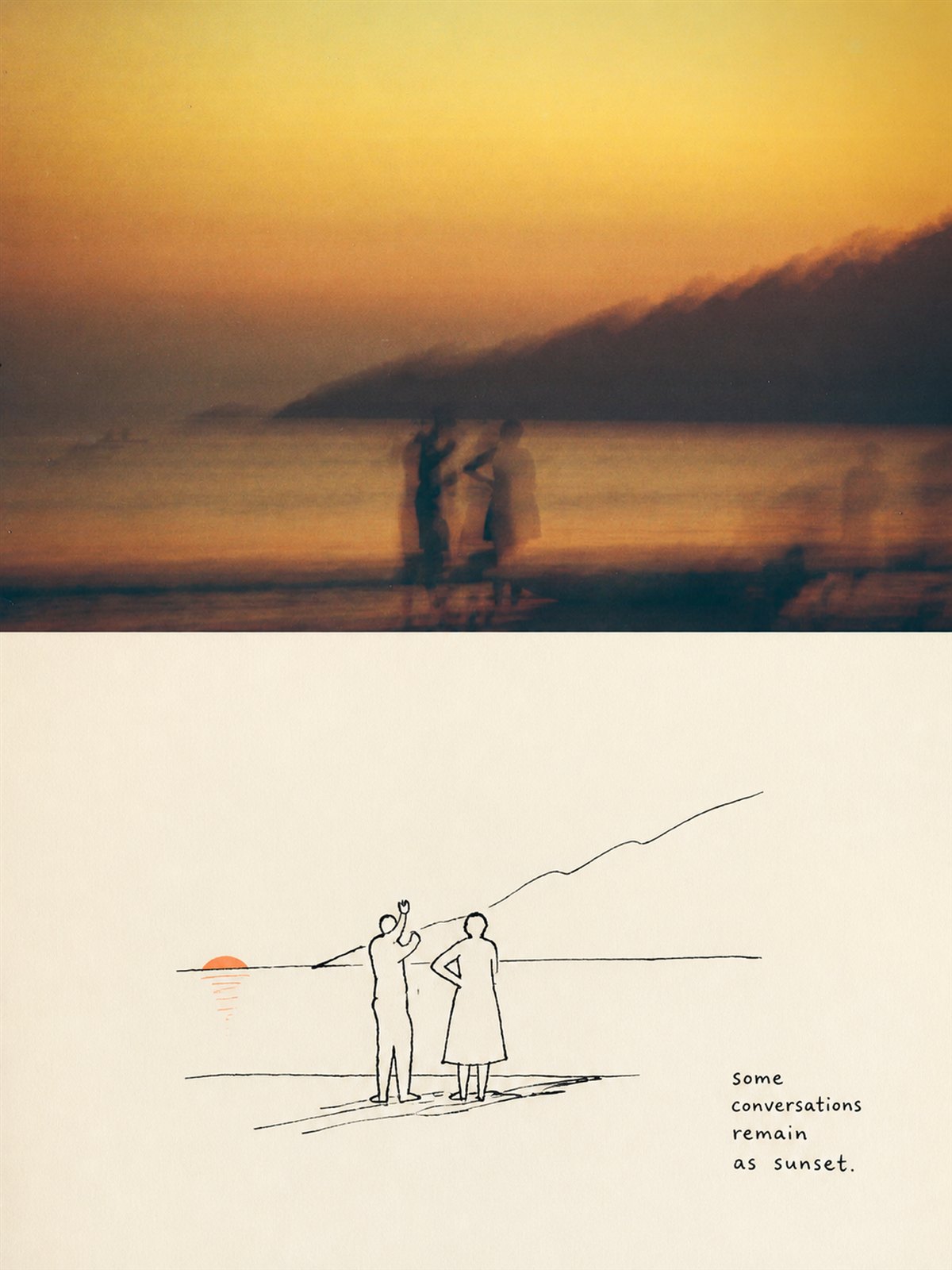
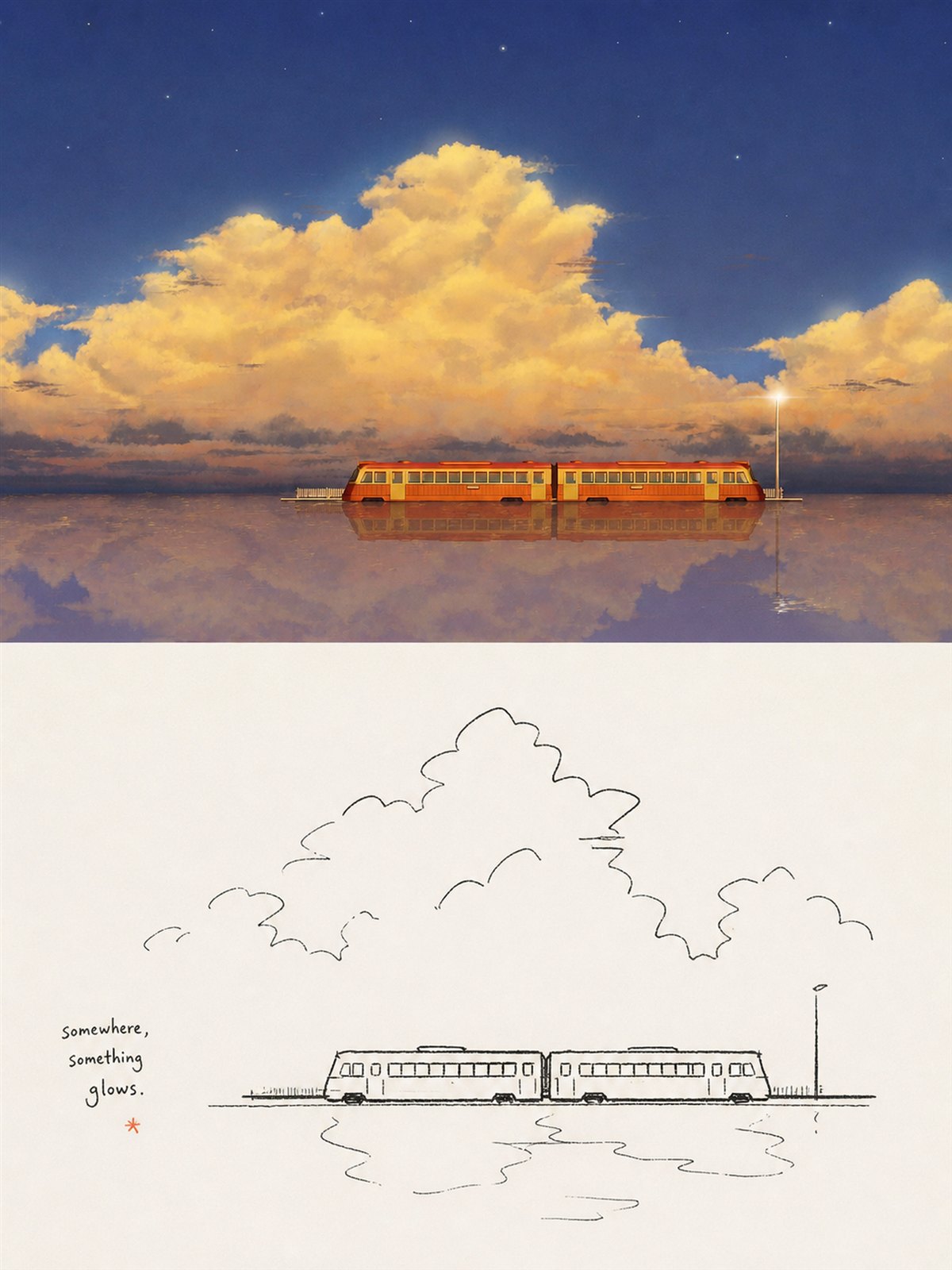
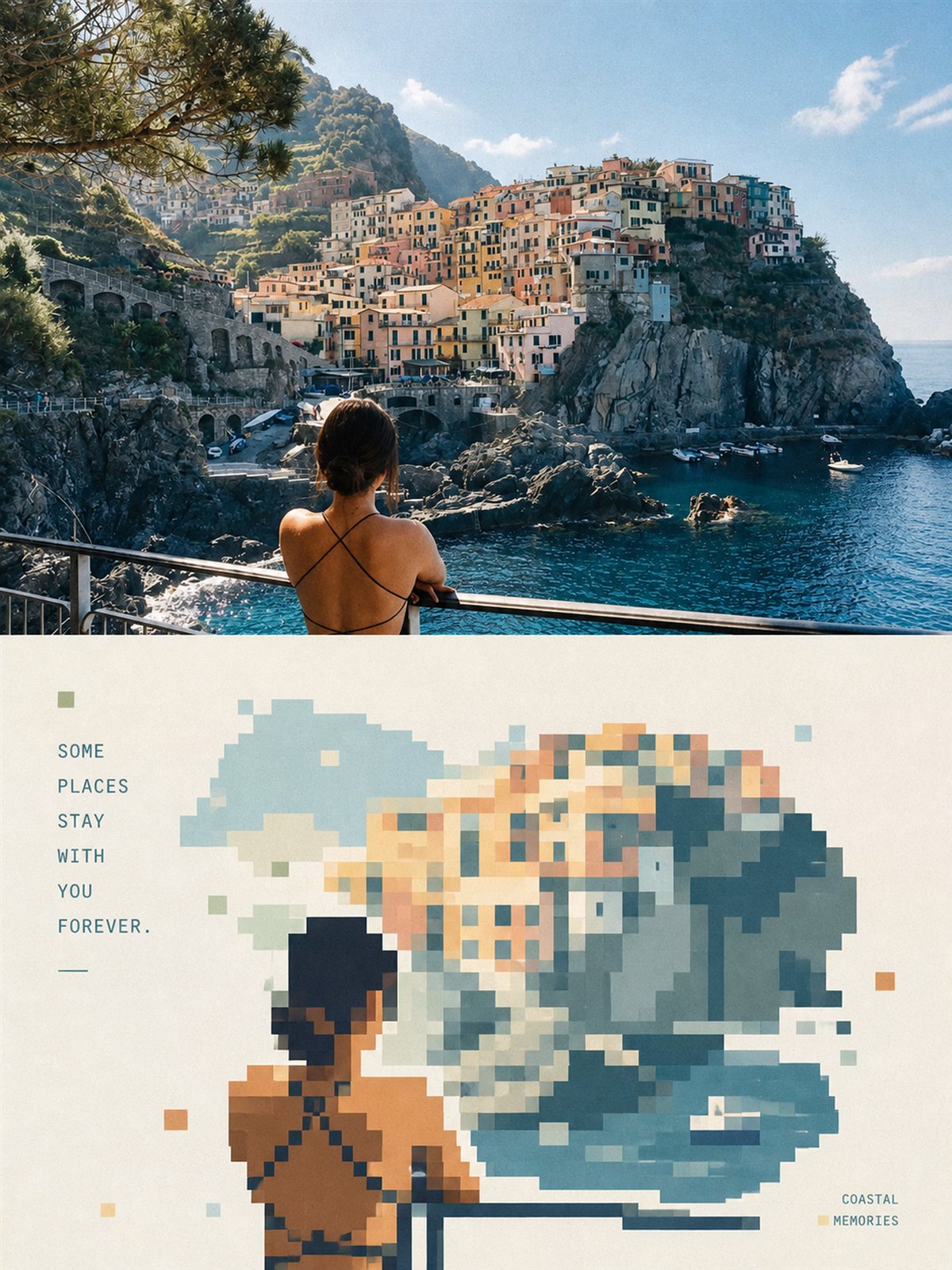
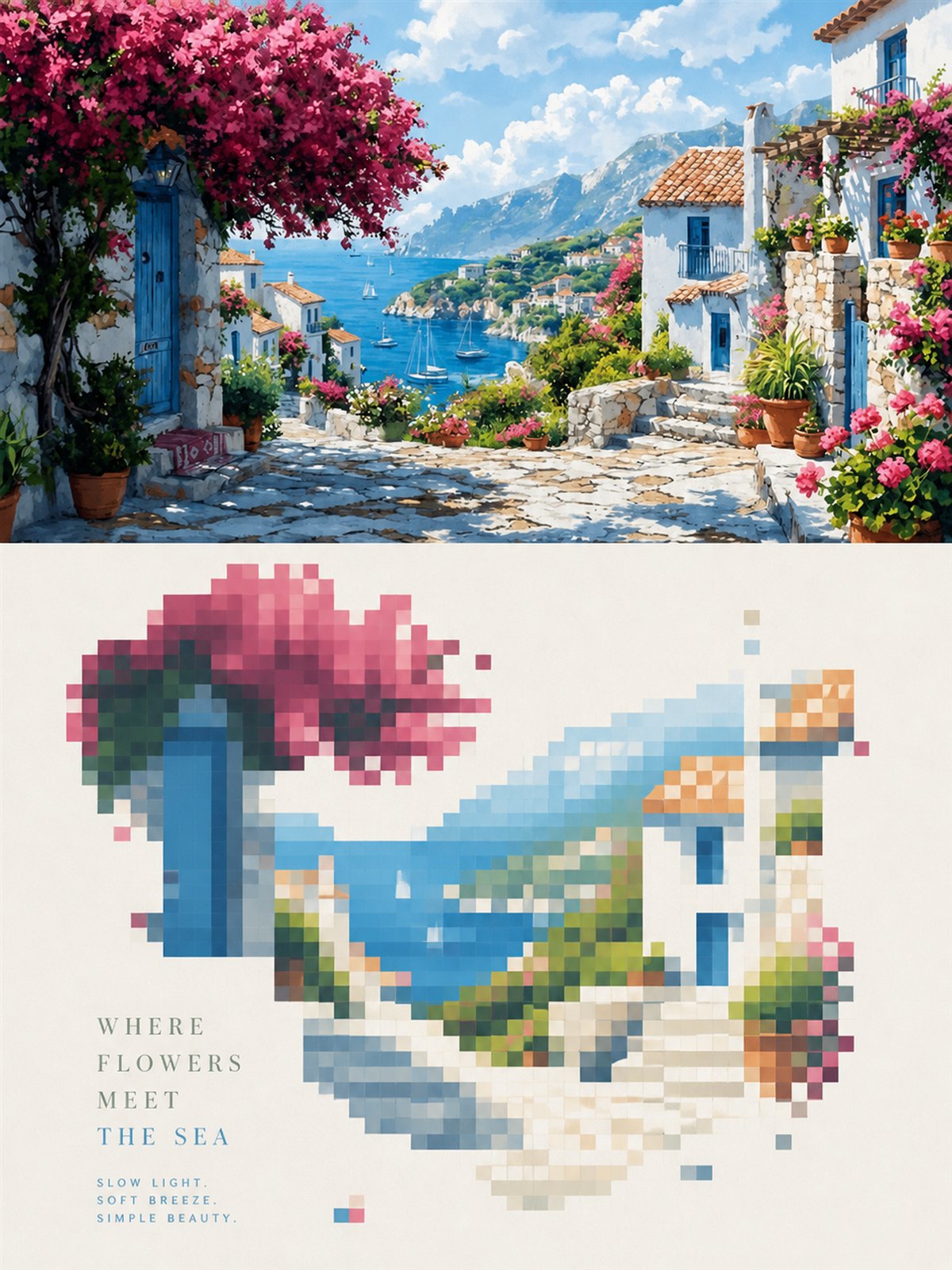
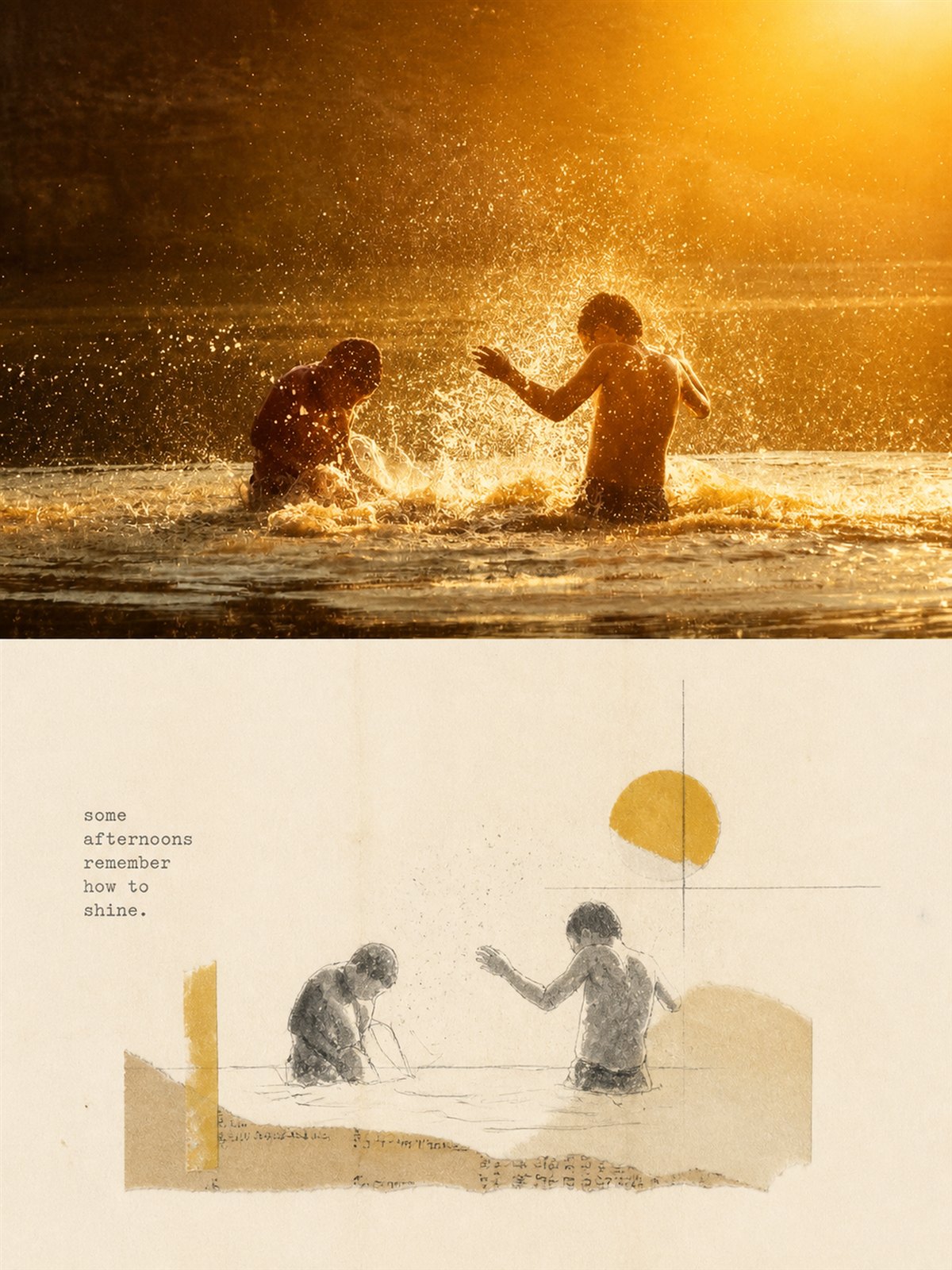
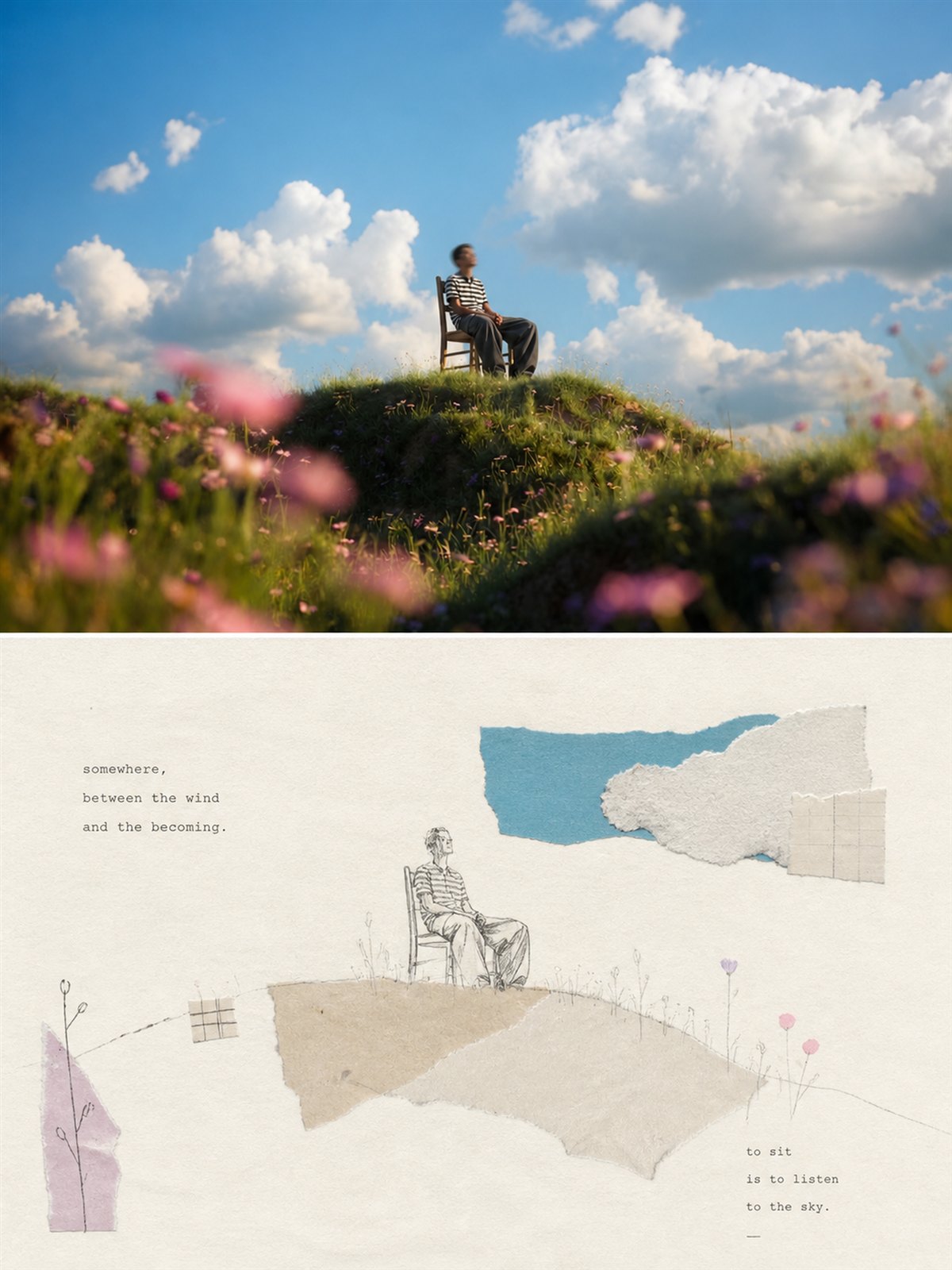
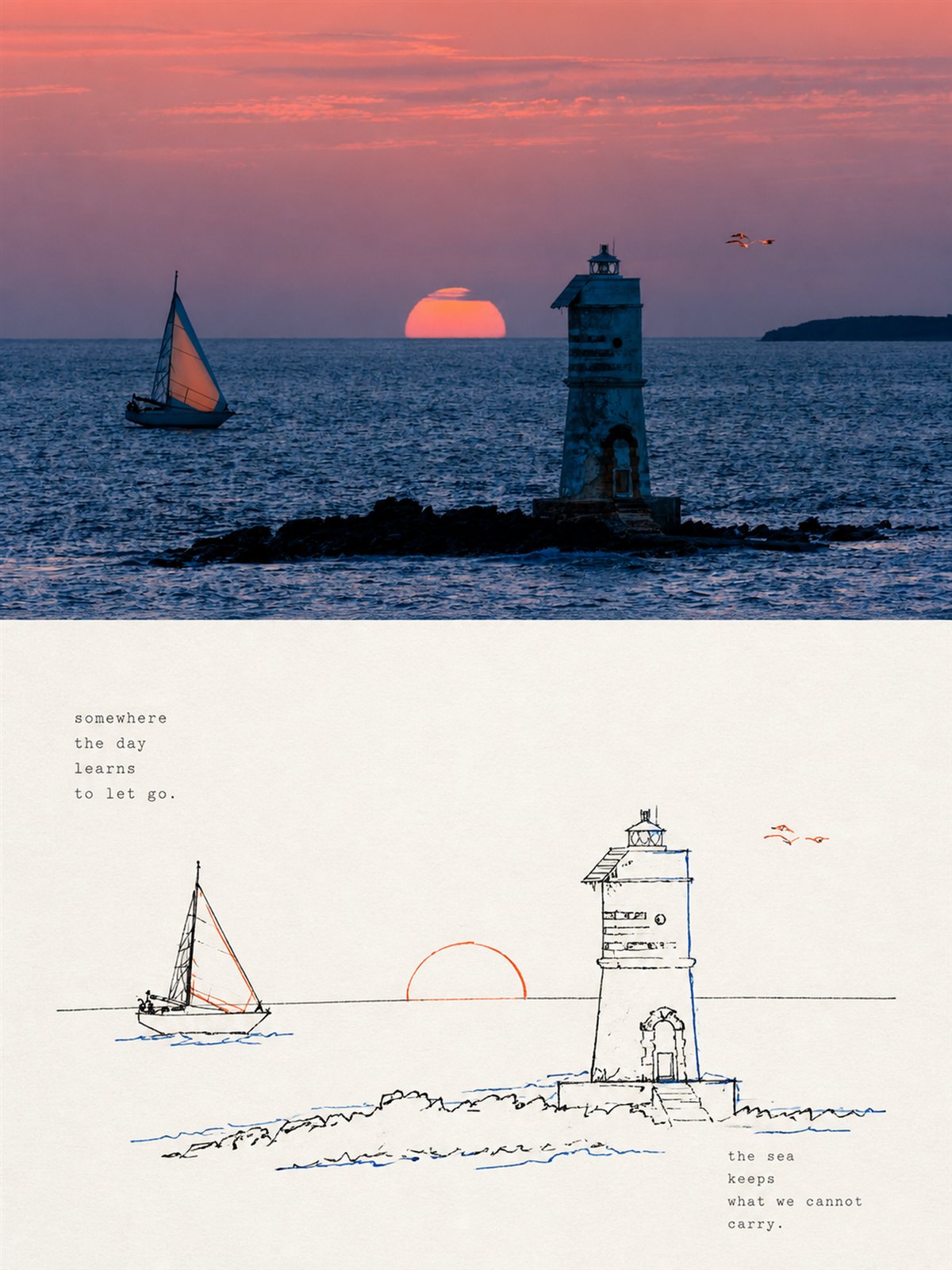
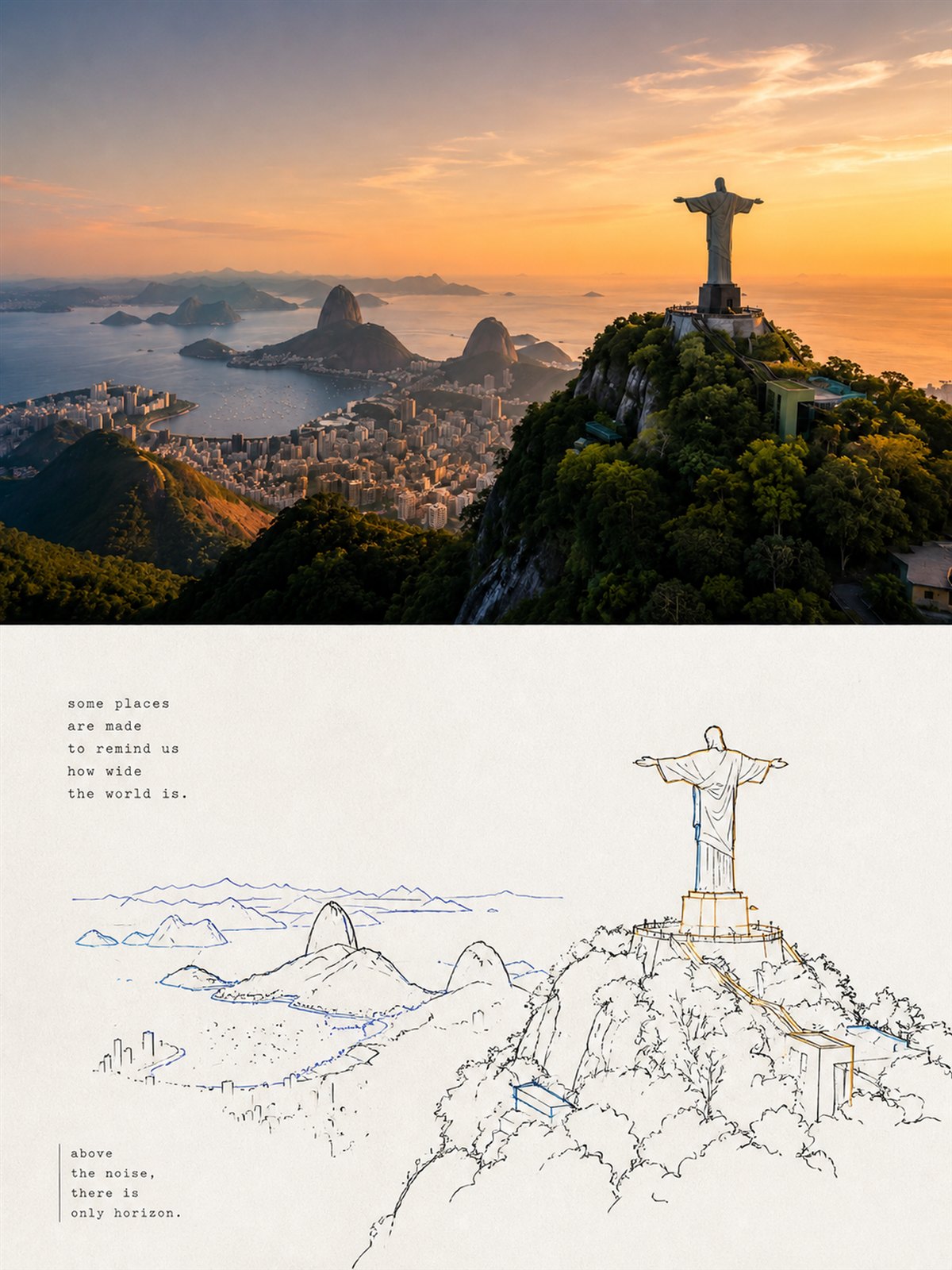
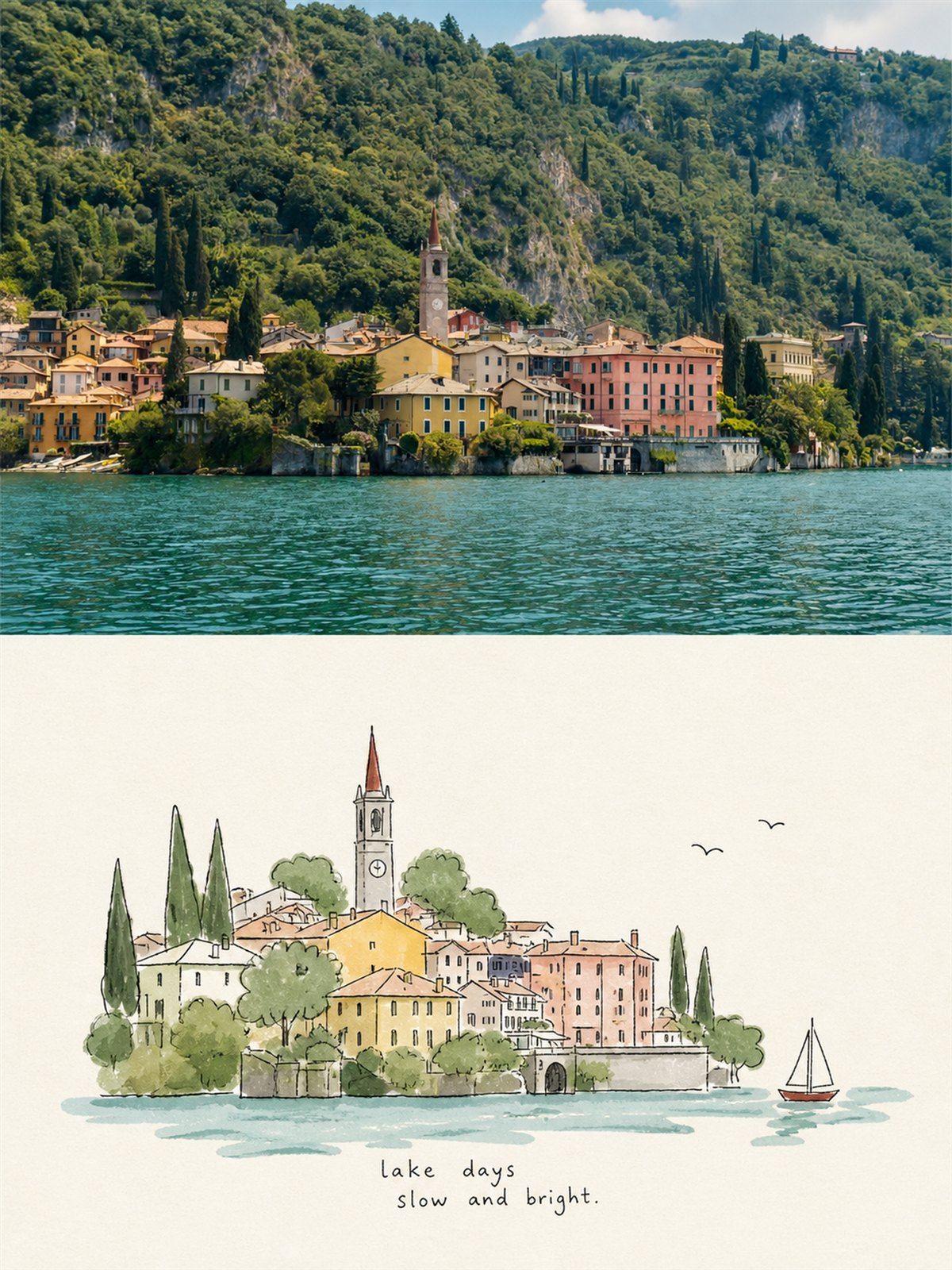
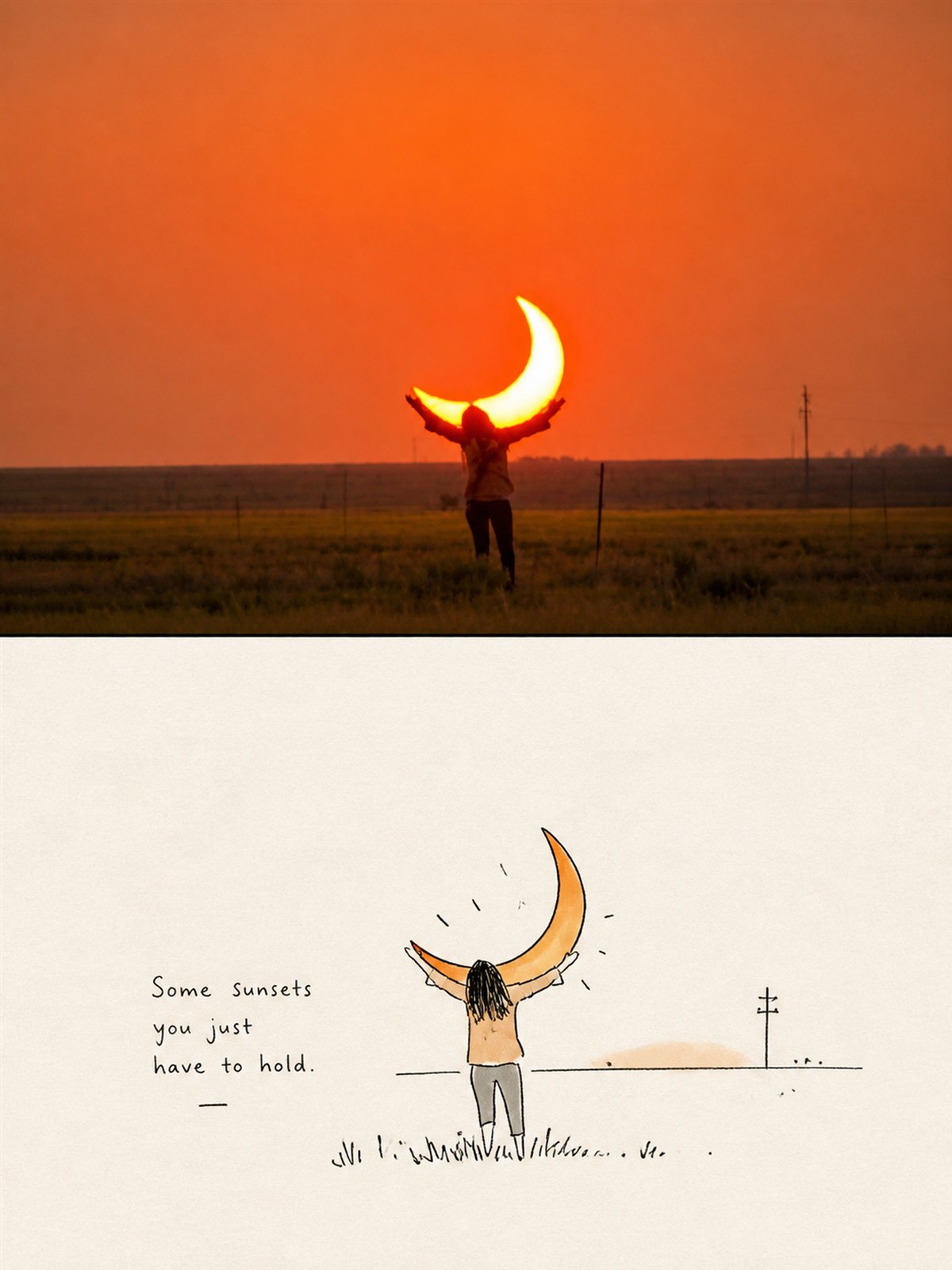
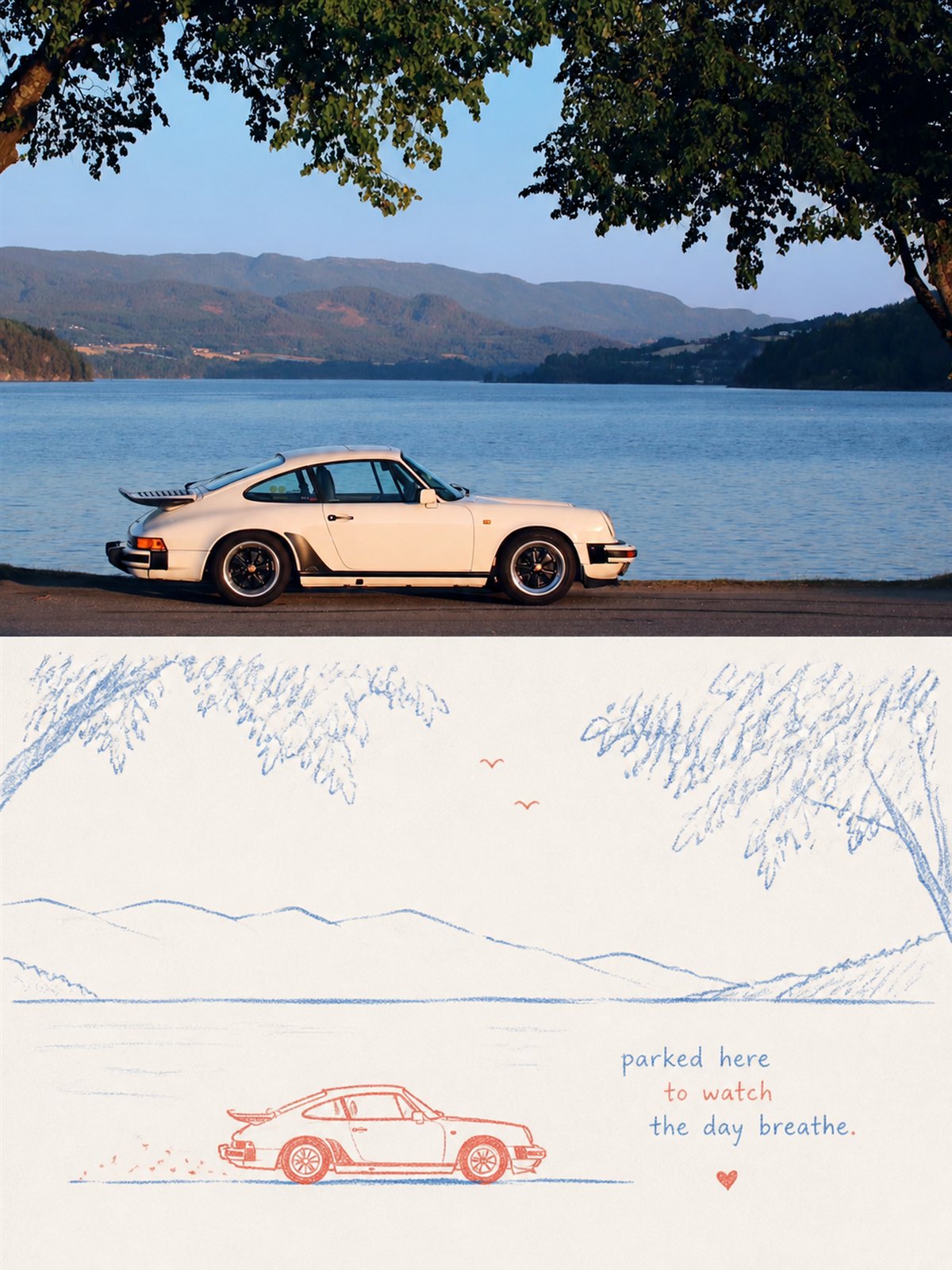
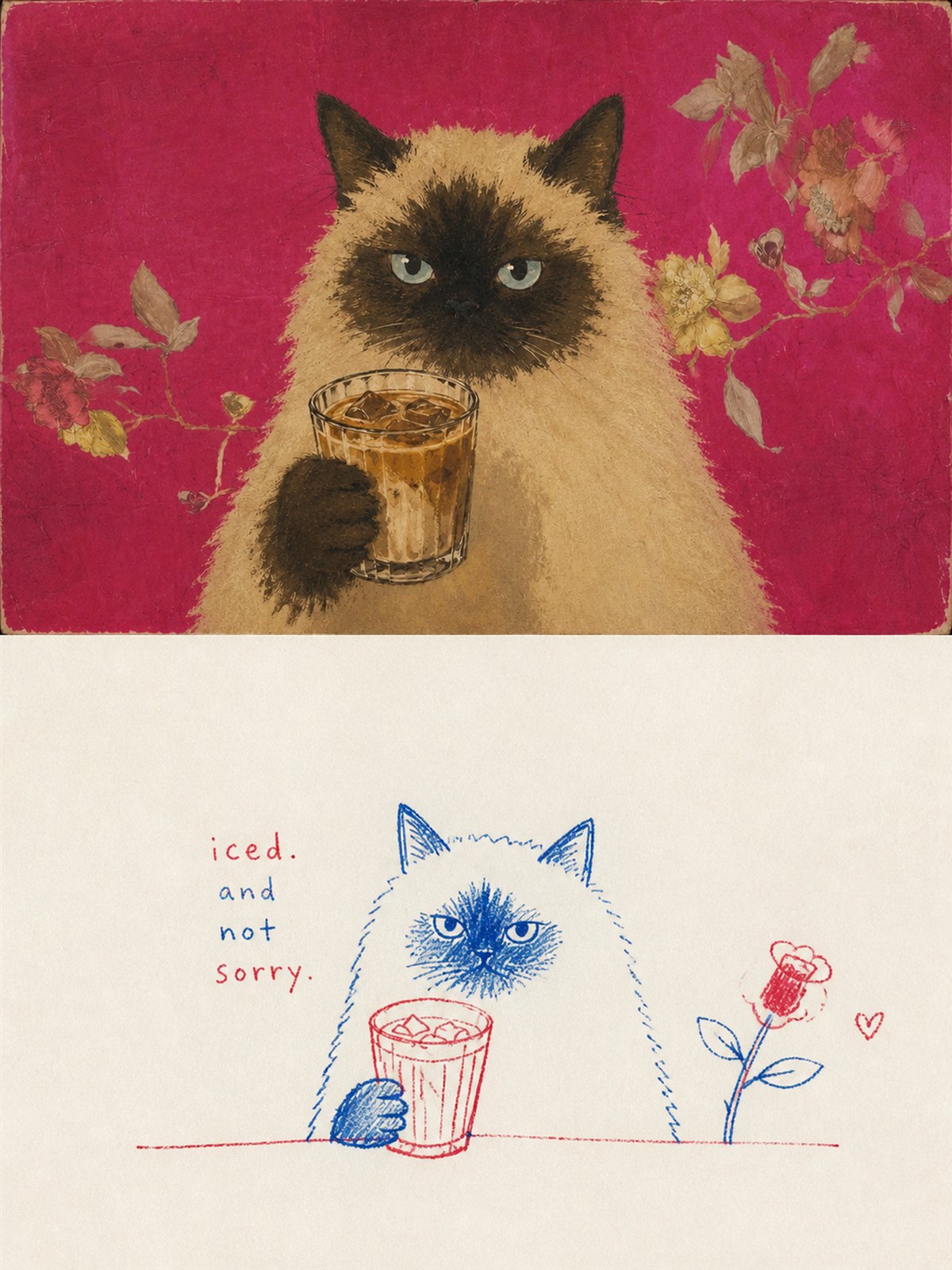
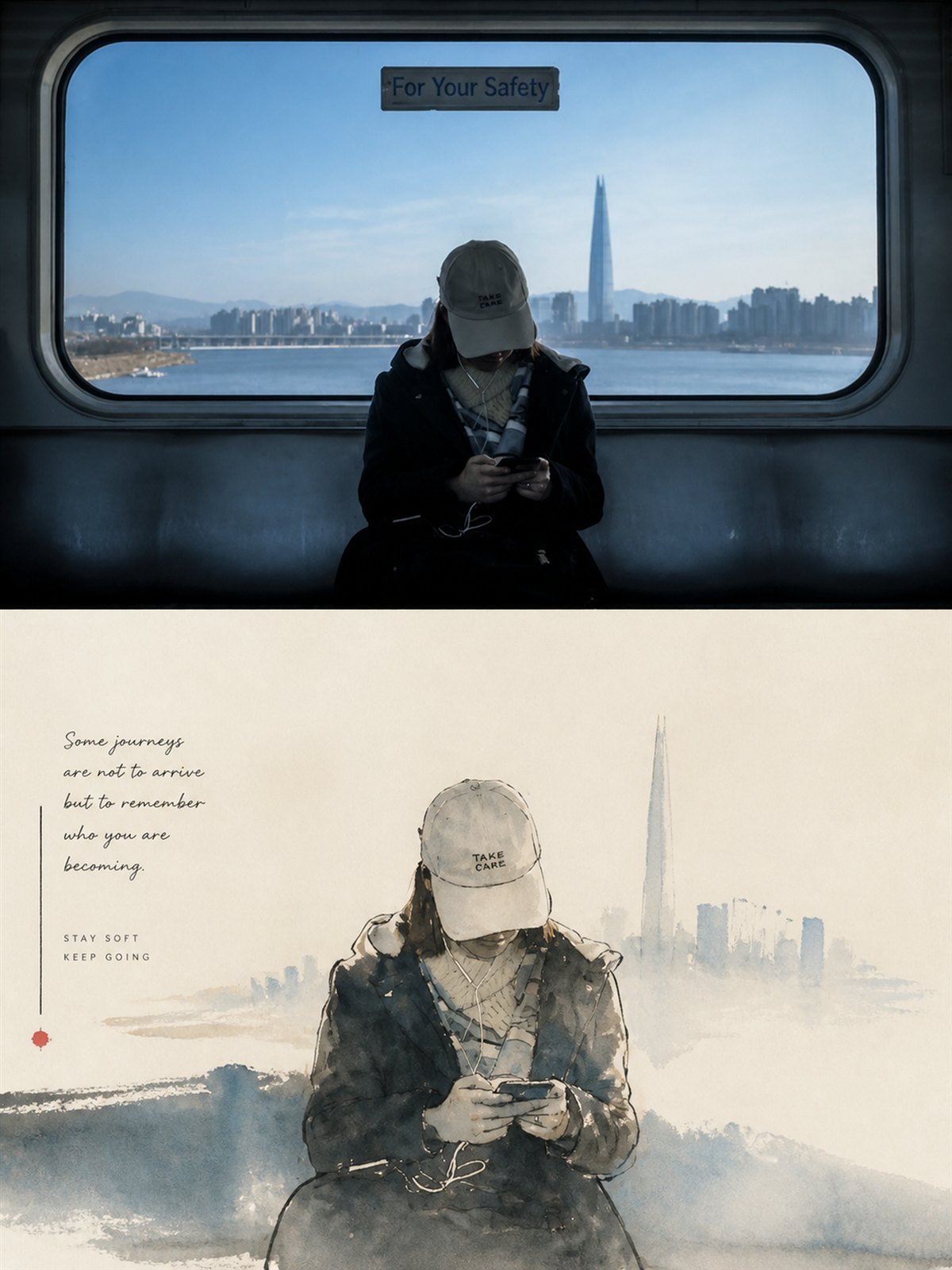
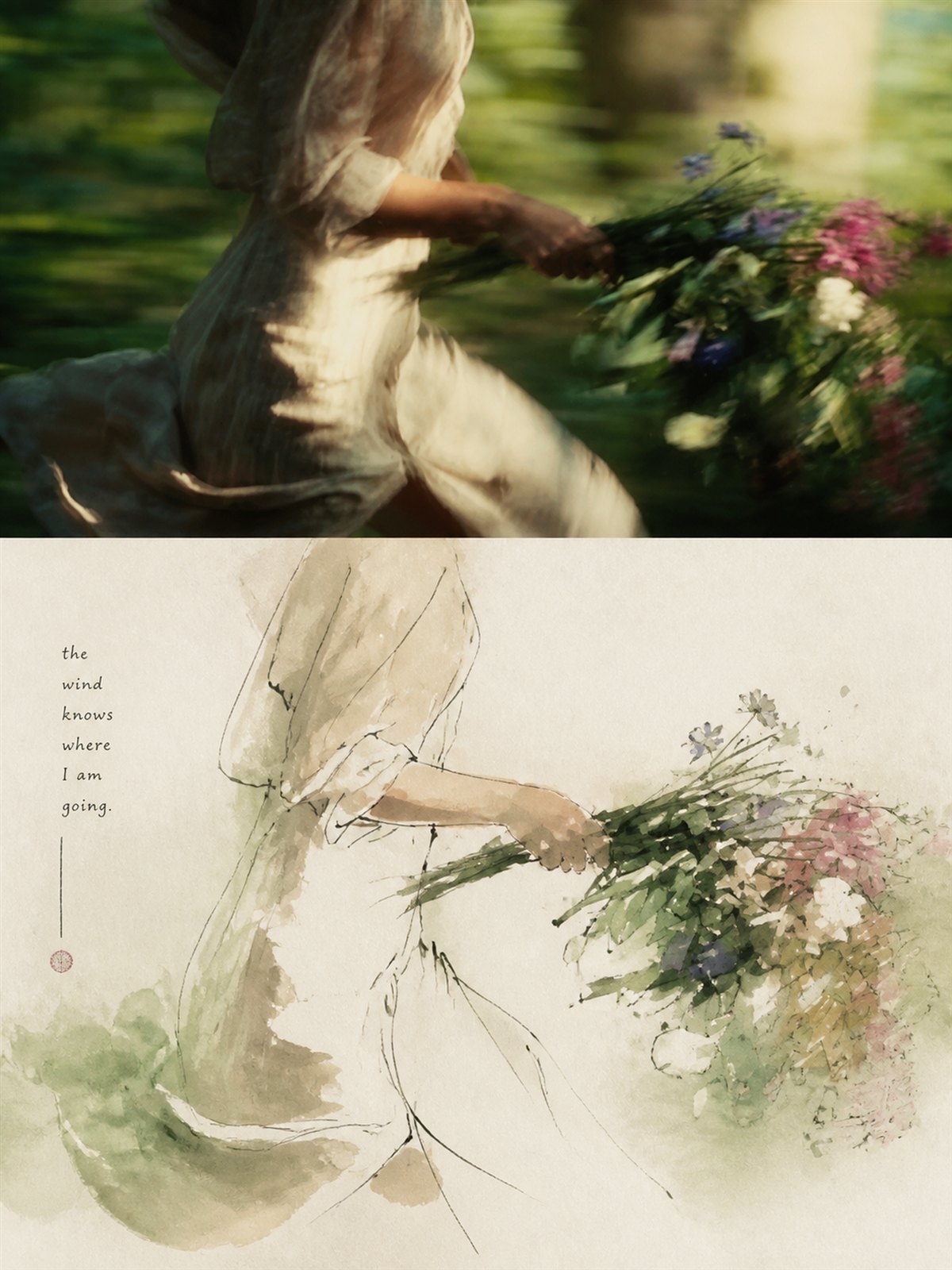
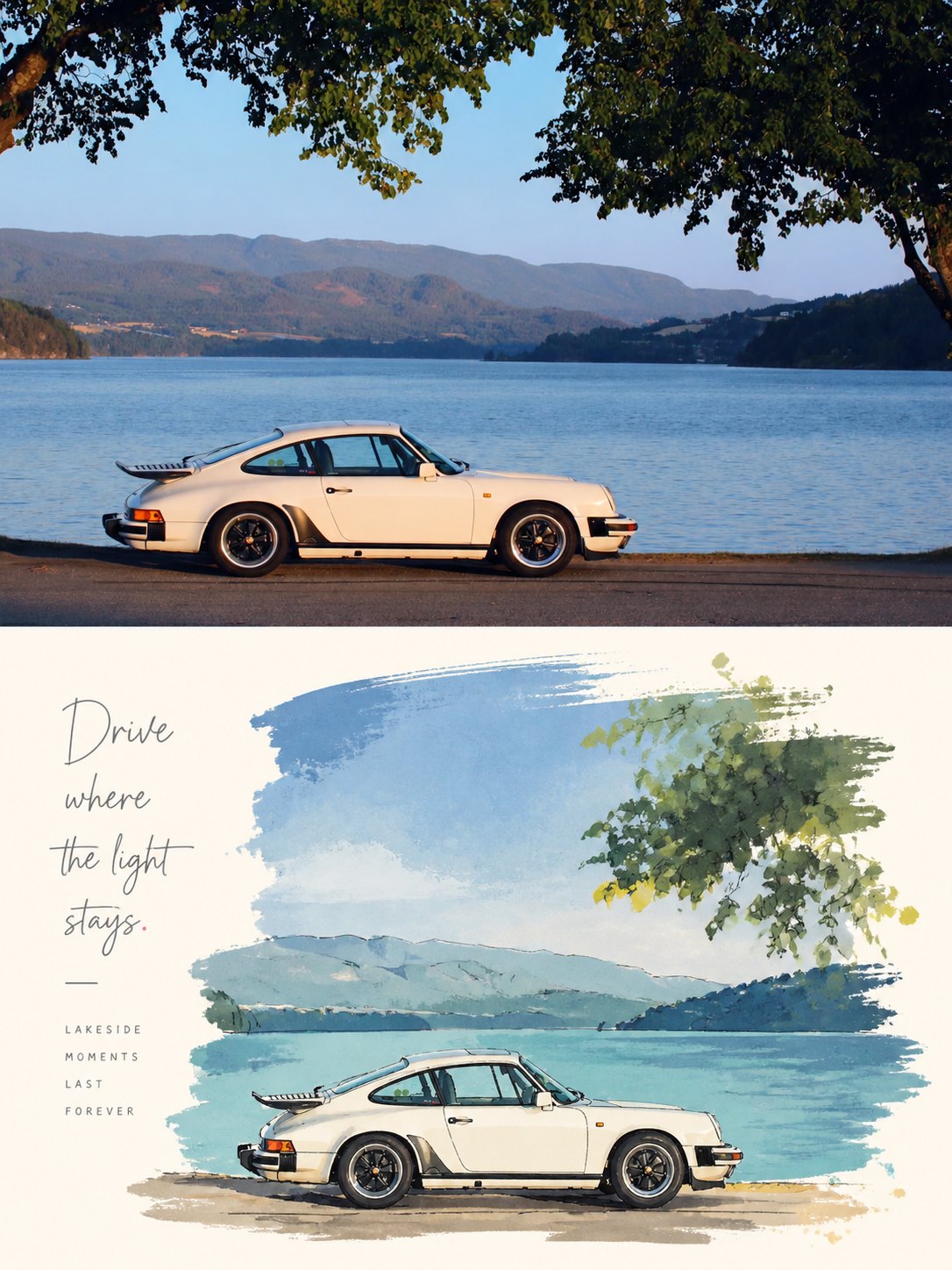
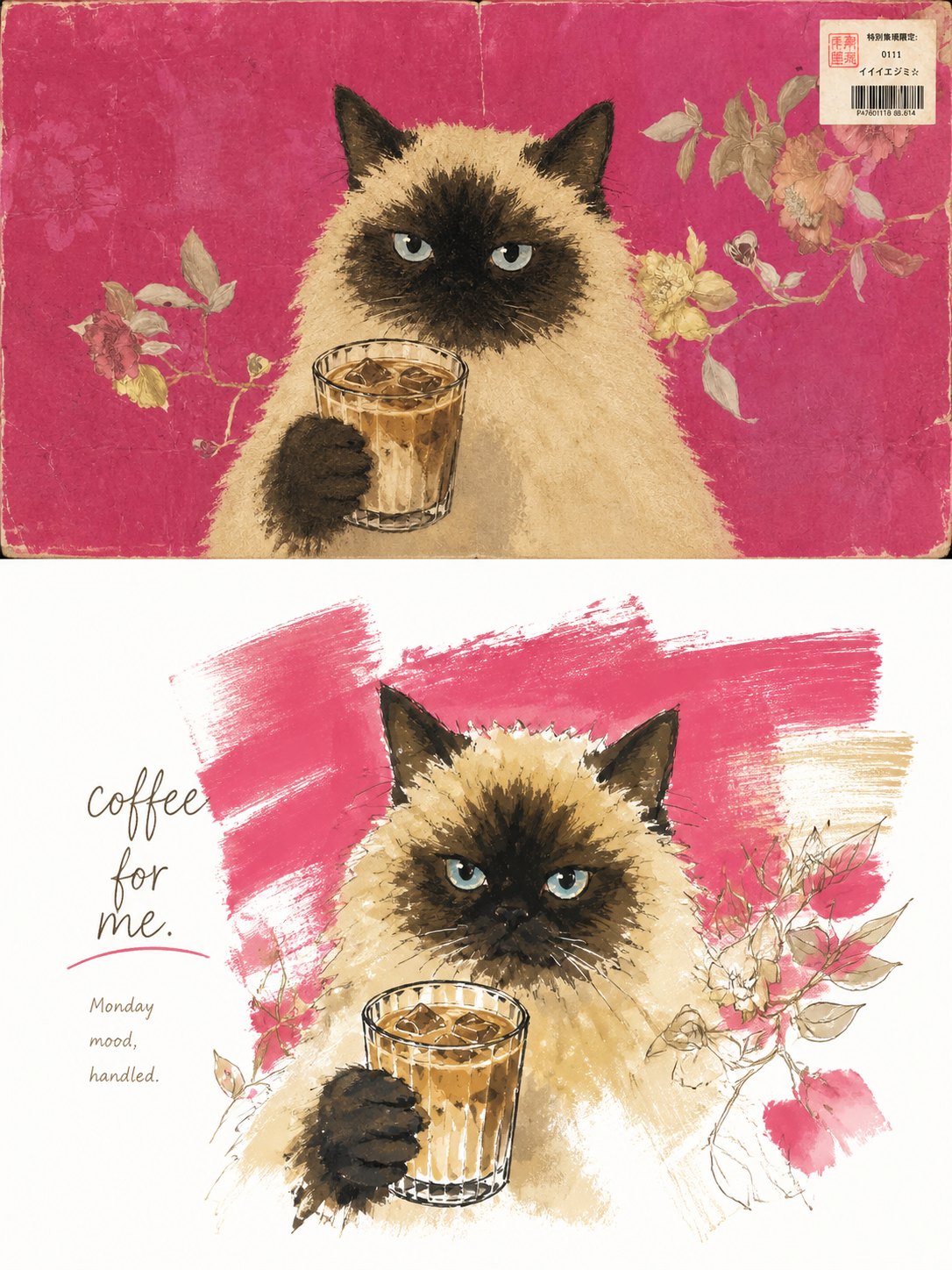
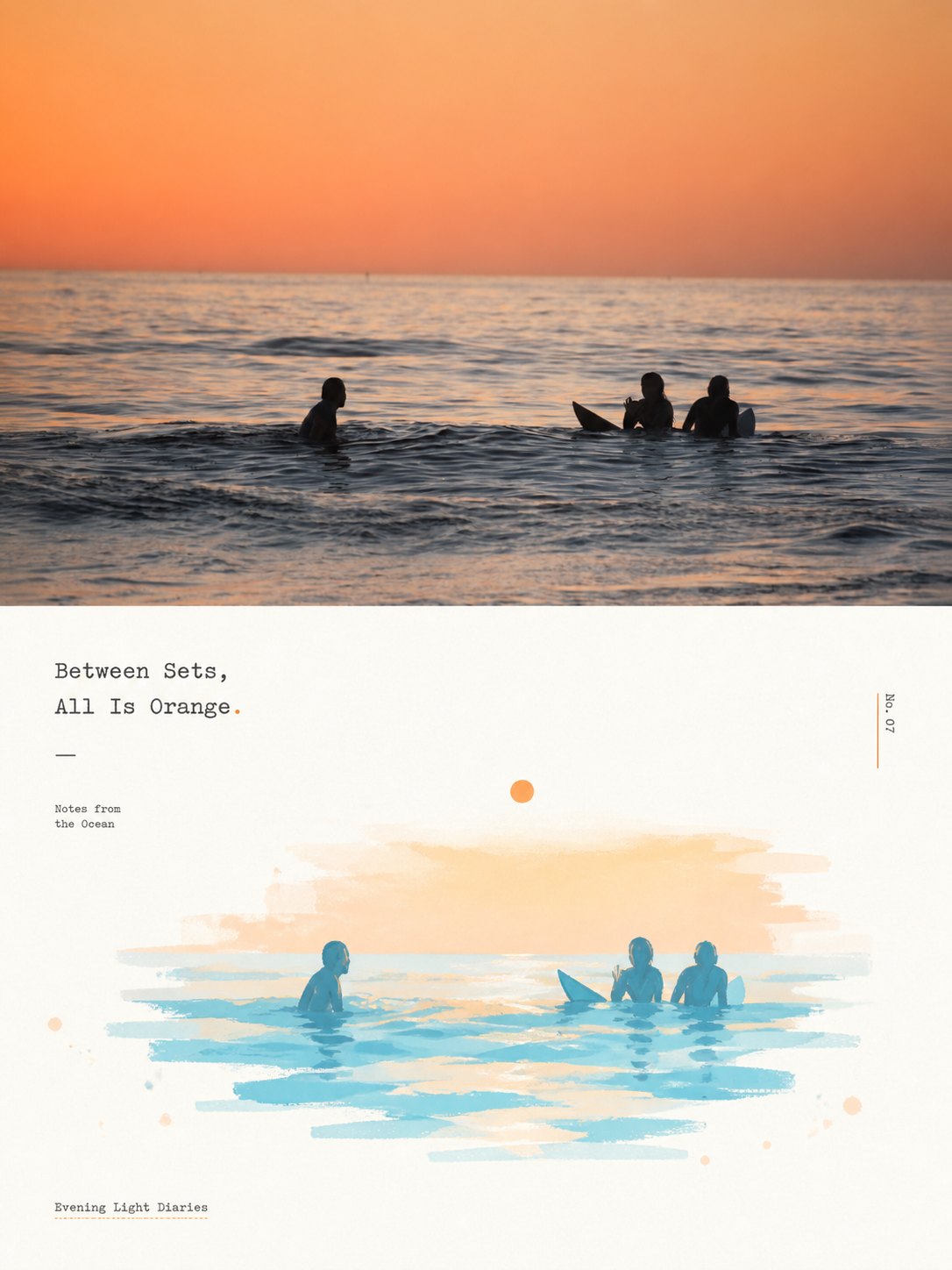
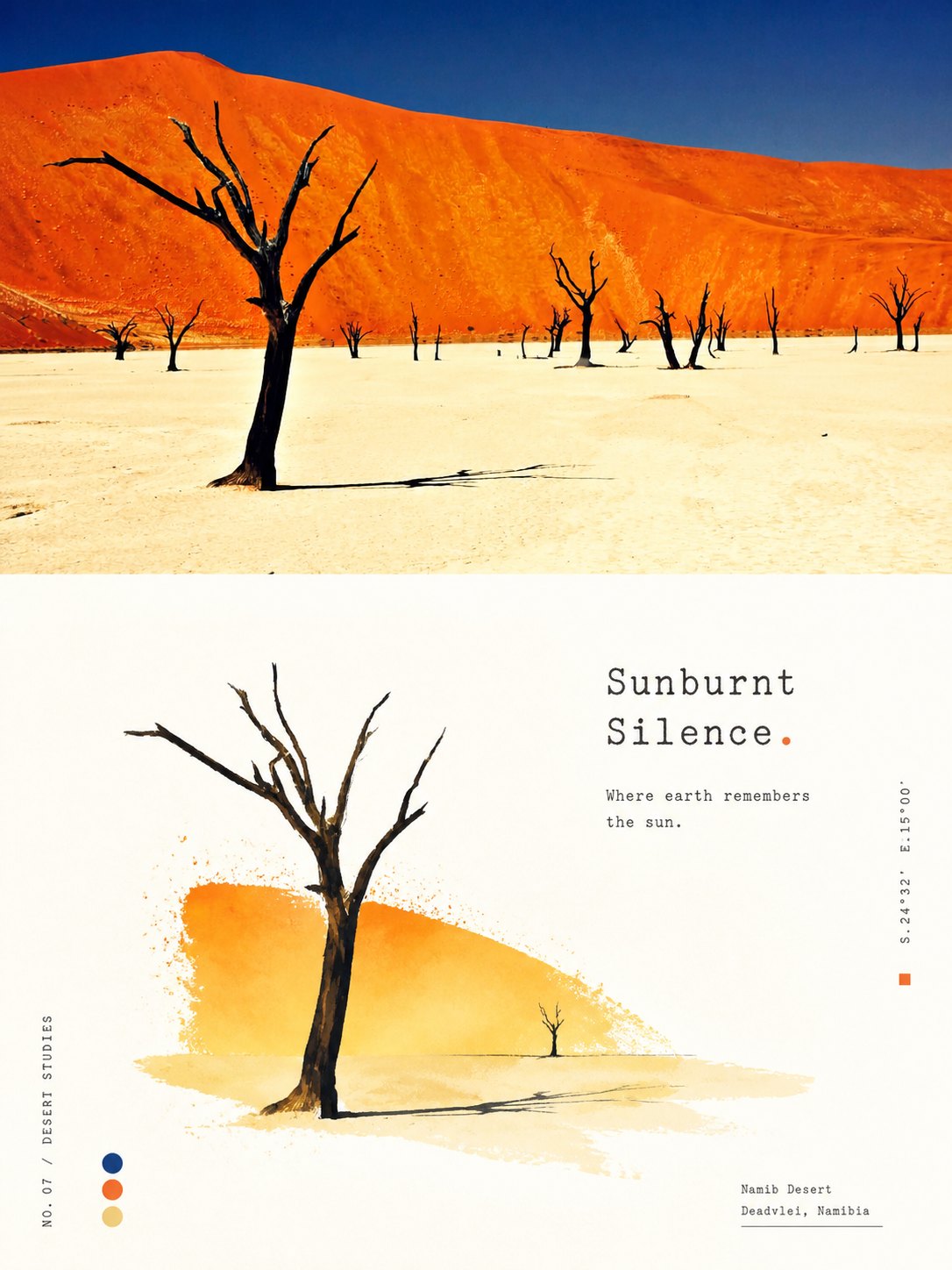
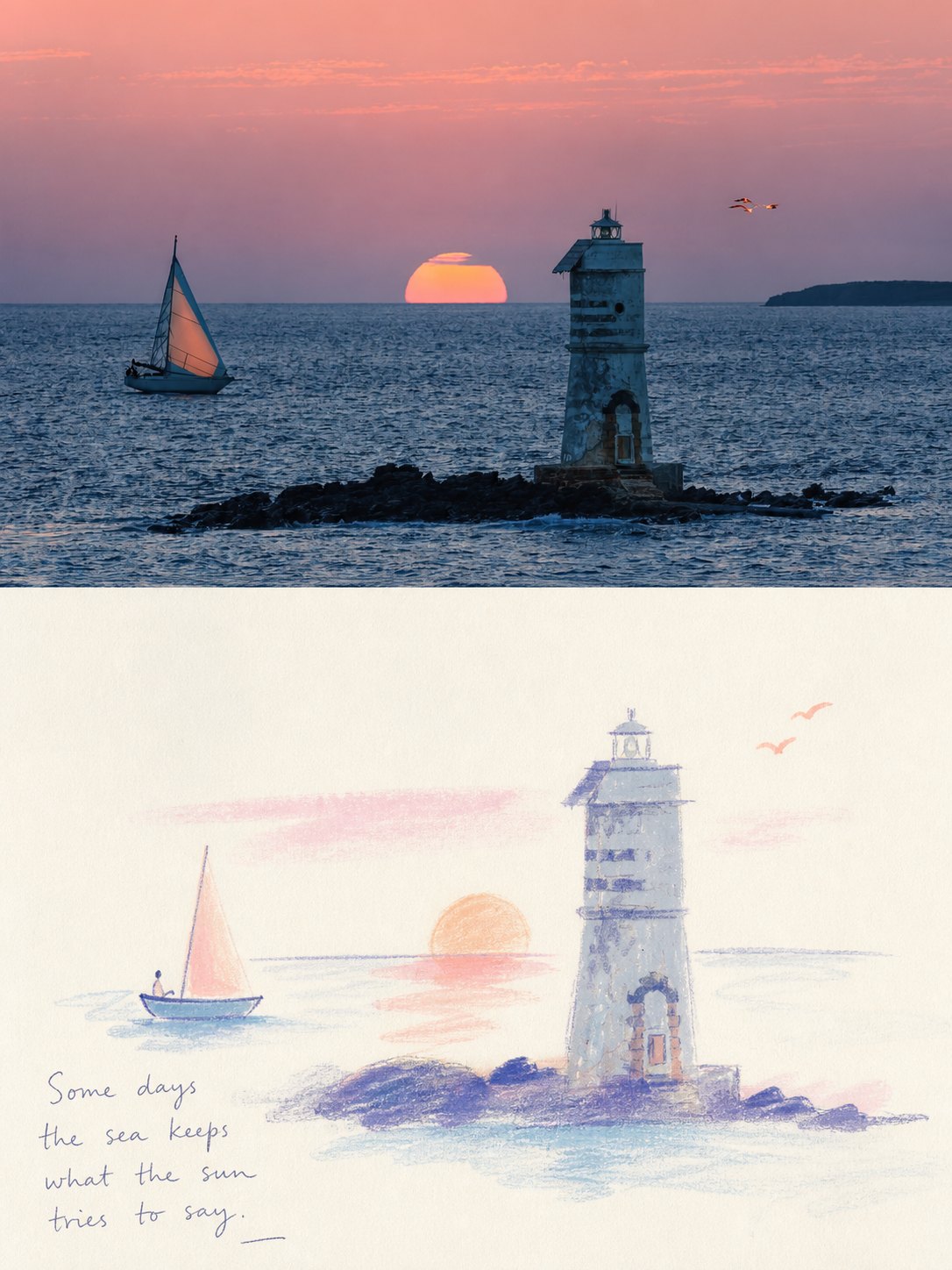
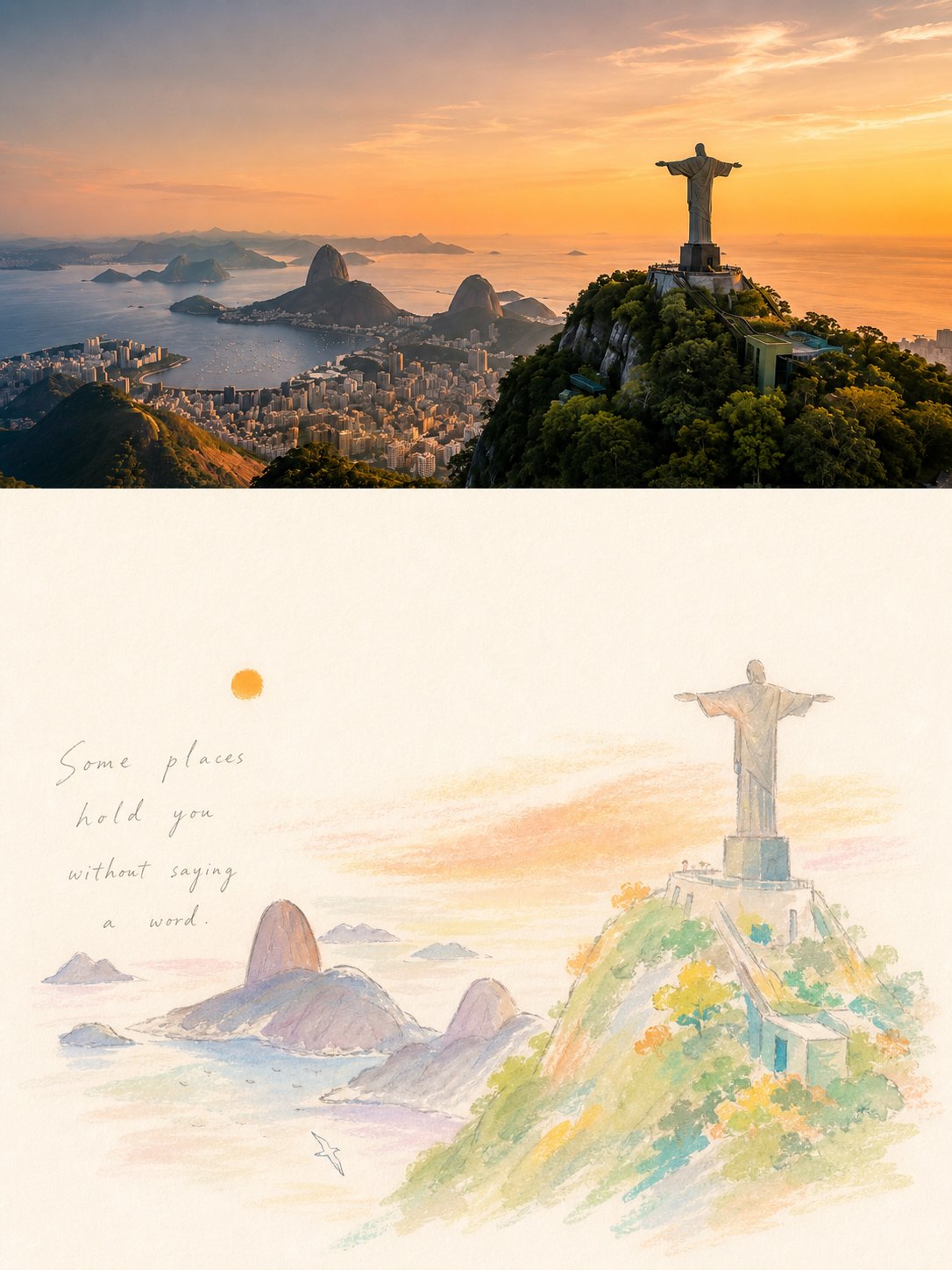
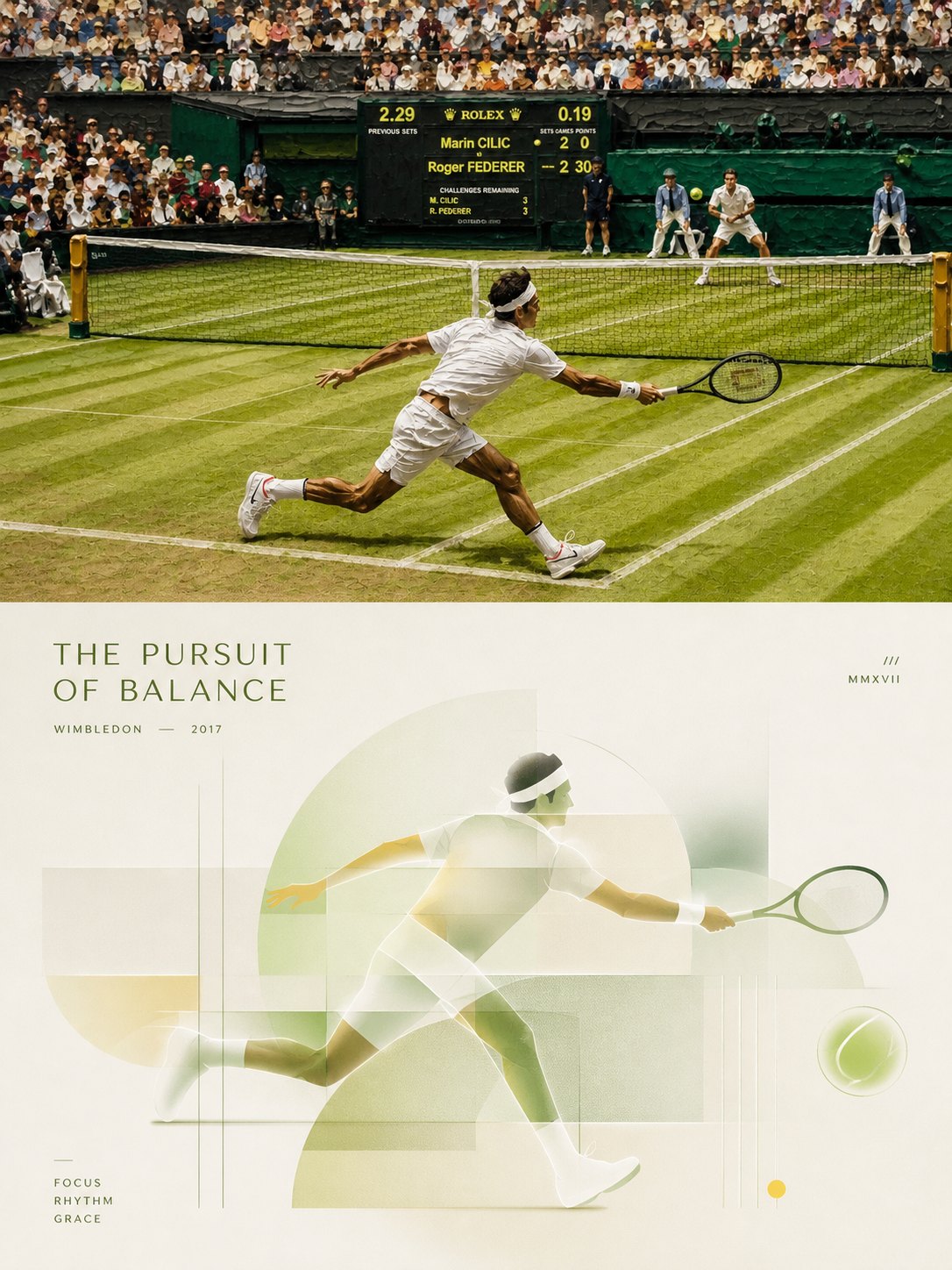
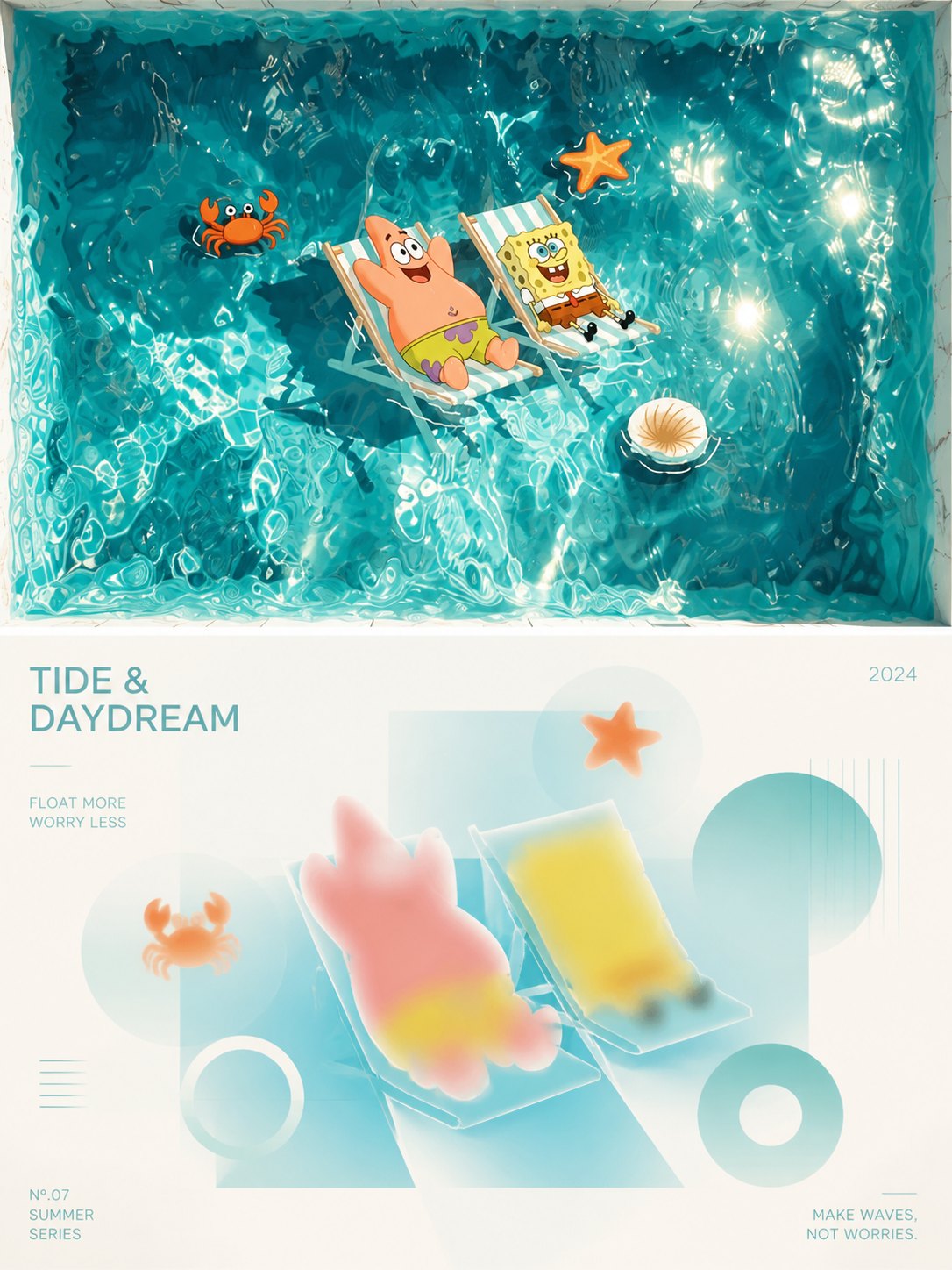
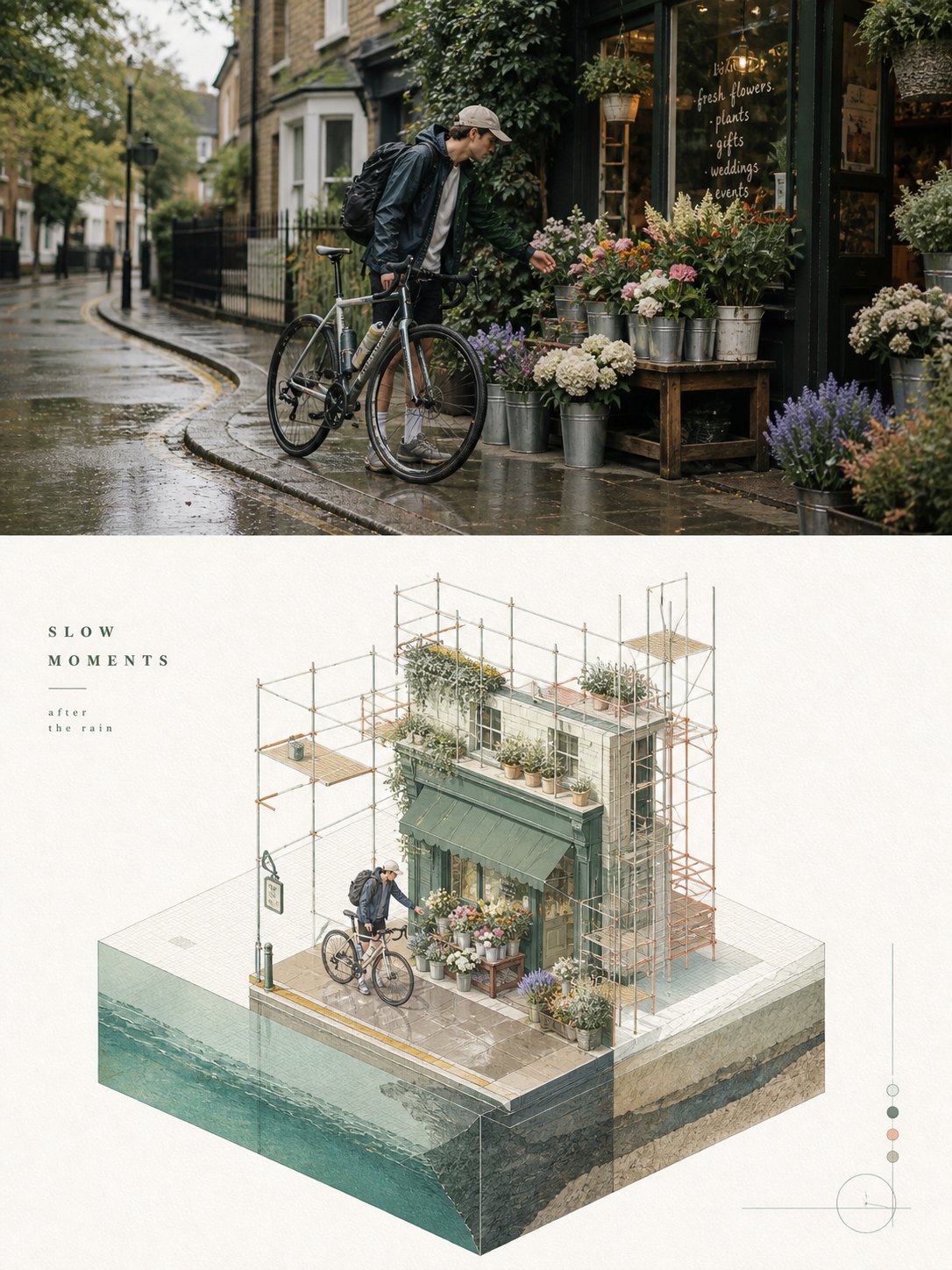
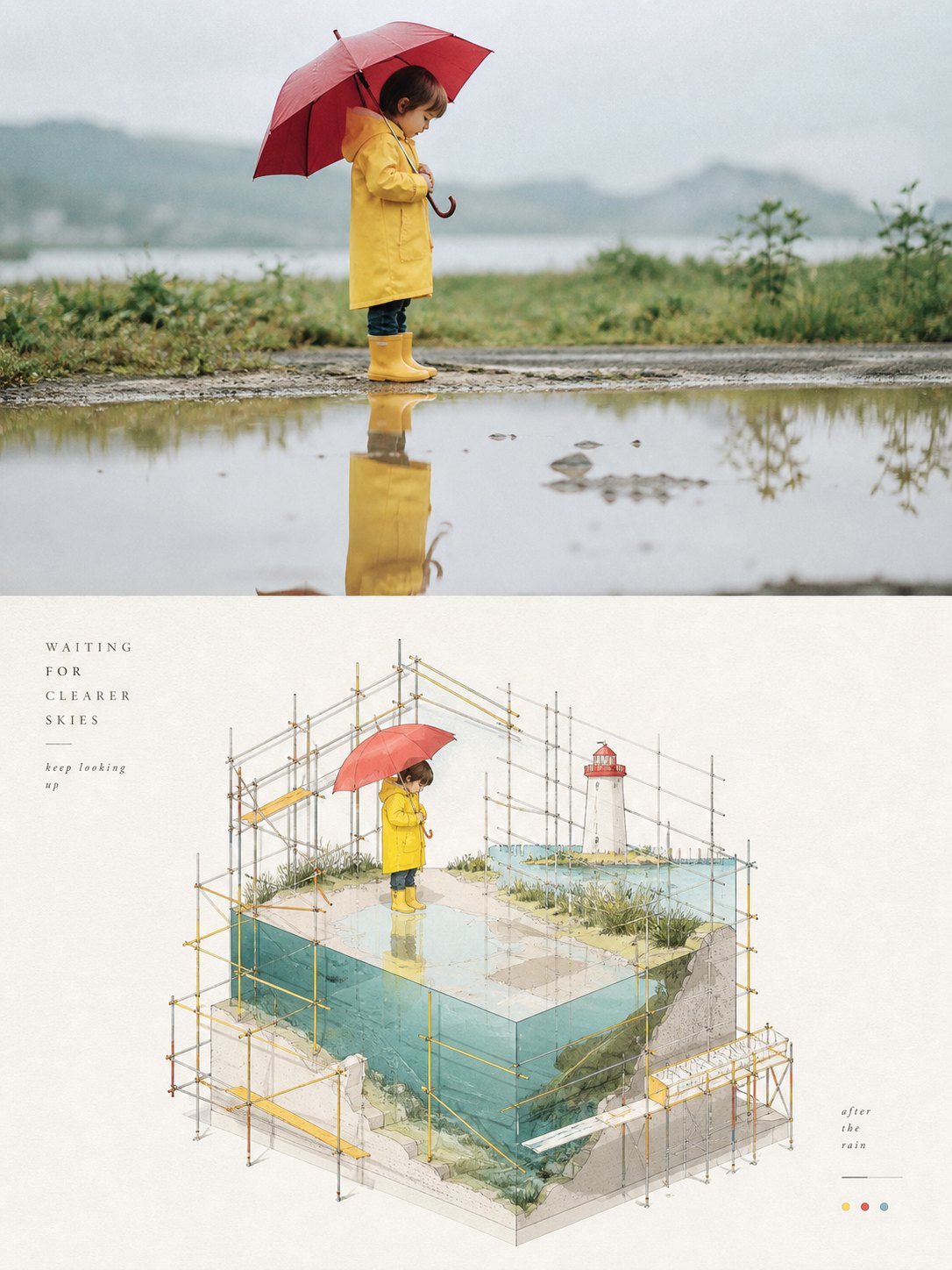
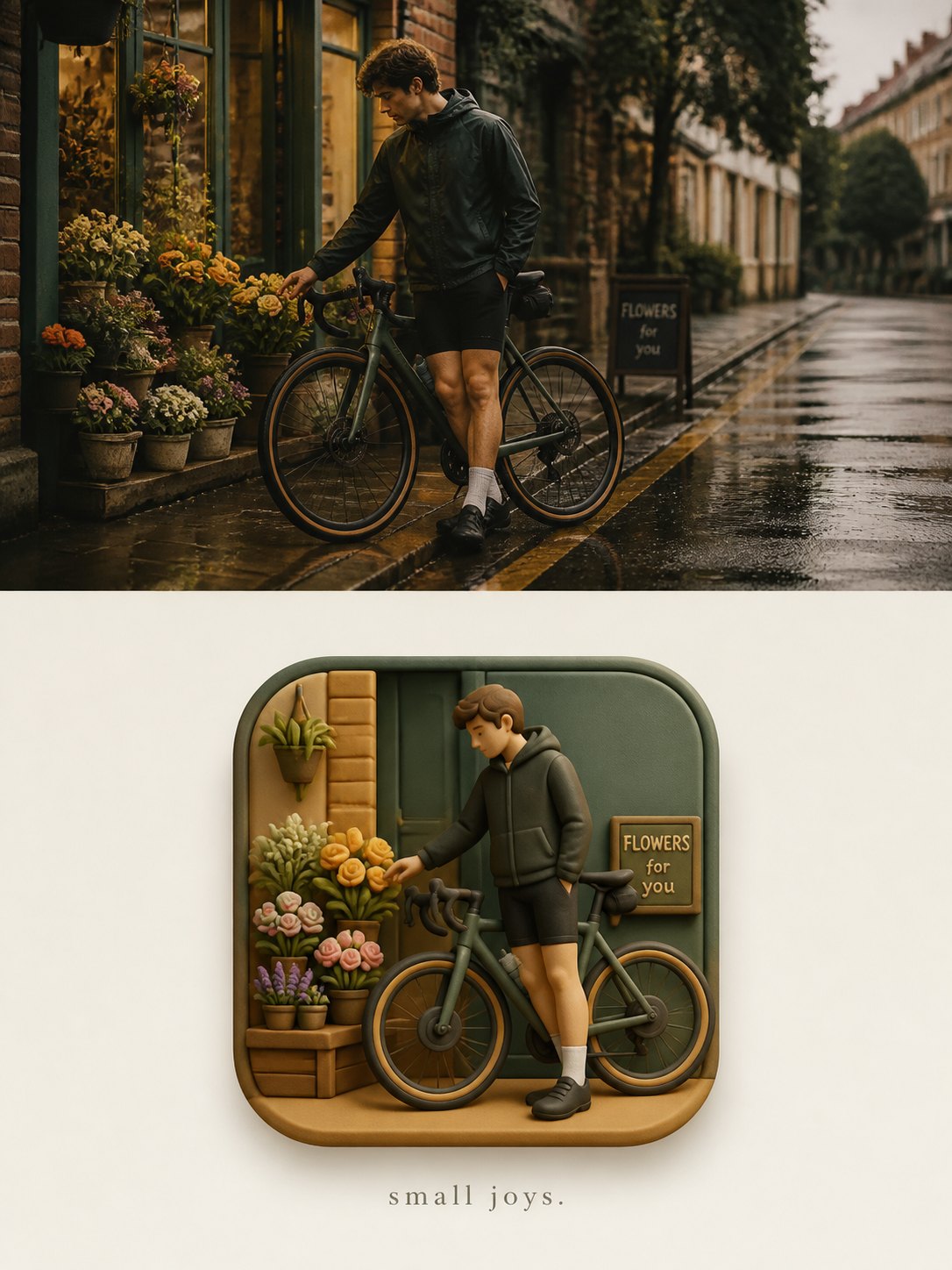
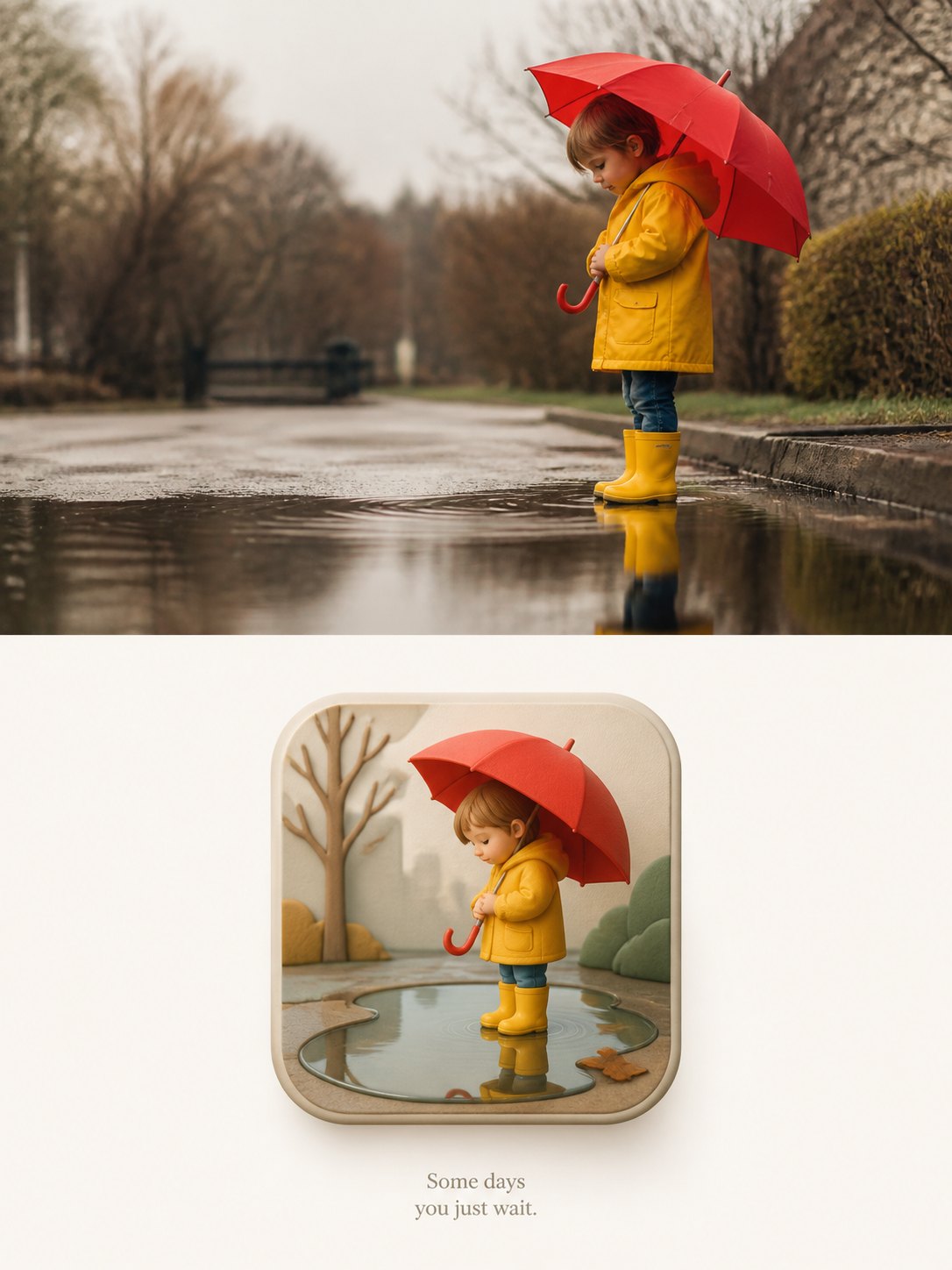
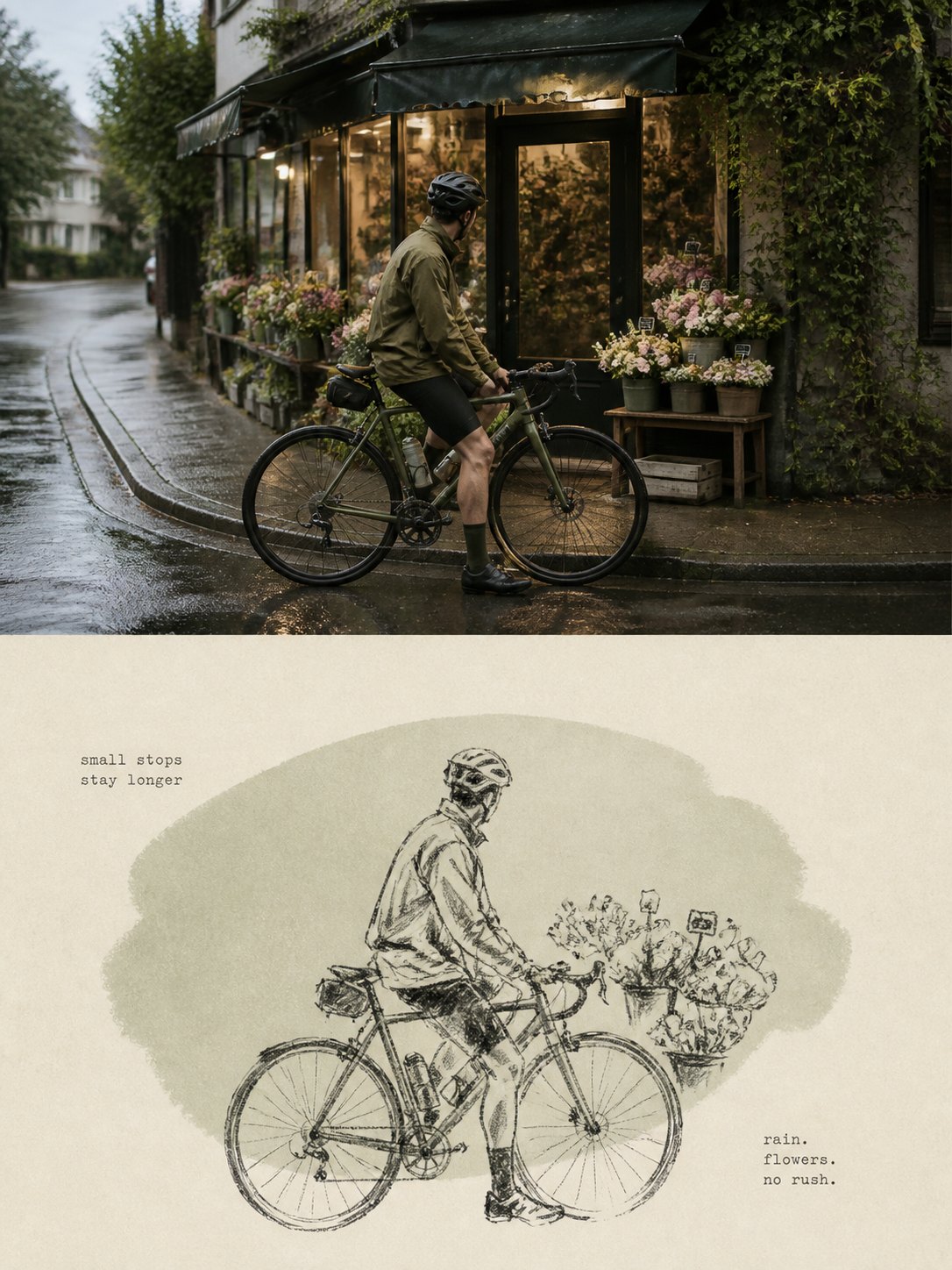
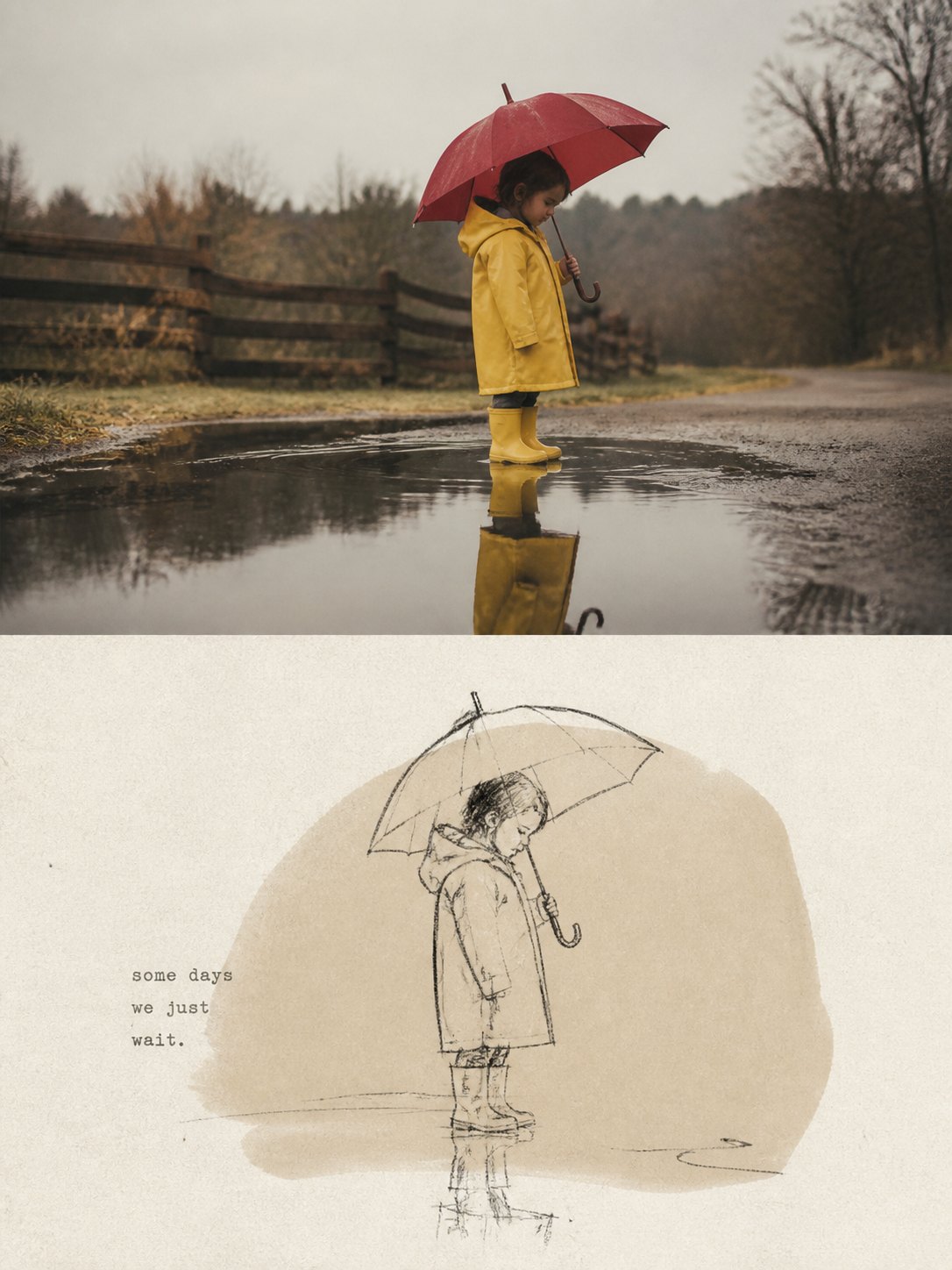
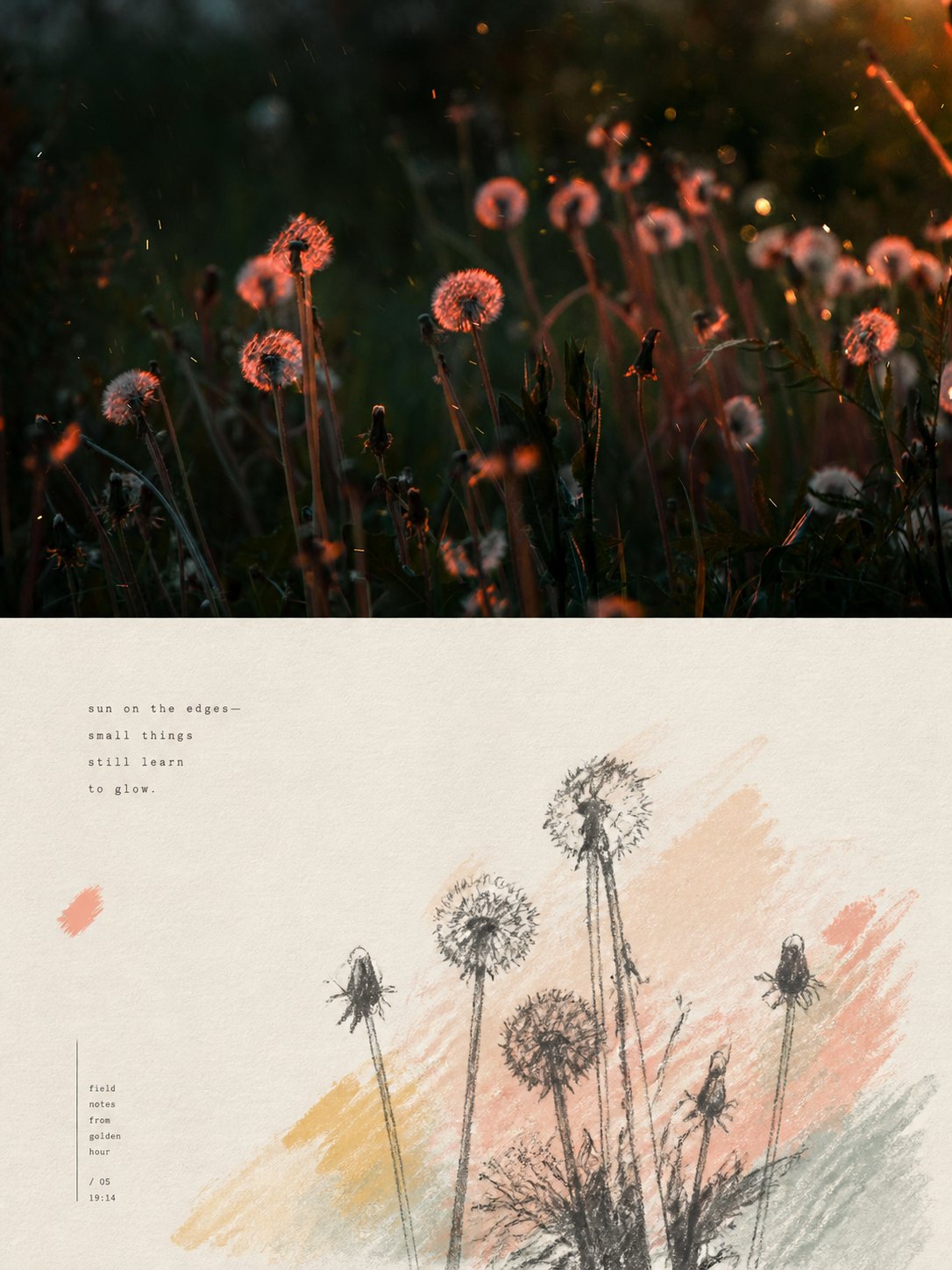
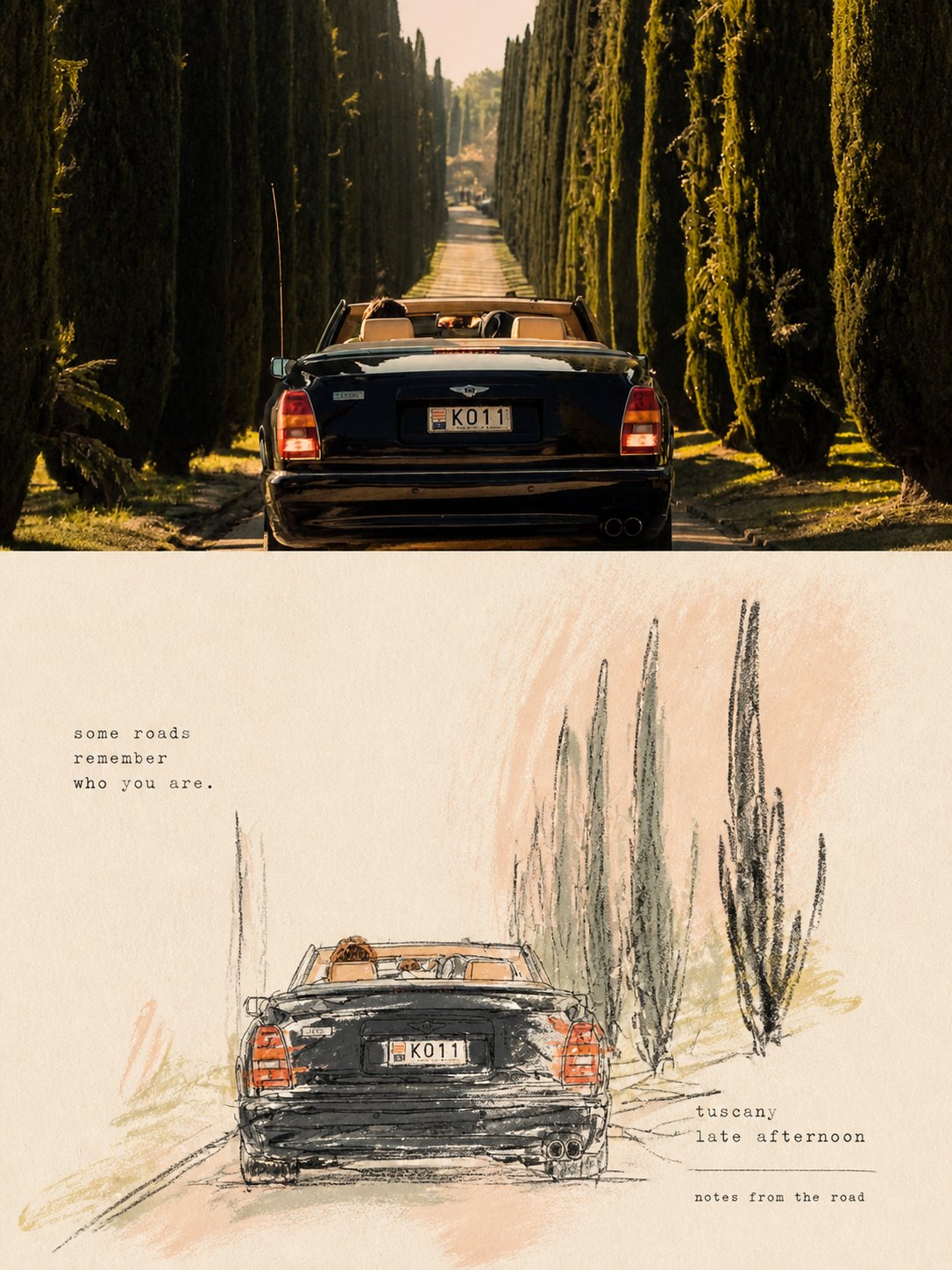
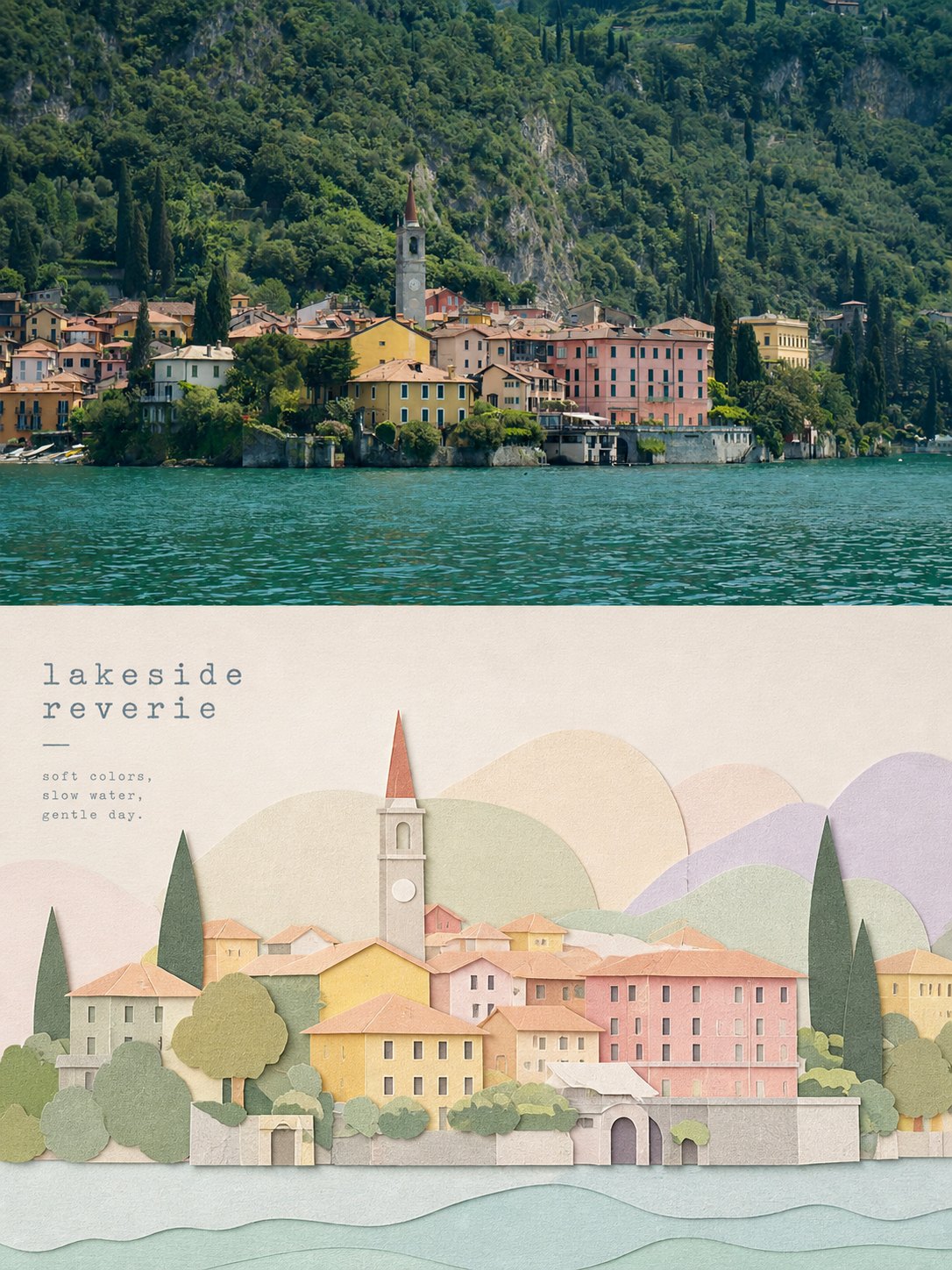
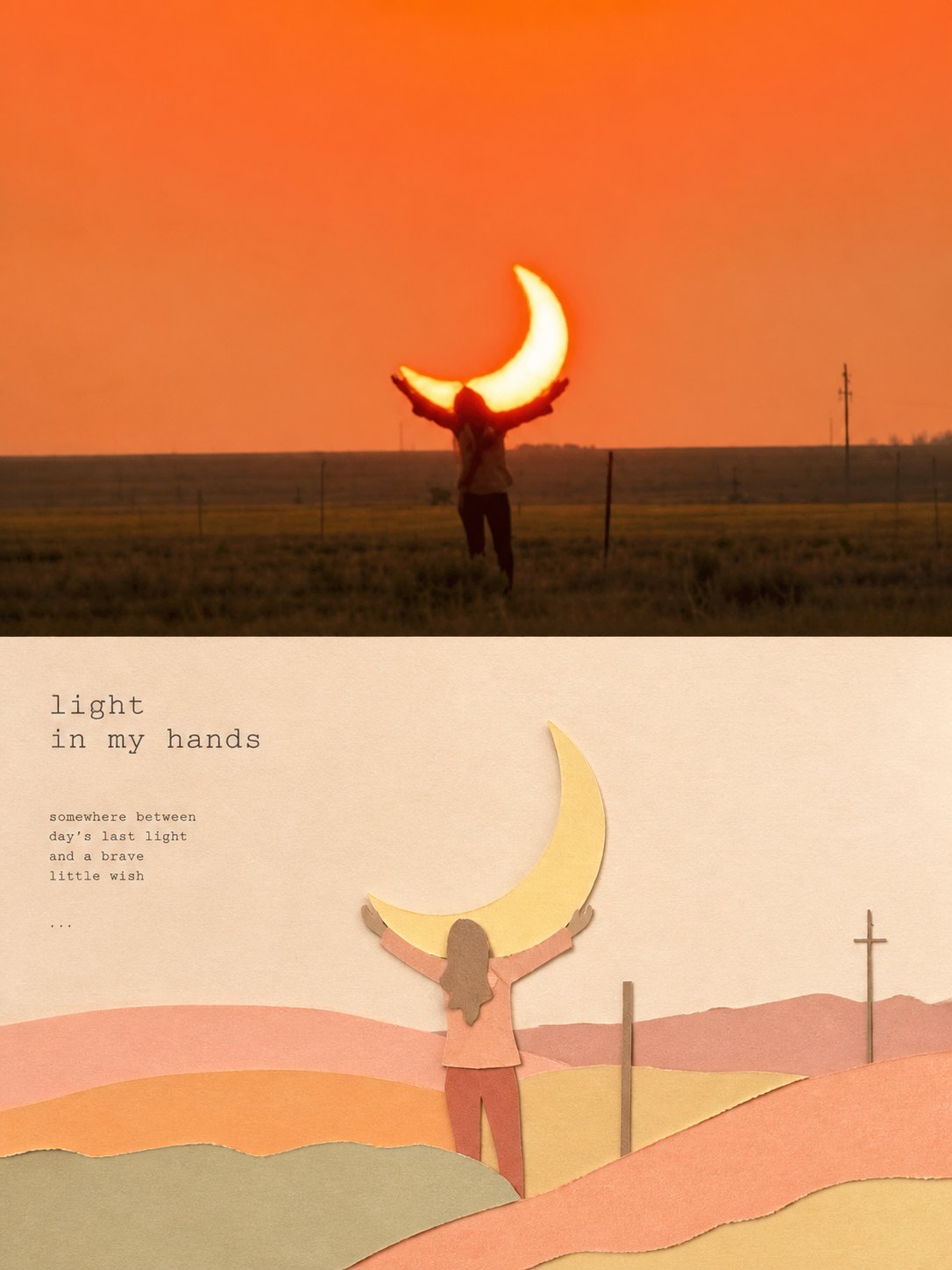
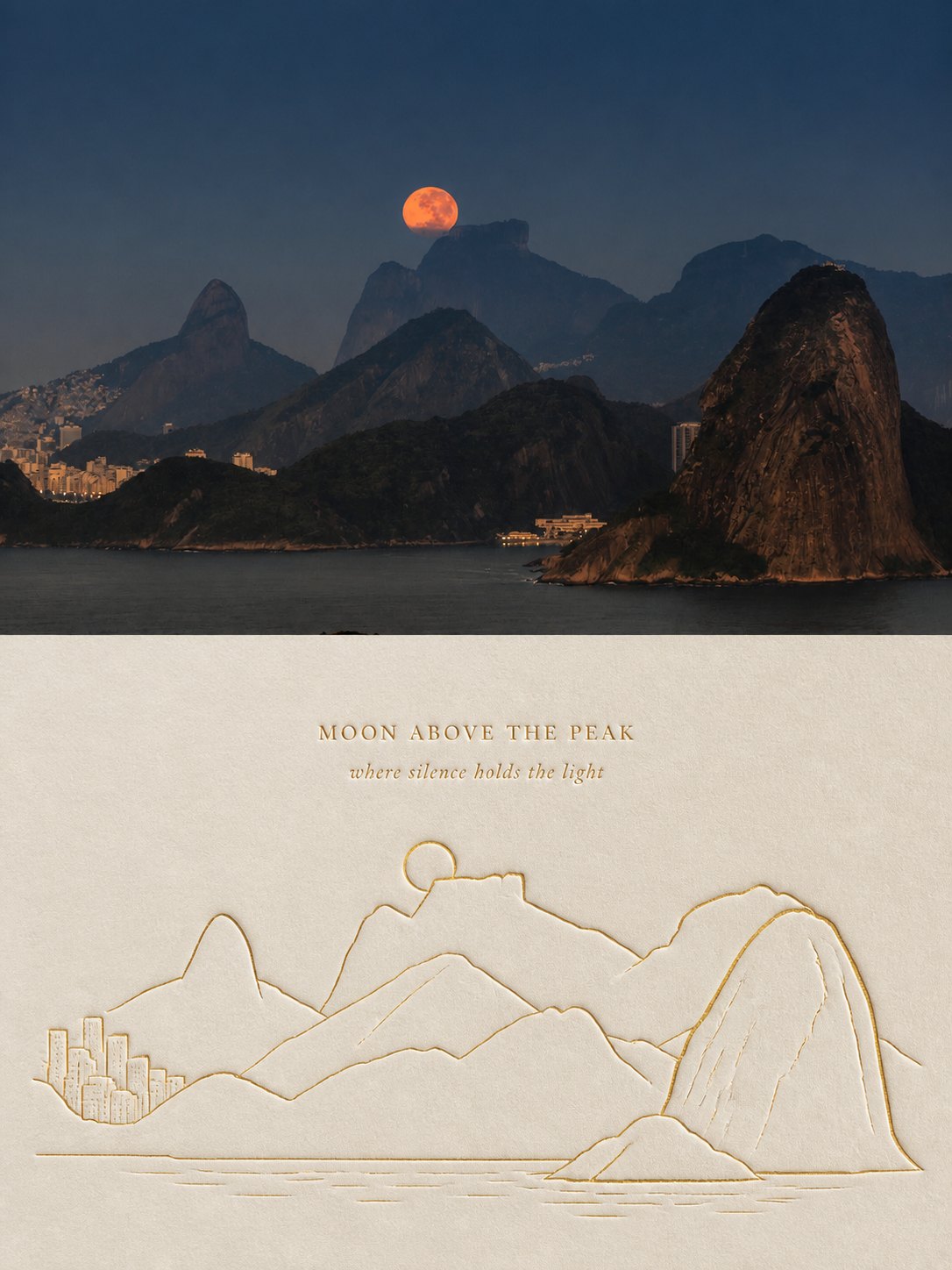
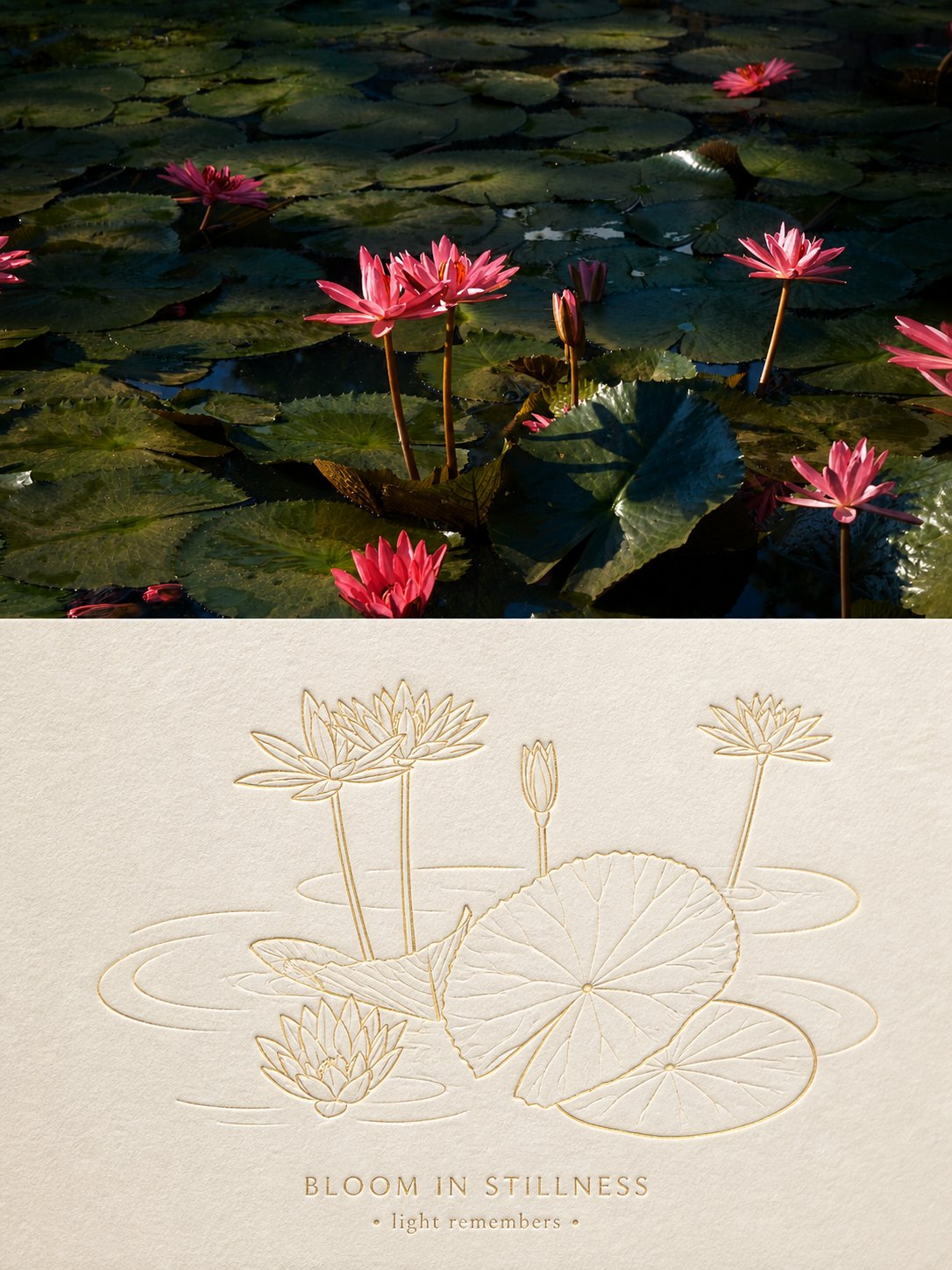
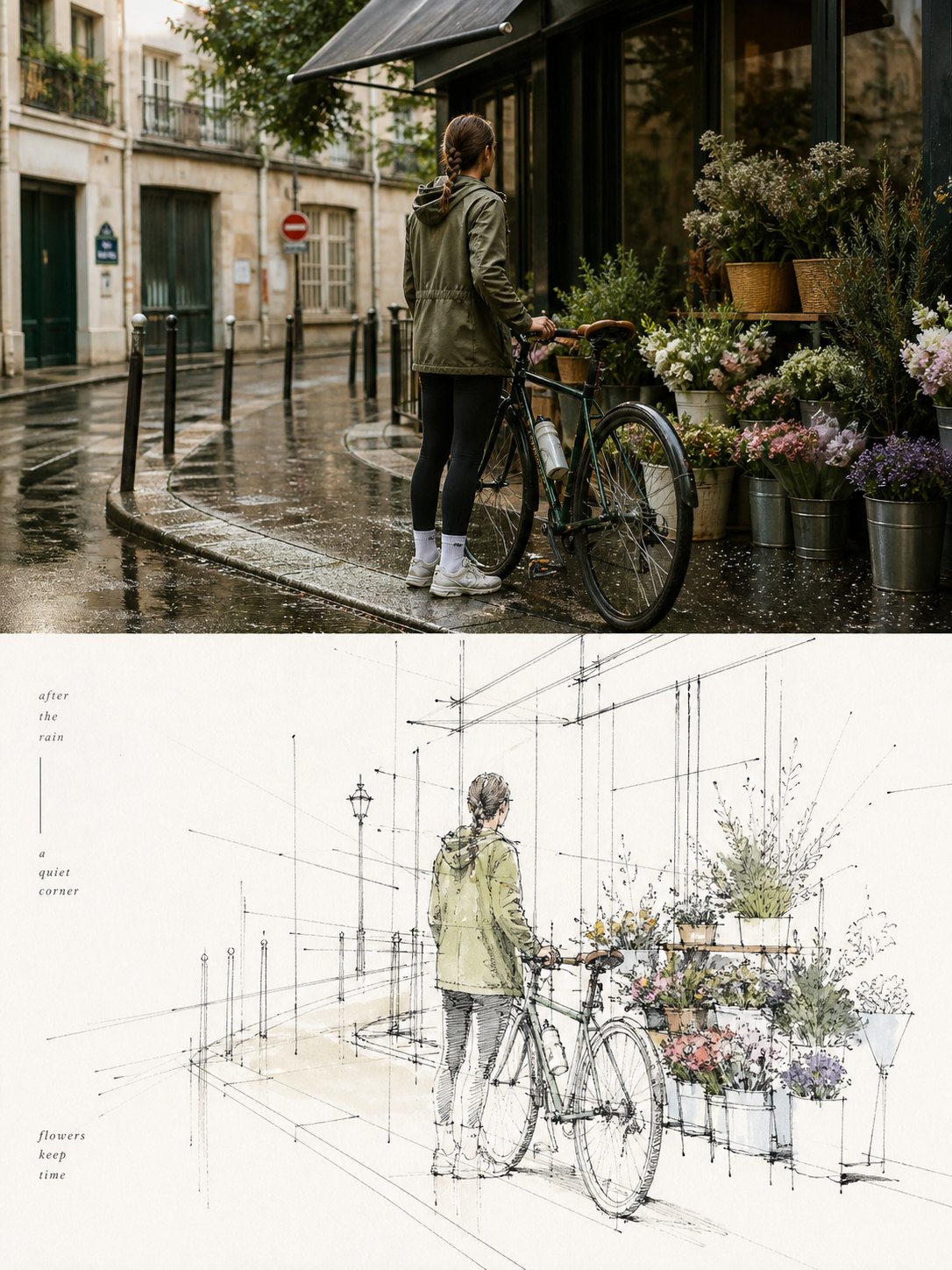
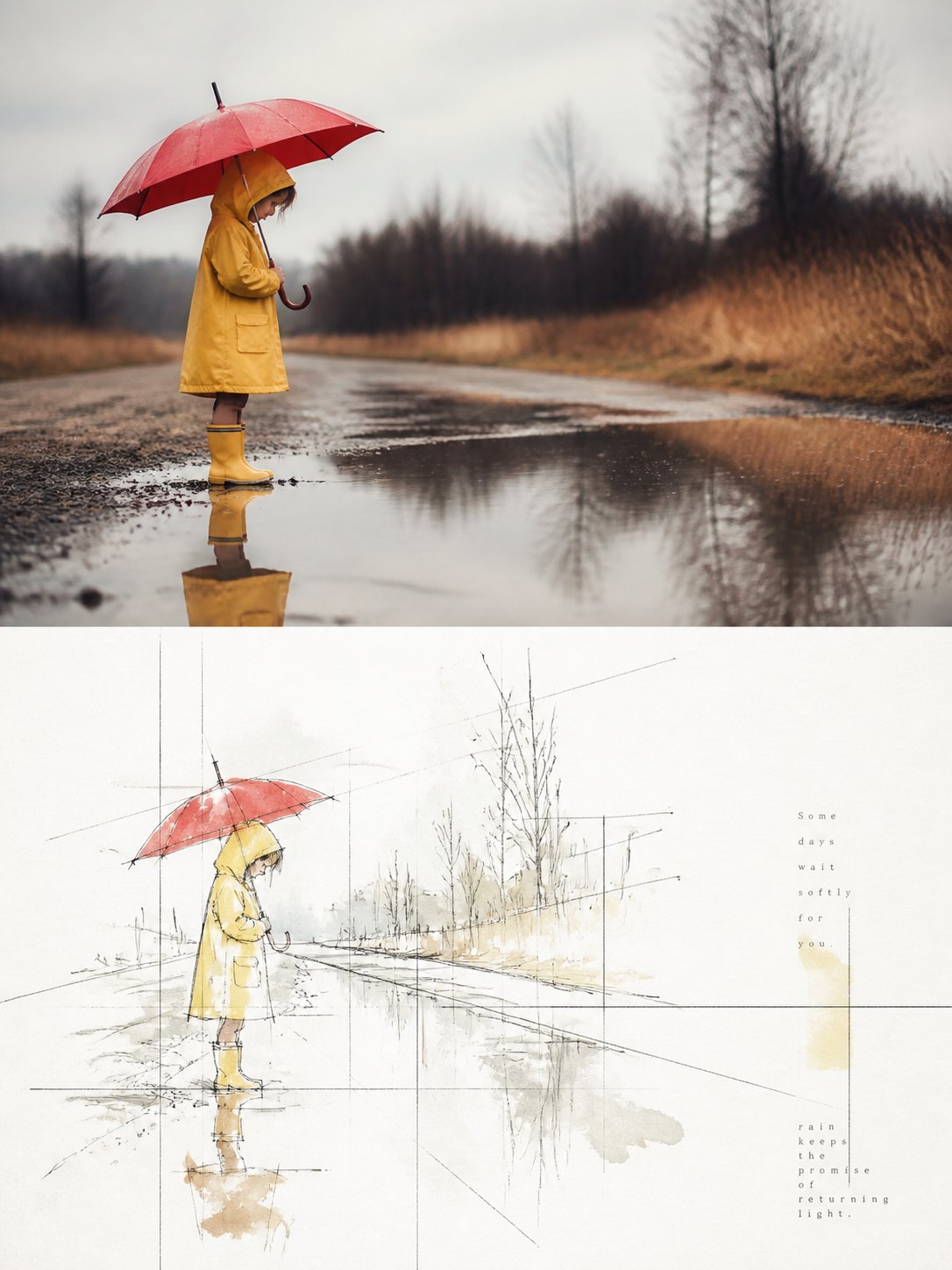
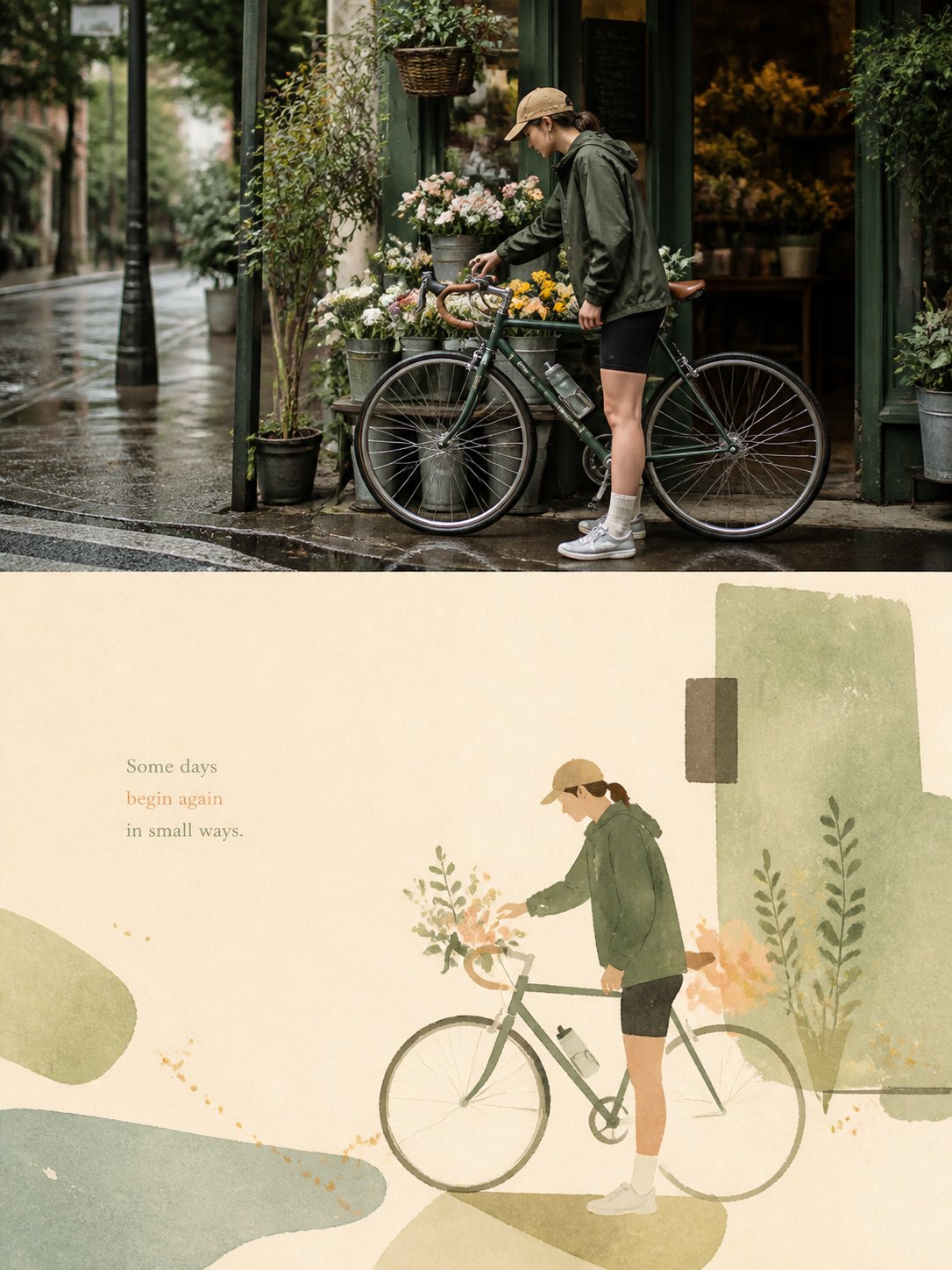
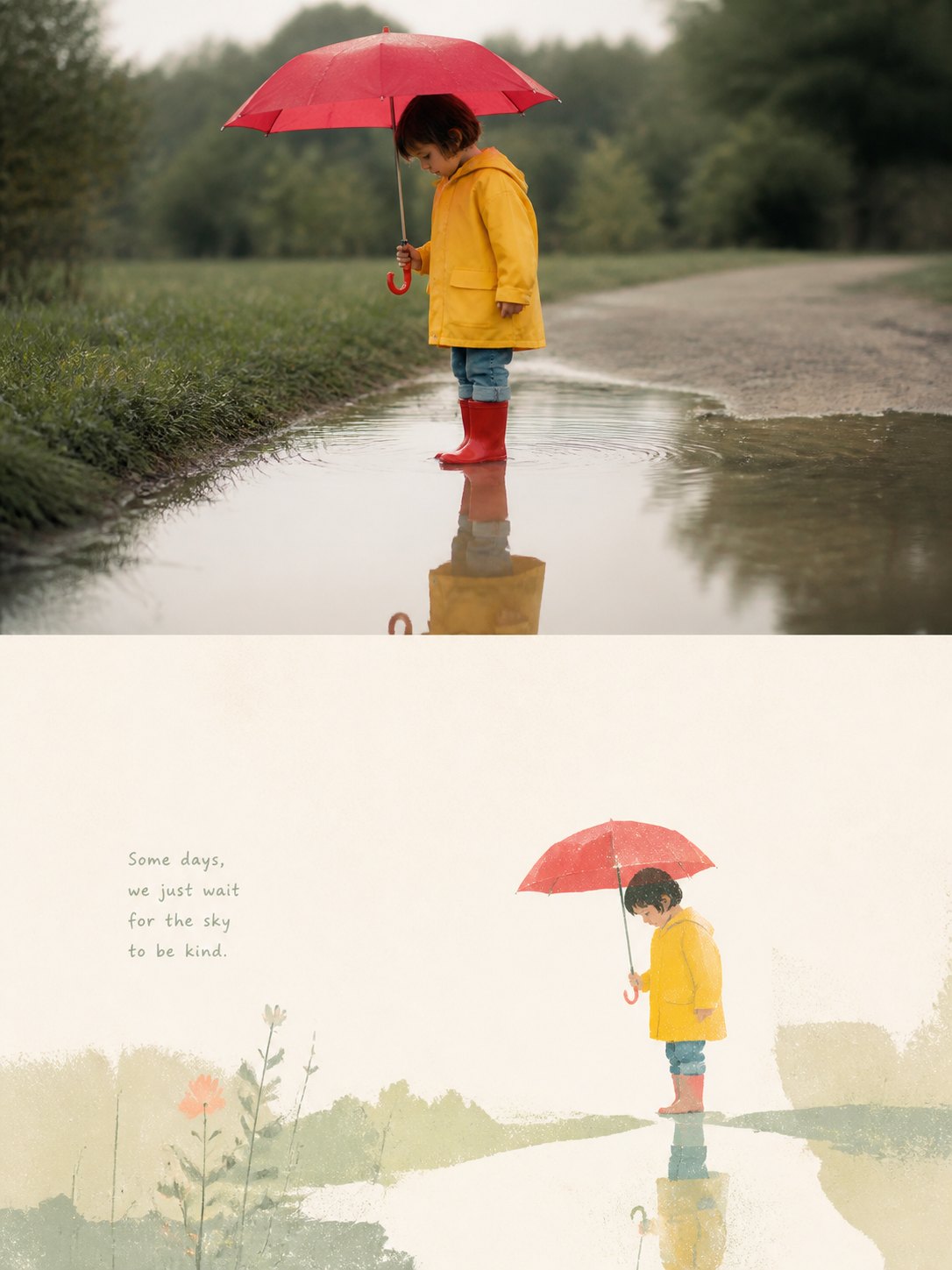
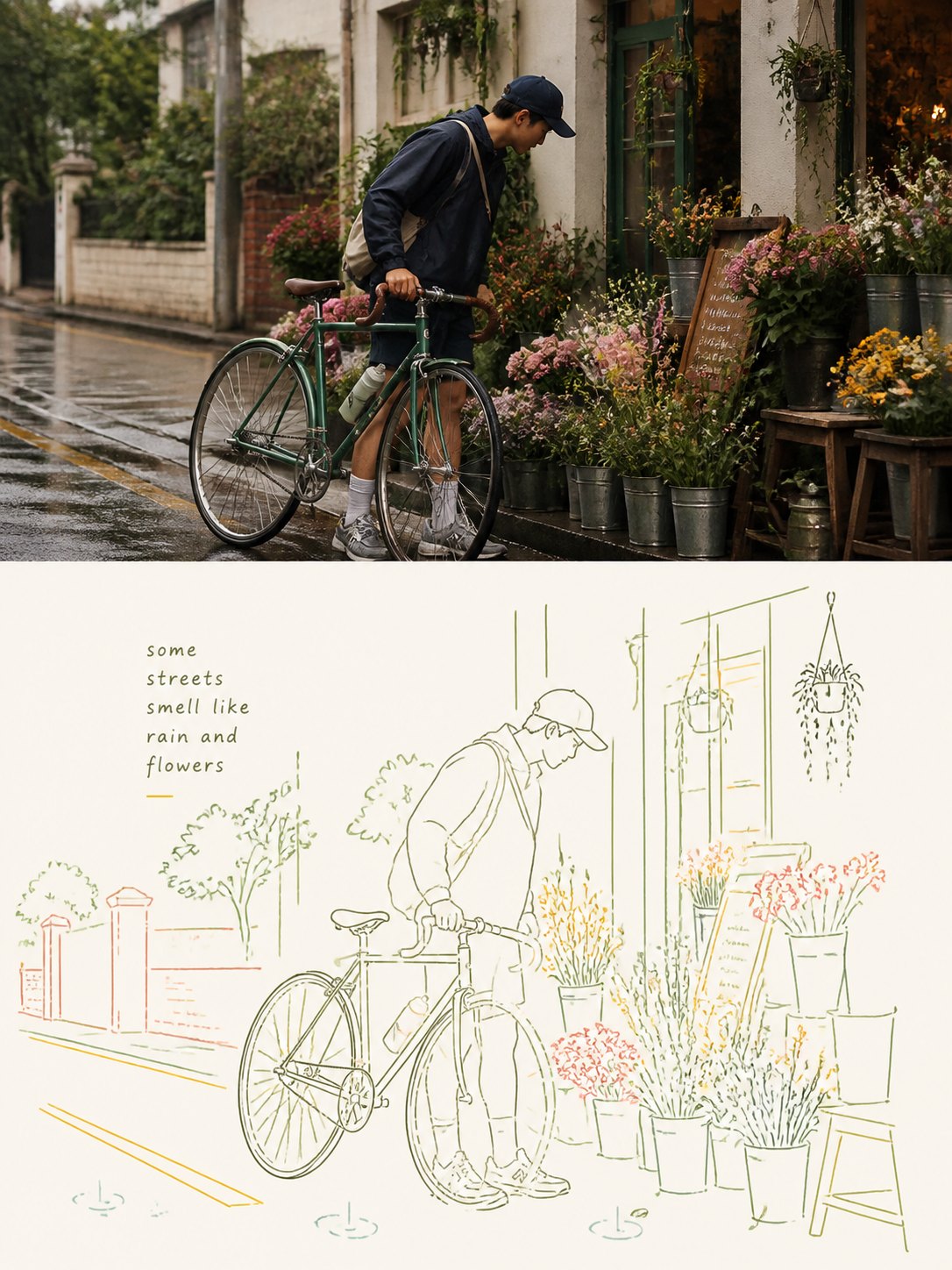
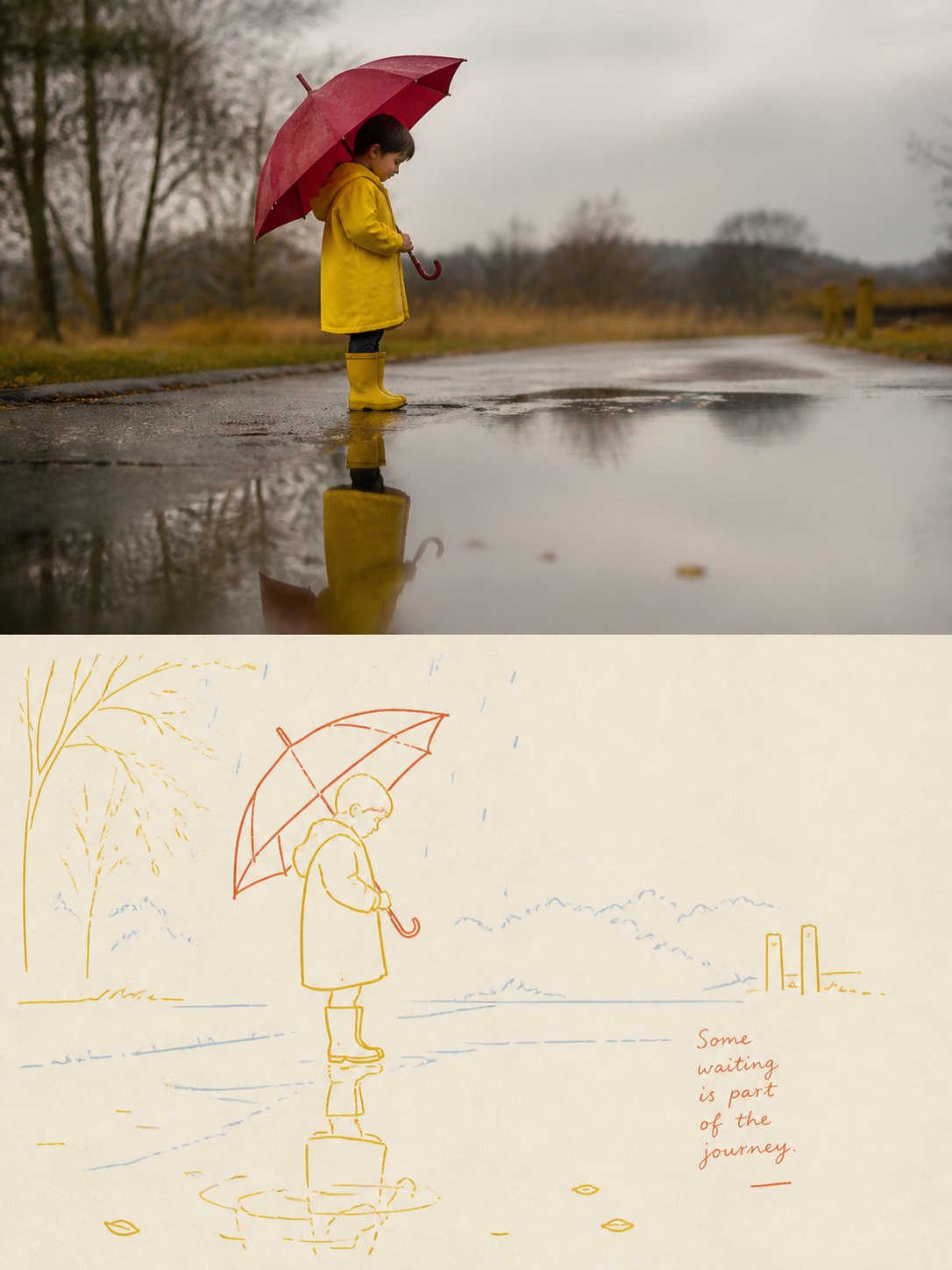
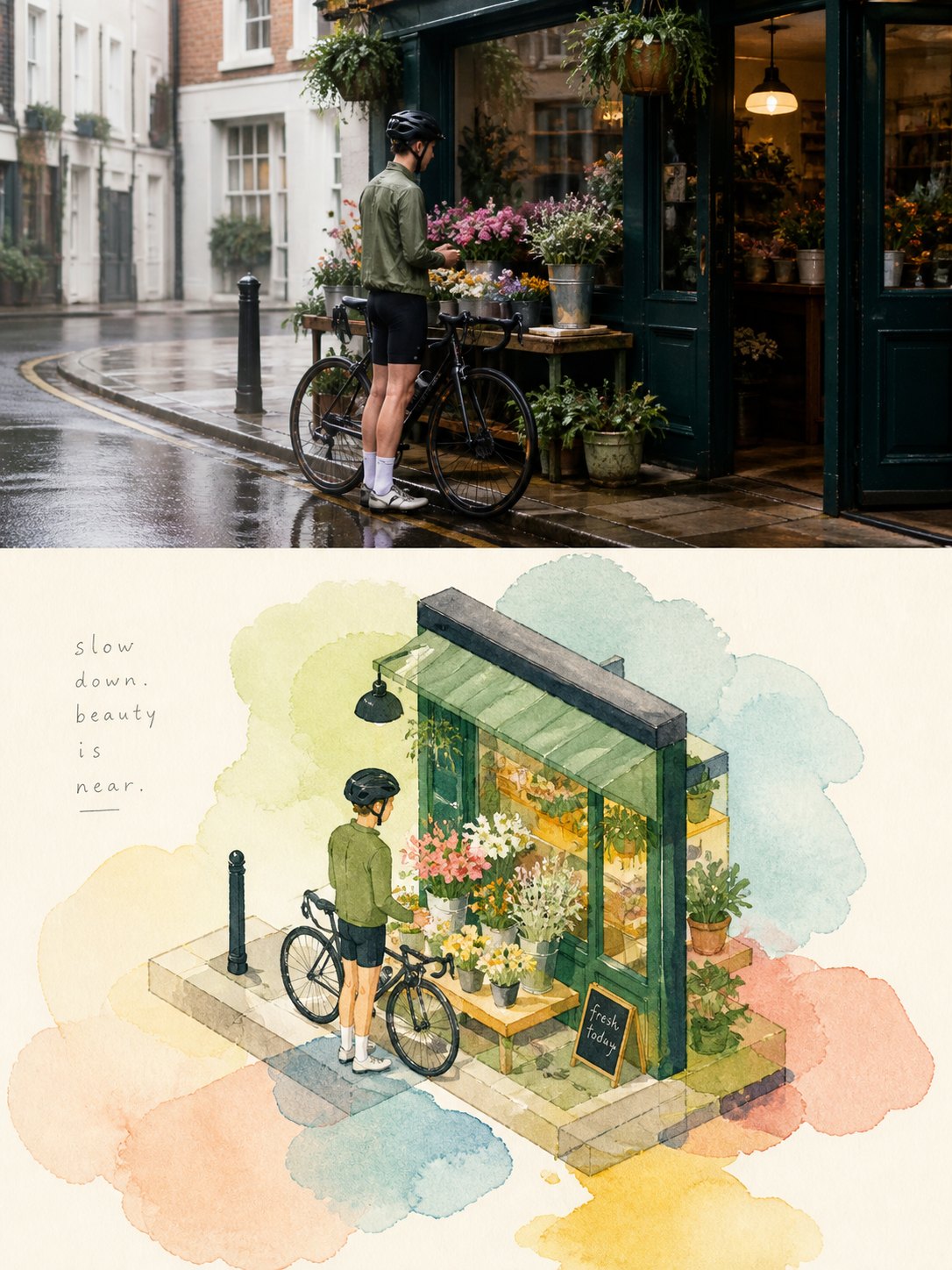
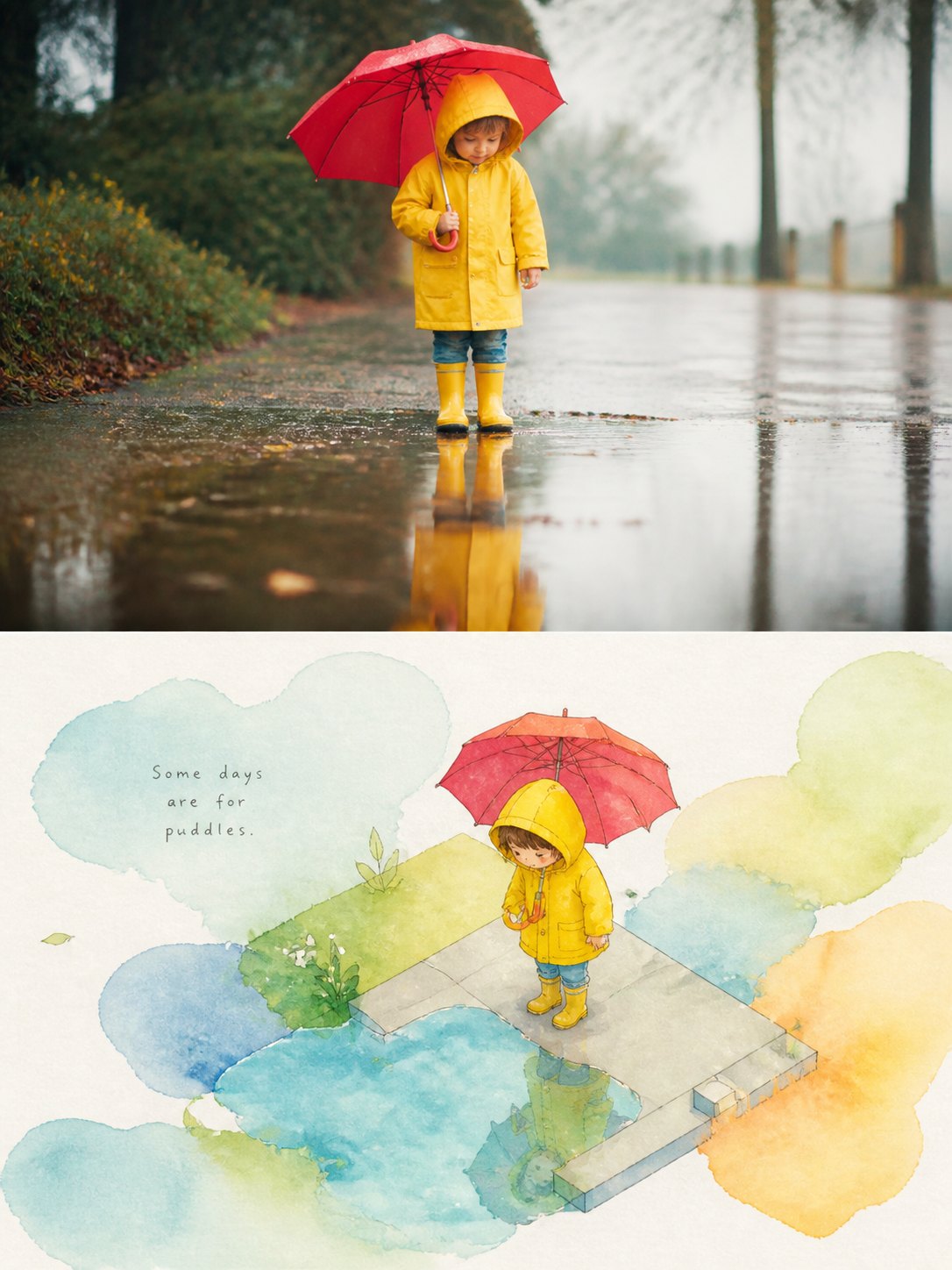
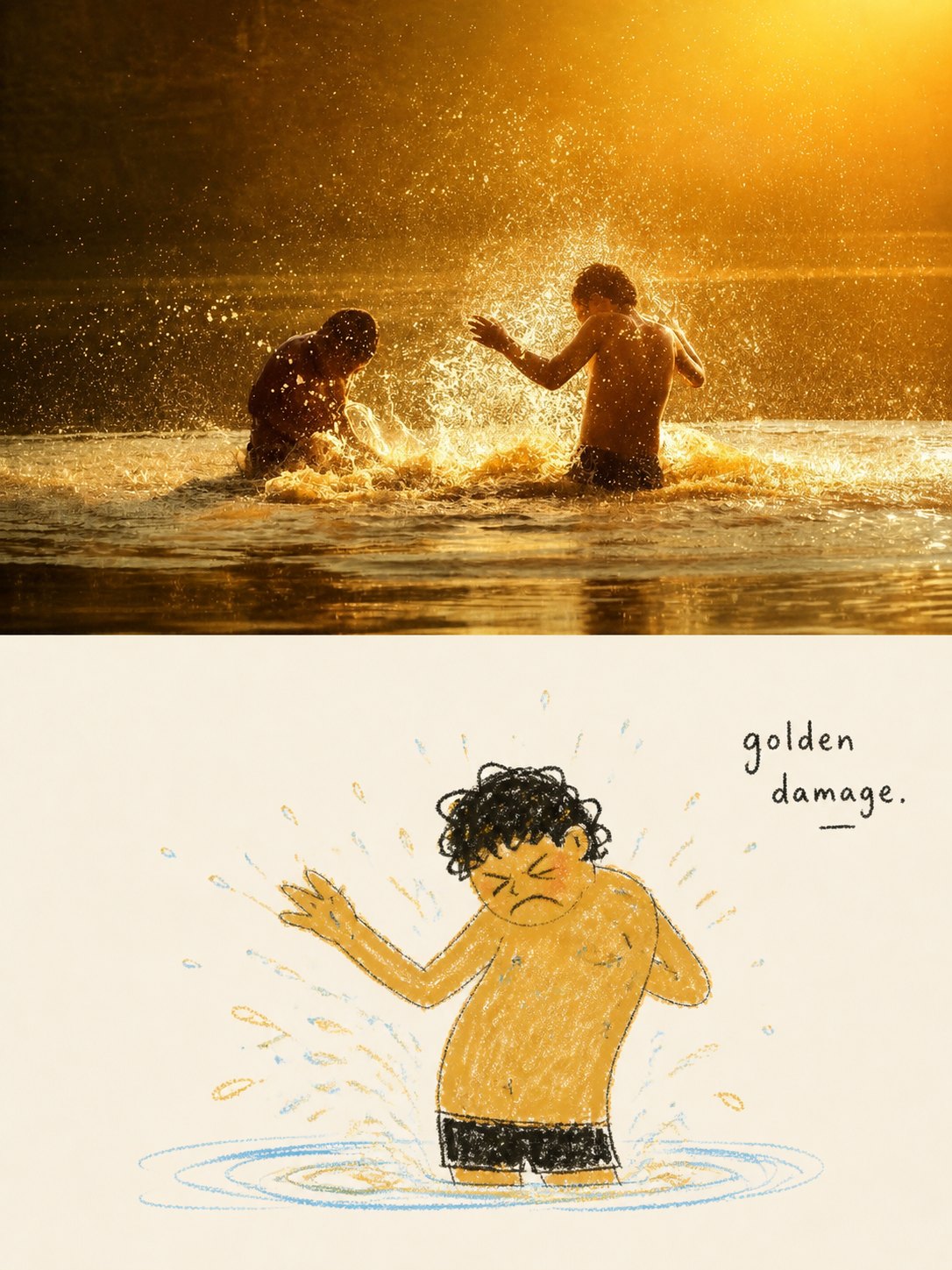
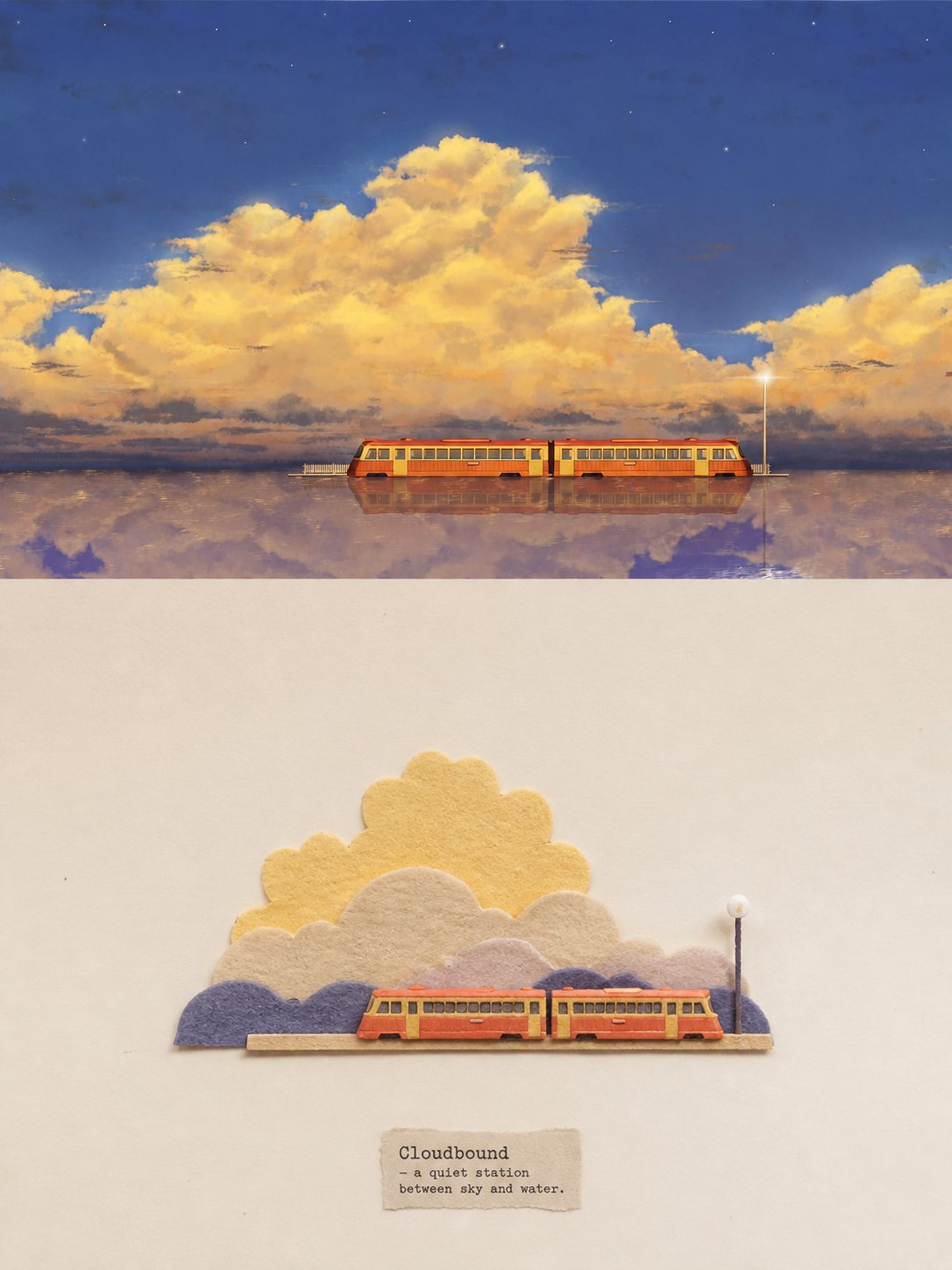
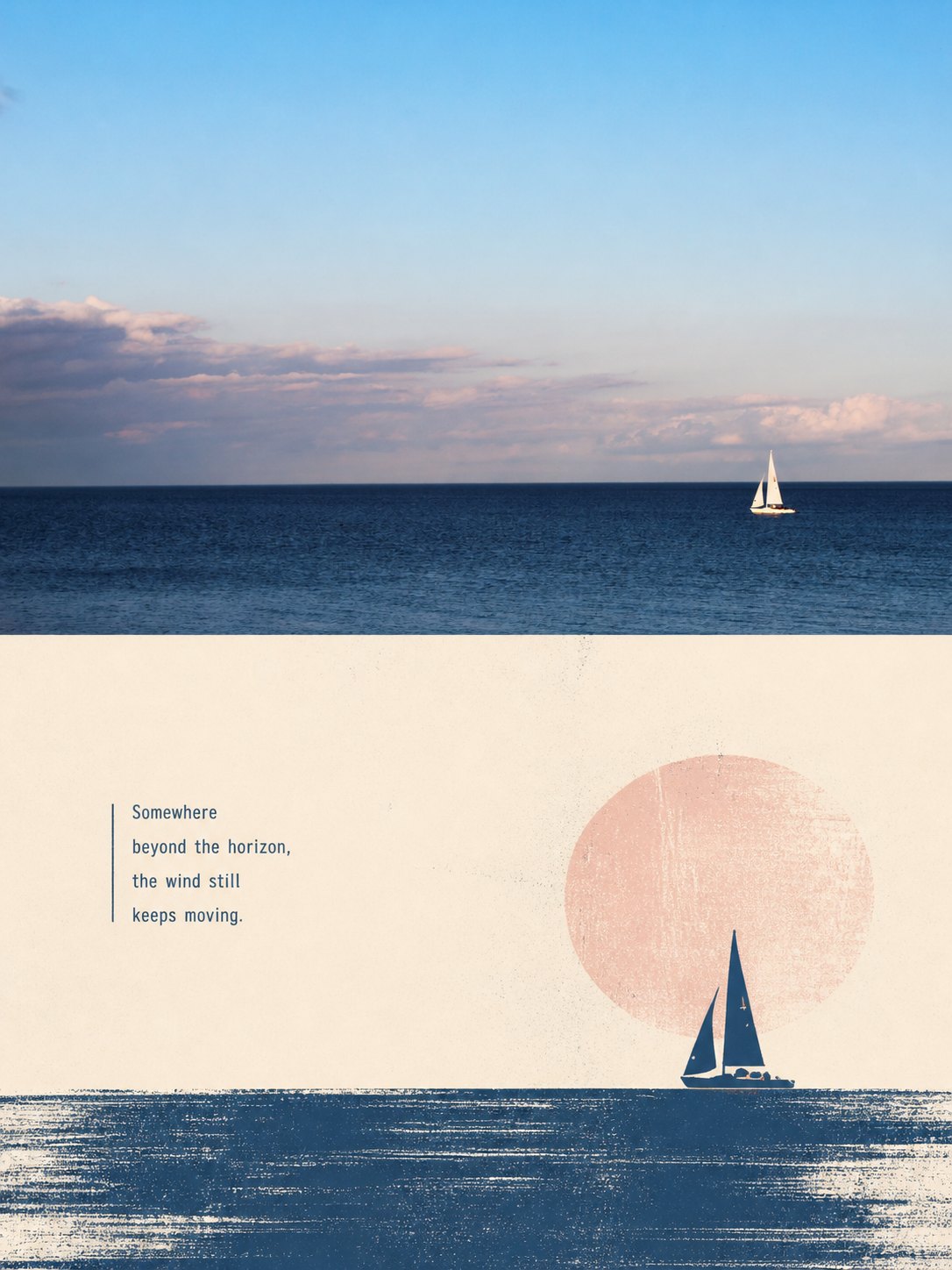
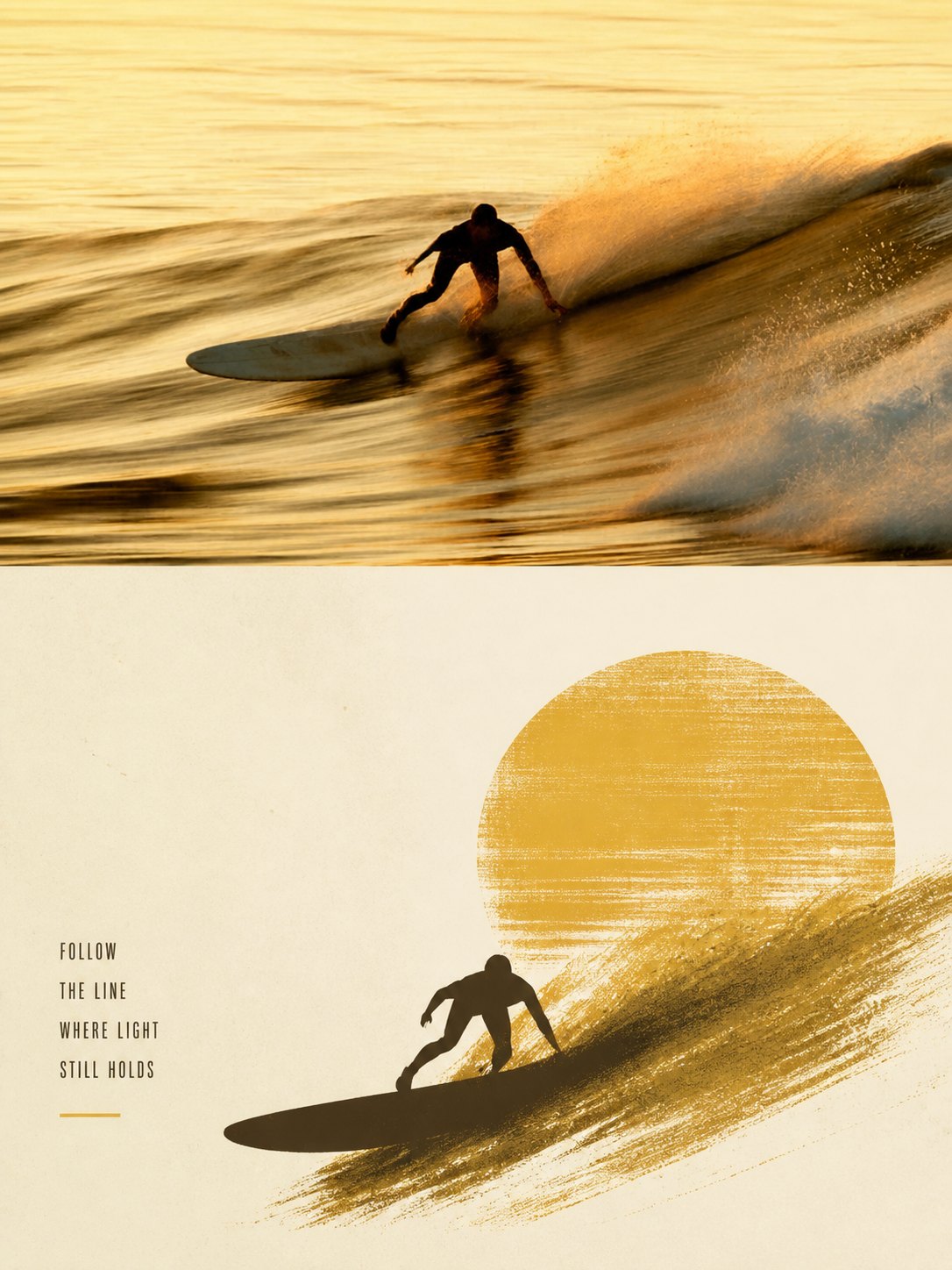
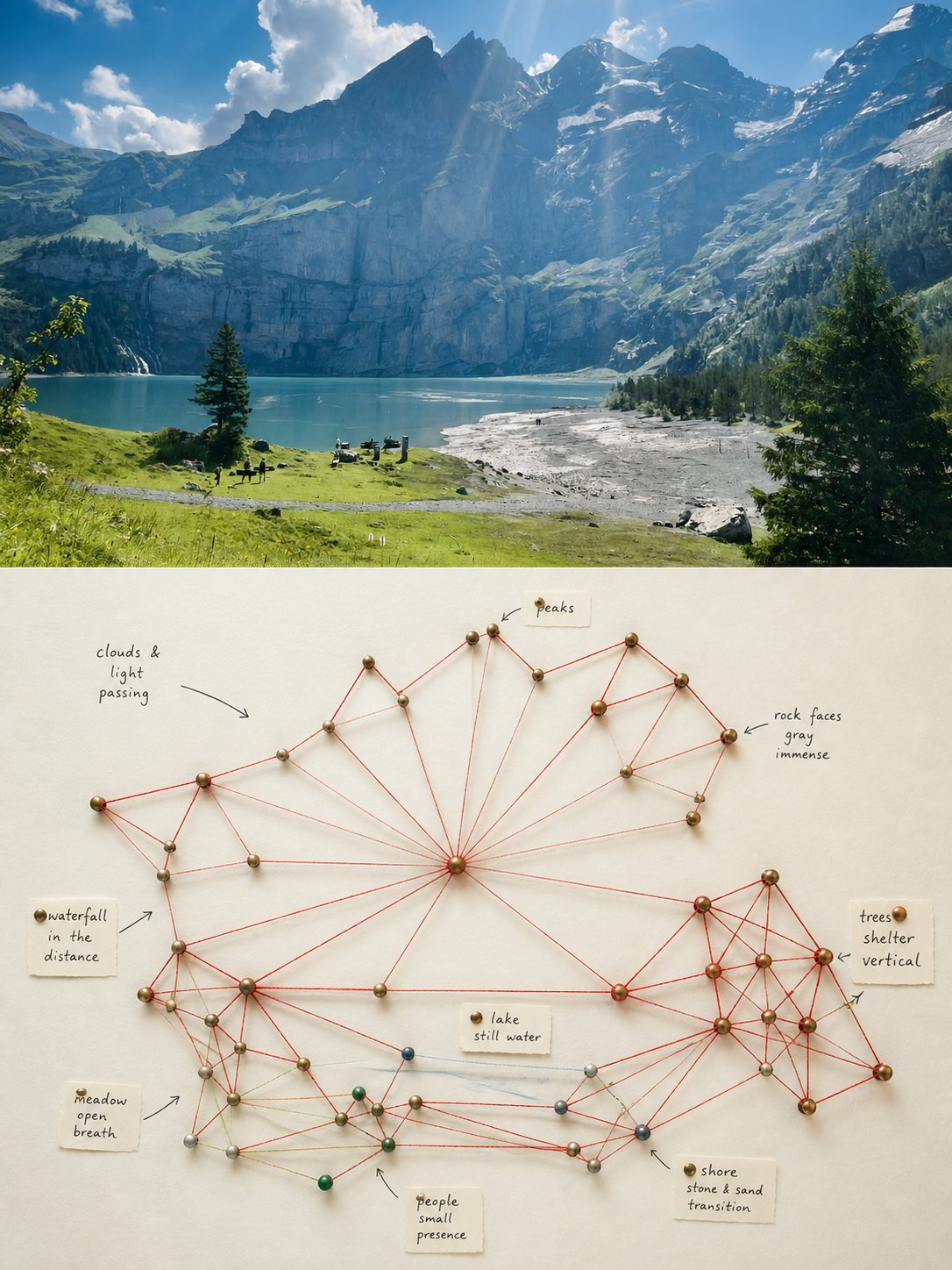
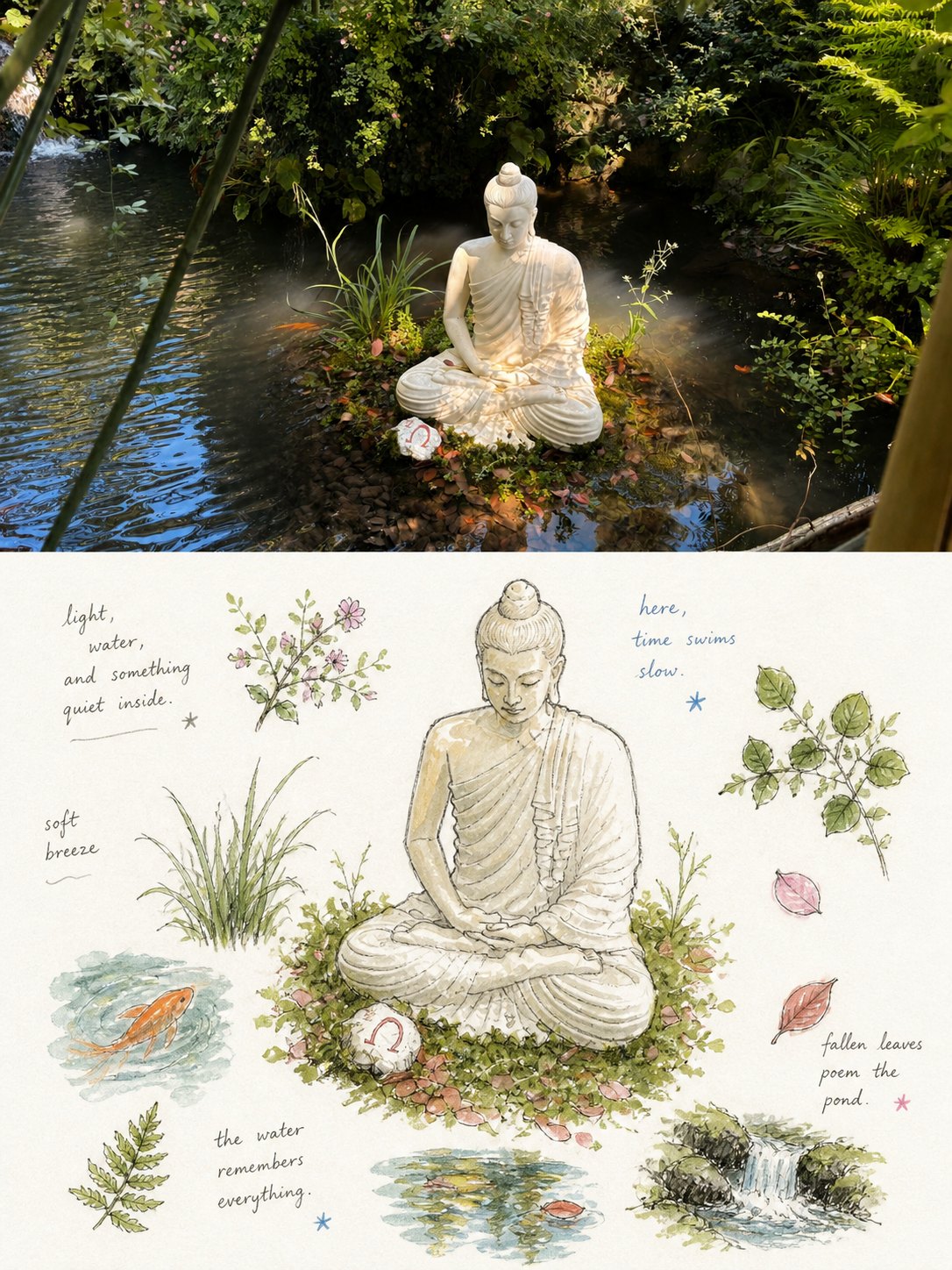
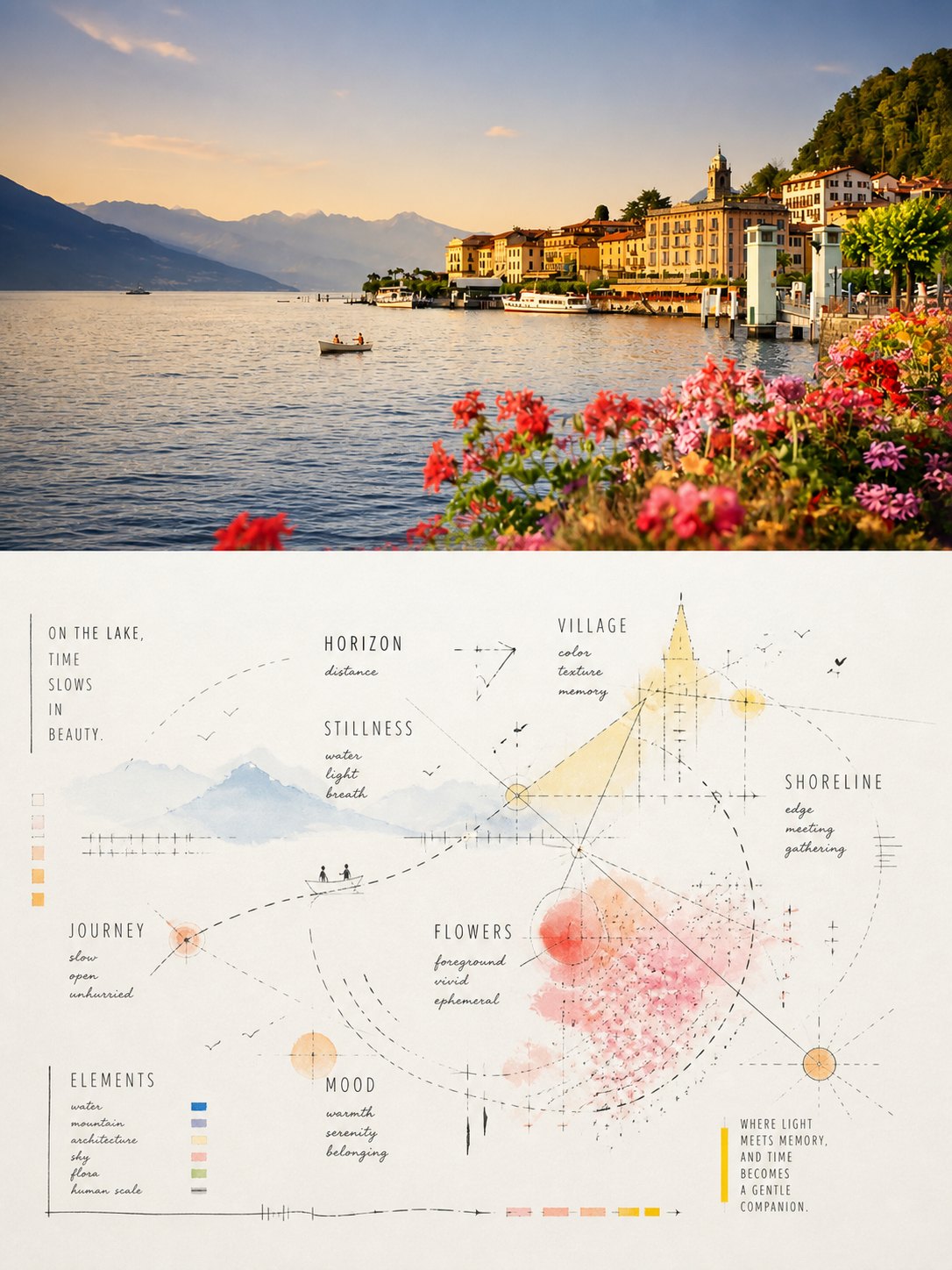
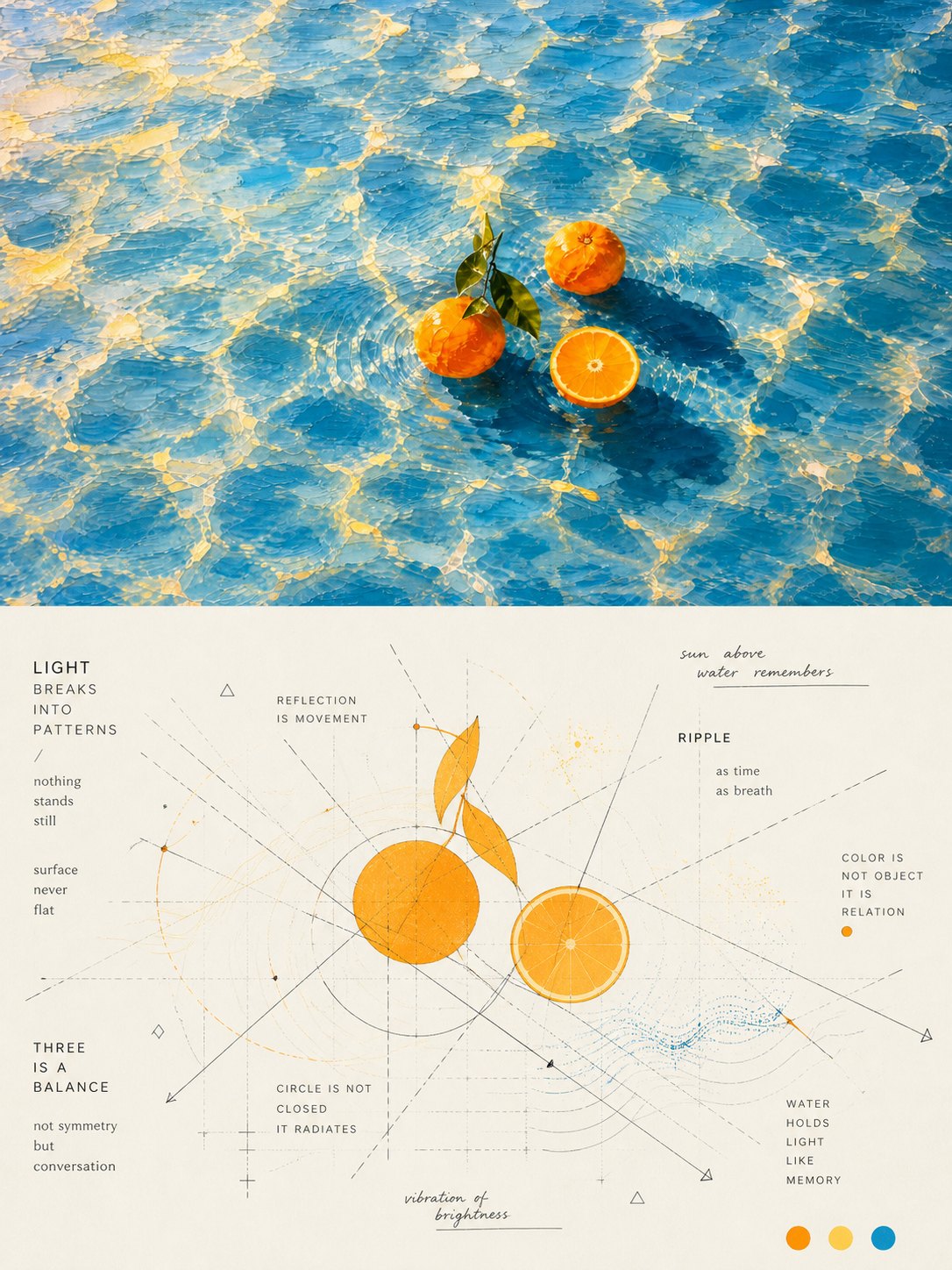
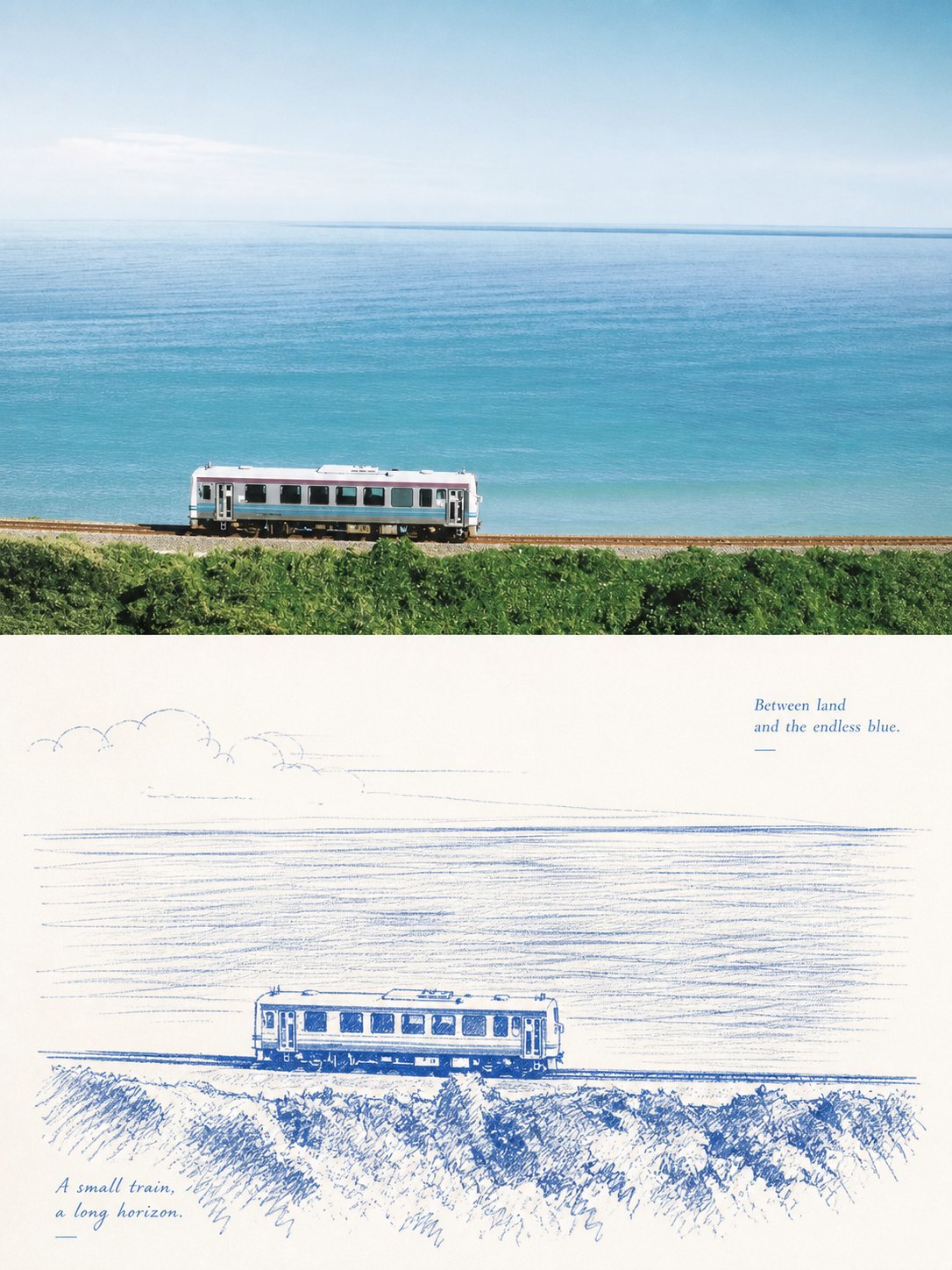
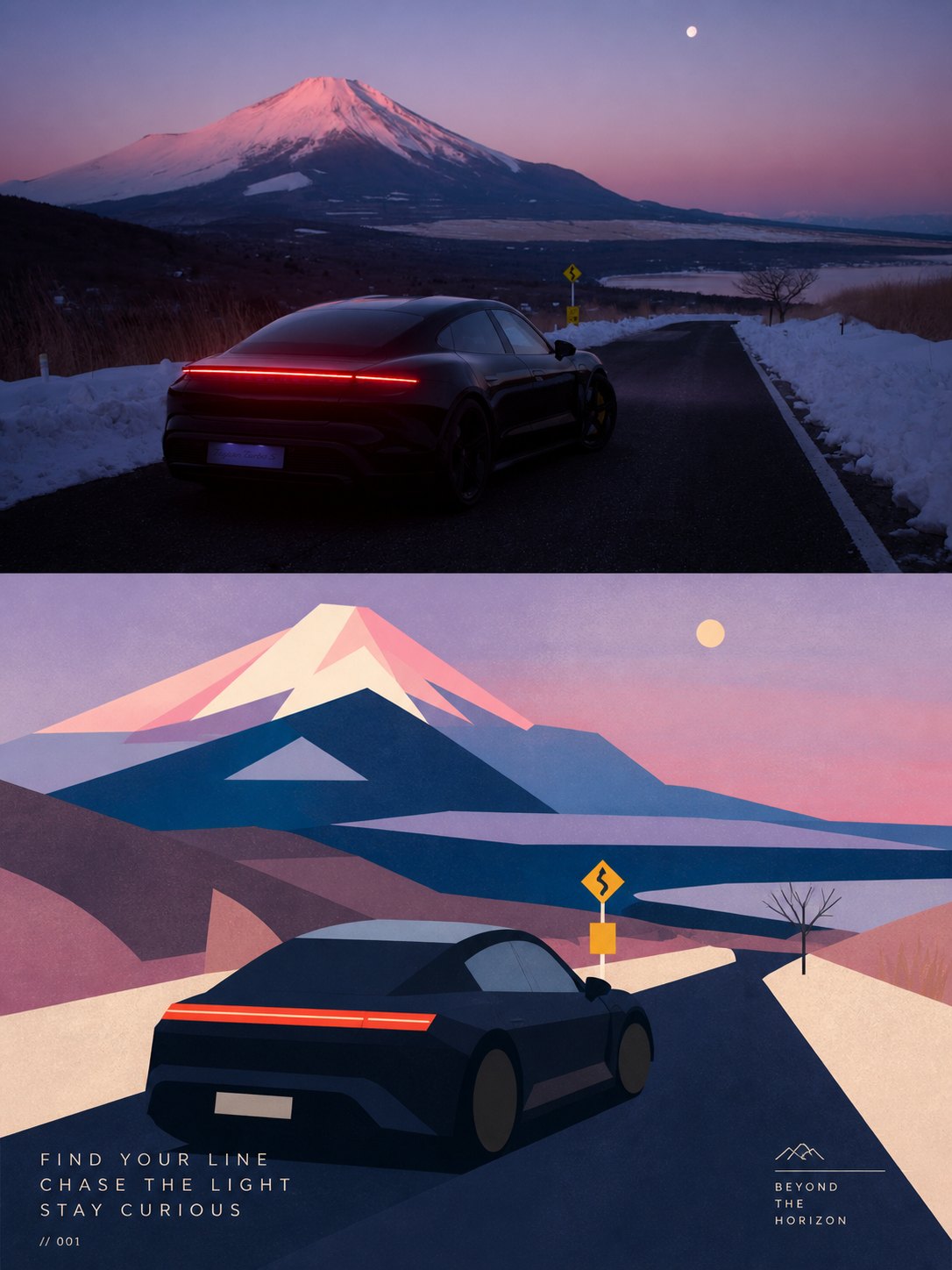
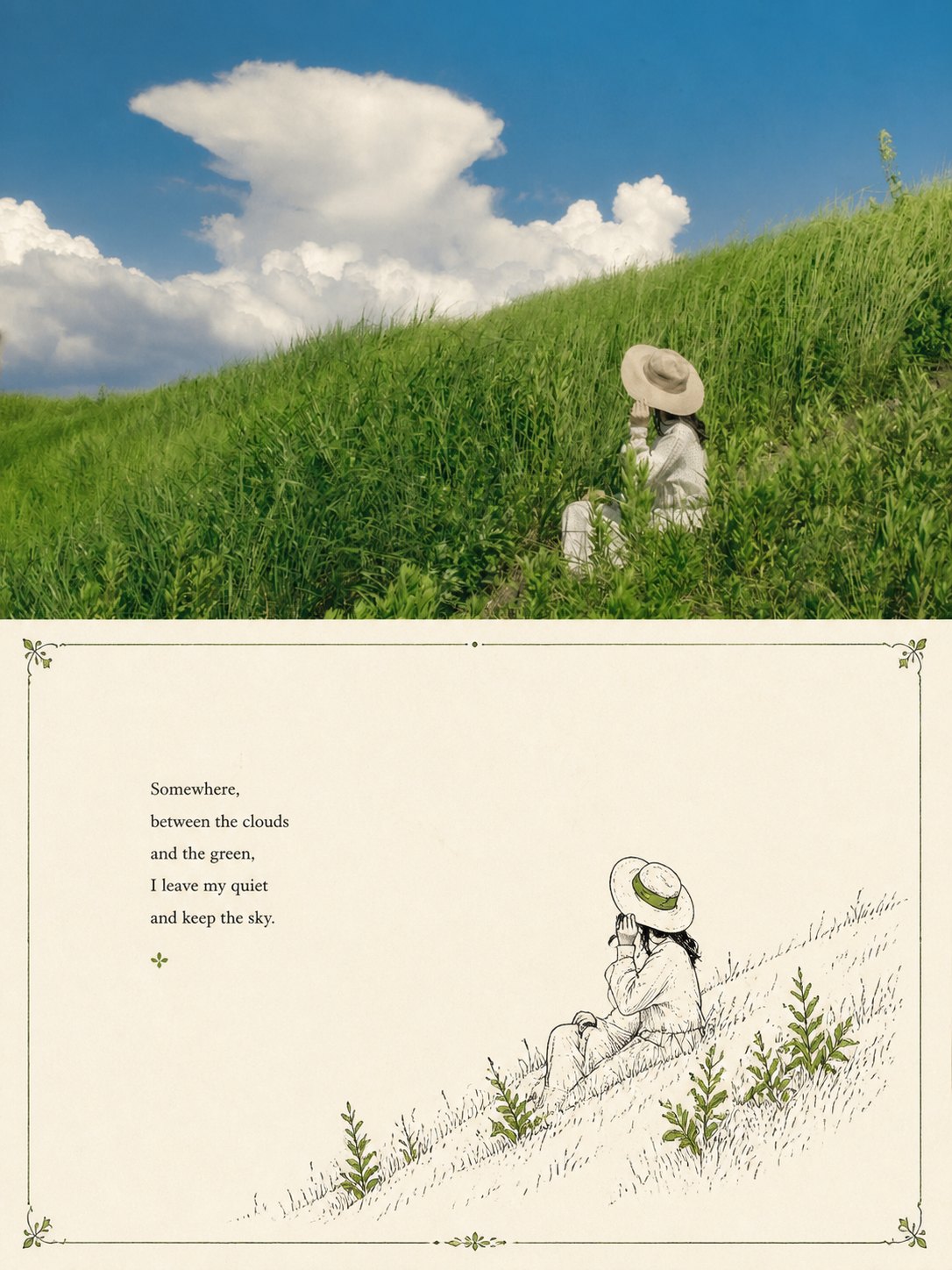
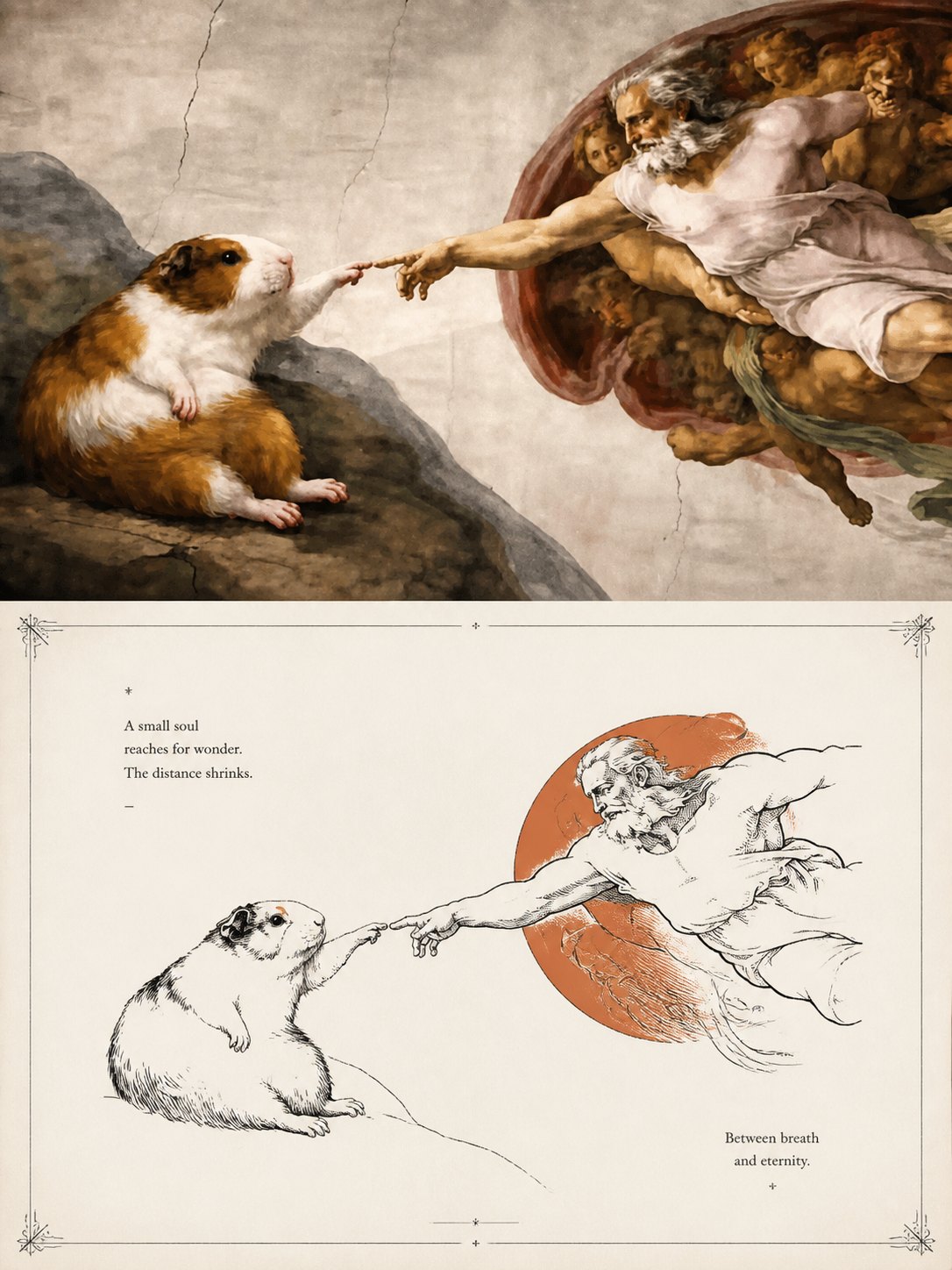
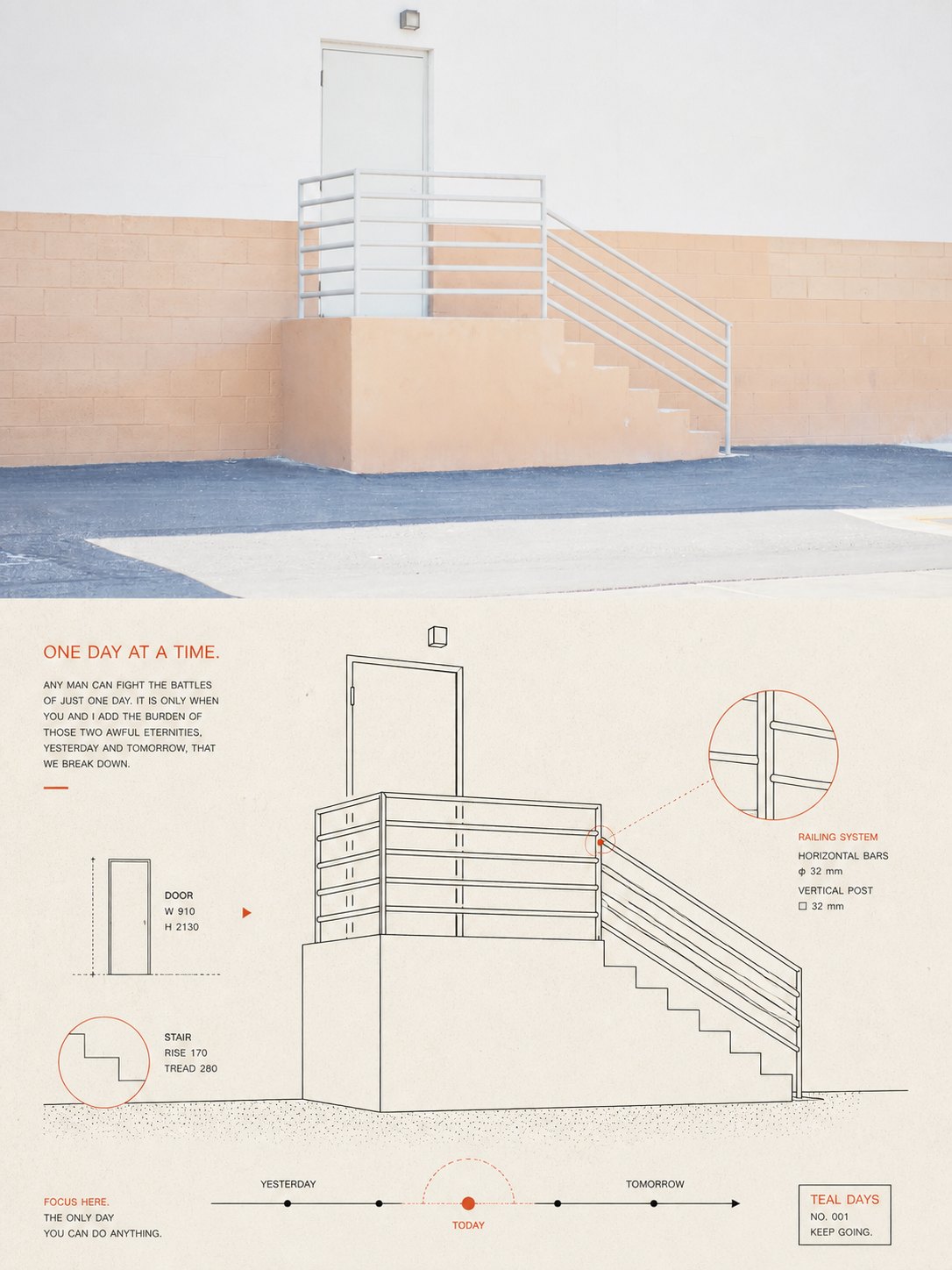
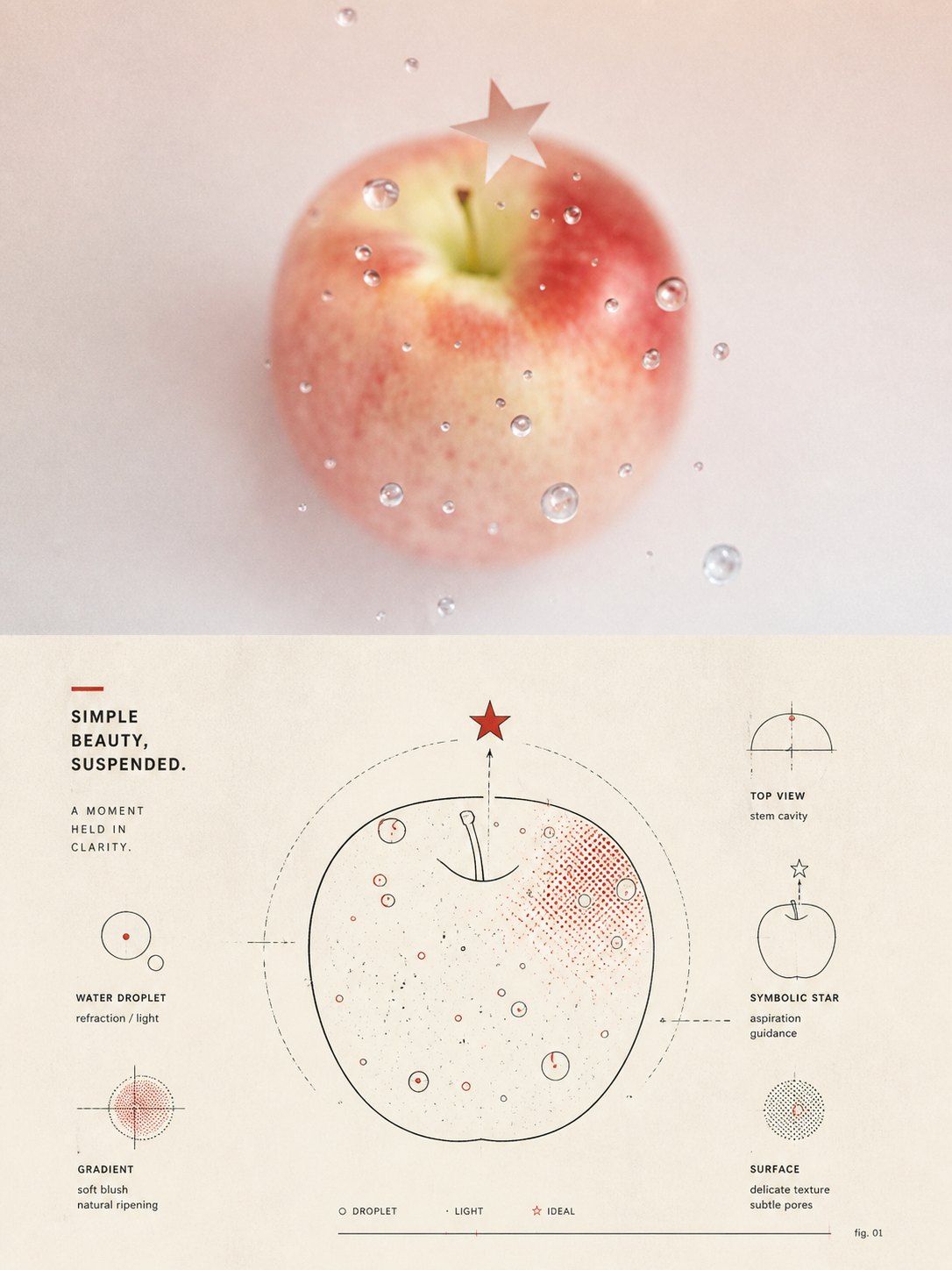
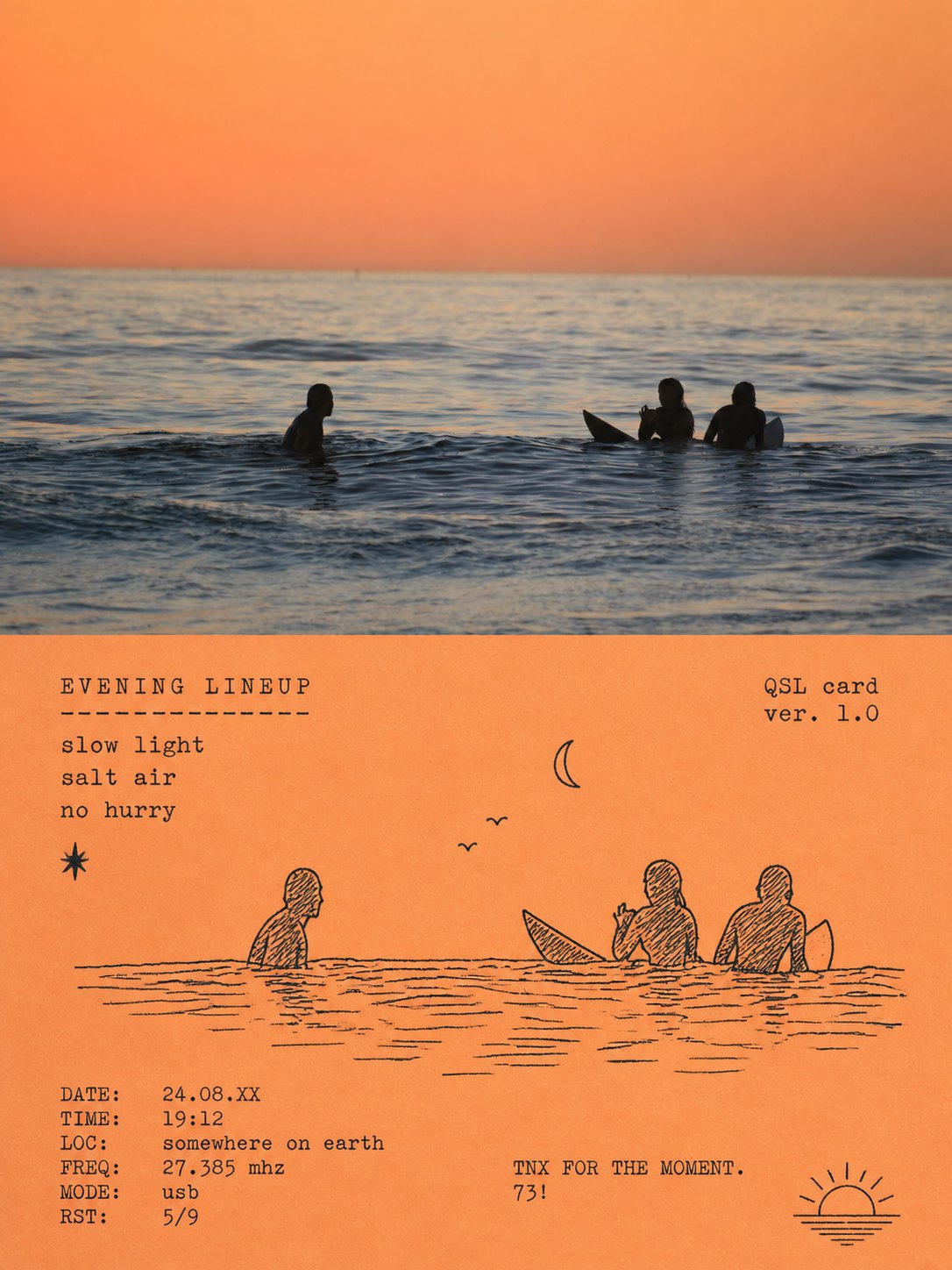
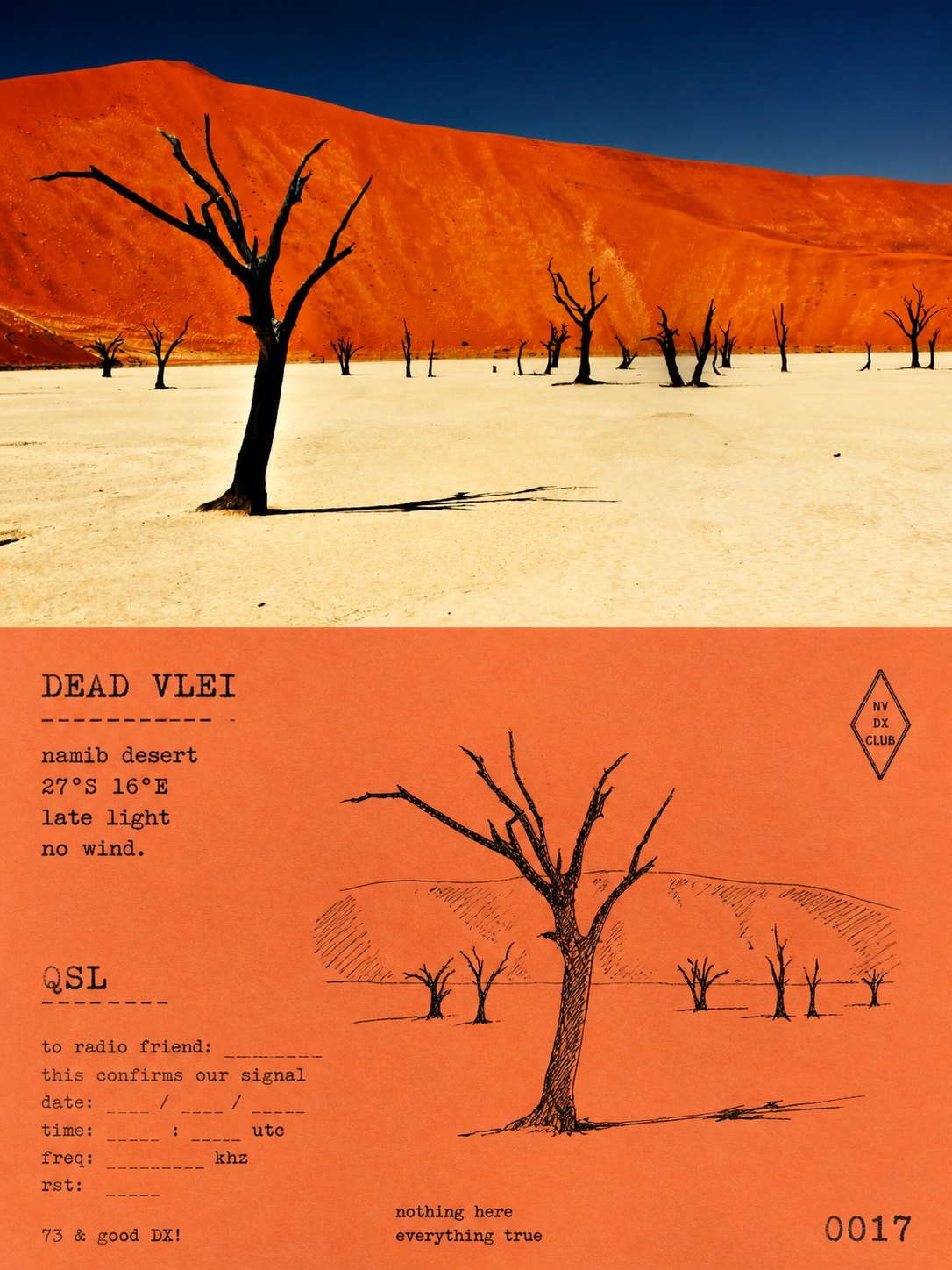
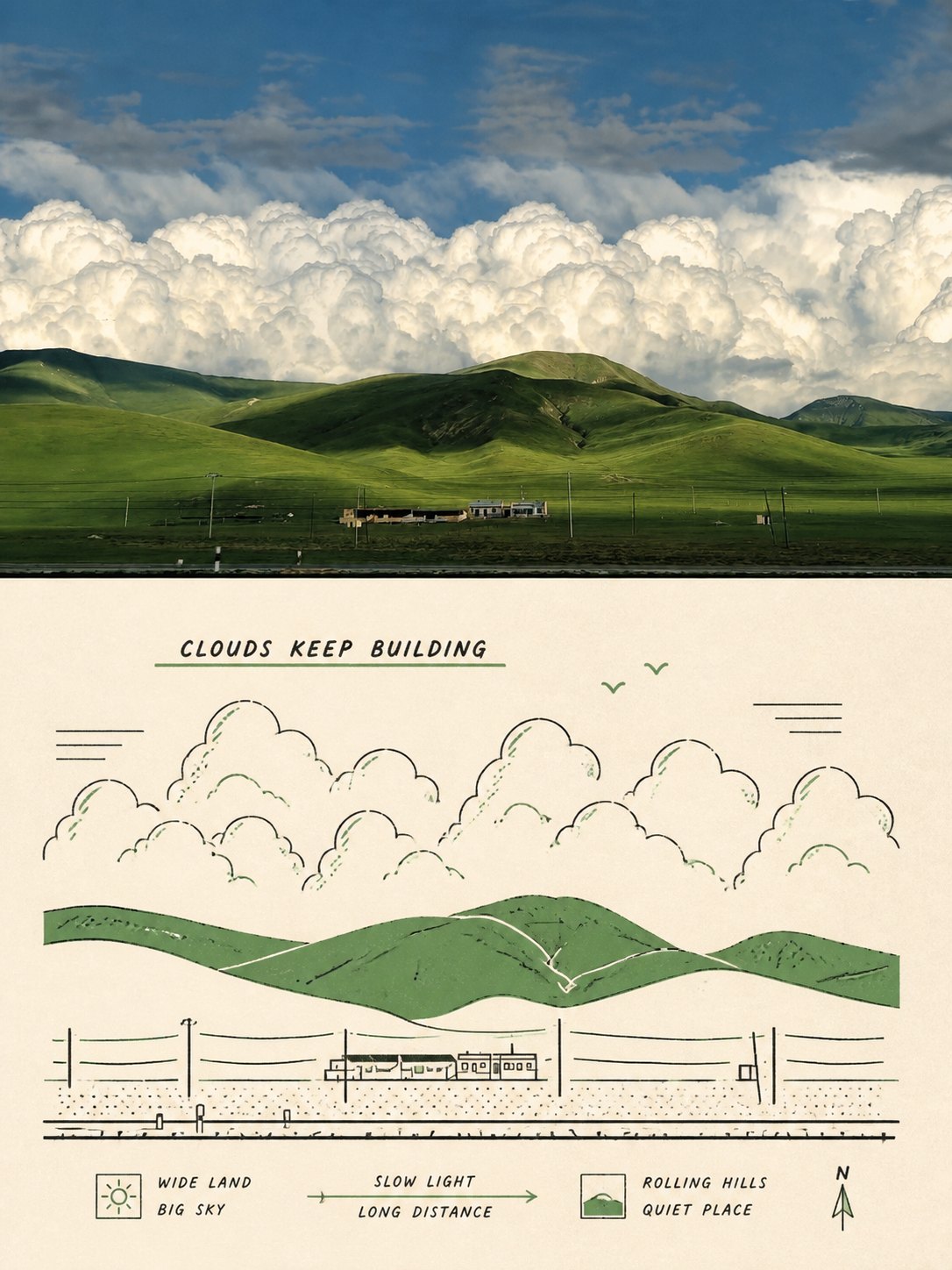
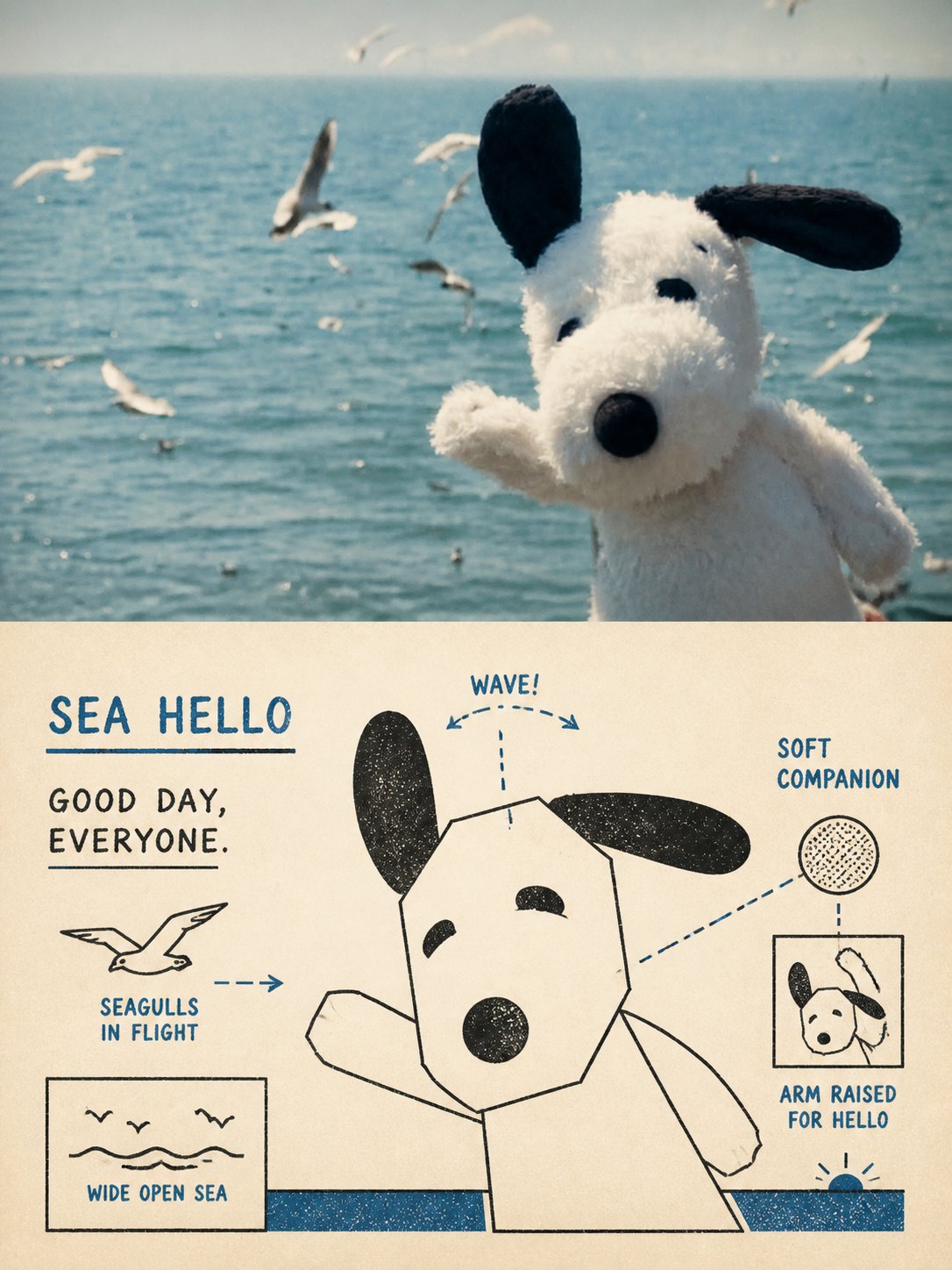
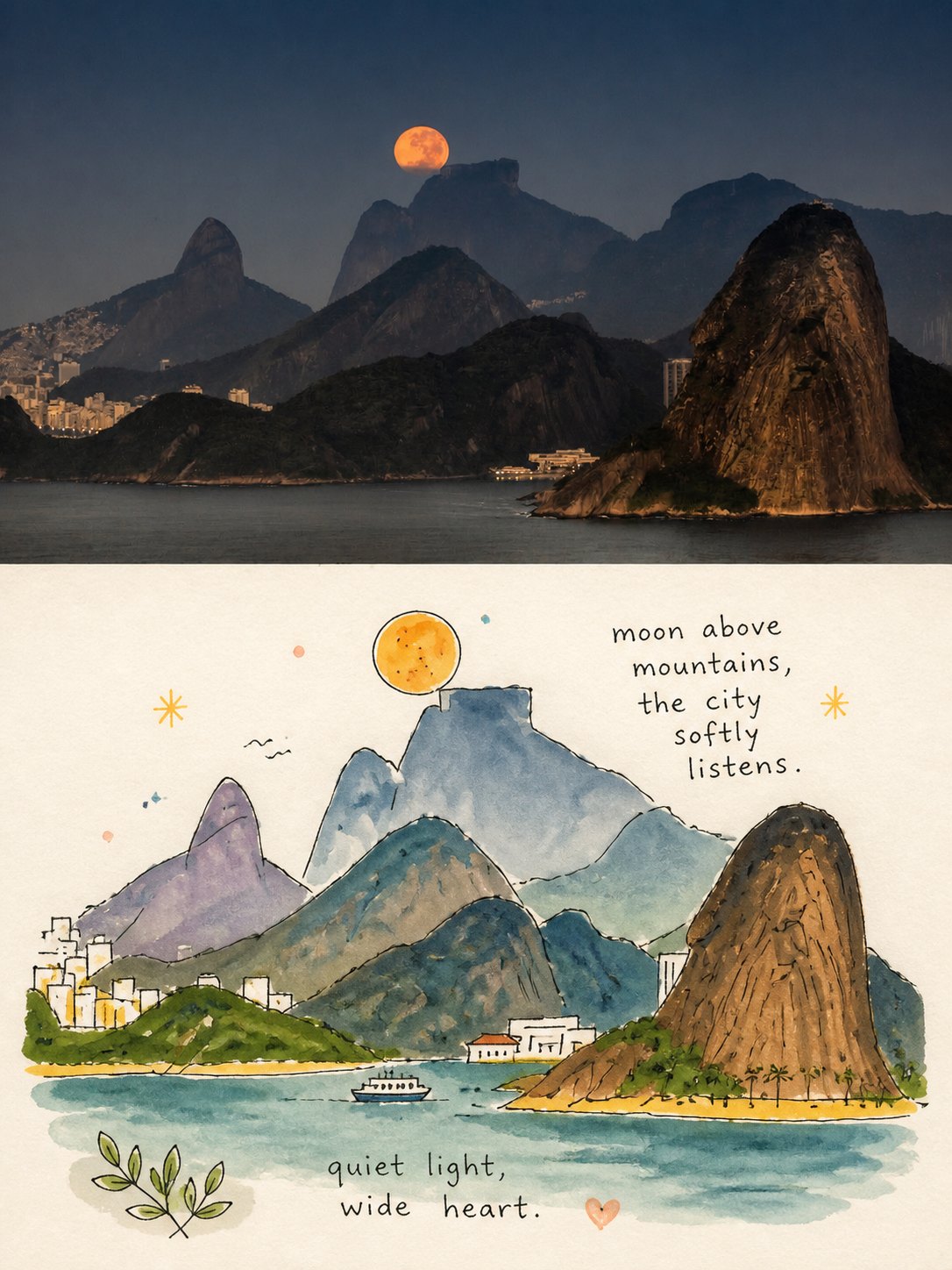
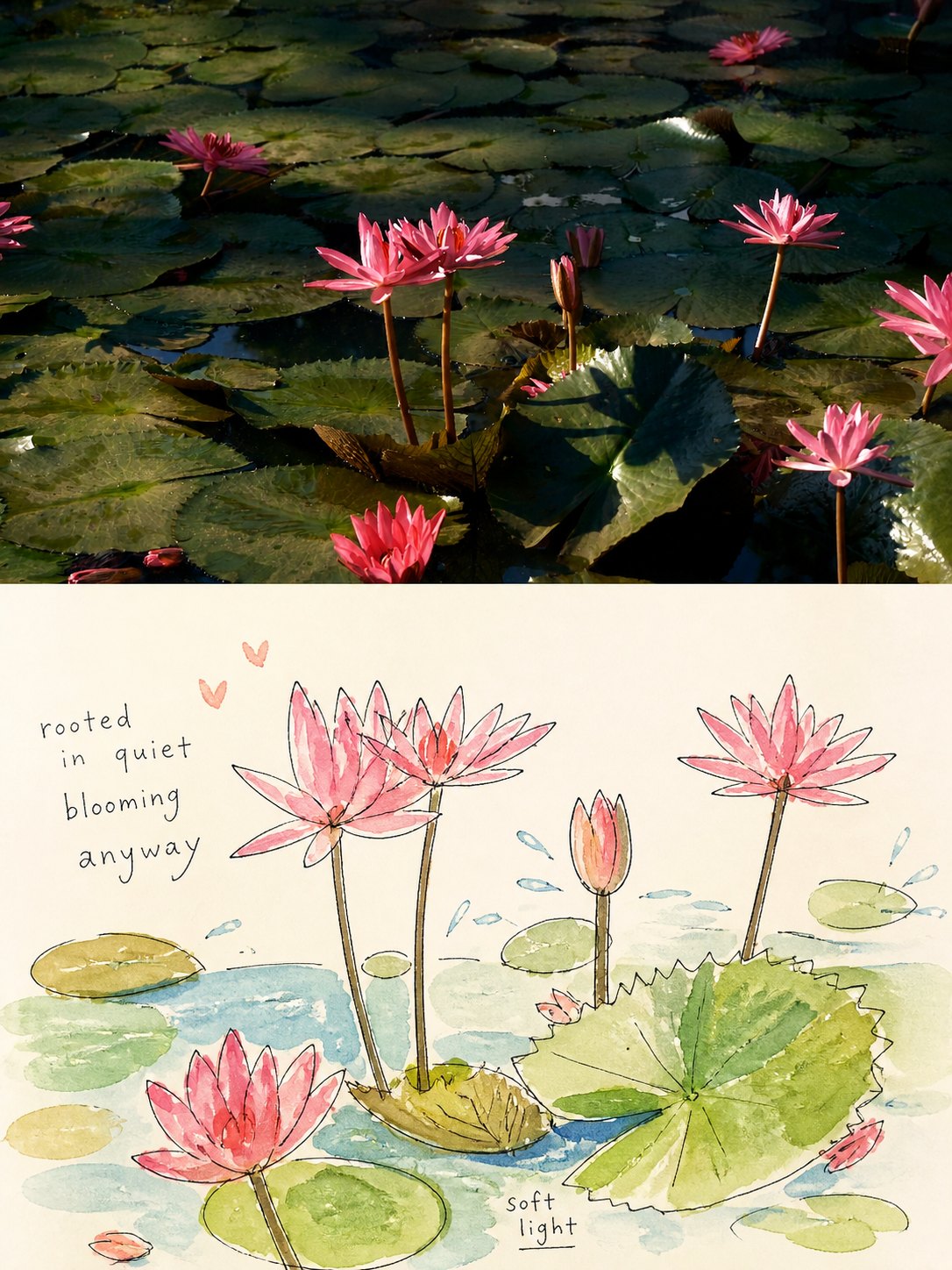
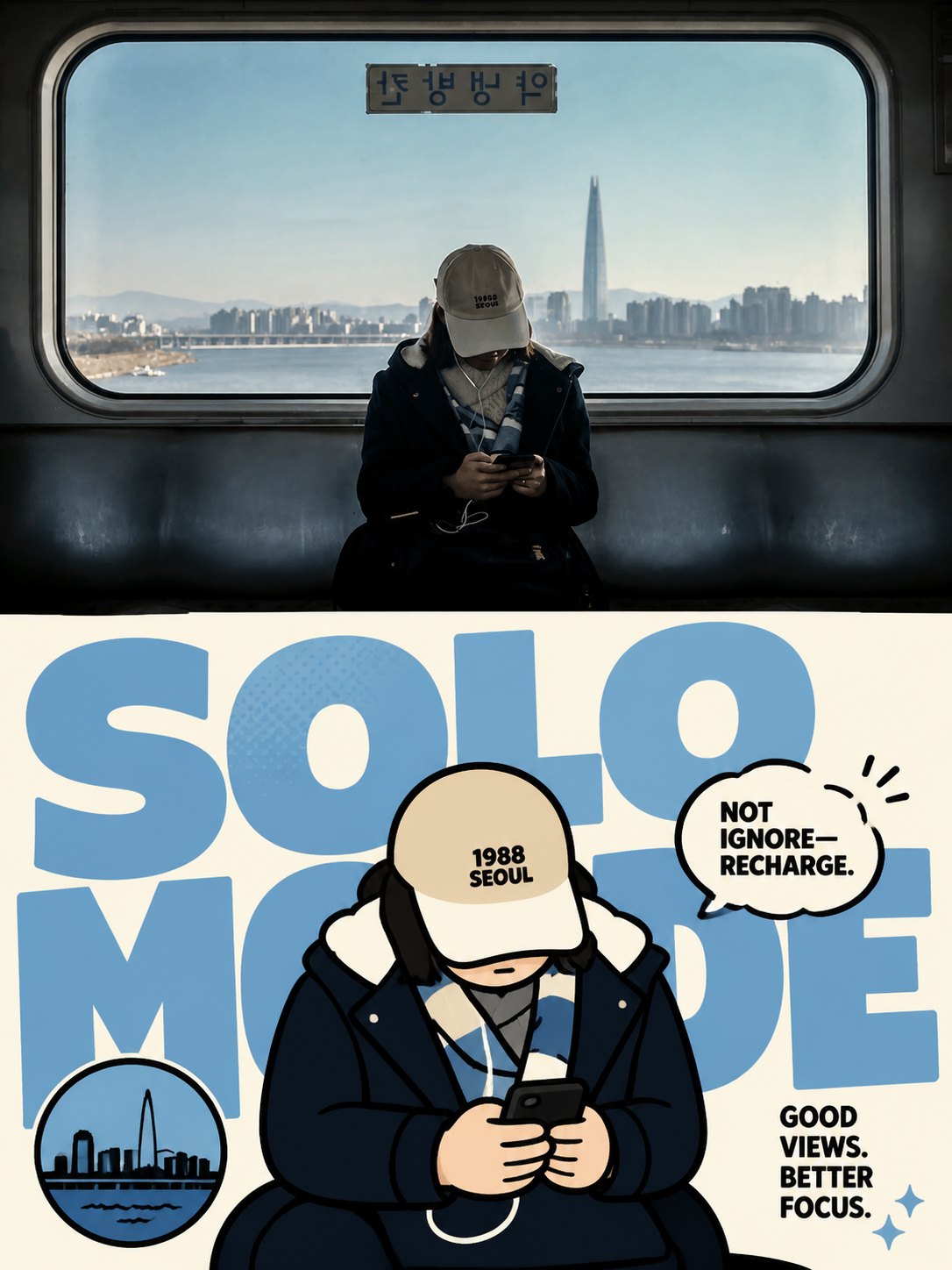
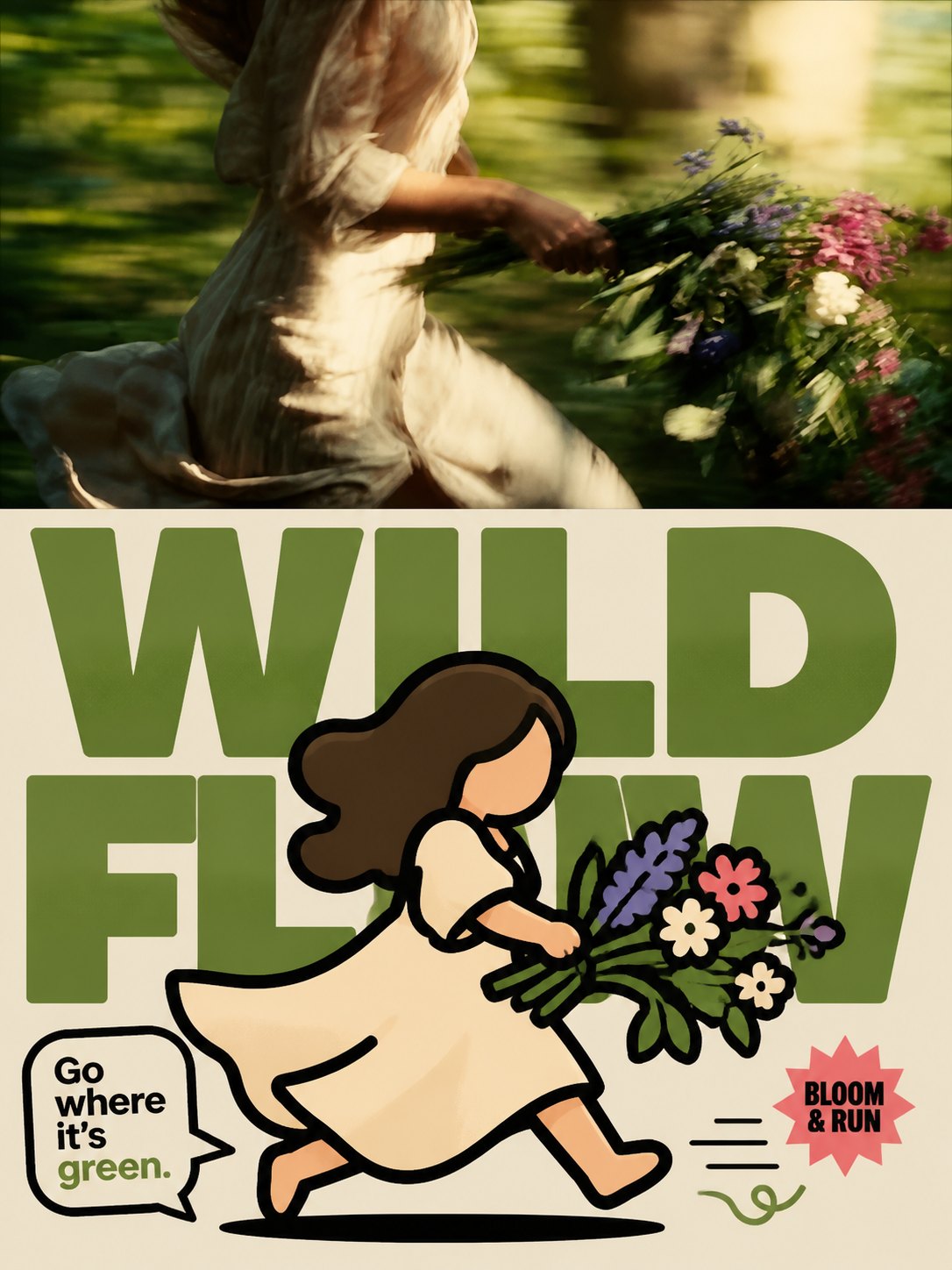
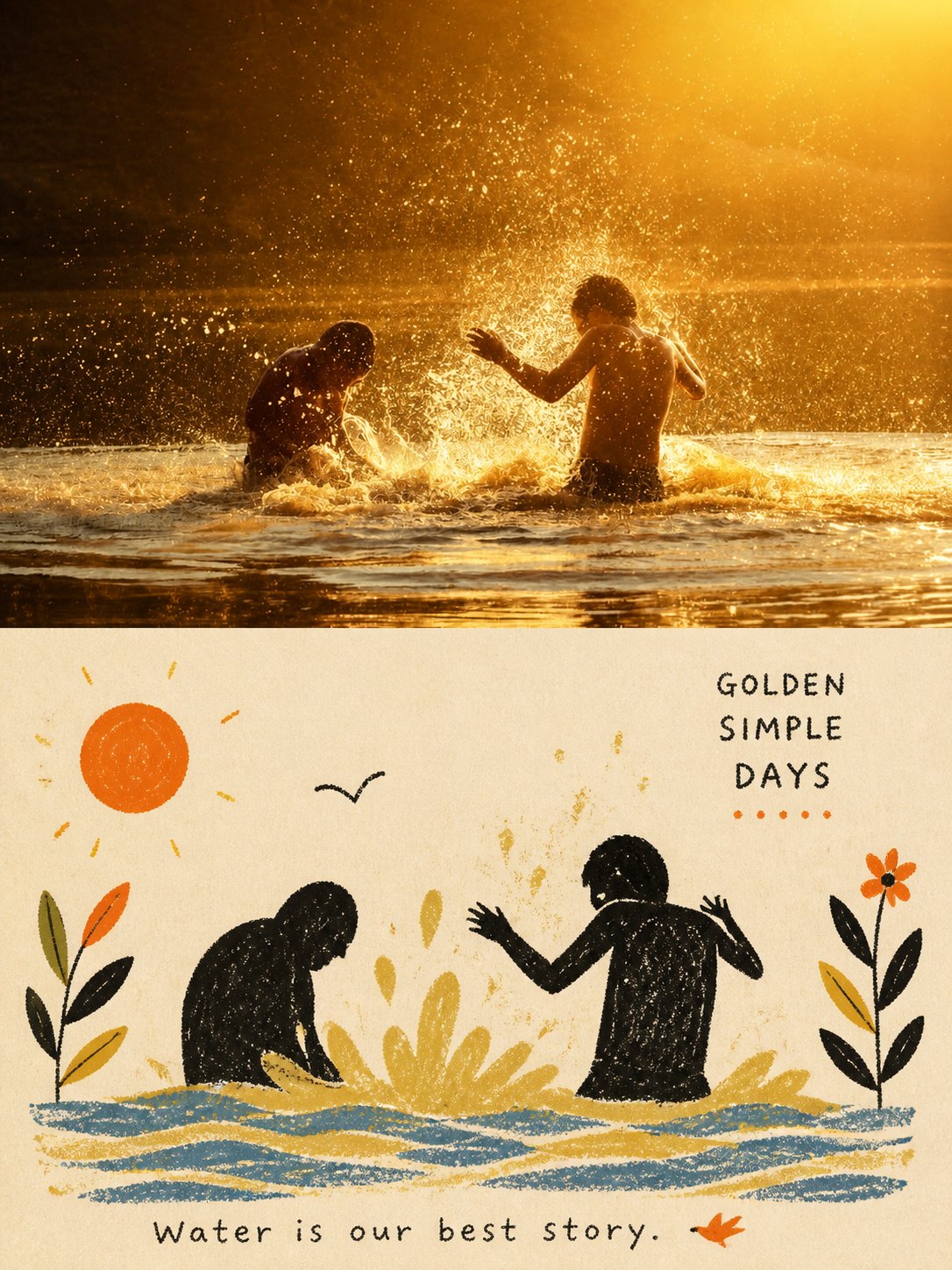
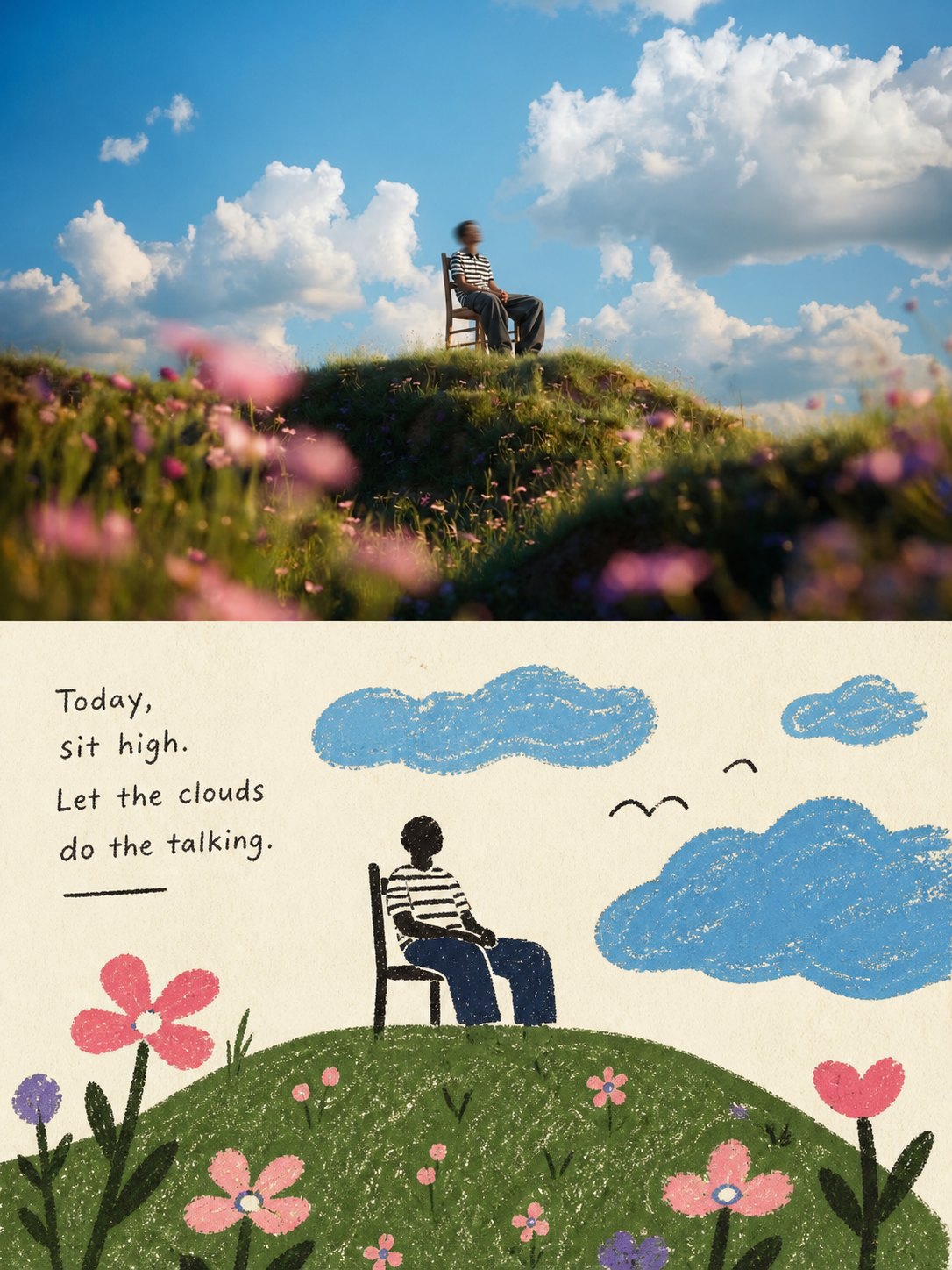
Turn each uploaded photograph into a separate high-end poster, never a multi-photo collage. Use a 3:4 portrait canvas split into two equal 50% horizontal regions.
Keep the original photograph above with its identity, structure, pose, authentic texture, natural light and colour atmosphere. Extend the environment naturally only when needed; never stretch or distort the subject.
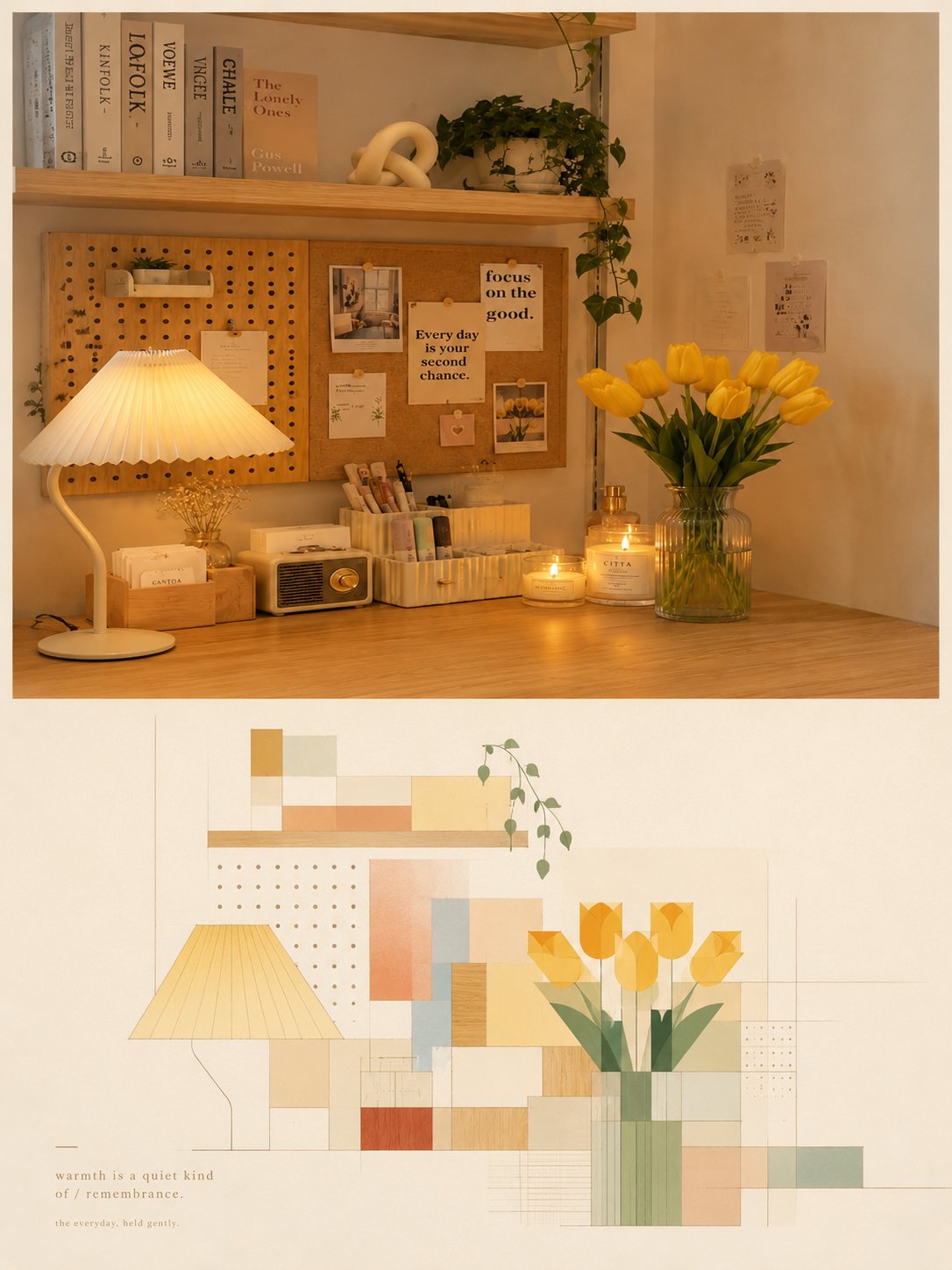
Below, rebuild the photograph’s most recognisable subject, contour, structure, pose and narrative relation as a blocky modular geometric deconstruction. Do not redraw it realistically. Use fewer, larger rectangles, squares, rounded blocks, ellipses, triangles and irregular planes; keep the identity instantly readable and avoid fragmented pieces.
Use flat colour fields, collage construction and modernist geometric language. Delete unnecessary background detail and keep one clear visual centre. Arrange a small subject with generous whitespace, asymmetry and editorial balance.
Retain gentle paper grain and light print texture over the geometric blocks. Avoid smooth vector polish, 3D rendering, photo filters and over-processing.
Extract 2–4 recognisable colours from the photograph, then retune them toward clean cream, apricot, peach, coral, mist blue, sage, warm brown or soft violet relationships. Keep the palette warm, modern and restrained; avoid muddy grey, dark brown, fluorescent colour, candy tones and clutter.
Use only a small amount of optional text in any language—short title, note, number or fragment—placed lightly in the whitespace. Avoid commercial headline piles.
Overall: large complete geometric planes, restrained collage, soft premium colour, paper grain, generous whitespace and editorial order. Avoid photorealism, tiny fragmentation, childish collage, complex perspective, dense detail, cartoon effects, 3D, template posters and cheap craft styling.
2026-09-03via @xiaoxiaodong01