Visuele inspiratie
Promptbibliotheek
Sterke AI-resultaten uit het wild, mét de prompt erbij. Klik op een beeld, kopieer de prompt en maak er iets eigens van.
Krijg de prompts die indruk maken
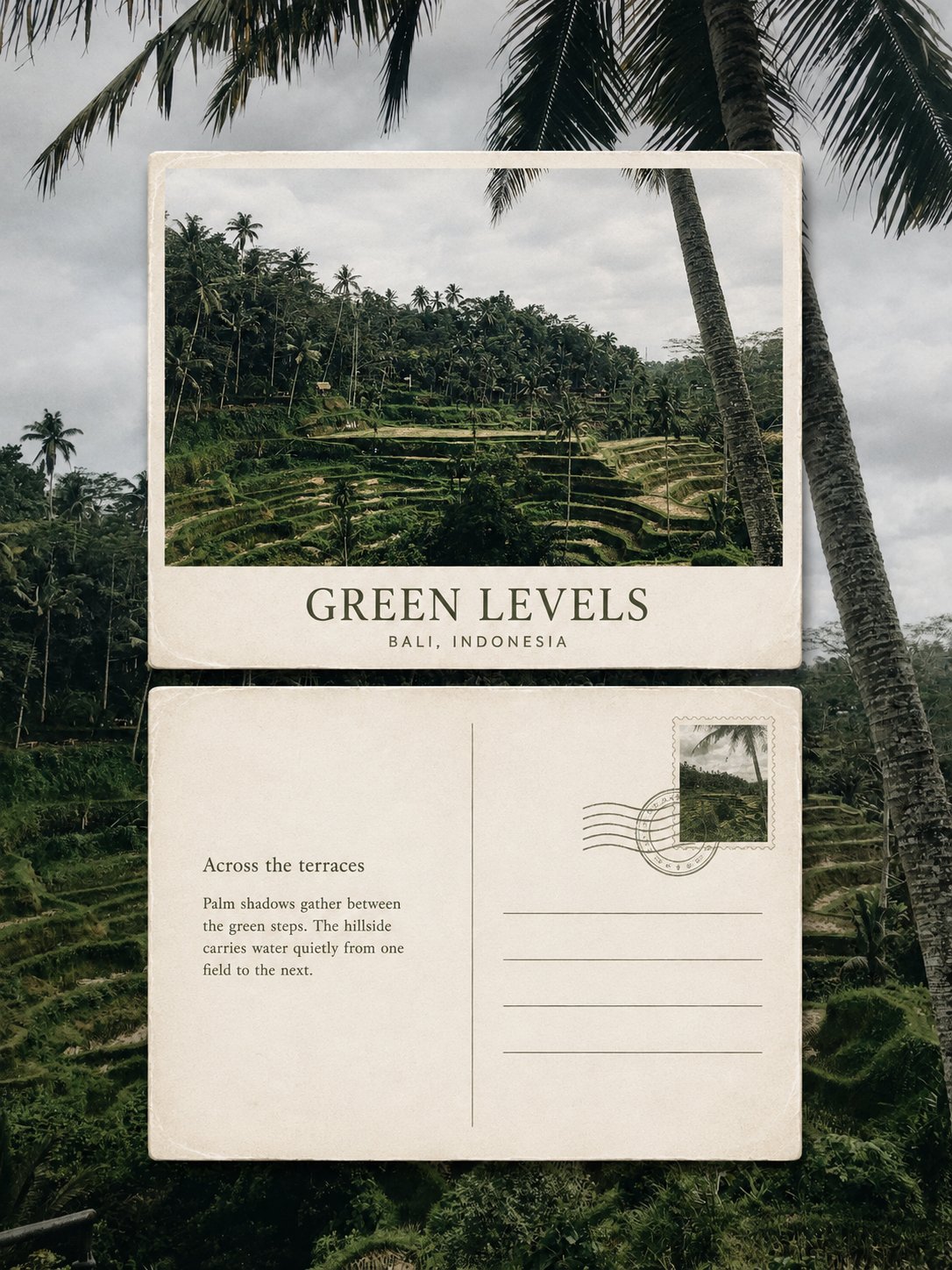
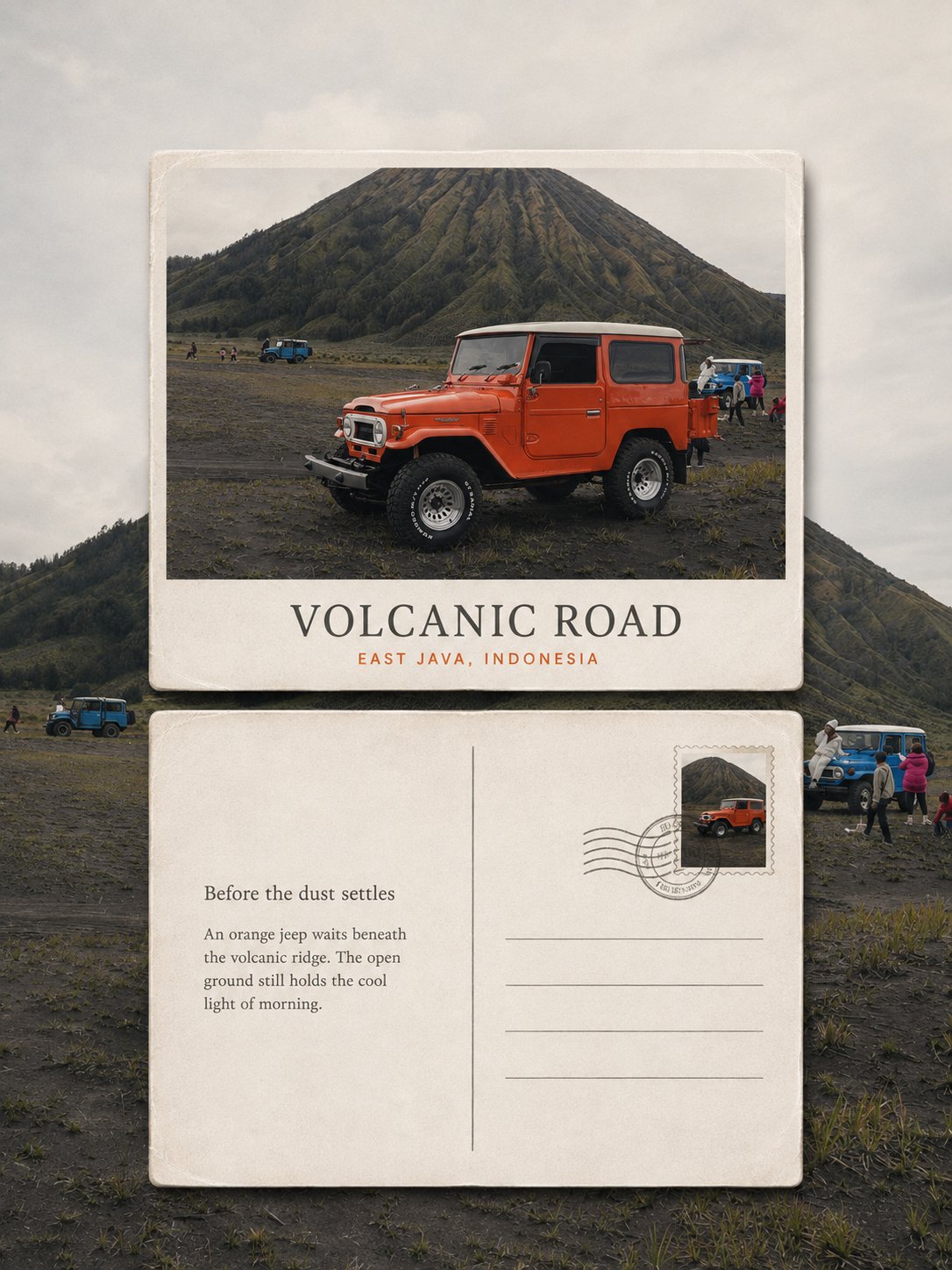
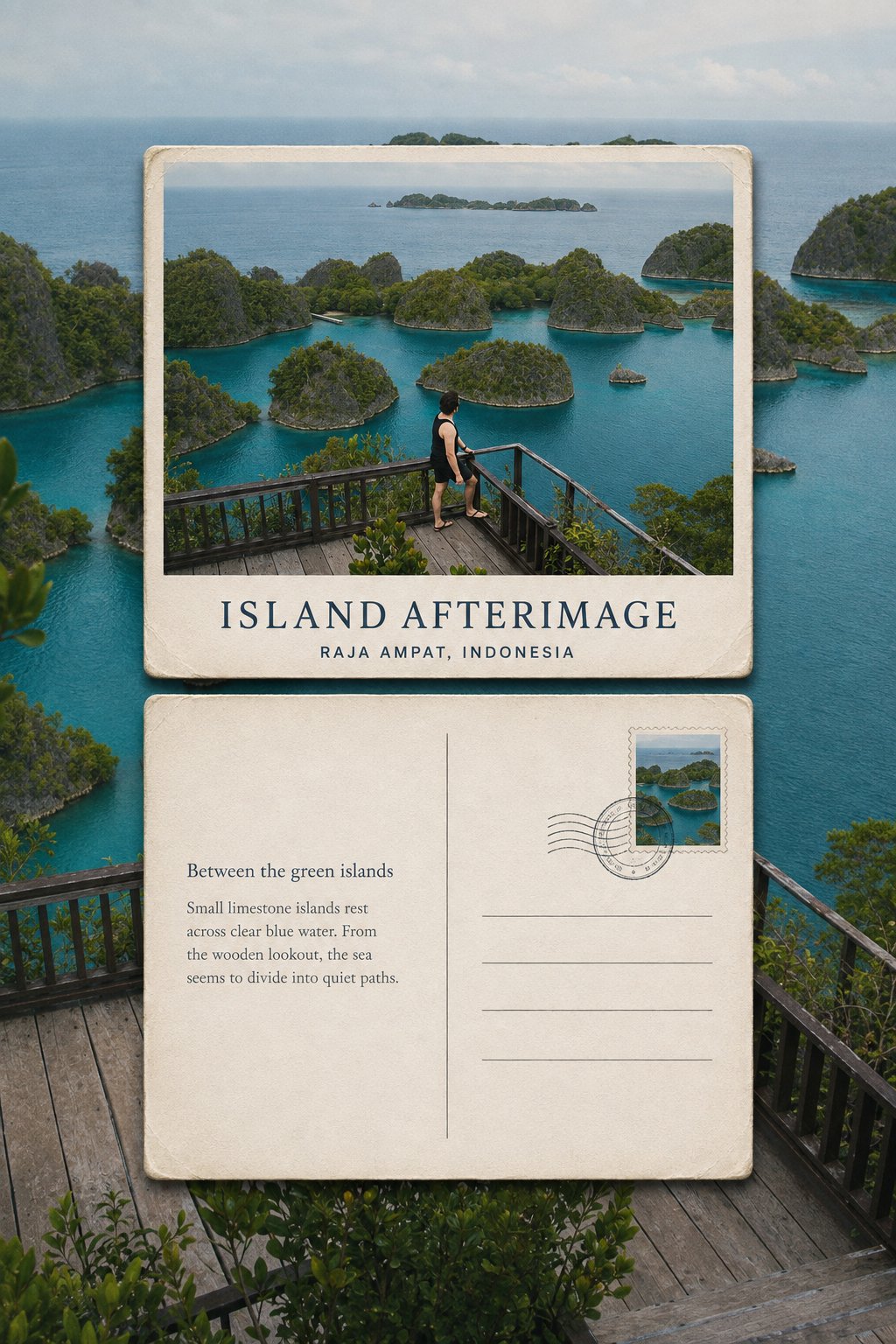
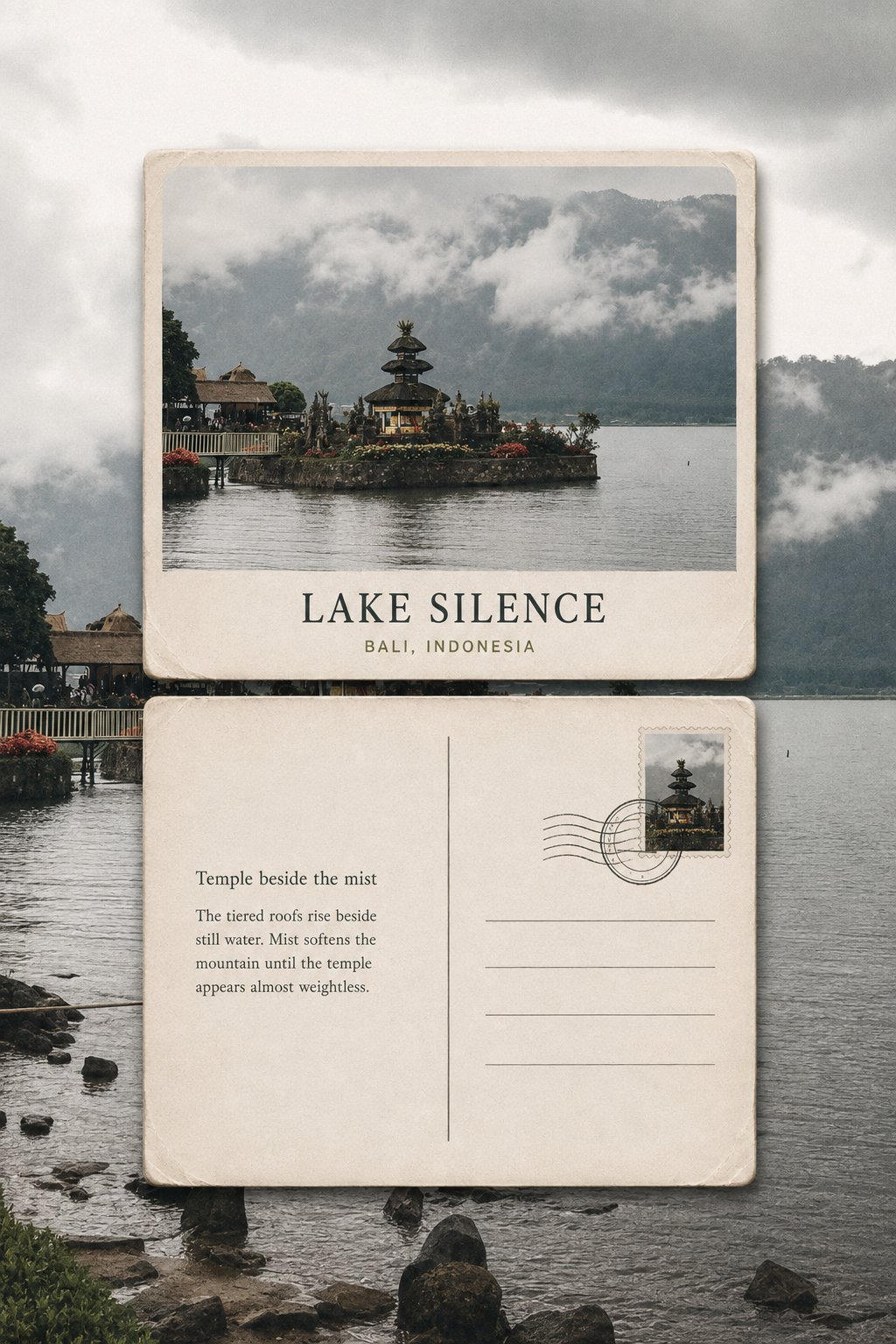
Krijg de prompts die indruk maken
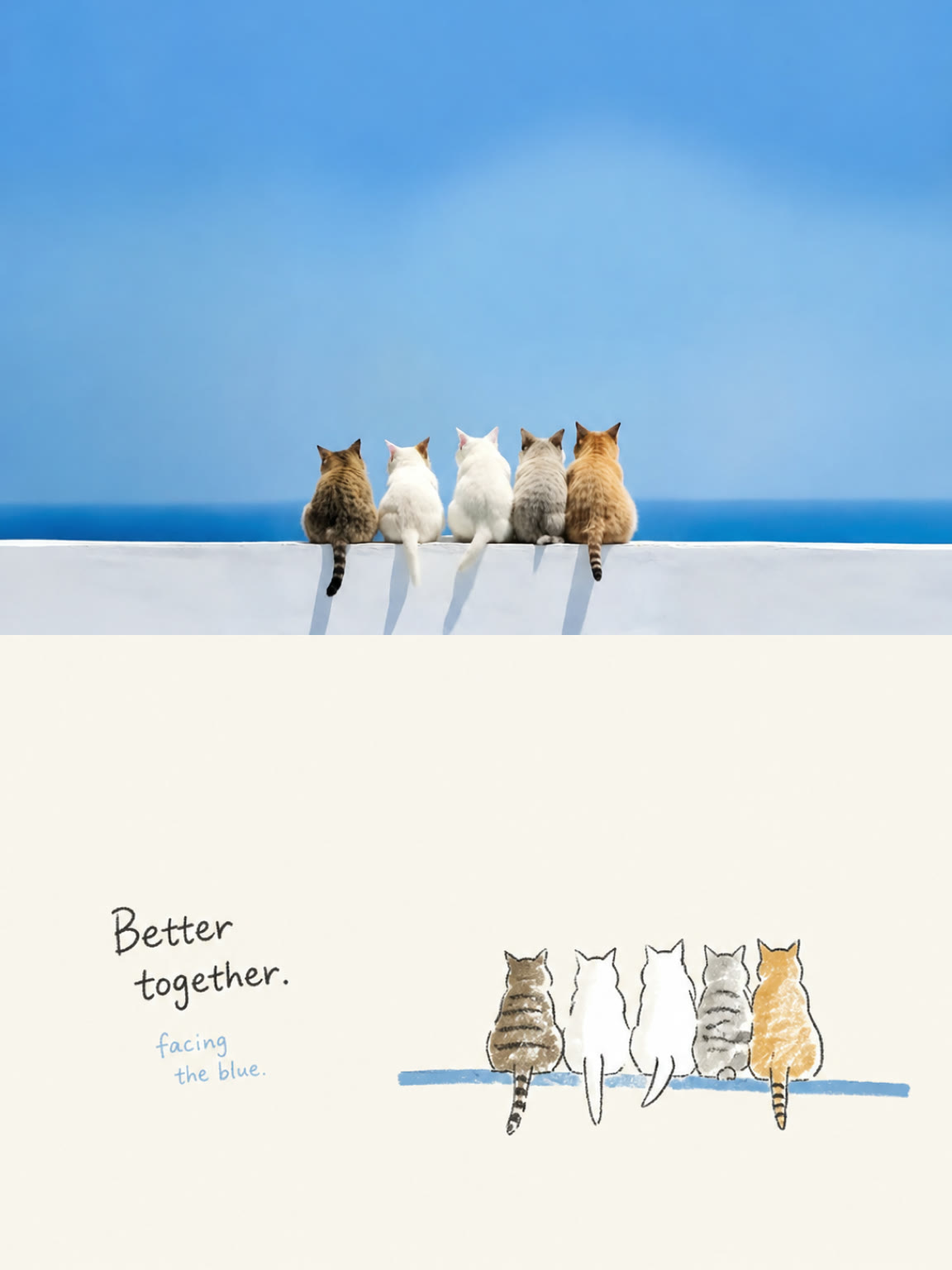
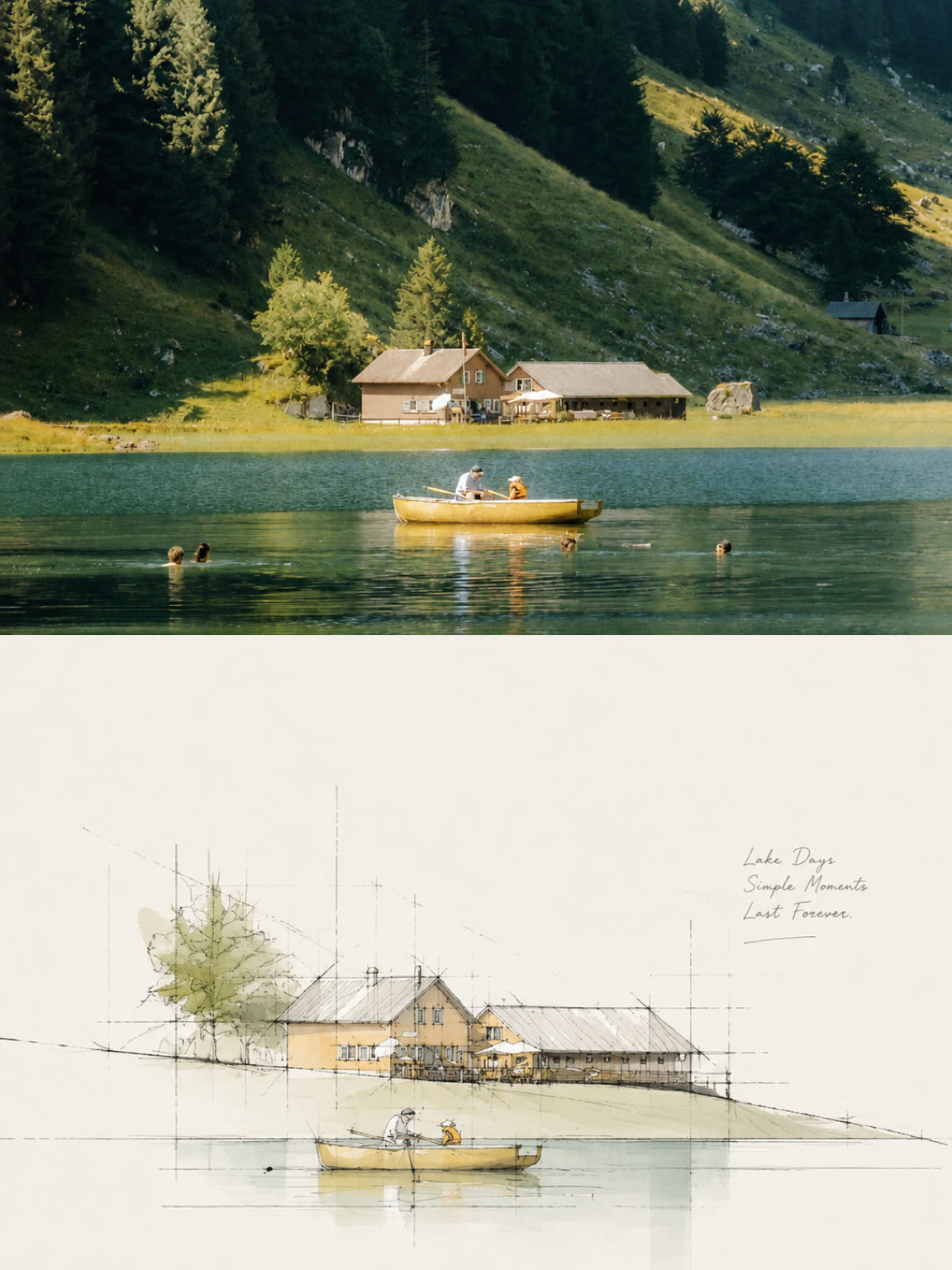
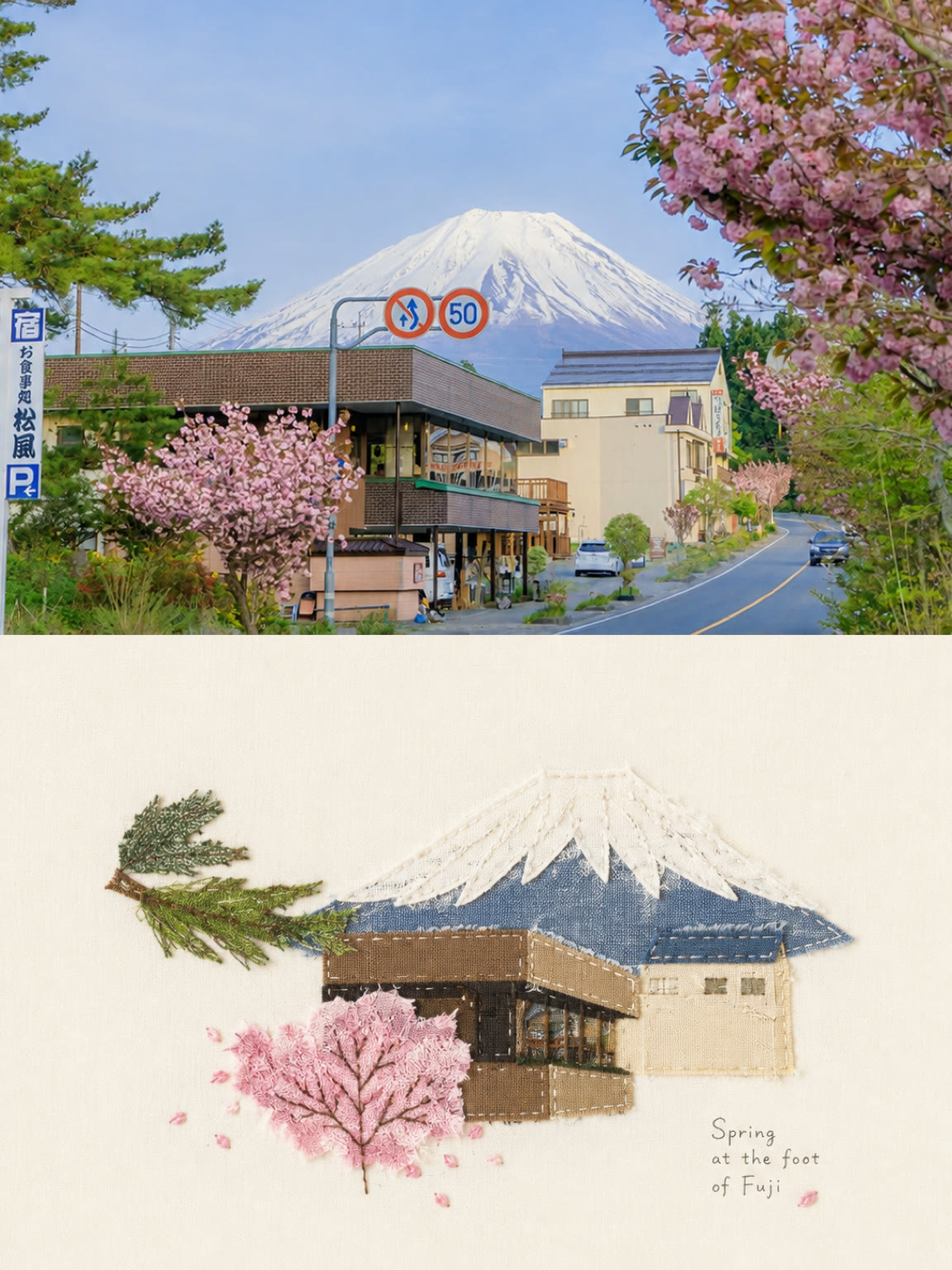
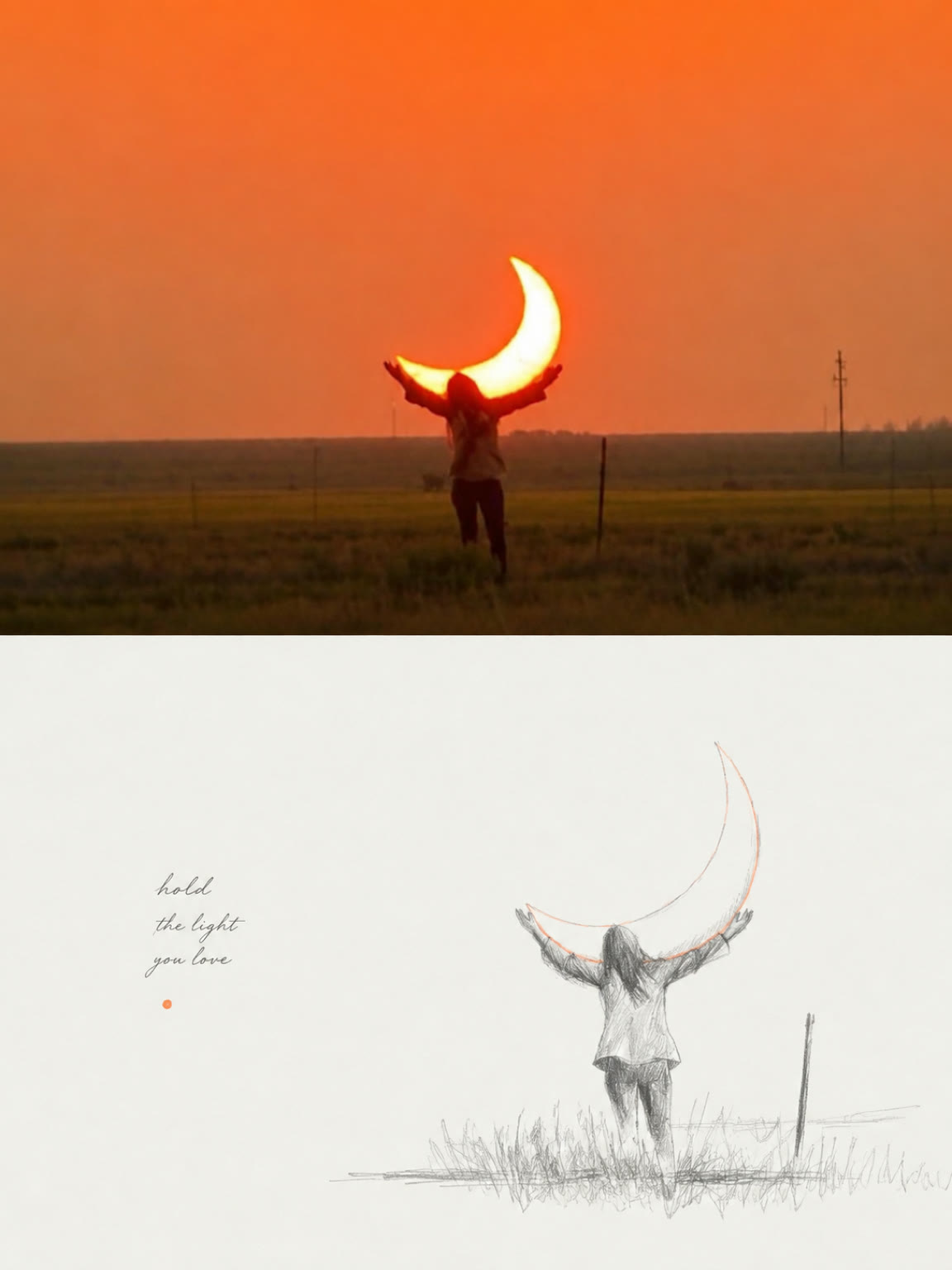
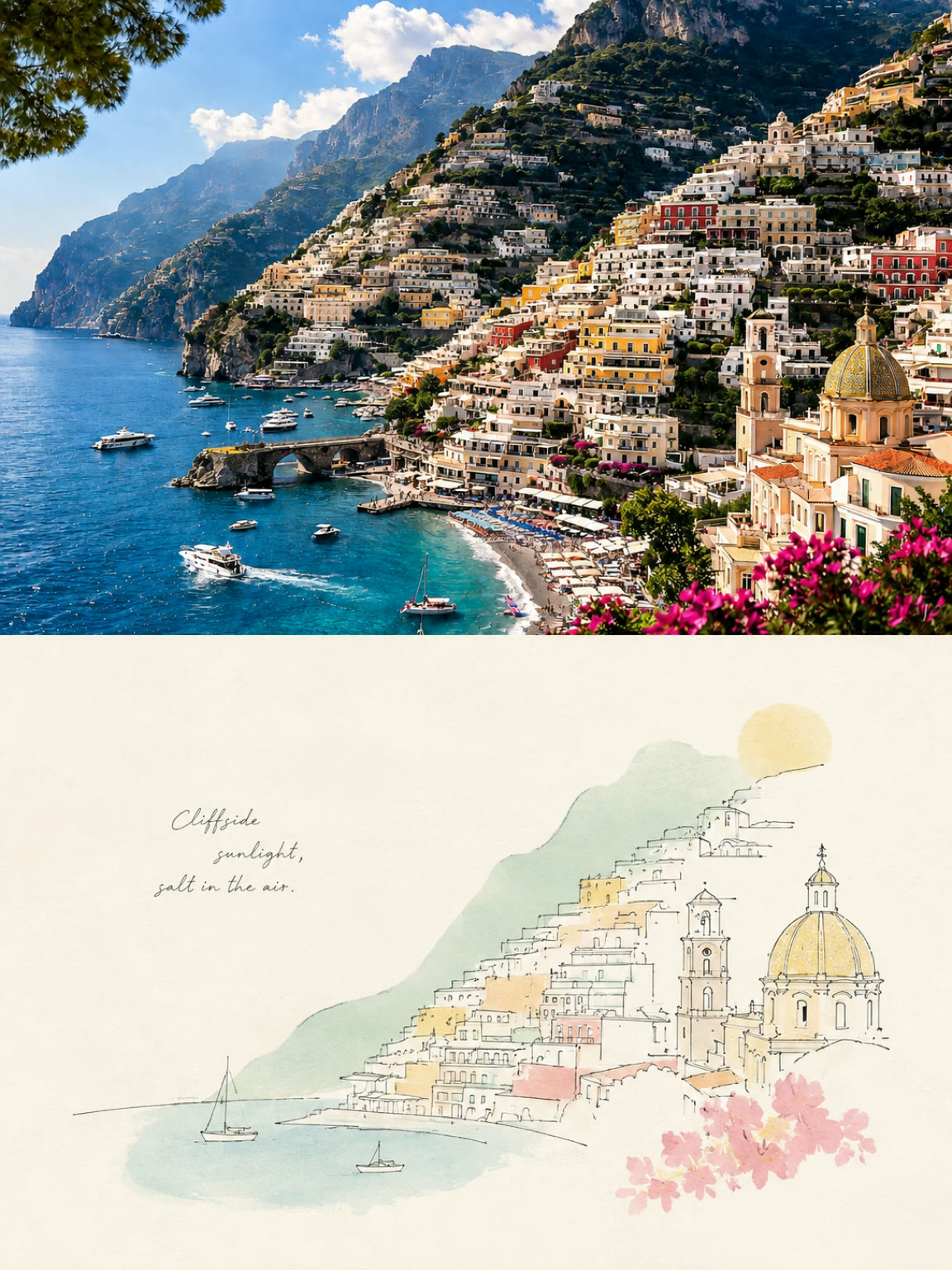
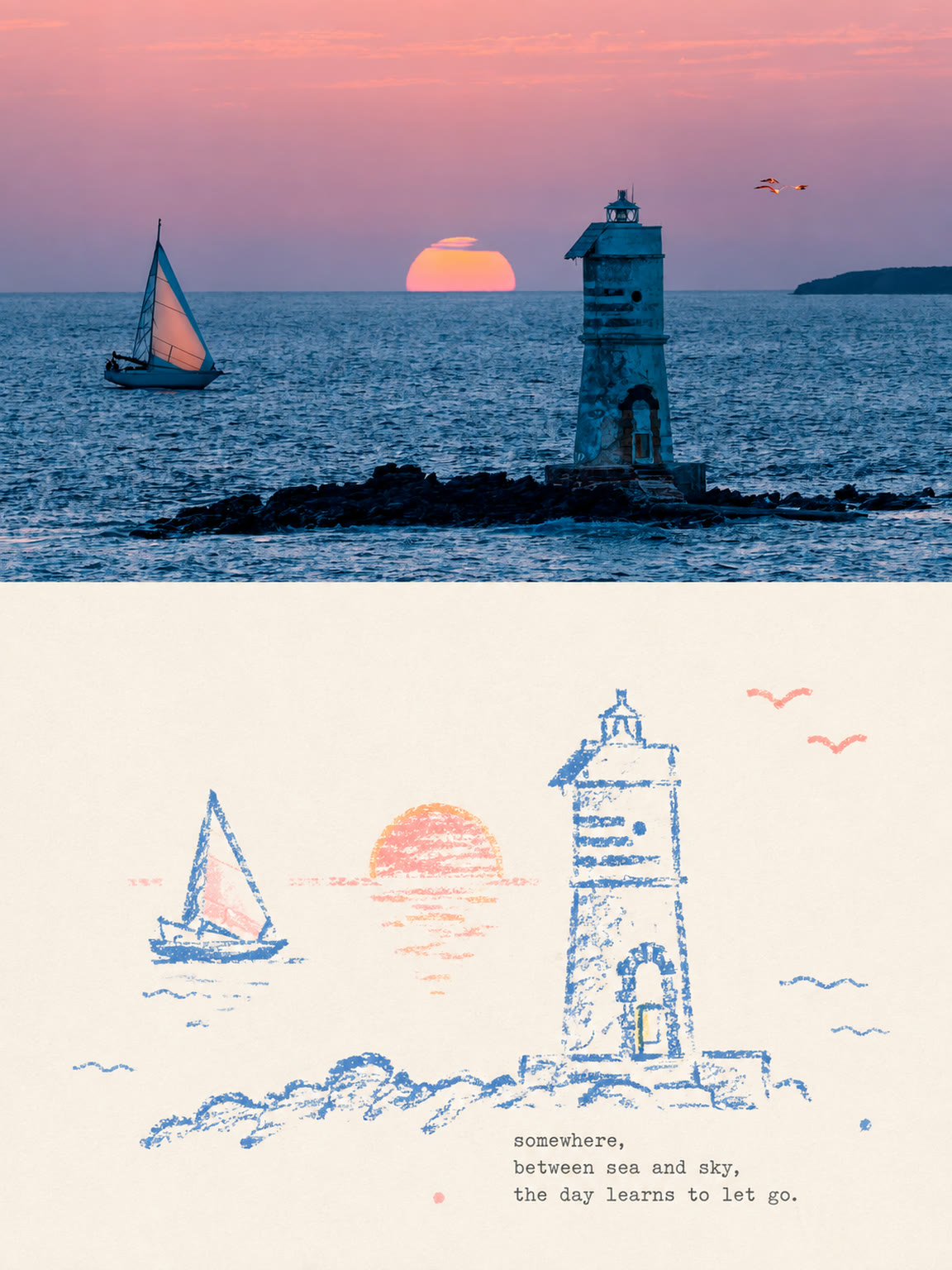
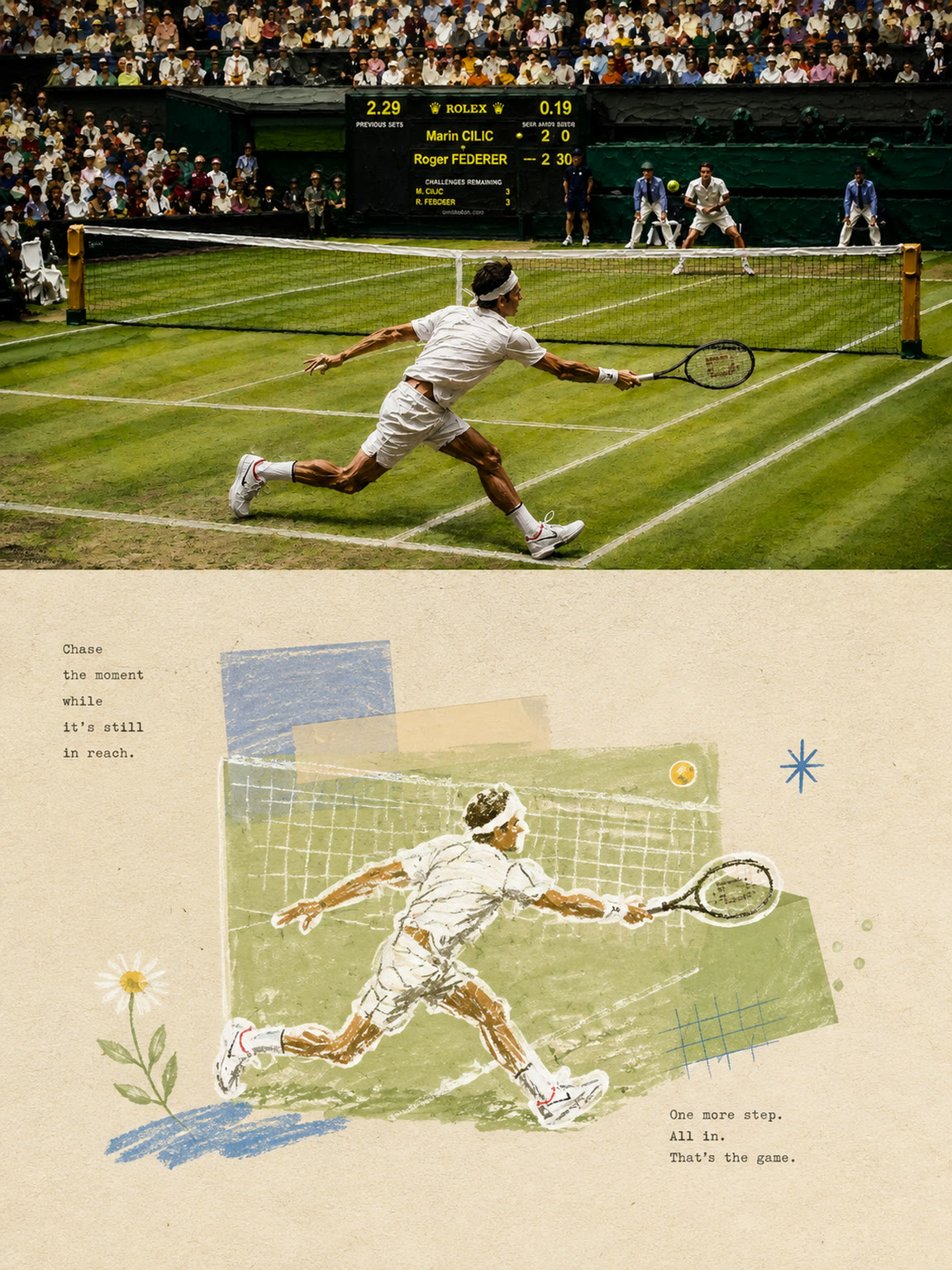
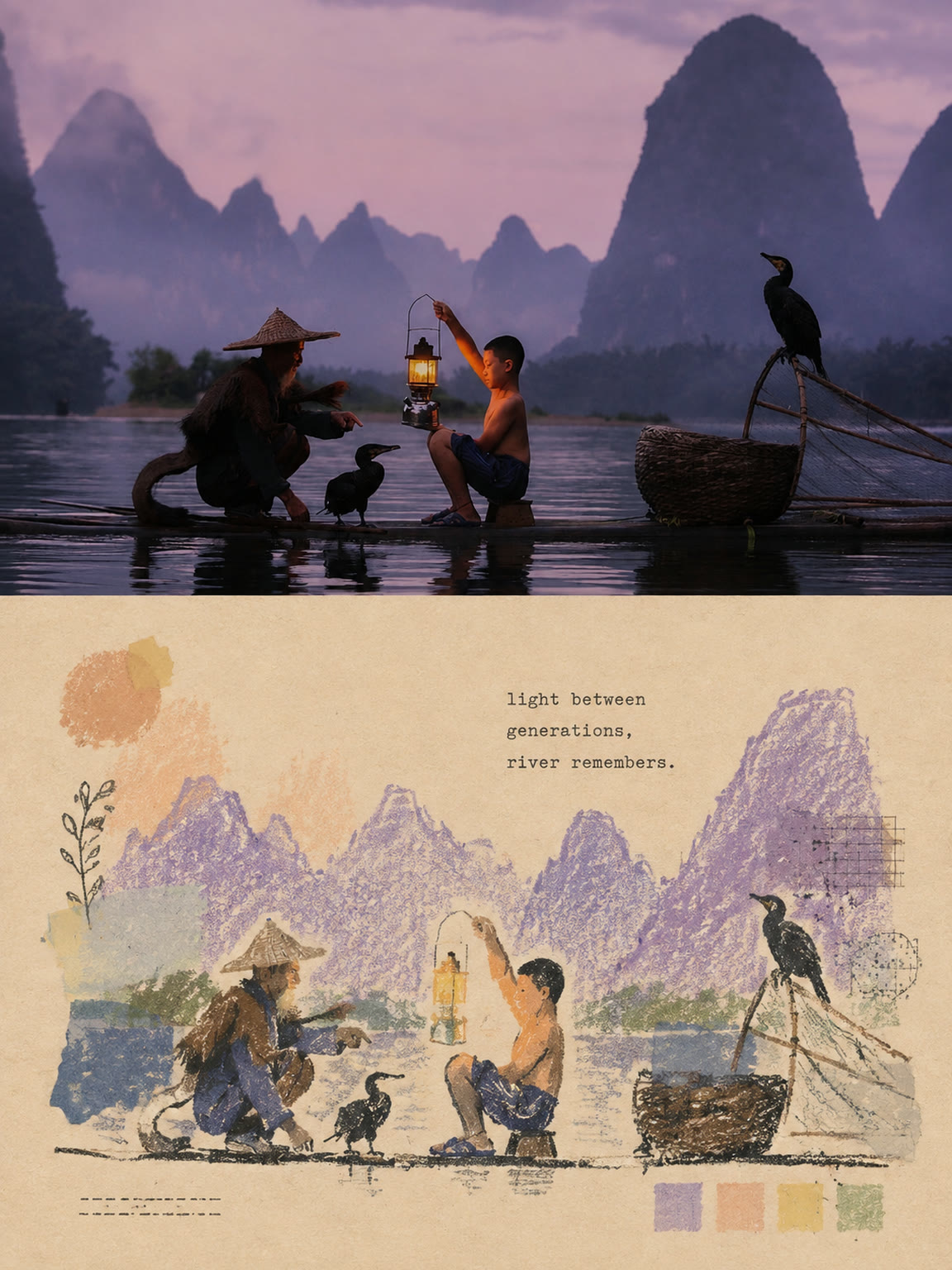
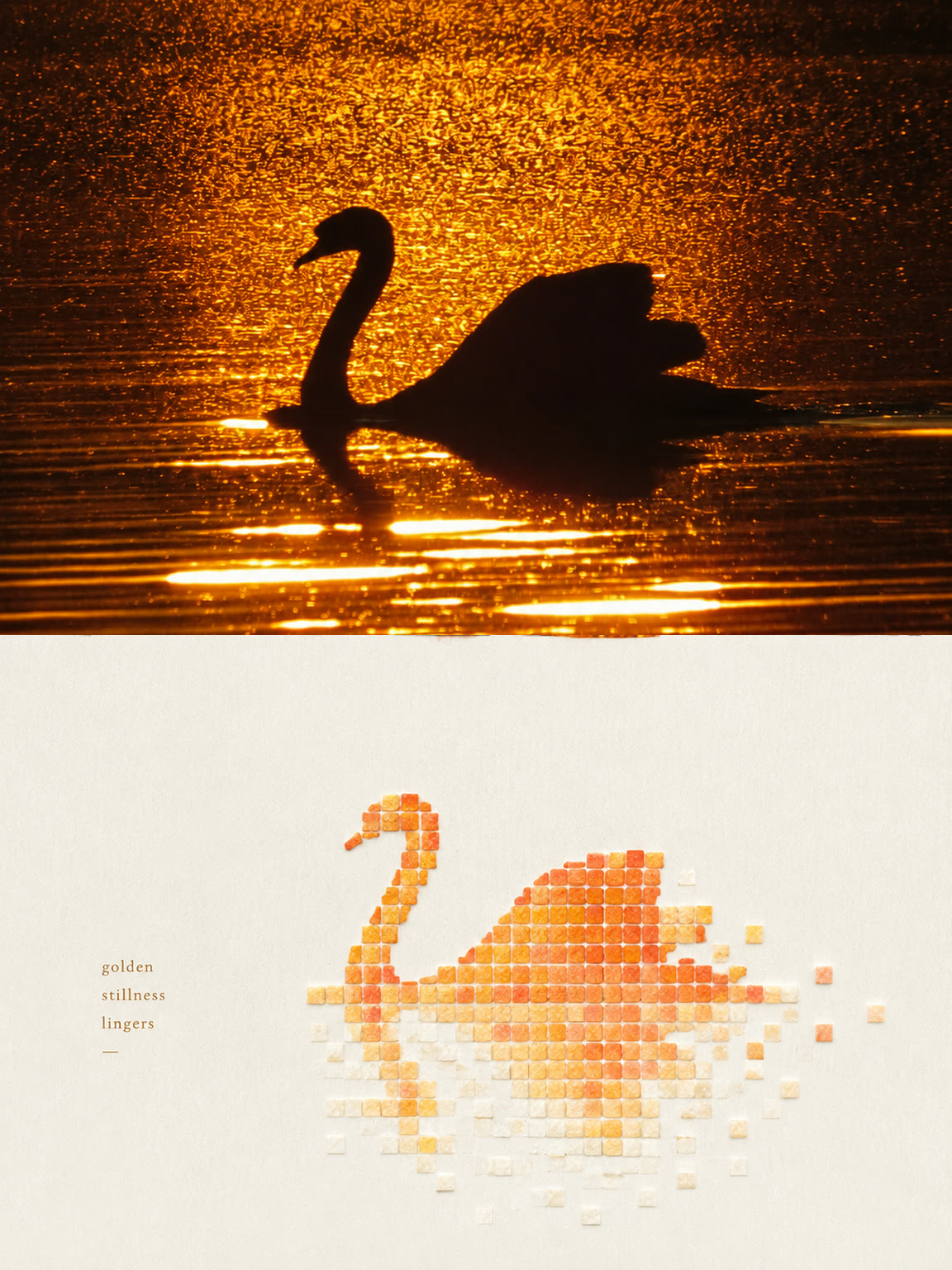
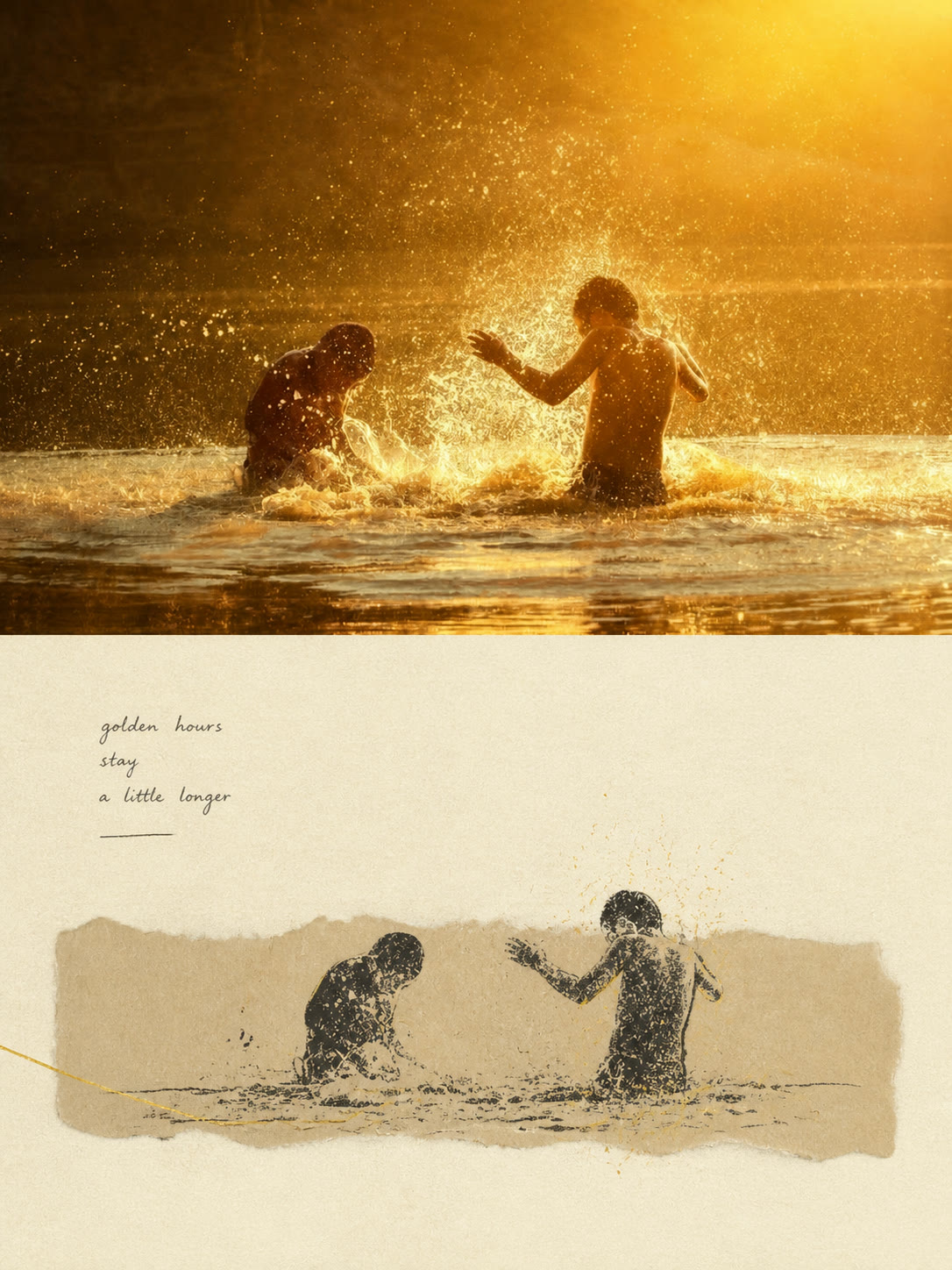
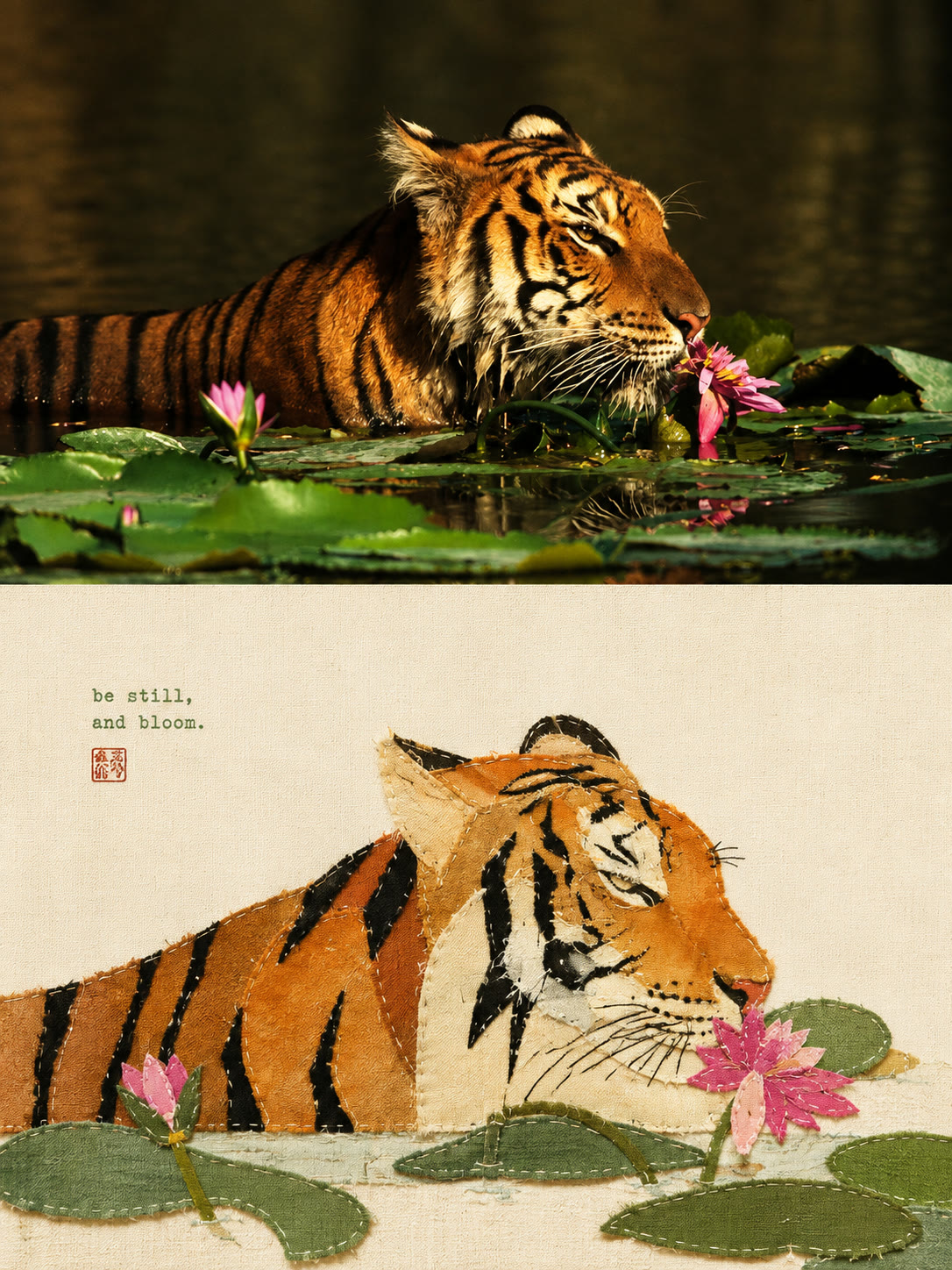
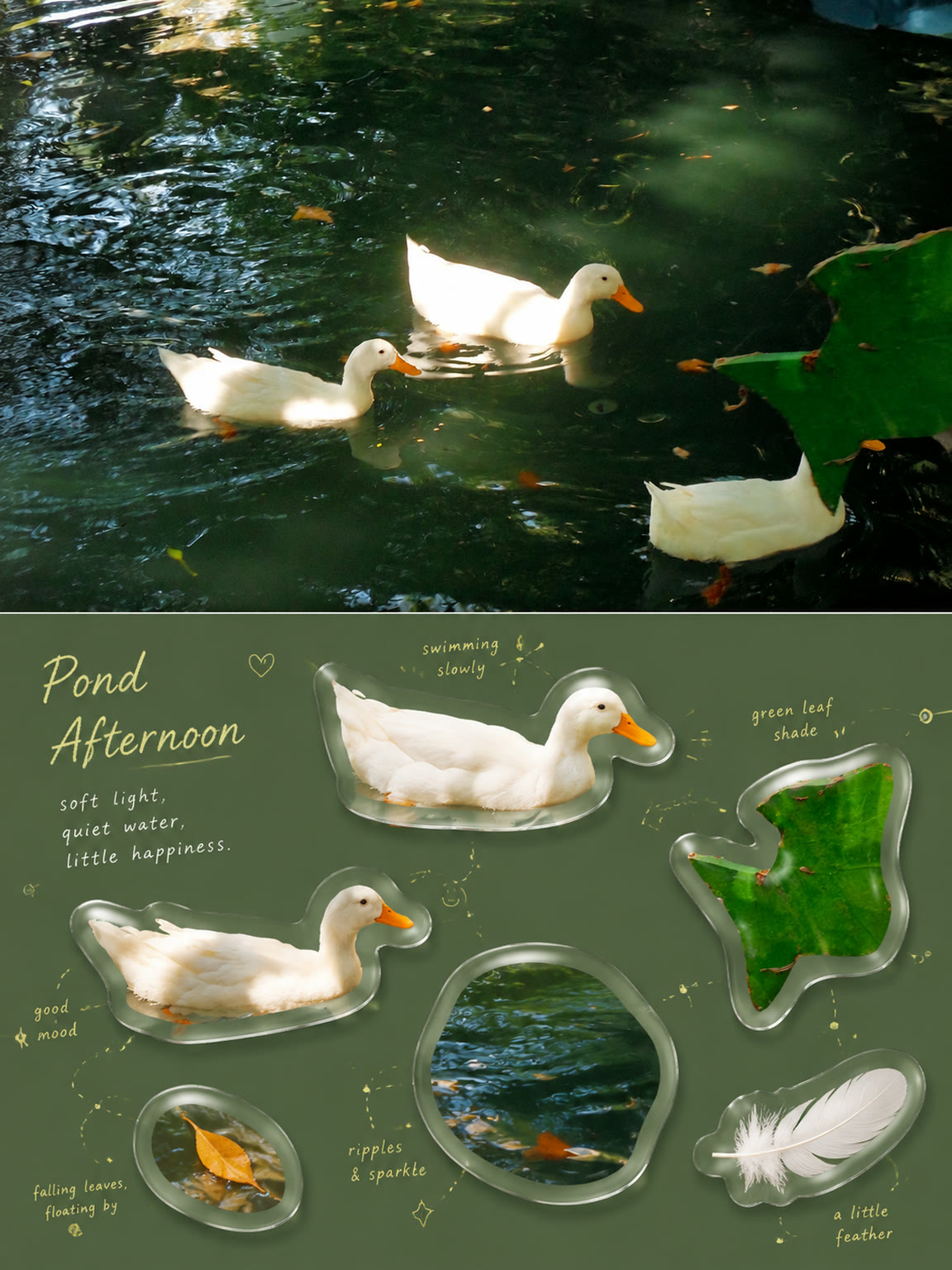
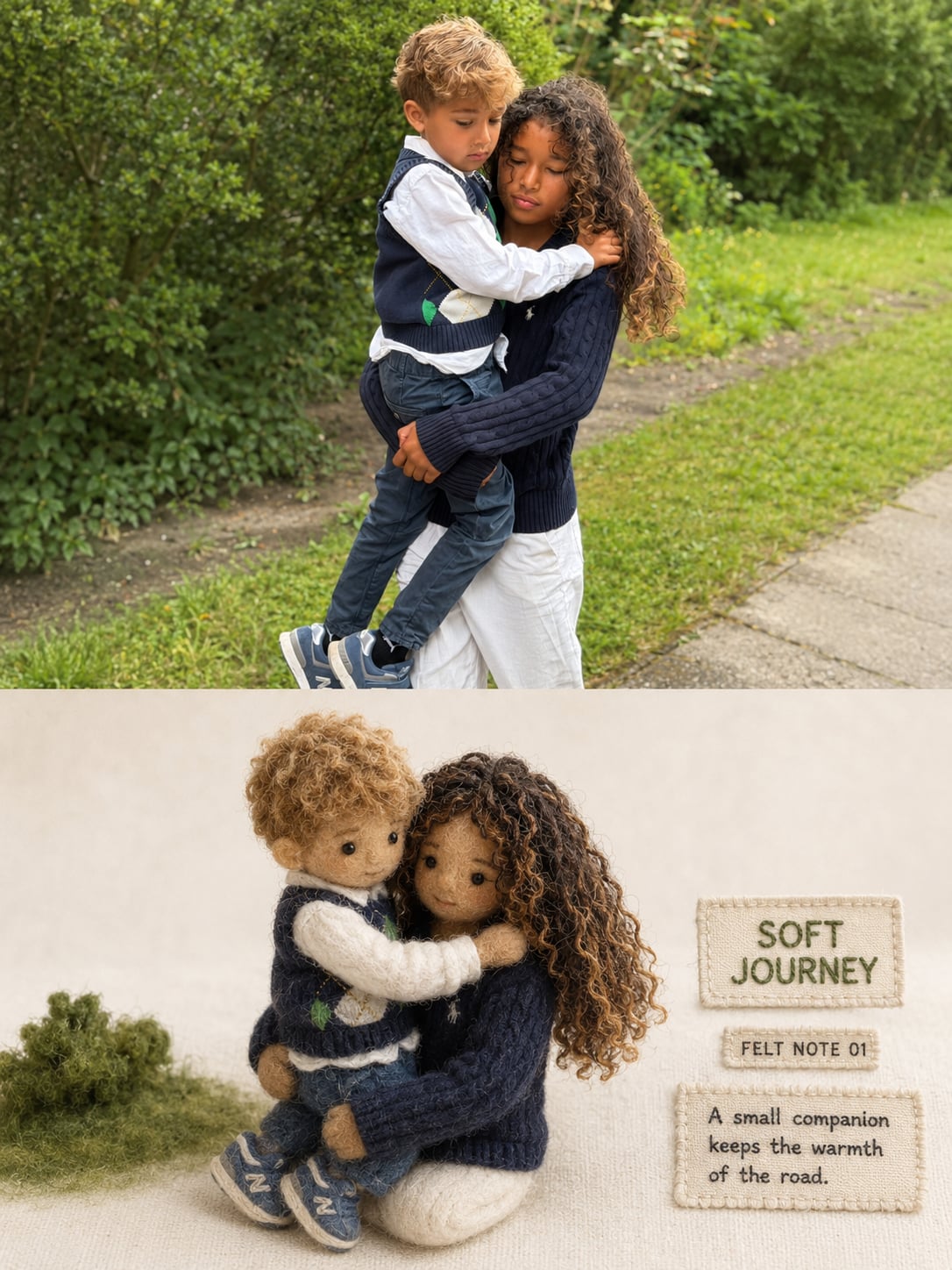
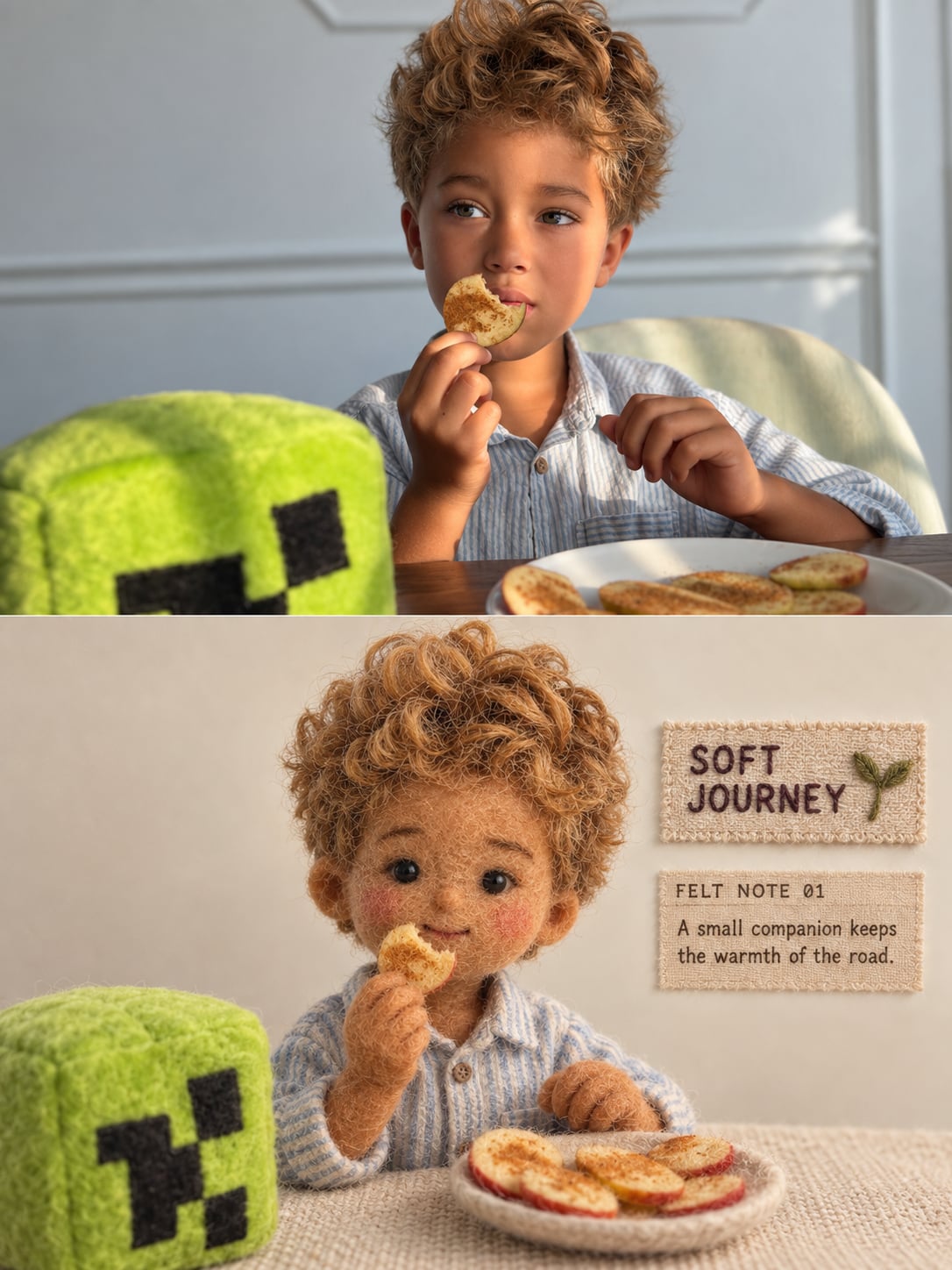
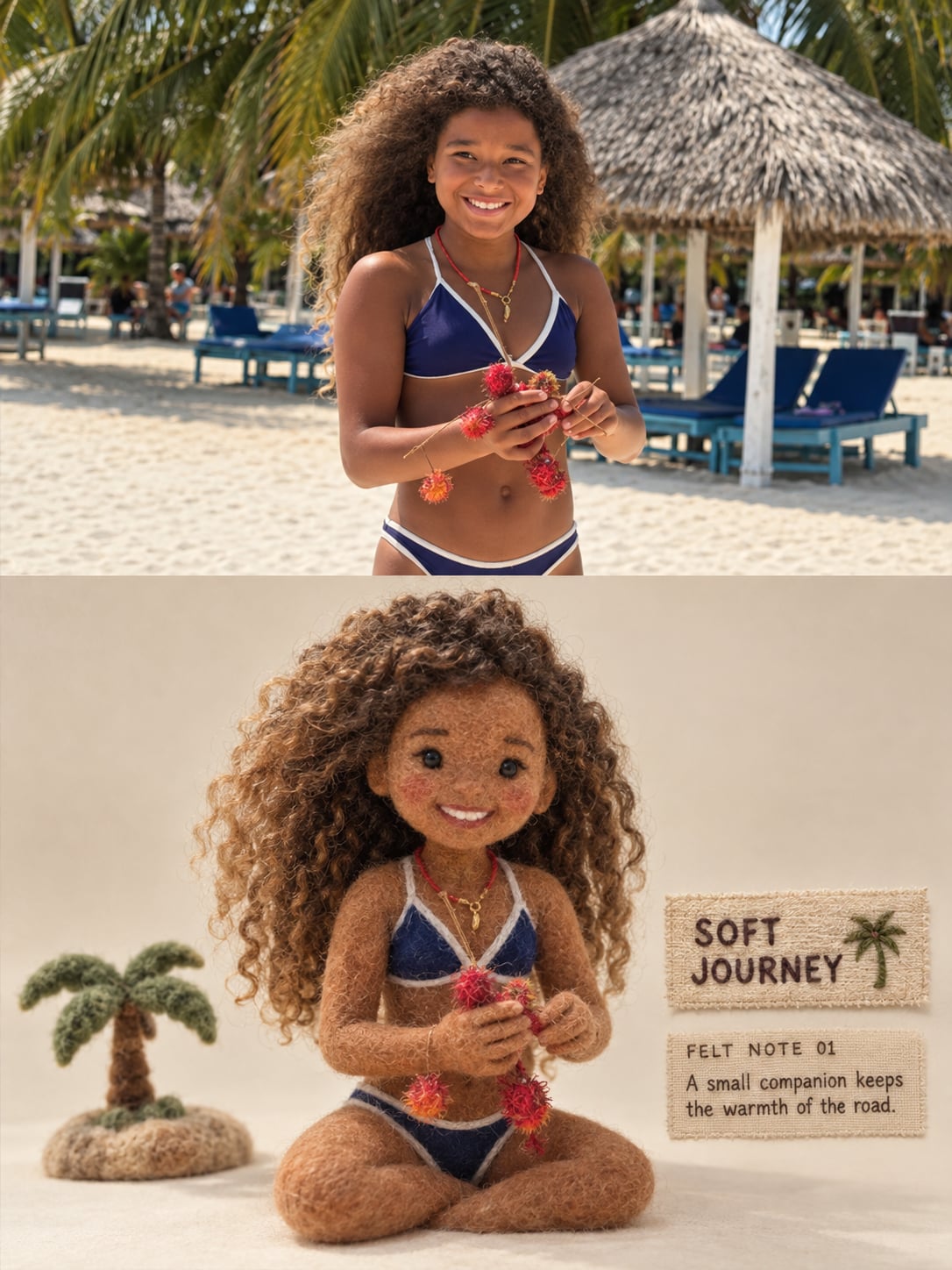
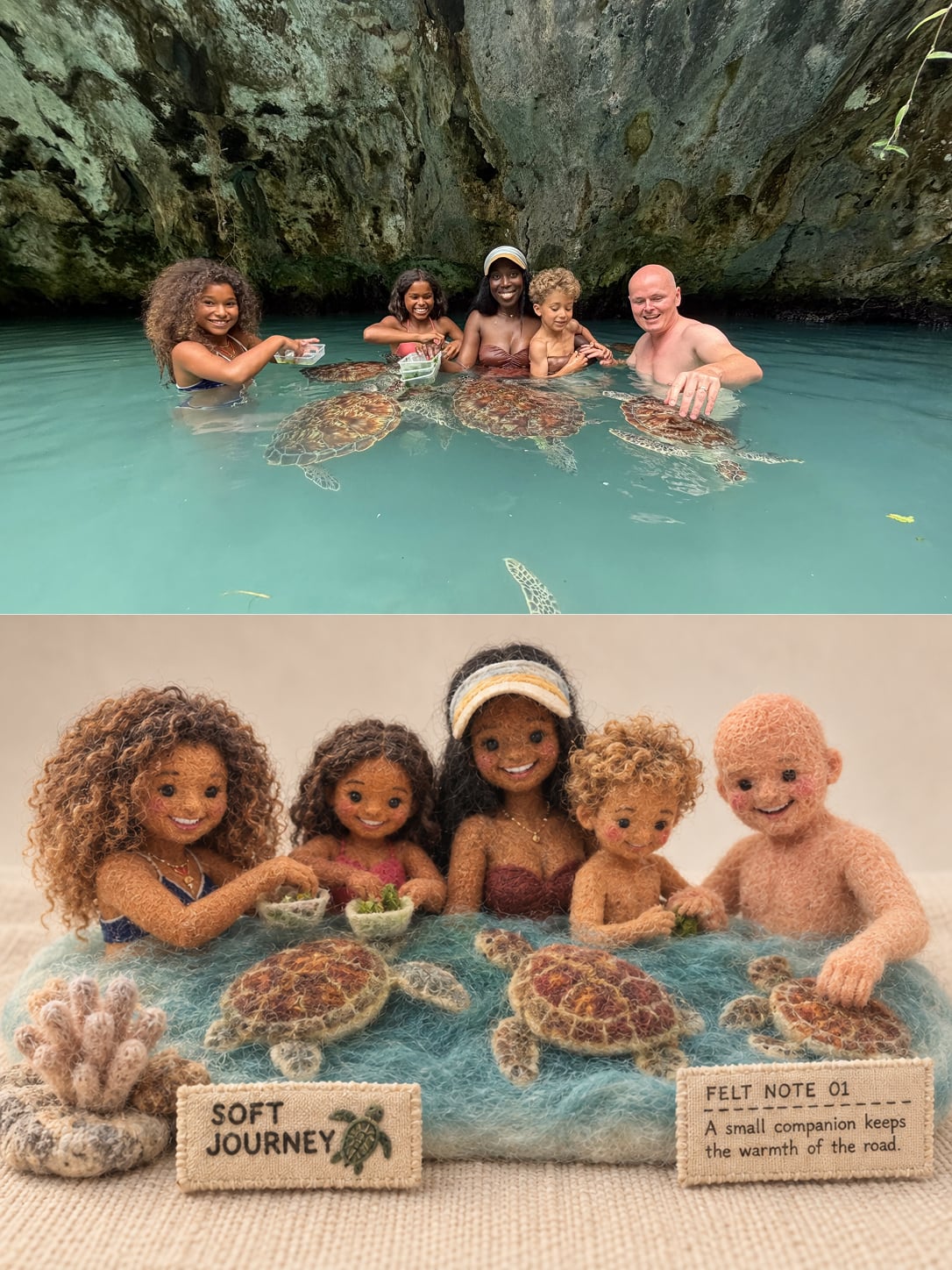
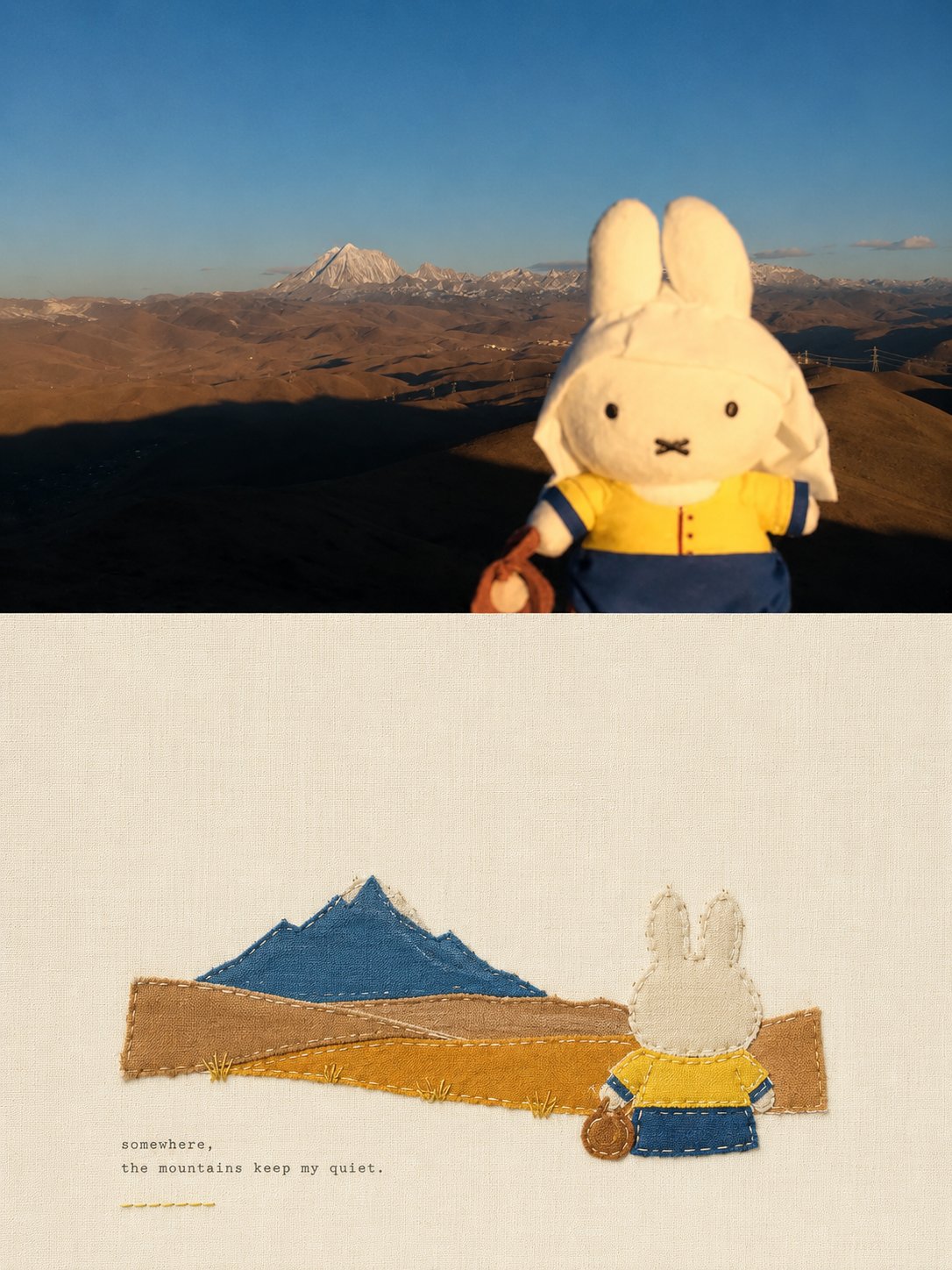
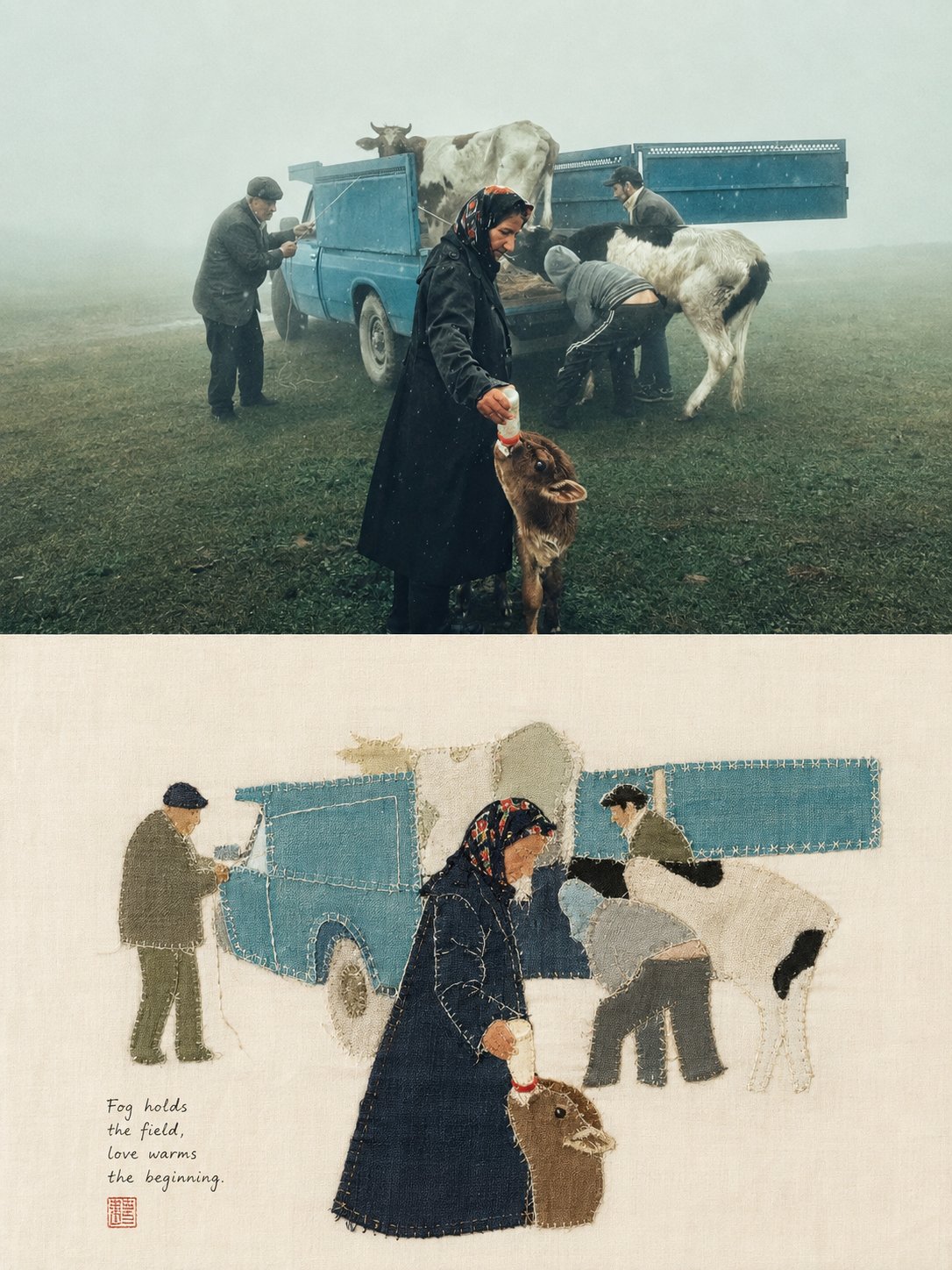
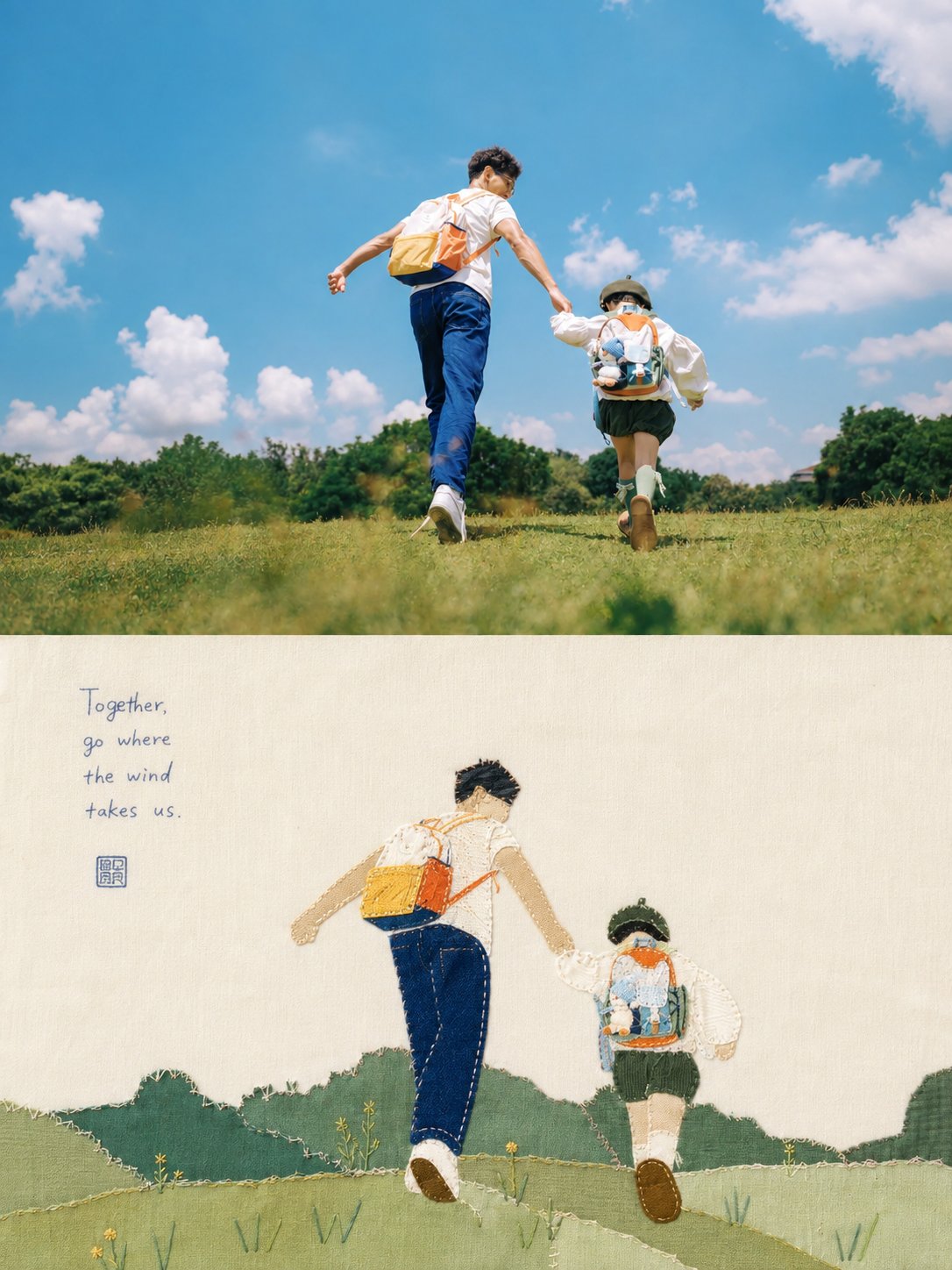
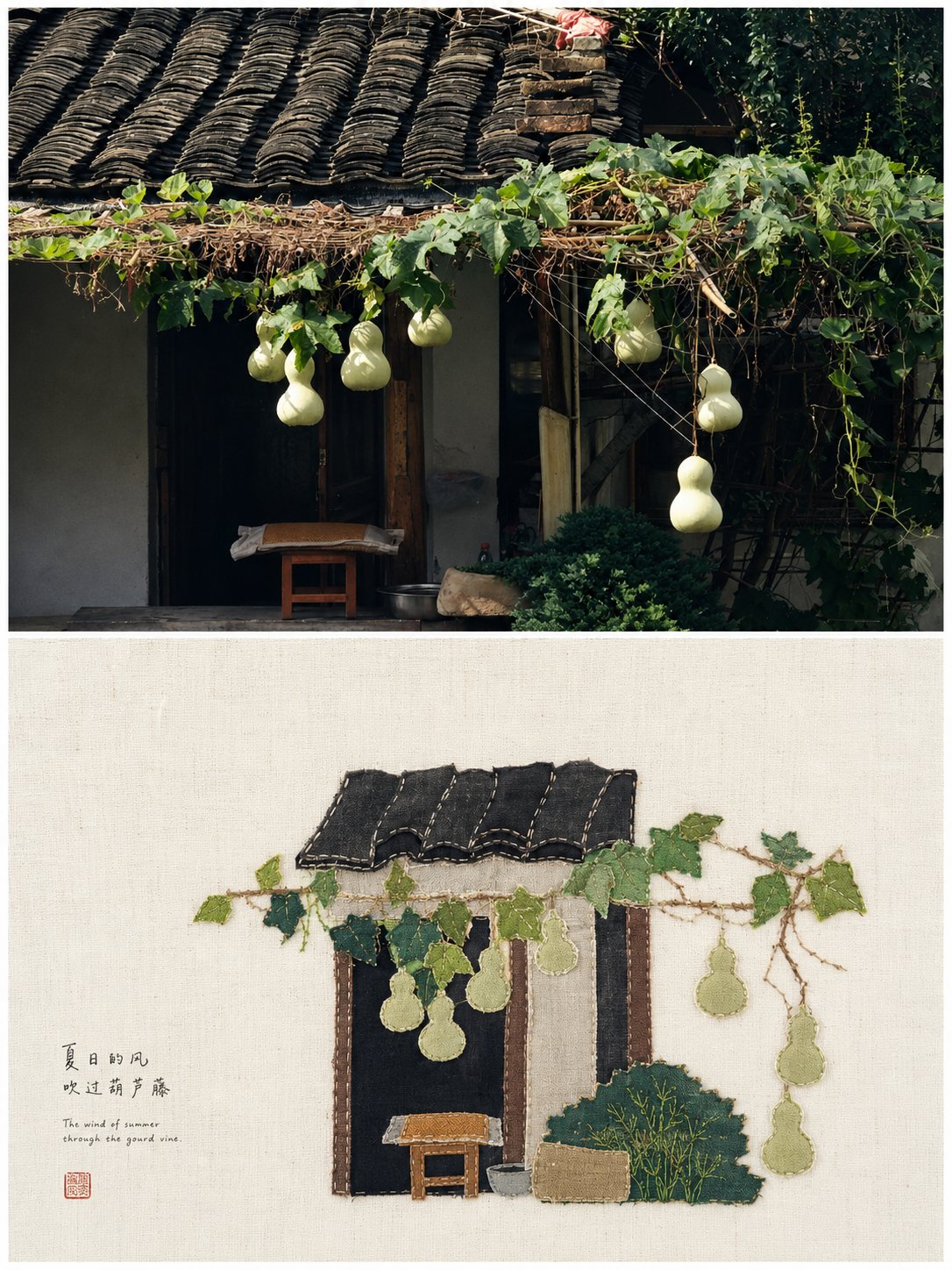
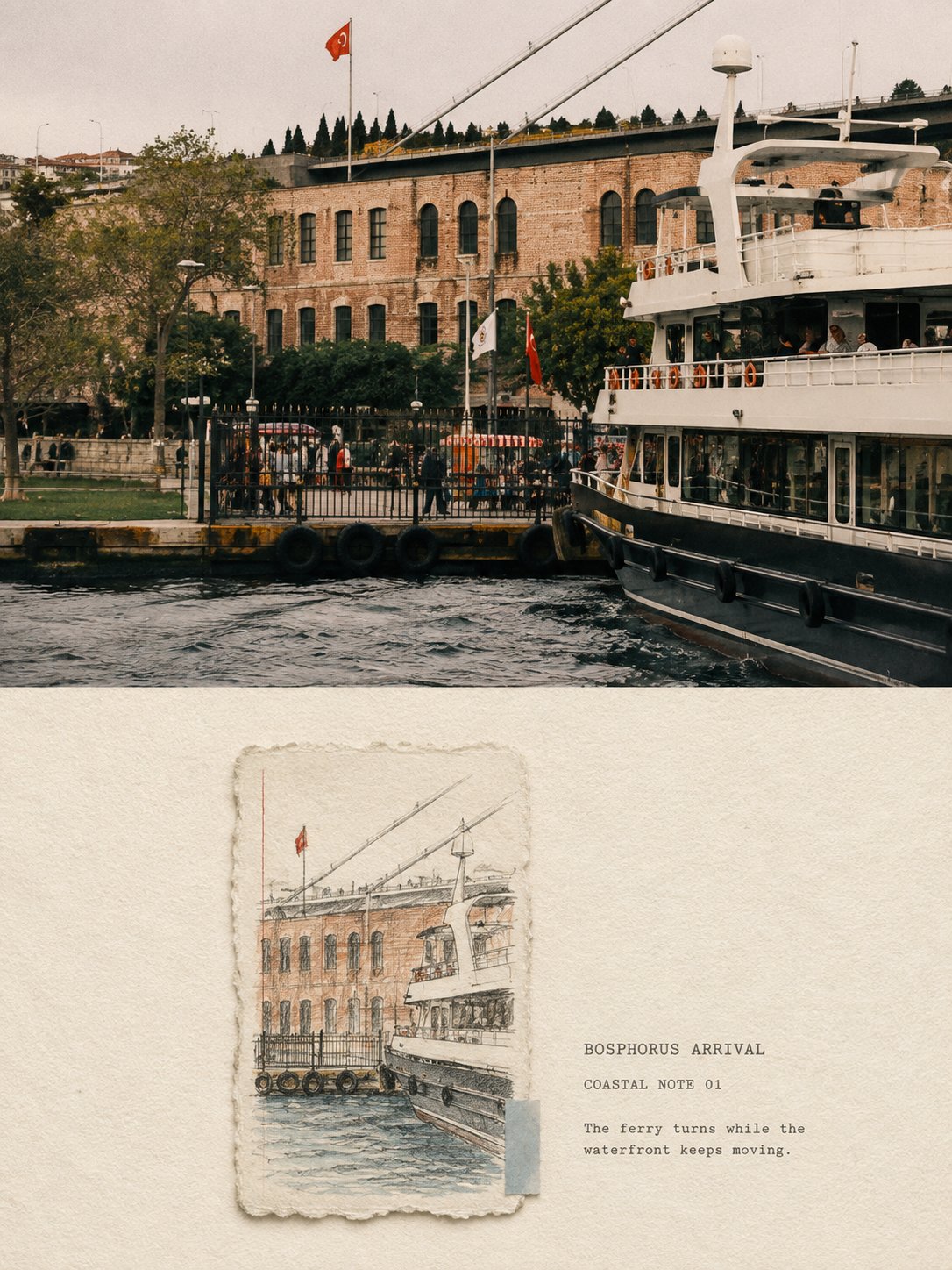
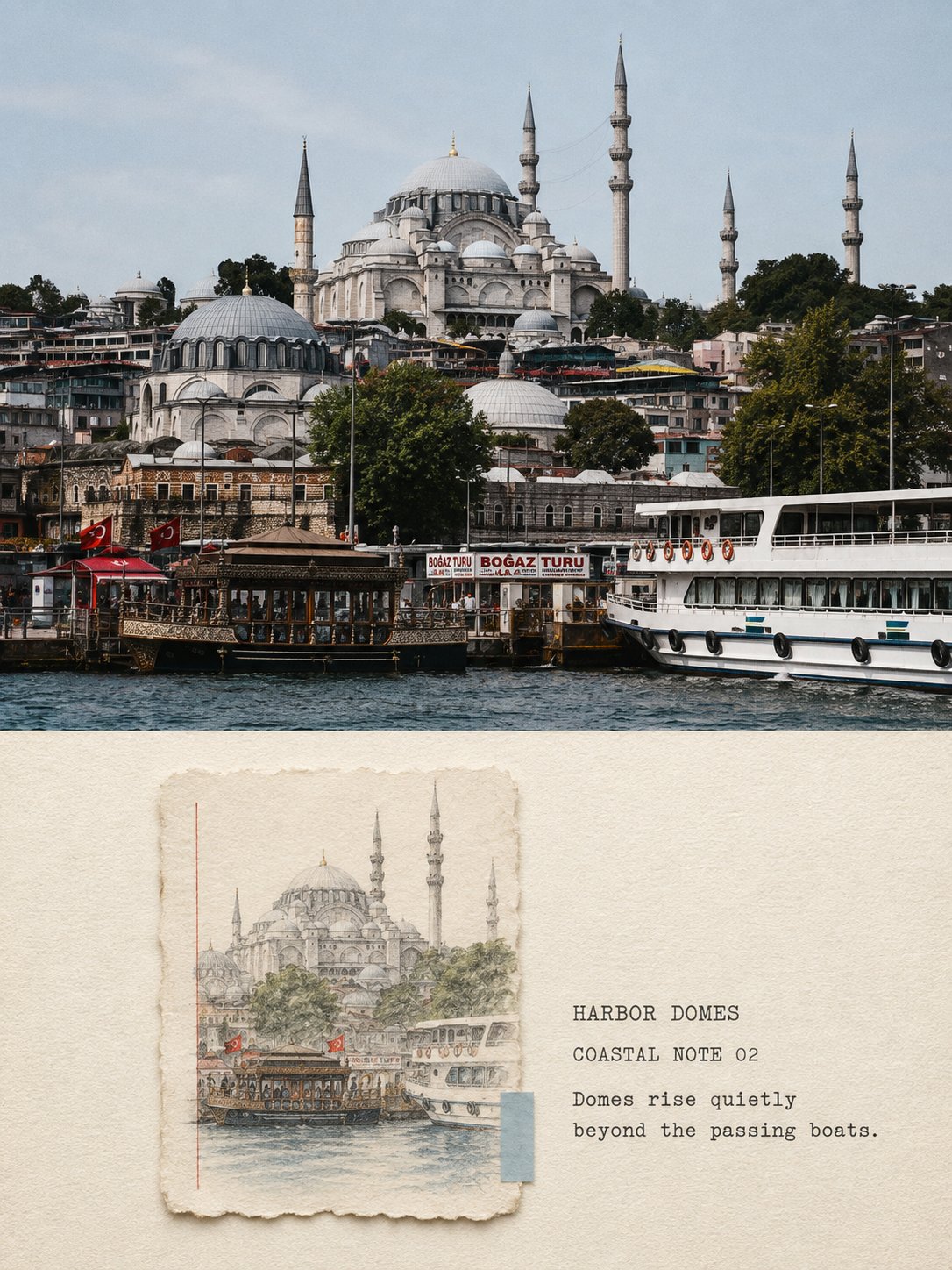
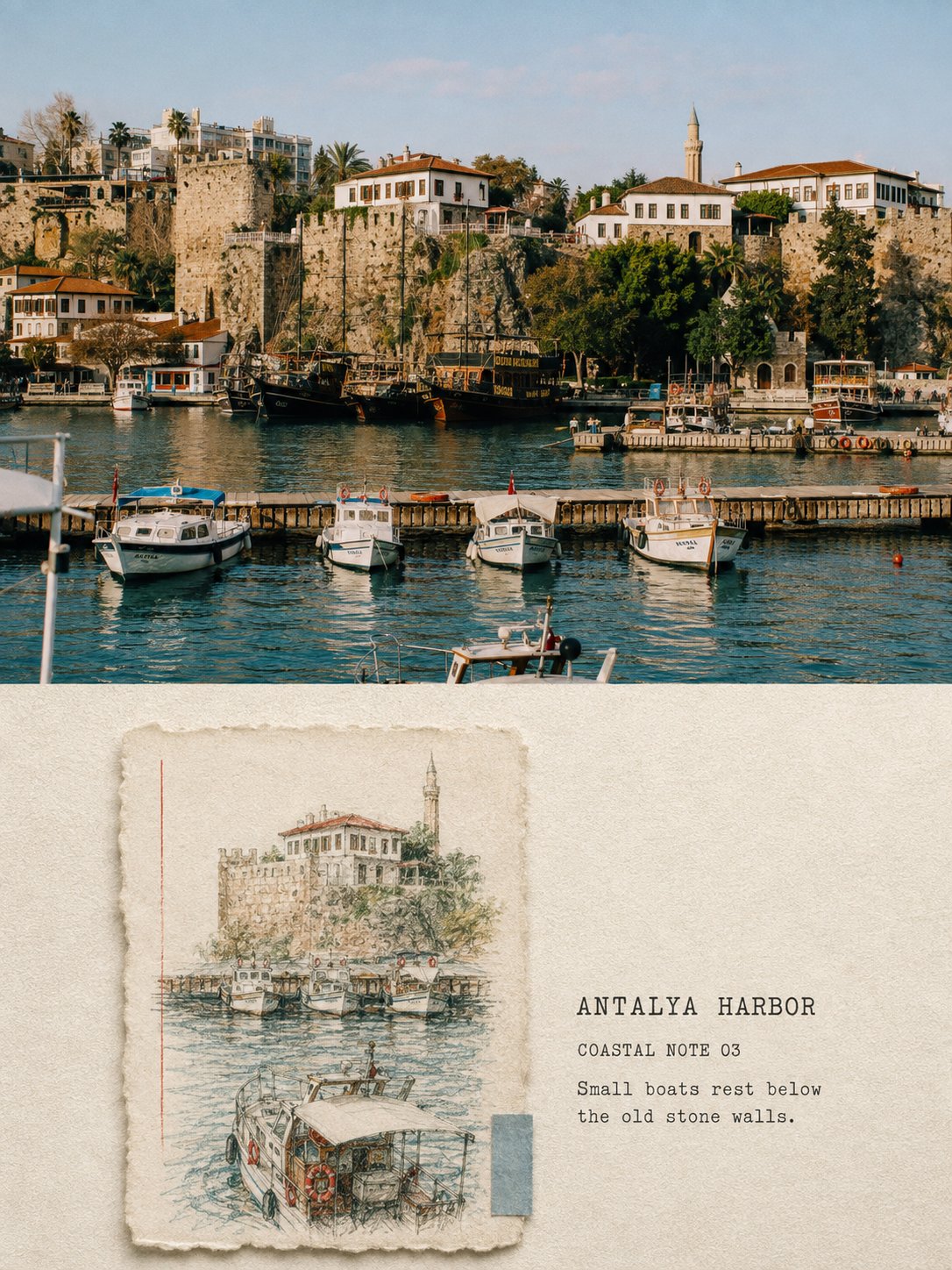
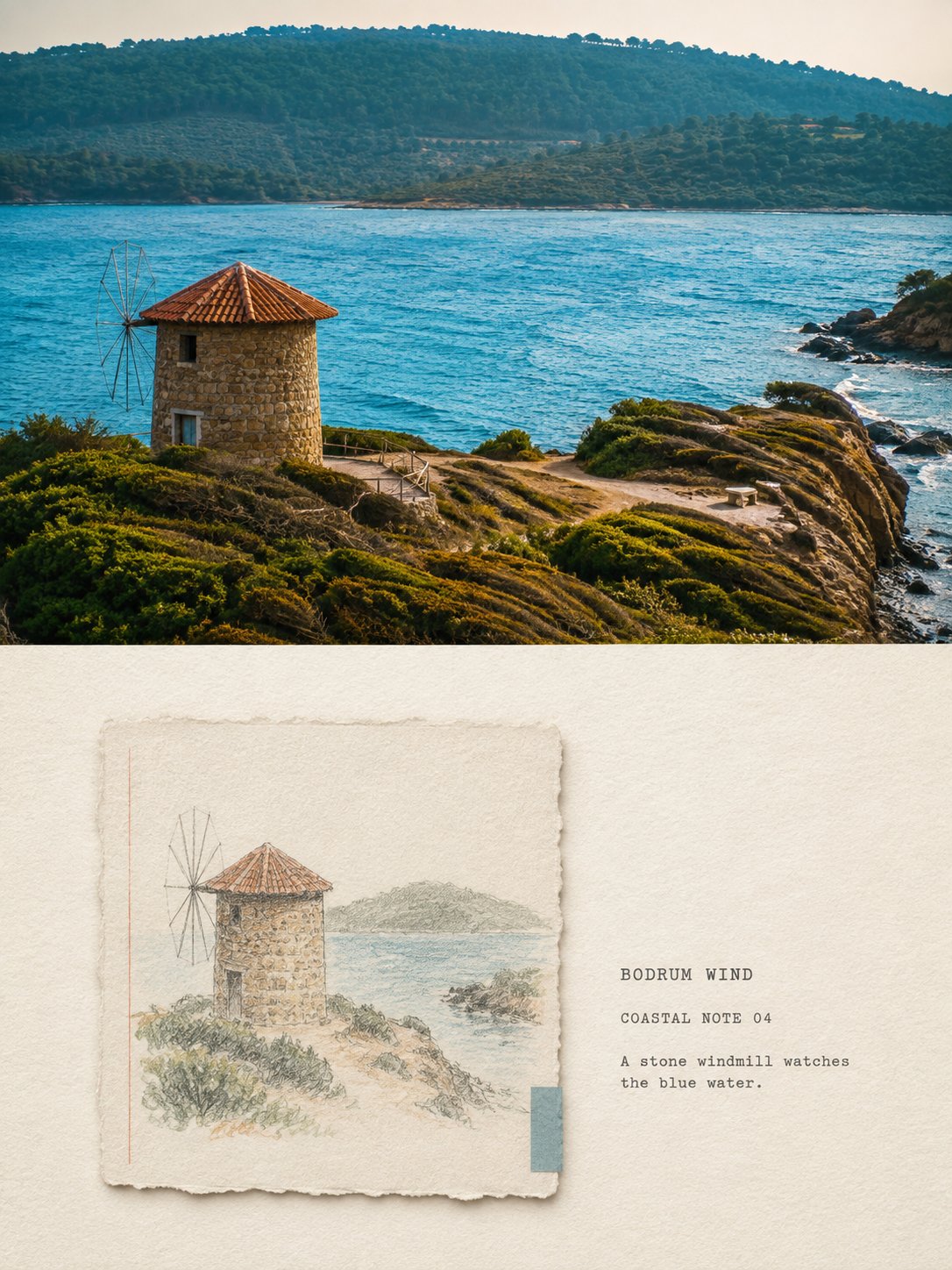
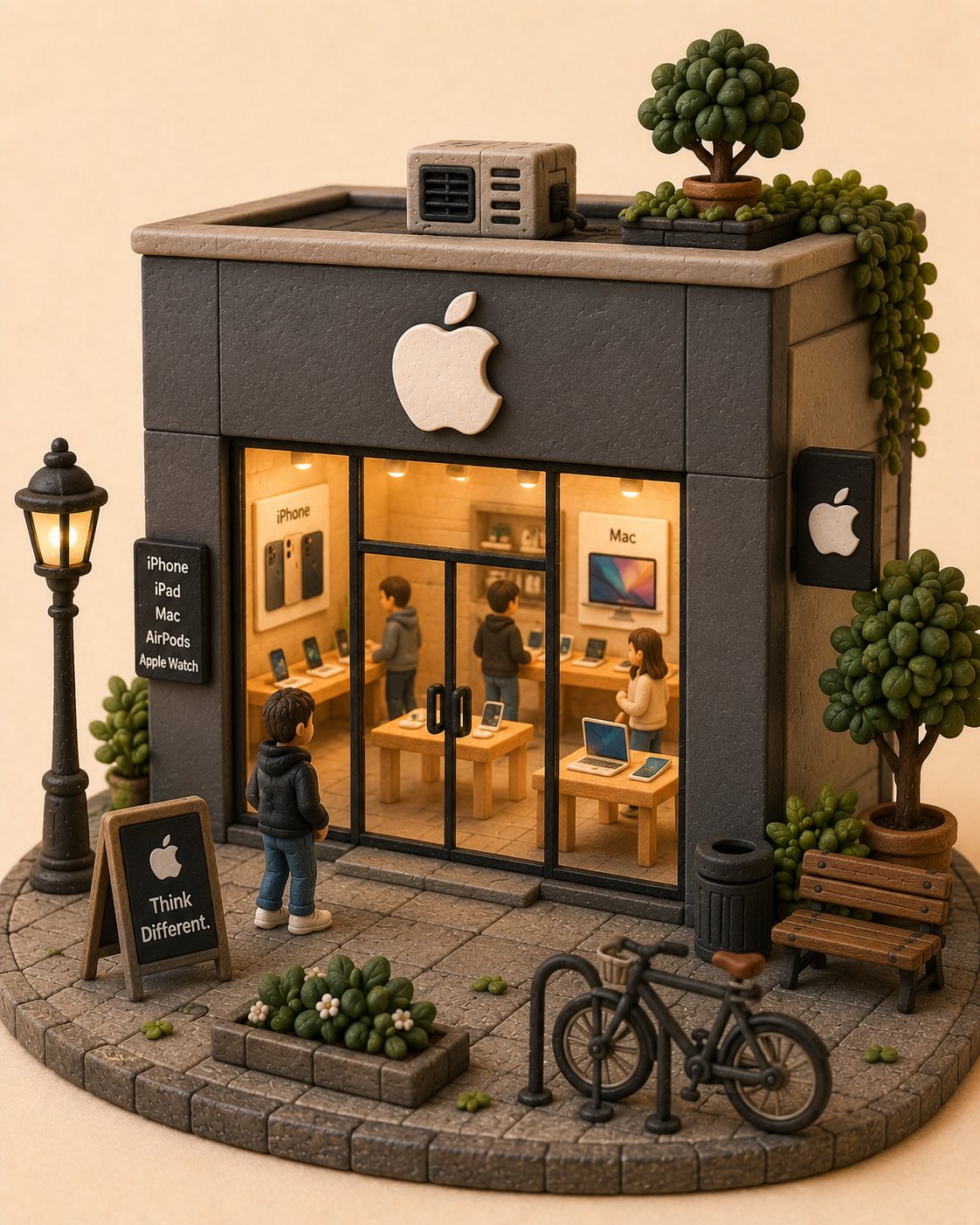
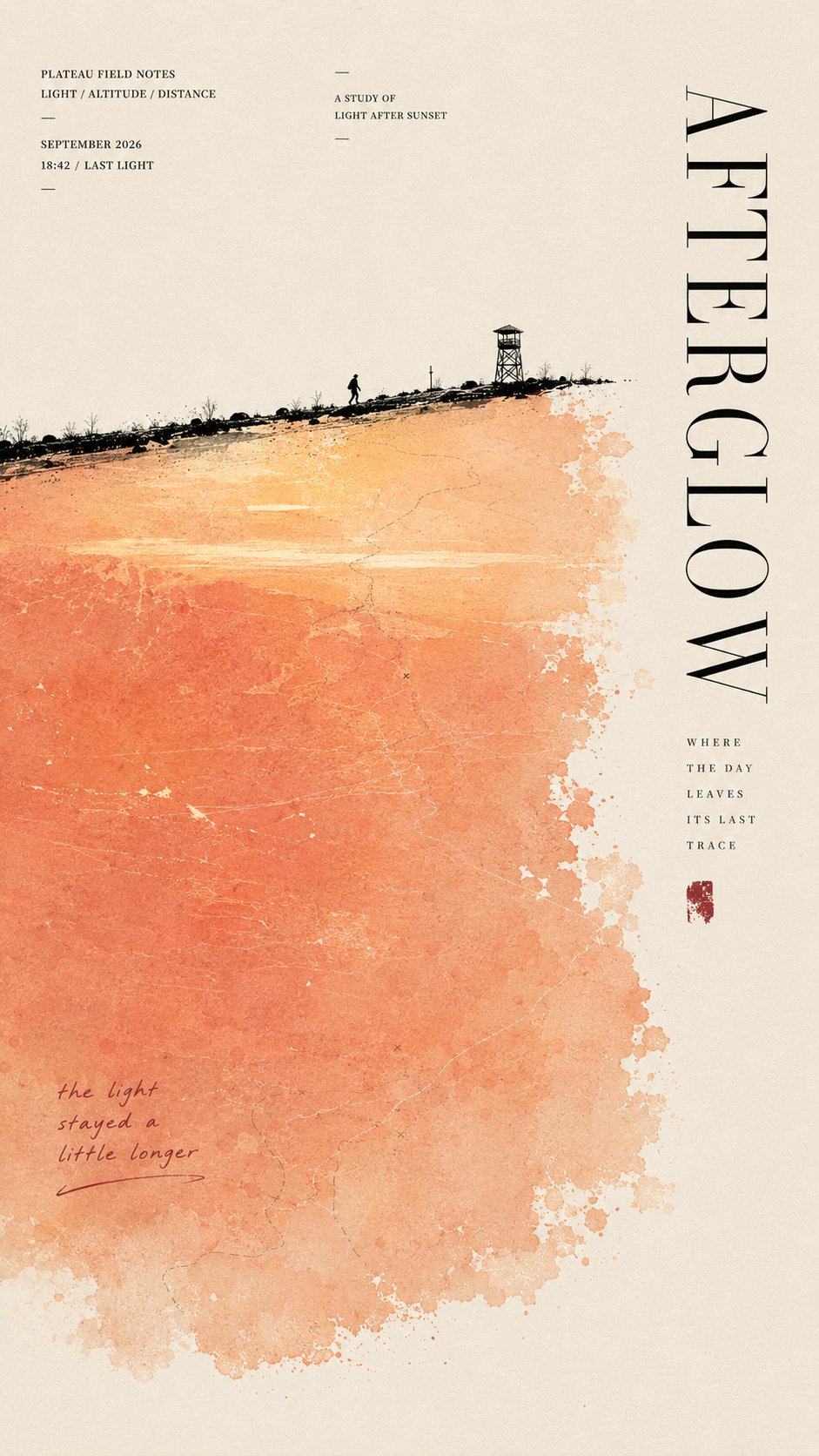
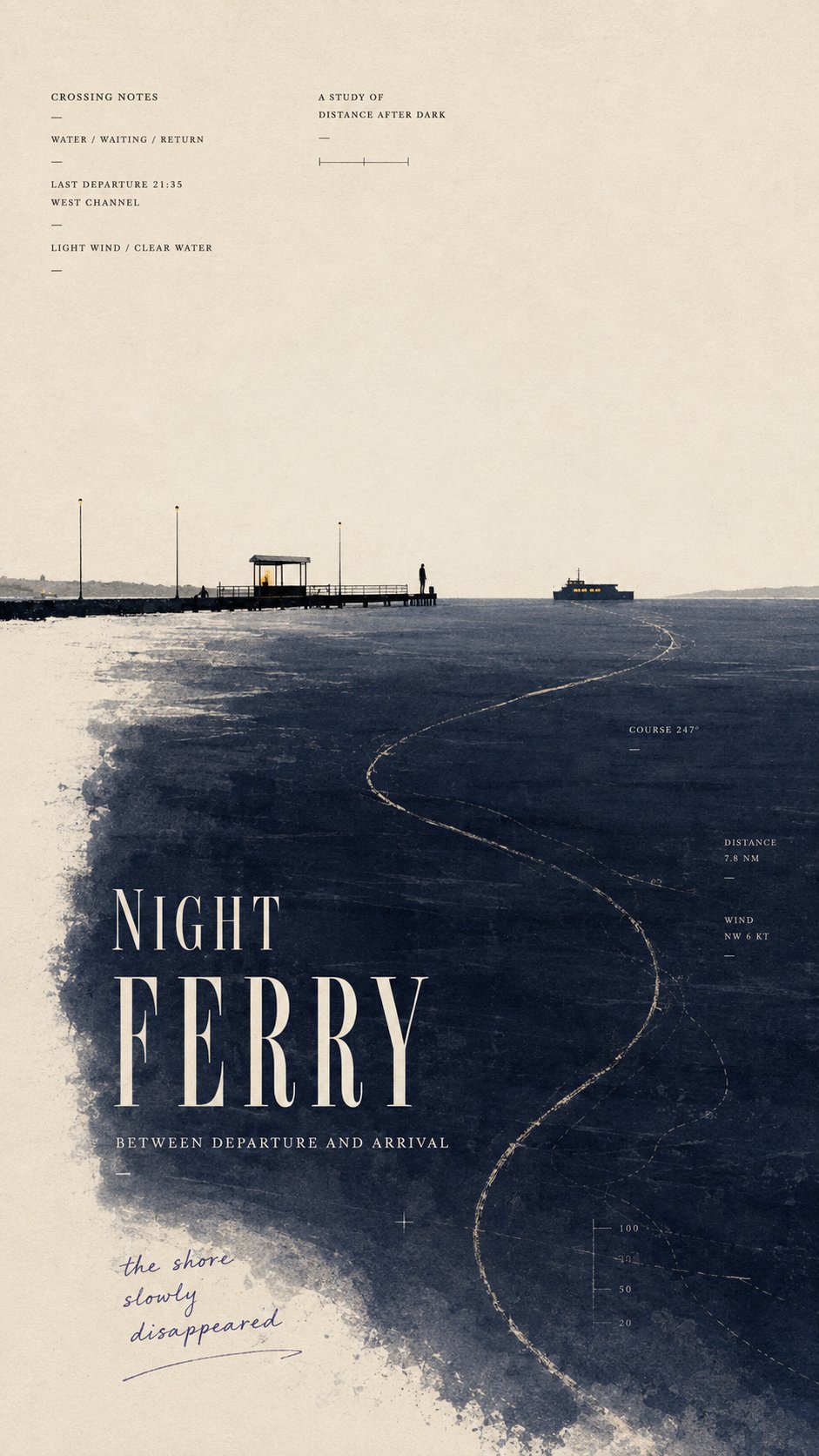
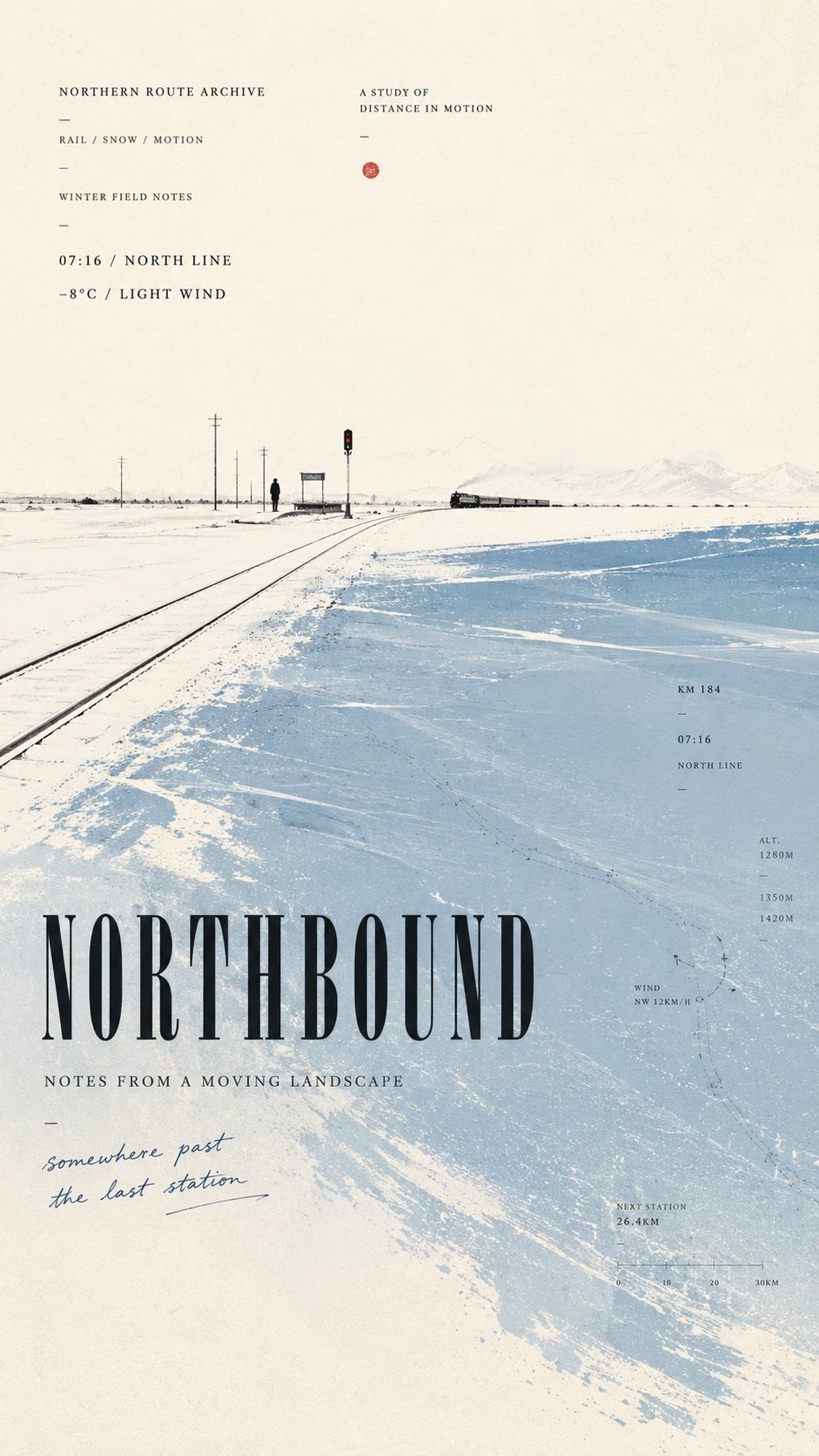
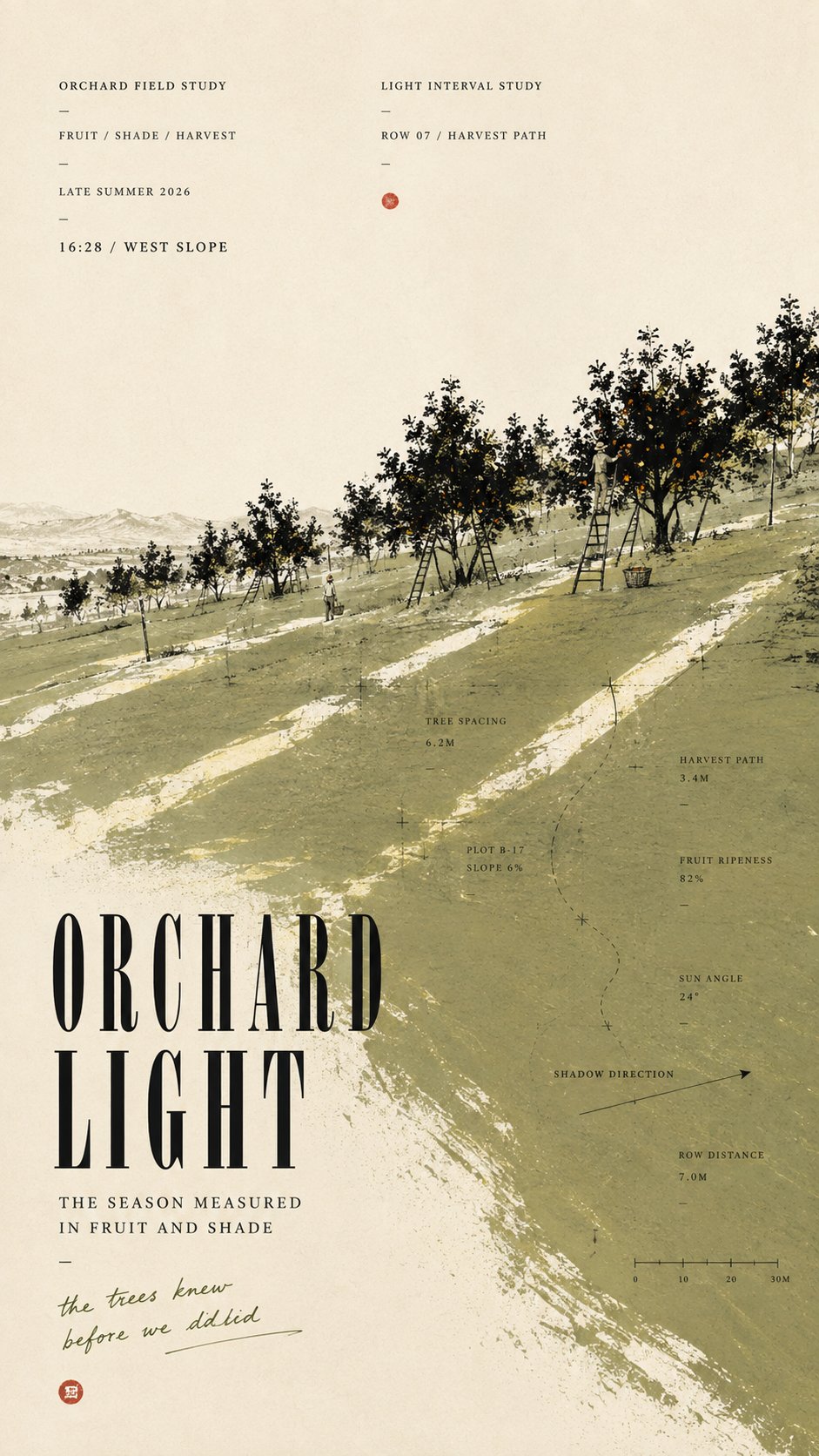
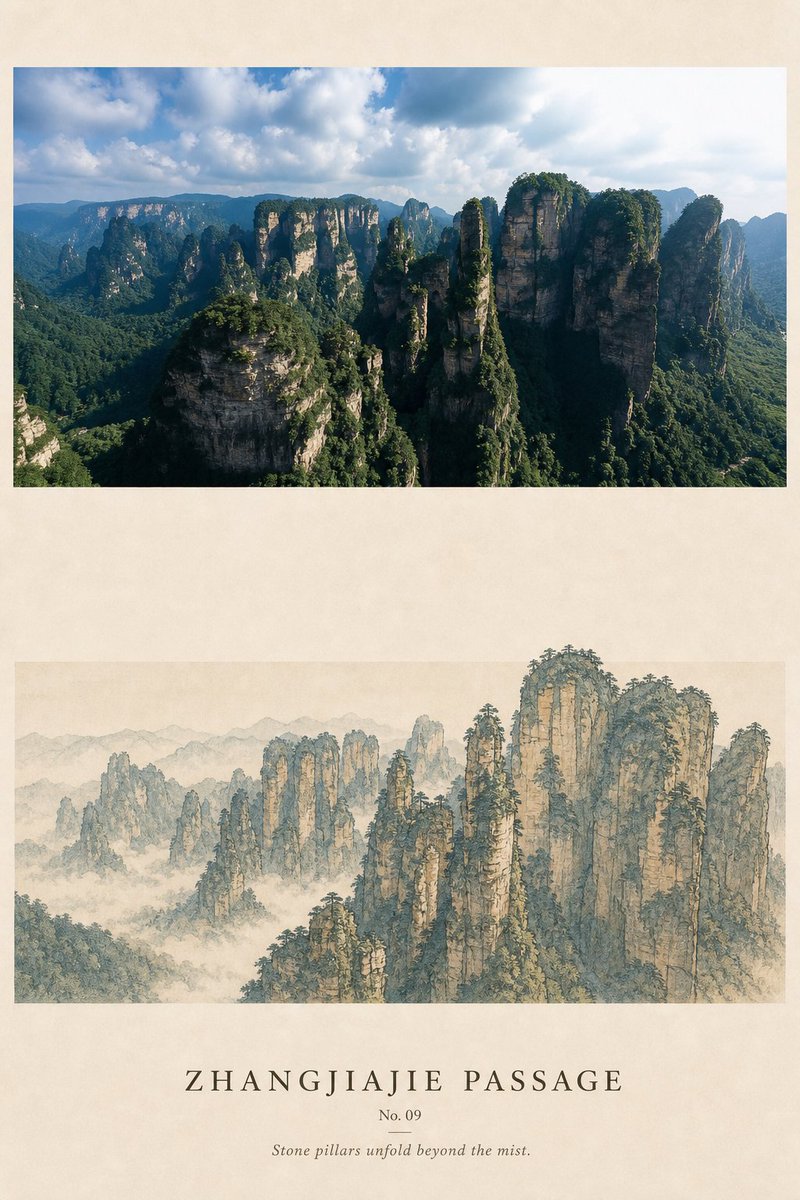
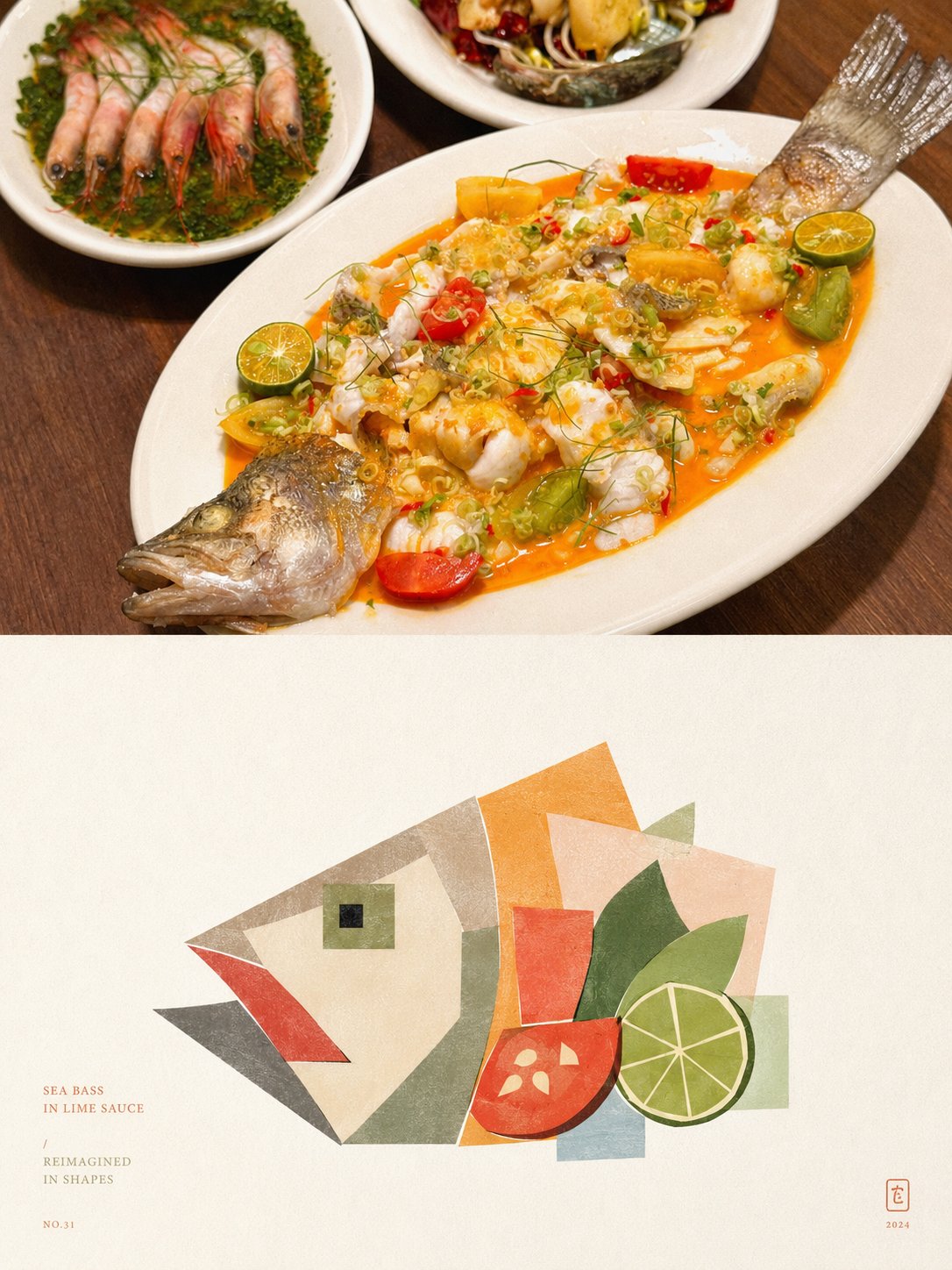
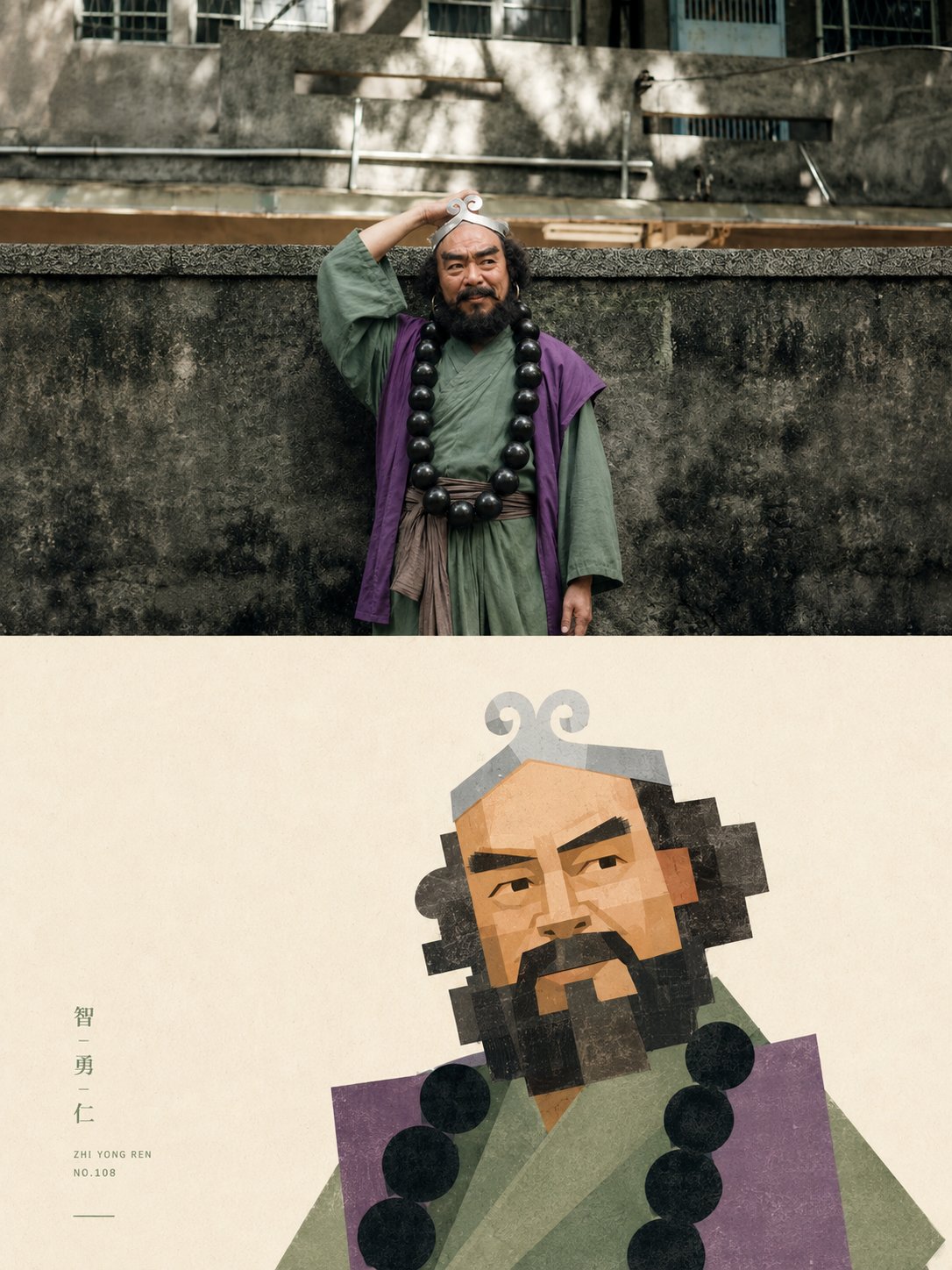
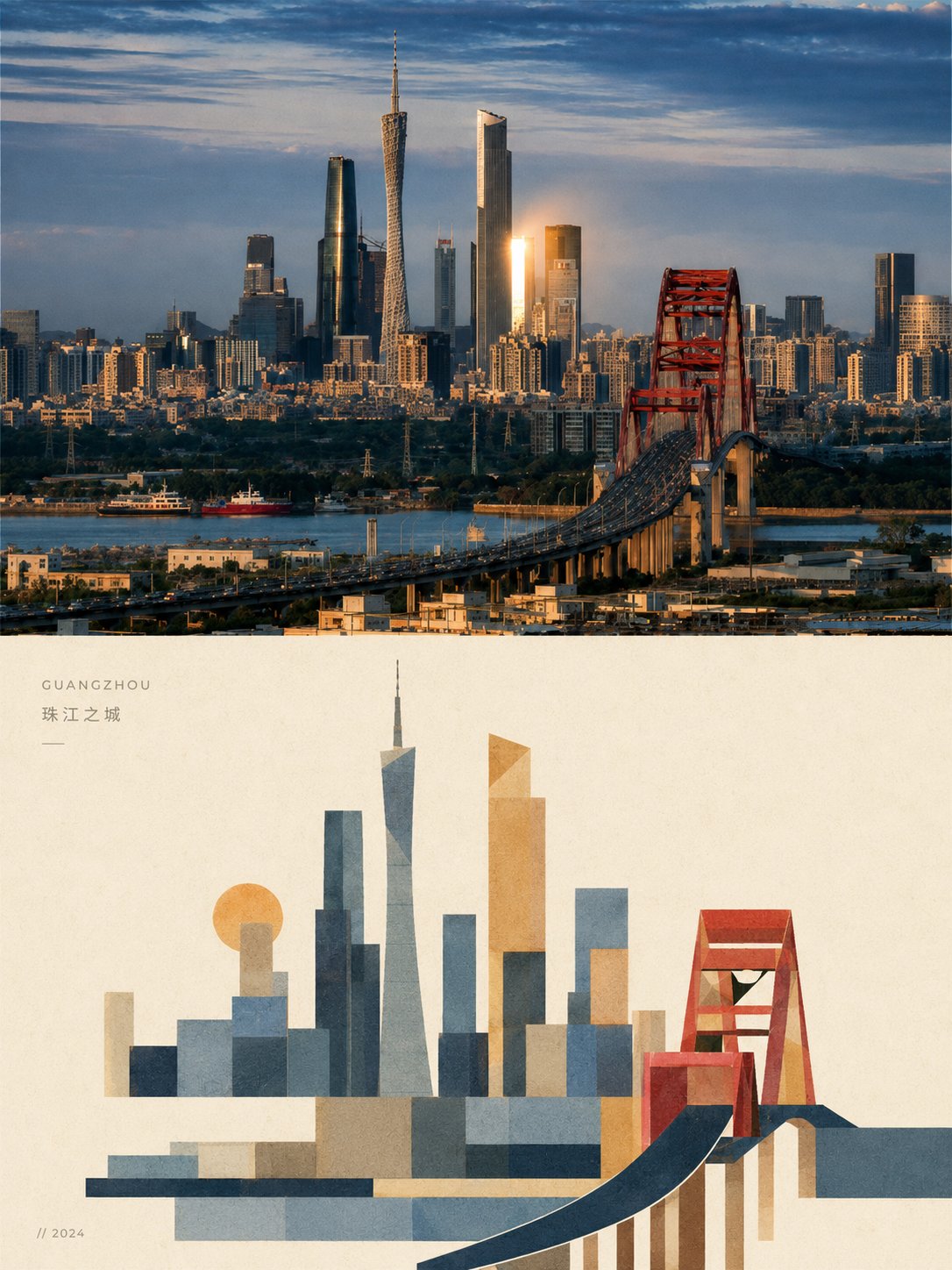
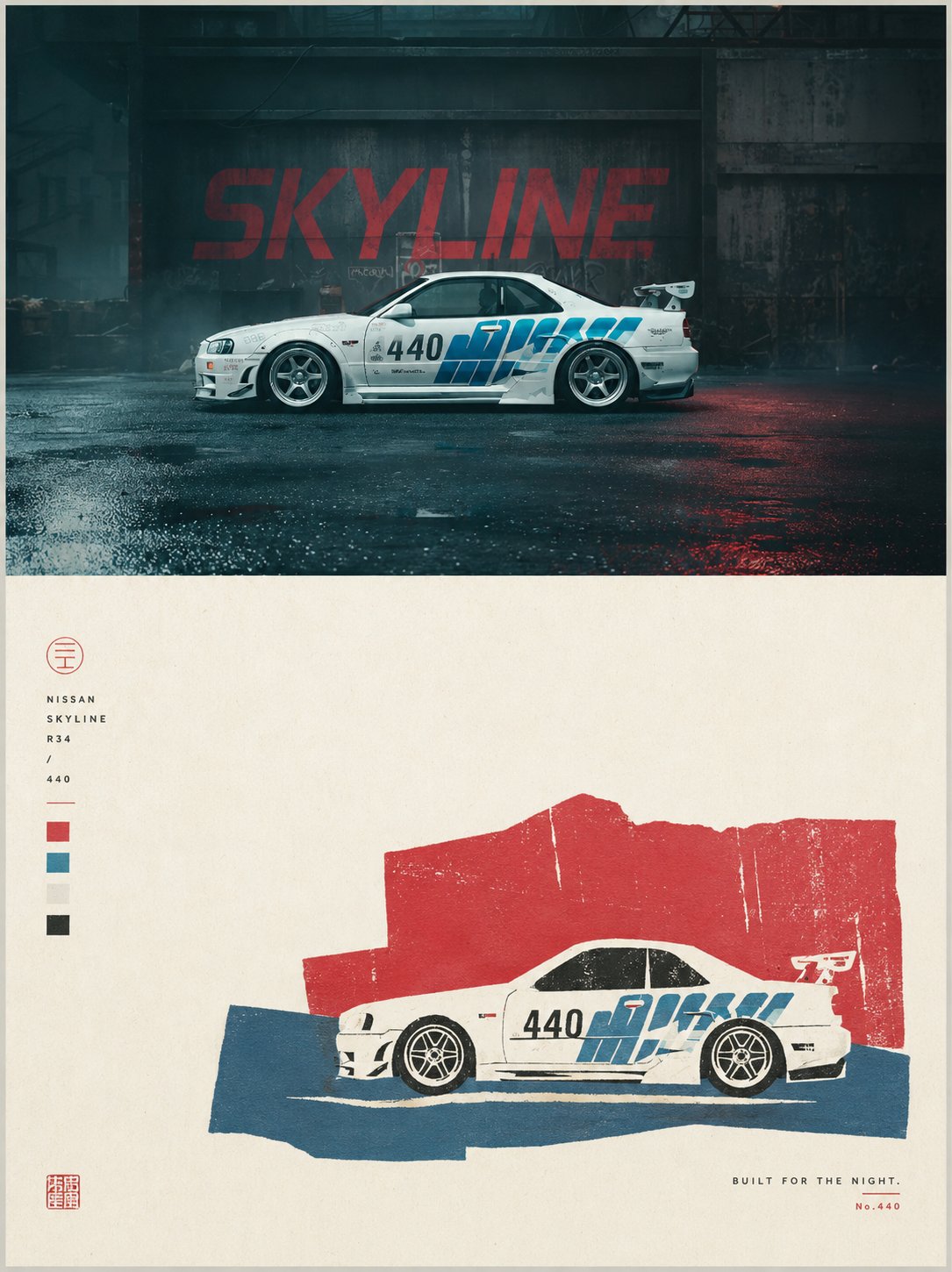
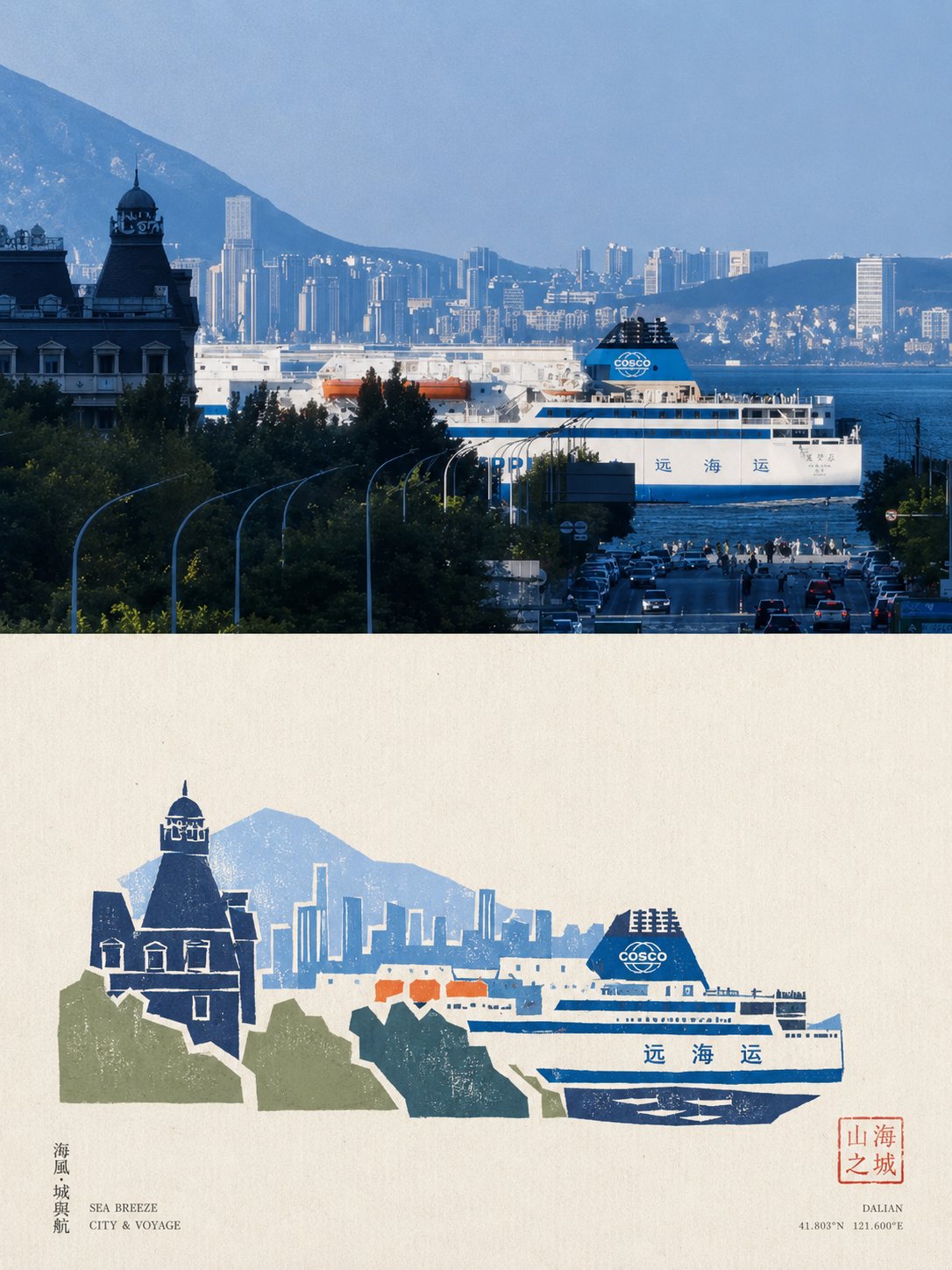
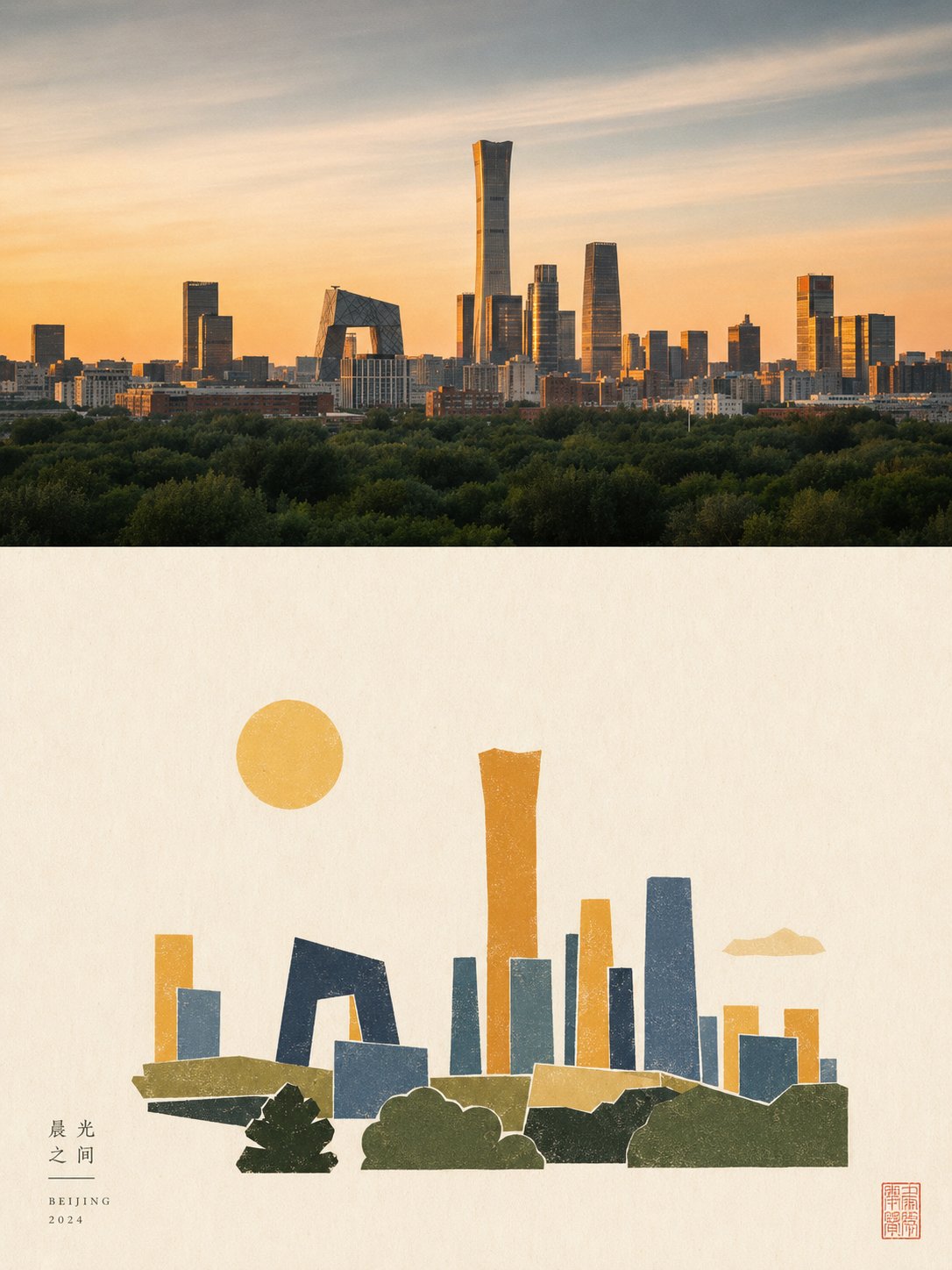
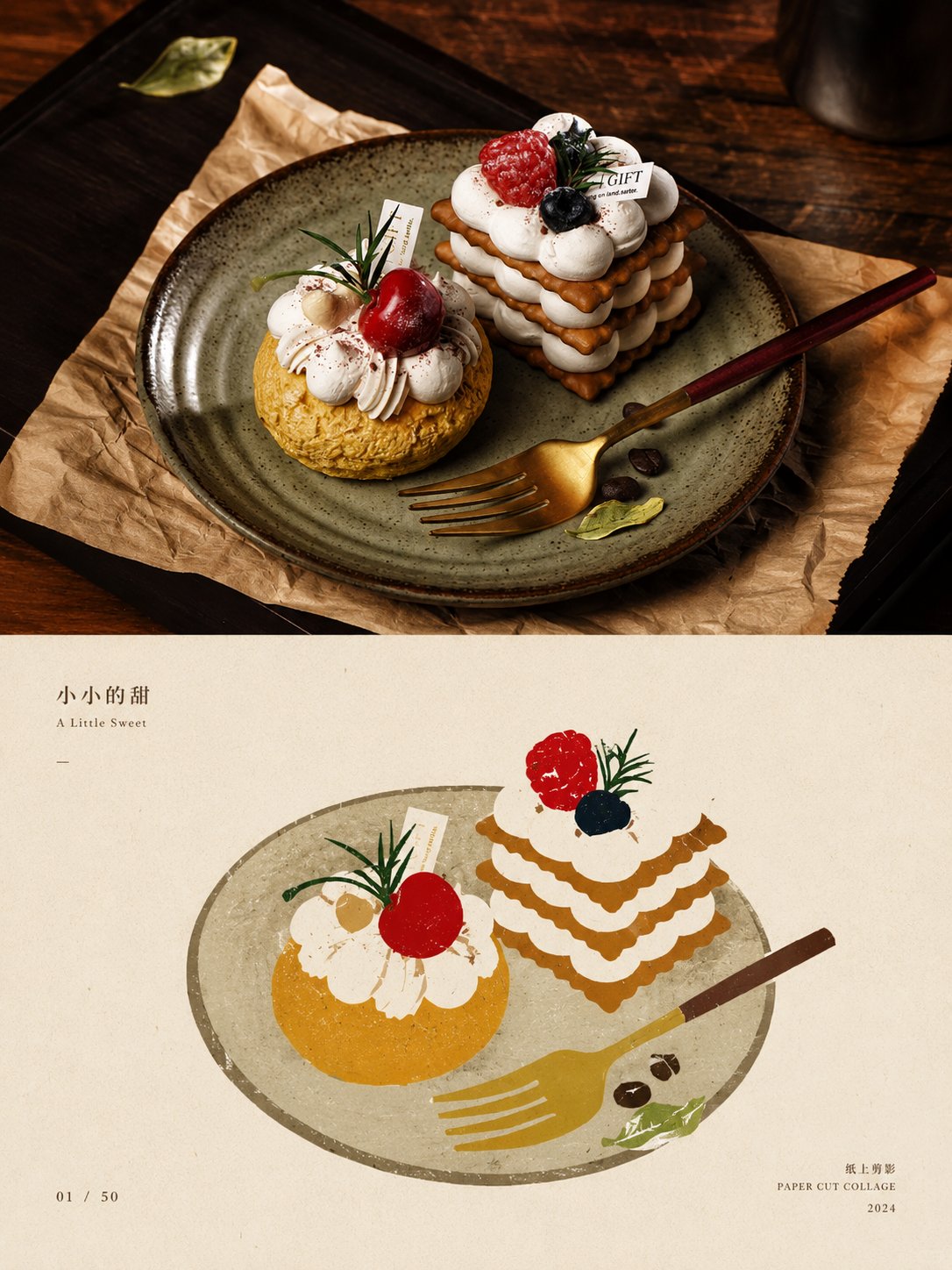
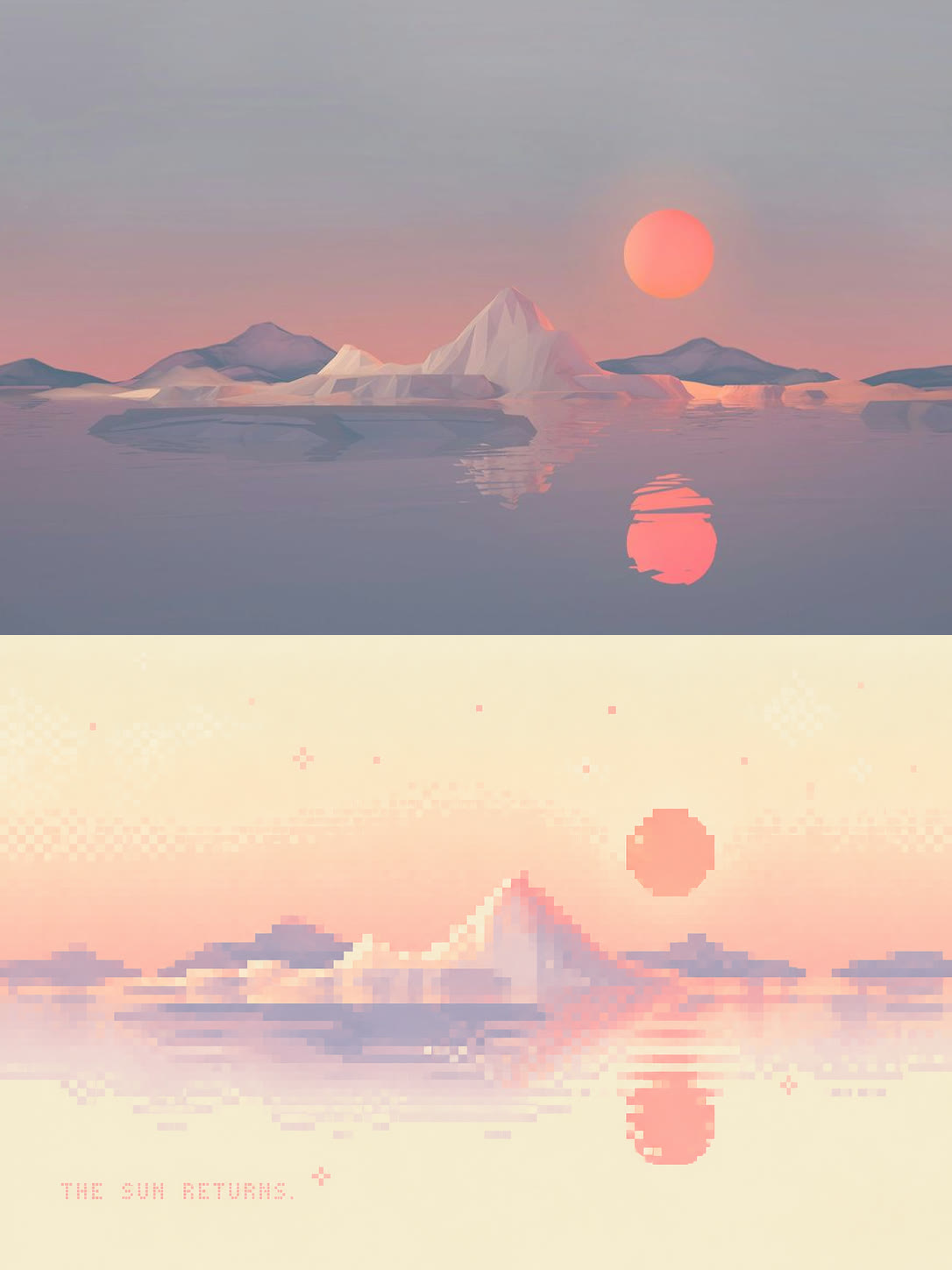
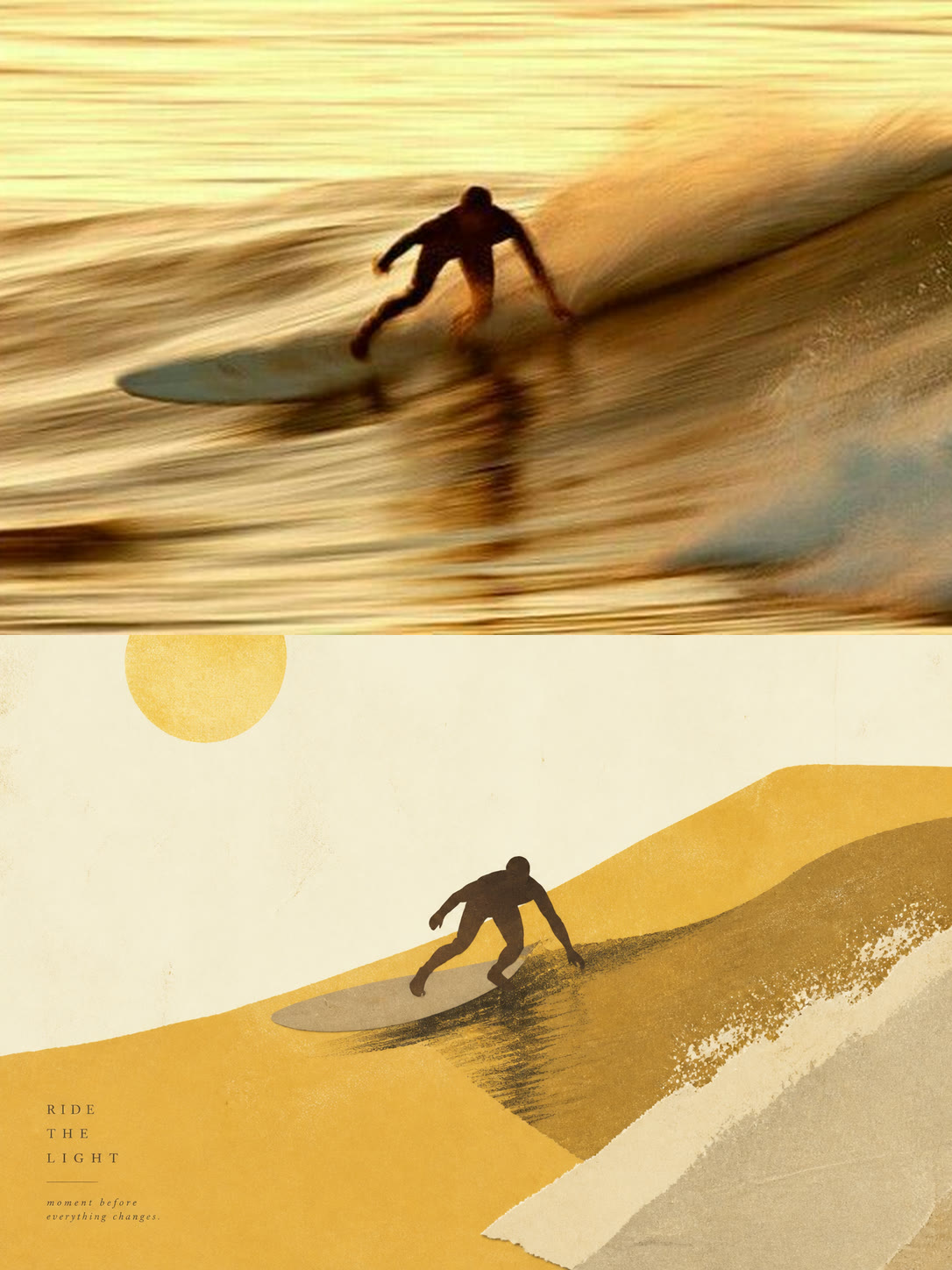
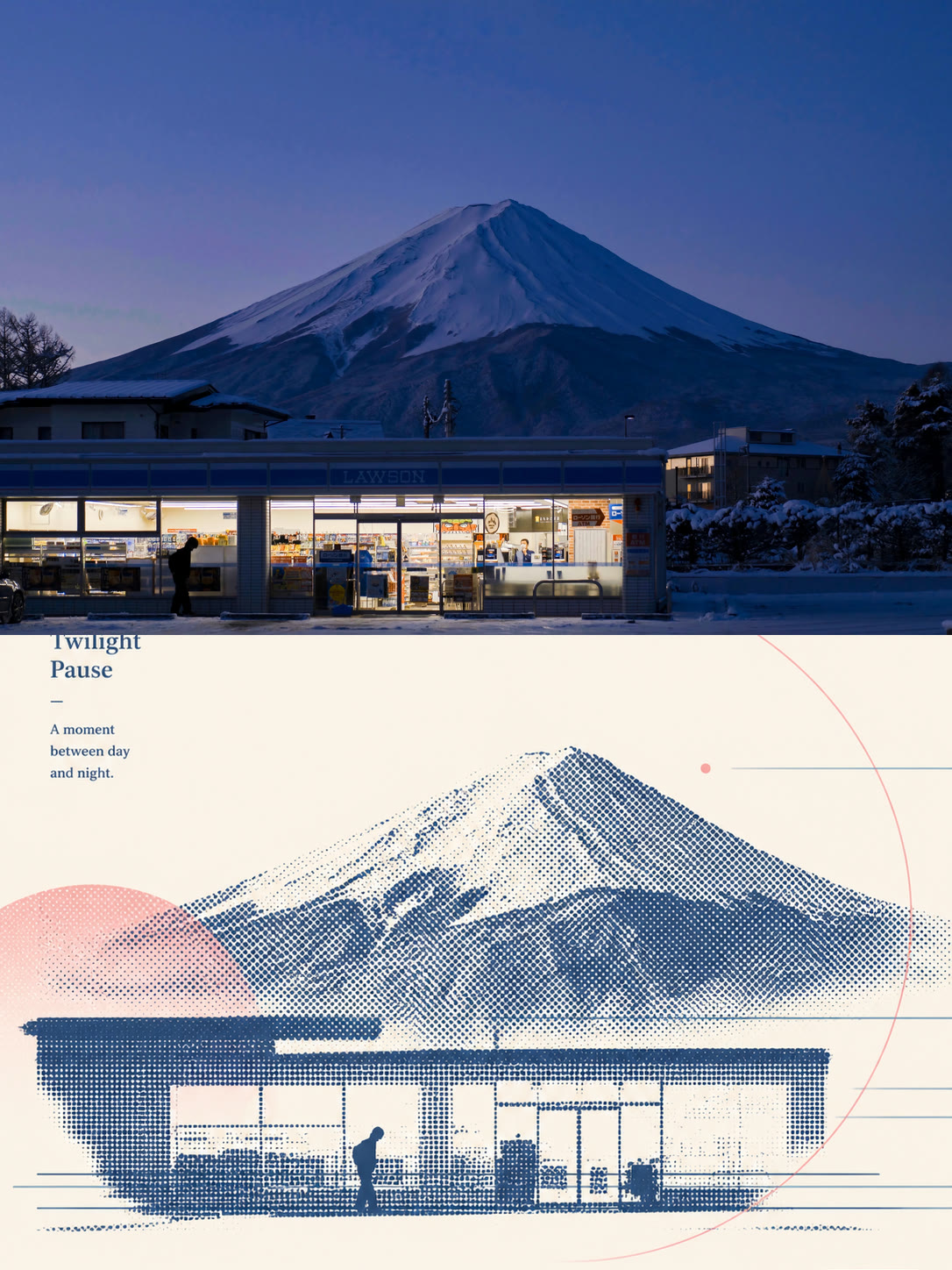
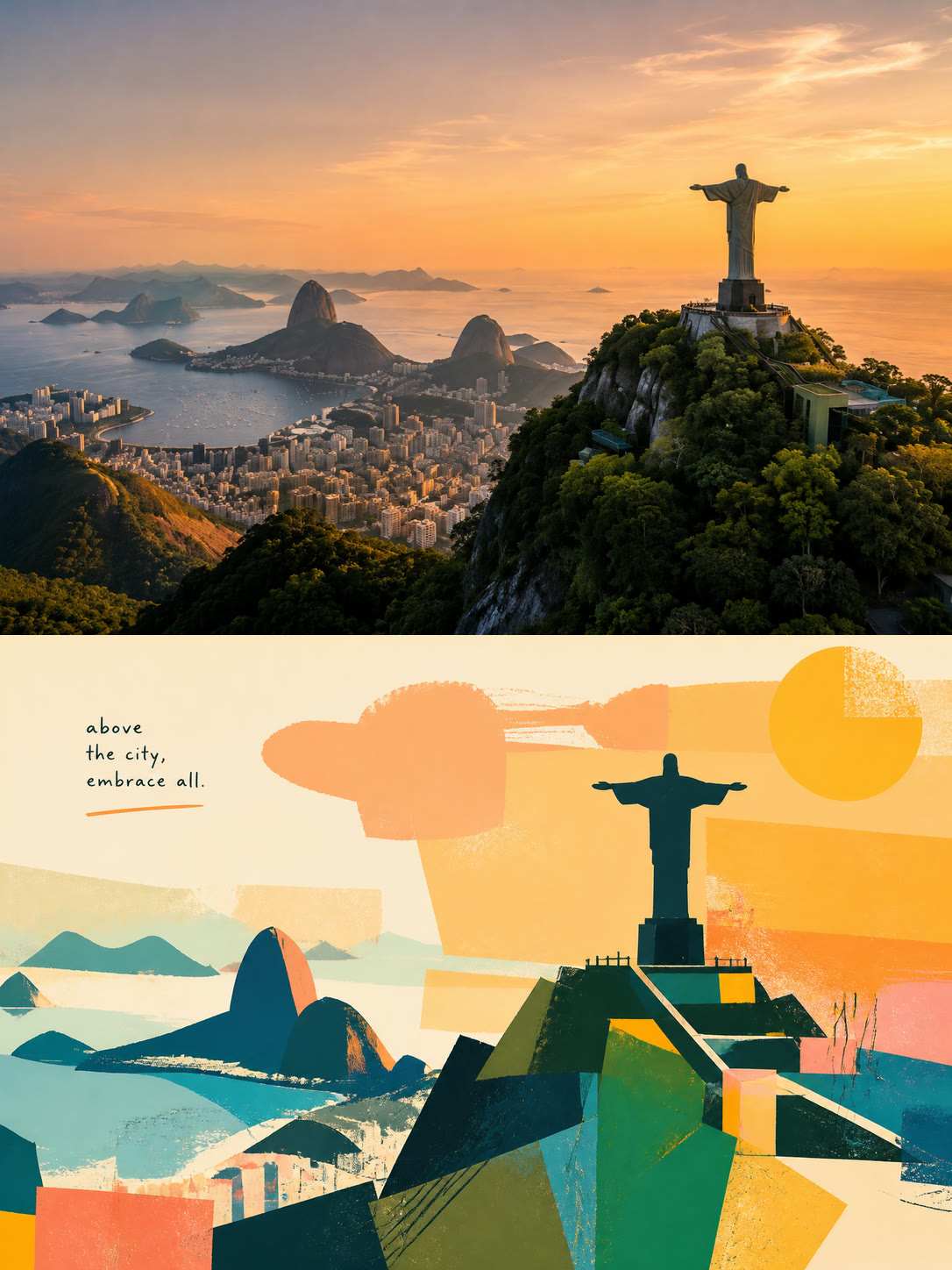
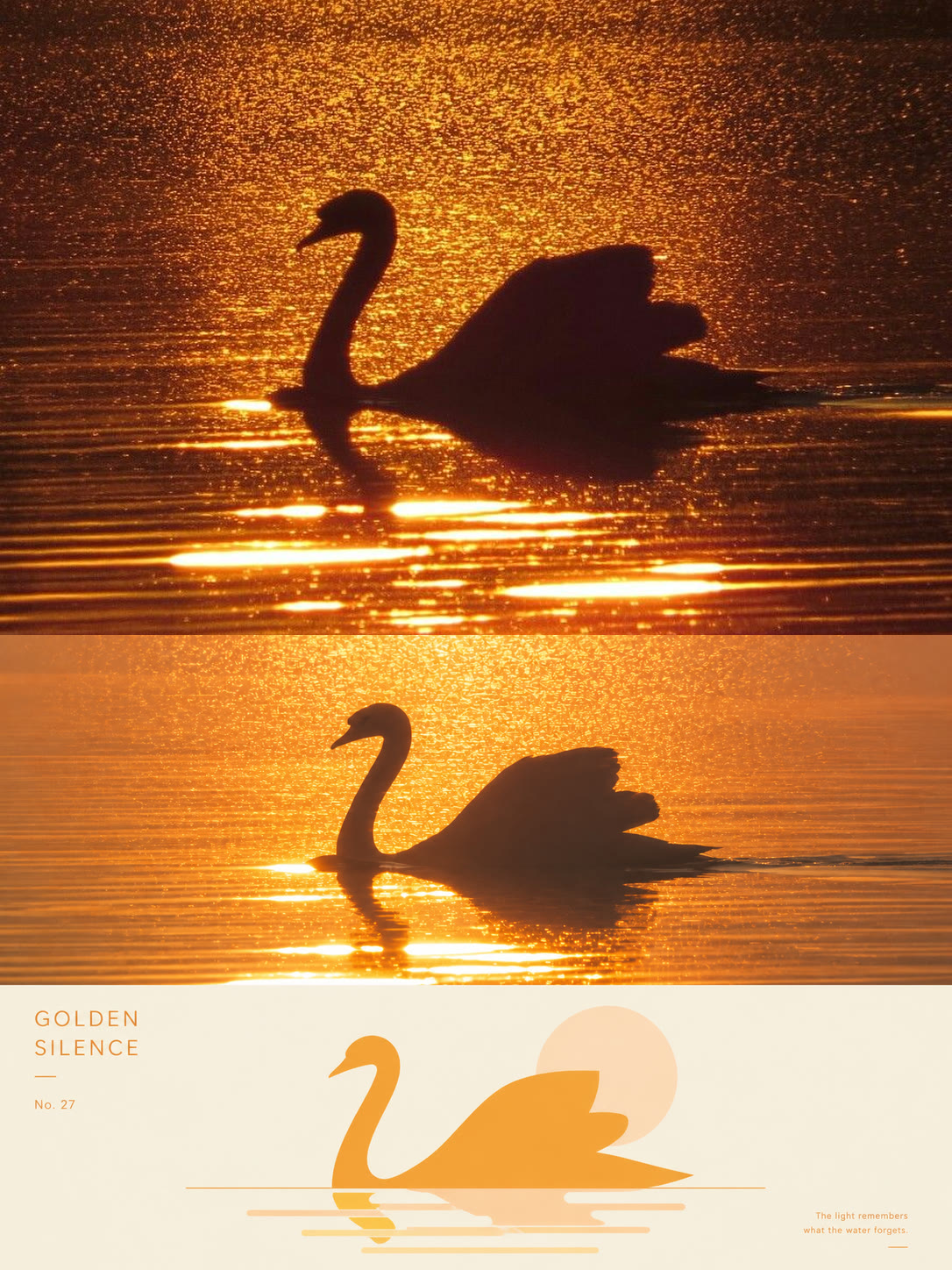
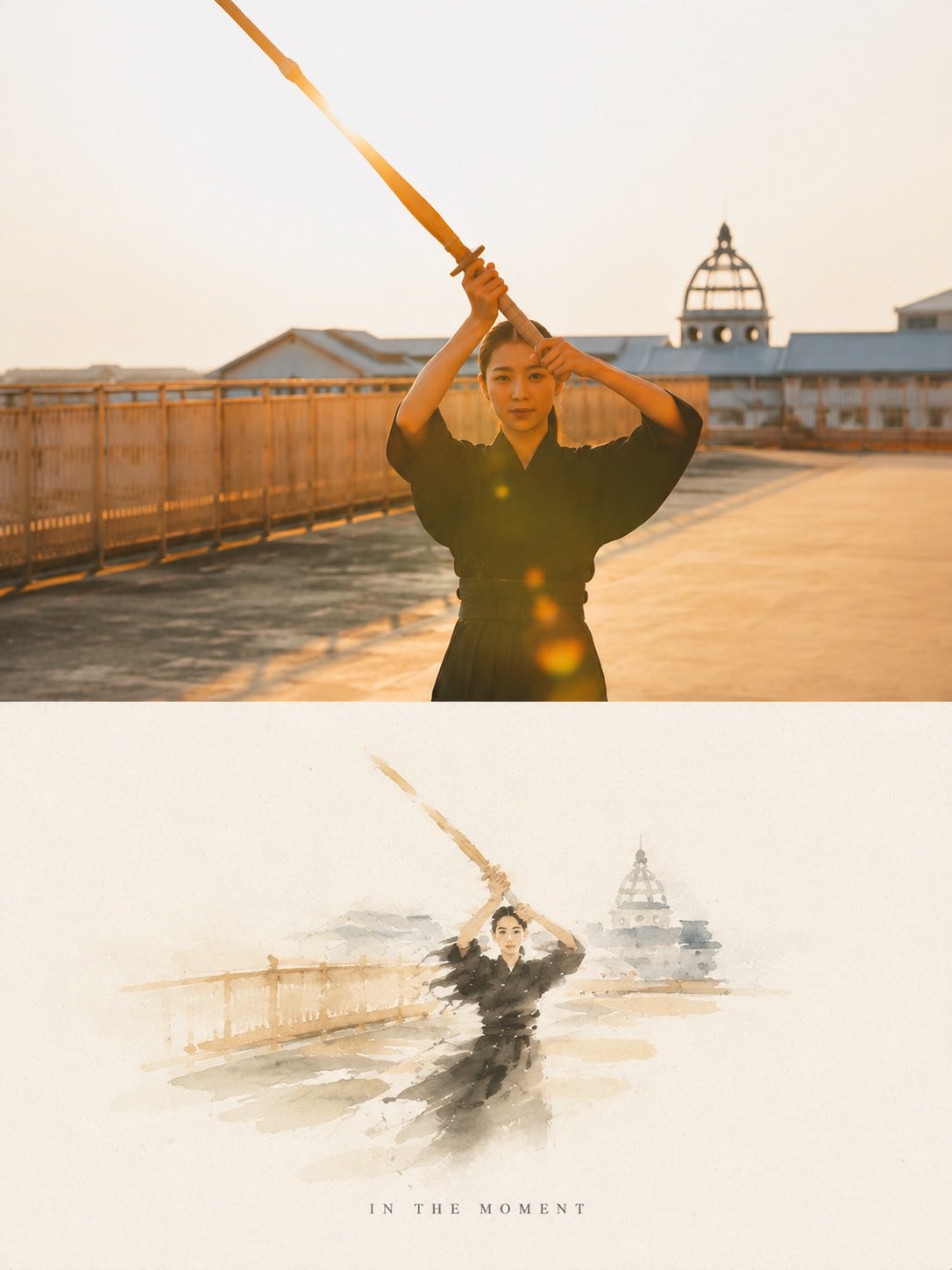
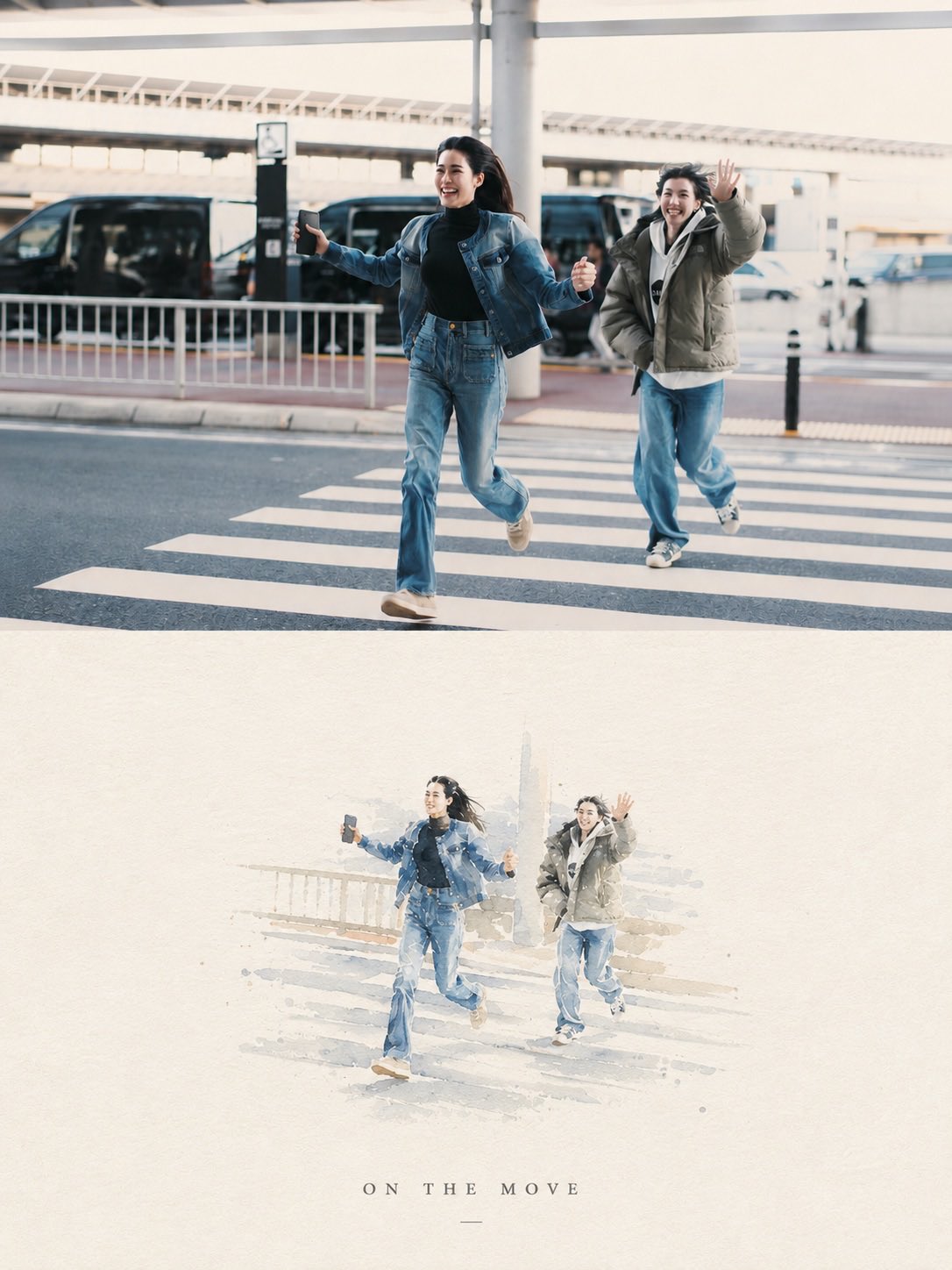
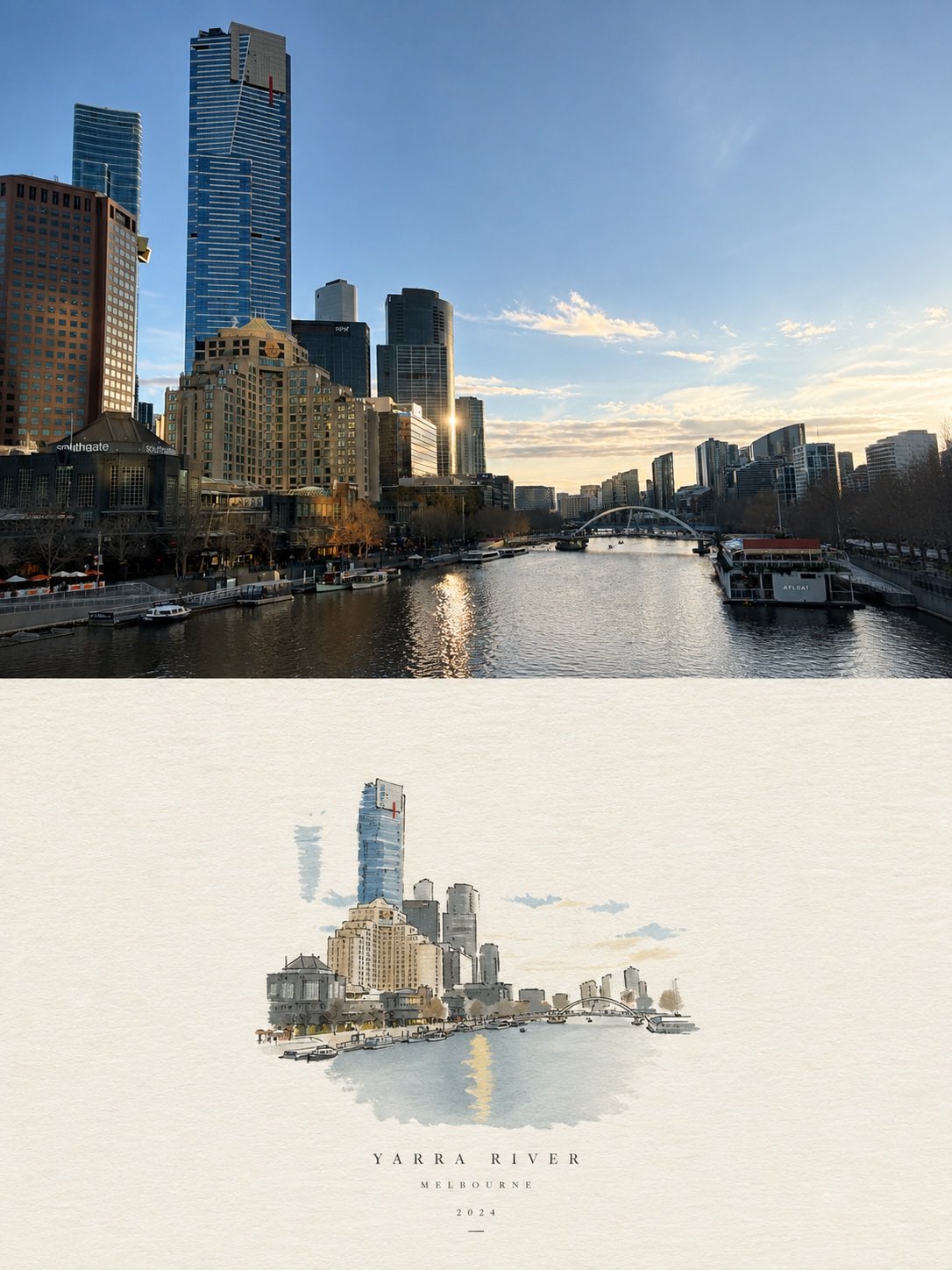
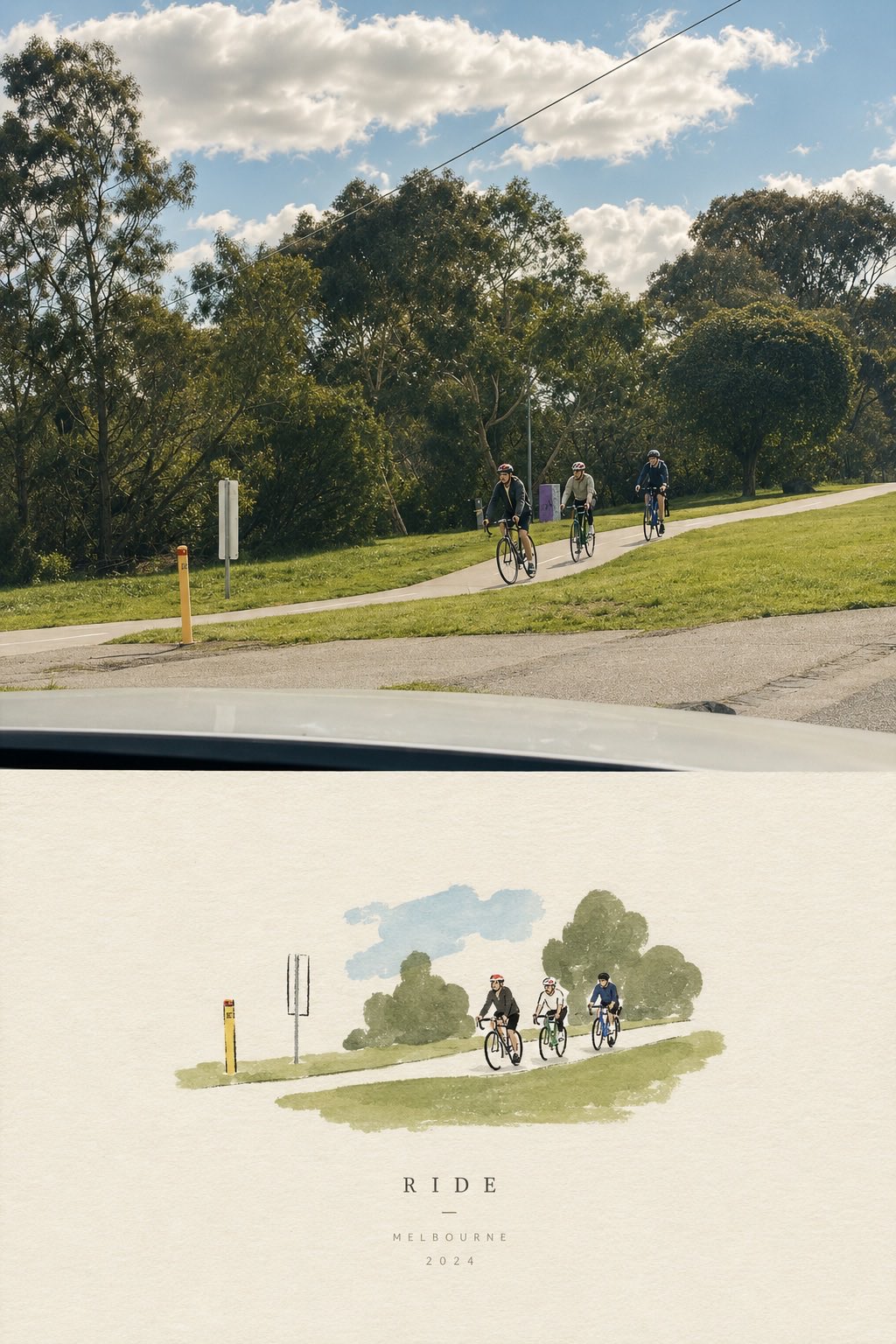
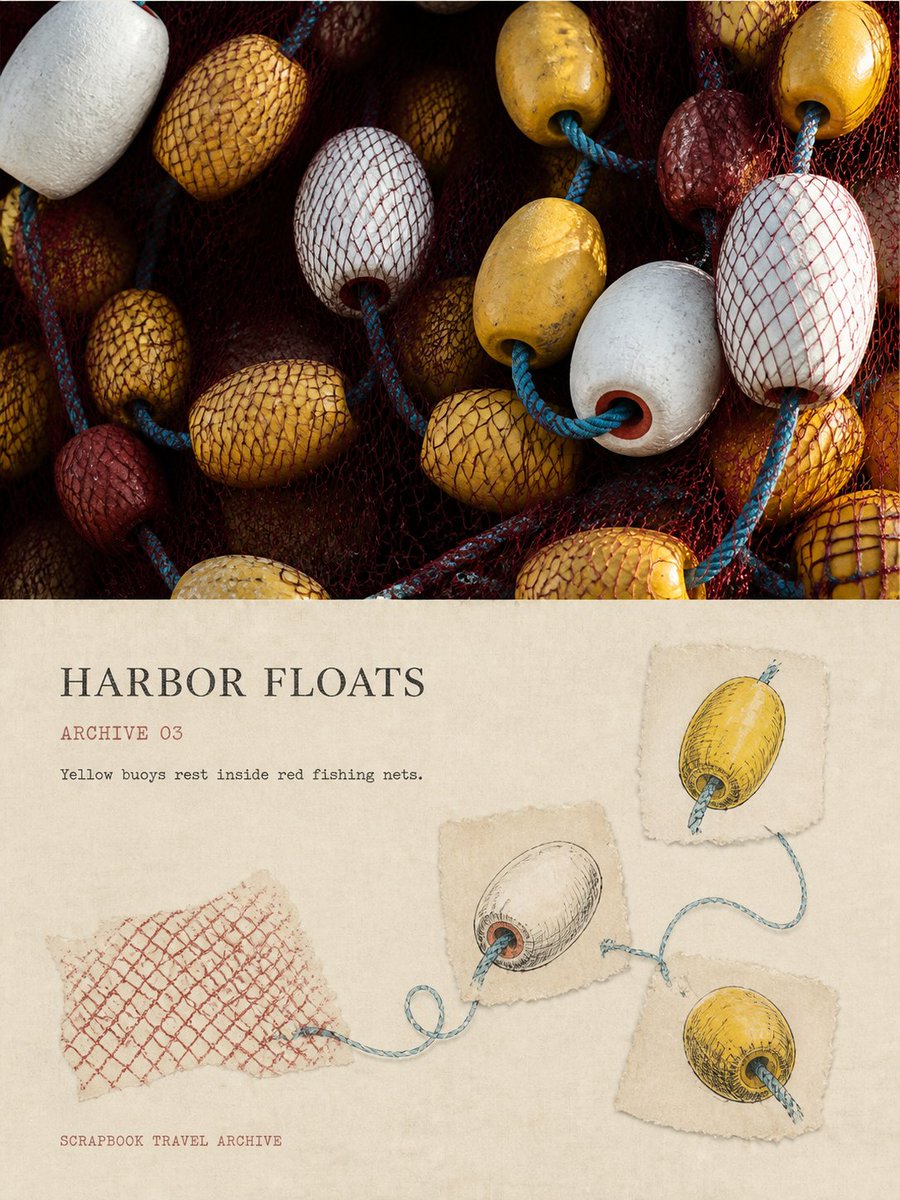
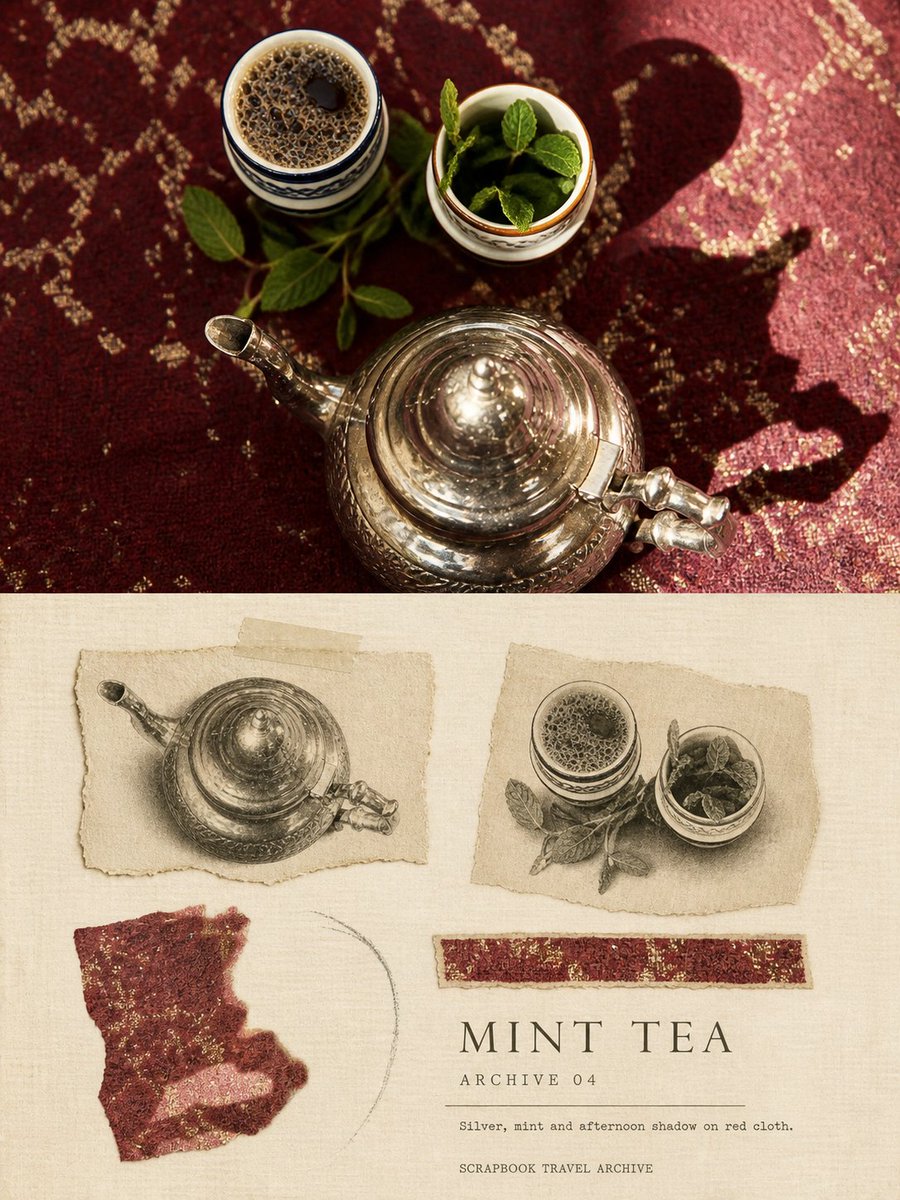
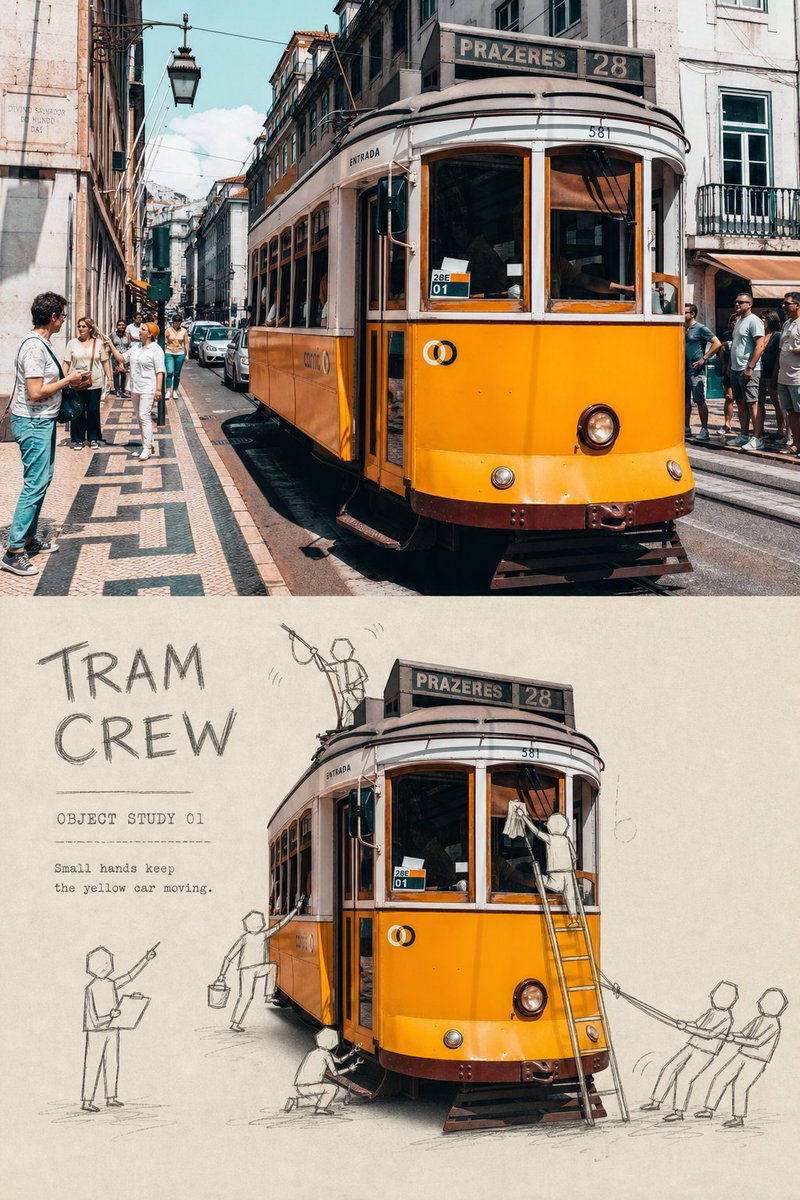
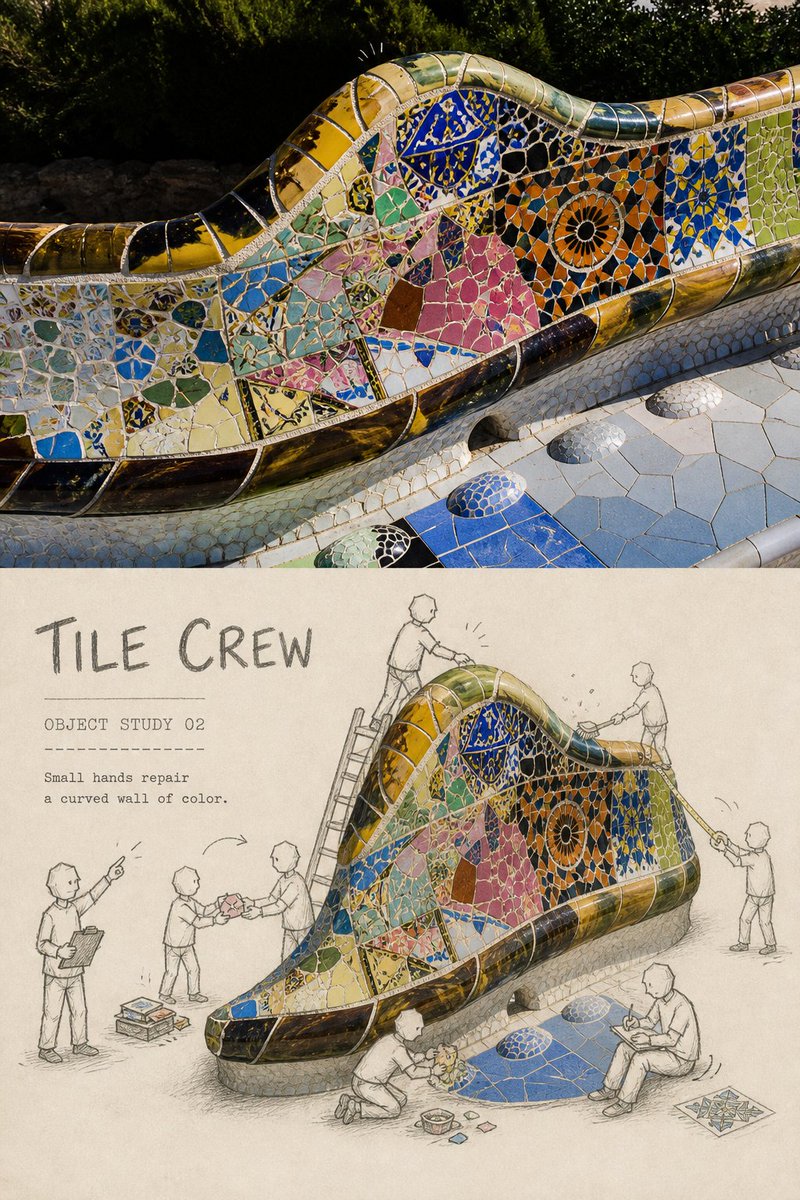
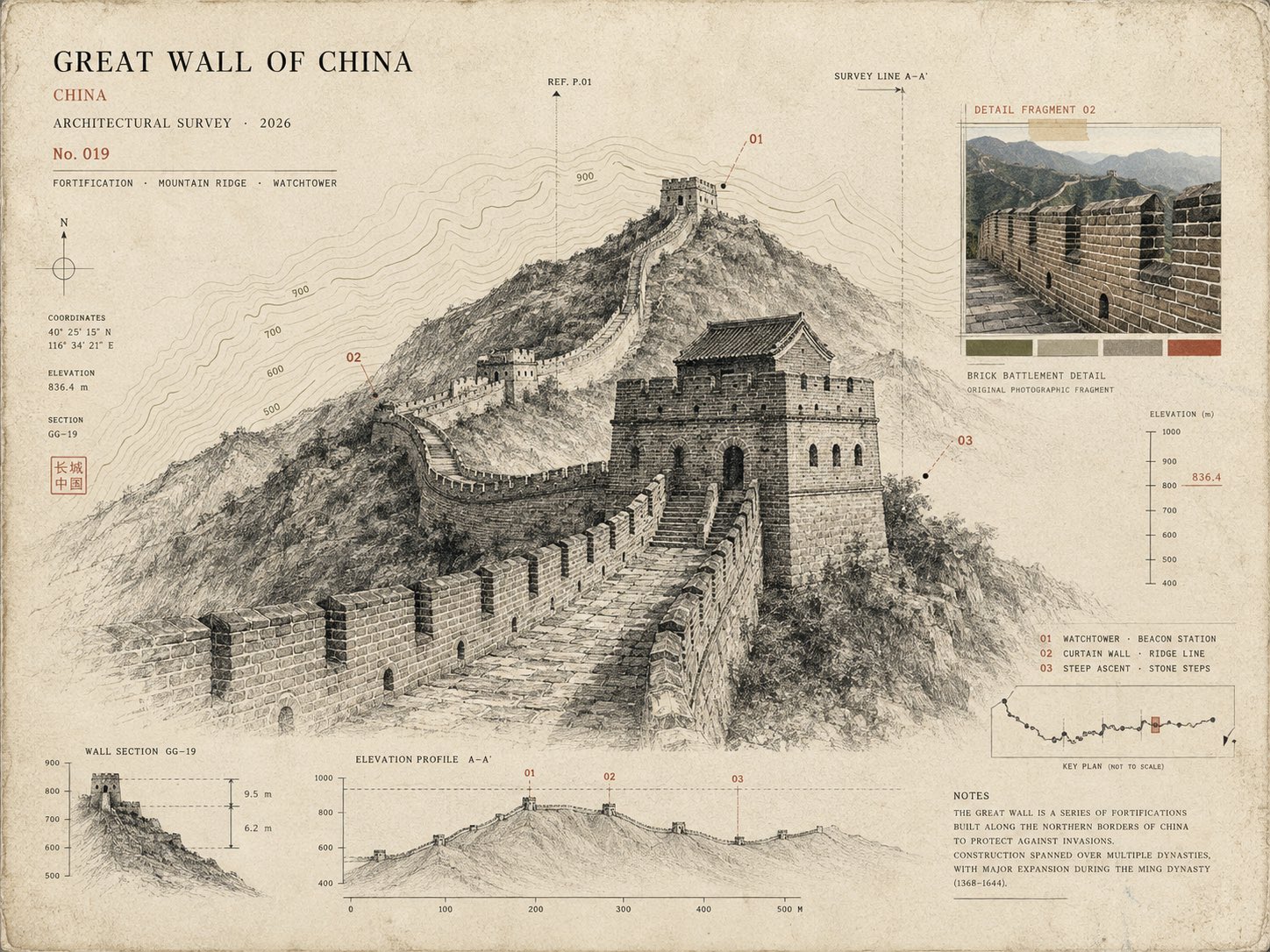
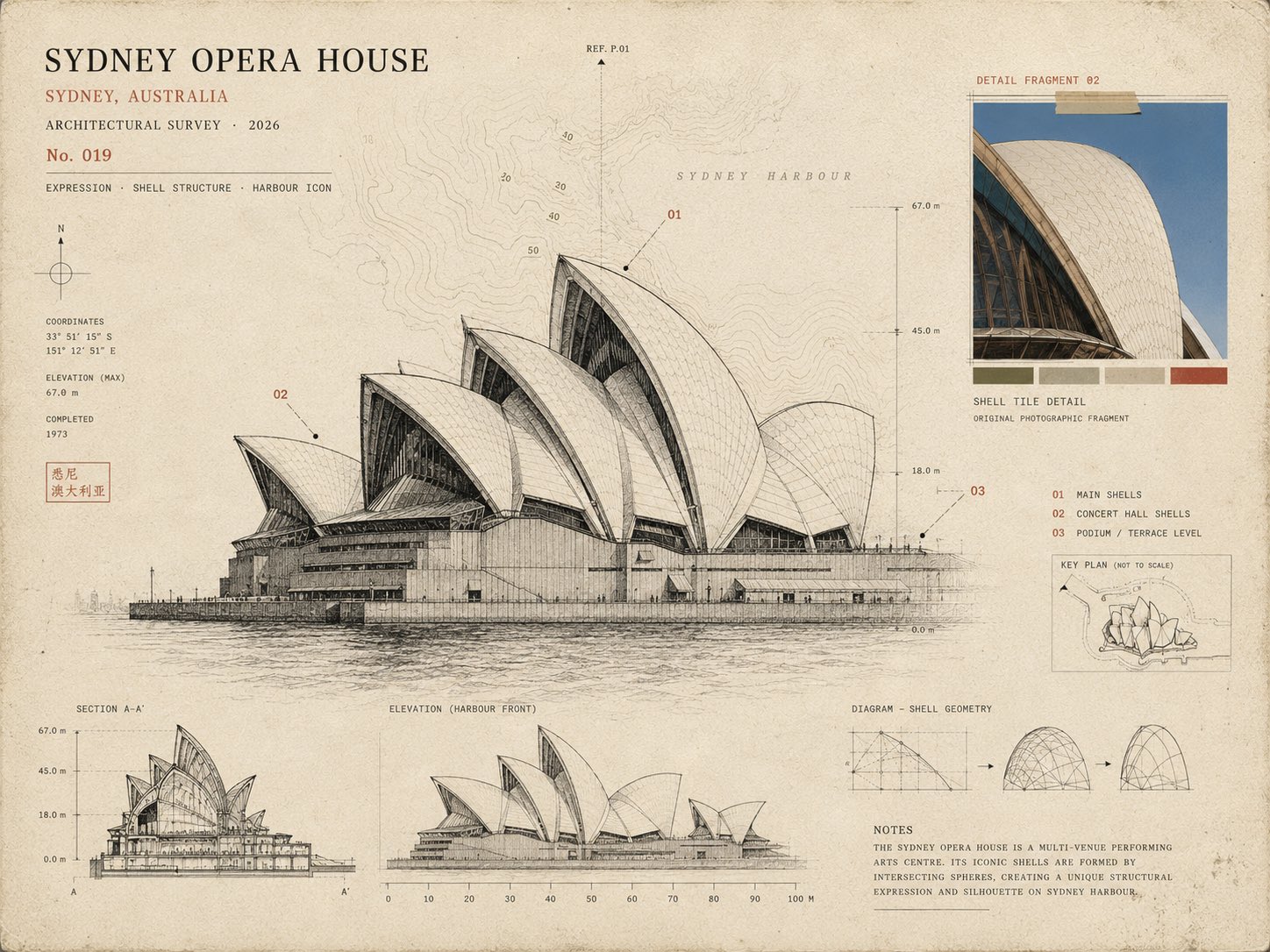
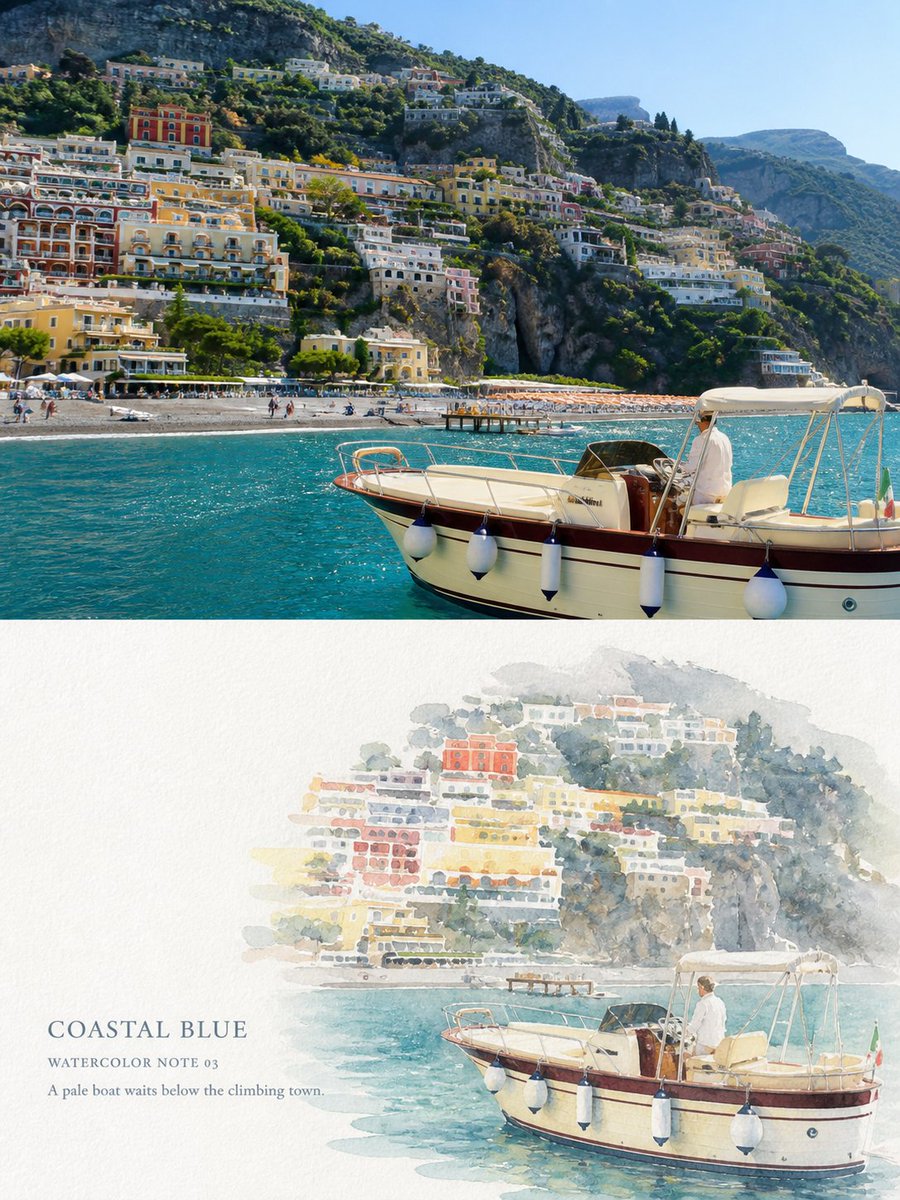
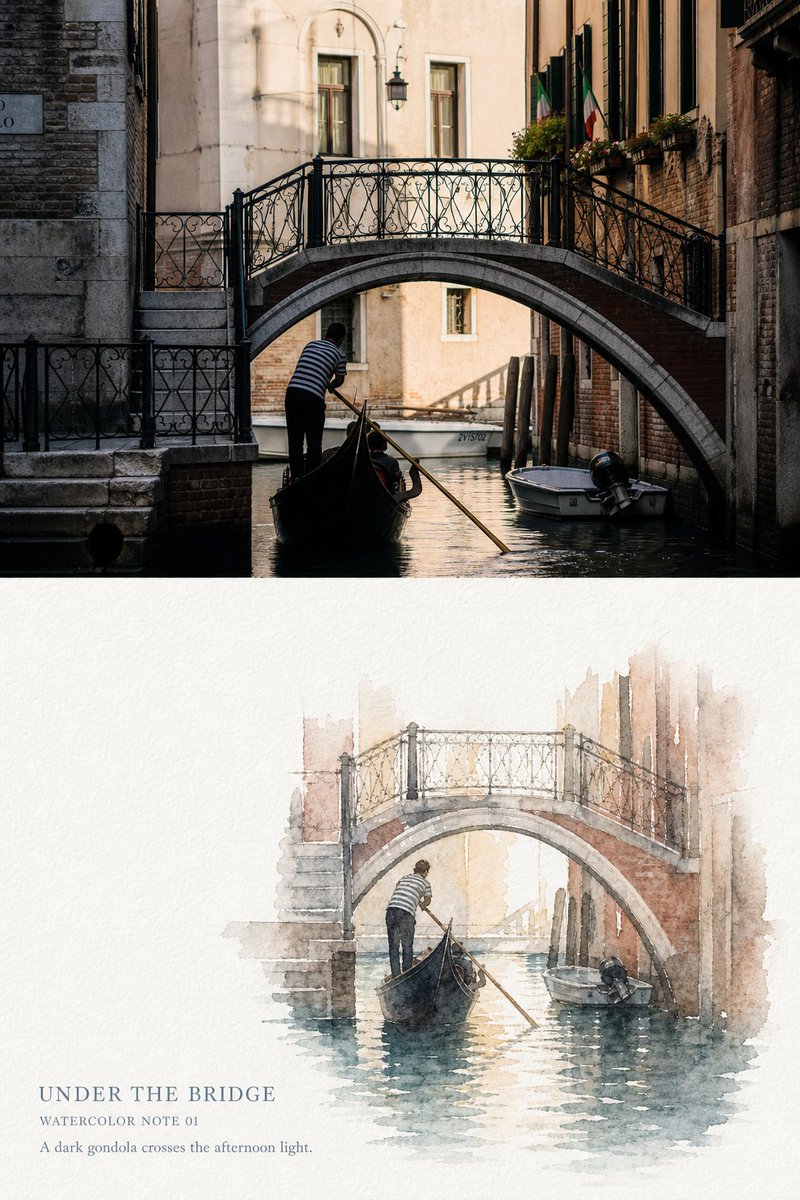
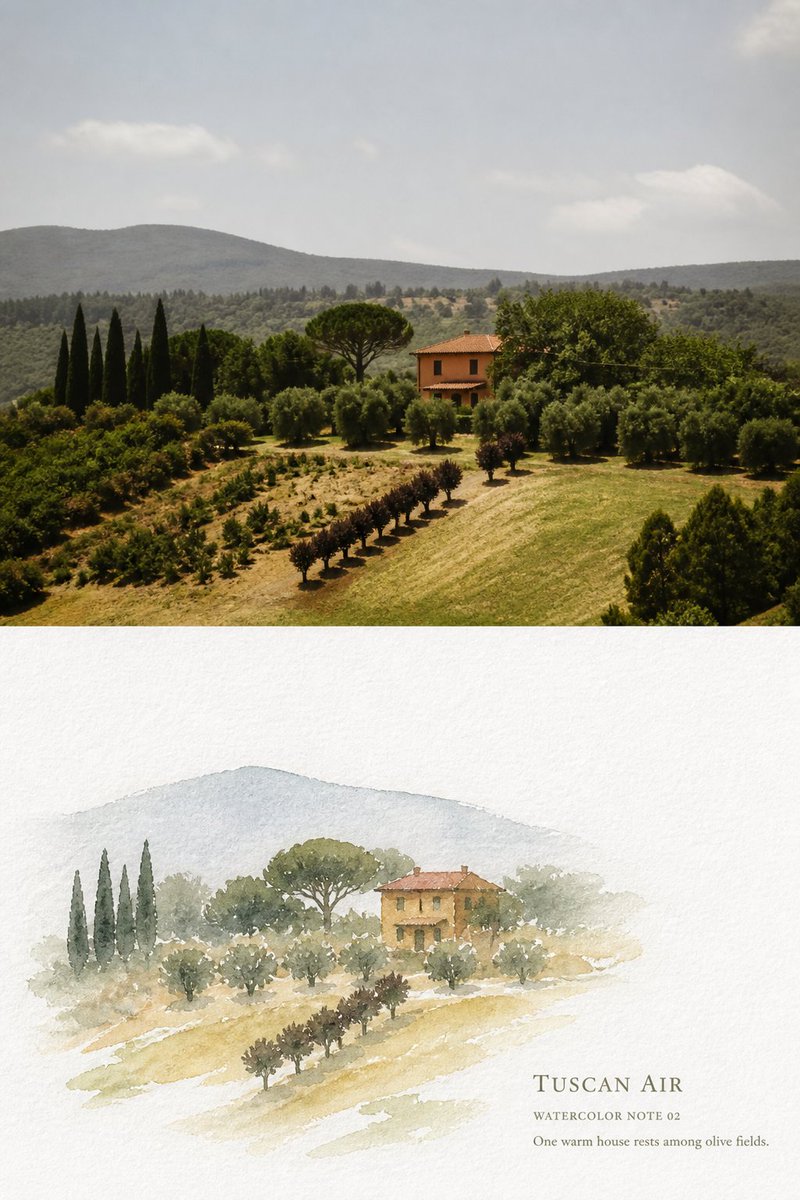
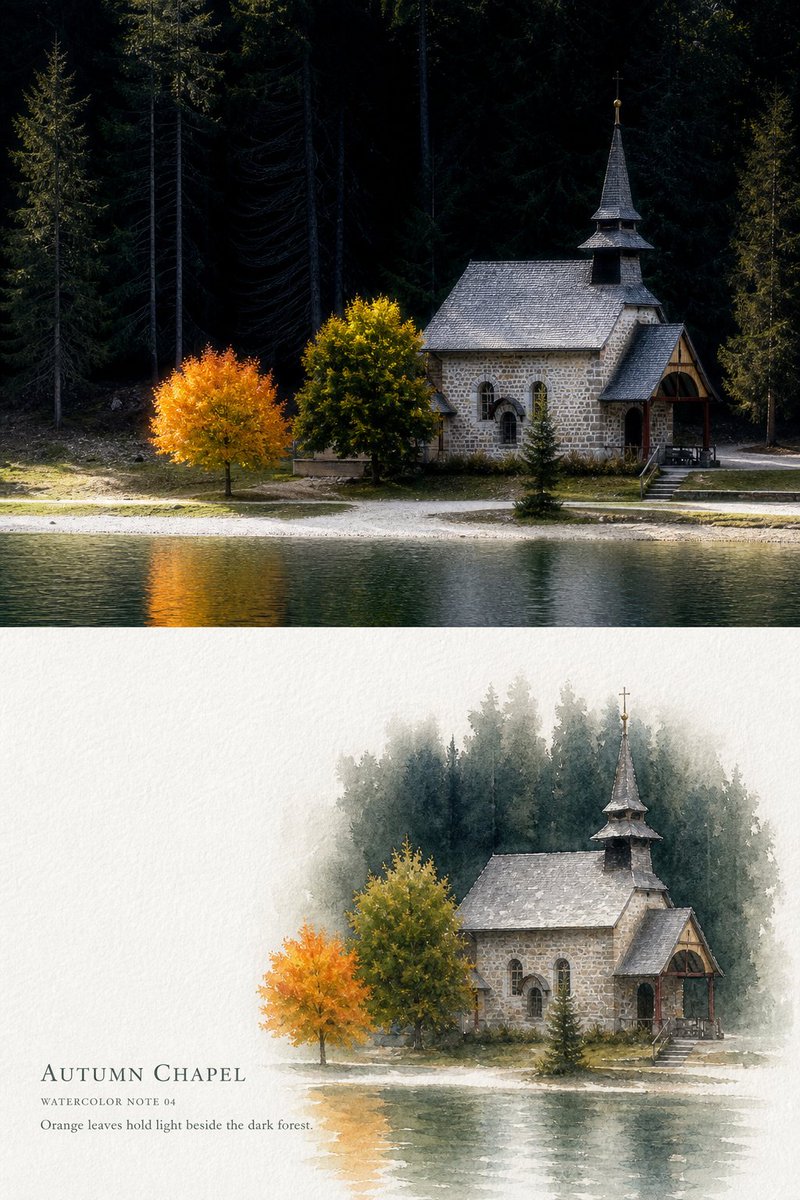
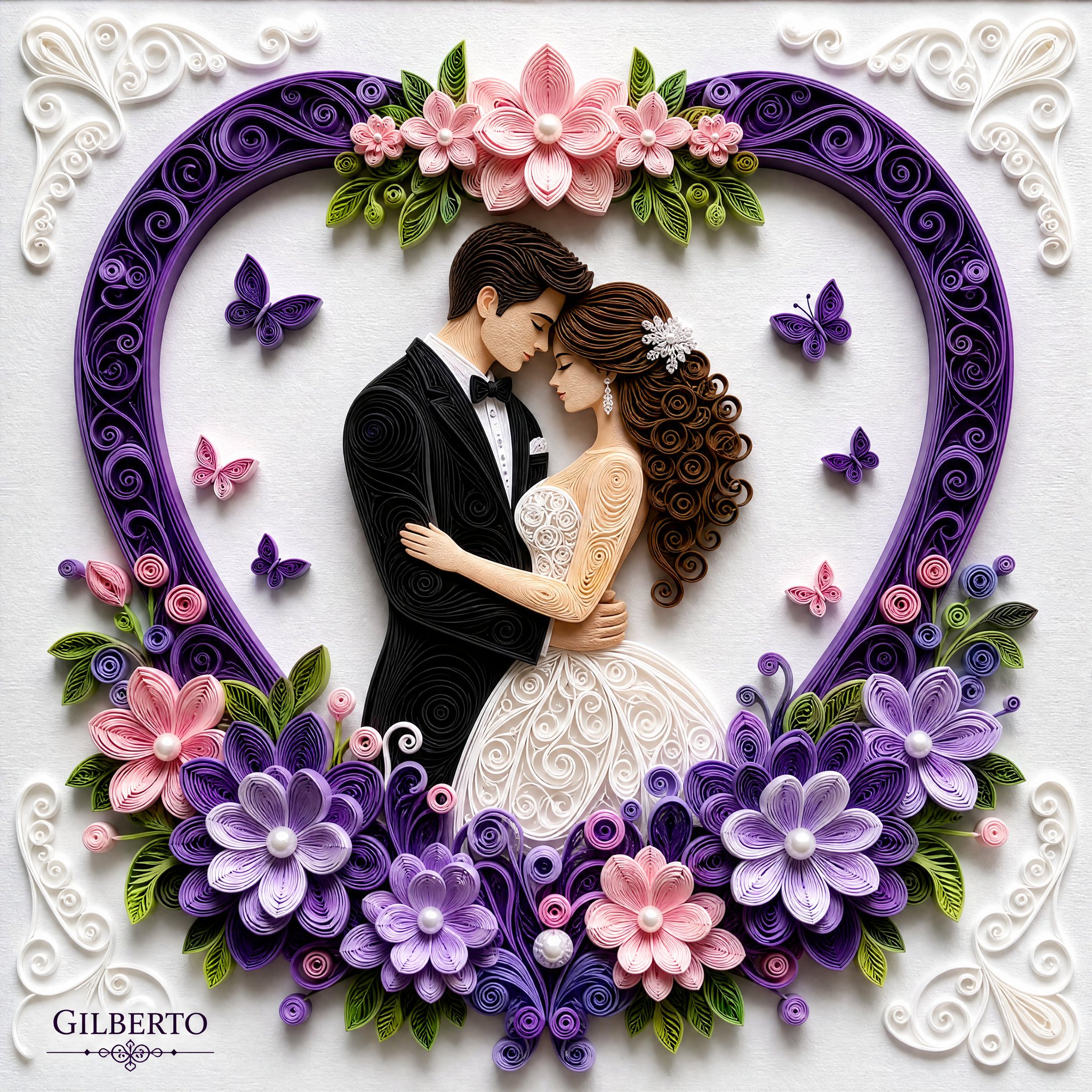
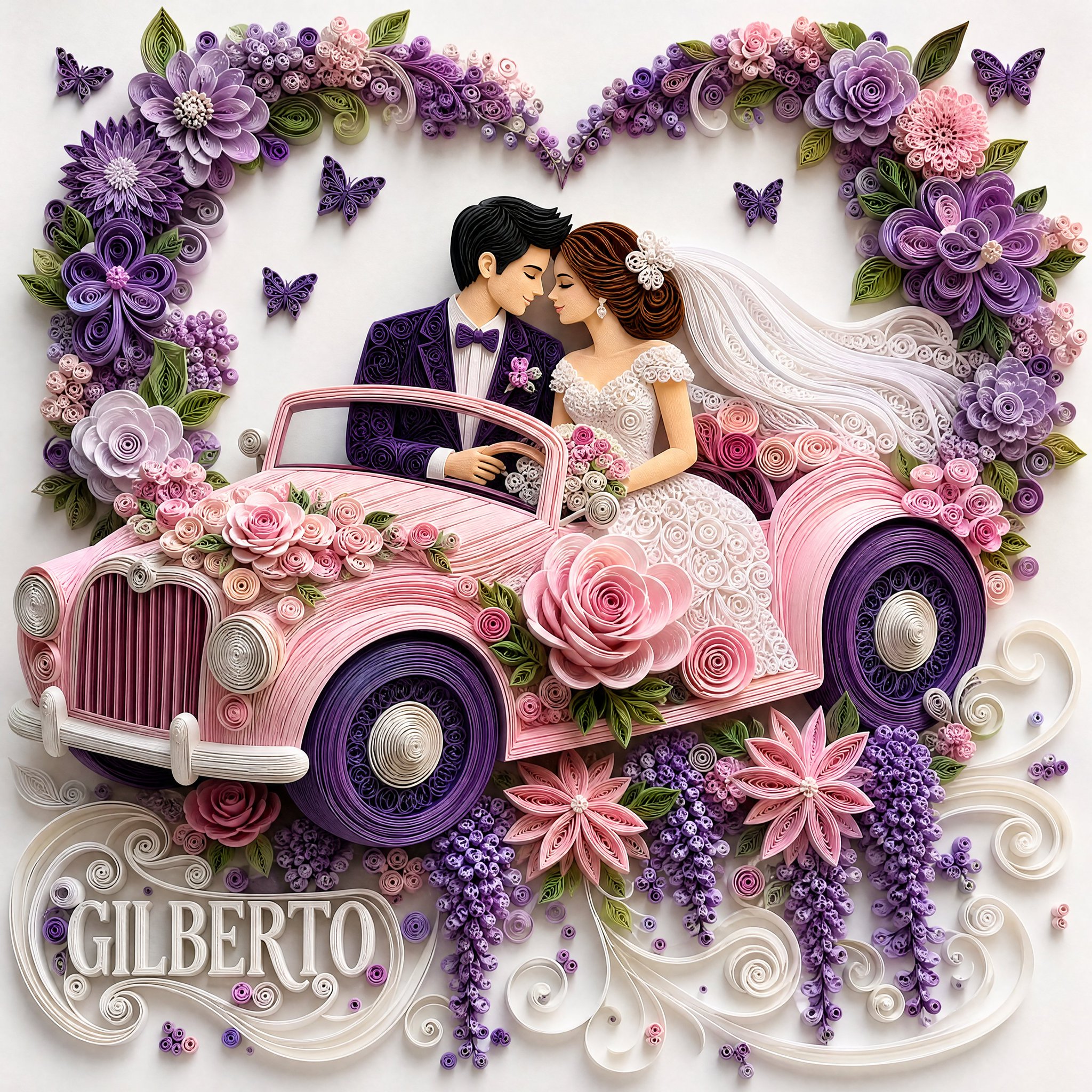
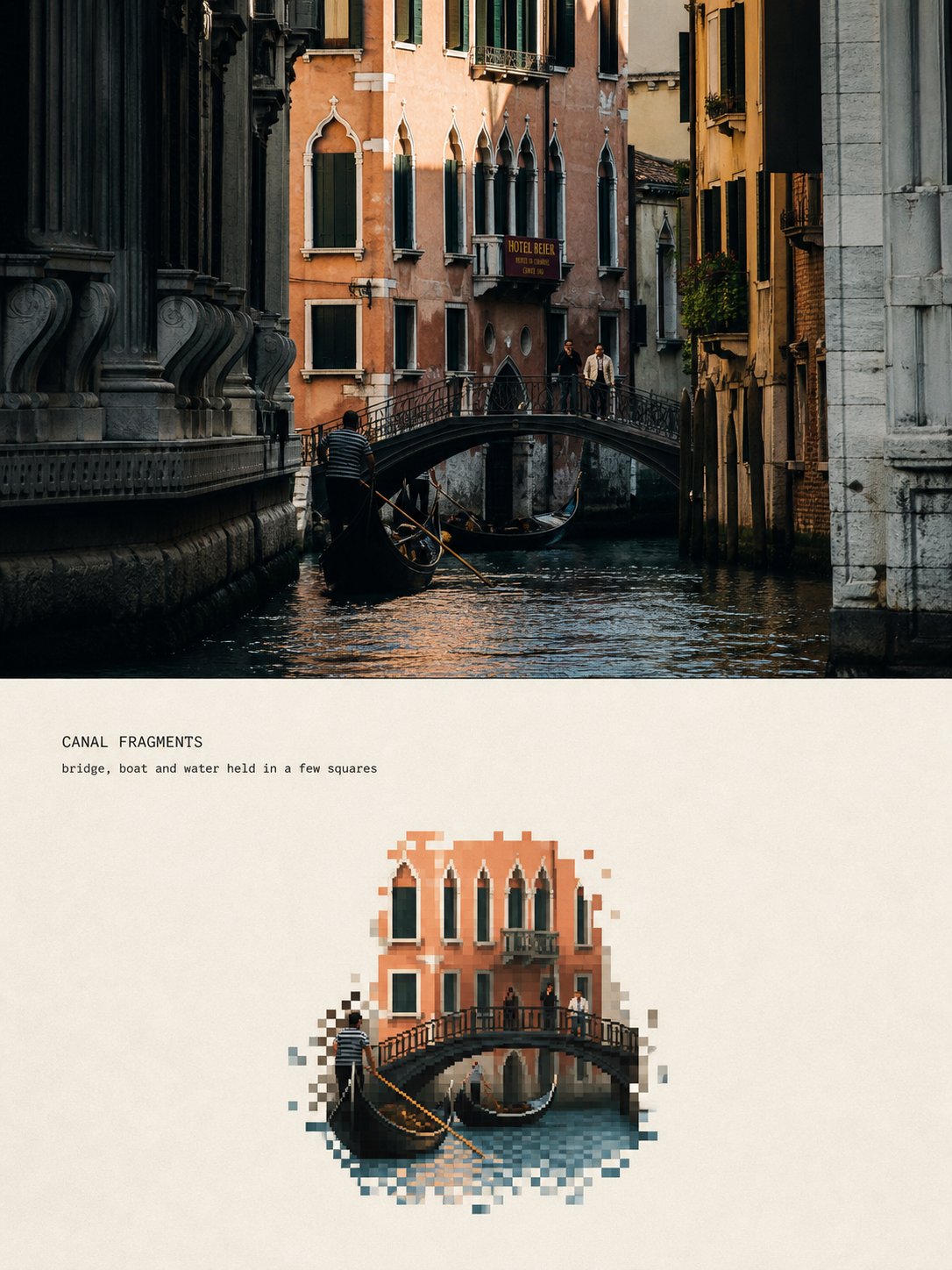
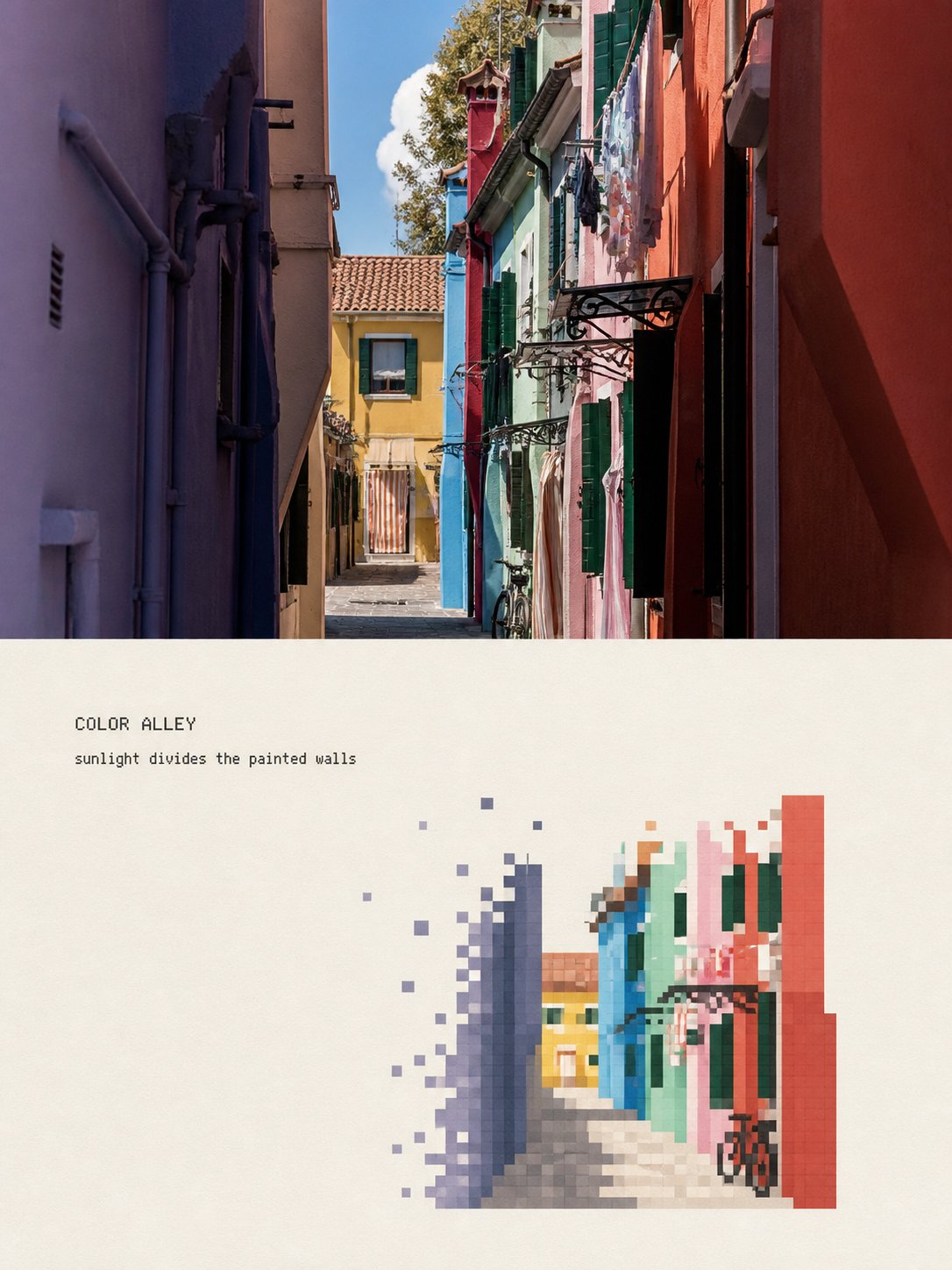
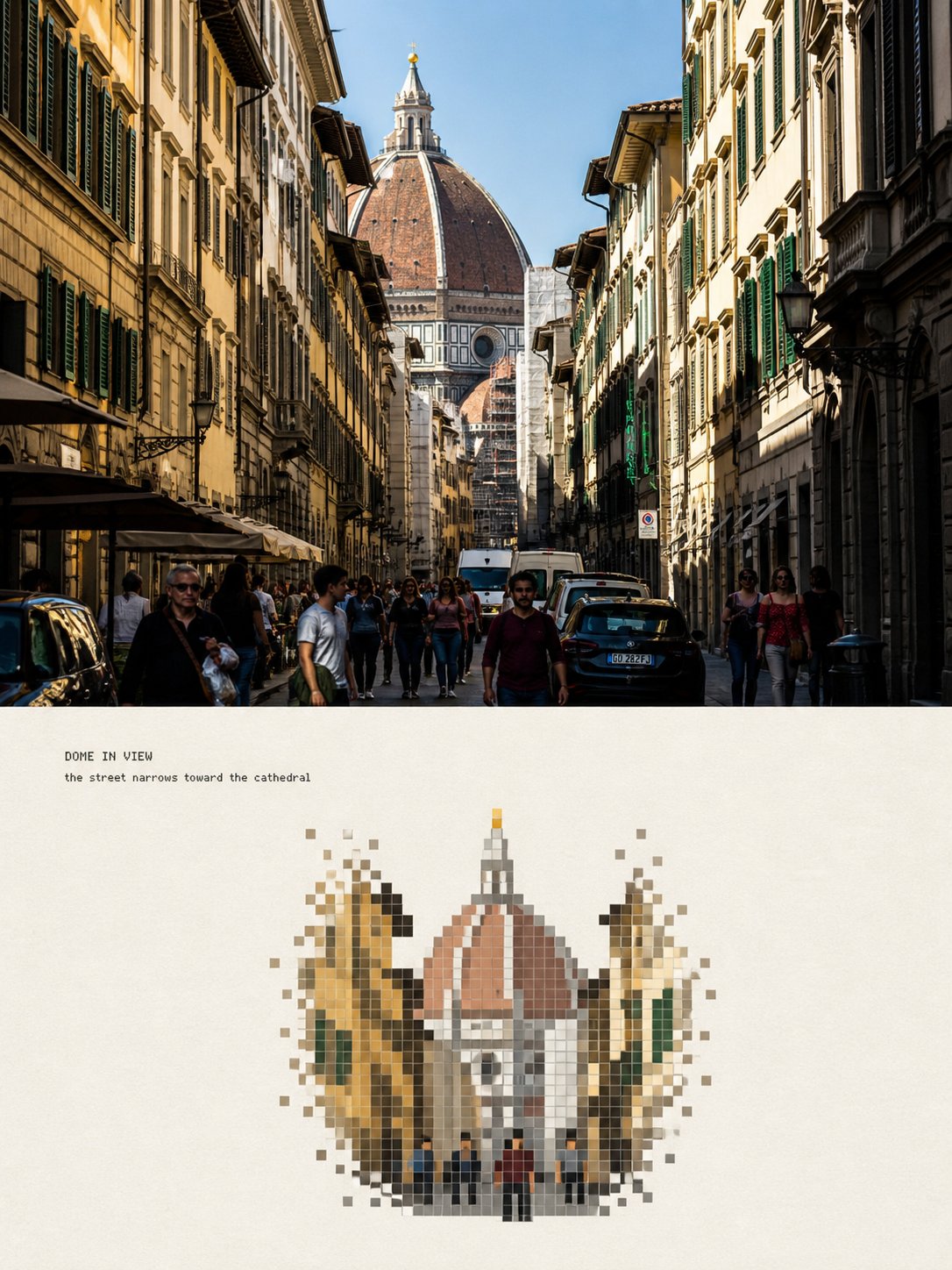
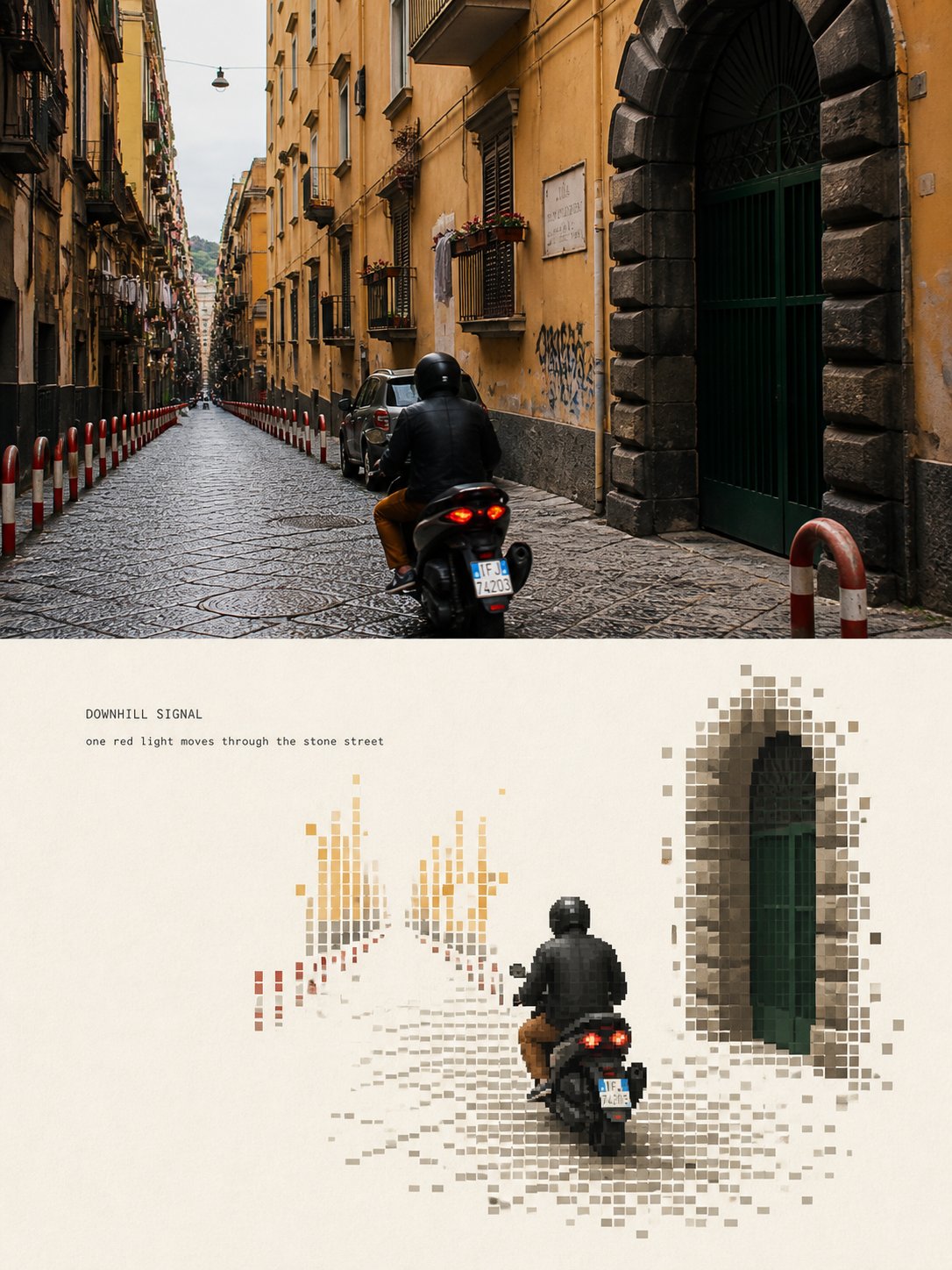
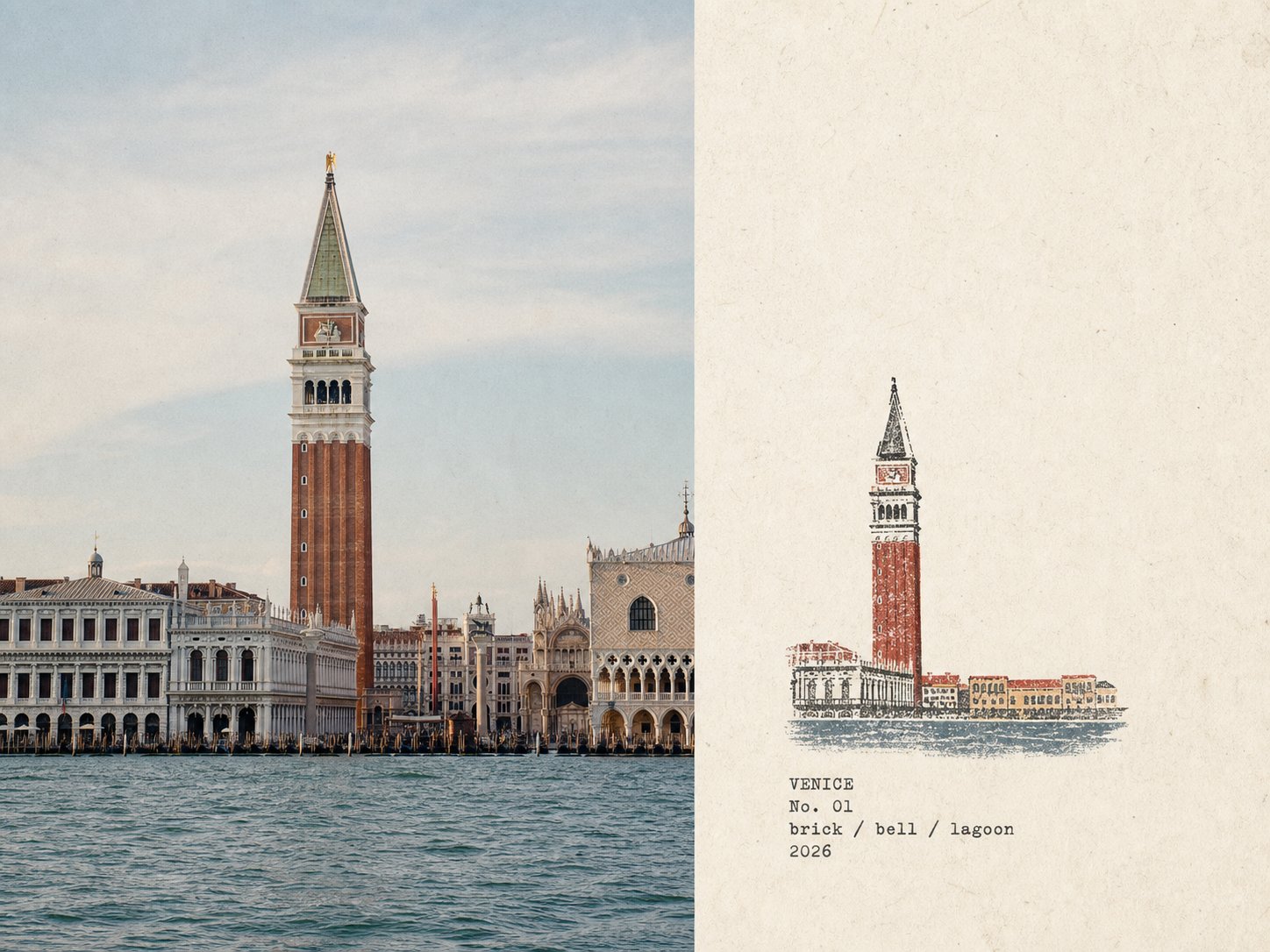
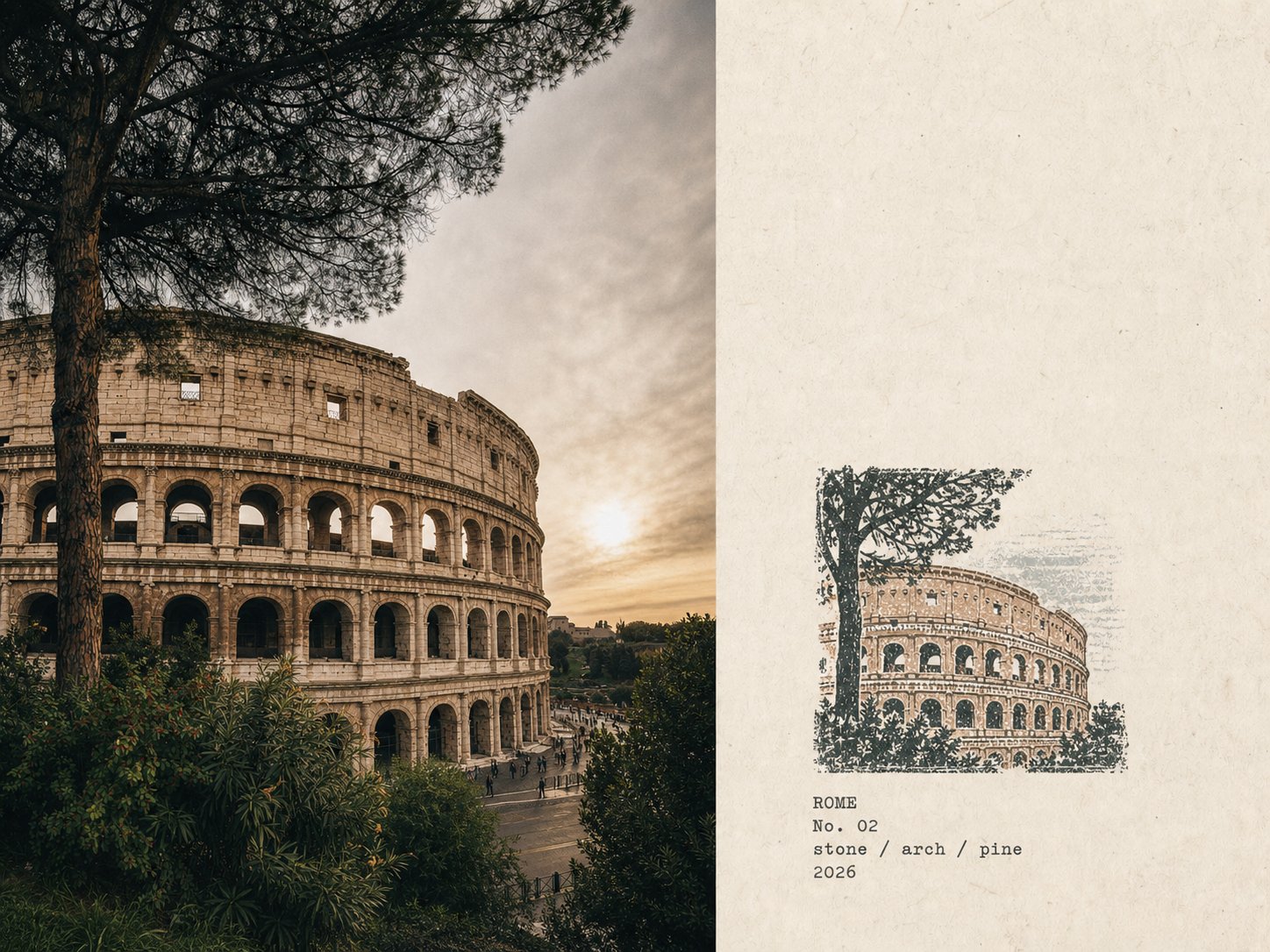
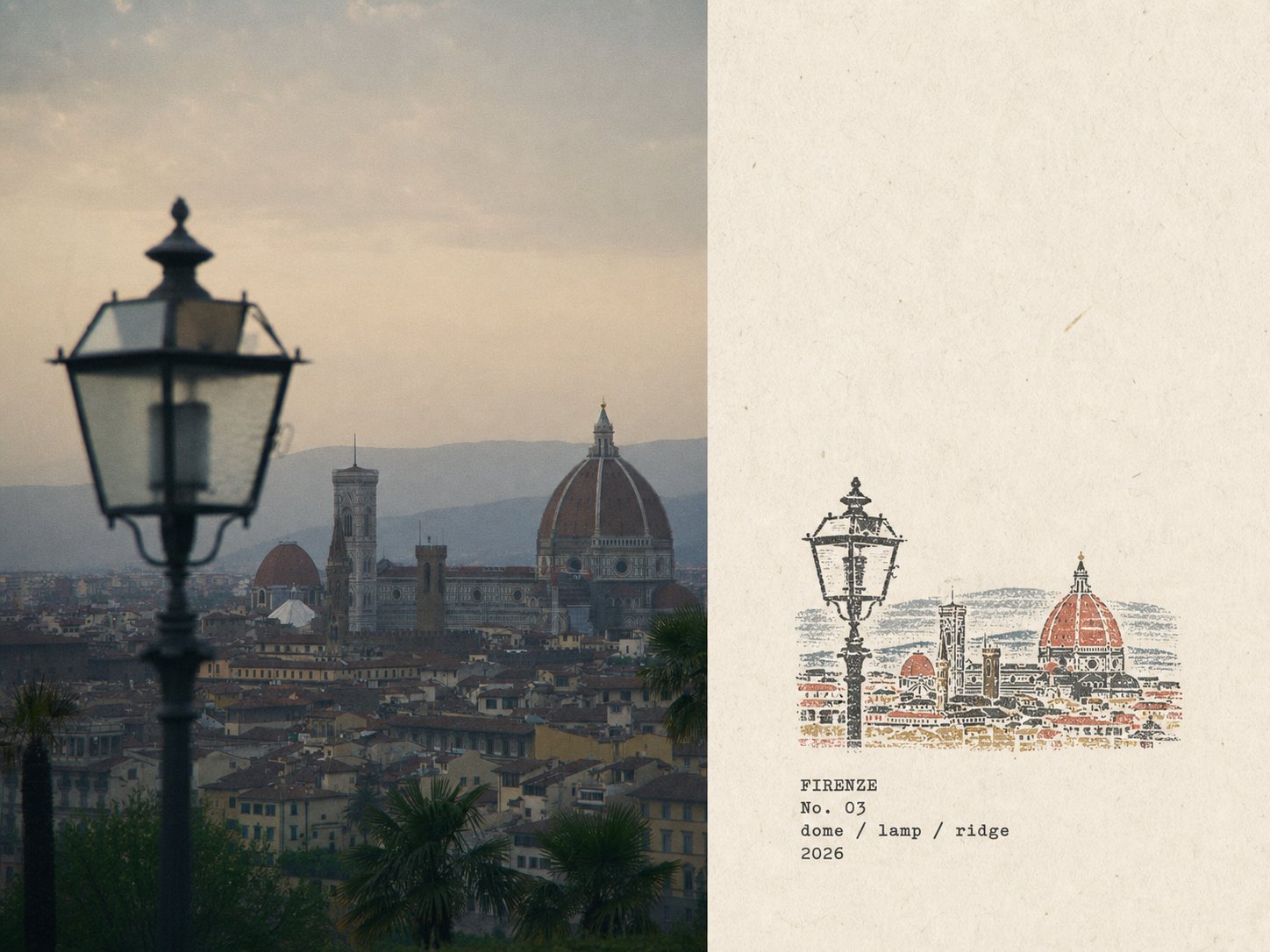
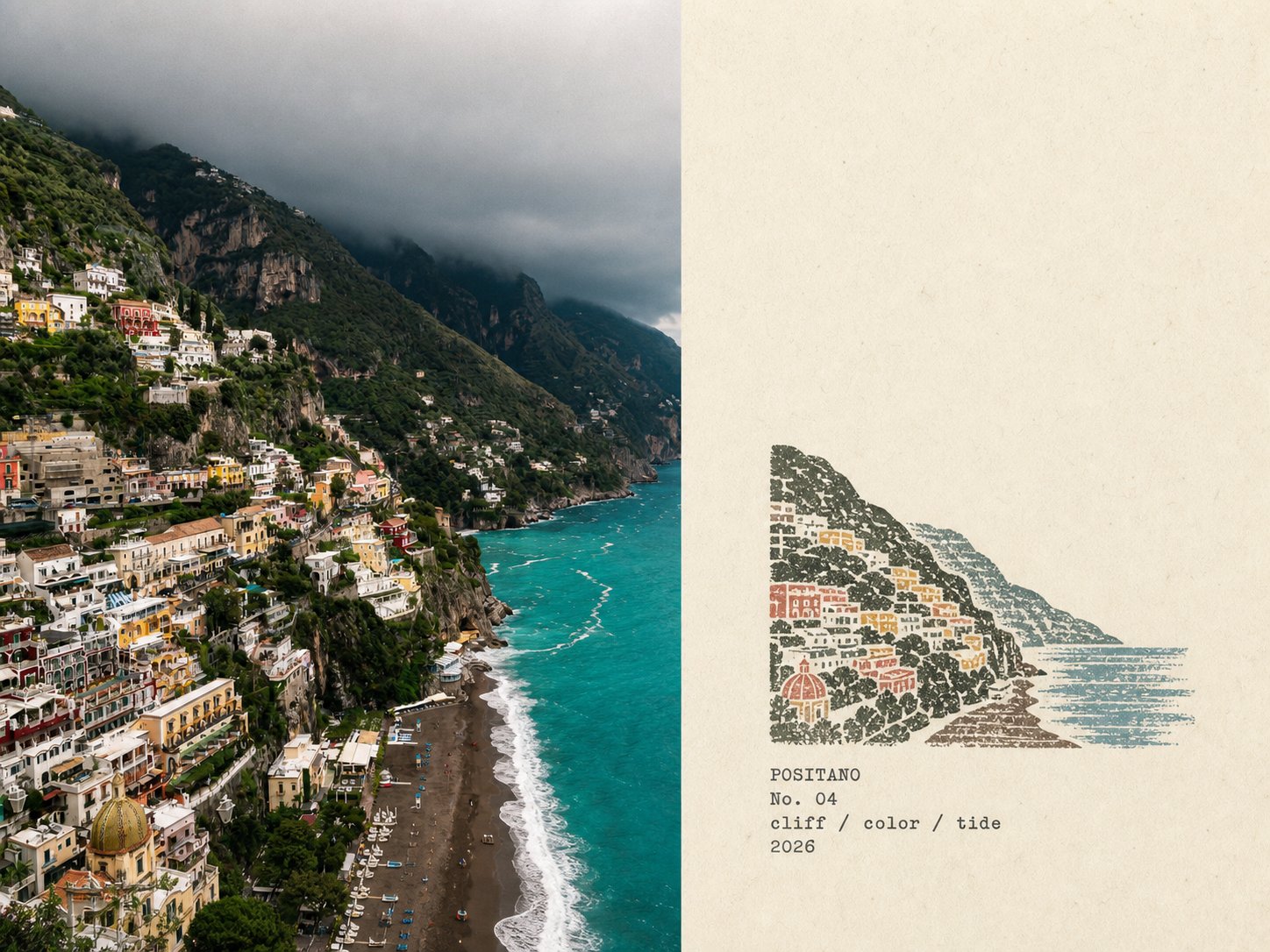
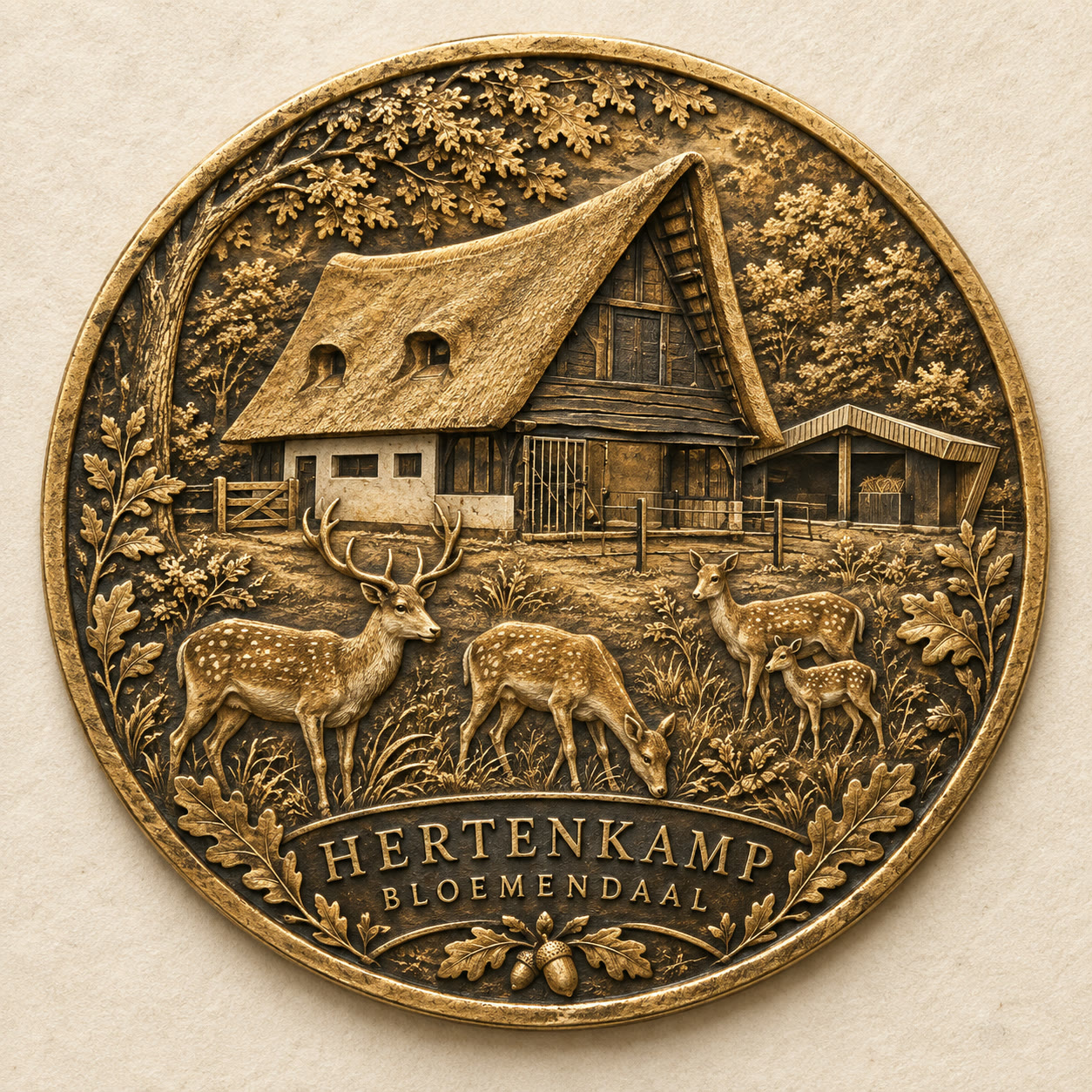
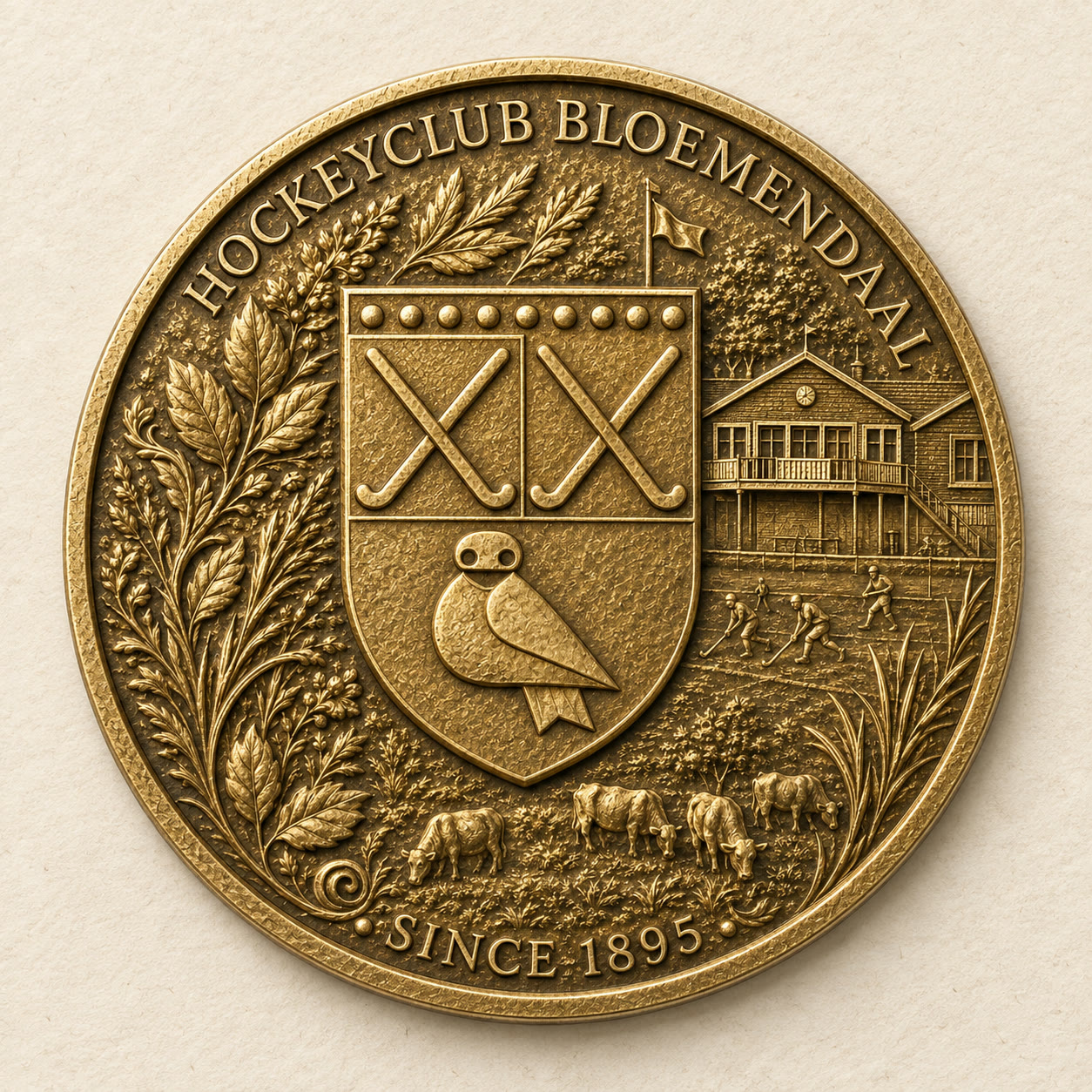
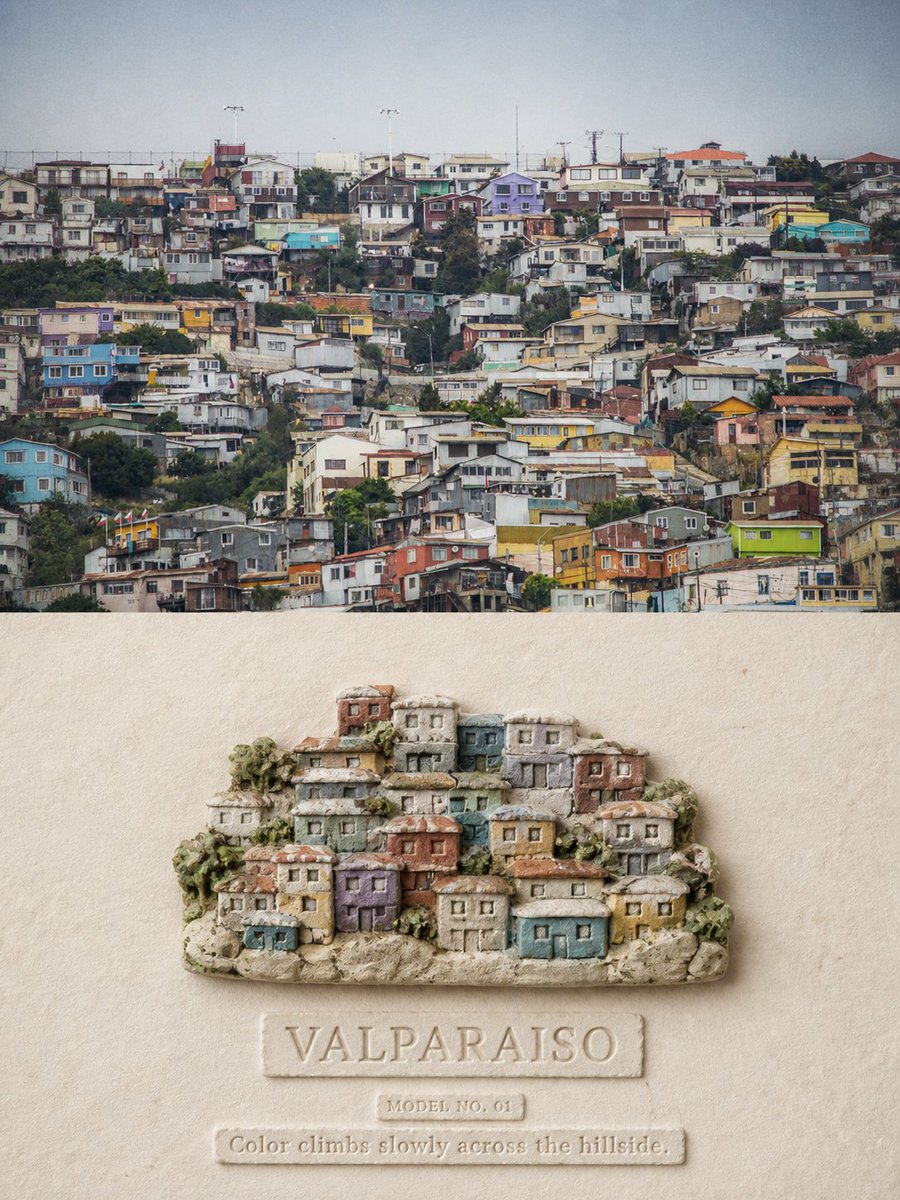
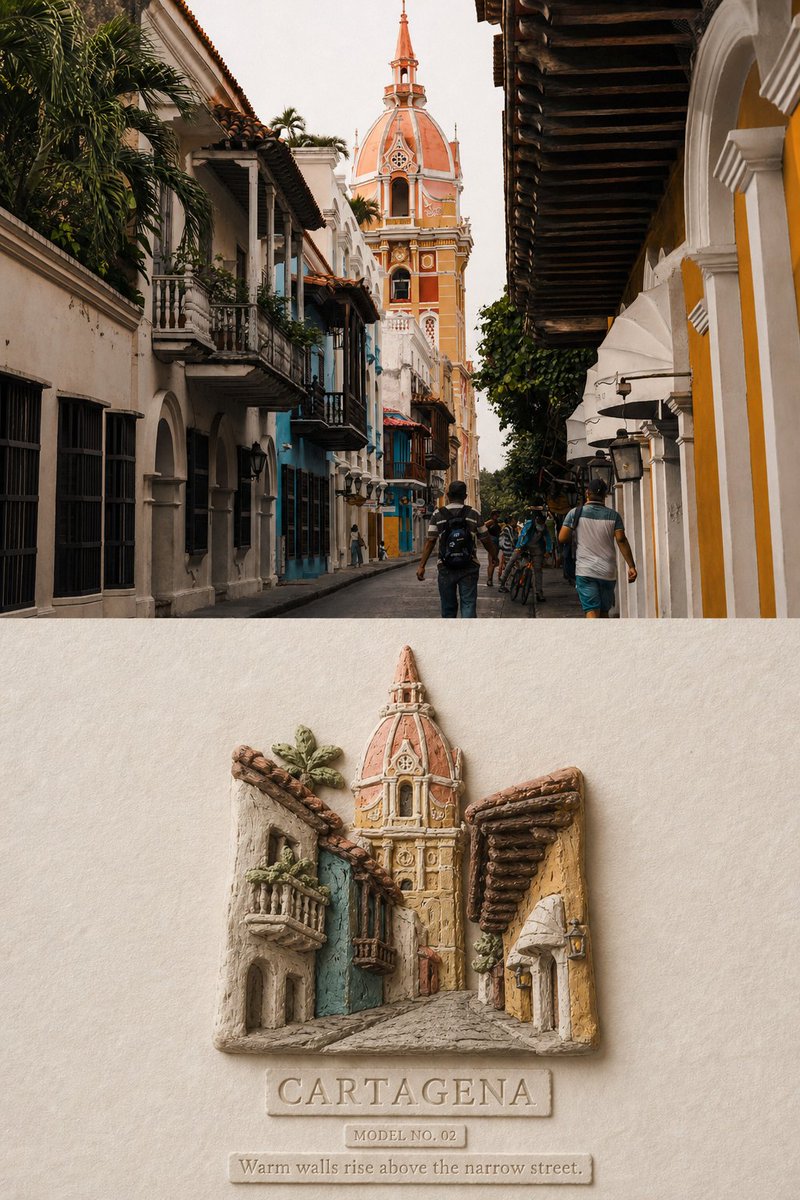
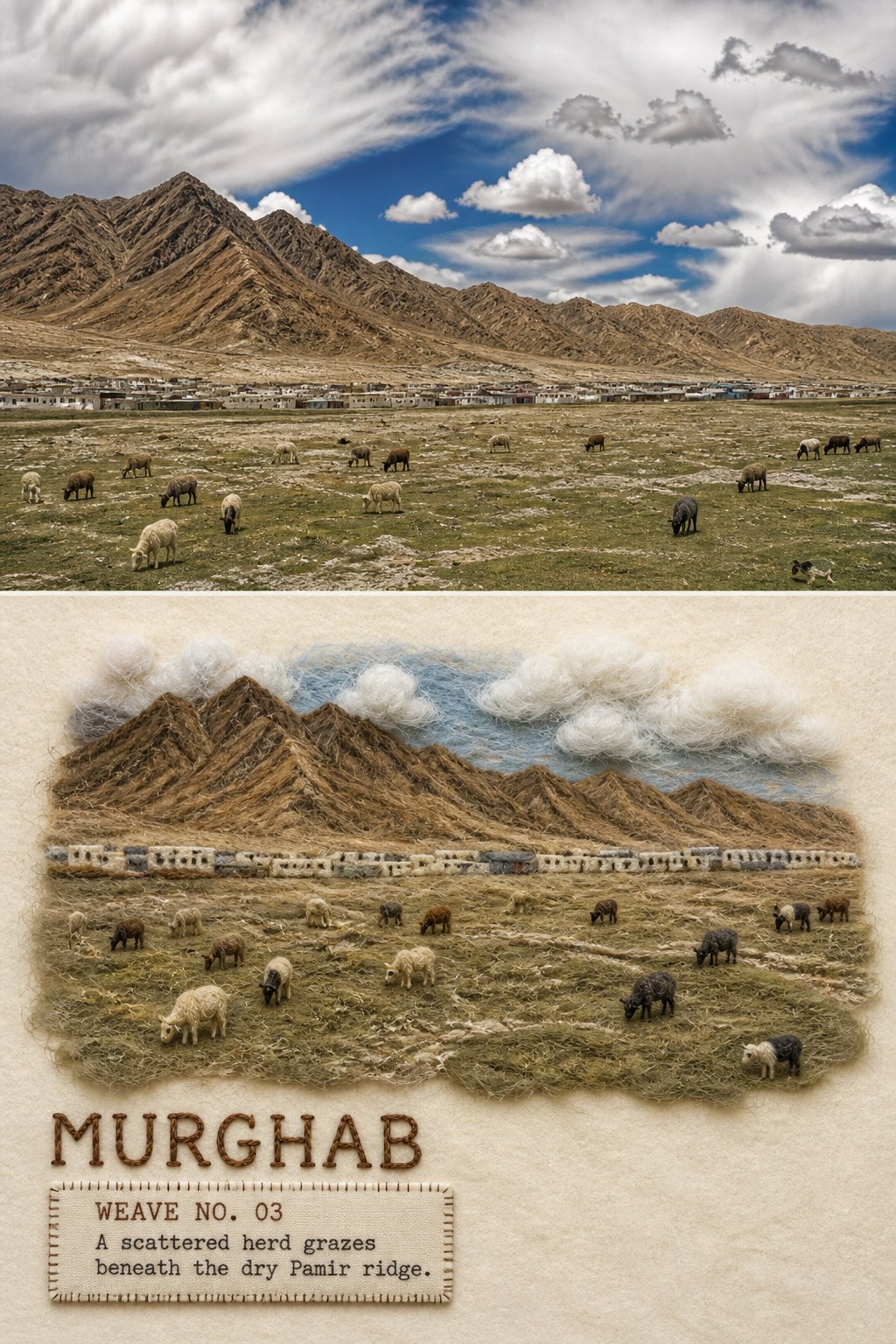
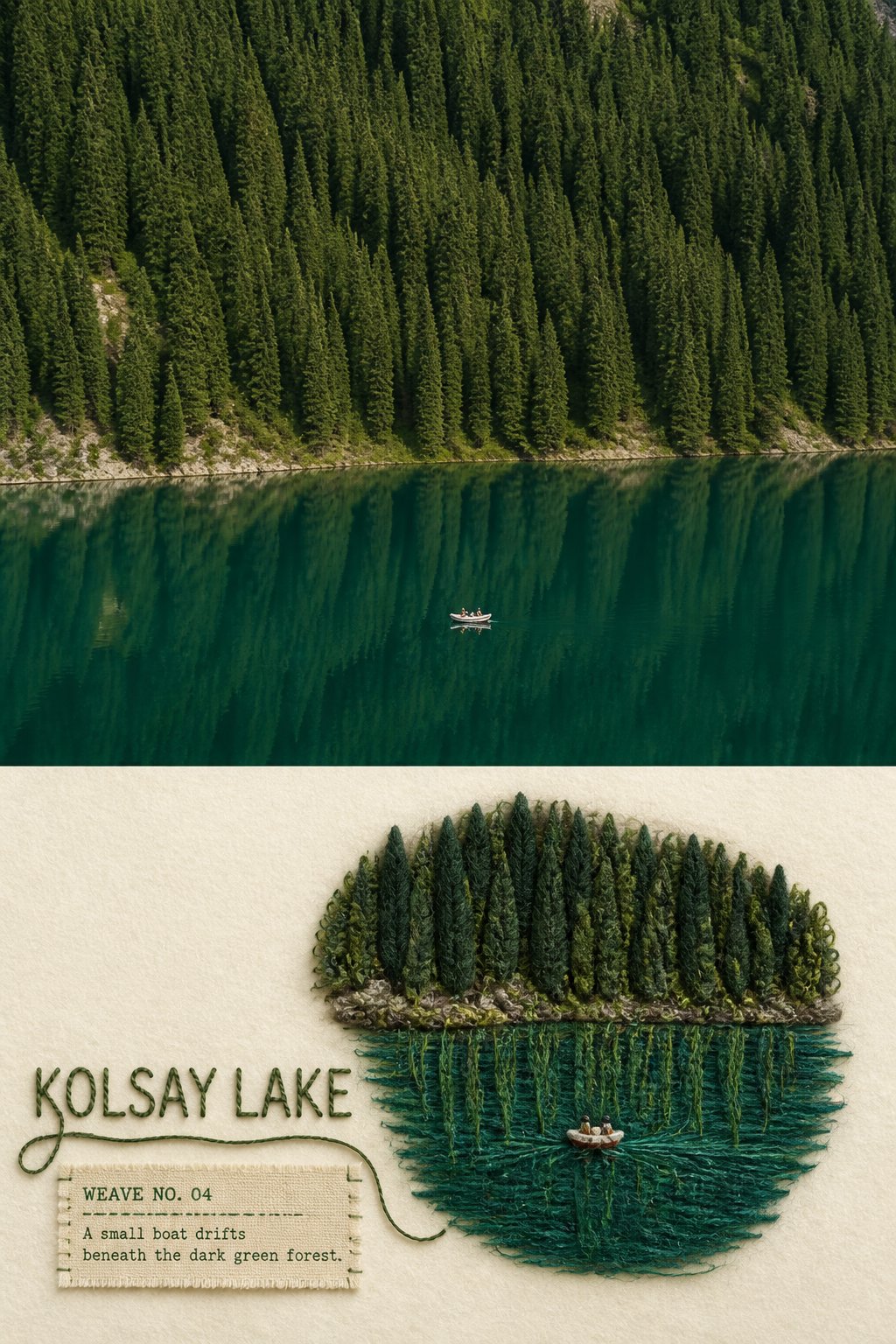
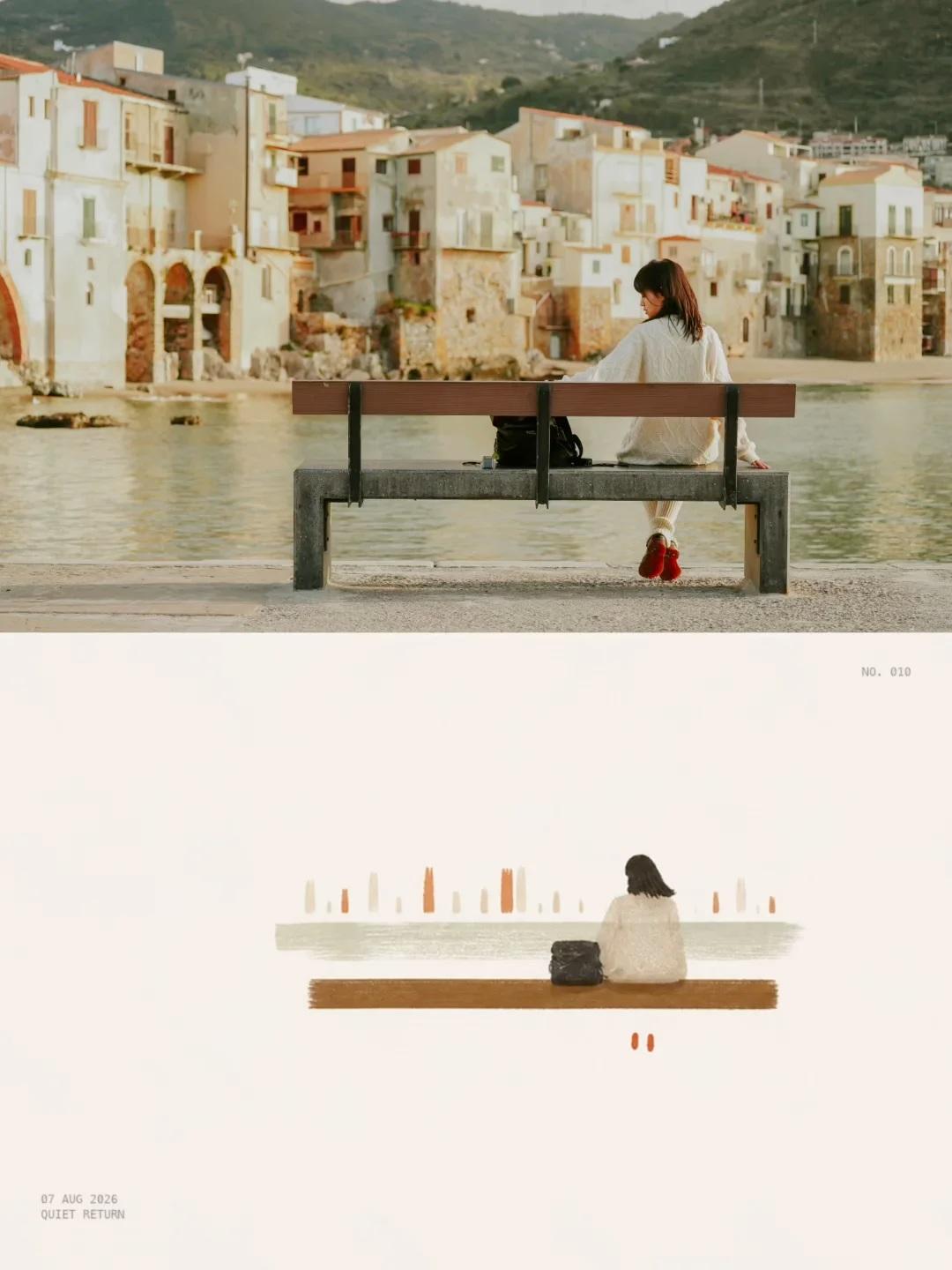
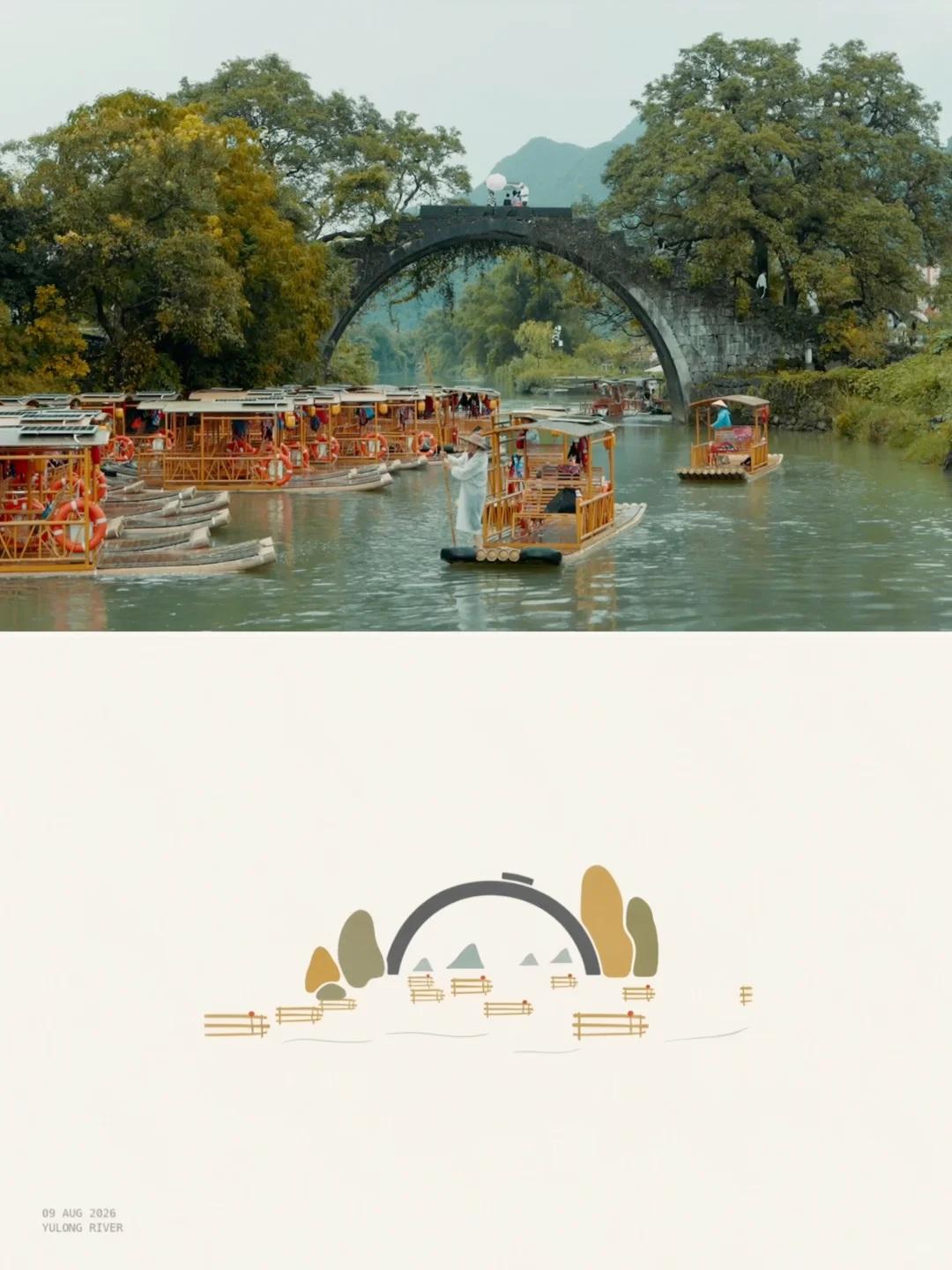
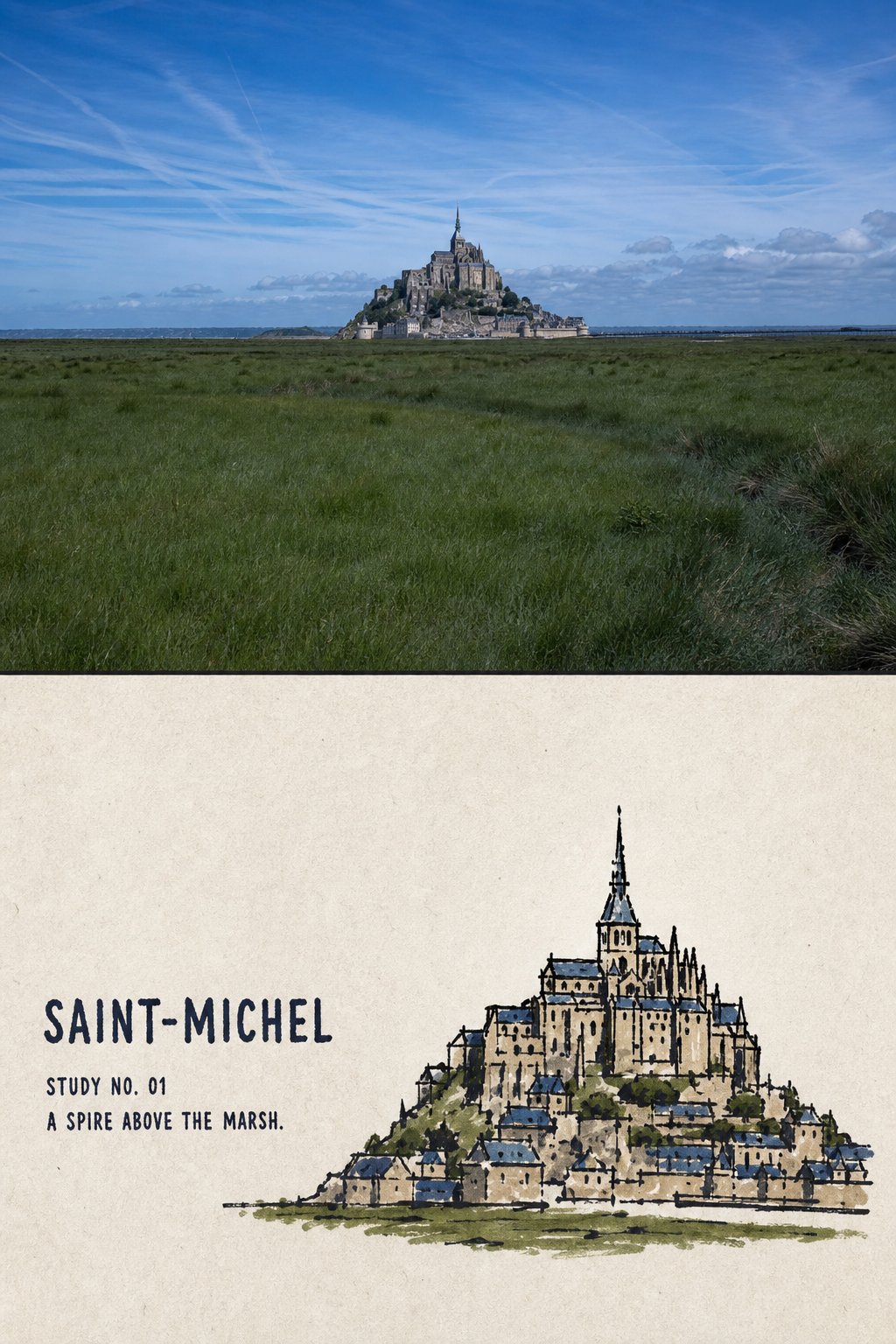
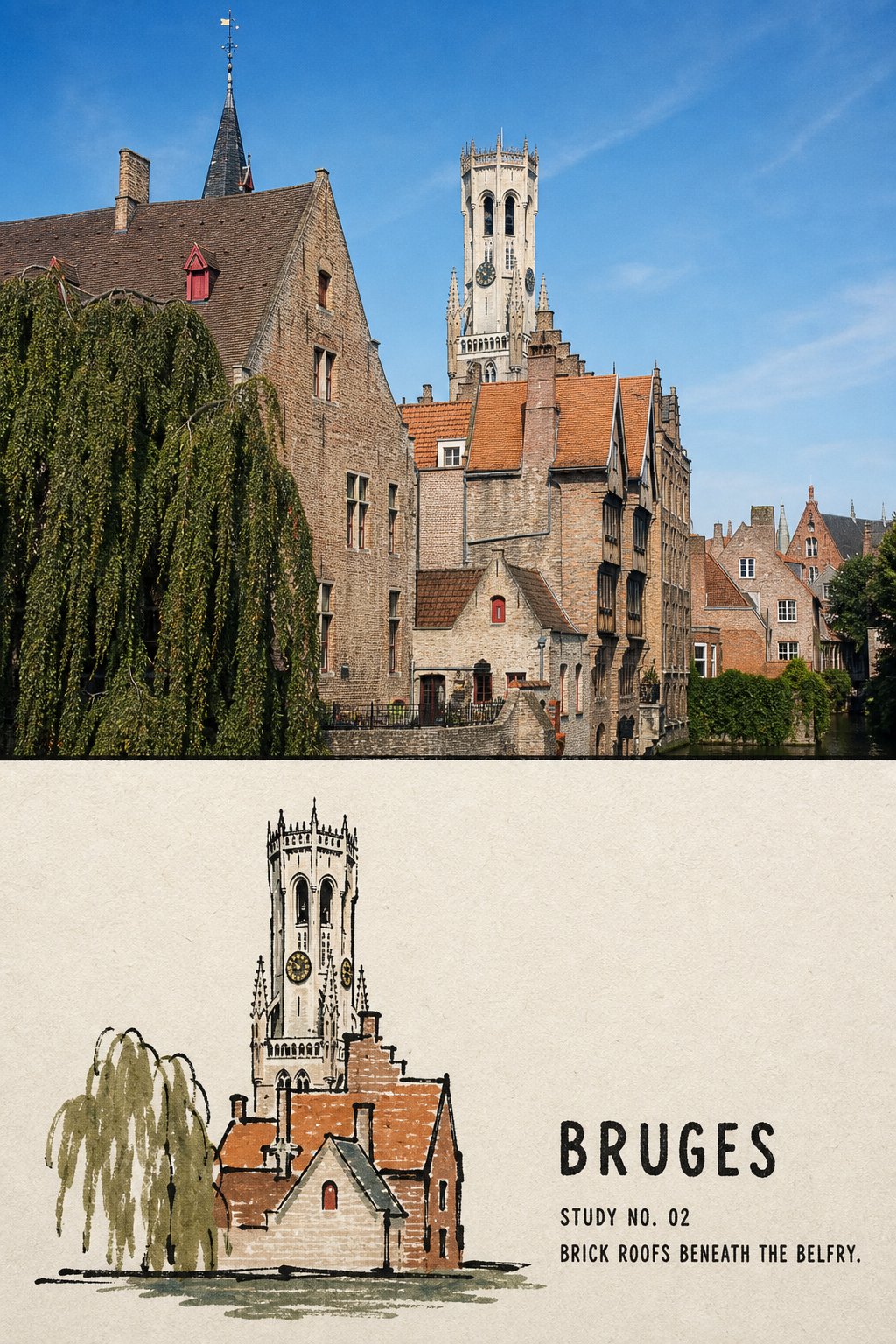
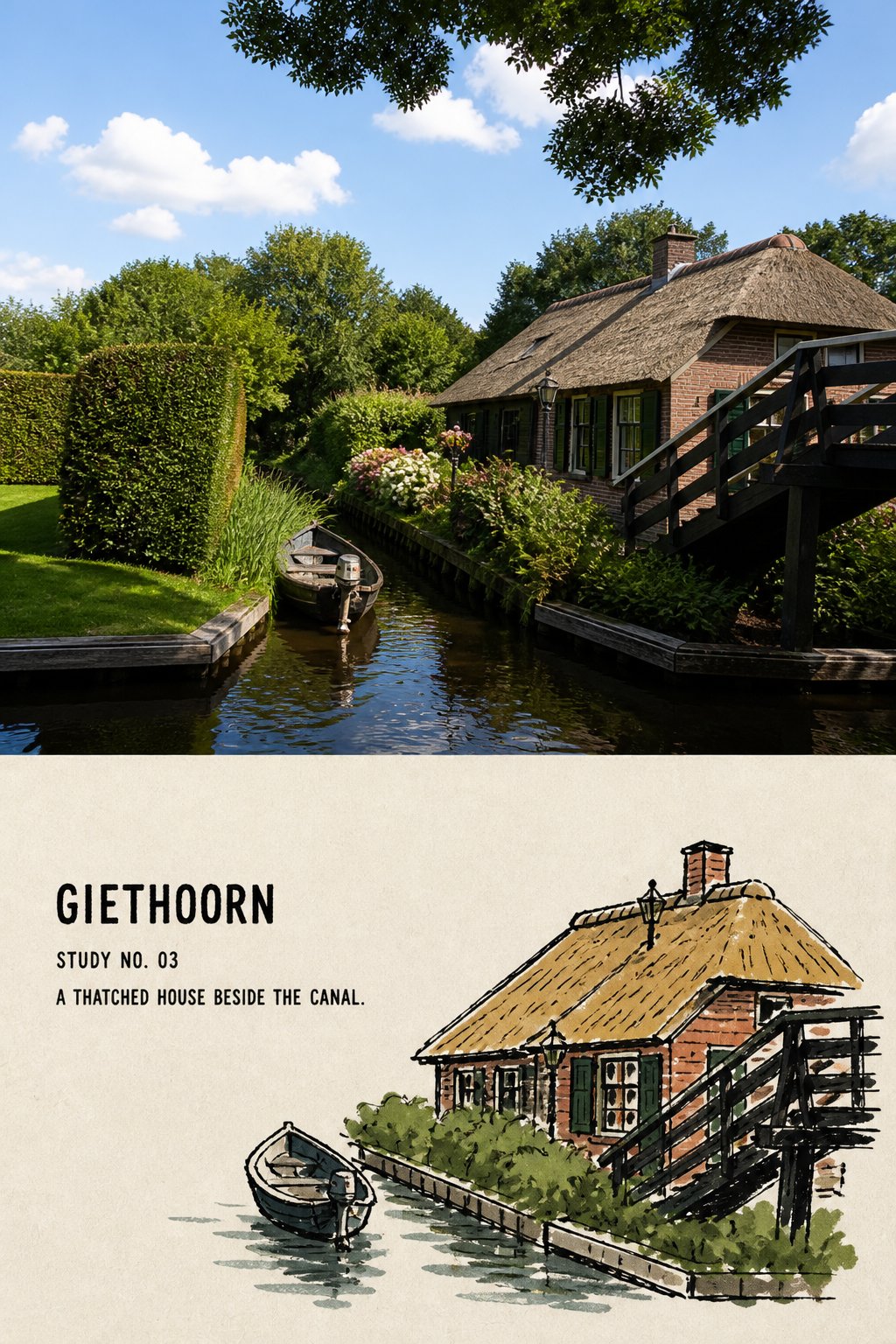
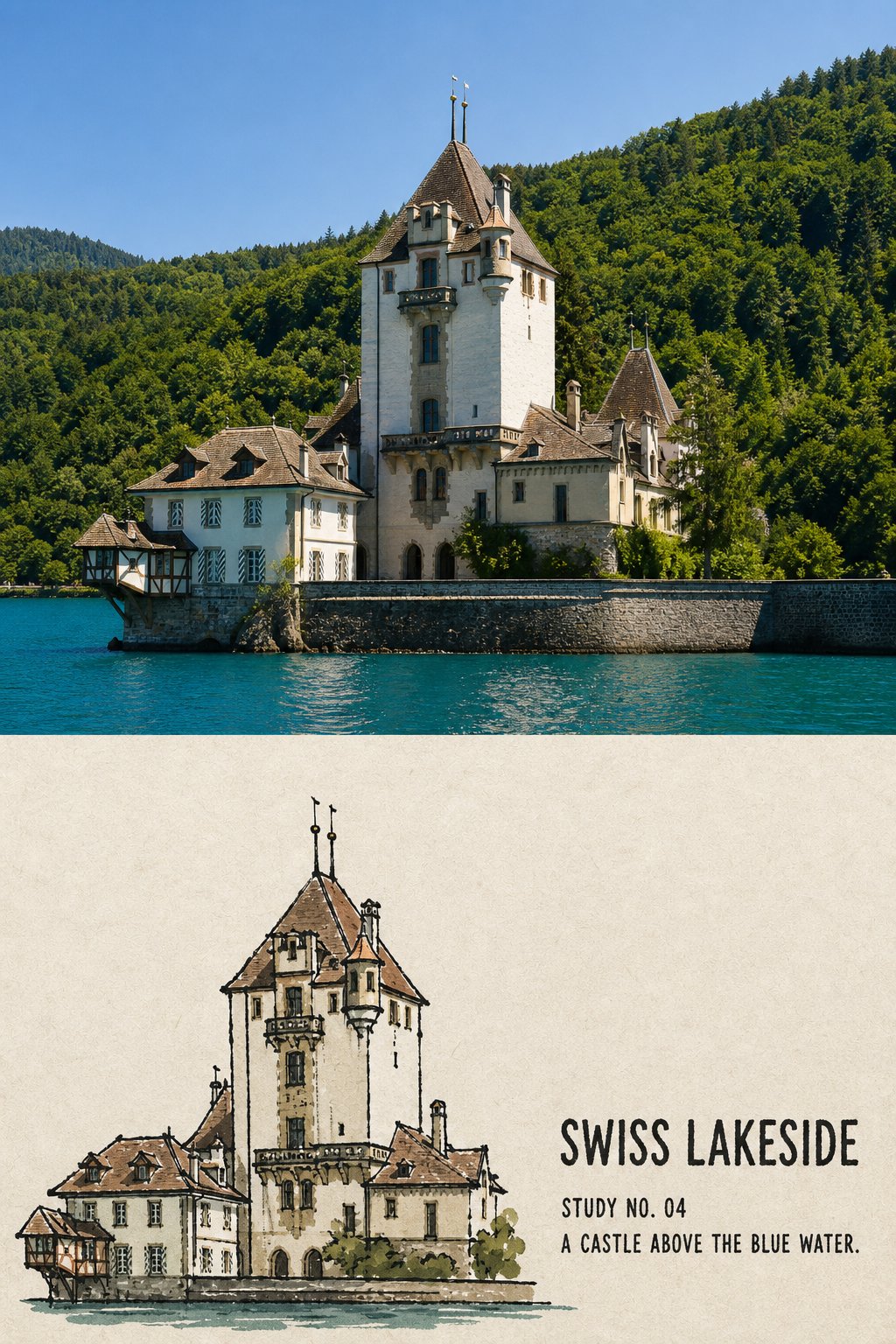
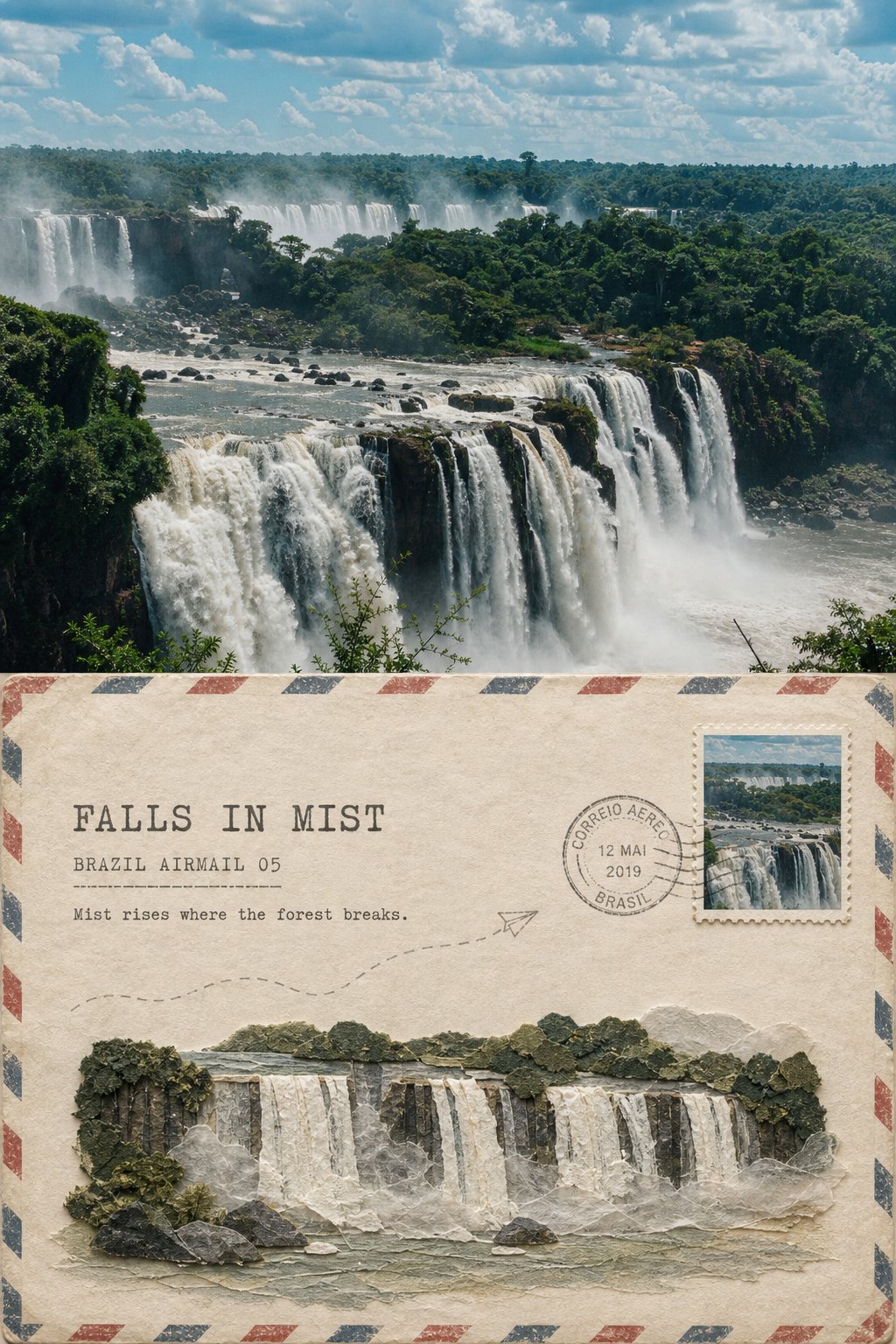
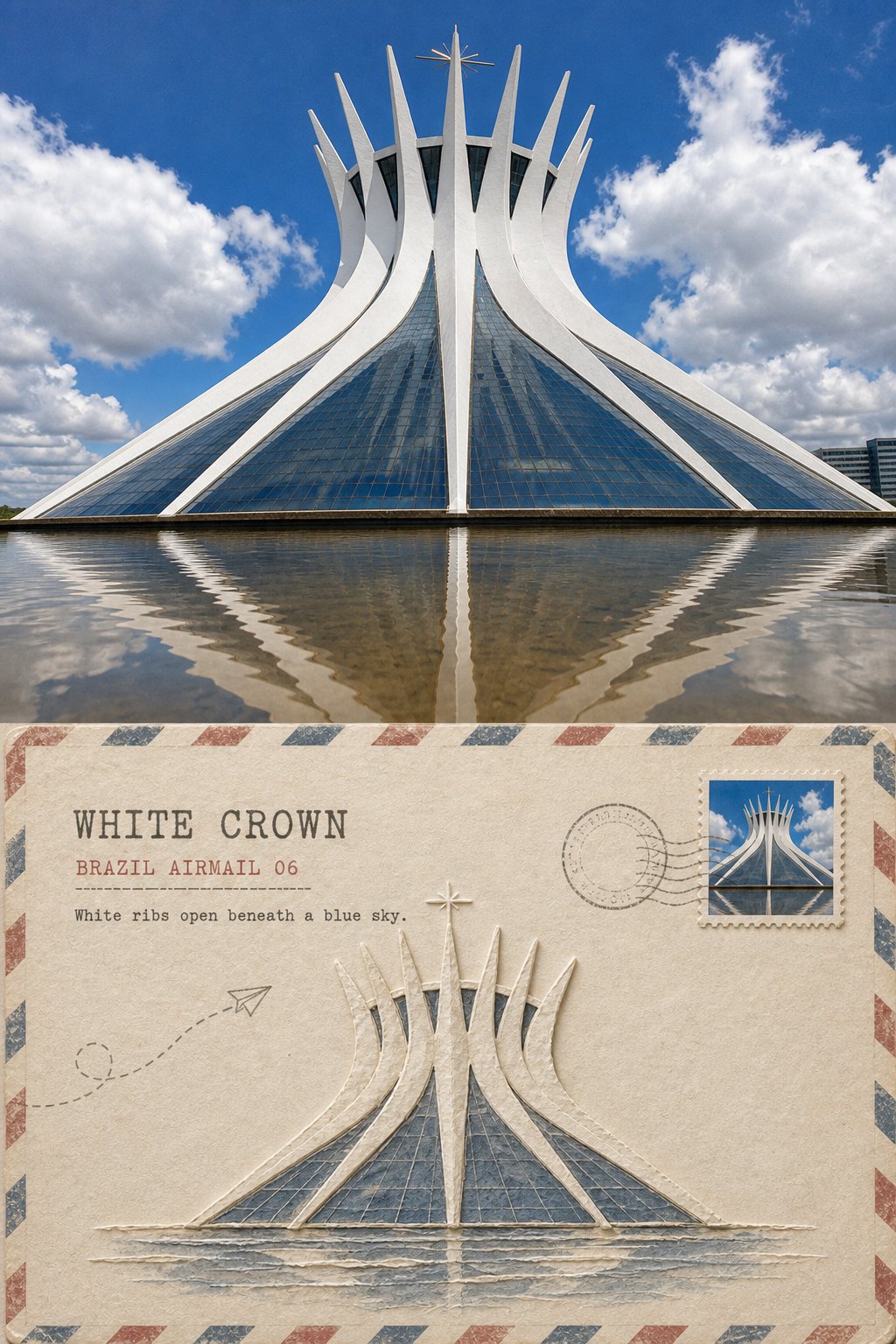
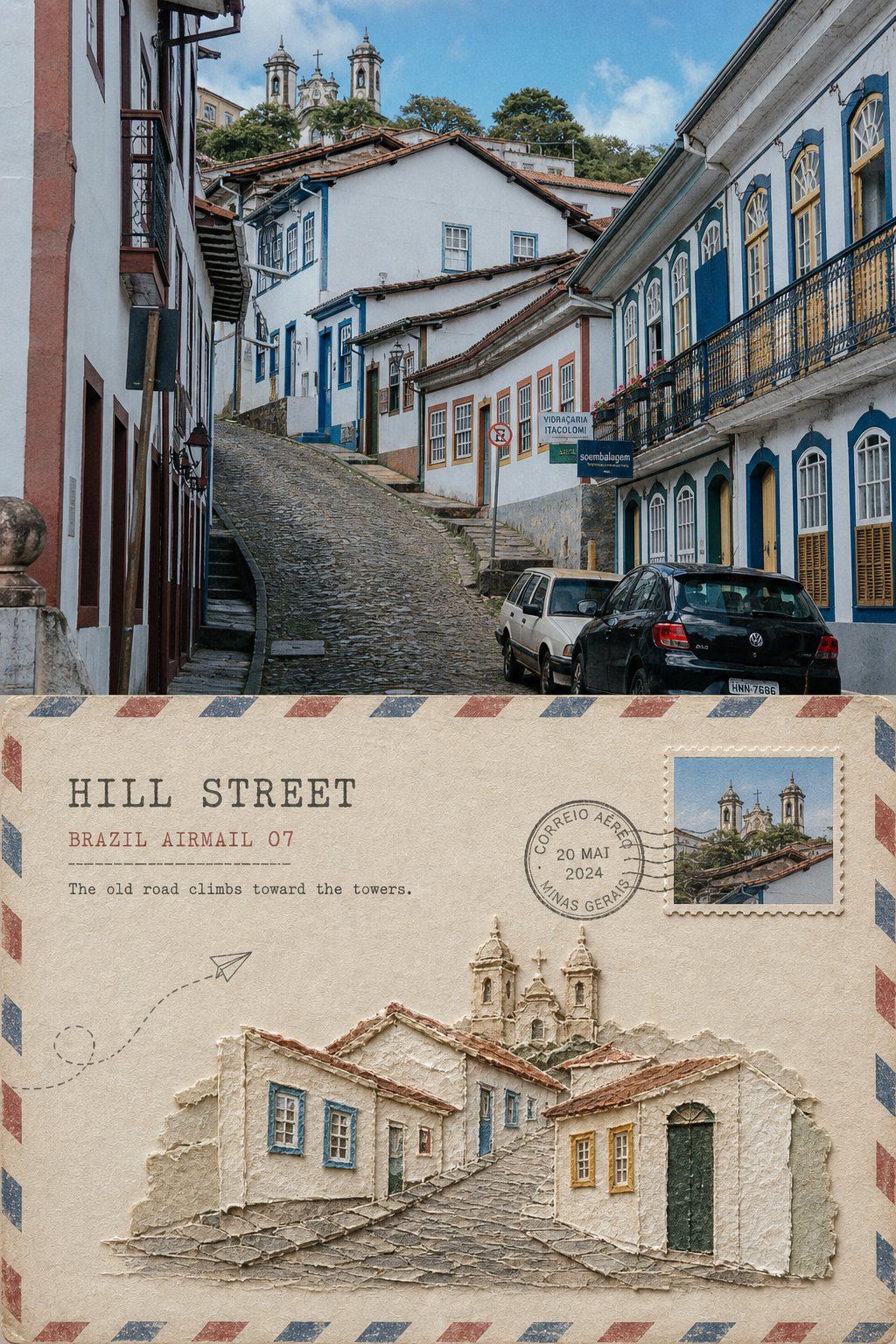
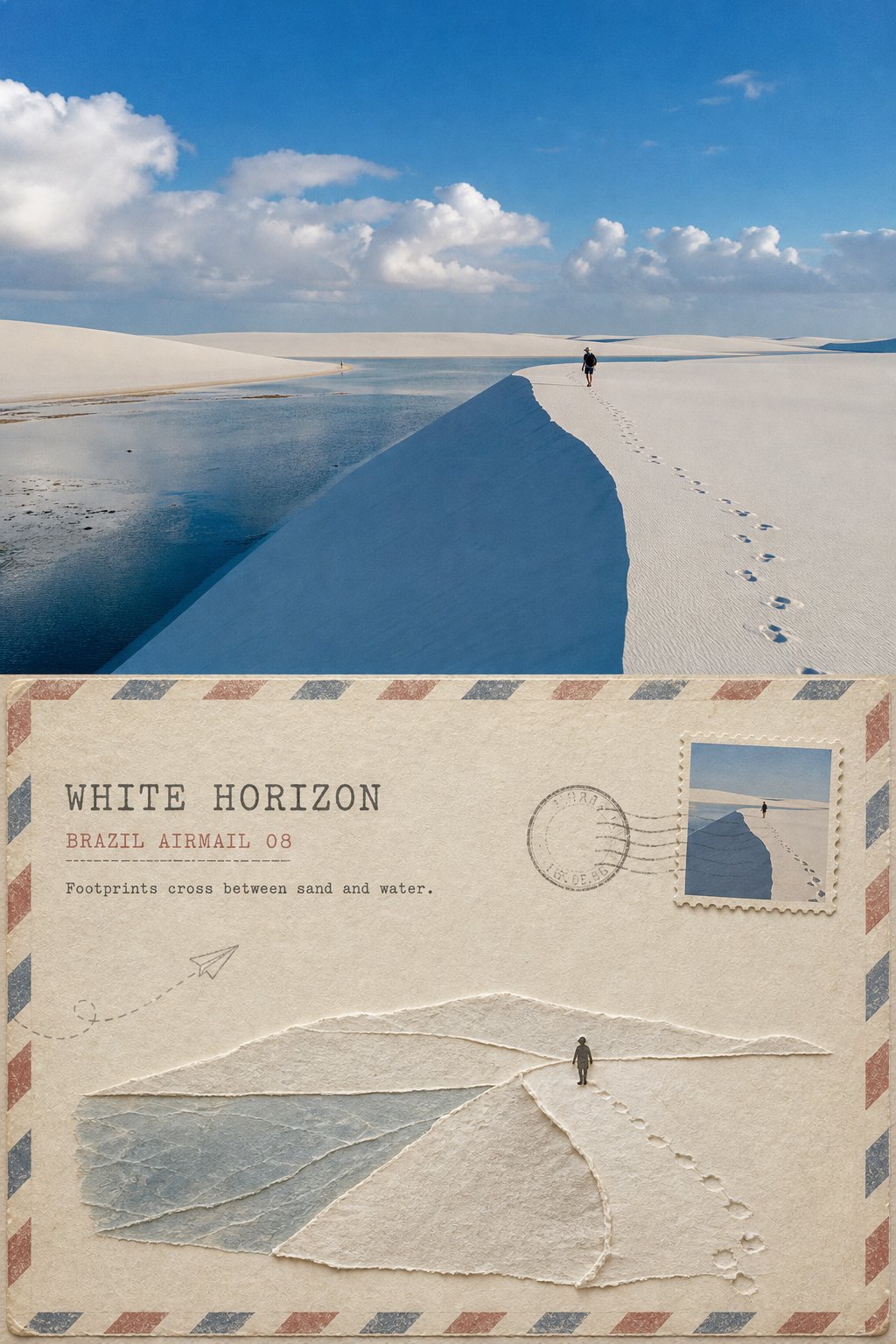
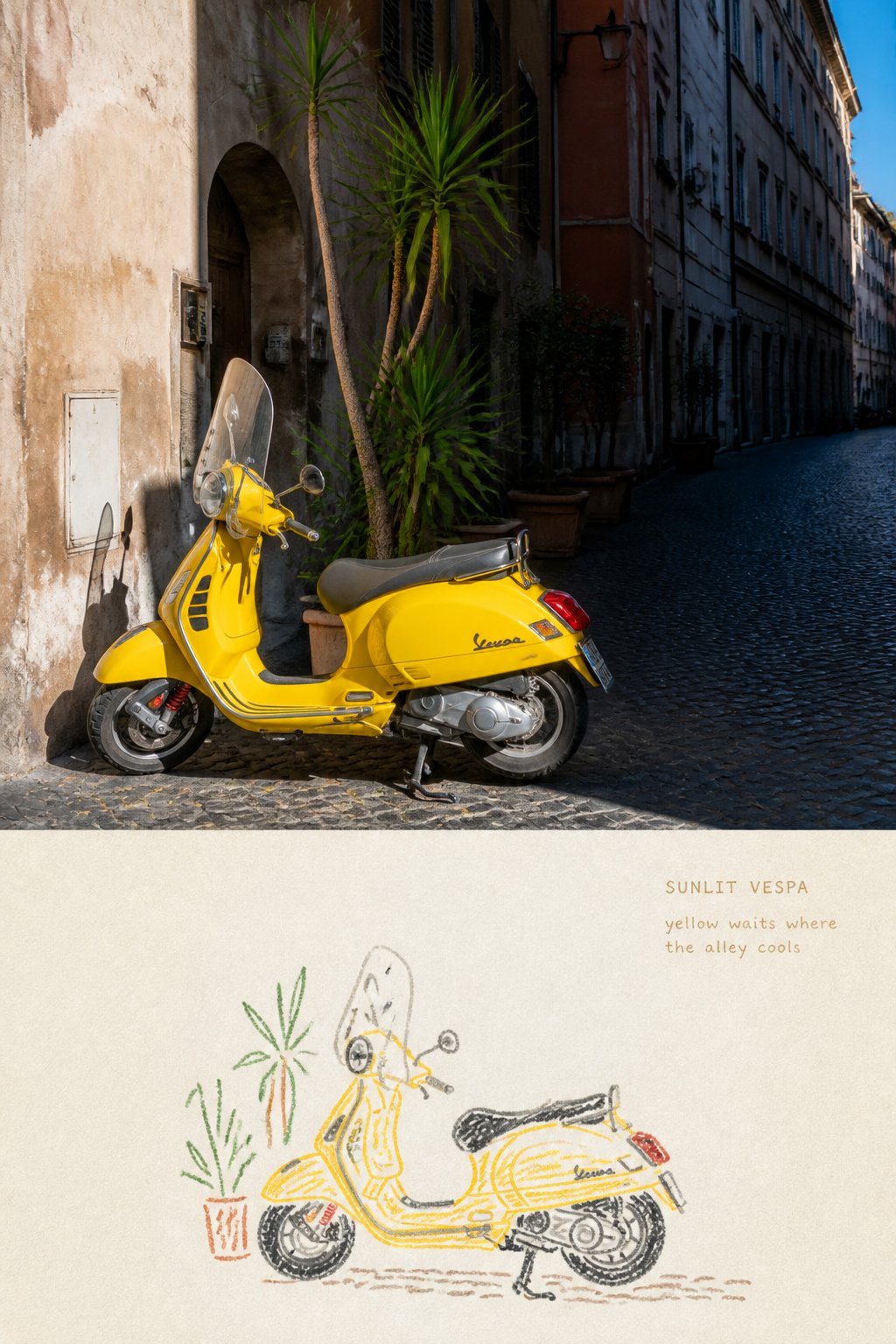
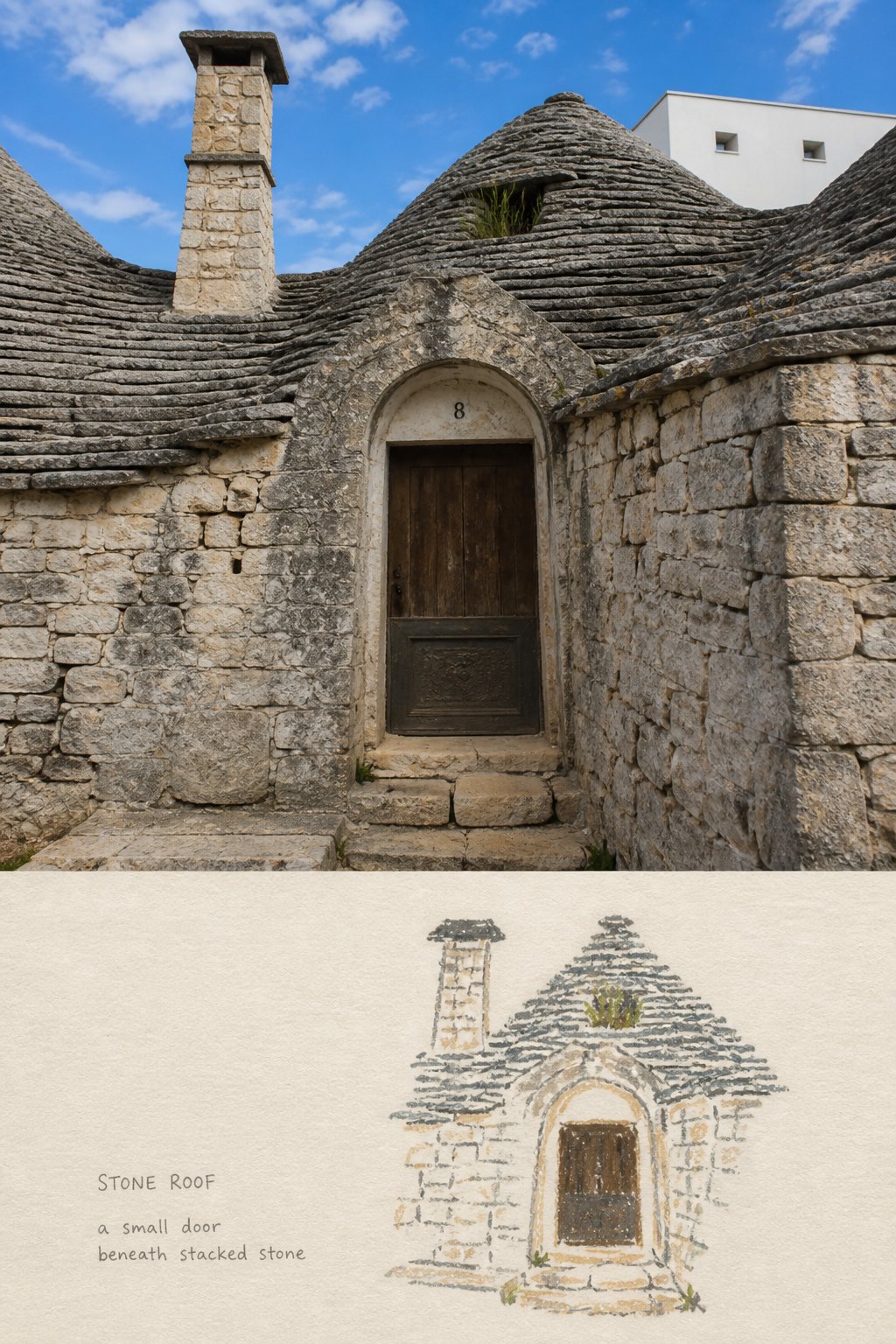
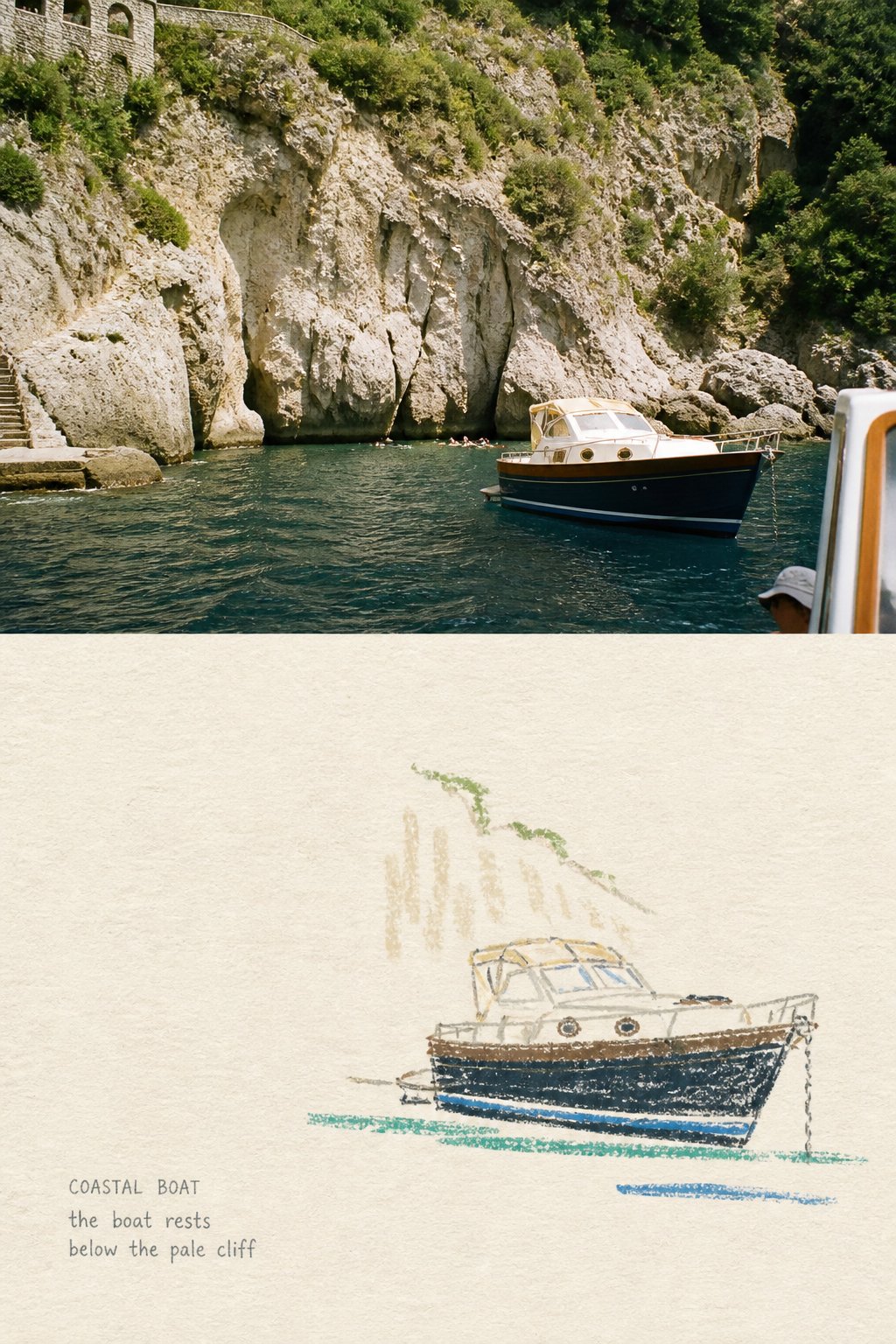
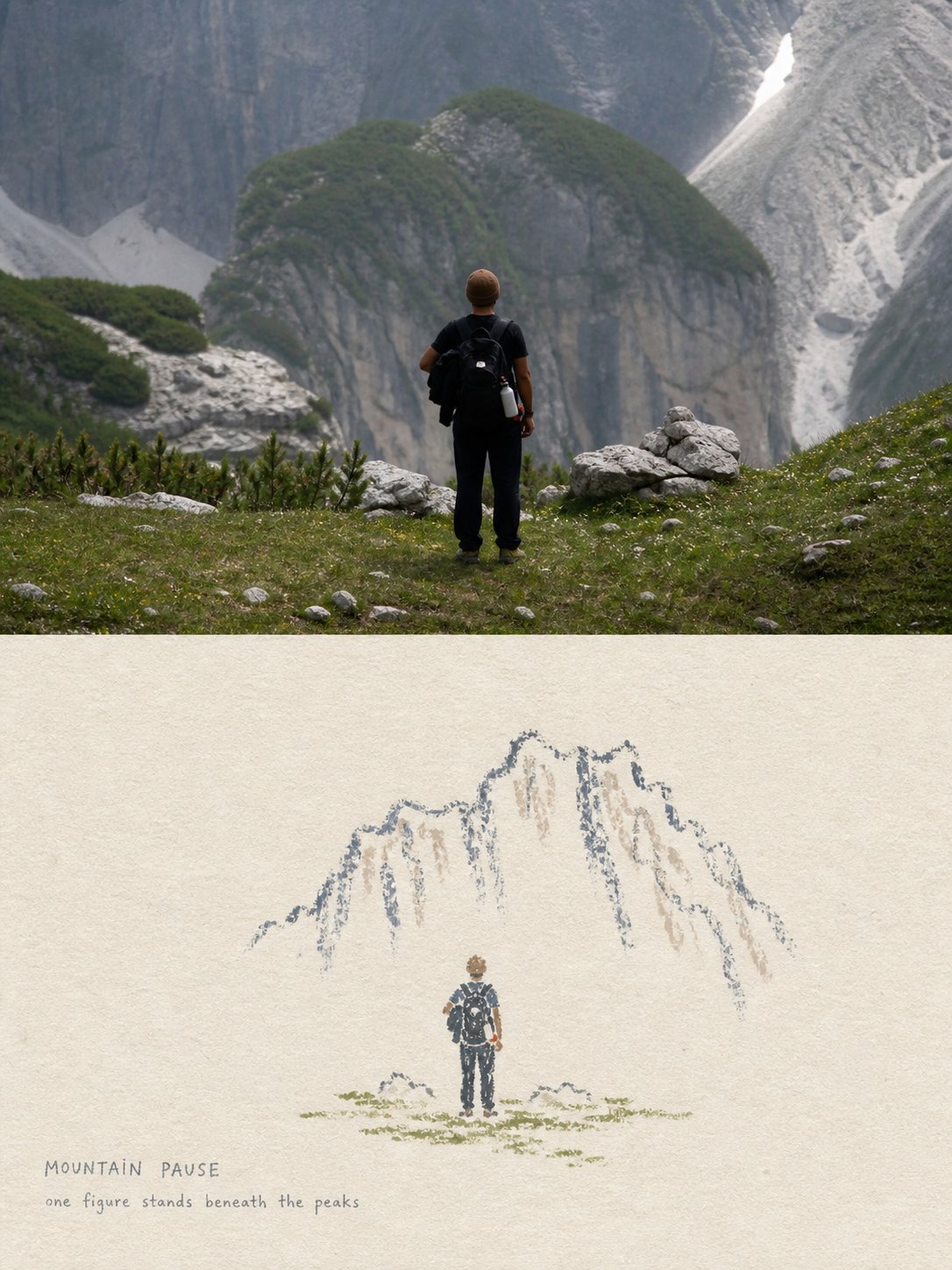
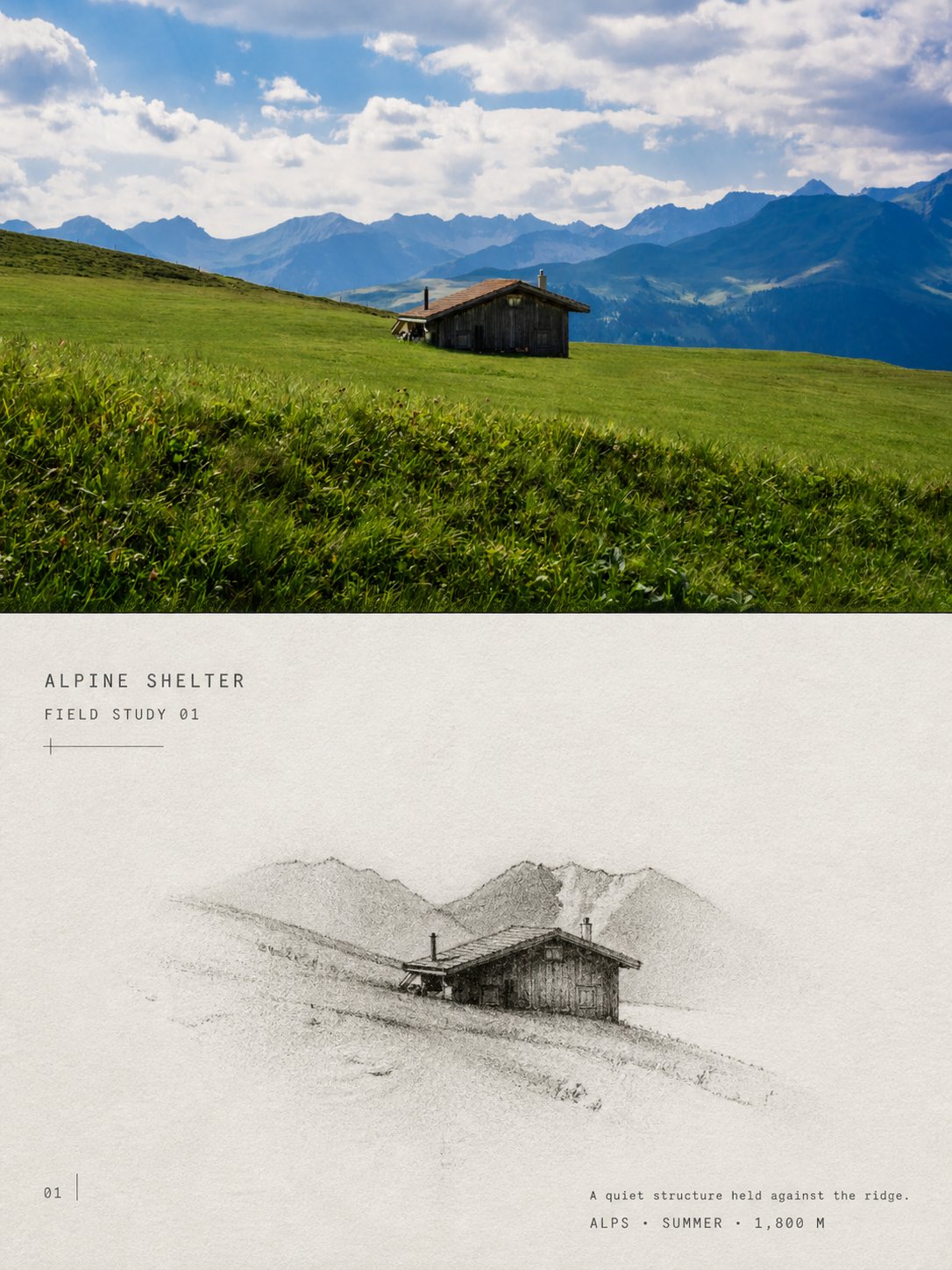
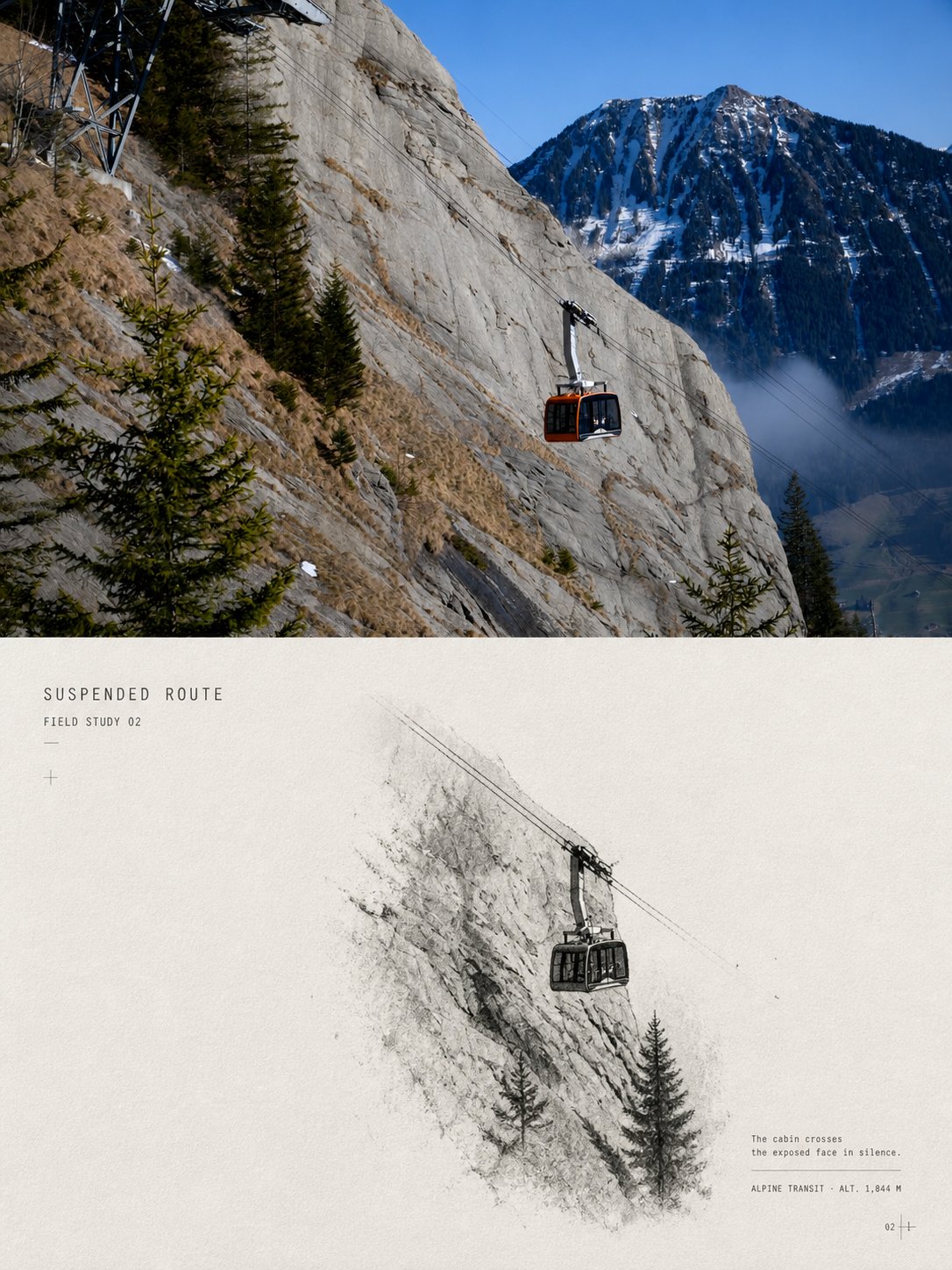
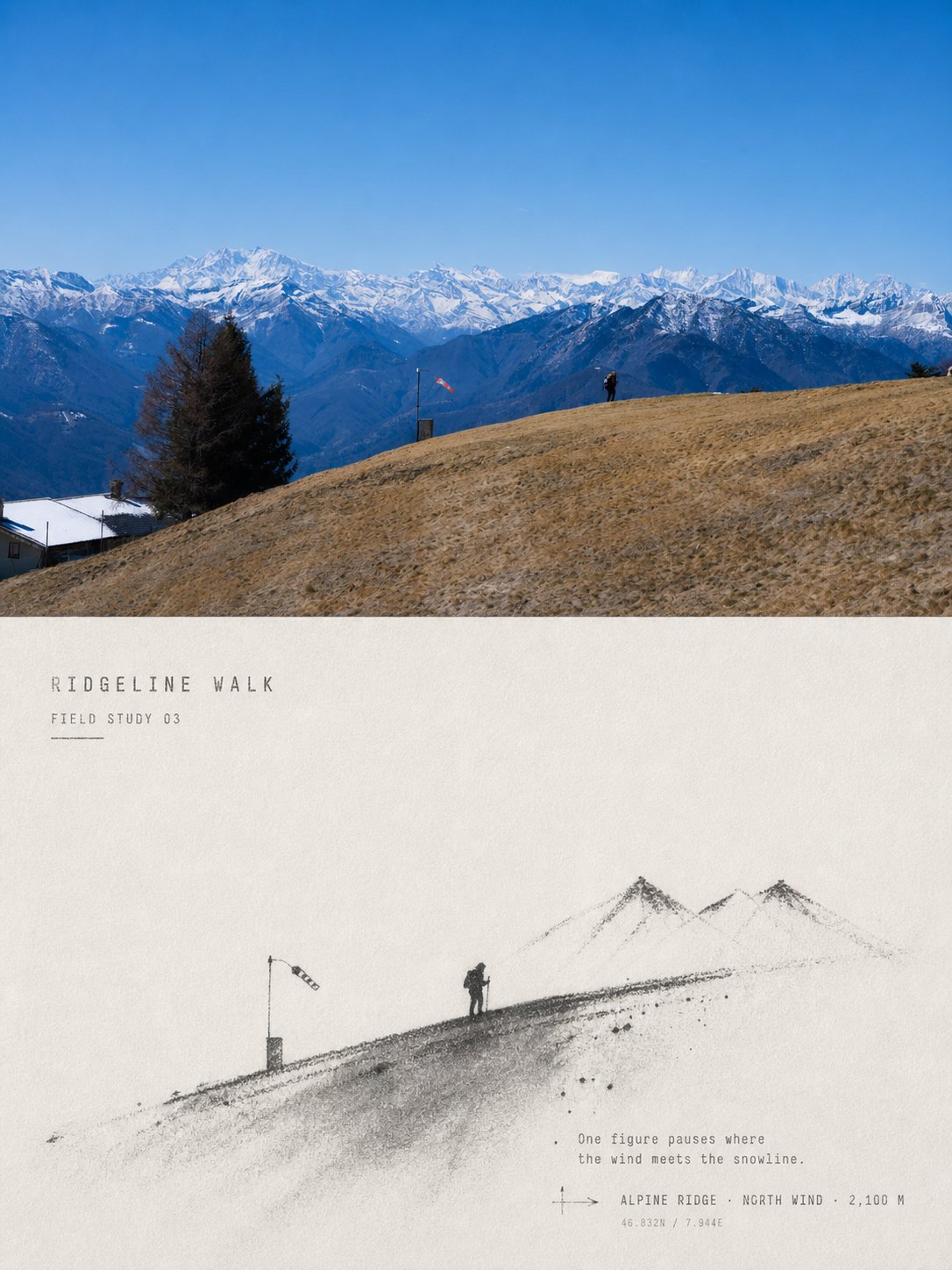
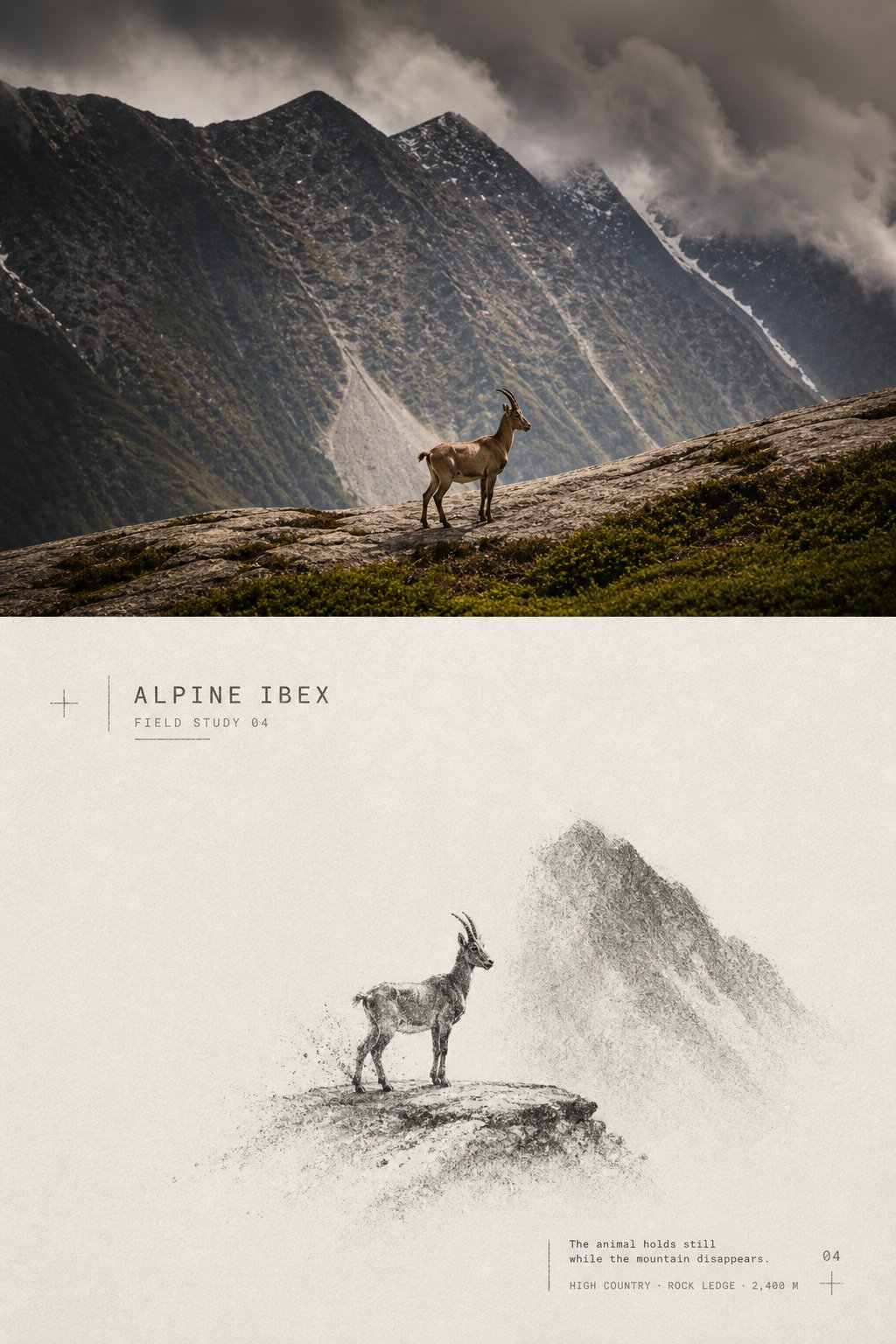
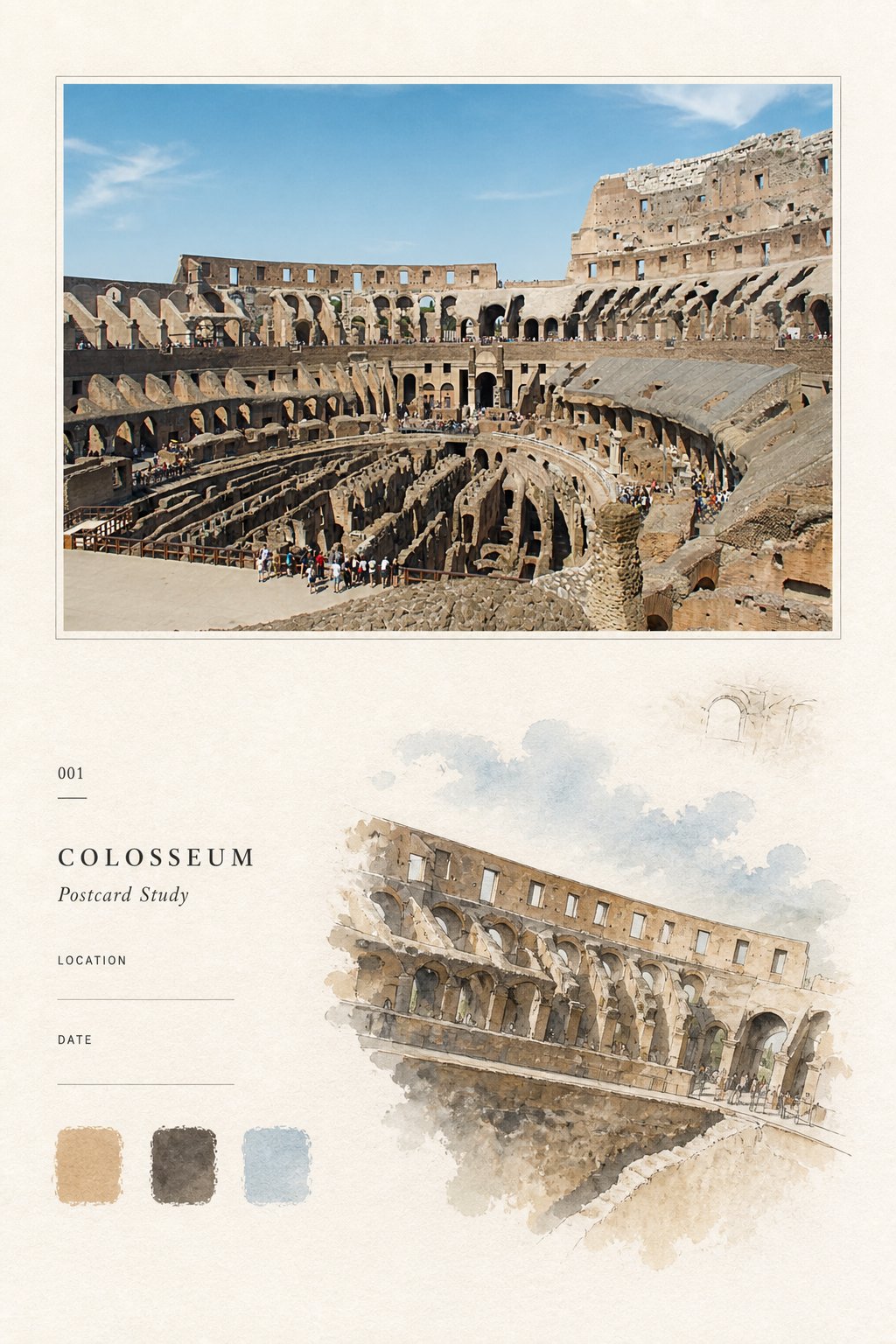
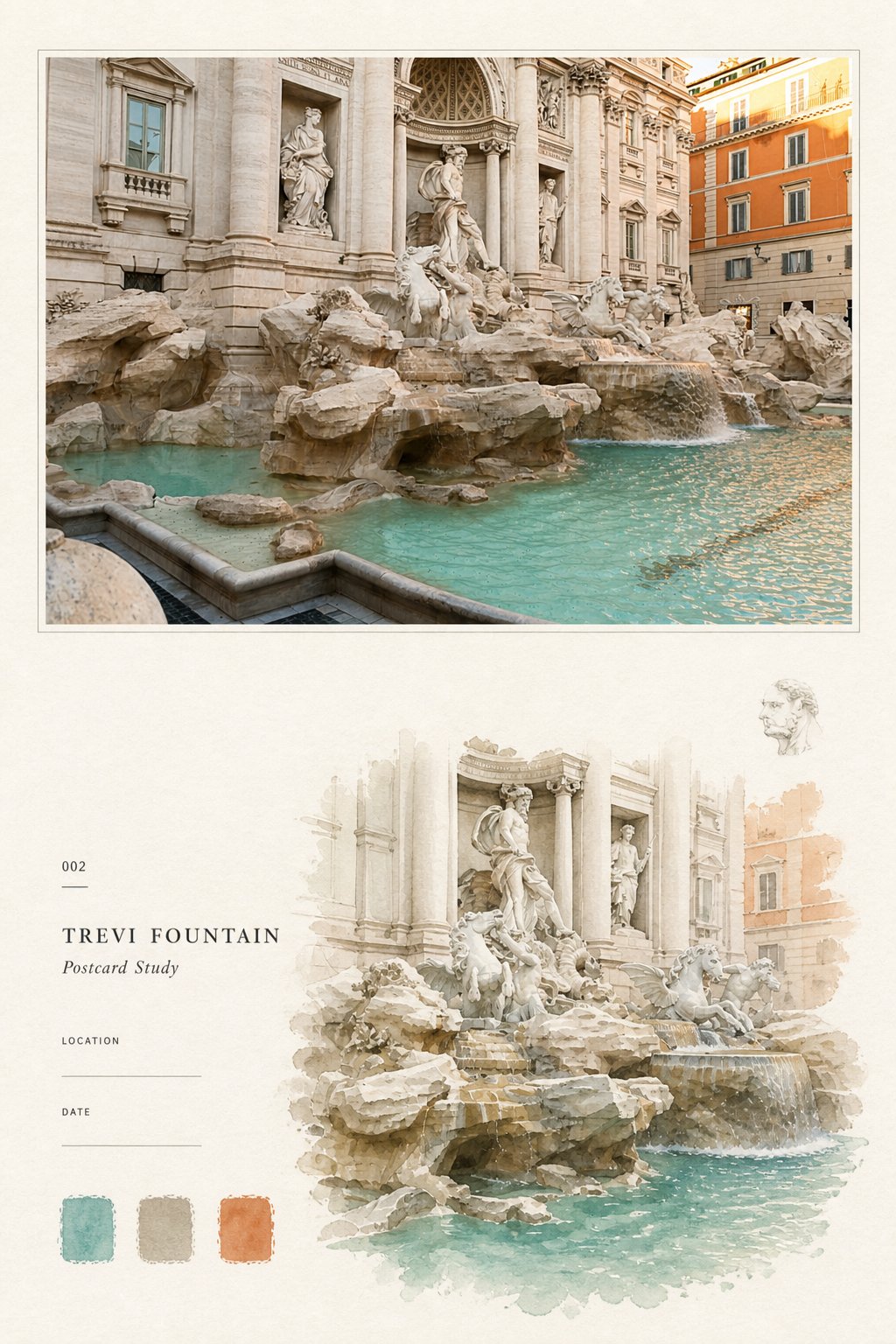
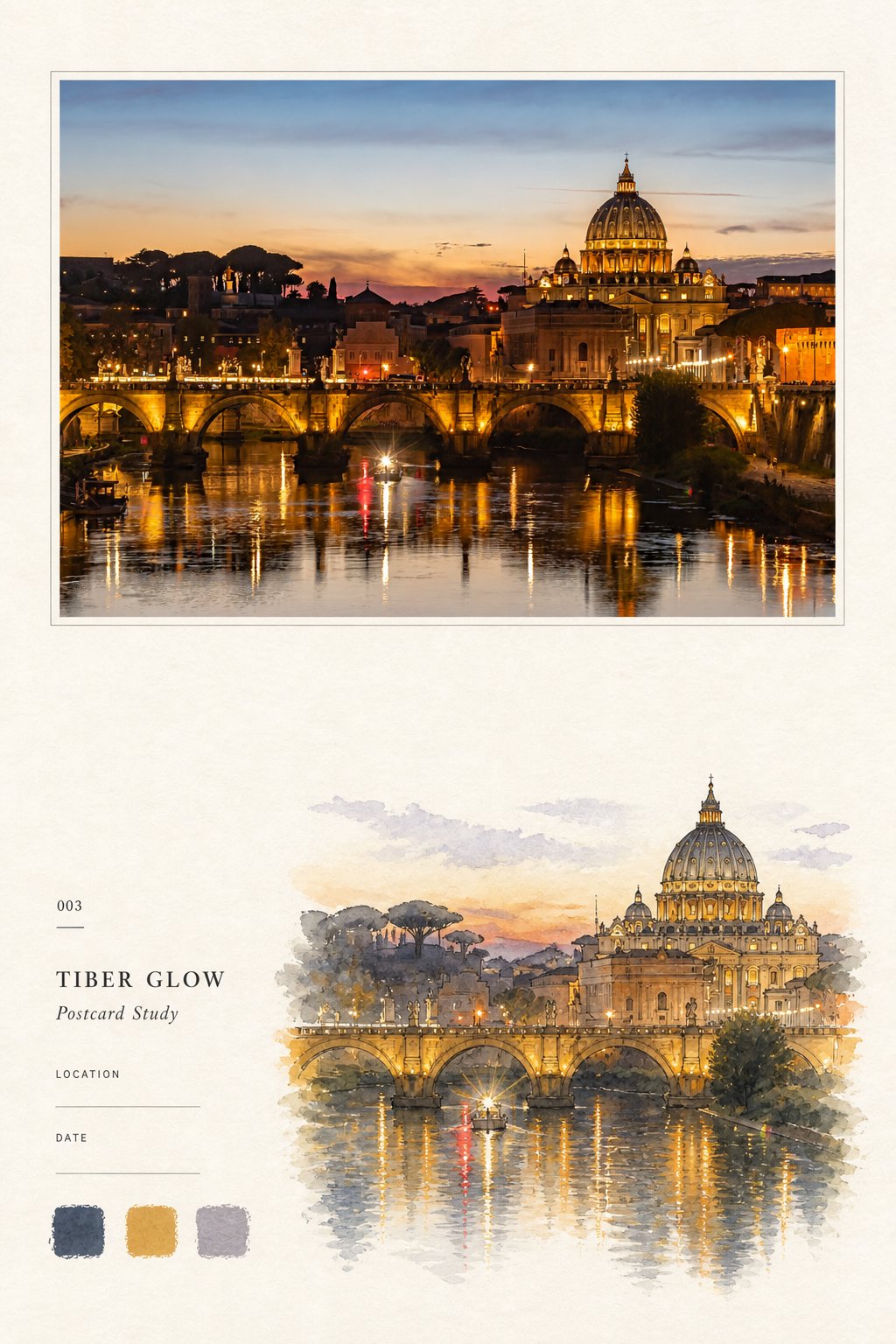
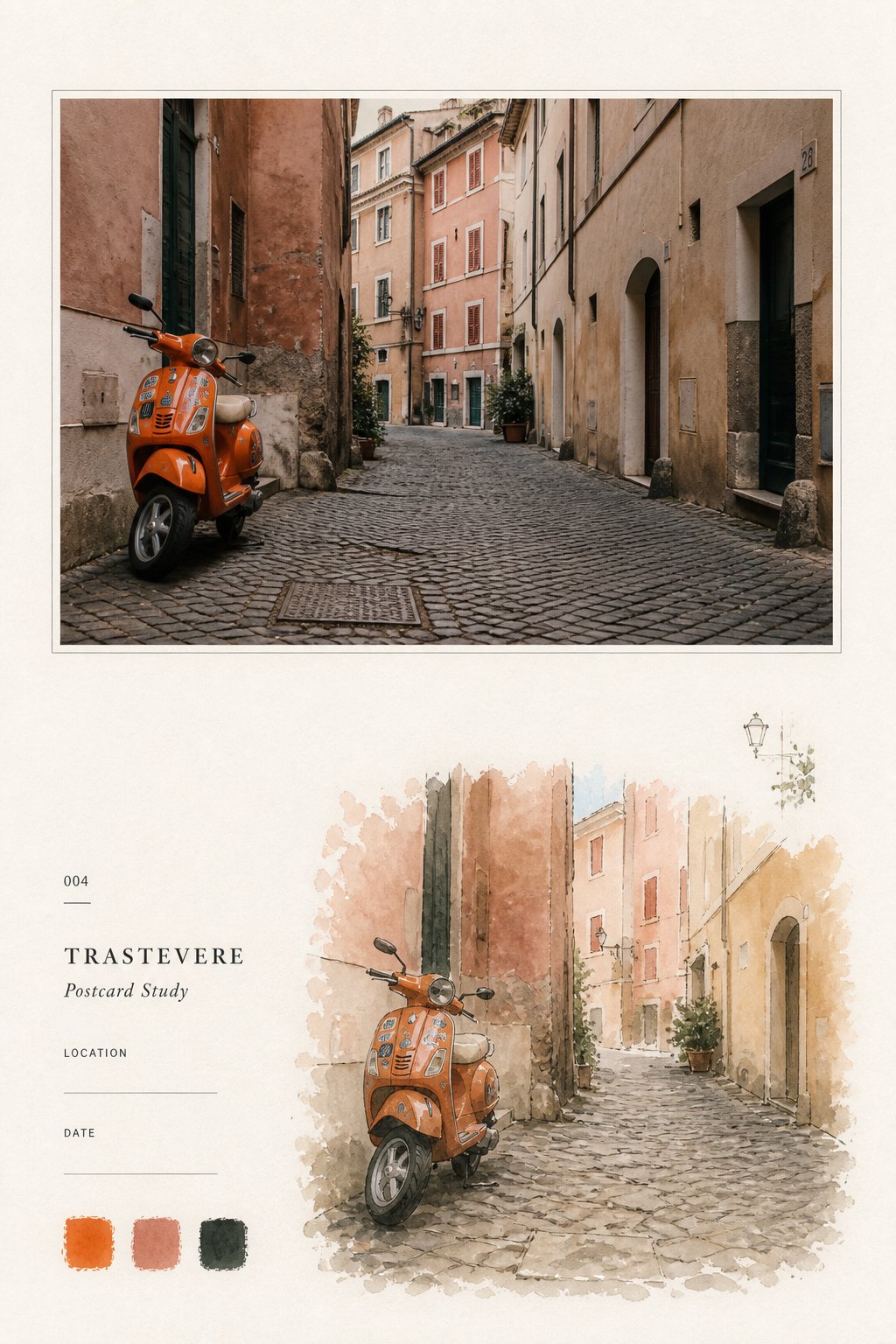
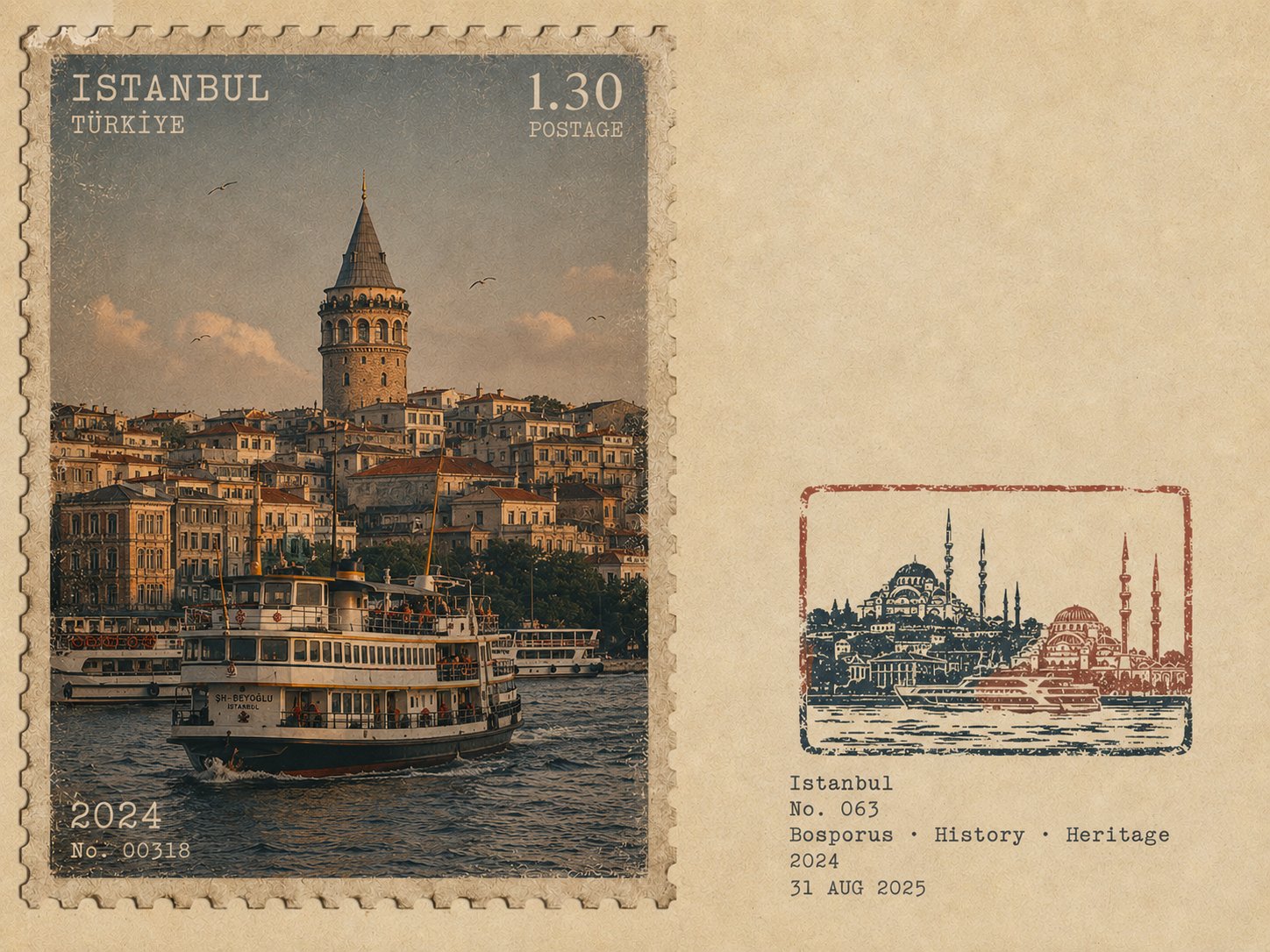
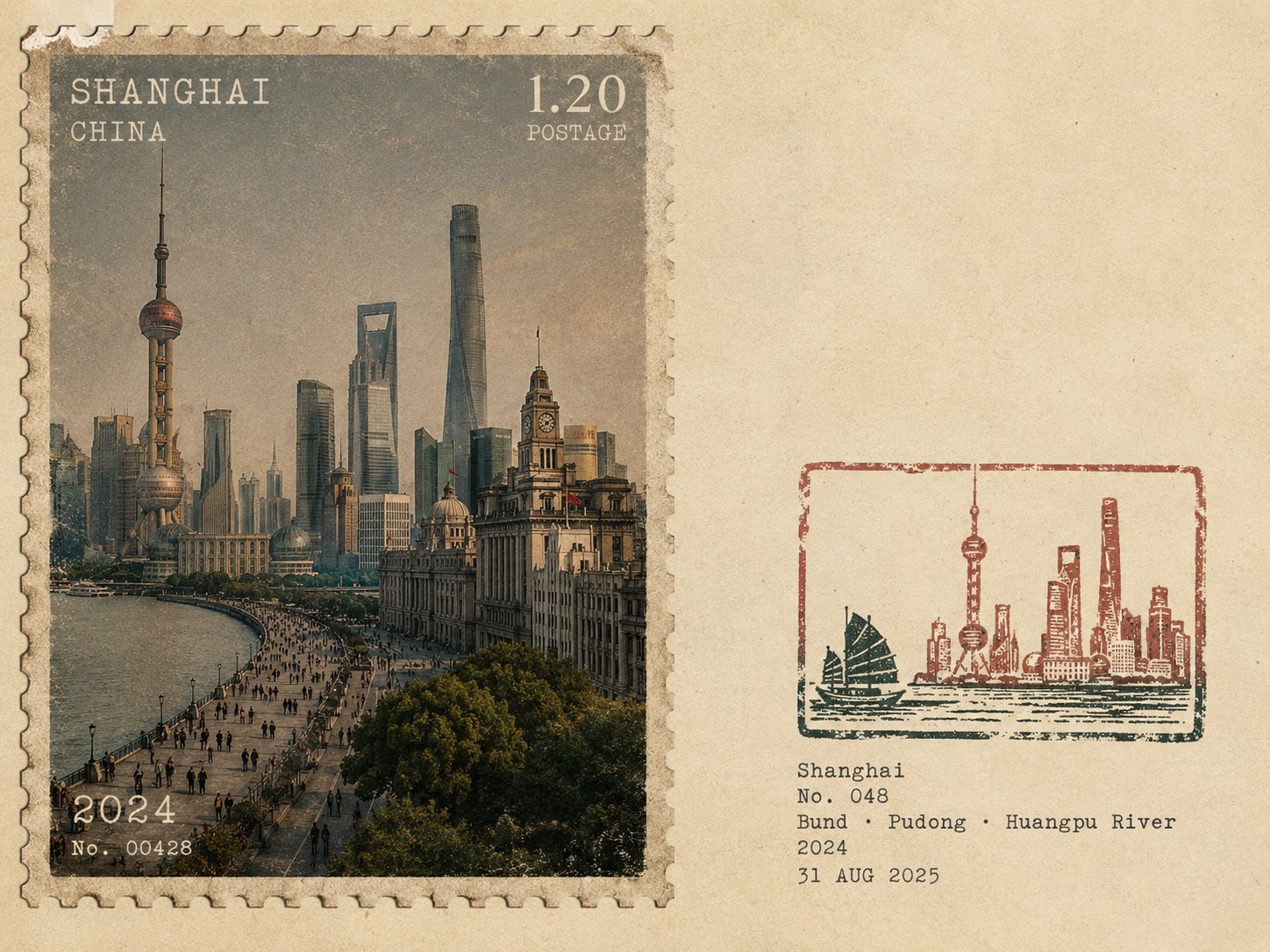
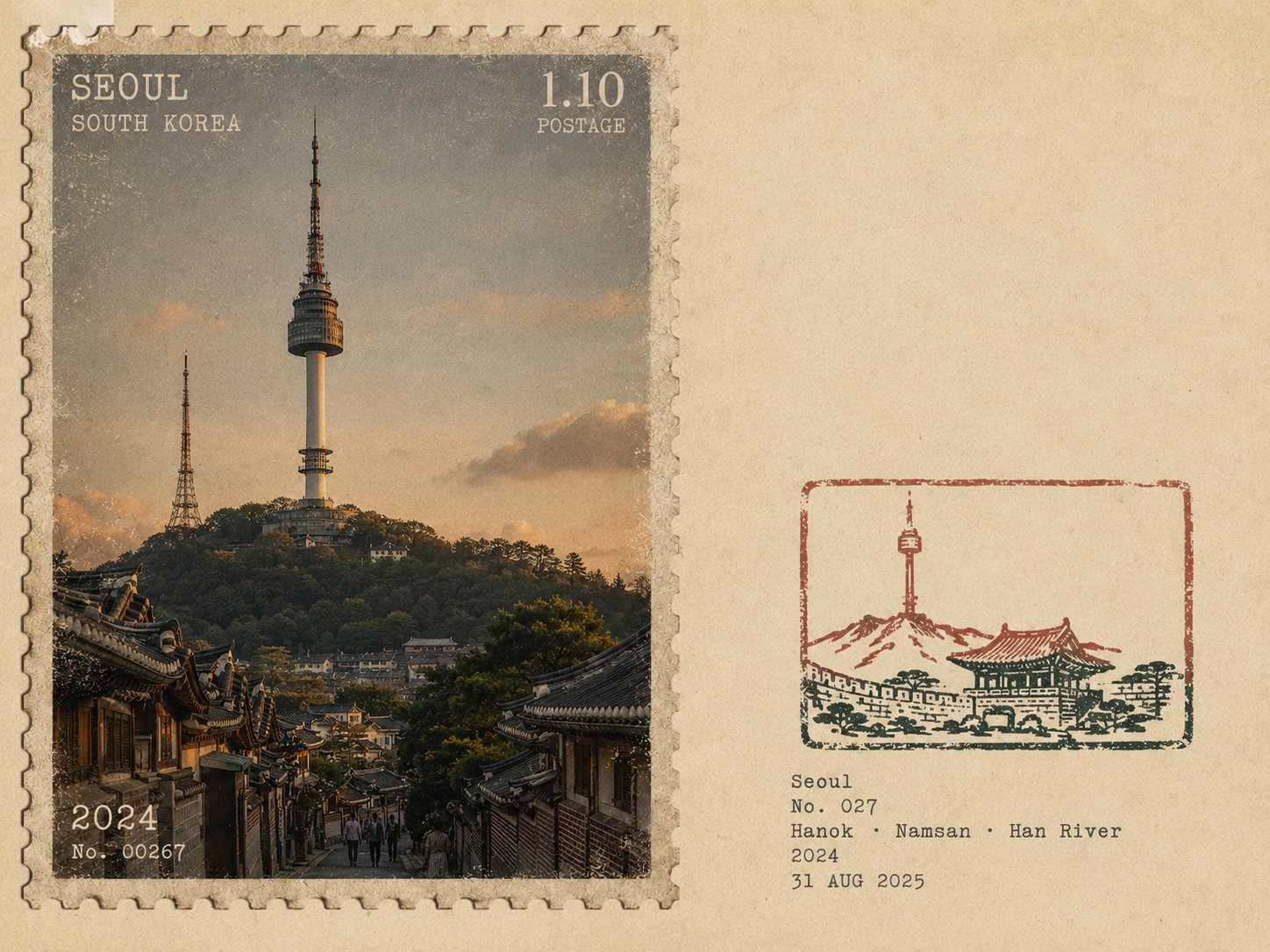
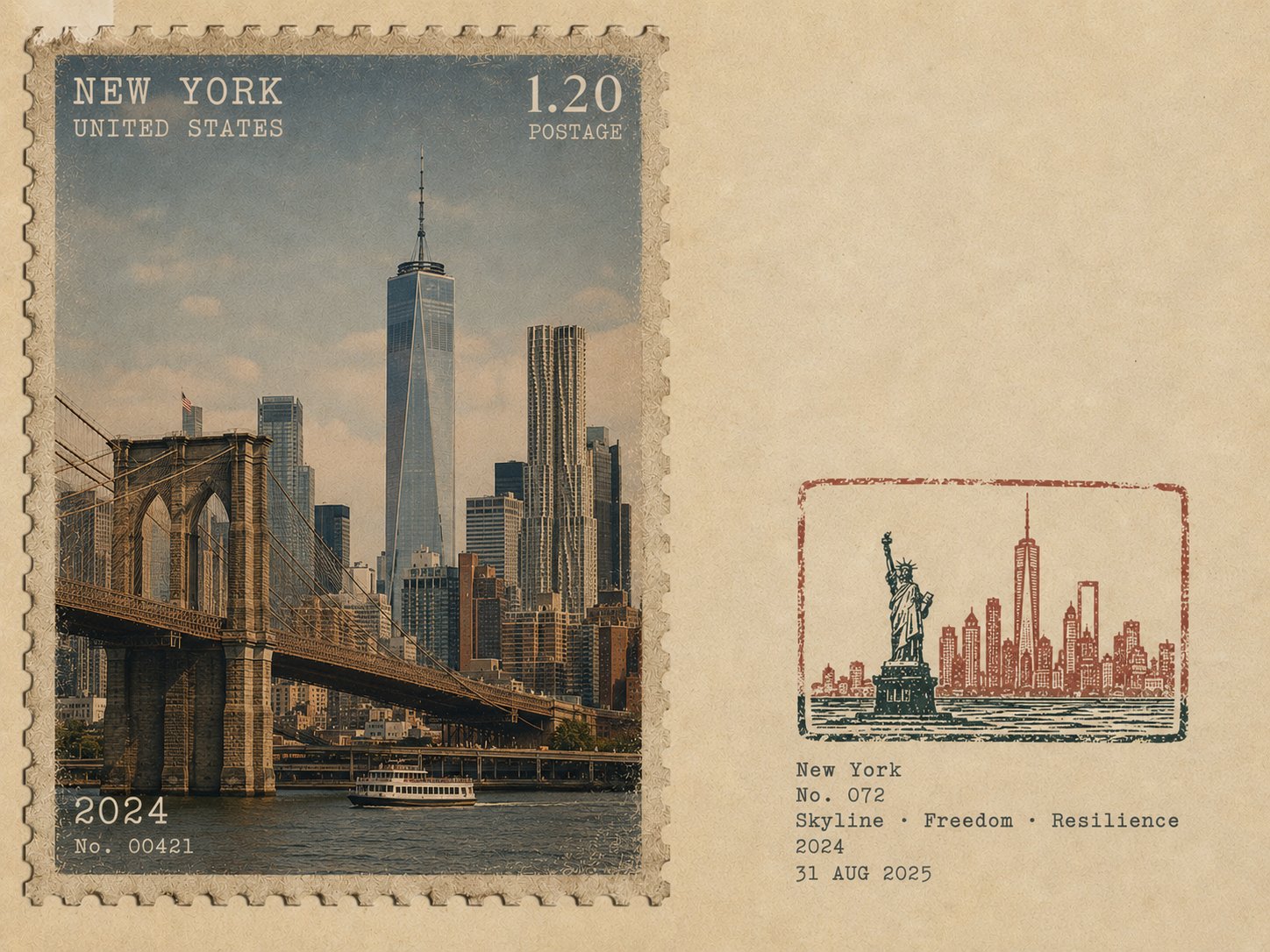
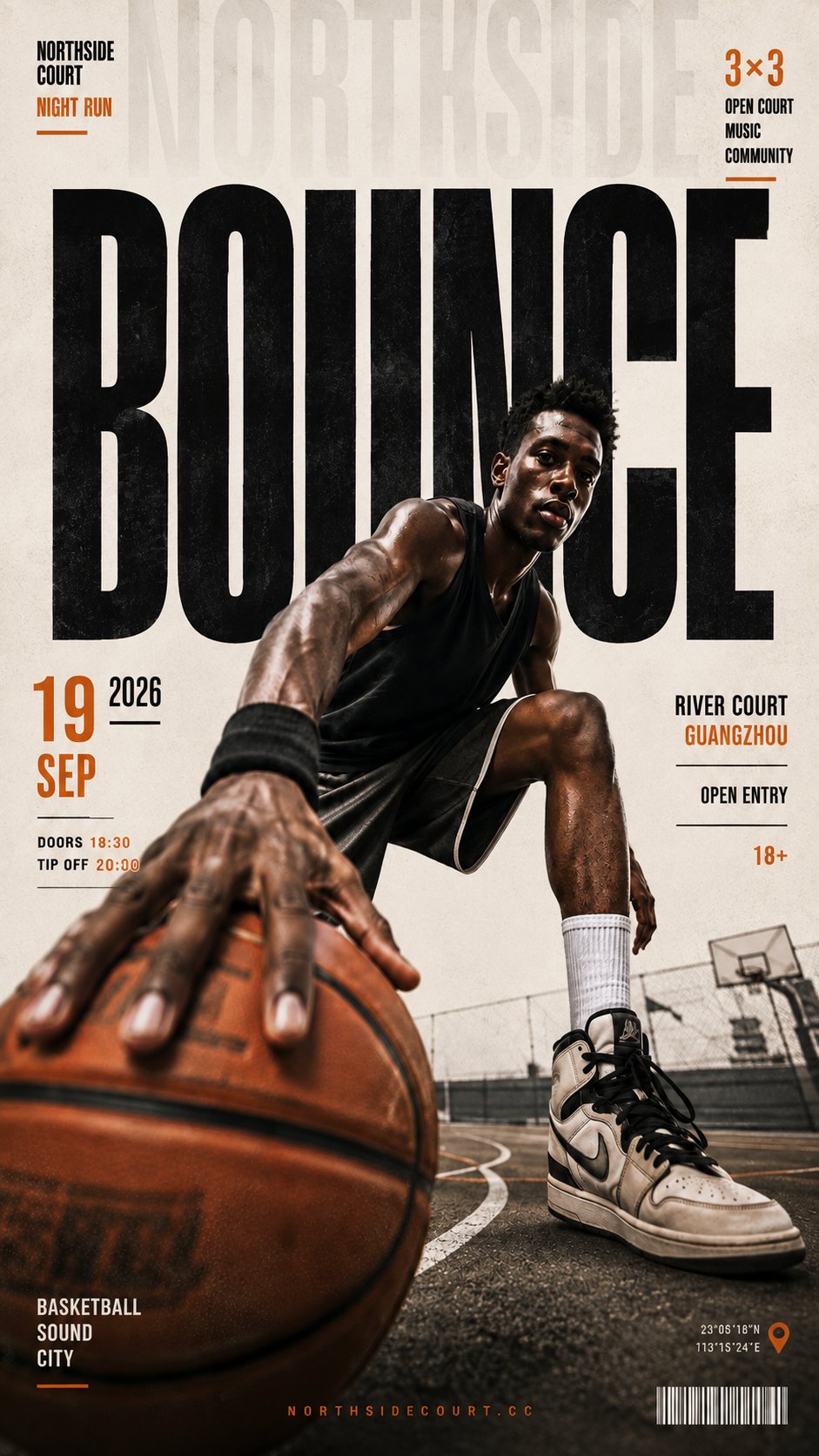
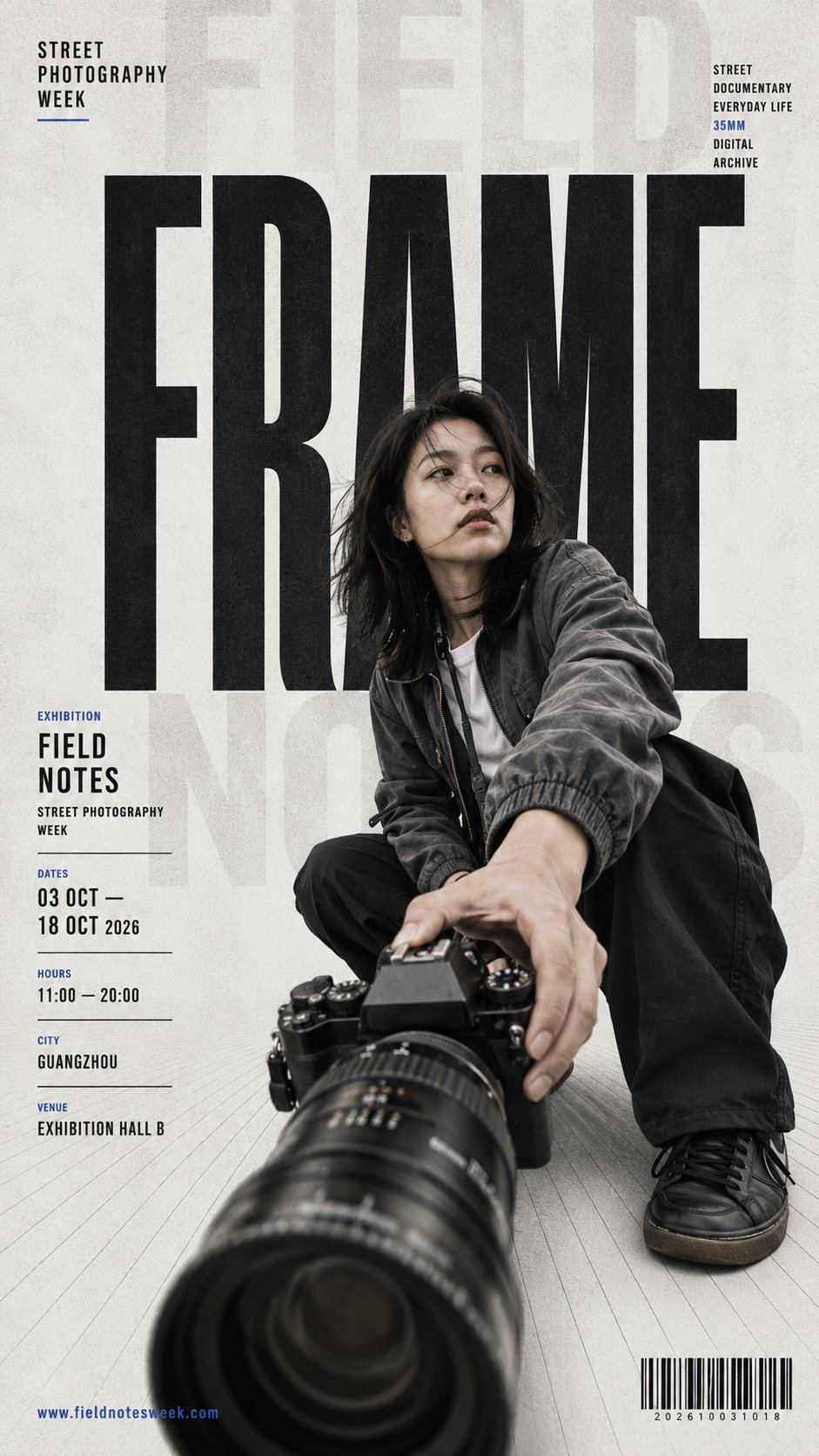
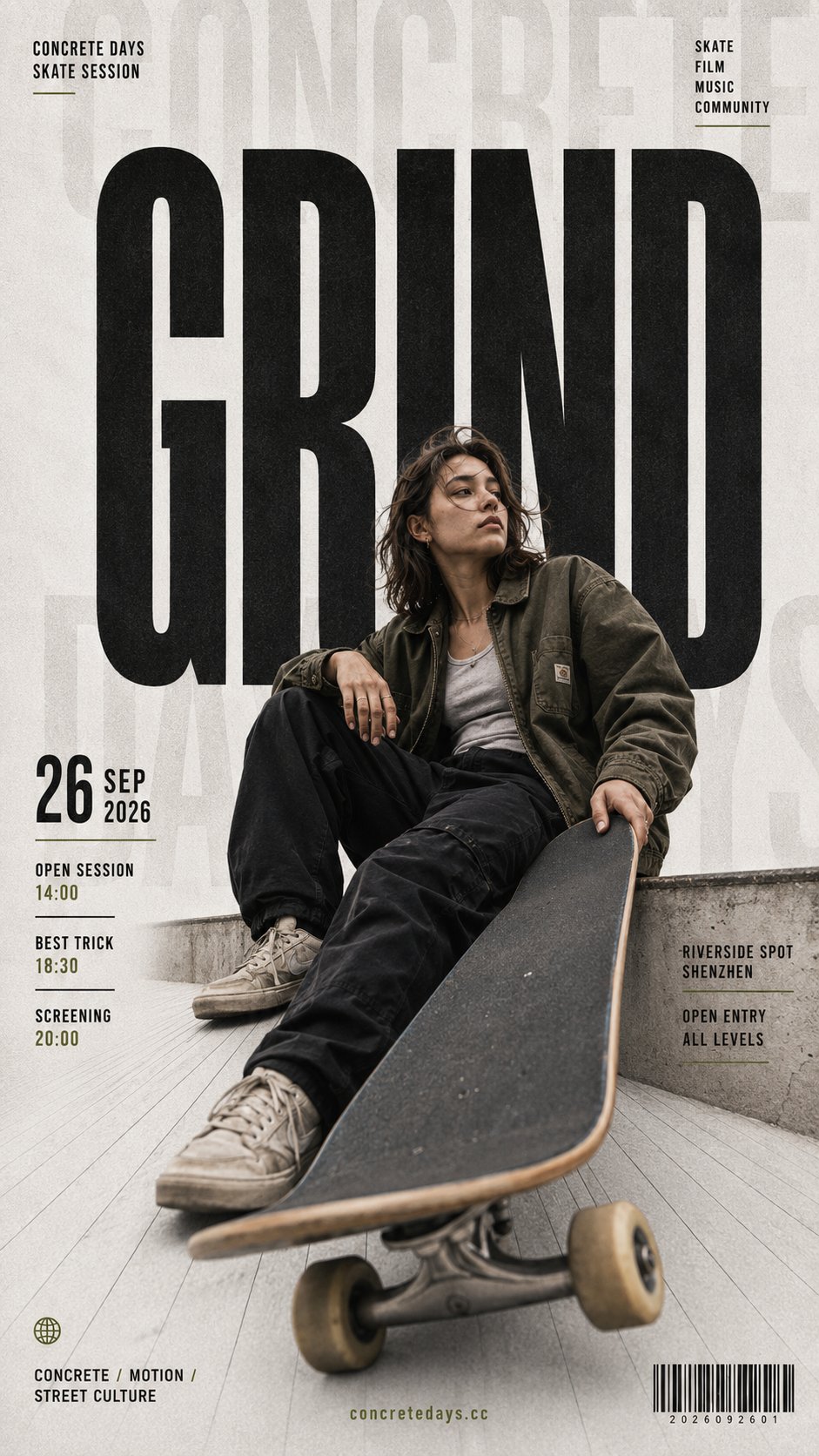
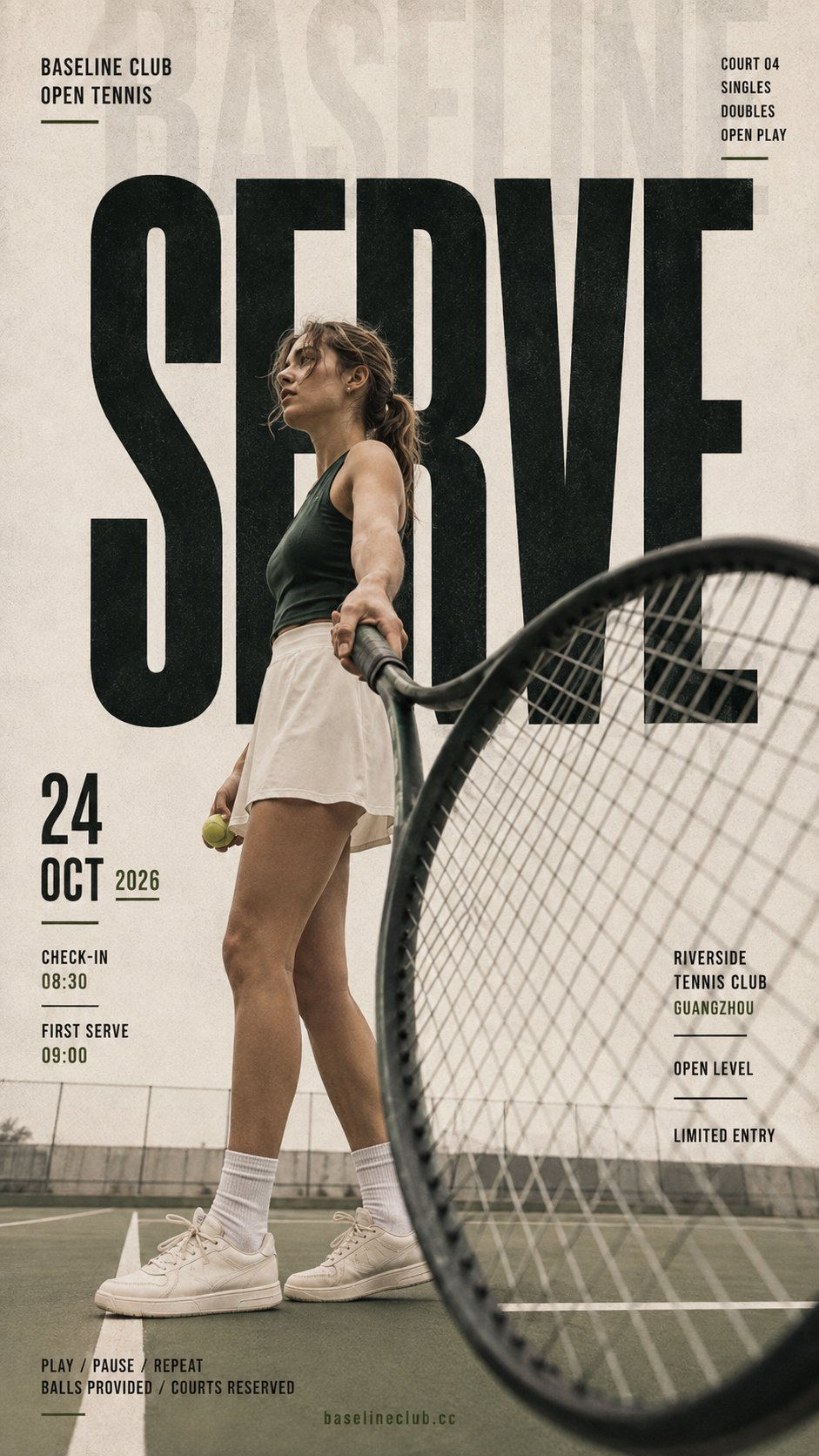
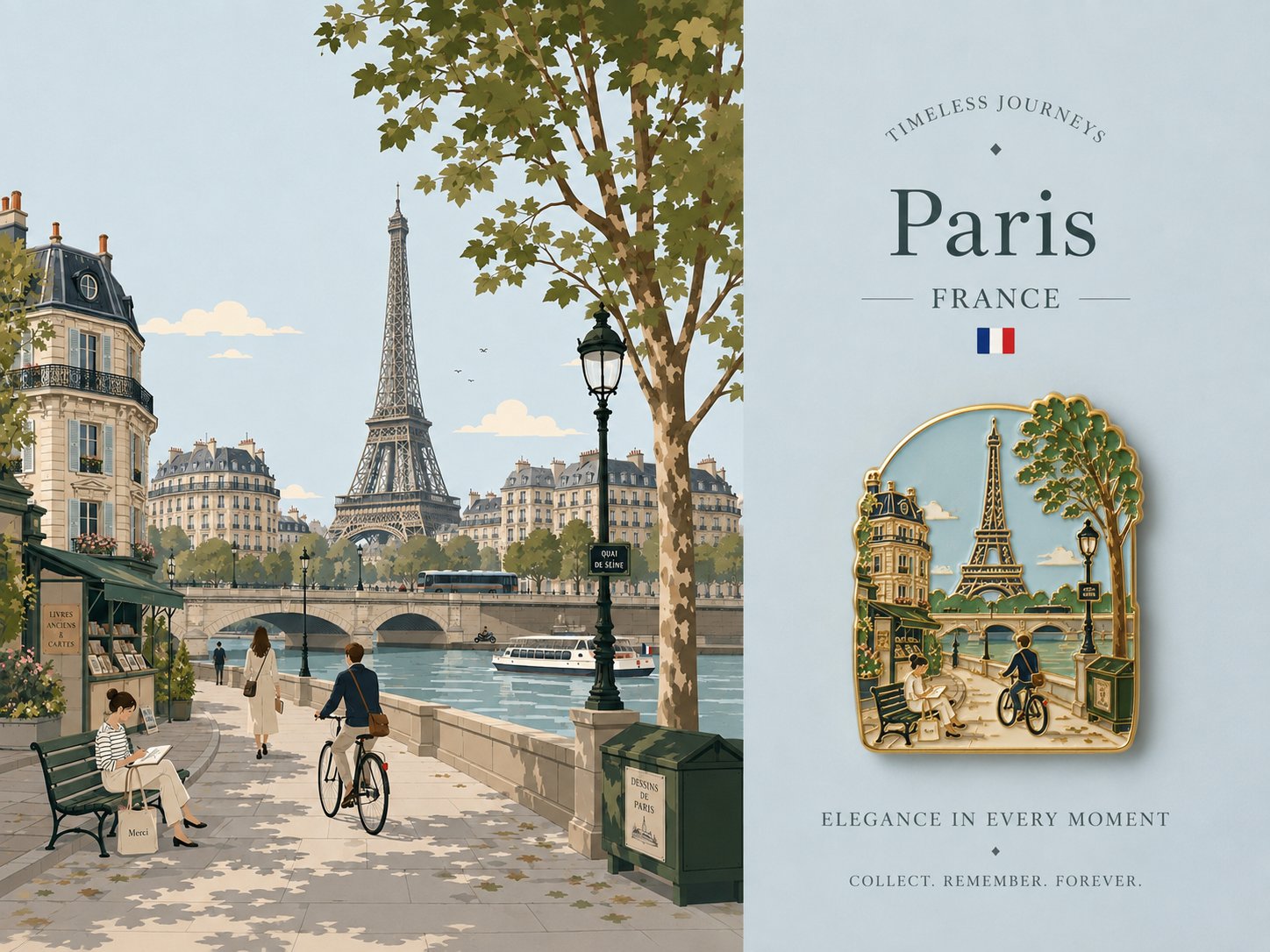
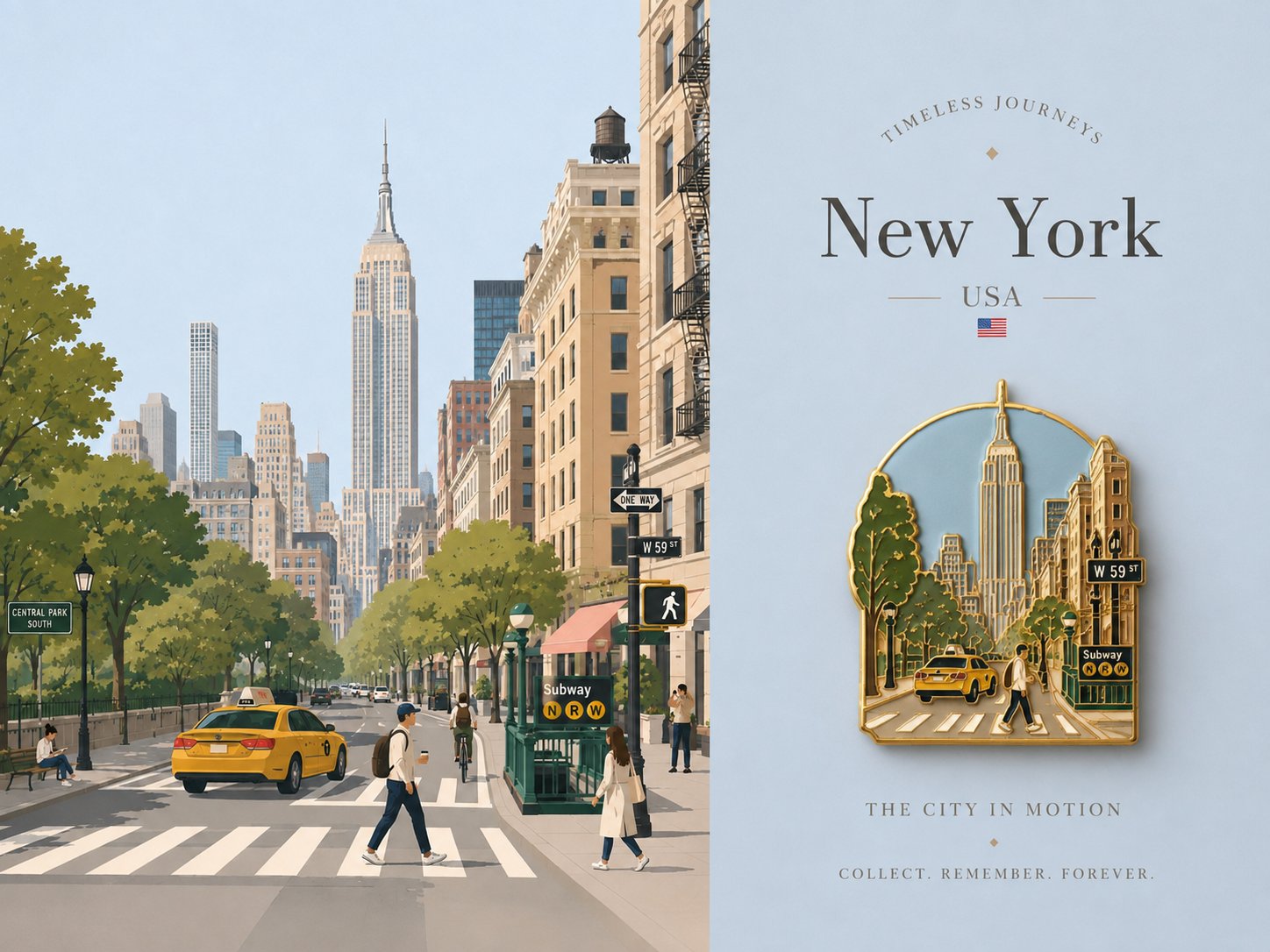
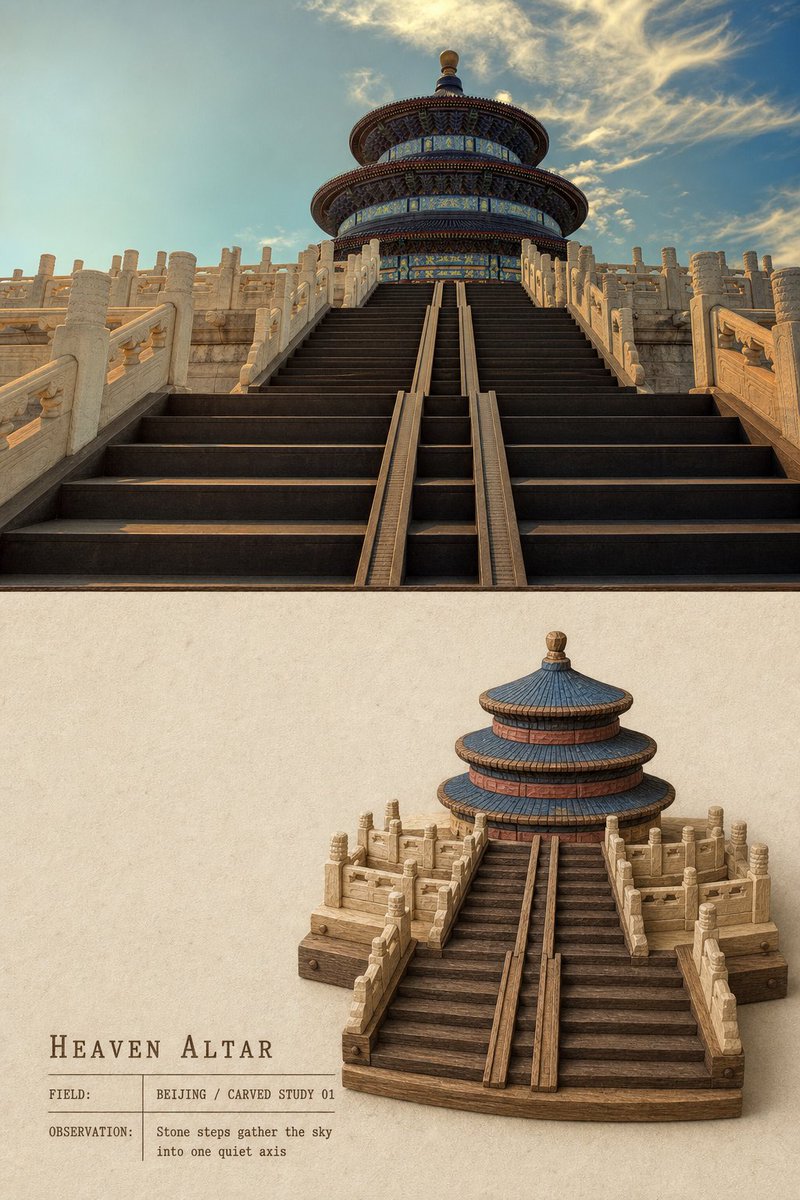
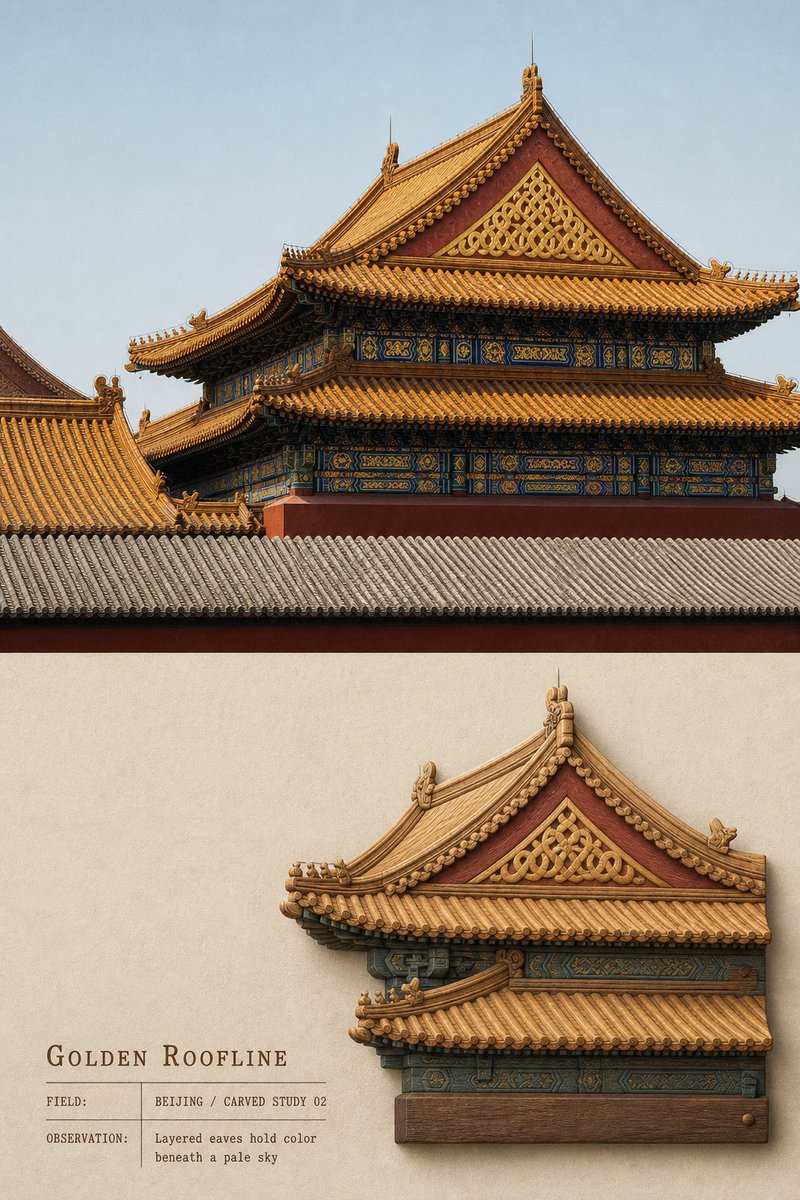
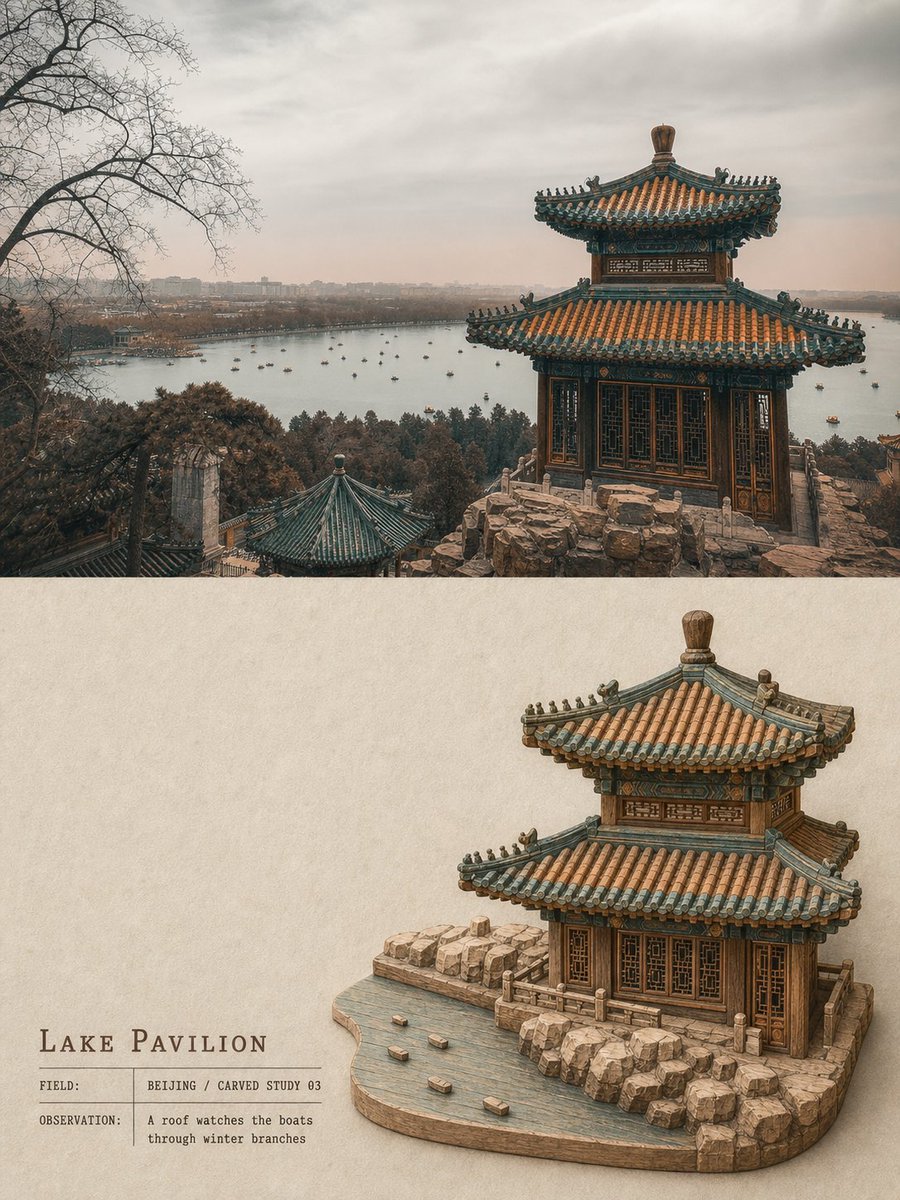
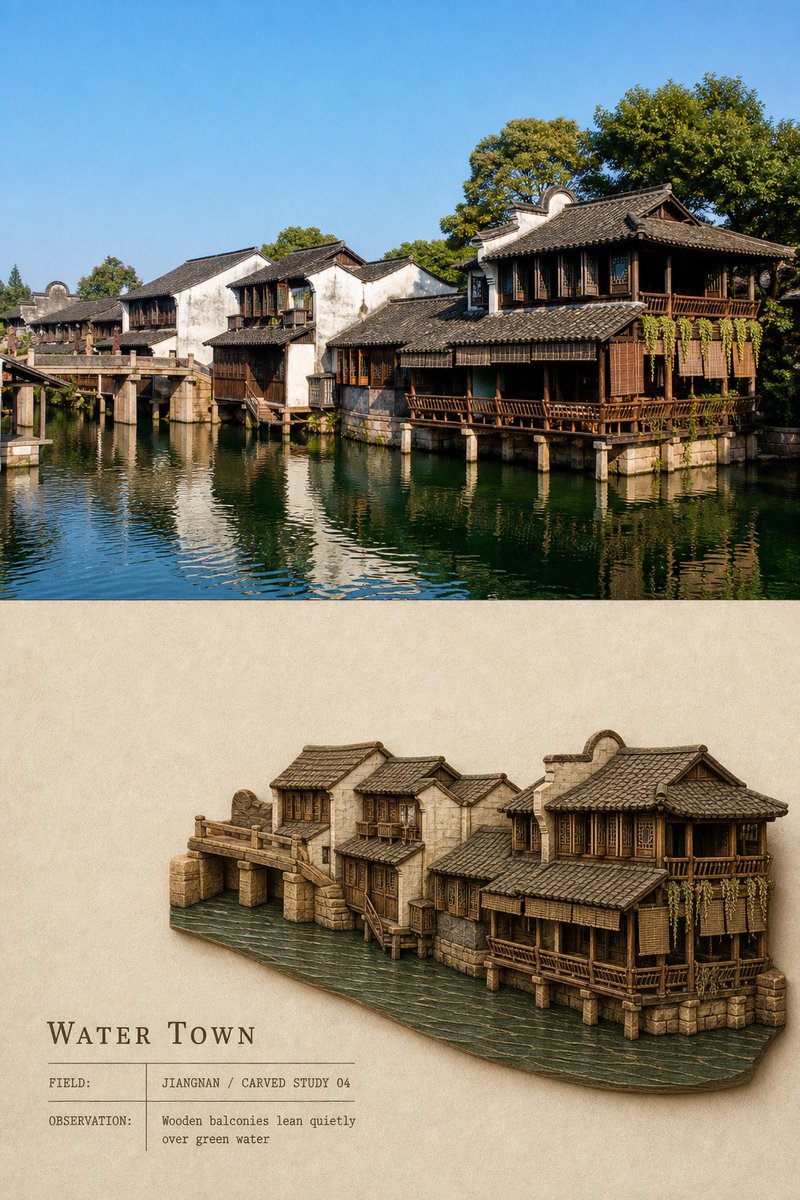
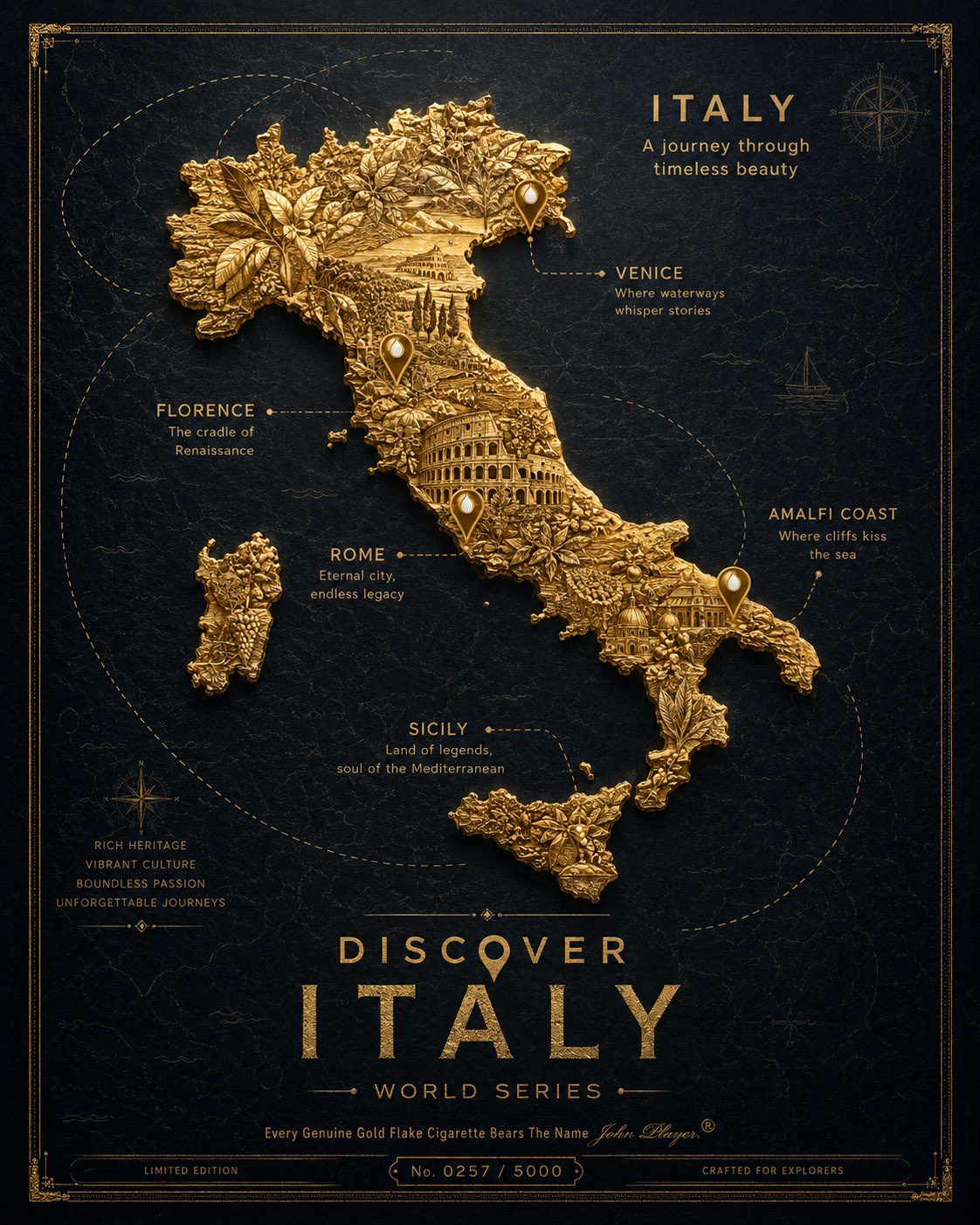
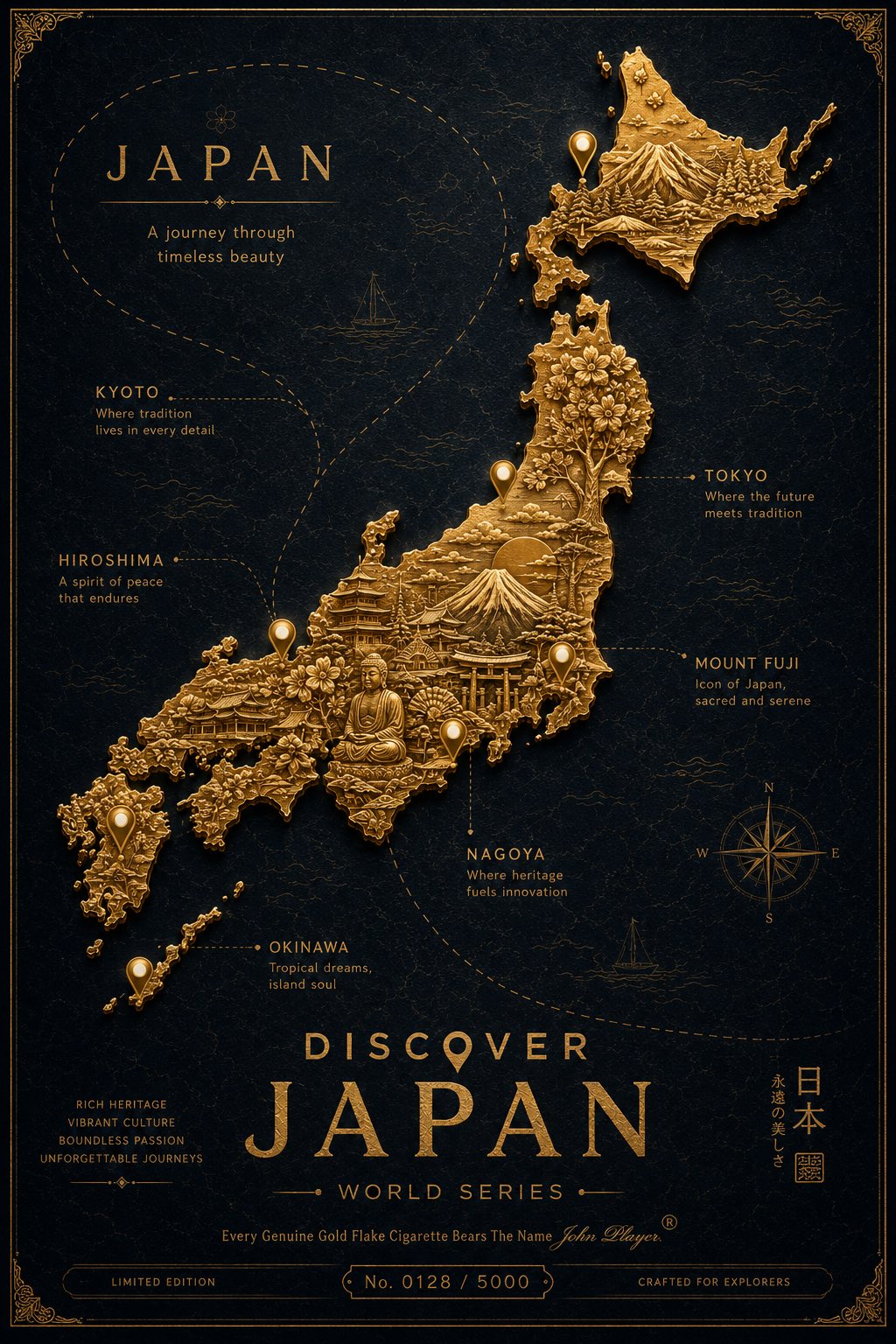
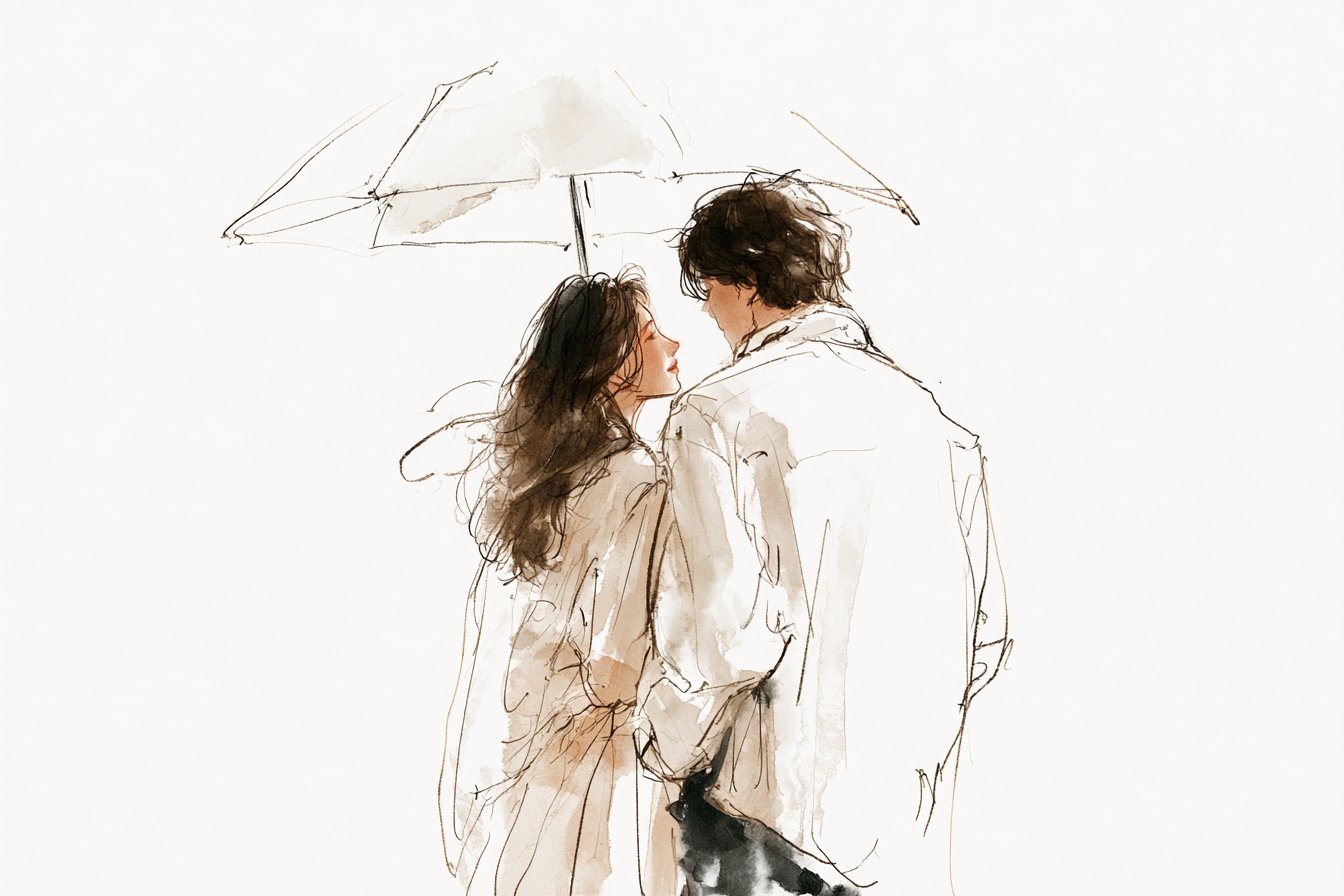
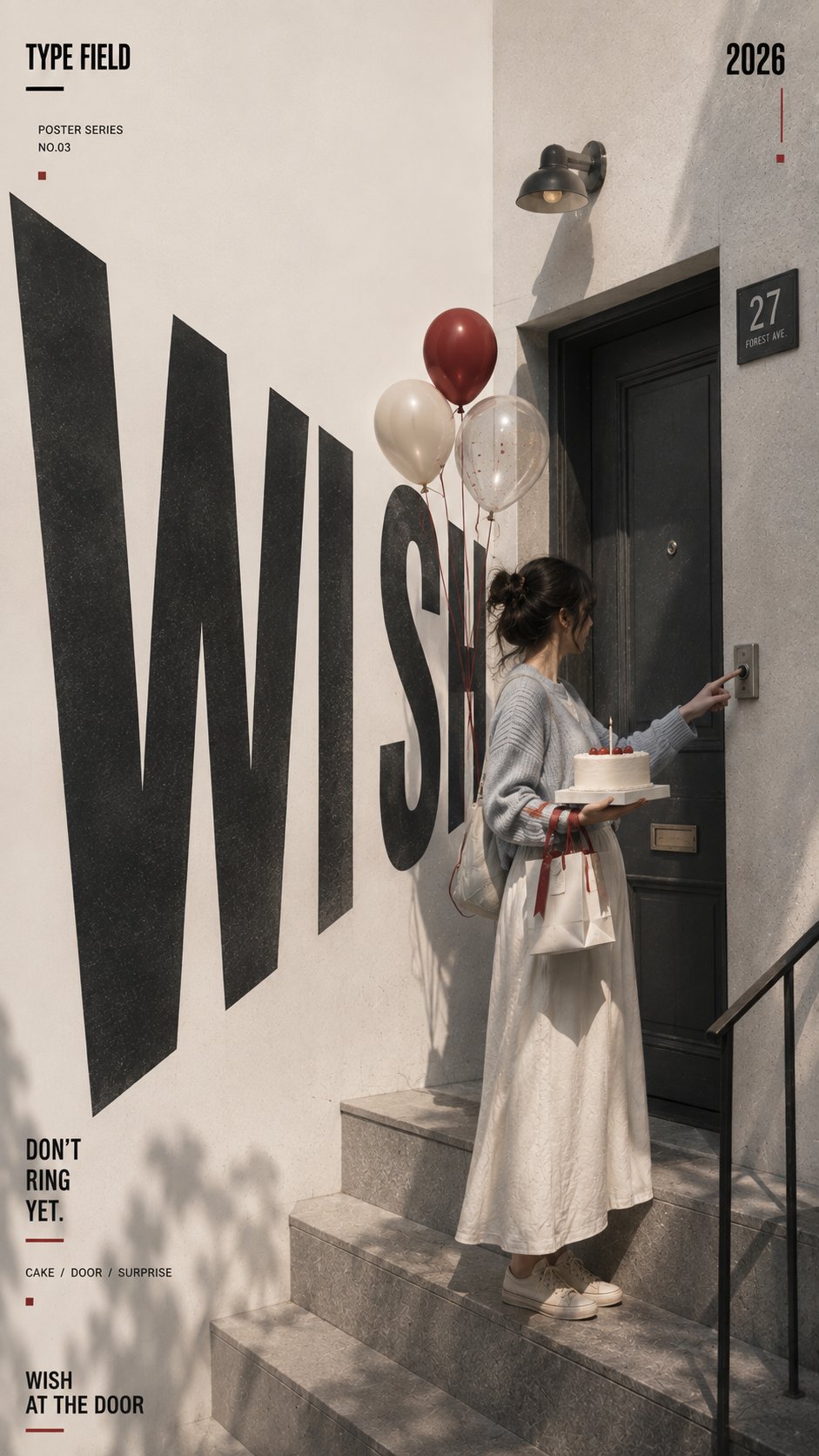
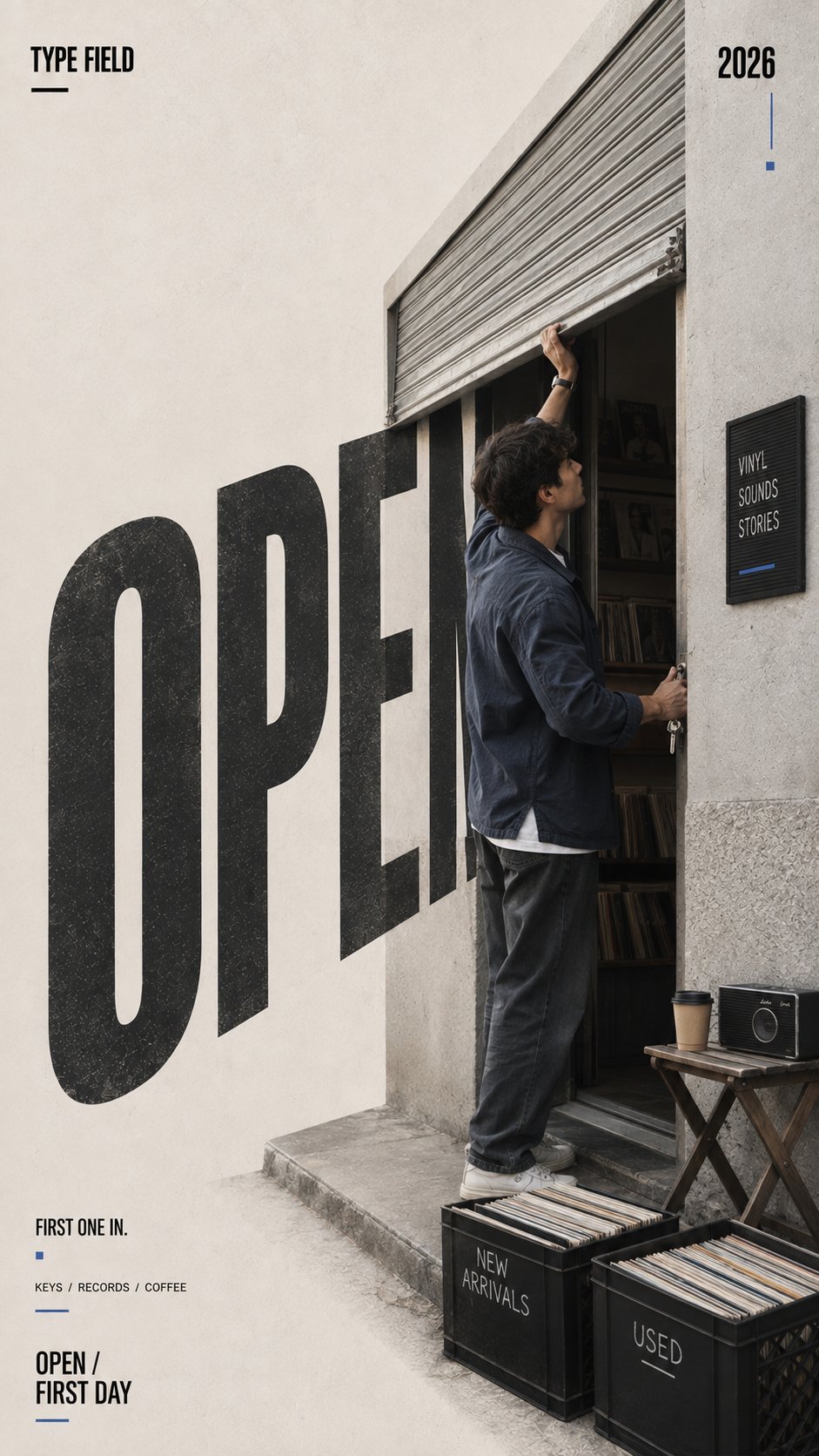
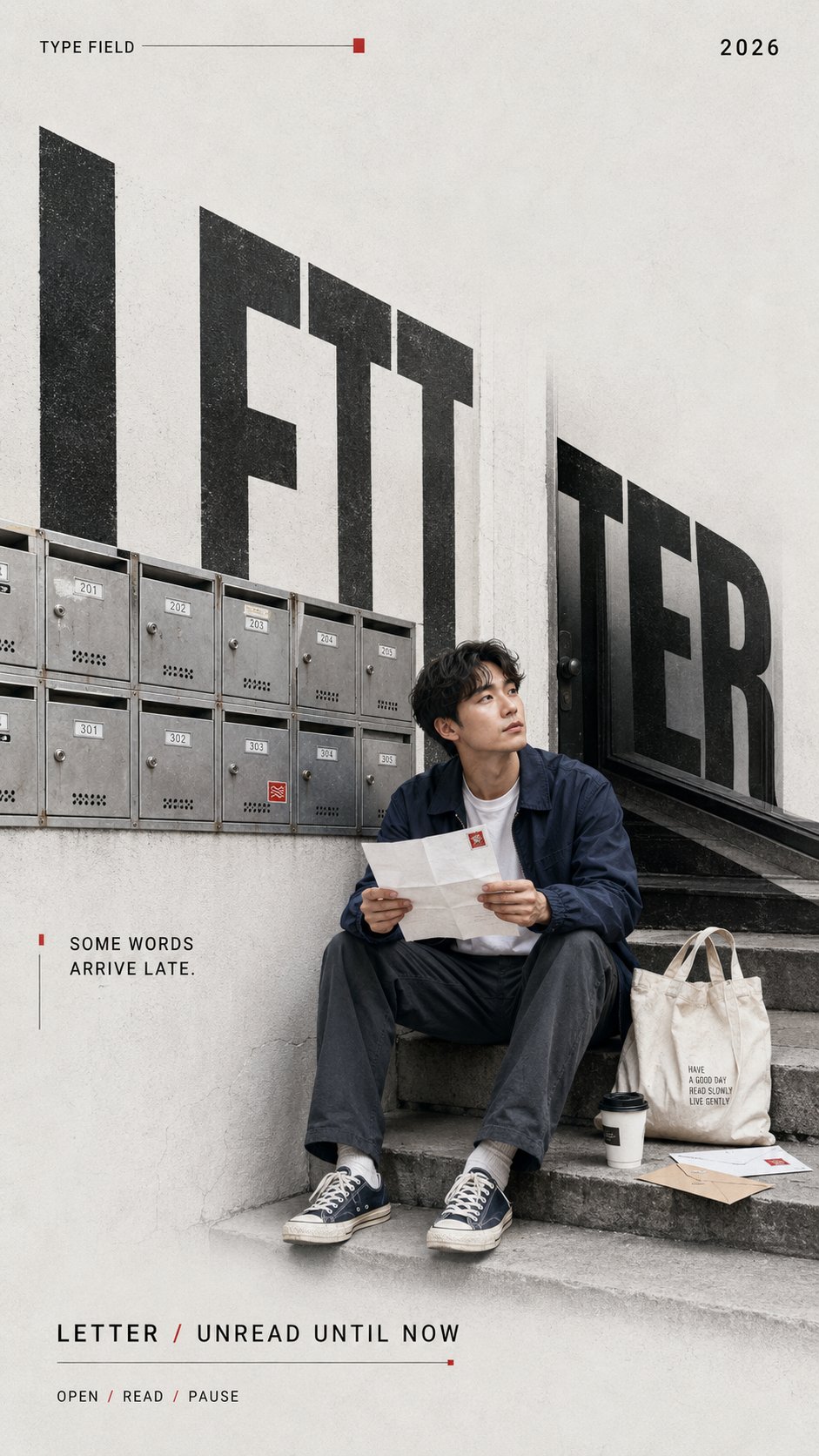
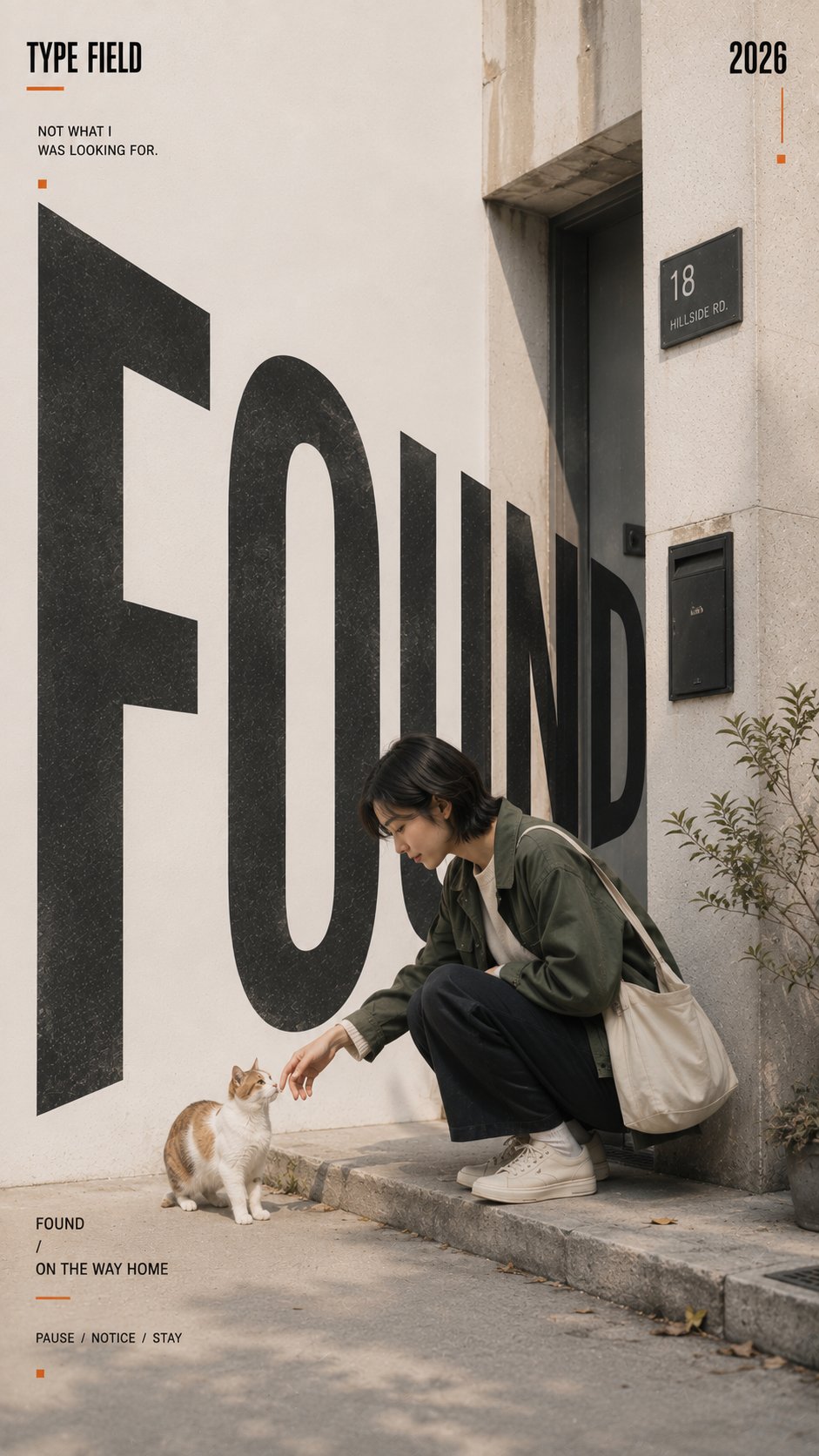
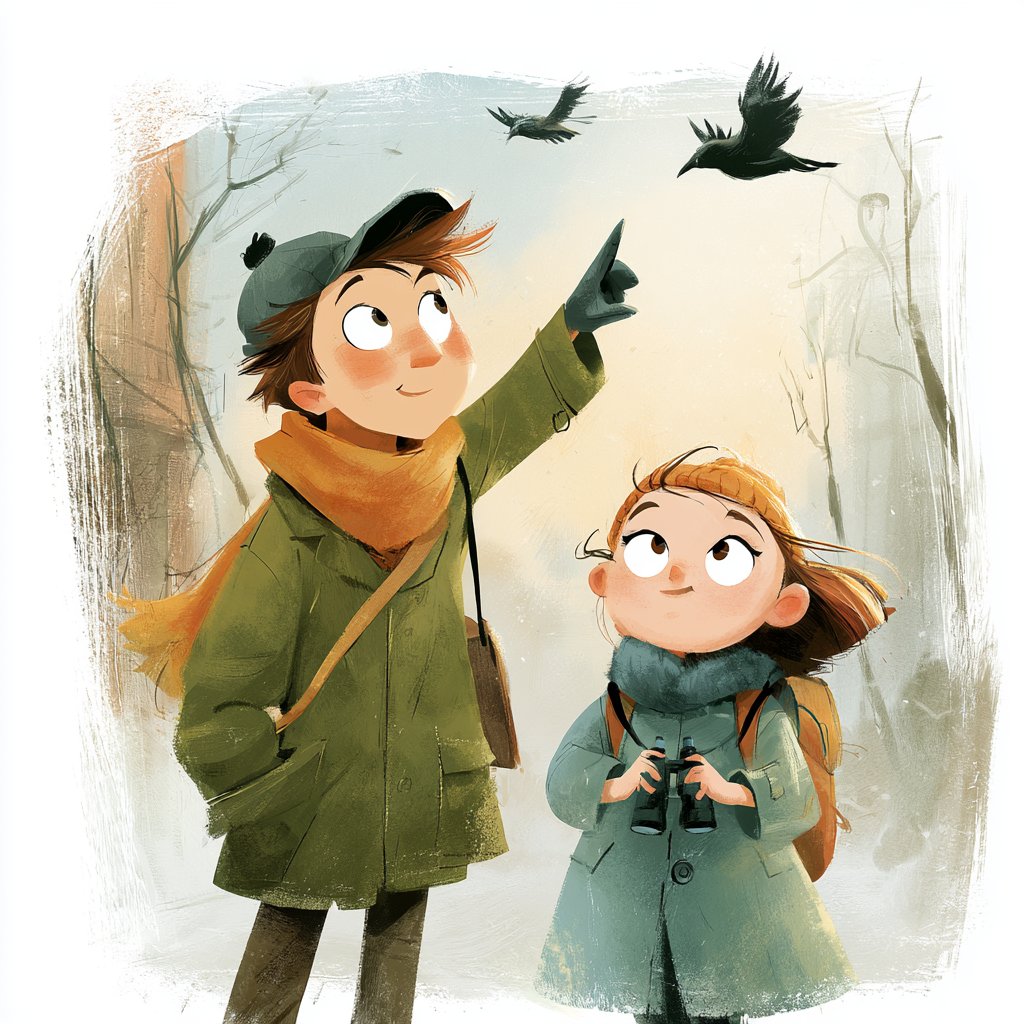
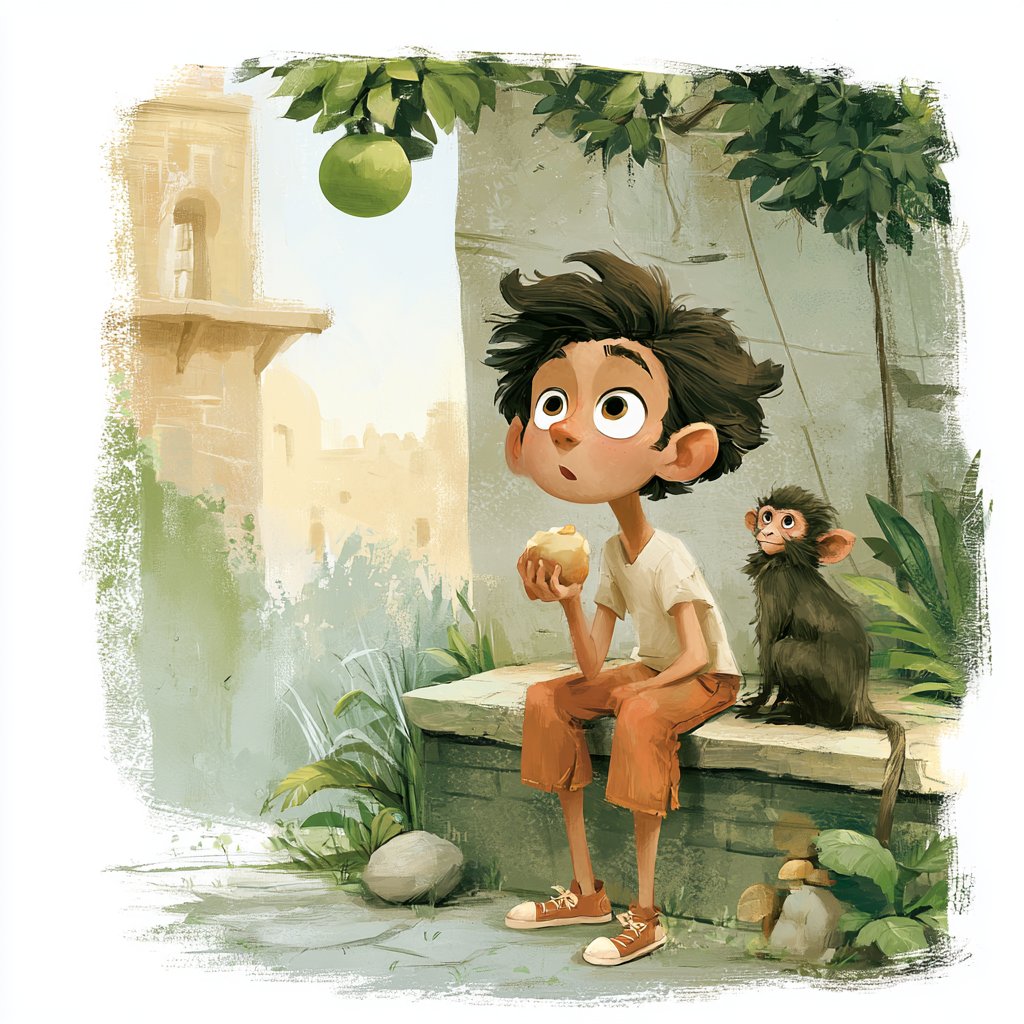
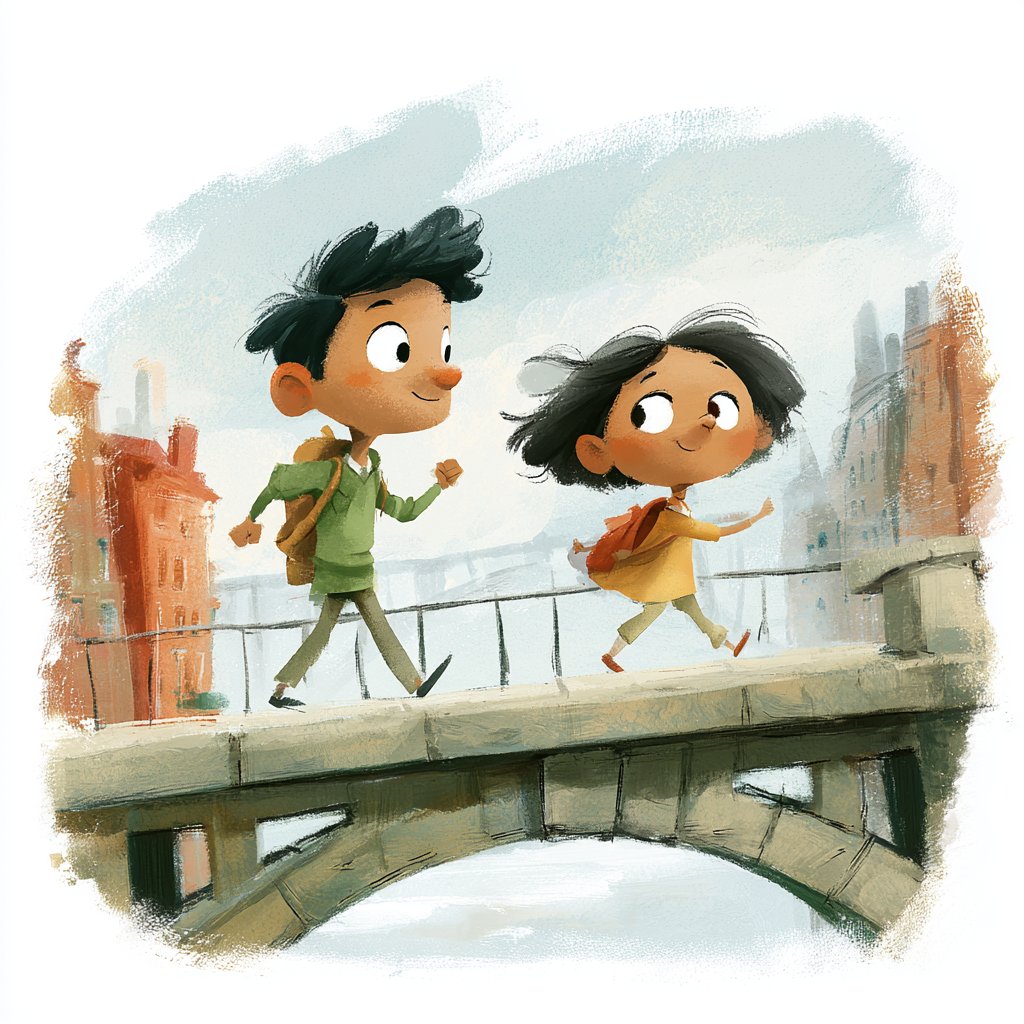
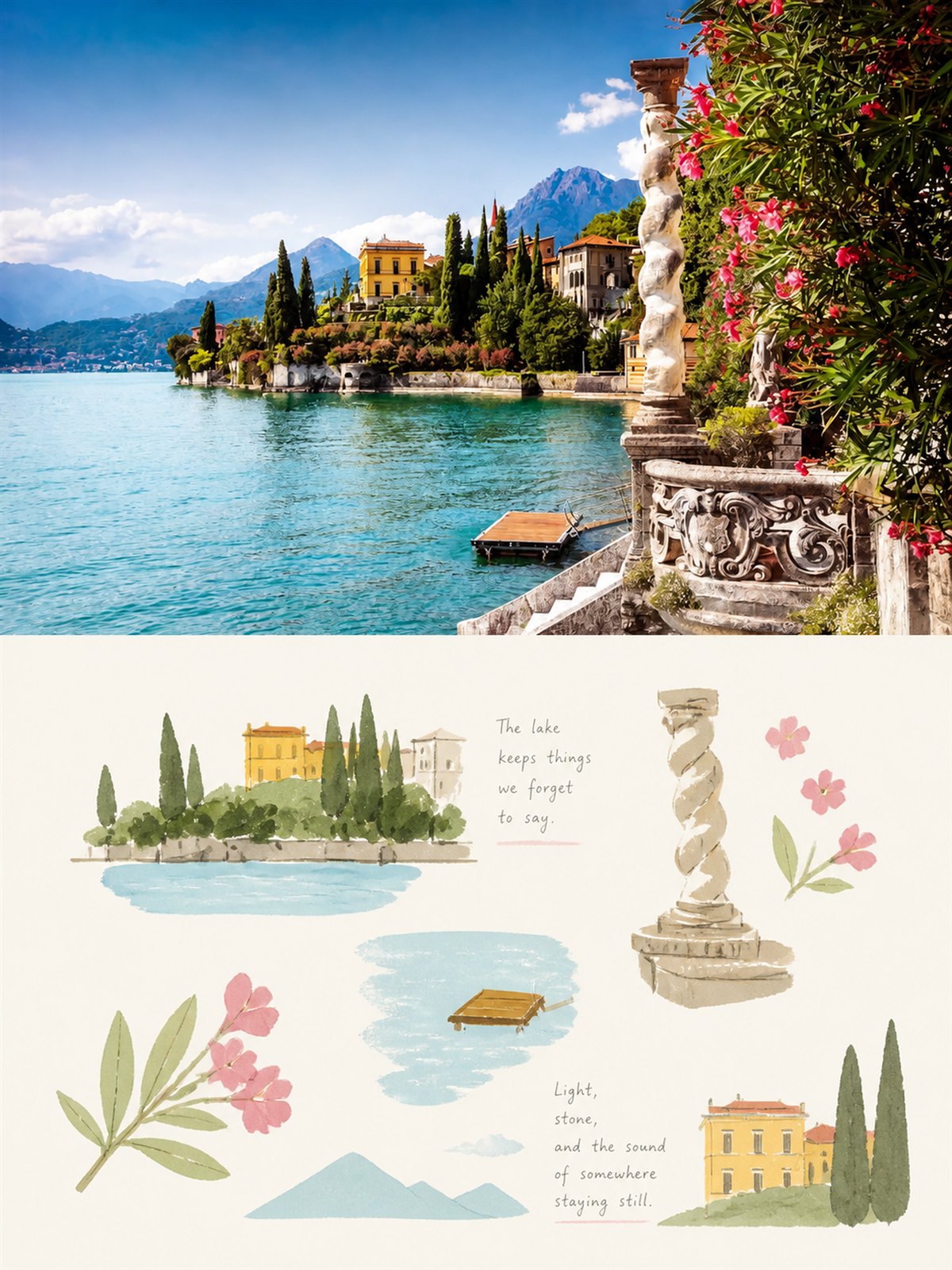
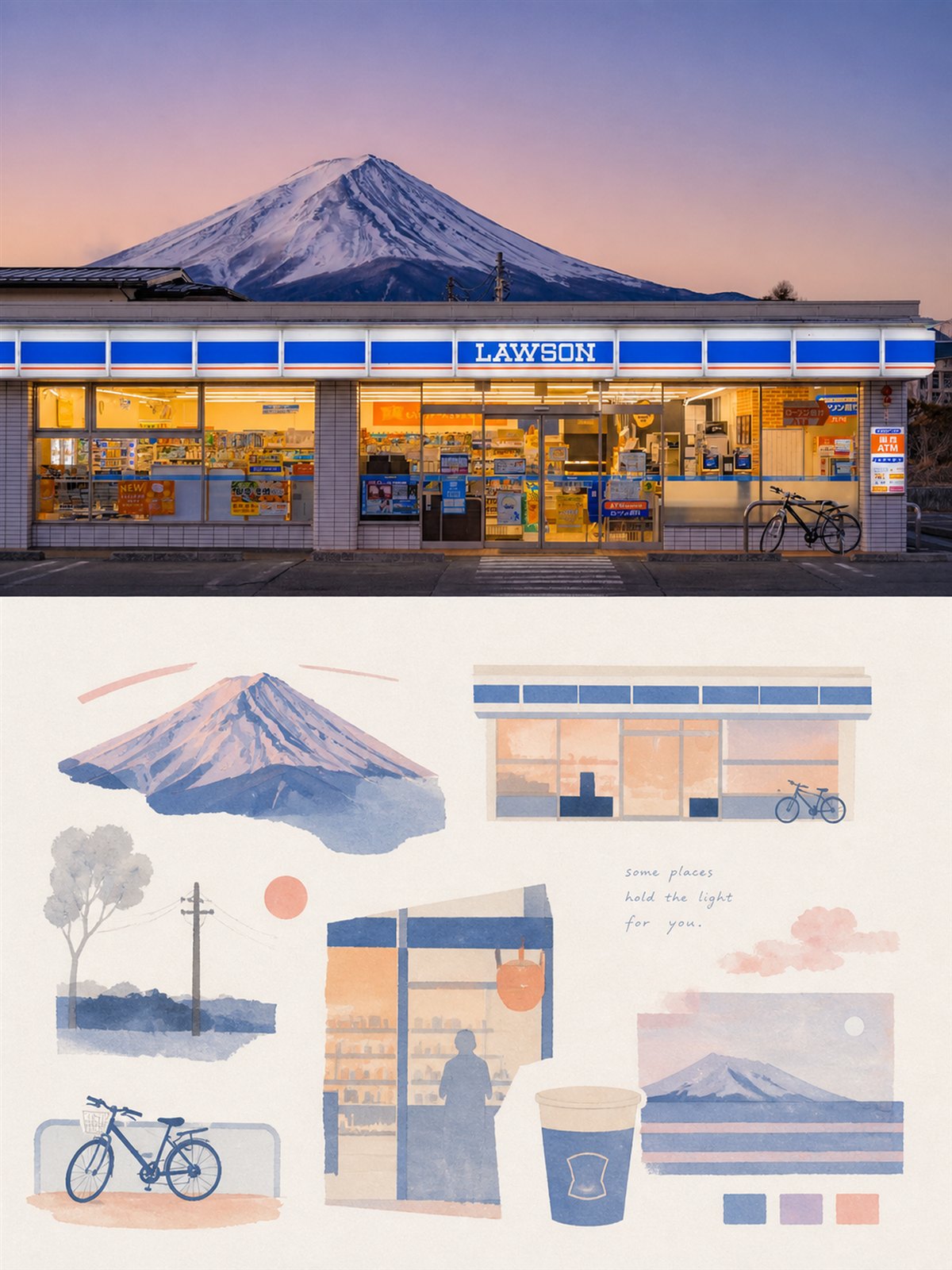
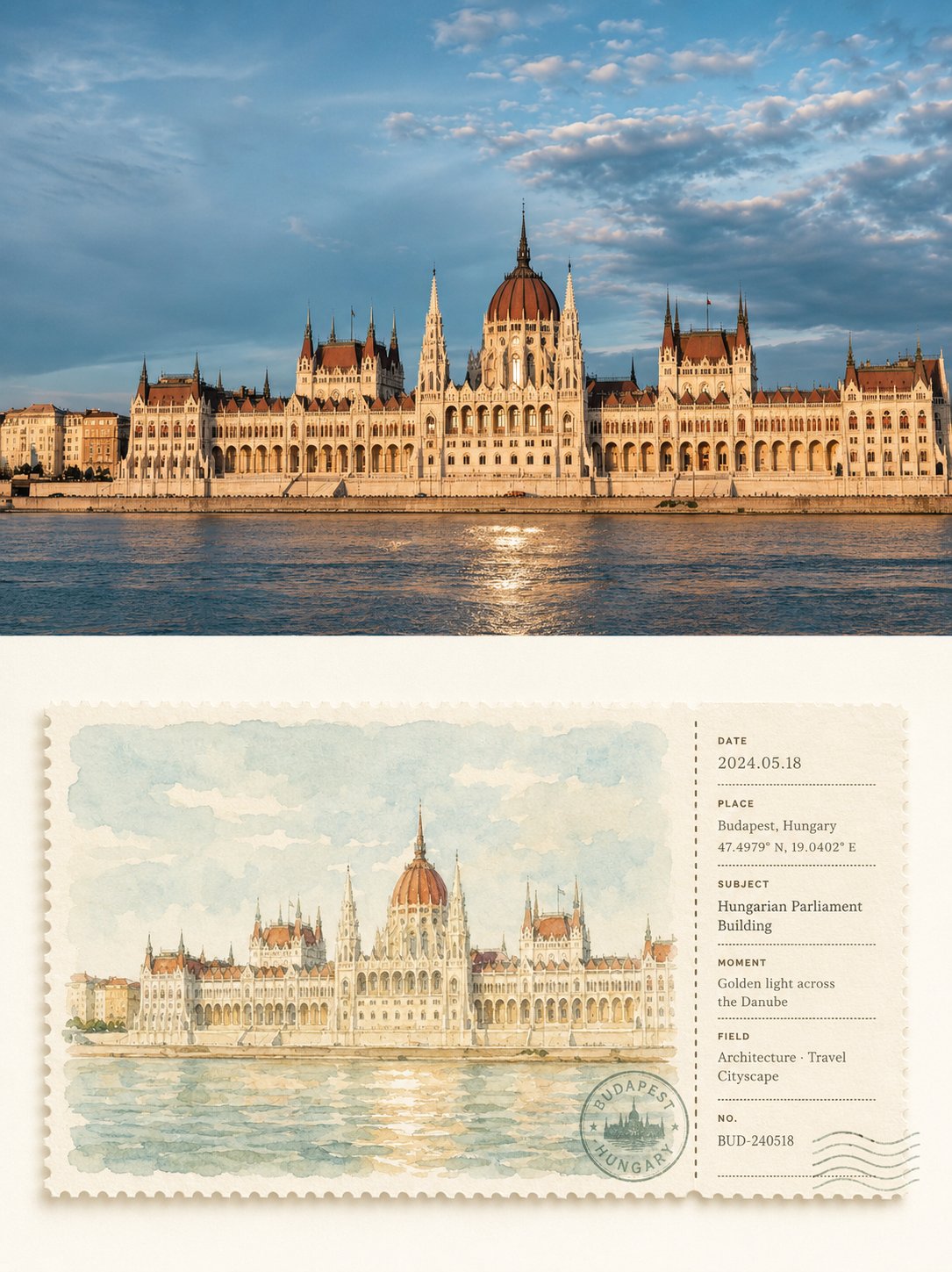
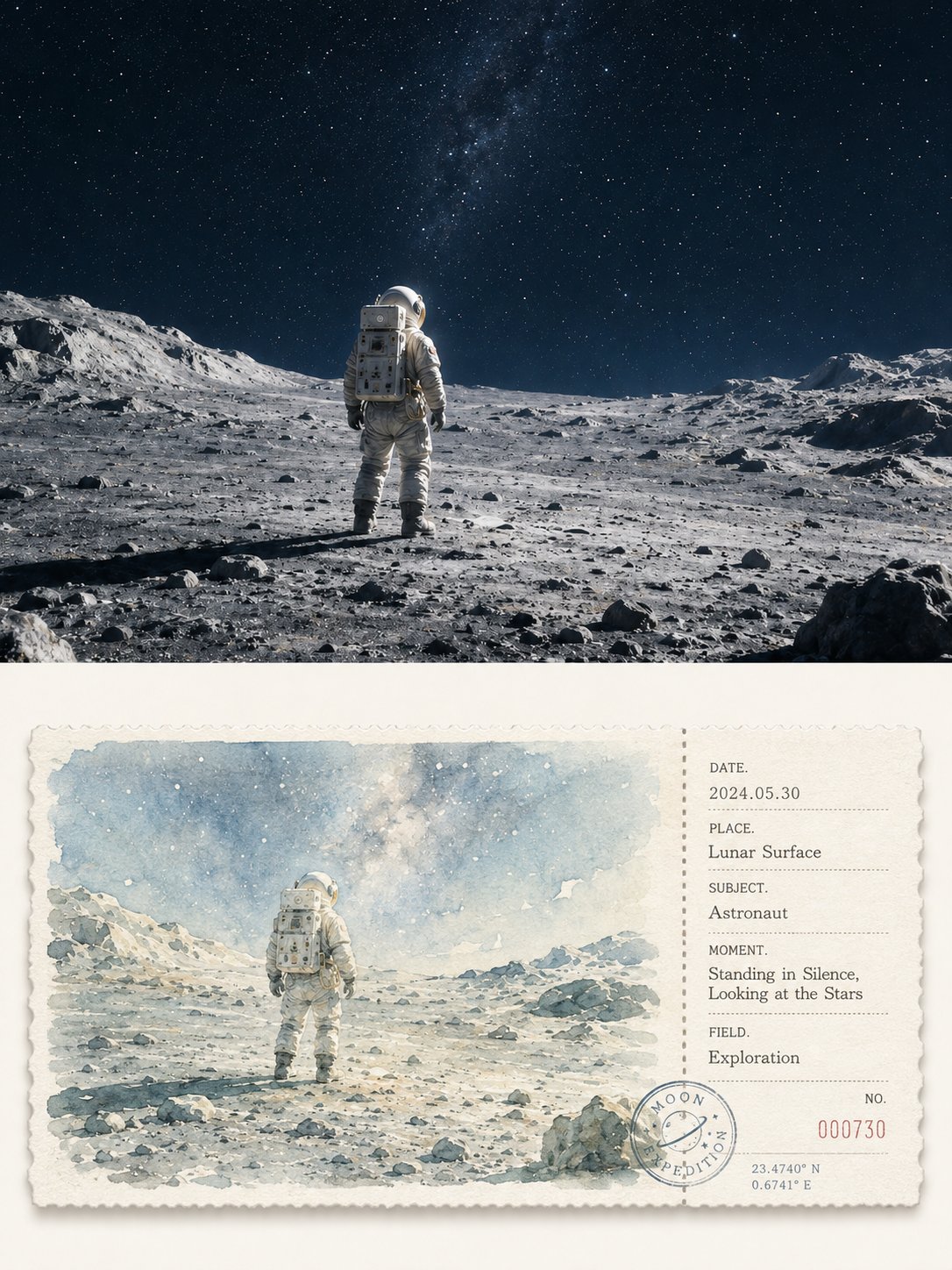
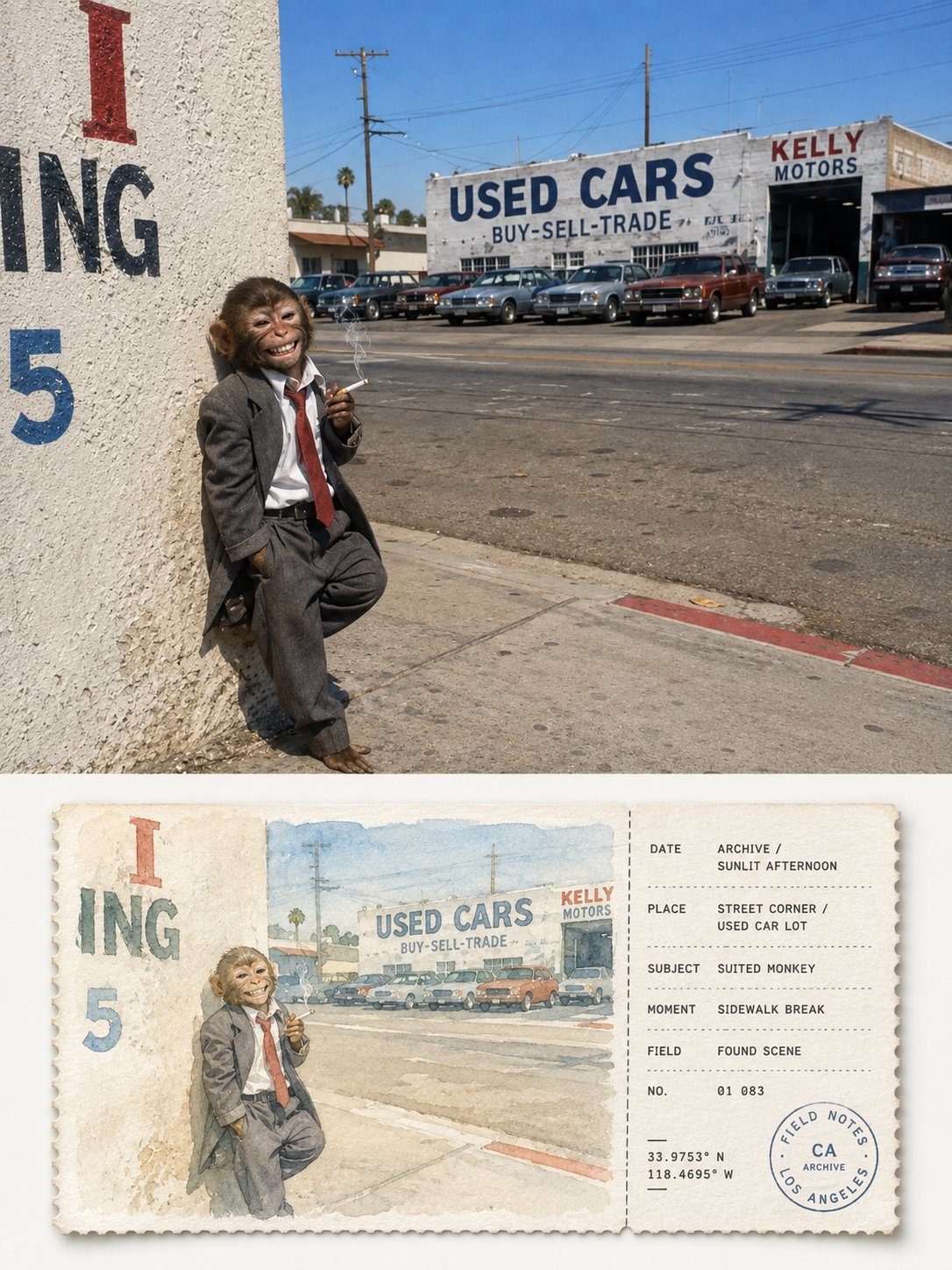
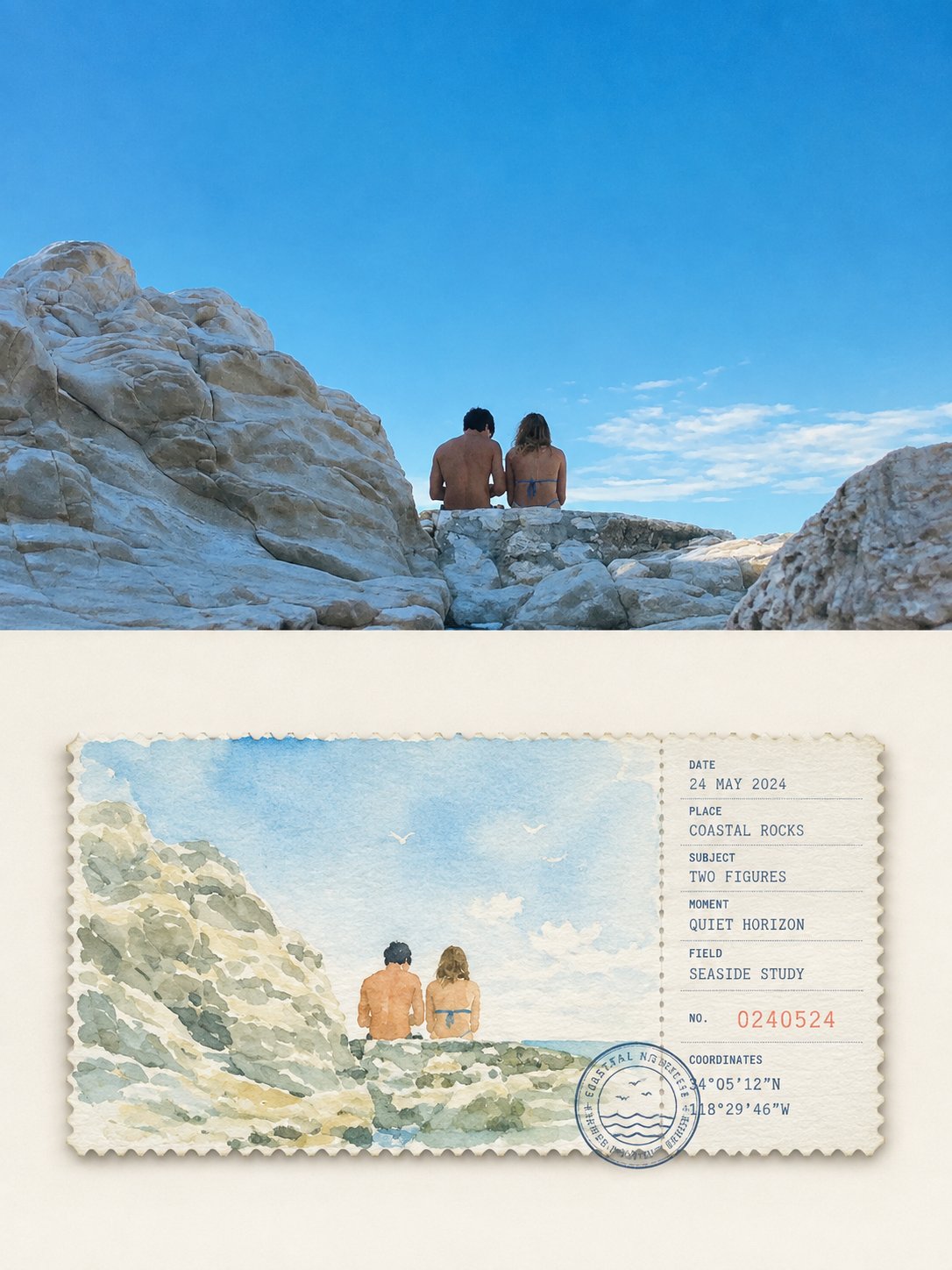
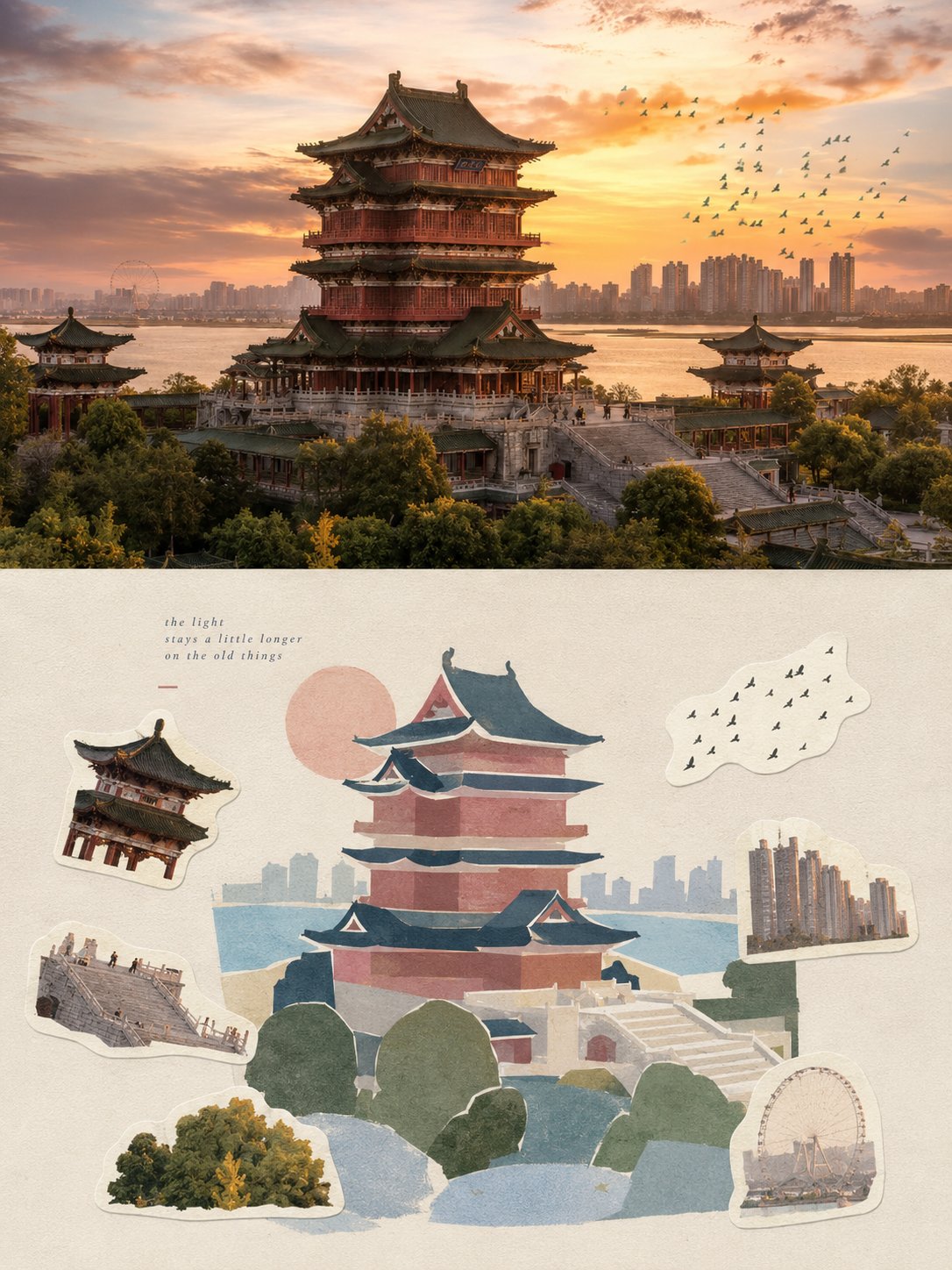
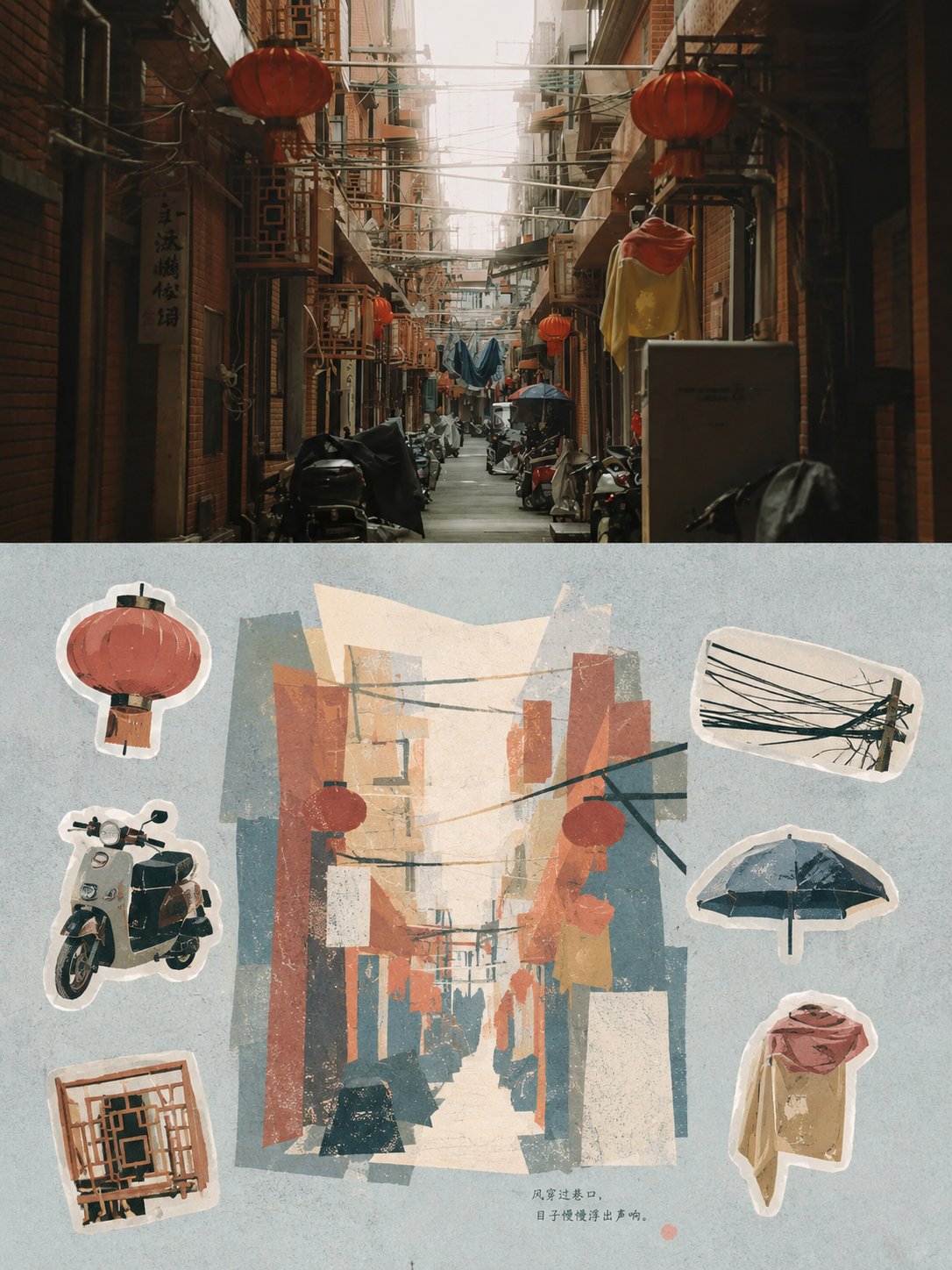
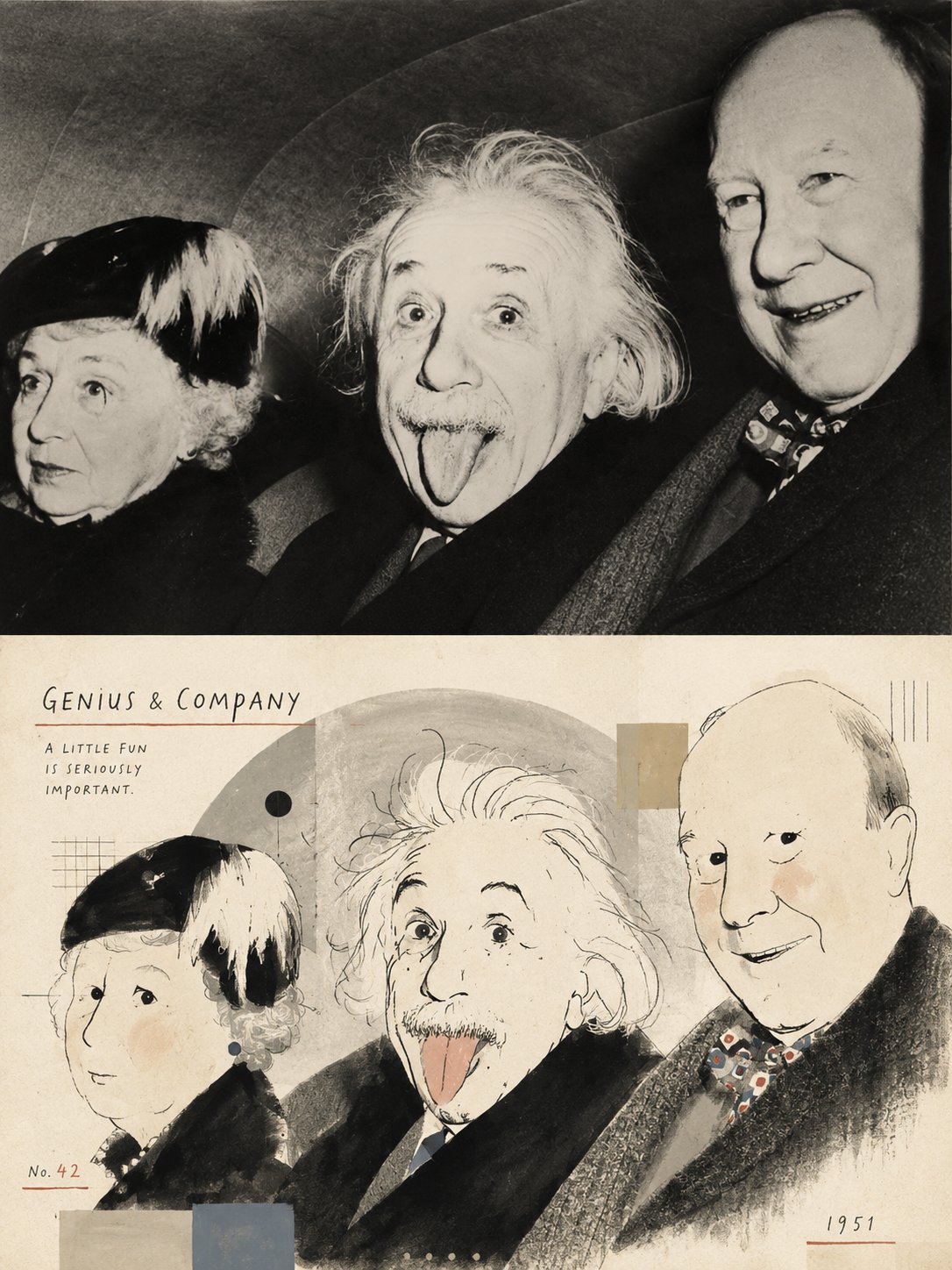
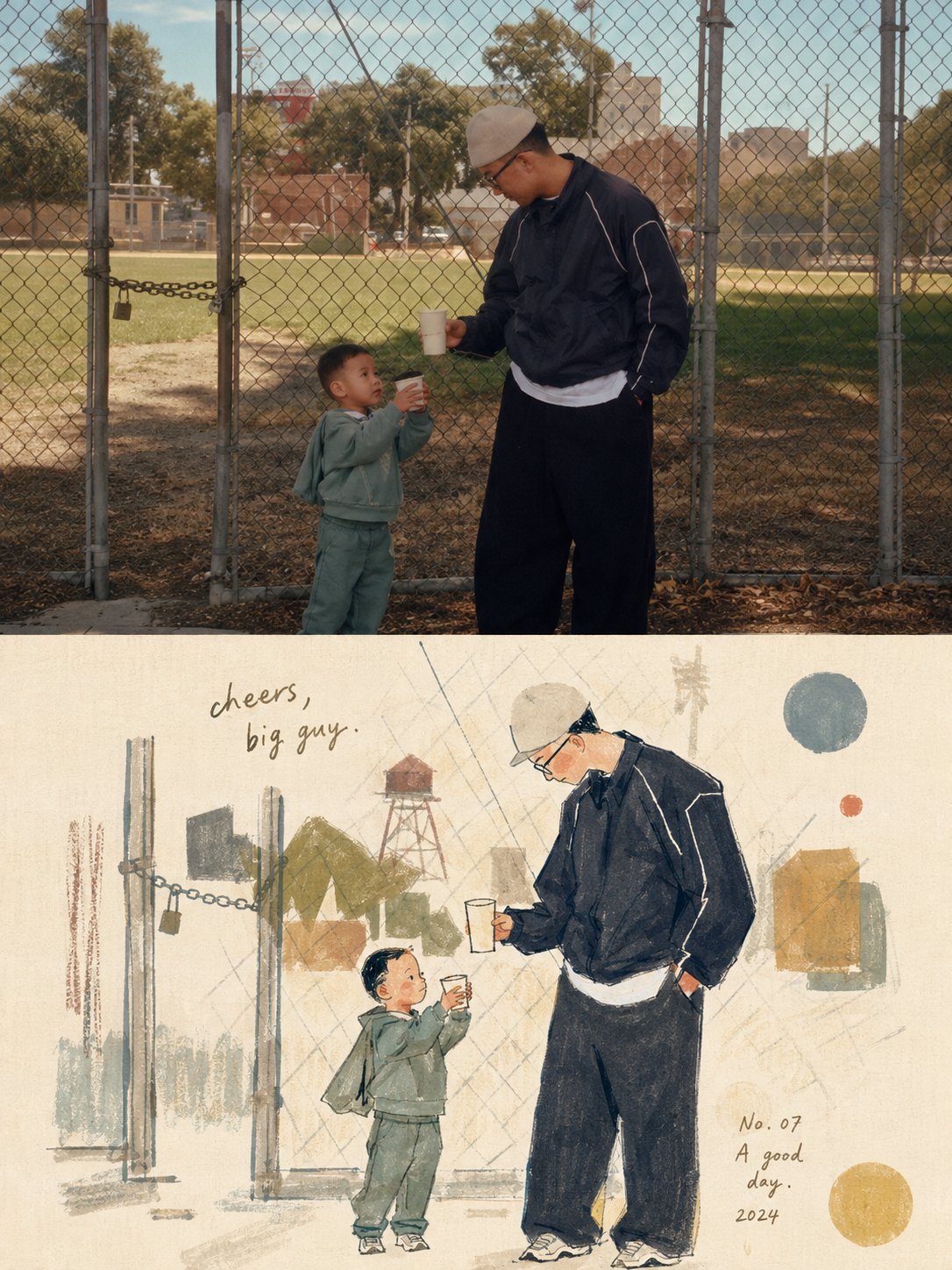
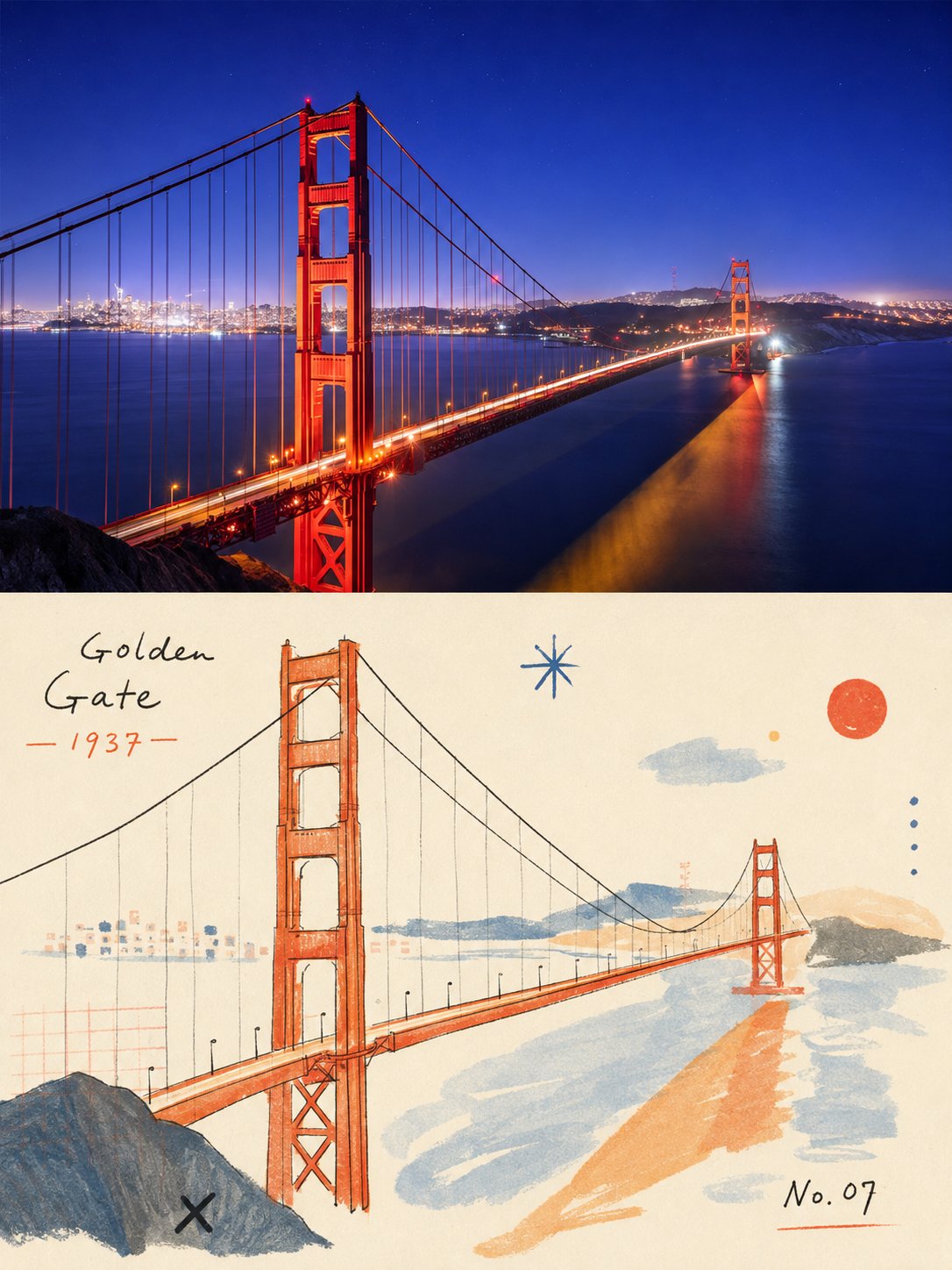
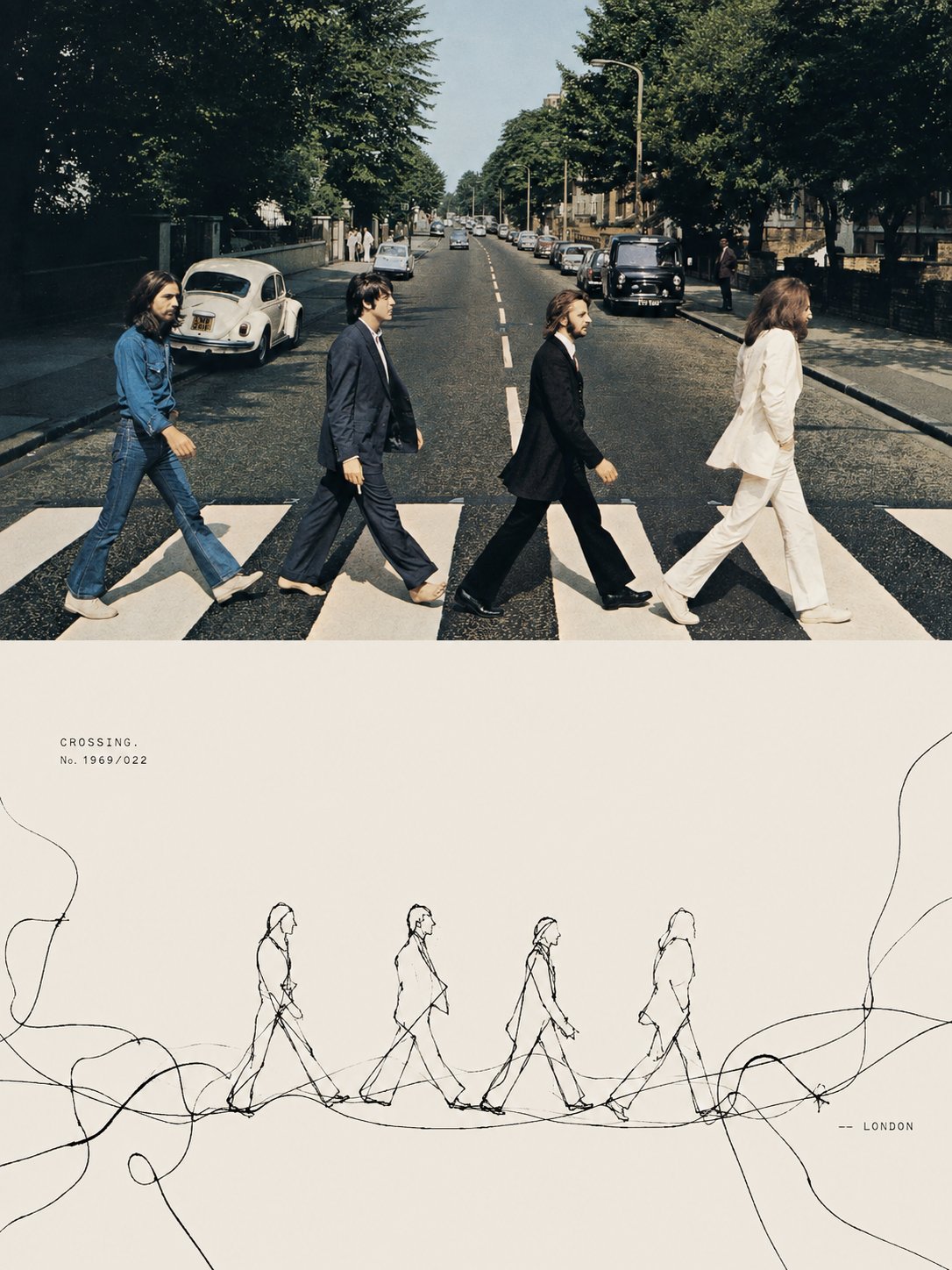
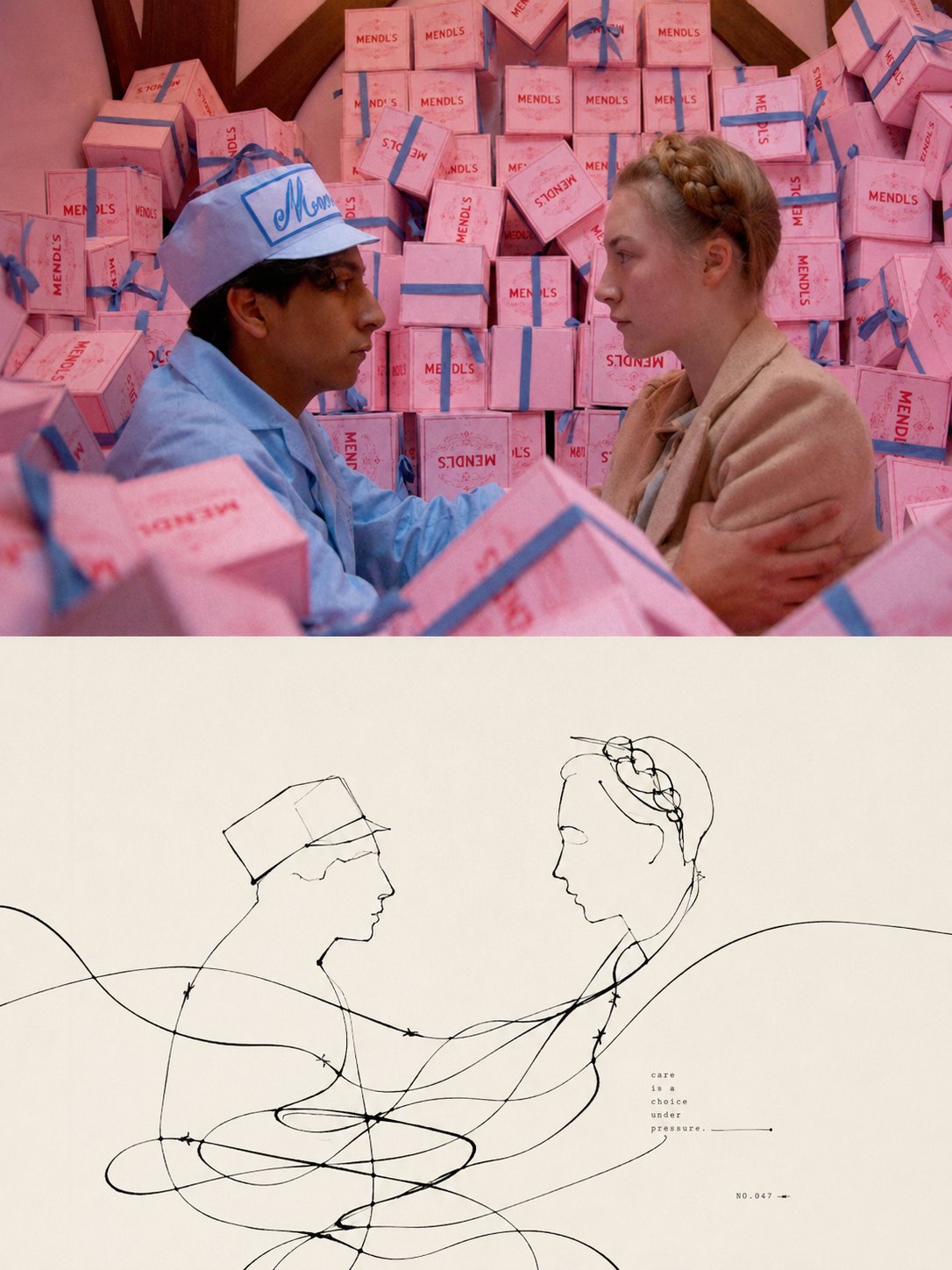
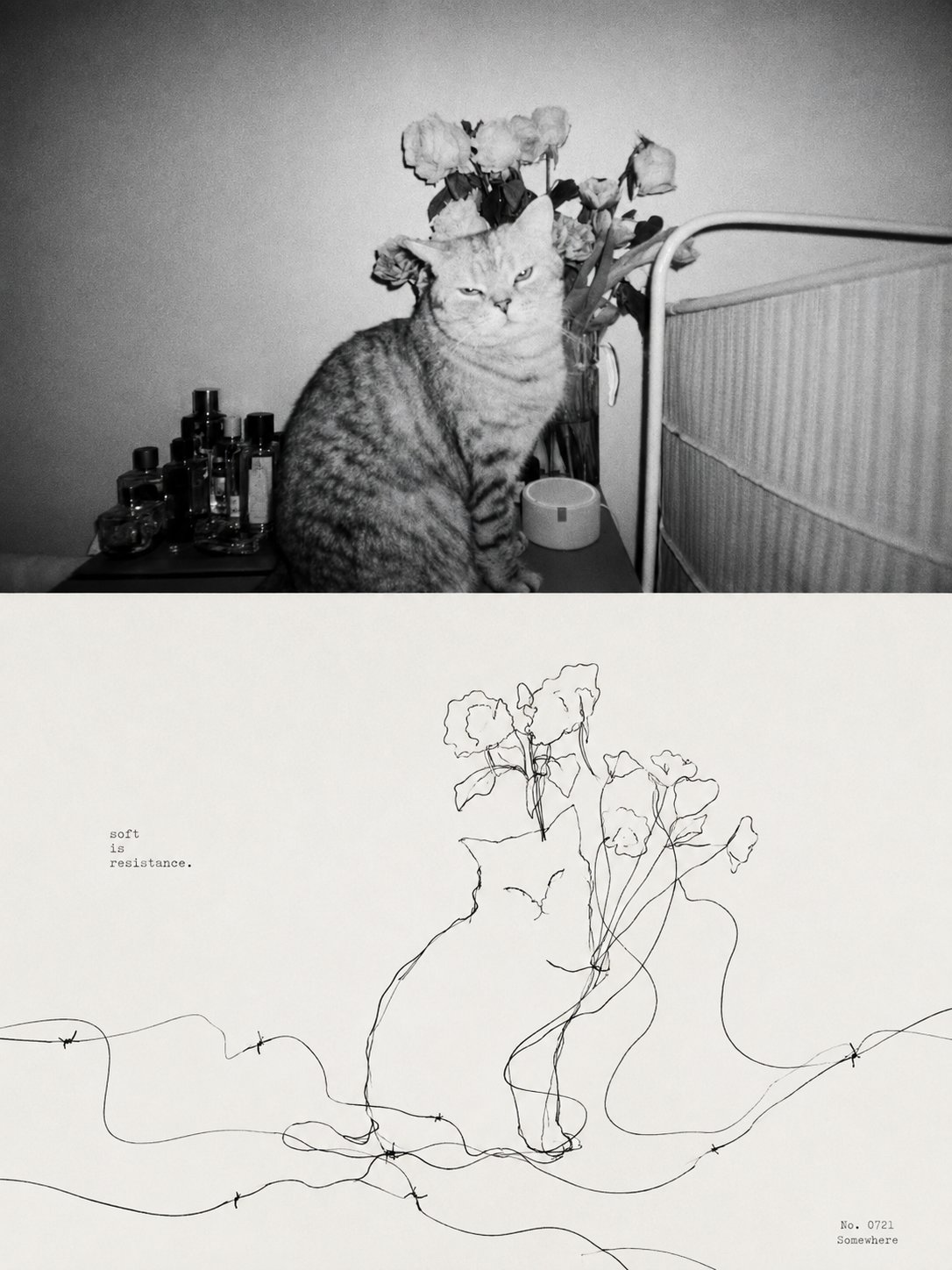
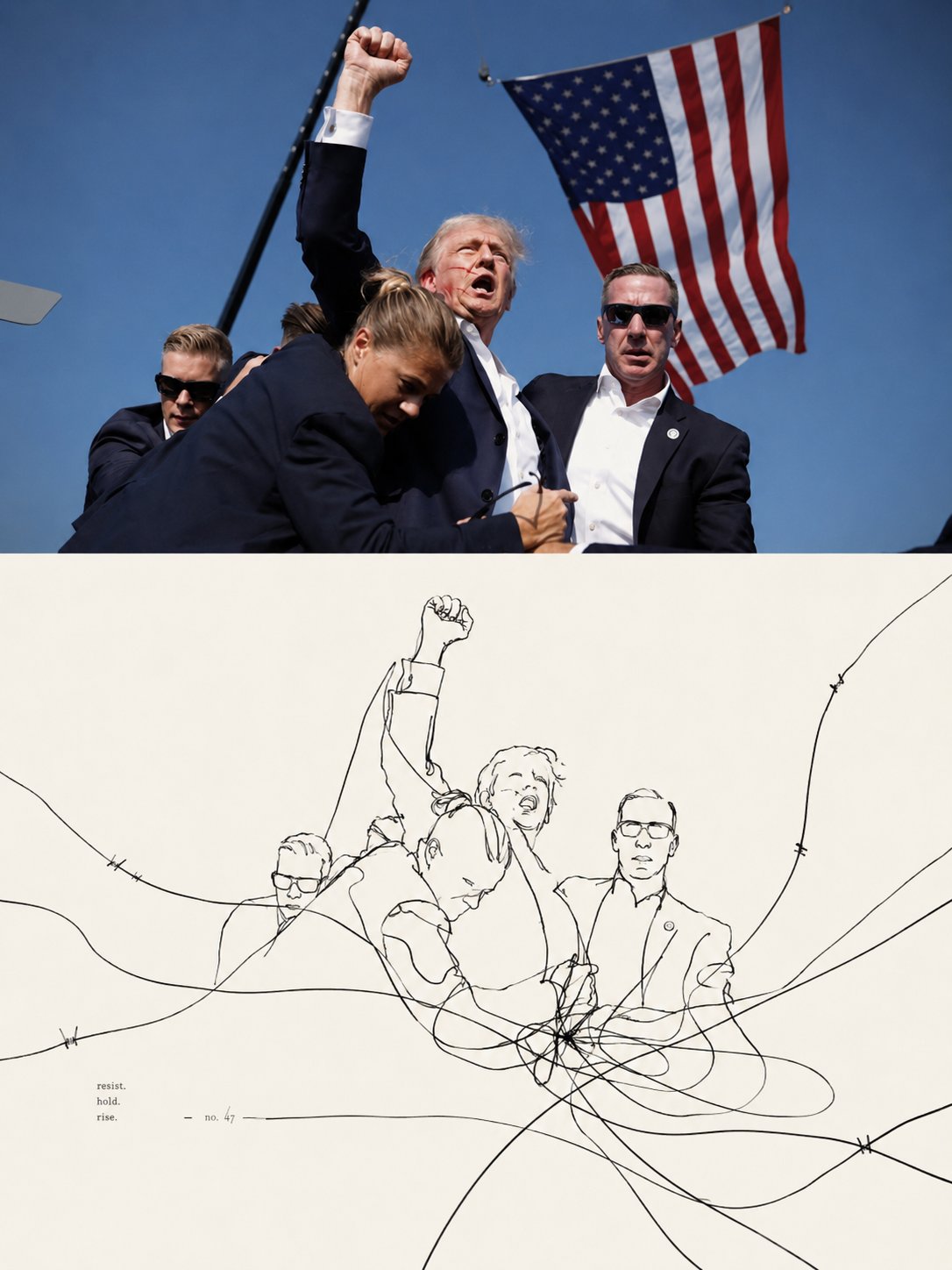
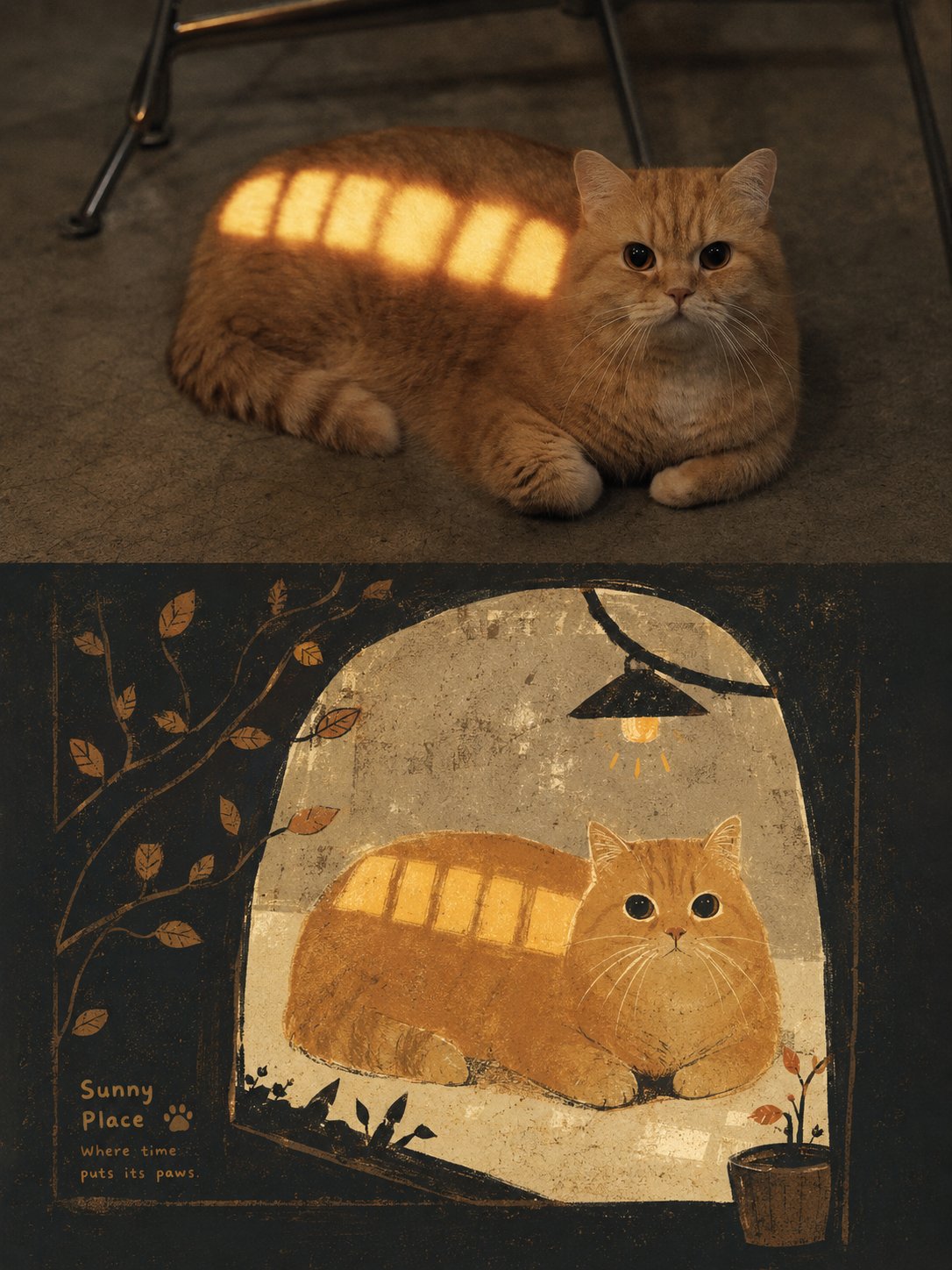
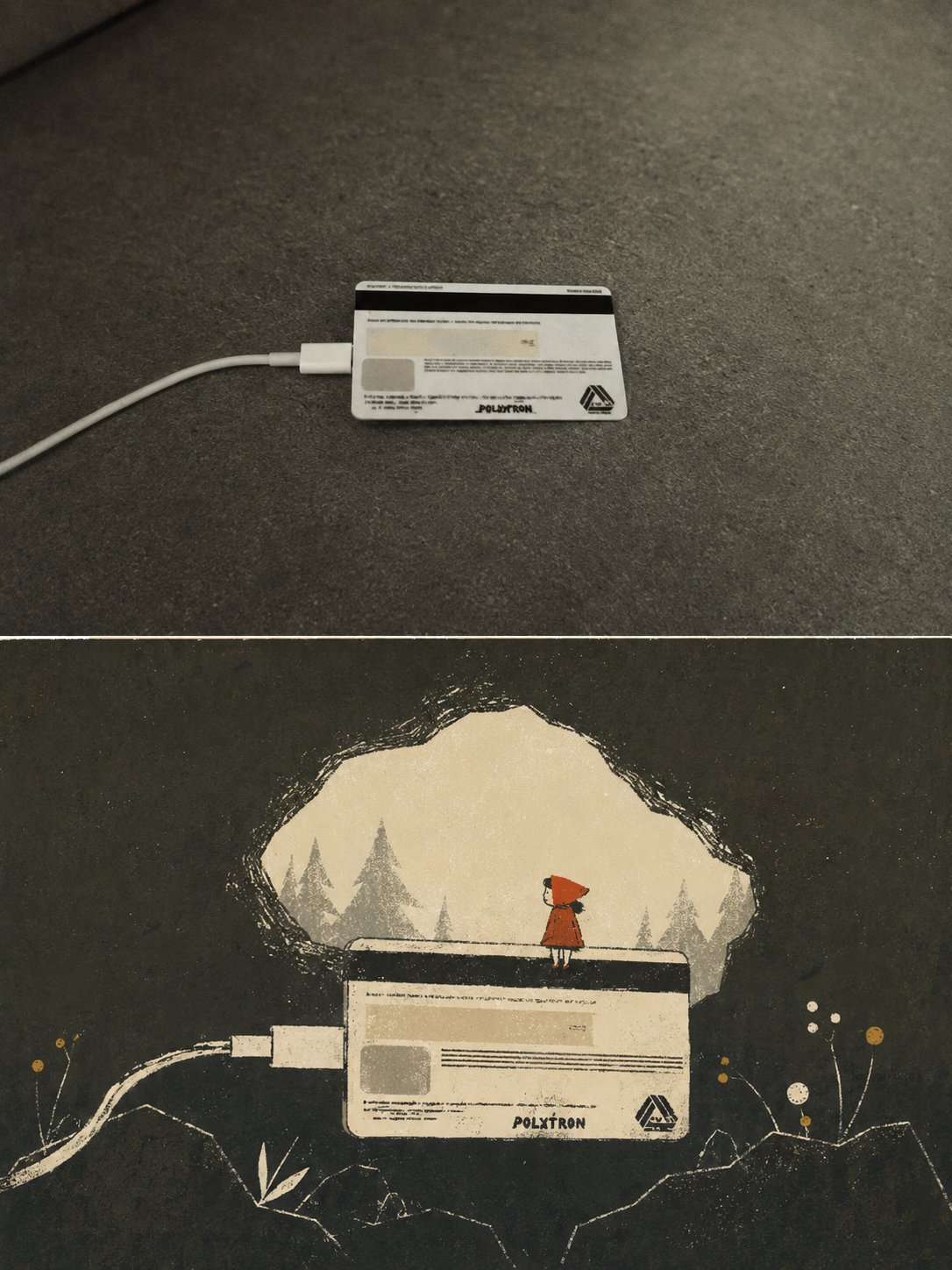
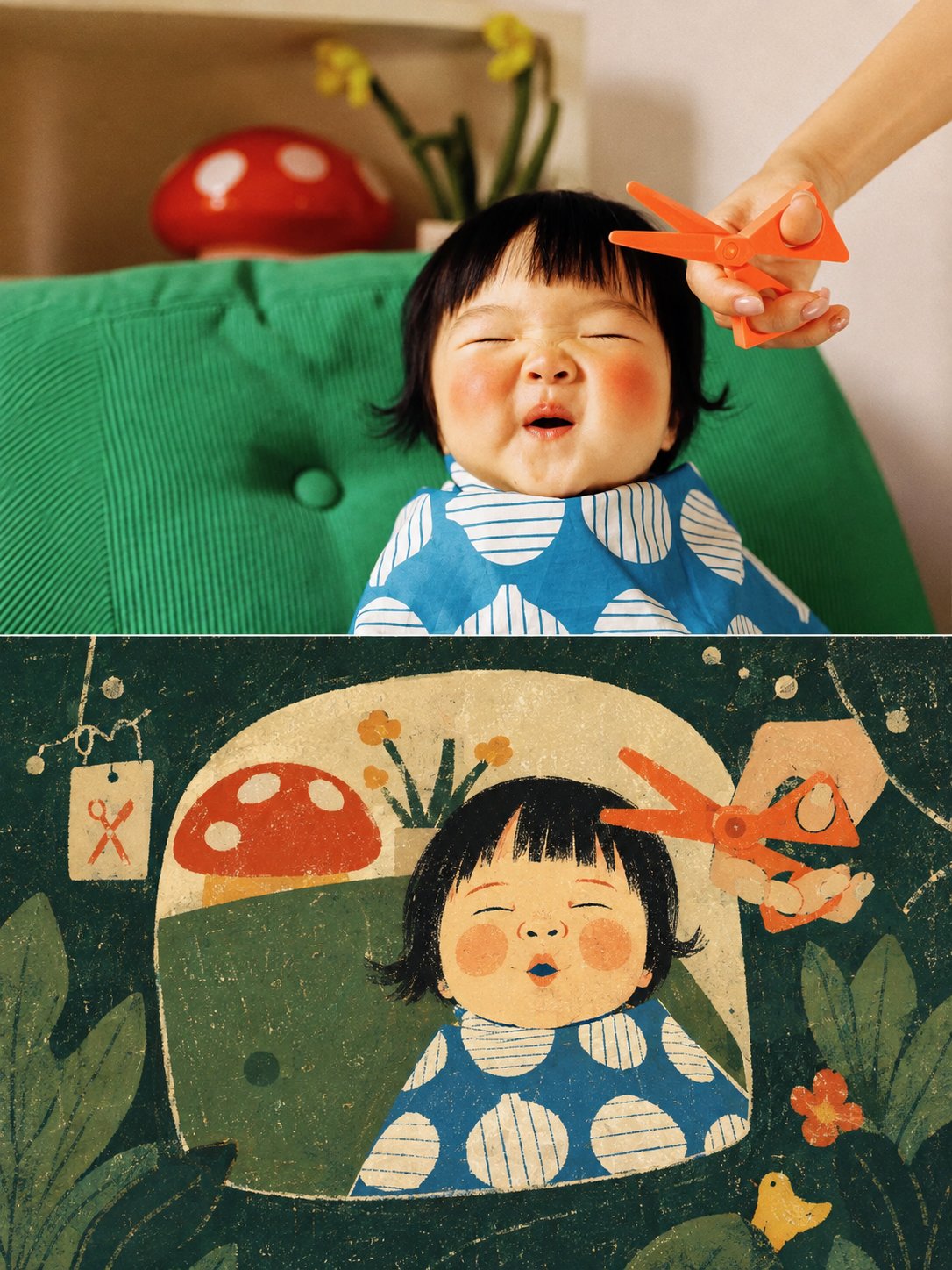
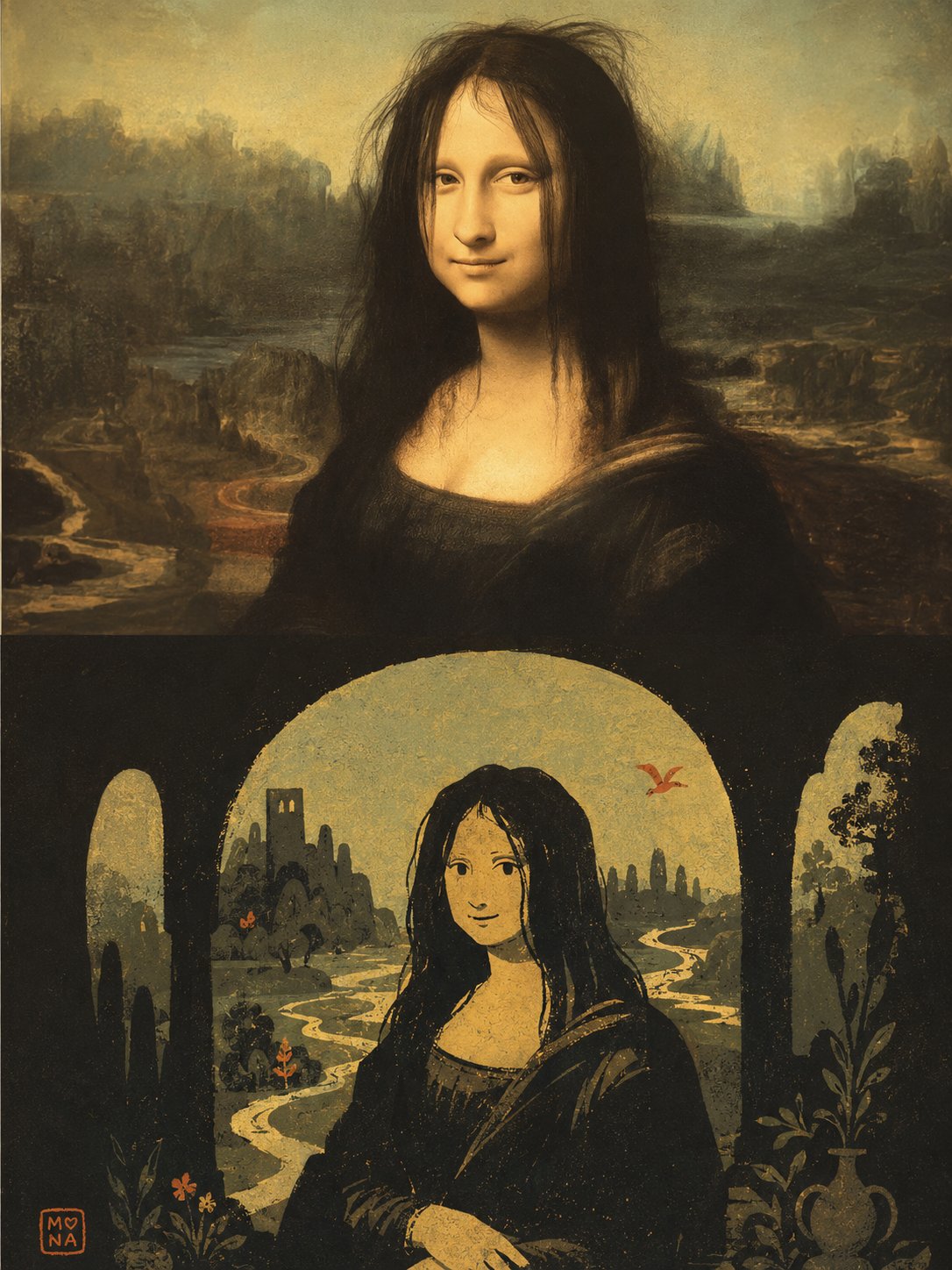
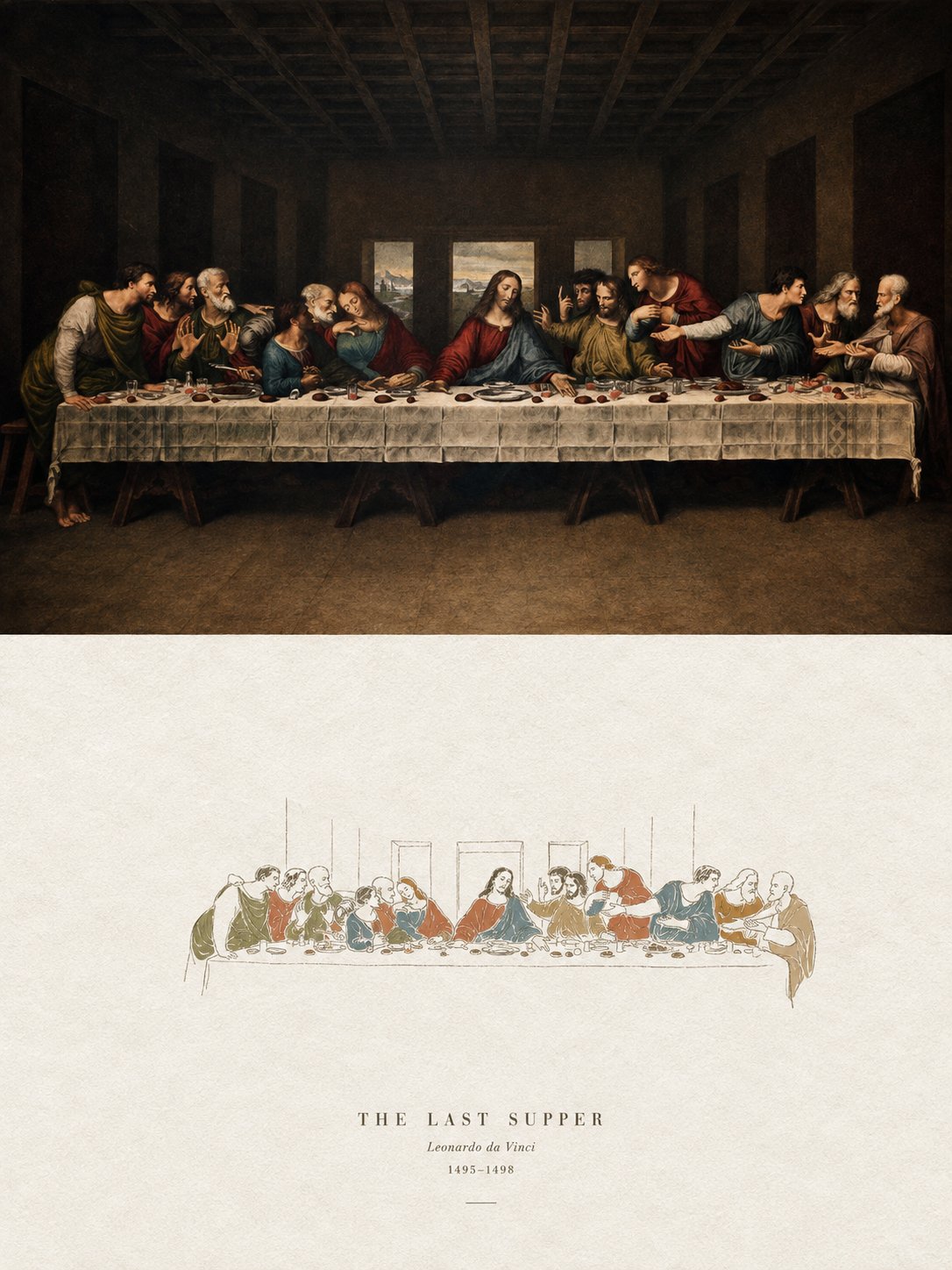
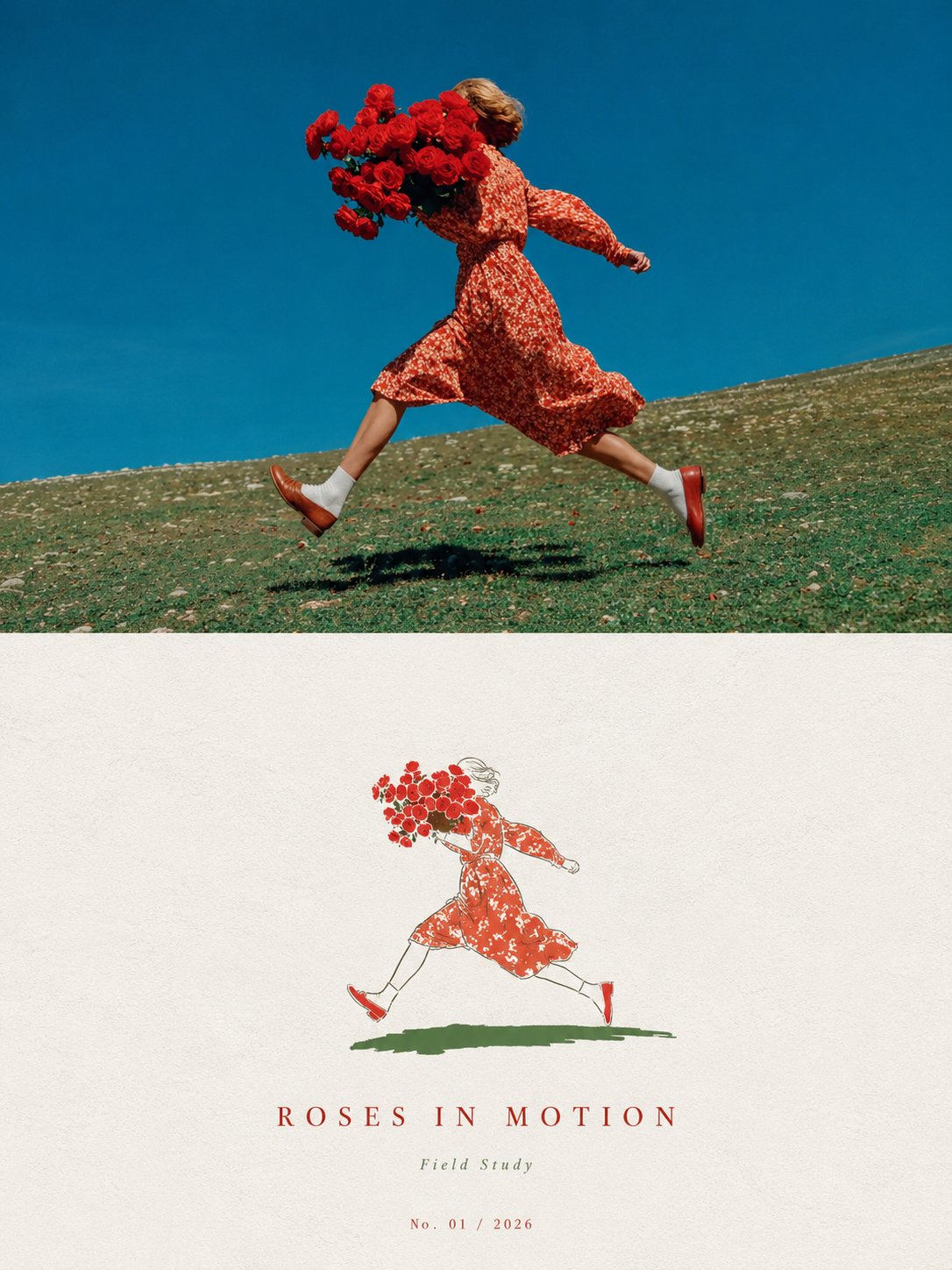
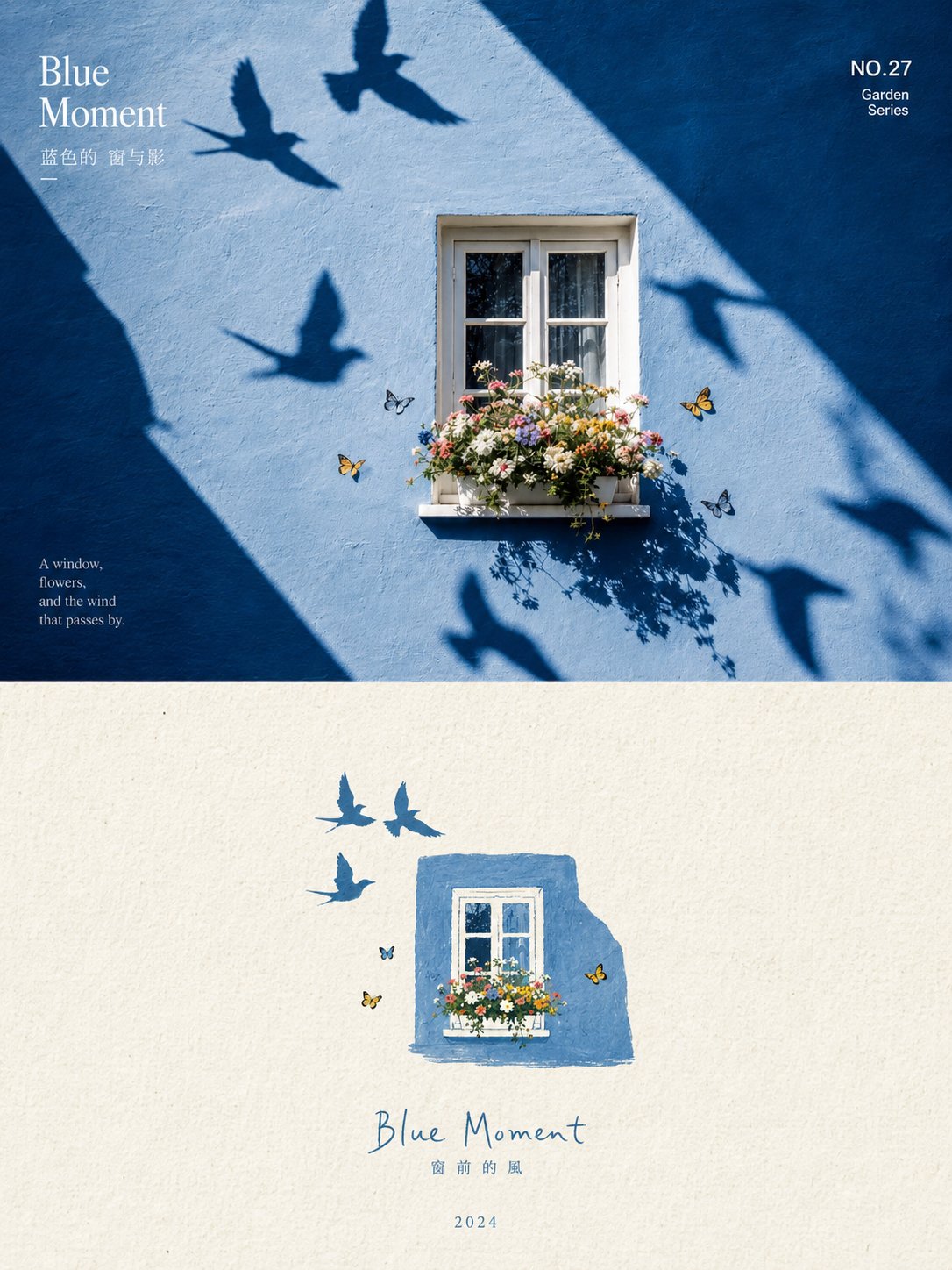
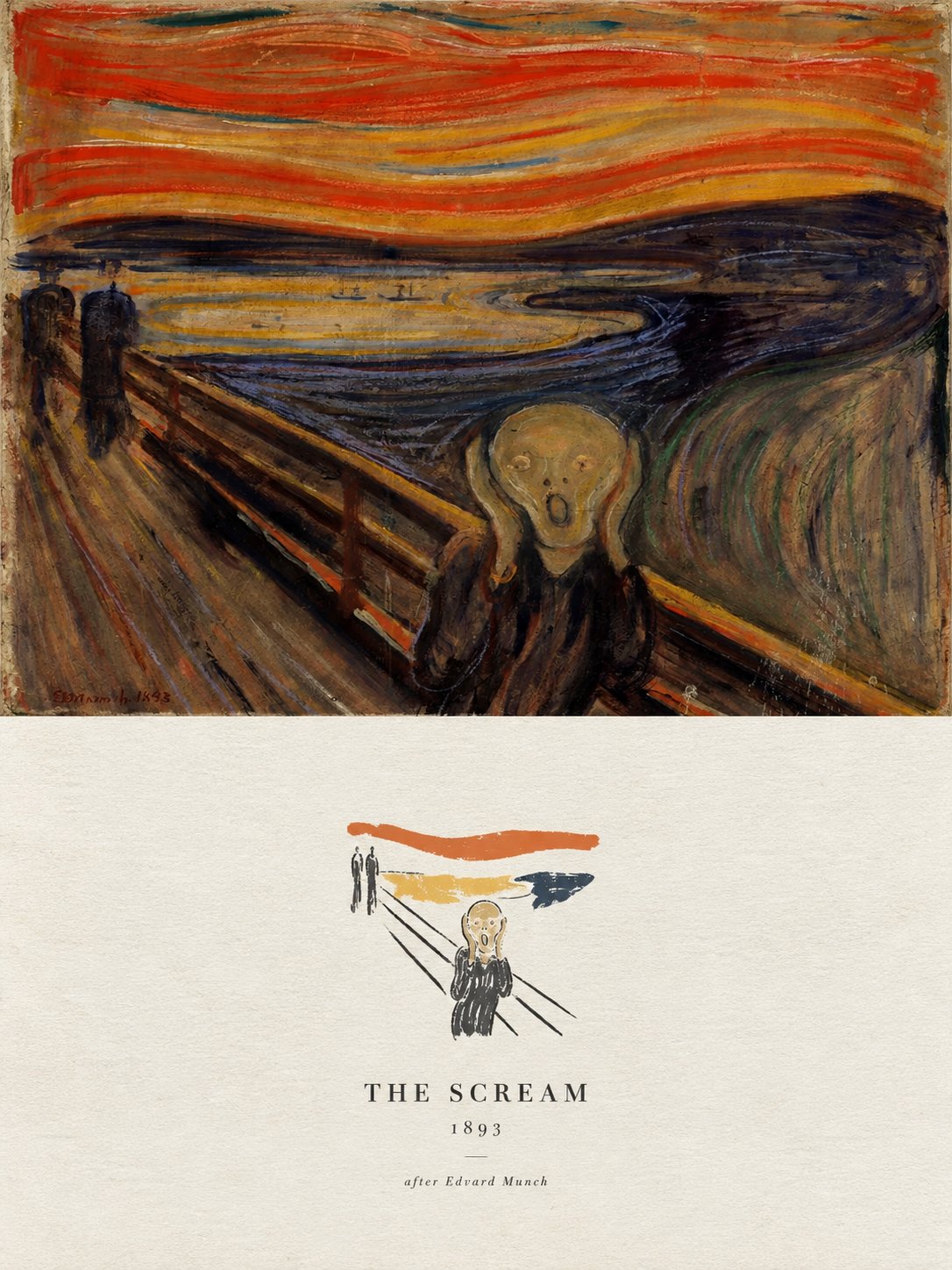
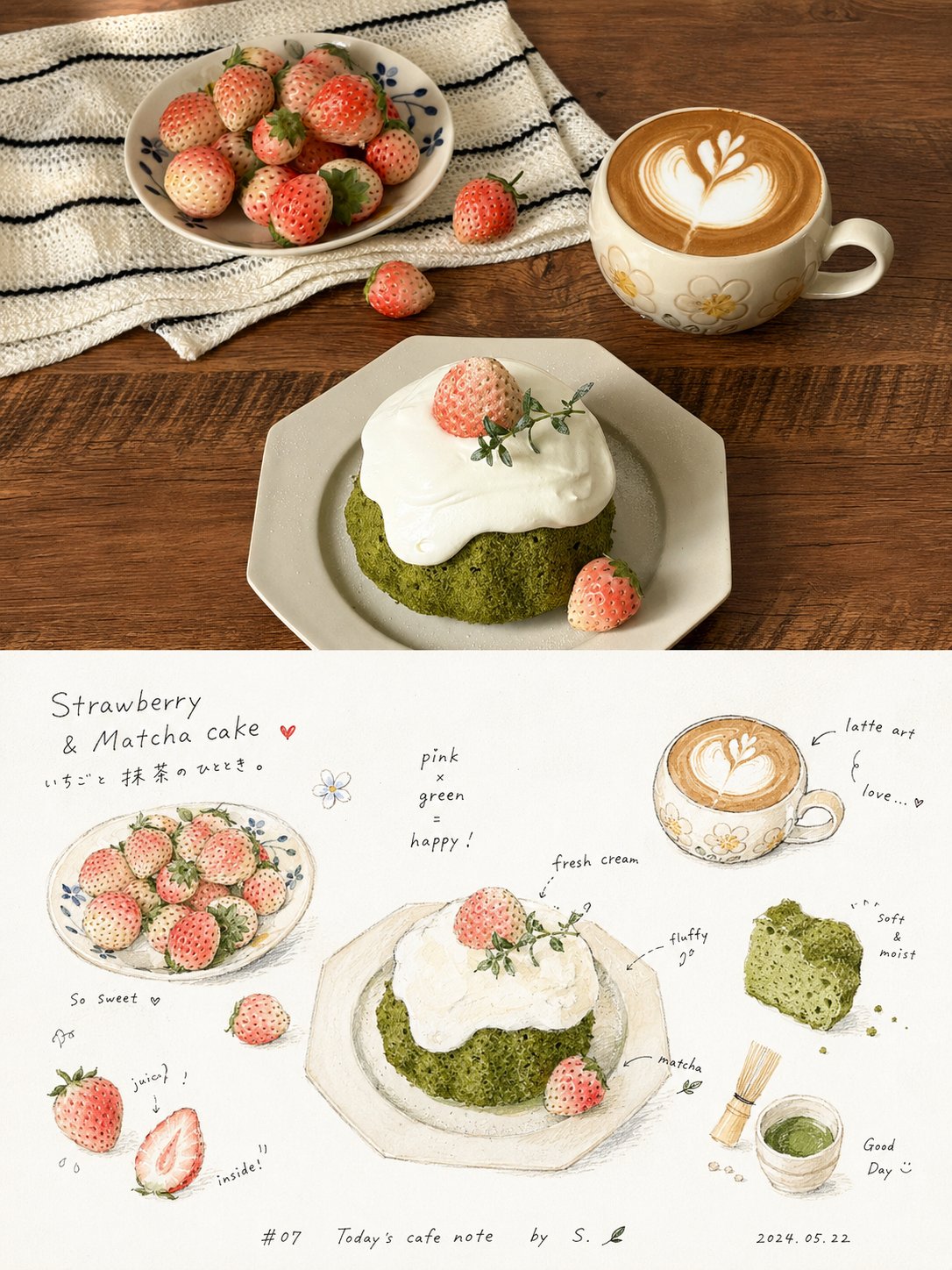
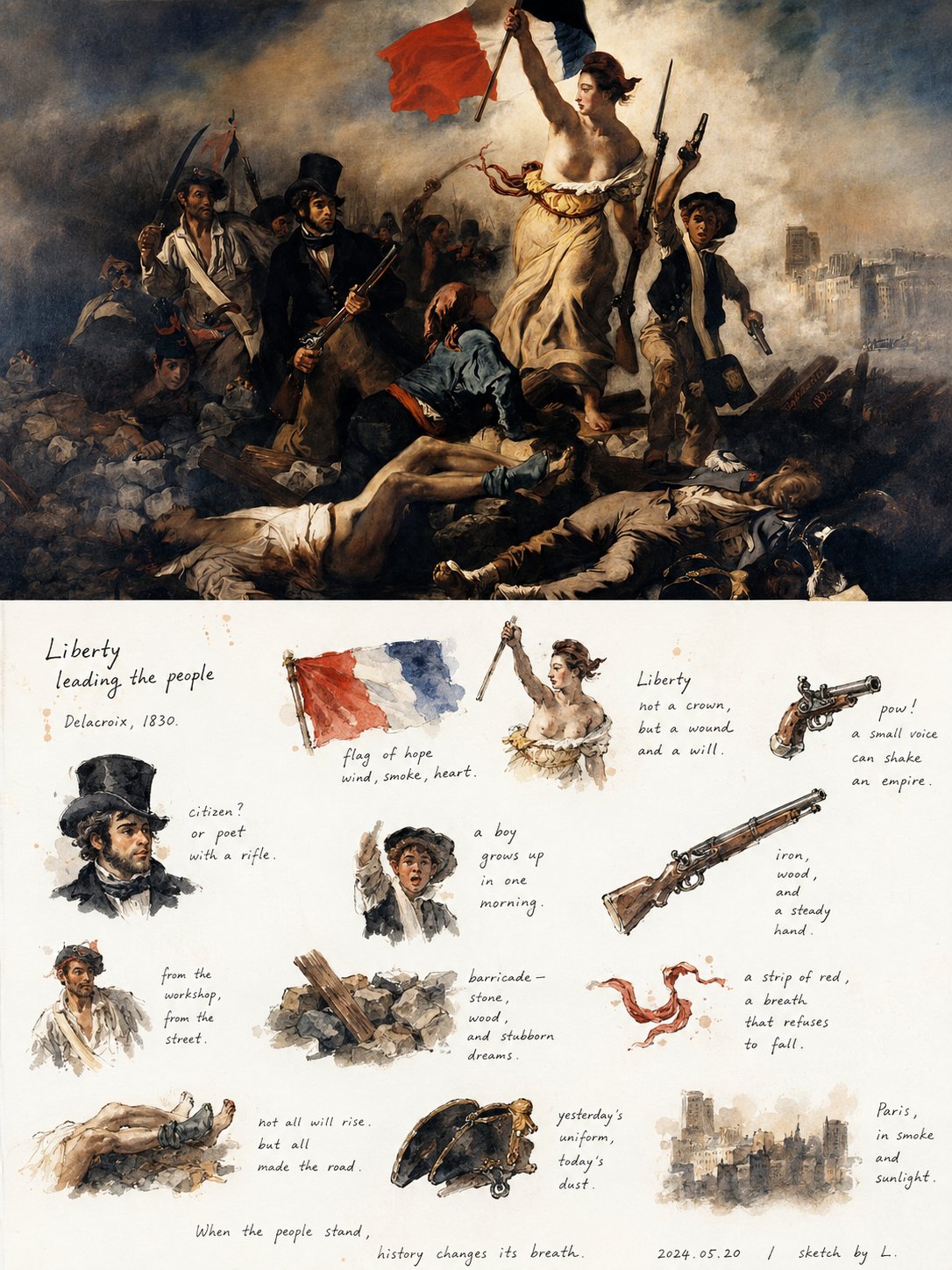
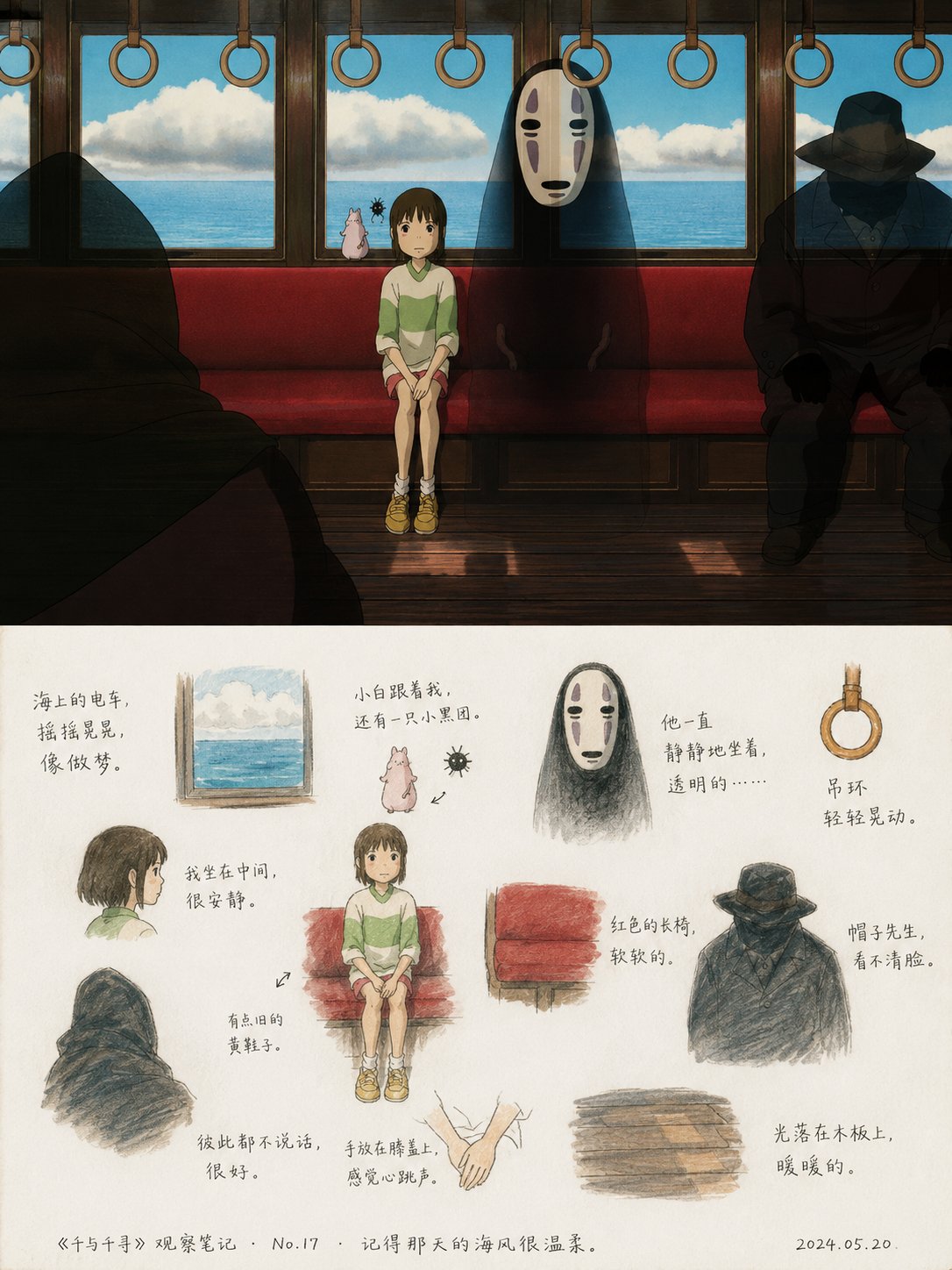
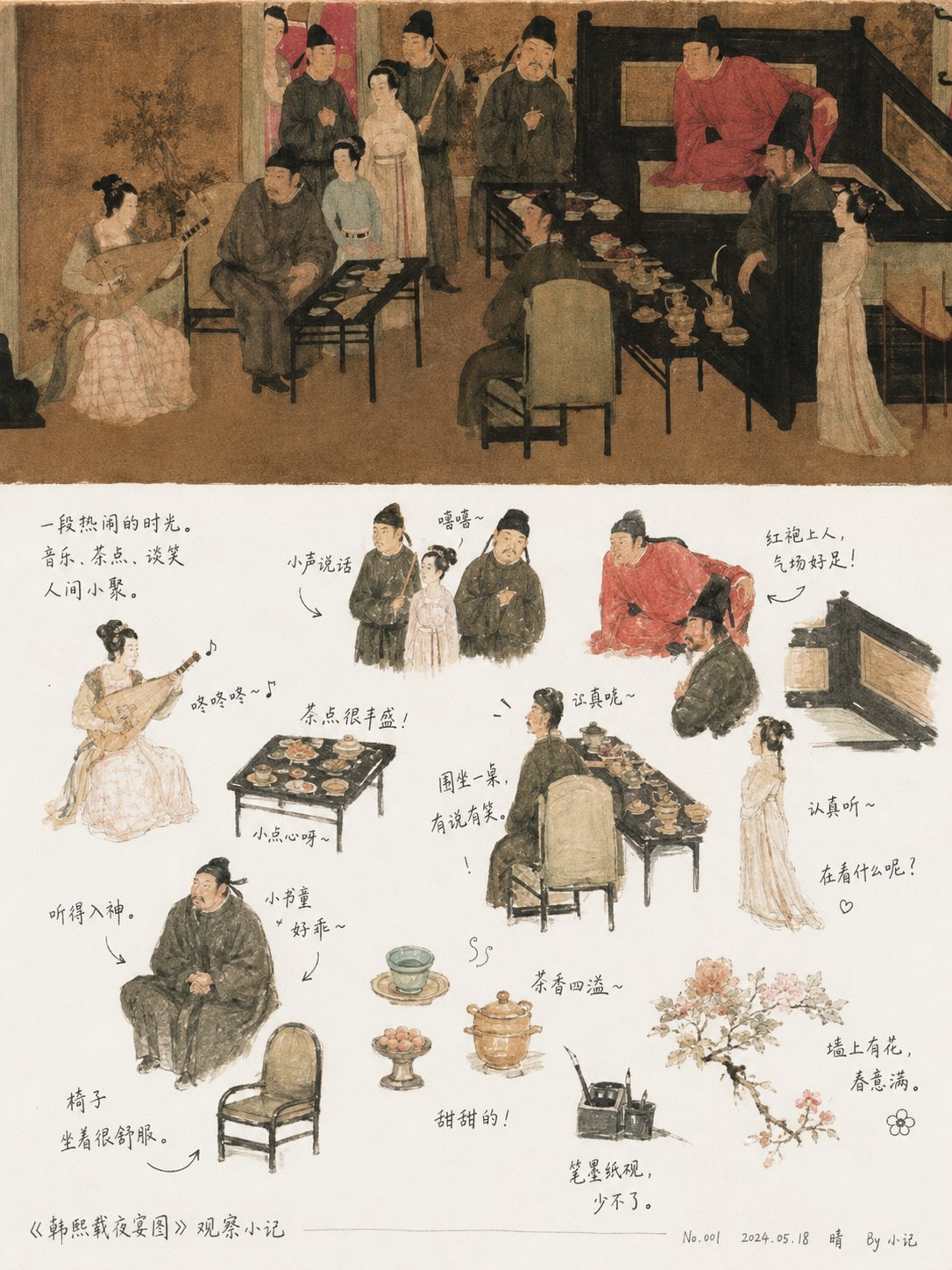
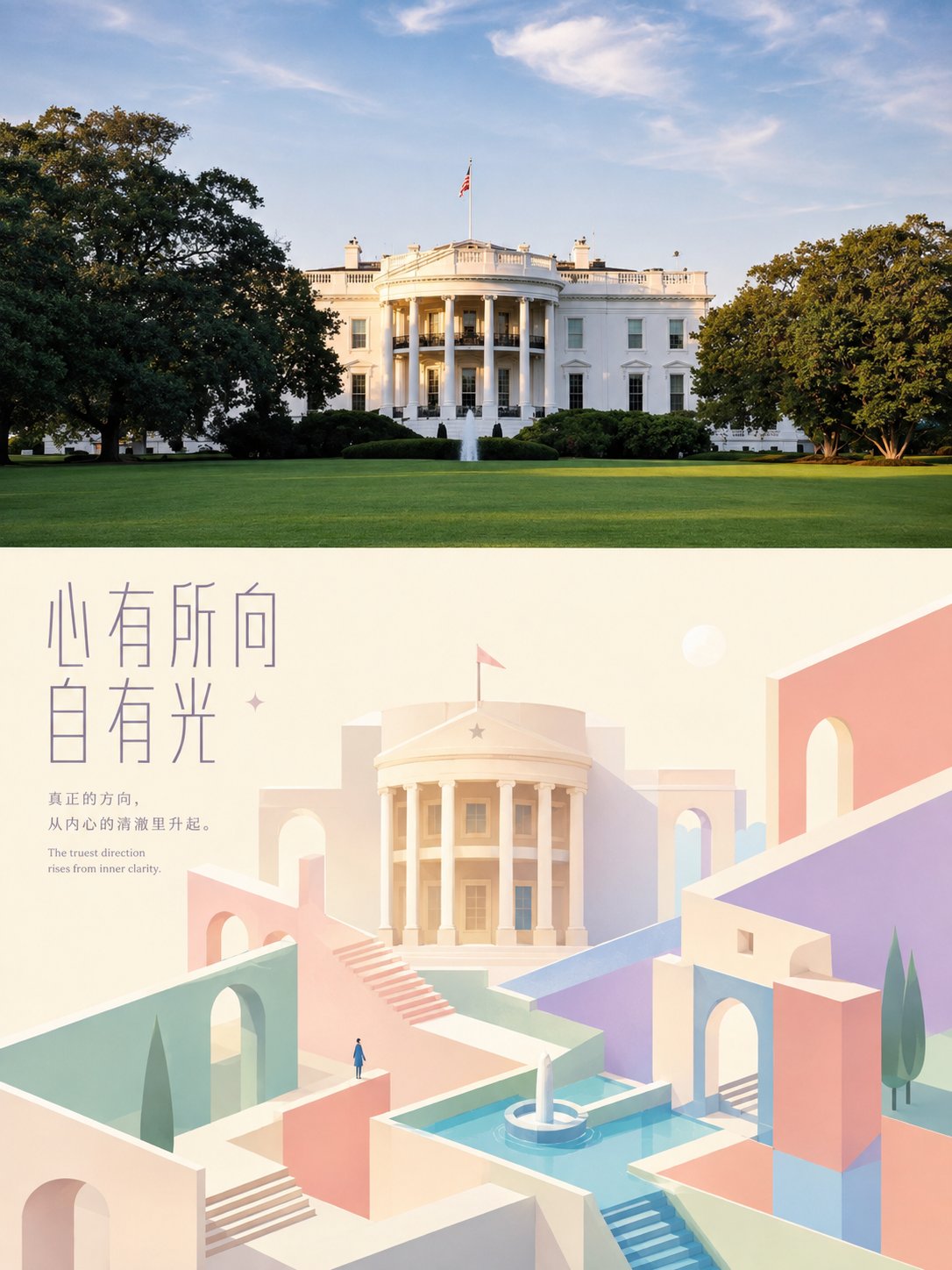
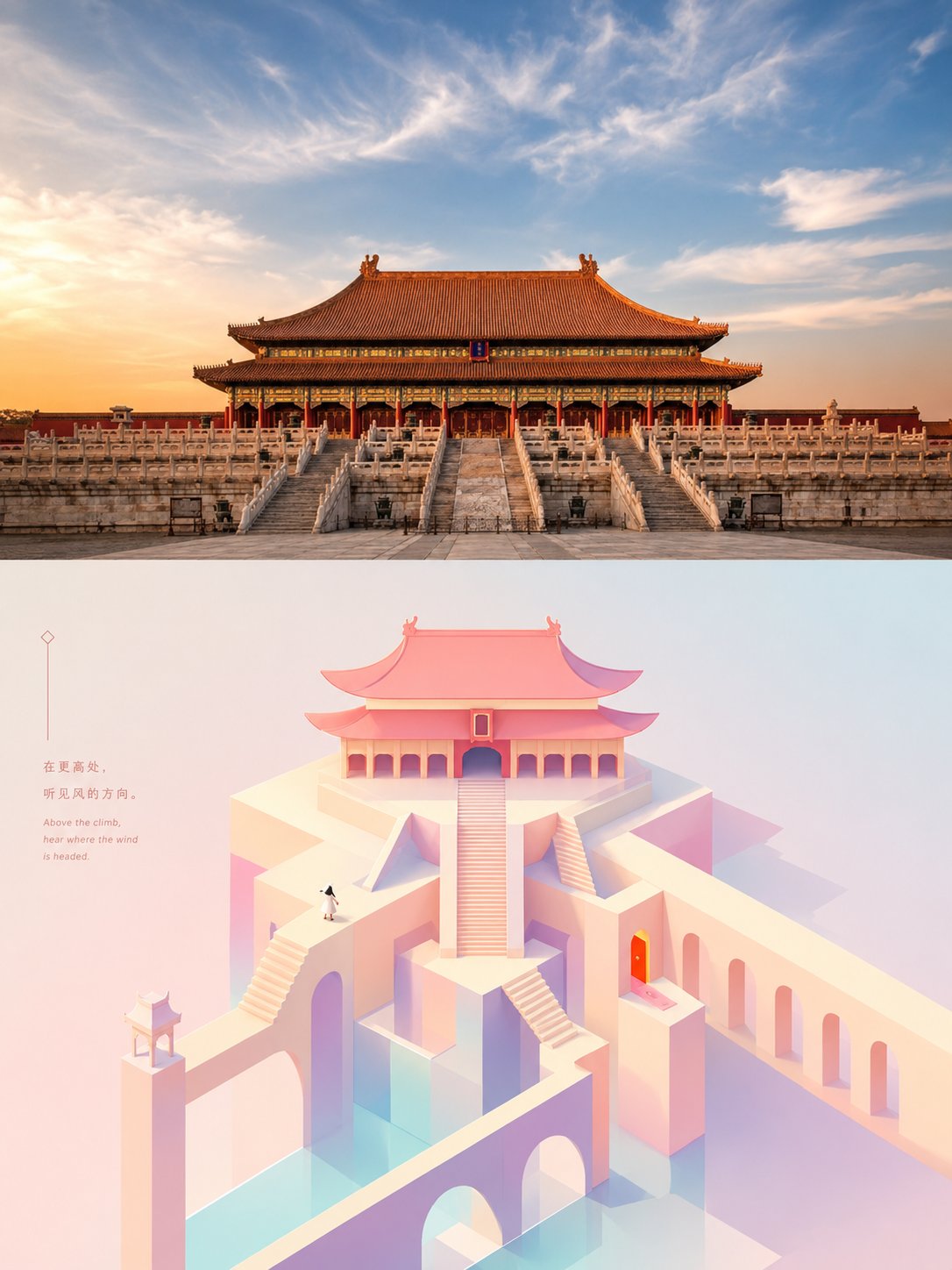
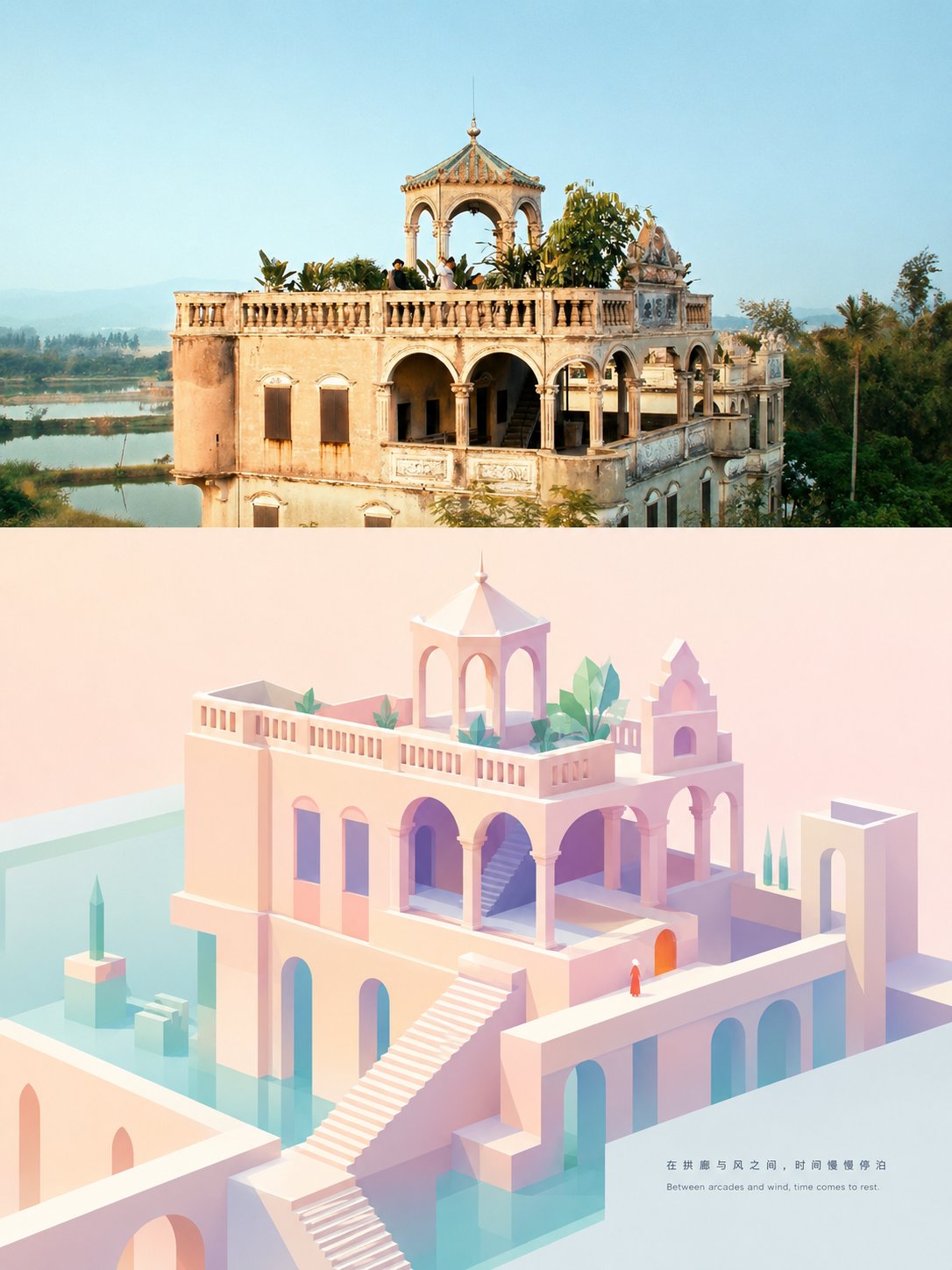
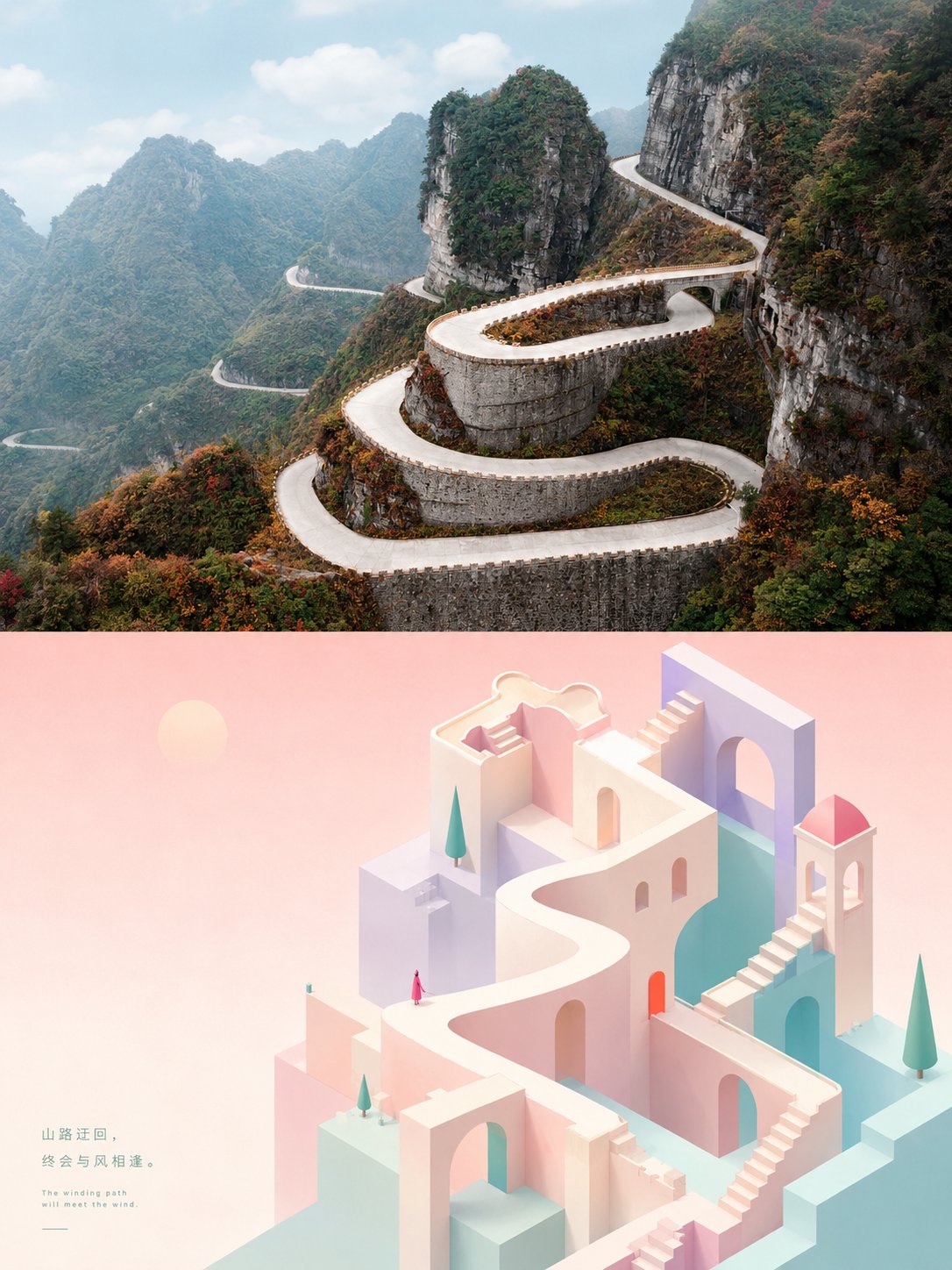
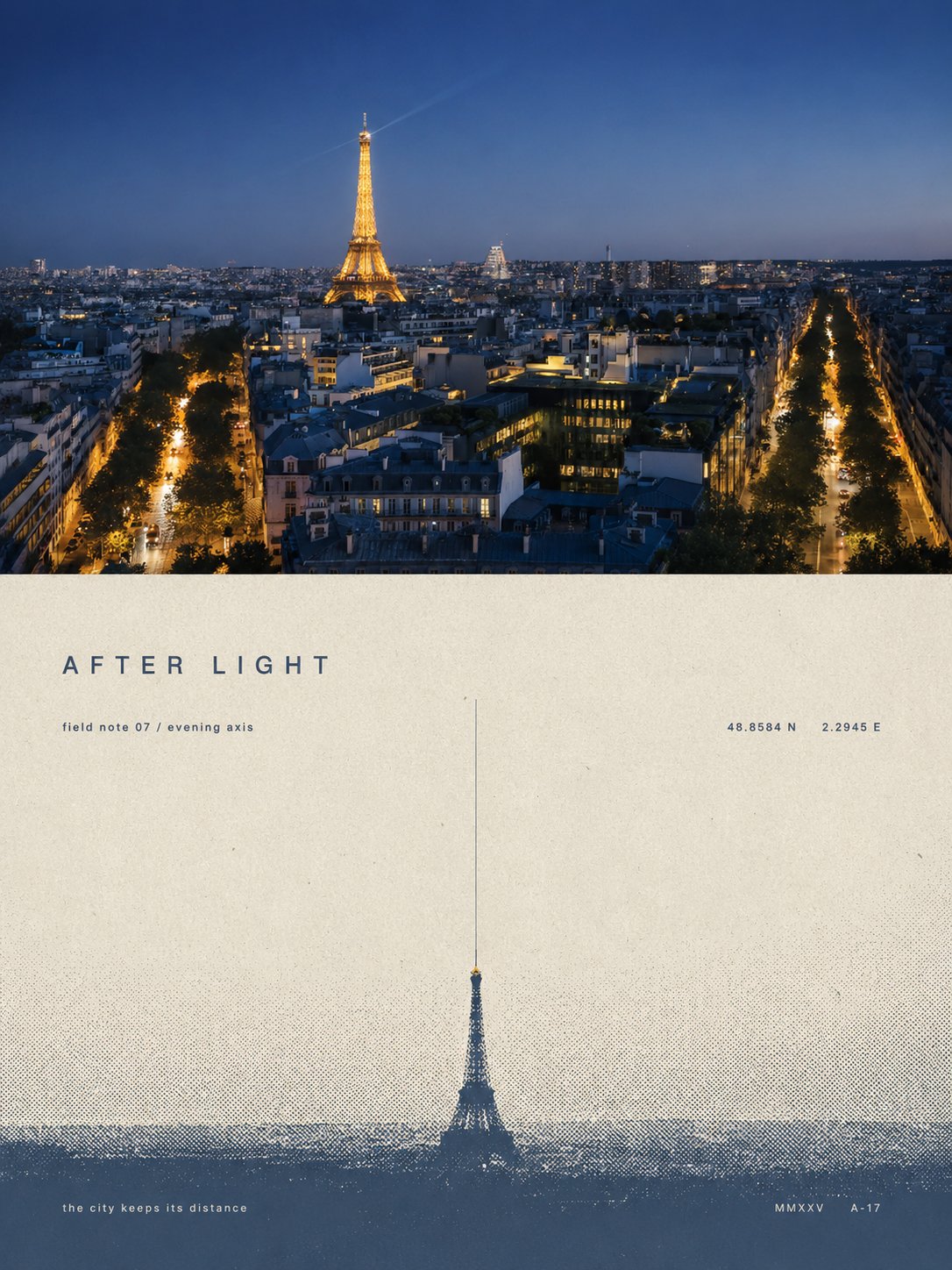
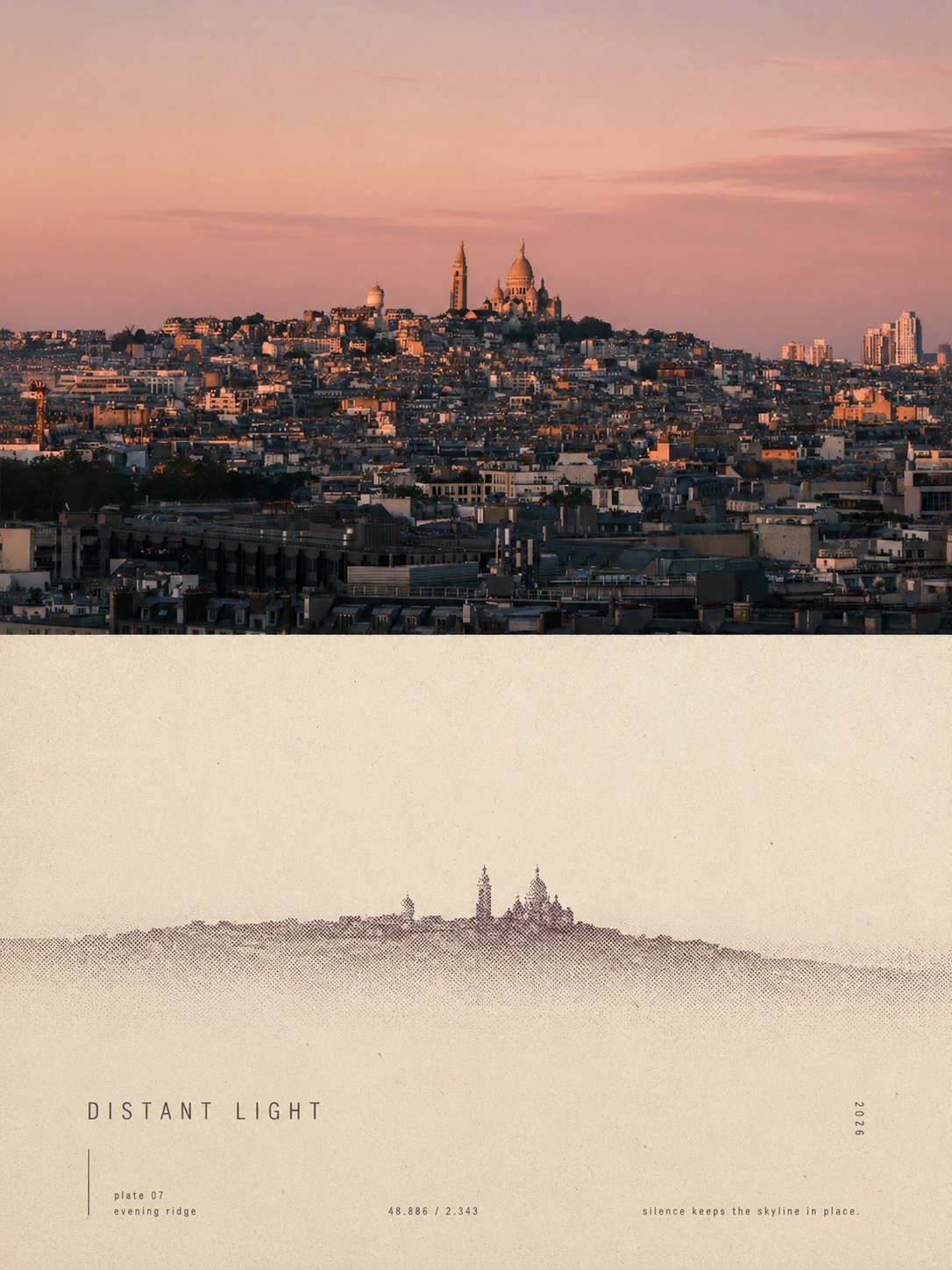
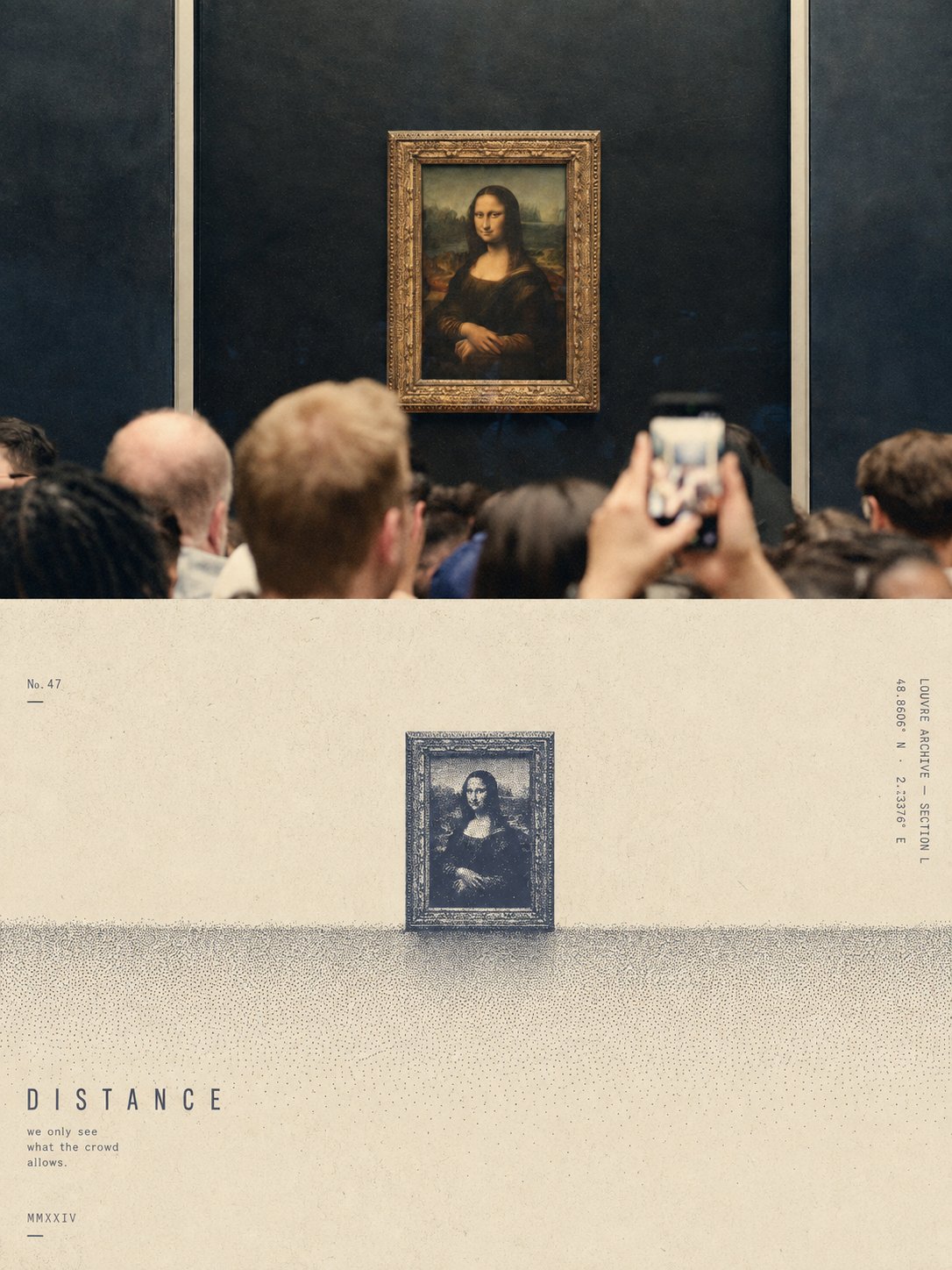
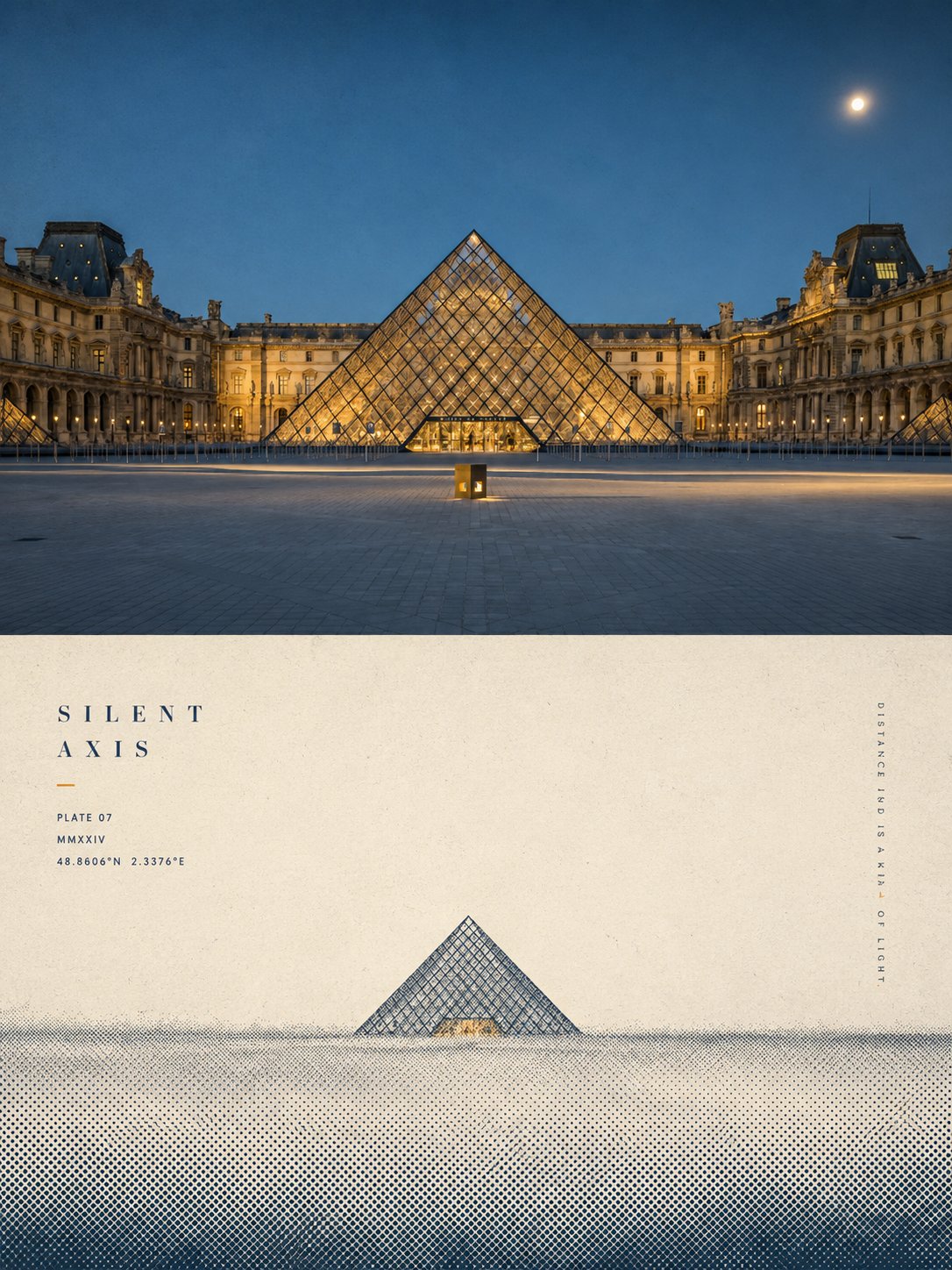
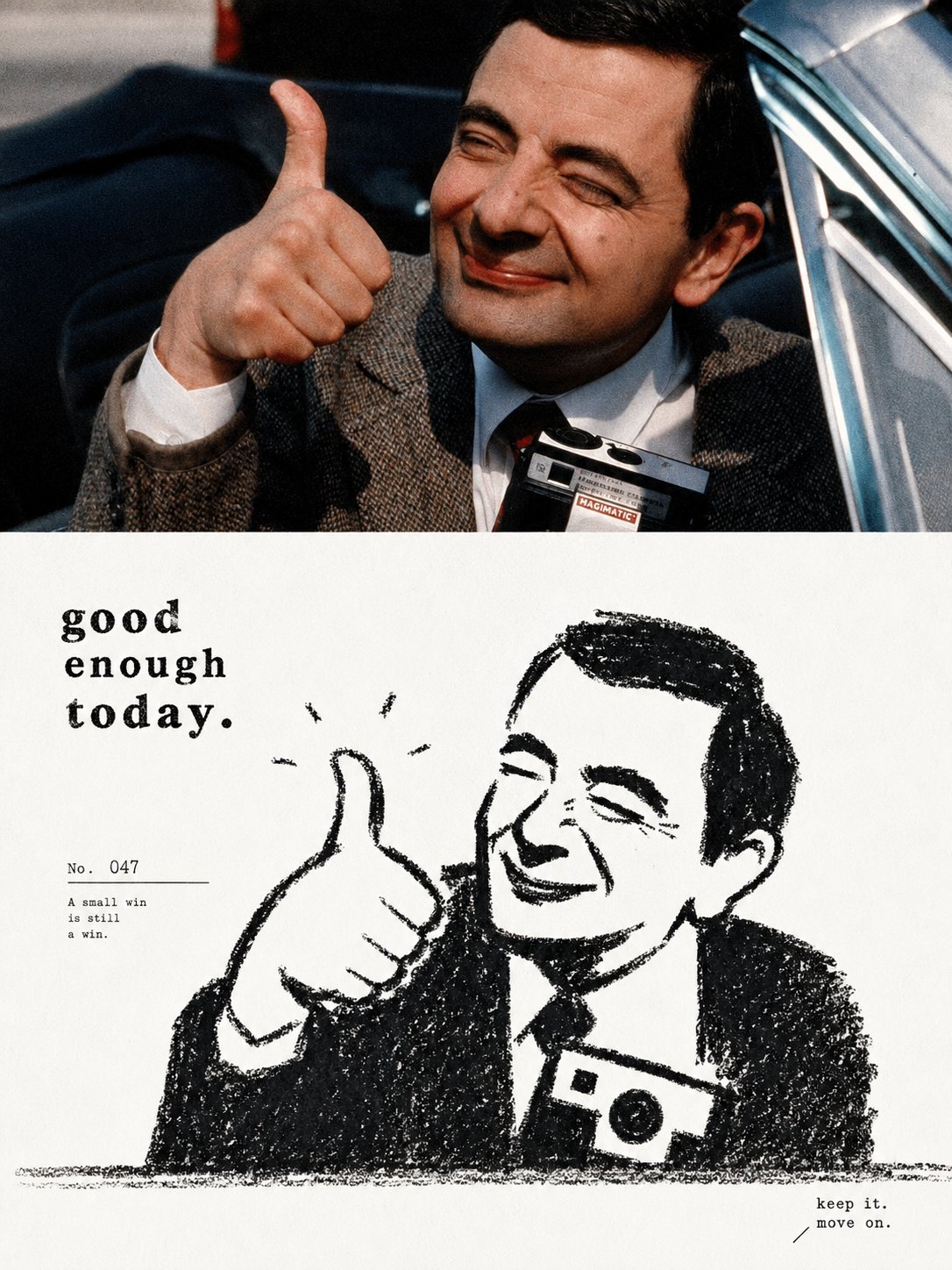
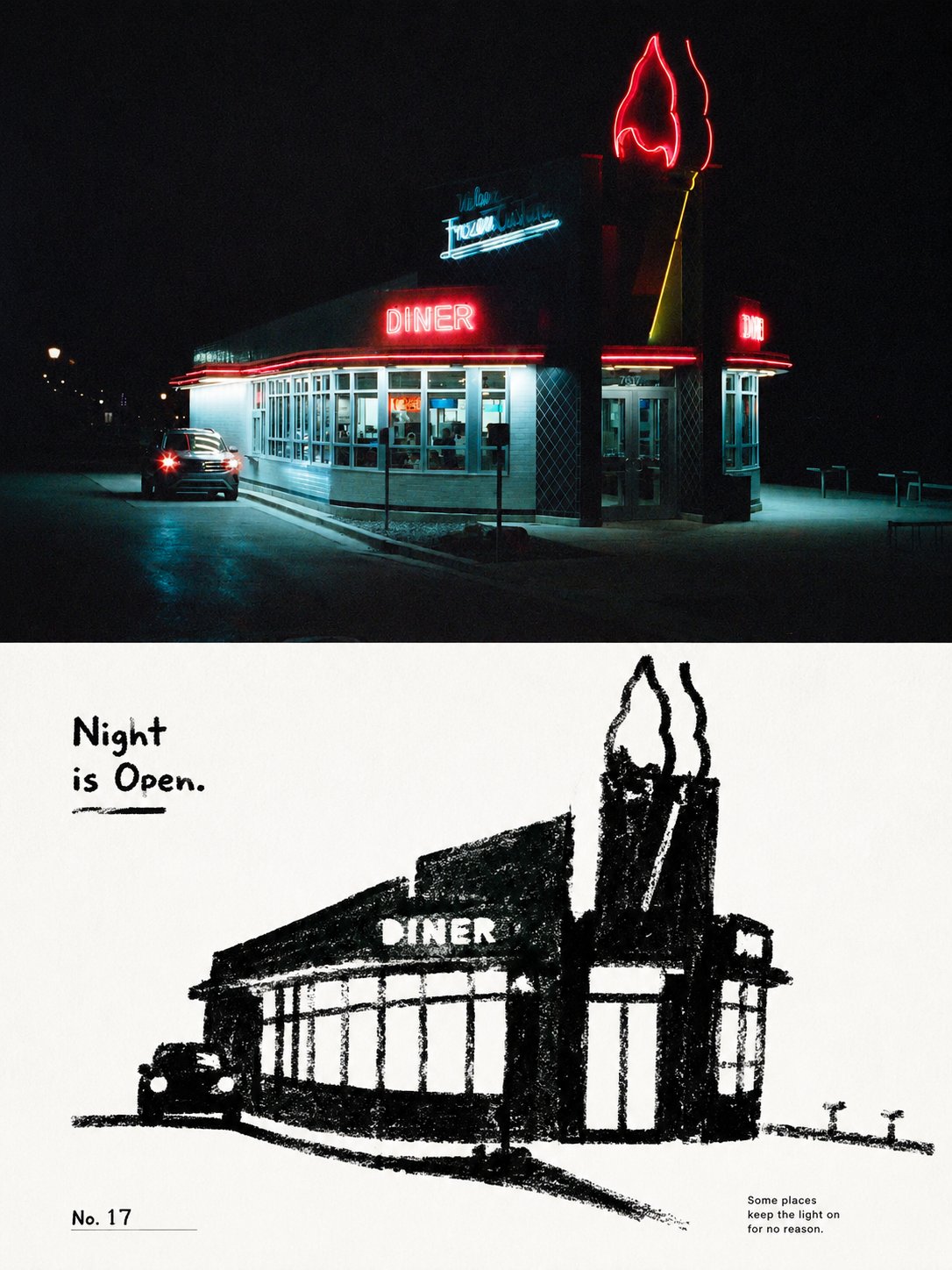
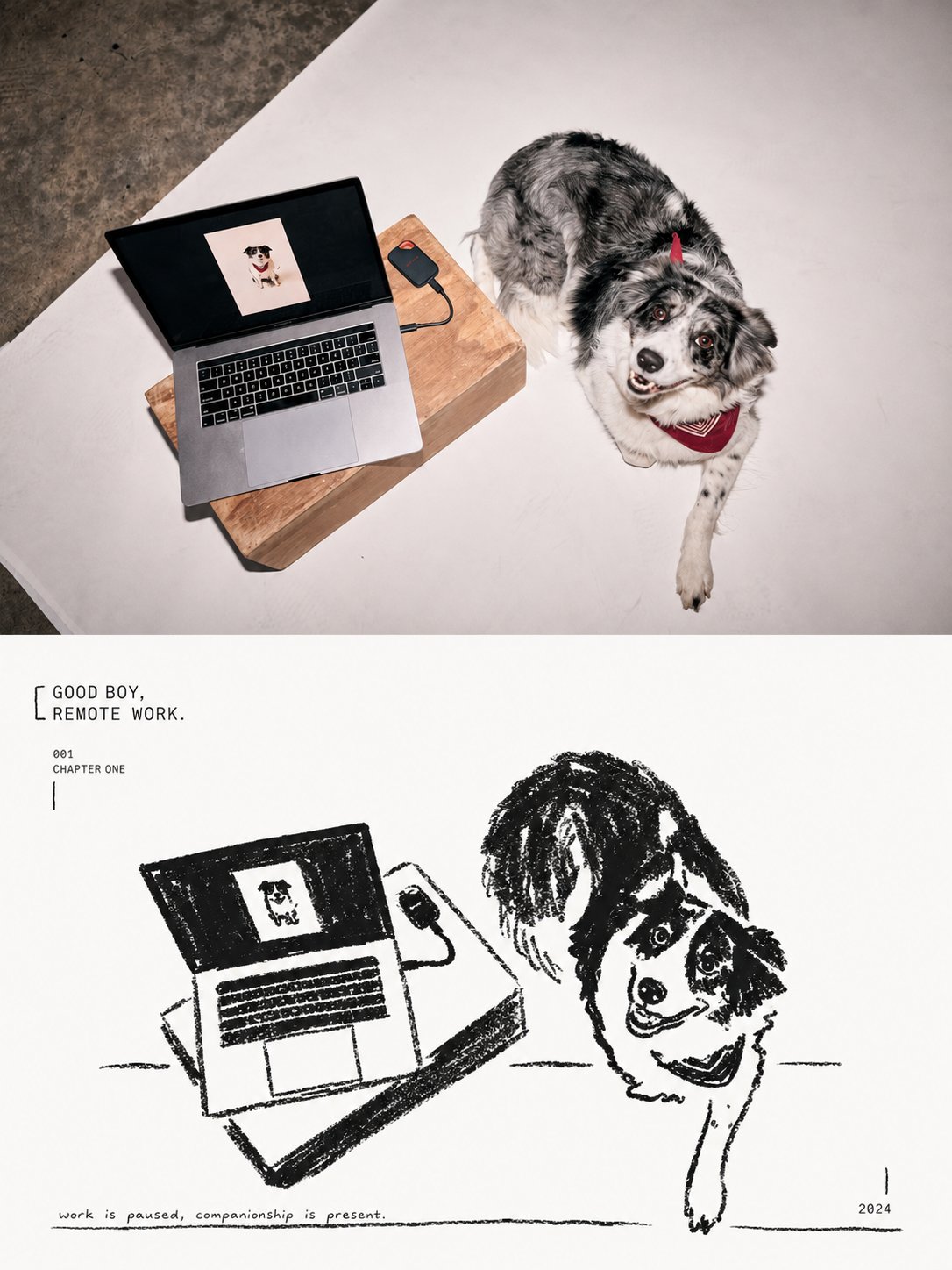
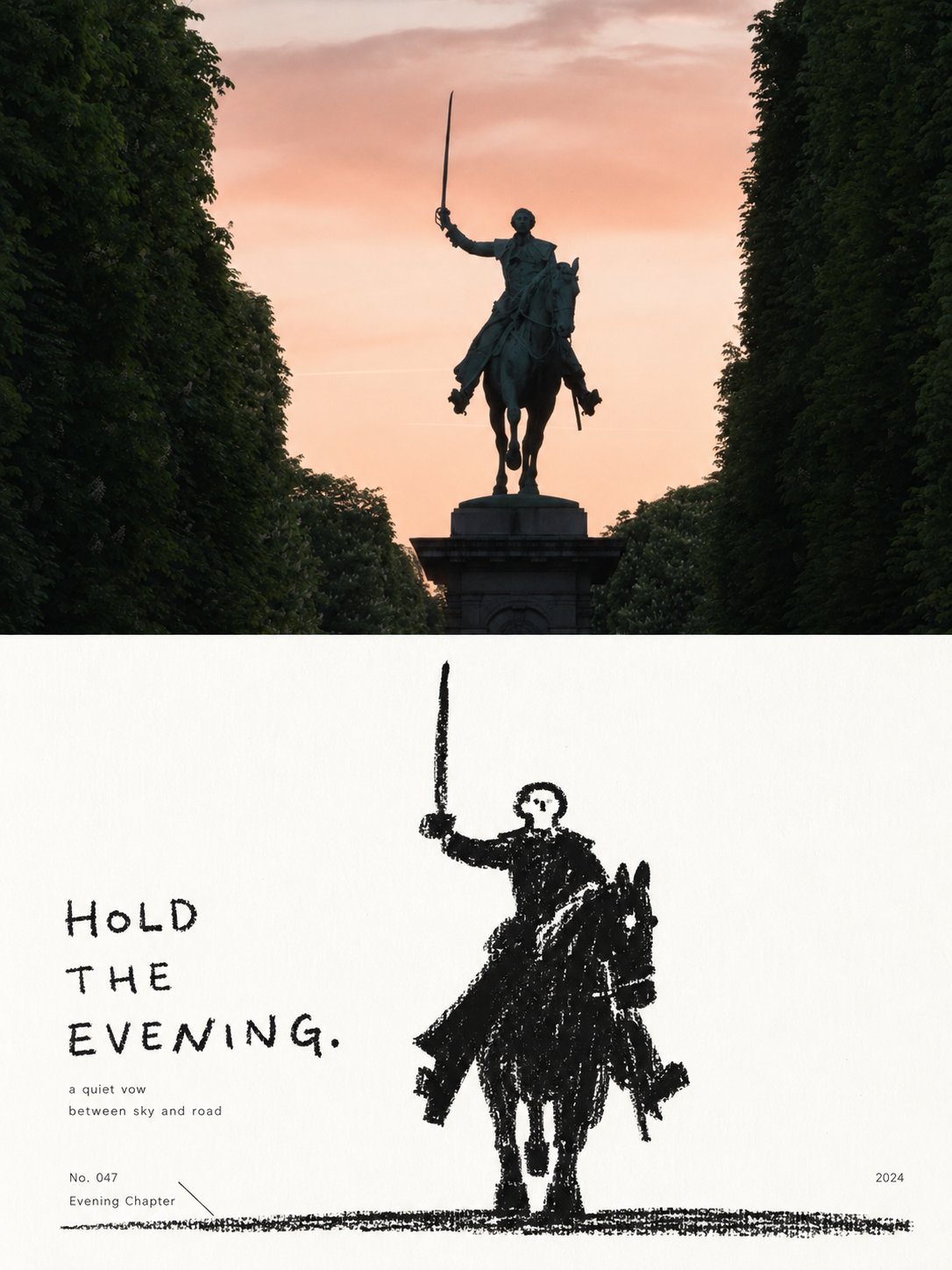
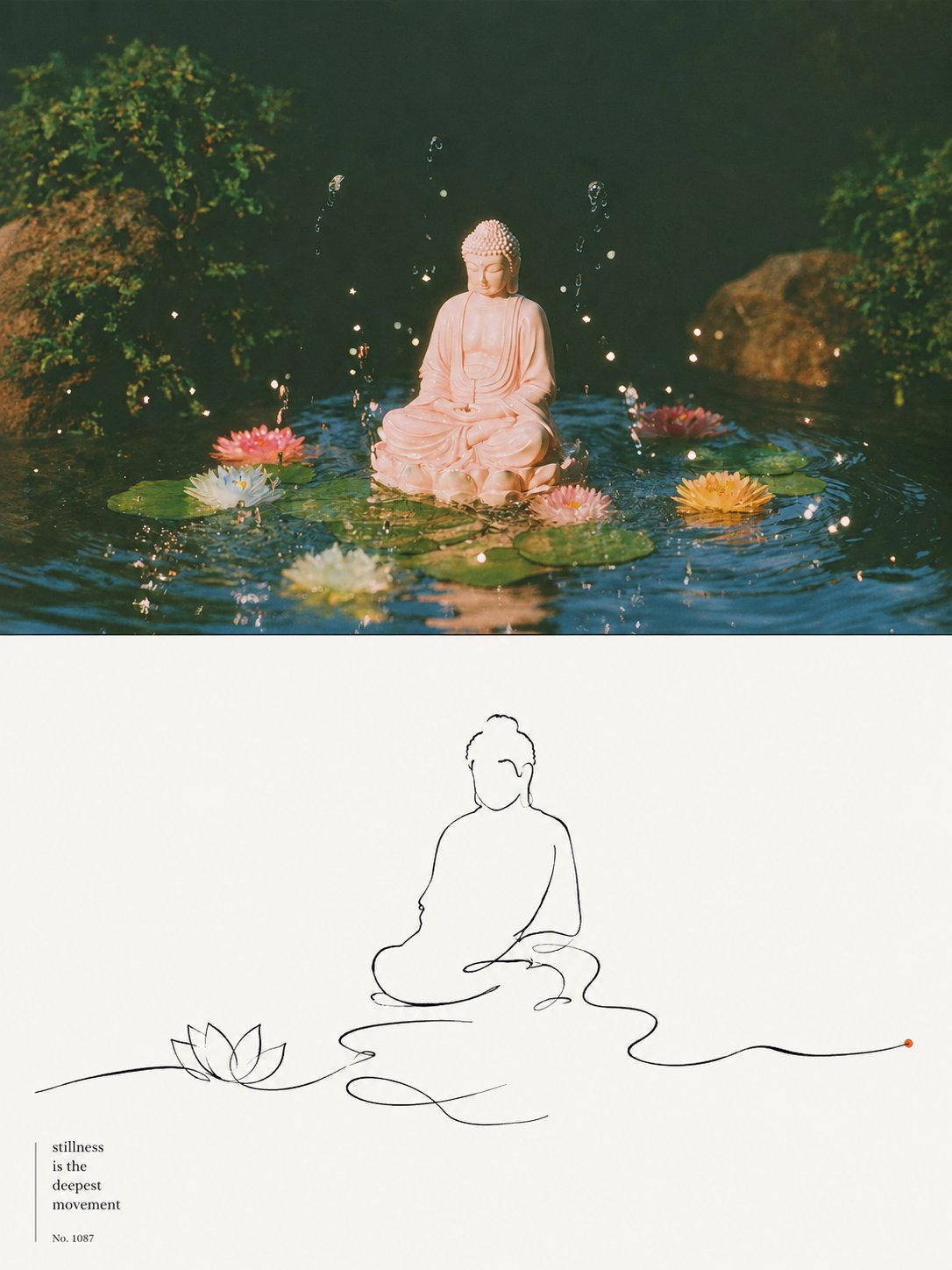
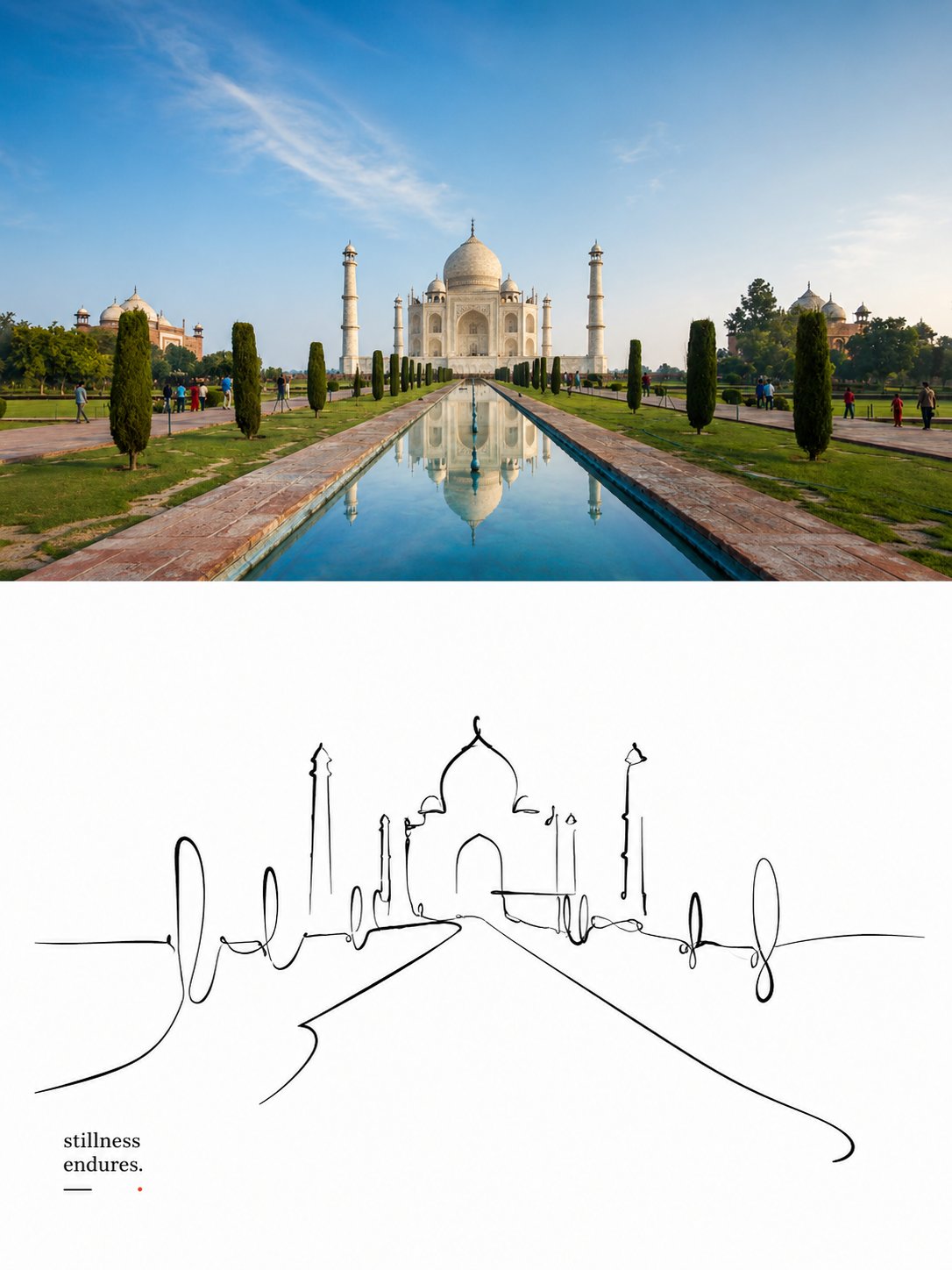
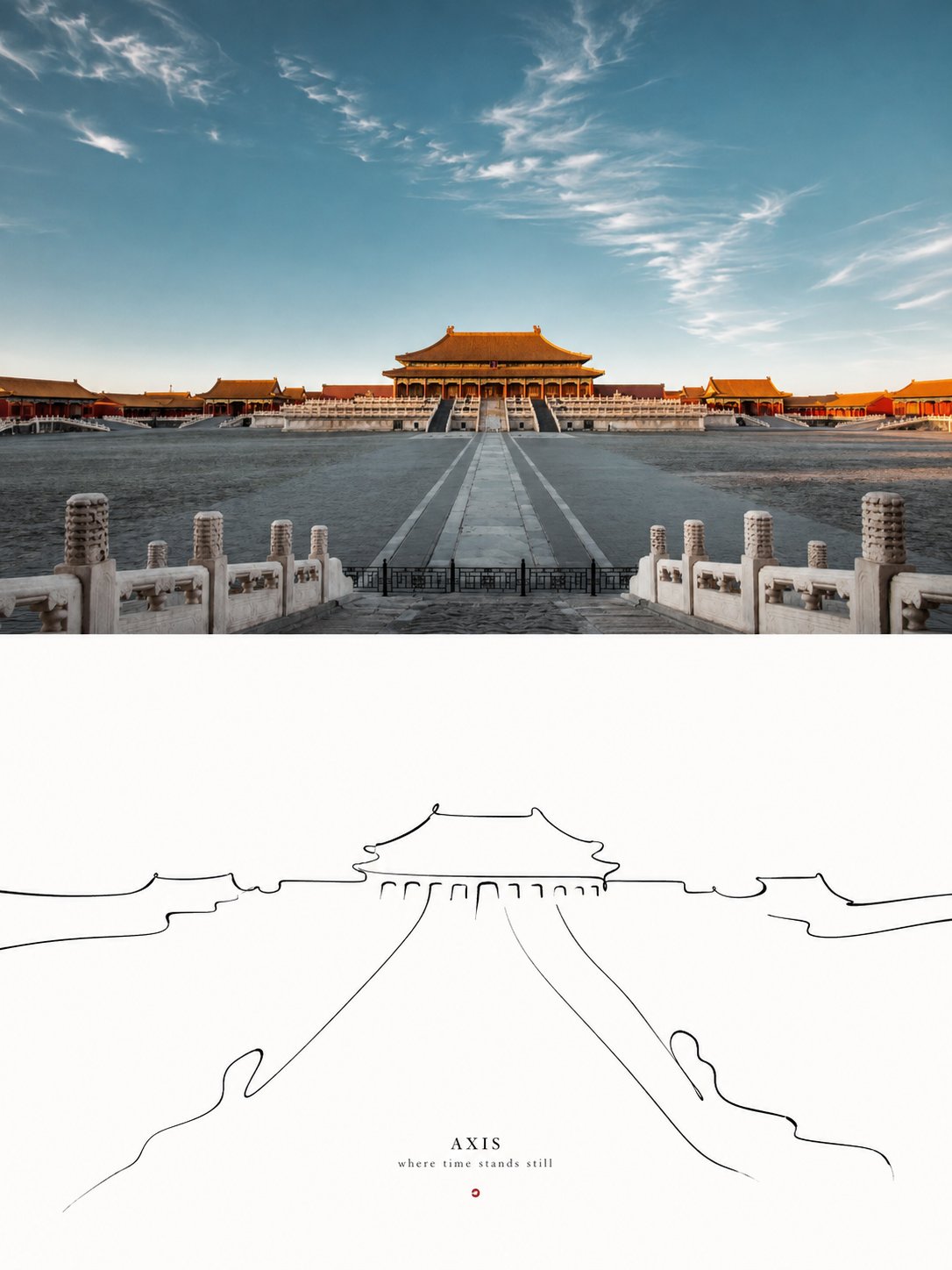
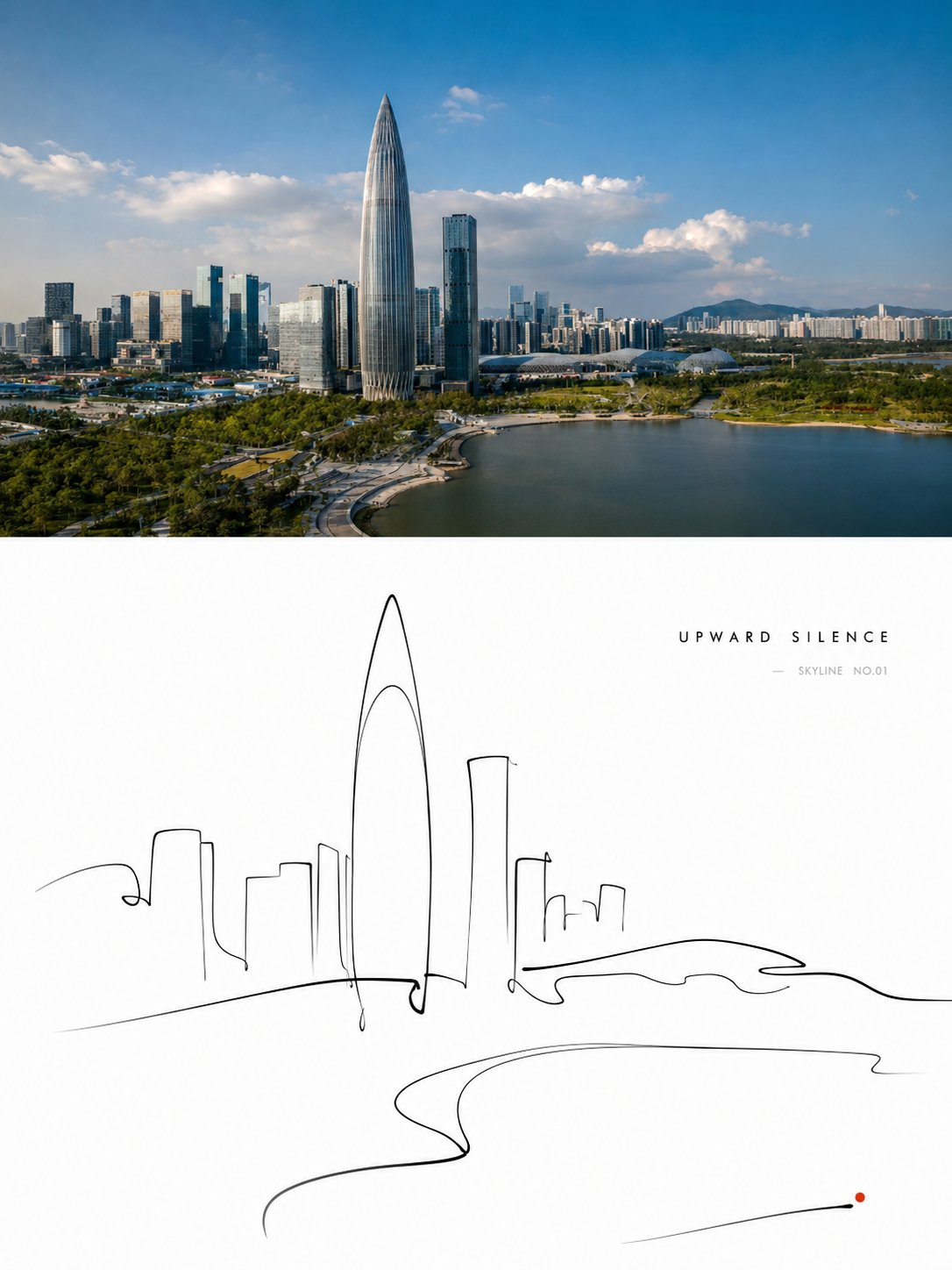
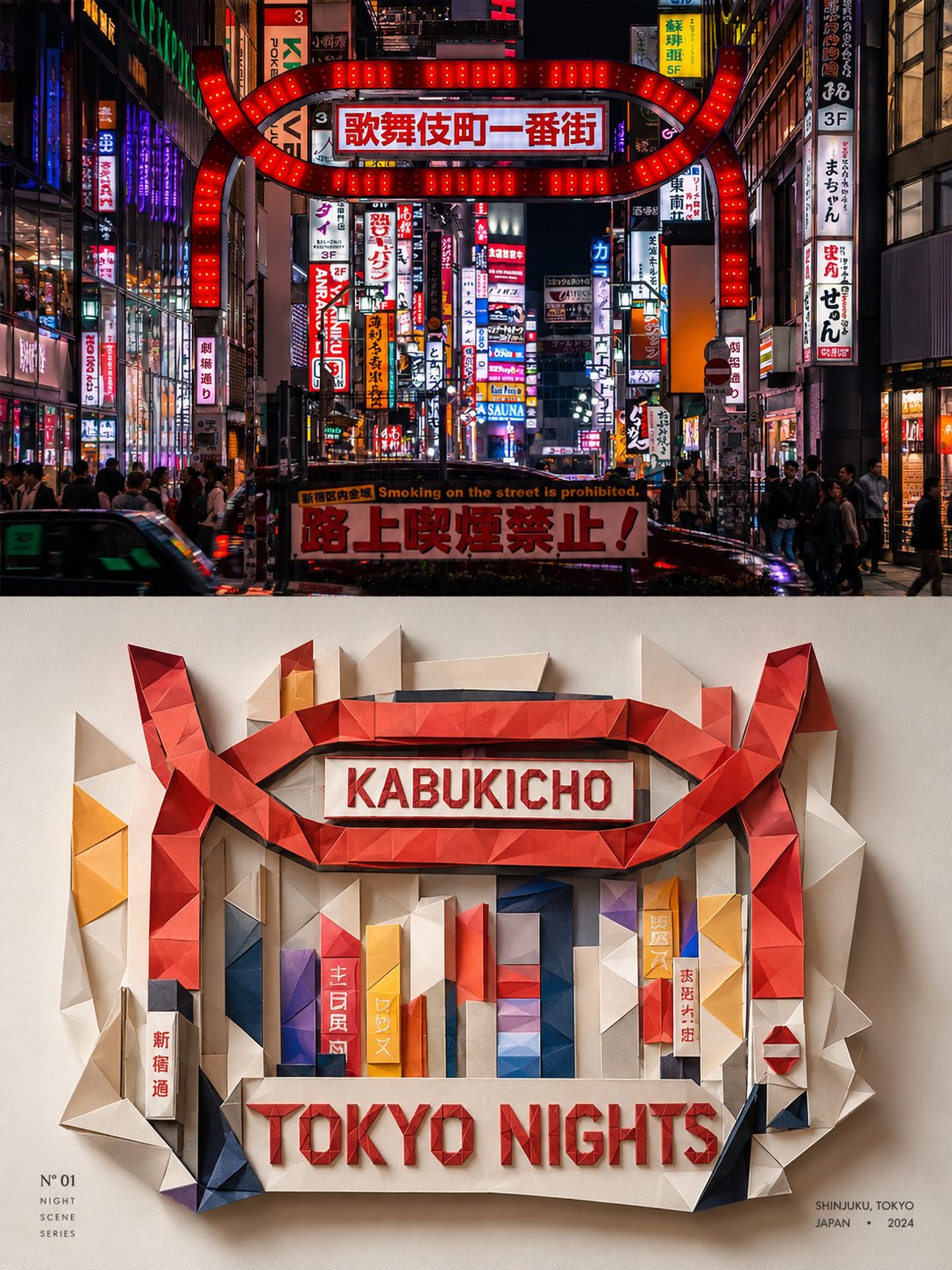
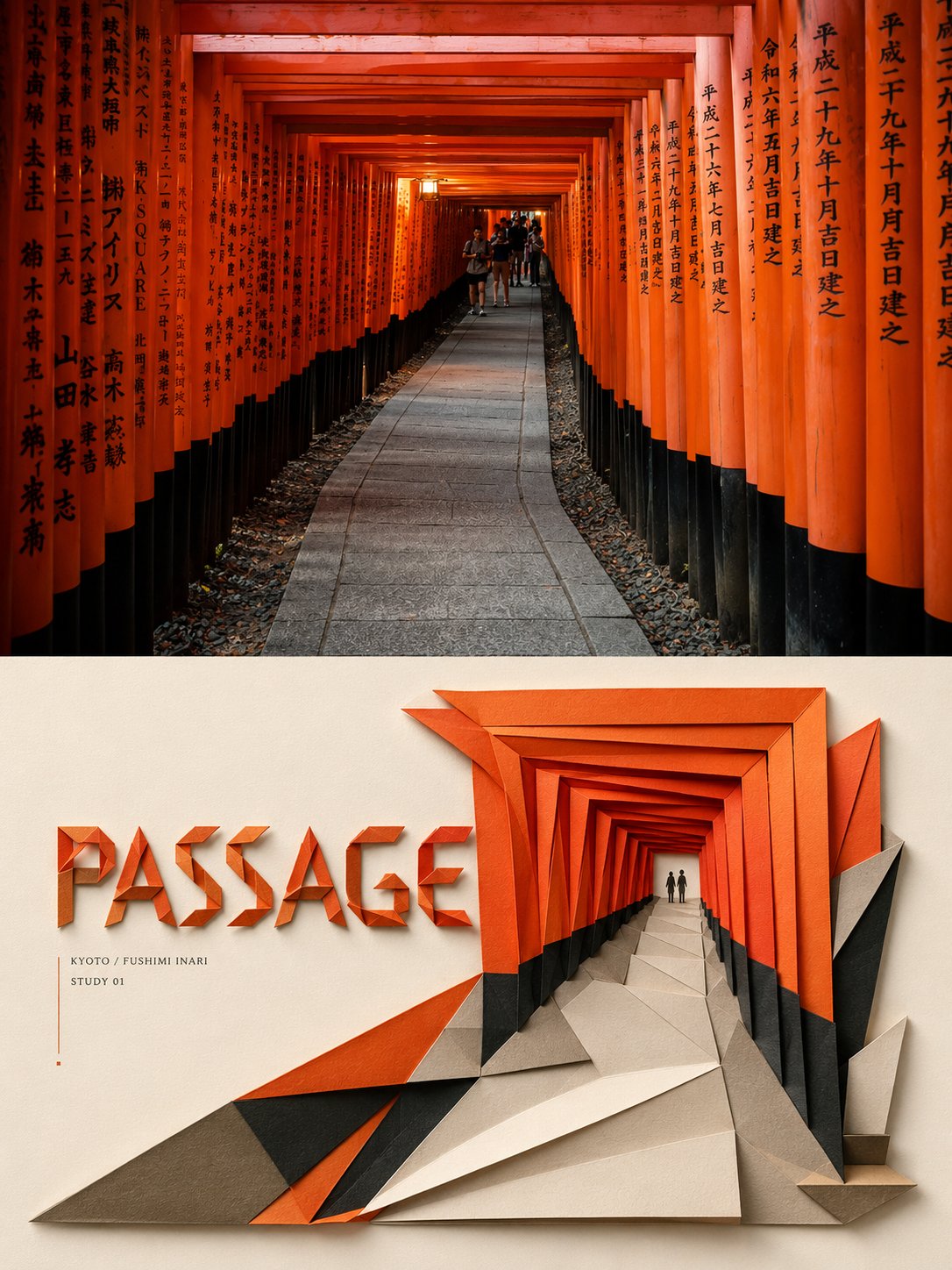
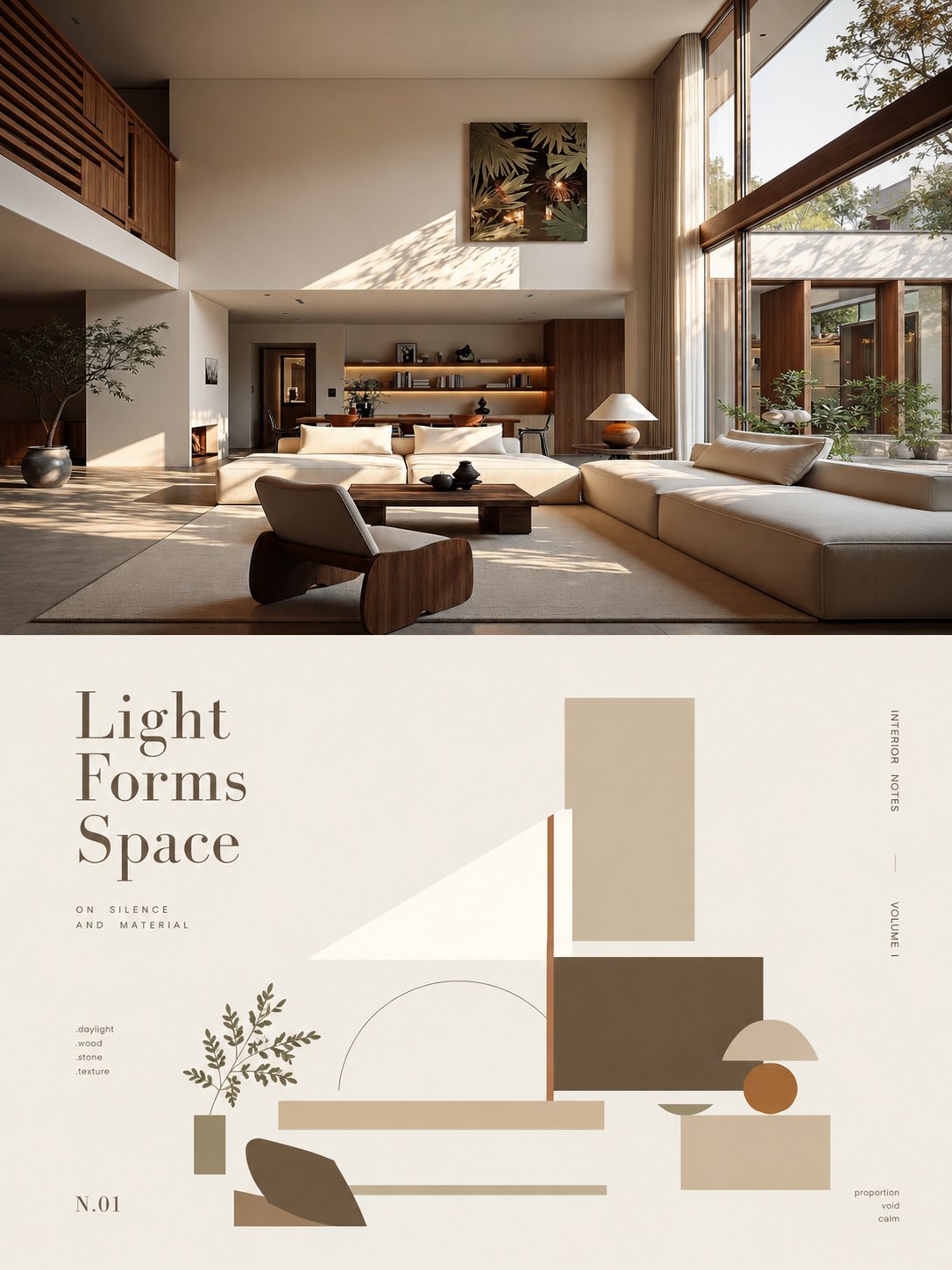
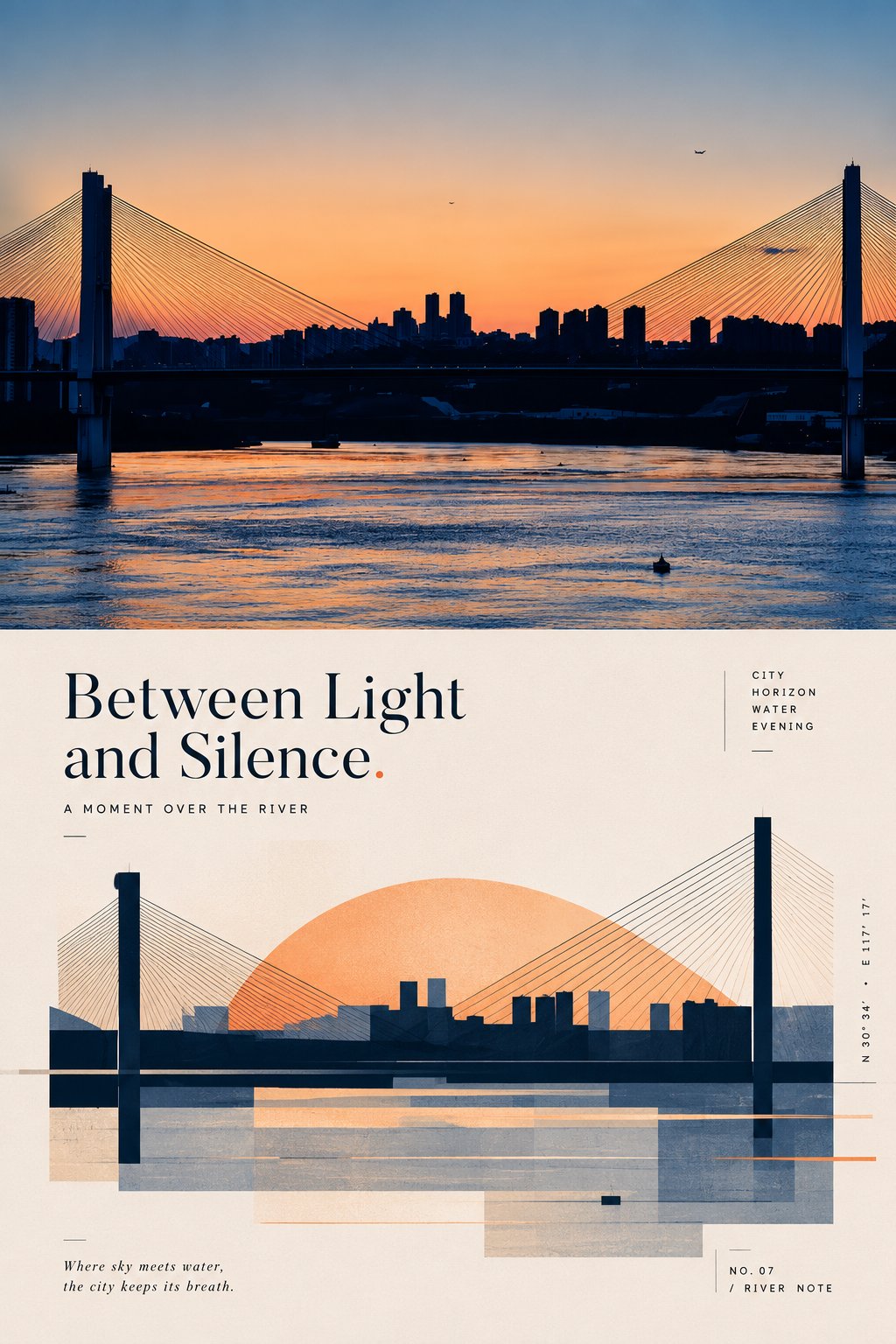
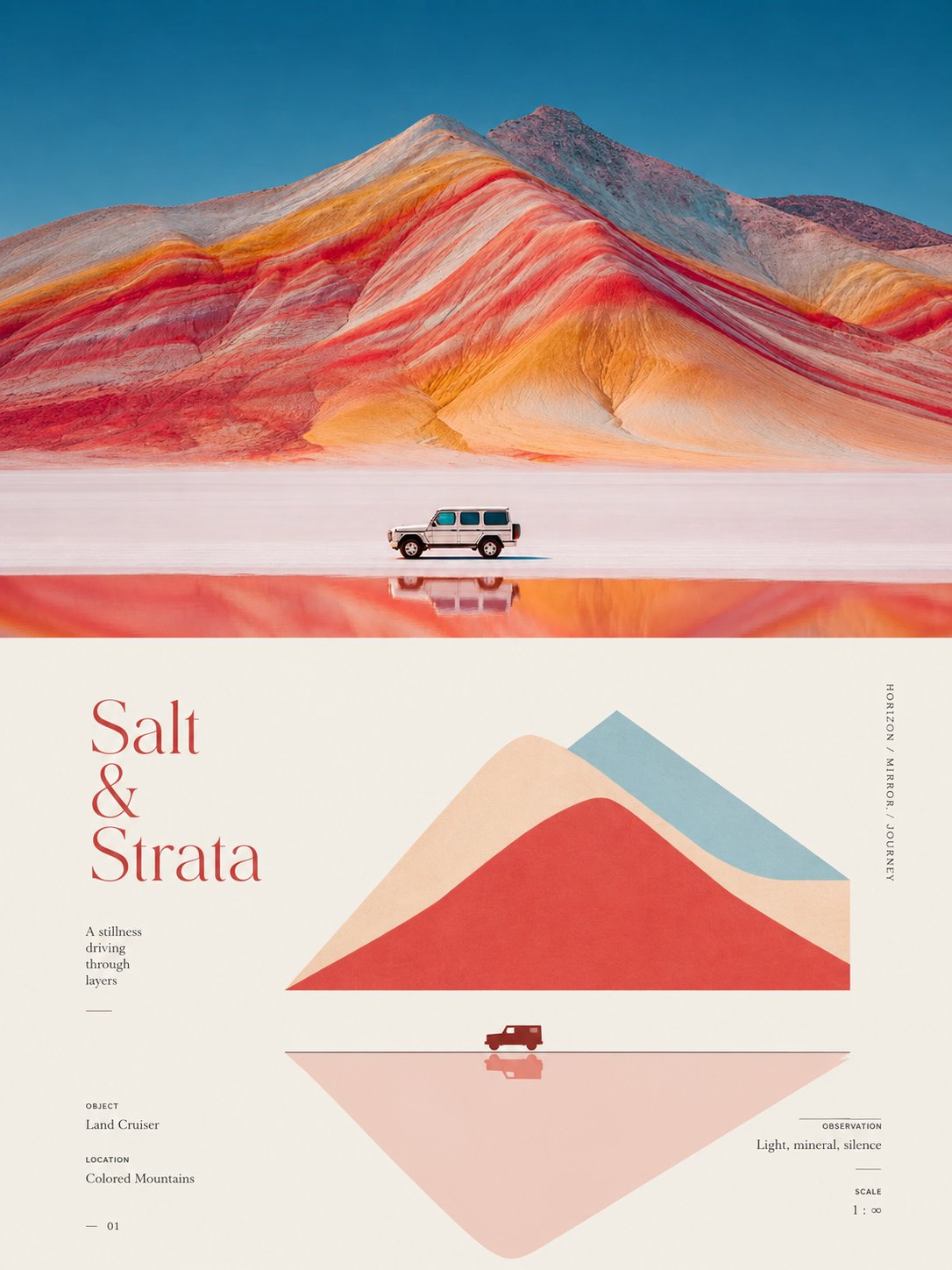
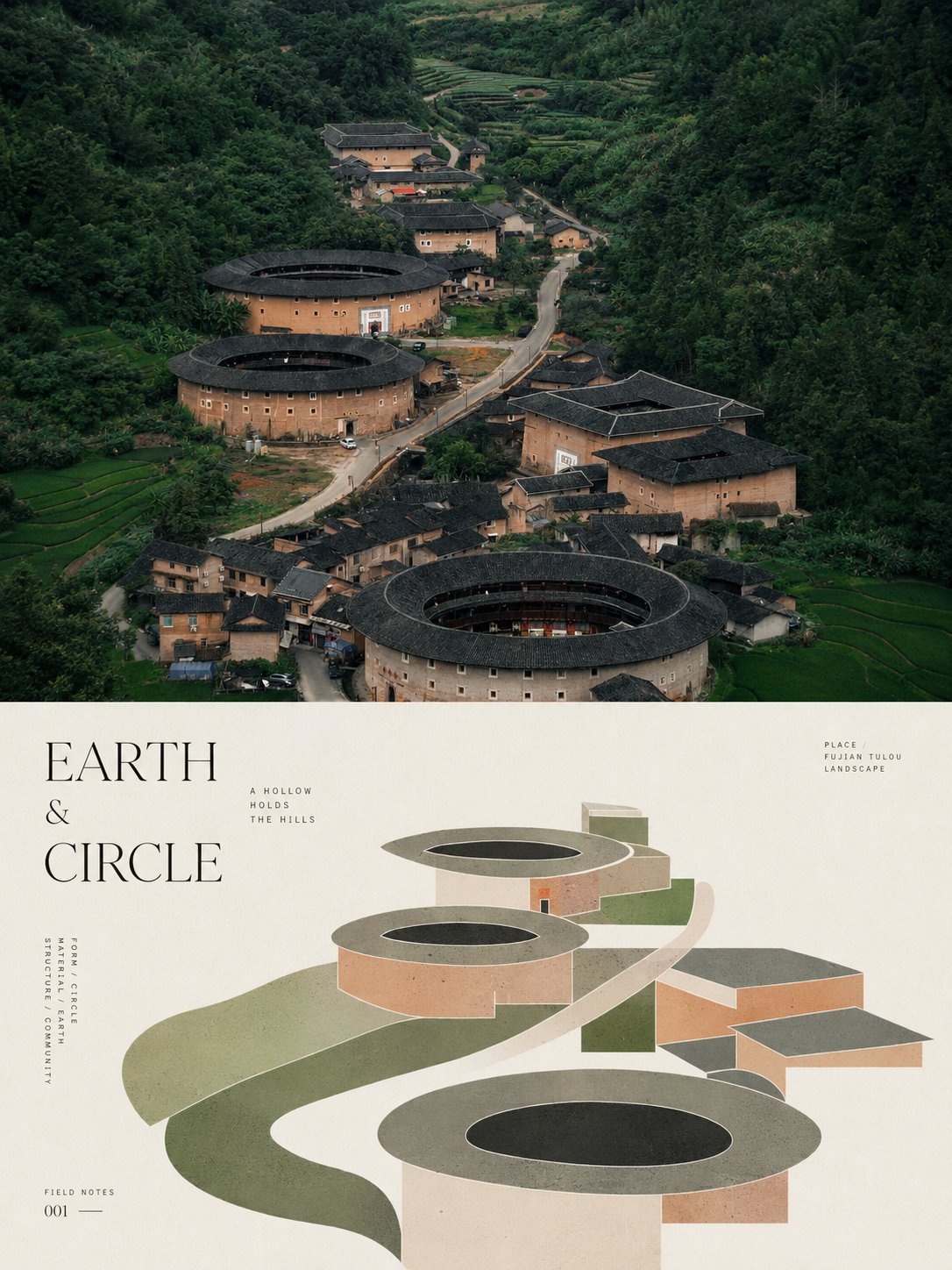
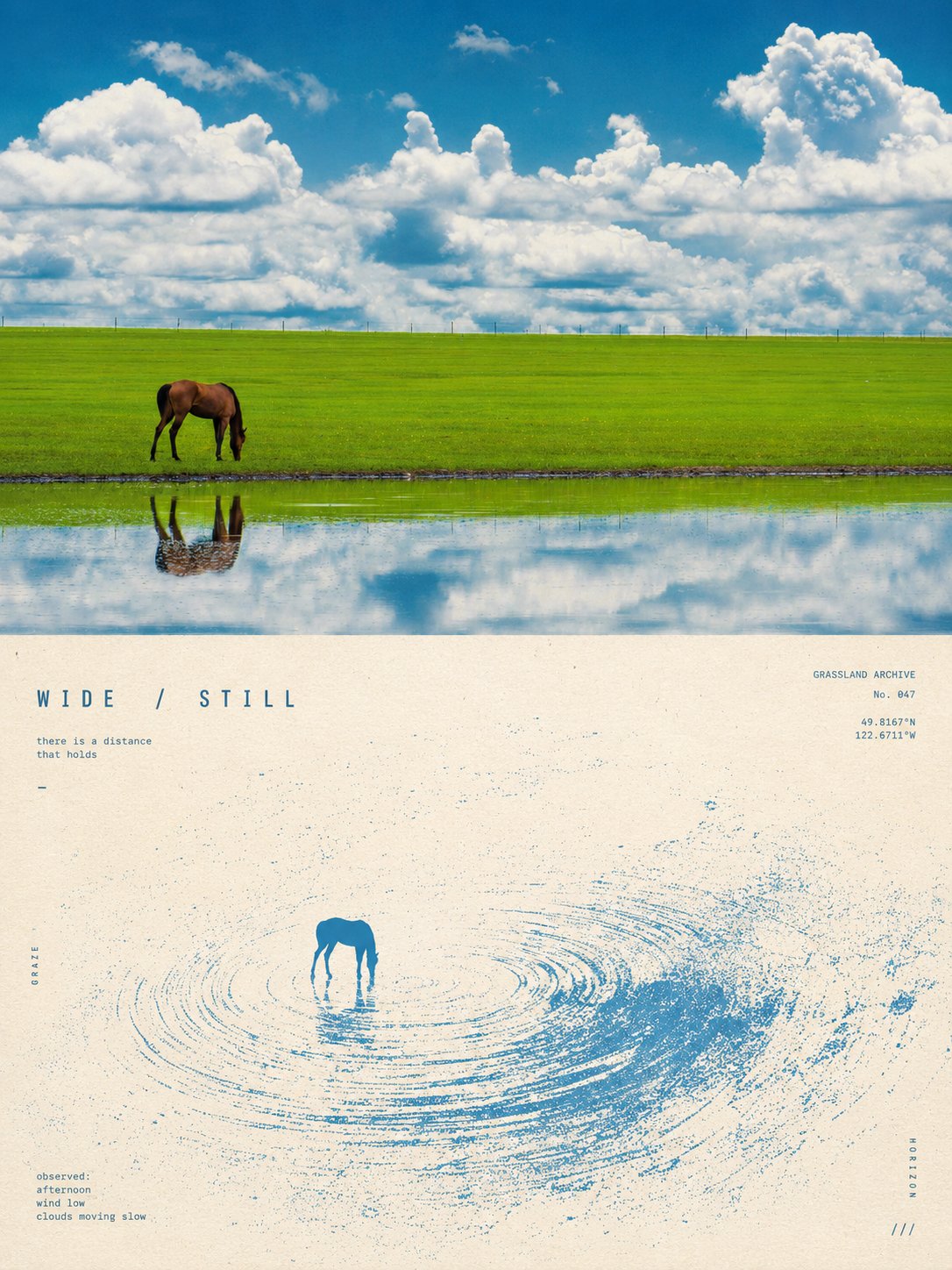
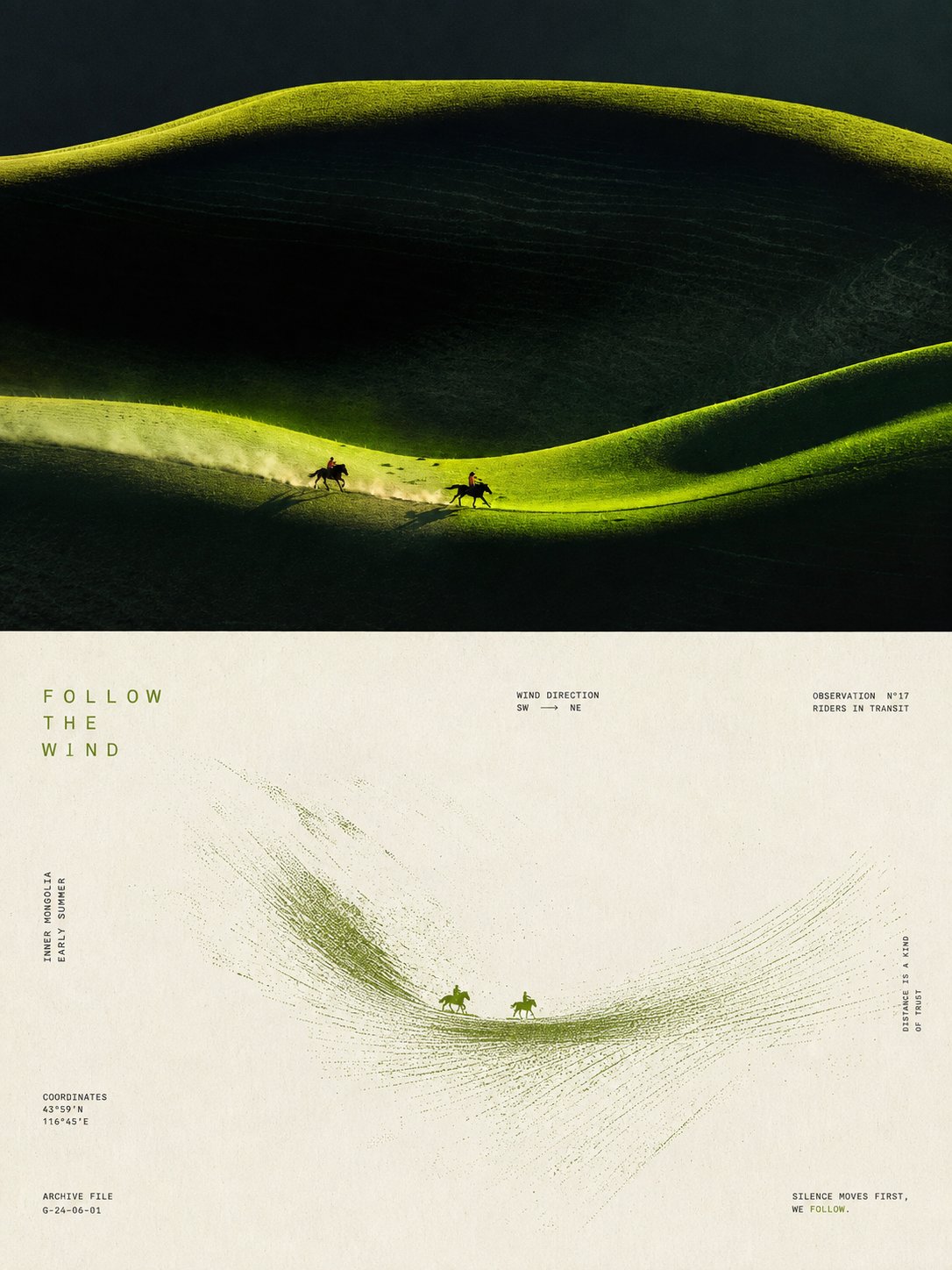
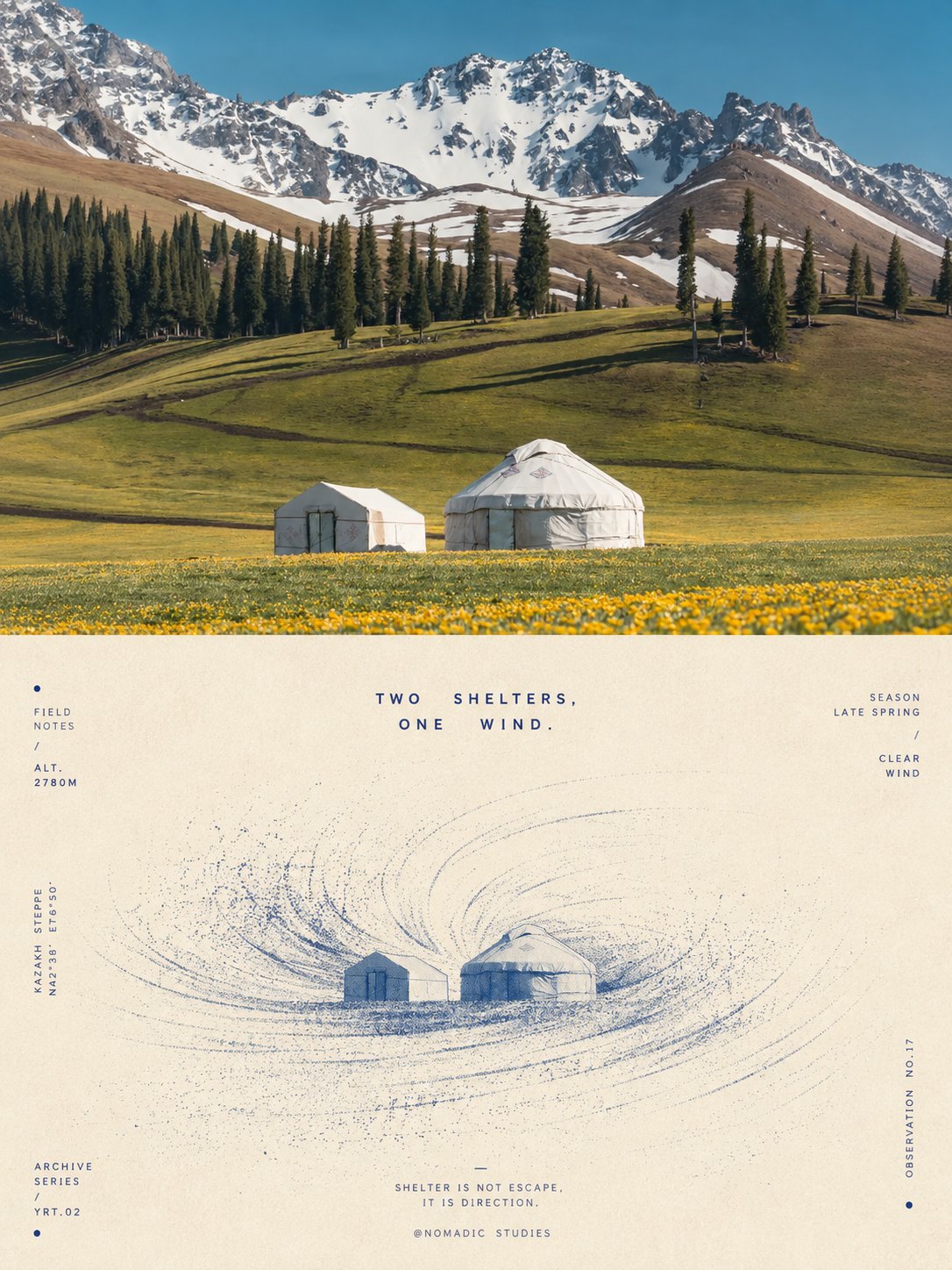
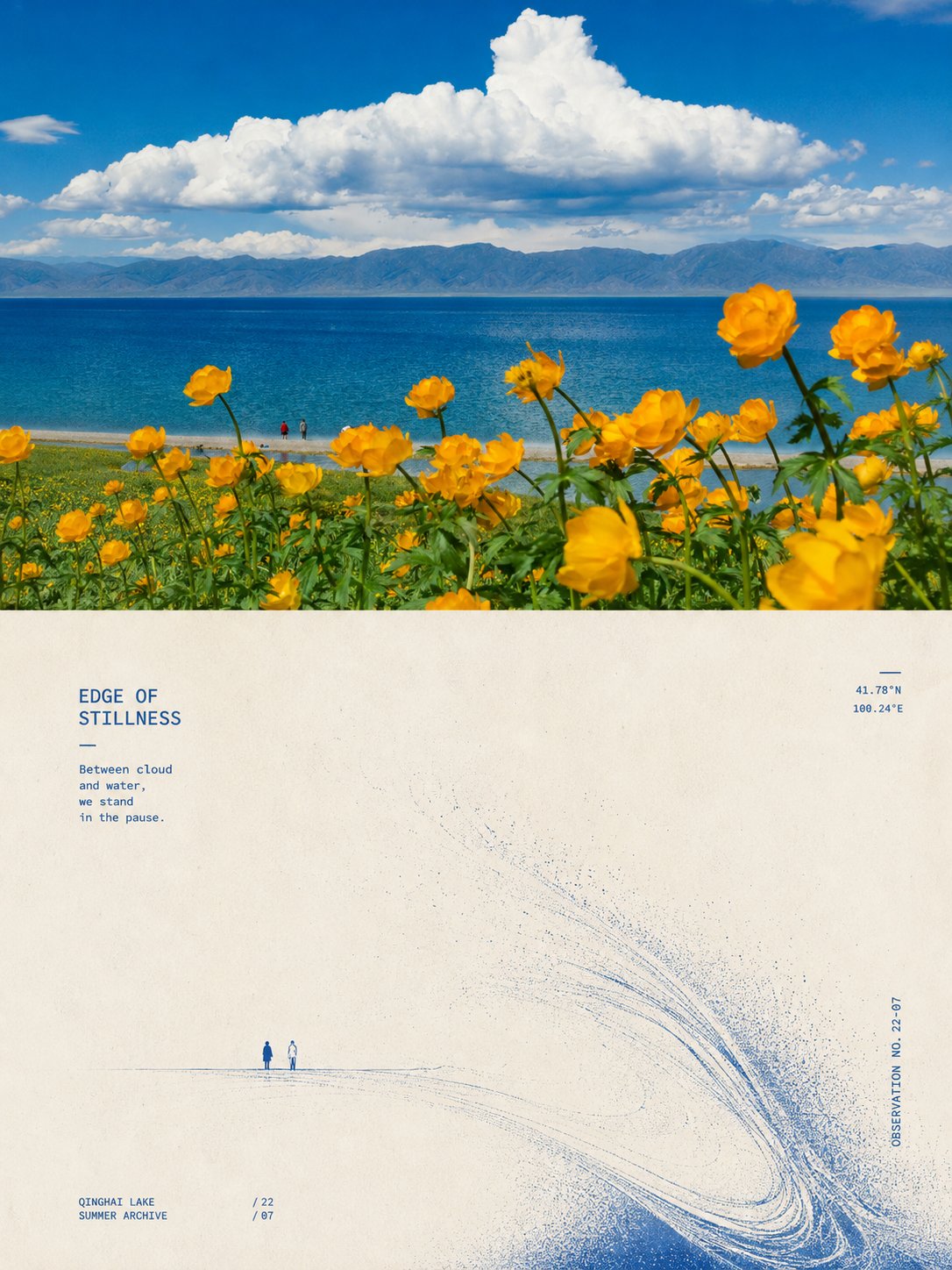
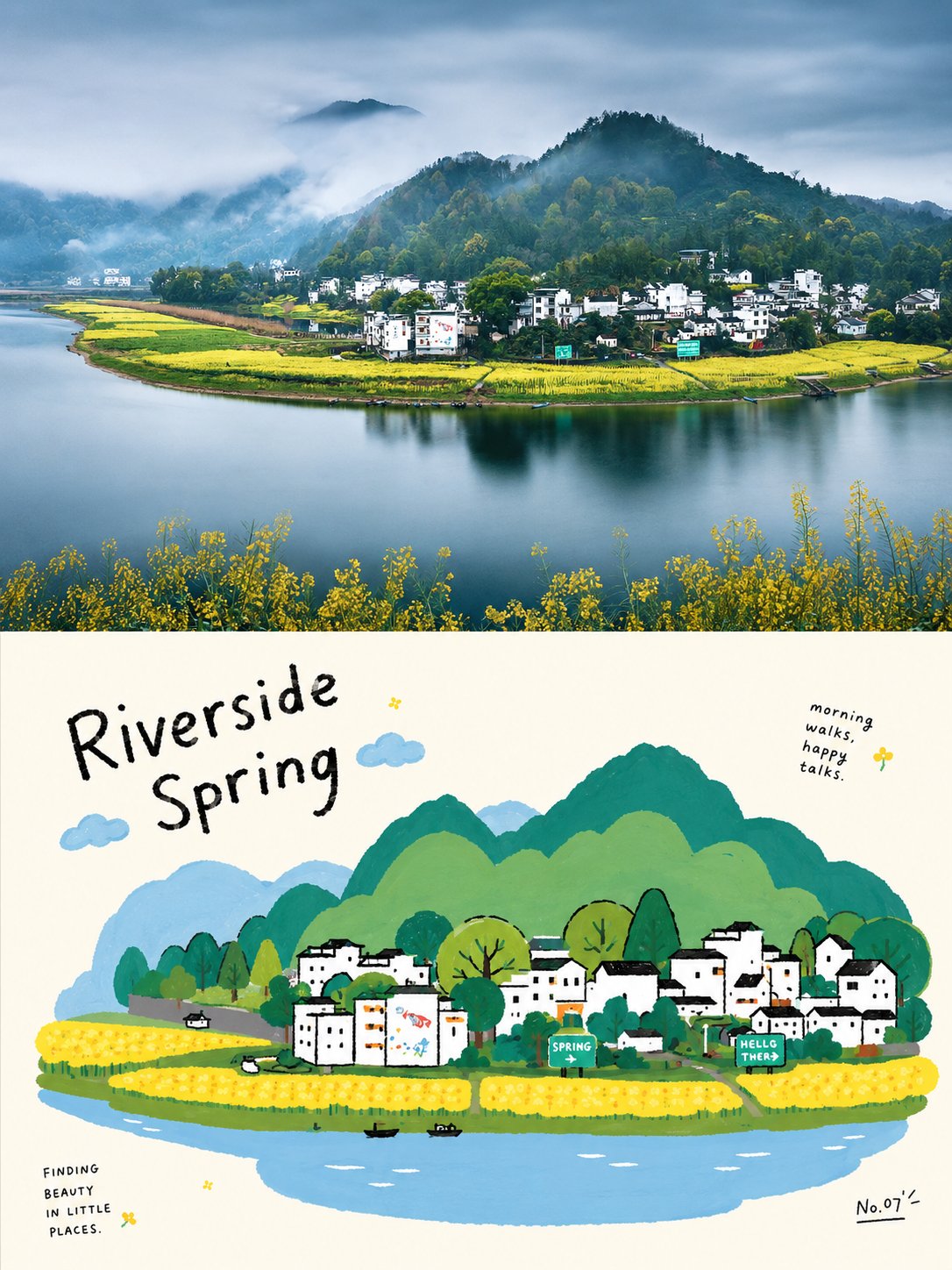
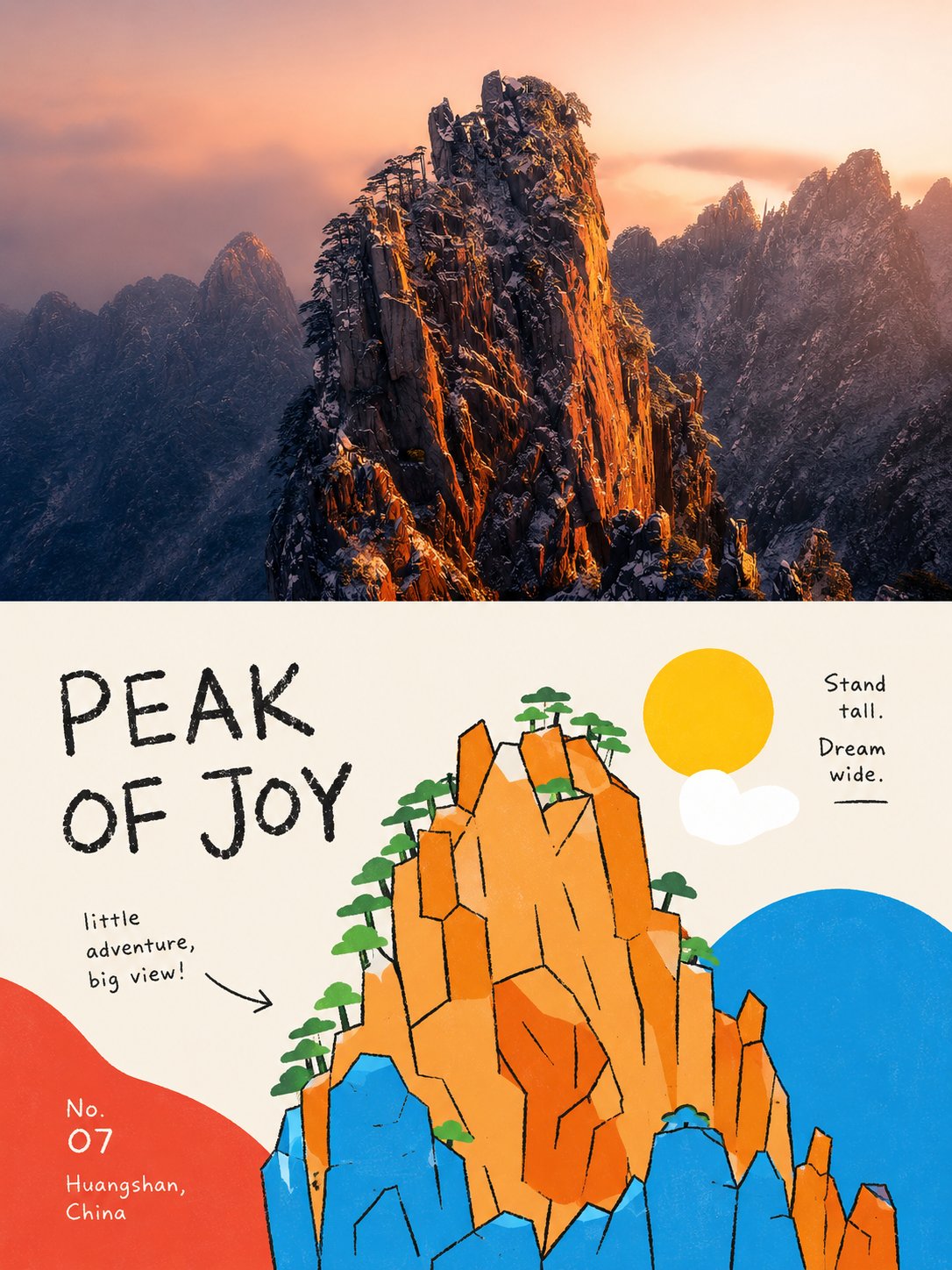
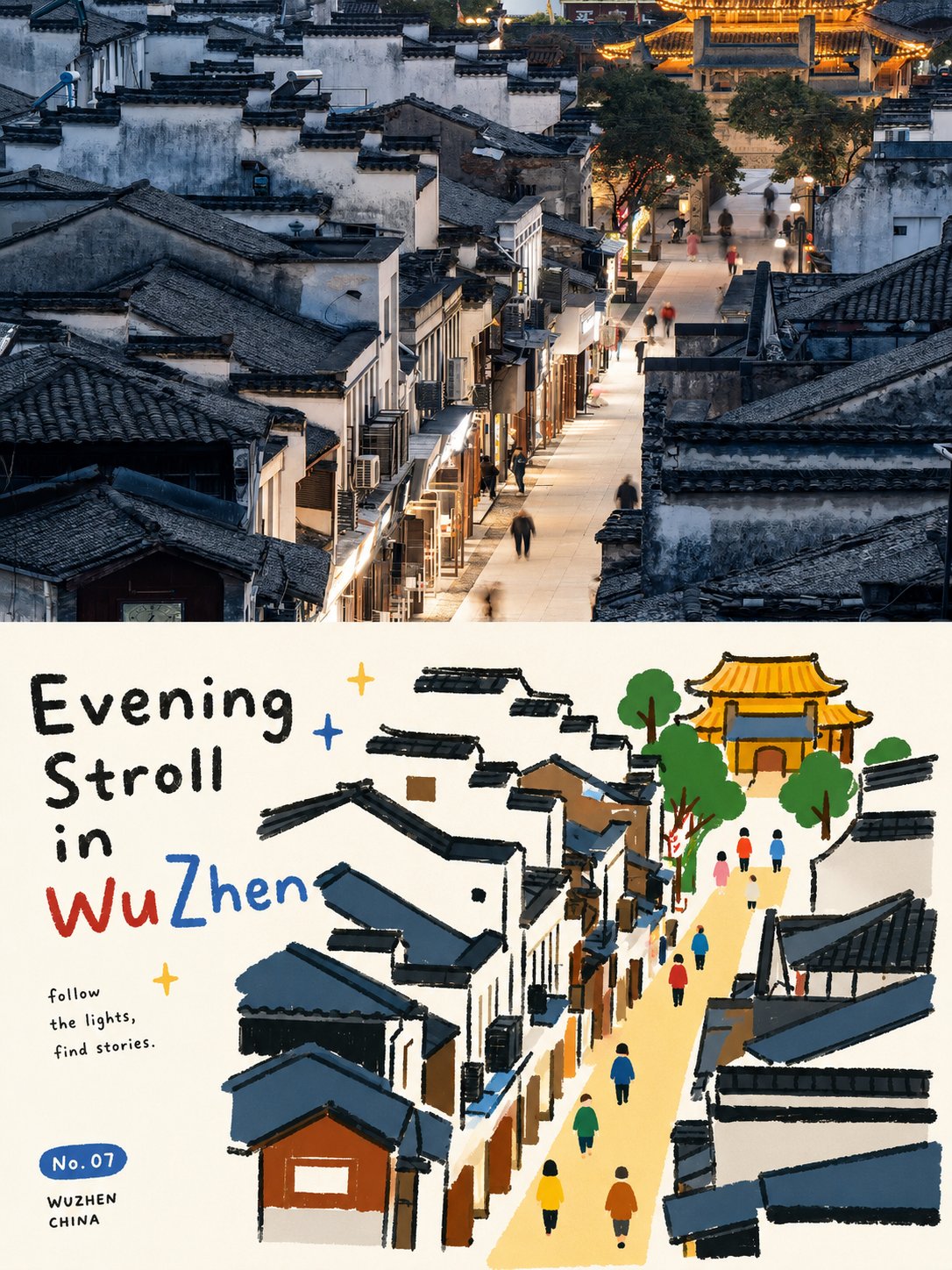
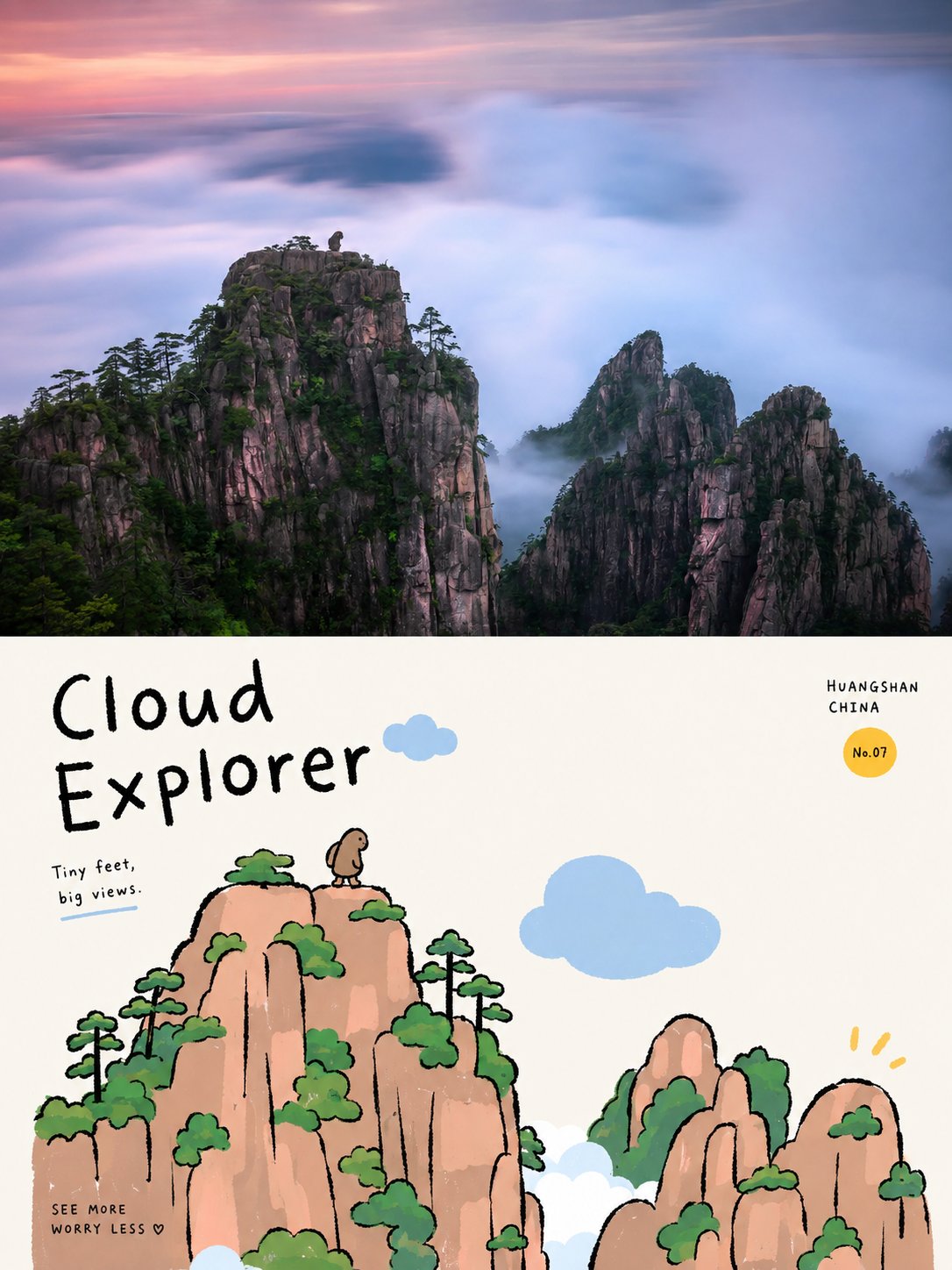
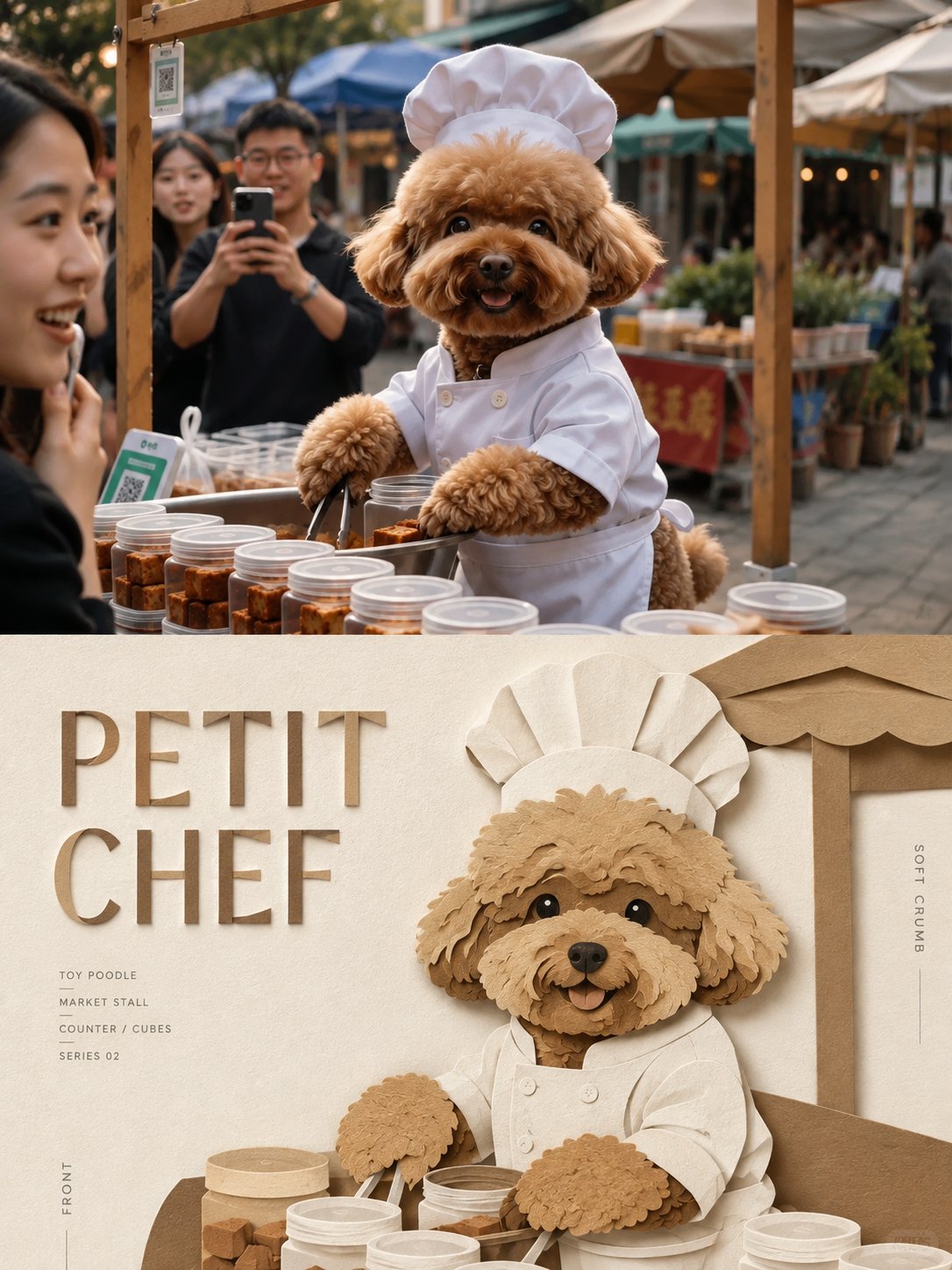
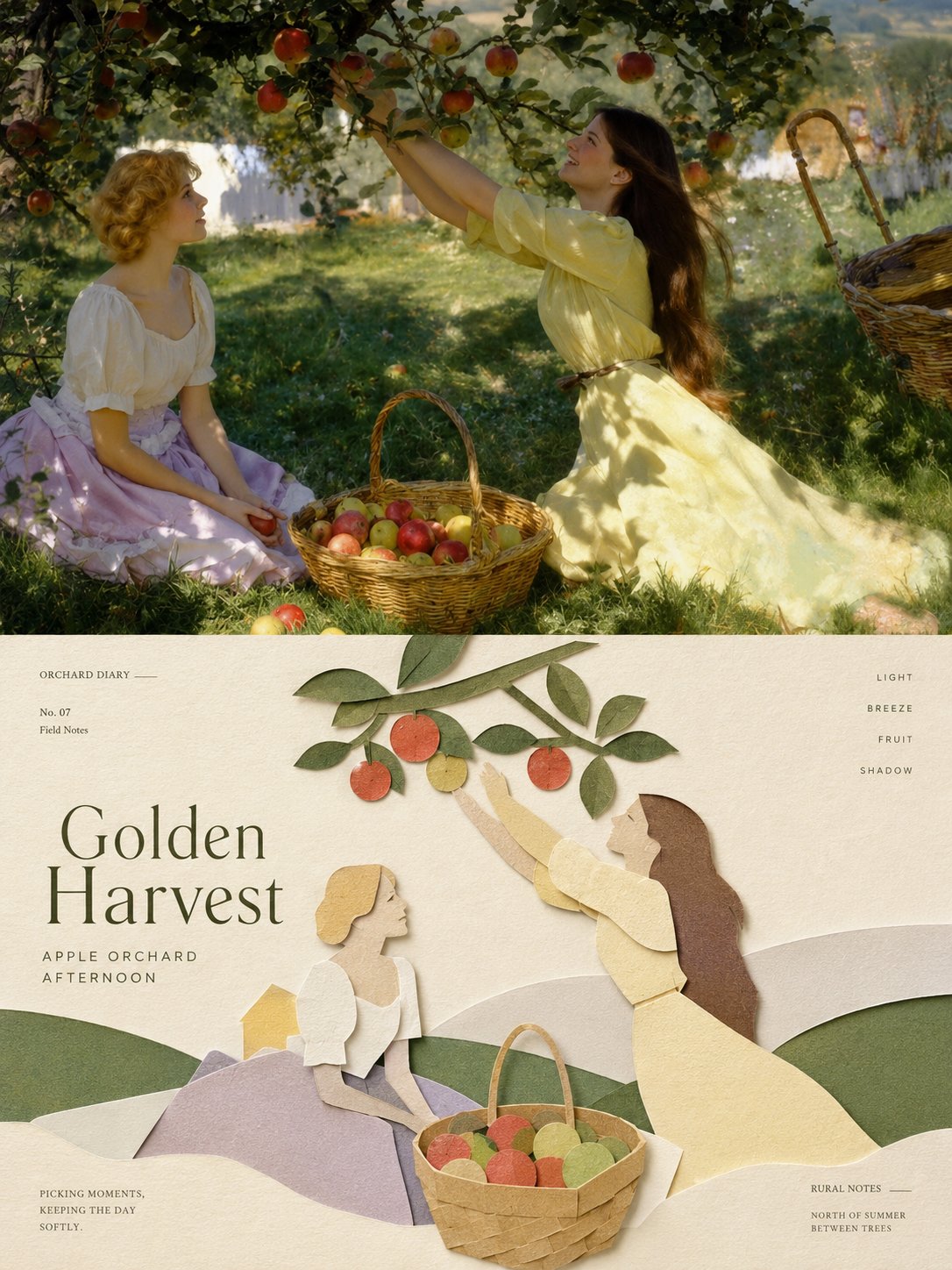
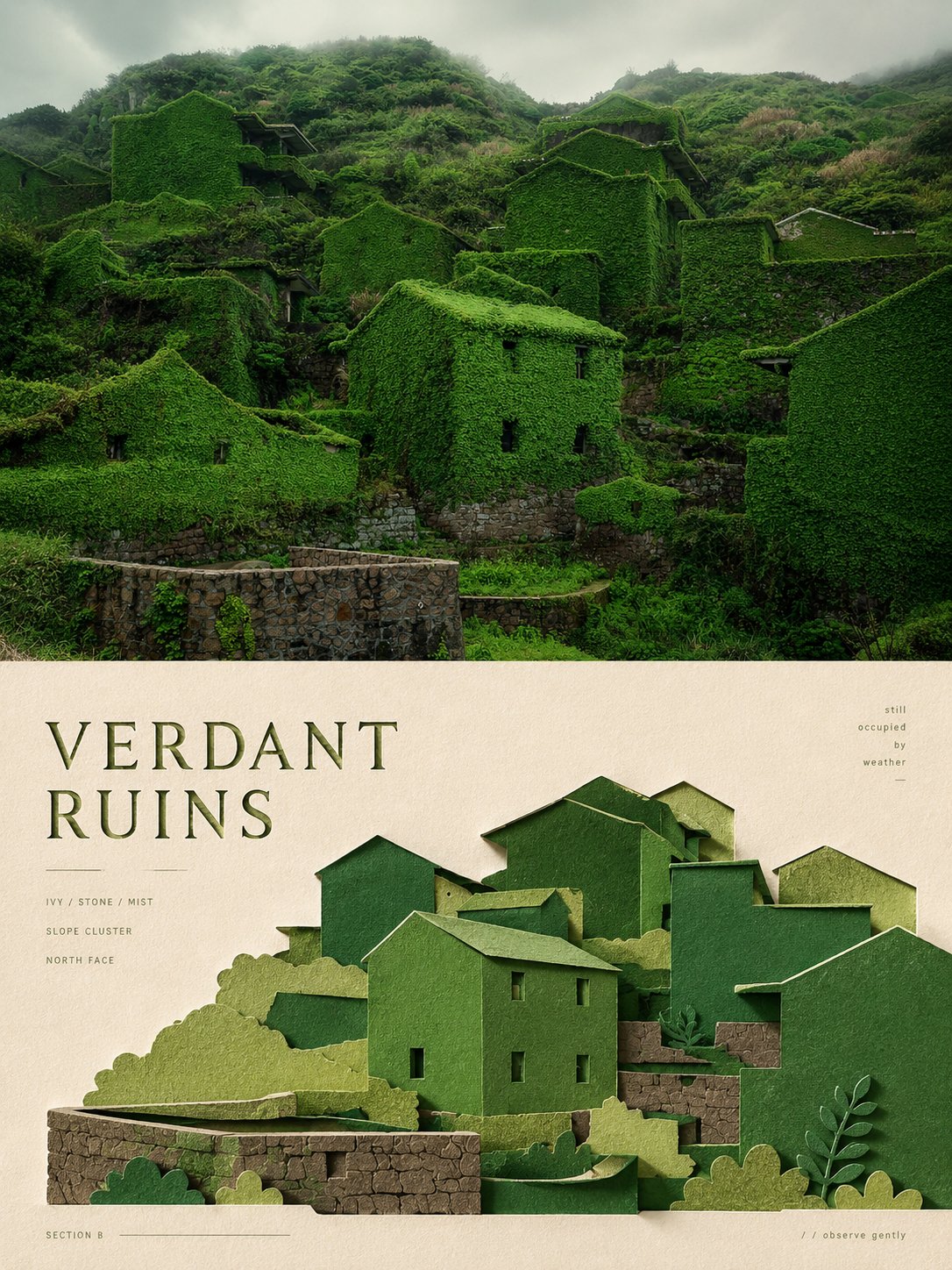
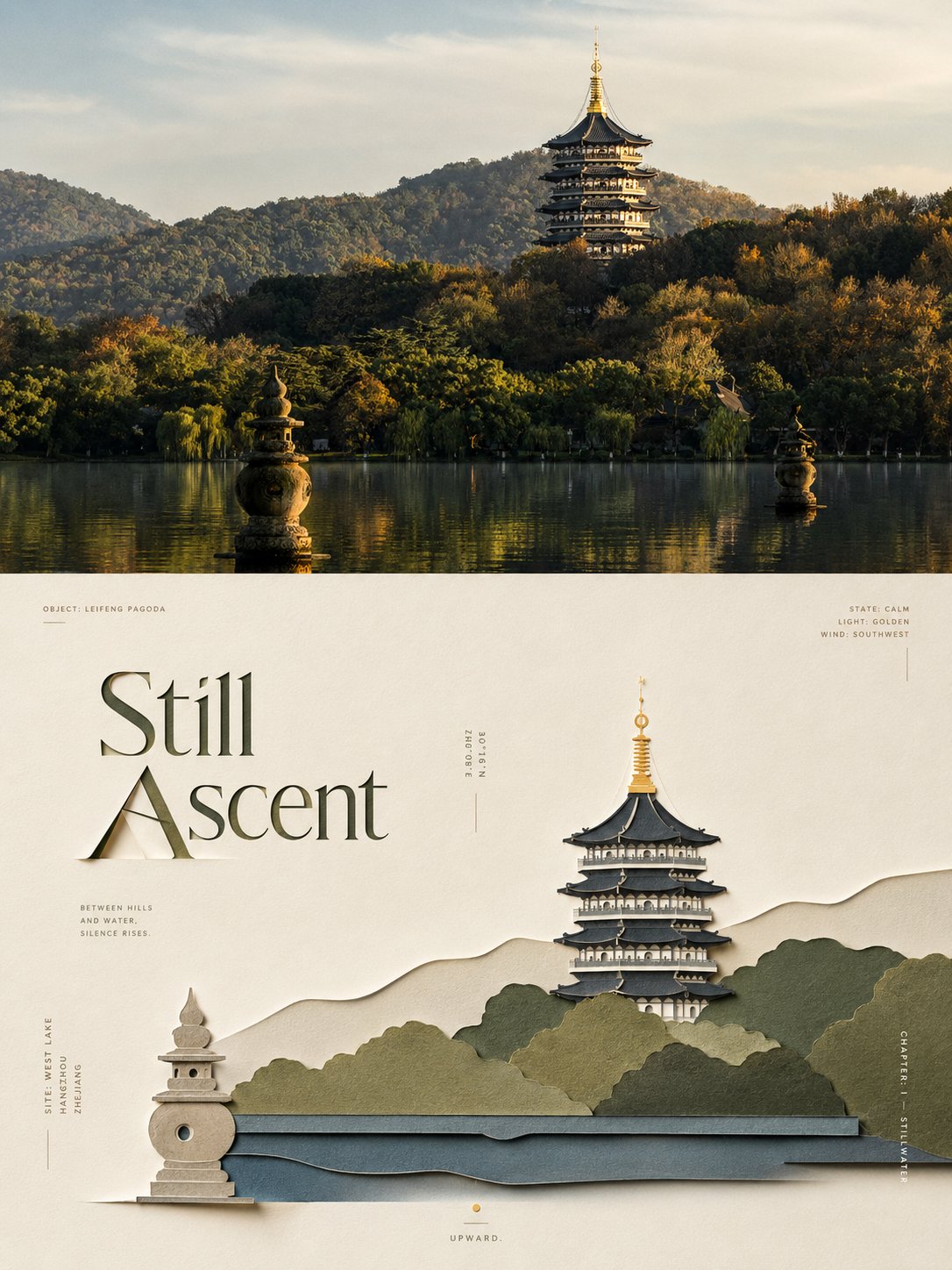
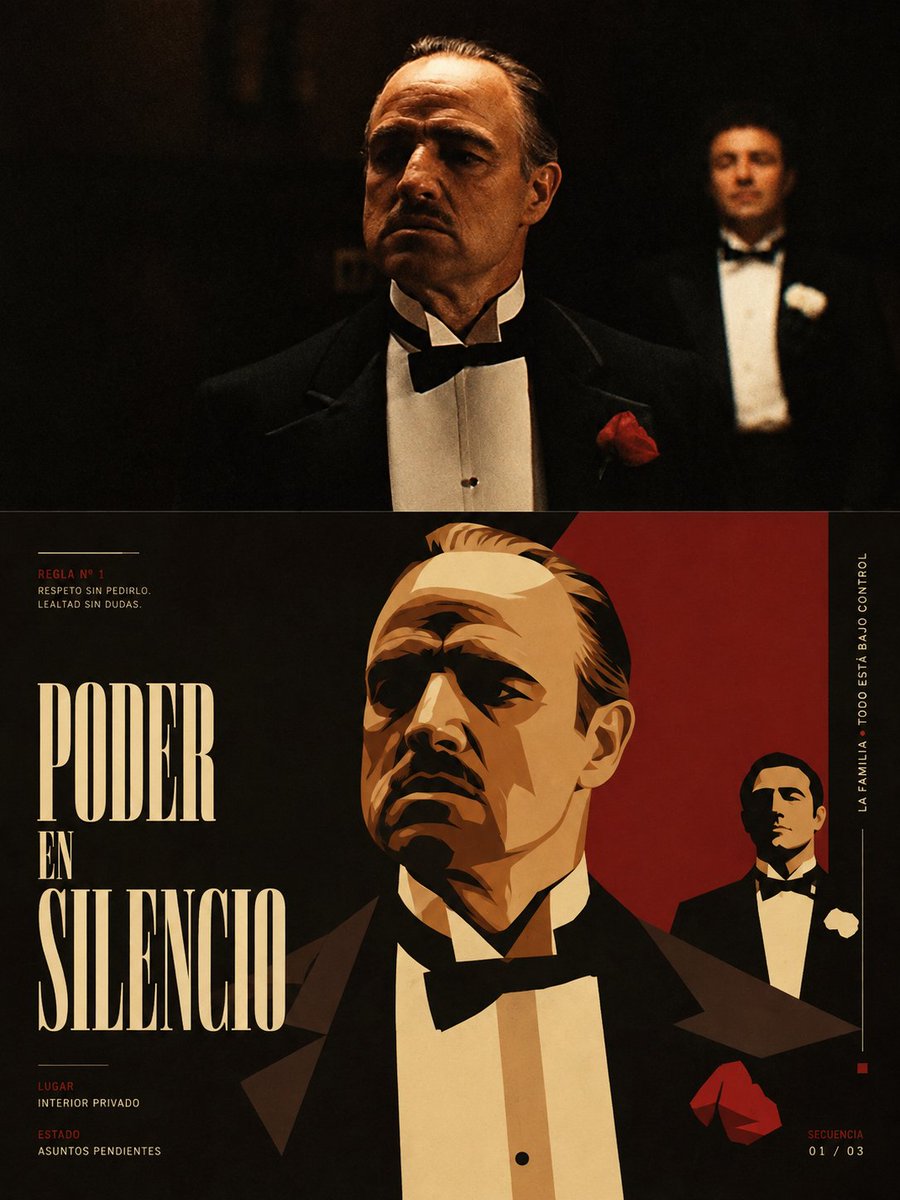
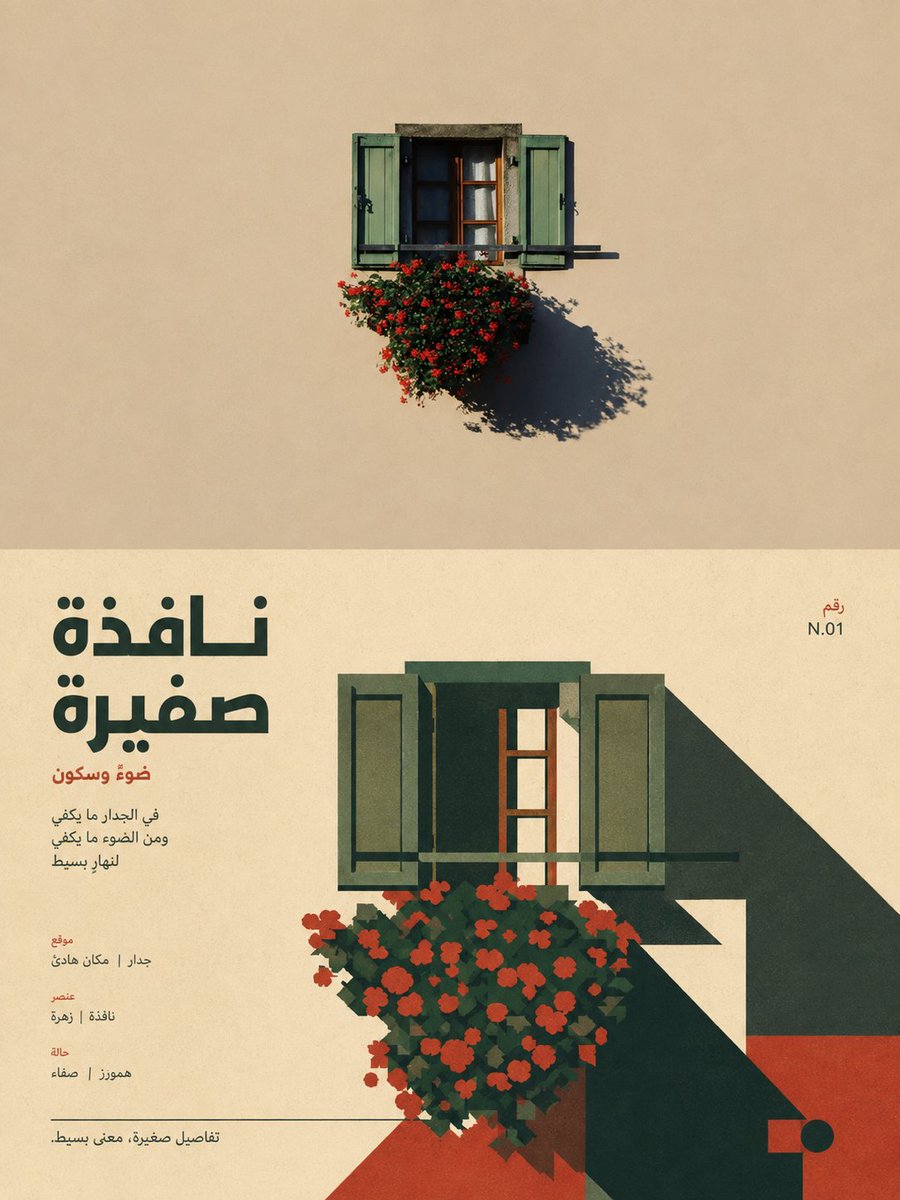
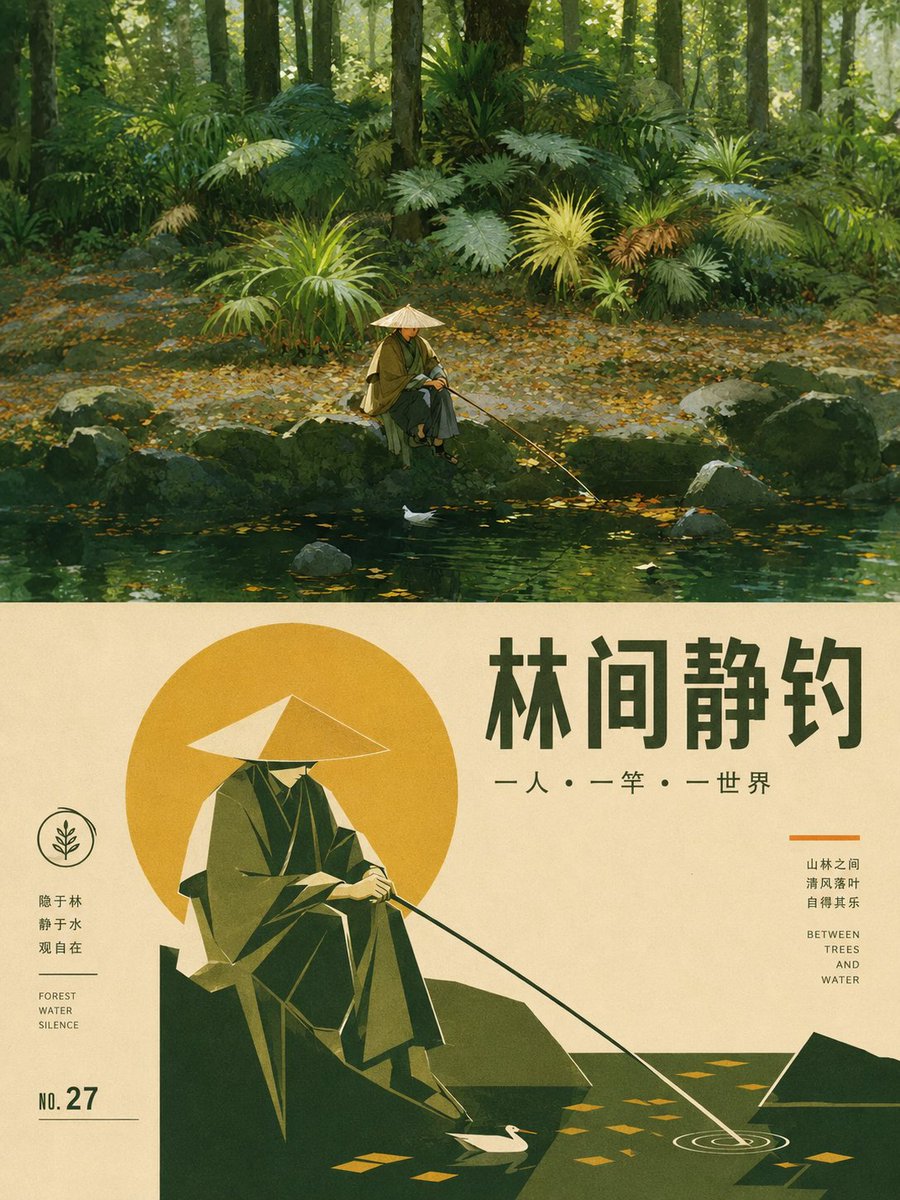
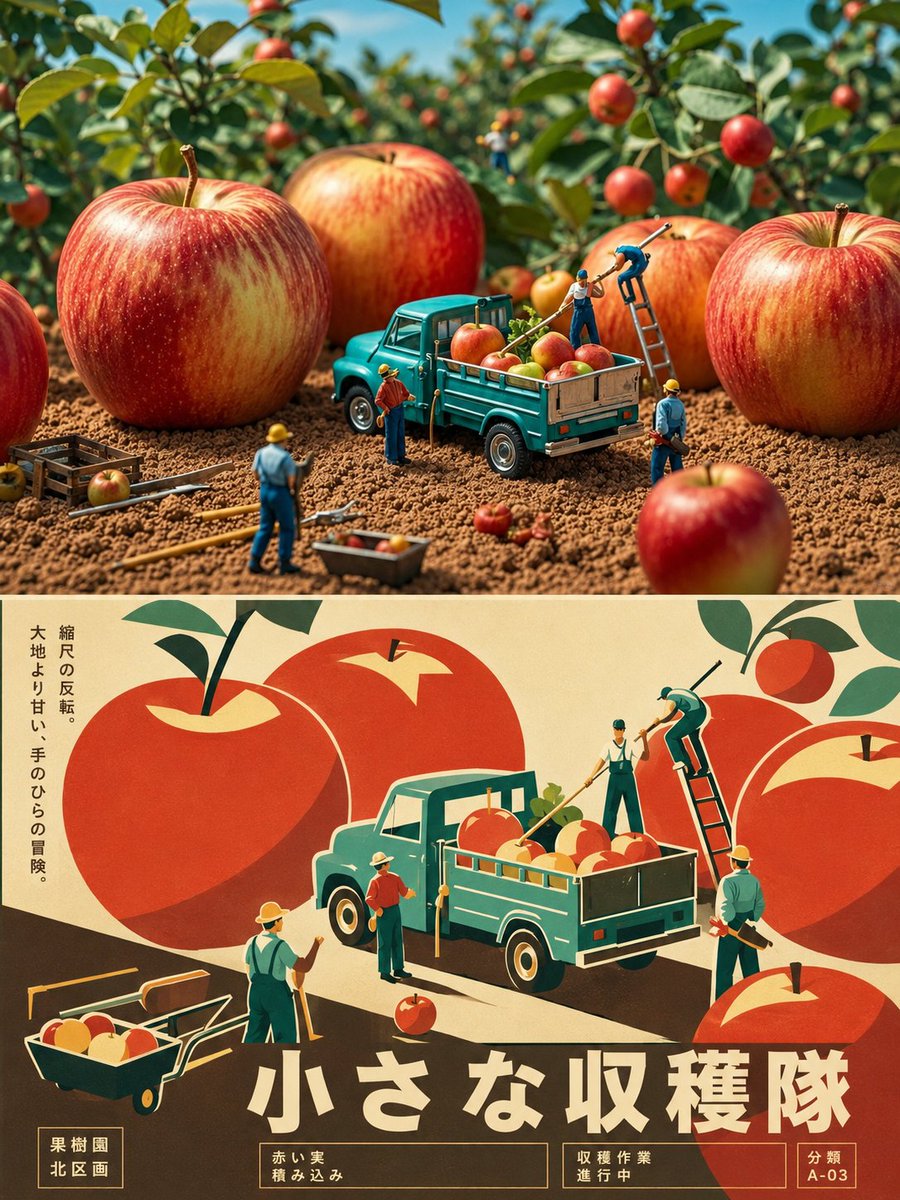
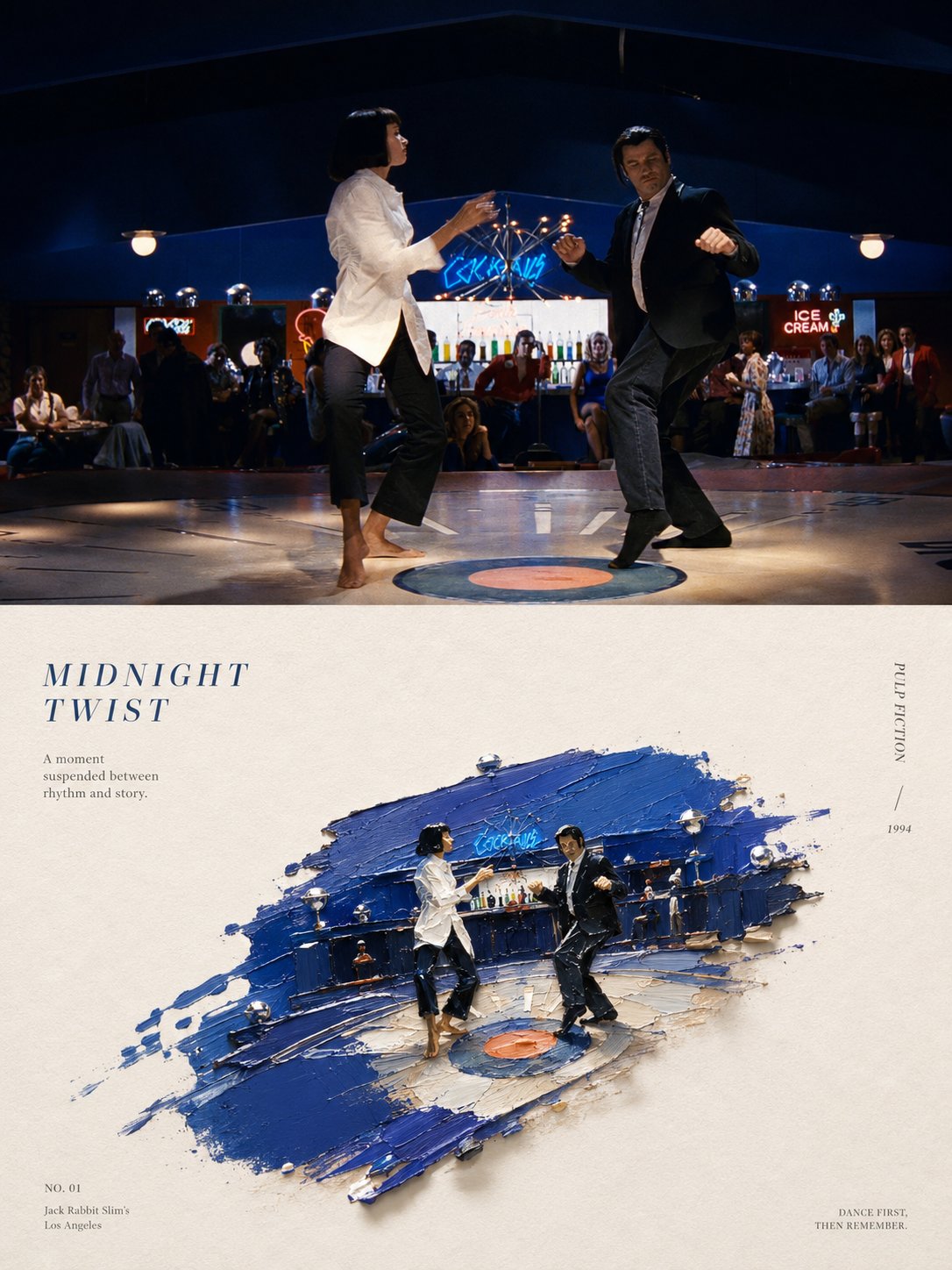
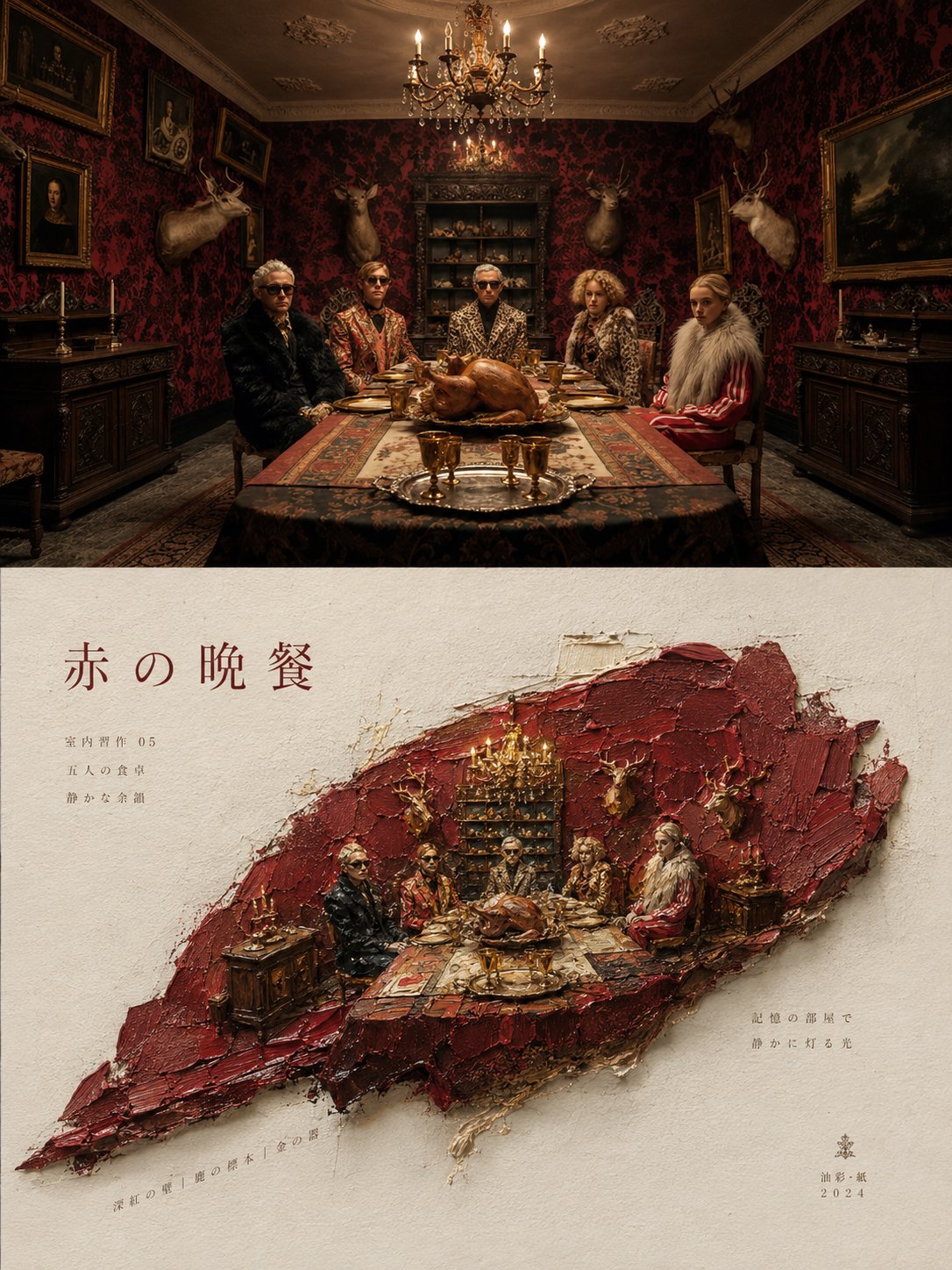
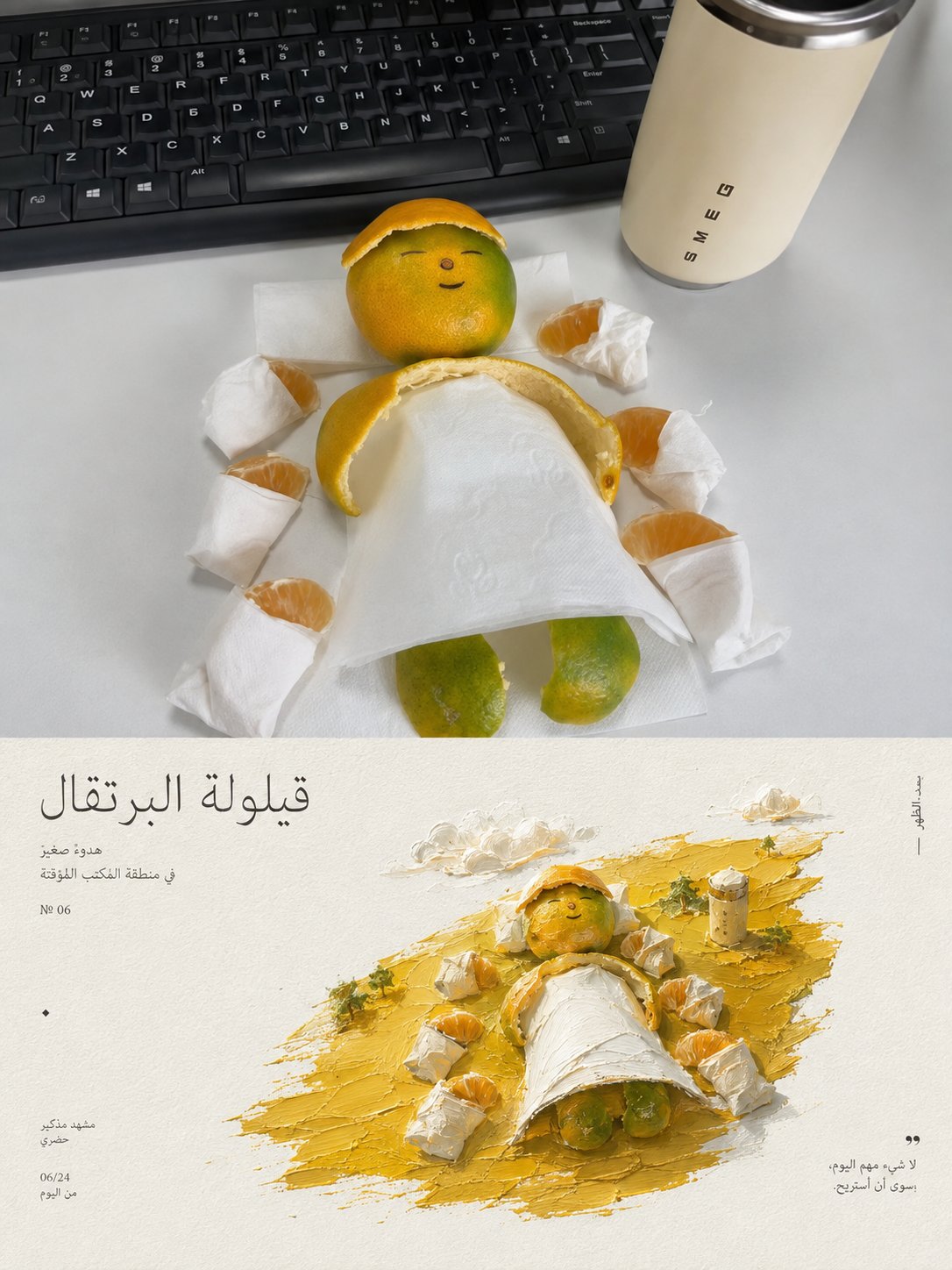
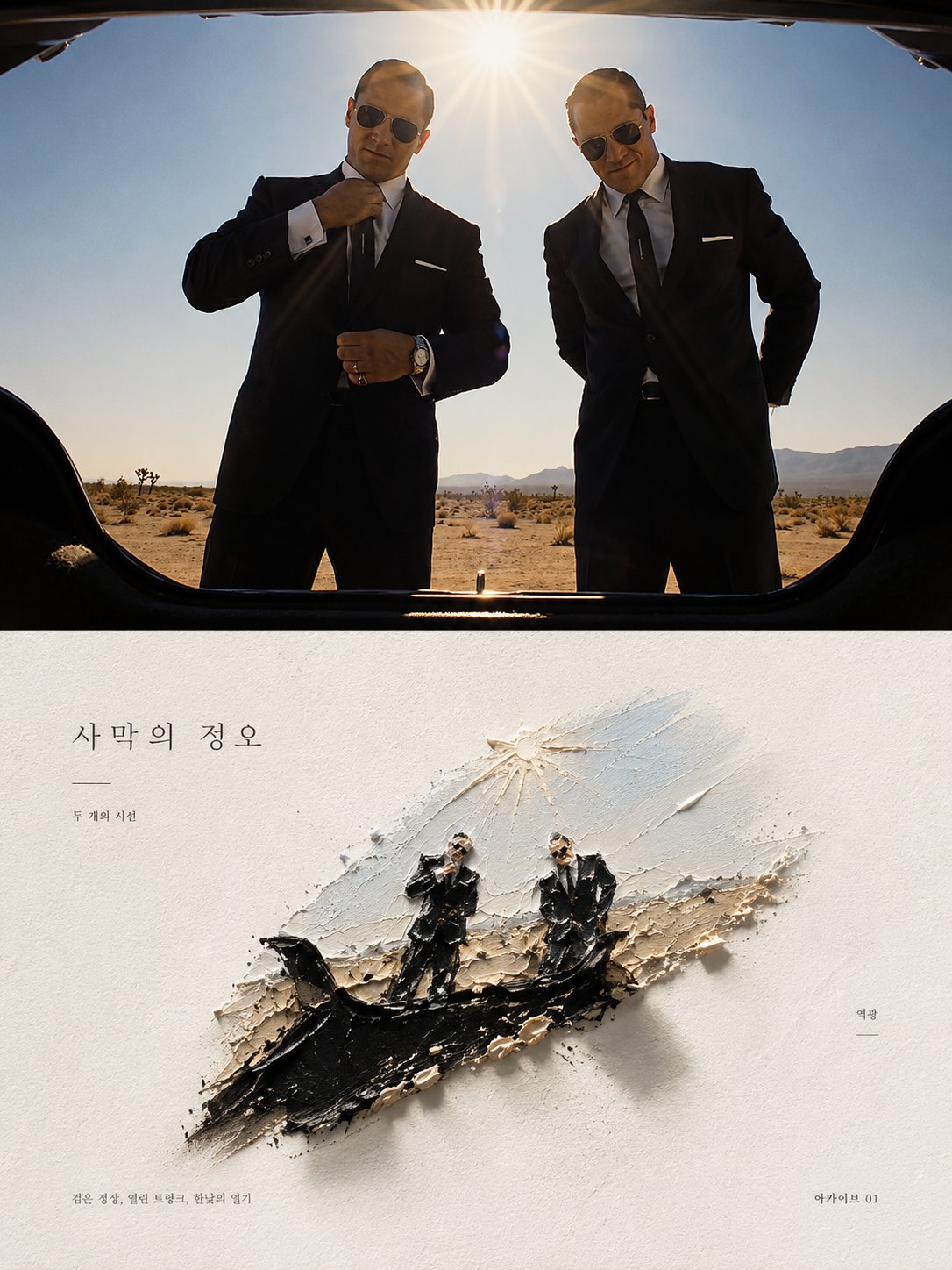
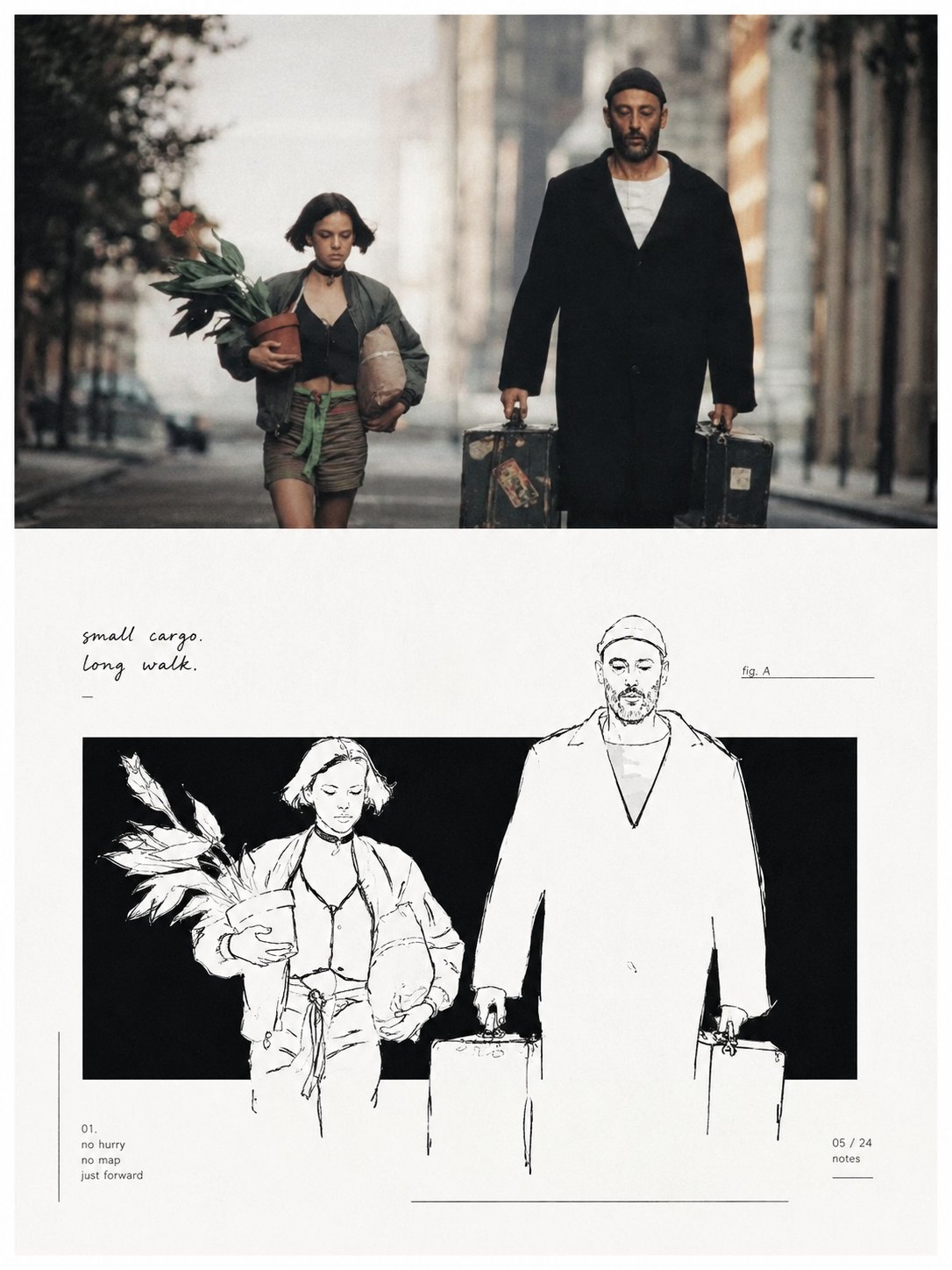
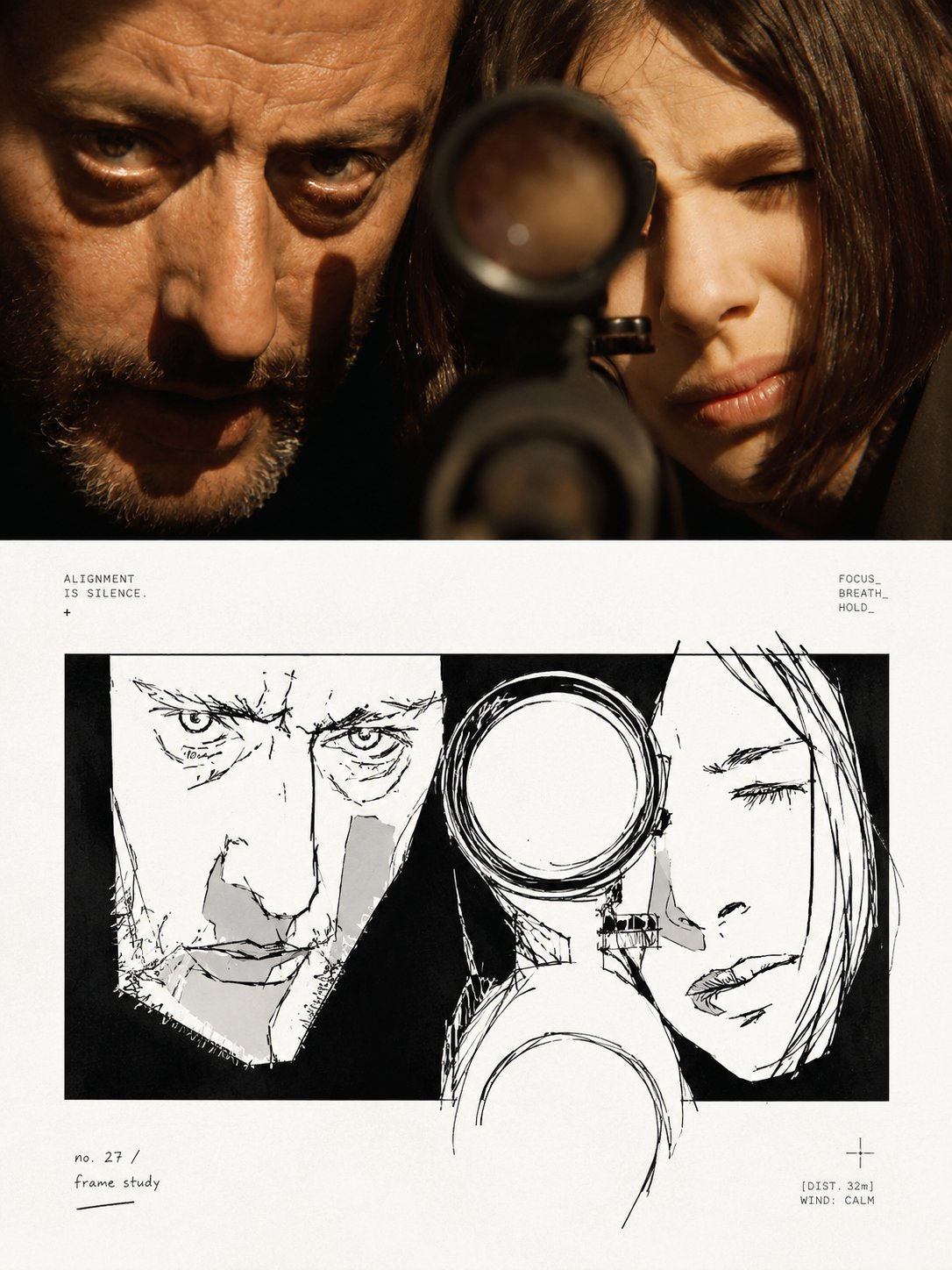
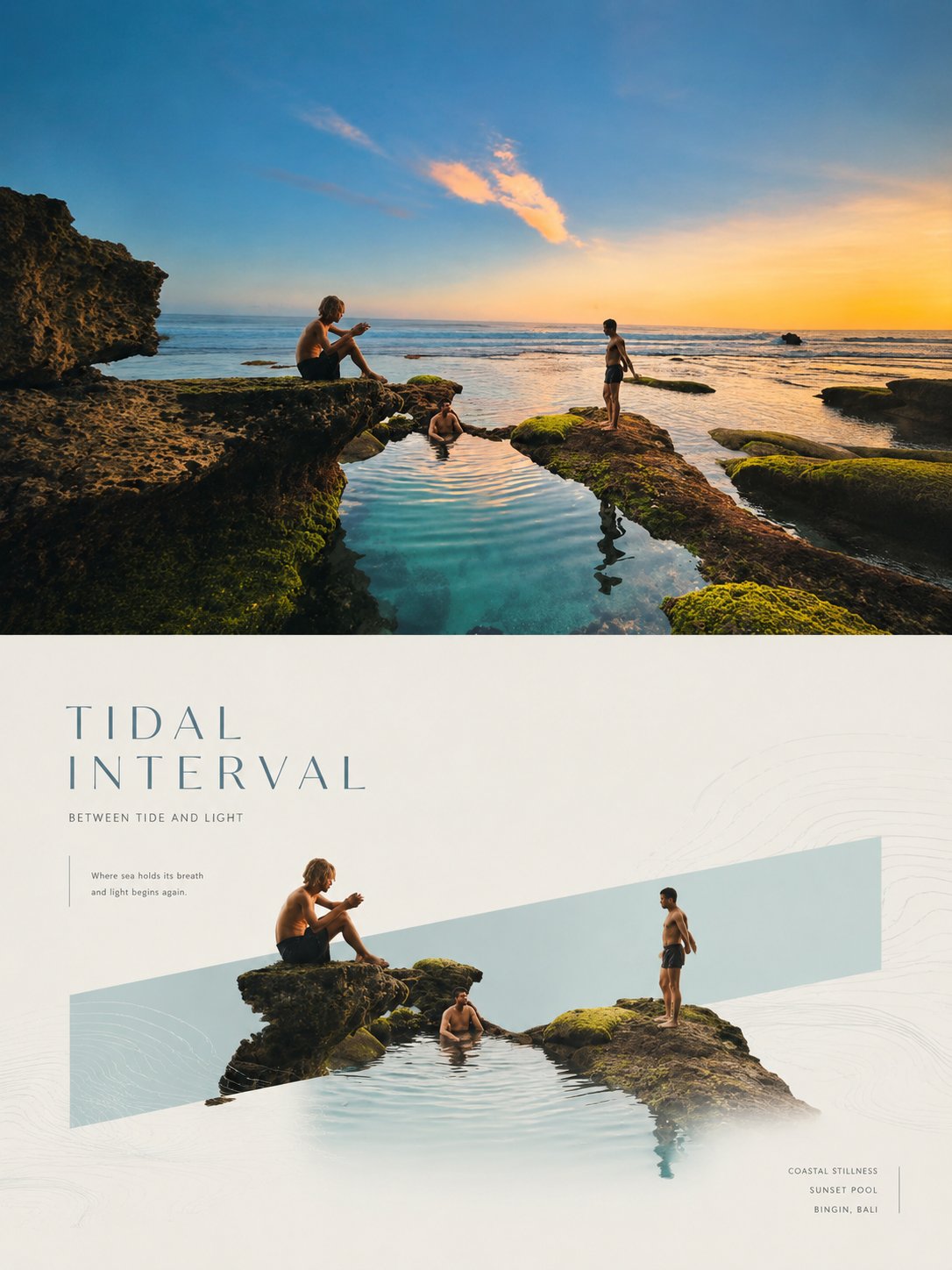
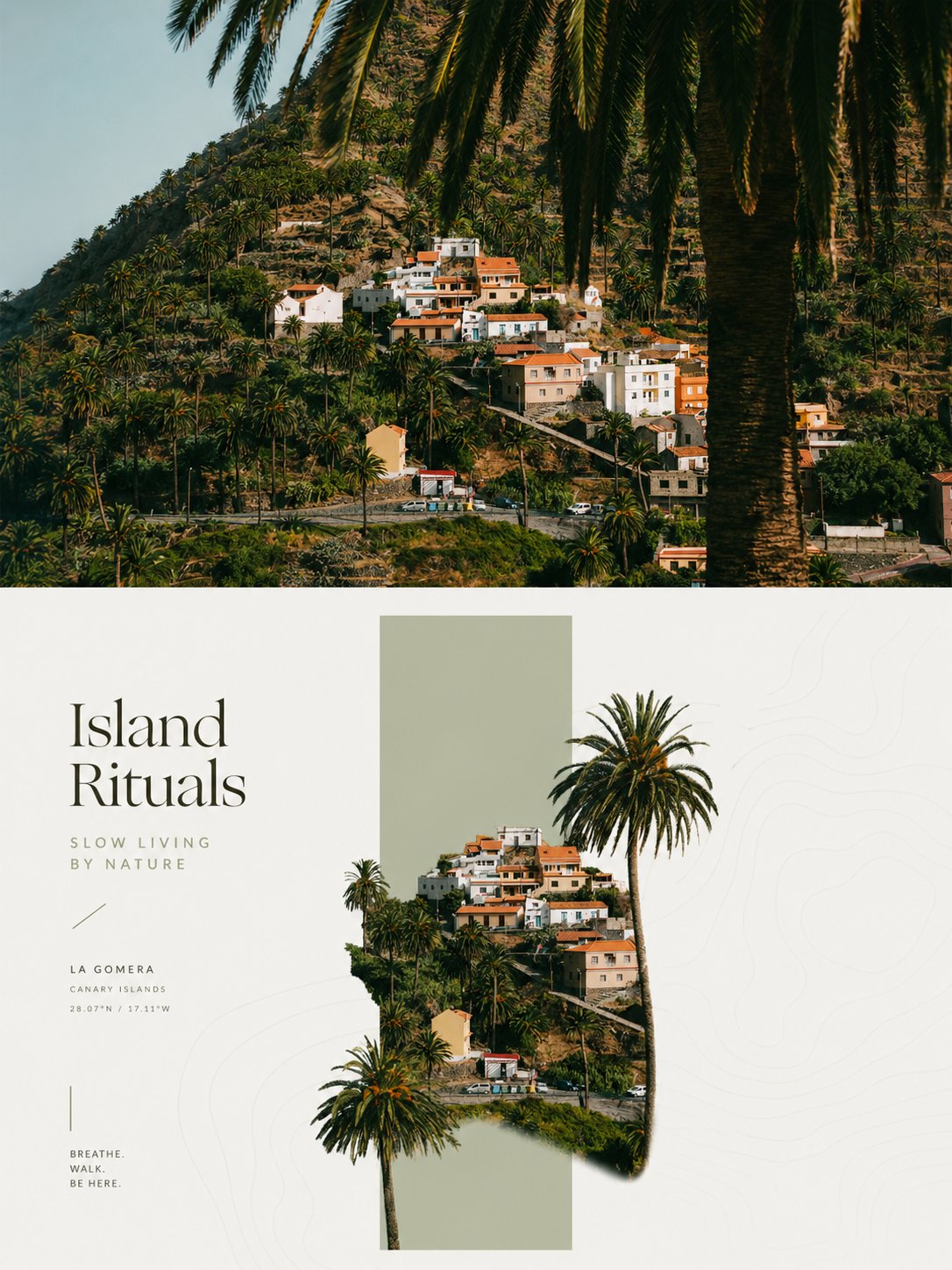
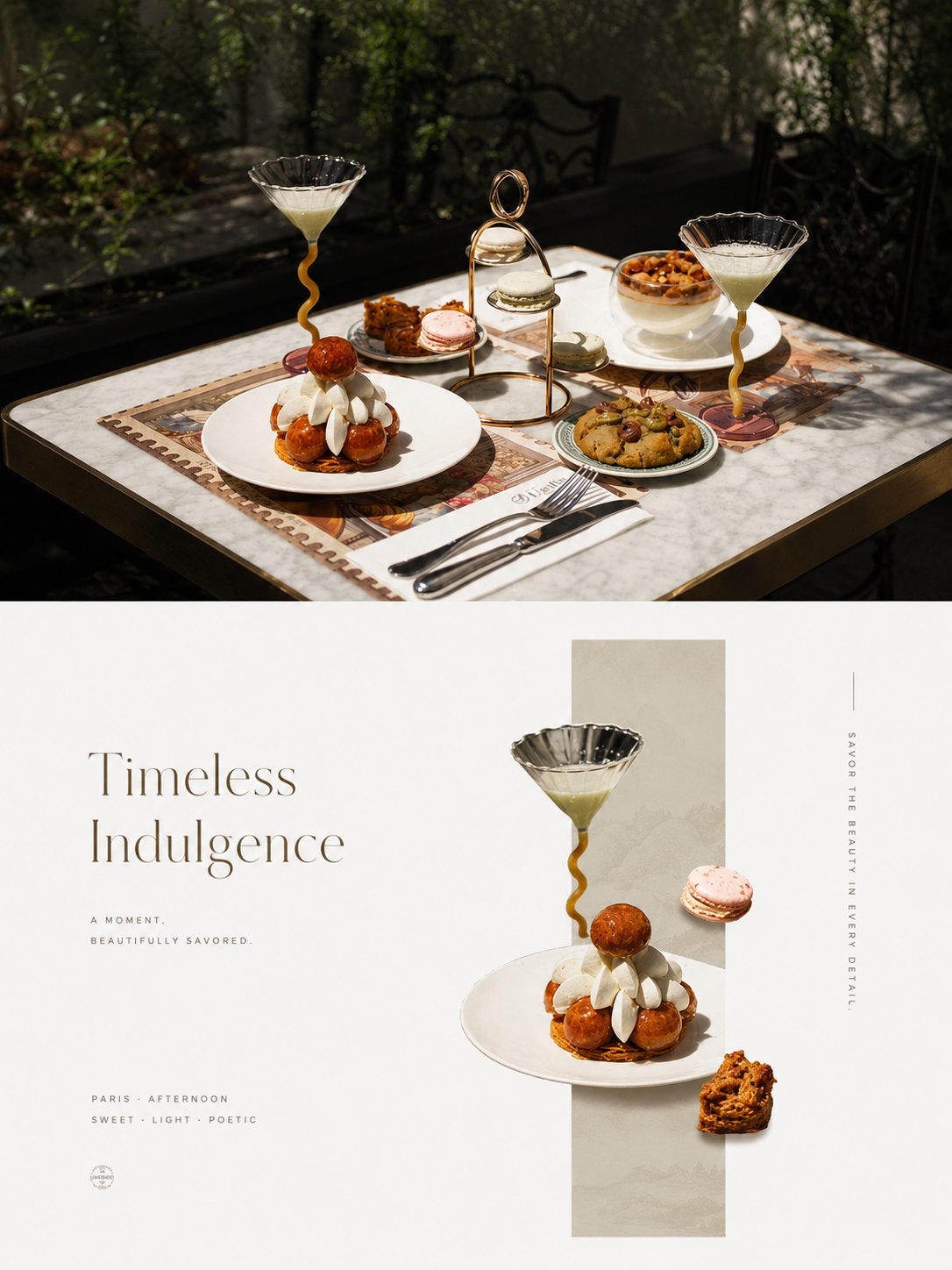
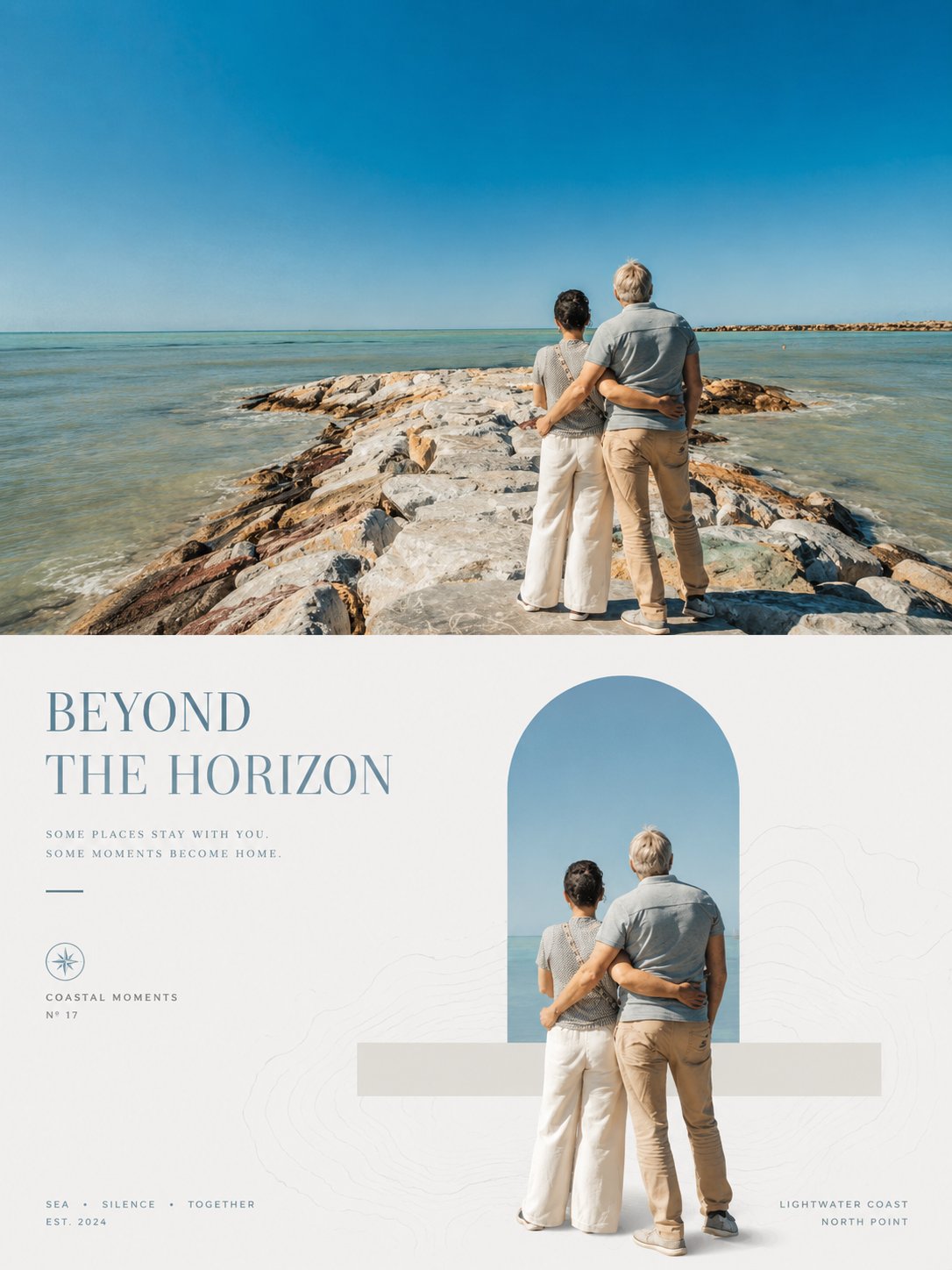
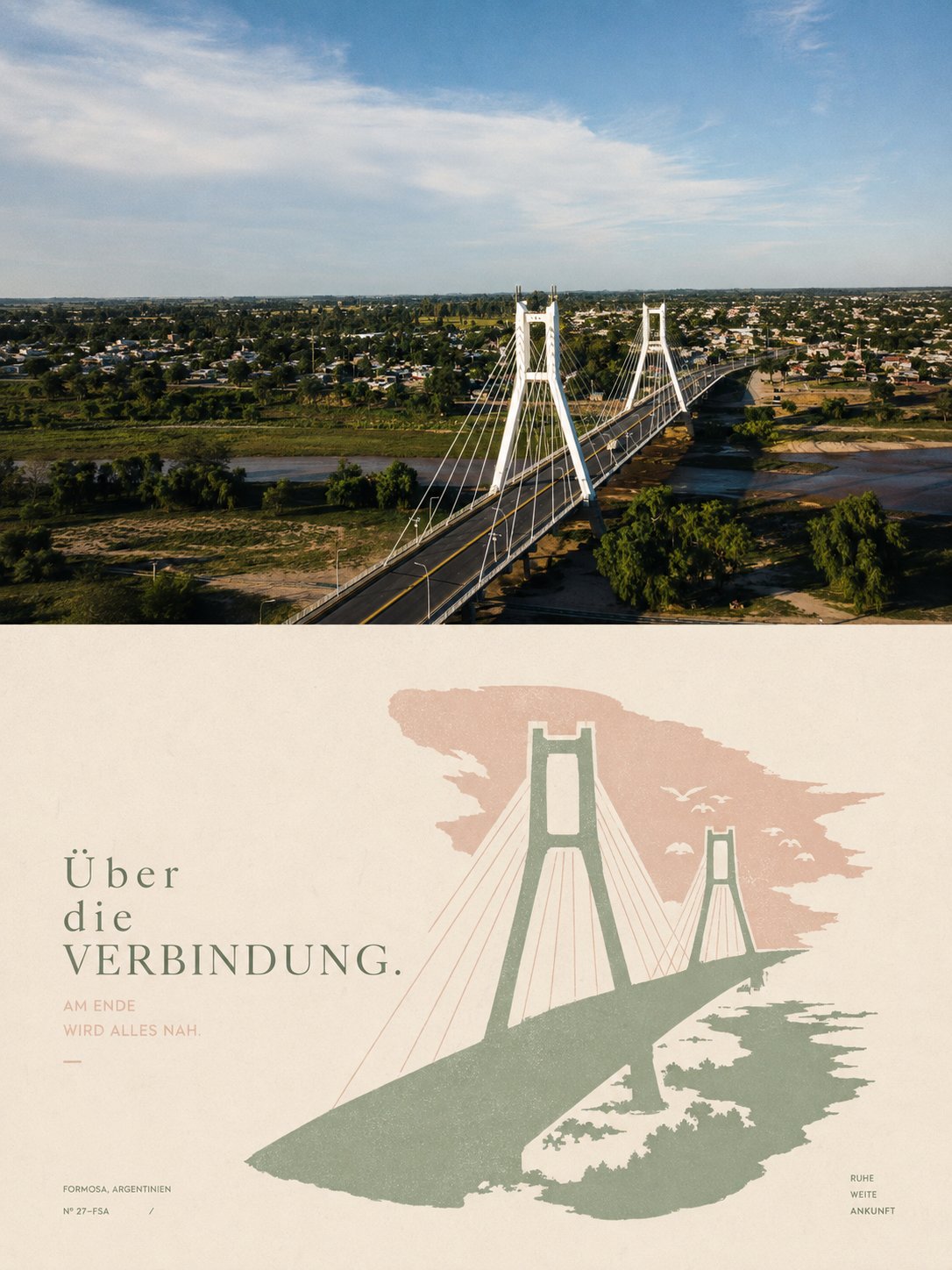
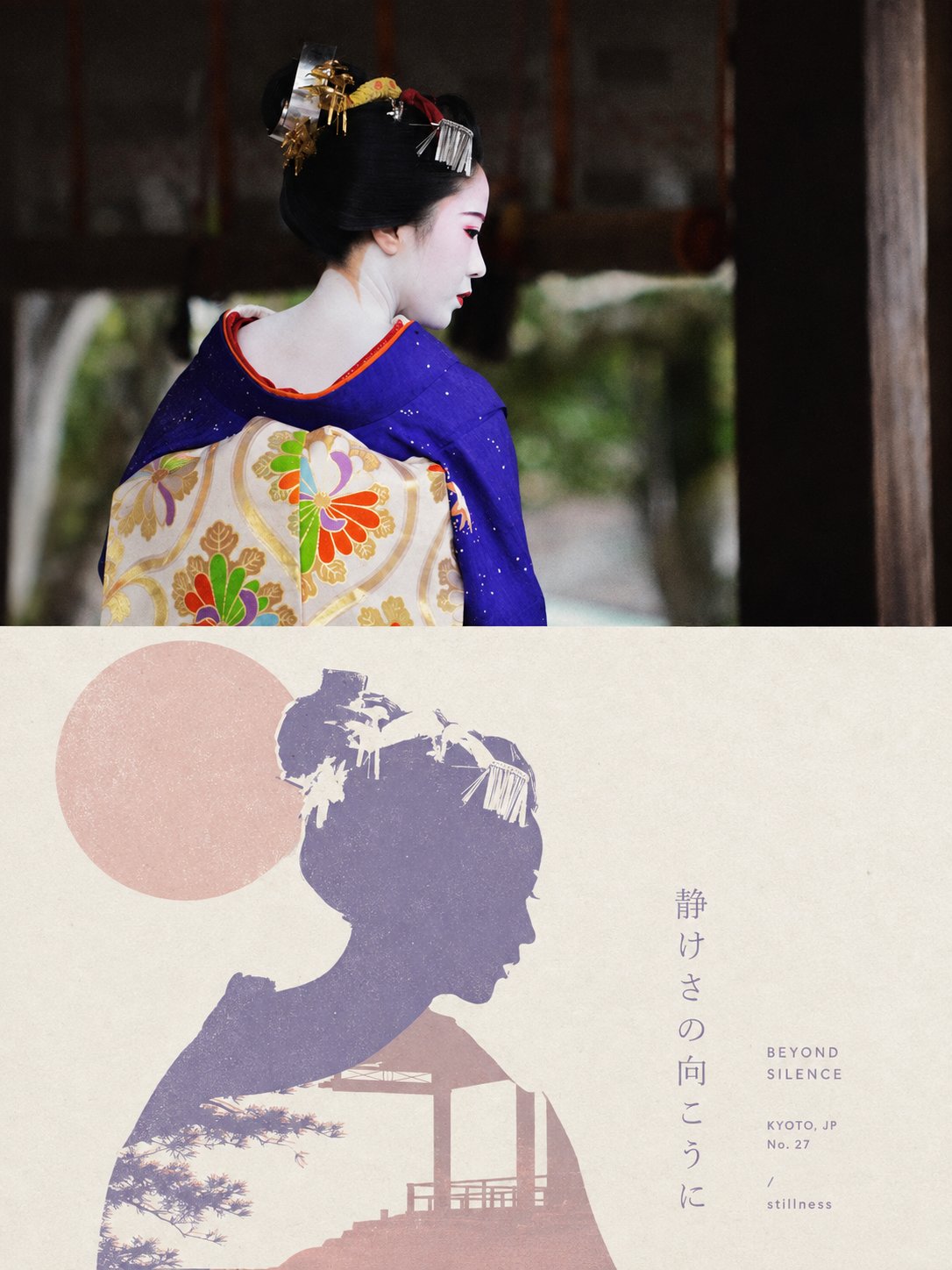
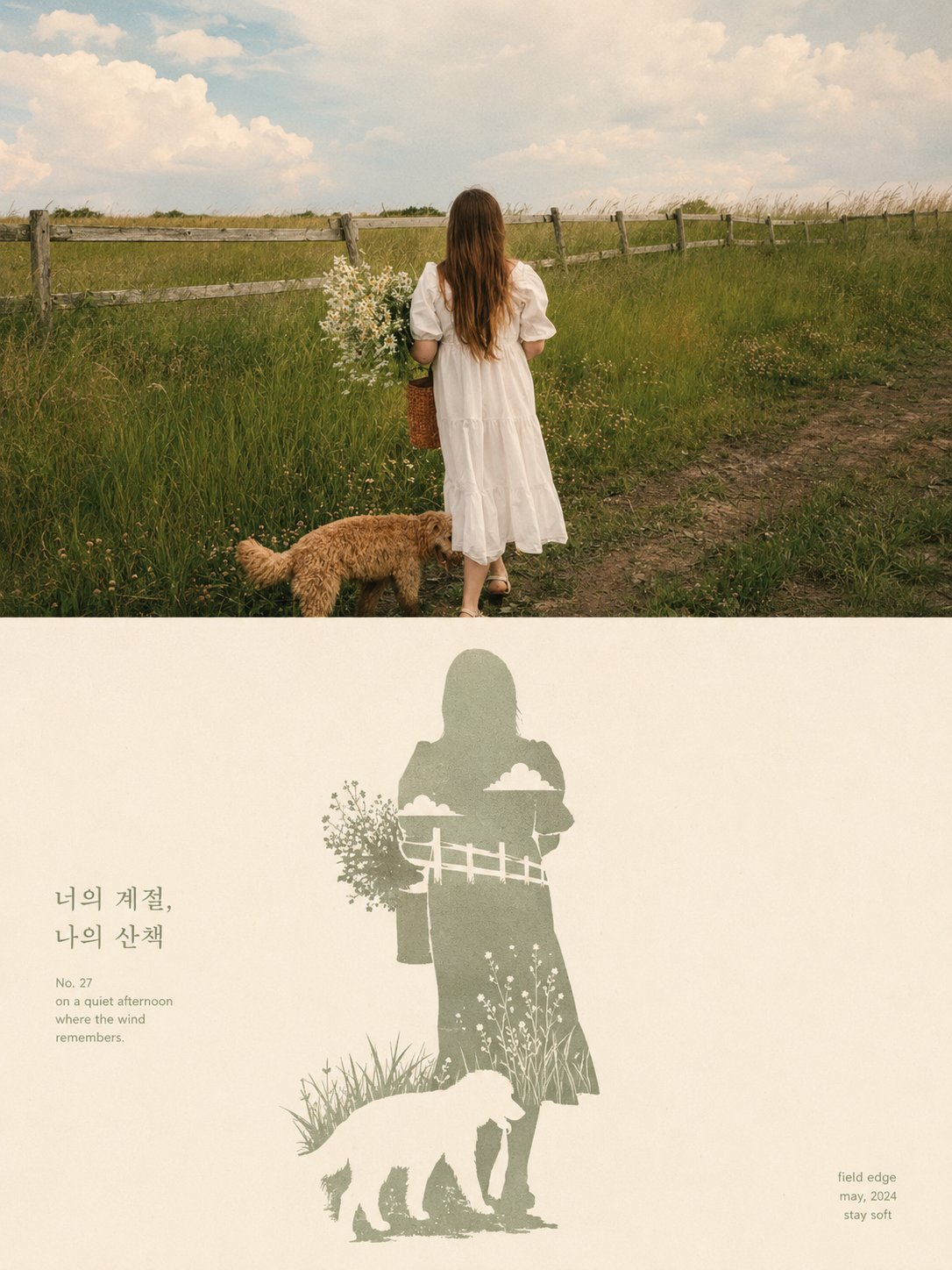
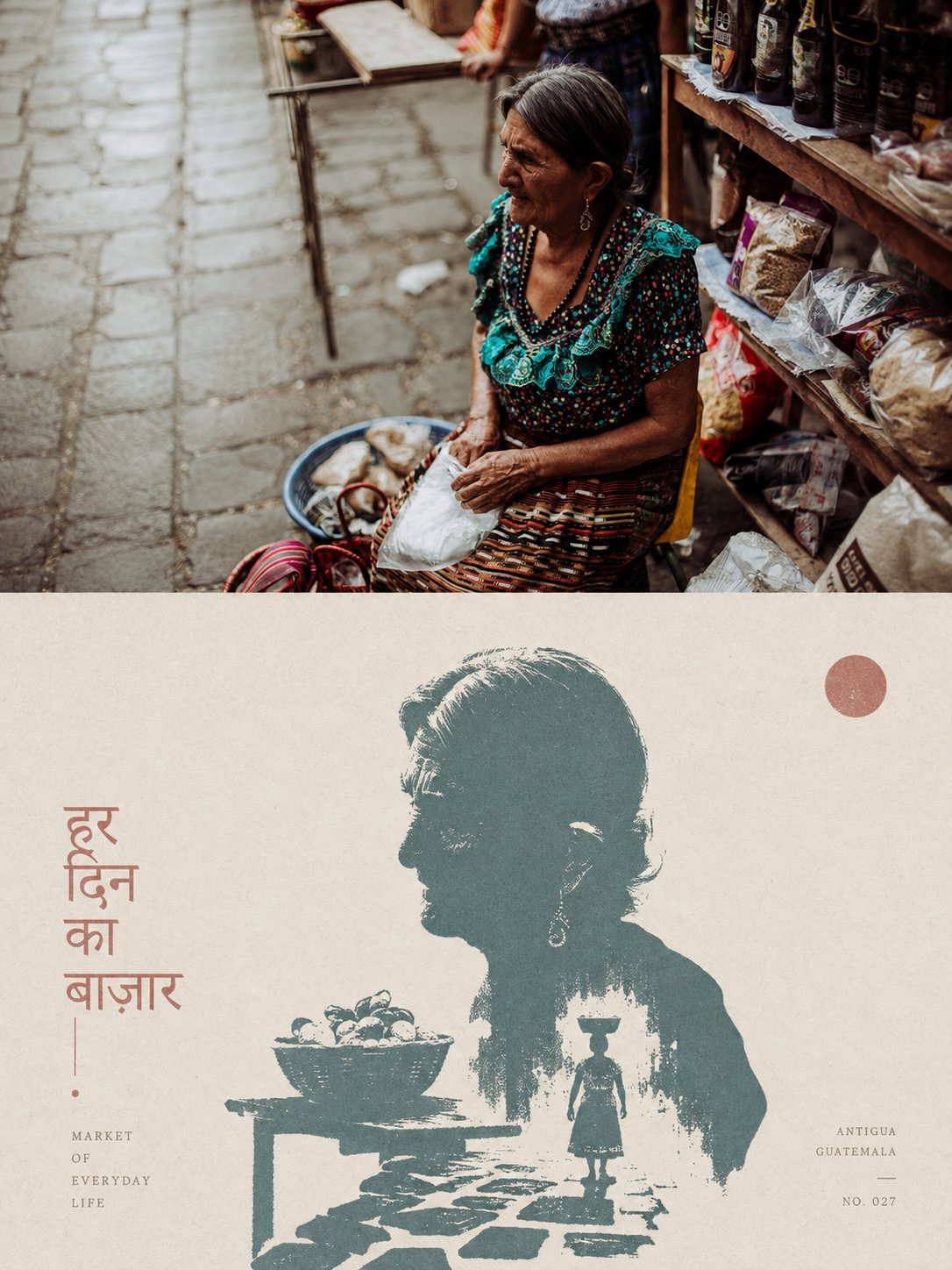
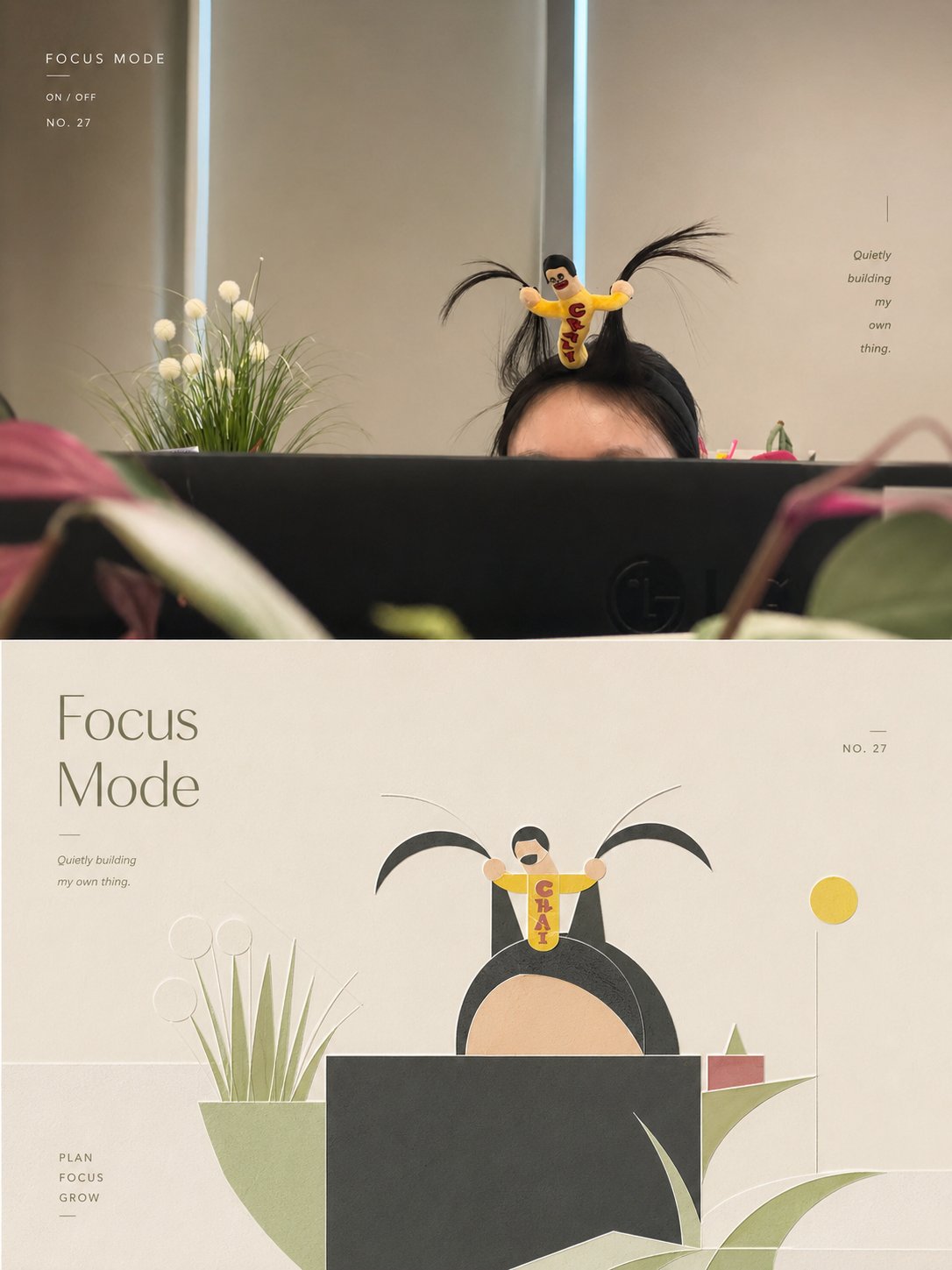
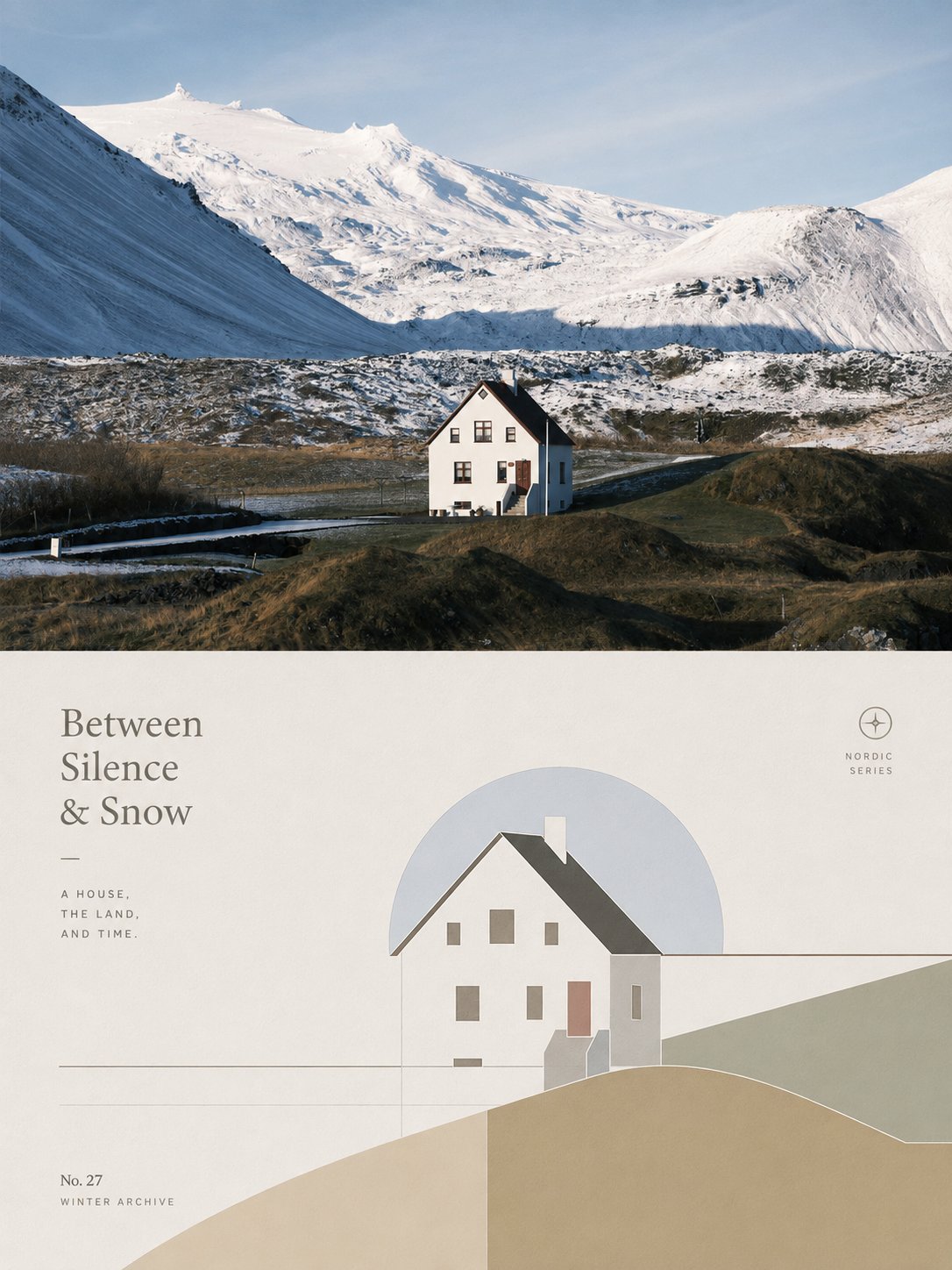
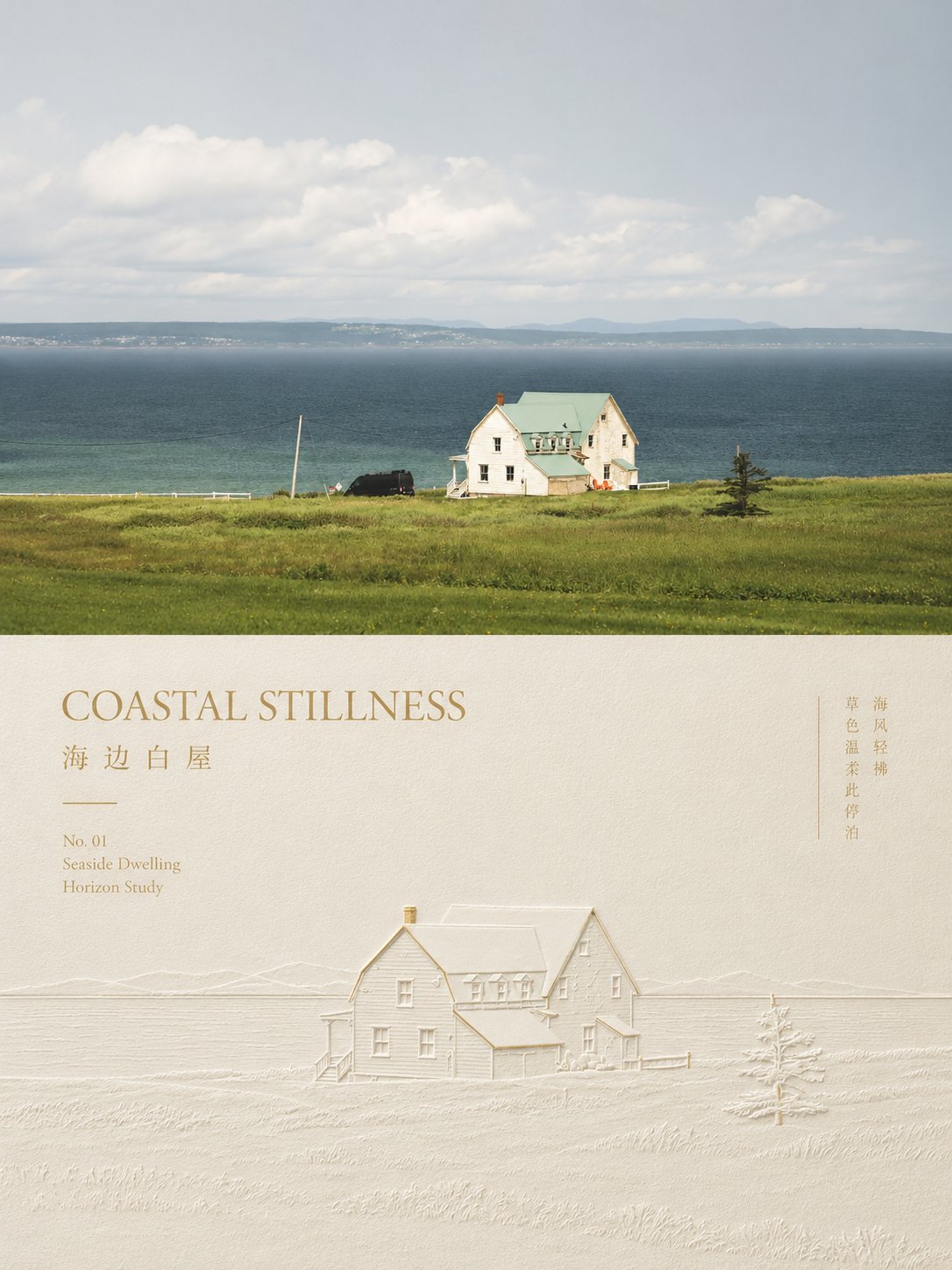
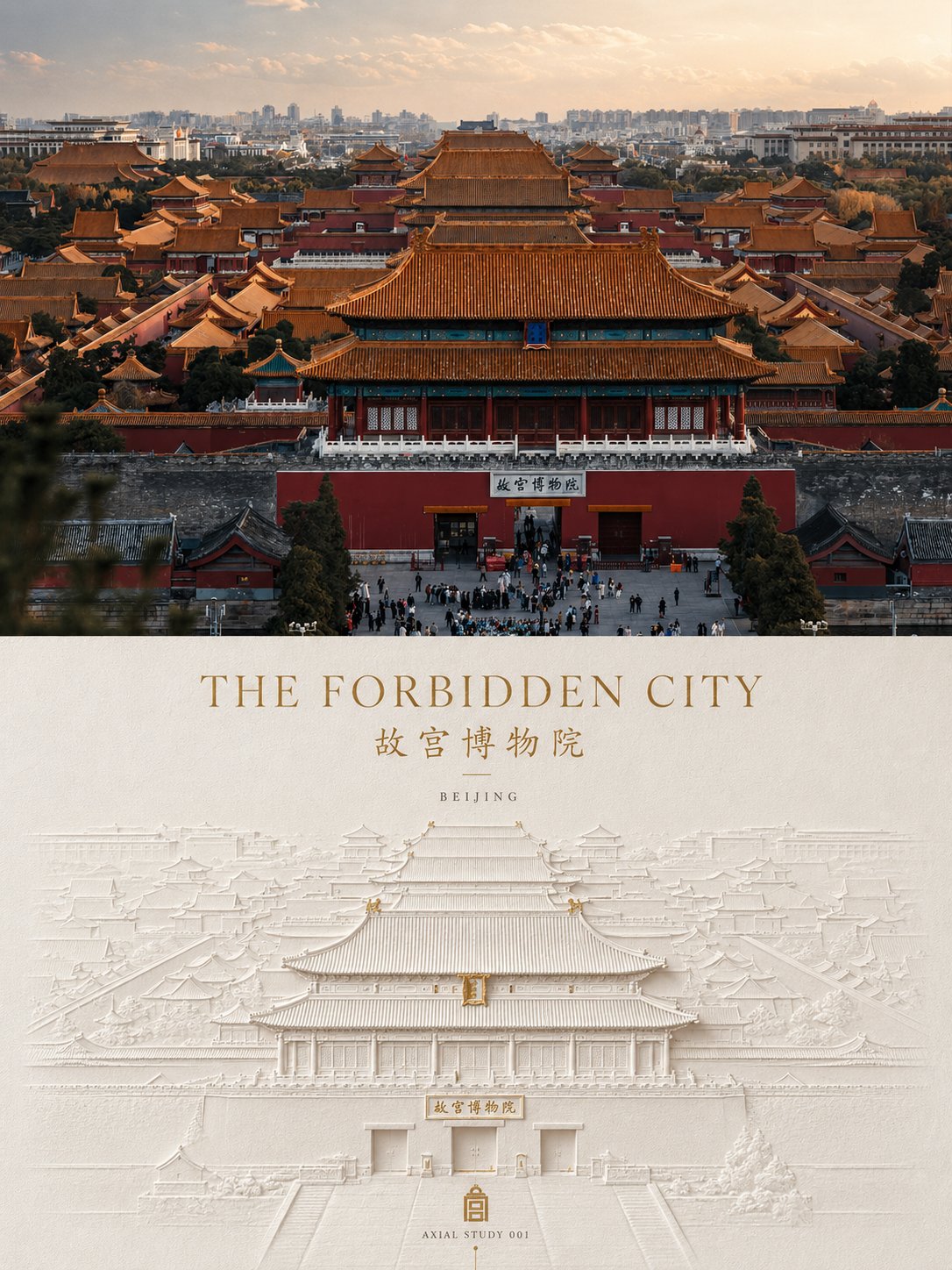
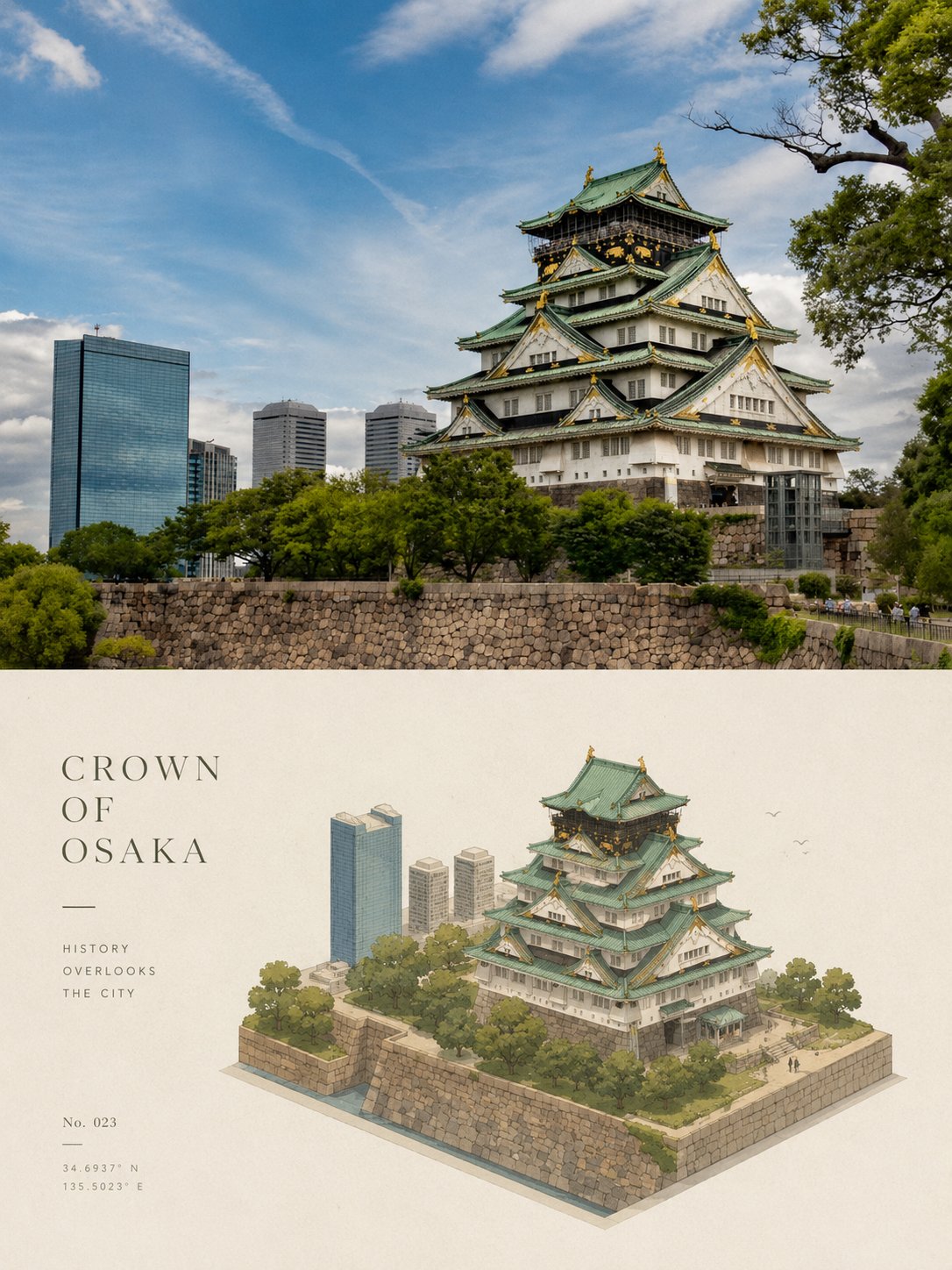
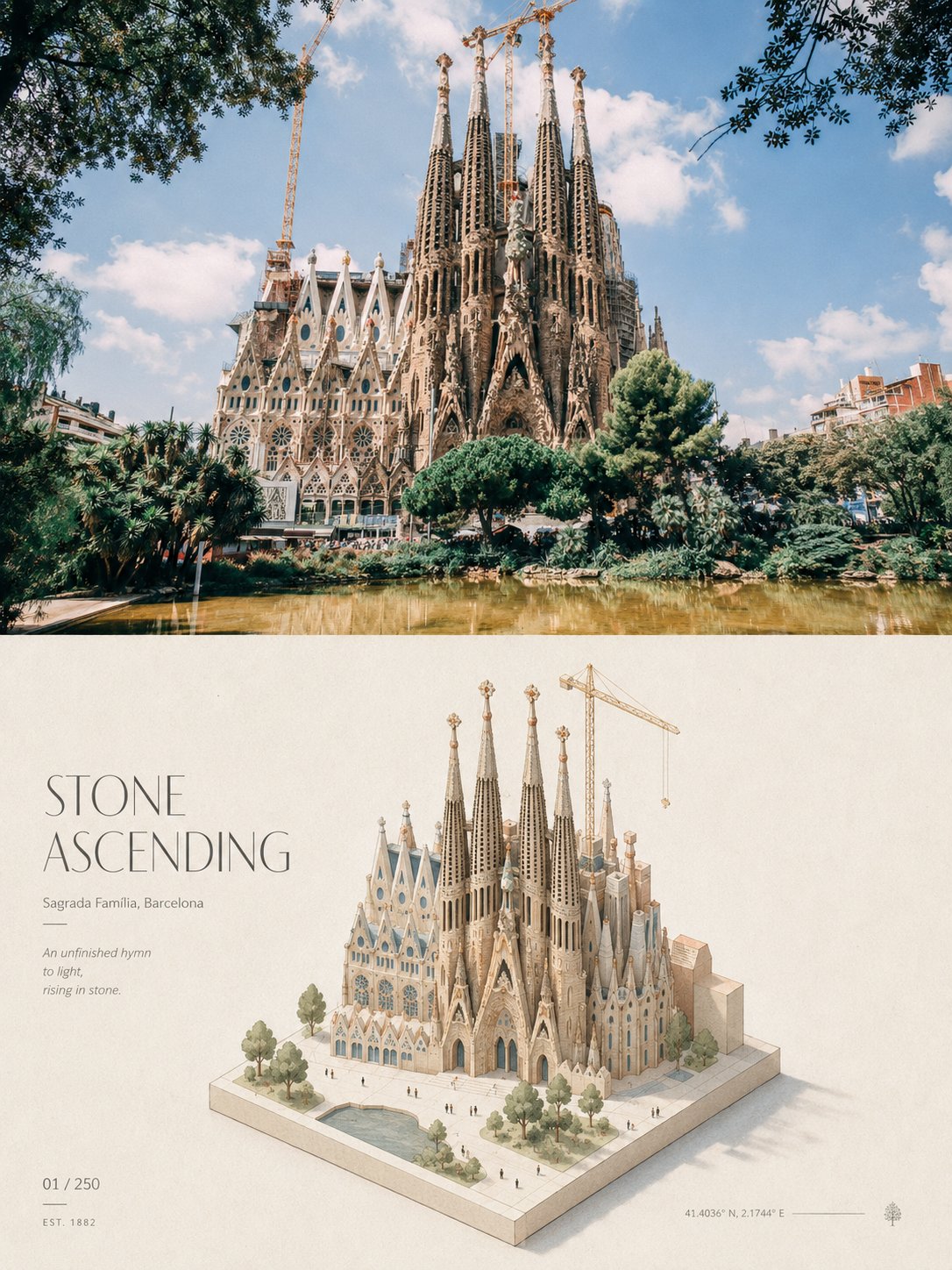
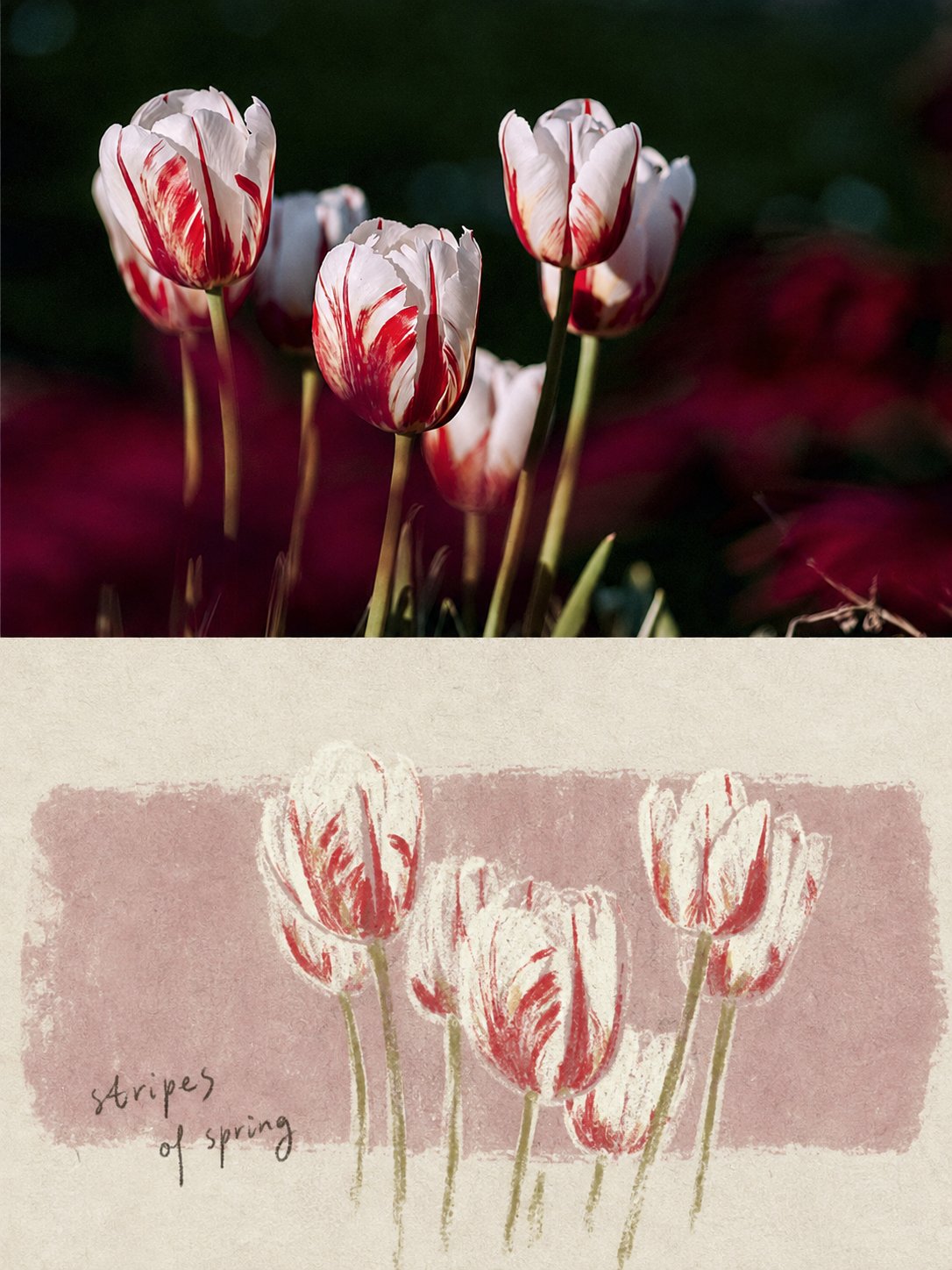
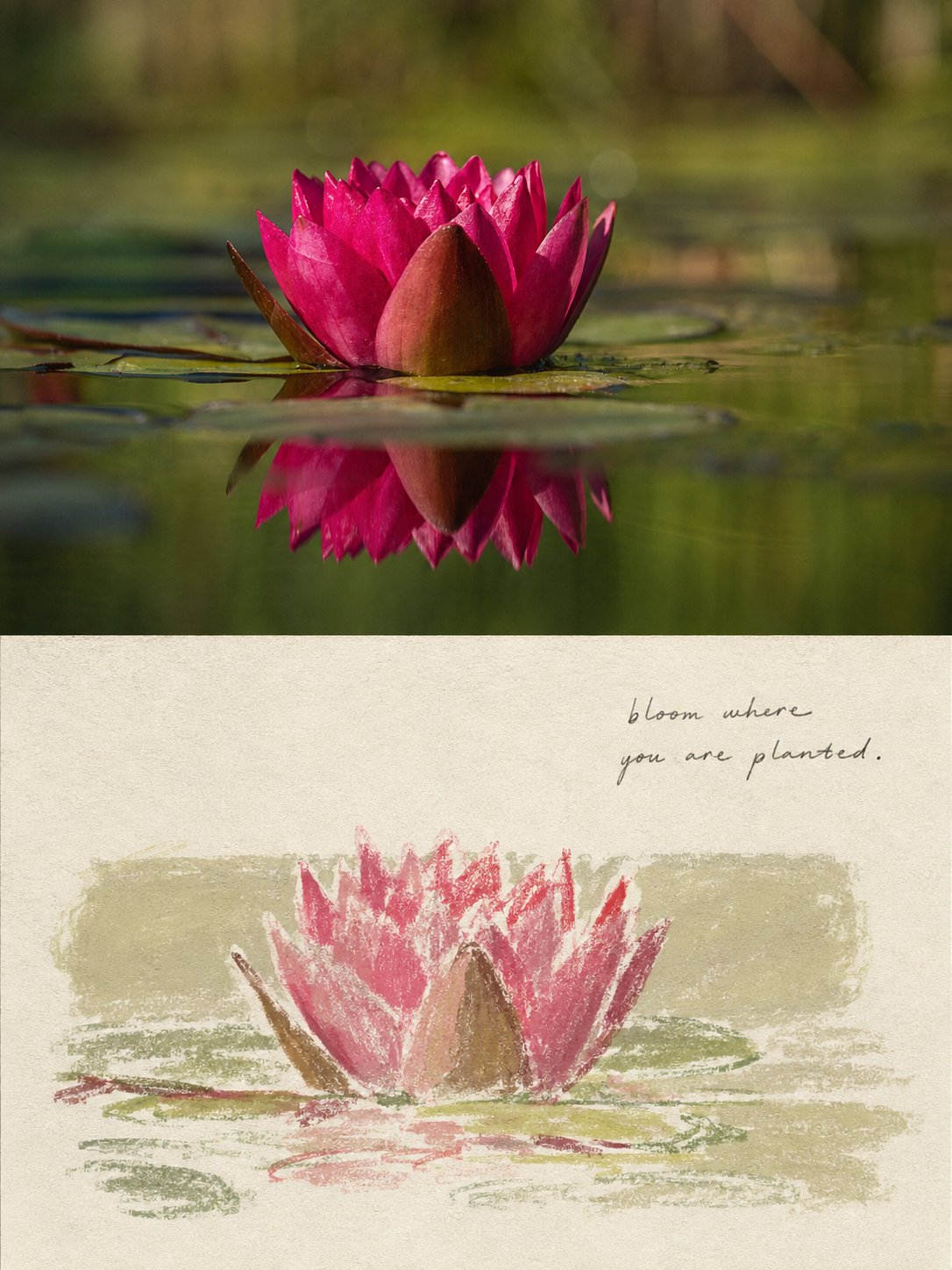
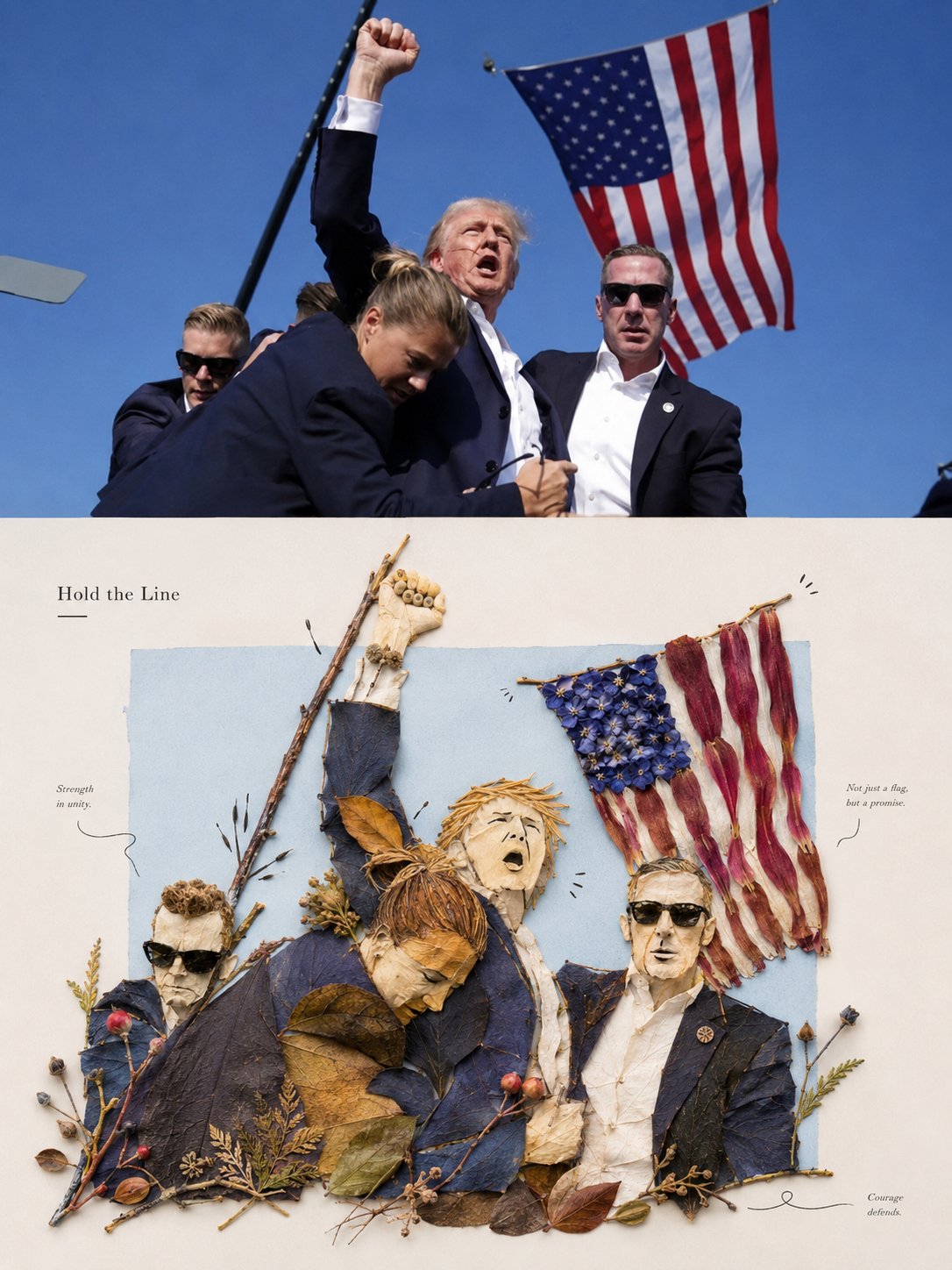
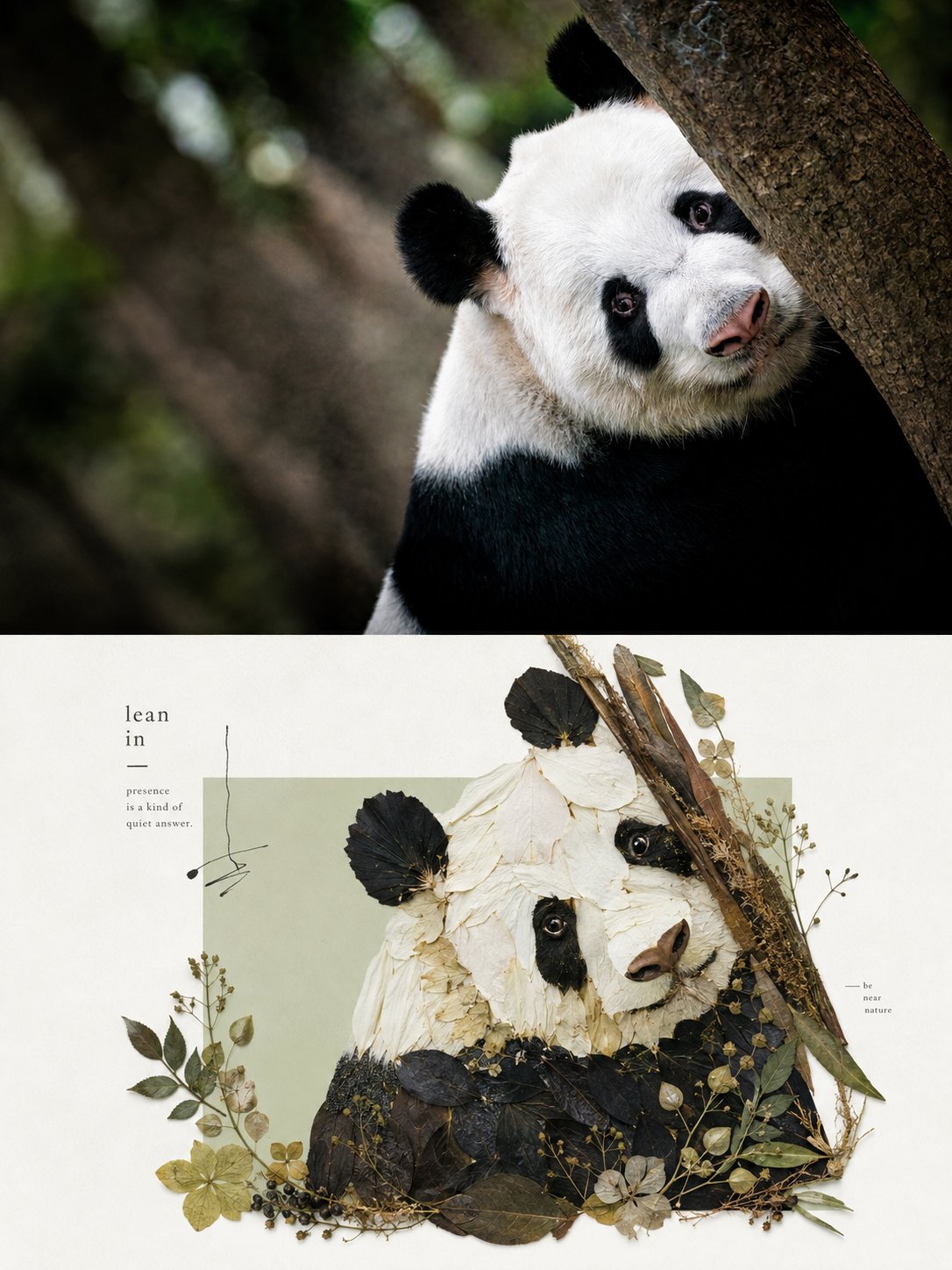
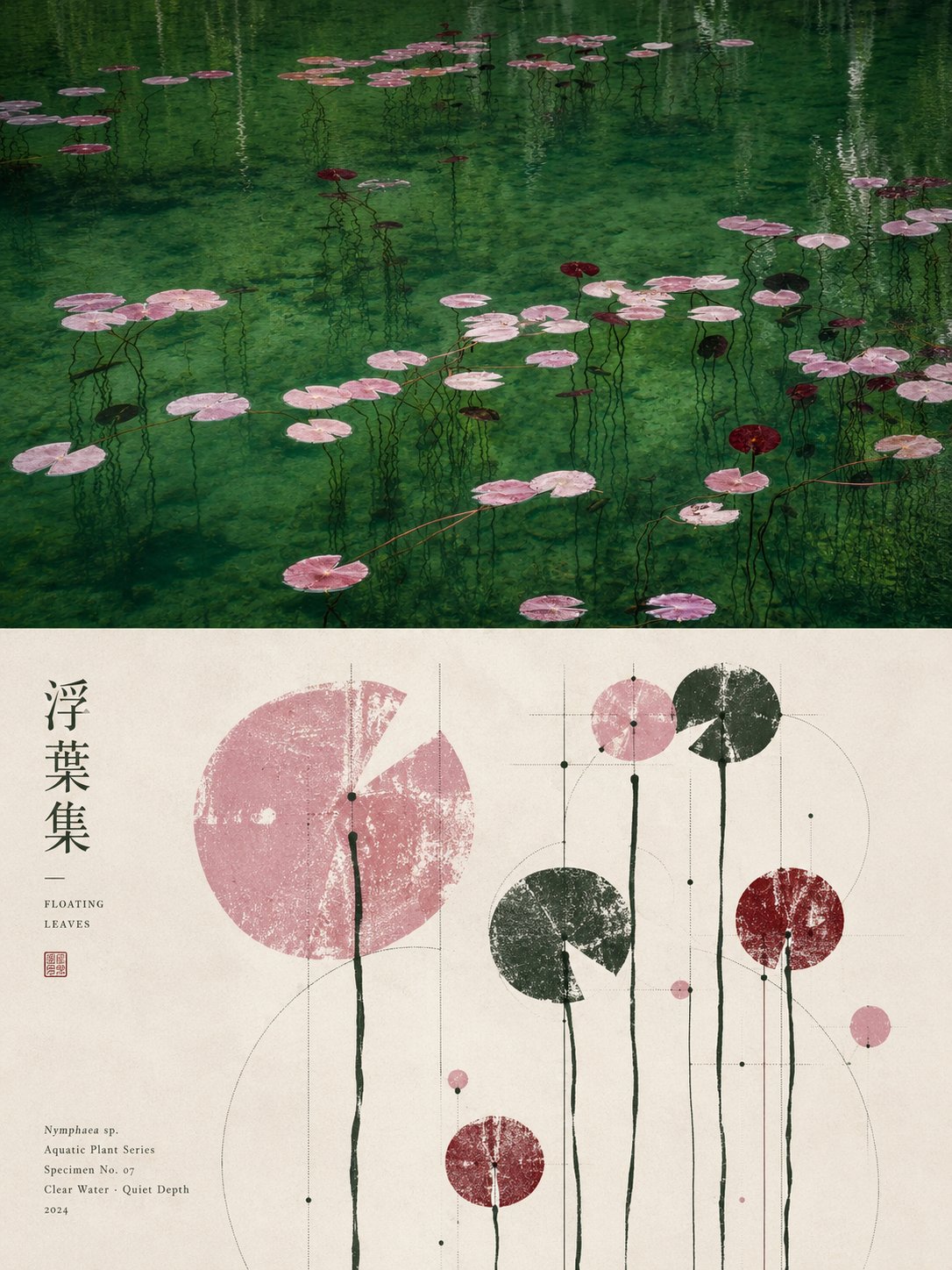
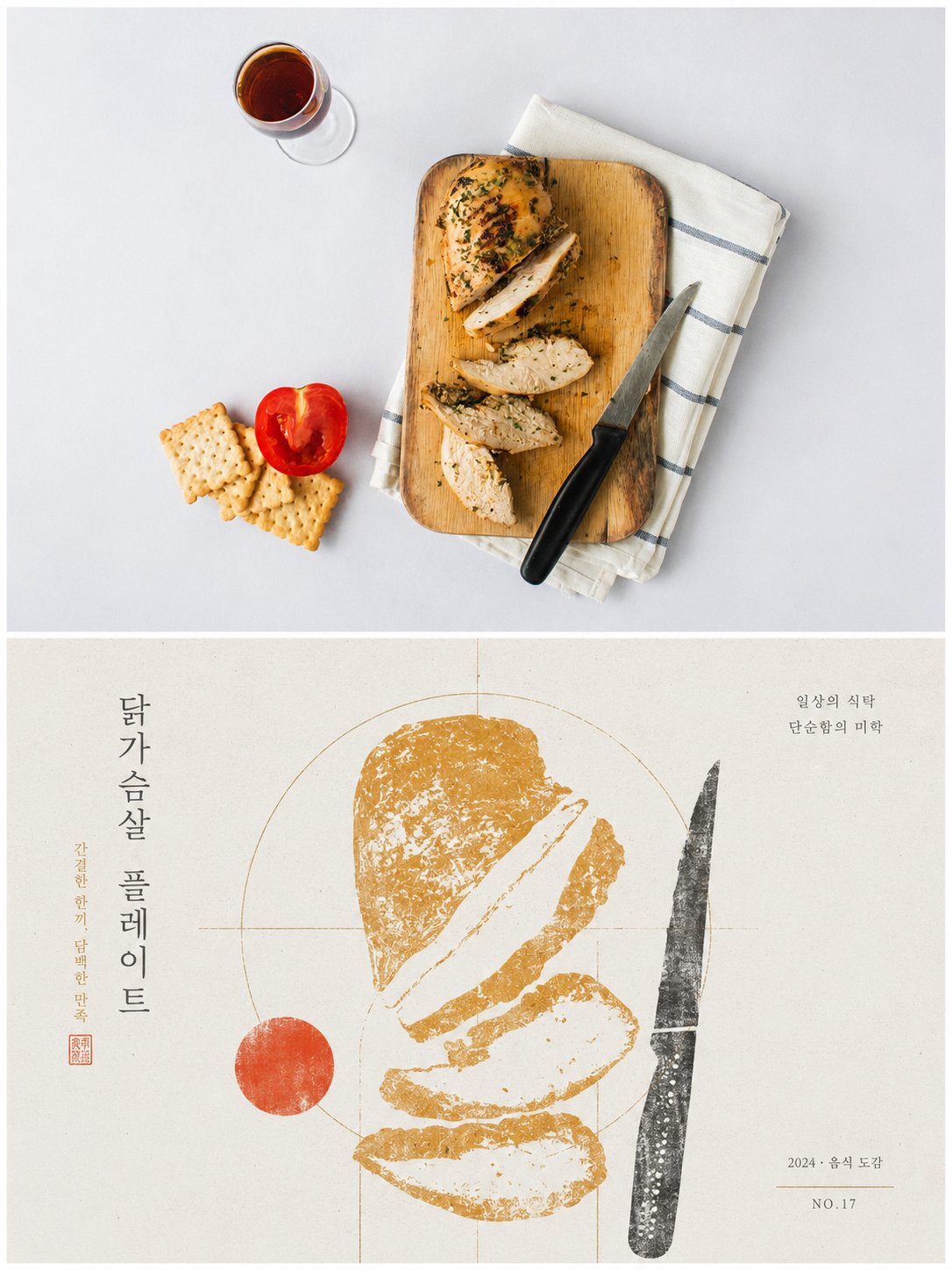
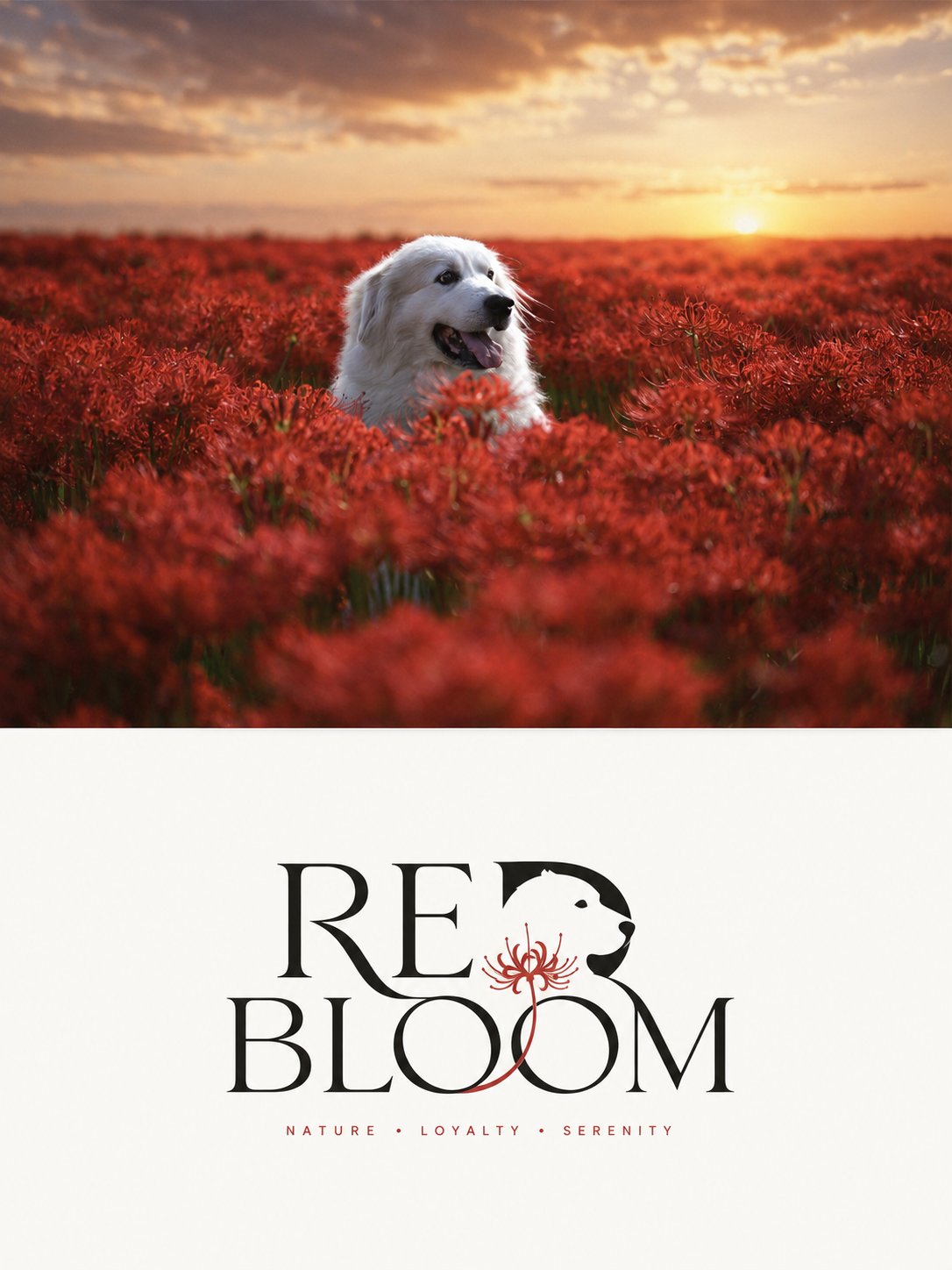
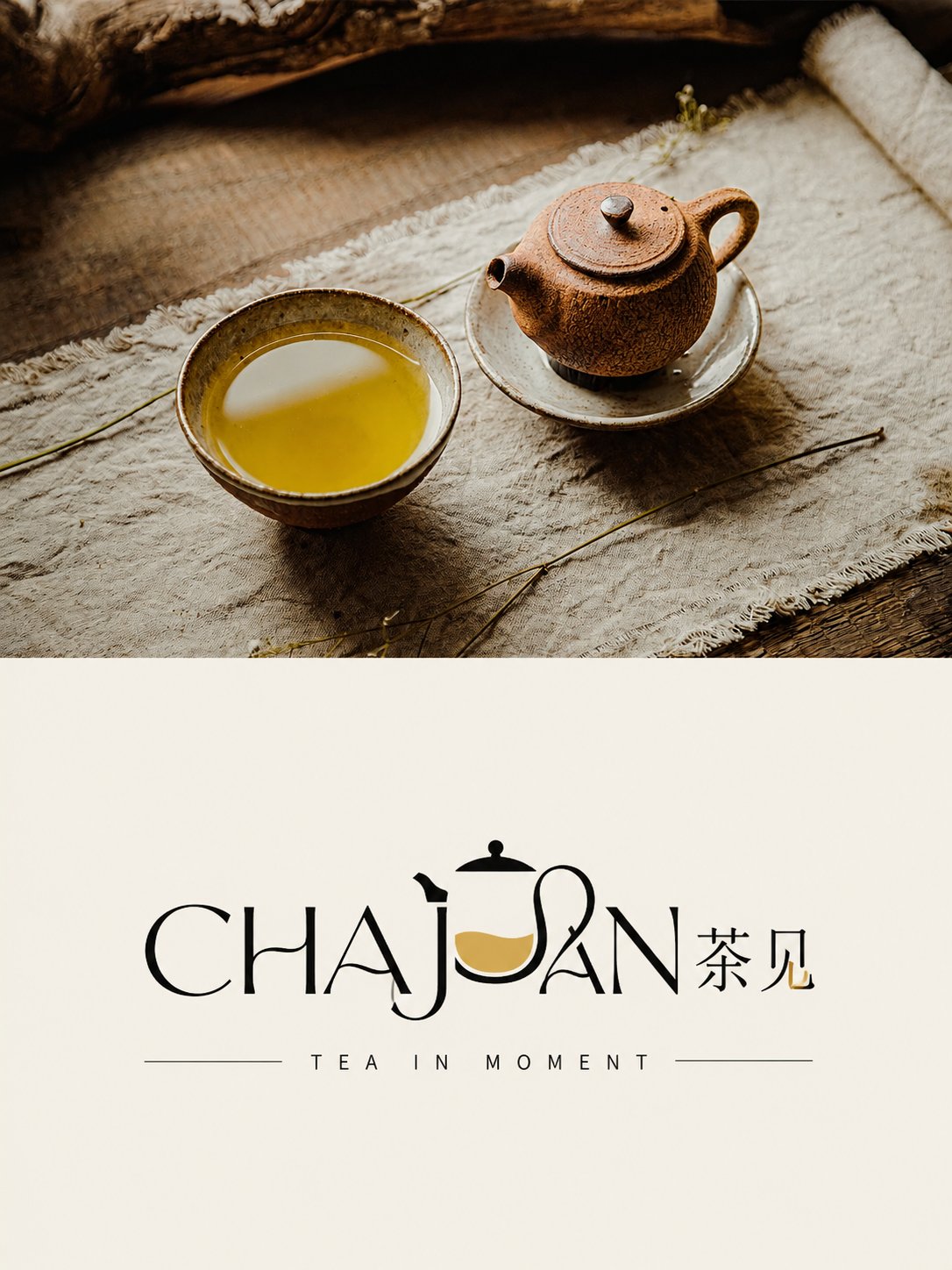
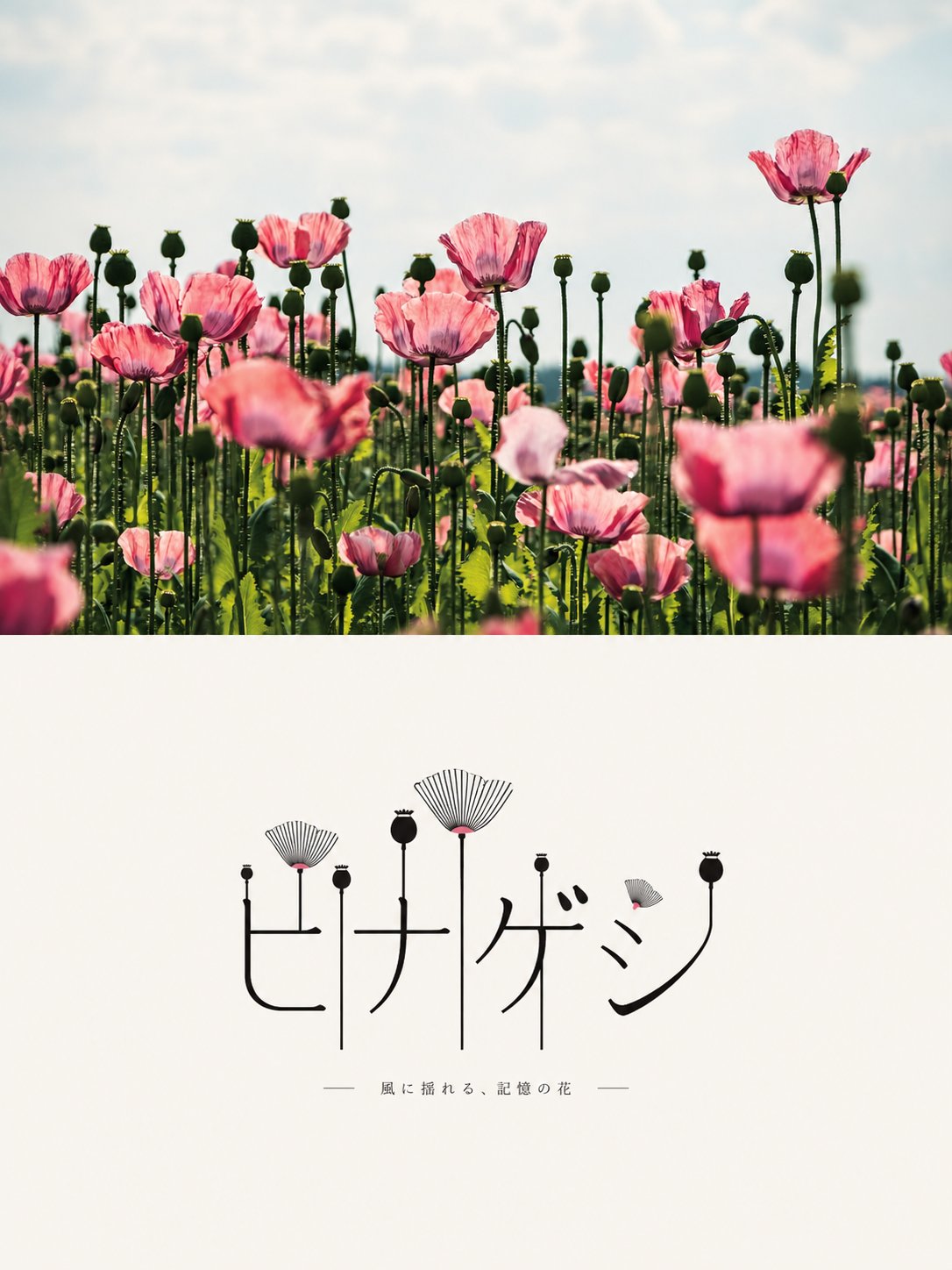
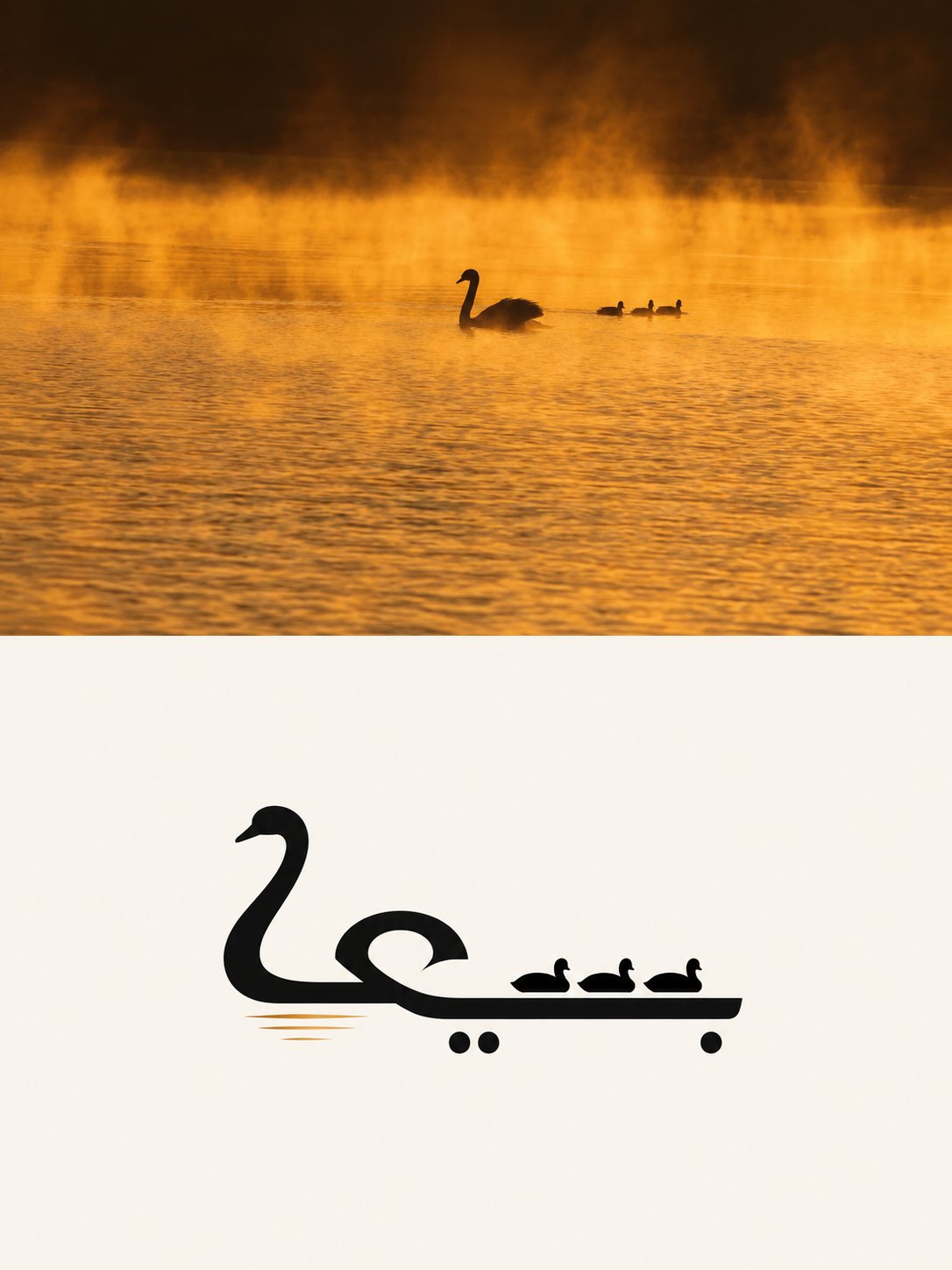
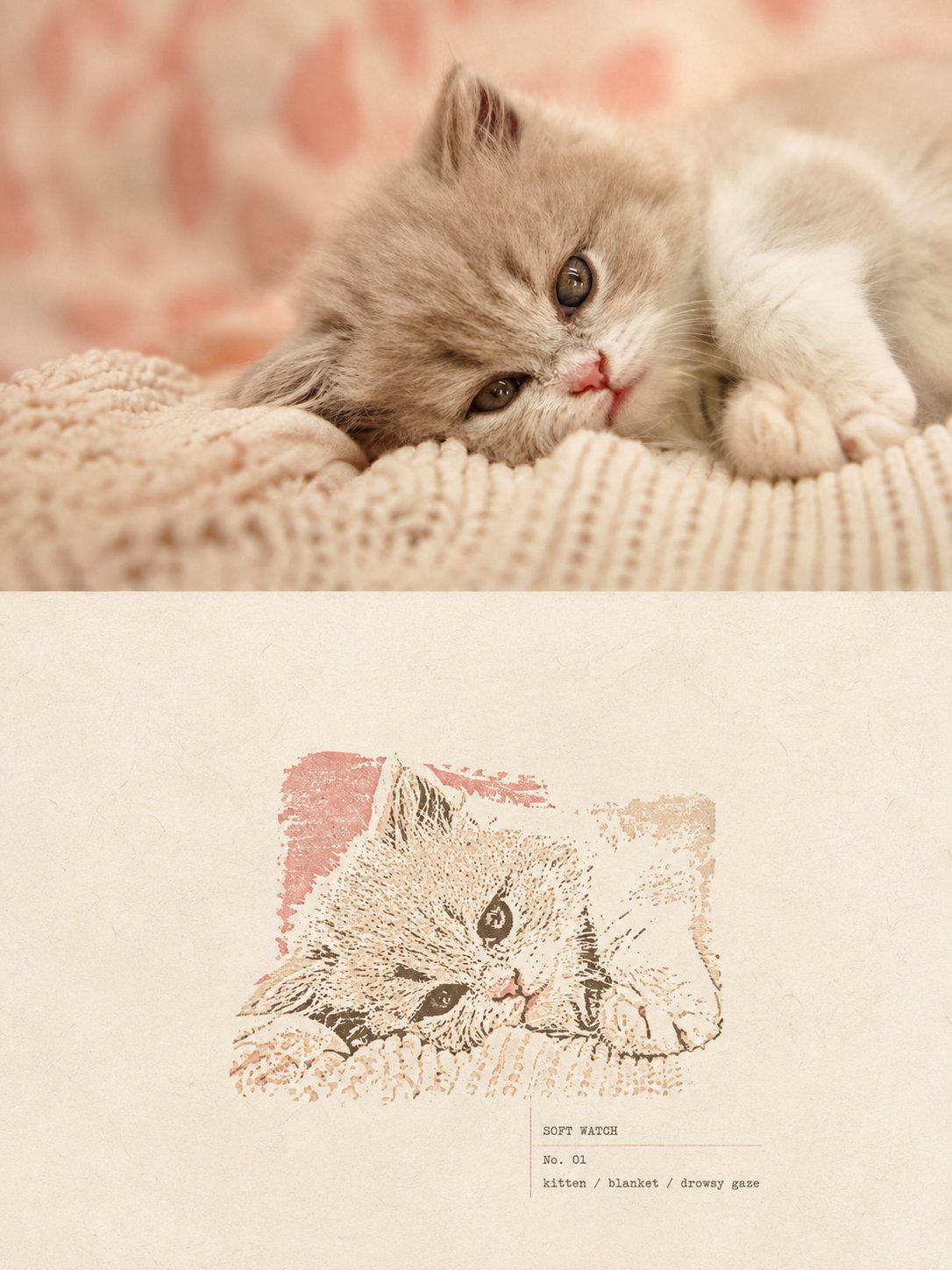
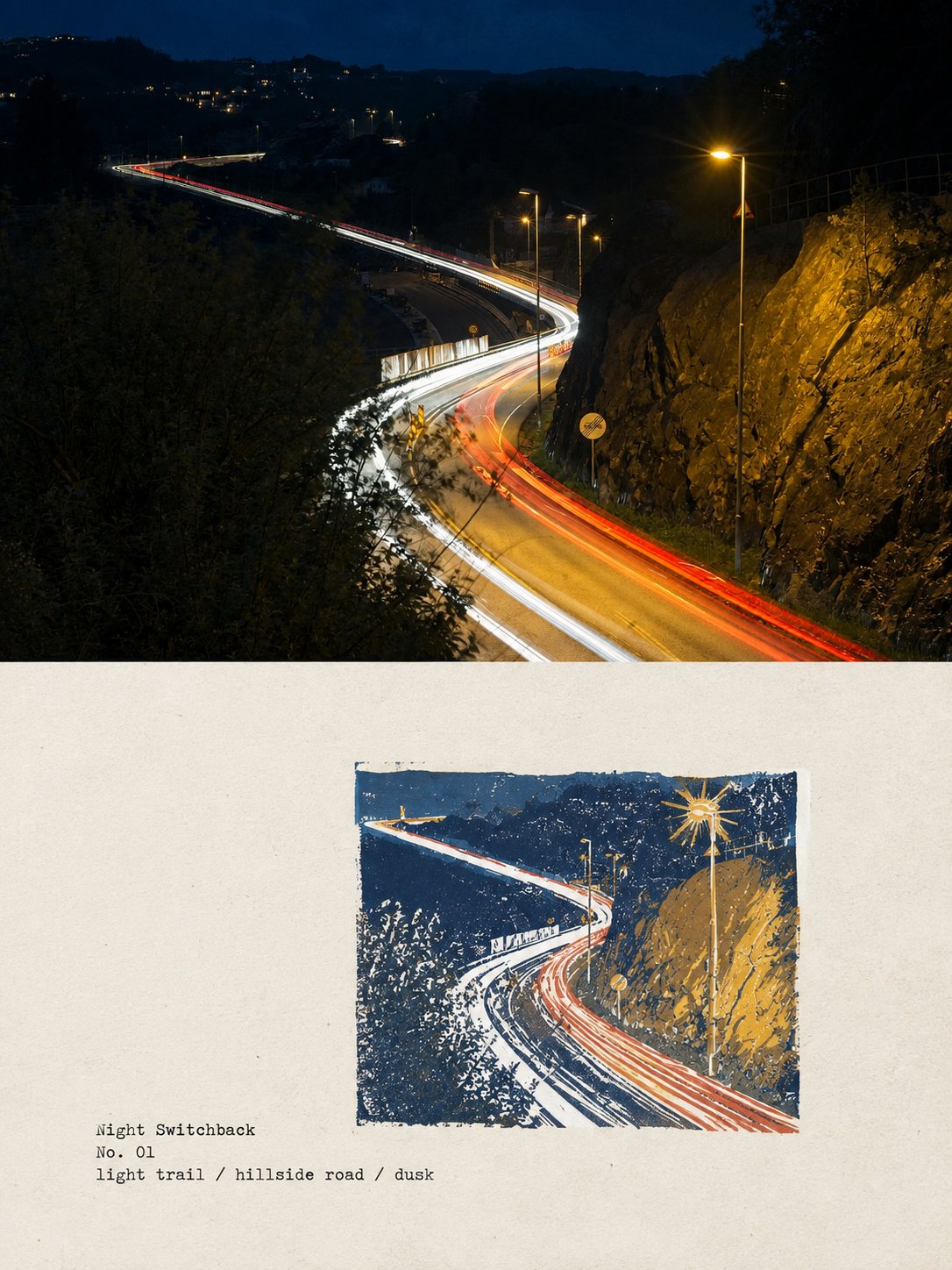
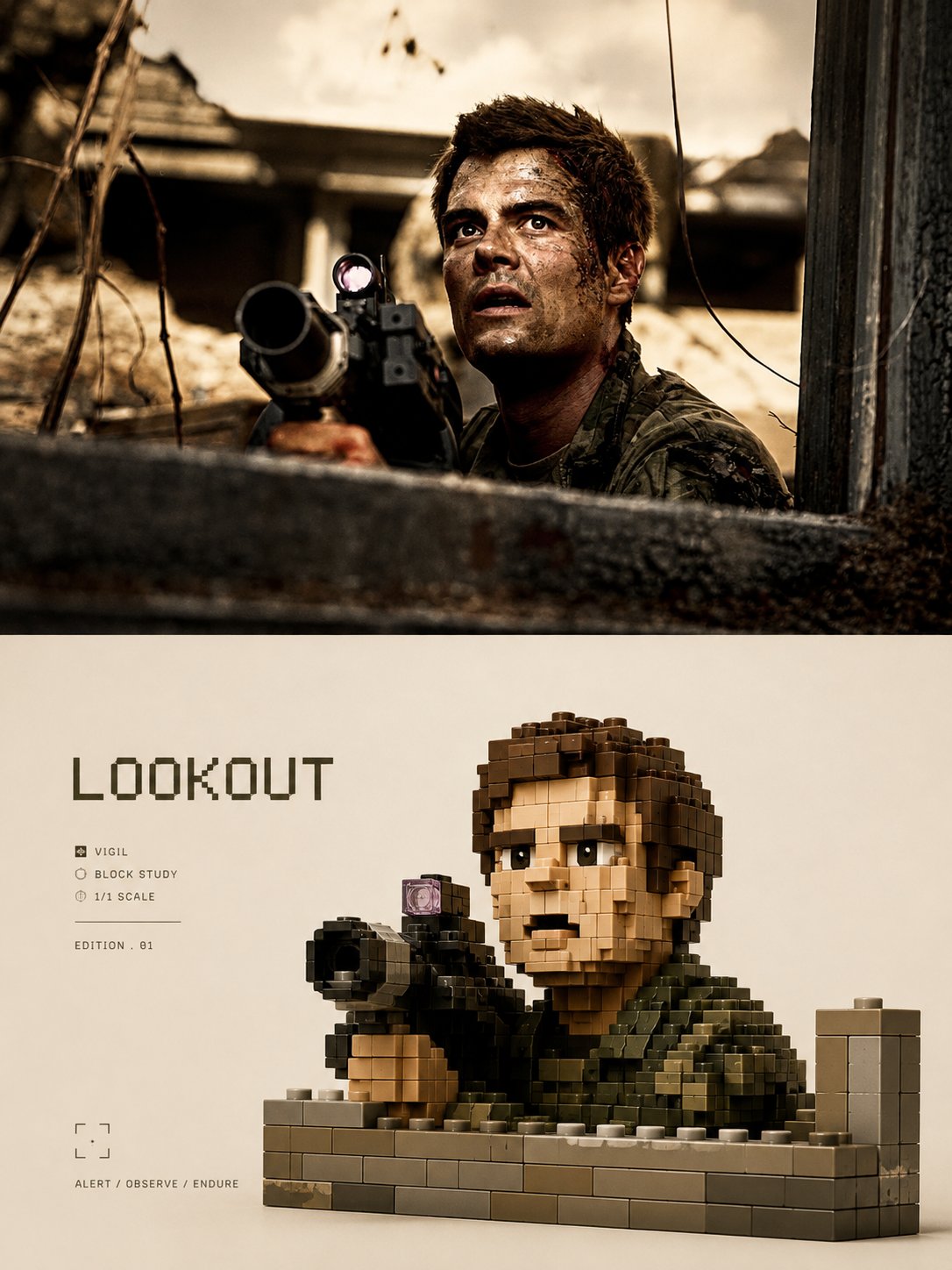
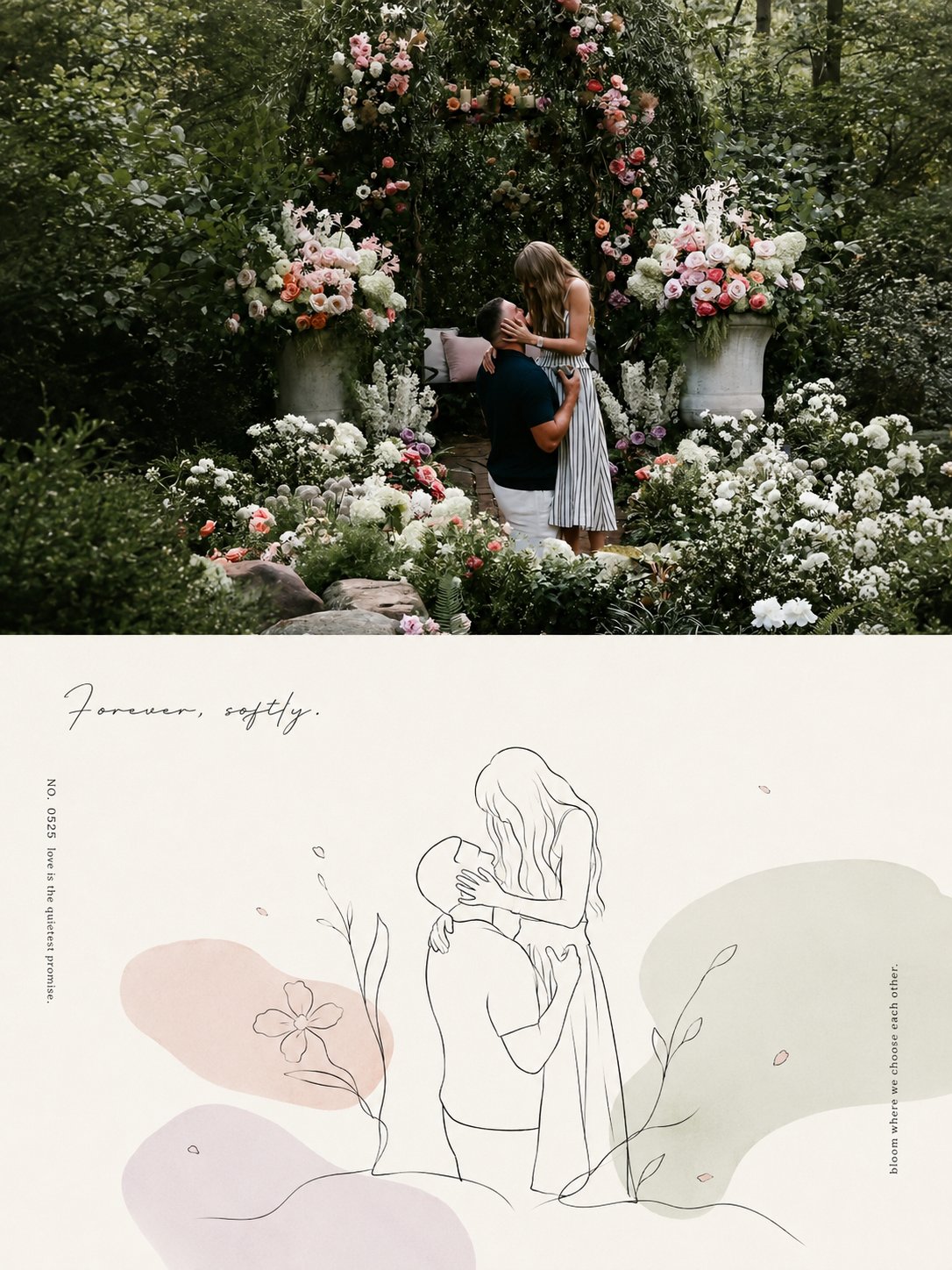
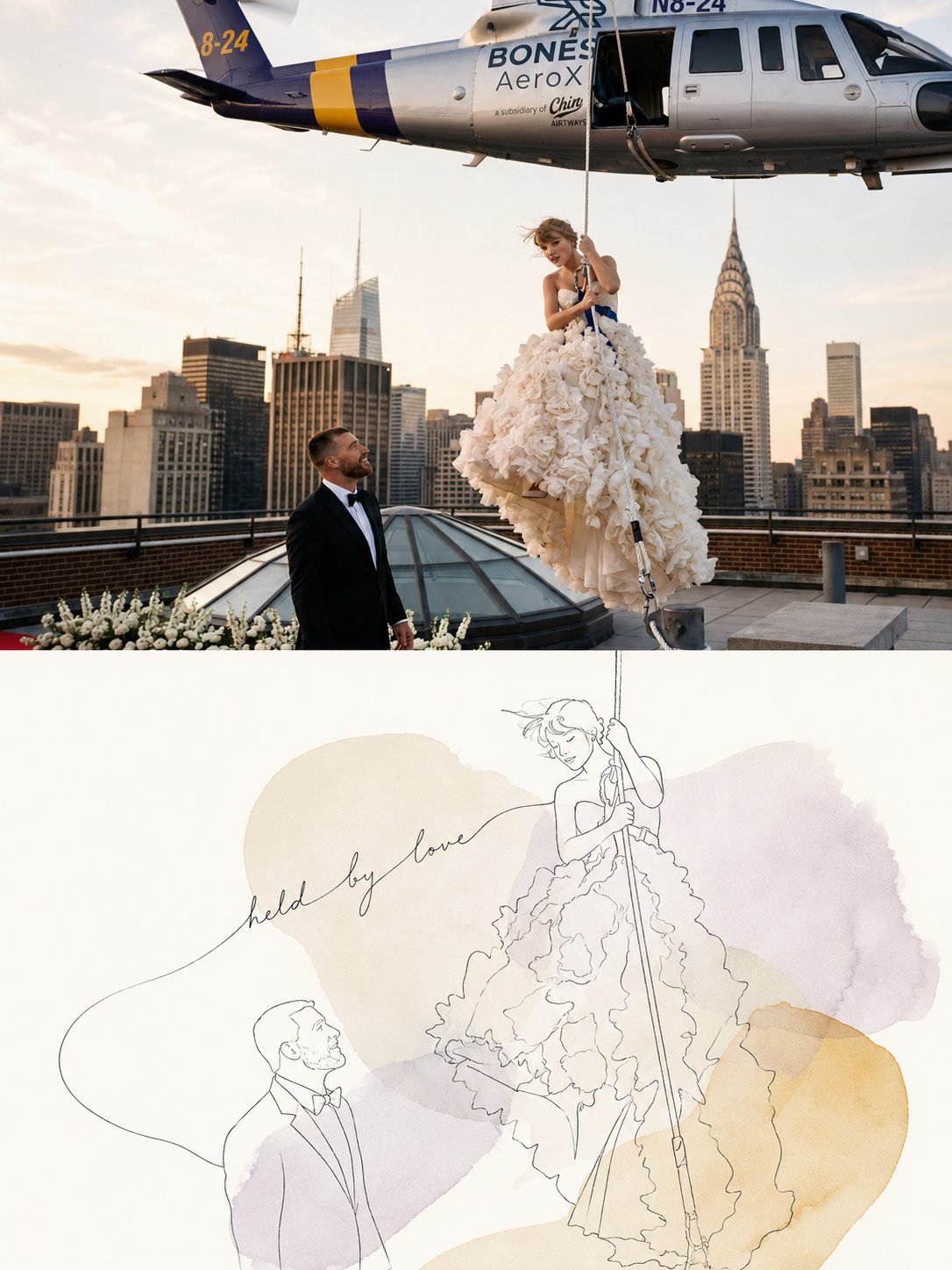
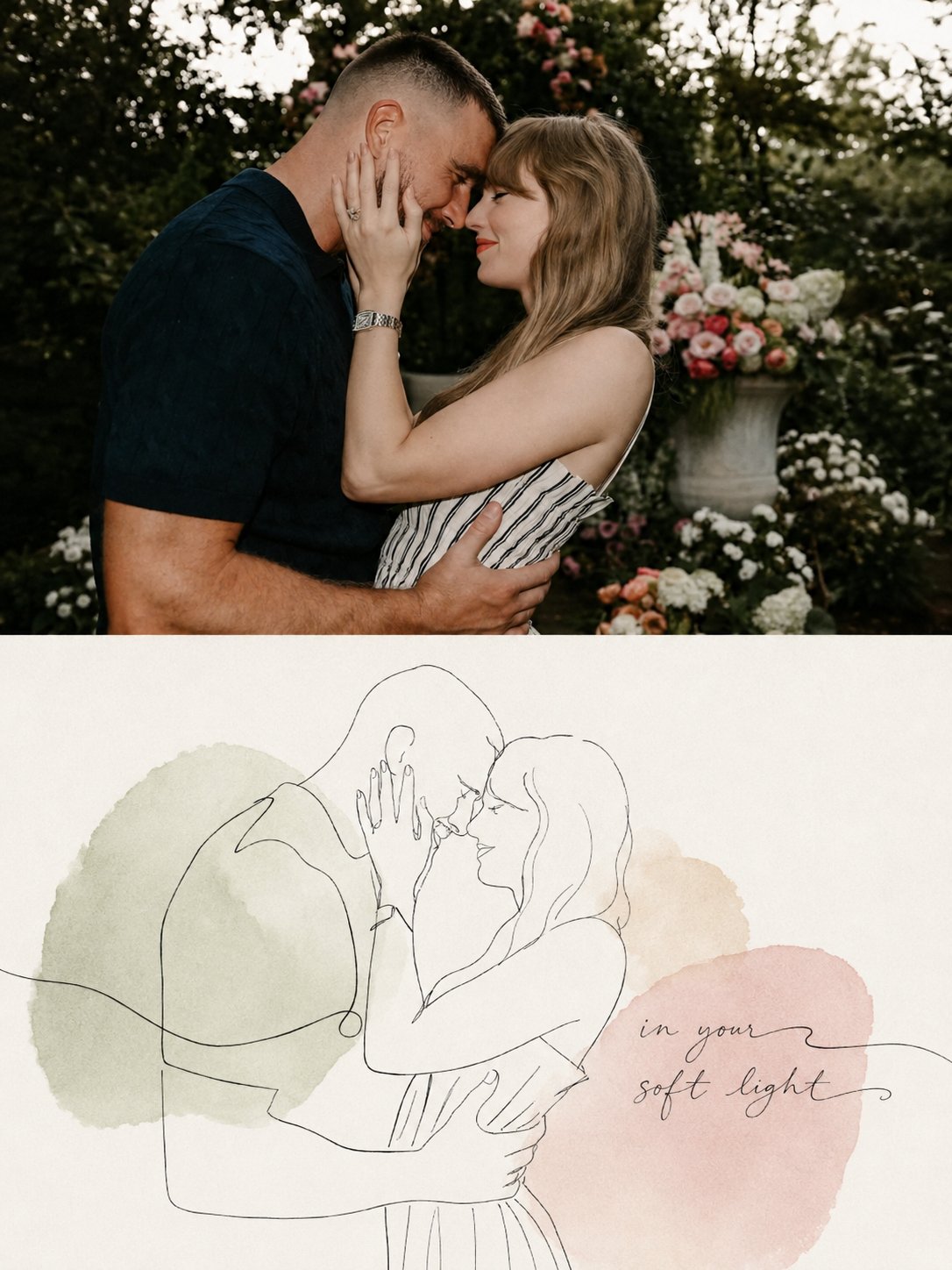
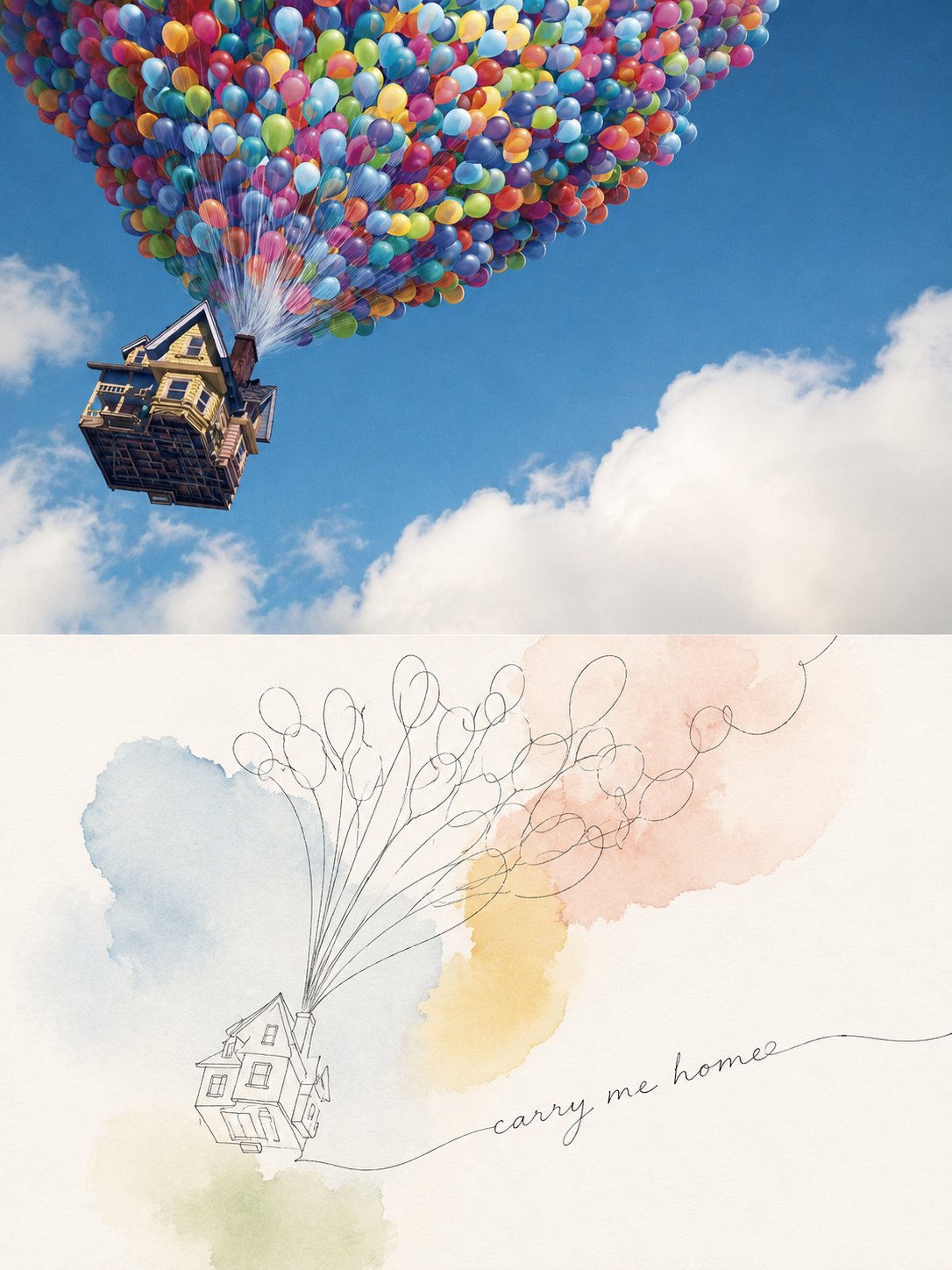
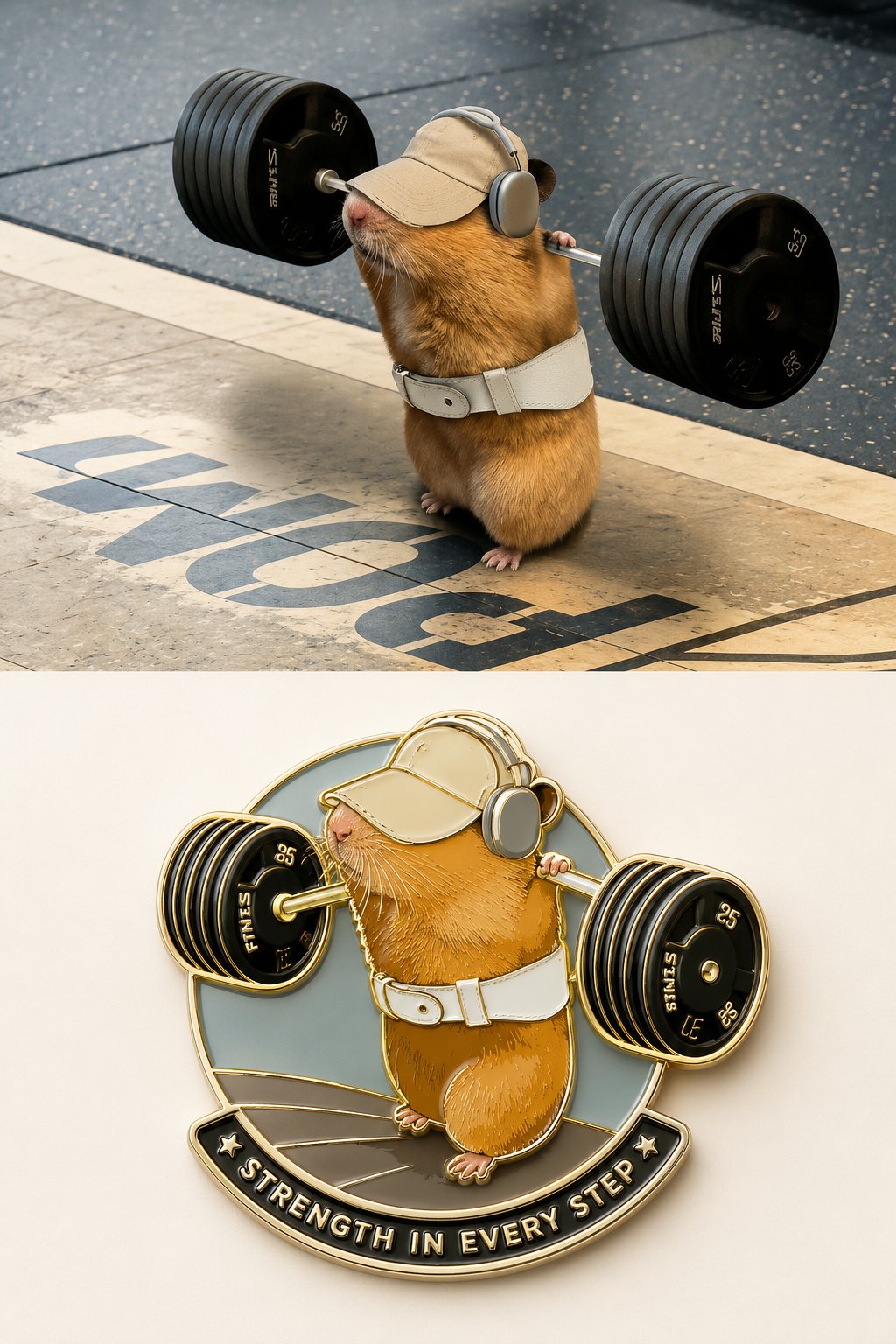
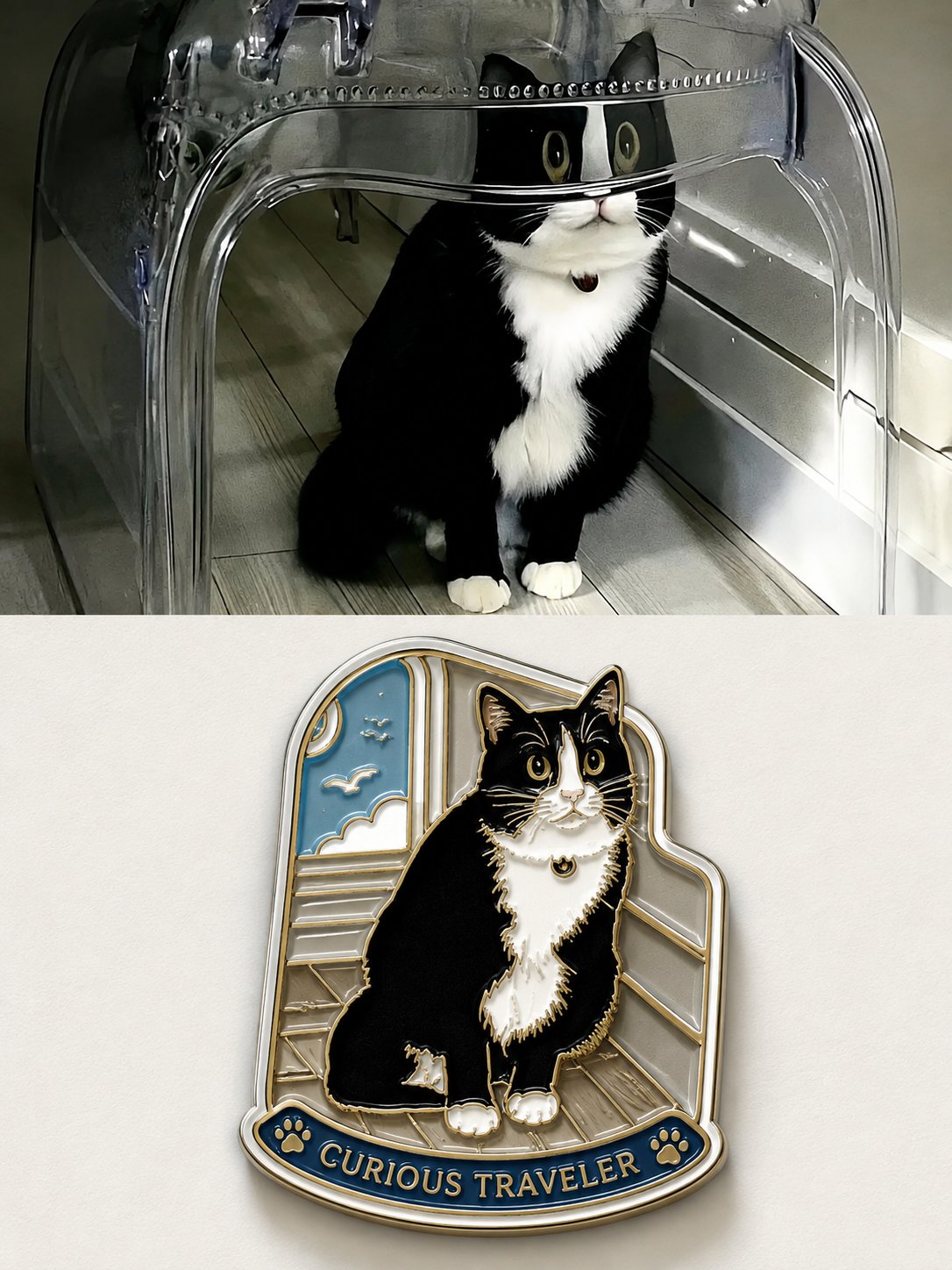
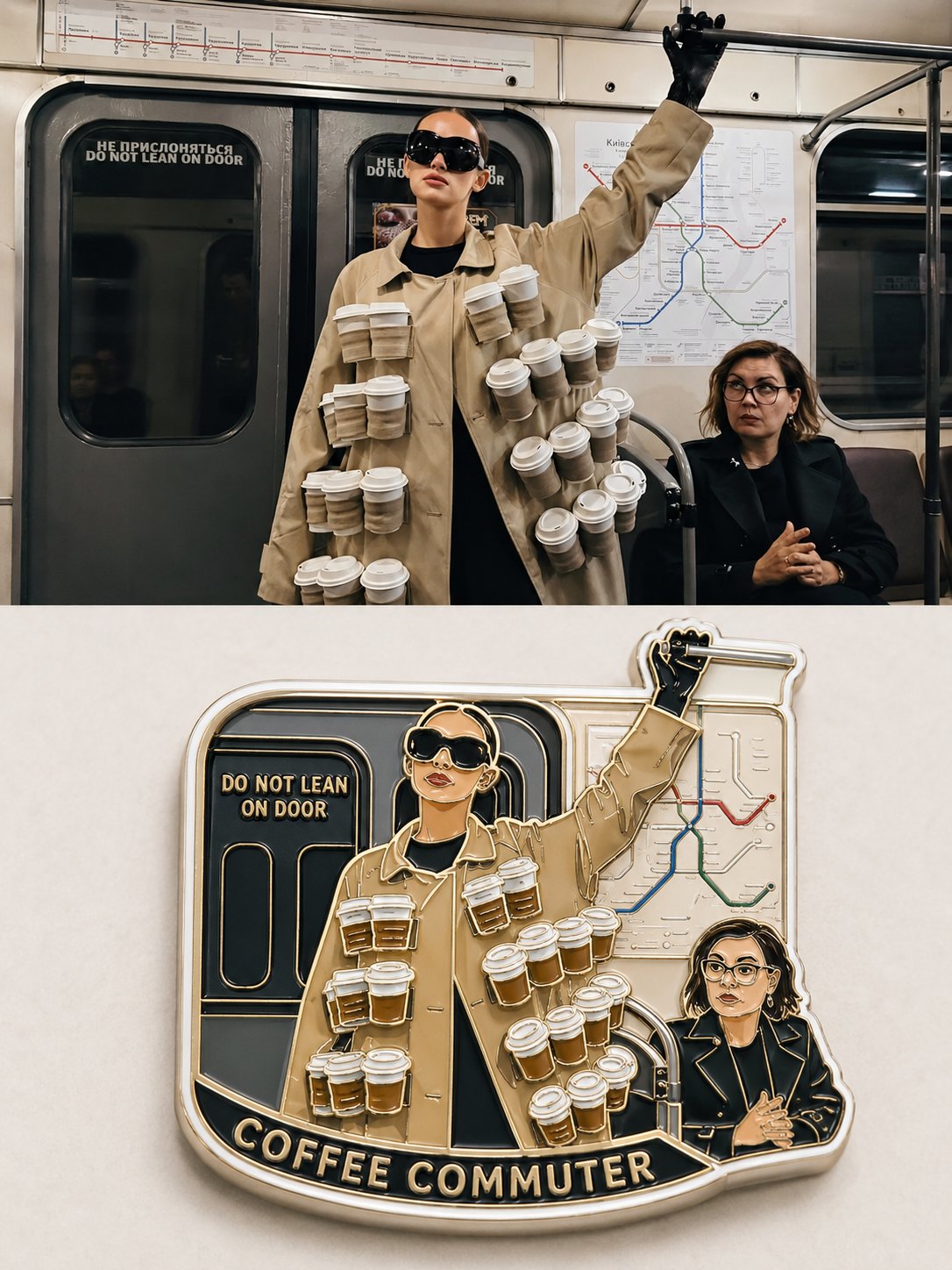
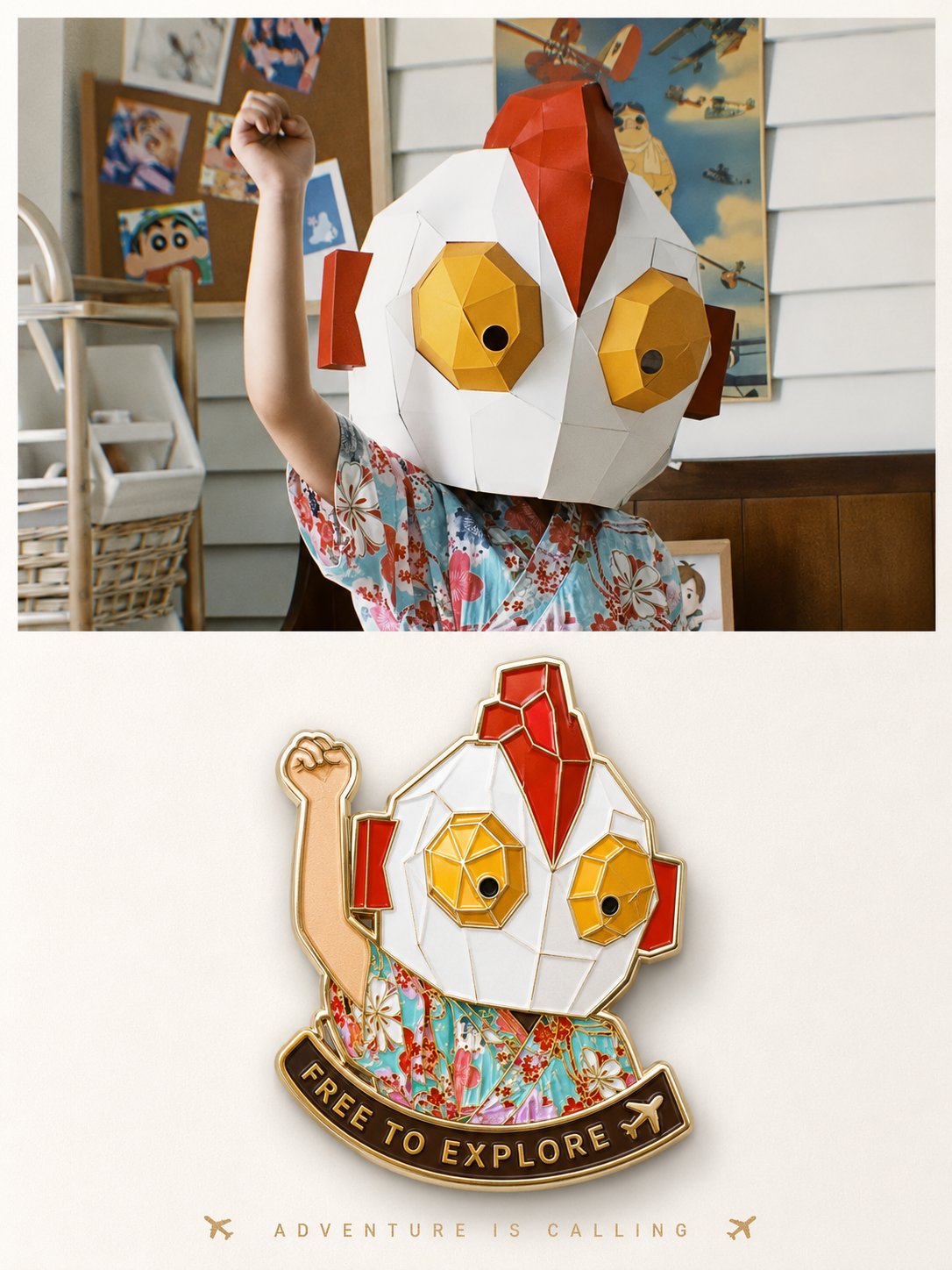
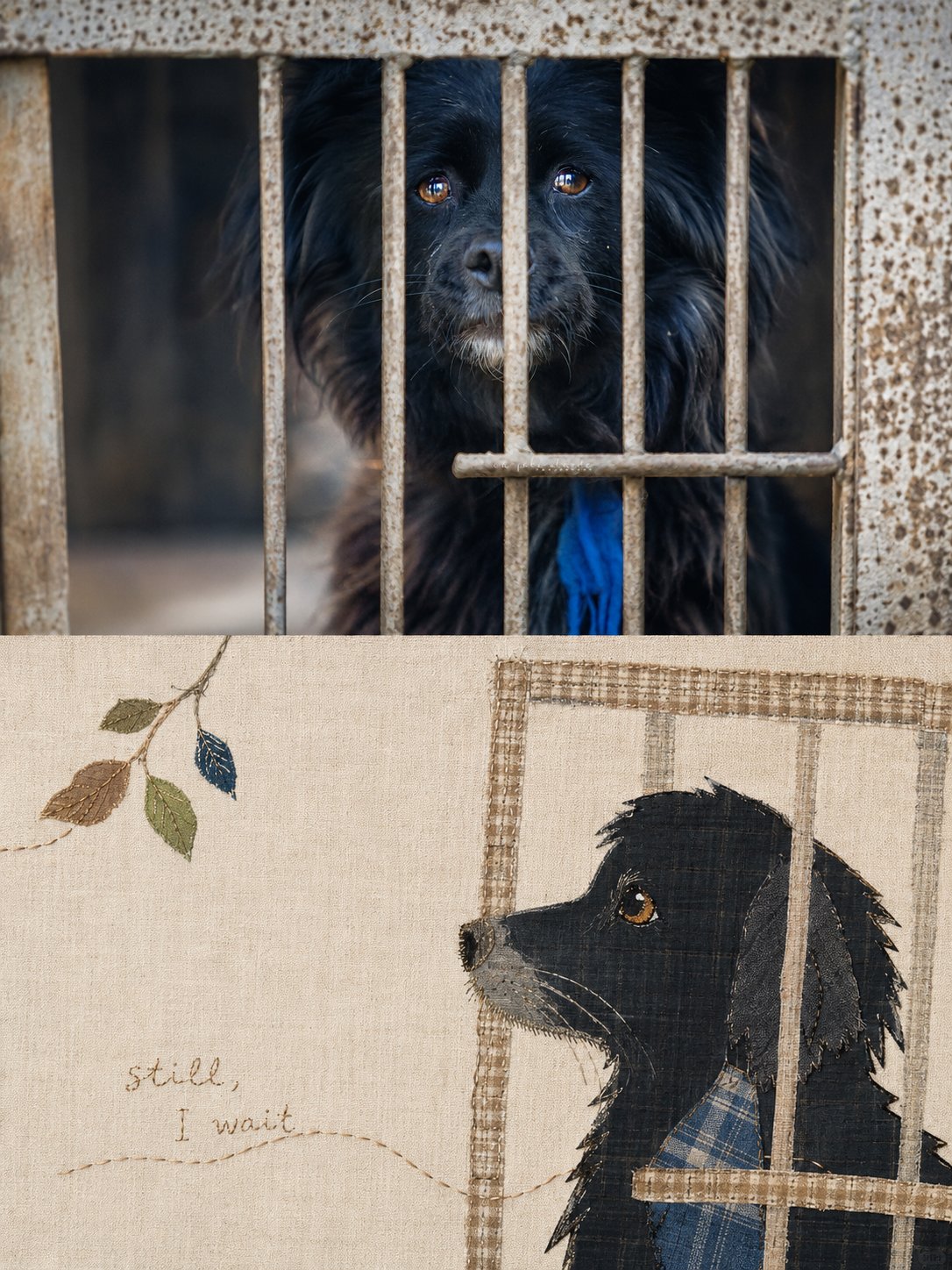
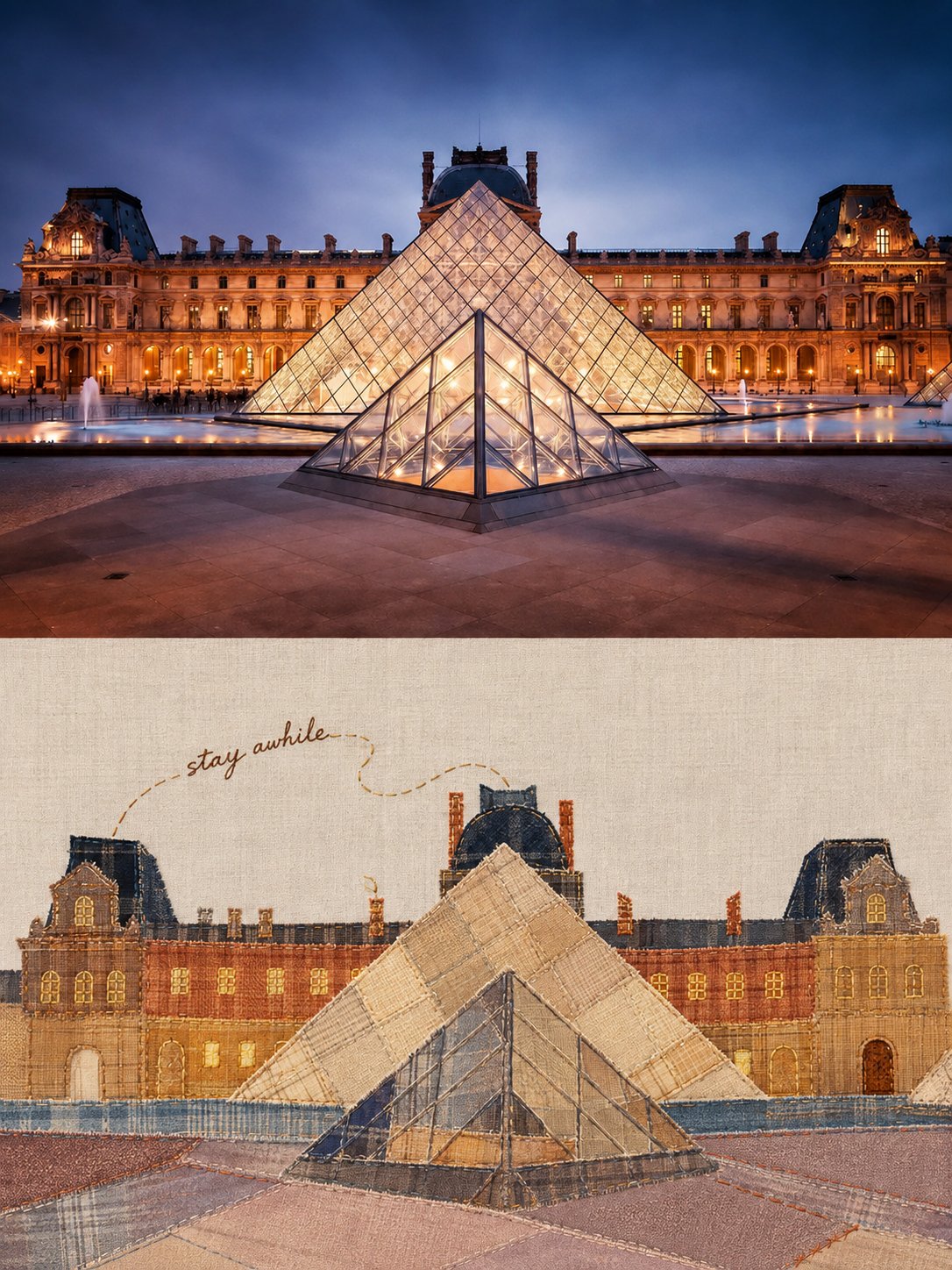
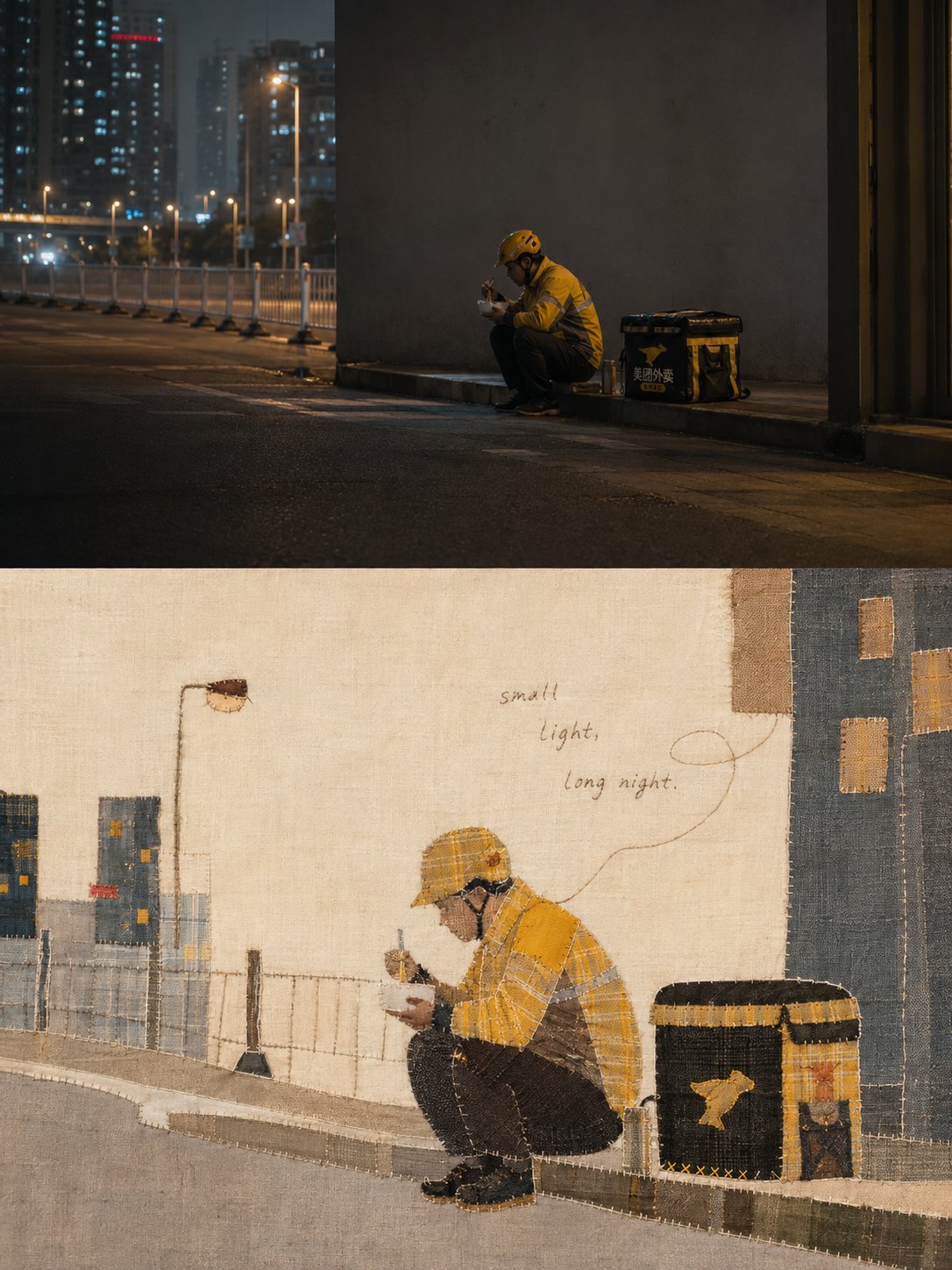
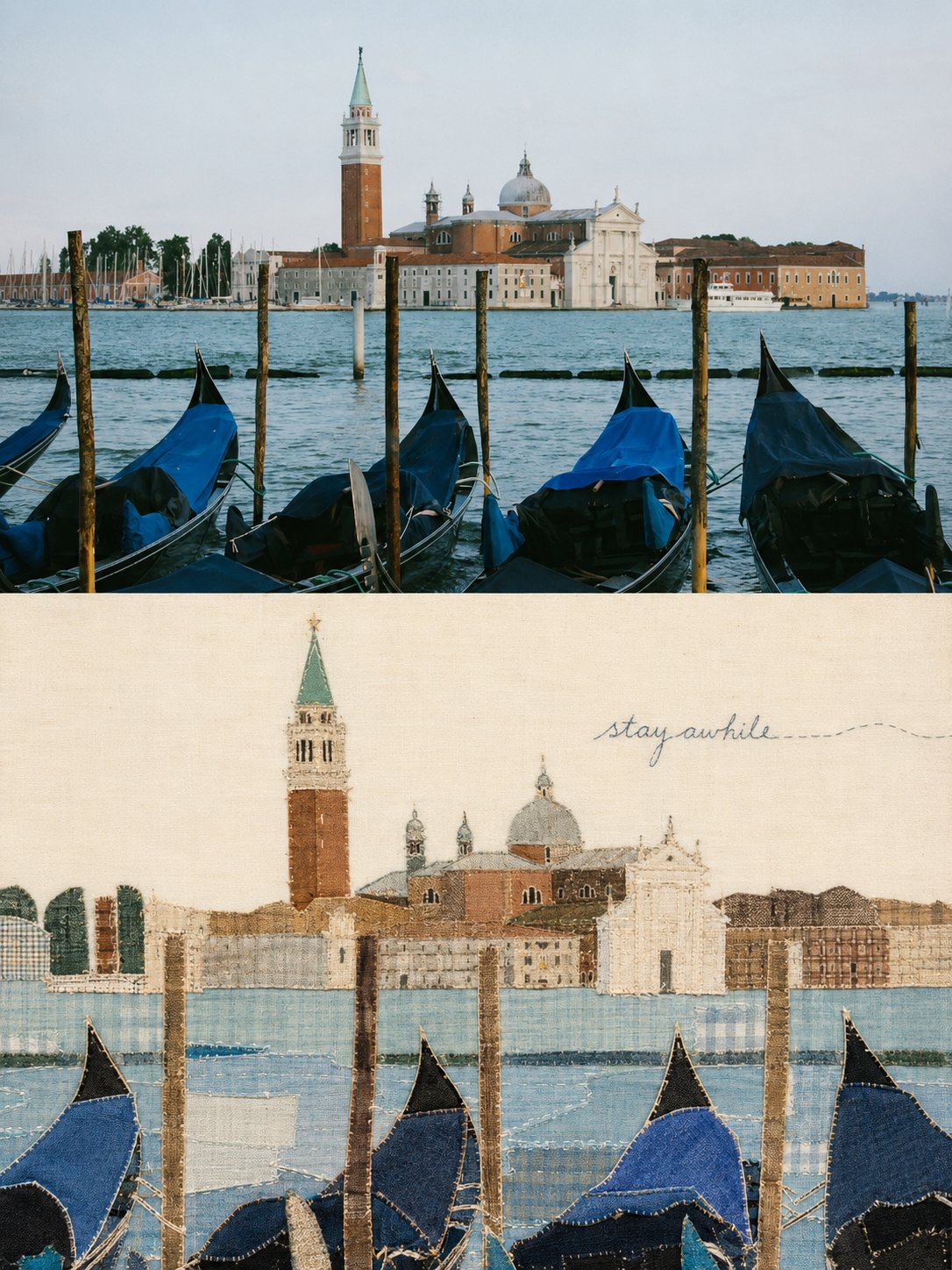
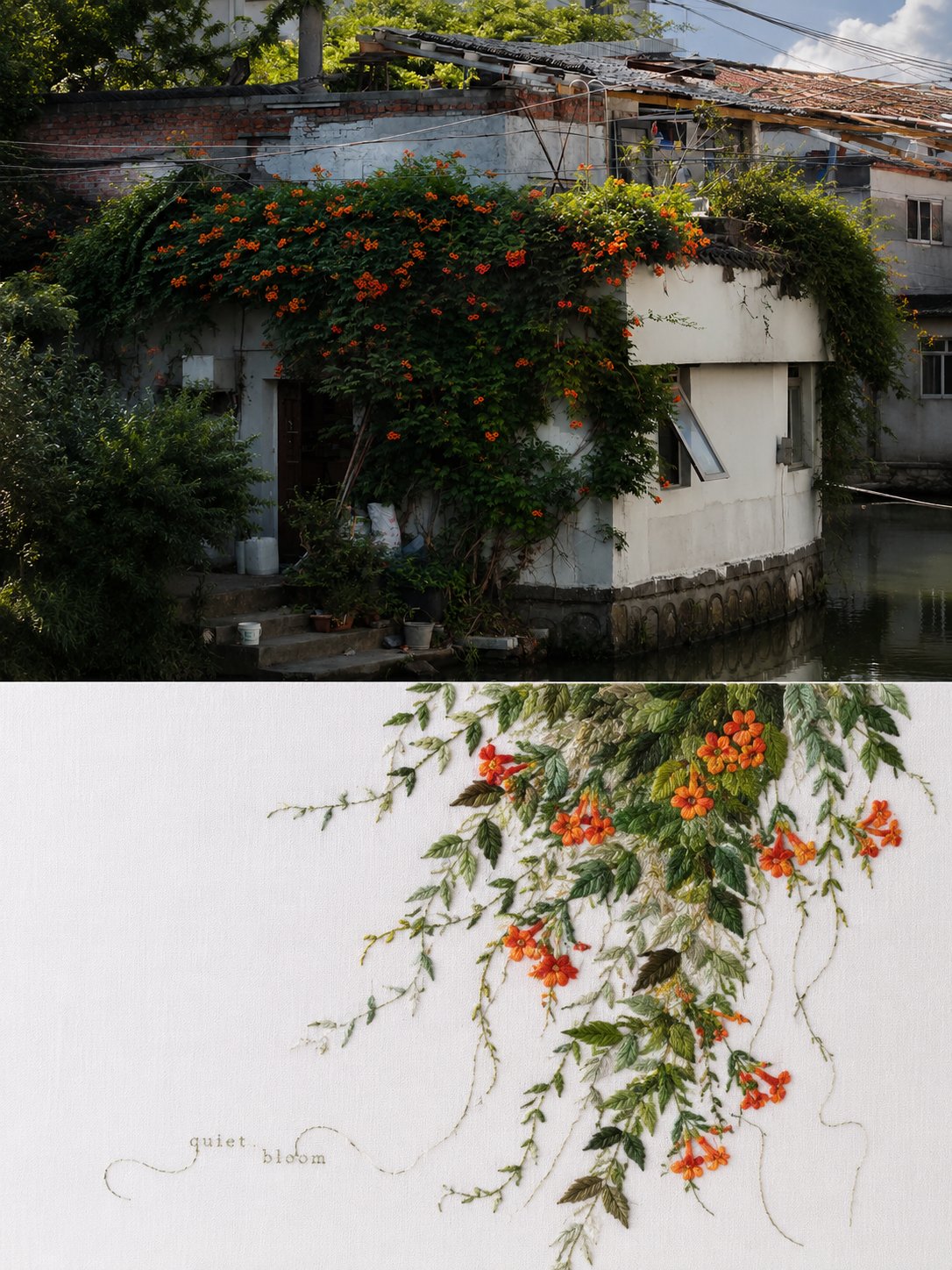
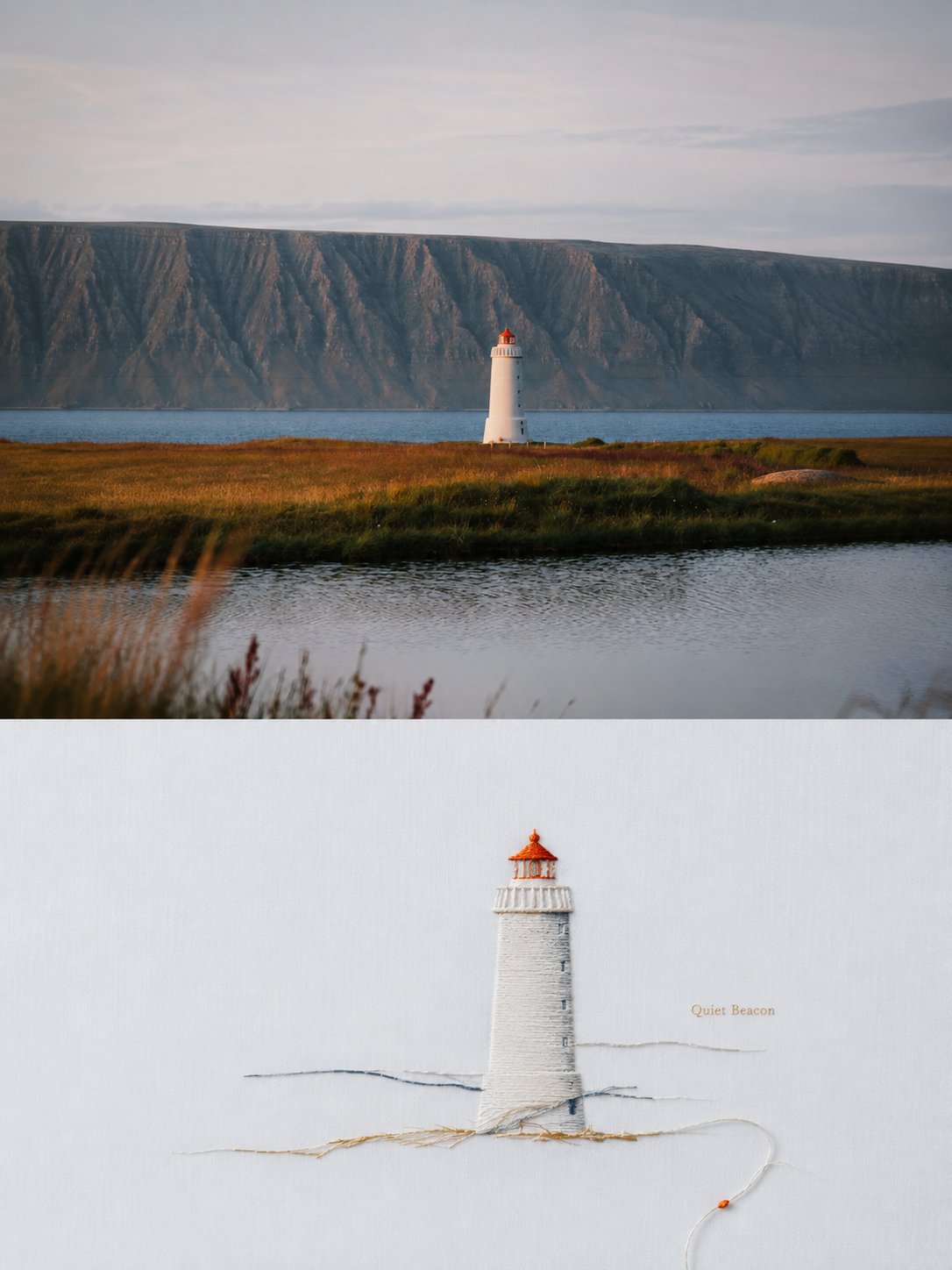
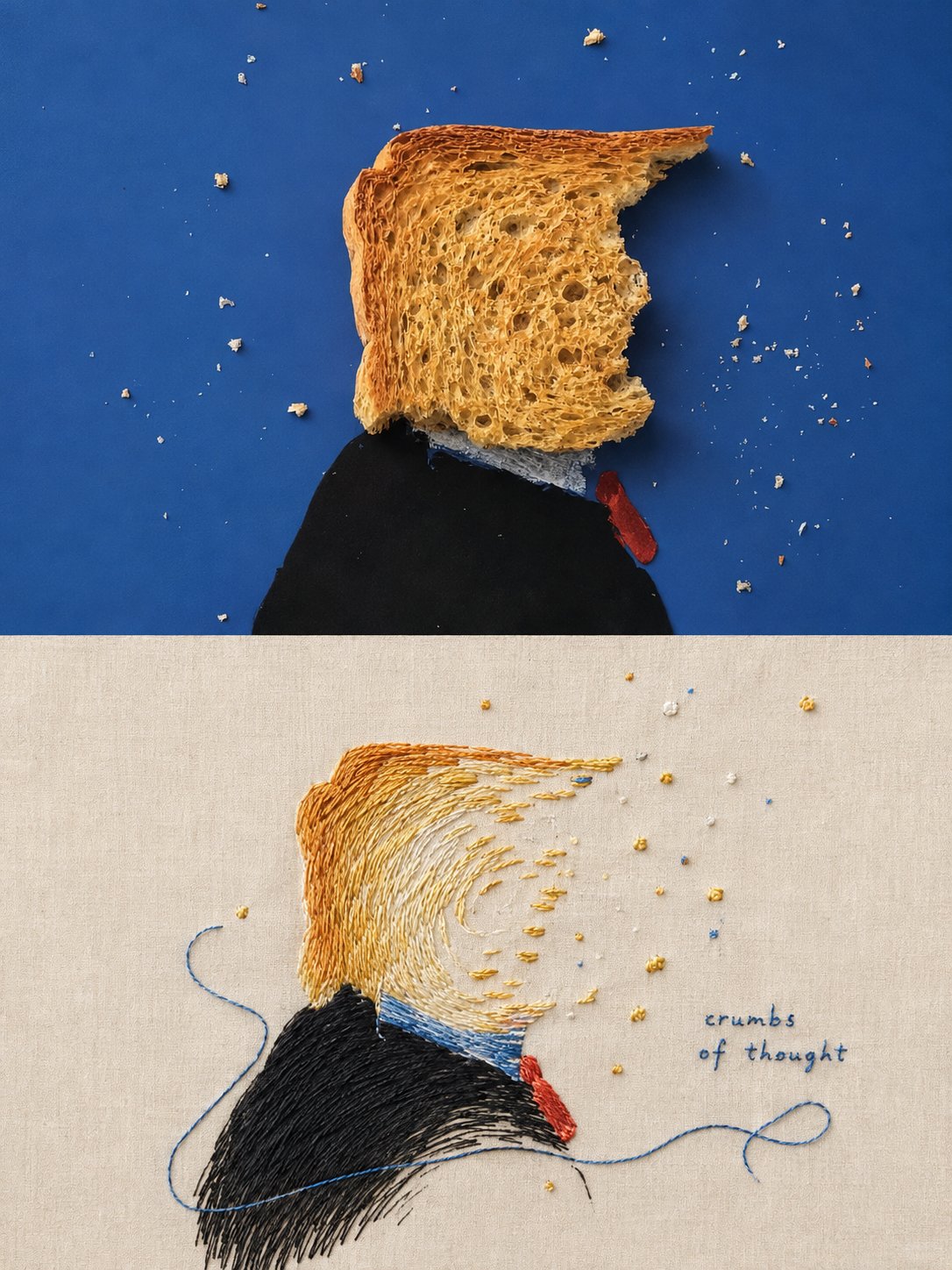
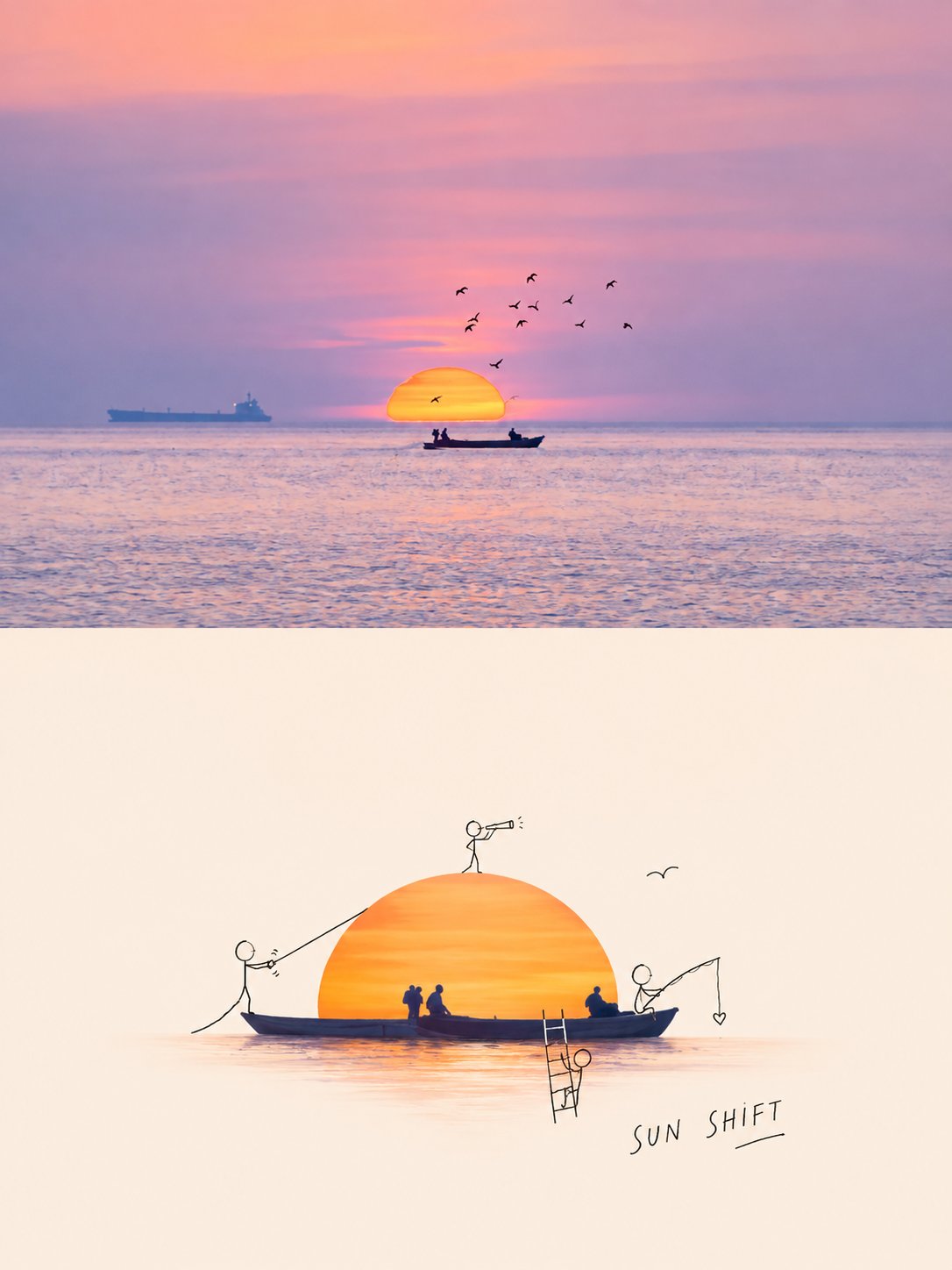
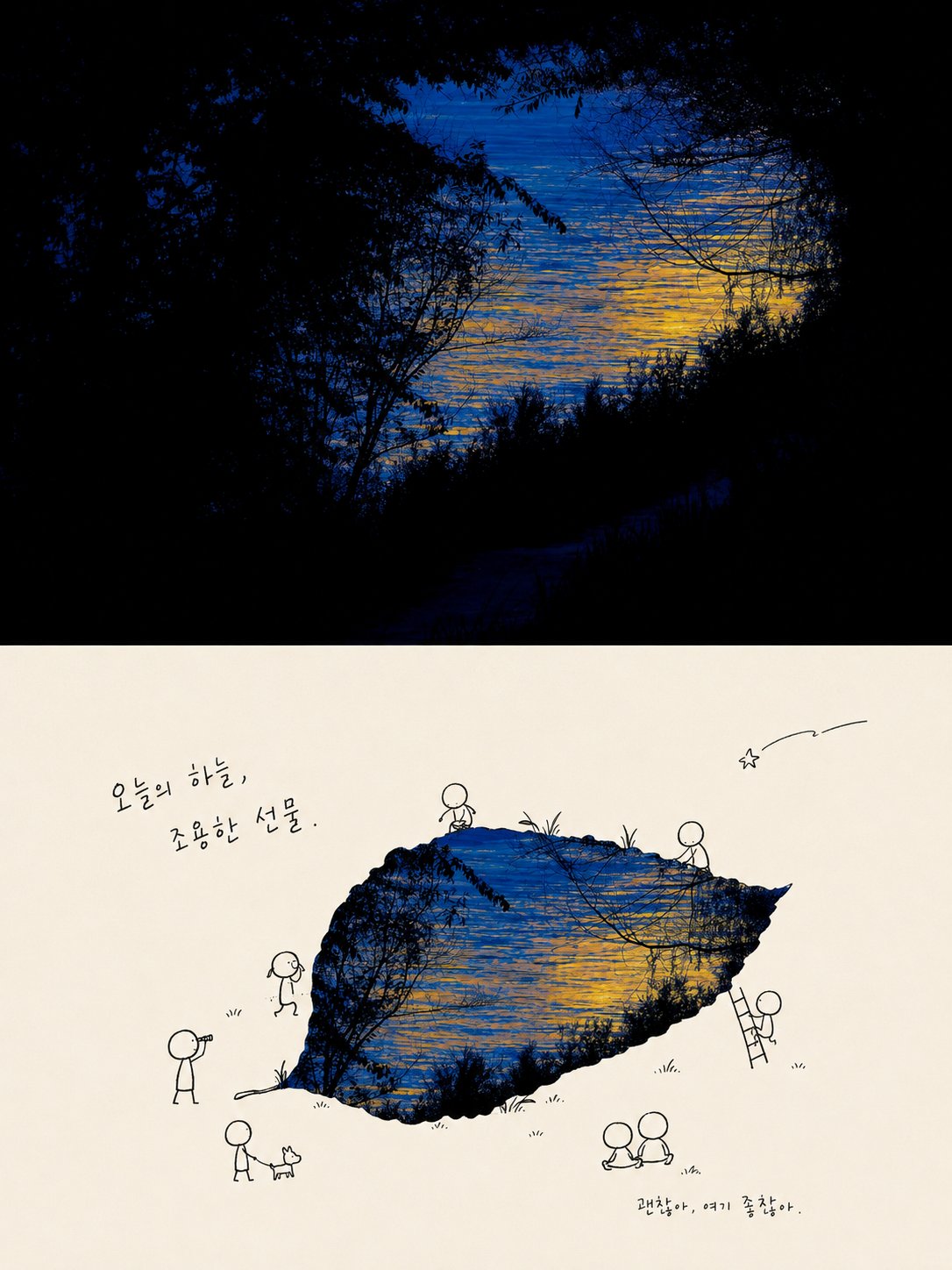
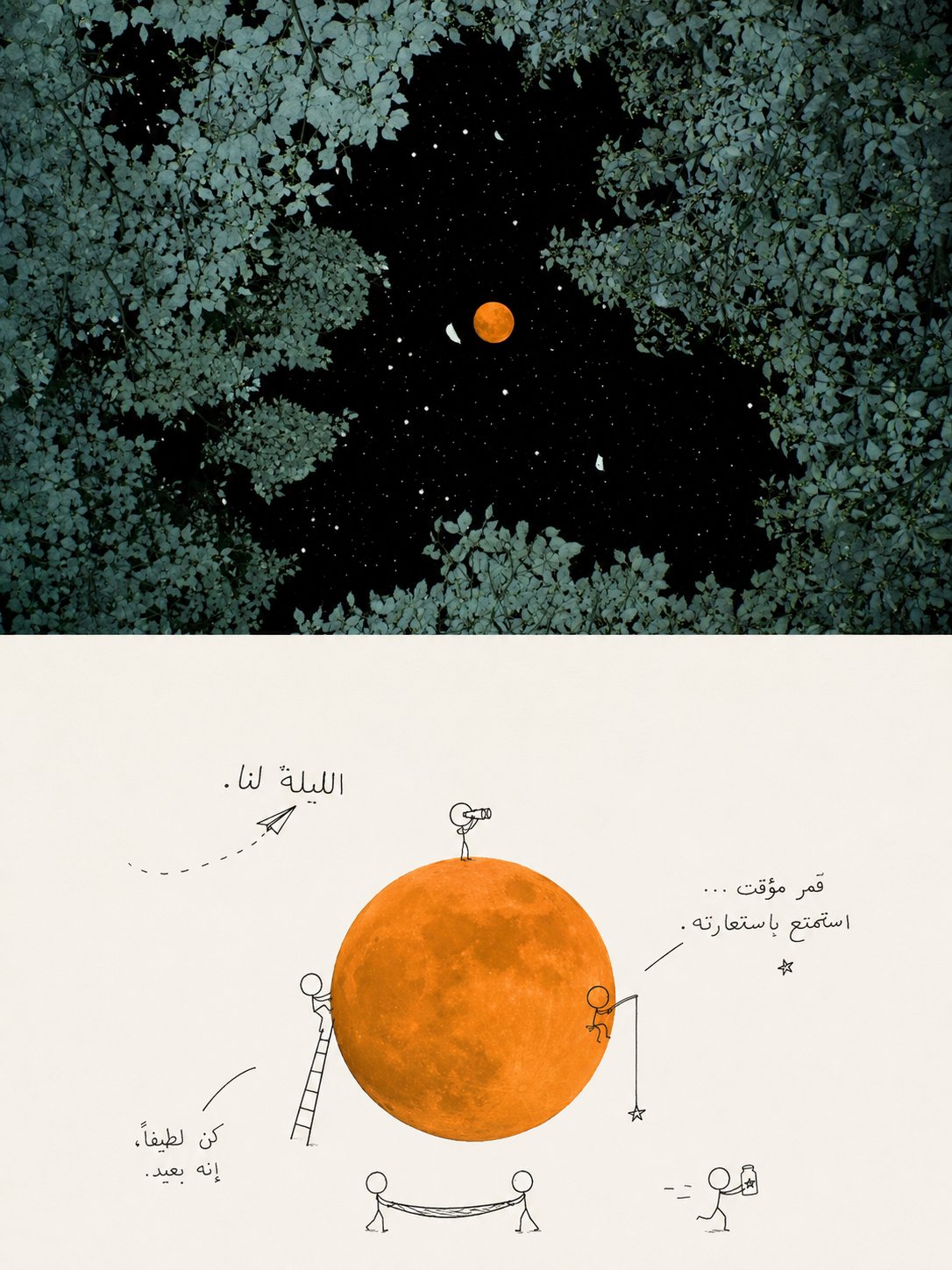
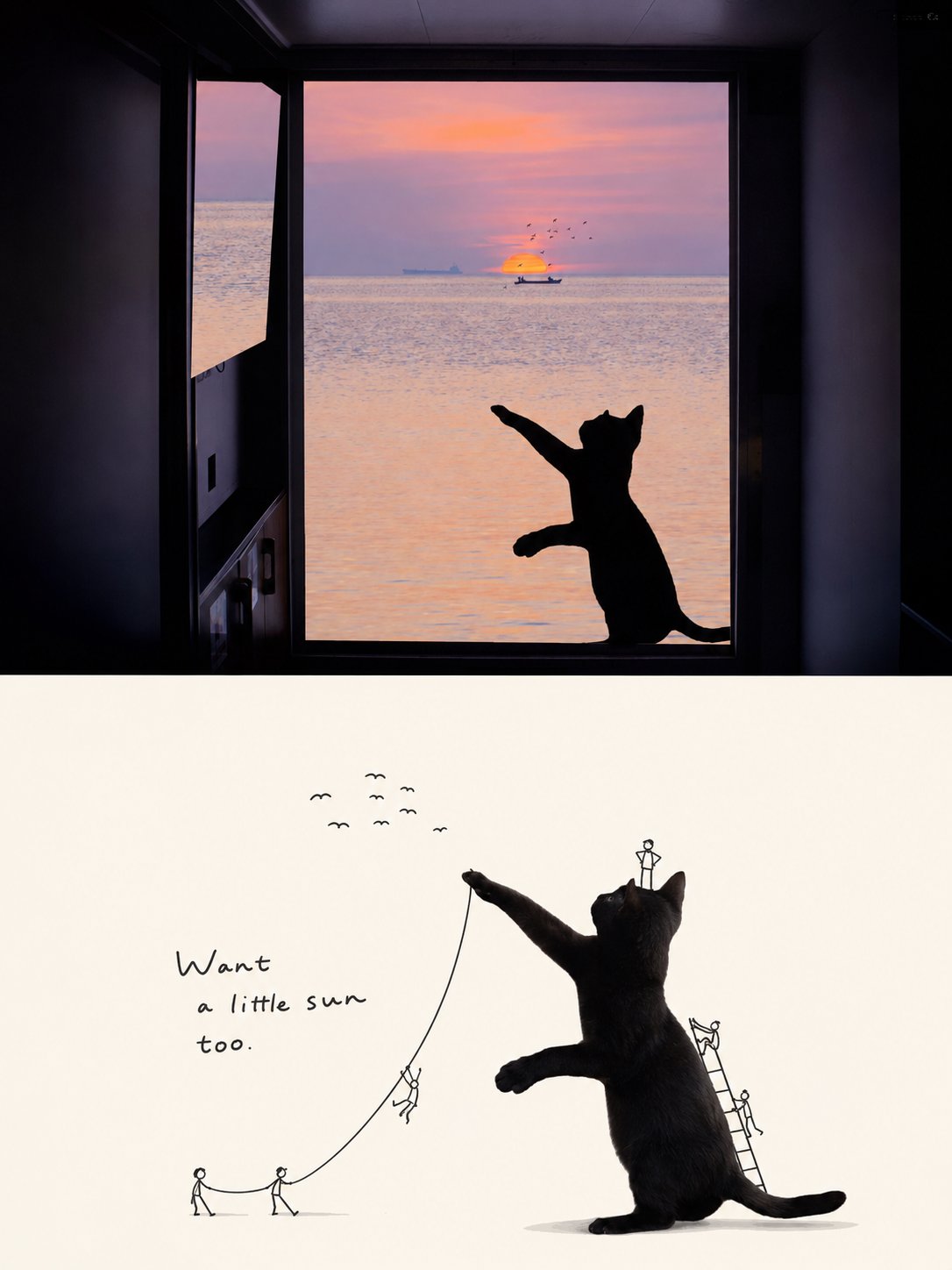
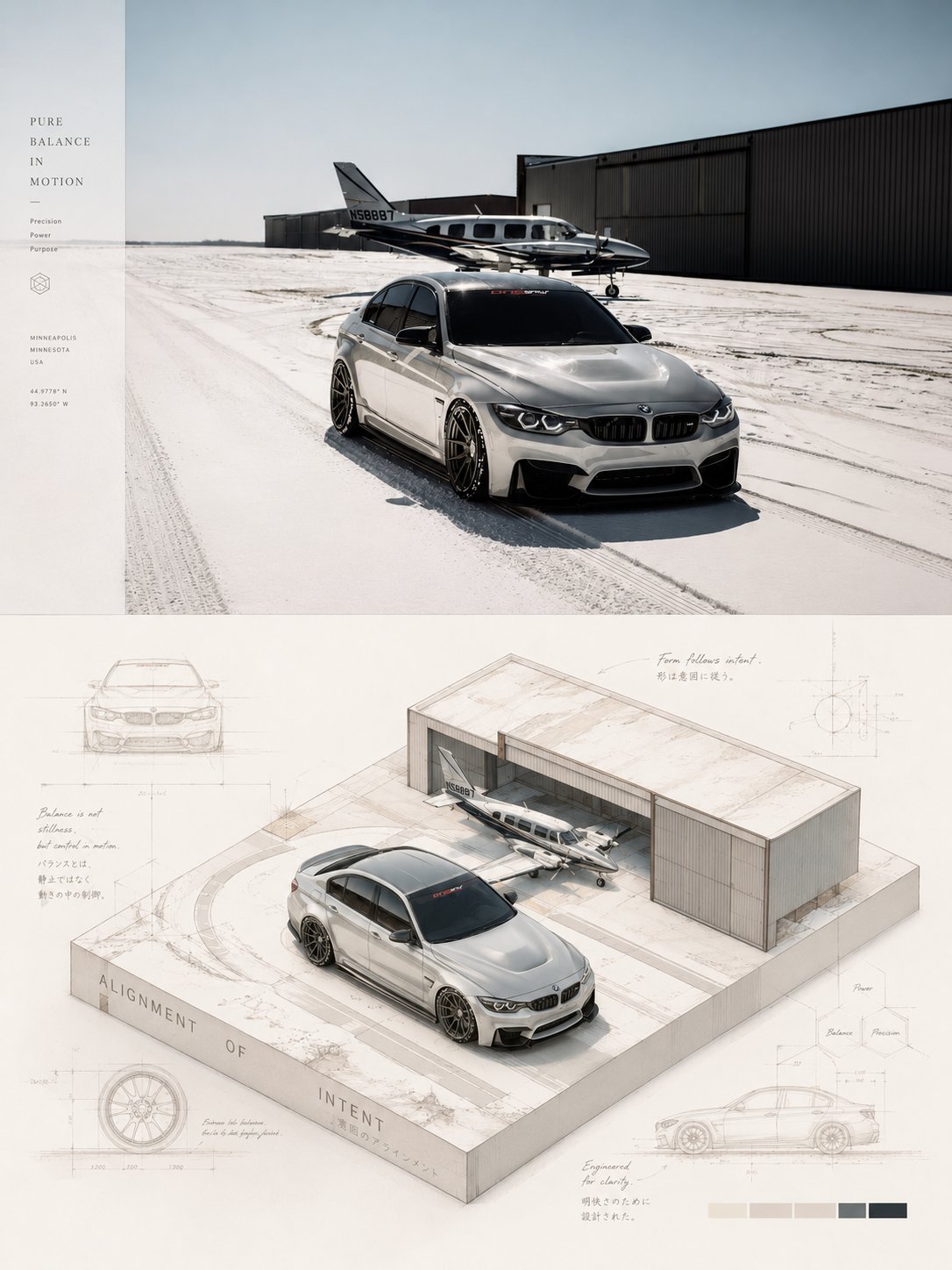
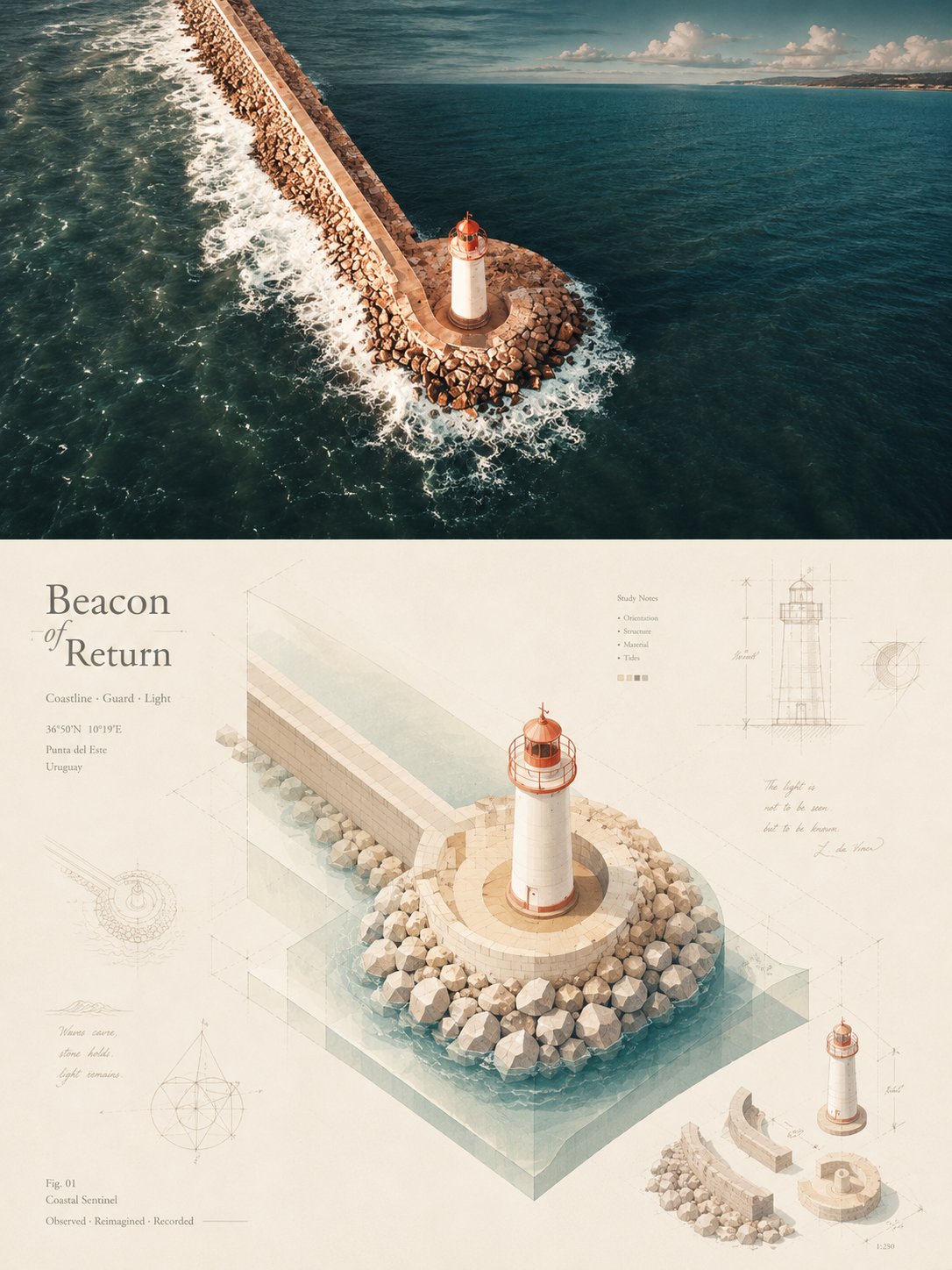
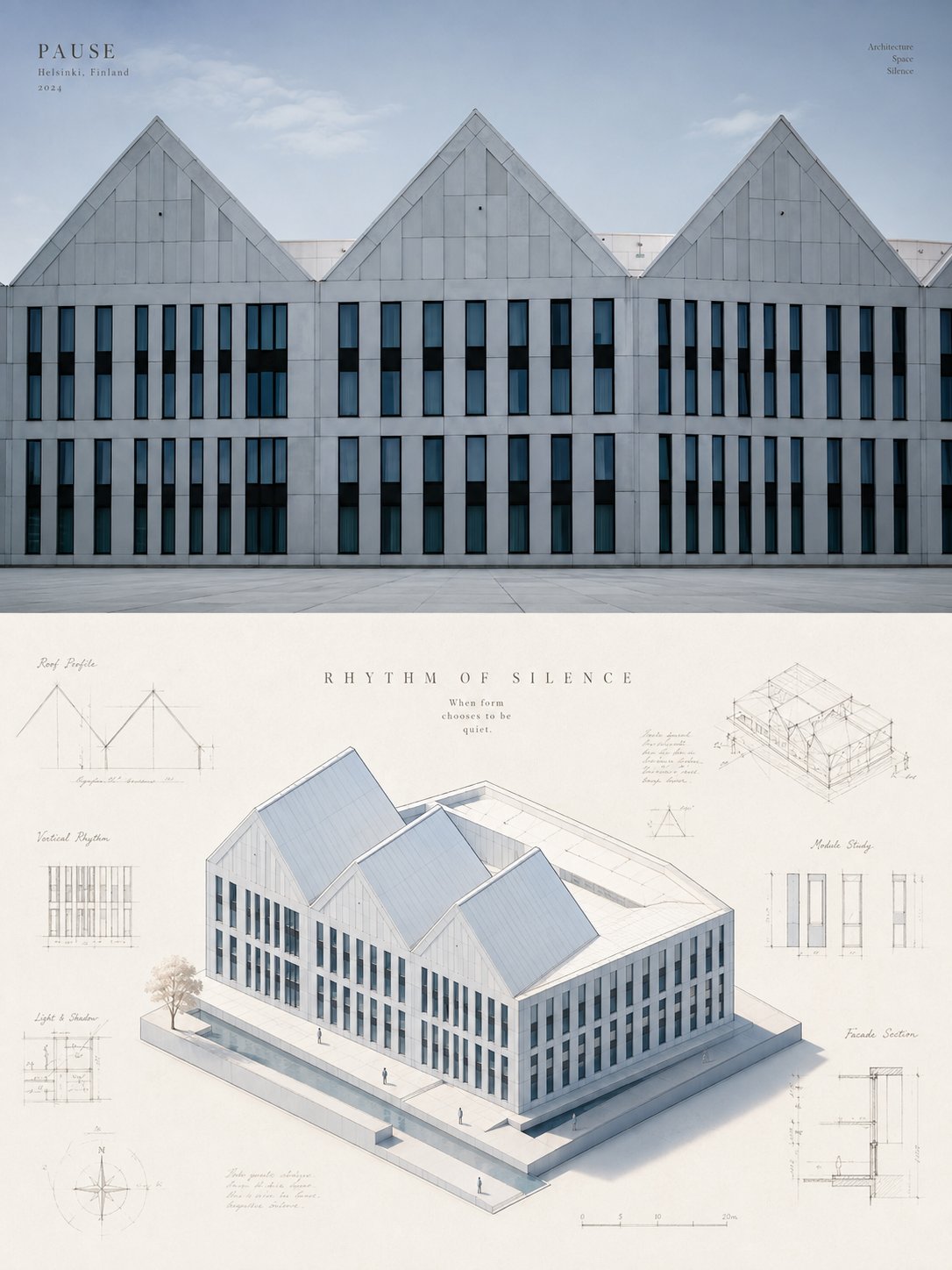
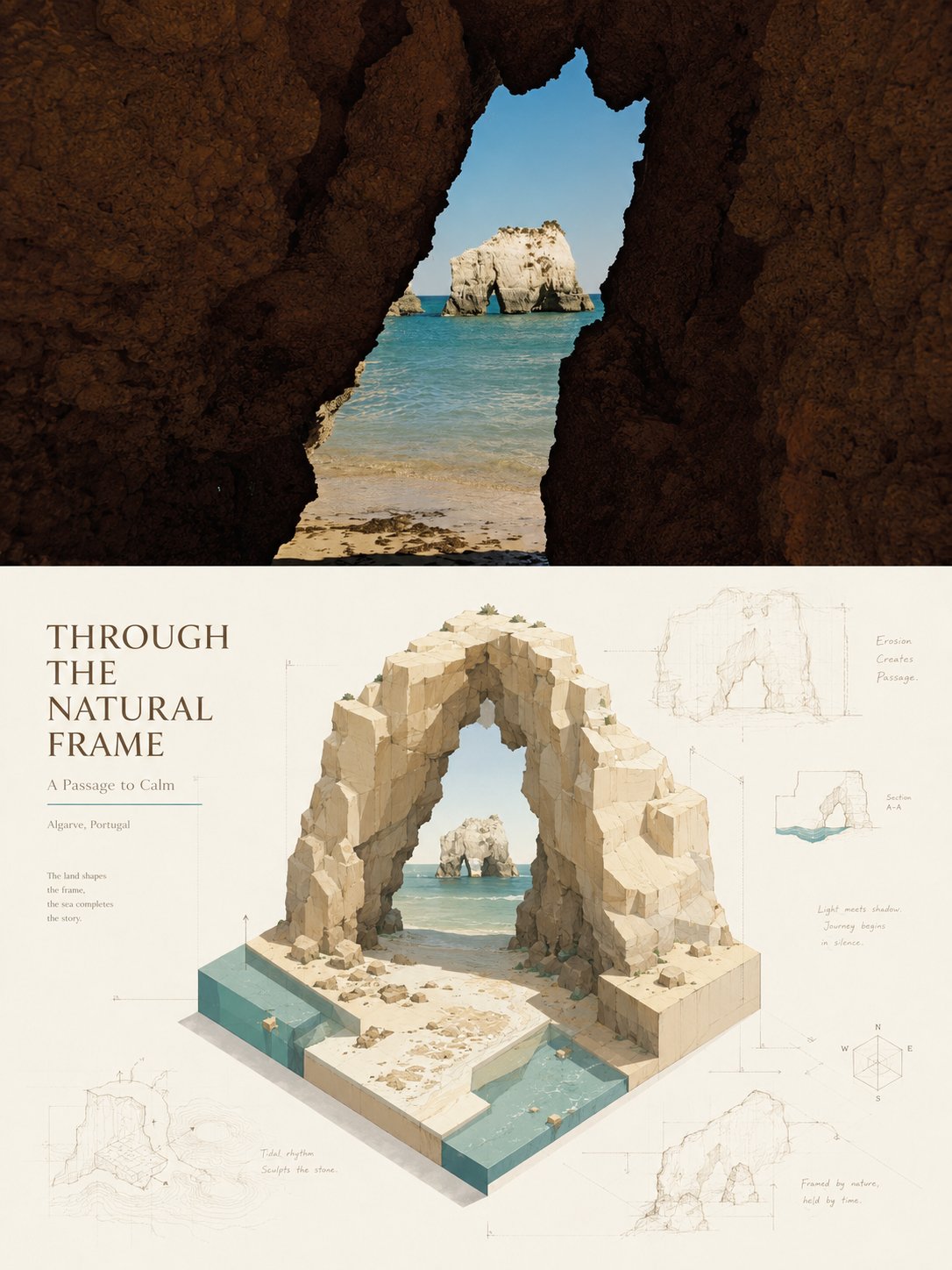
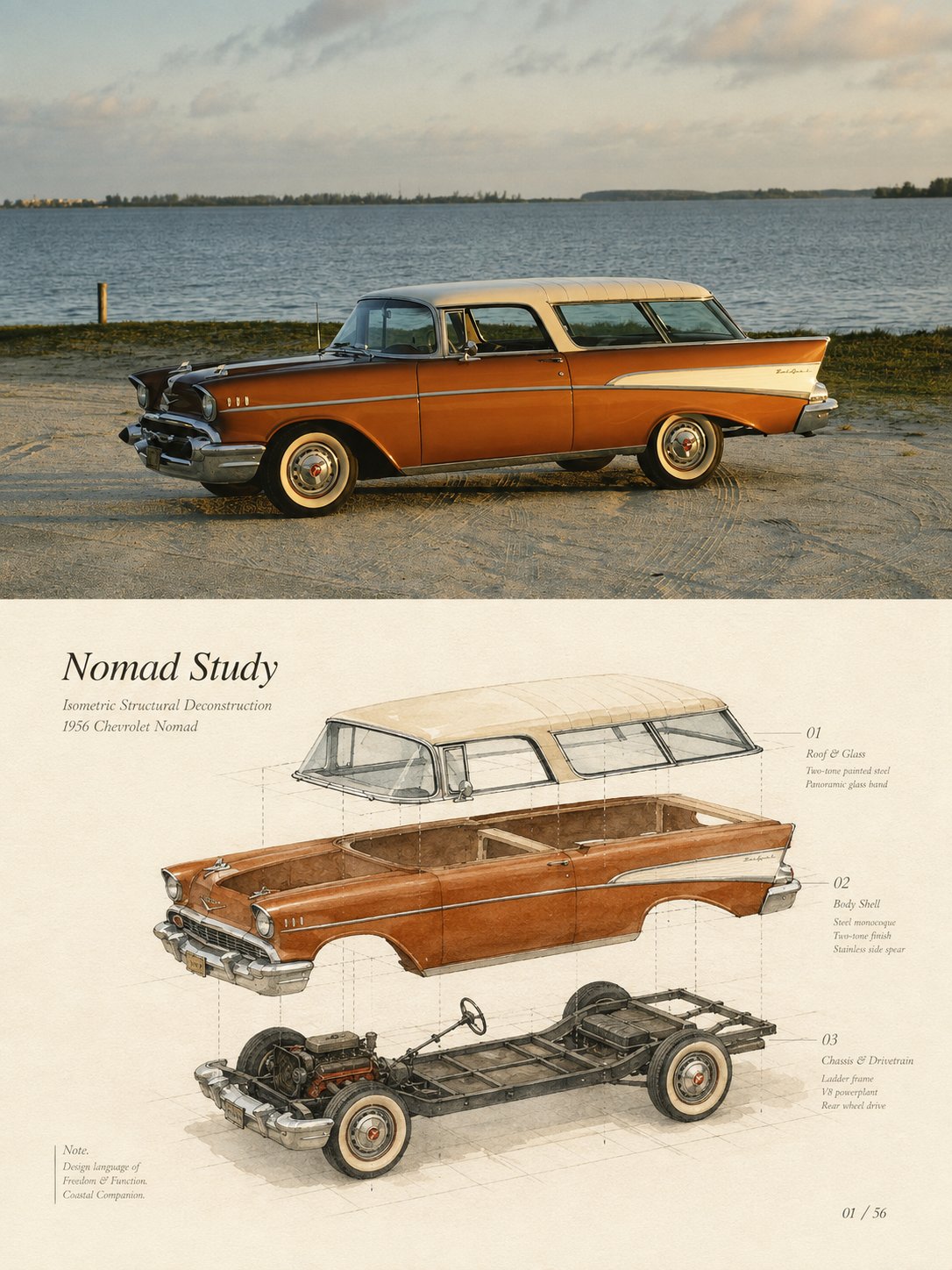
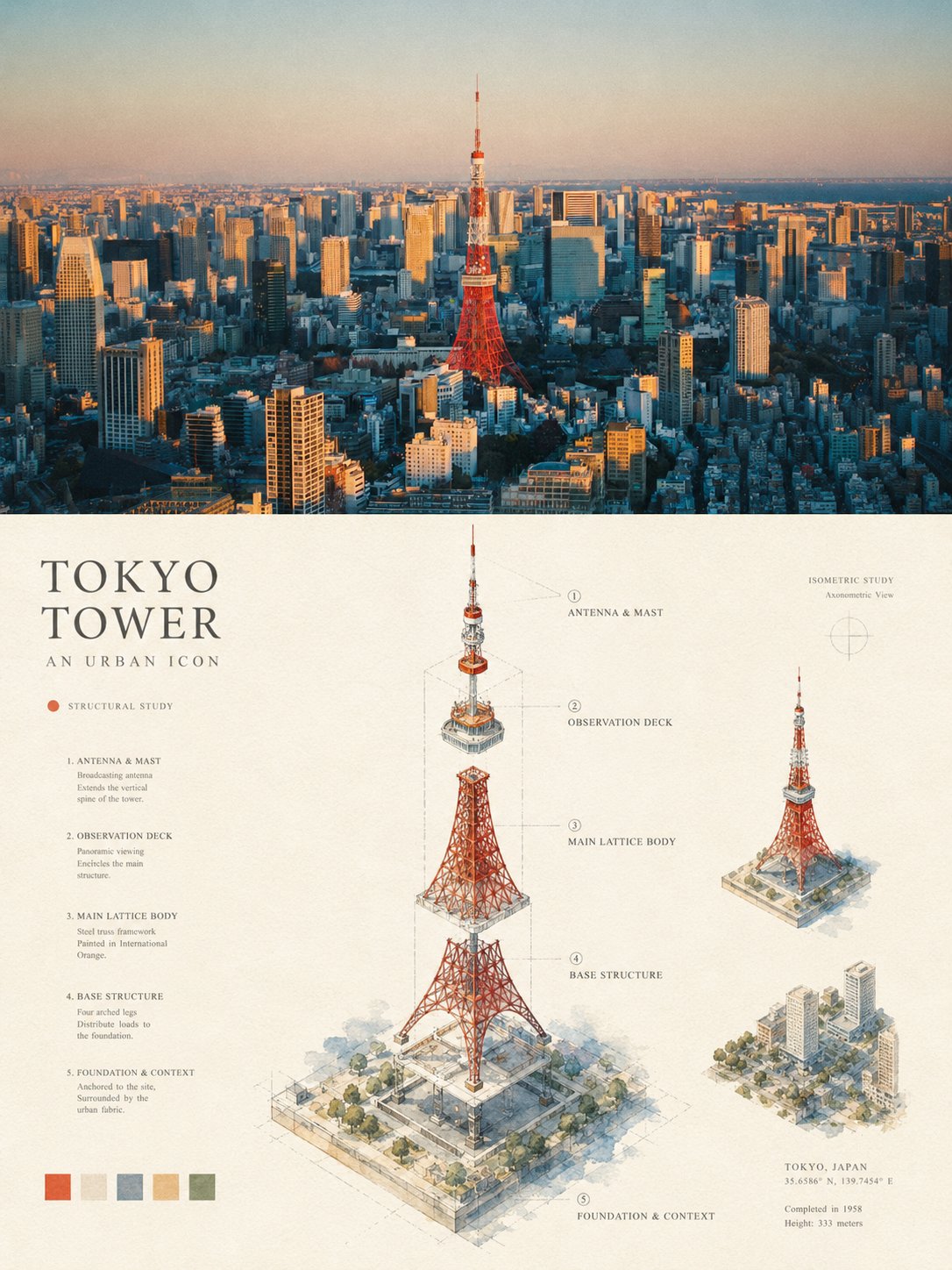
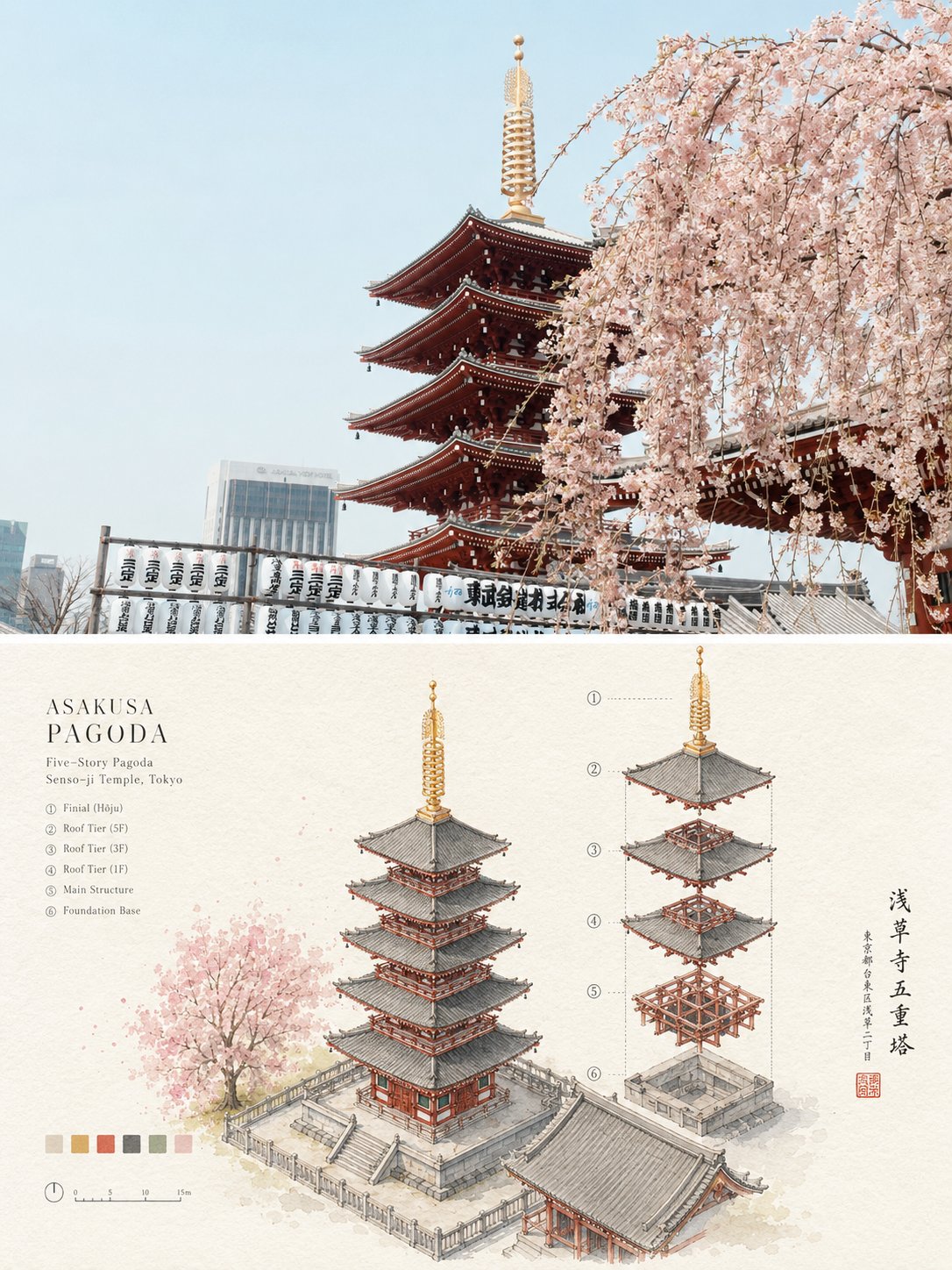
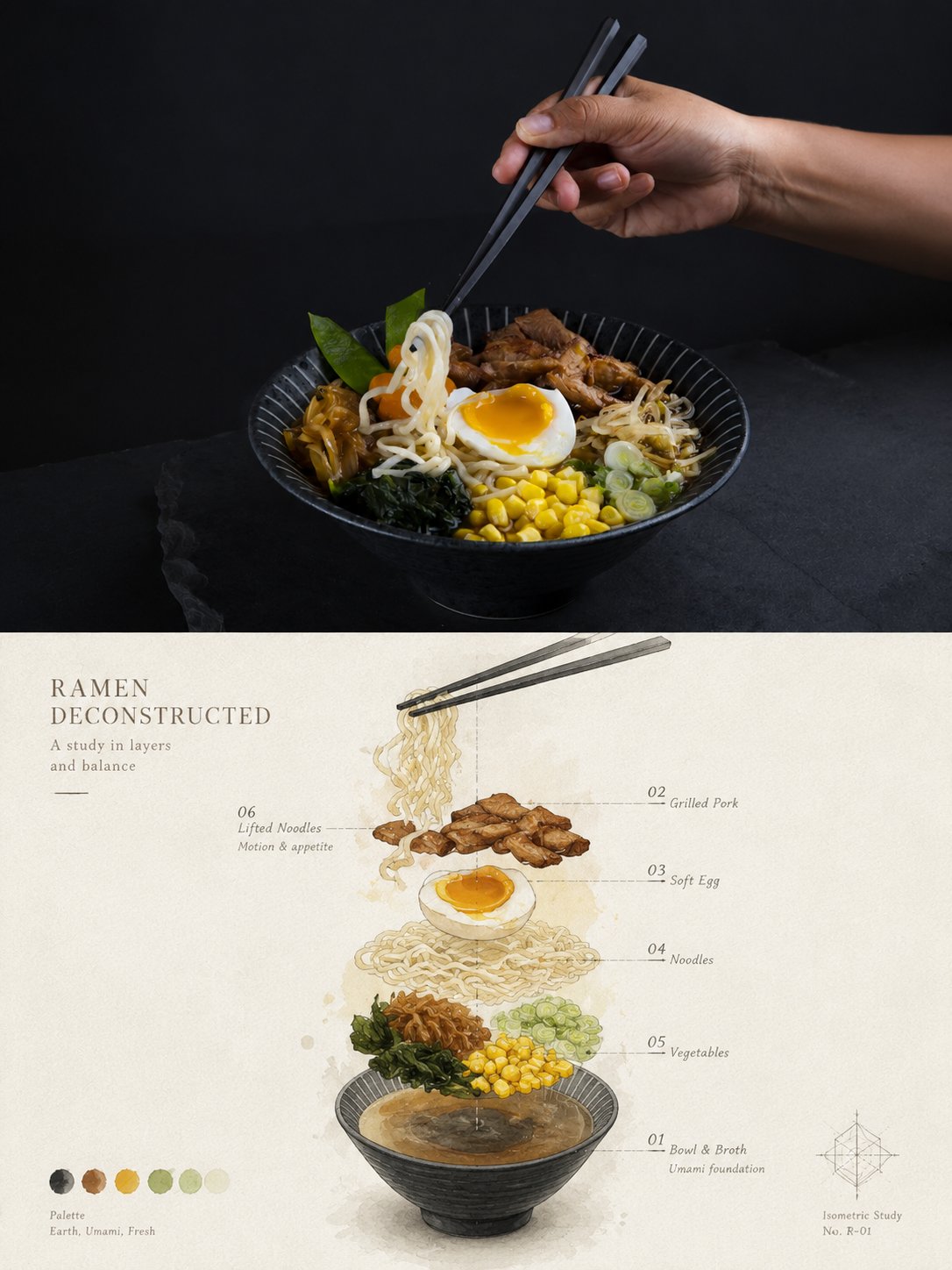
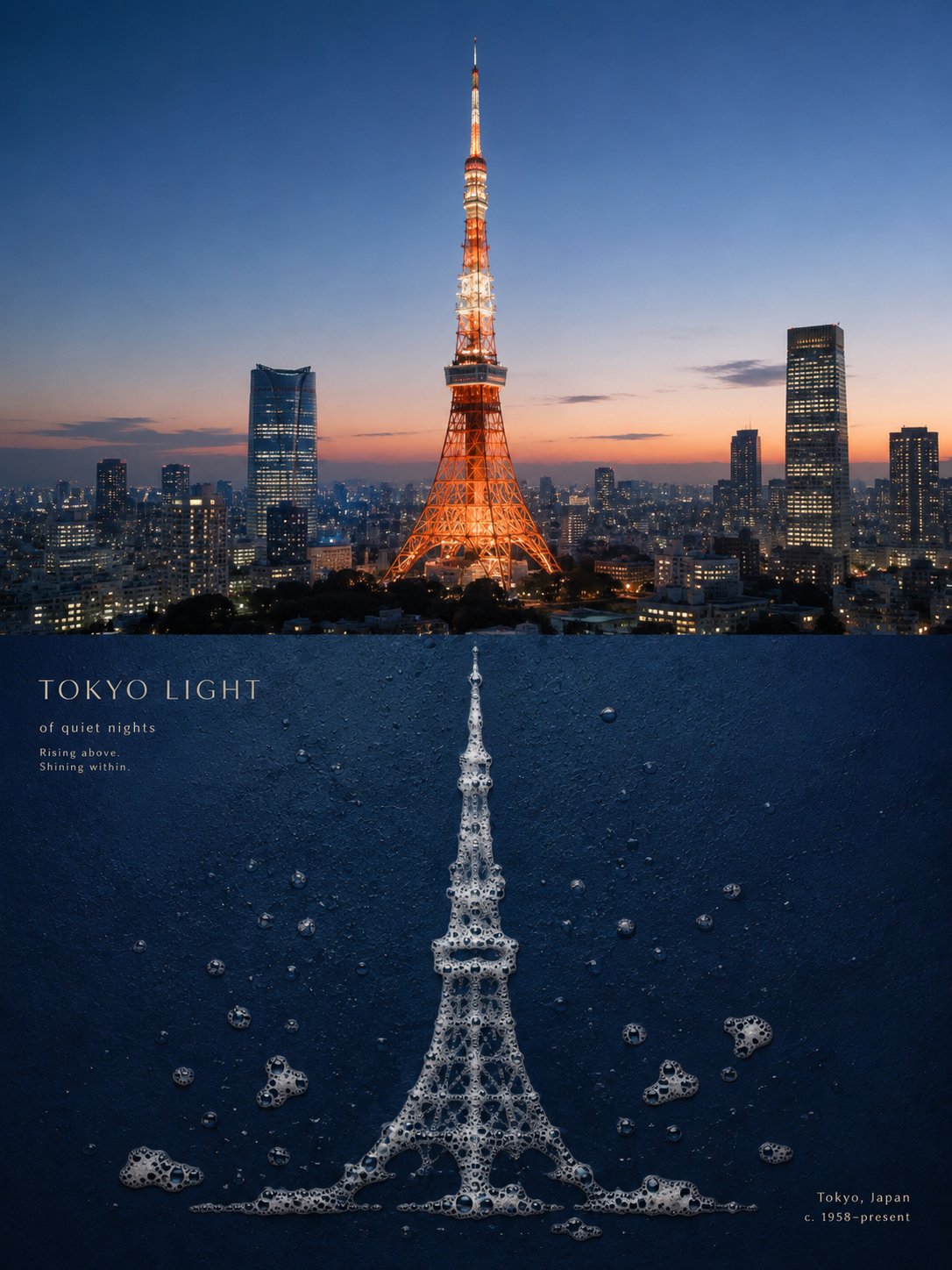
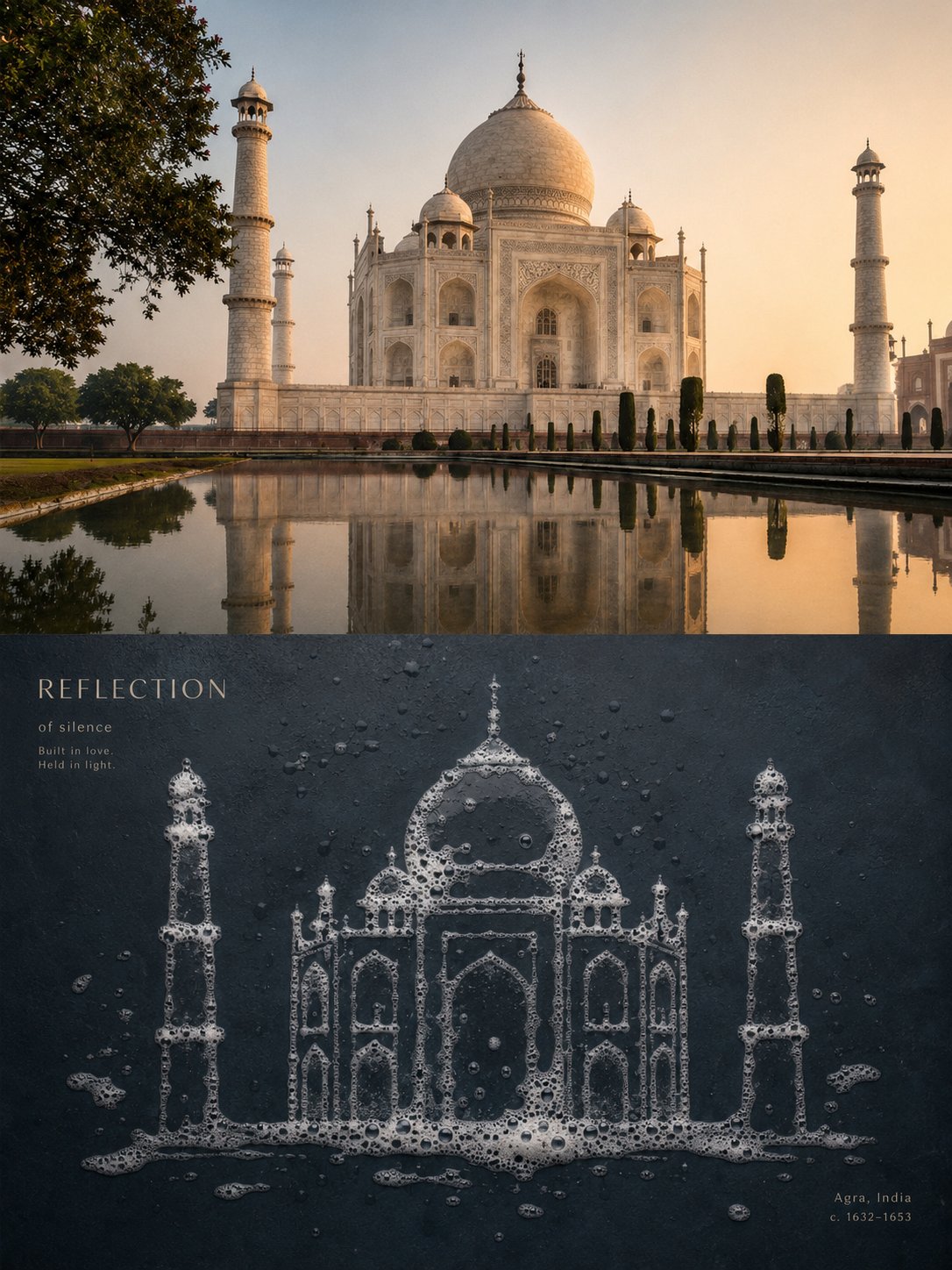
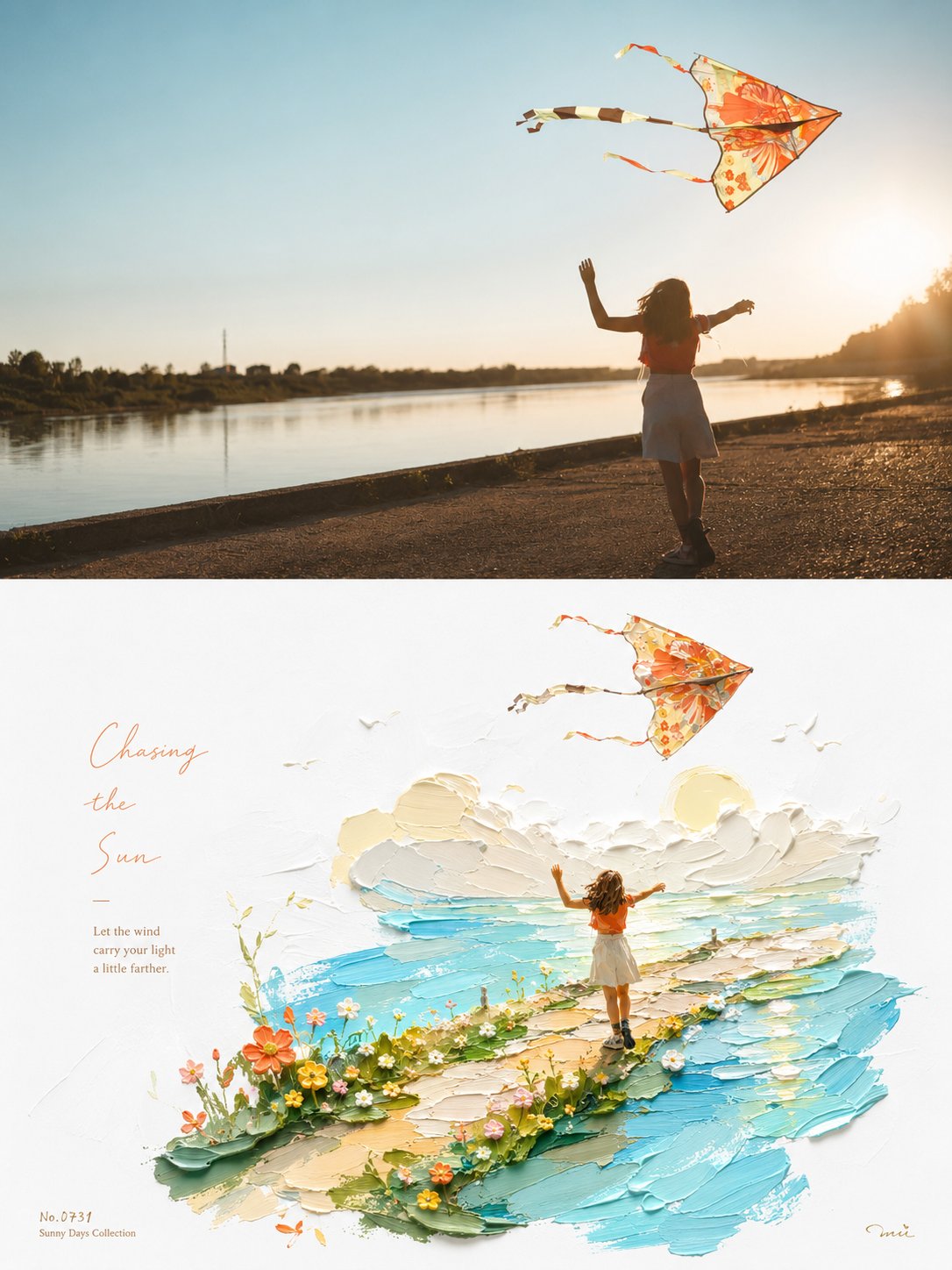
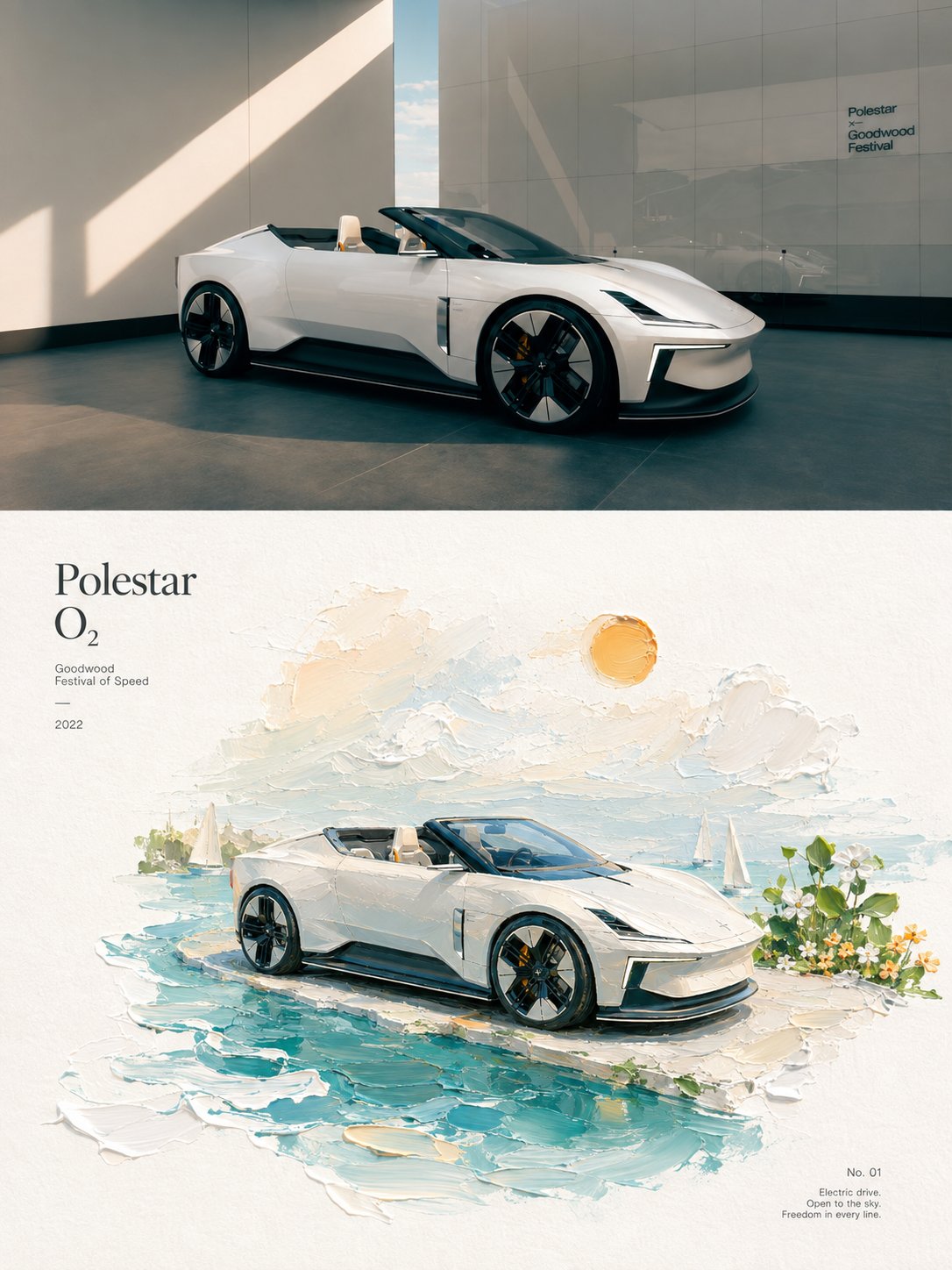
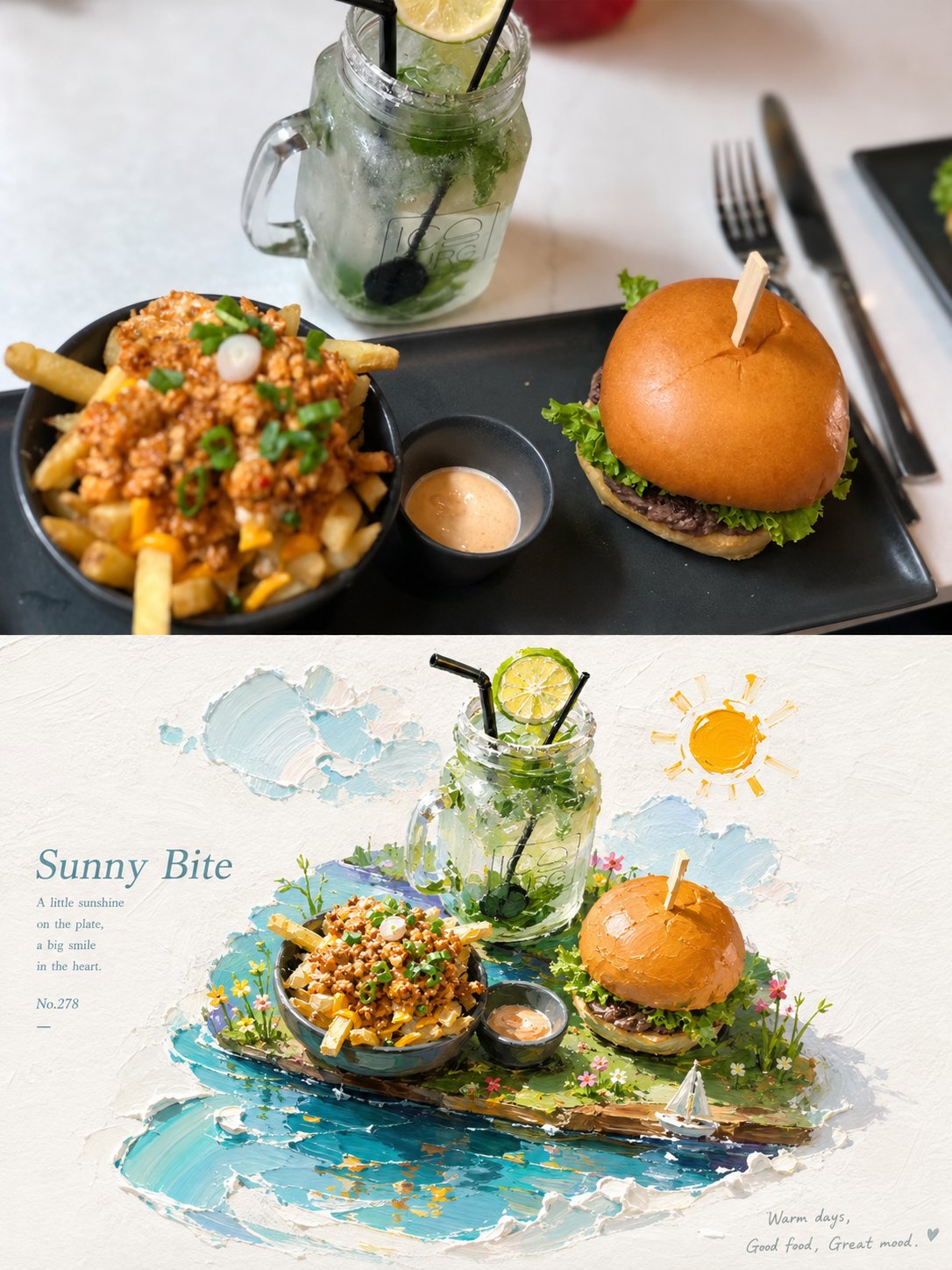
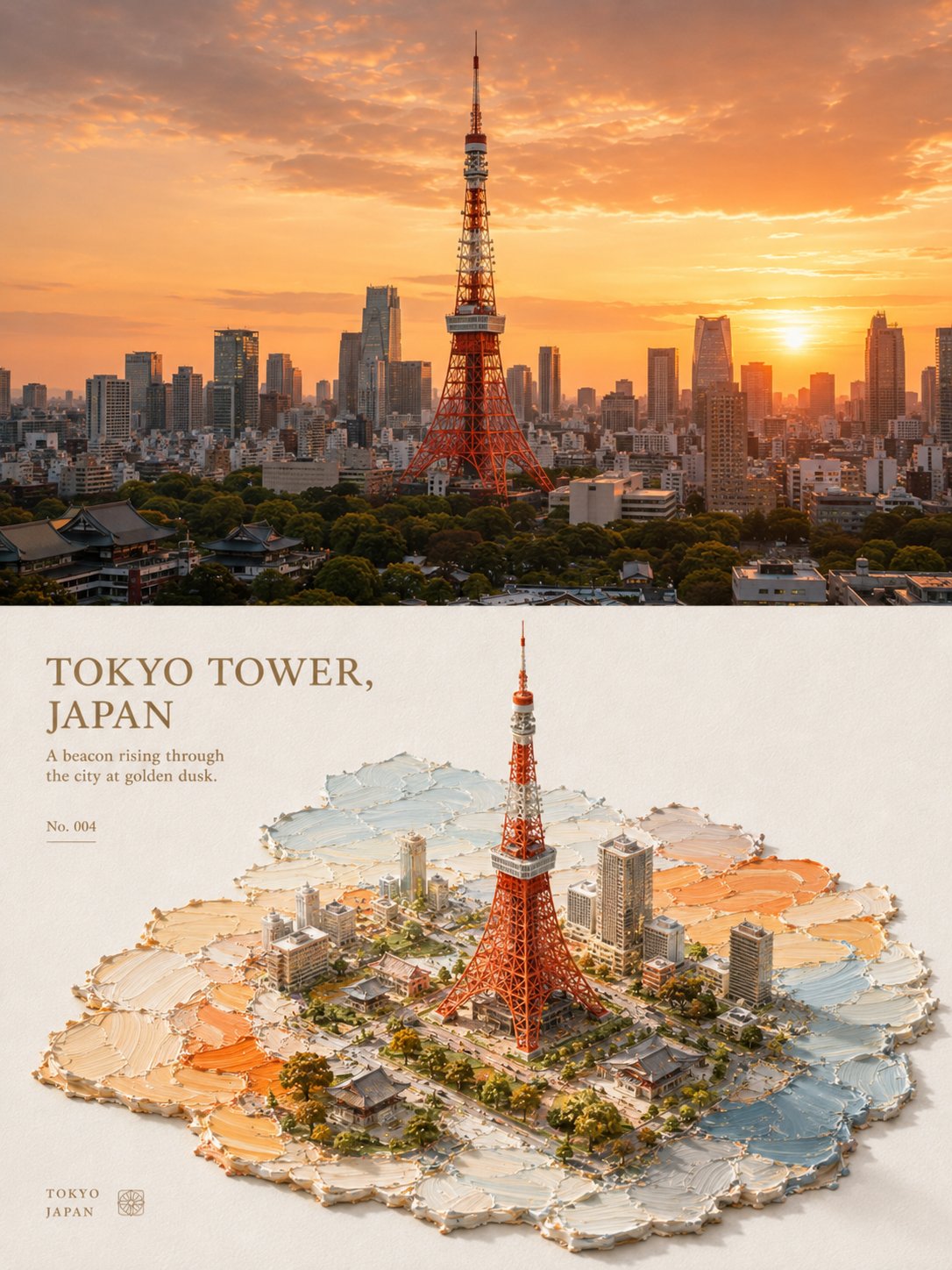
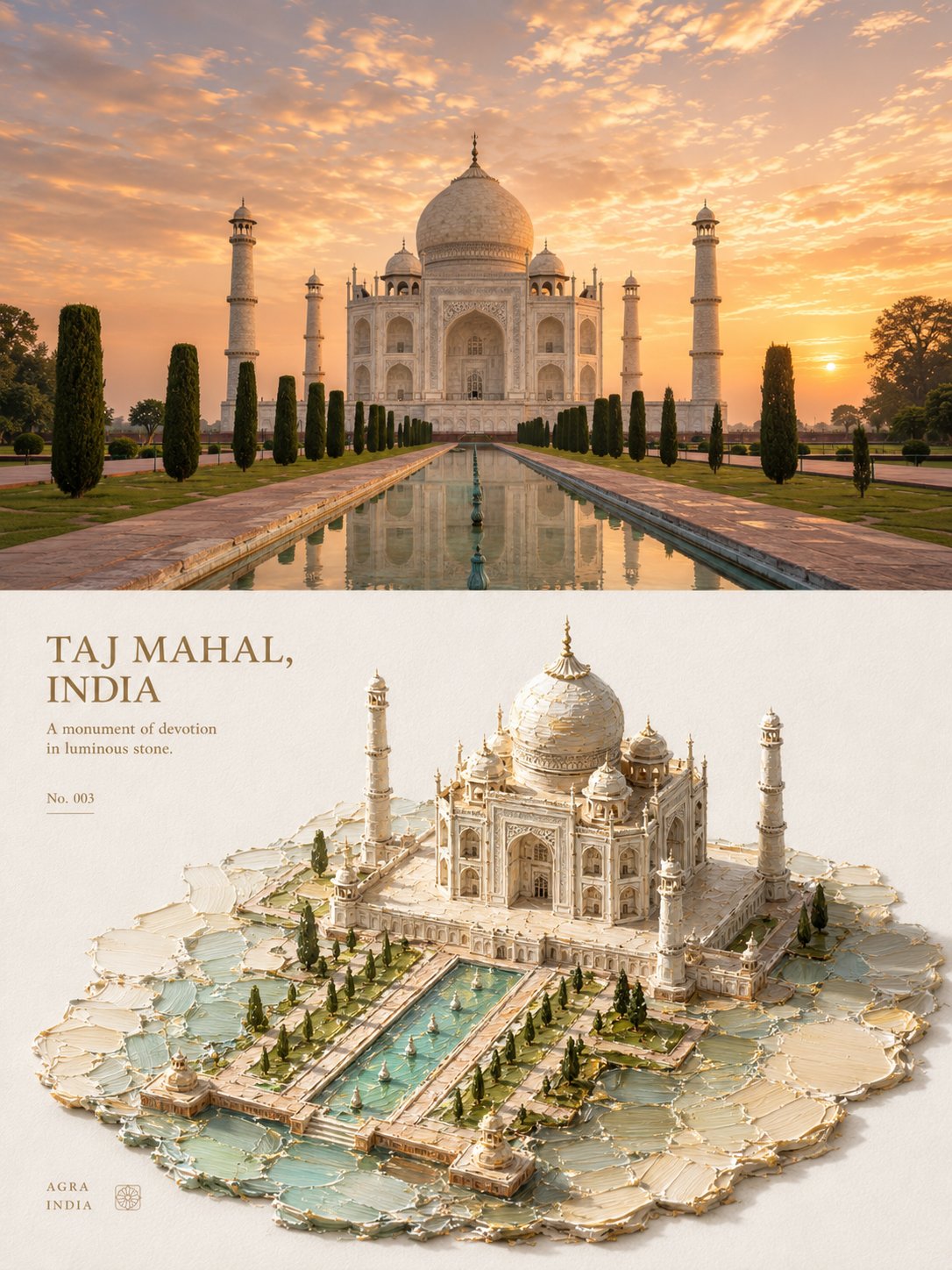
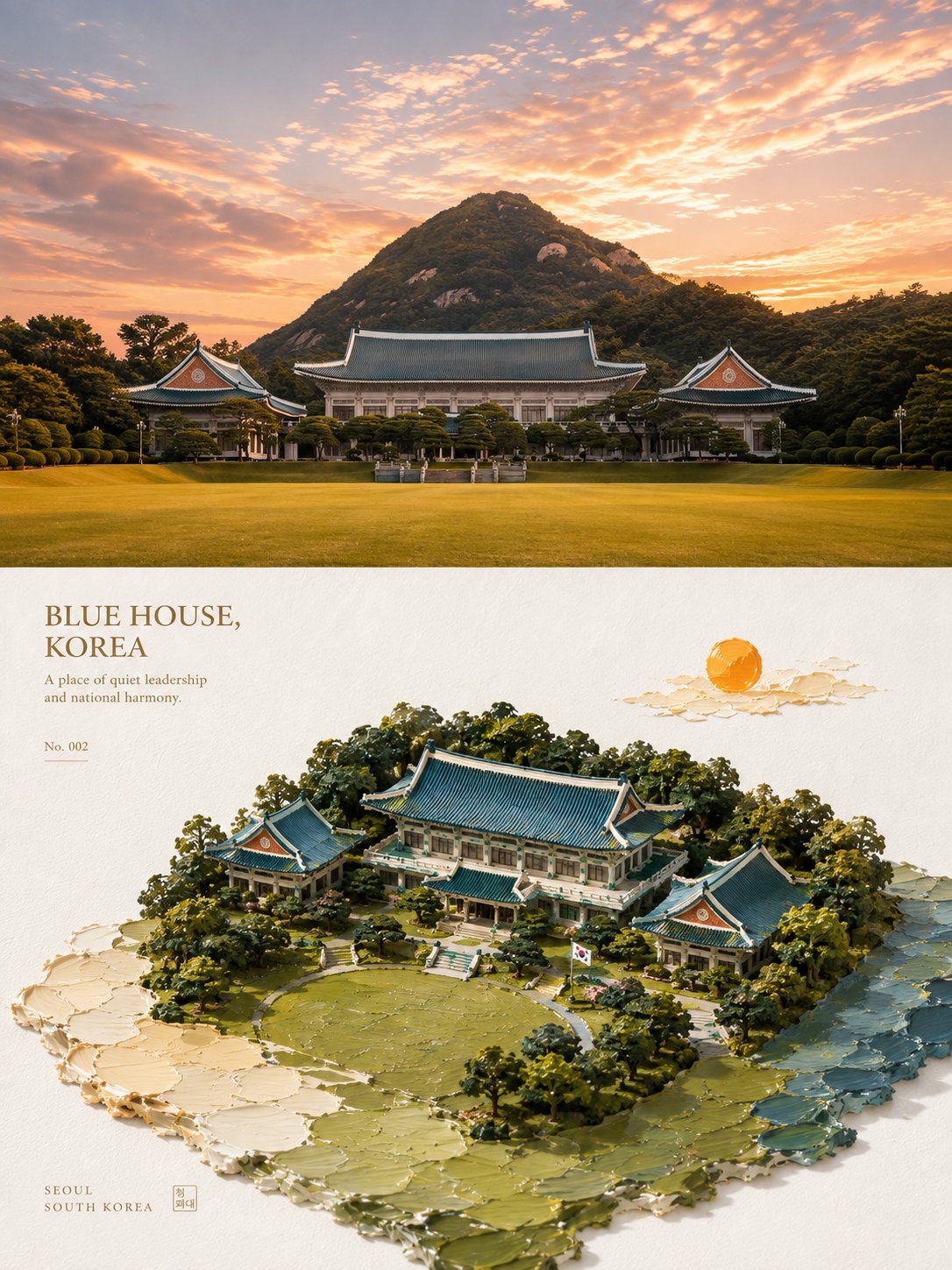
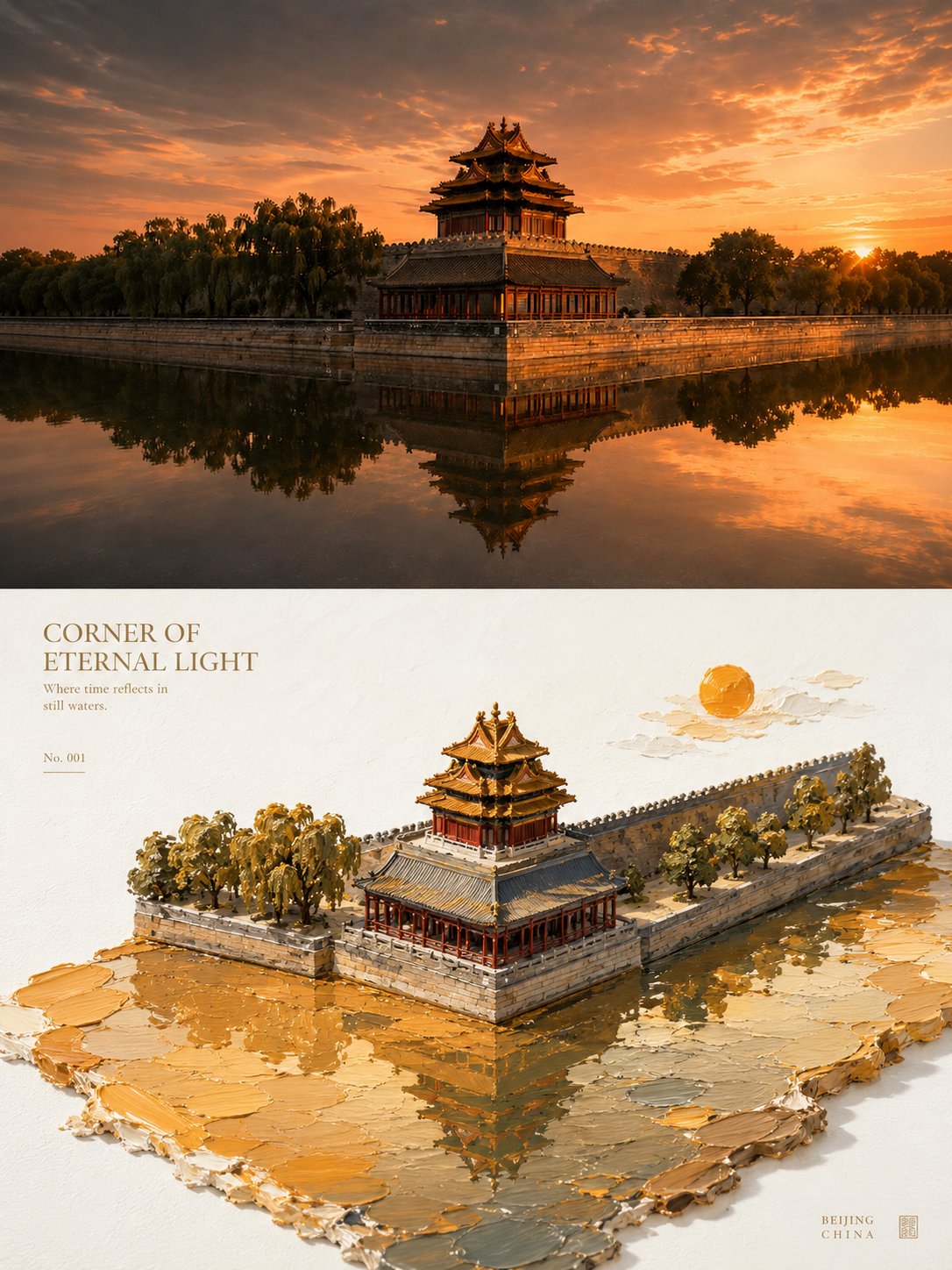
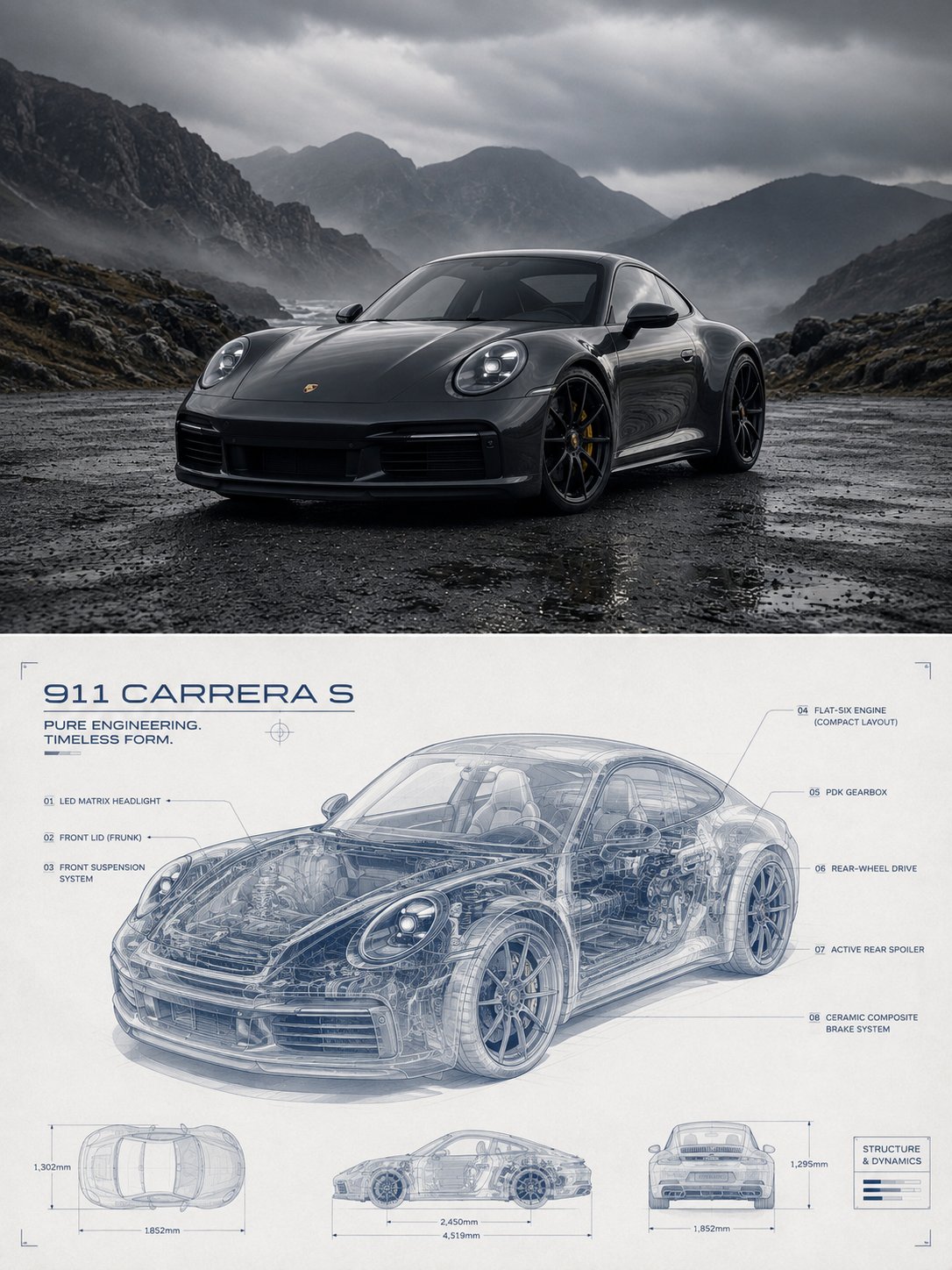
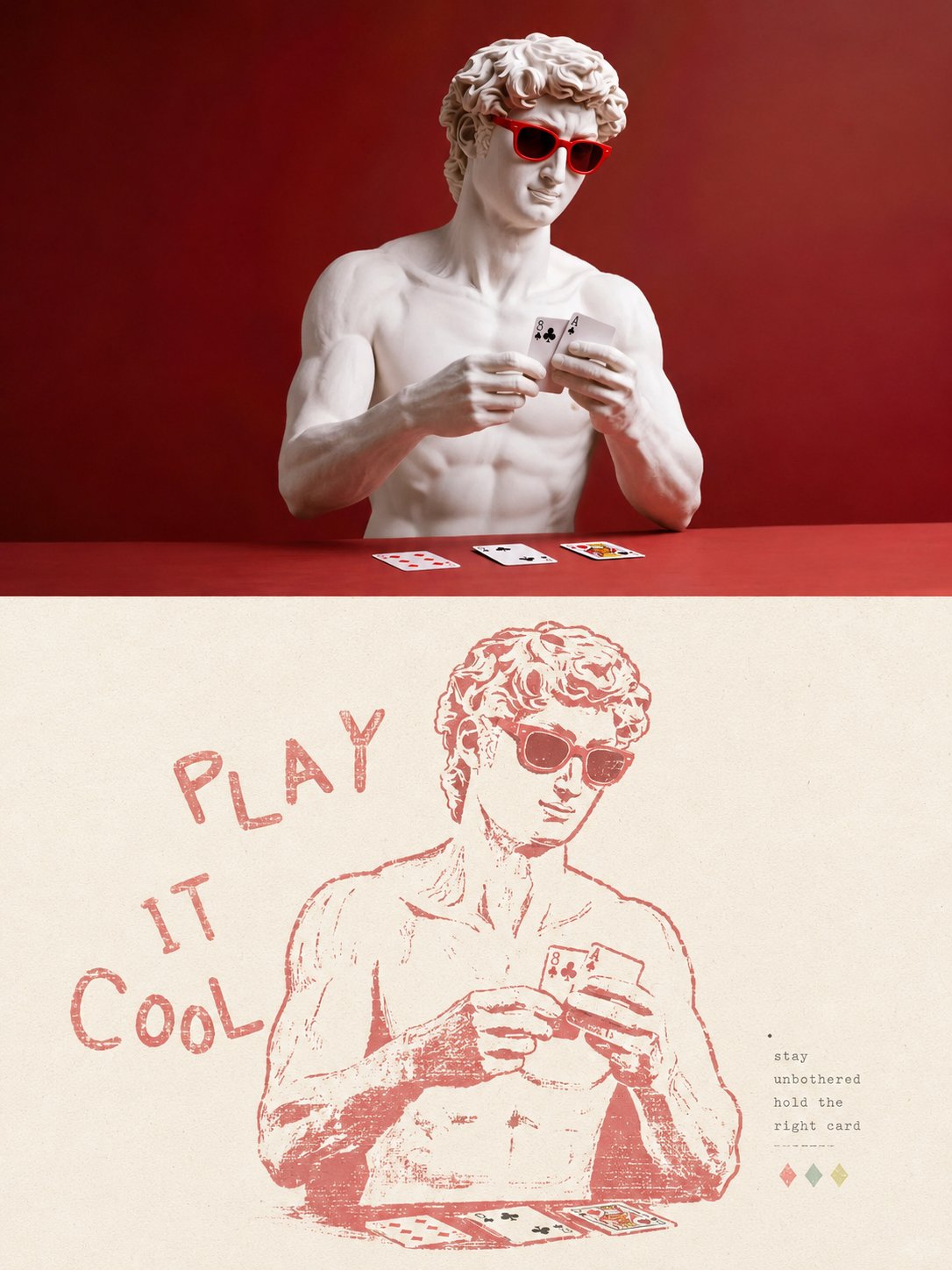
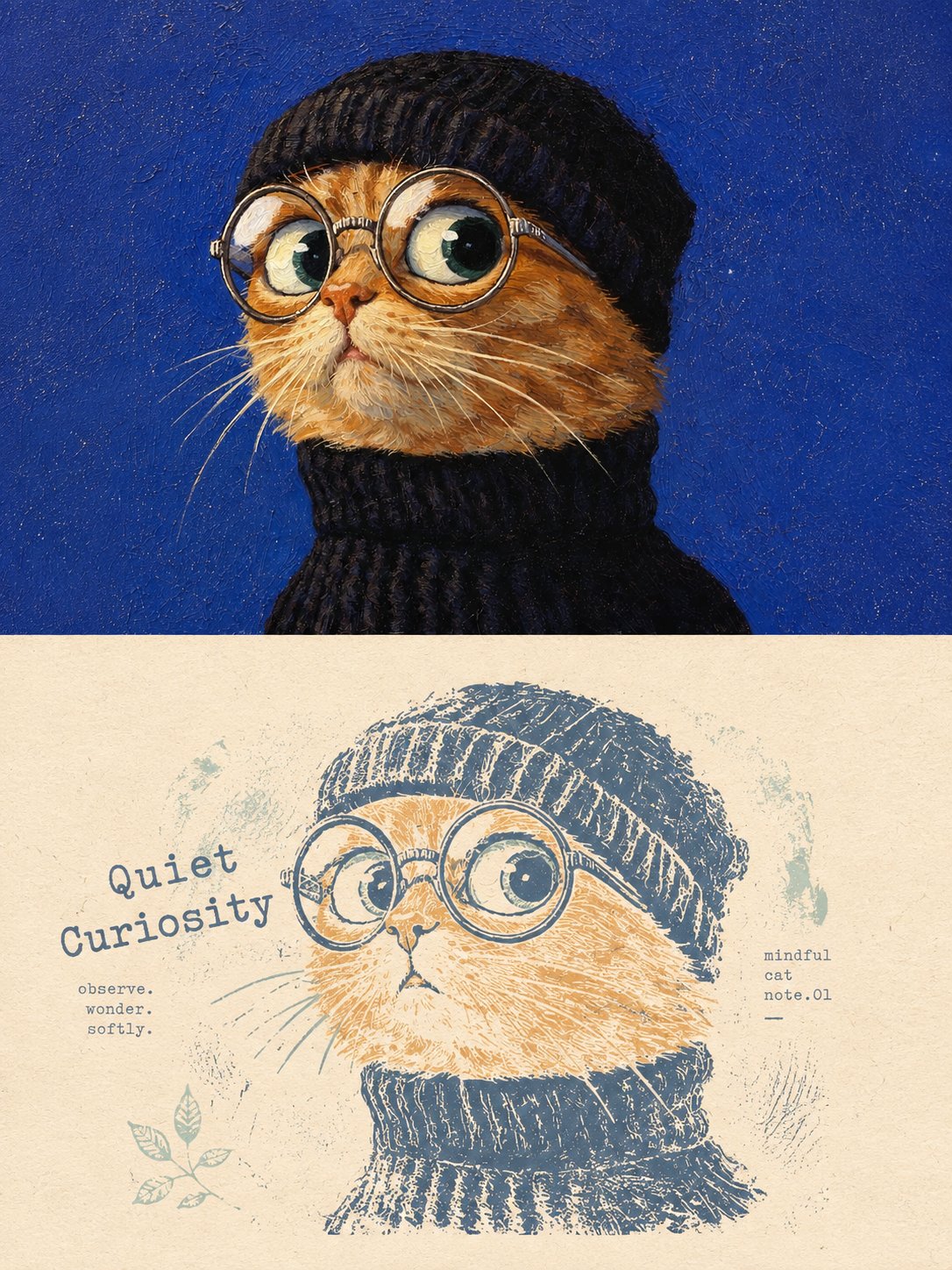
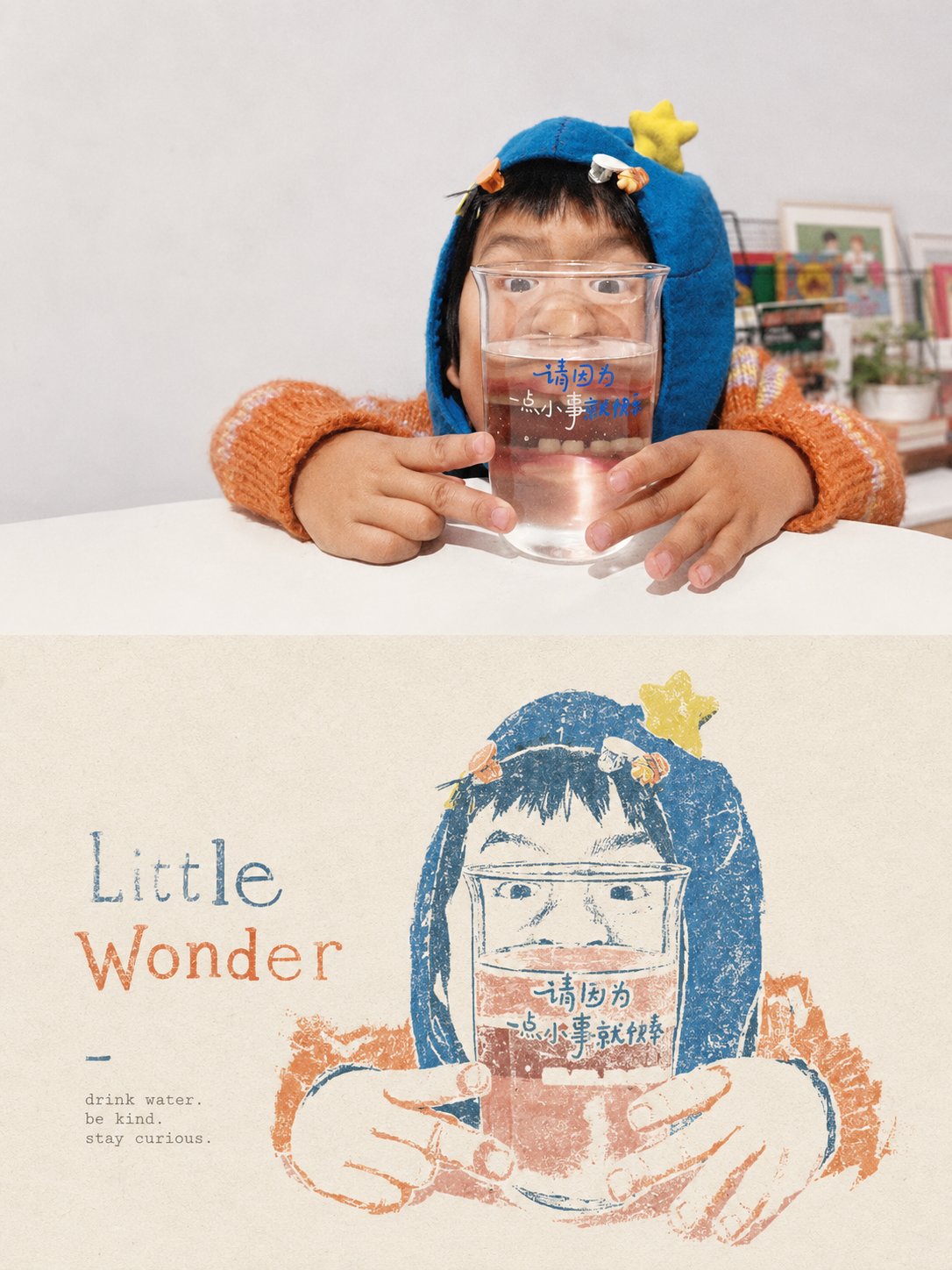
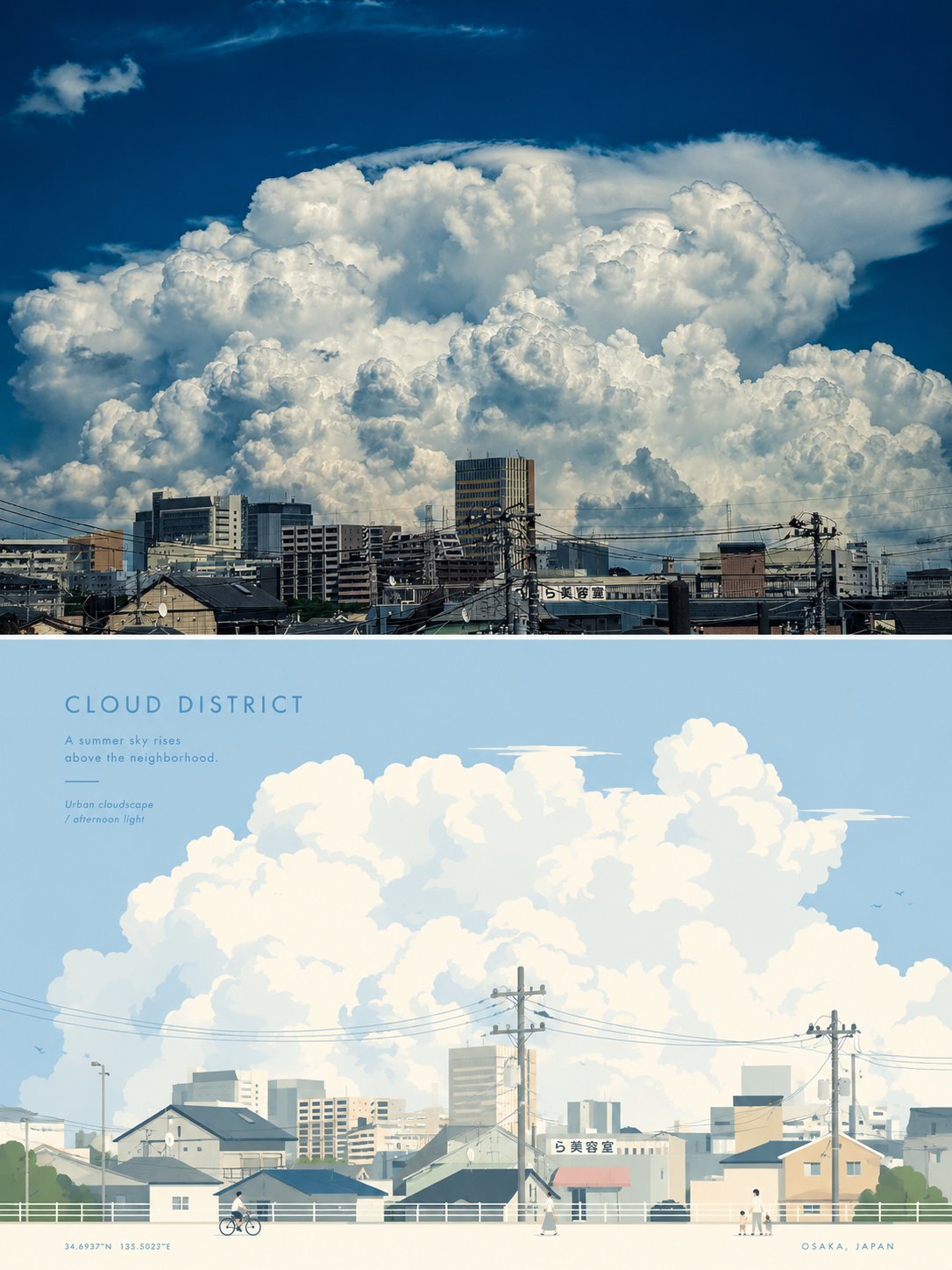
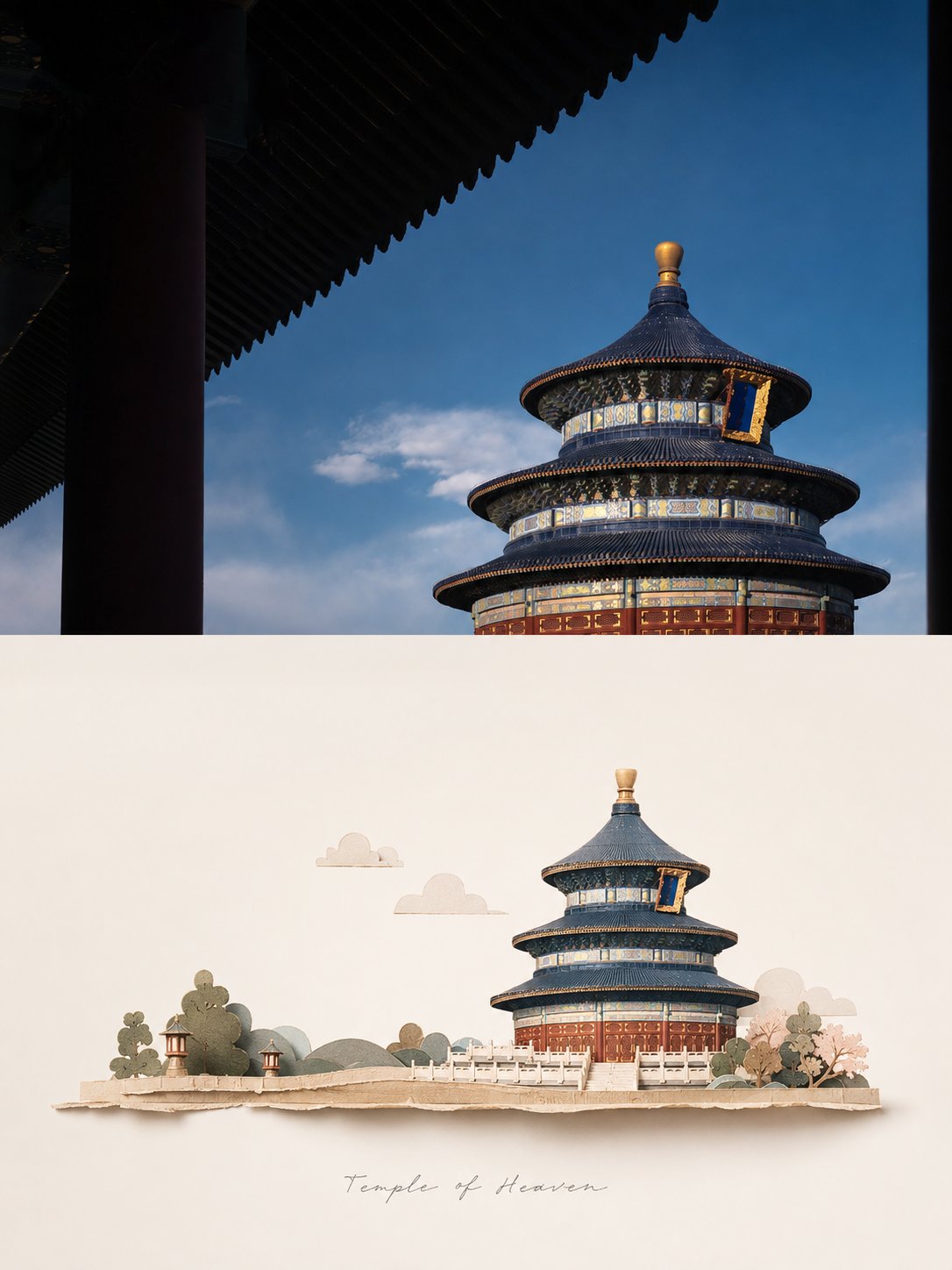
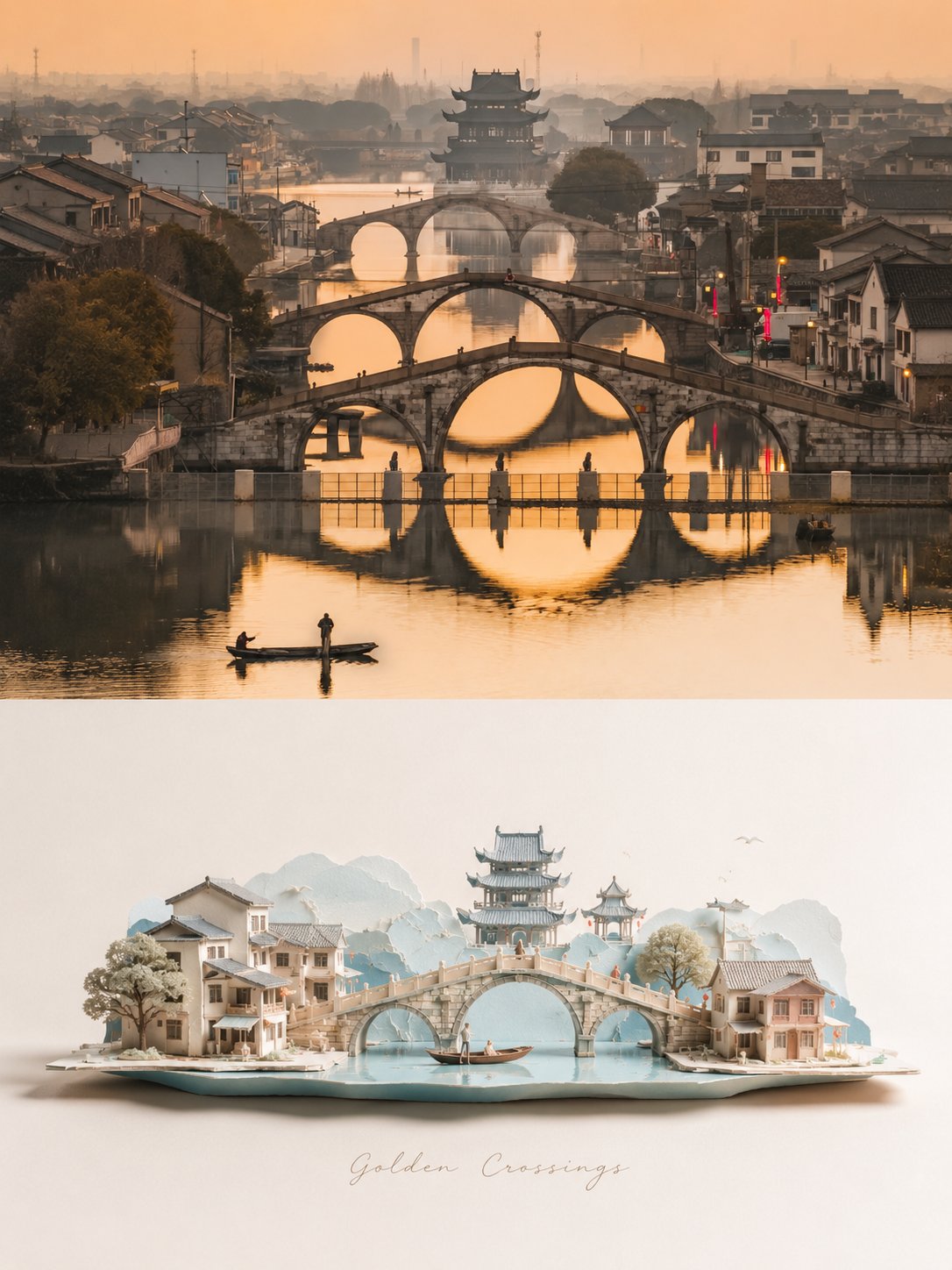
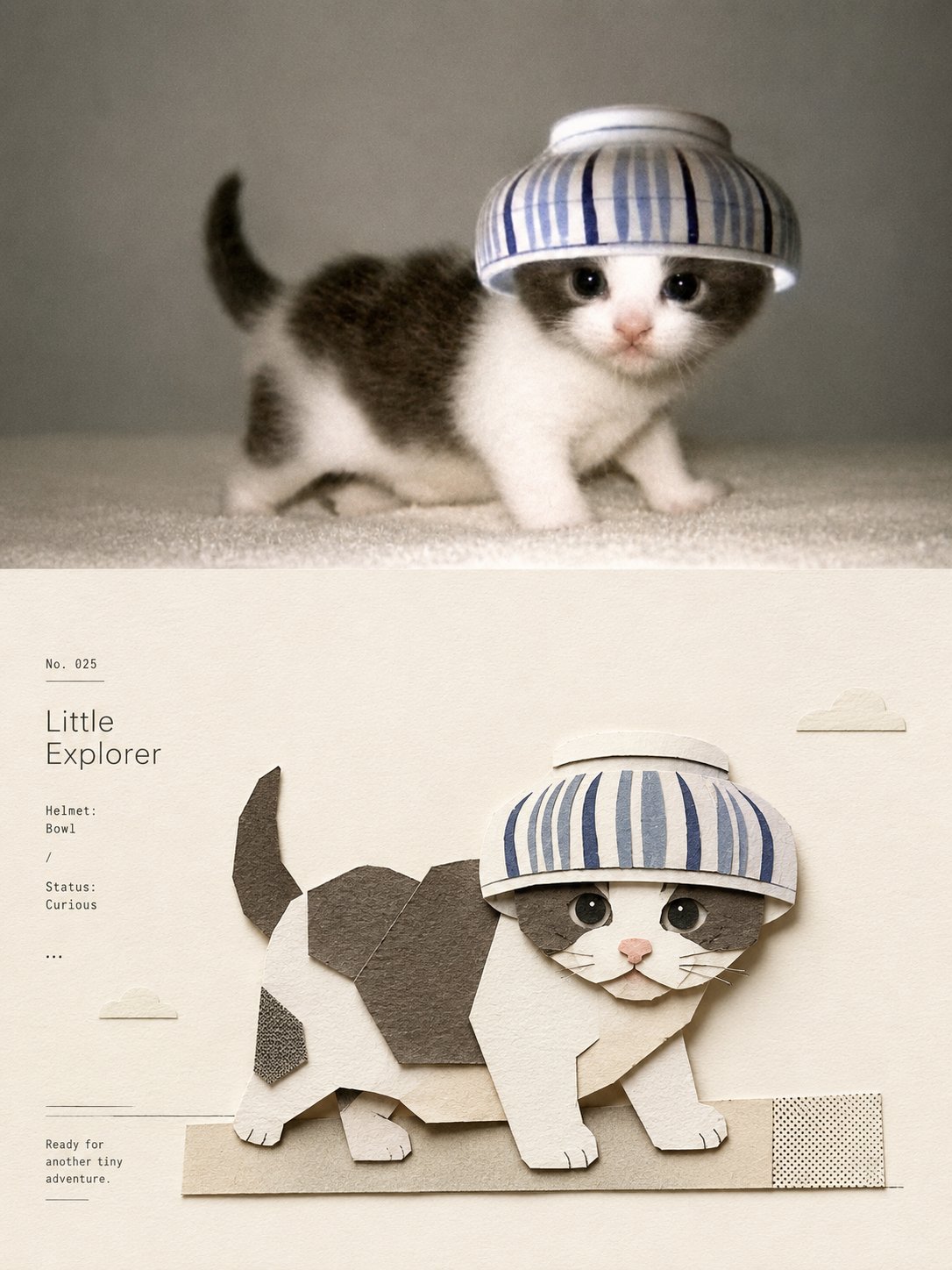
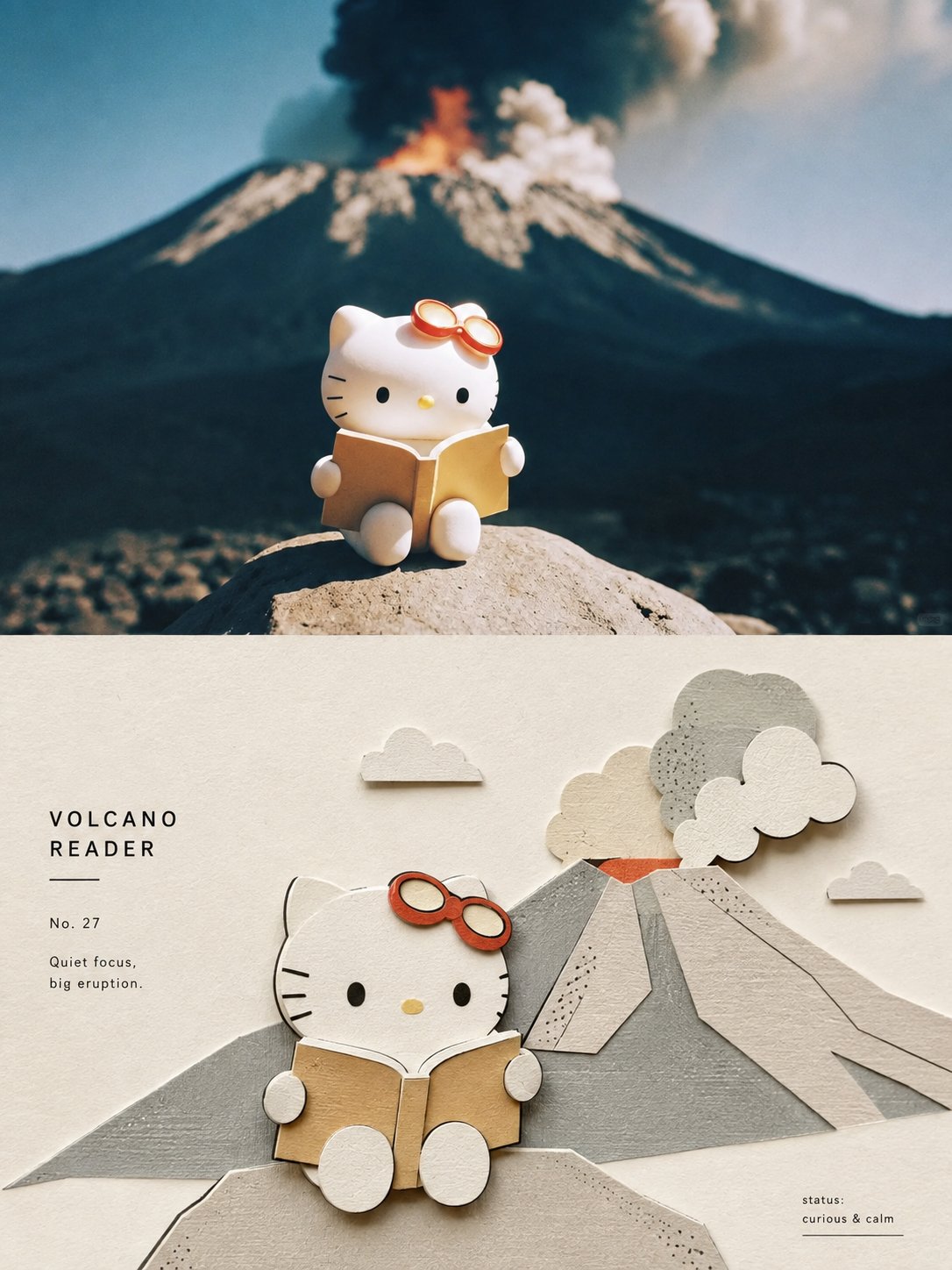
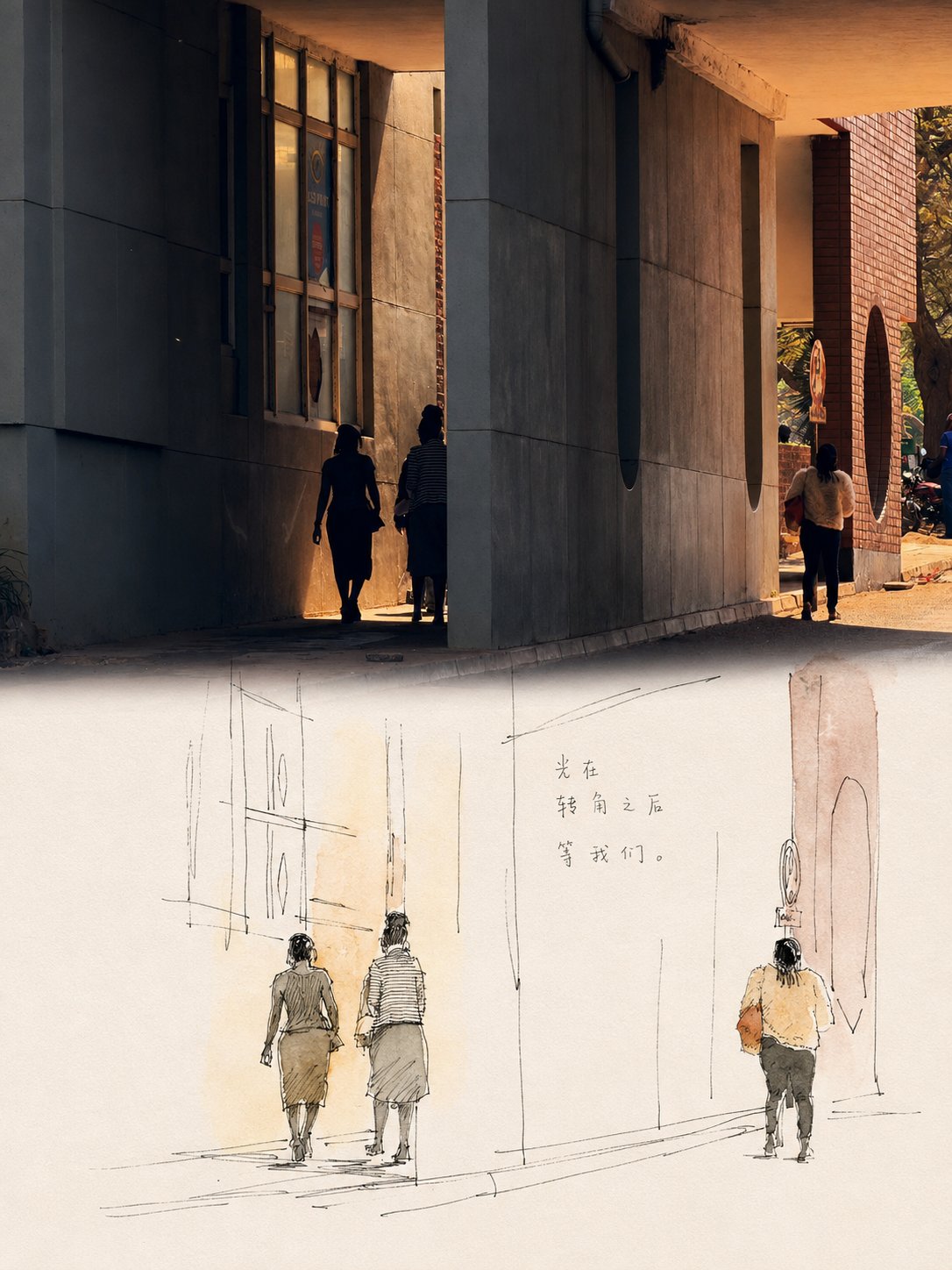
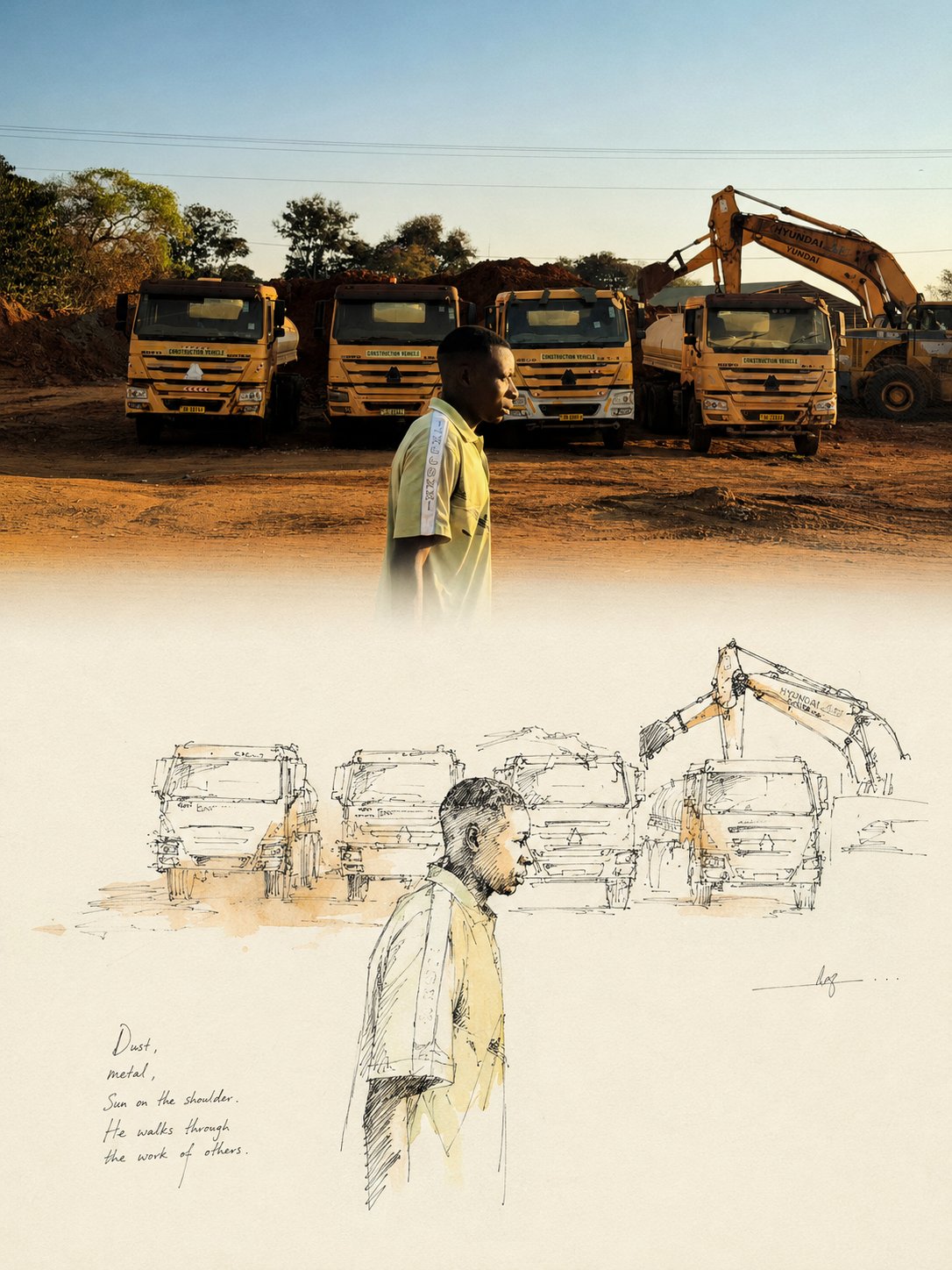
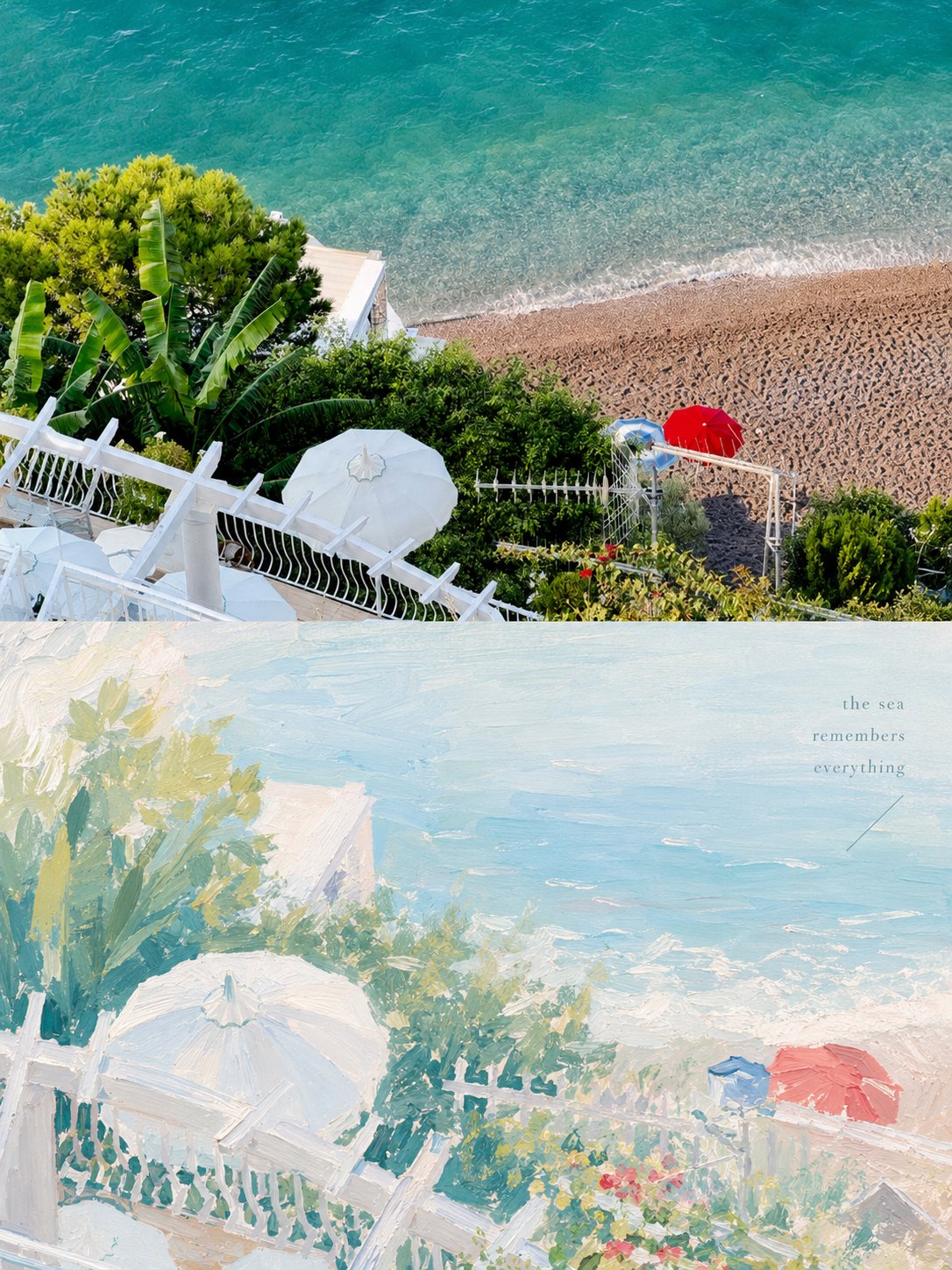
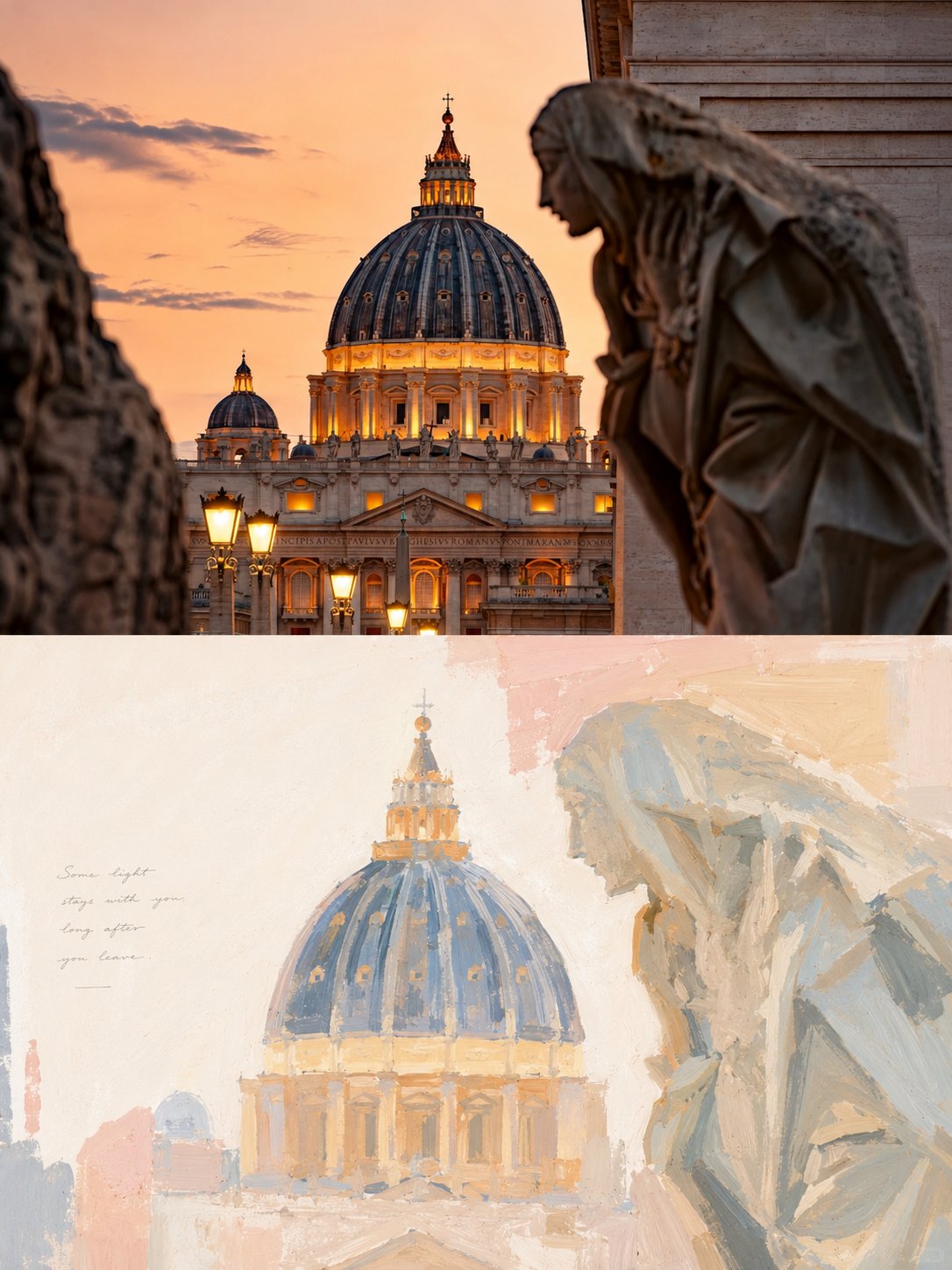
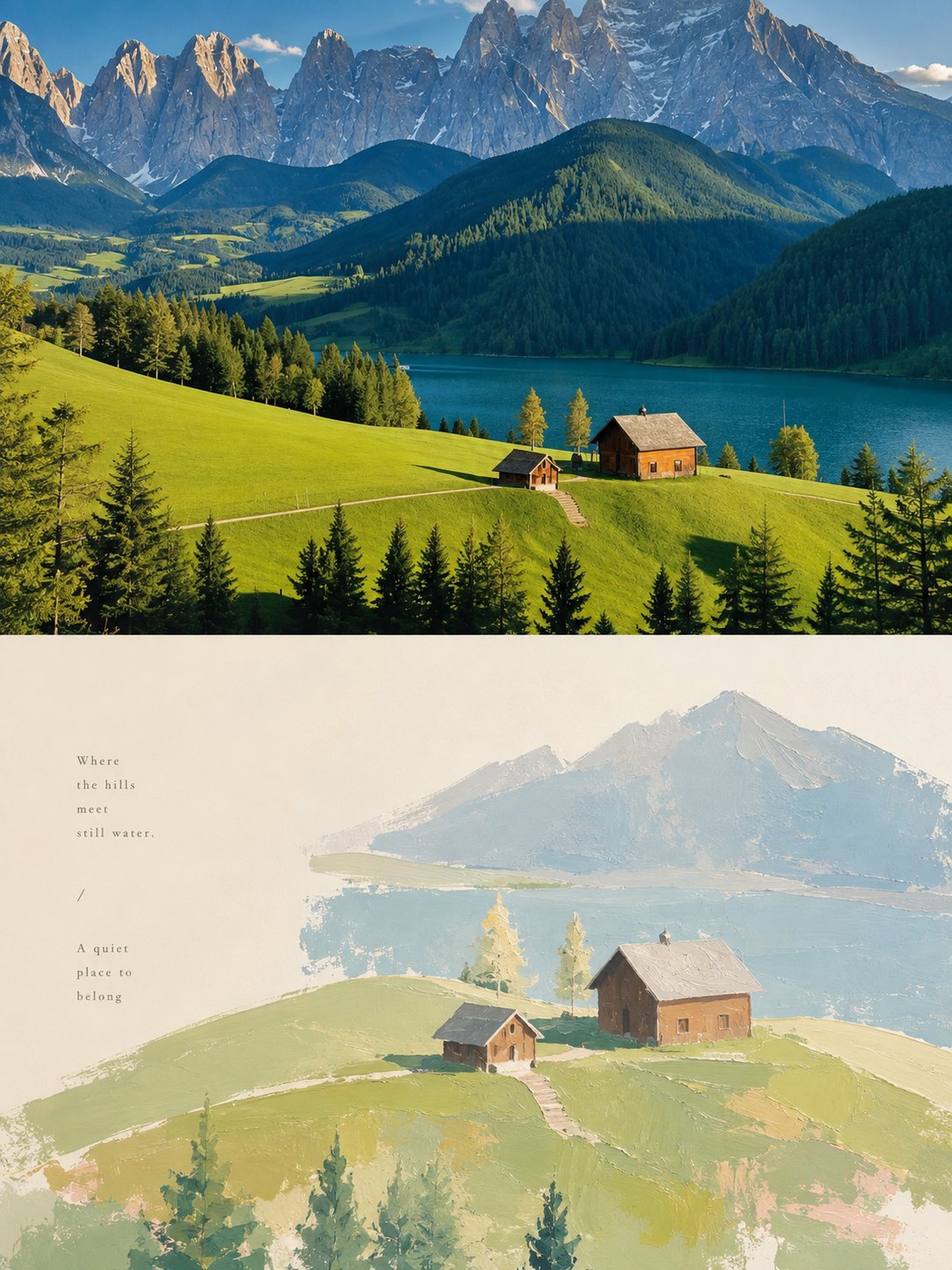
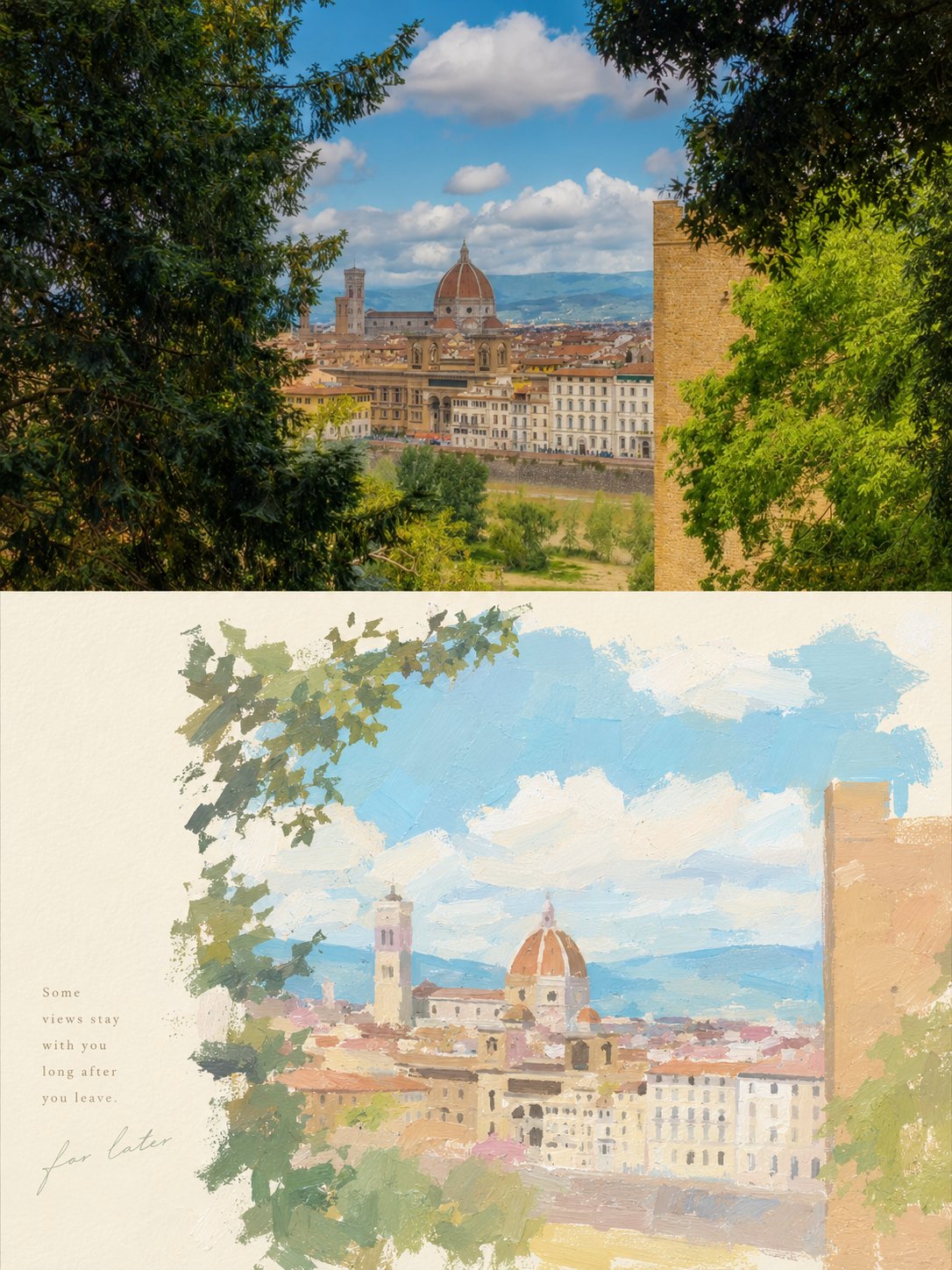
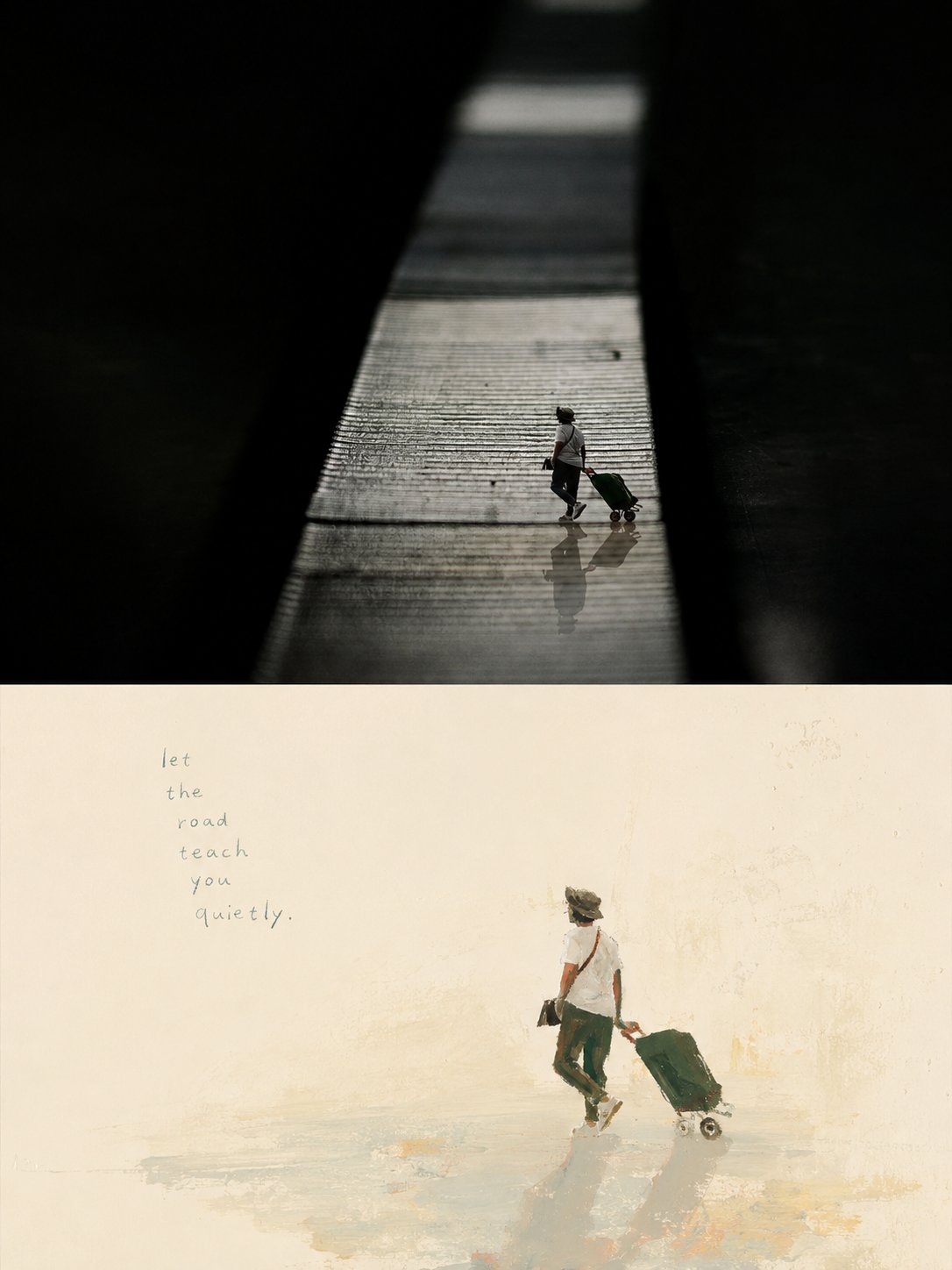
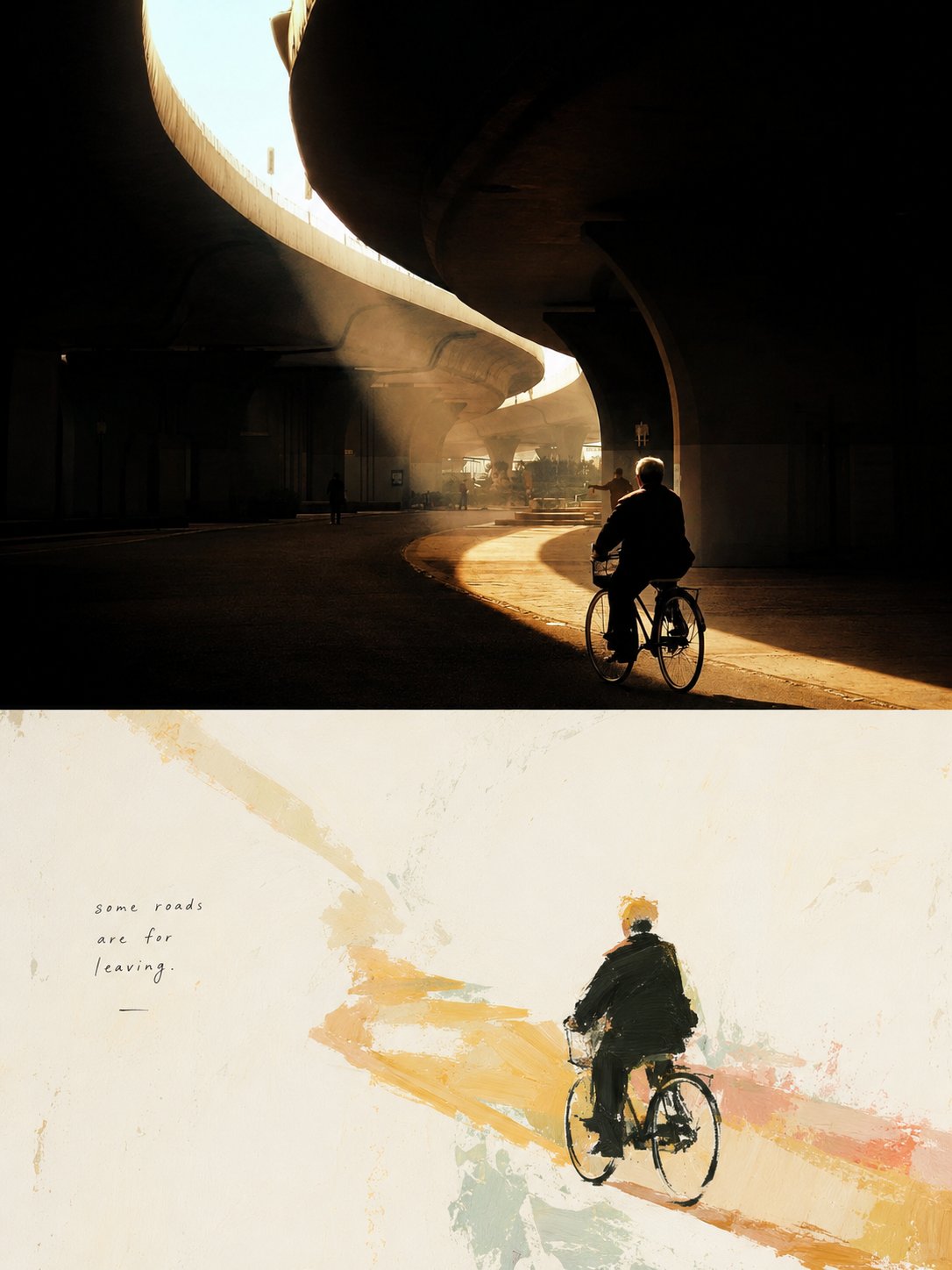
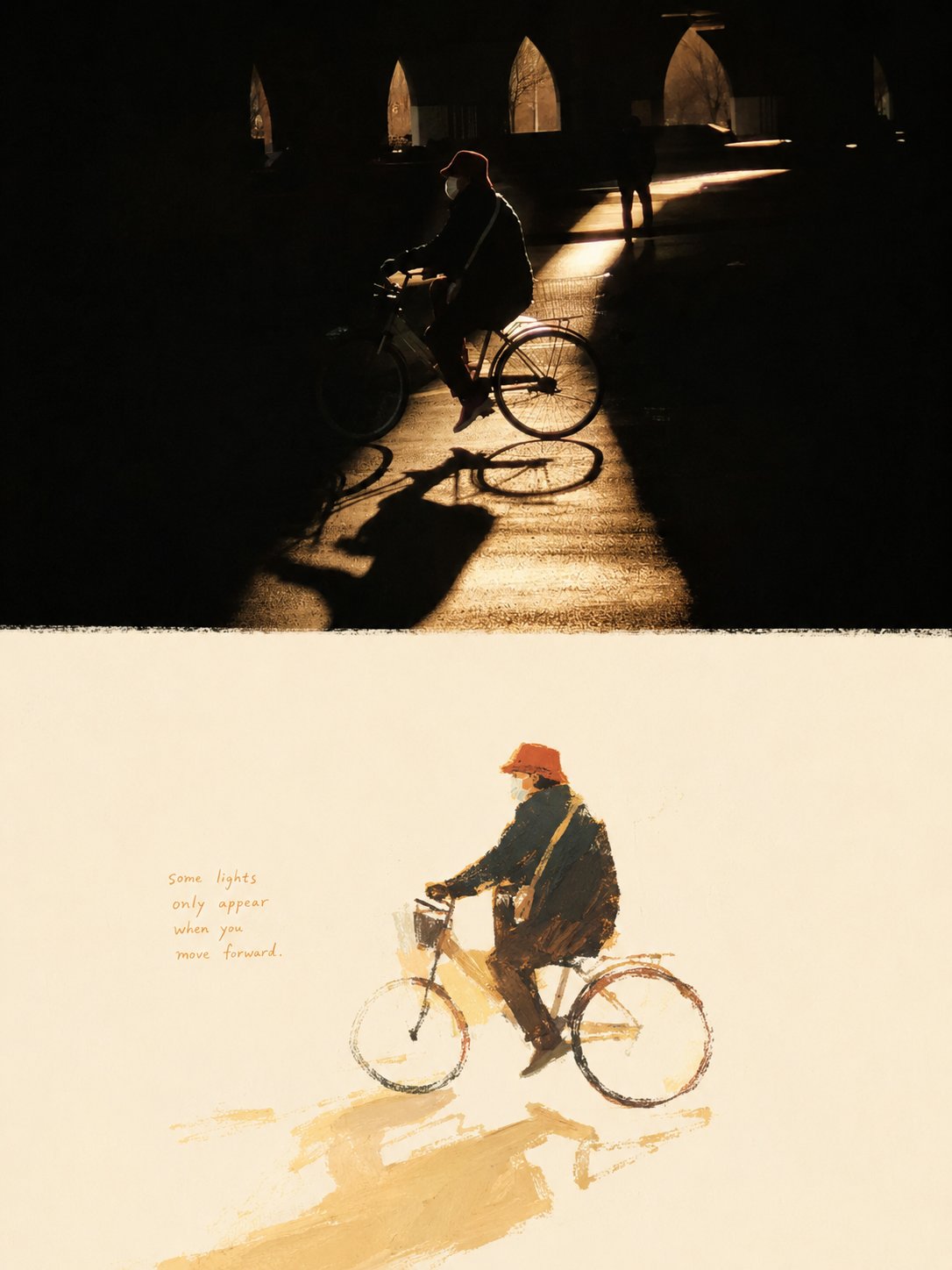
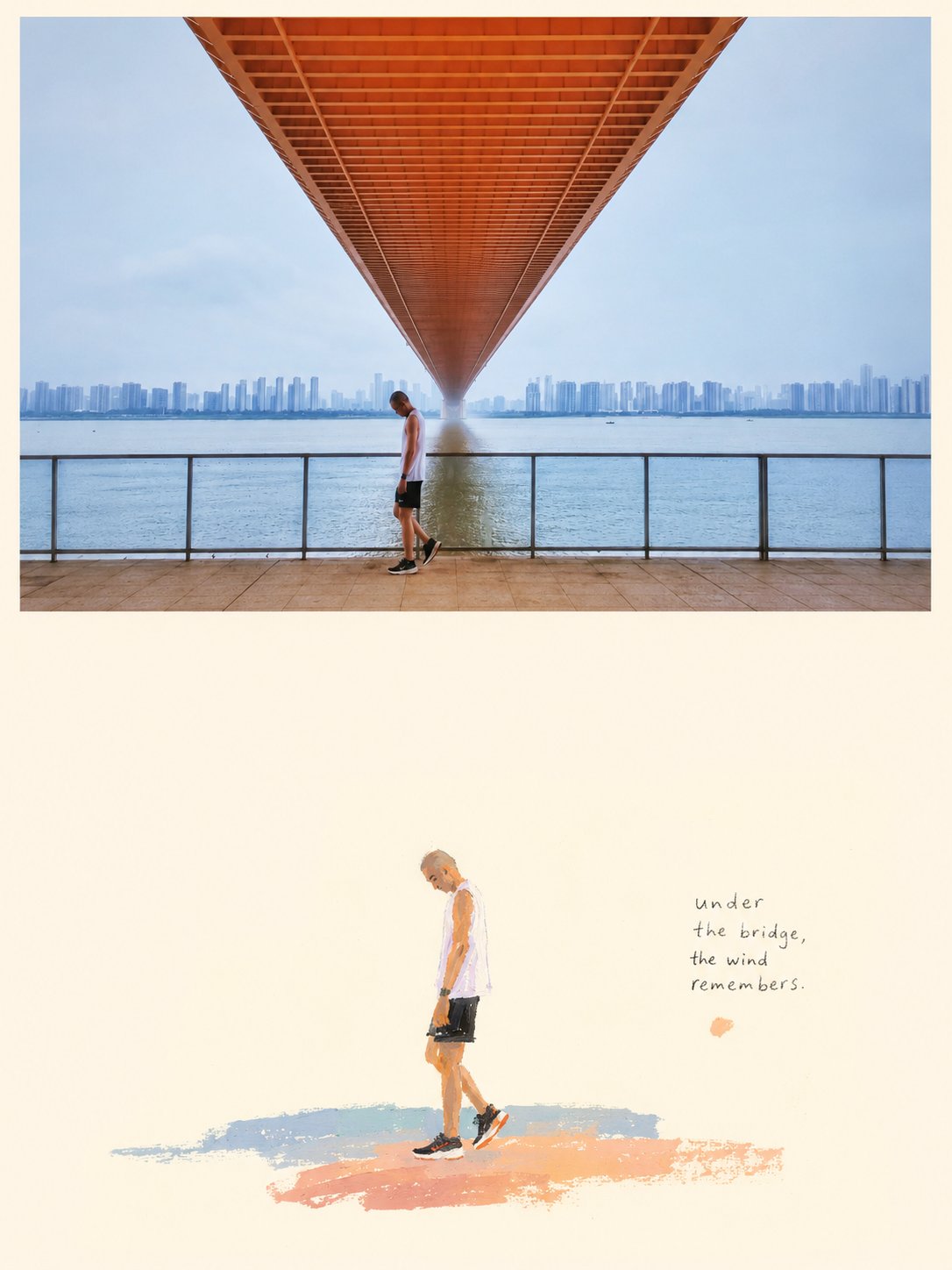
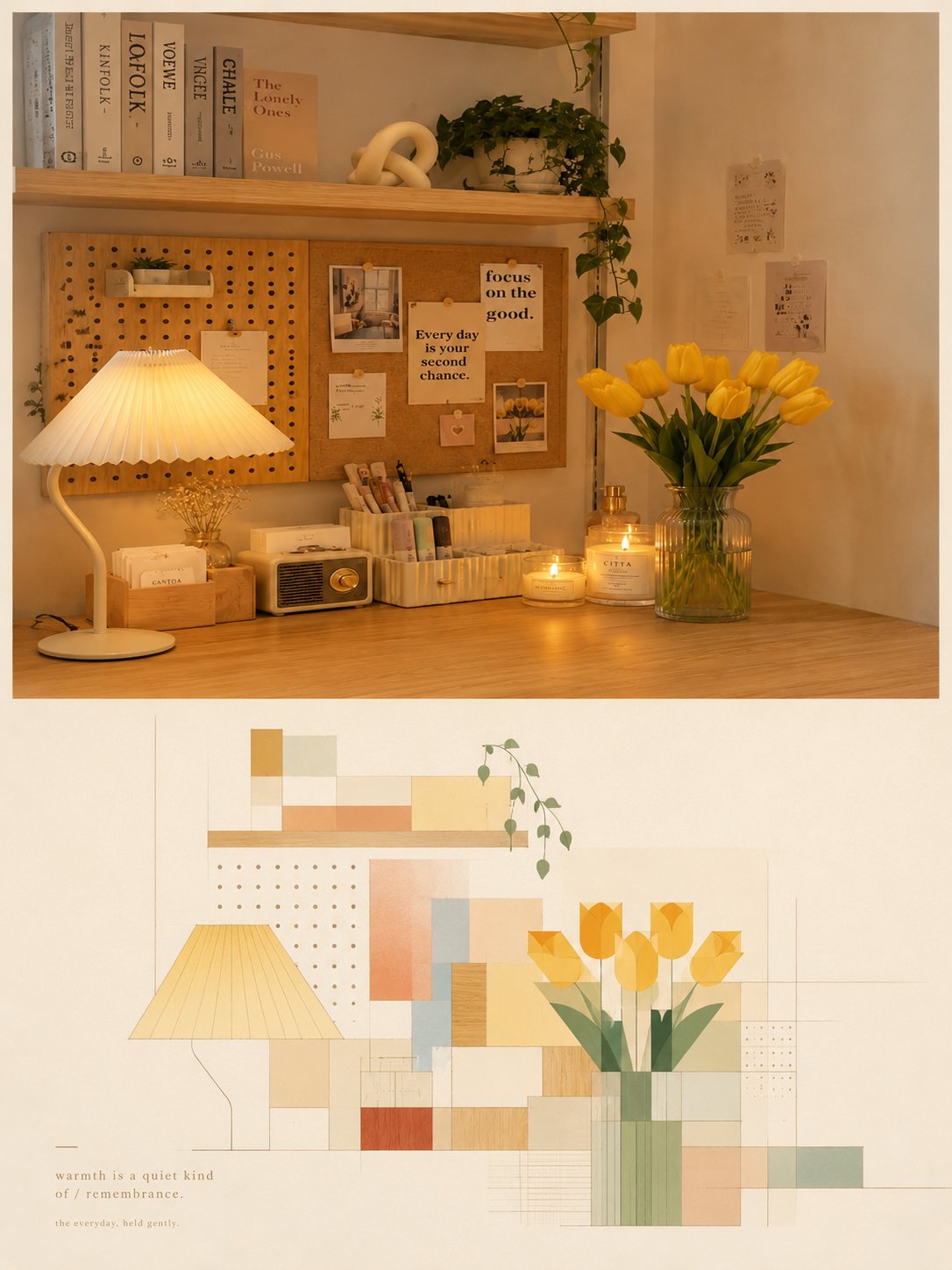
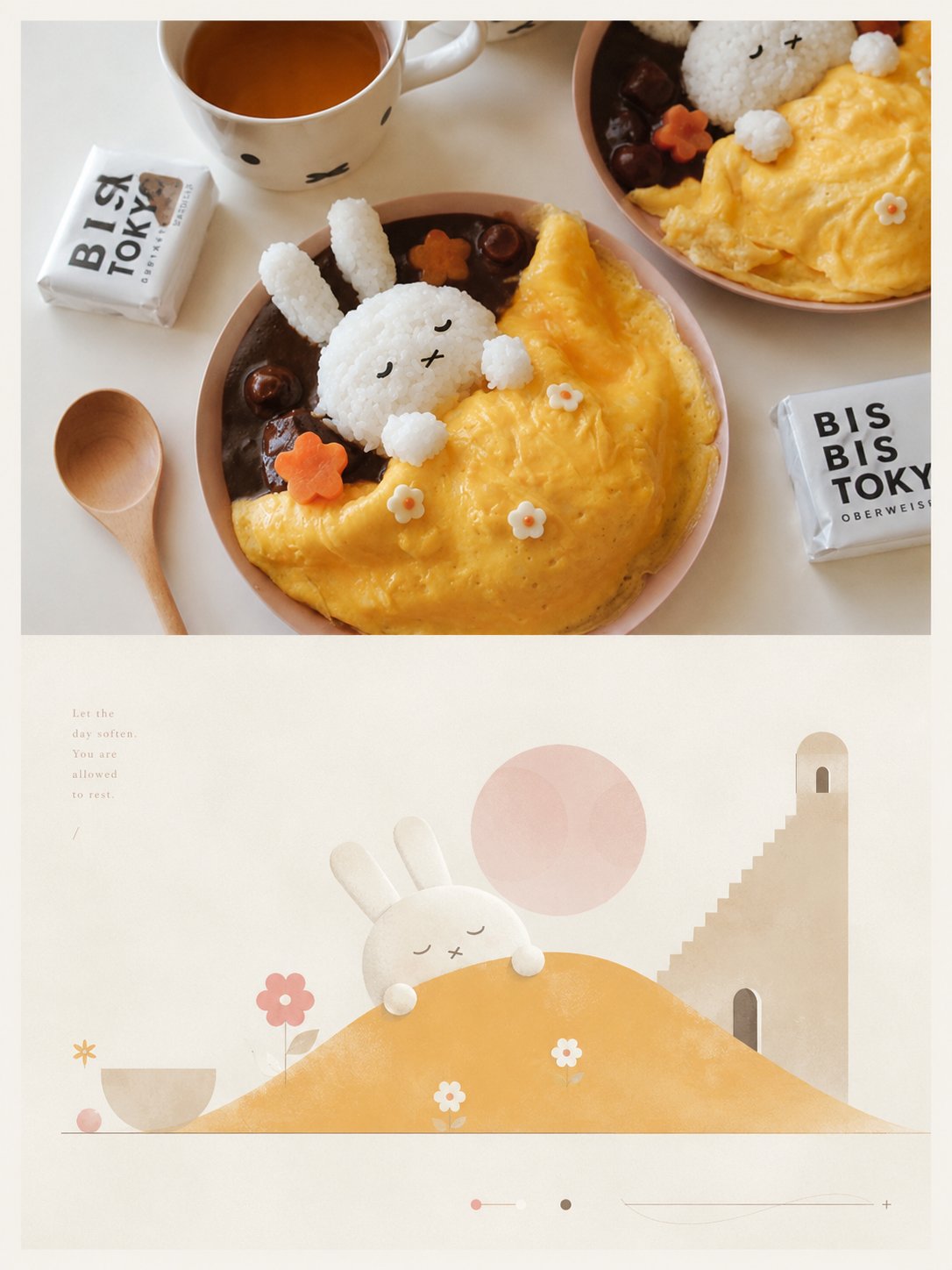
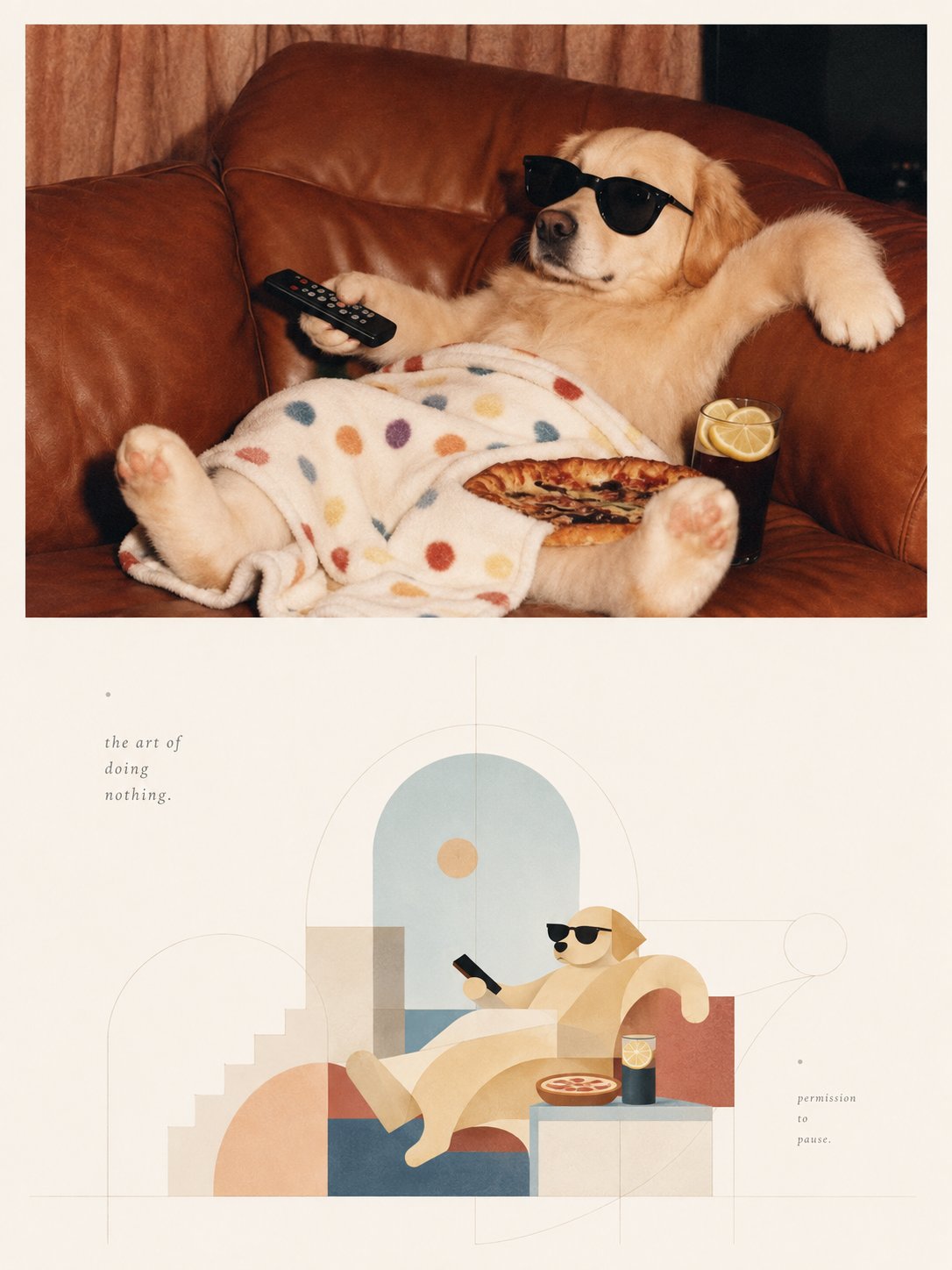
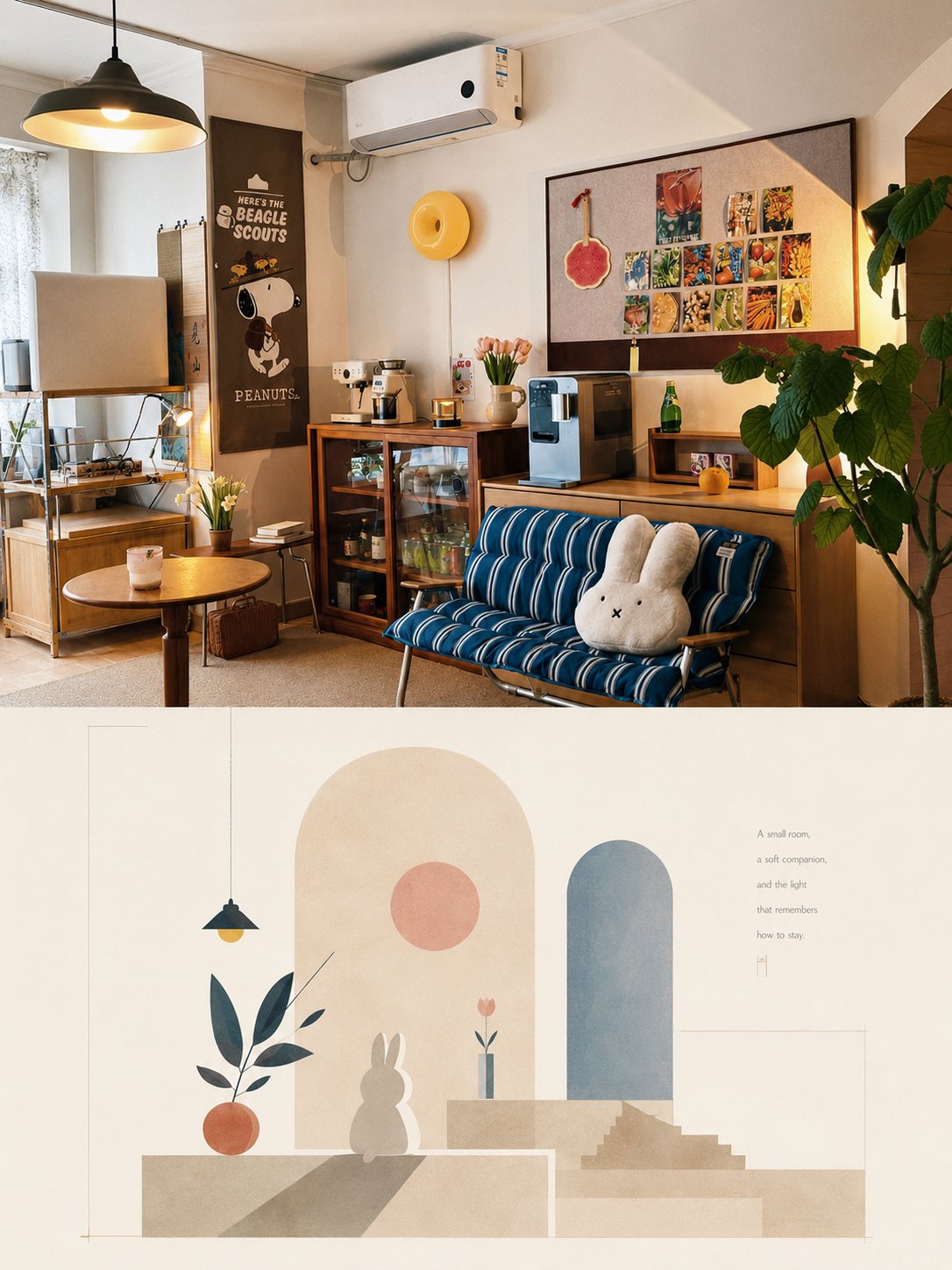
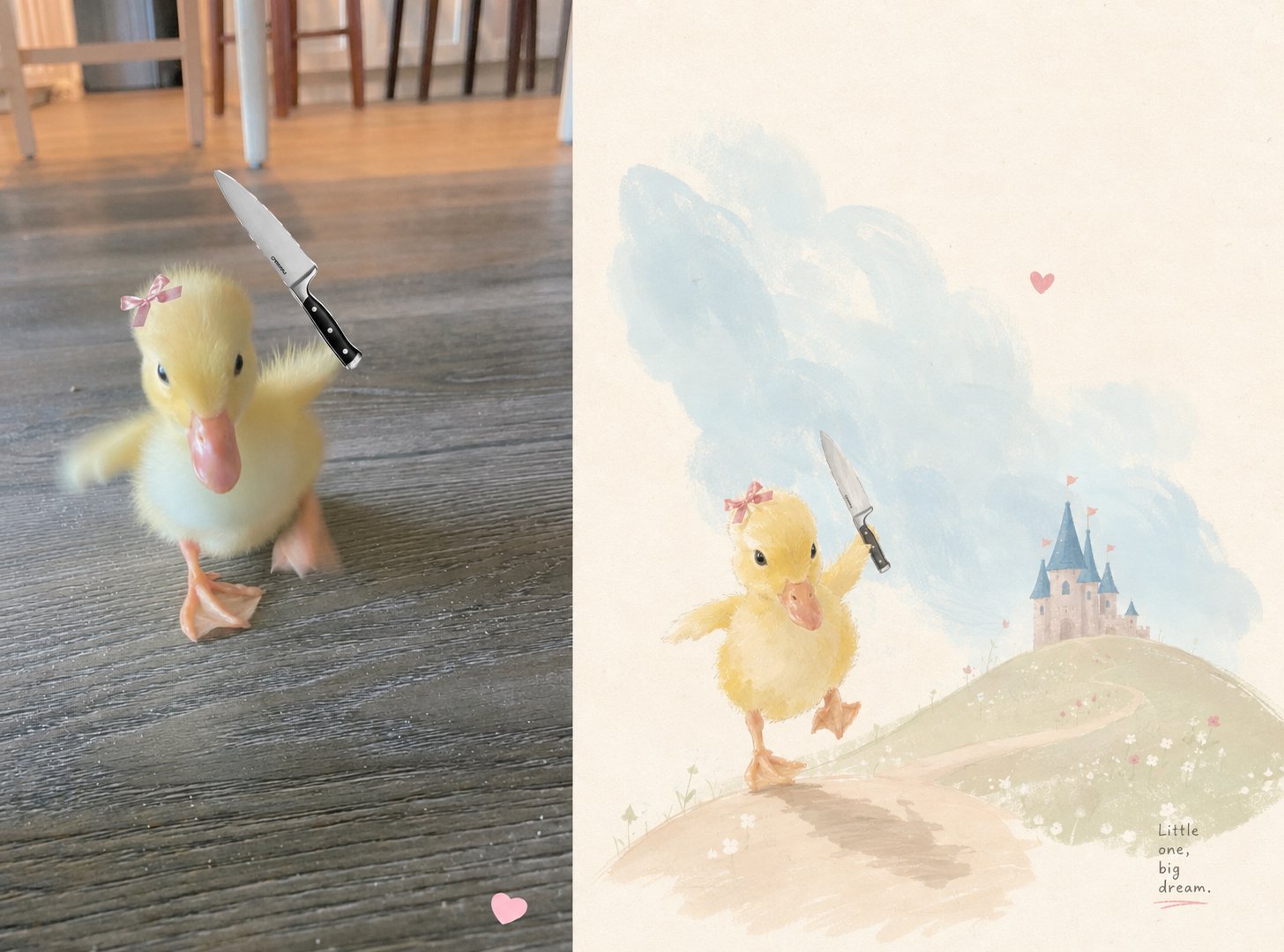
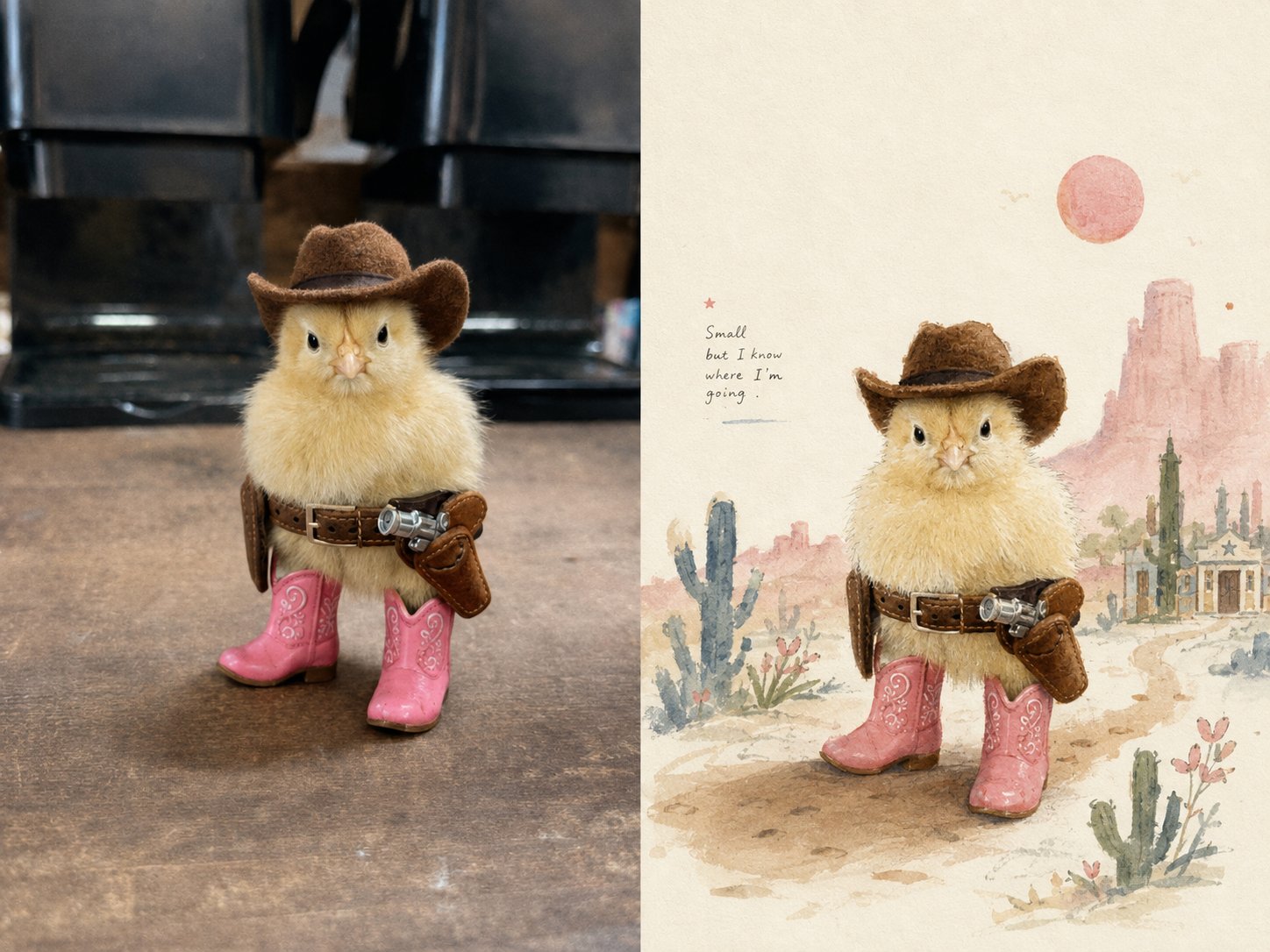
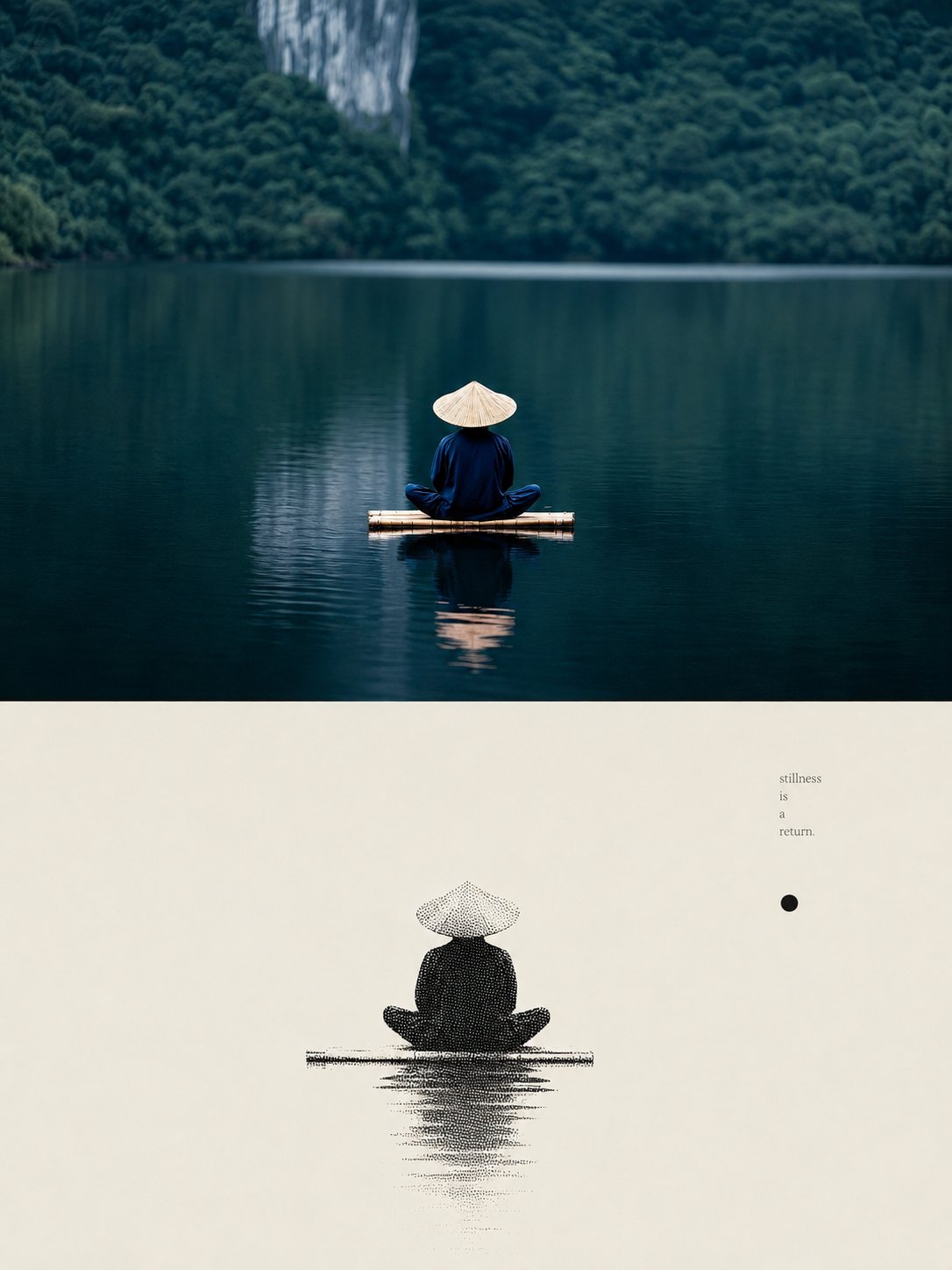
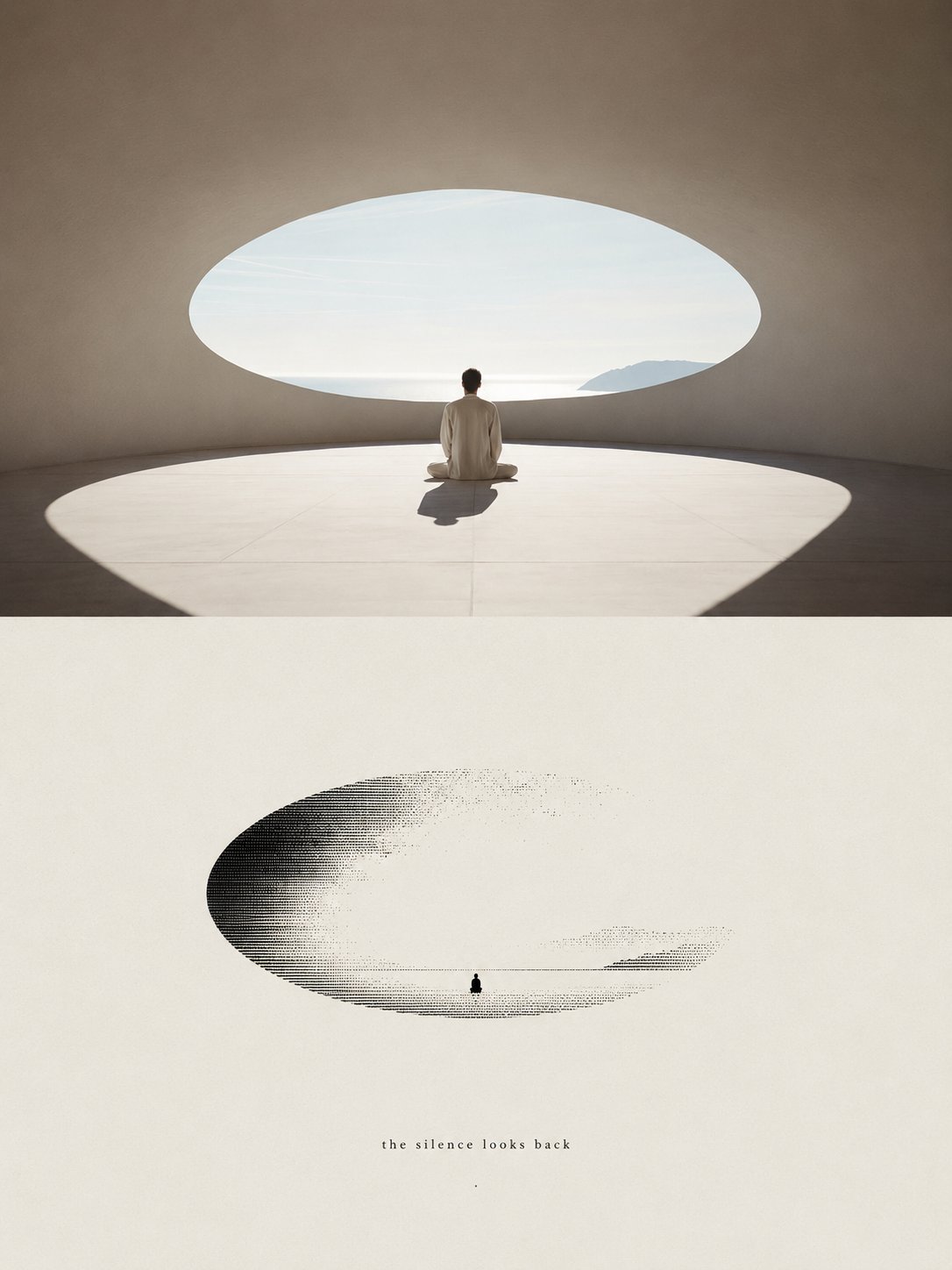
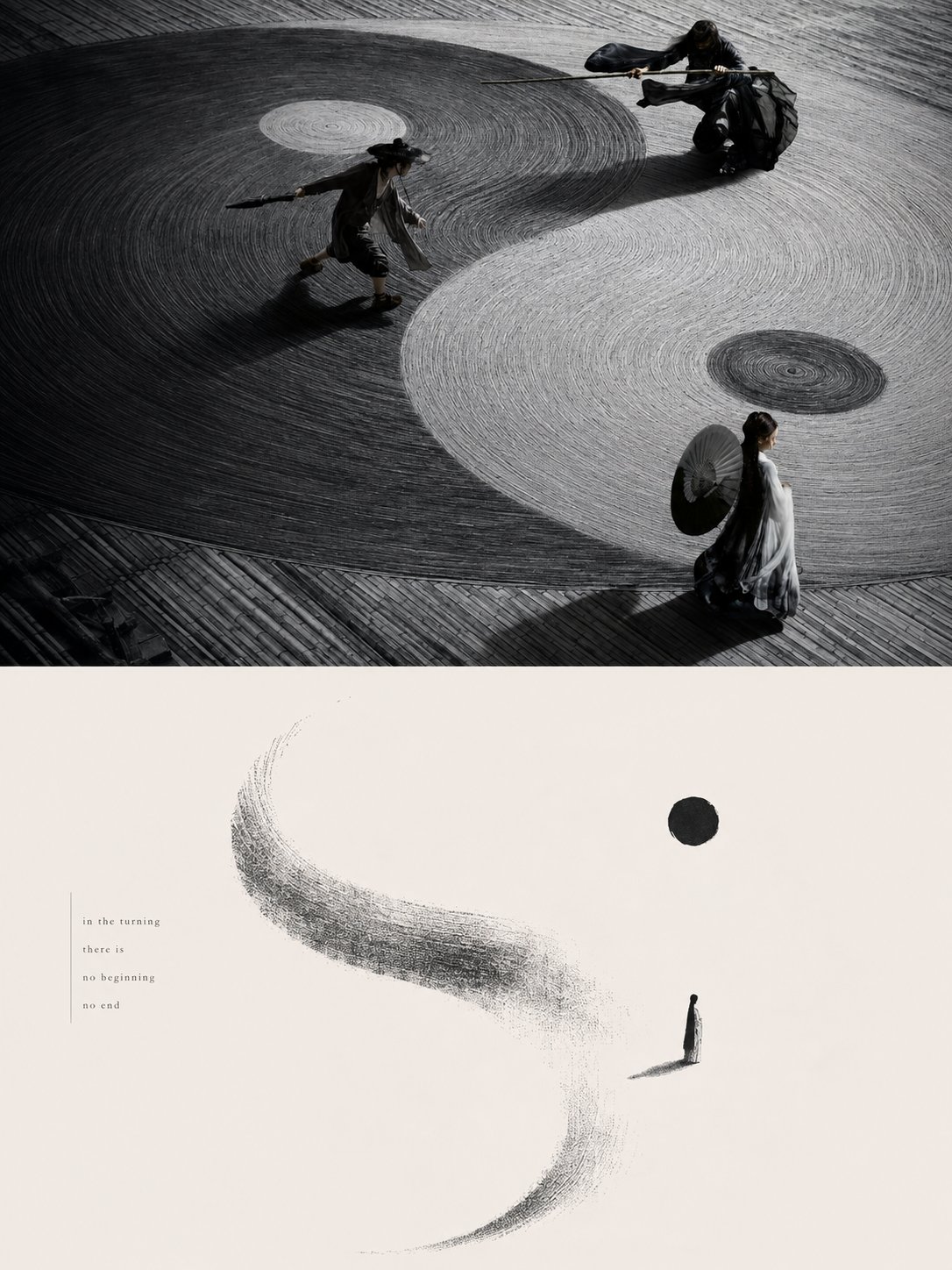
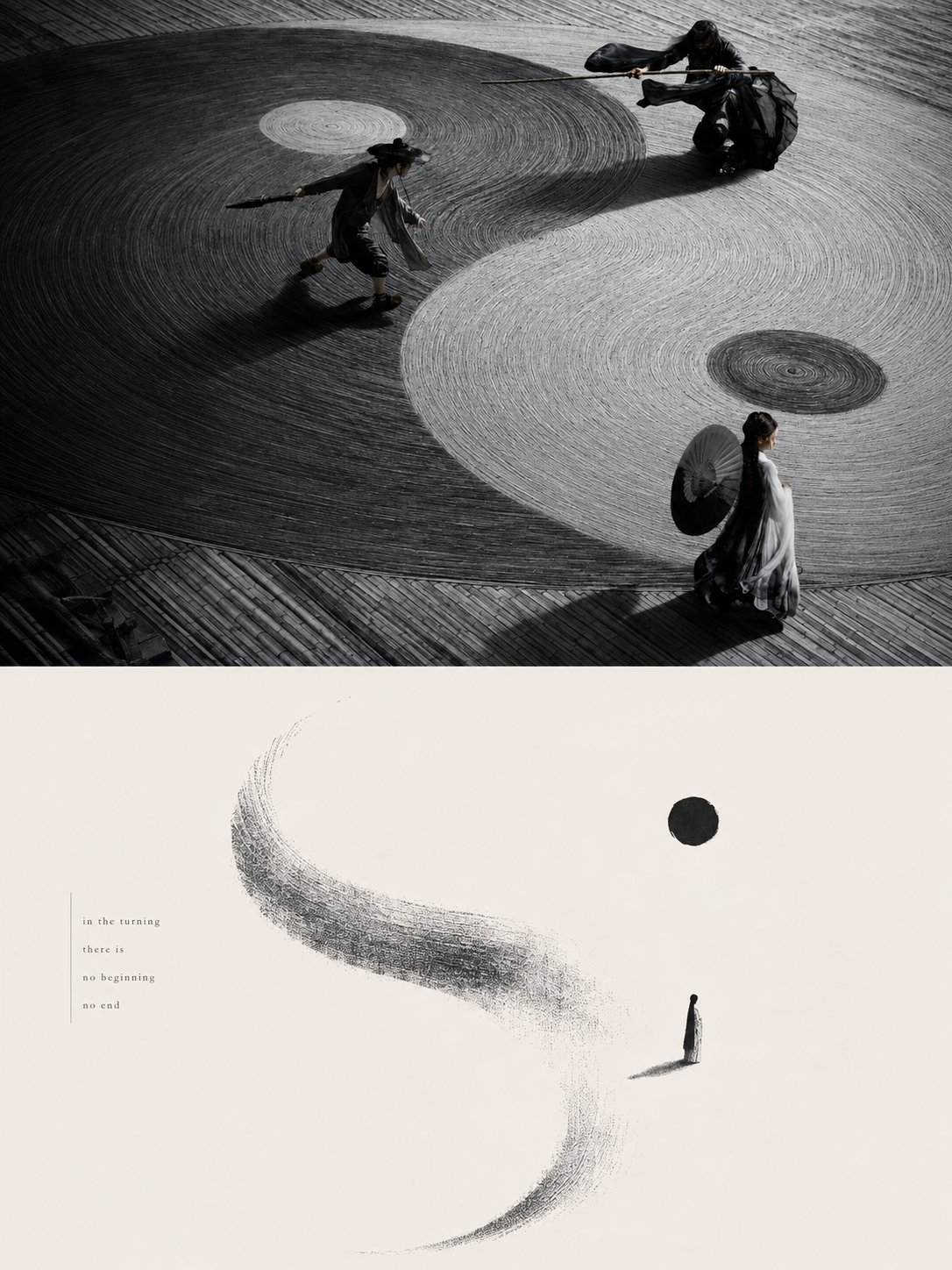
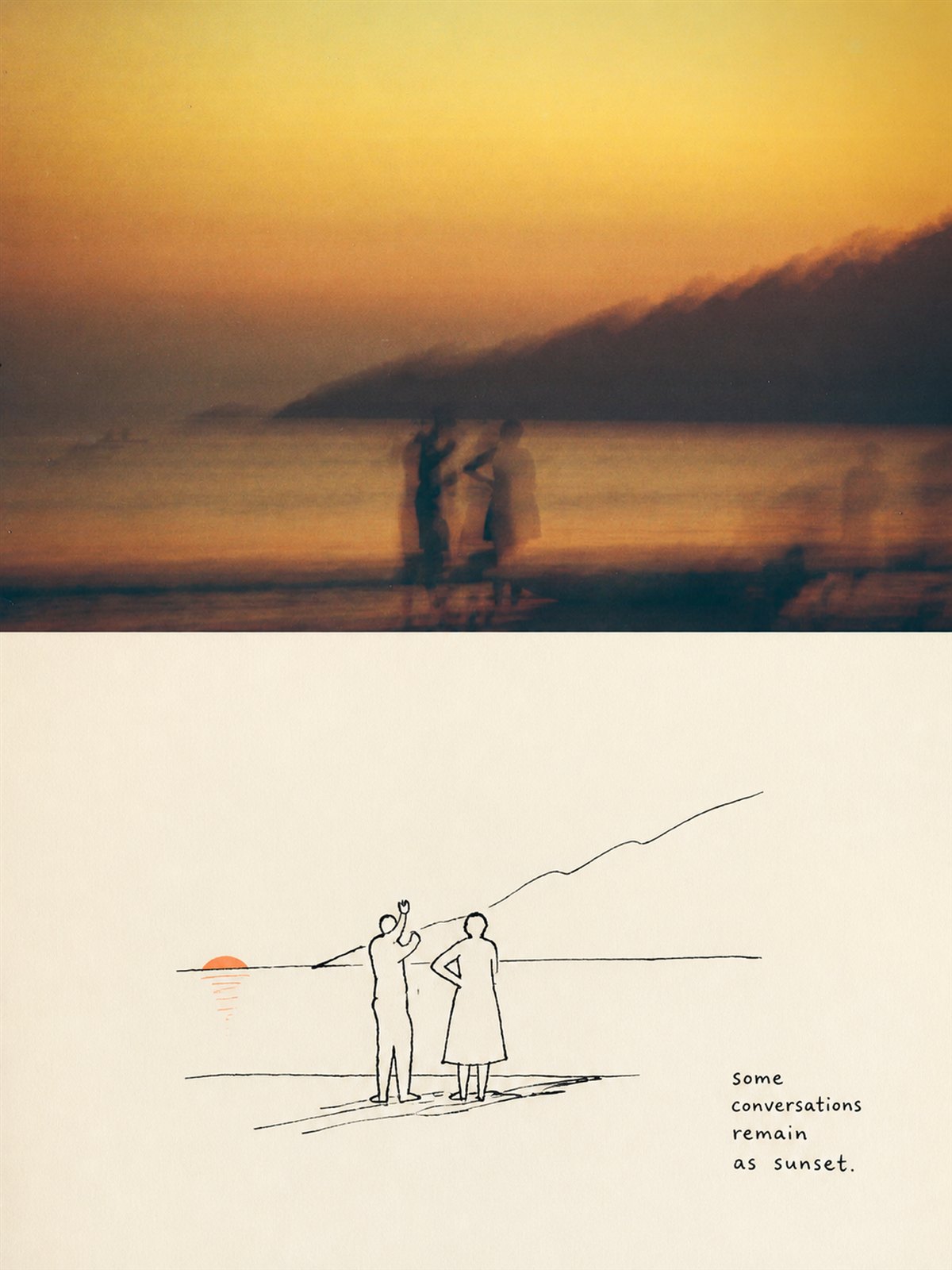
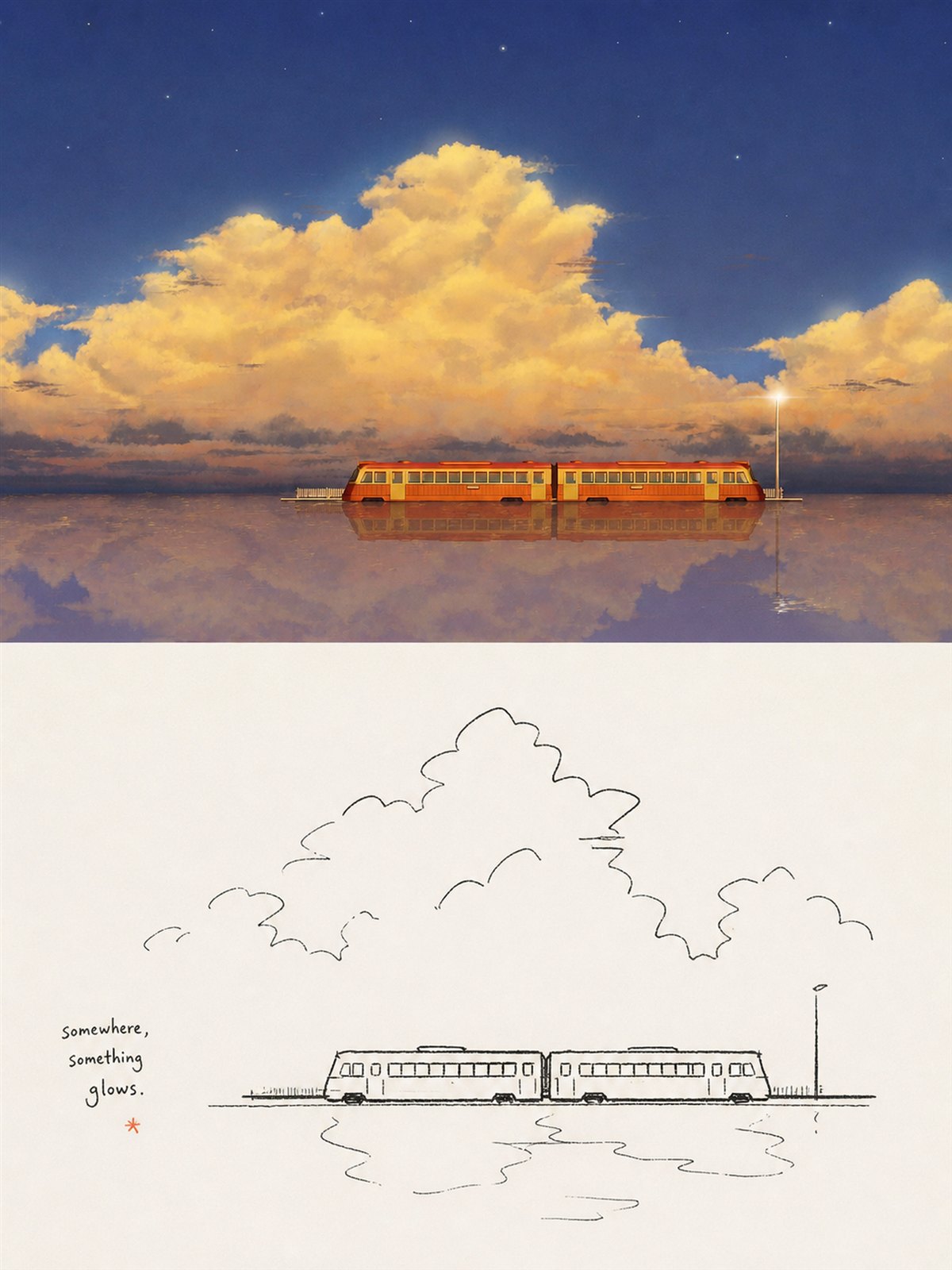
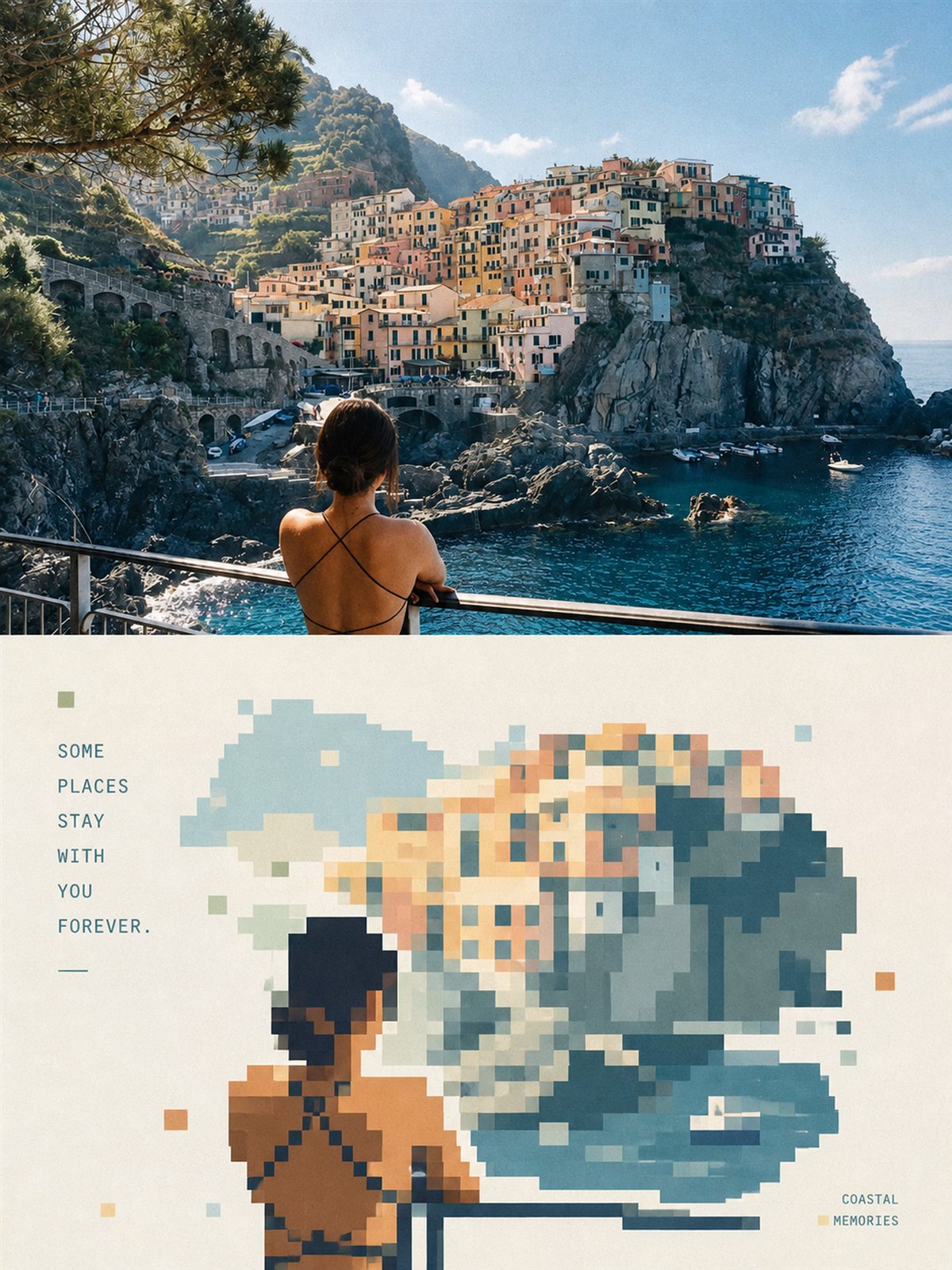
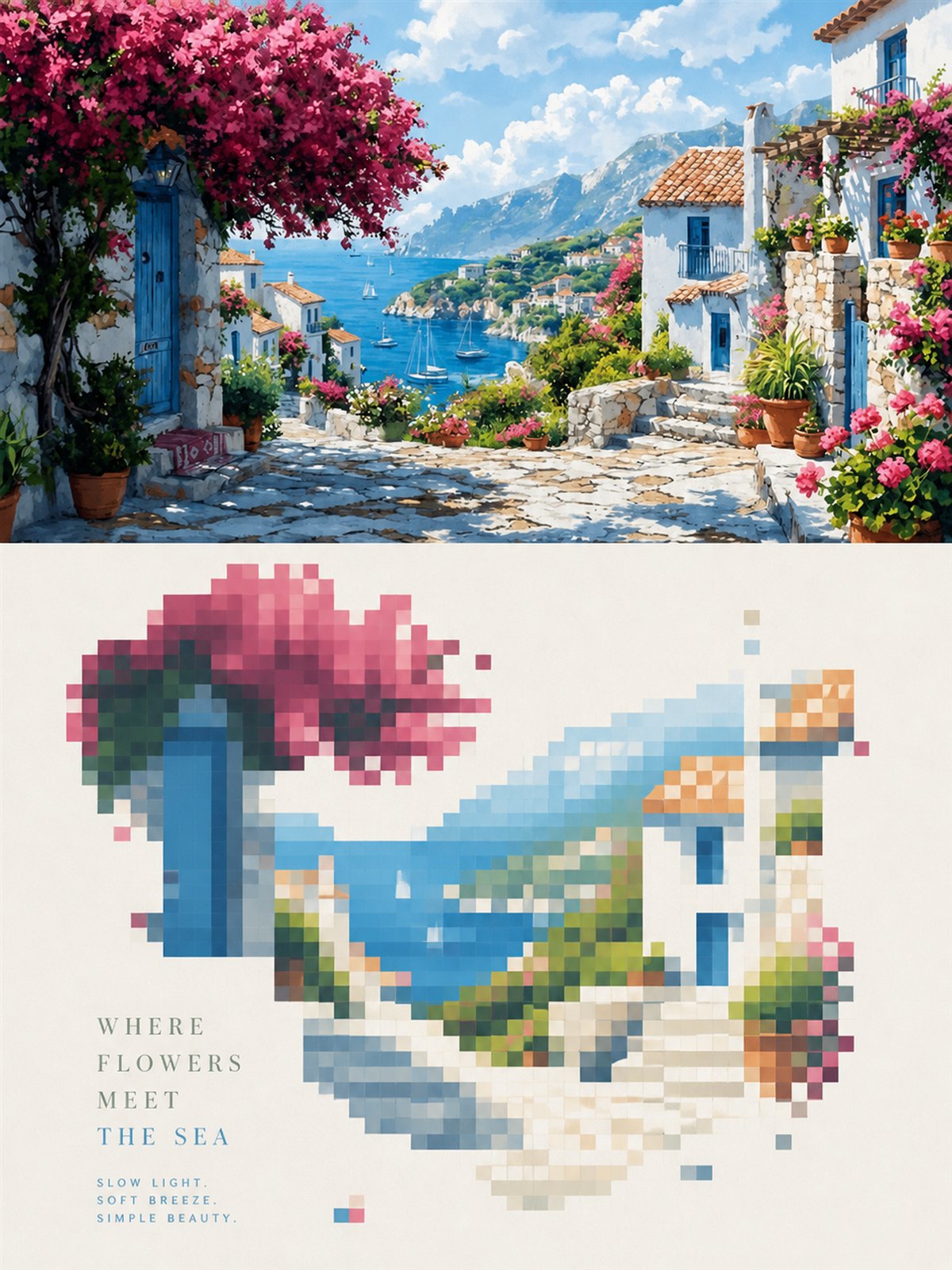
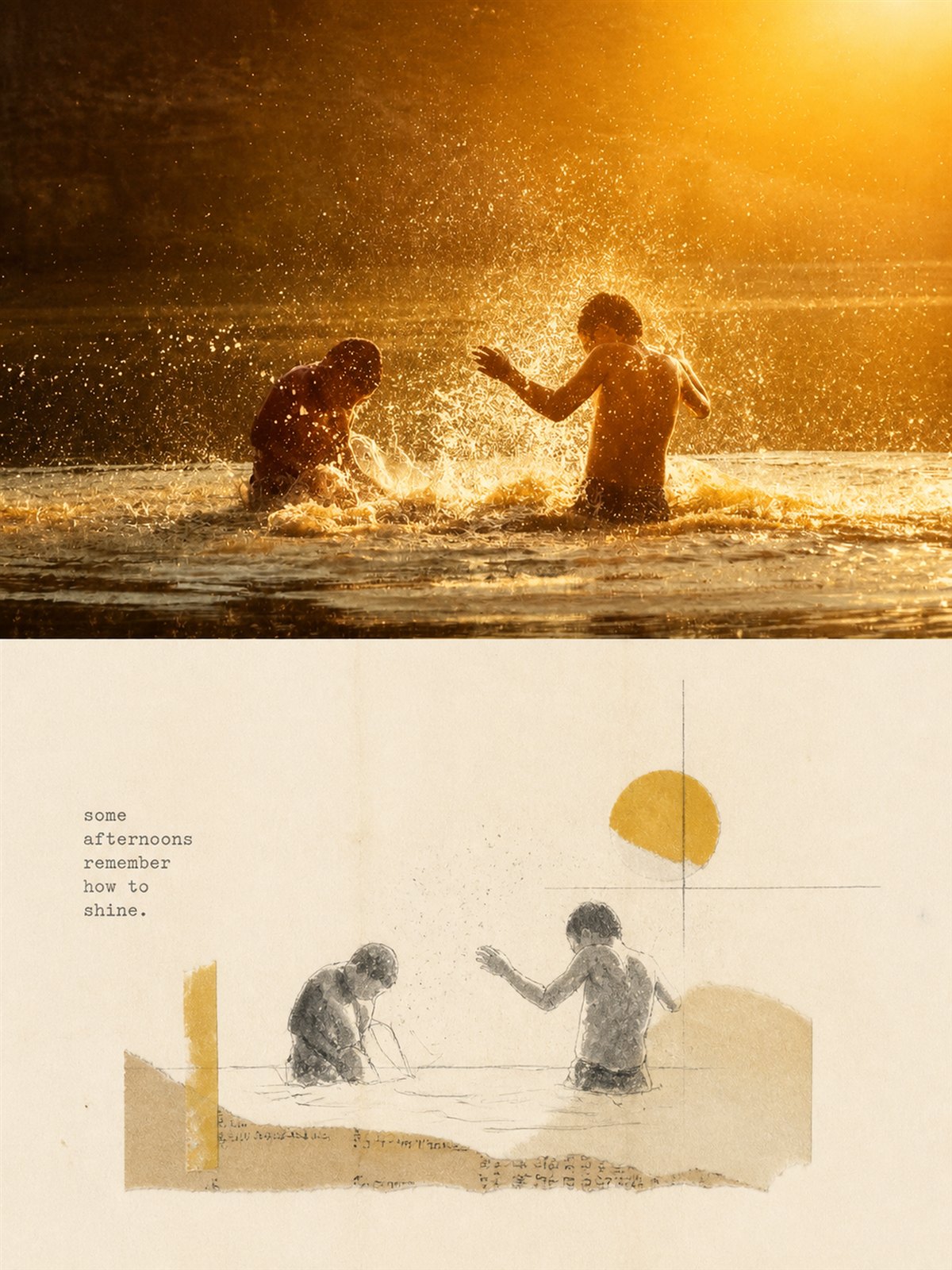
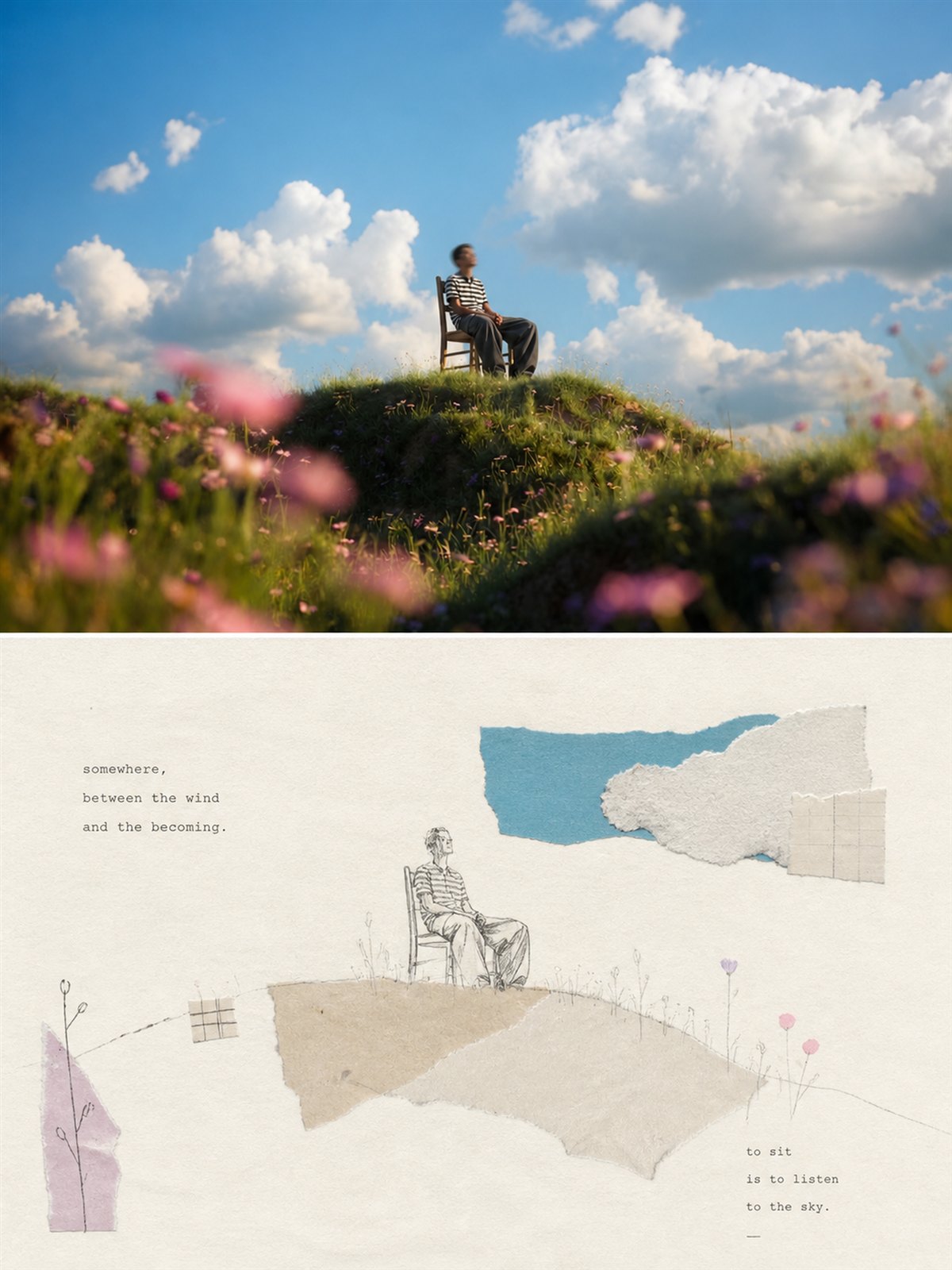
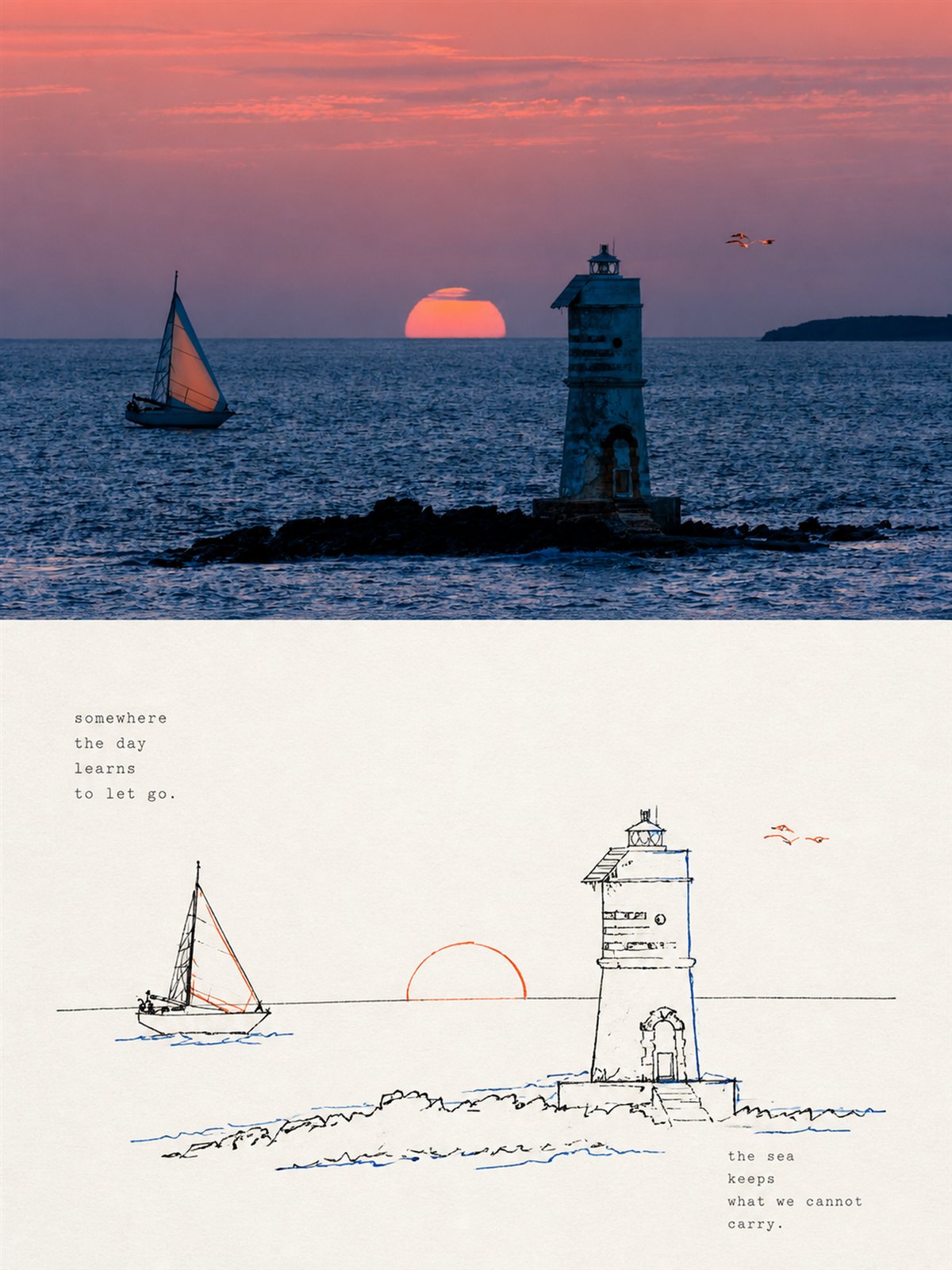
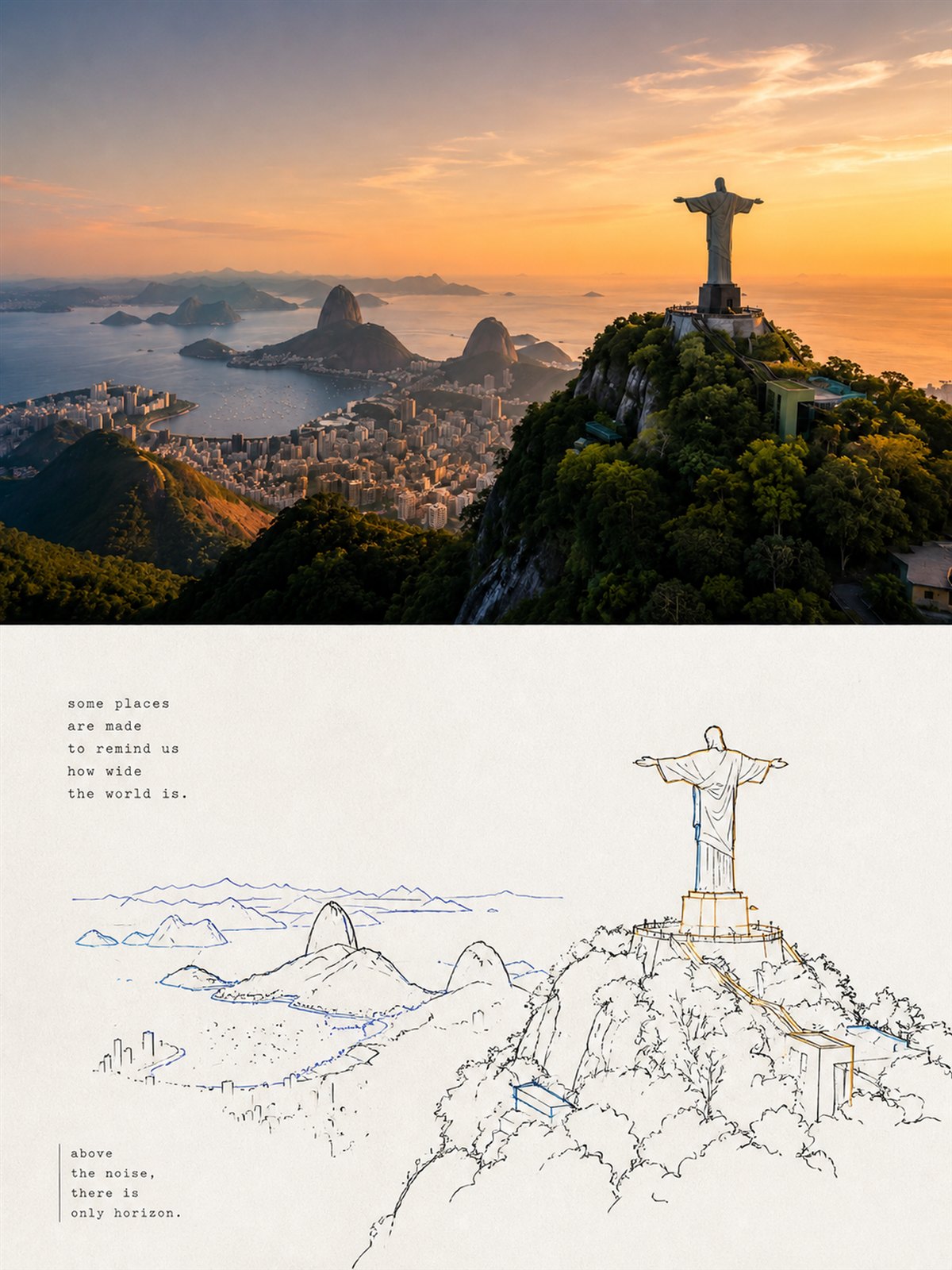
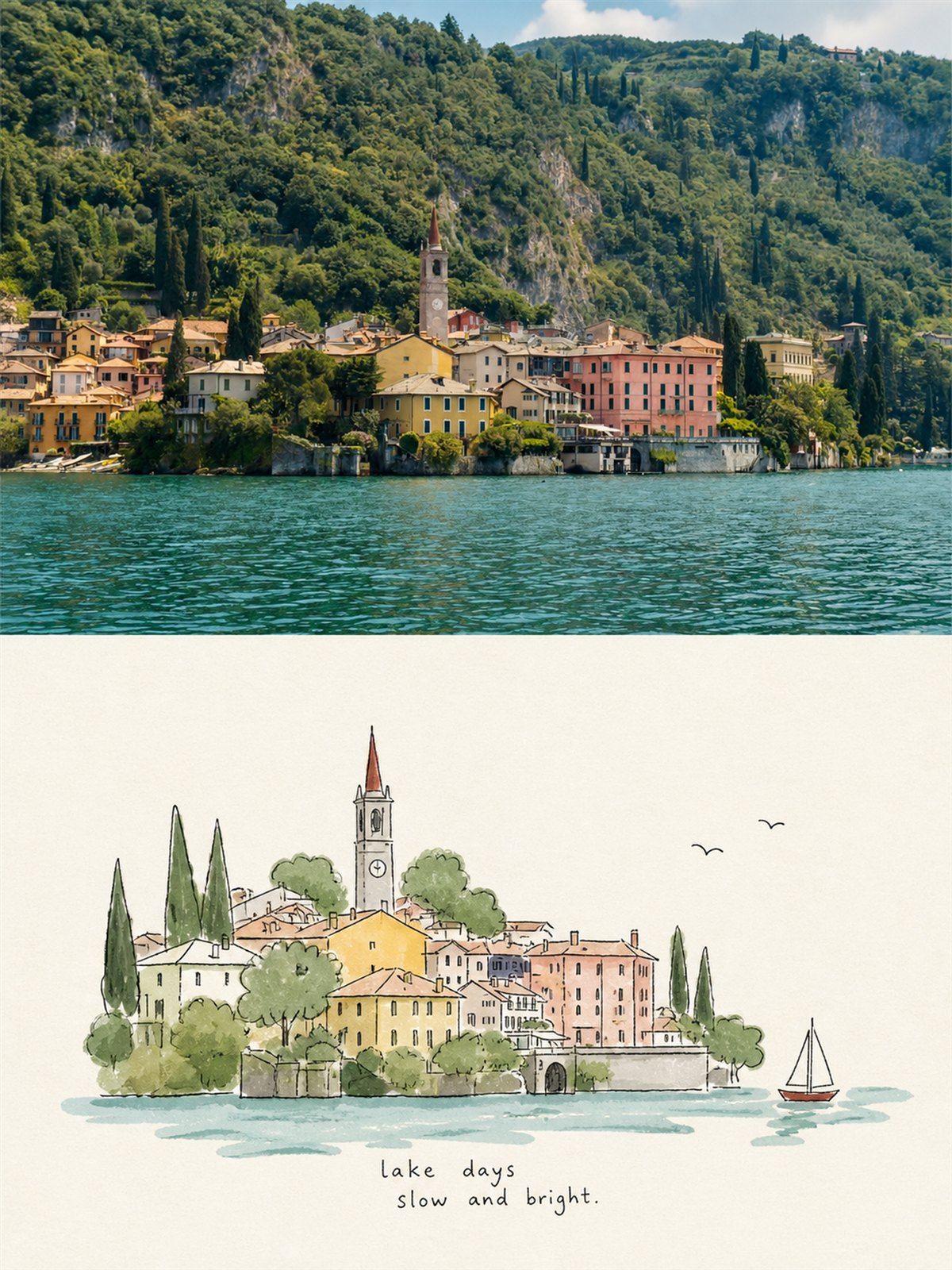
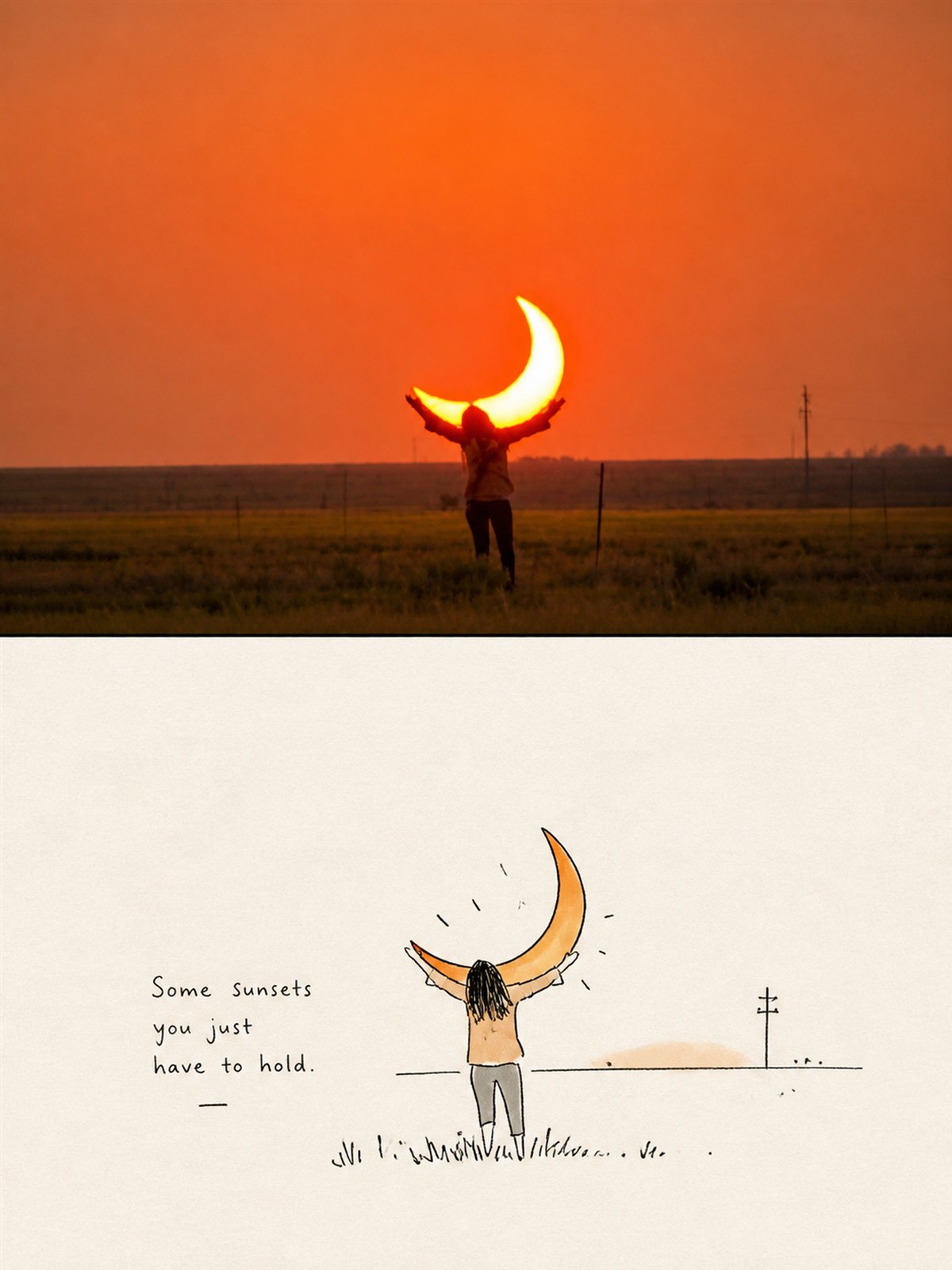
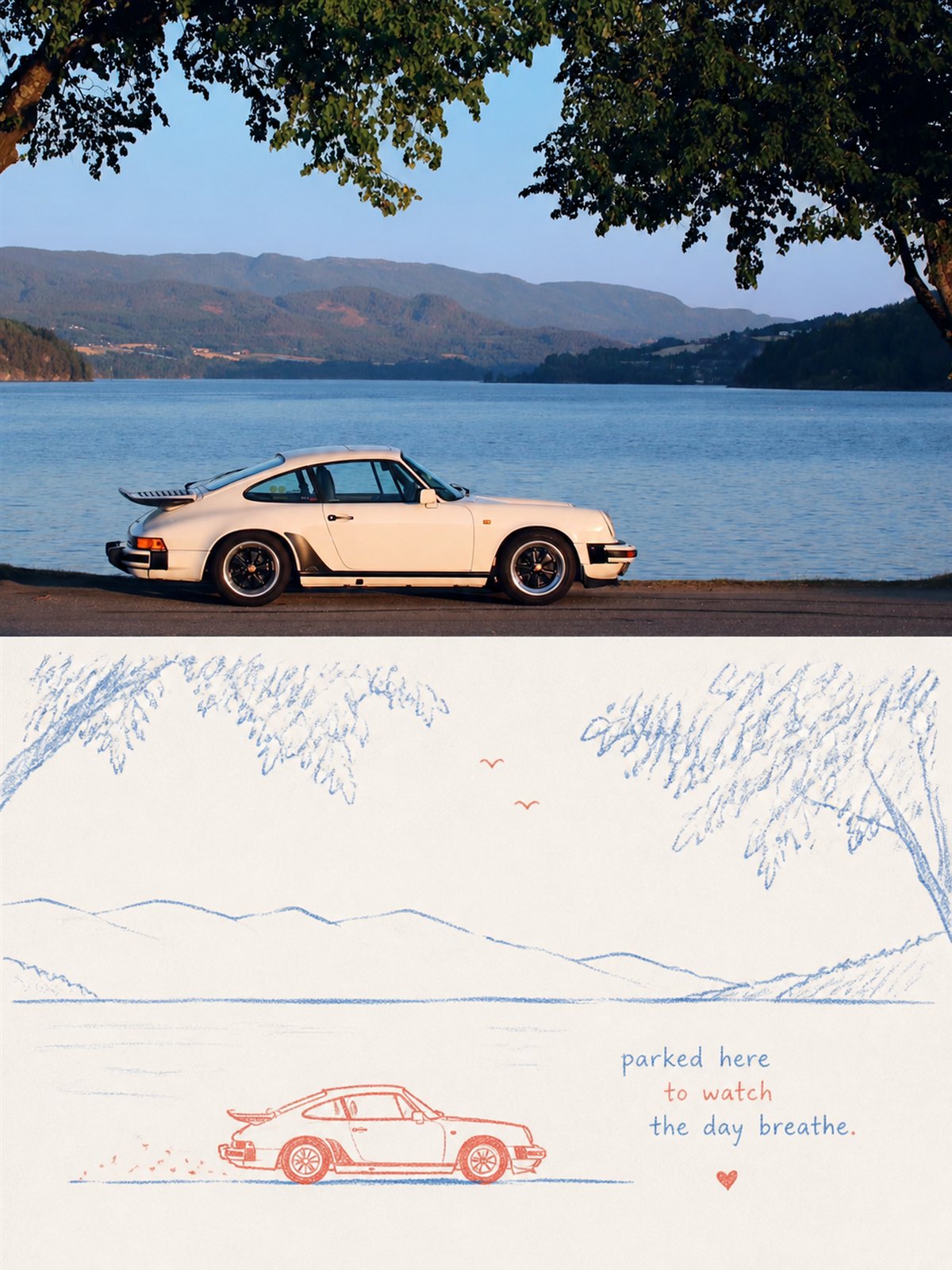
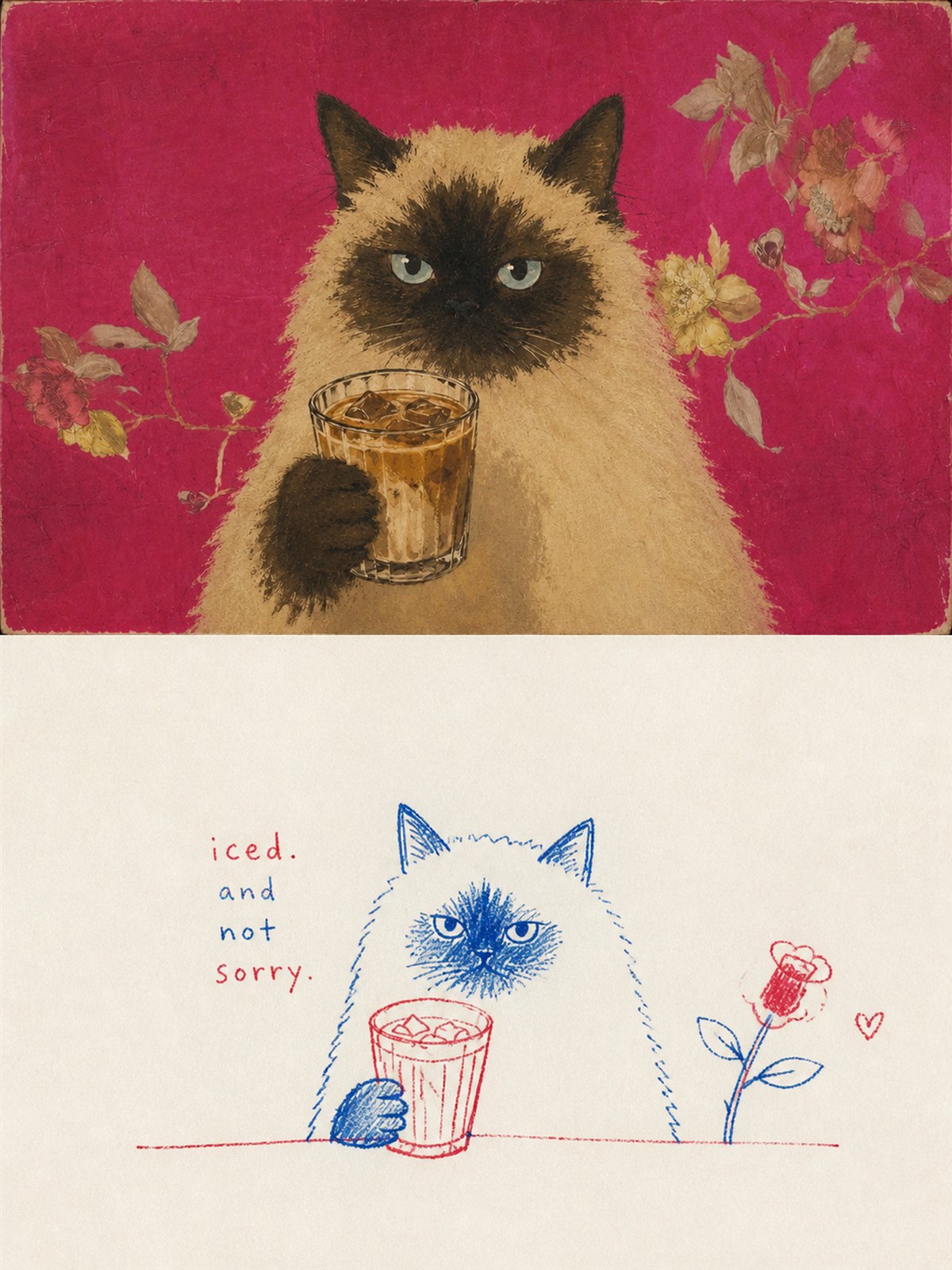
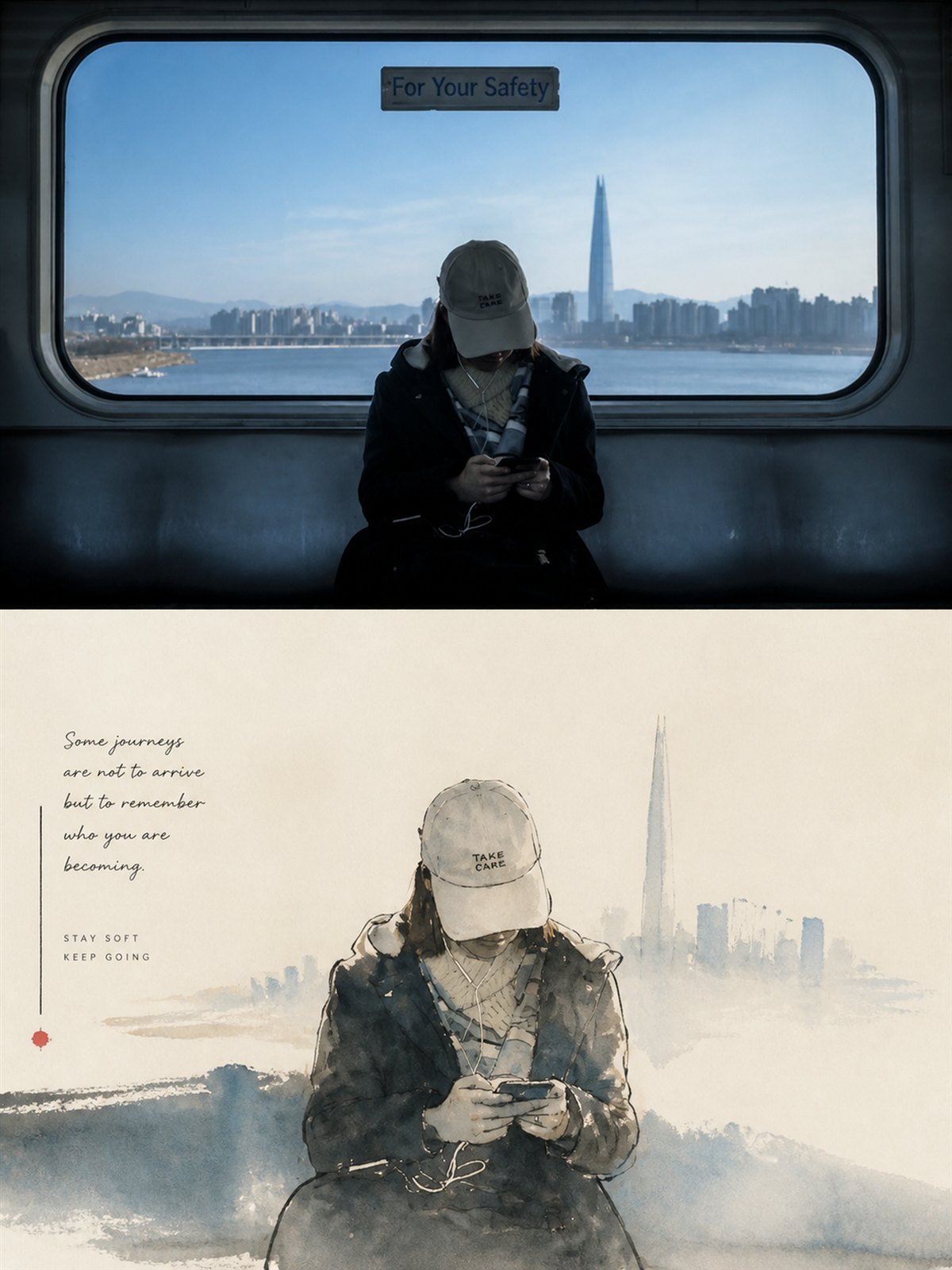
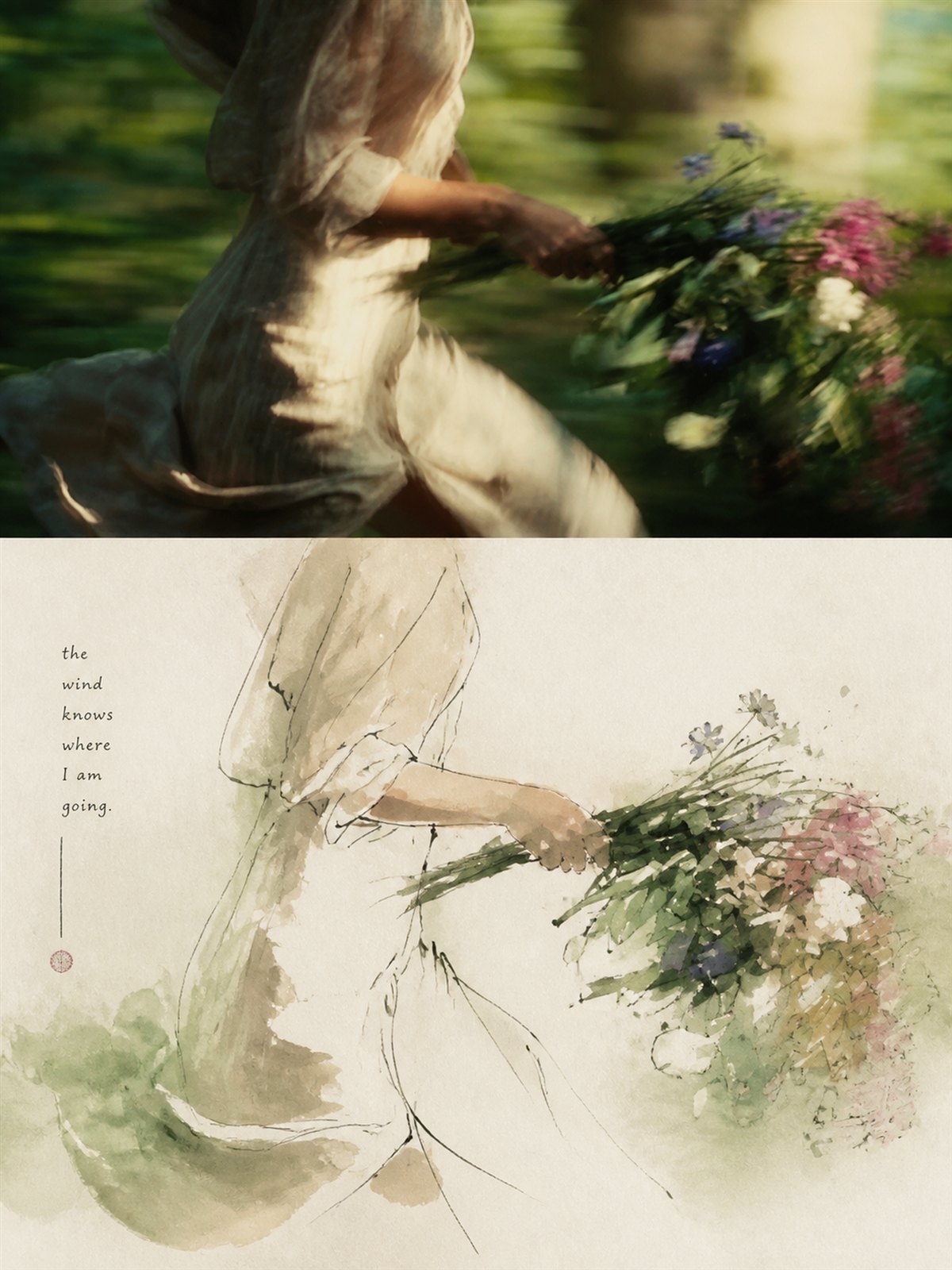
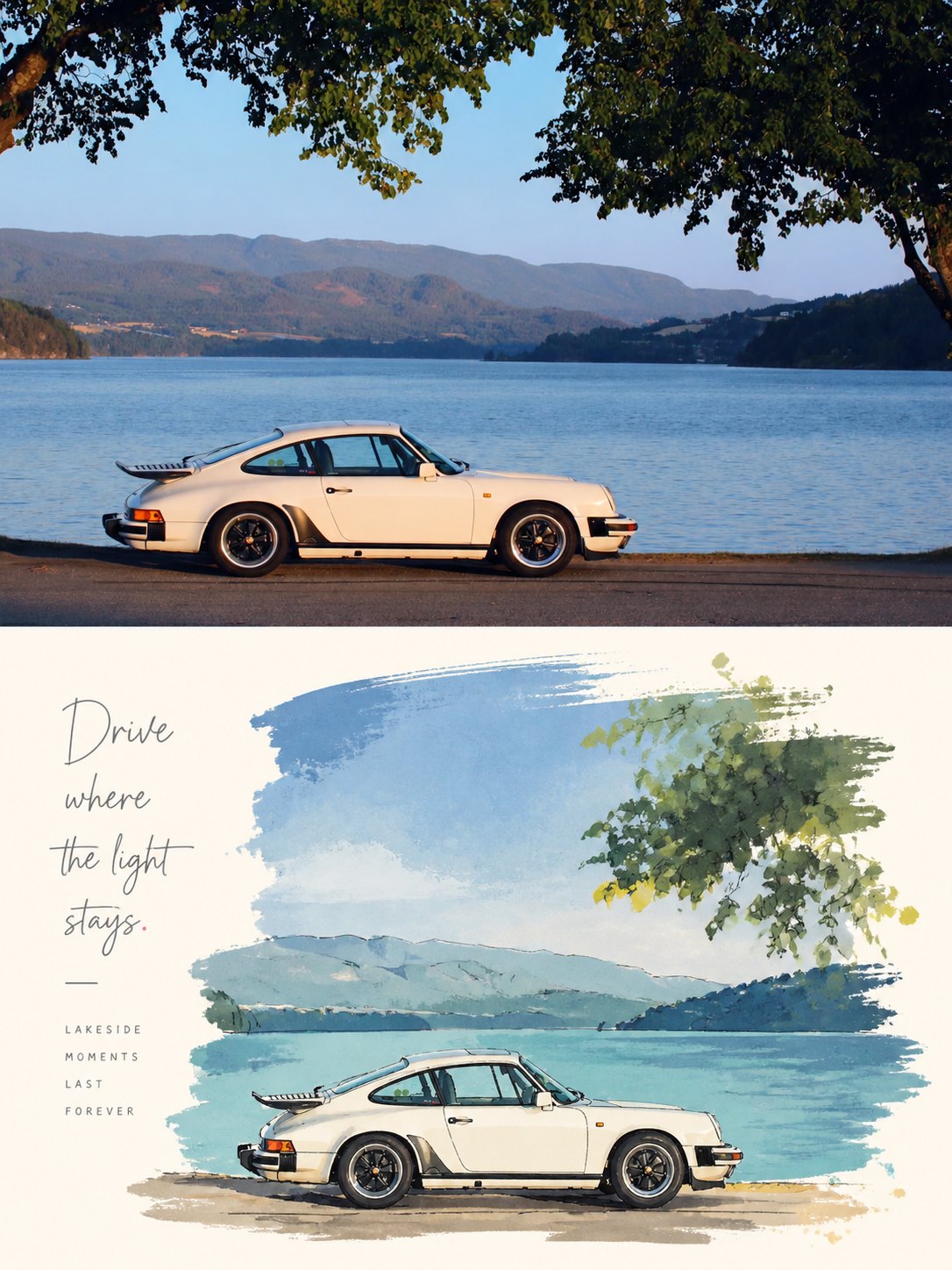
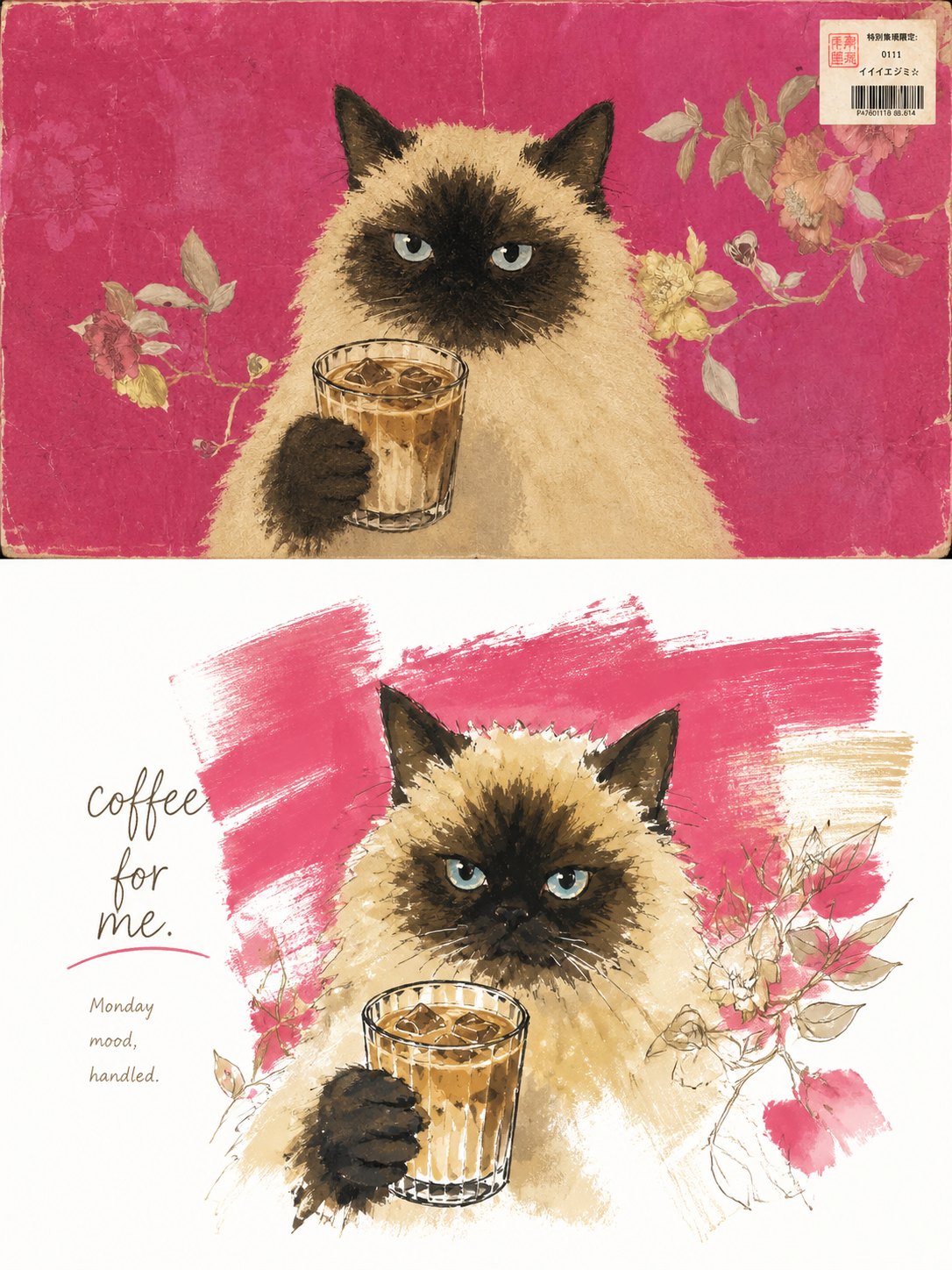
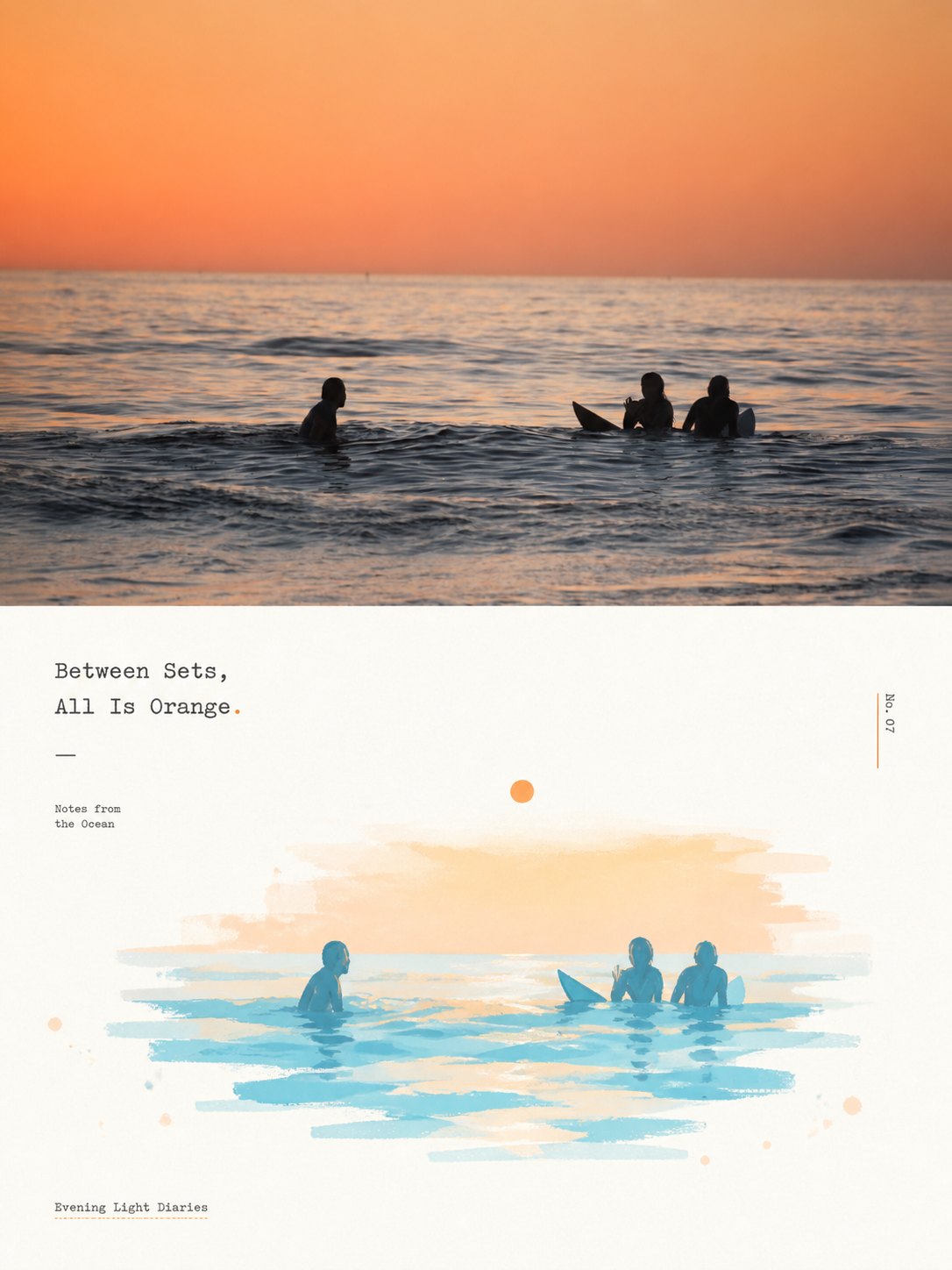
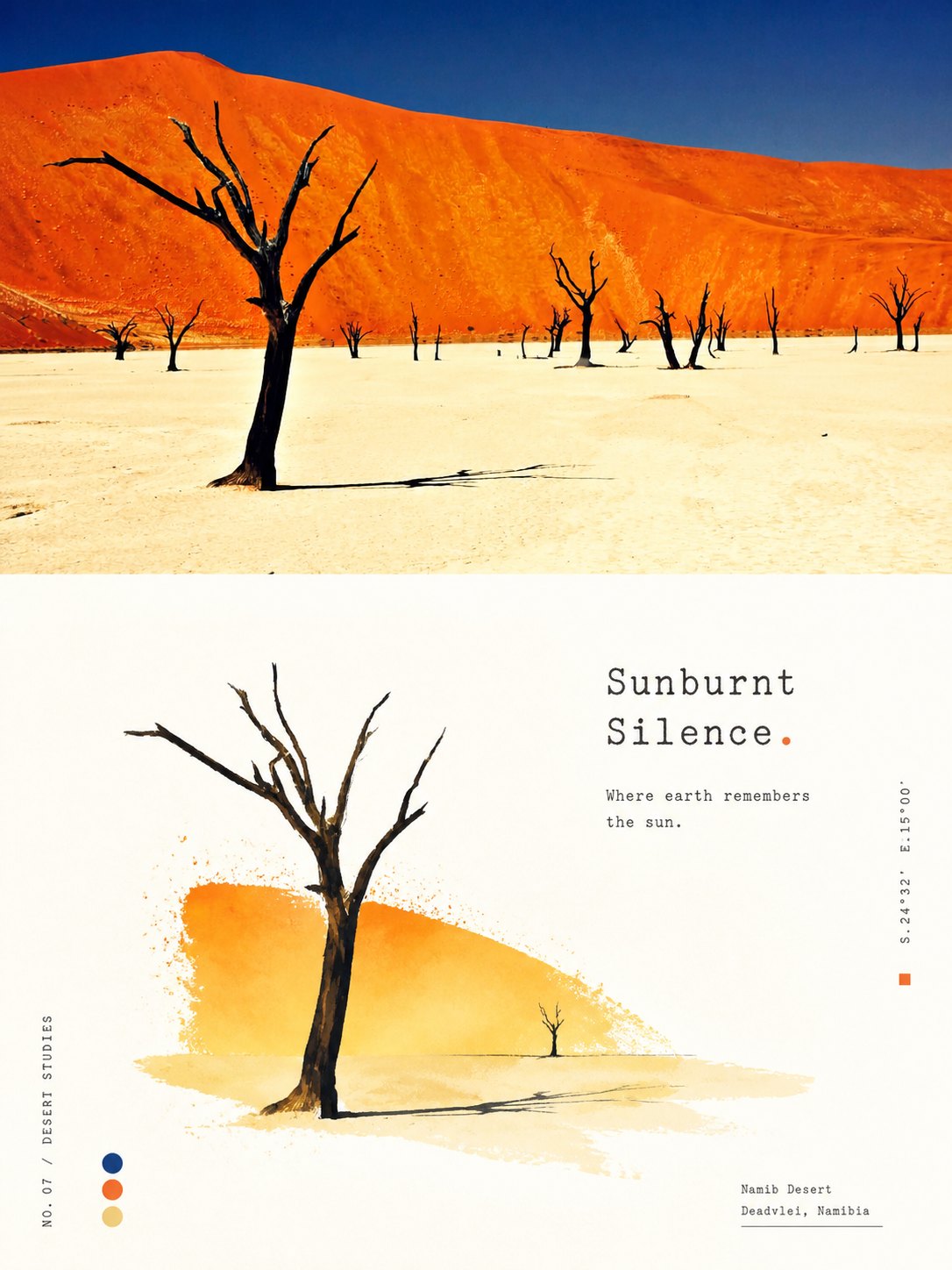
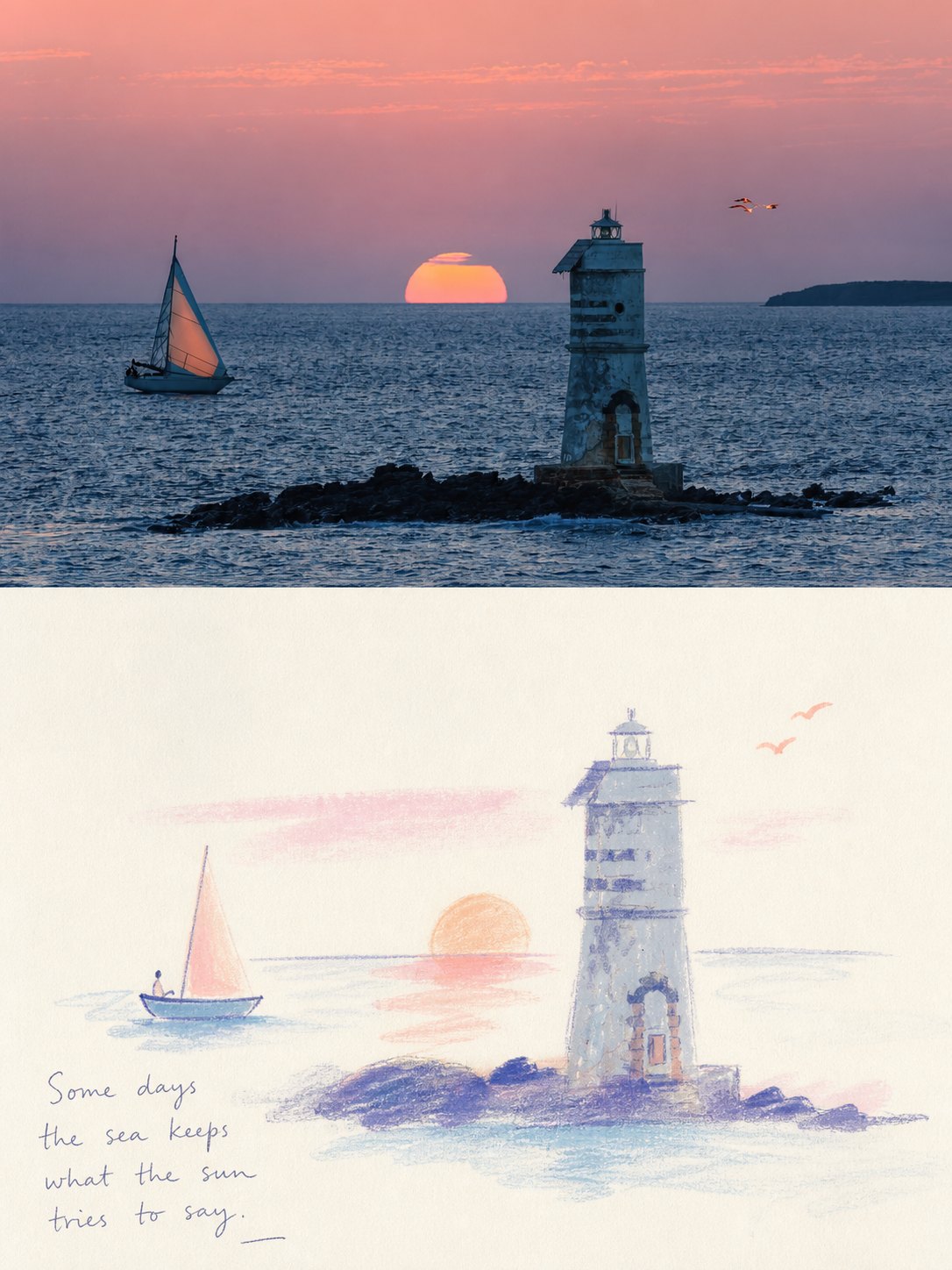
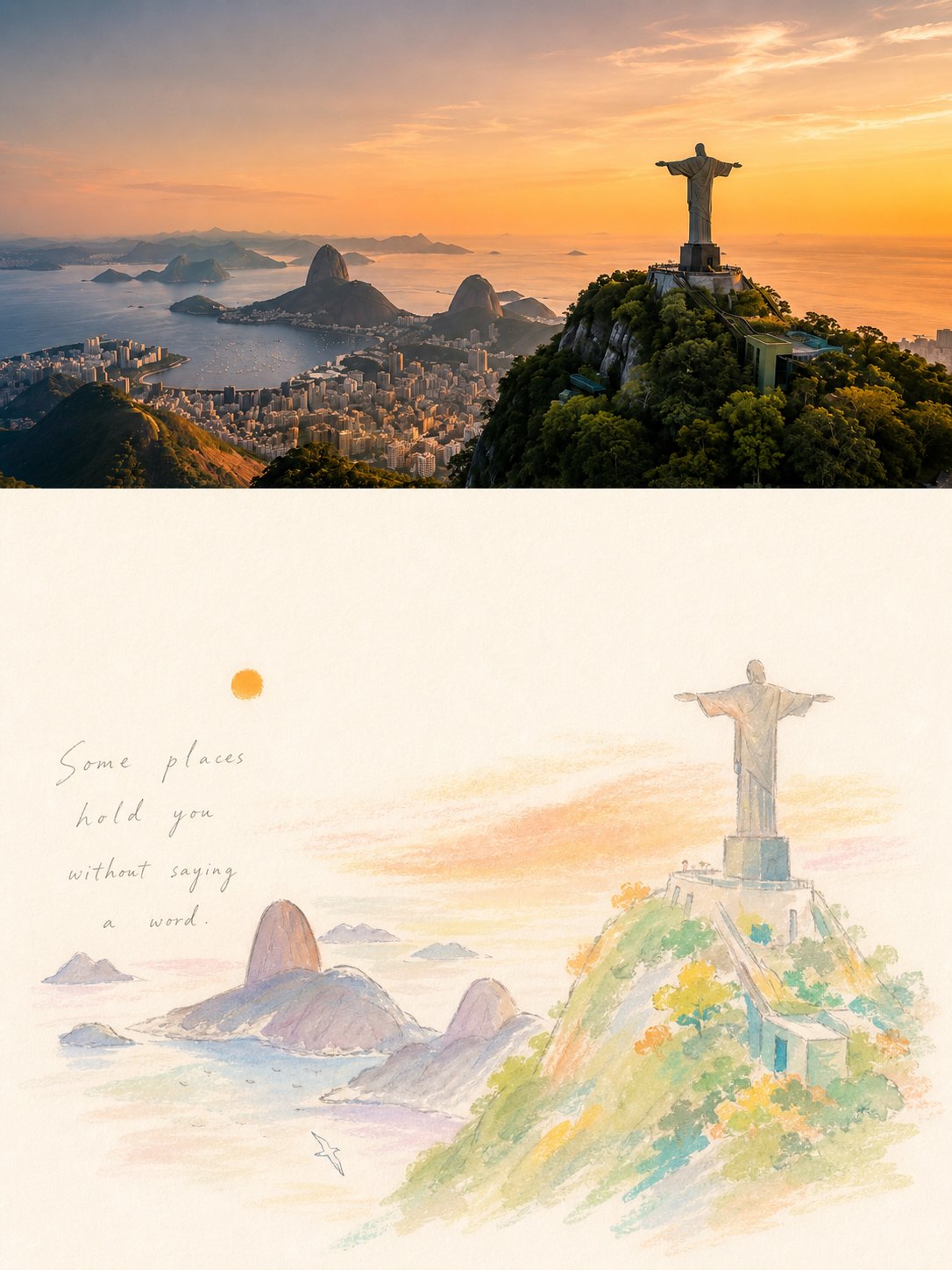
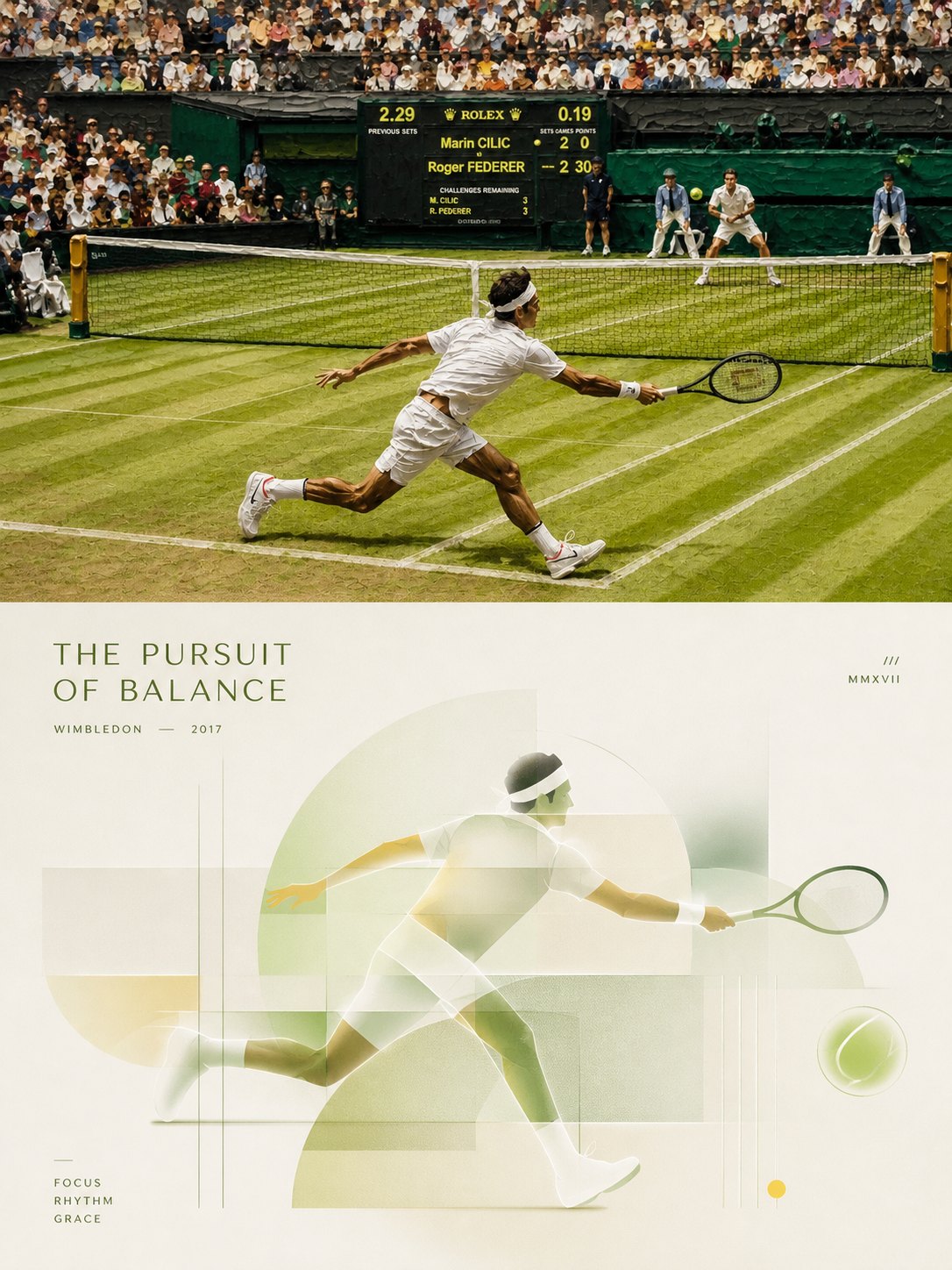
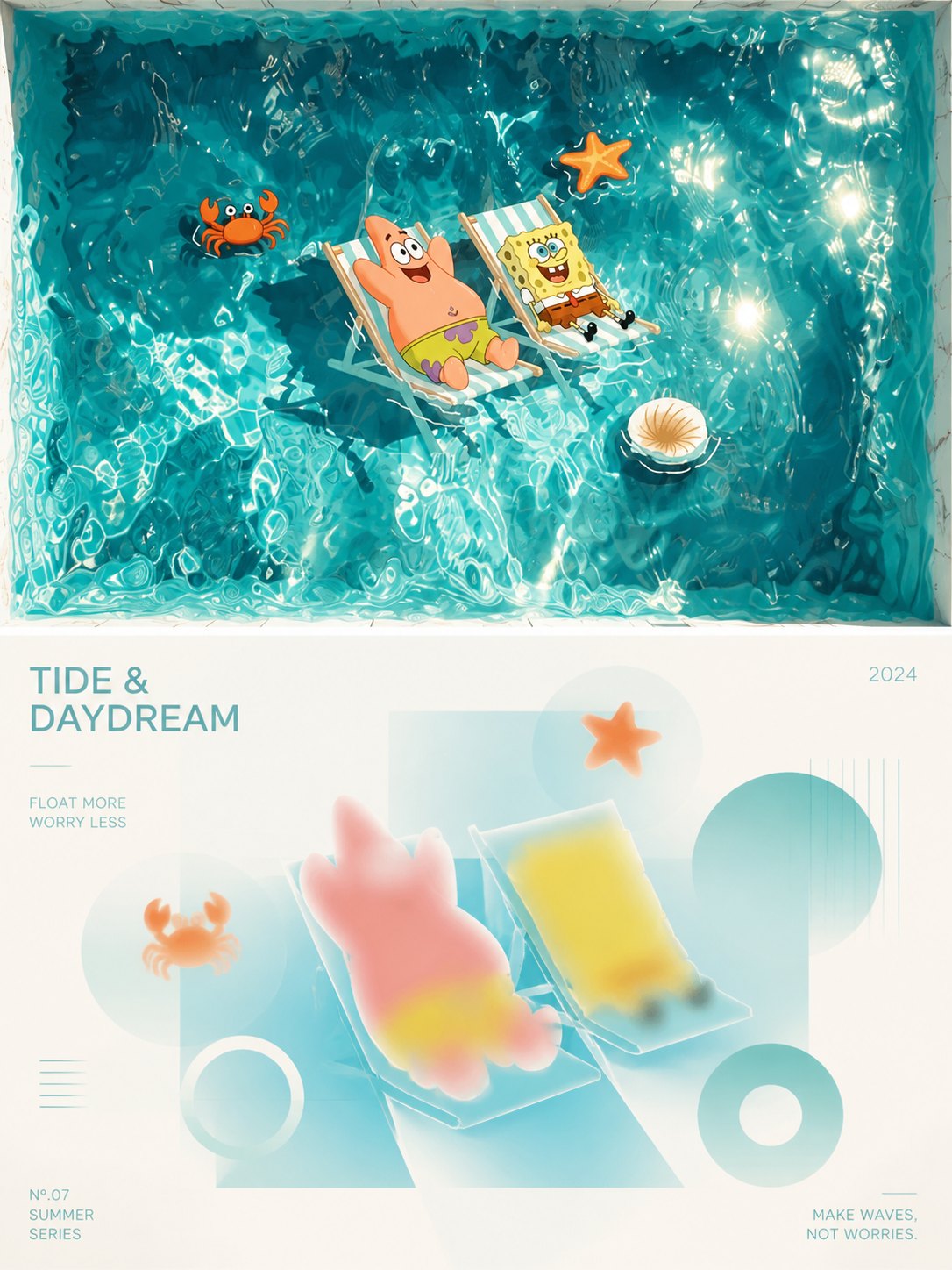
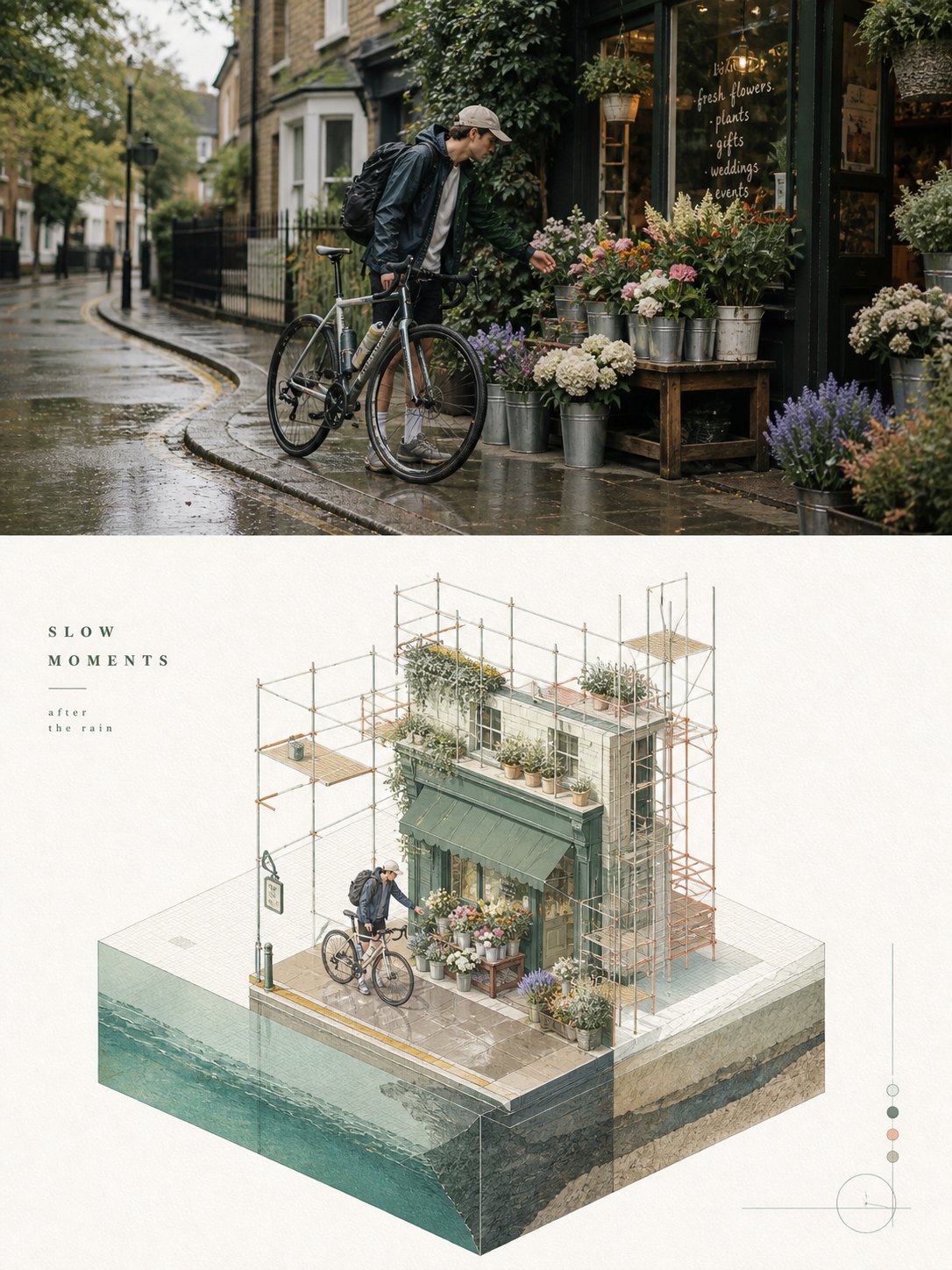
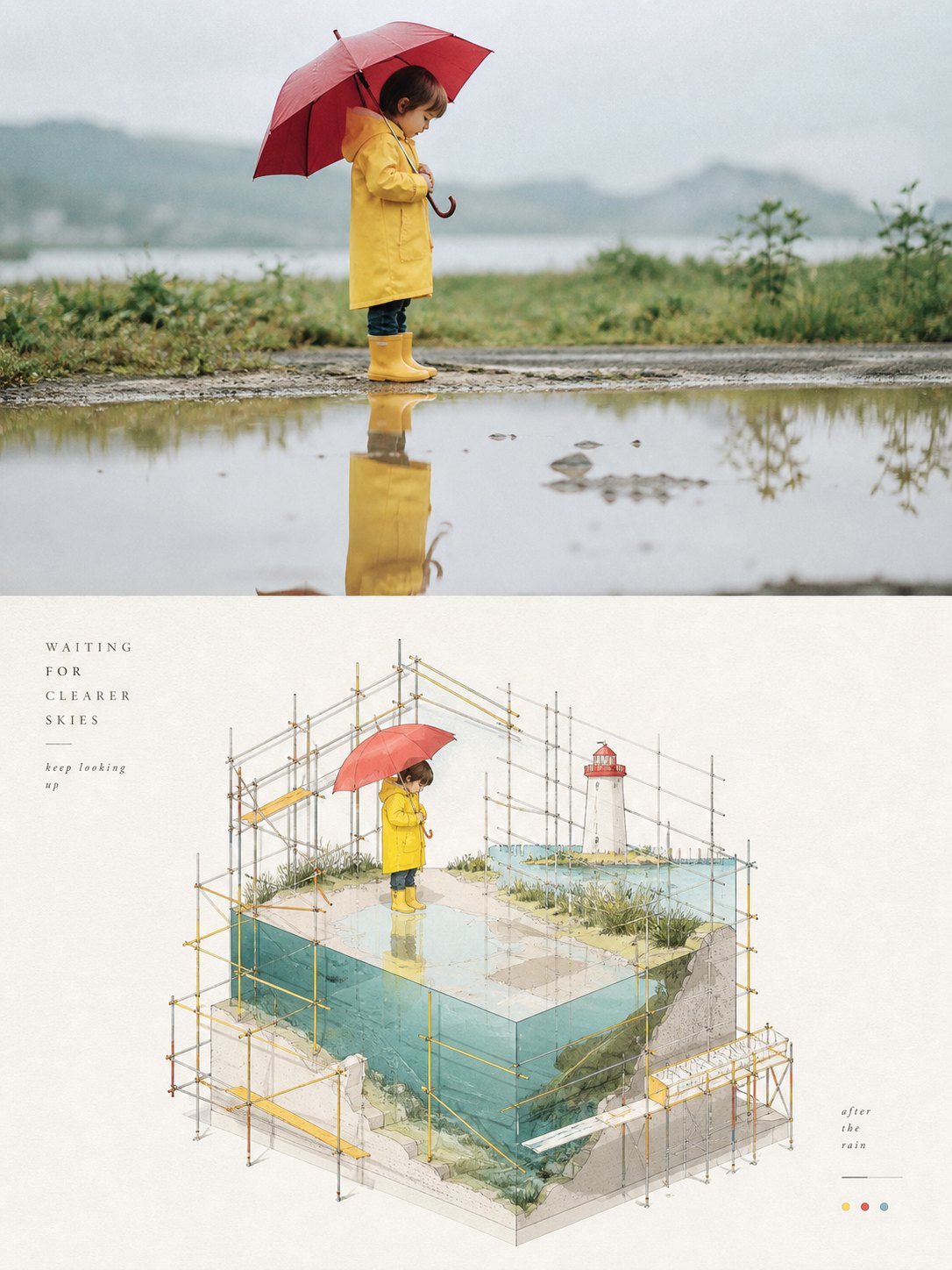
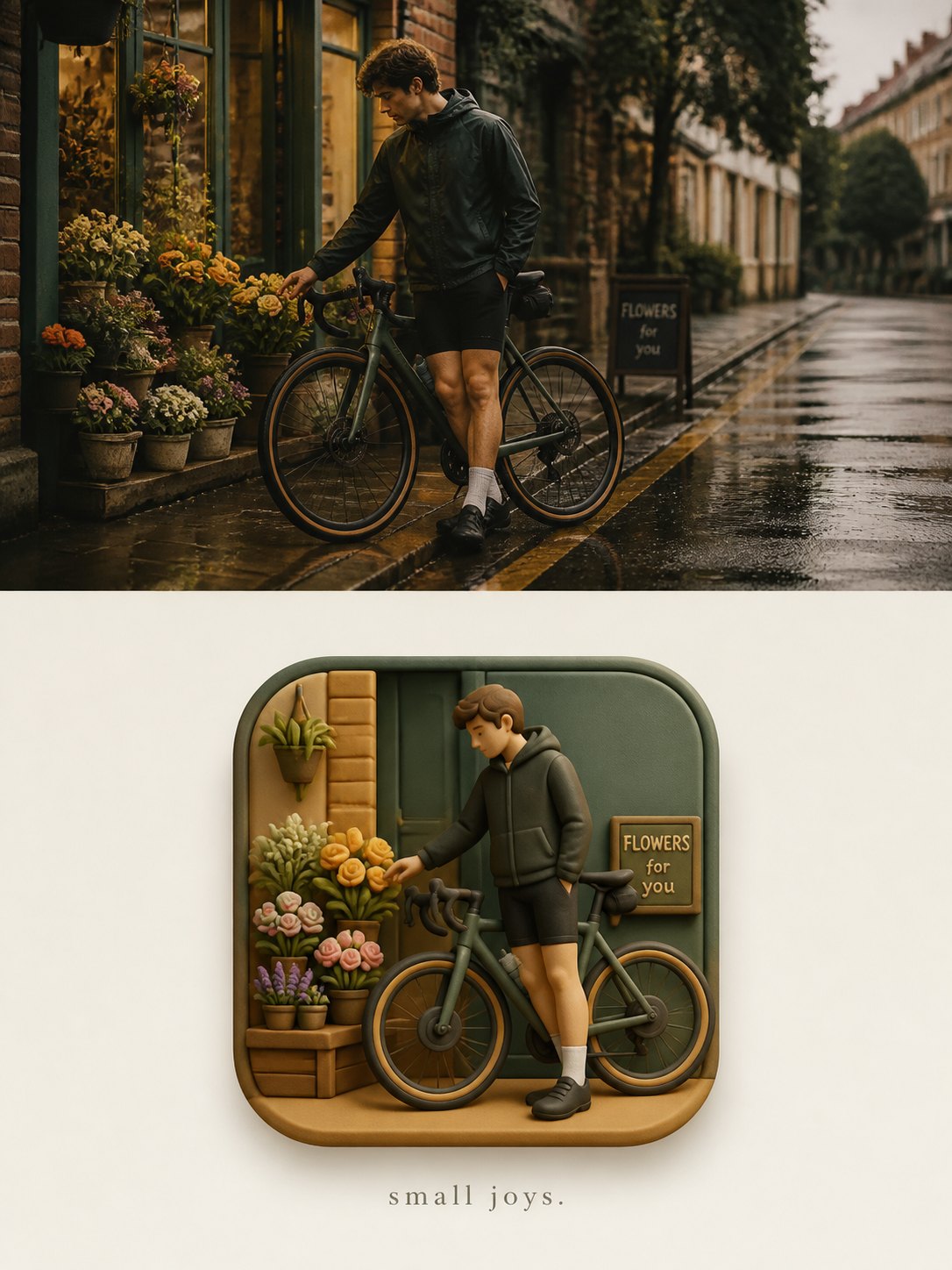
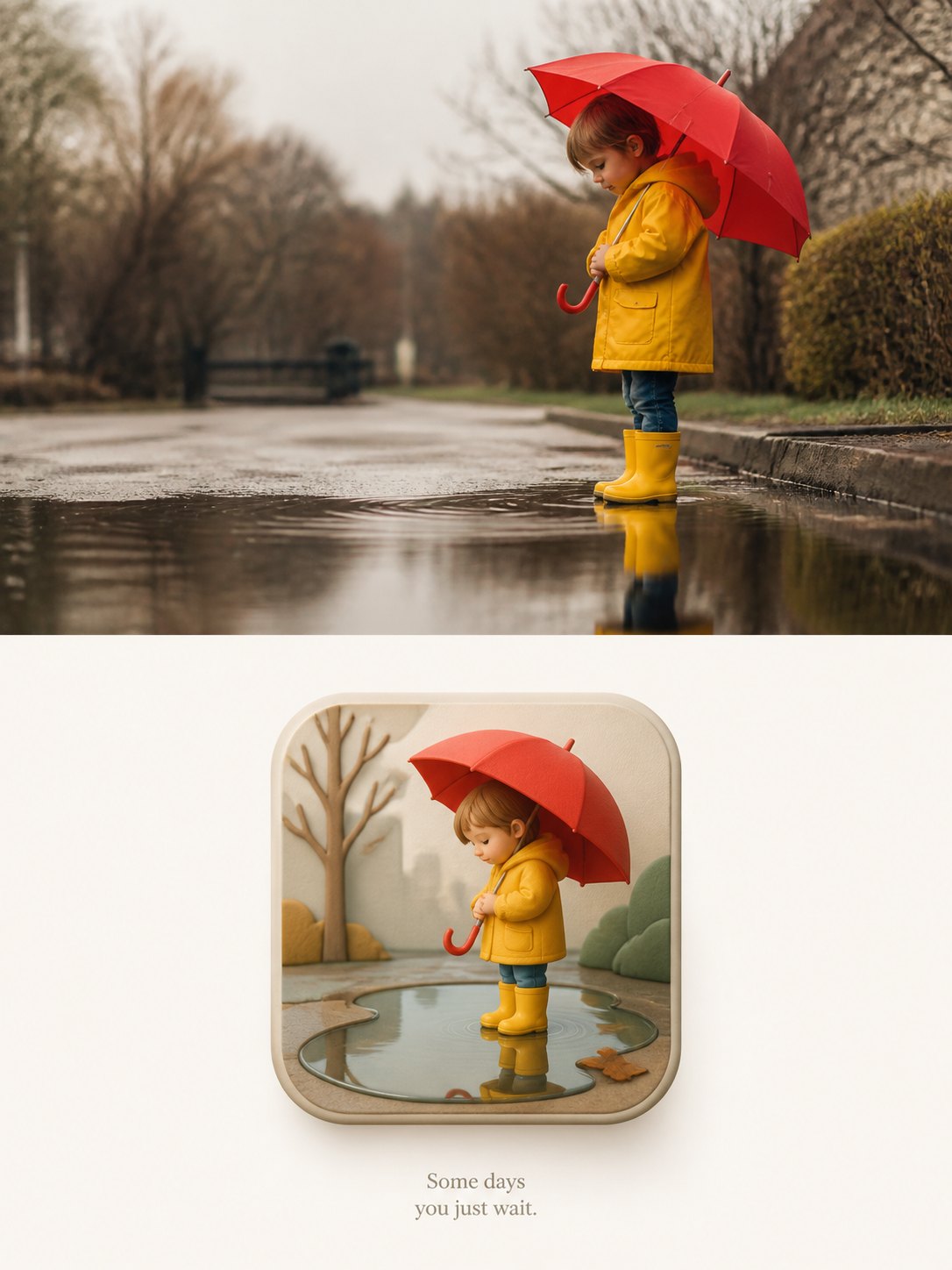
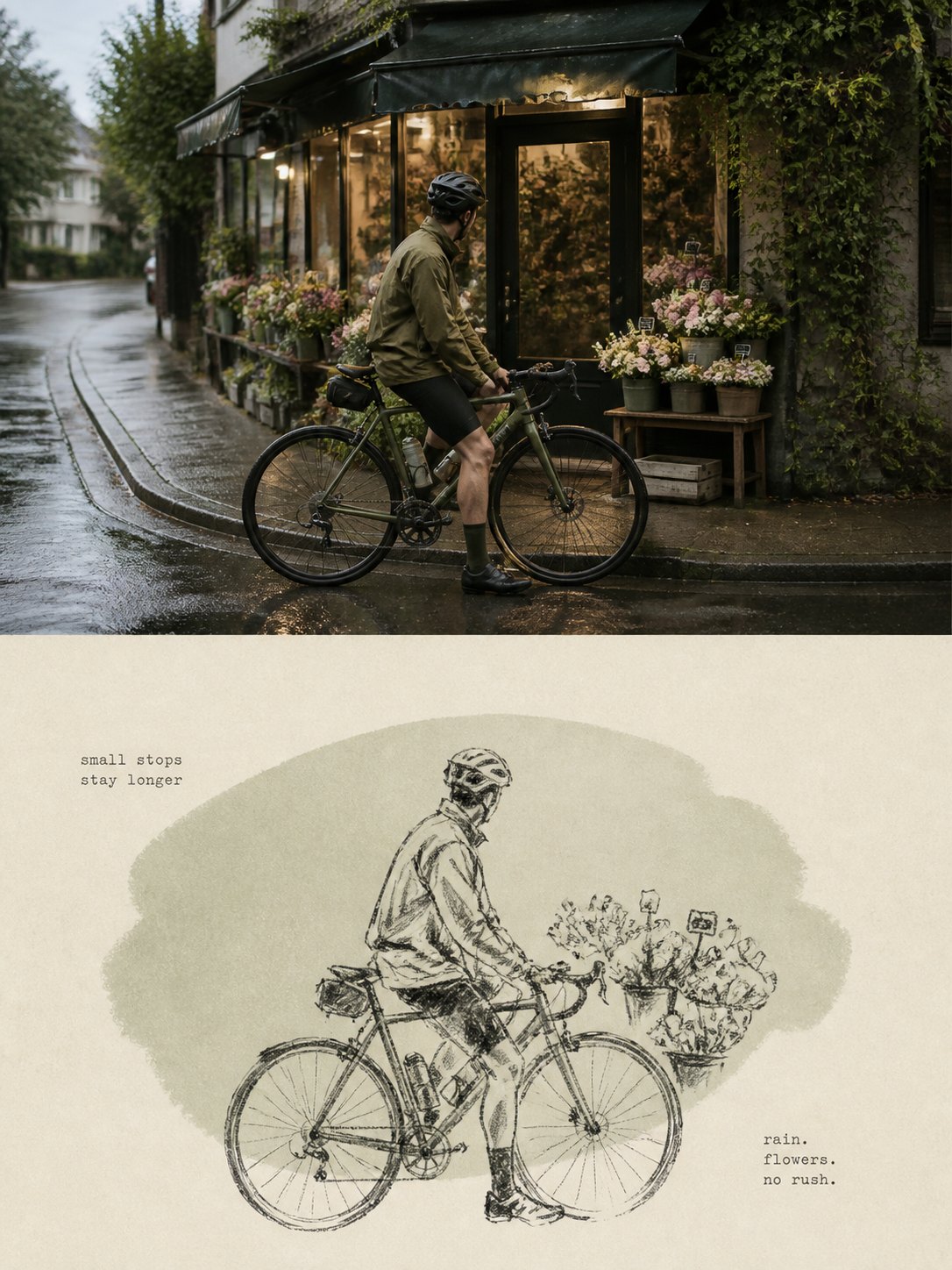
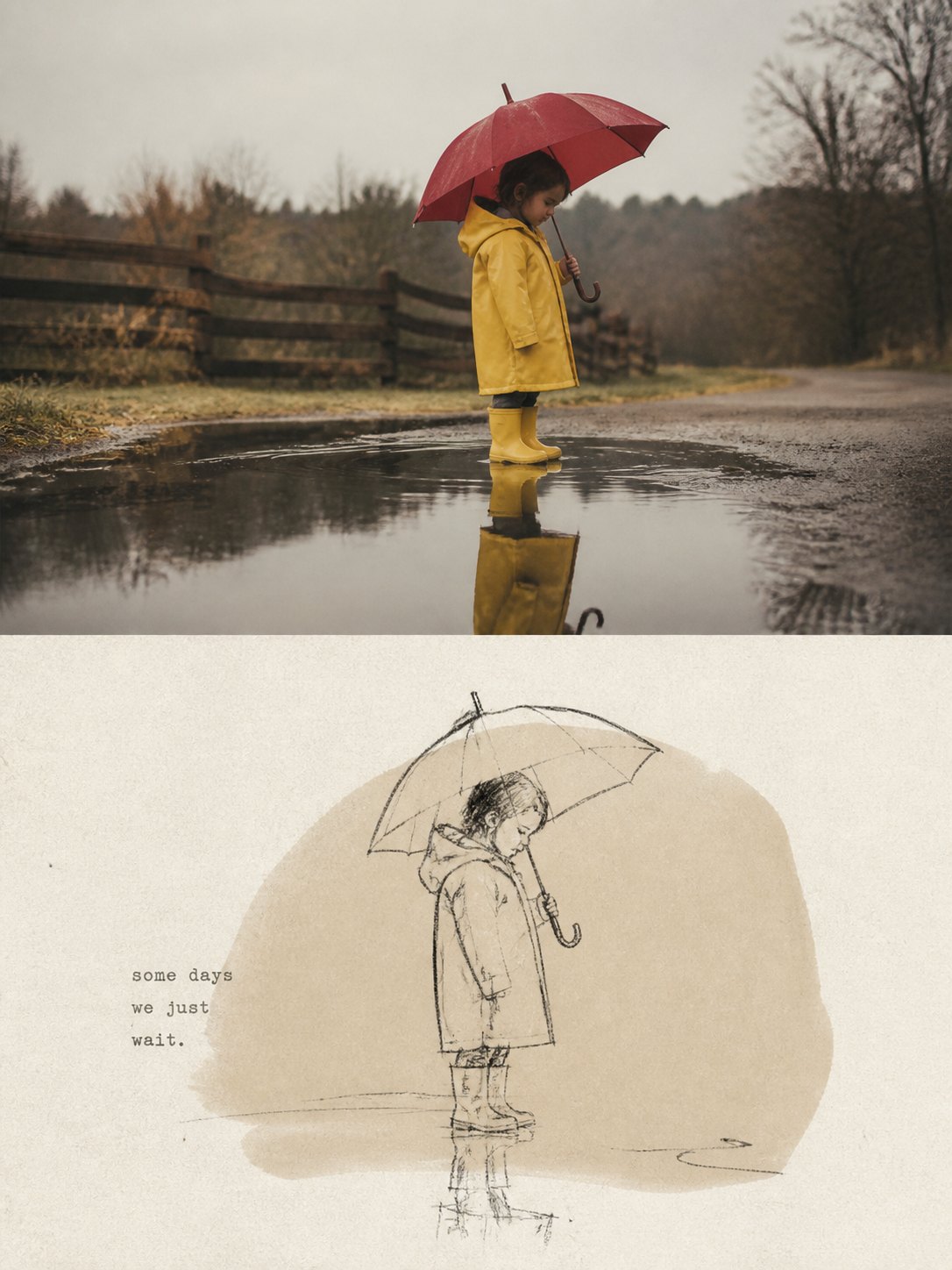
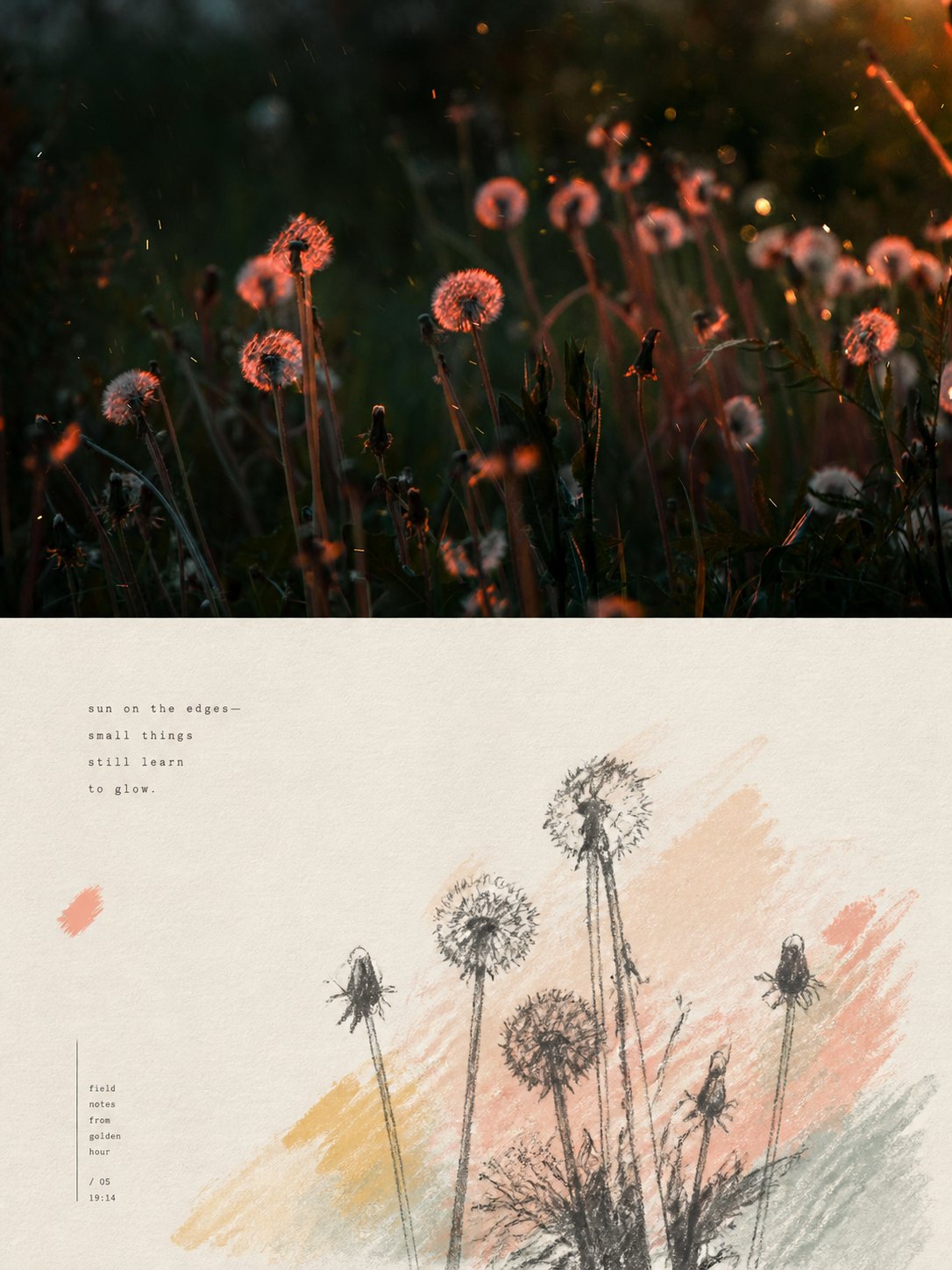
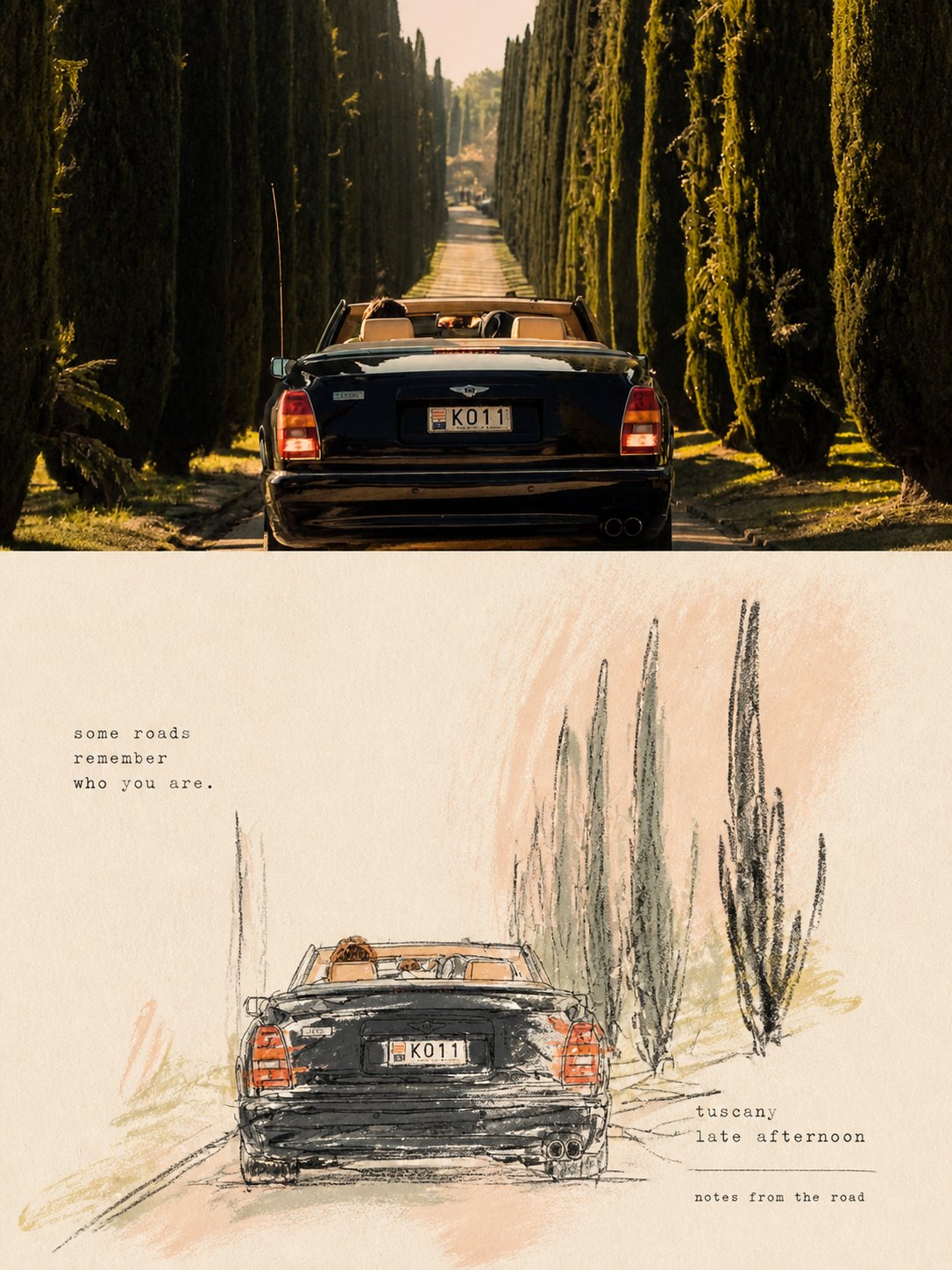
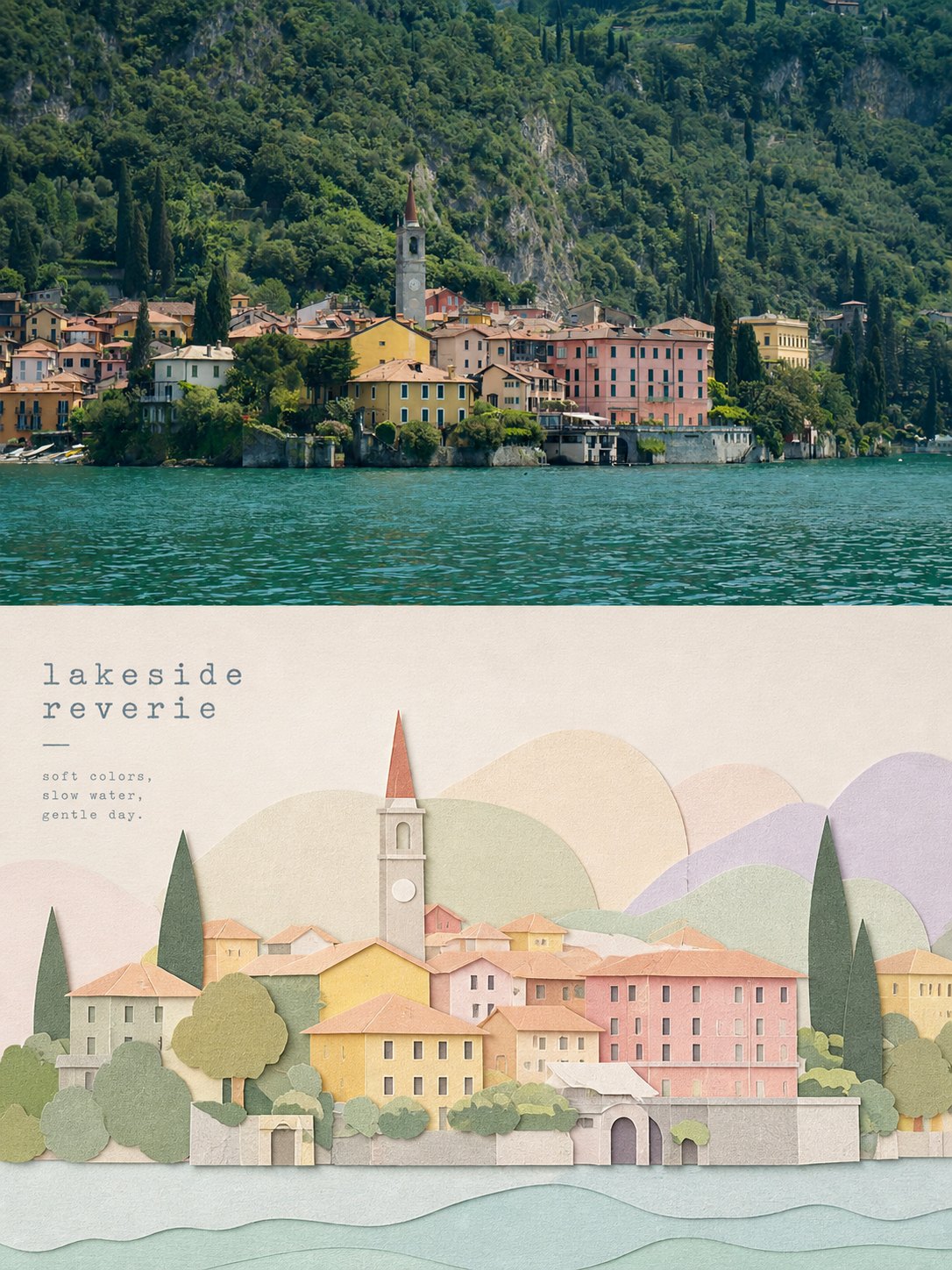
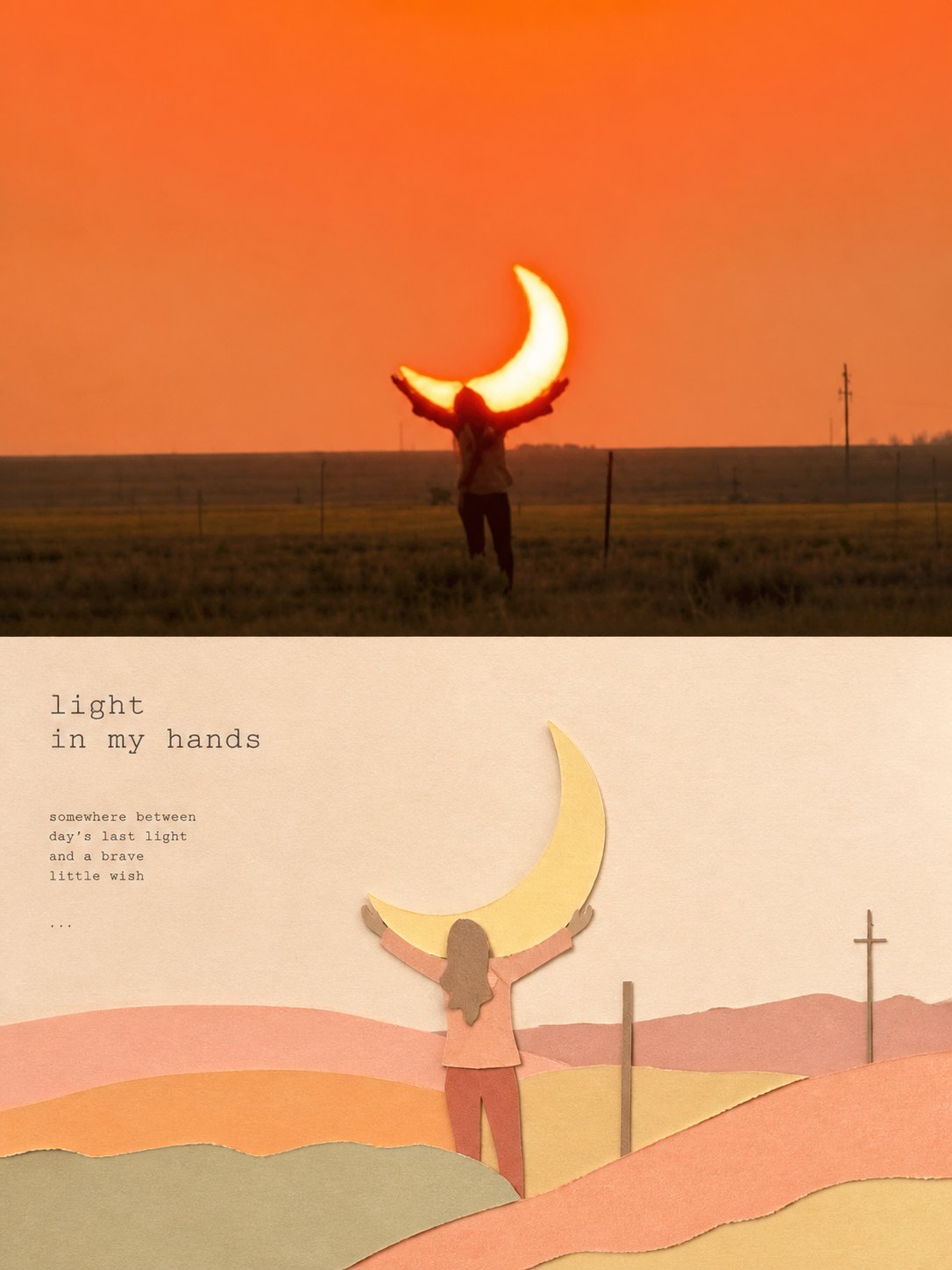
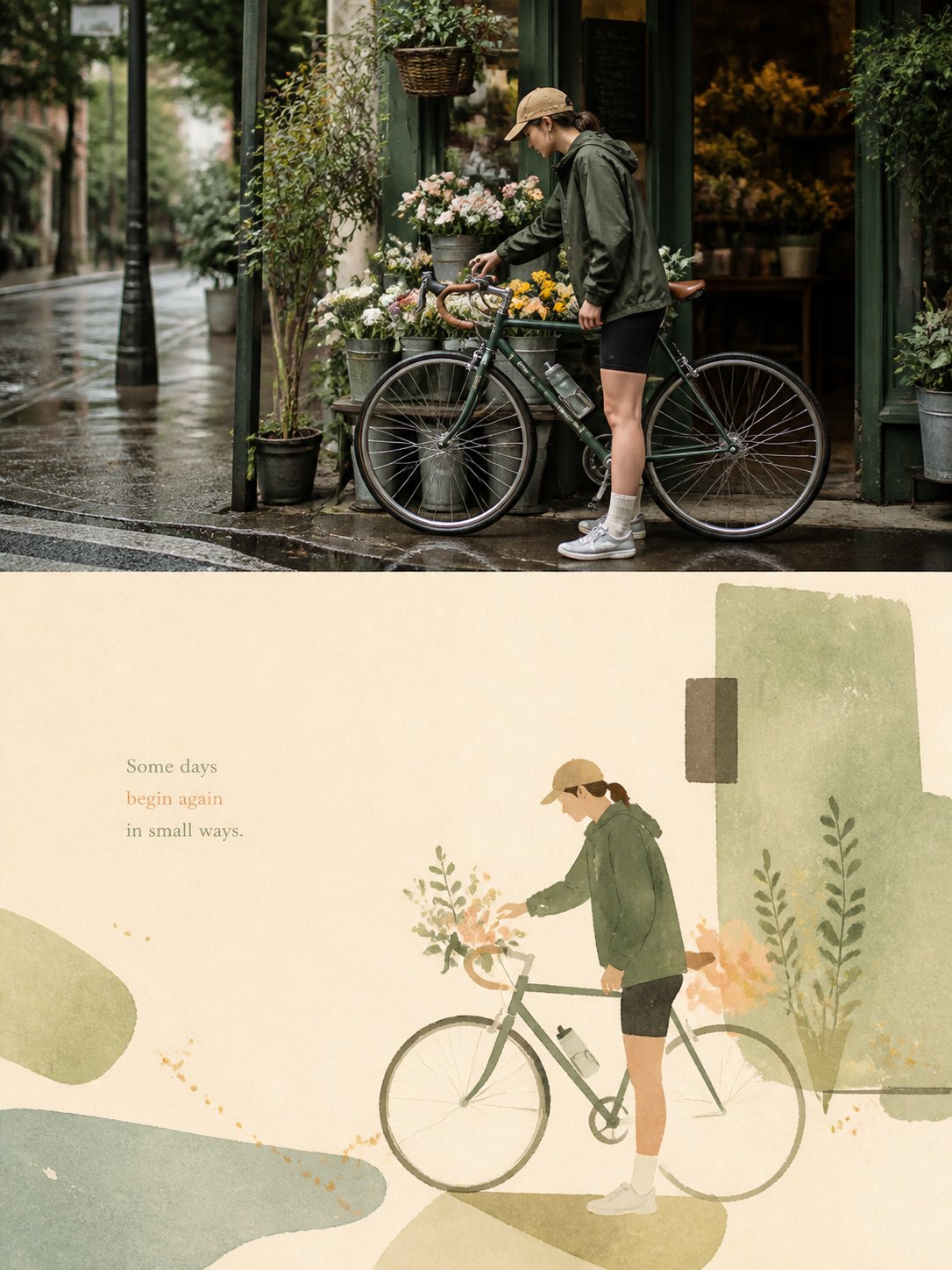
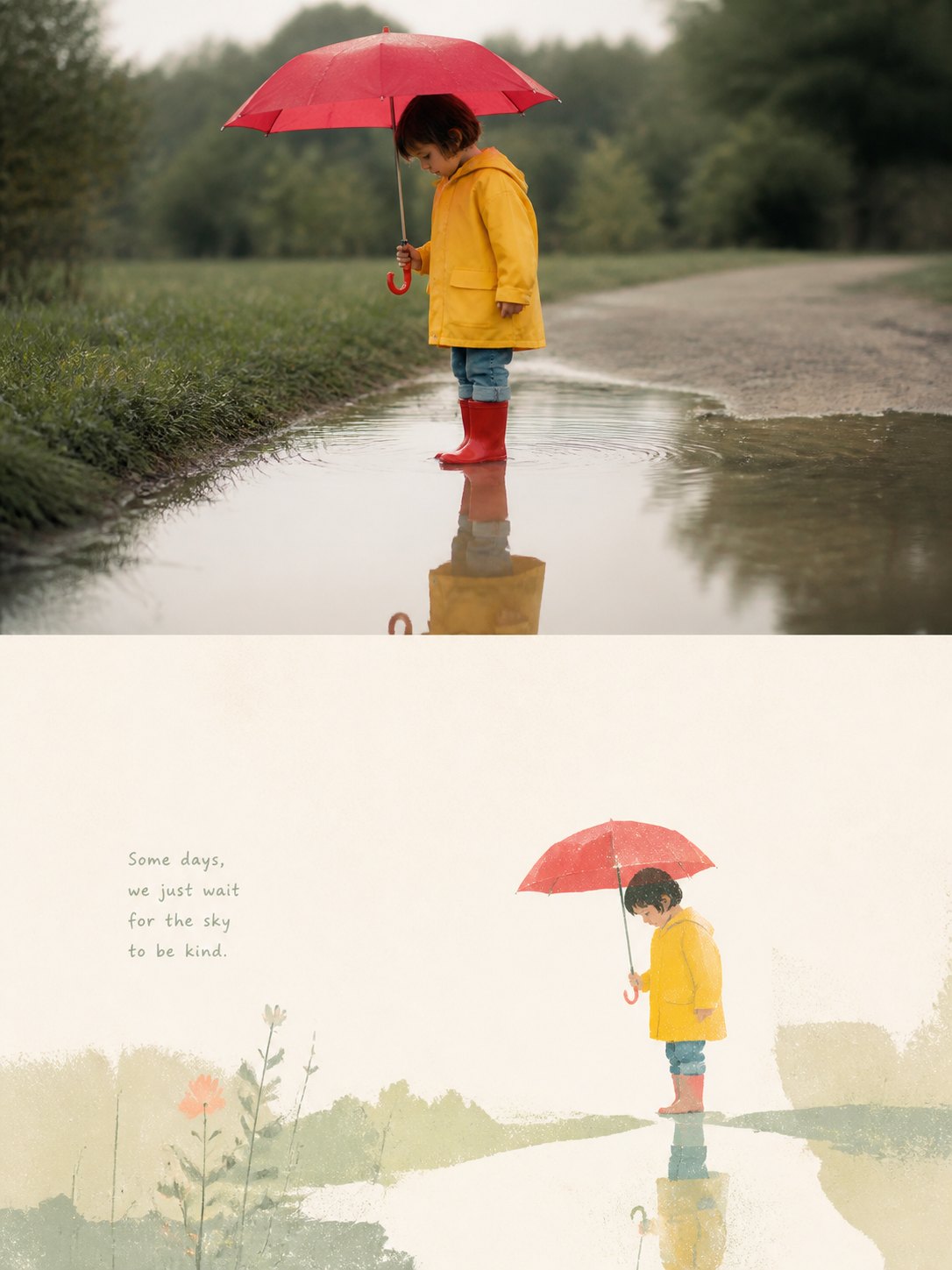
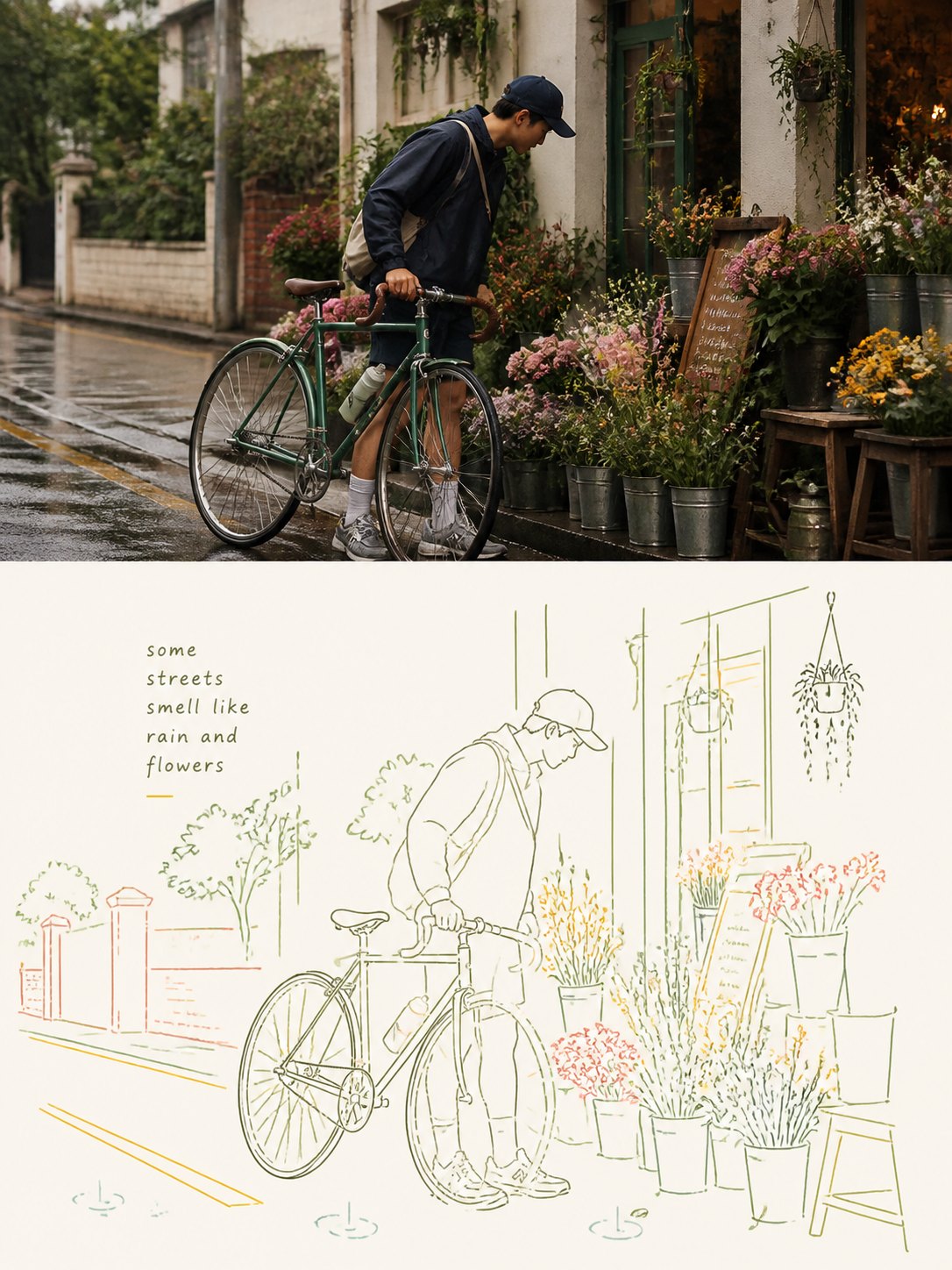
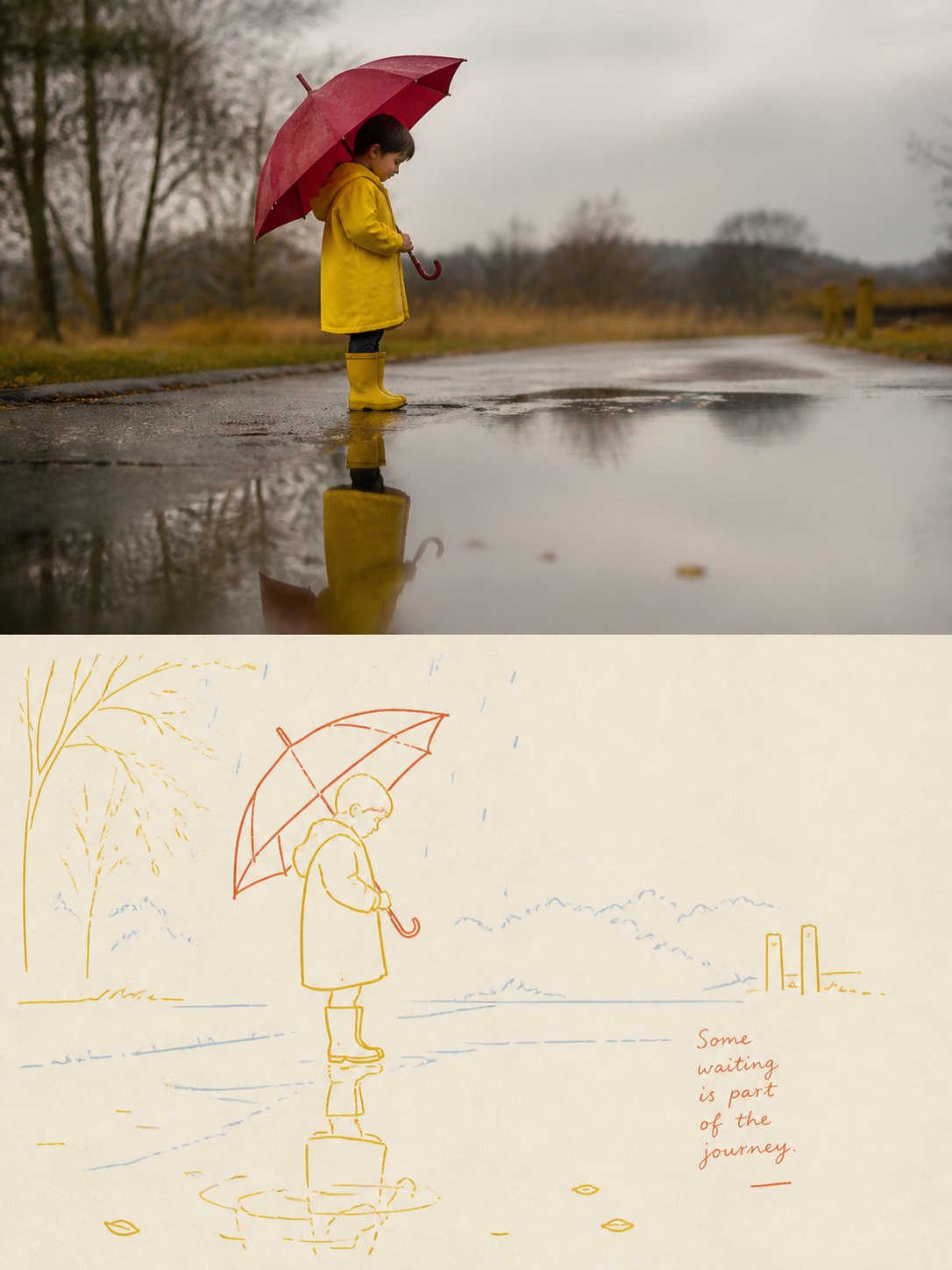
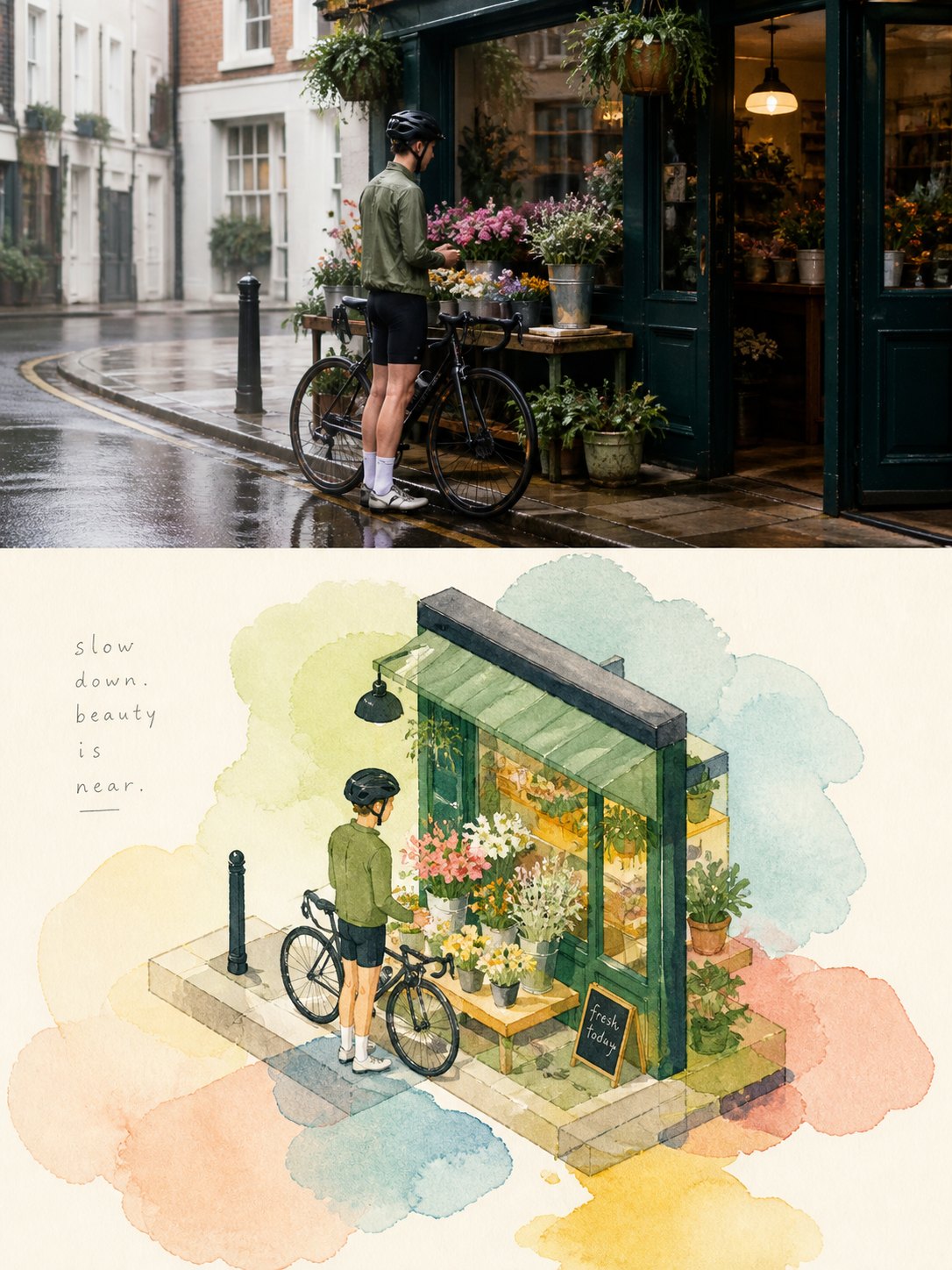
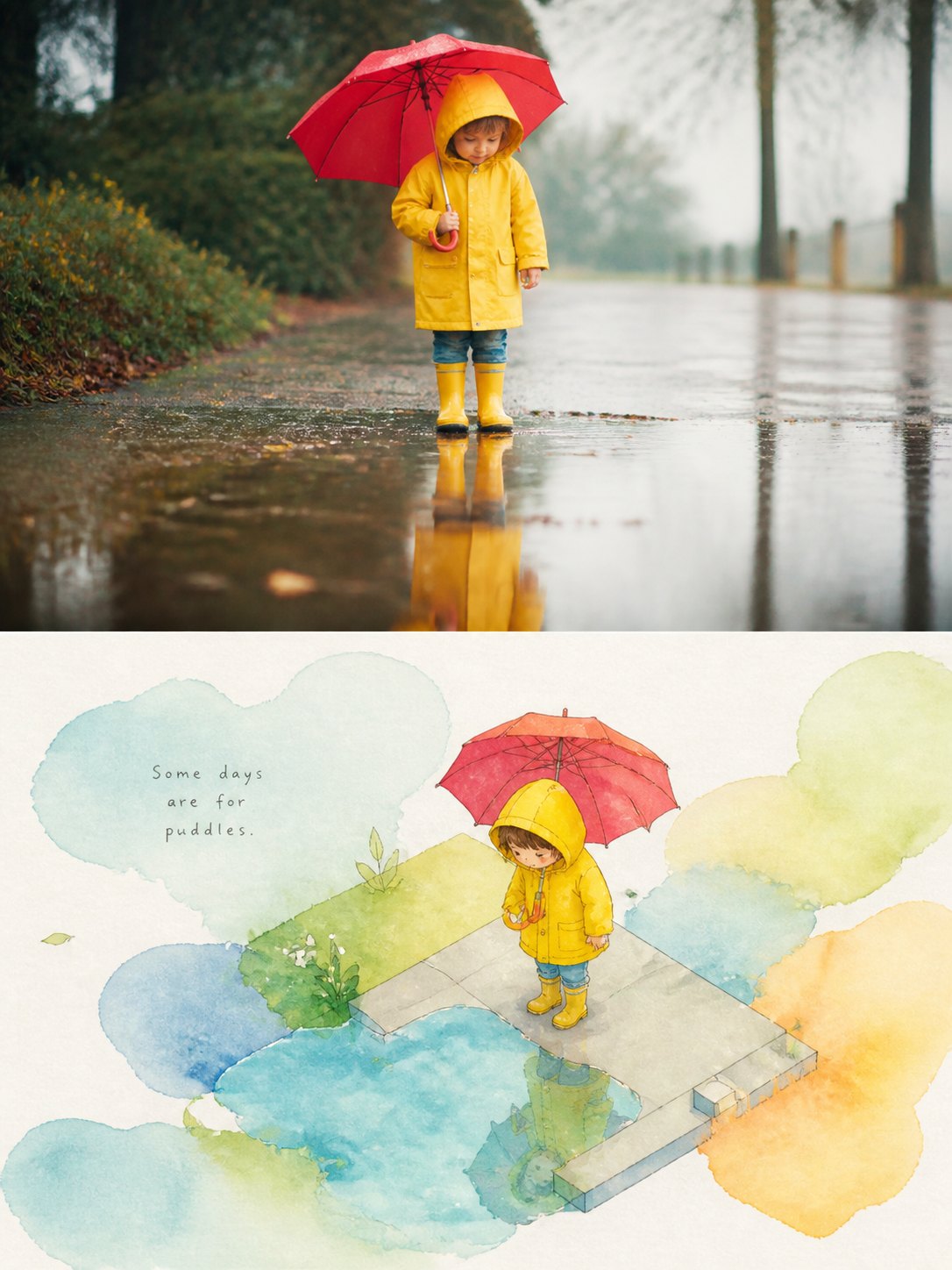
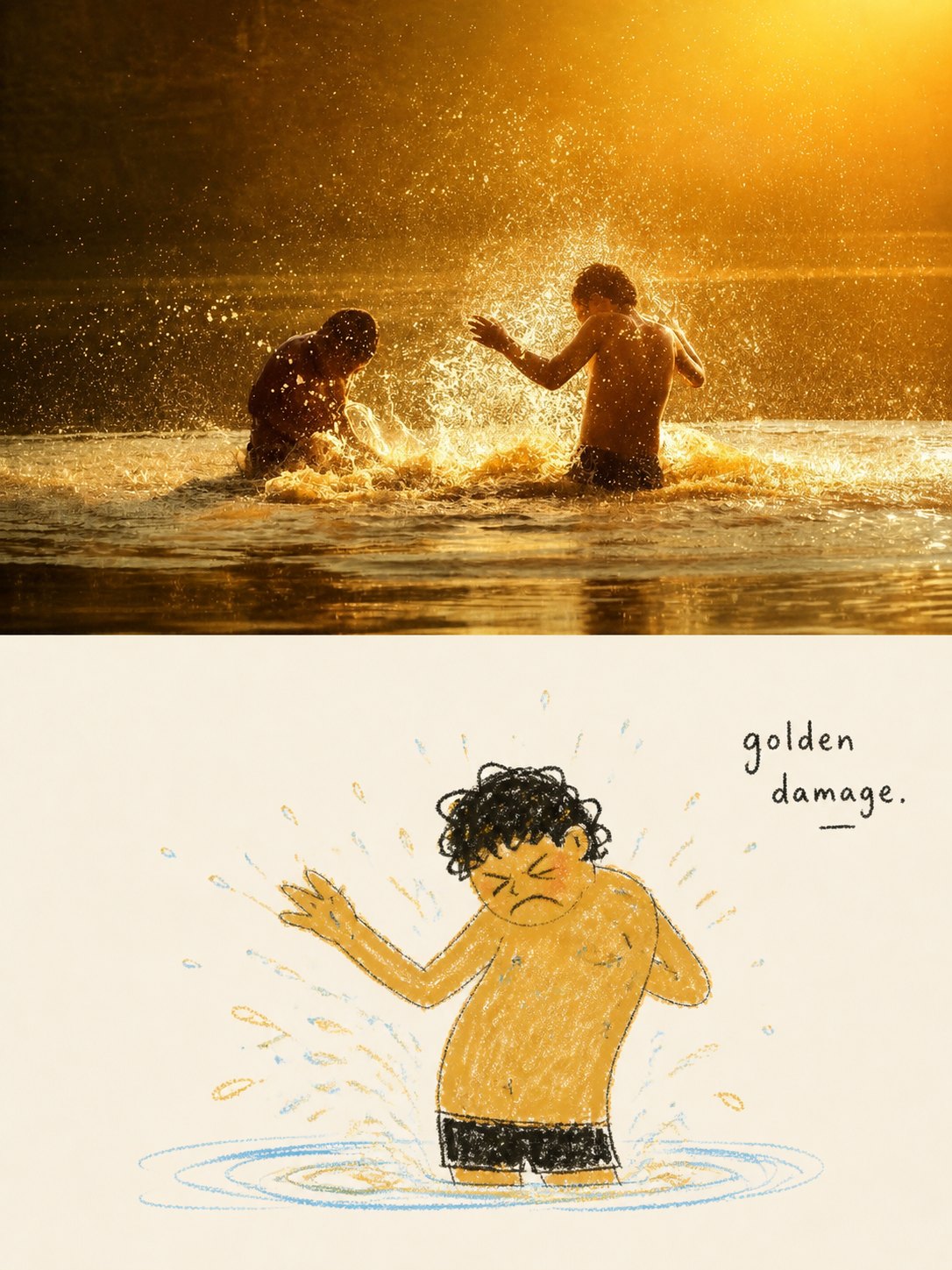
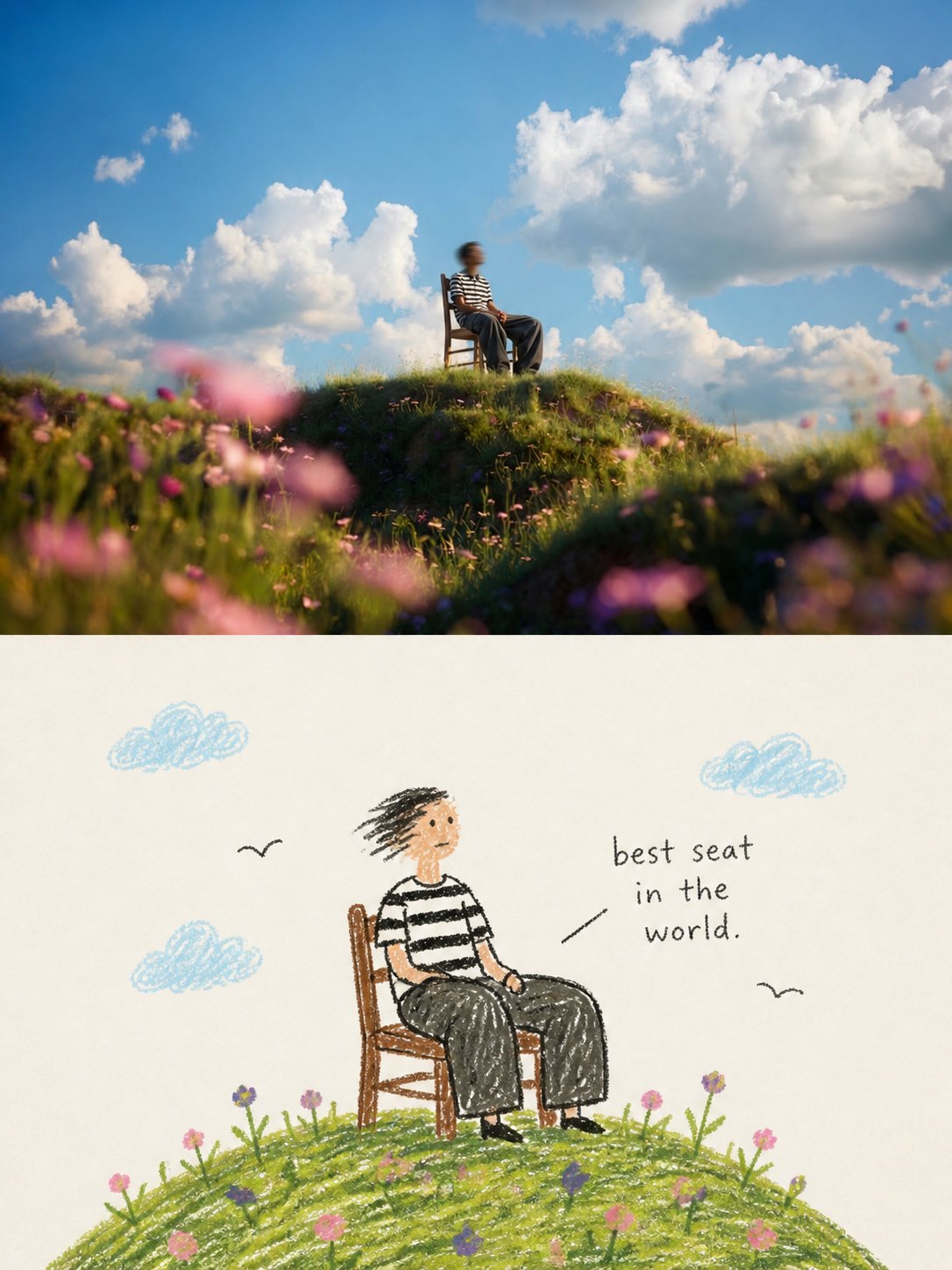
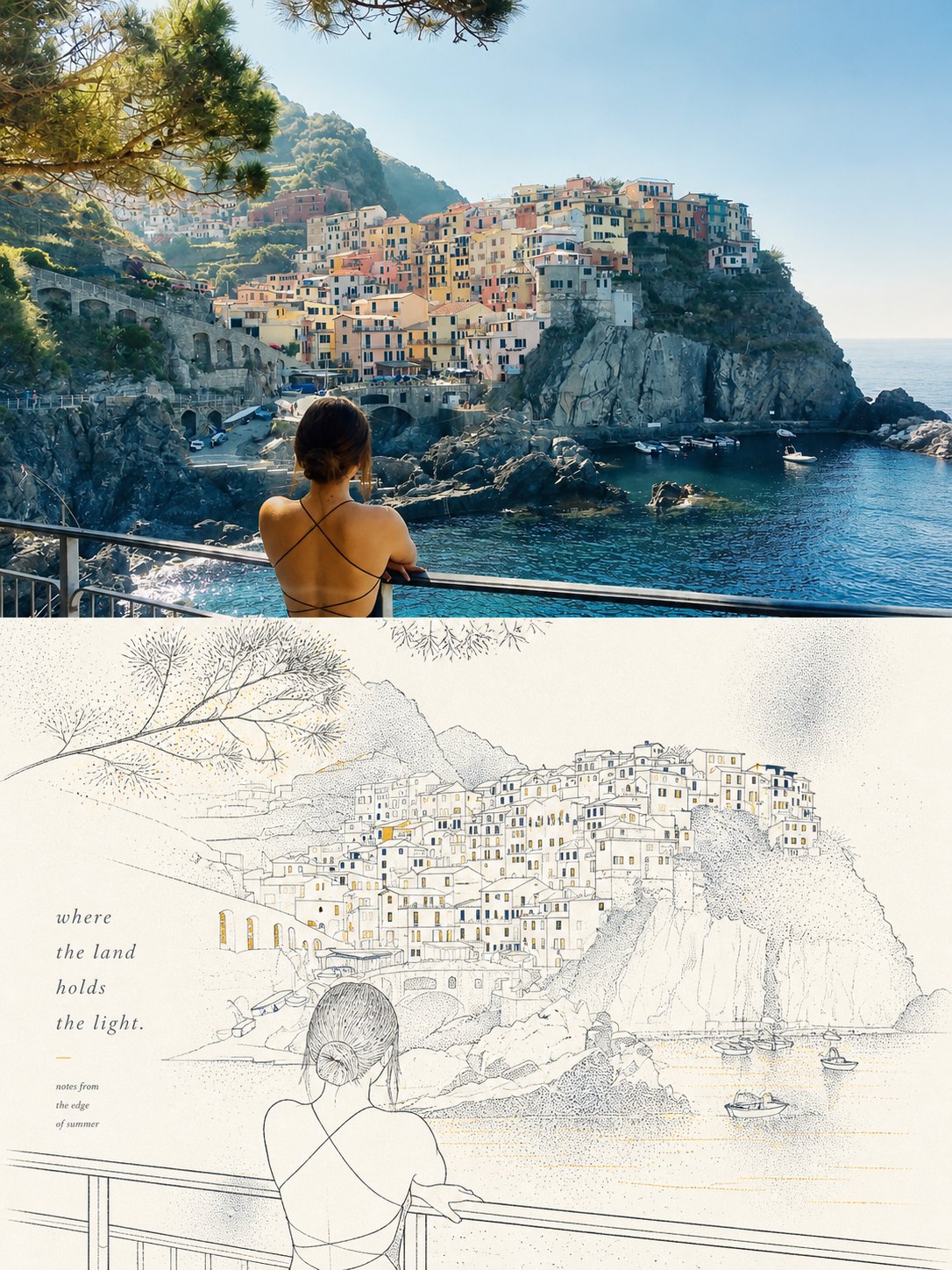
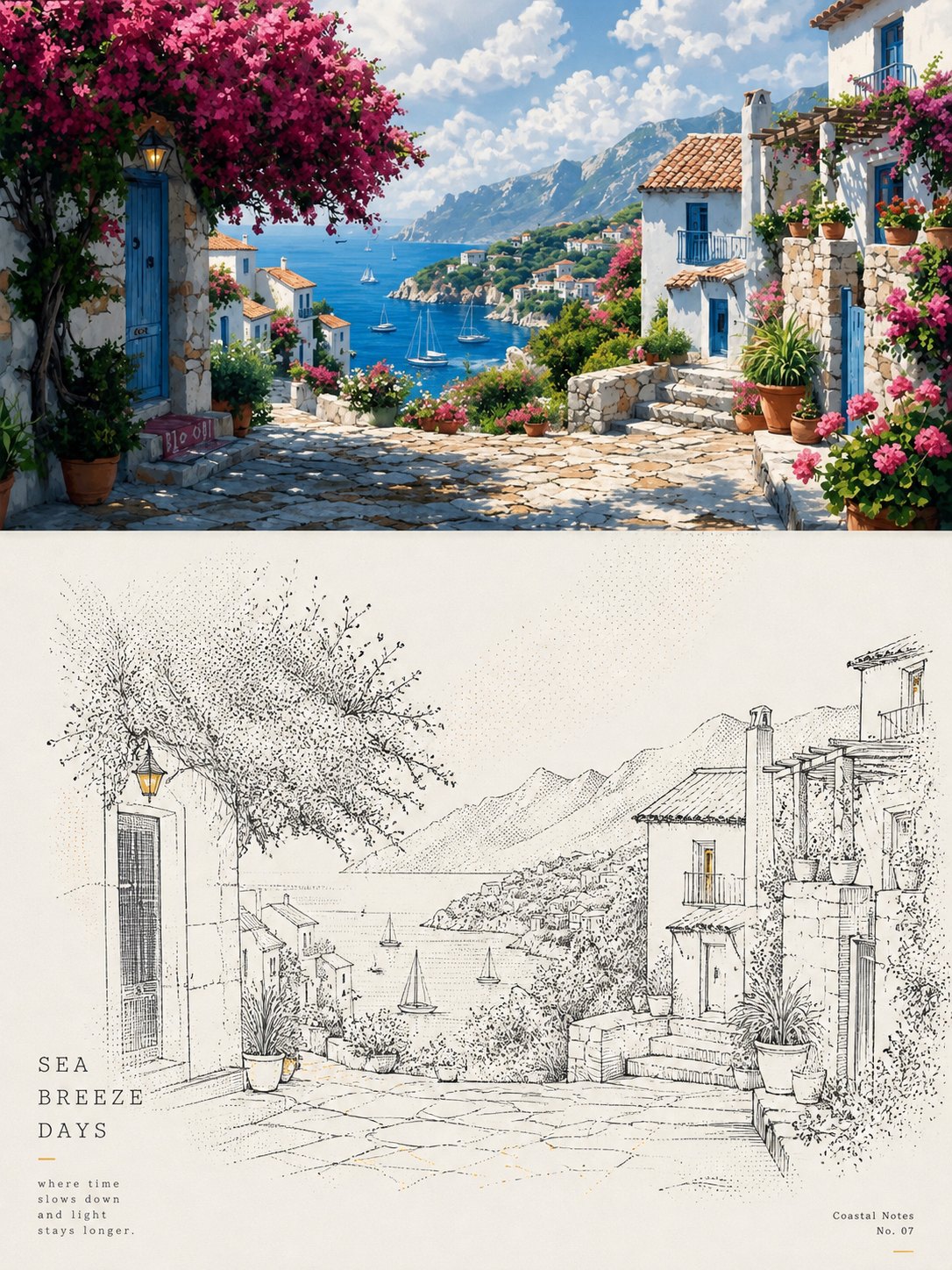
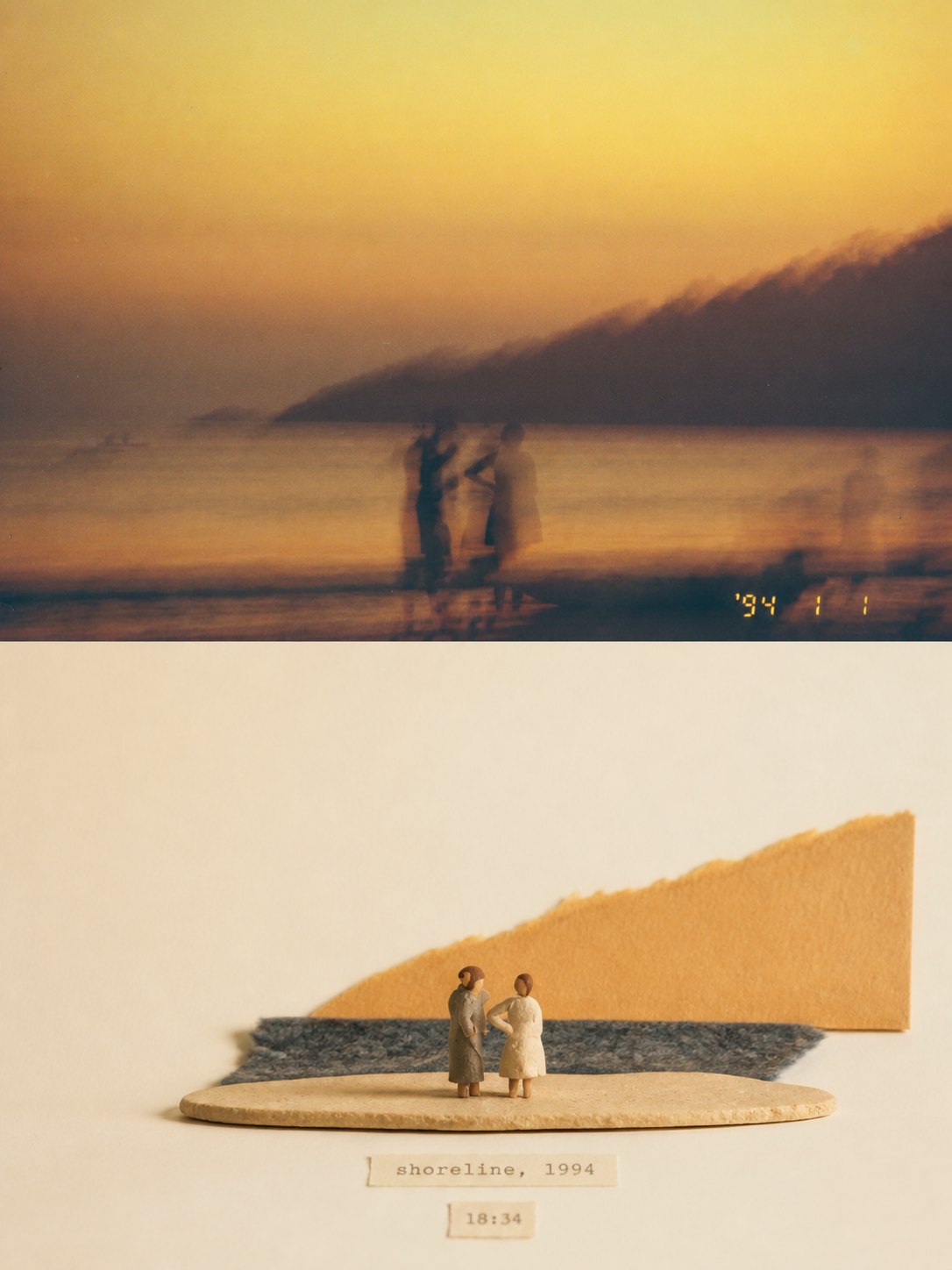
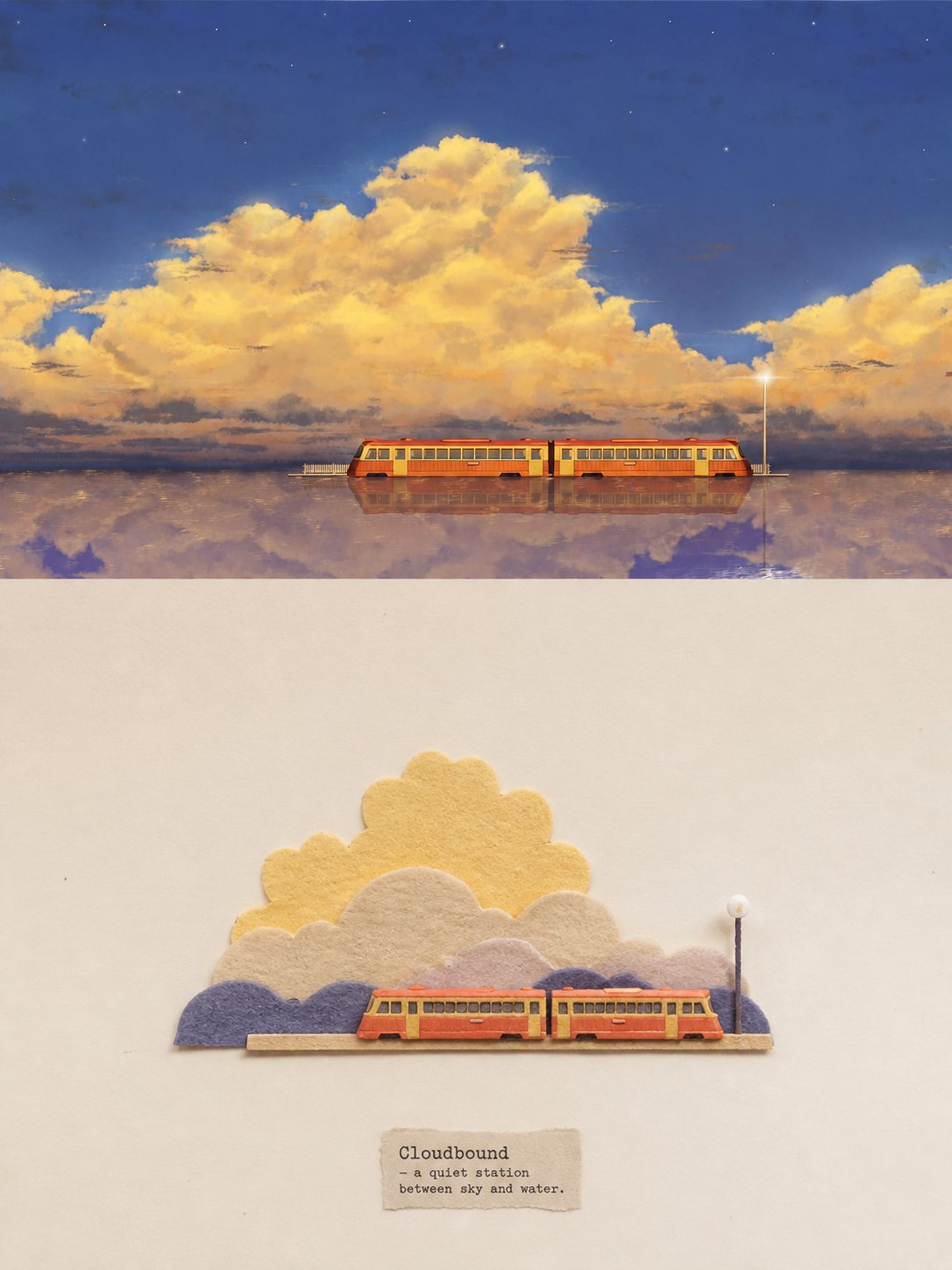
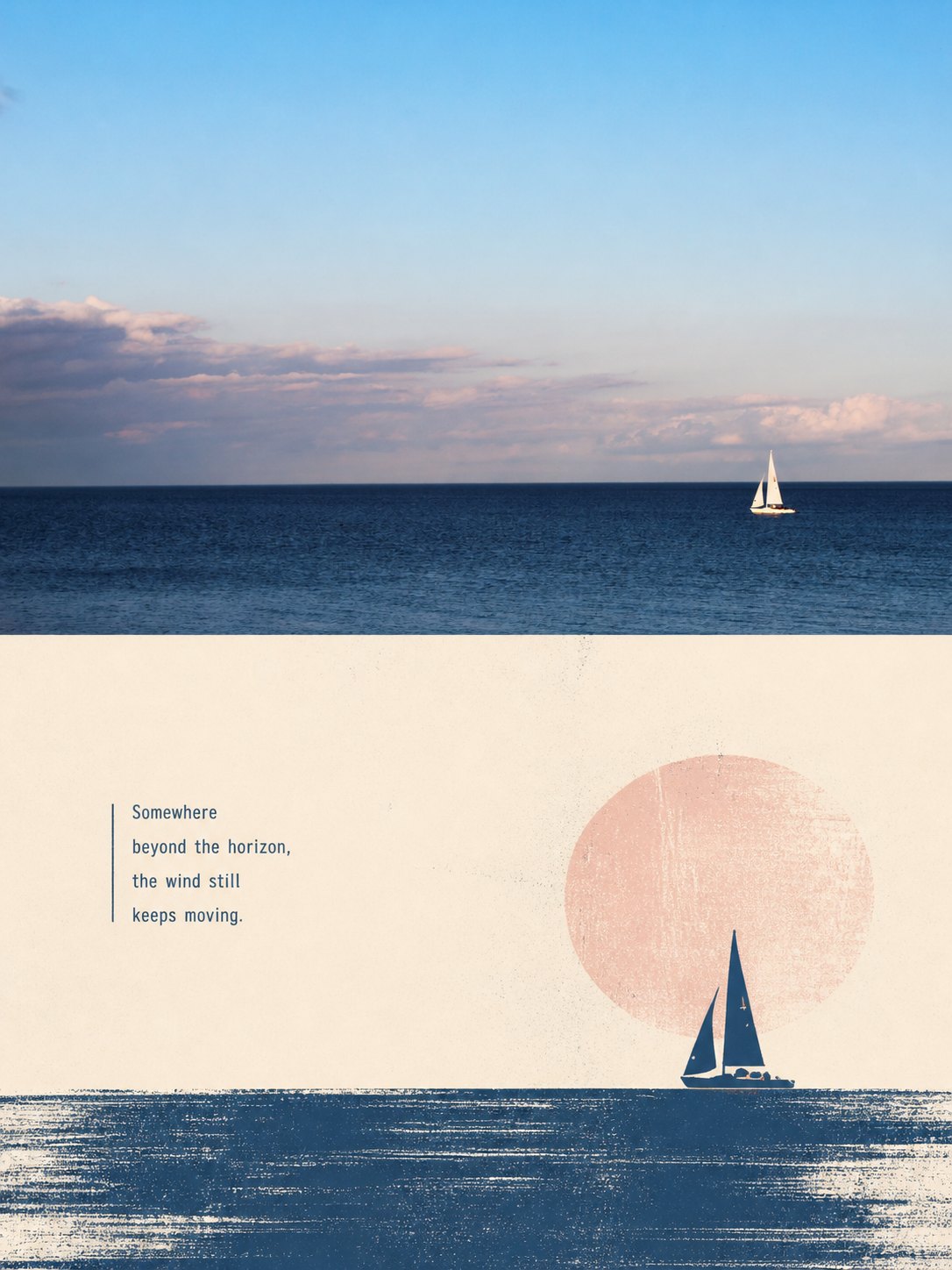
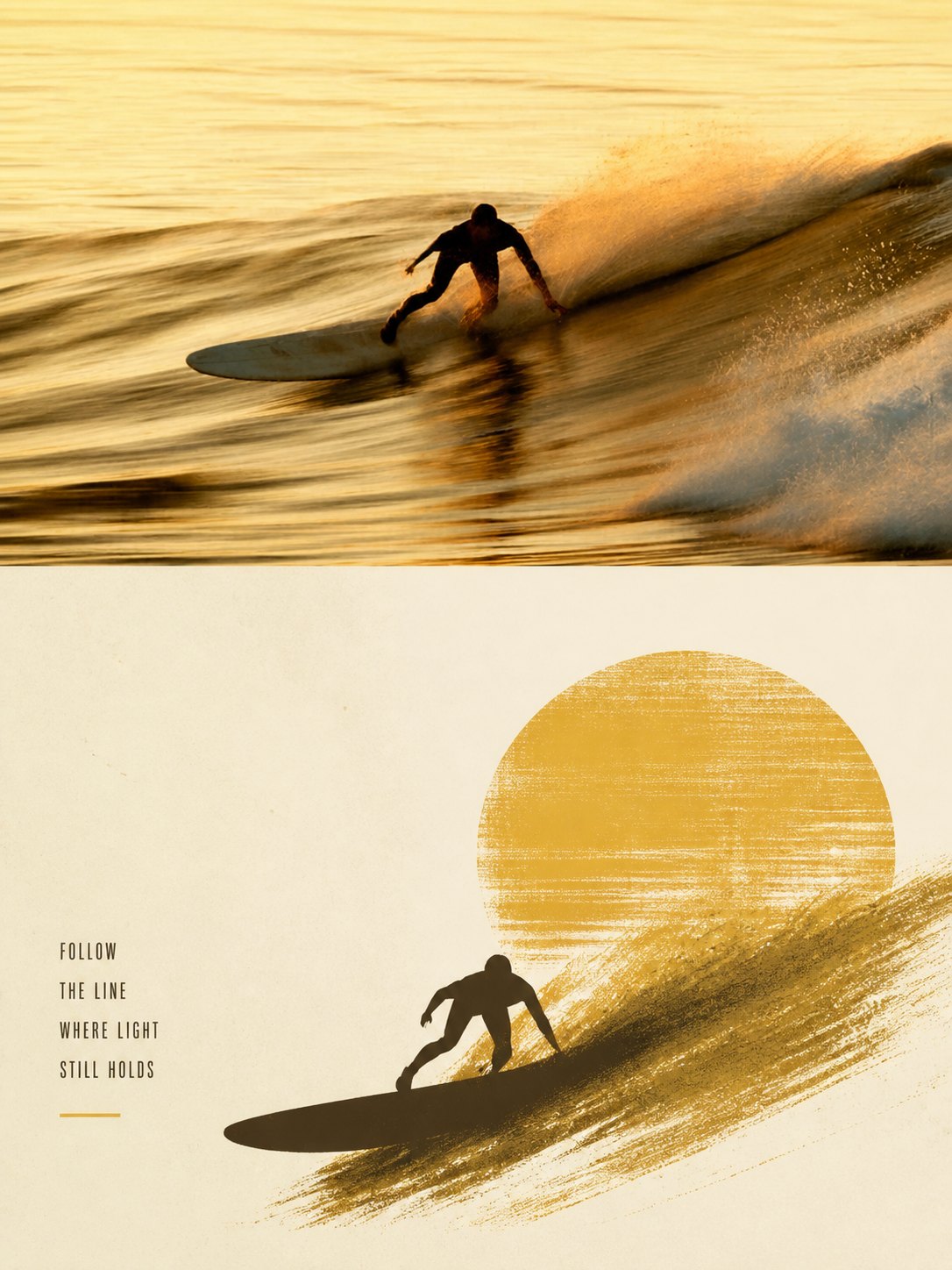
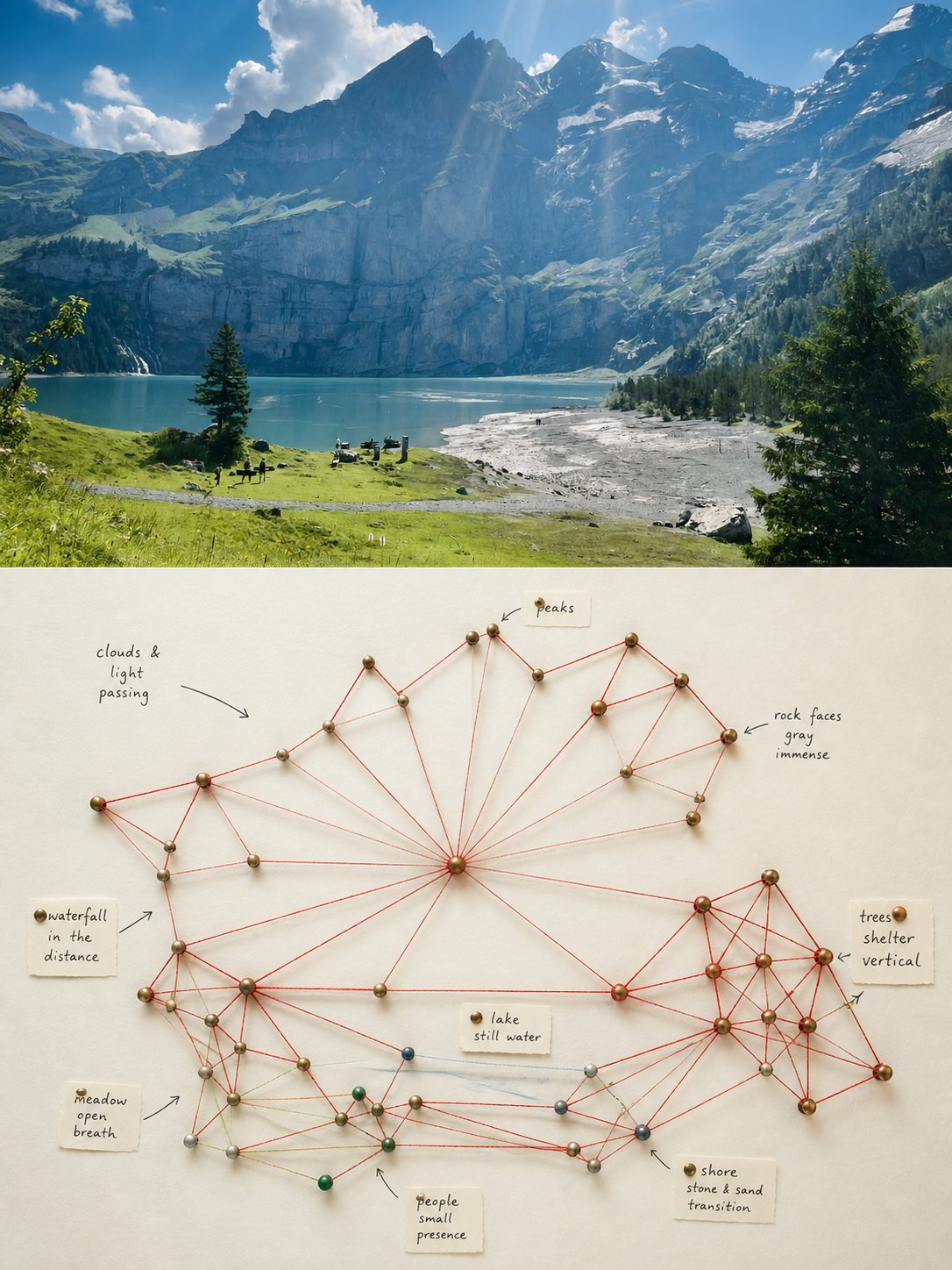
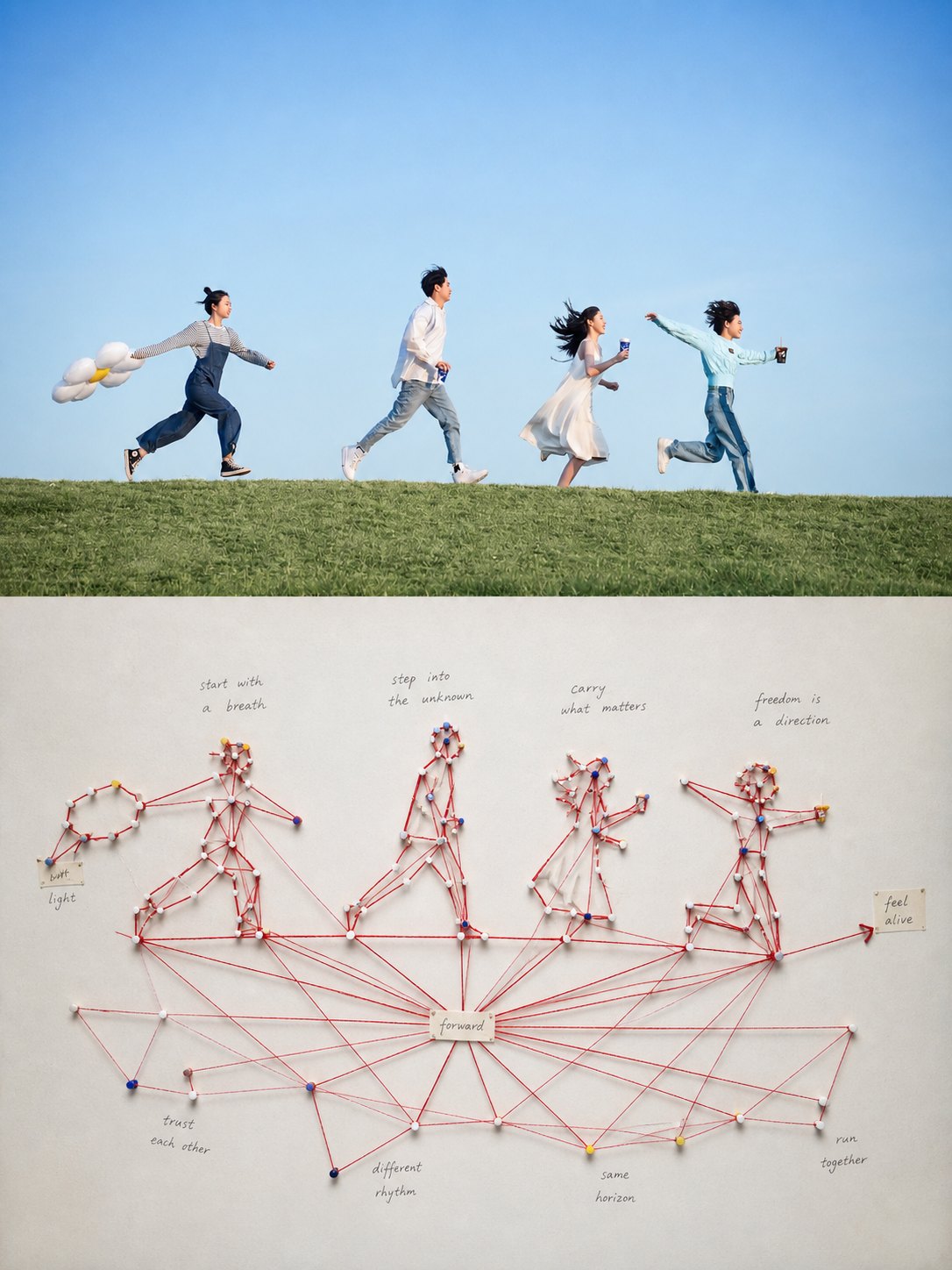
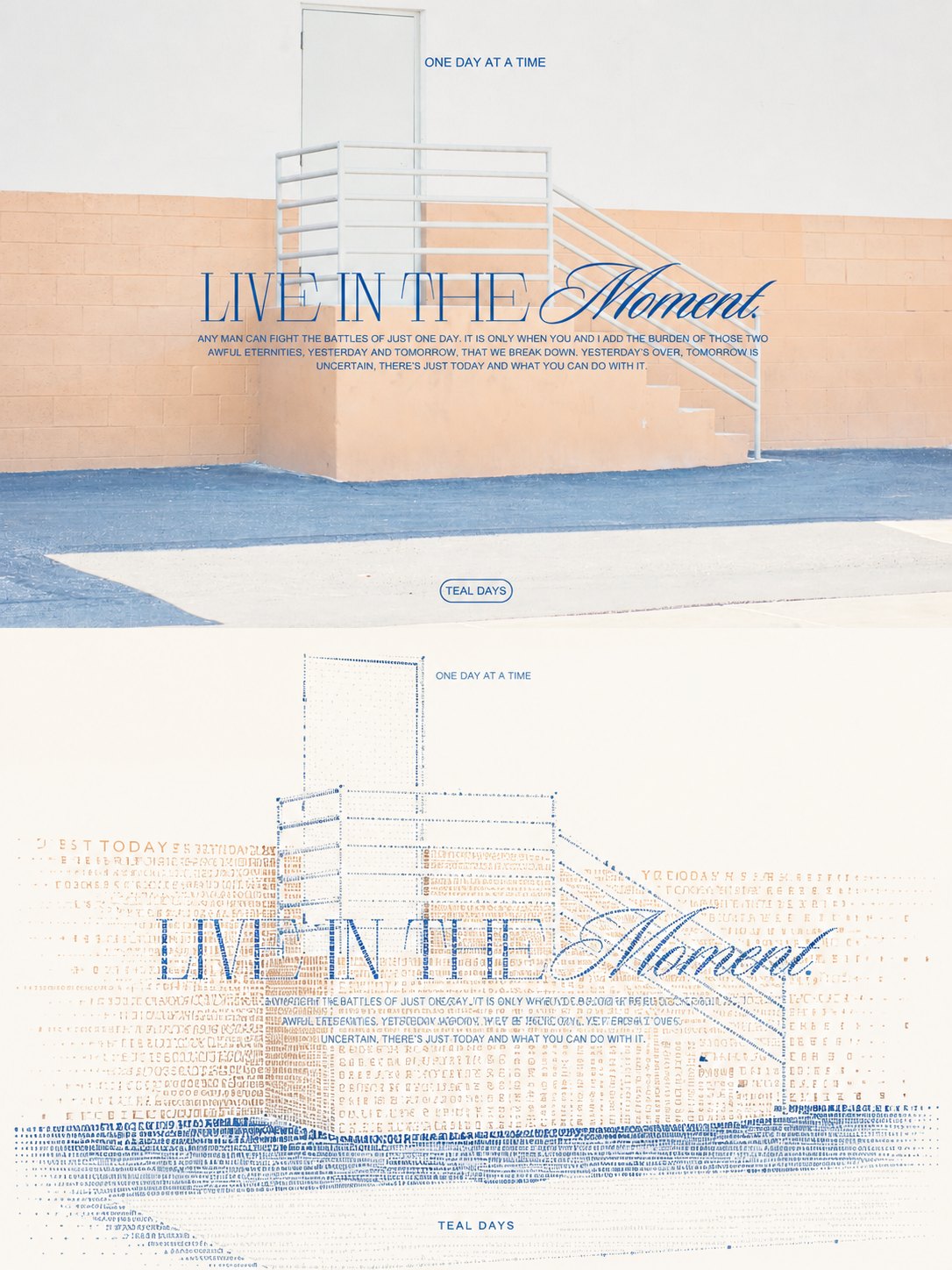
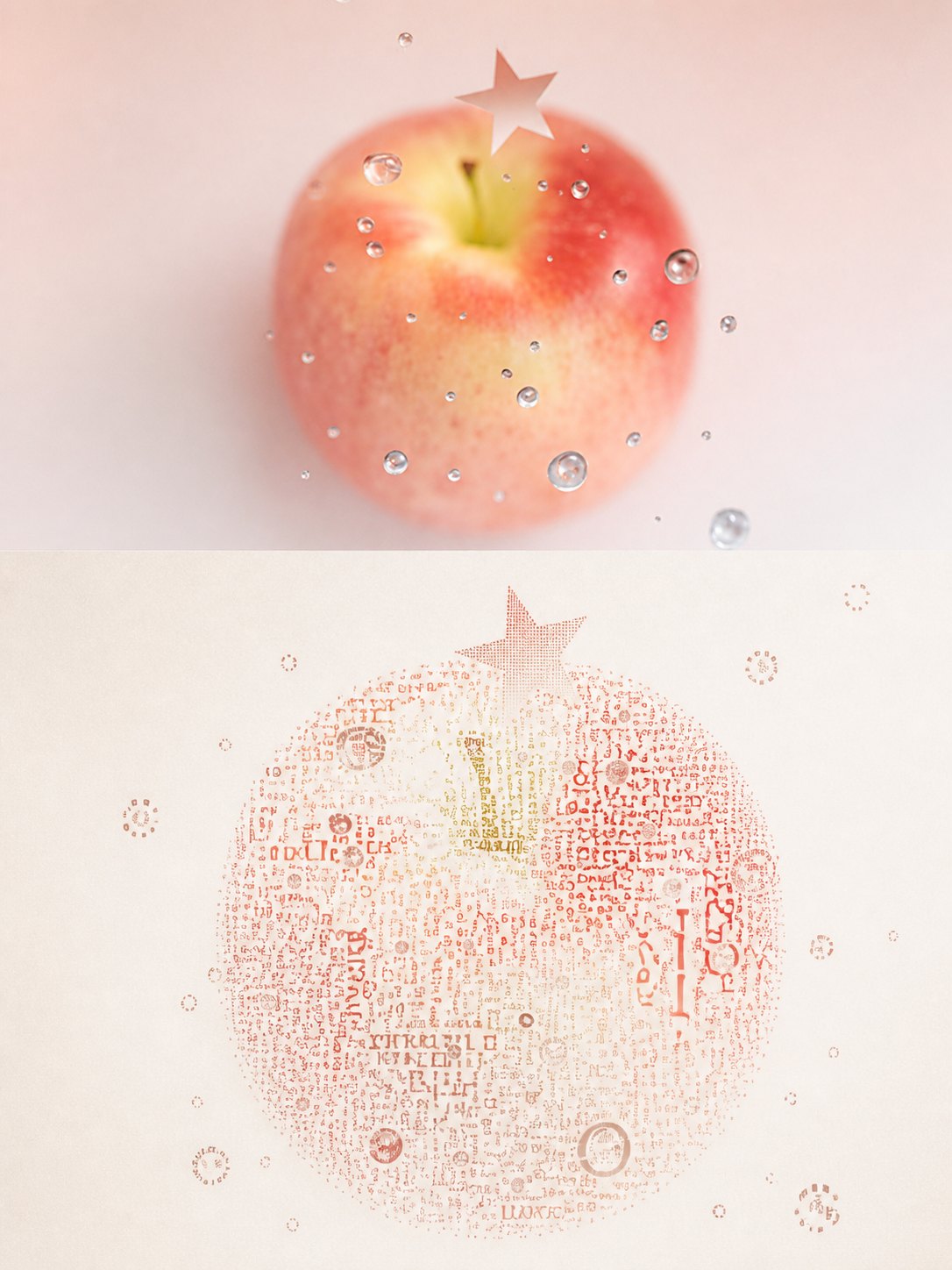
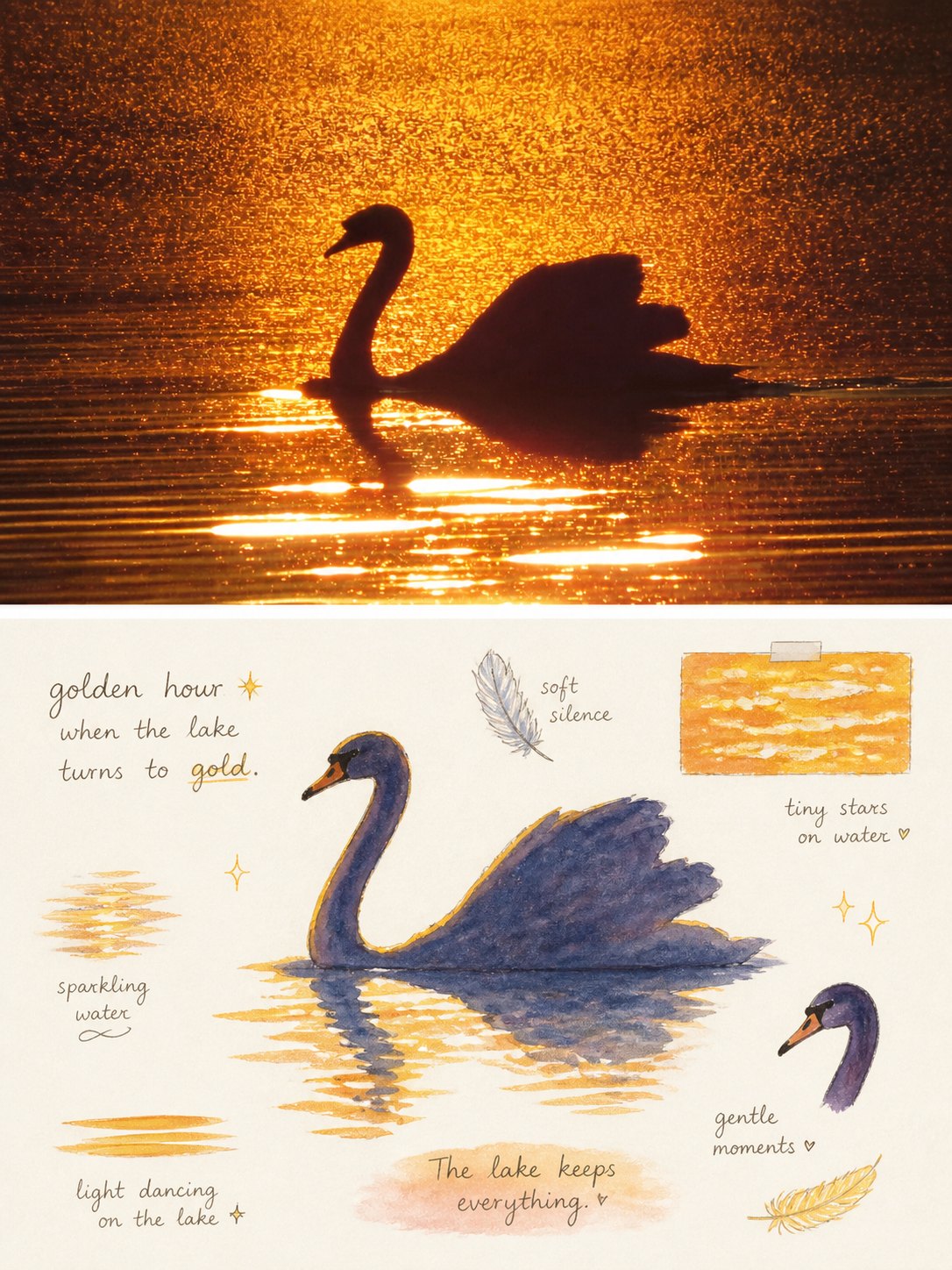
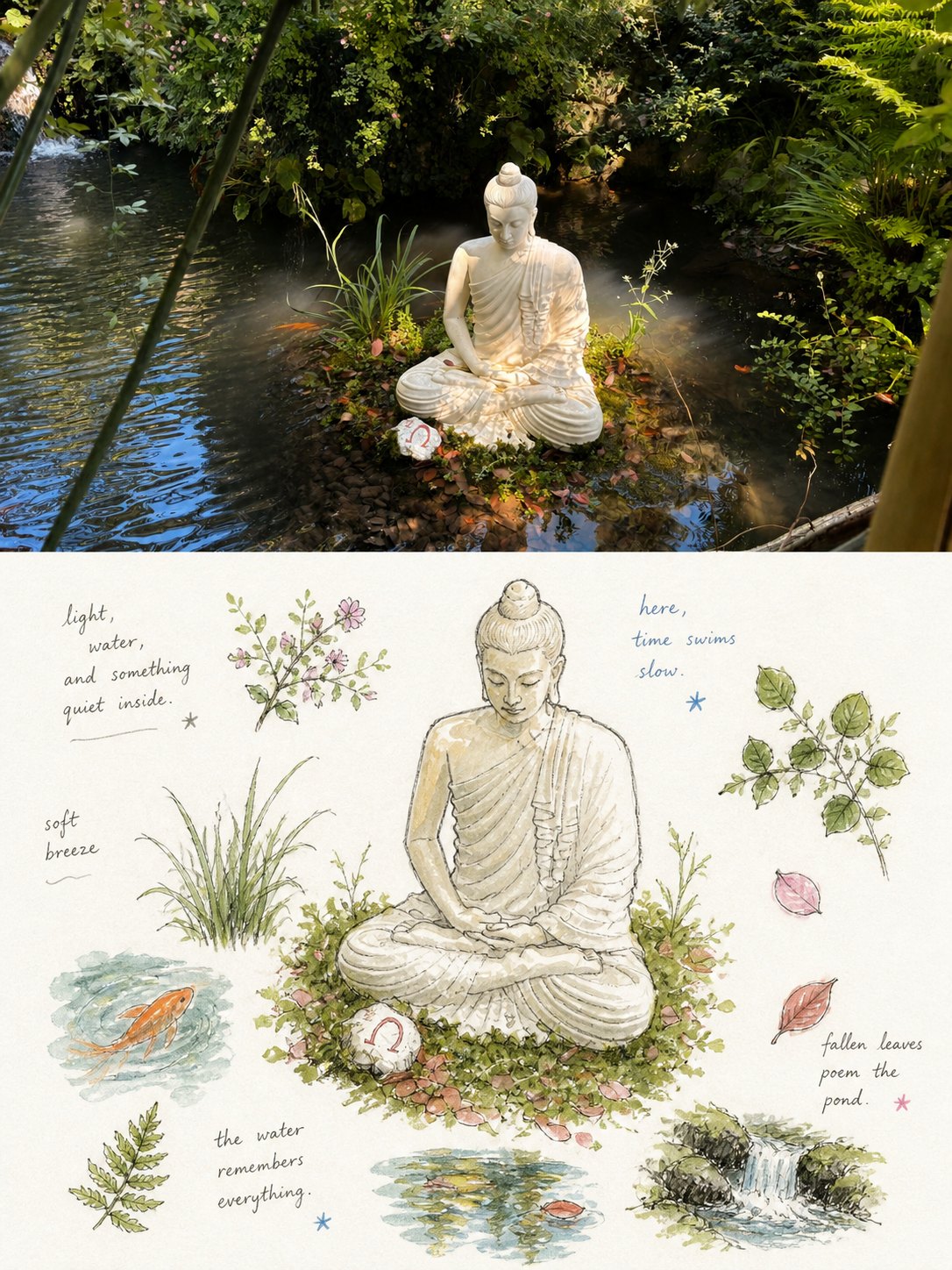
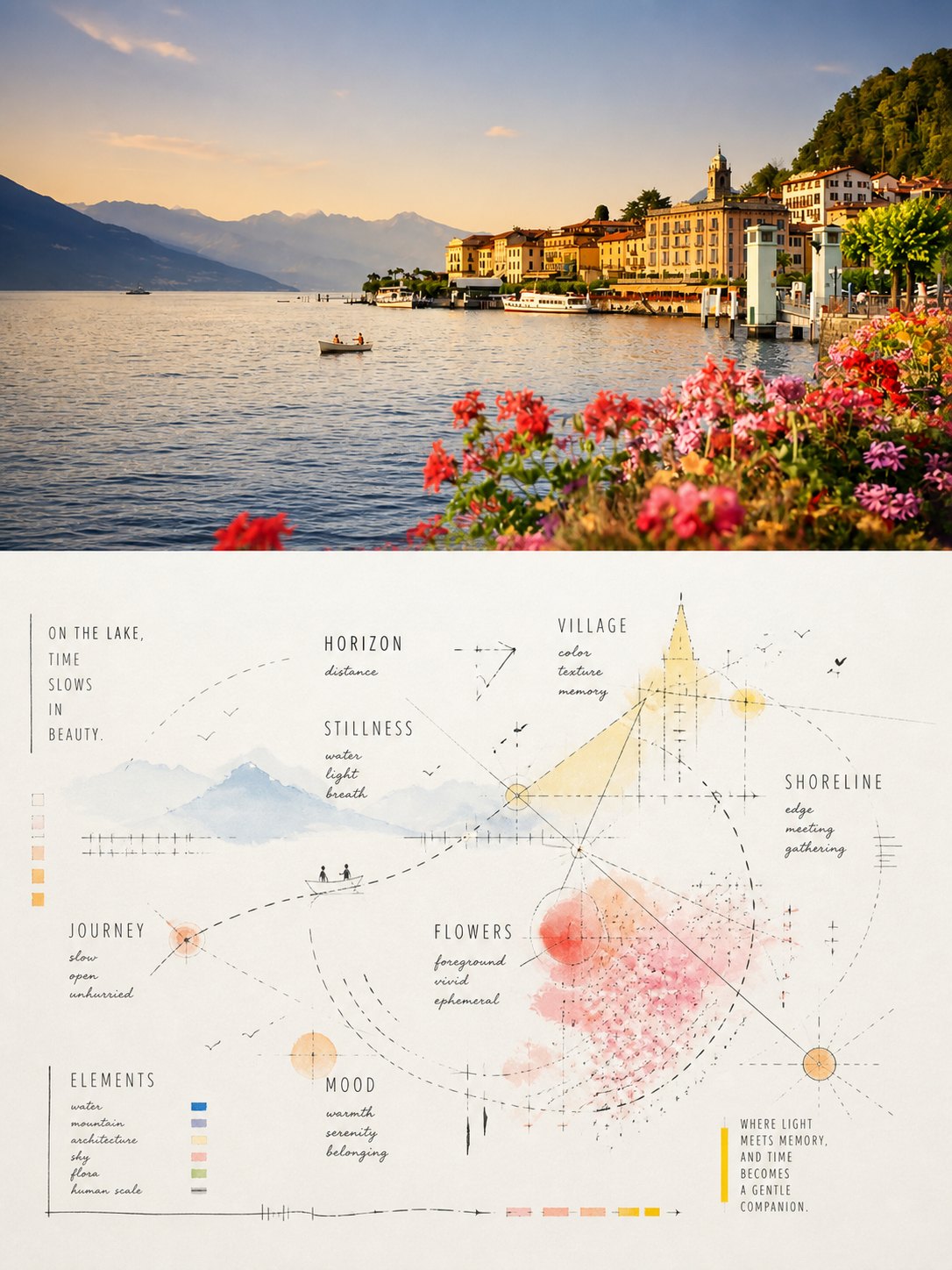
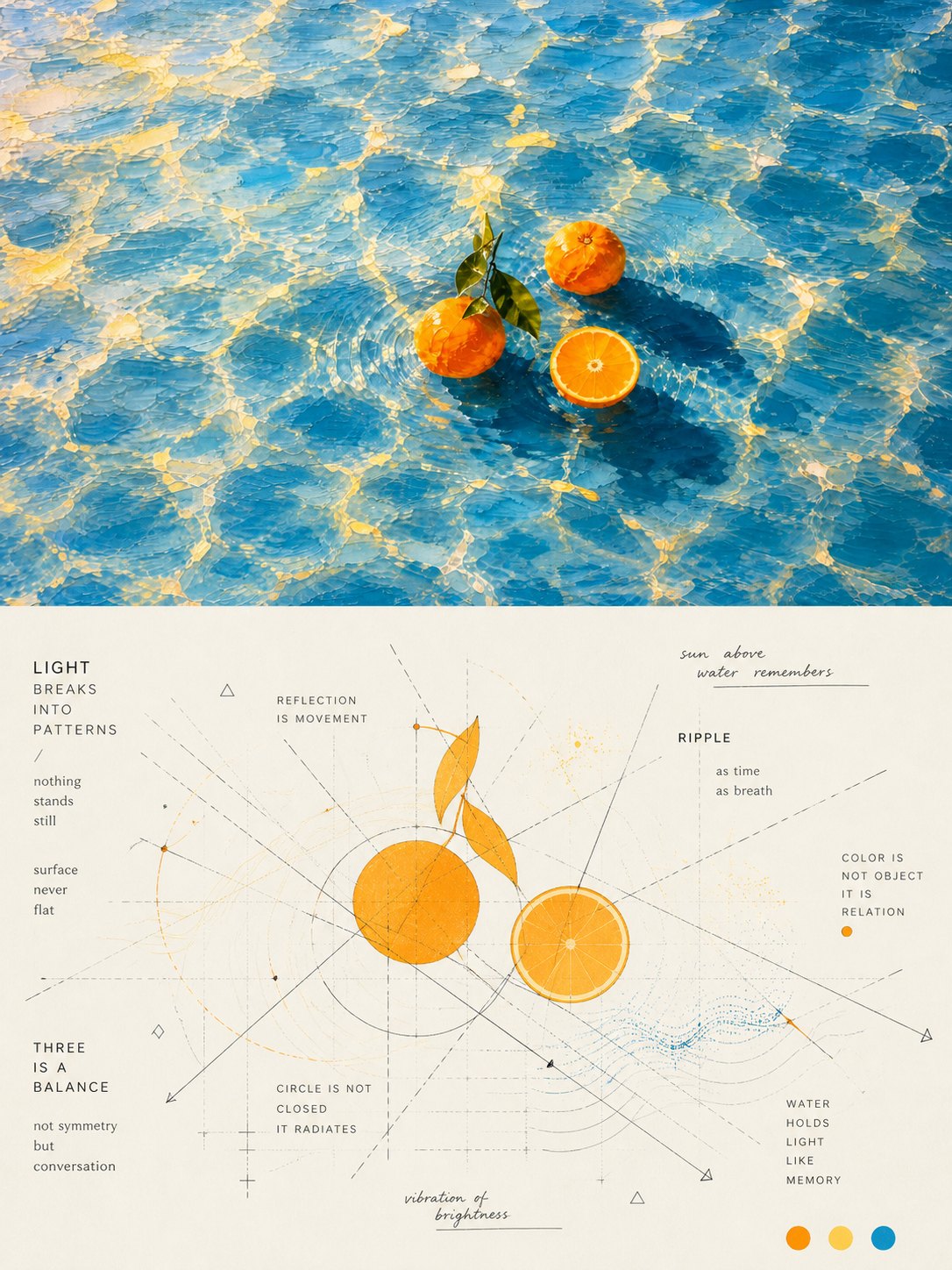
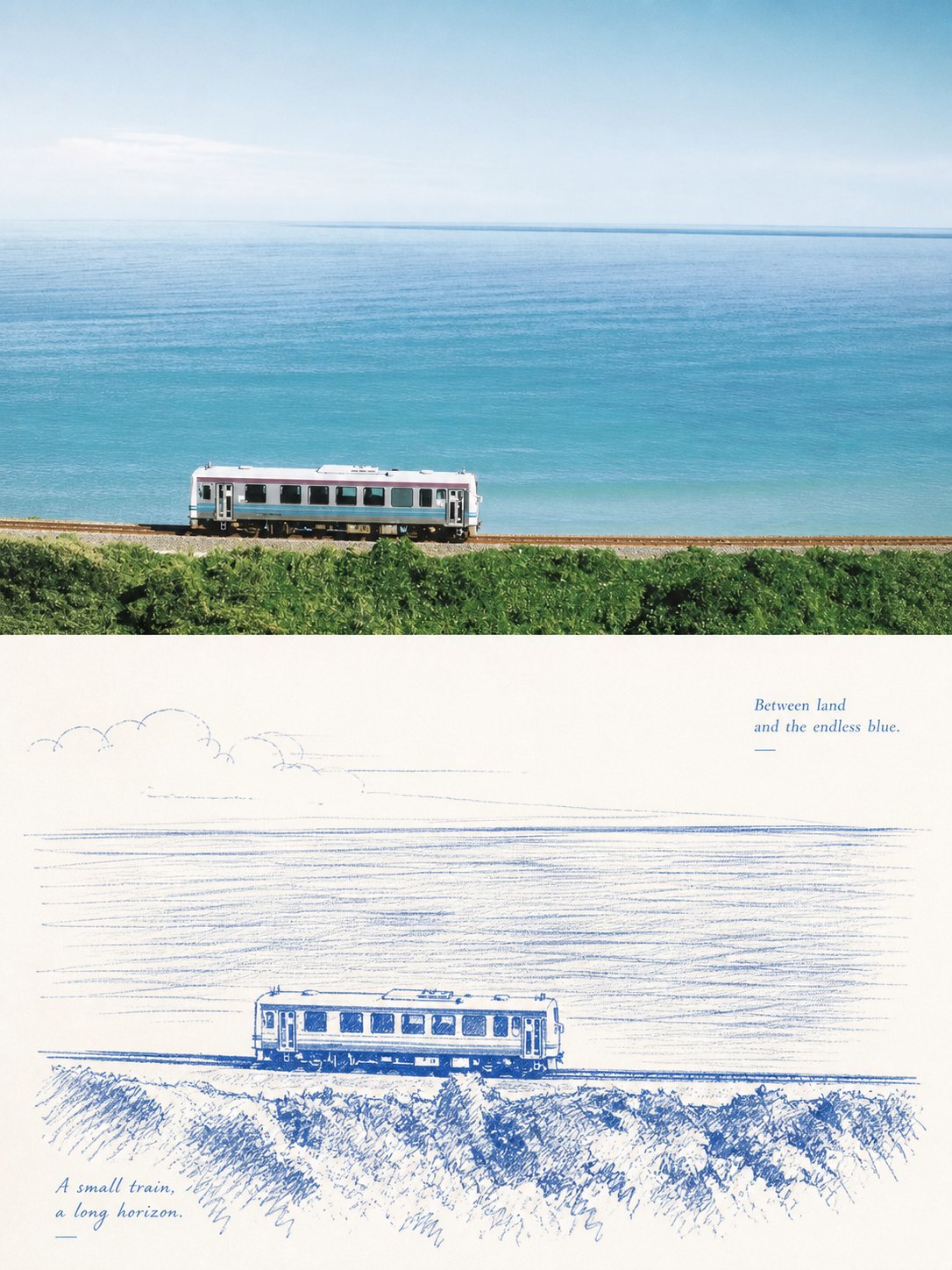
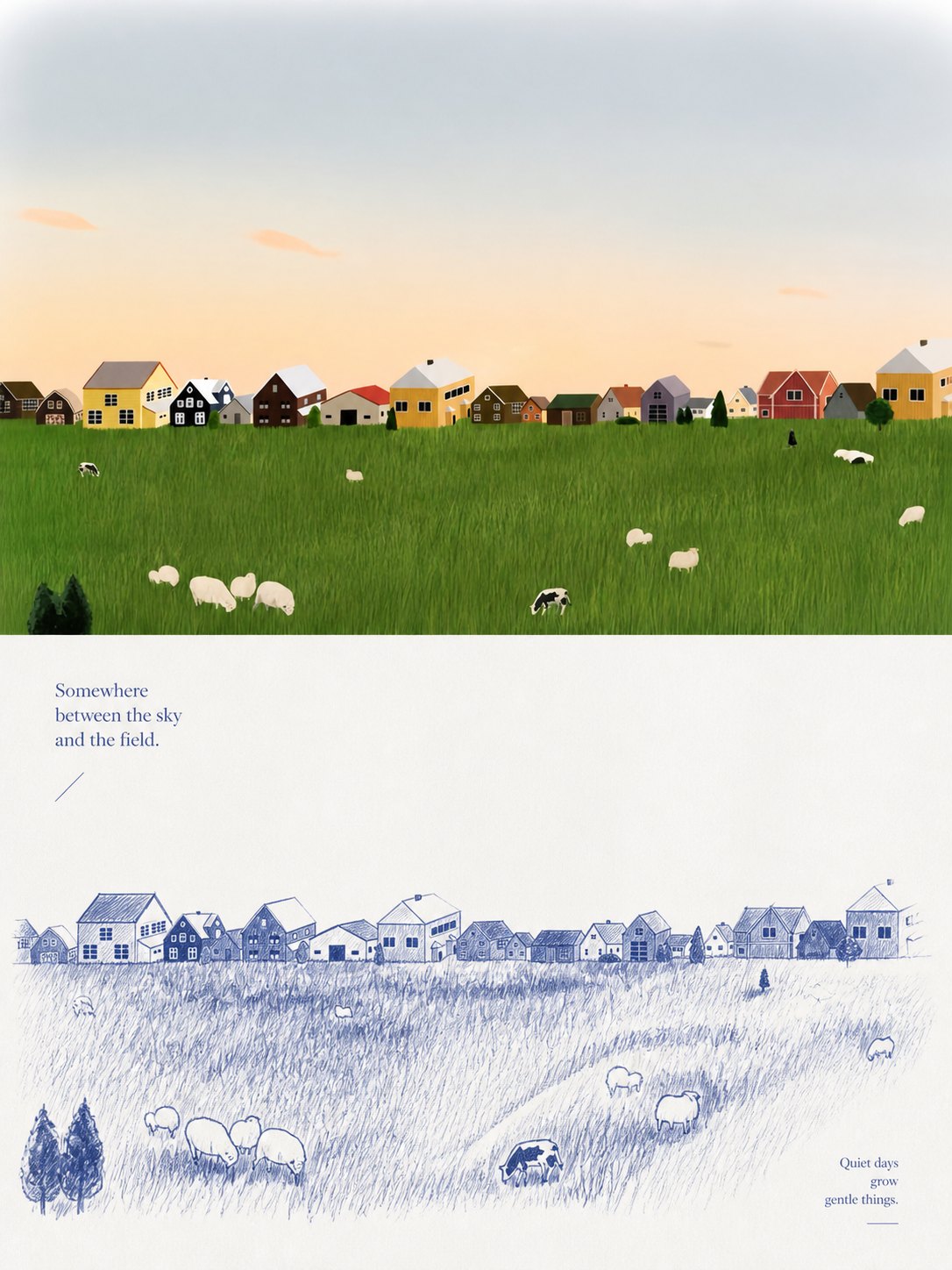
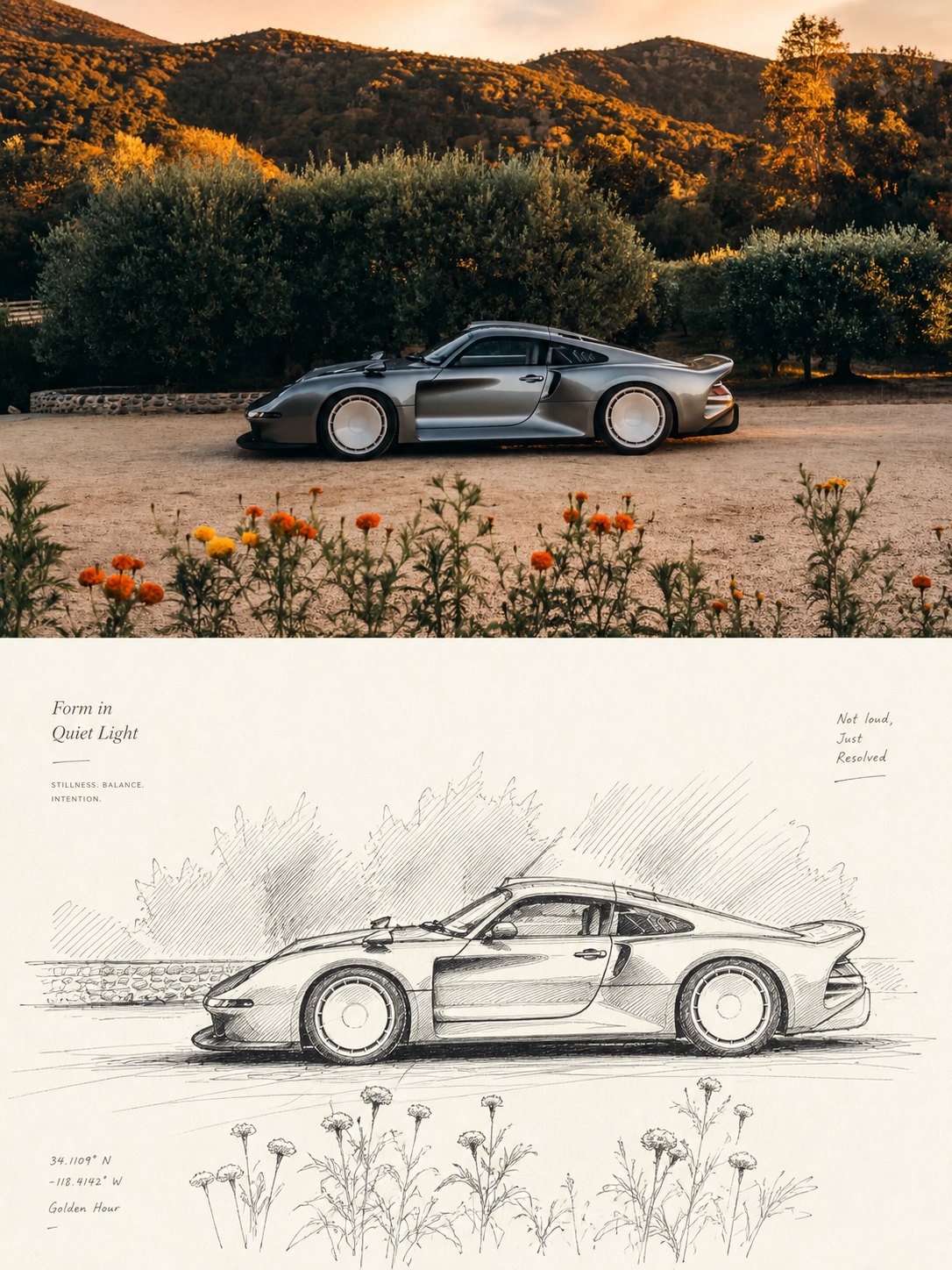
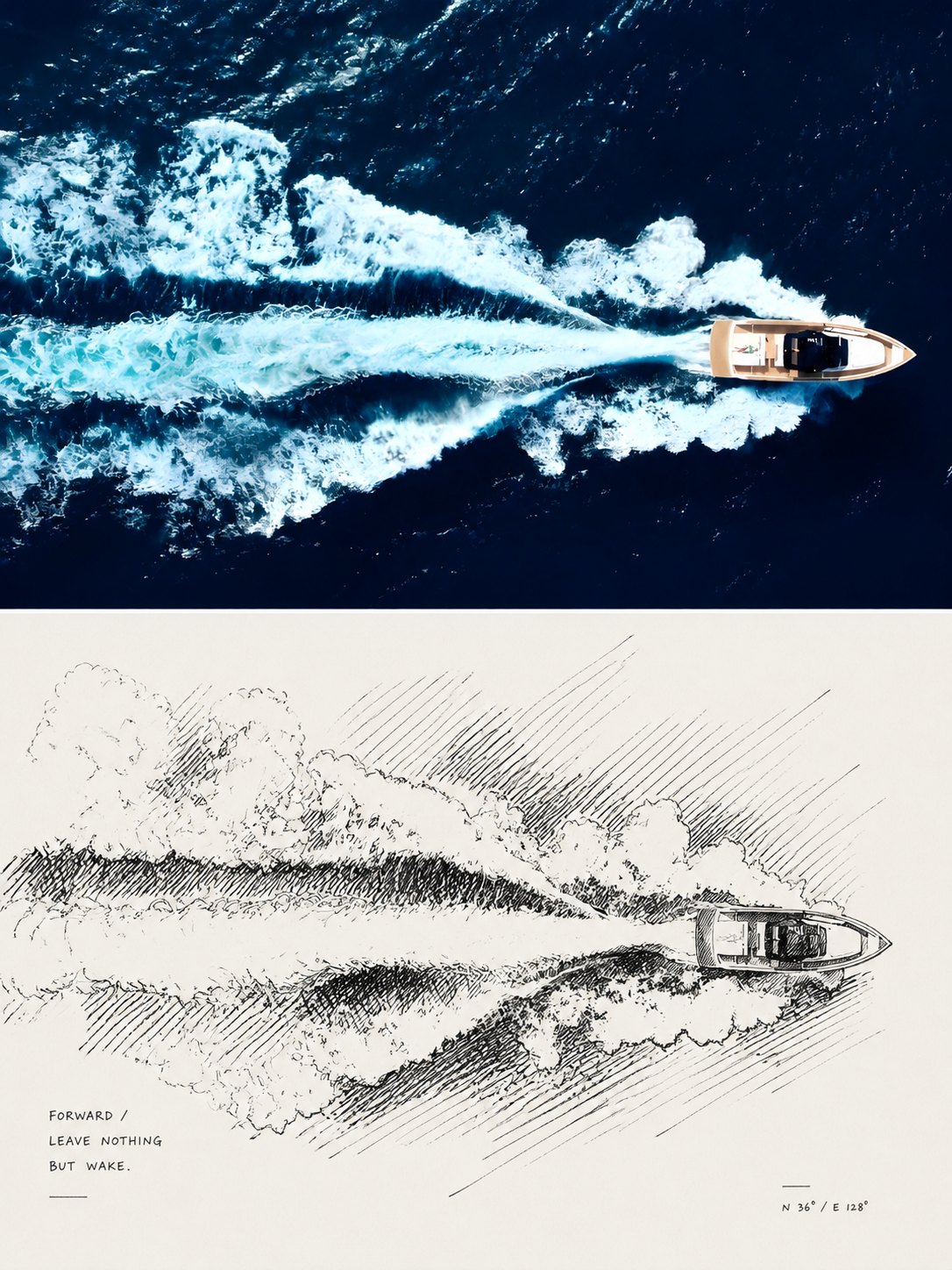
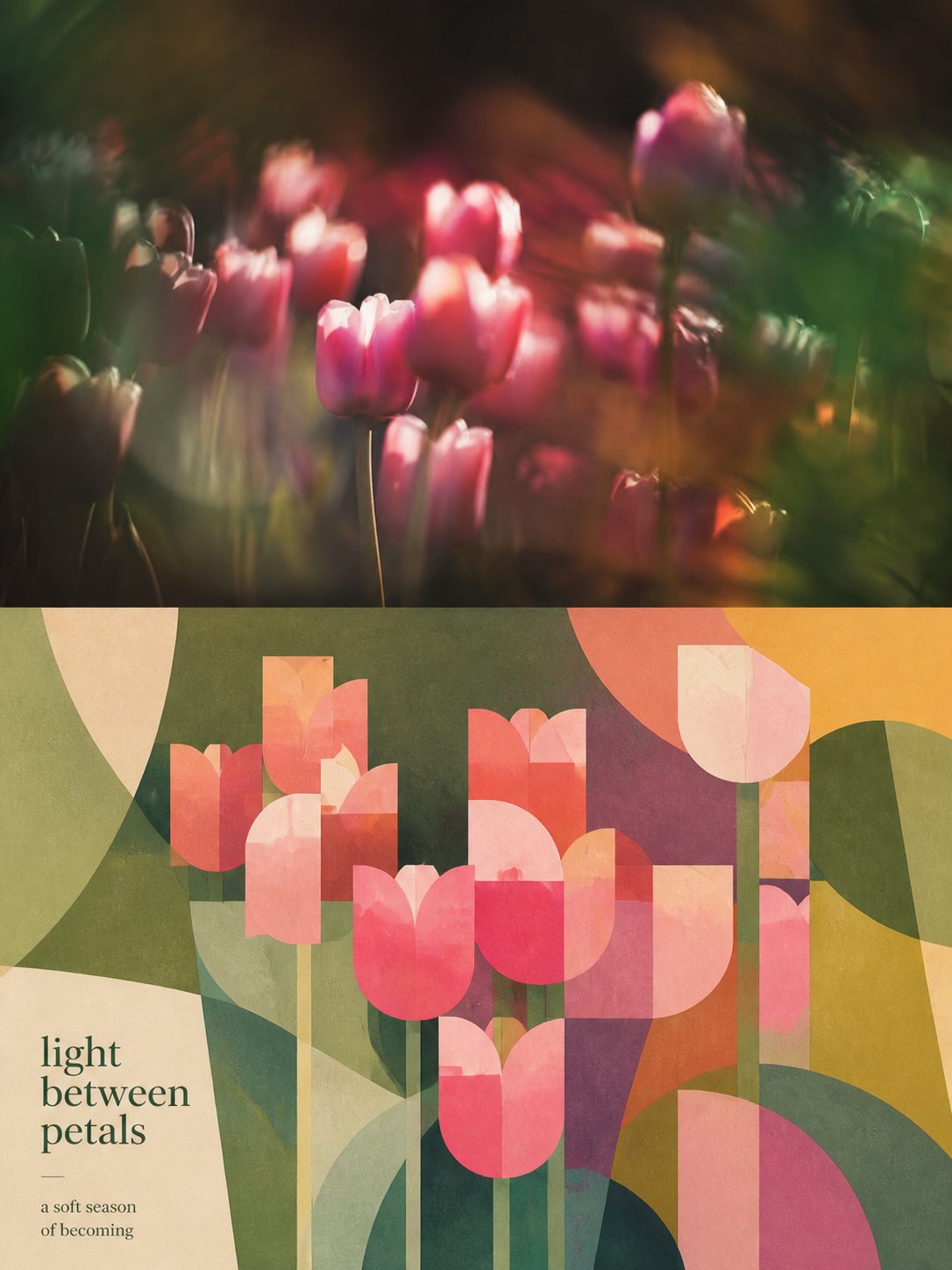
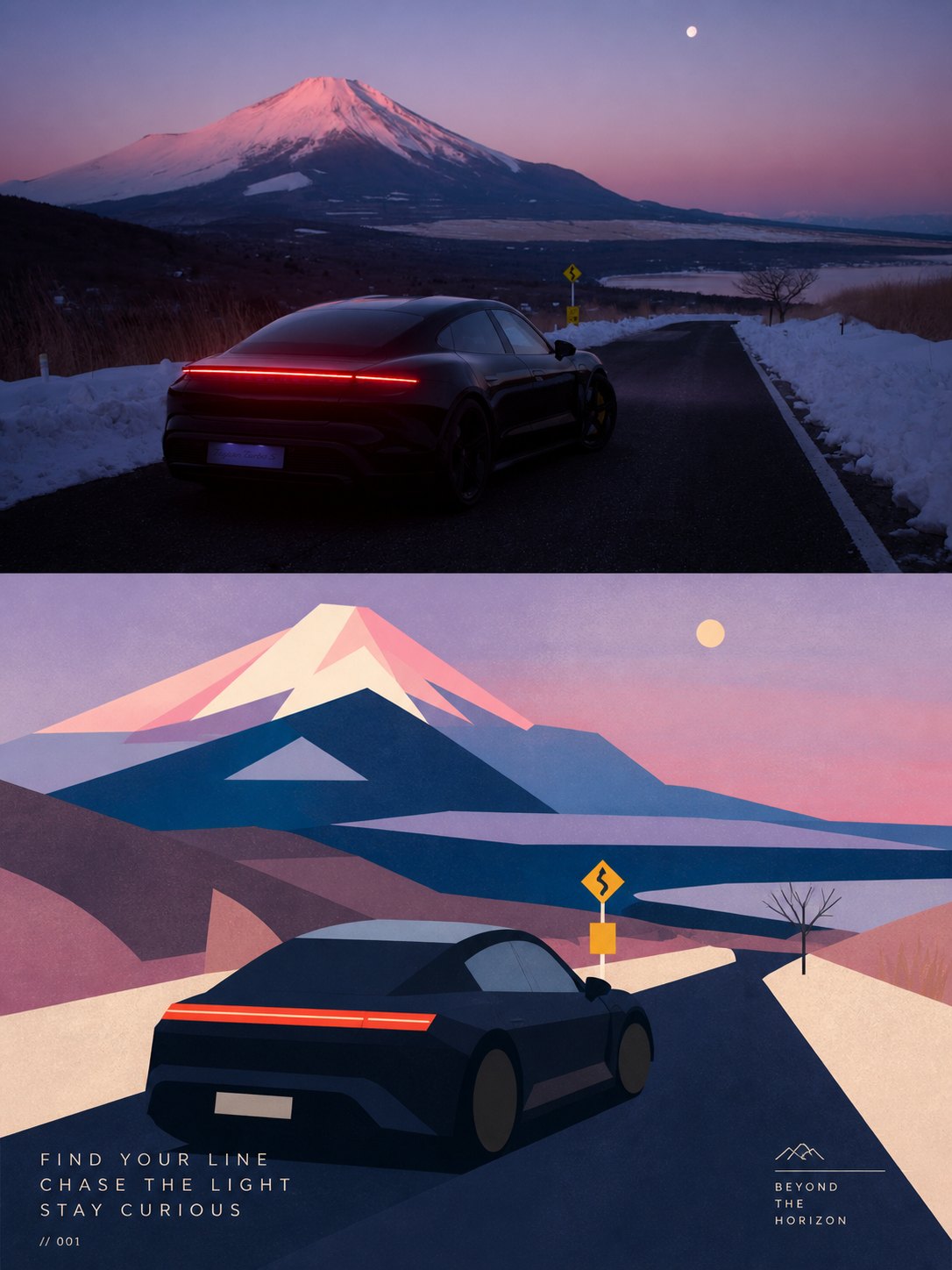
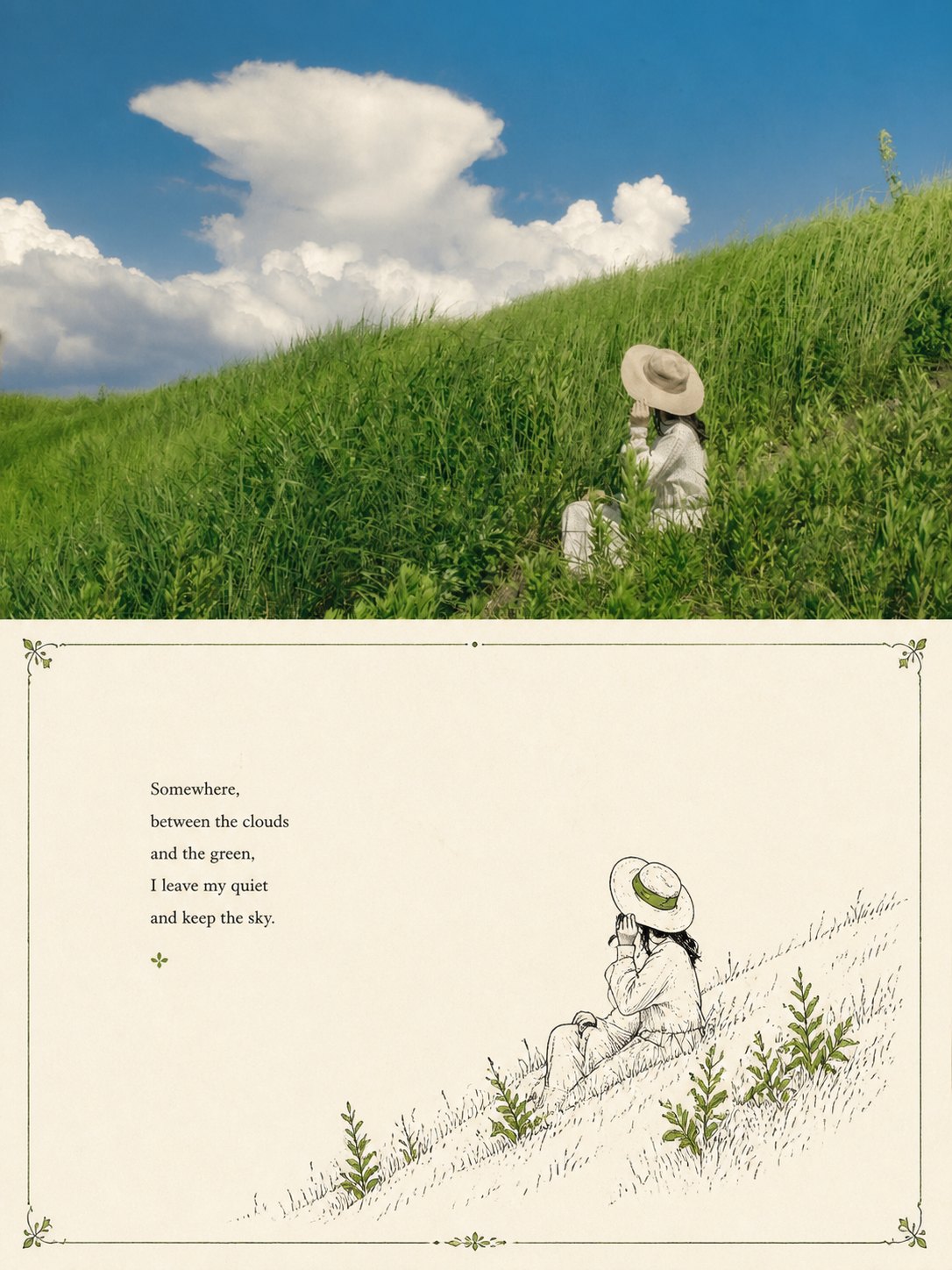
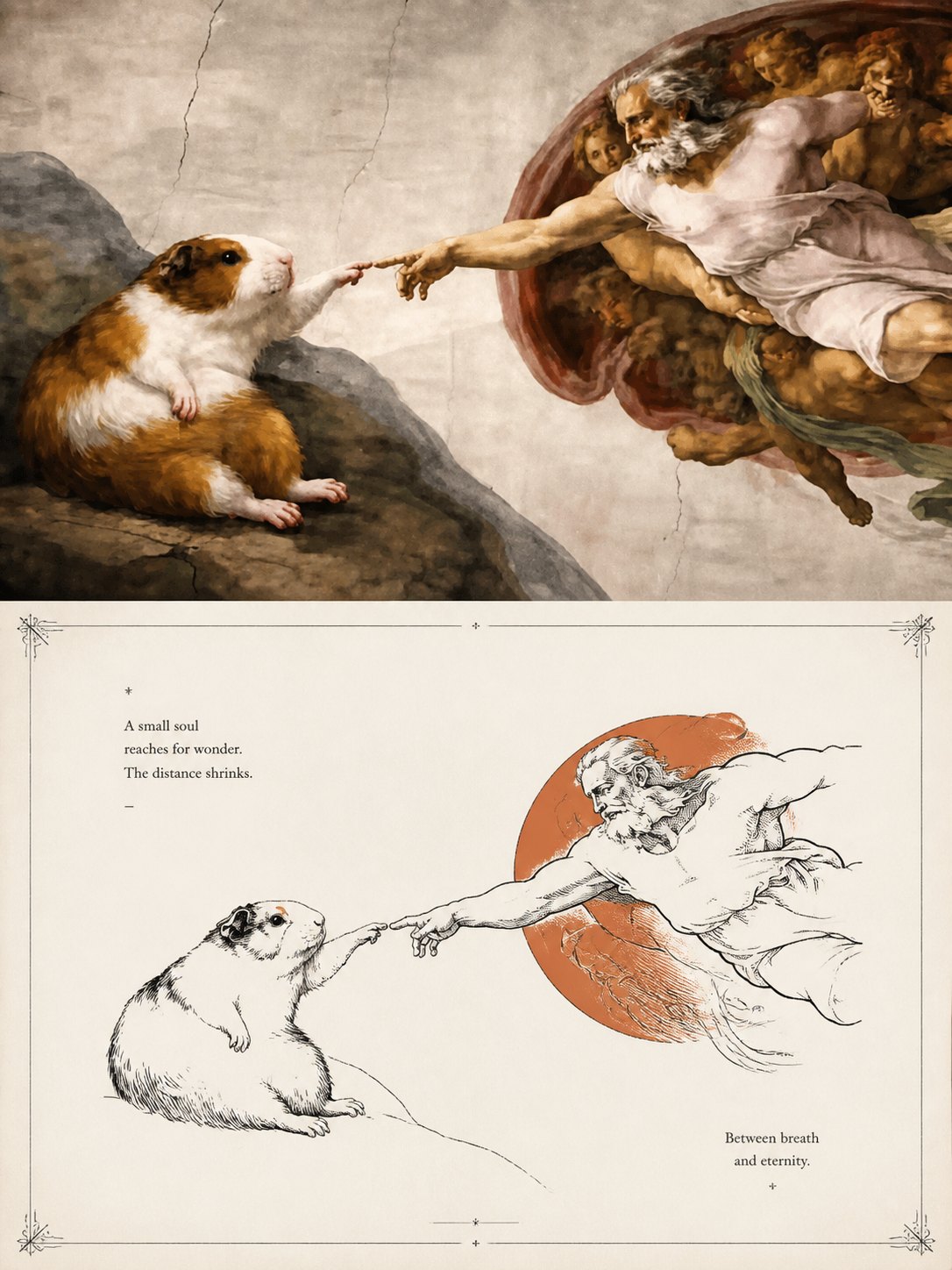
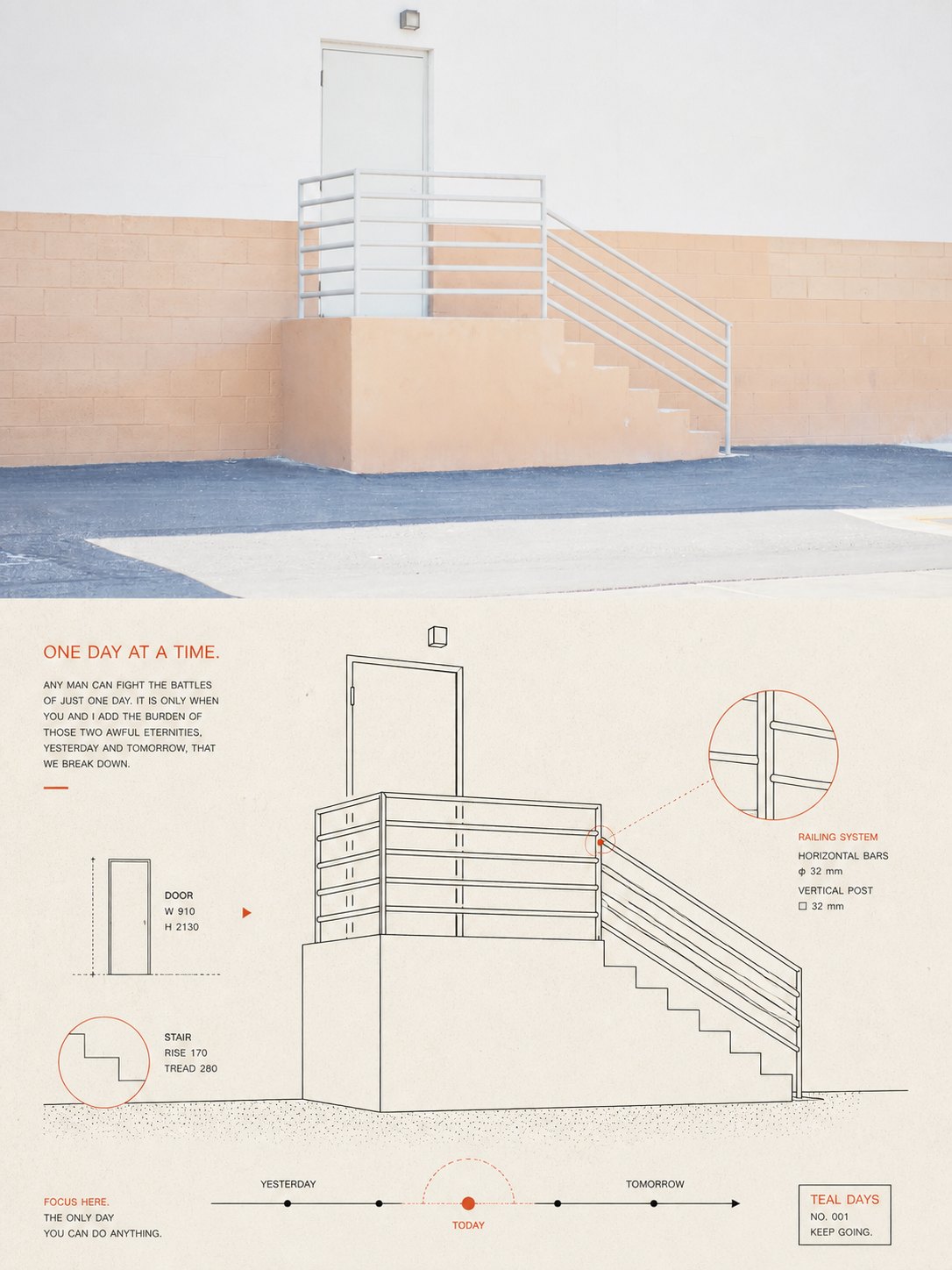
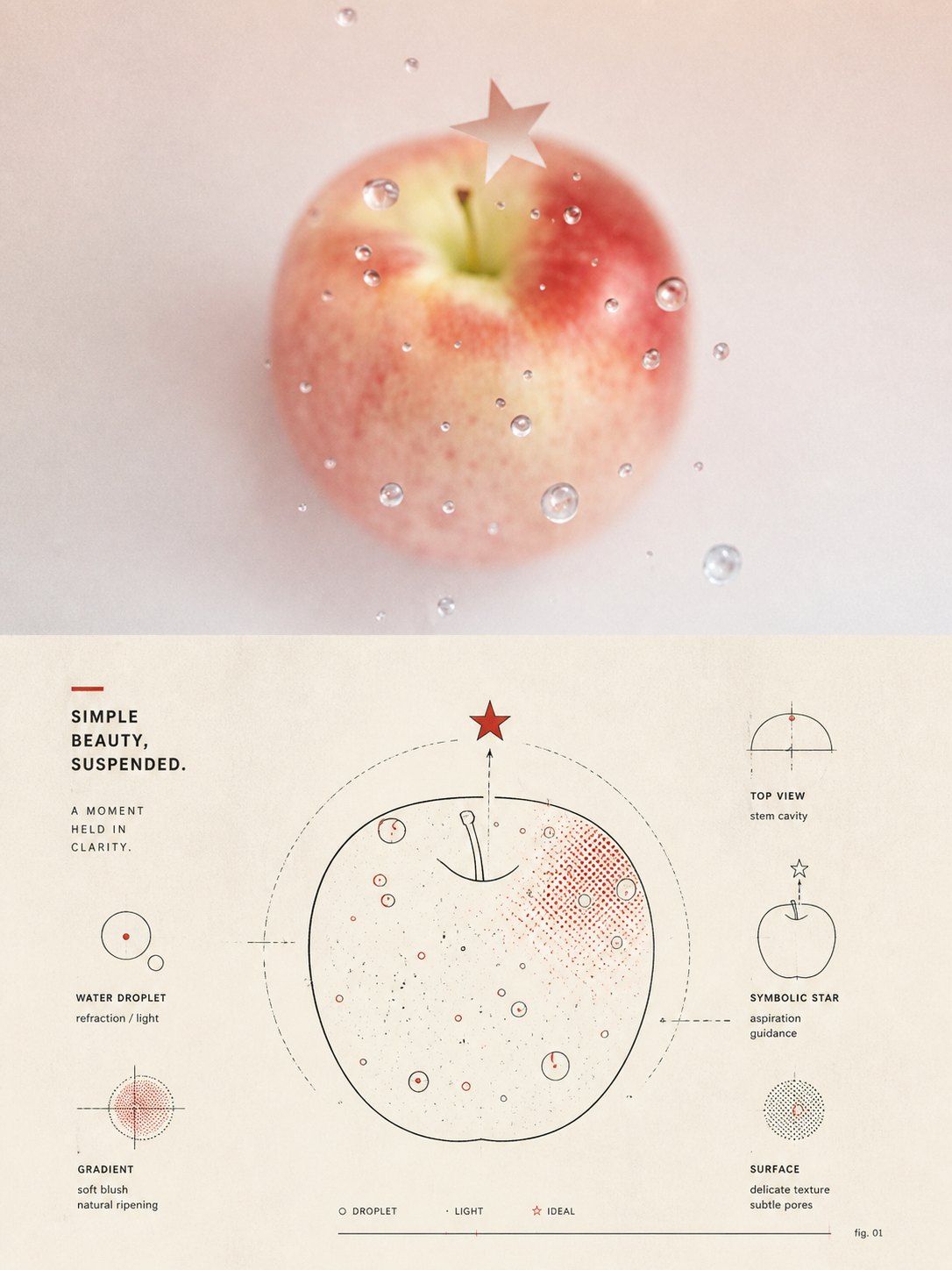
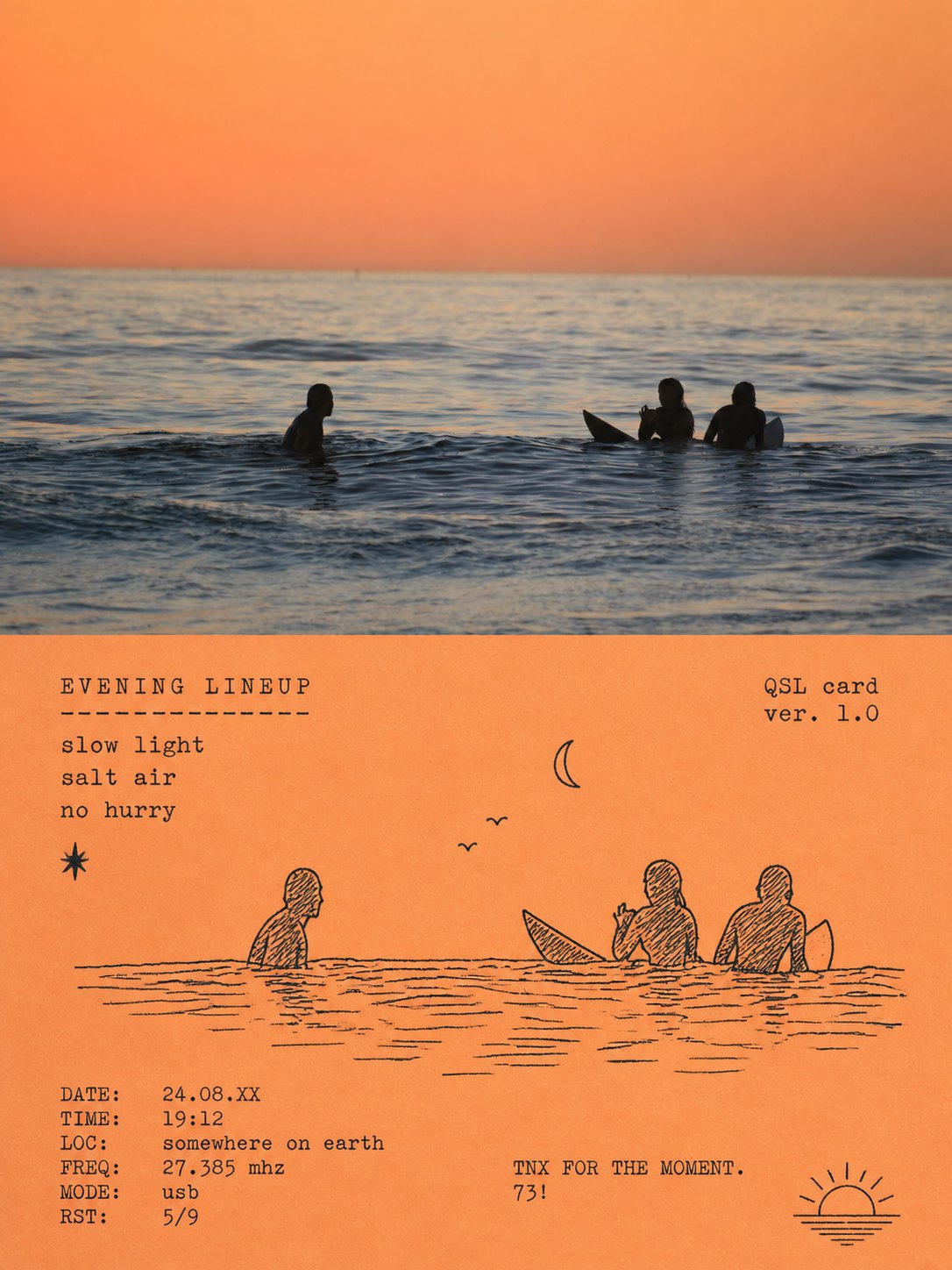
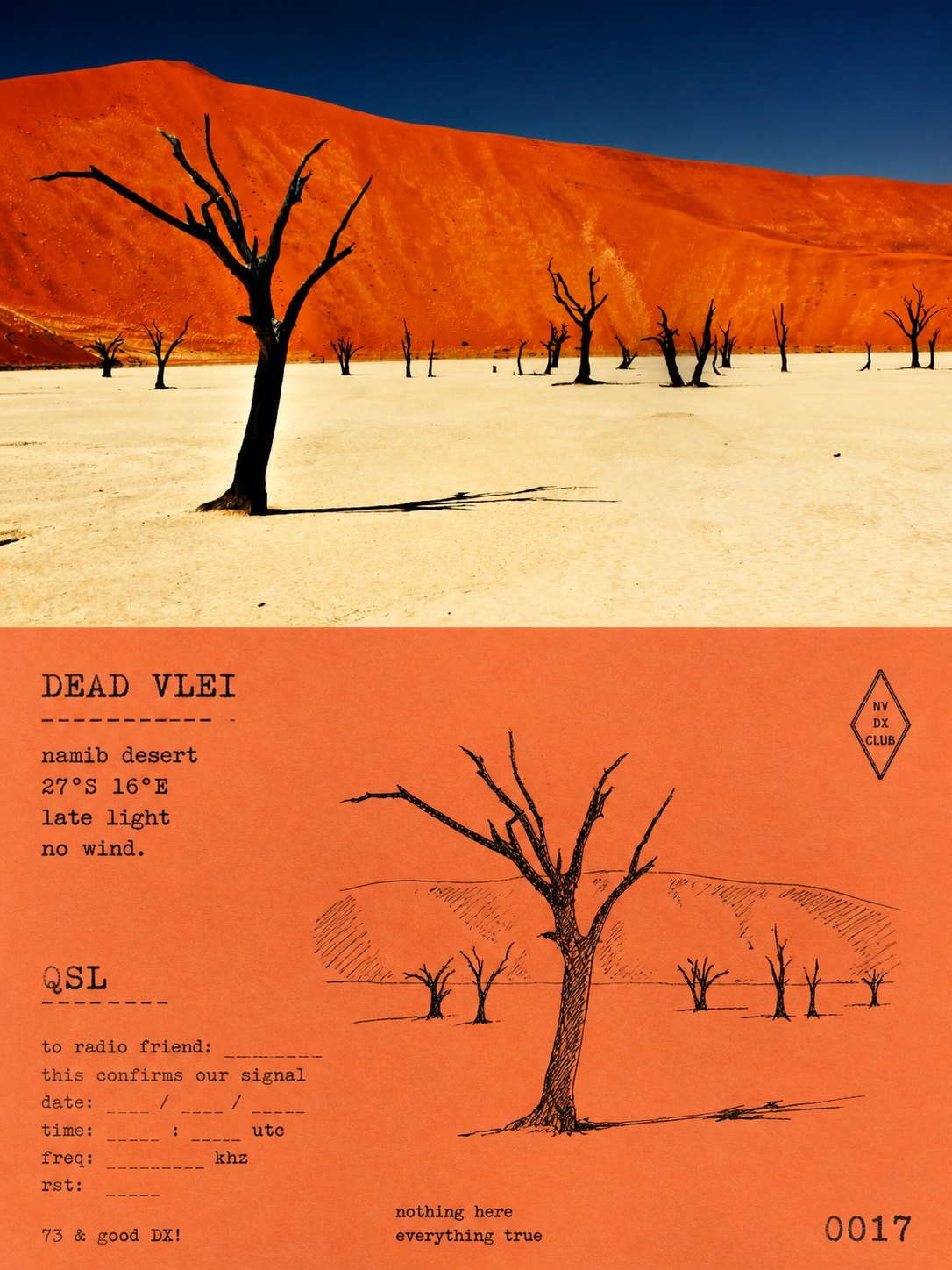
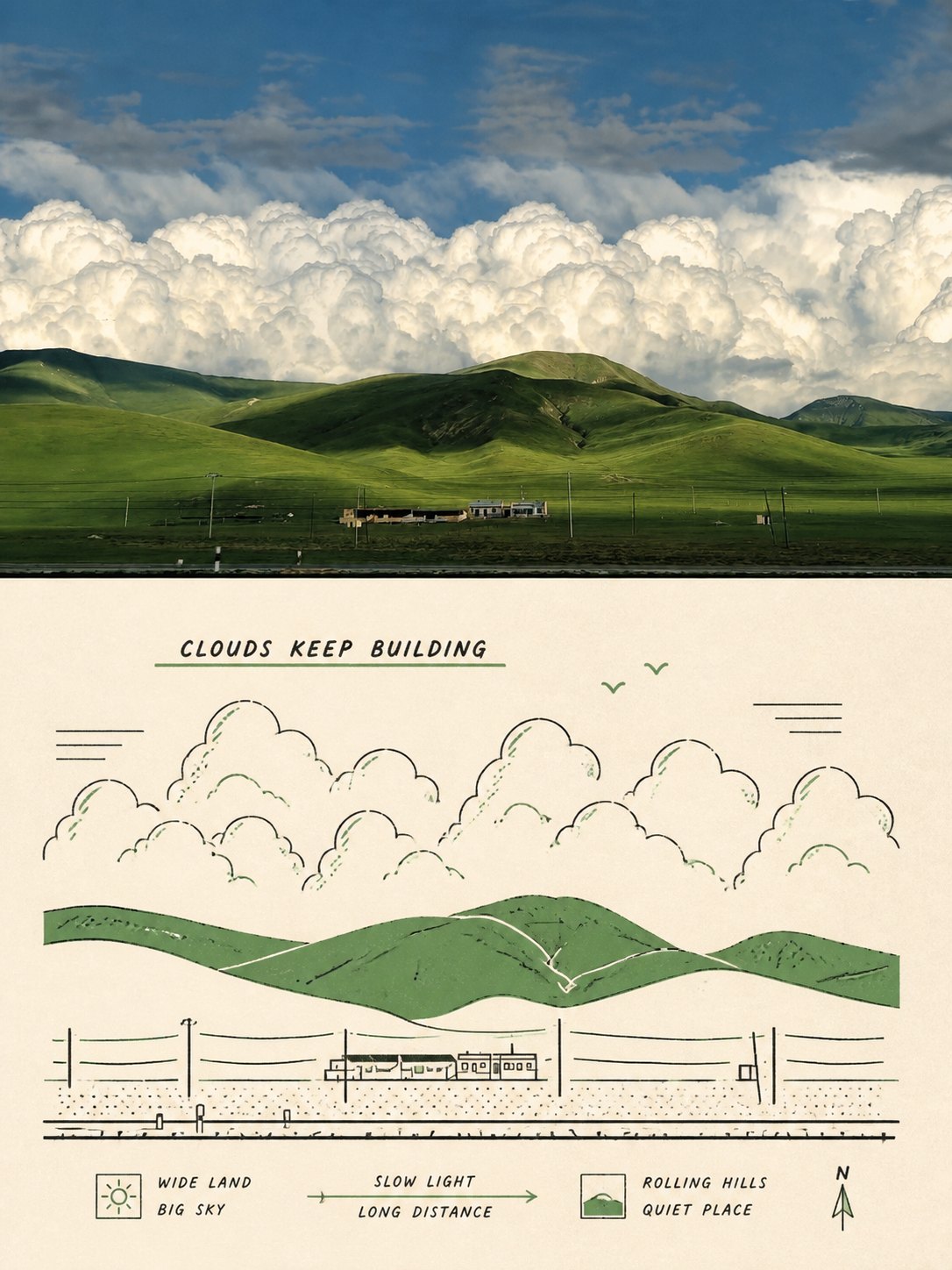
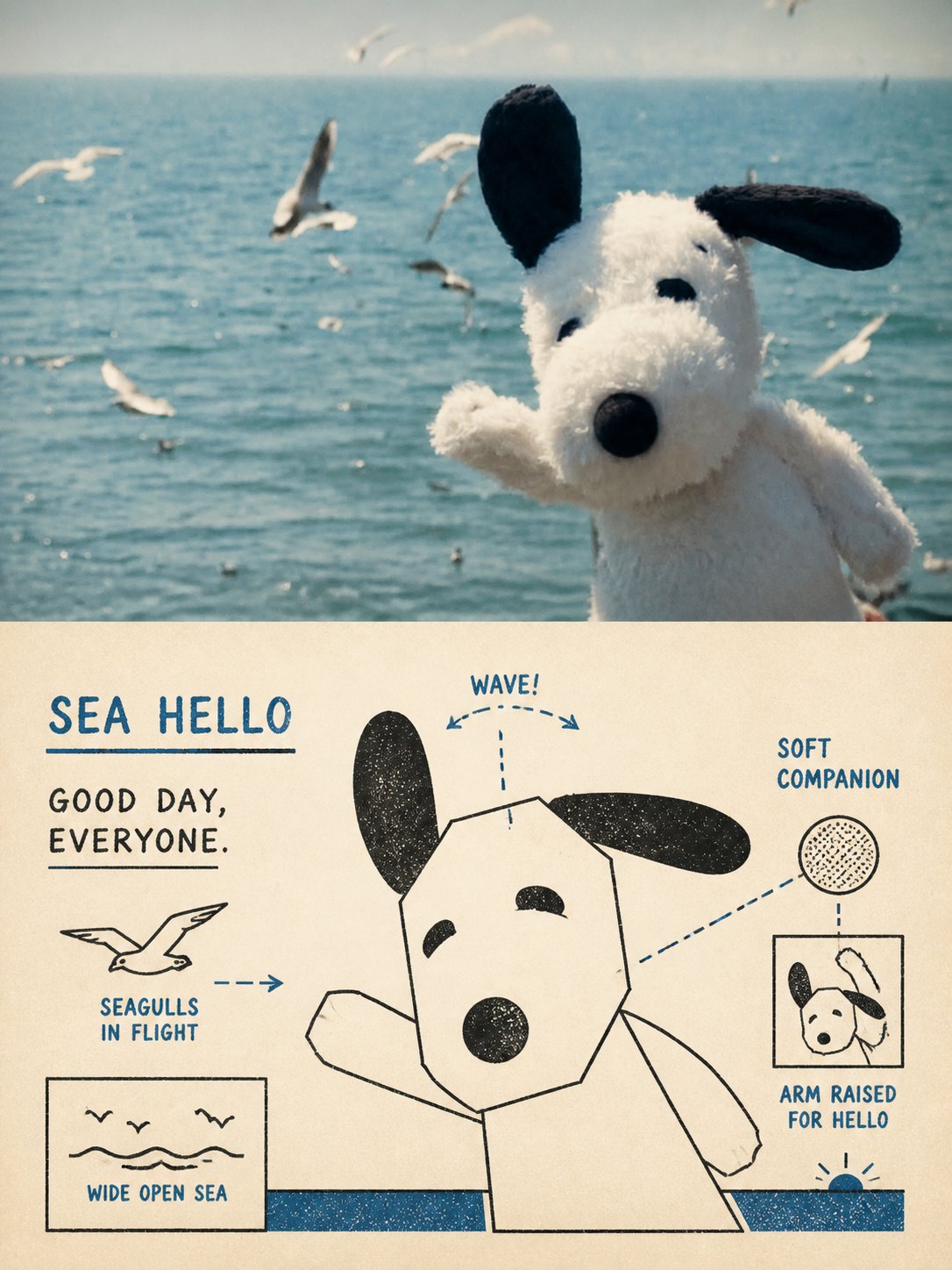
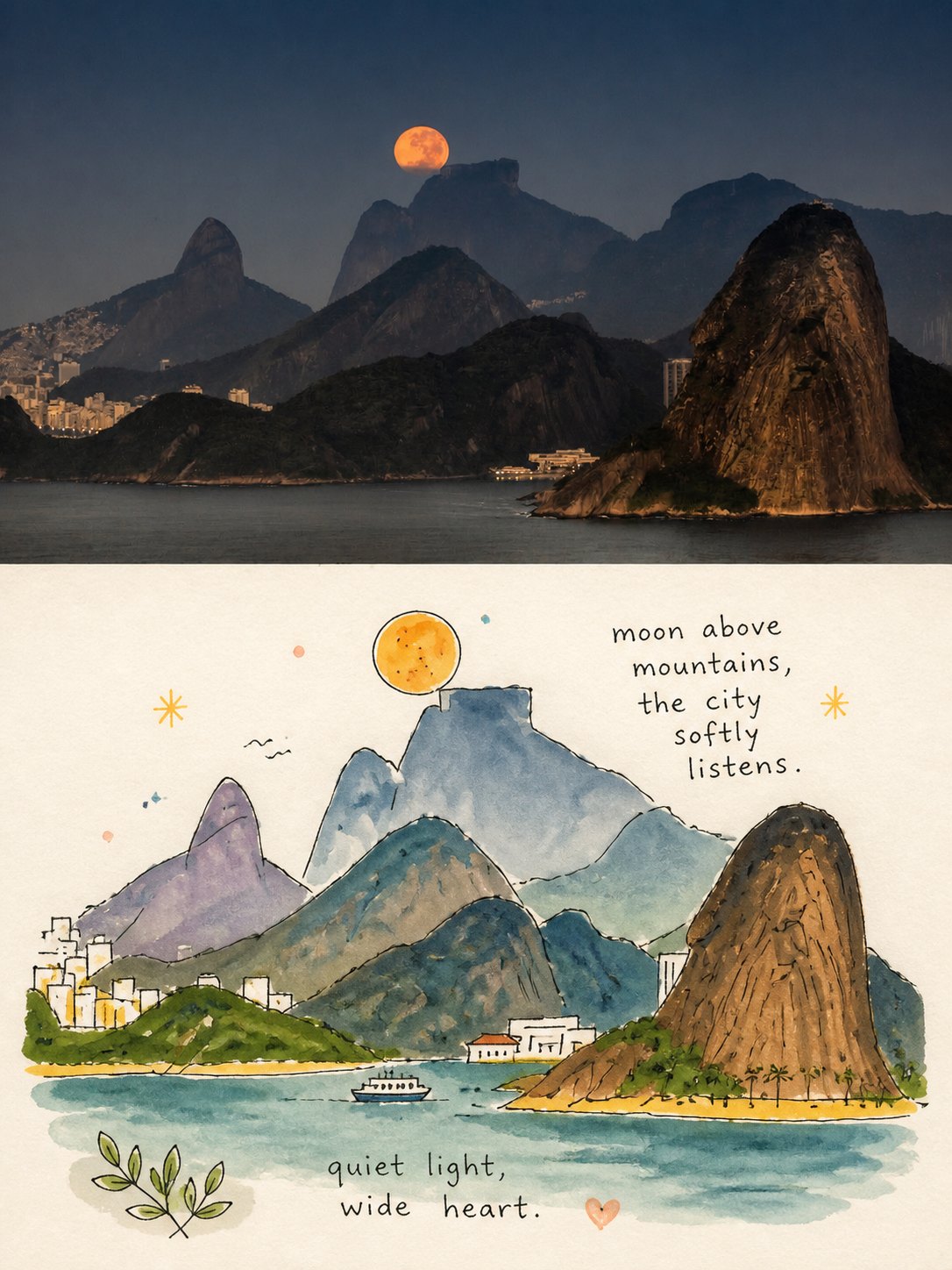
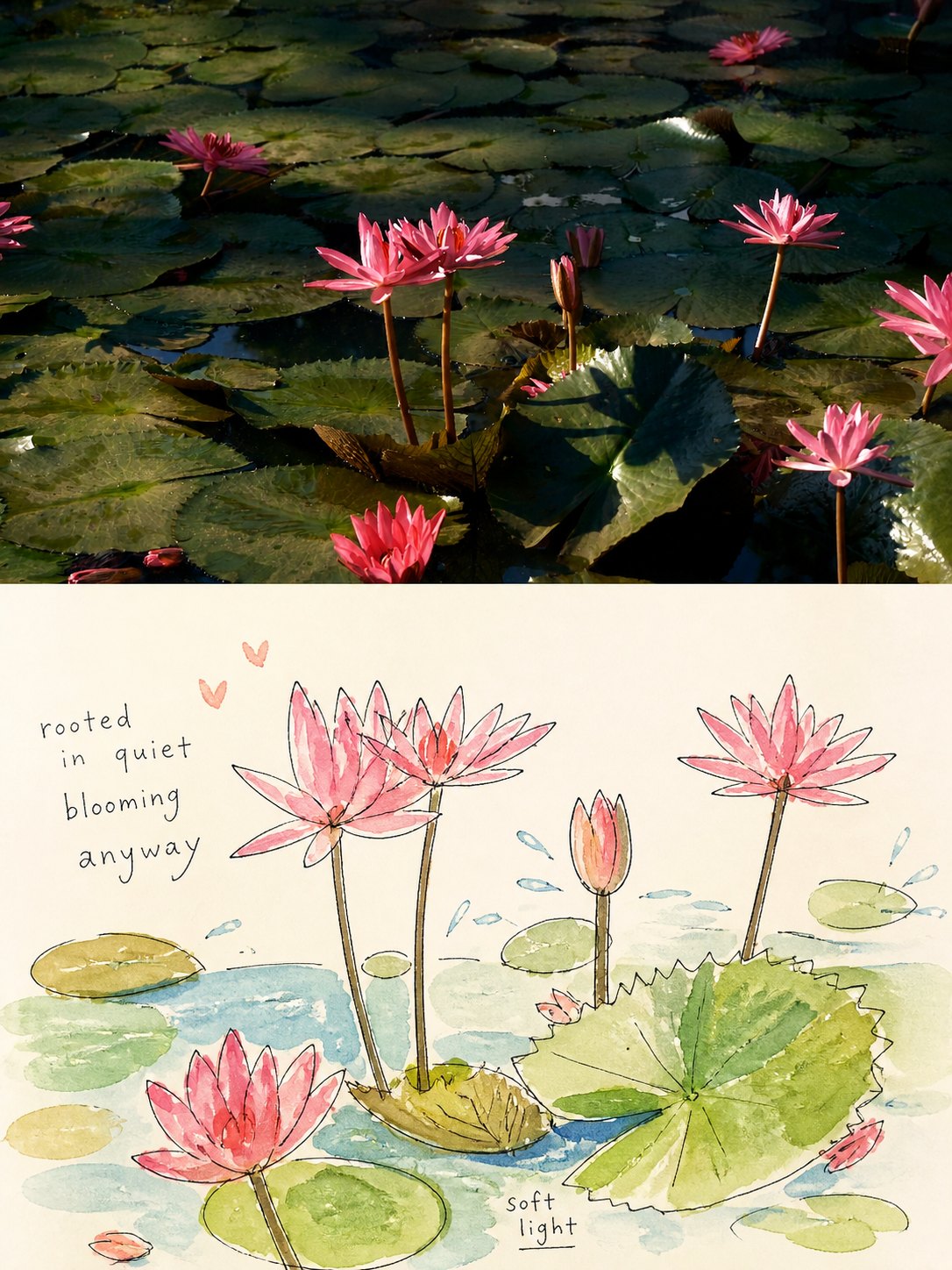
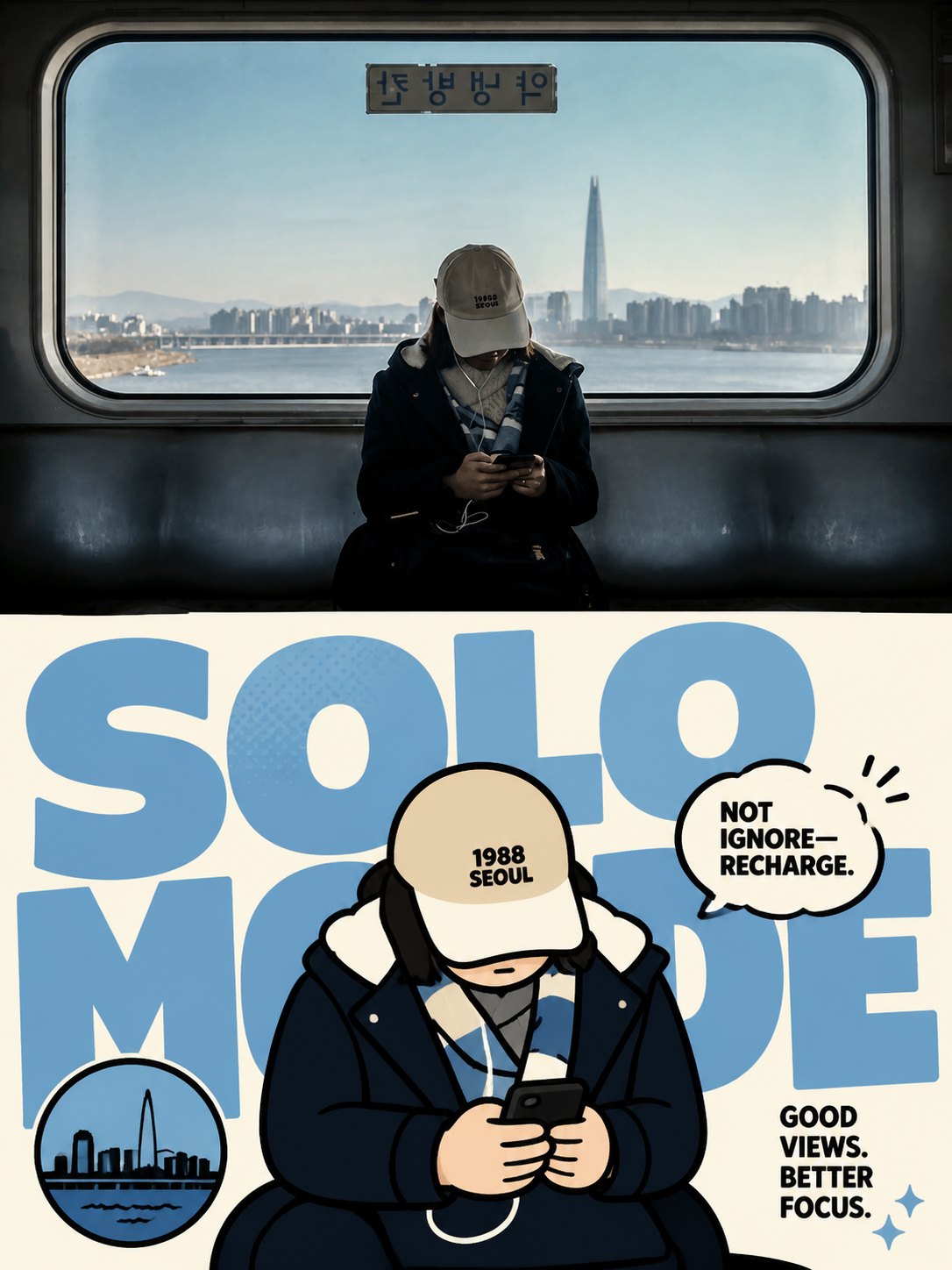
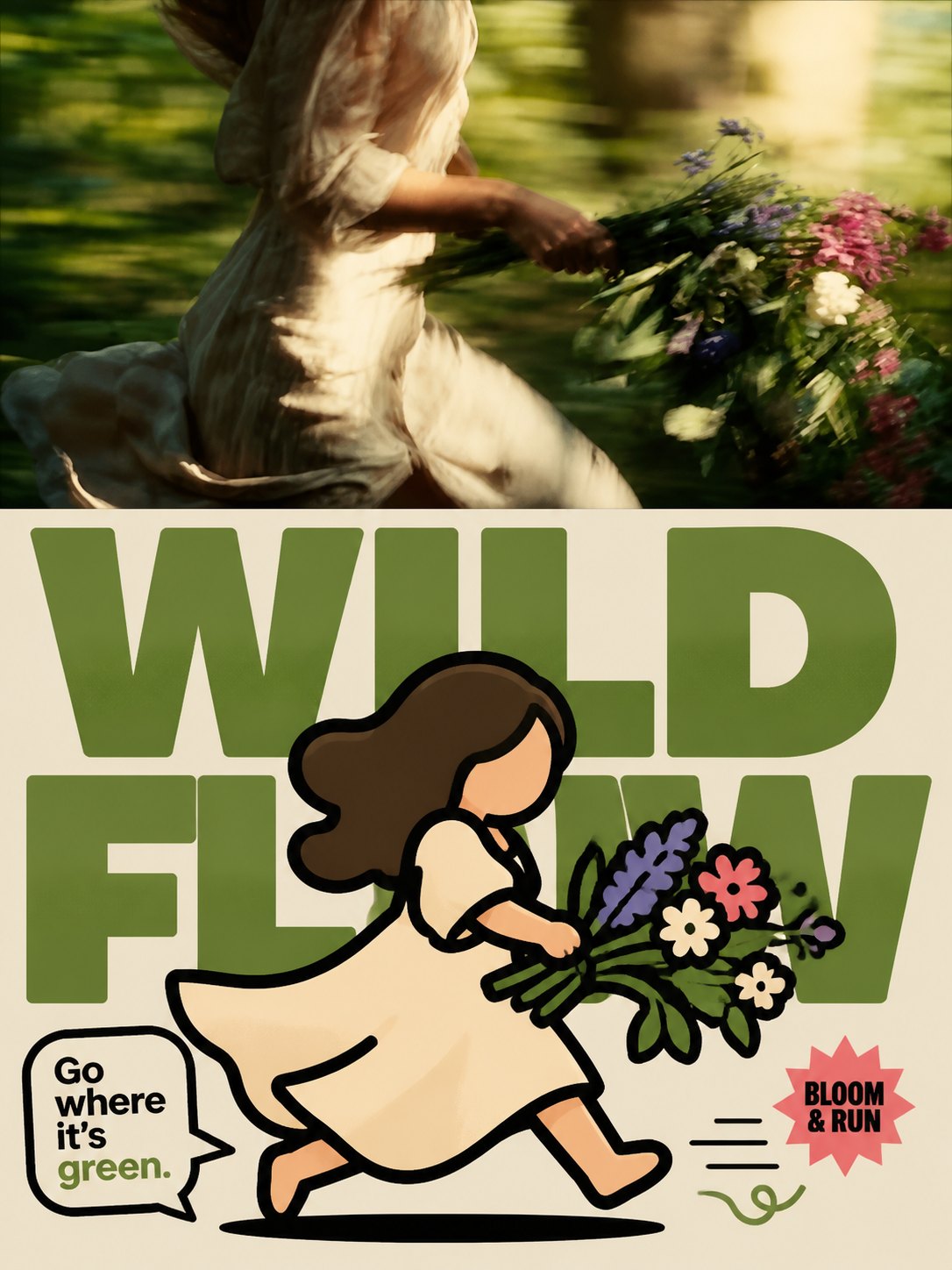
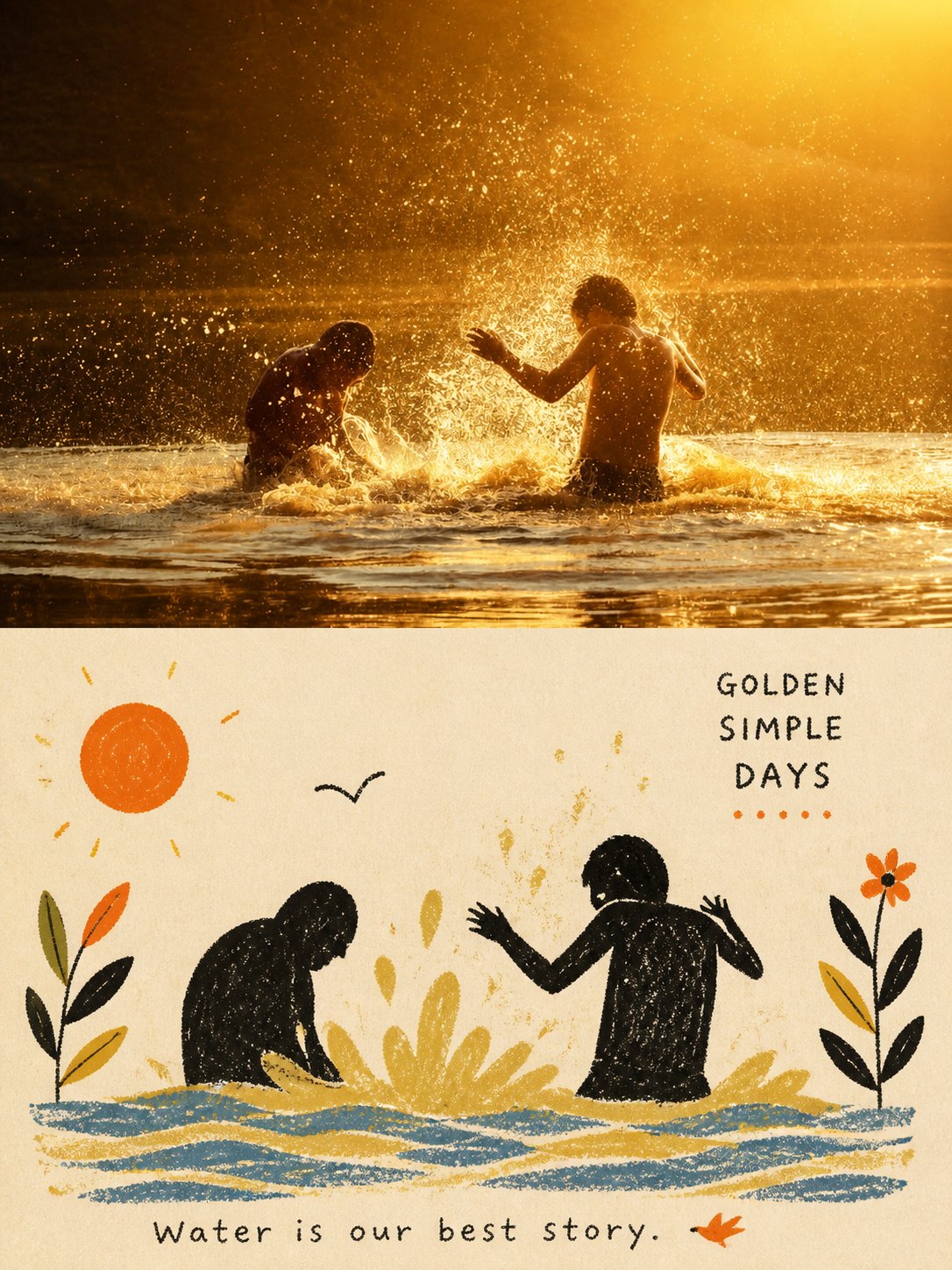
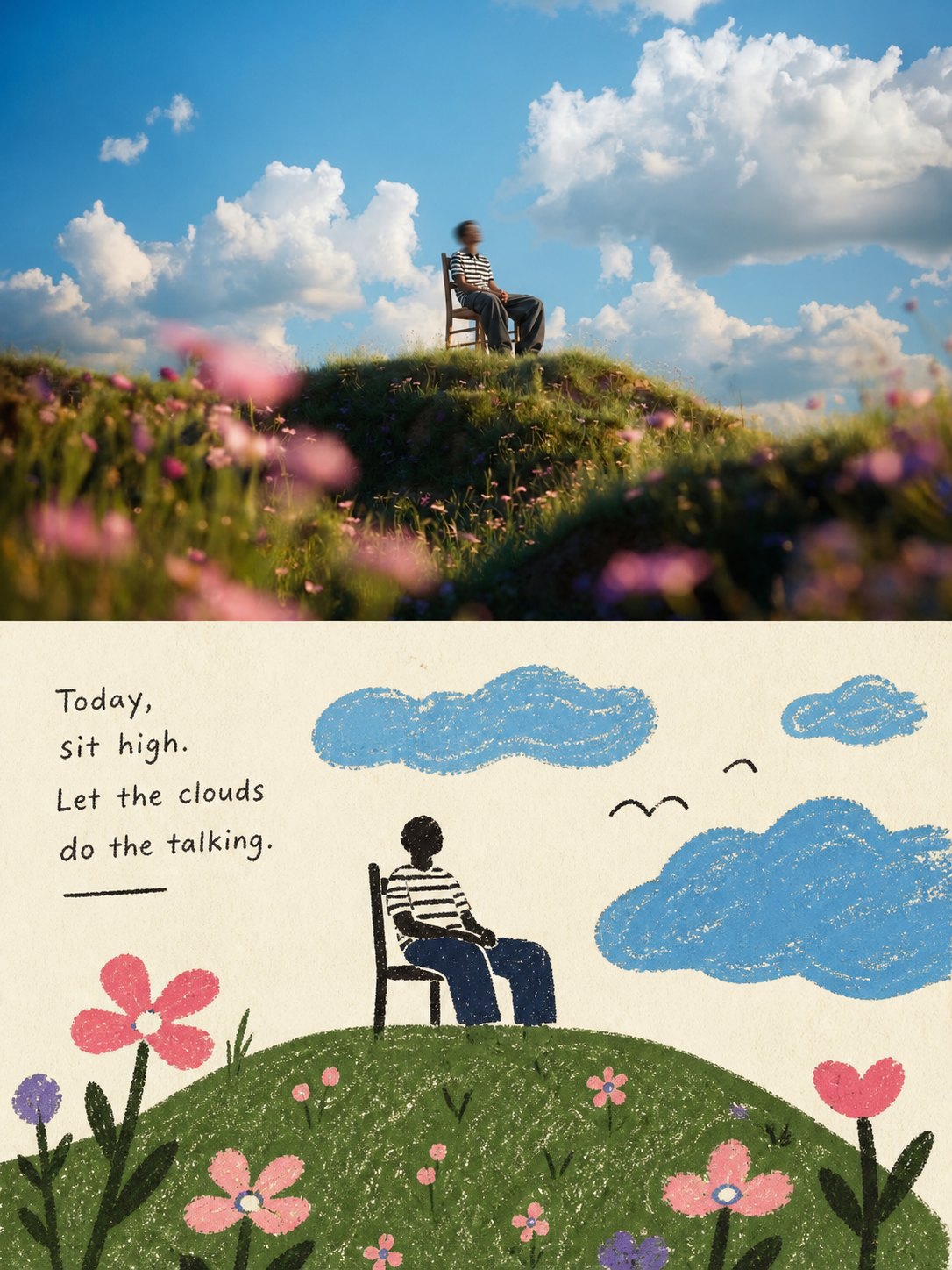
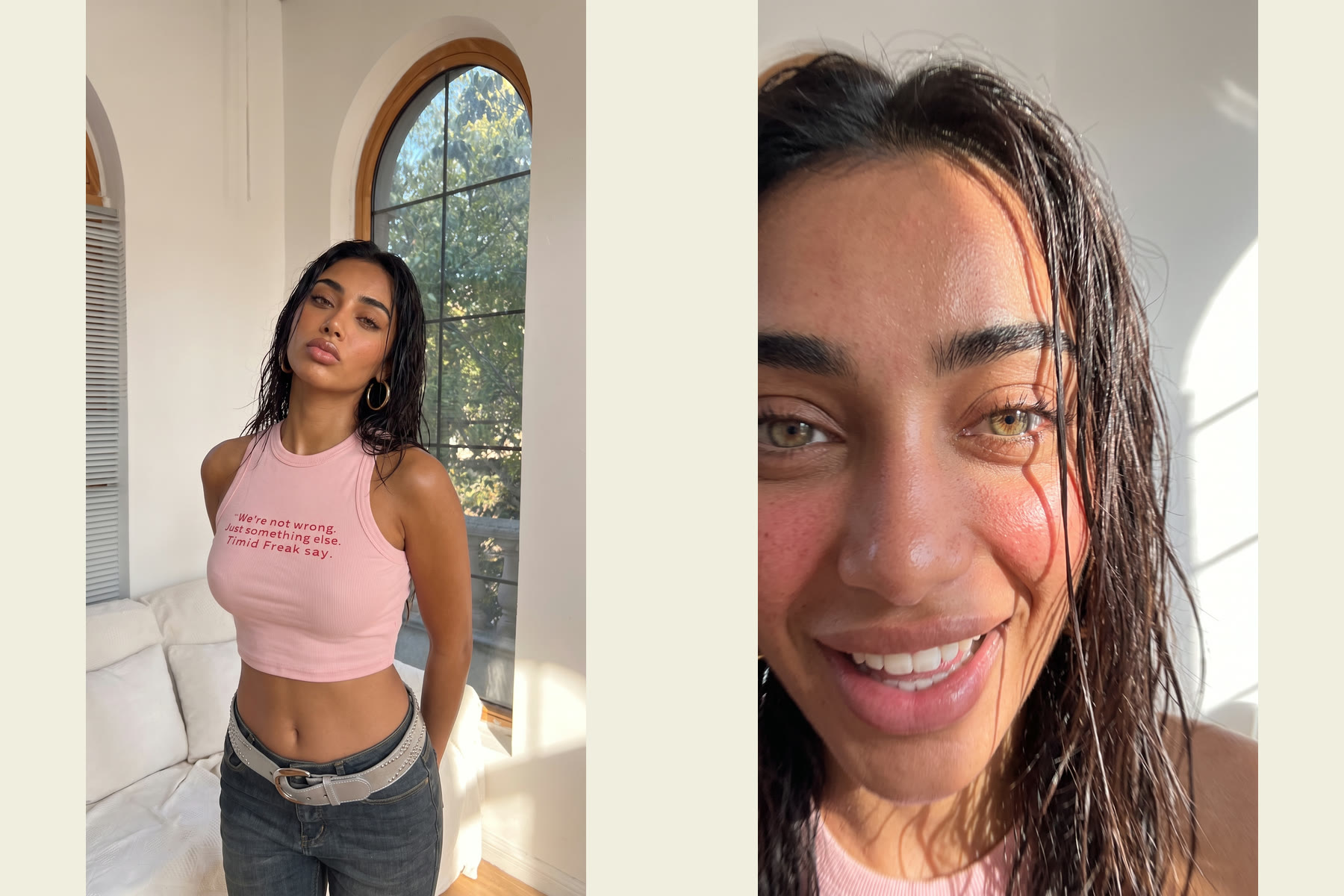
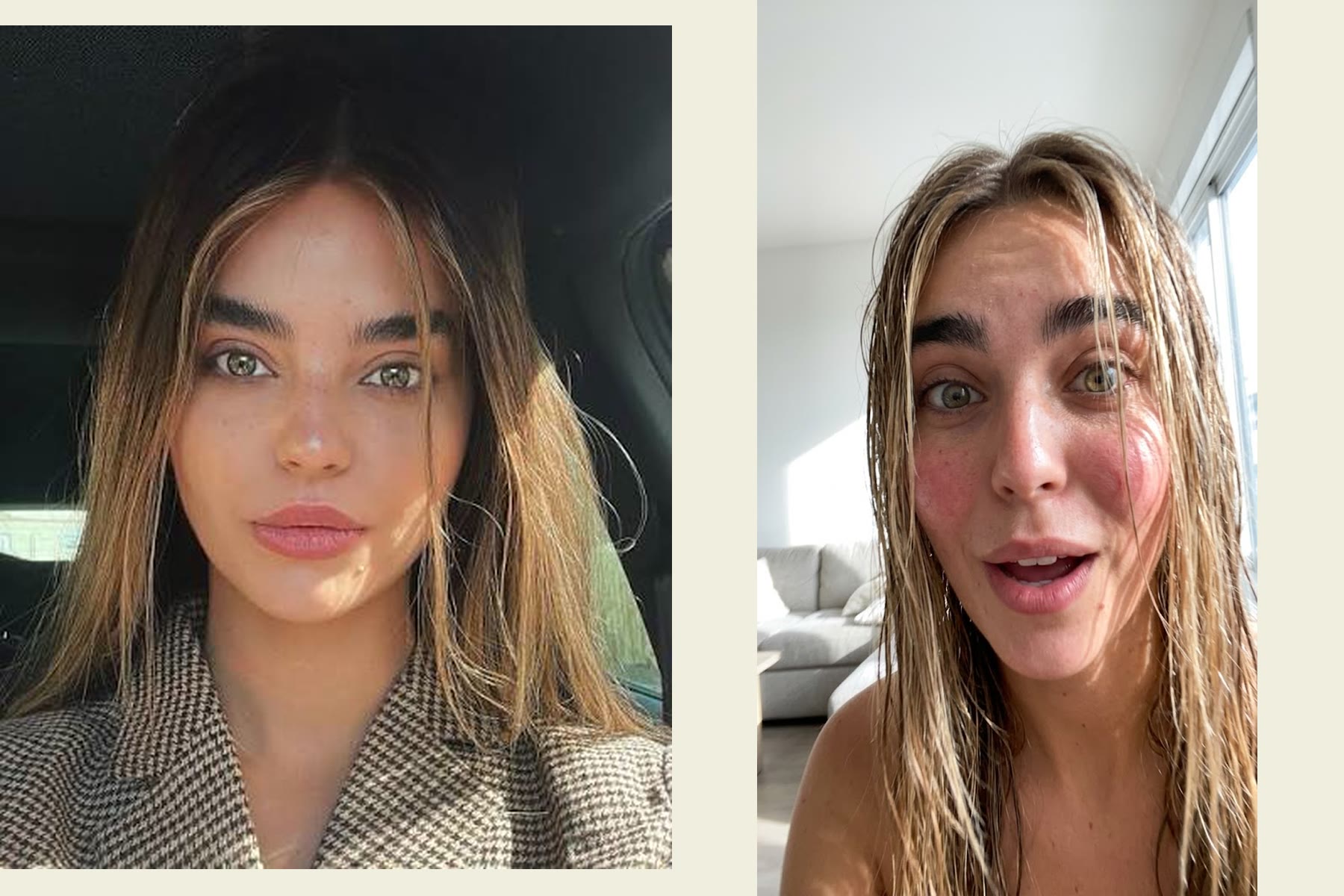
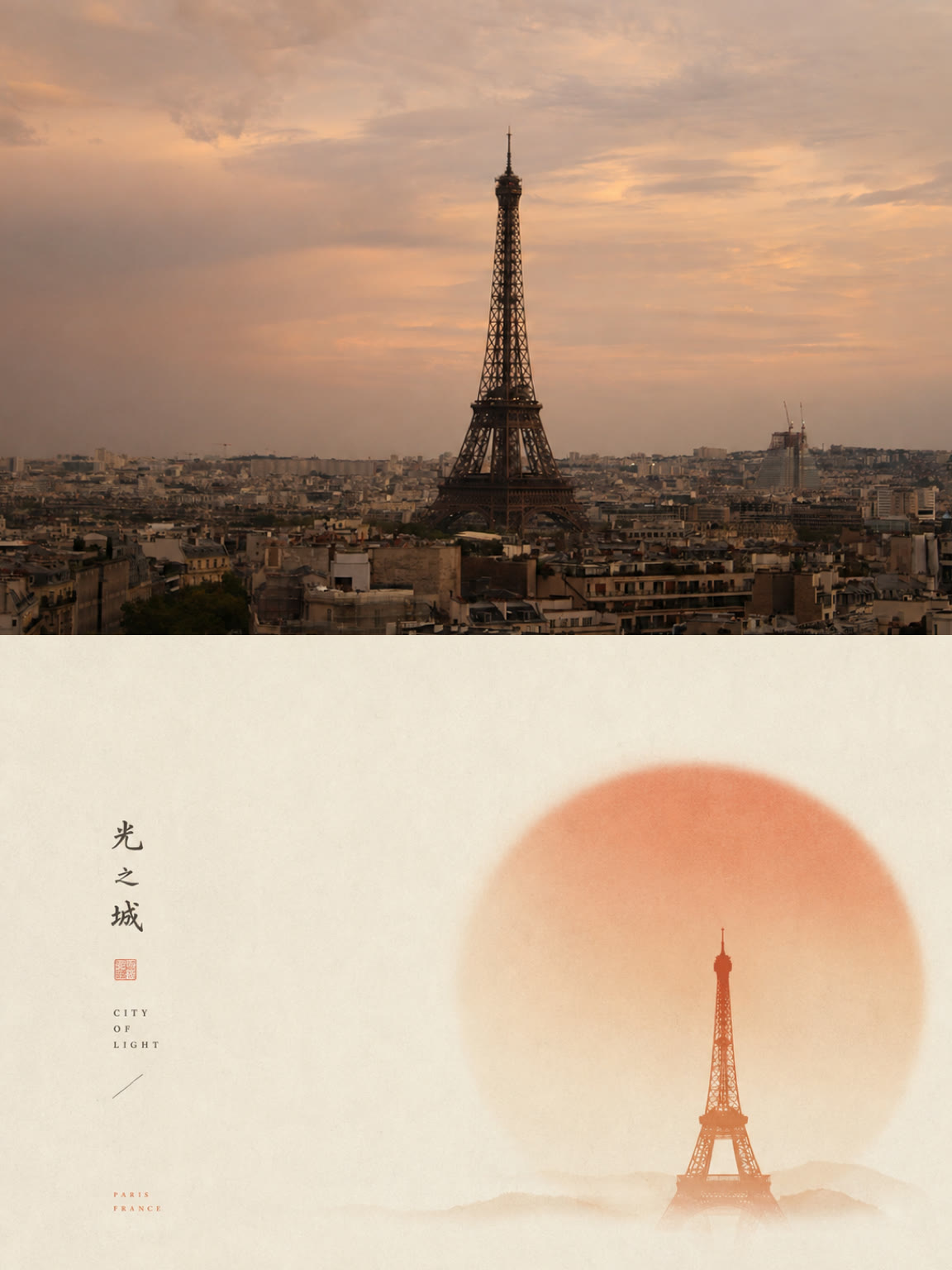
Eastern diffused whitespace
GPT Image 2paintminimal
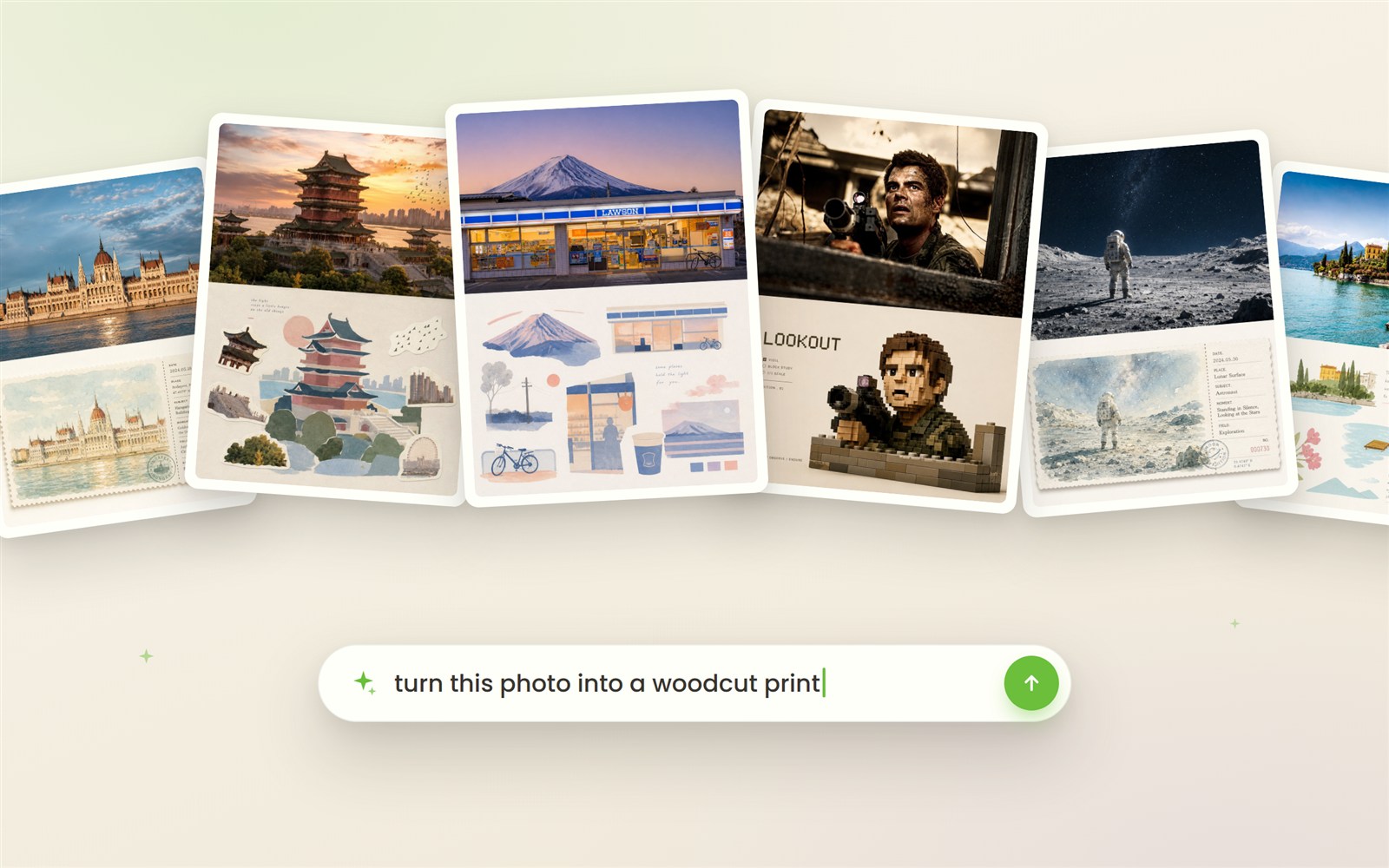
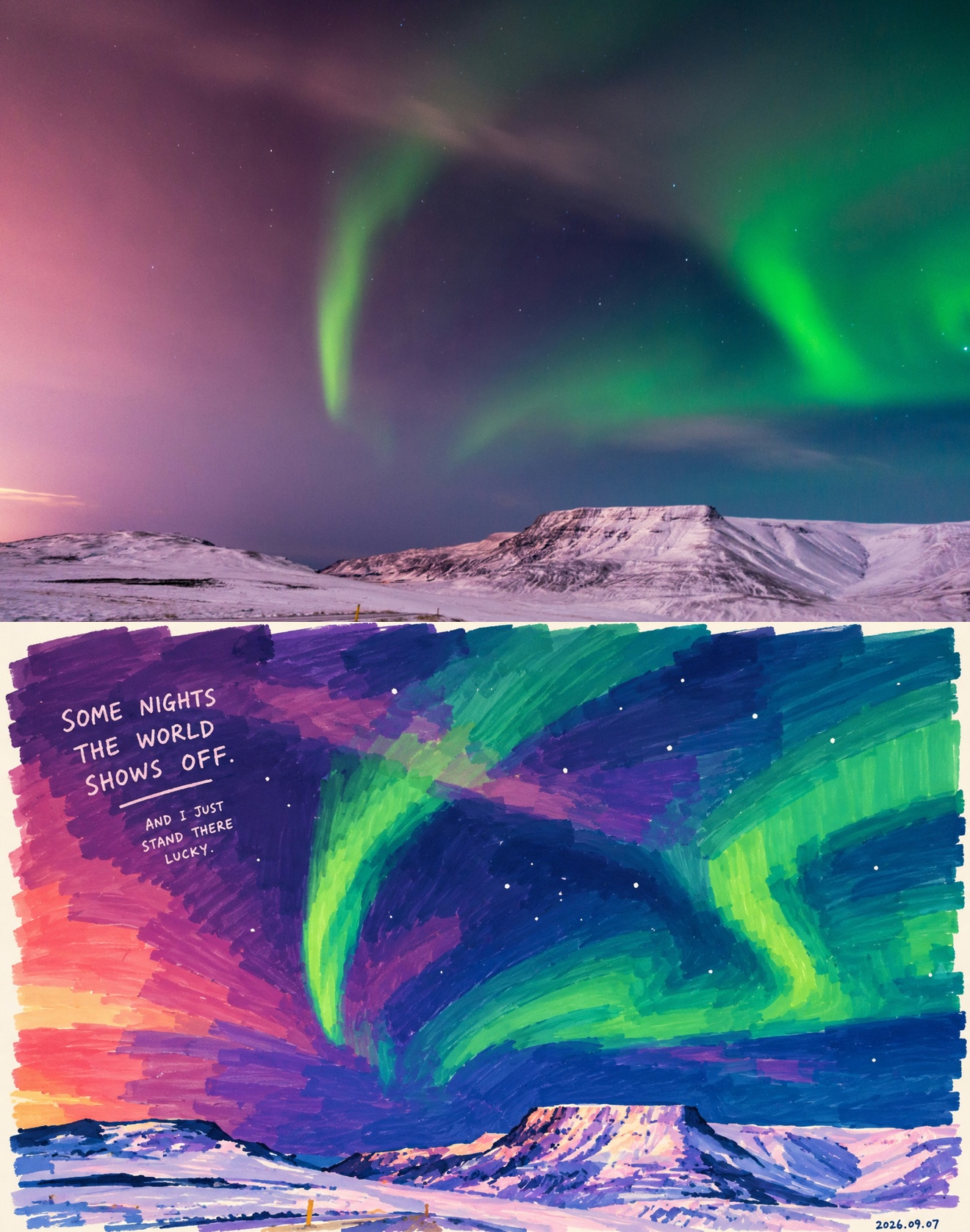
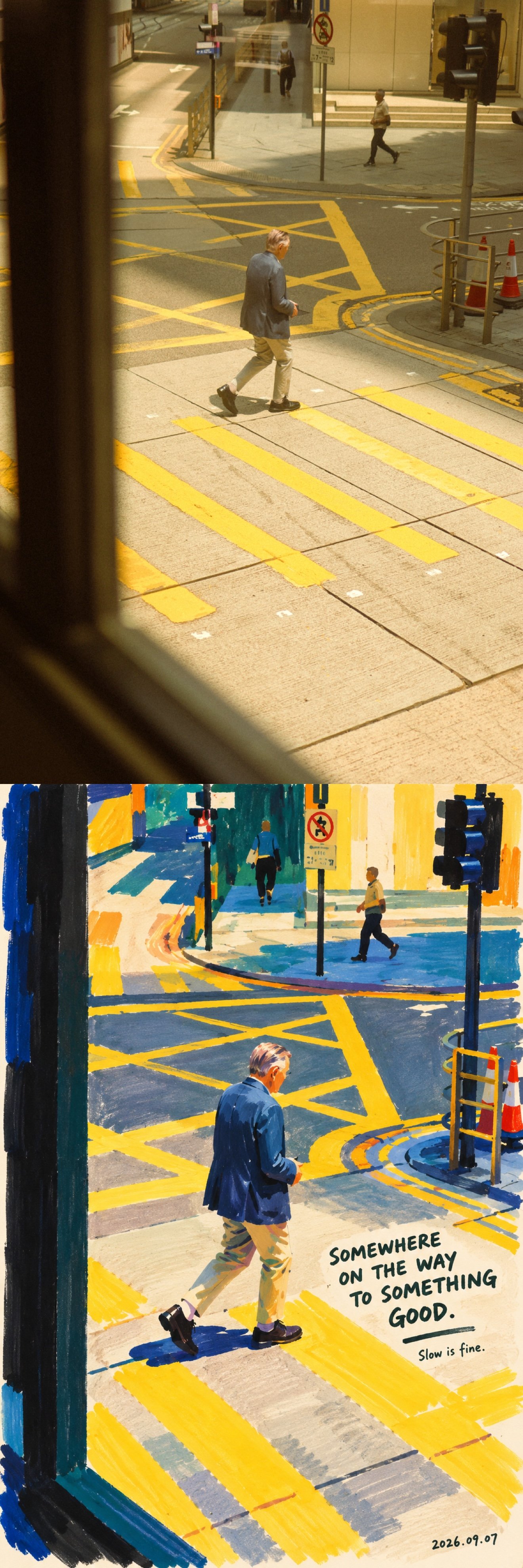
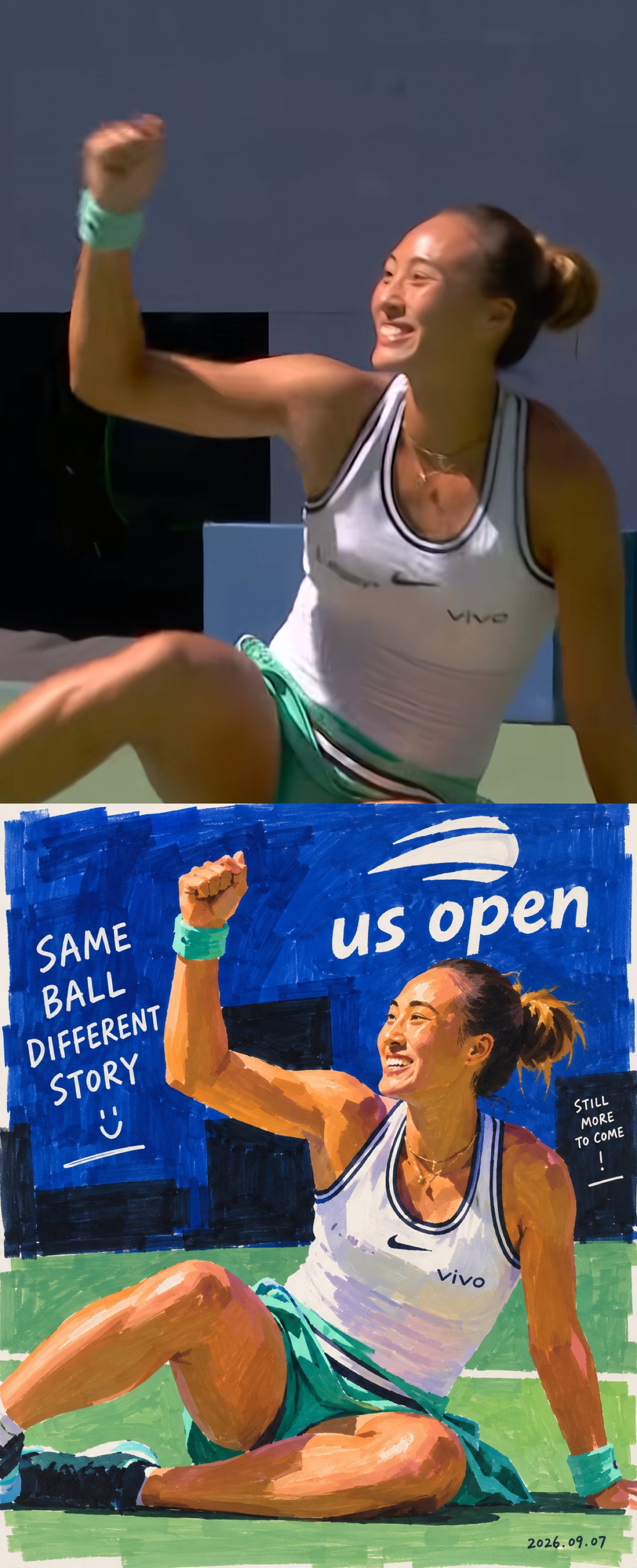
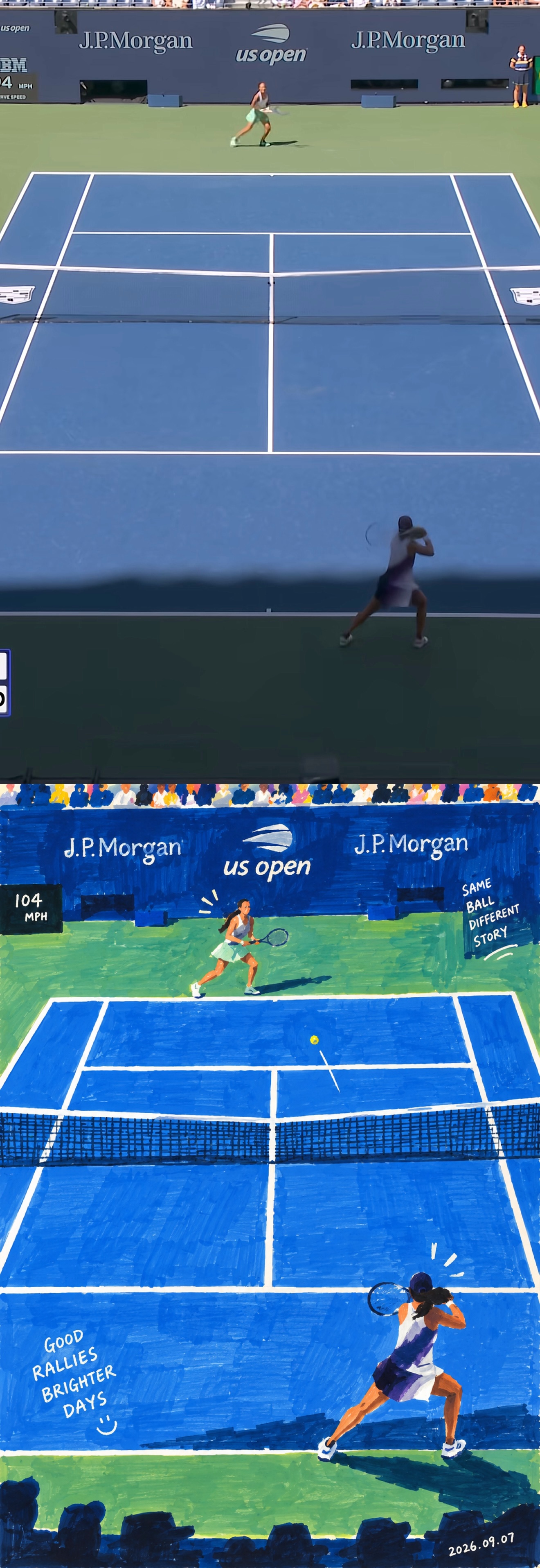
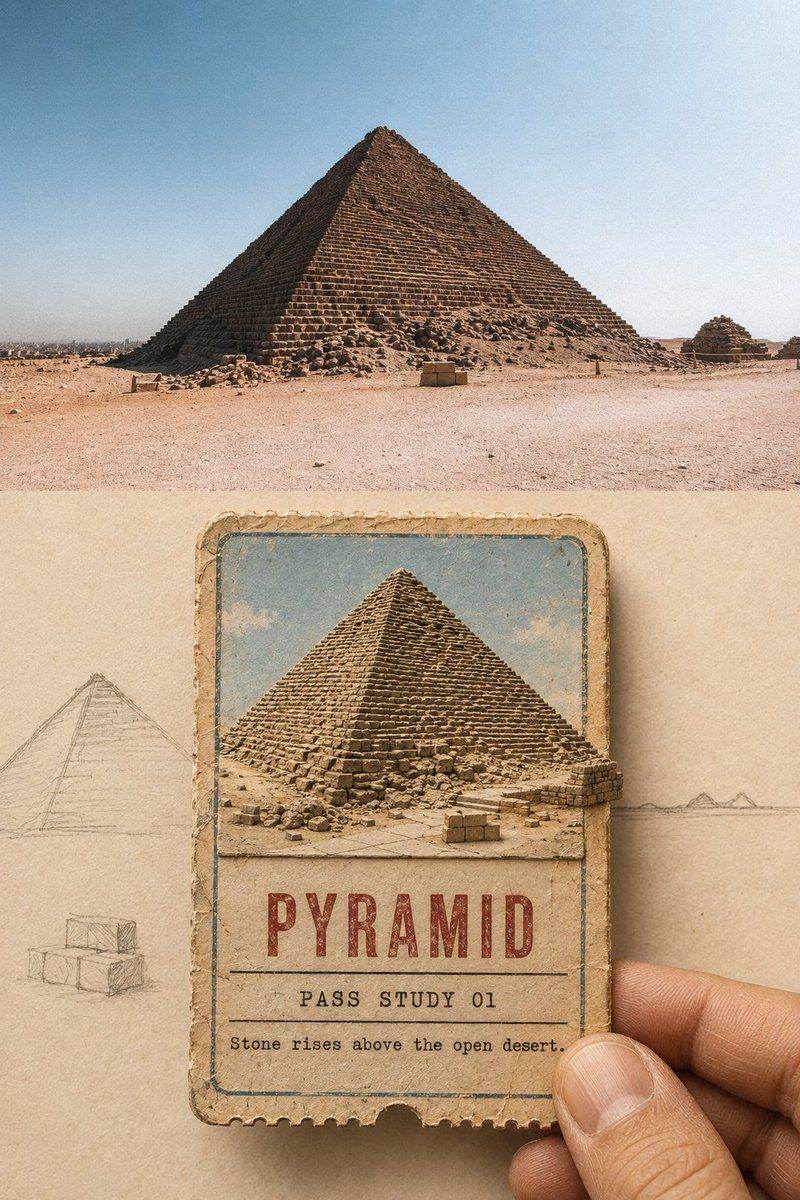
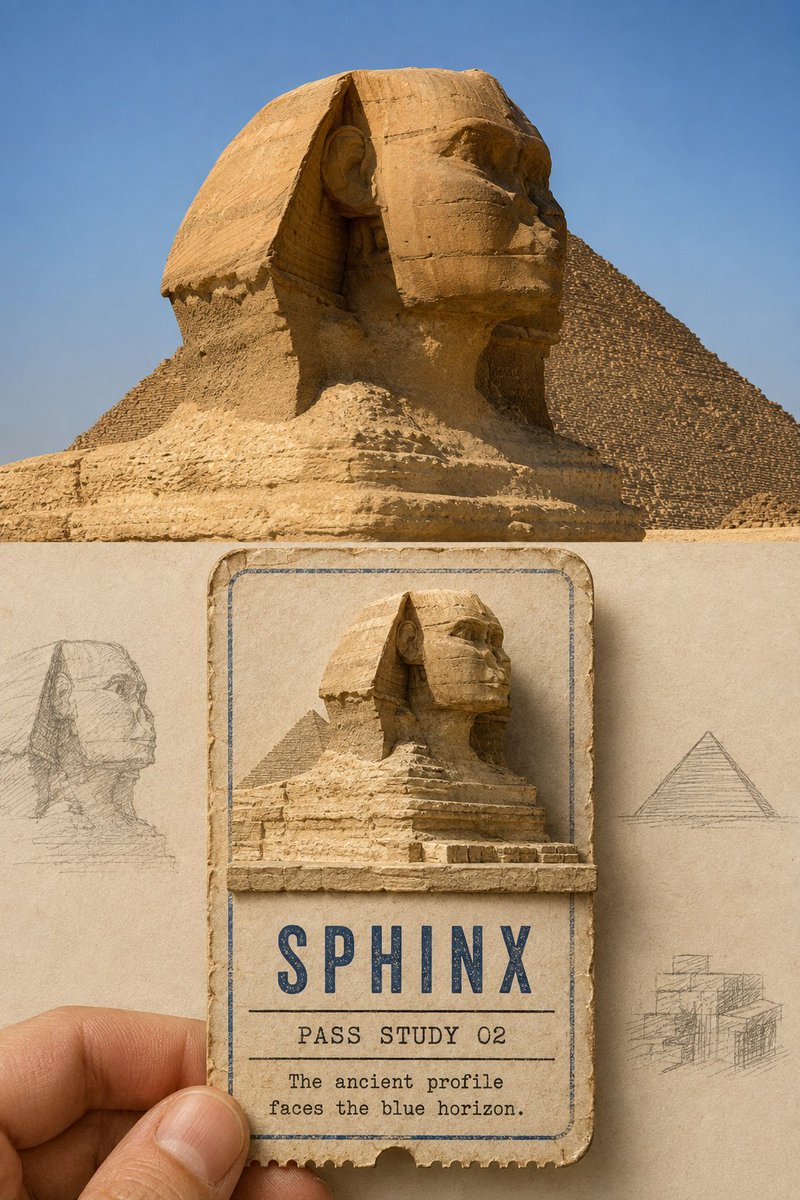
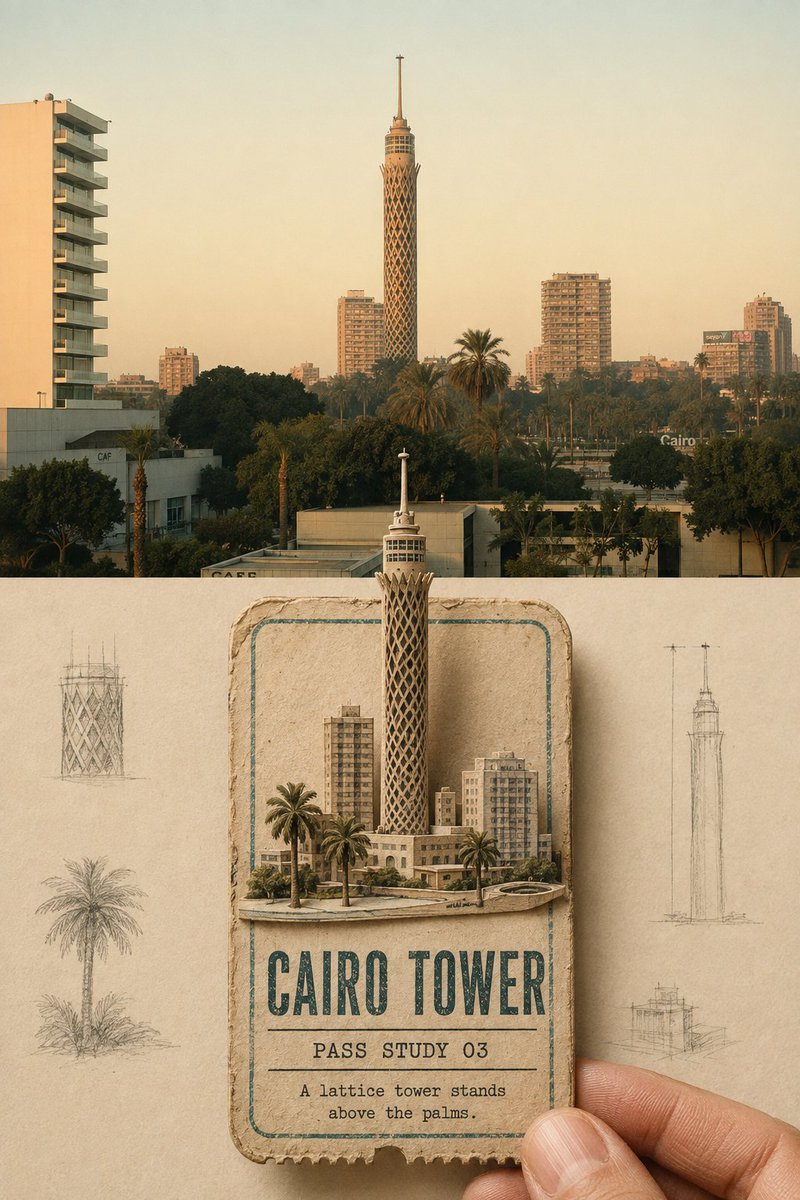
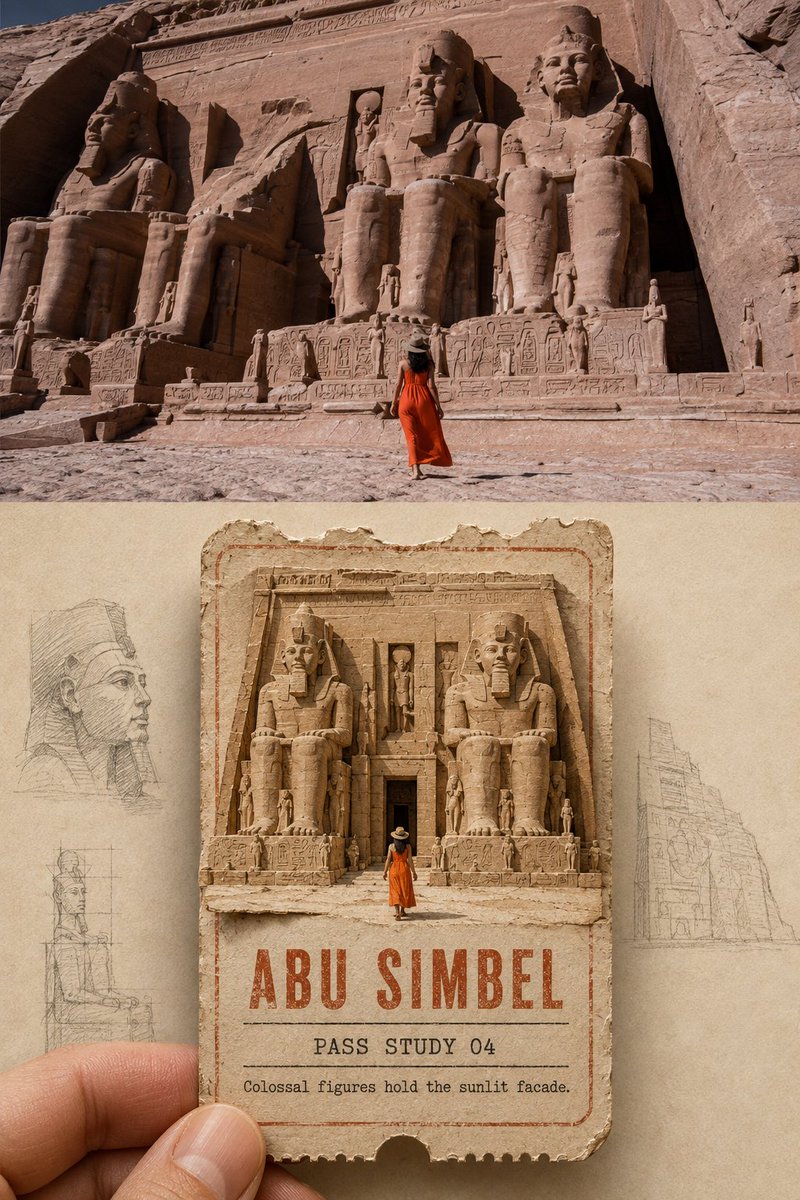
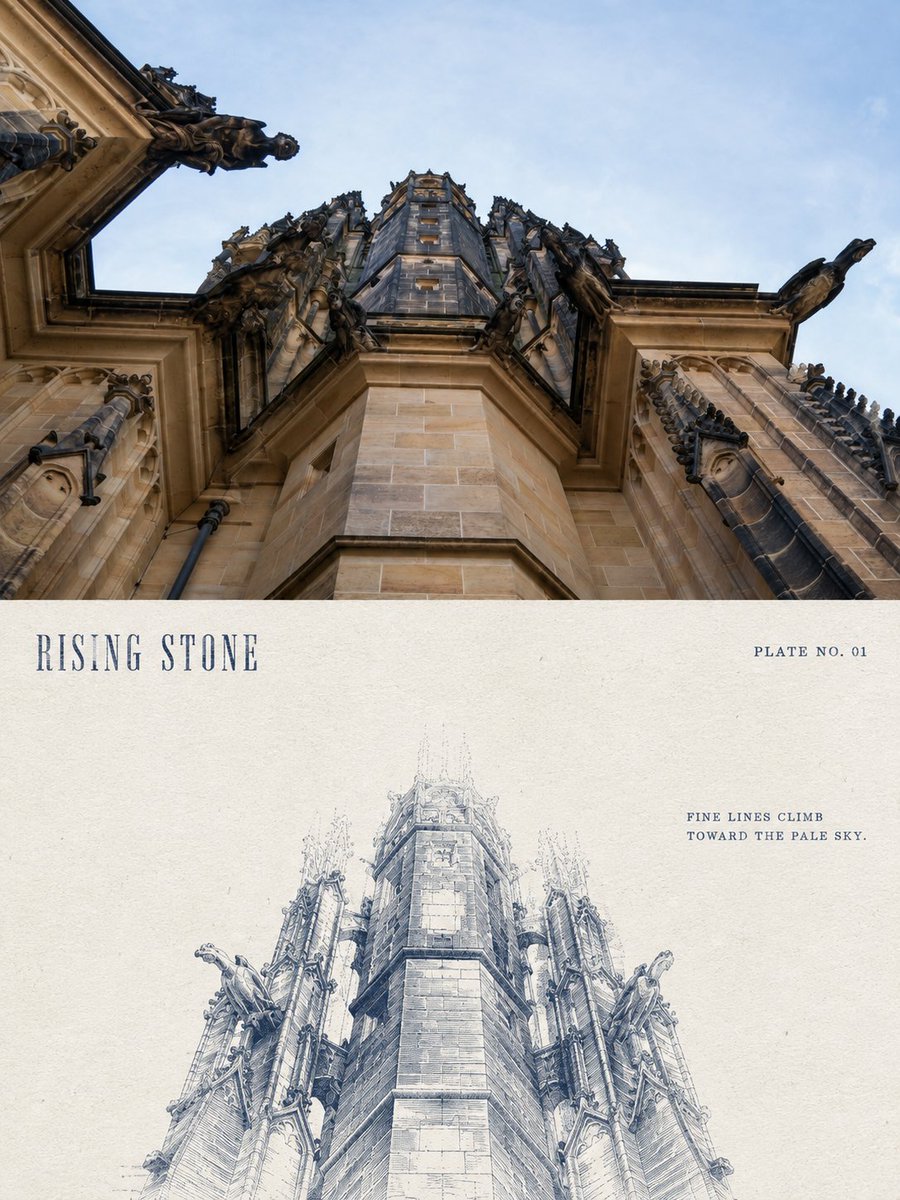
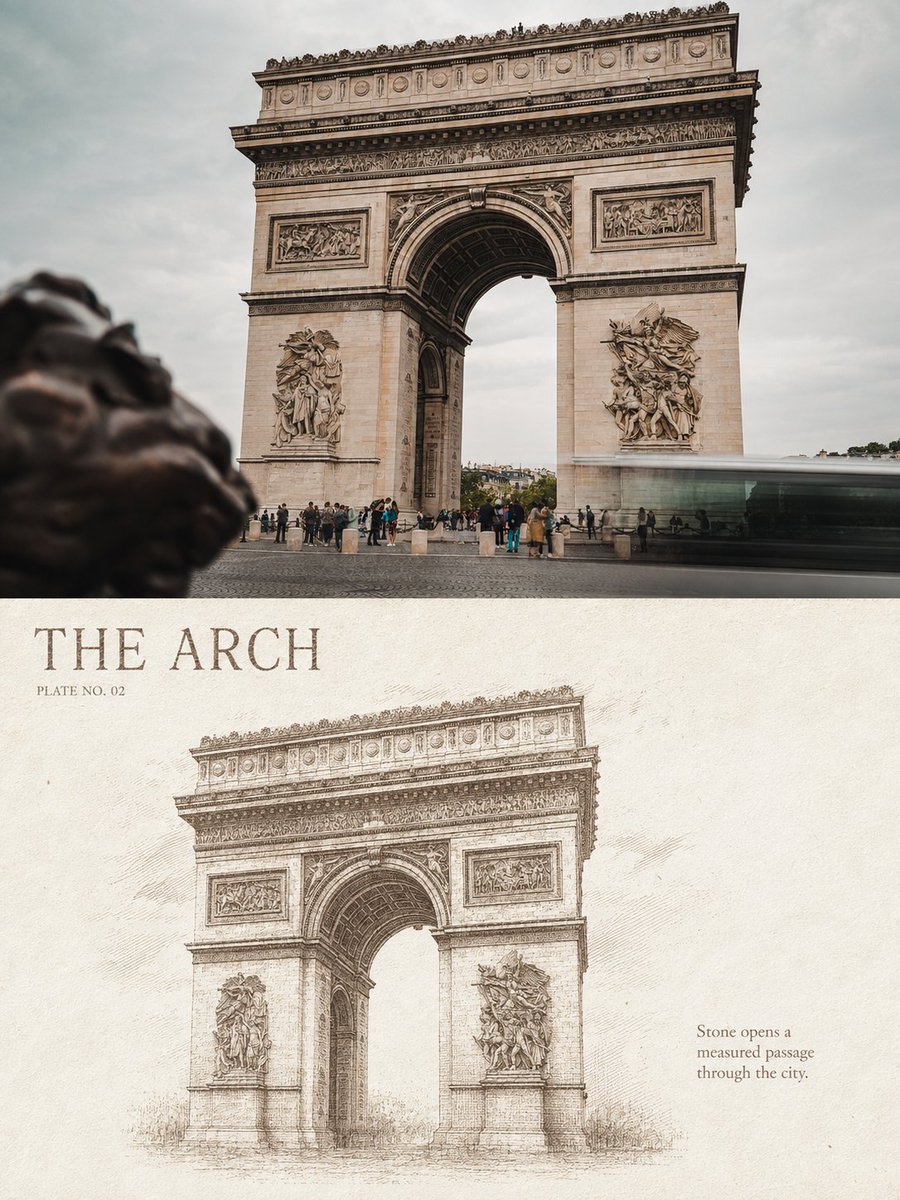
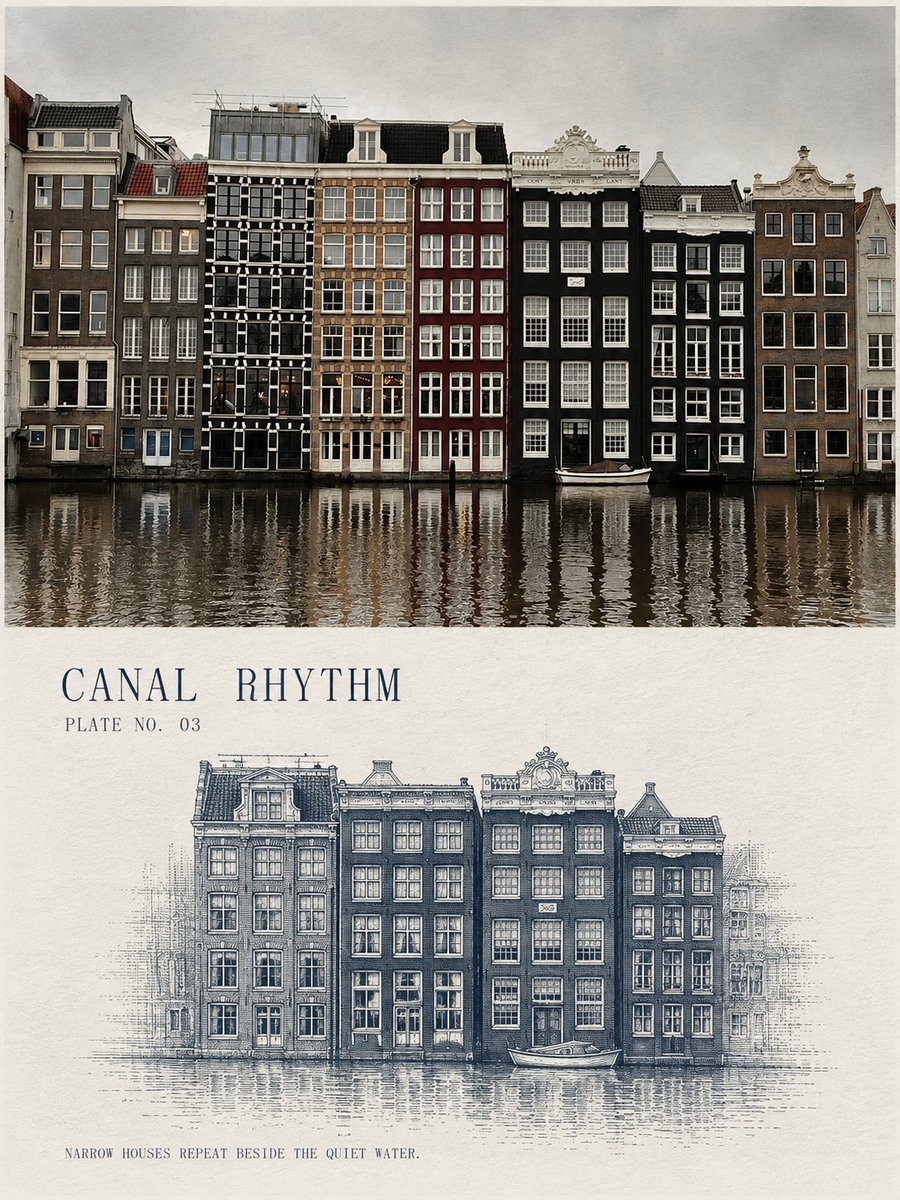
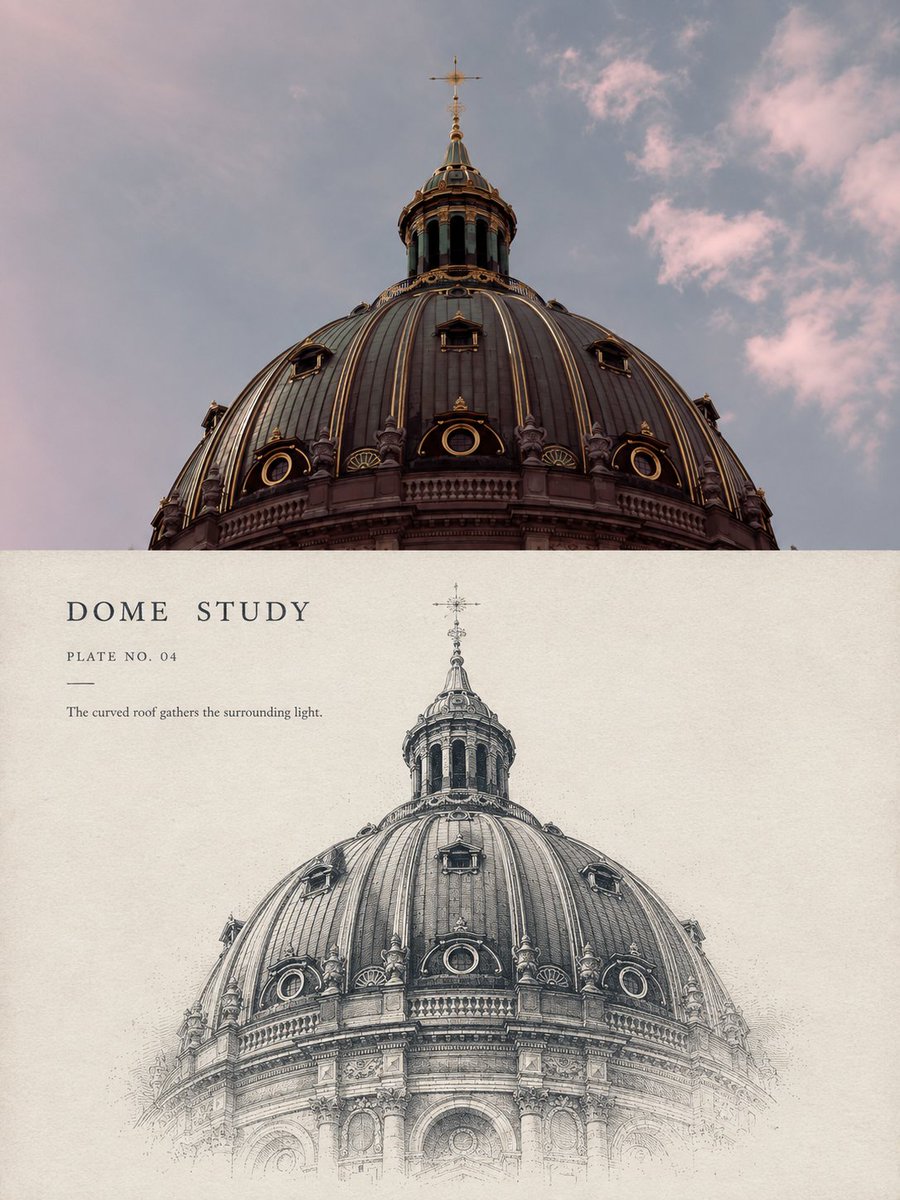
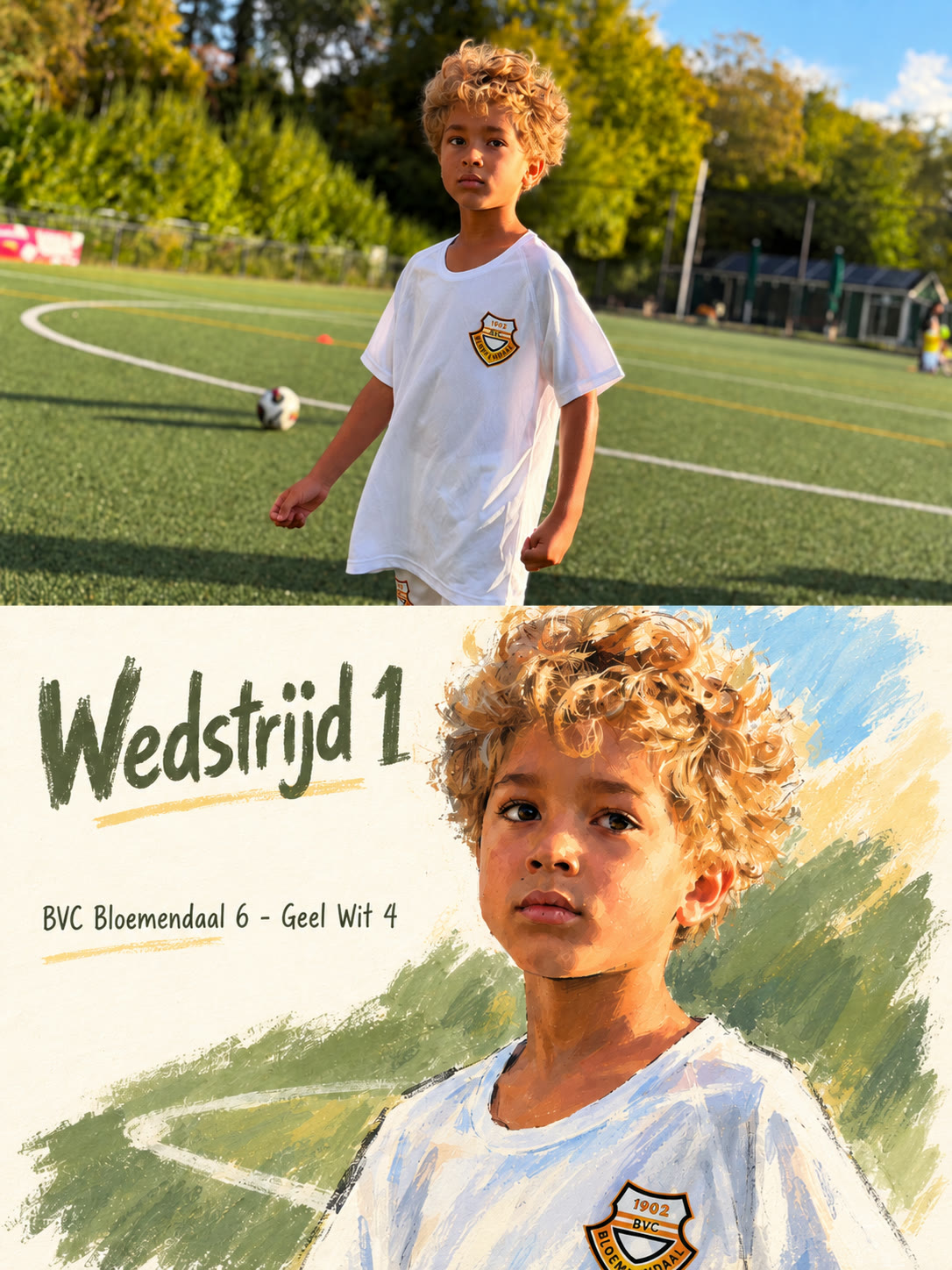
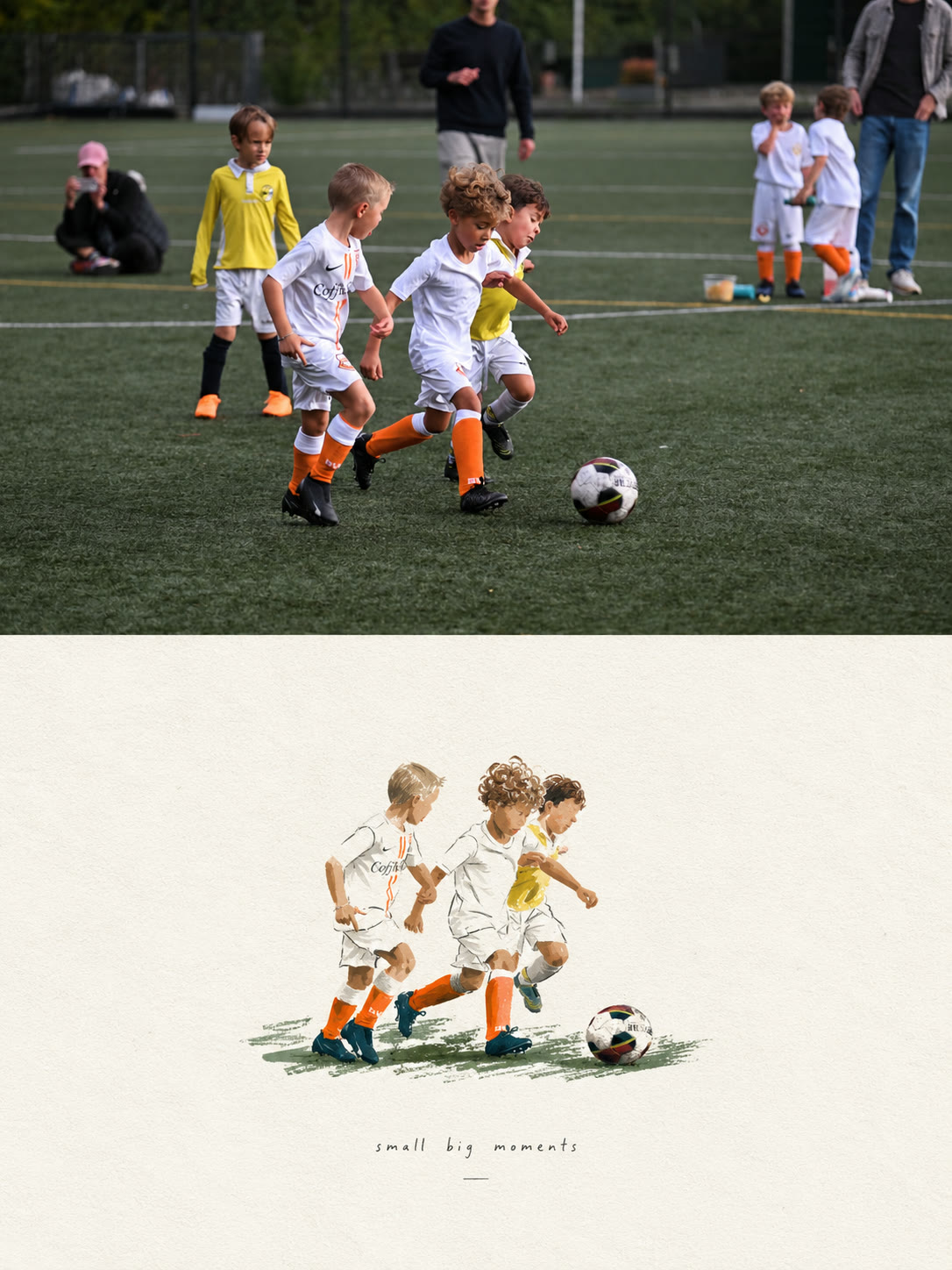
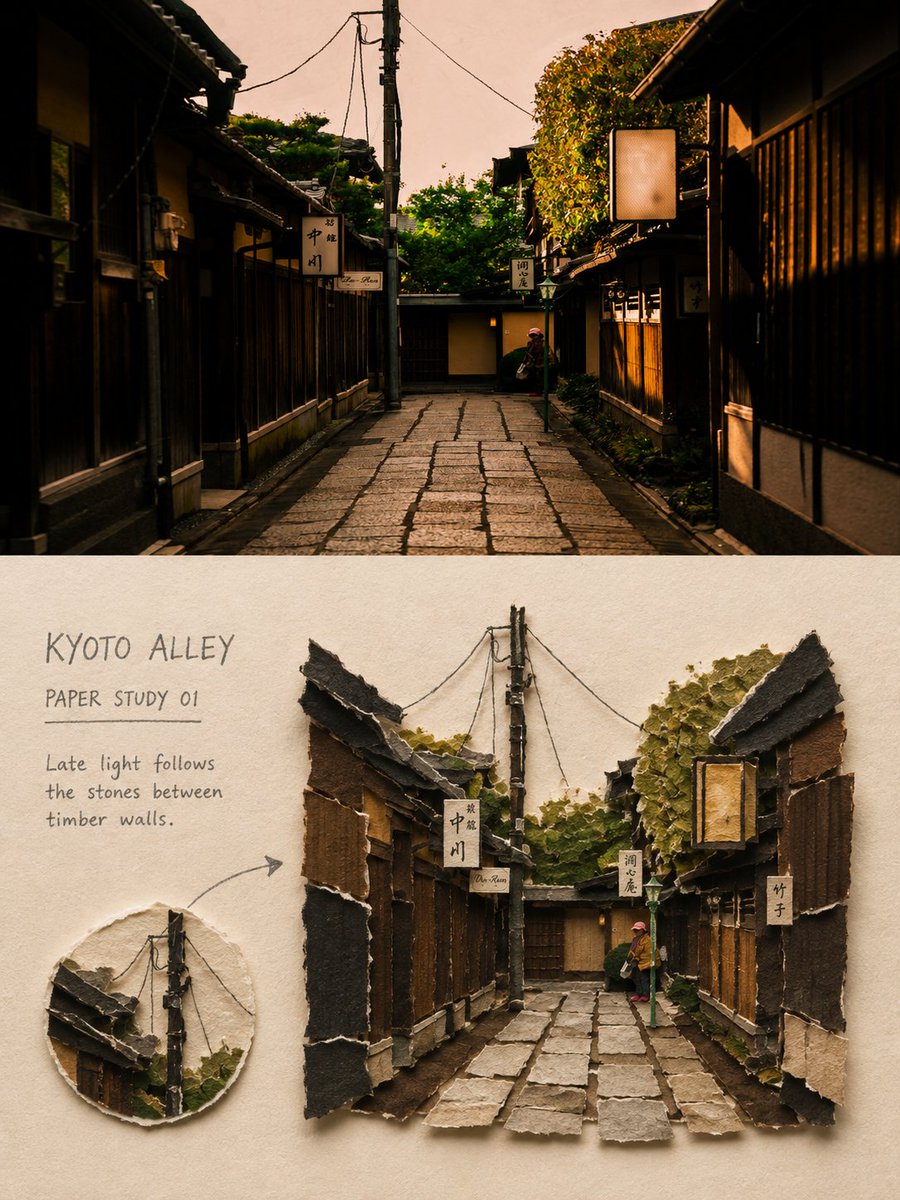
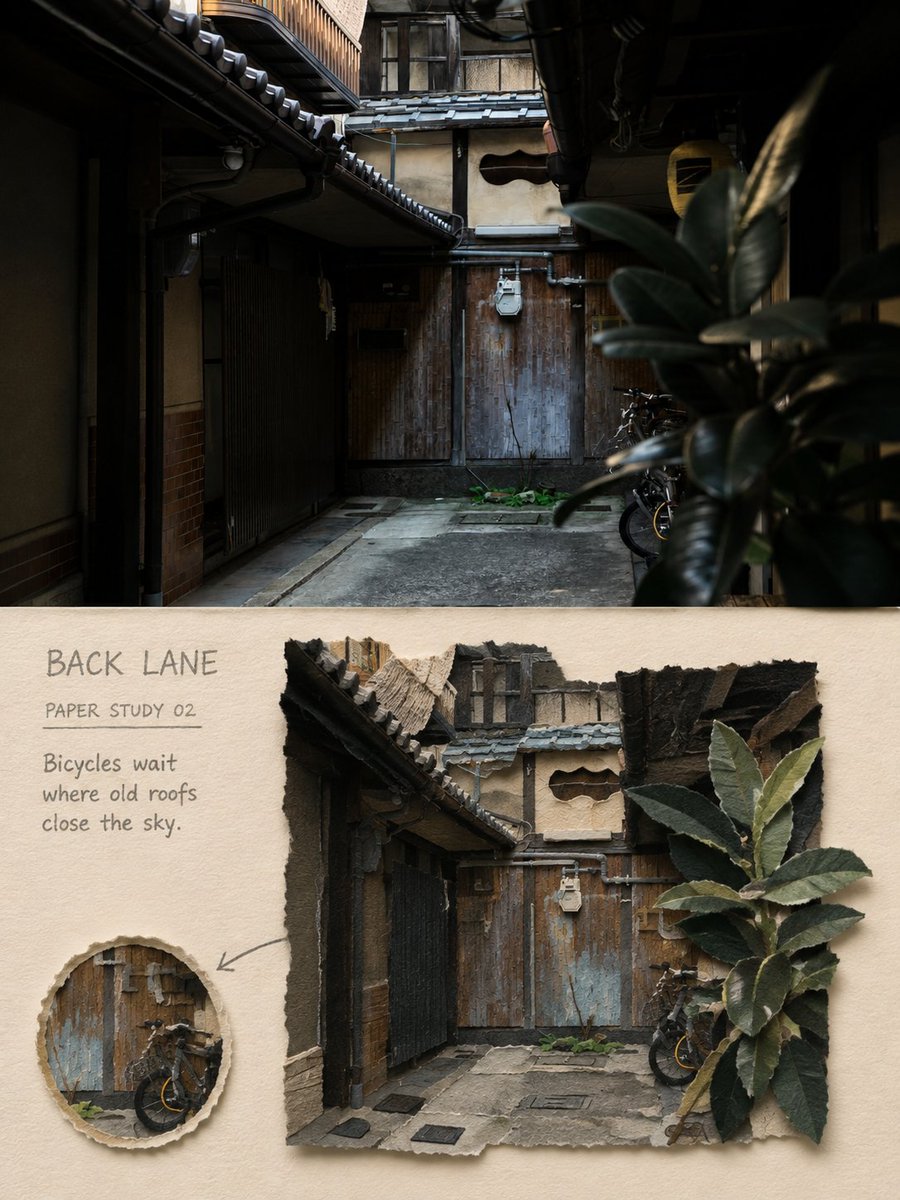
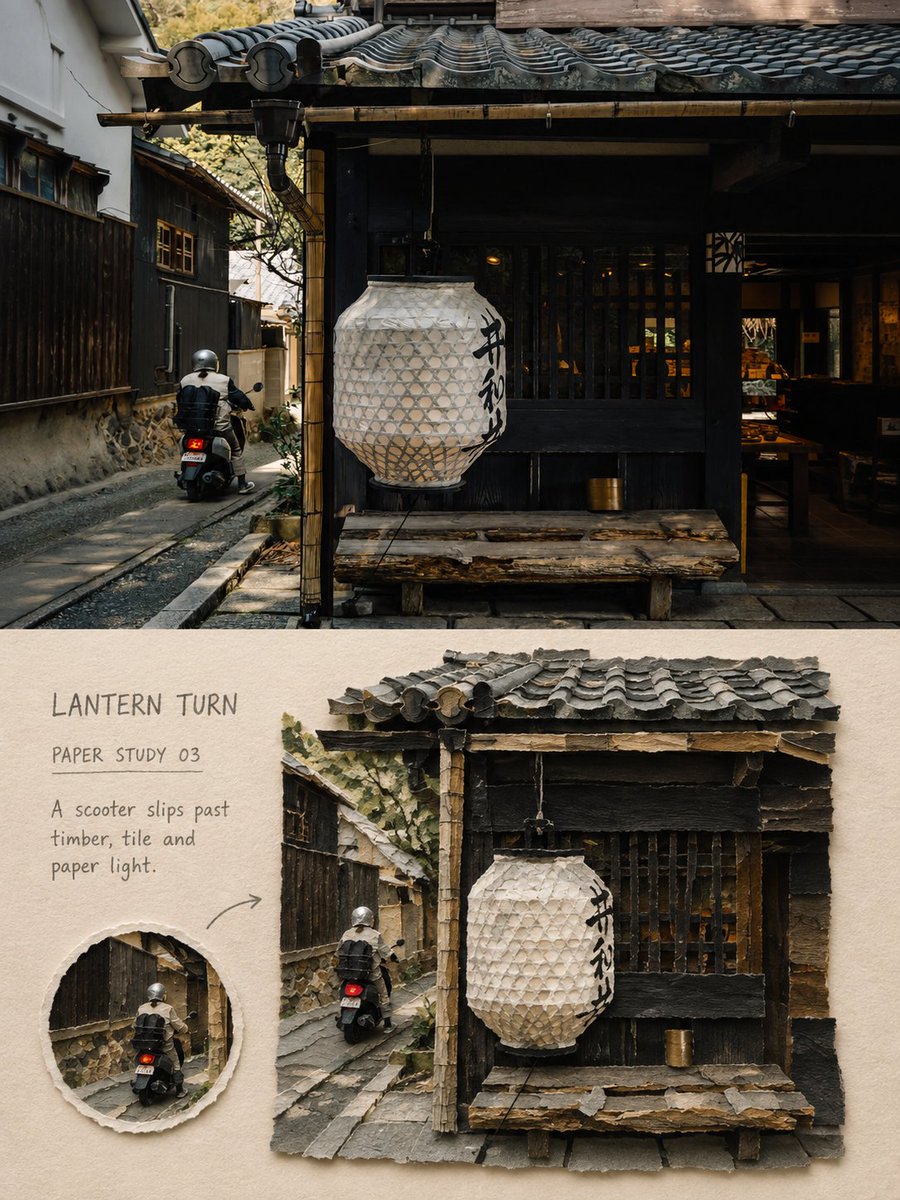
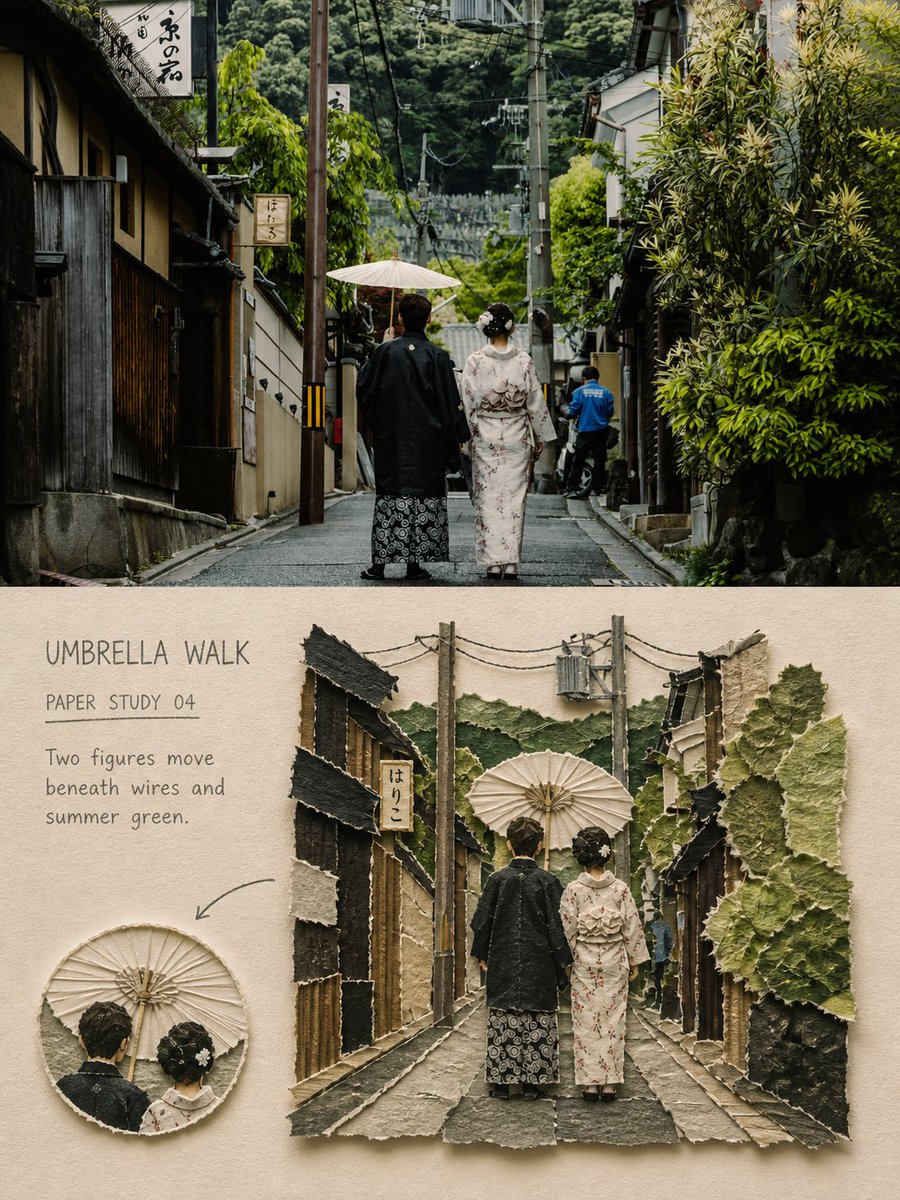
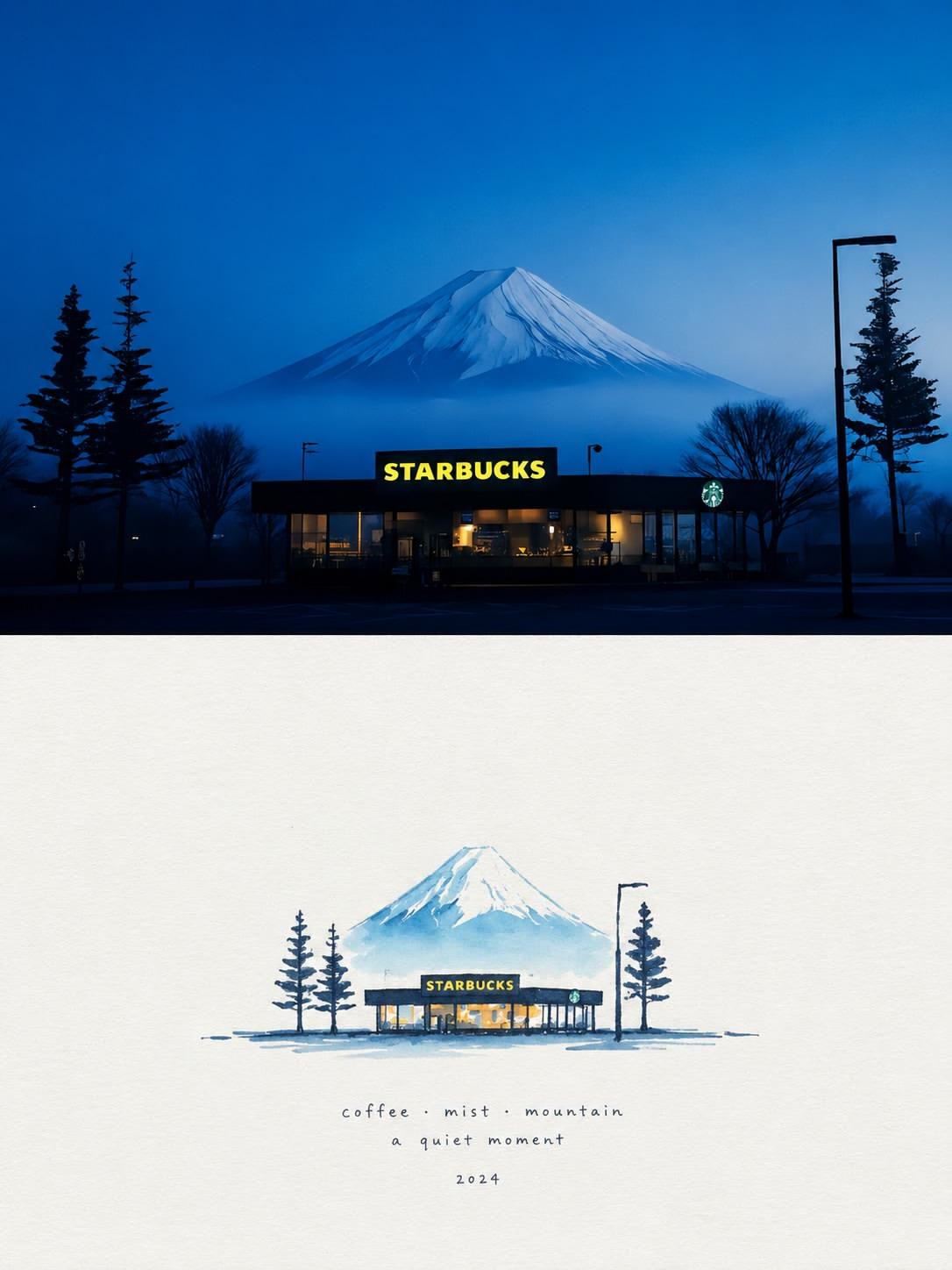
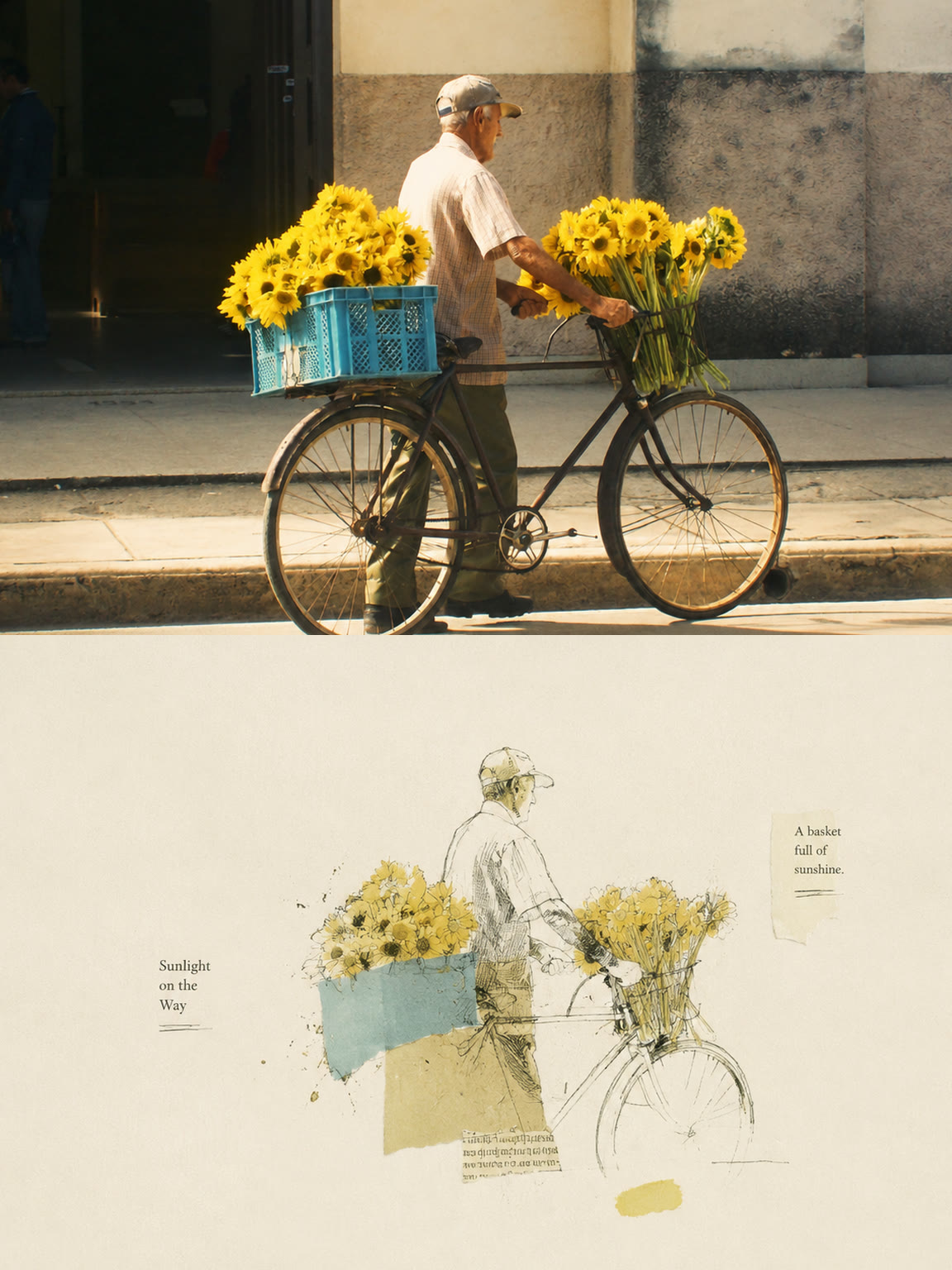
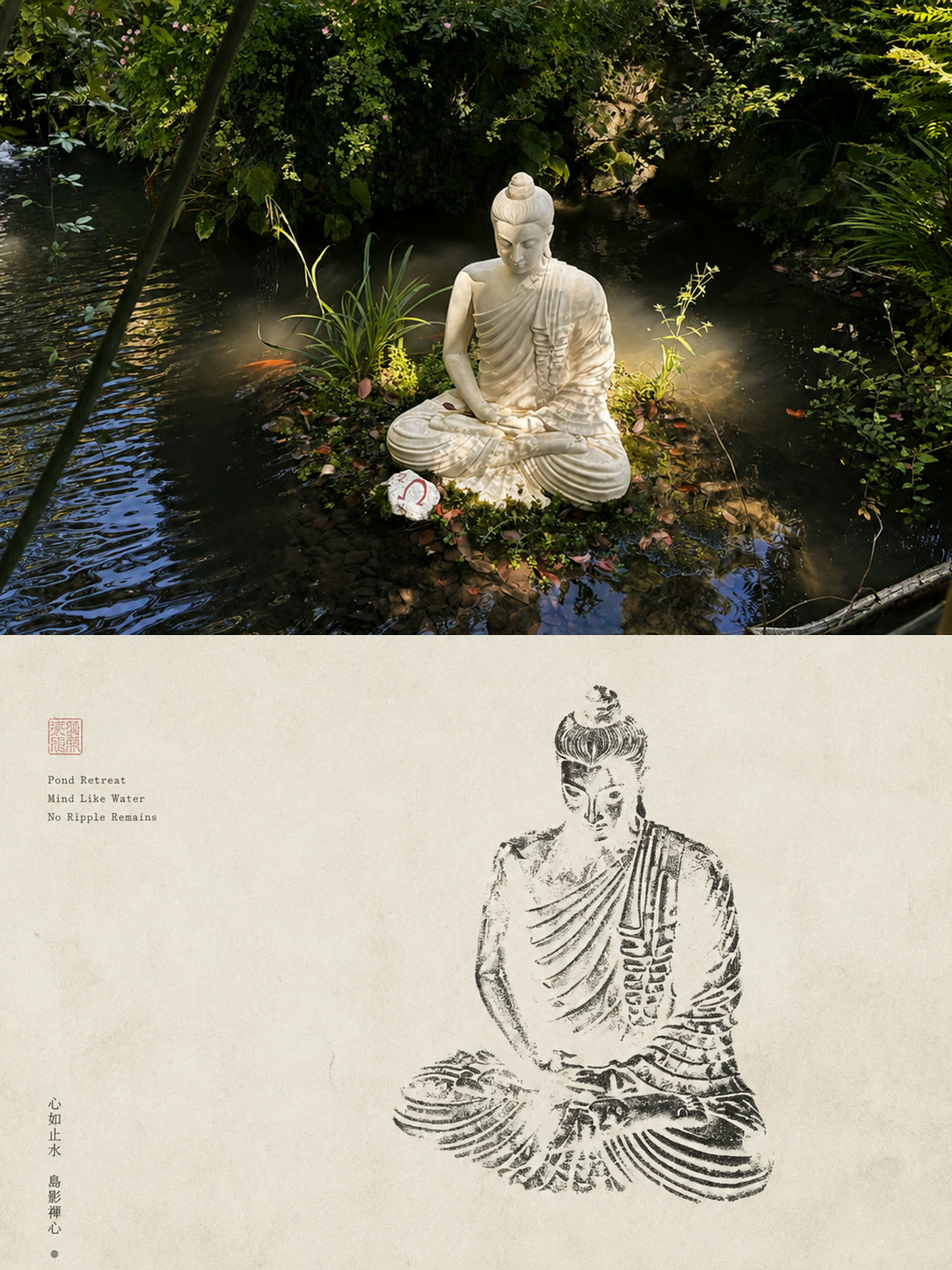
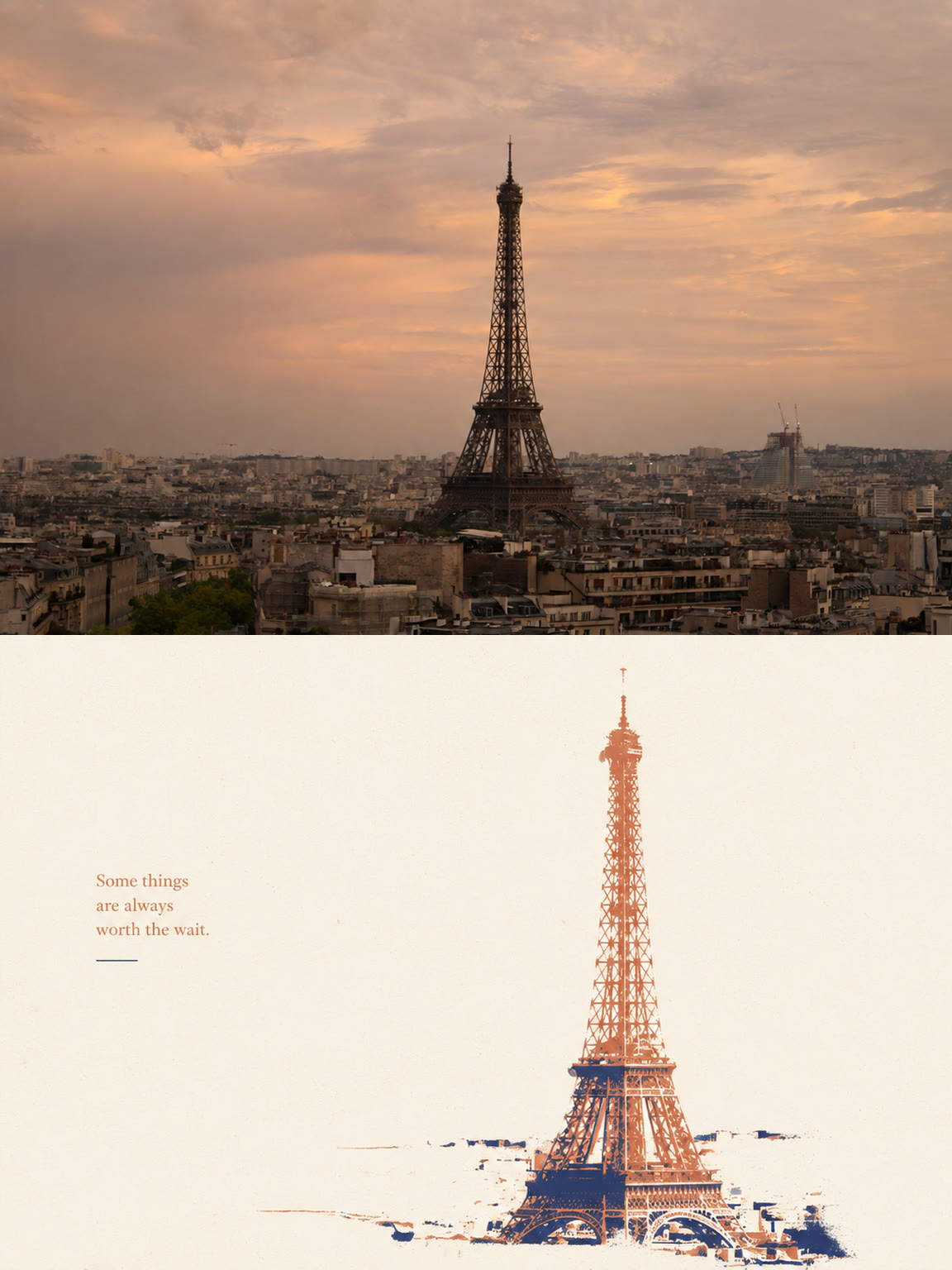
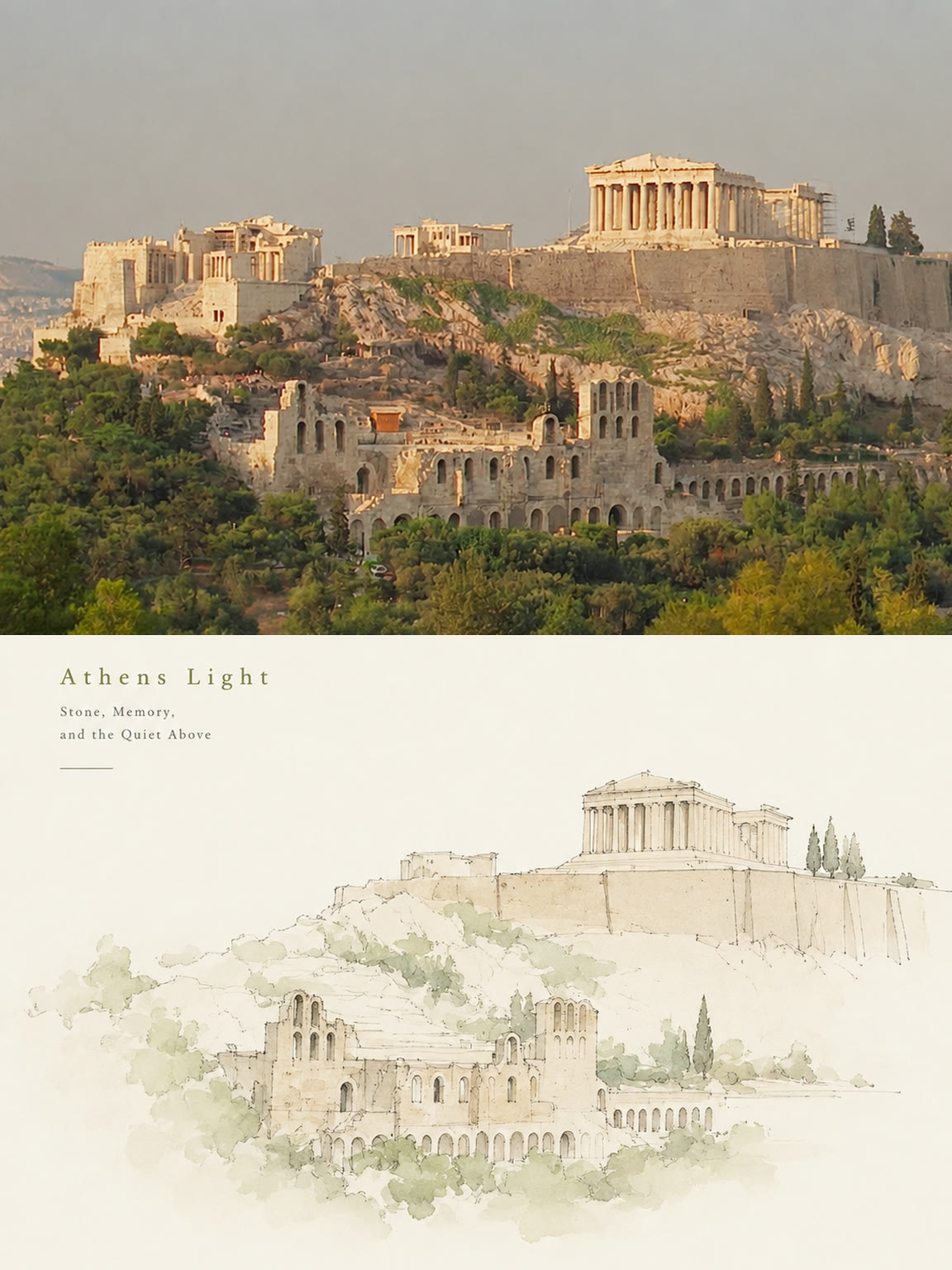
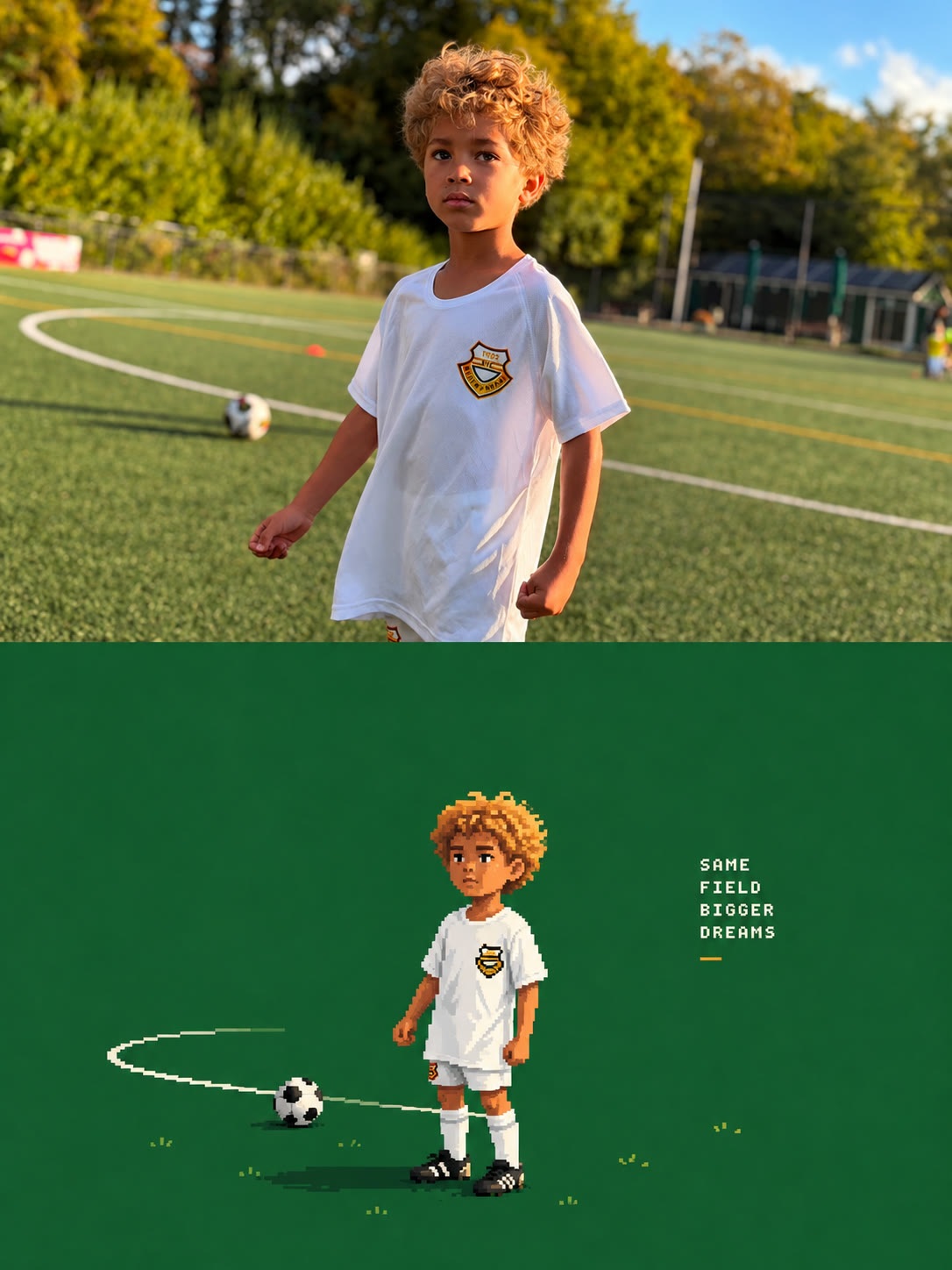
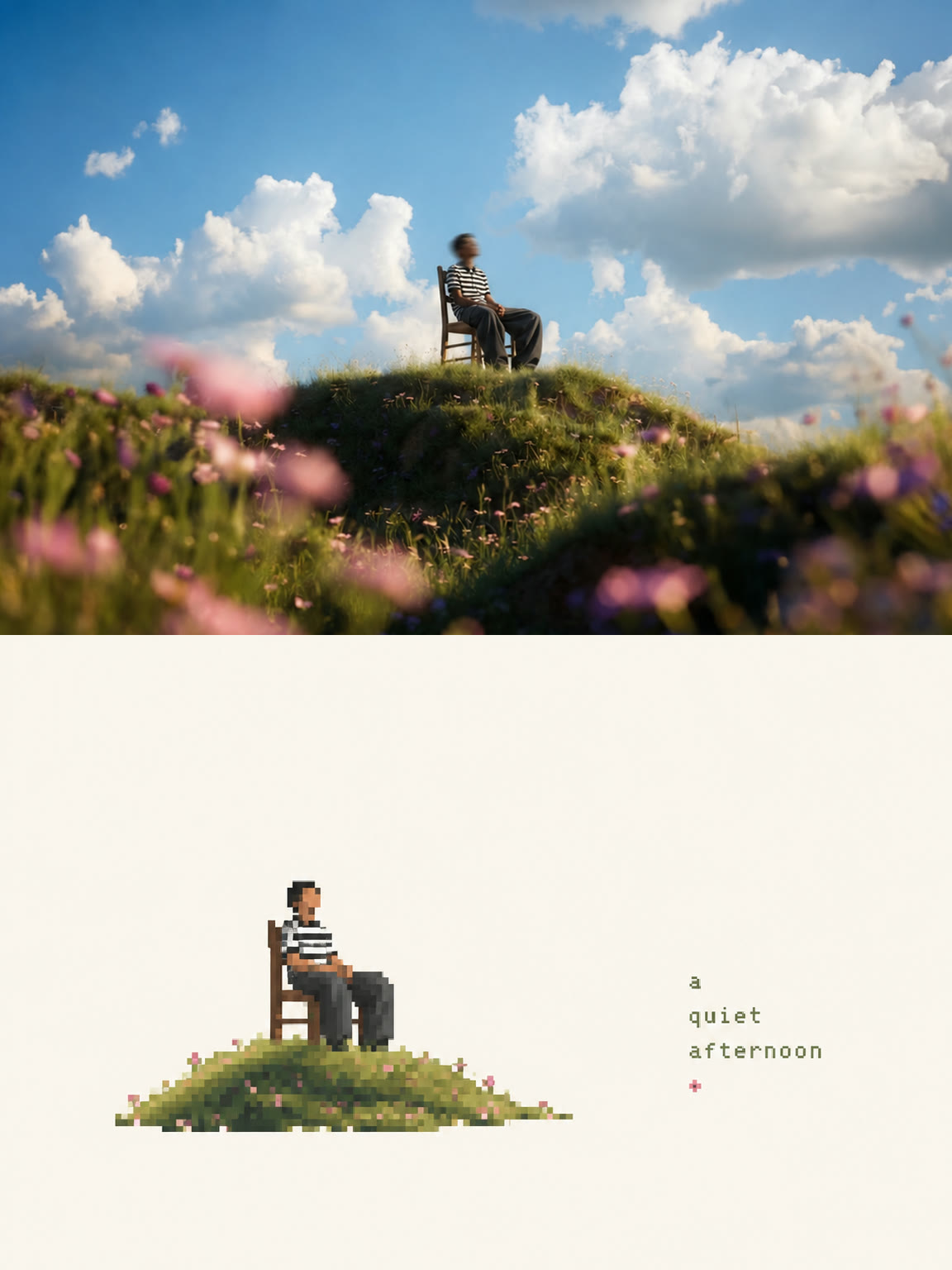
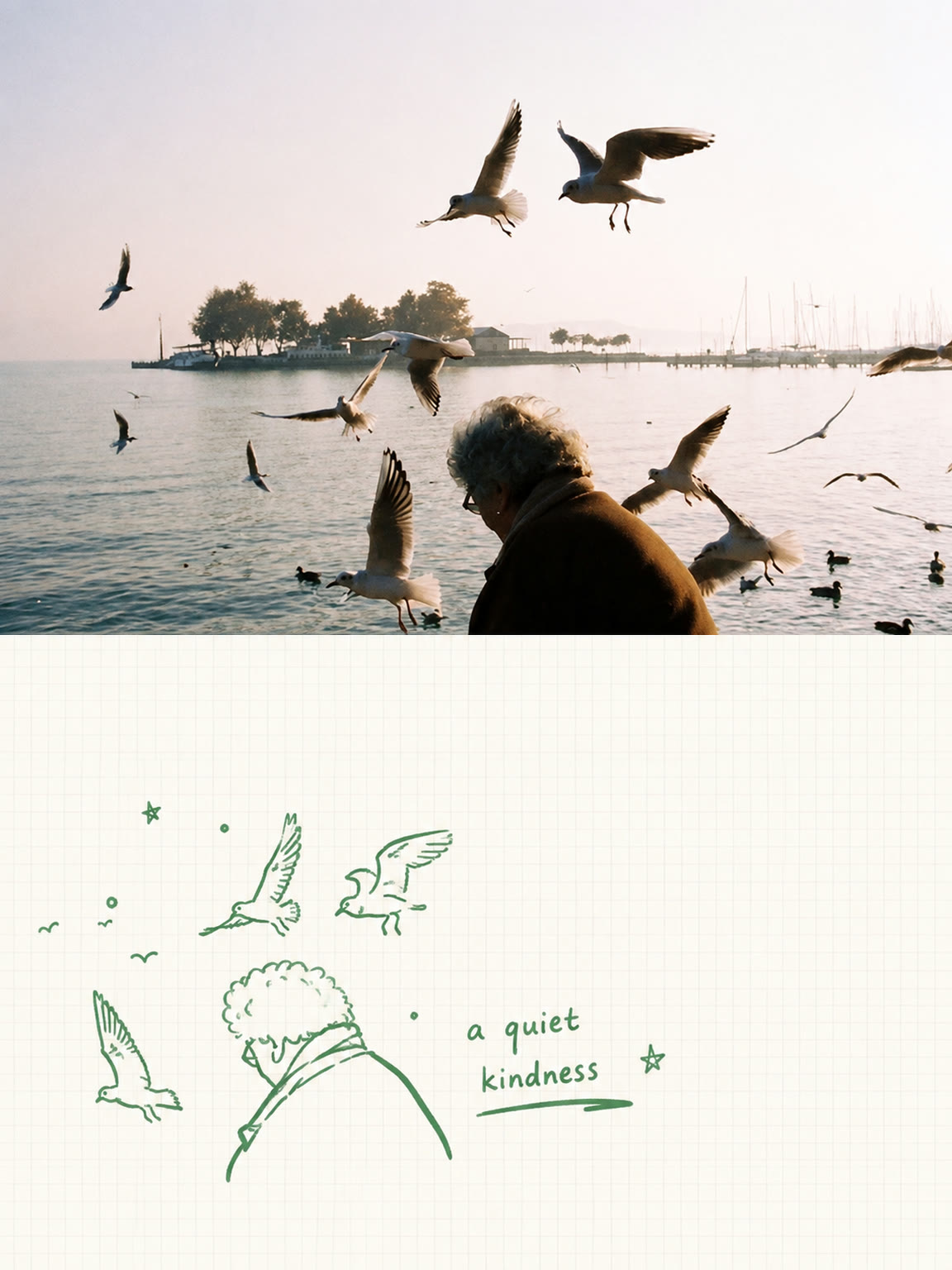
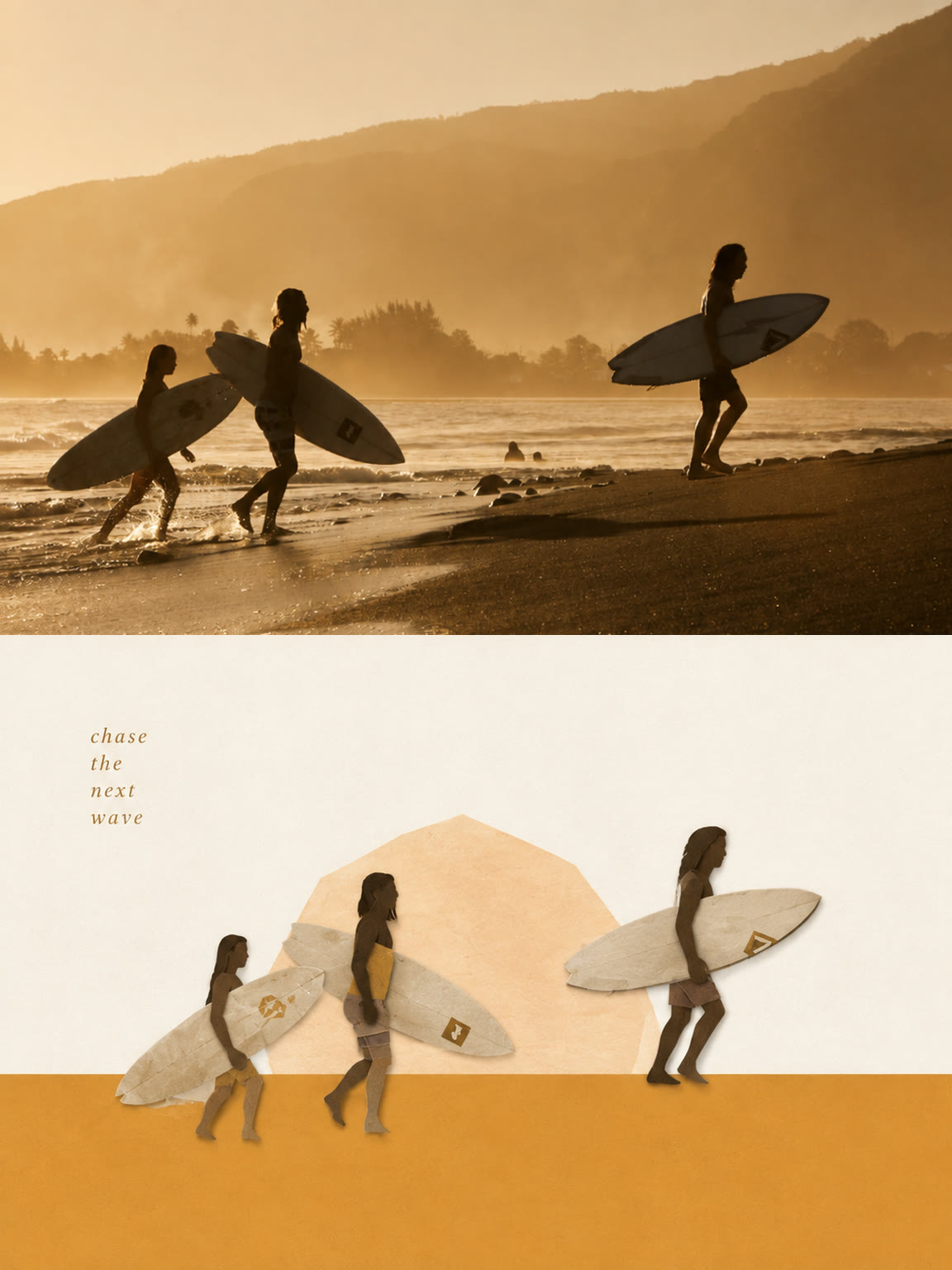
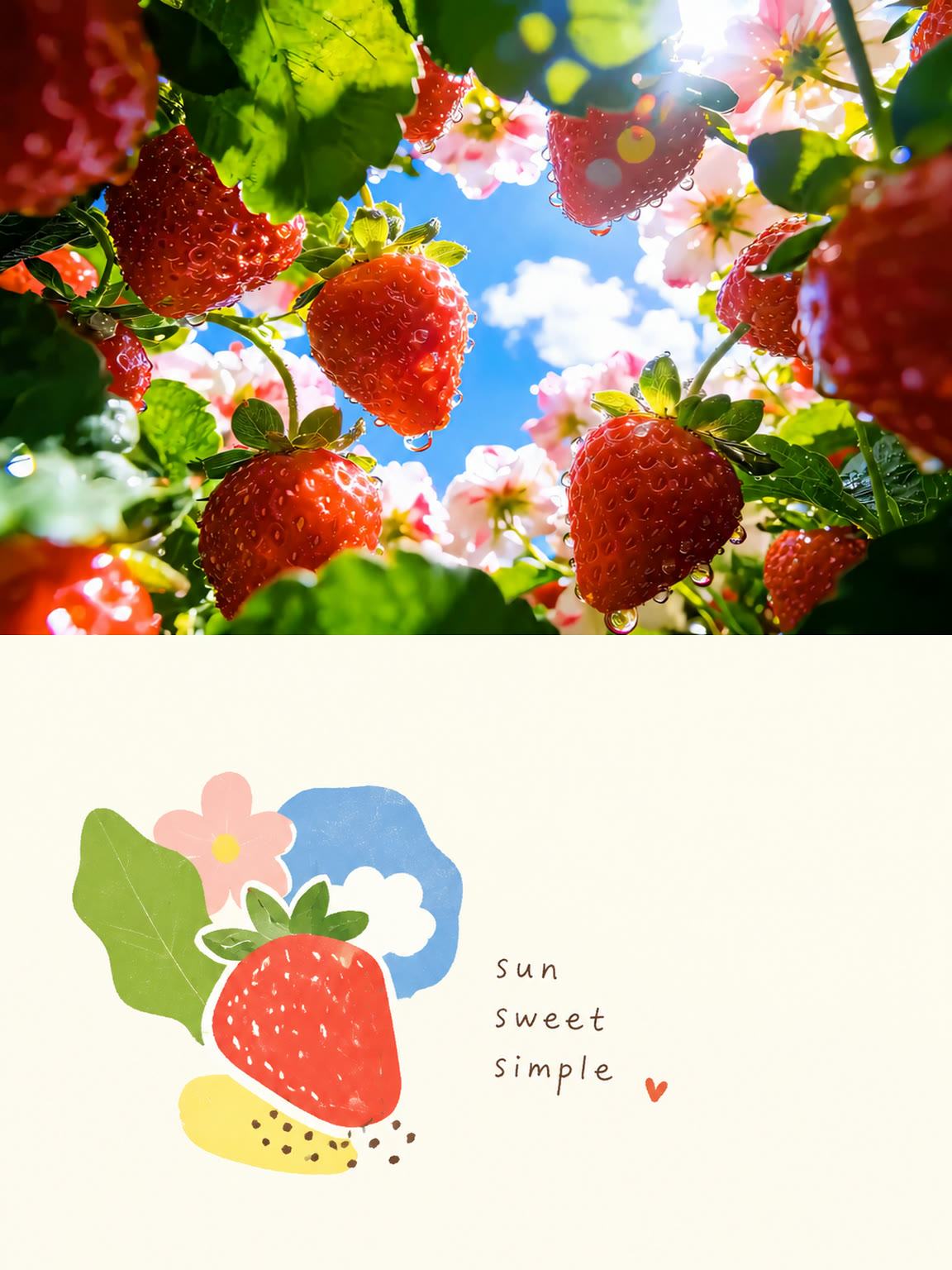
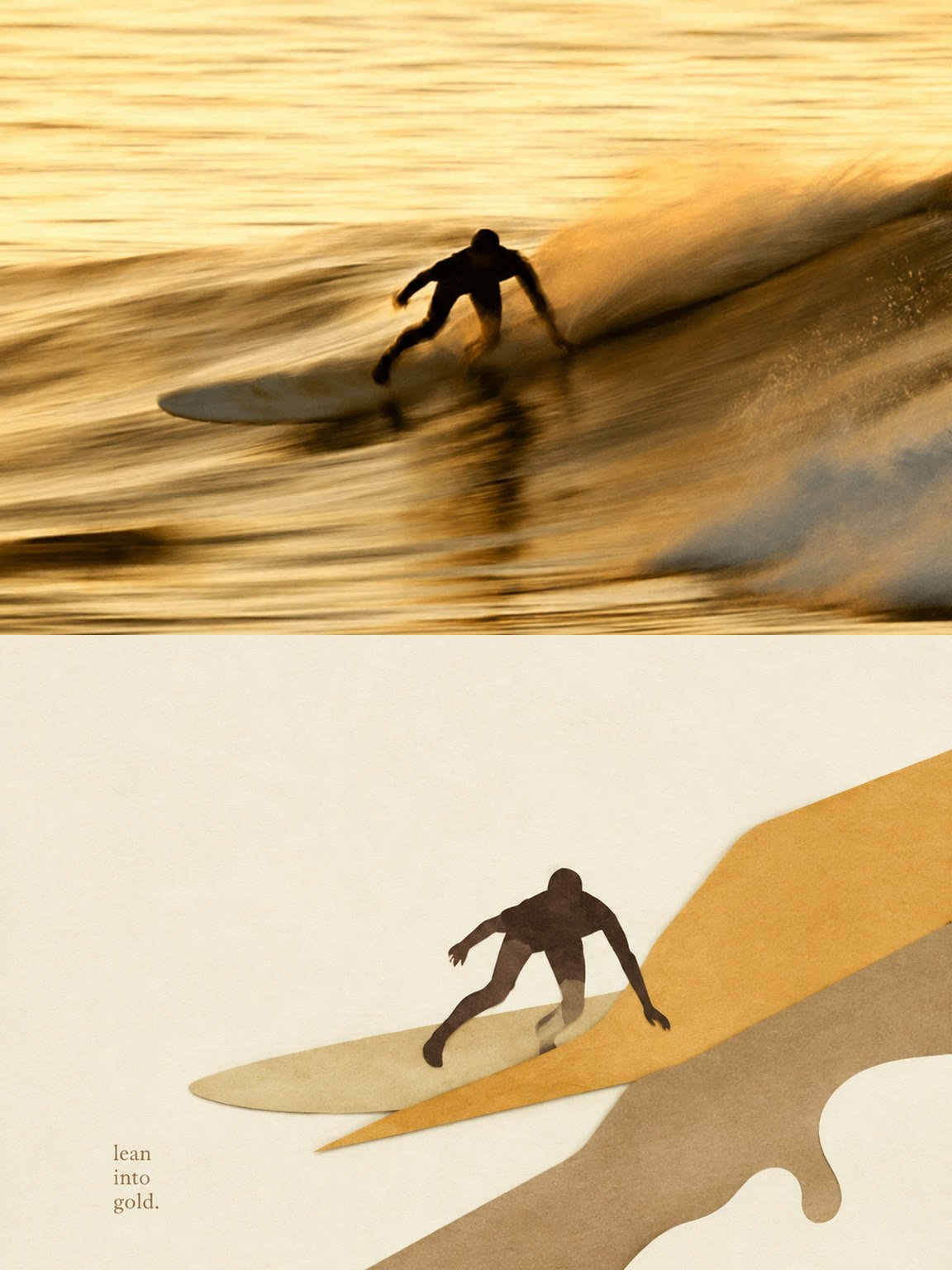
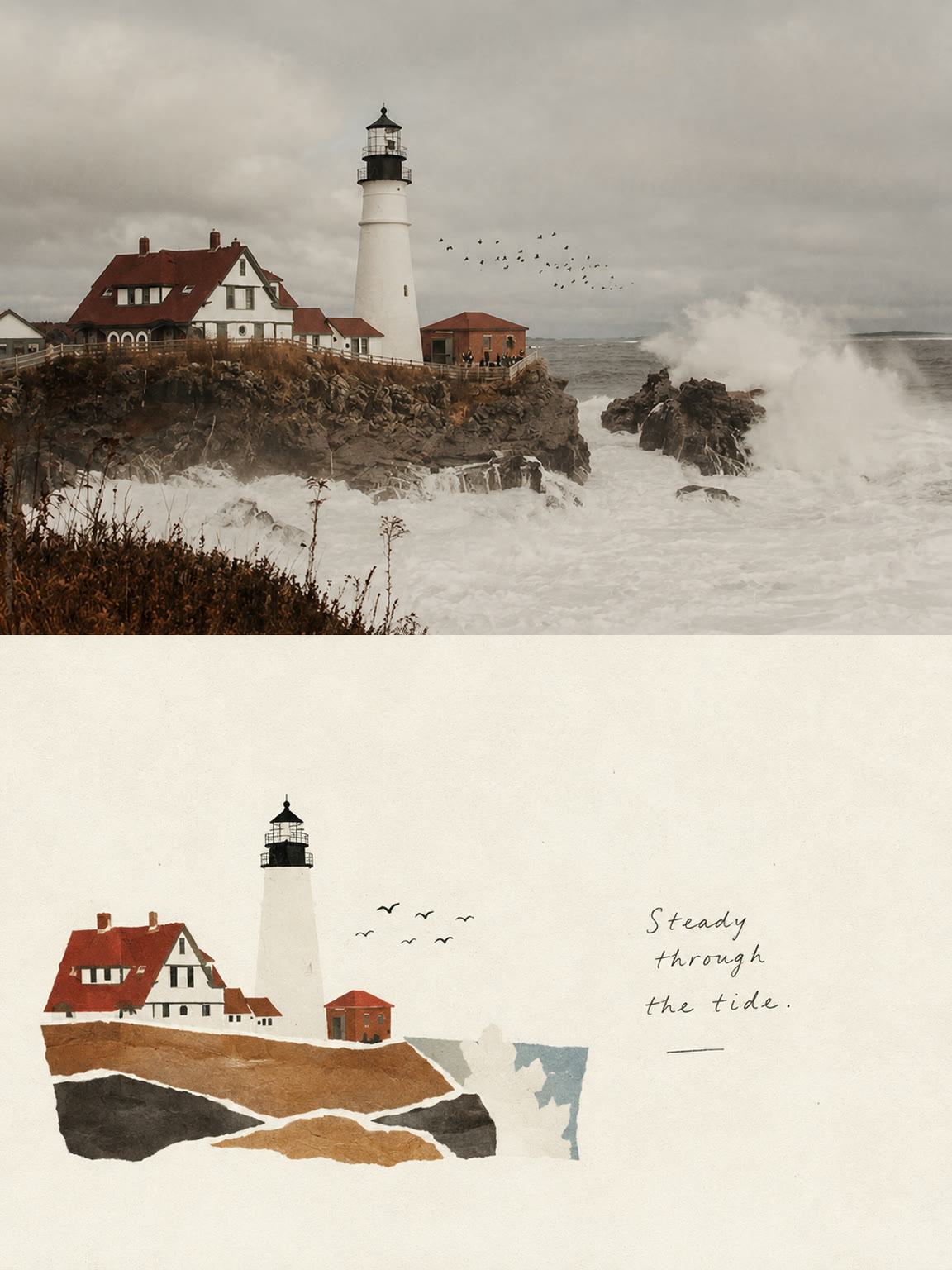
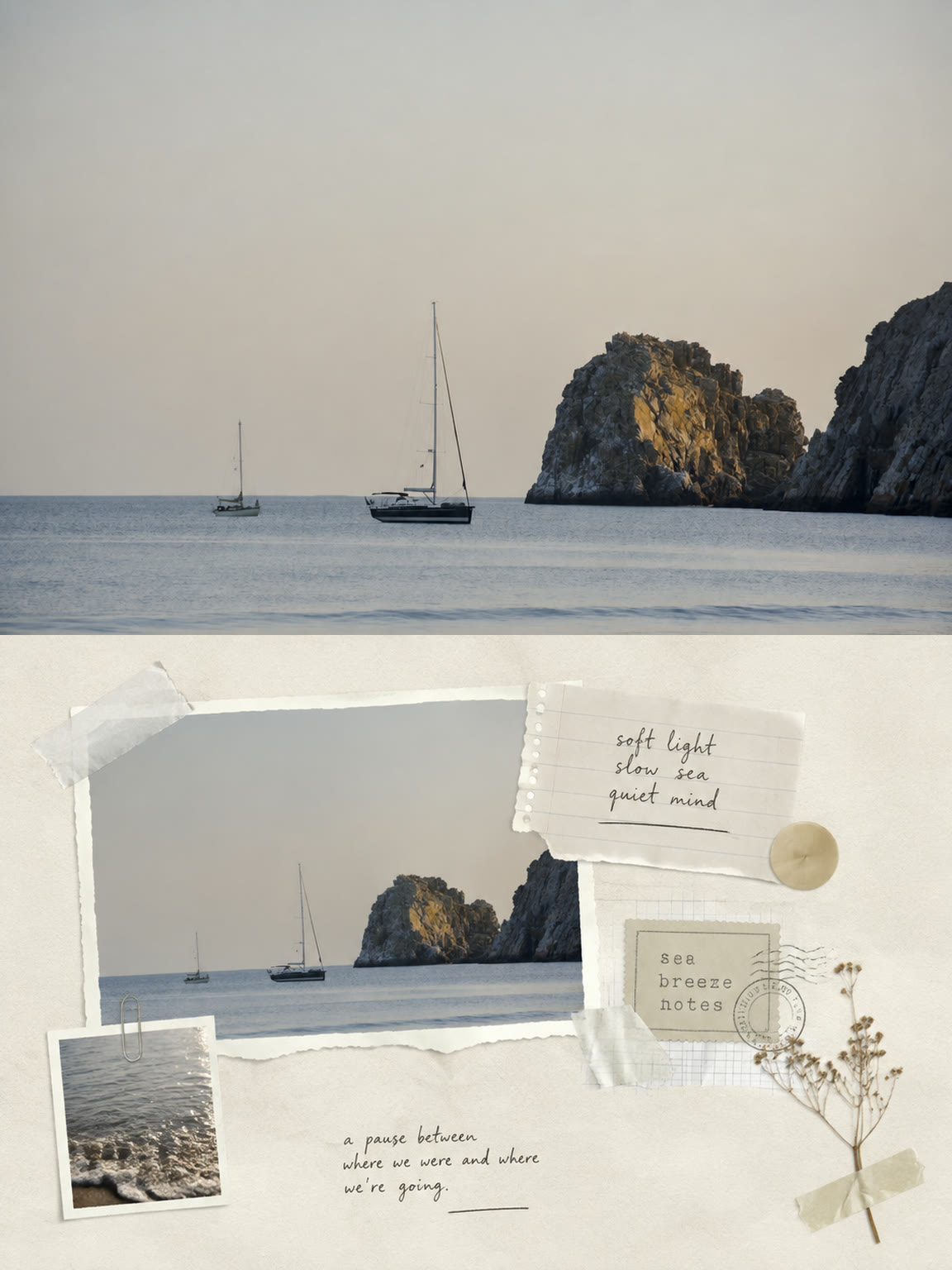
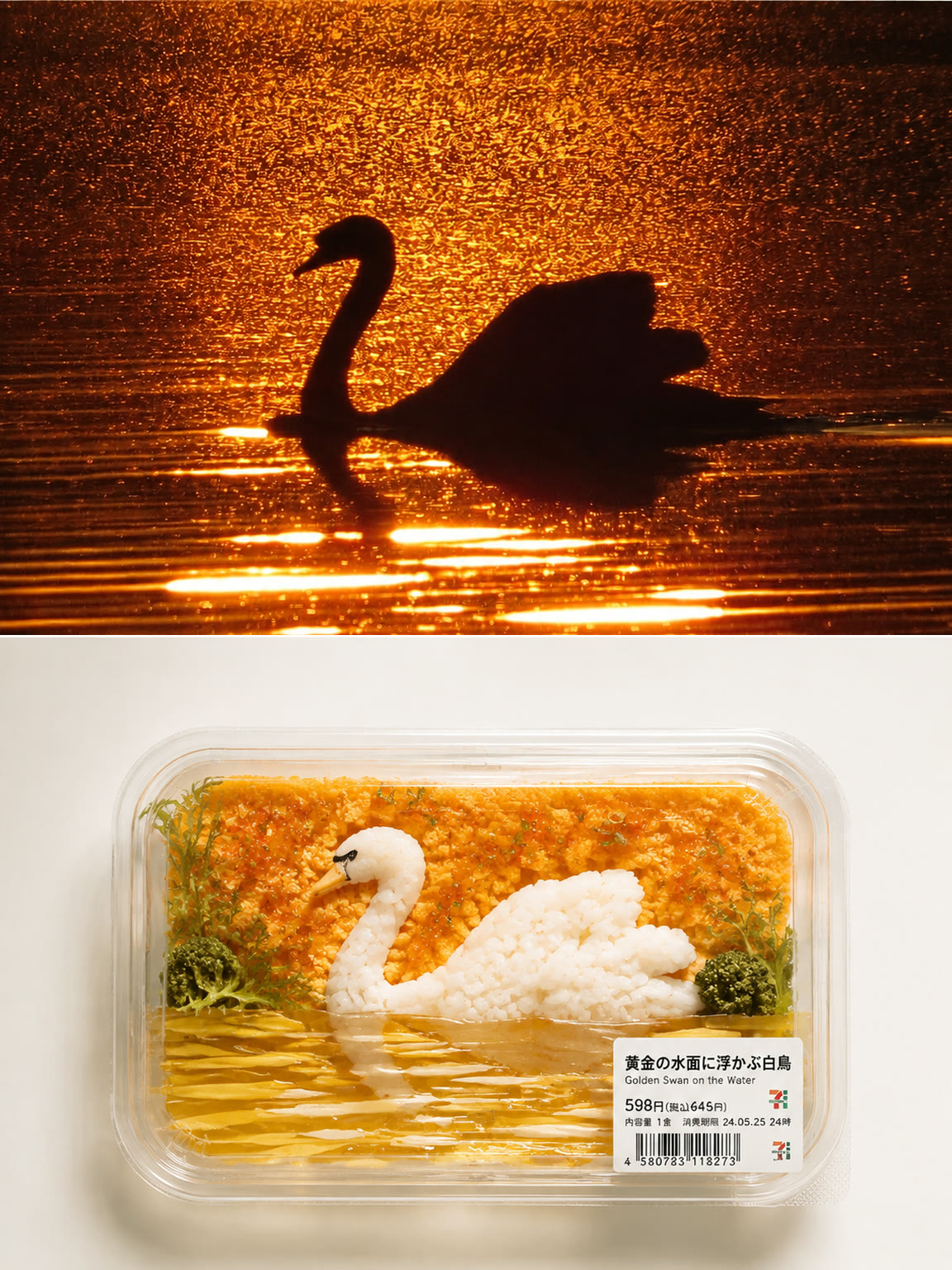
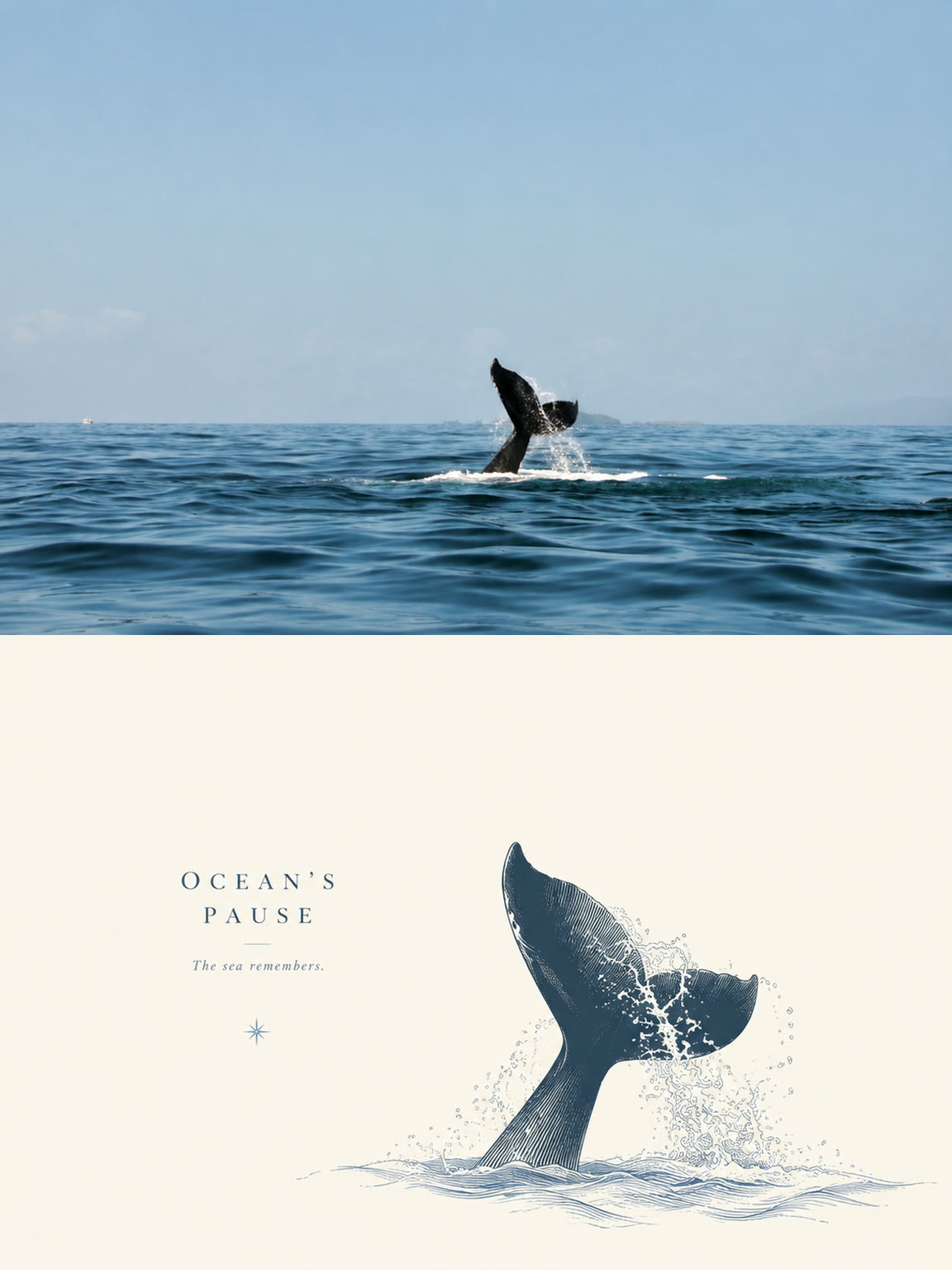
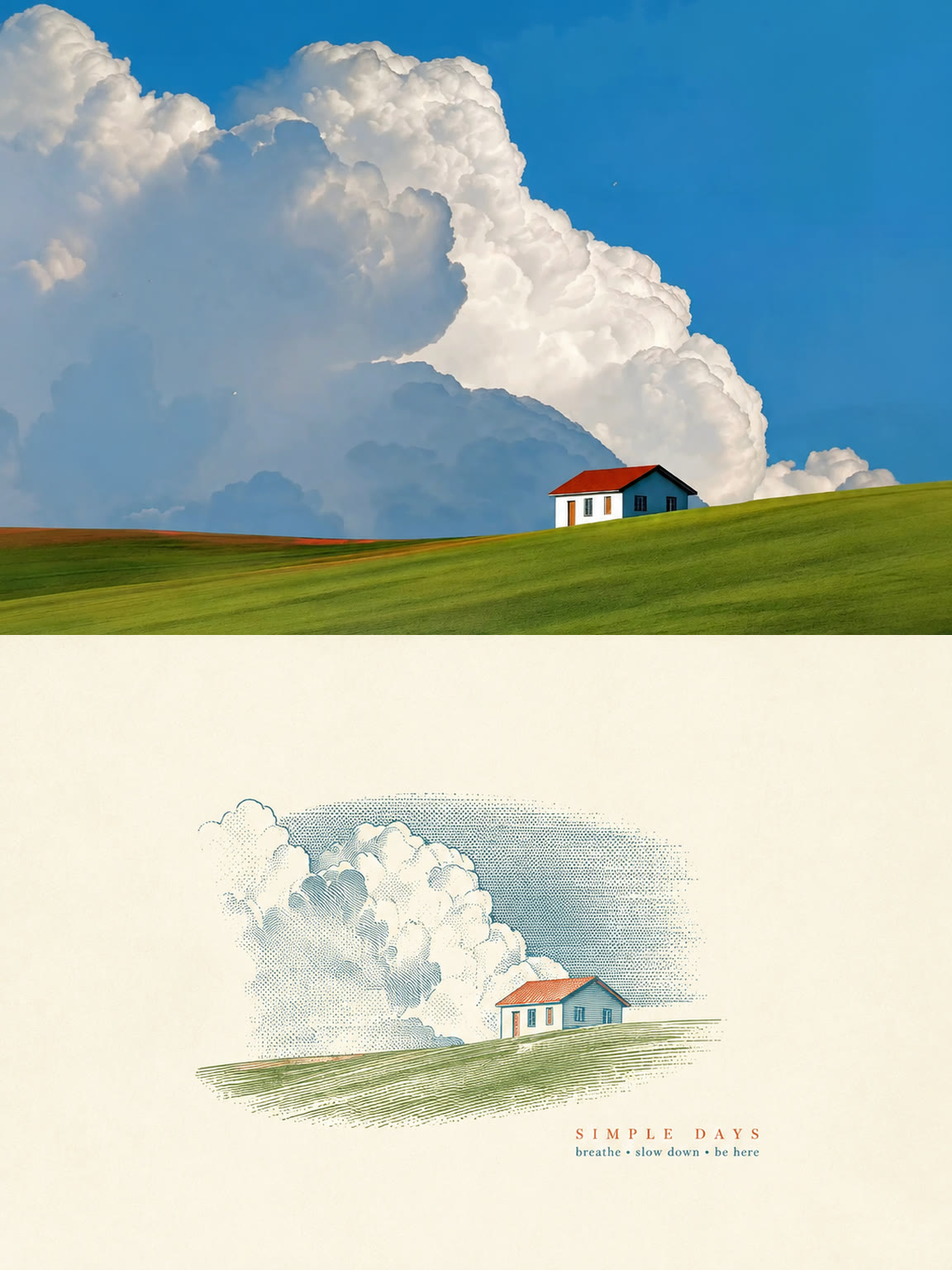
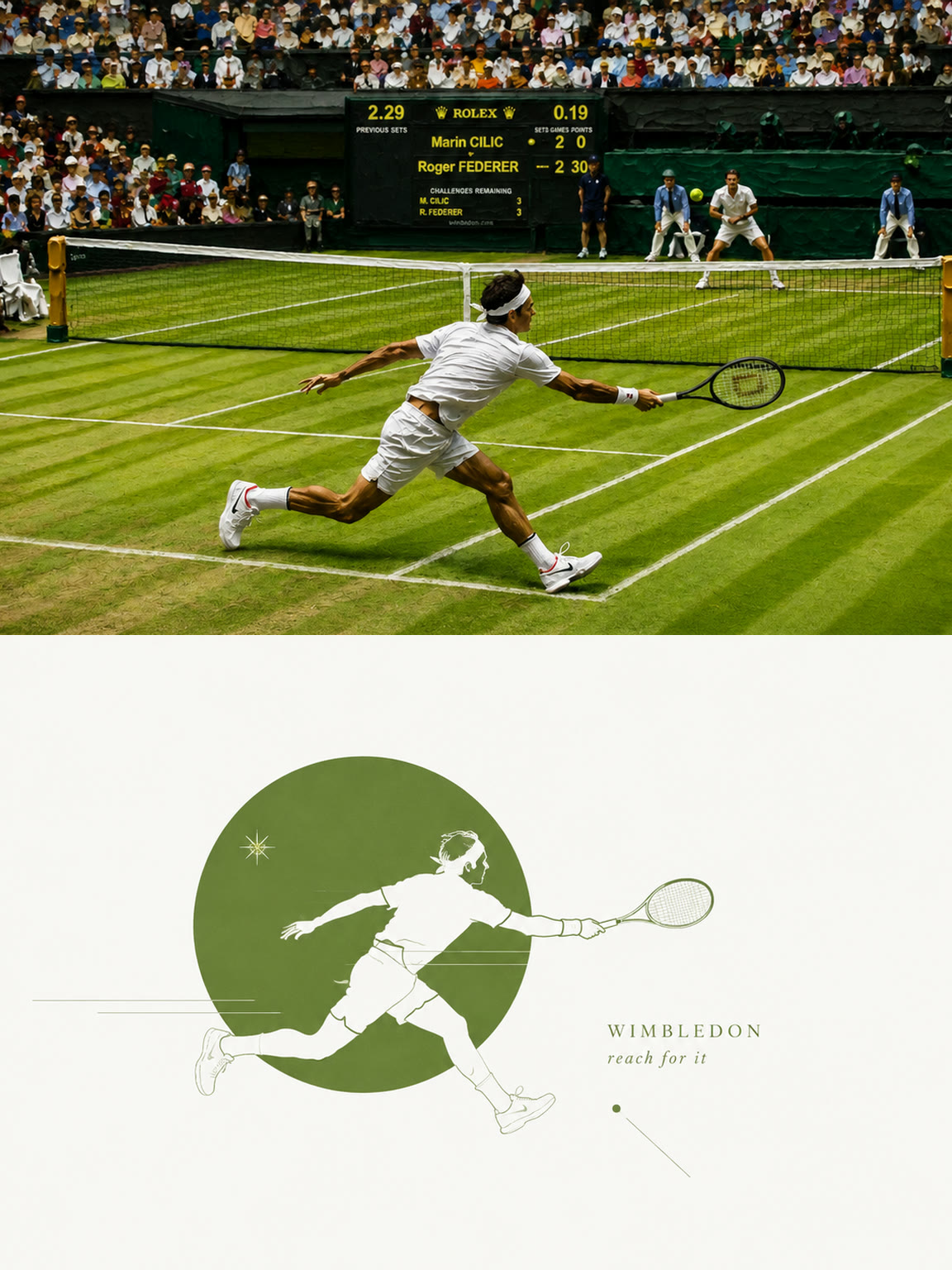
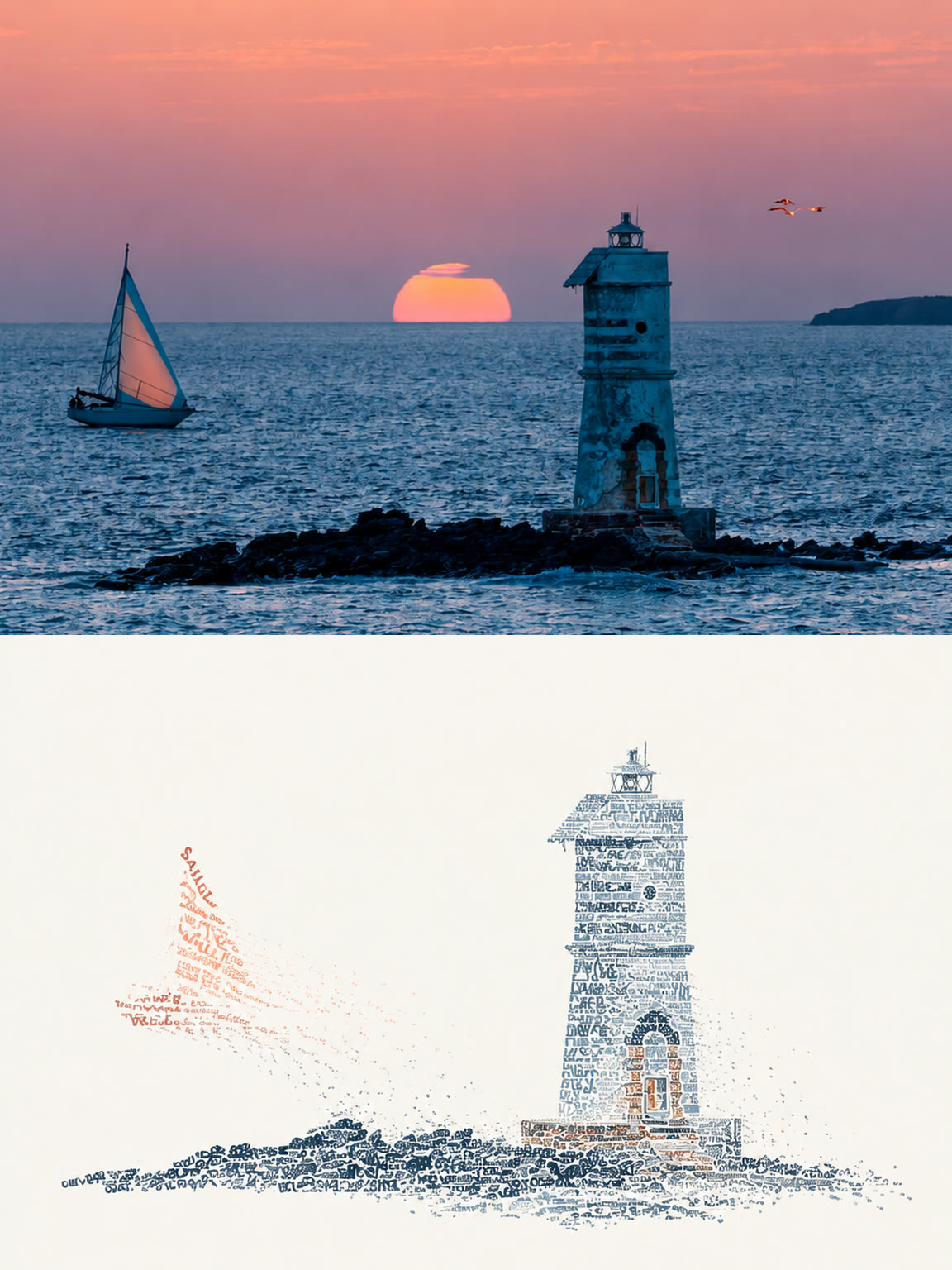
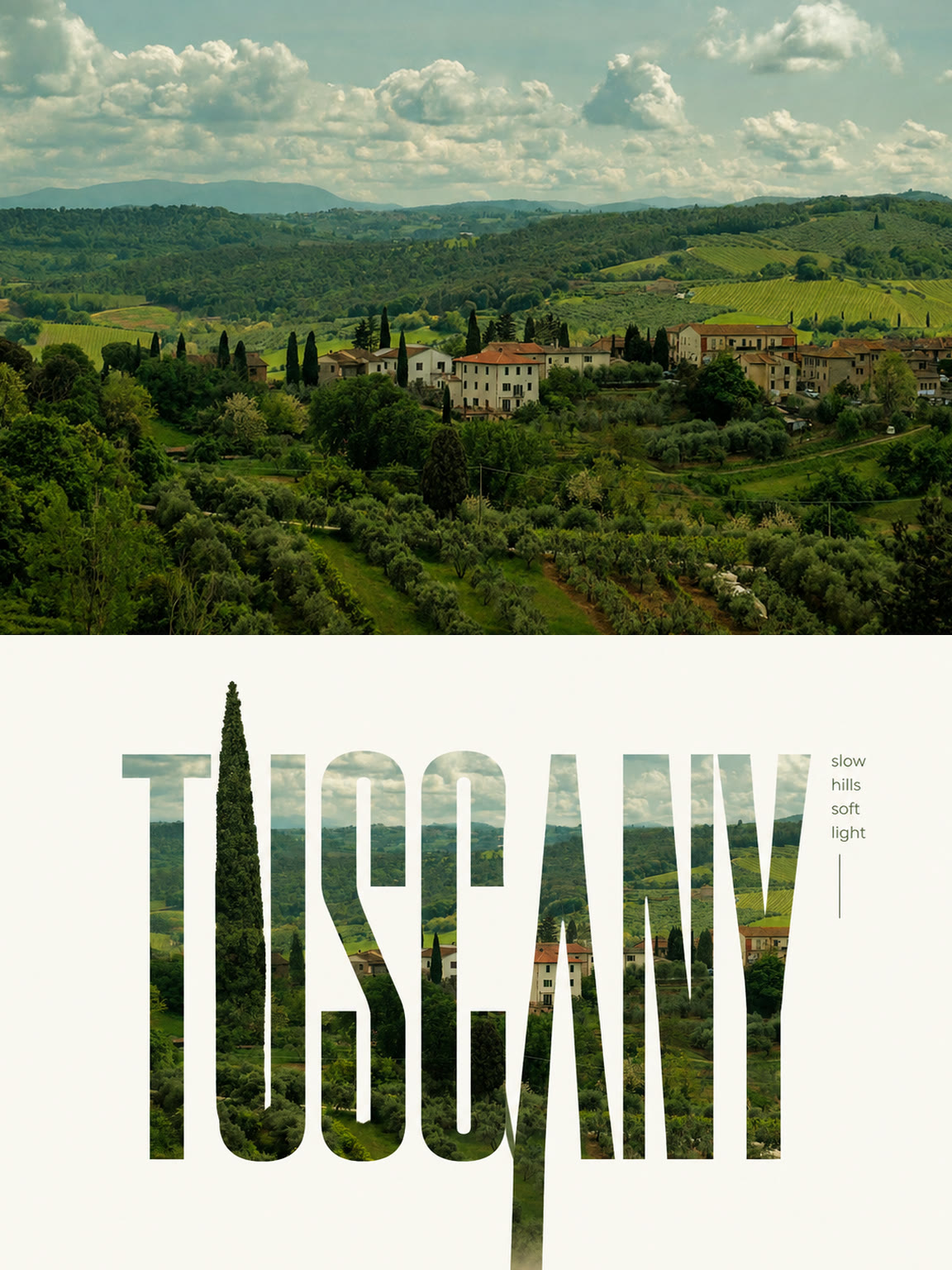
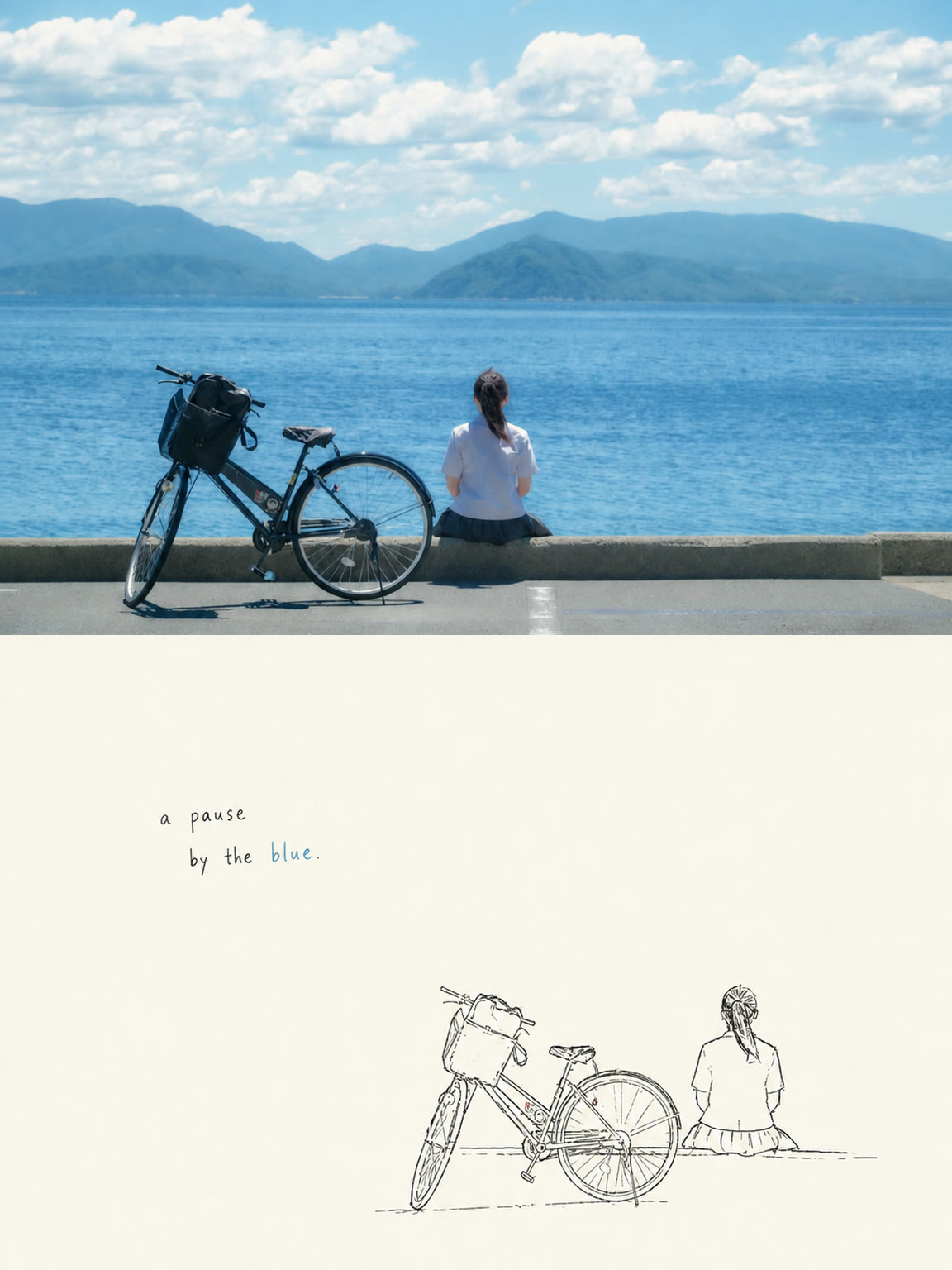
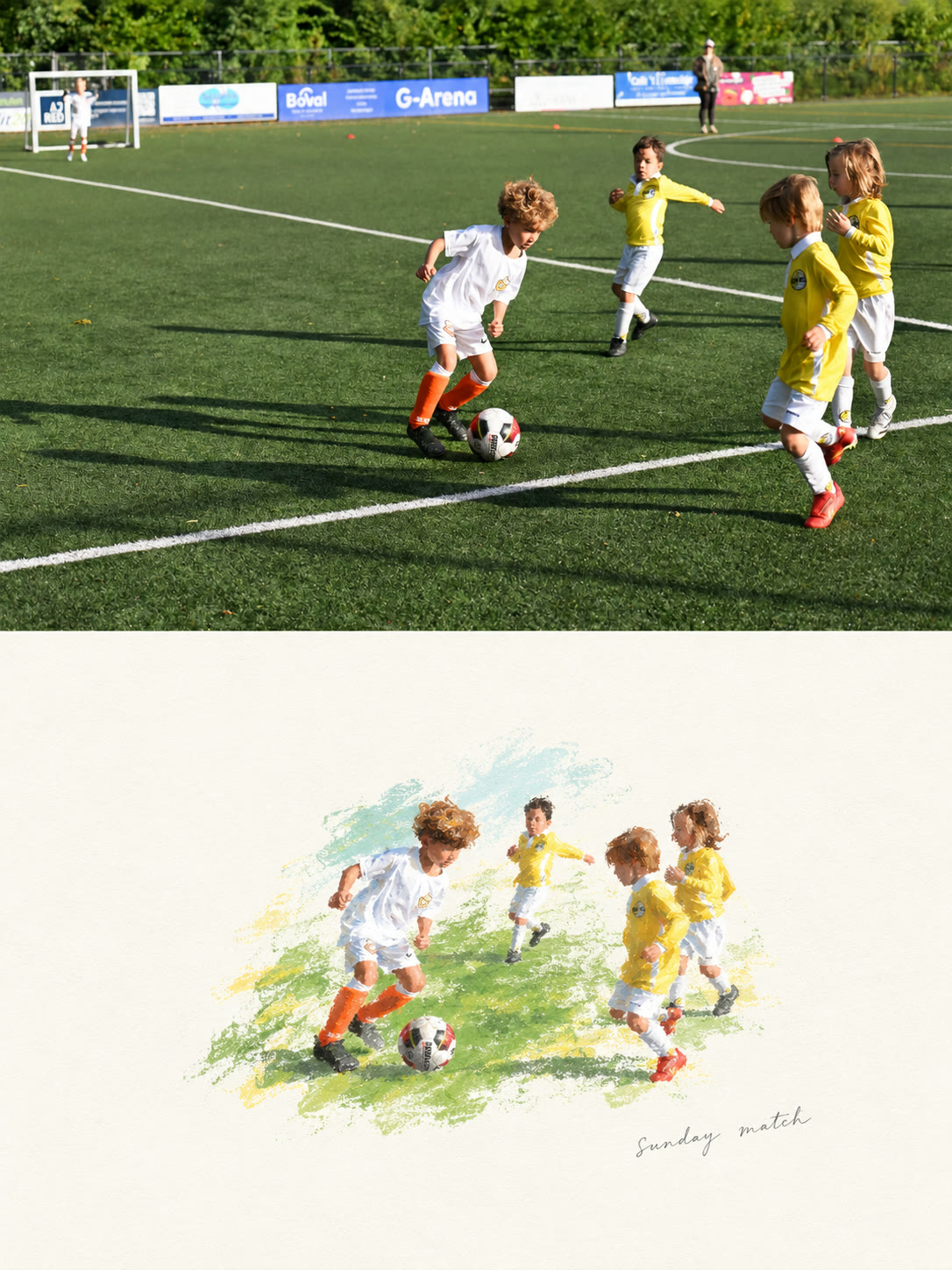
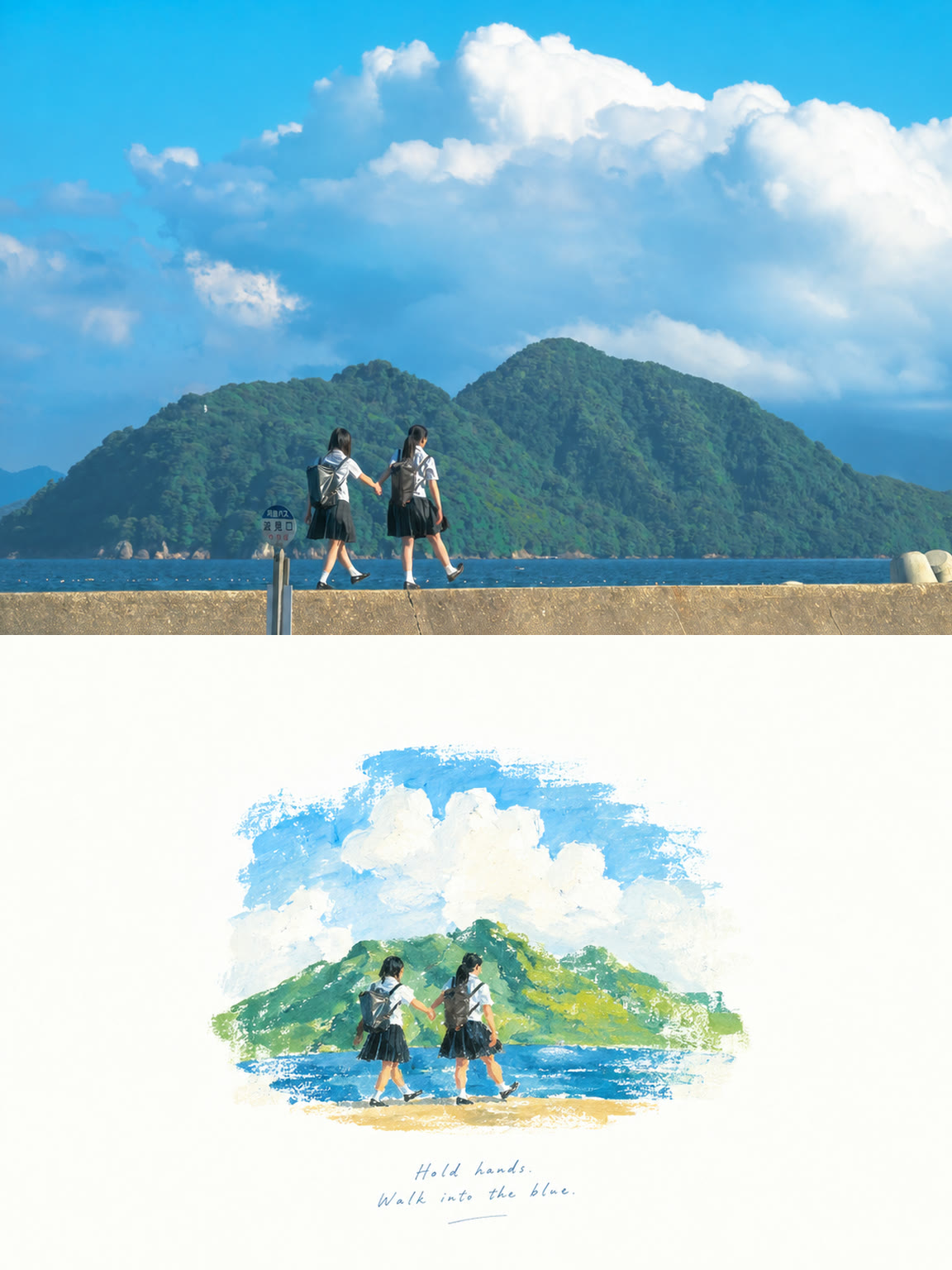
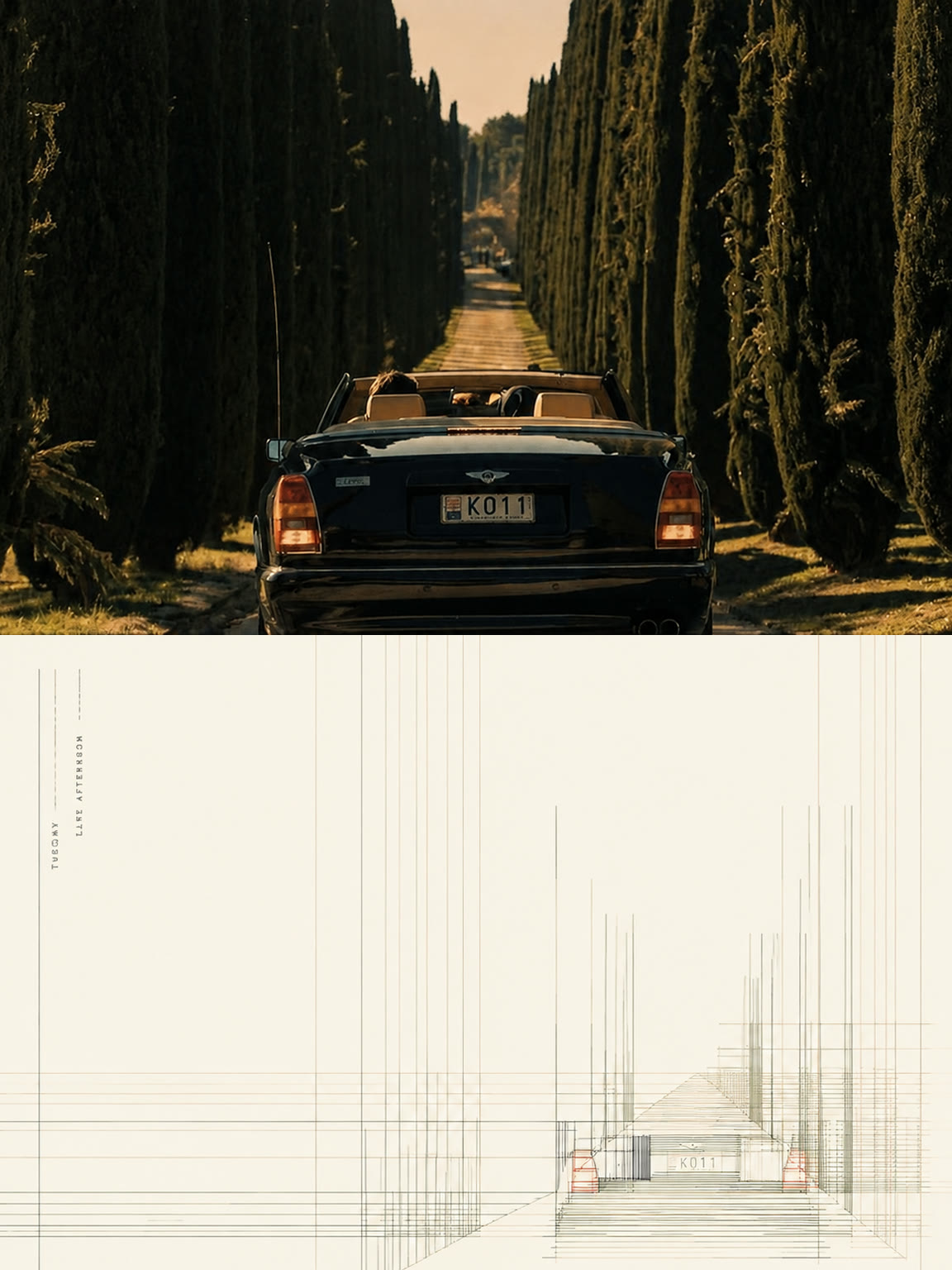
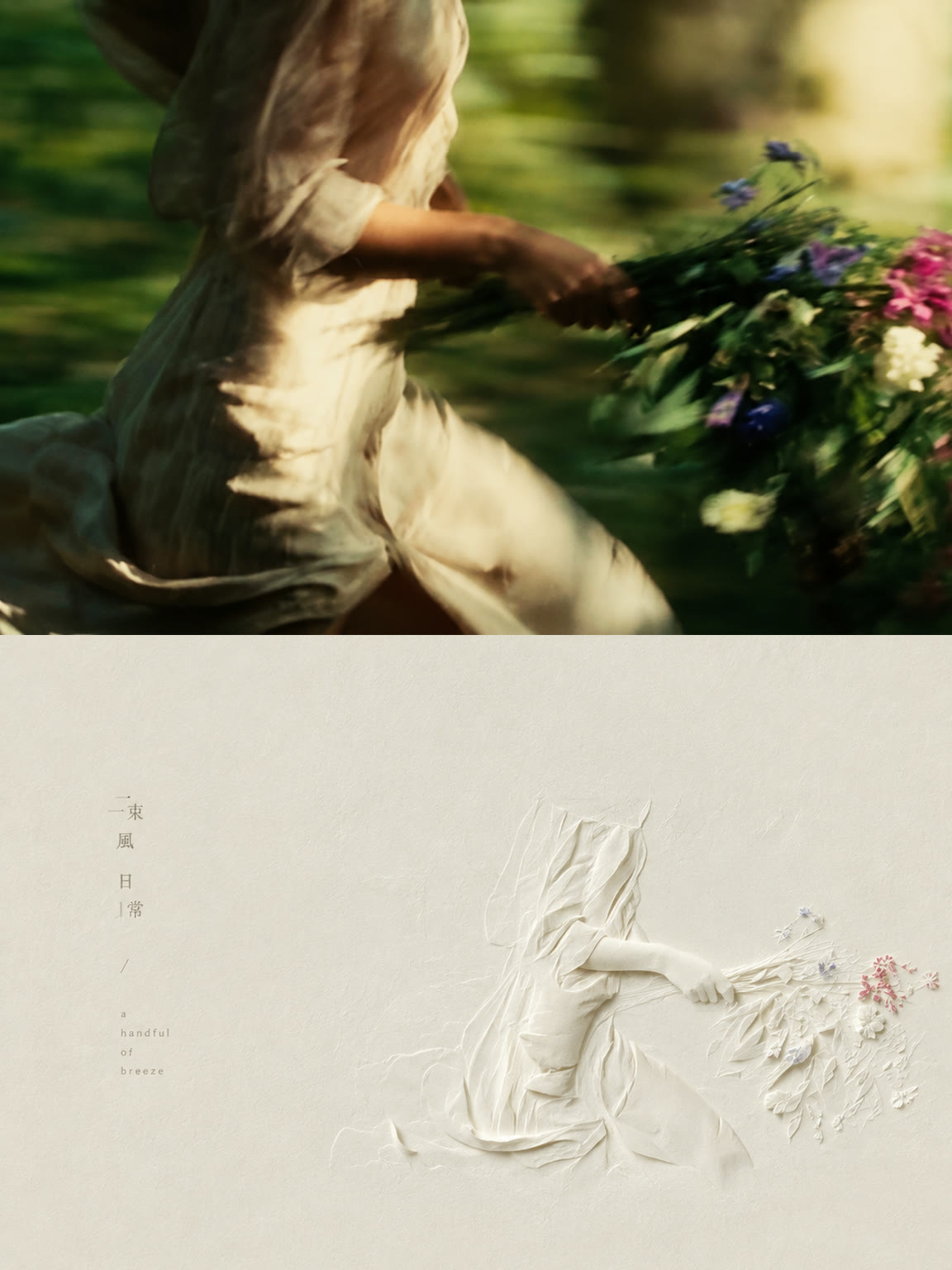
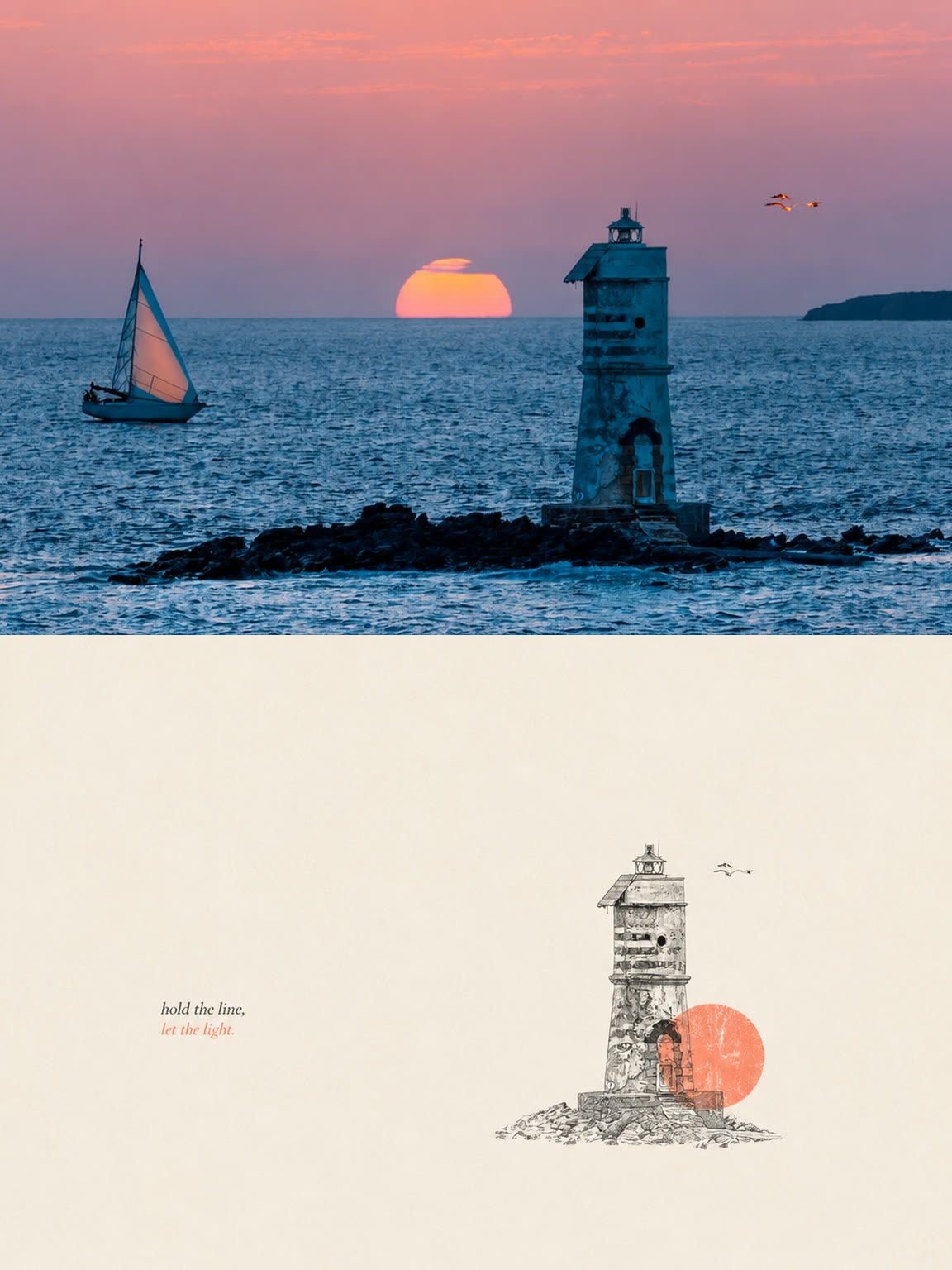
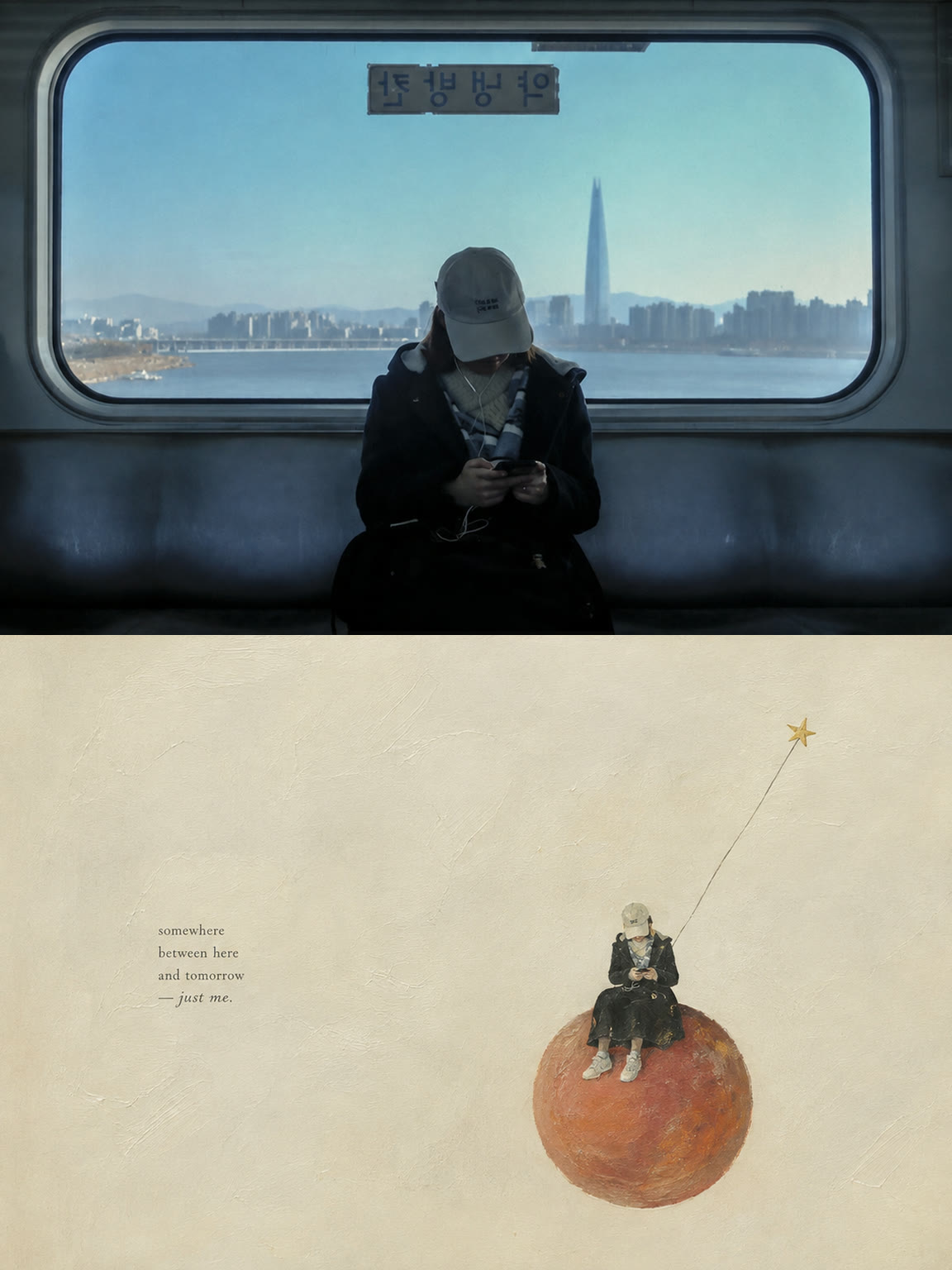
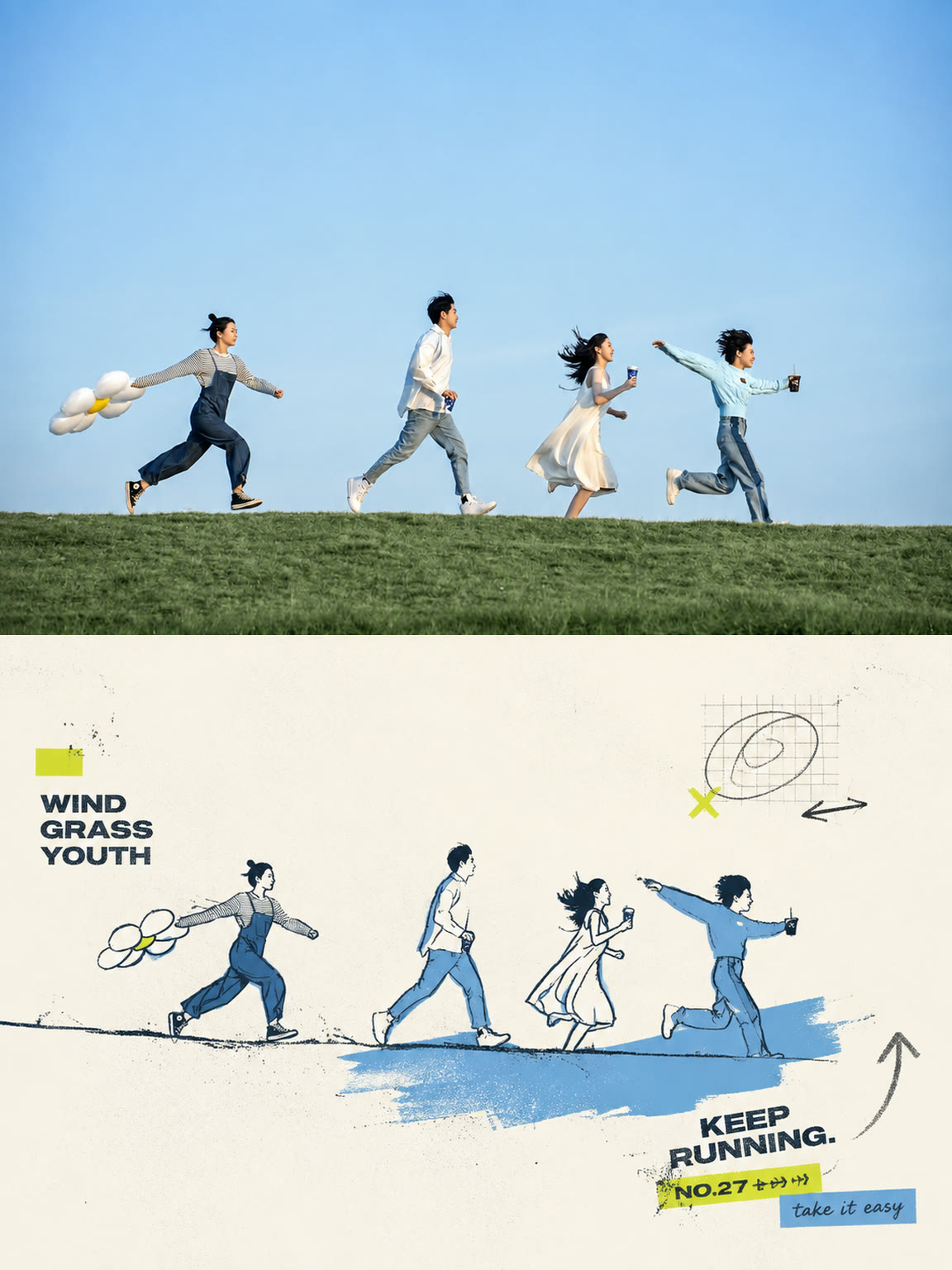
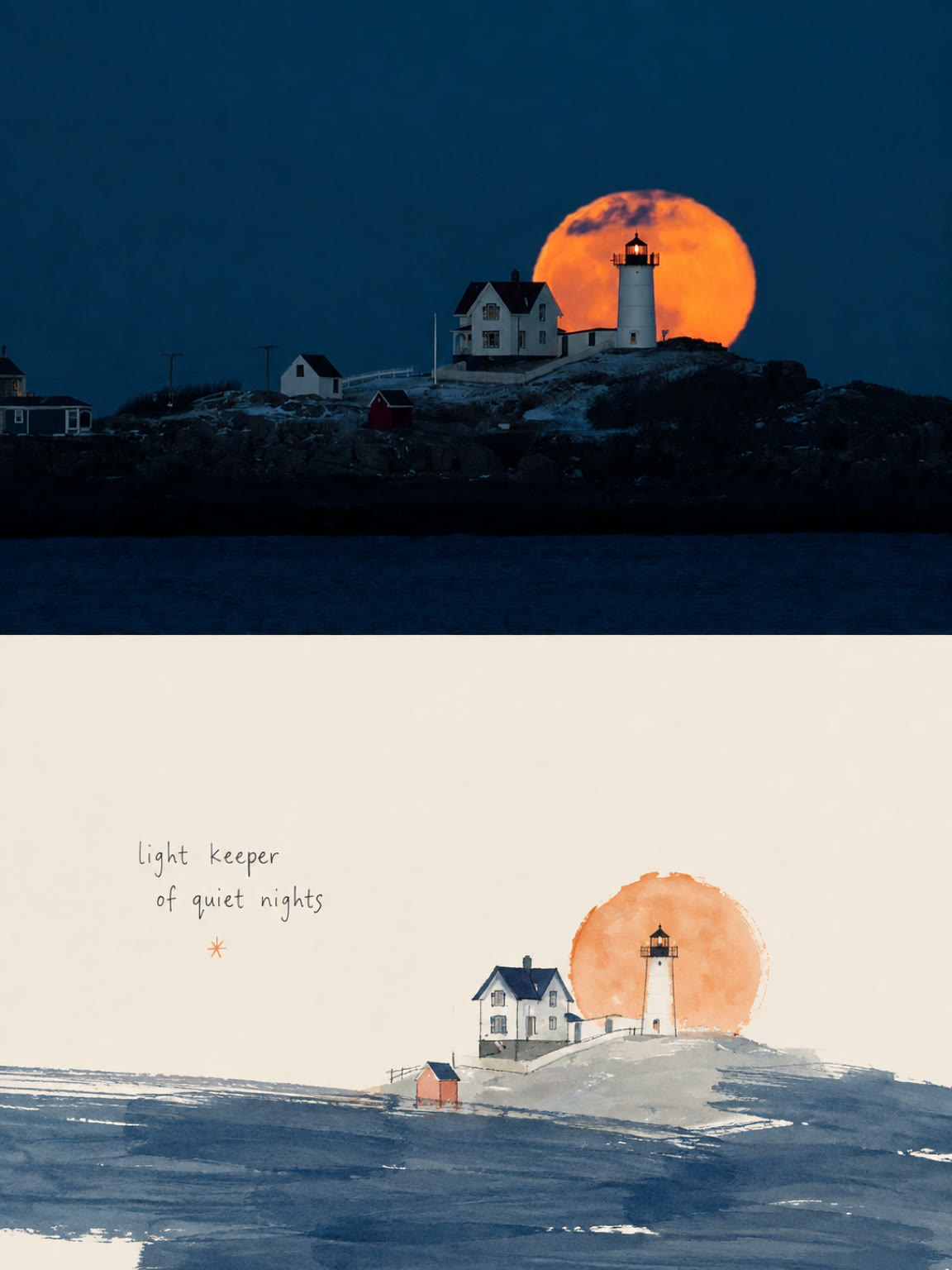
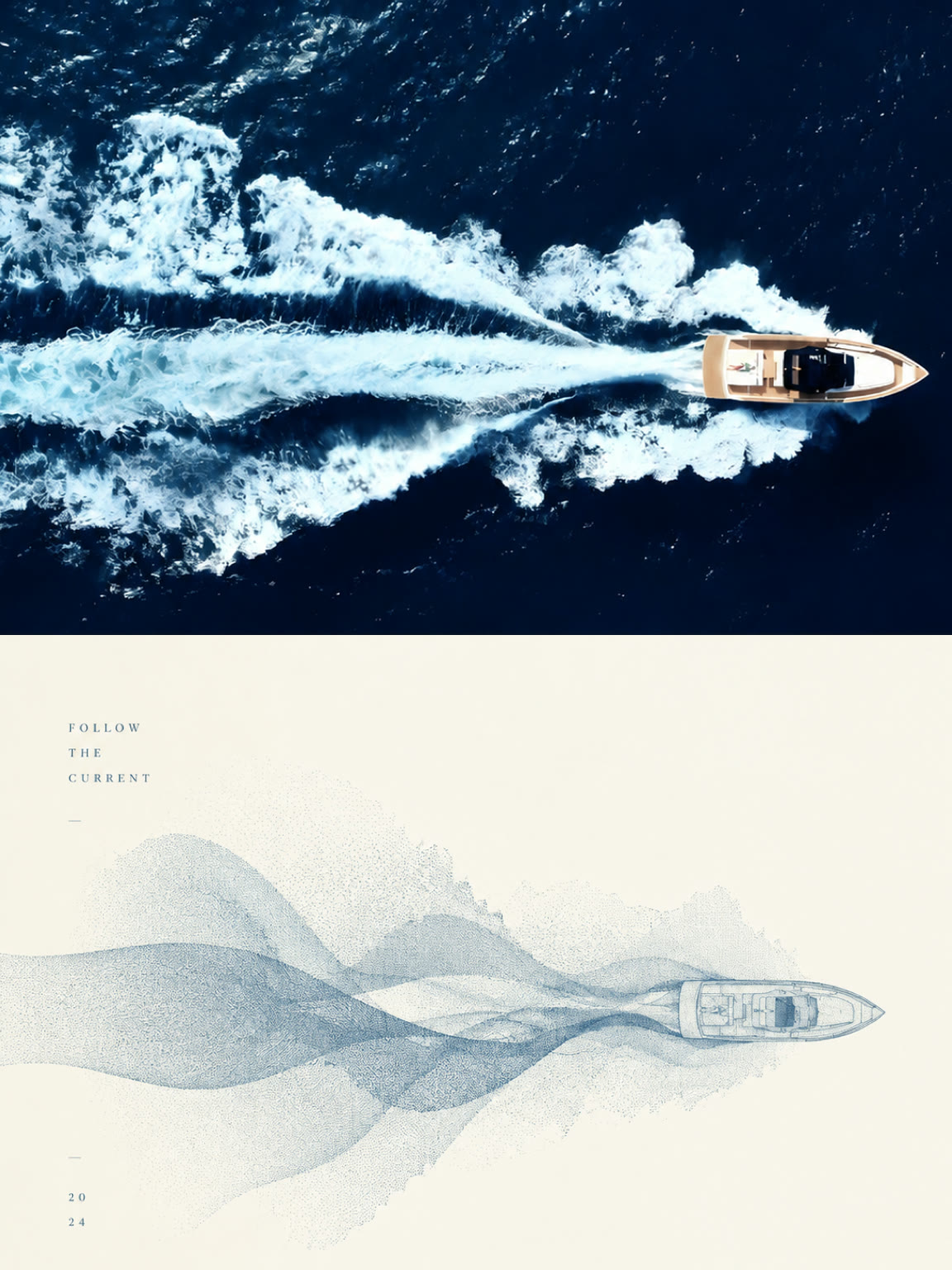
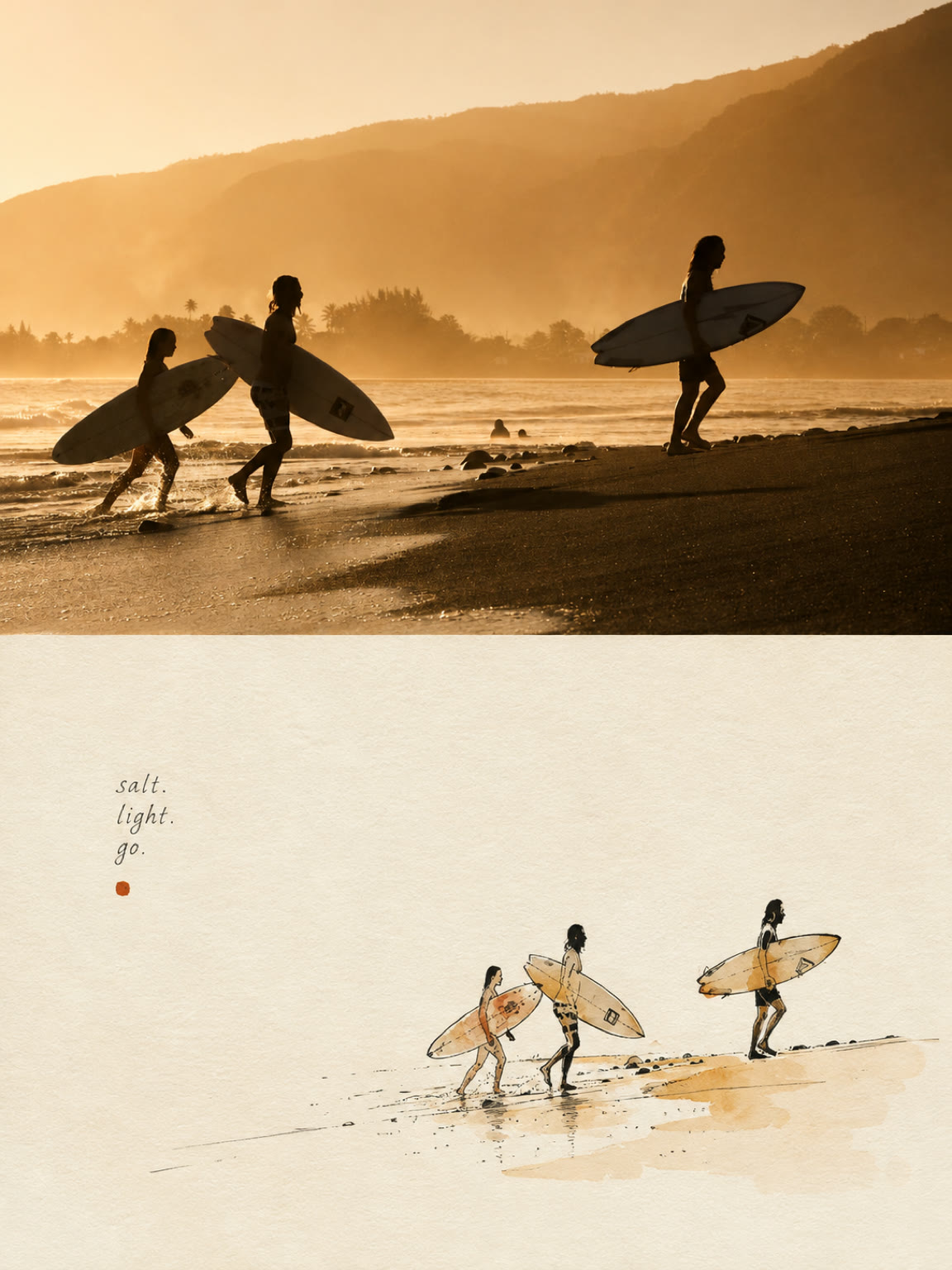
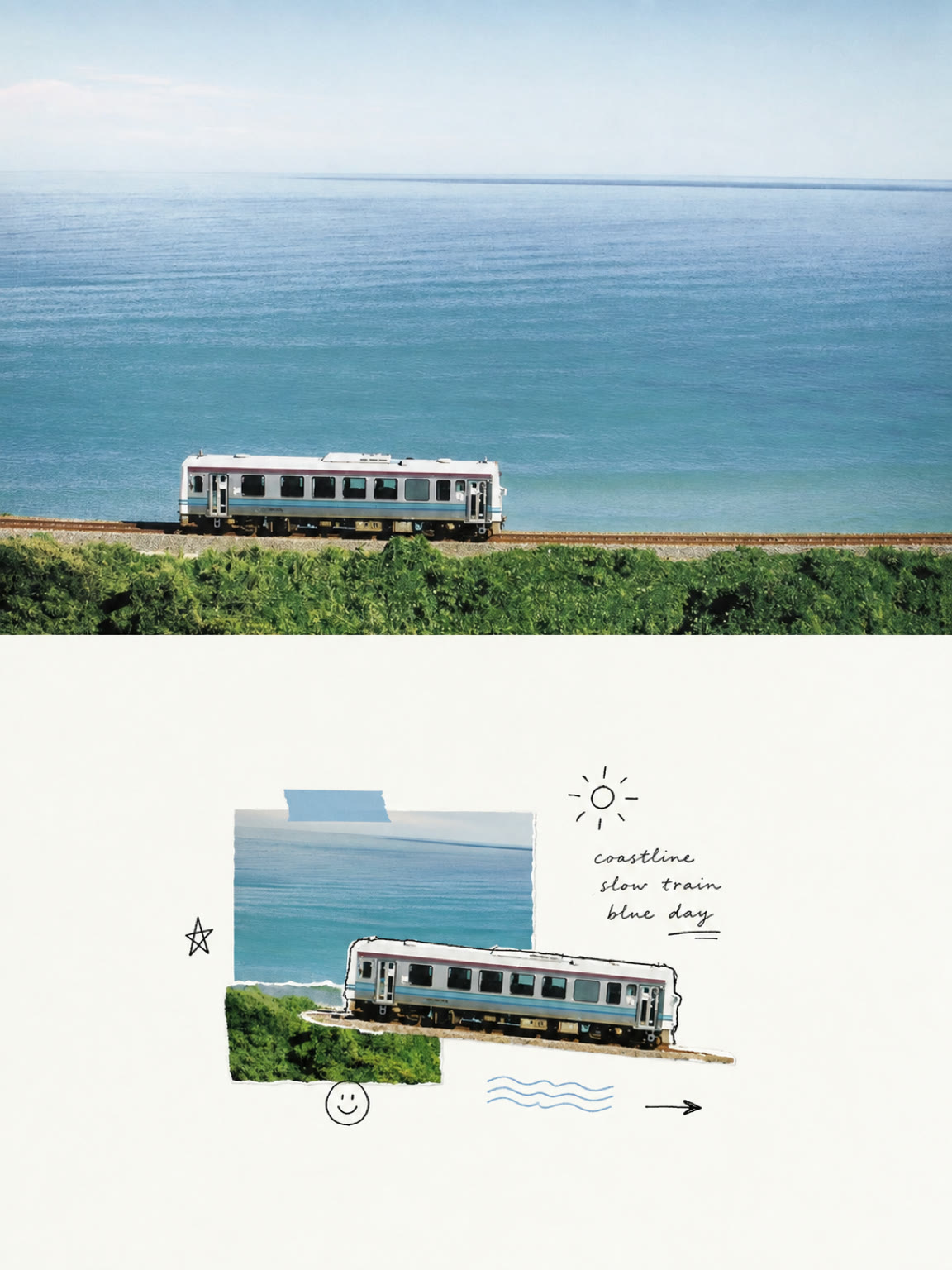
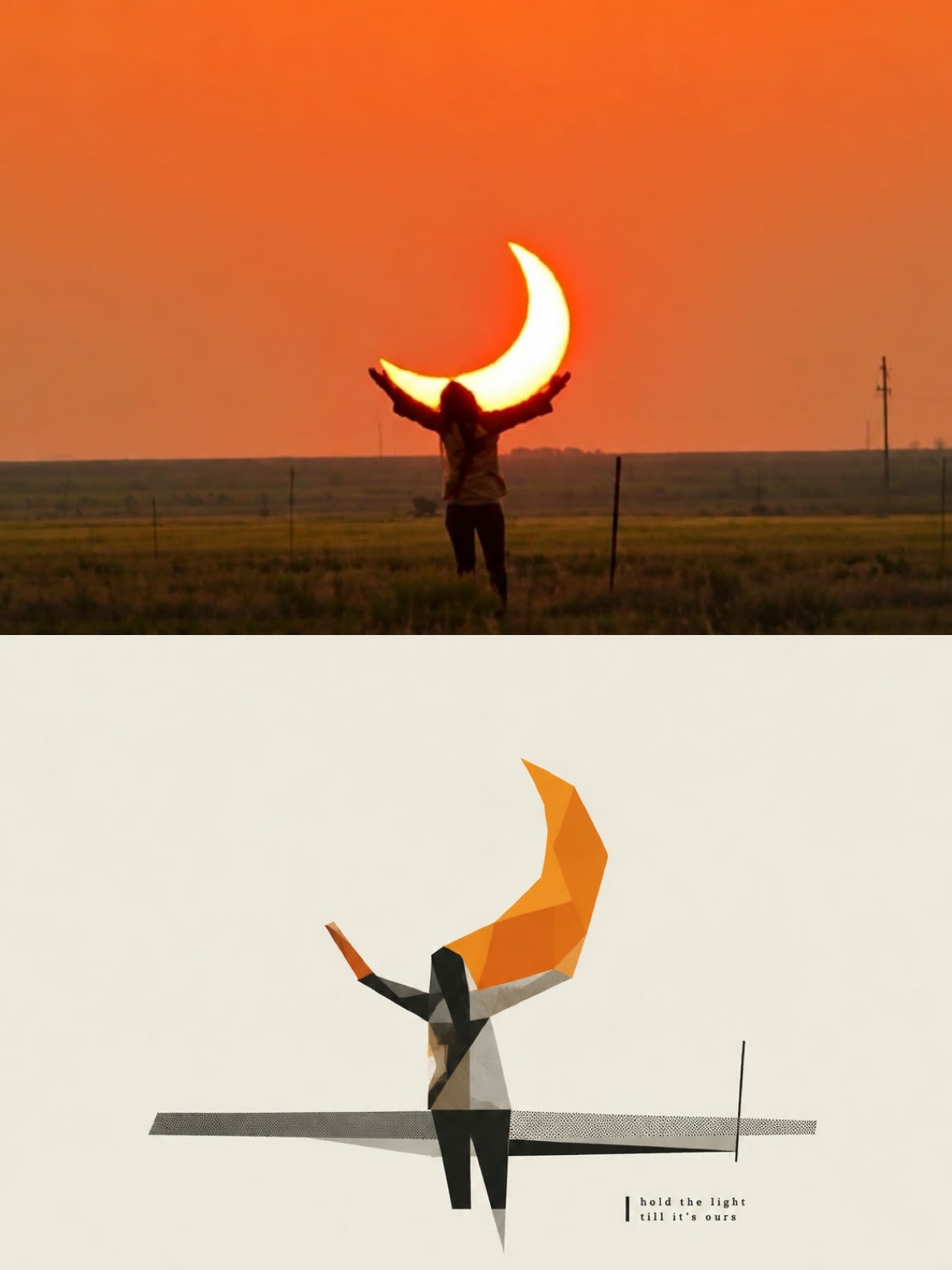
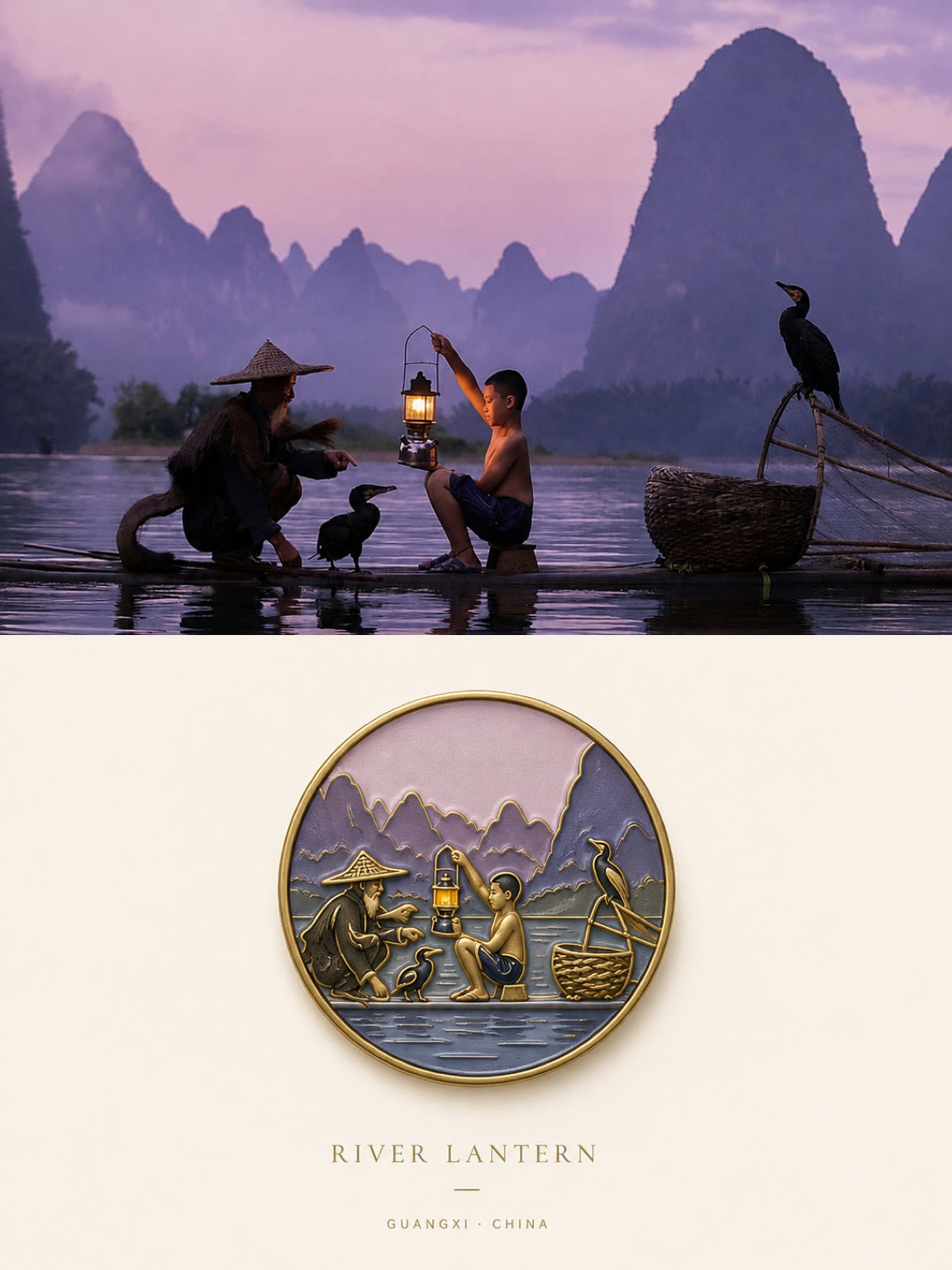
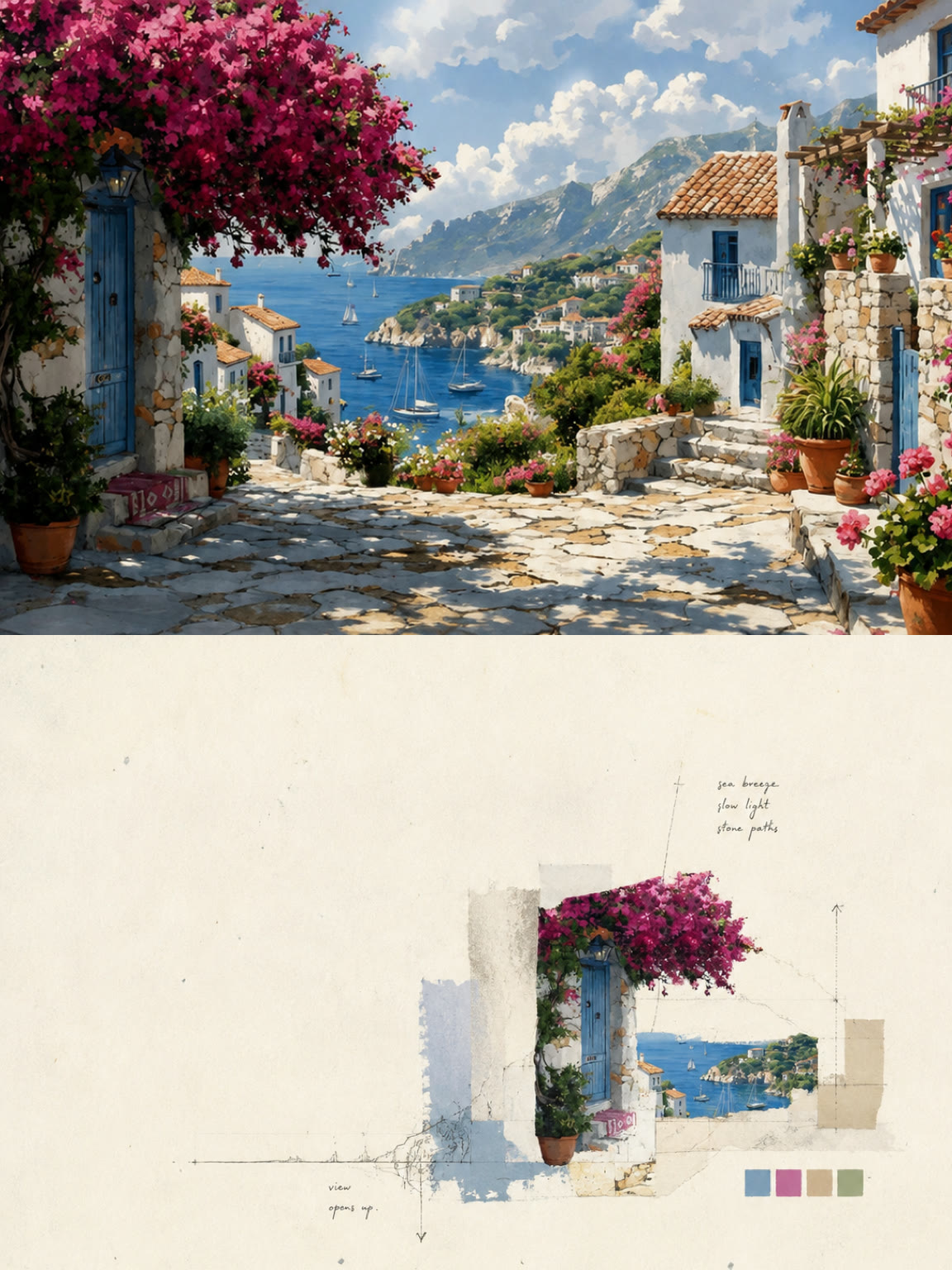
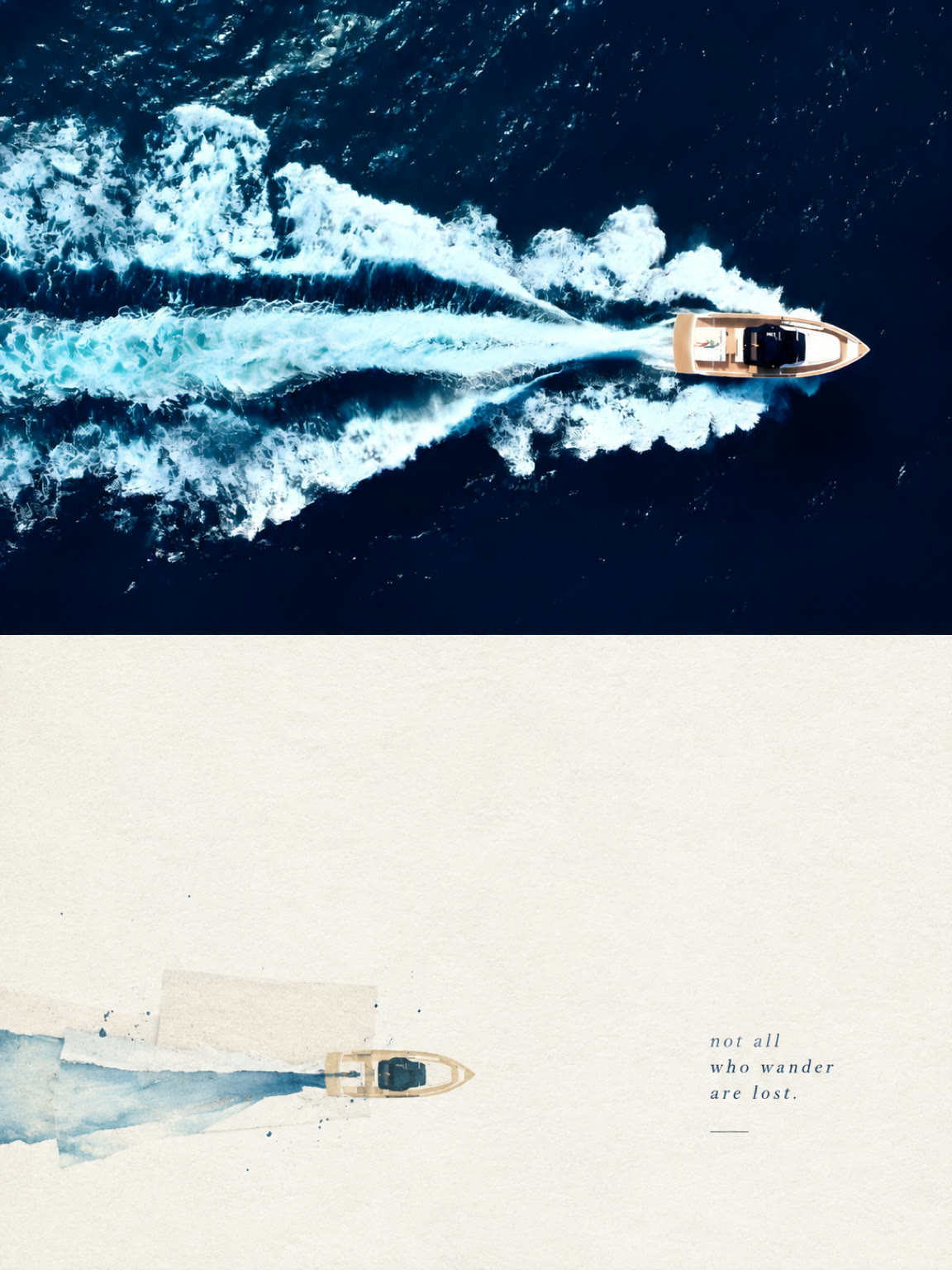
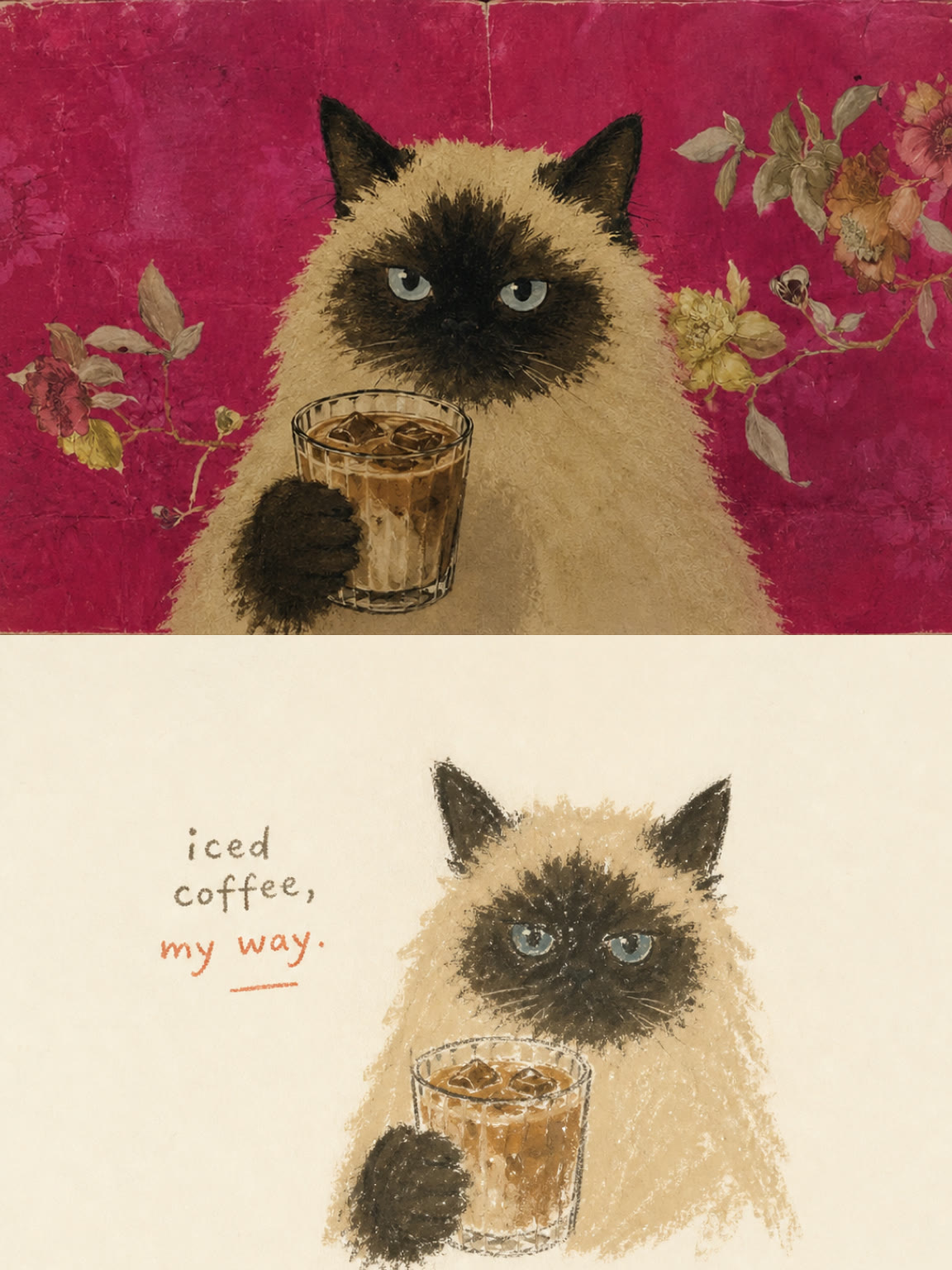
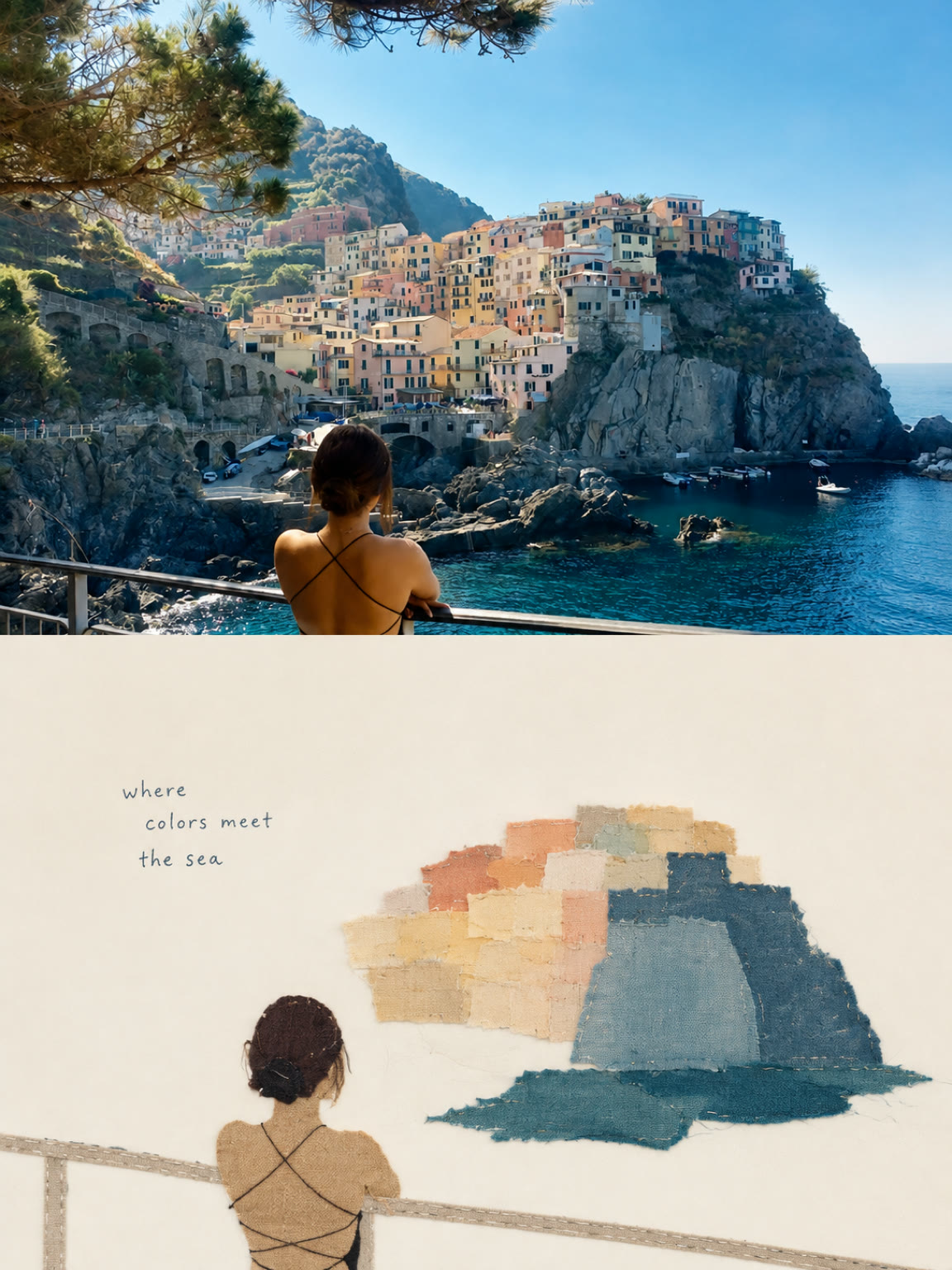
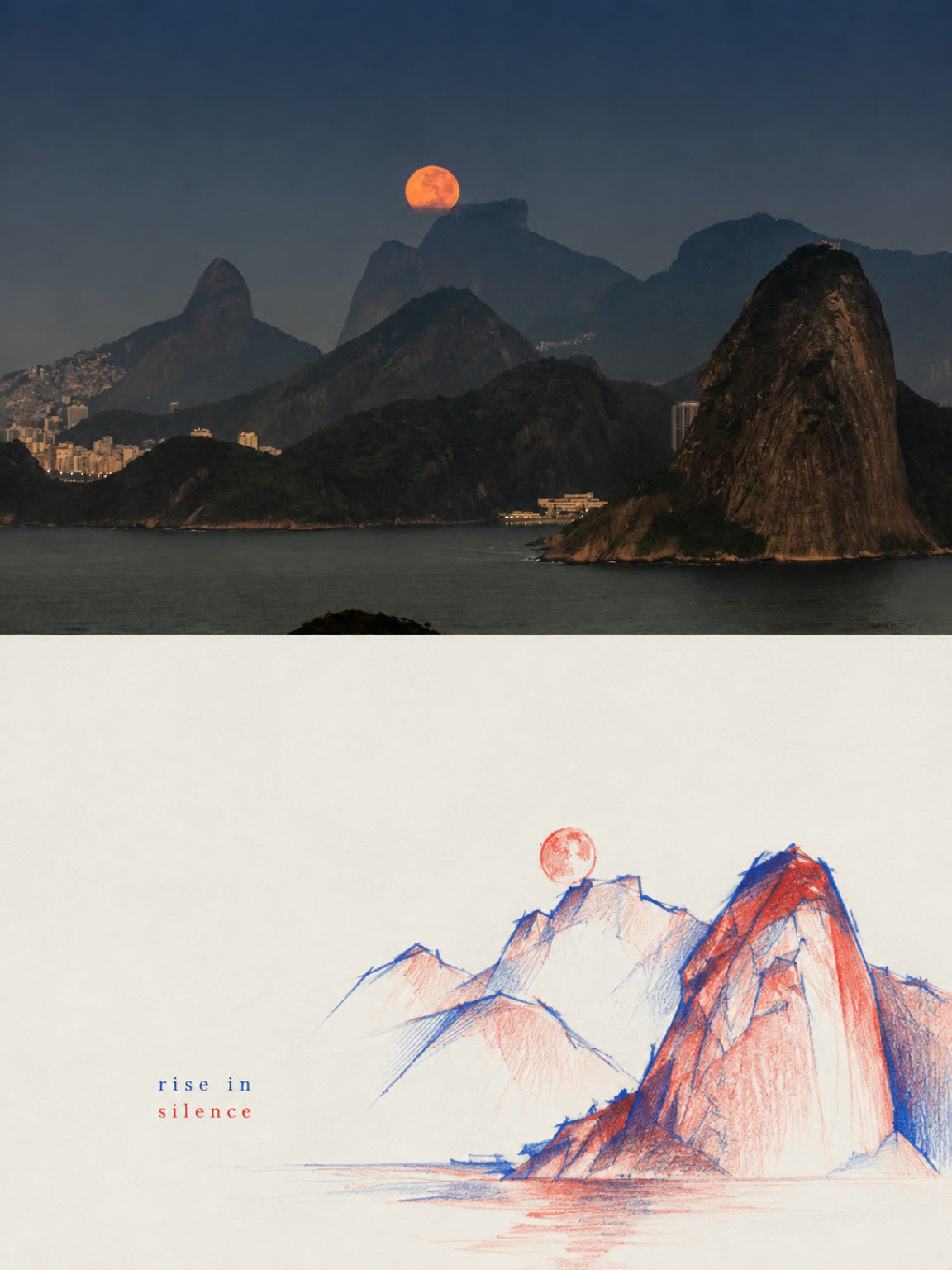
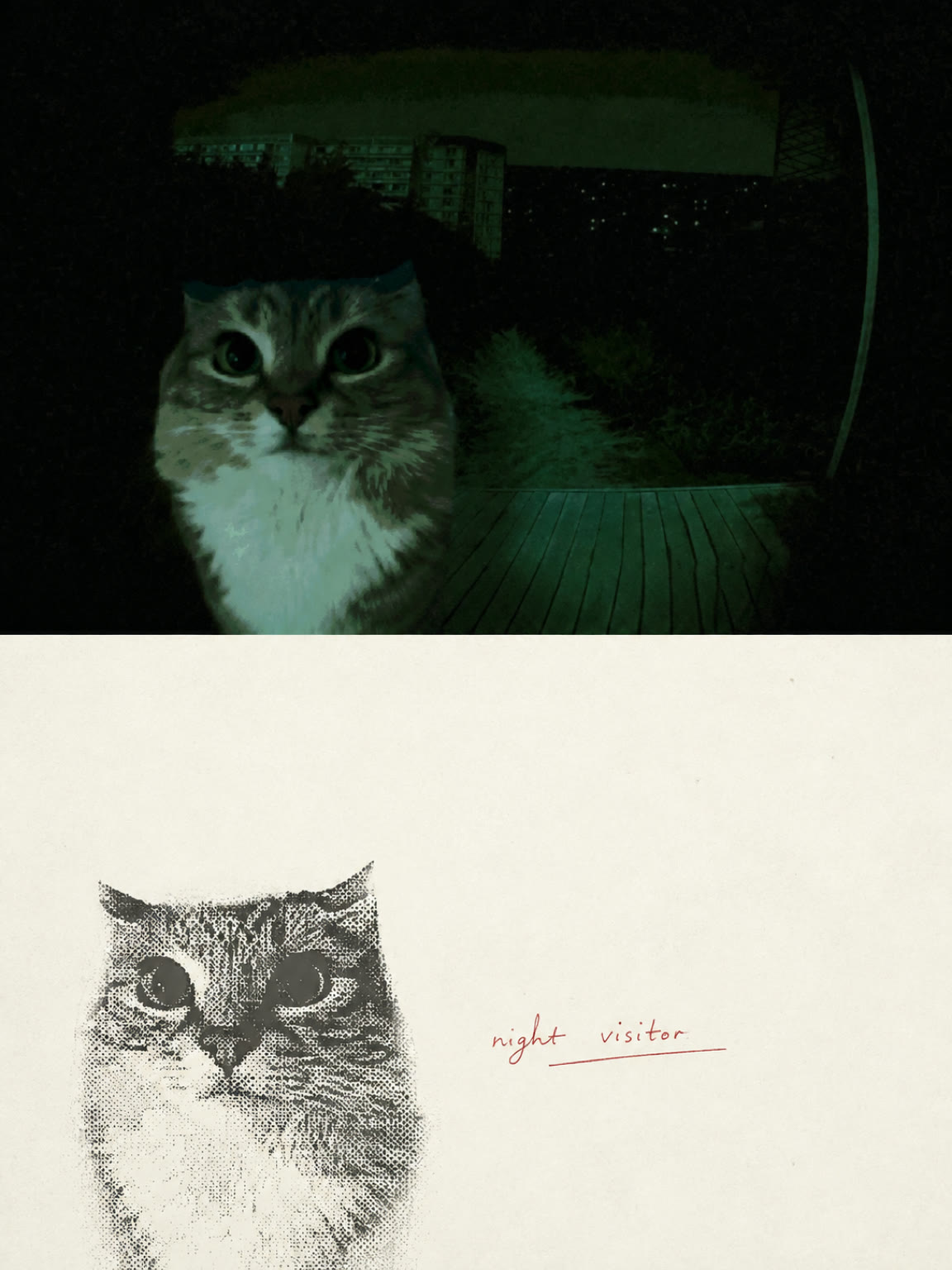
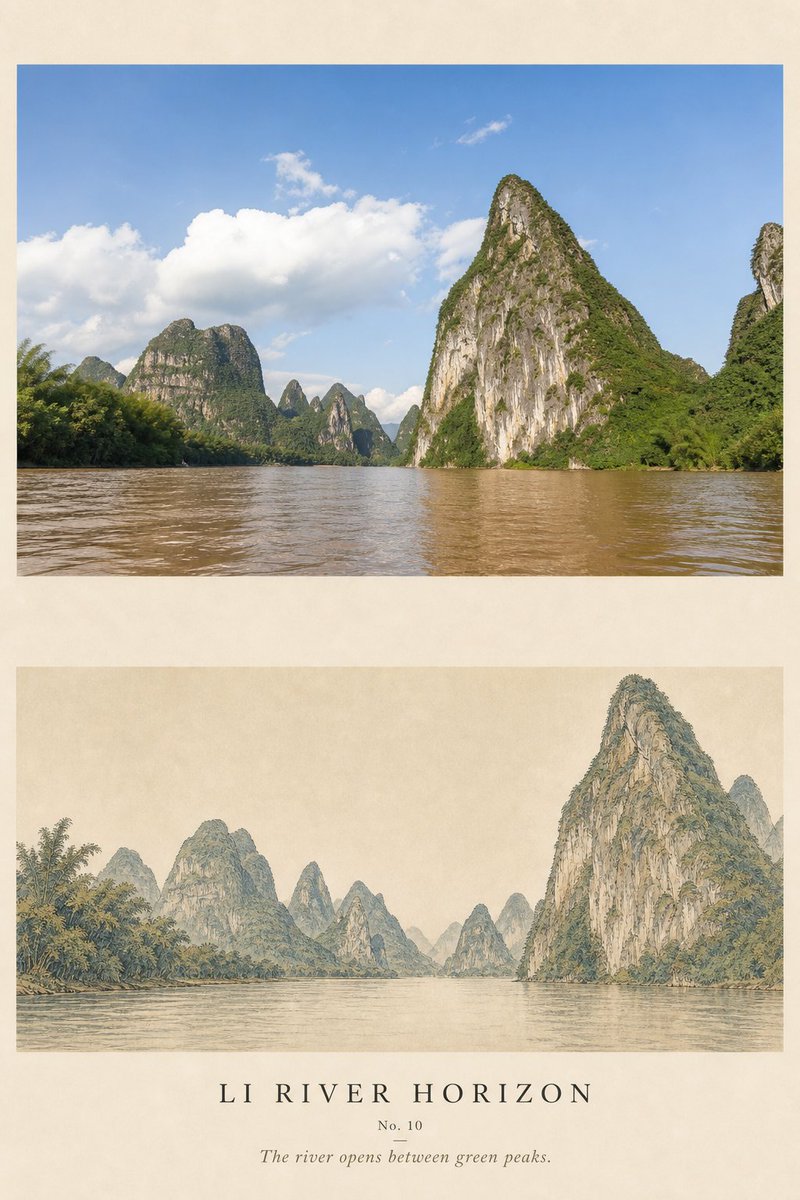
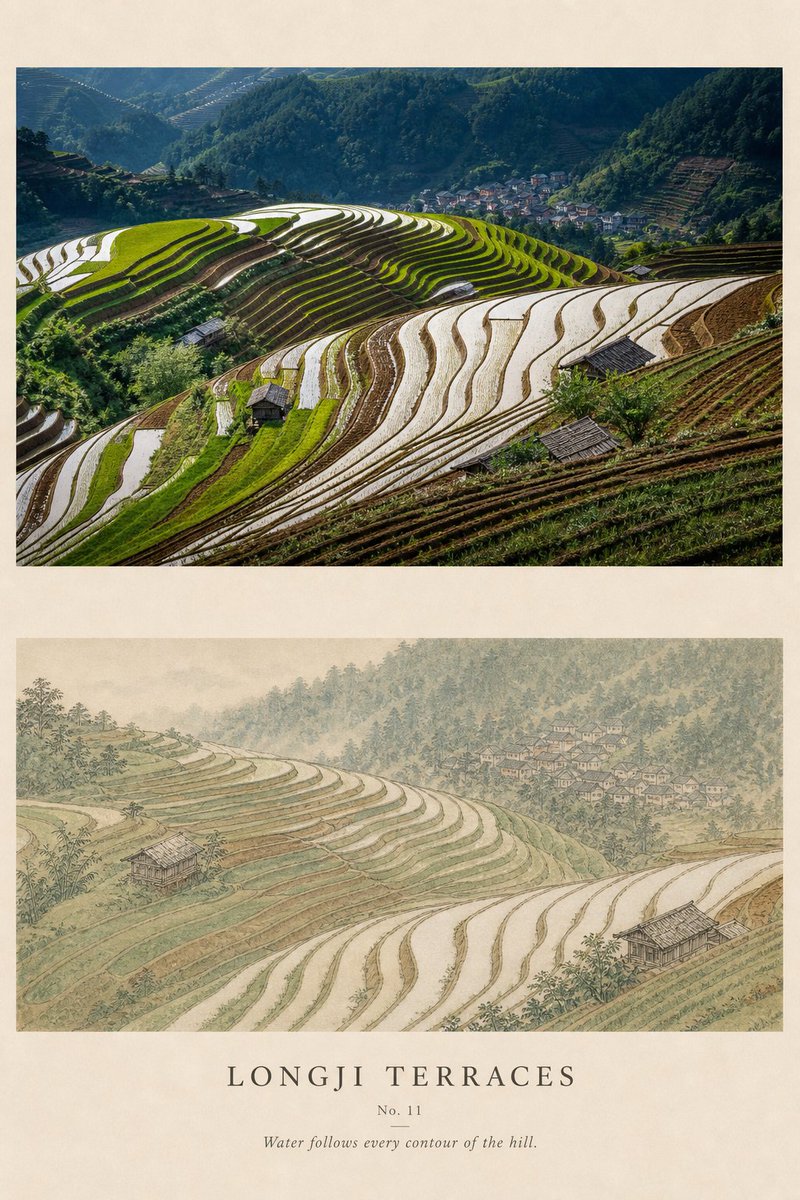
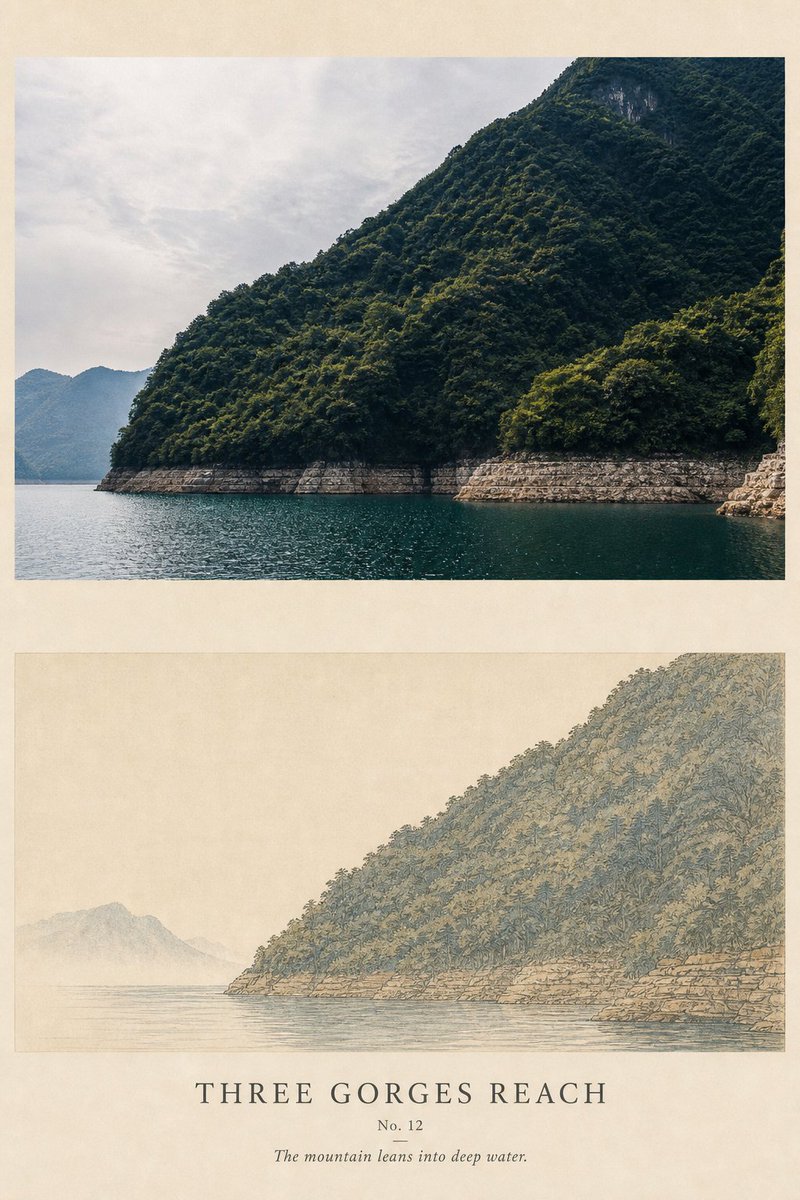
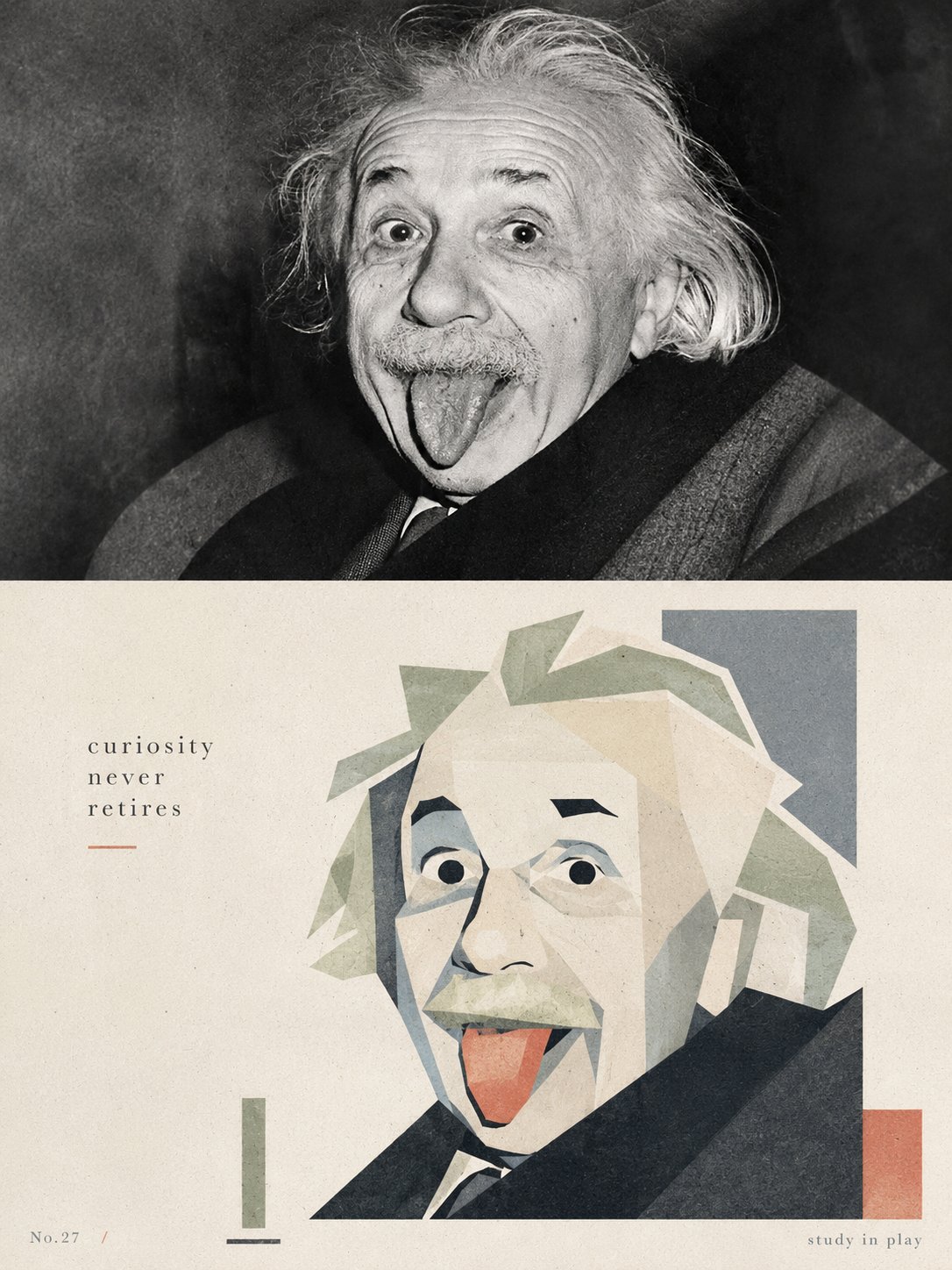
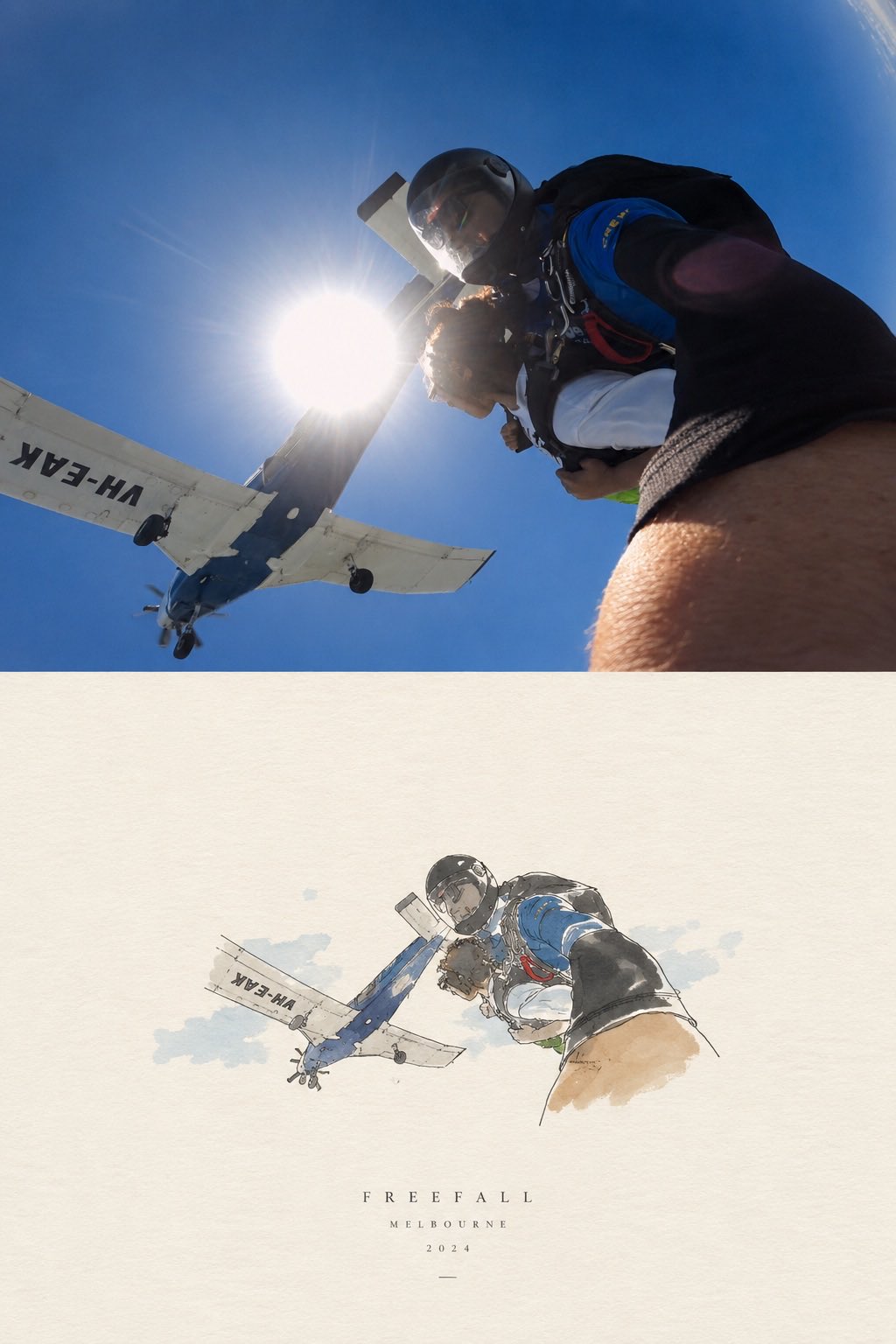
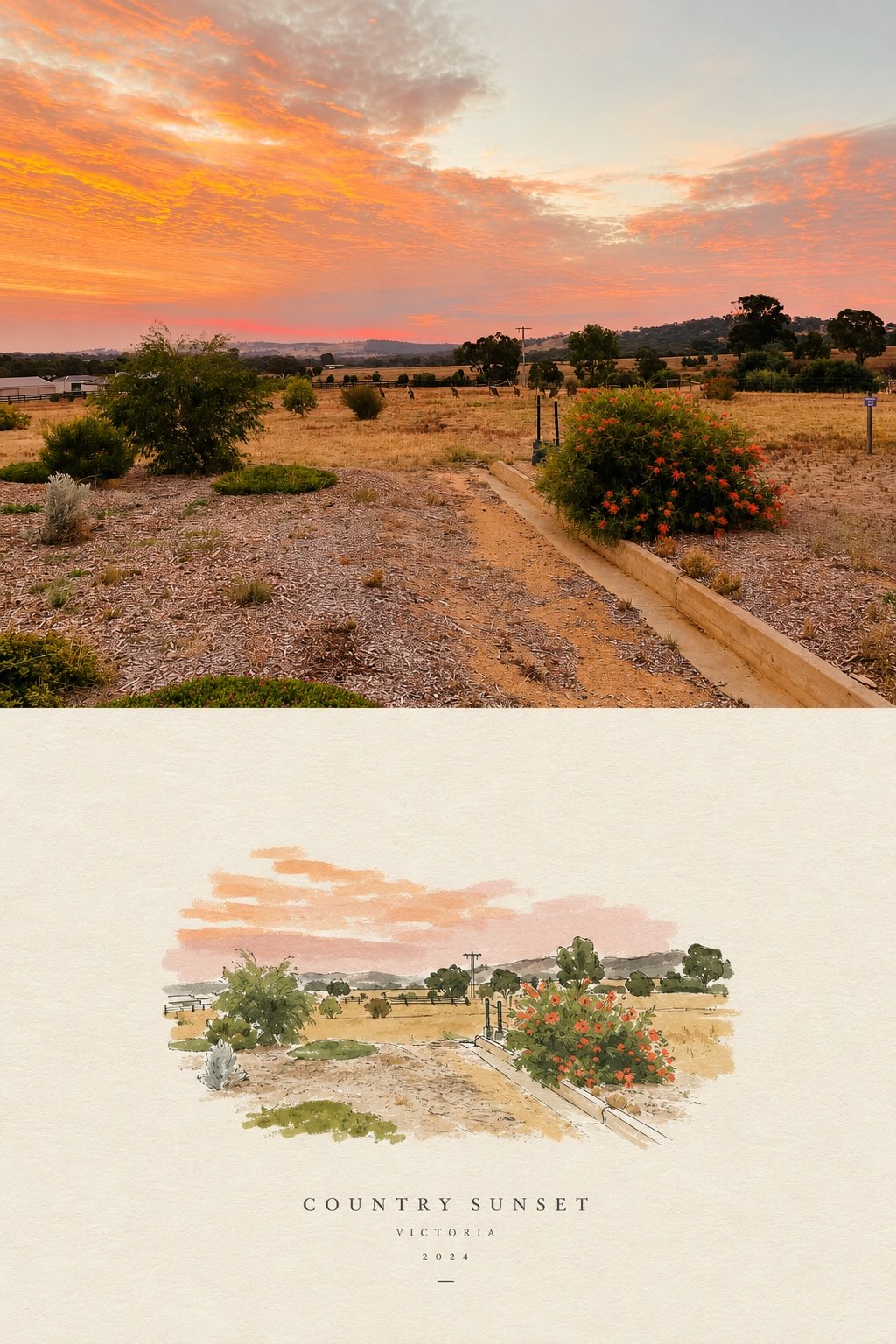
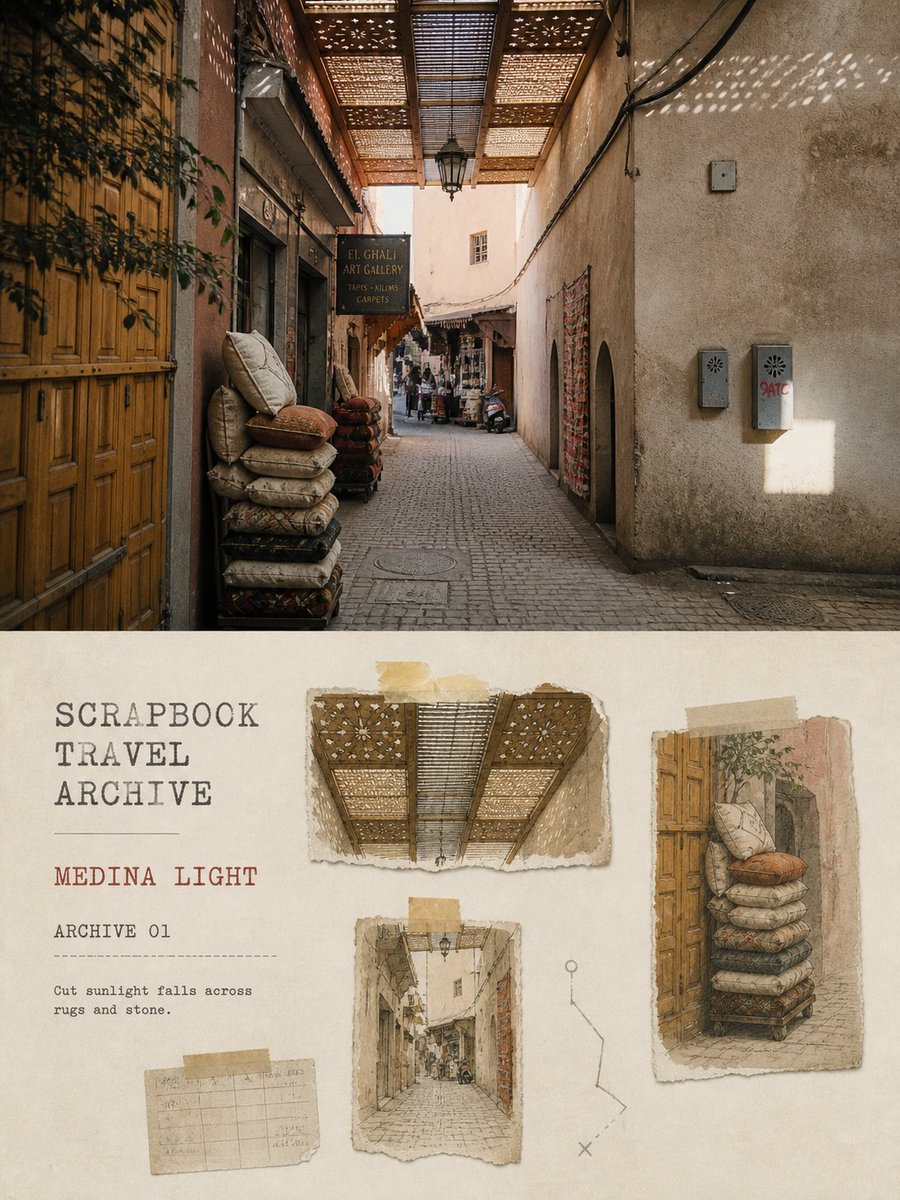
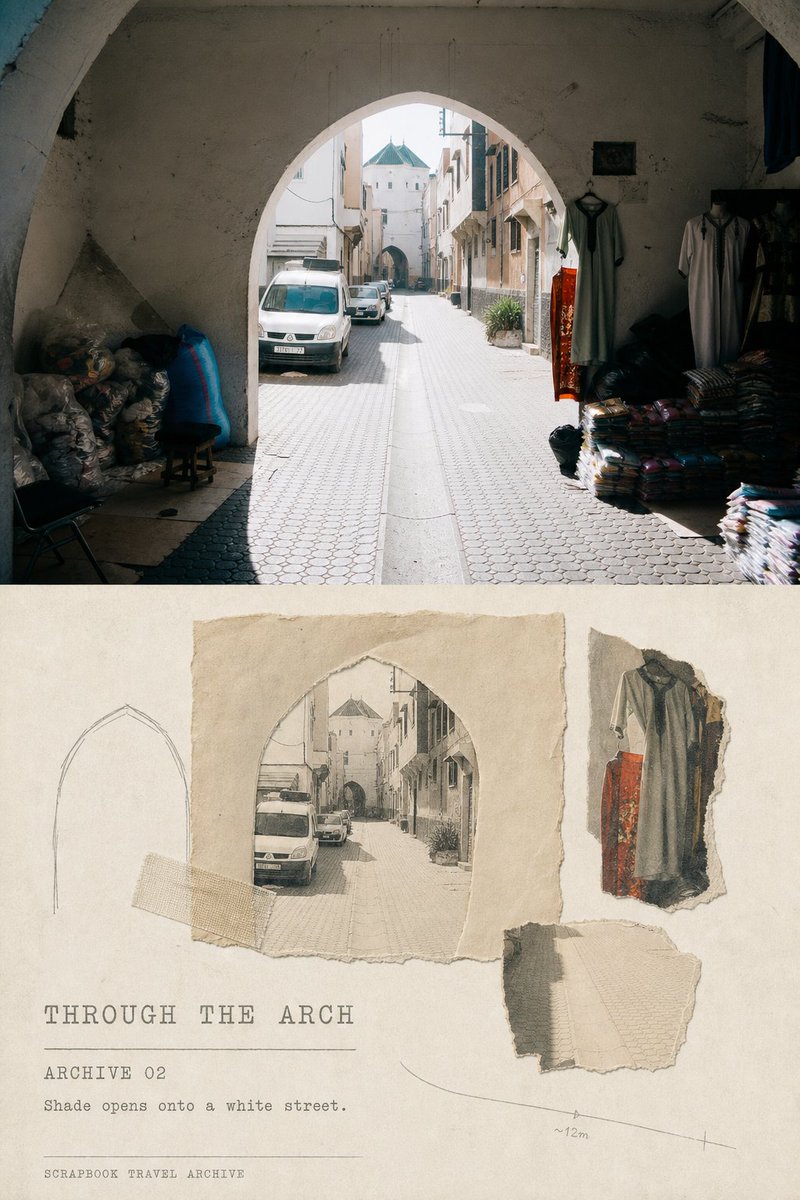
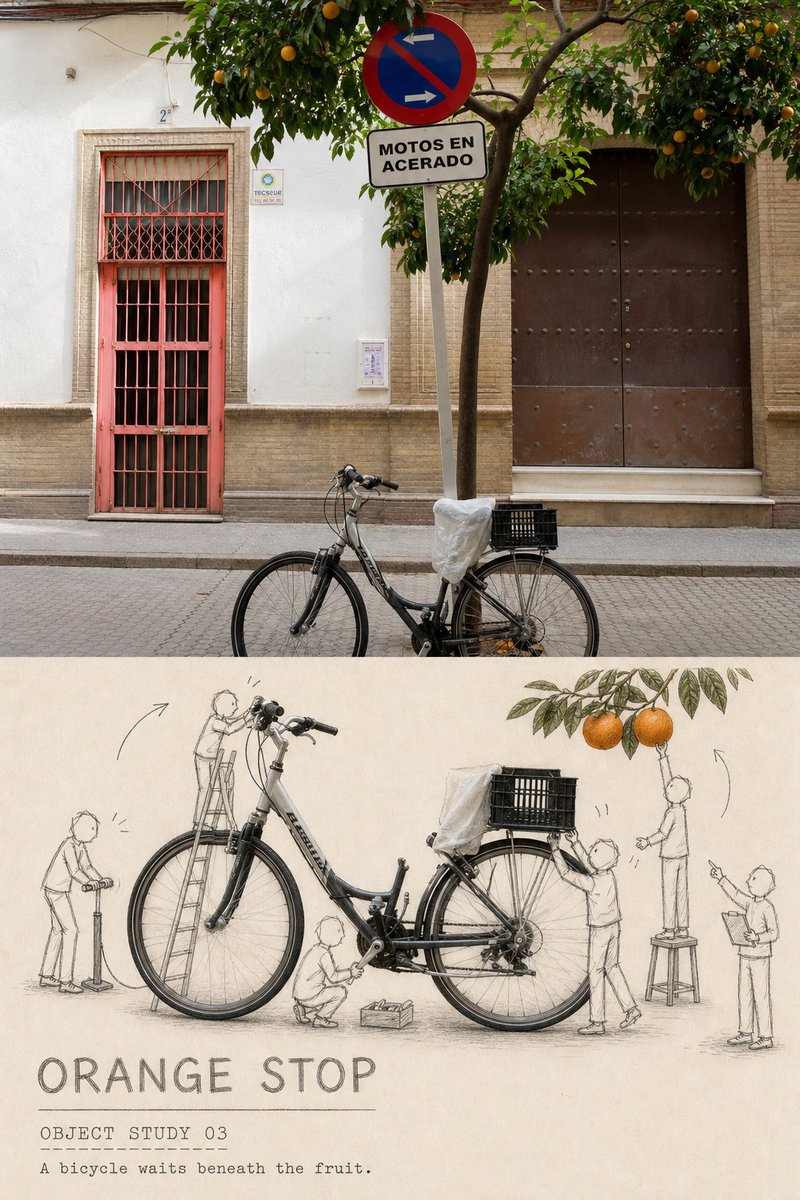
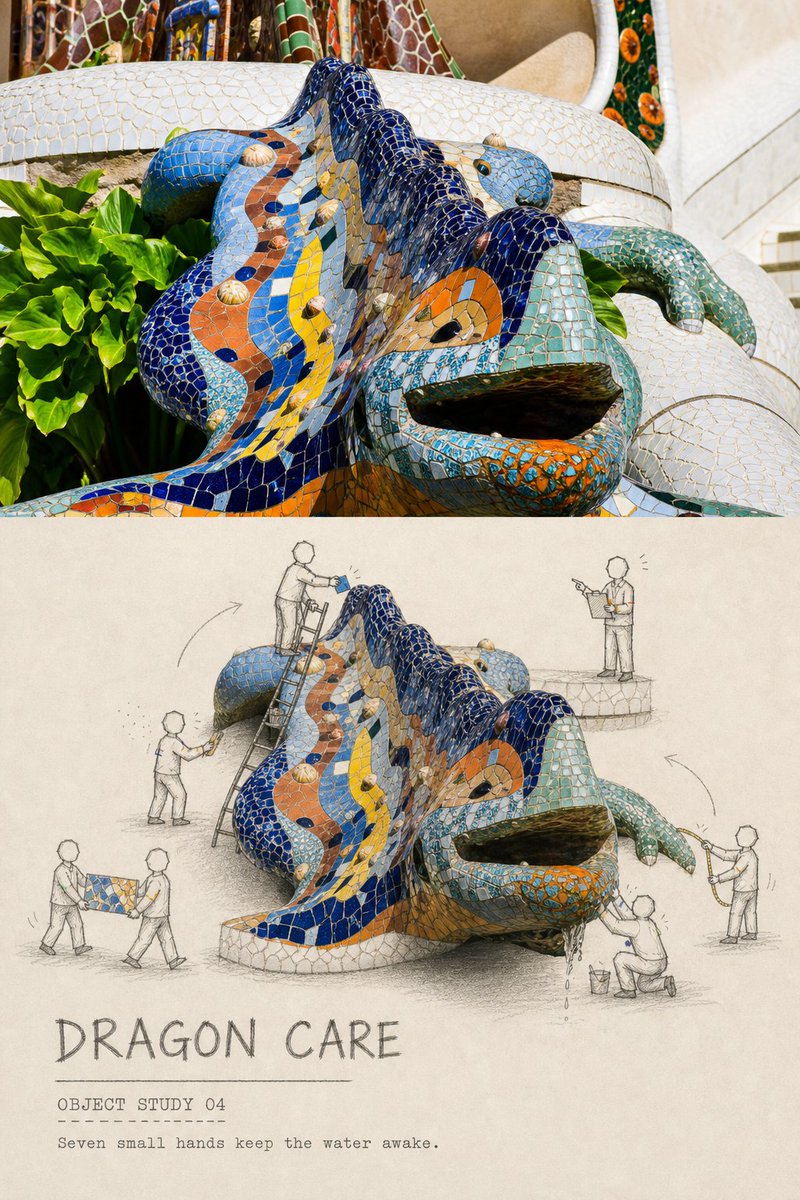
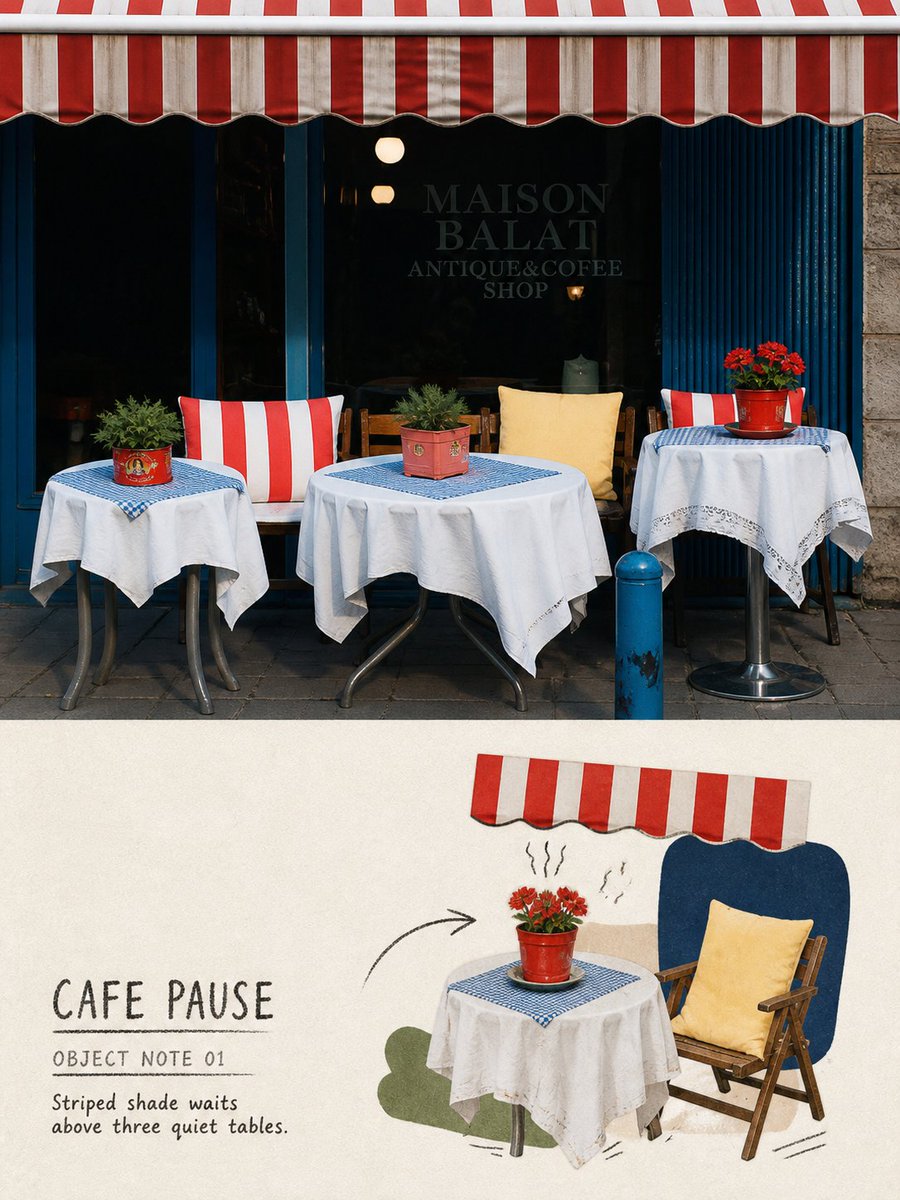
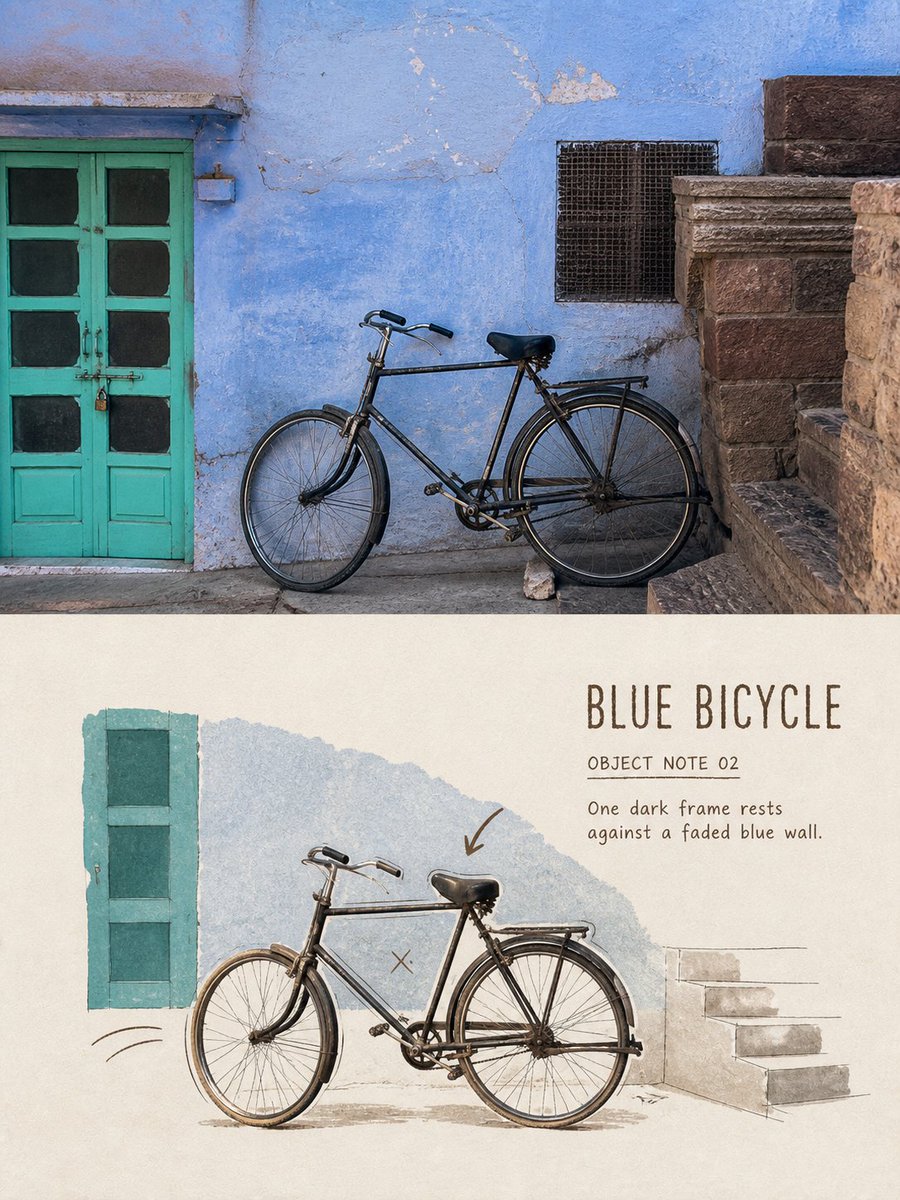
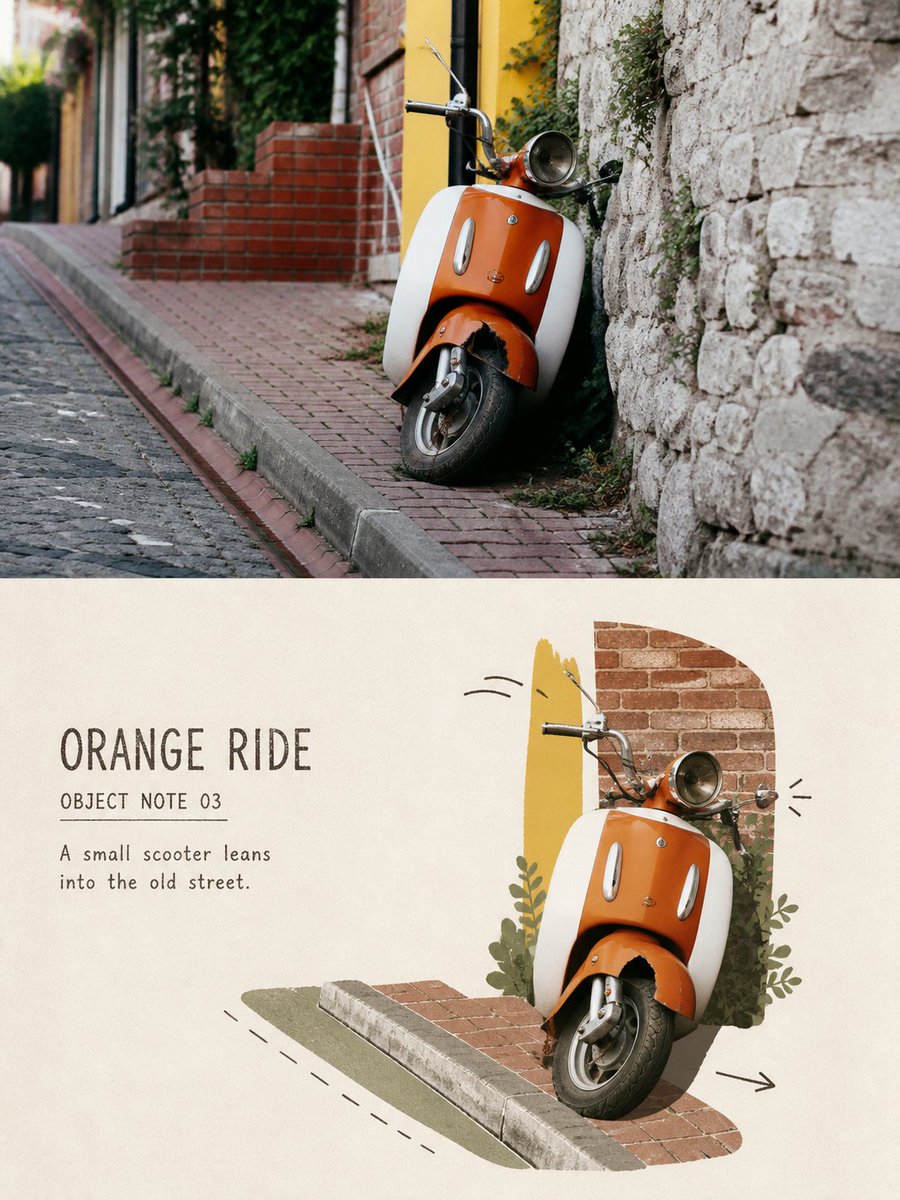
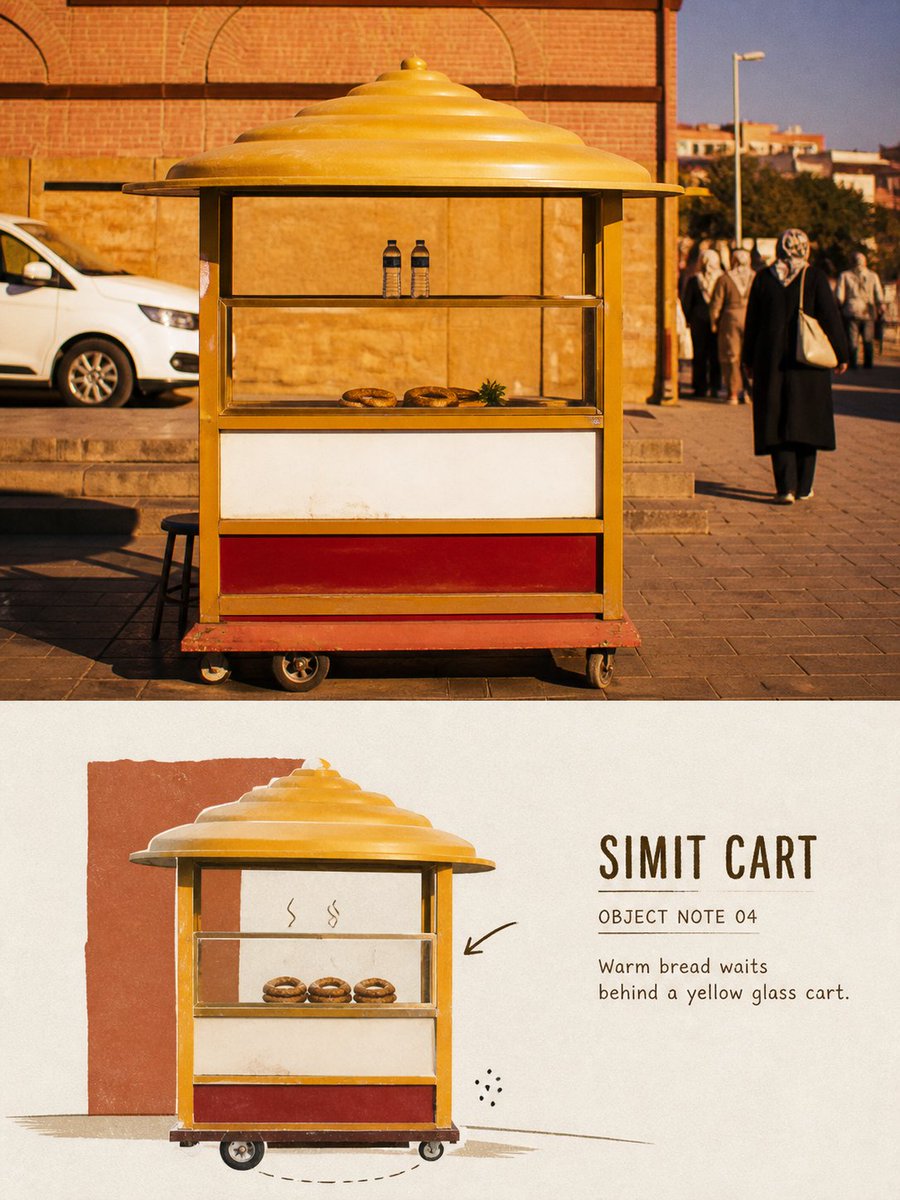
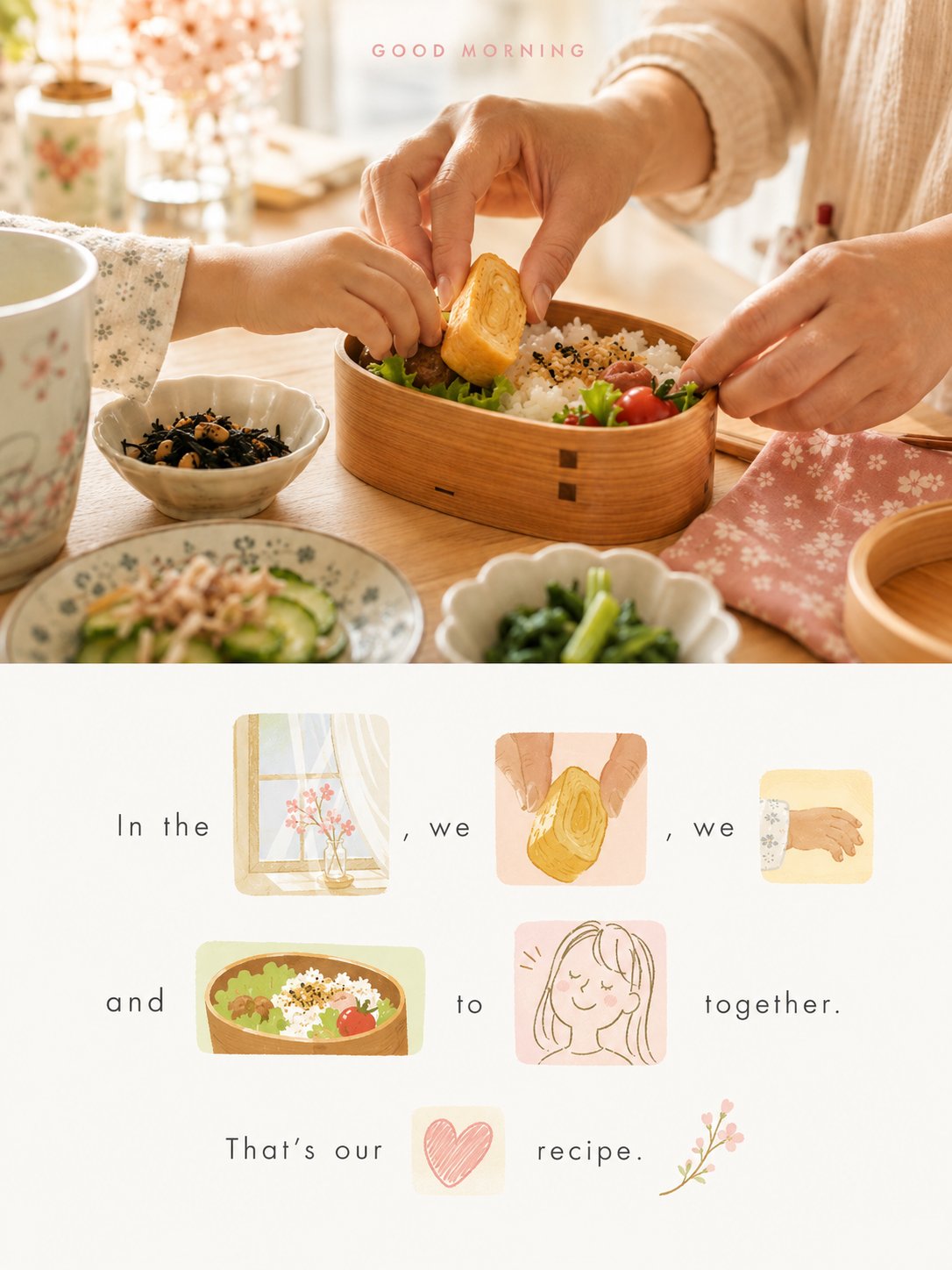
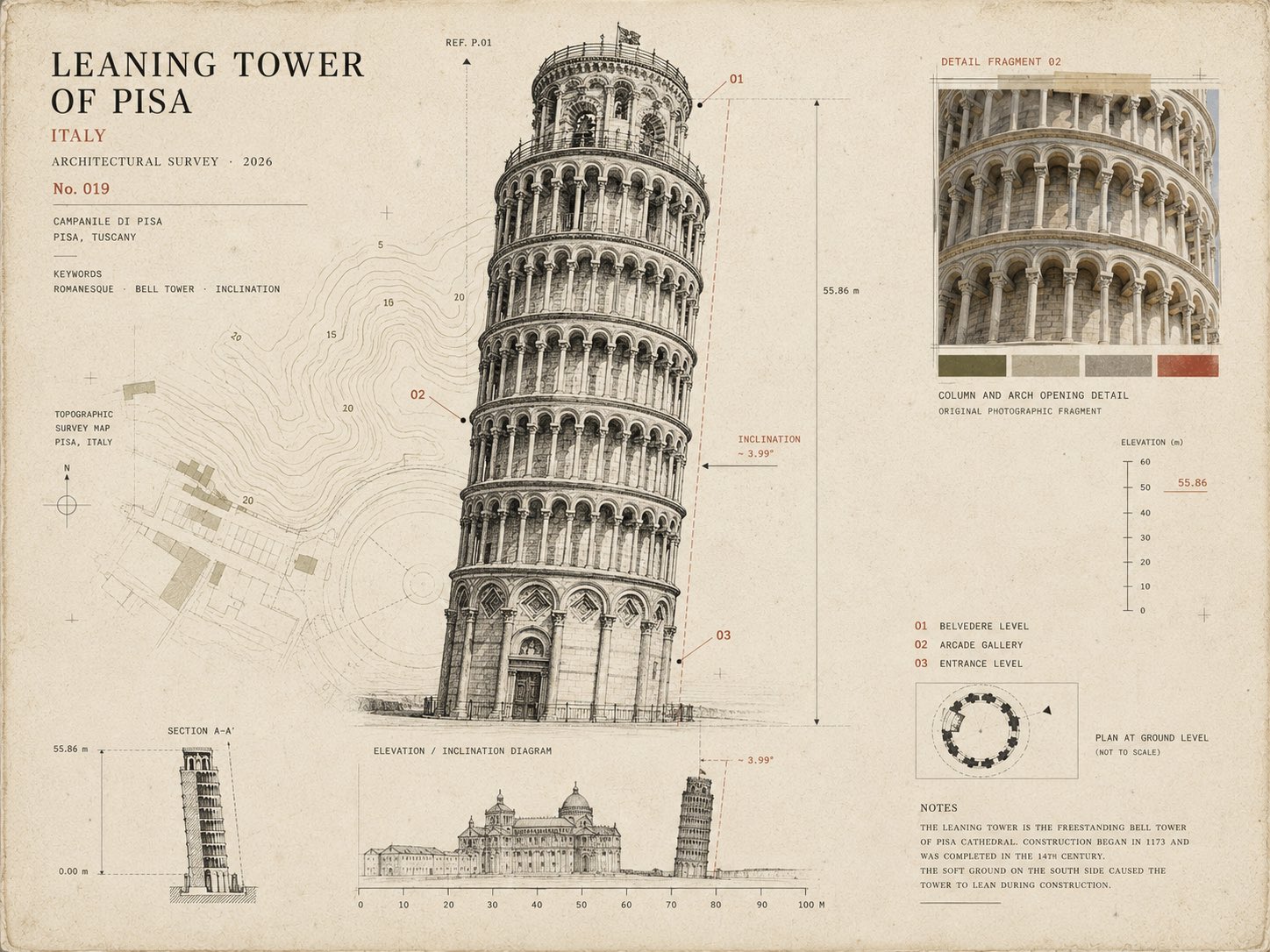
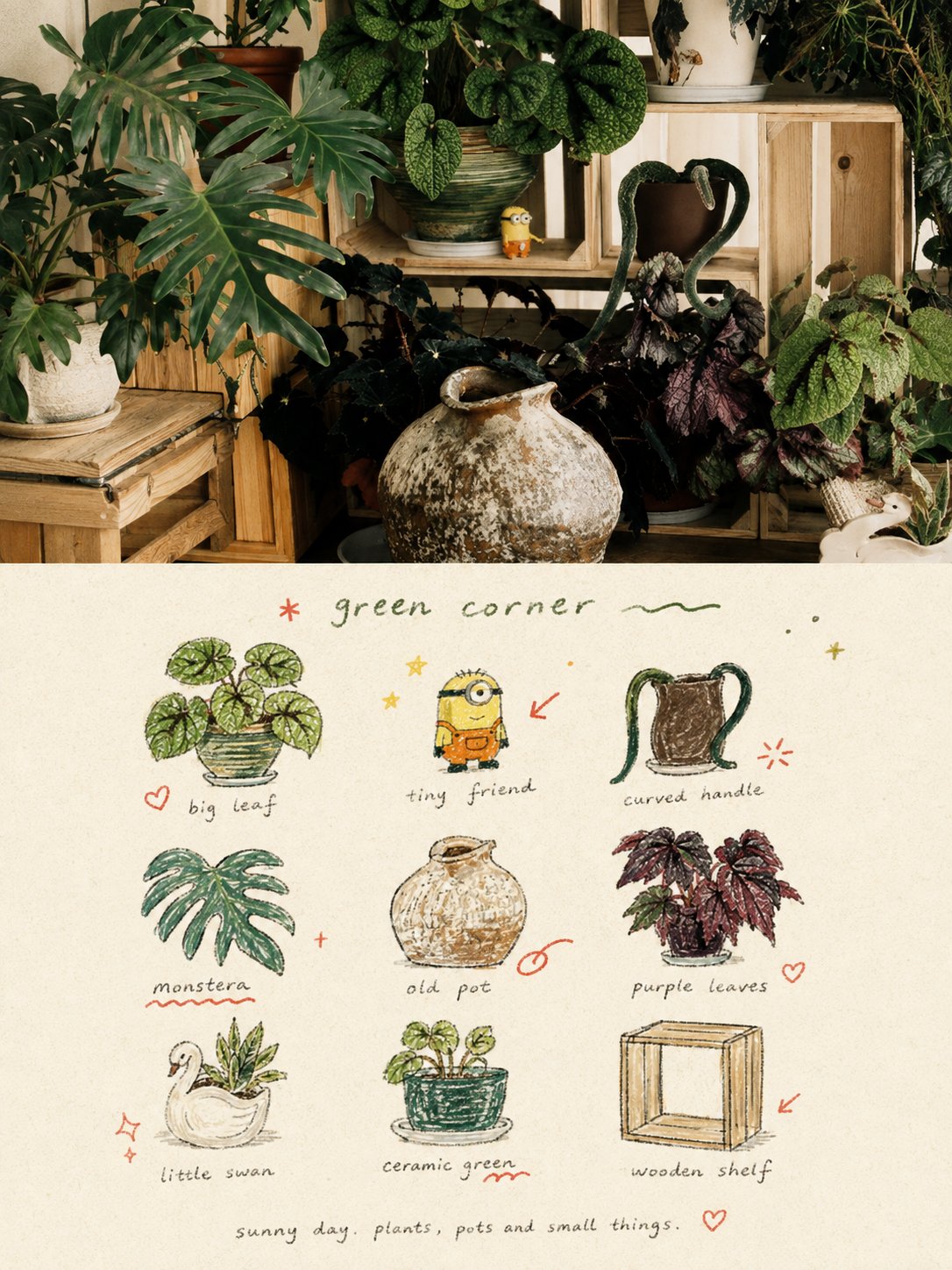
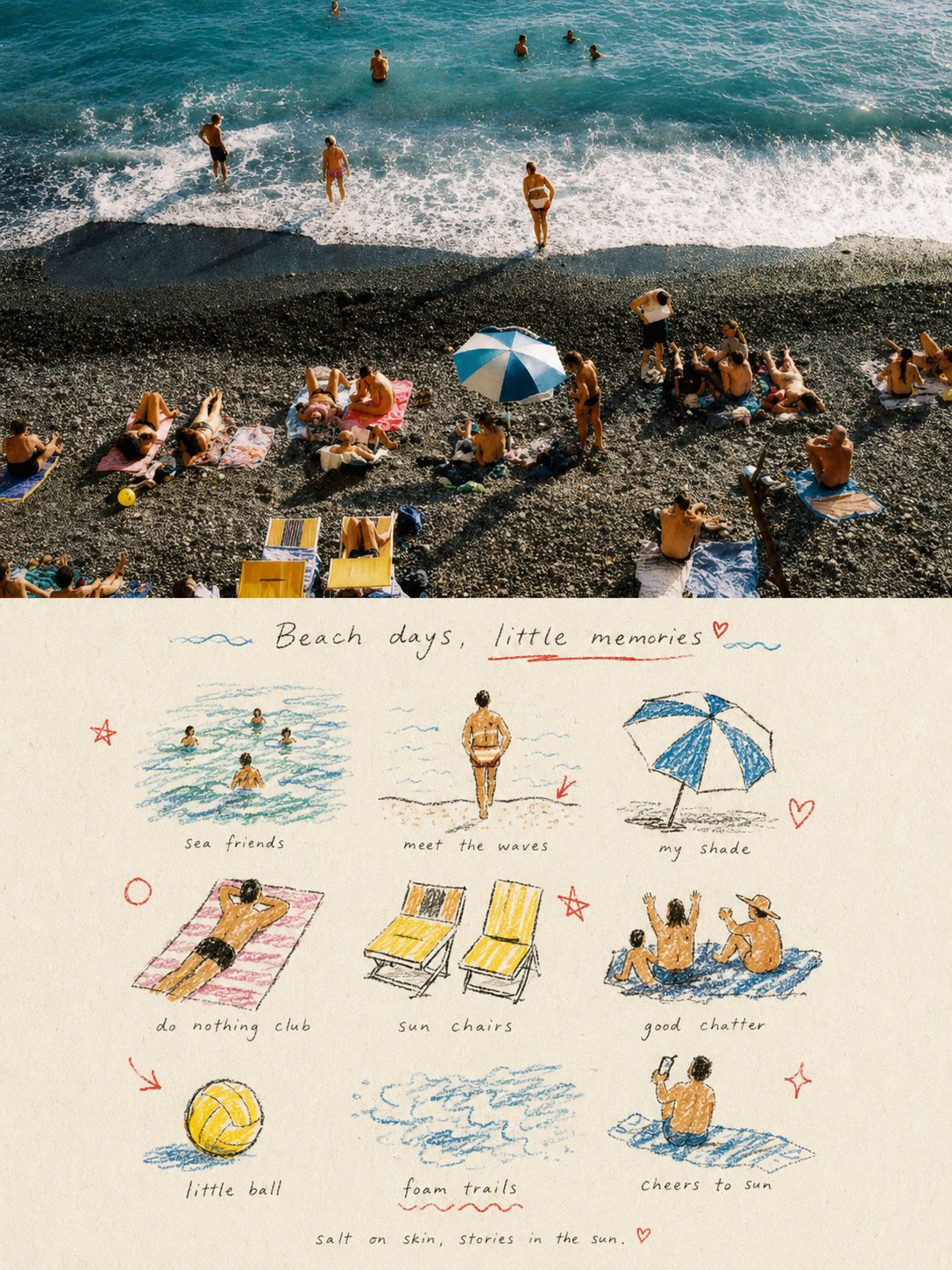
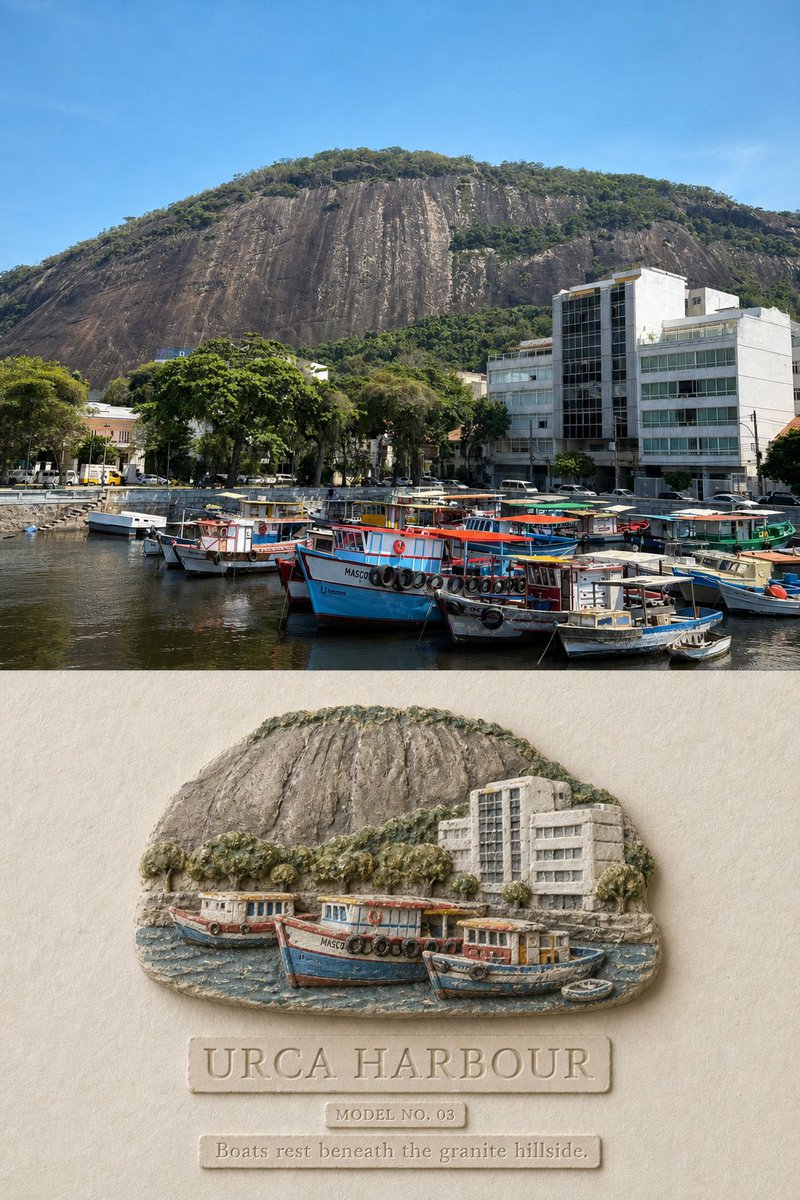
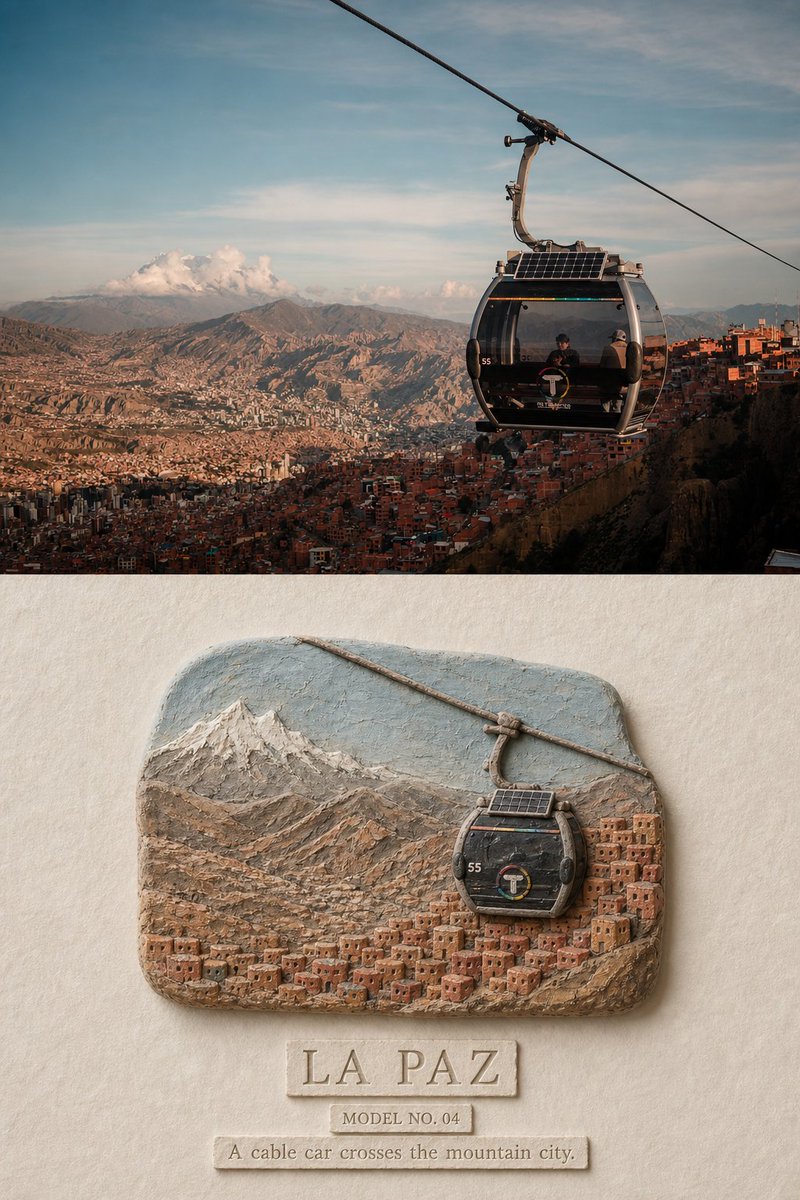
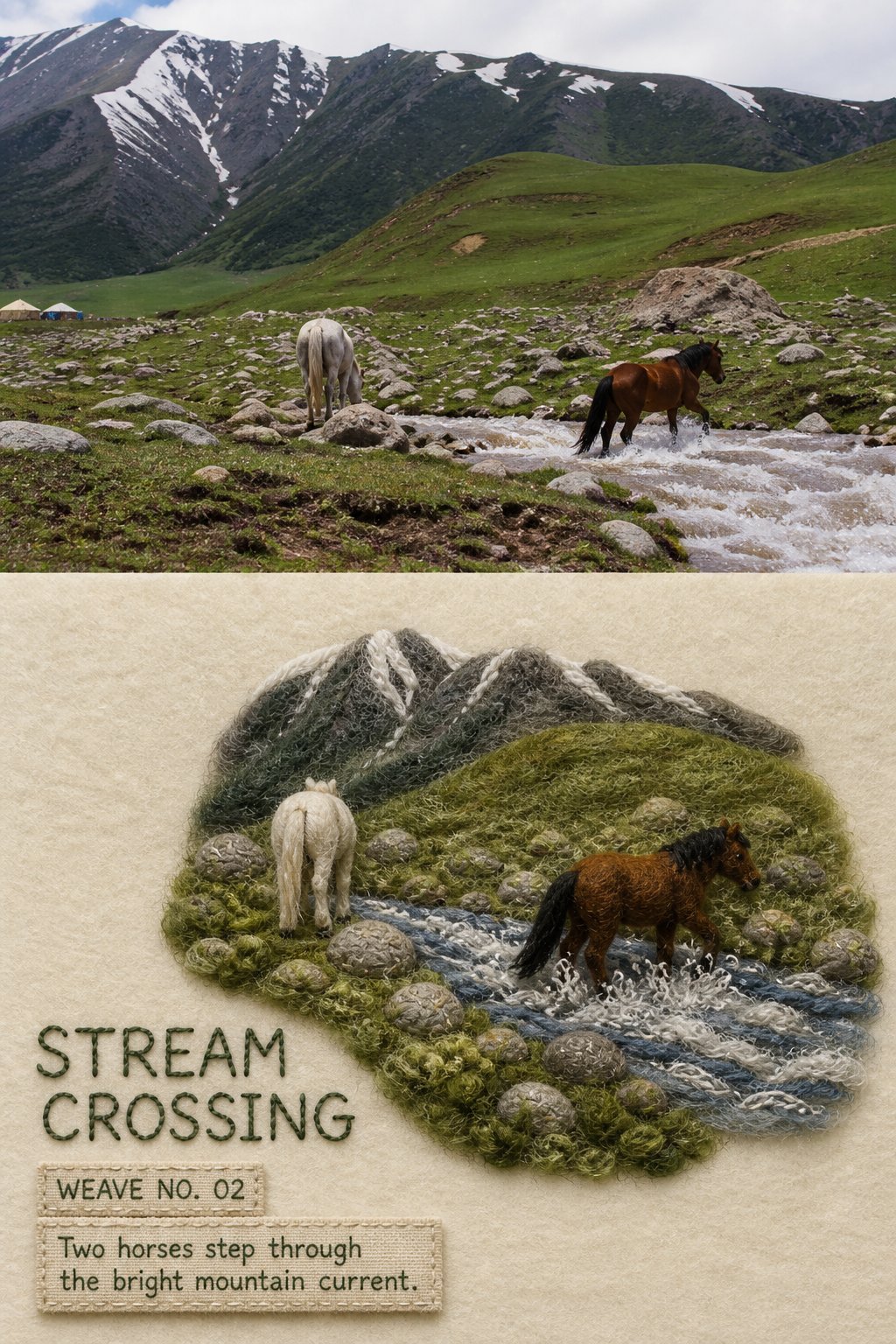
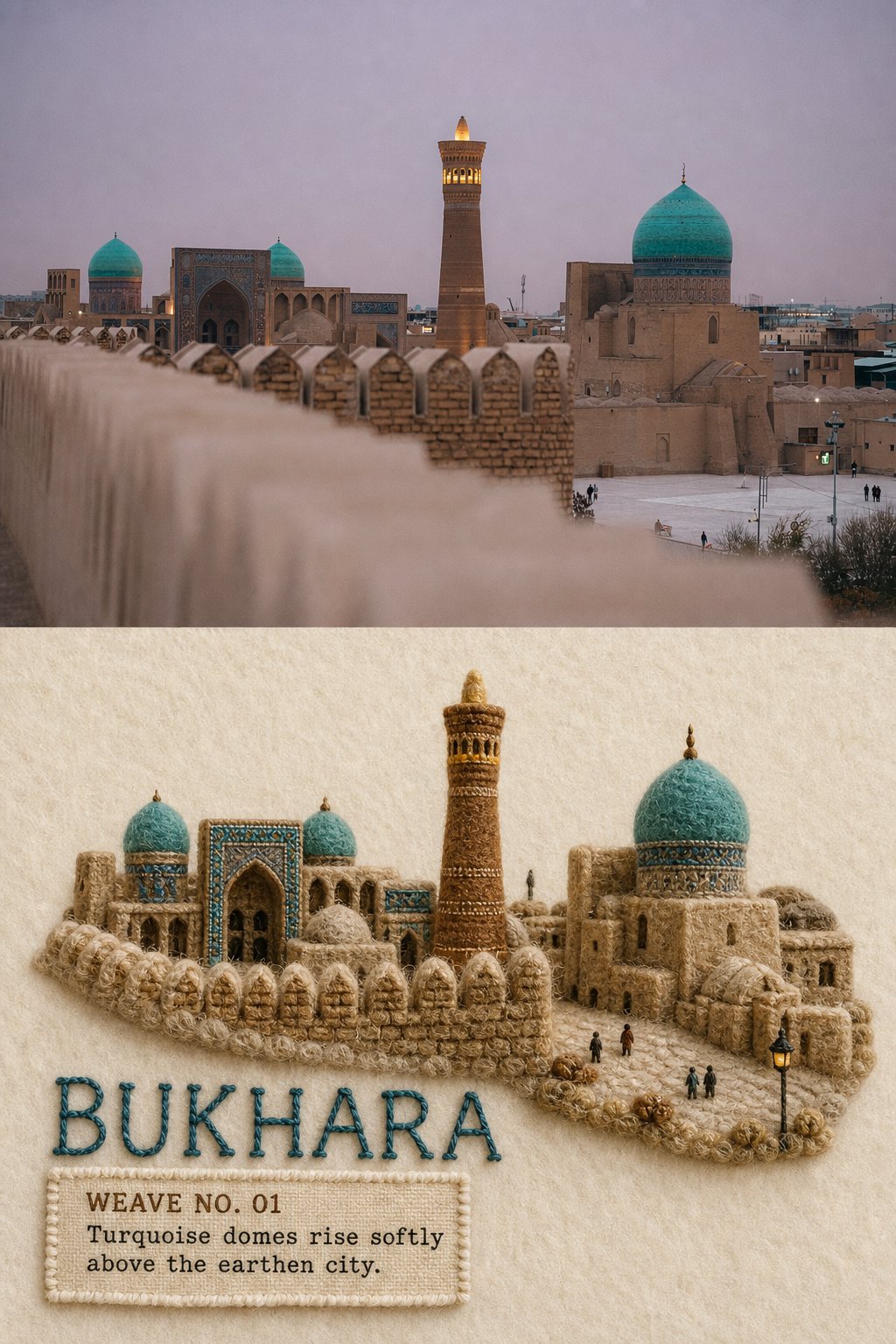
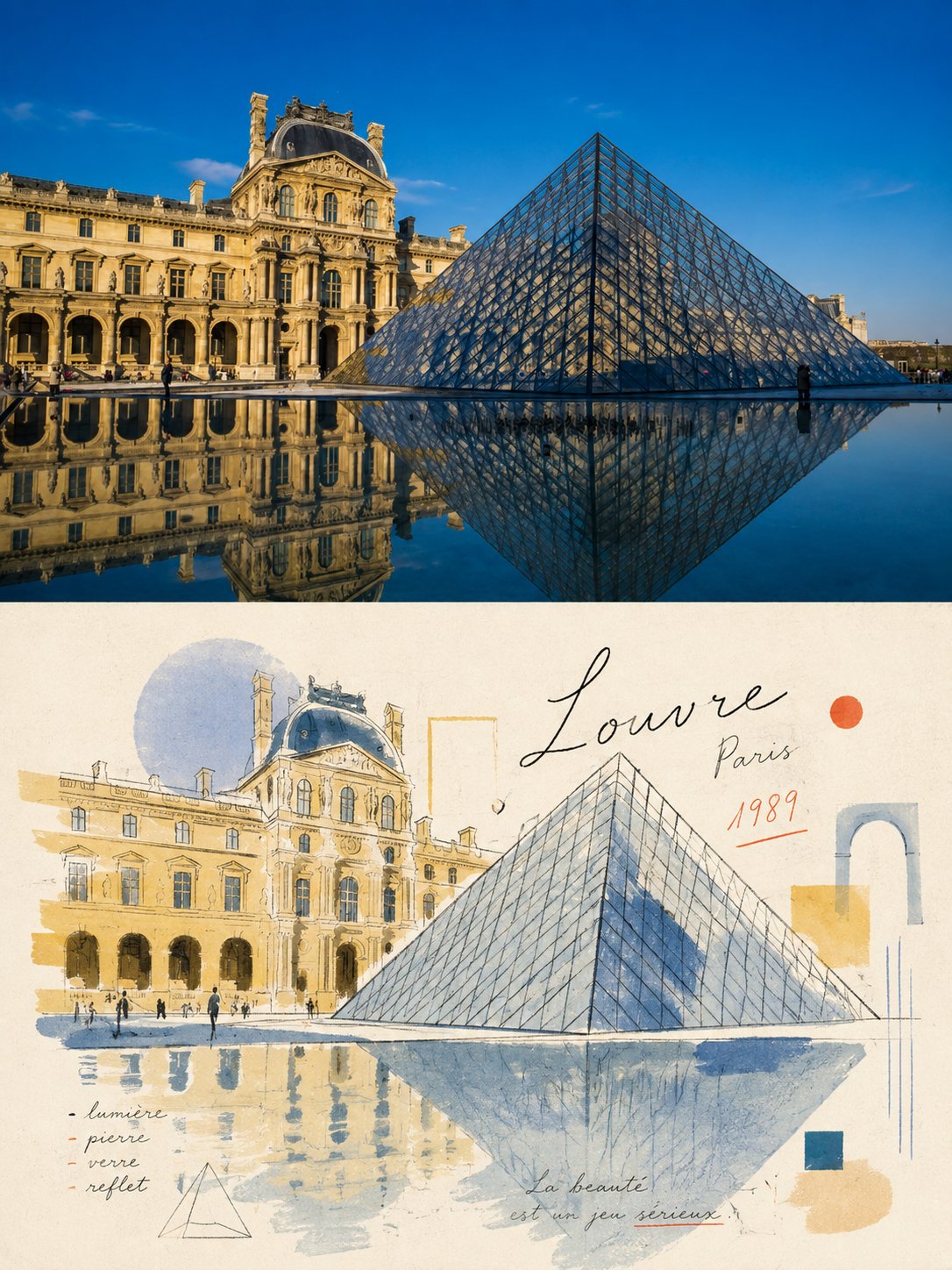
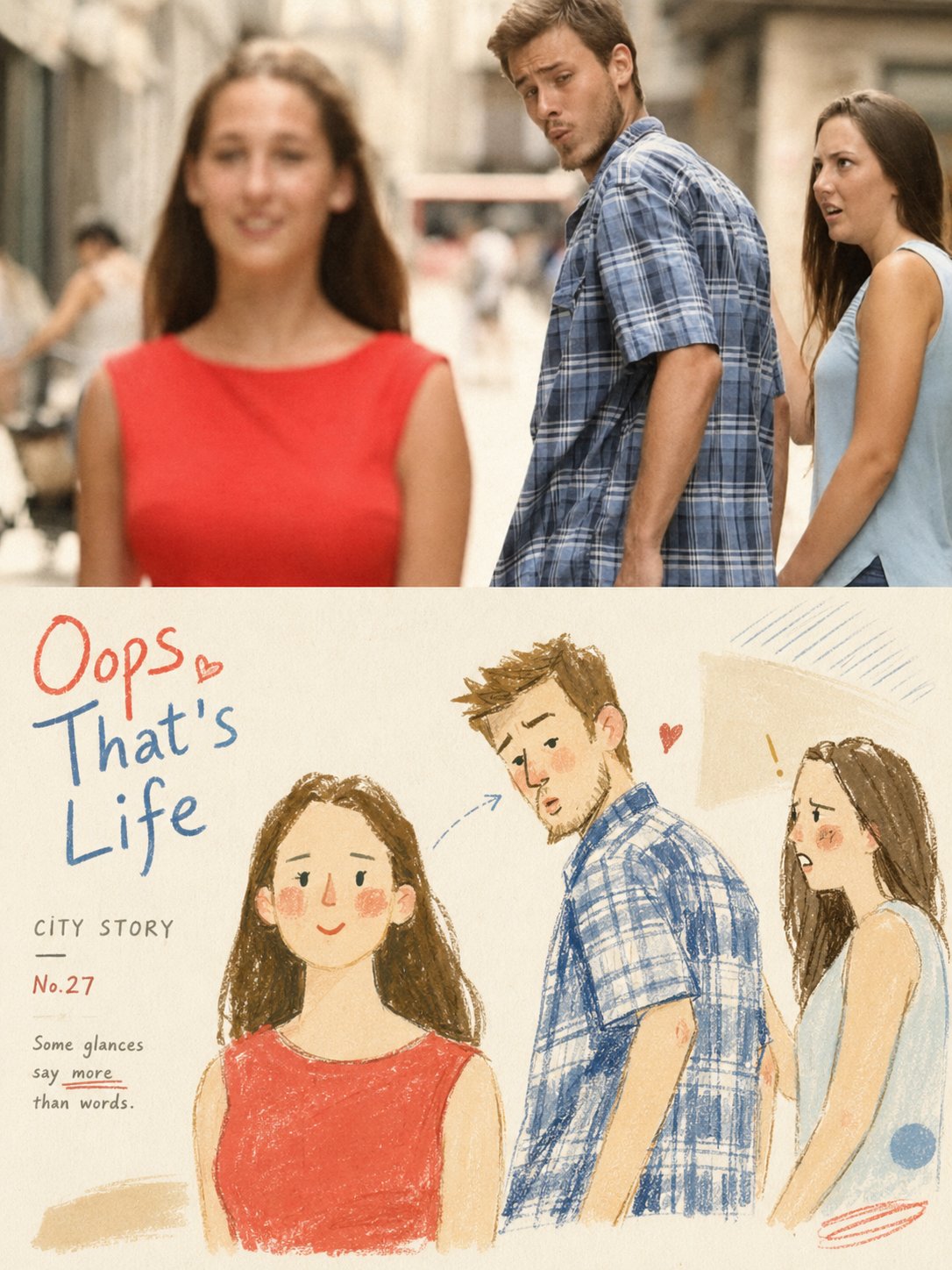
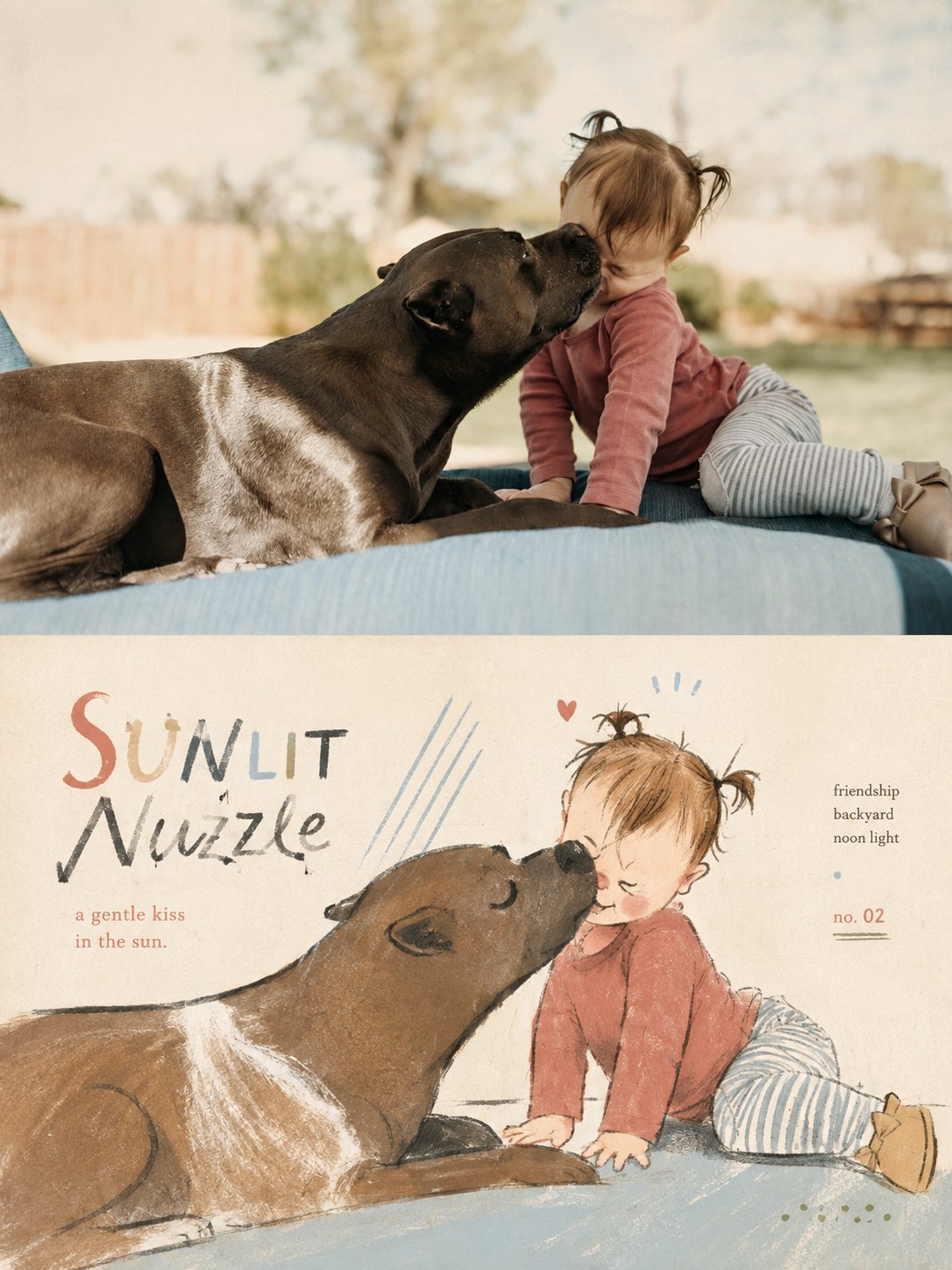
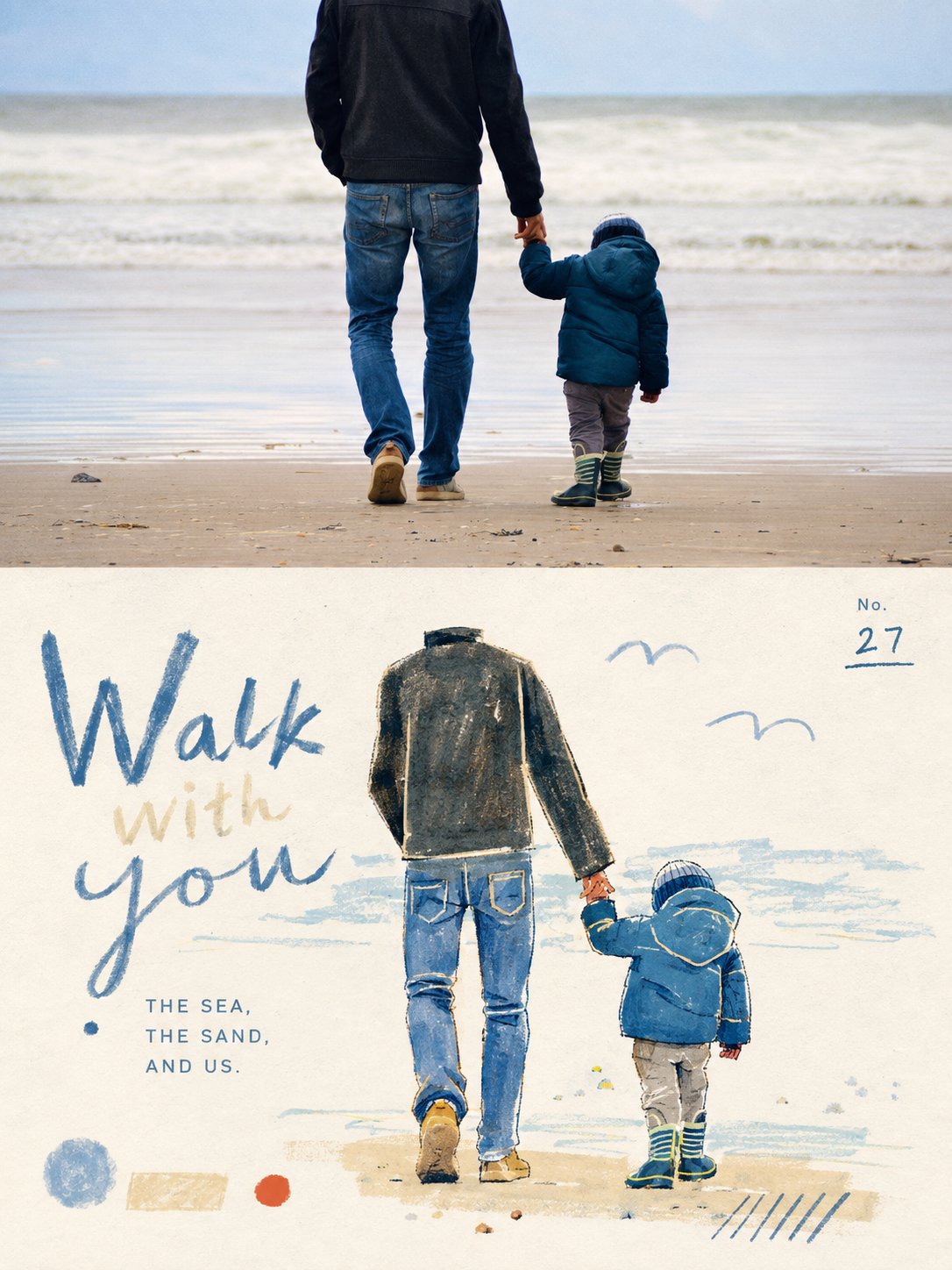
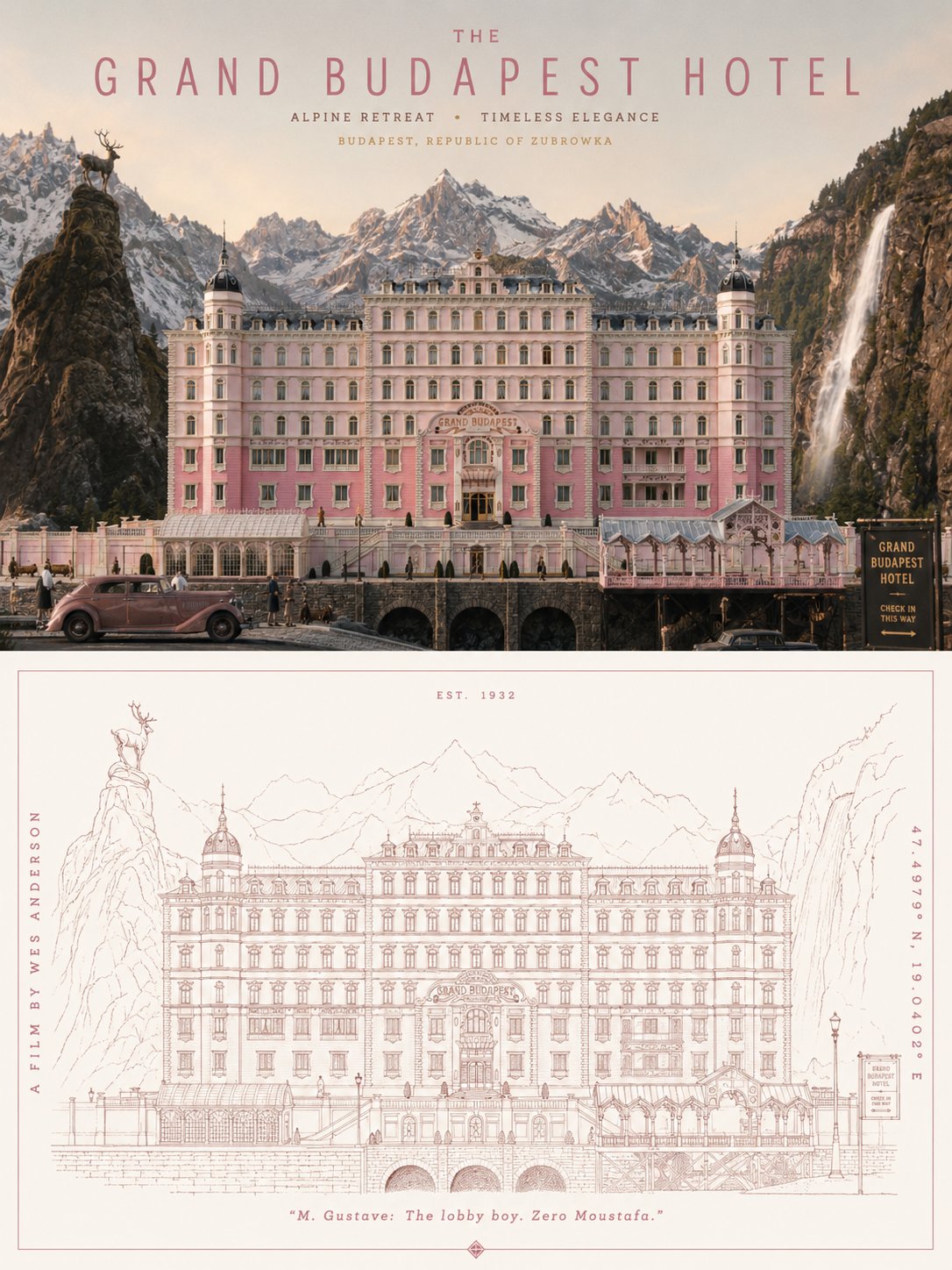
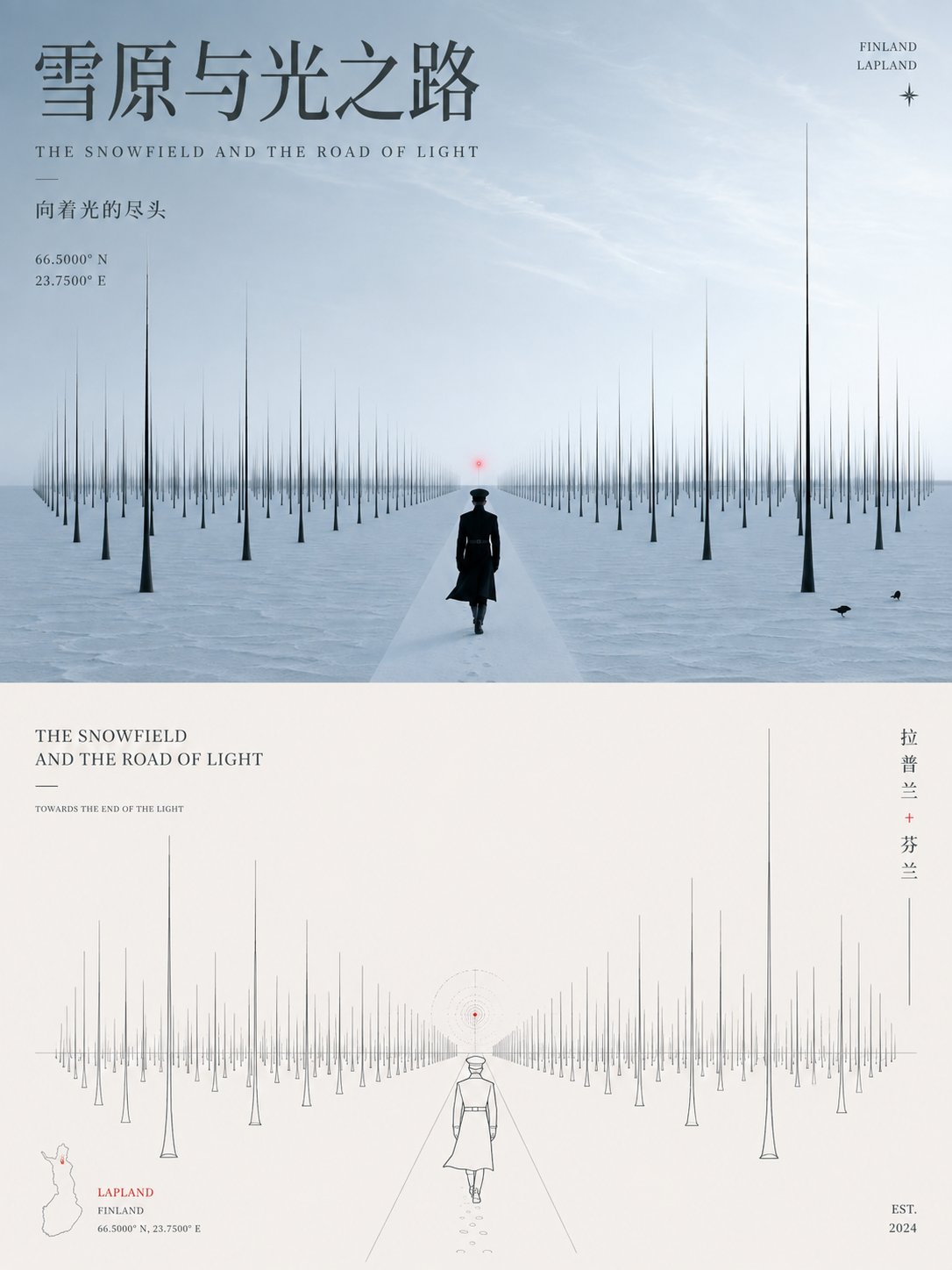
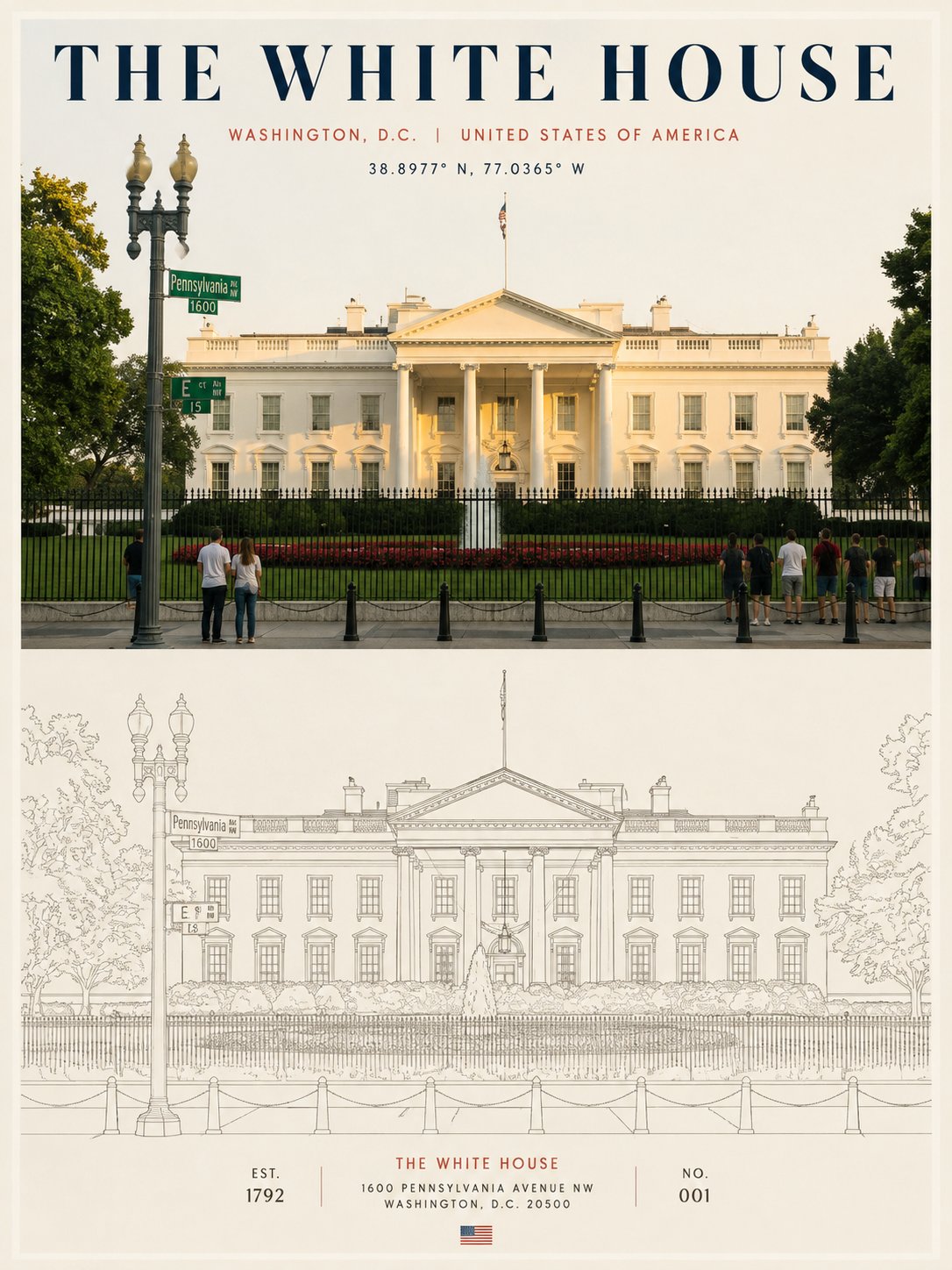
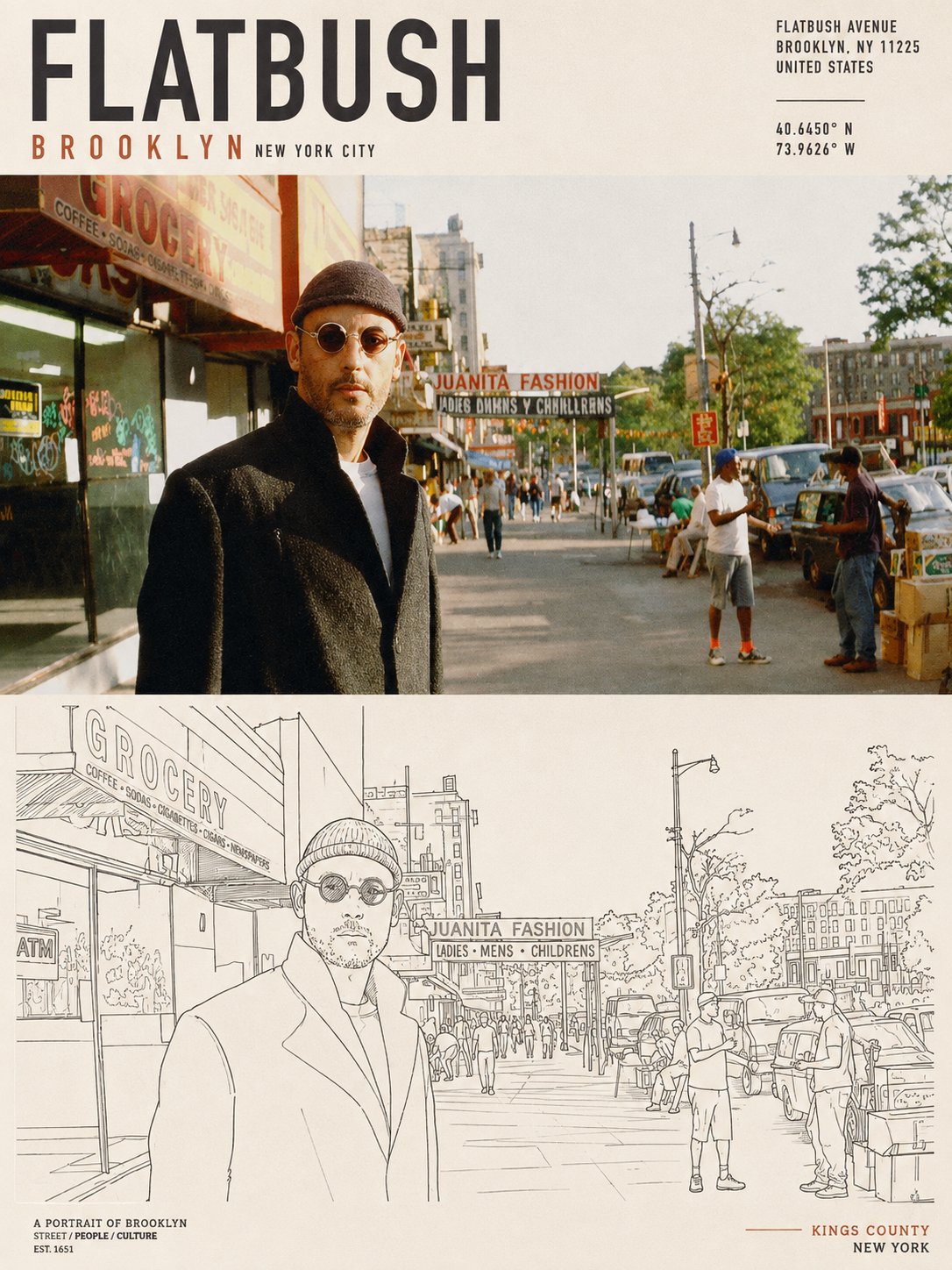
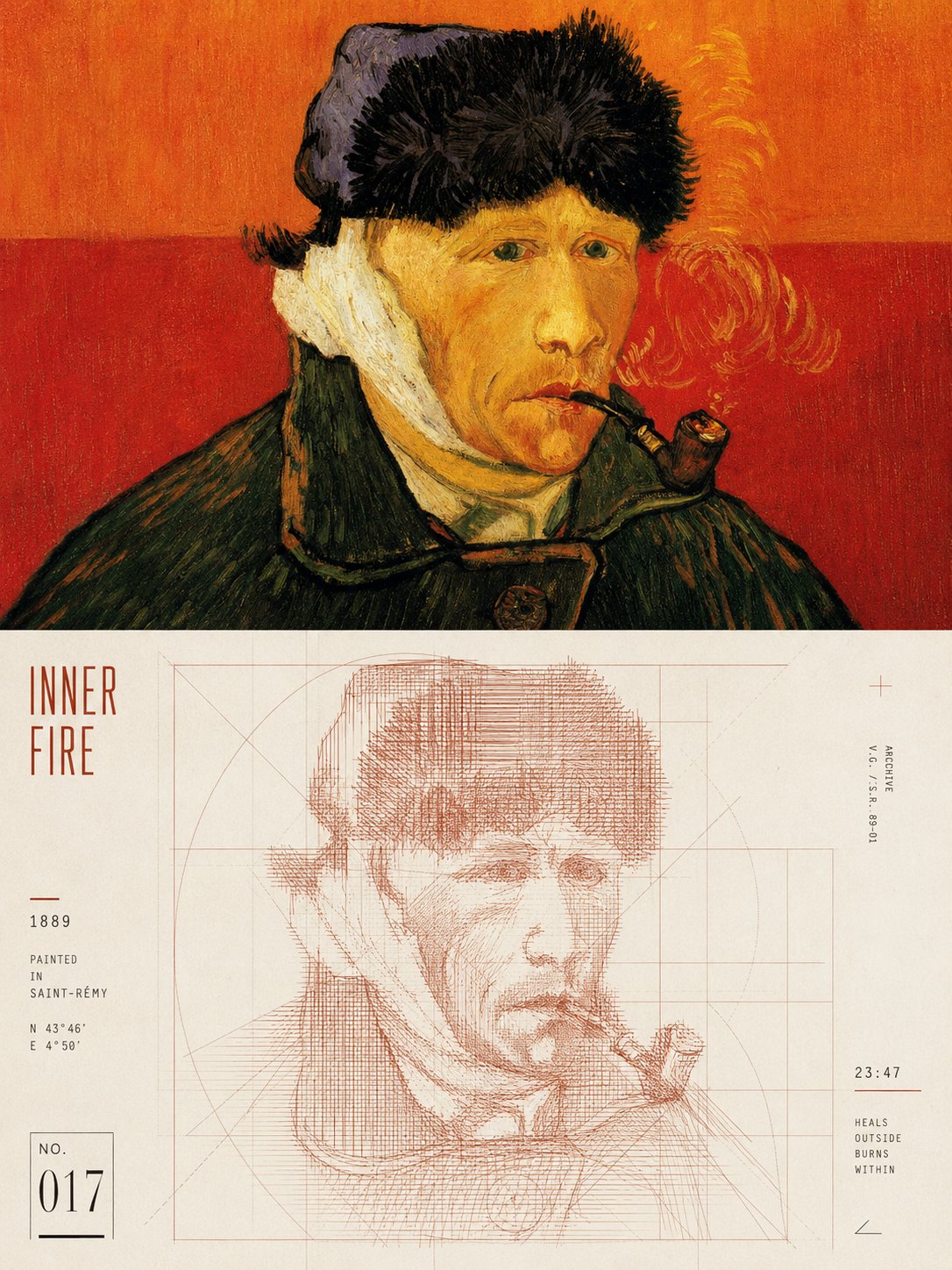
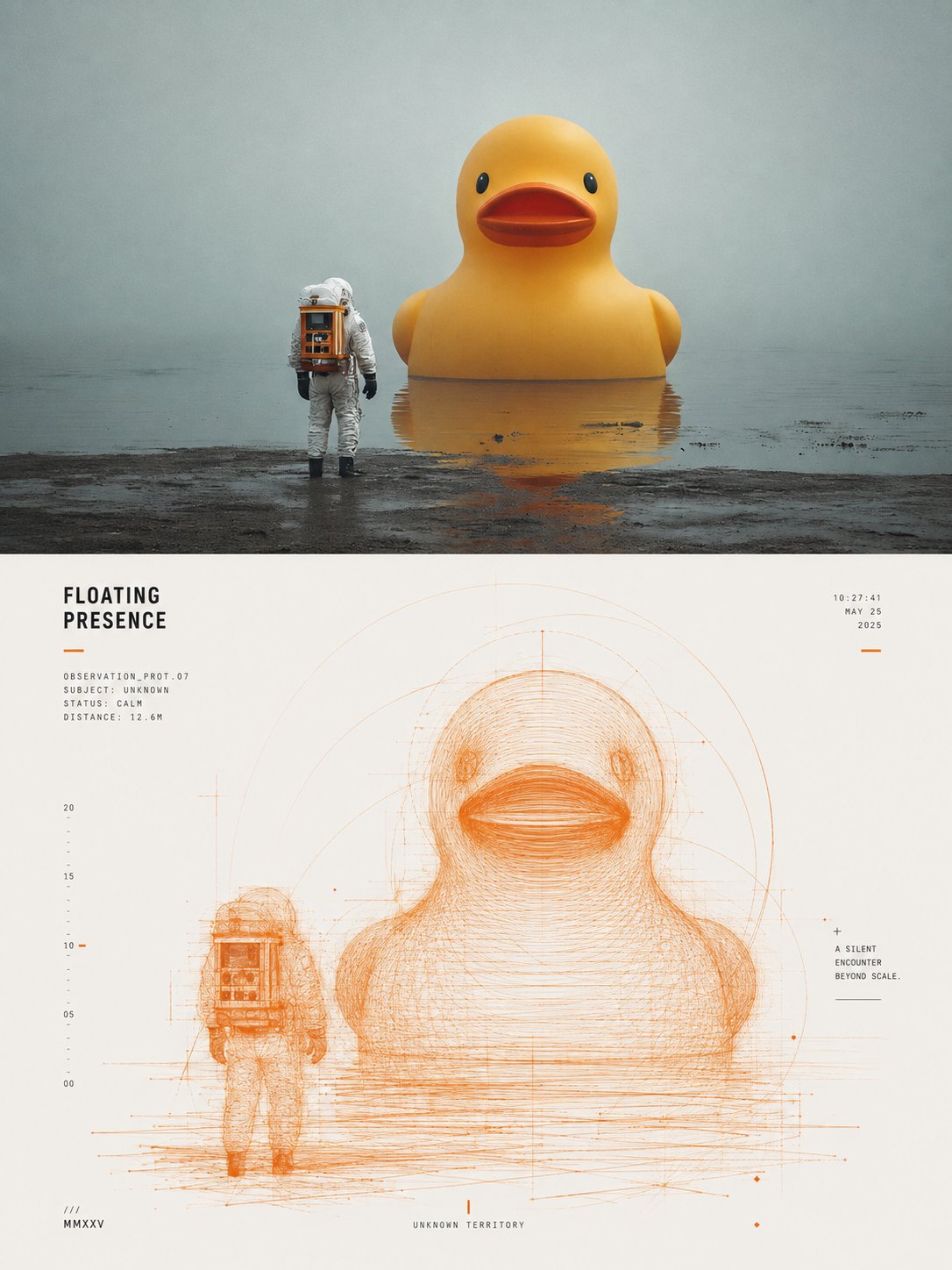
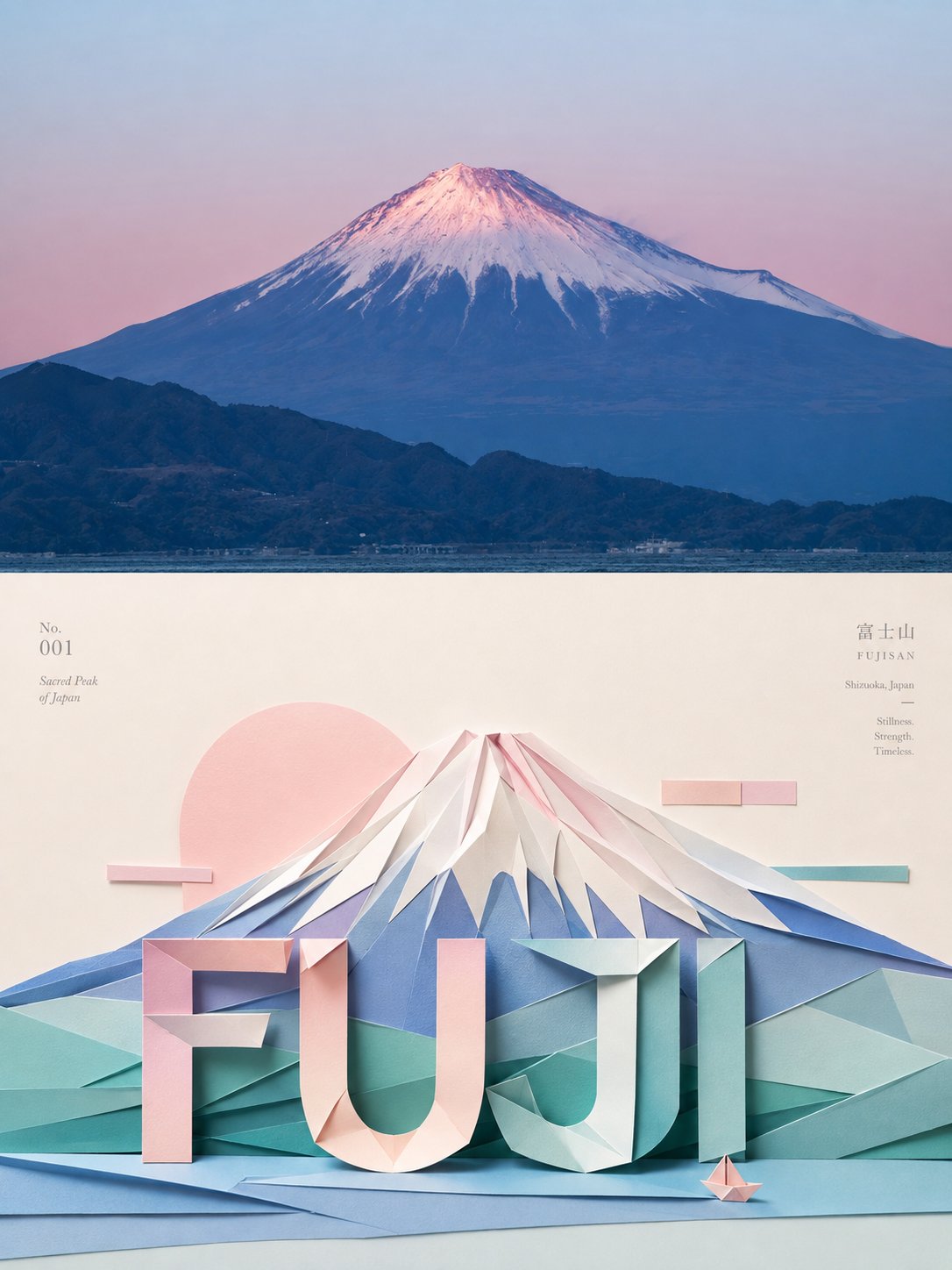
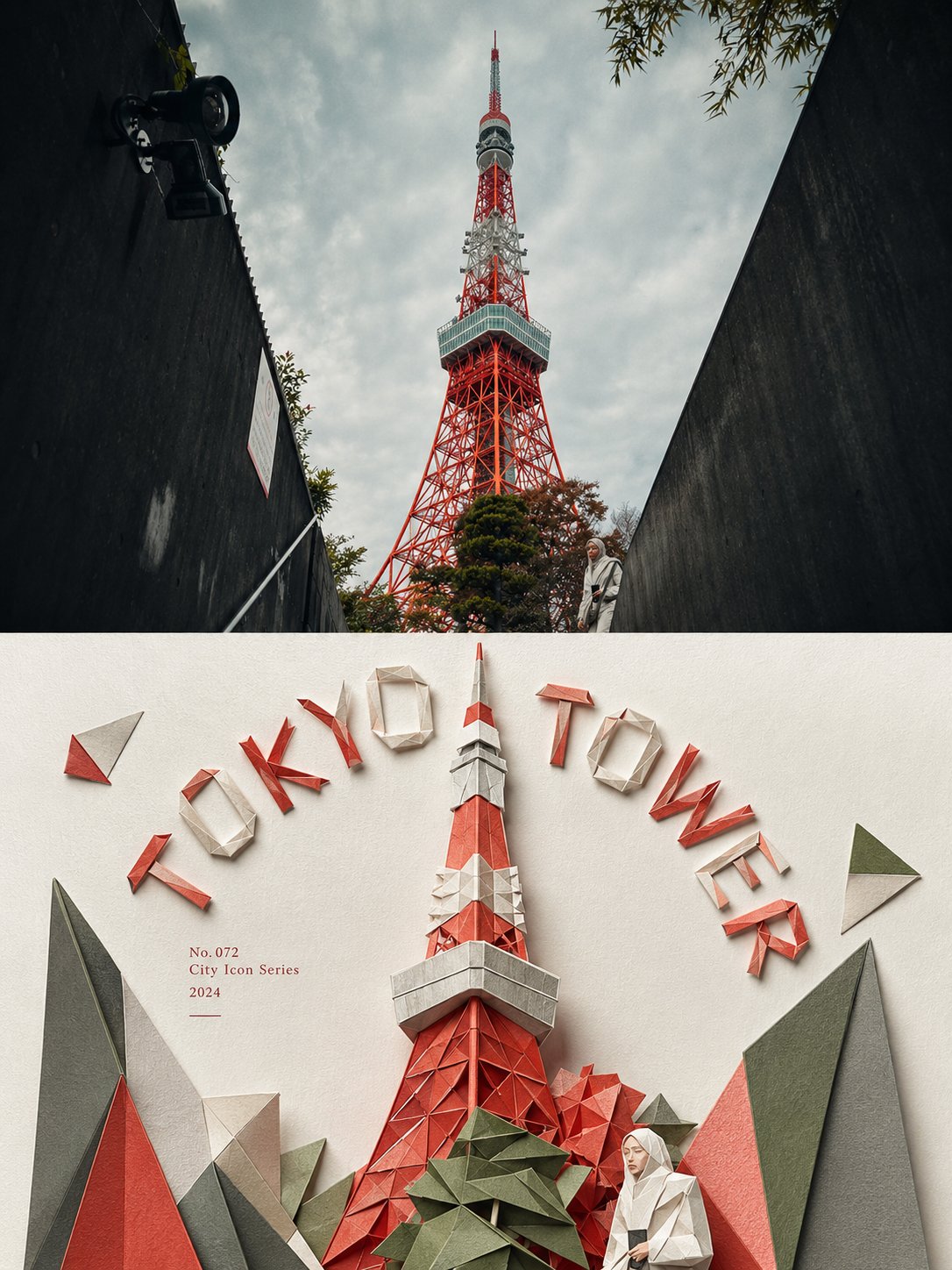
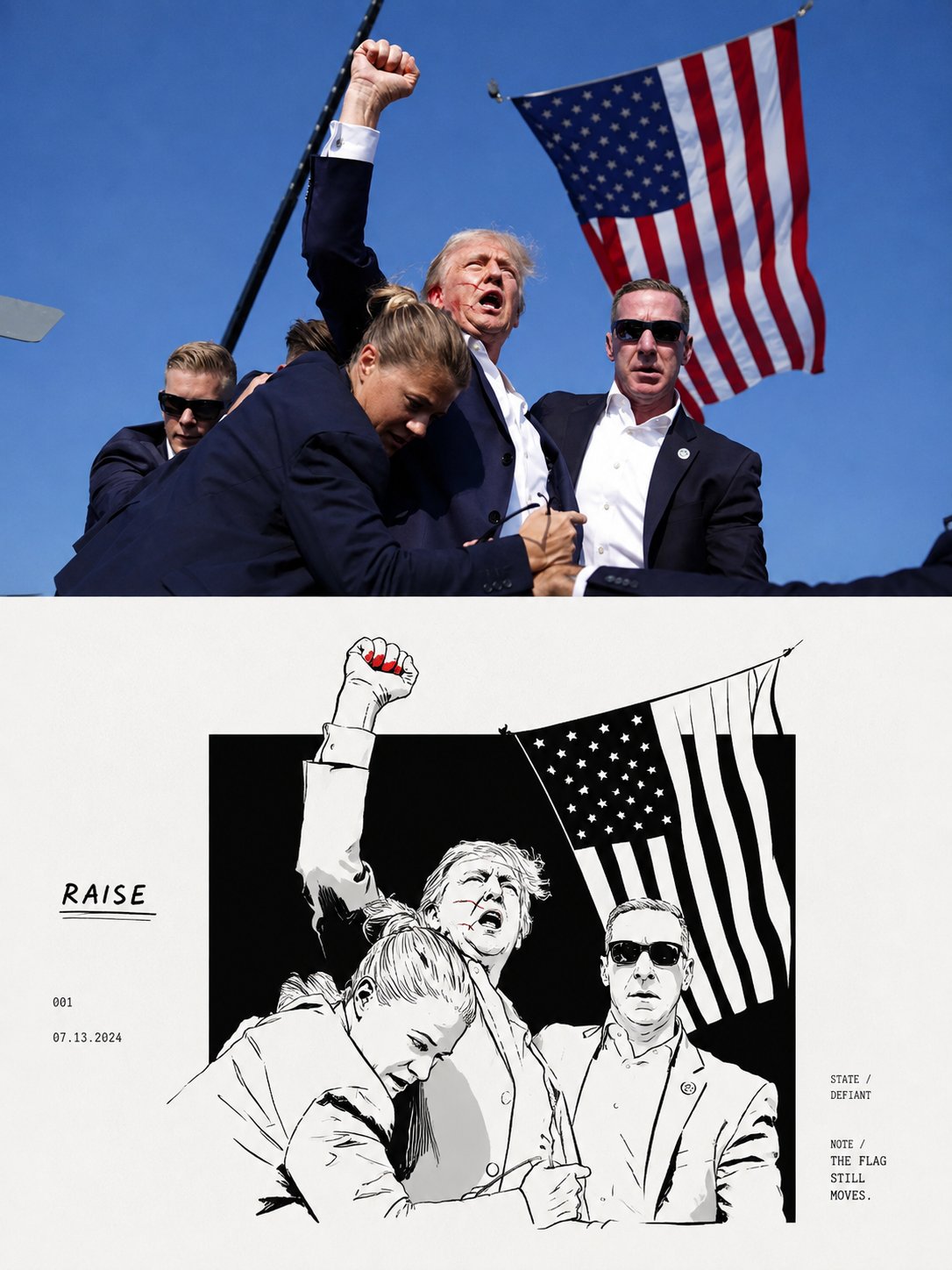
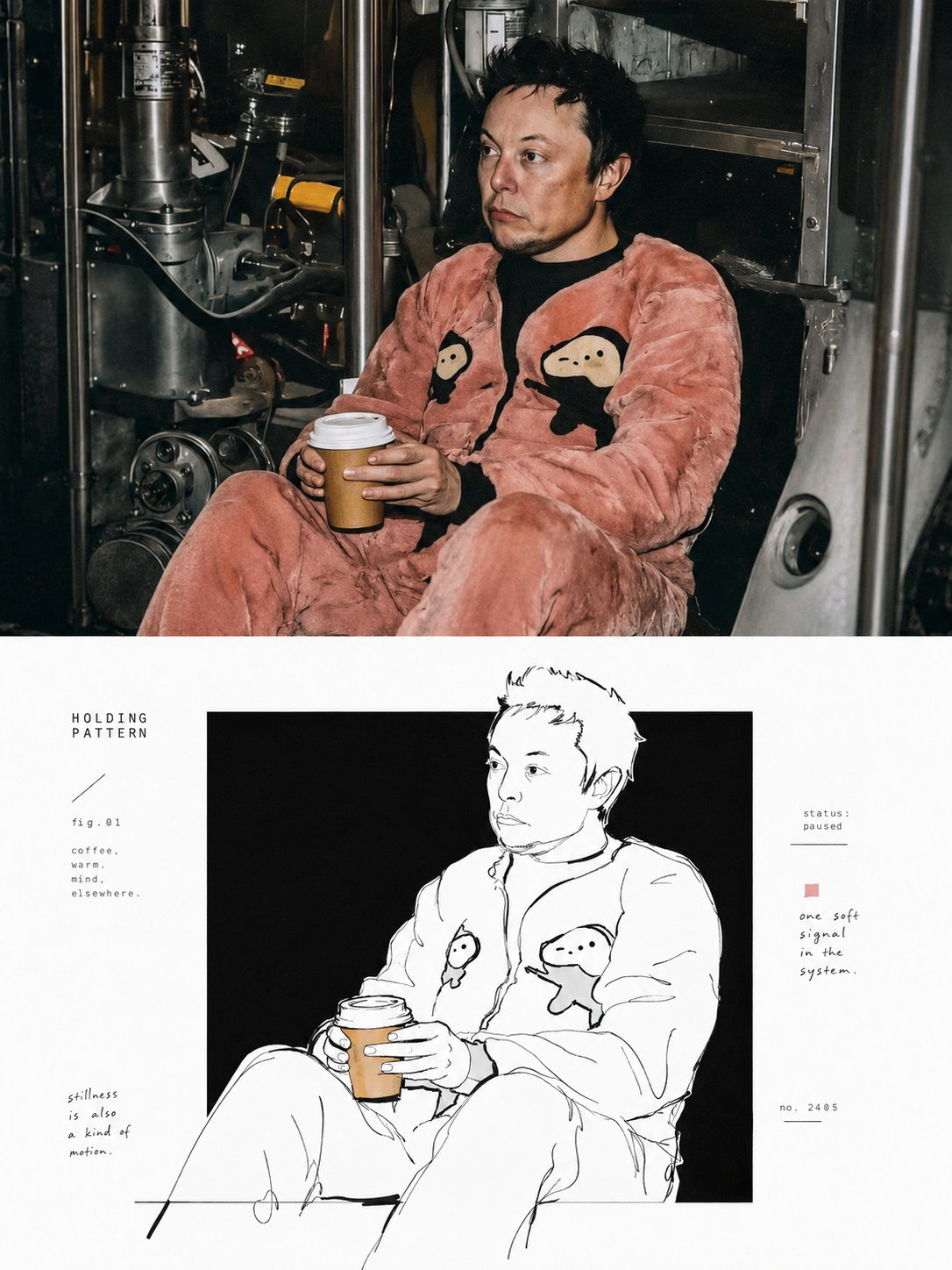
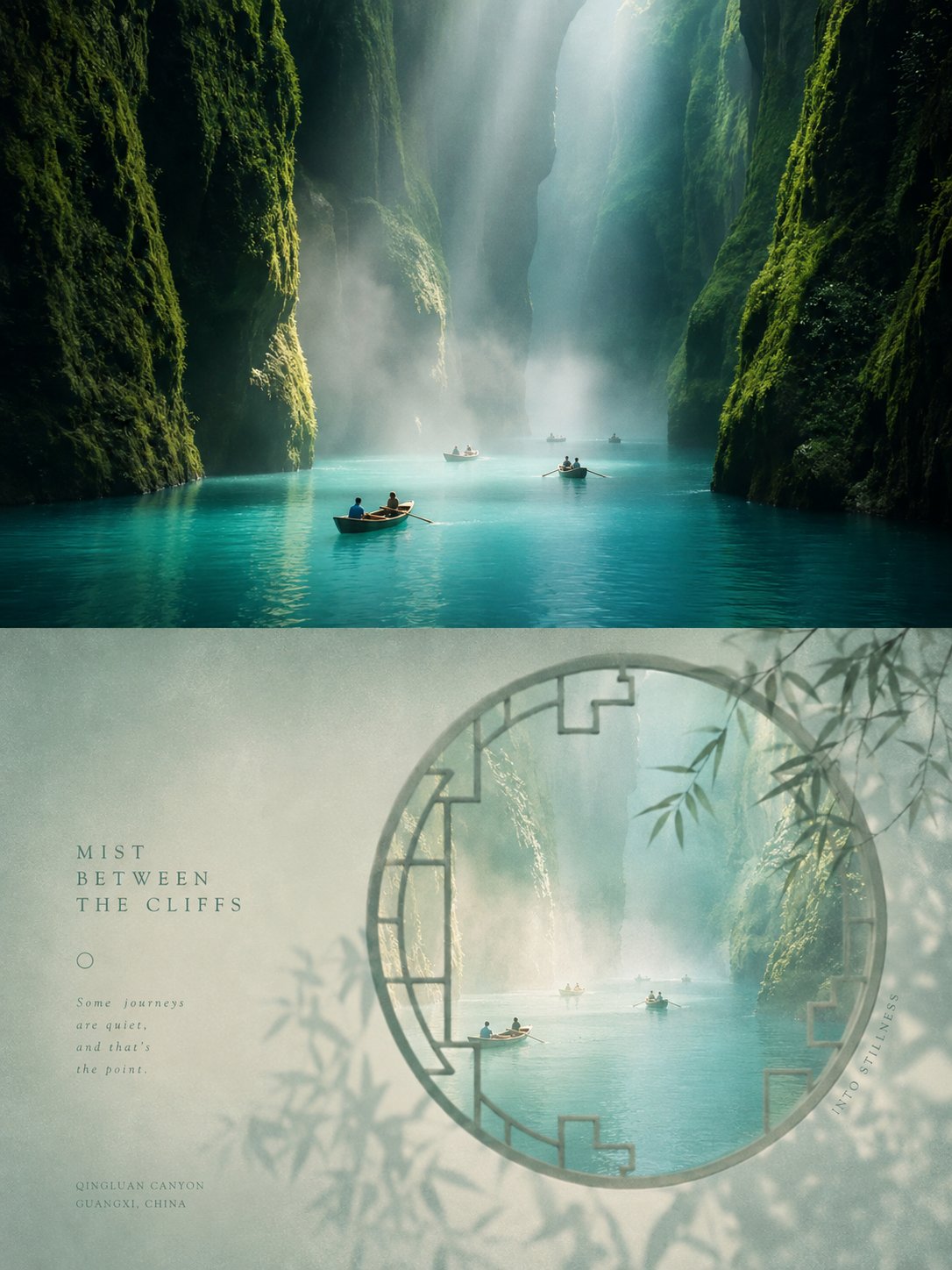
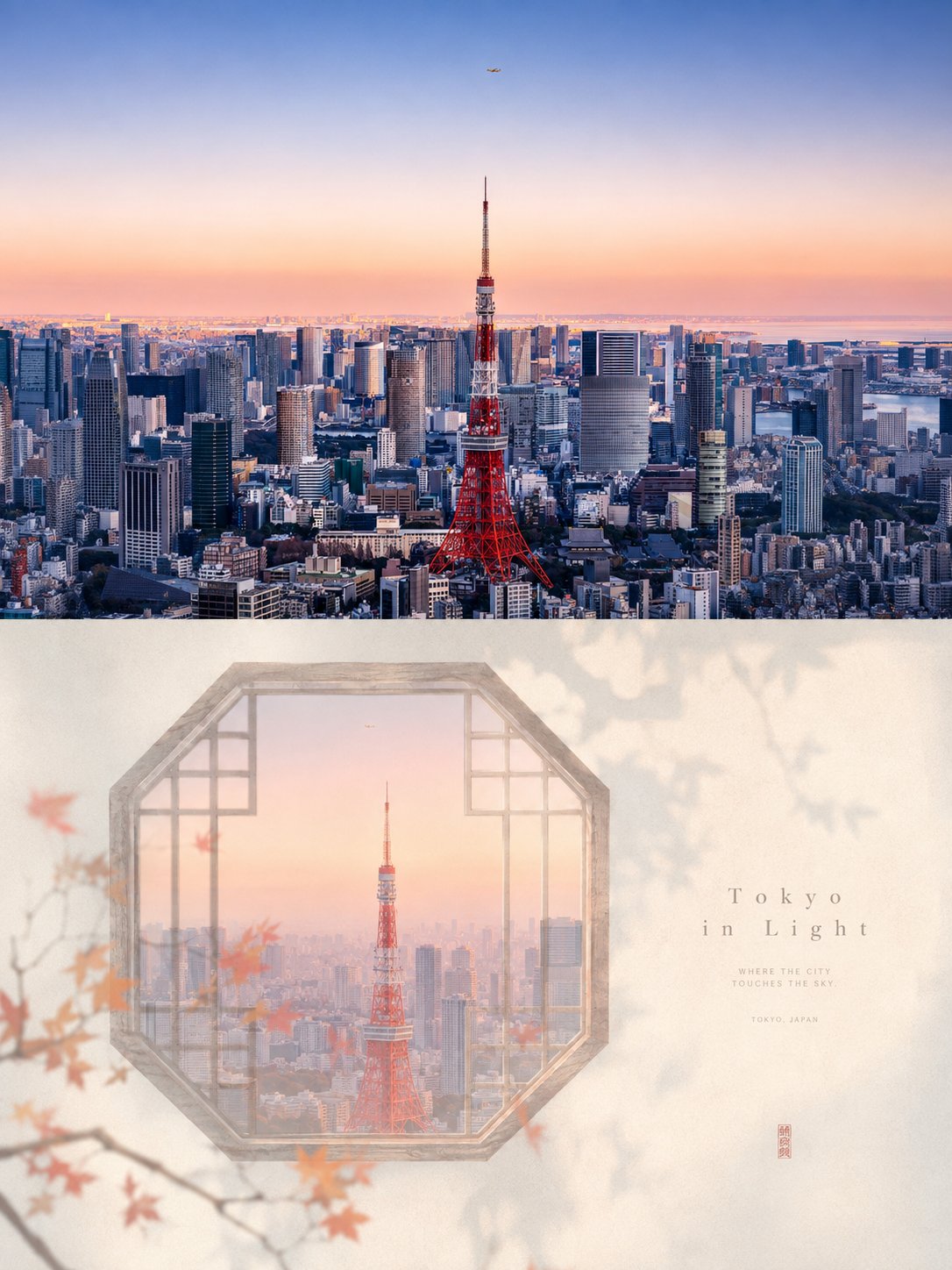
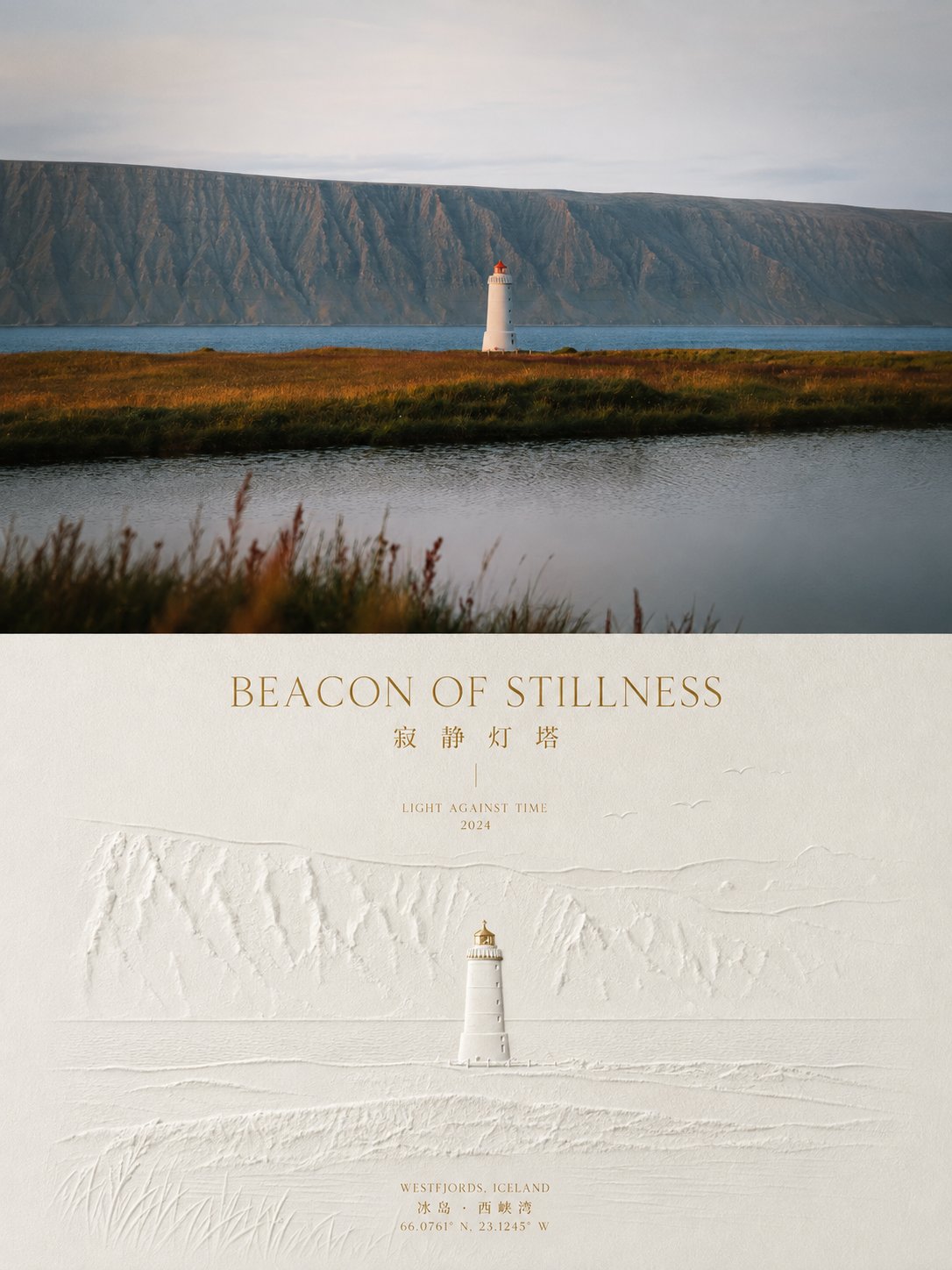
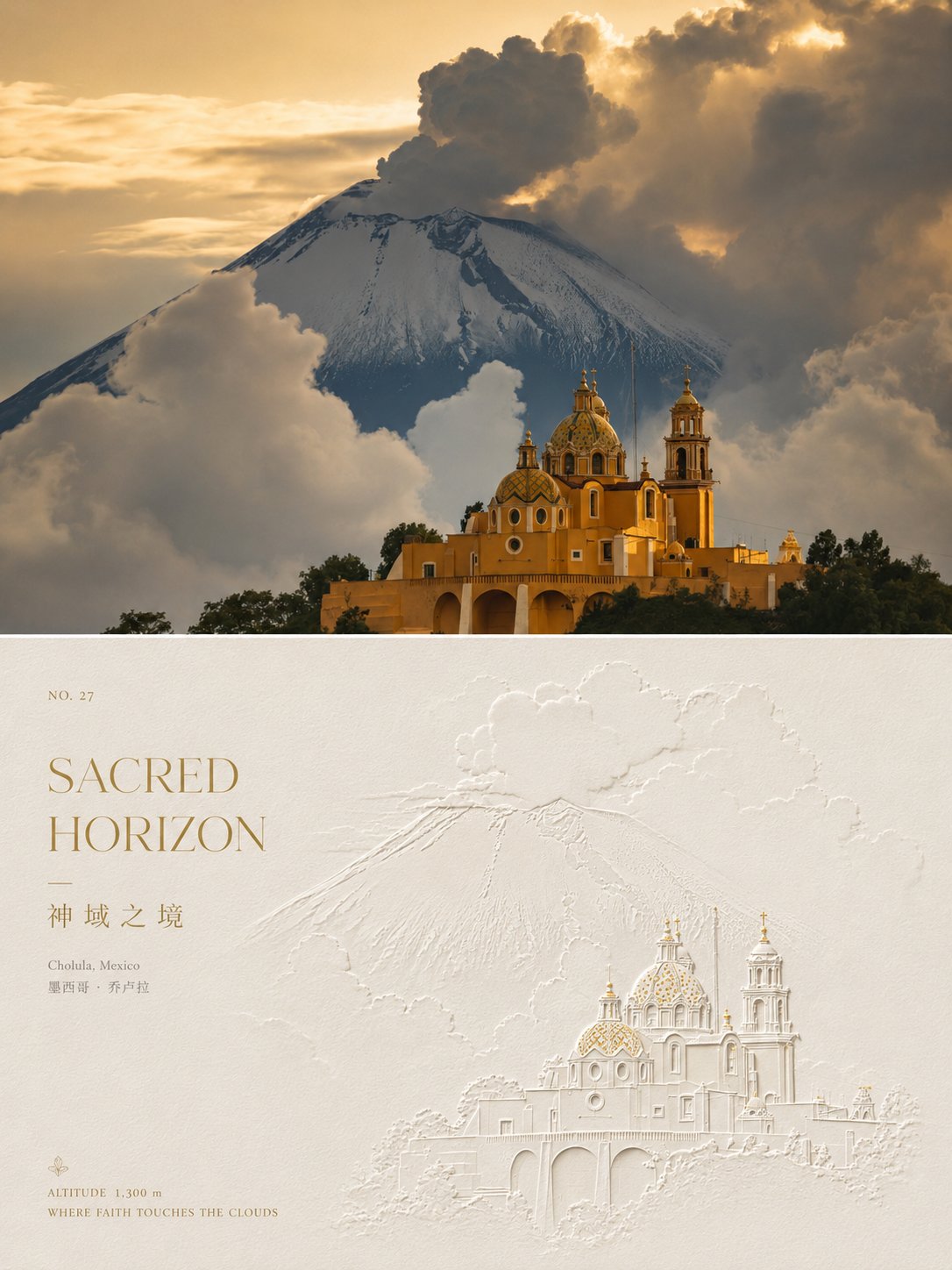
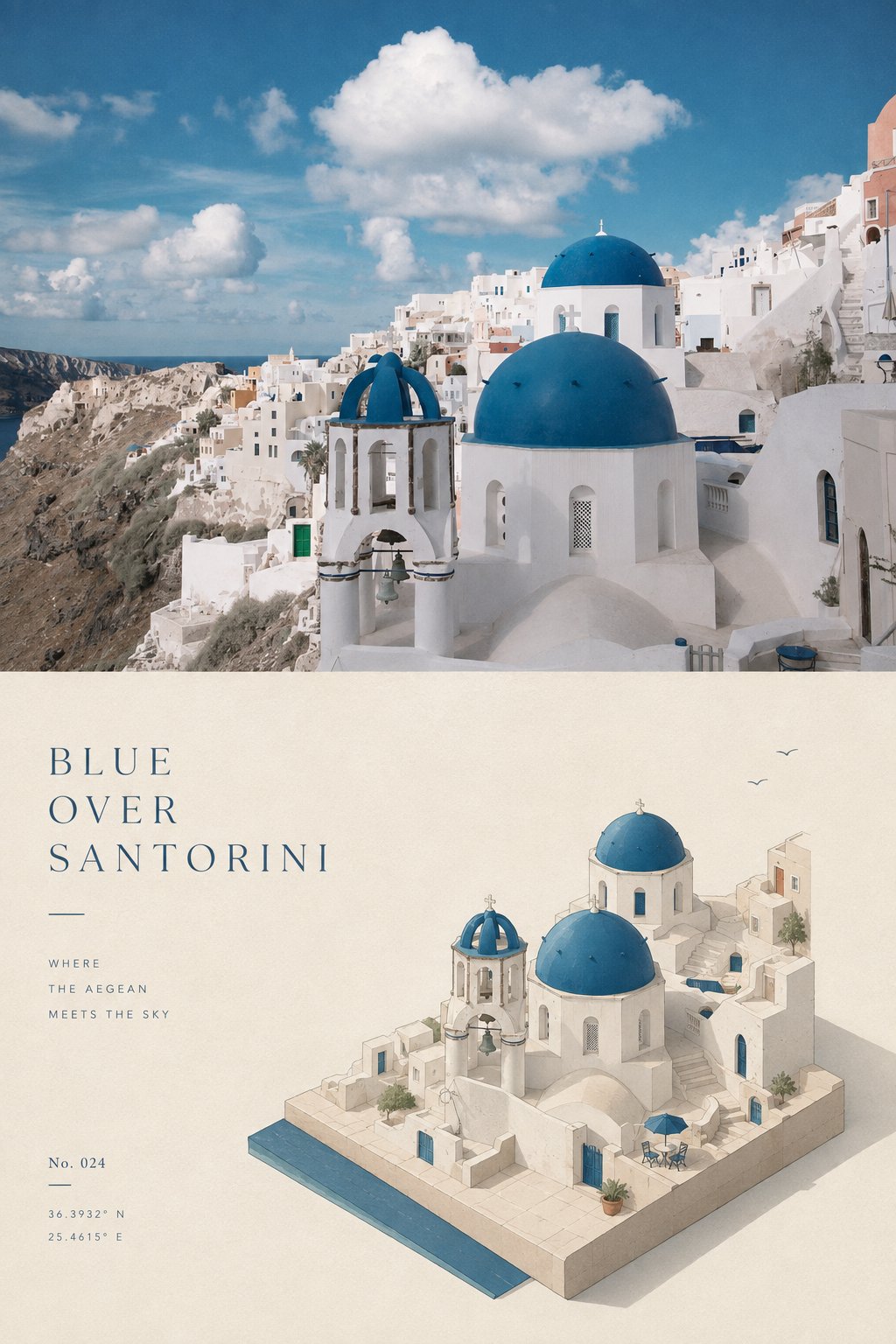
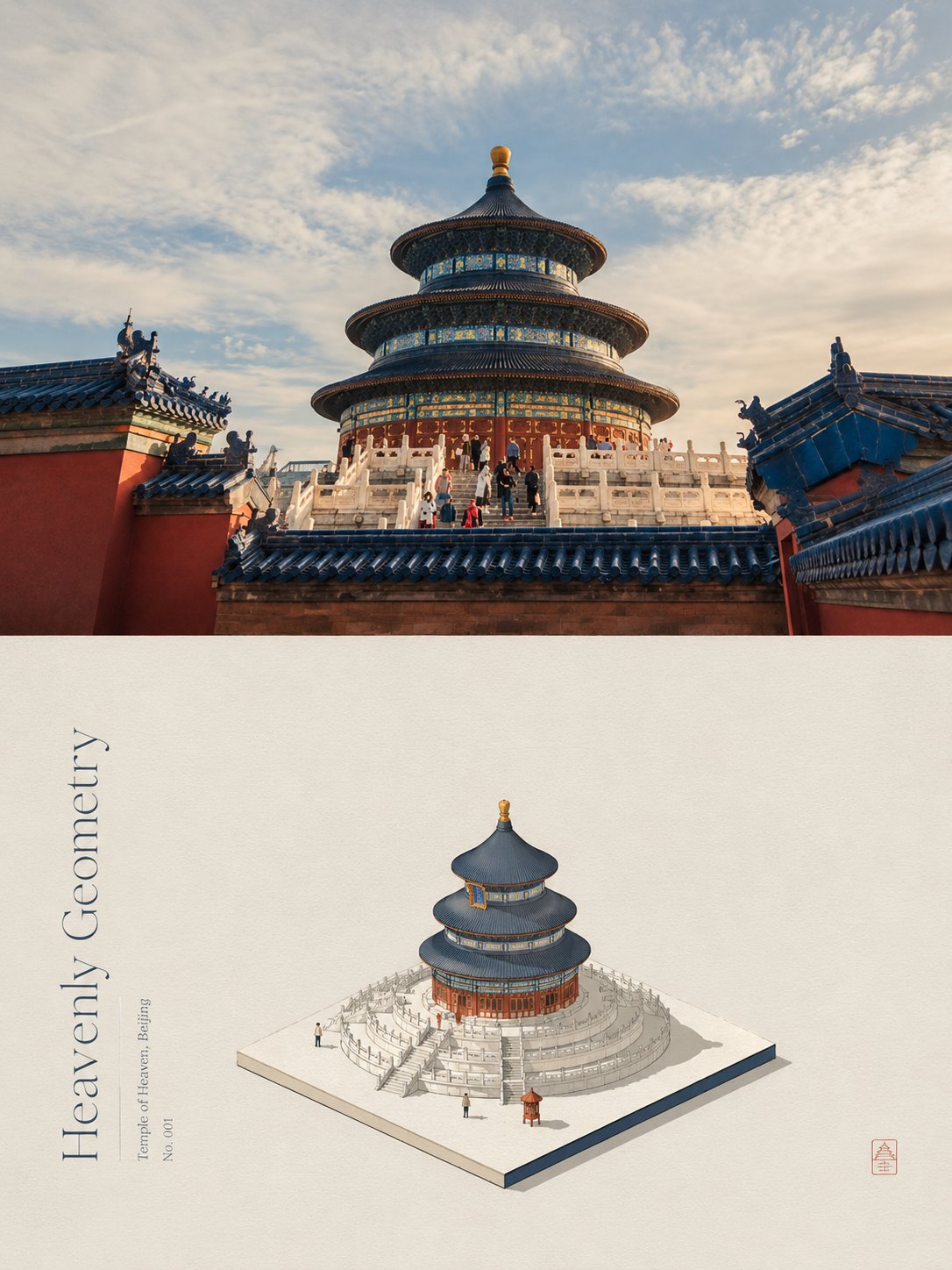
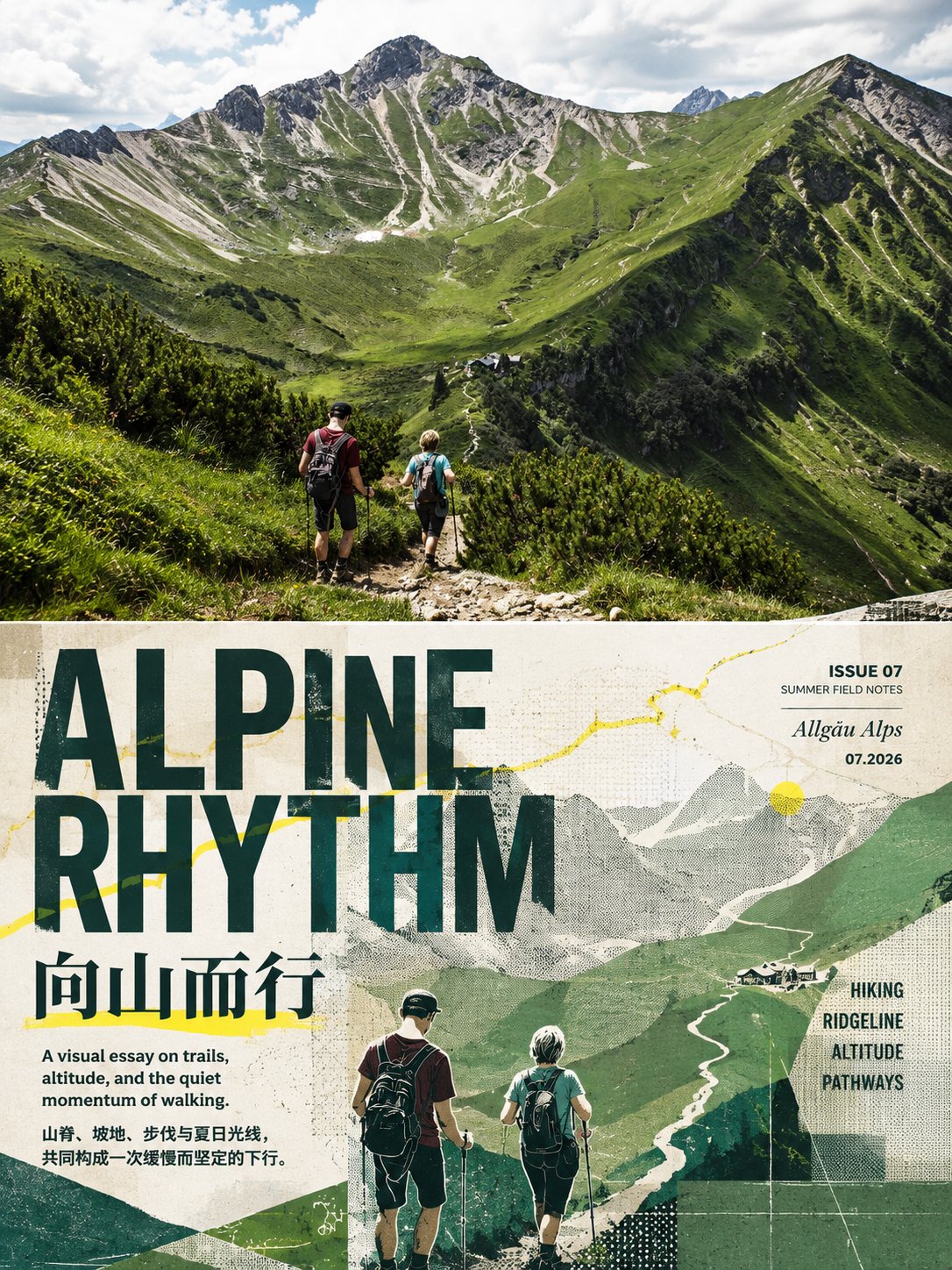
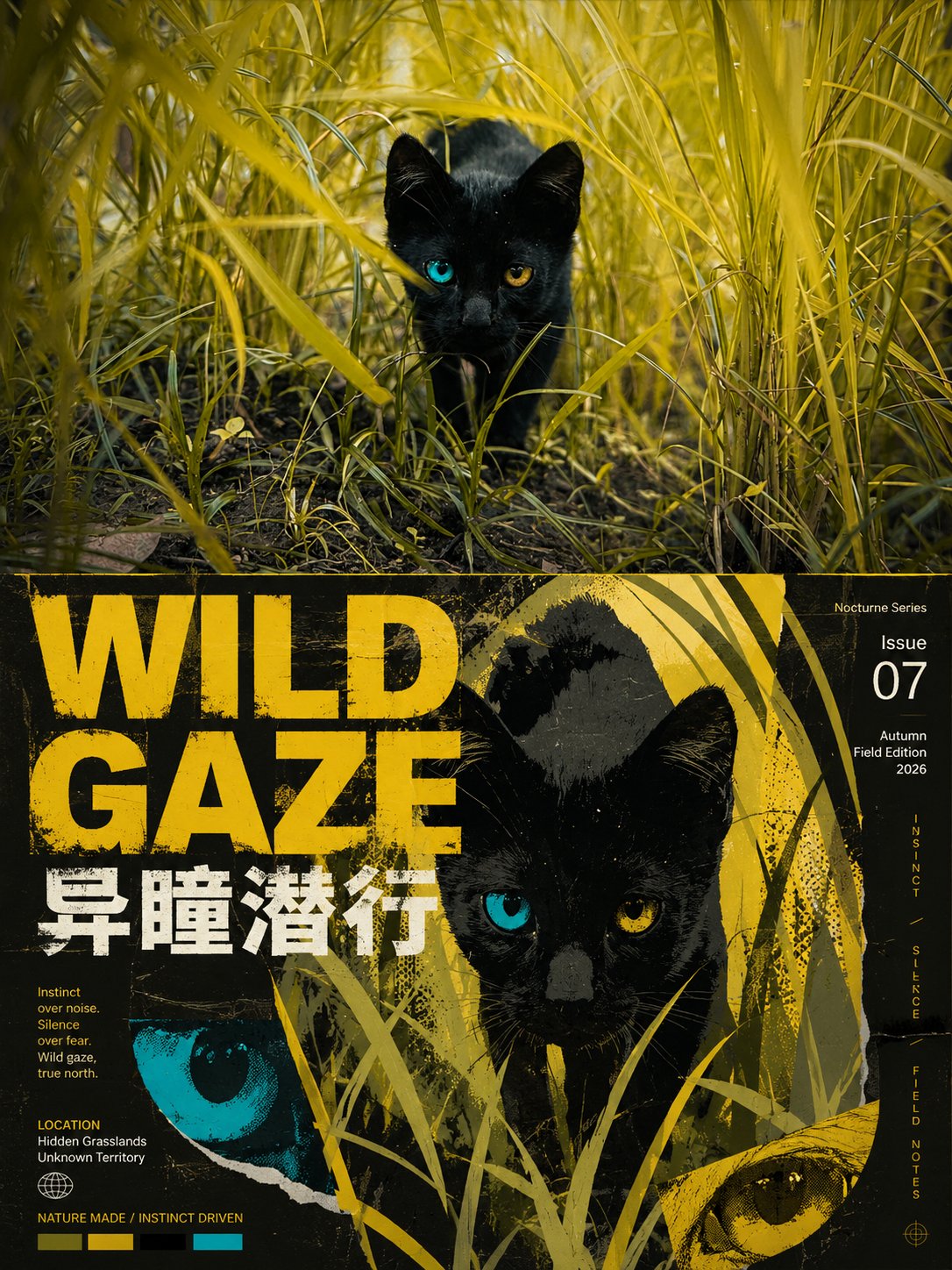
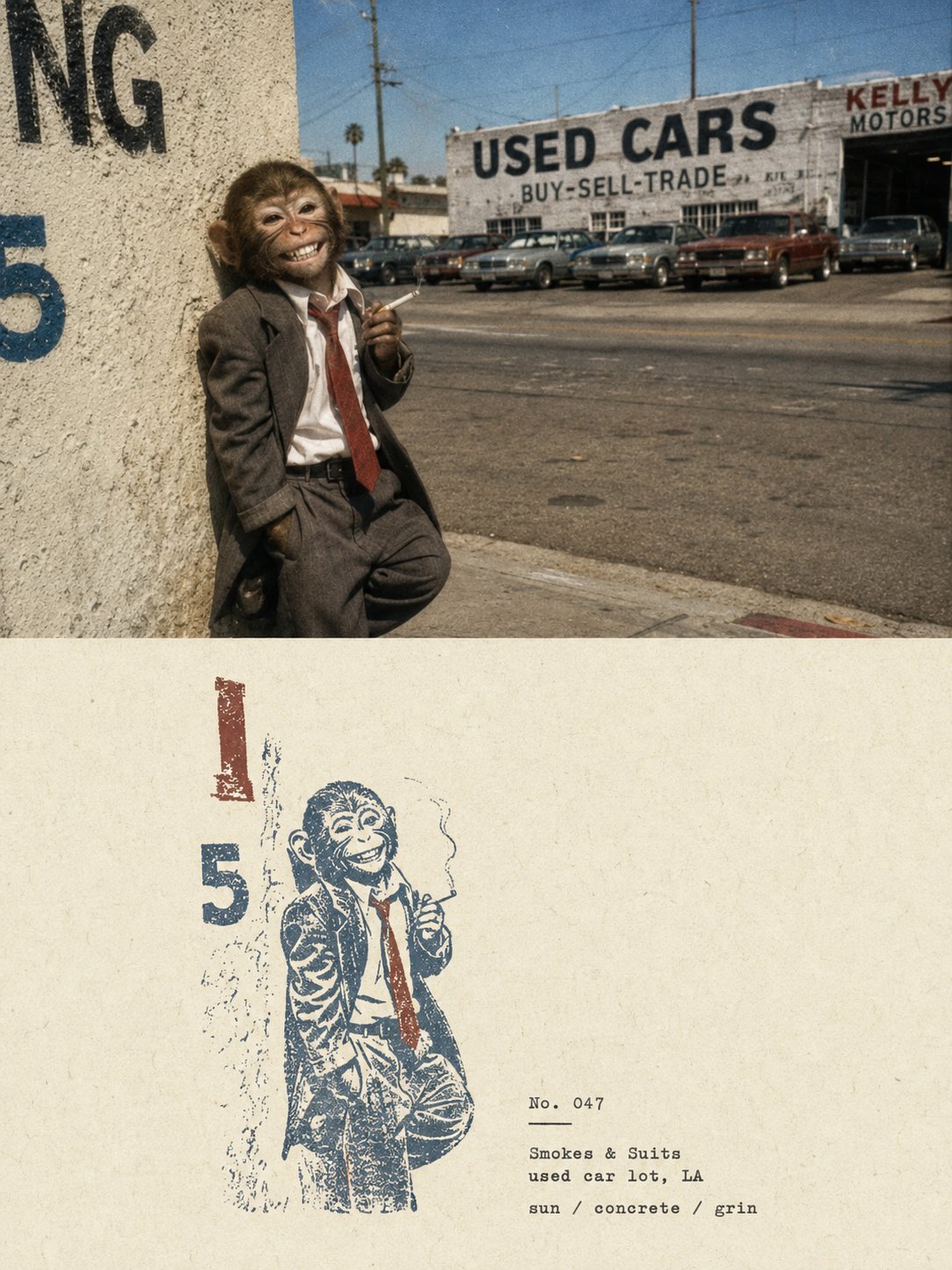
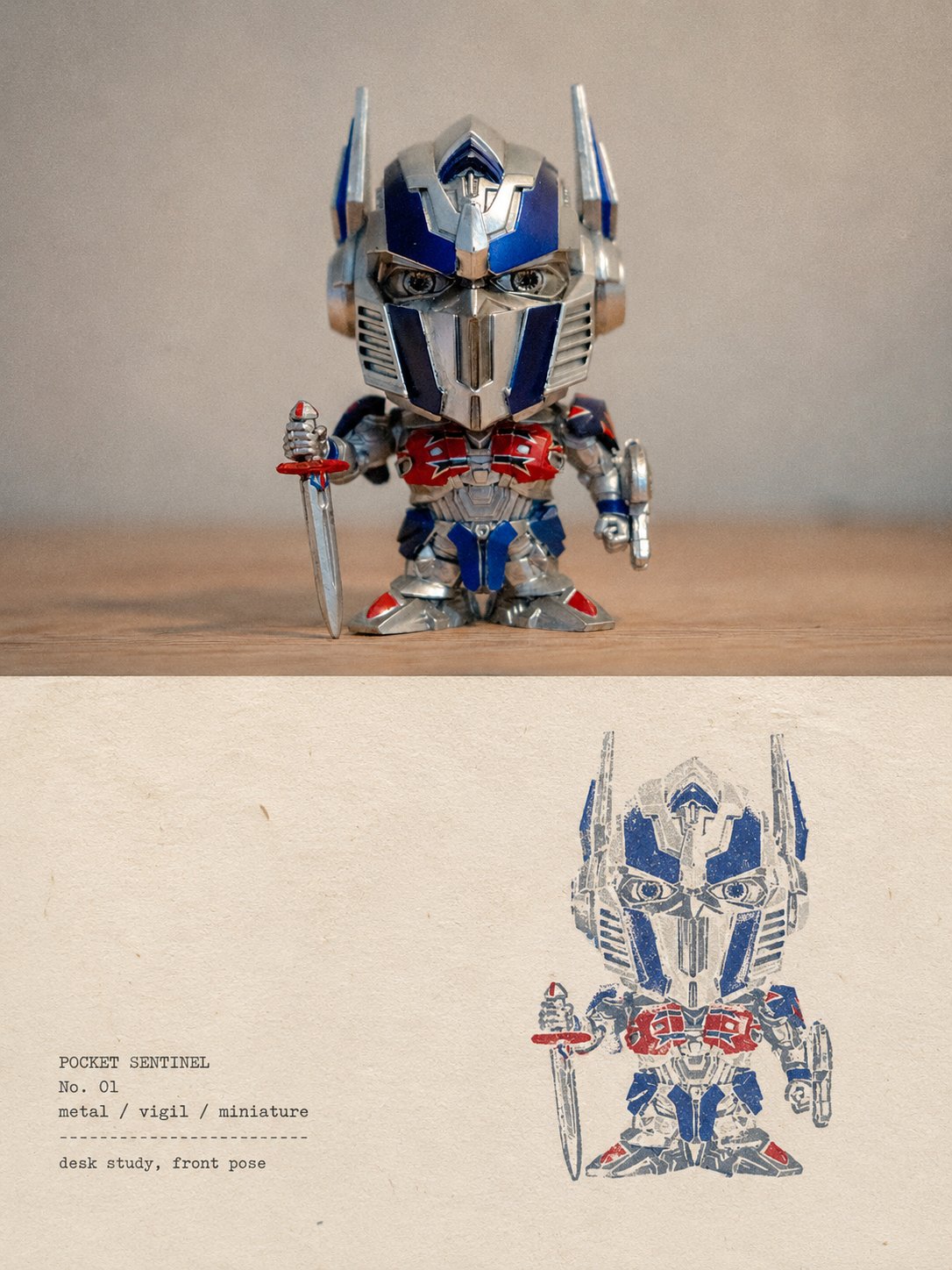
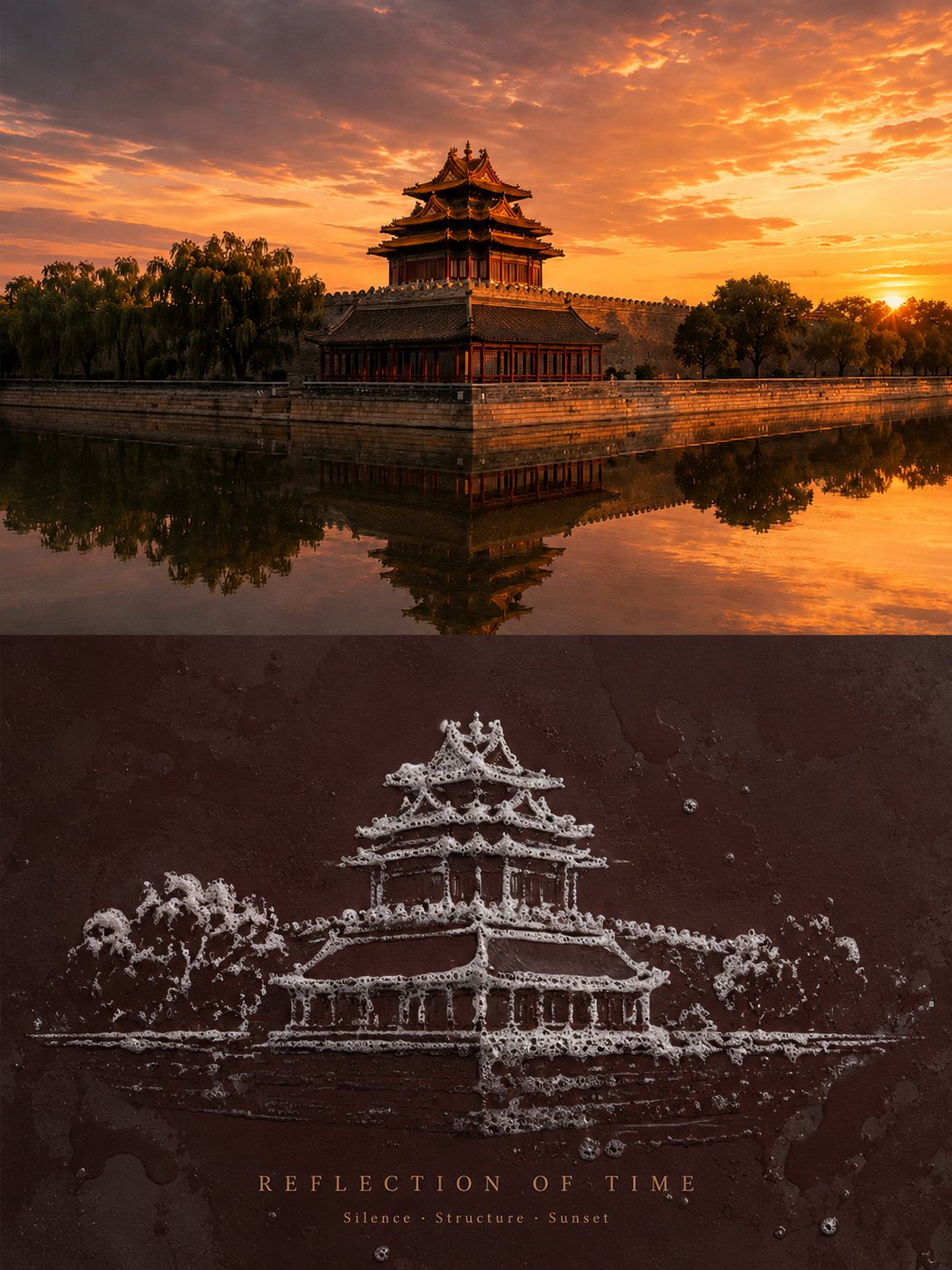
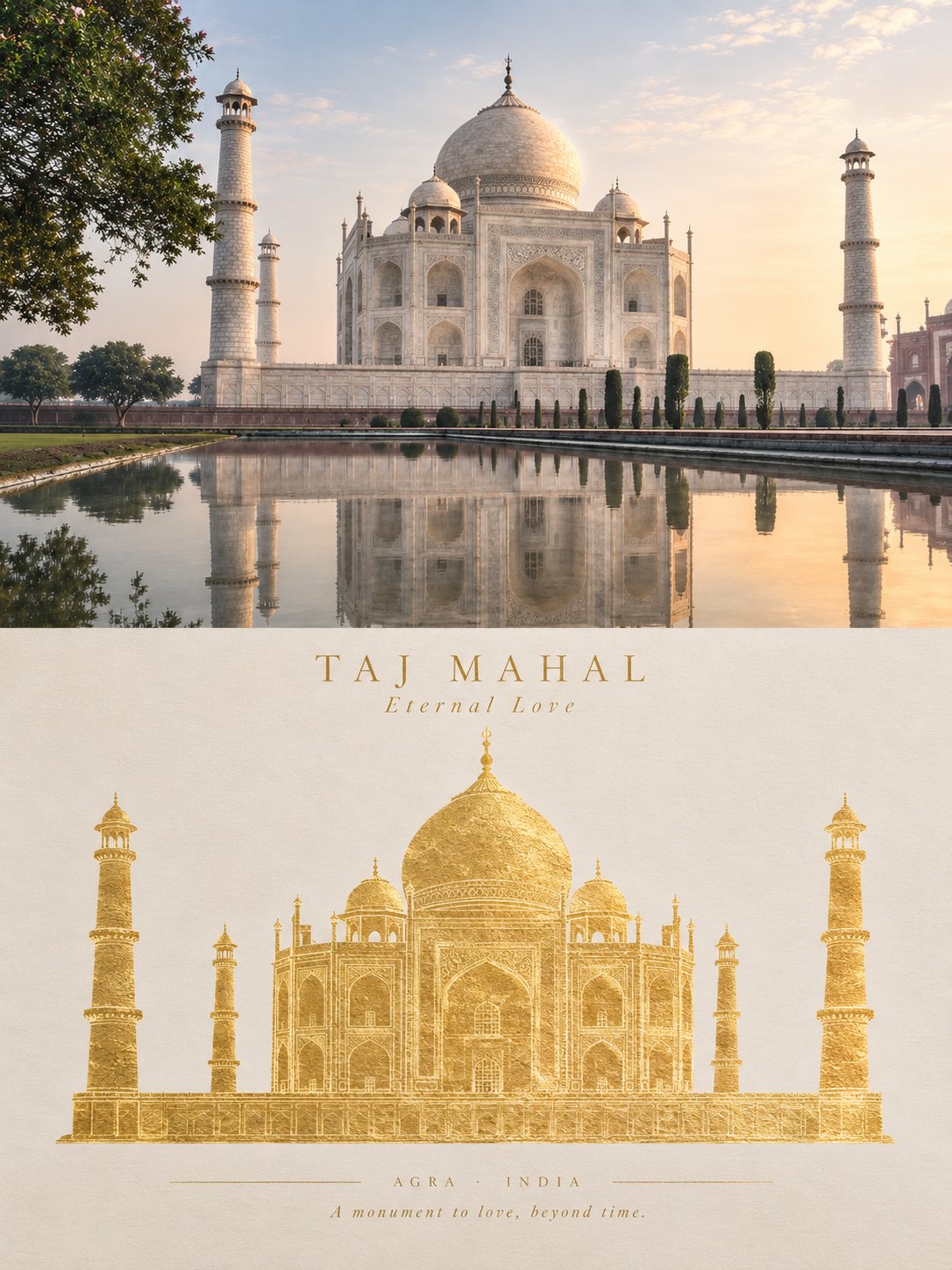
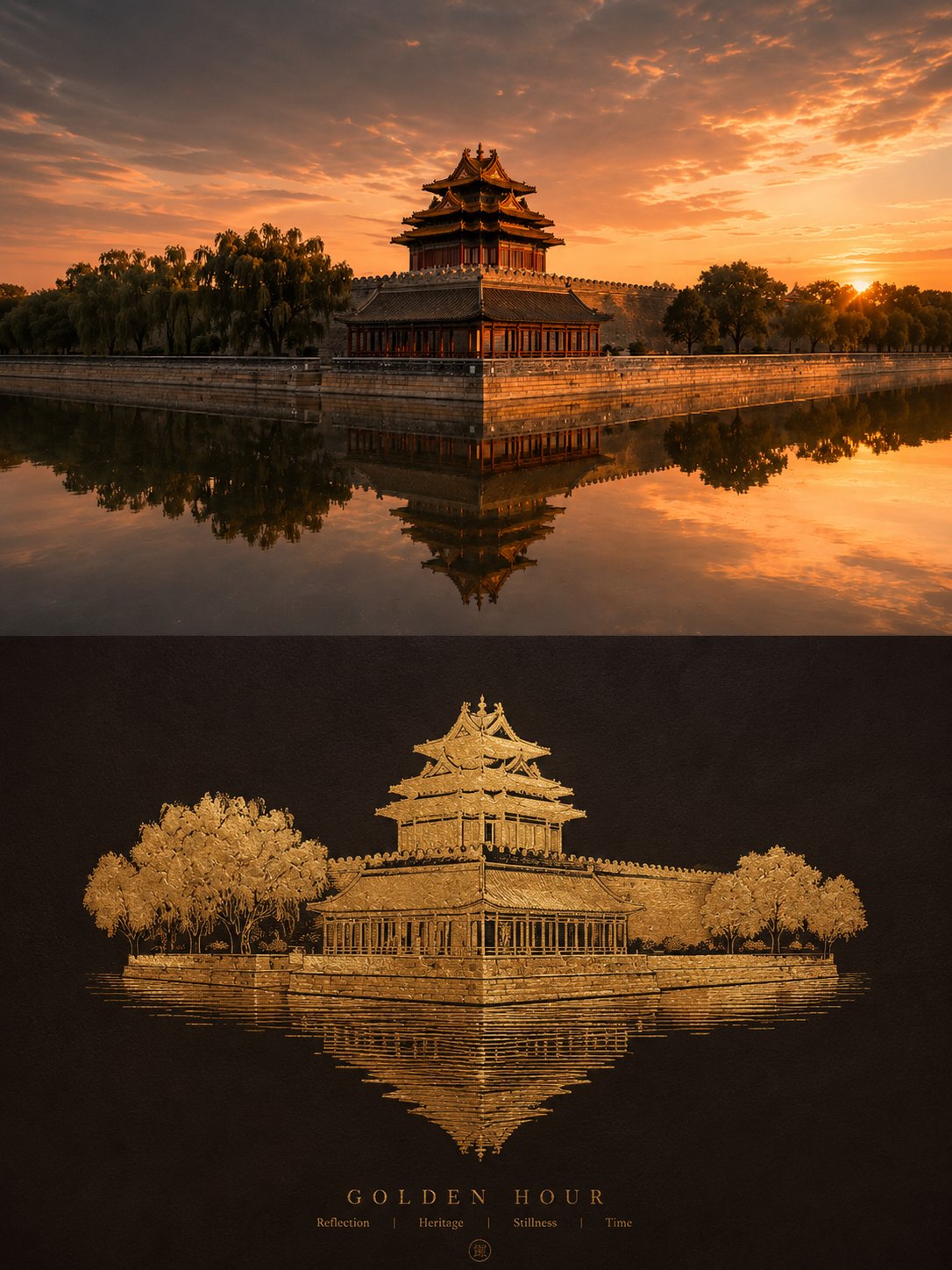
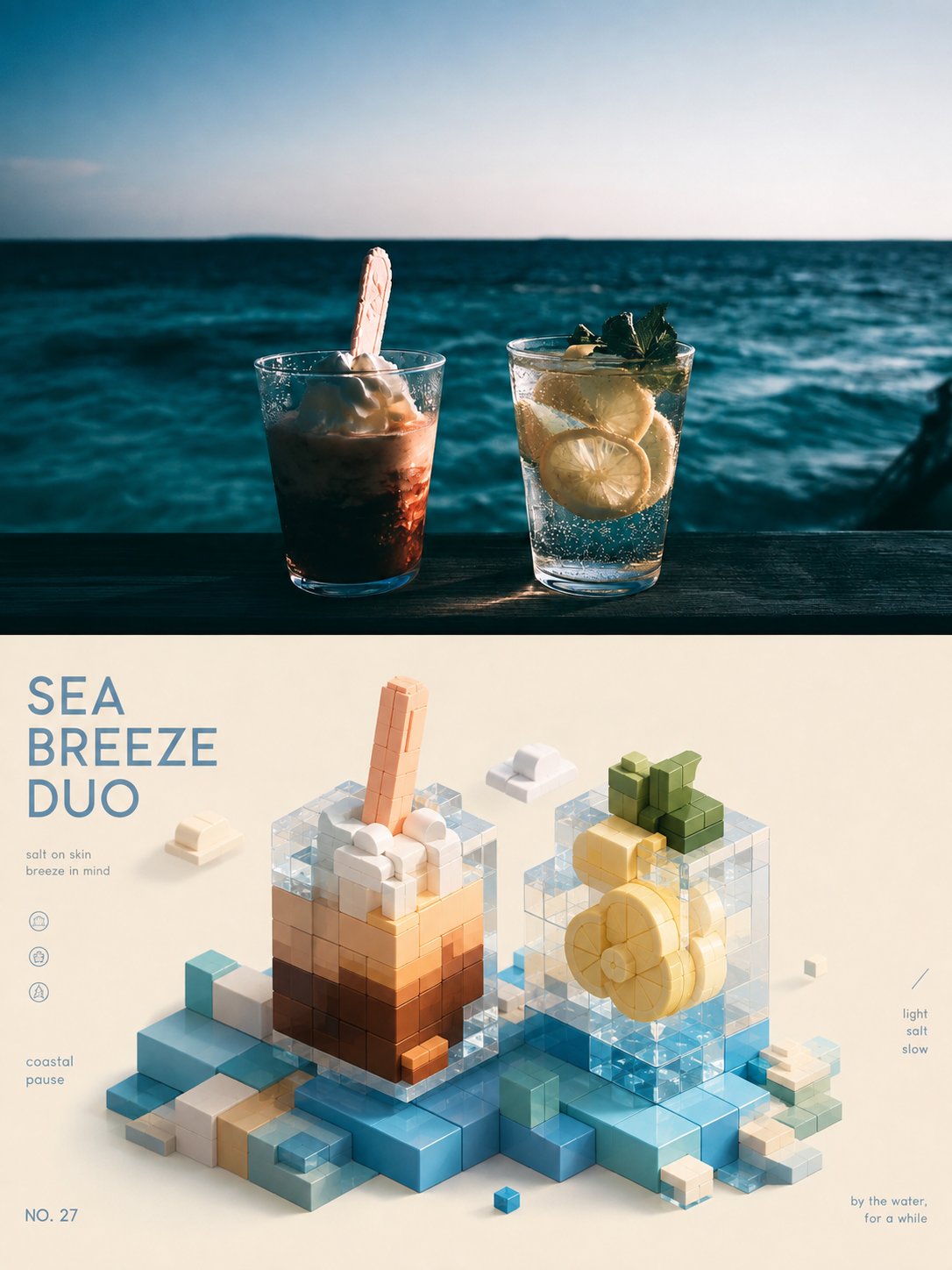
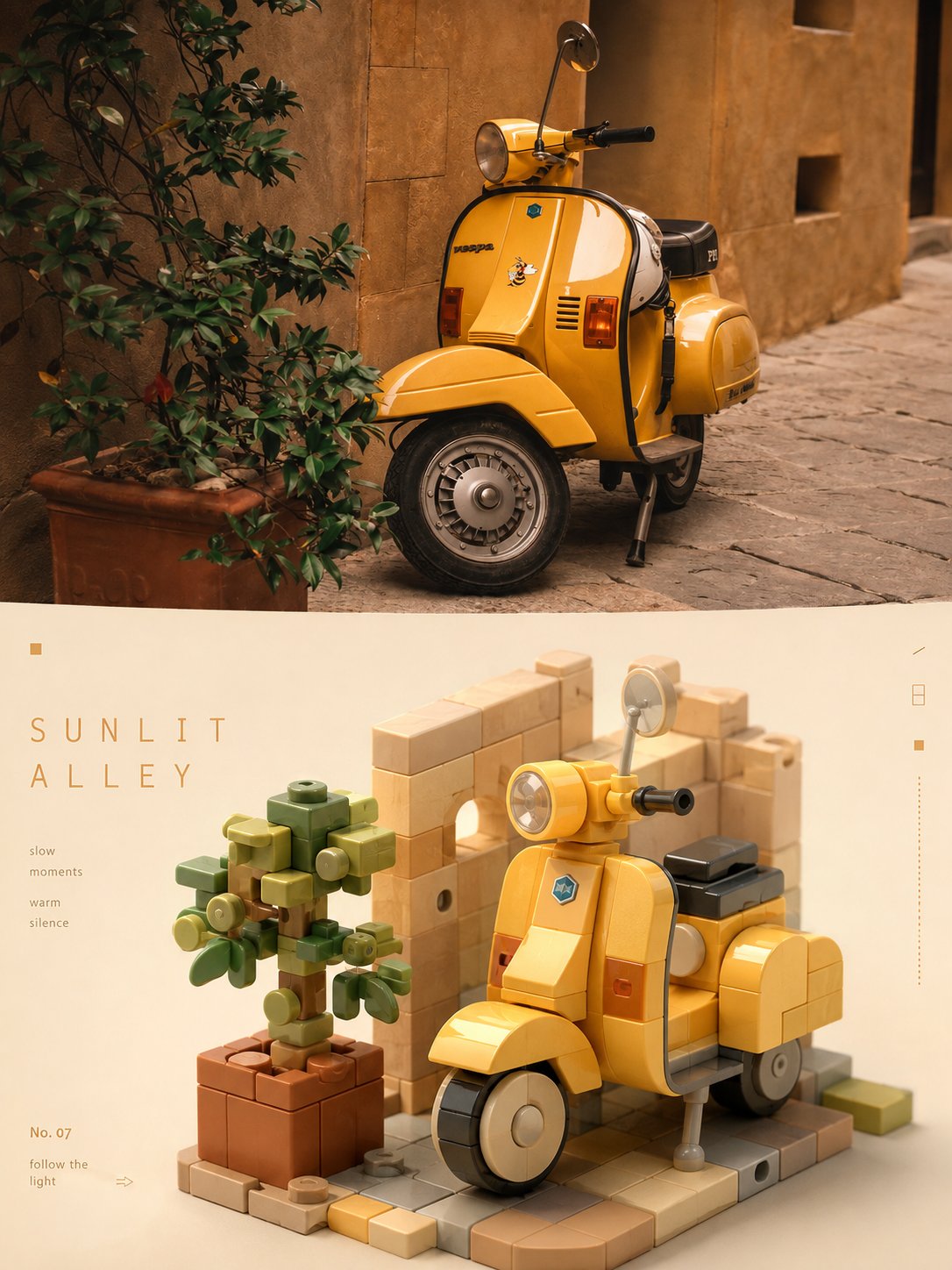
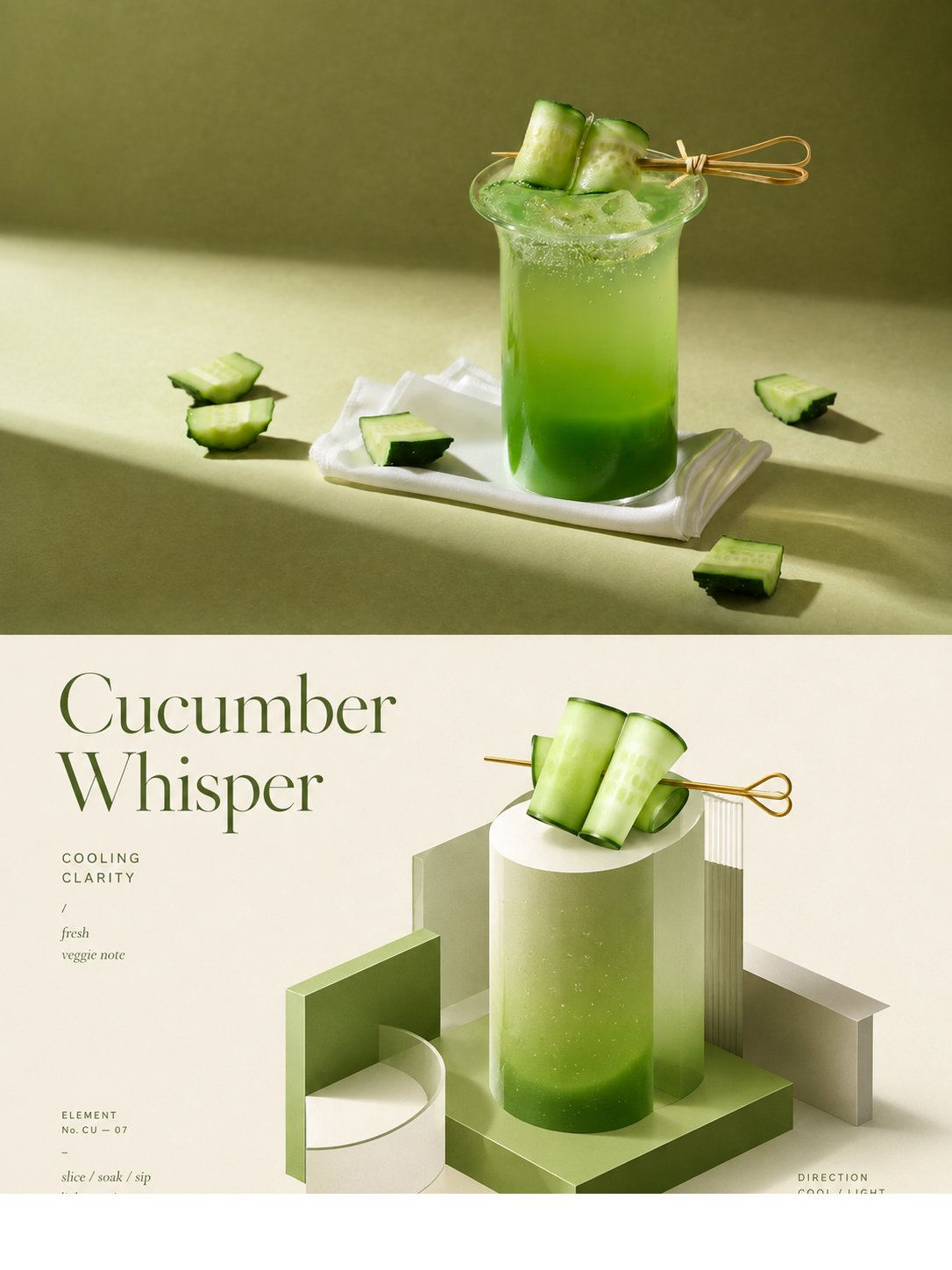
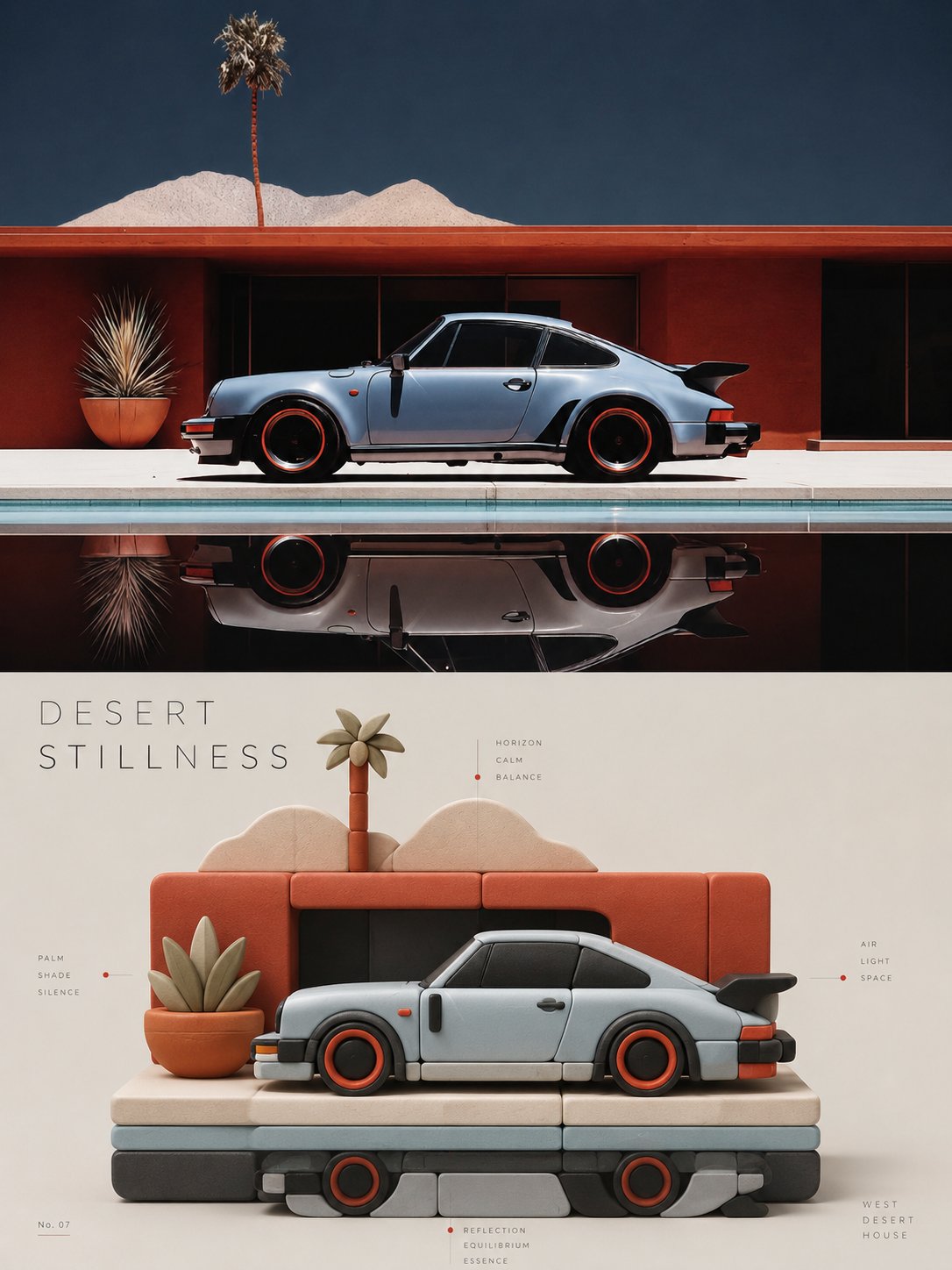
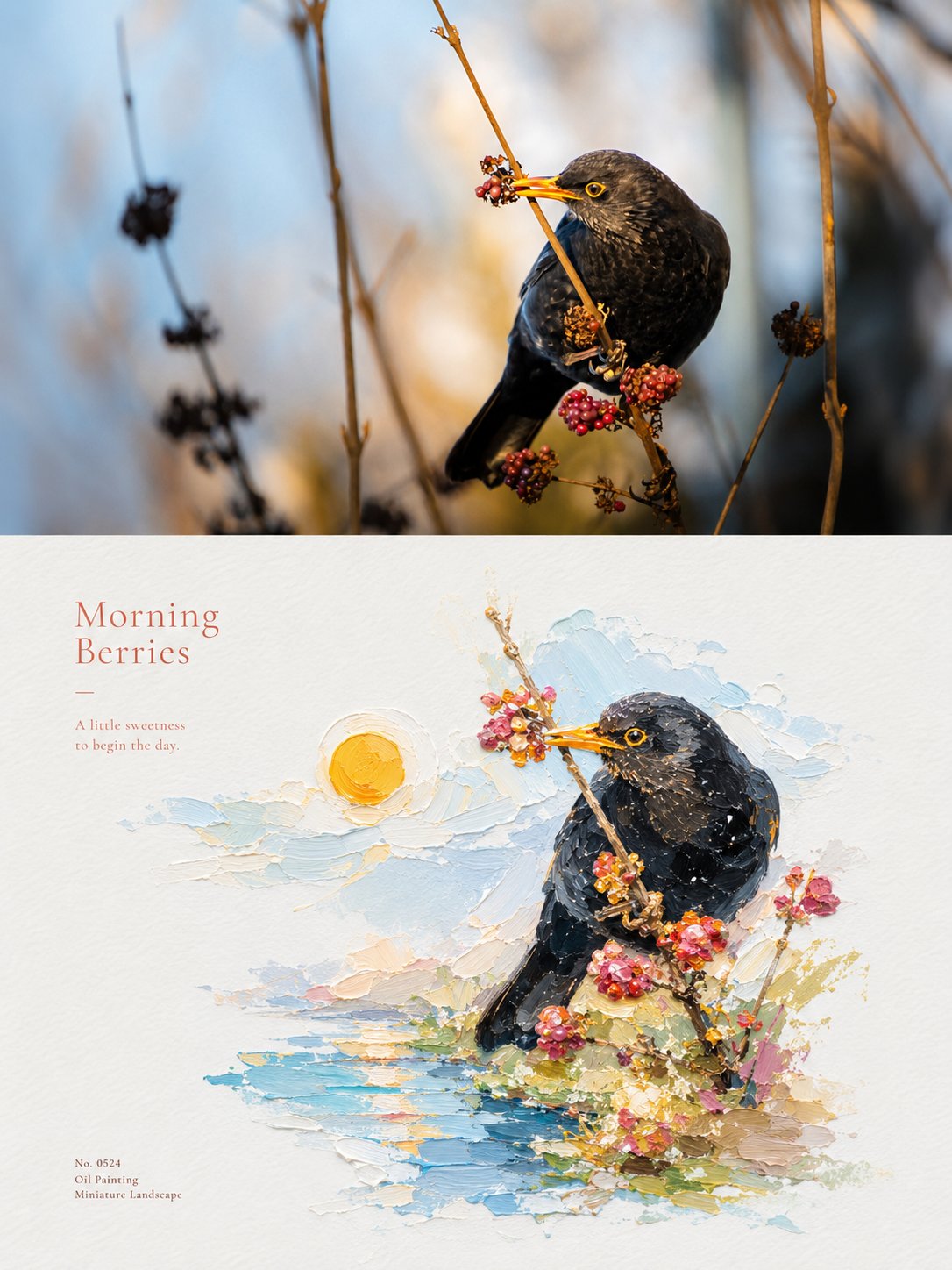
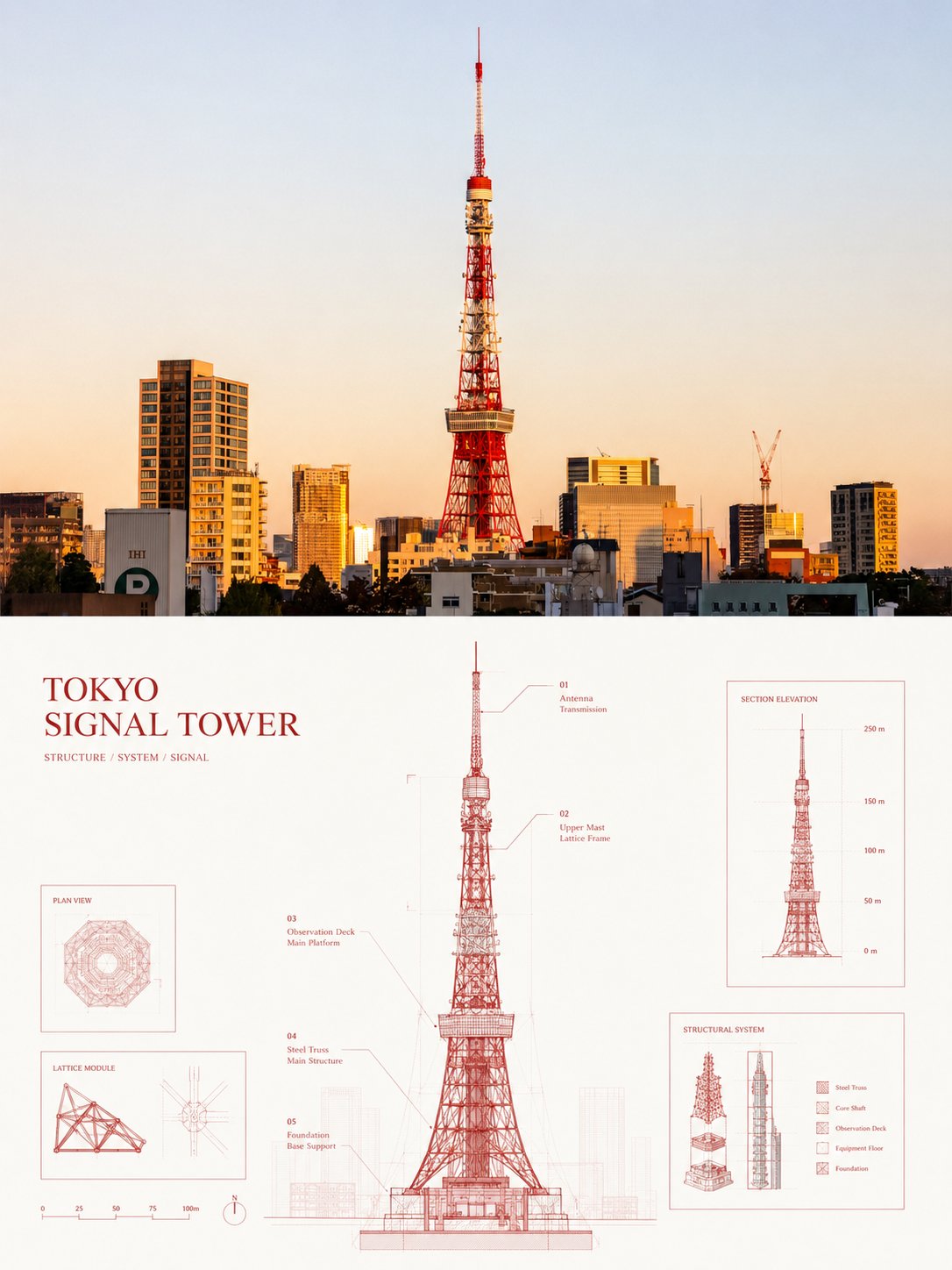
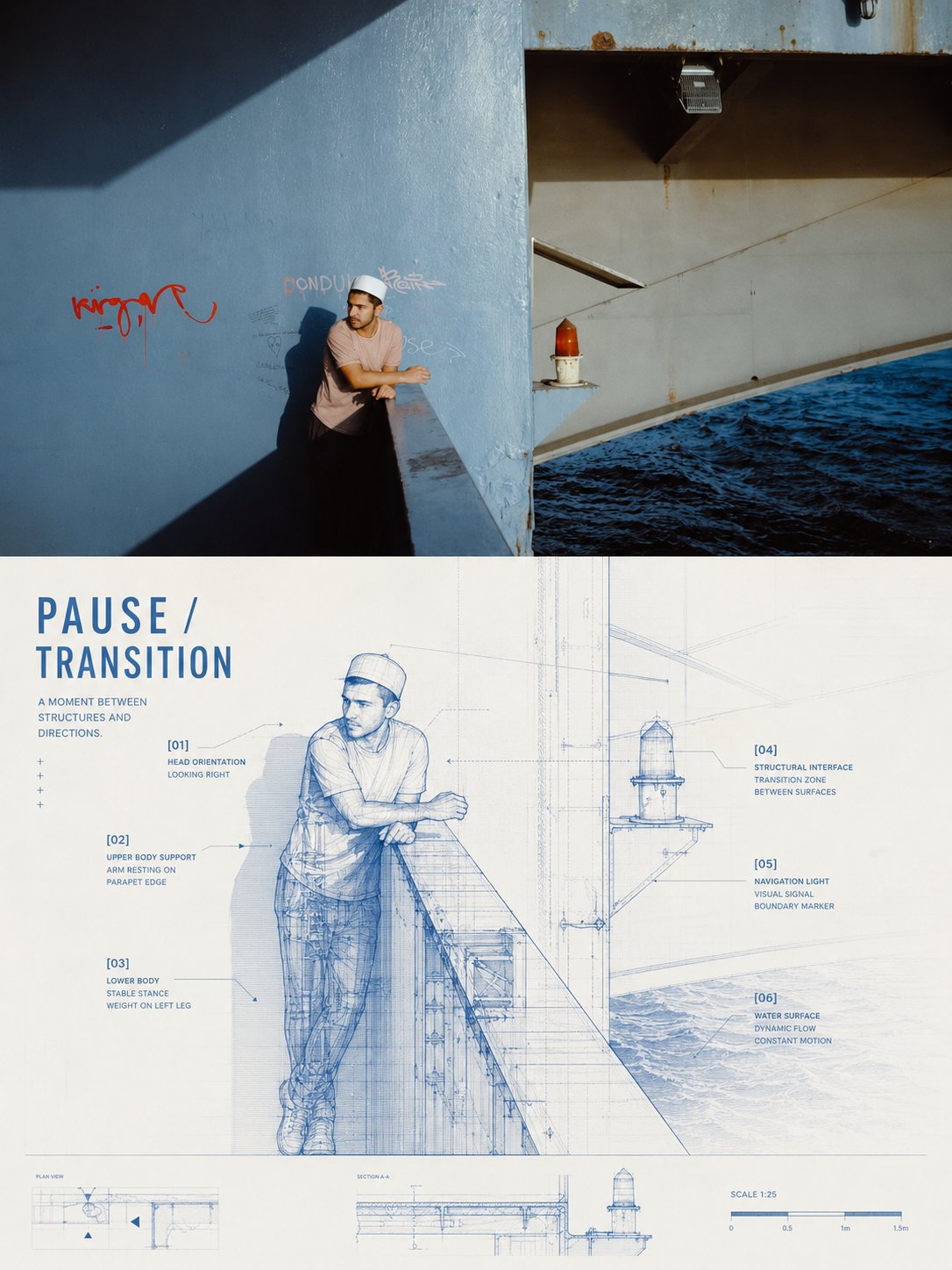
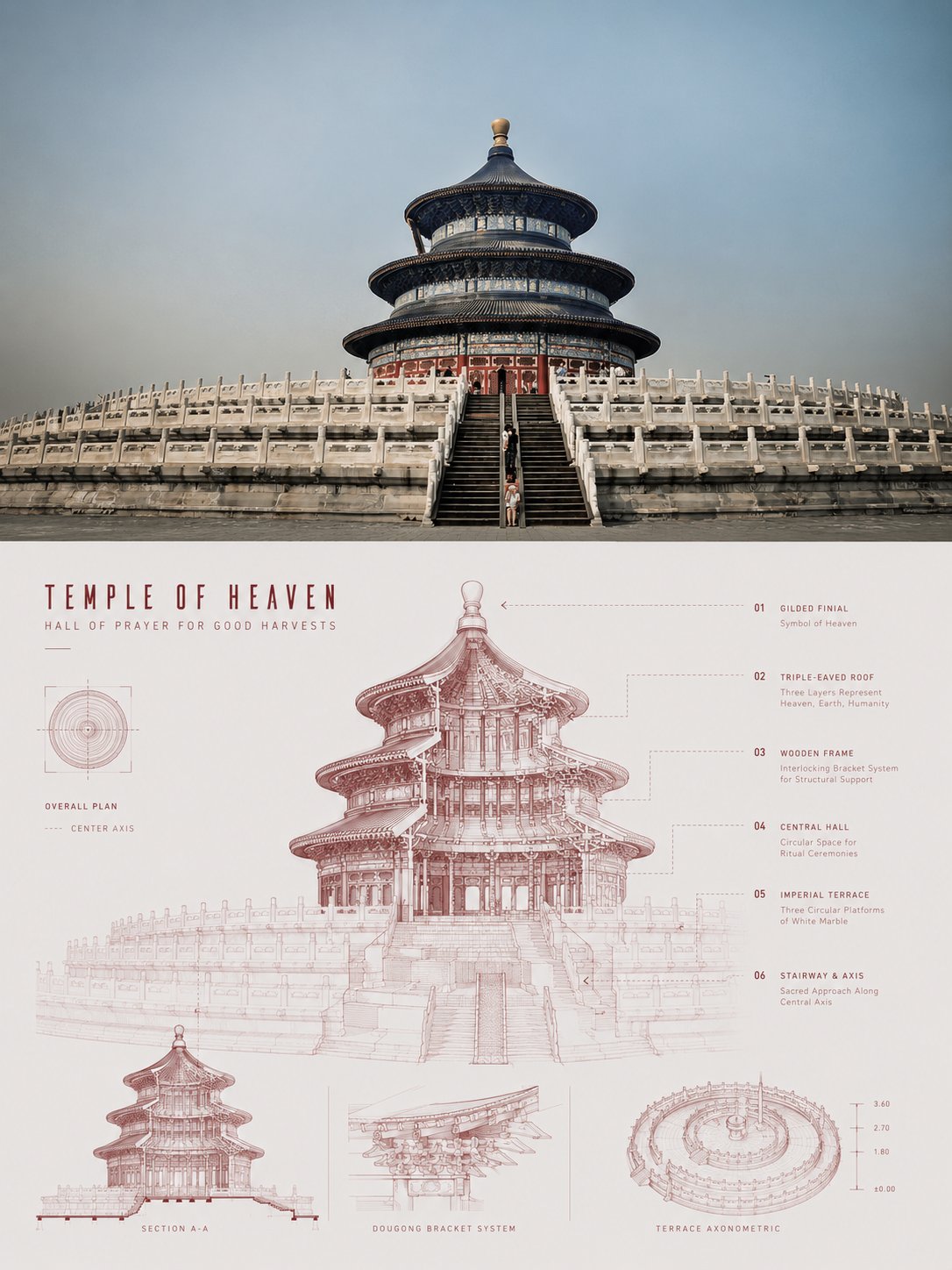
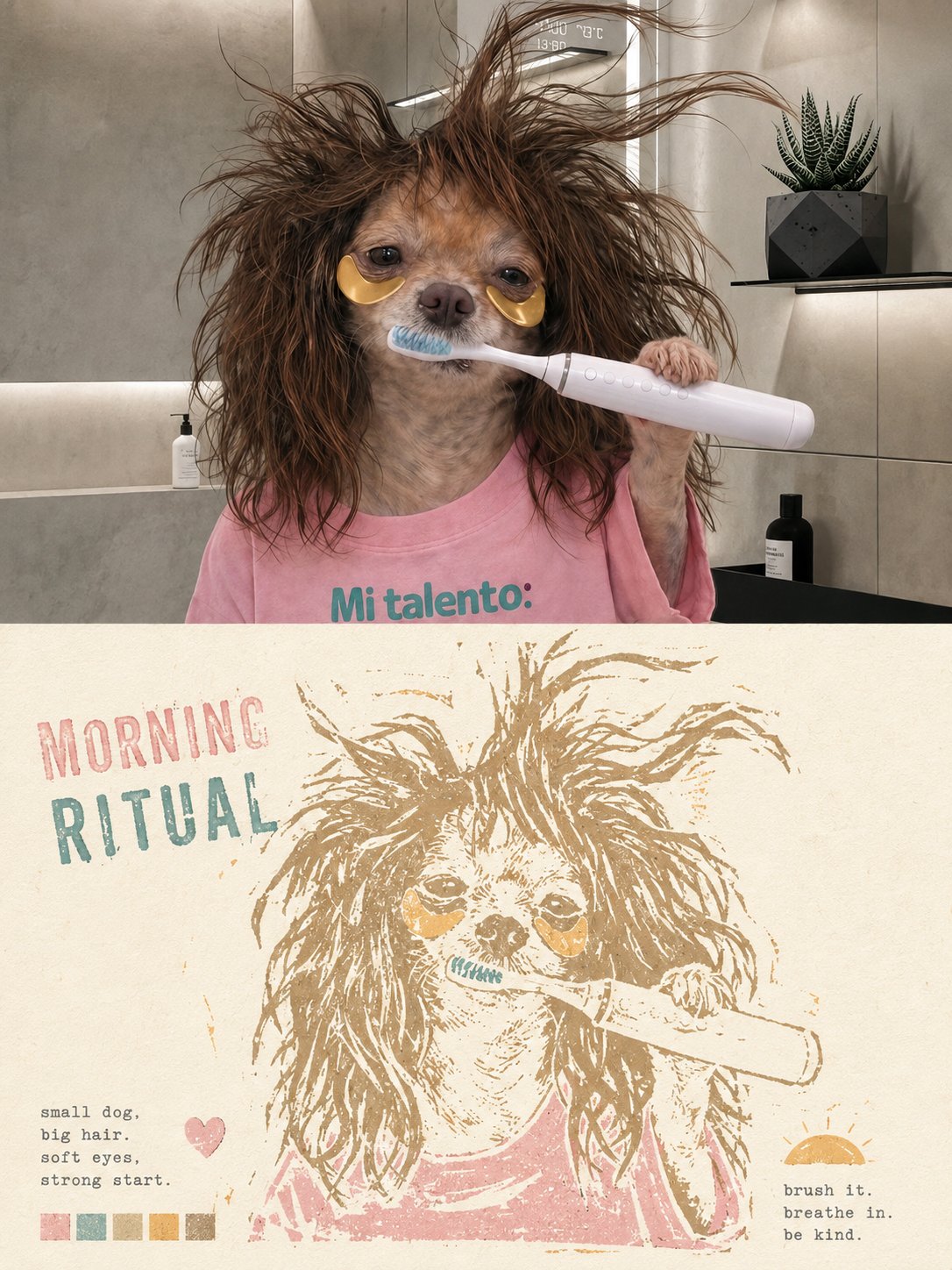
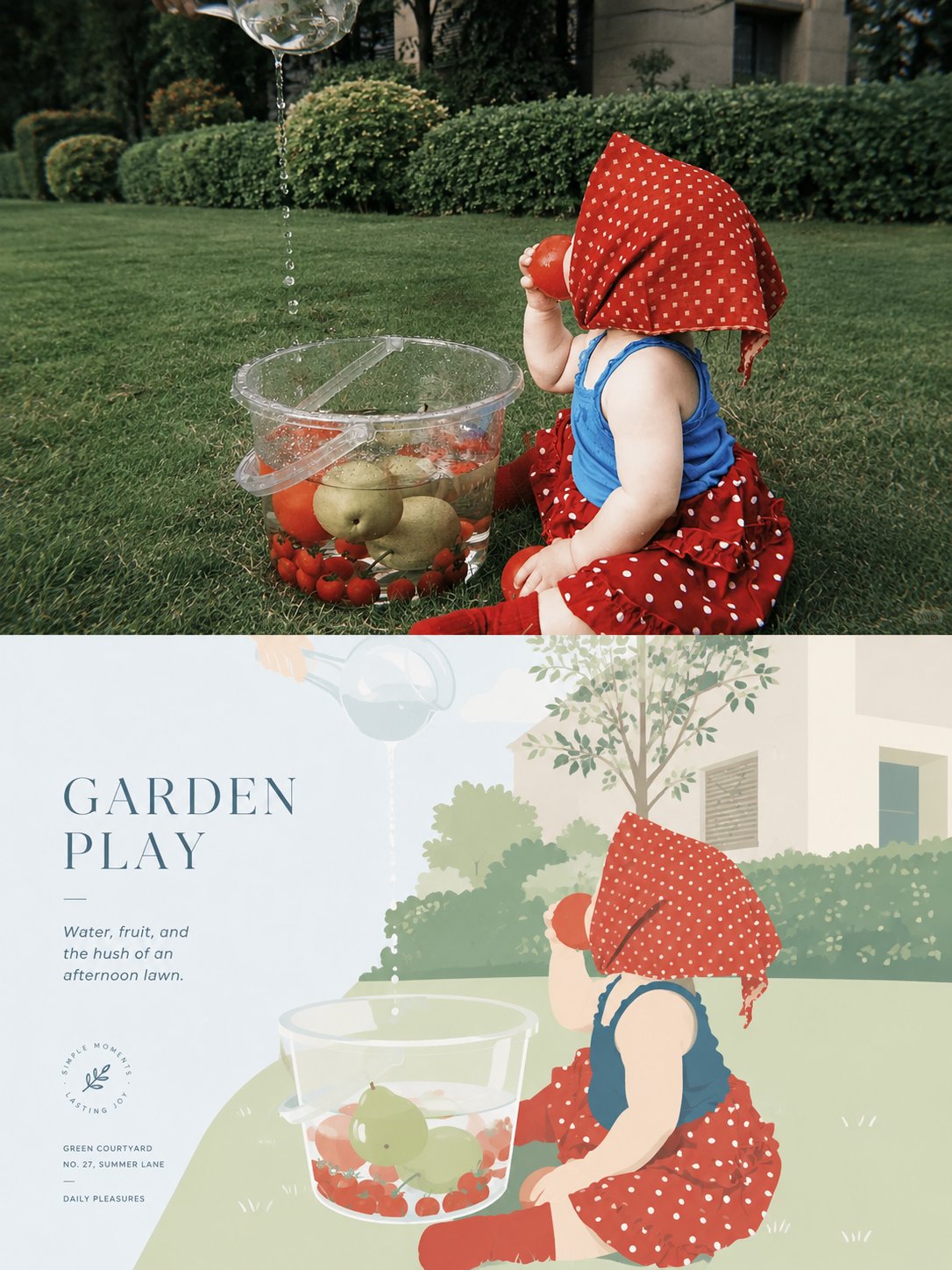
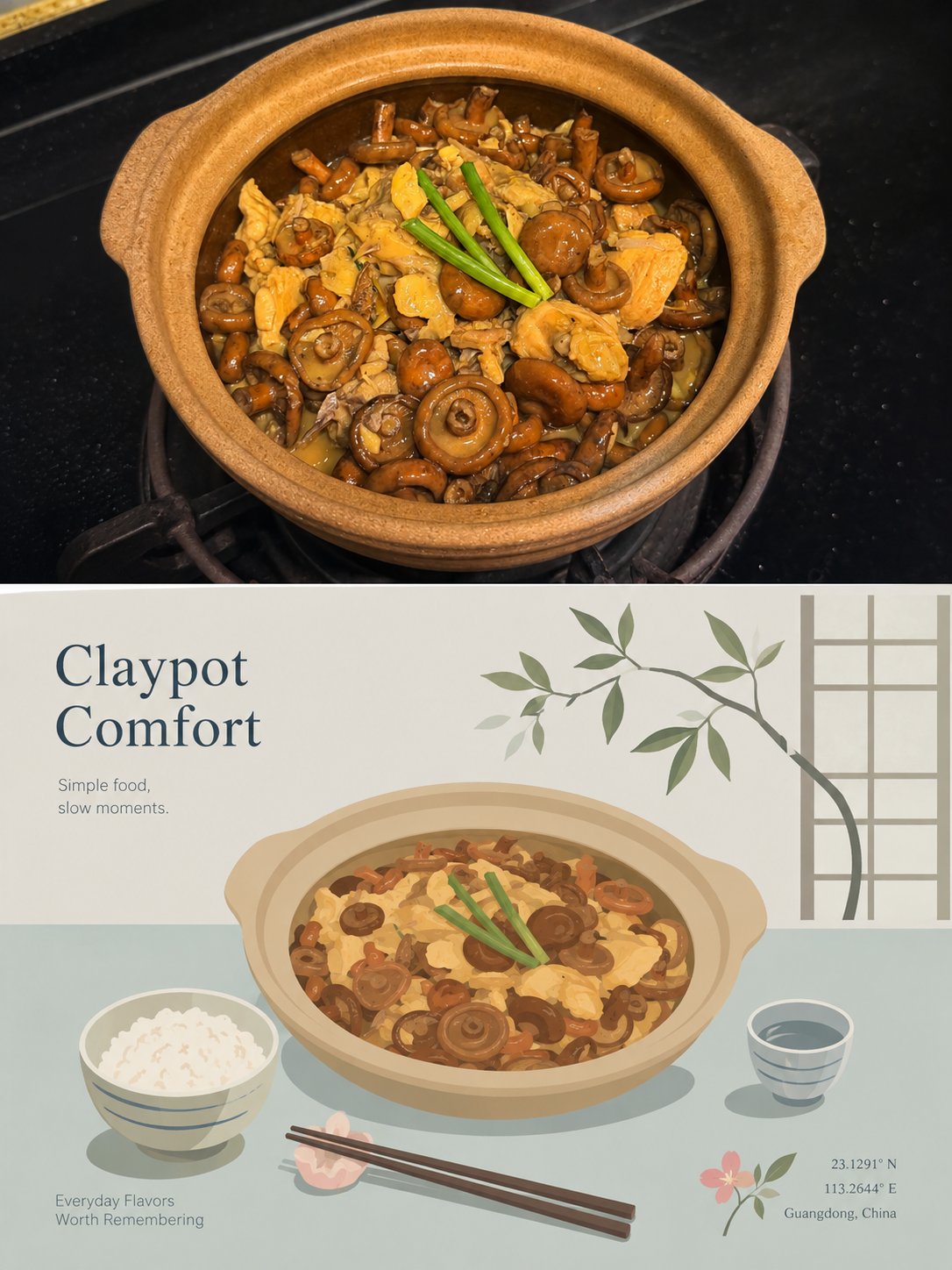
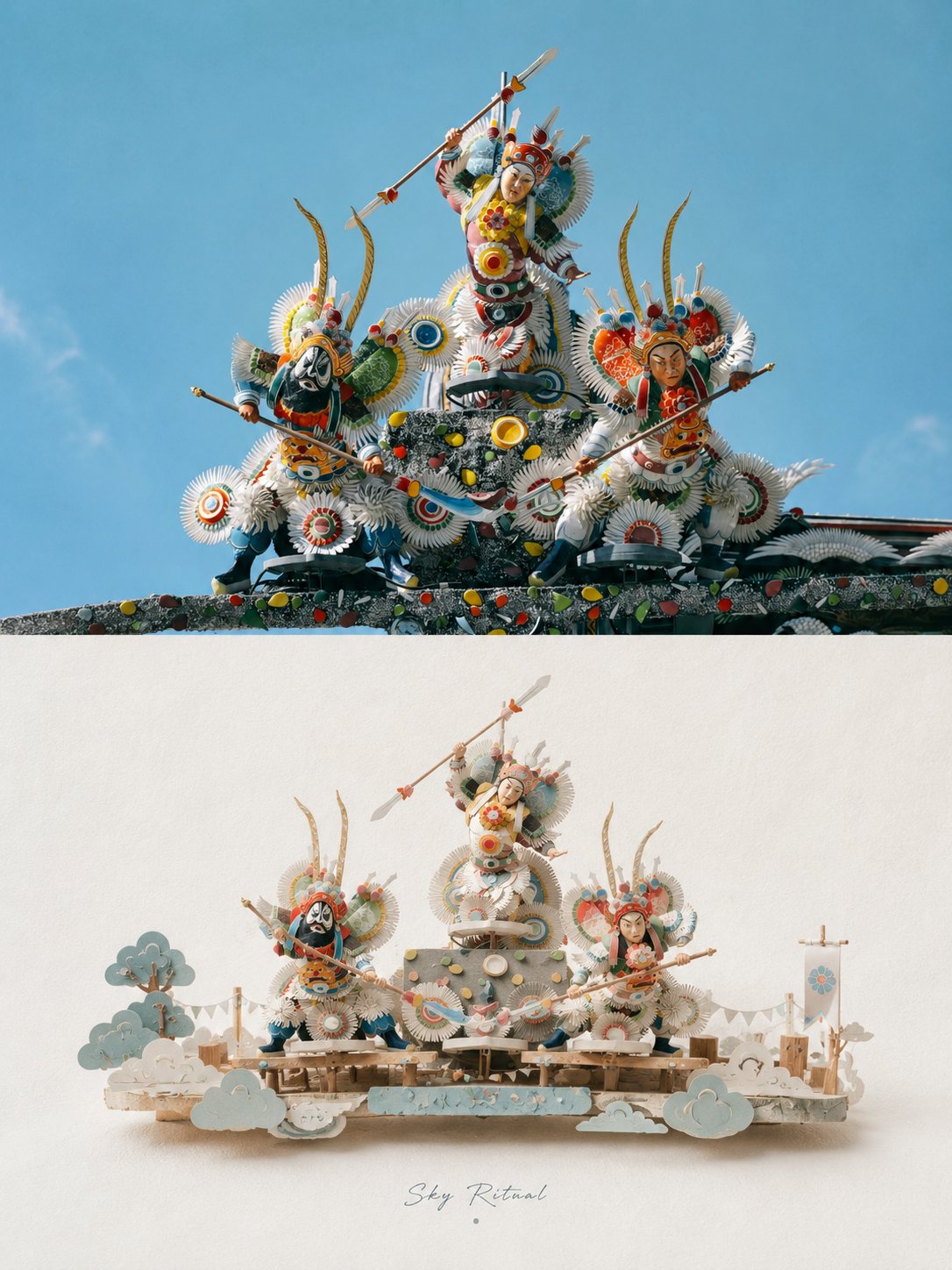
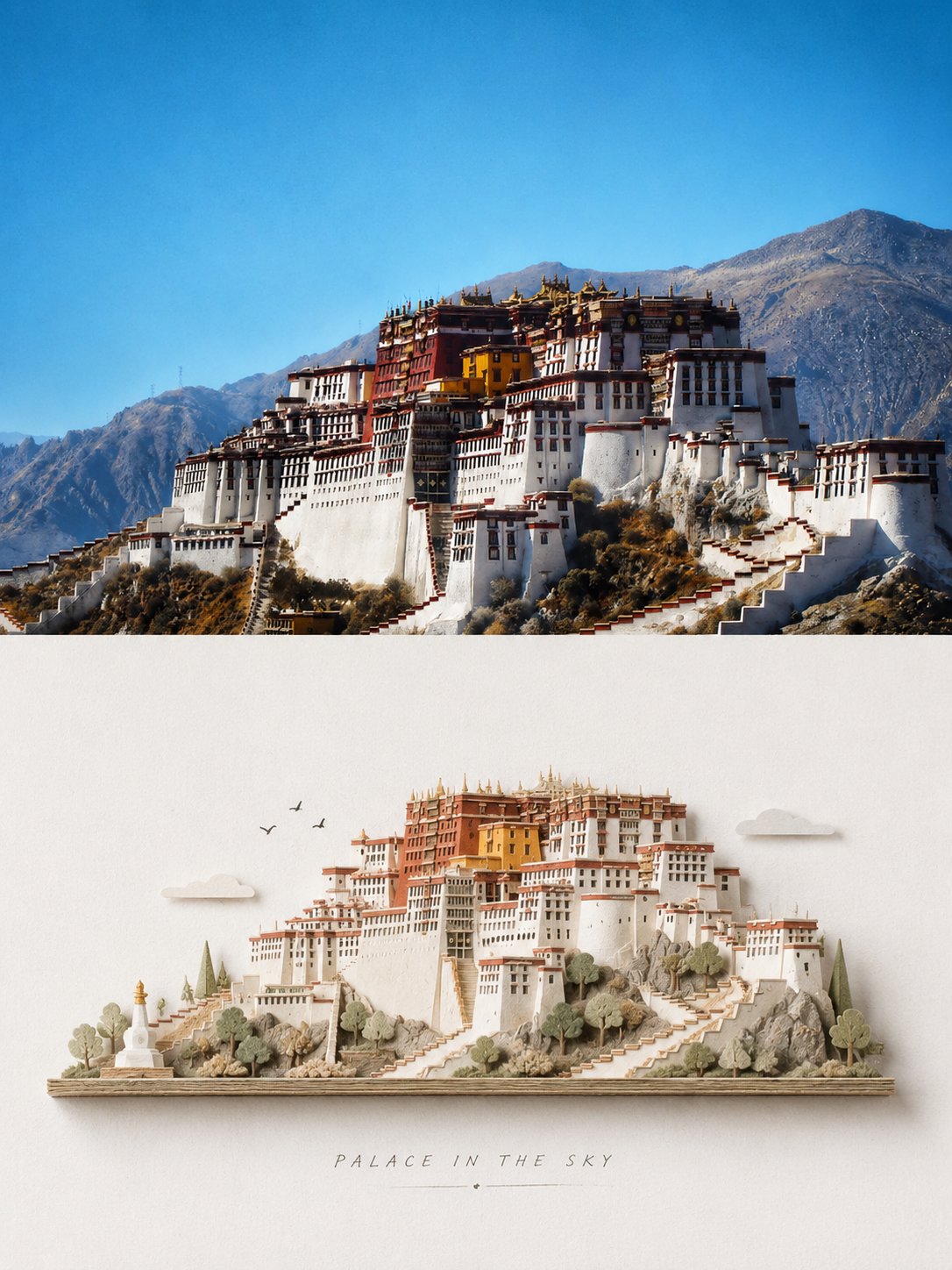
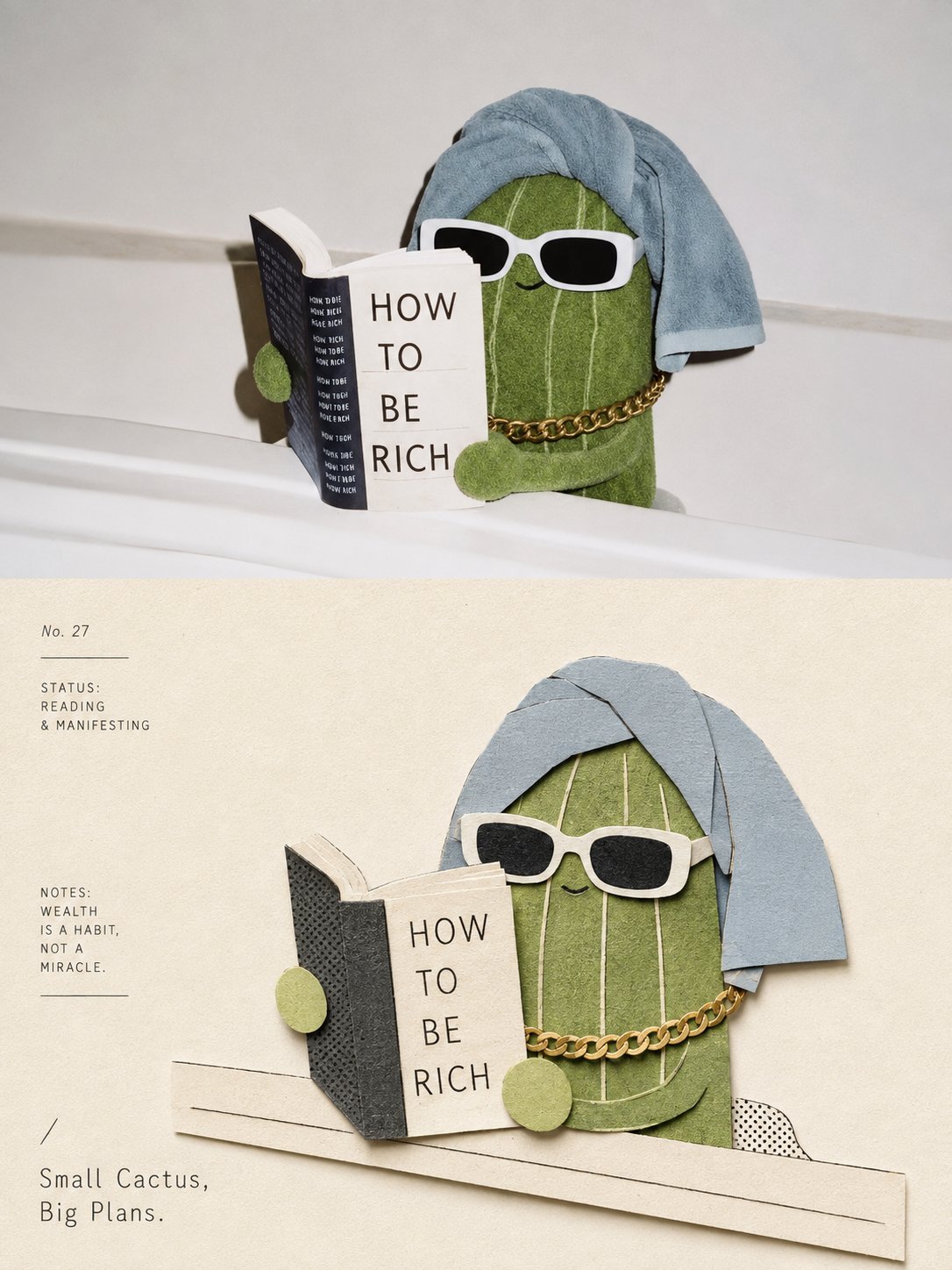
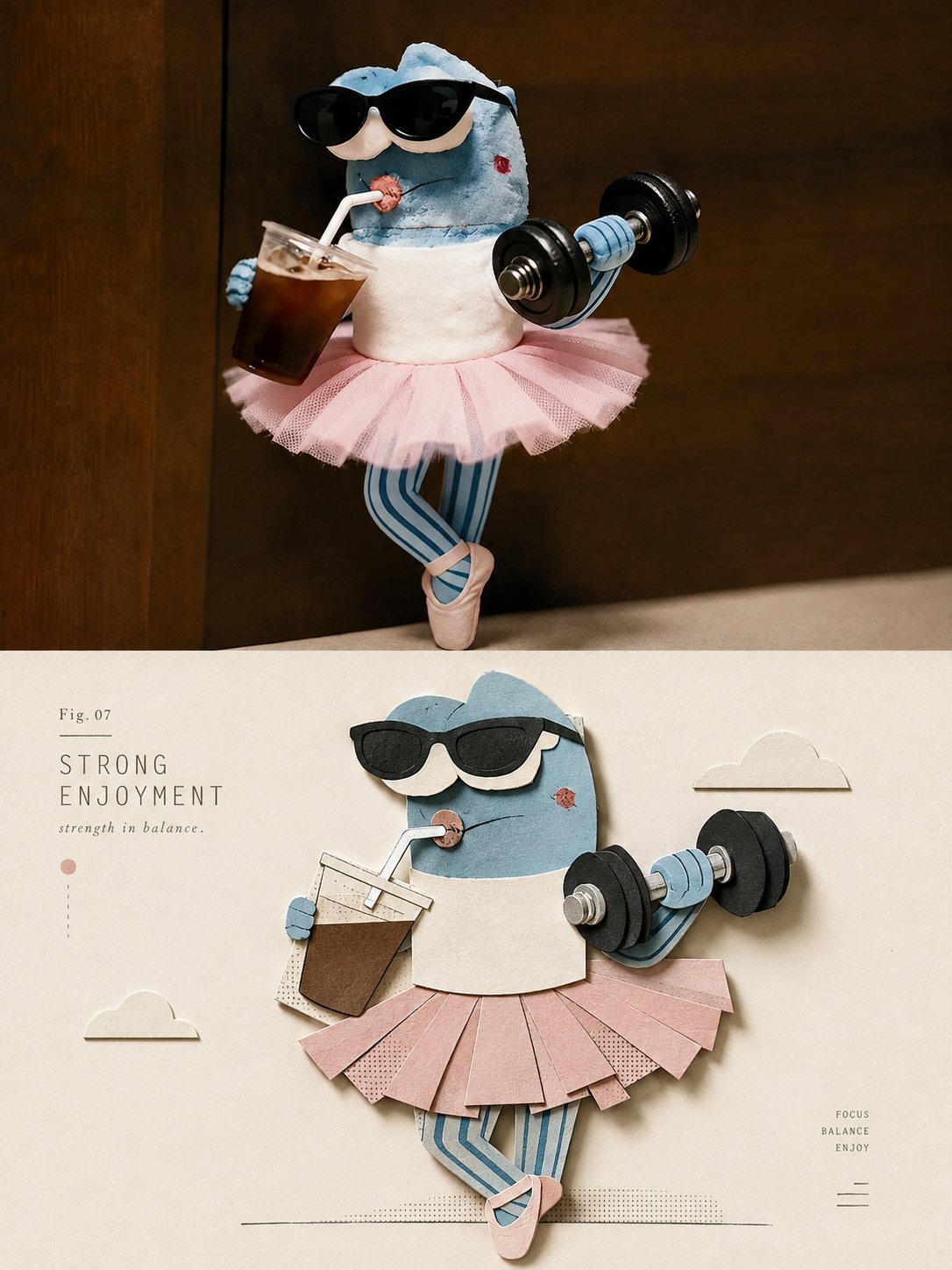
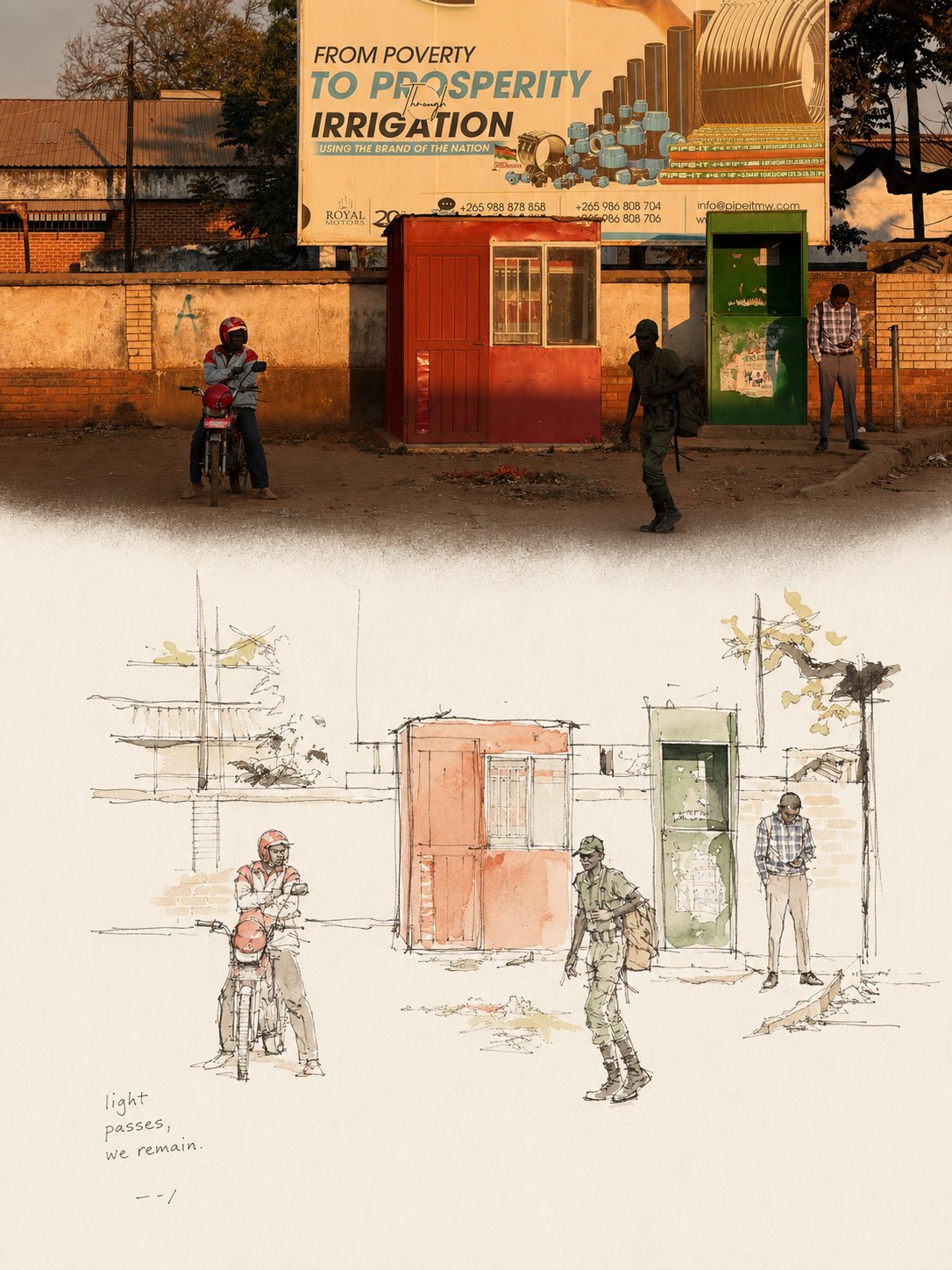
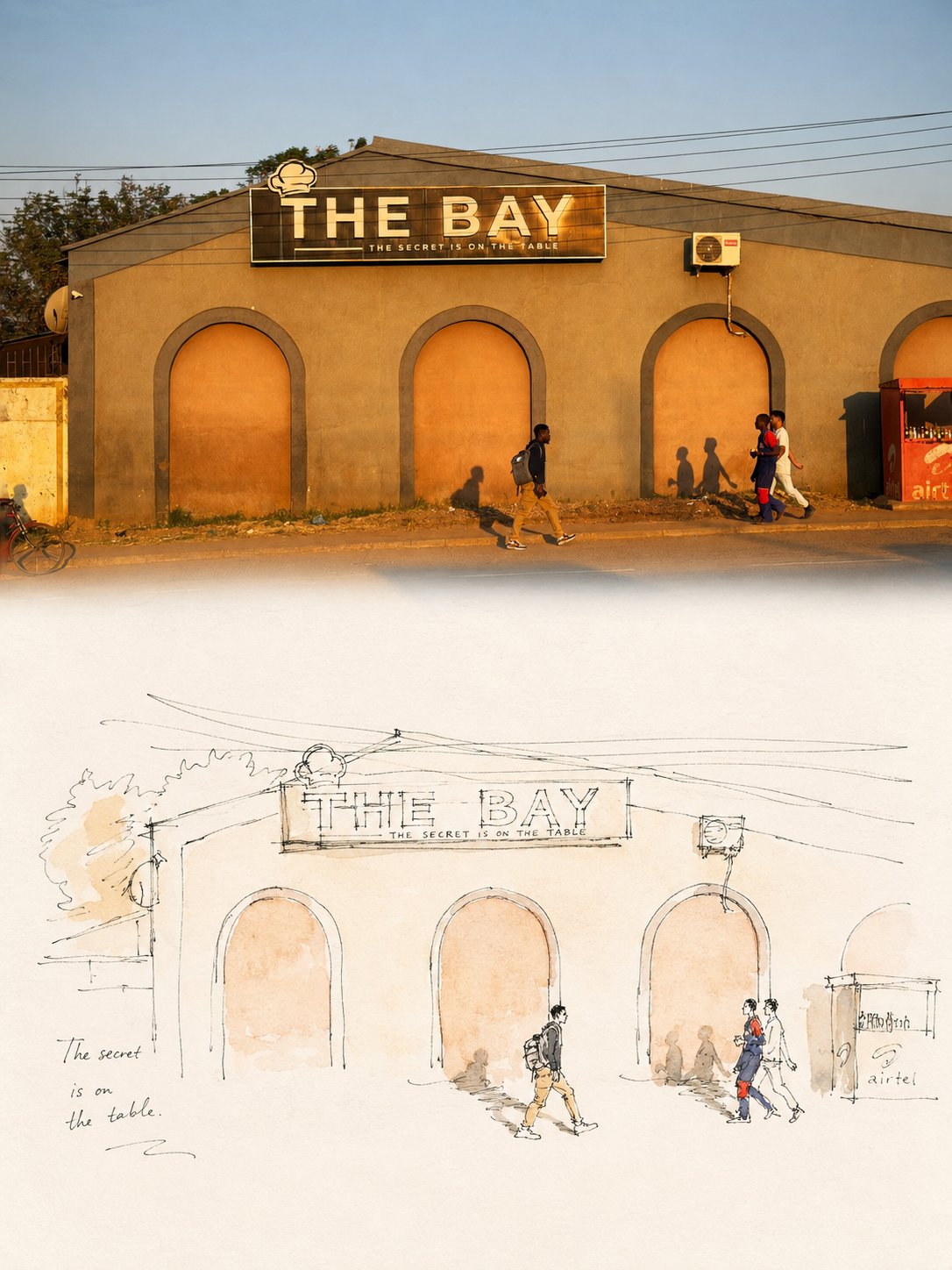
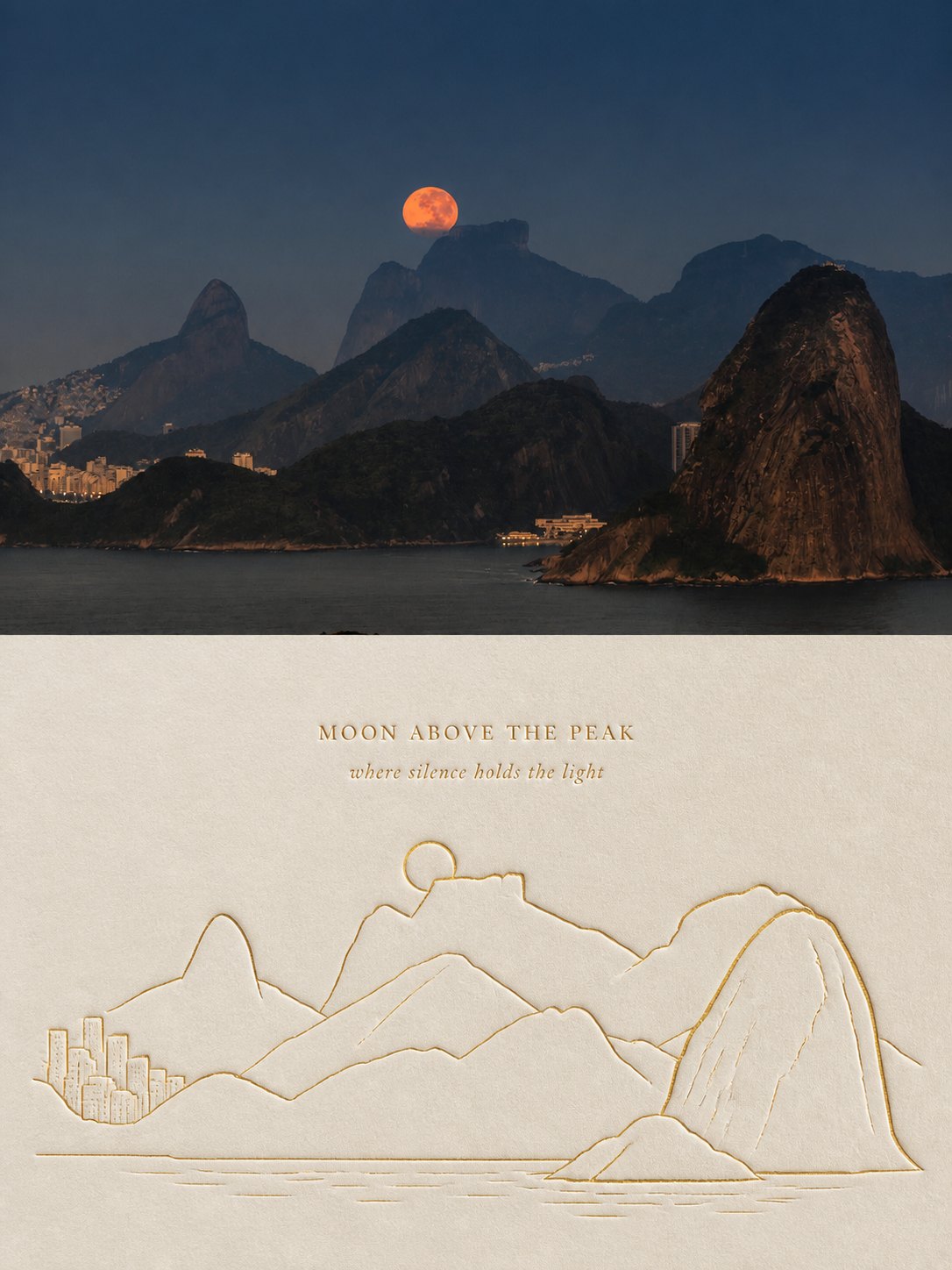
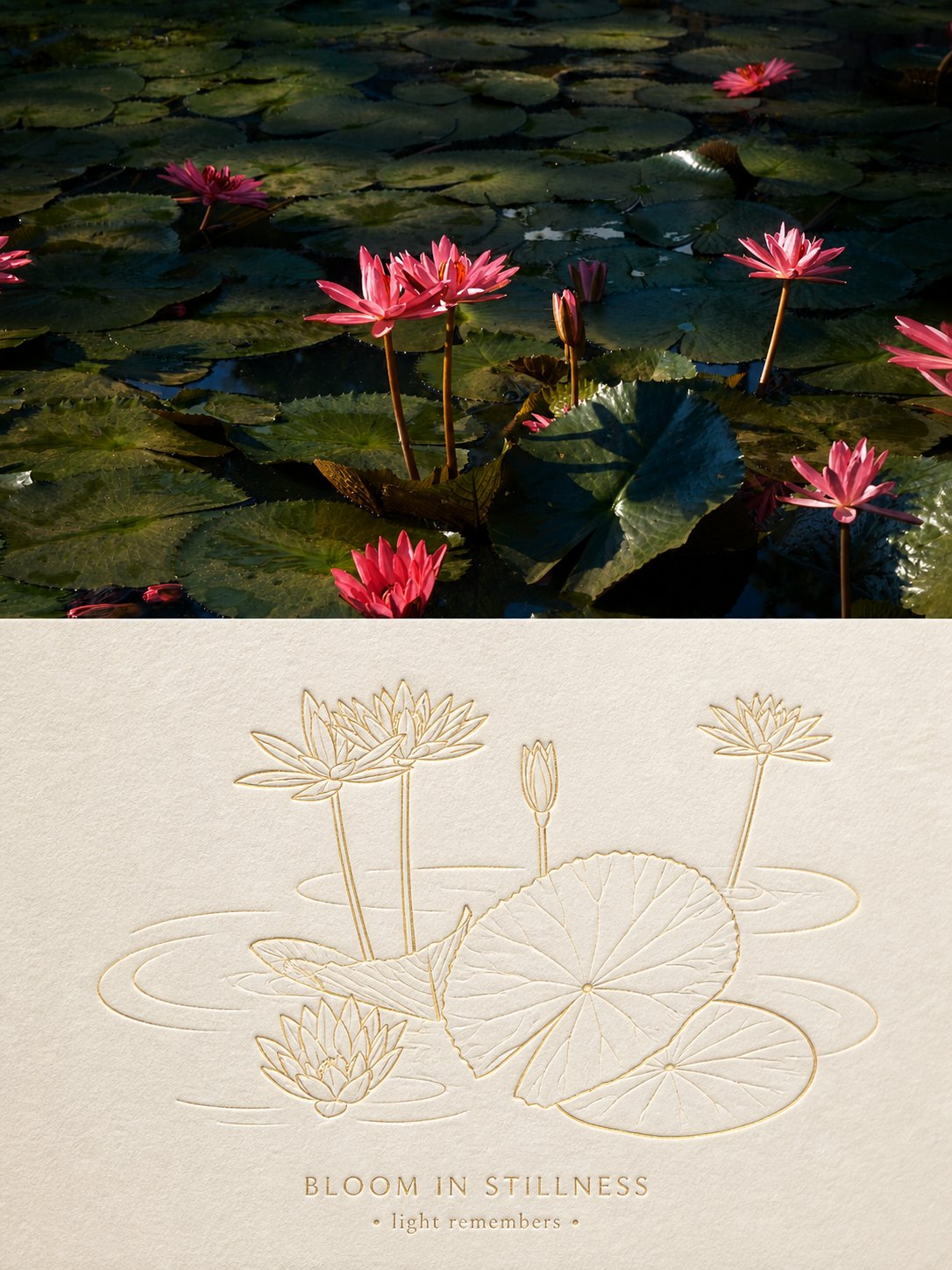
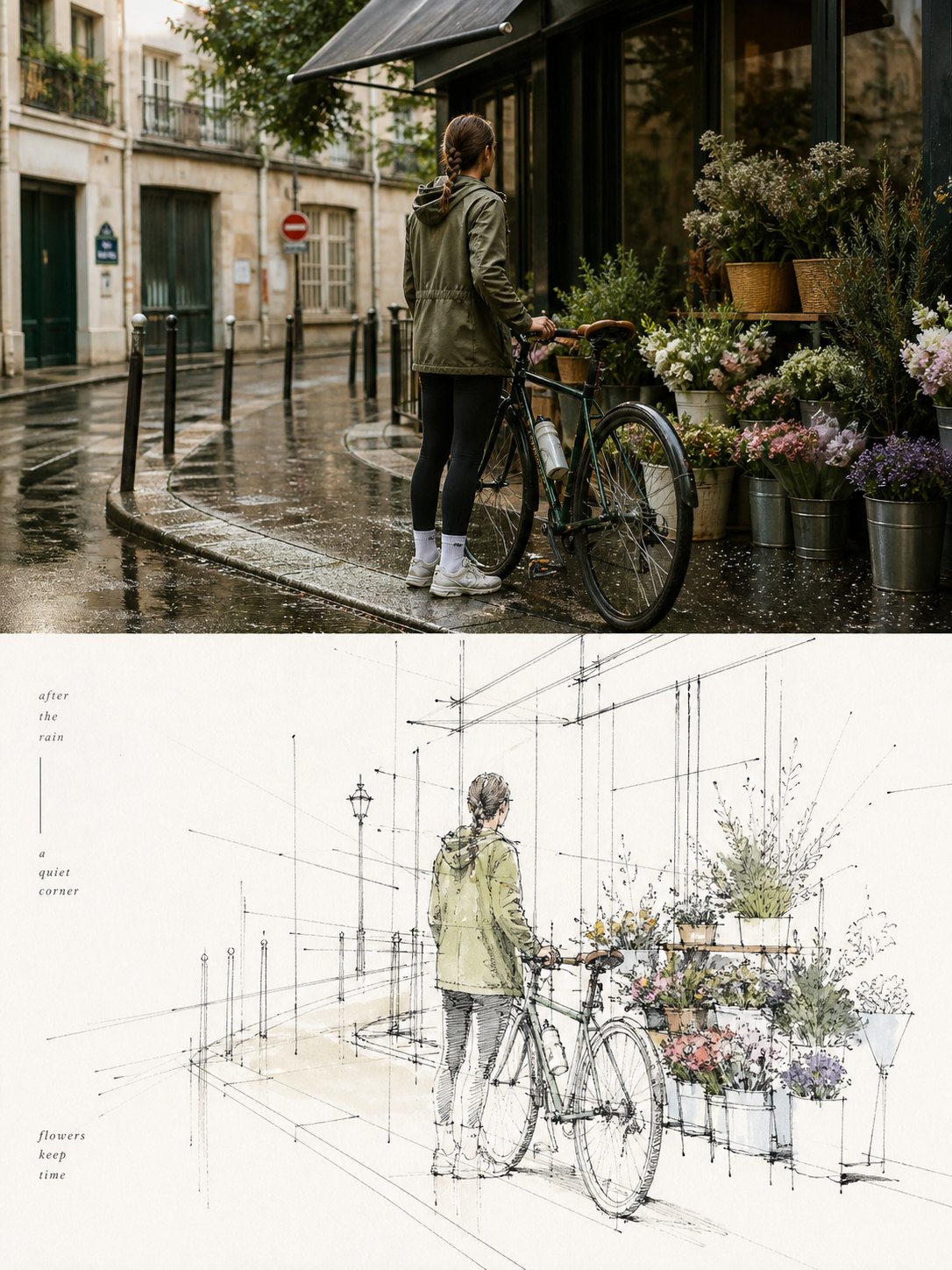
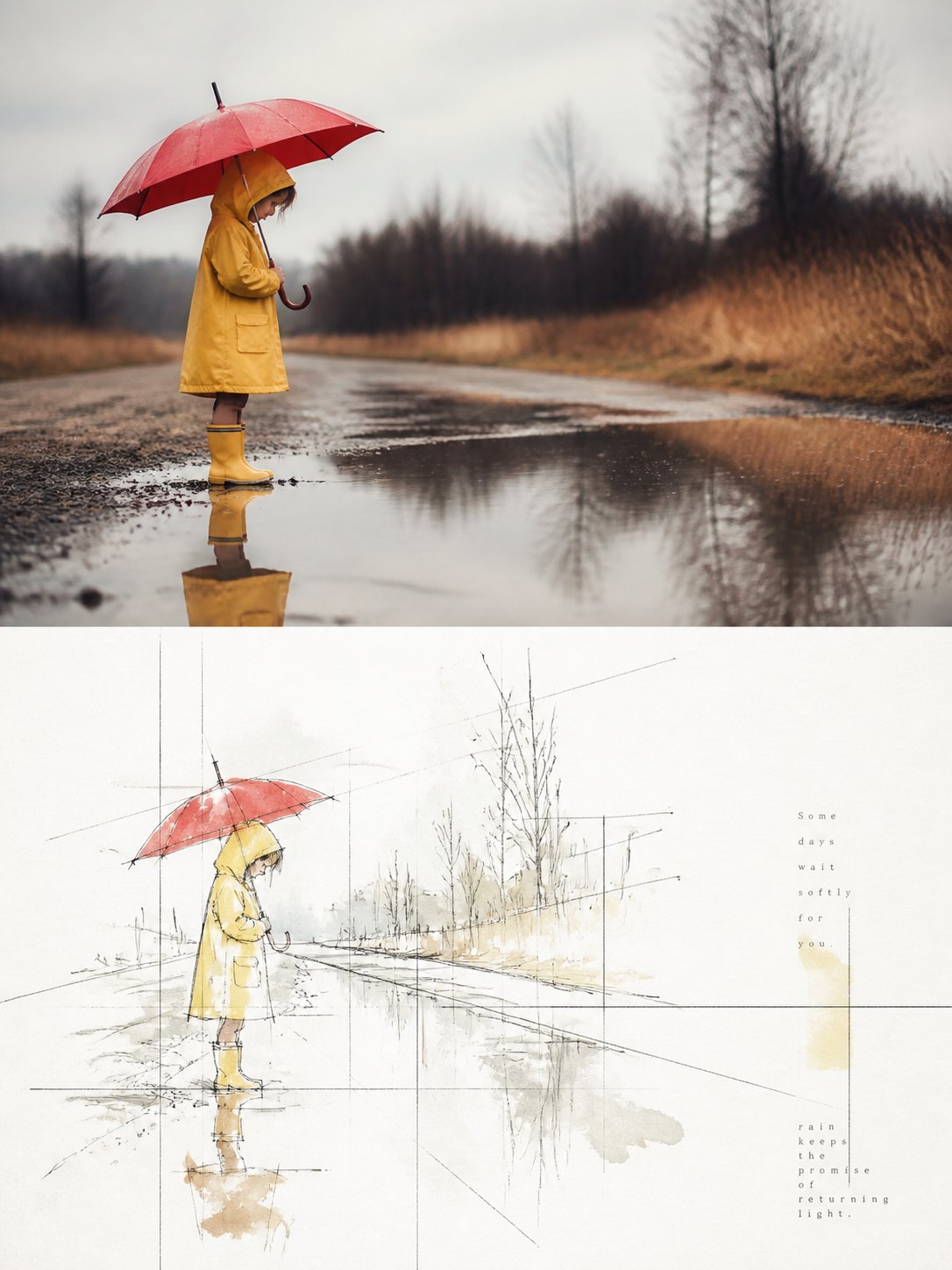
Turn each uploaded photograph into its own independent, refined design poster. Do not combine multiple photographs; output each separately. Use a 3:4 portrait composition with two vertically stacked regions of strictly equal height, each occupying 50% of the canvas.
Preserve the original photograph in the upper half, maintaining the subject’s identity, structure, pose, authentic texture, natural lighting and original colour atmosphere. Apply only subtle, refined colour grading for an art-magazine or exhibition-image quality. The surrounding environment may be extended naturally to fit the format, but never stretch, distort or alter the subject.
Extract only the photograph’s most recognisable **subject, silhouette, structure, pose and narrative relationships** for the lower half and reconstruct them as **contemporary Chinese-inspired Eastern minimalist graphic-poster design**. Do not copy the entire photograph, redraw every object or retain all objects and backgrounds. Remove irrelevant details, keeping only the visual memories that best represent the original object and theme. Reinterpret them through **silhouette, symbol, geometry and evocative imagery**, making the connection with the photograph above immediately recognisable while clearly conveying thoughtful redesign rather than replication.
Maintain a relationship between a **small-scale subject and extensive open space**. The subject is a carefully placed visual point, possibly off-centre, near an edge, suspended or partially cropped; arrange it freely according to its direction, proportions and visual centre of gravity. Whitespace must be part of the picture, working with the subject, geometric motifs and a few supporting elements to create breathing room, space, pauses and asymmetric balance. Even with poor original composition, cluttered backgrounds or a small subject, redirect the picture through subtraction, rearrangement, cropping, scale changes and whitespace.
Use **Eastern minimalism, a modern translation of cultural imagery and diffused geometry**. Circles, ellipses, seal shapes, sun discs, branch-and-leaf lines, vessel outlines or a few symbolic elements may compose the image. The dominant geometric form should not be rigid, sharp-edged regular geometry but a **large-scale diffused geometric colour field**: anchor the image with a highly saturated solid-colour geometric shape, then create a hazy field through **soft edges, feathering, blur, a slight halo and diffusion**. The result is “rational form, emotional edges”: it establishes a visual centre and spatial layers while reducing mechanical stiffness. The background may retain gentle xuan-paper or handmade-paper fibres, keeping the overall mood quiet, implicit and restrained.
Extract and reorganise 2–4 representative colours from the photograph into a **restrained yet vivid Eastern minimalist palette**. Build the open field on off-white, warm white or pale paper tones, with one or two spiritually expressive main colours and a few accents. Relationships may involve vermilion, reddish ochre, warm yellow, pine green, grey-blue and ink black. The main geometric colour field may be purer and stronger, but the whole must remain clean, elegant, never muddy, gaudy or cheap.
Use very little text, without language restrictions. Generate a few titles, small notes, seal-like information or explanatory fragments according to the subject, place, emotion, solar term, metaphor or cultural imagery. Mix **calligraphic, Song, Fangsong or seal-carving-inspired lettering with modern English serifs or extremely fine sans serifs**. Keep it small and restrained, quietly positioned in the whitespace to create a refined rhythm with the graphics, not a pile of commercial headlines.
The overall effect combines **contemporary Chinese minimalist composition, large diffused colour fields, silhouette symbols, paper texture, Eastern whitespace and modern typography**. Avoid realistic redraws, information overload, excessive background retention, filled canvases, complex scenes, cartoon or 3D effects, poster templates and cheap traditional styling.
2026-09-07via @xiaoxiaodong01