Visuele inspiratie
Promptbibliotheek
Sterke AI-resultaten uit het wild, mét de prompt erbij. Klik op een beeld, kopieer de prompt en maak er iets eigens van.
Krijg de prompts die indruk maken
Krijg de prompts die indruk maken
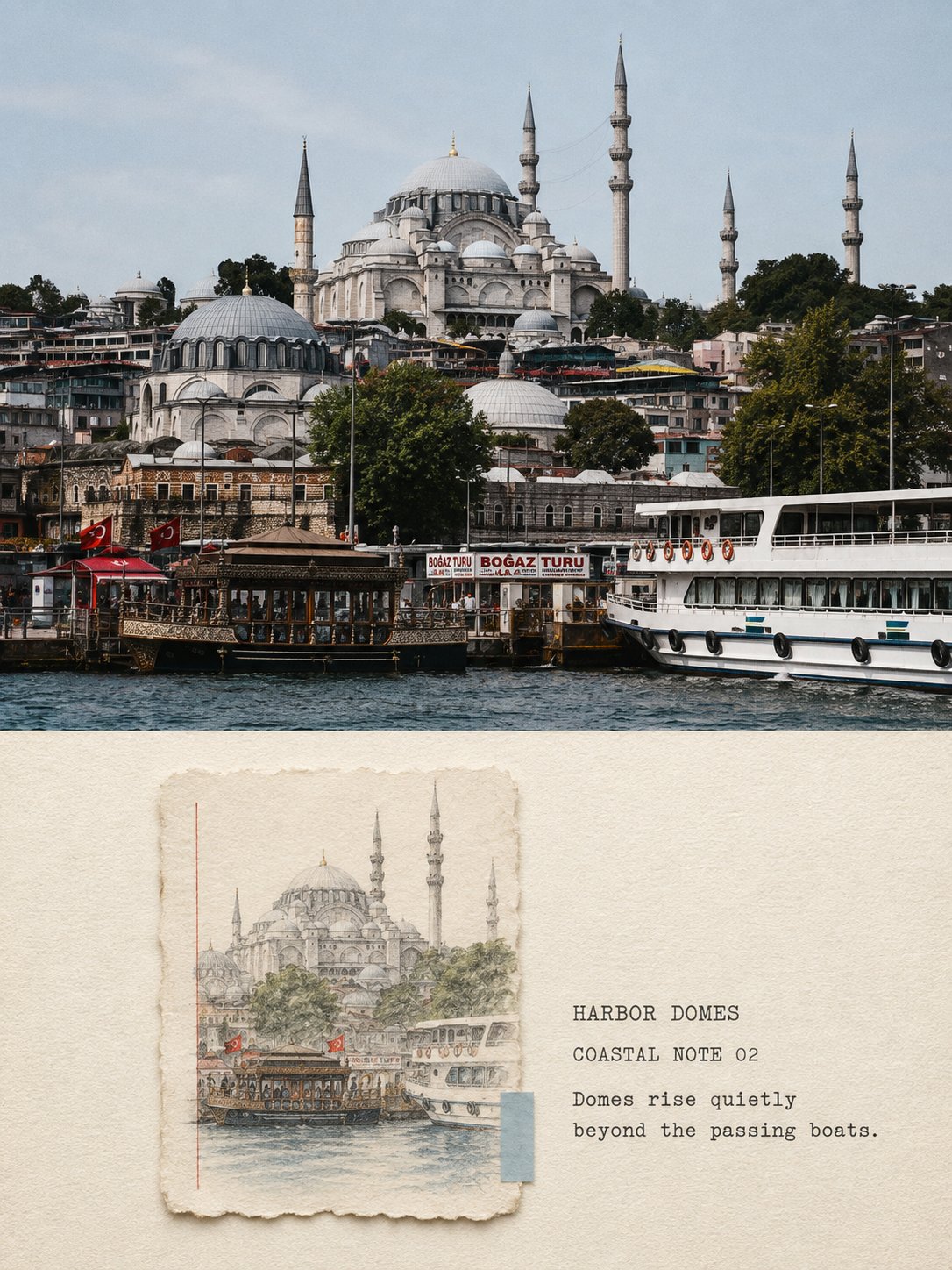
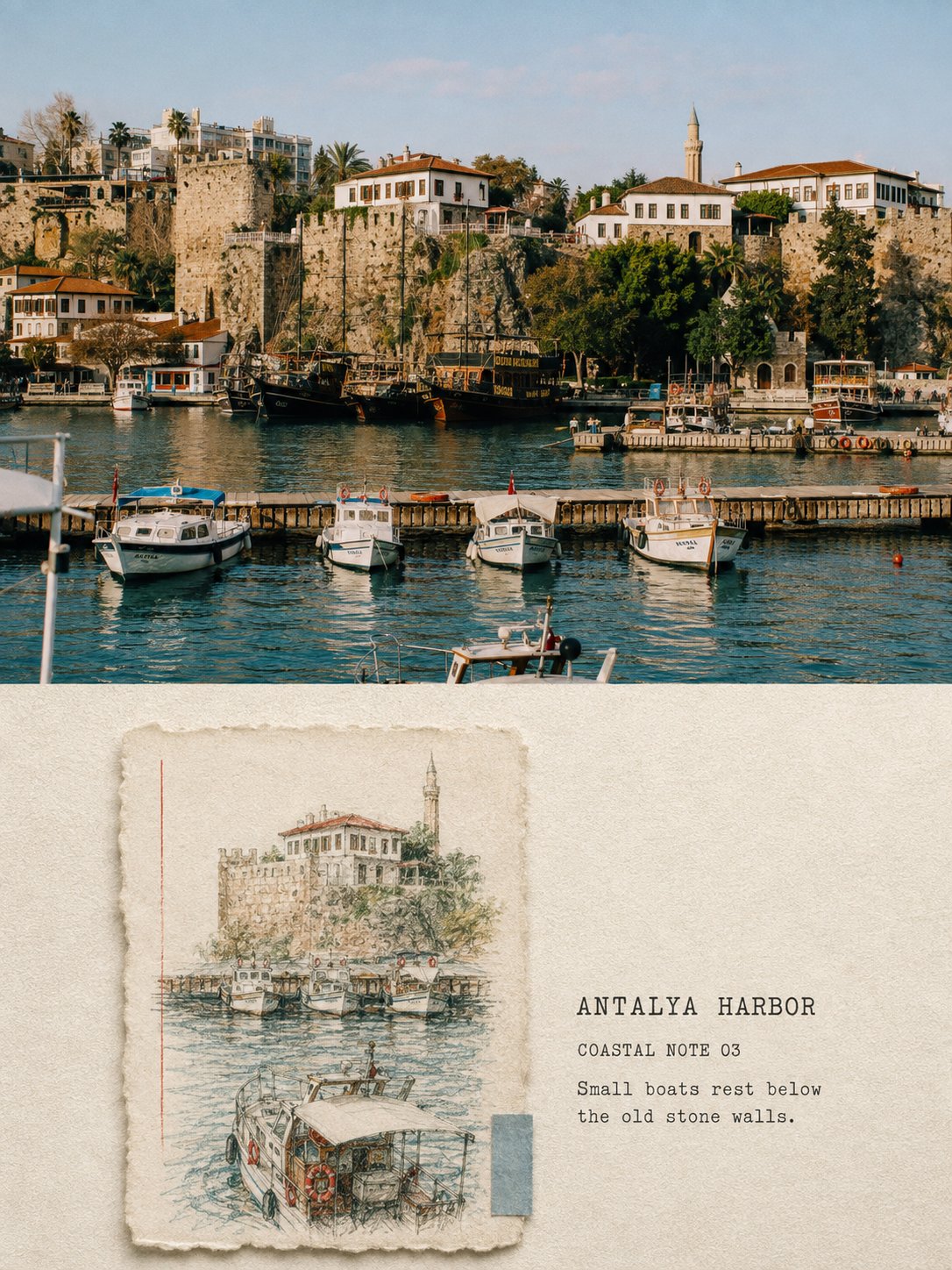
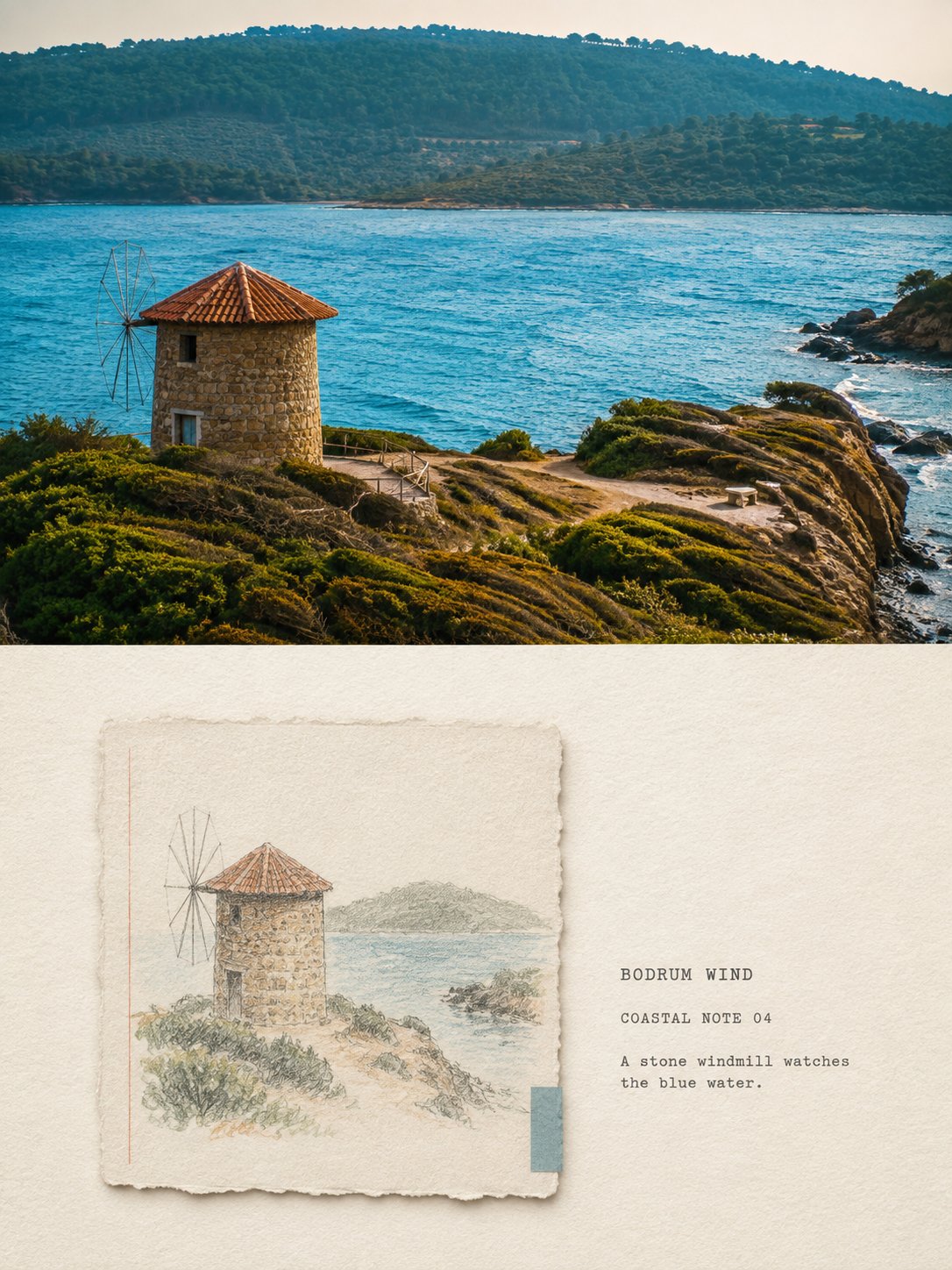
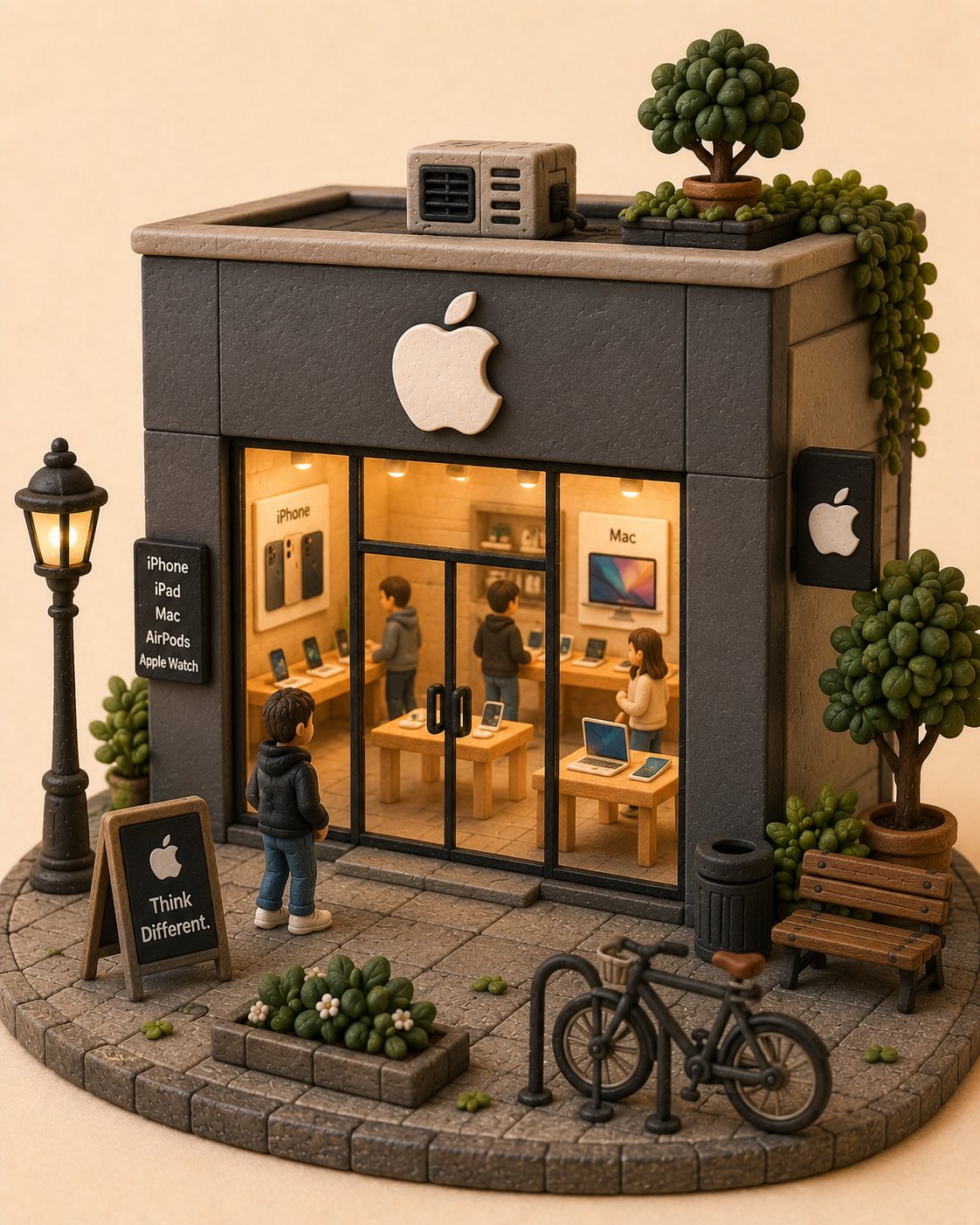
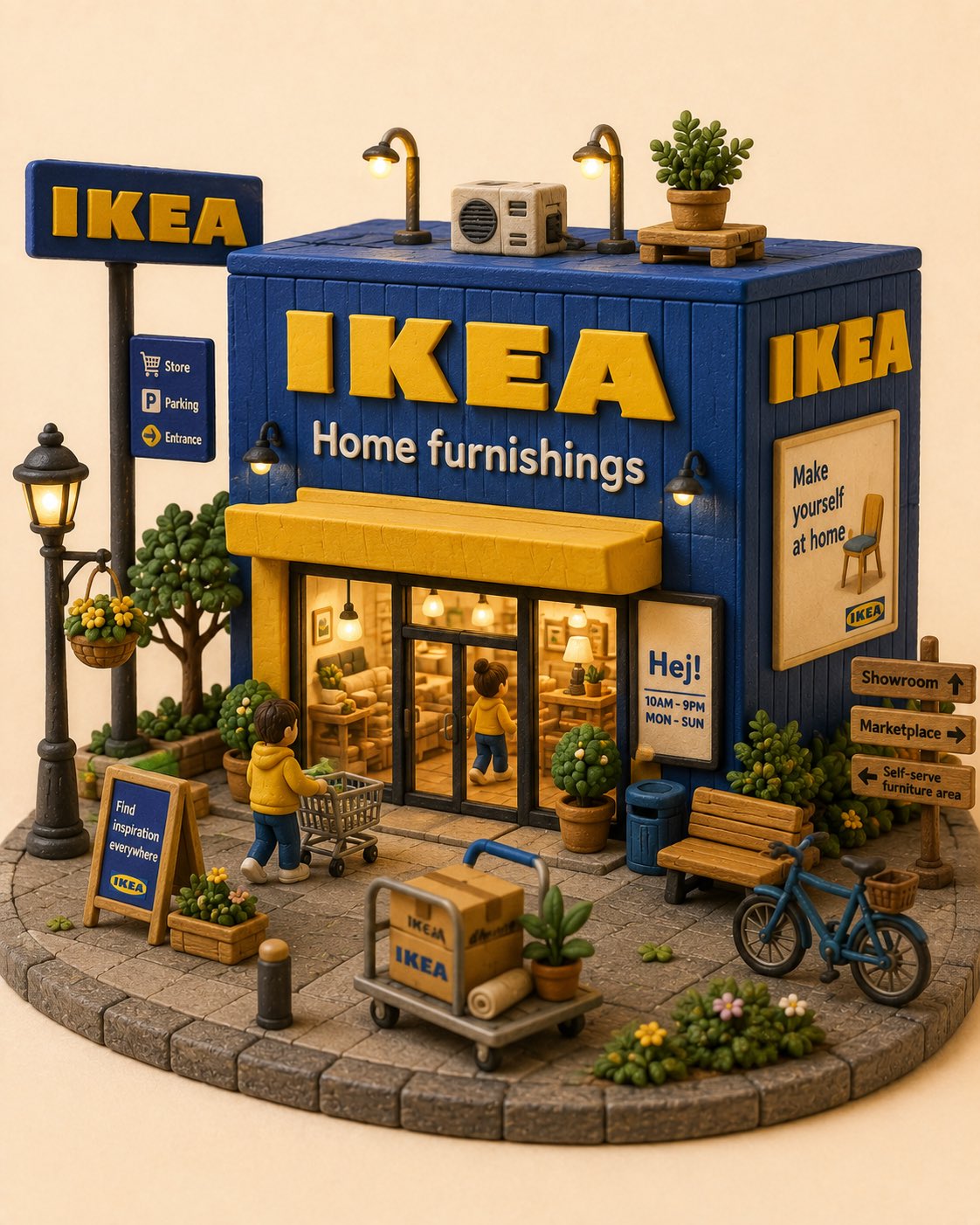
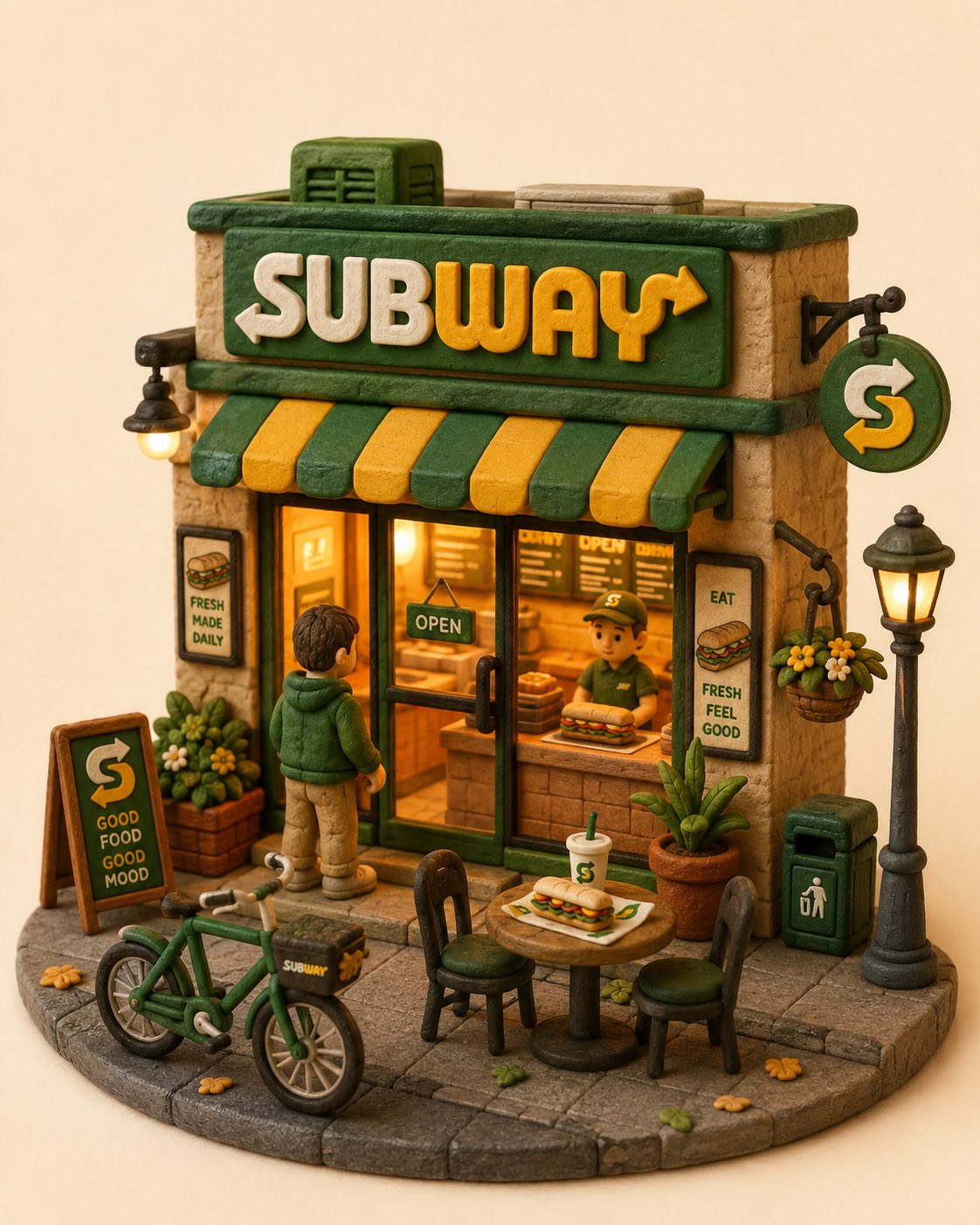
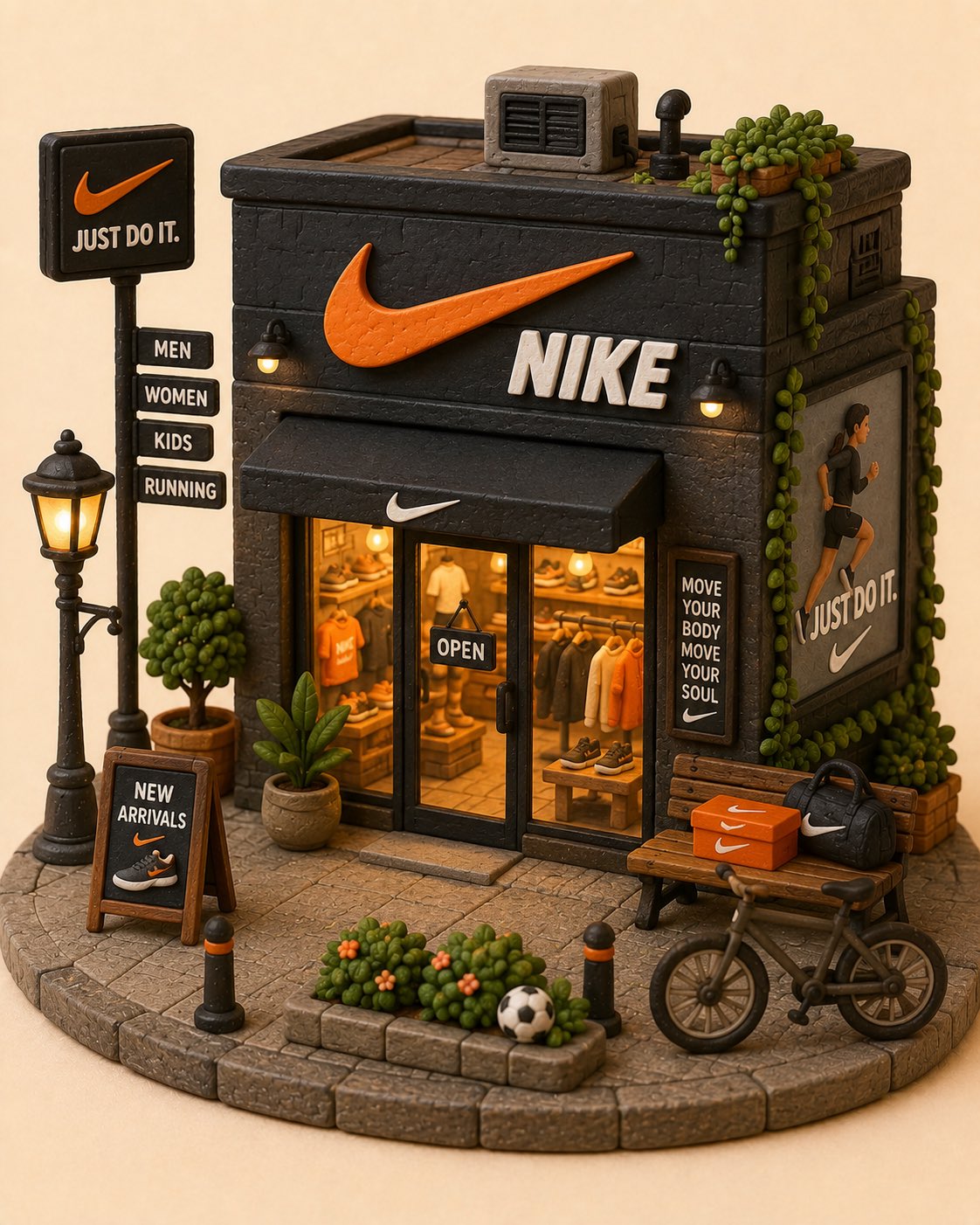
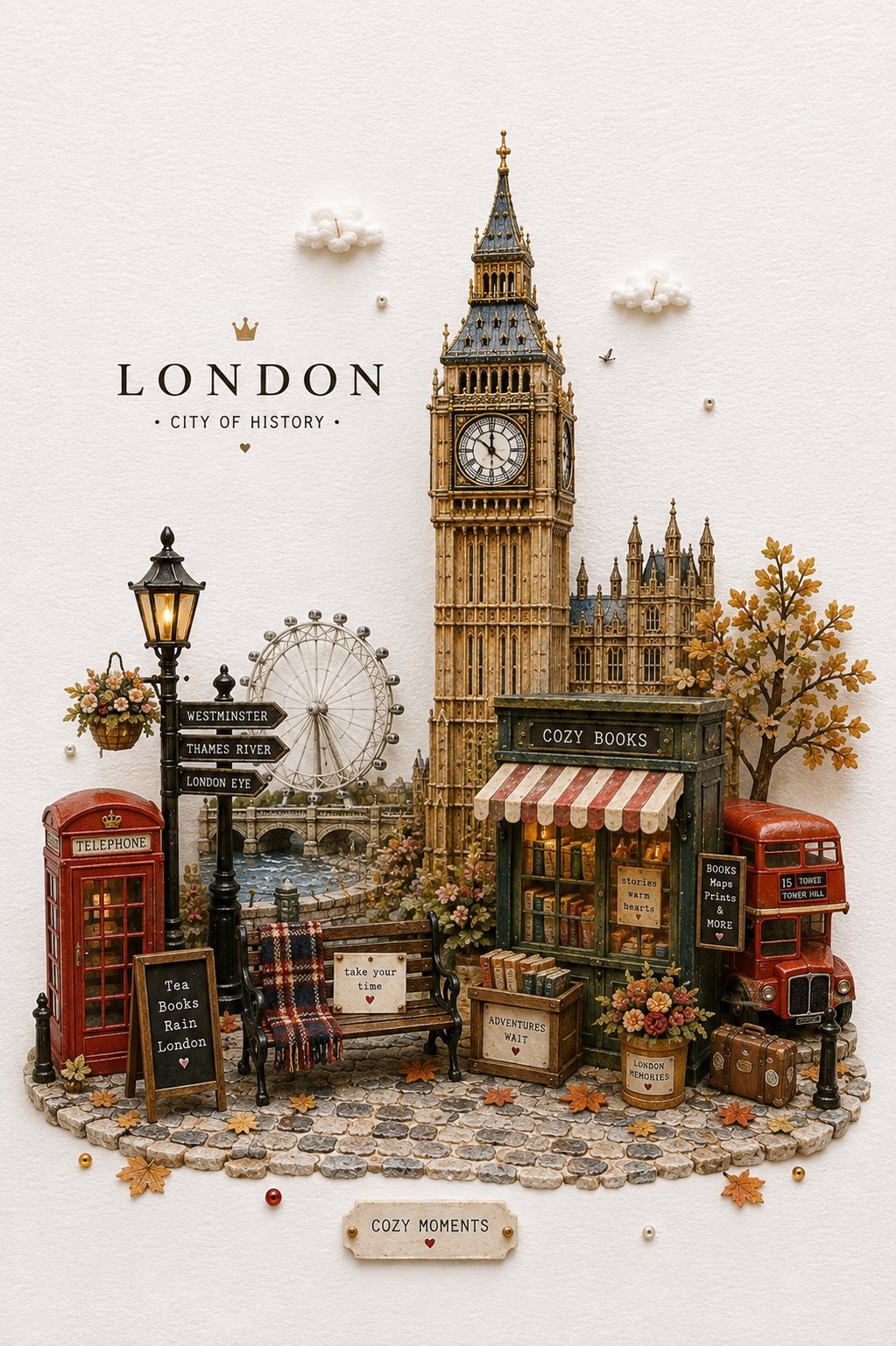
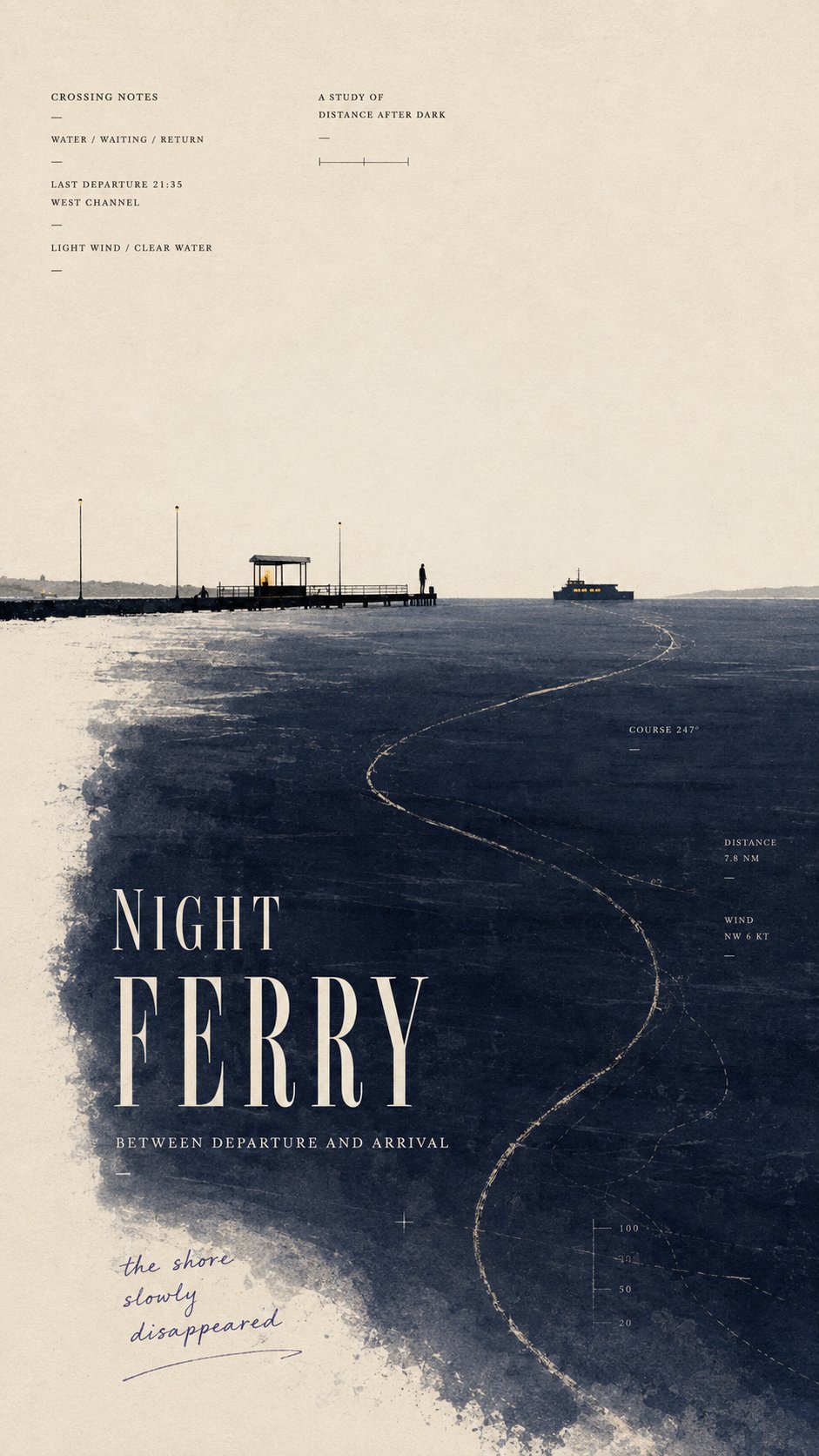
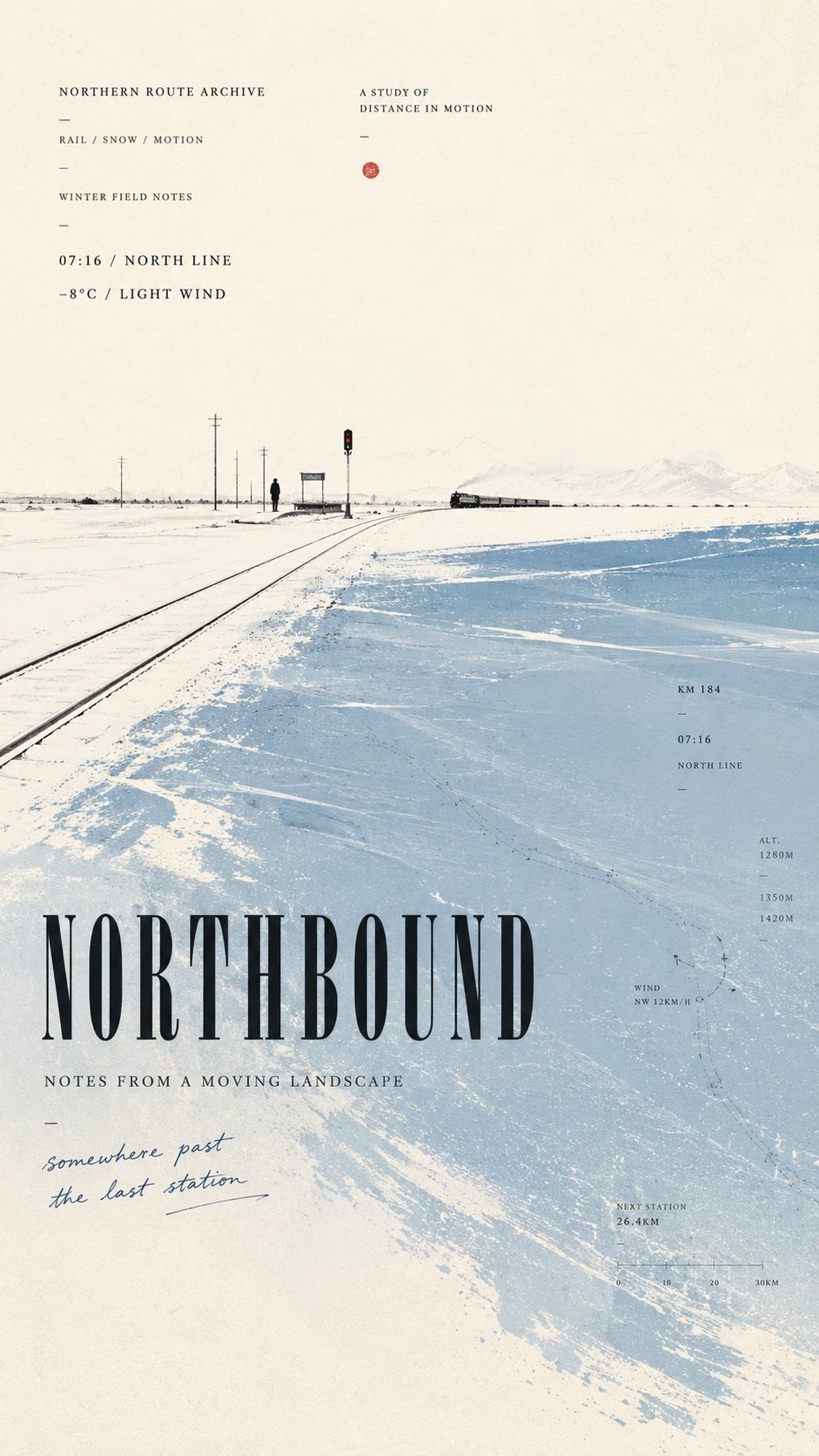
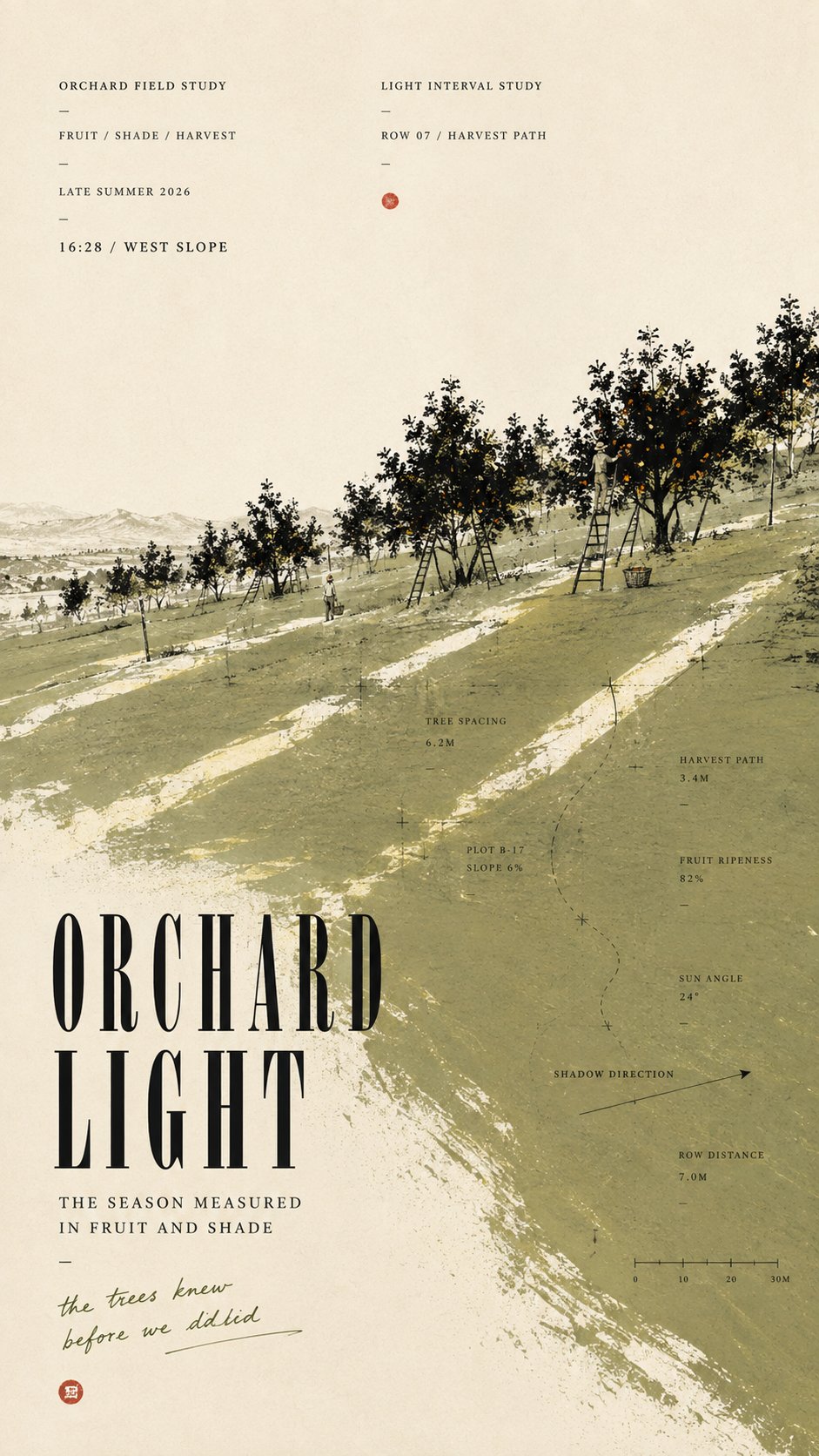
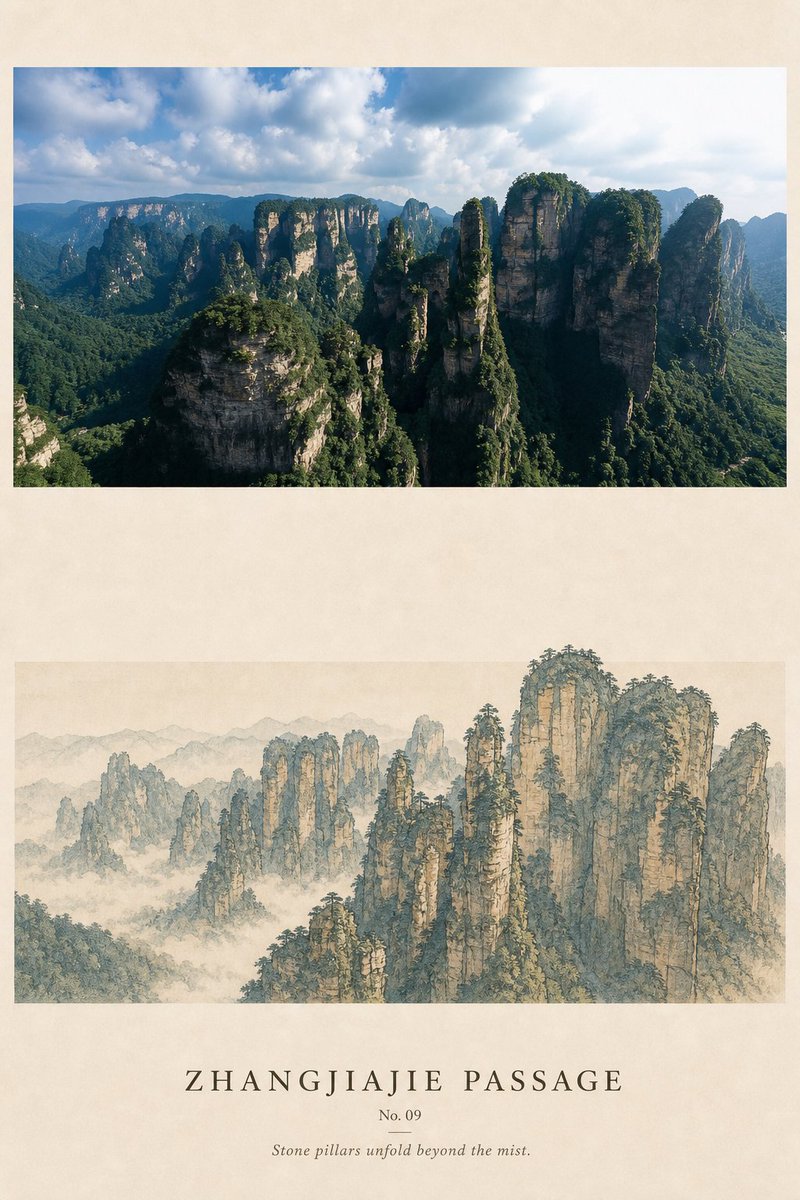
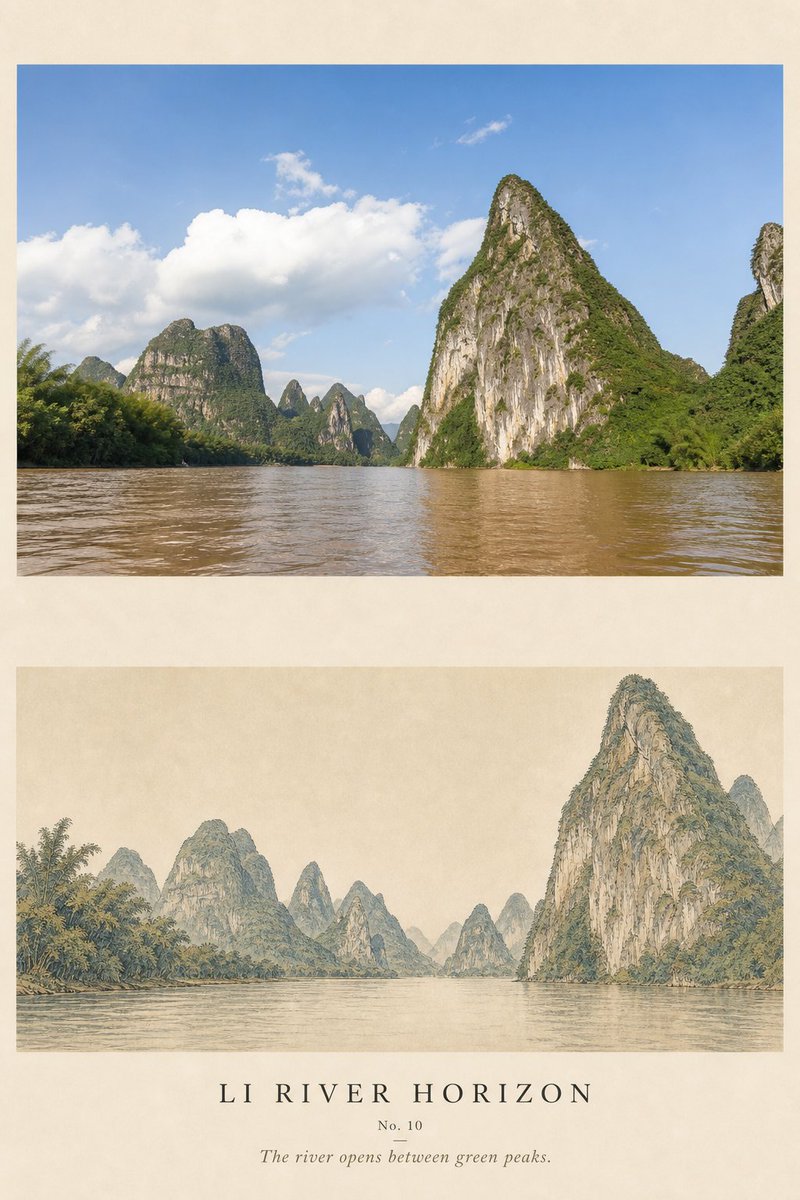
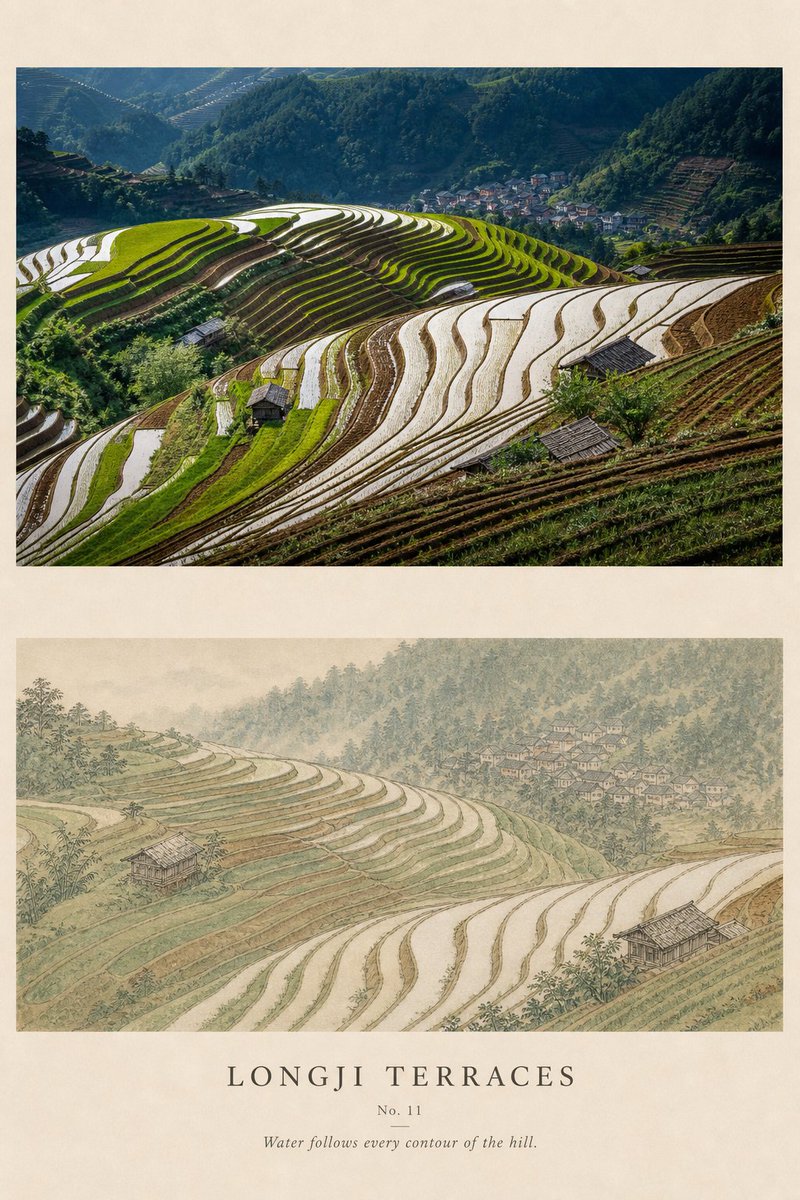
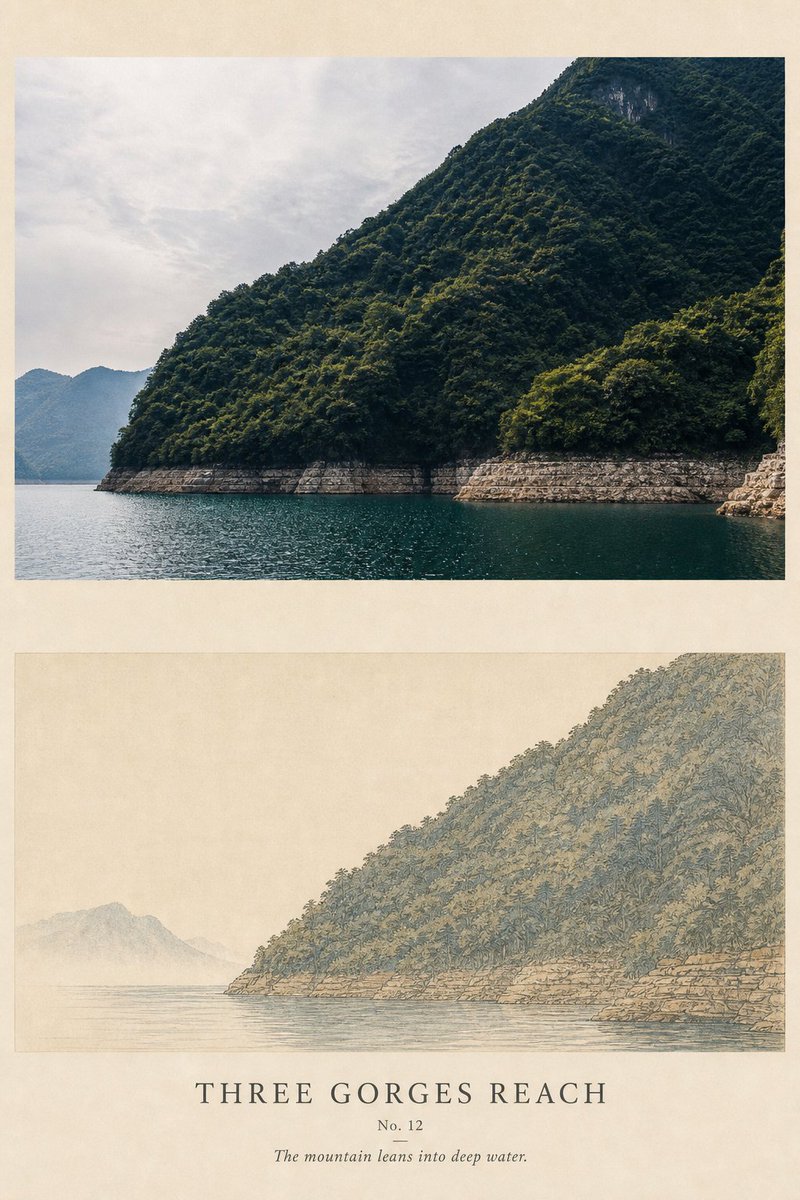
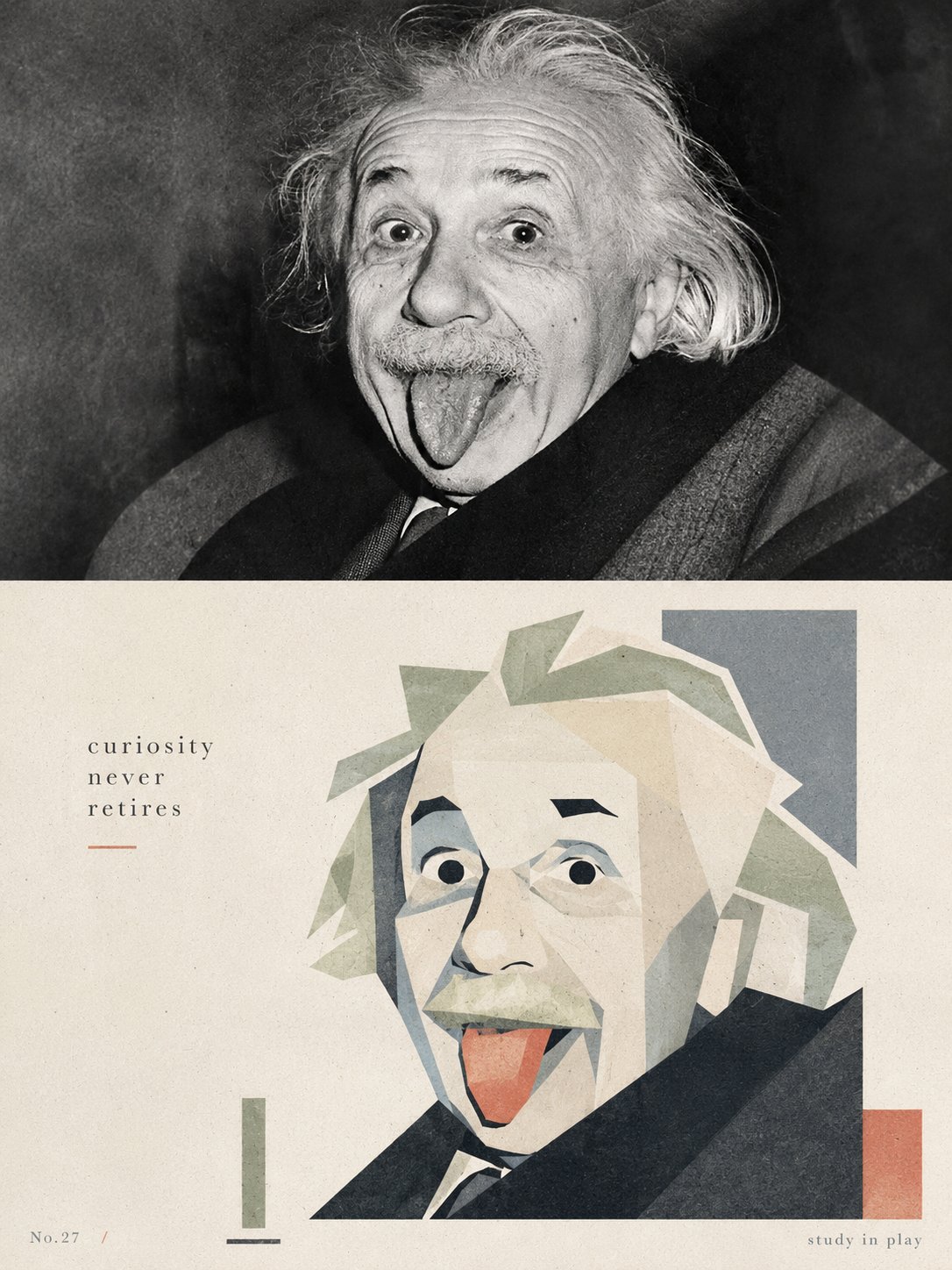
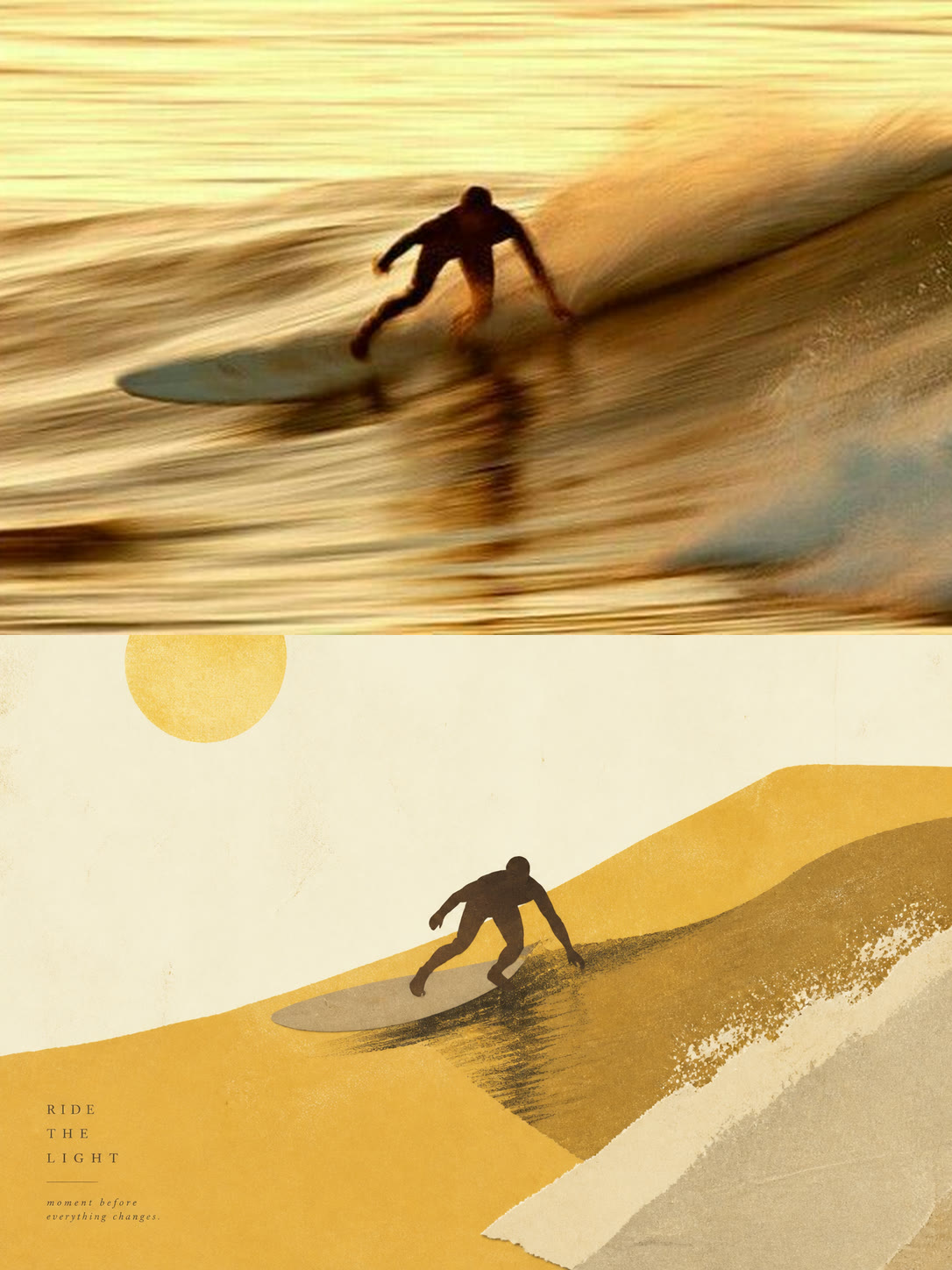
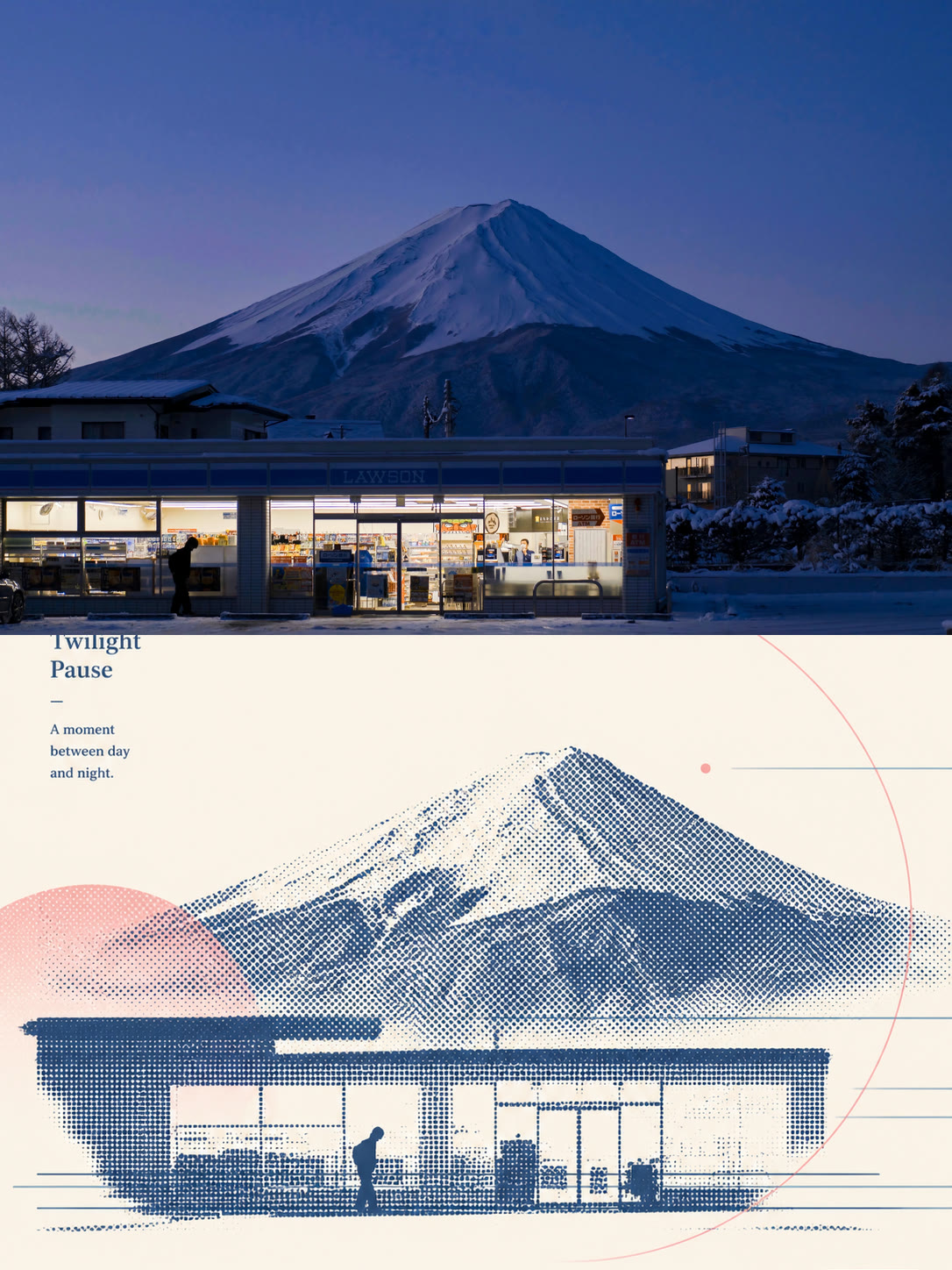
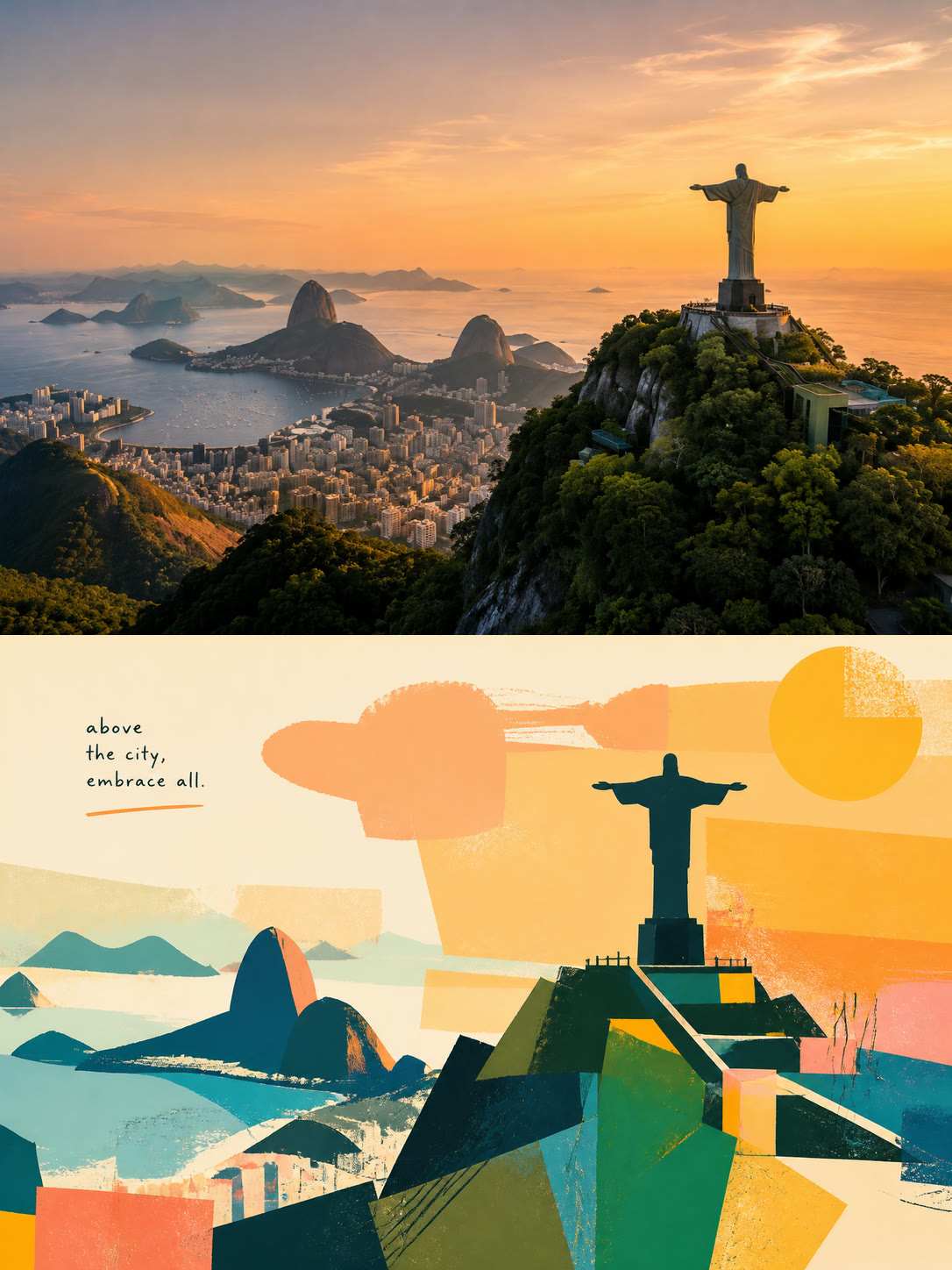
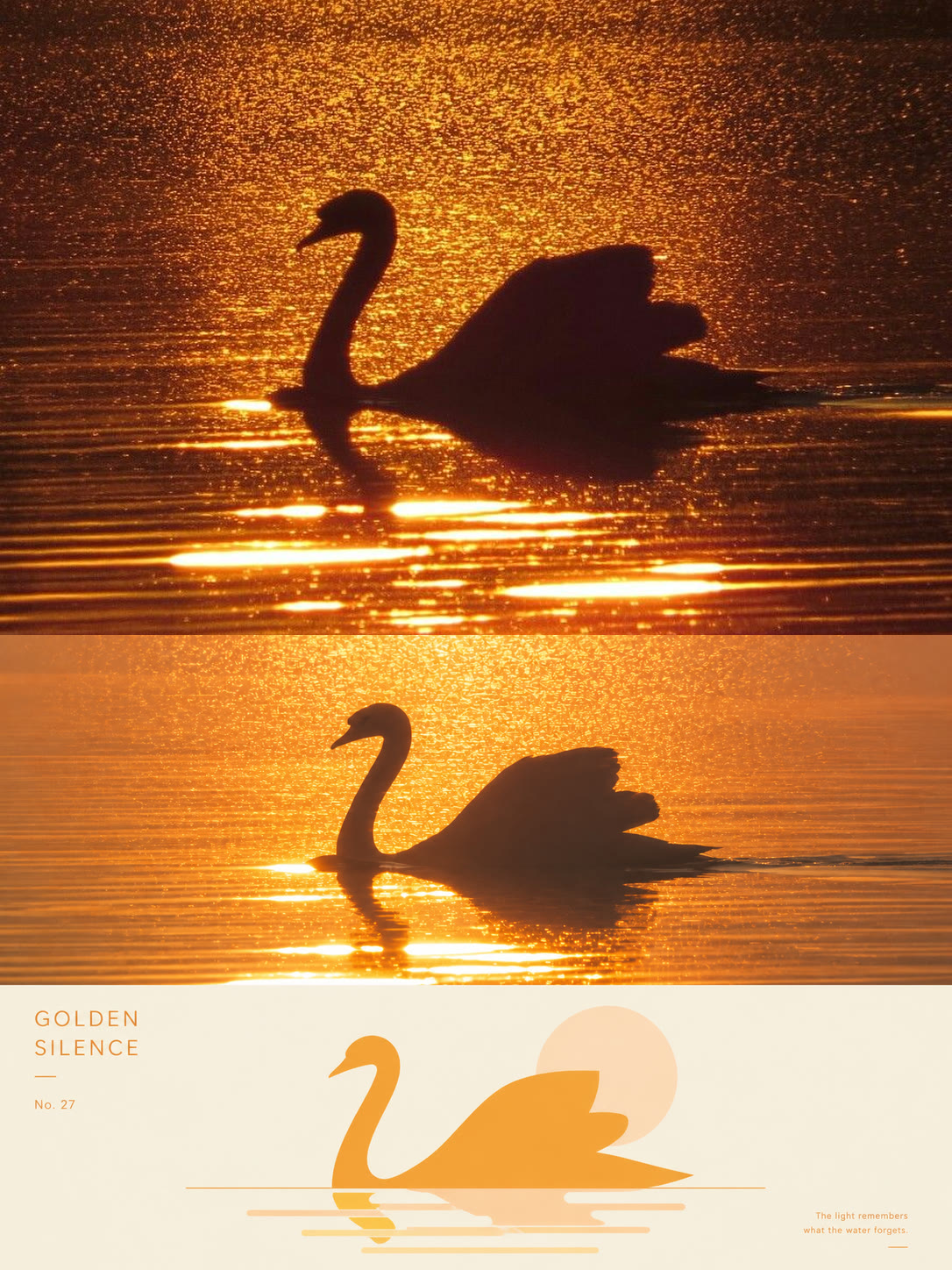
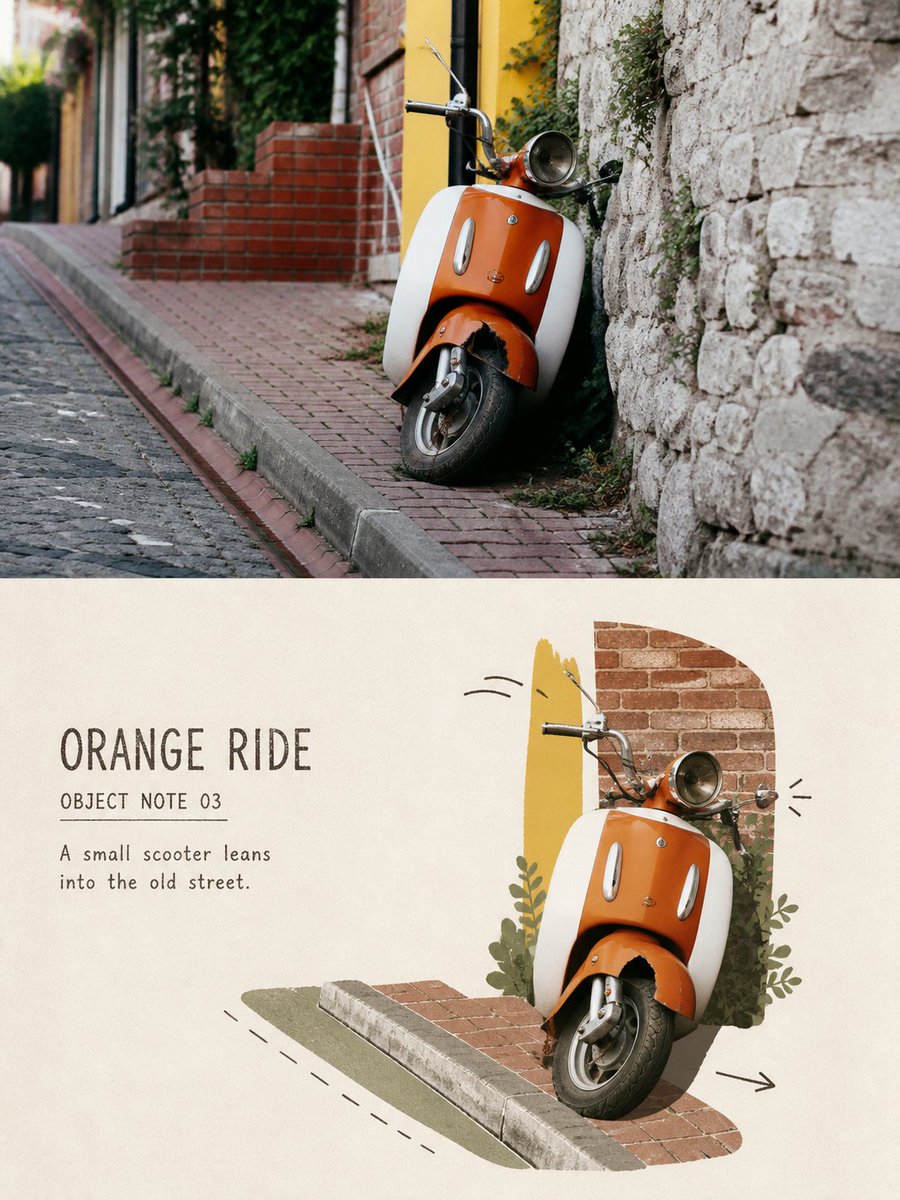
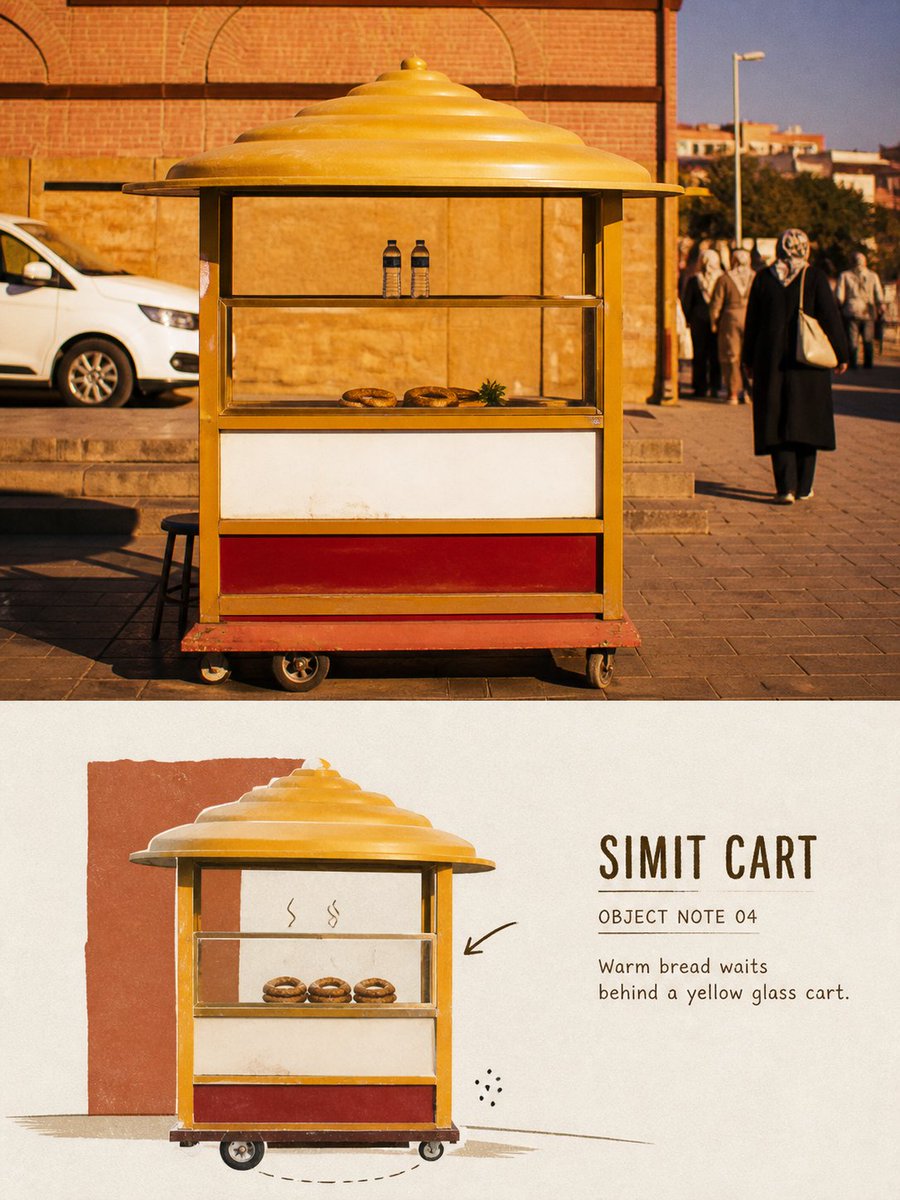
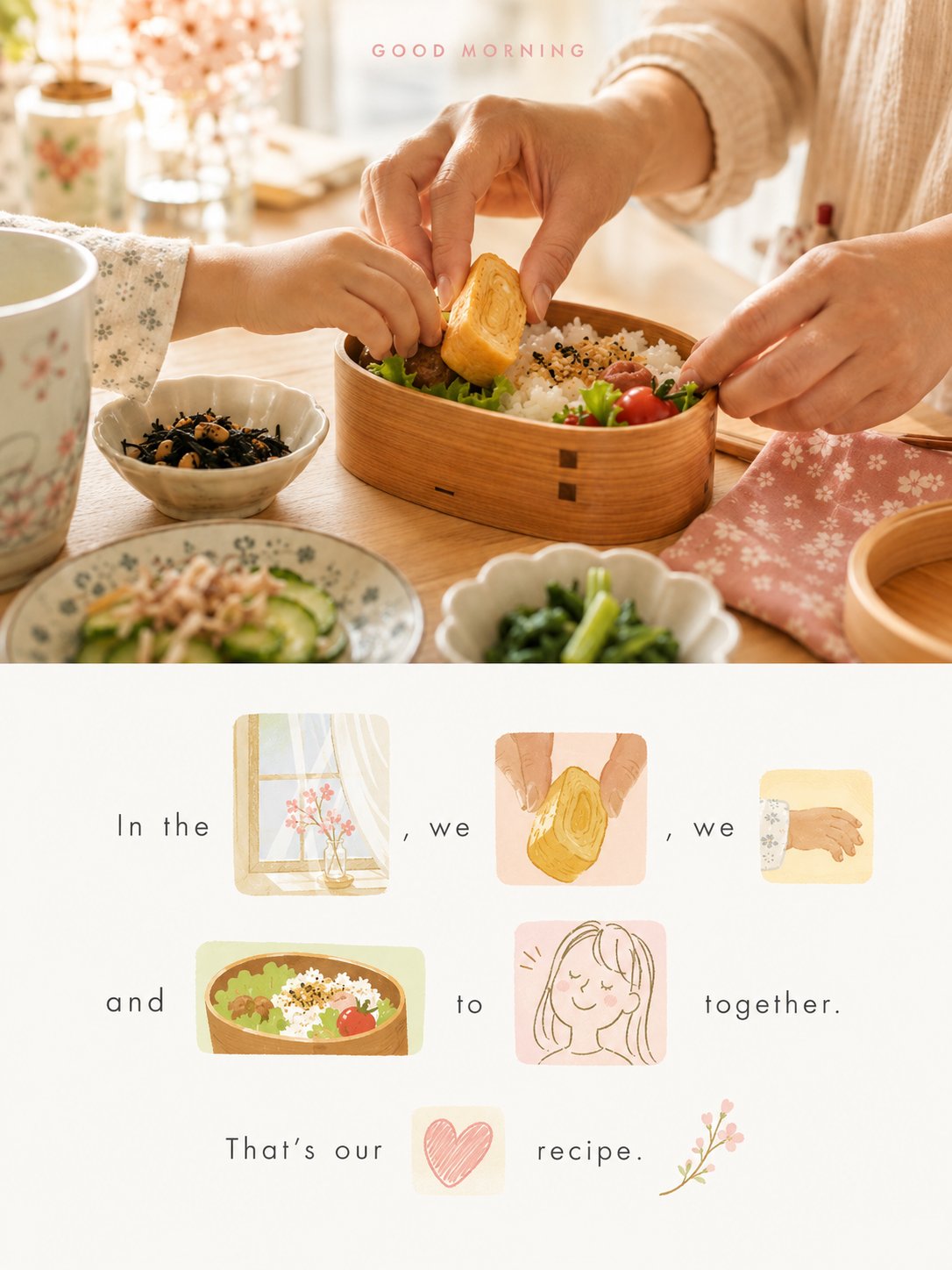
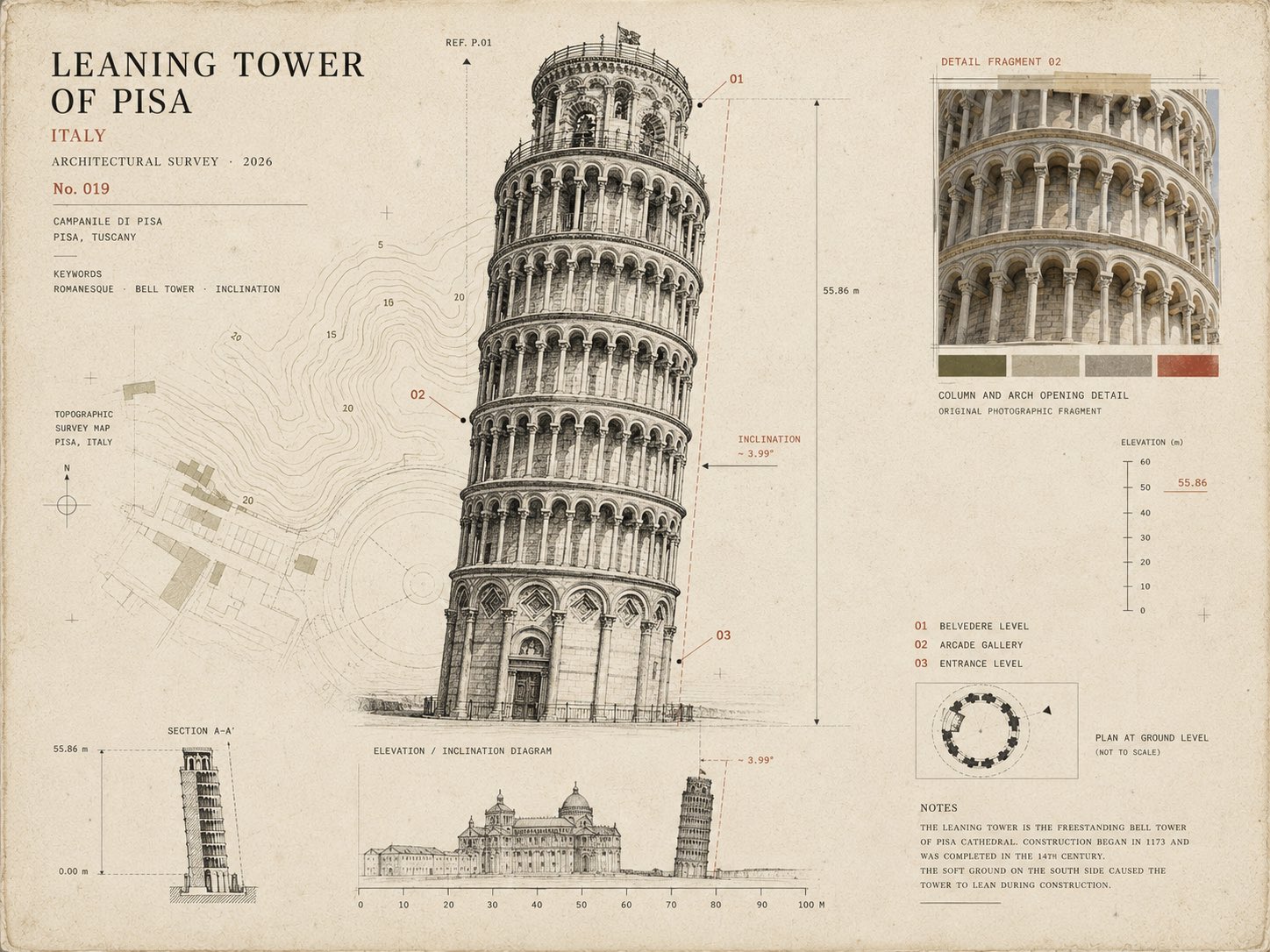
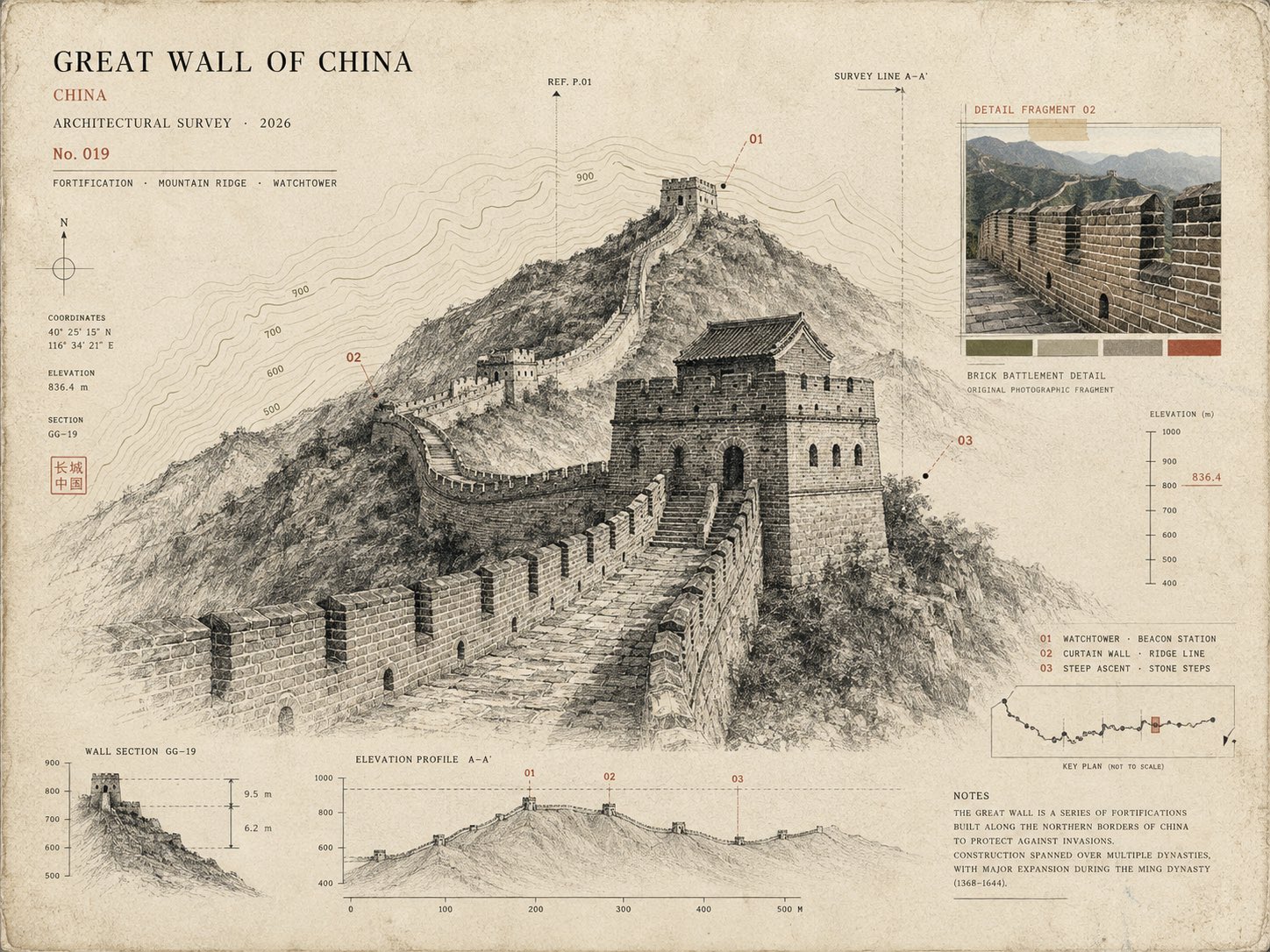
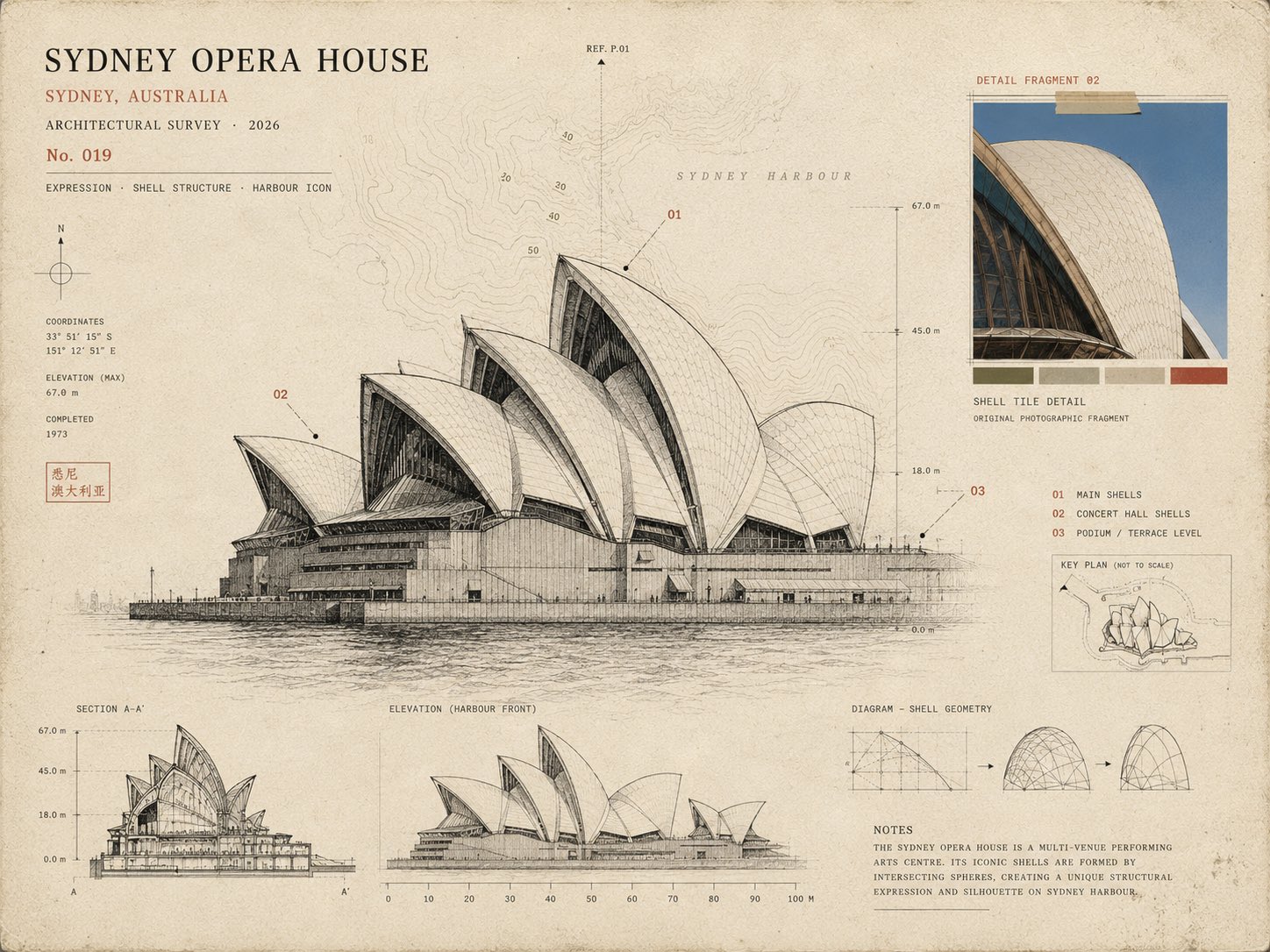
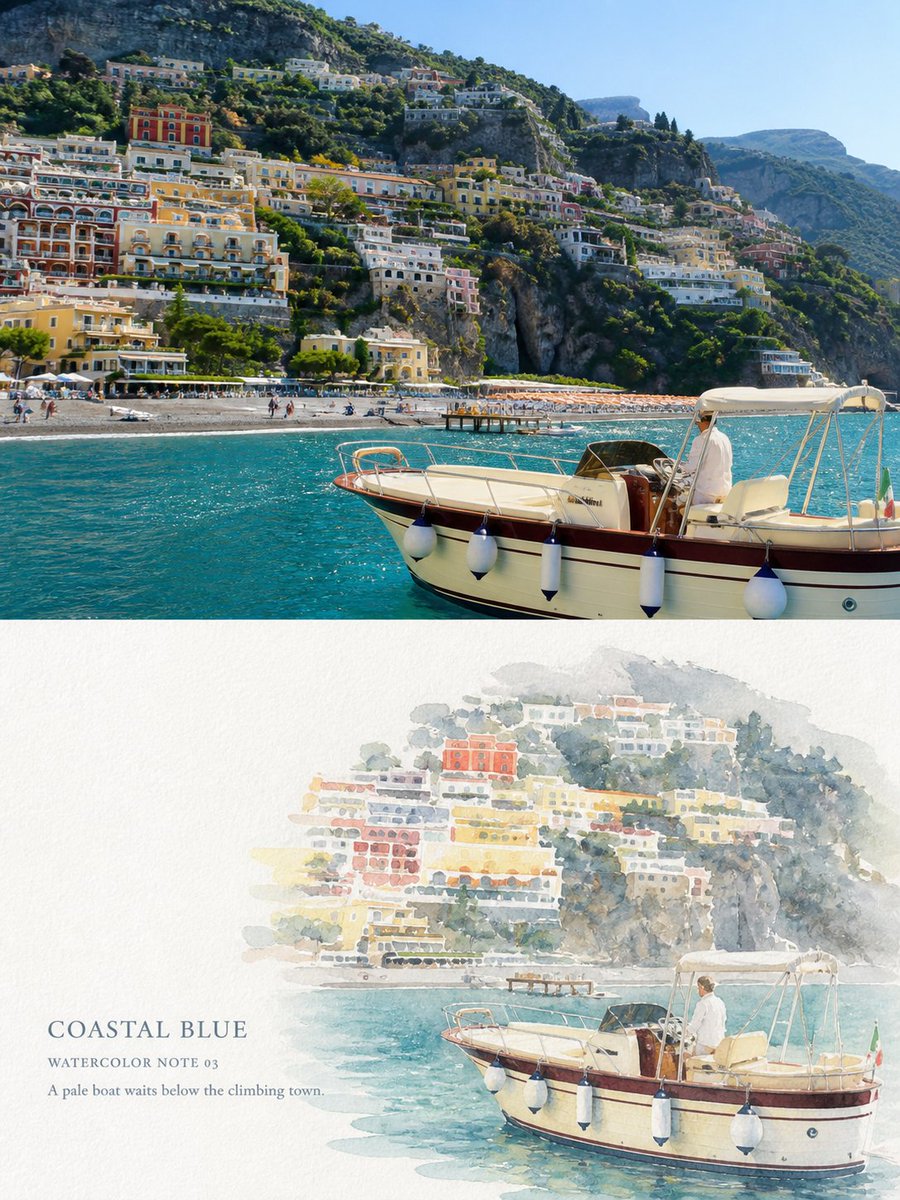
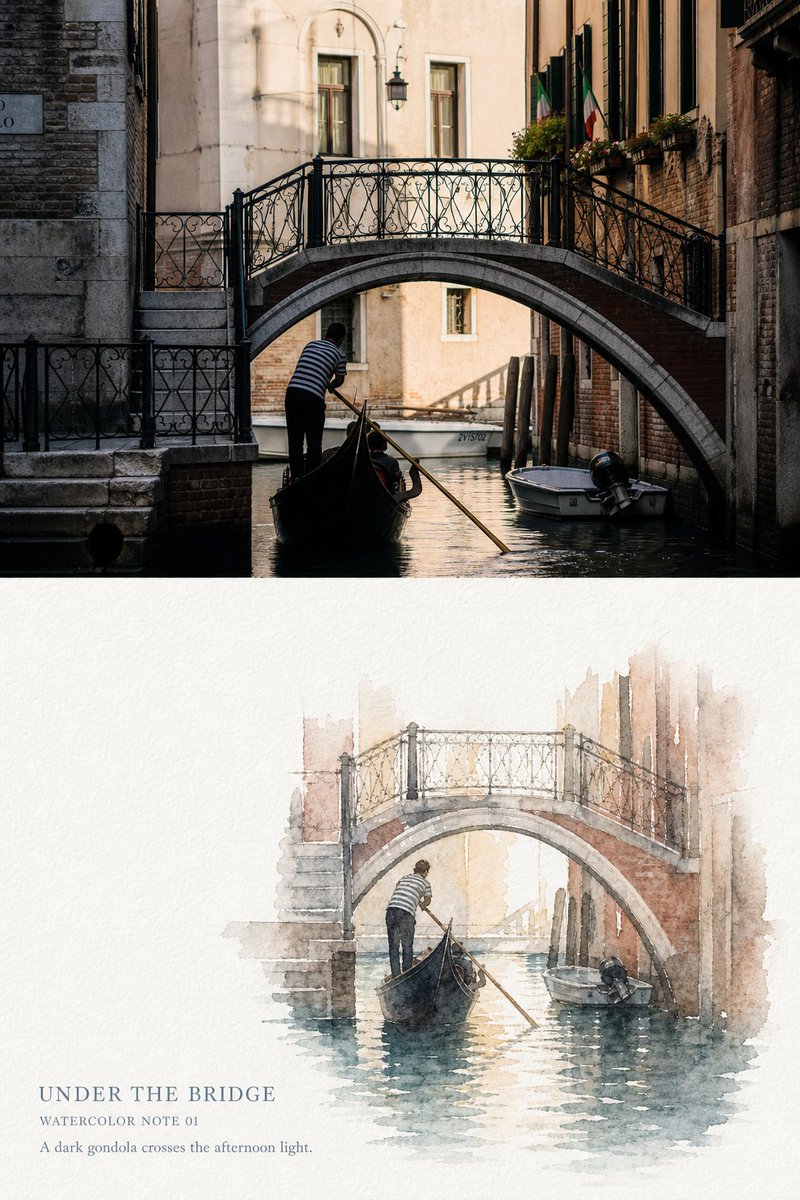
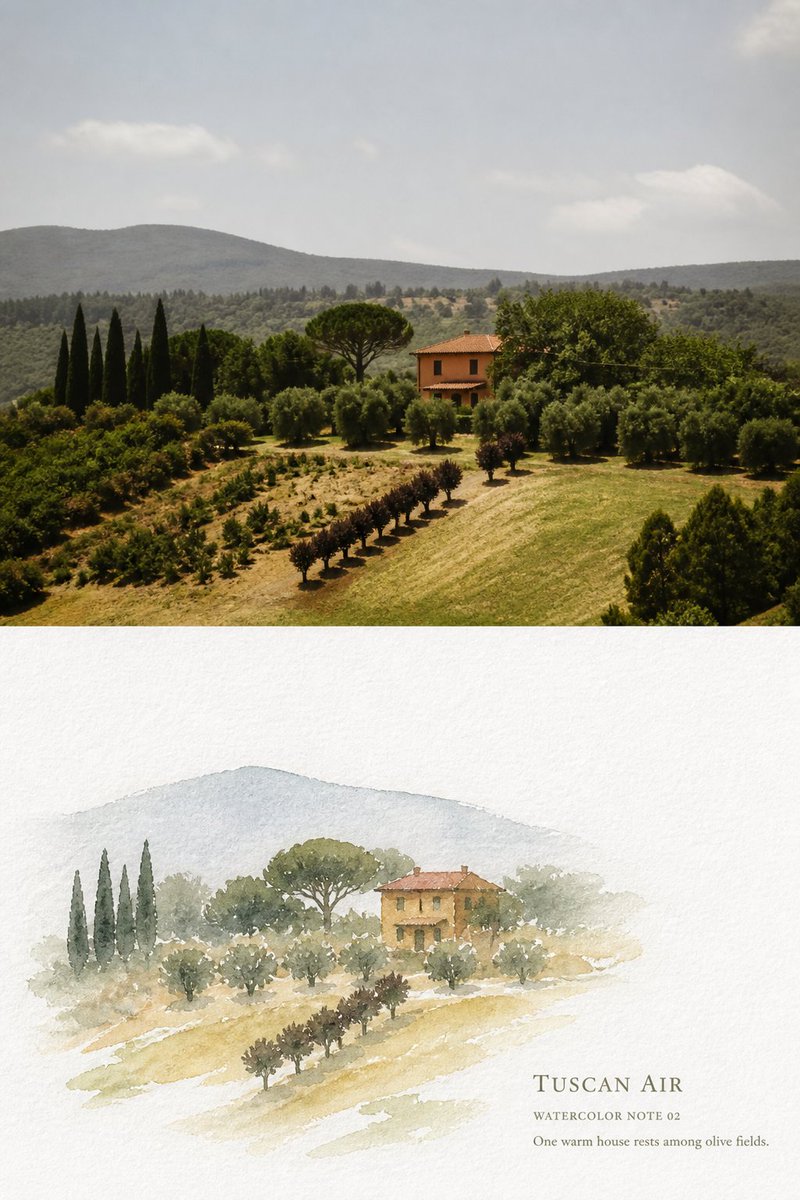
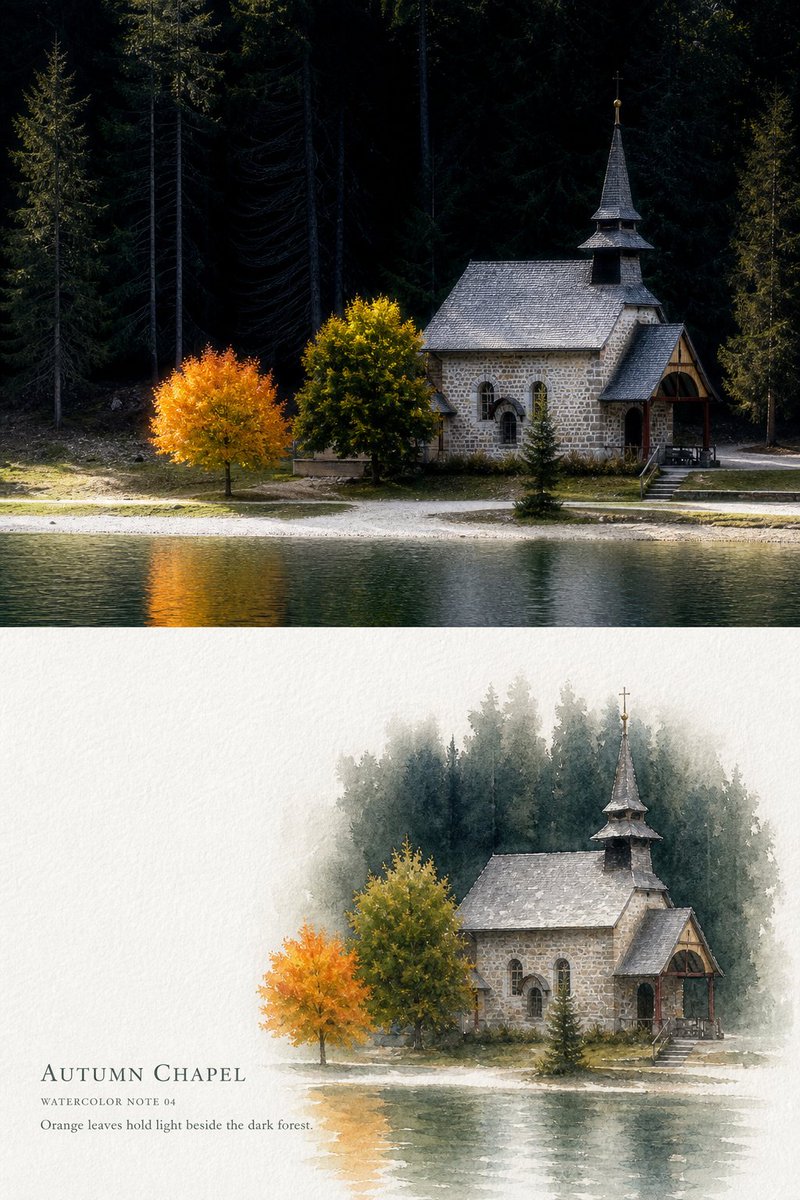
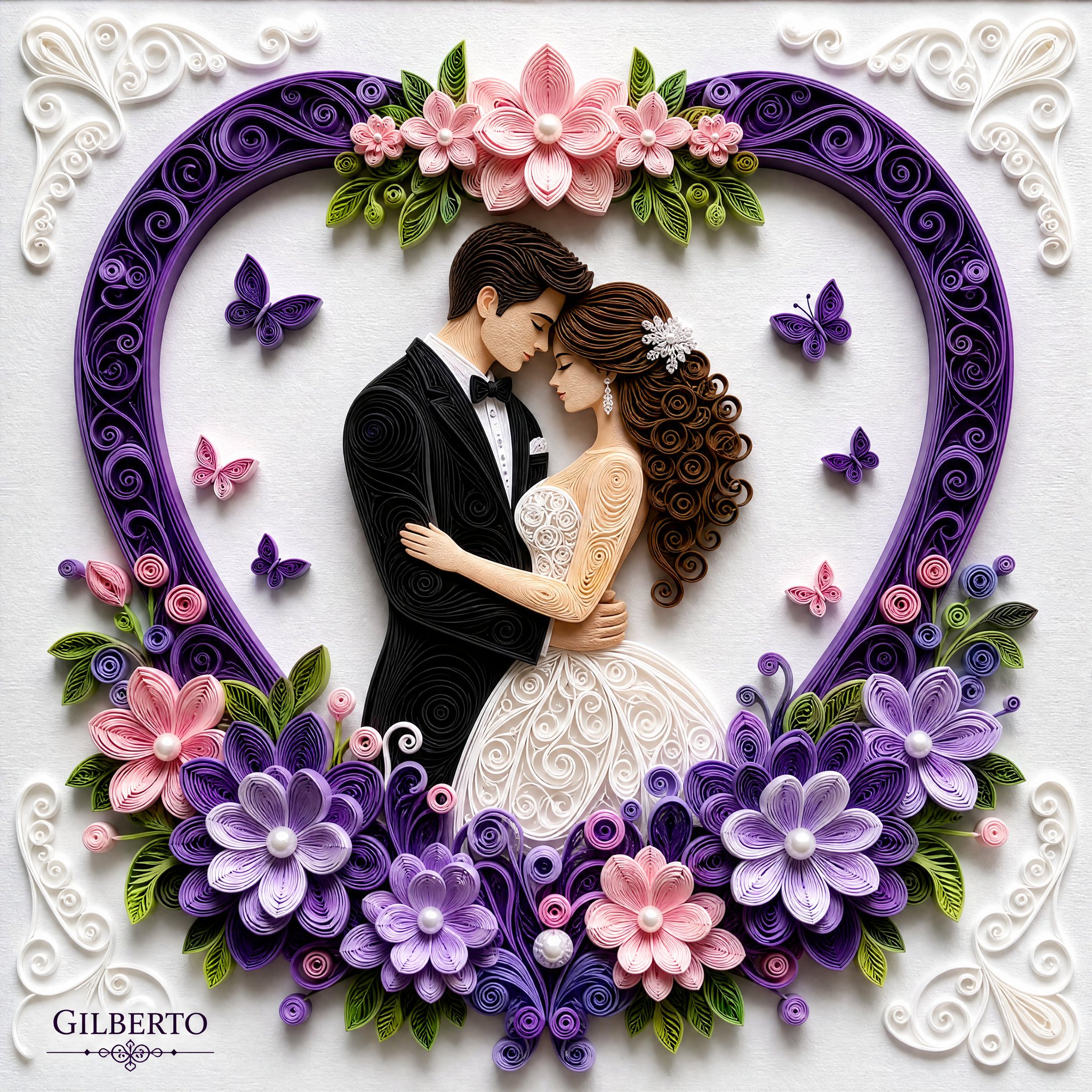
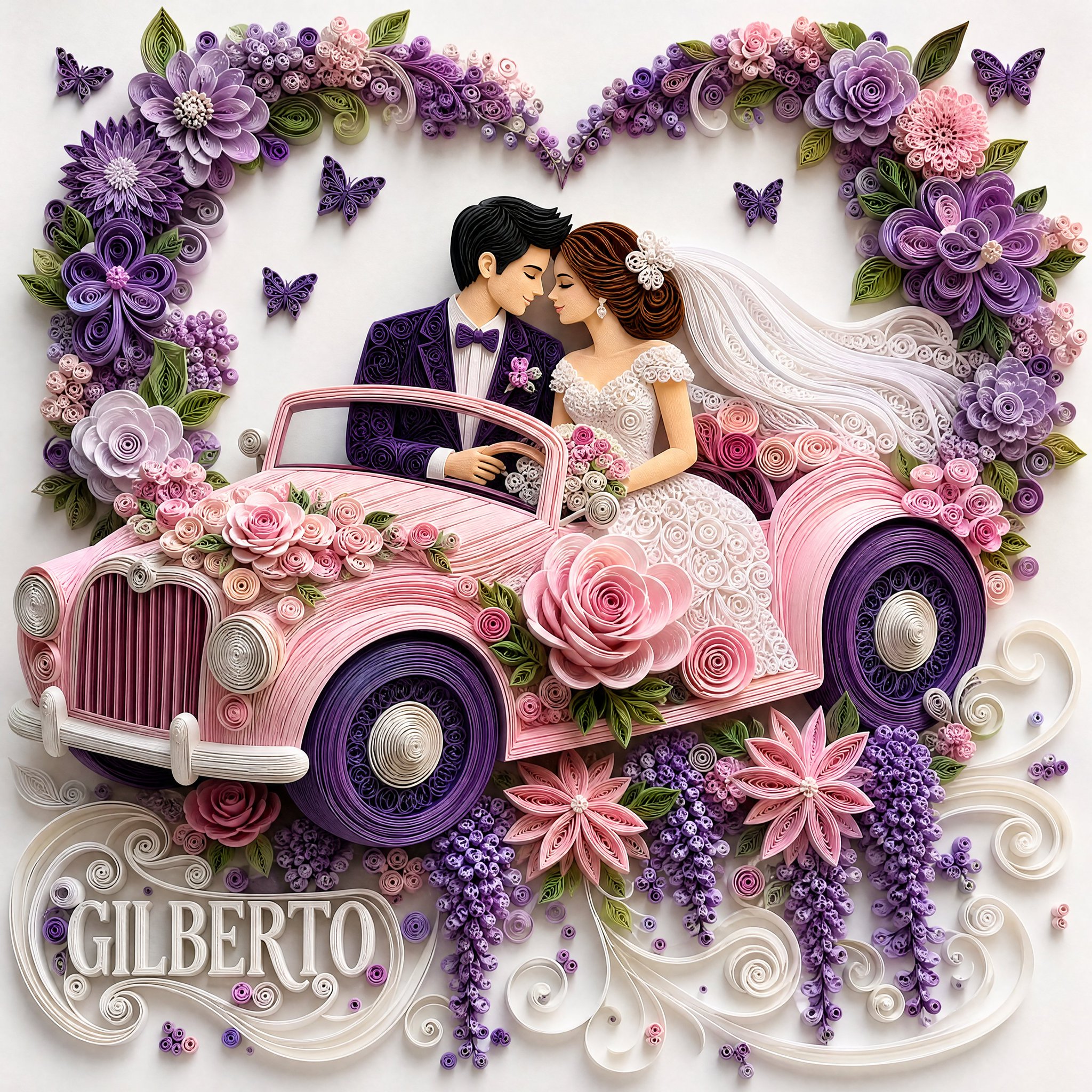
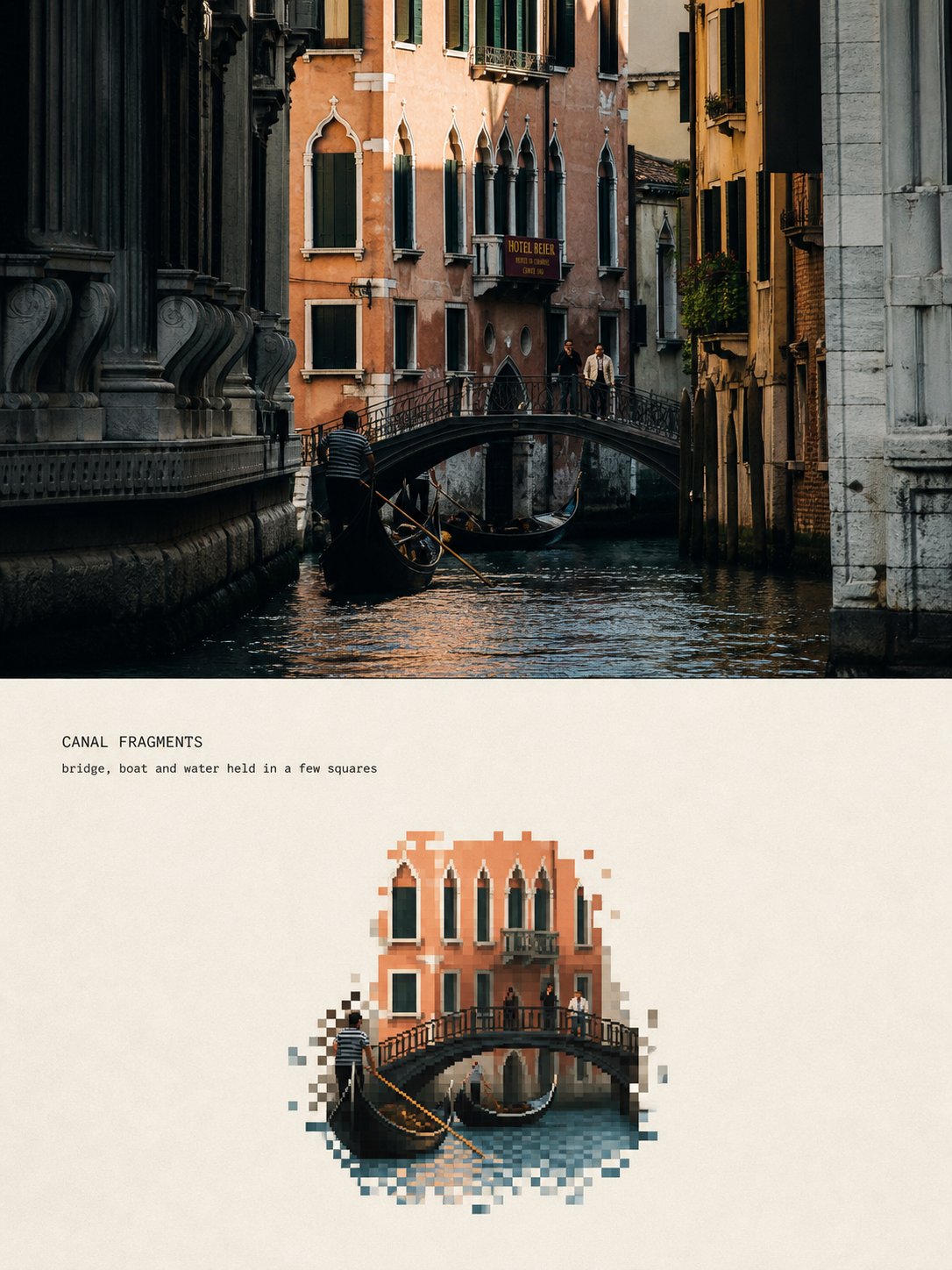
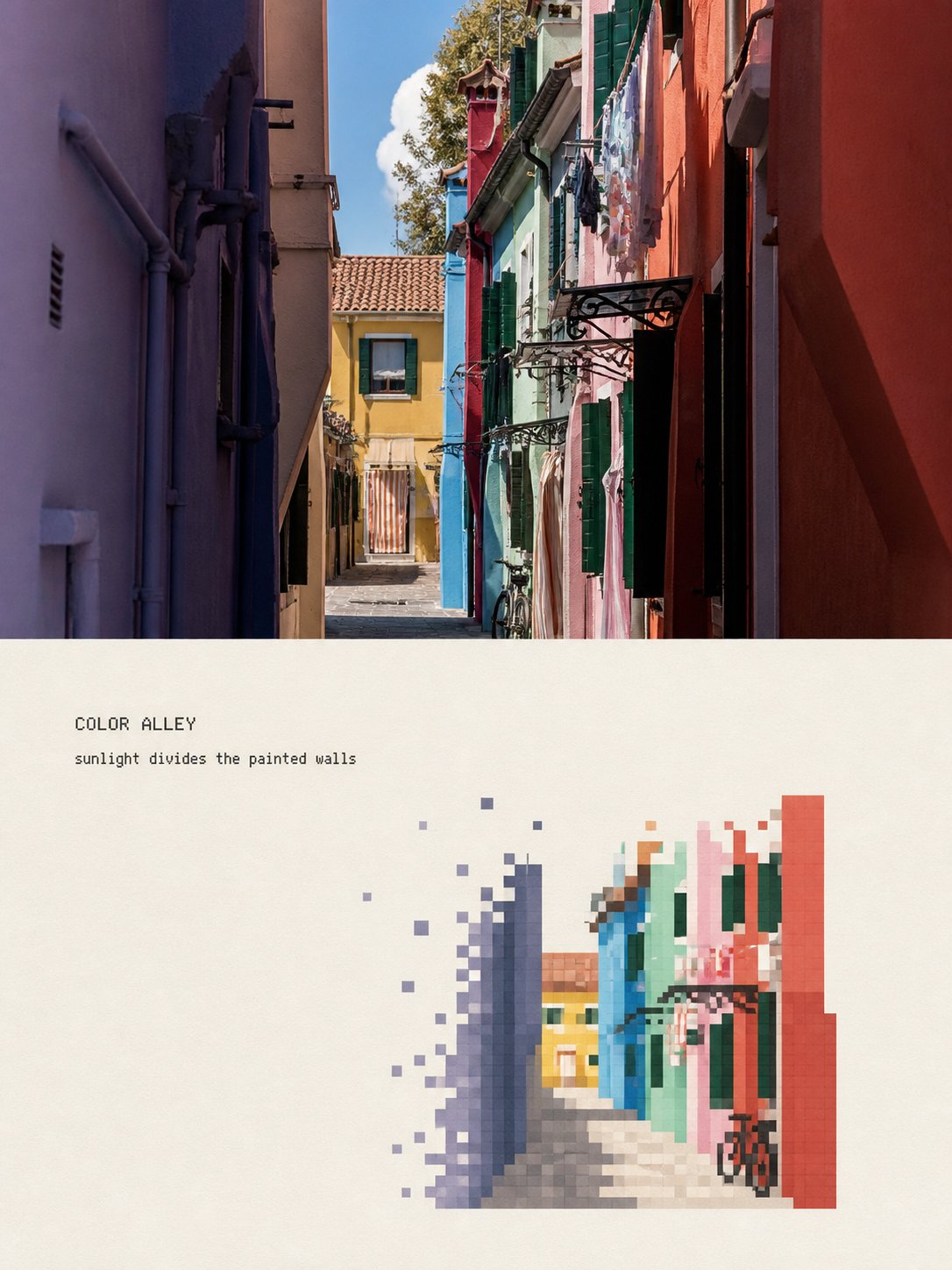
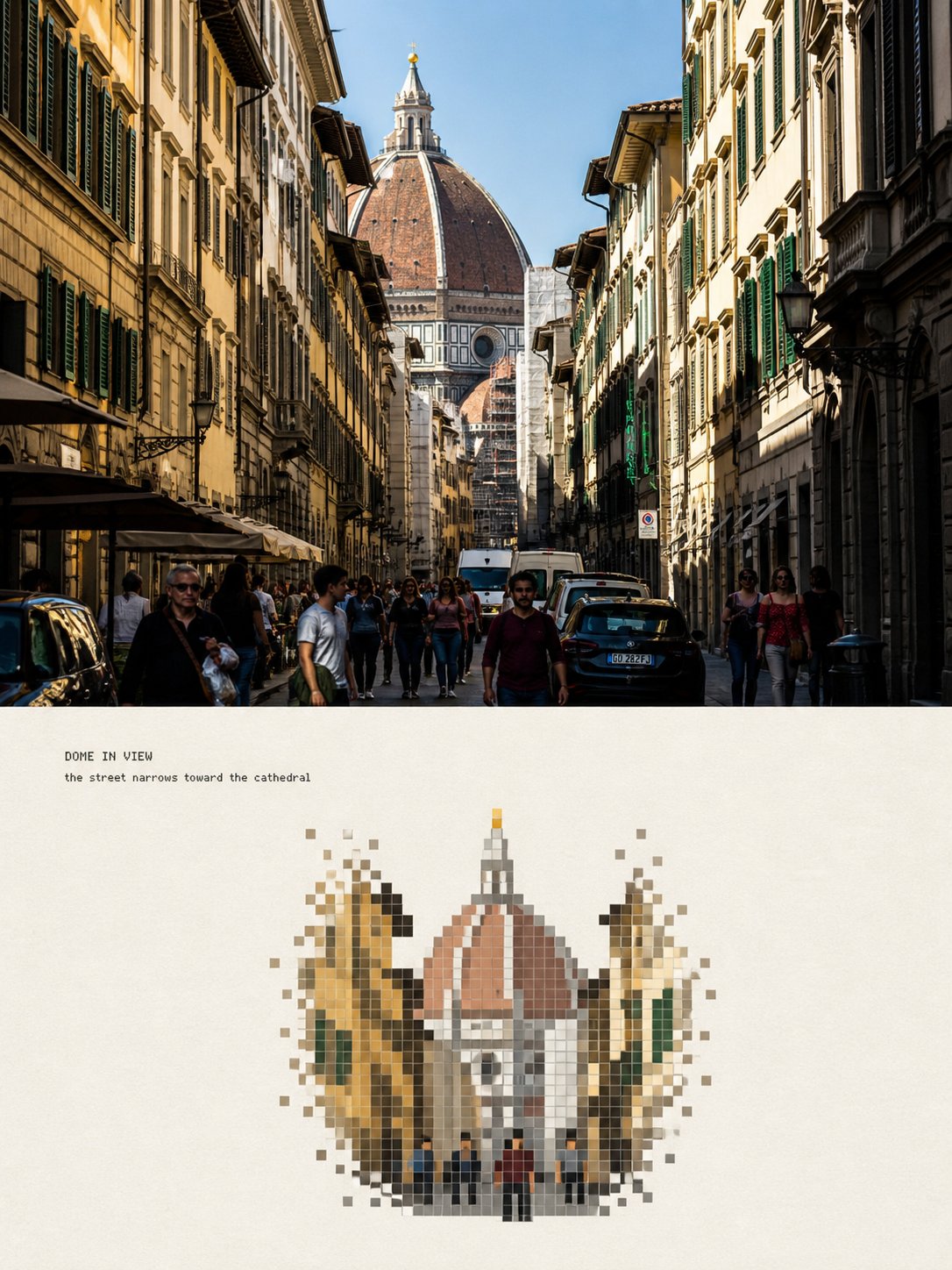
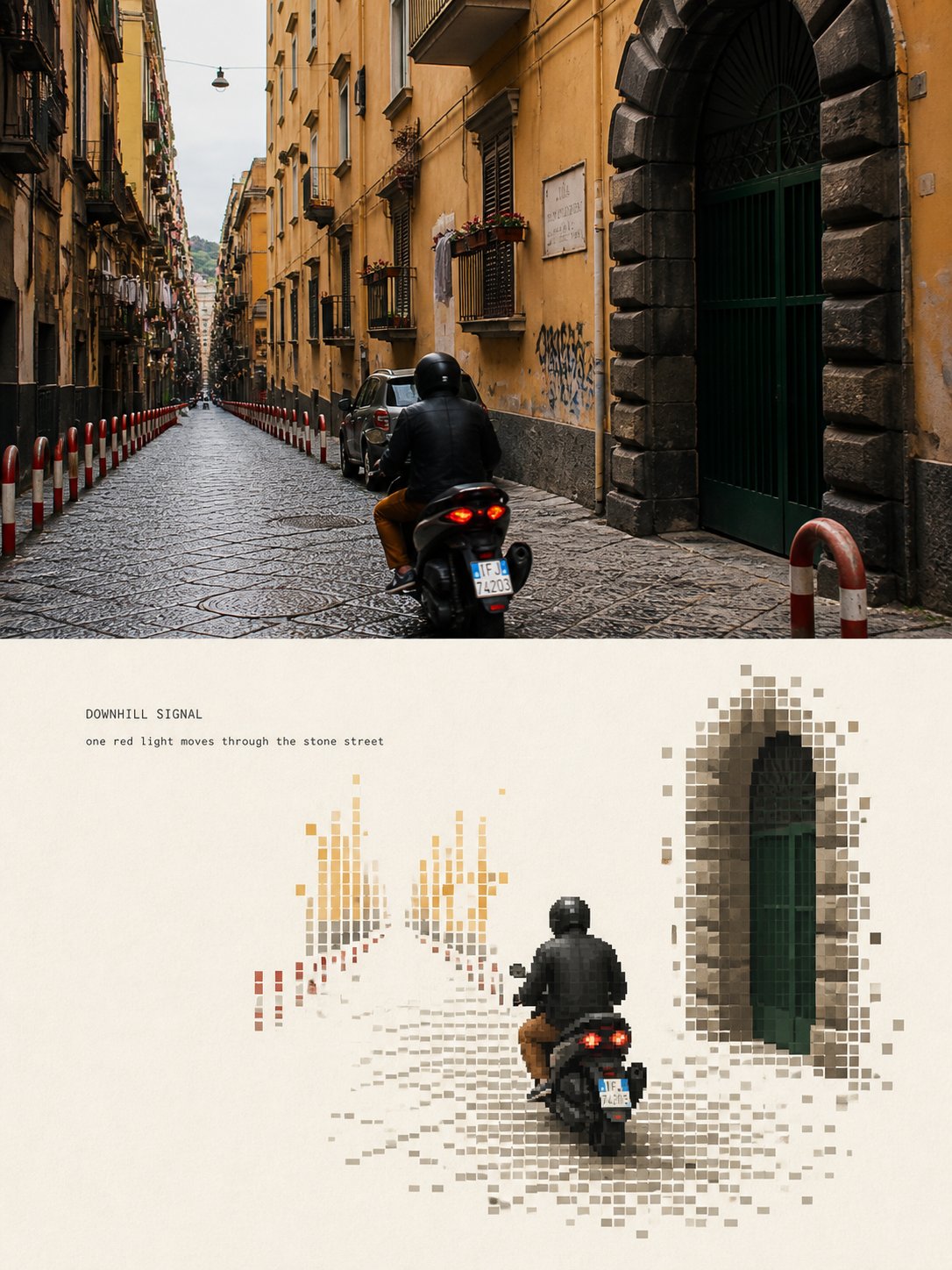
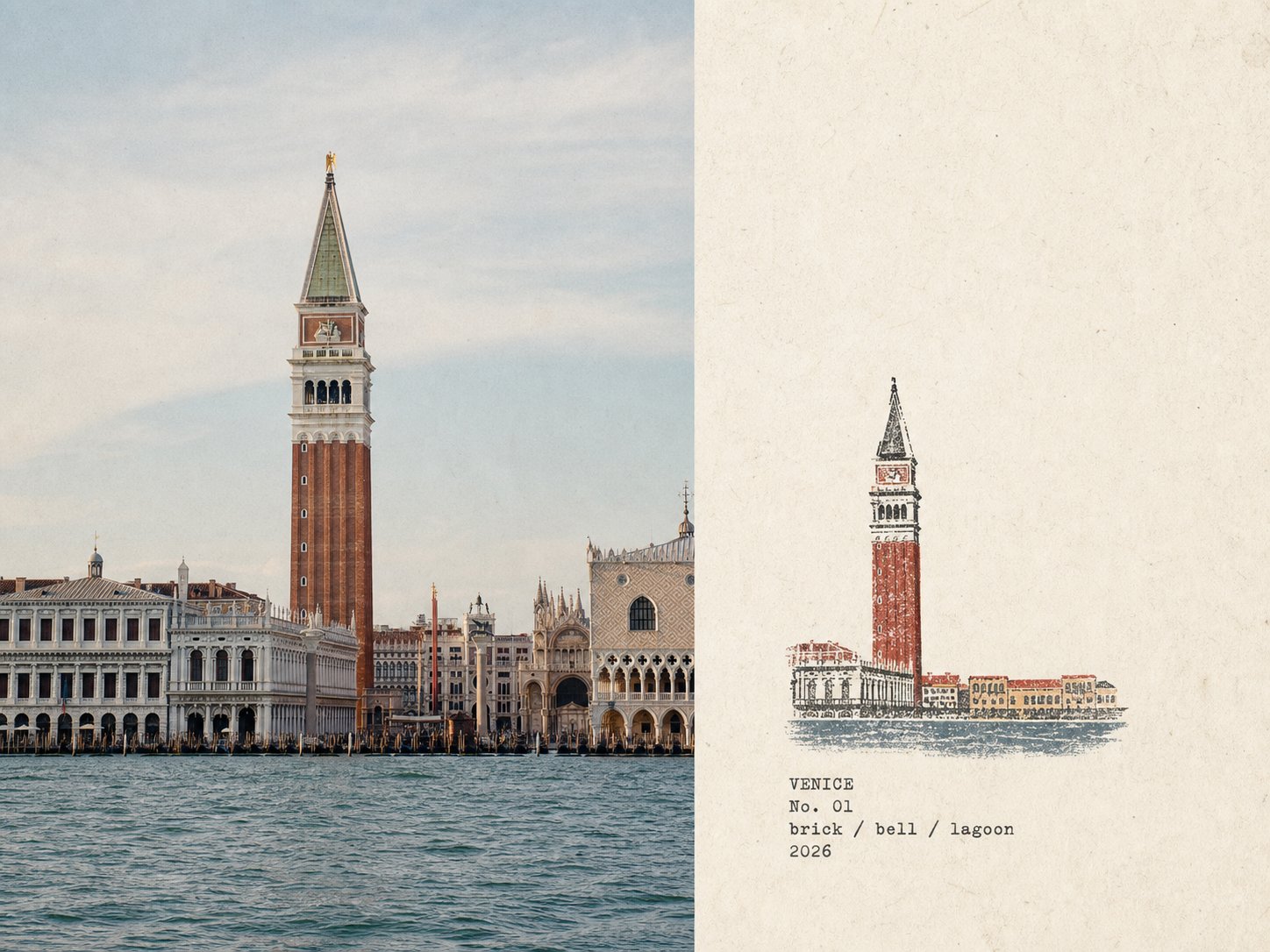
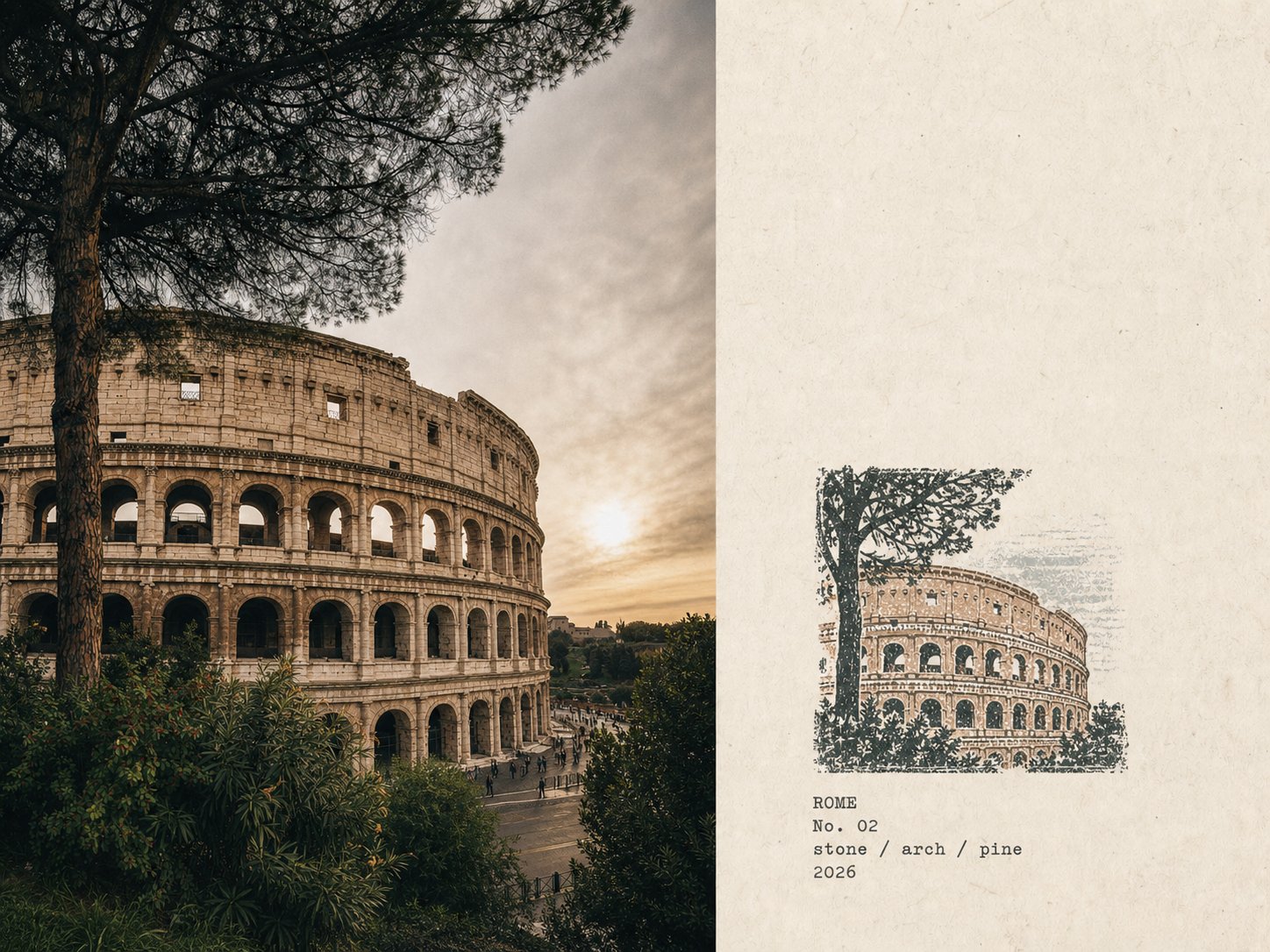
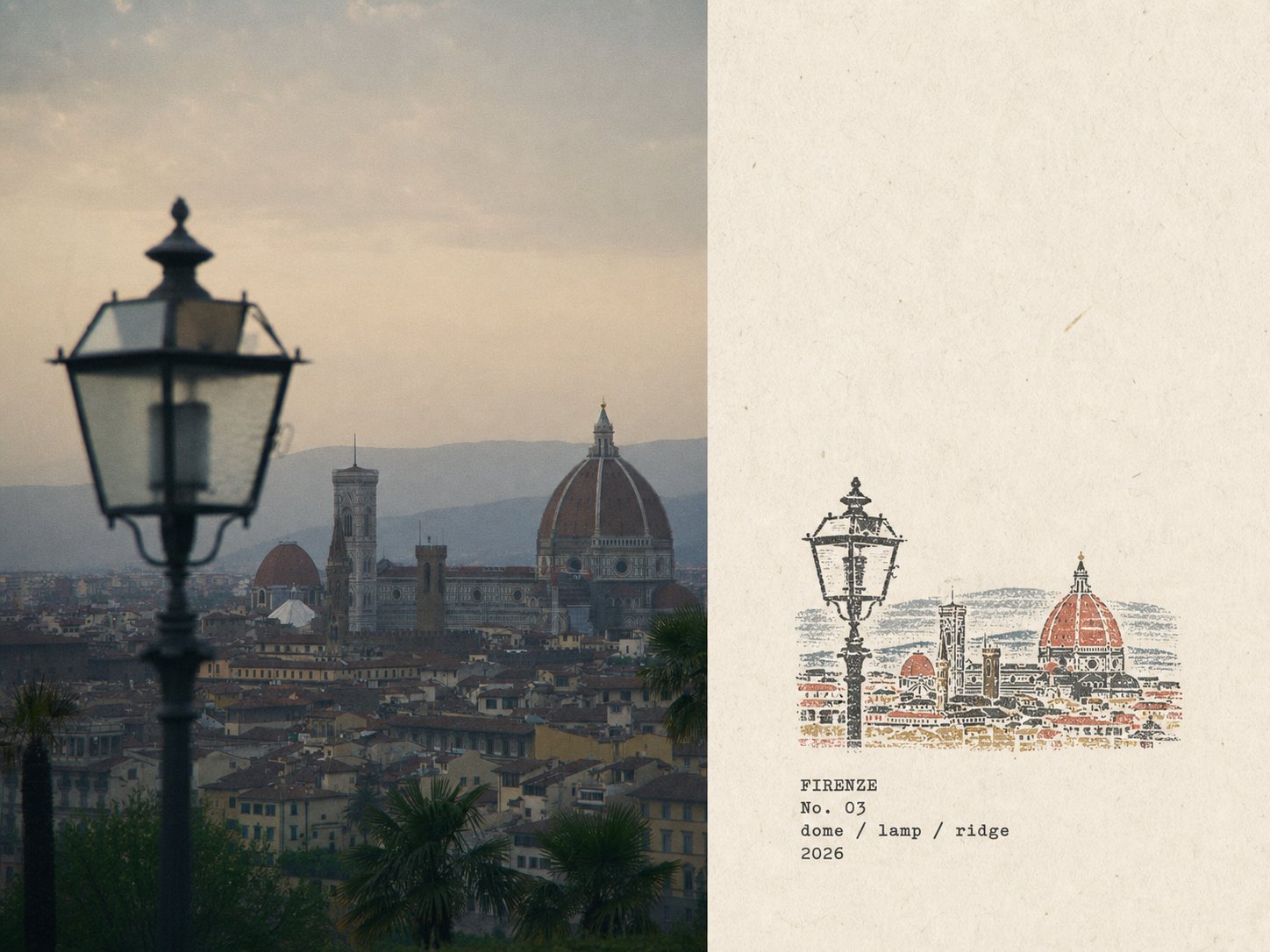
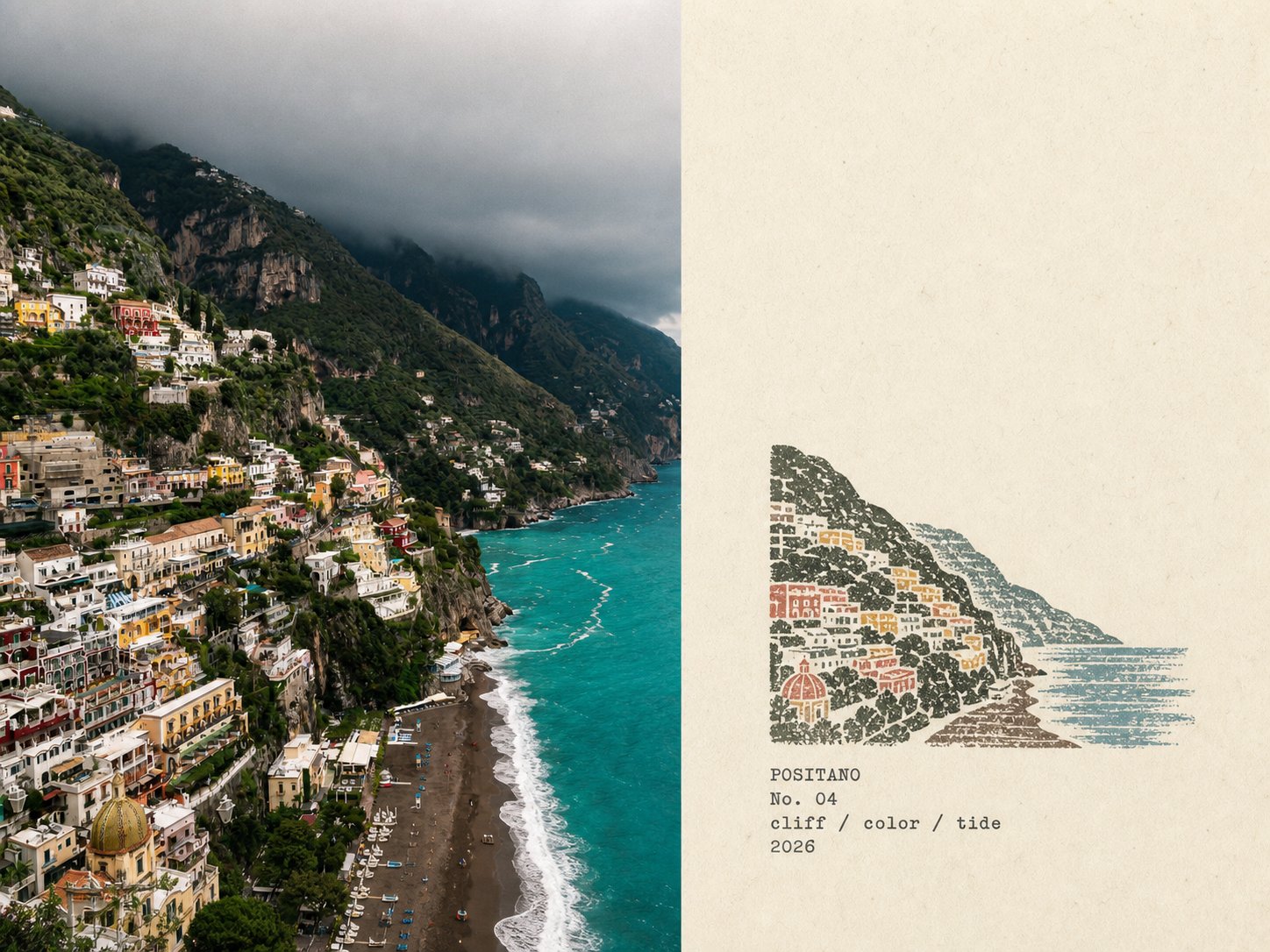
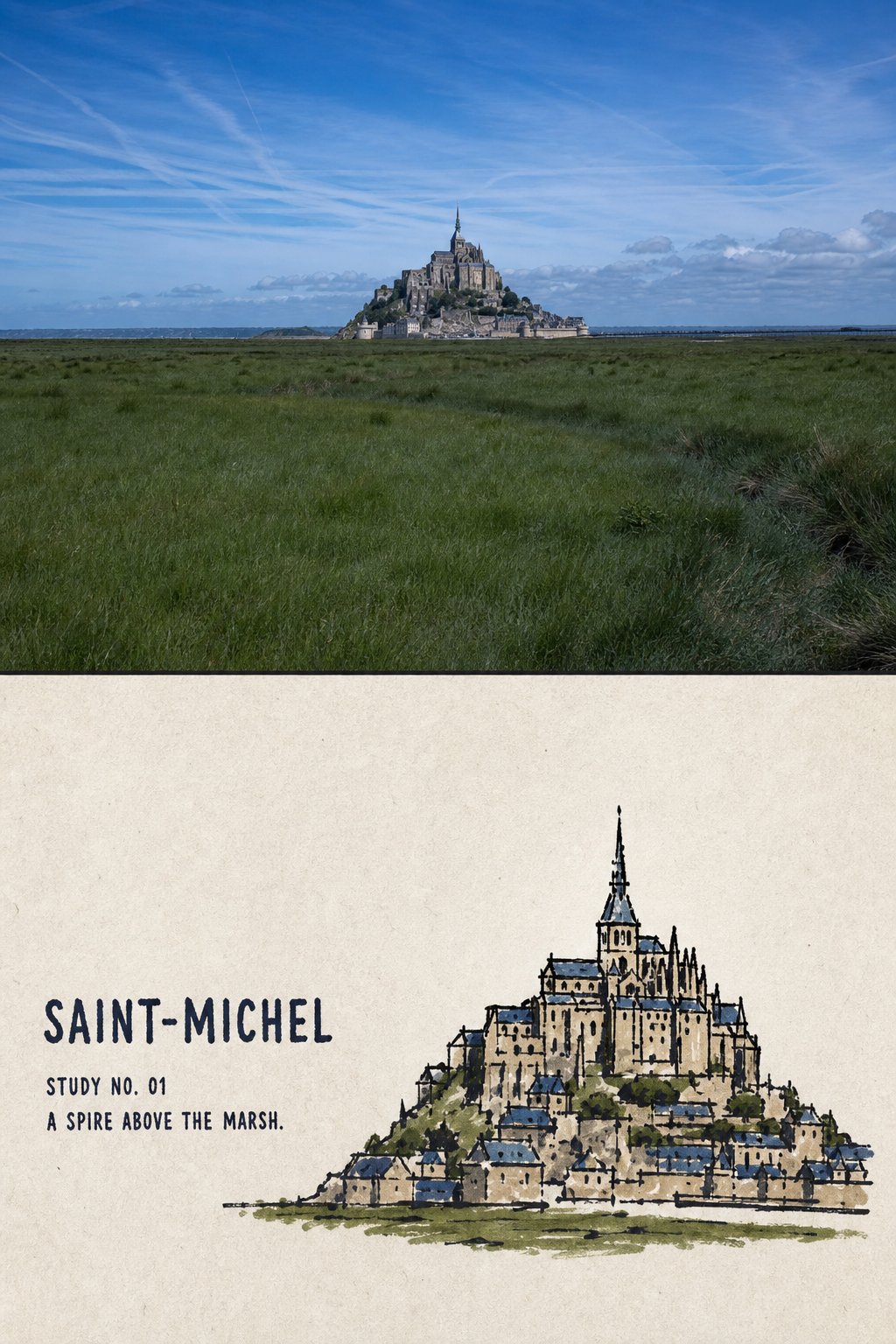
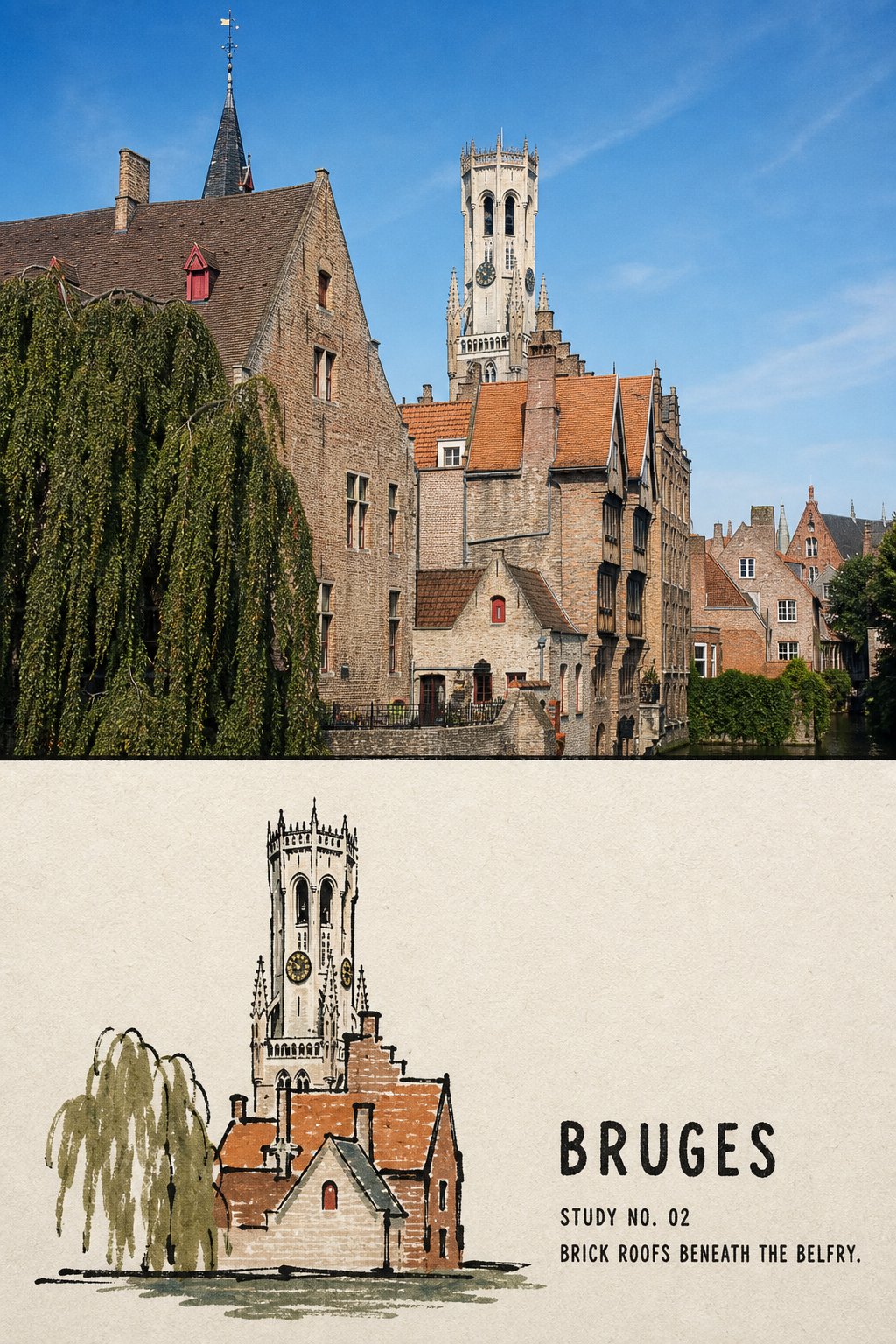
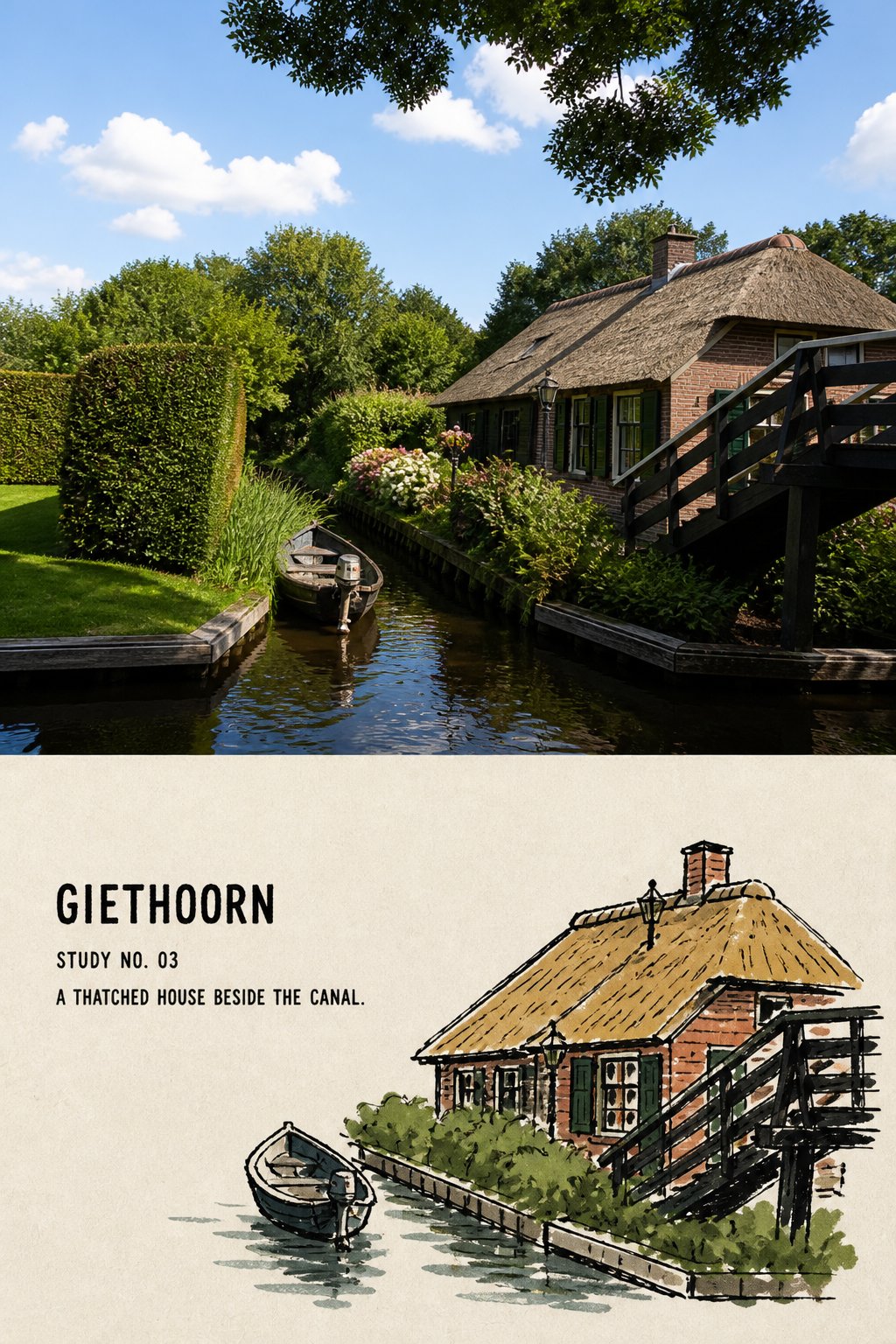
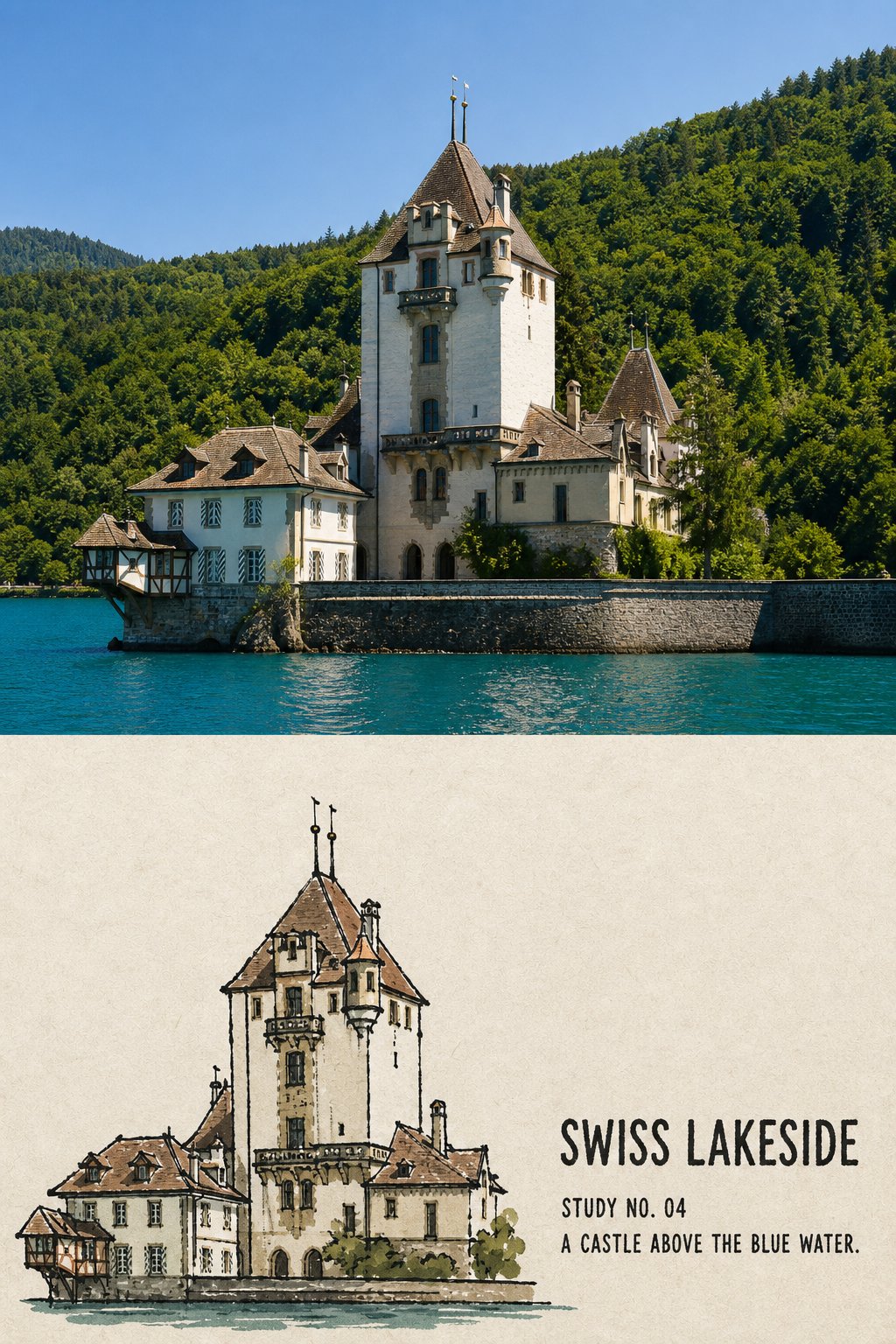
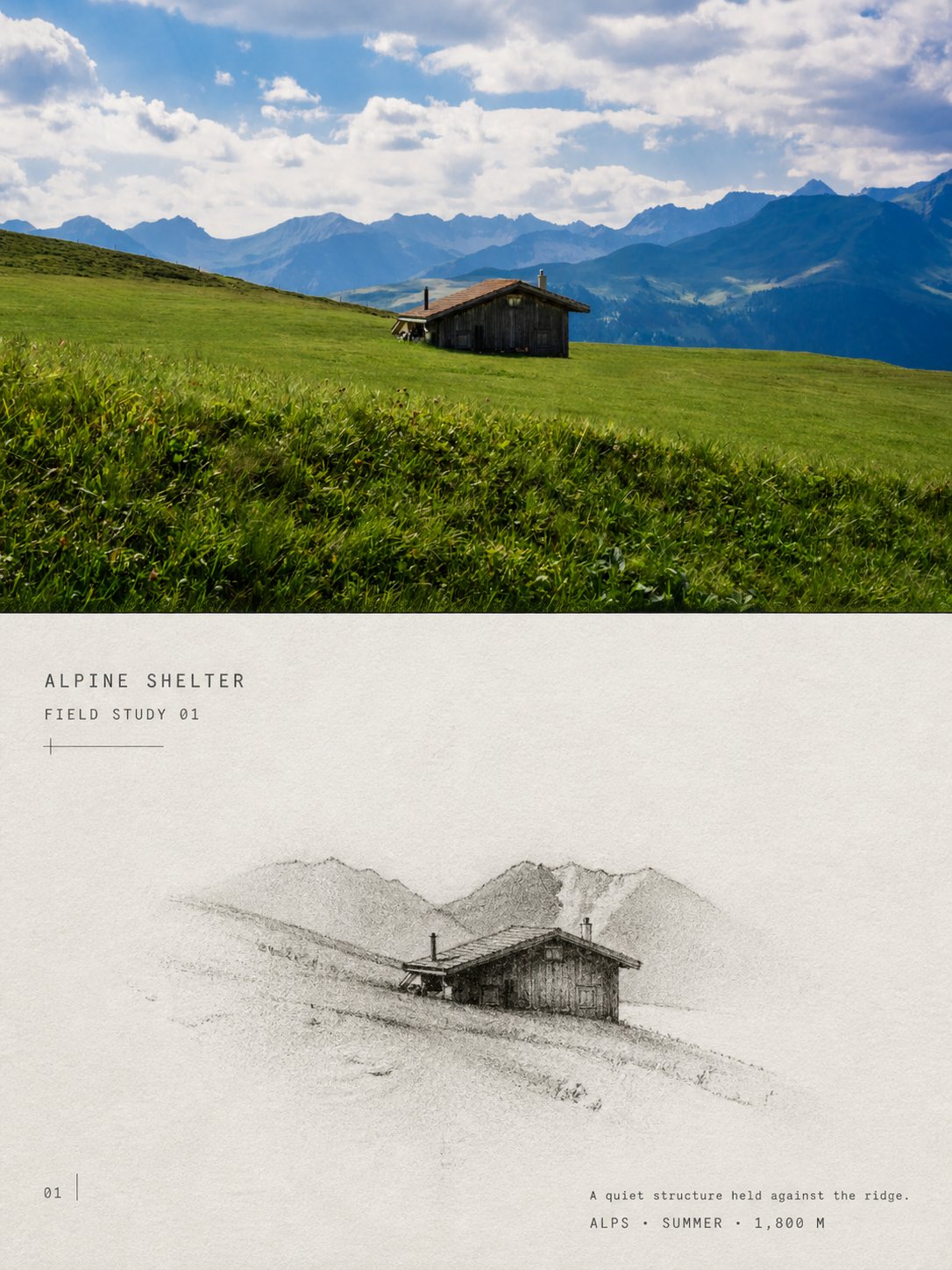
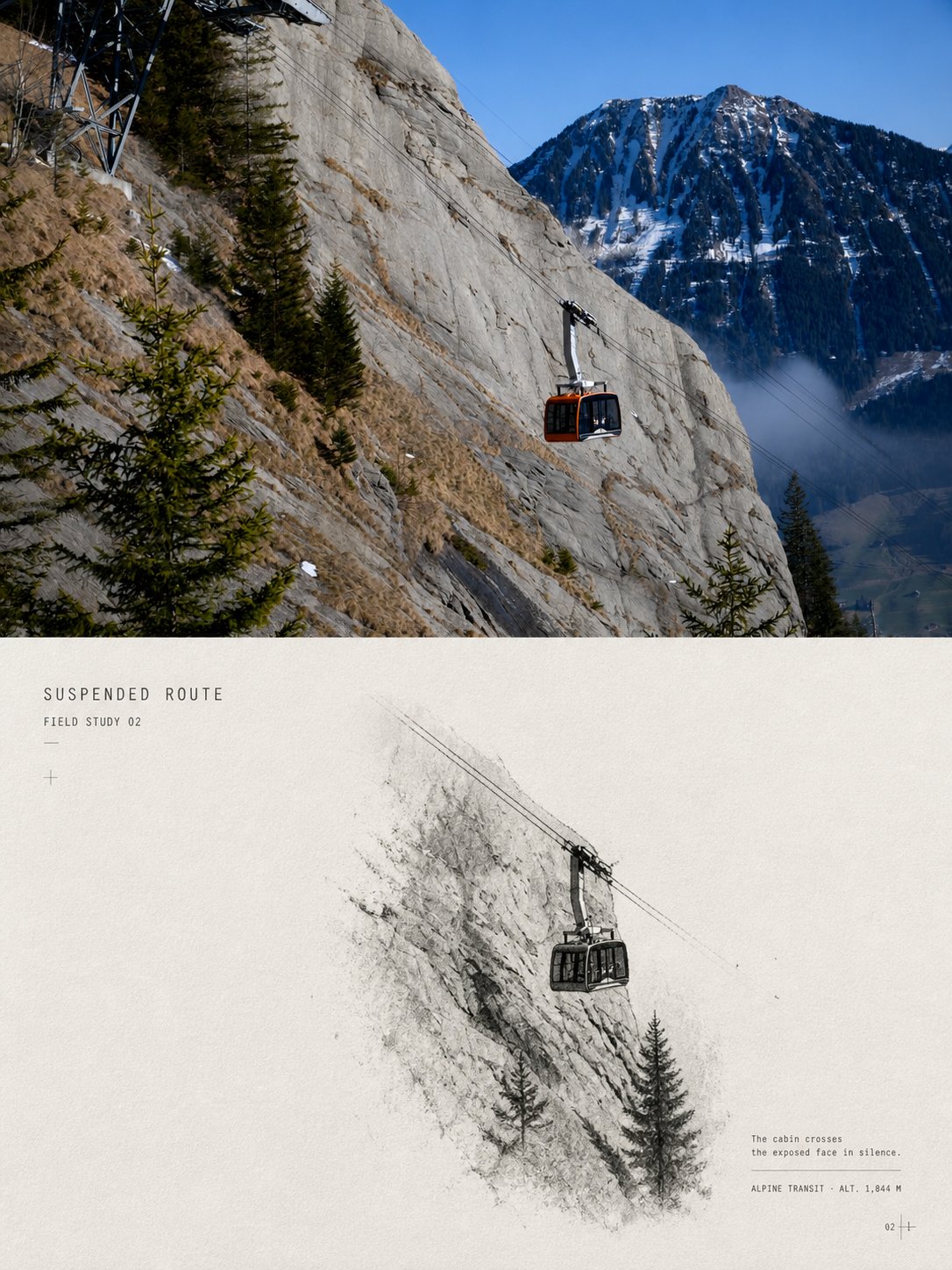
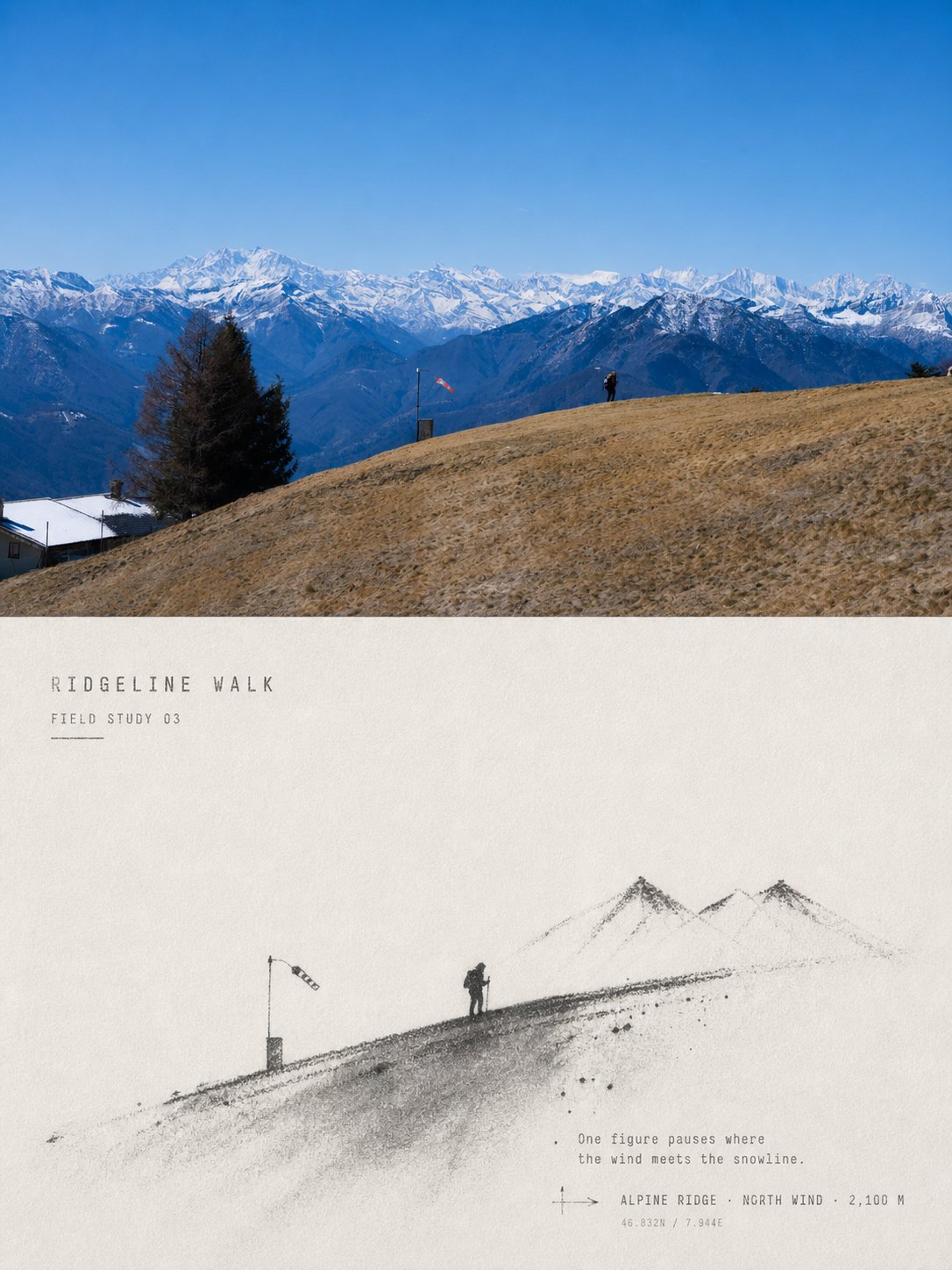
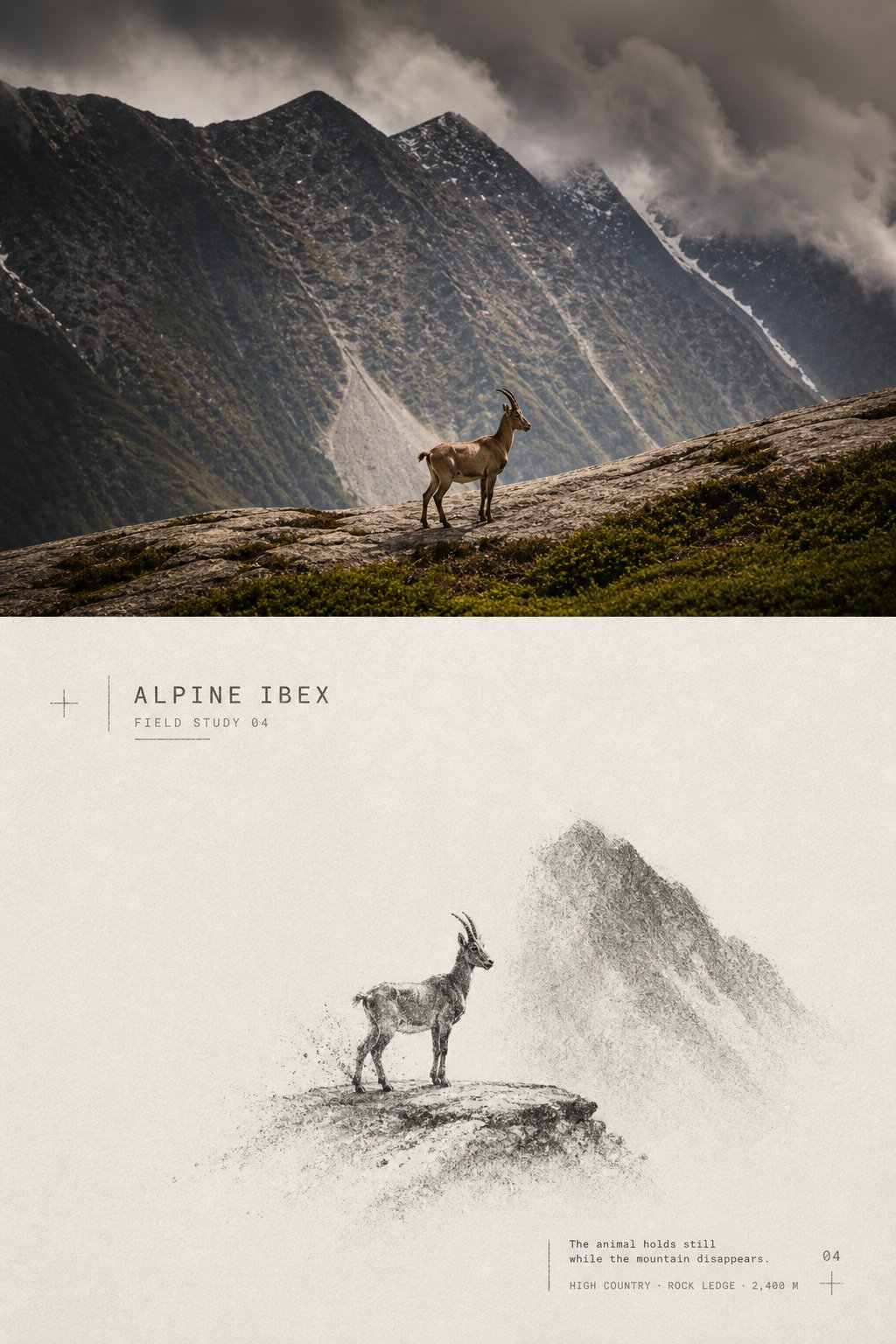
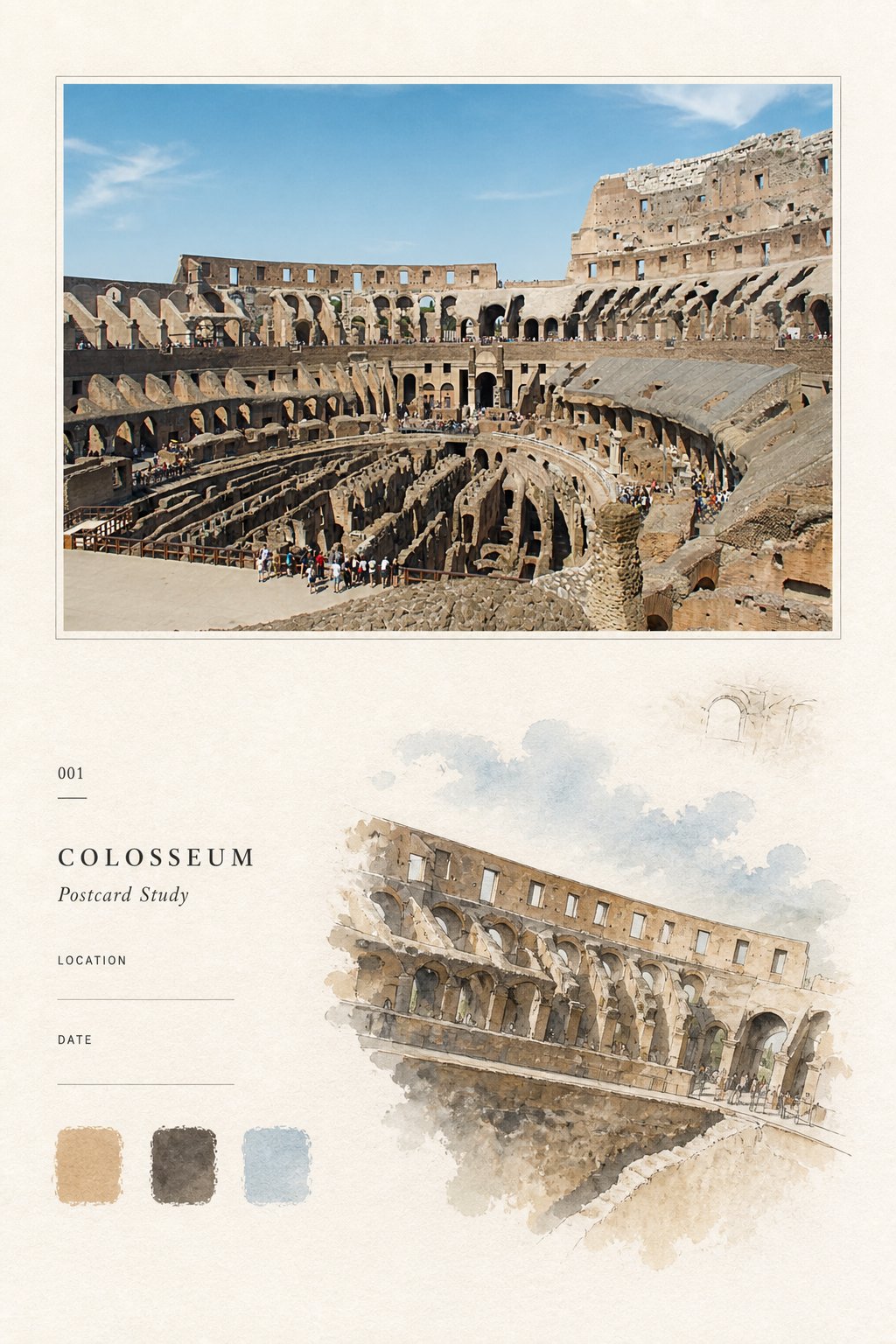
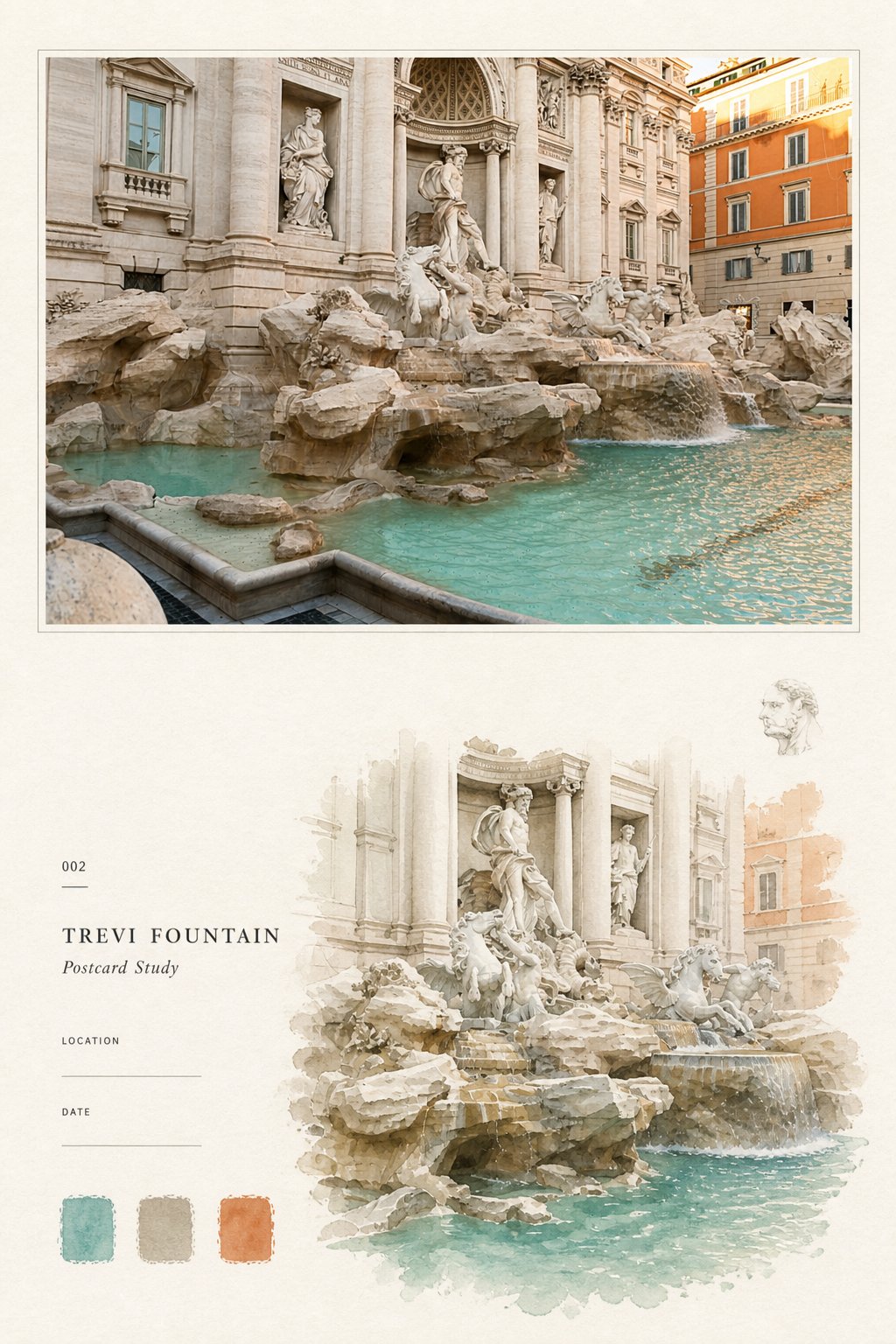
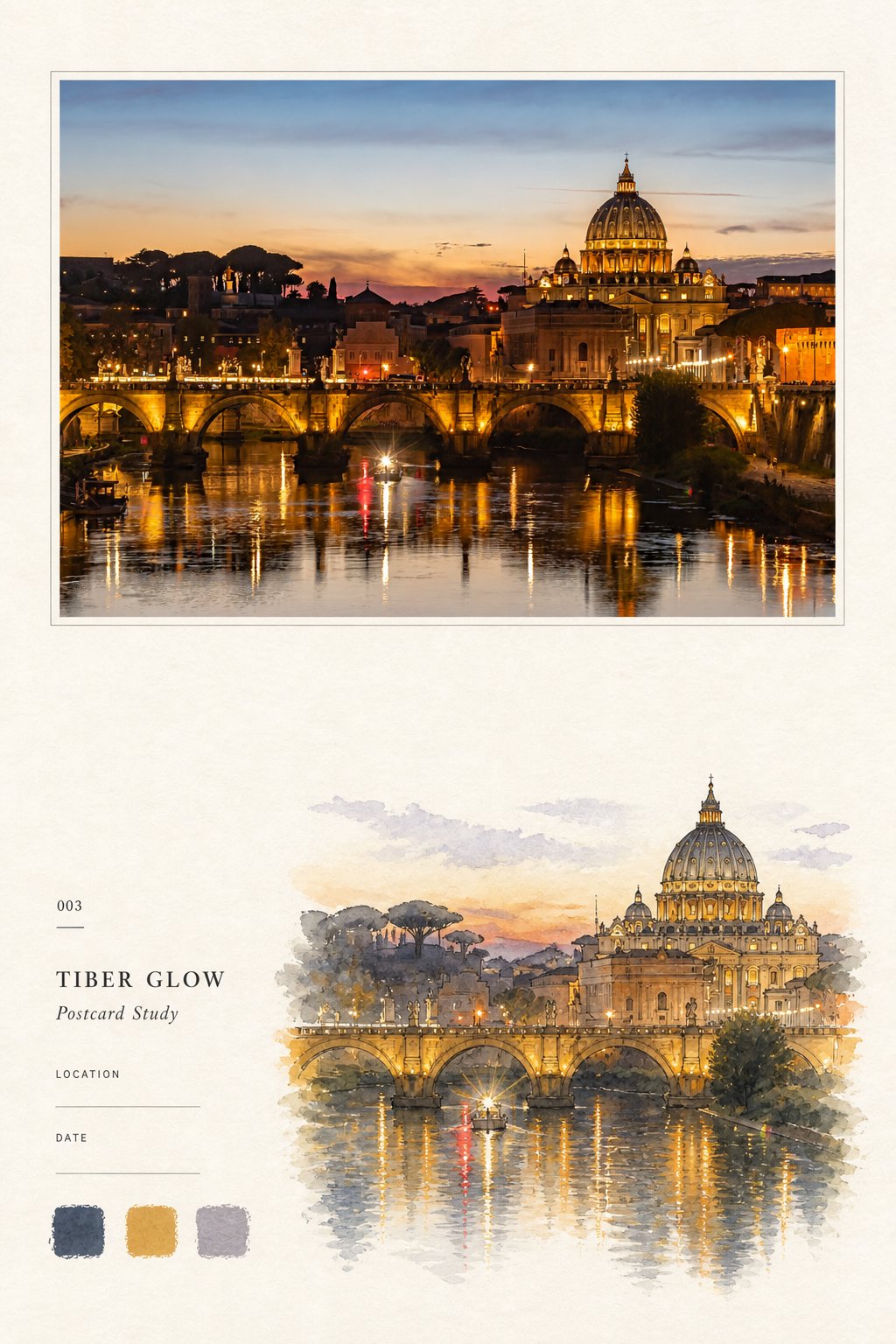
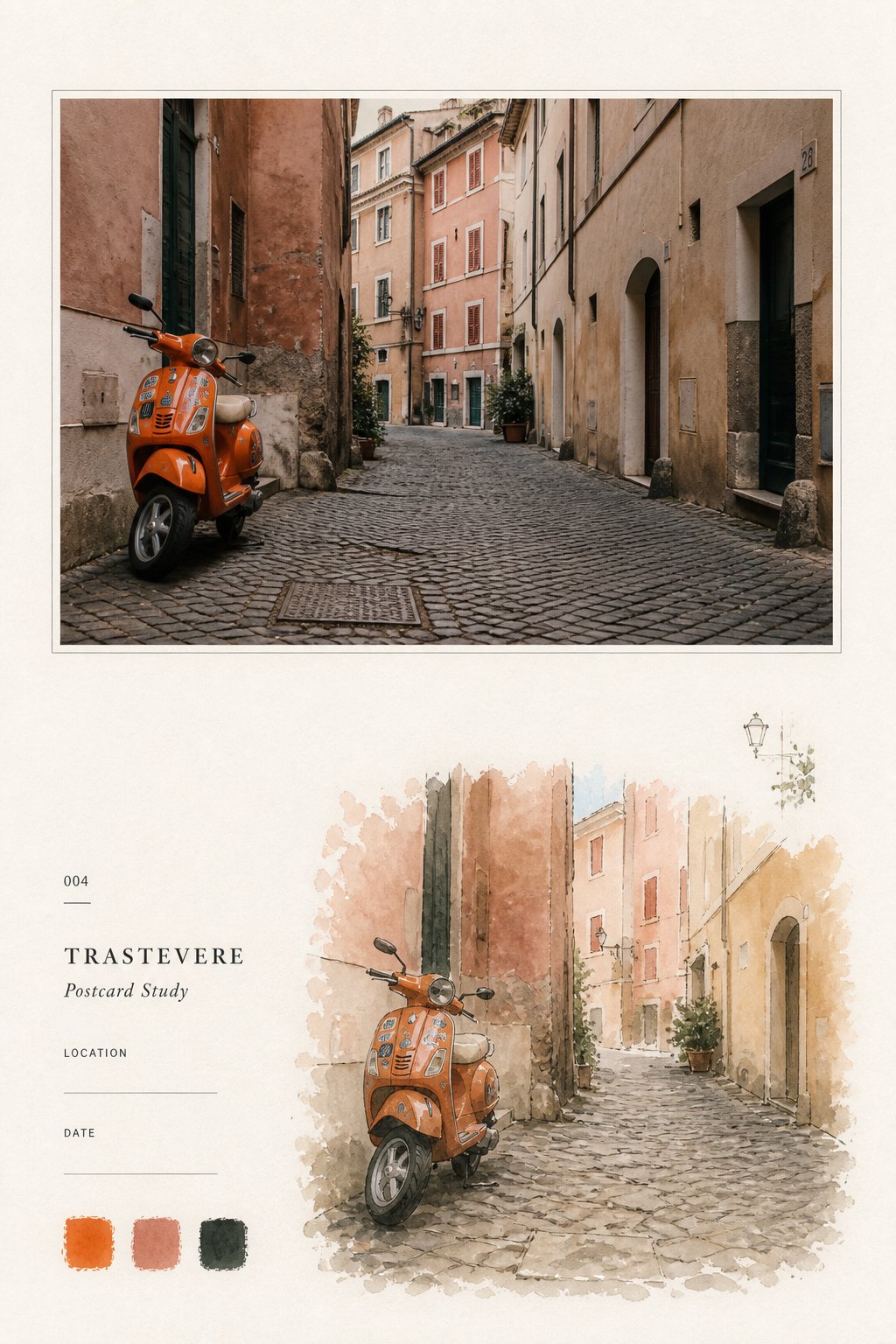
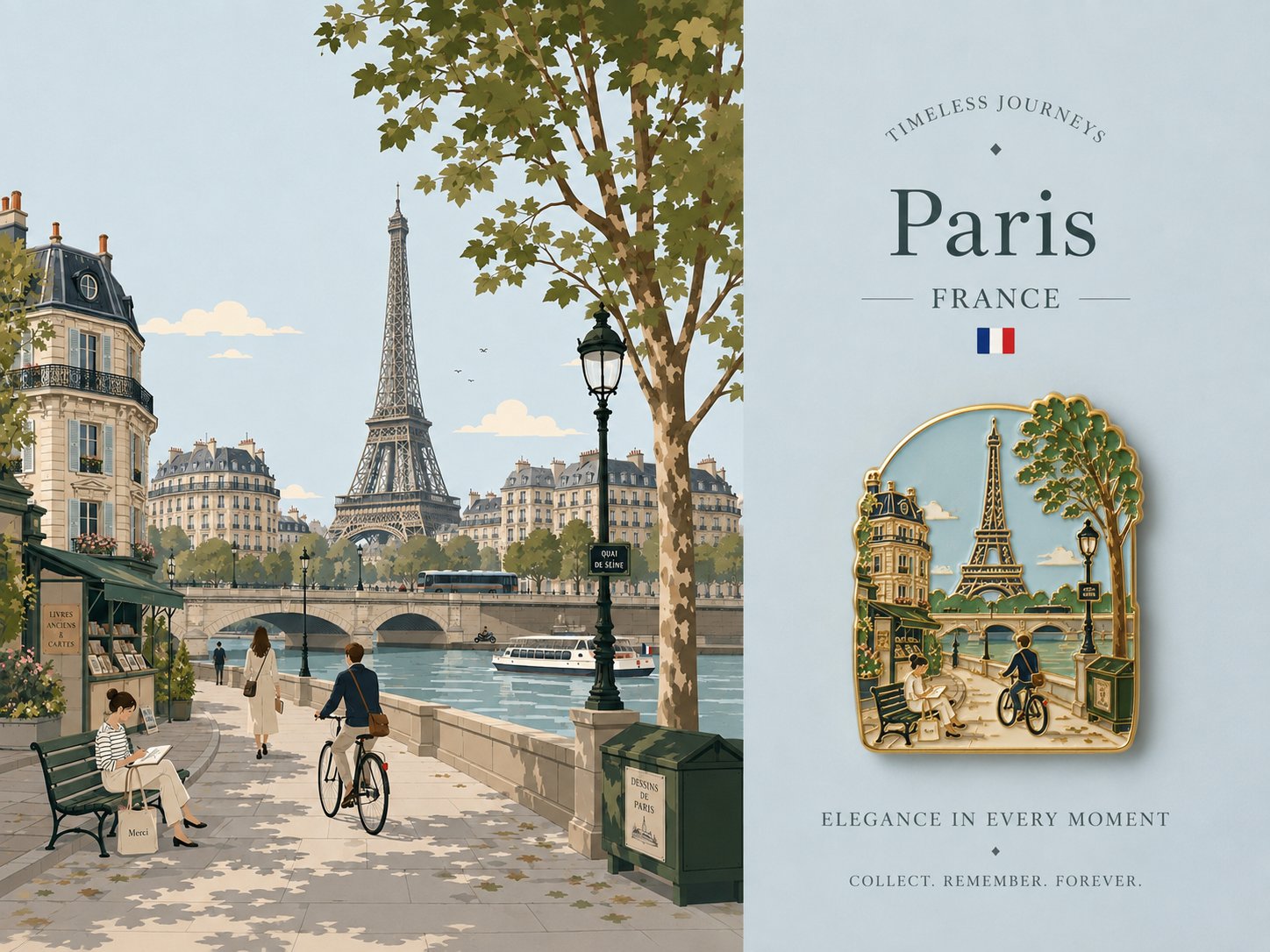
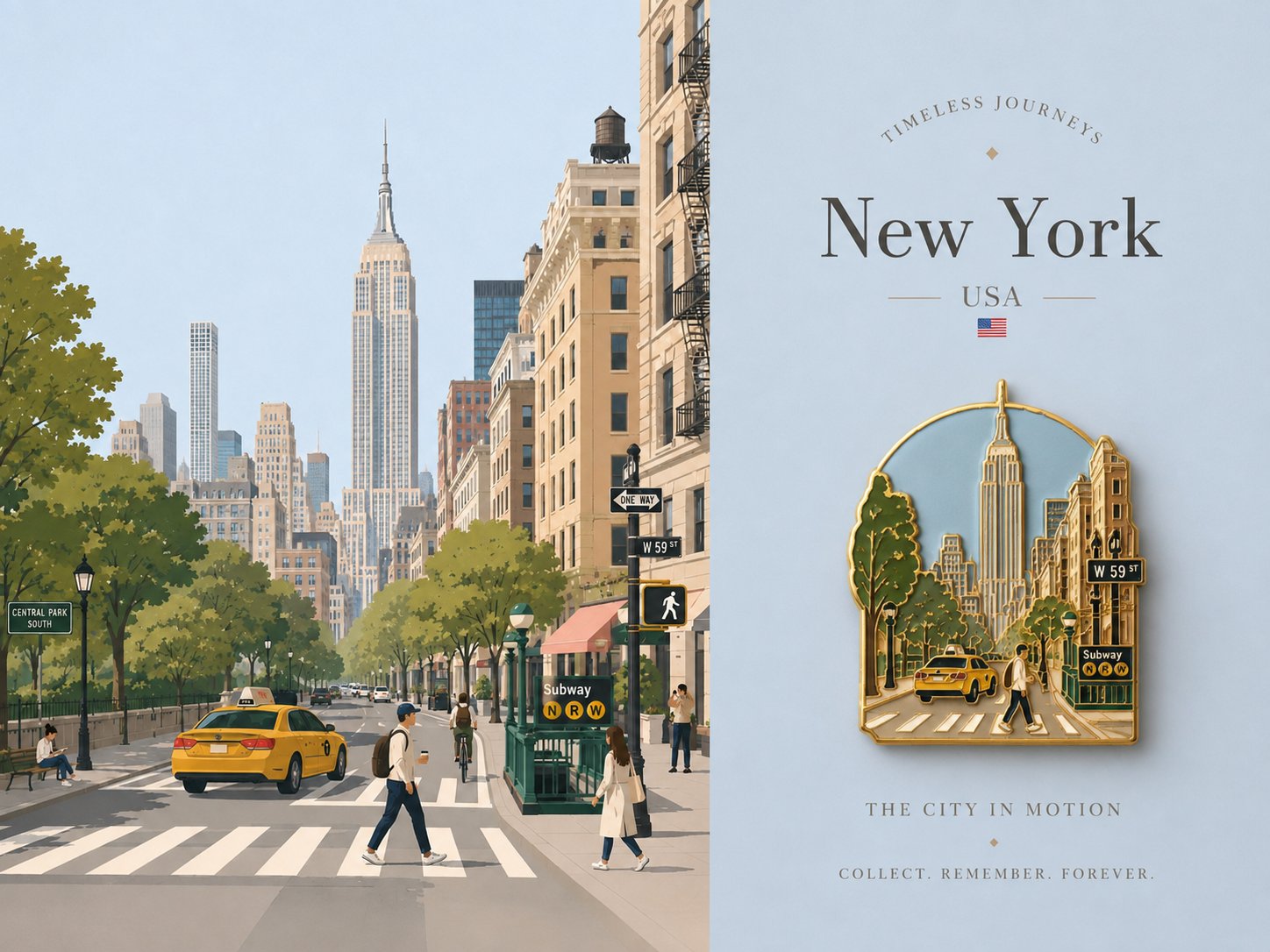
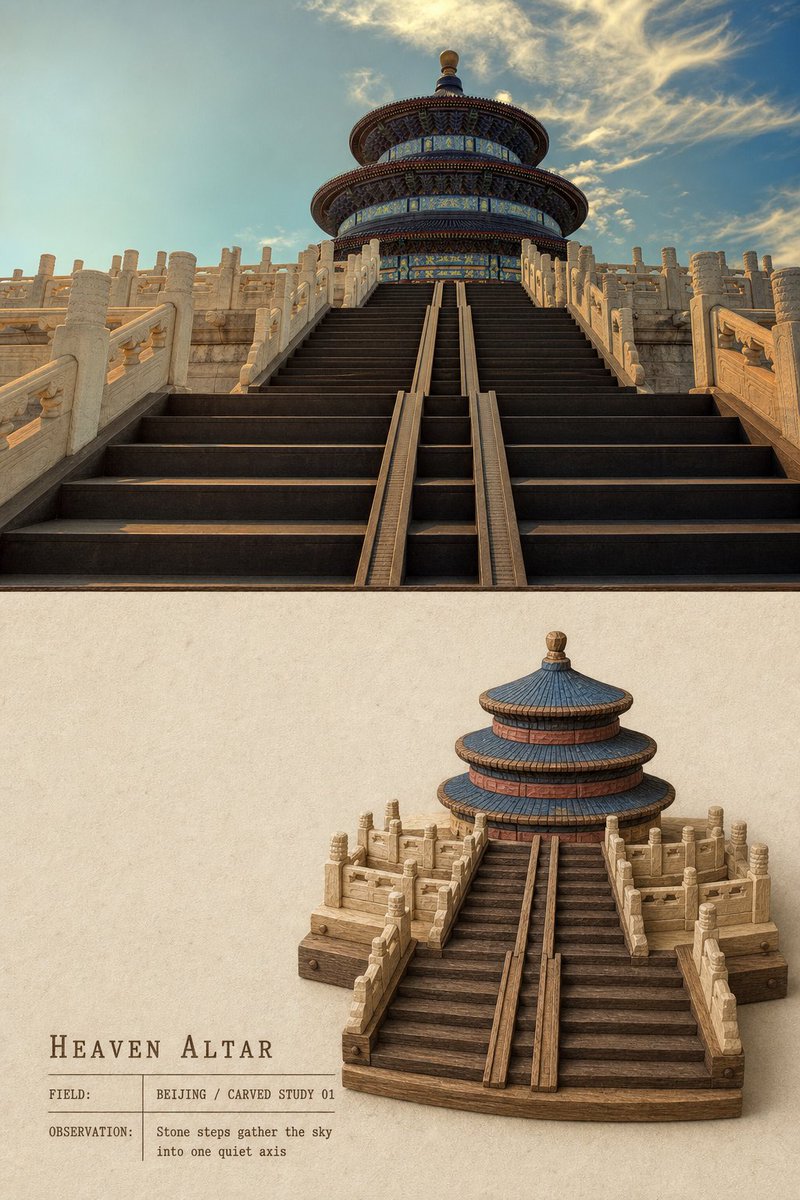
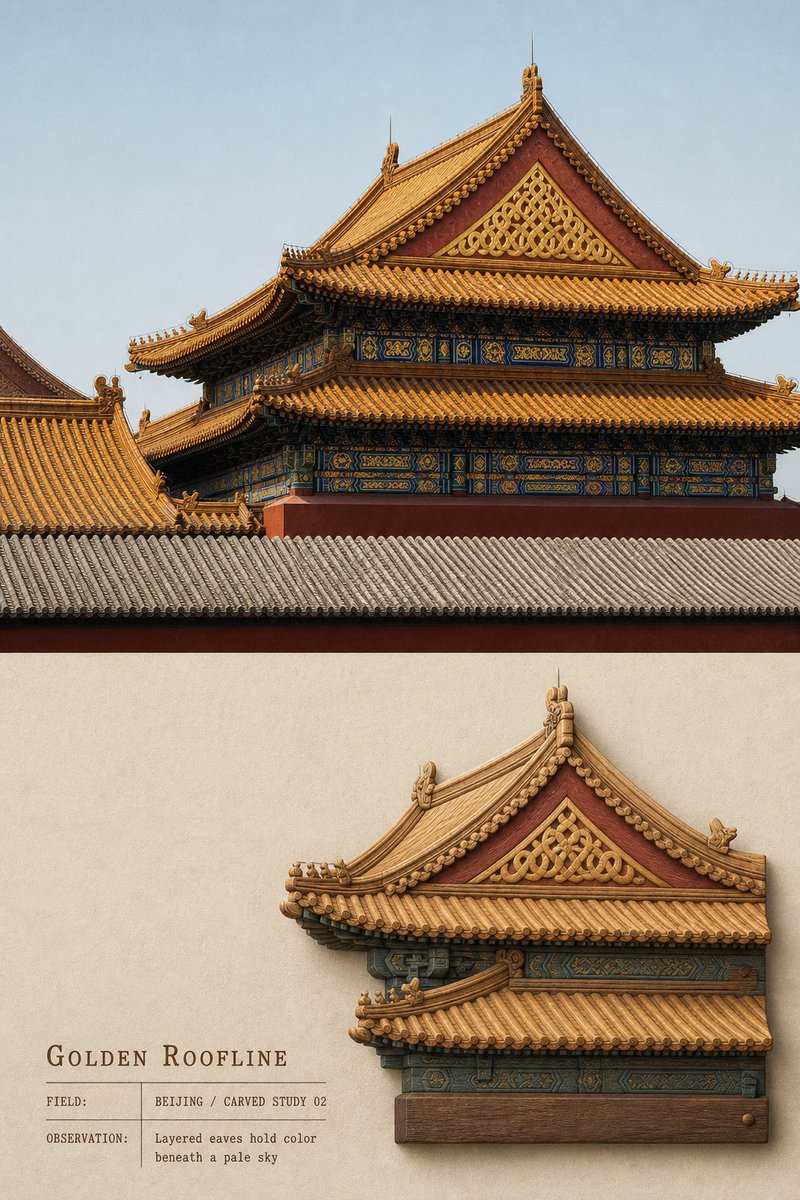
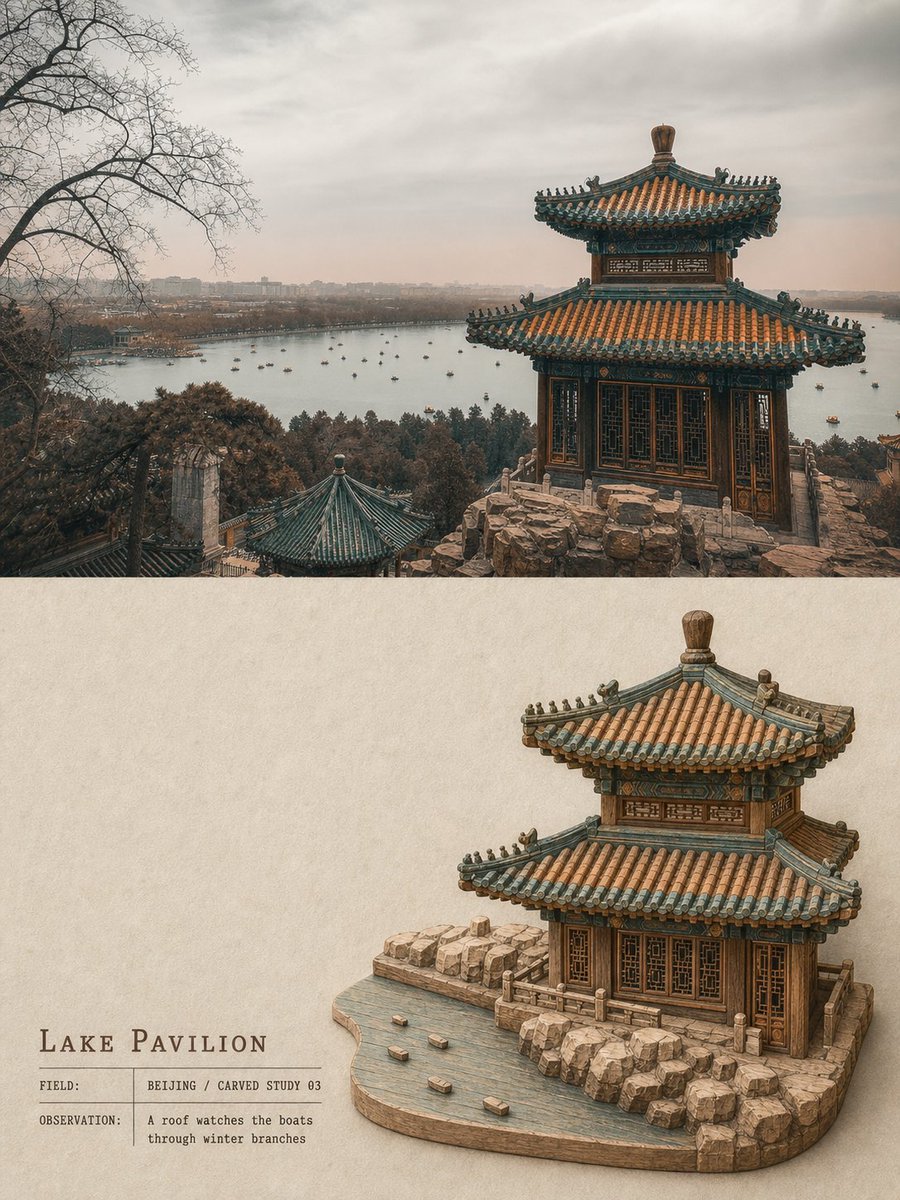
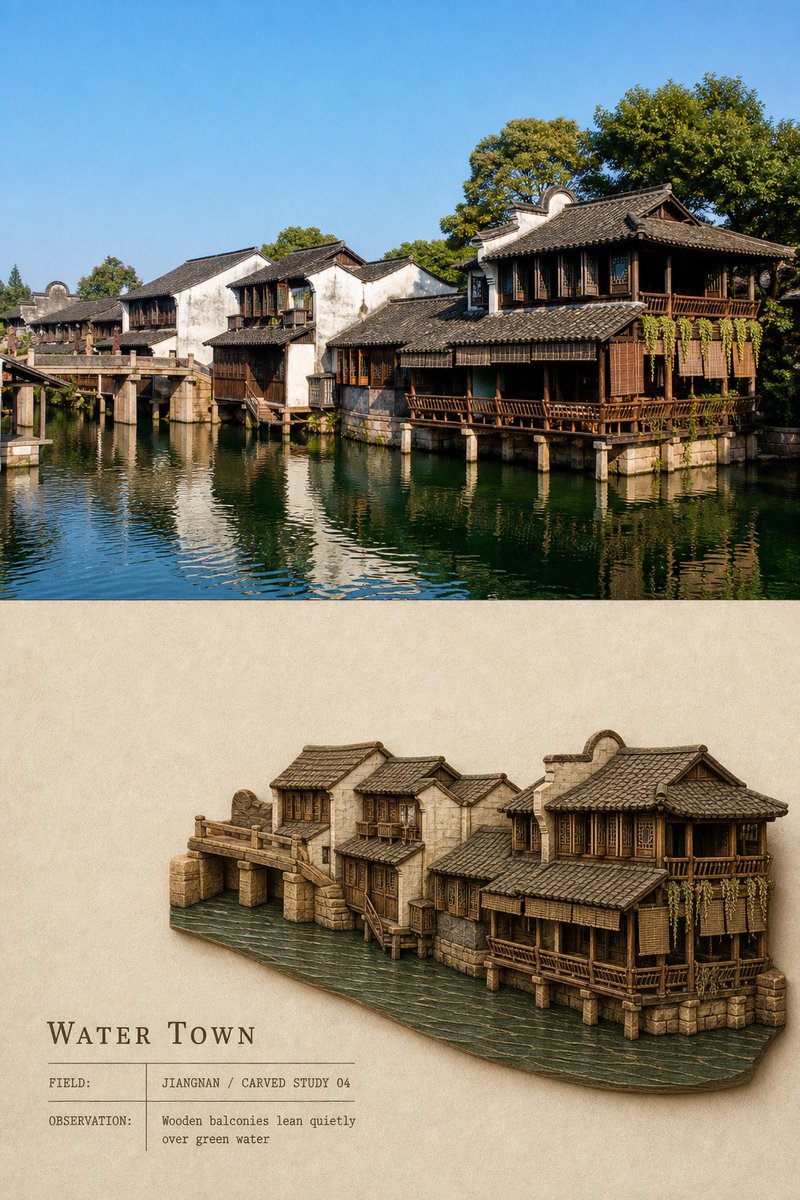


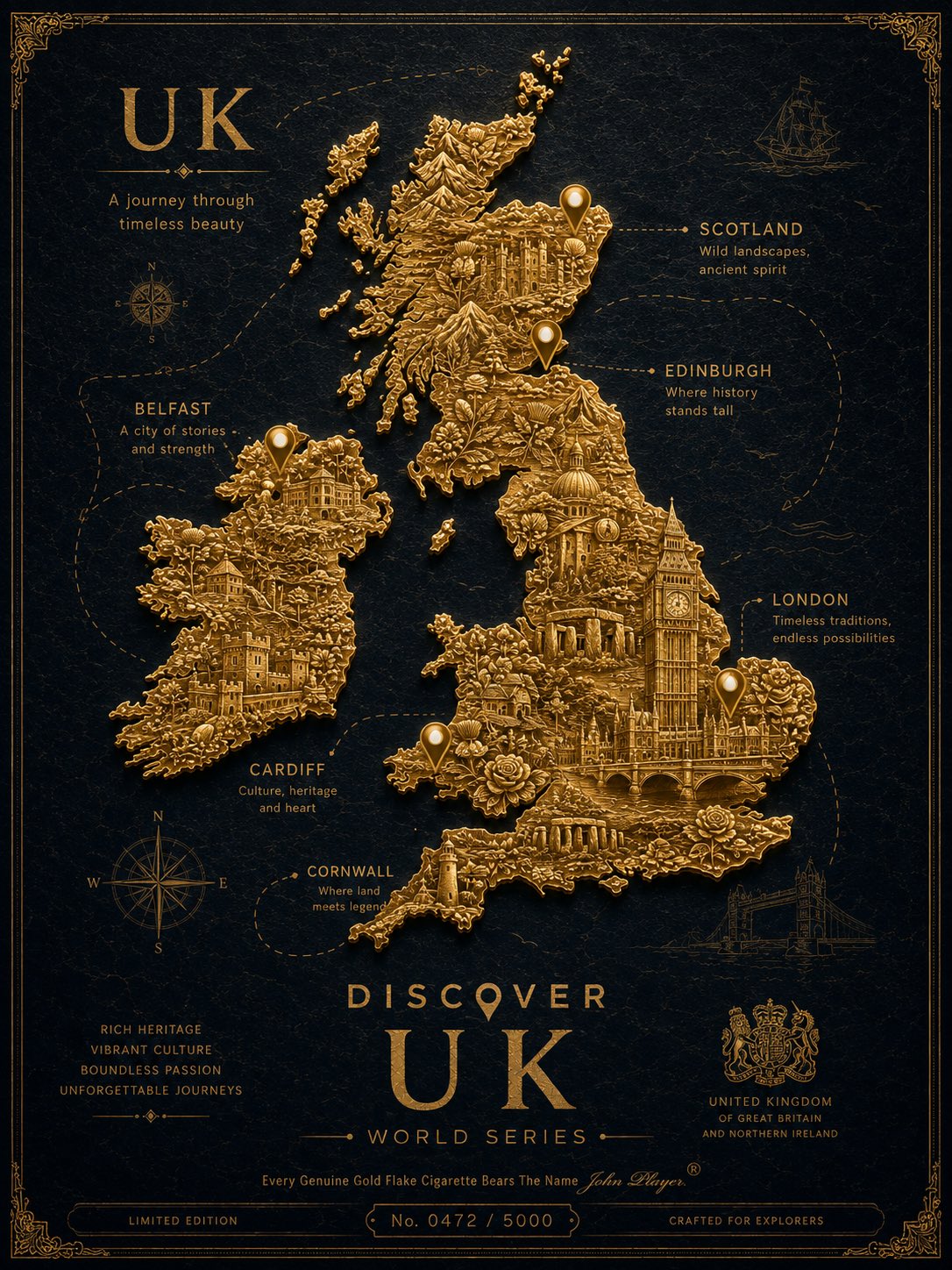
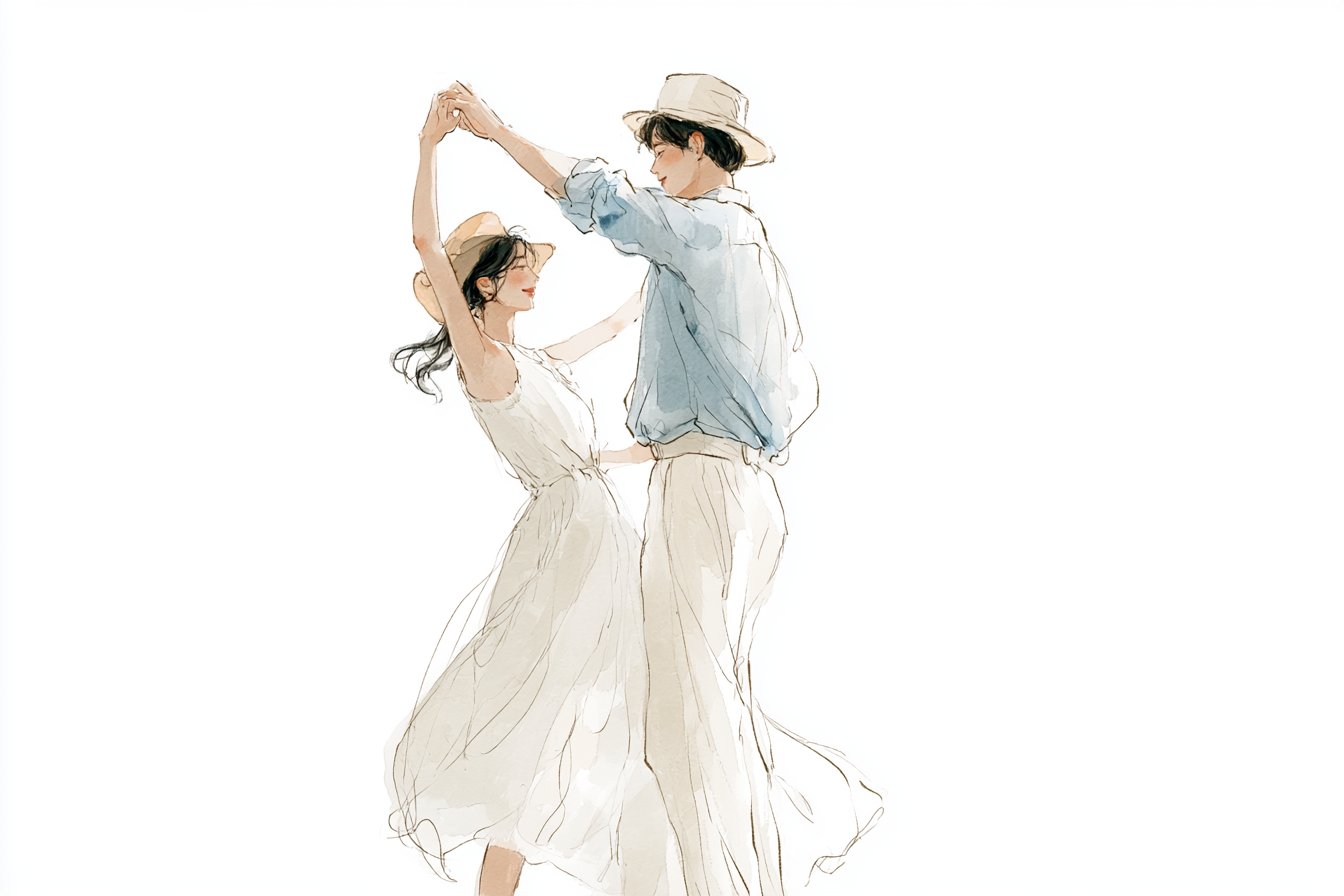
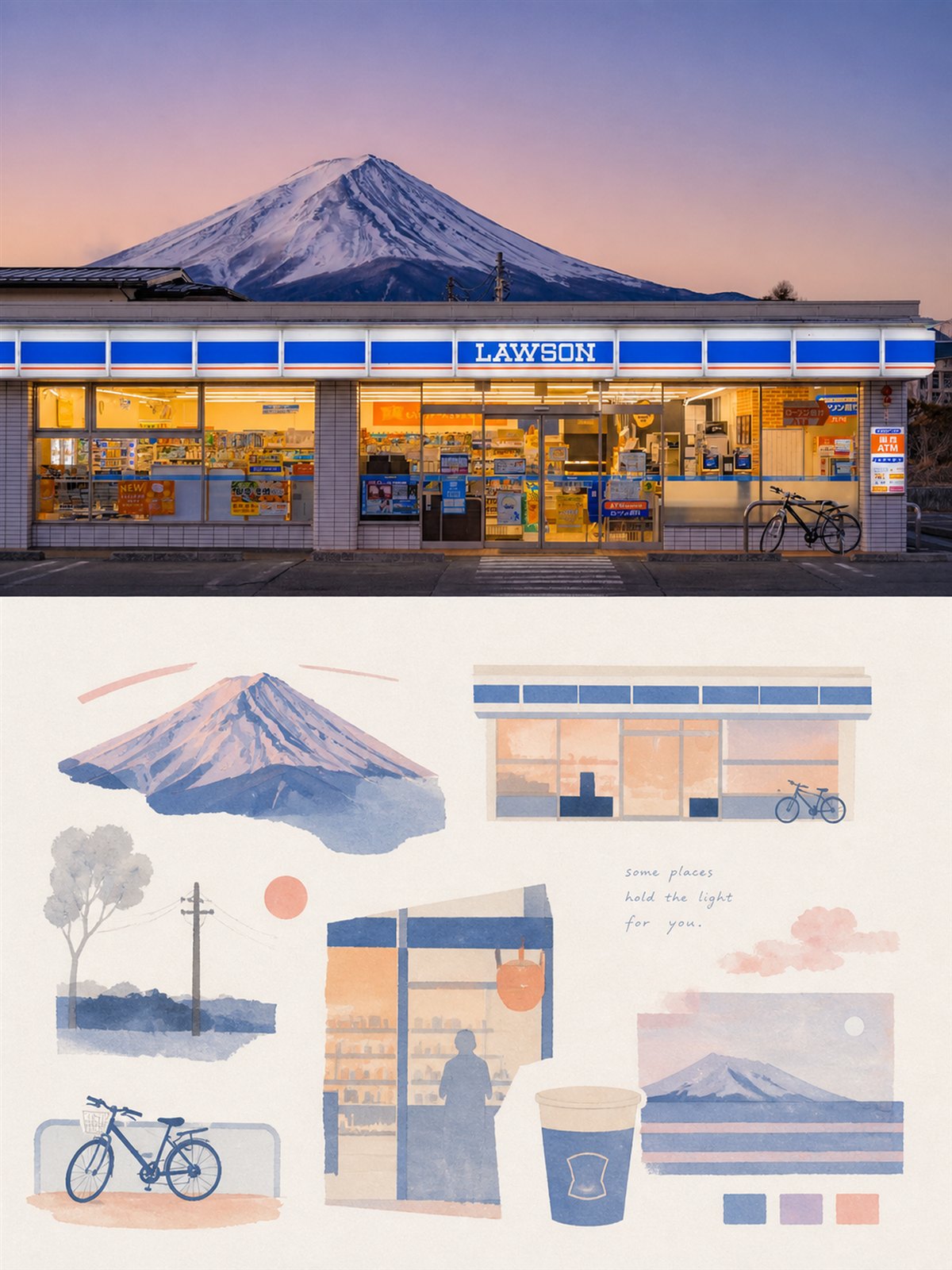
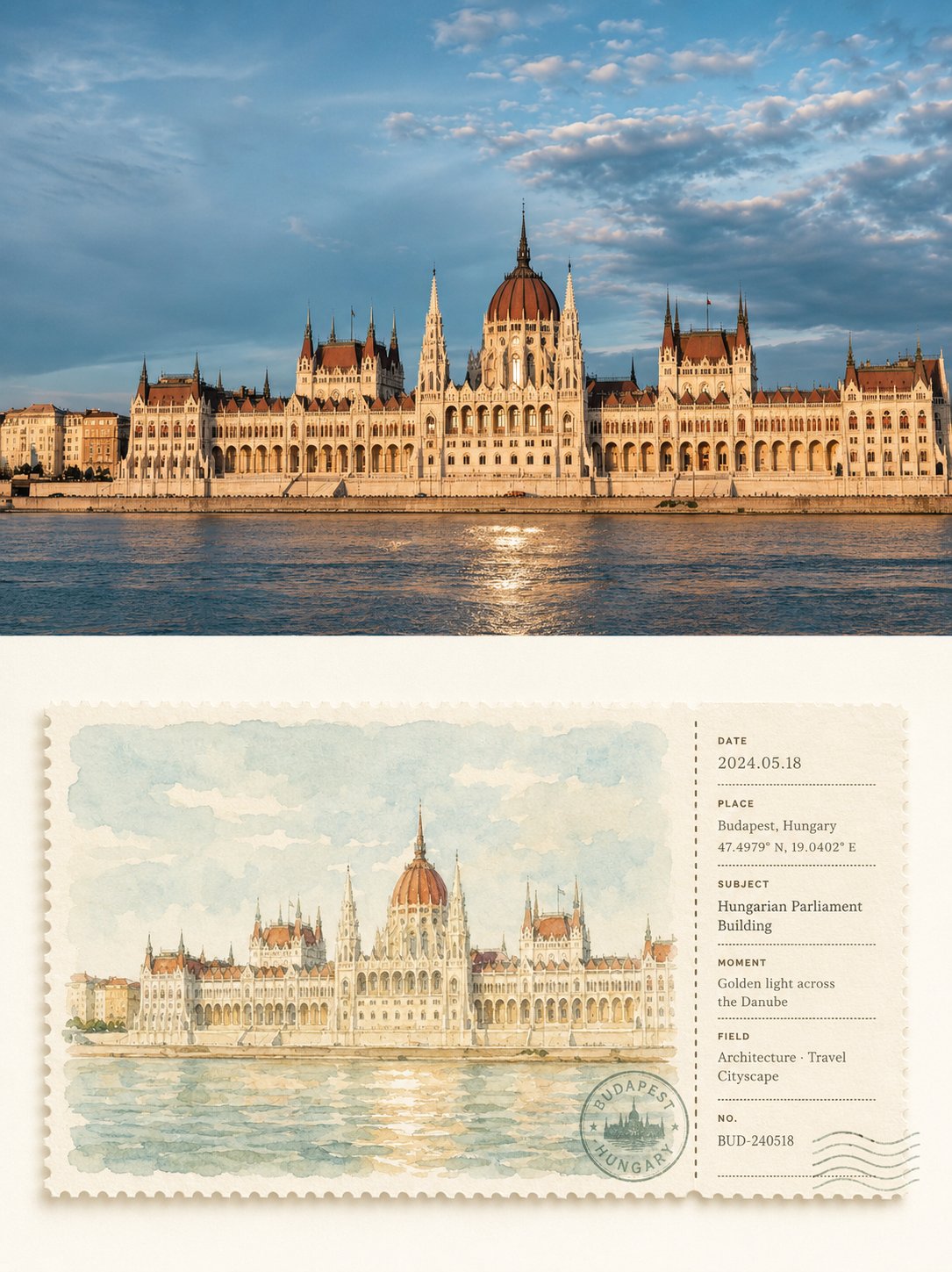
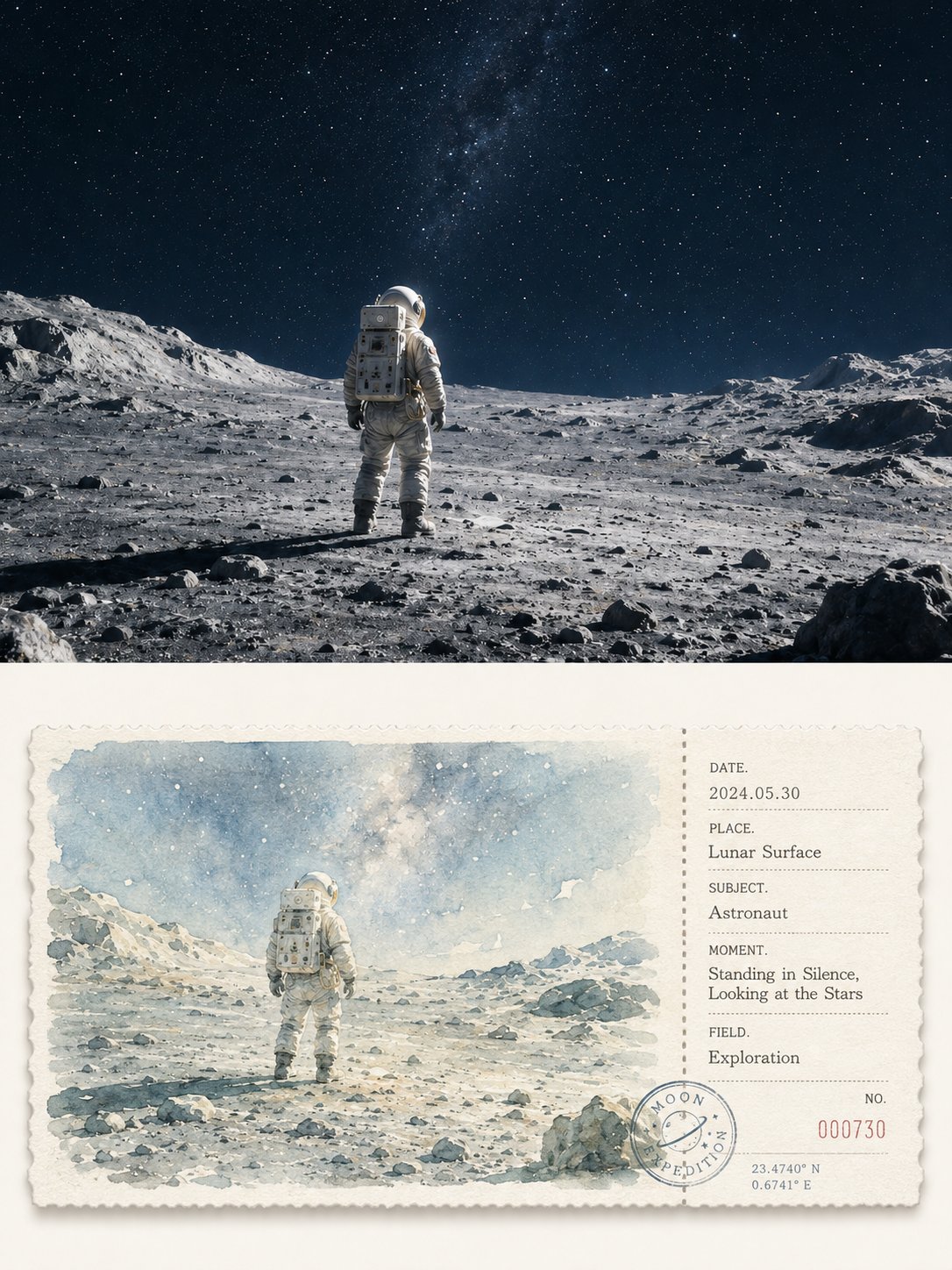
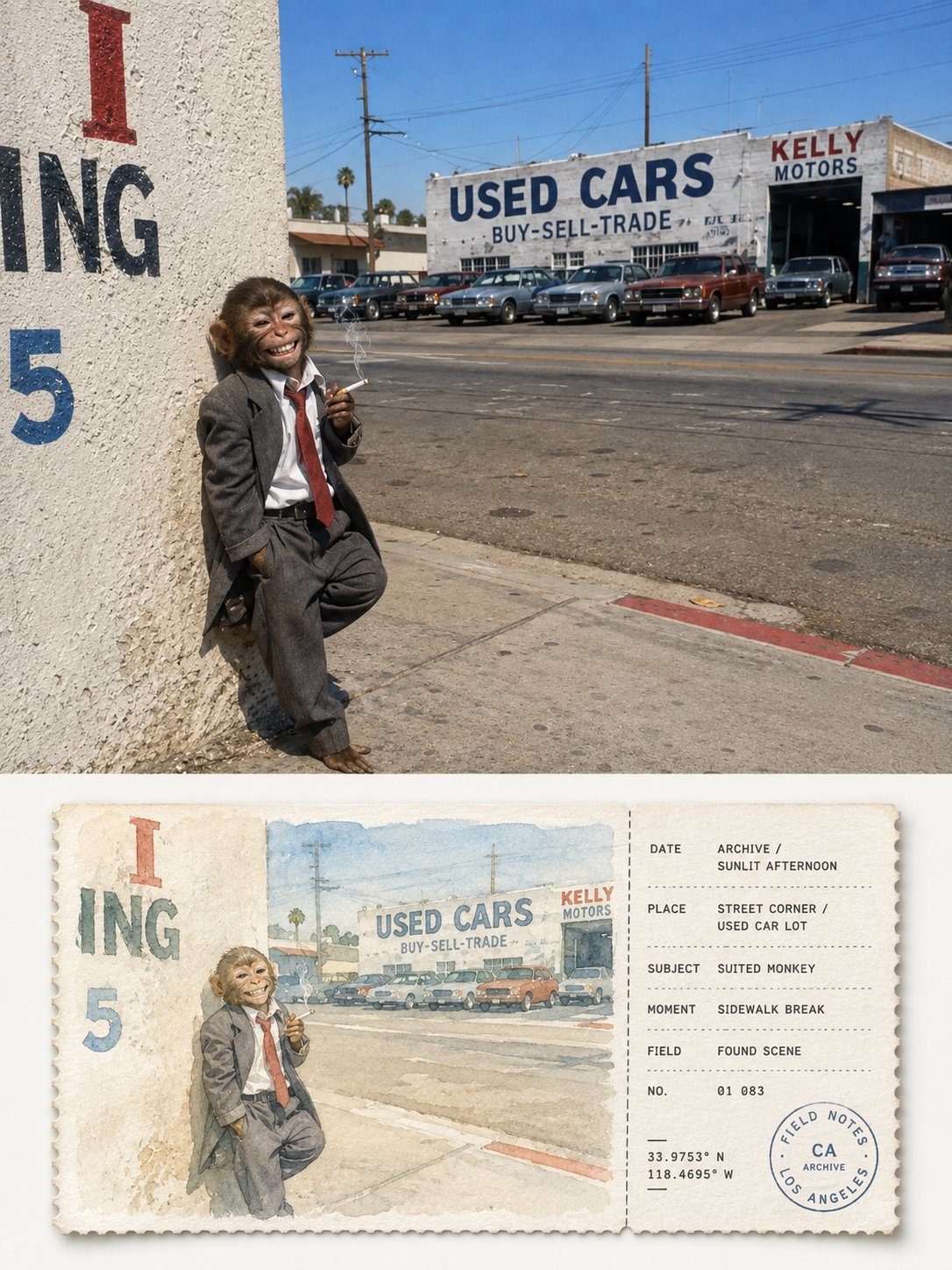
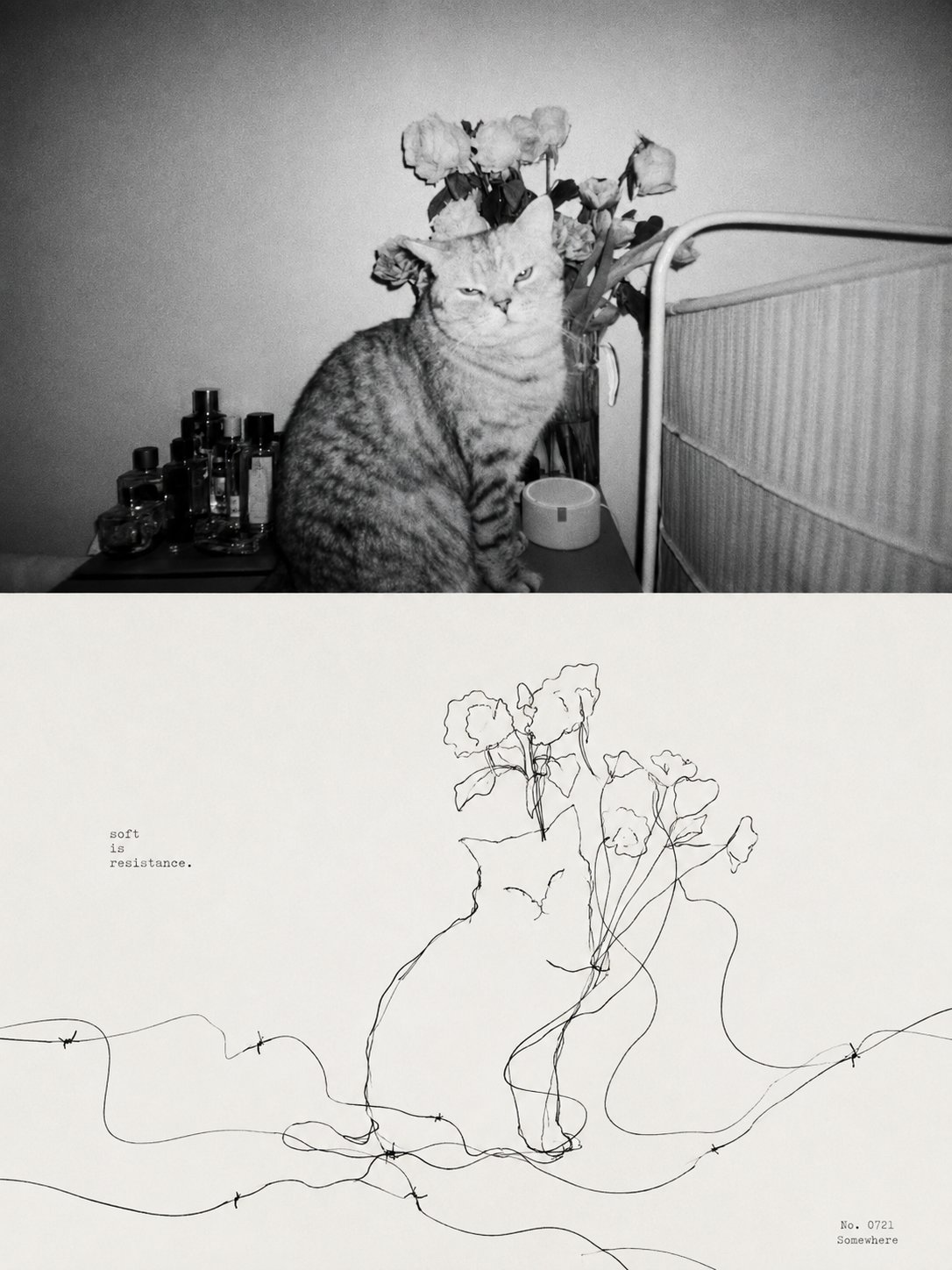
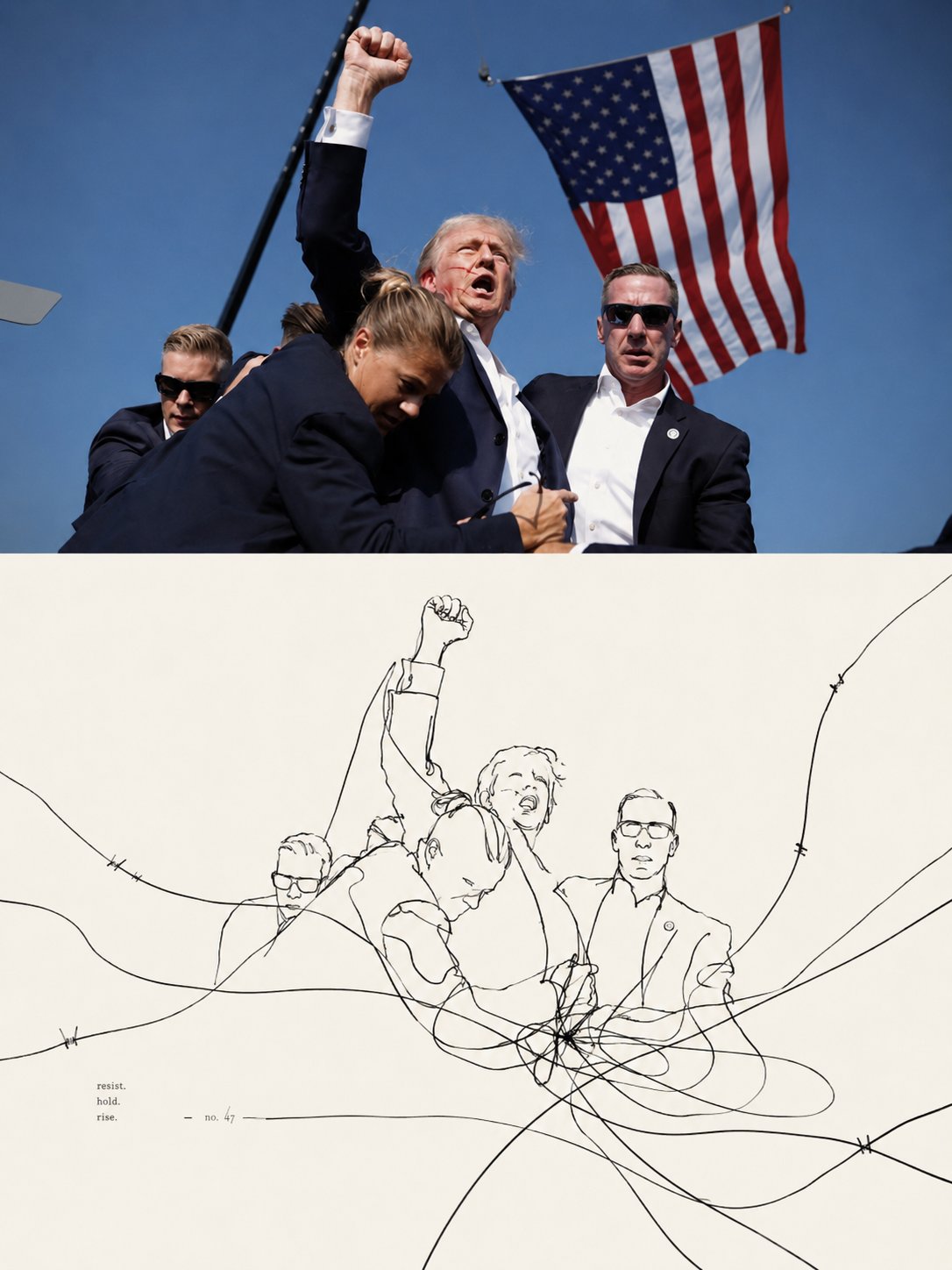
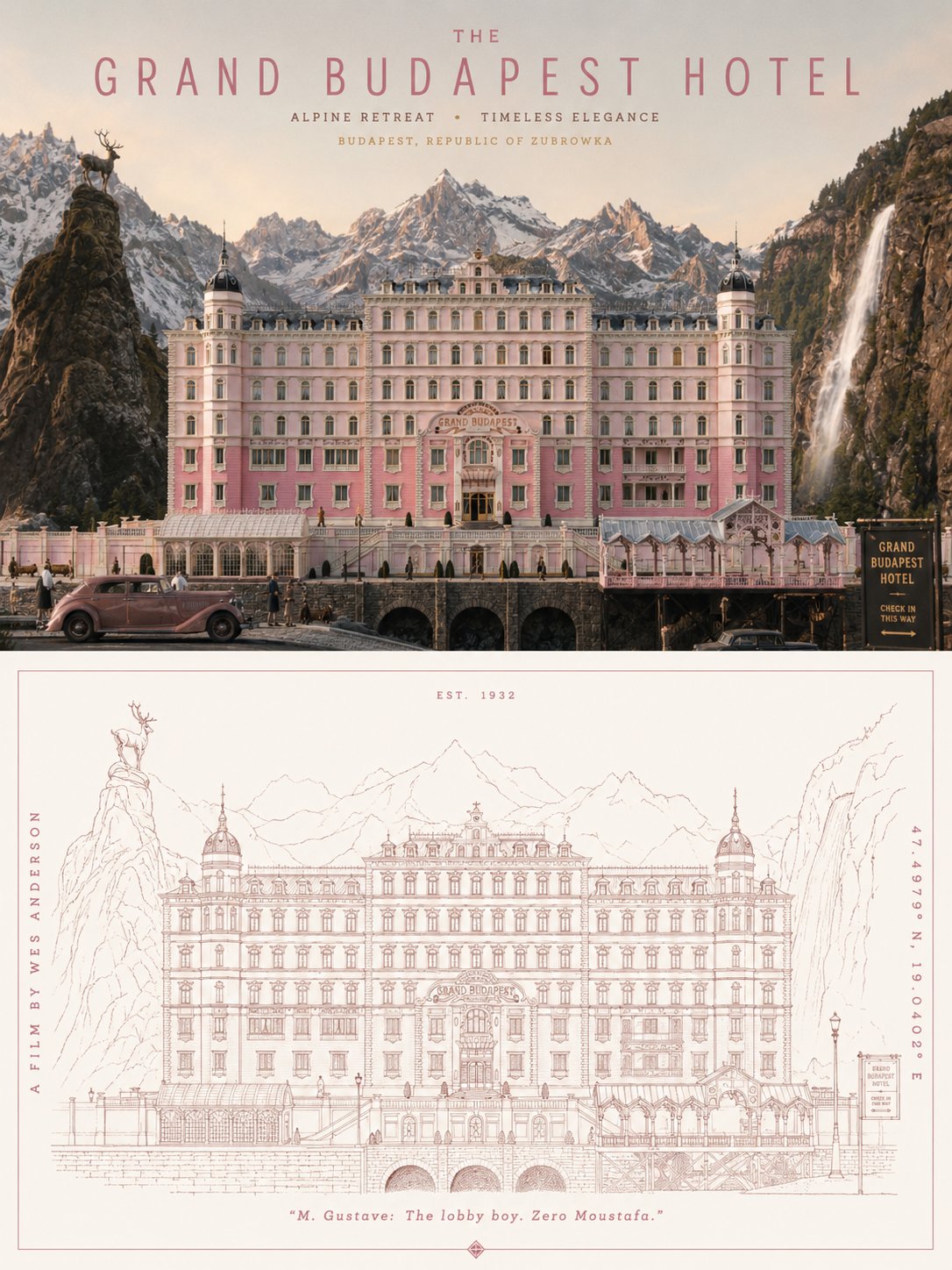
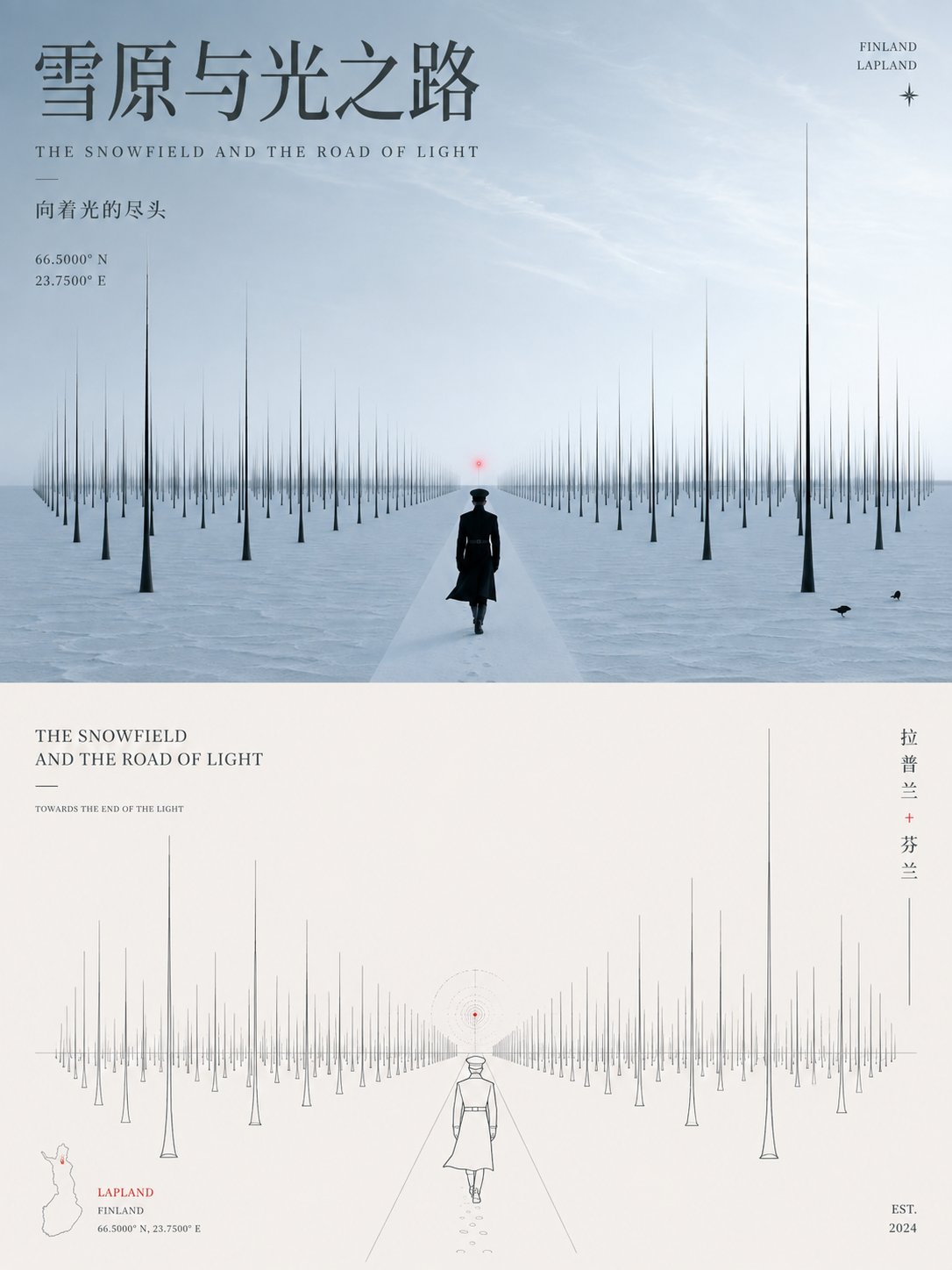
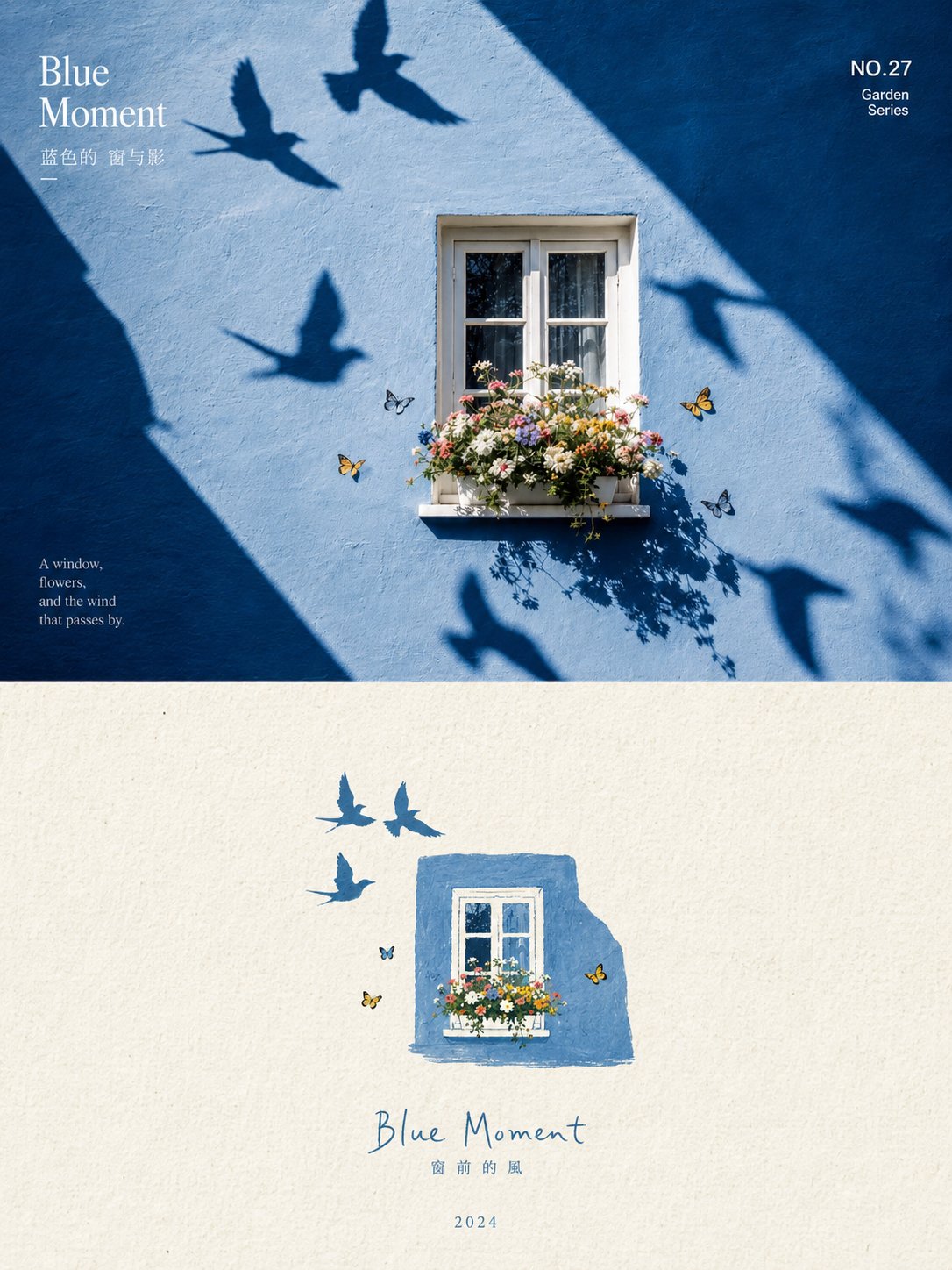
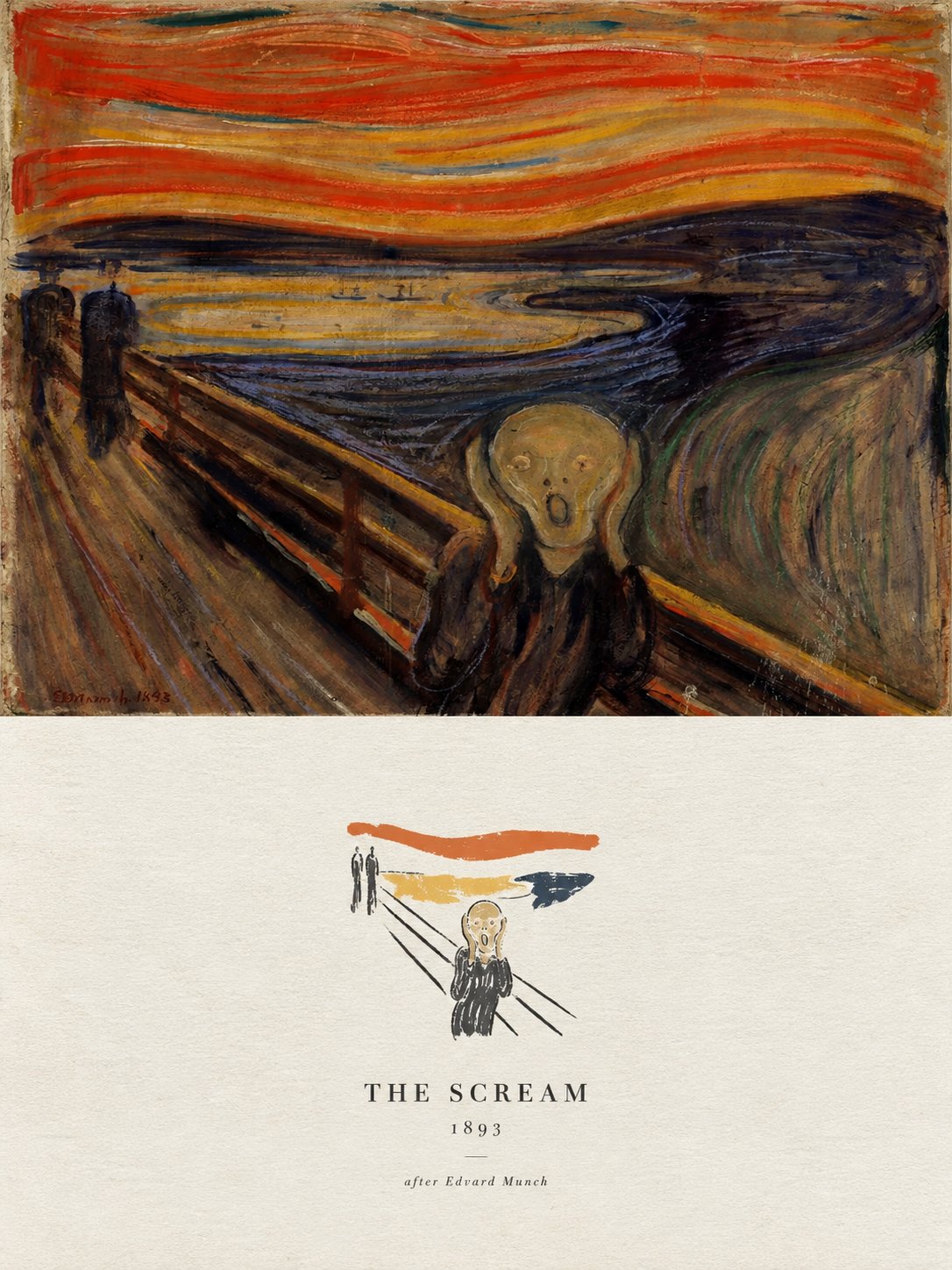
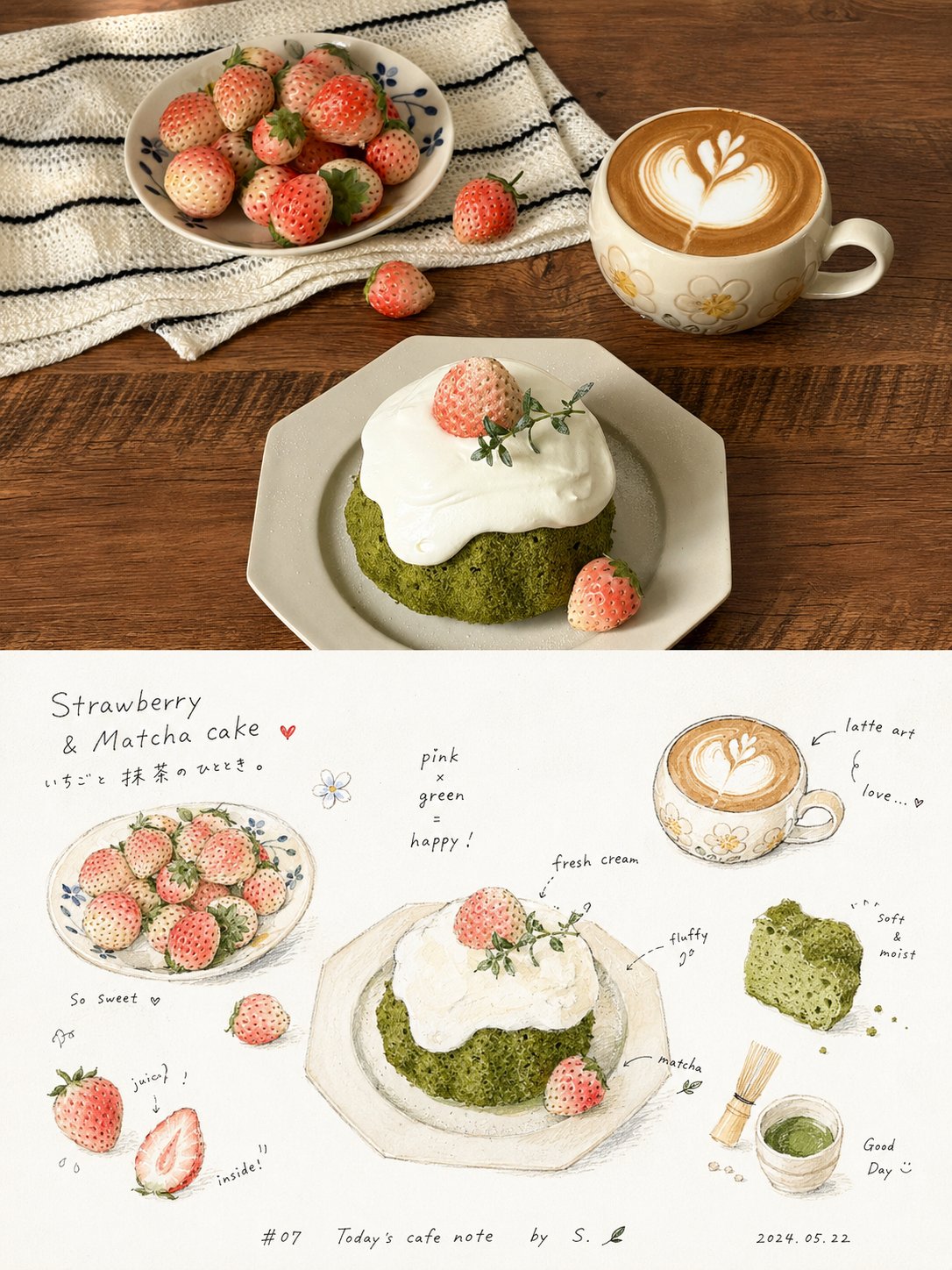
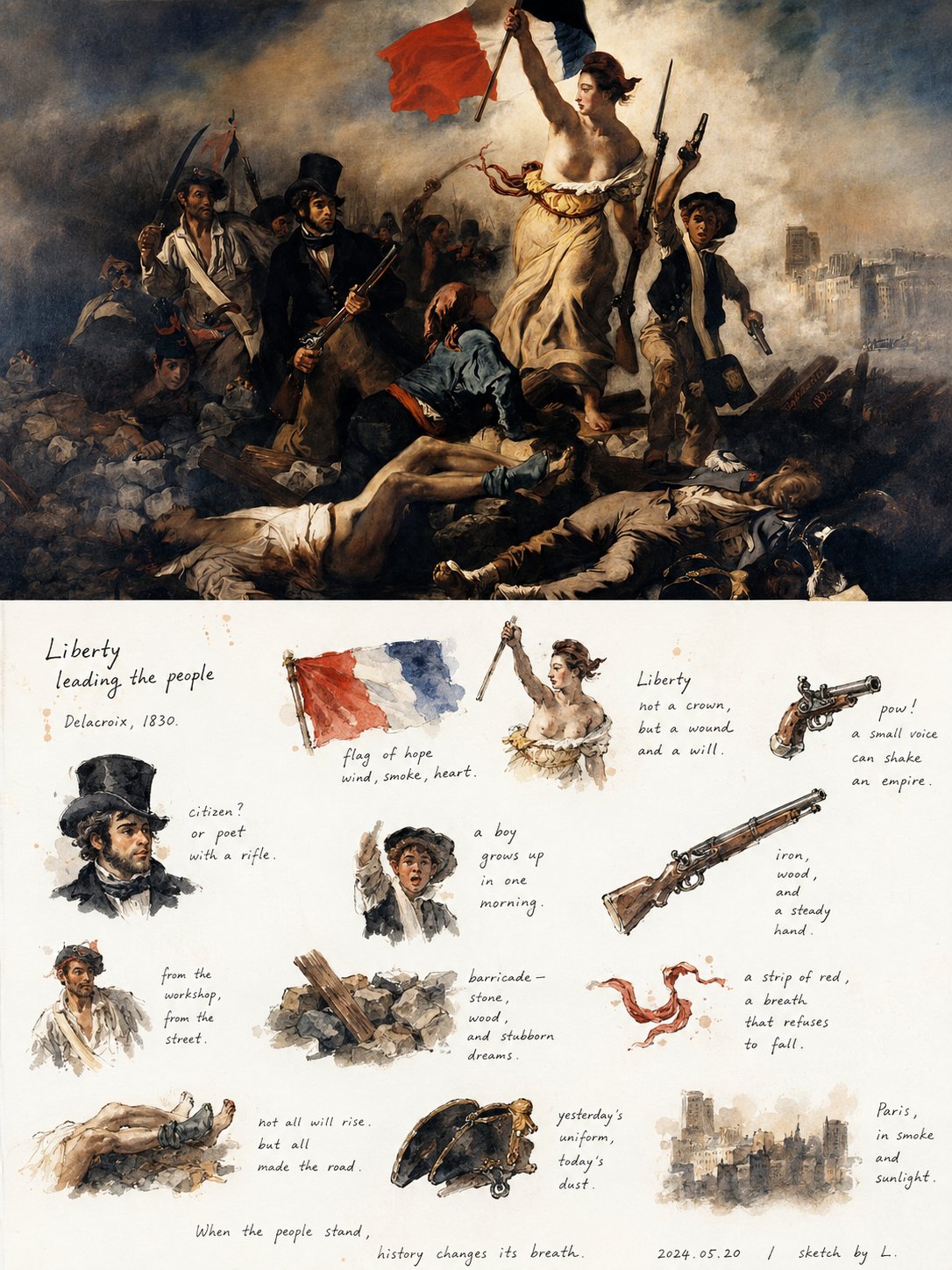
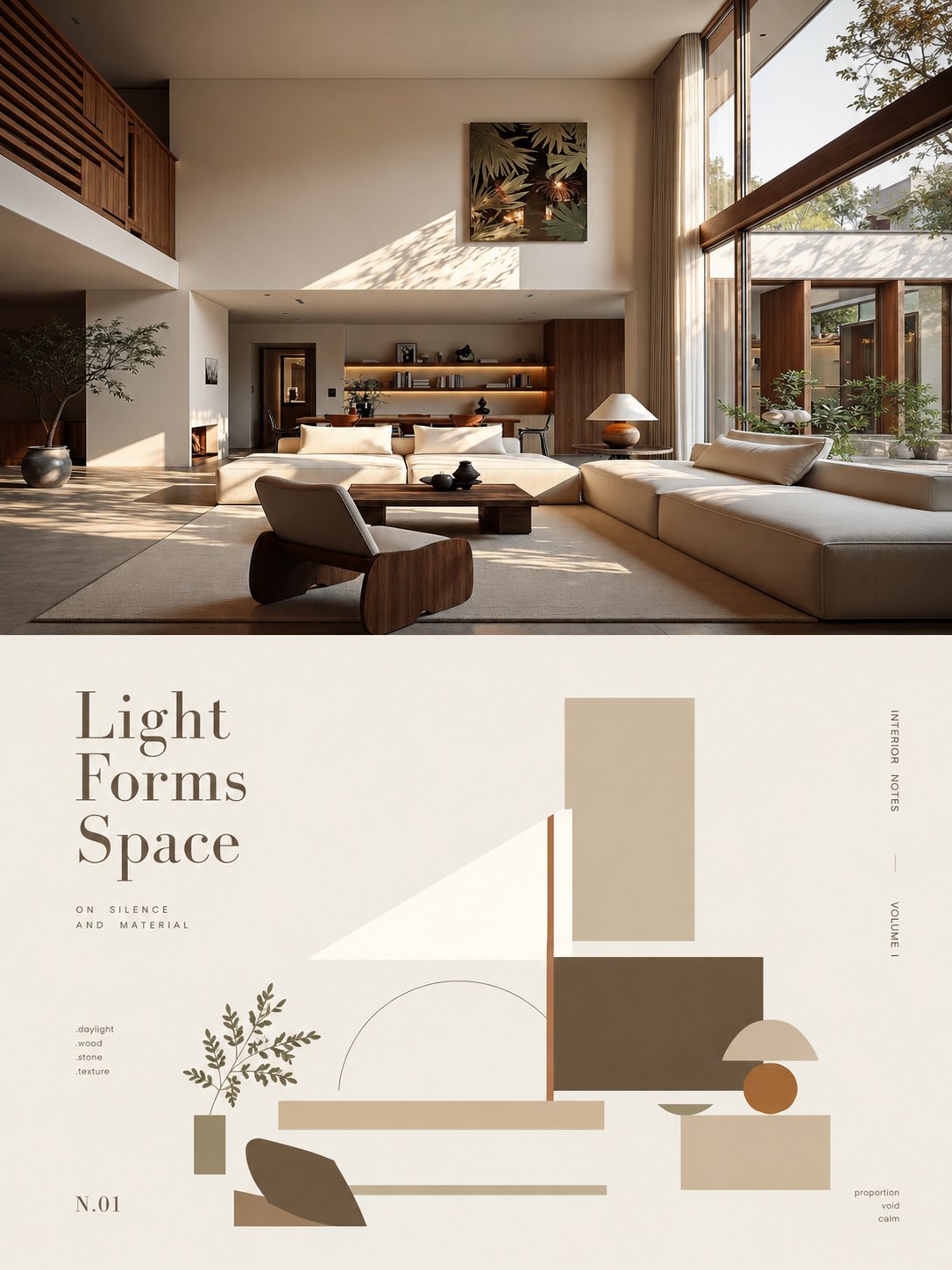
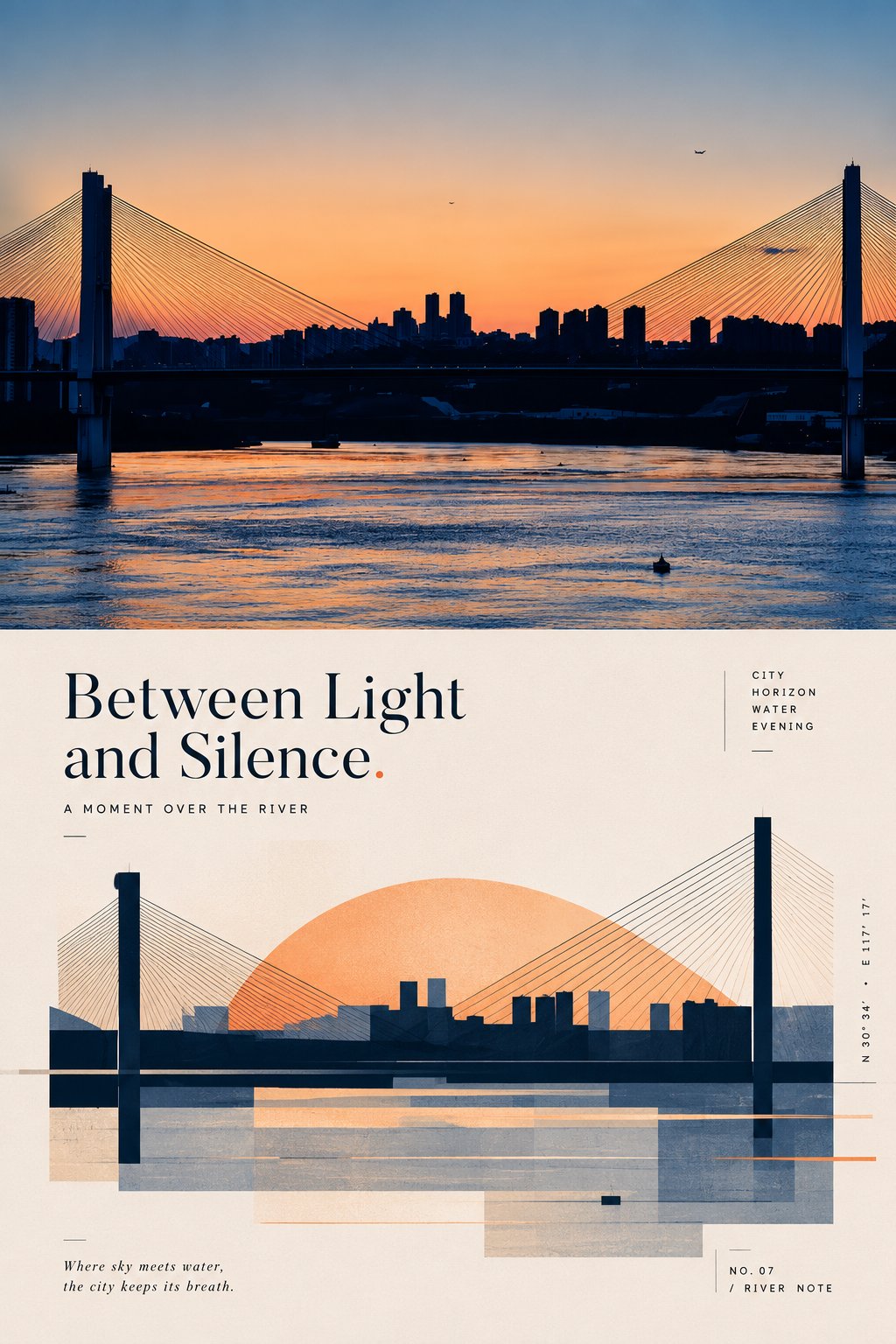
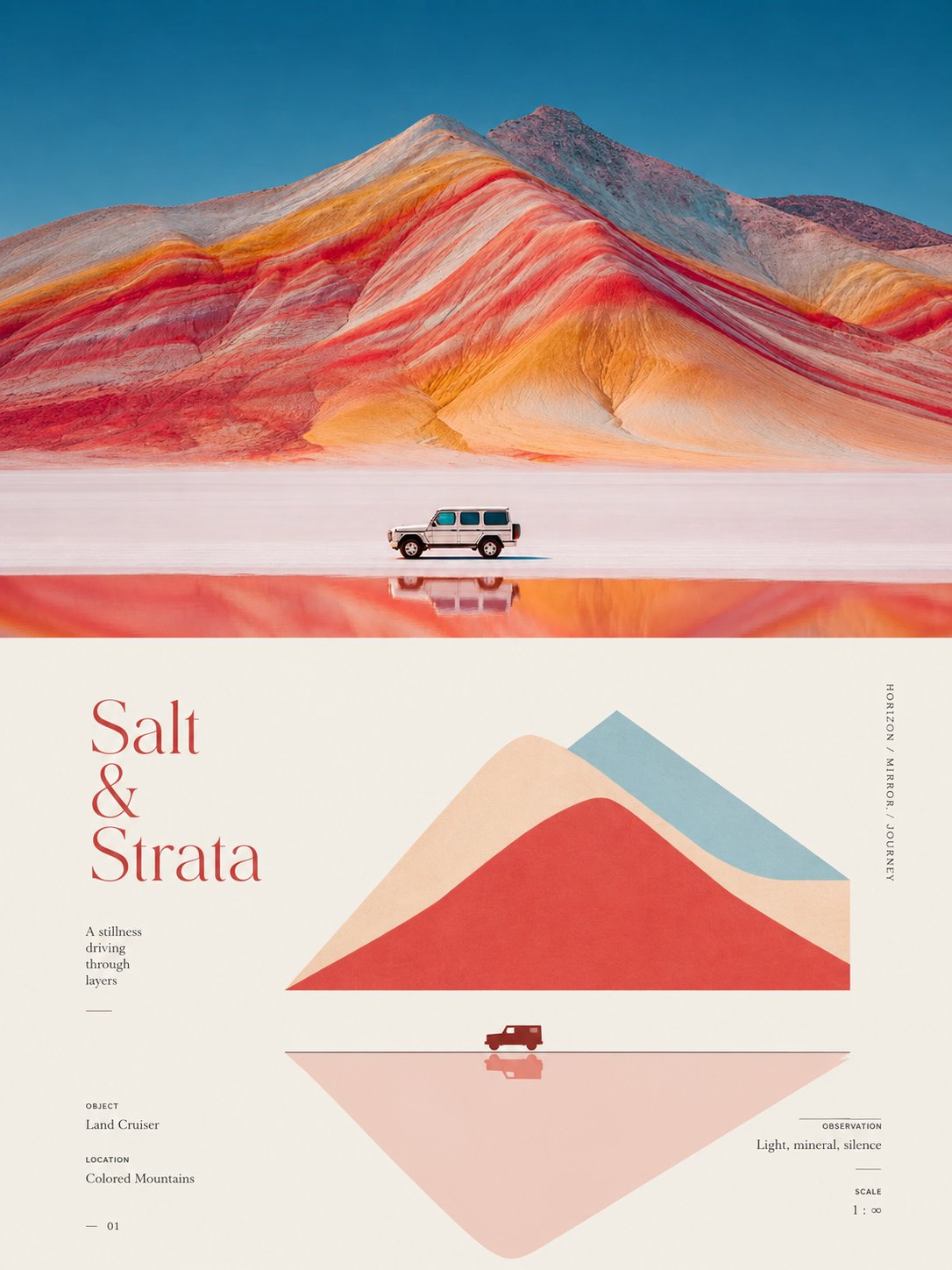
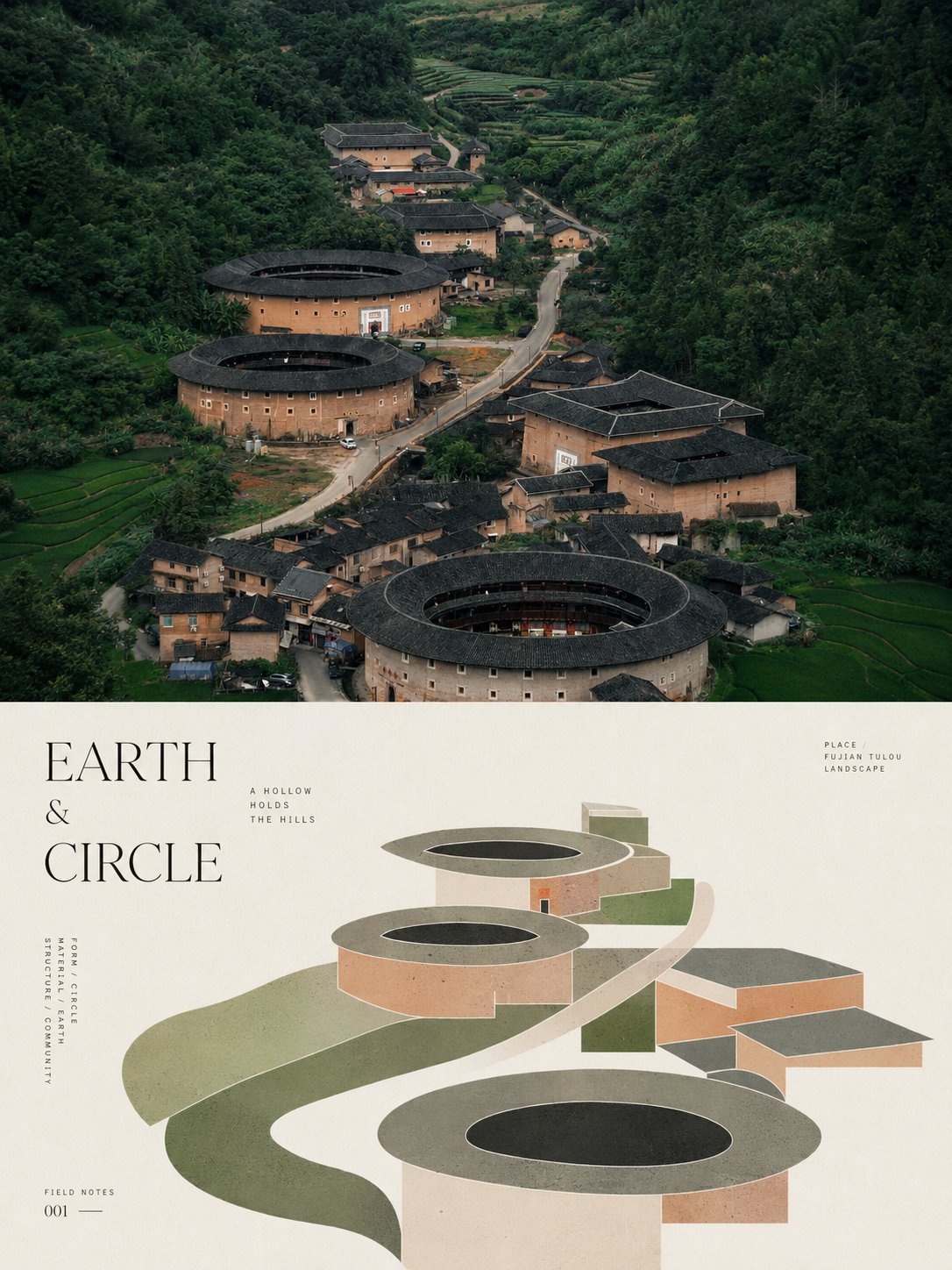
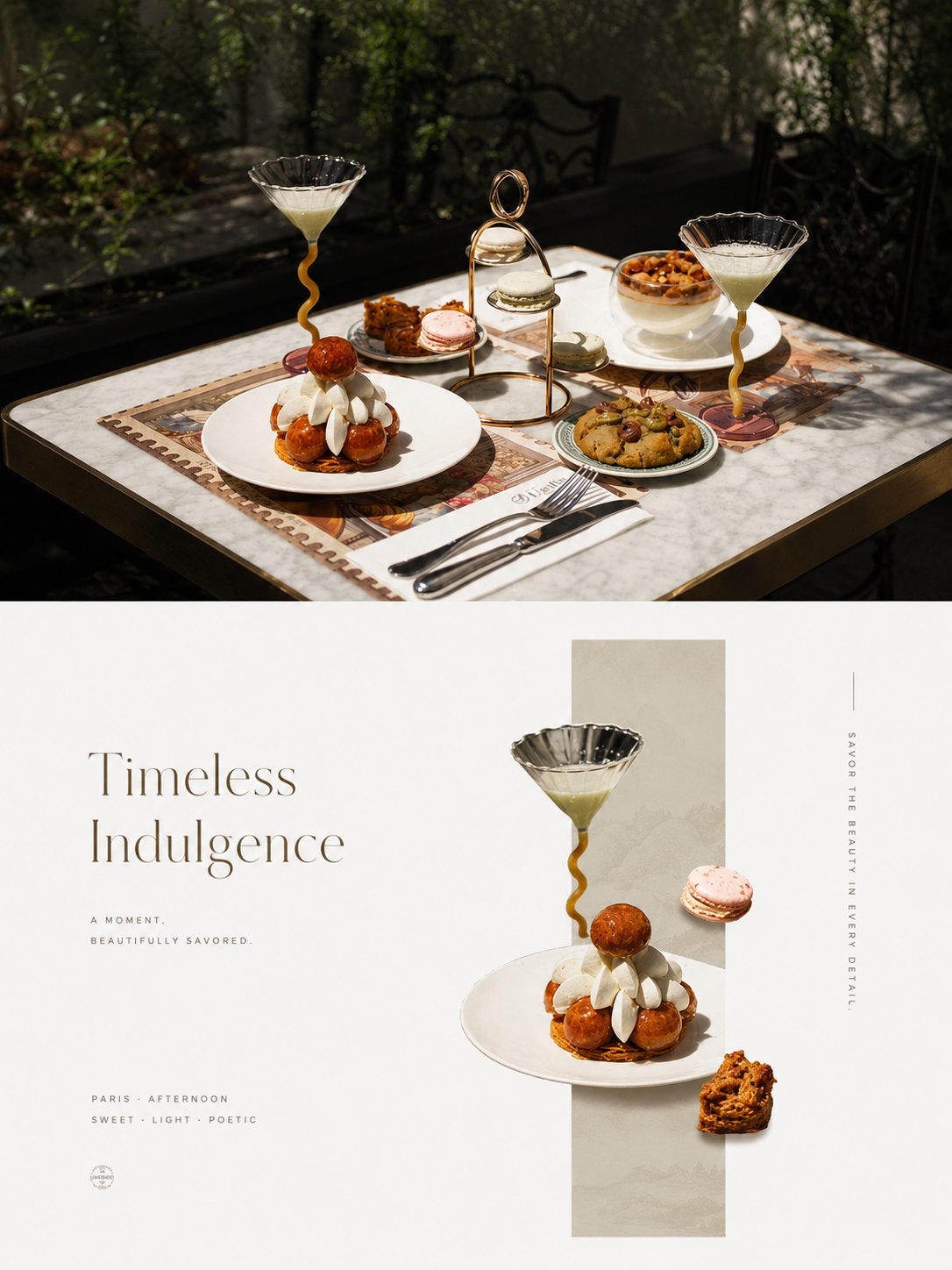
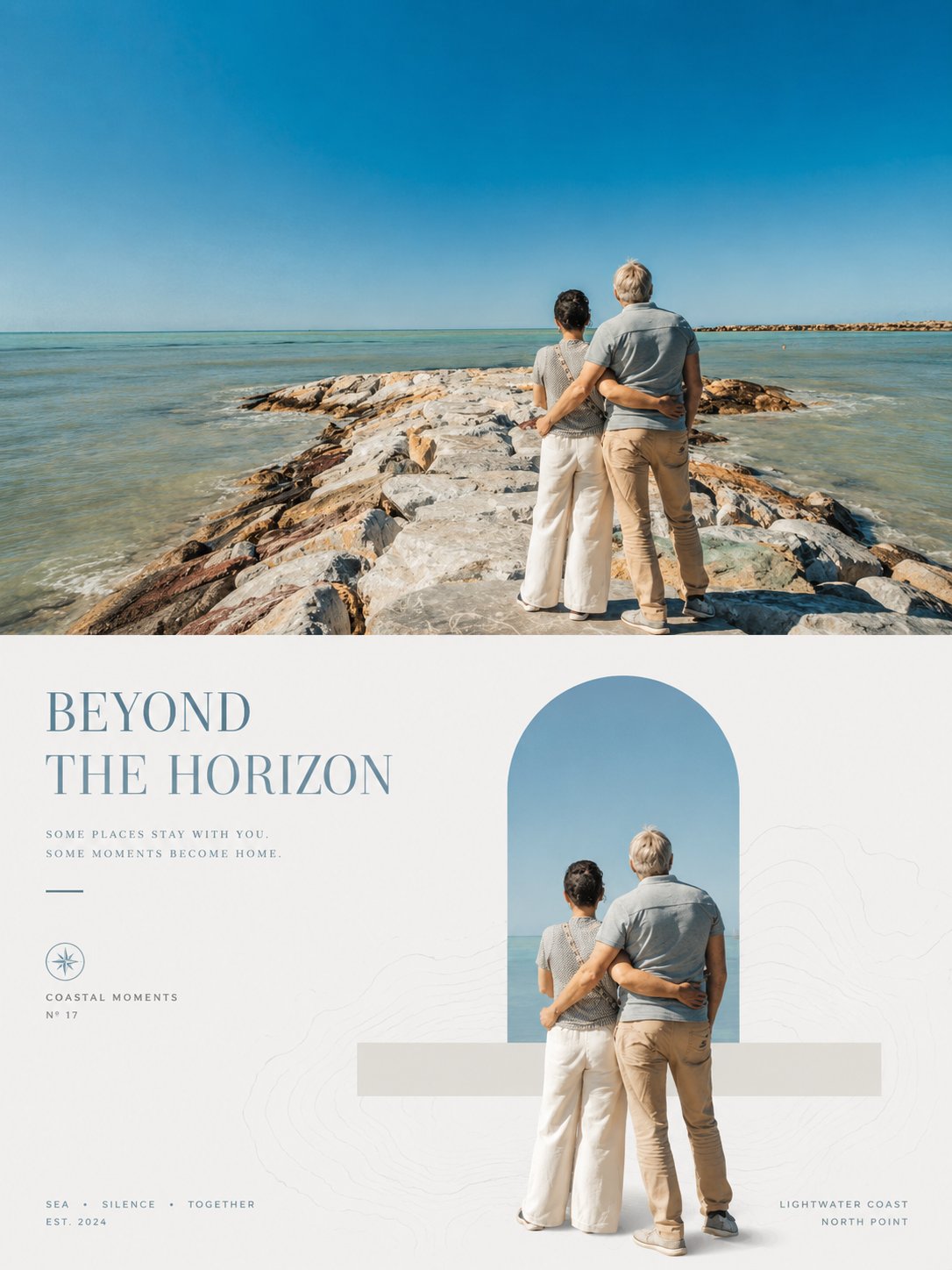
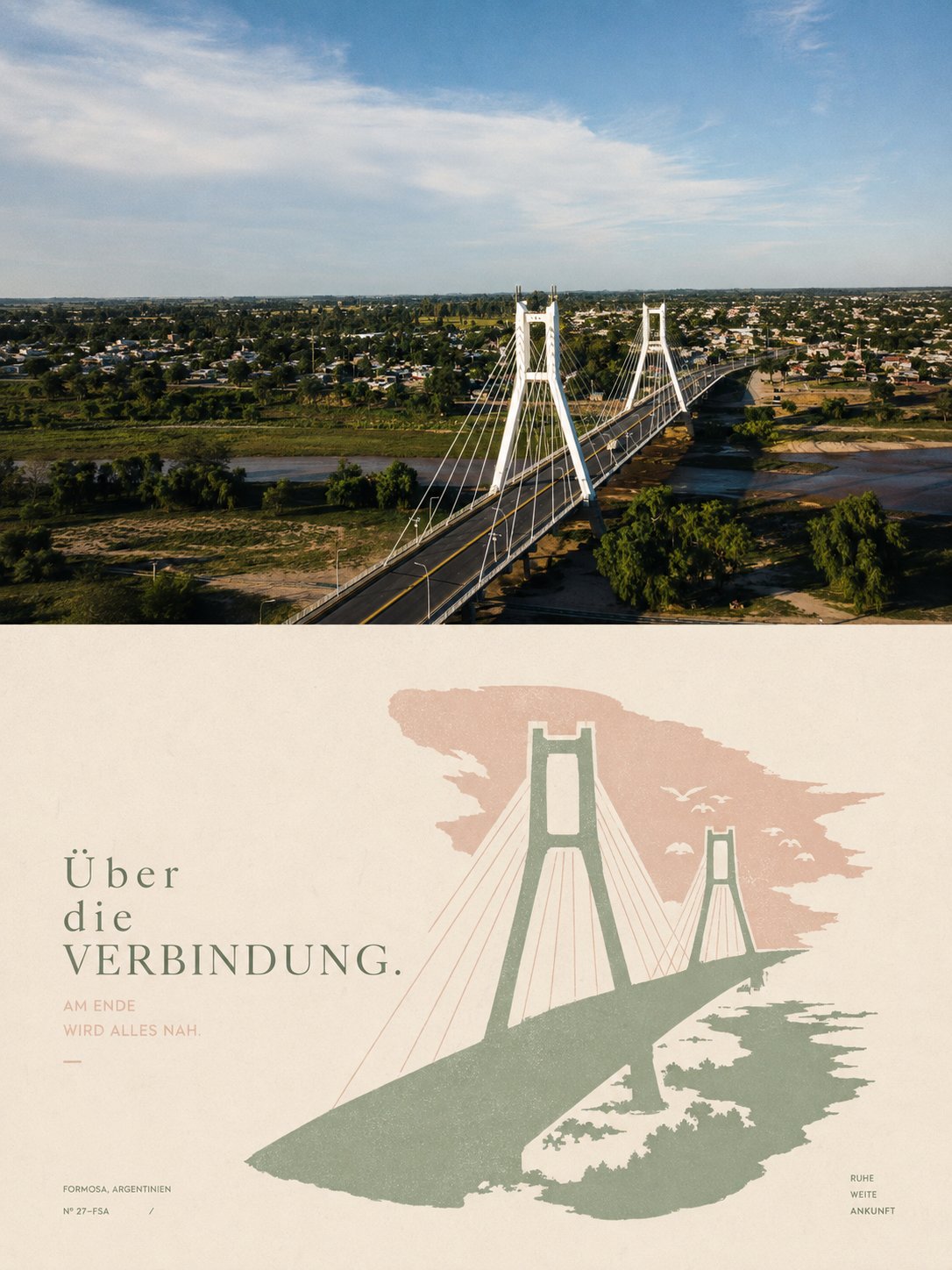
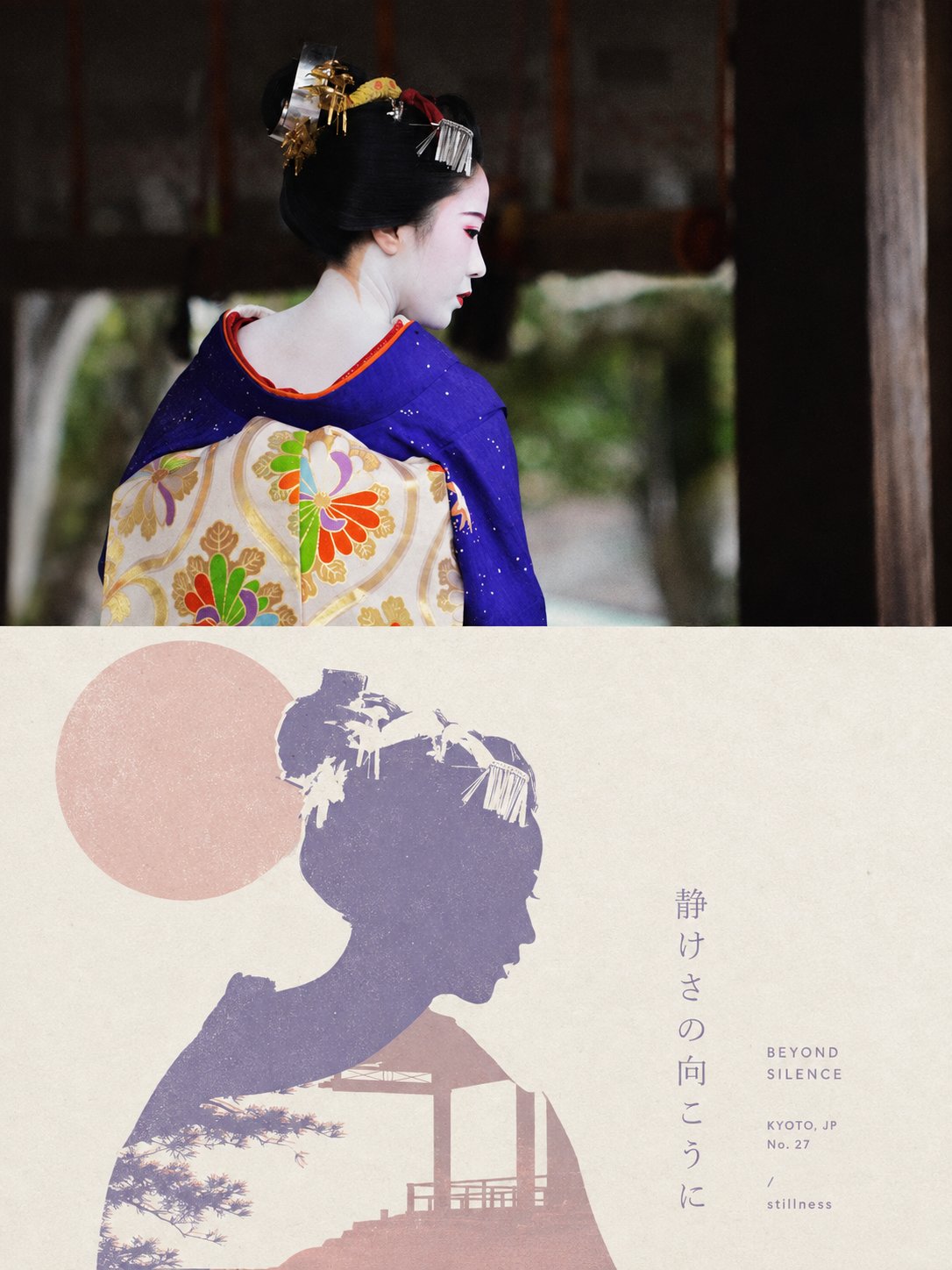
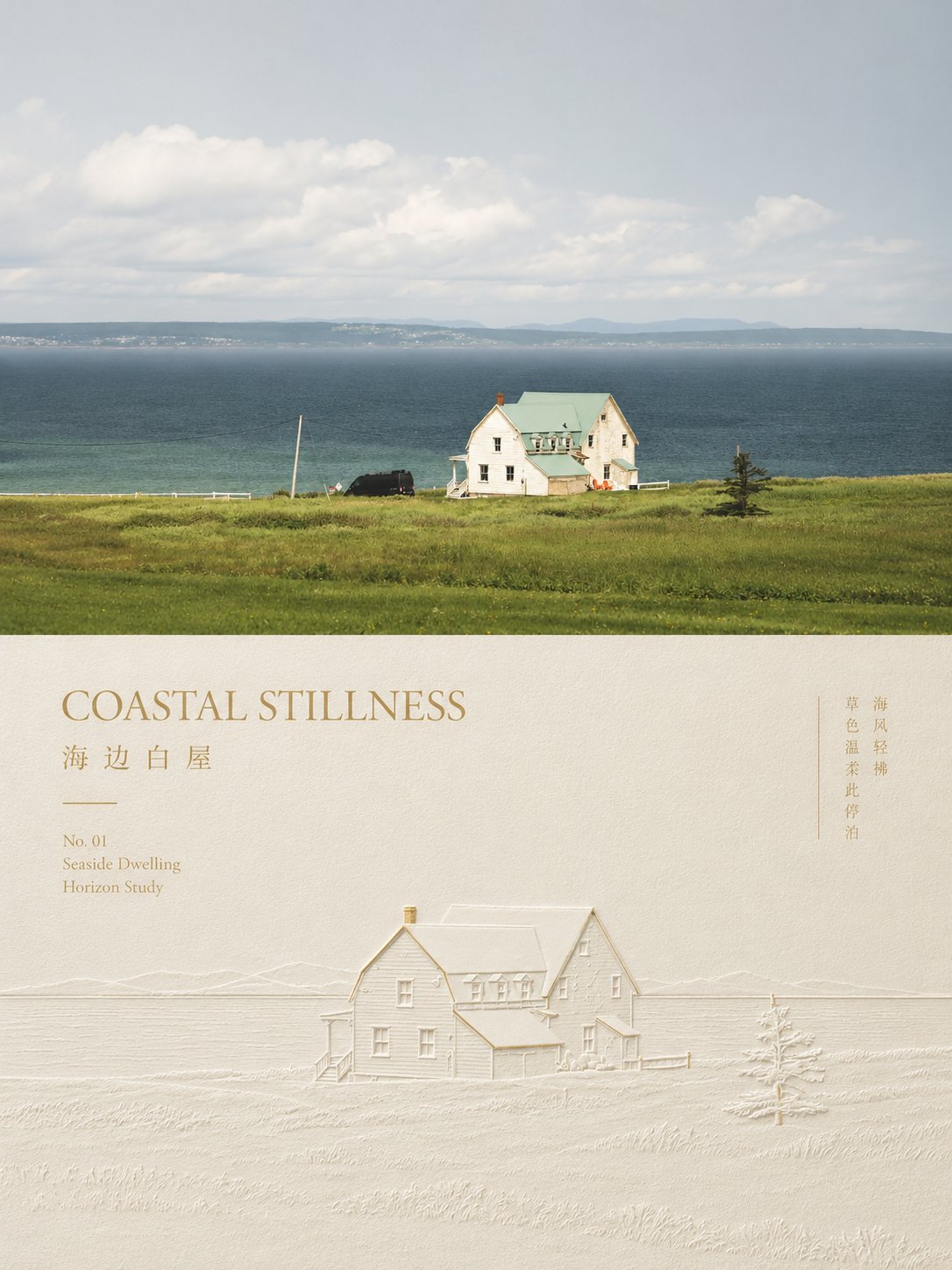
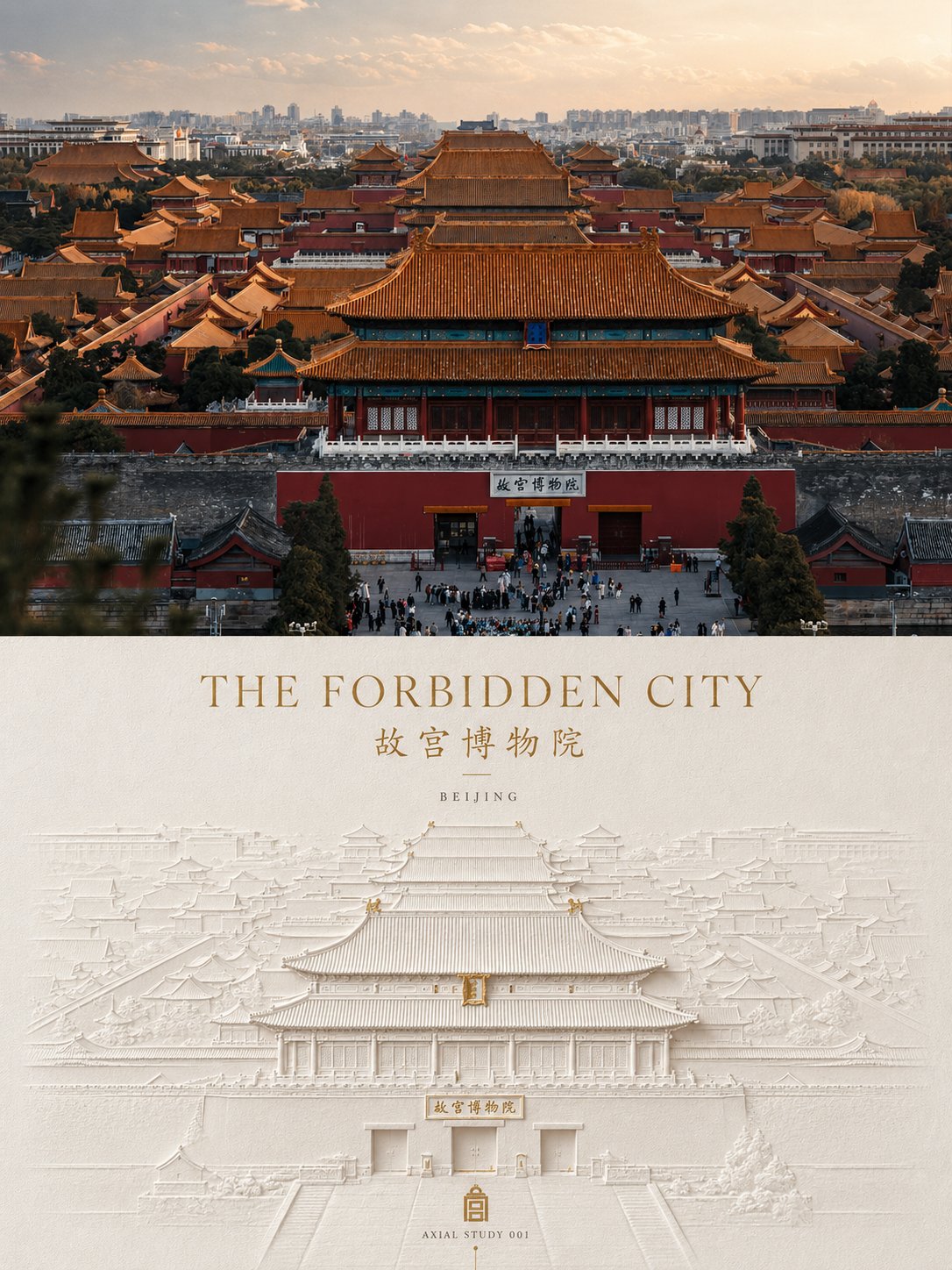
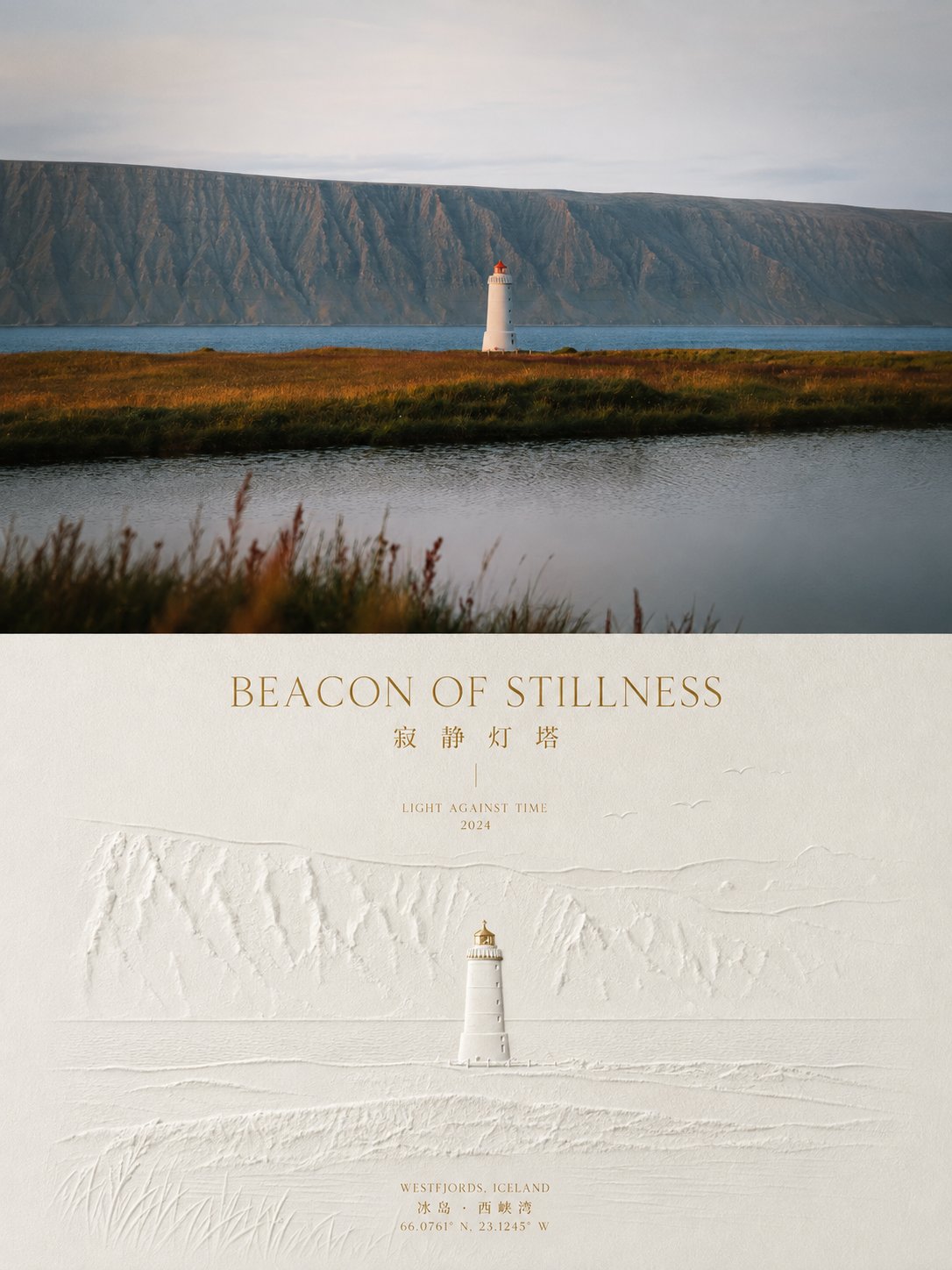
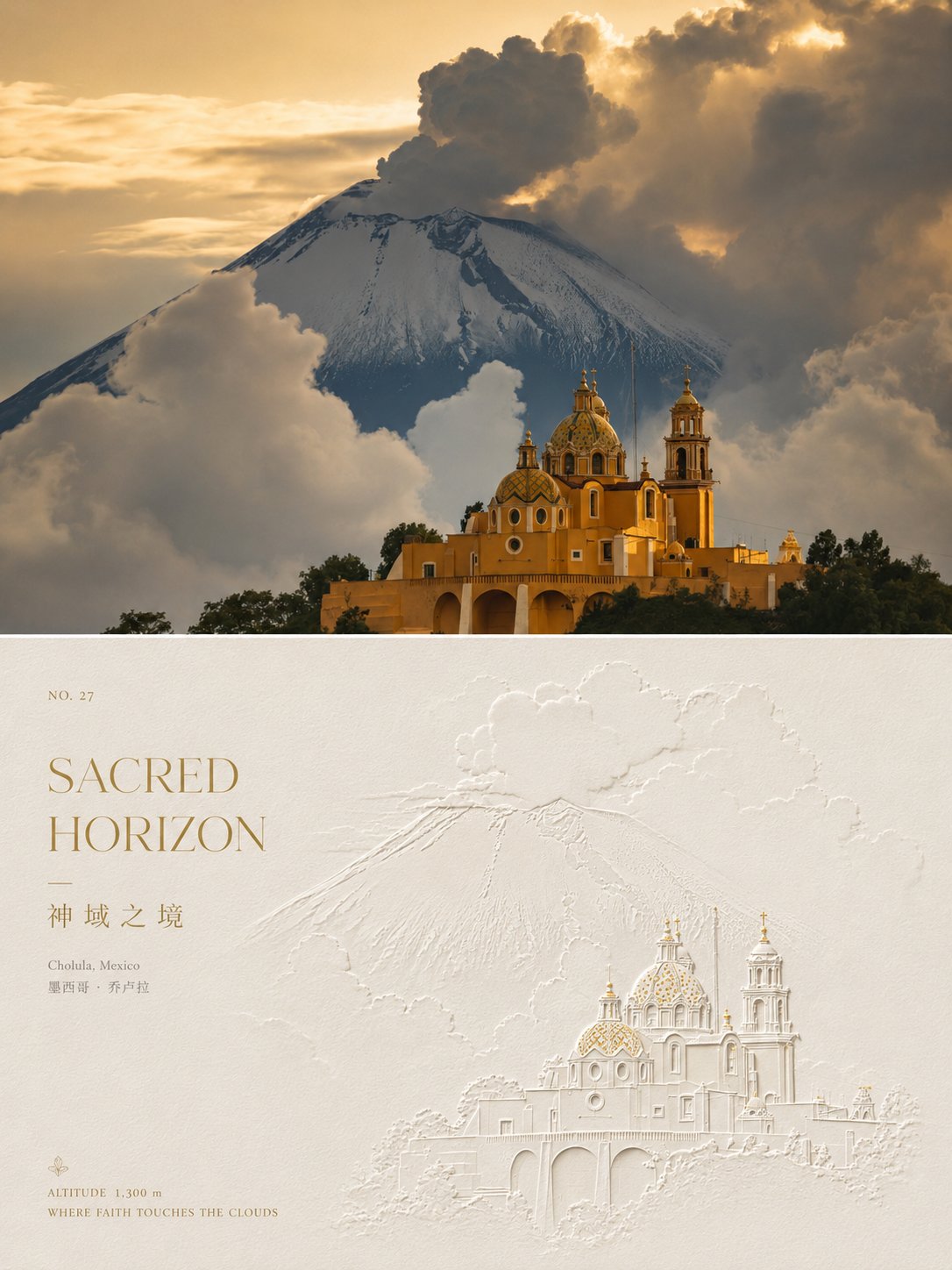
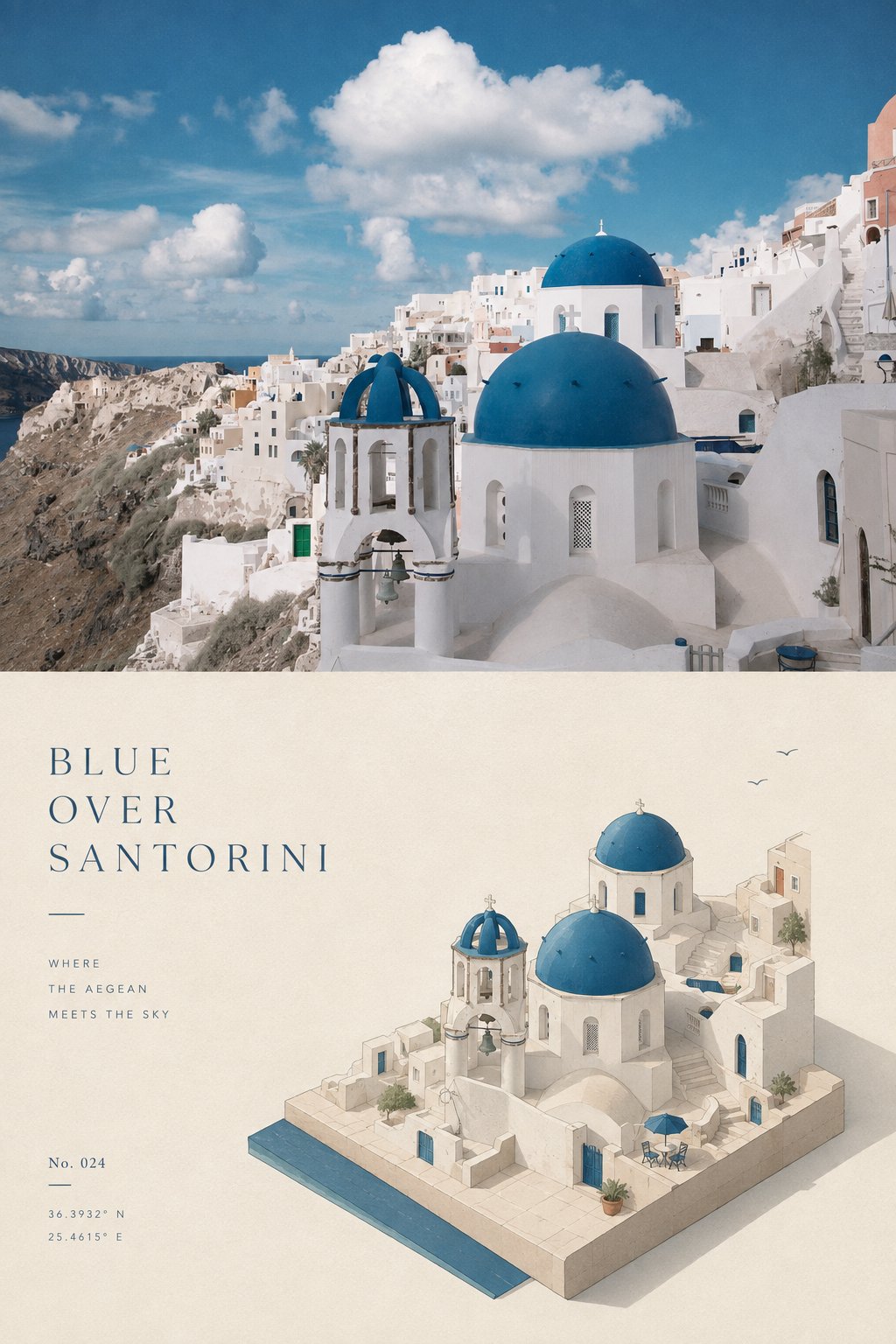
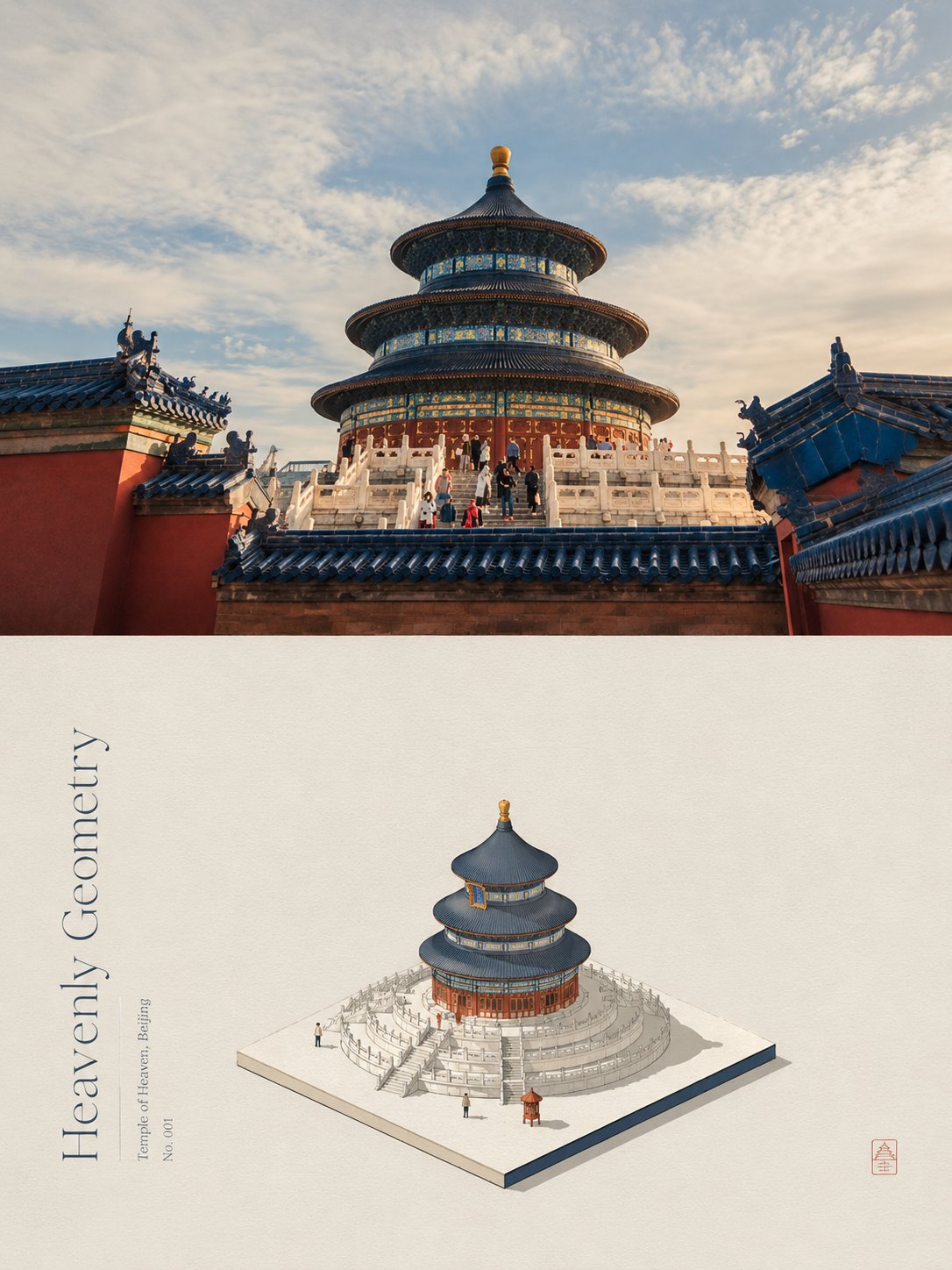
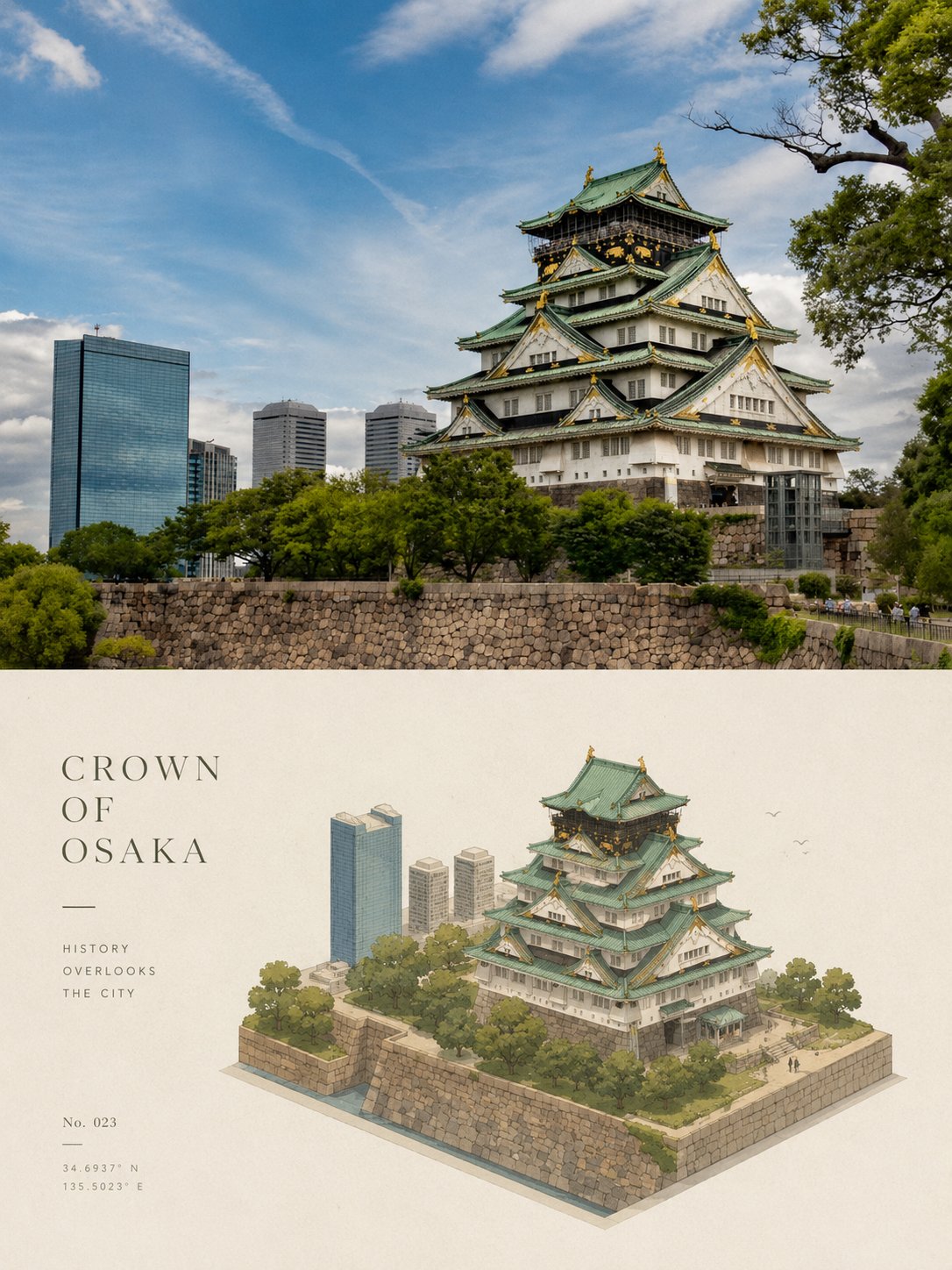
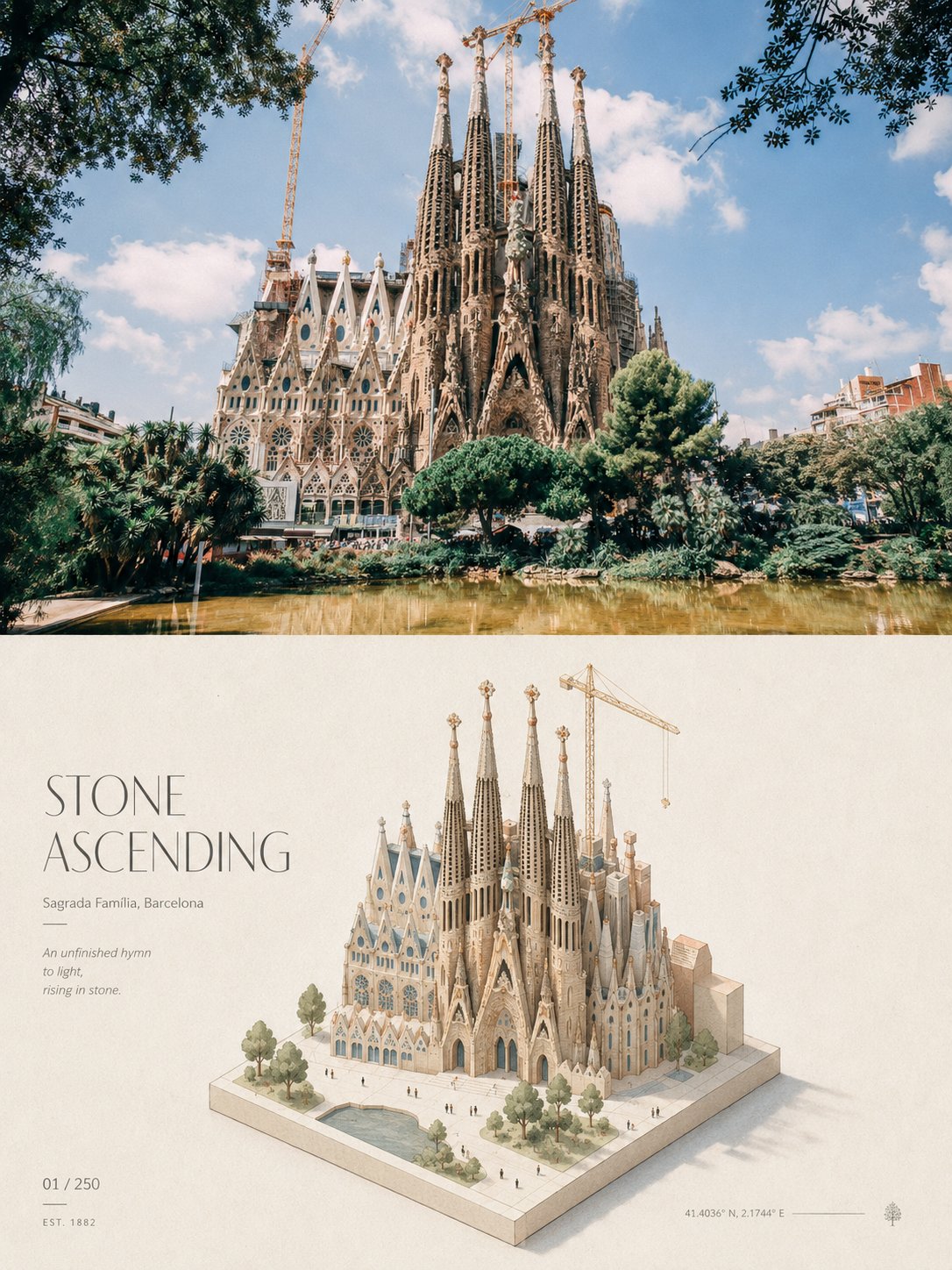

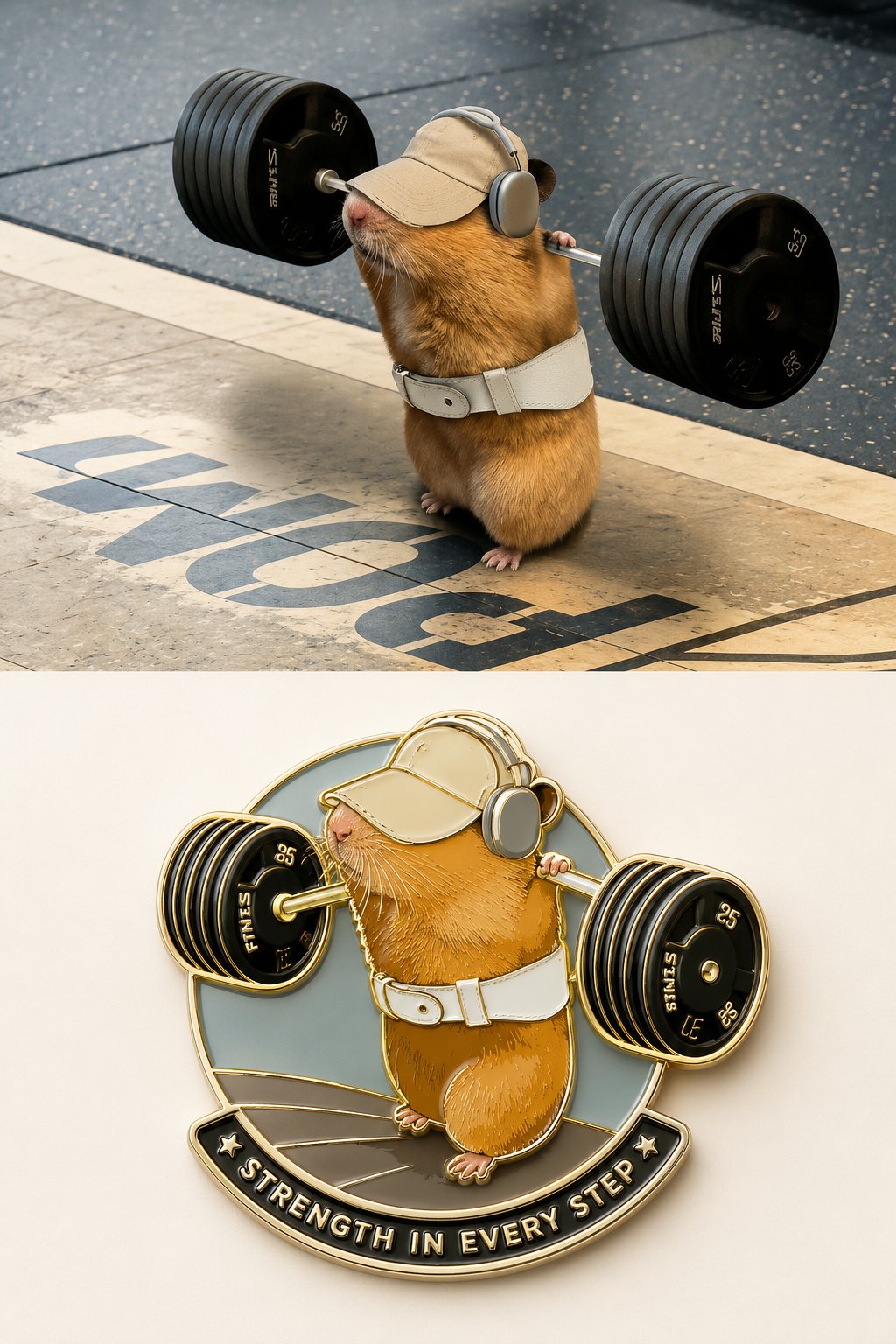
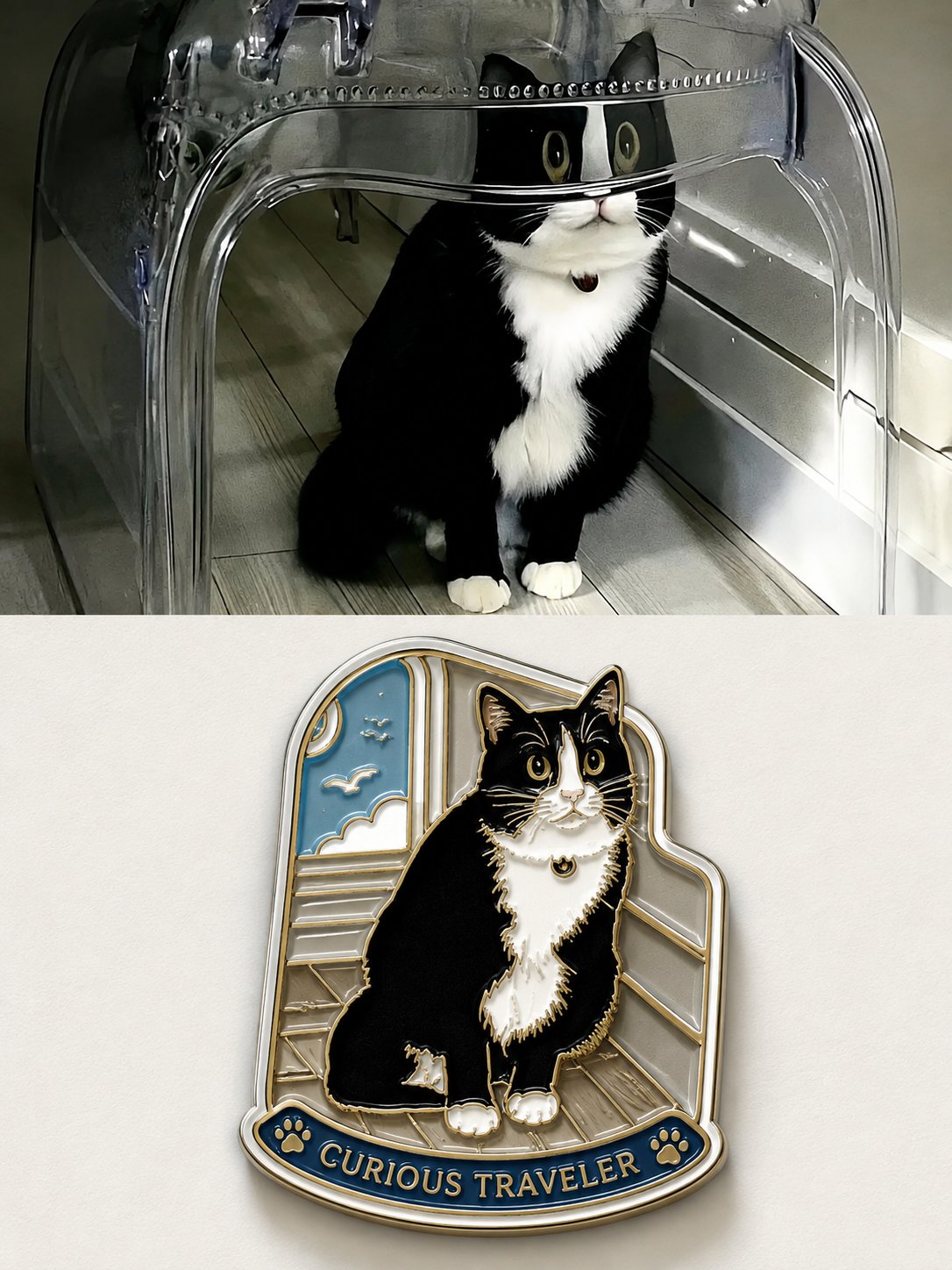
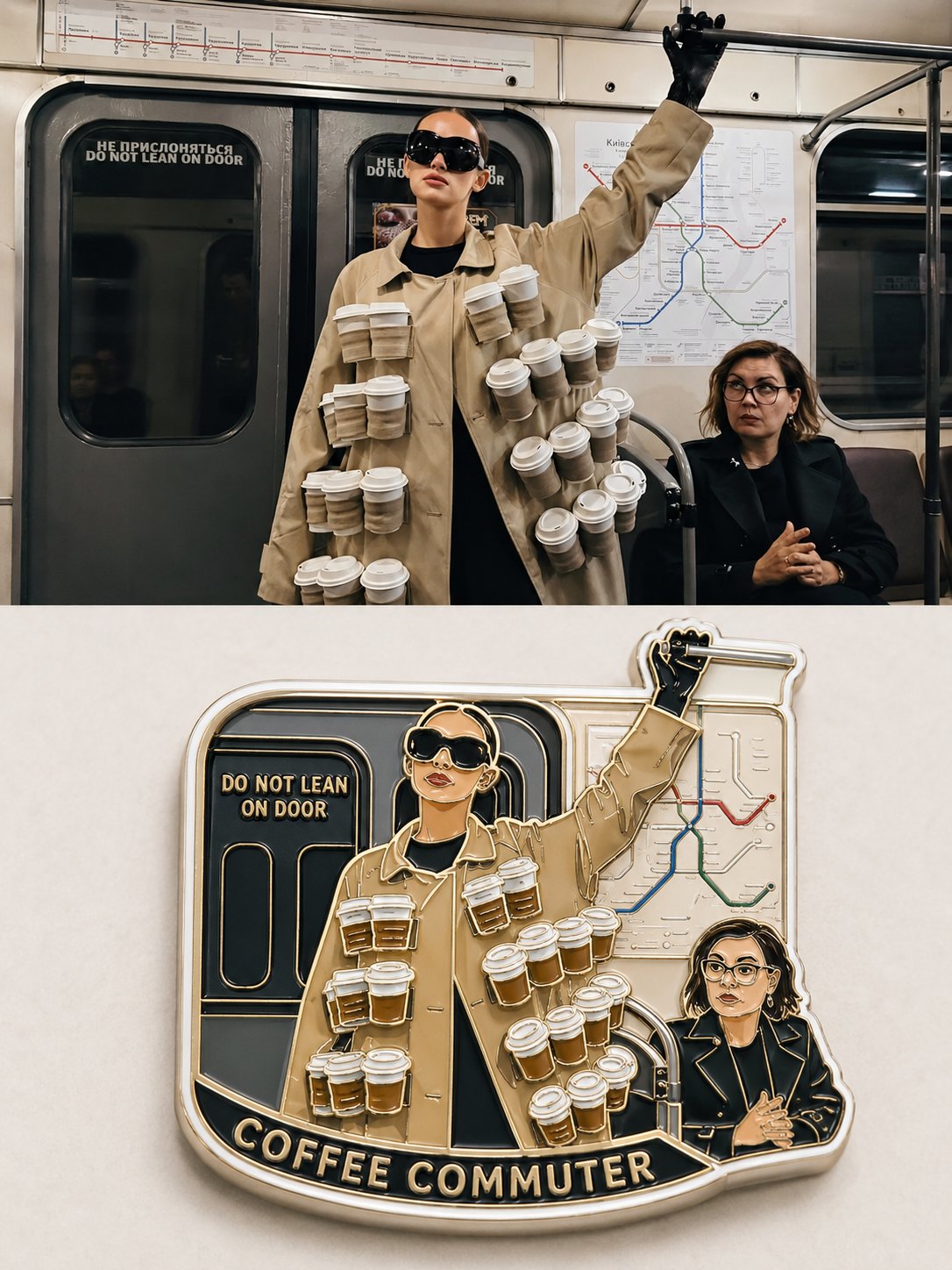
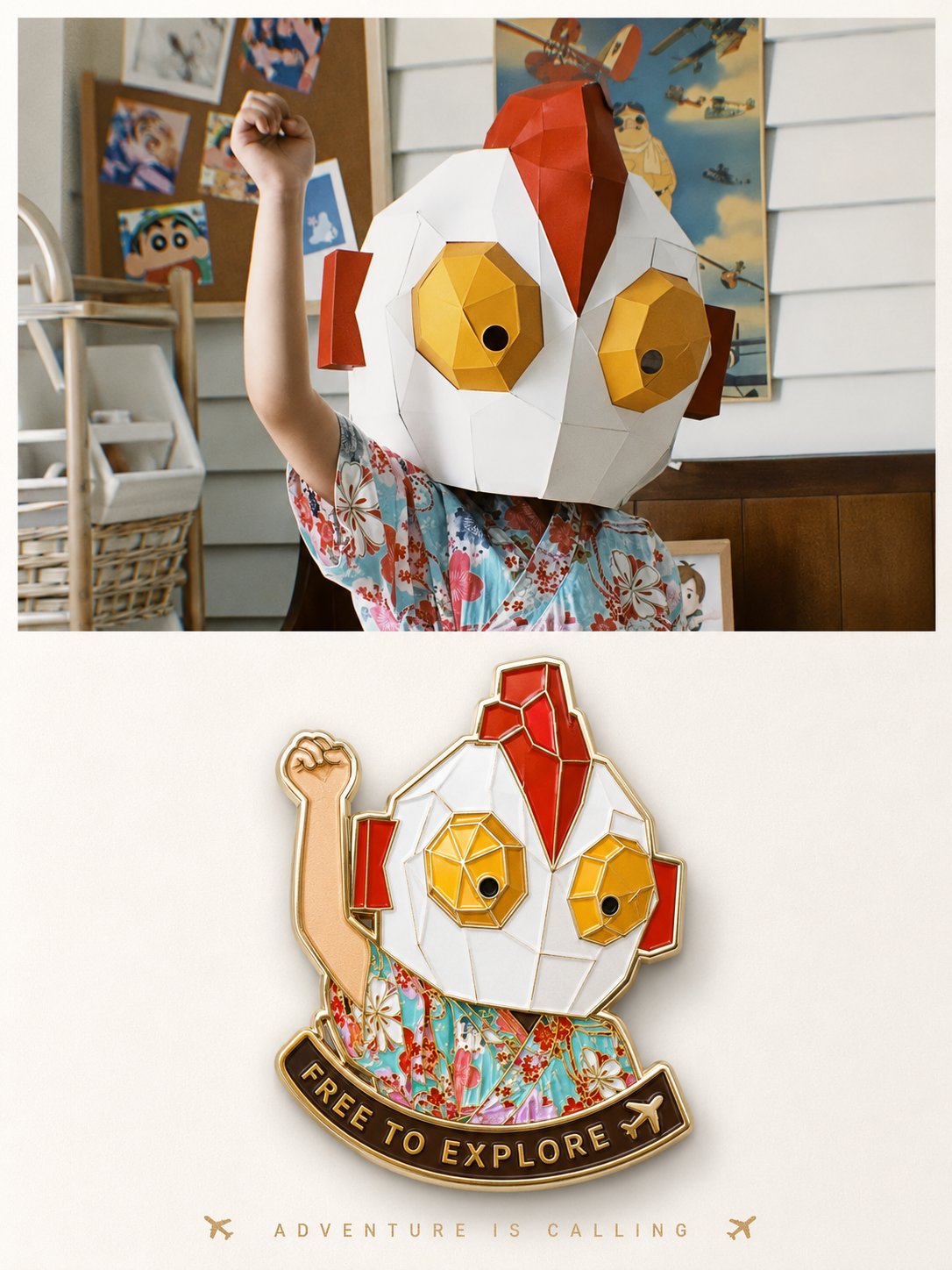
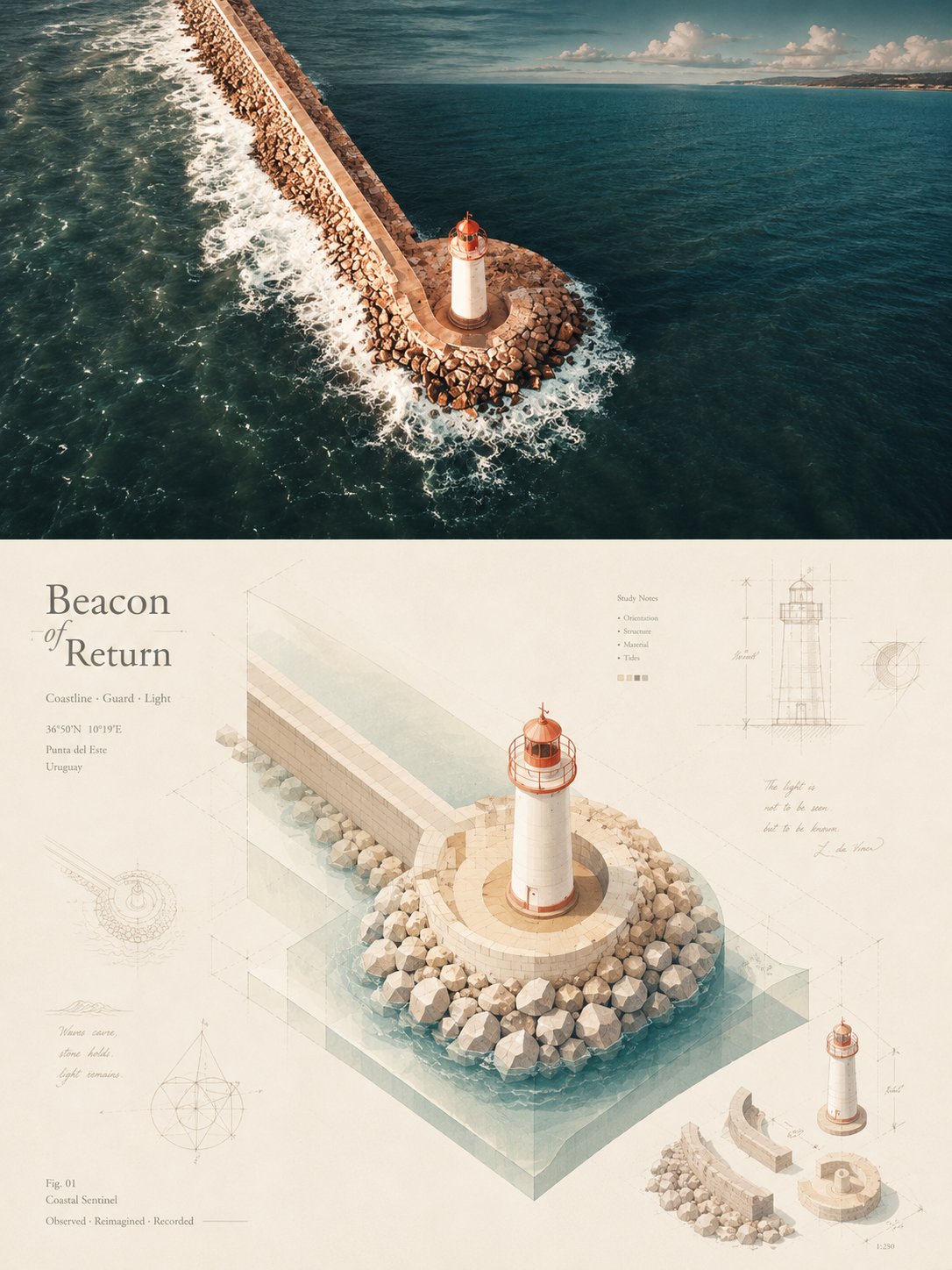
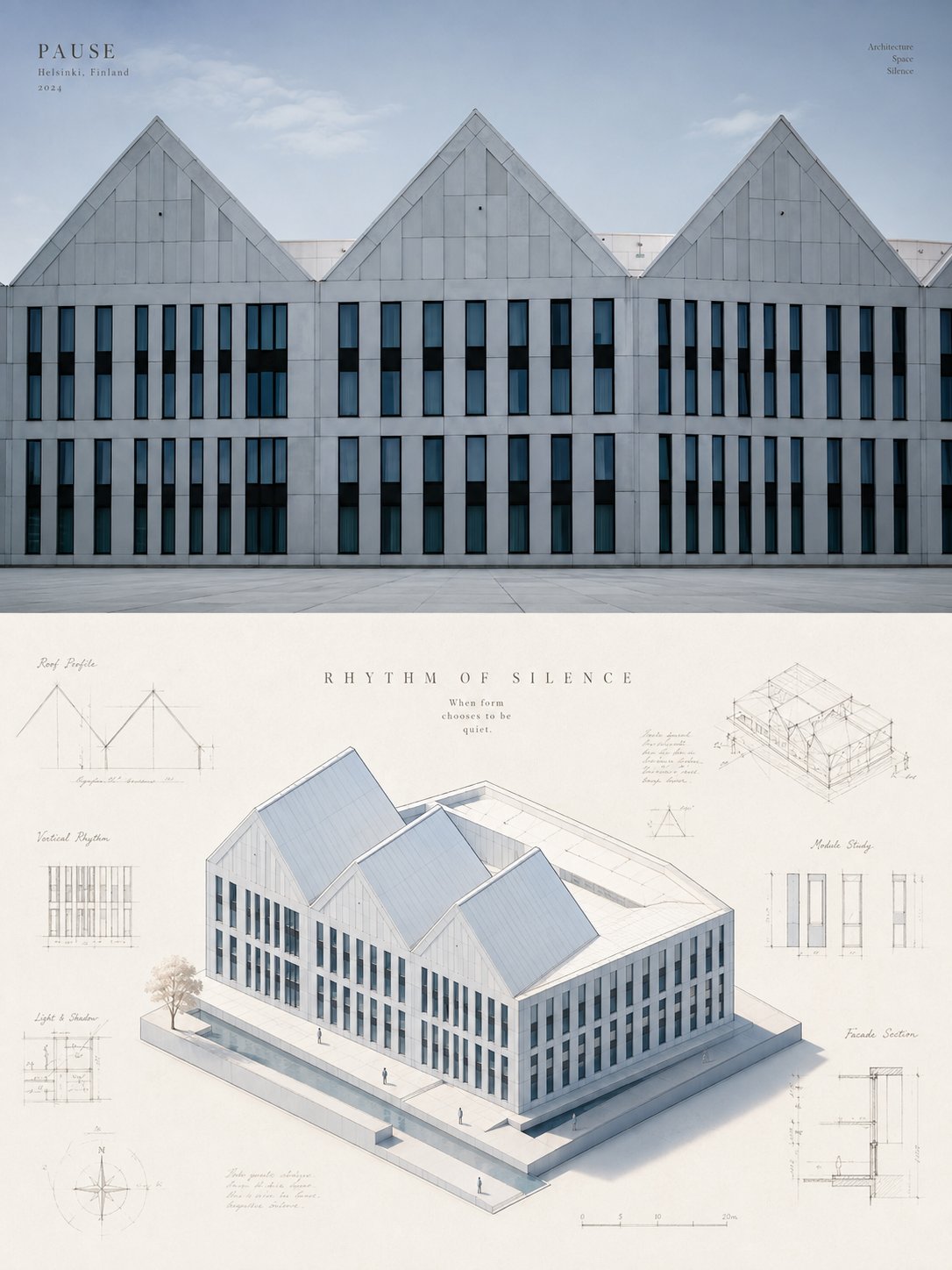
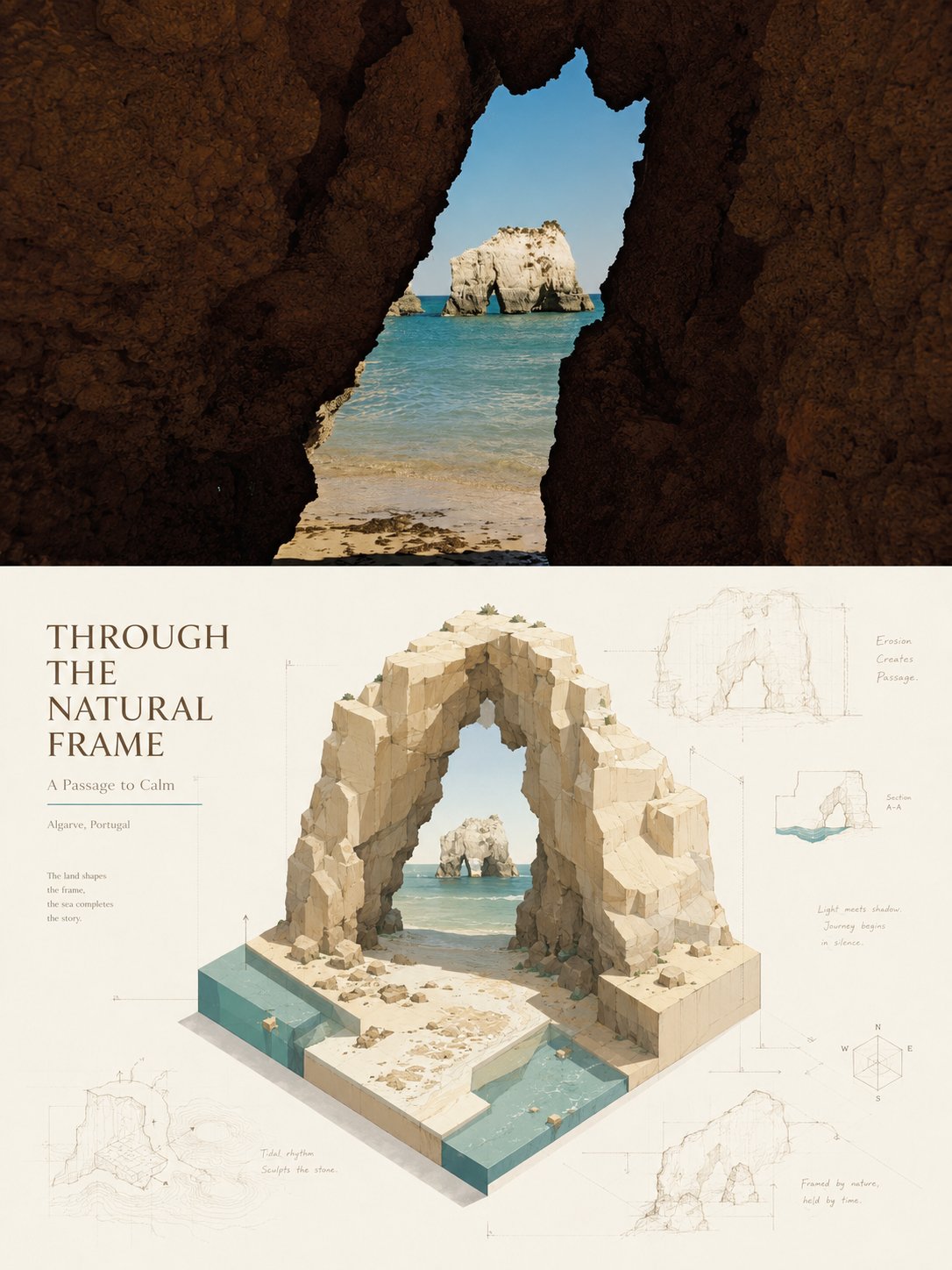
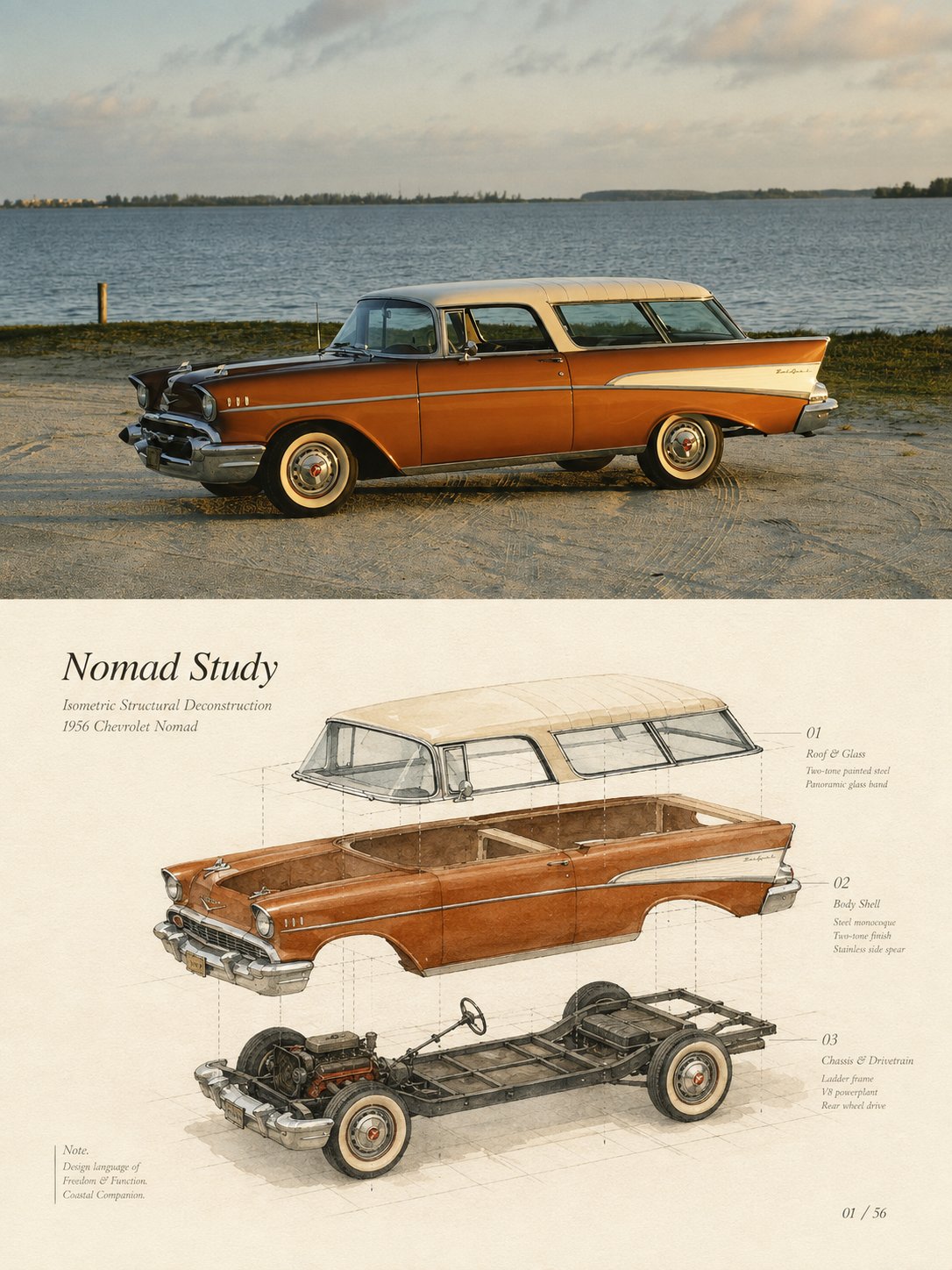
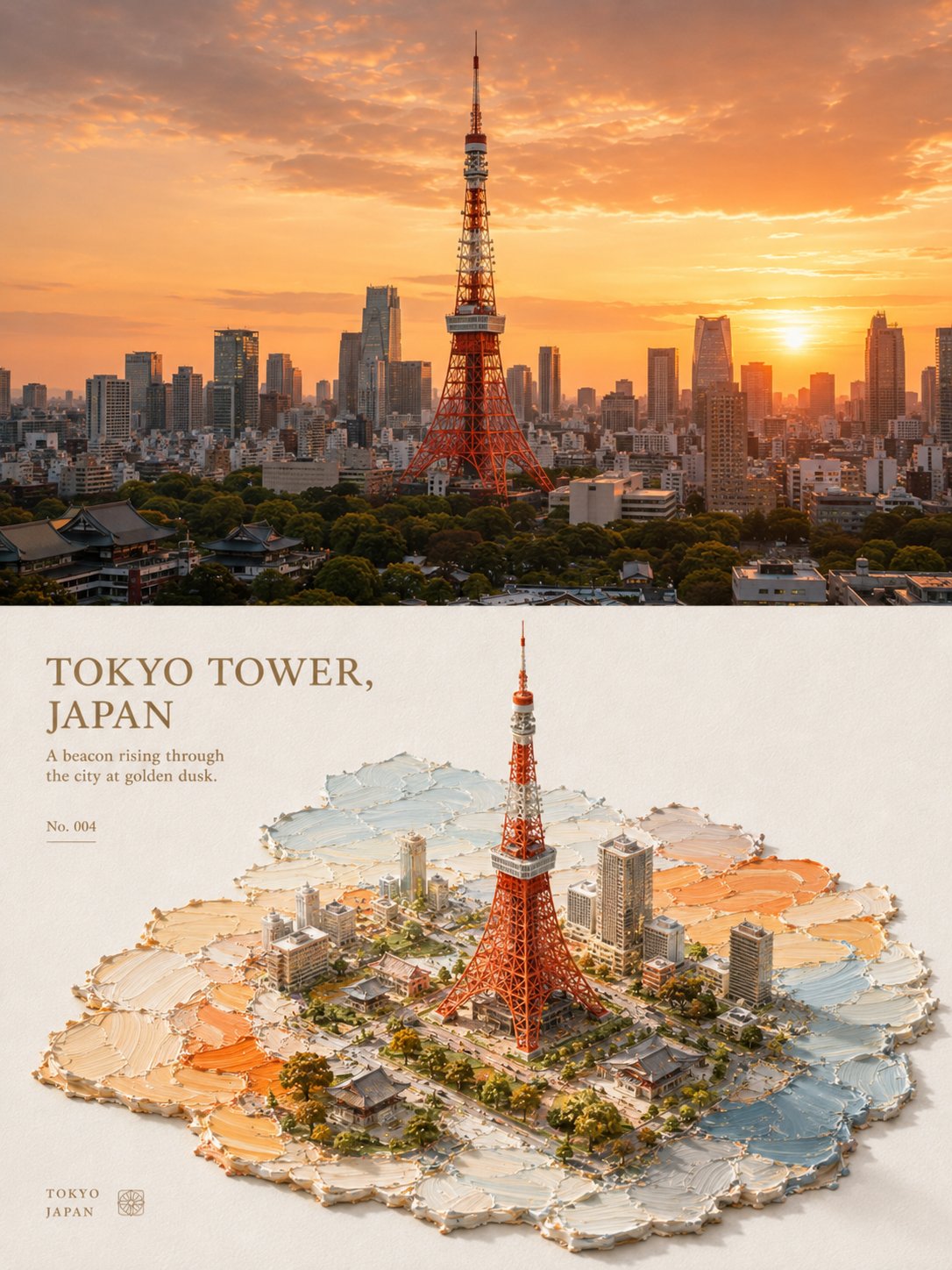
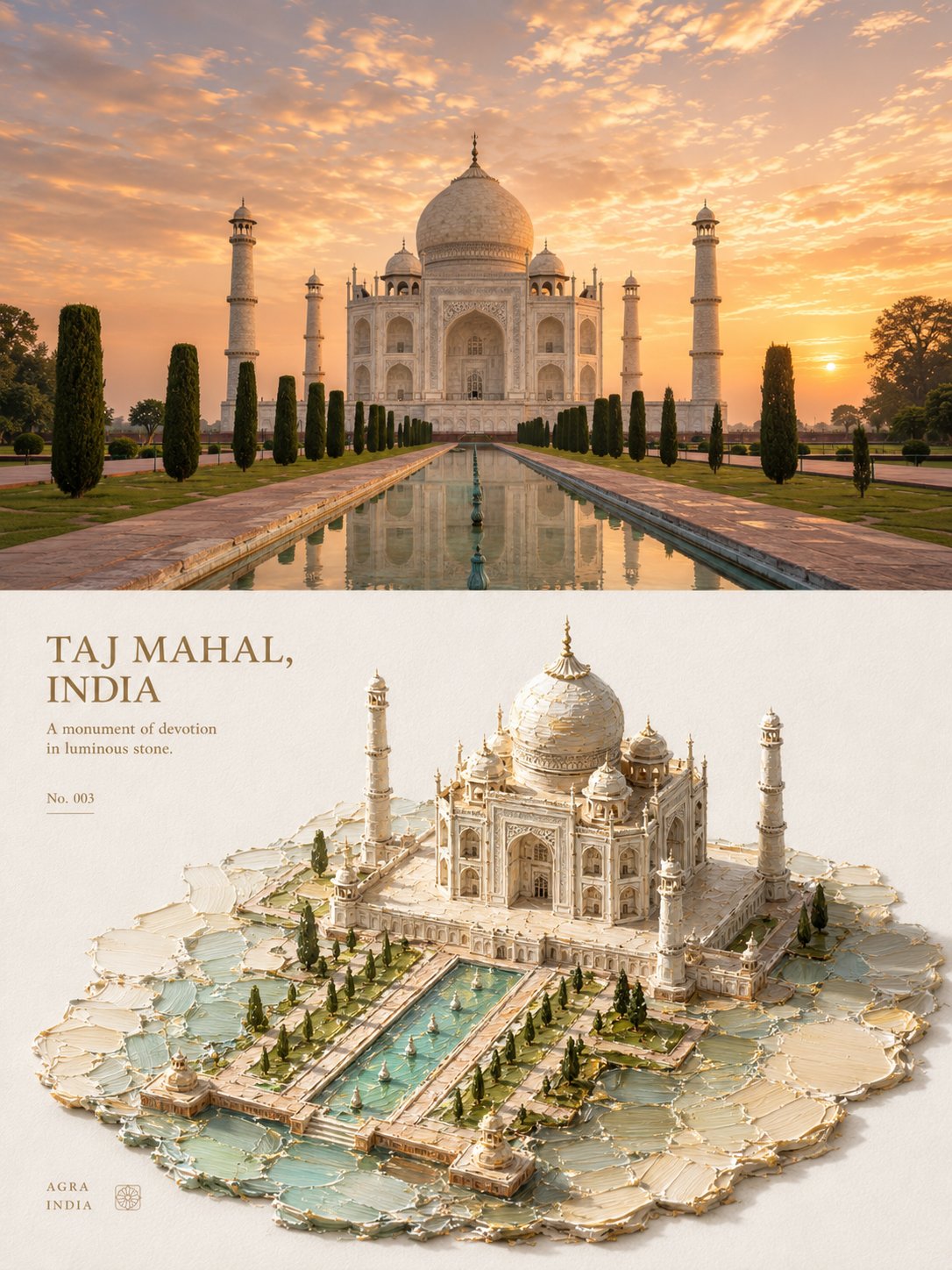
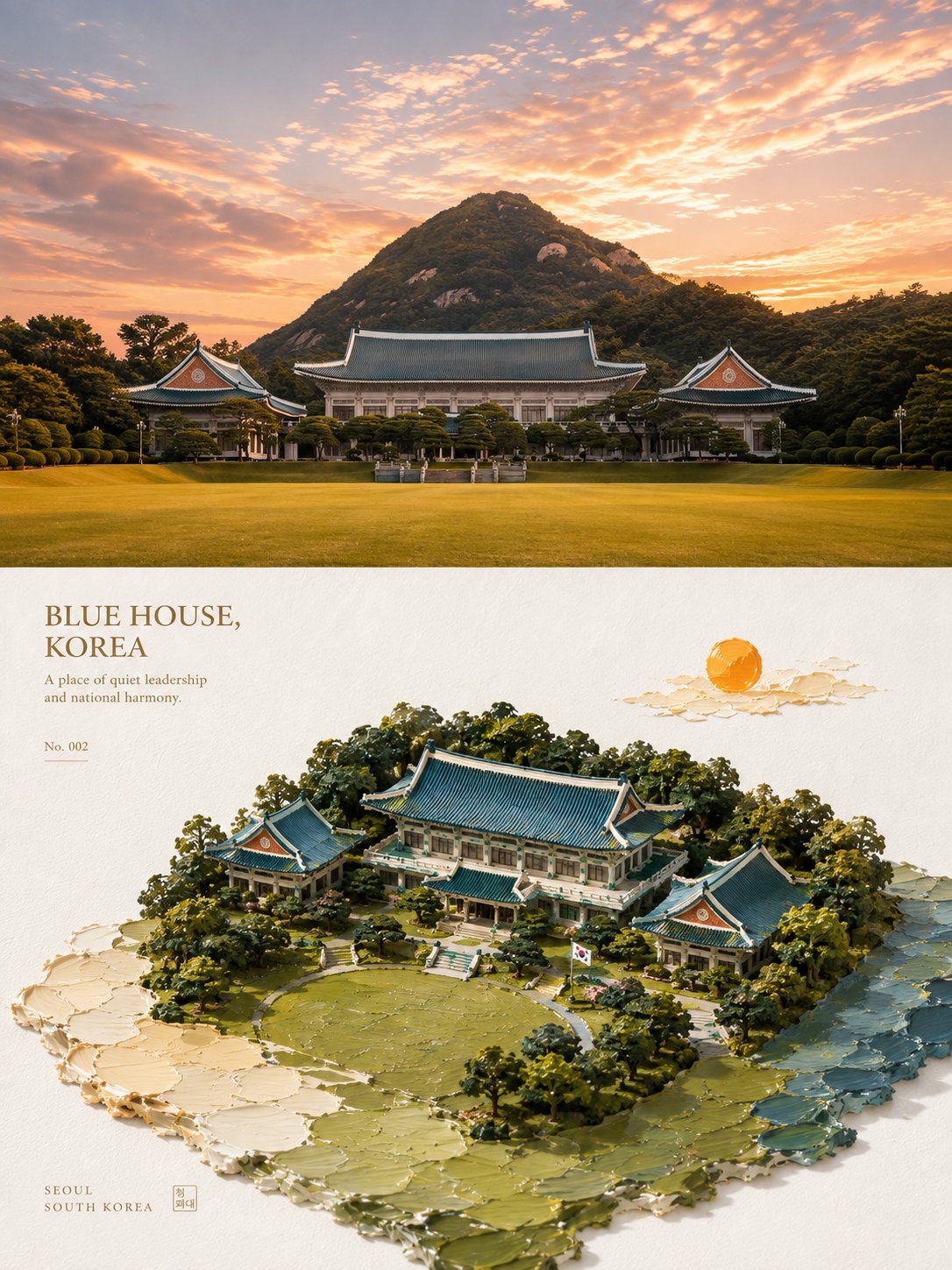
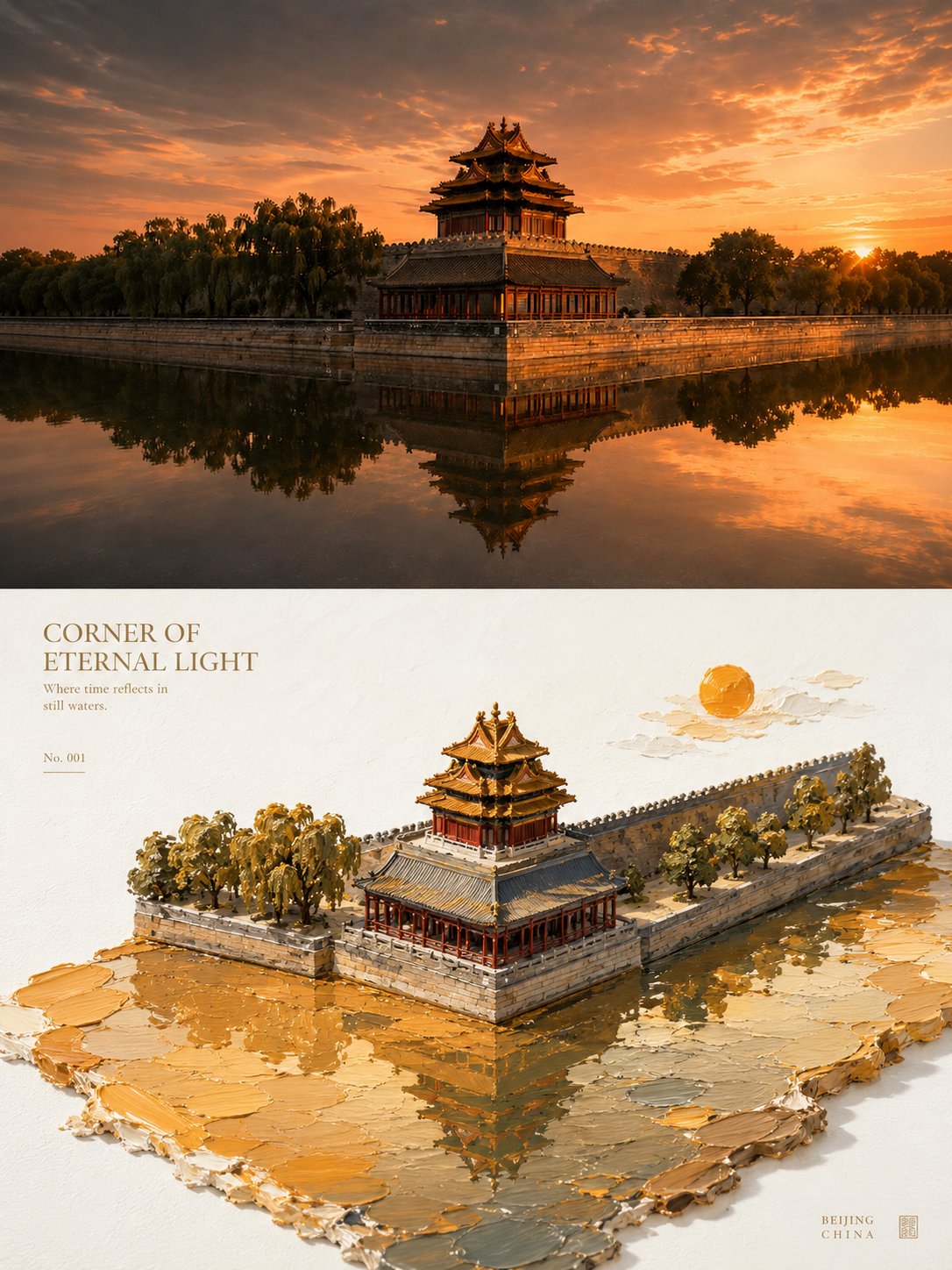
 1 / 4
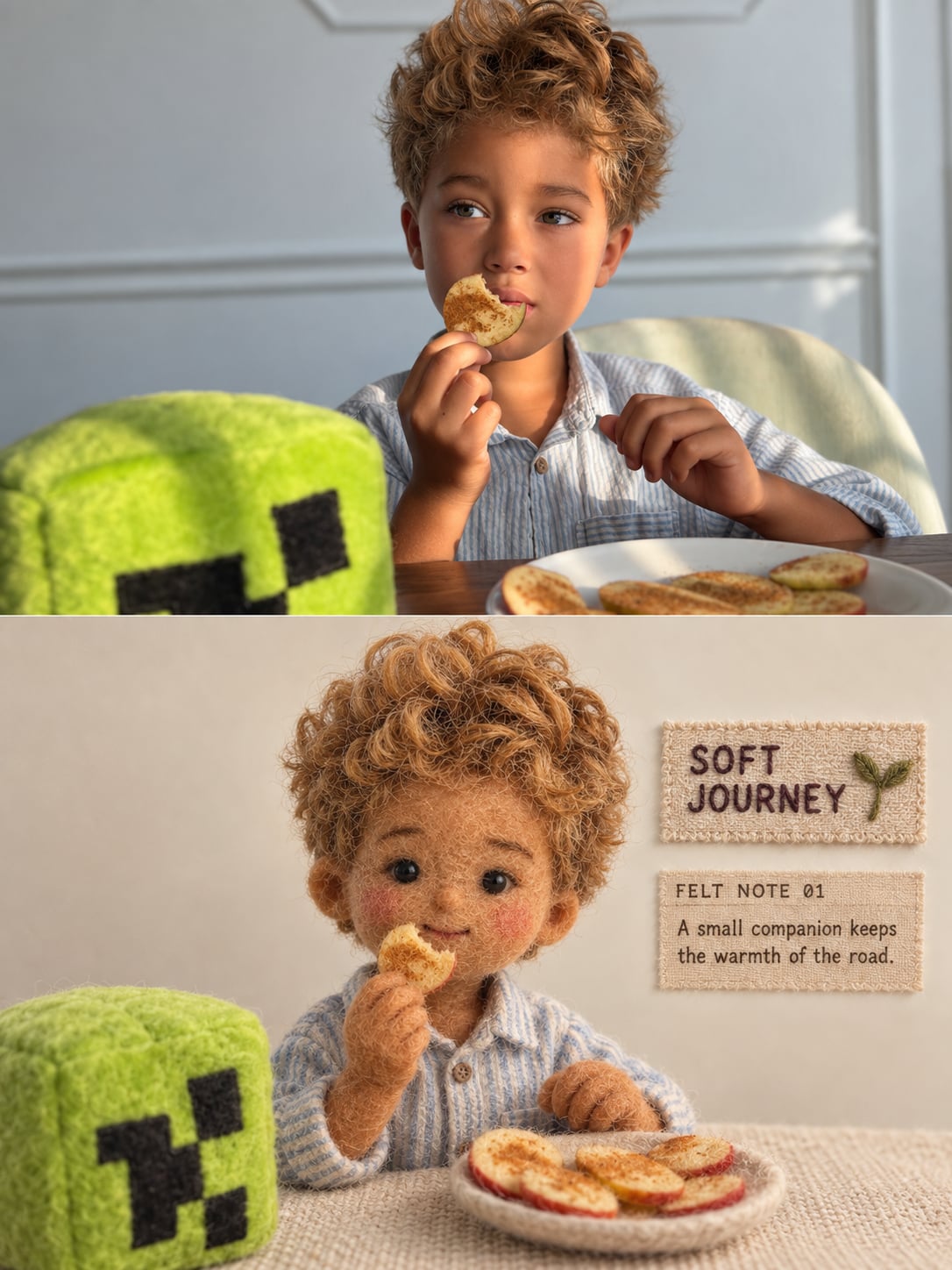
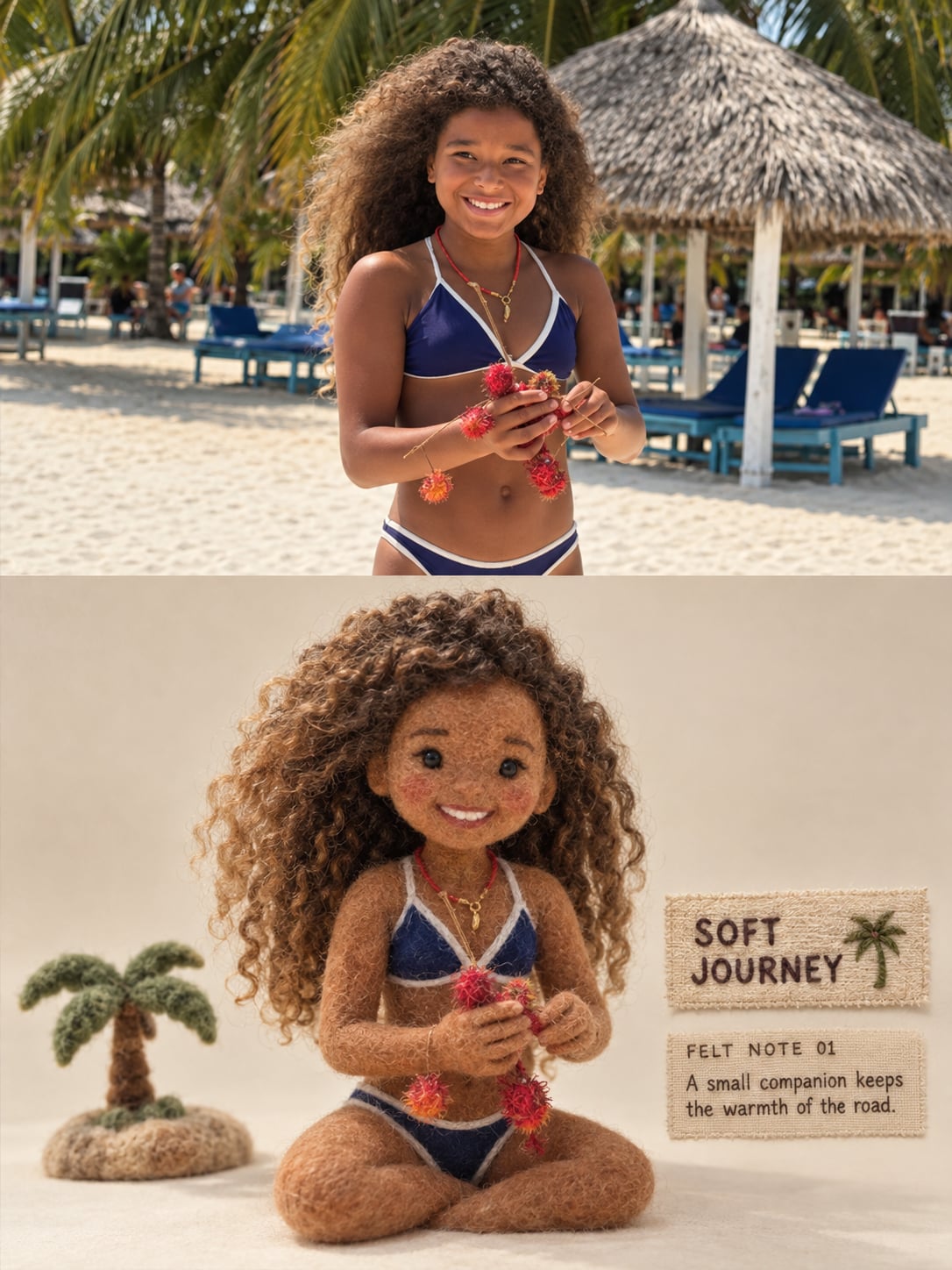
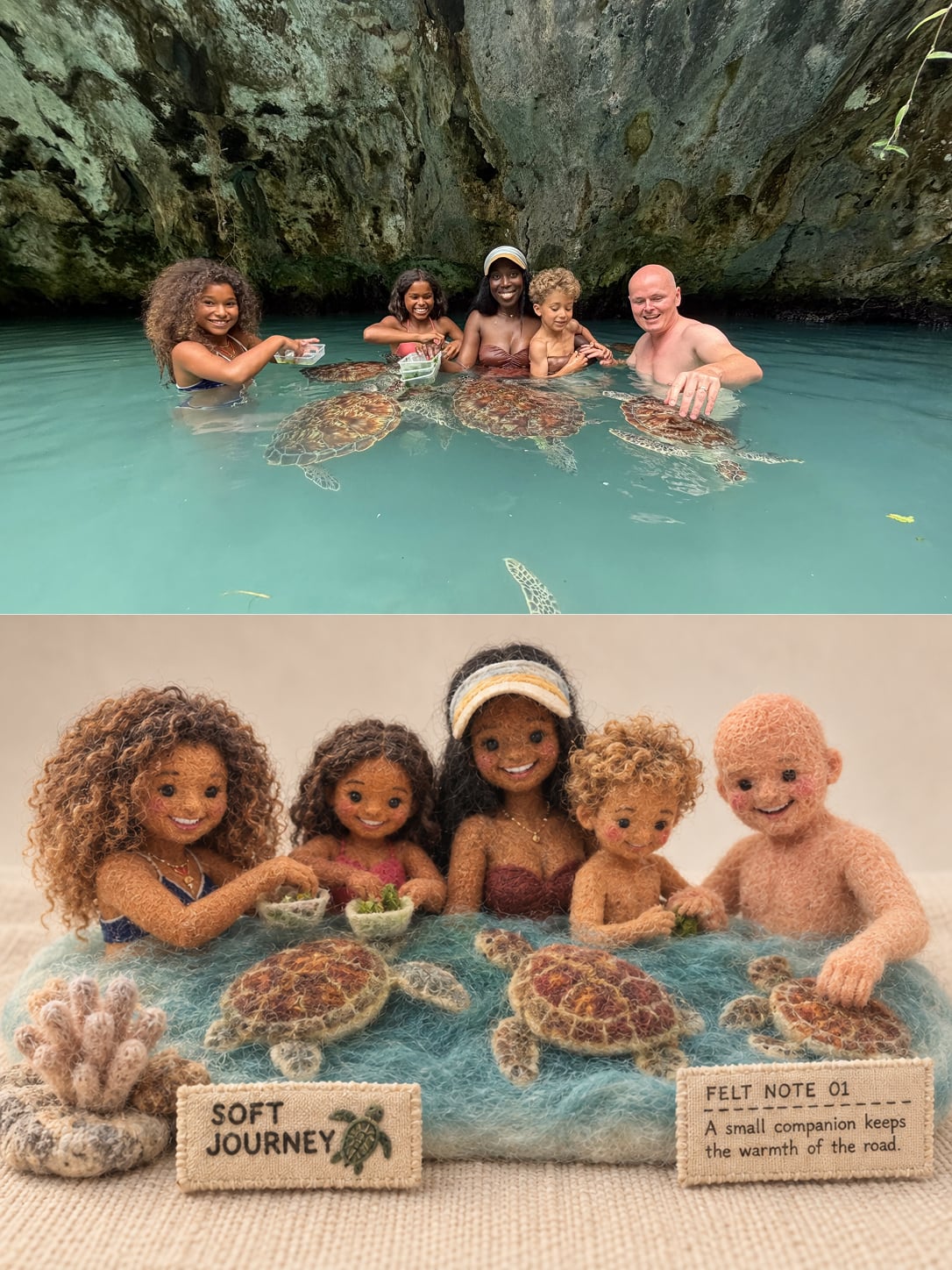
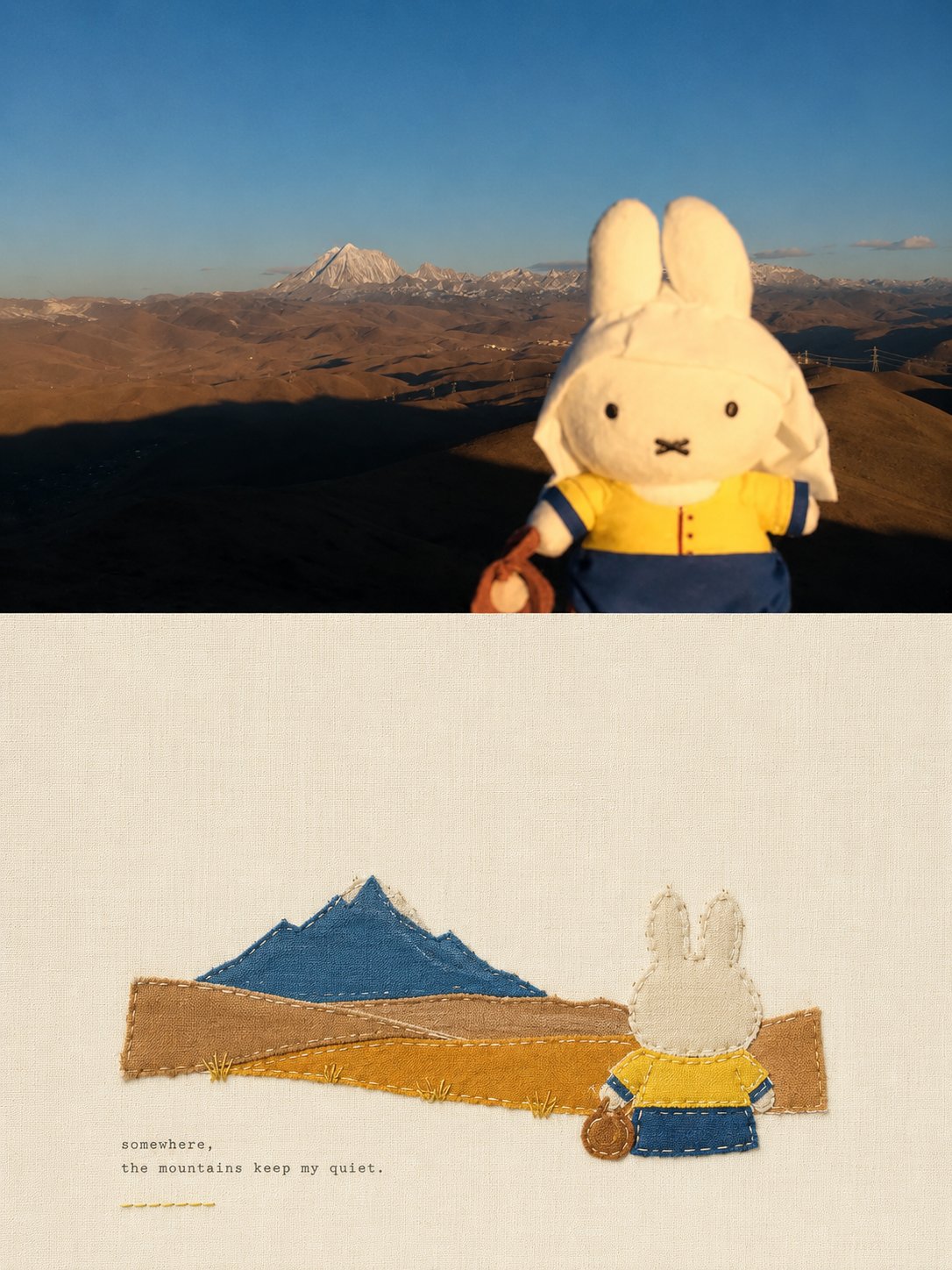
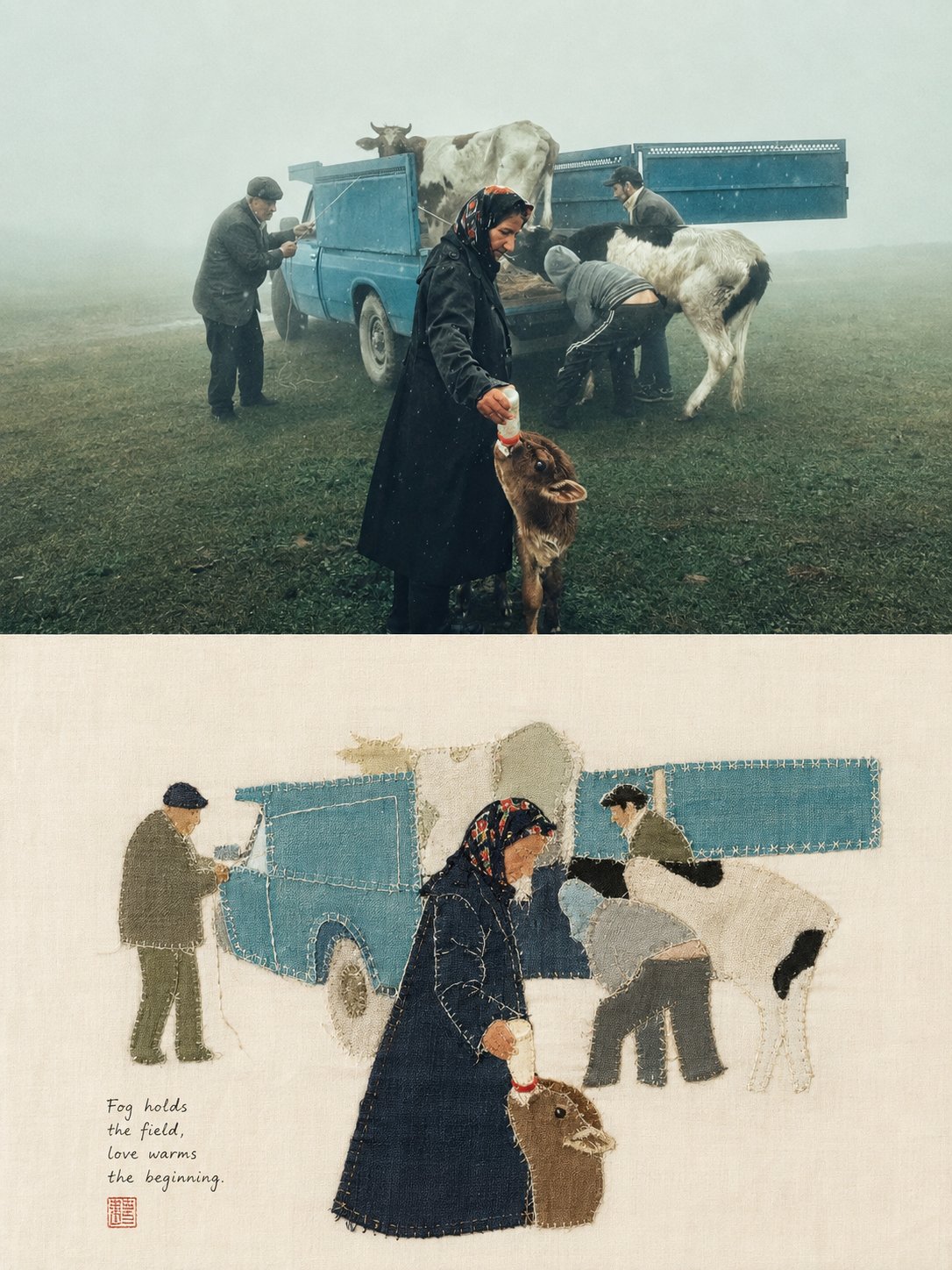
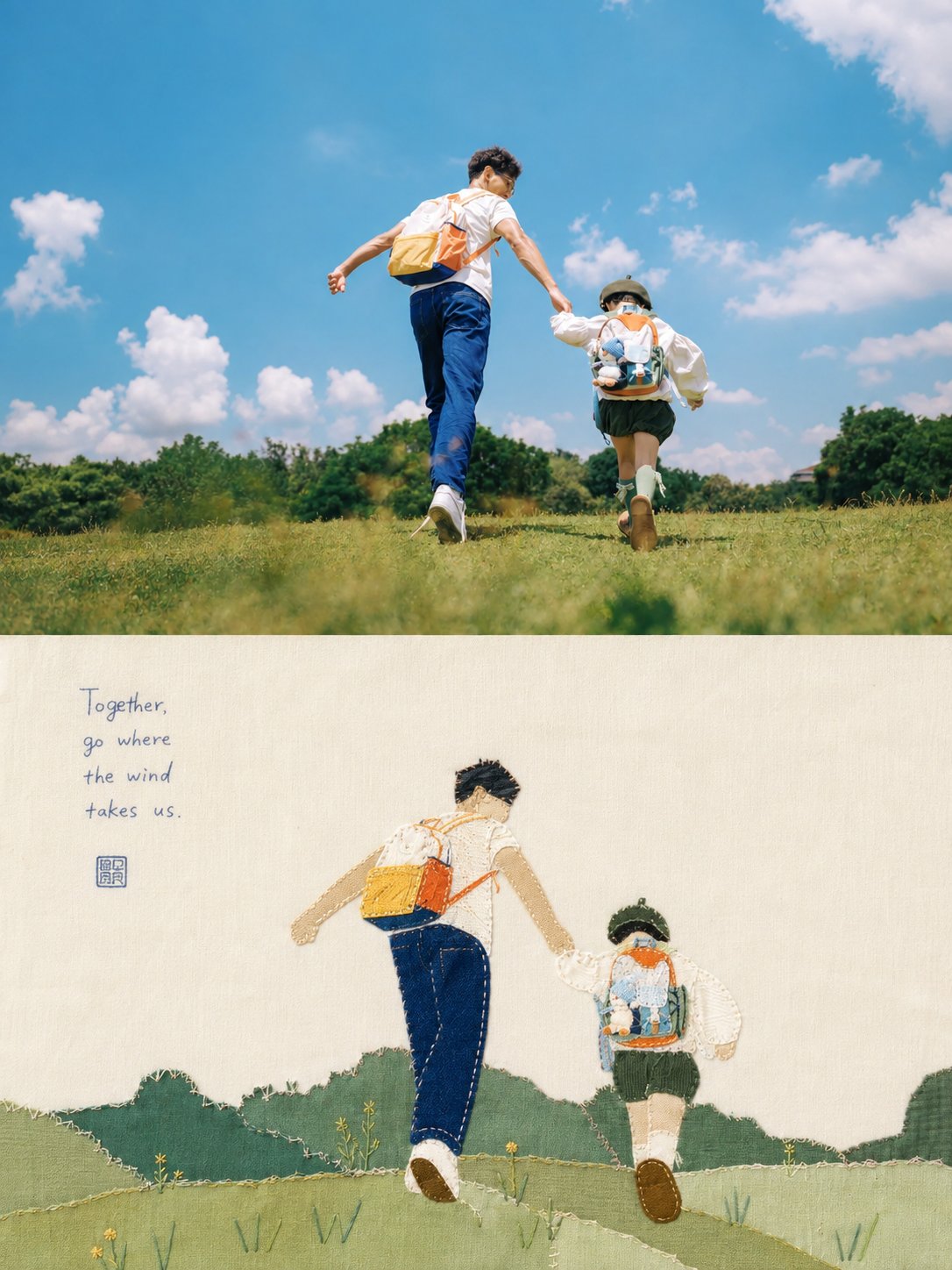
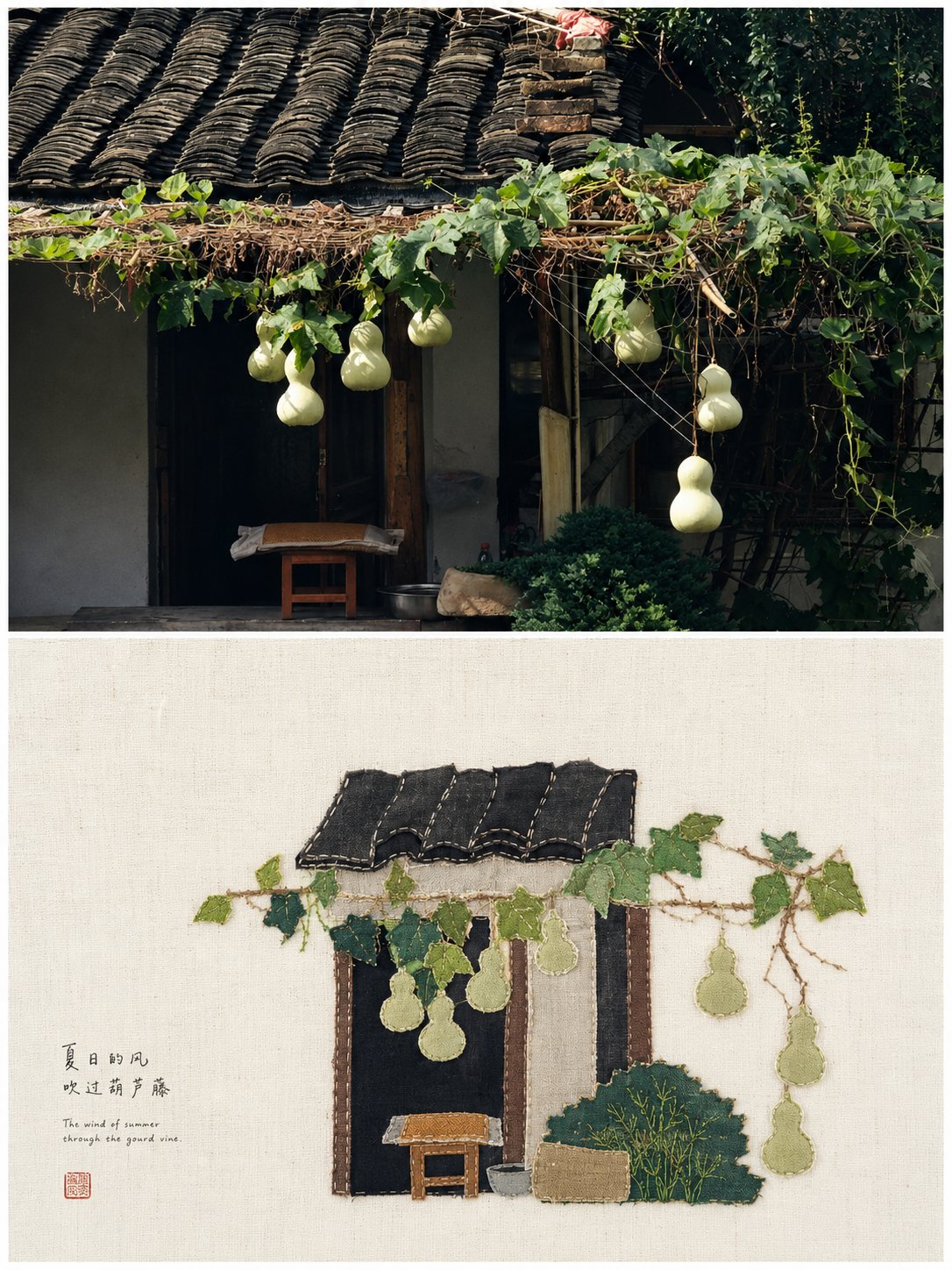
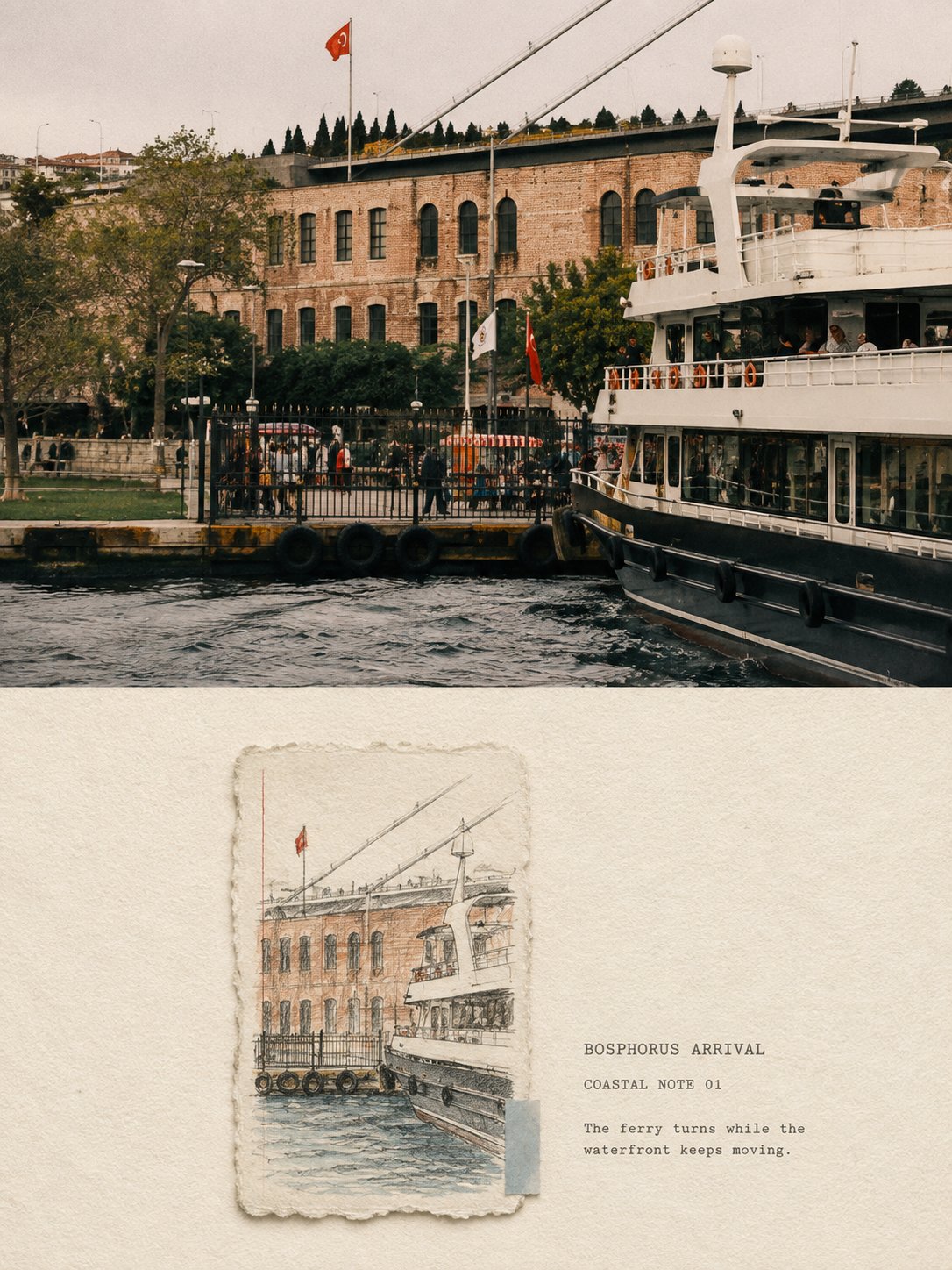
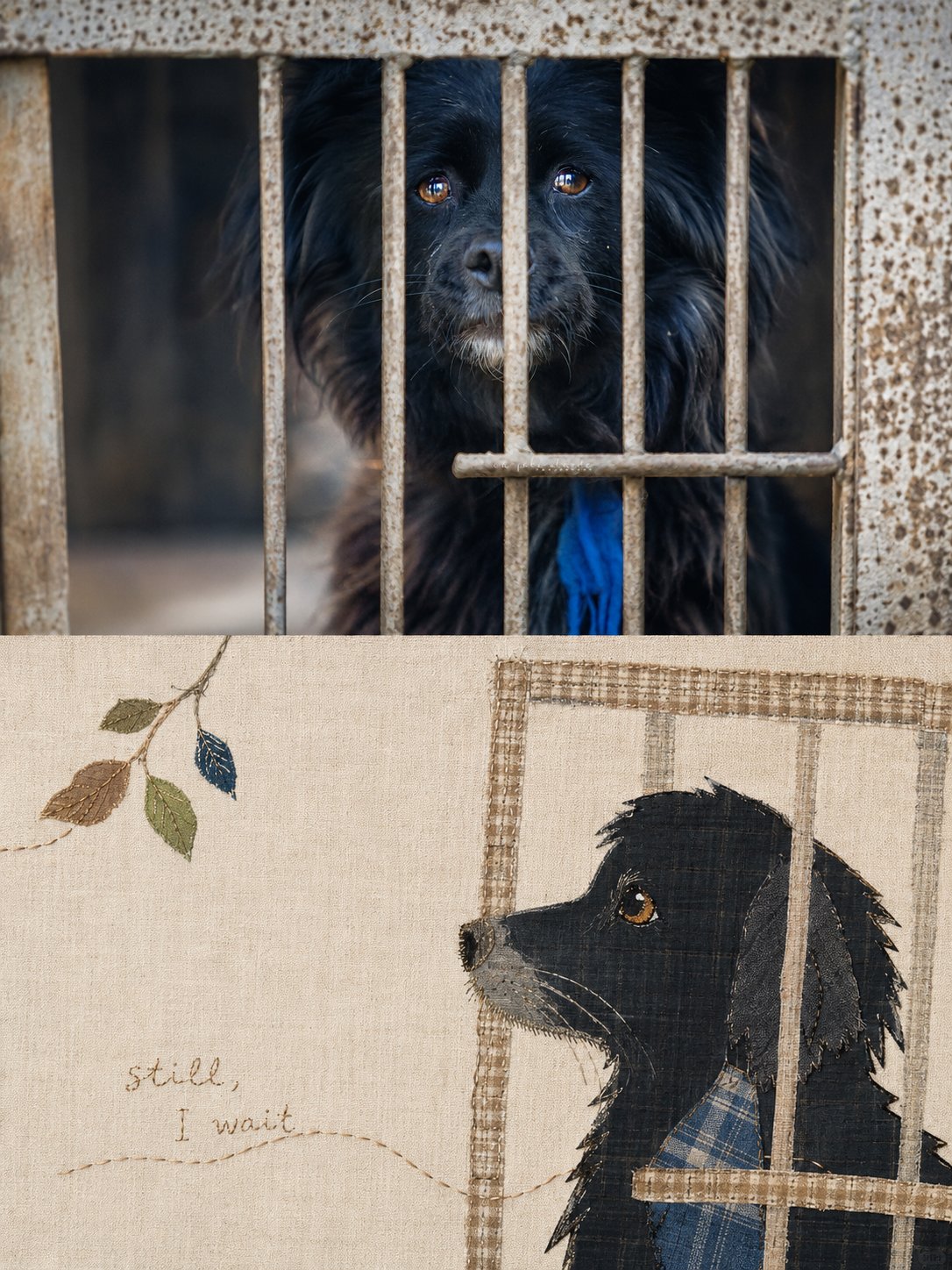
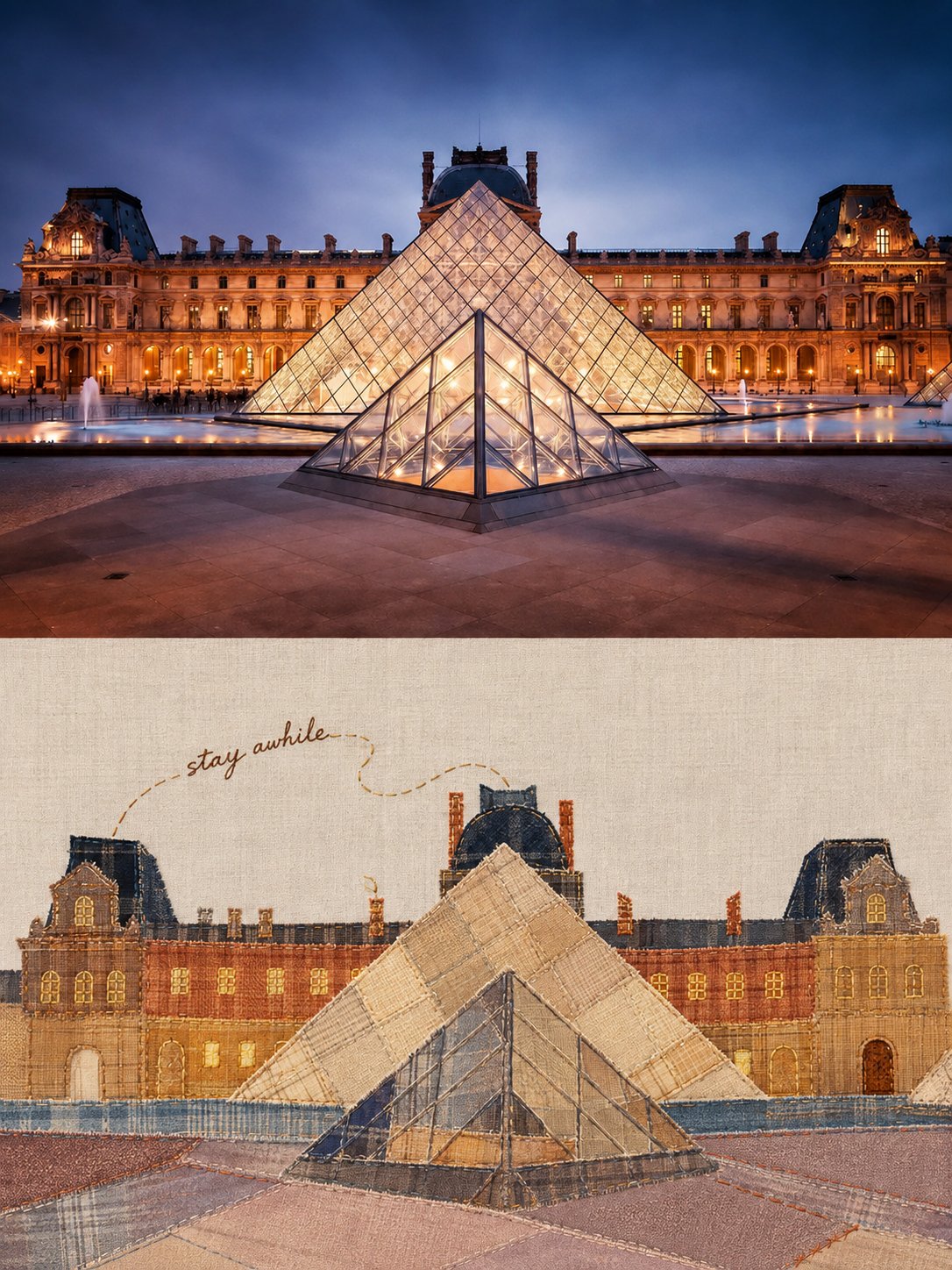
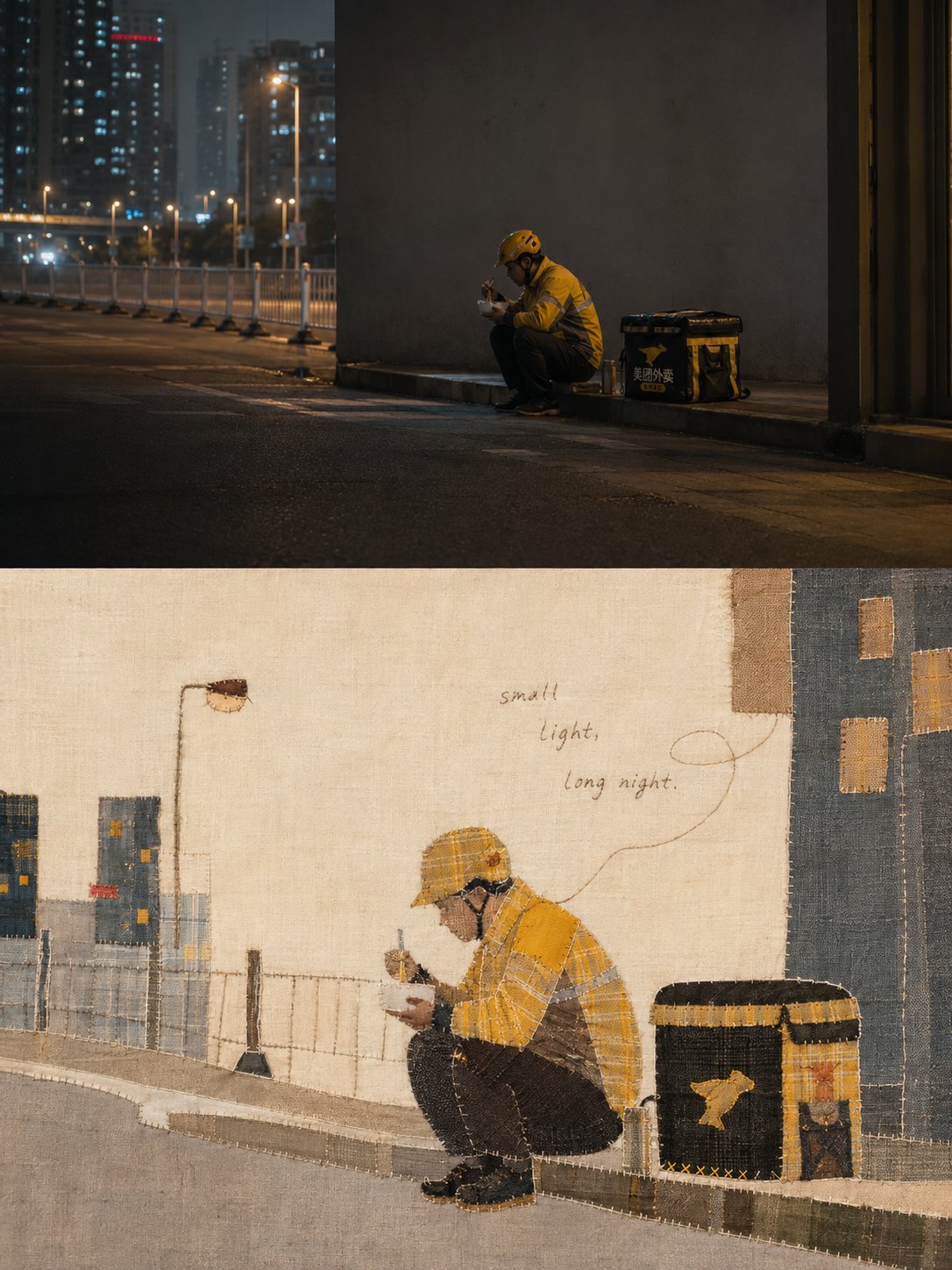
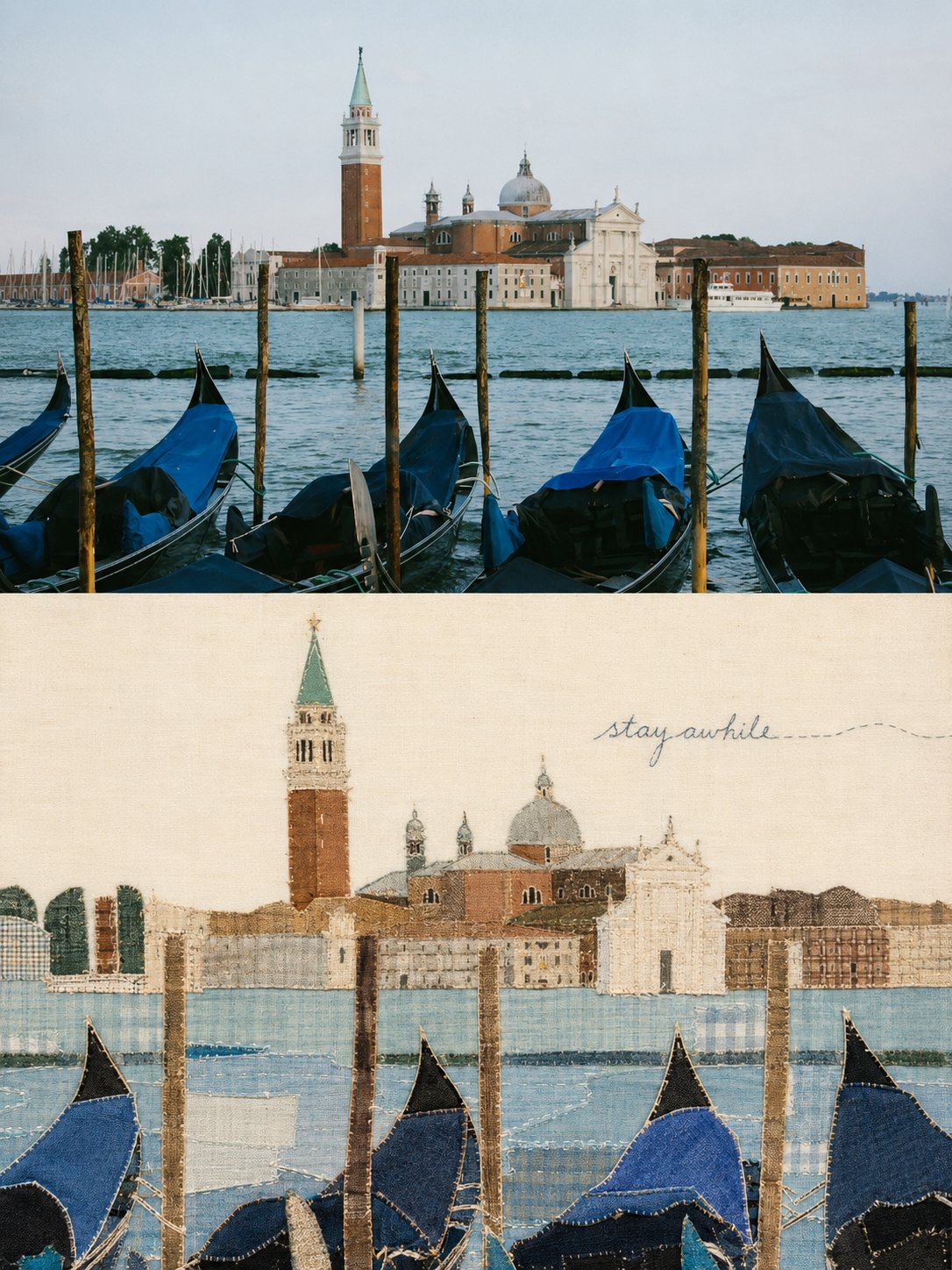
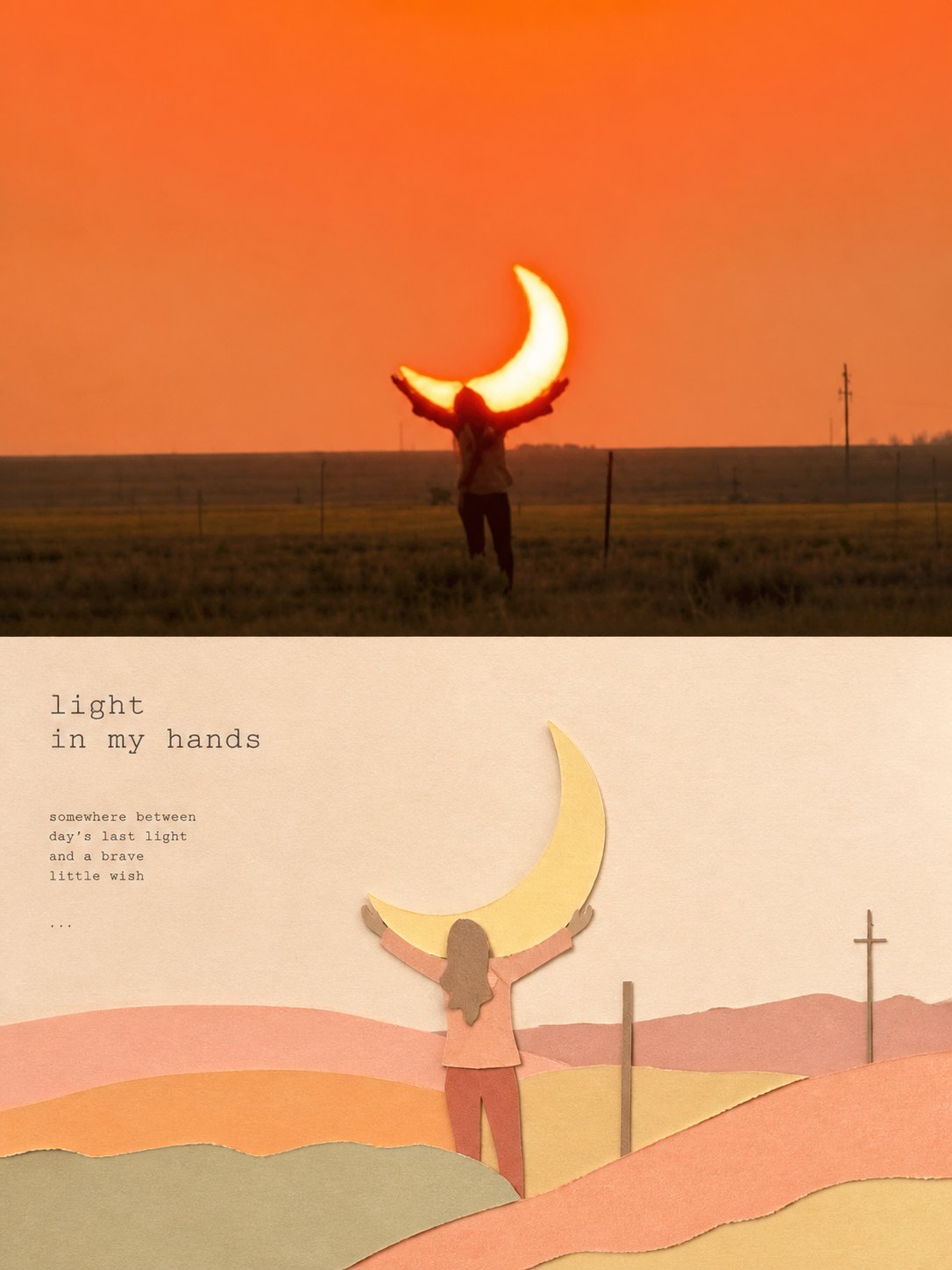
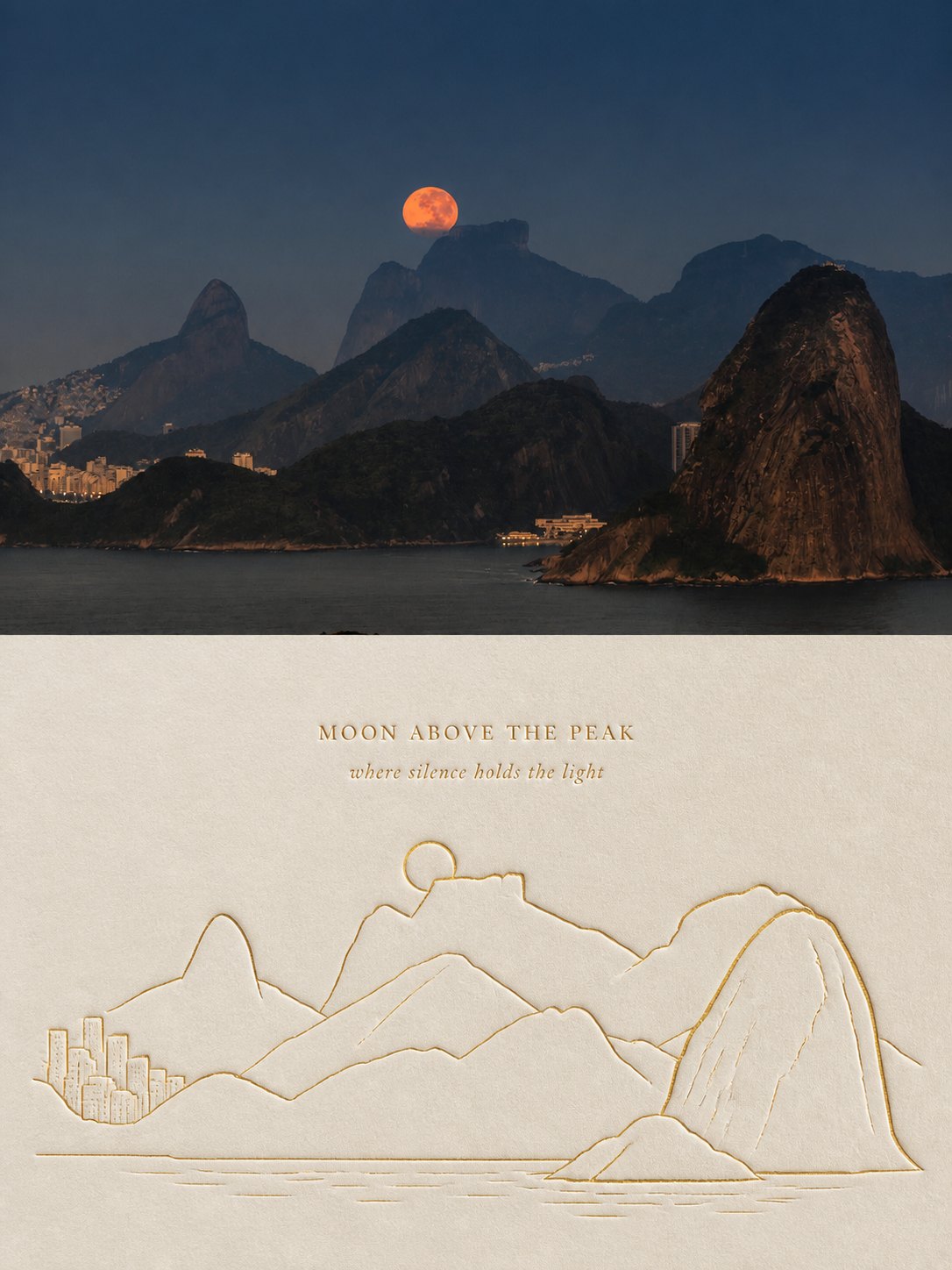
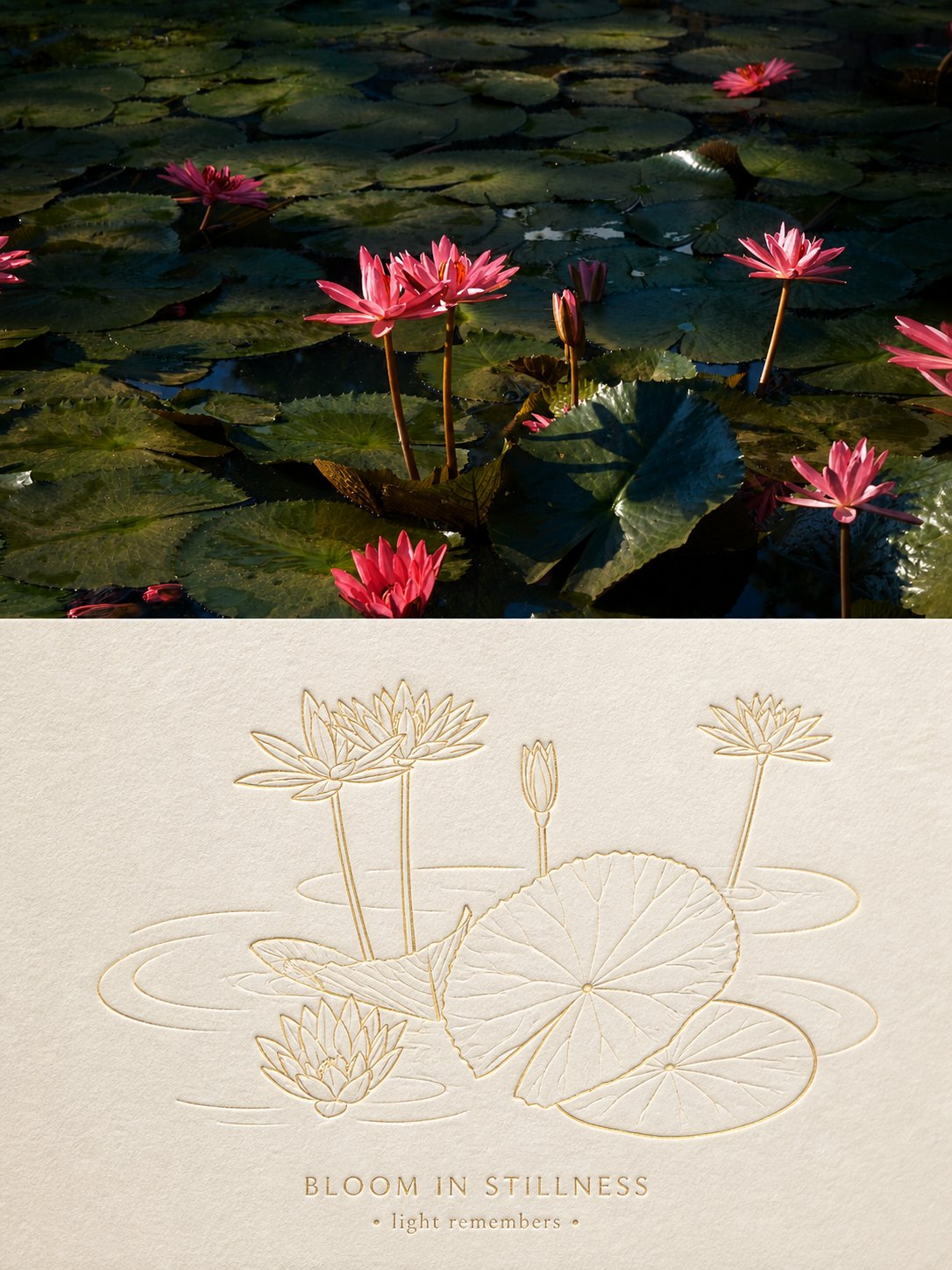
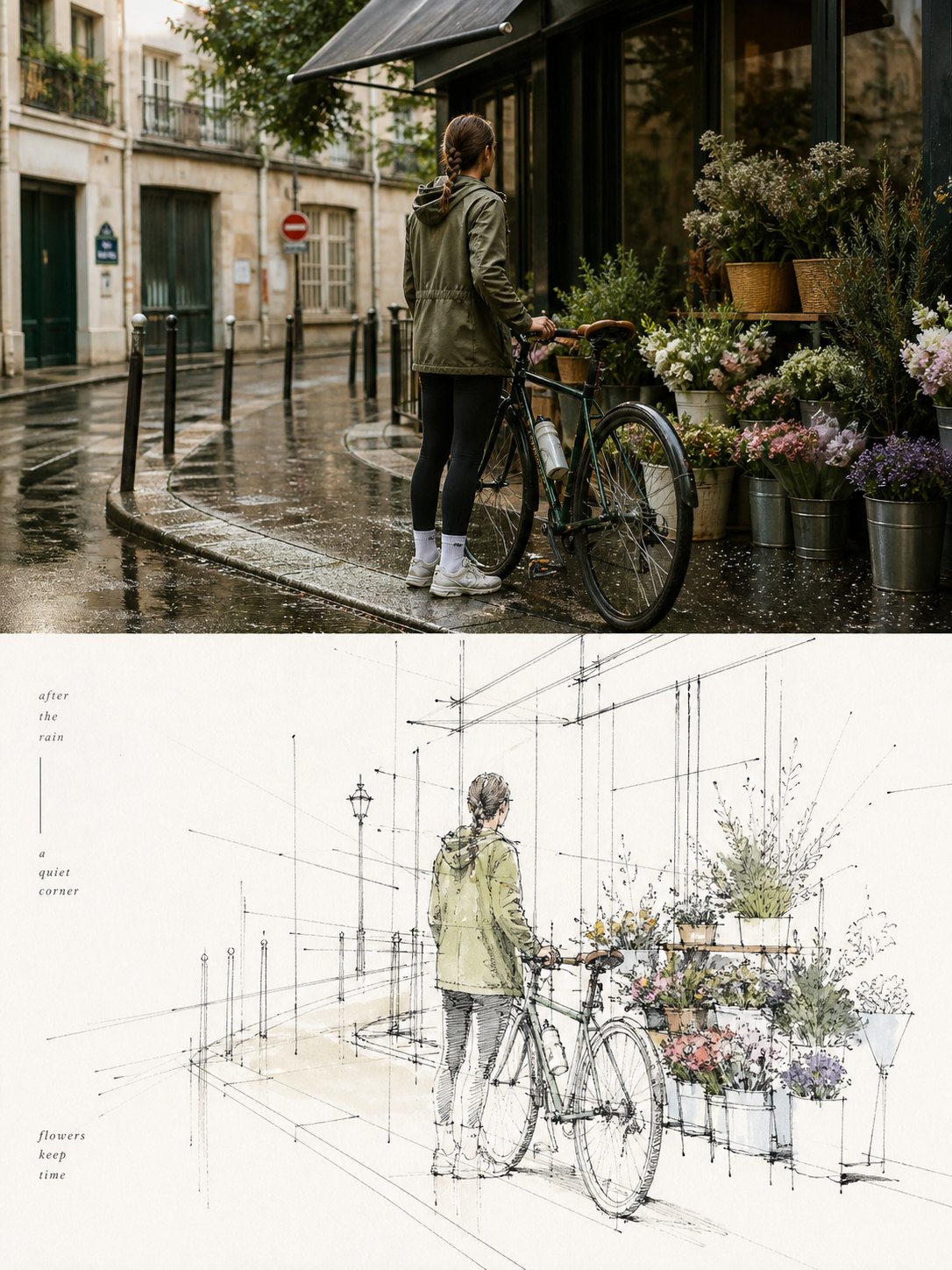
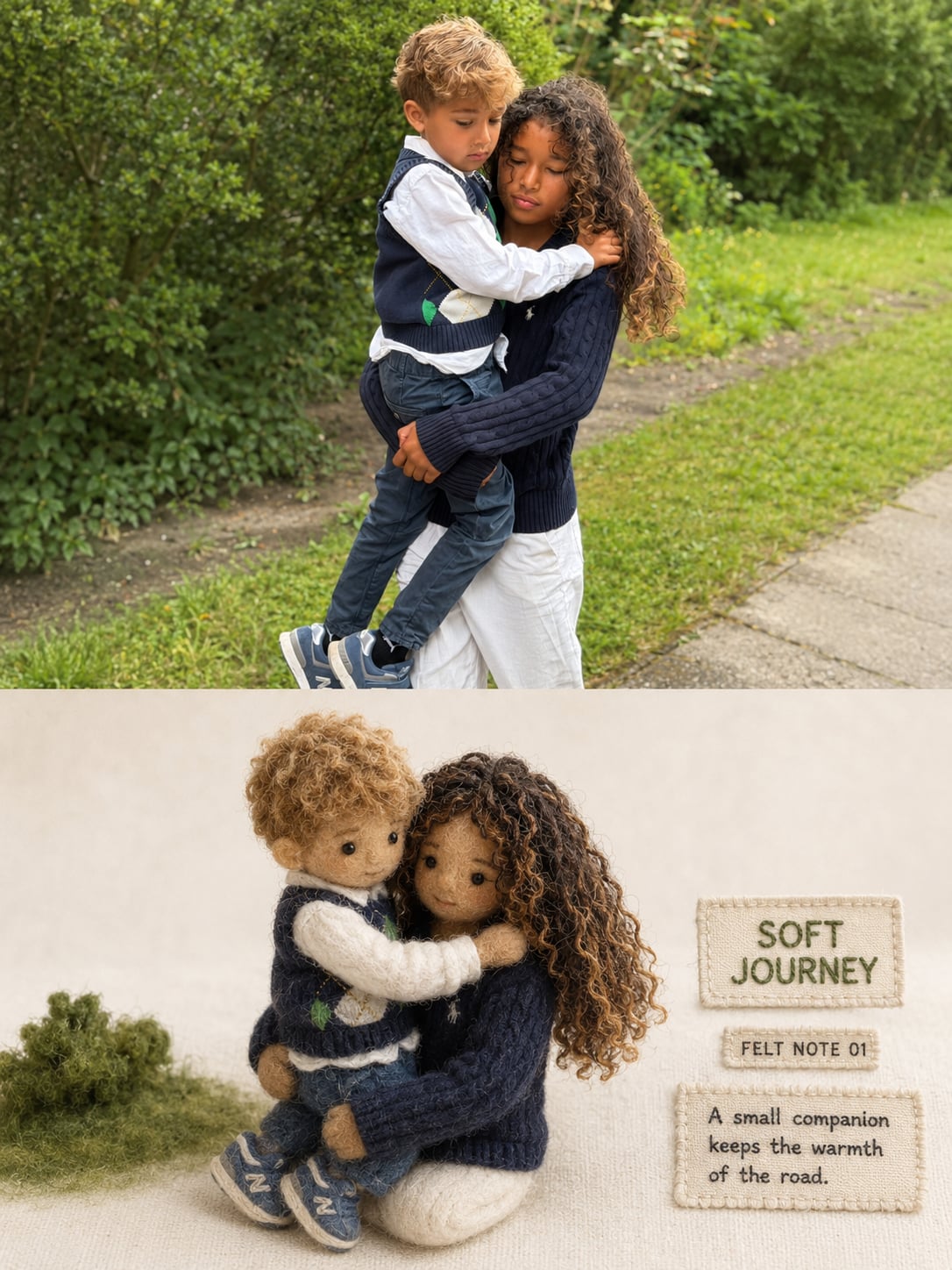
1 / 4Yarn-loop felt portrait doll
felt
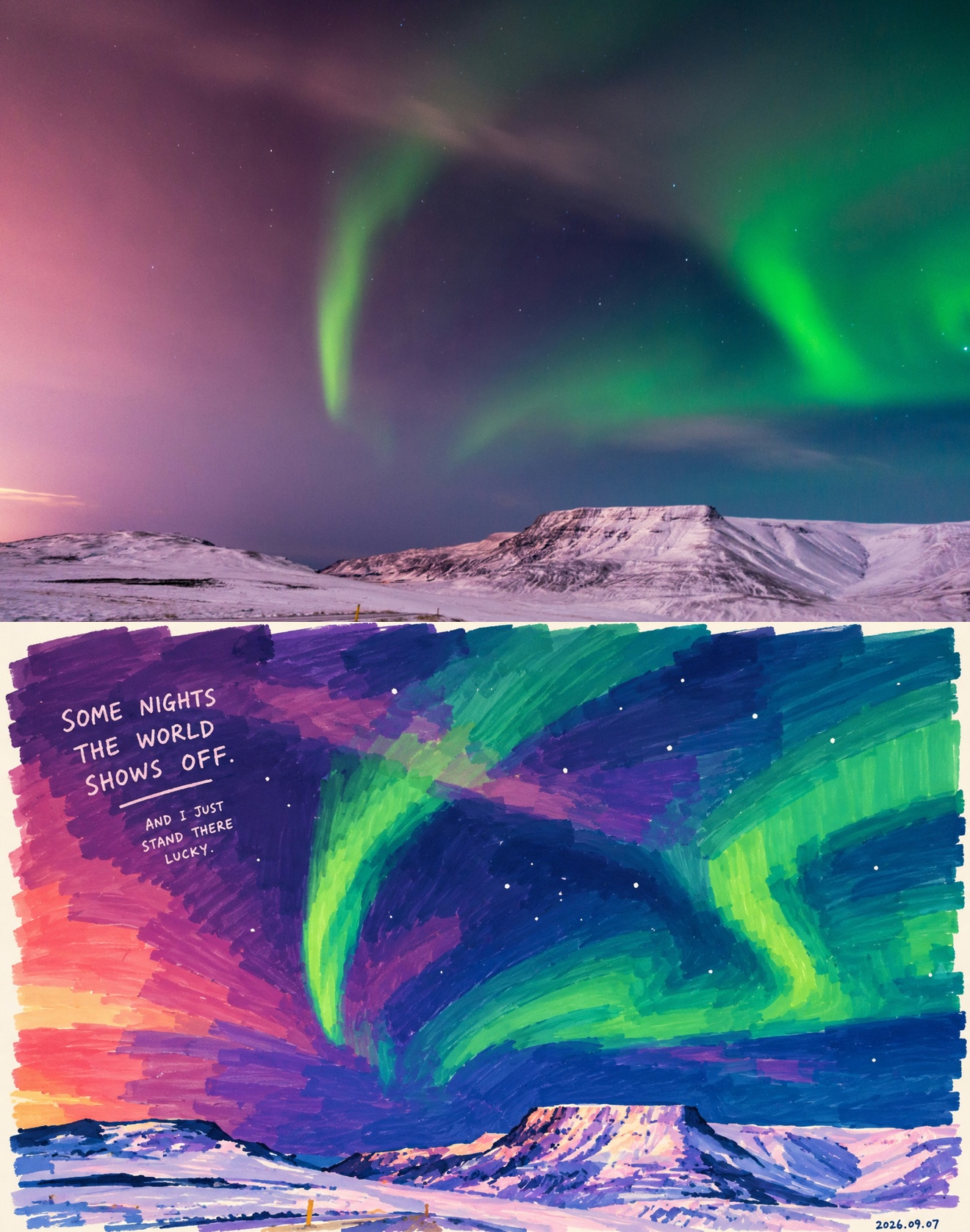
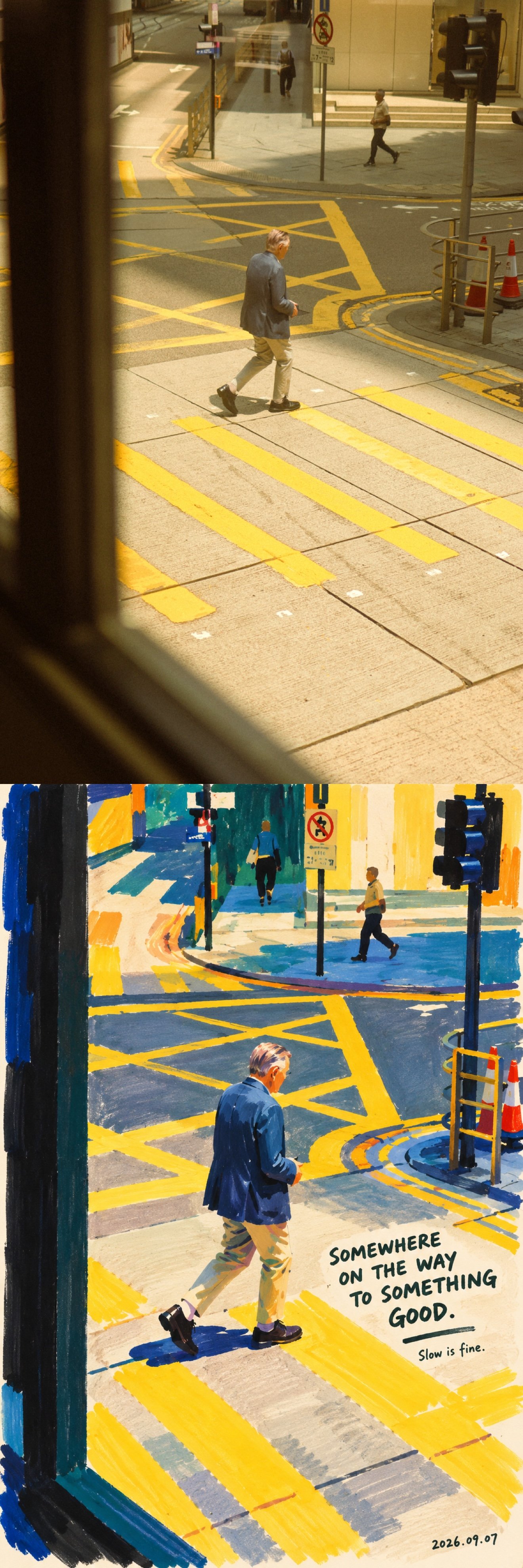
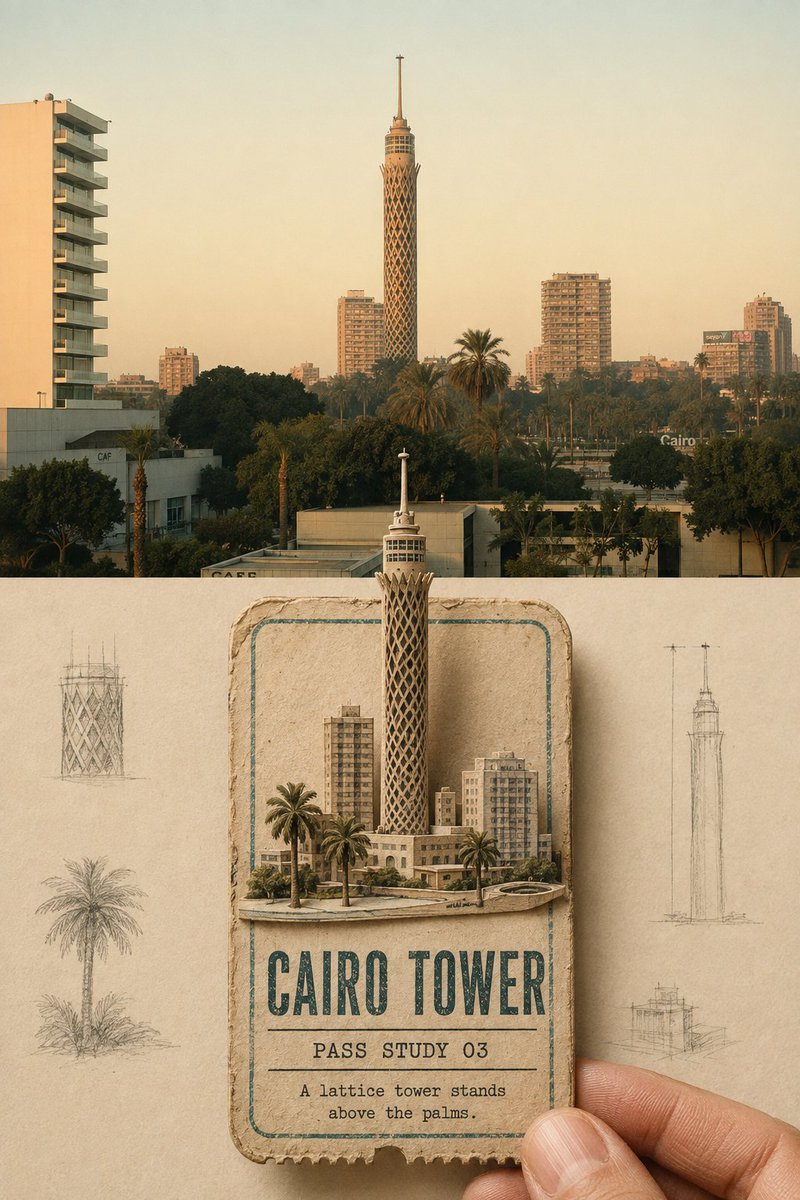
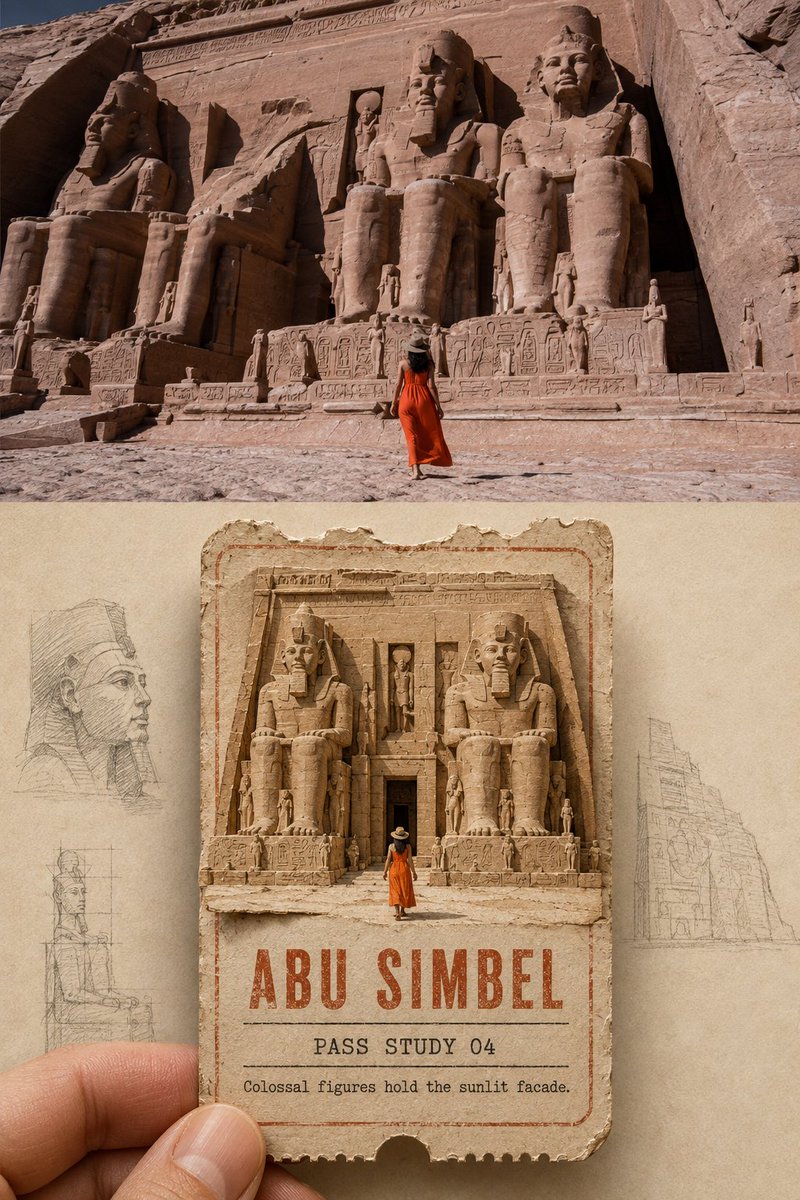
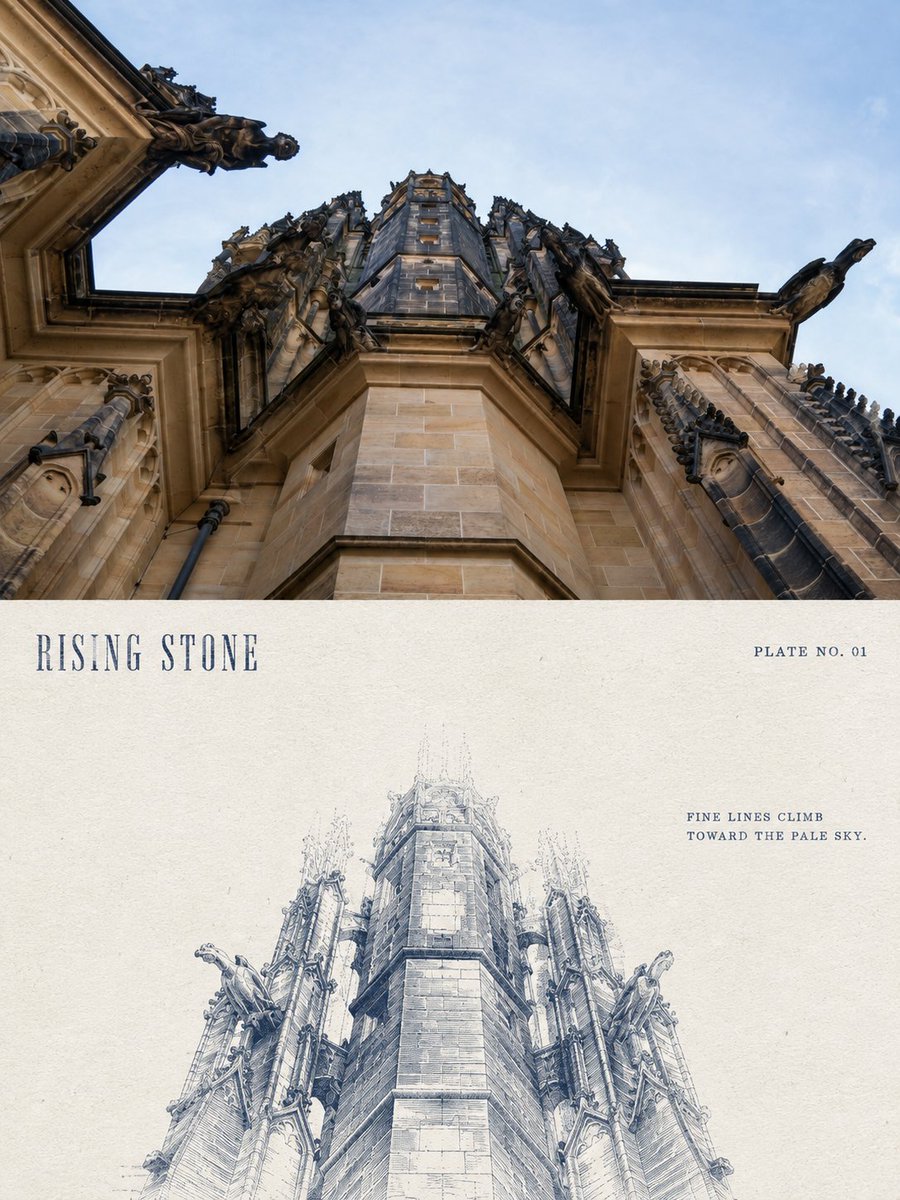
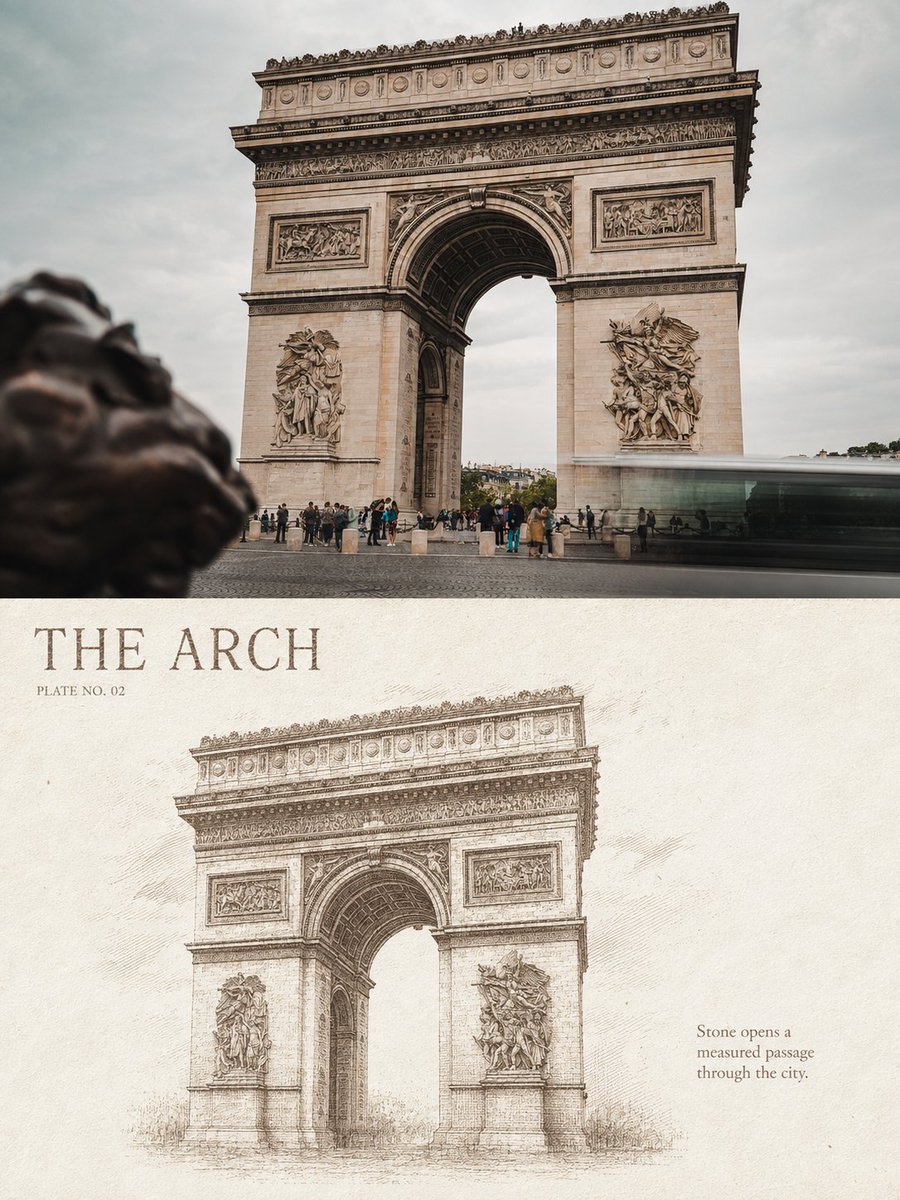
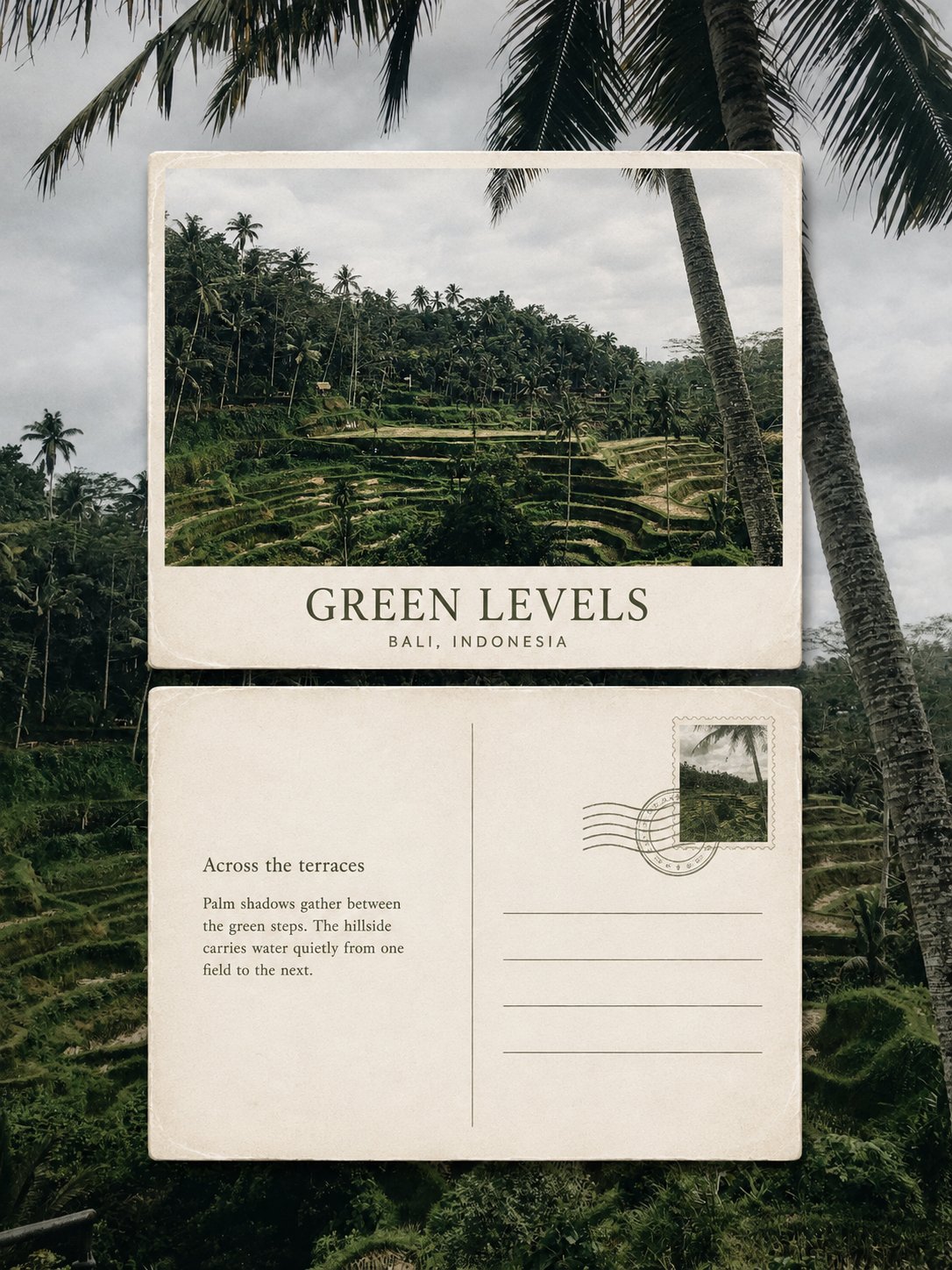
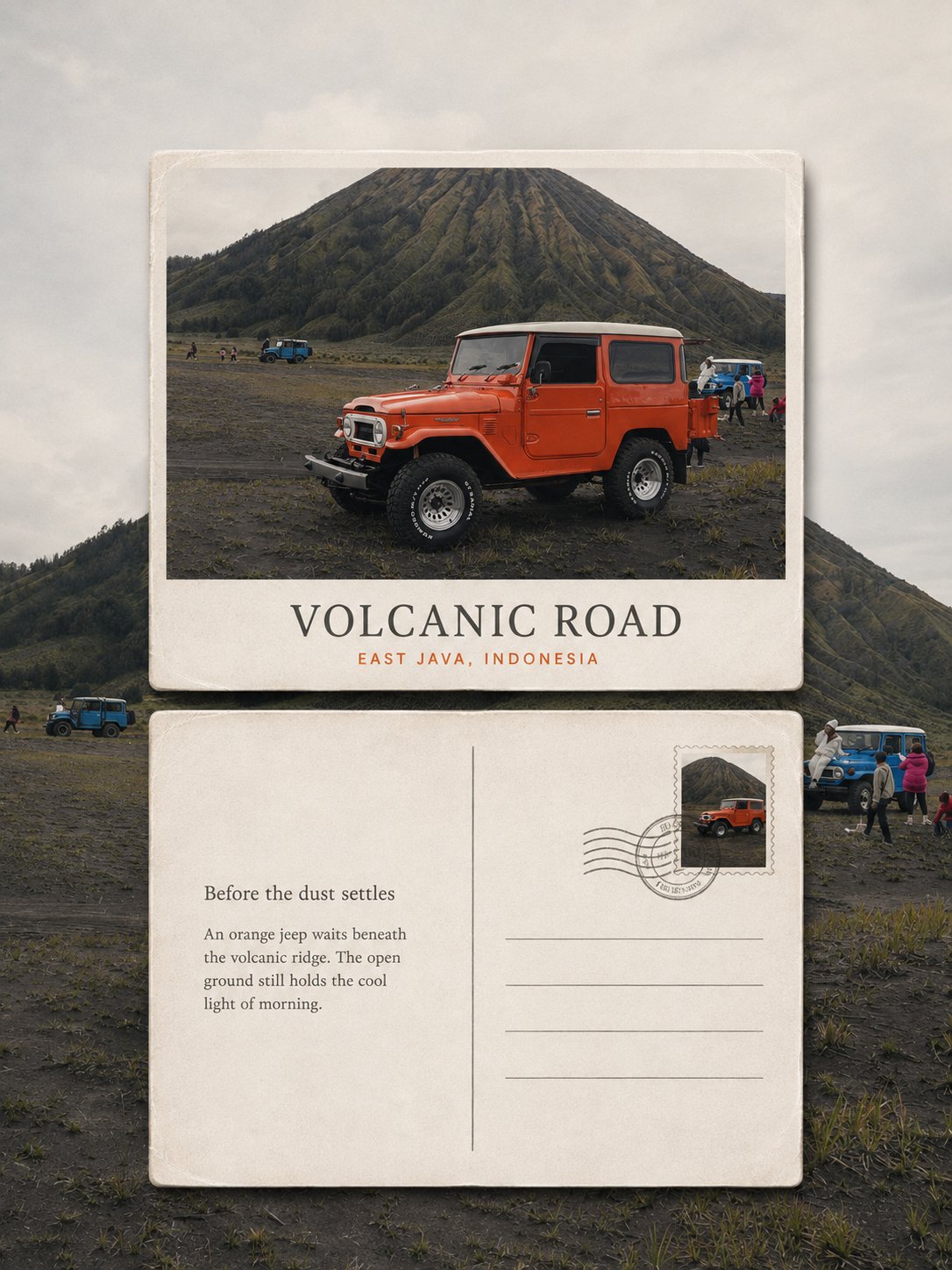
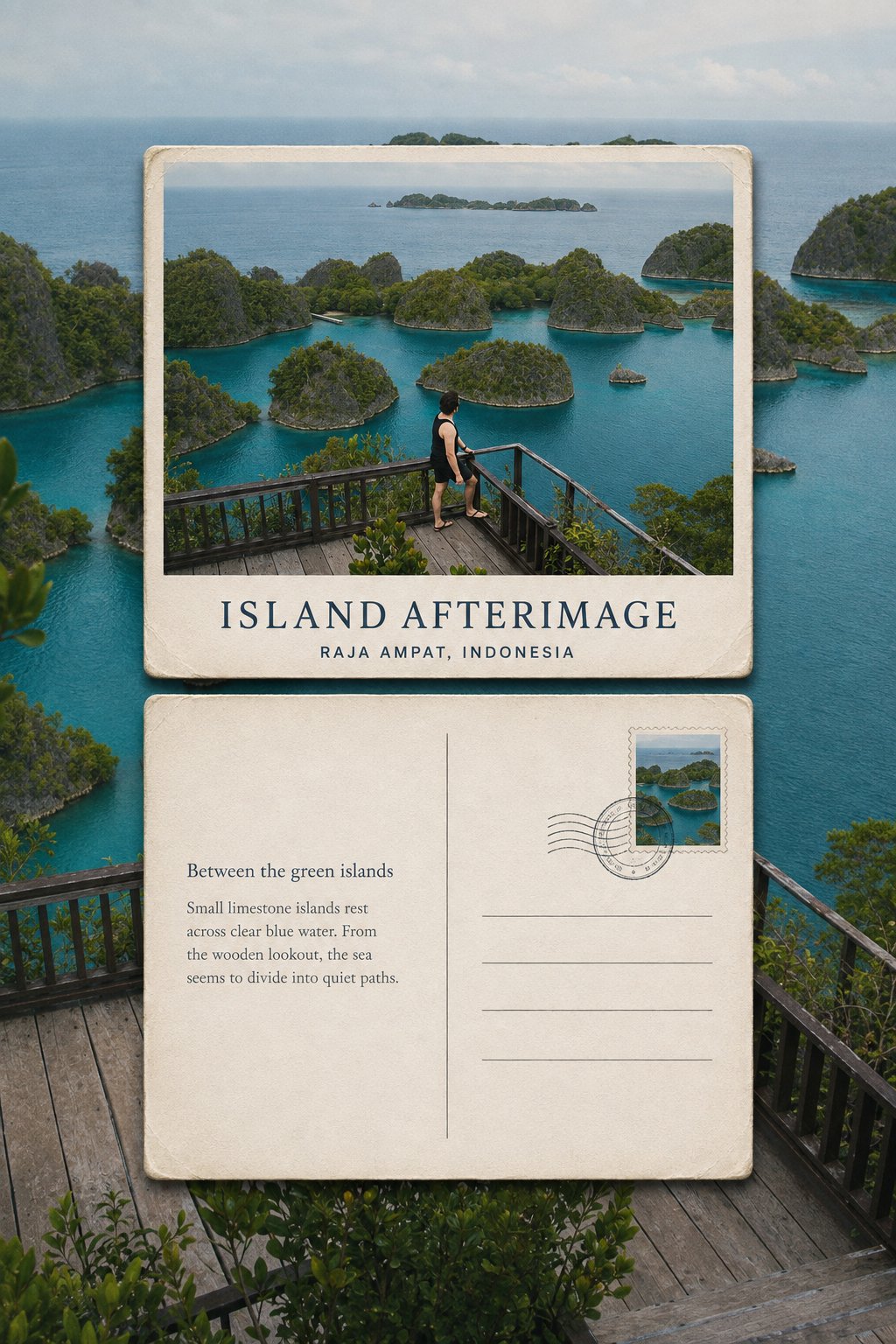
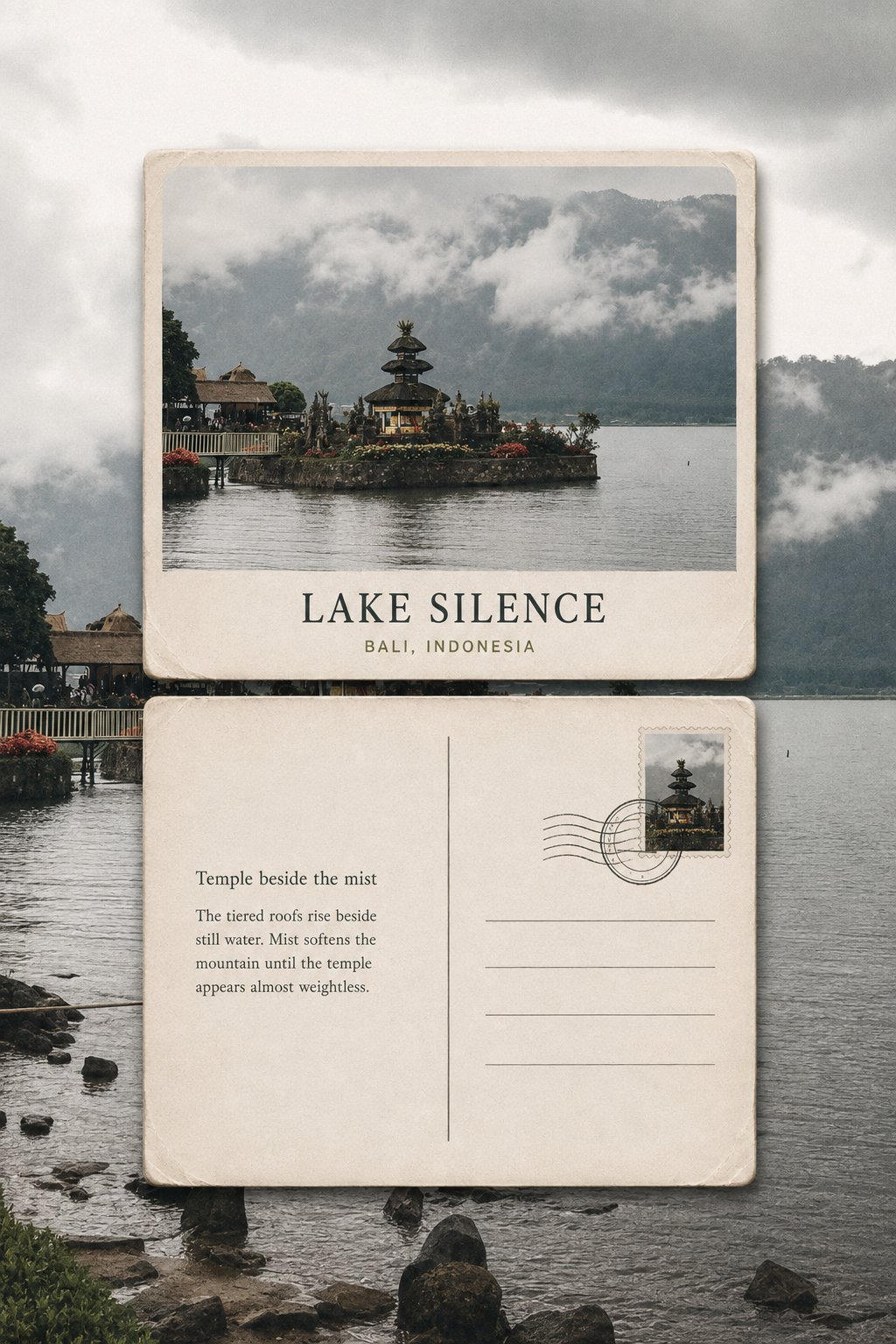
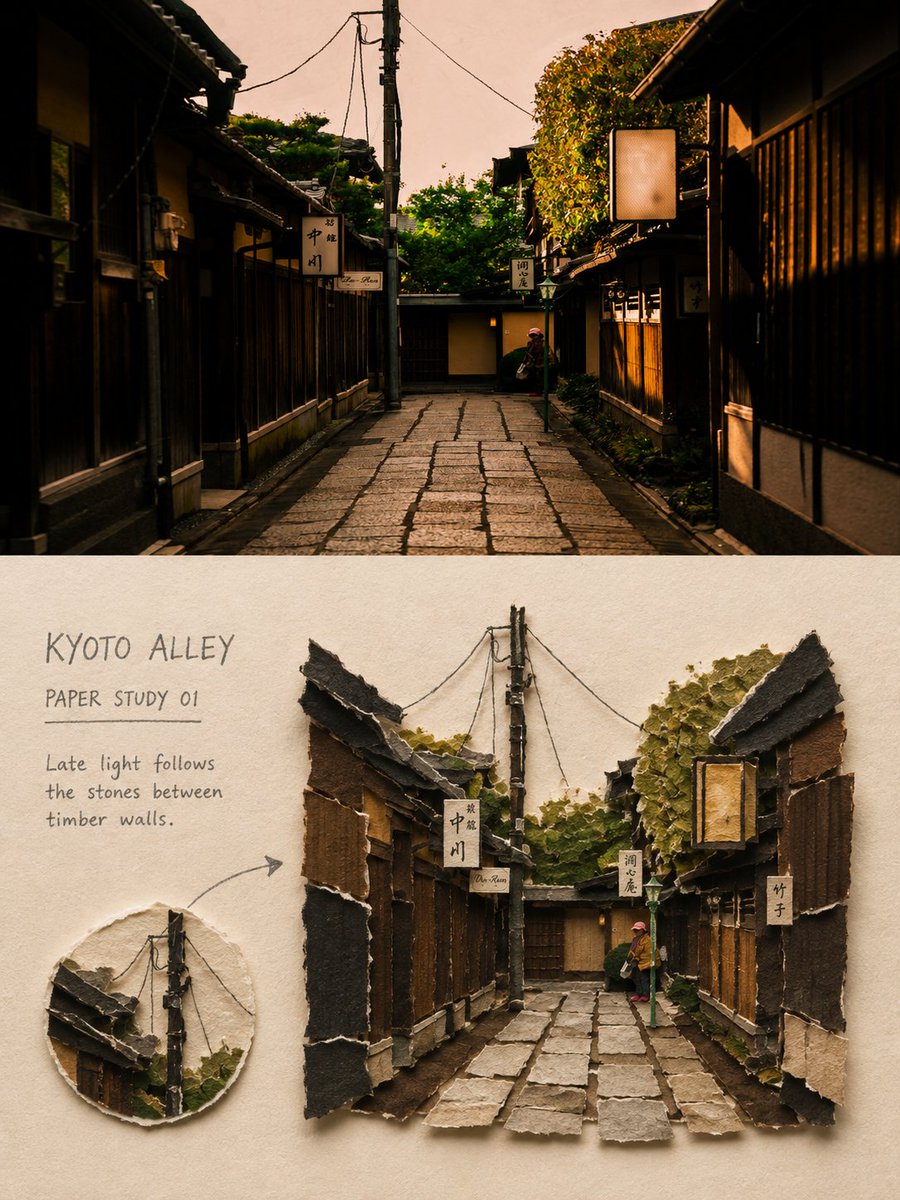
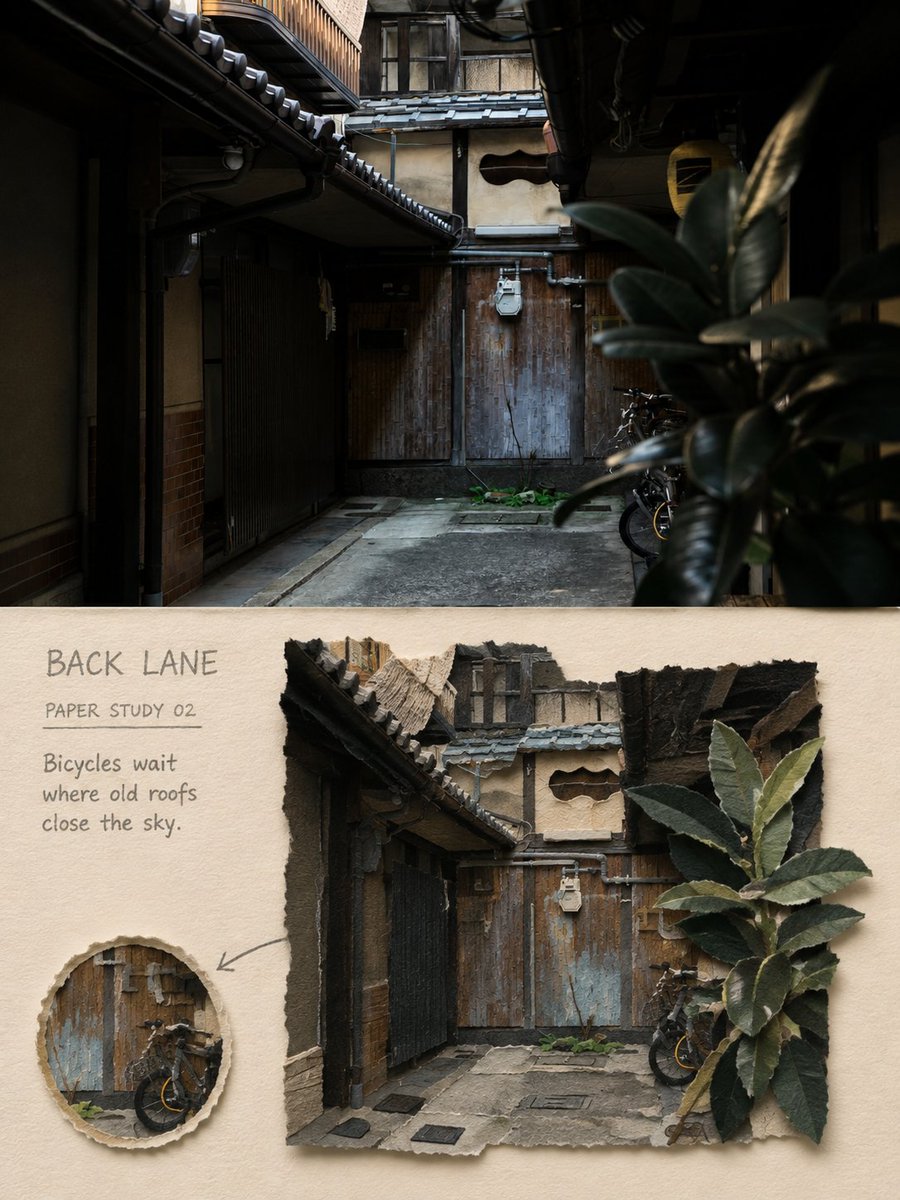
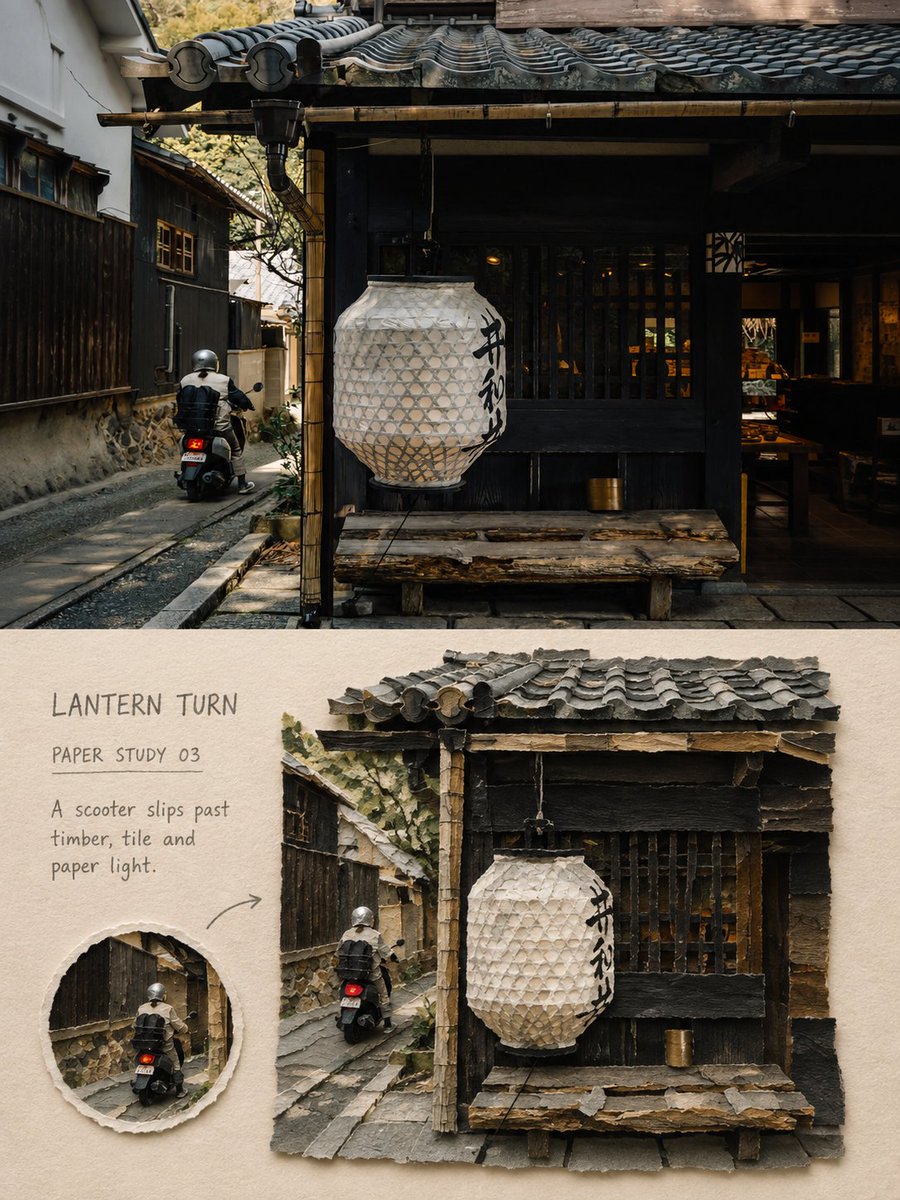
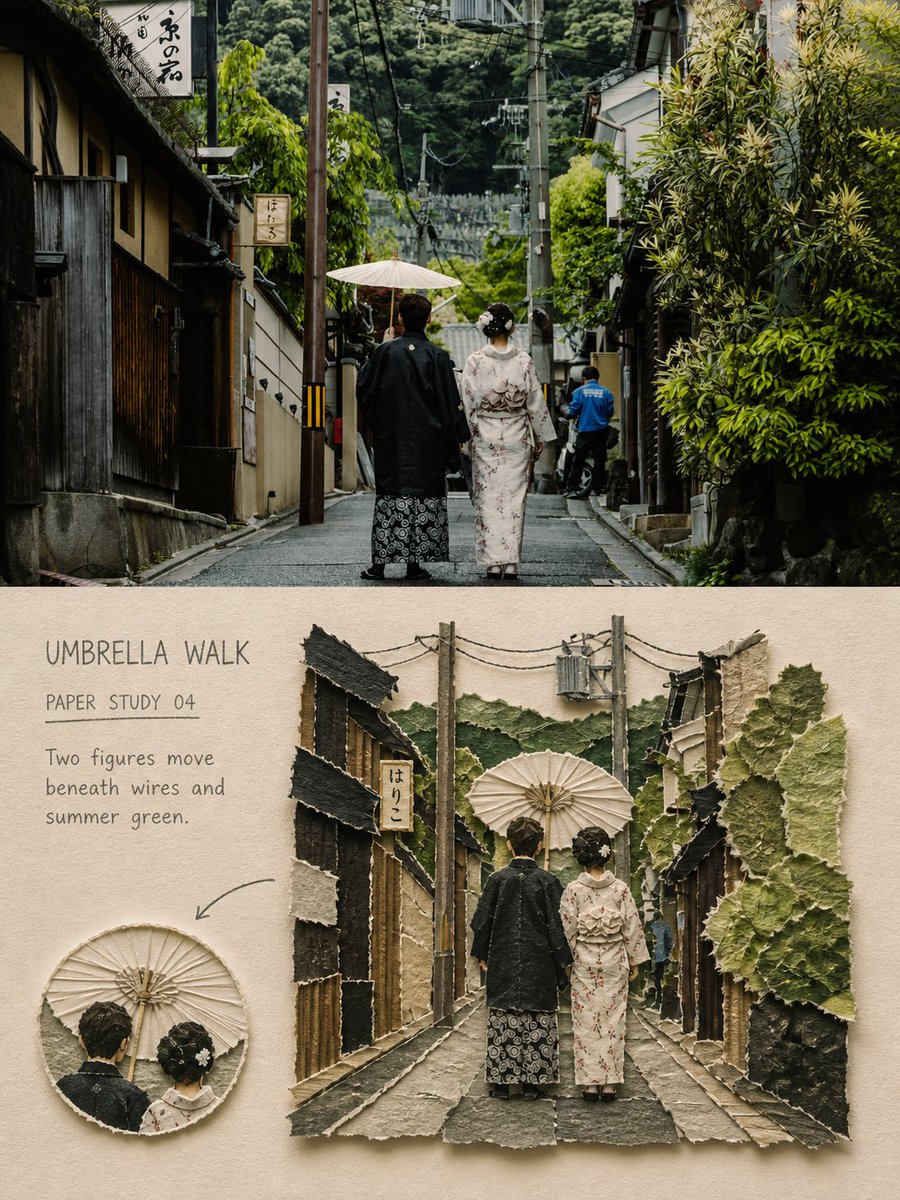
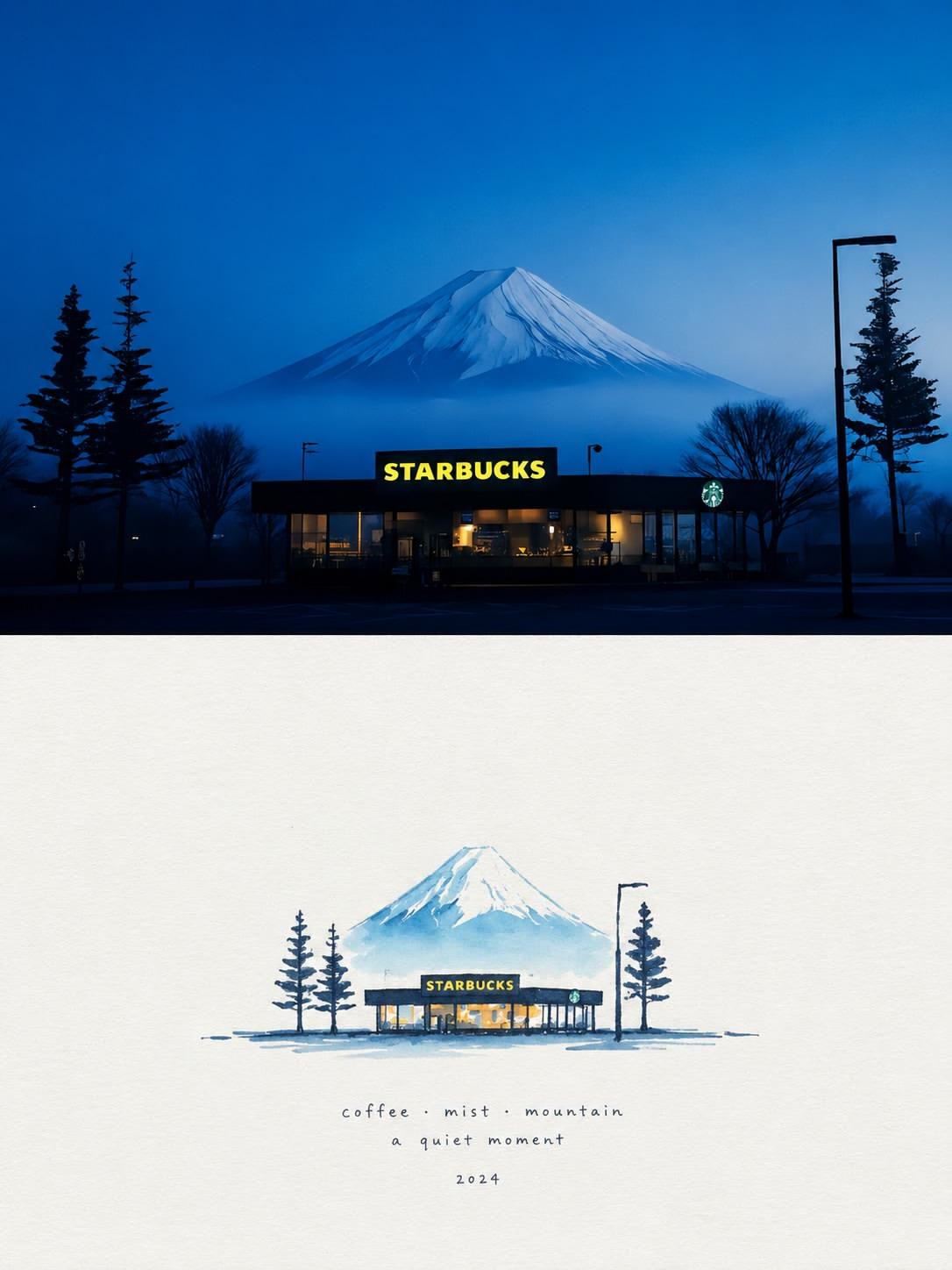
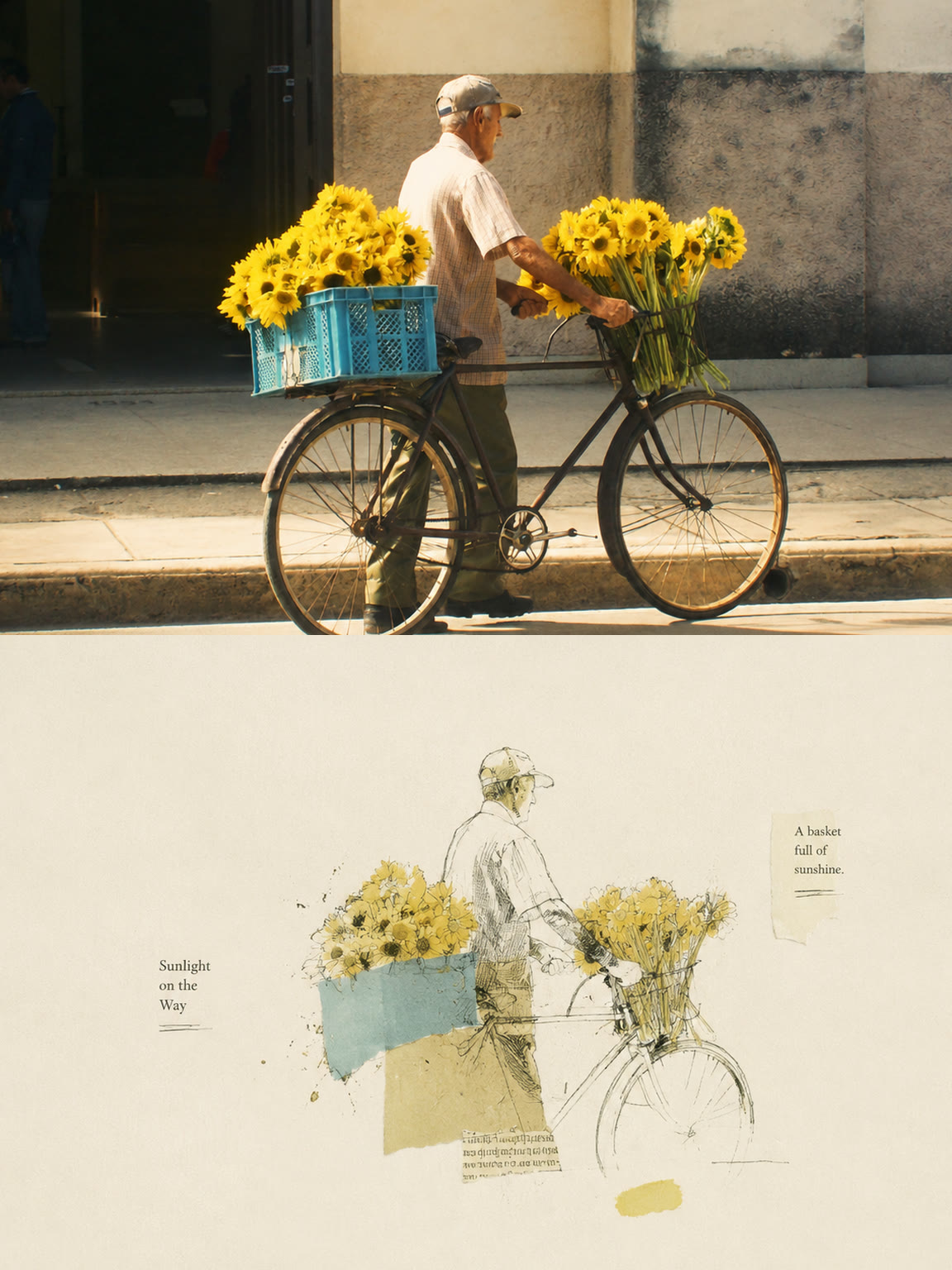
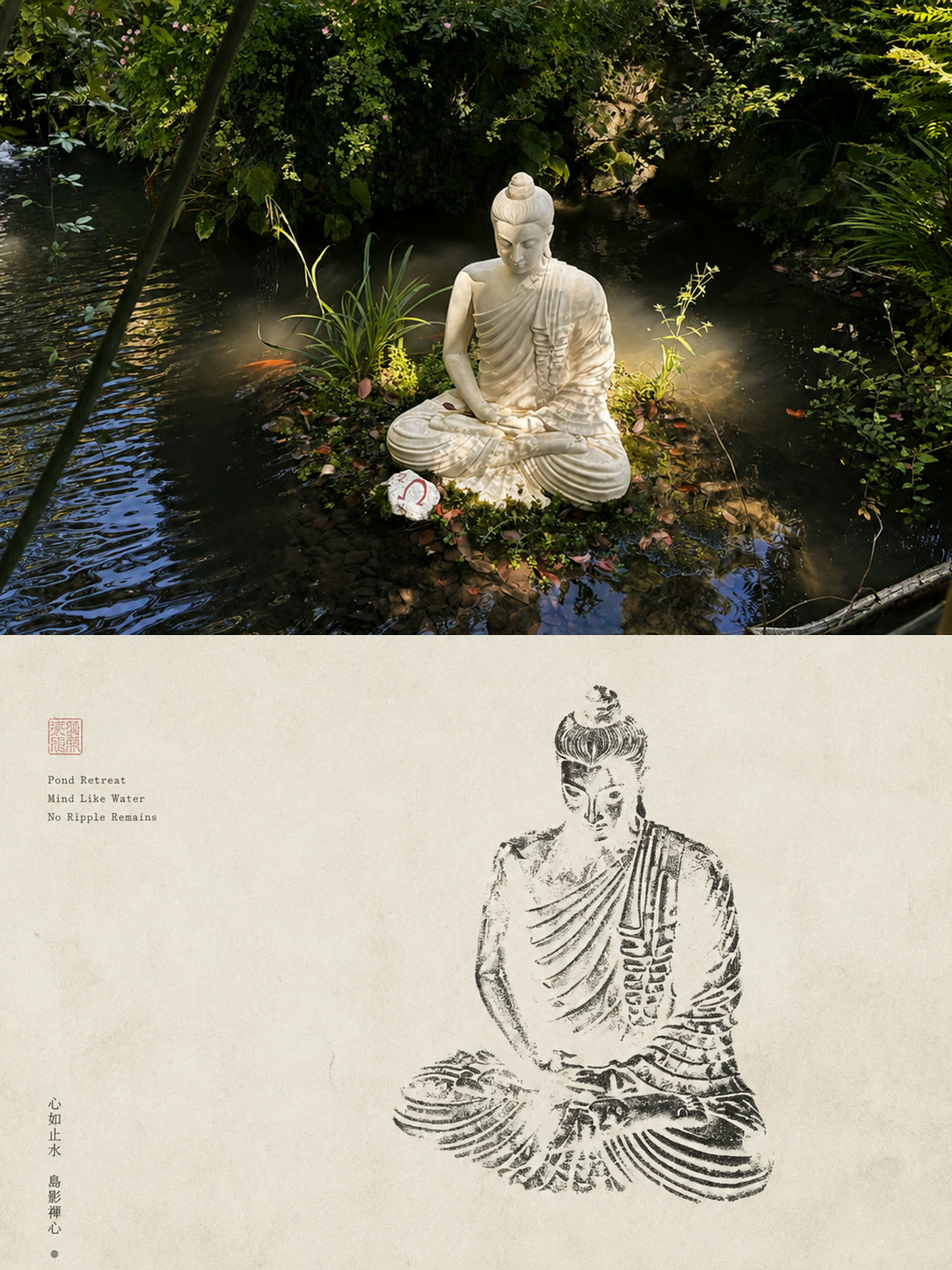
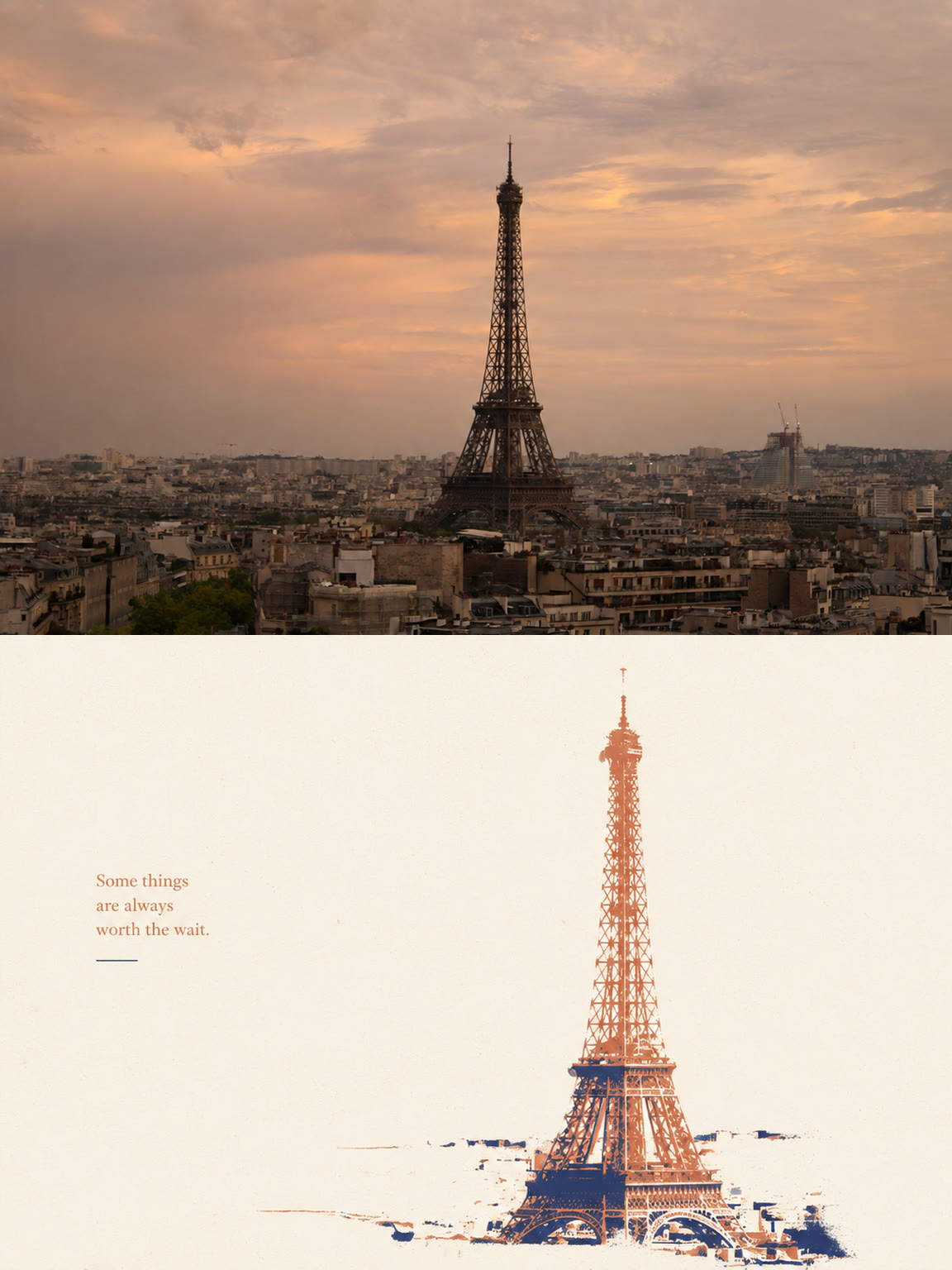
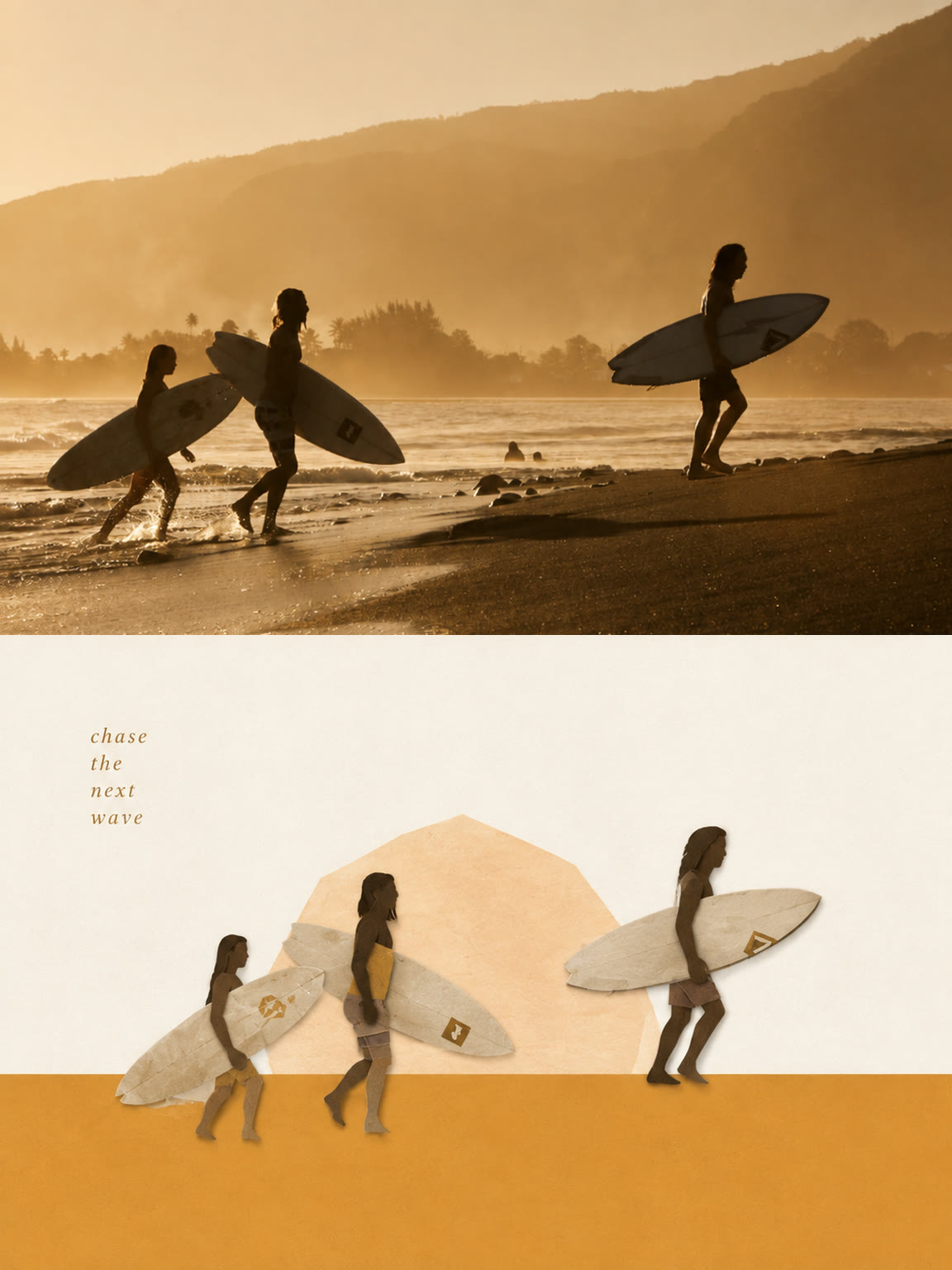
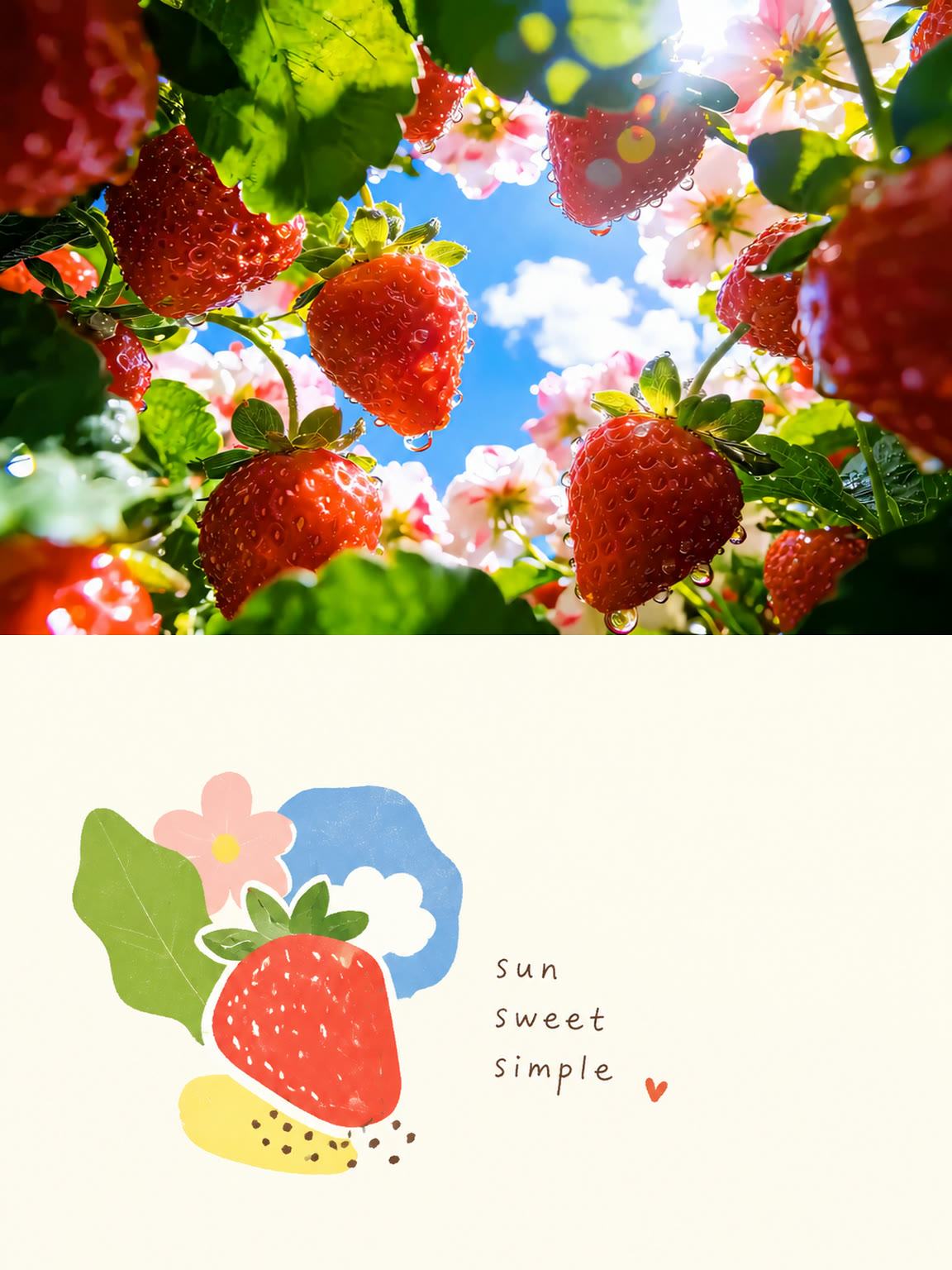
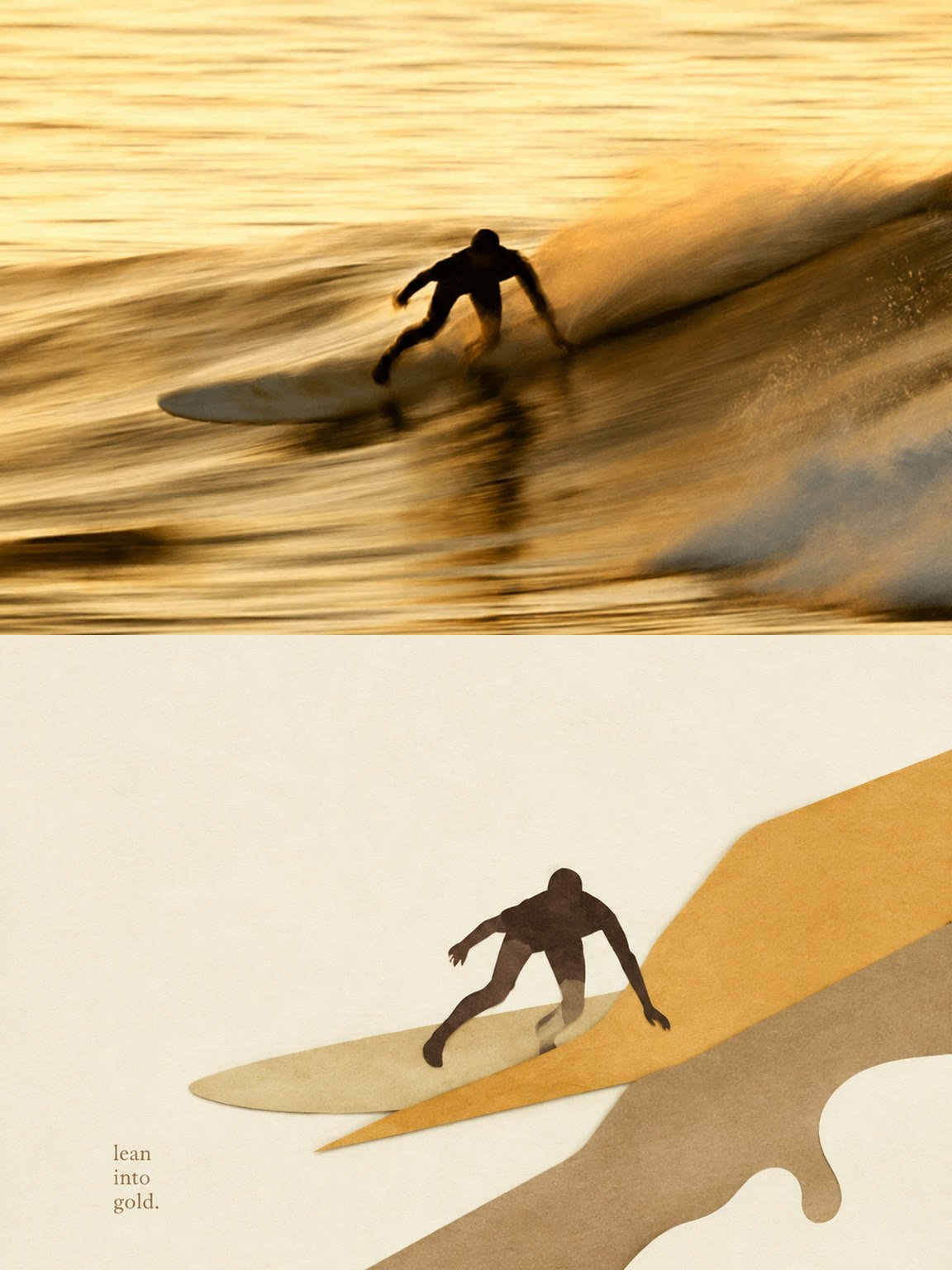
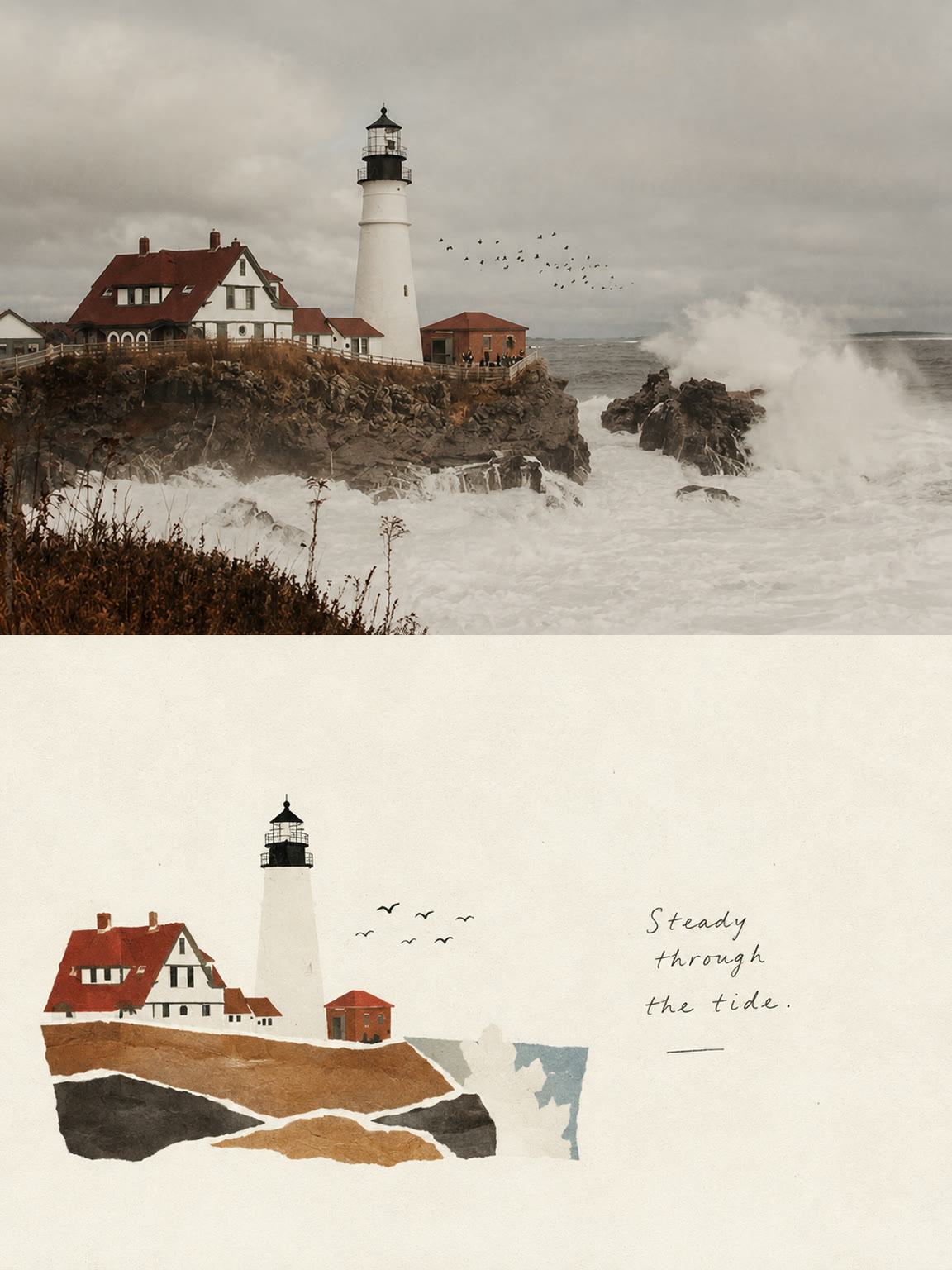
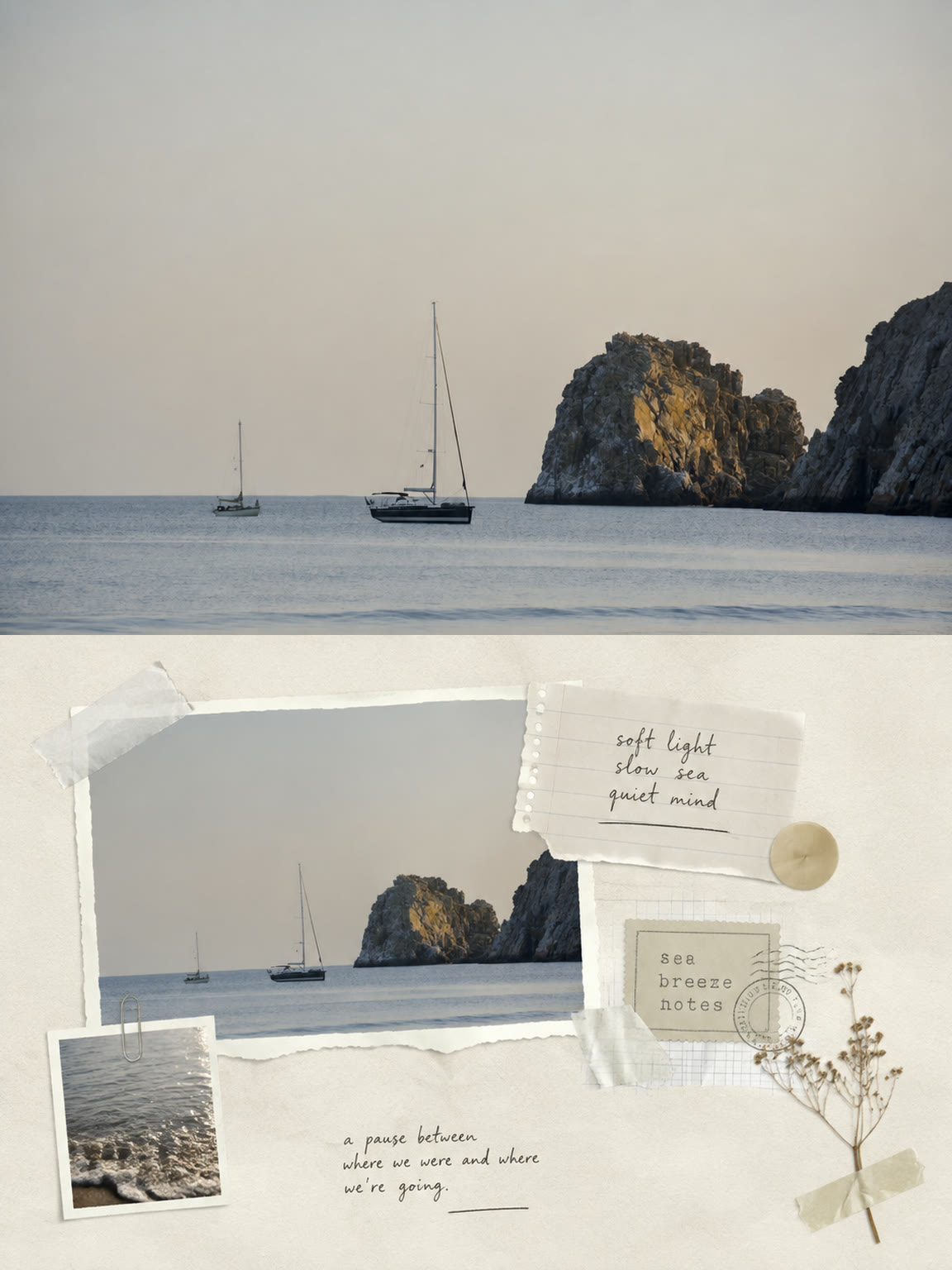
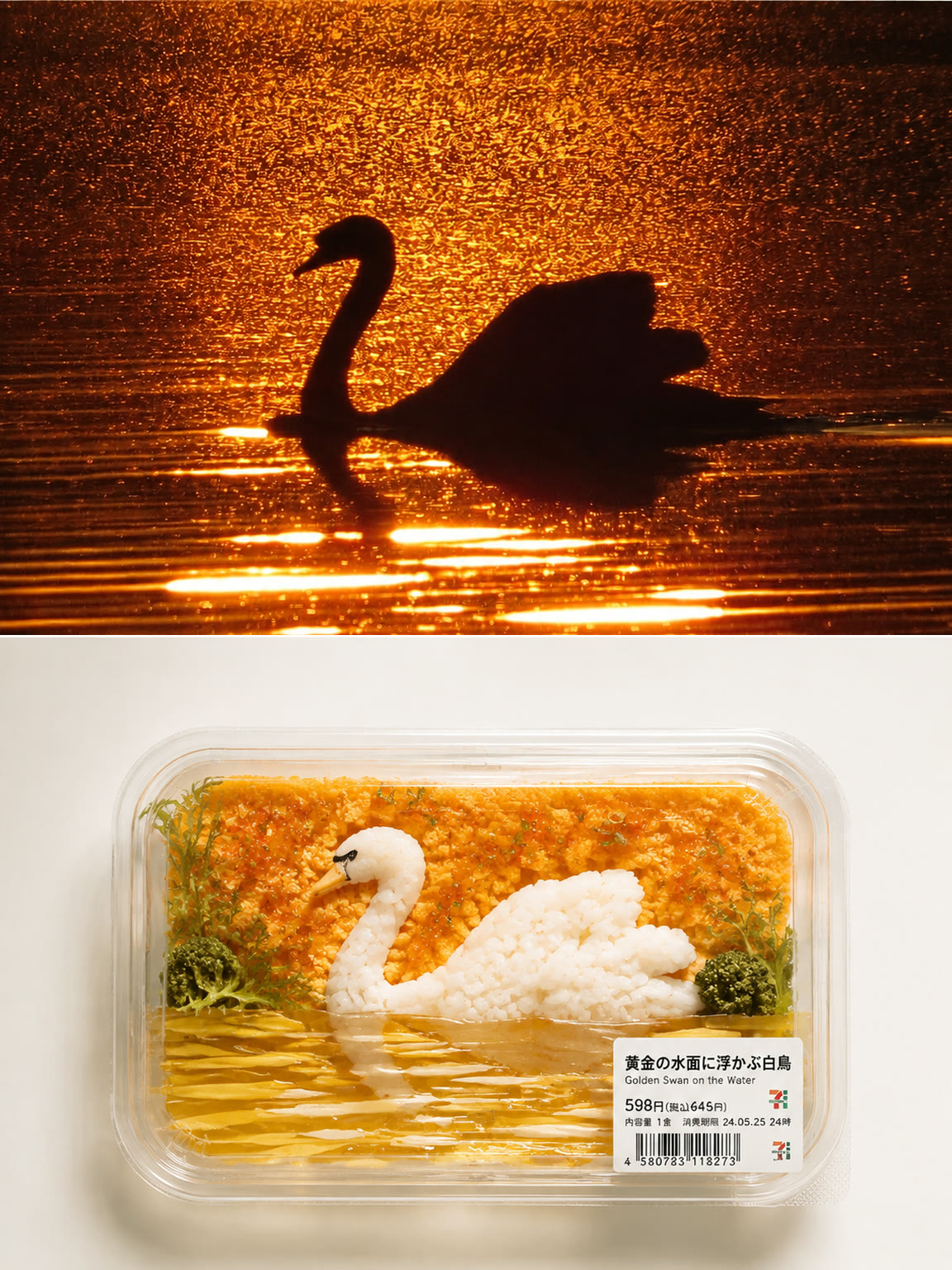
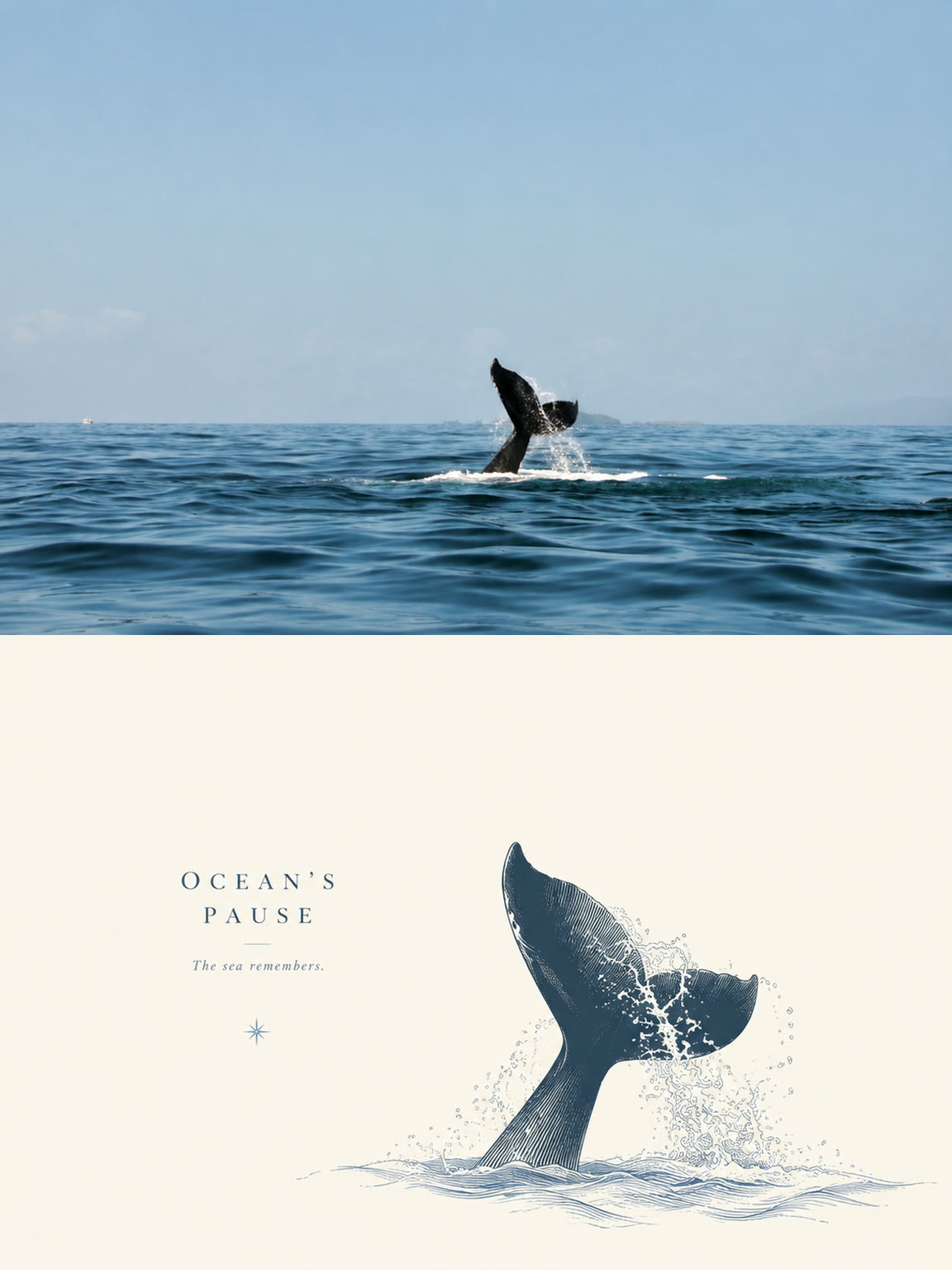
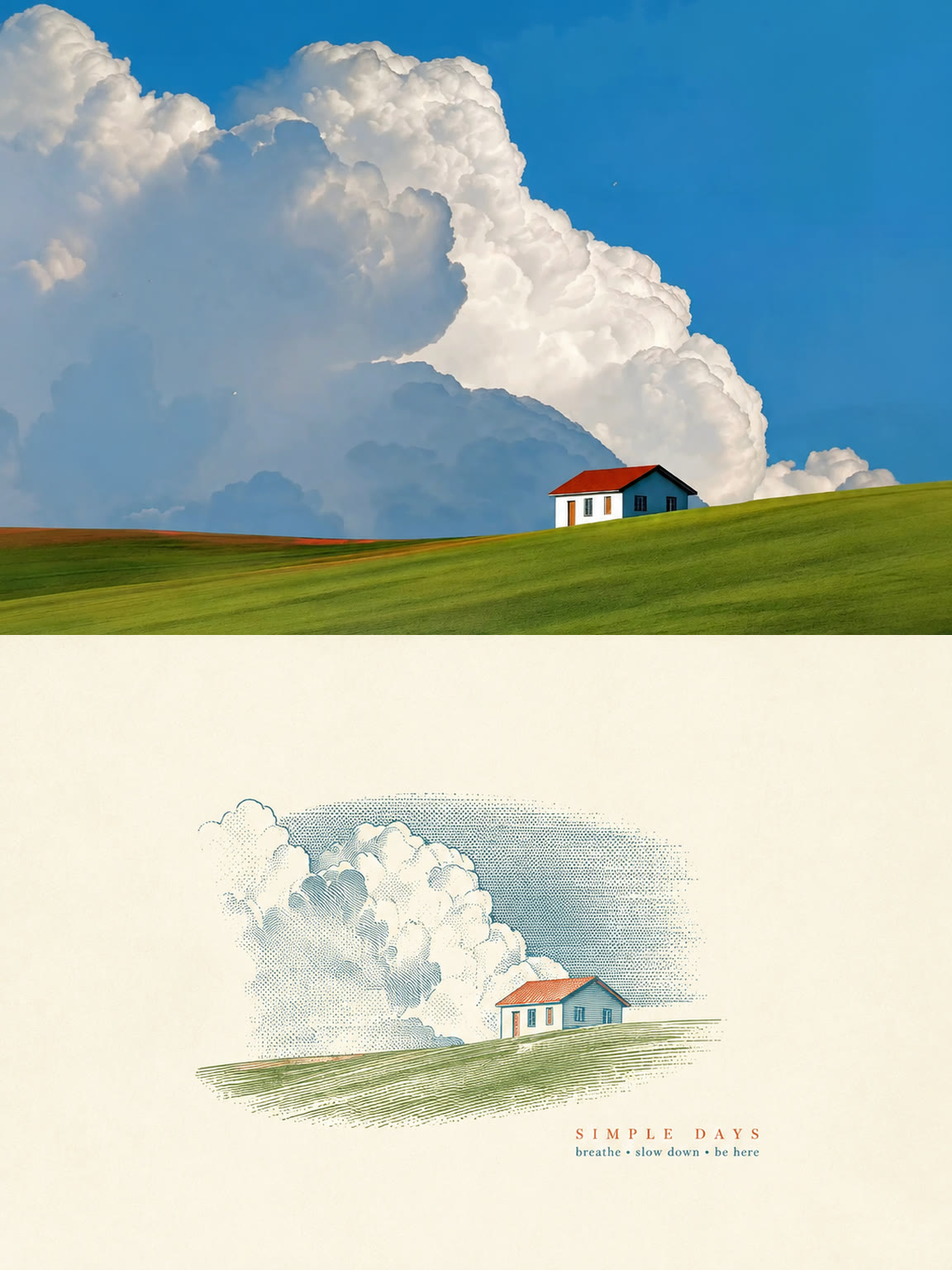
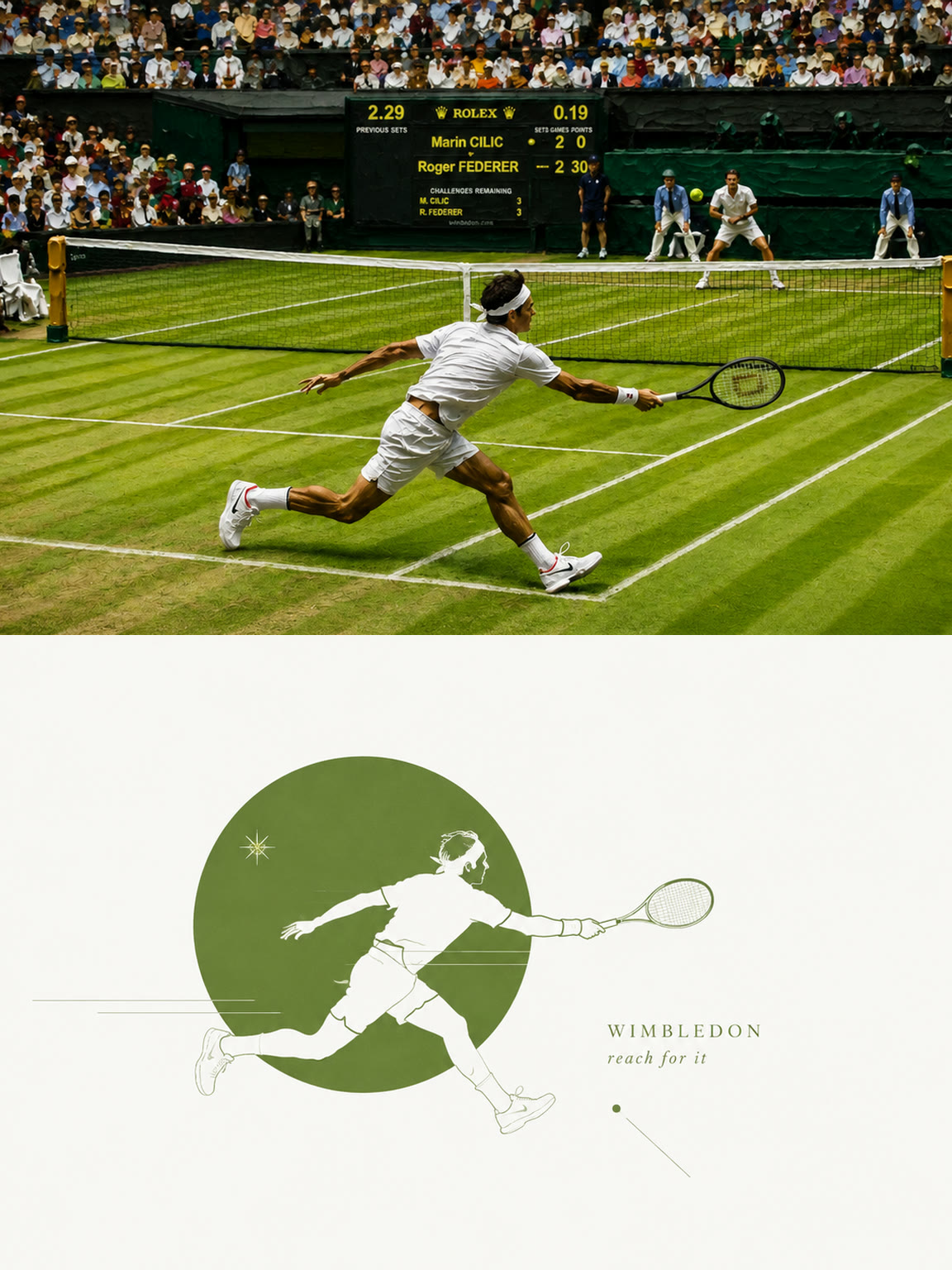
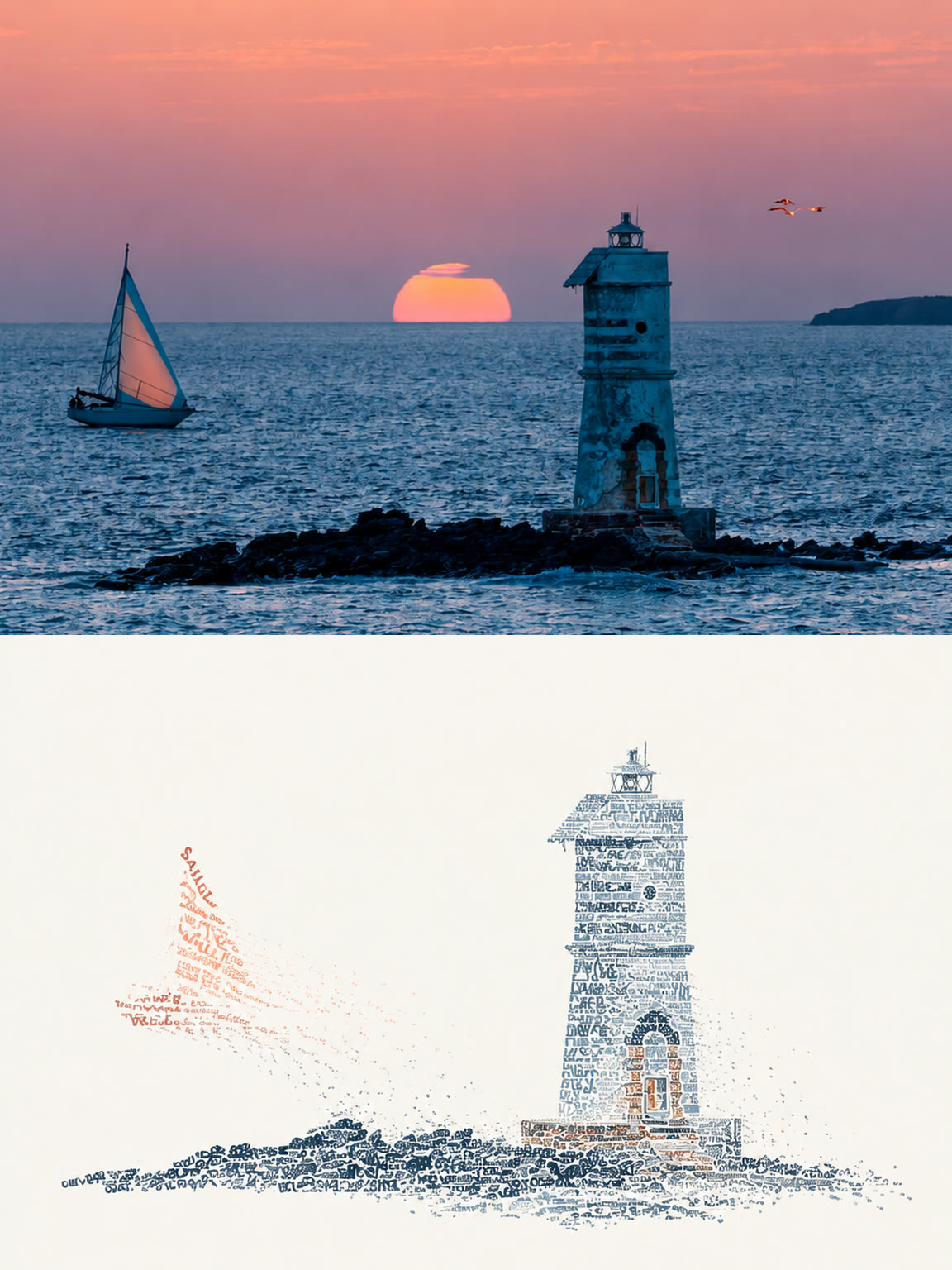
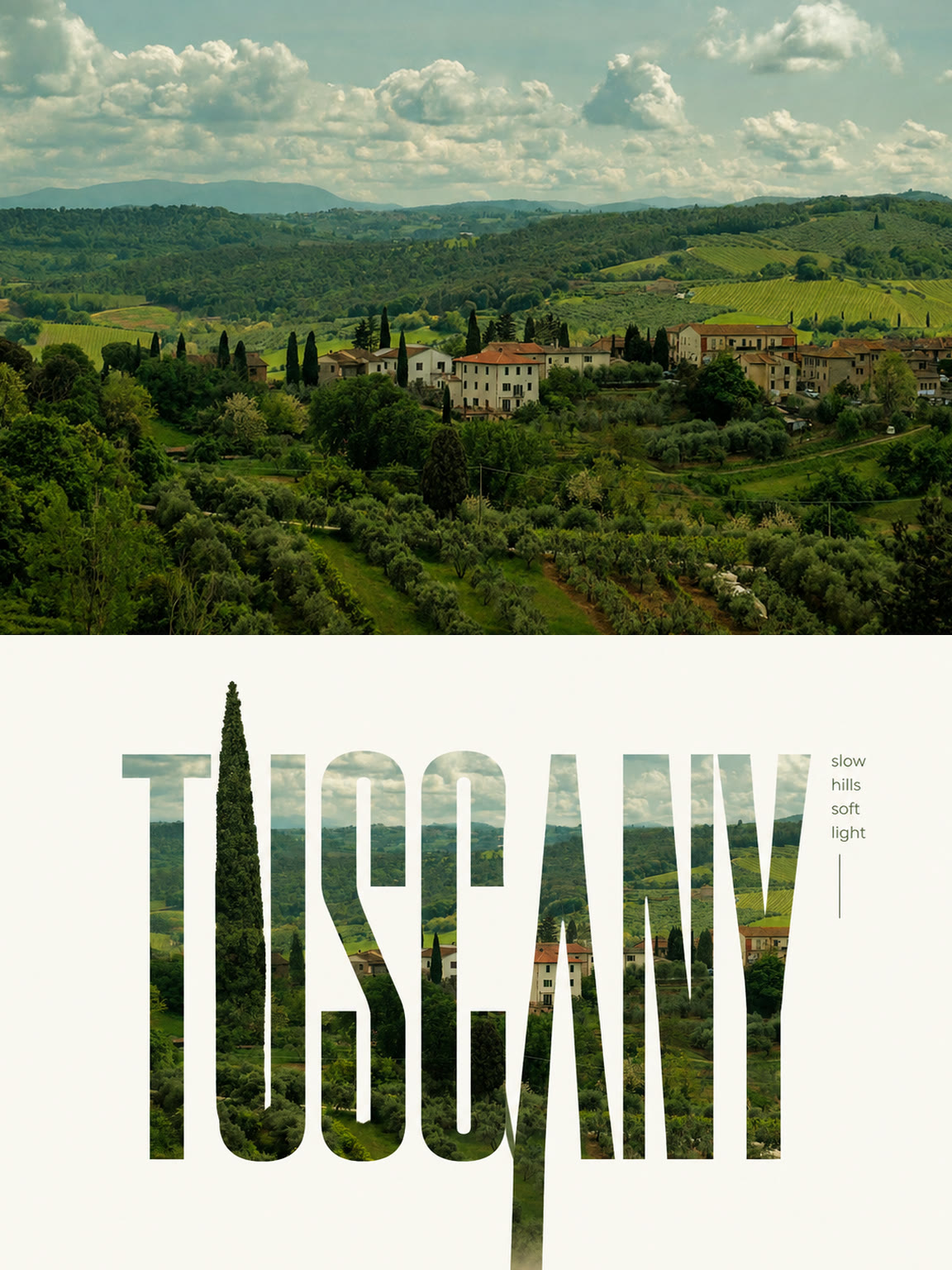
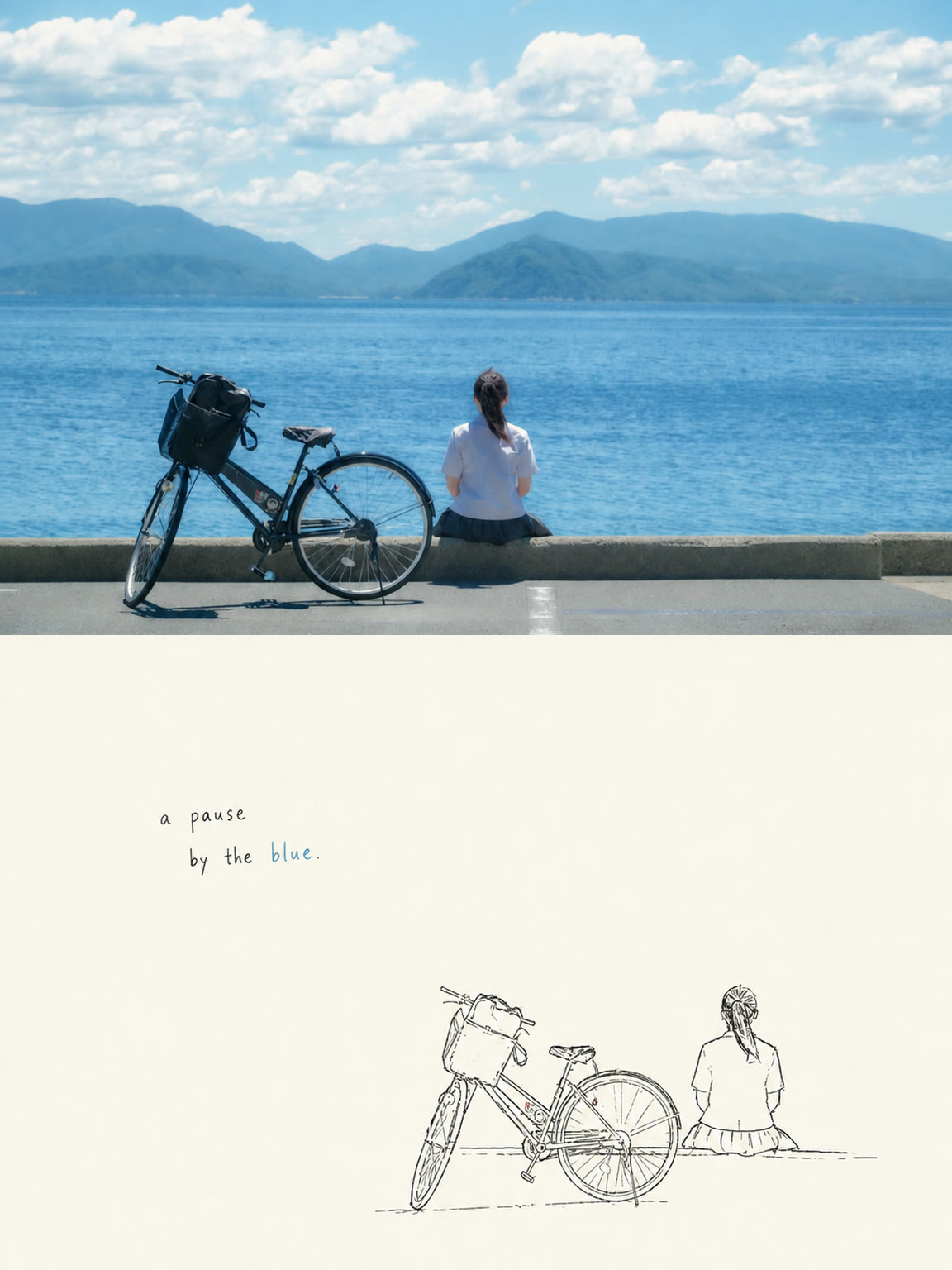
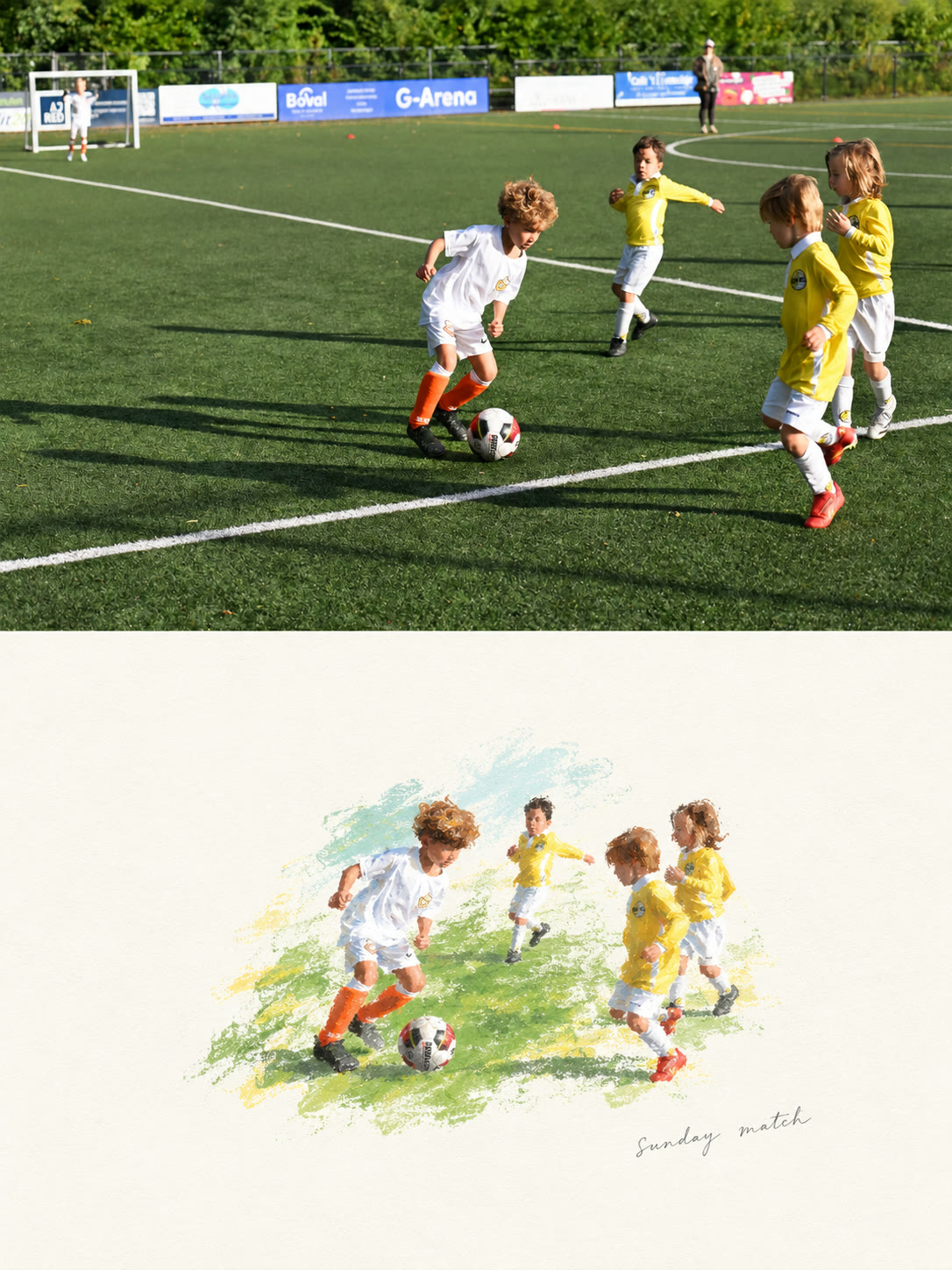
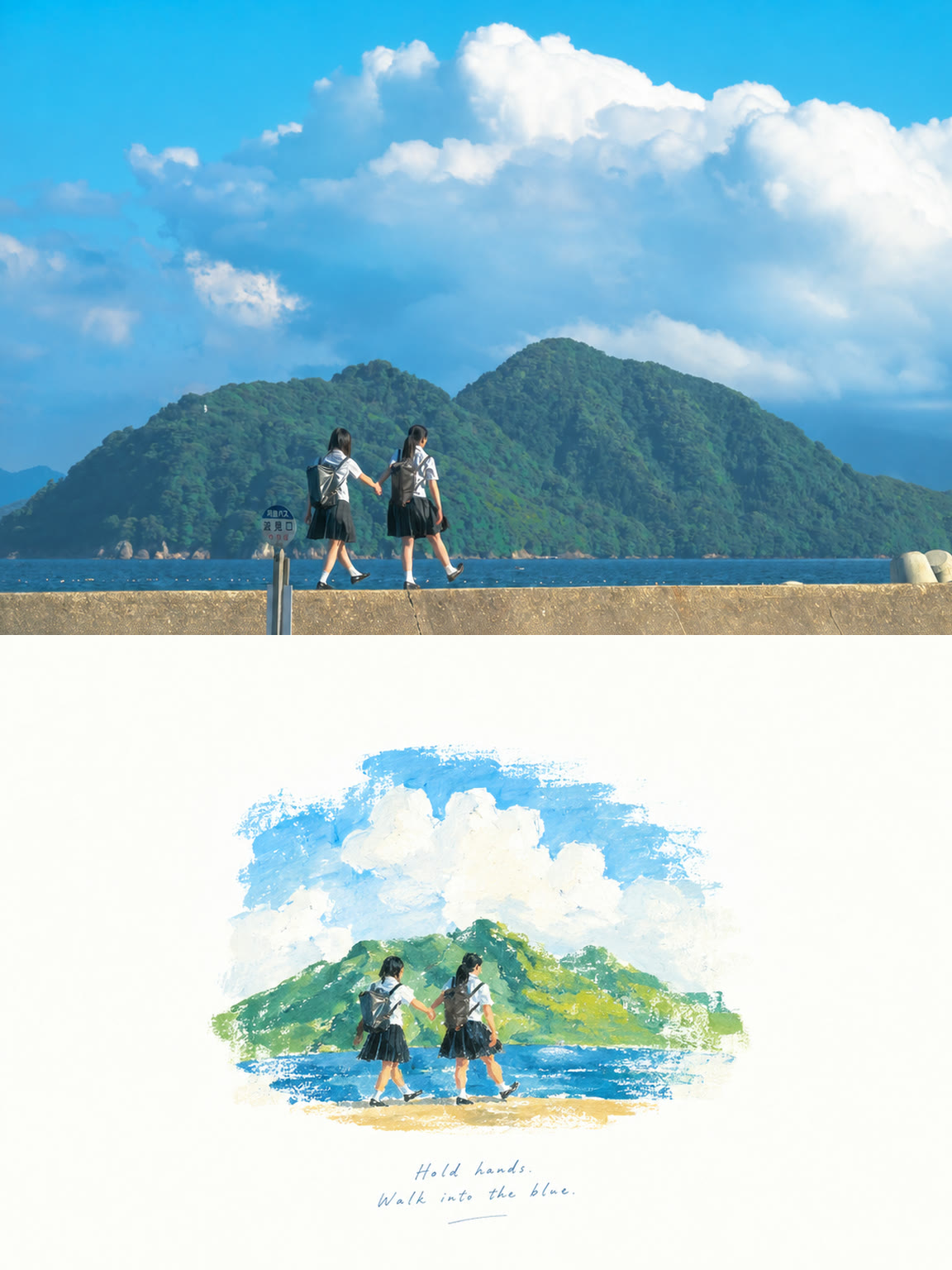
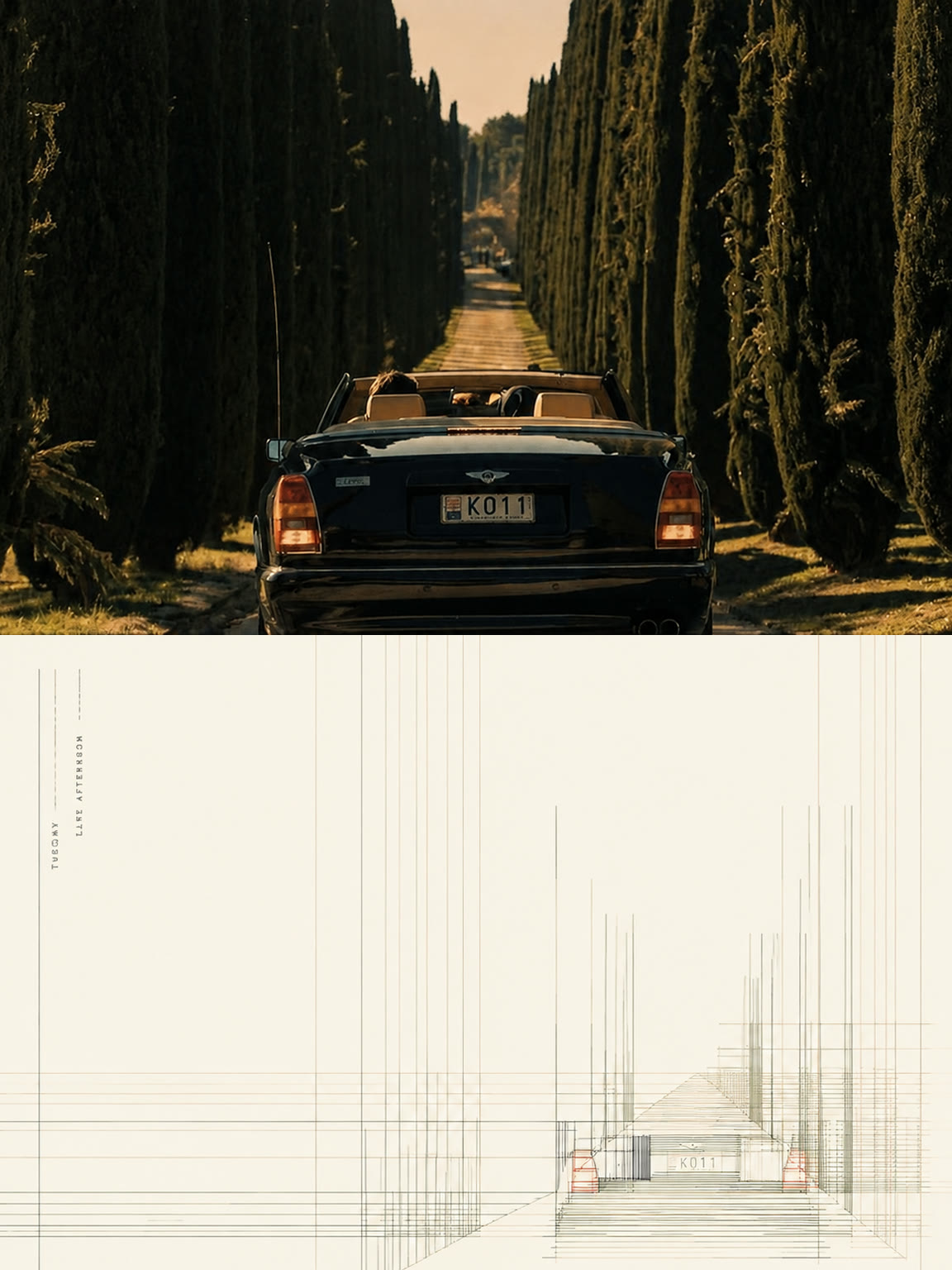
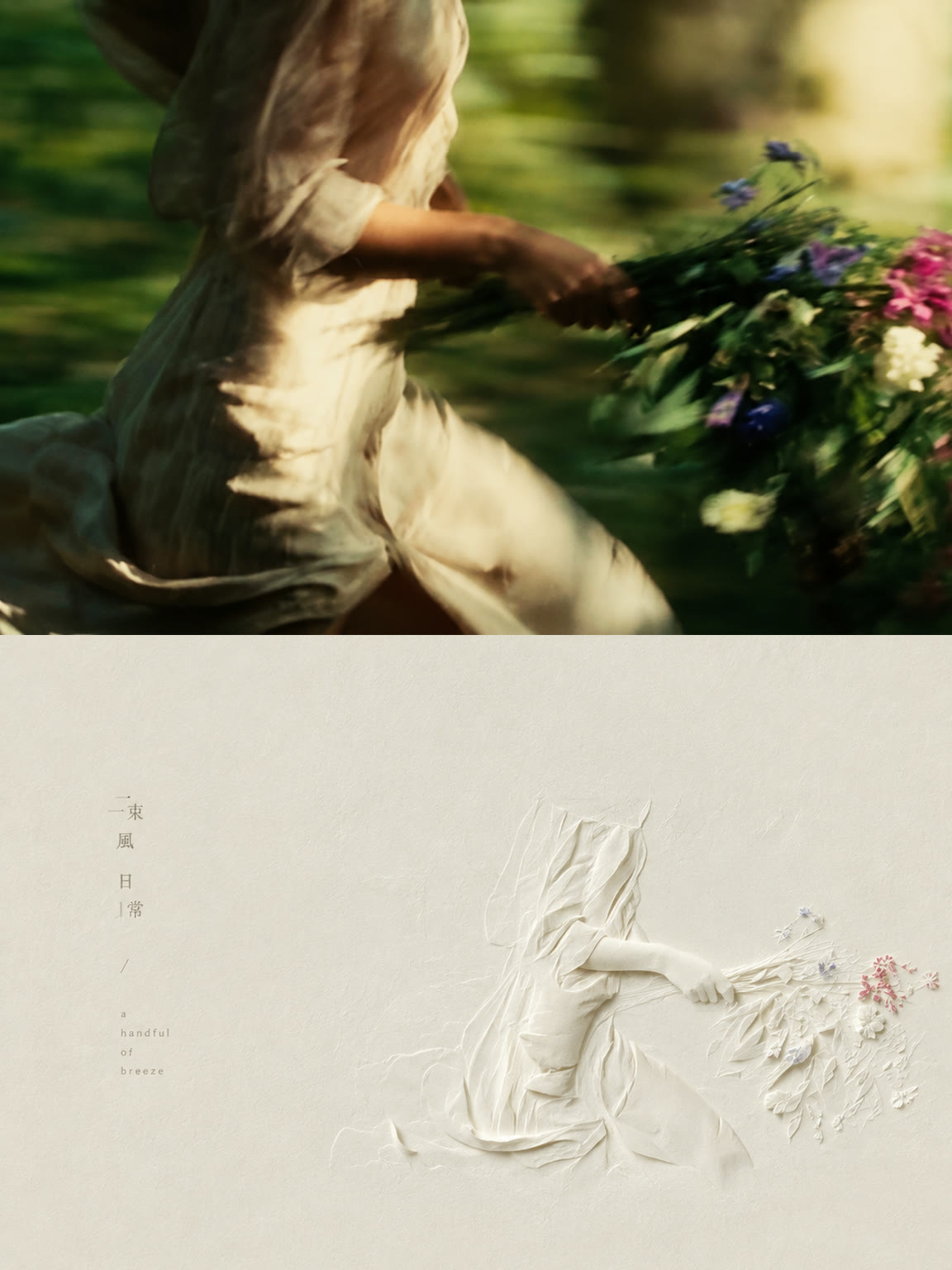
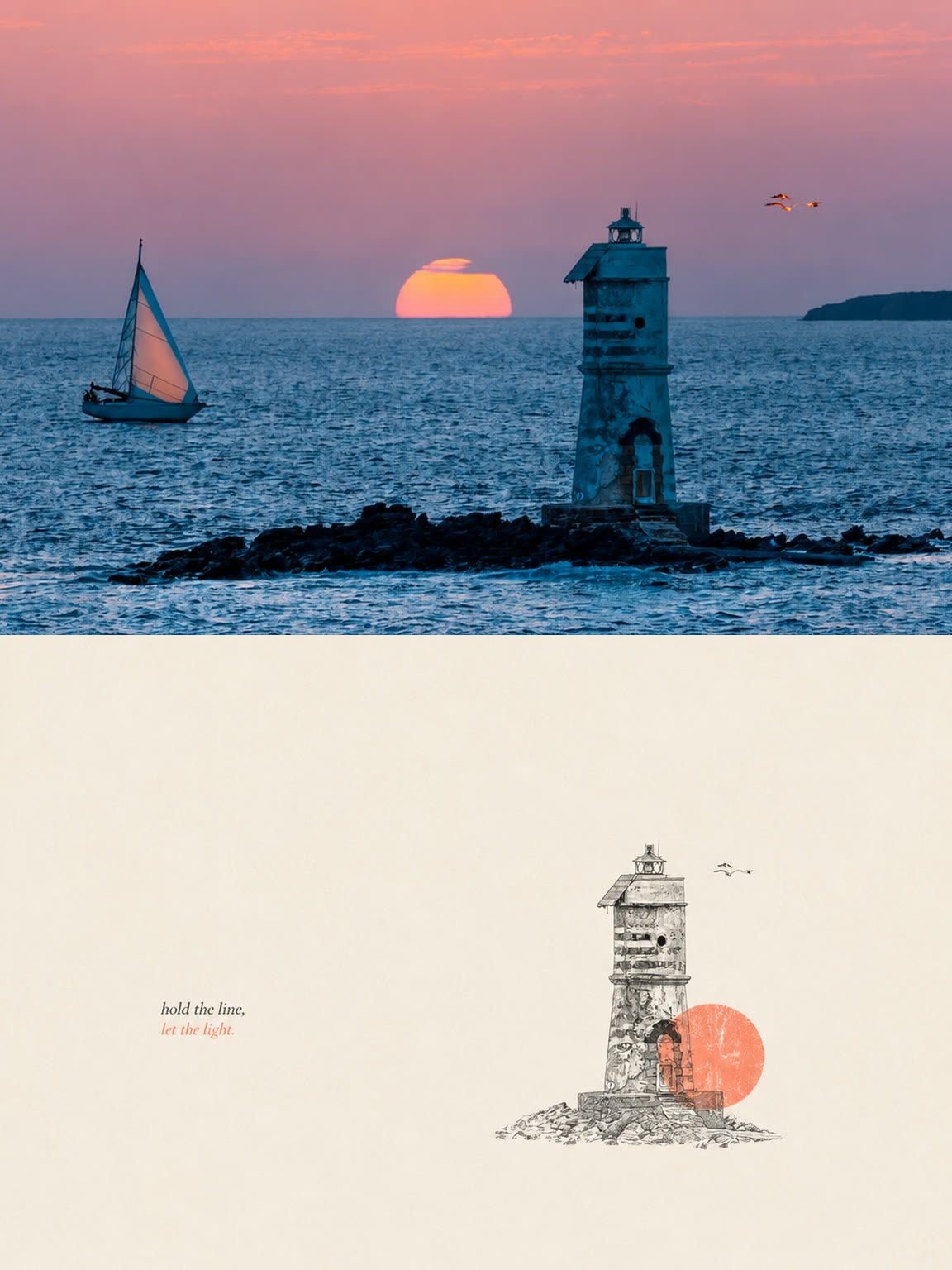
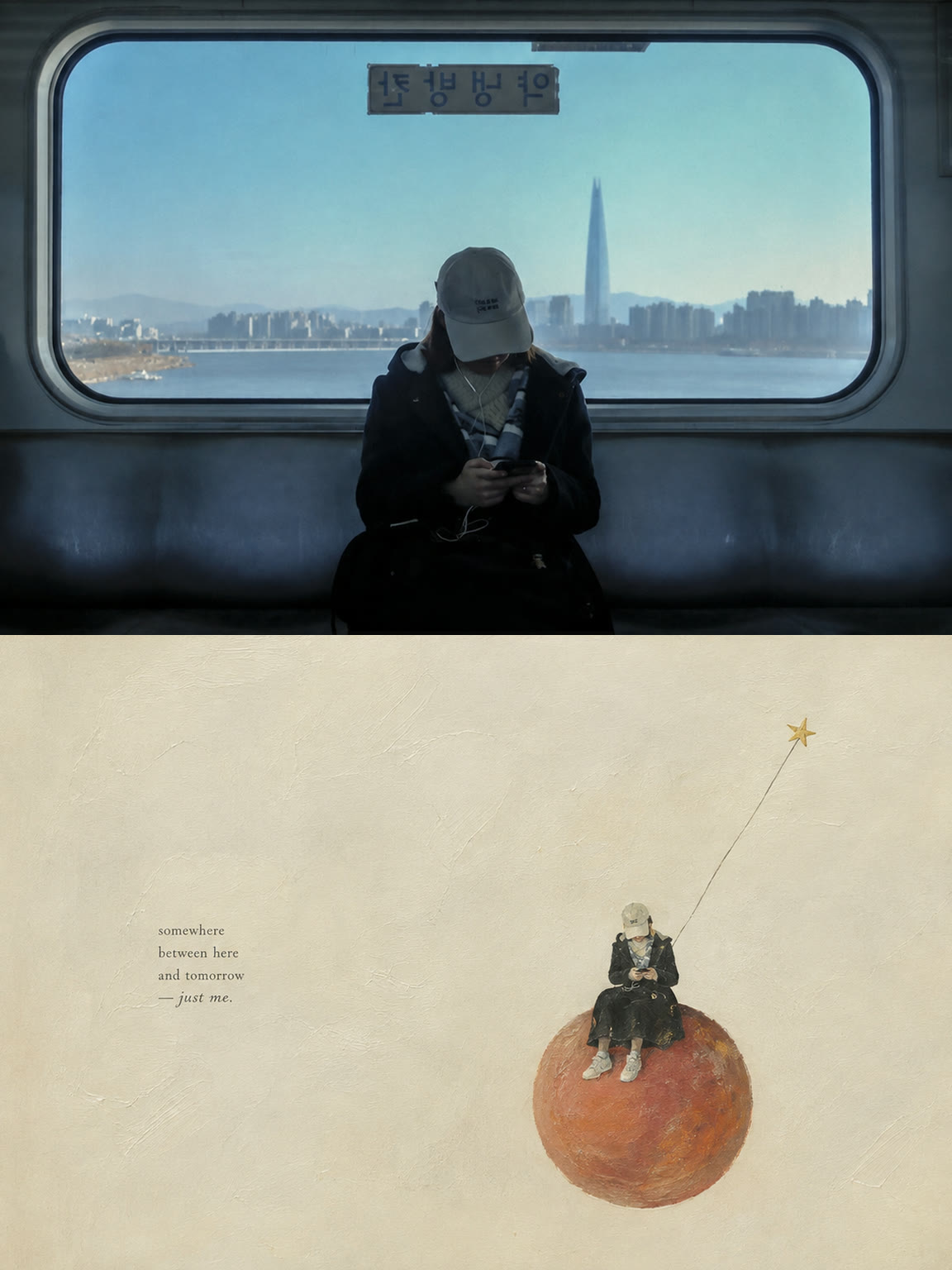
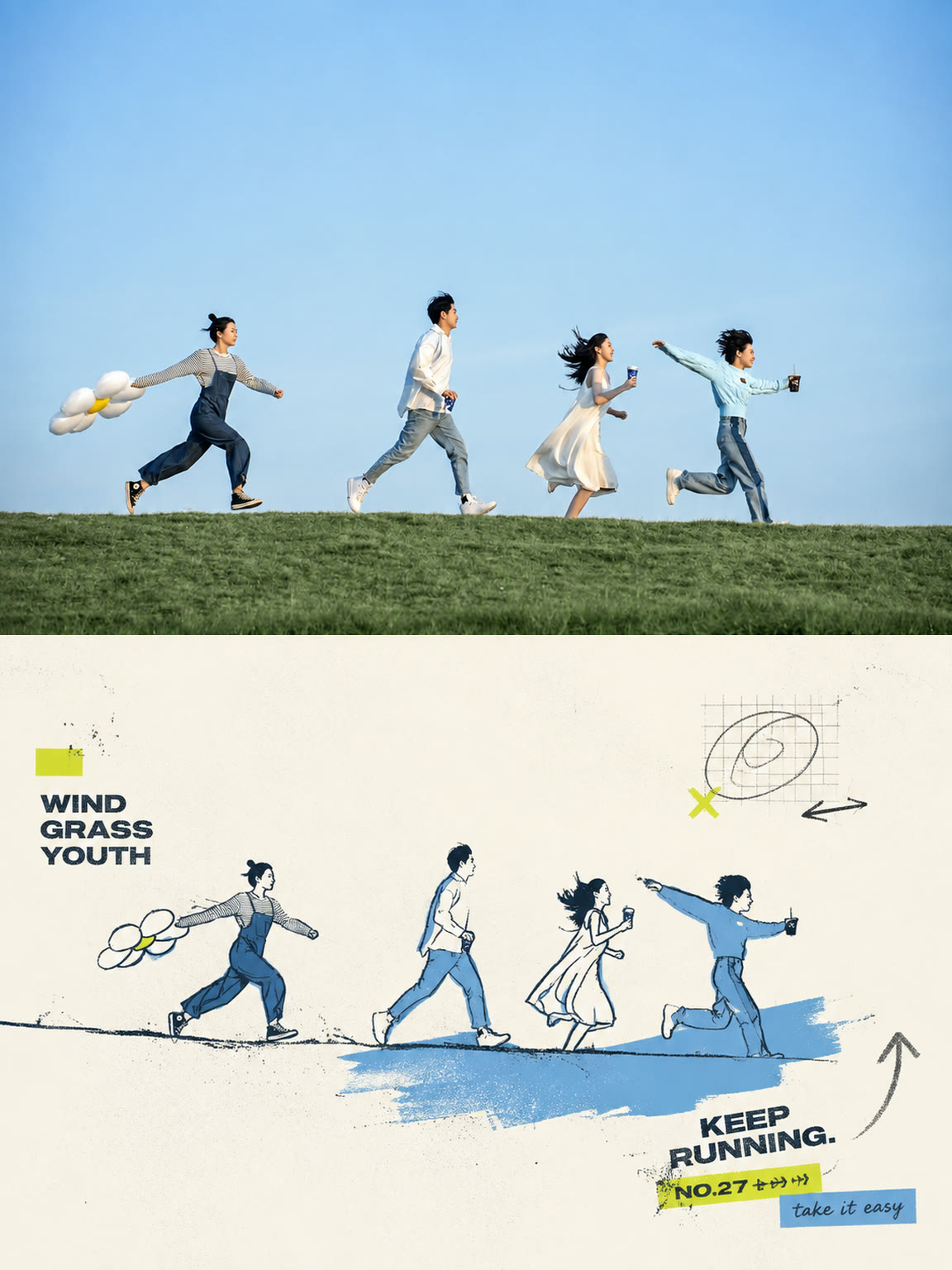
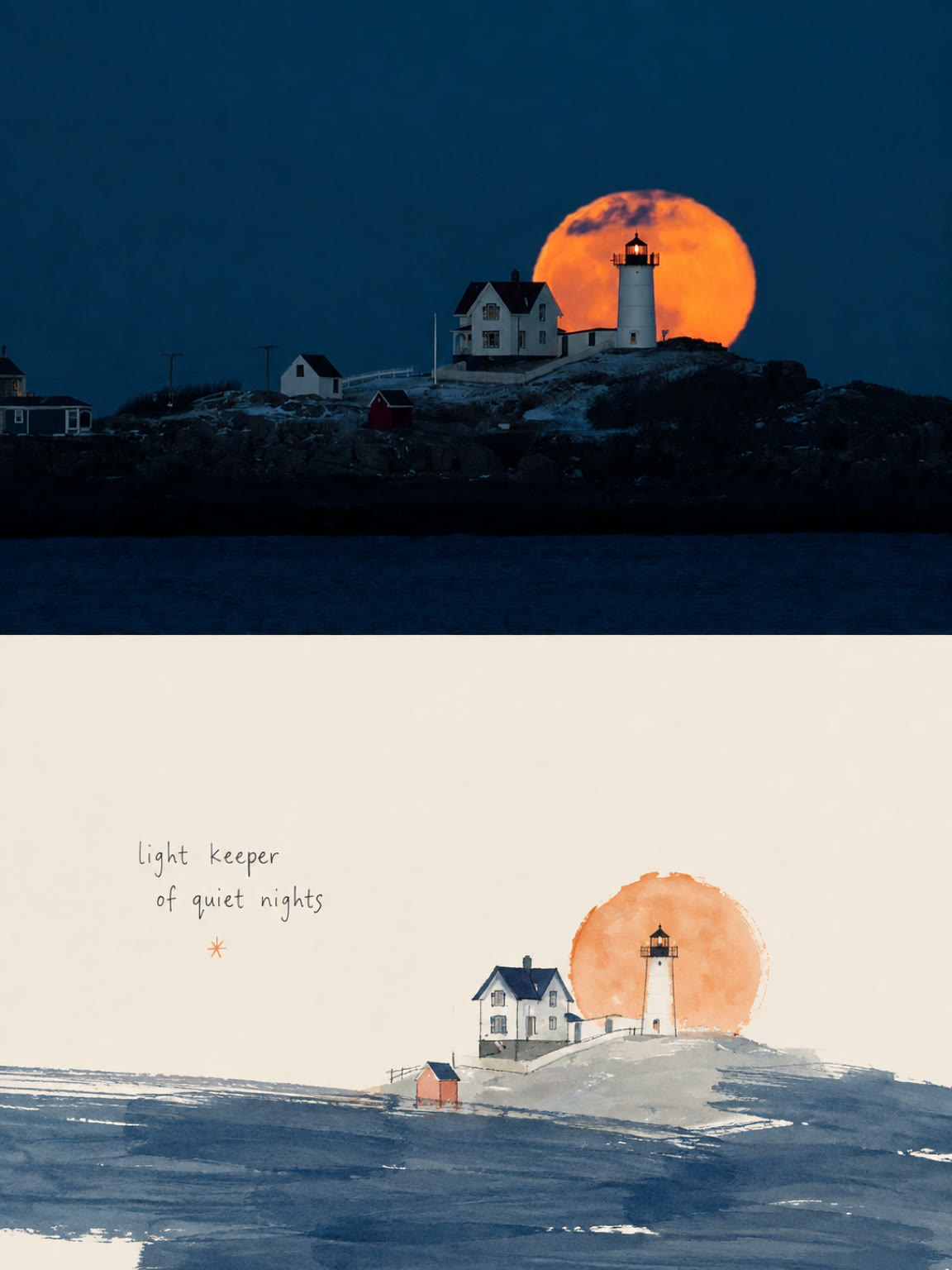
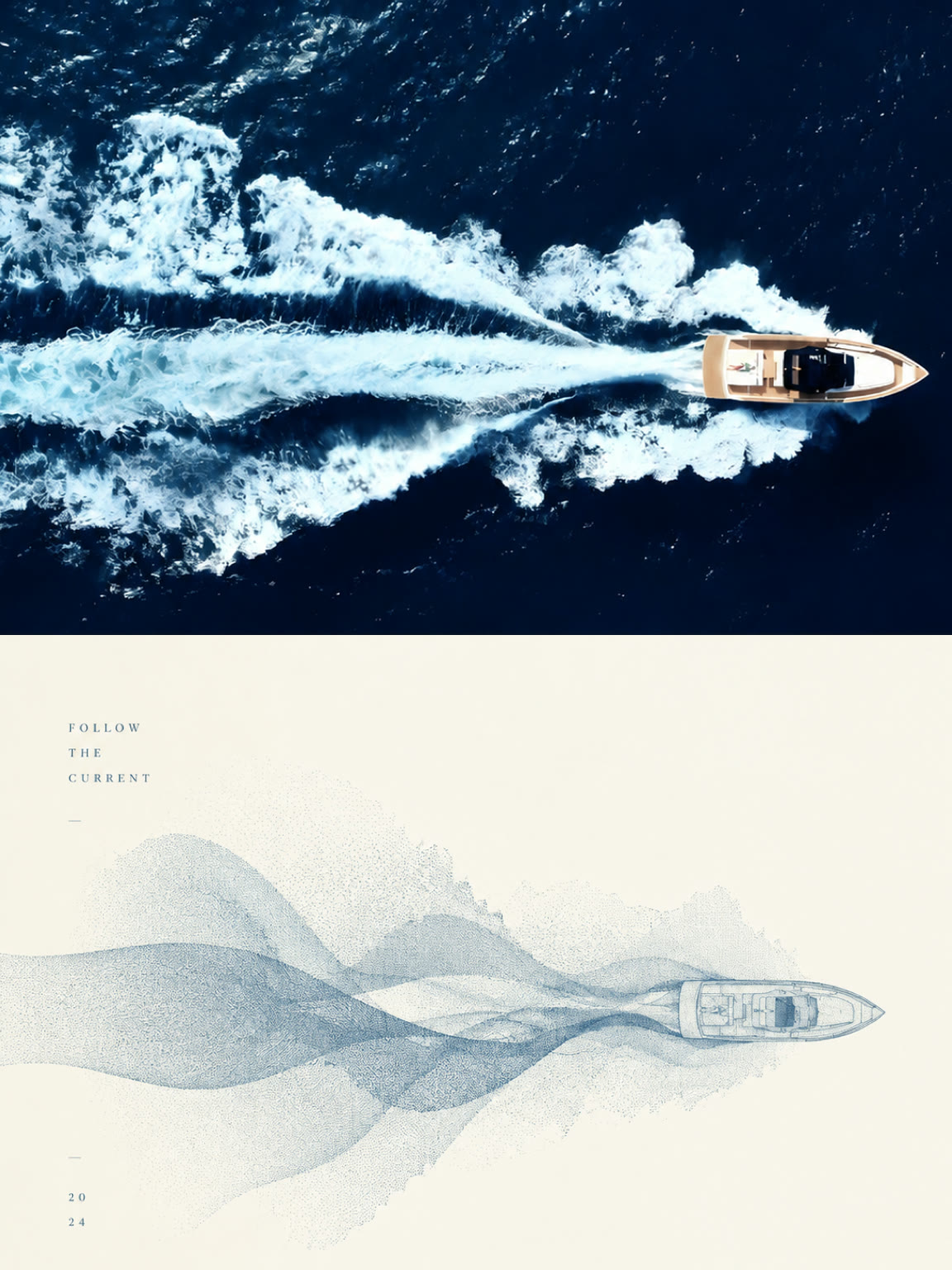
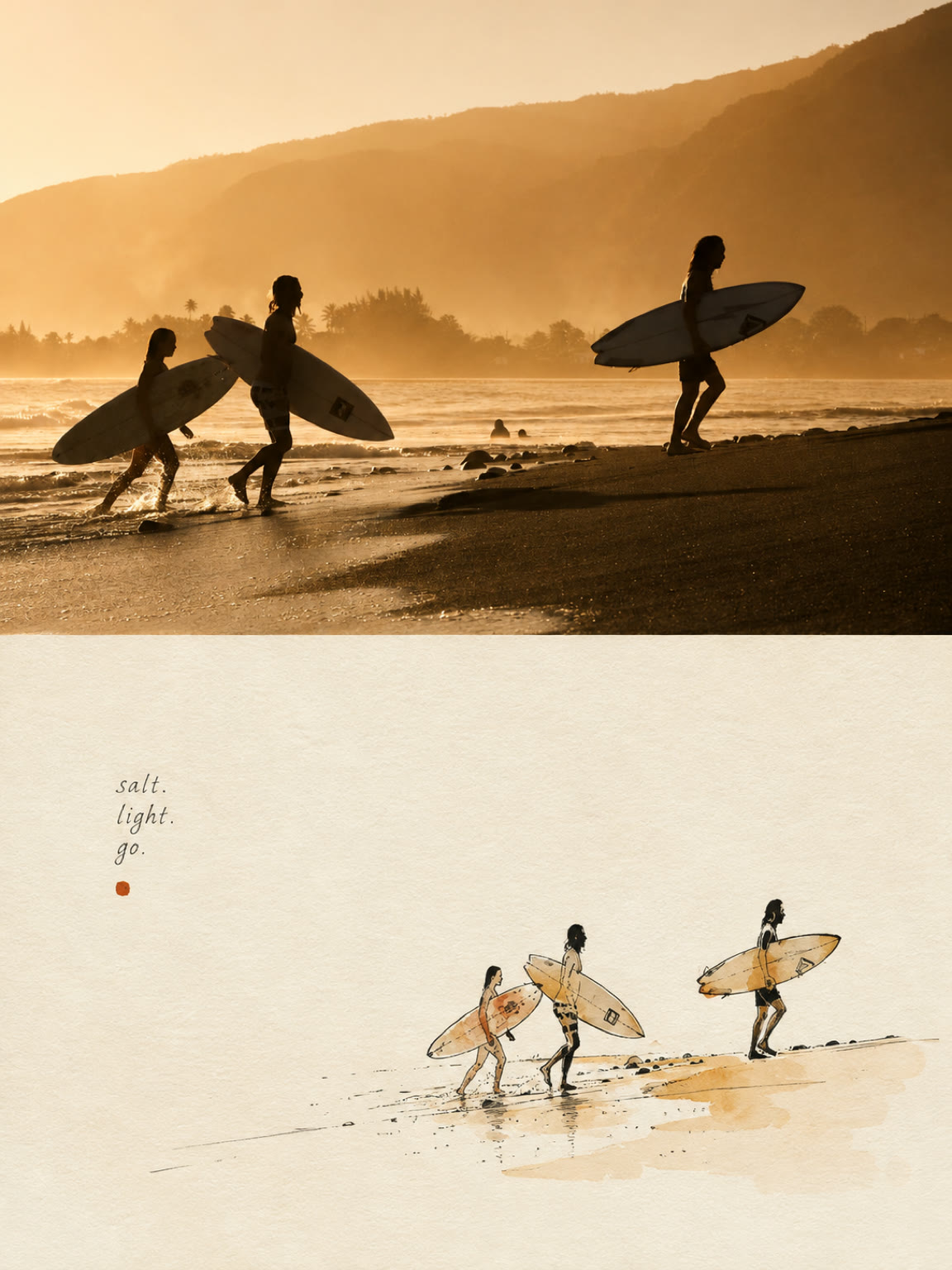
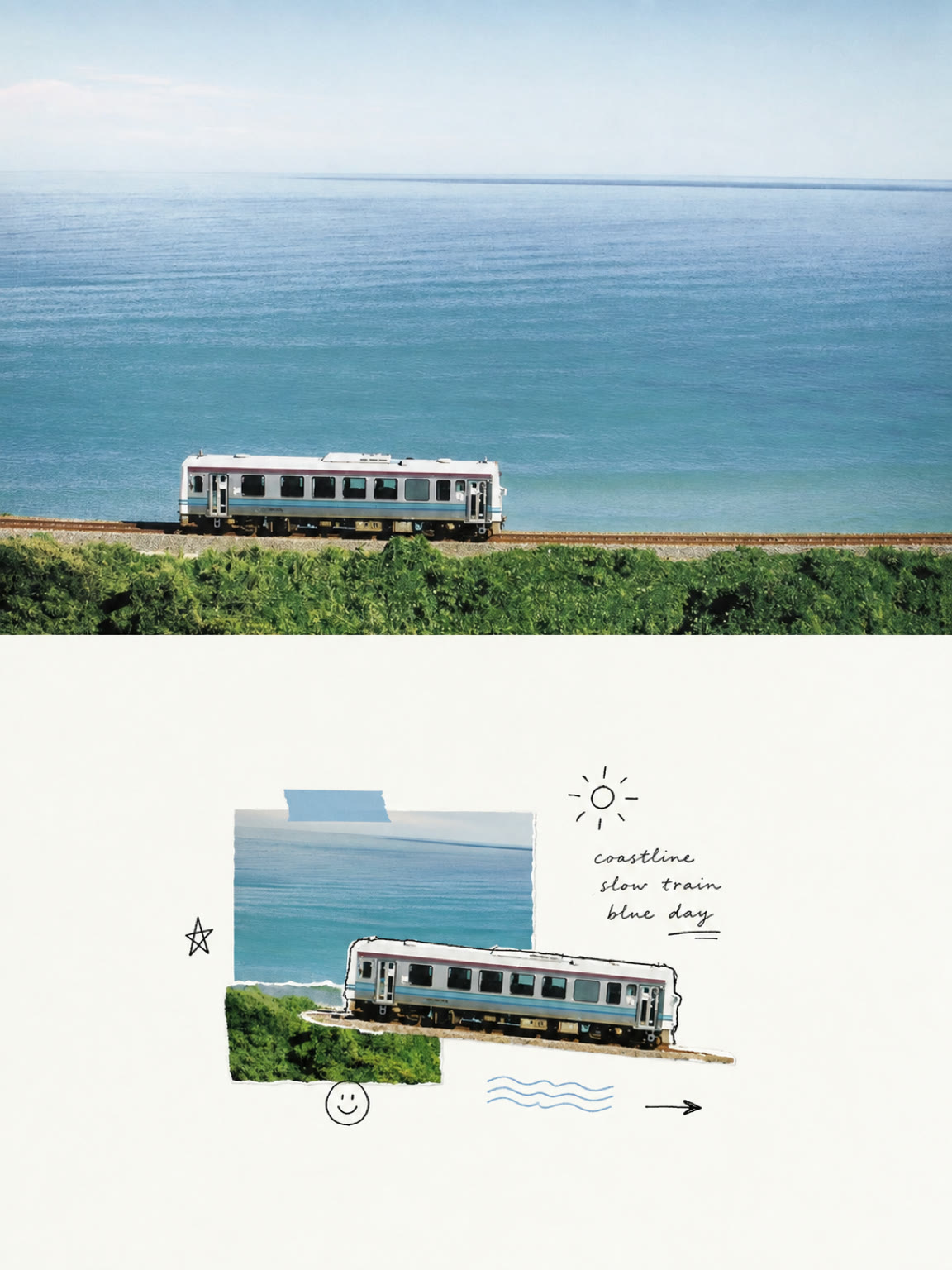
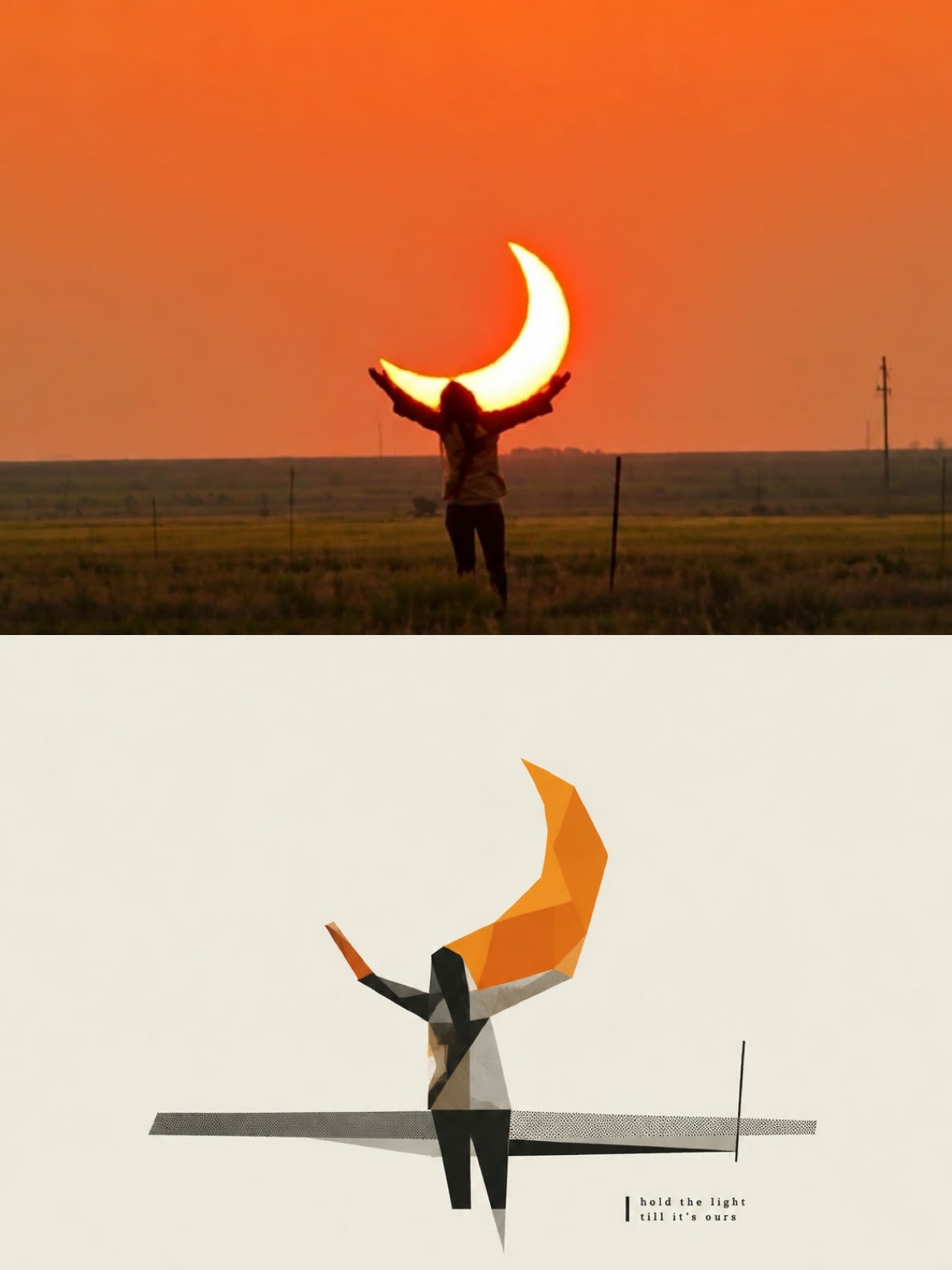
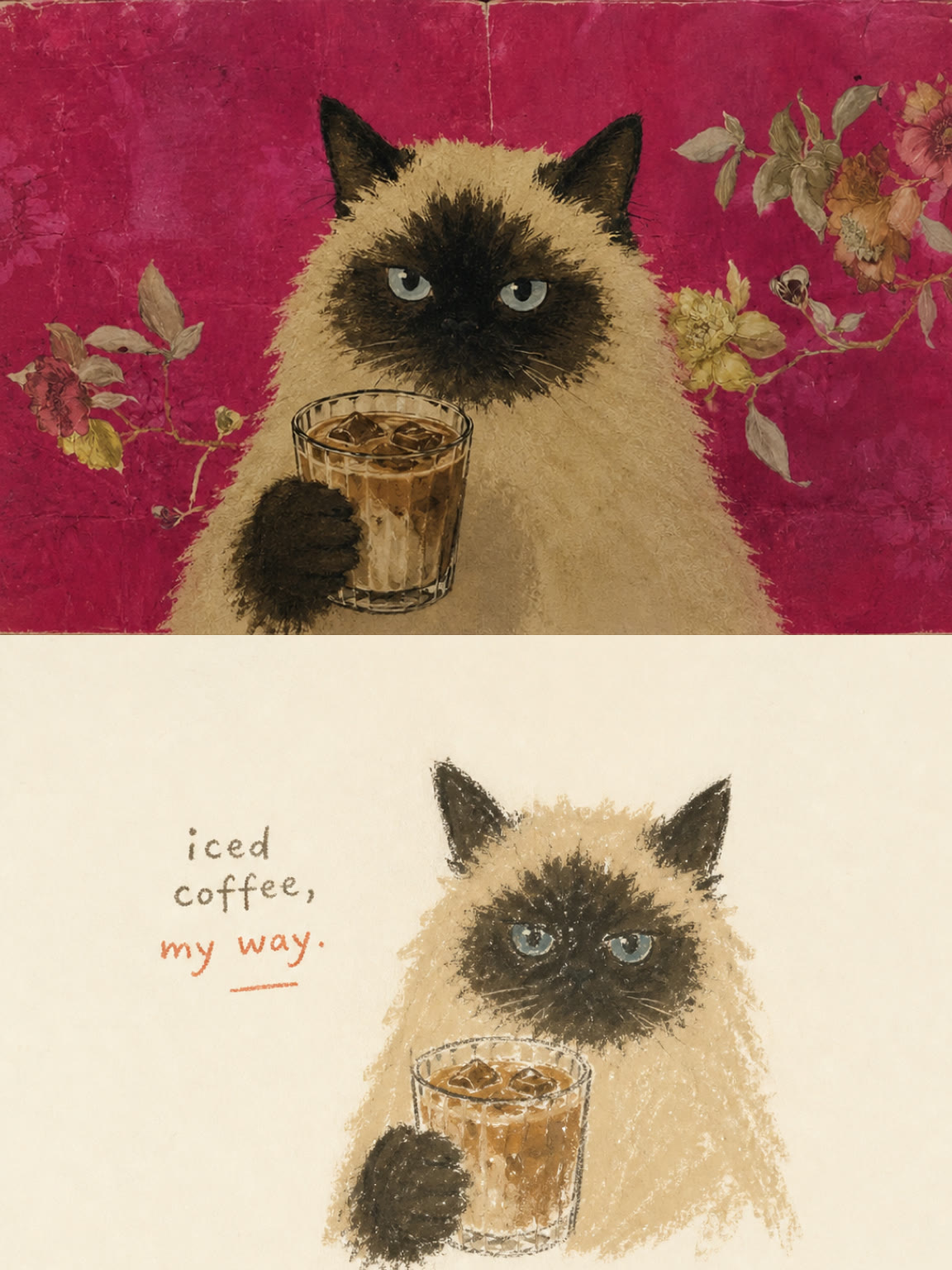
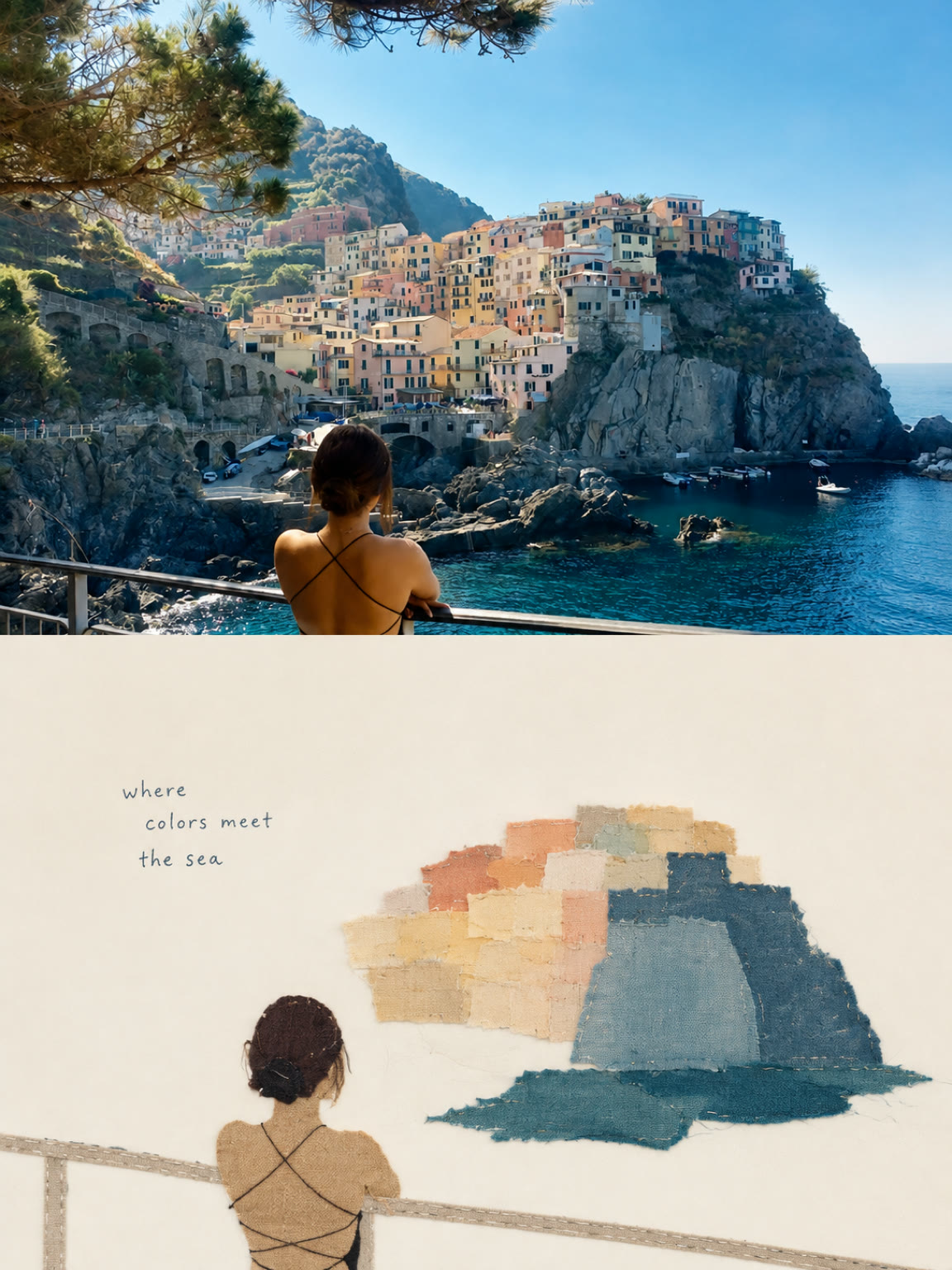
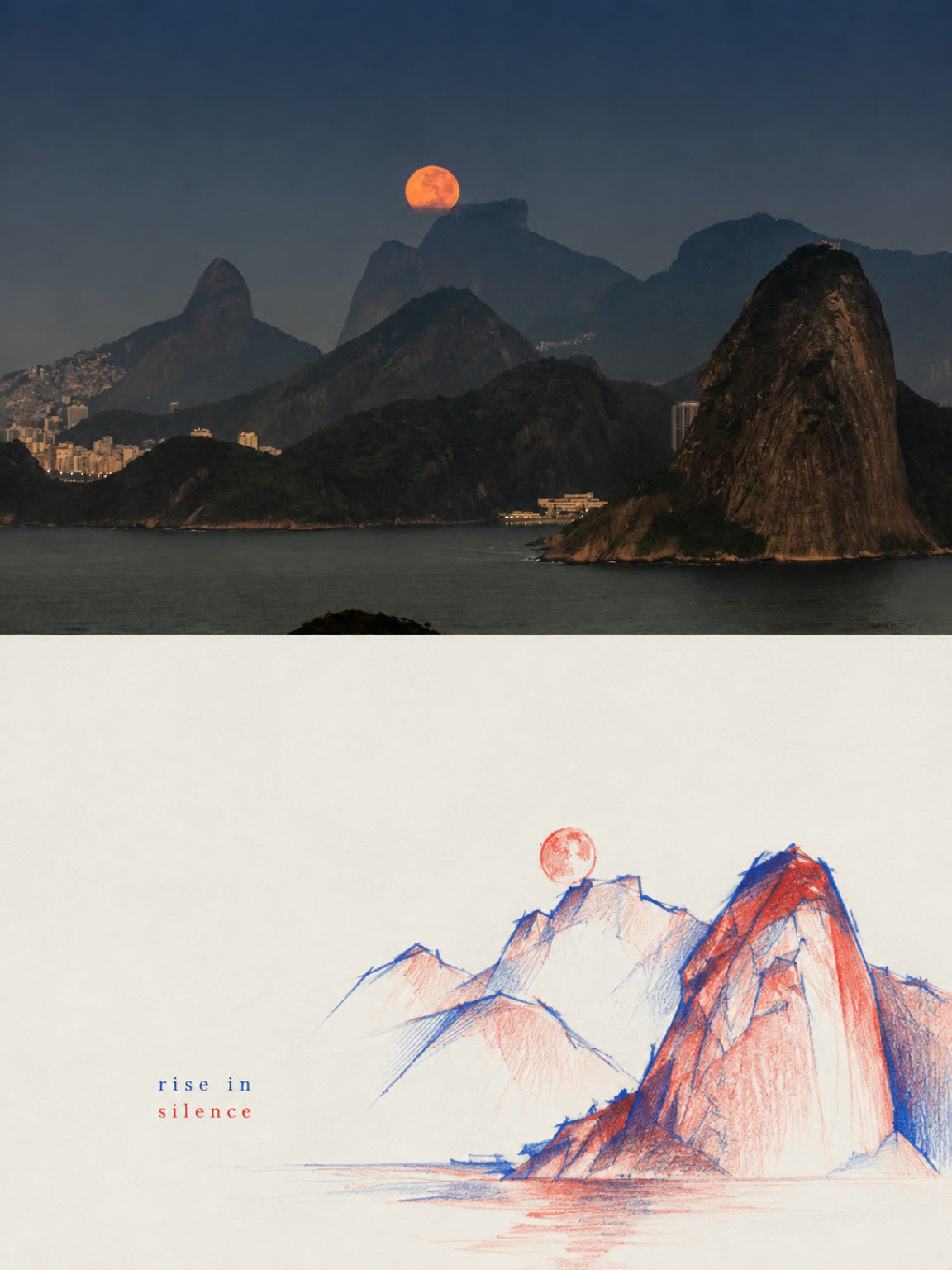
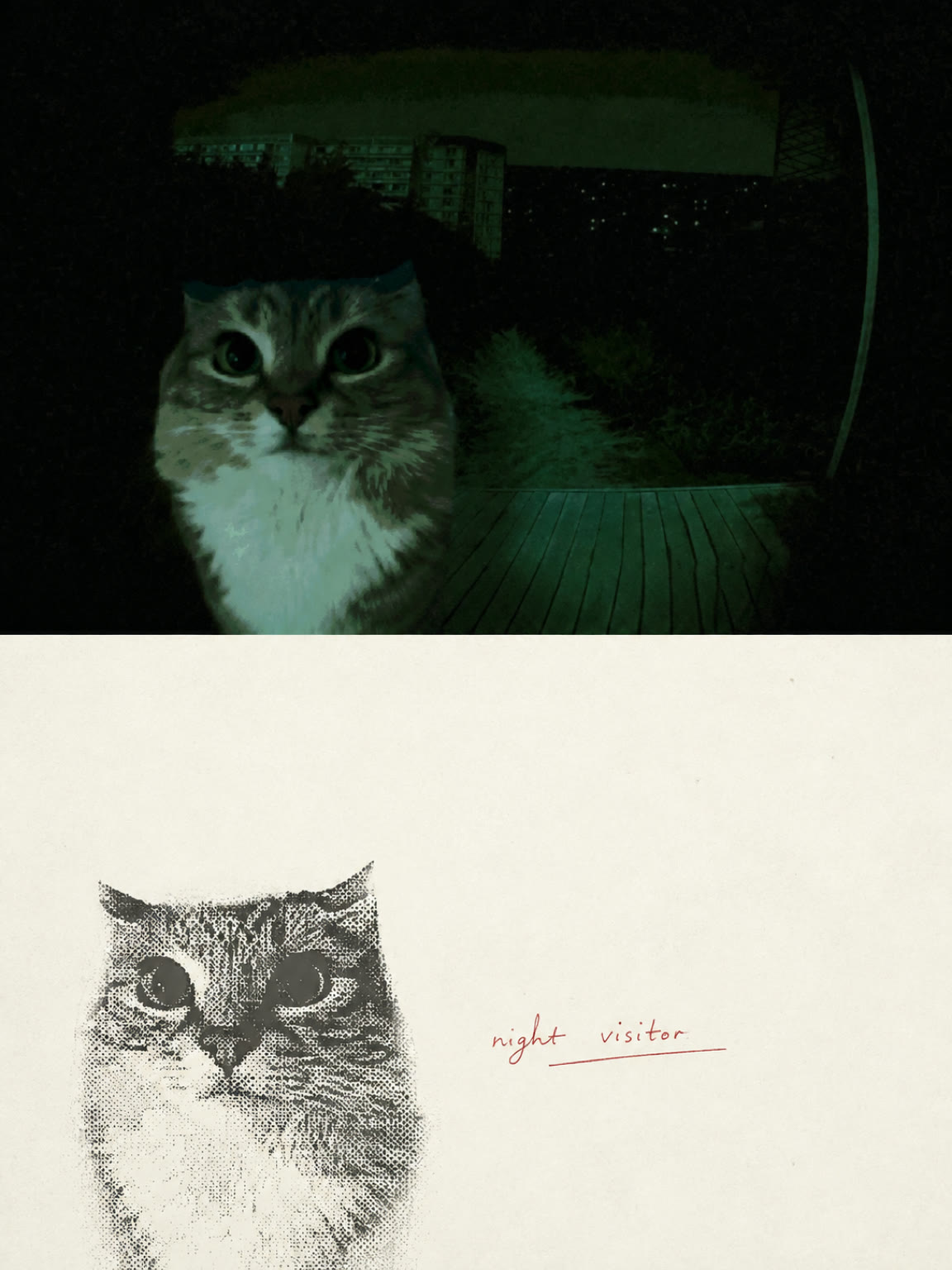
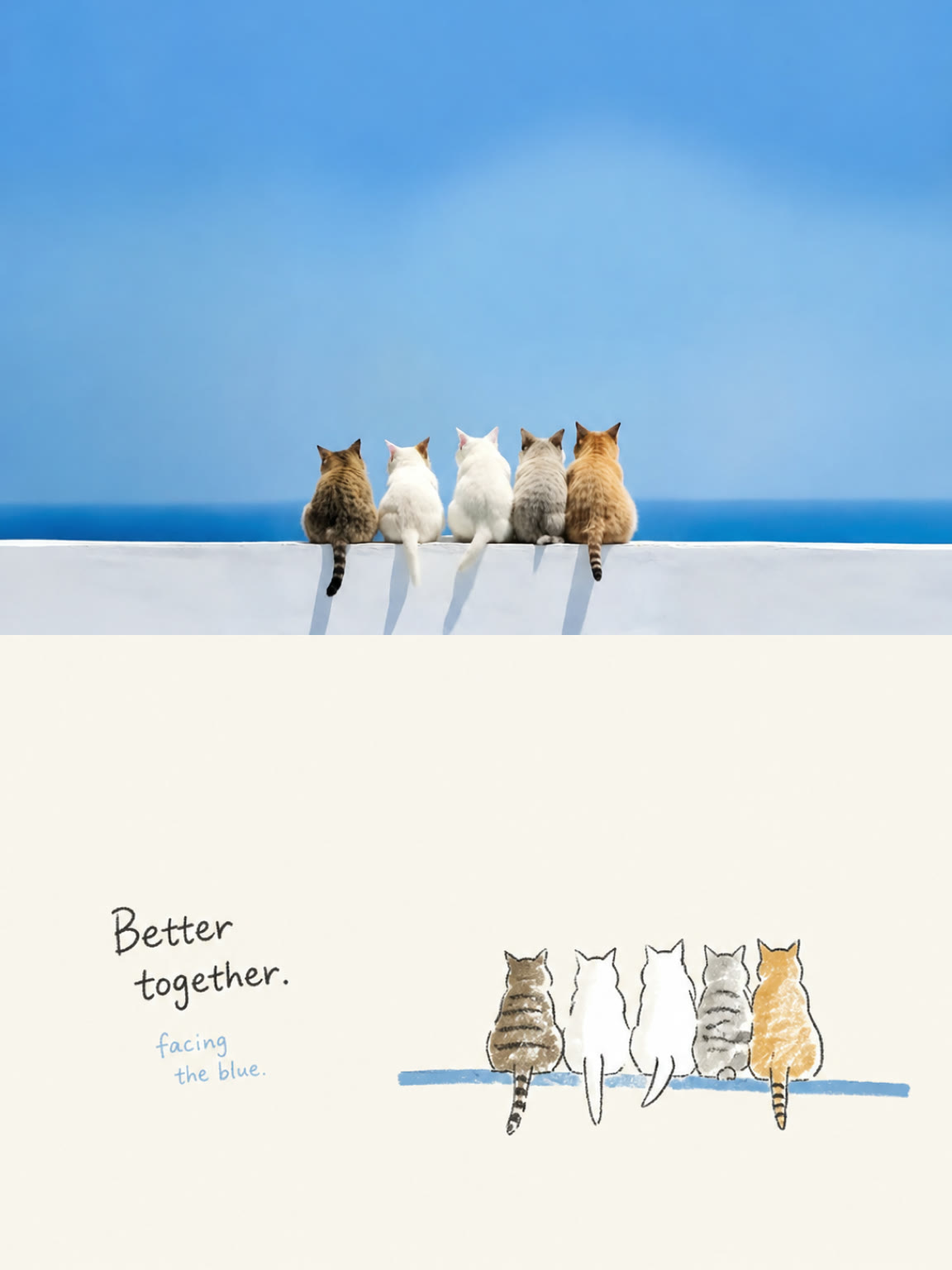
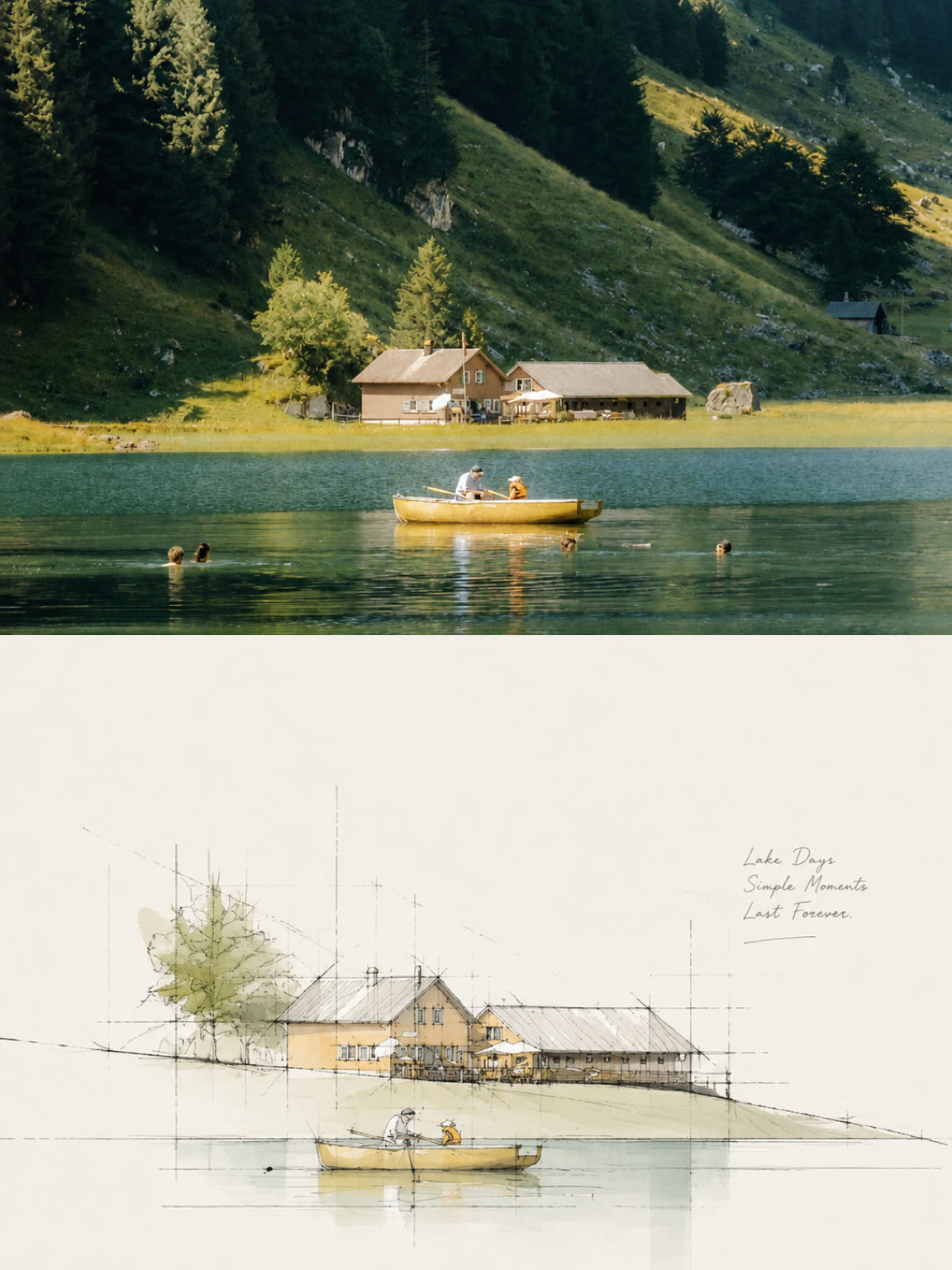
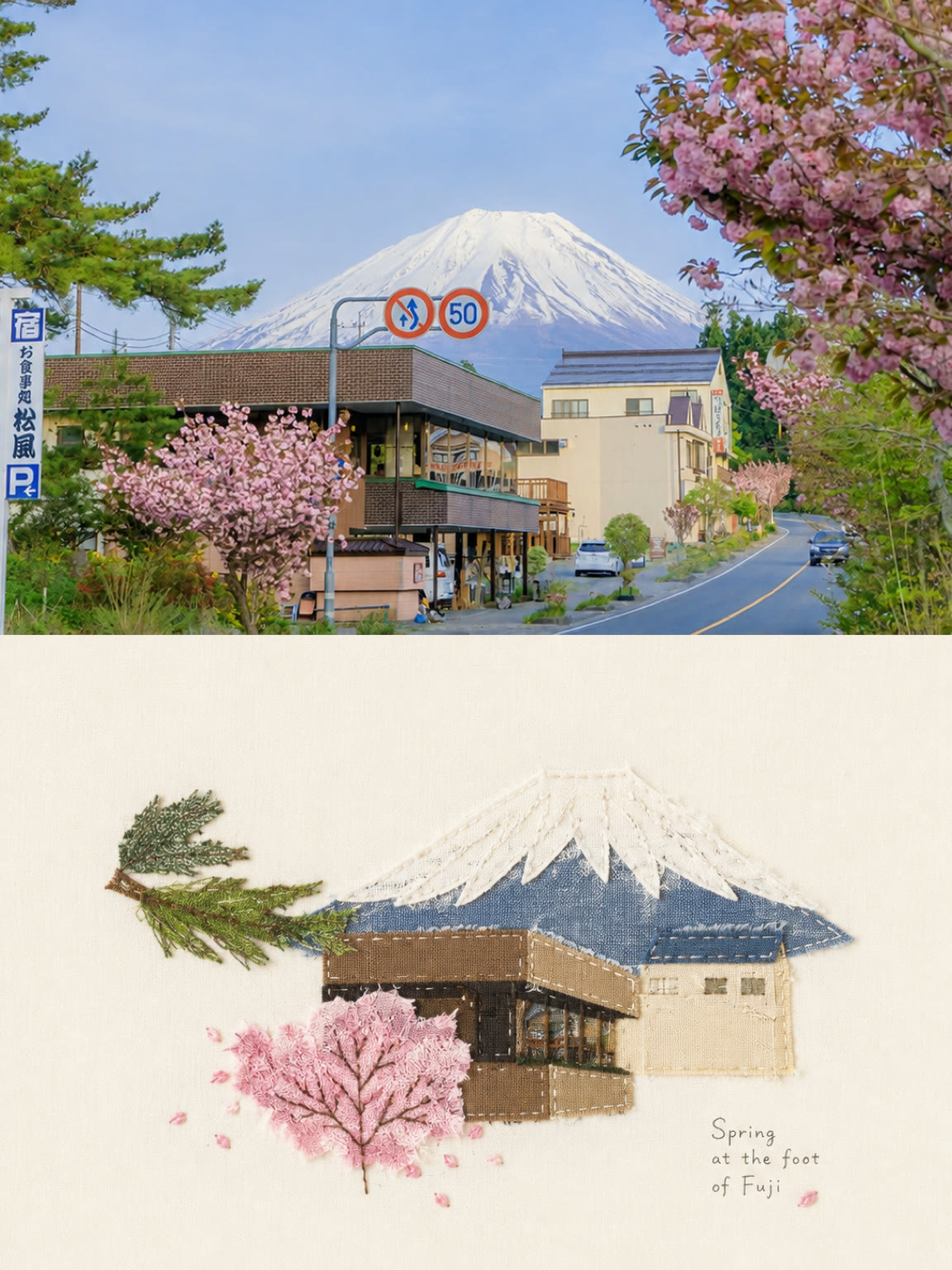
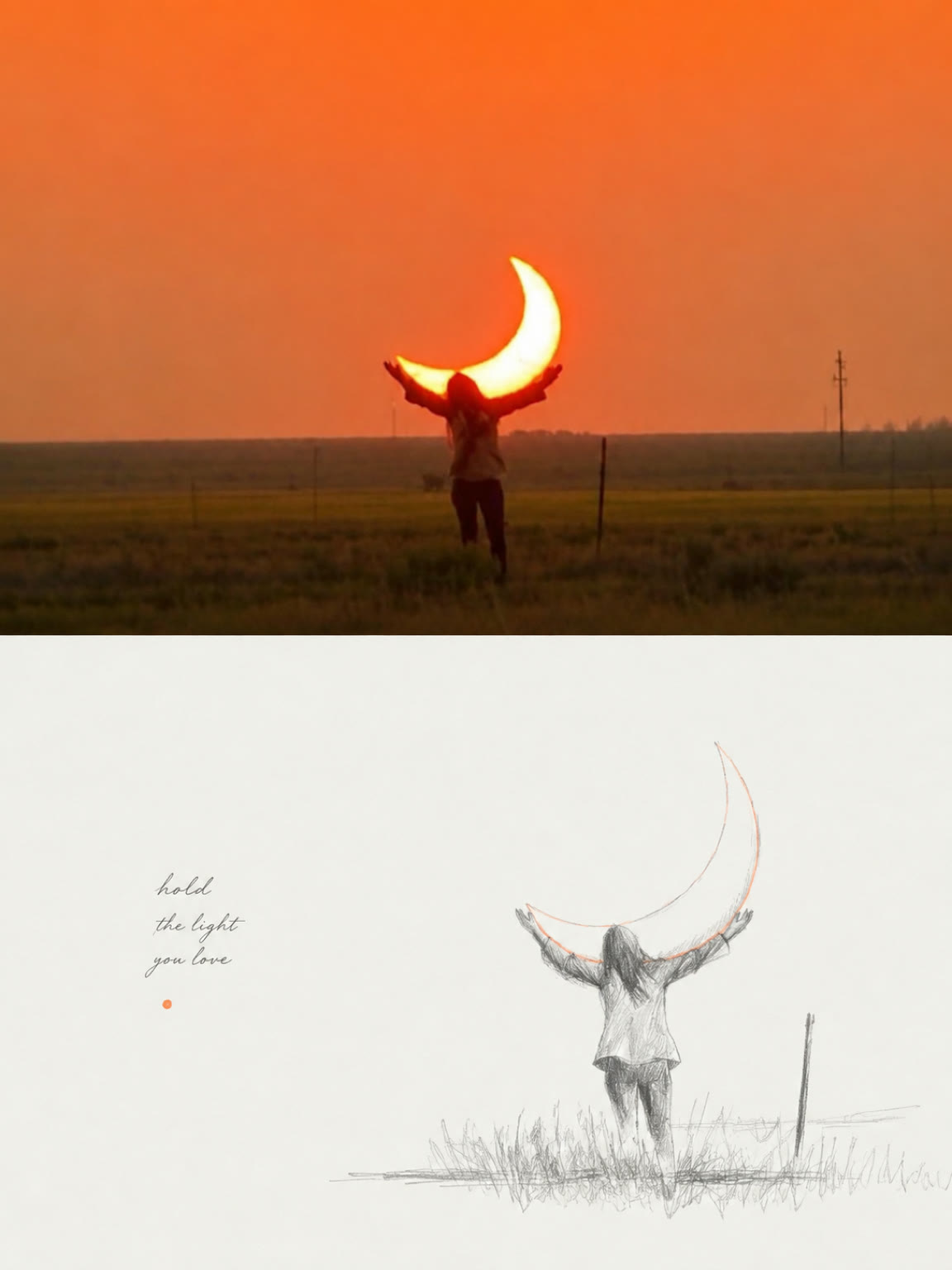
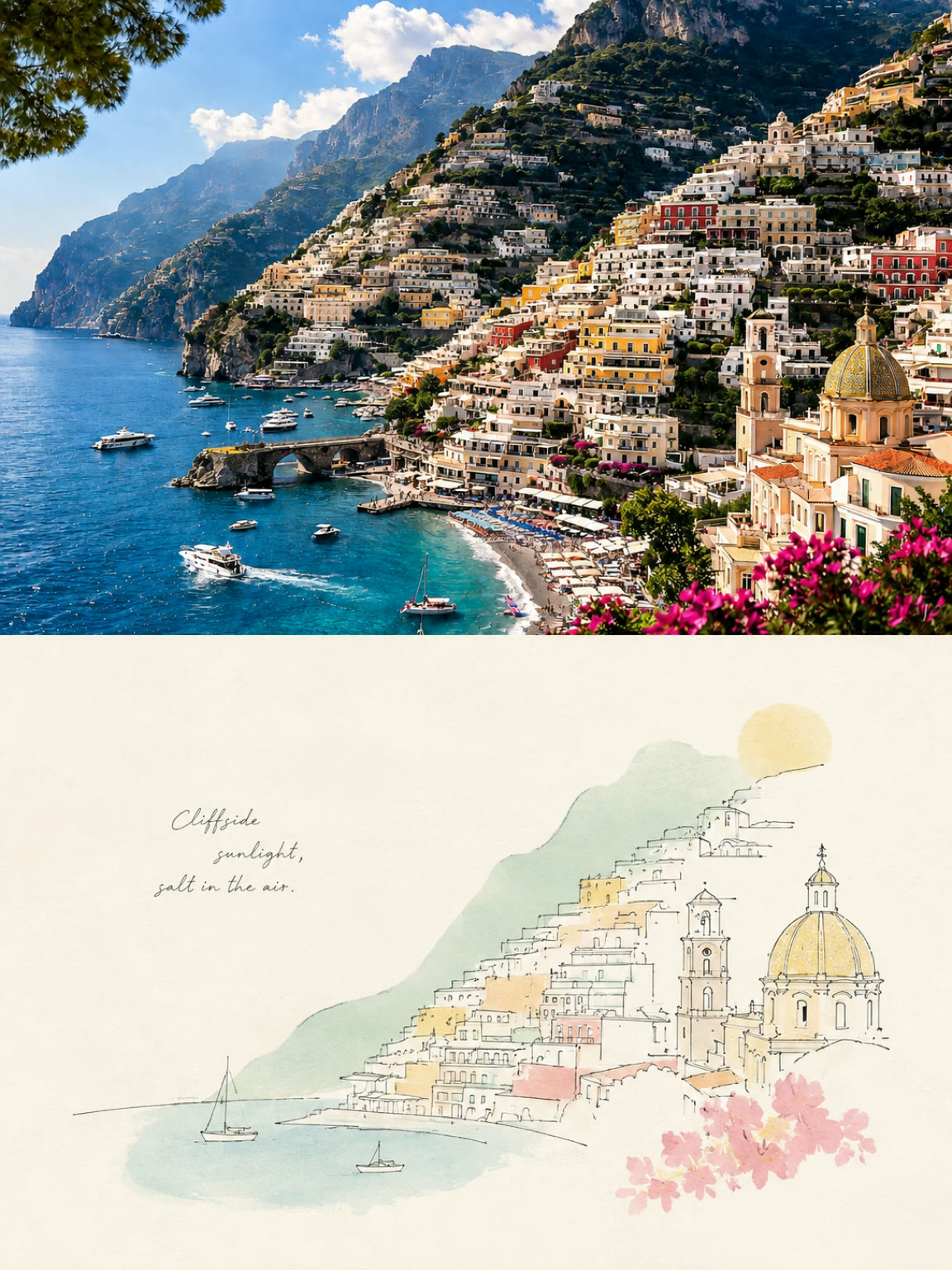
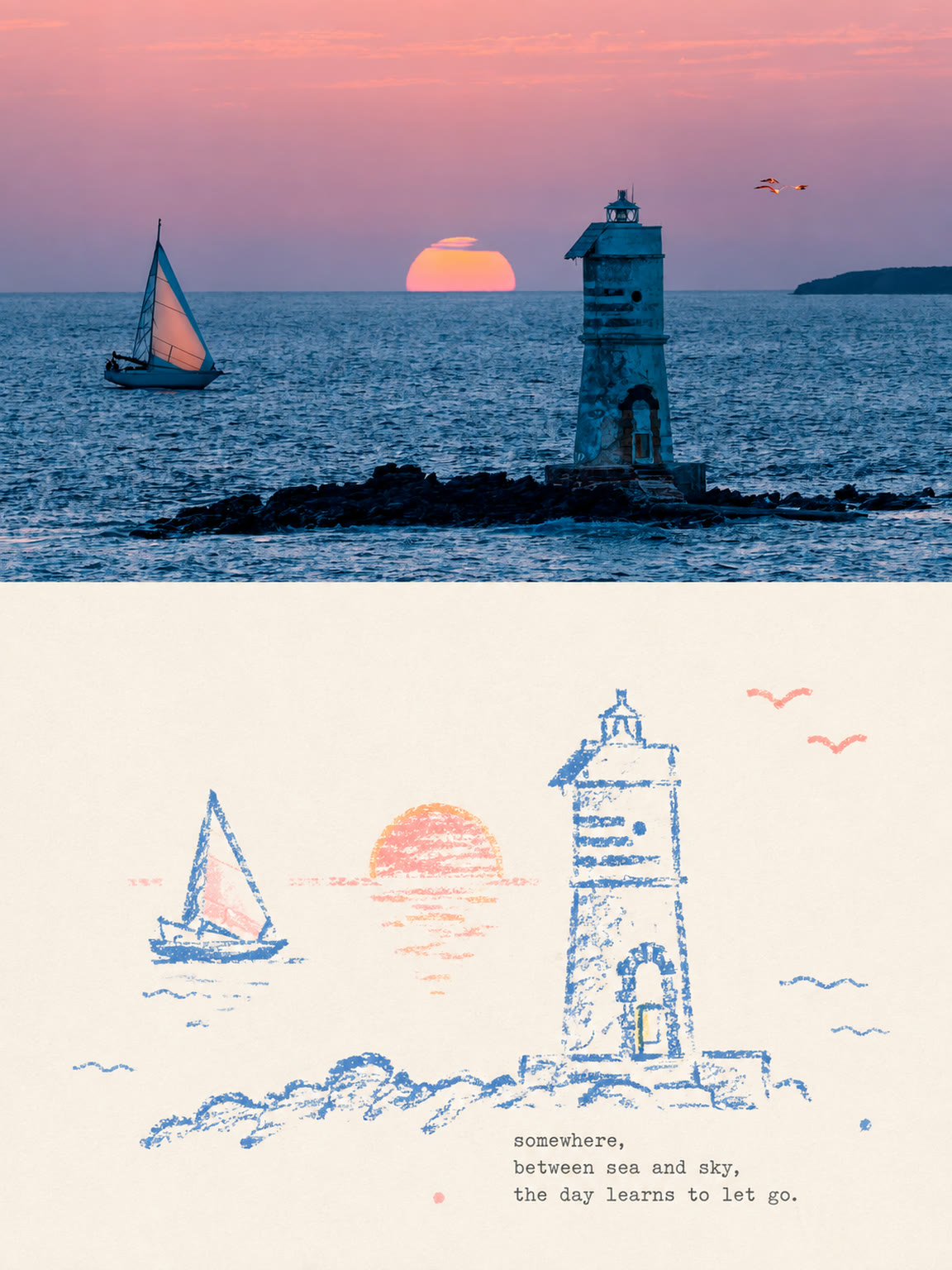
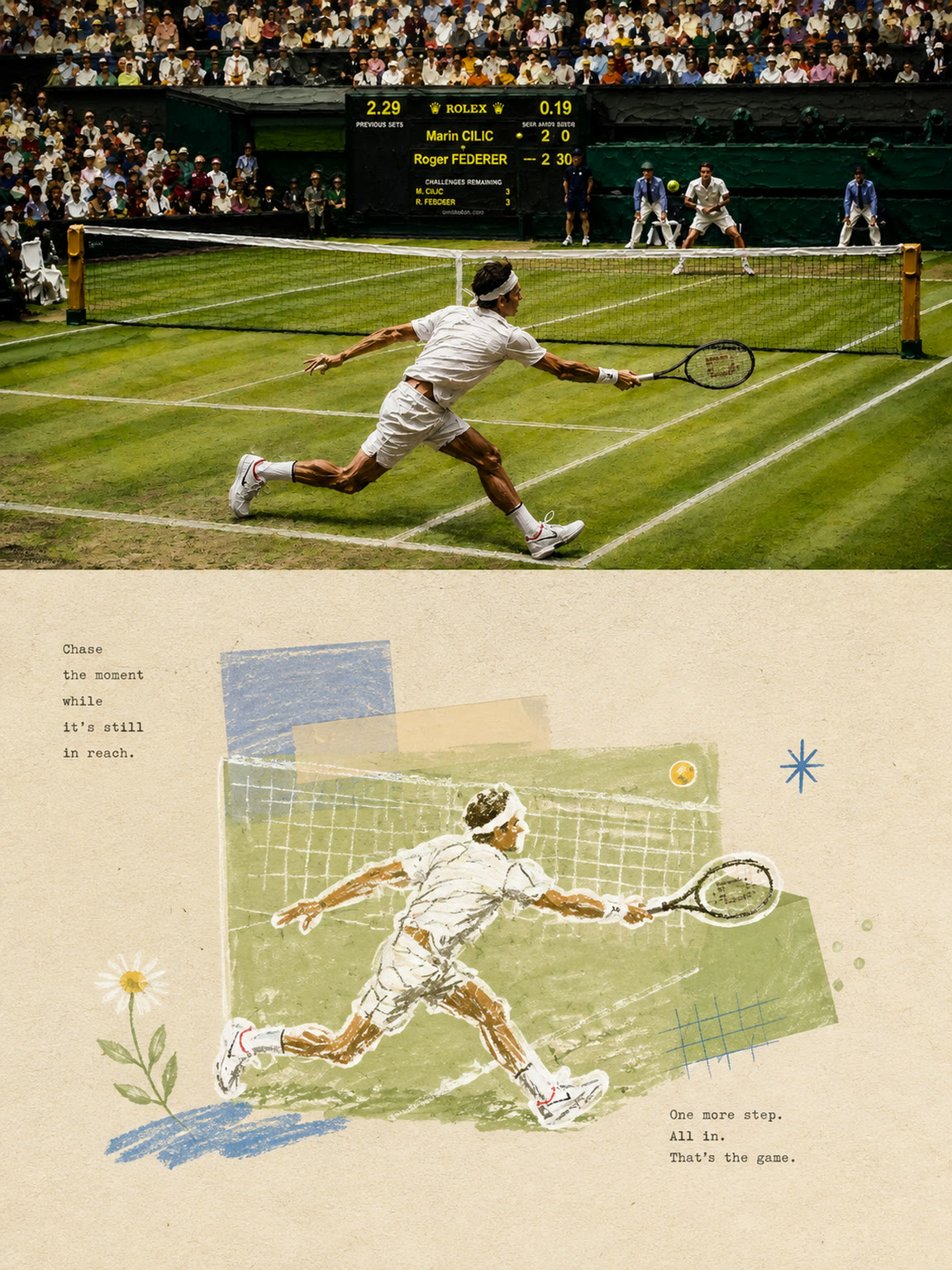
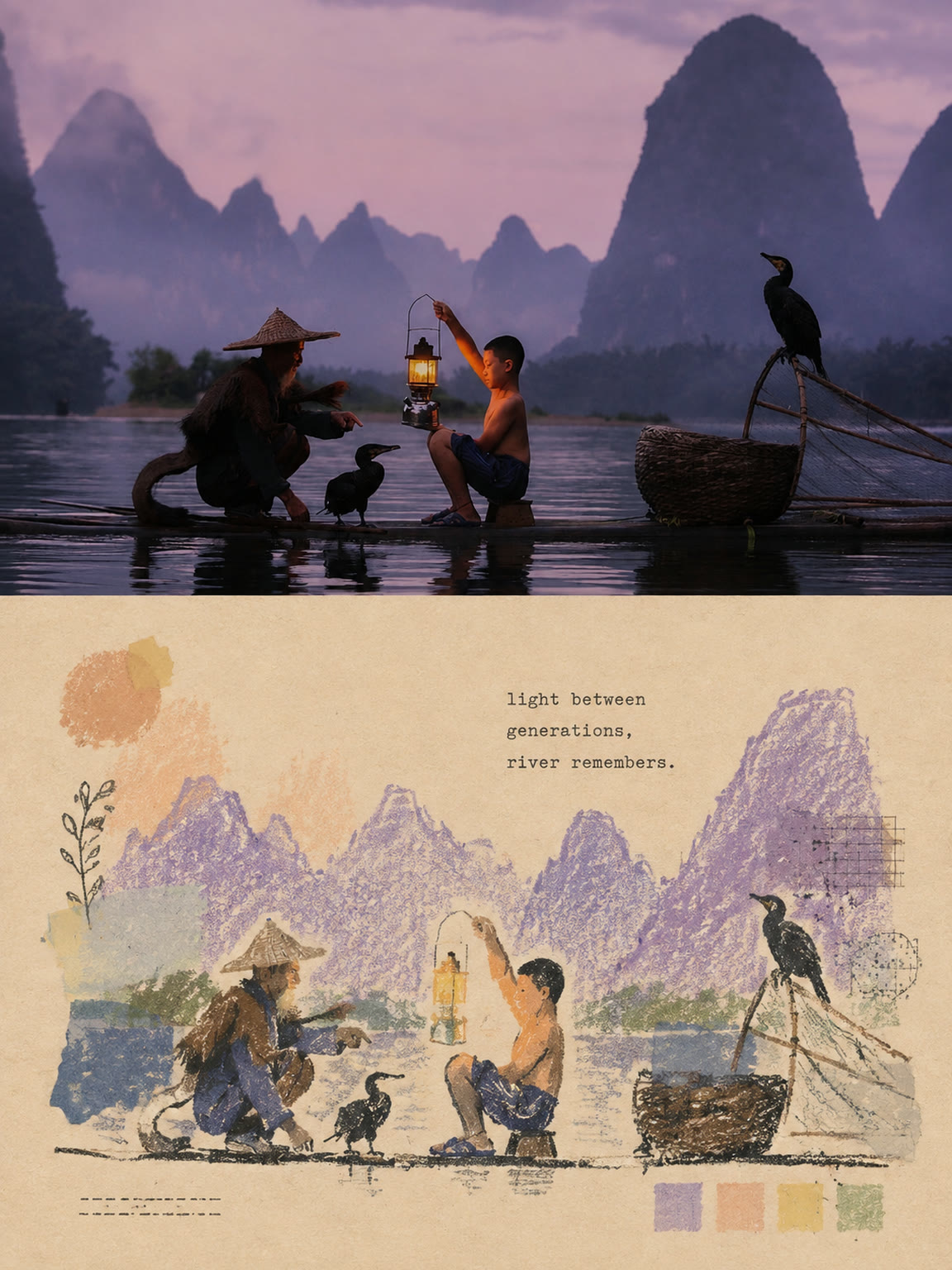
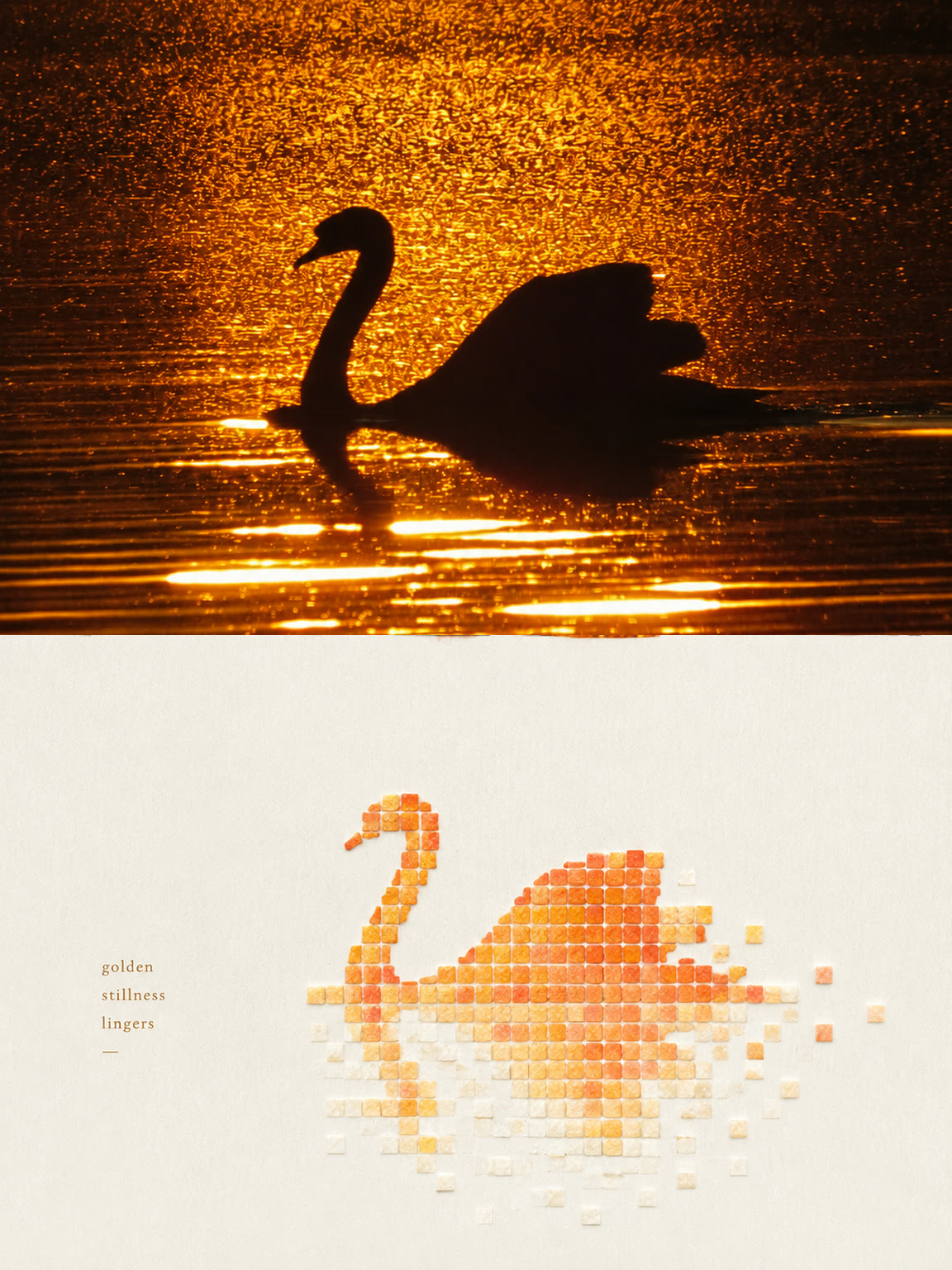
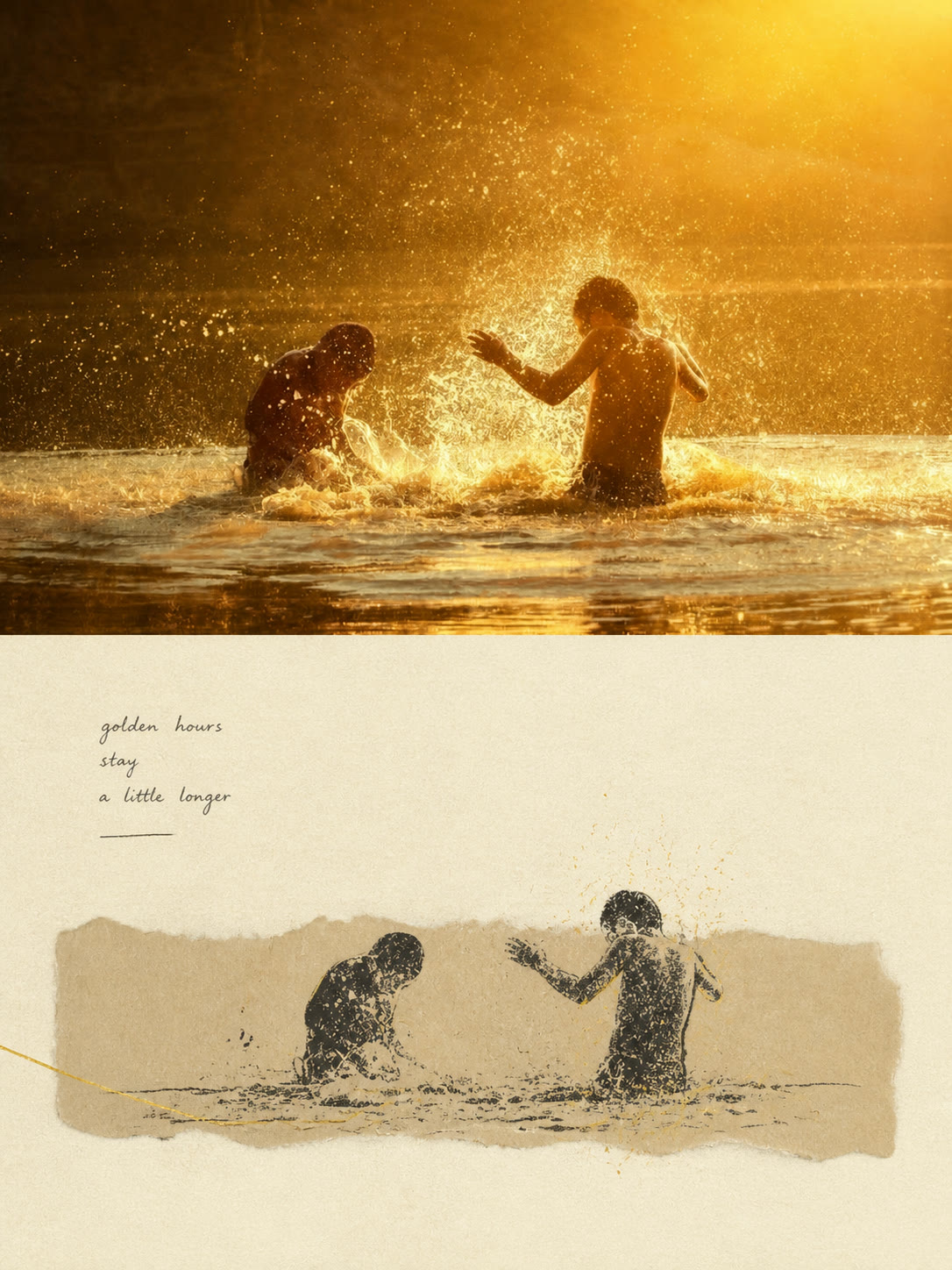
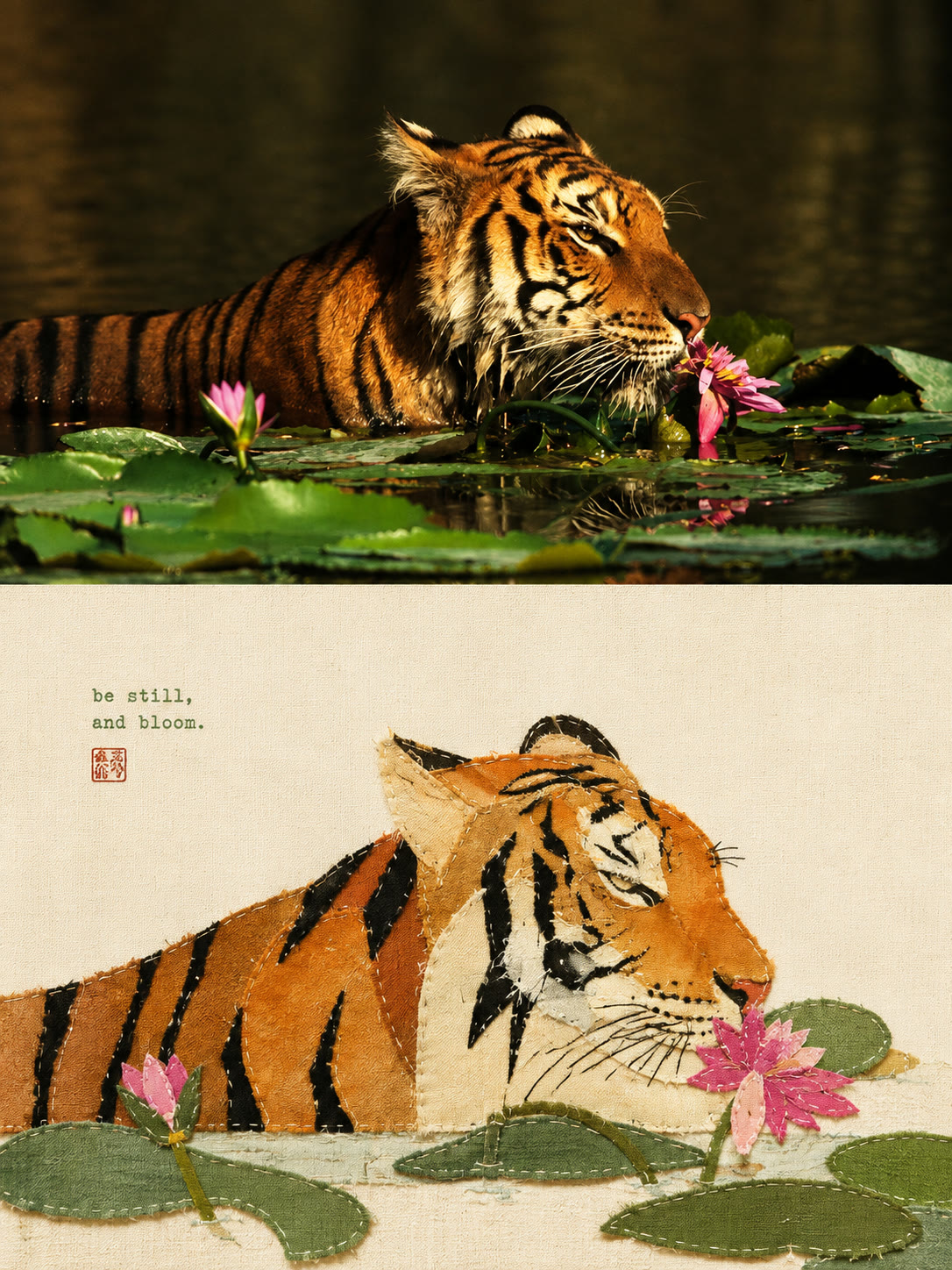
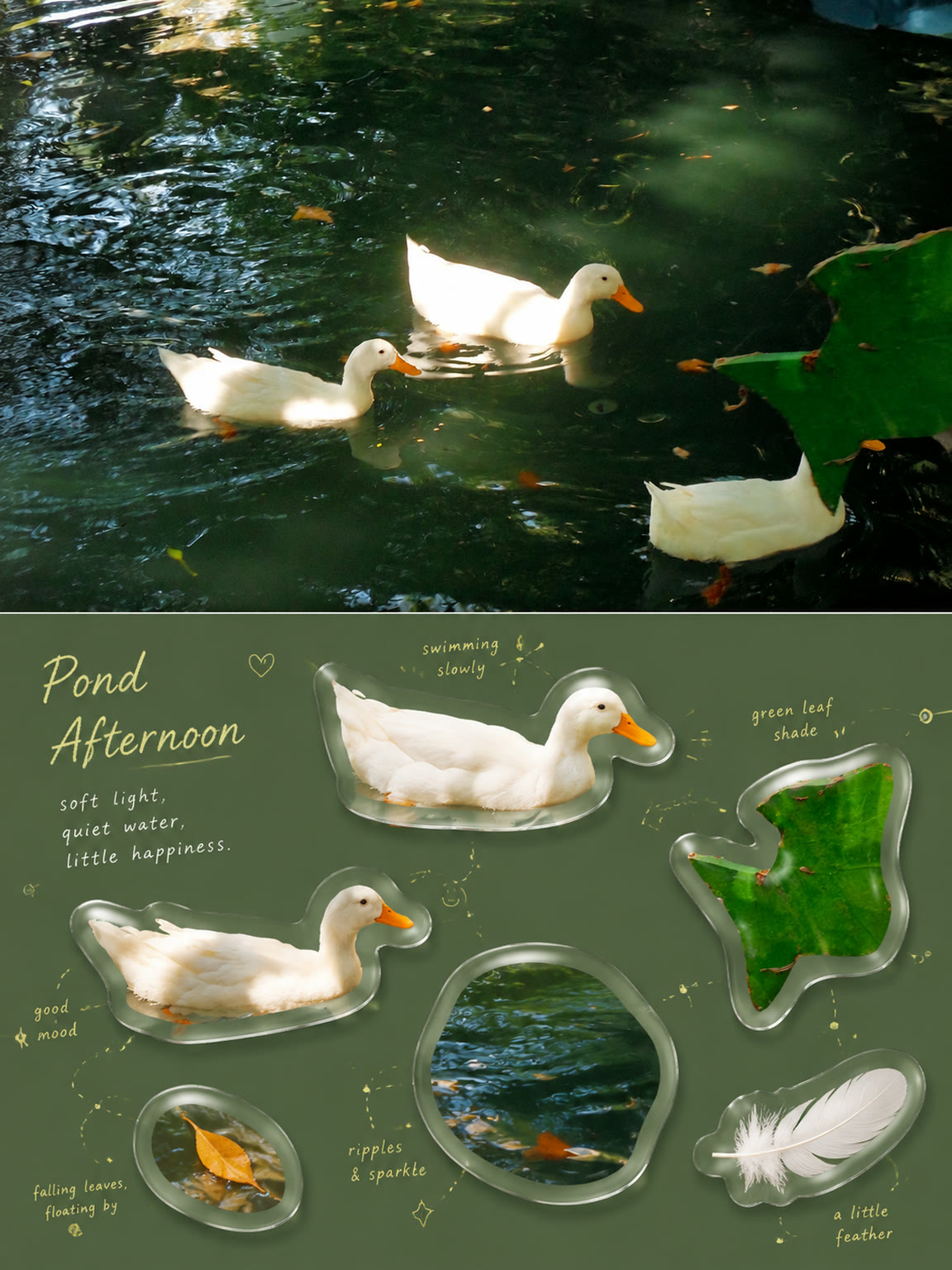
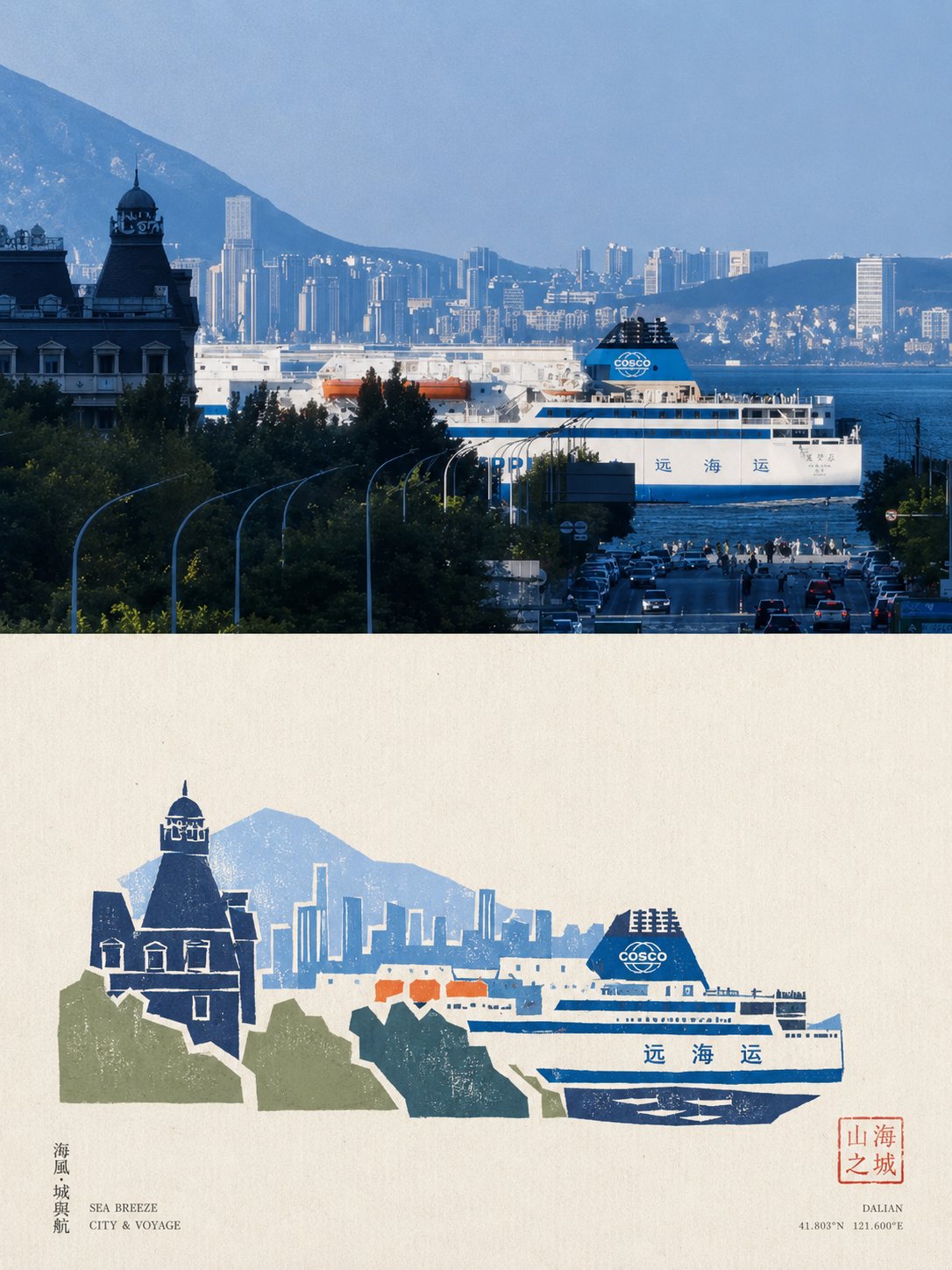
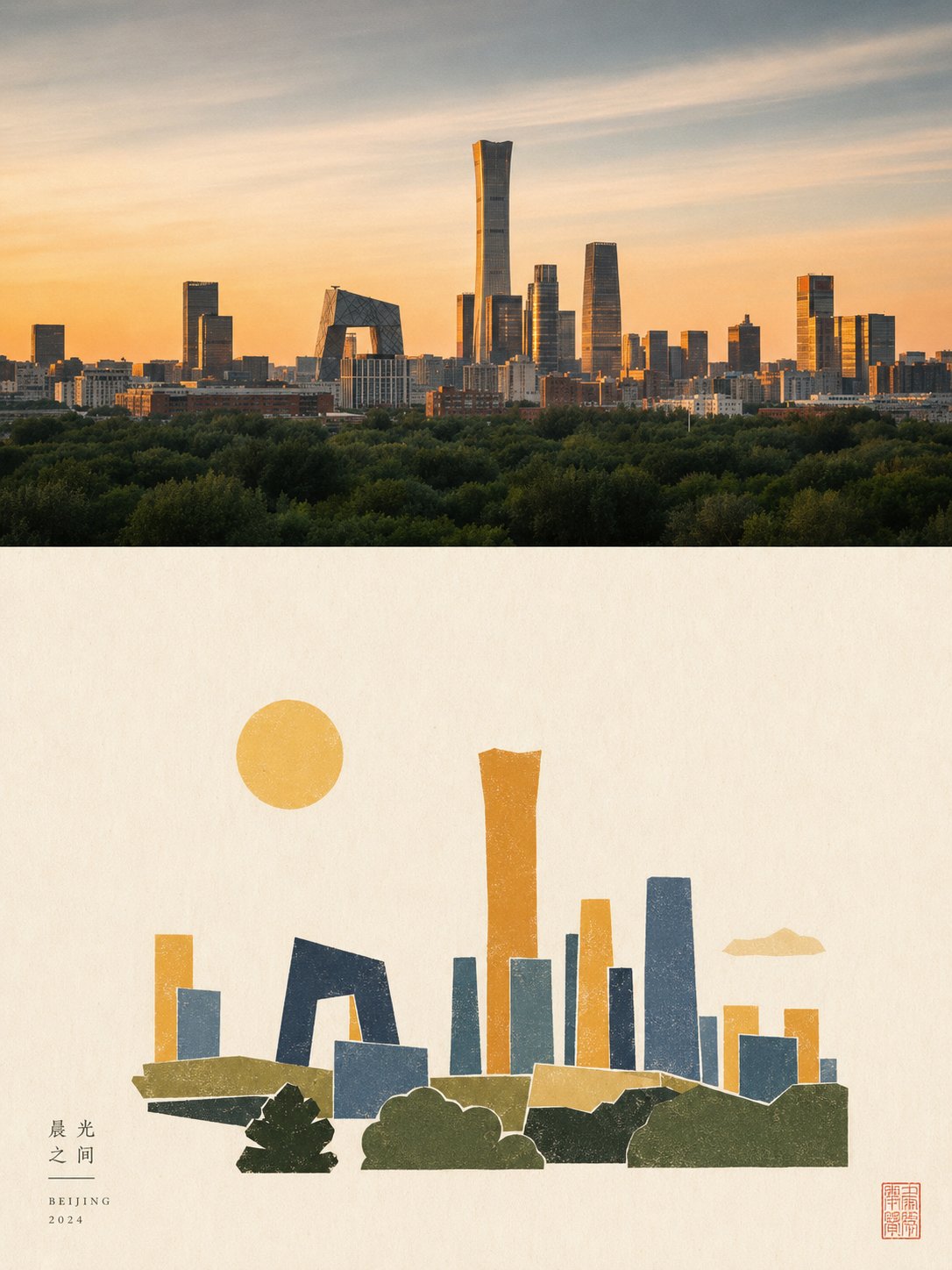
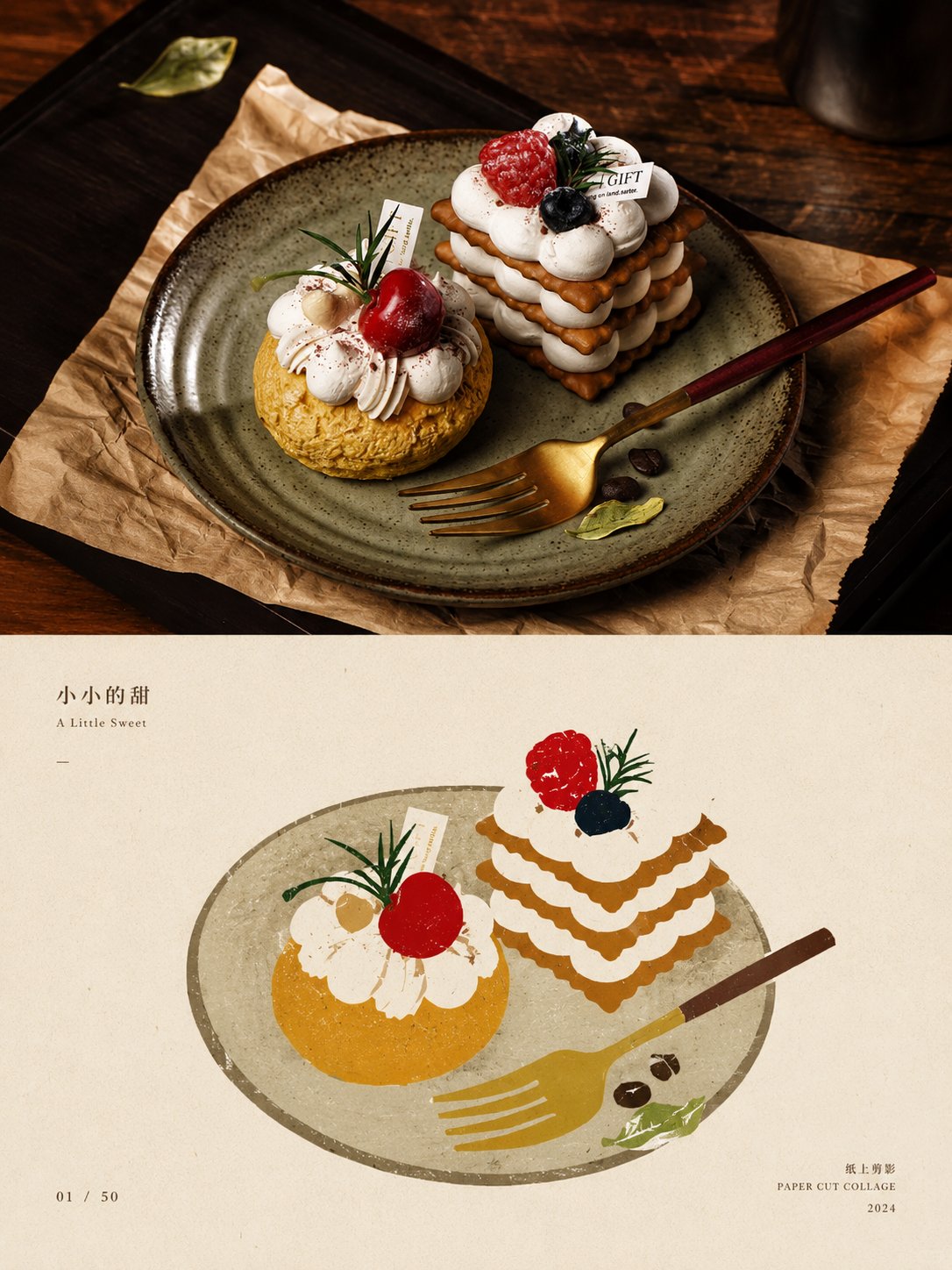
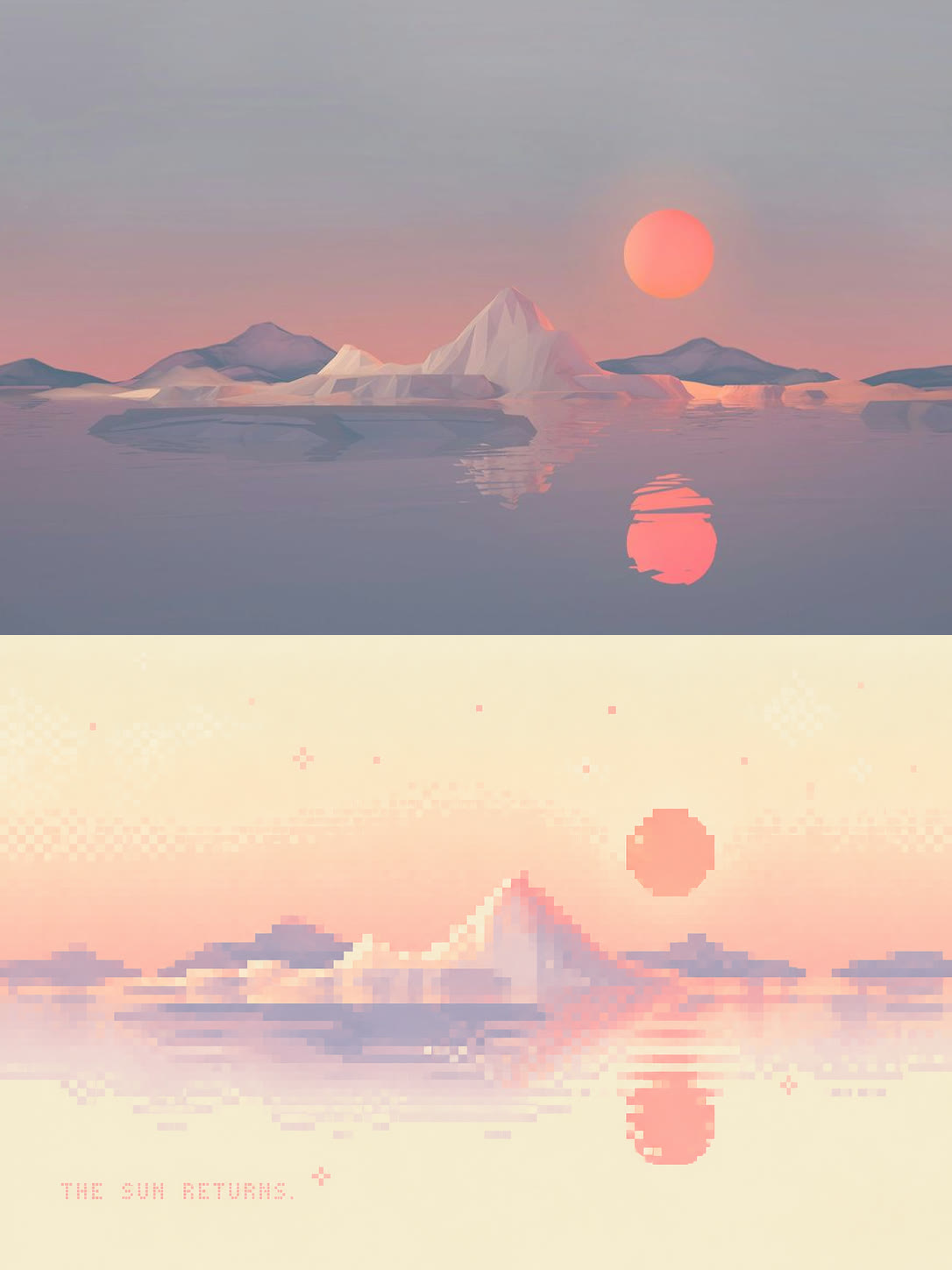
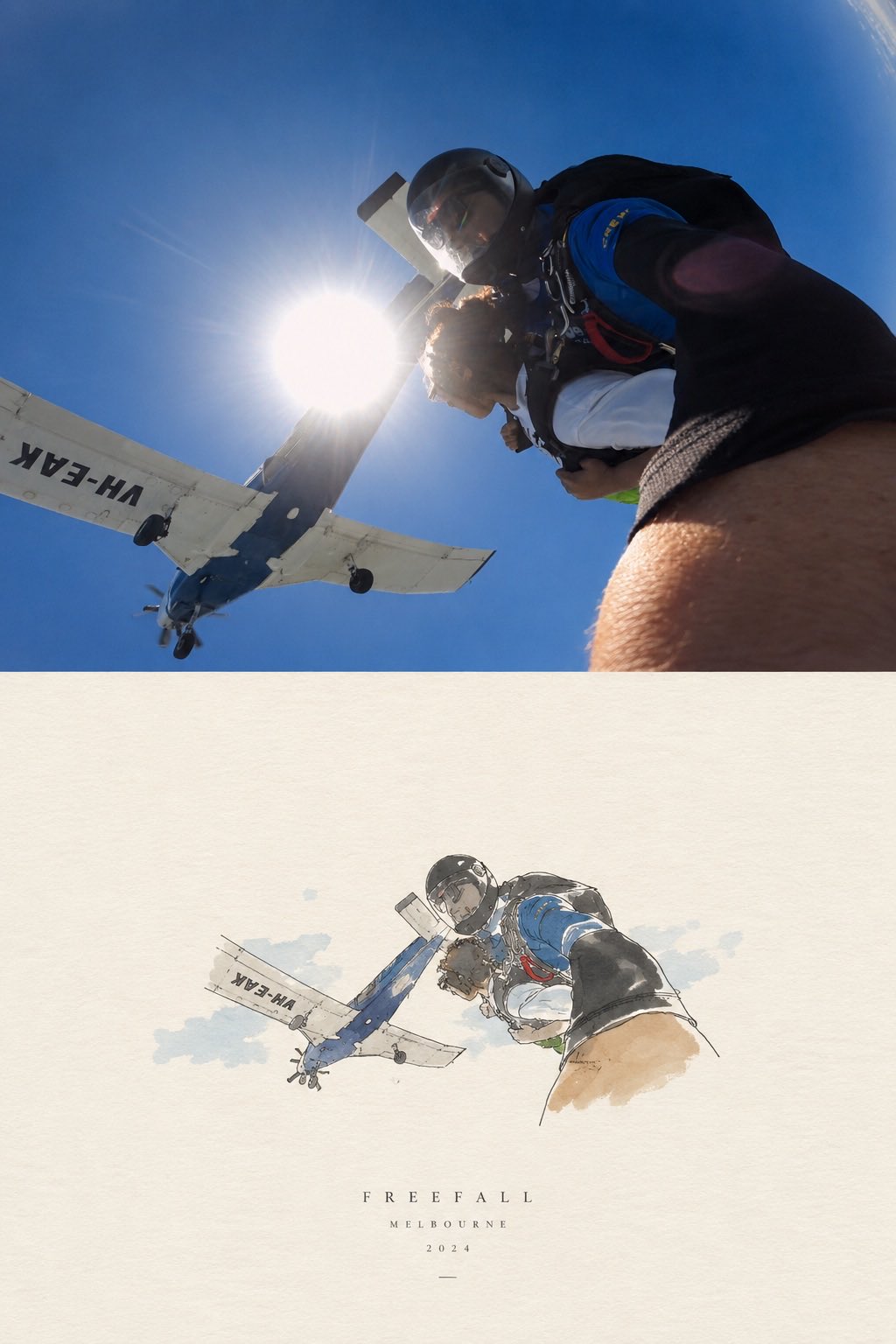
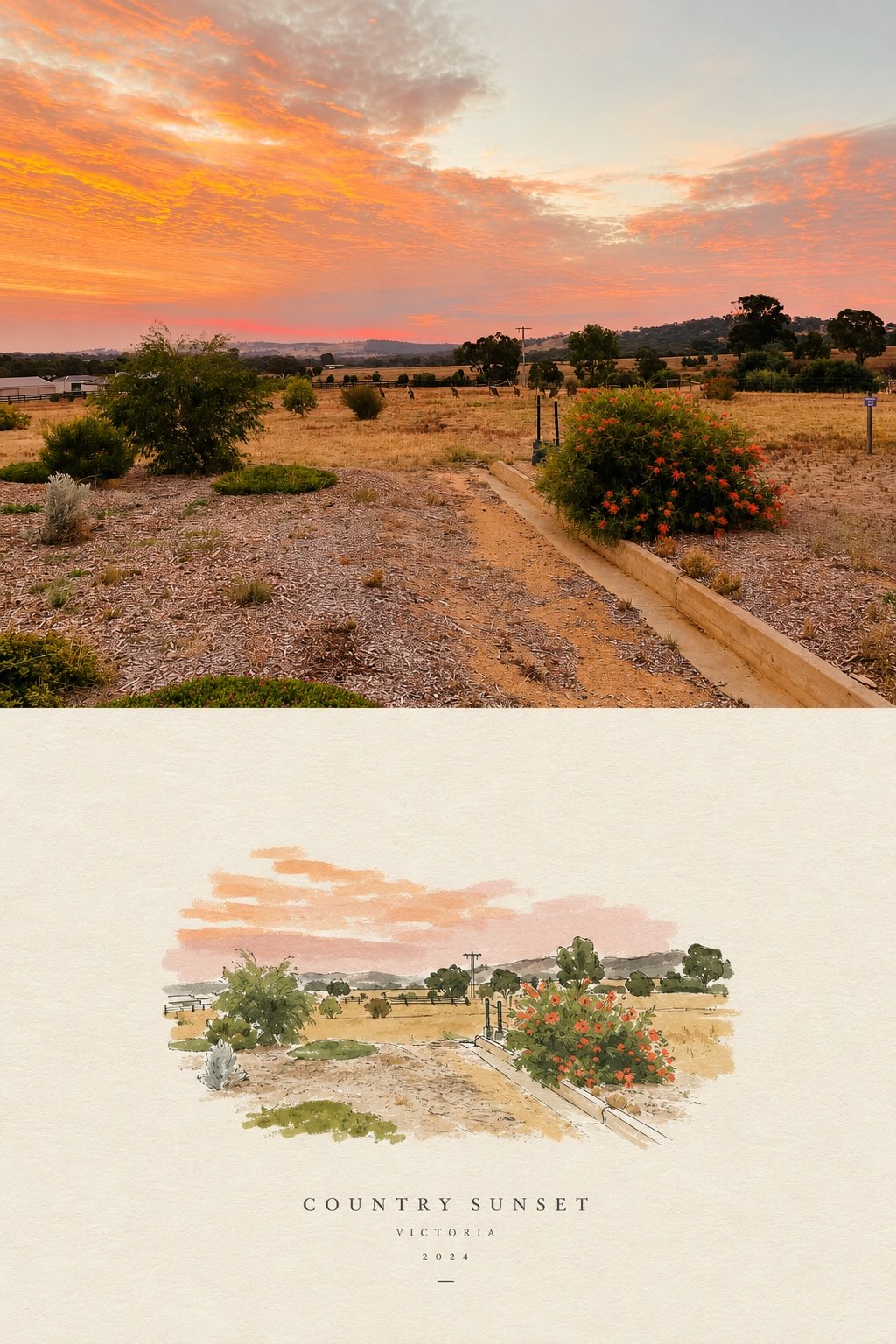
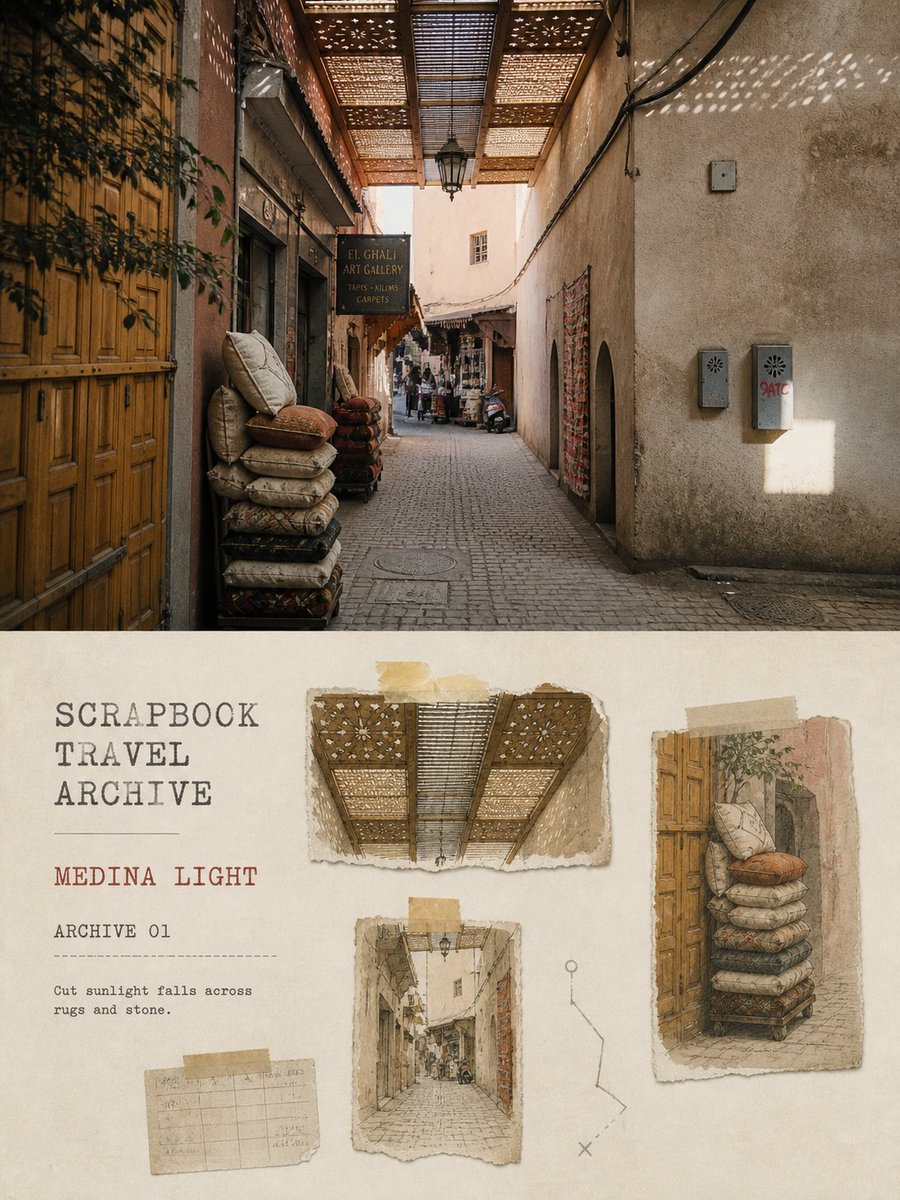
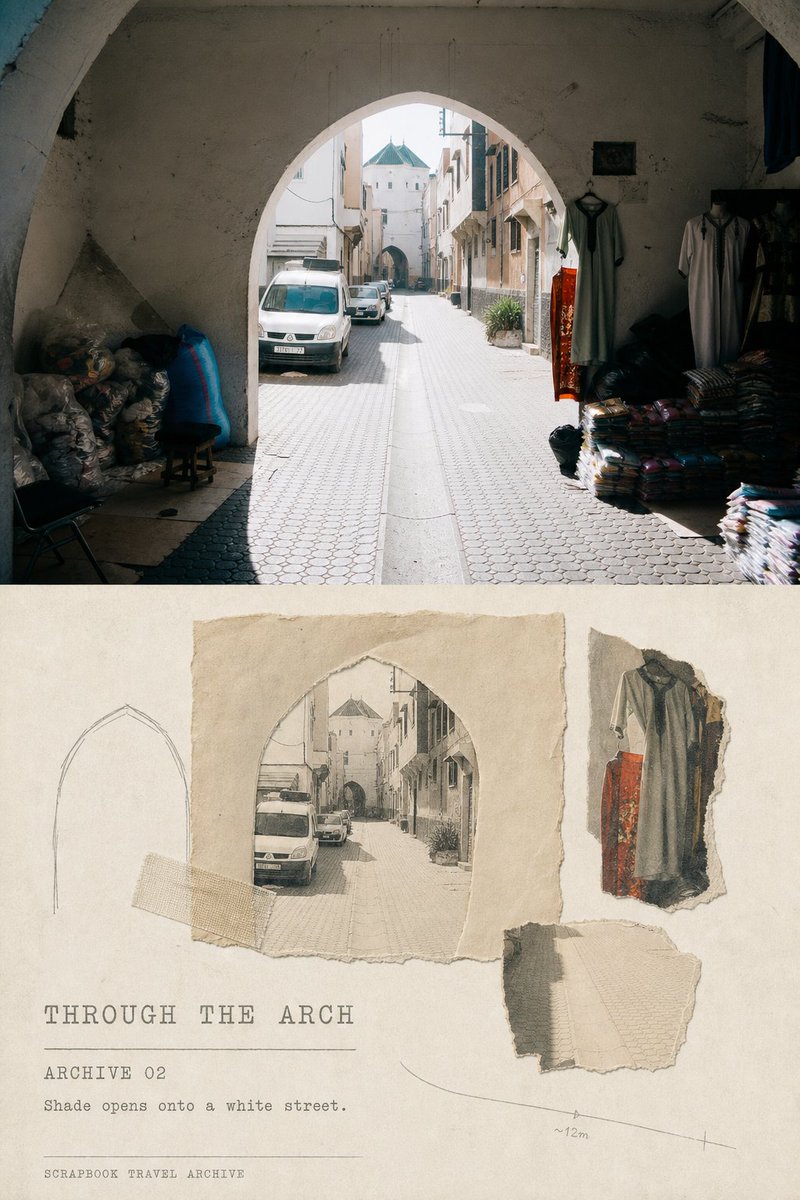
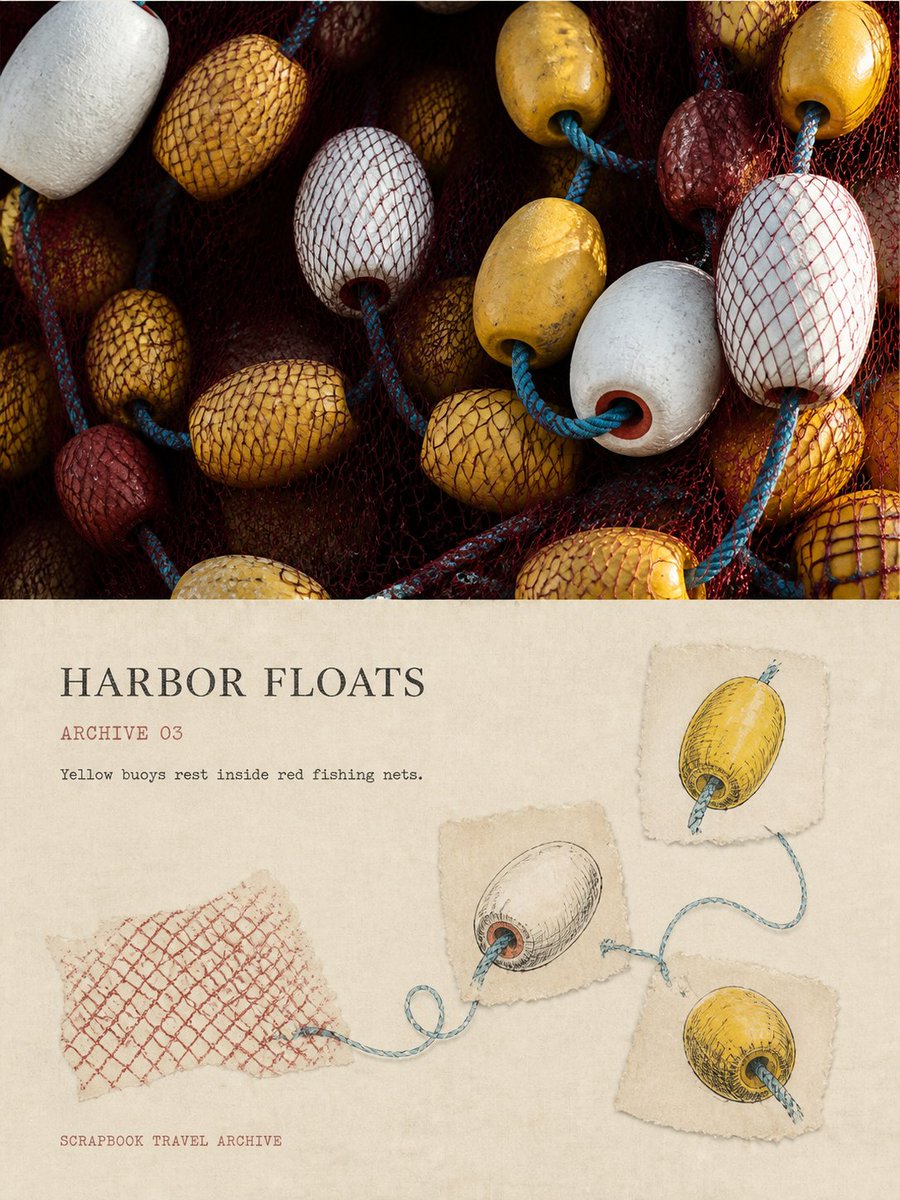
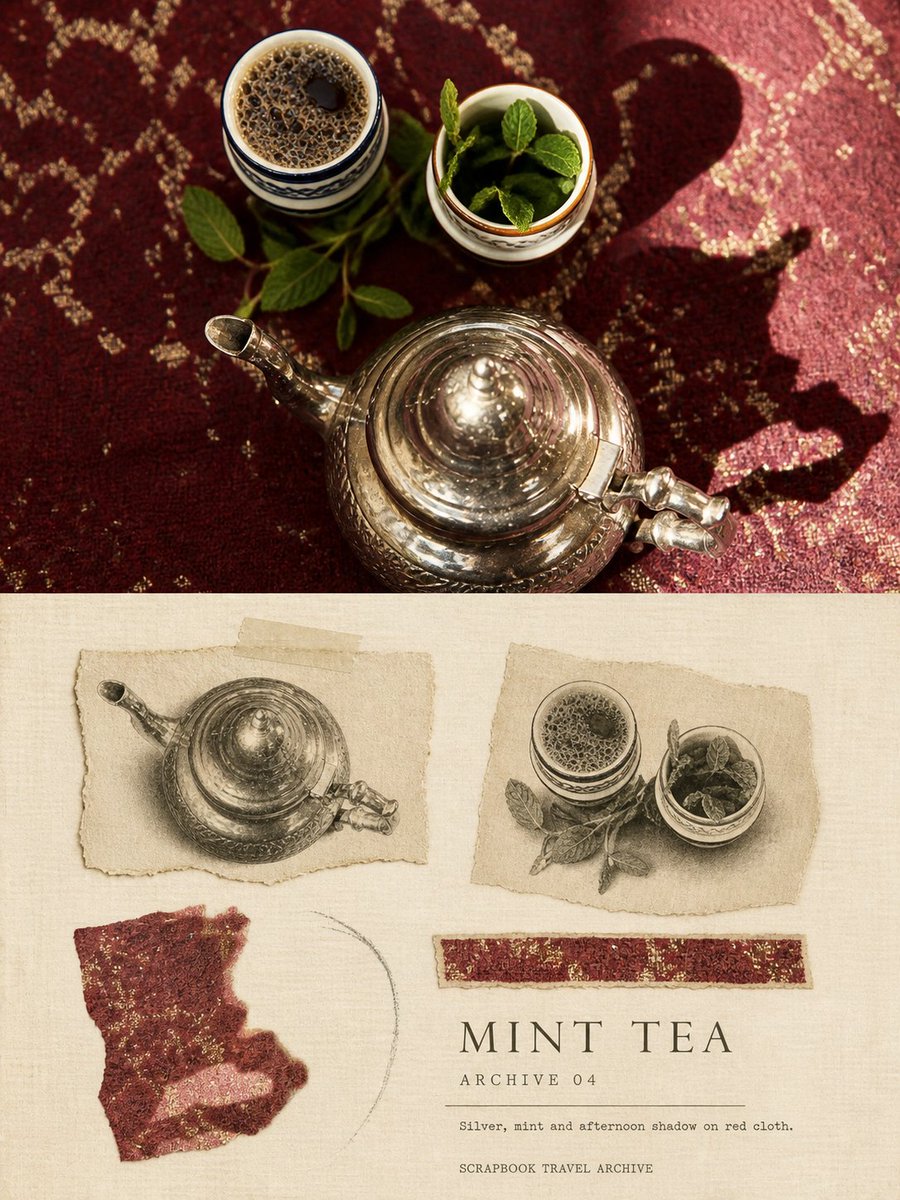
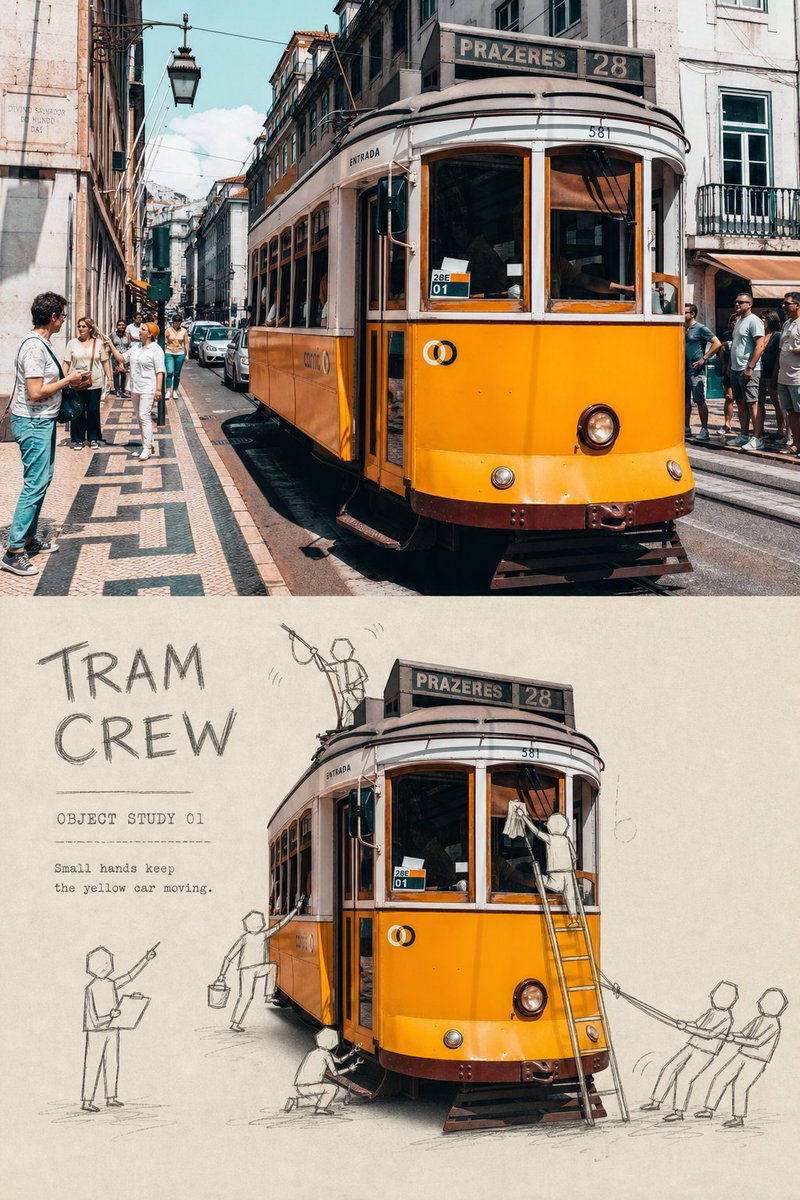
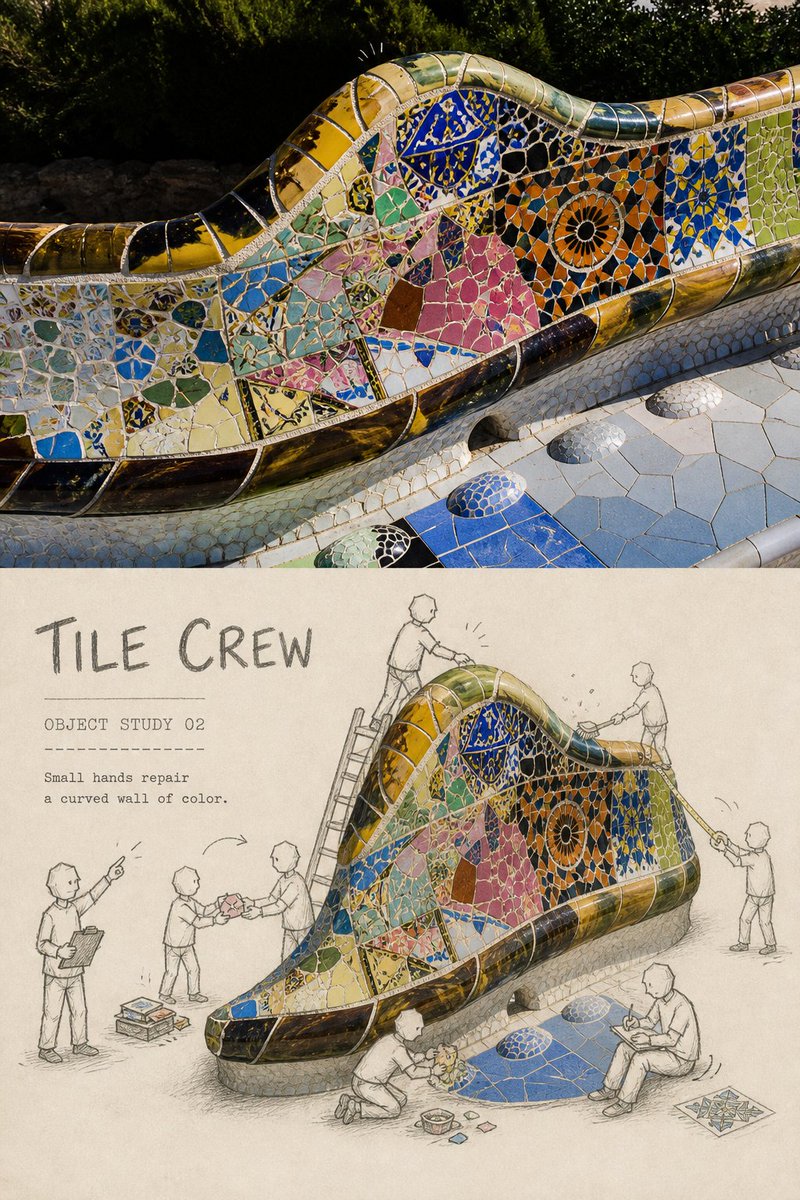
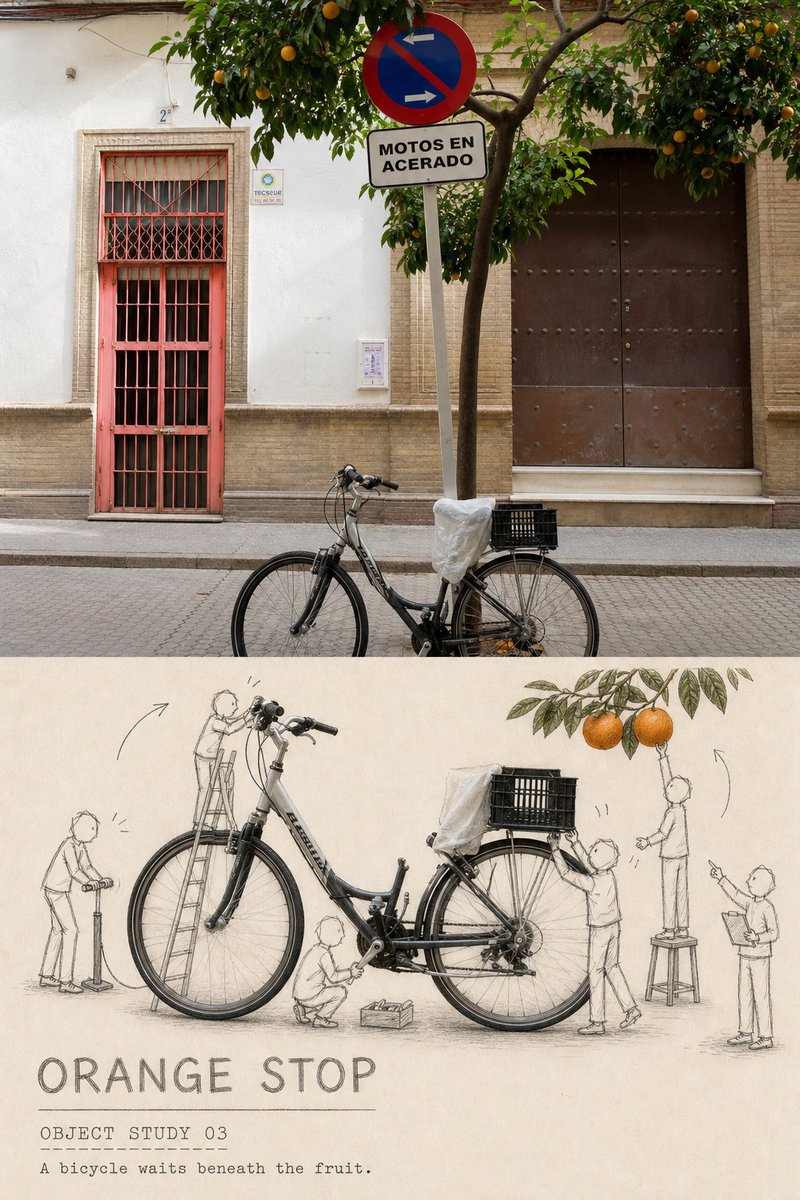
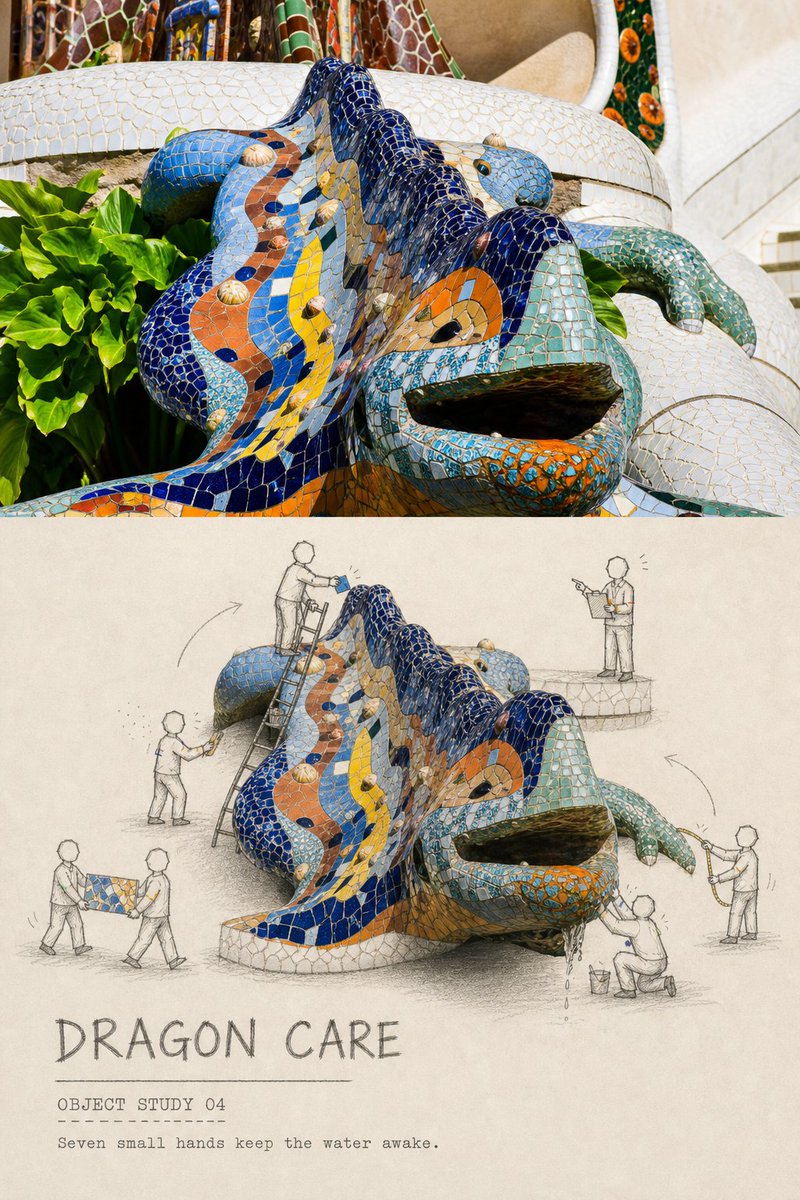
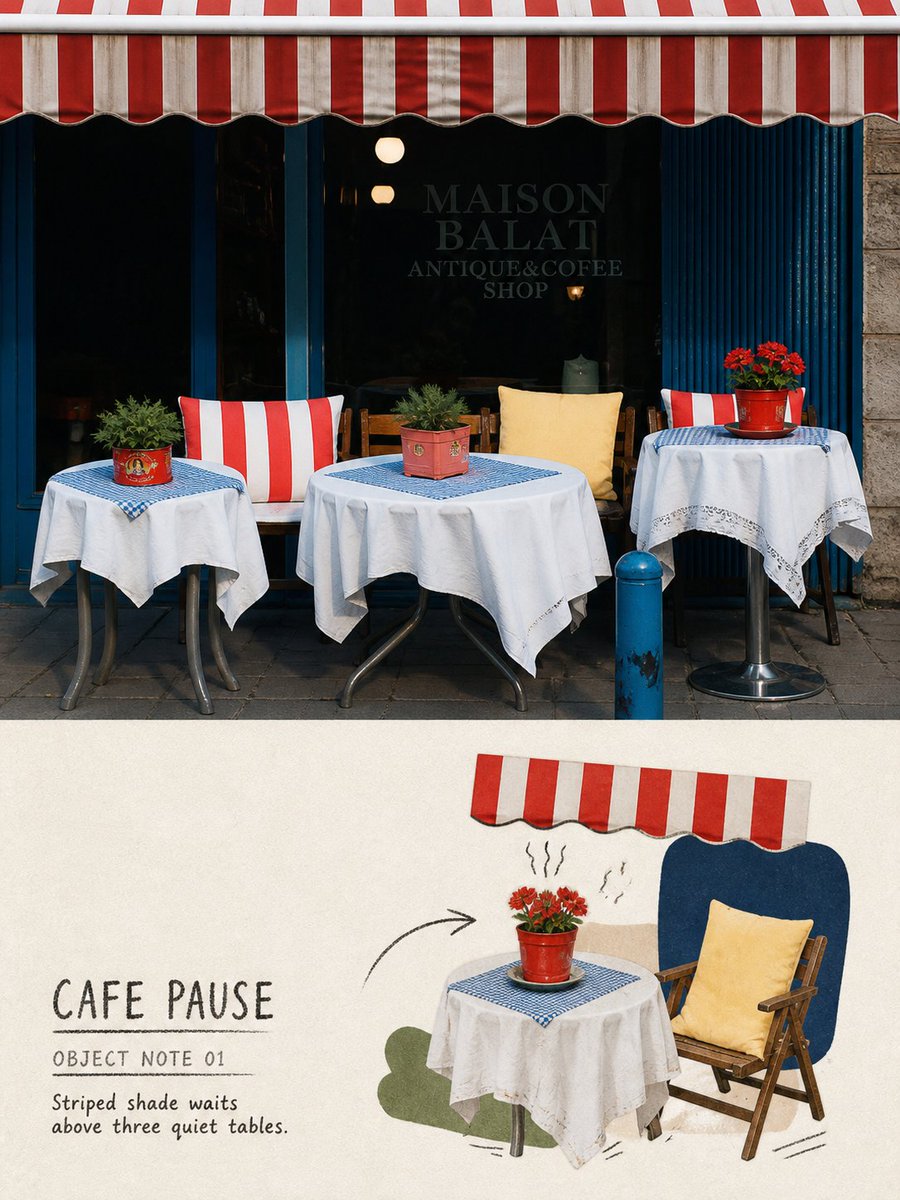
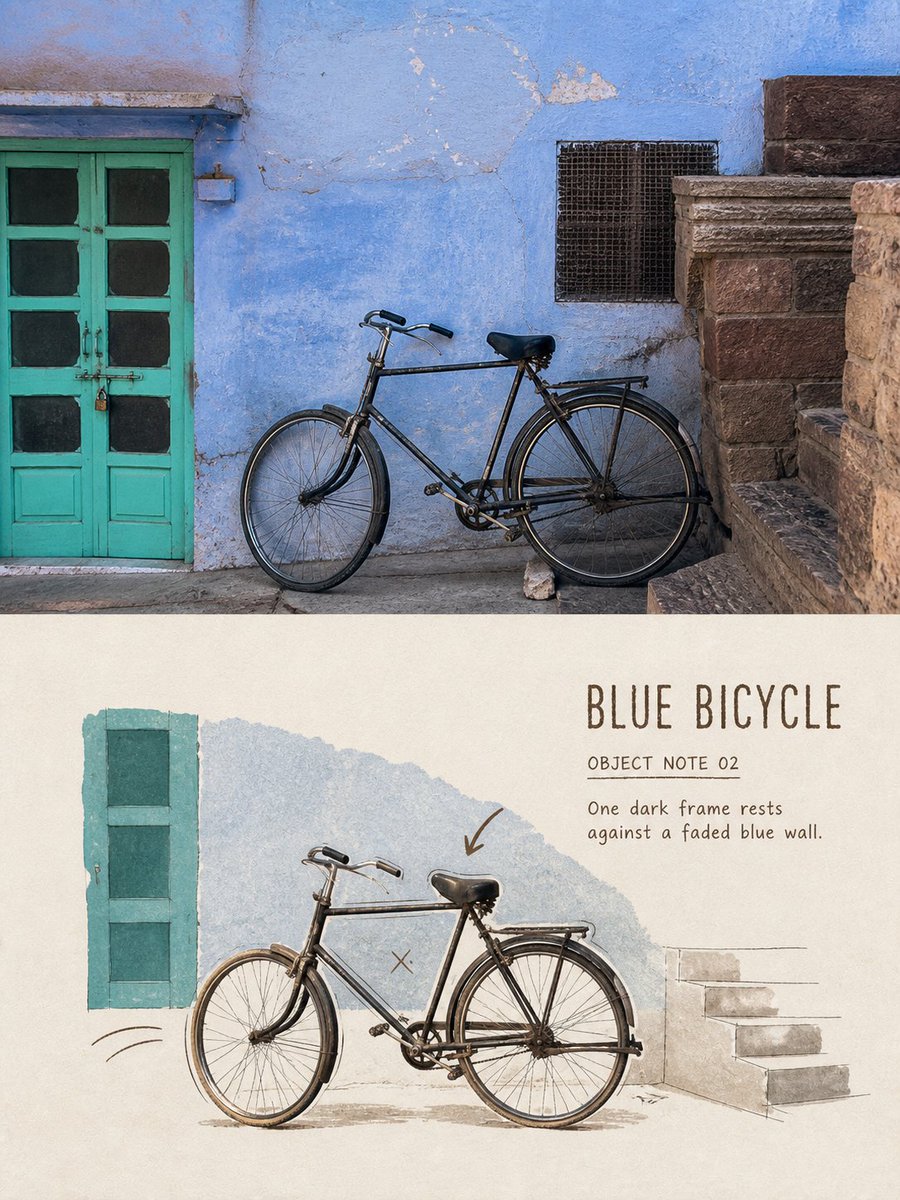
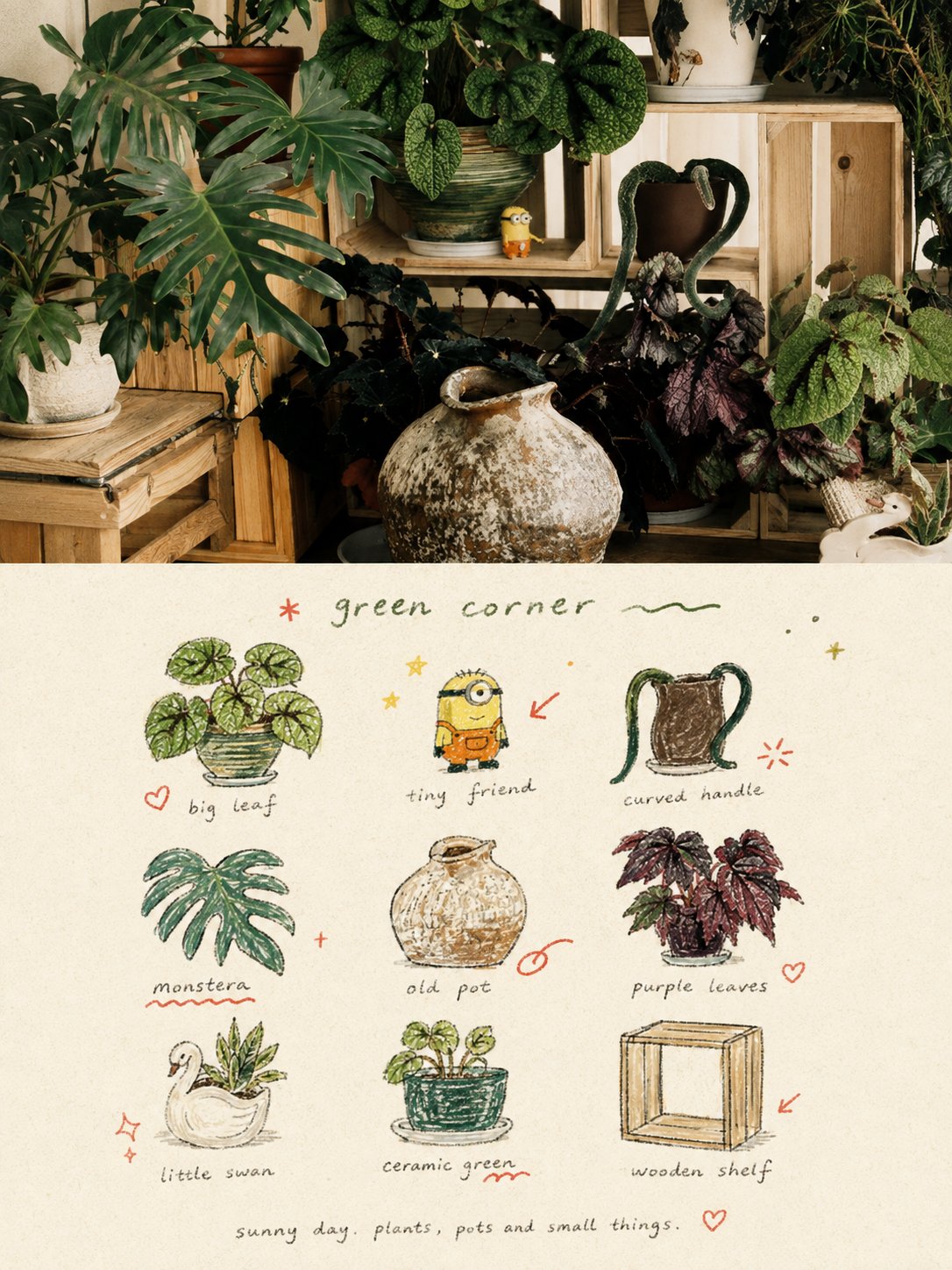
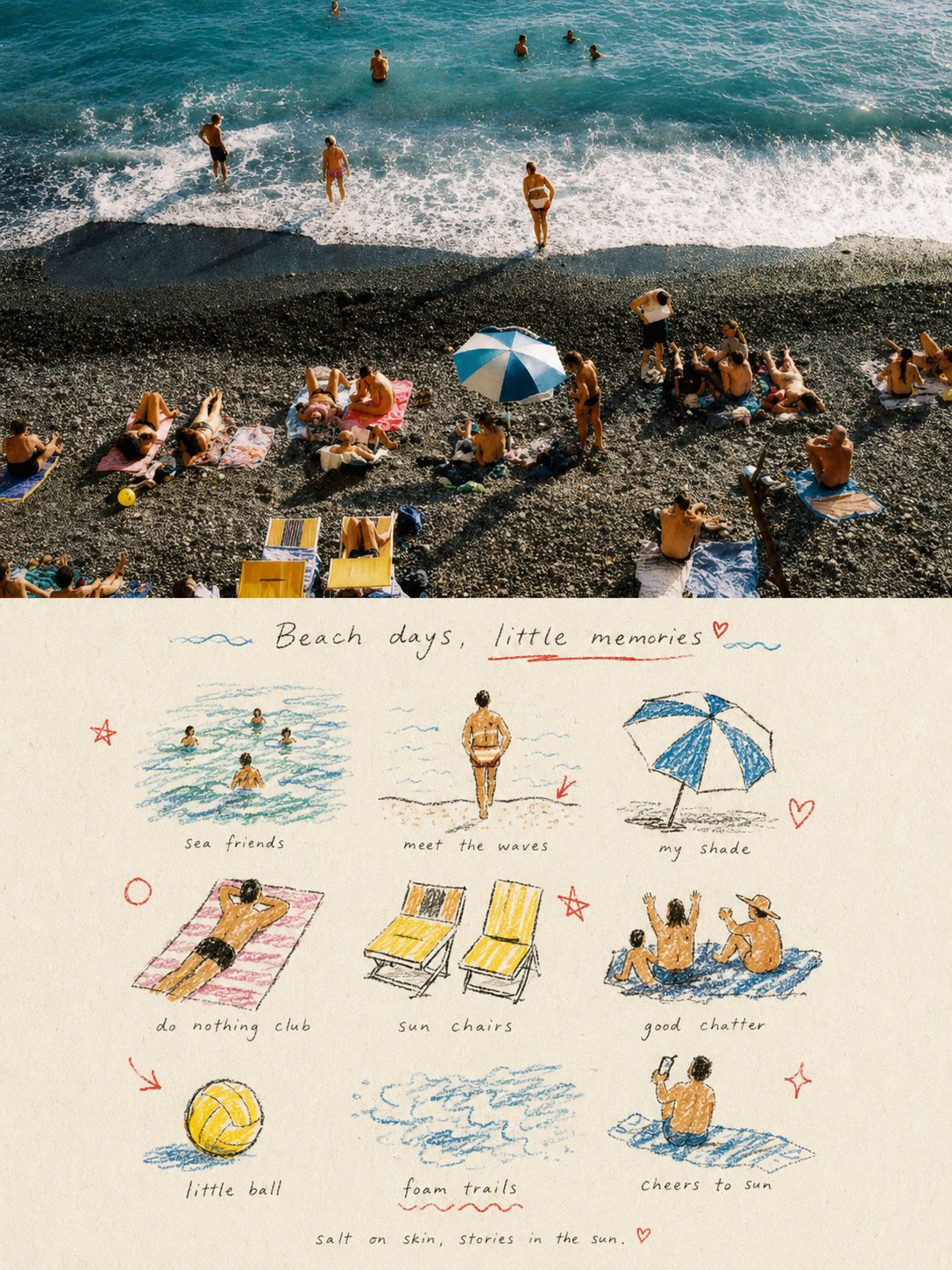
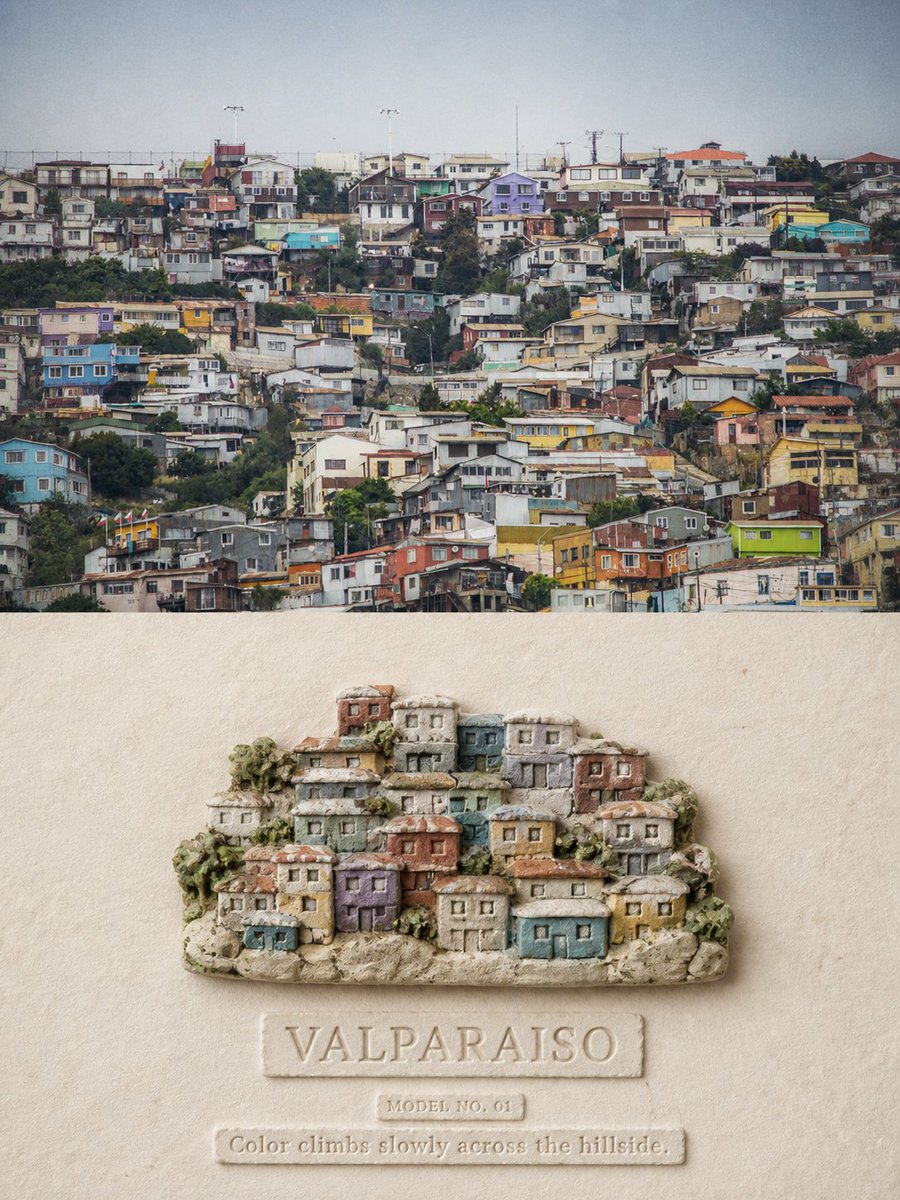
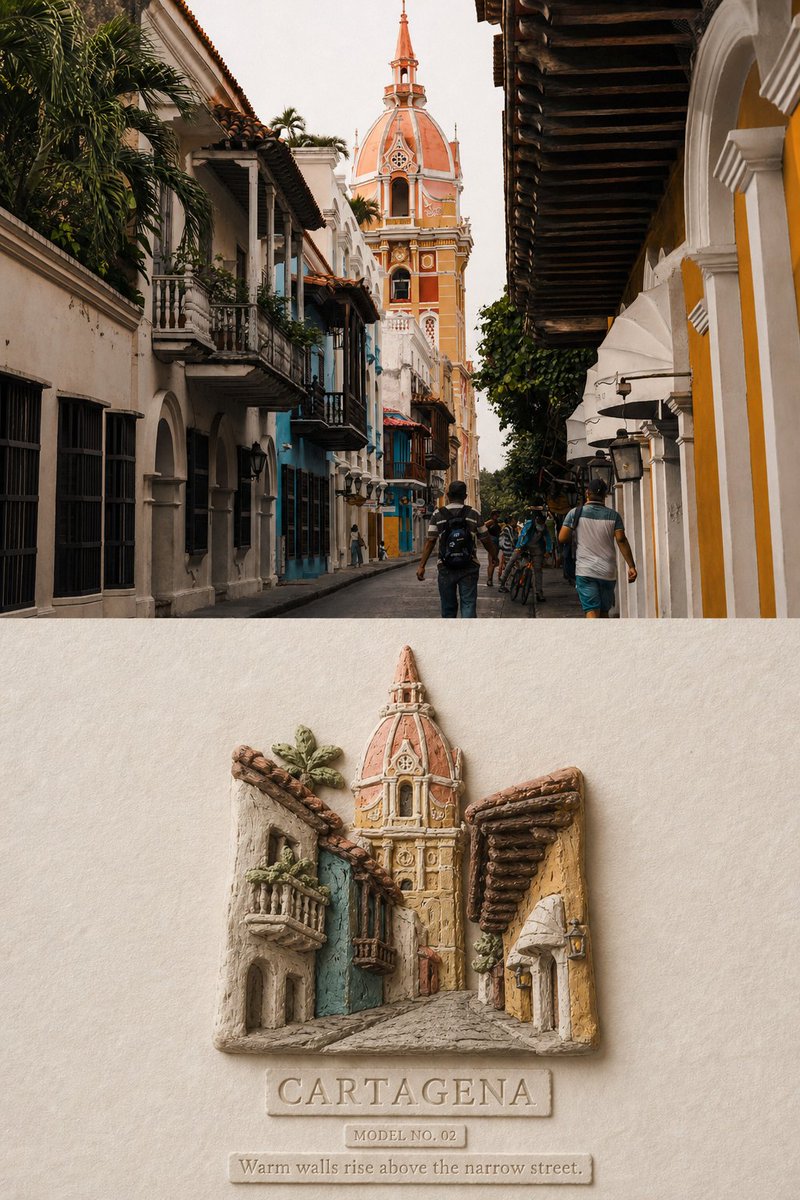
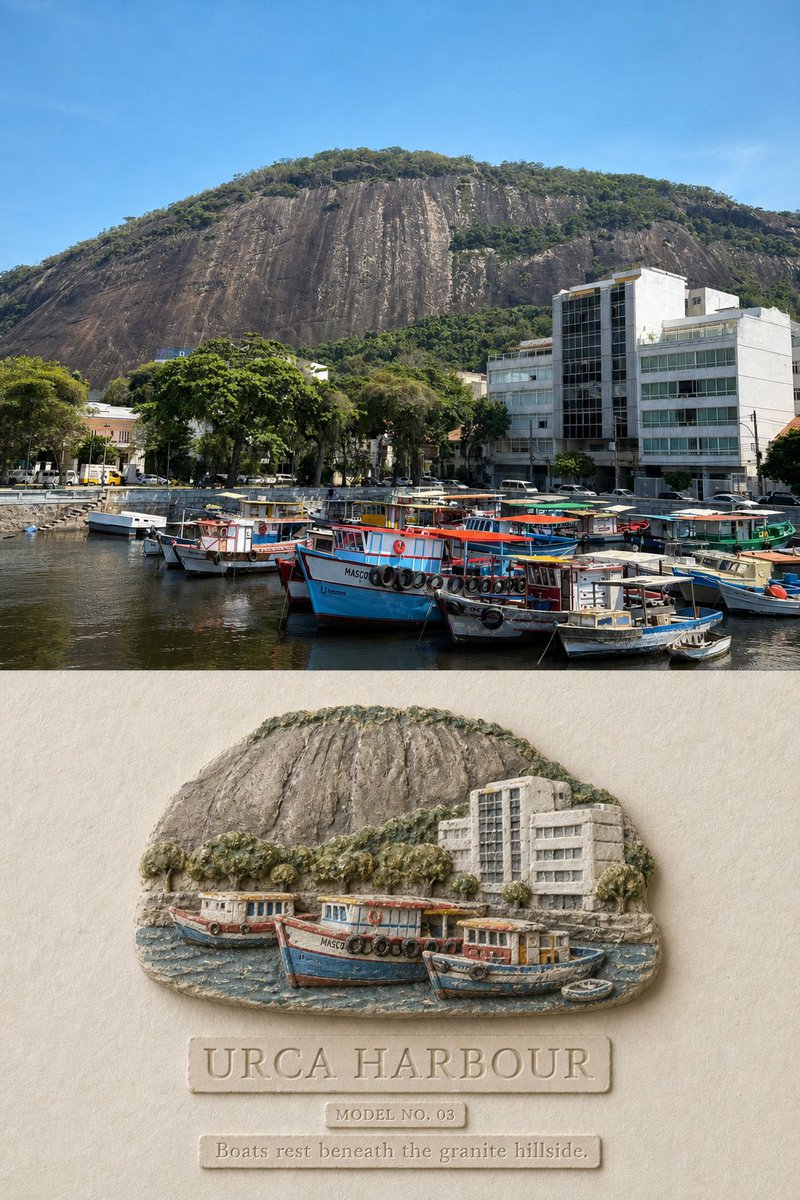
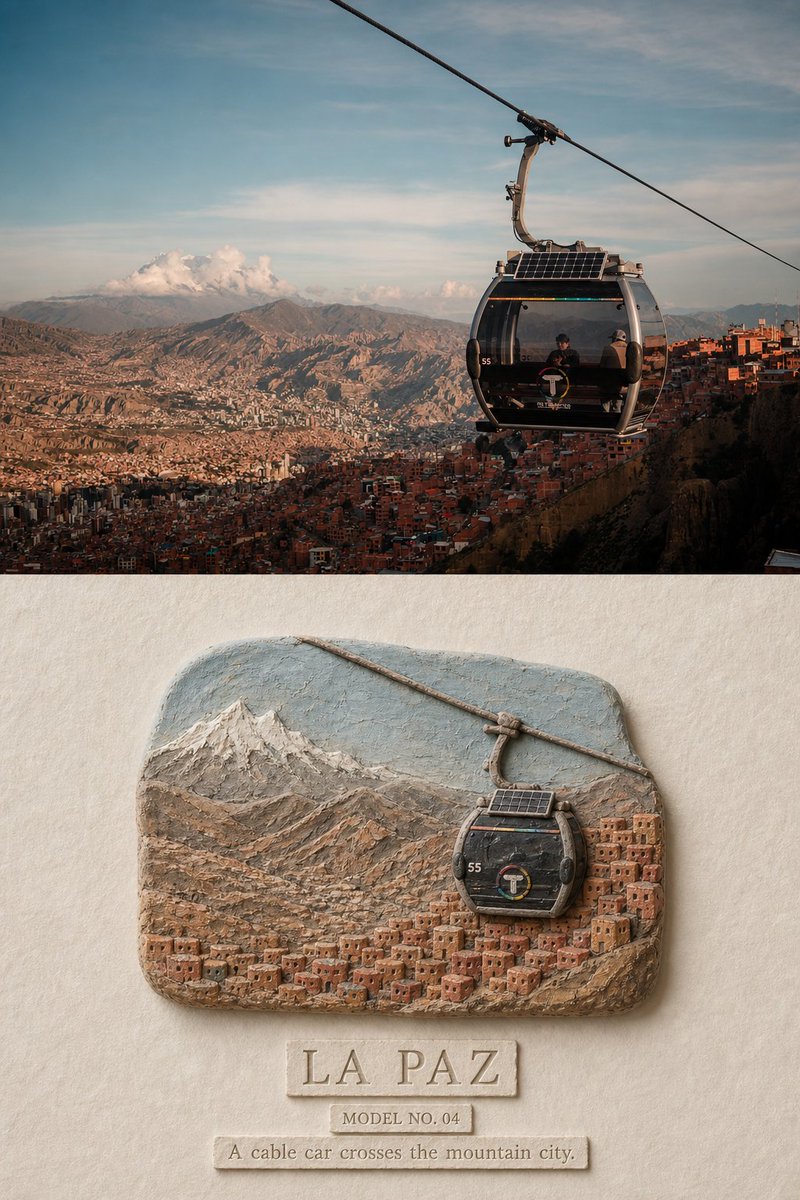
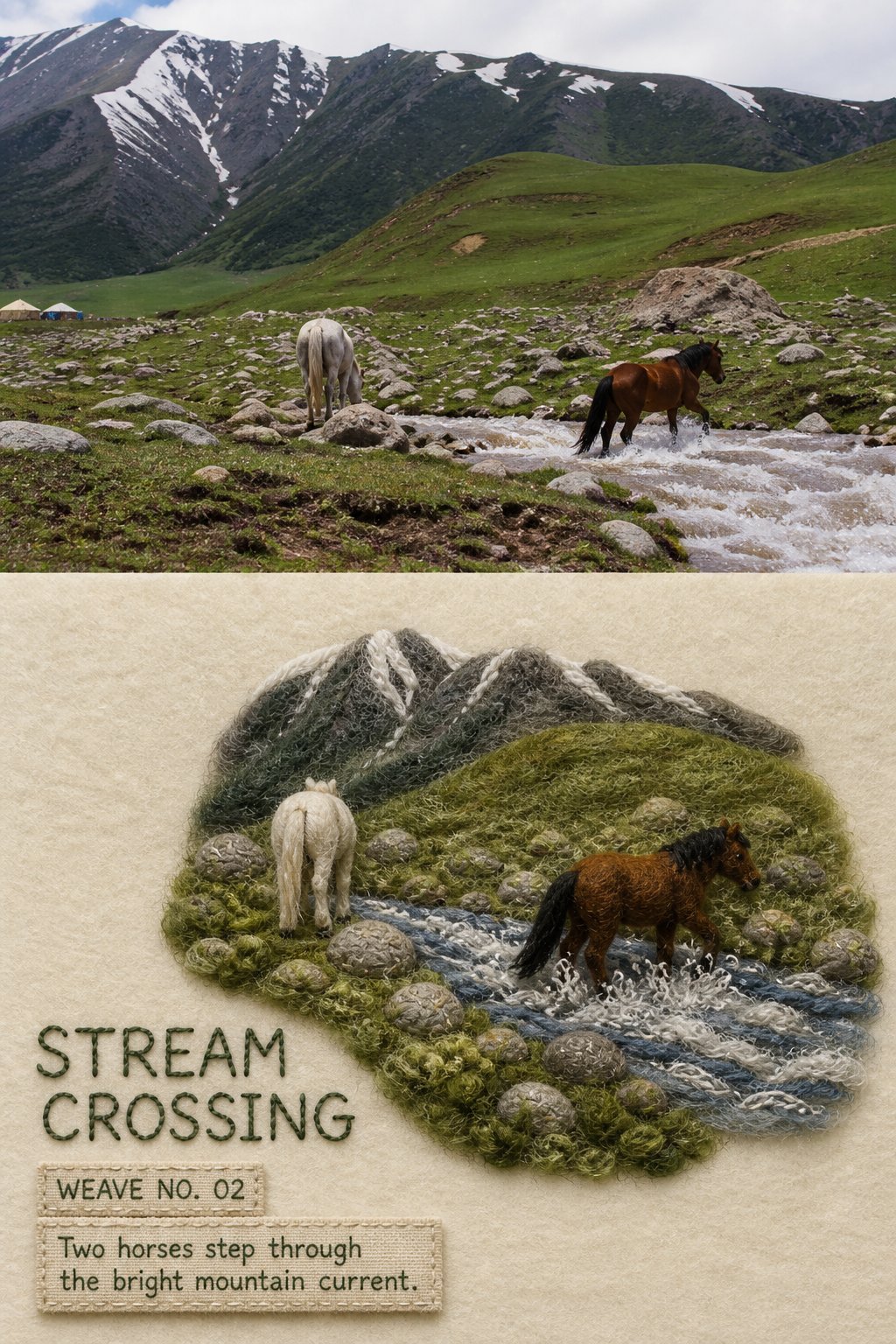
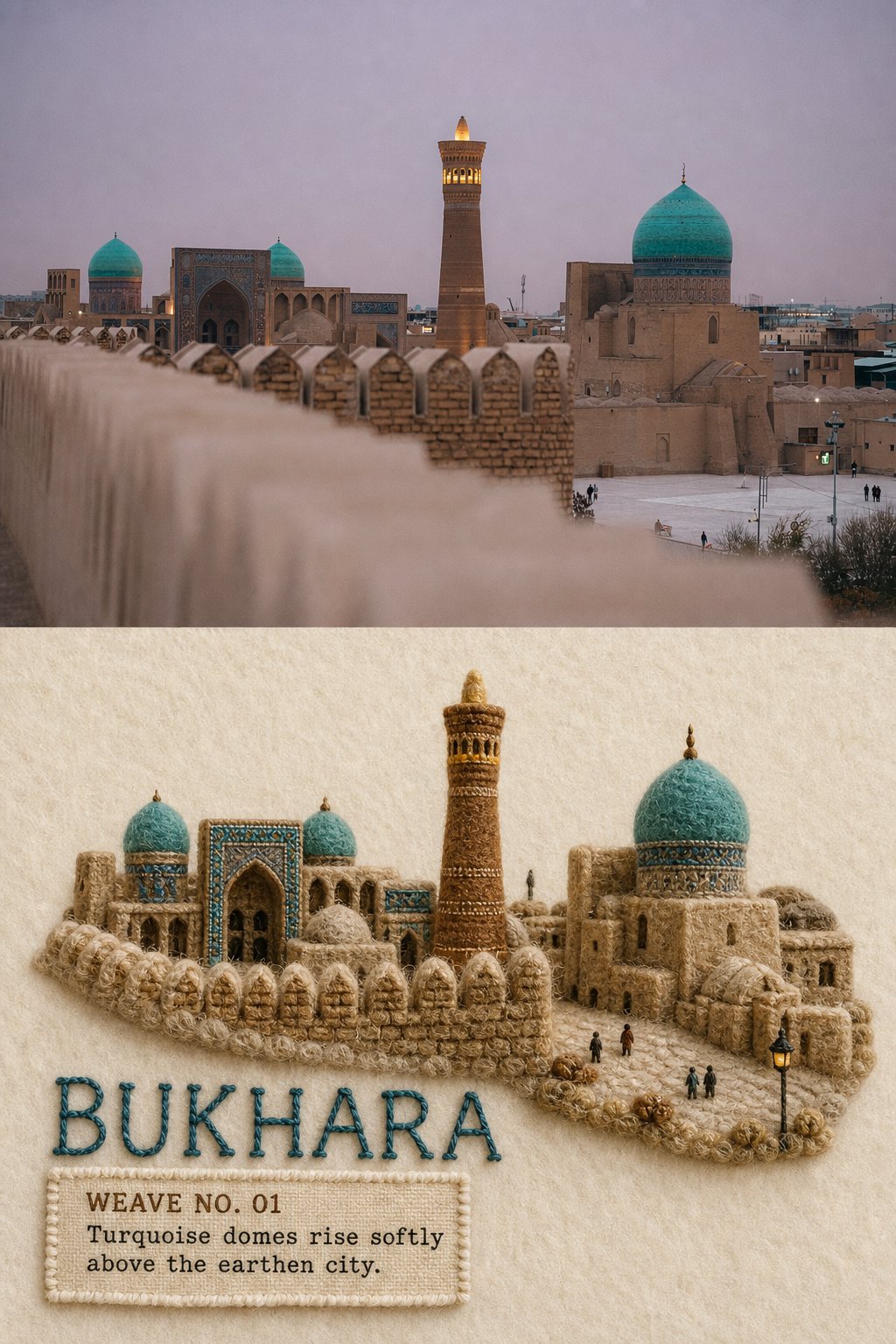
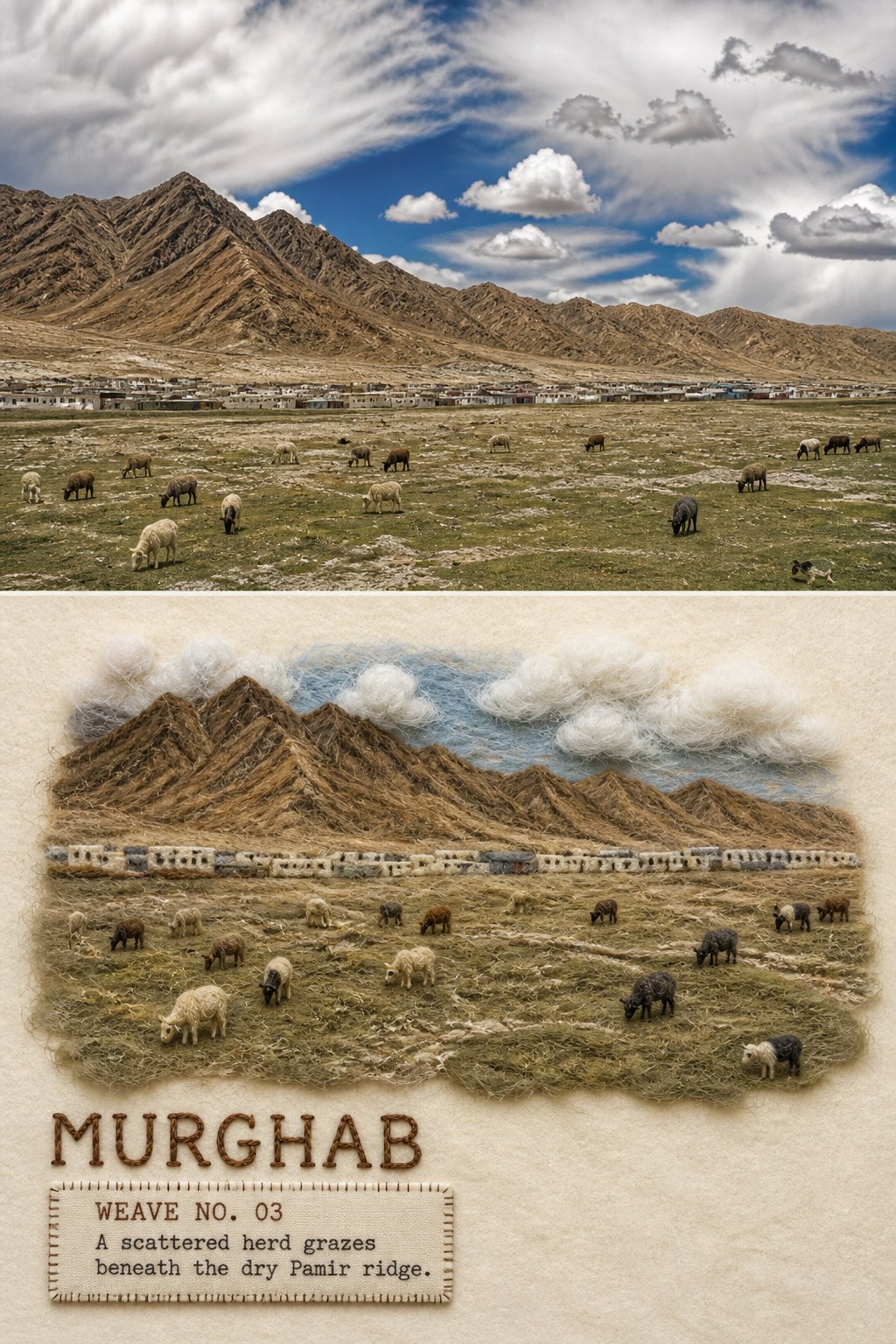
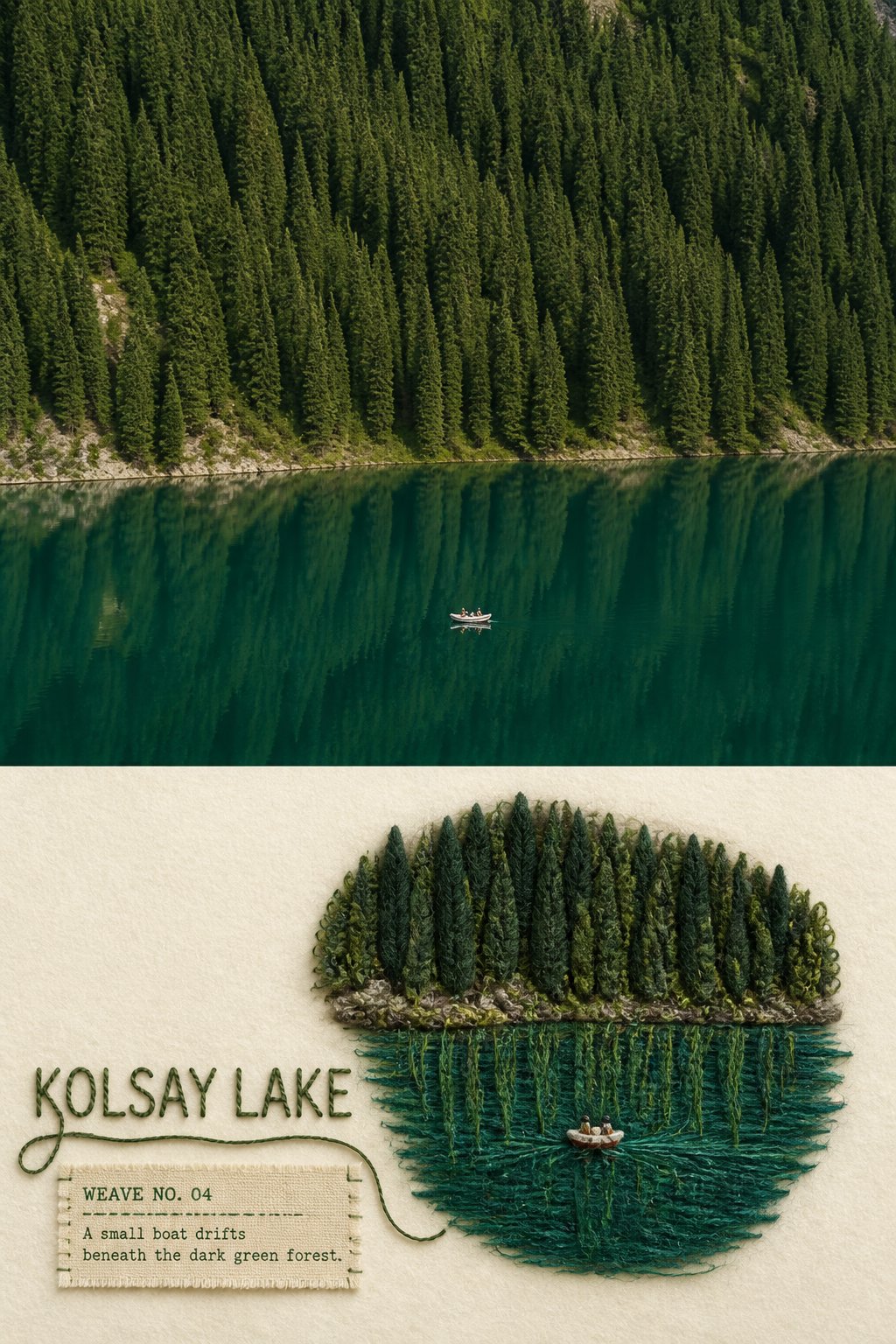
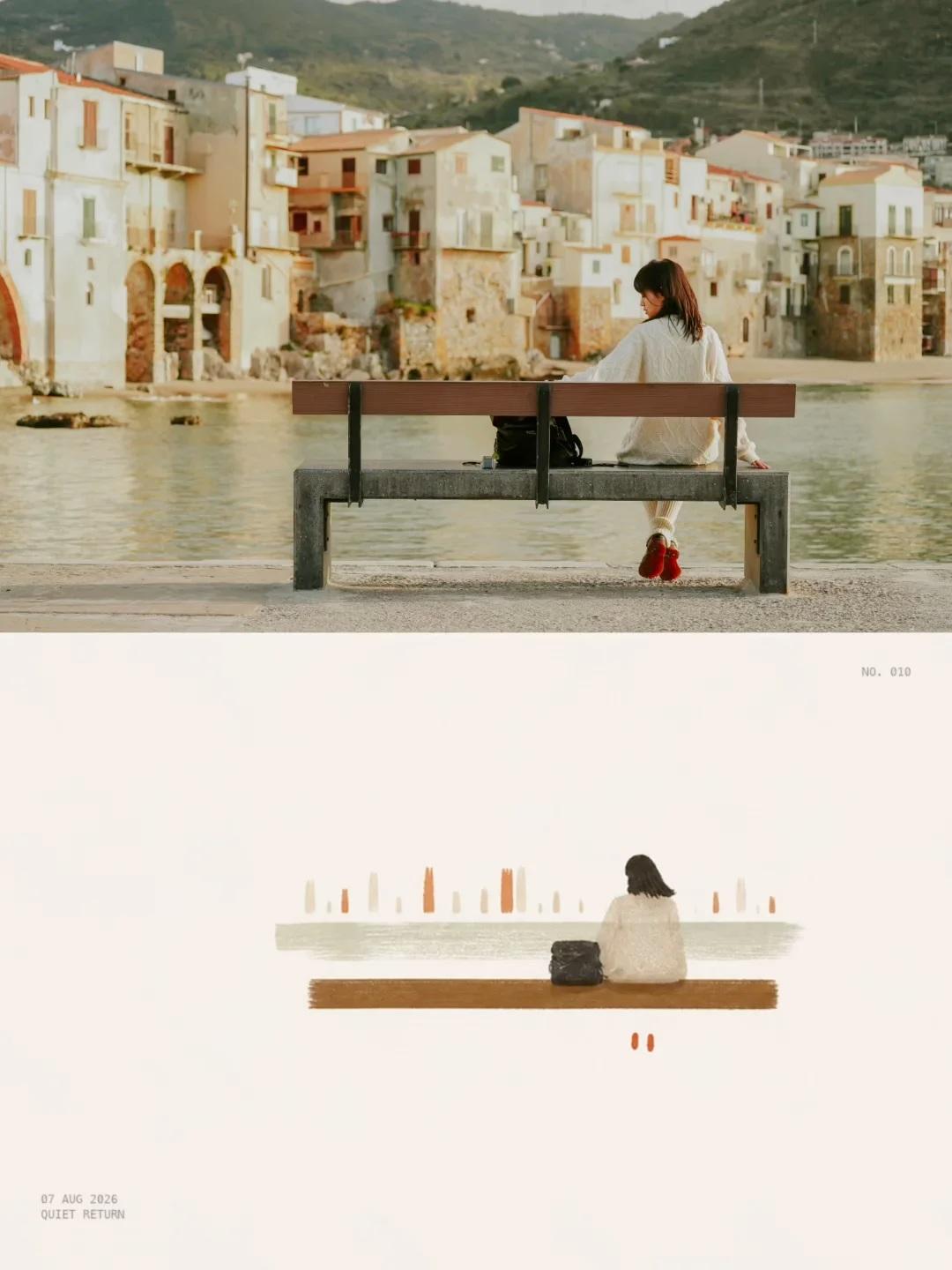
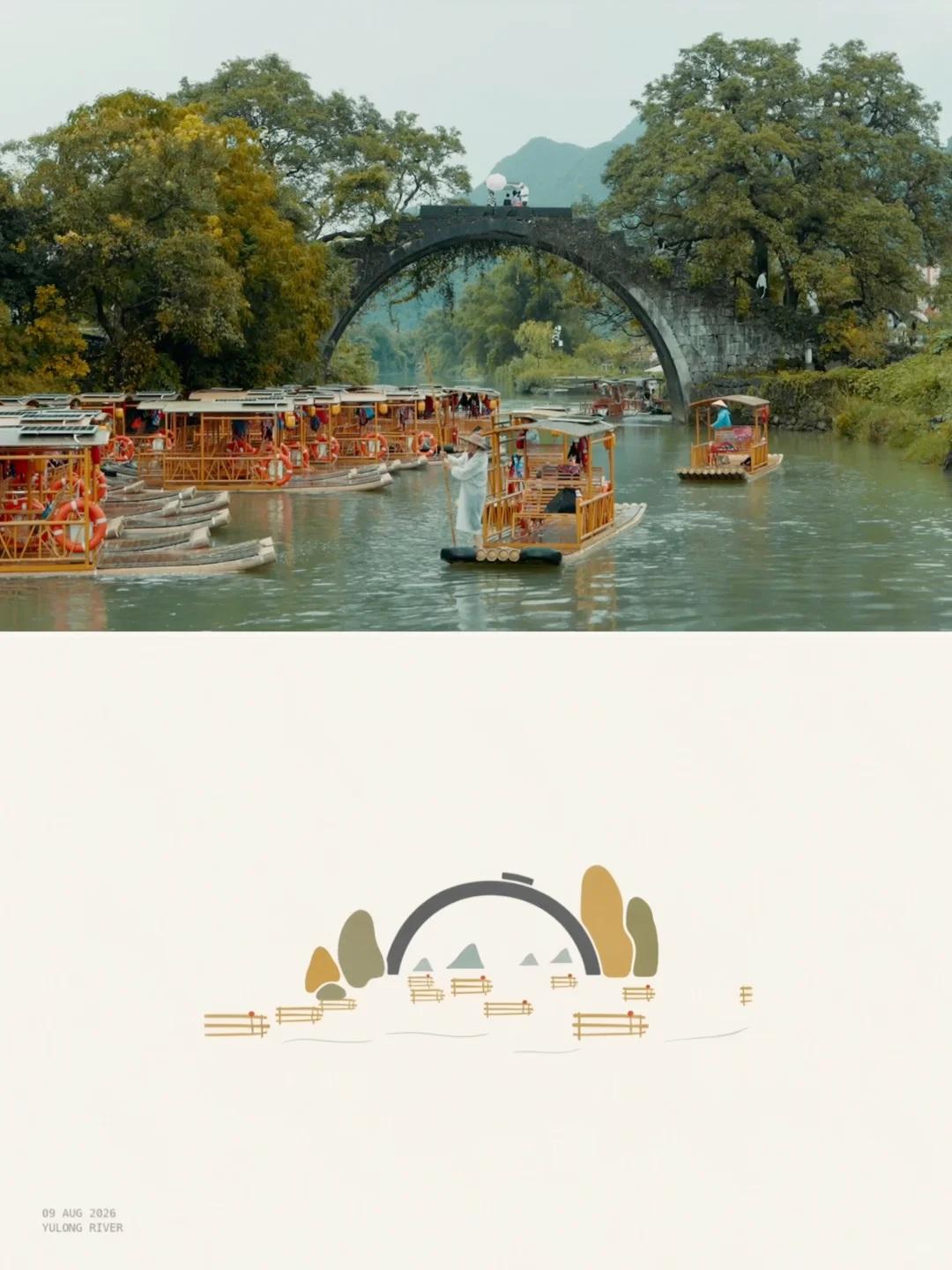
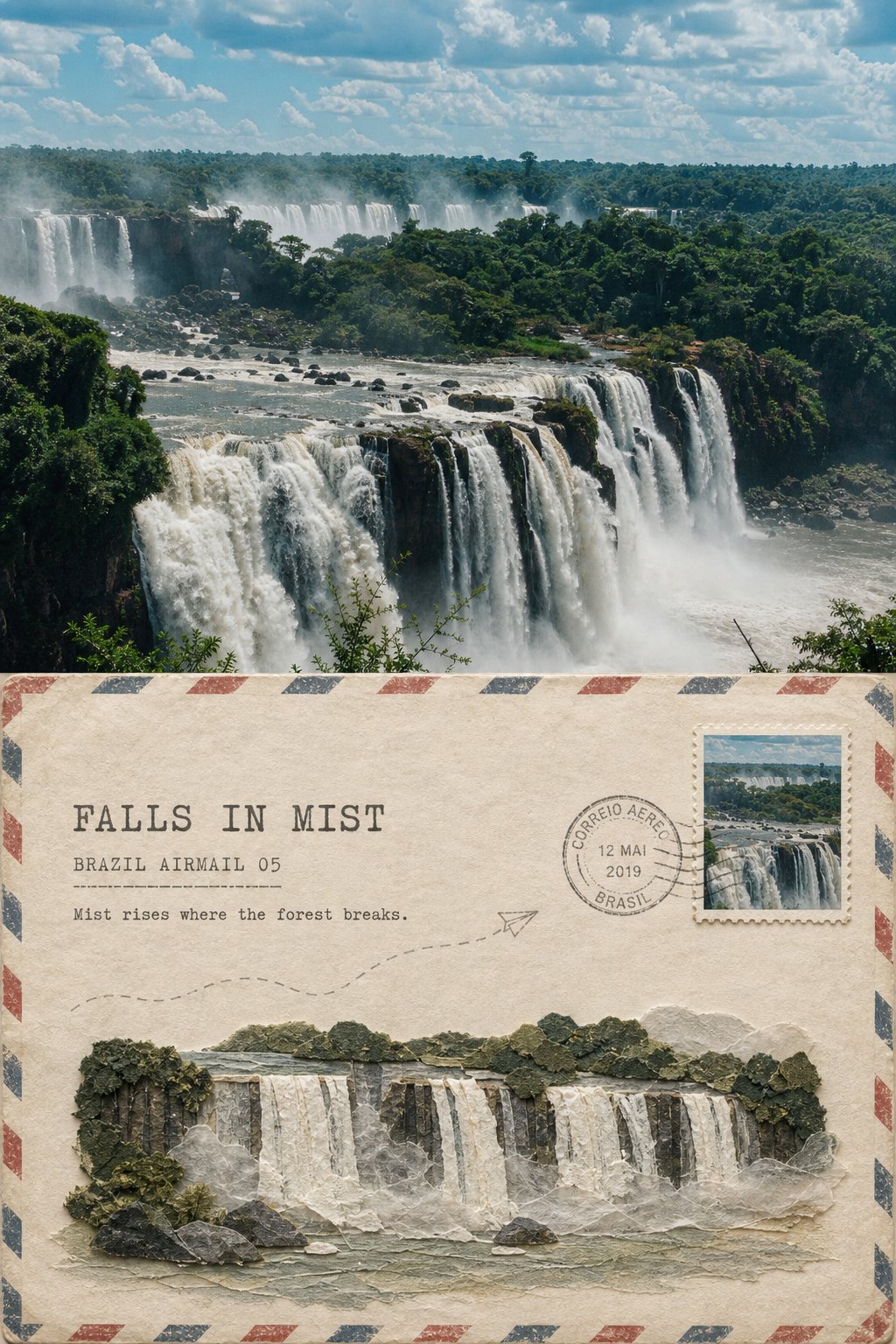
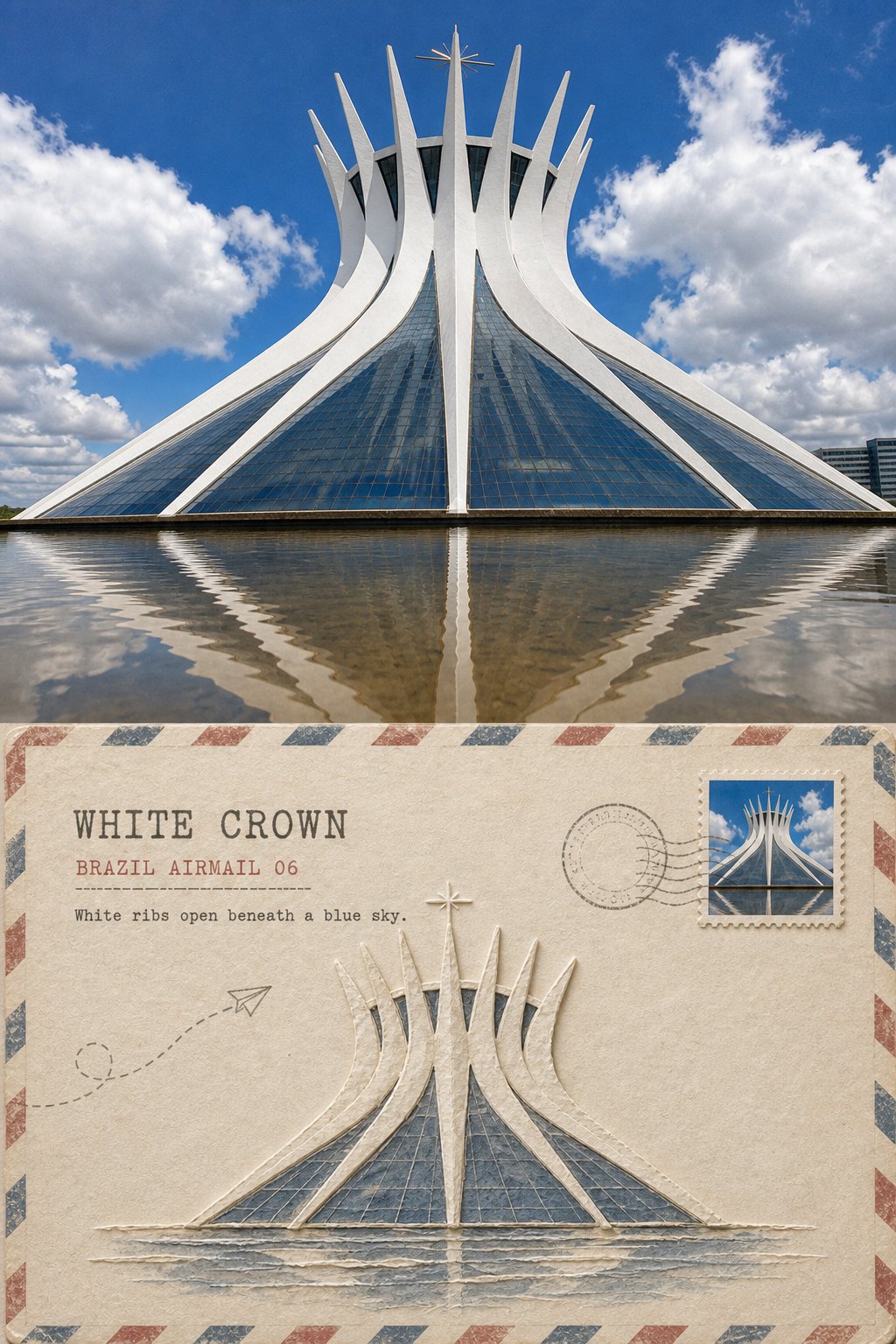
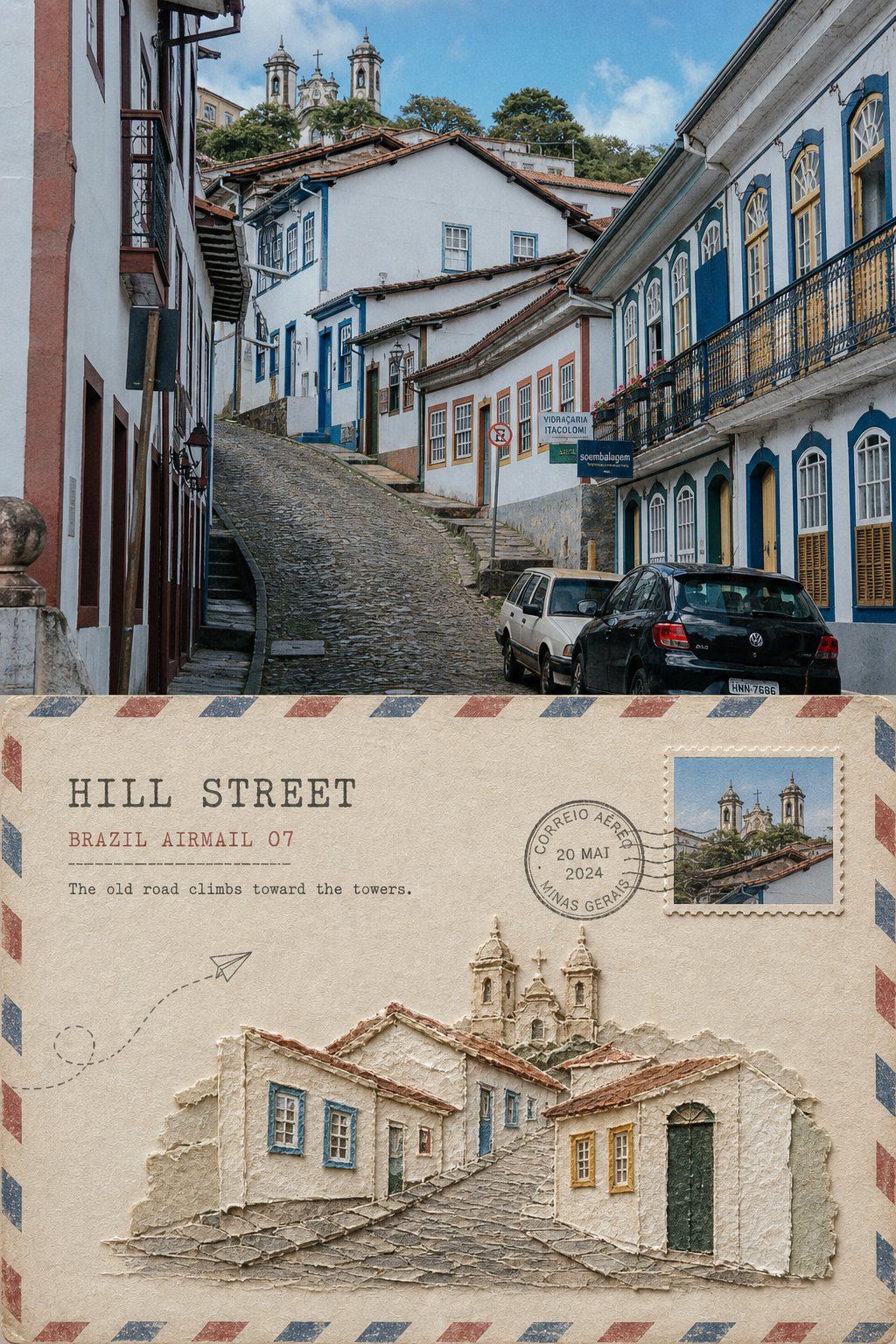
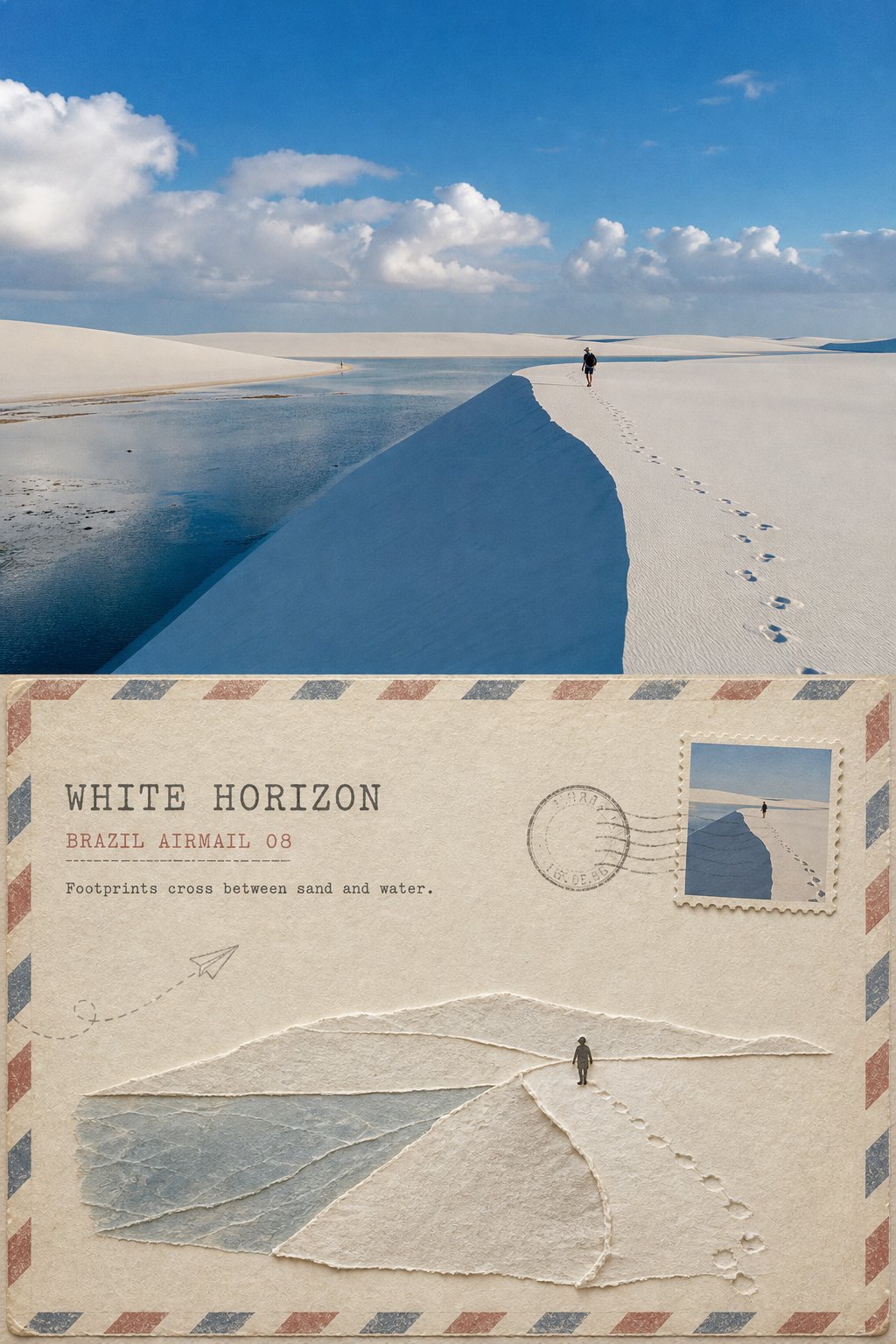
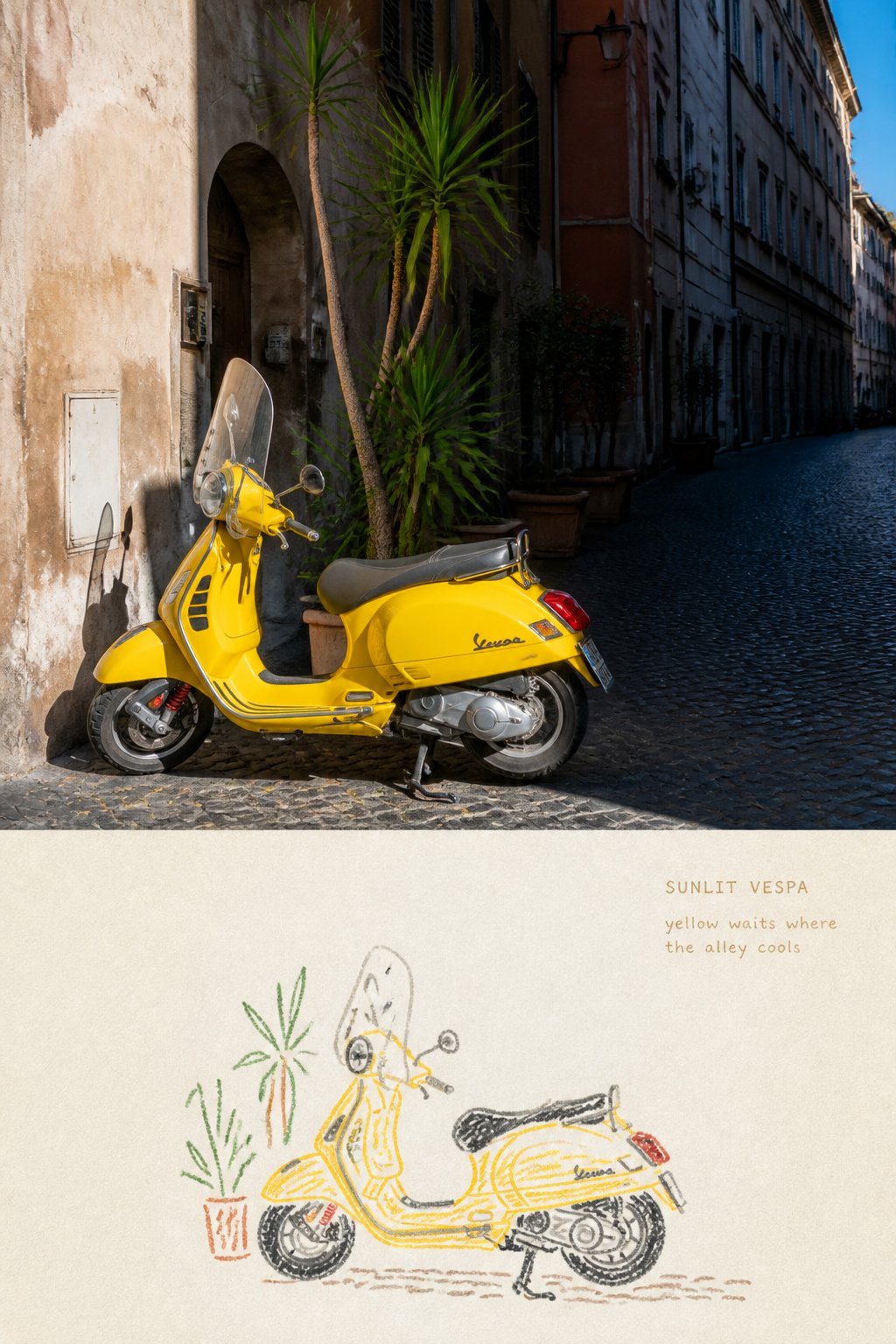
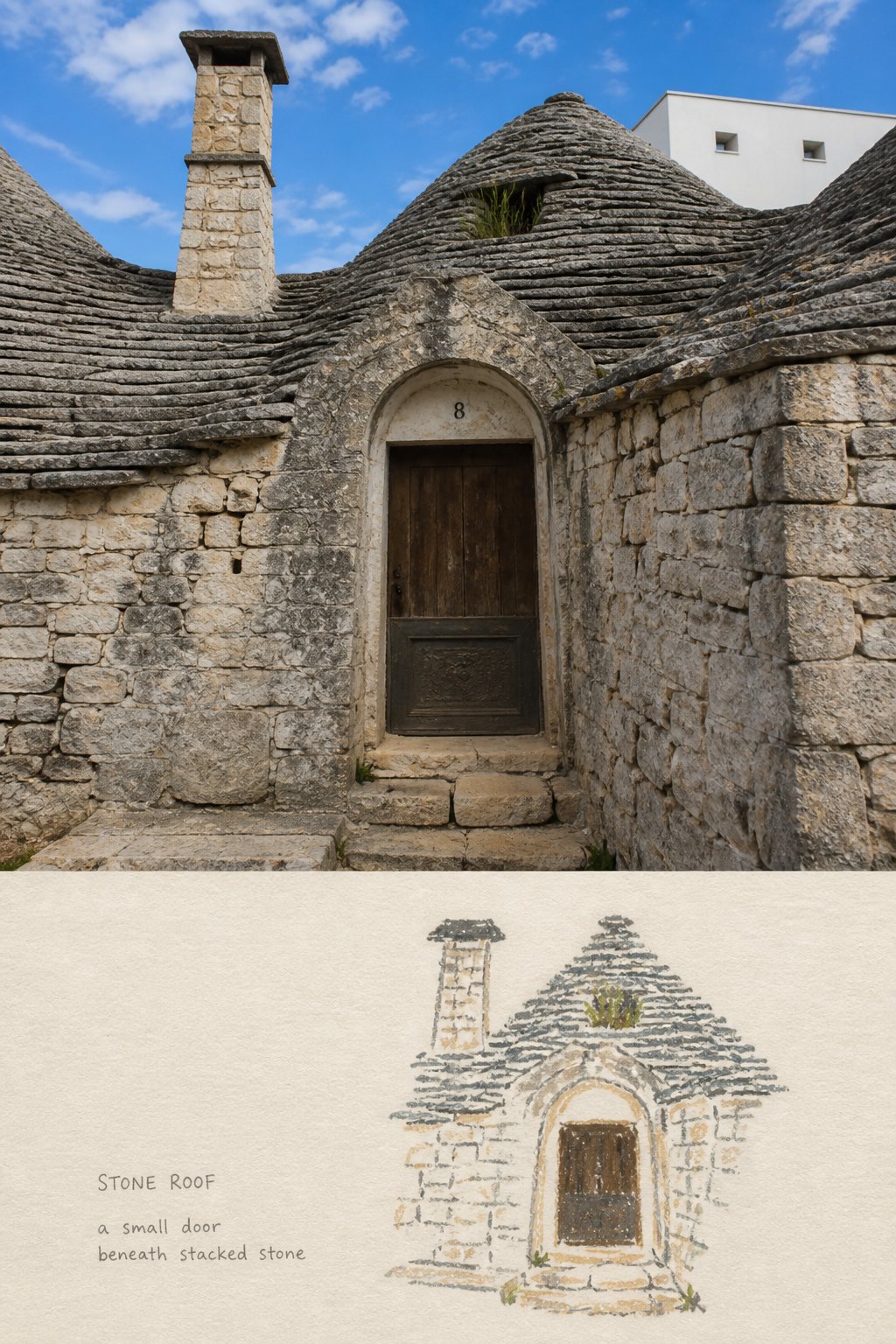
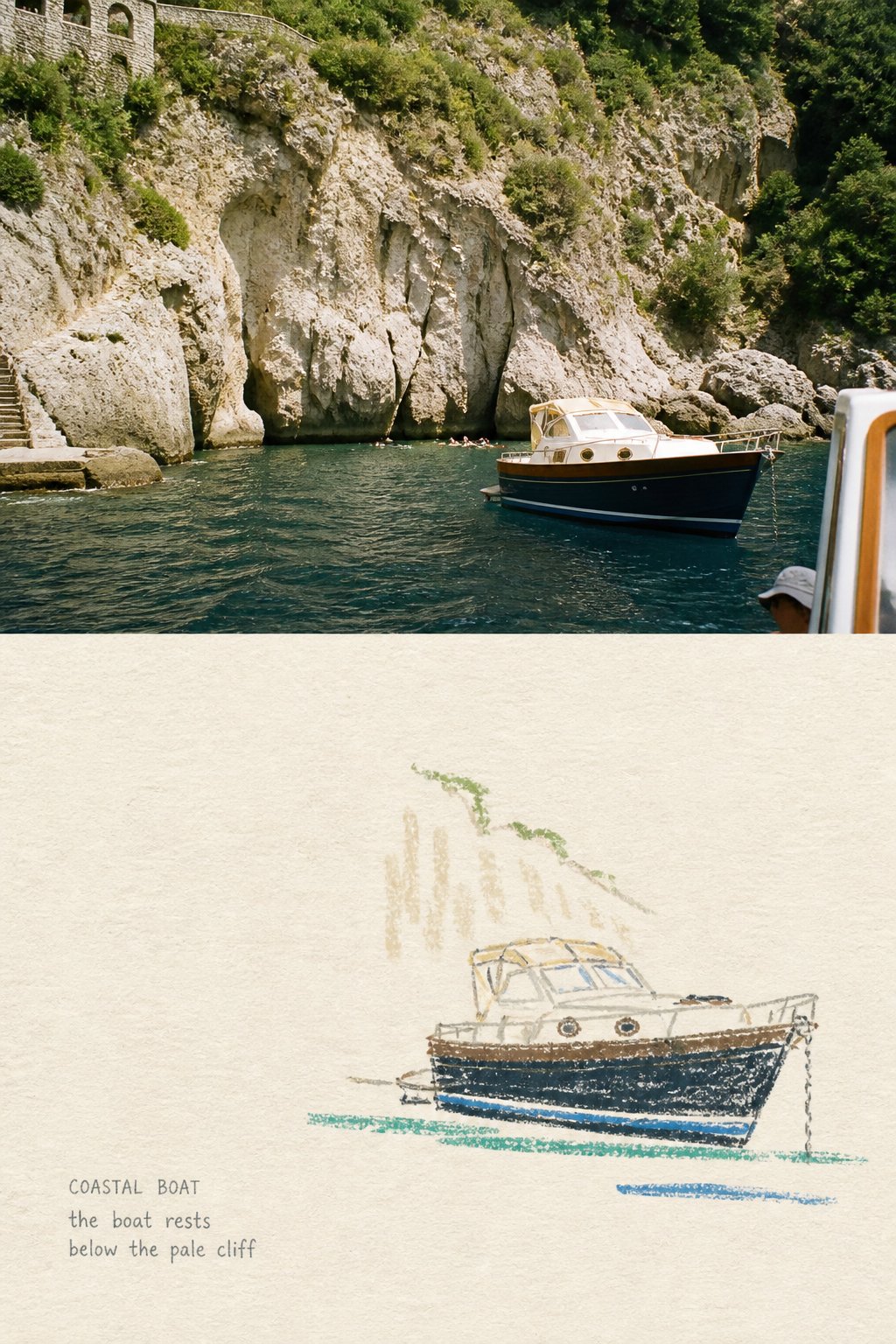
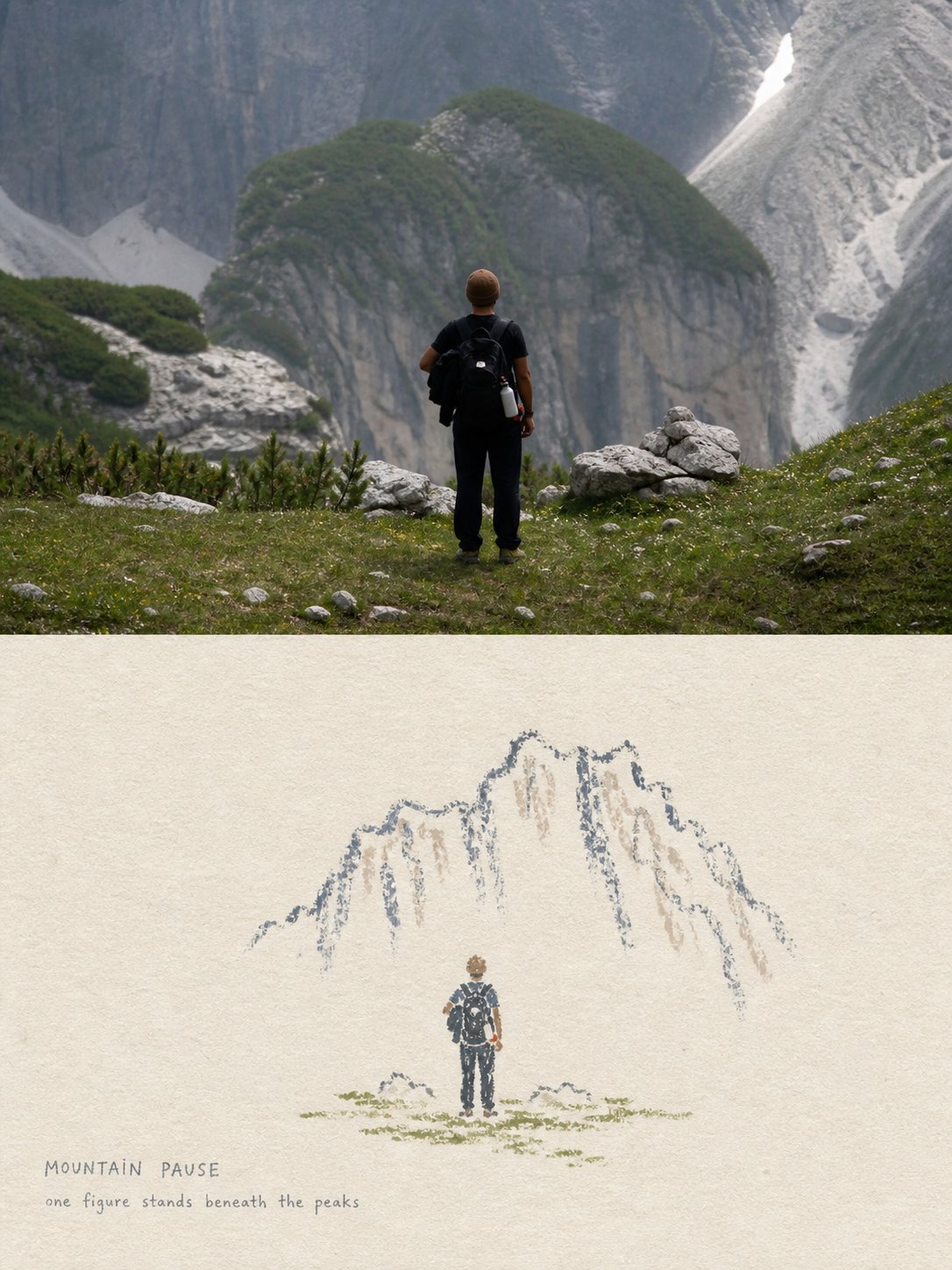
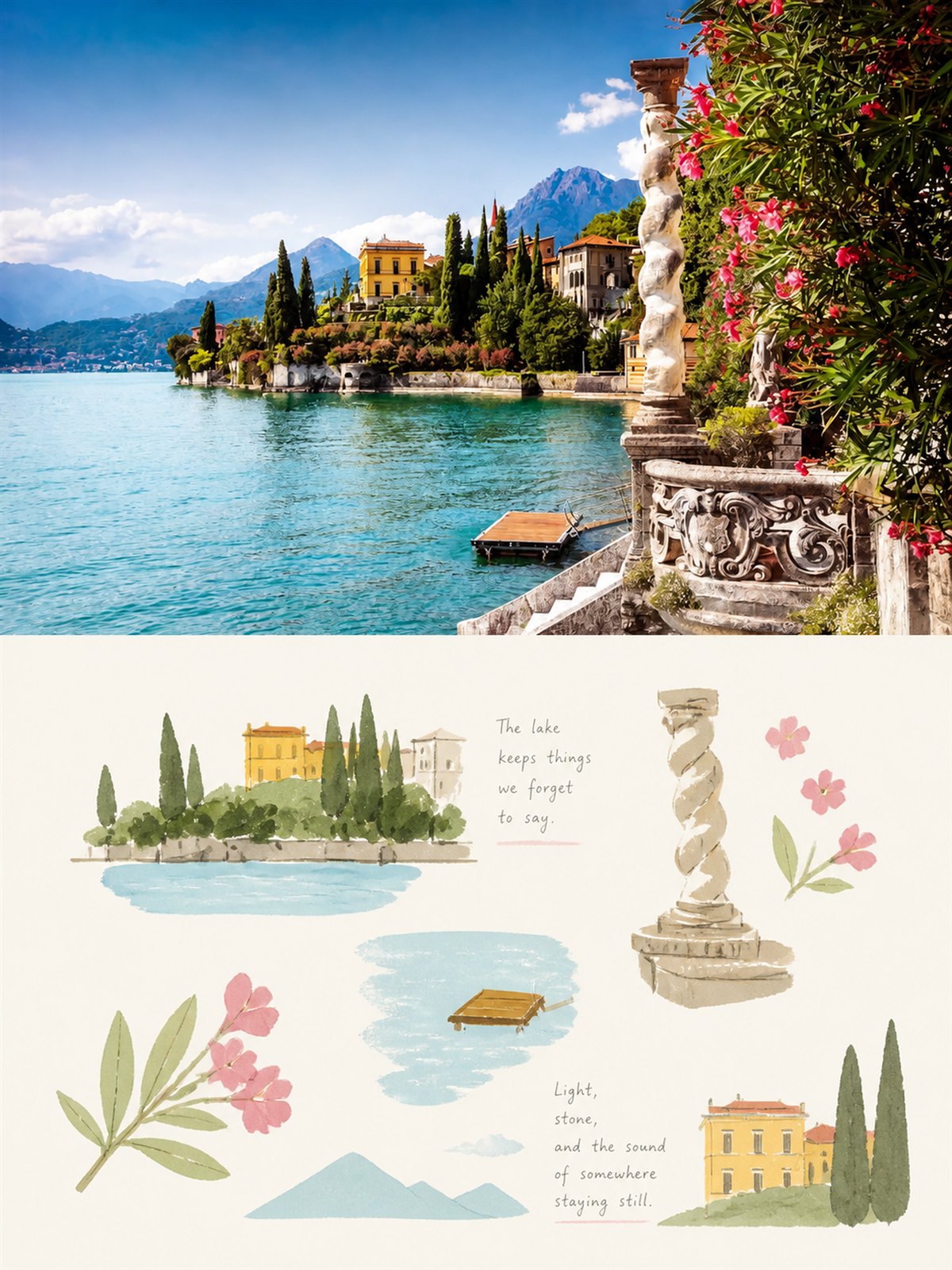
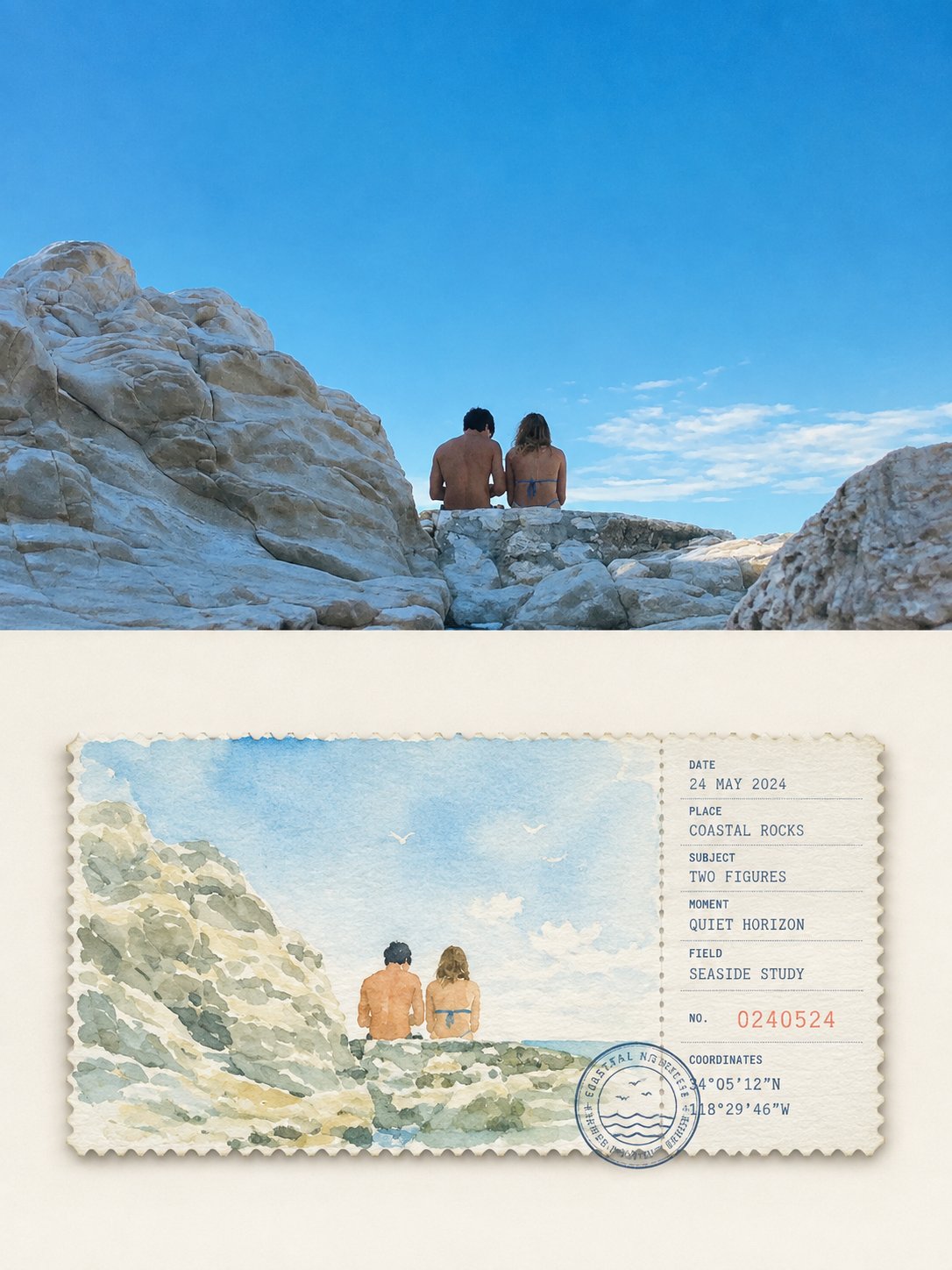
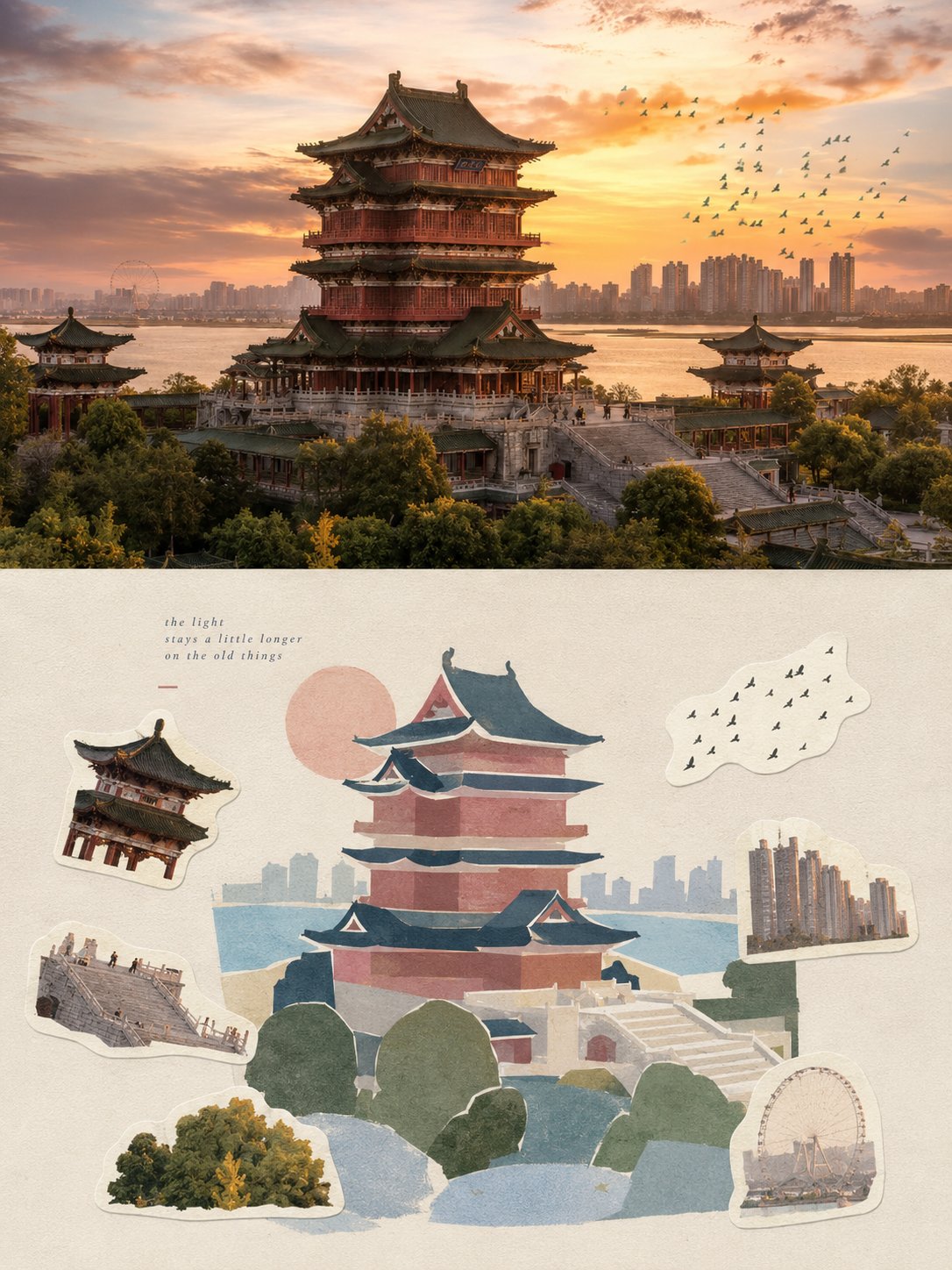
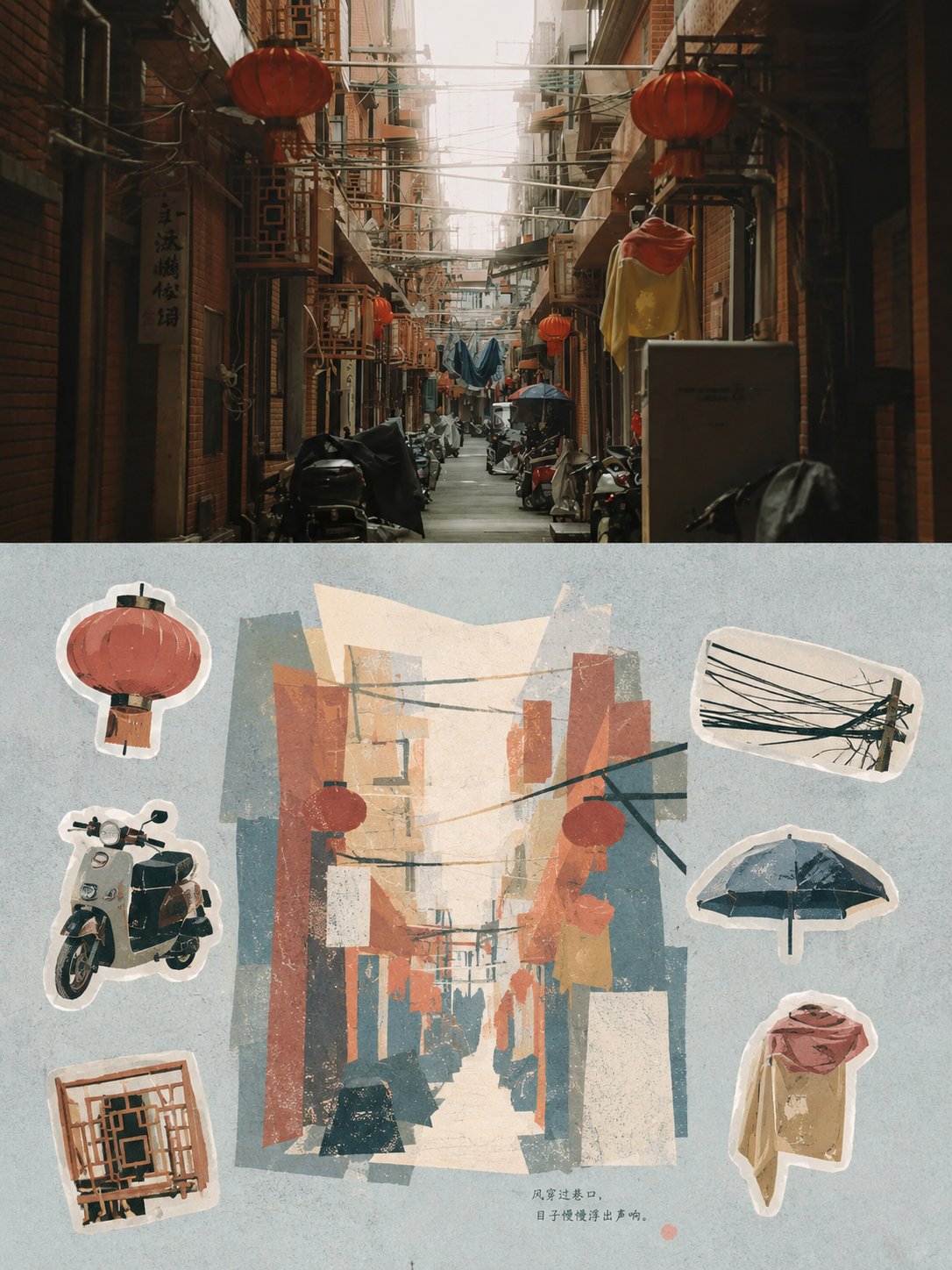
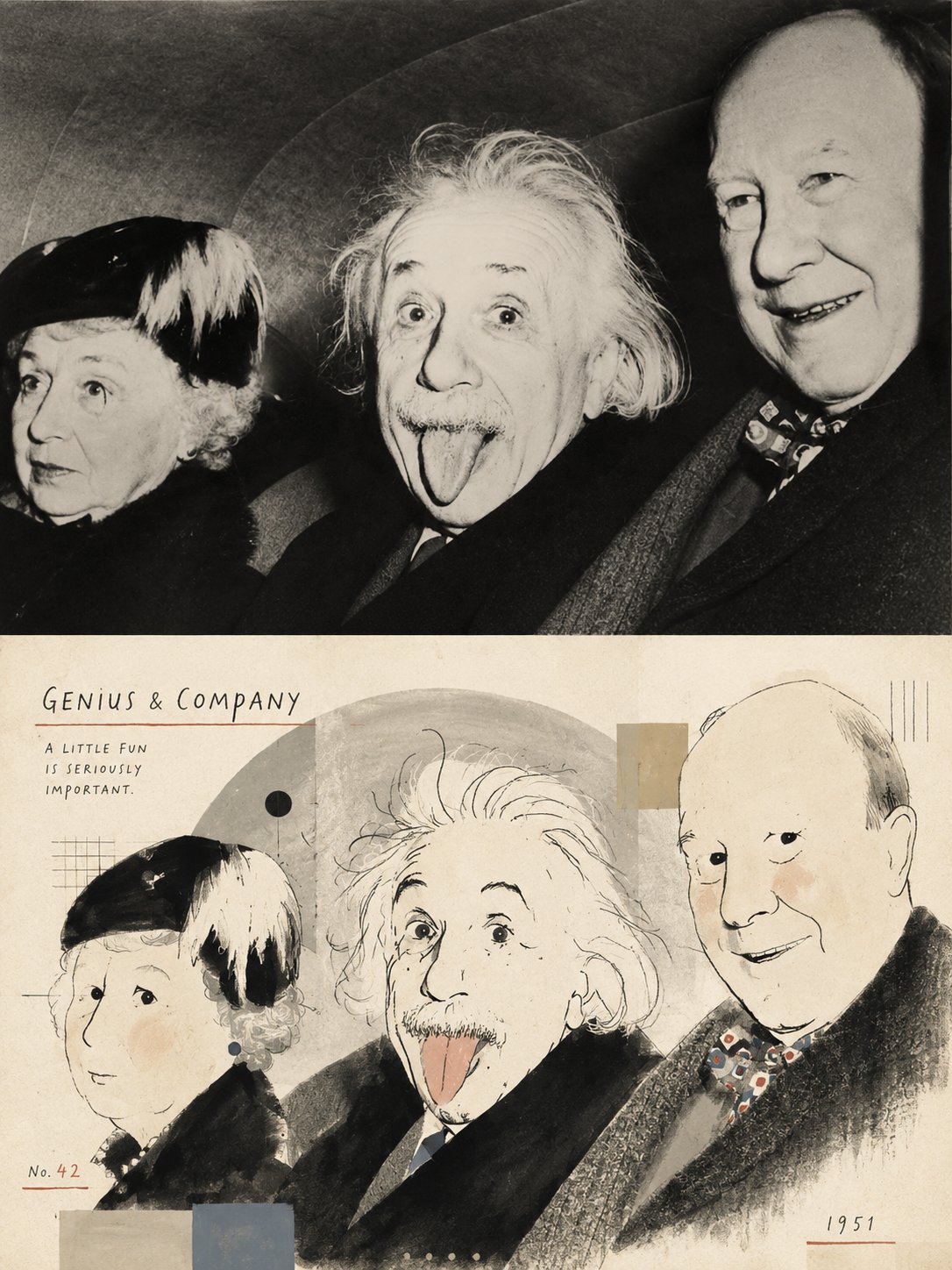
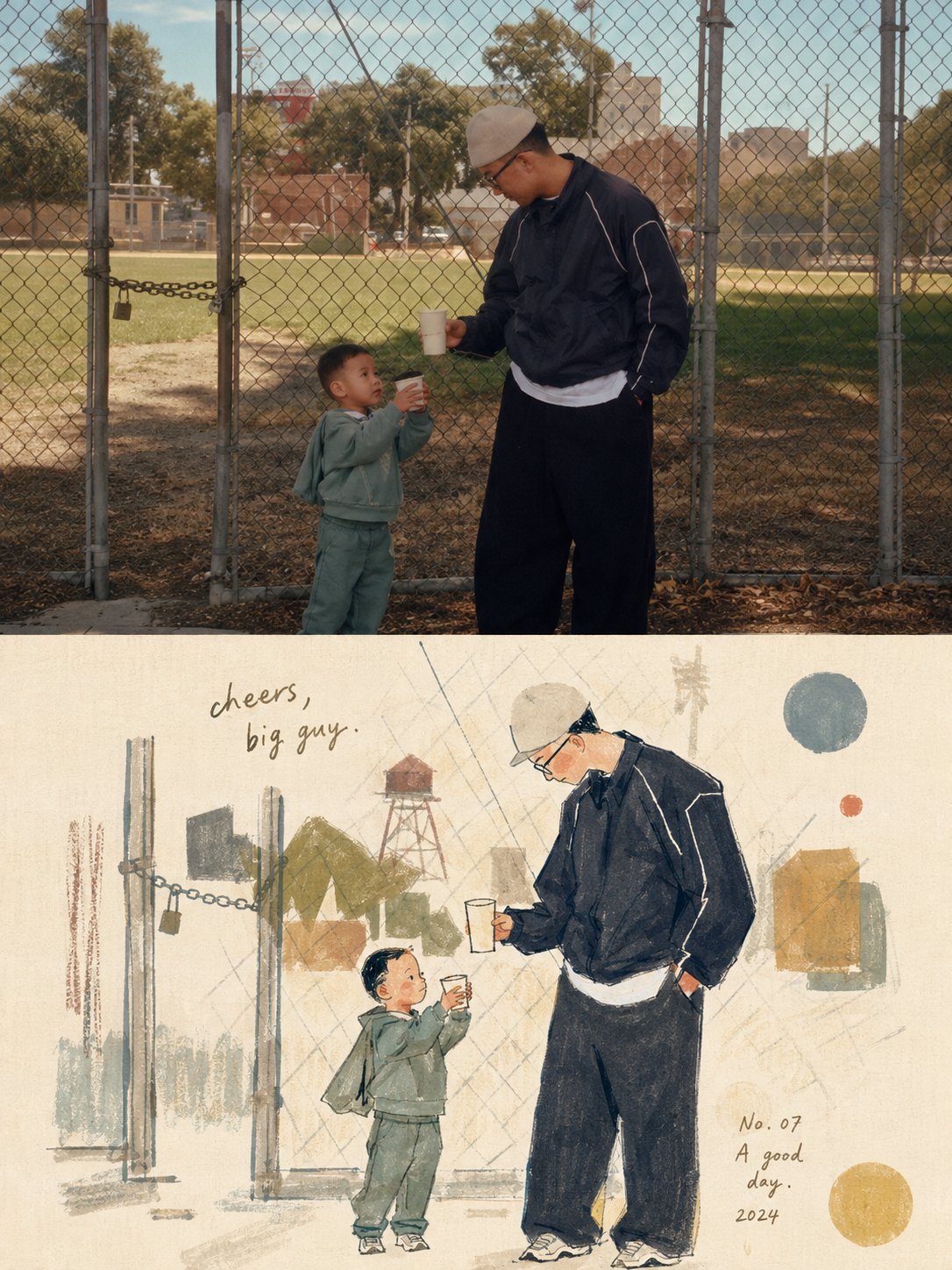
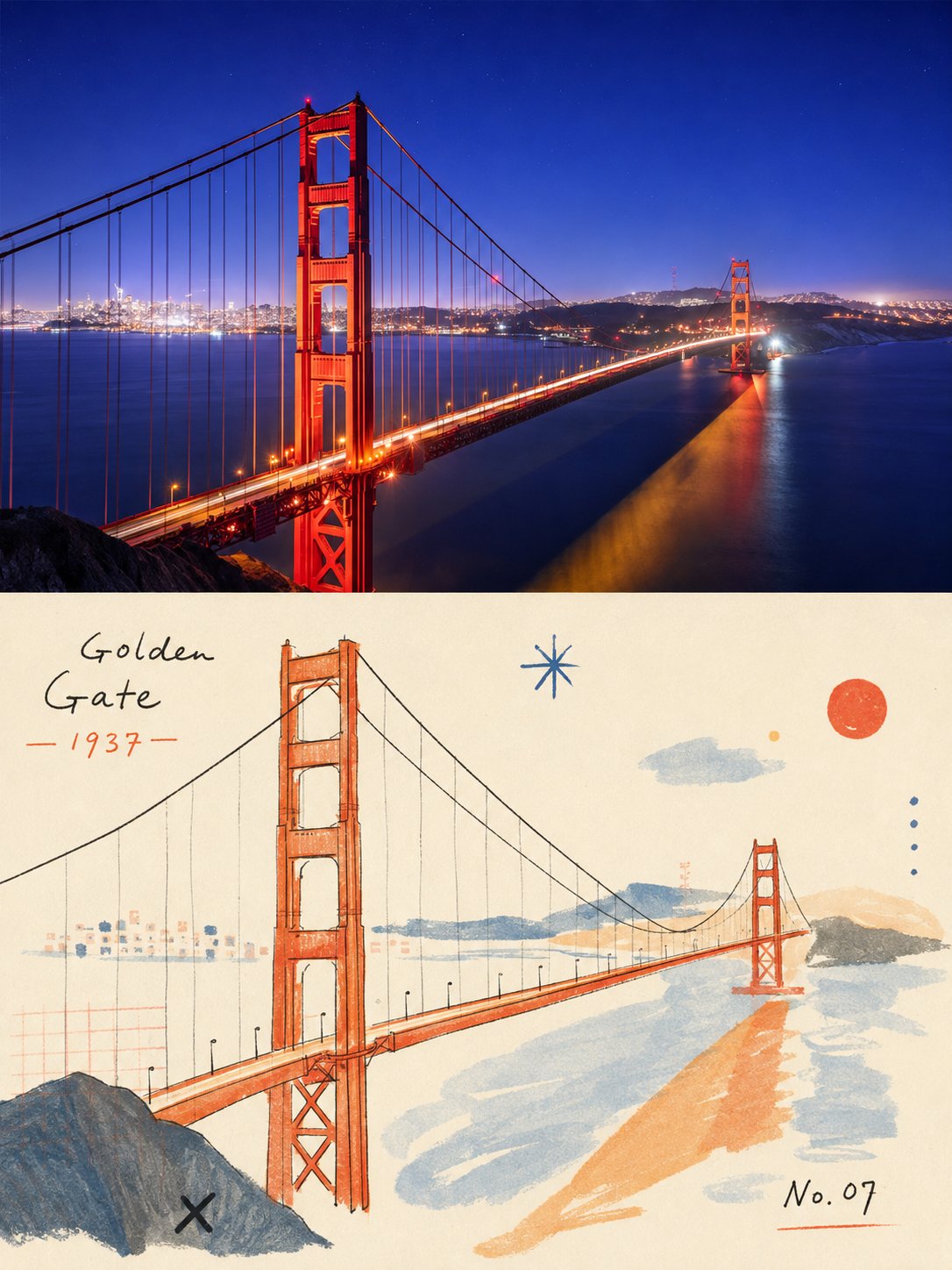
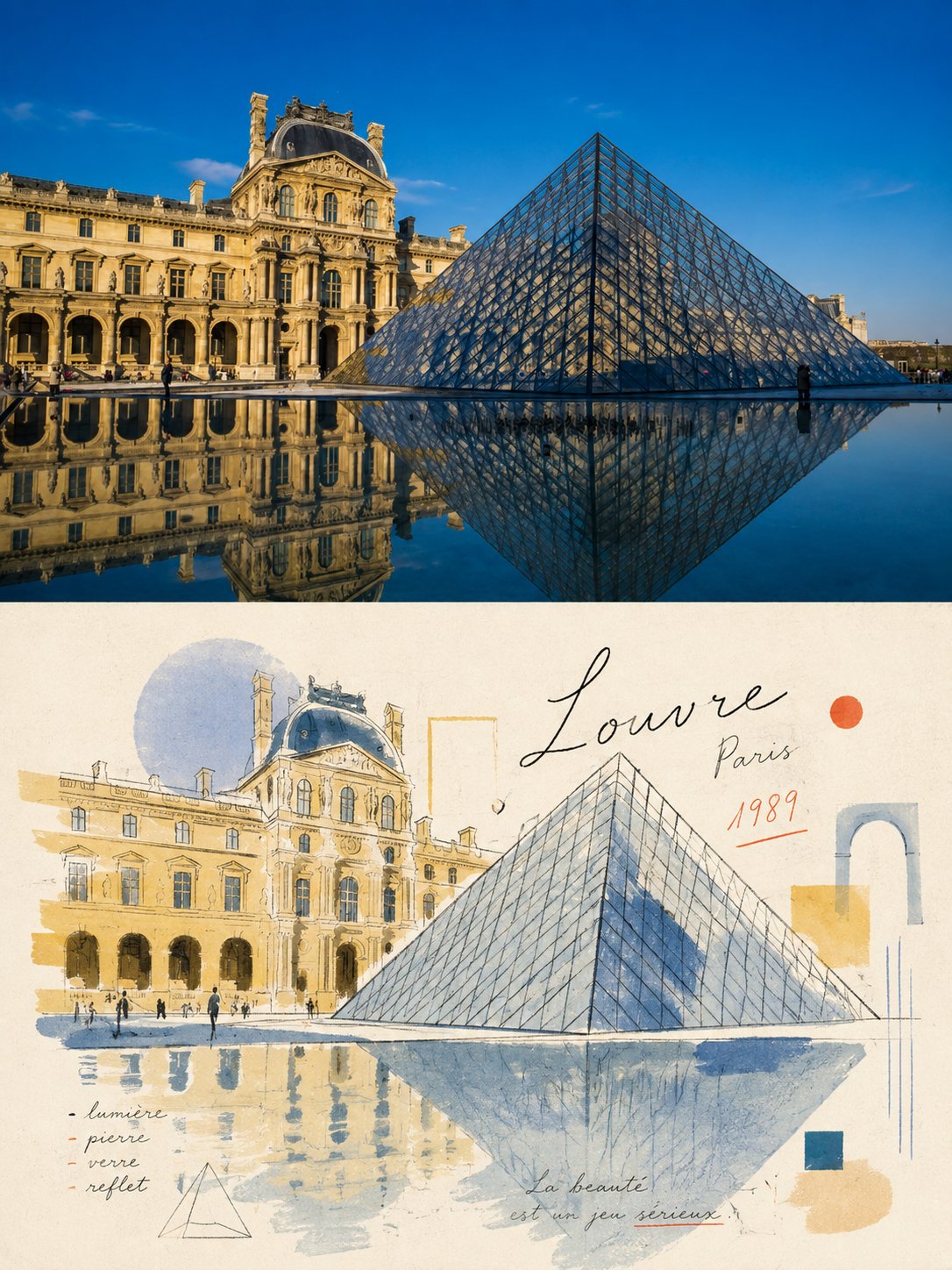
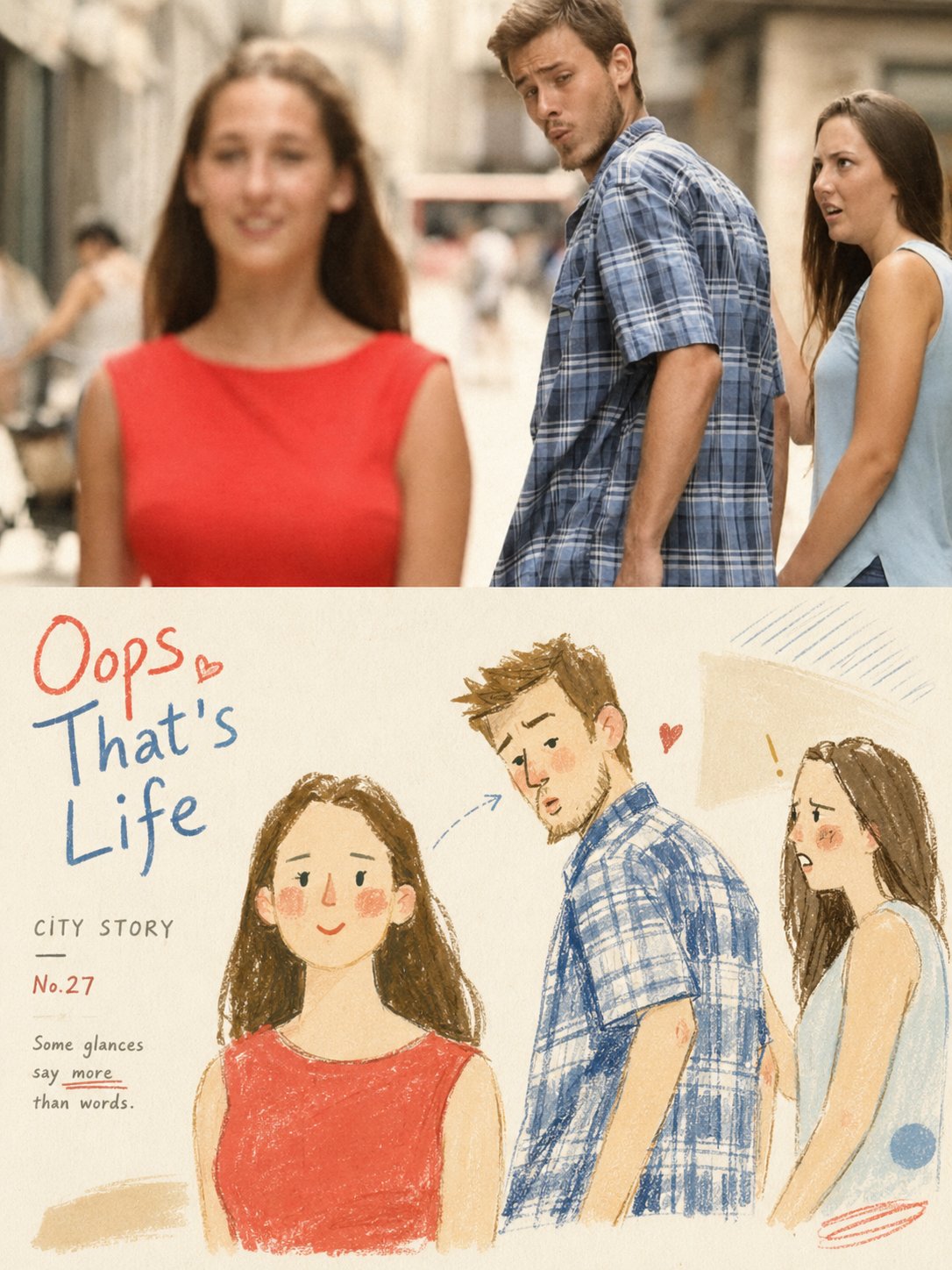
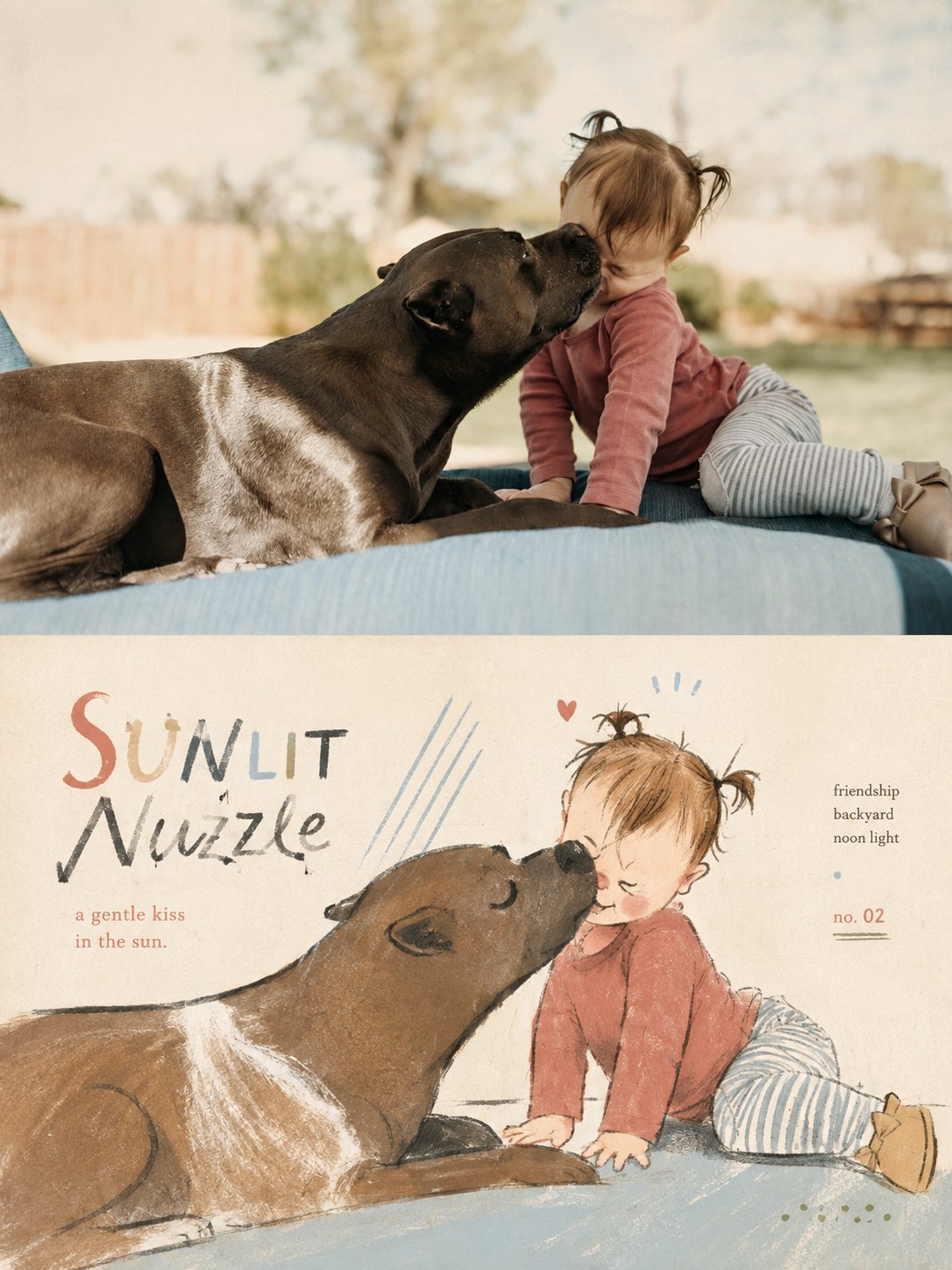
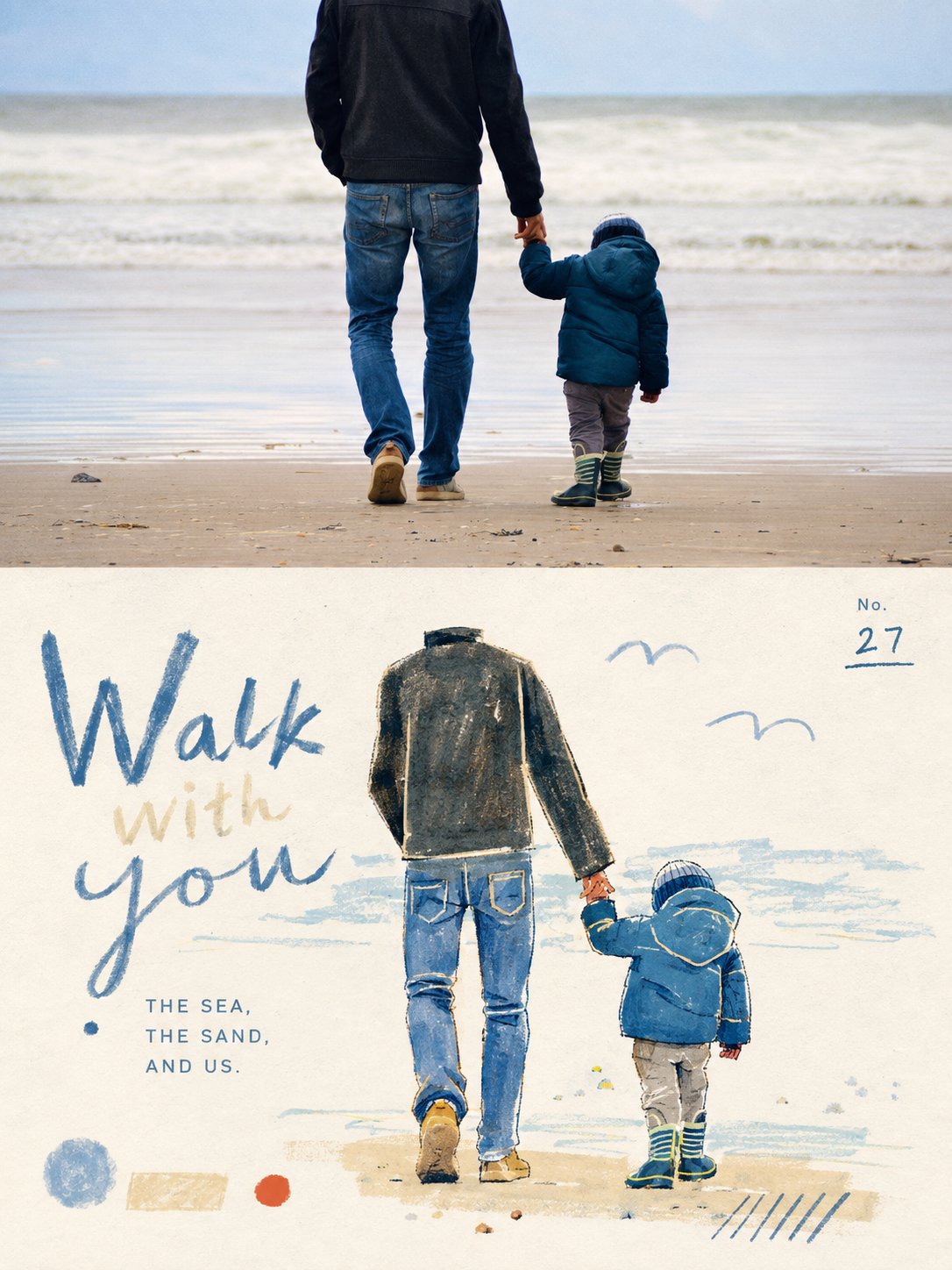
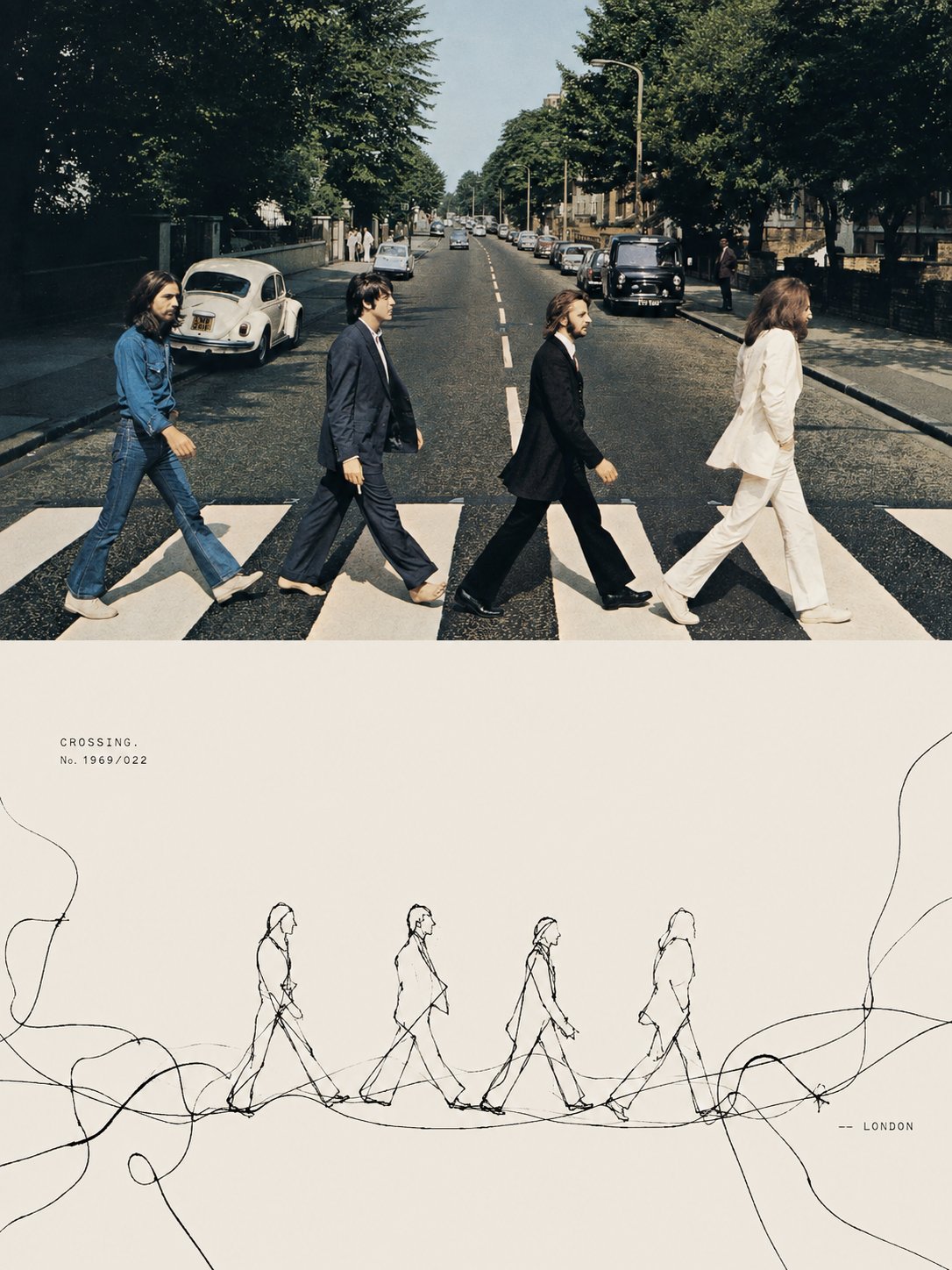
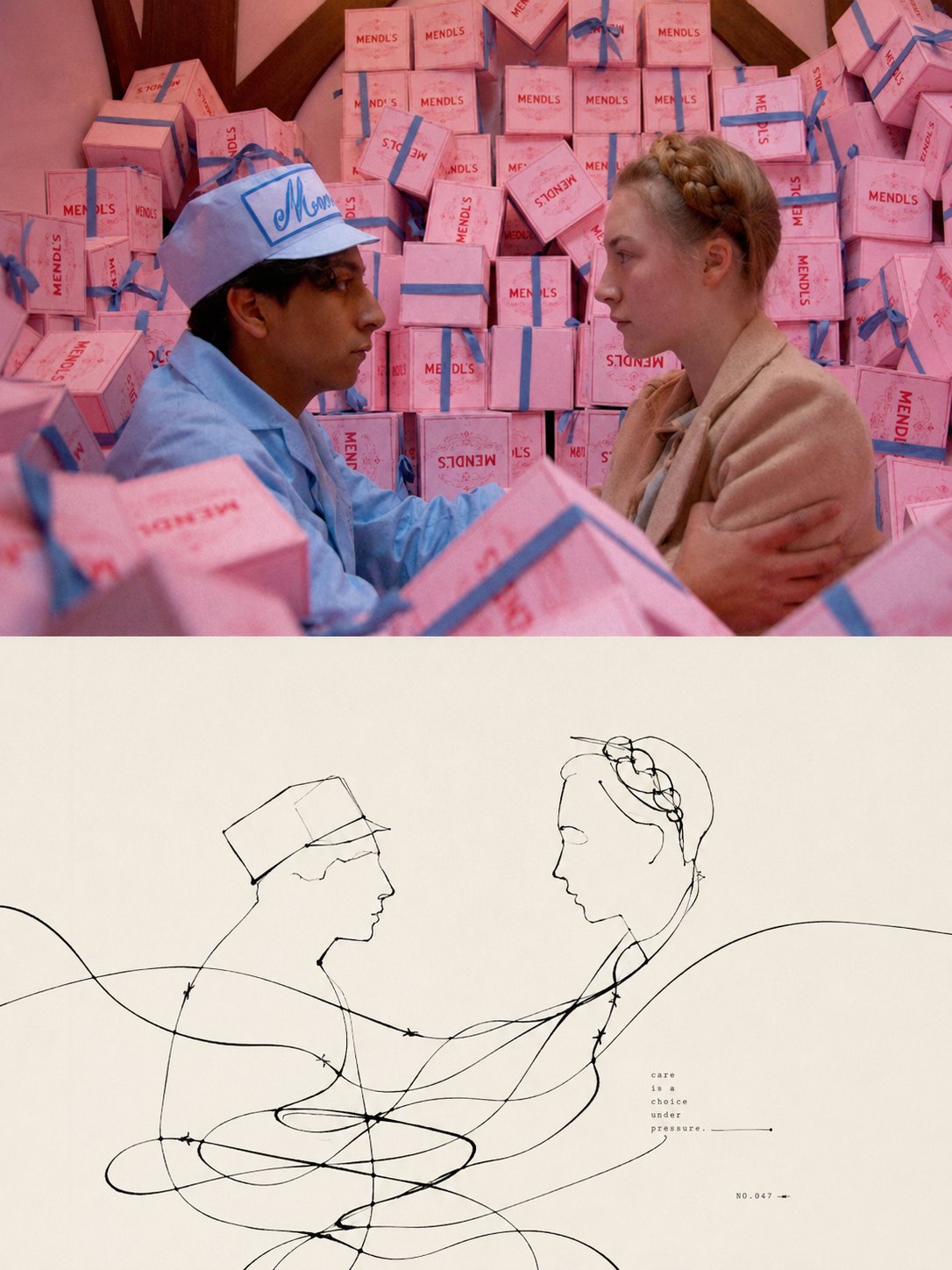
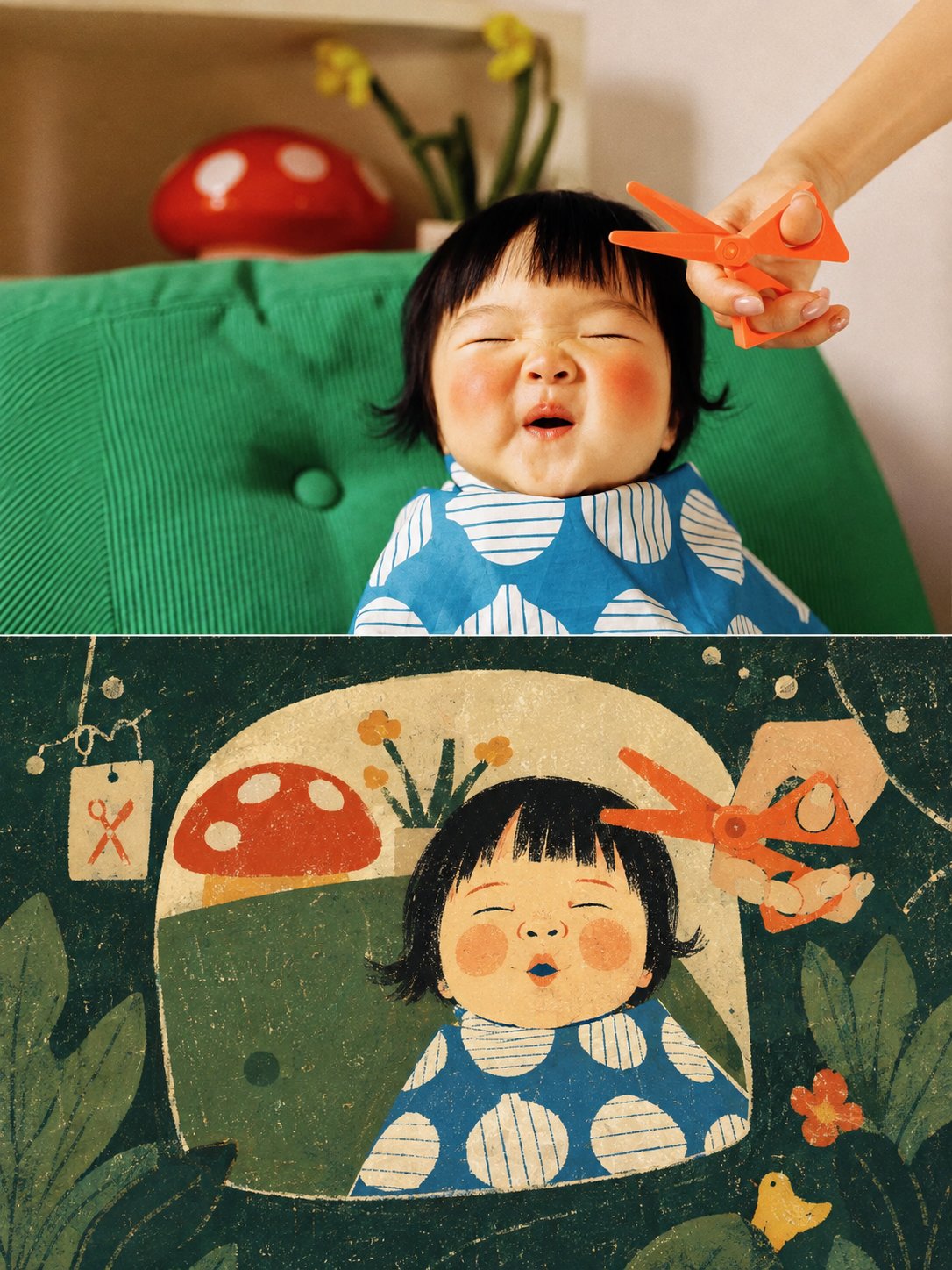
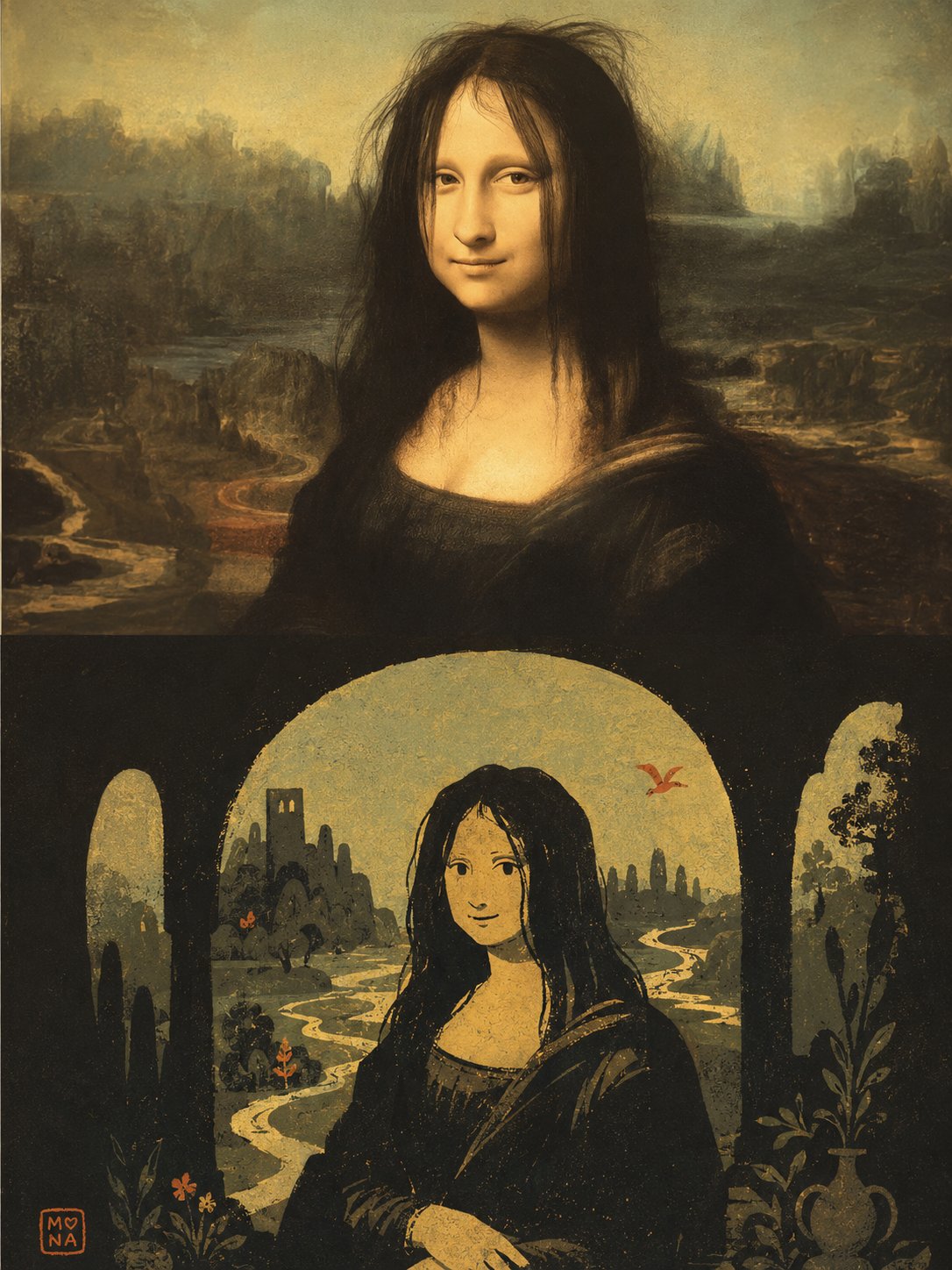
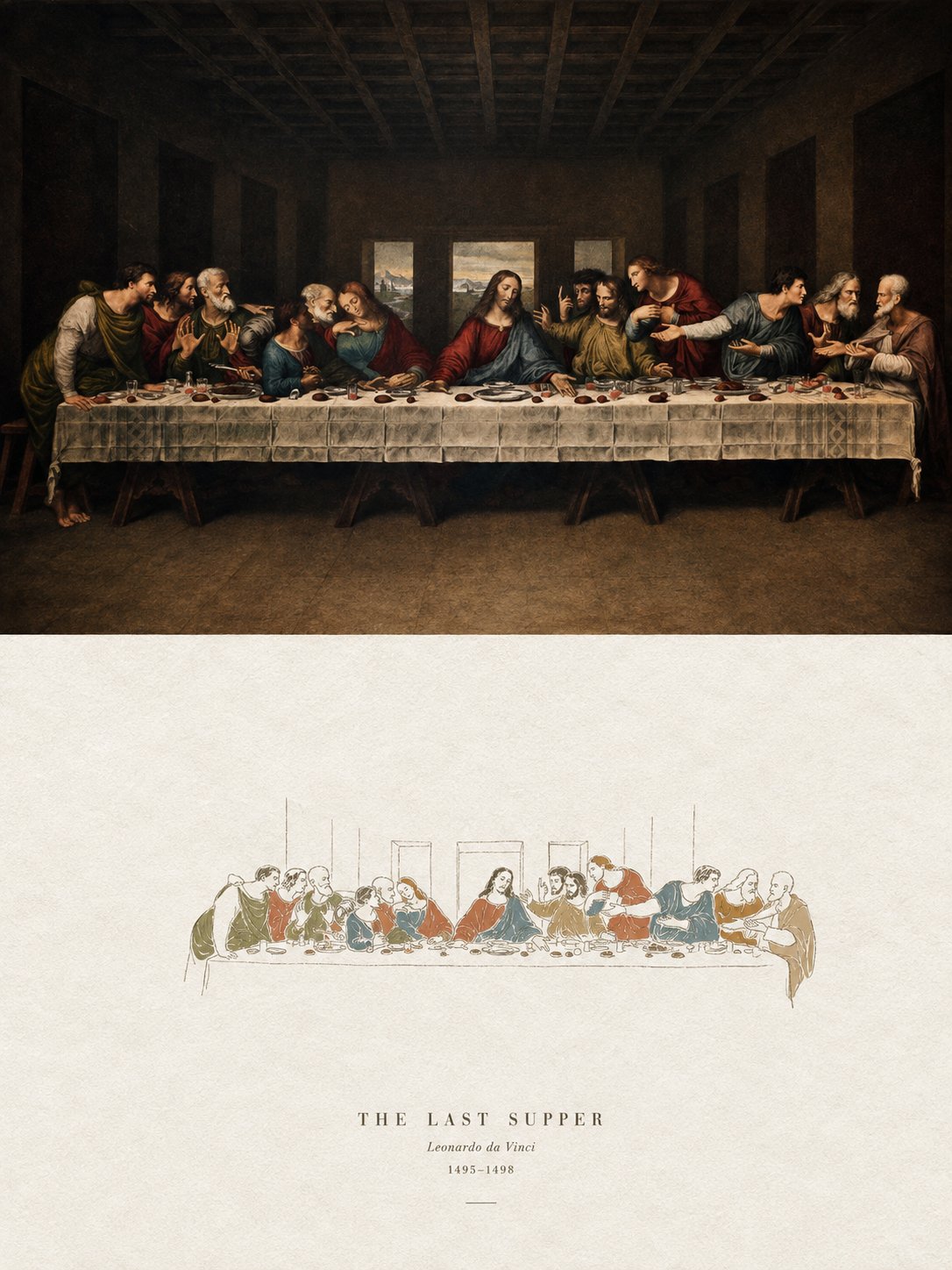
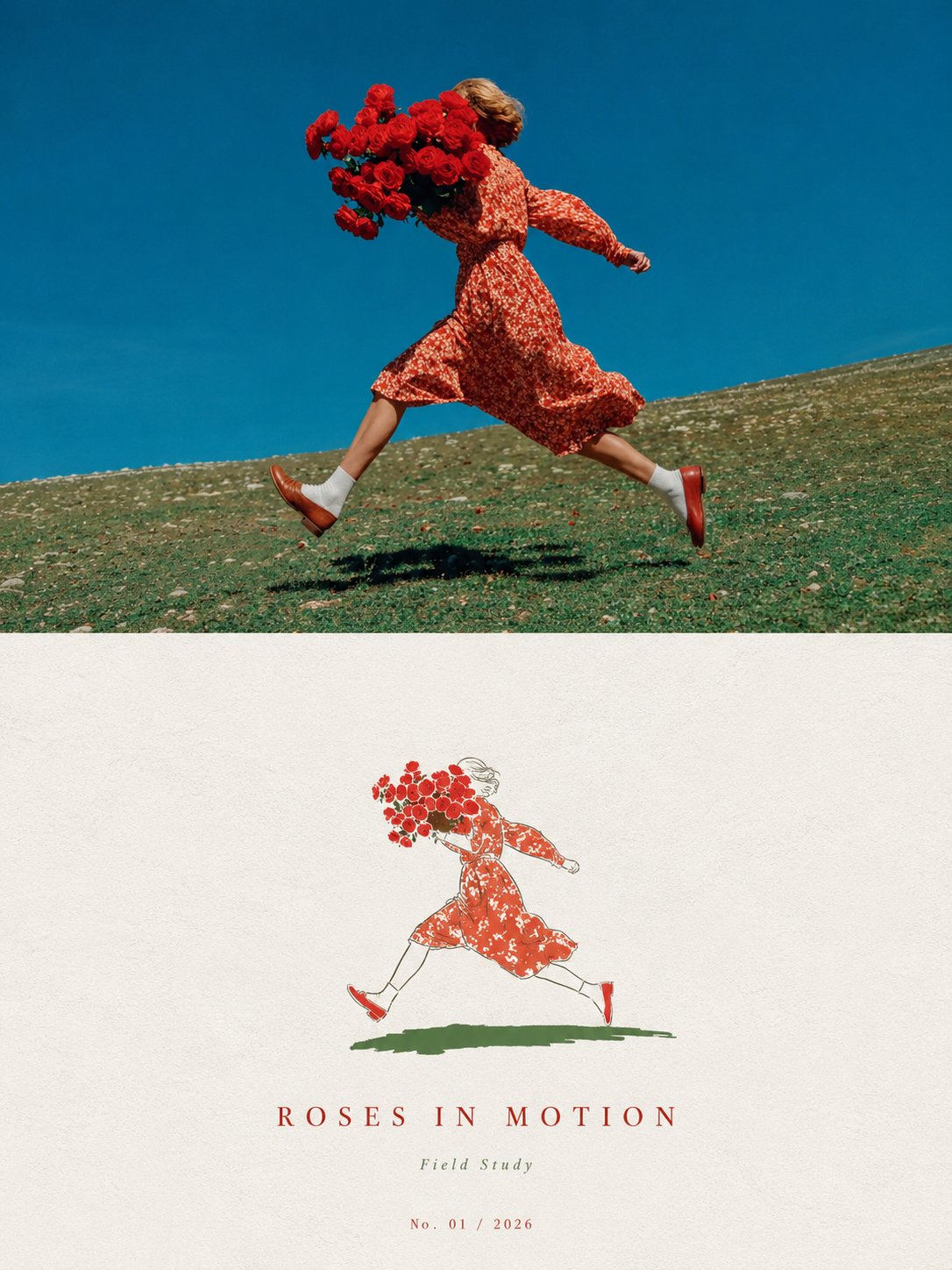
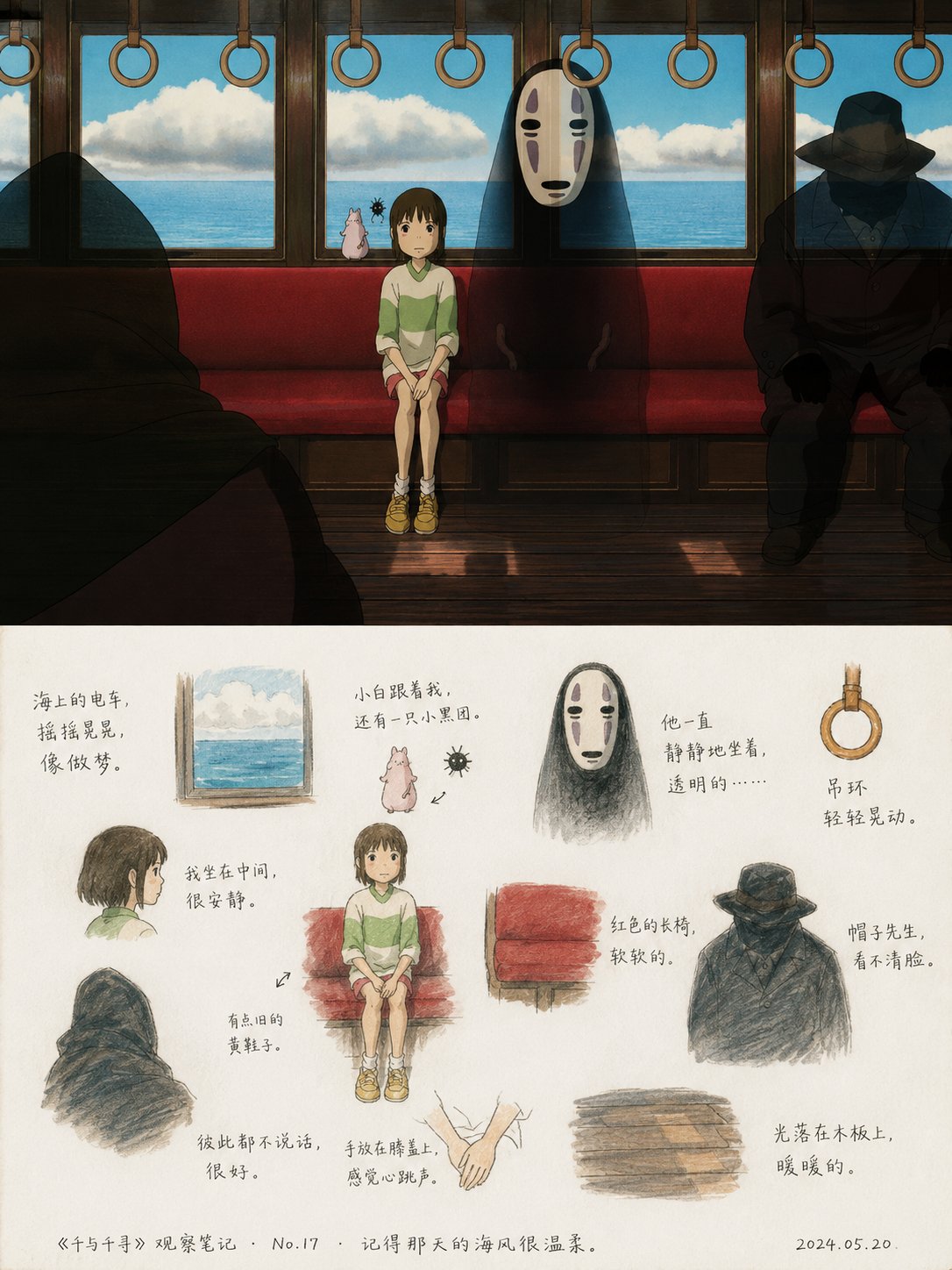
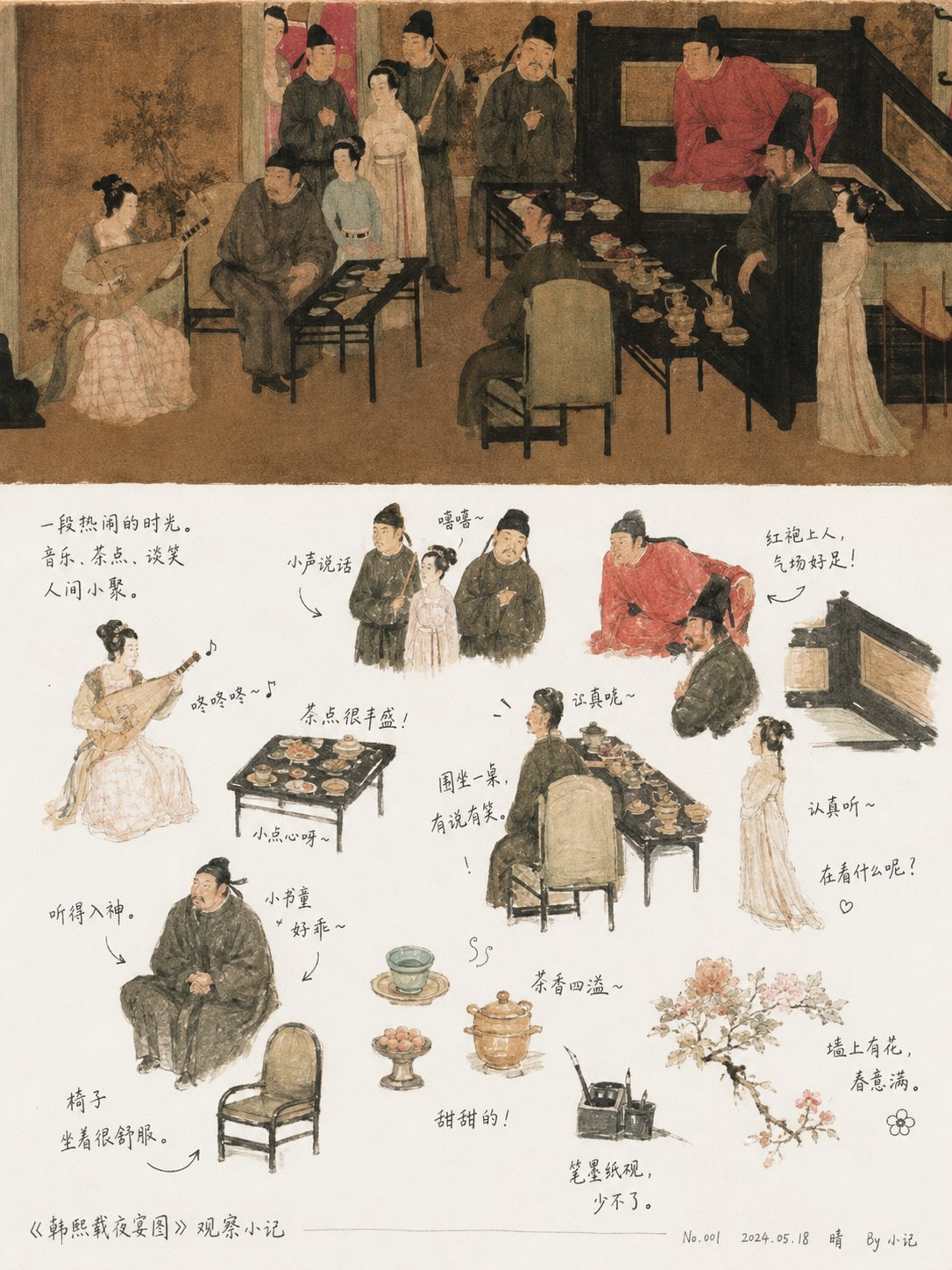
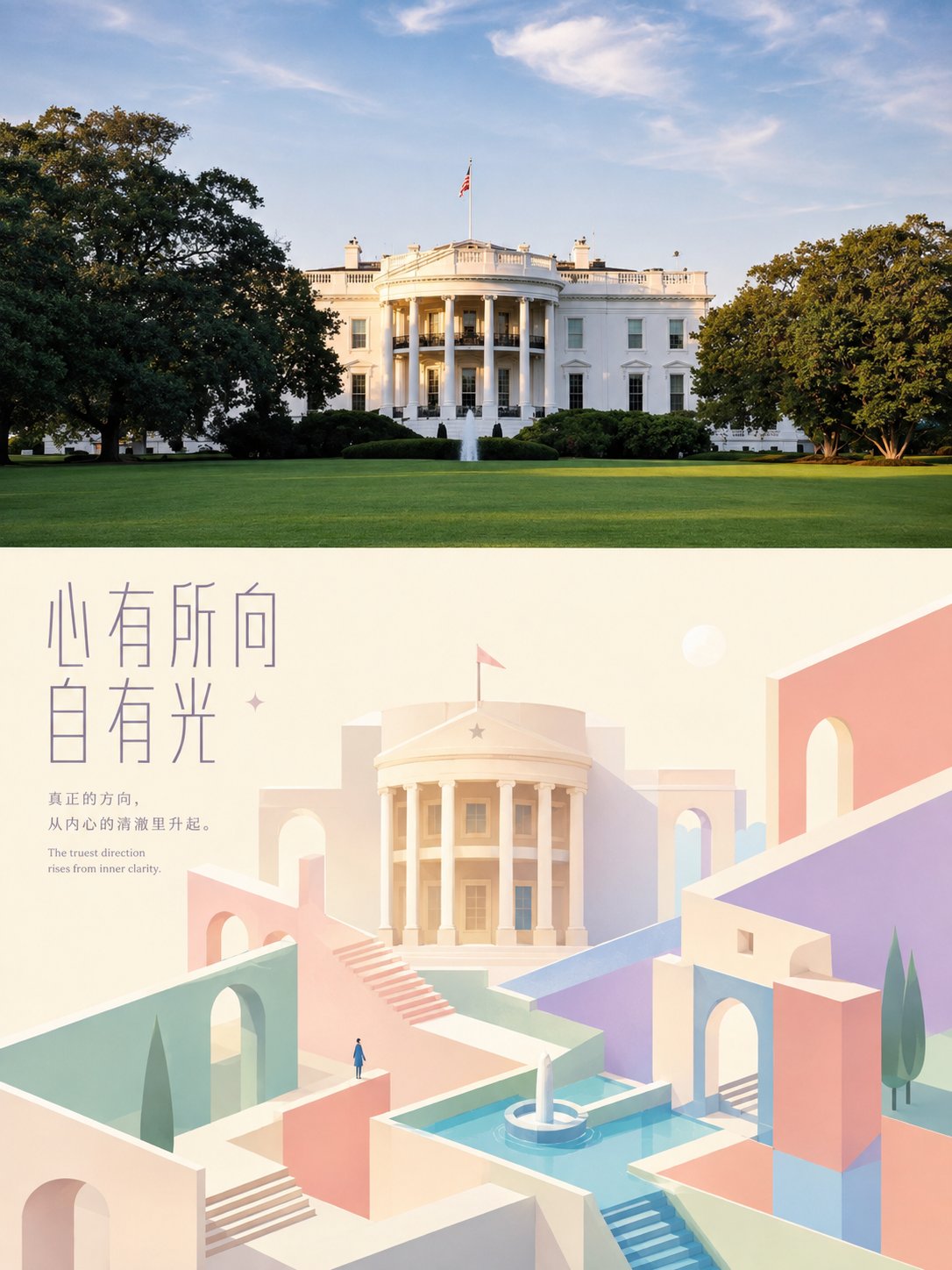
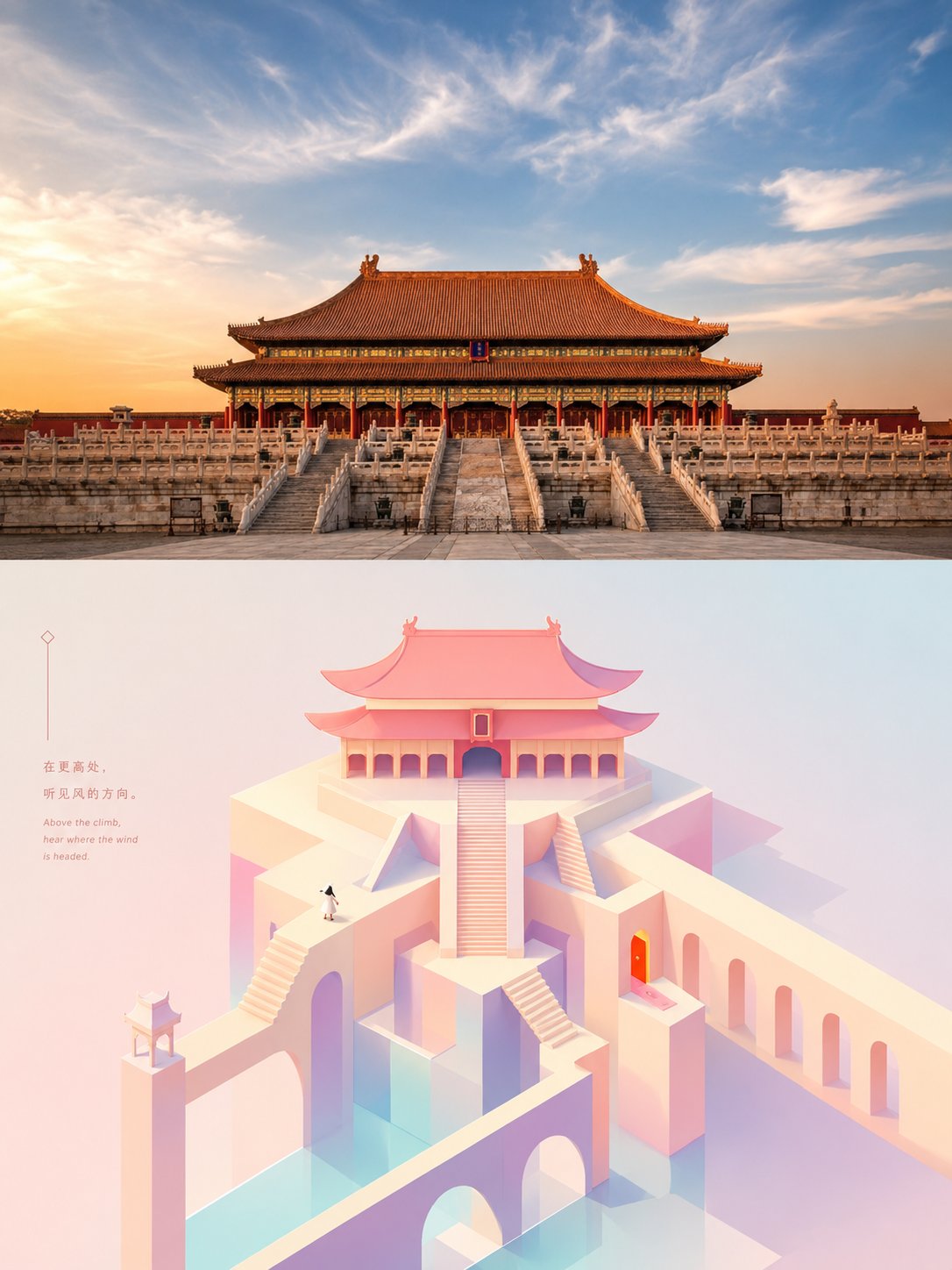
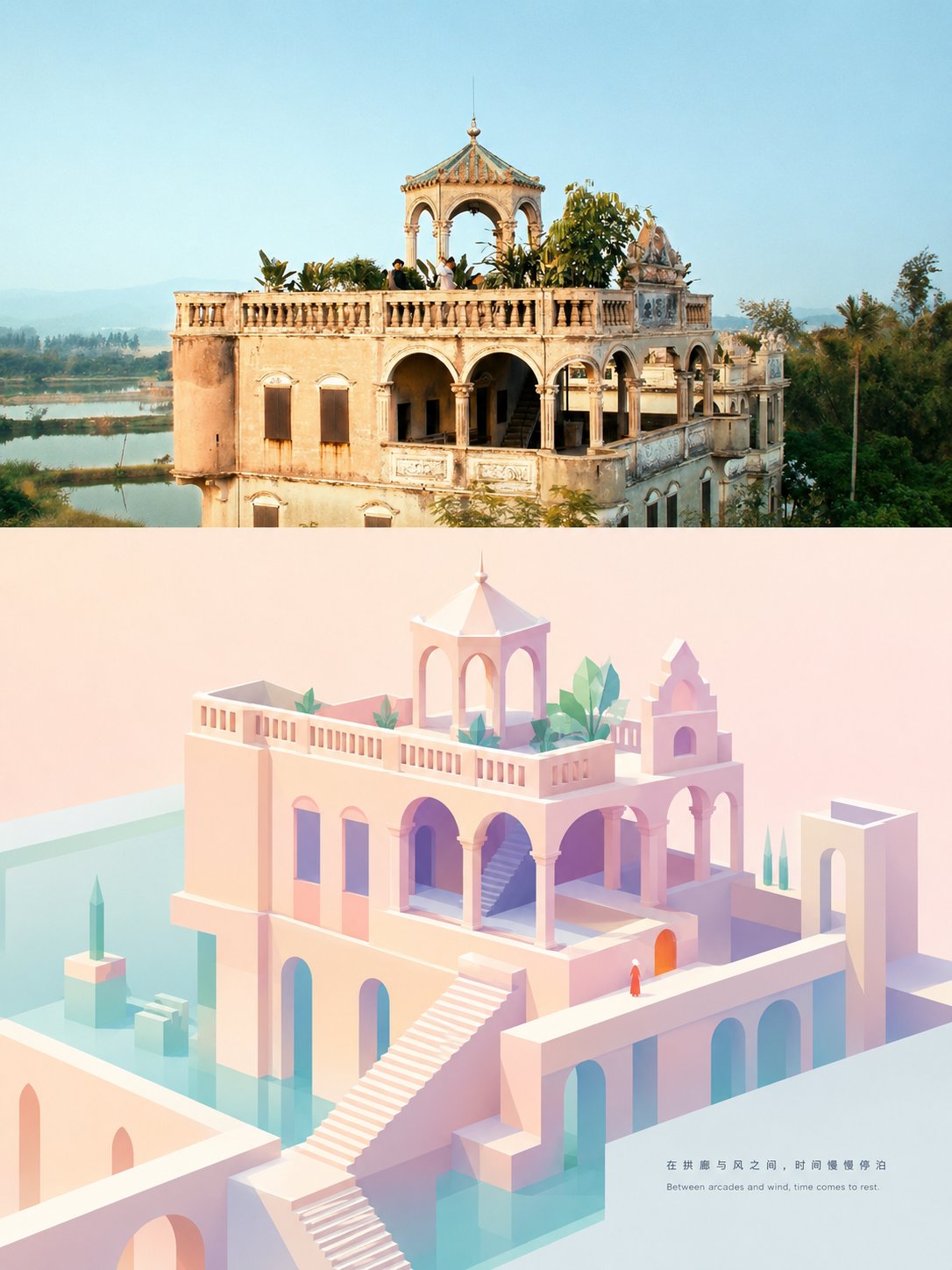
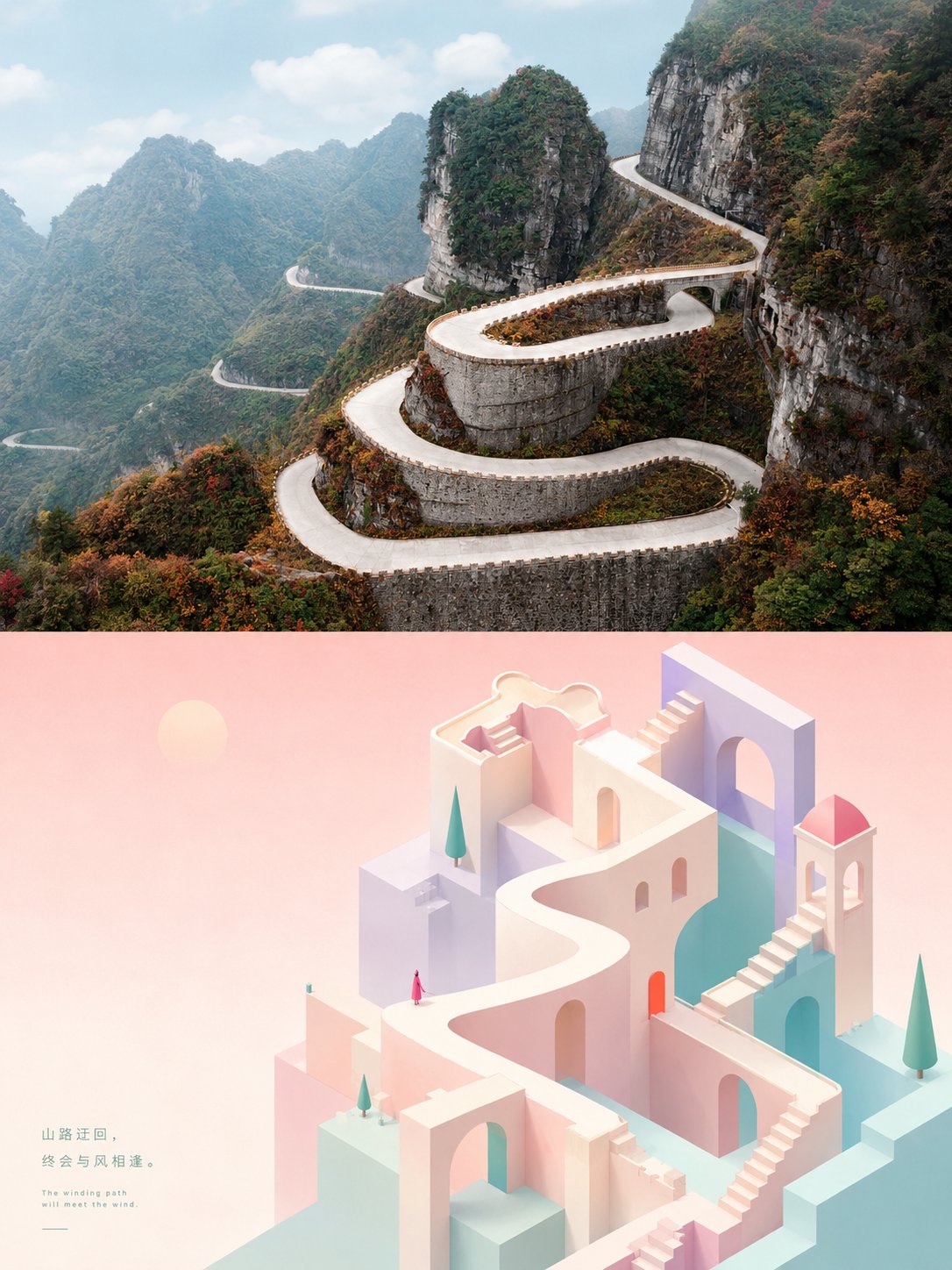
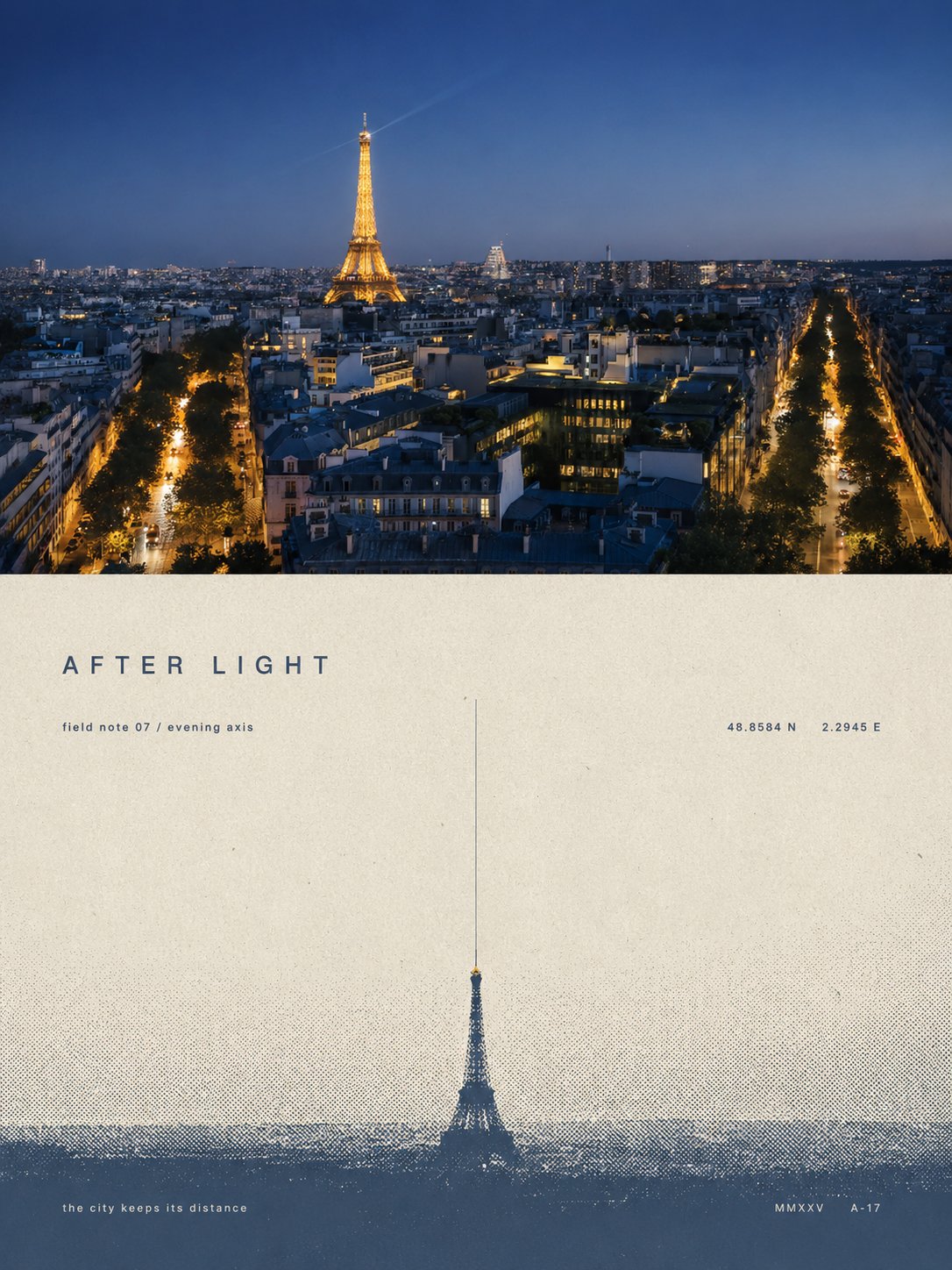
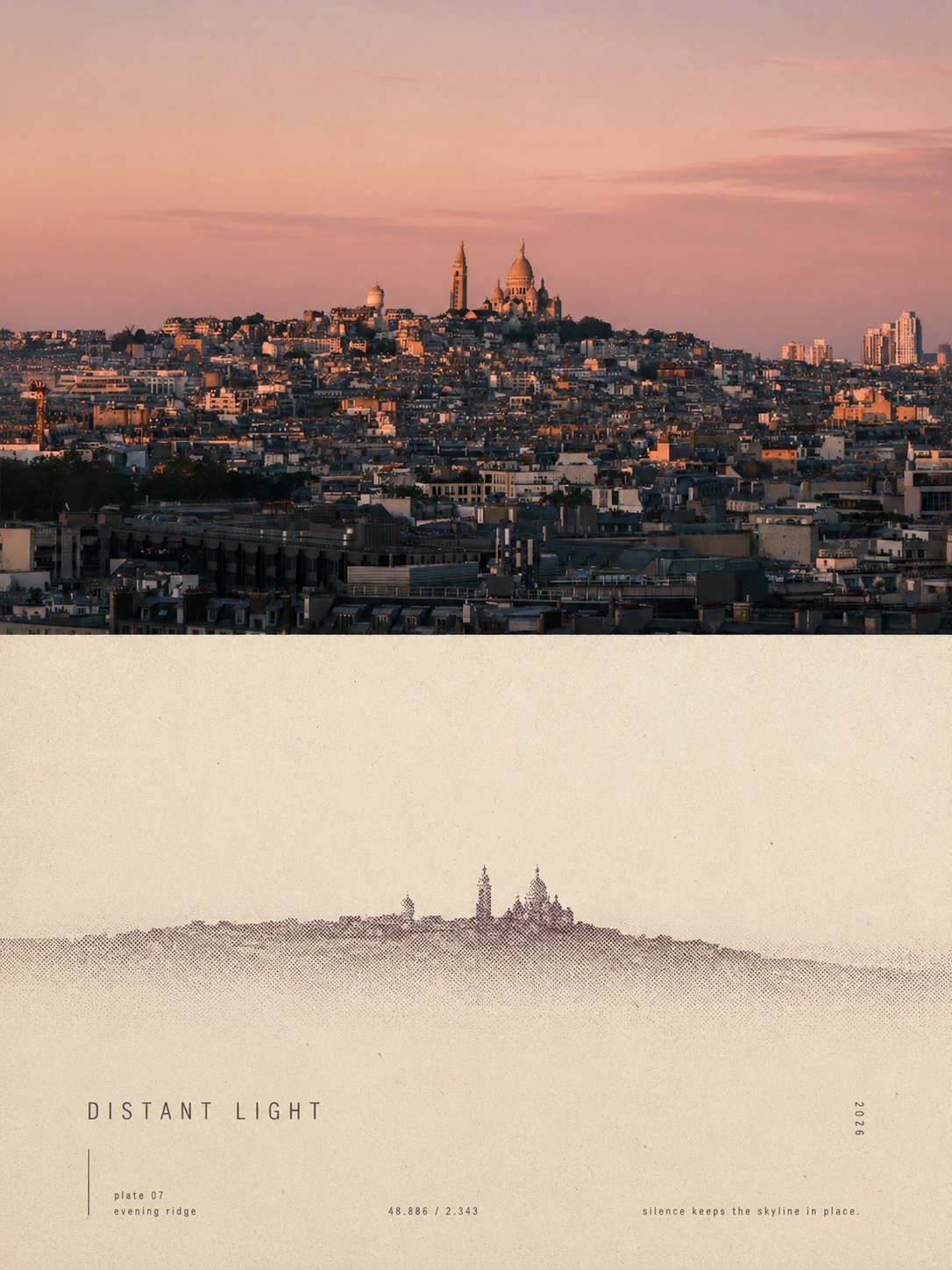
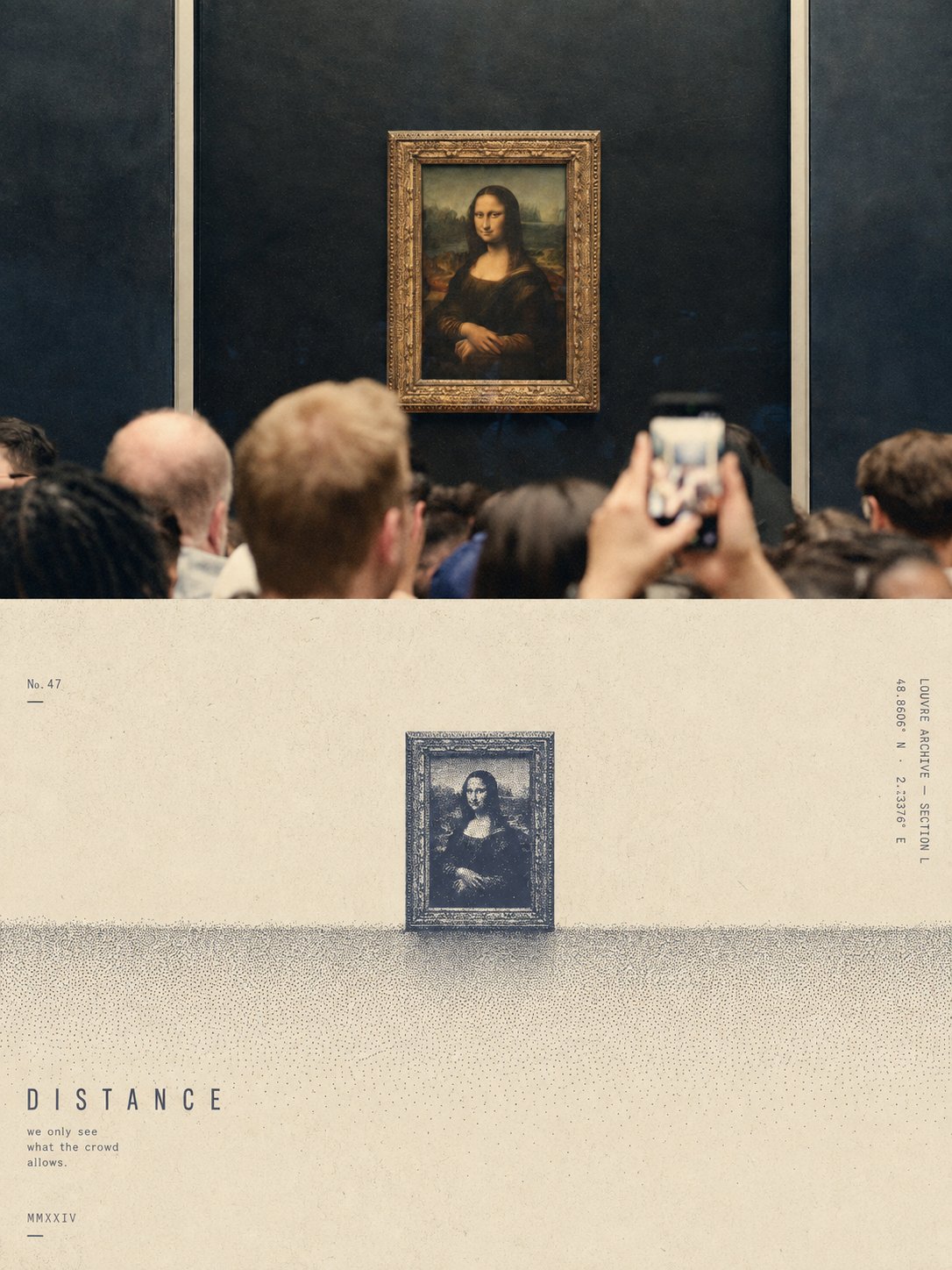
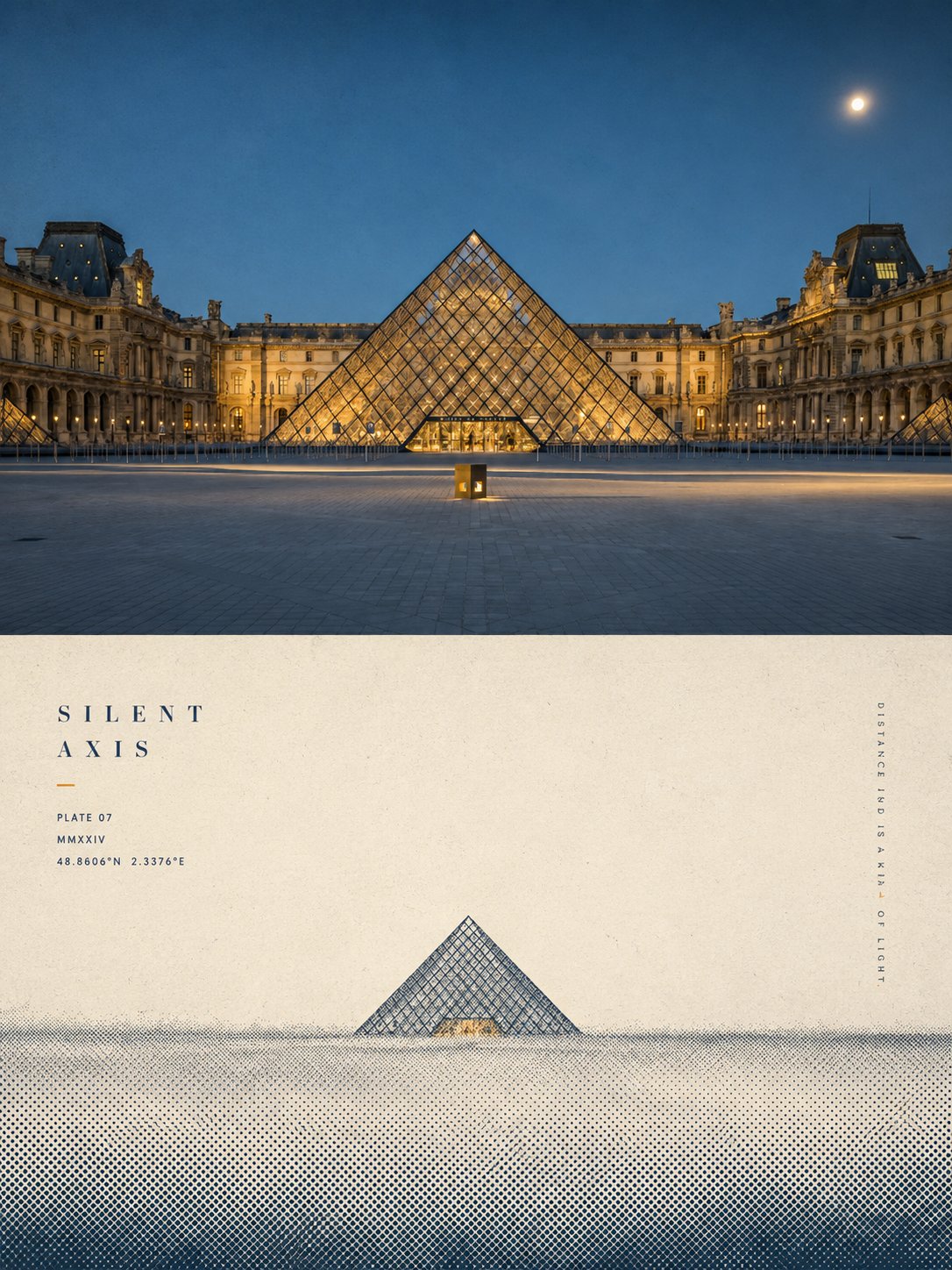
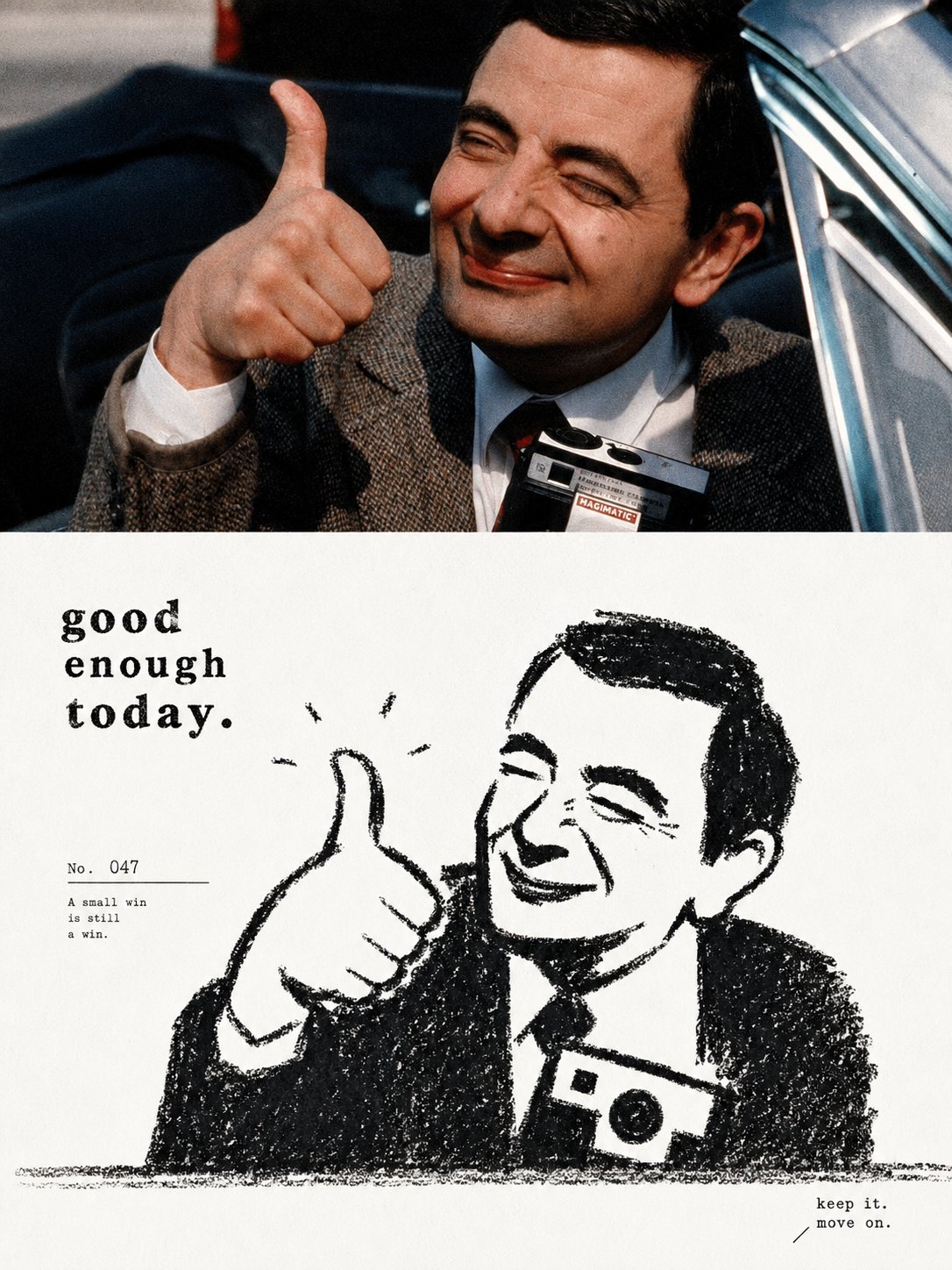
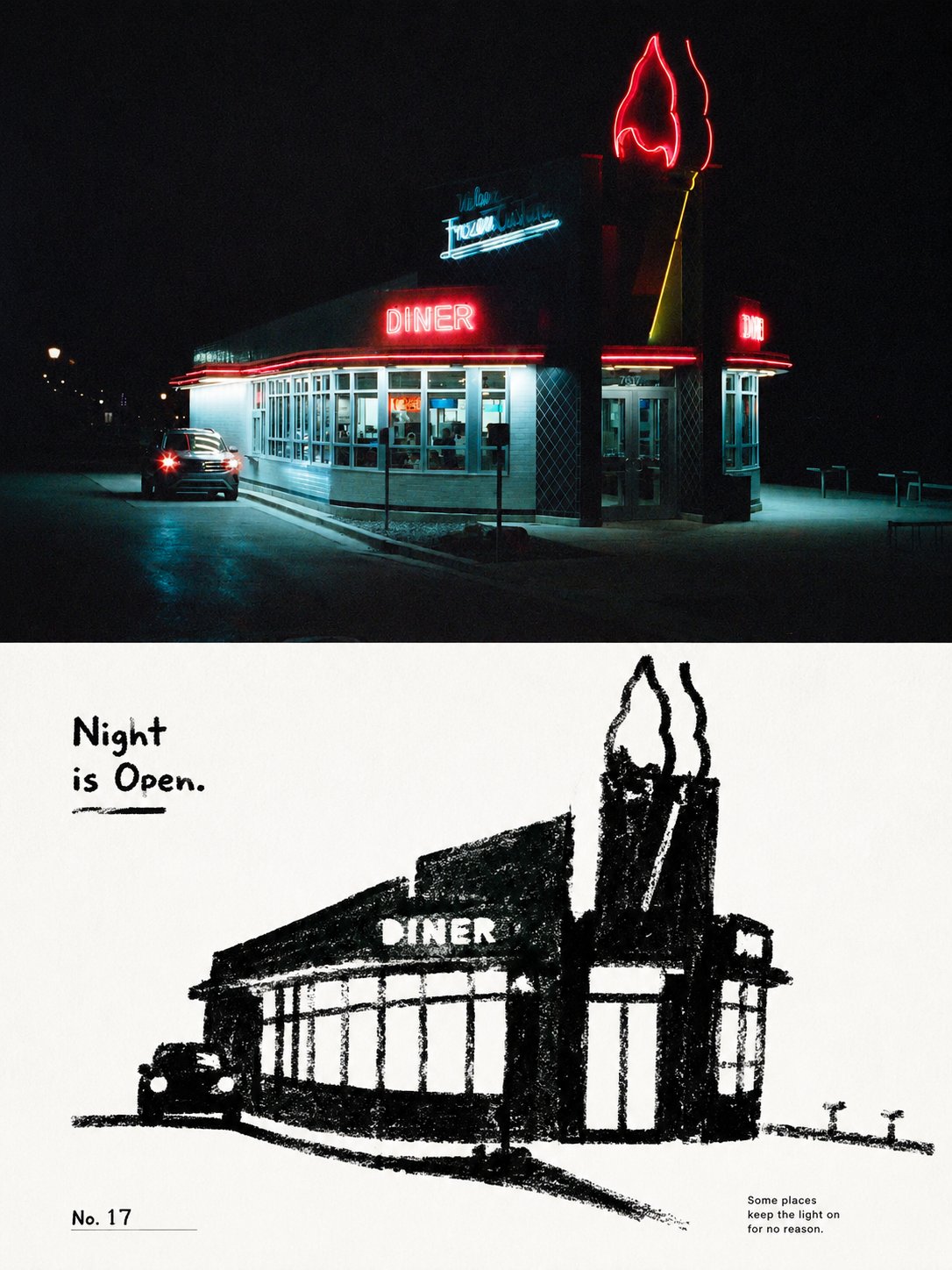
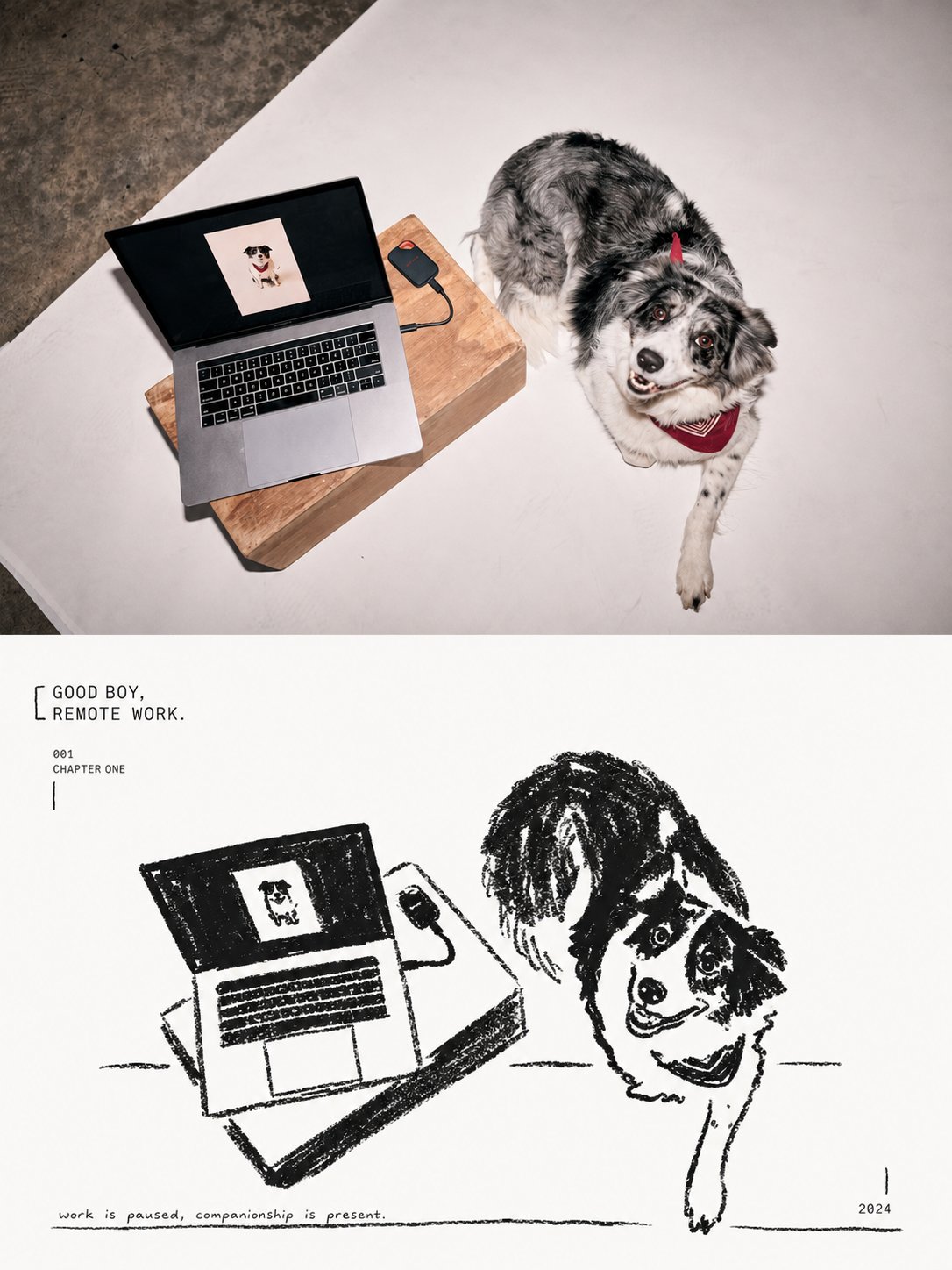
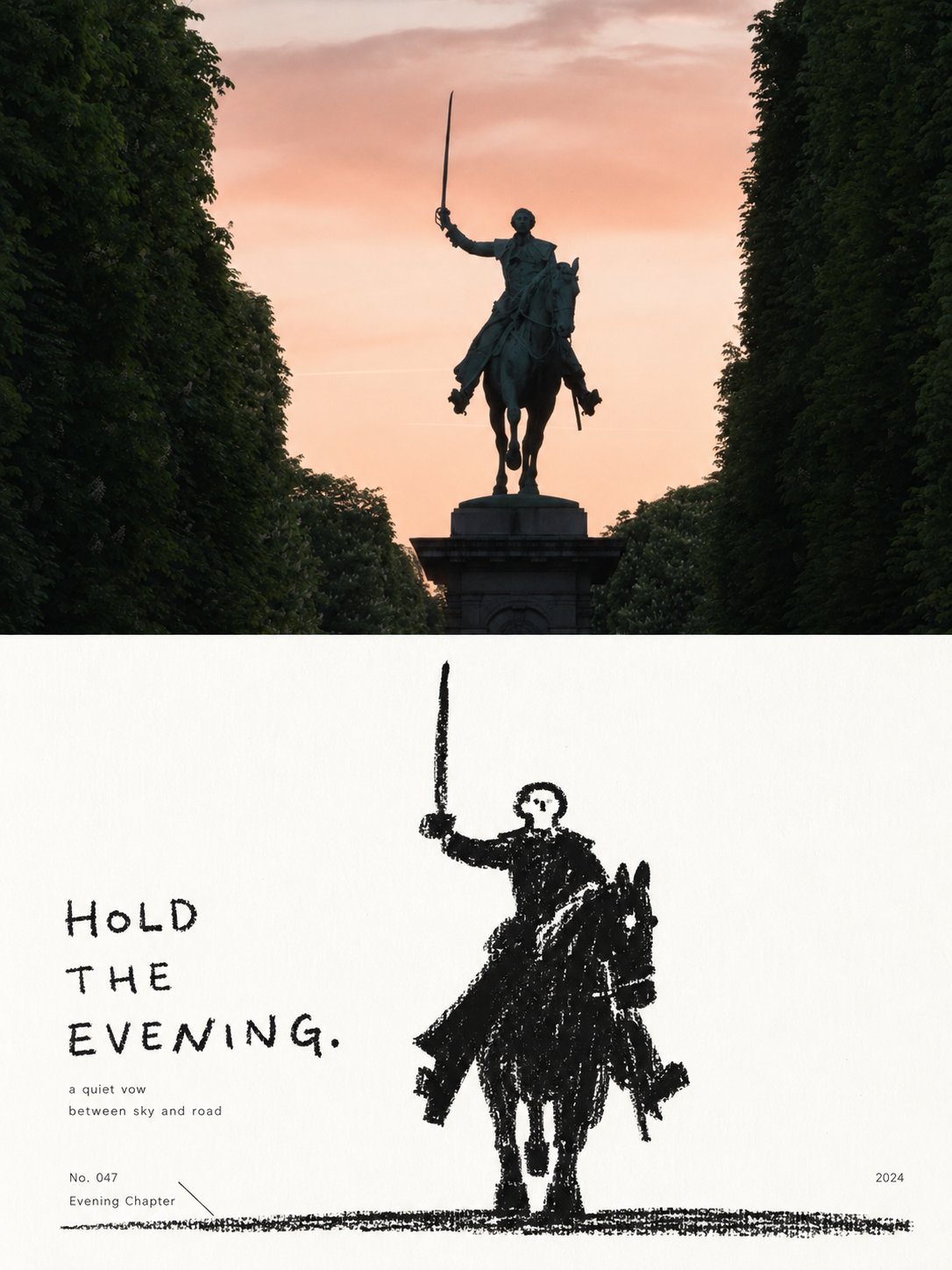
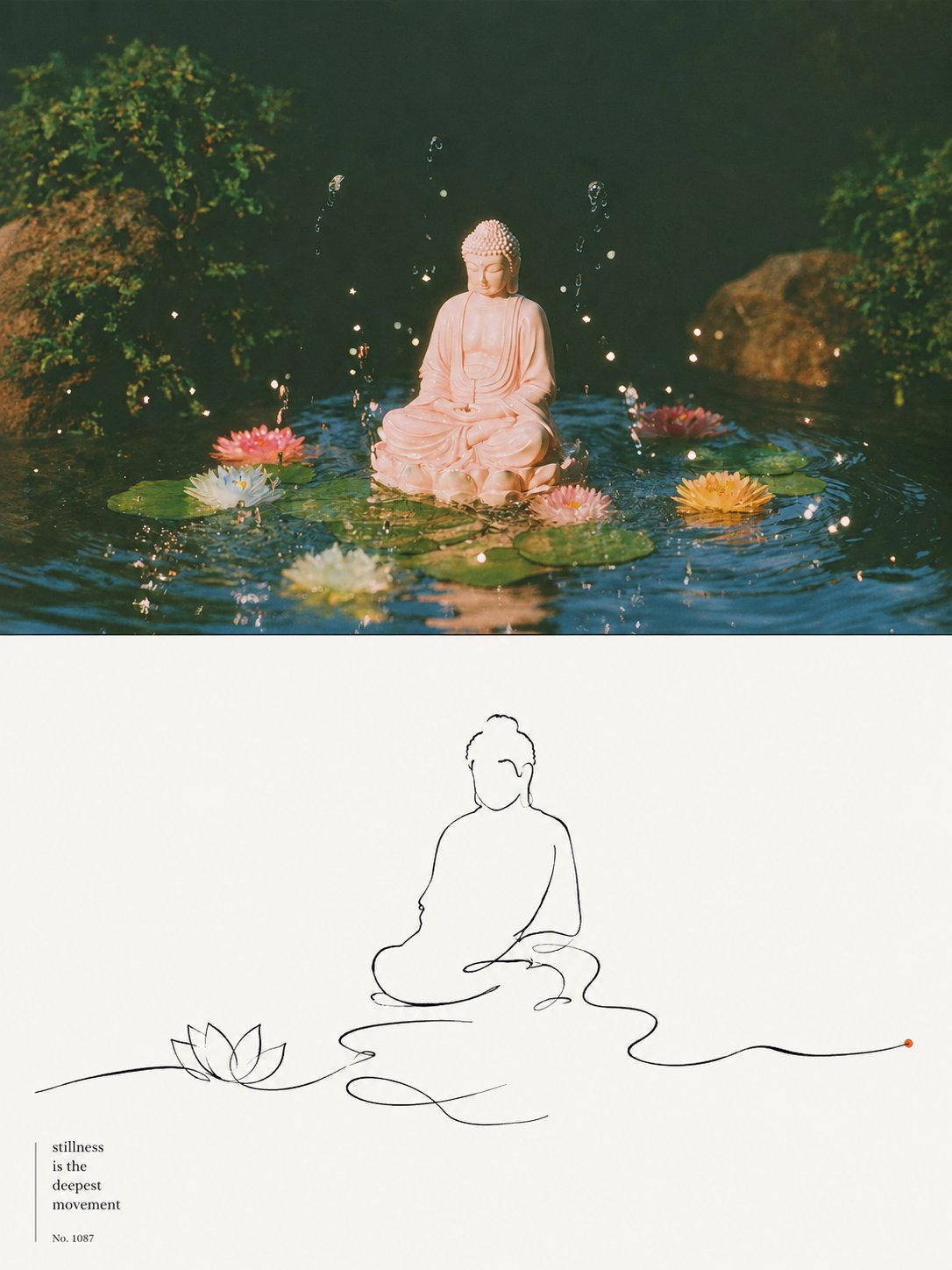
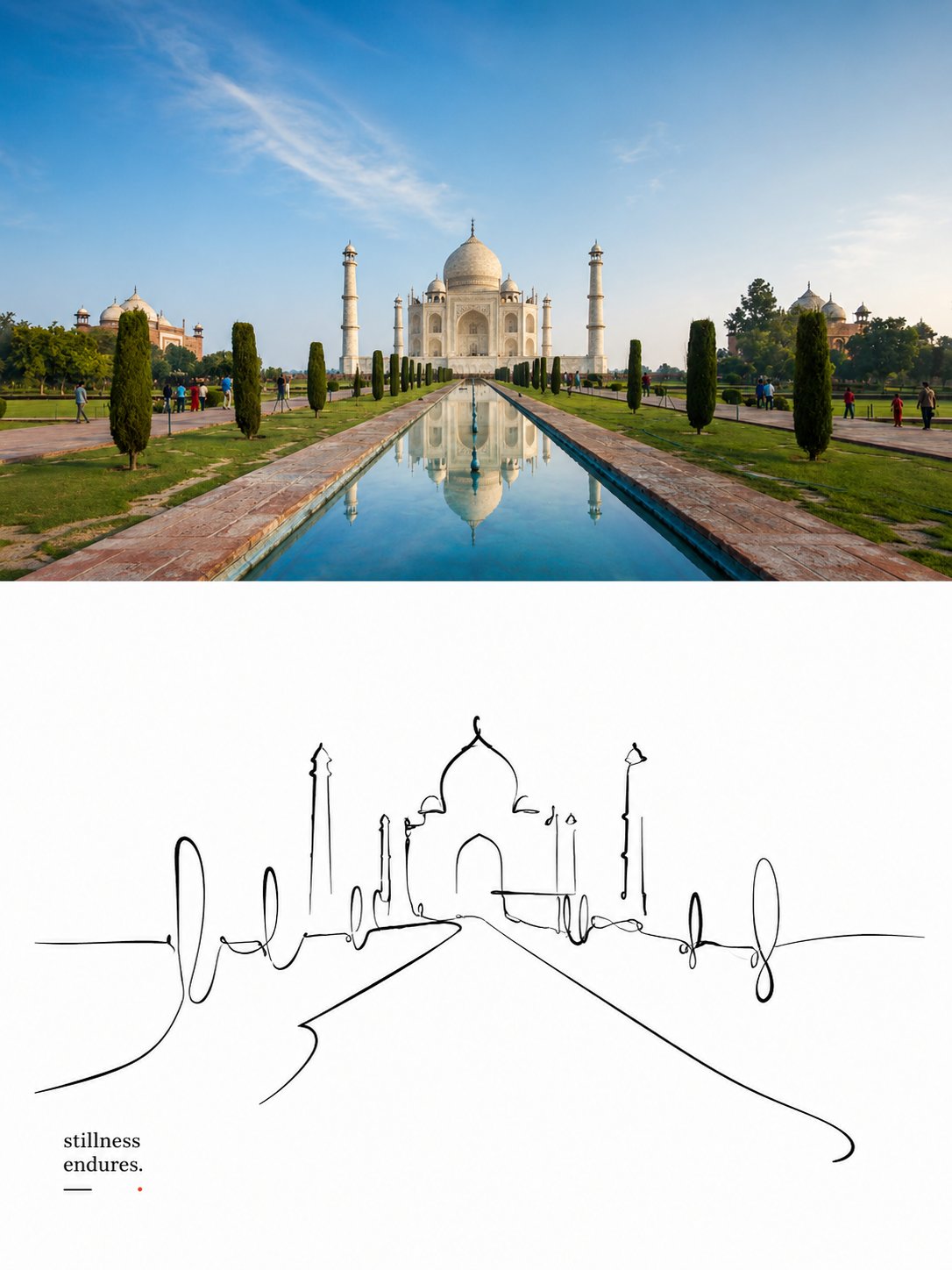
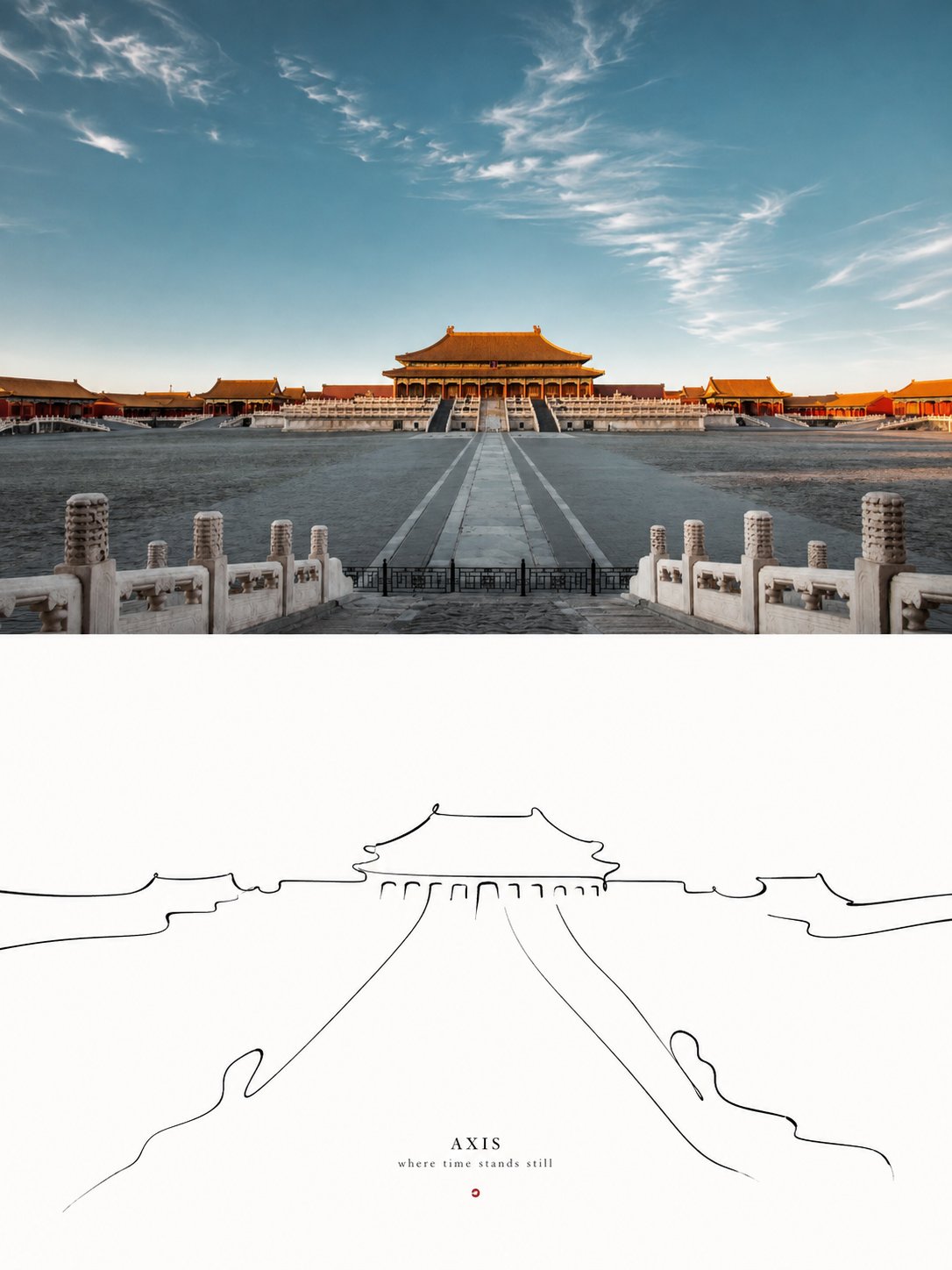
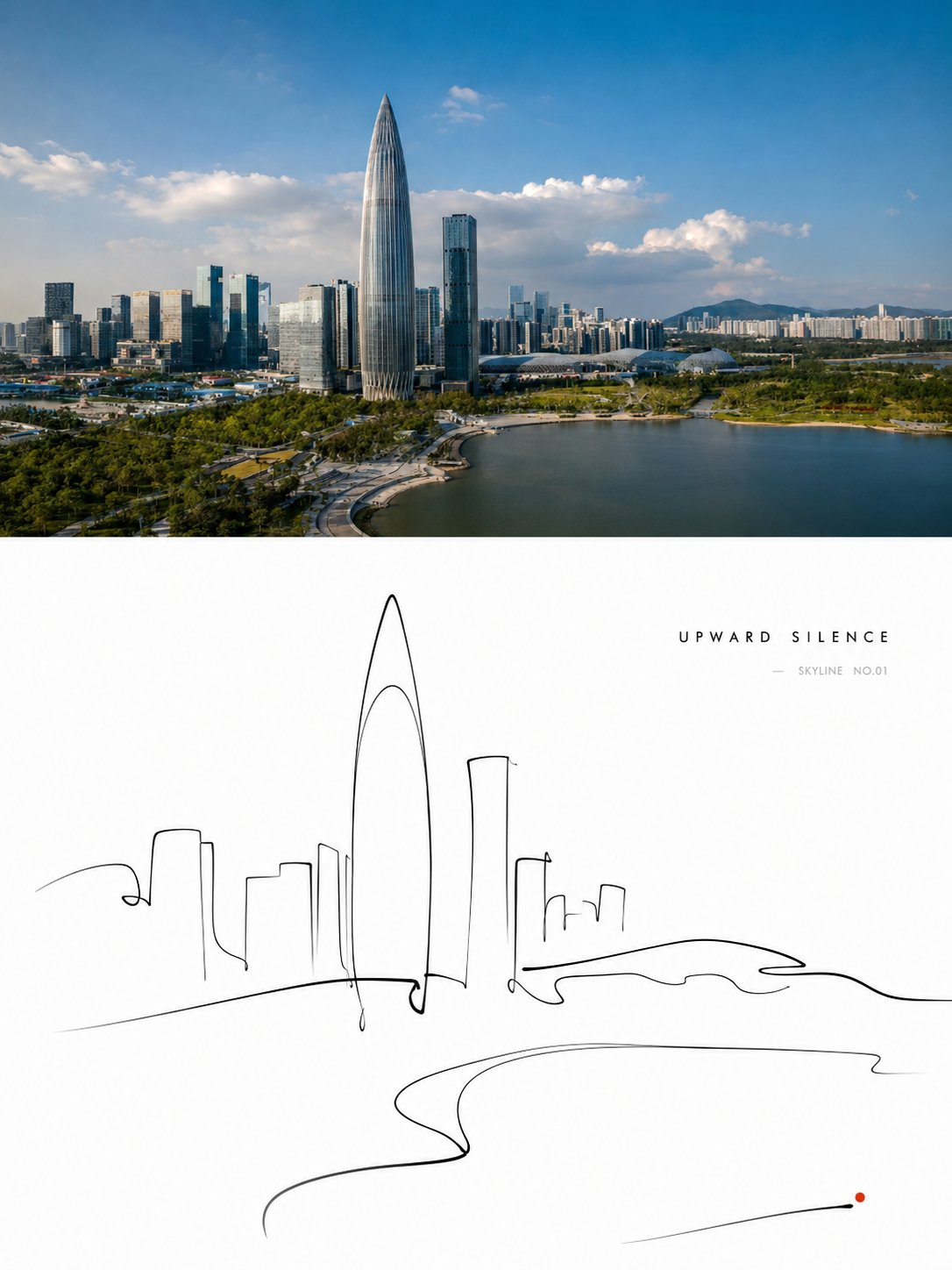
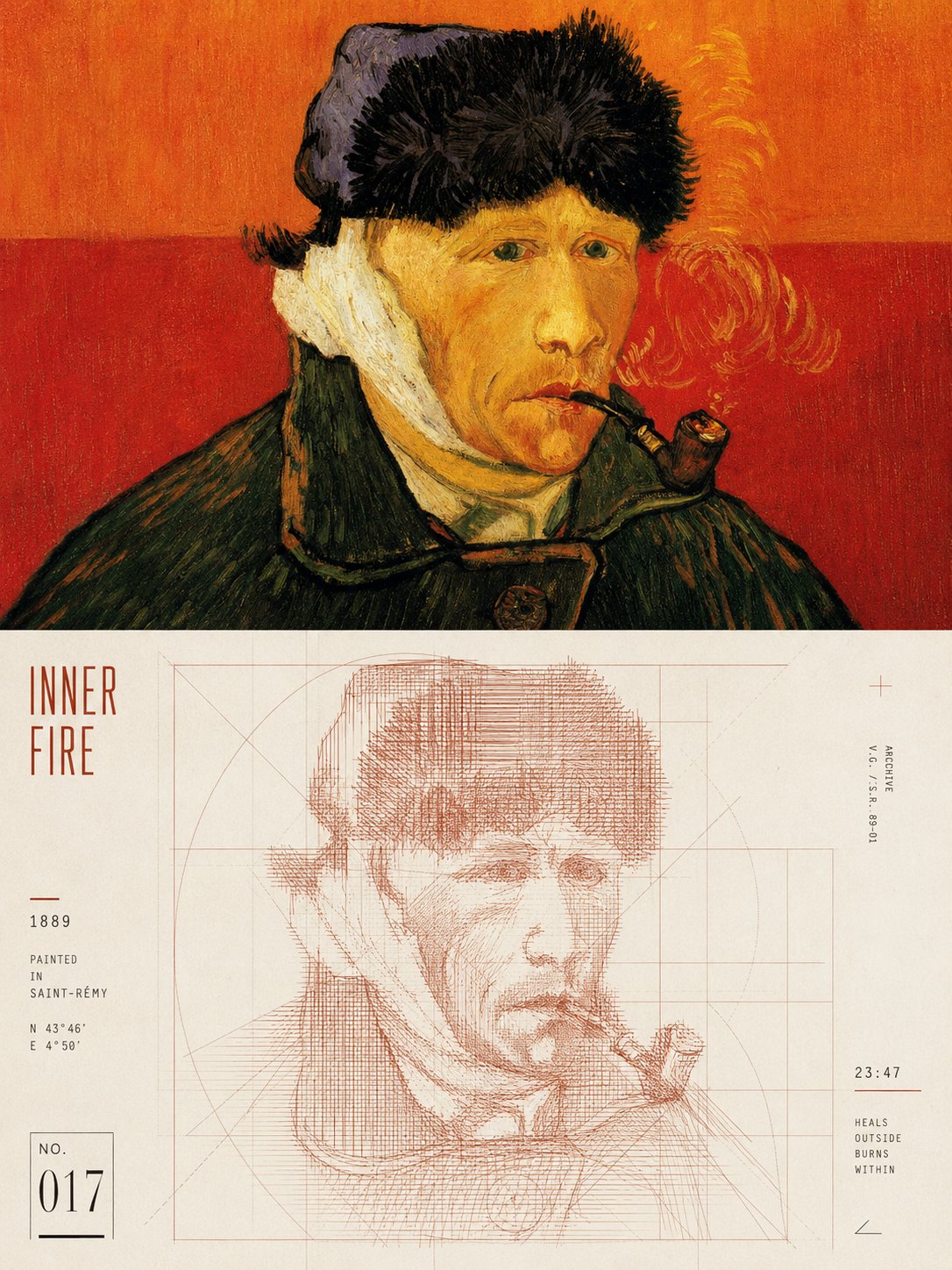
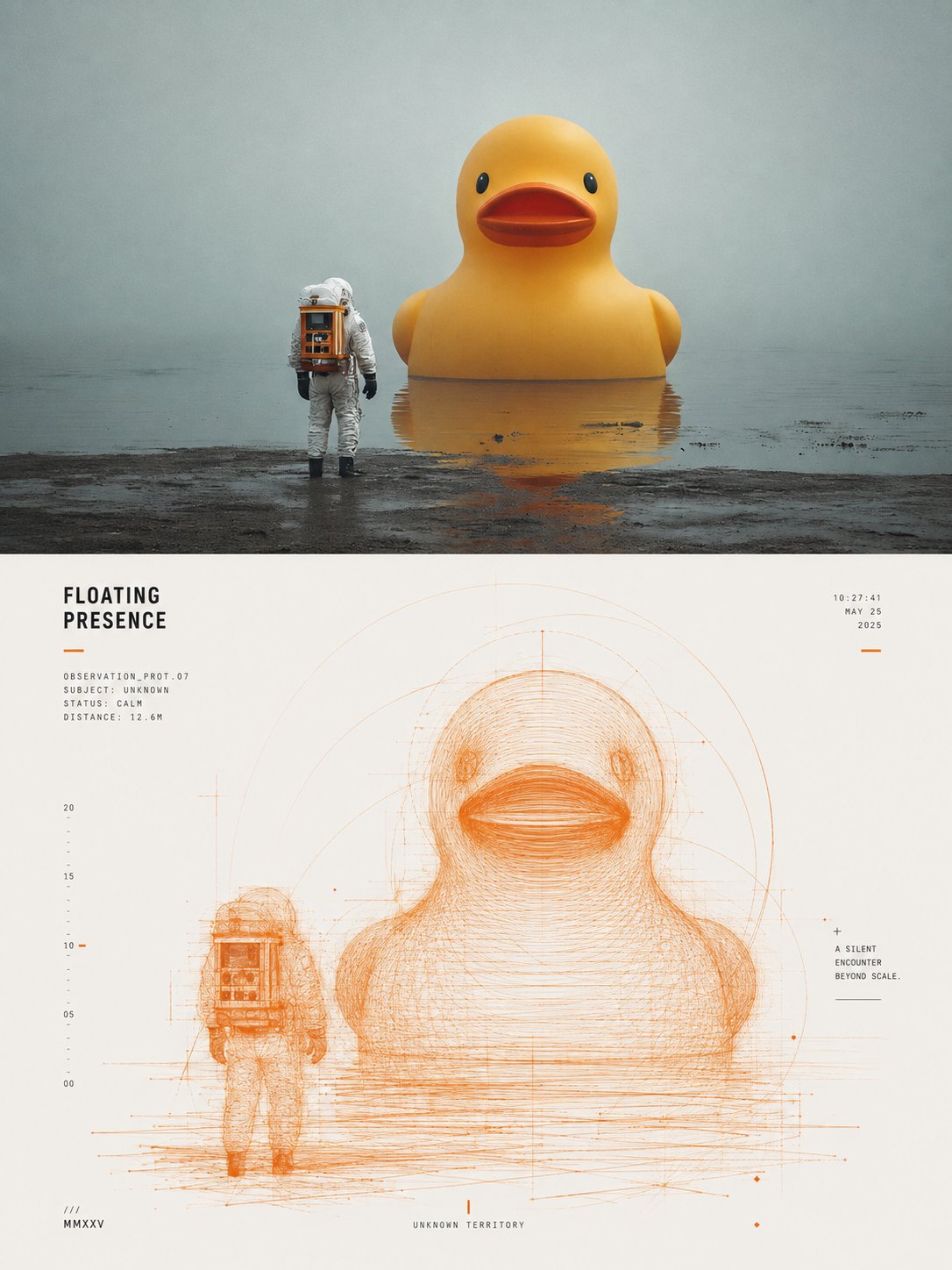
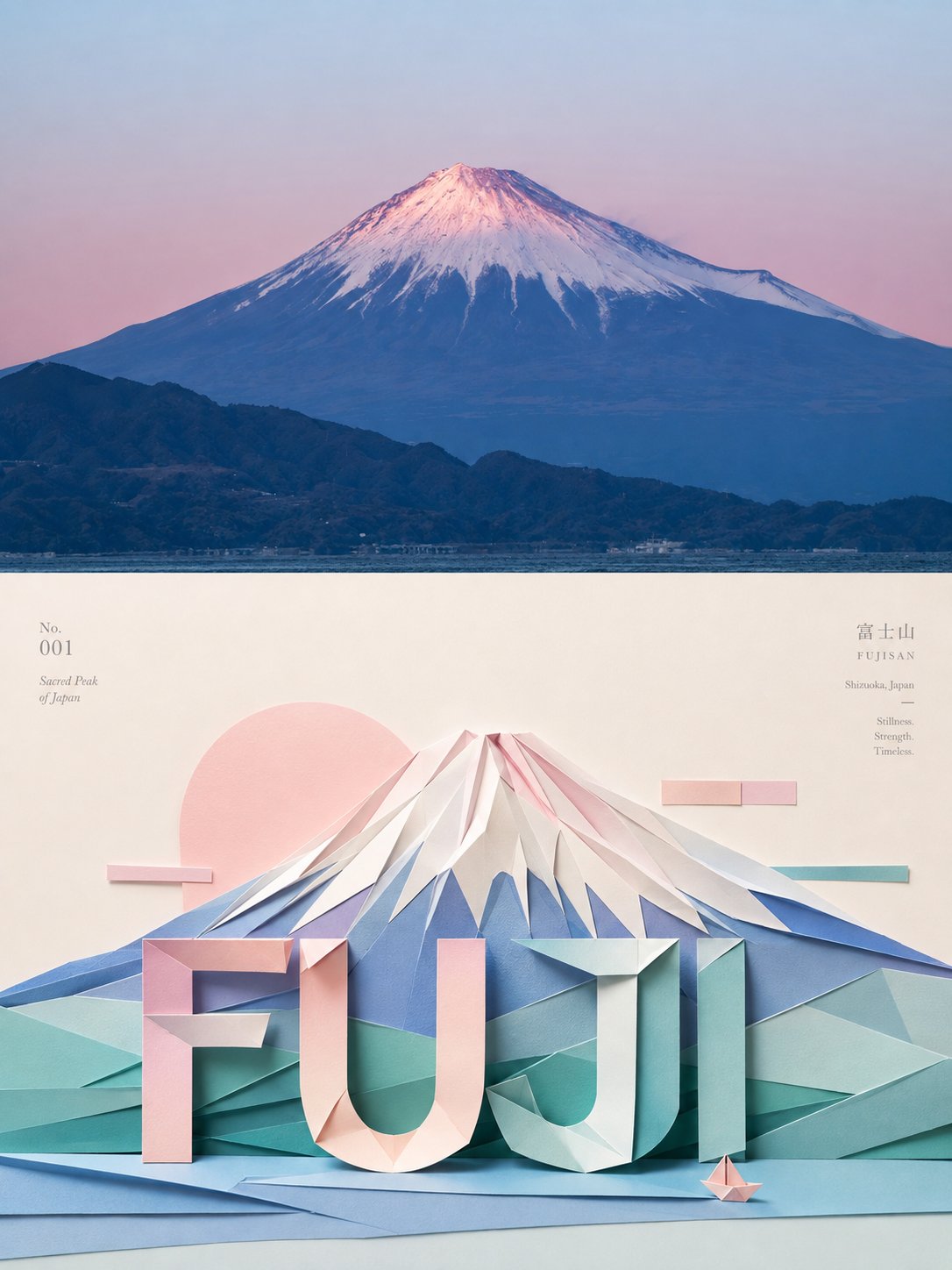
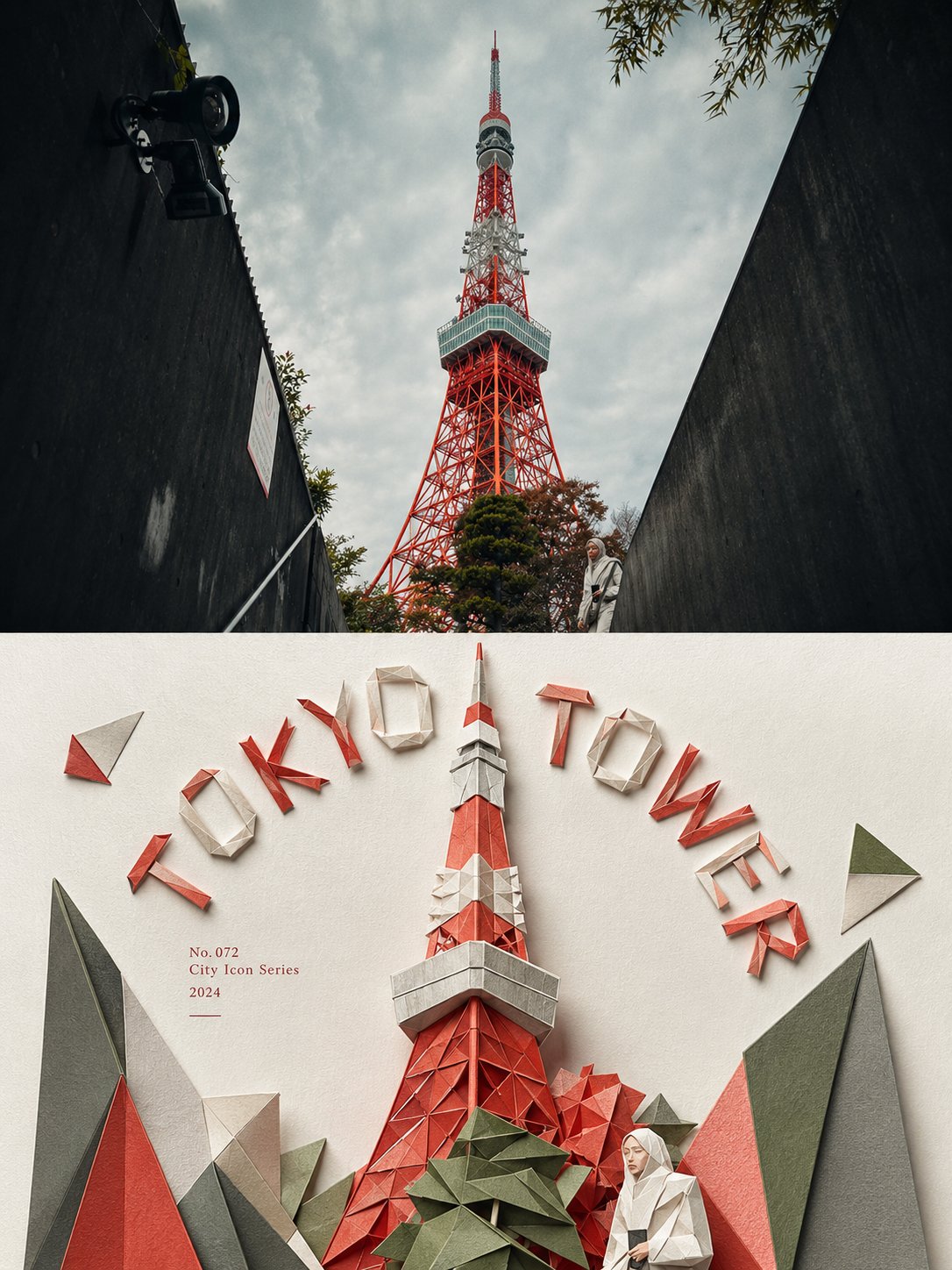
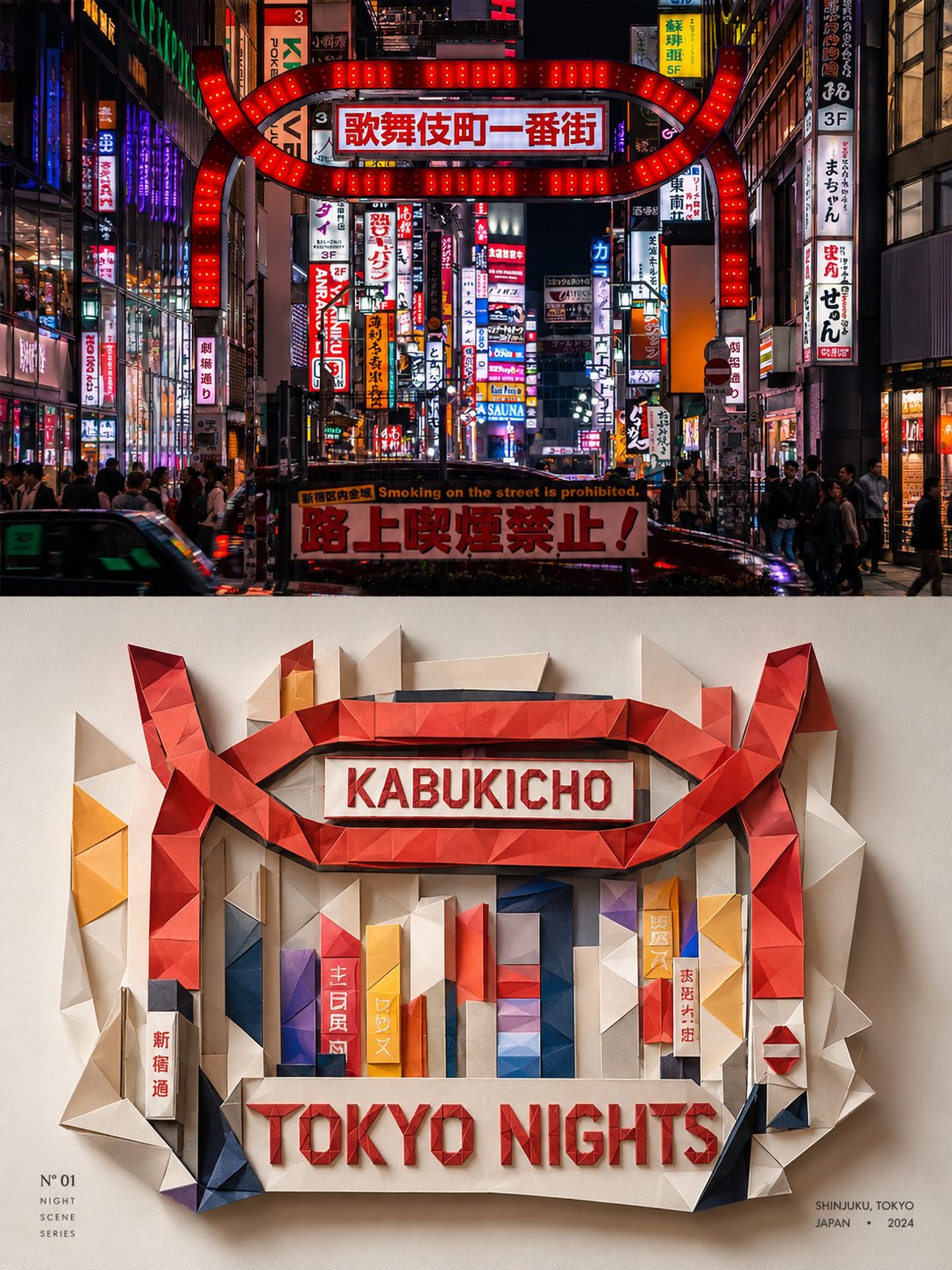
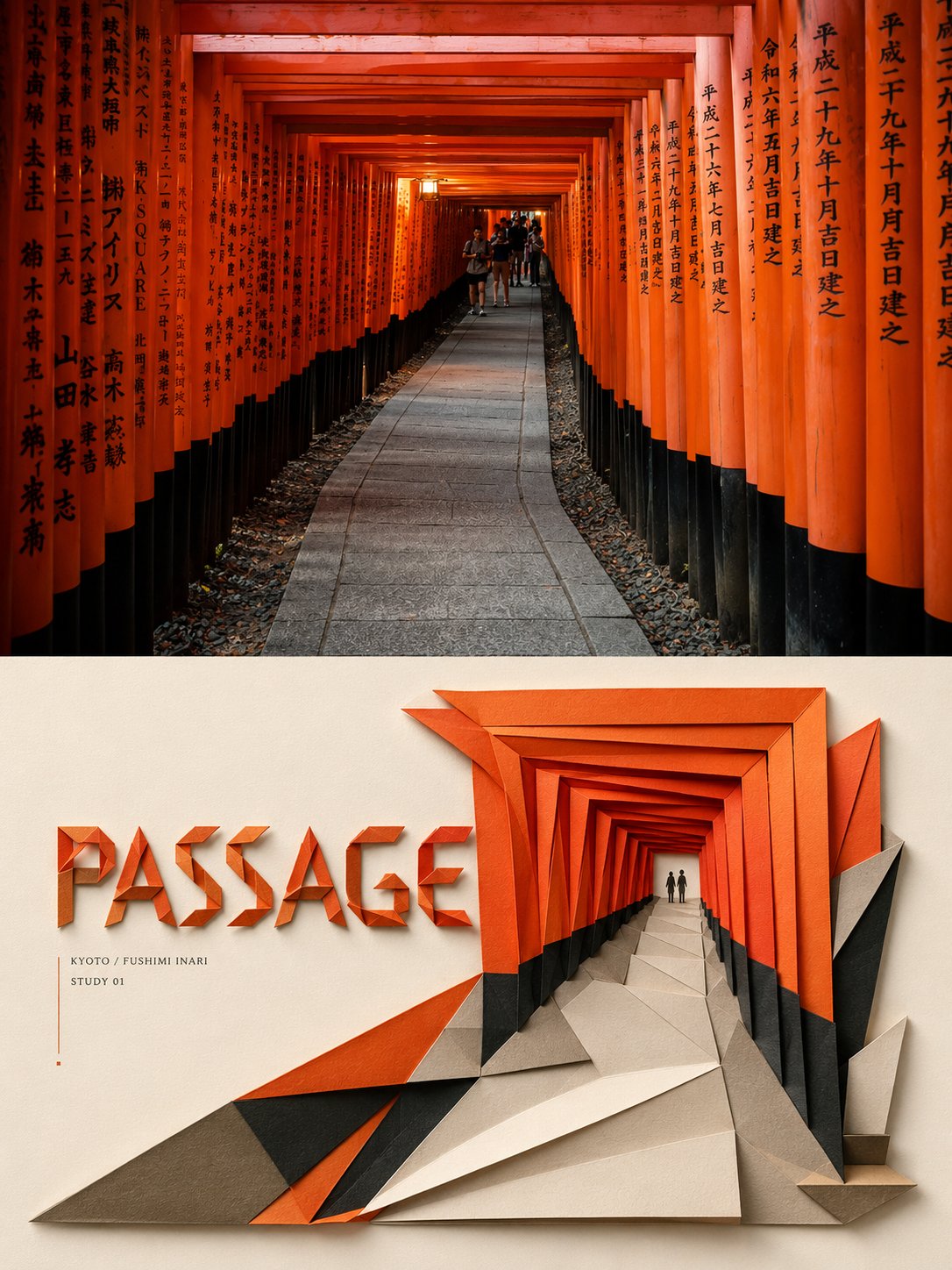
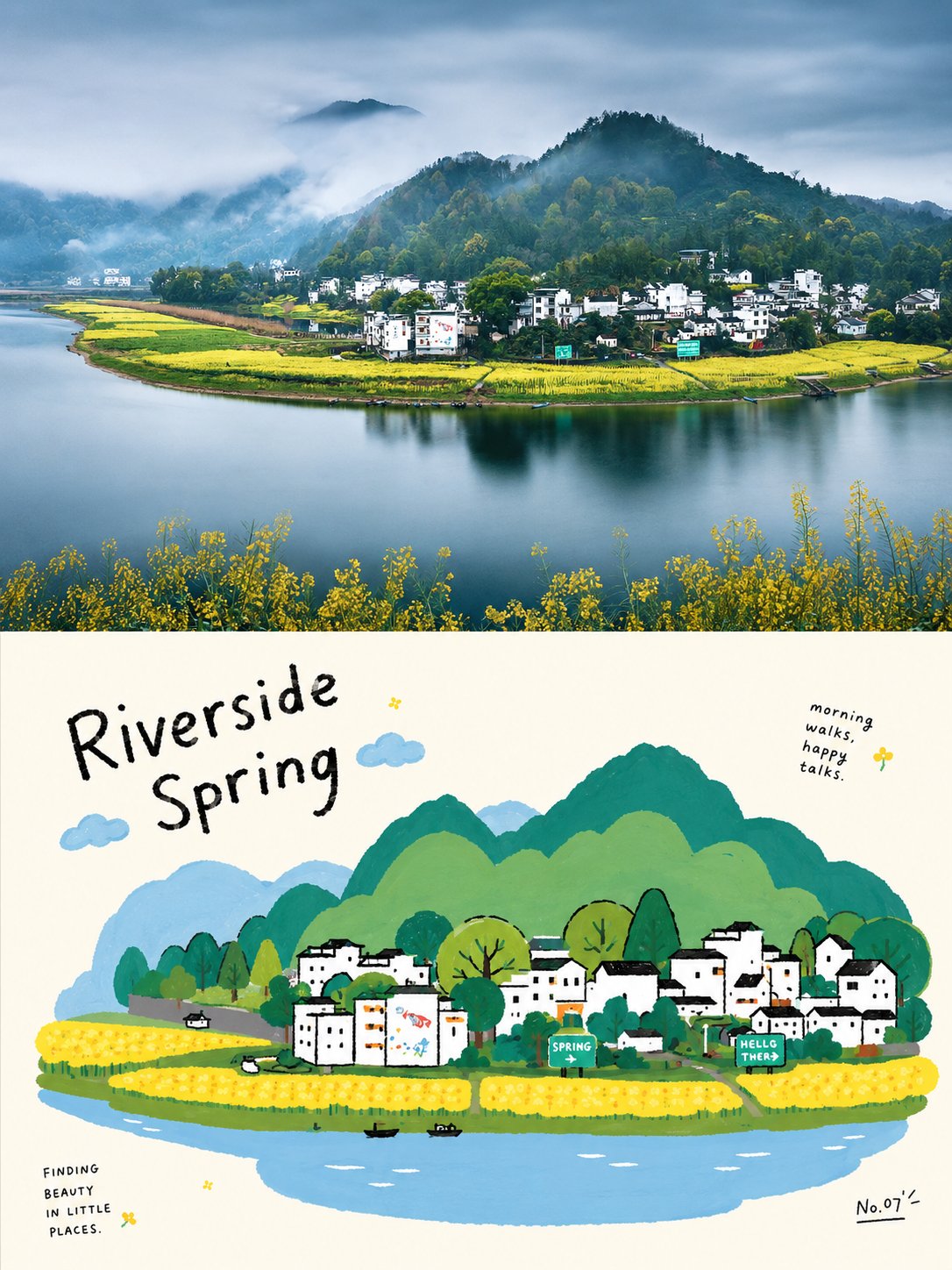
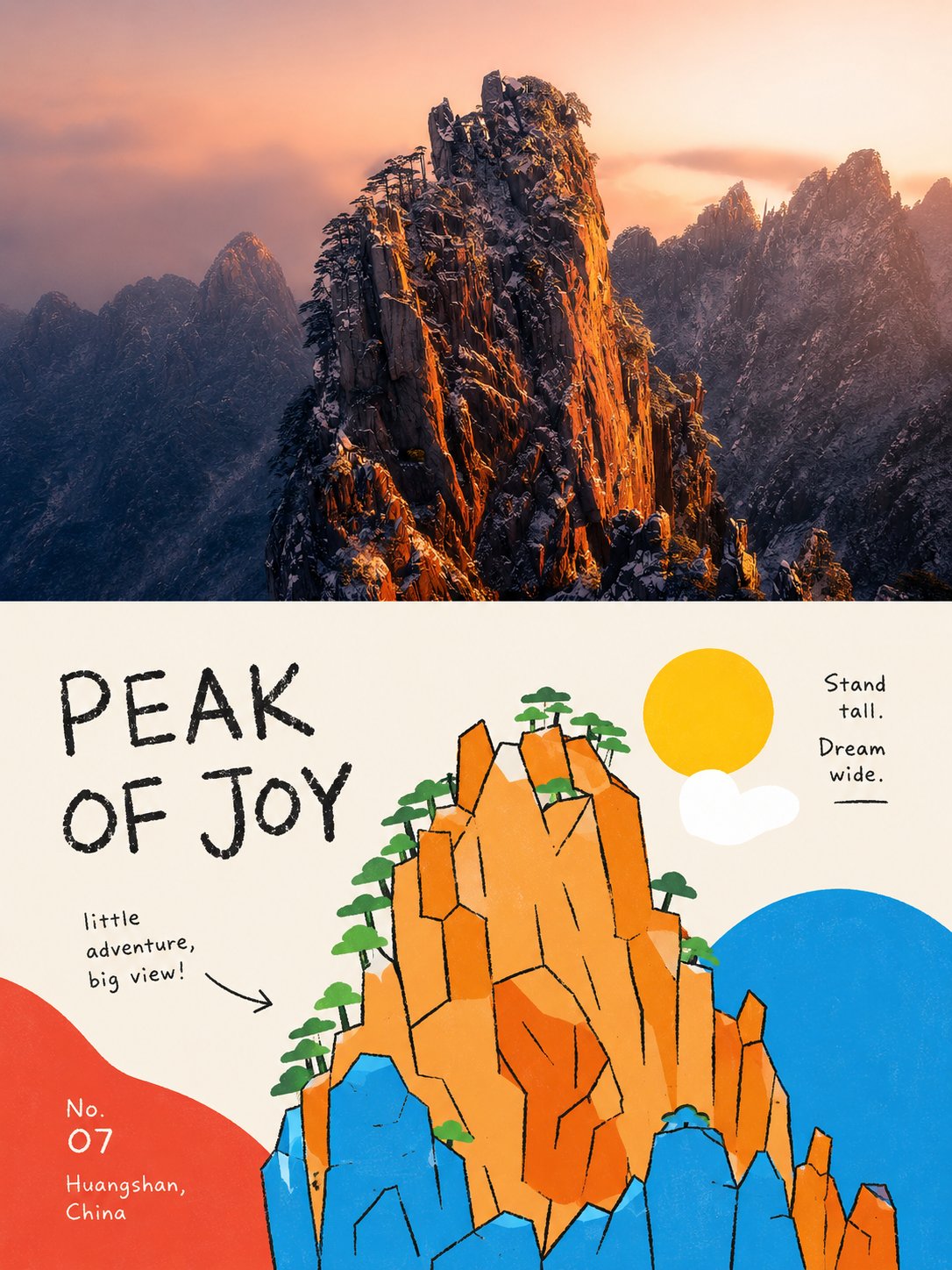
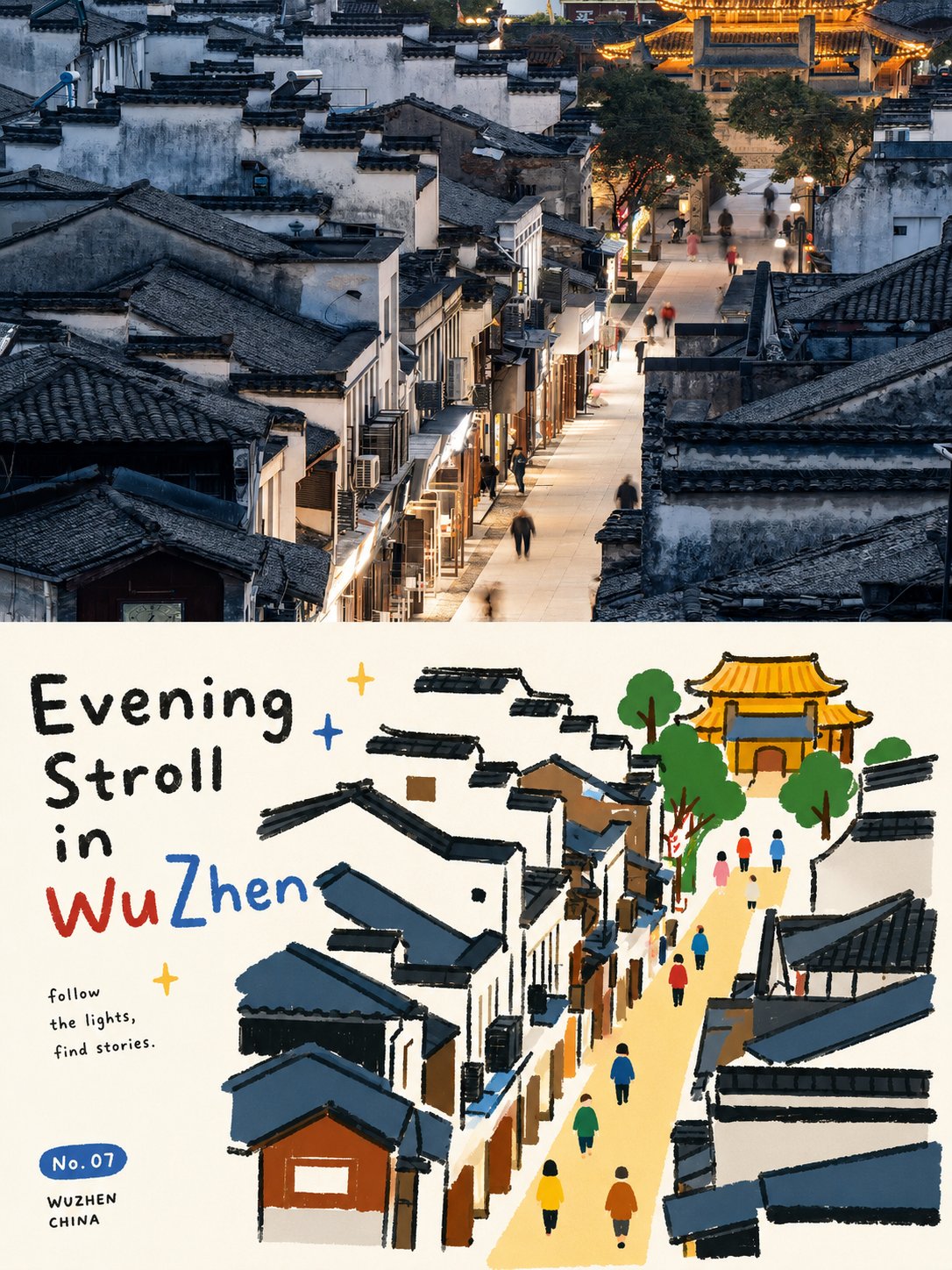
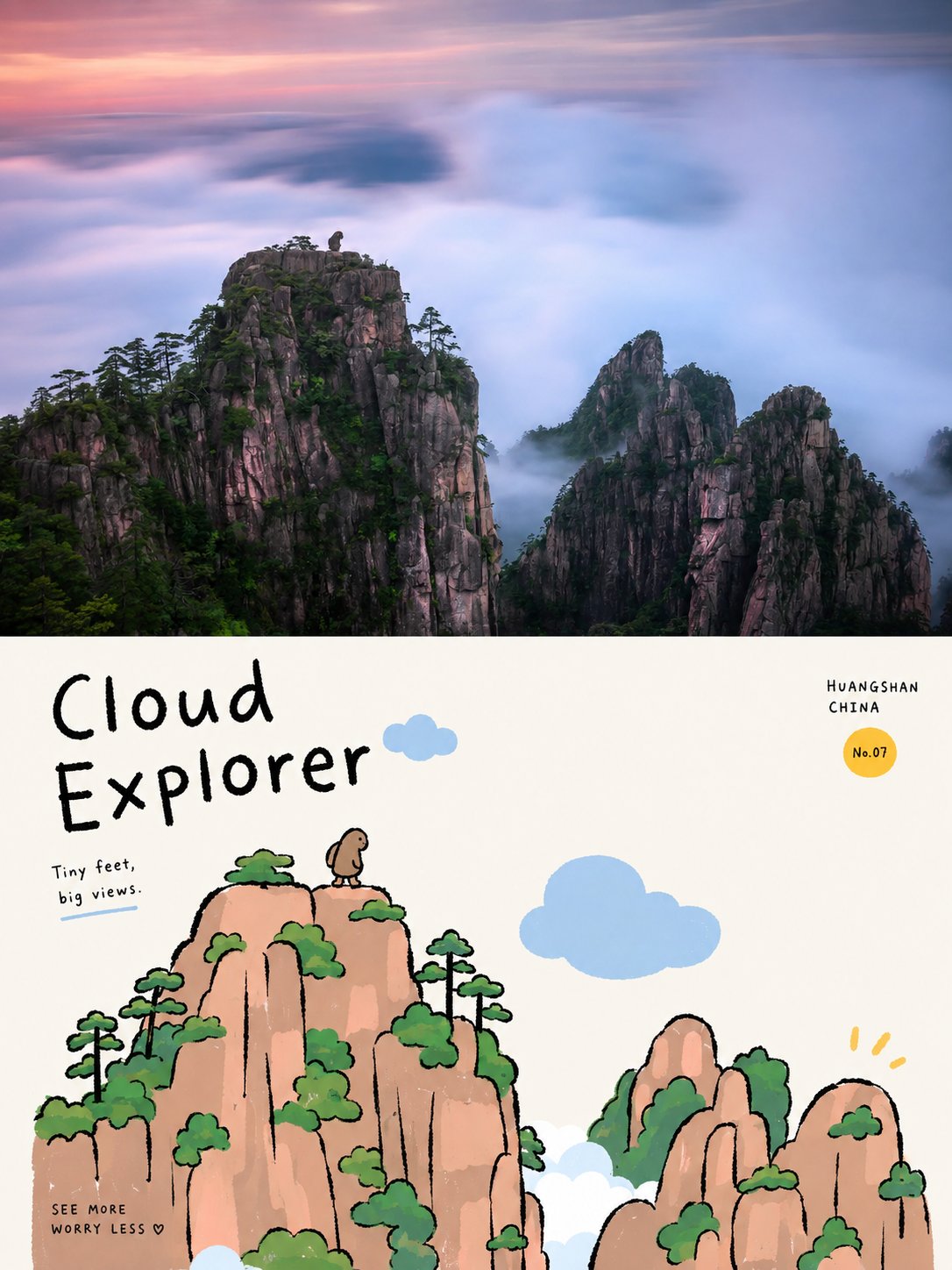
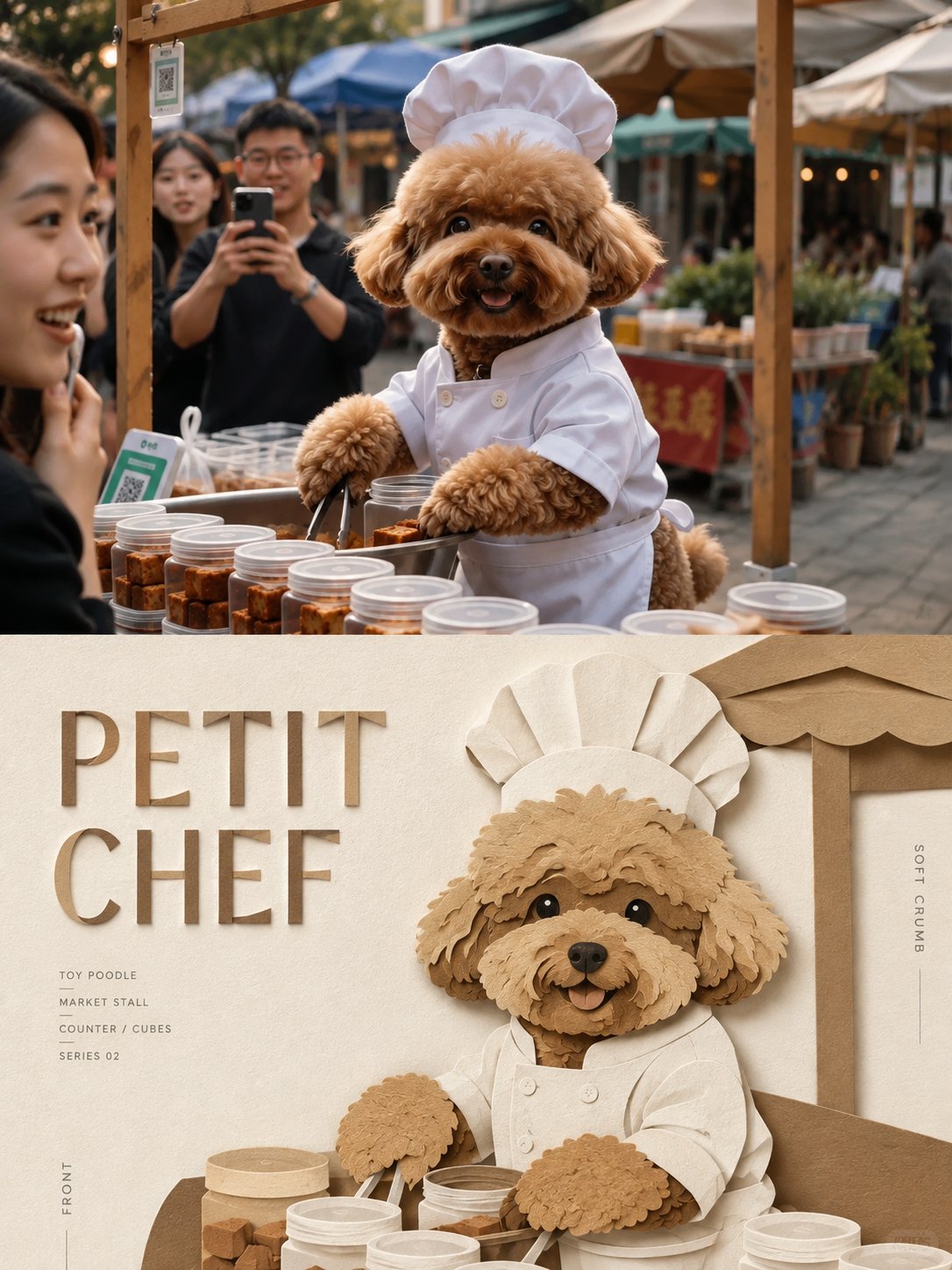
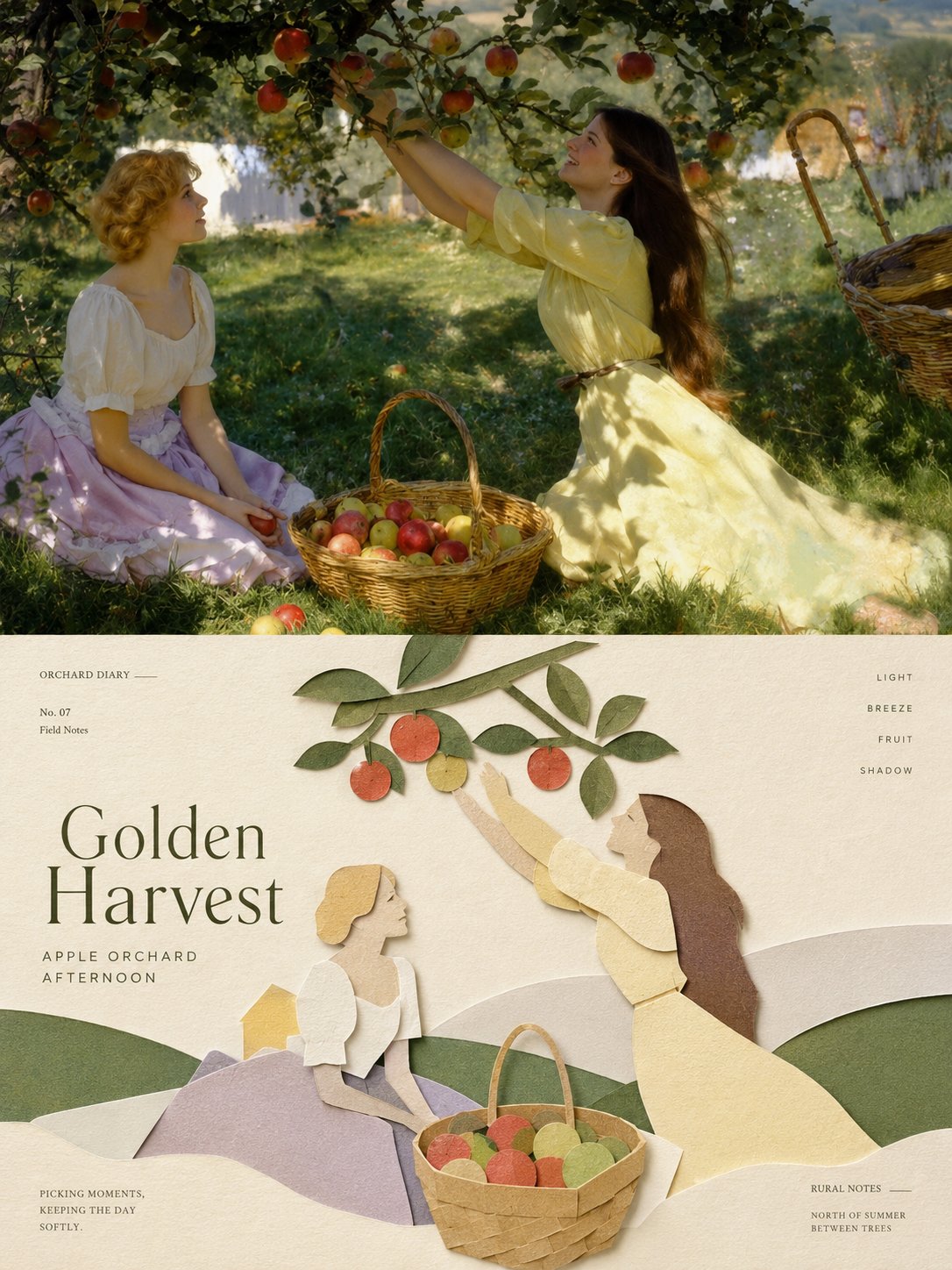
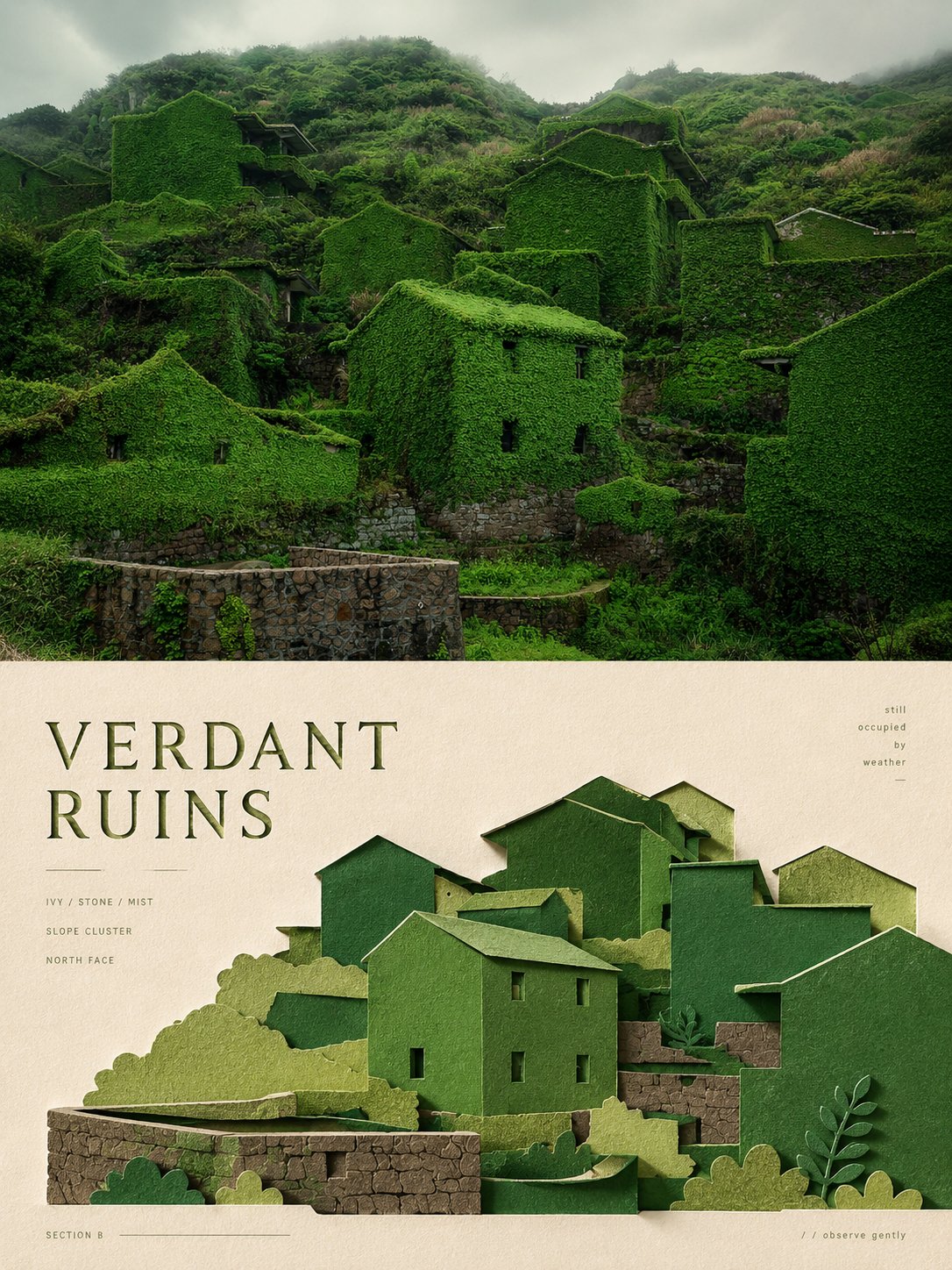
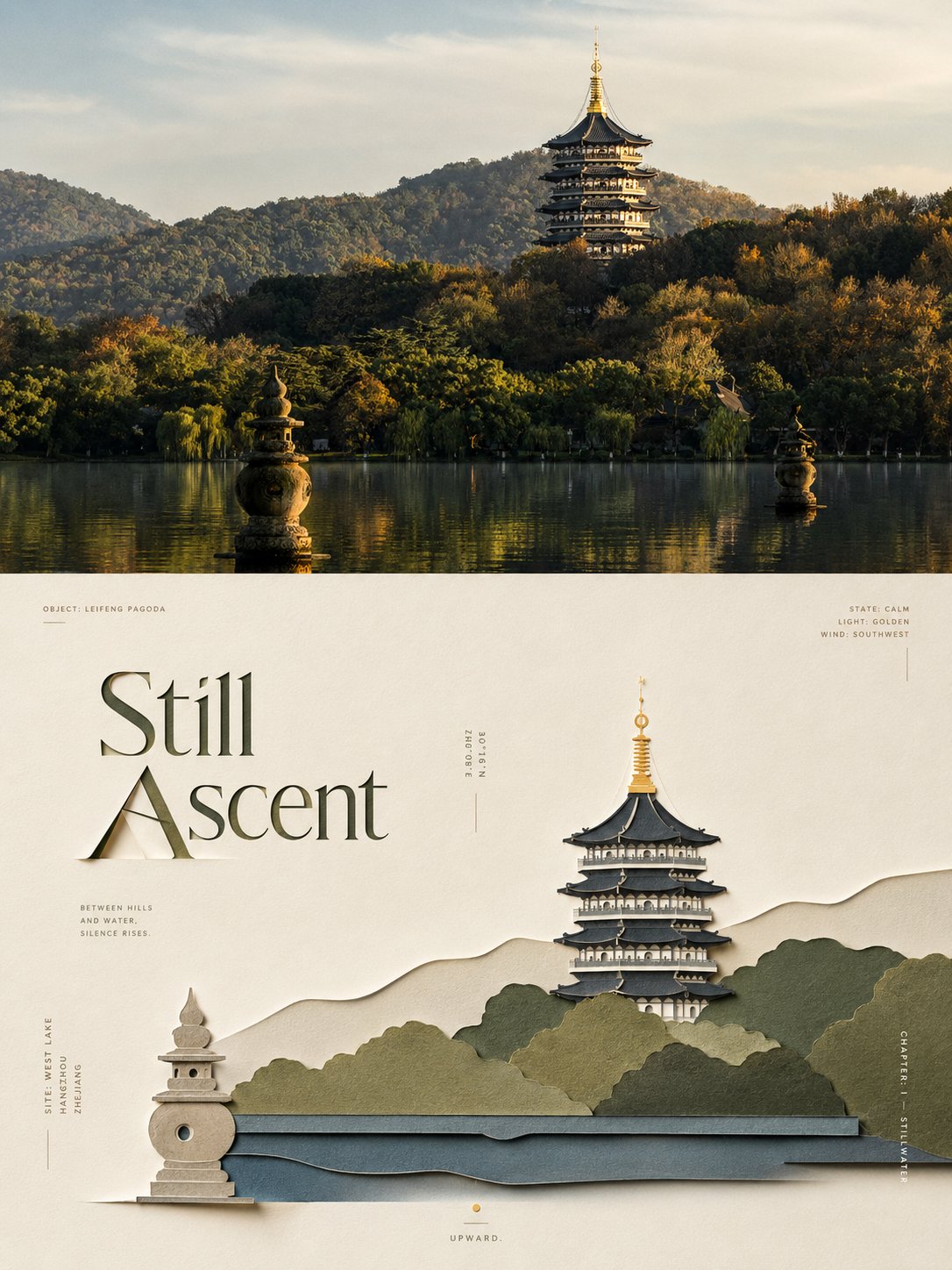
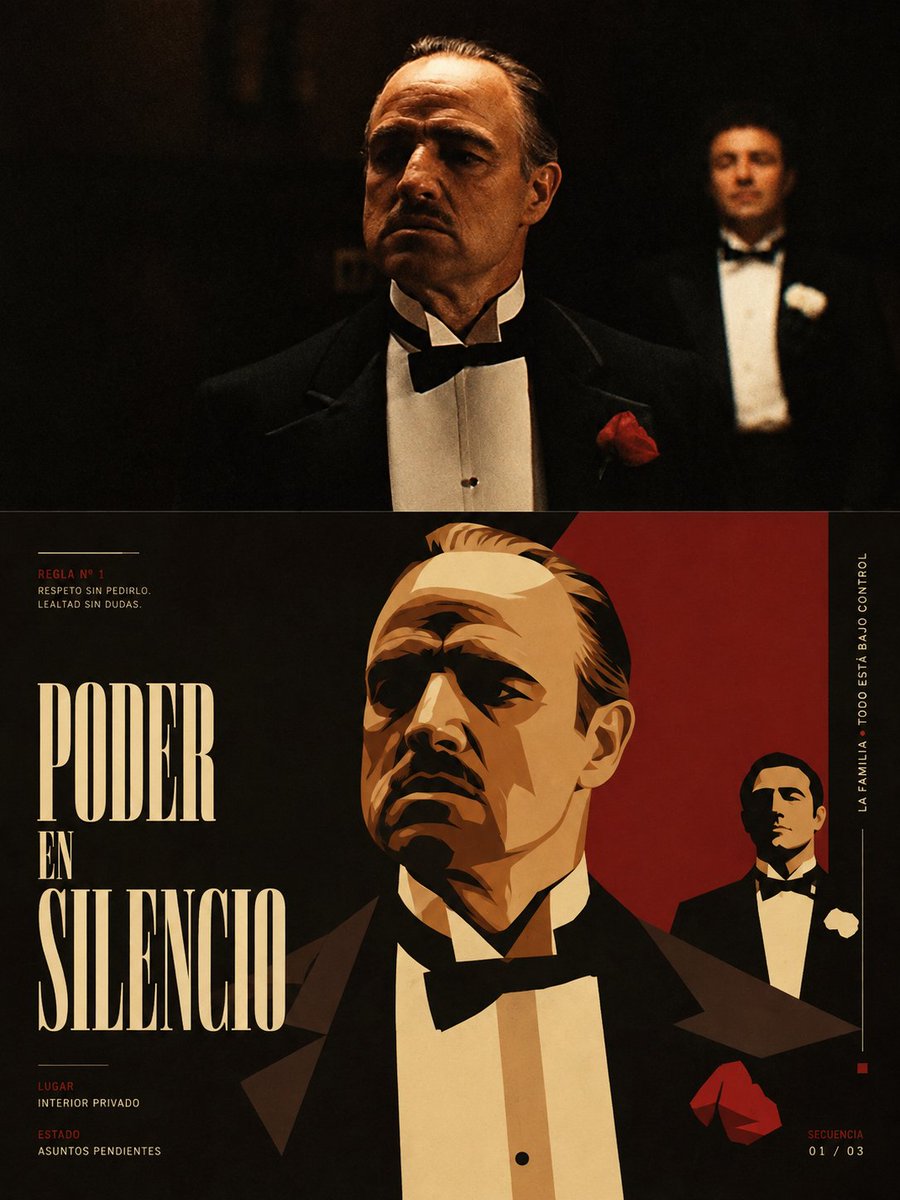
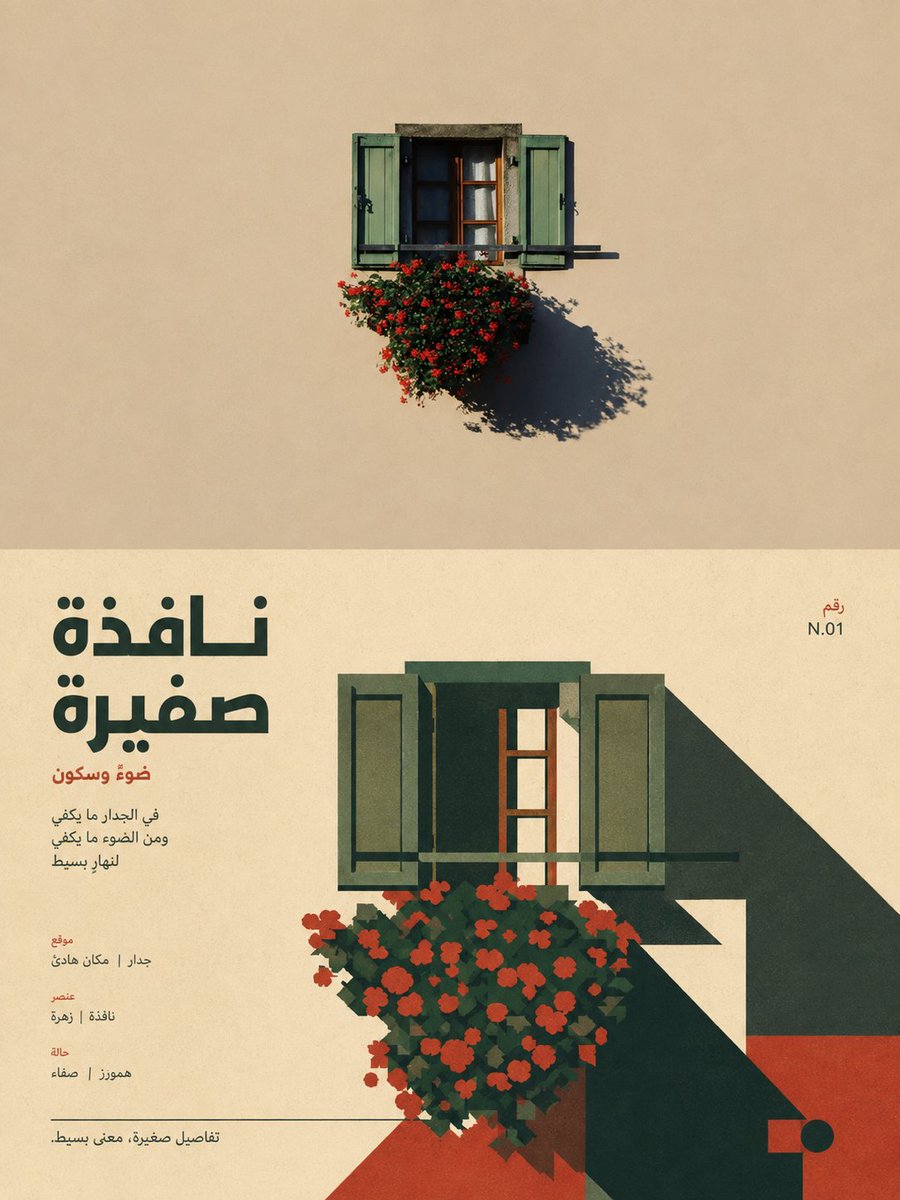
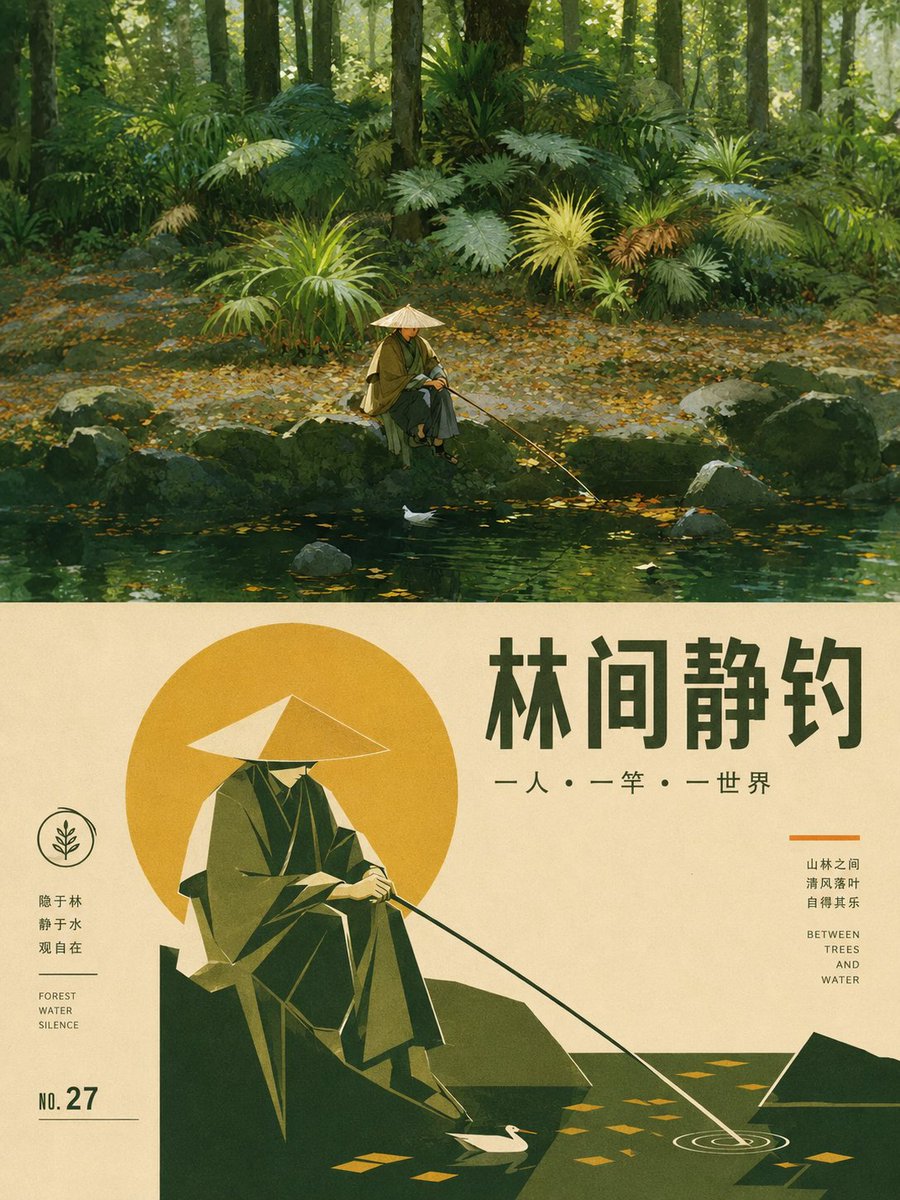
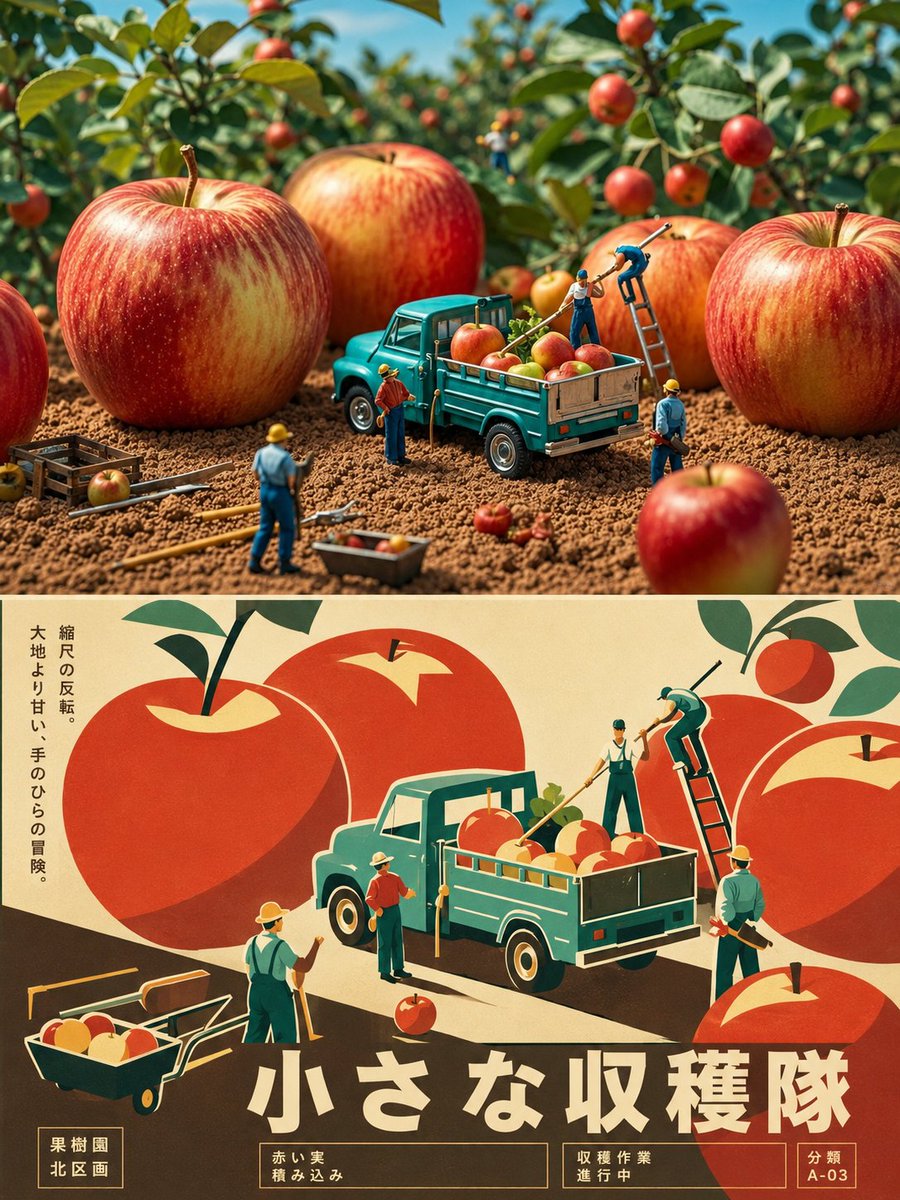
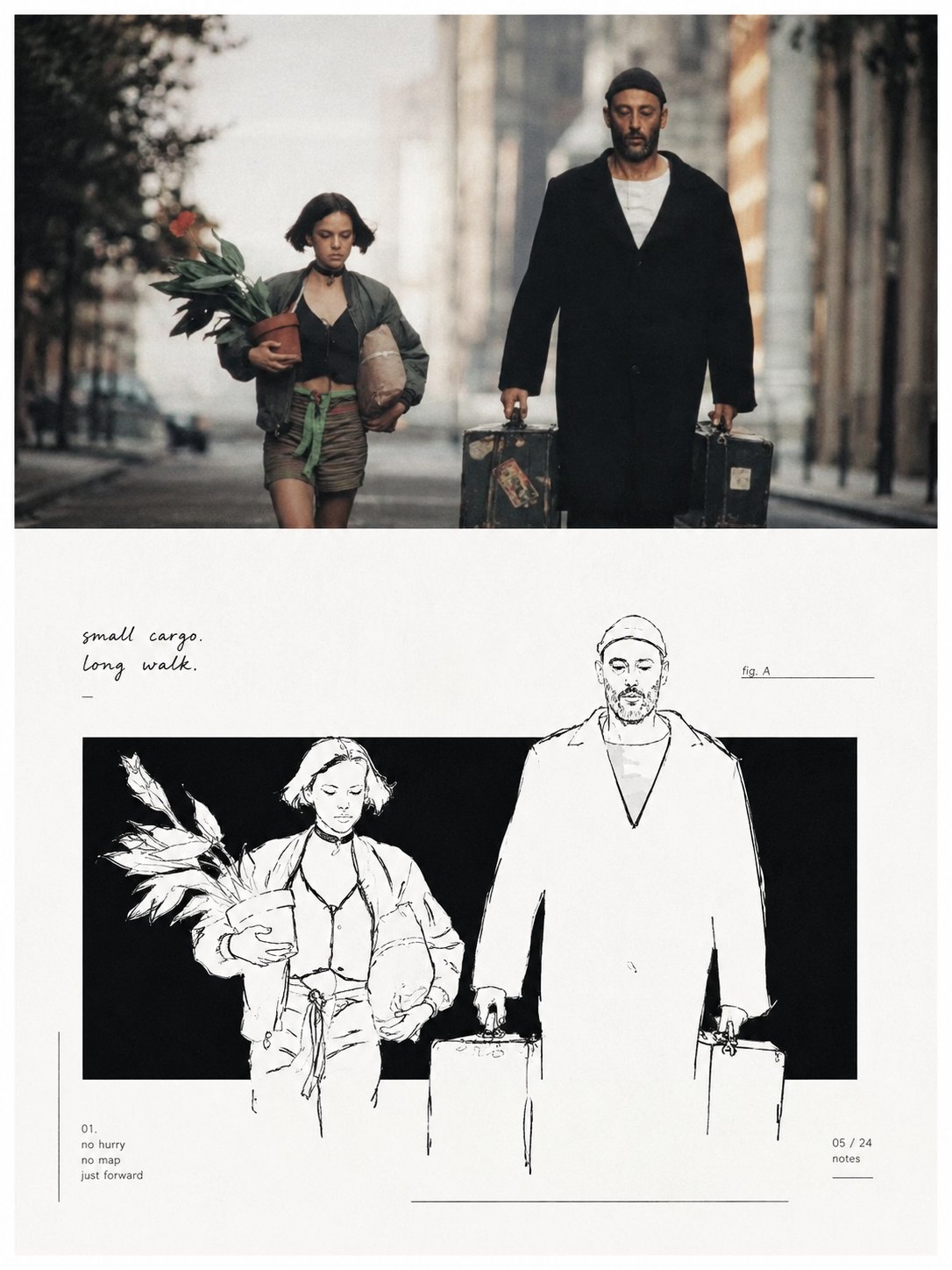
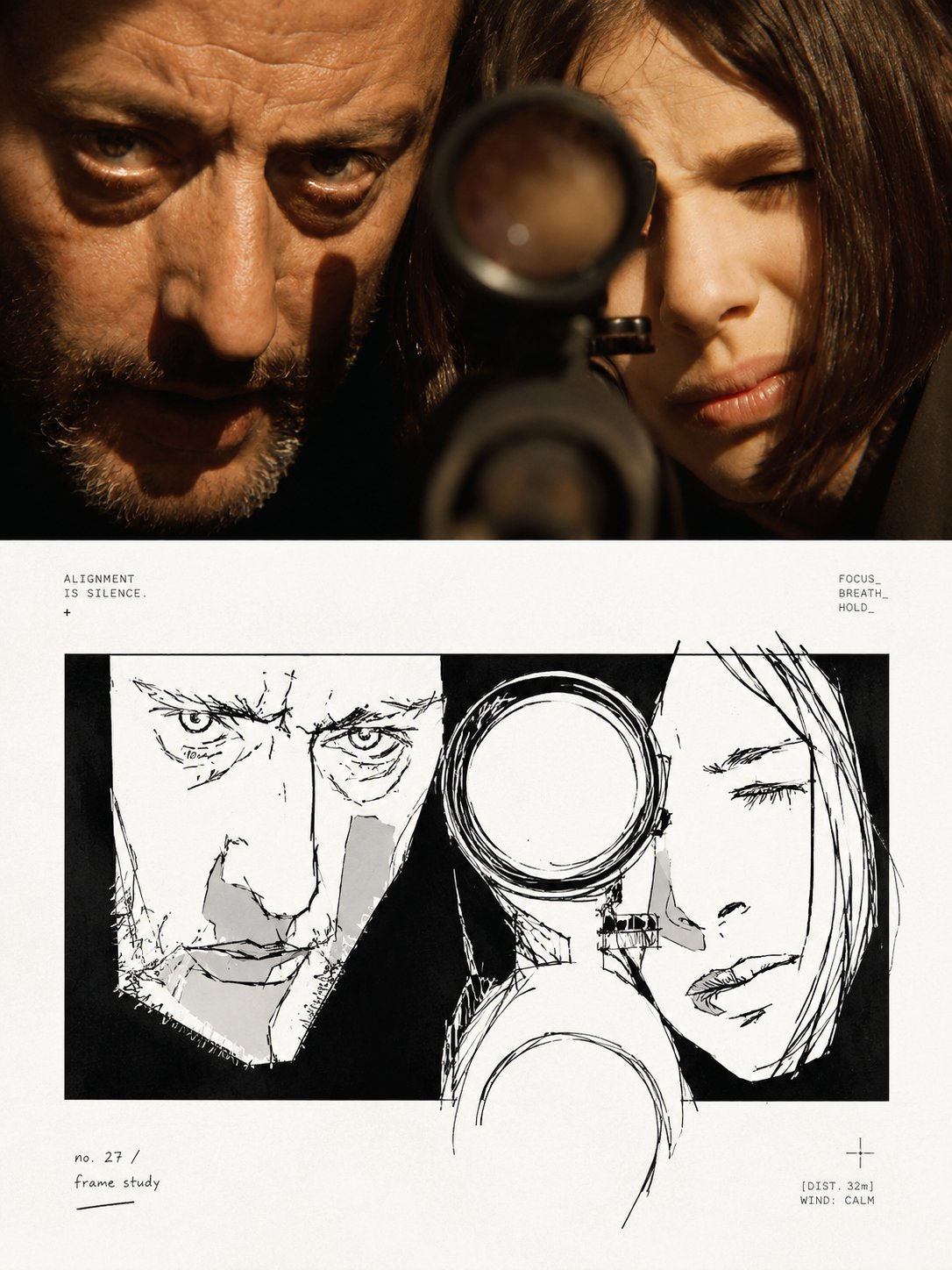
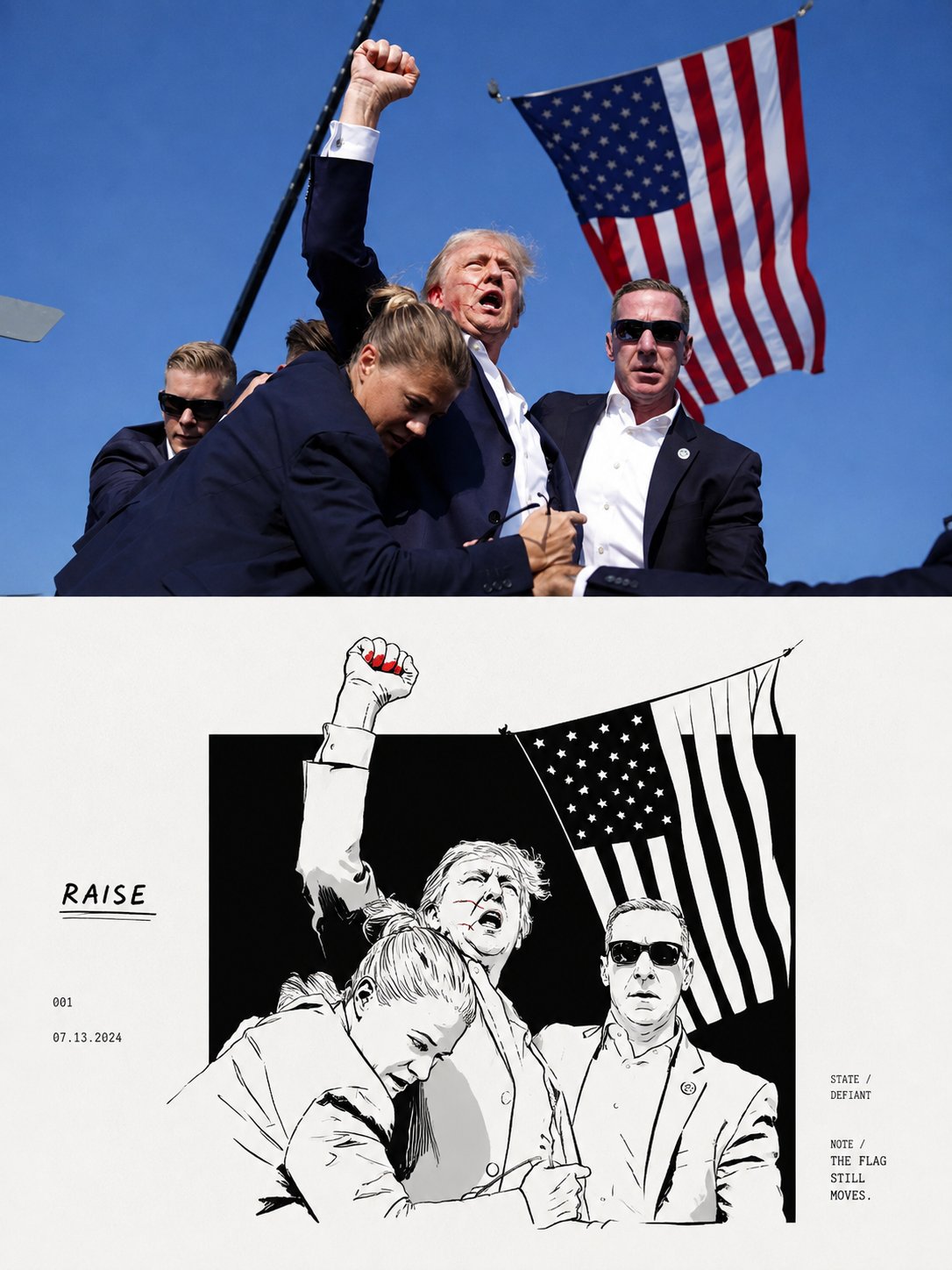
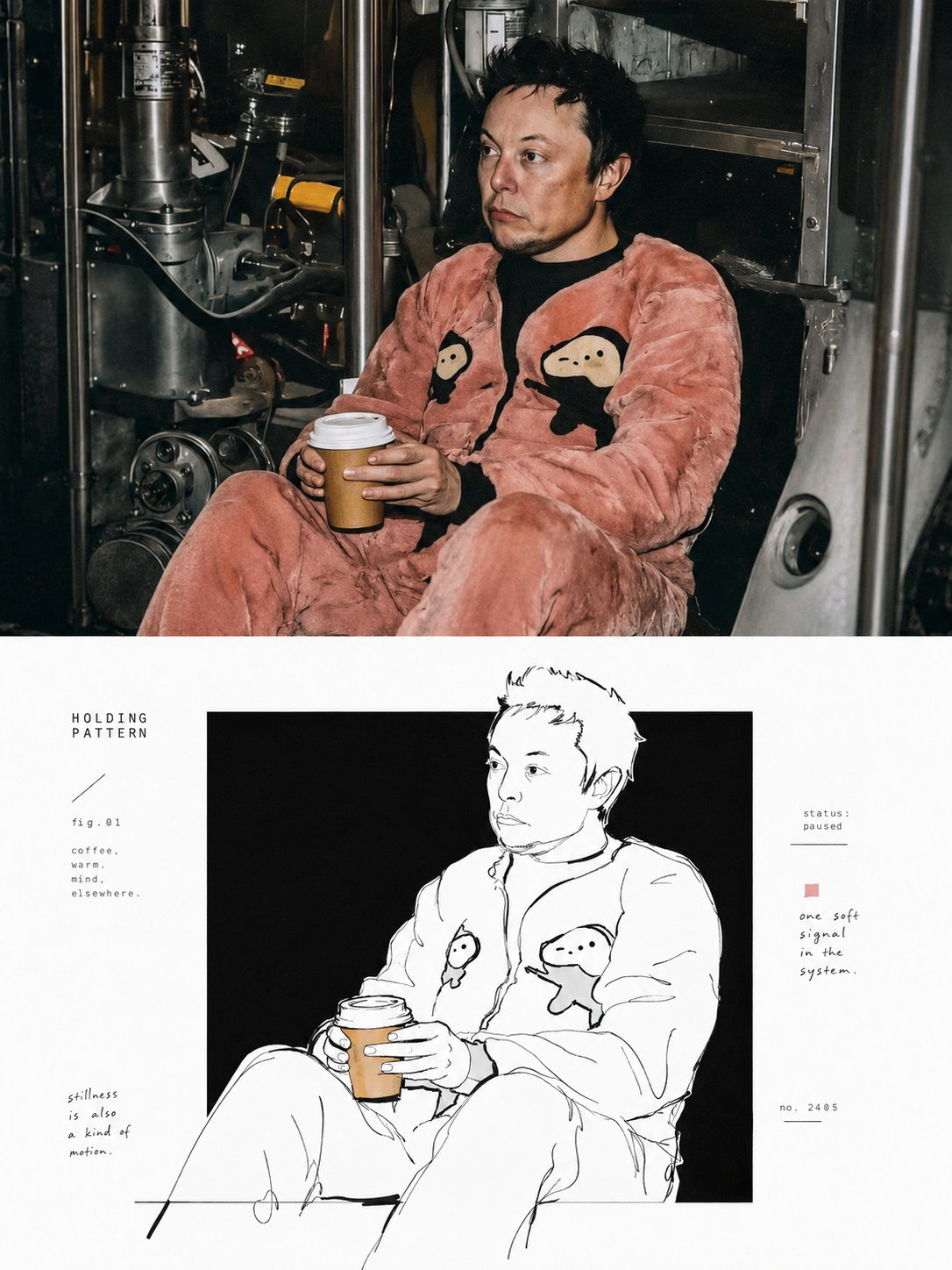
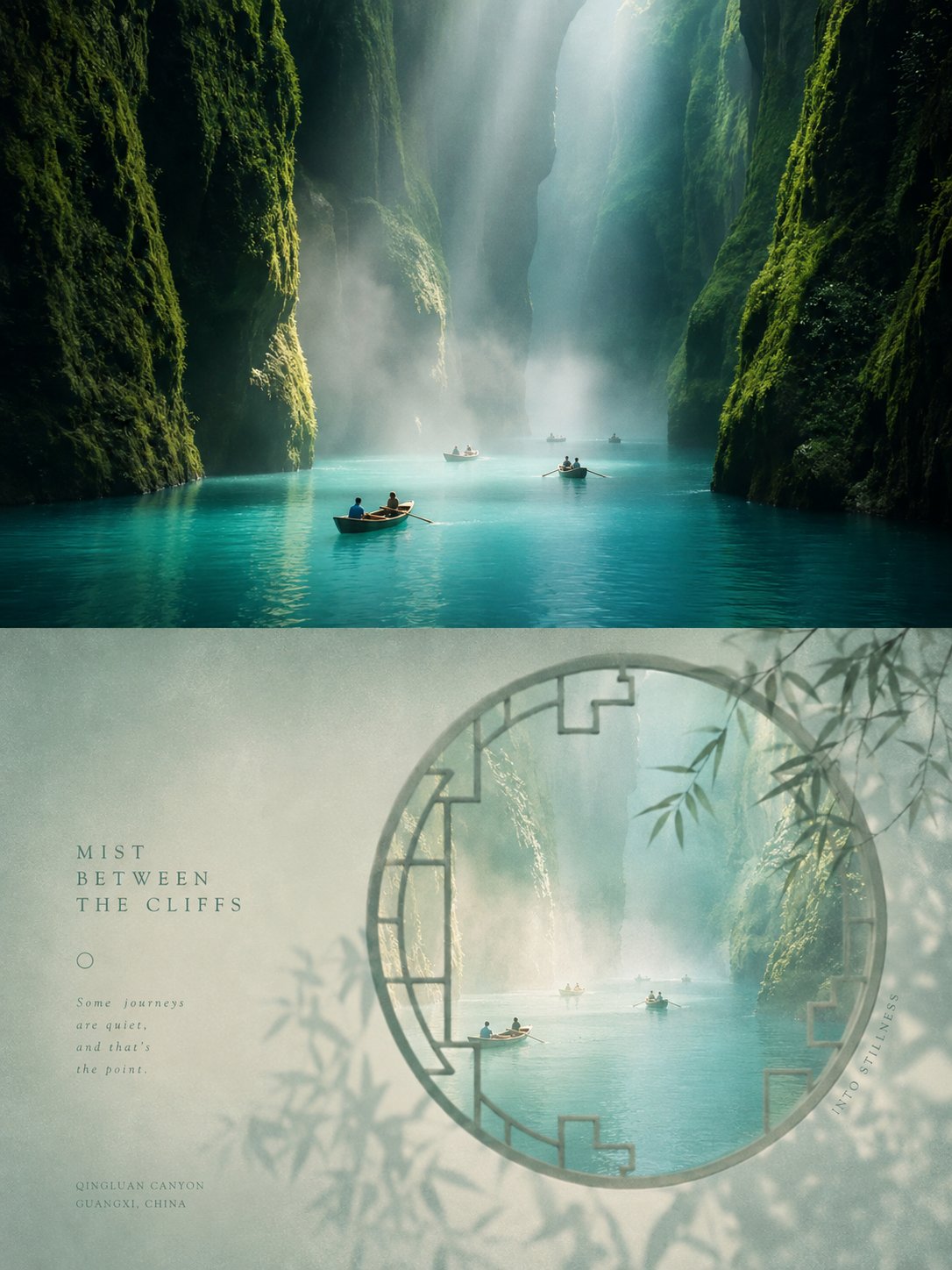
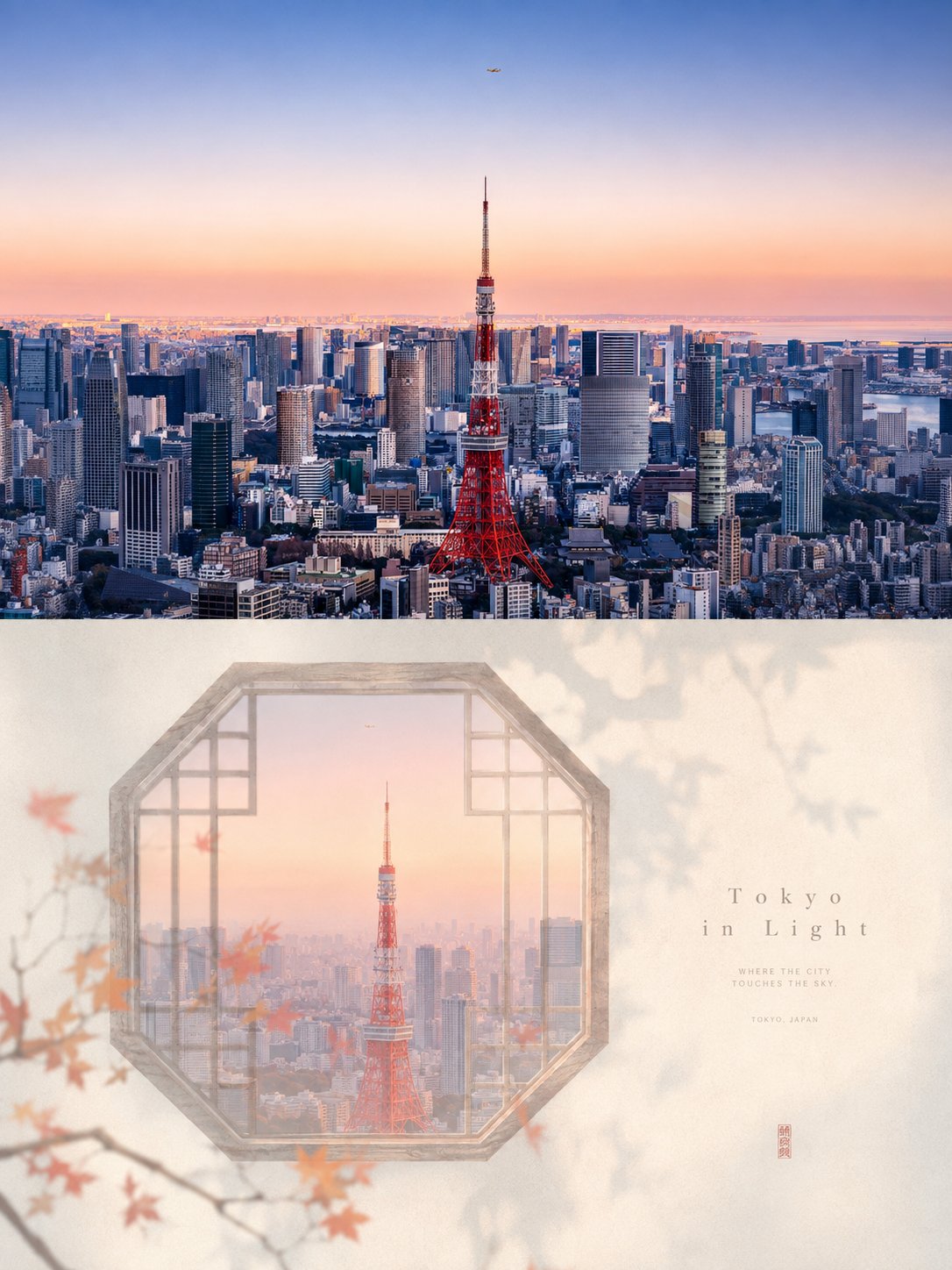
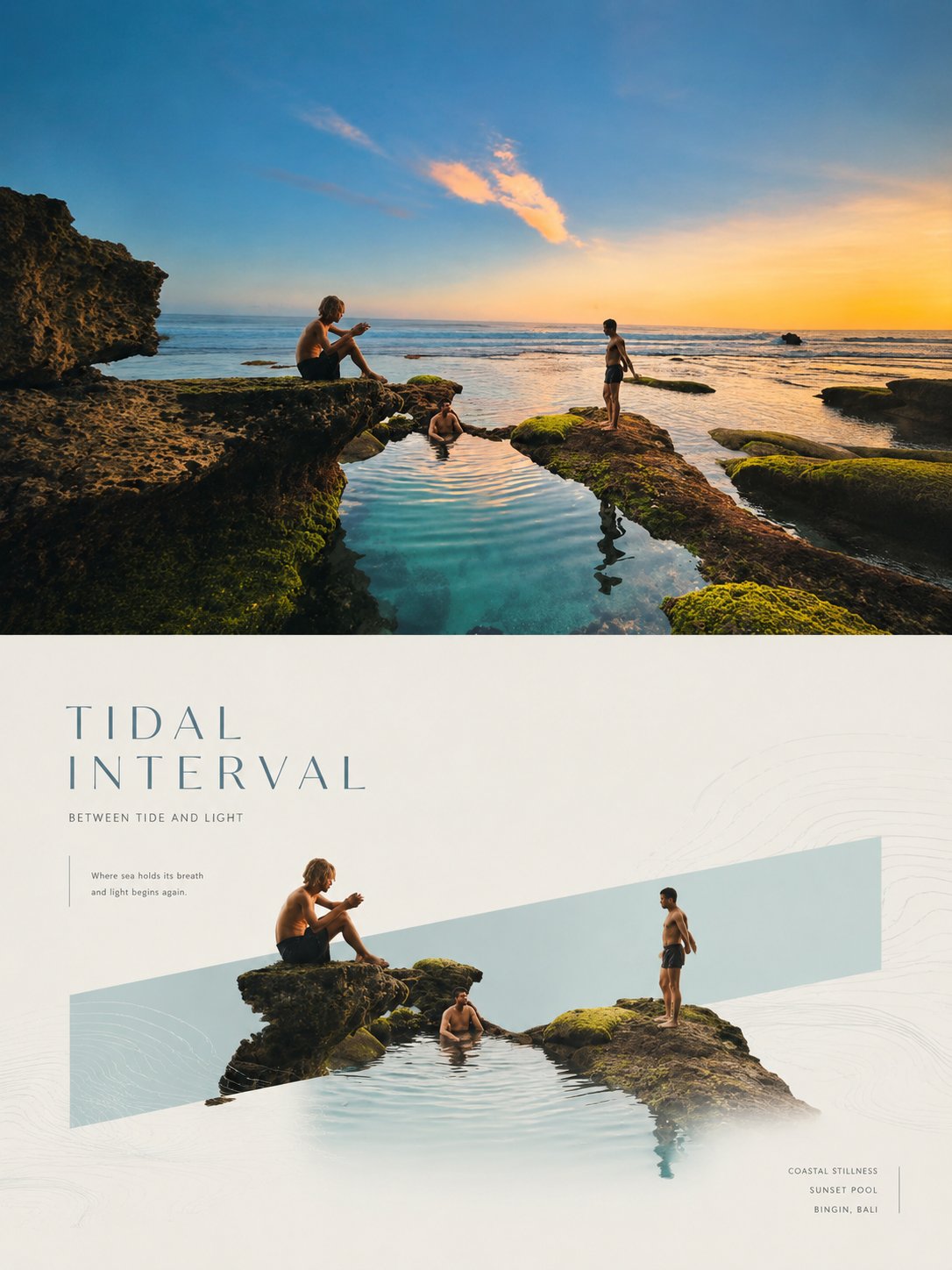
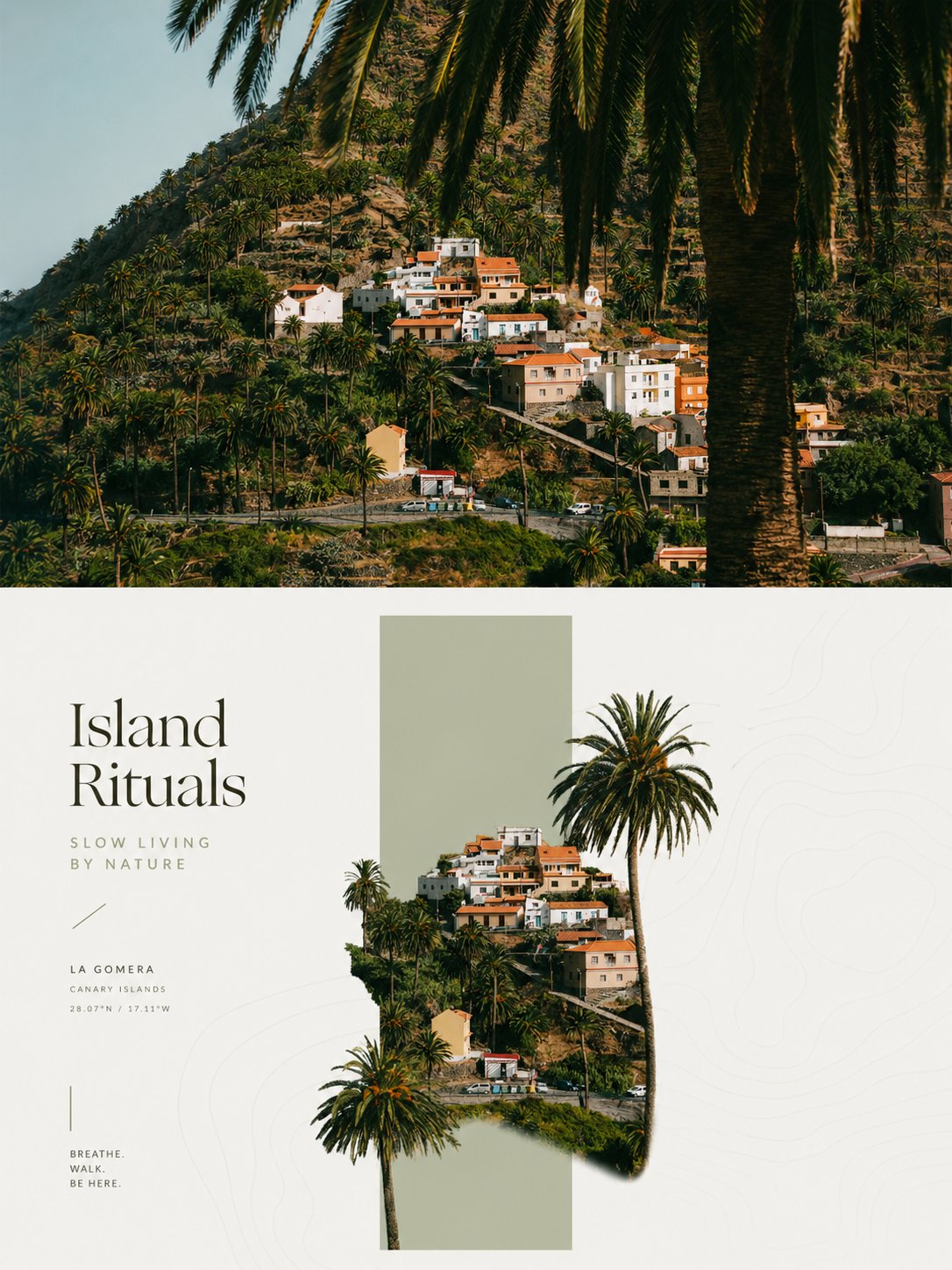
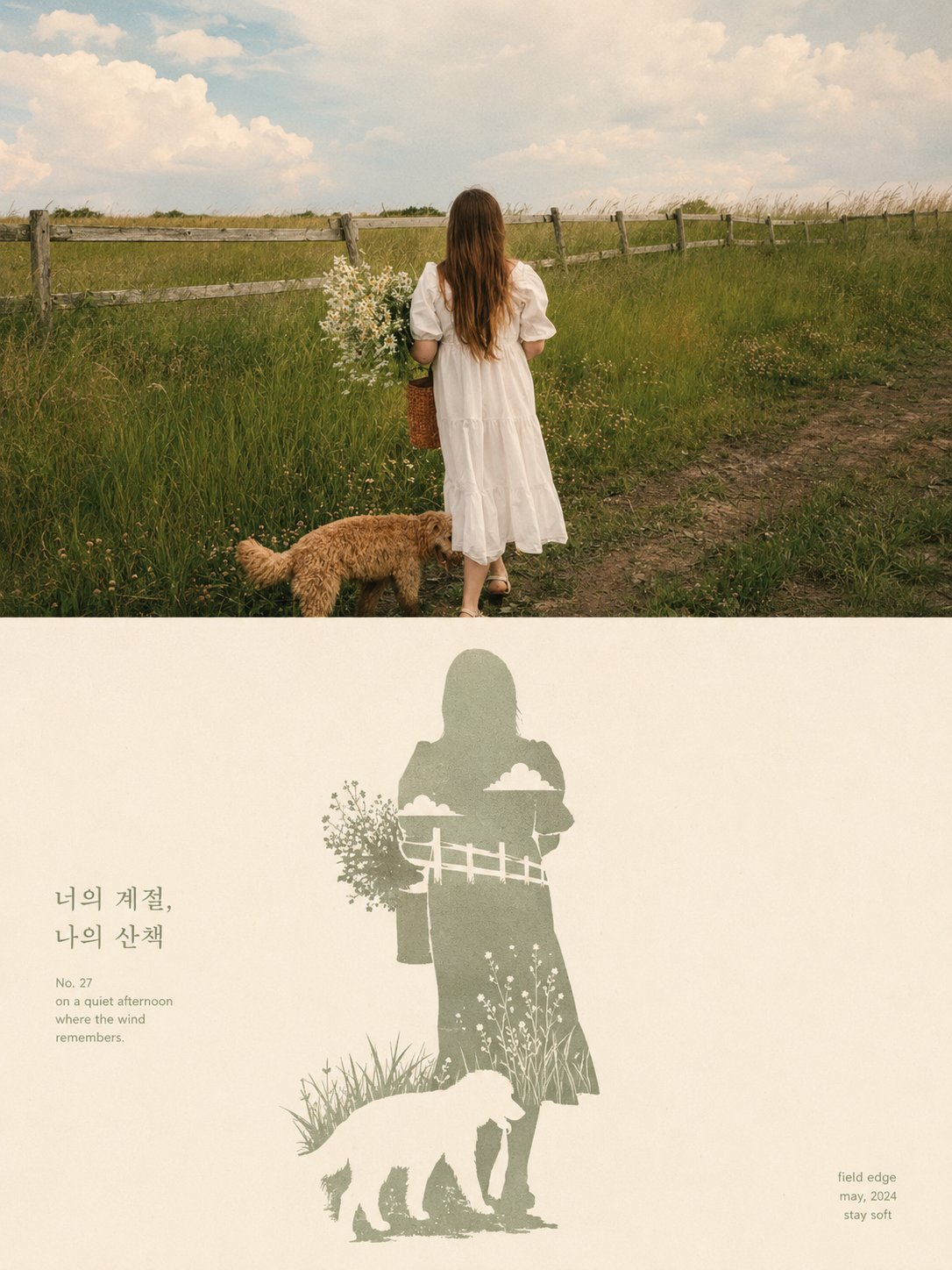
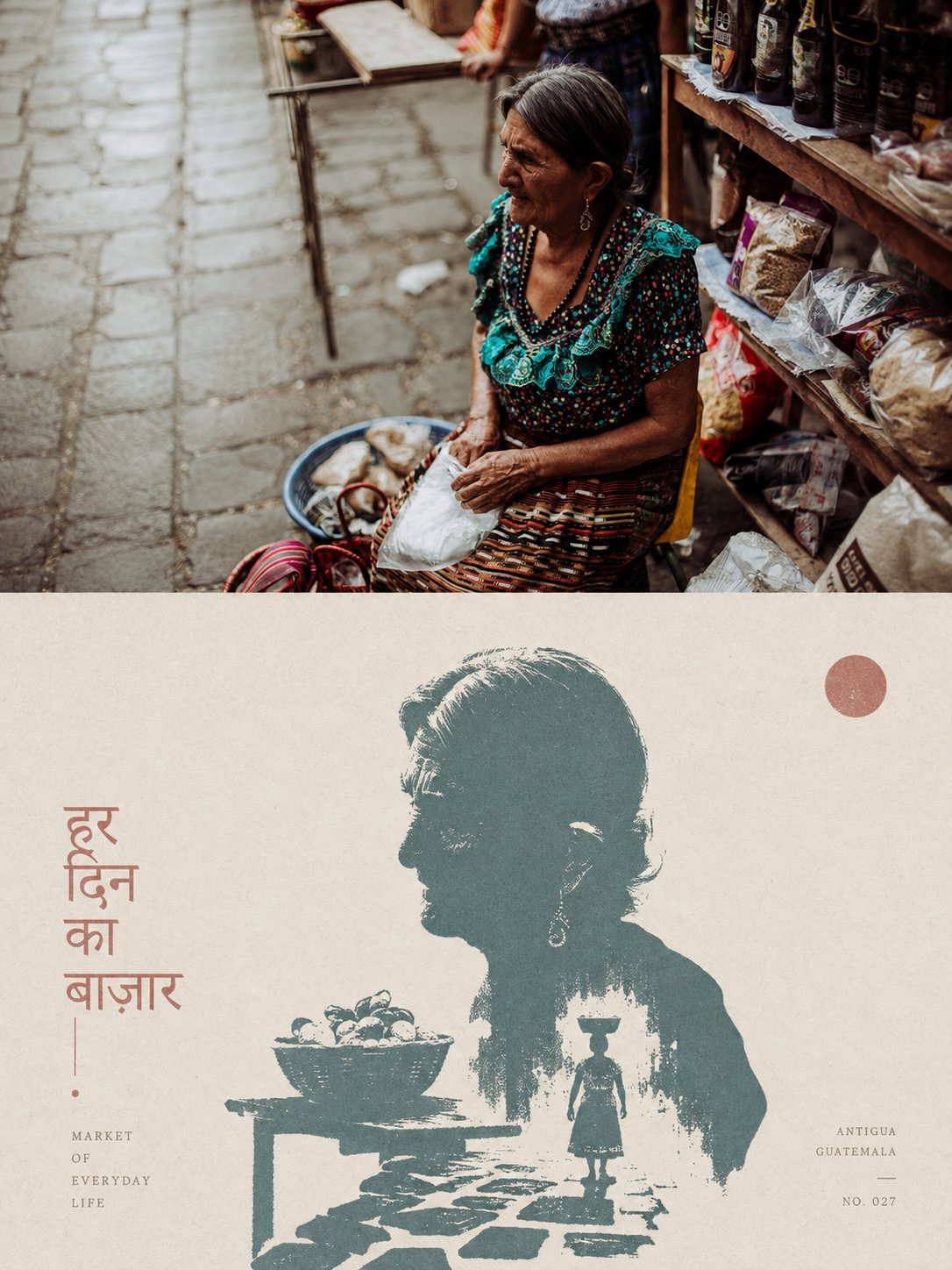
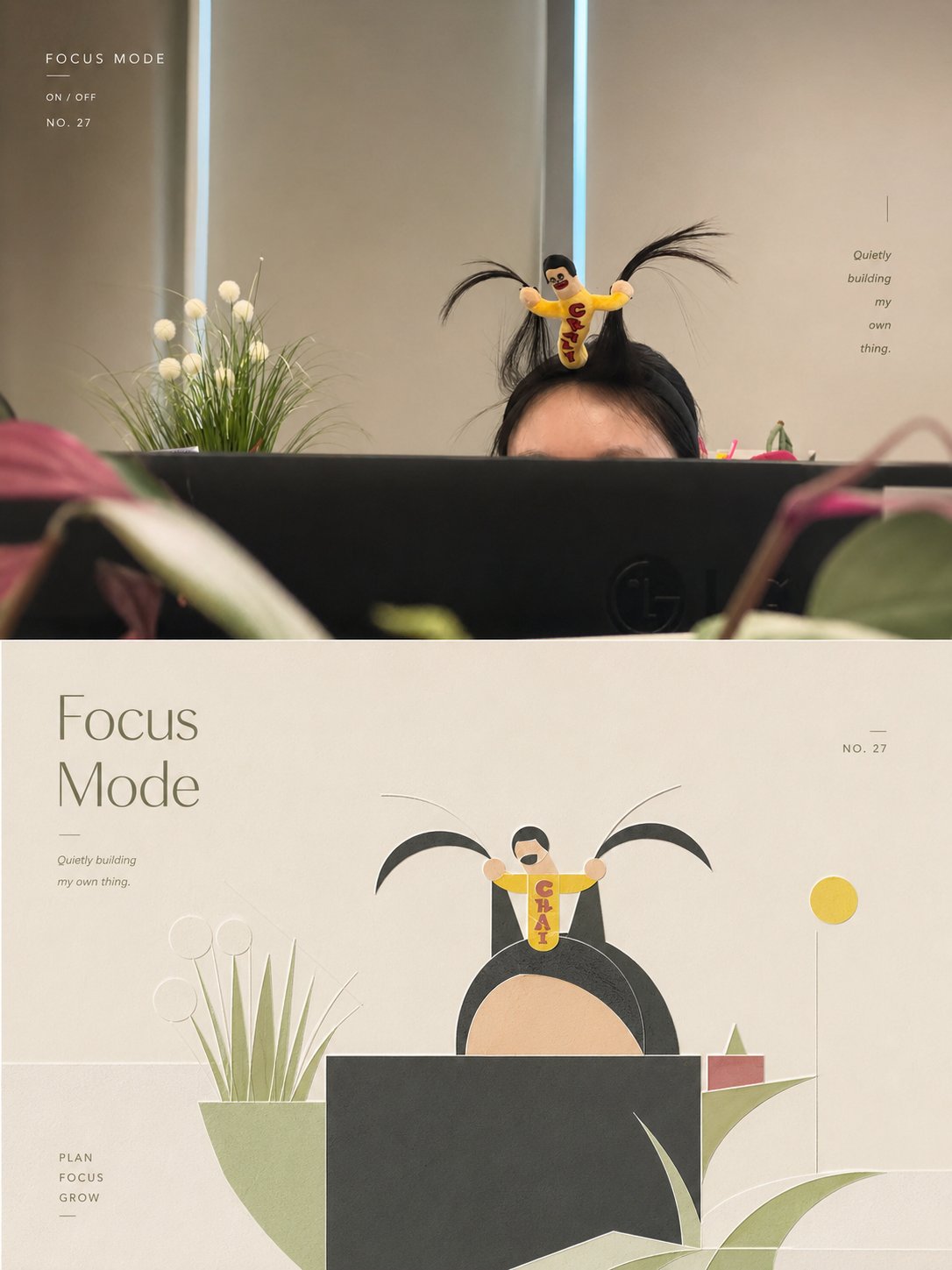
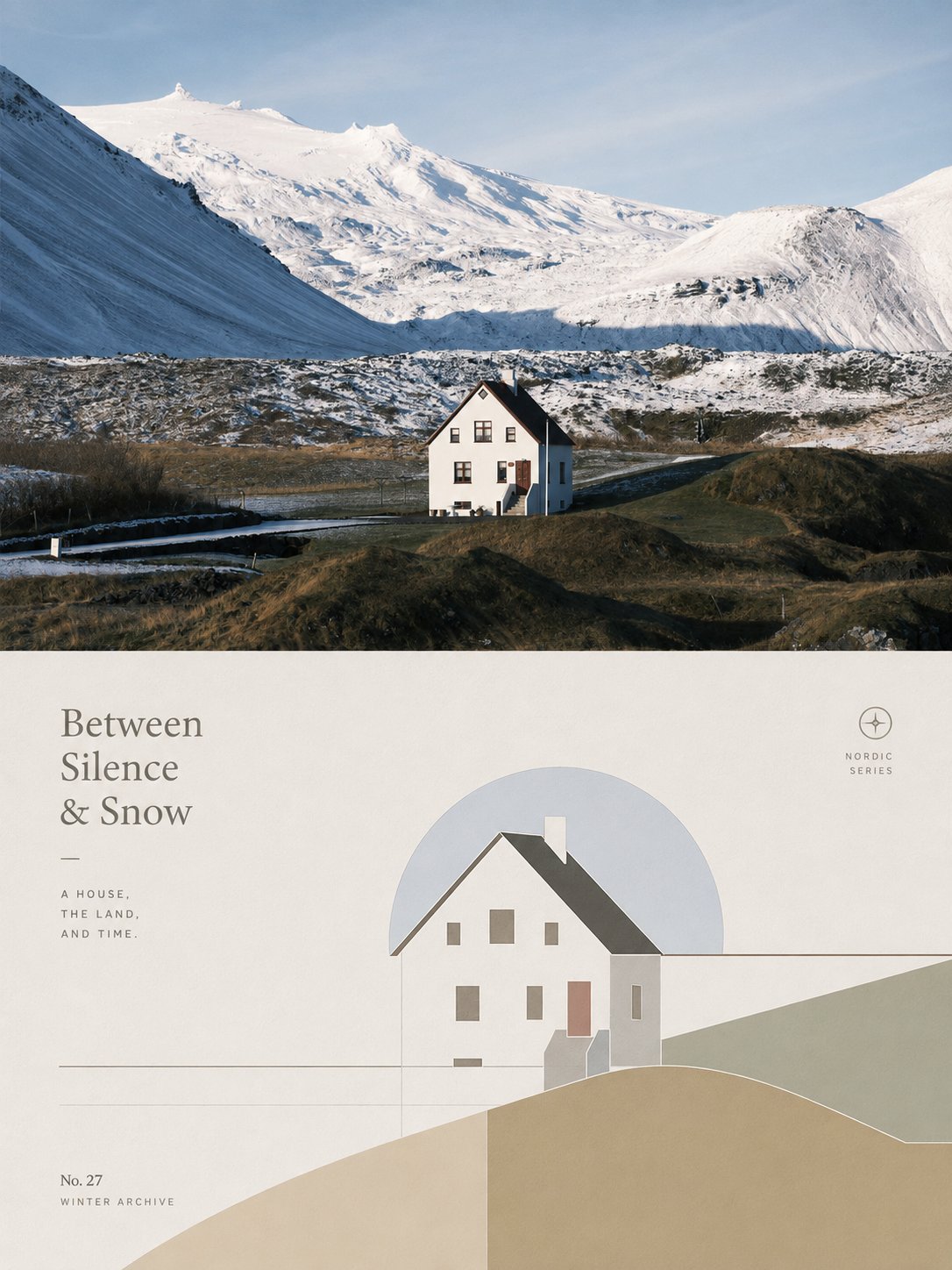
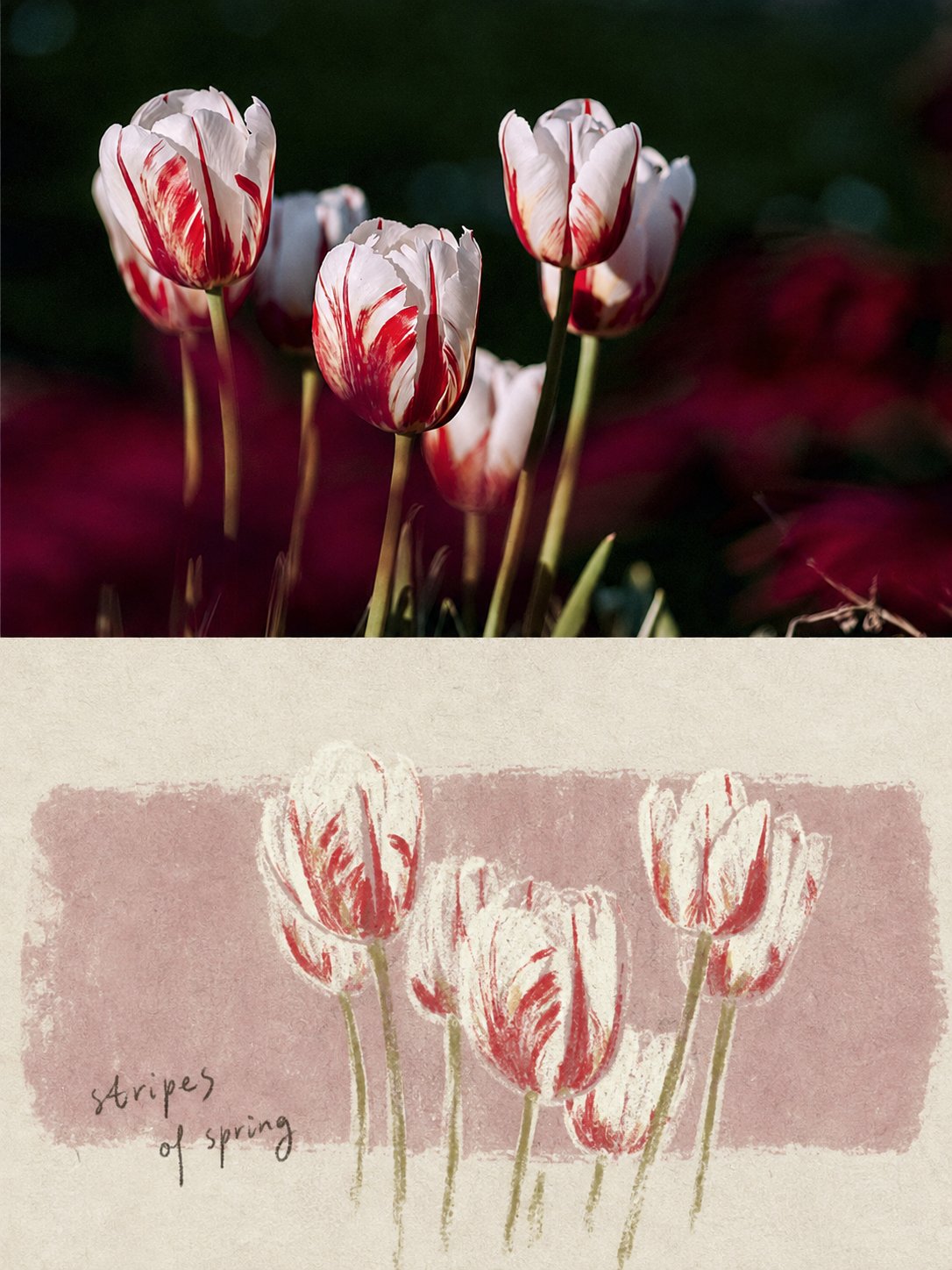
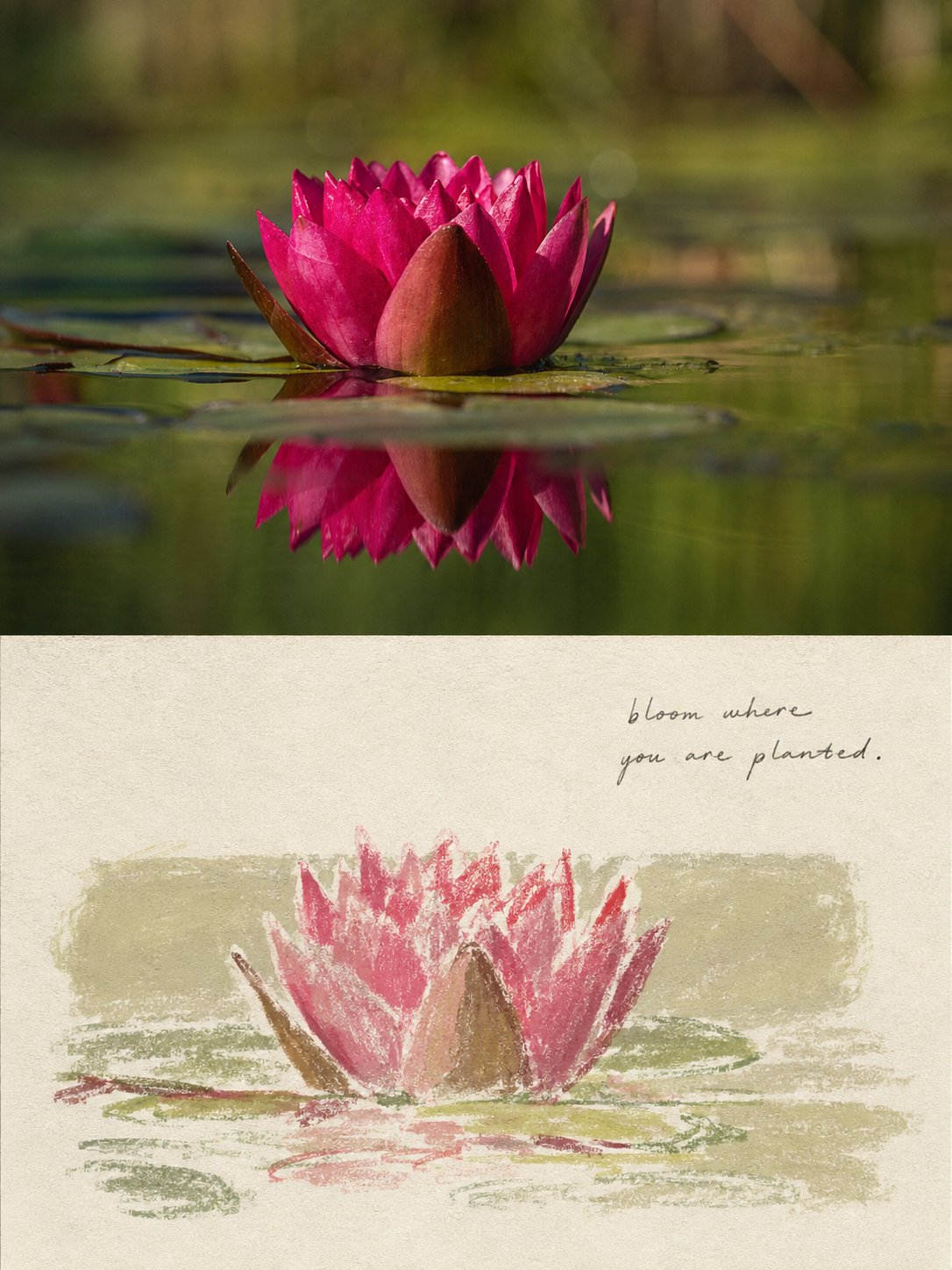
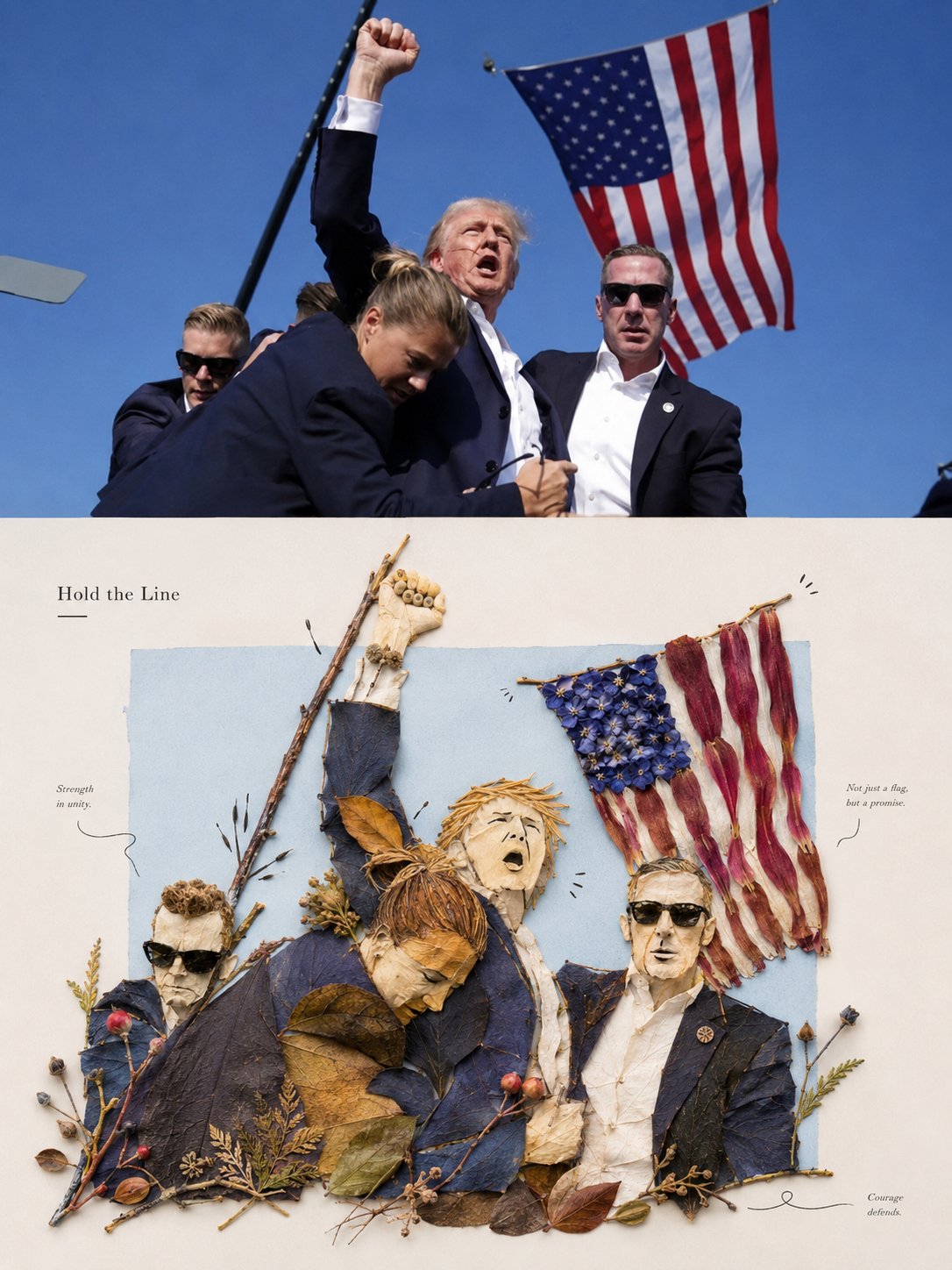
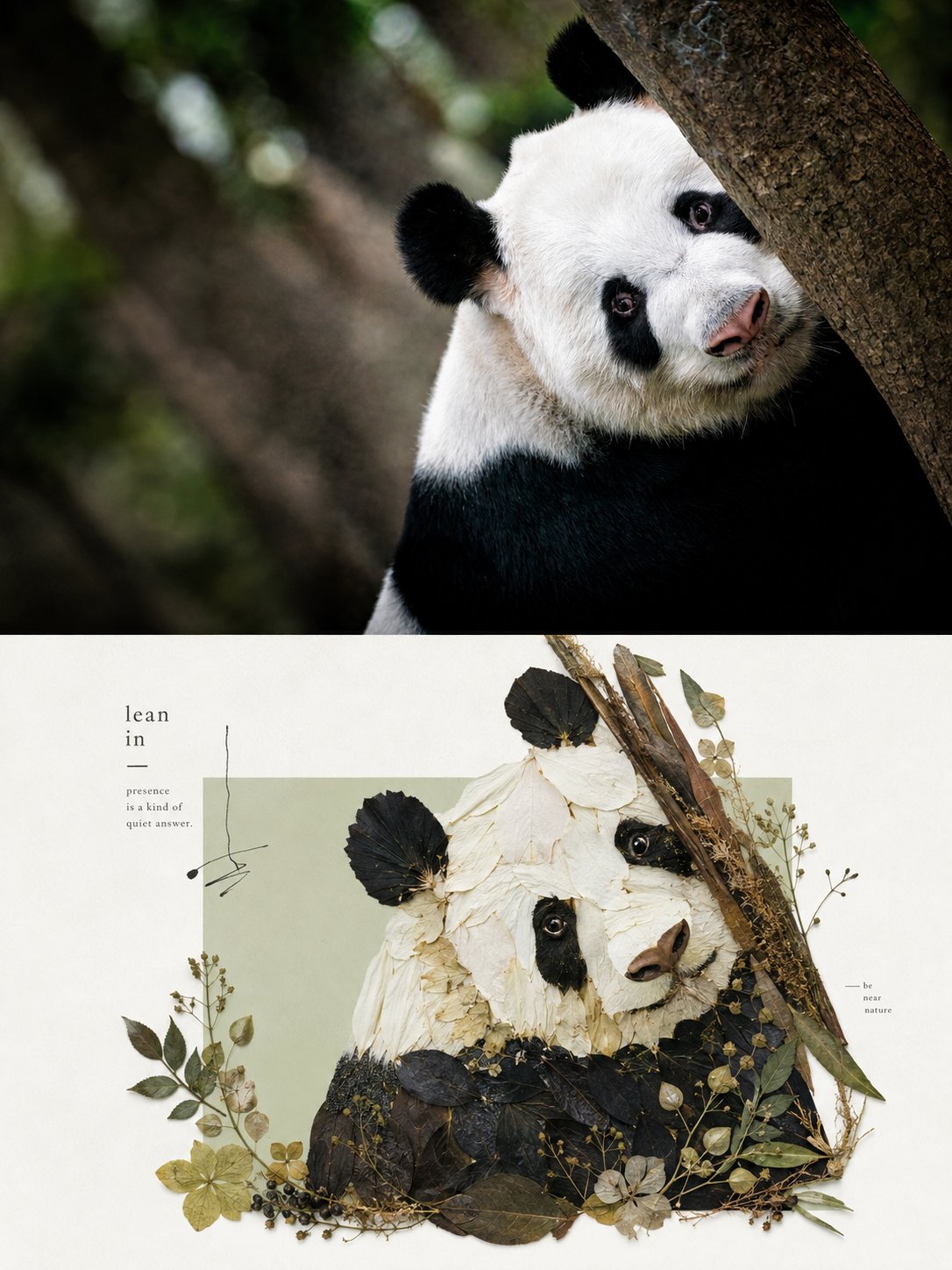
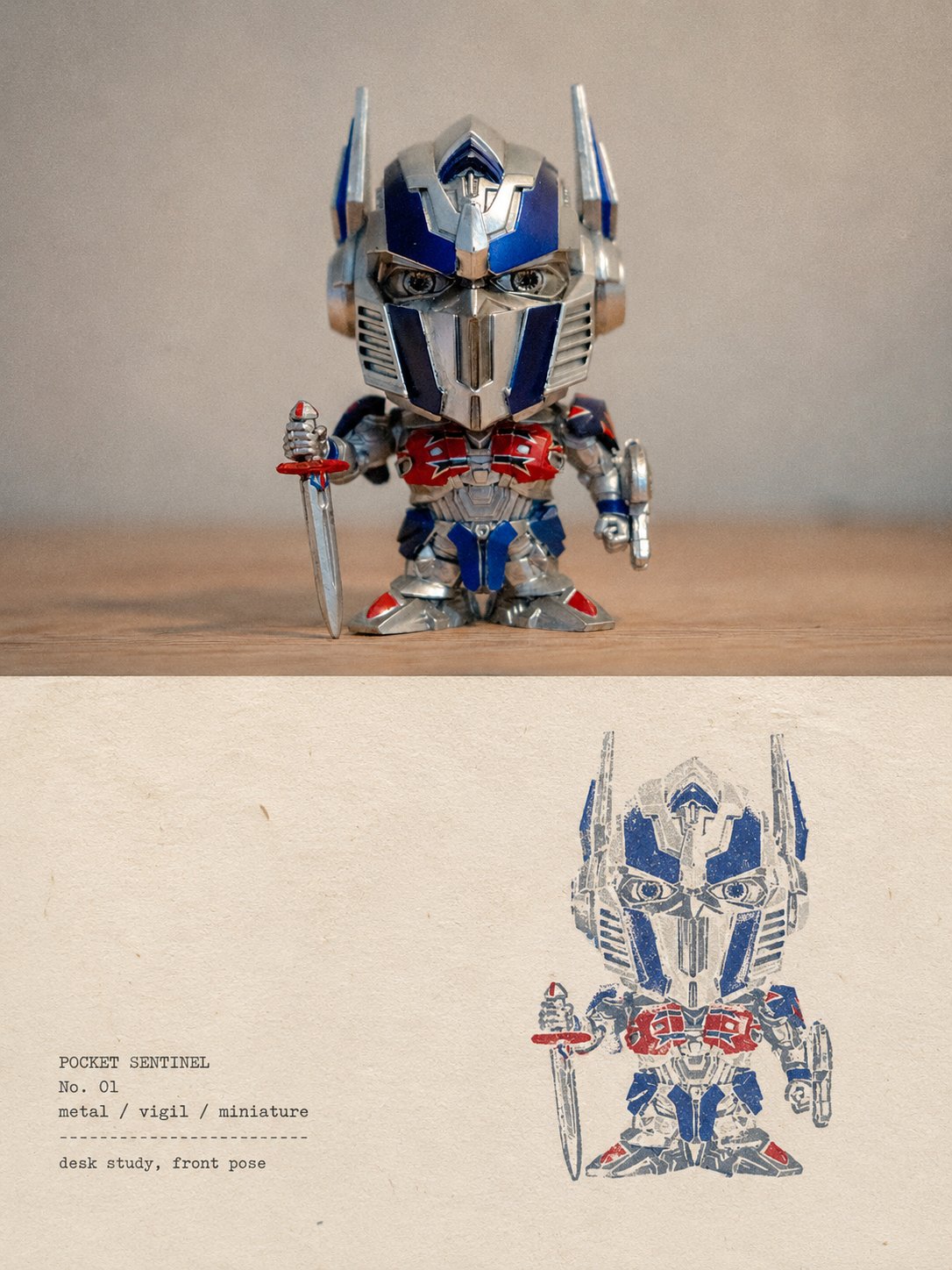
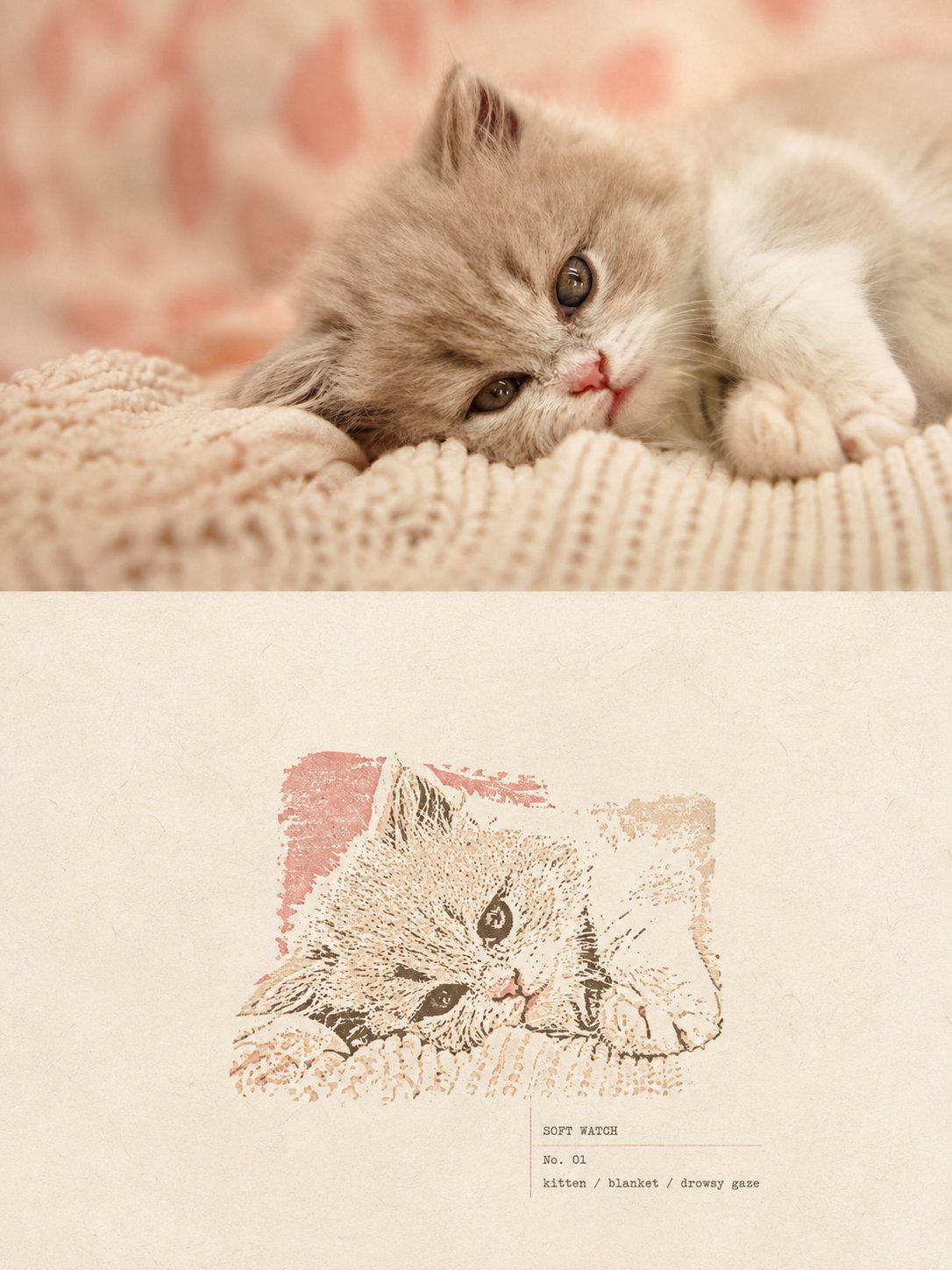
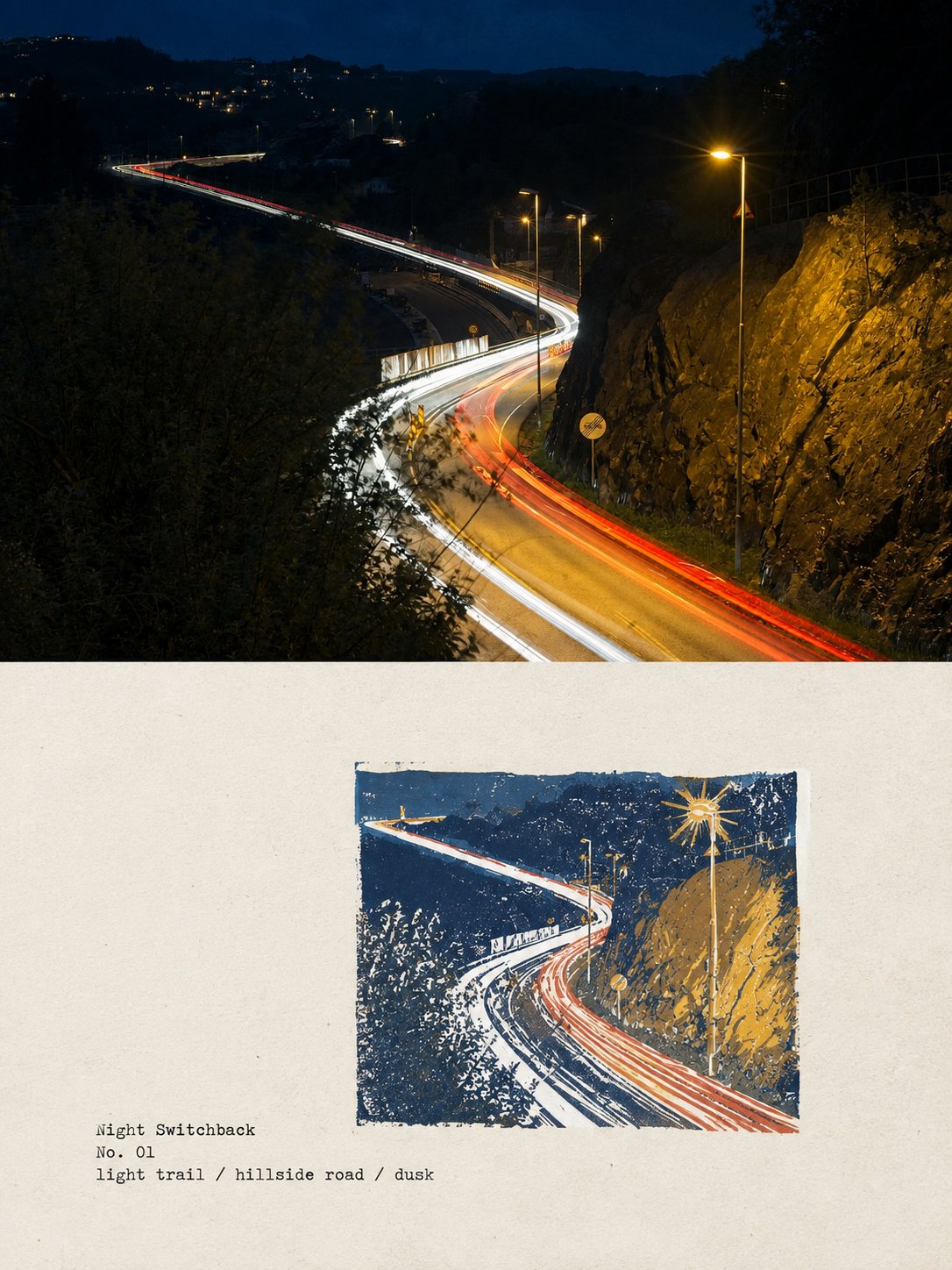
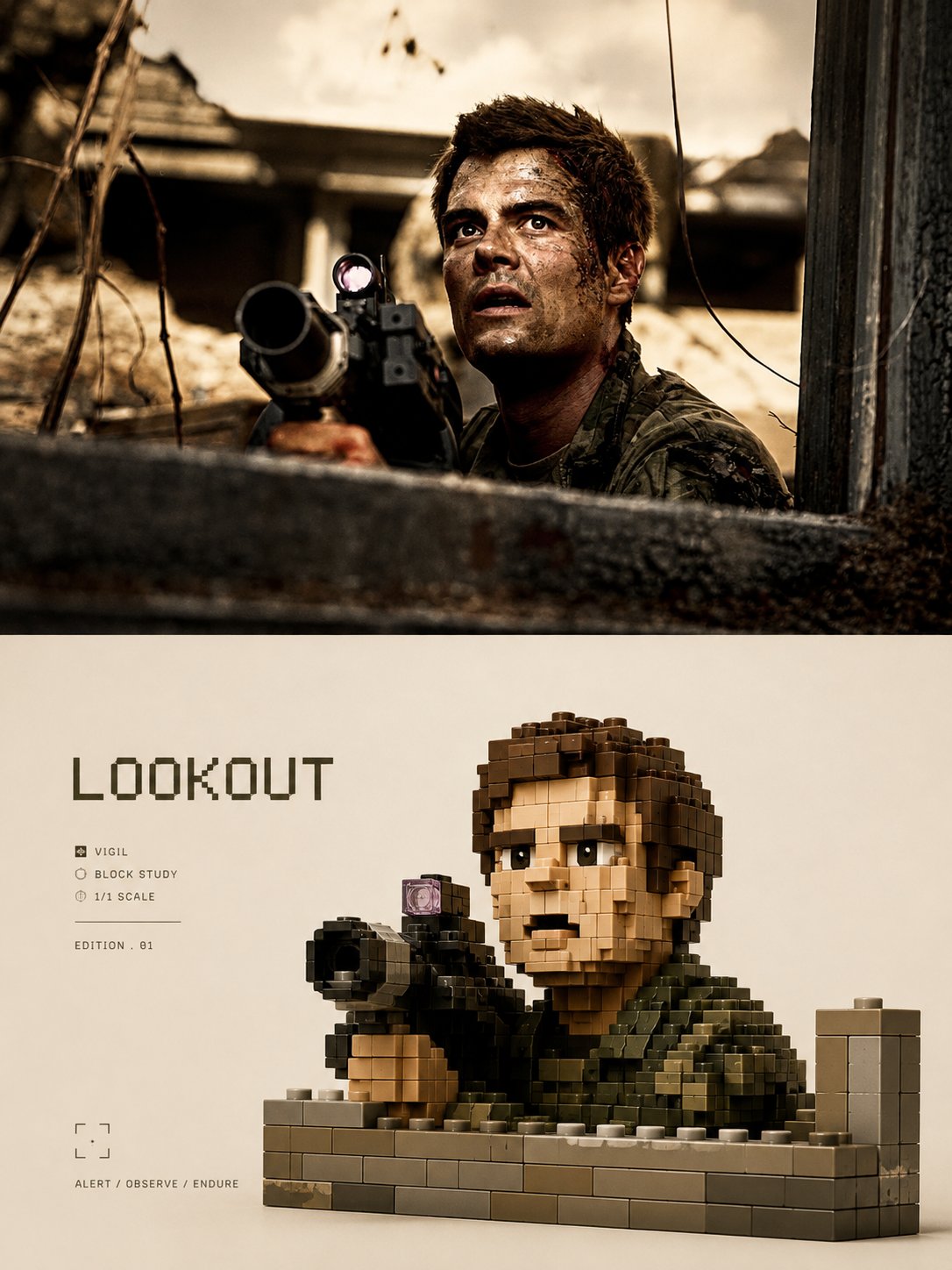
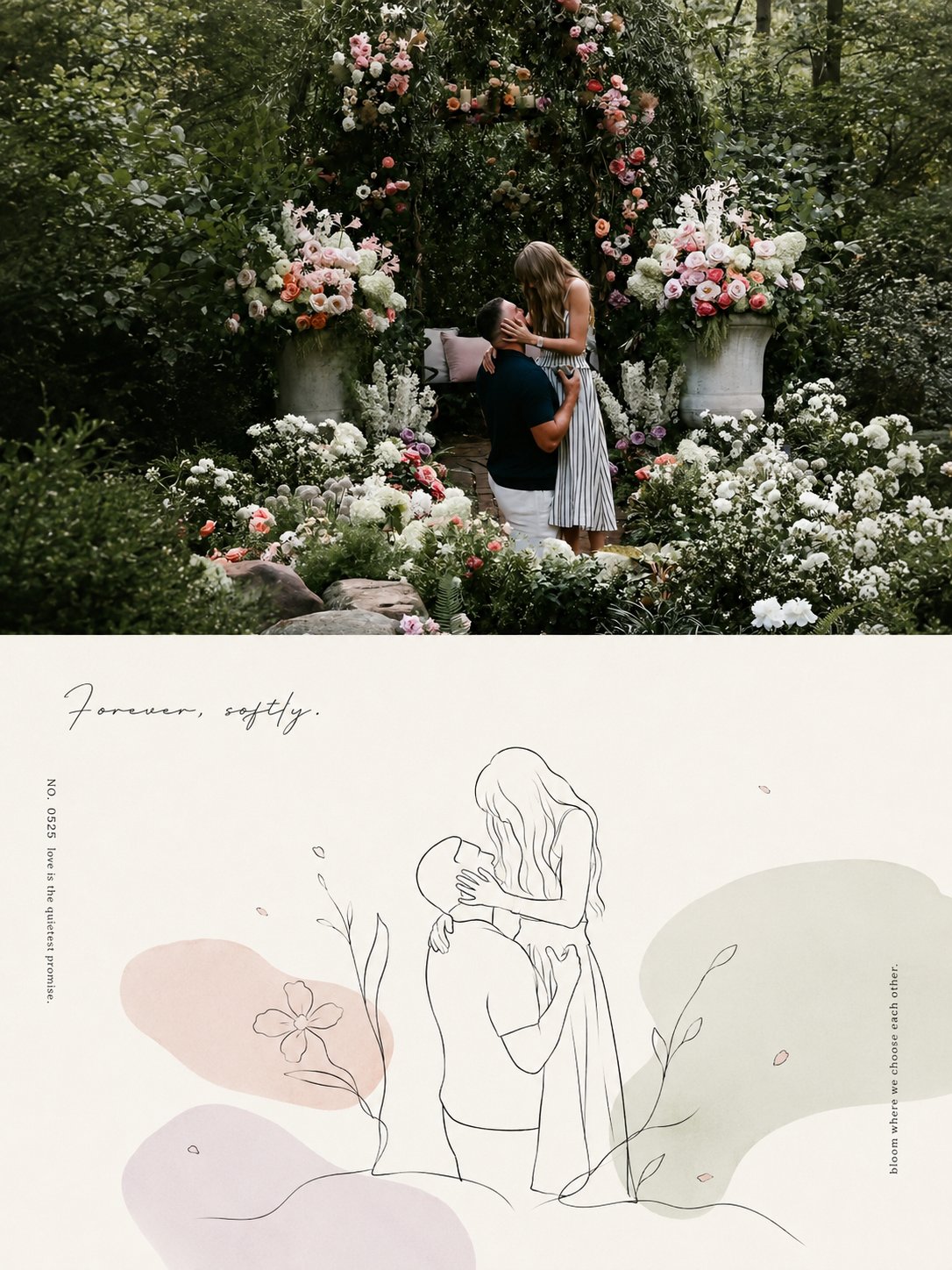
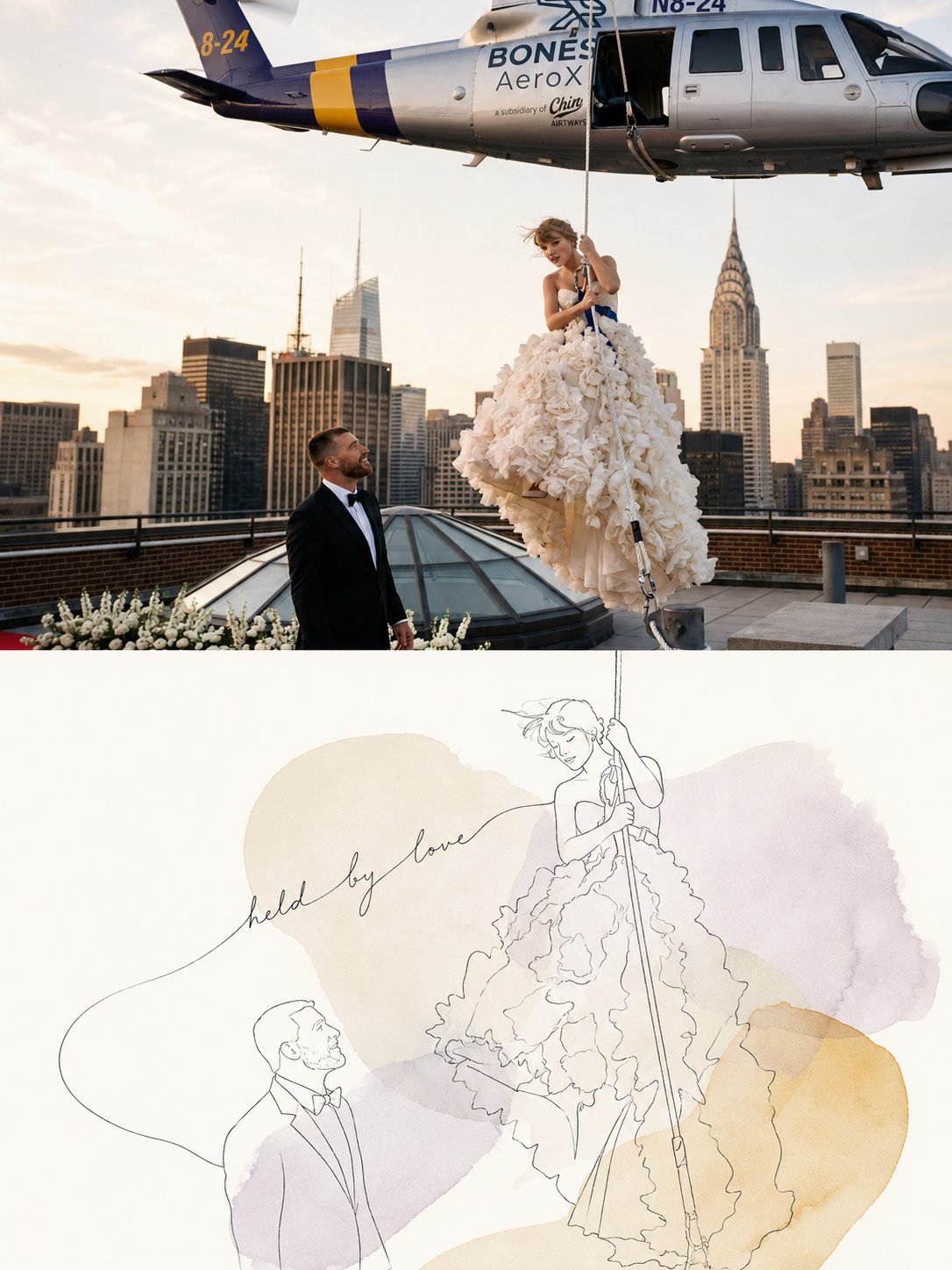
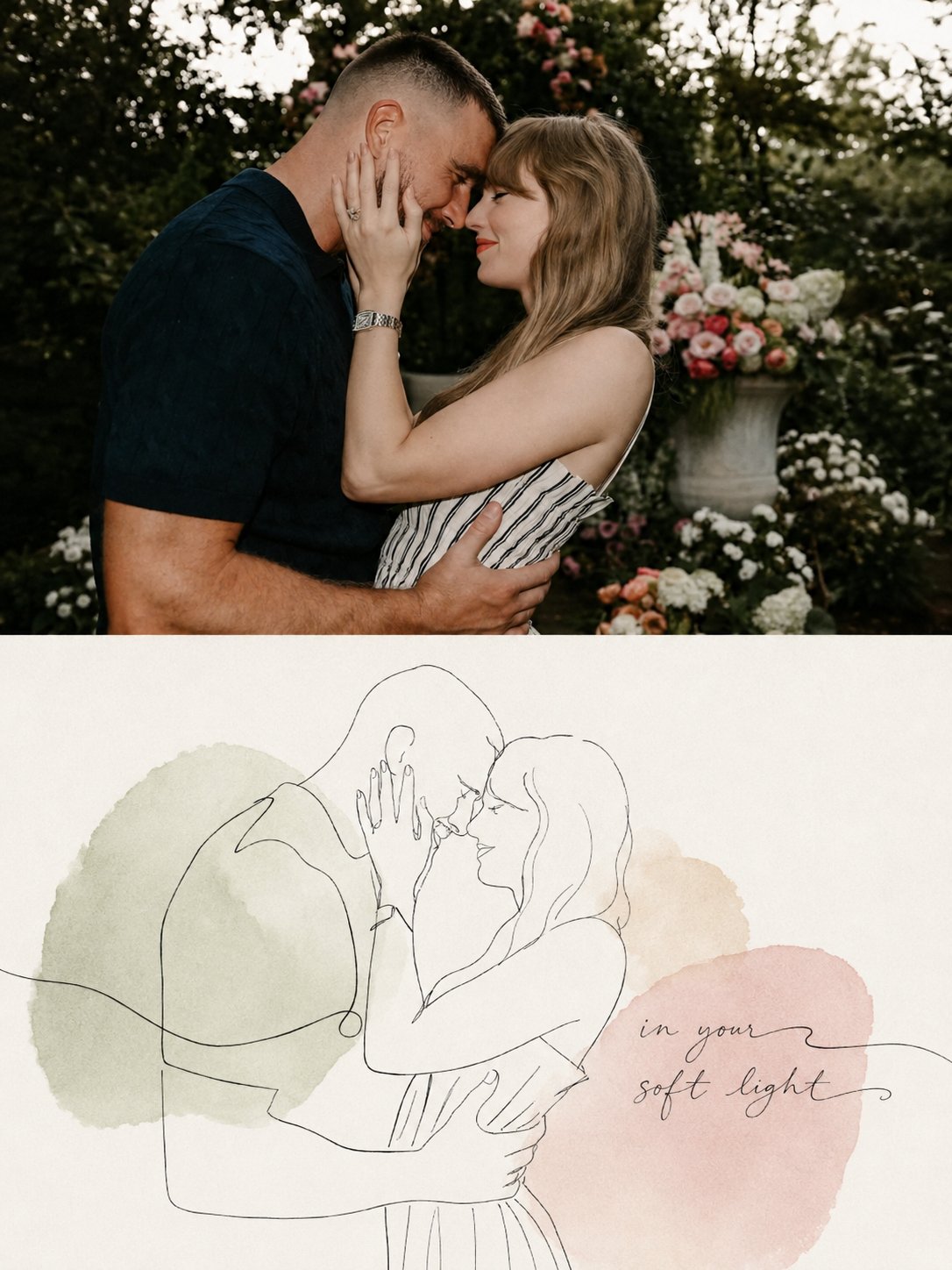
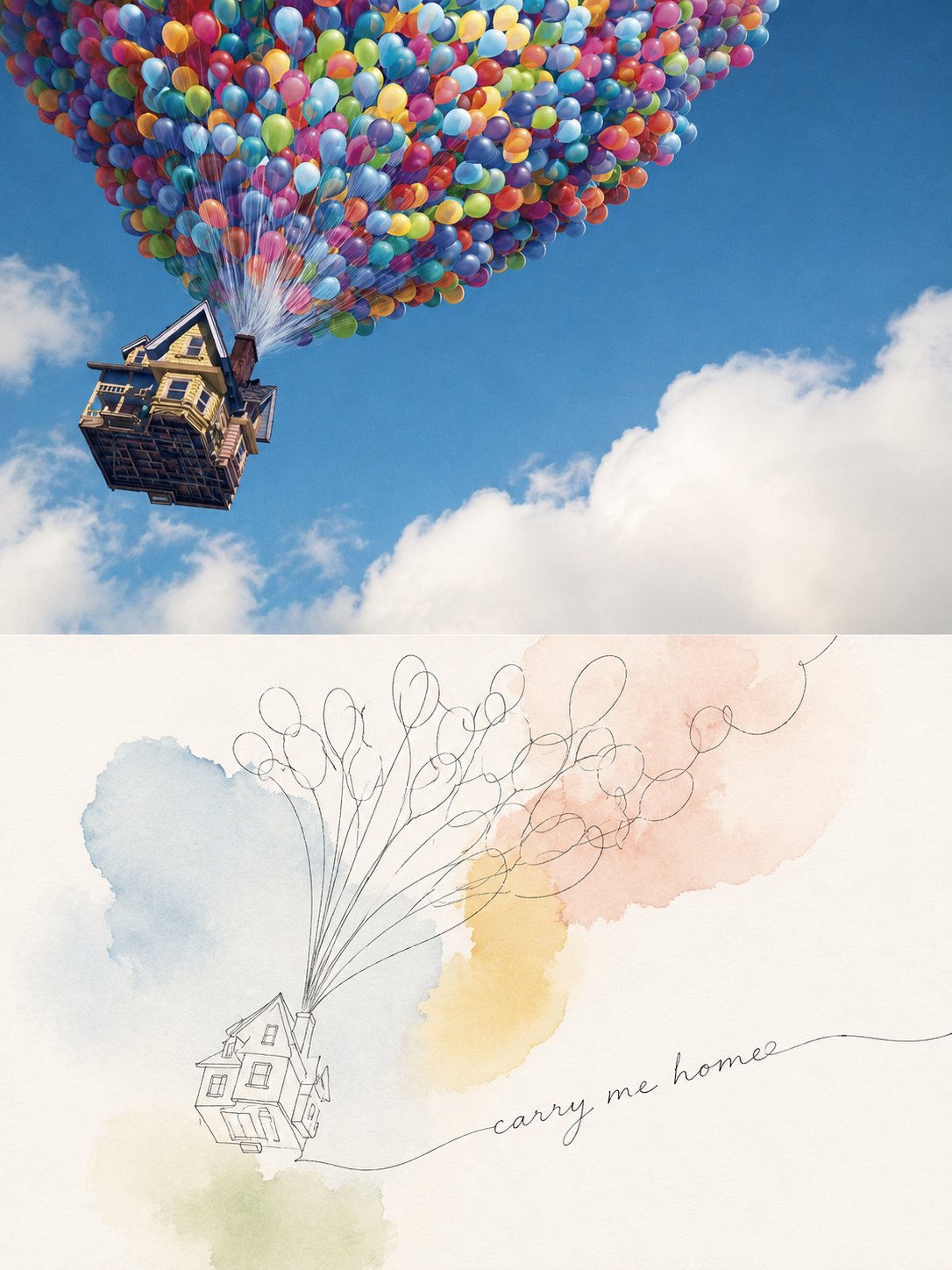
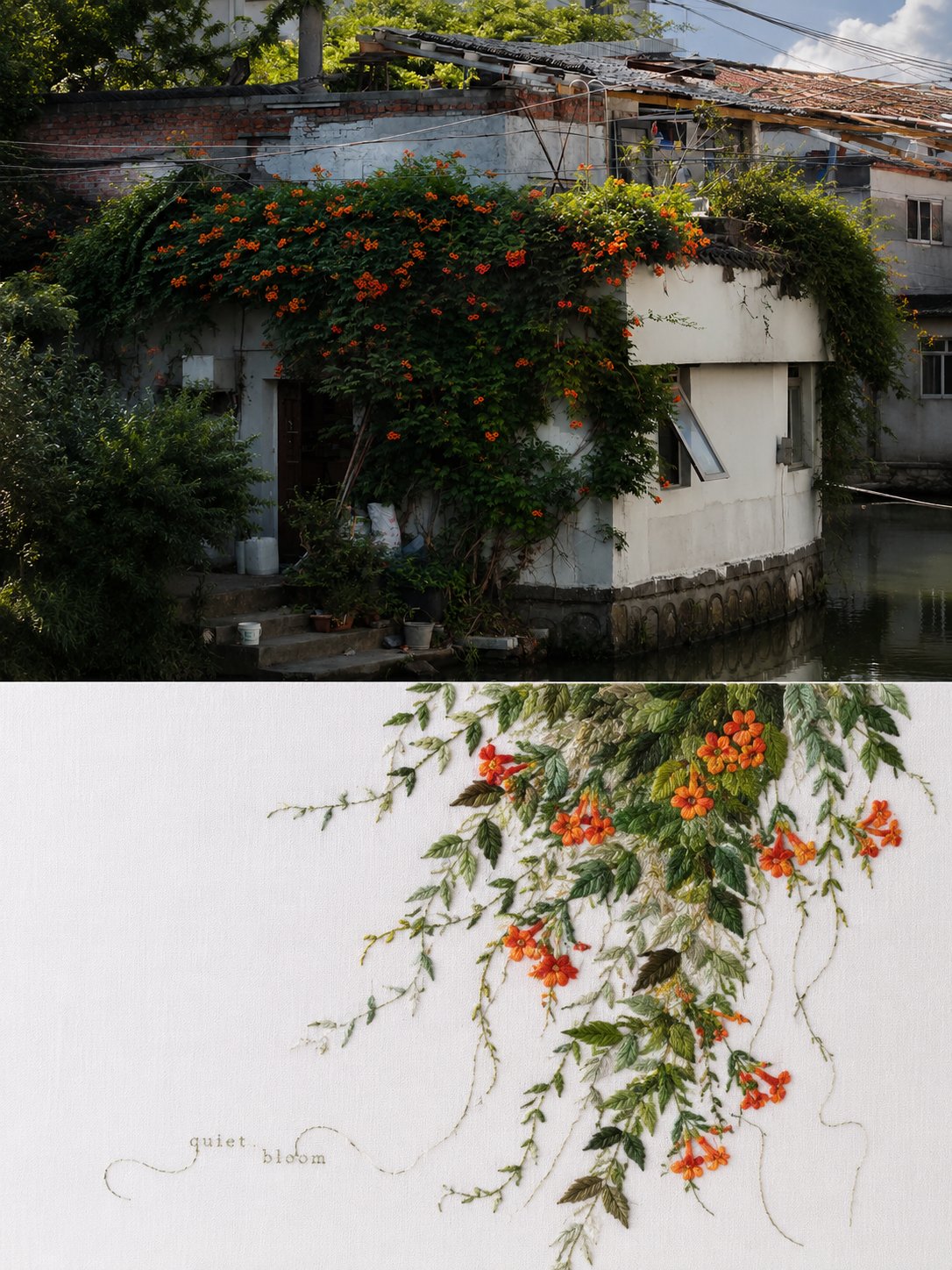
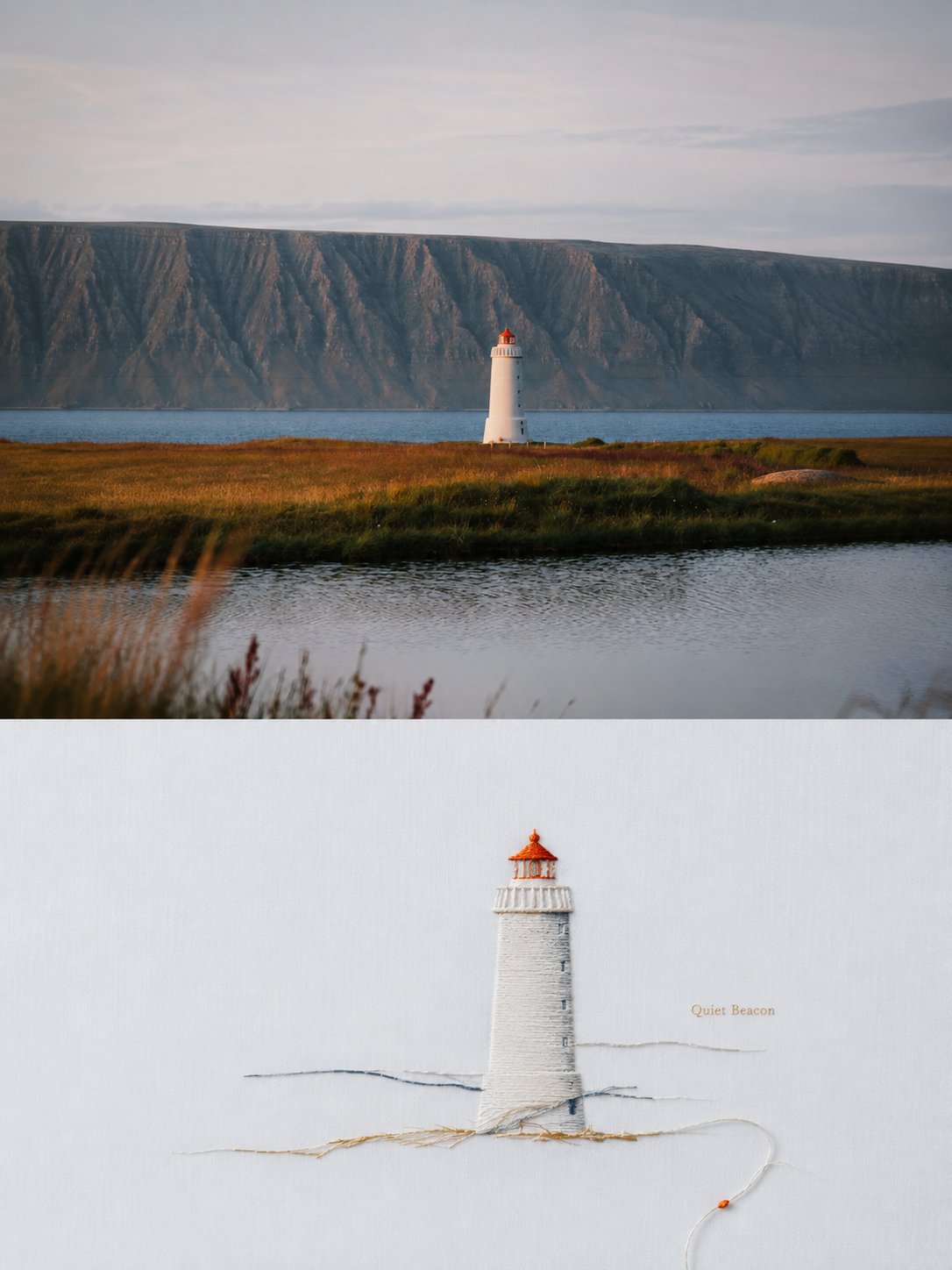
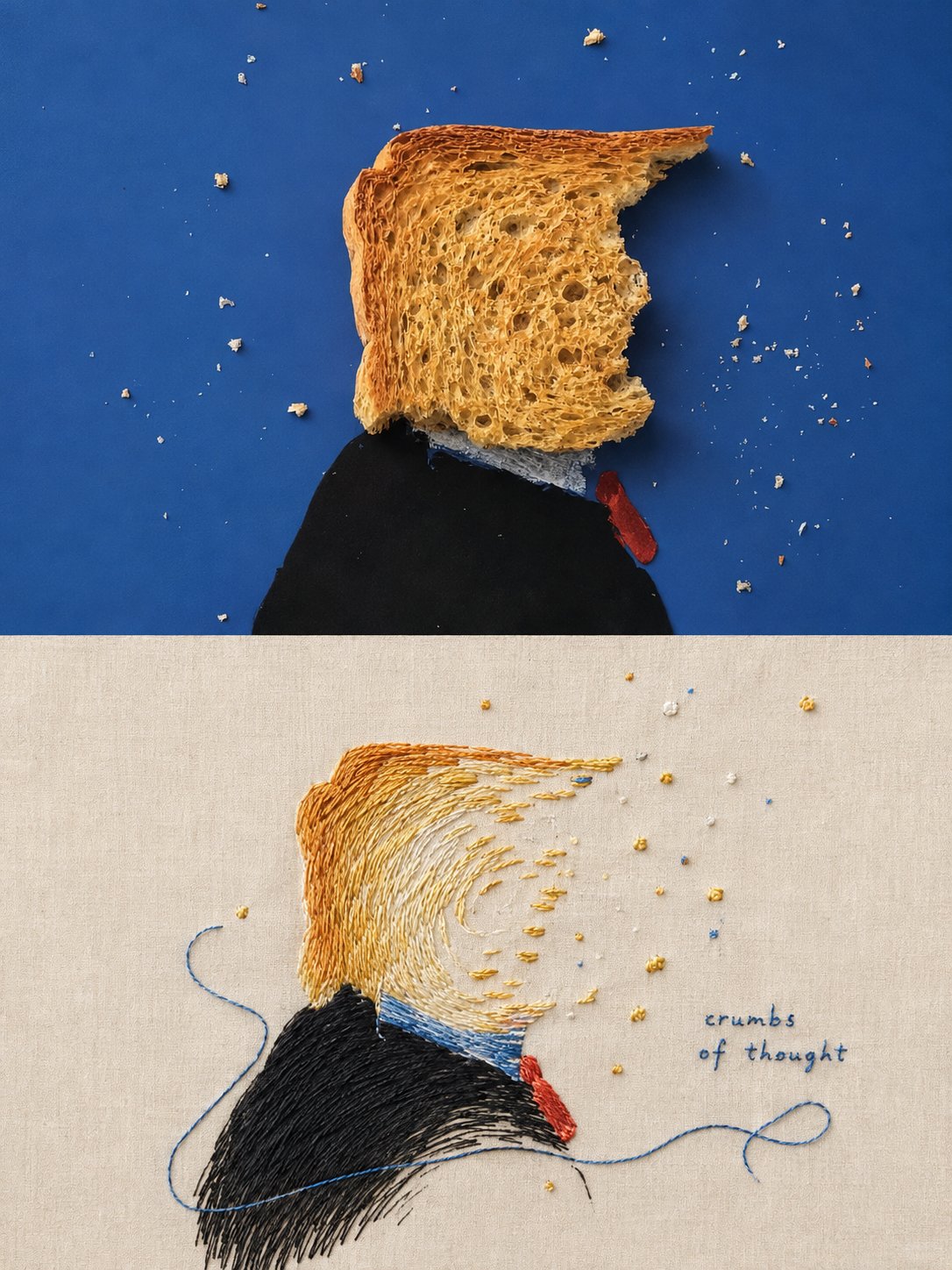
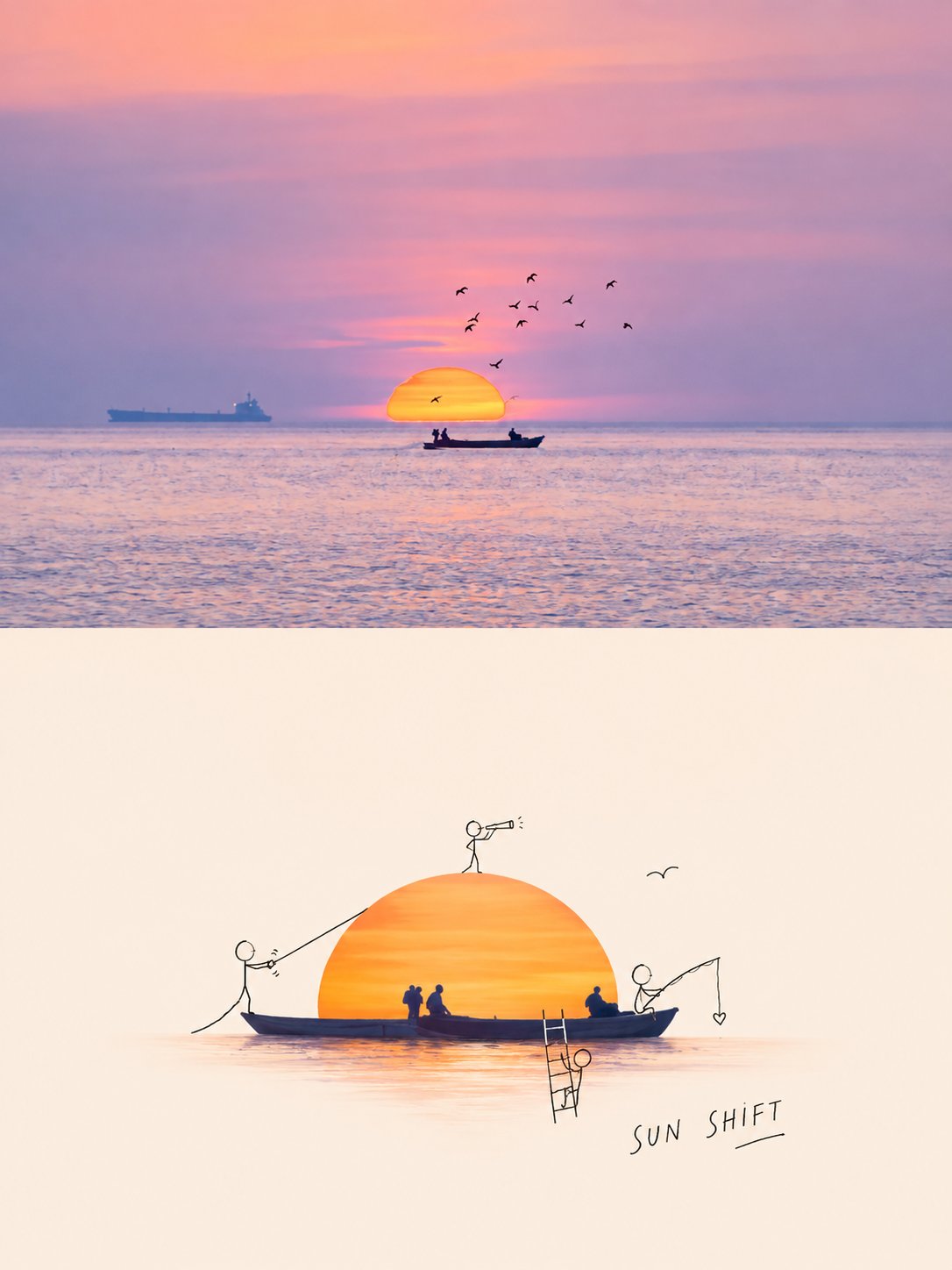
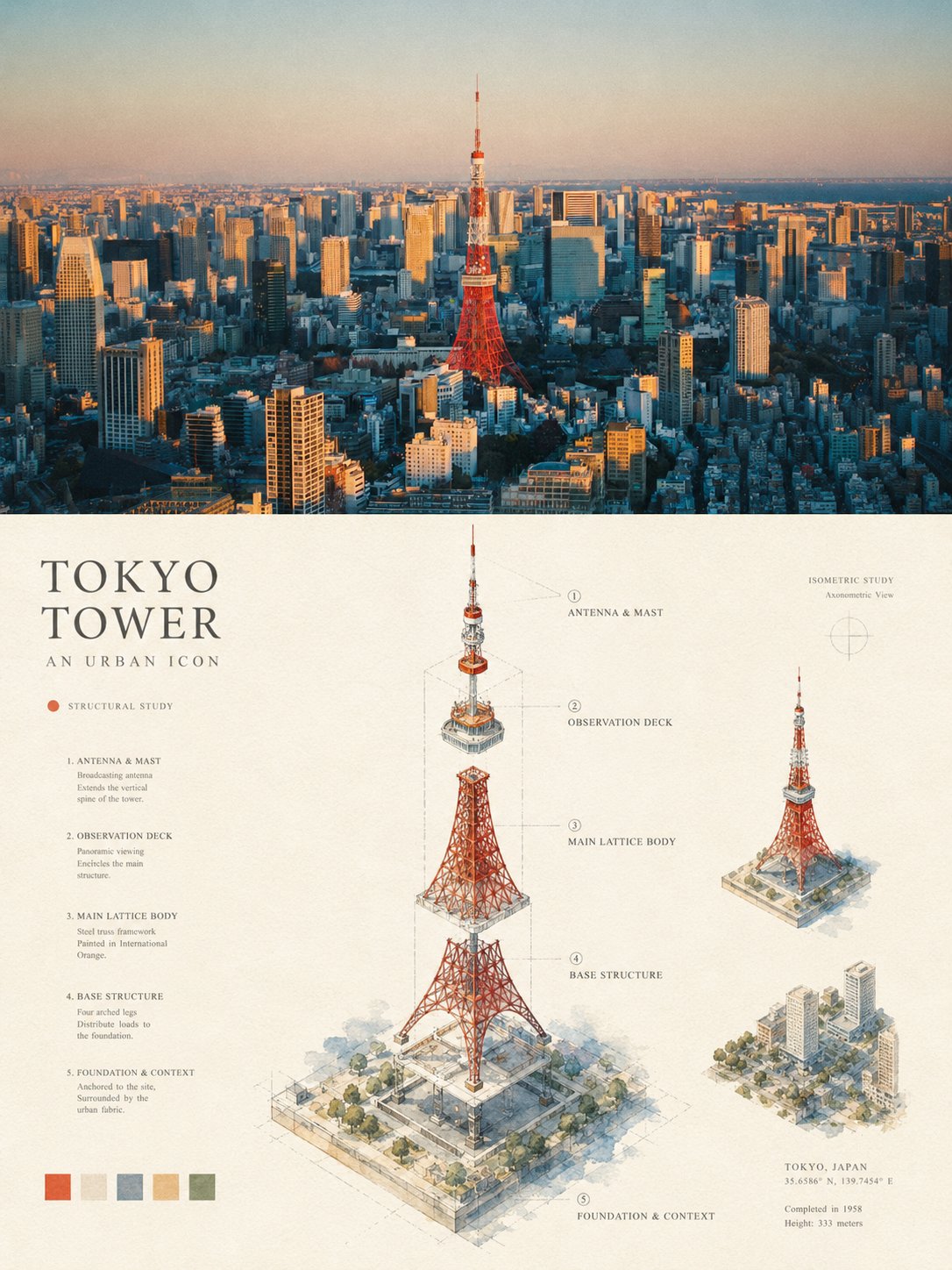
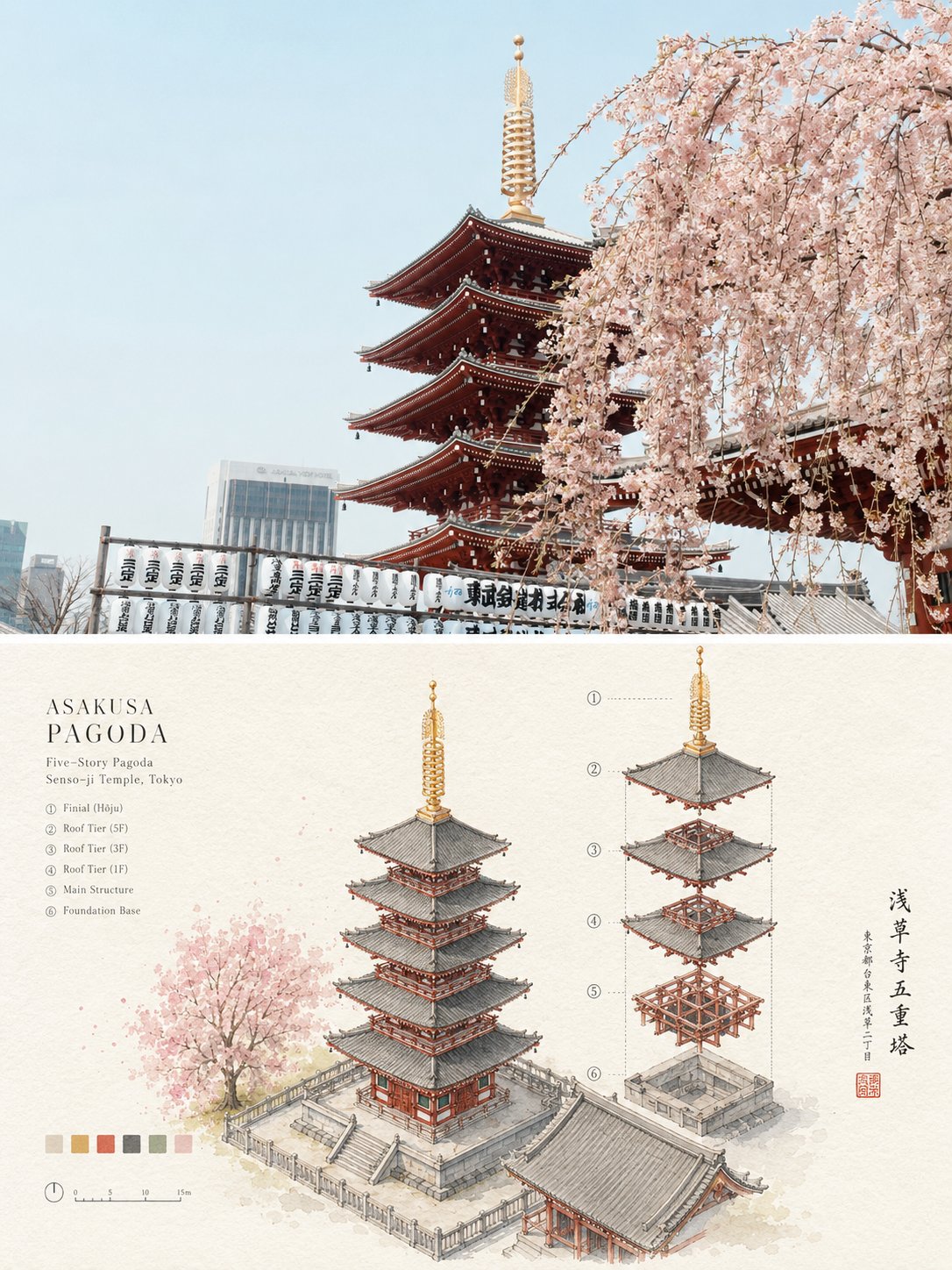
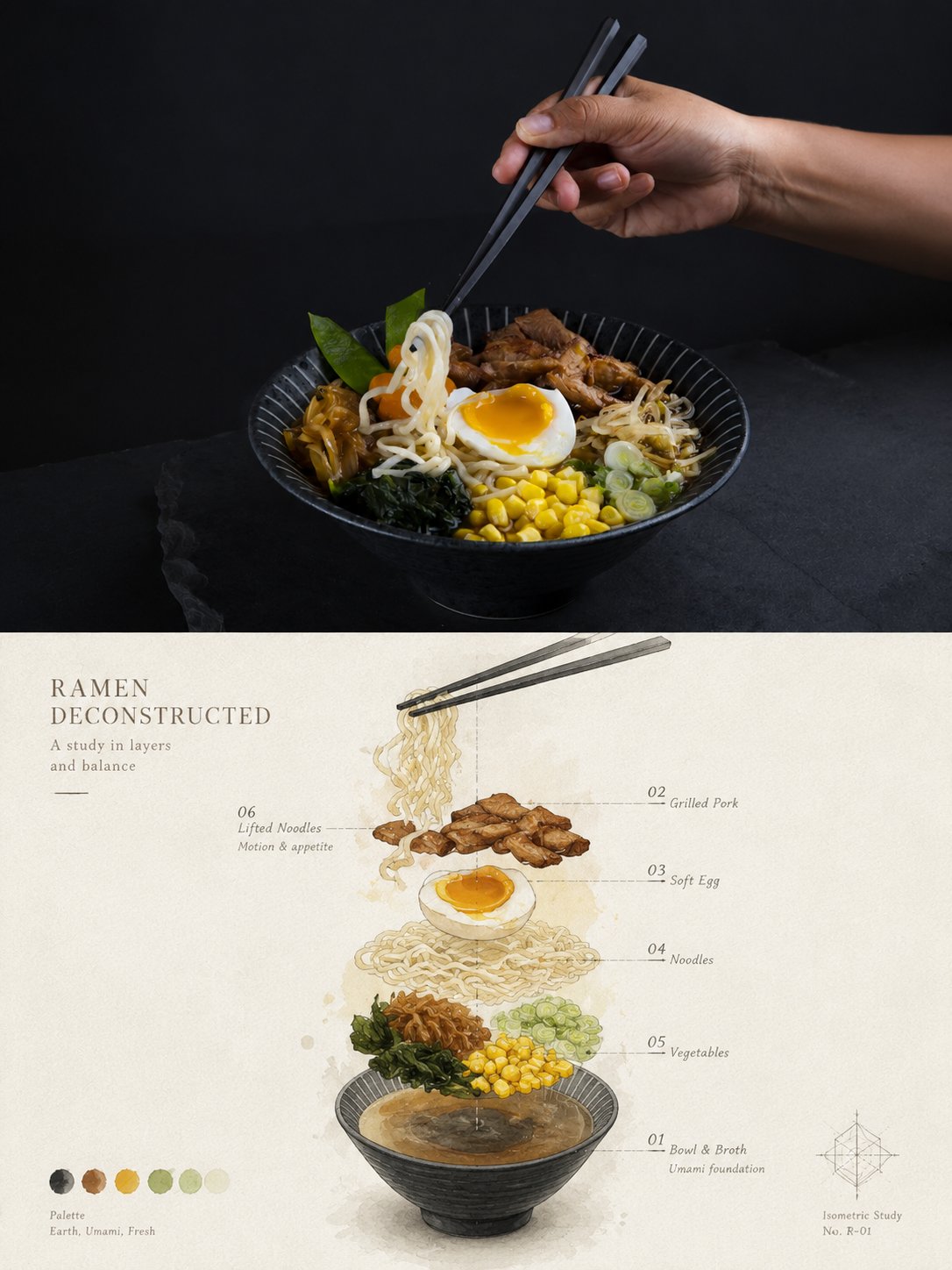
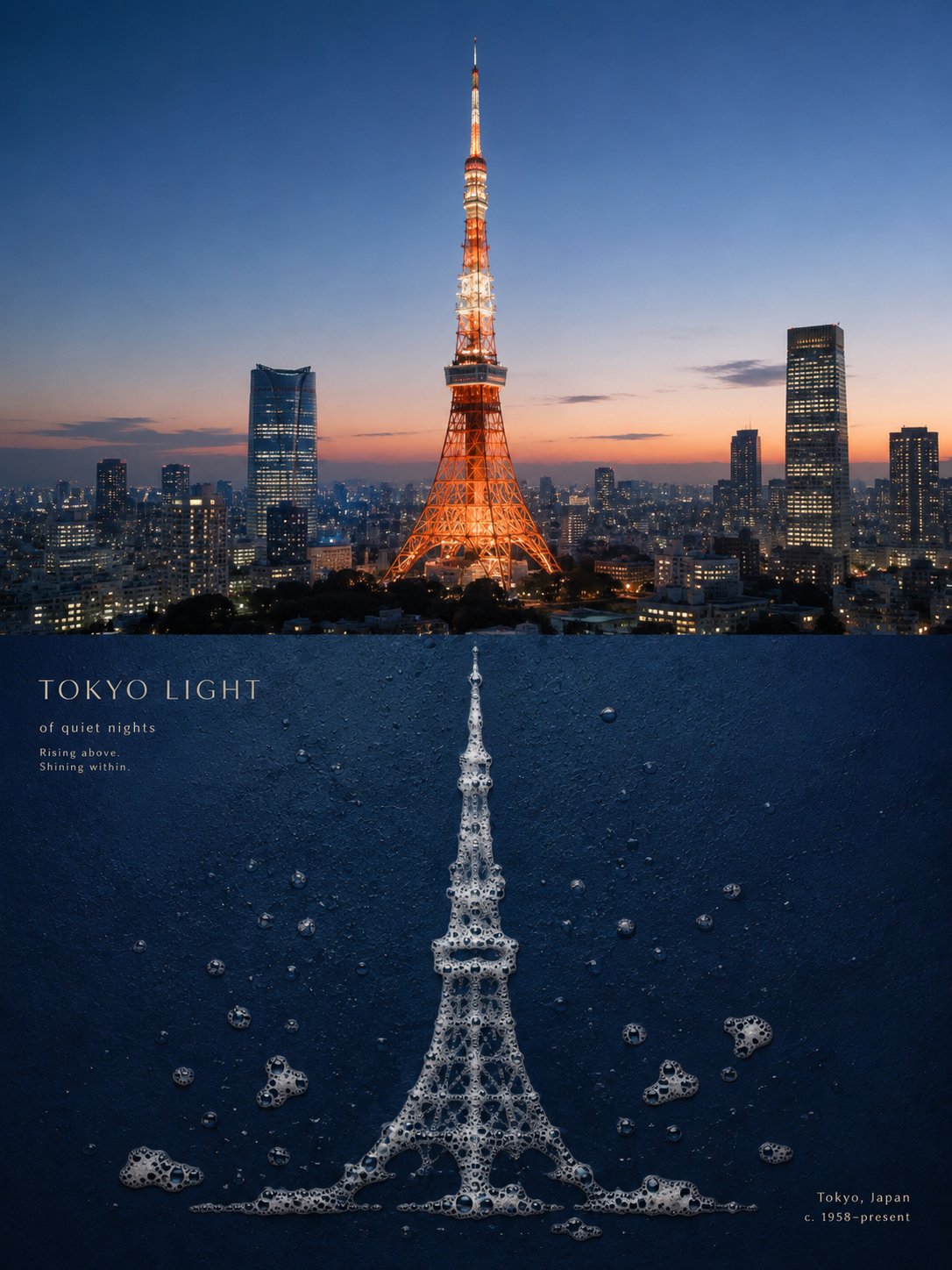
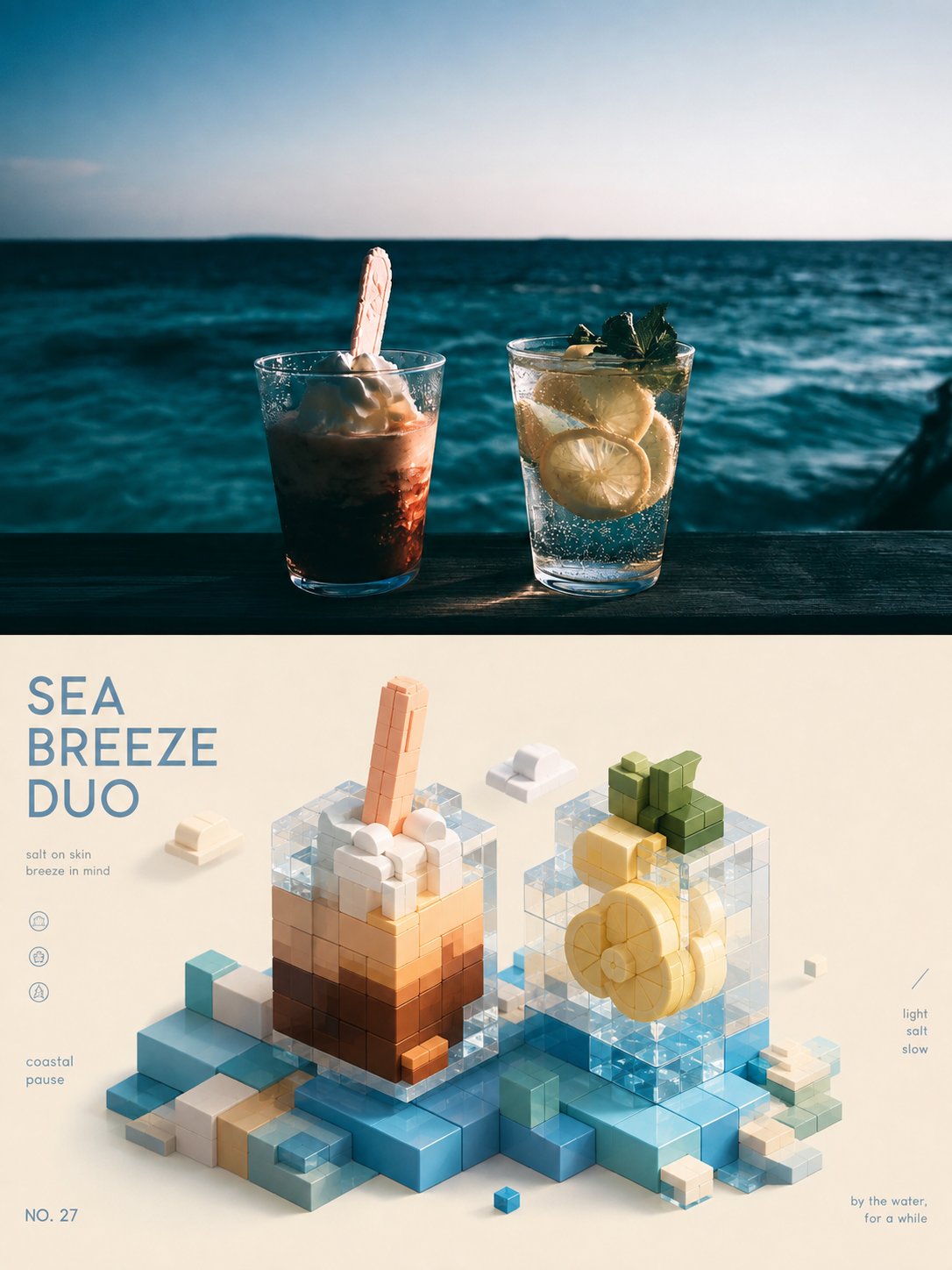
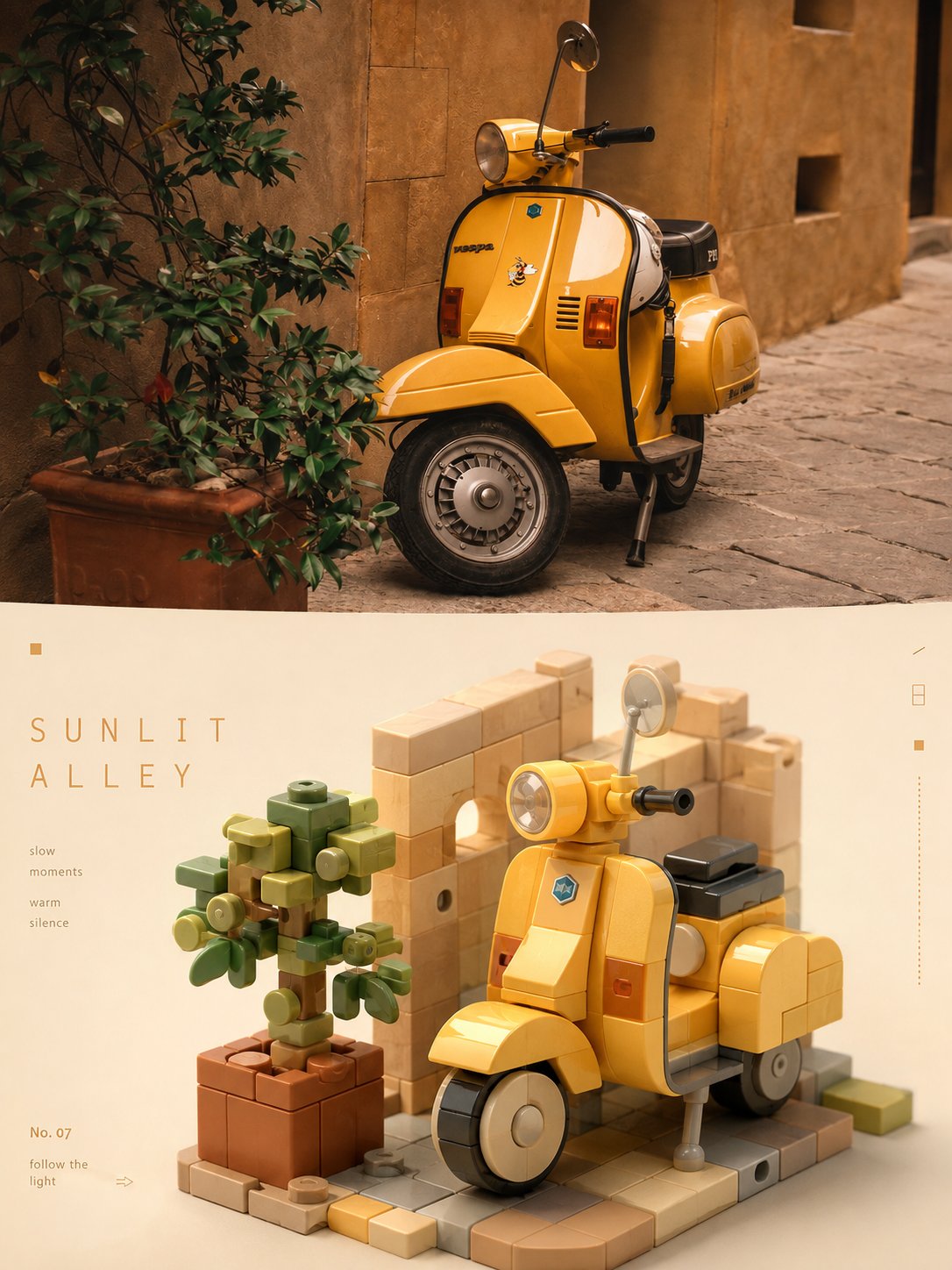
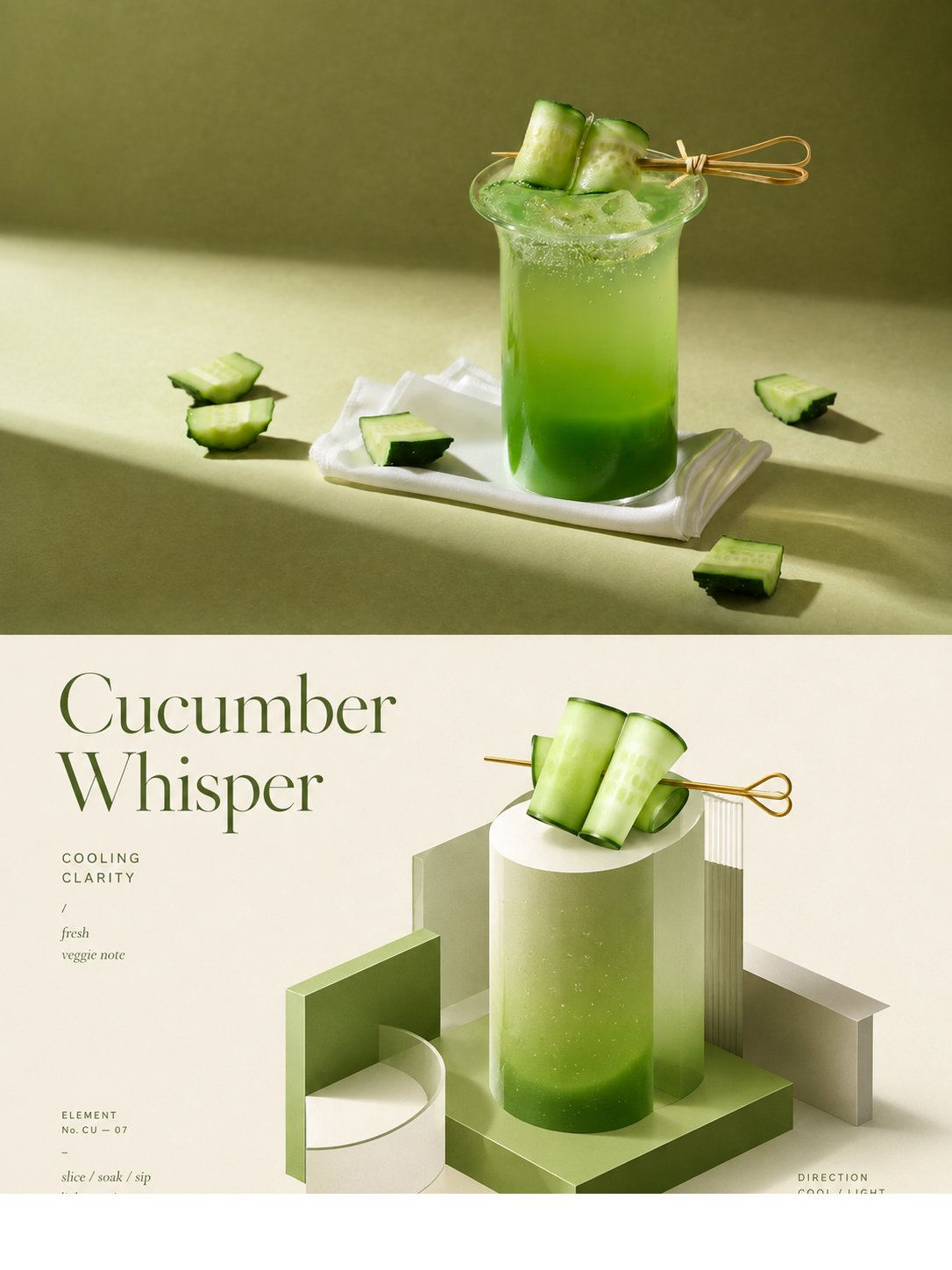
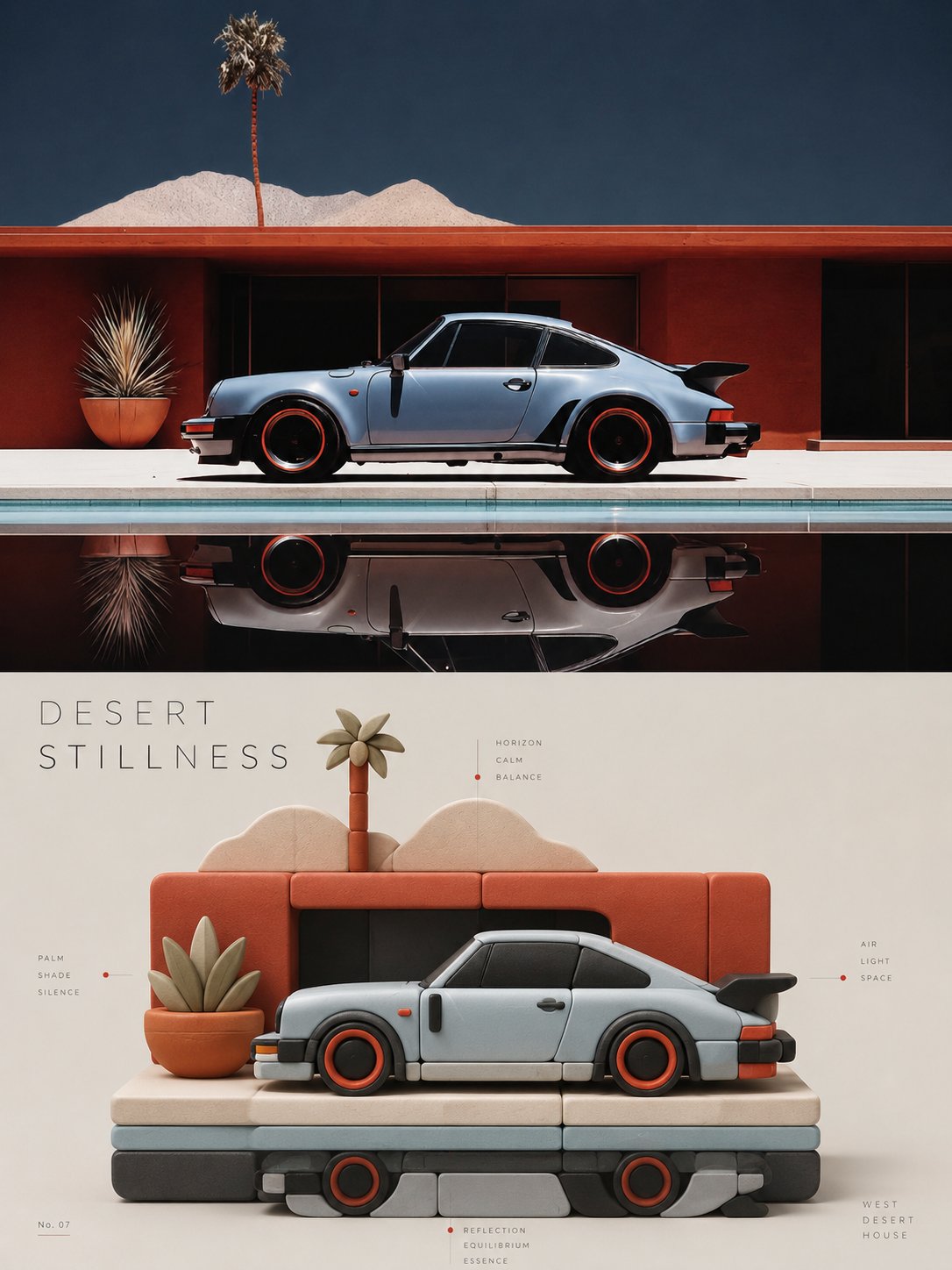
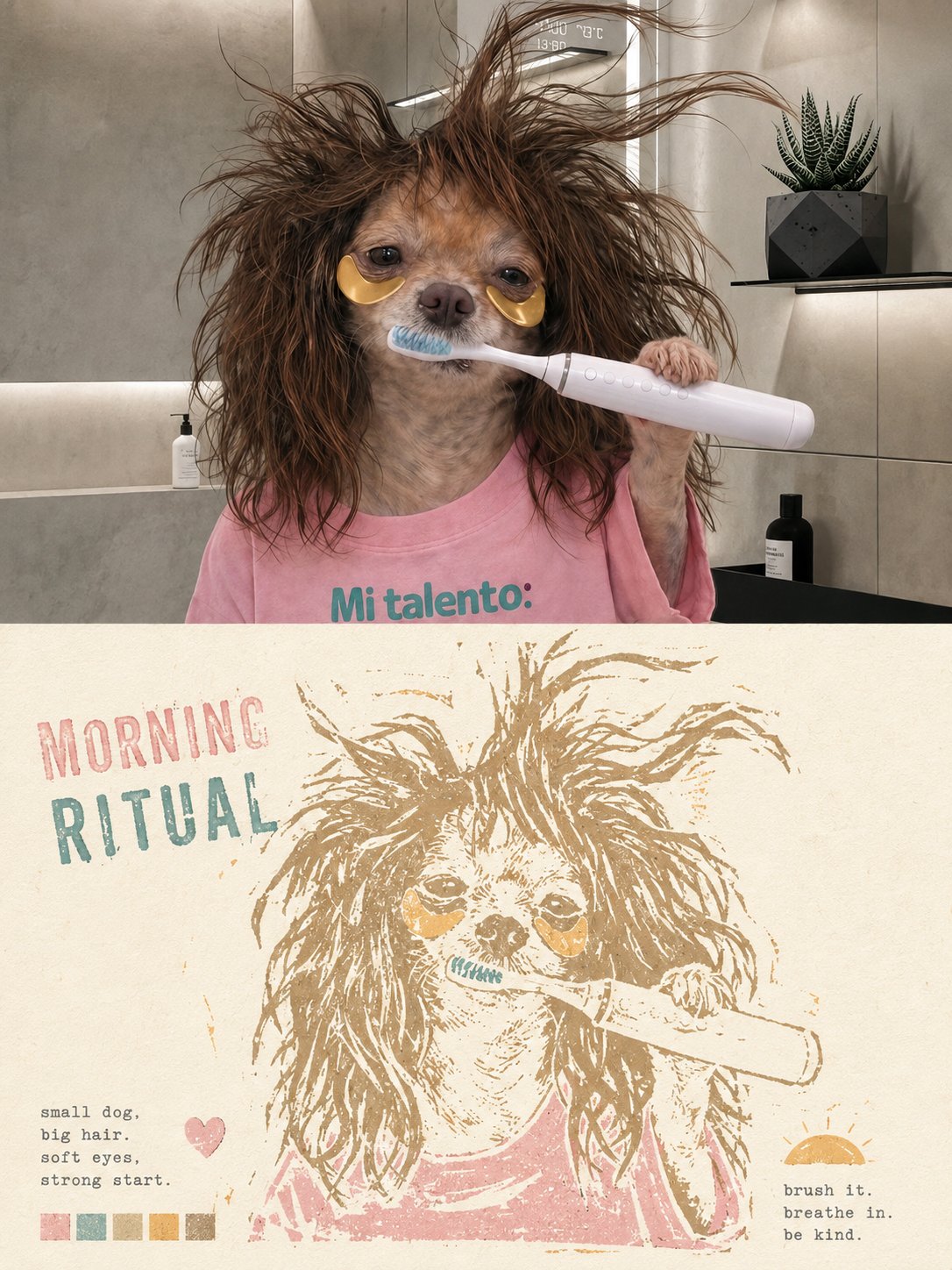
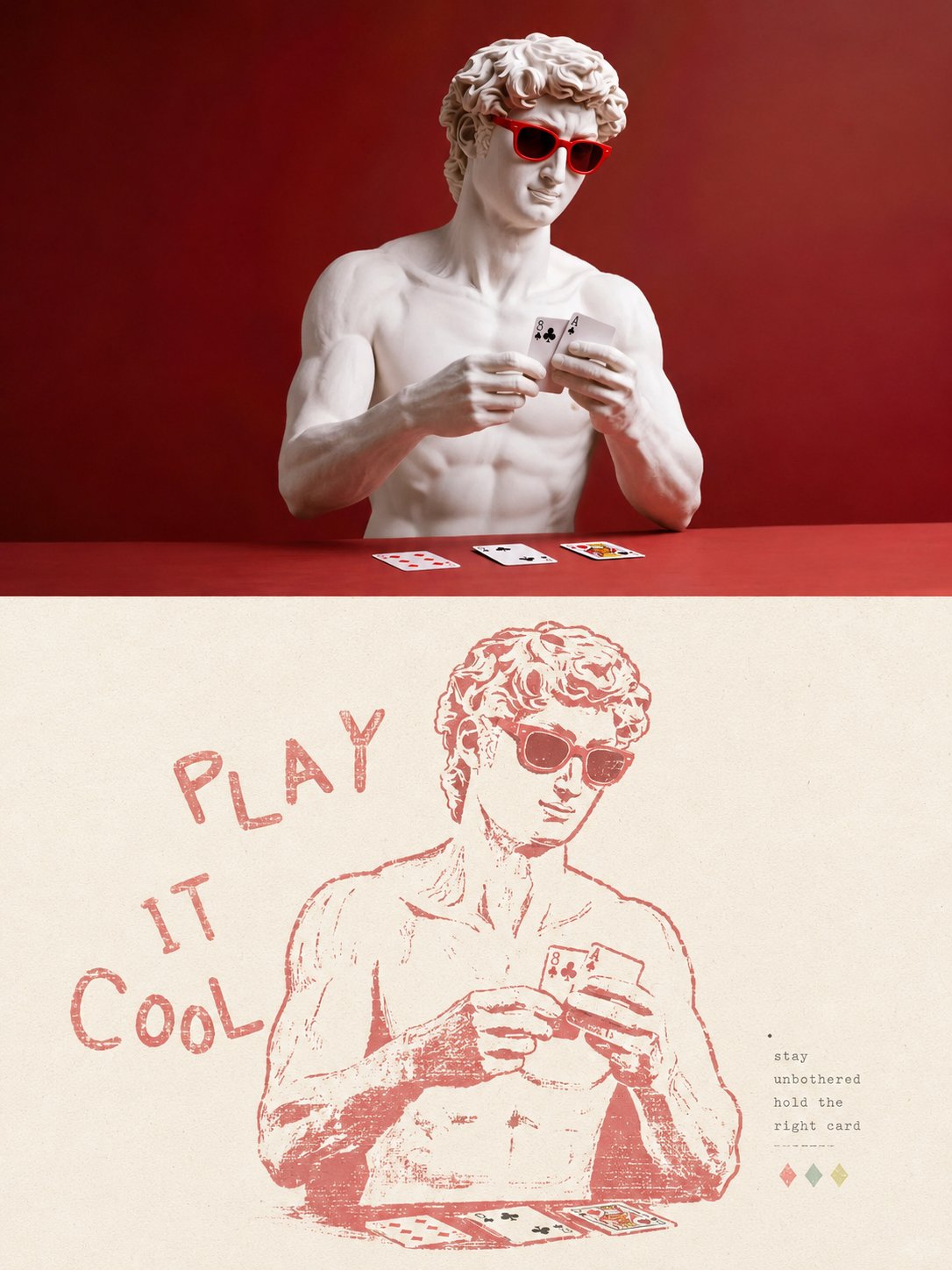
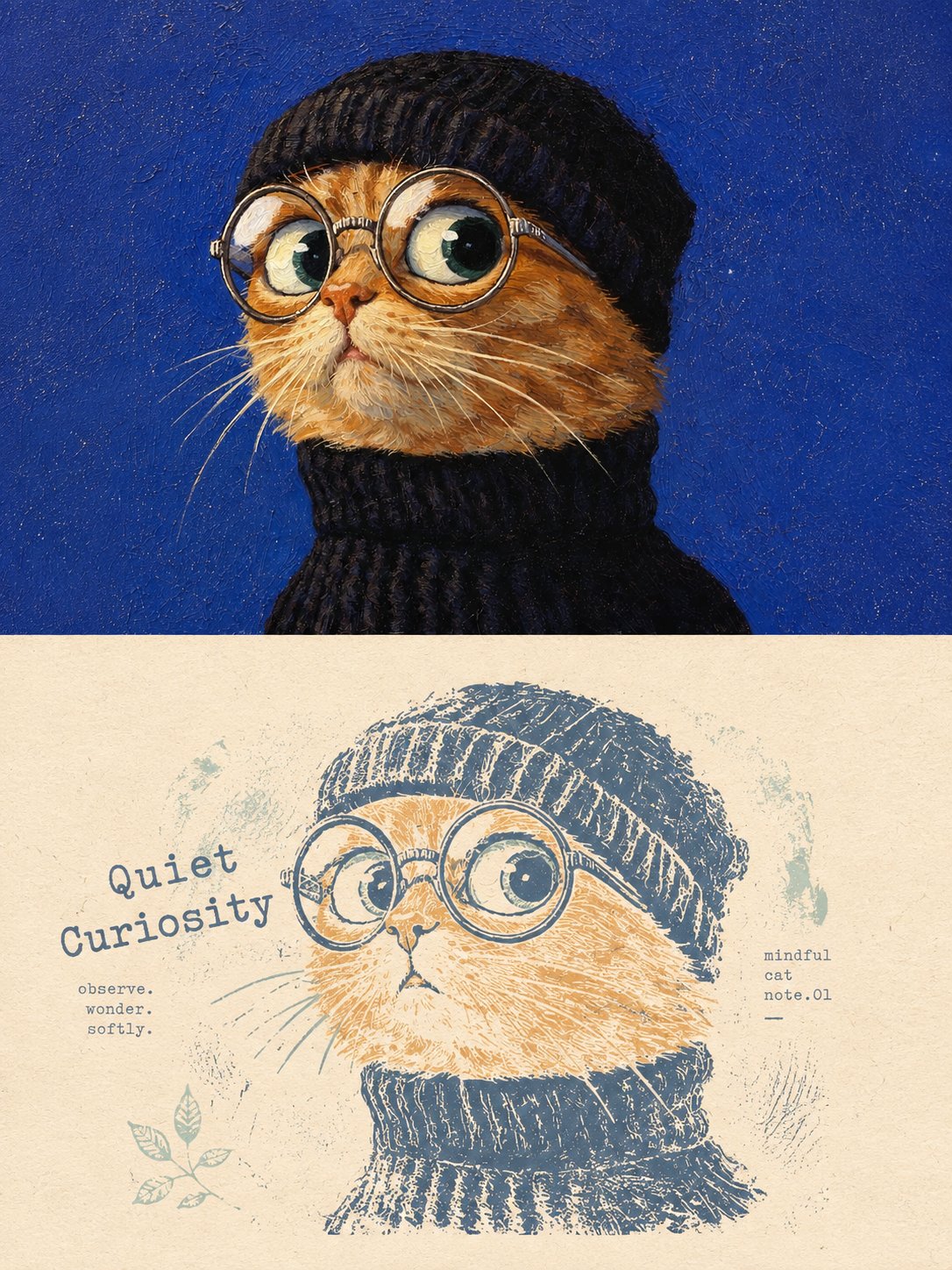
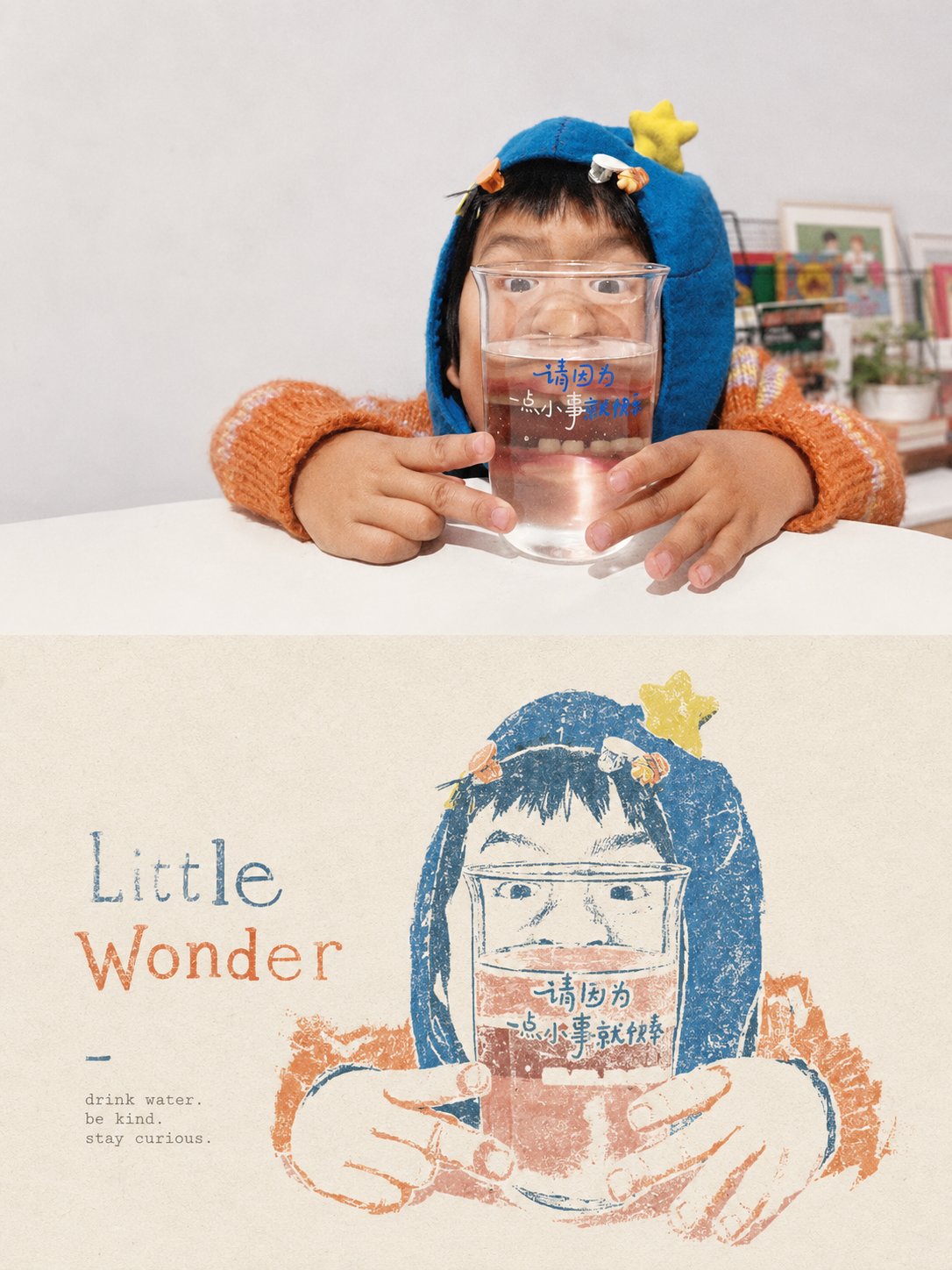
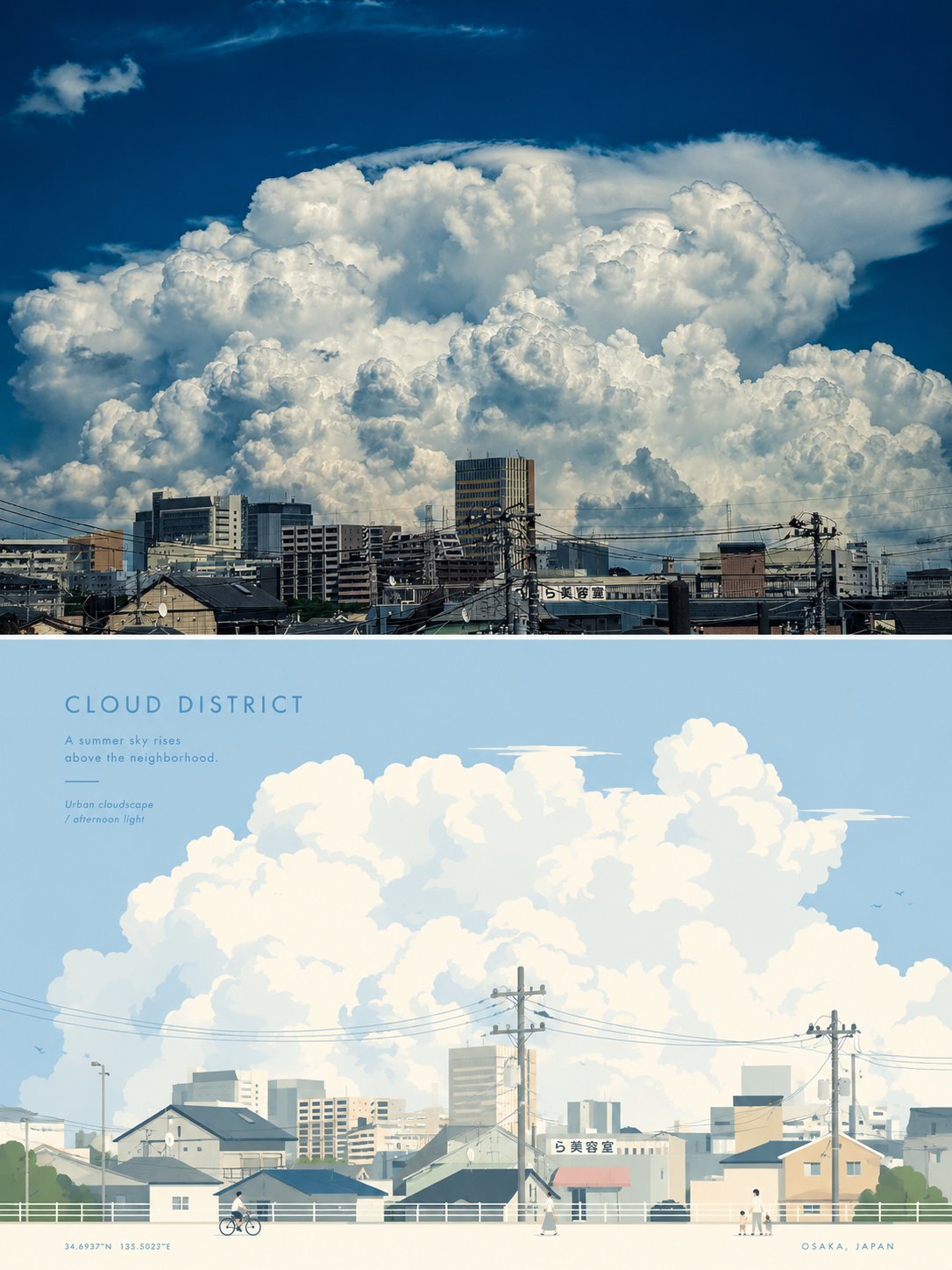
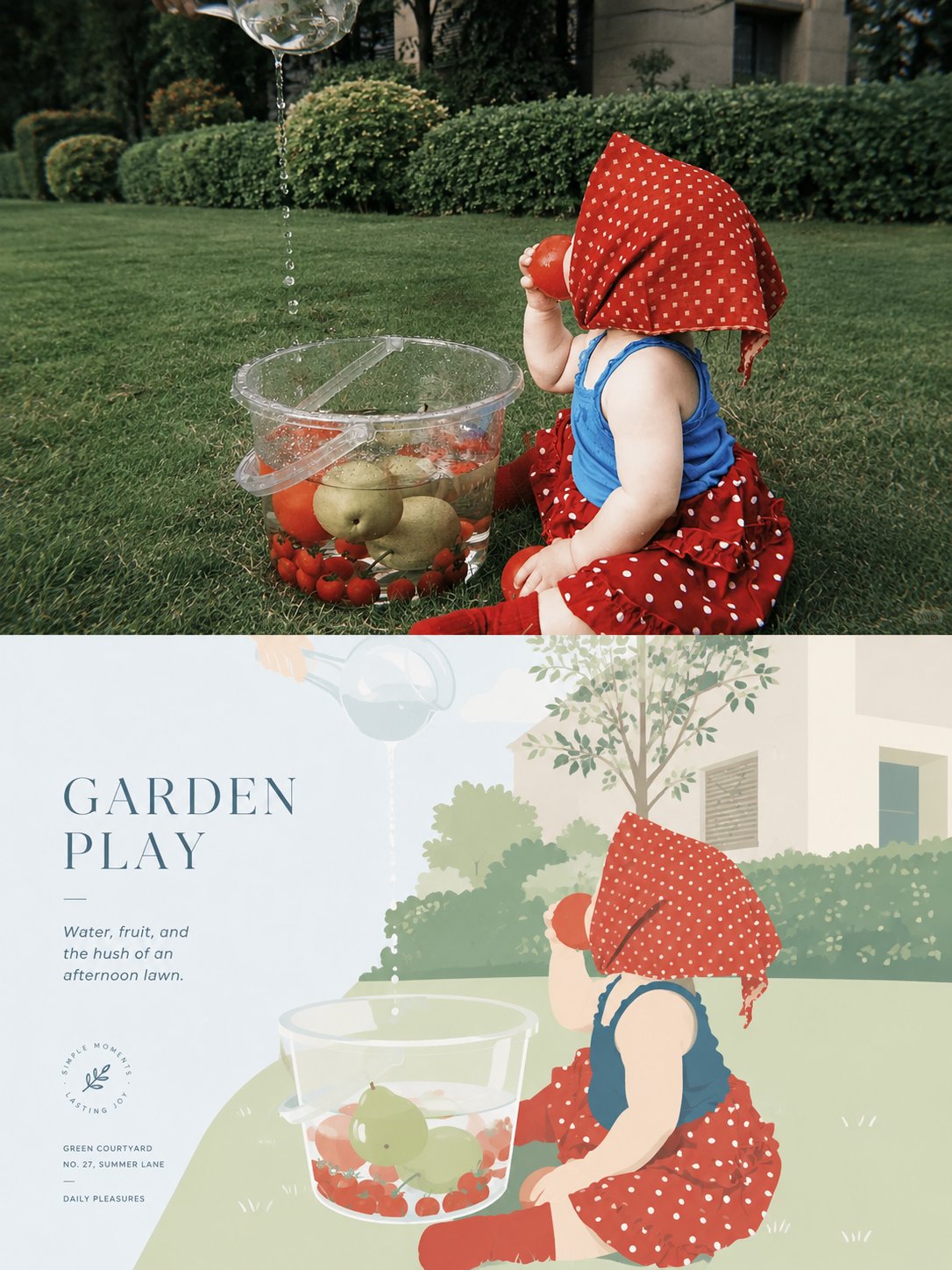
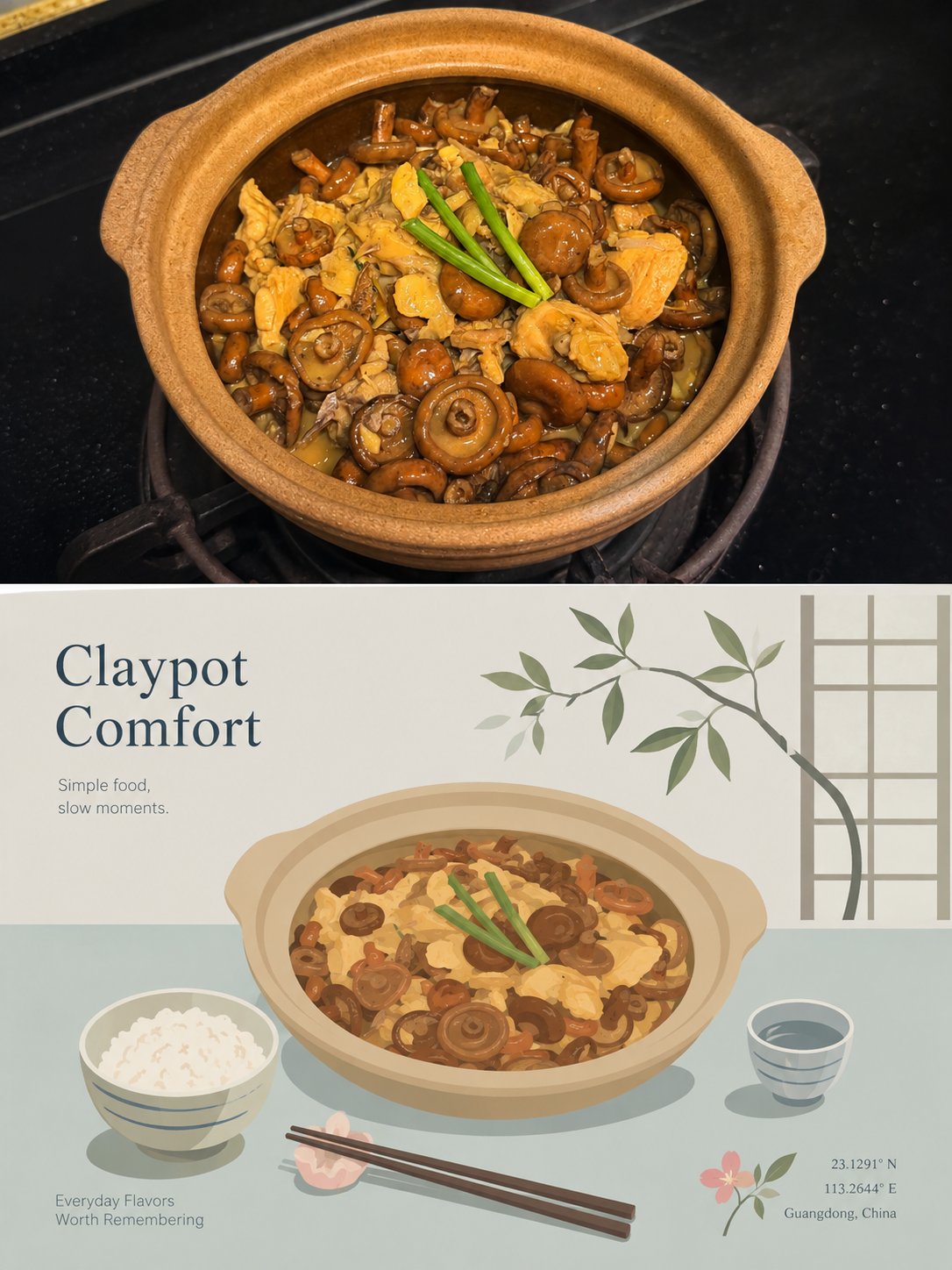
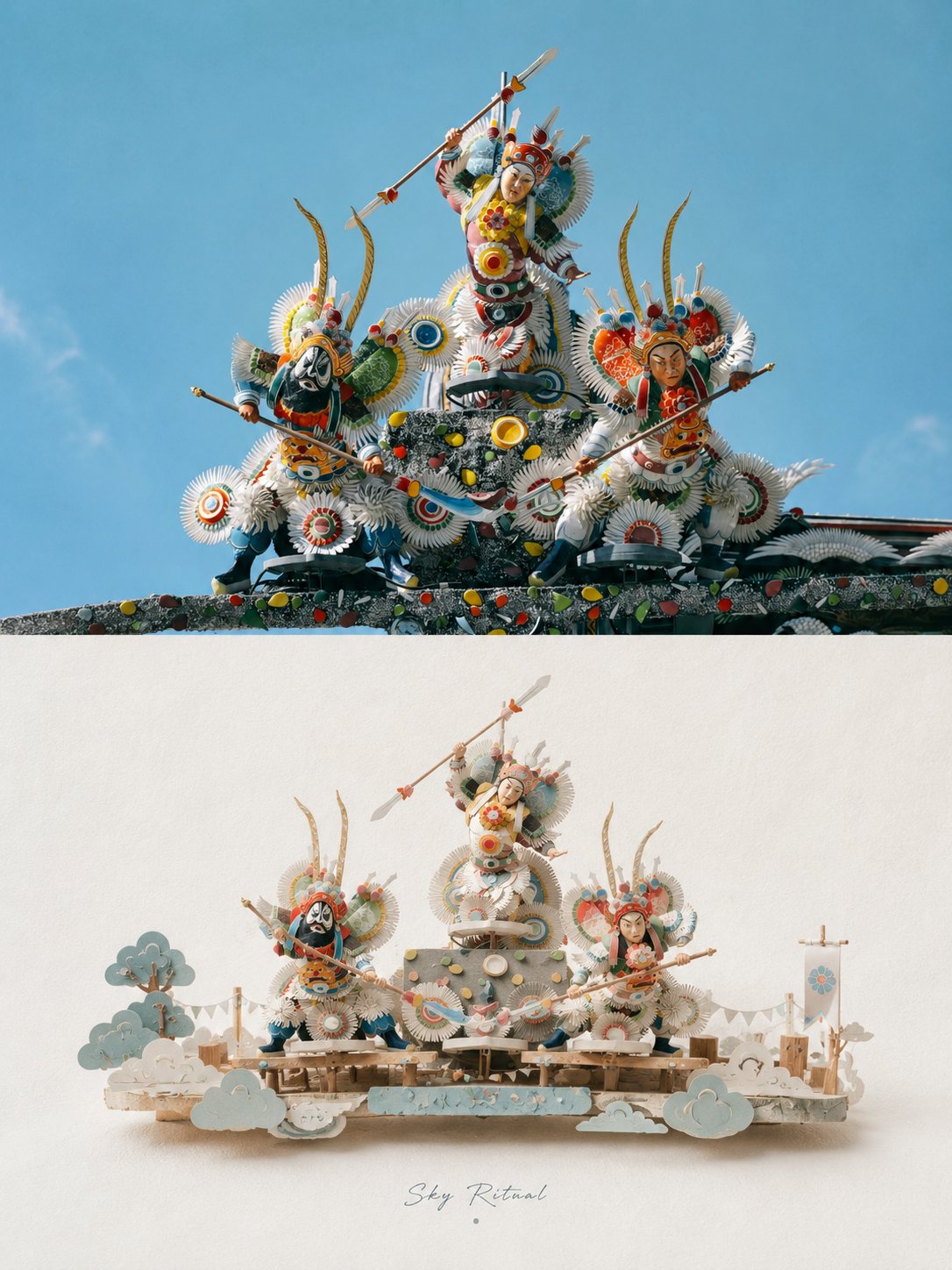
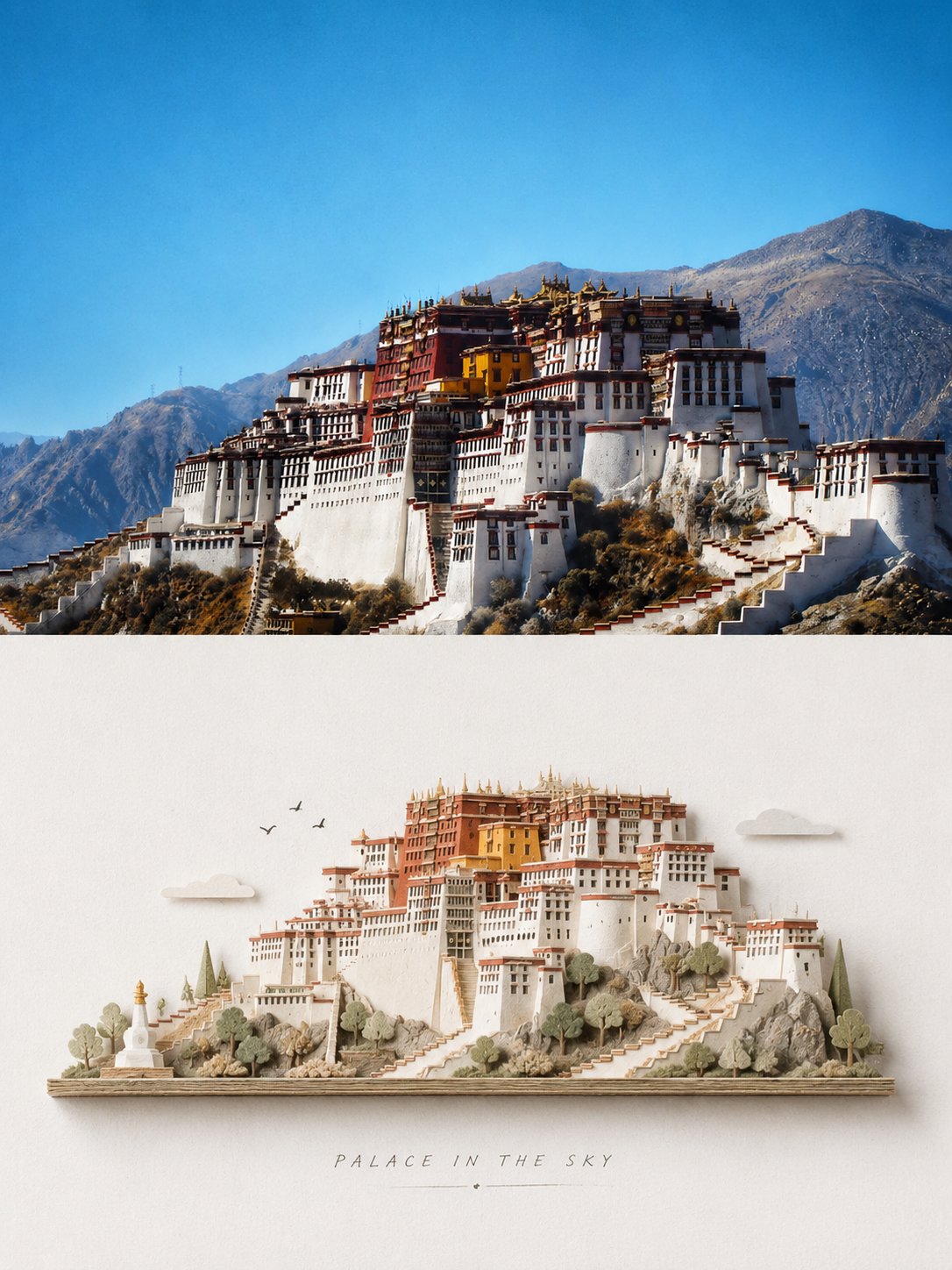
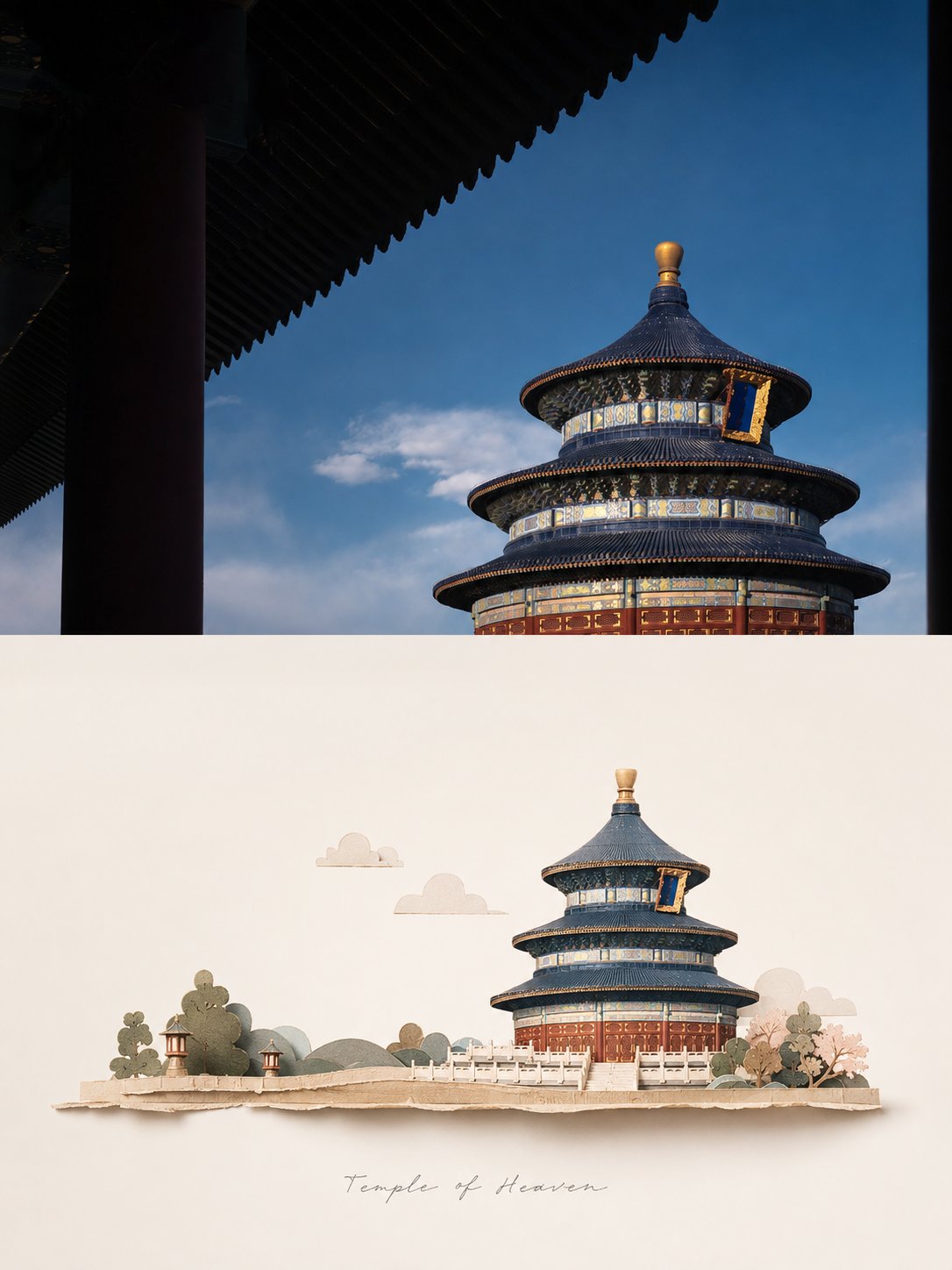
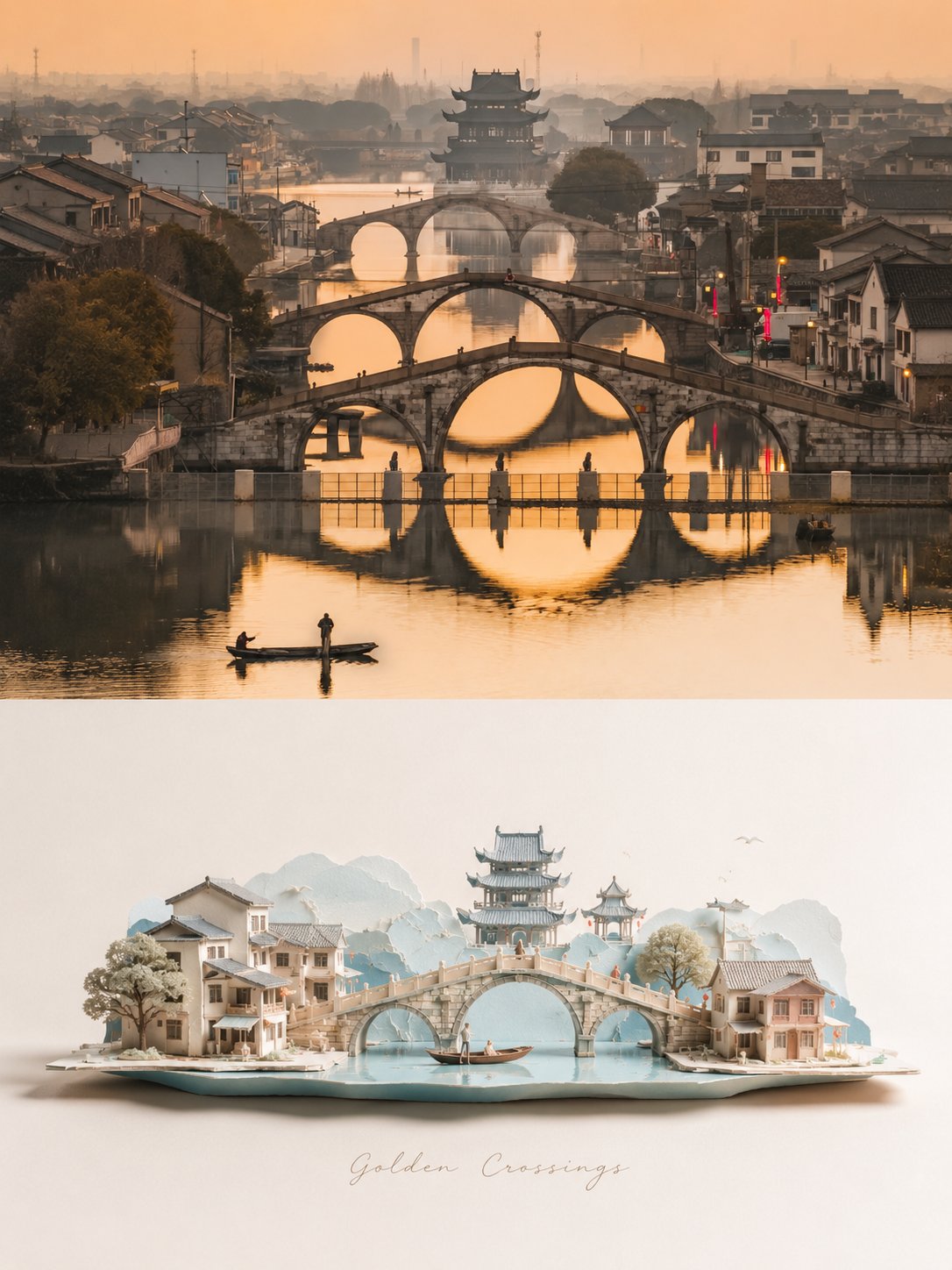
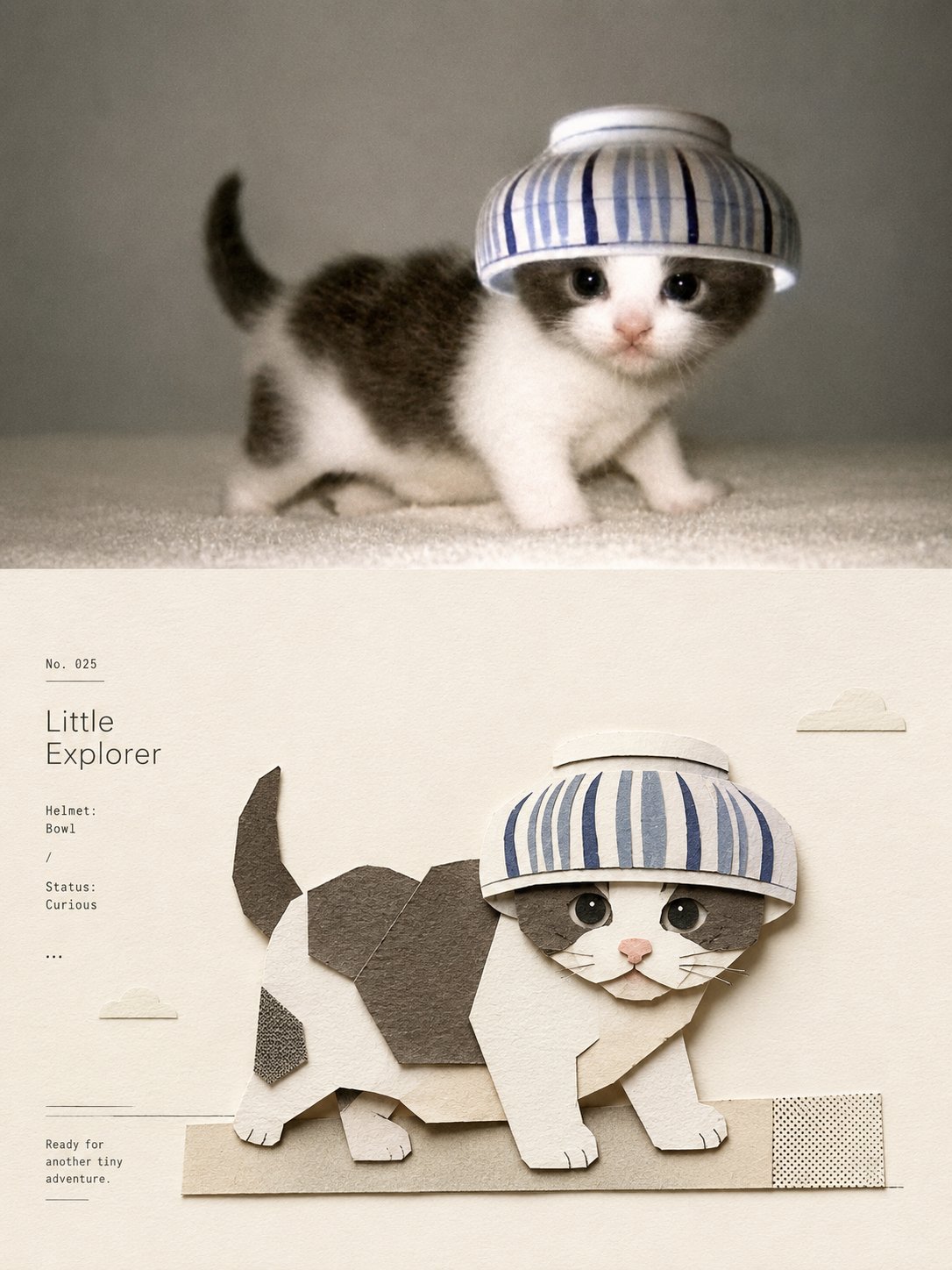
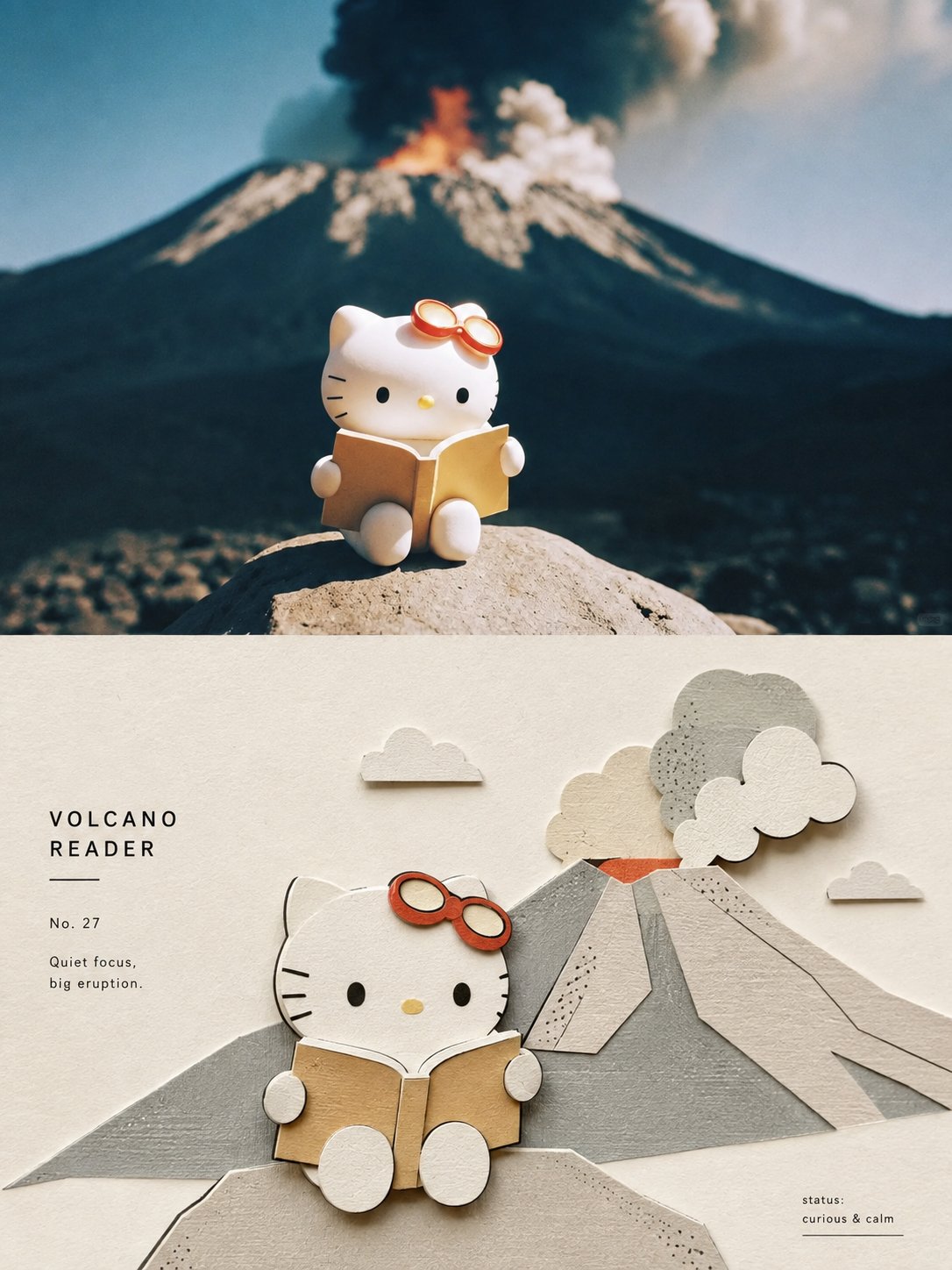
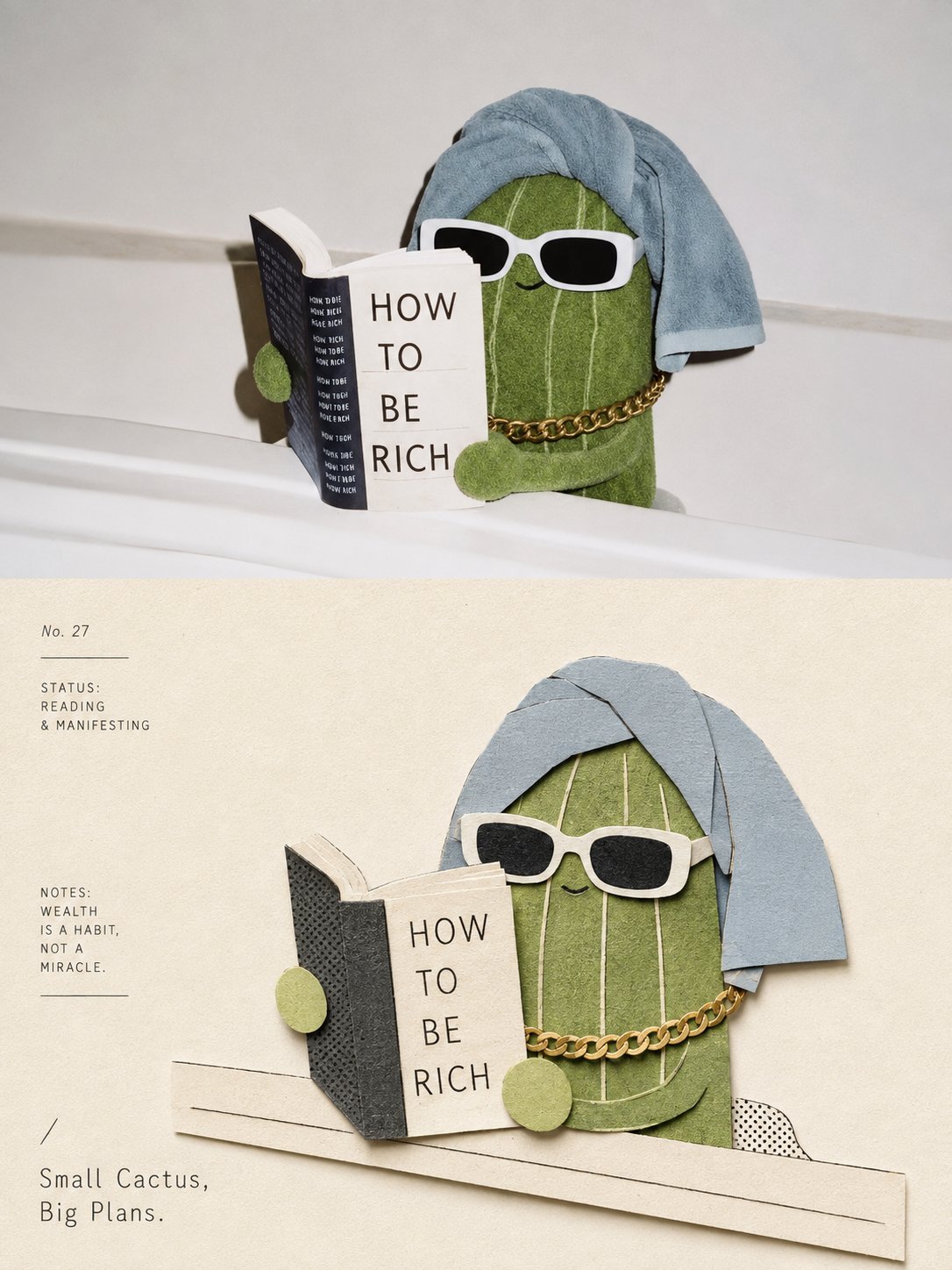
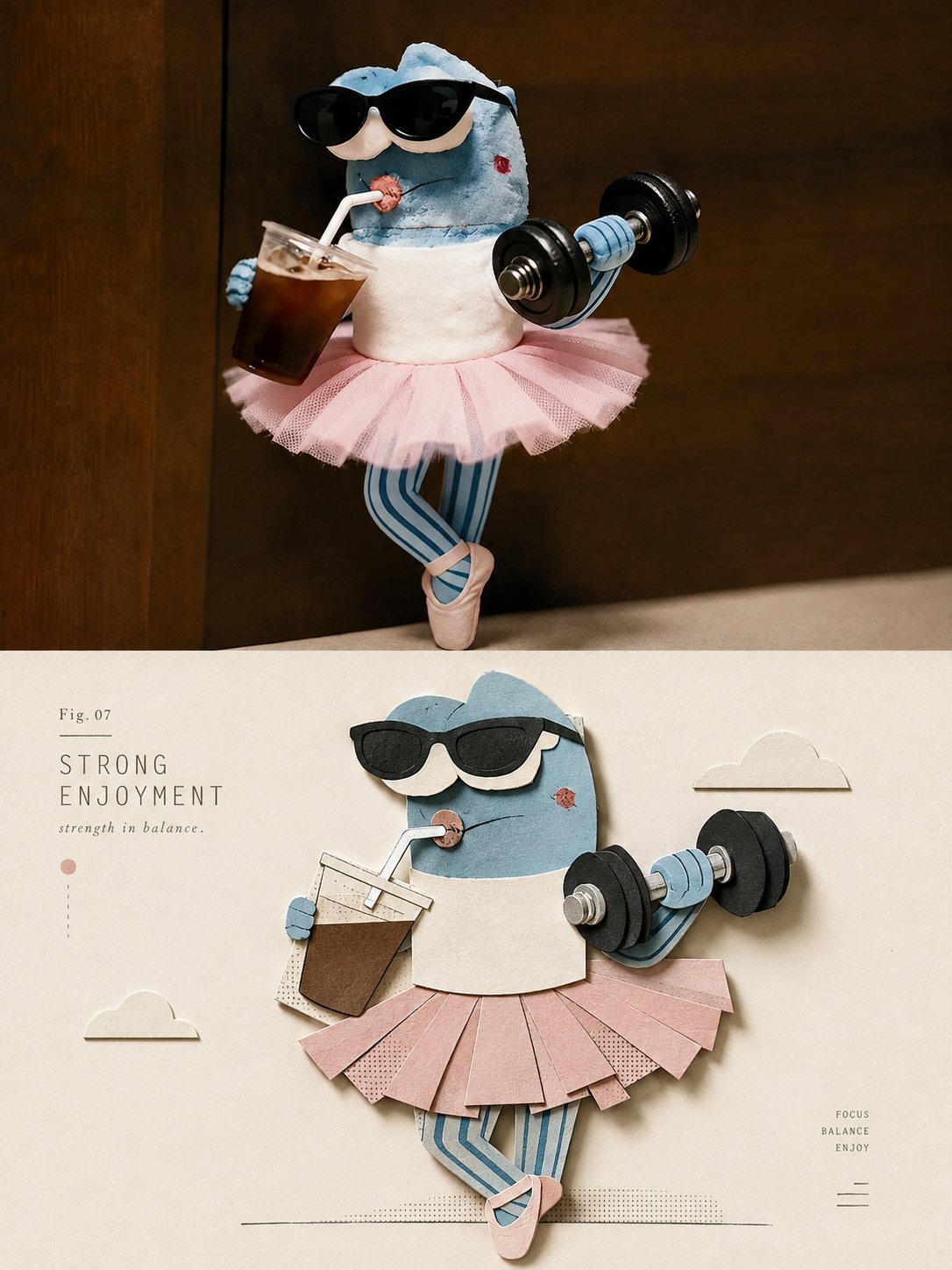
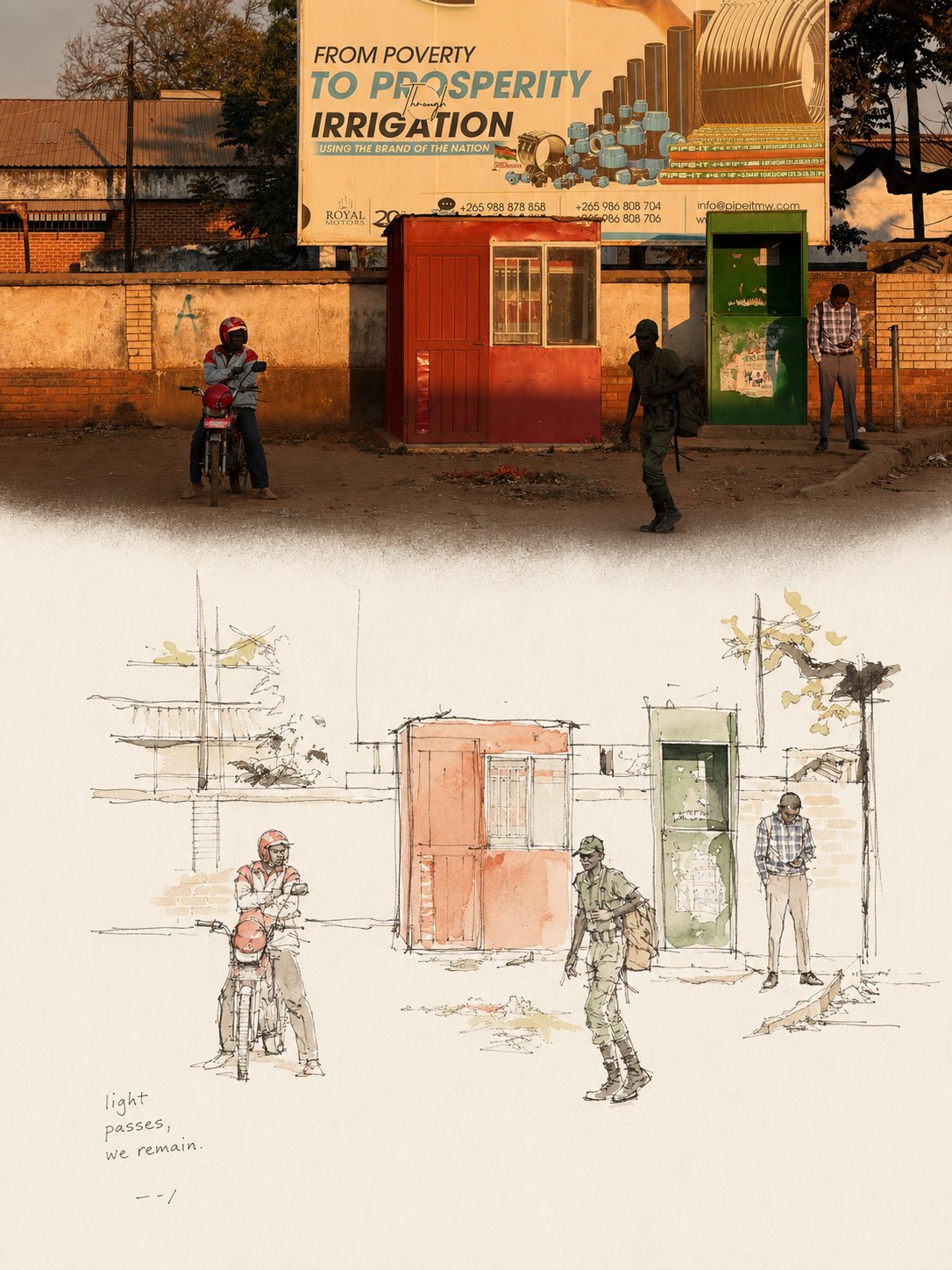
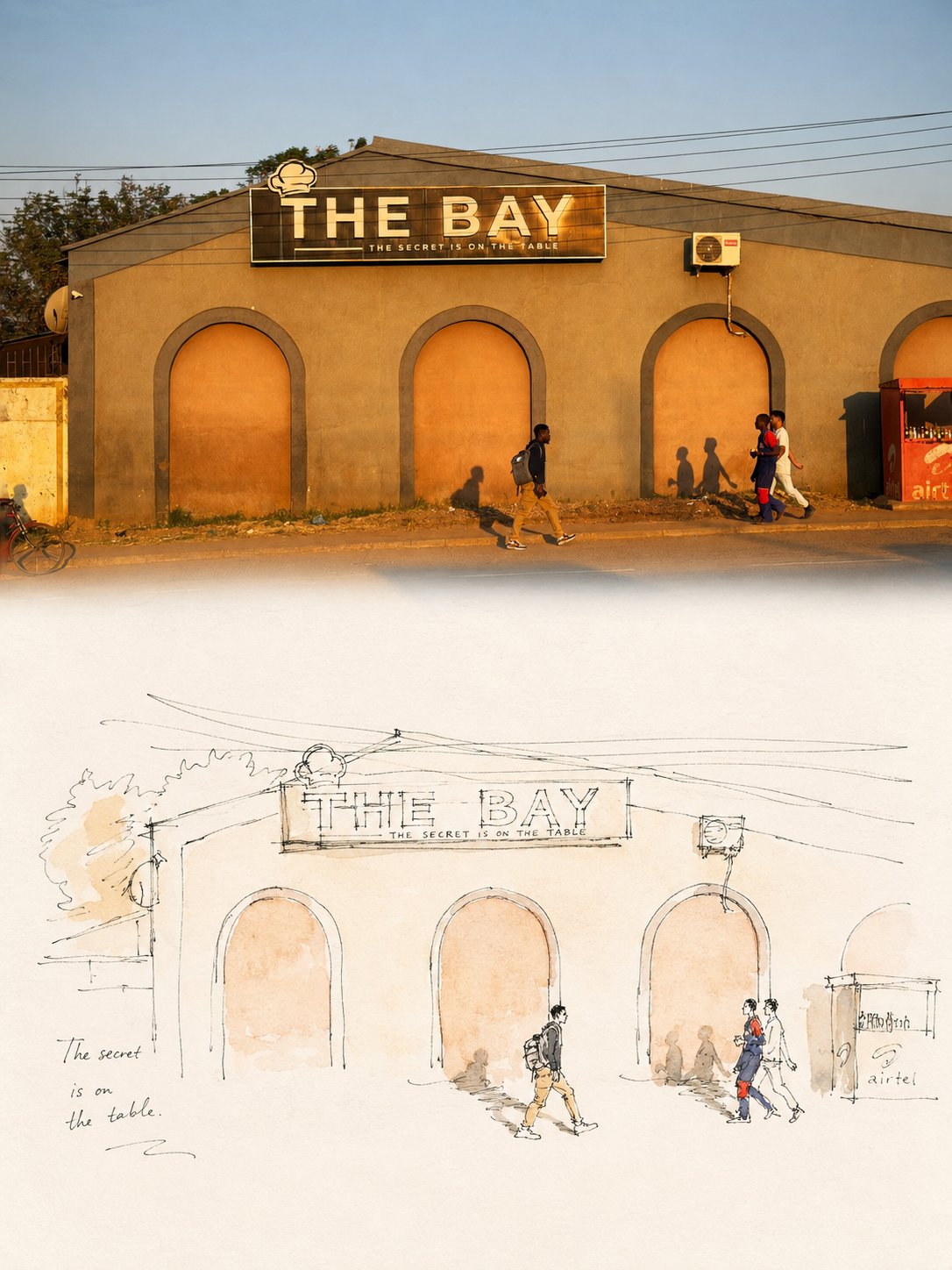
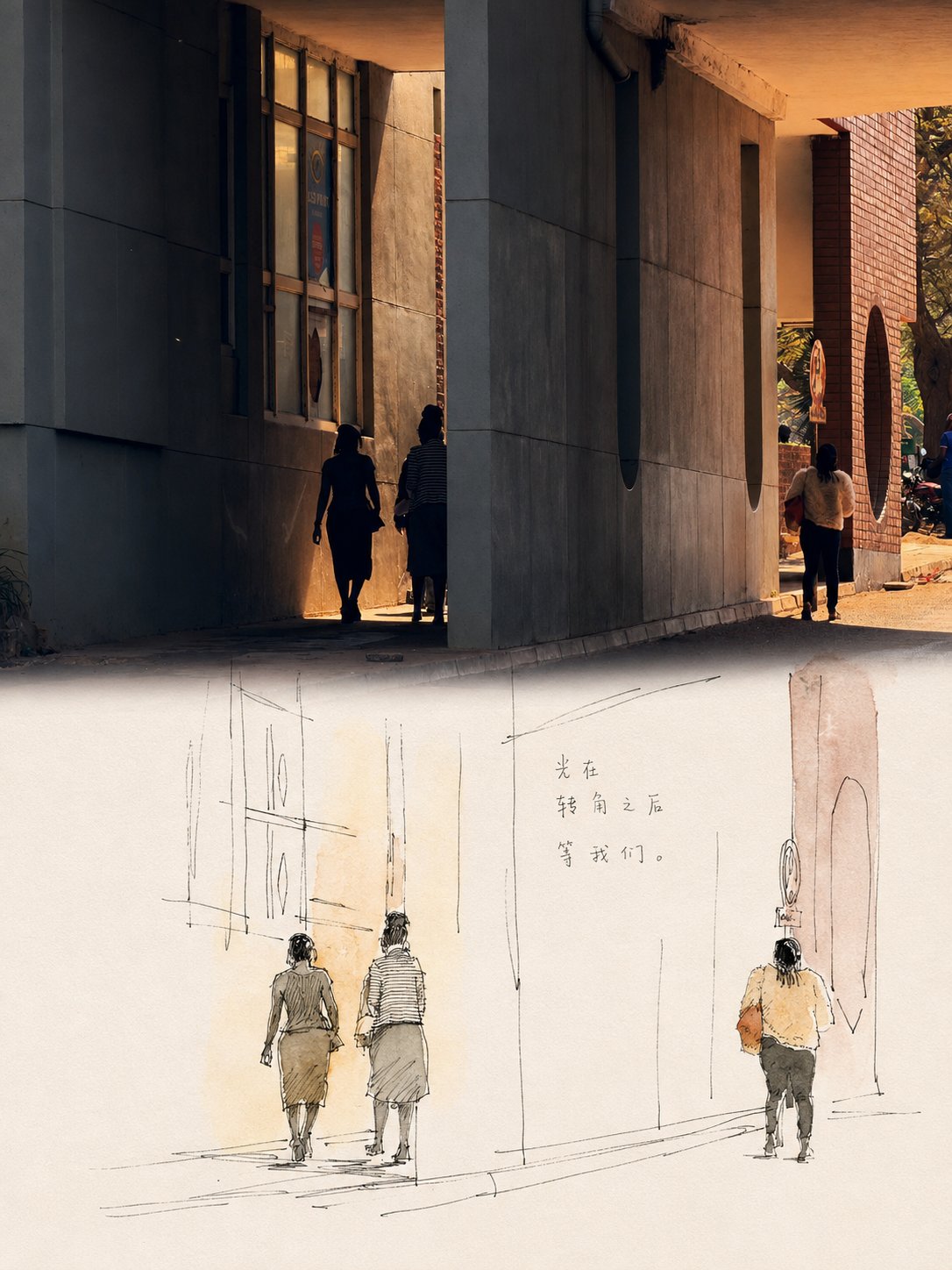
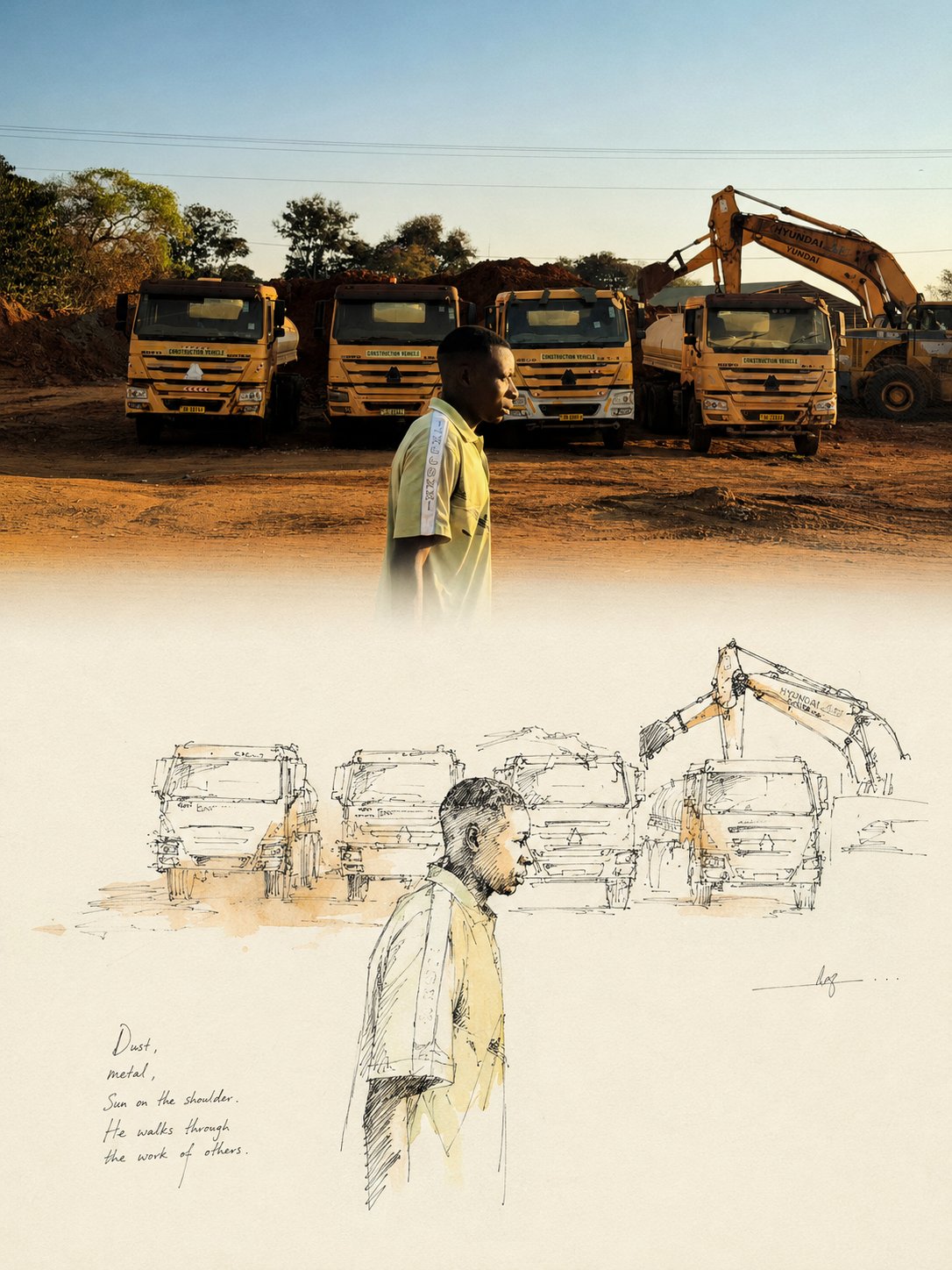
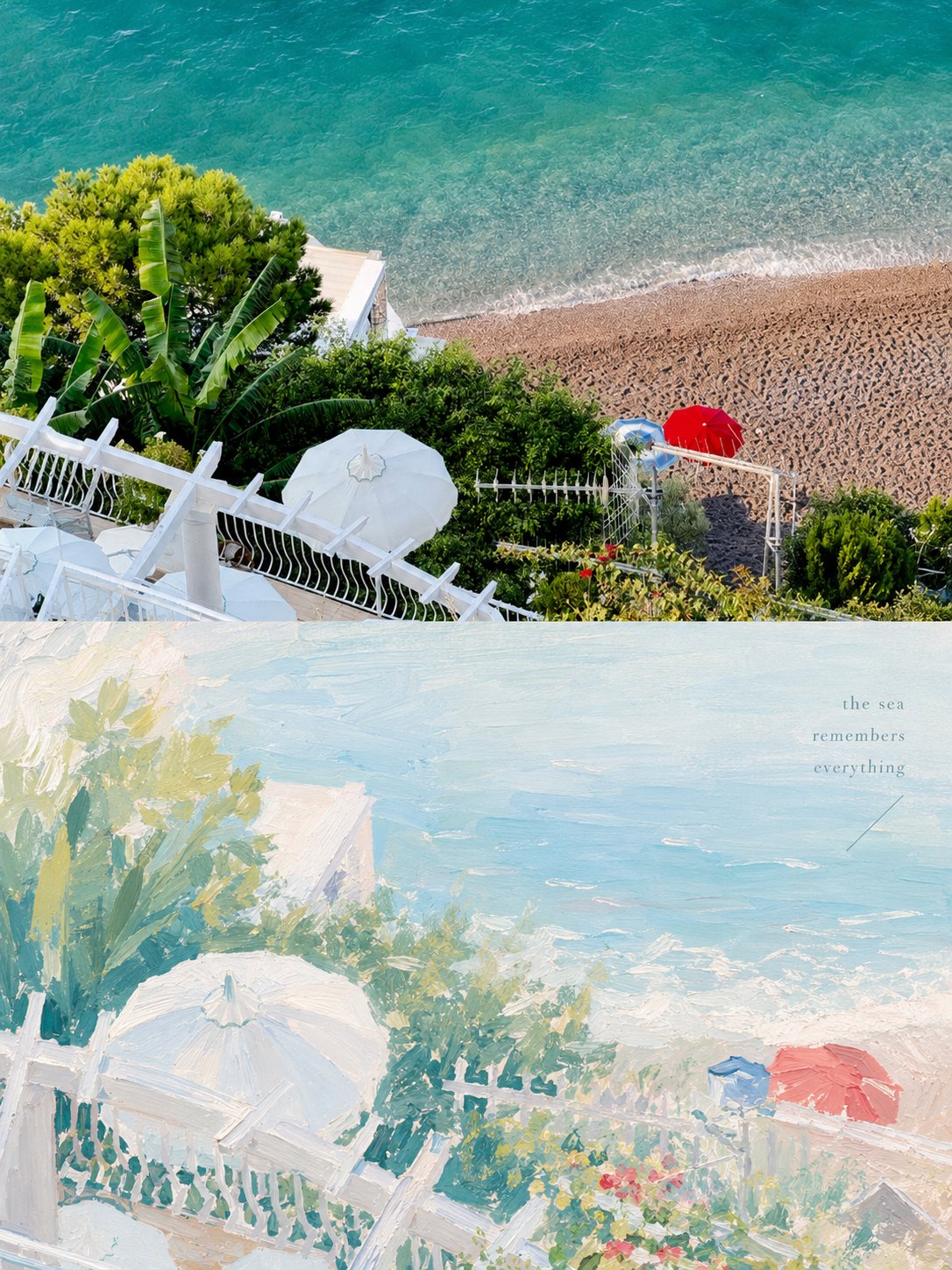
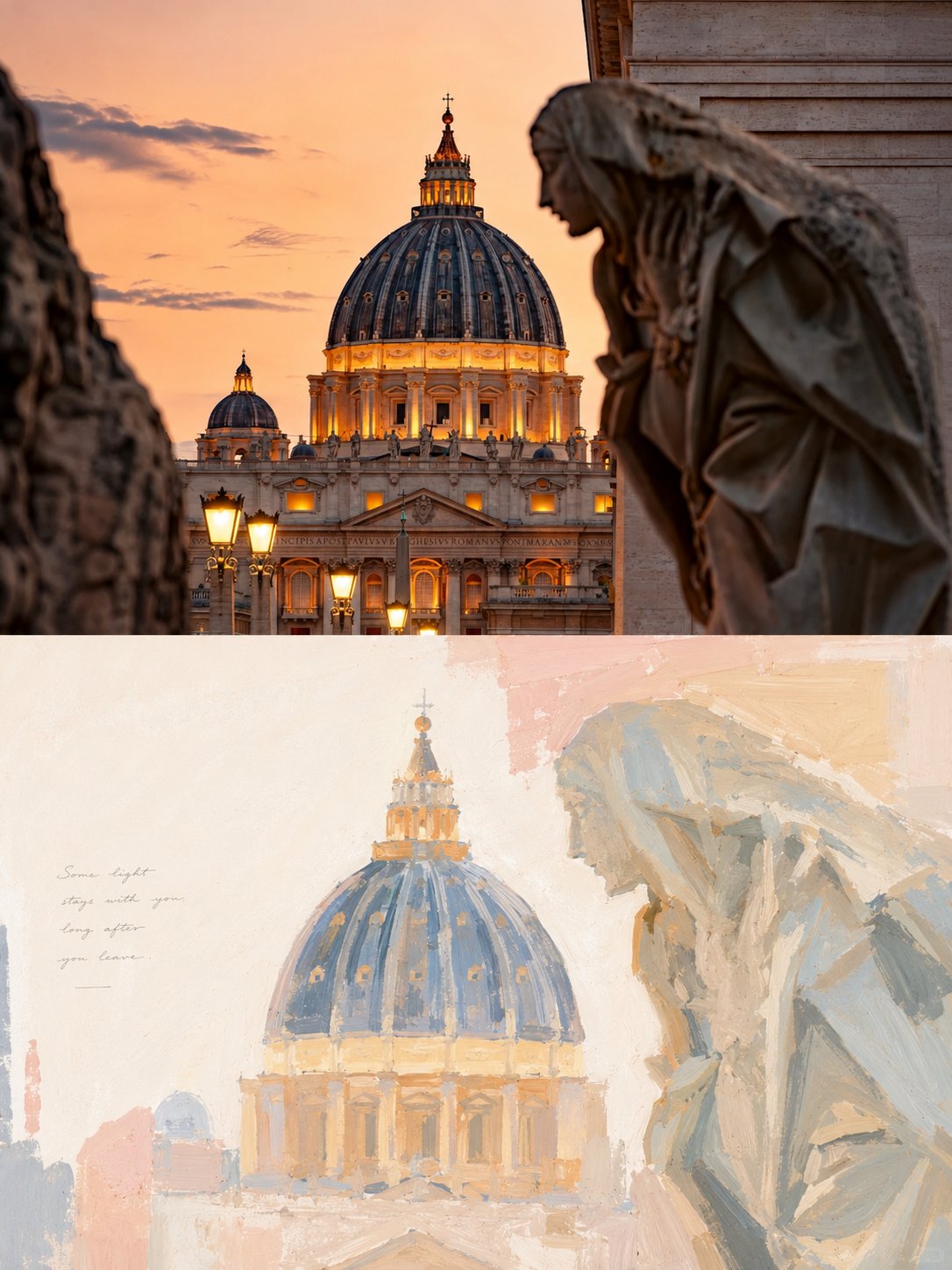
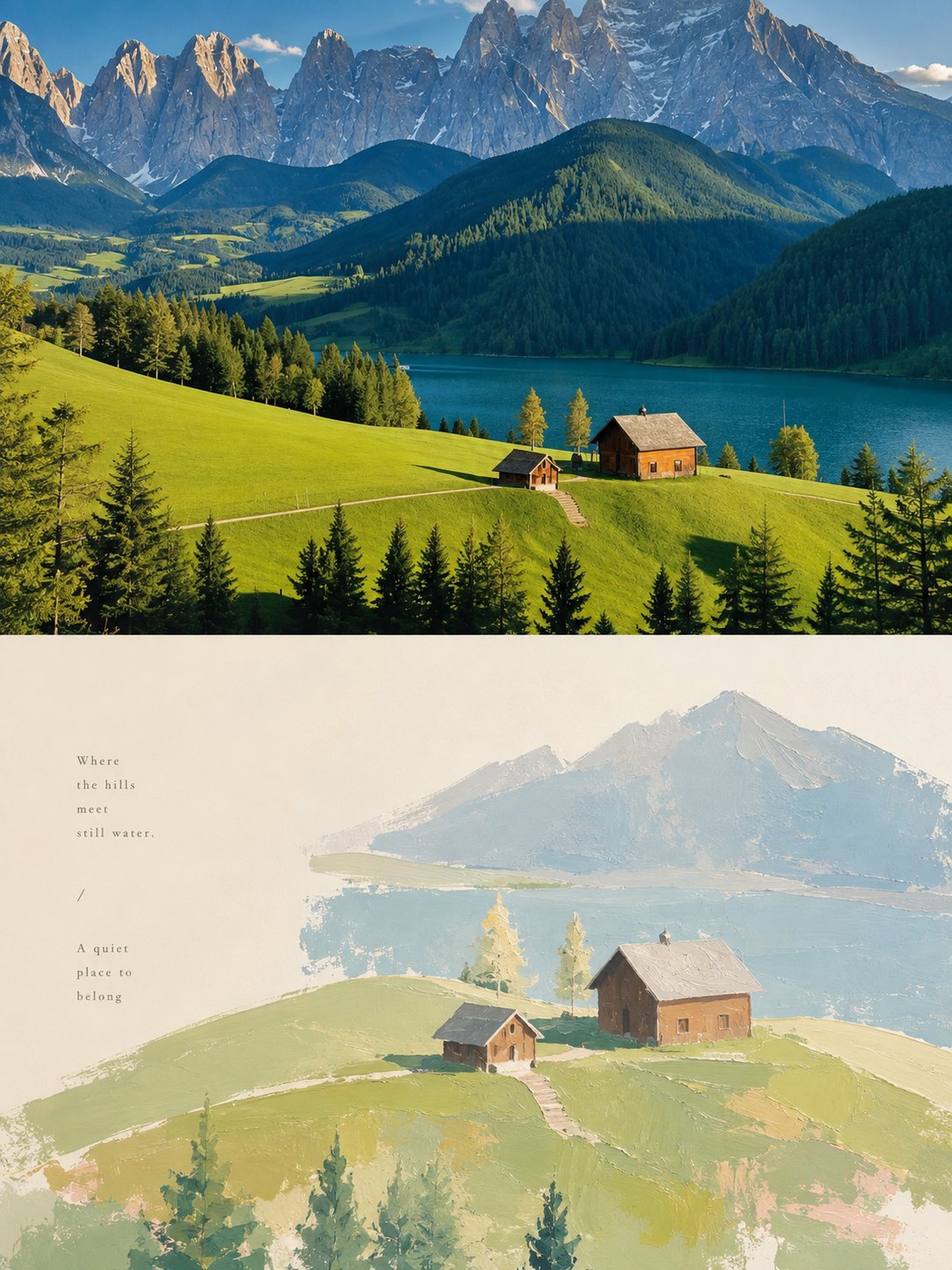
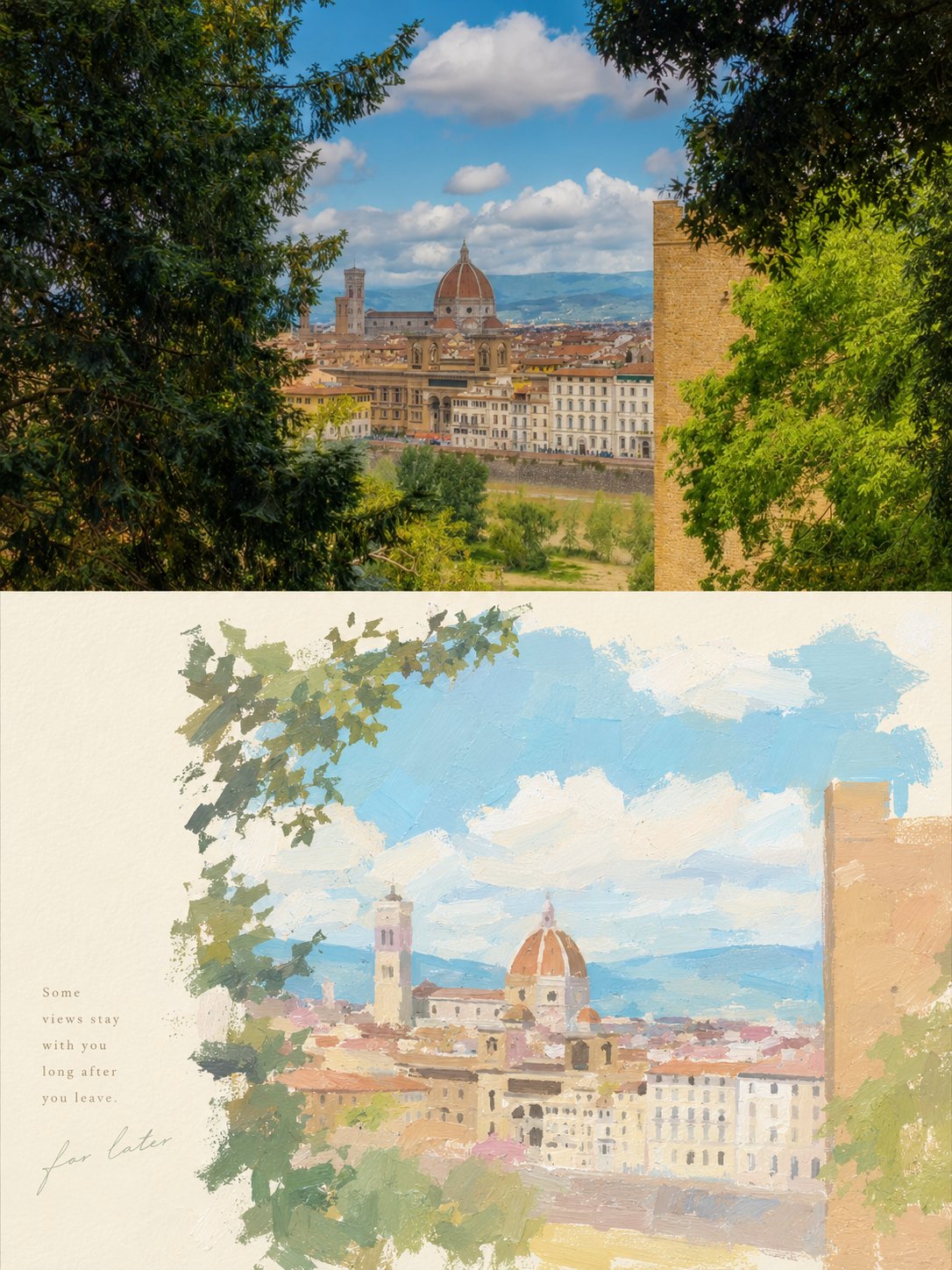
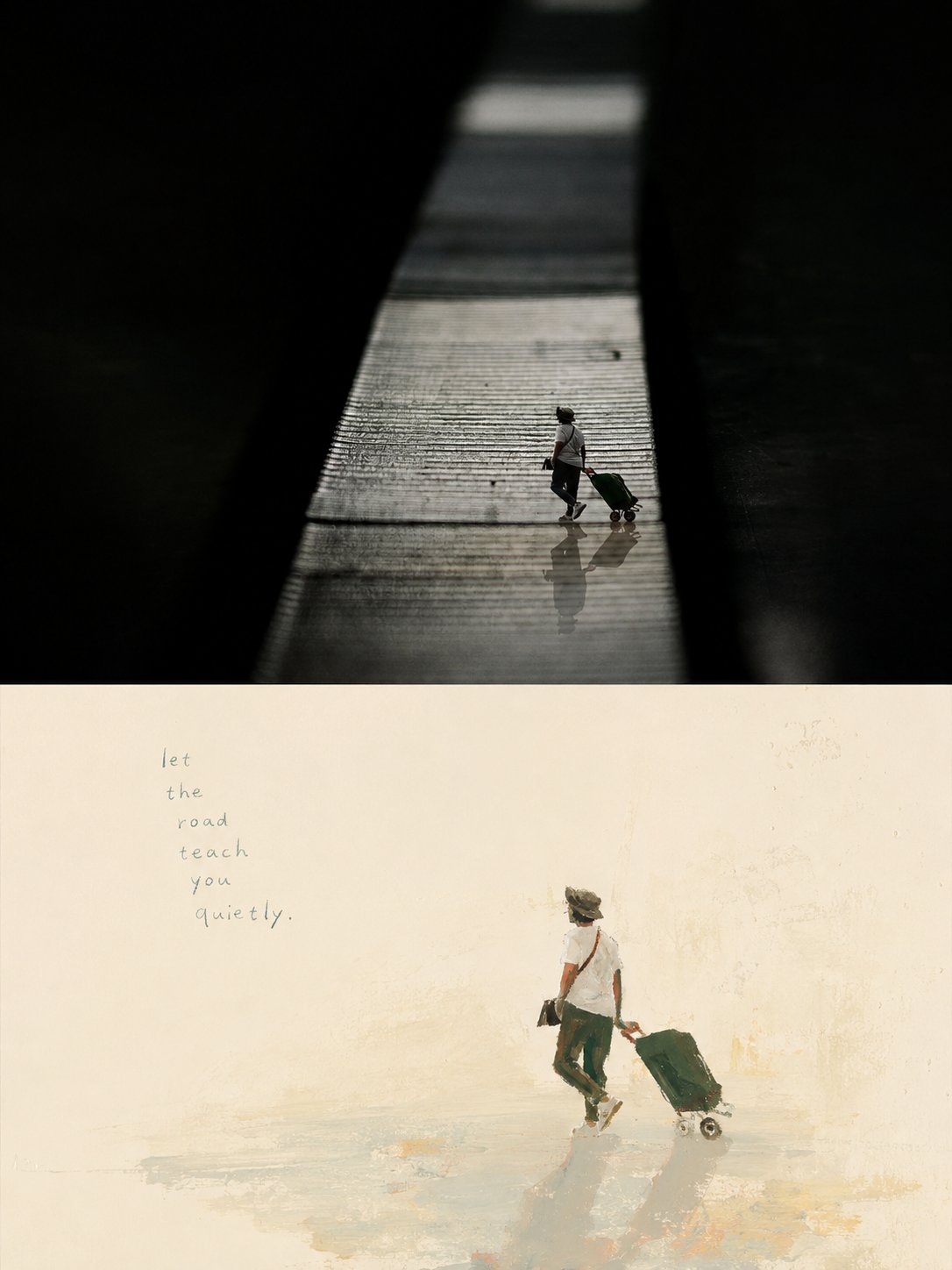
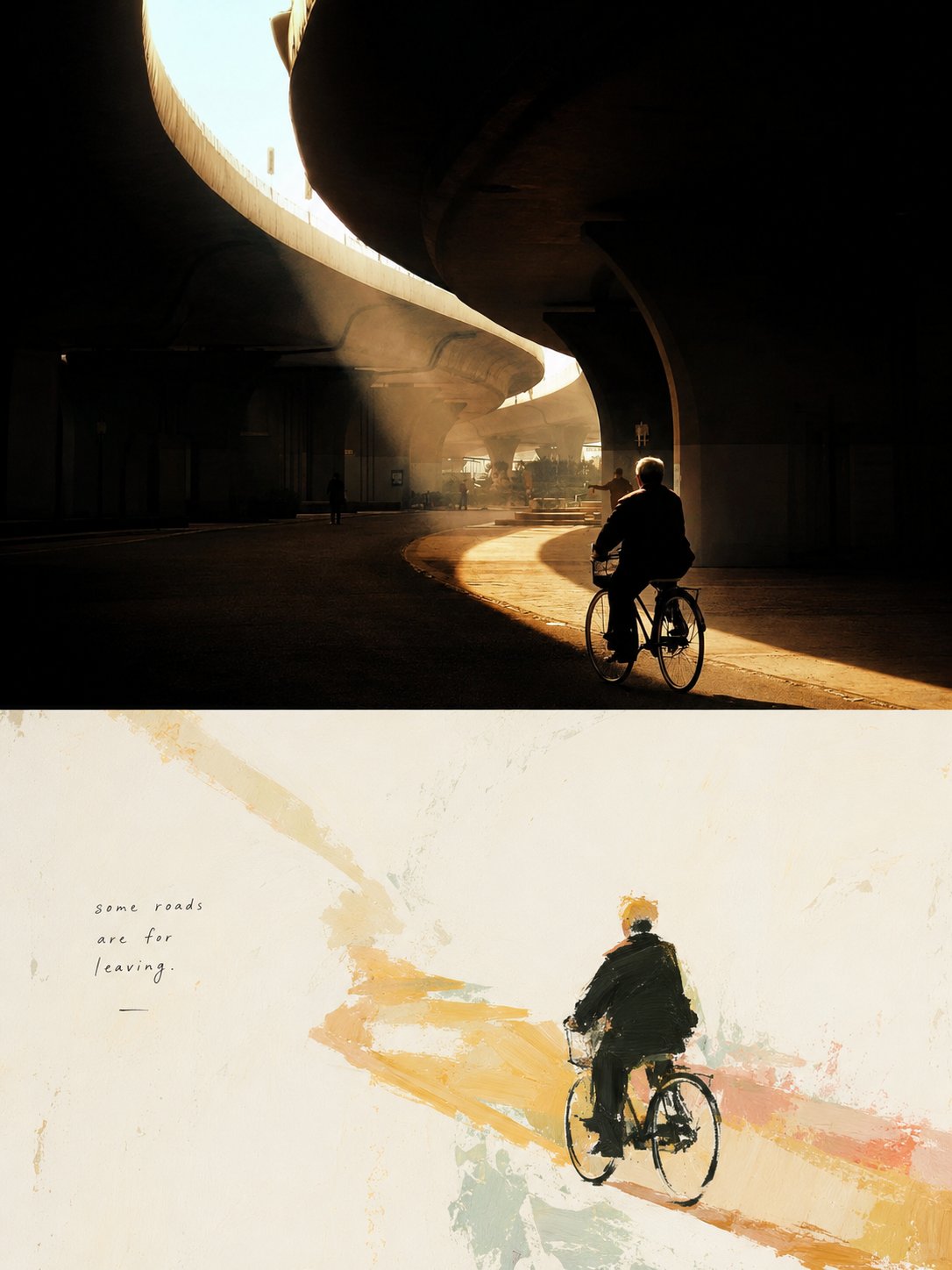
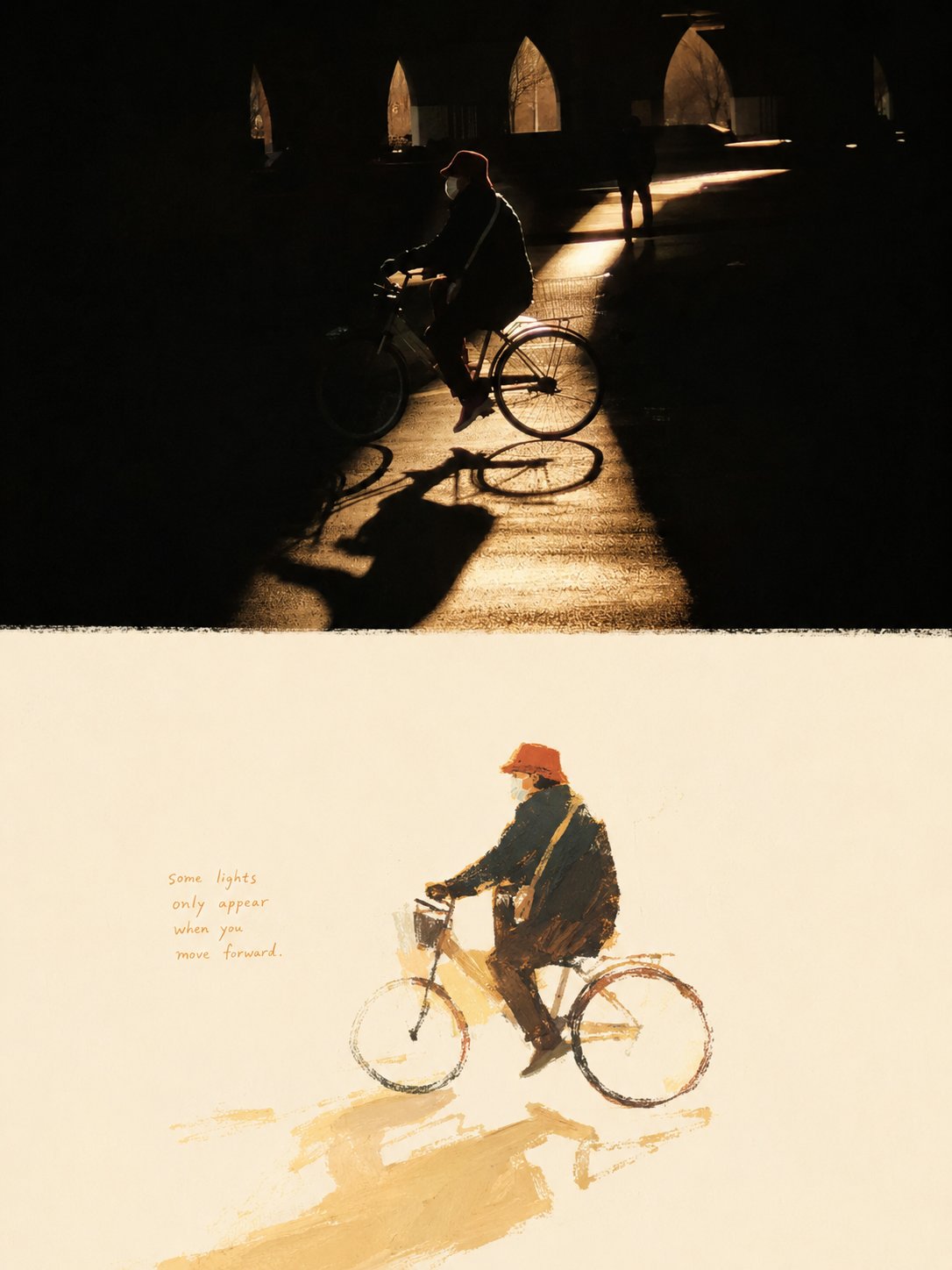
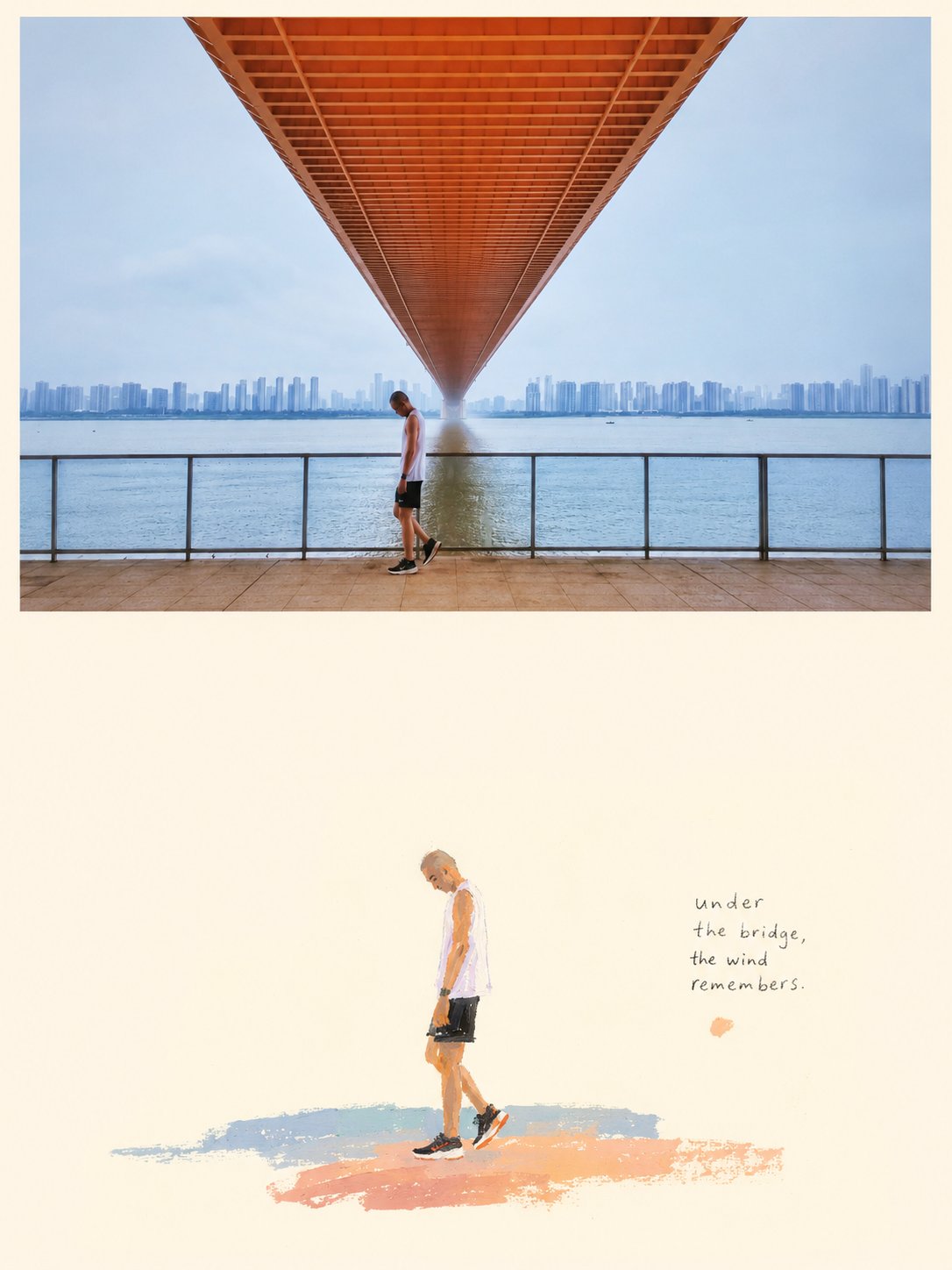
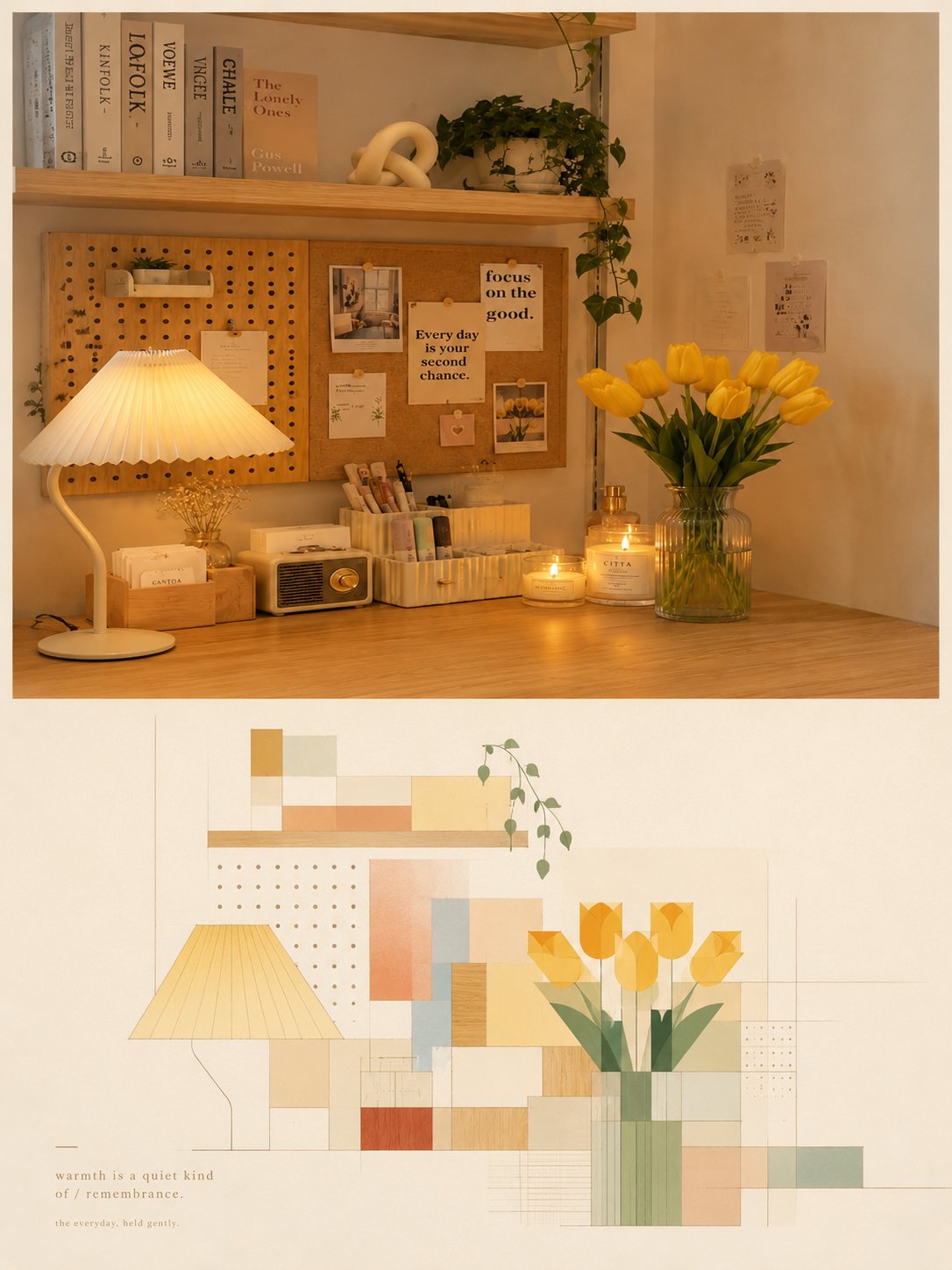
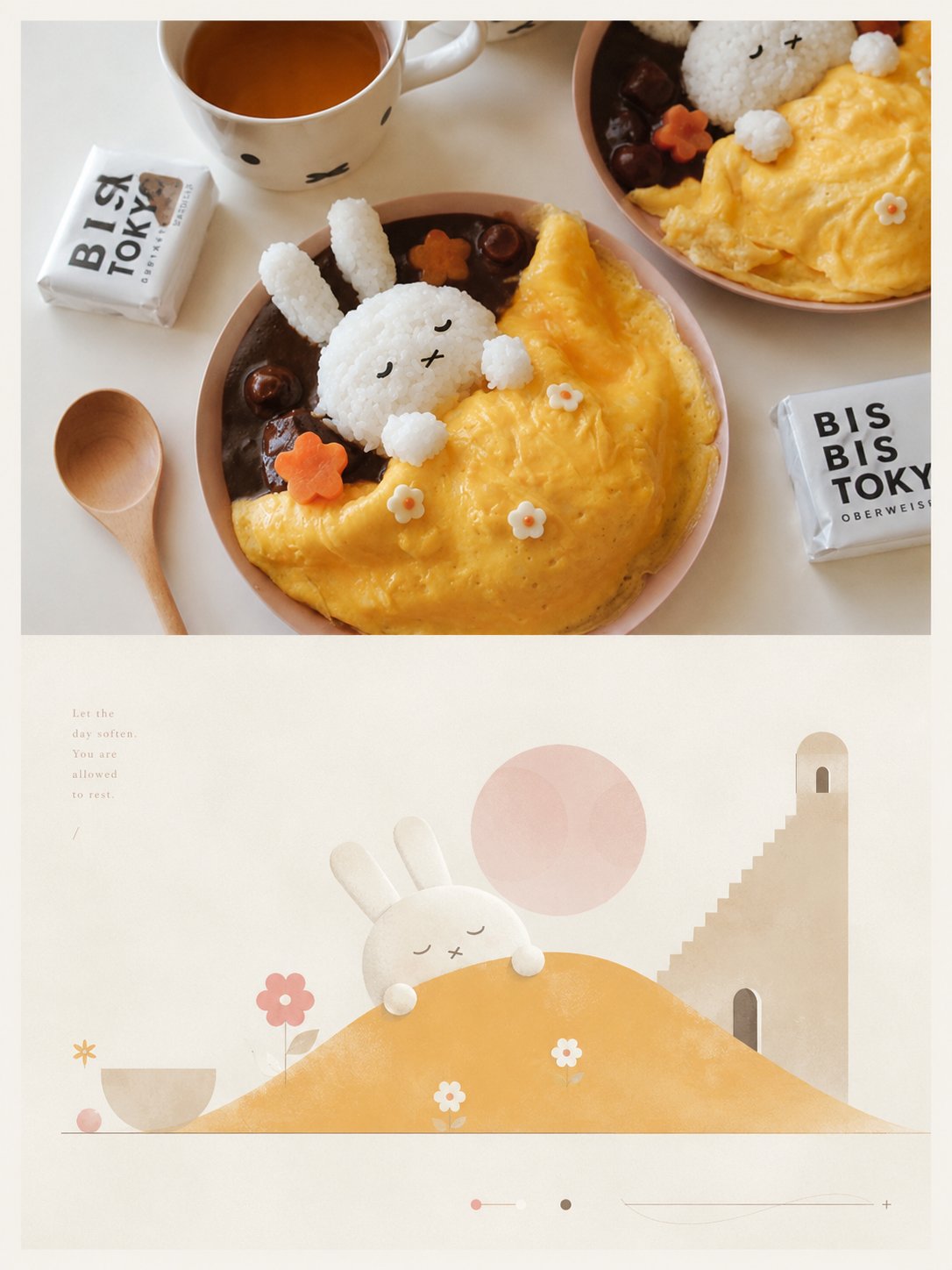
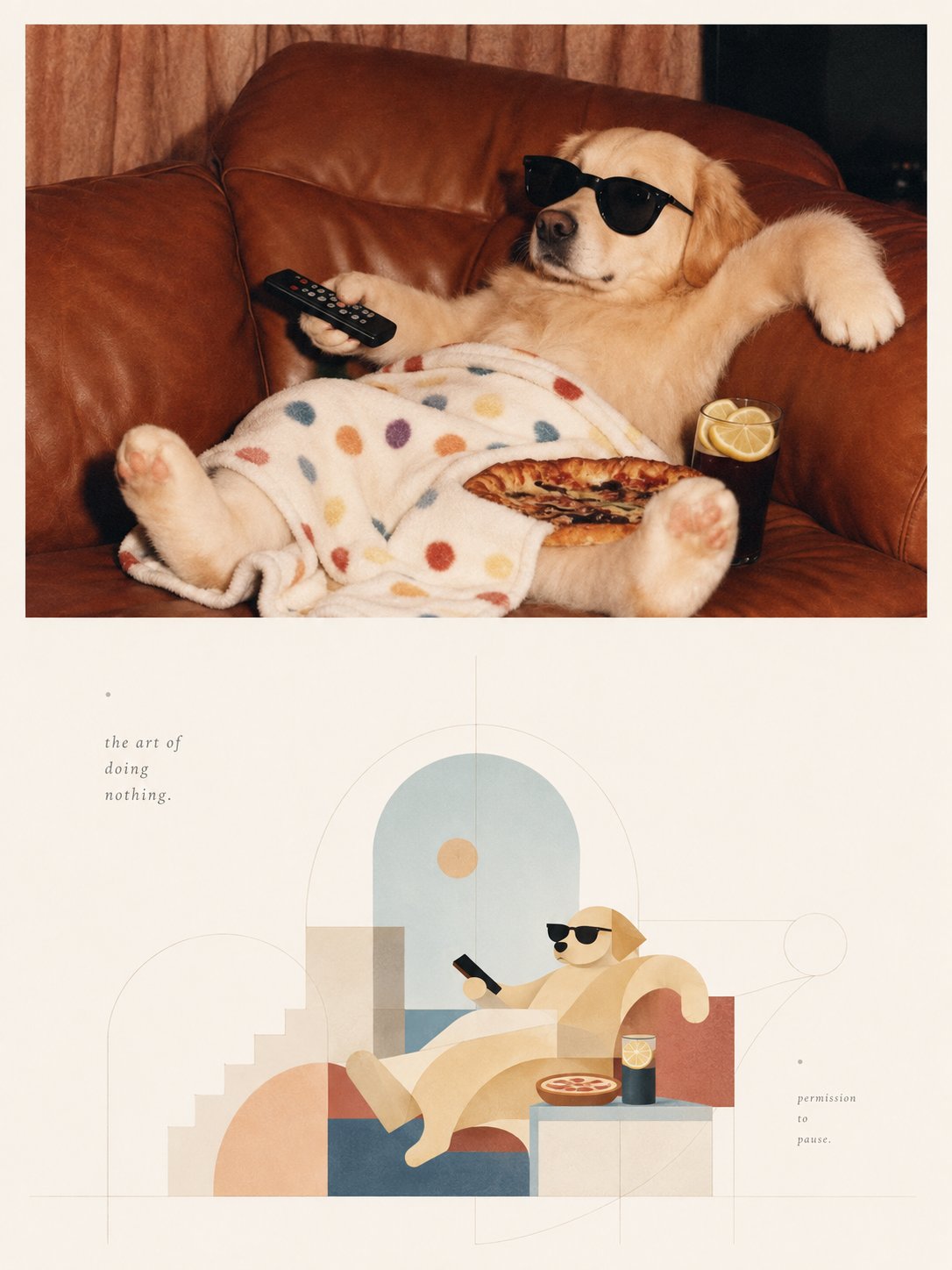
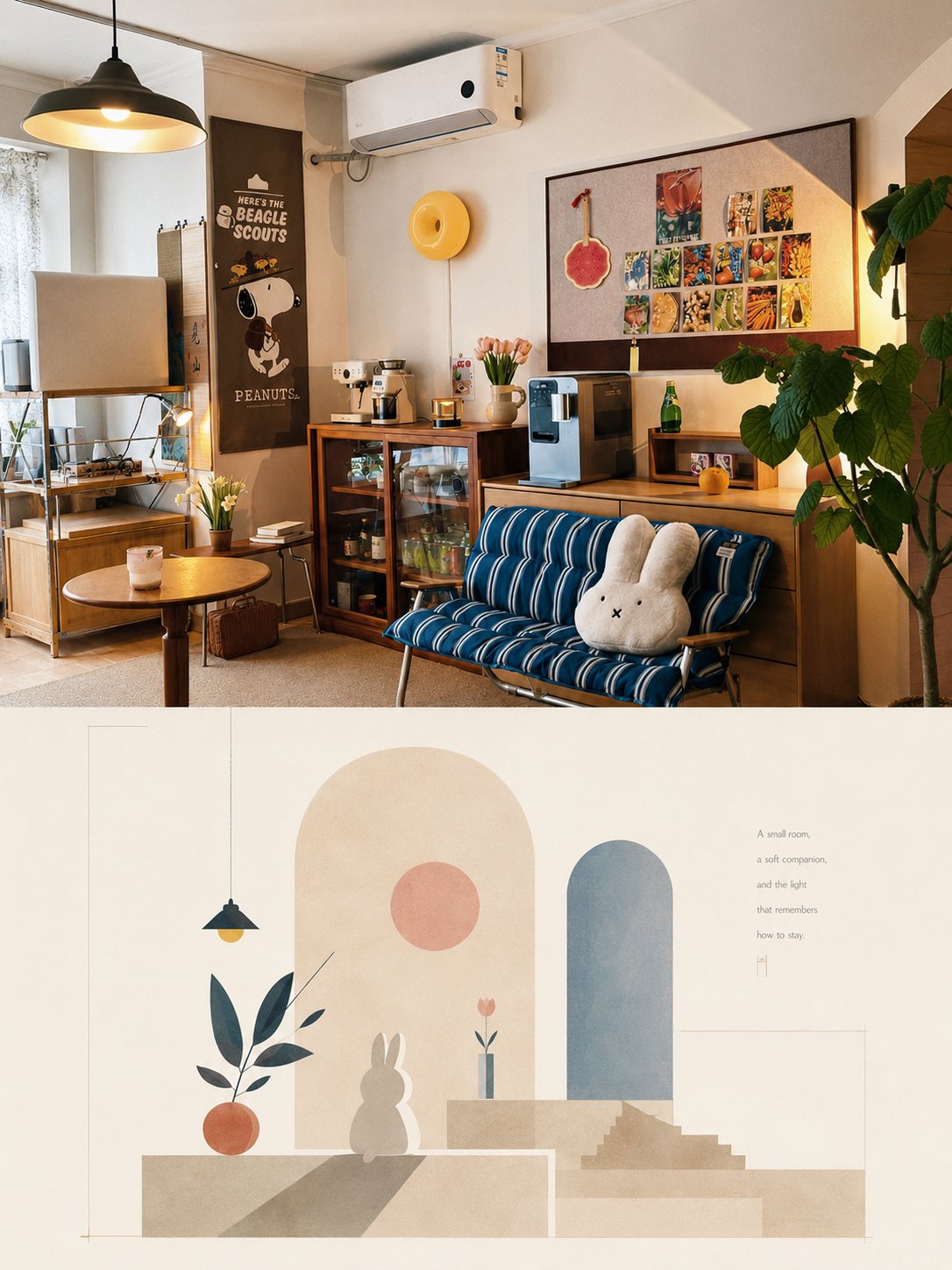
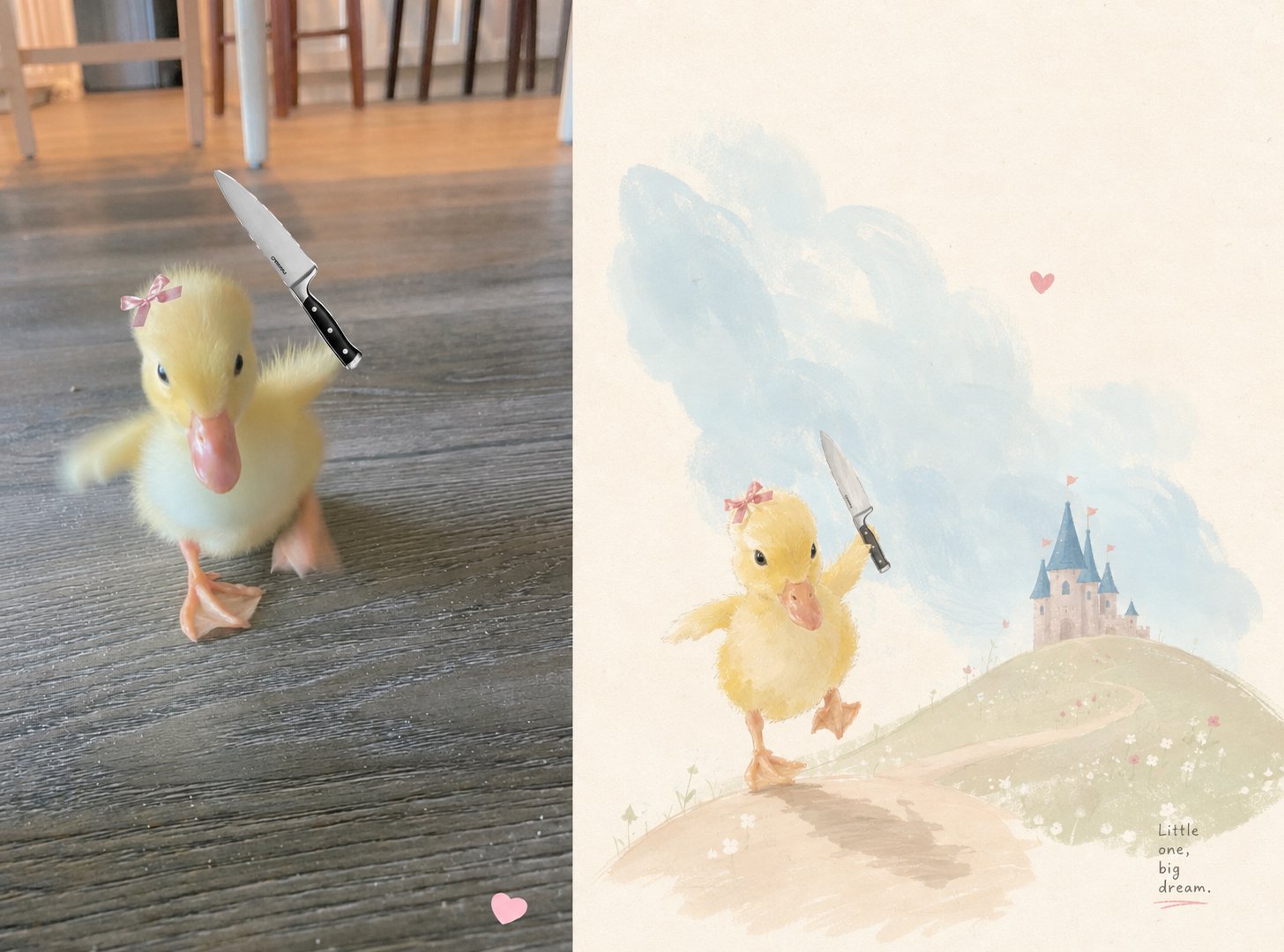
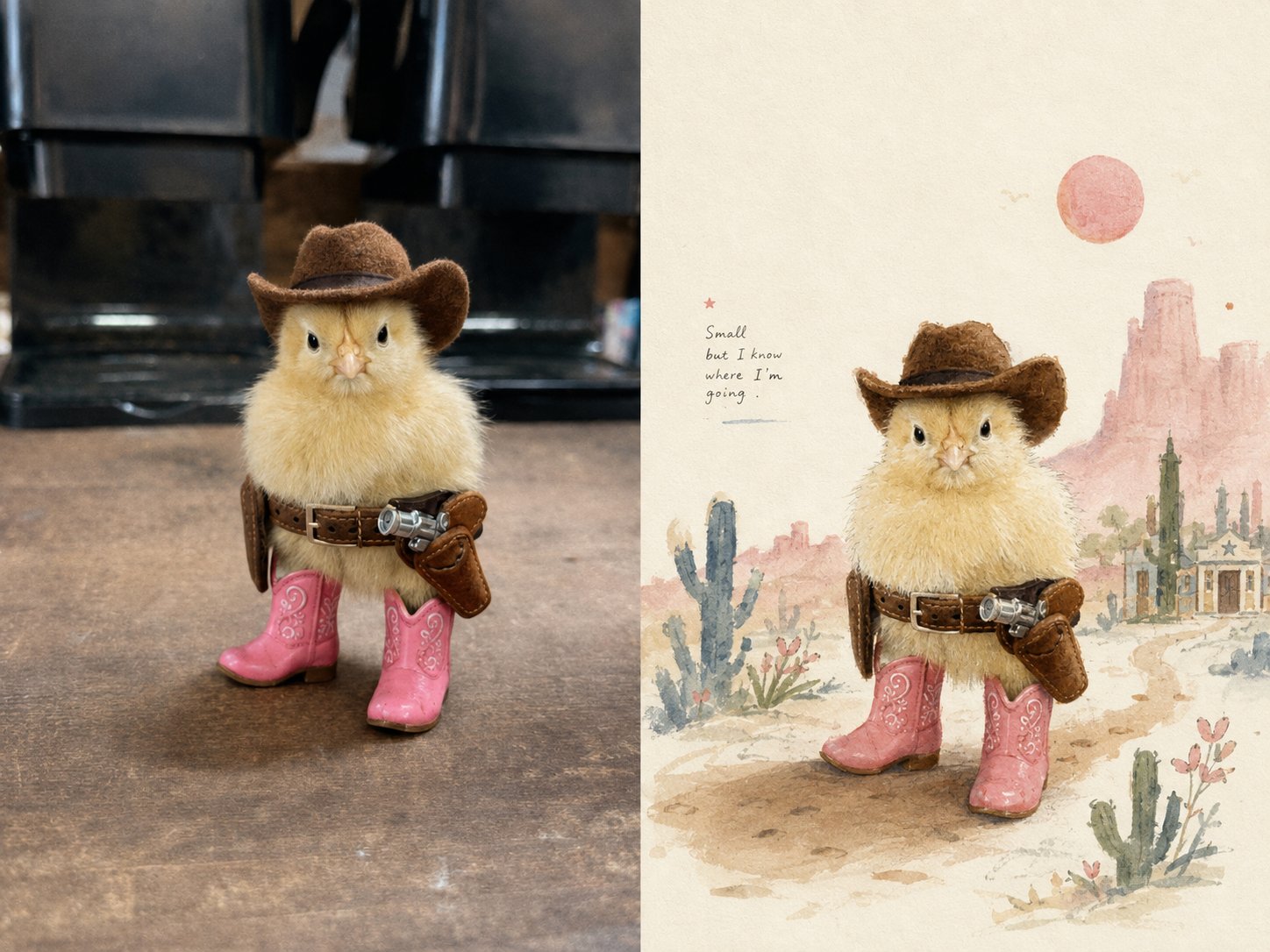
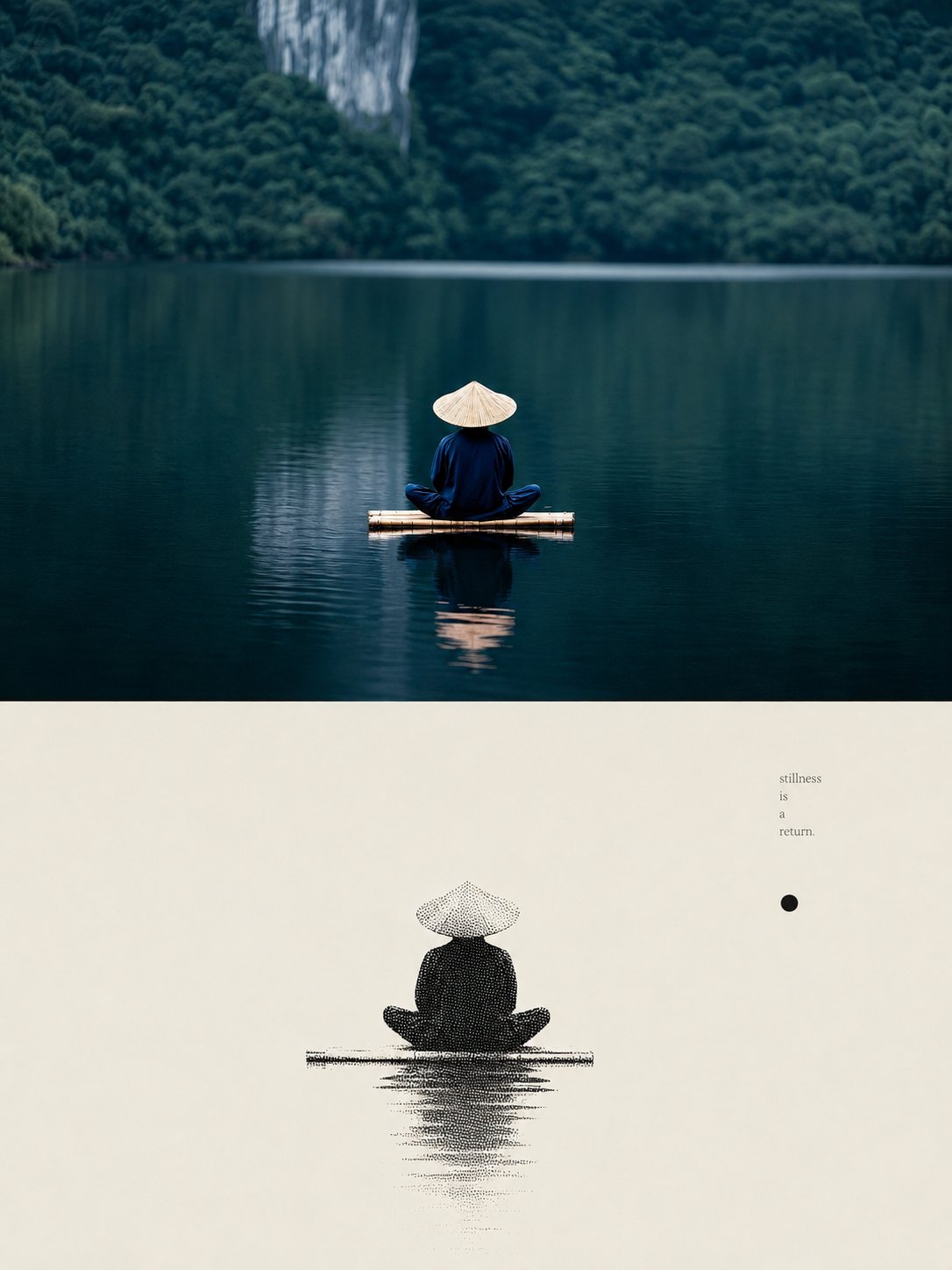
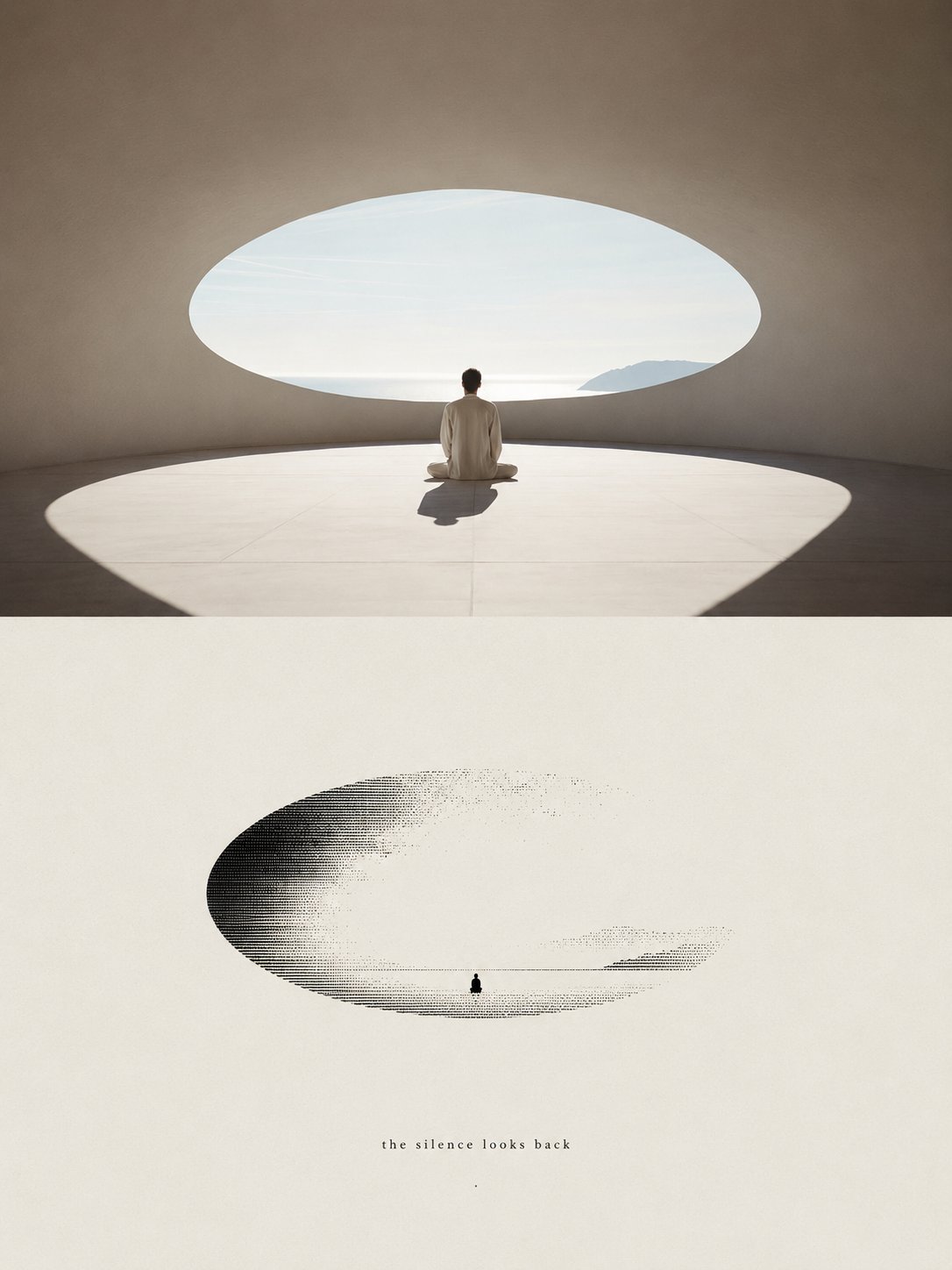
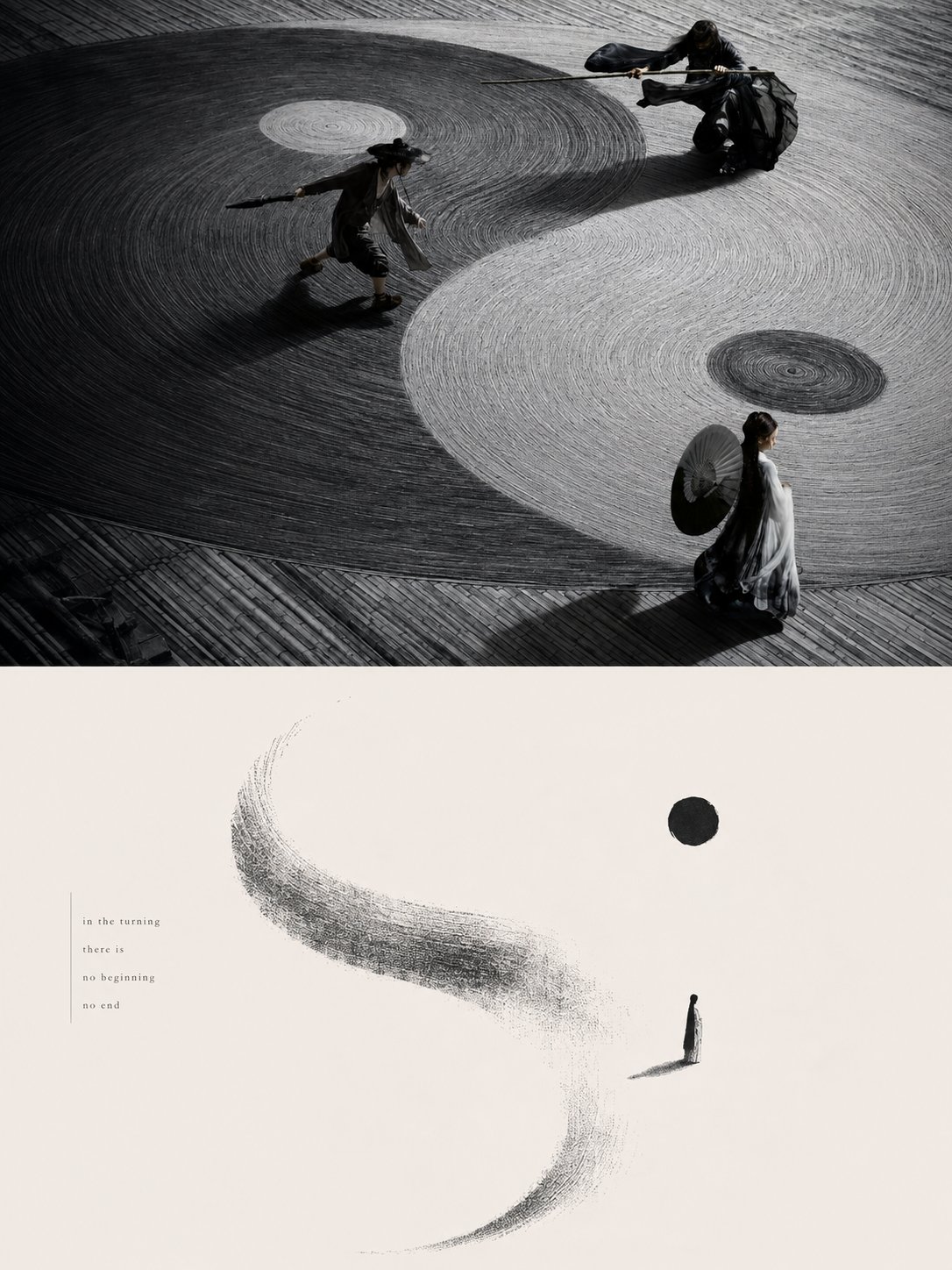
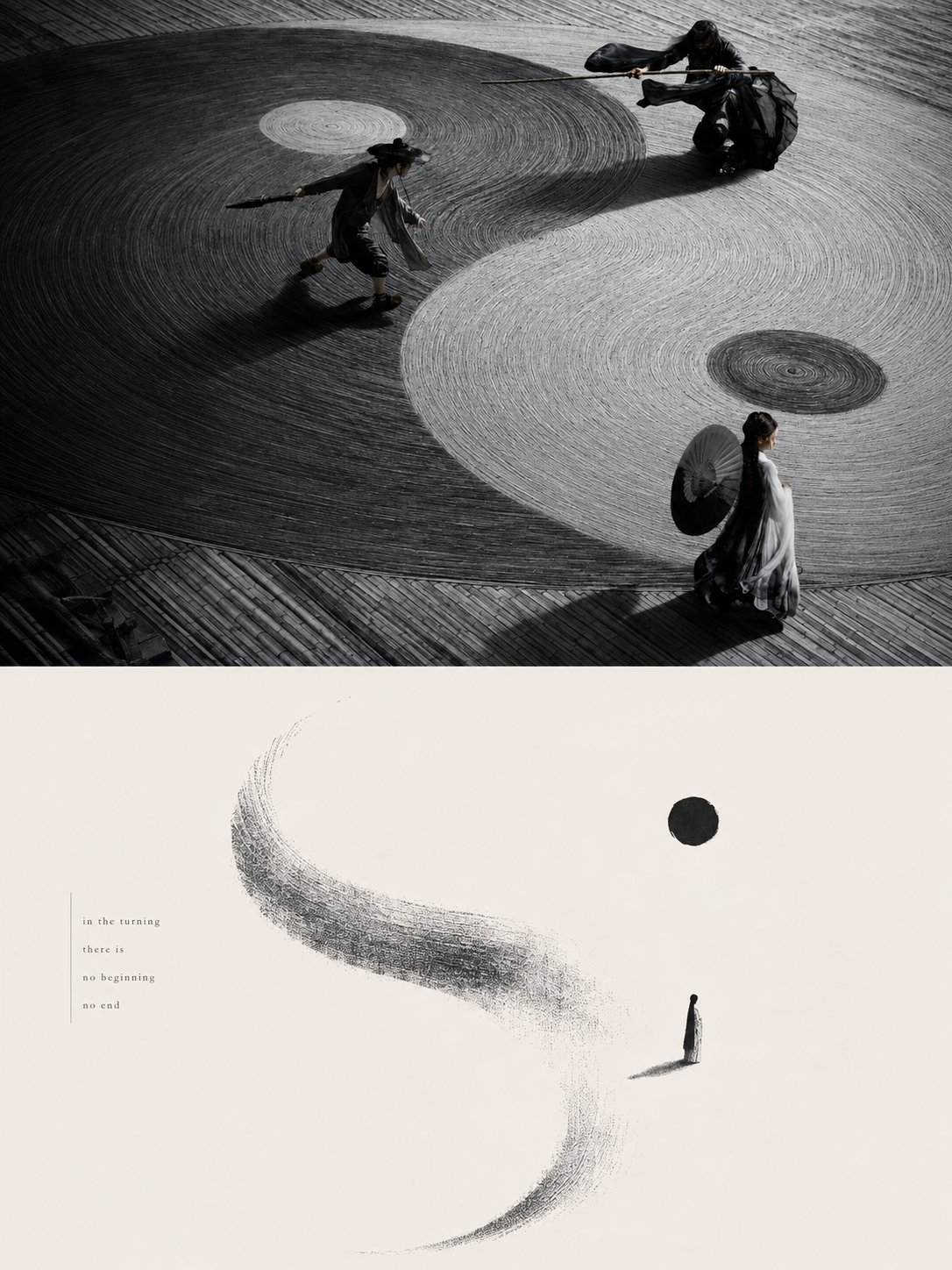
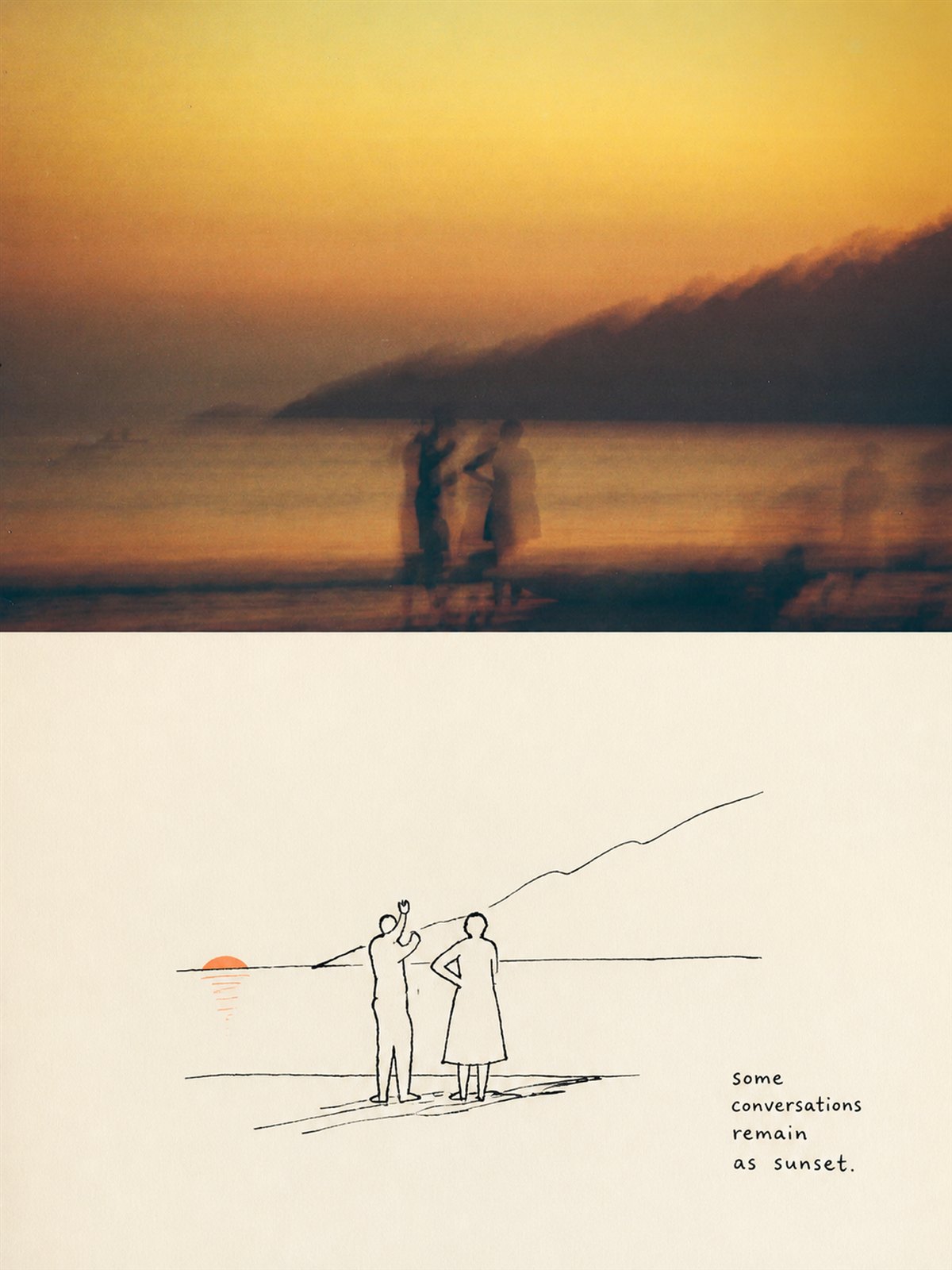
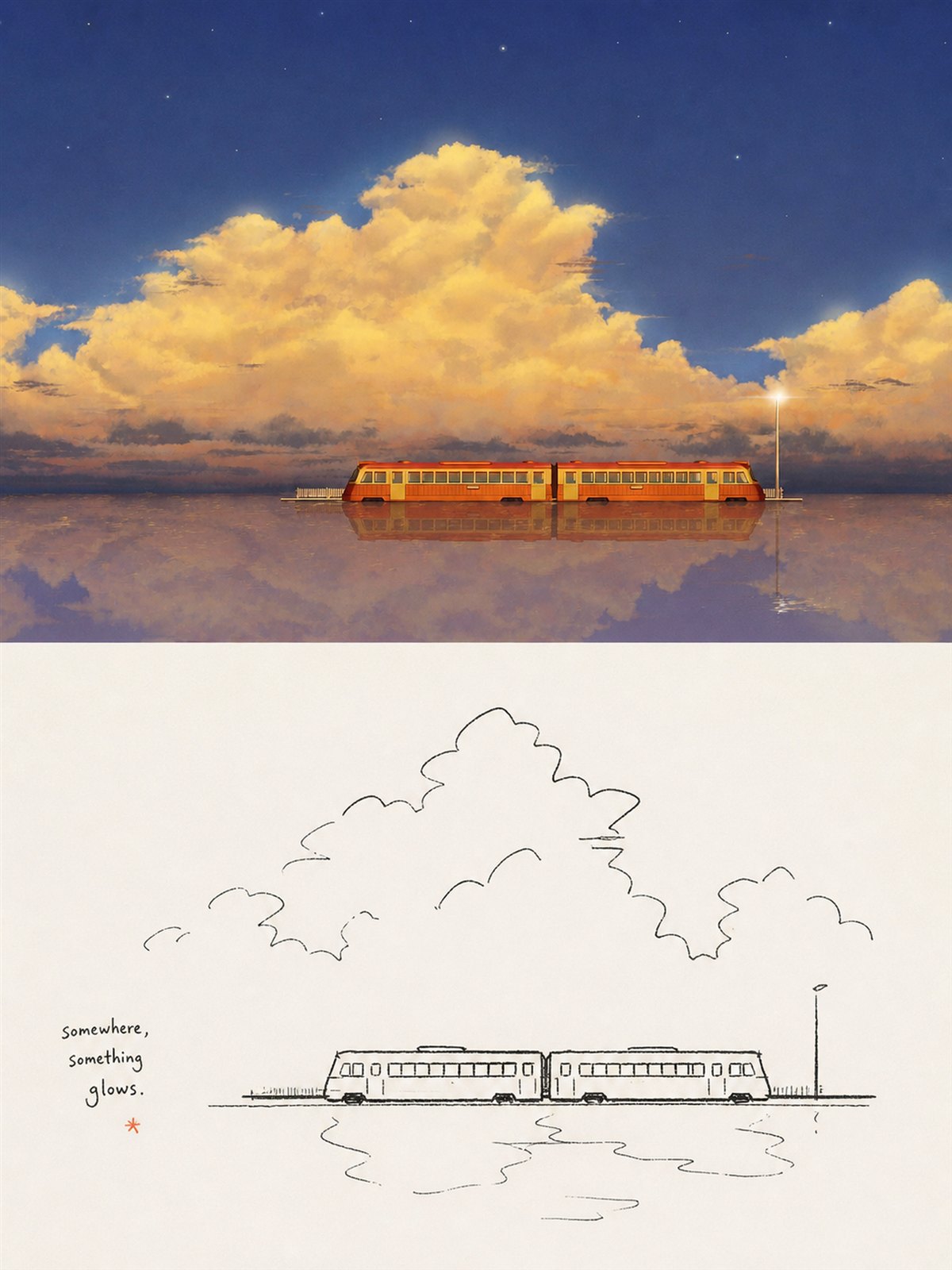
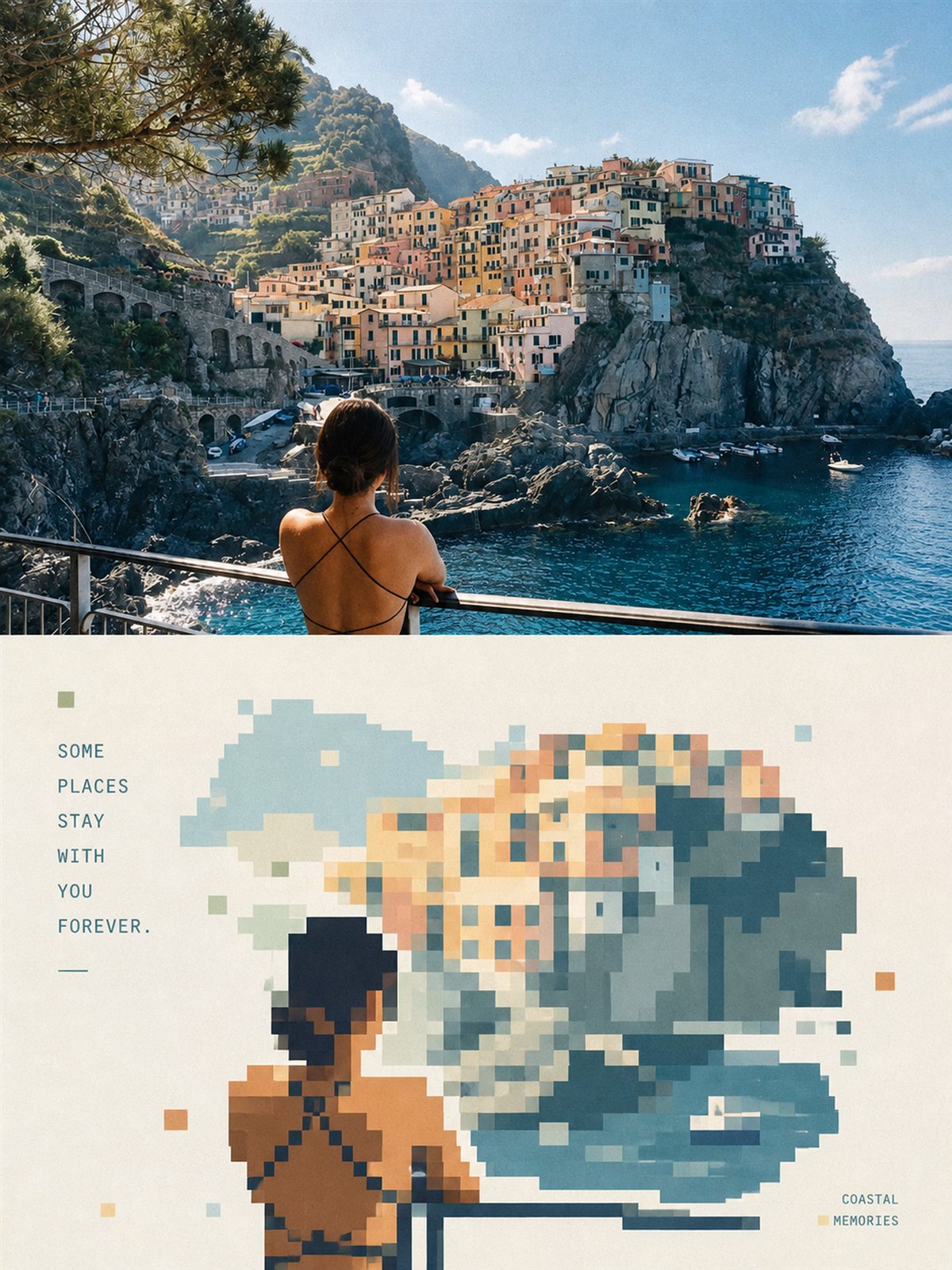
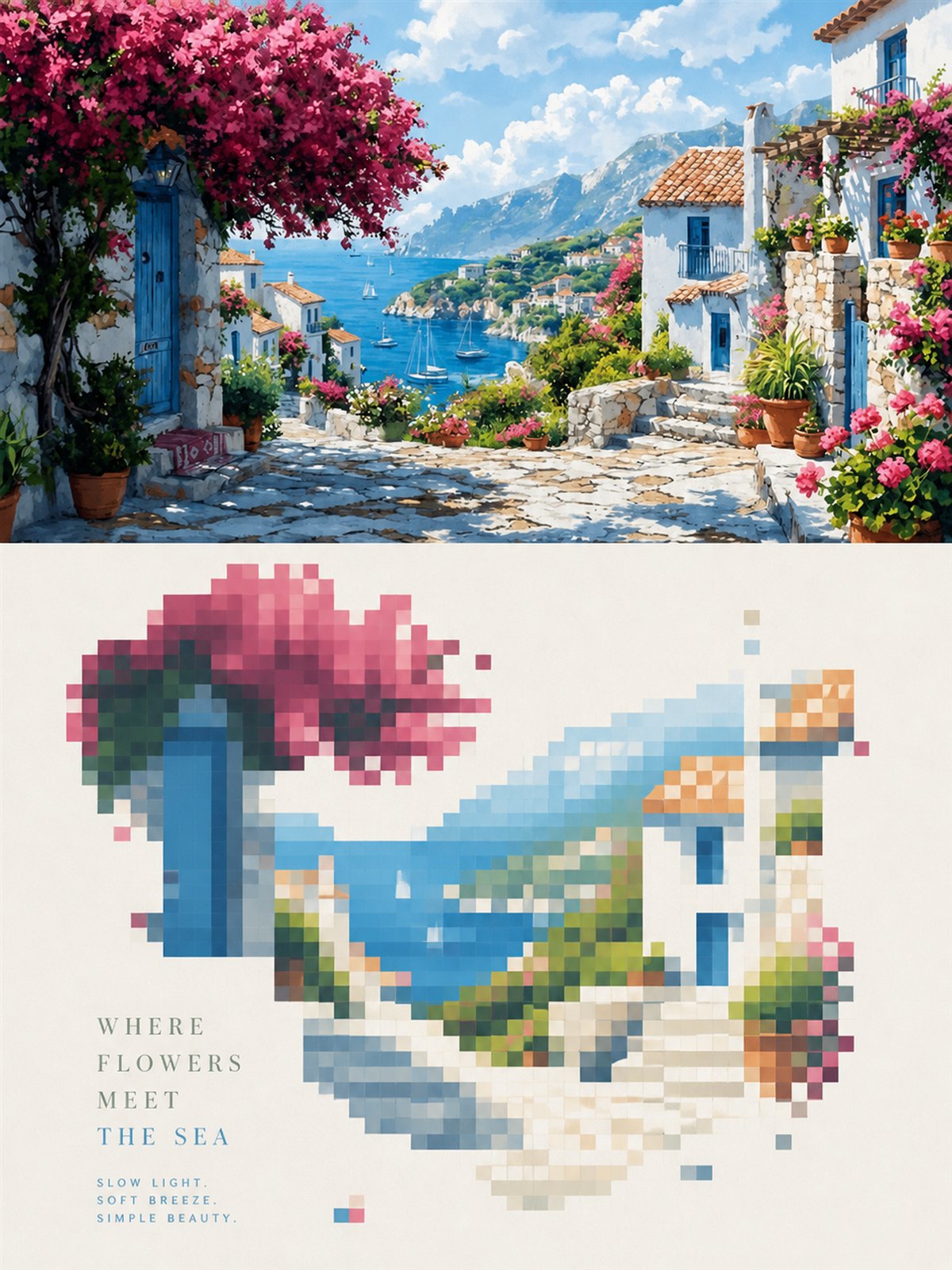
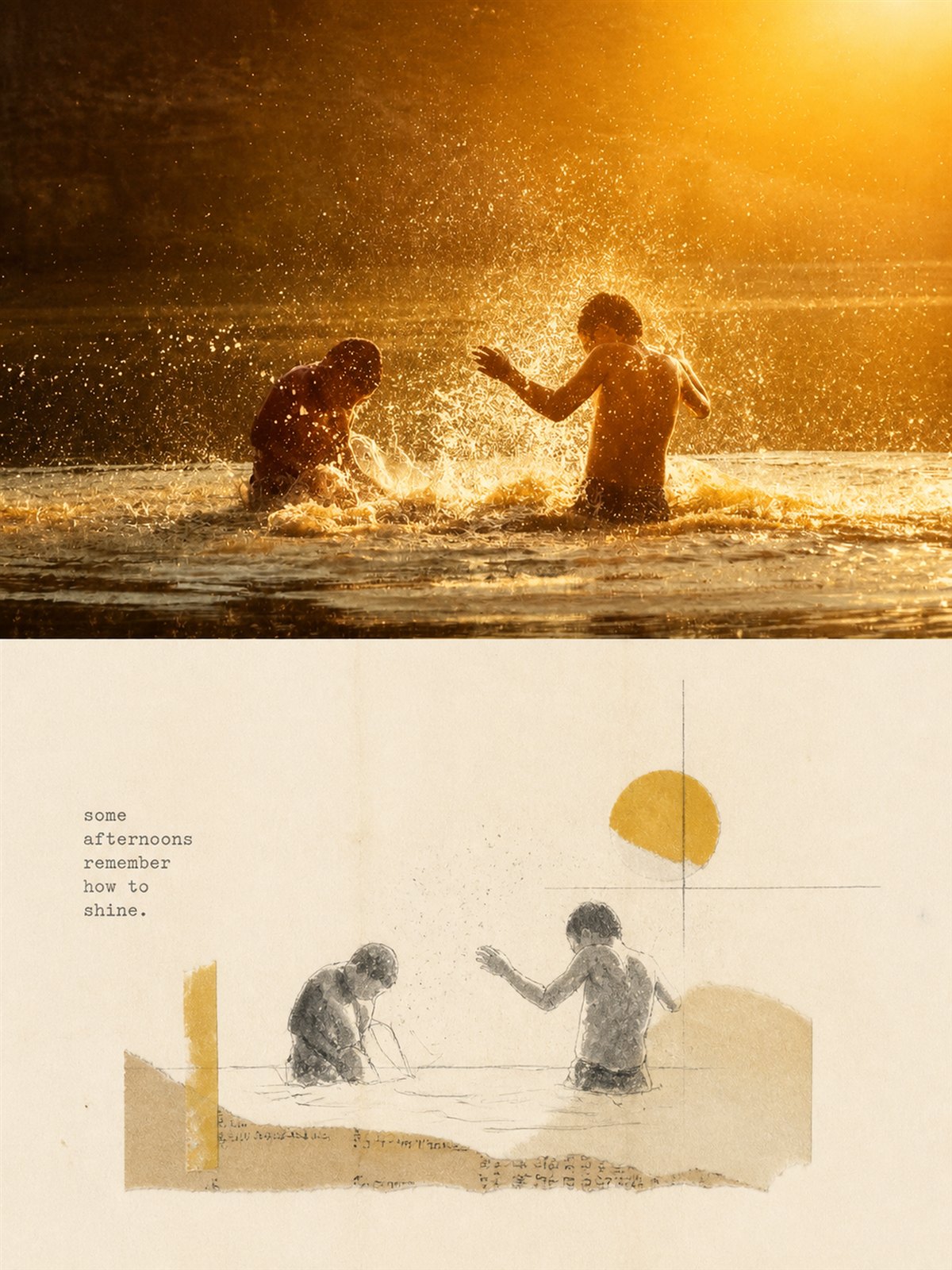
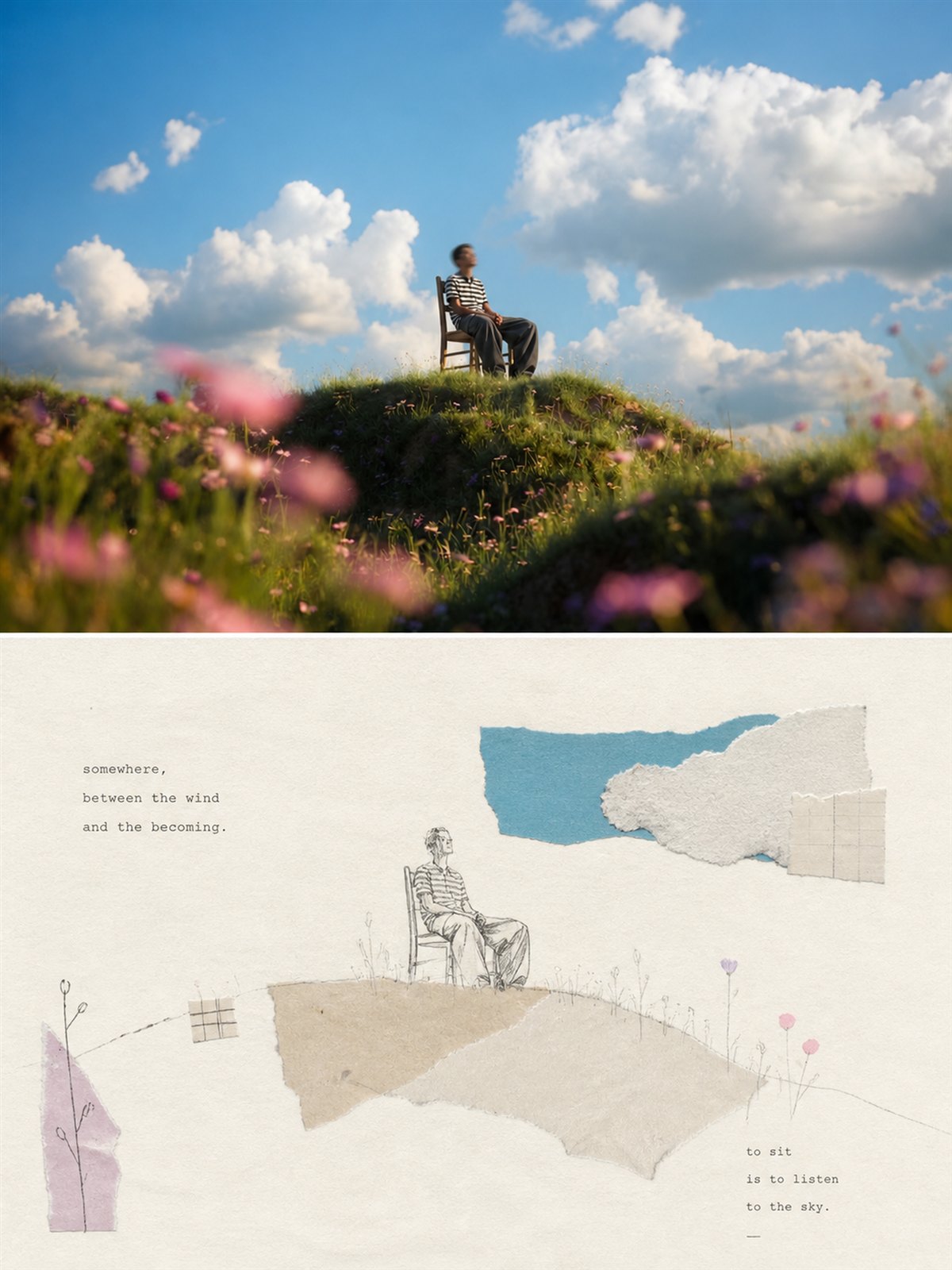
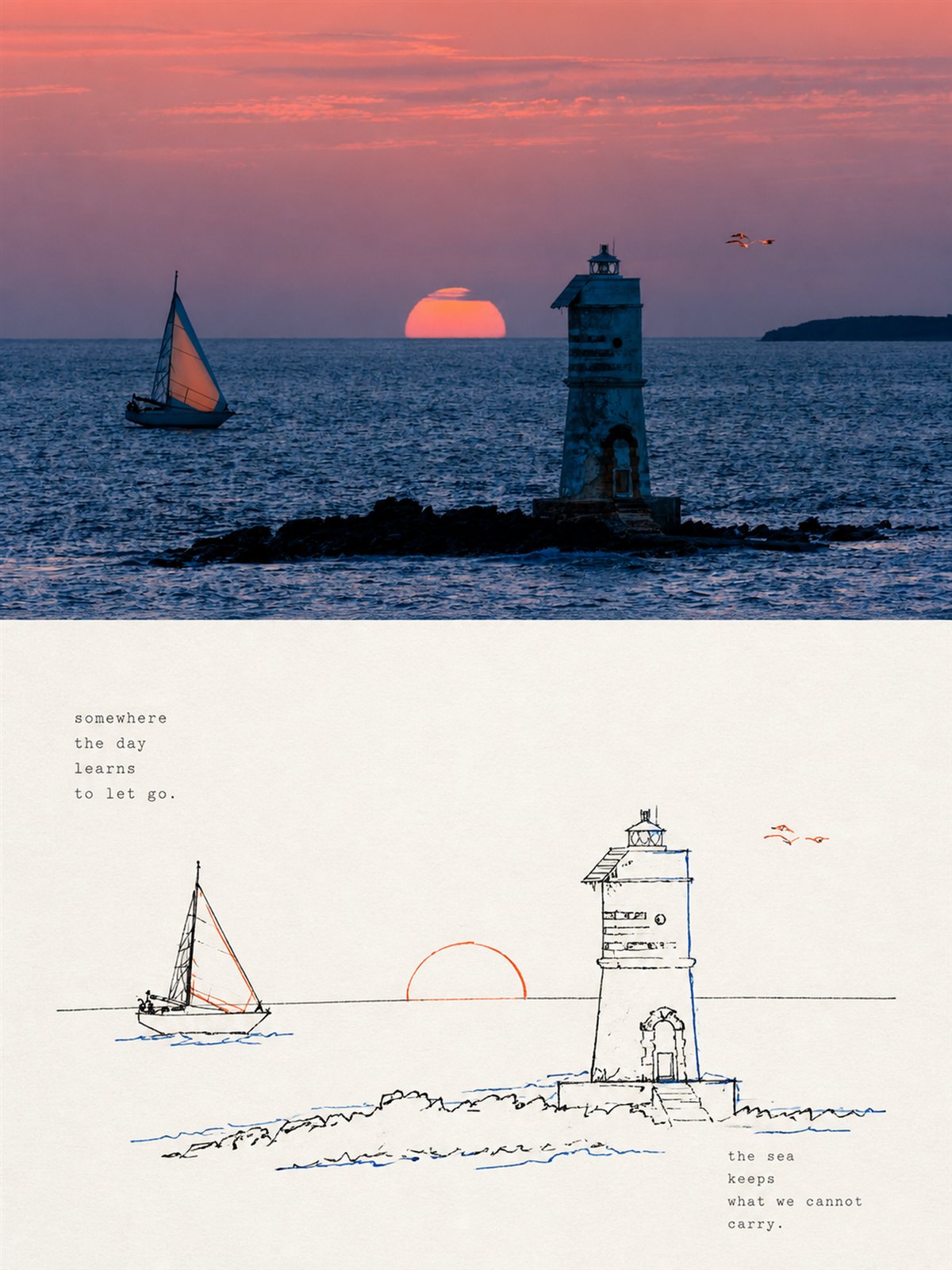
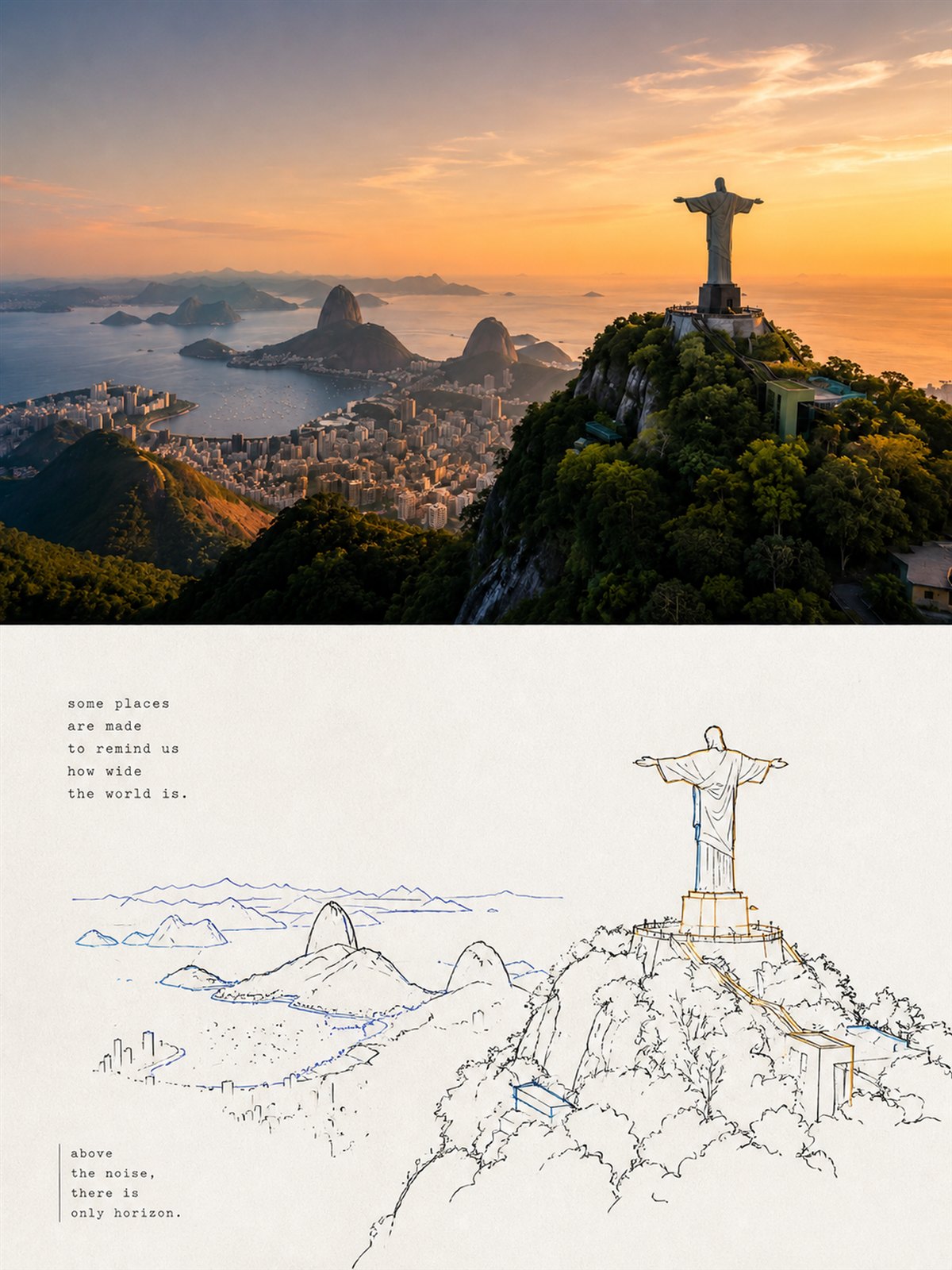
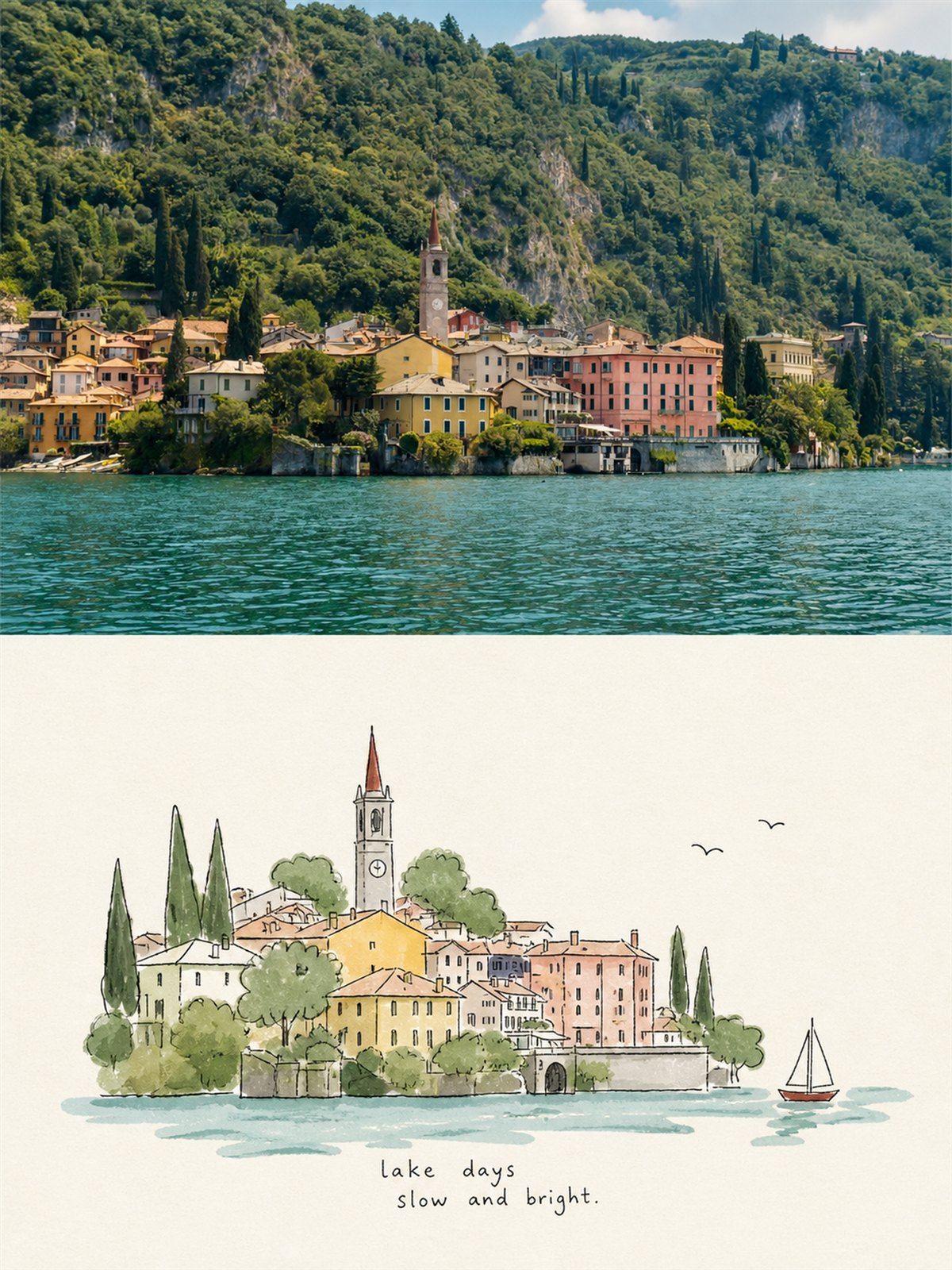
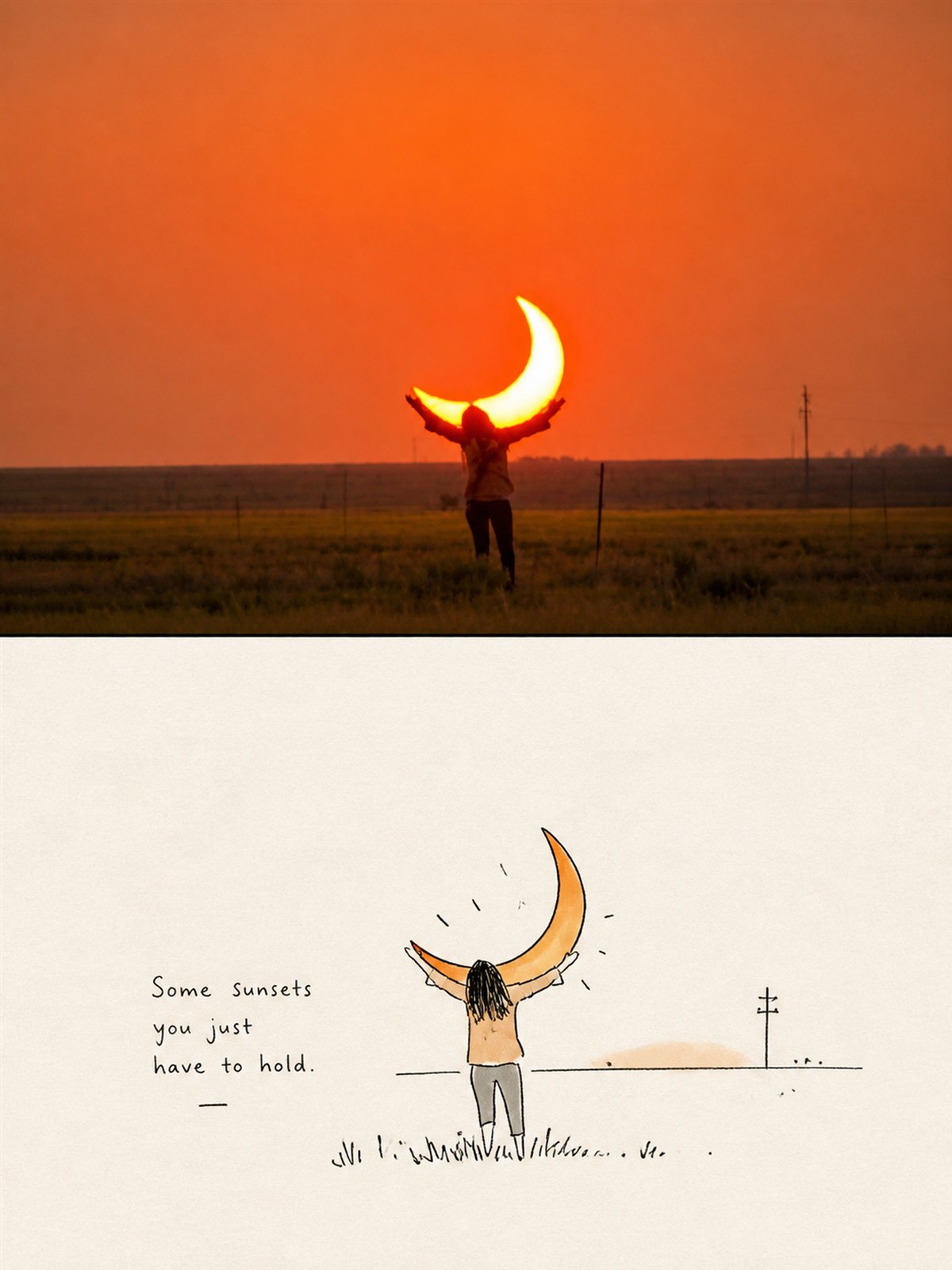
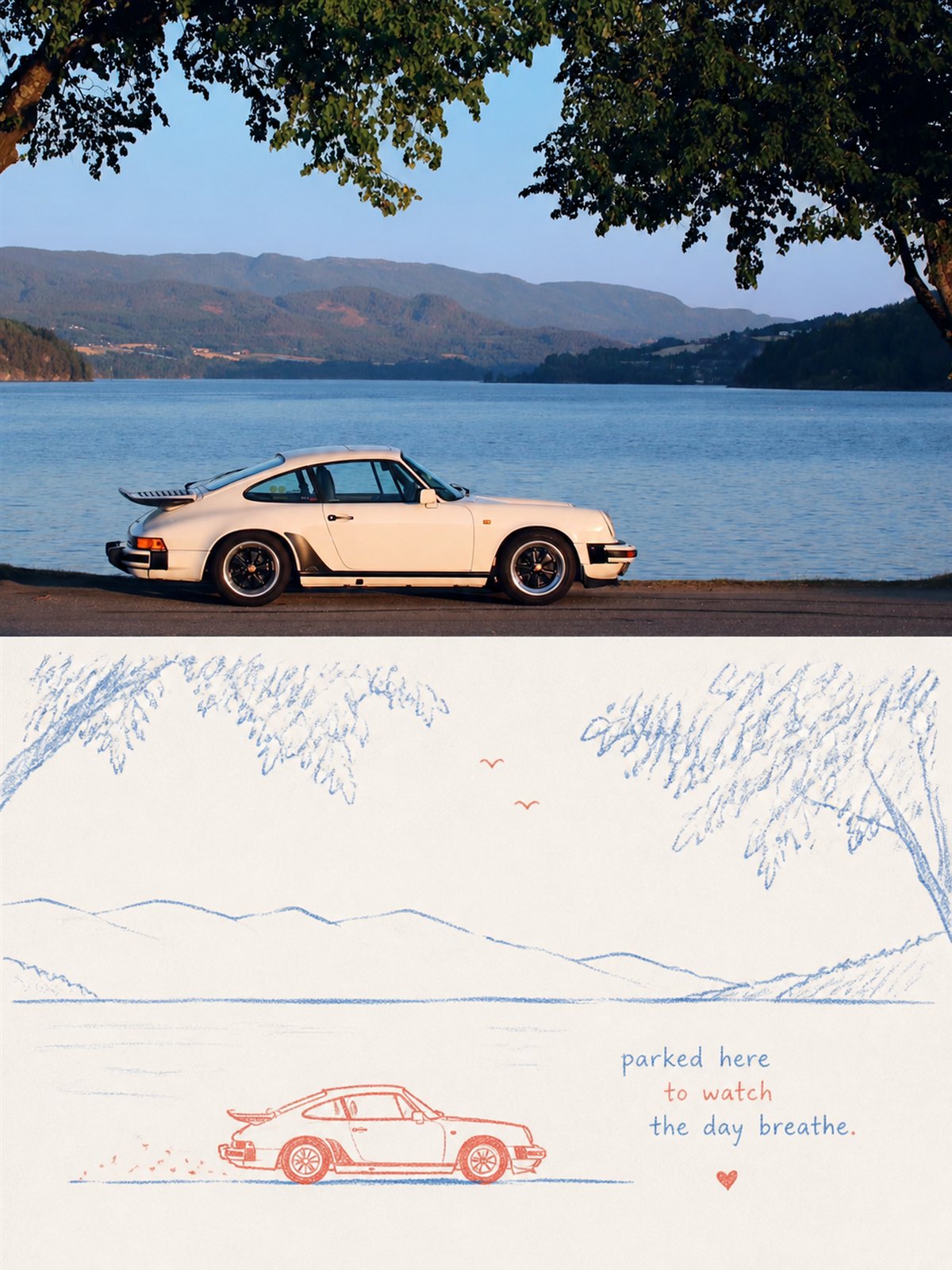
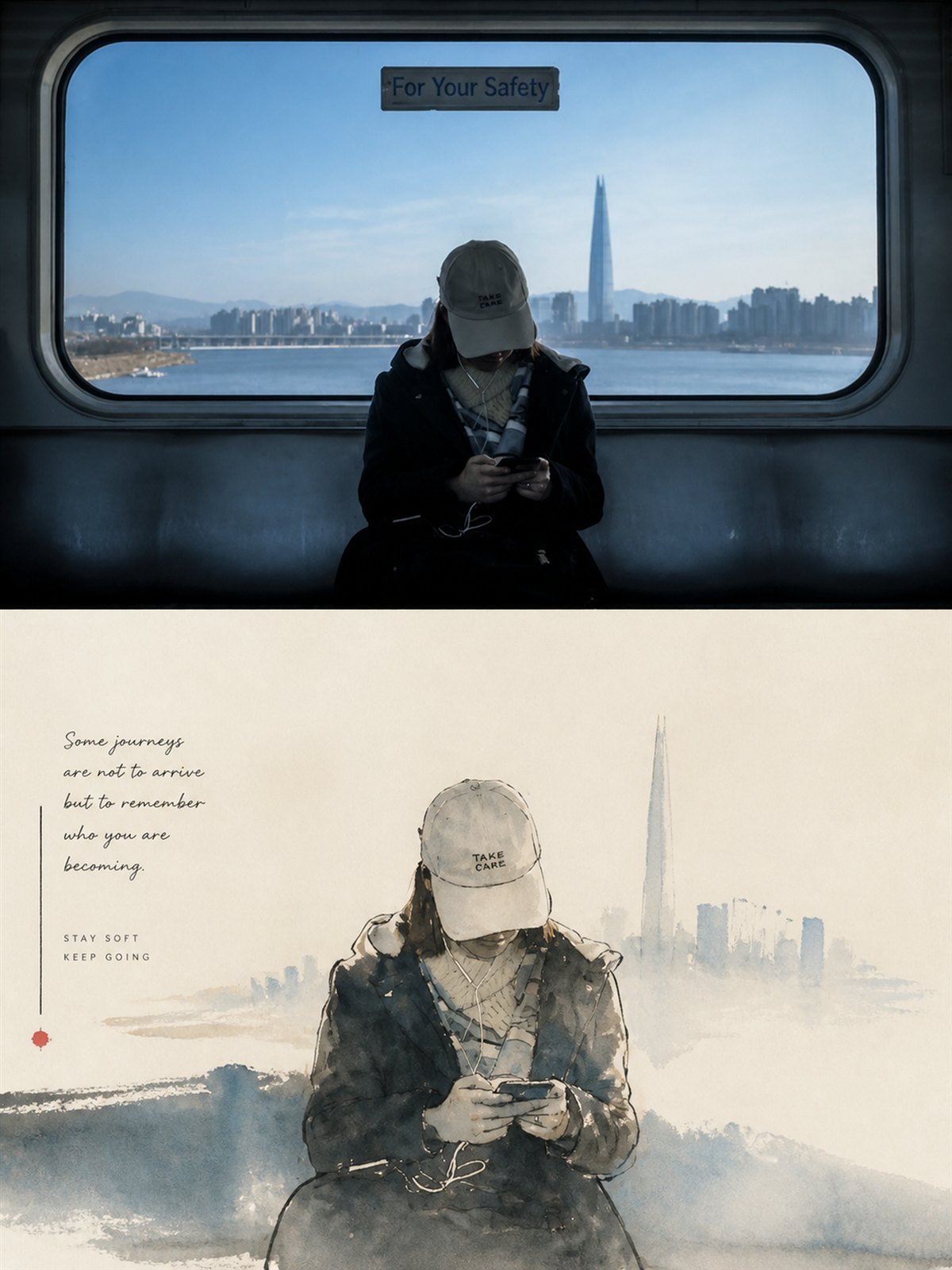
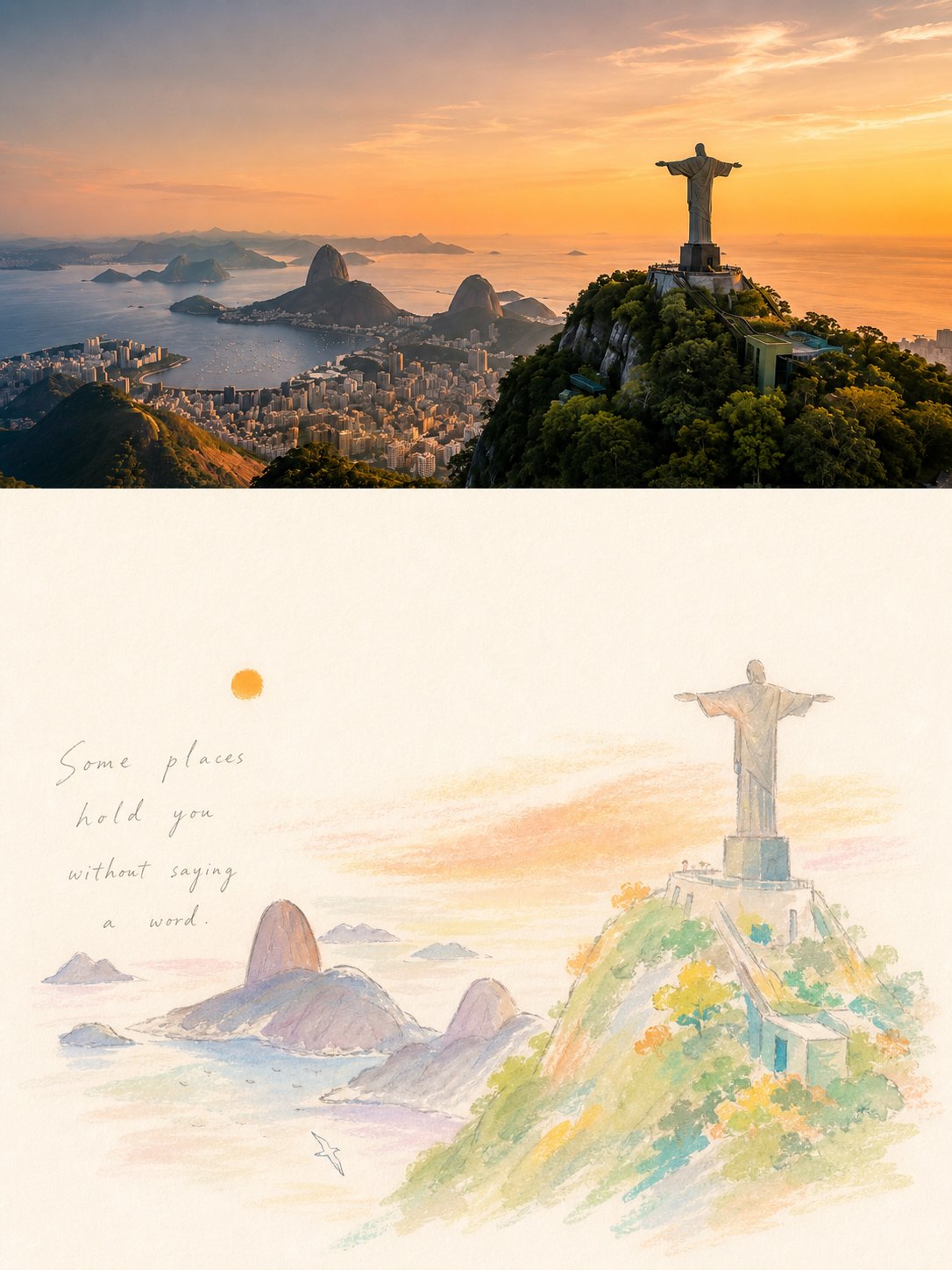
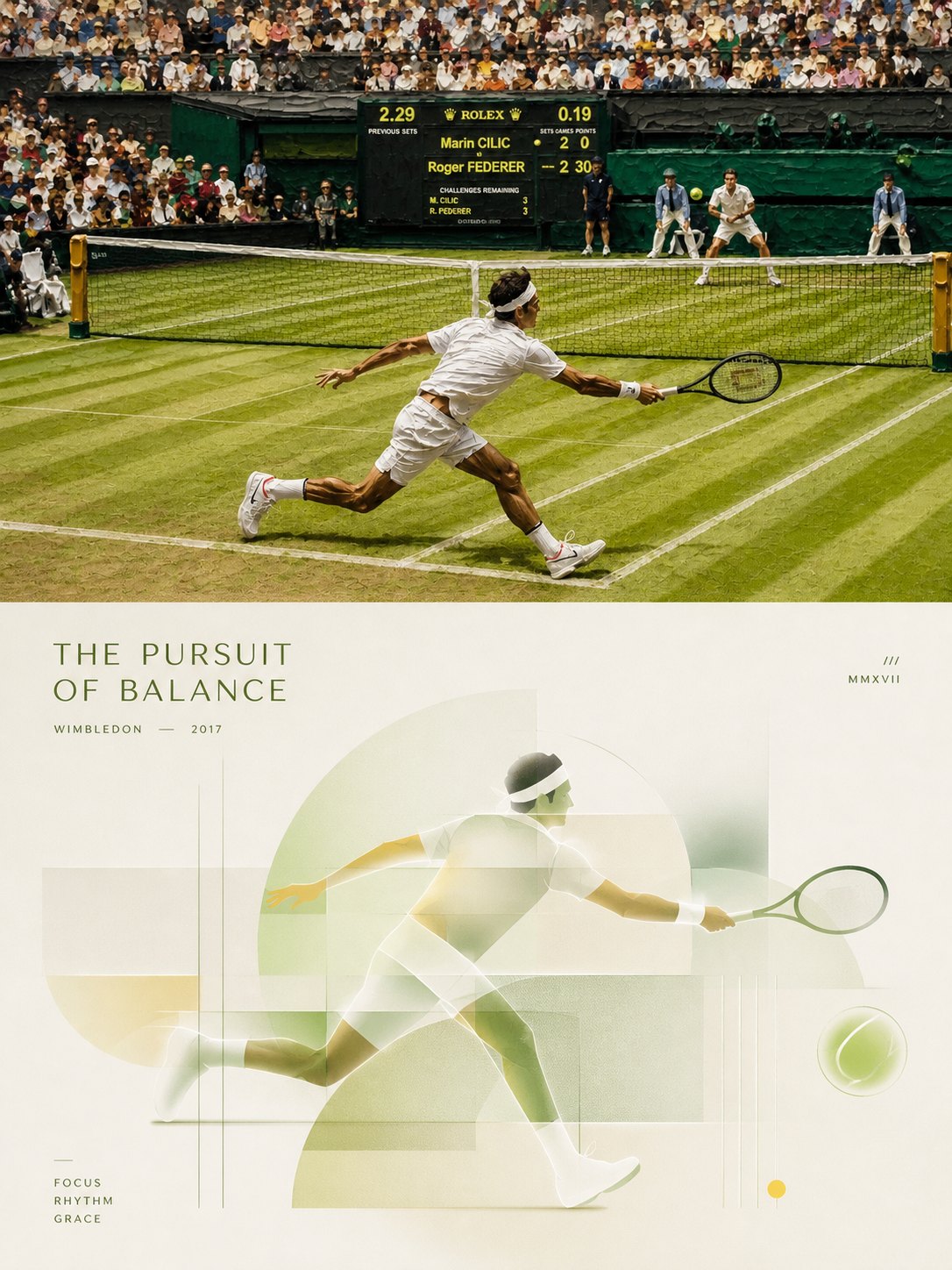
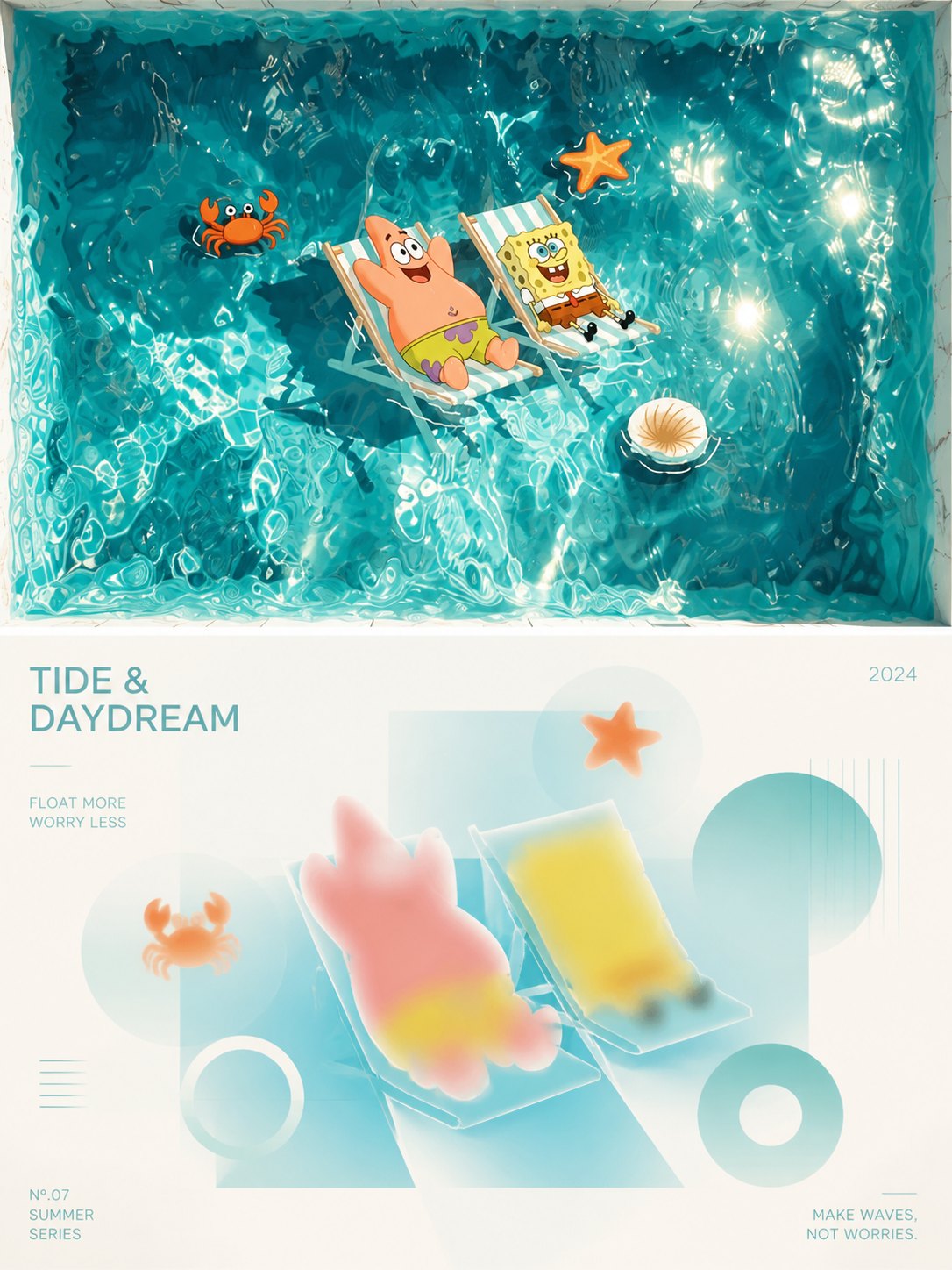
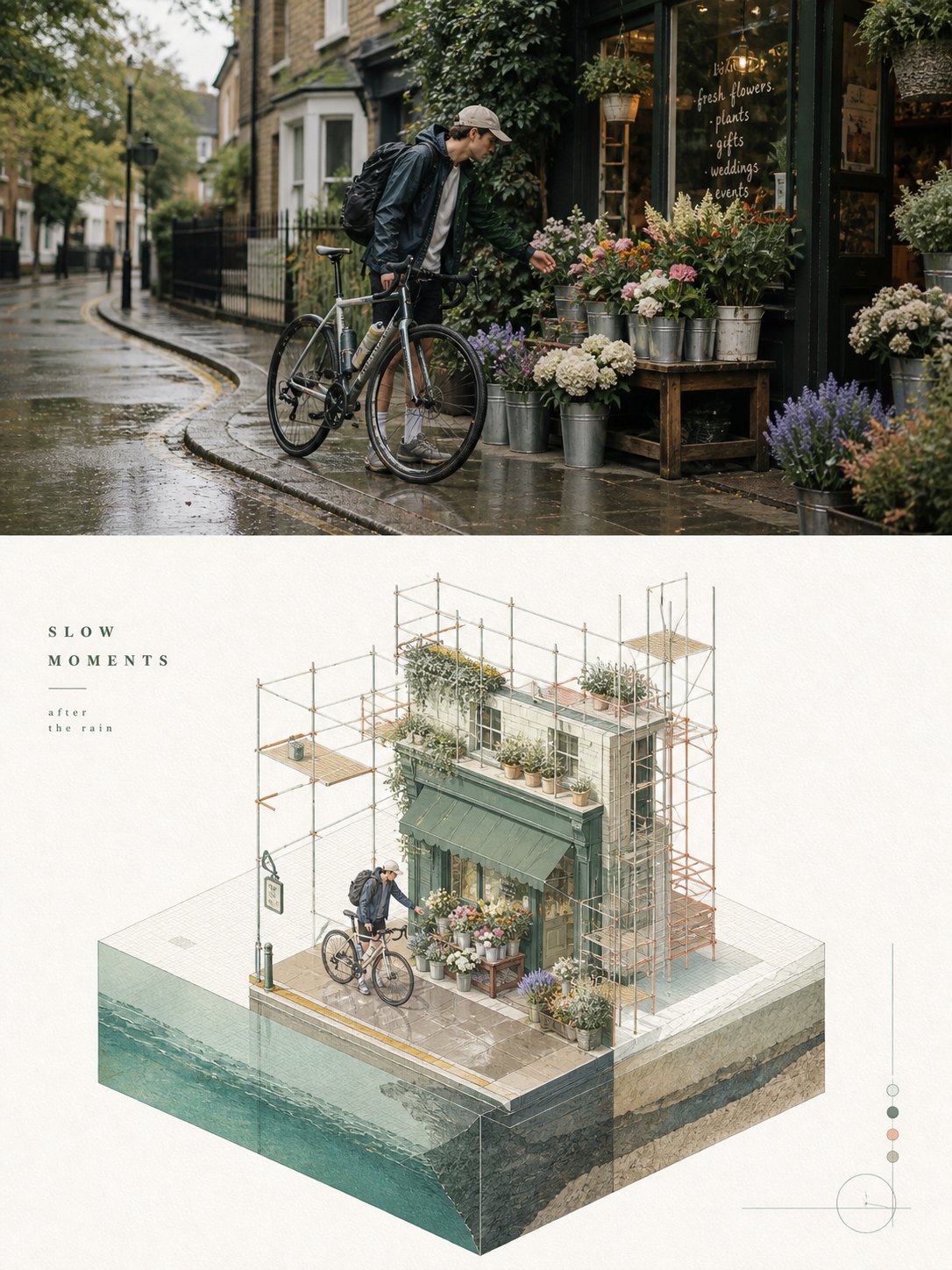
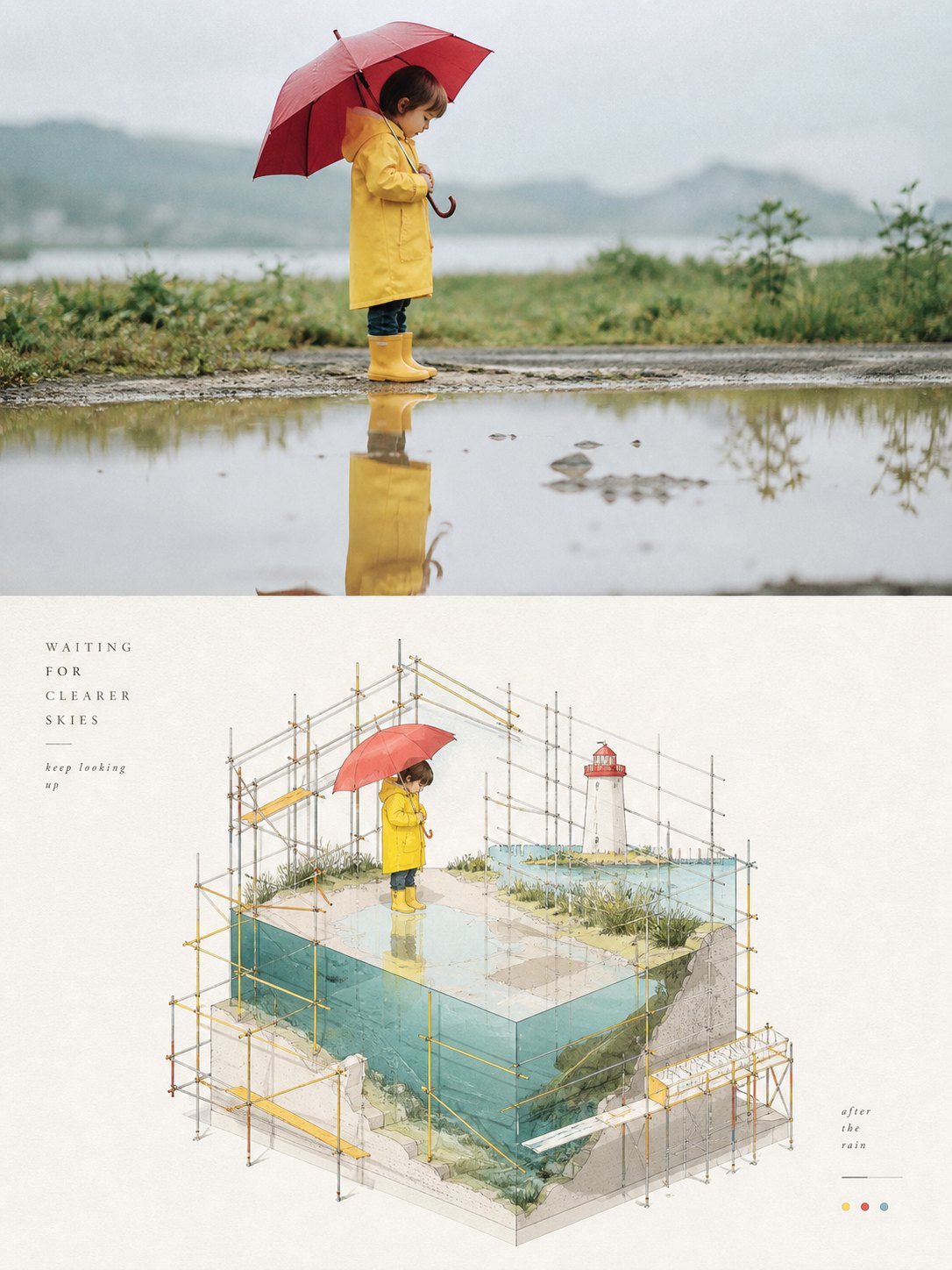
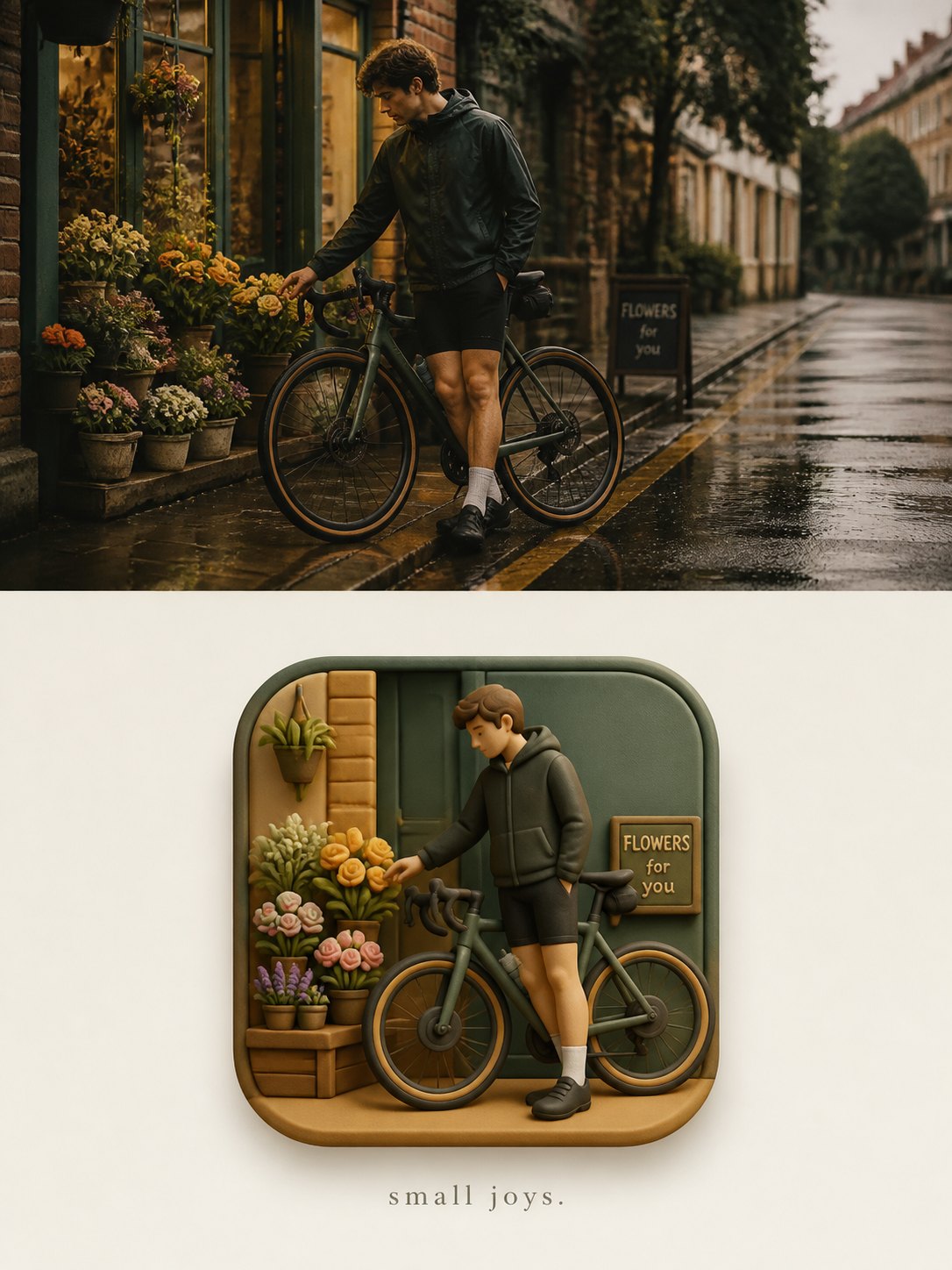
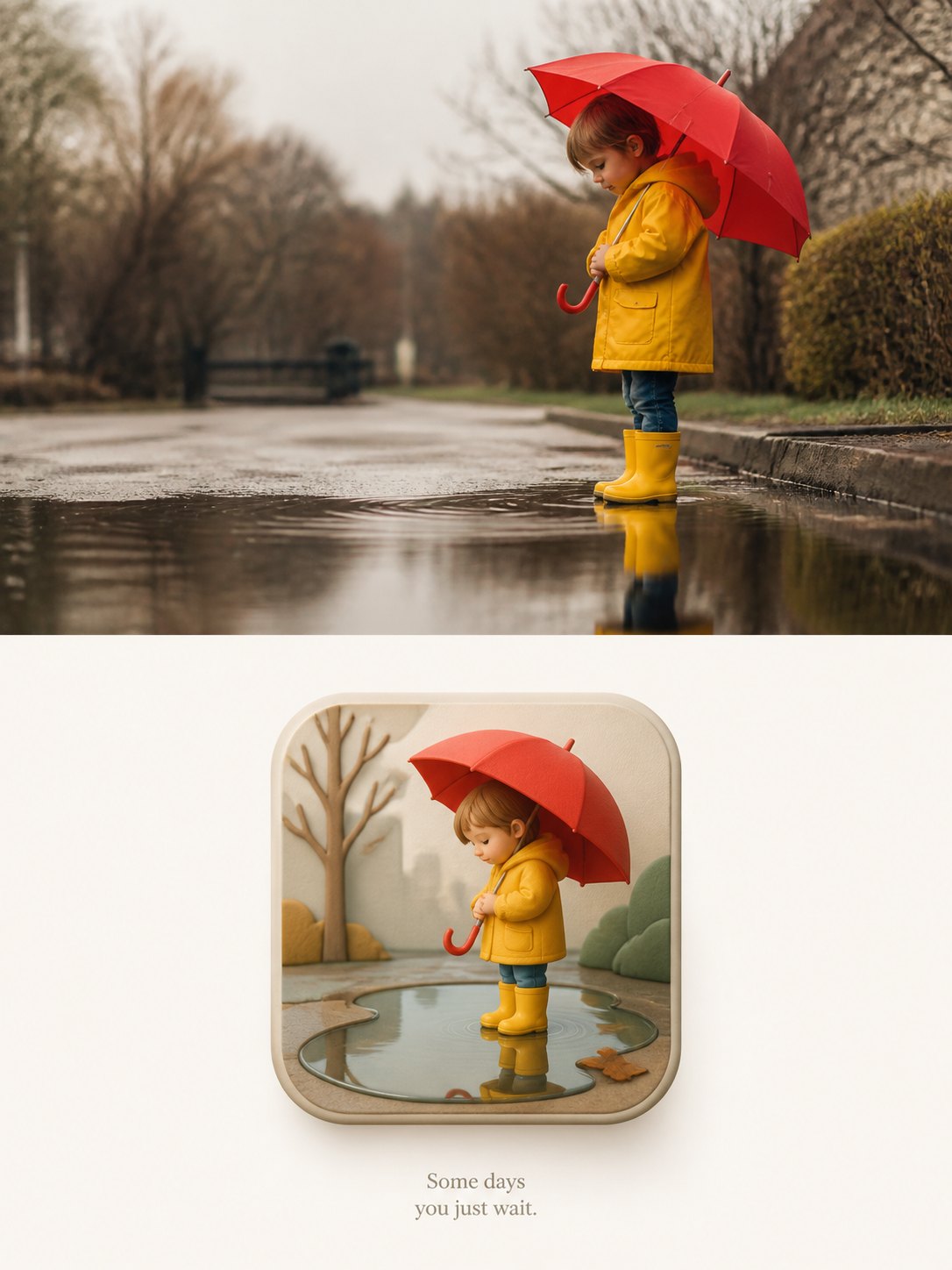
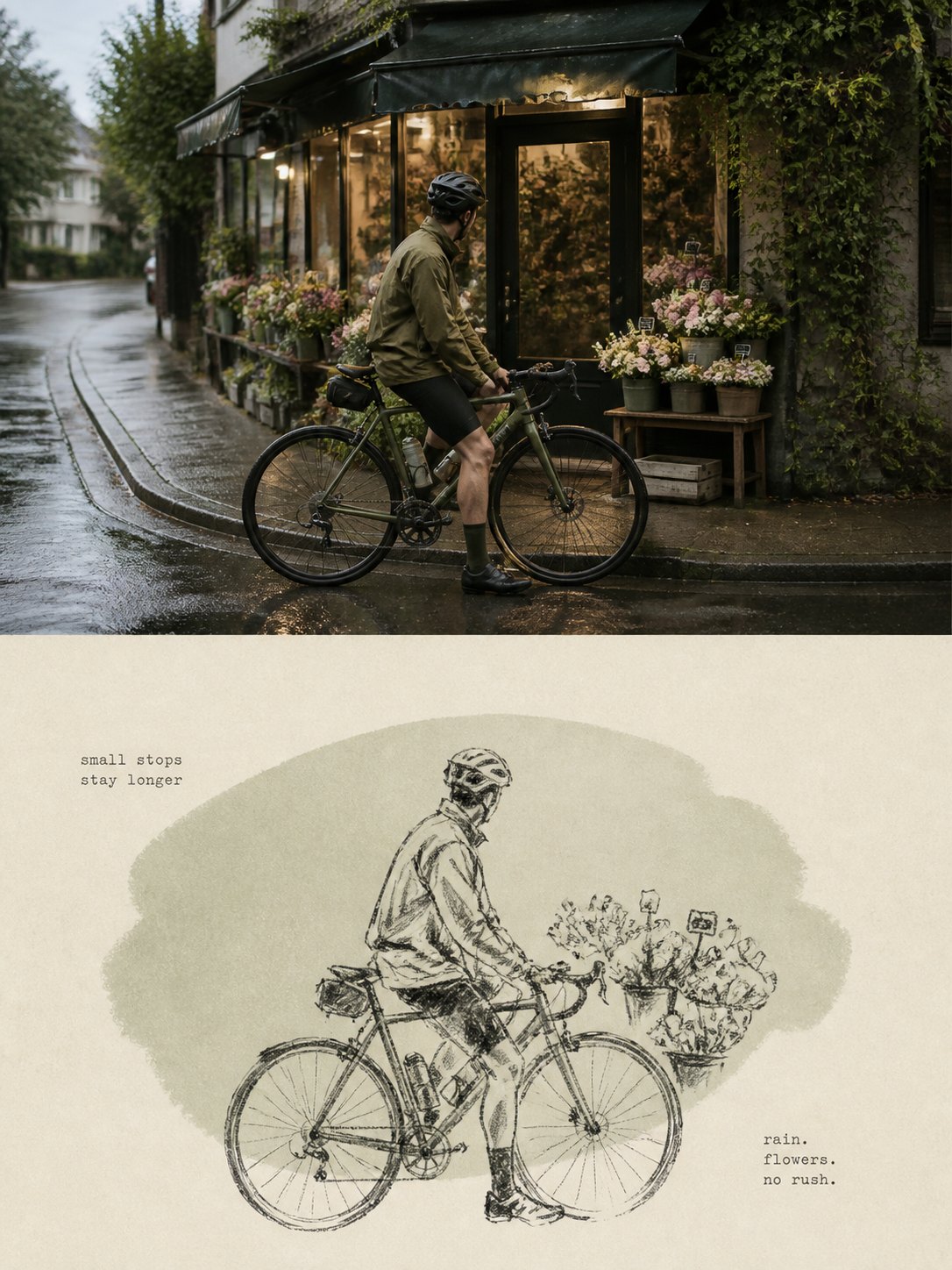
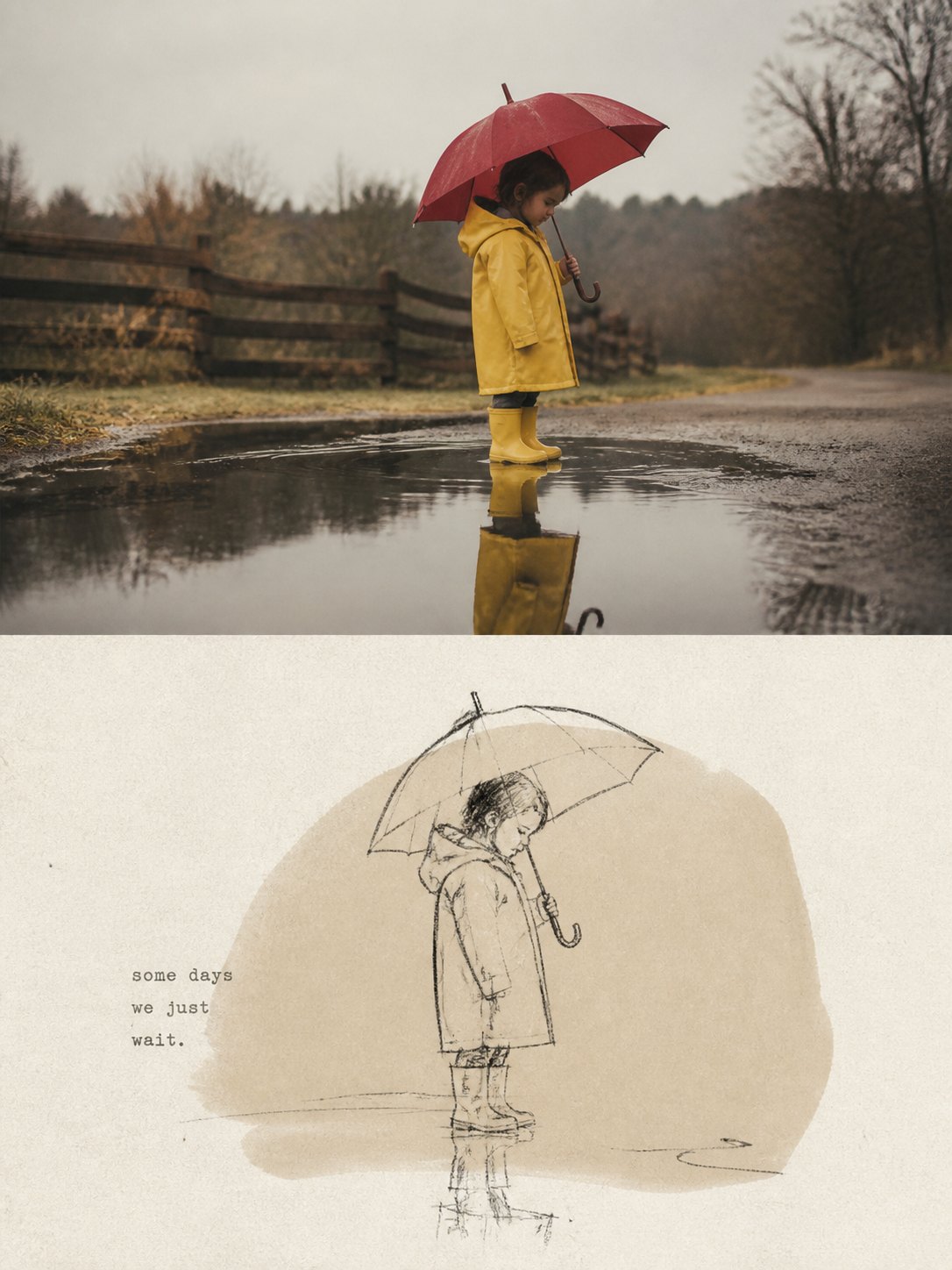
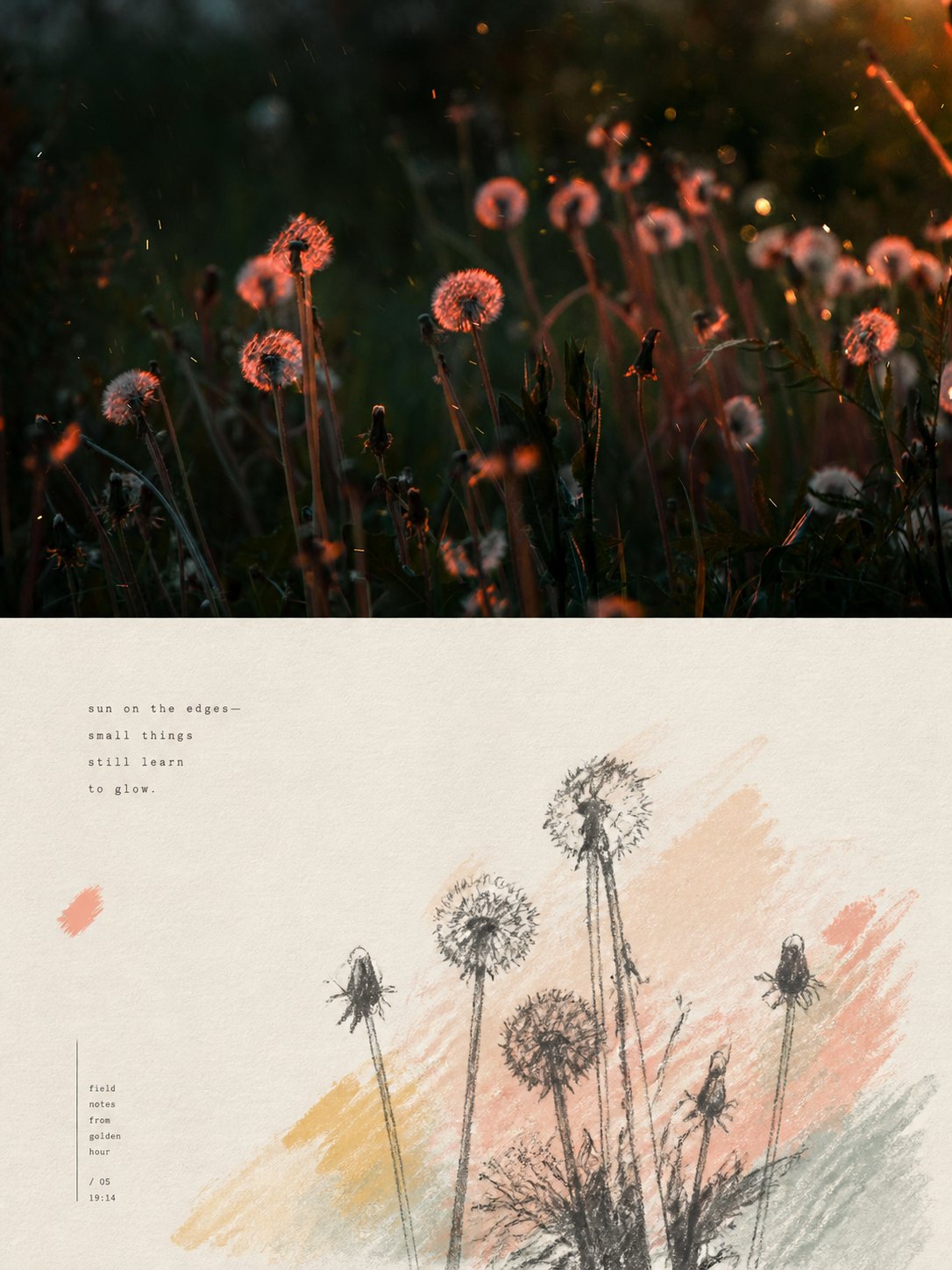
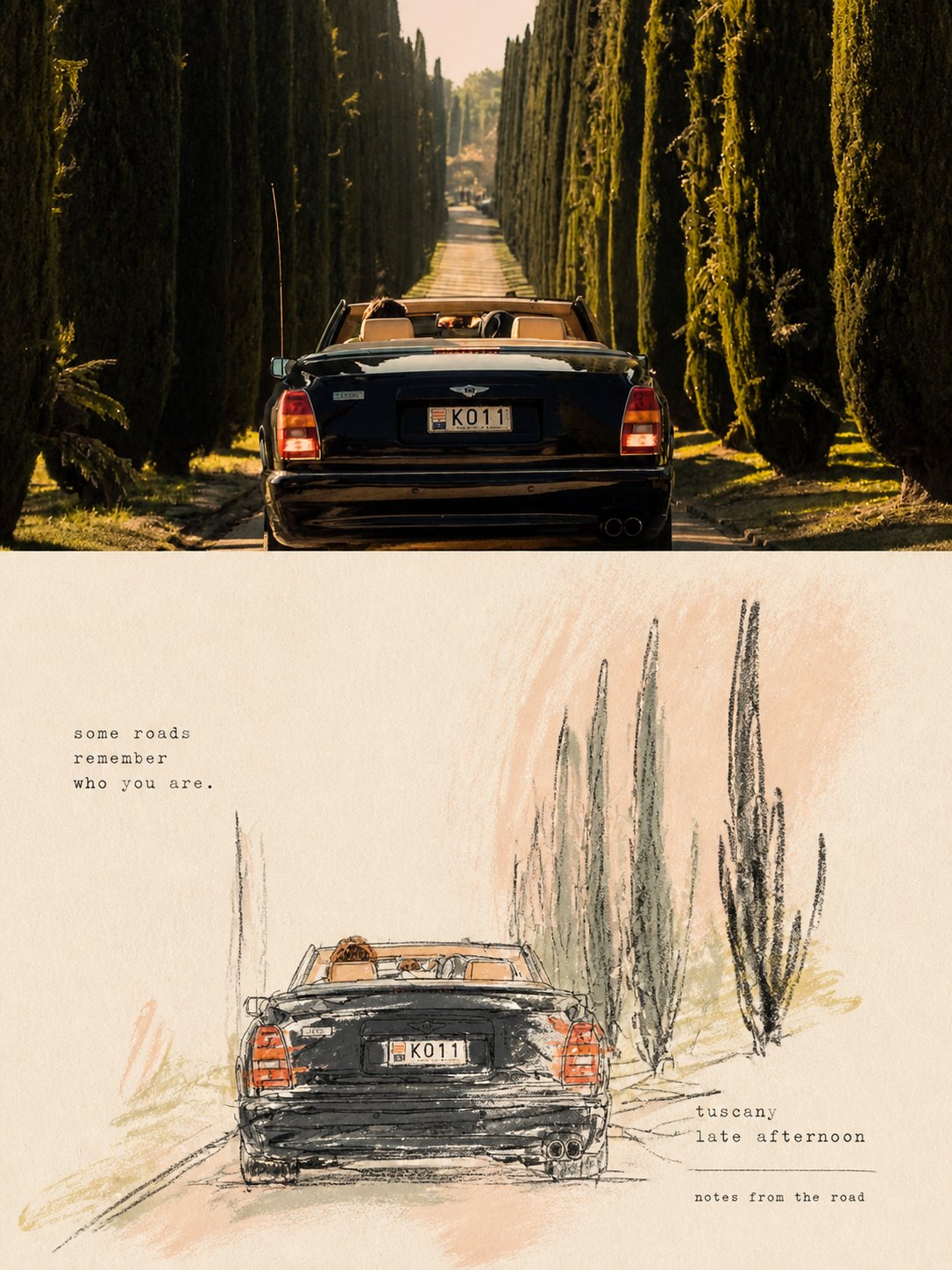
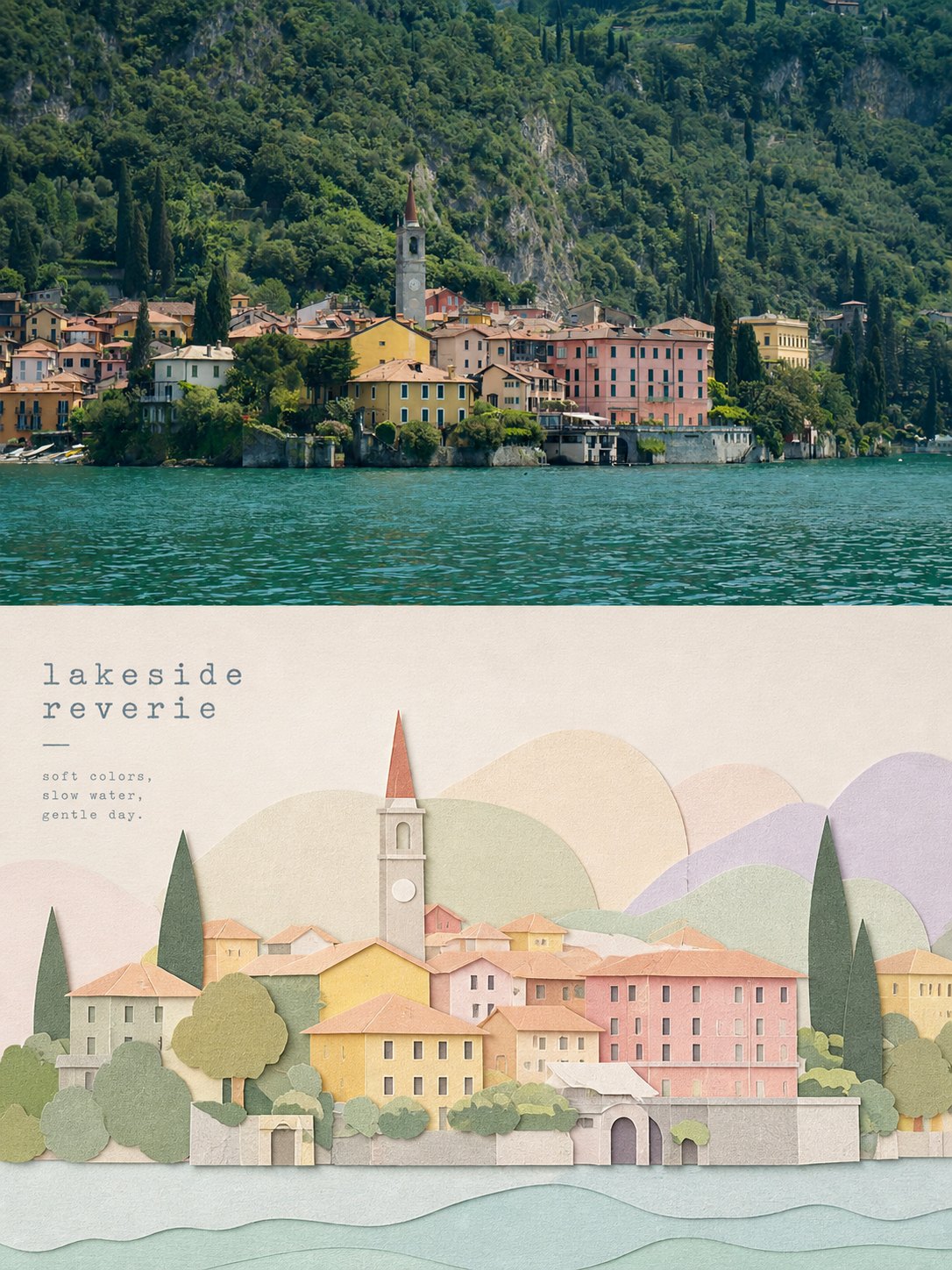
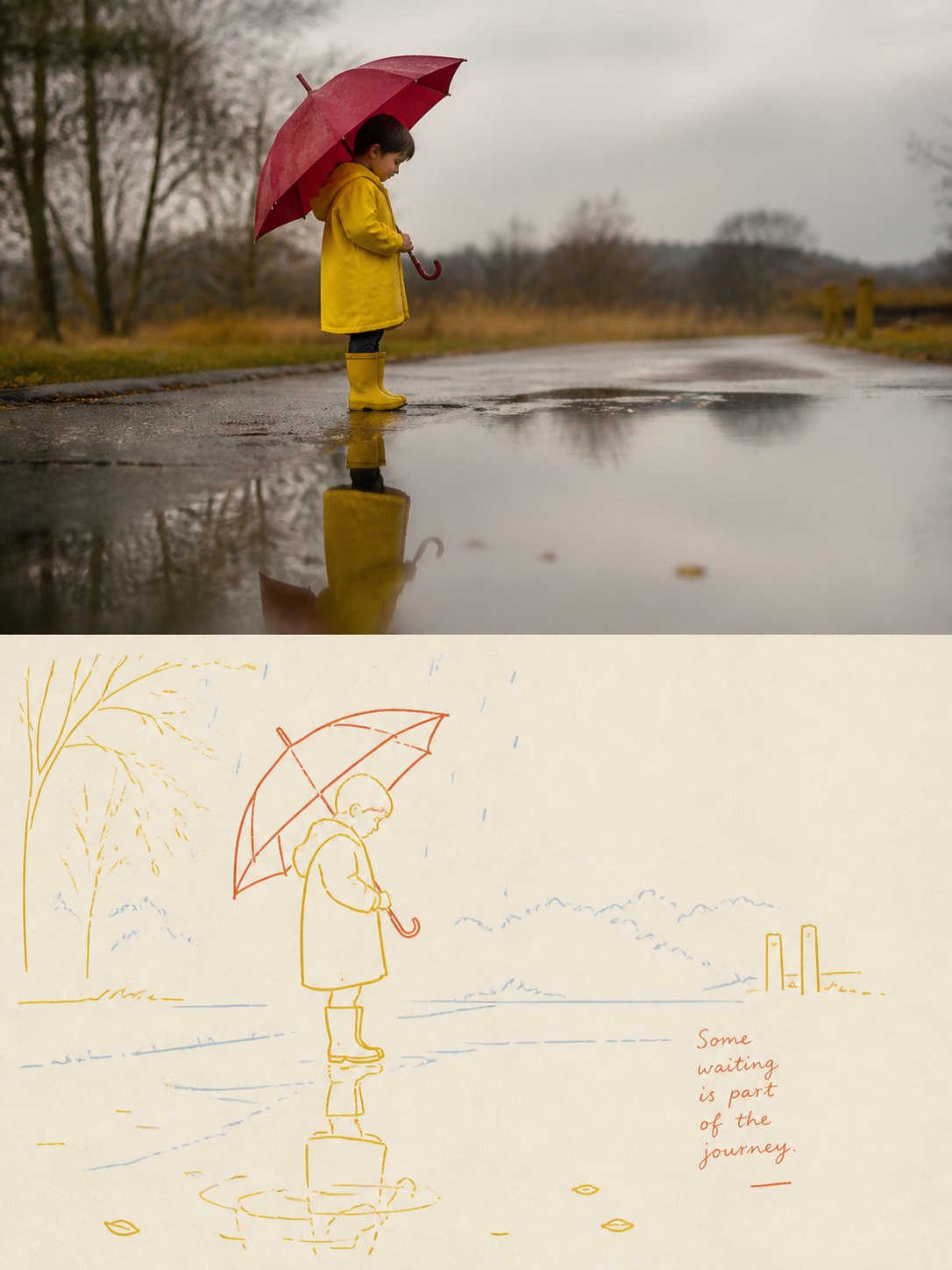
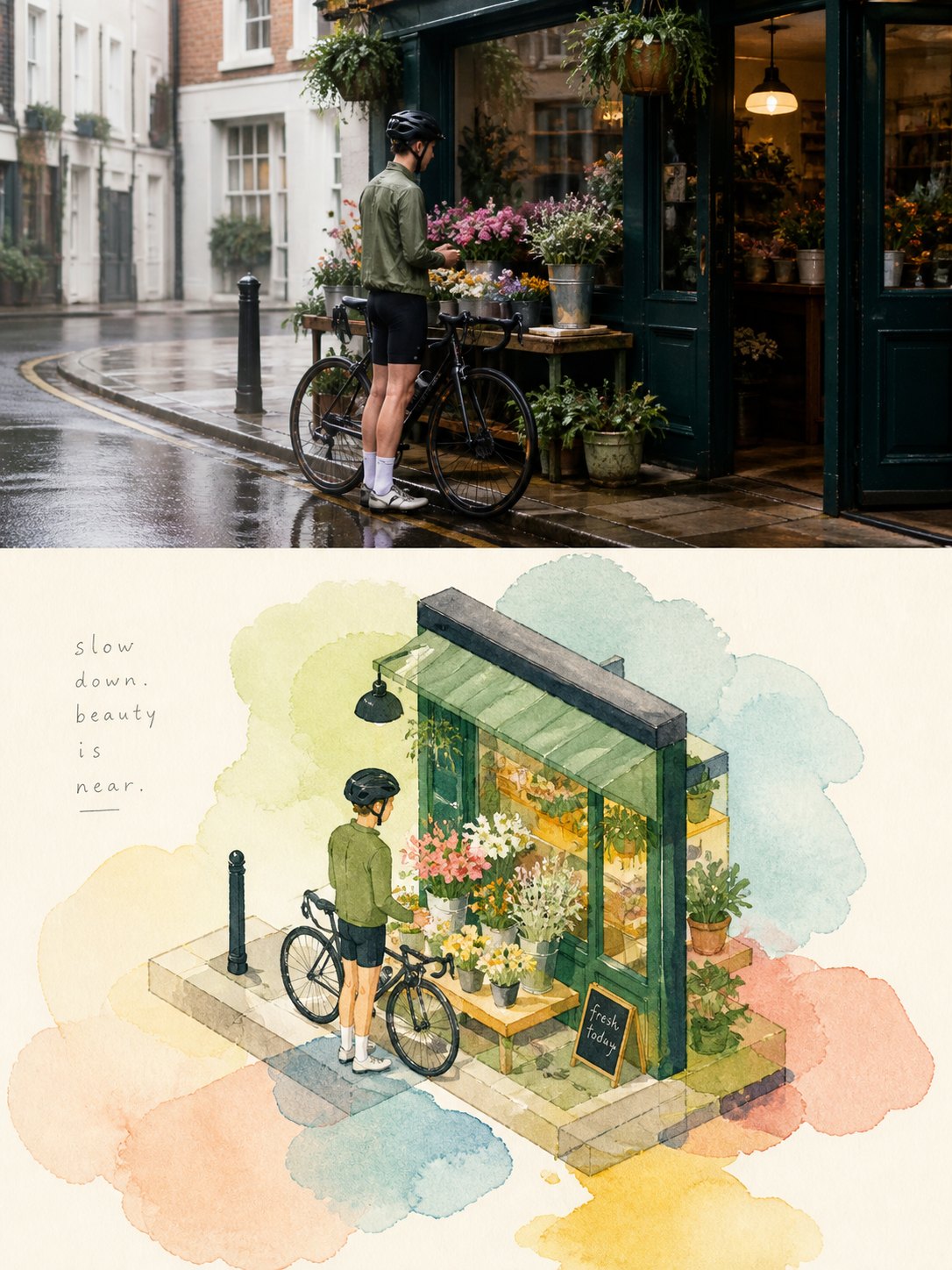
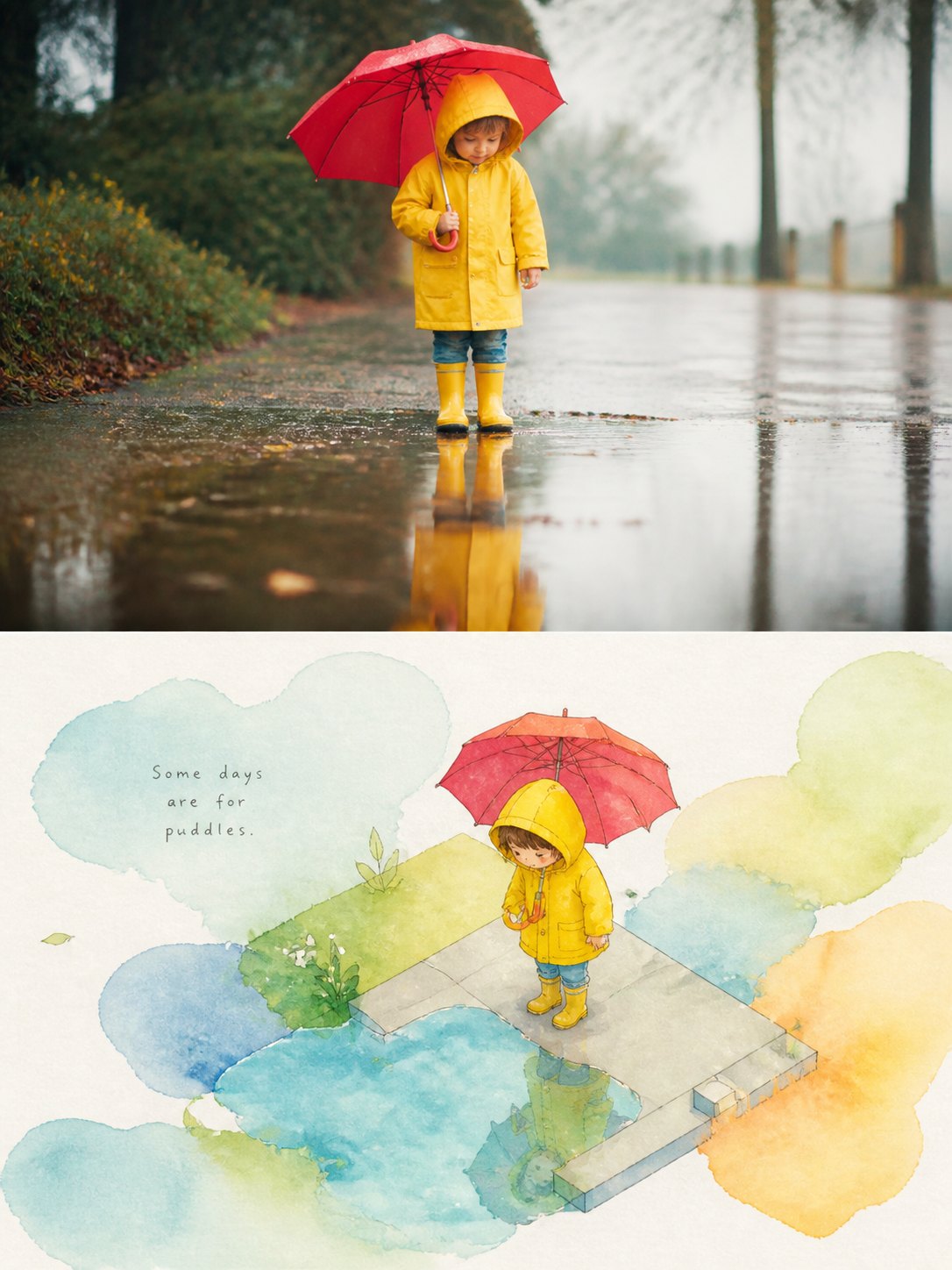
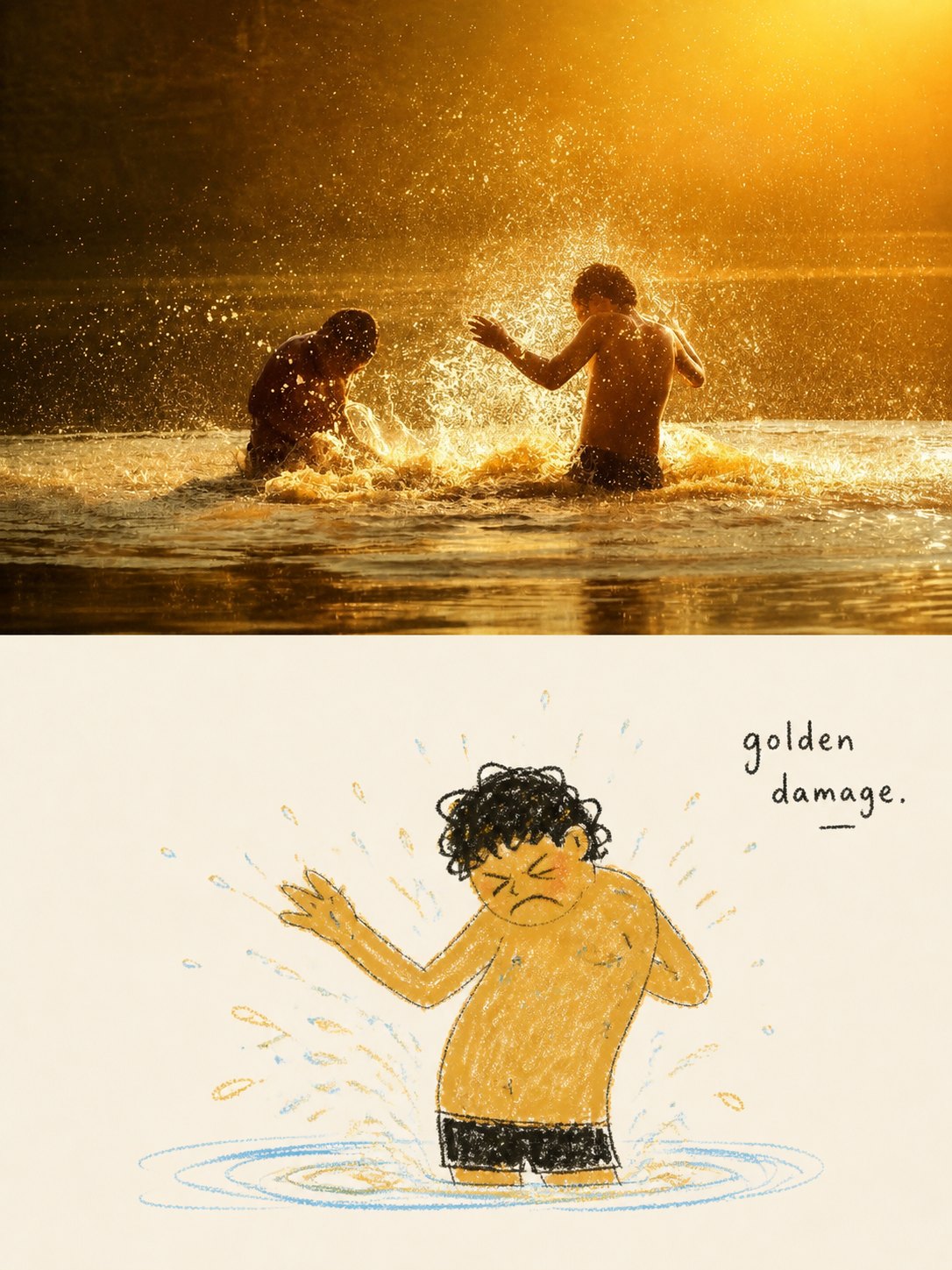
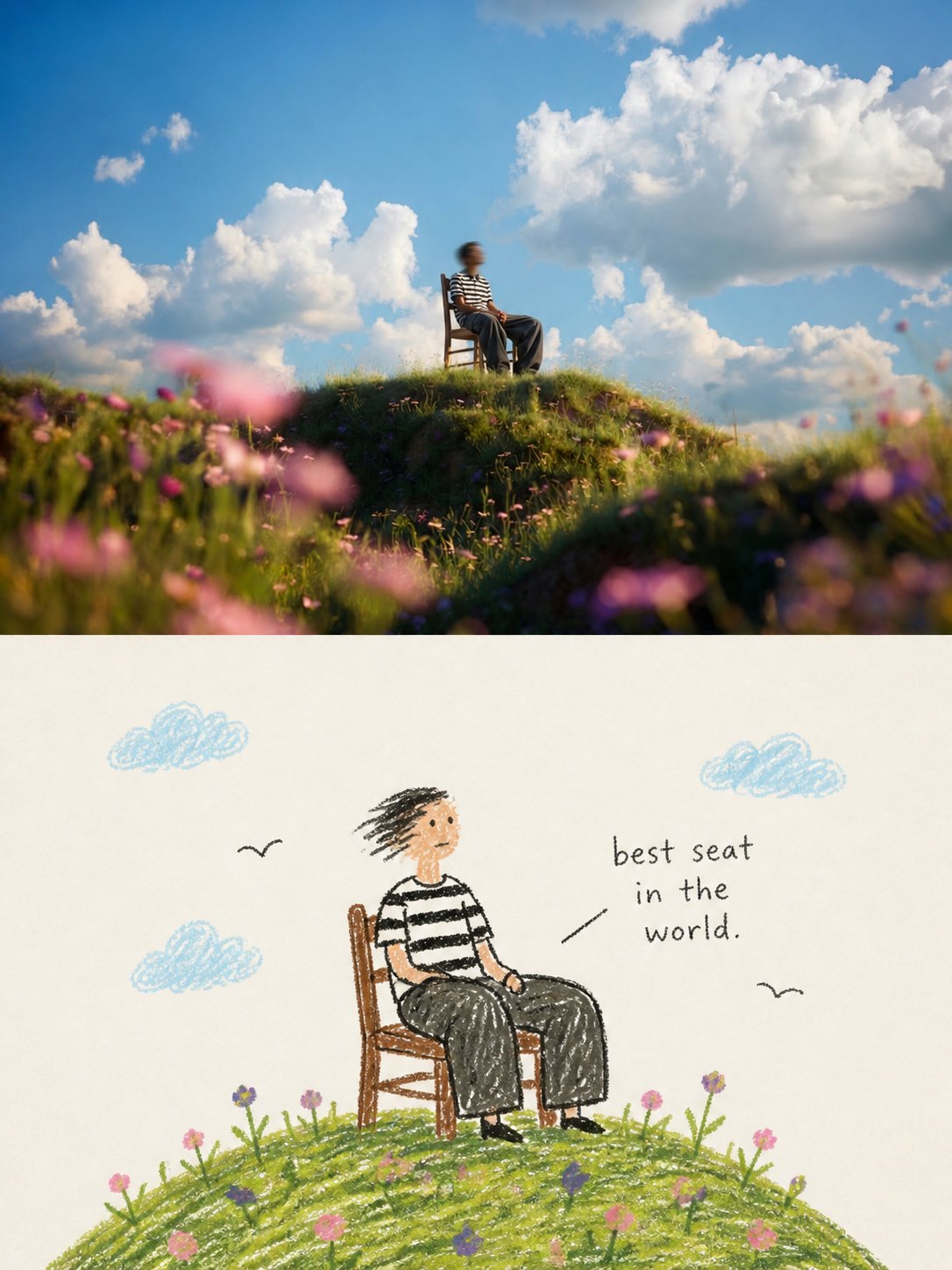
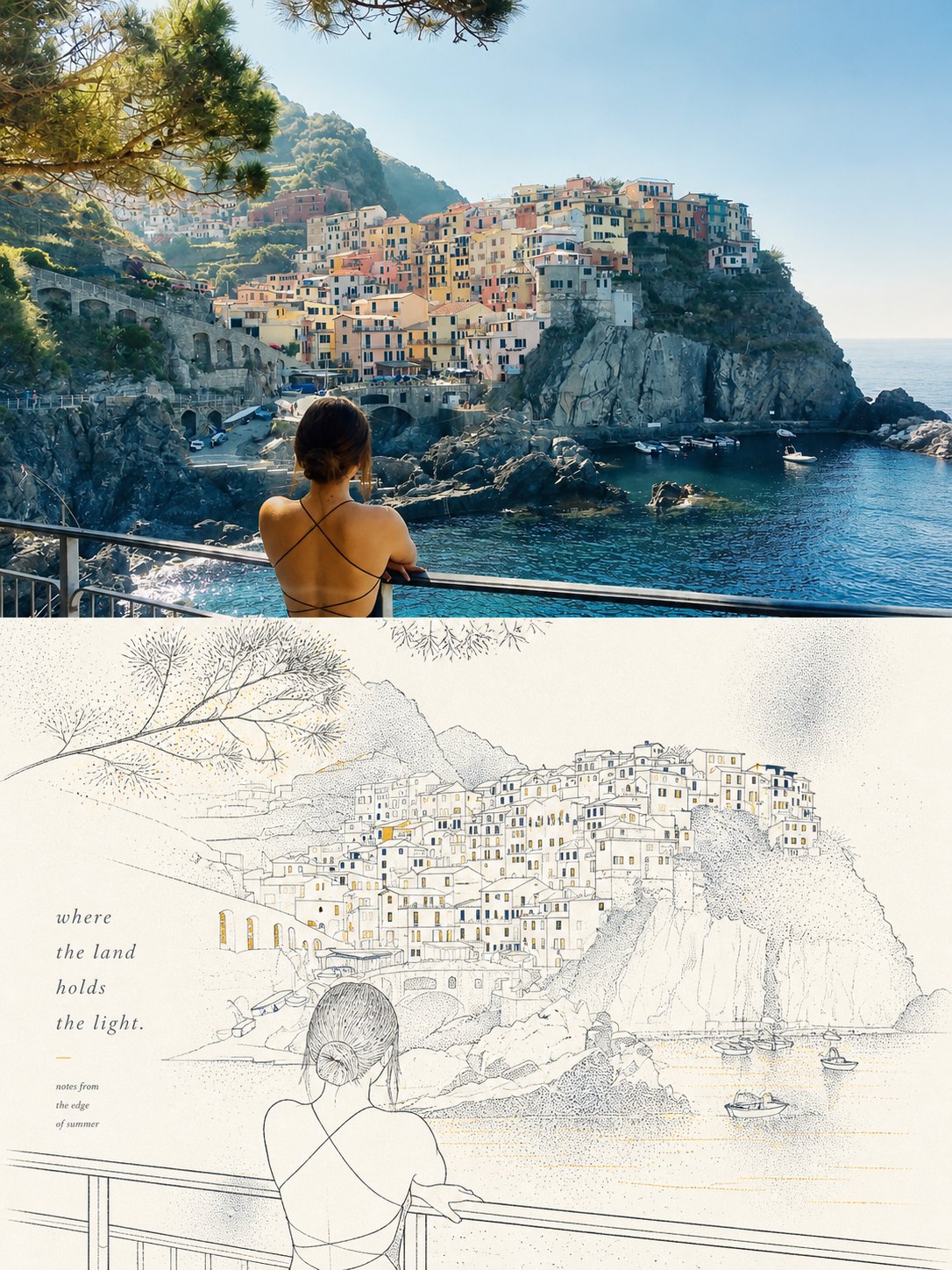
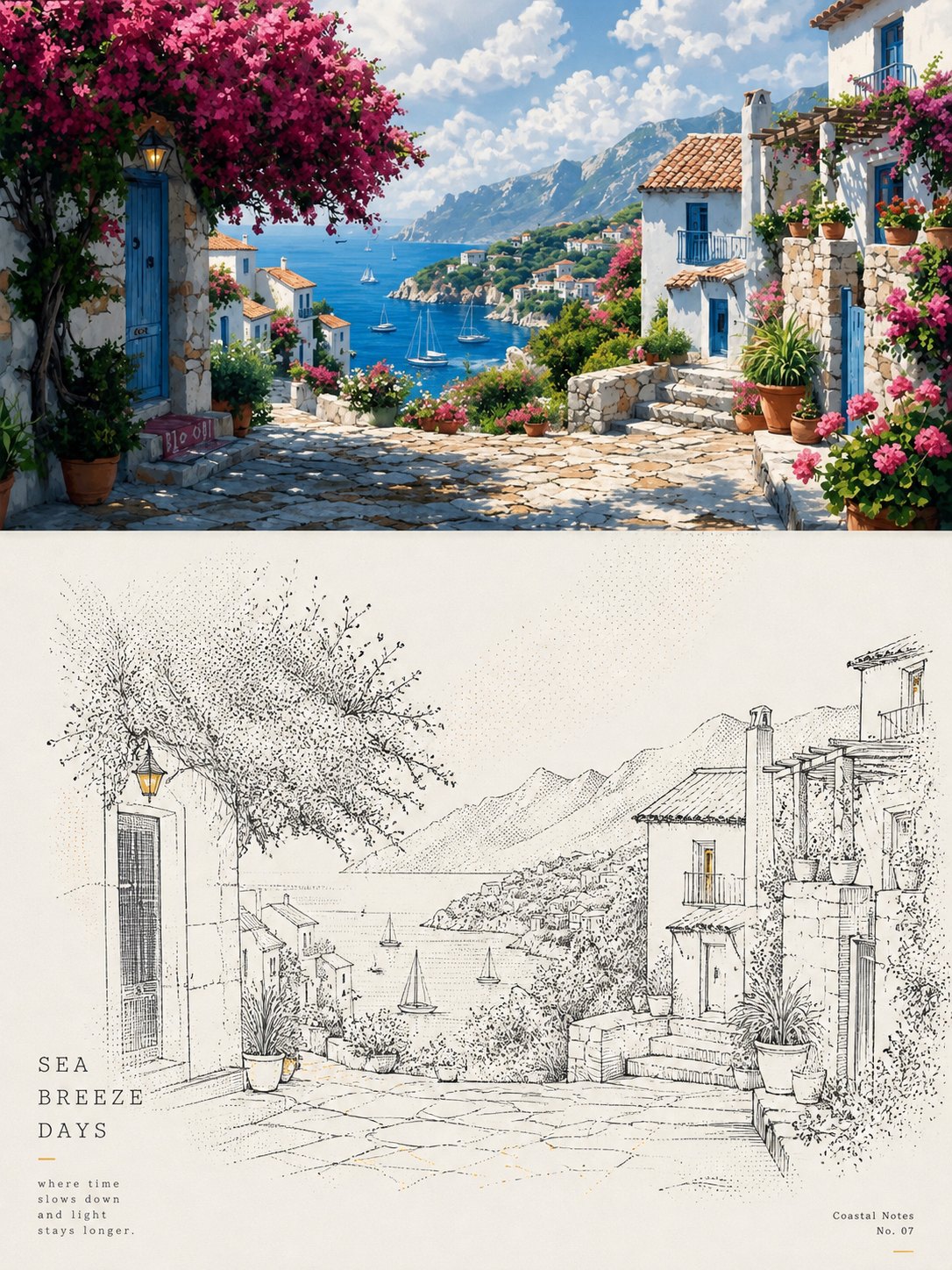
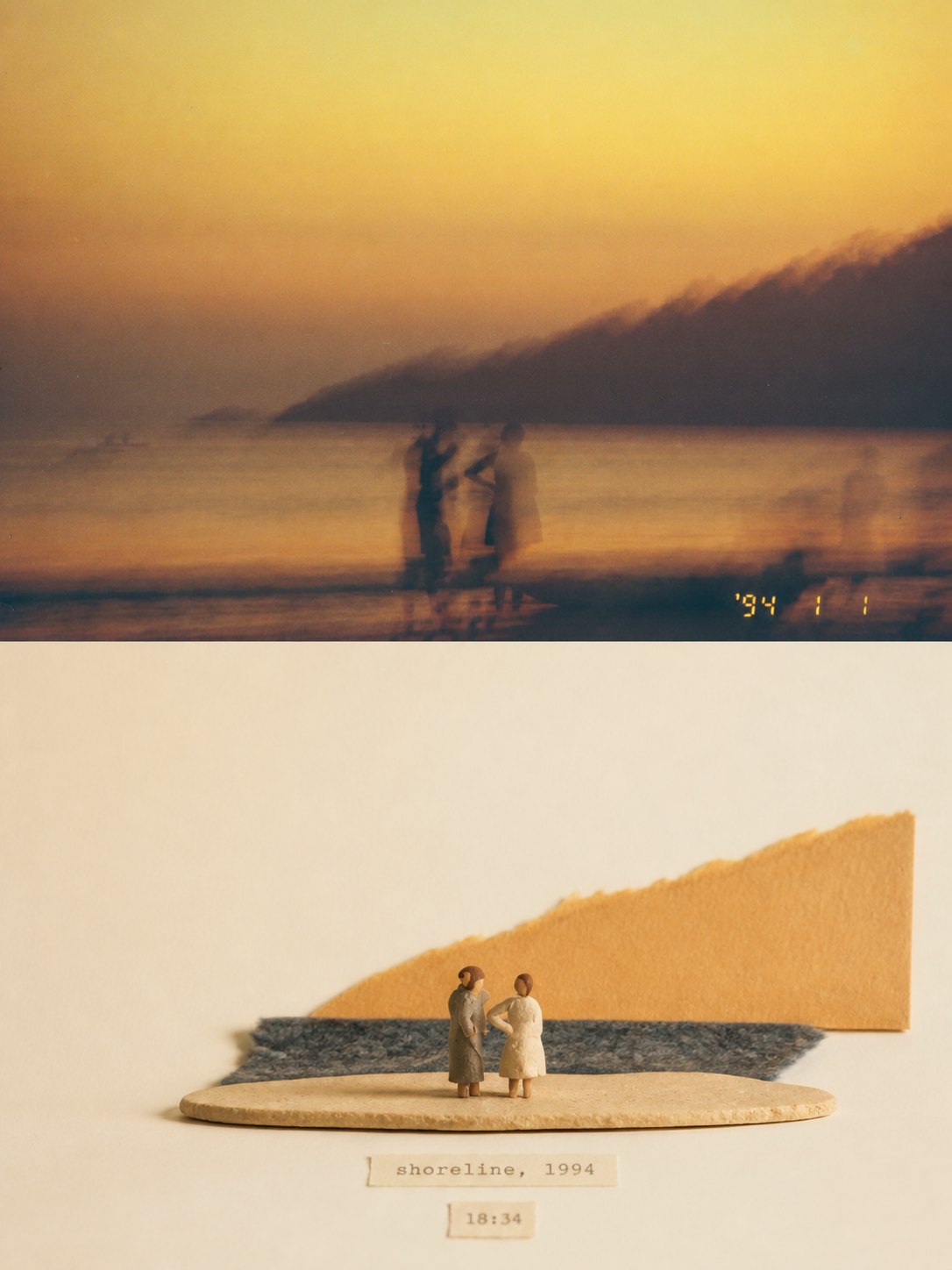
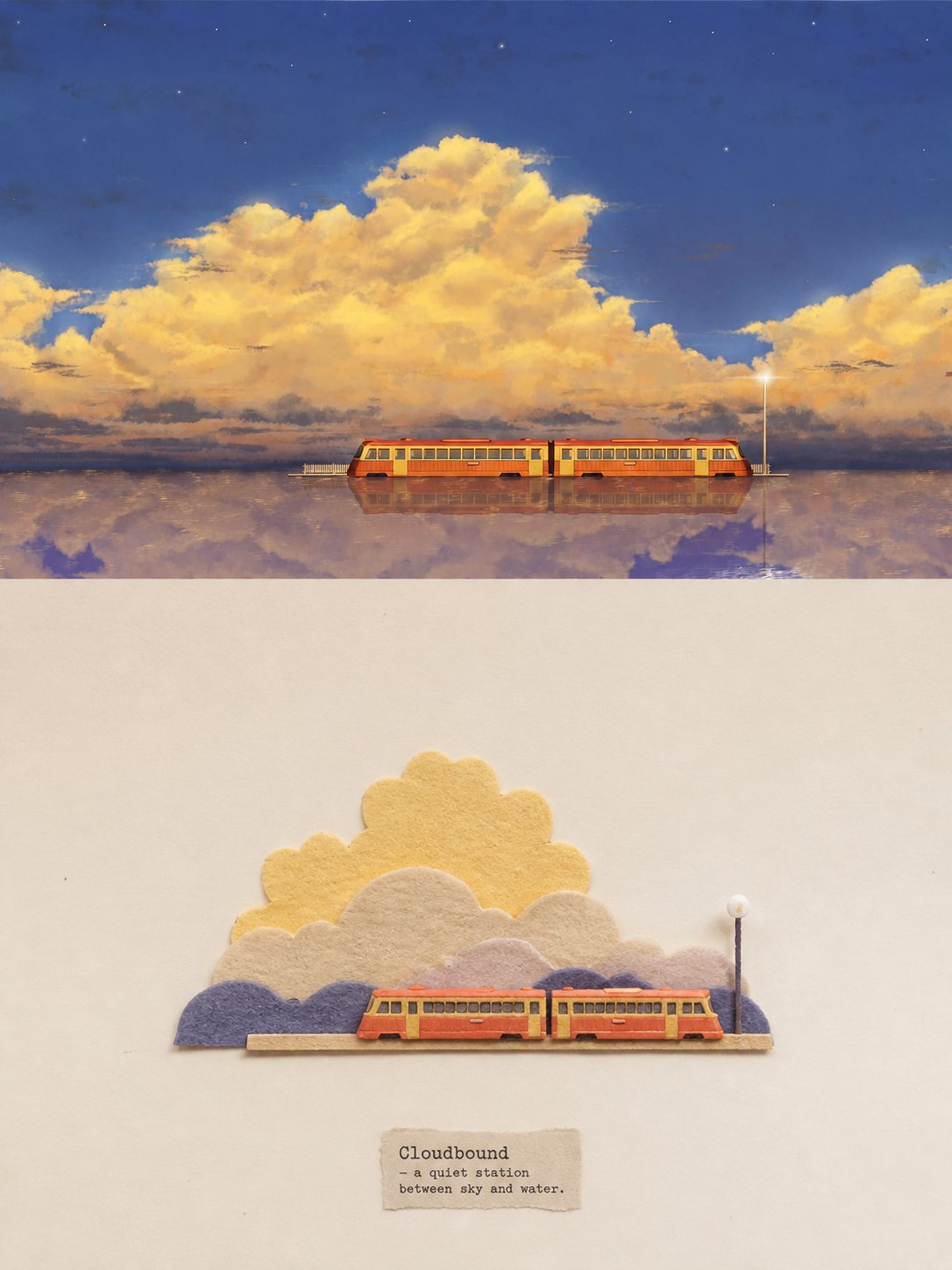
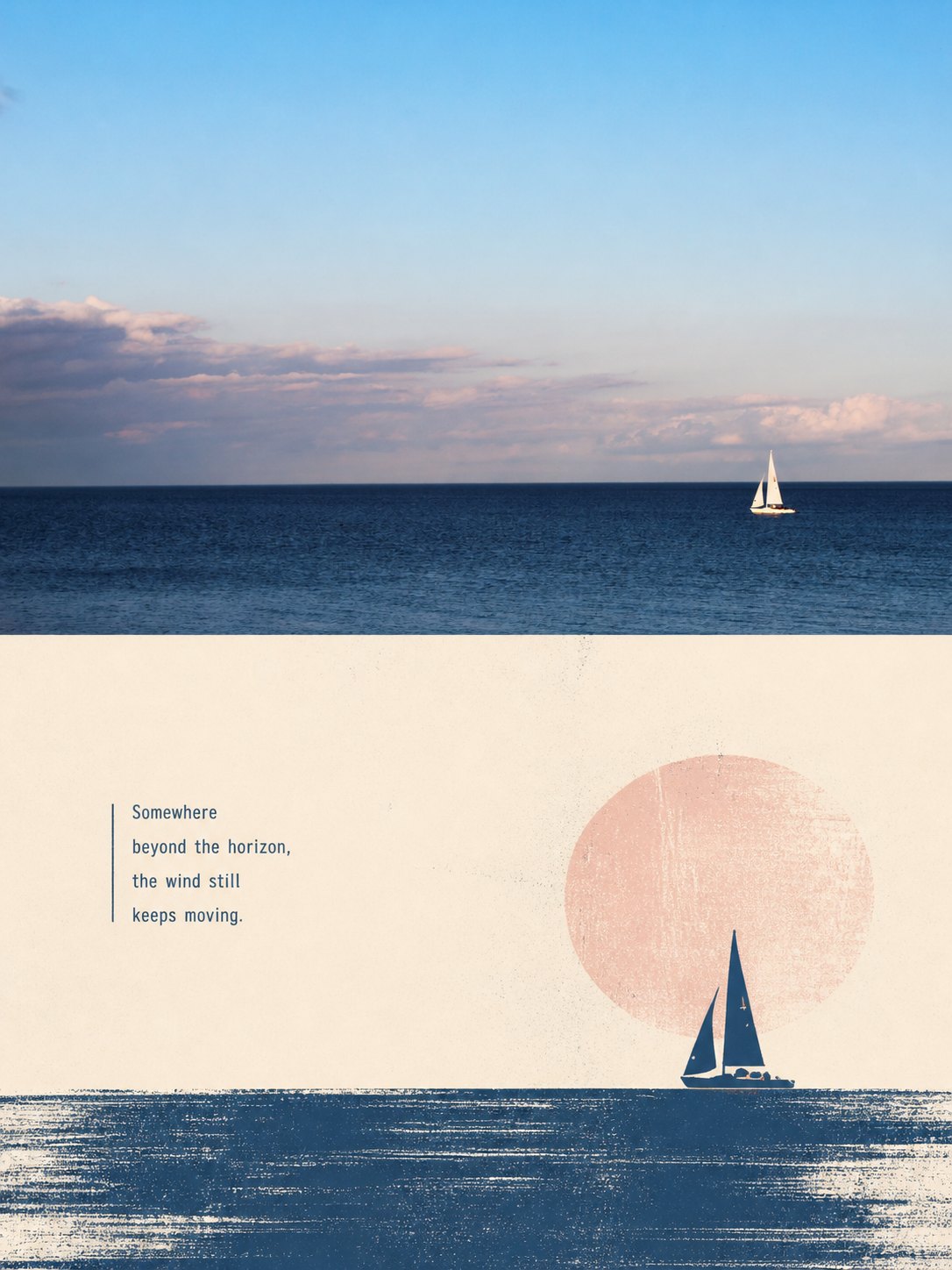
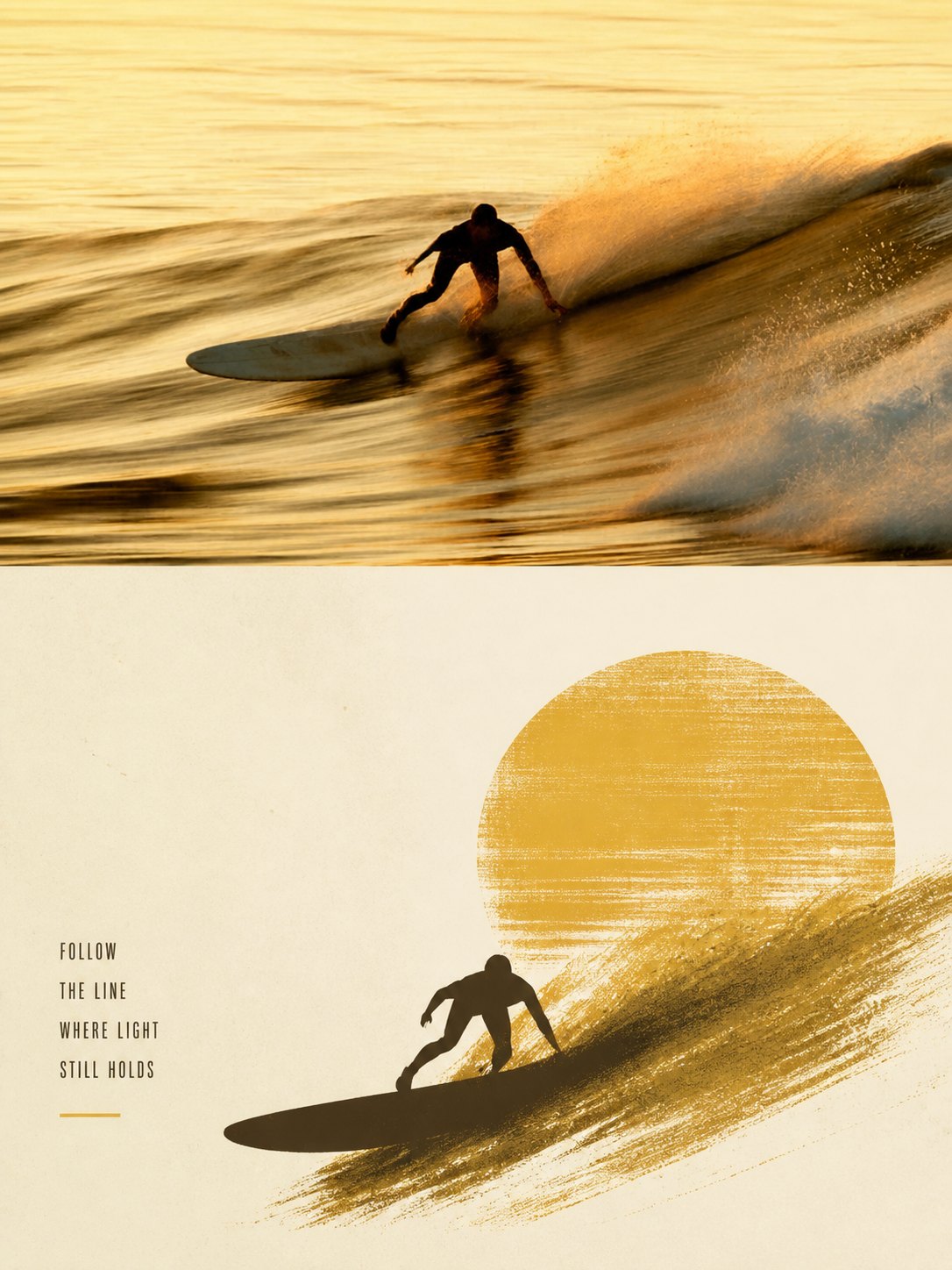
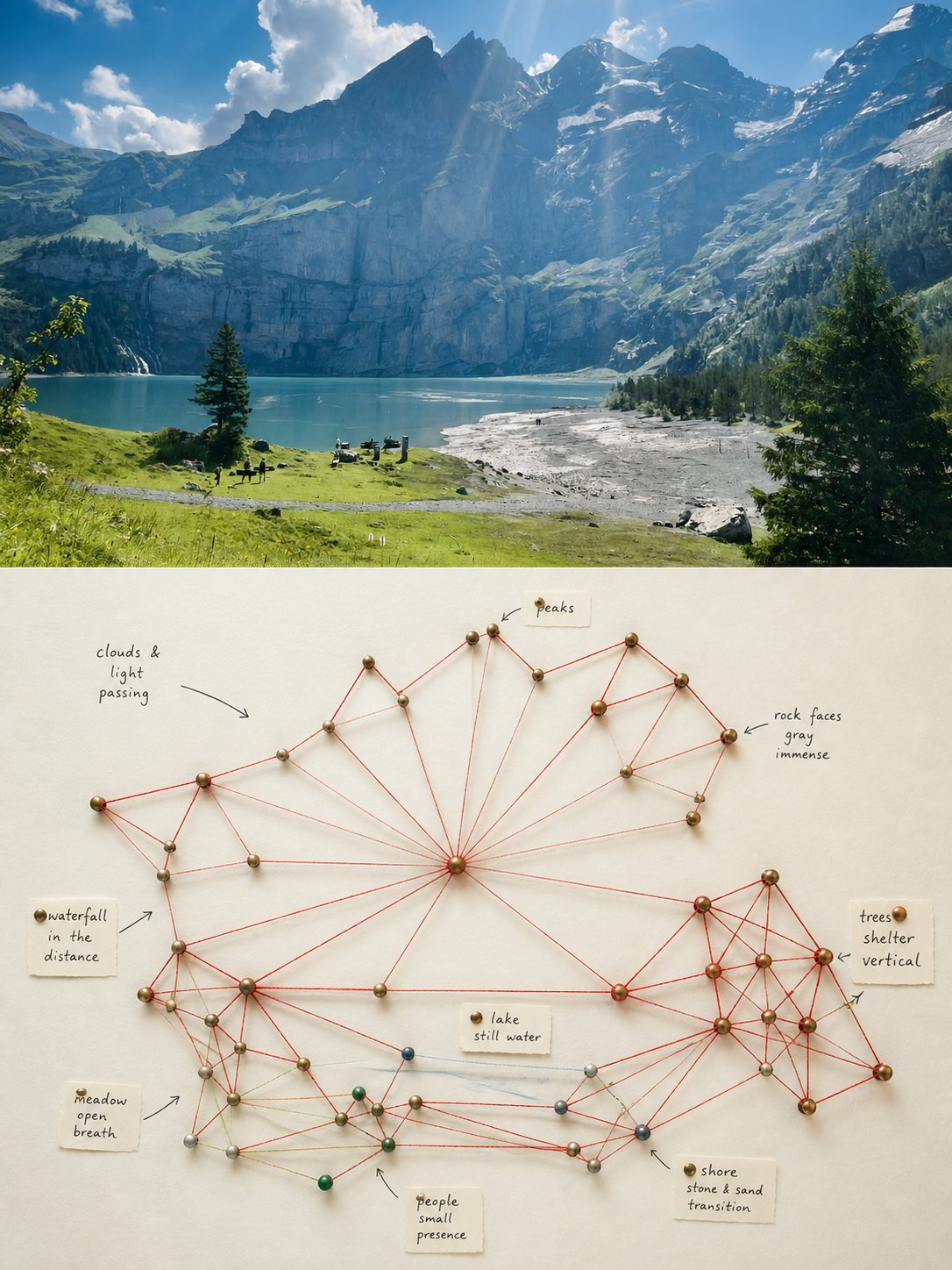
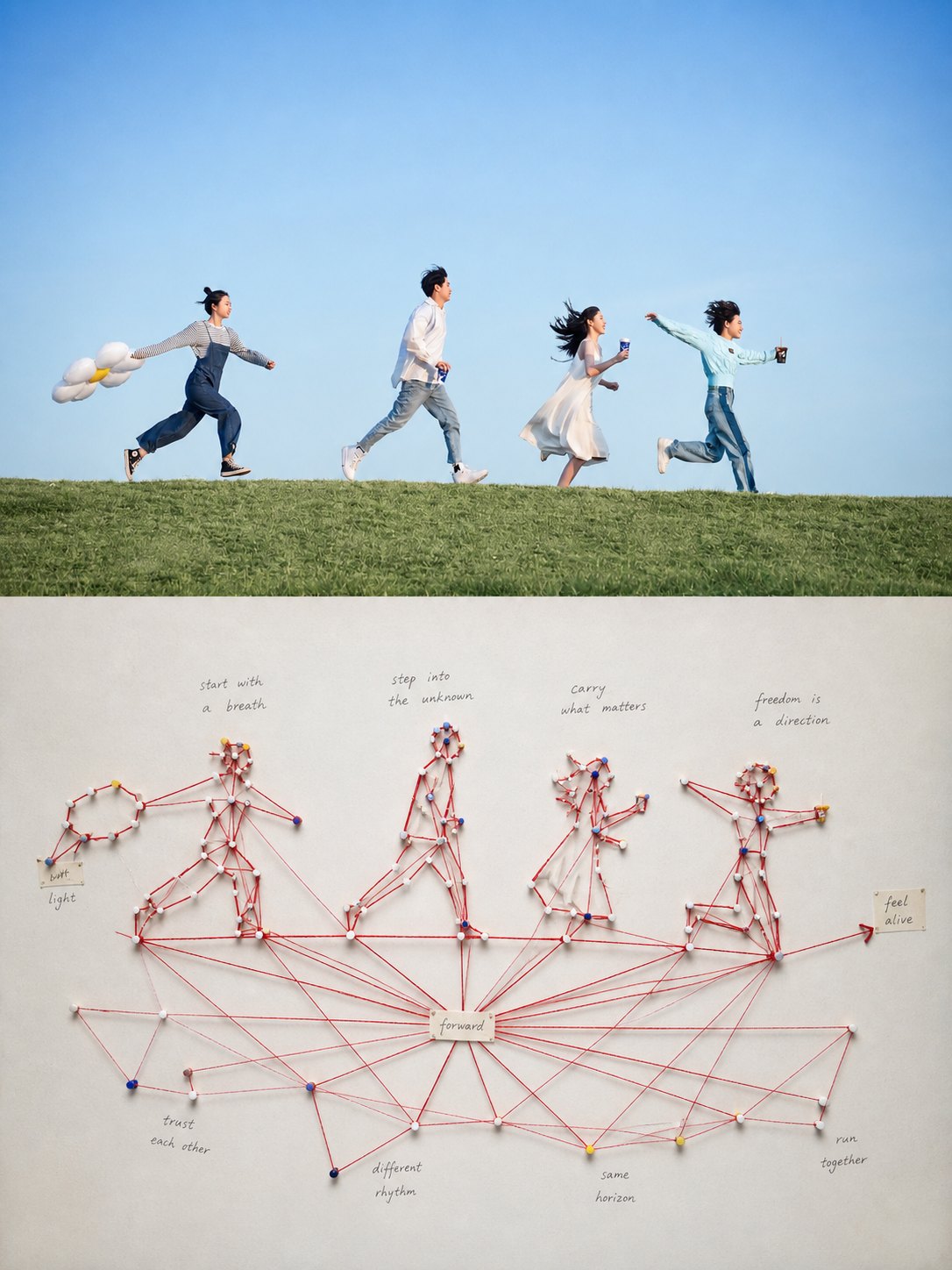
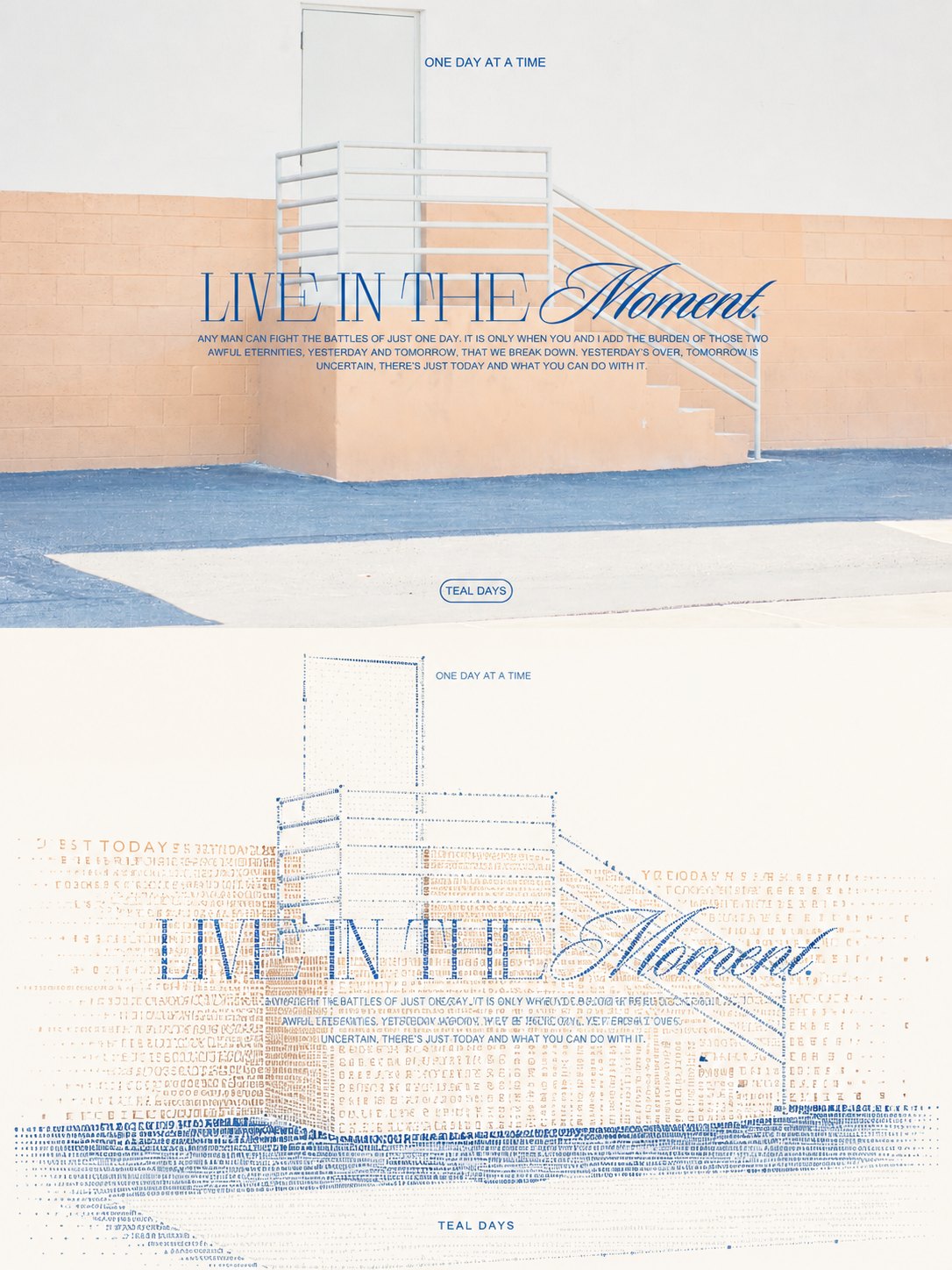
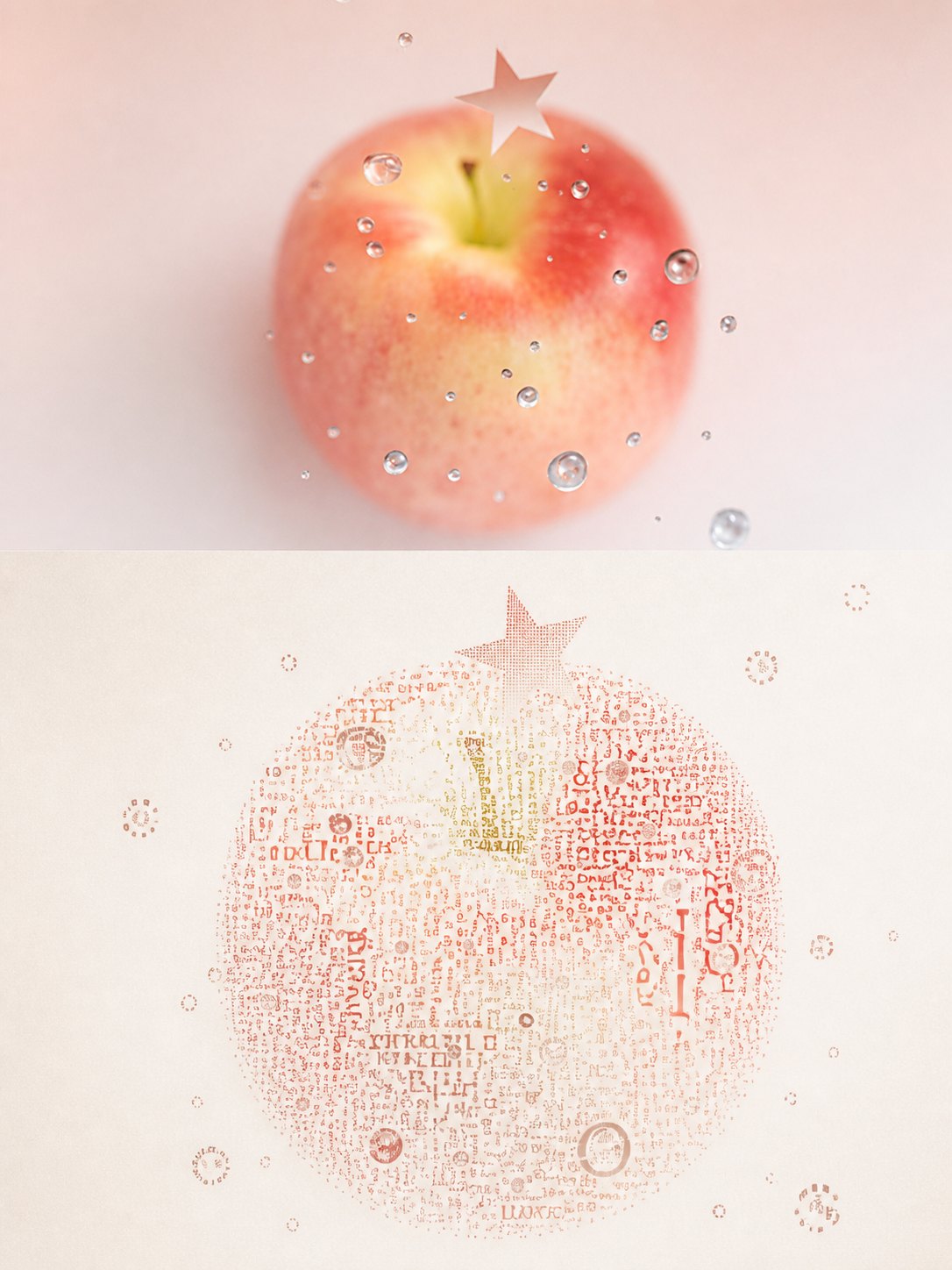
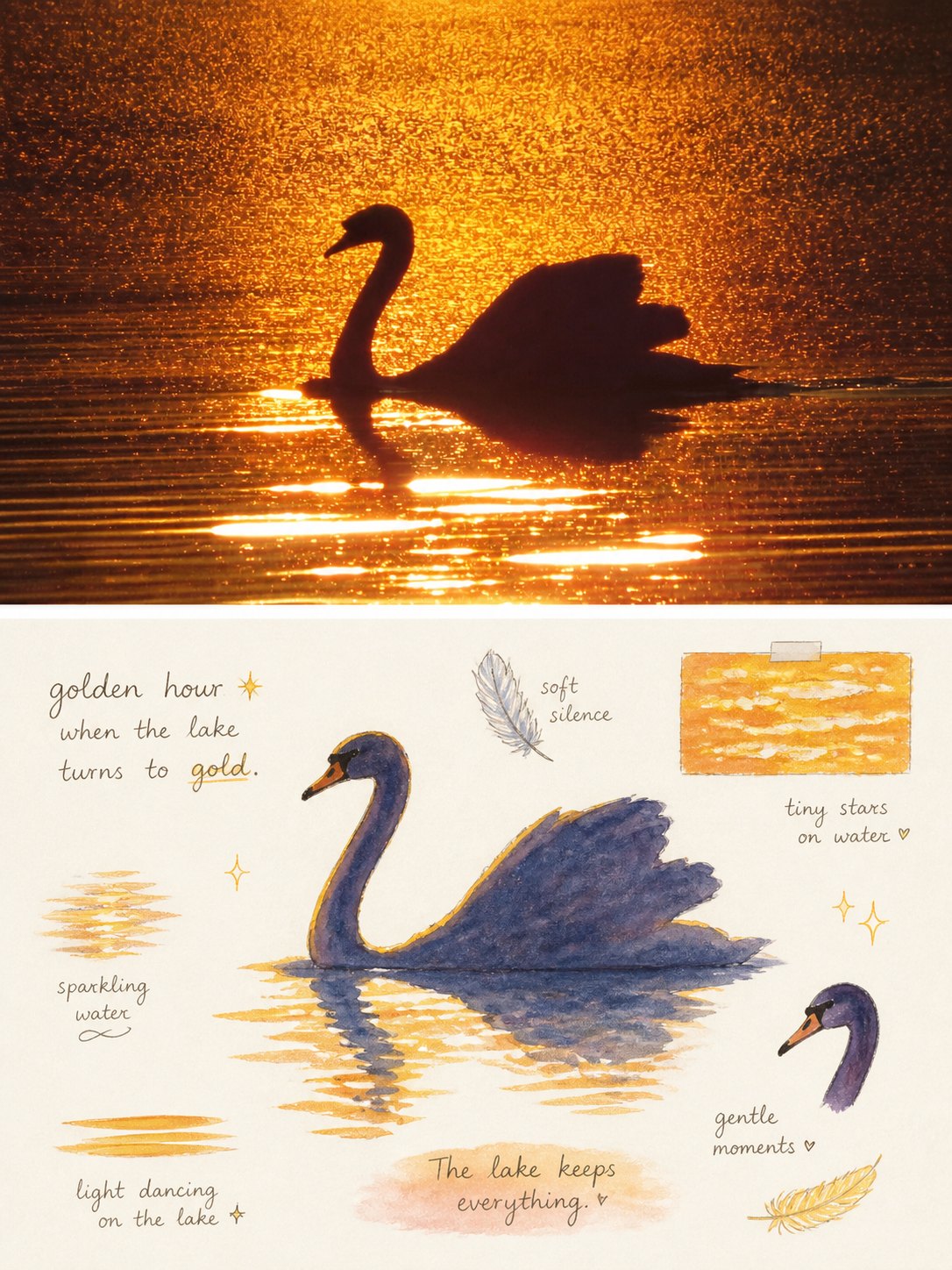
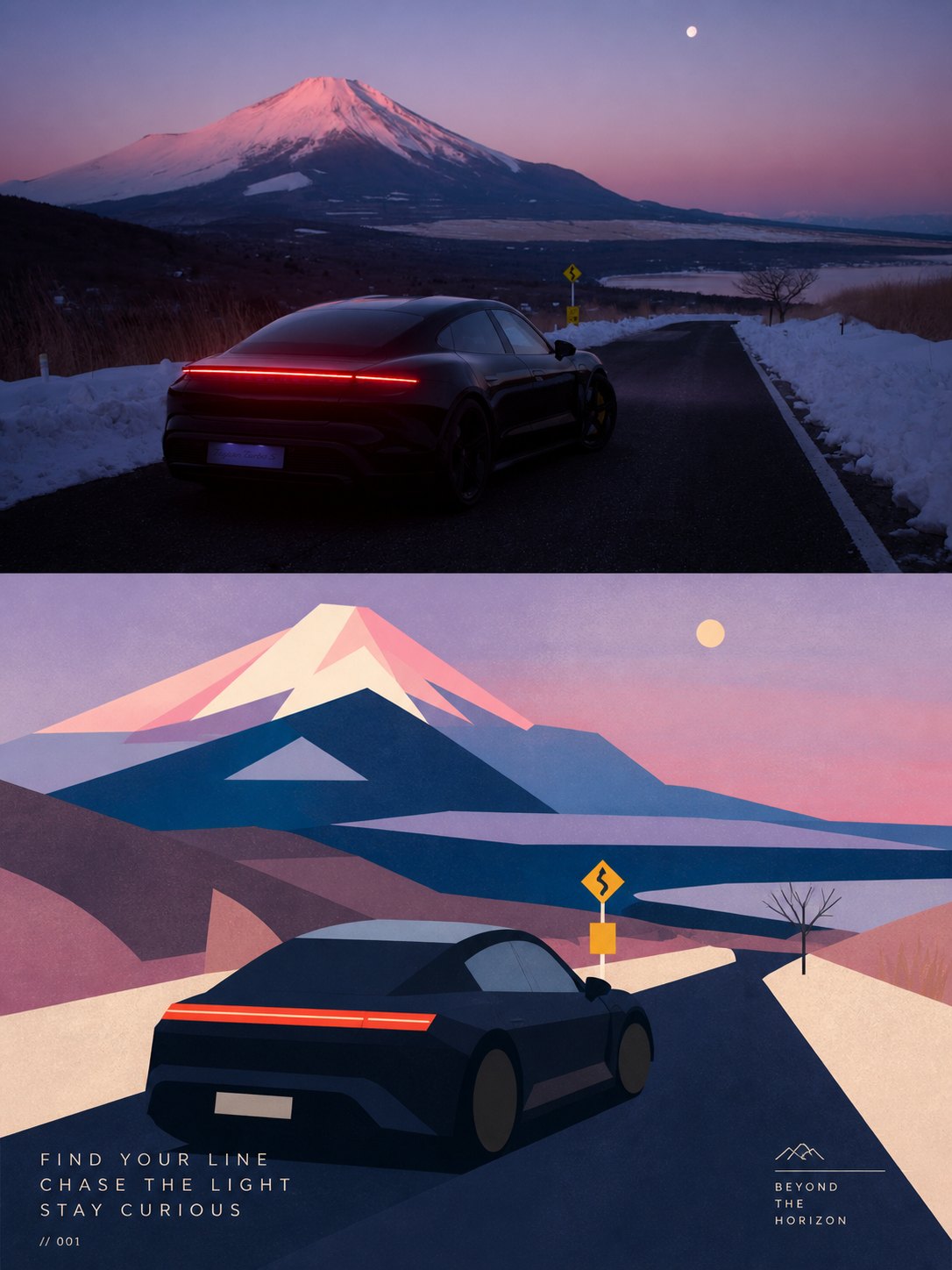
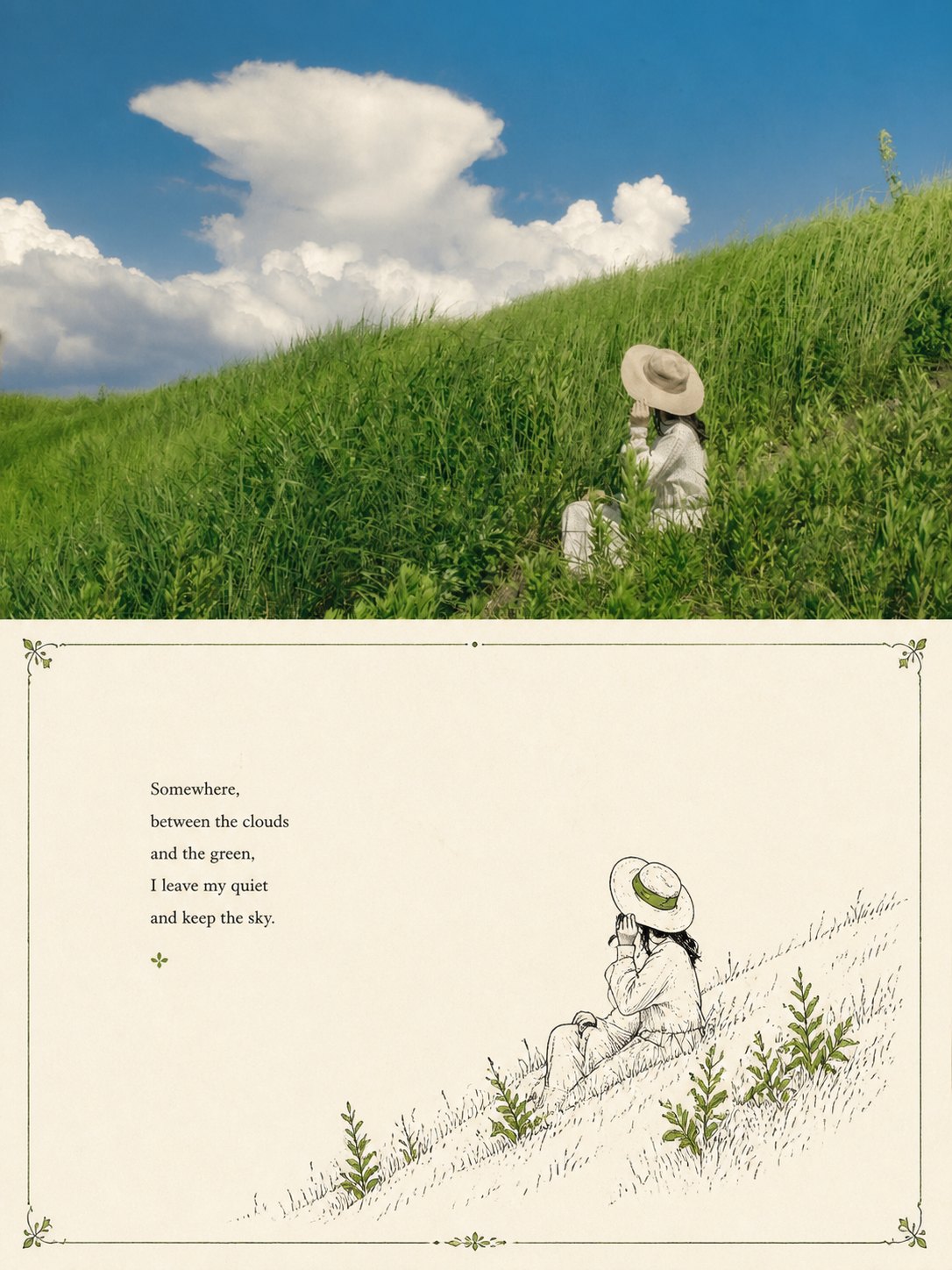
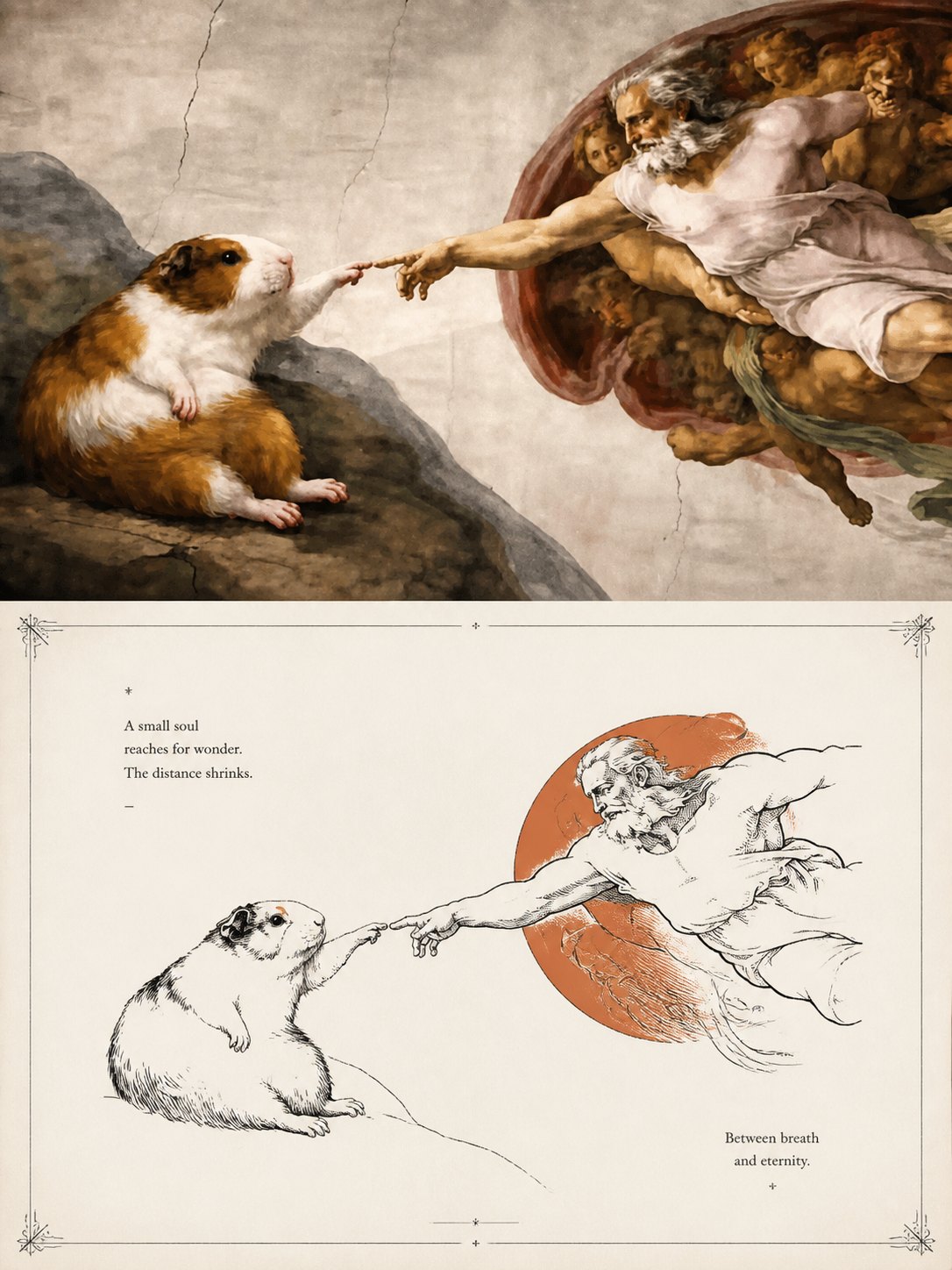
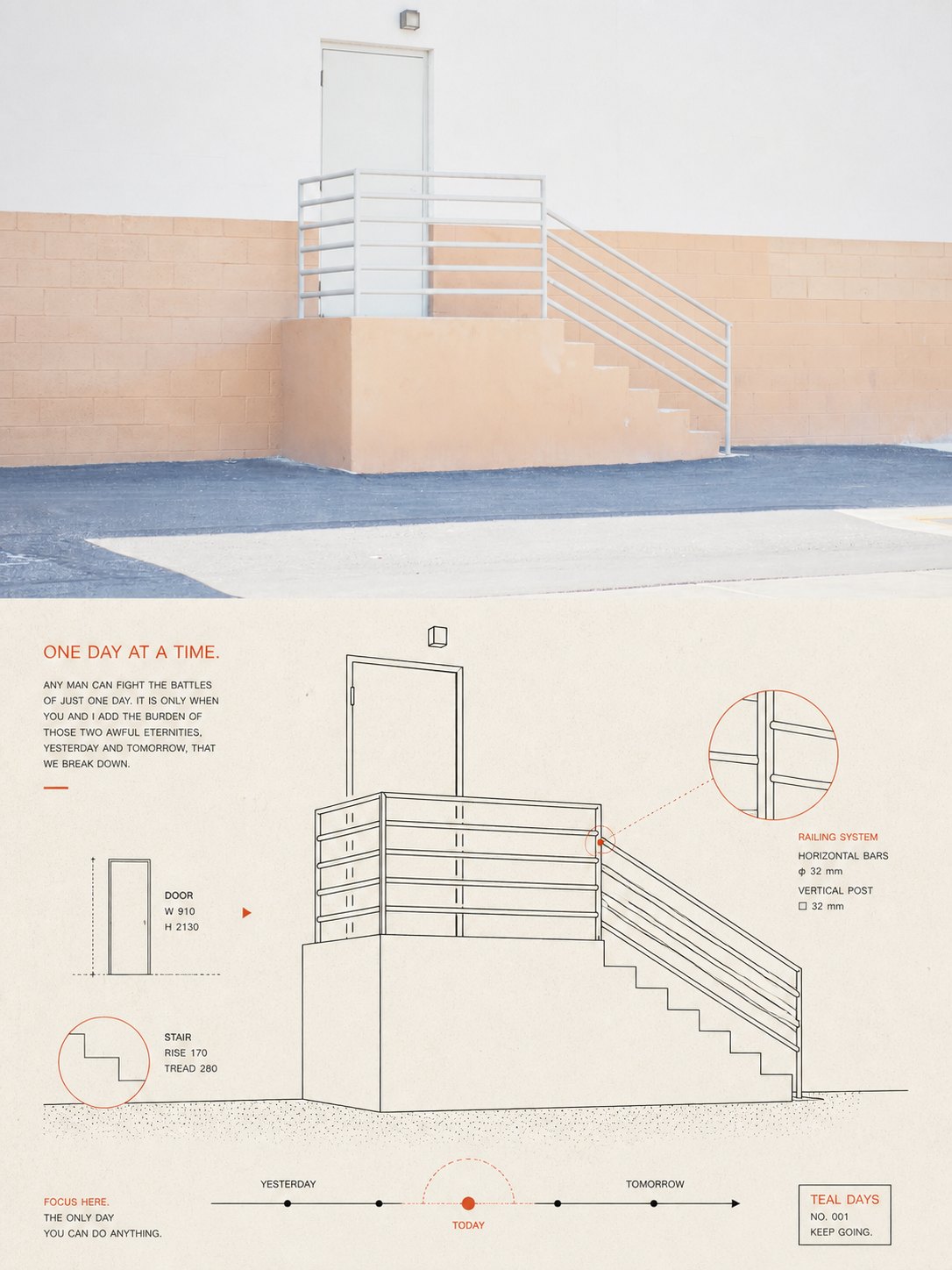
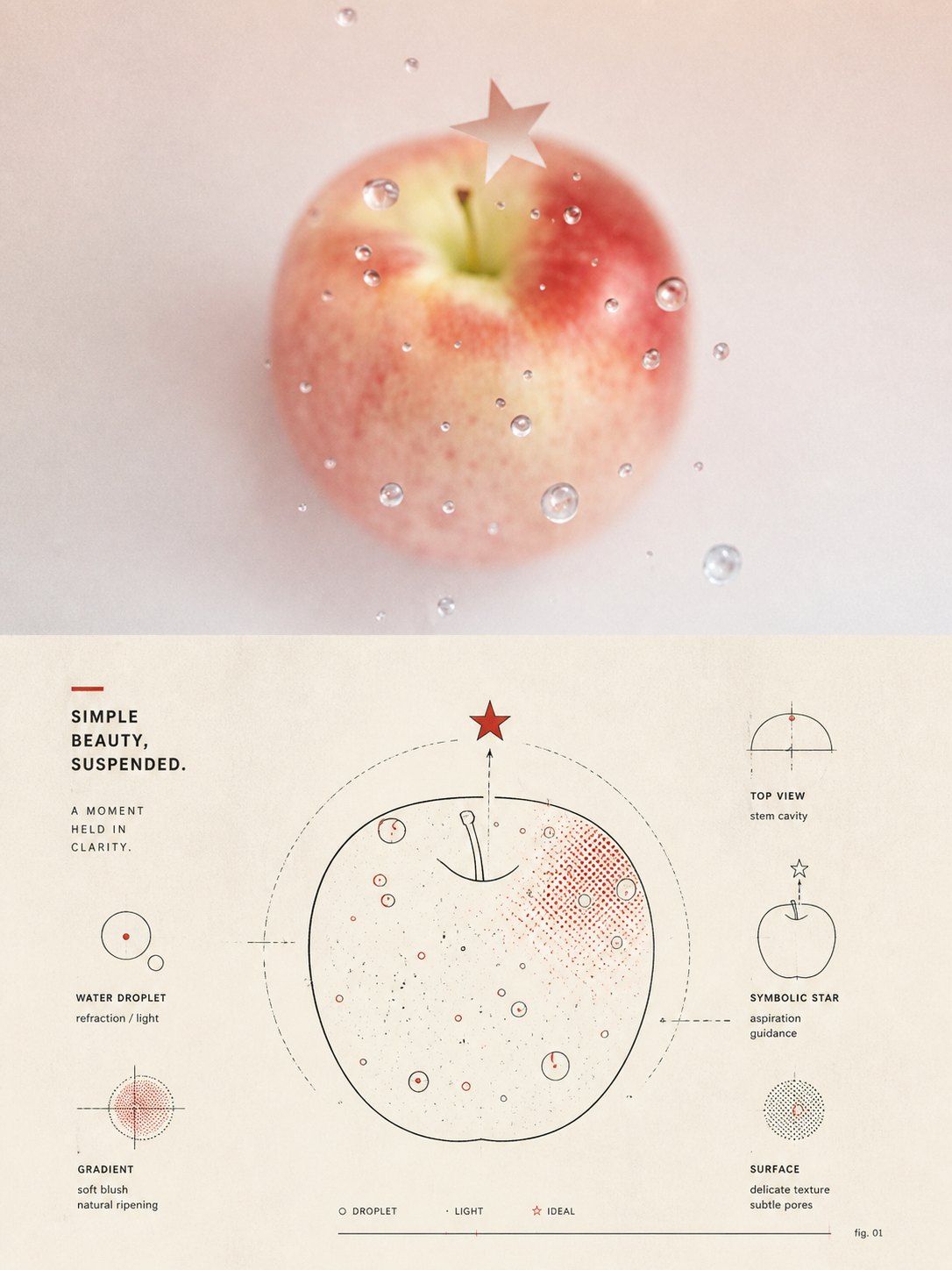
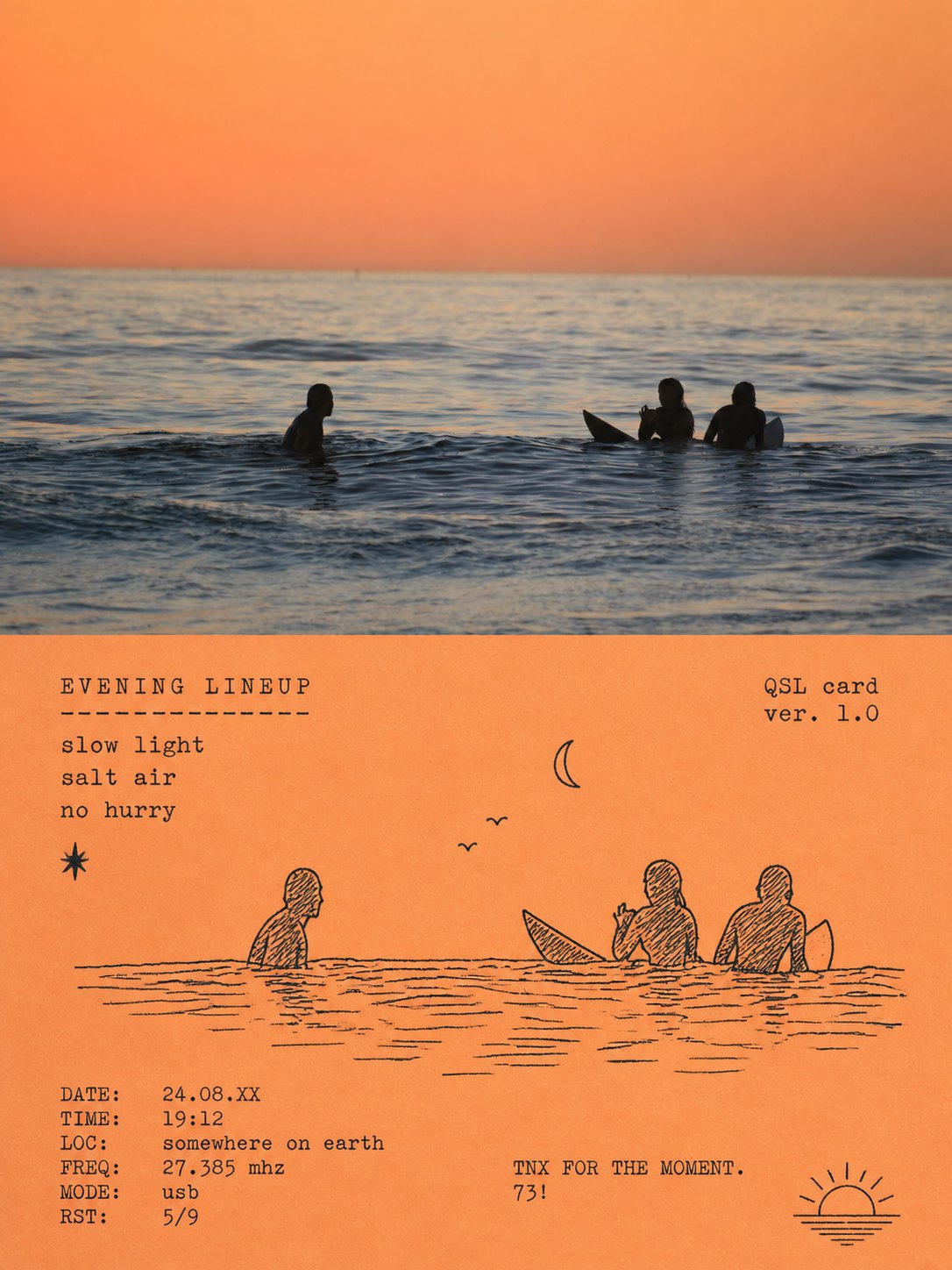
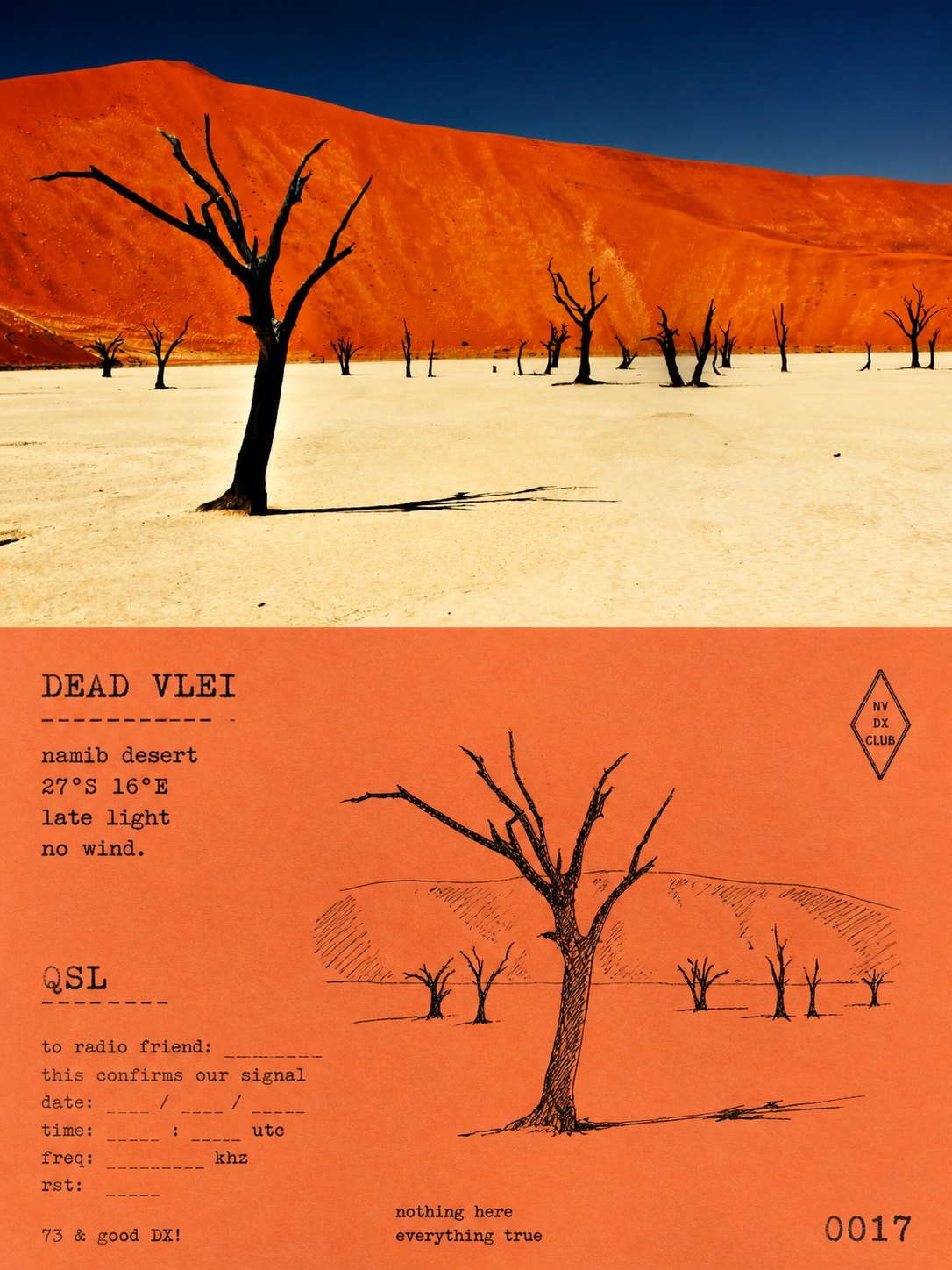
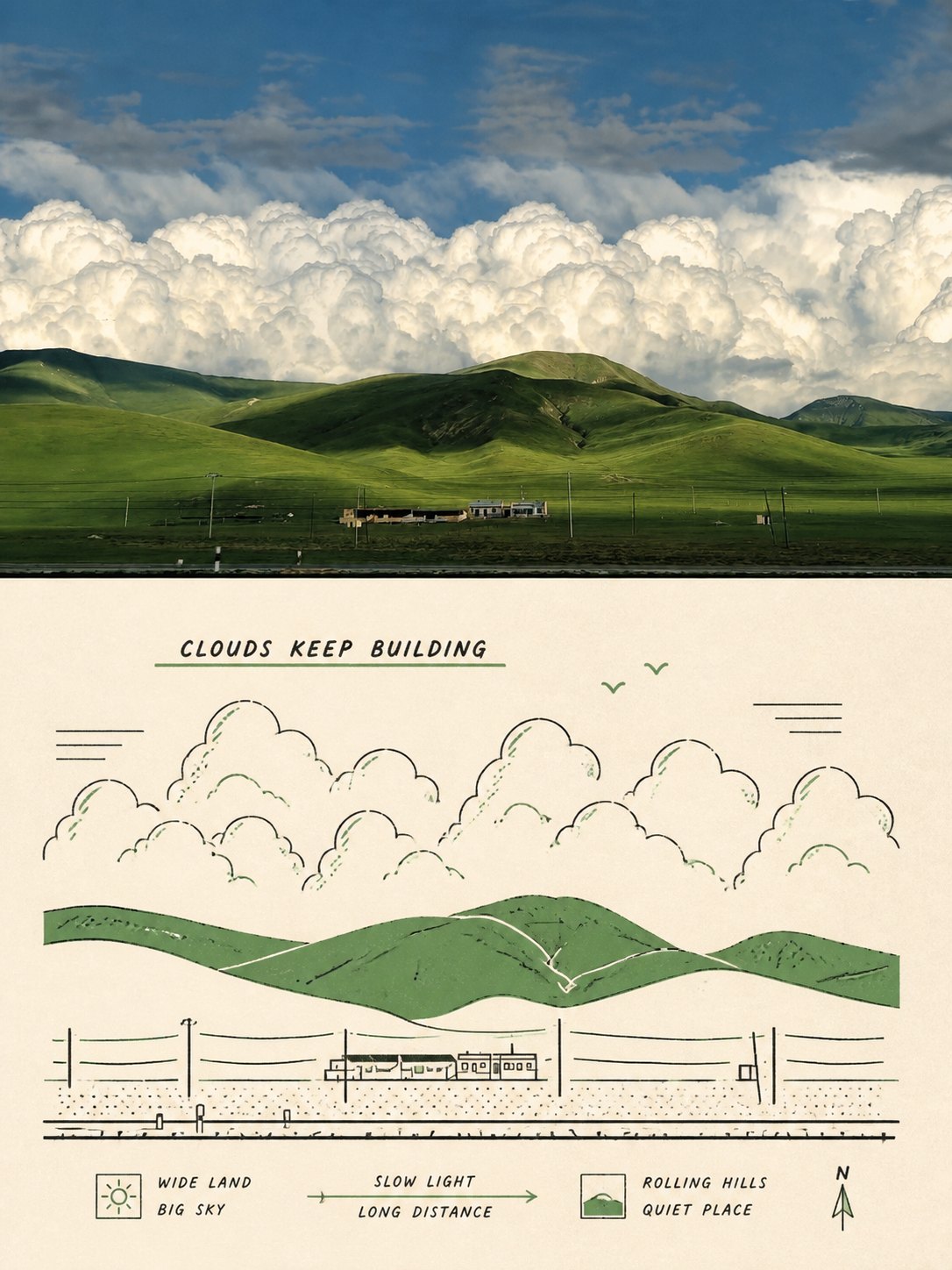
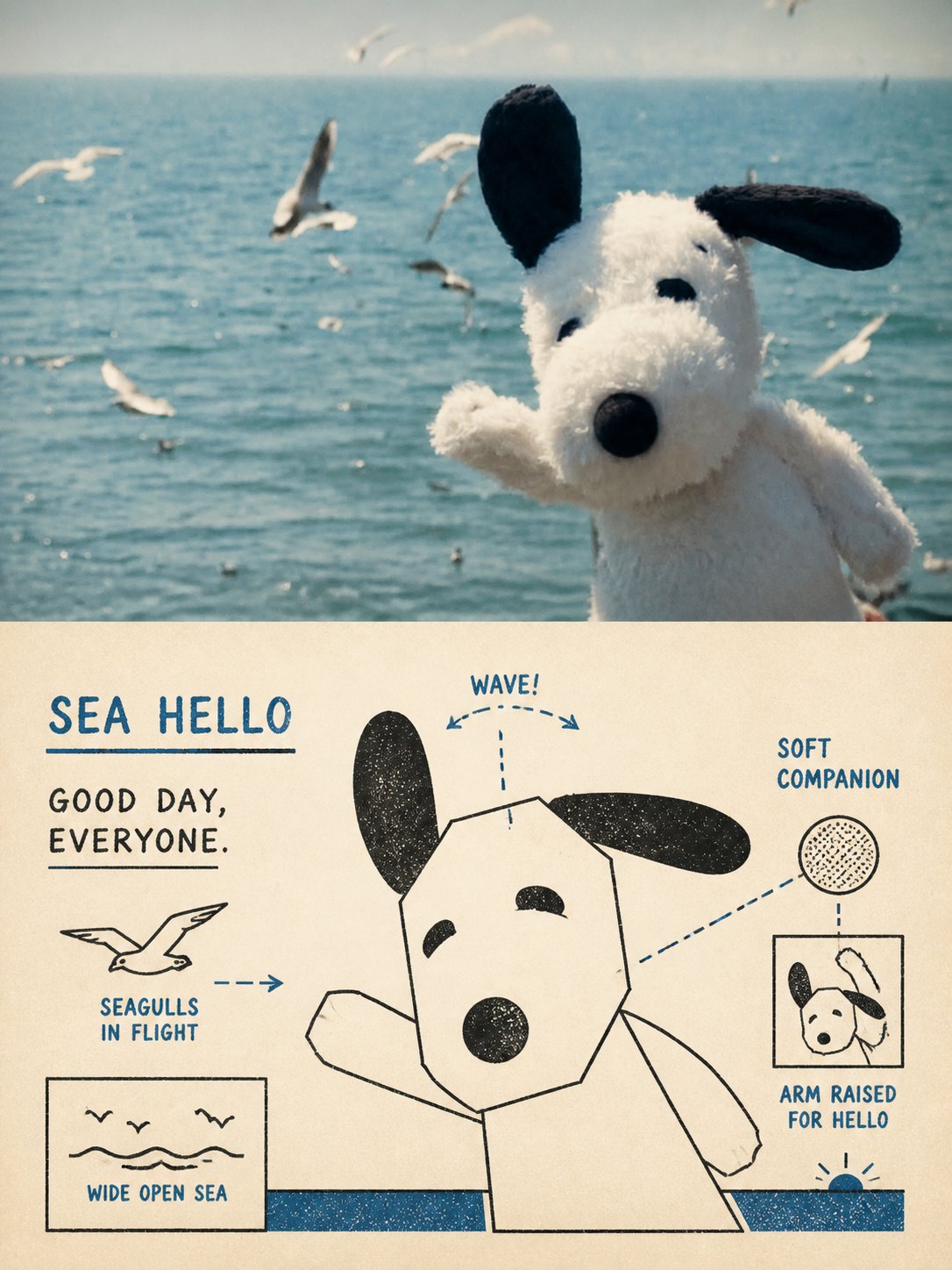
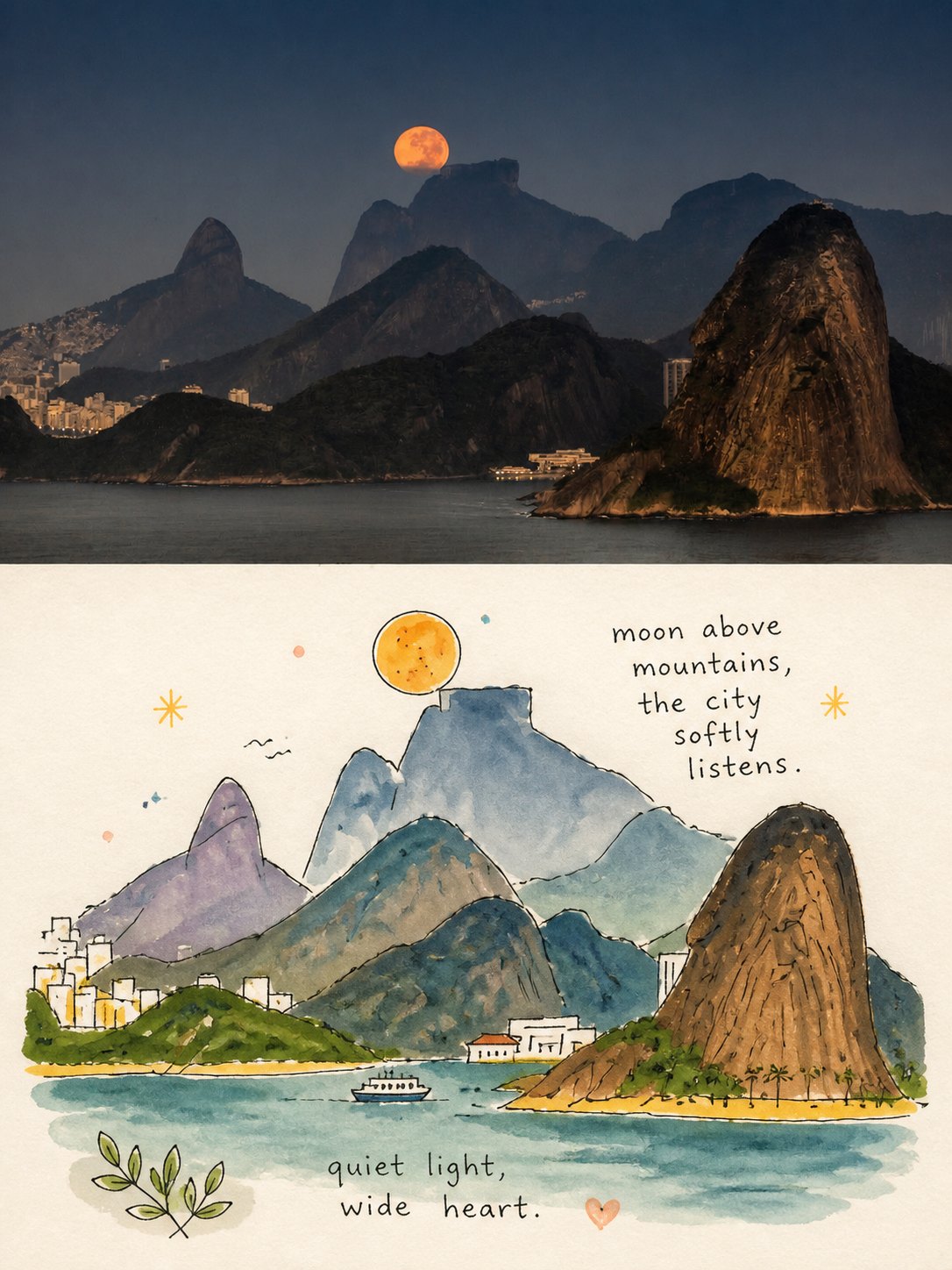
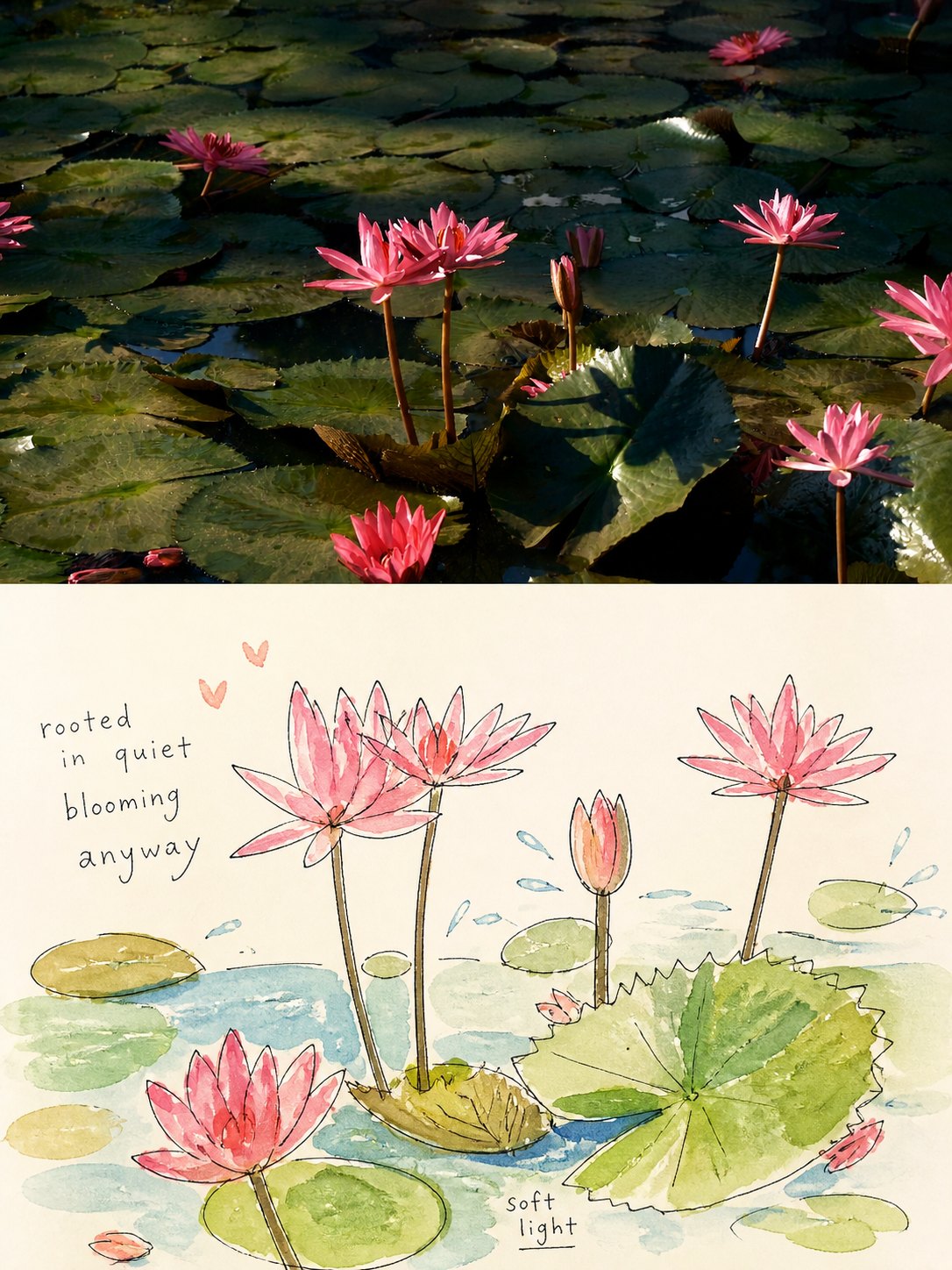
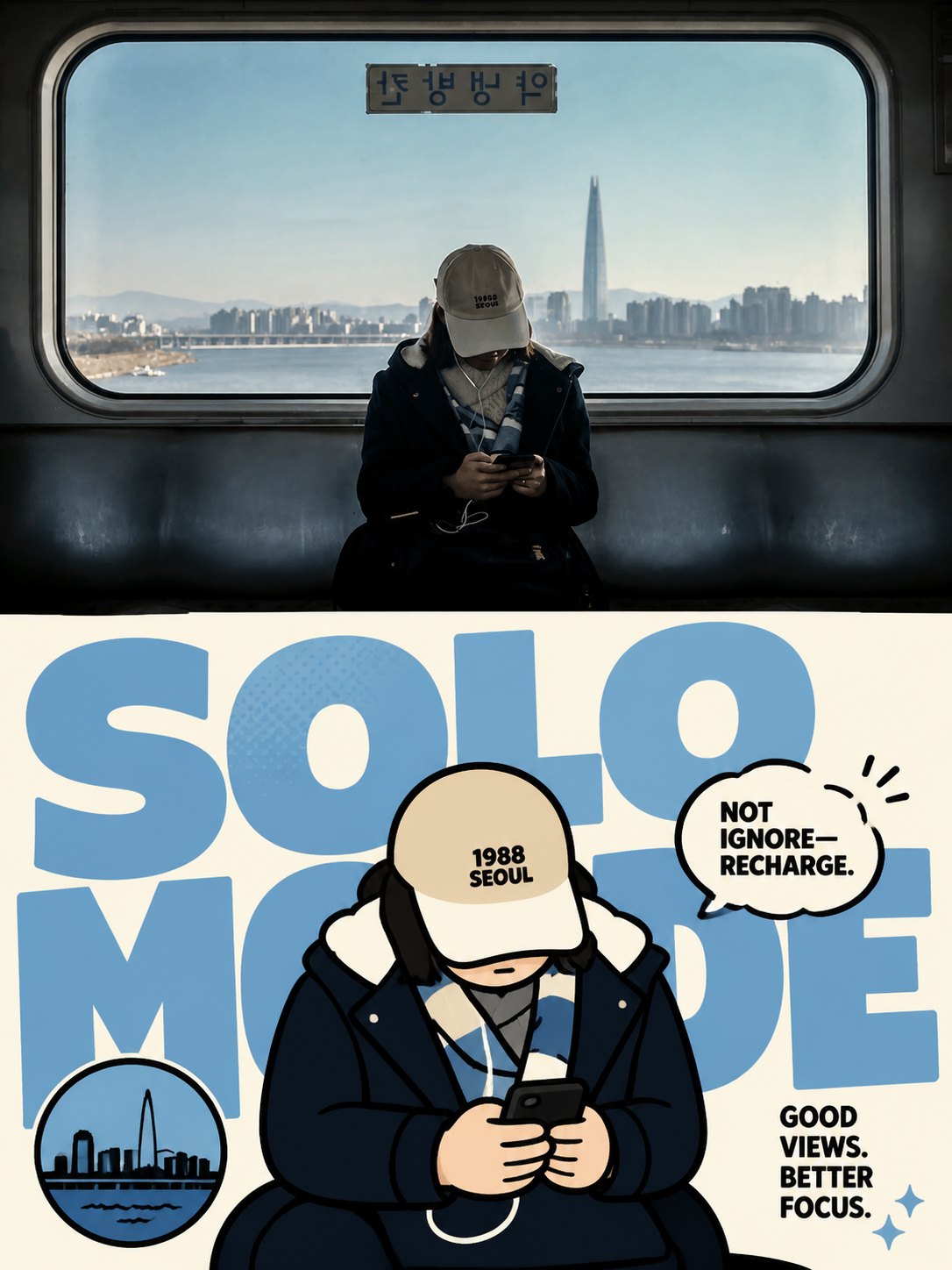
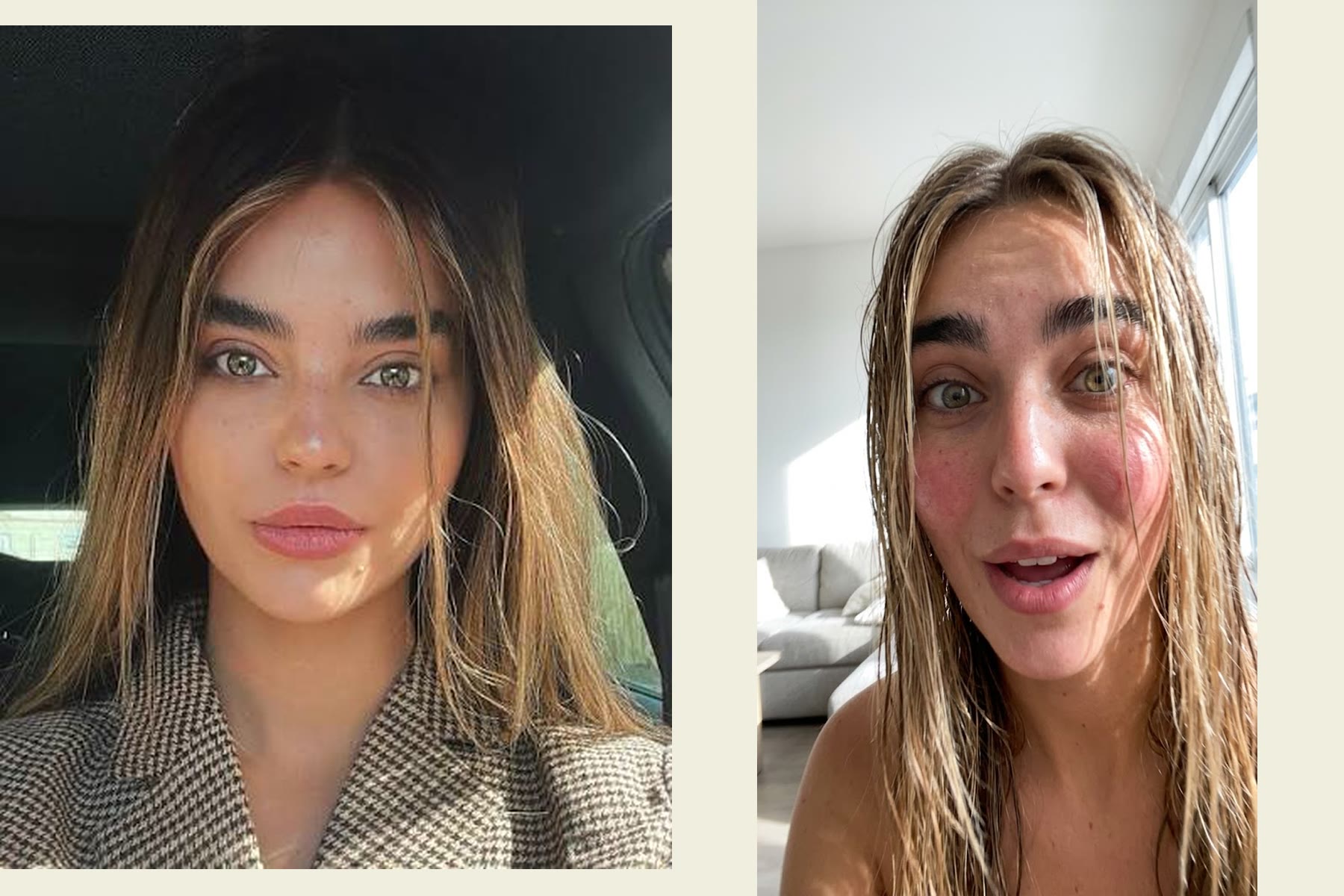
Please create a separate high-end fiber art edited poster for each character travel photo I upload, without multi-image collages—output each photo independently. Use an overall 3:4 vertical diptych composition: the upper section retains a clearly visible real original image, and the lower section reconstructs the same character as a "yarn curly hair felt doll"; ensure clear, level, and restrained boundaries between upper and lower sections, preventing the felt material from contaminating the photography area.
The upper section should occupy about 45%–50% of the frame, faithfully preserving the original photo. Accurately maintain the character's identity, number, facial features, hairstyle volume, hat or scarf, expression, pose, hand-to-face contact, main clothing colors, travel items, and the authentic relationship between the character and the environment. Apply only subtle independent magazine-style color grading and extremely light film grain processing, while ensuring it remains clearly identifiable as real photography. To fit the frame, you may naturally extend a simple background, but do not redraw the character, alter the face, stretch, distort, mirror, or replace clothing.
For the lower section, do not flatten and redraw the entire photo; instead, craft the same character as an independently displayed desktop needle-felted travel doll. Primarily use a half-body or small seated pose, with the doll occupying about 55%–75% of the lower section's width and 58%–82% of its height, placed on a warm white paper stand, light-colored fabric surface, or simple soft base. Retain about 30%–45% continuous empty space around it. Include only one most identifiable travel item or environmental cue—do not create complex rooms or full toy displays.
Depict the character using tangible real handmade materials: needle-felted skin tones, tiny bead eyes, simplified felt nose and mouth, knitted or yarn clothing, and shape curly hair, bangs, or hair sections with abundant loops of yarn in varying thicknesses, featuring visible stitches. Preserve fiber fuzz, suede direction, seams, soft body indentations, slight asymmetry, handmade imperfections, and authentic soft shadows cast on the paper stand. The facial features should not pursue photorealism but must make the character instantly recognizable through hairstyle, expression, clothing, gestures, and accessories.
Extract colors entirely from the upper photo, softening the skin tone, hair color, main clothing color, and one environmental hue into four to six fiber shades. The colors should be gentle, enduring, with the light-absorbing quality of yarn and wool—avoid plastic sheen, high-saturation toy colors, or fixed palettes unrelated to the original image.
In the continuous empty space or along the edge of the doll's base, incorporate a small amount of materialized text. Distill 1–3 English word titles from the photo's real content; the main title should resemble a small woven label, hand-embroidered text, or low-pile yarn lettering. Add the field "FELT NOTE 01" along with a one-line observation sentence of 5–12 English words.
If the location cannot be confirmed, use the title "SOFT JOURNEY" and the observation sentence "A small companion keeps the warmth of the road." The text must be clearly readable, consistent with stitching and fabric structures—do not overlay smooth digital fonts, and avoid author names, character brands, accounts, logos, QR codes, or garbled text.
Overall, it should resemble a quietly collected travel fiber miniature portrait: soft, slightly clumsy, intimate, infused with handmade warmth, while maintaining the restraint of high-end editorial photography and contemporary craft exhibitions.
Avoid plastic figurines, smooth CGI, realistic skin textures, crocheted landscapes, brand mascots, multiple repeated dolls, complex scenes, children's toy ad vibes, or cheap template aesthetics.
2026-09-04via @Hamburgerai