Visuele inspiratie
Promptbibliotheek
Sterke AI-resultaten uit het wild, mét de prompt erbij. Klik op een beeld, kopieer de prompt en maak er iets eigens van.
Krijg de prompts die indruk maken
Krijg de prompts die indruk maken
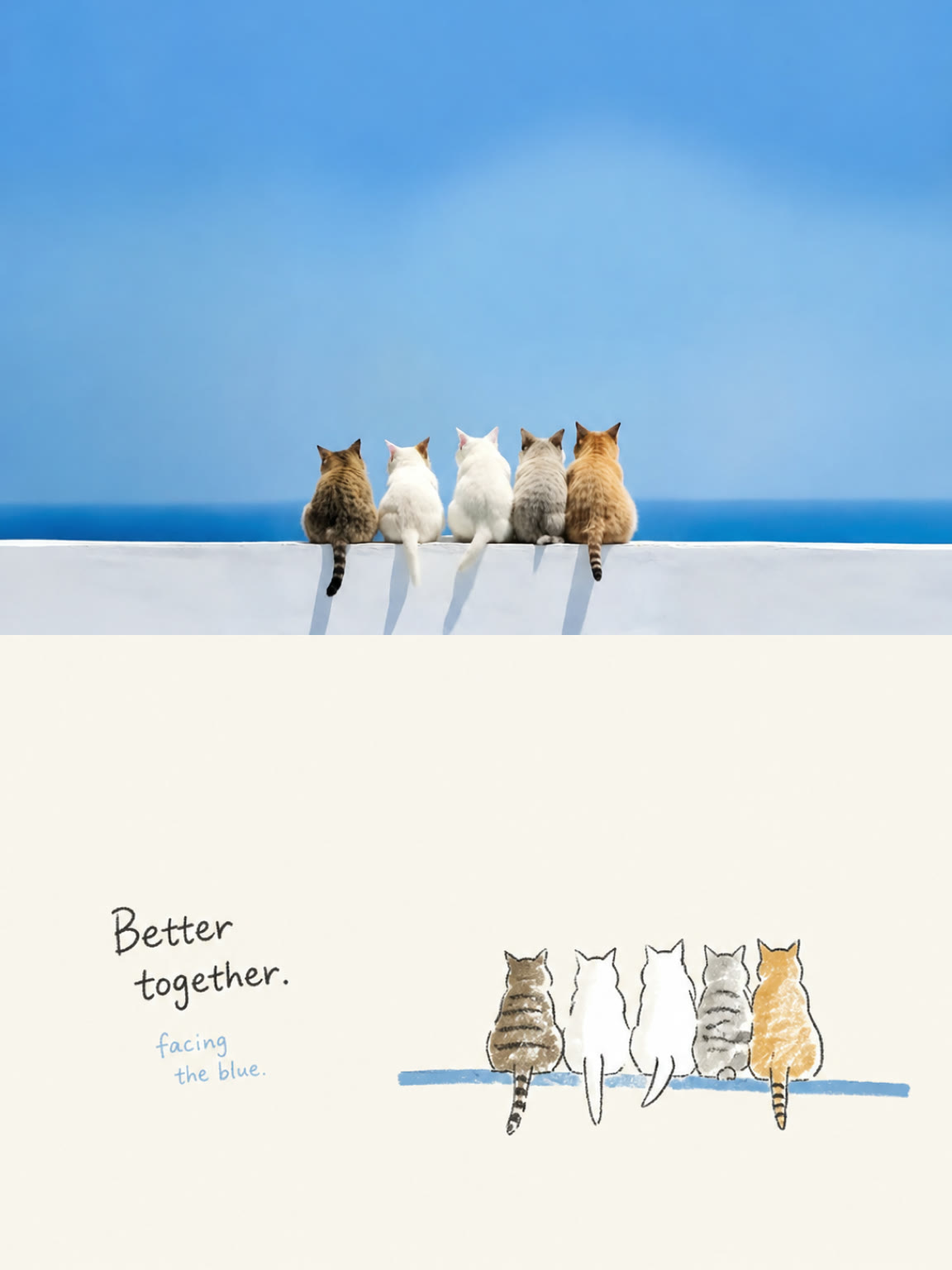
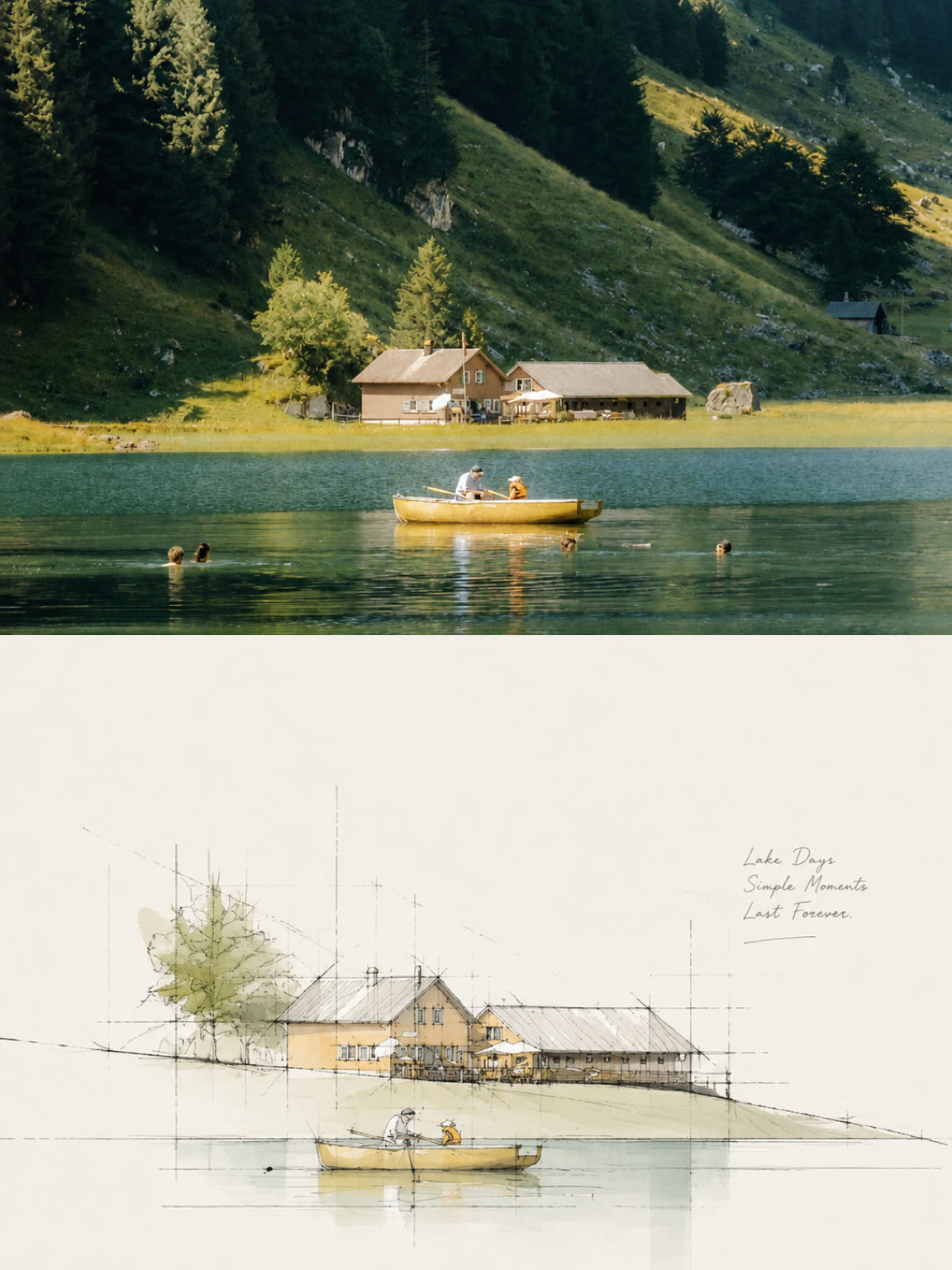
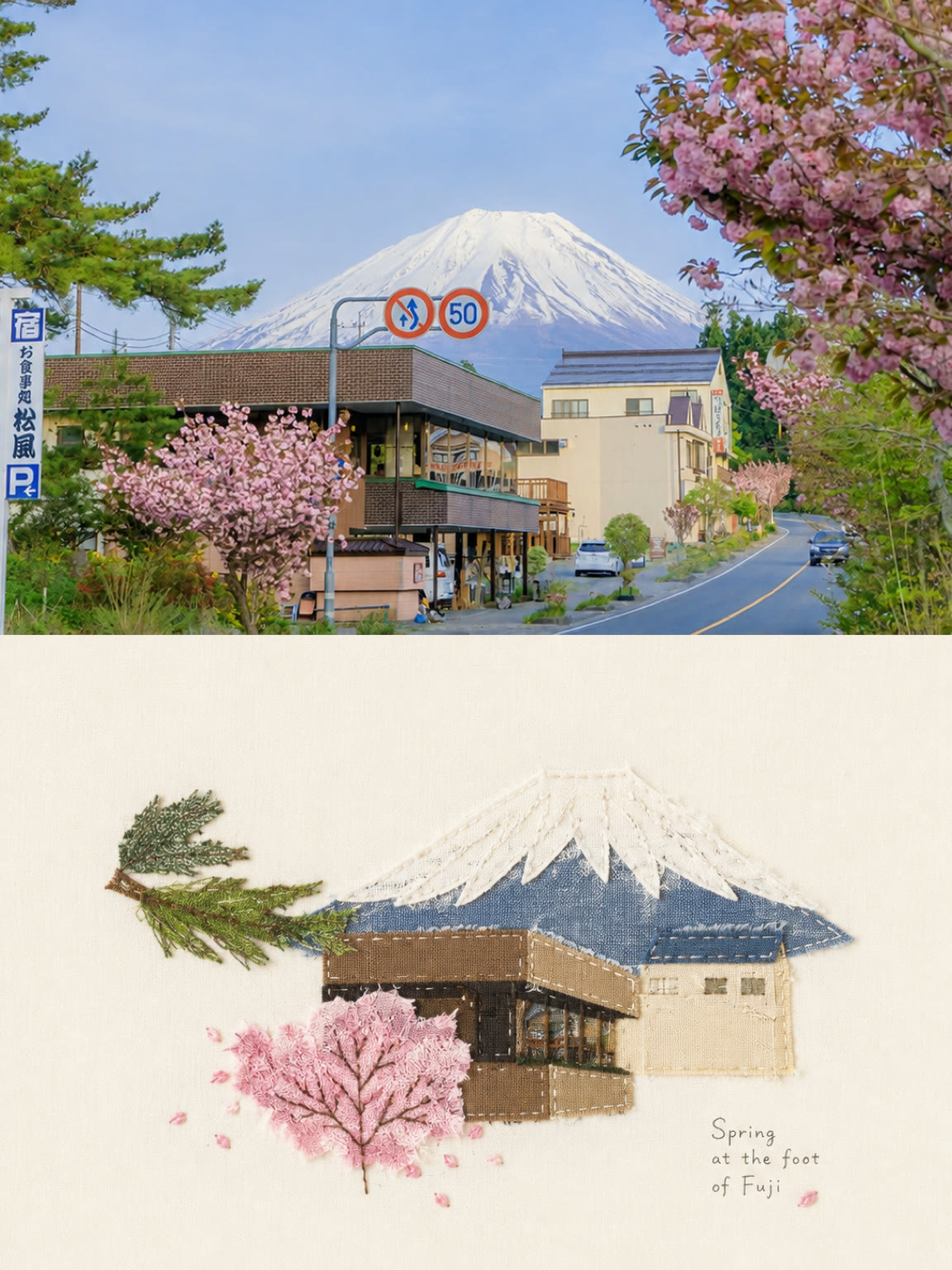
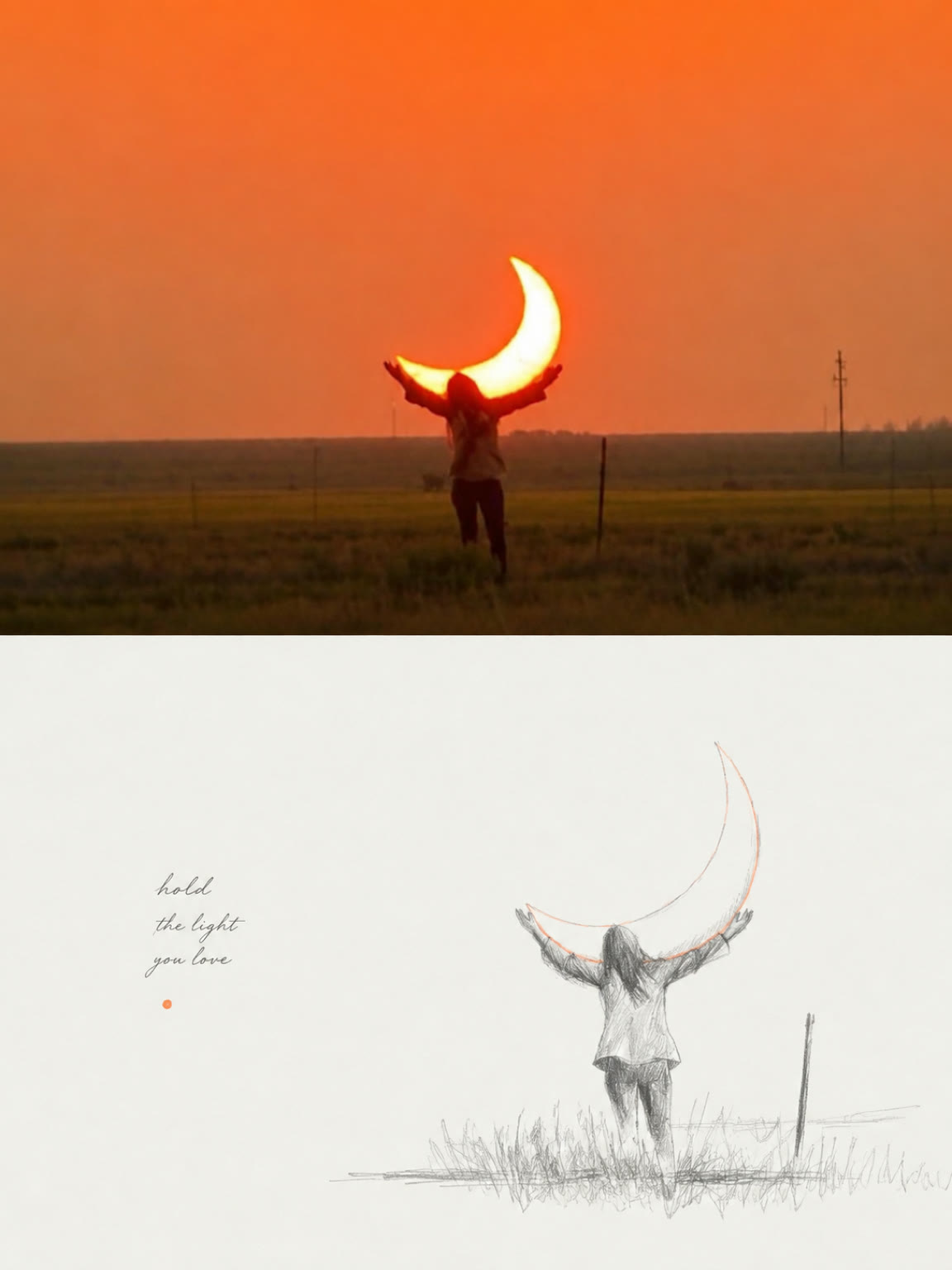
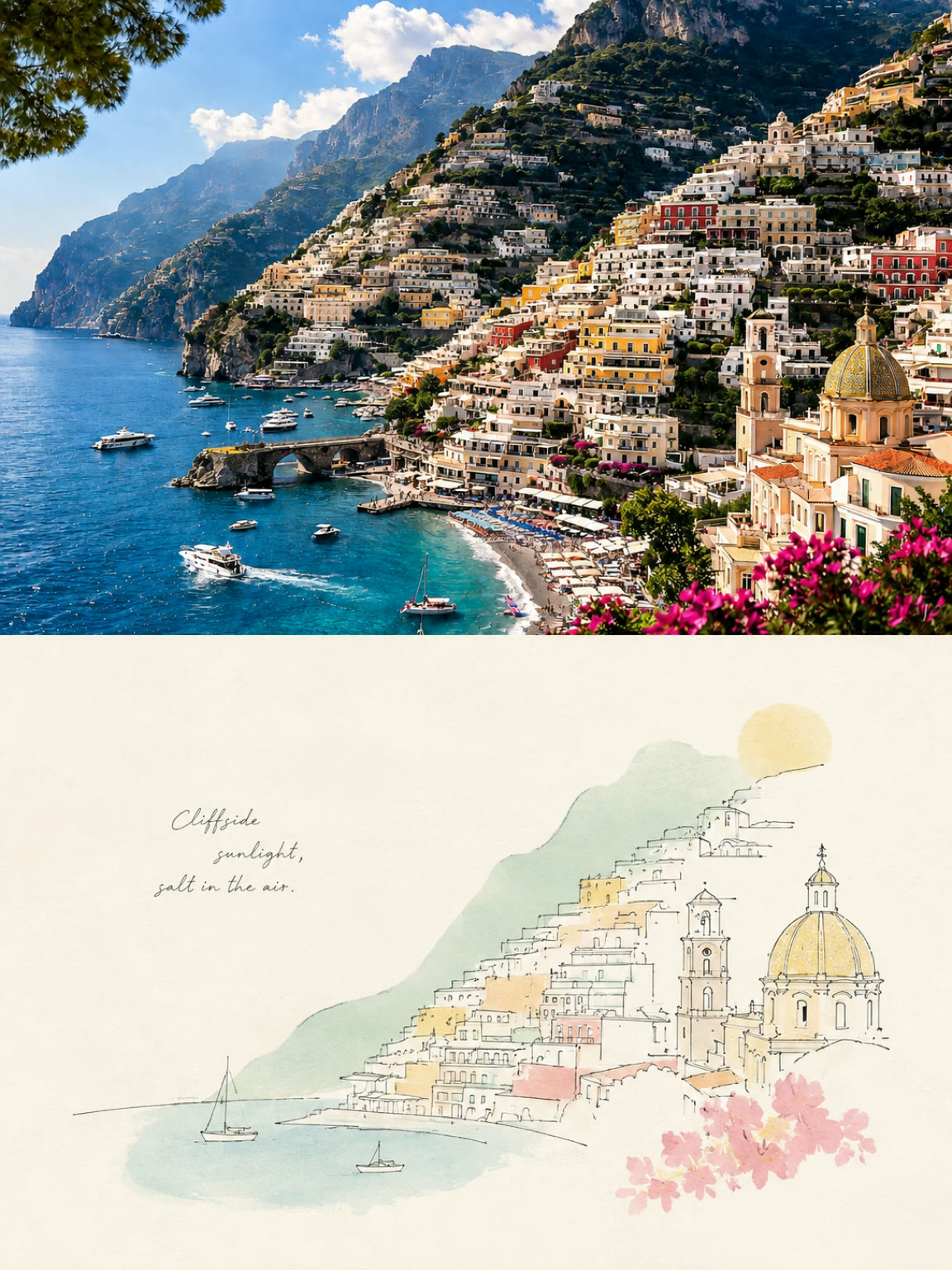
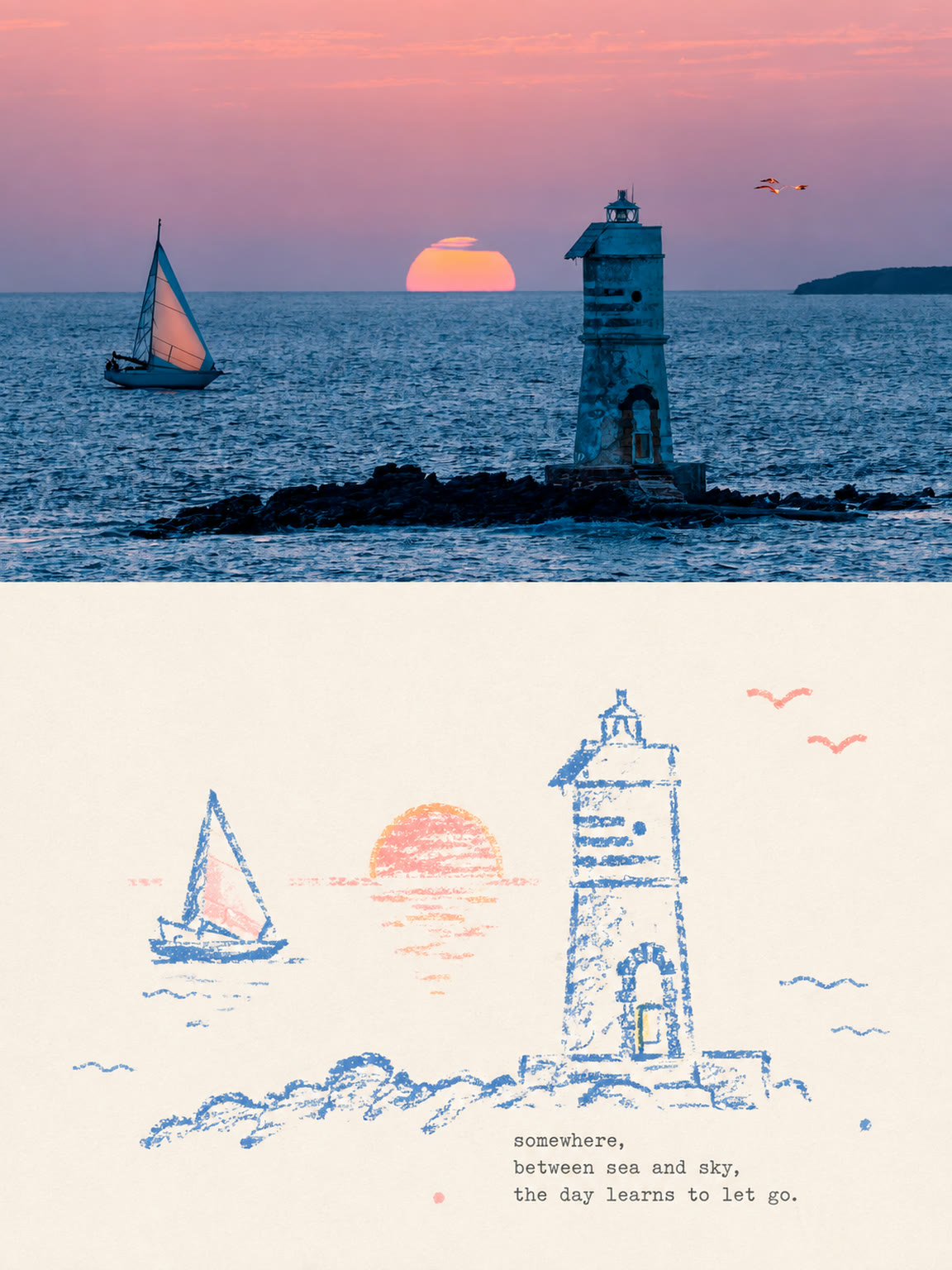
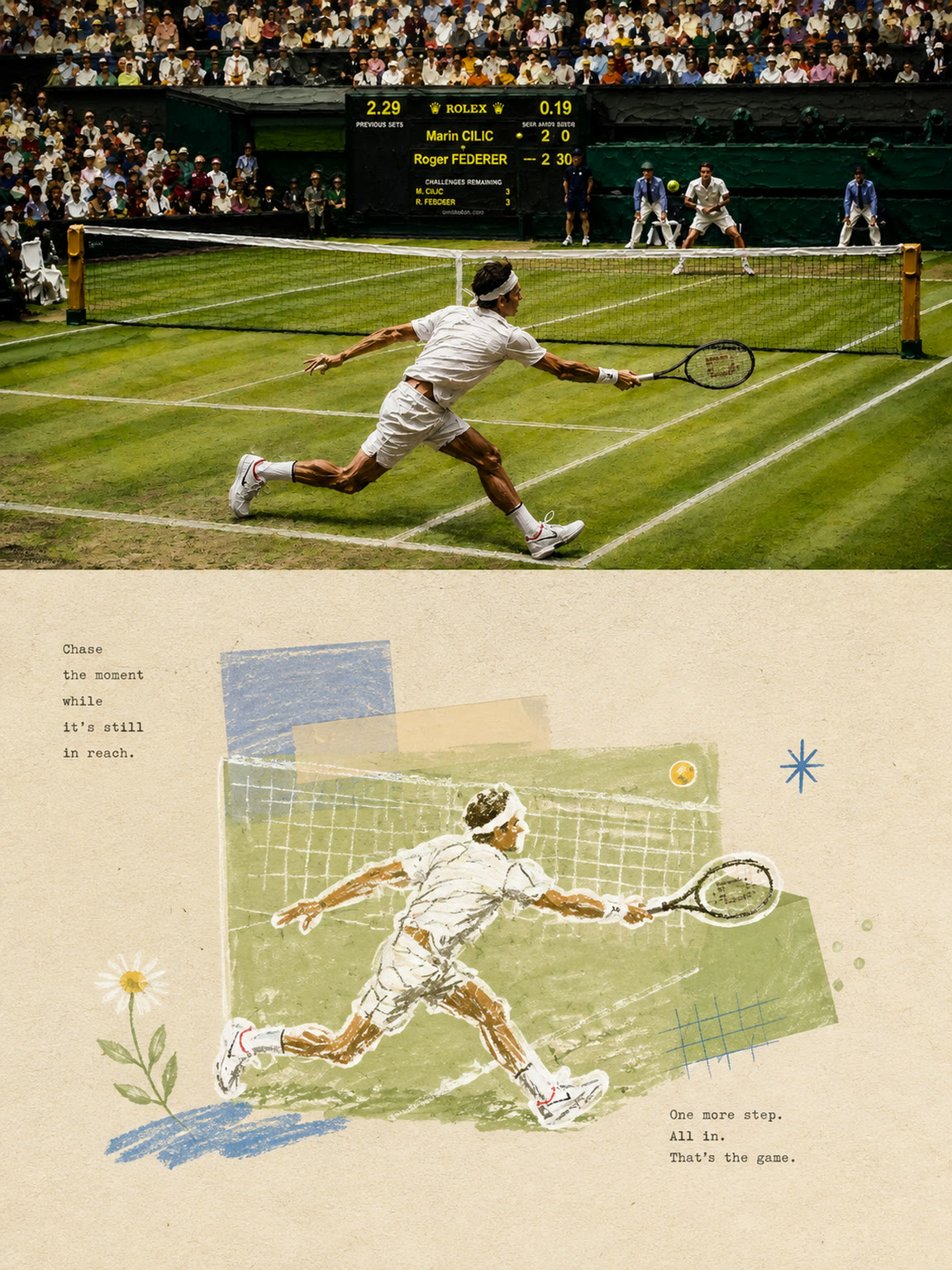
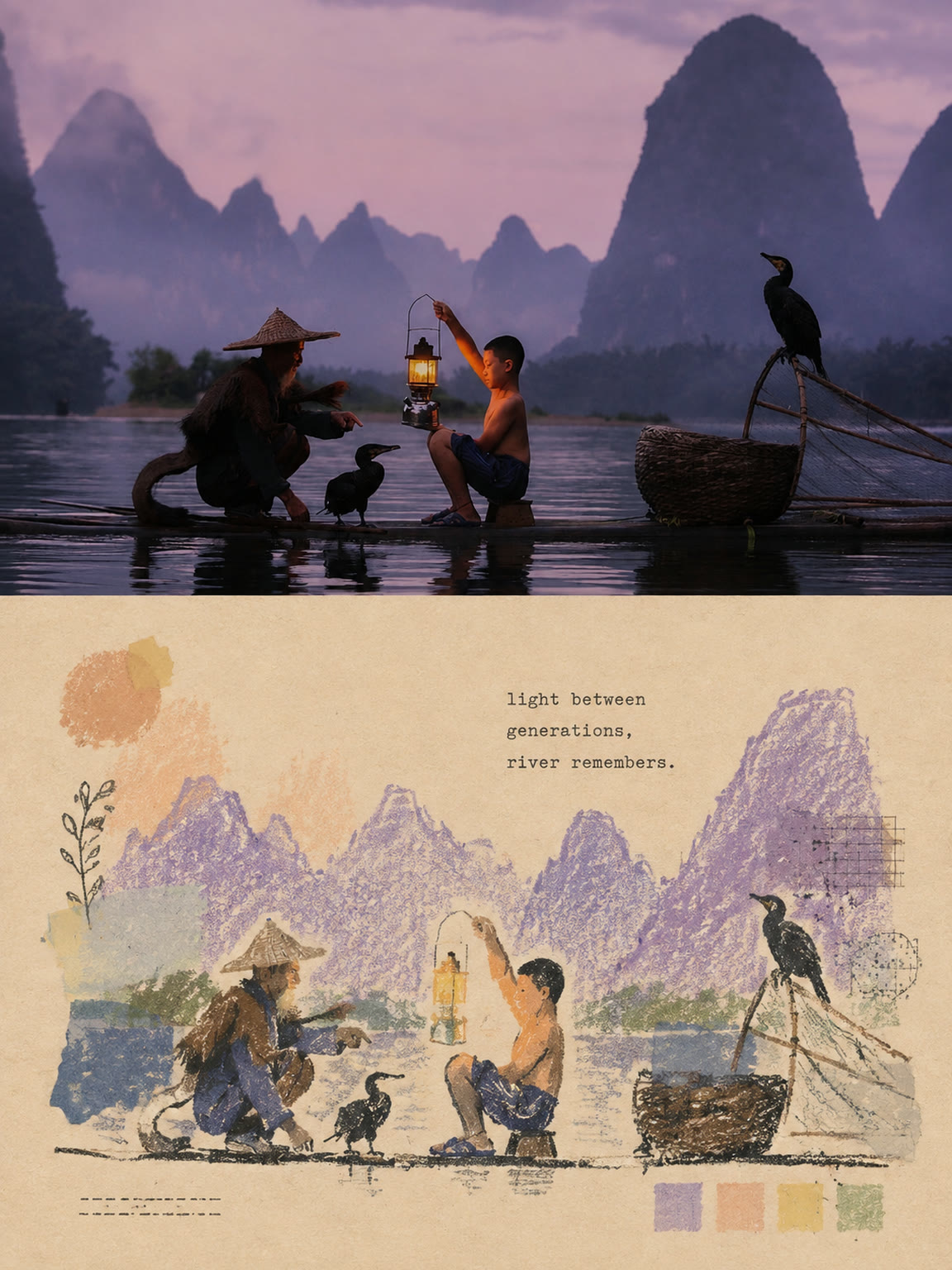
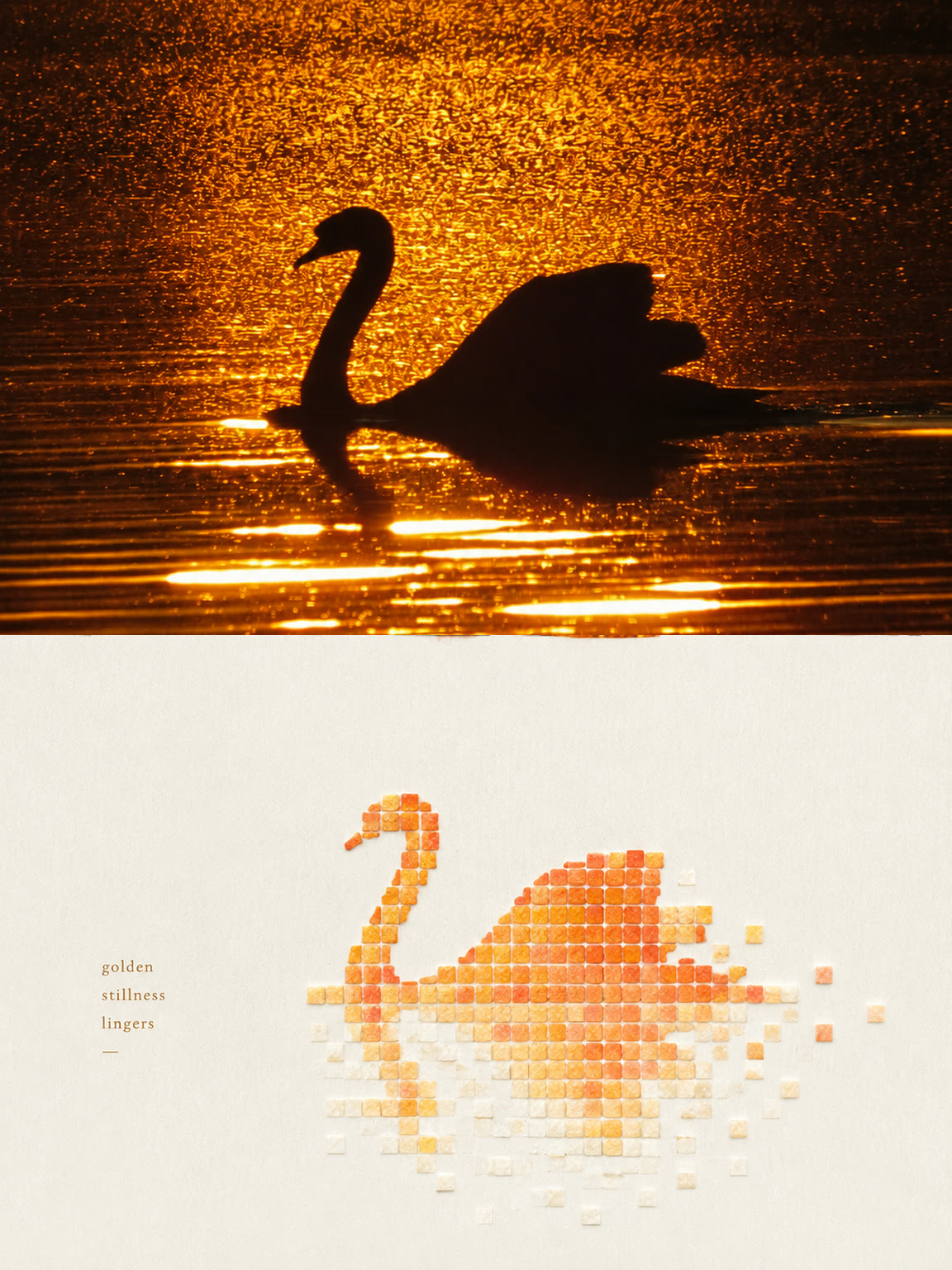
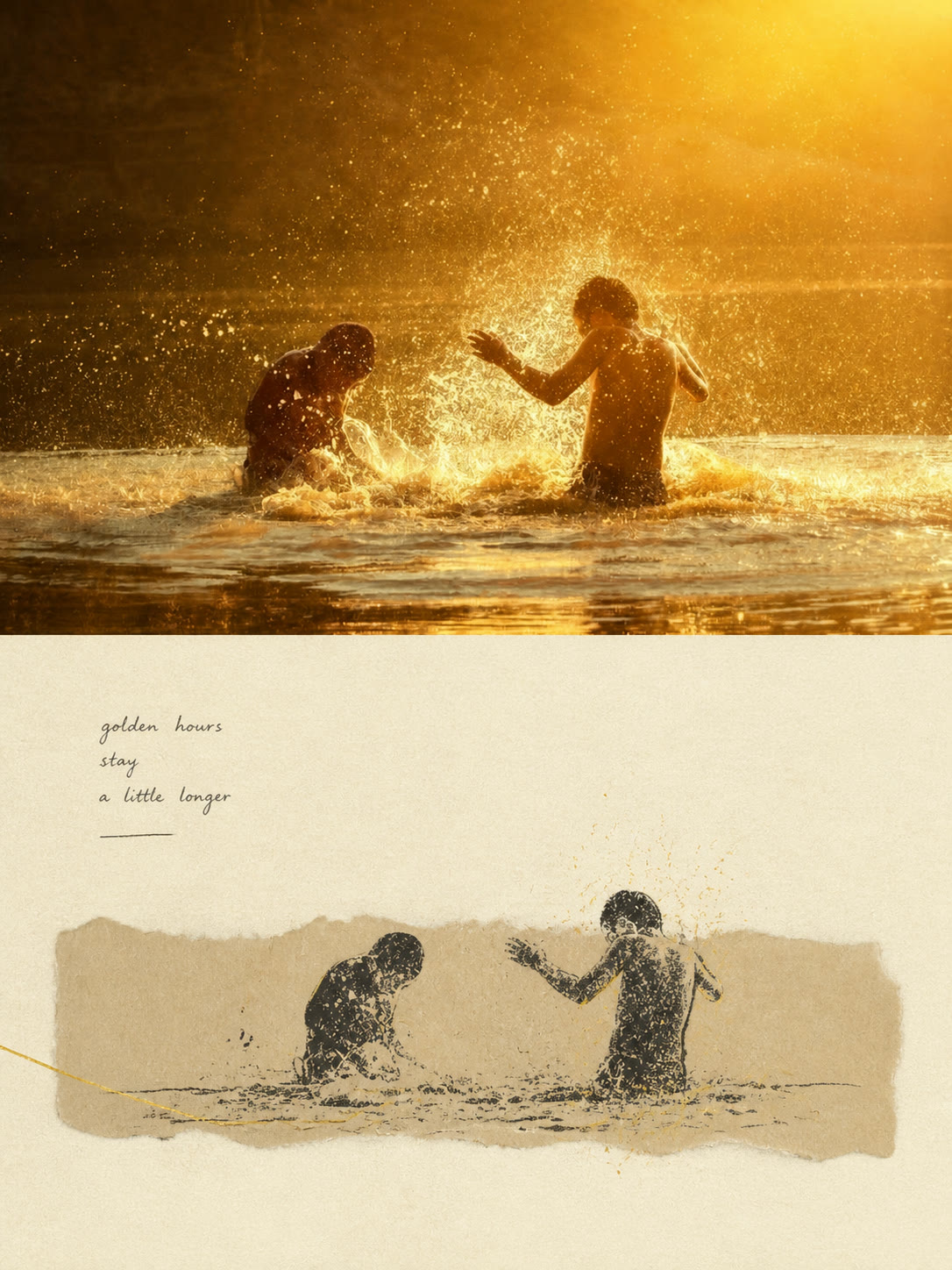
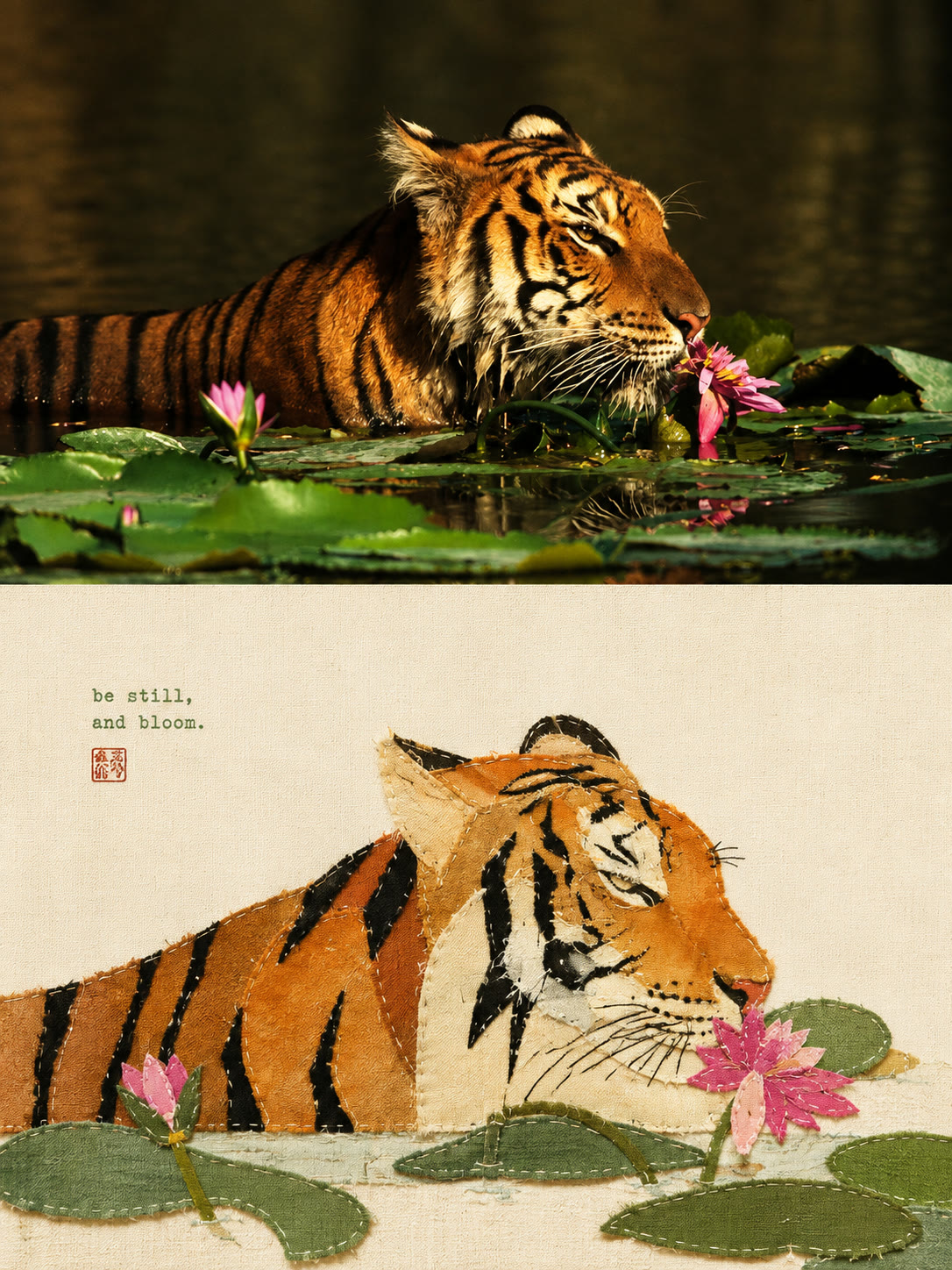
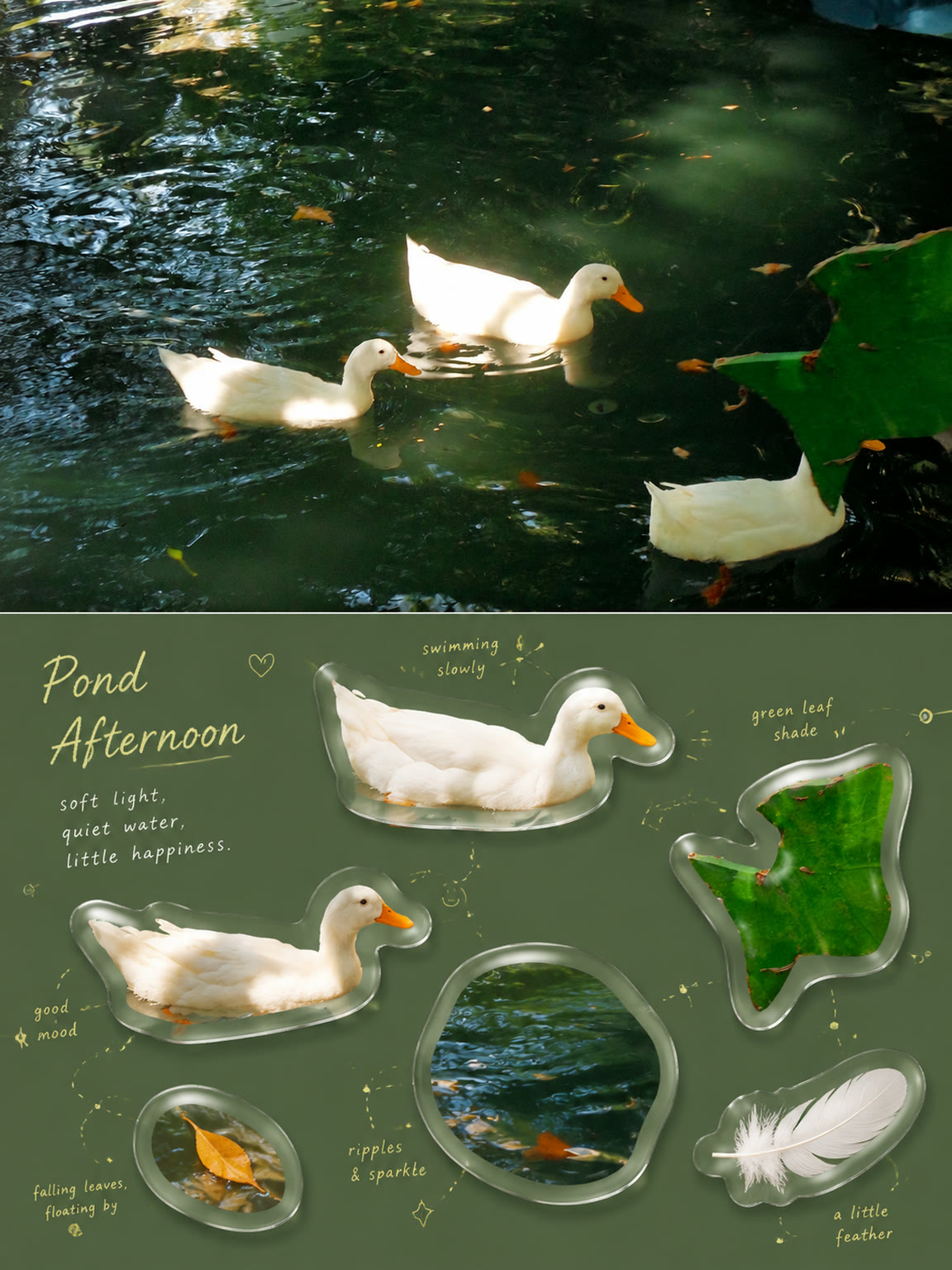
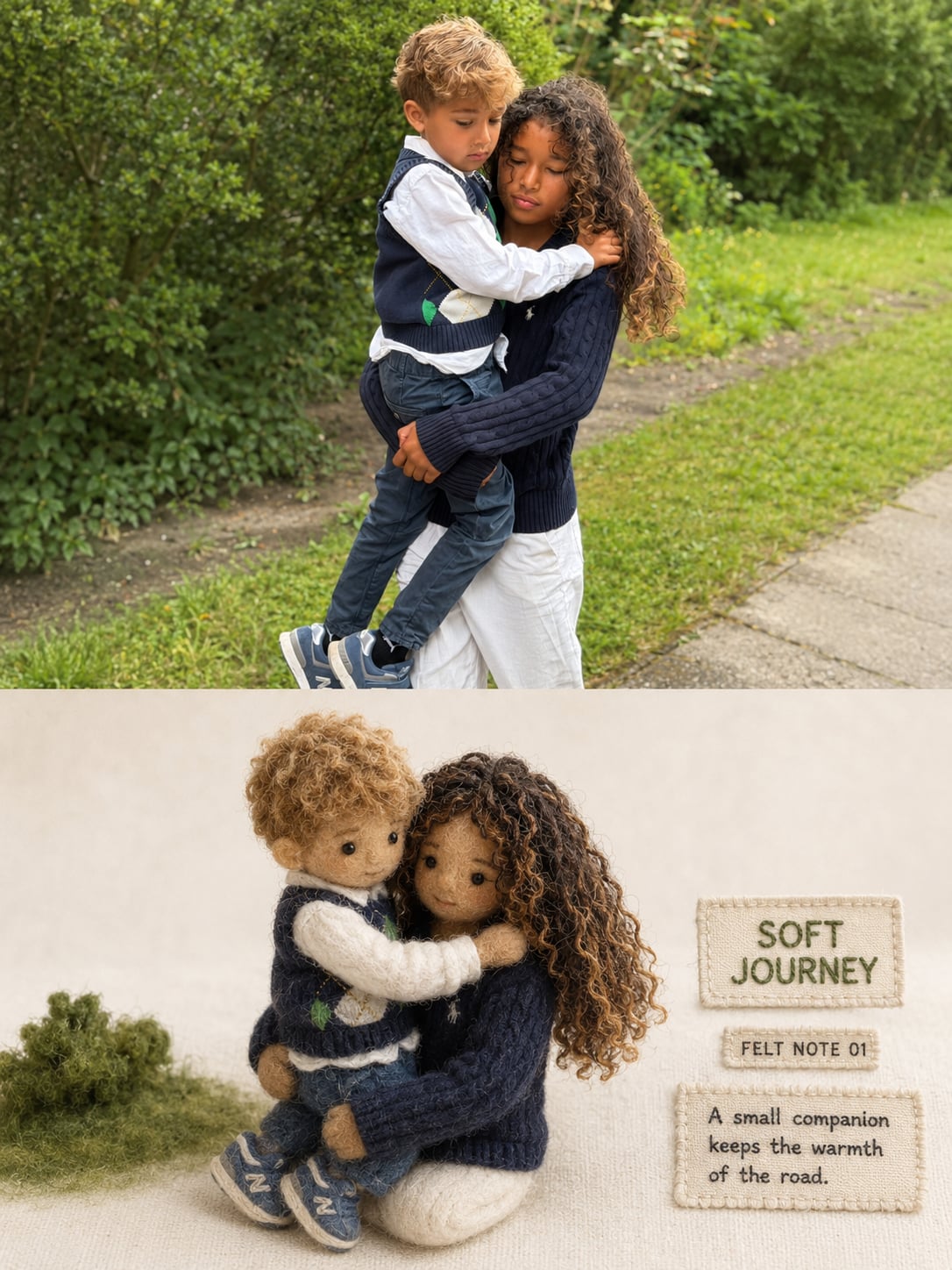
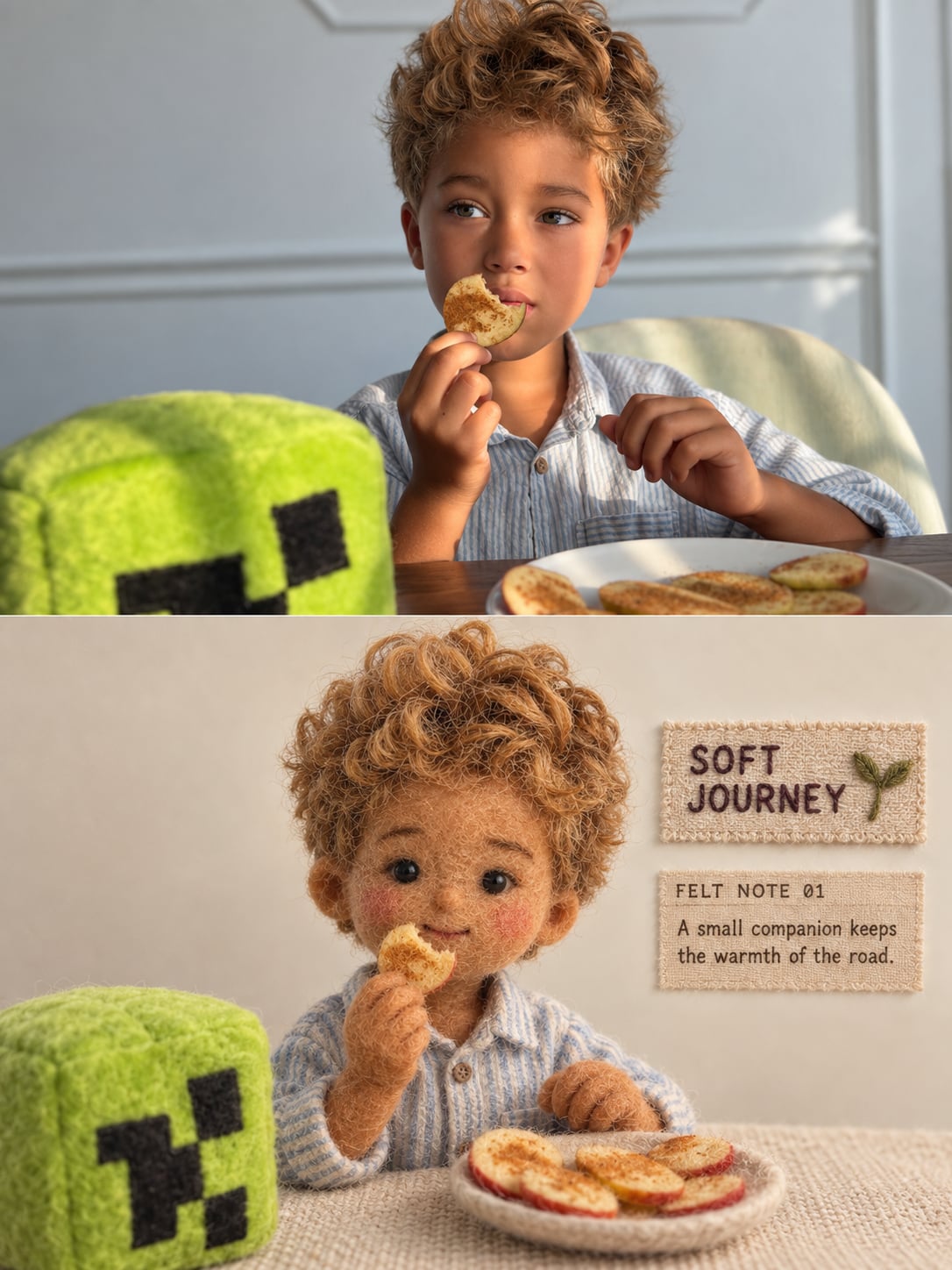
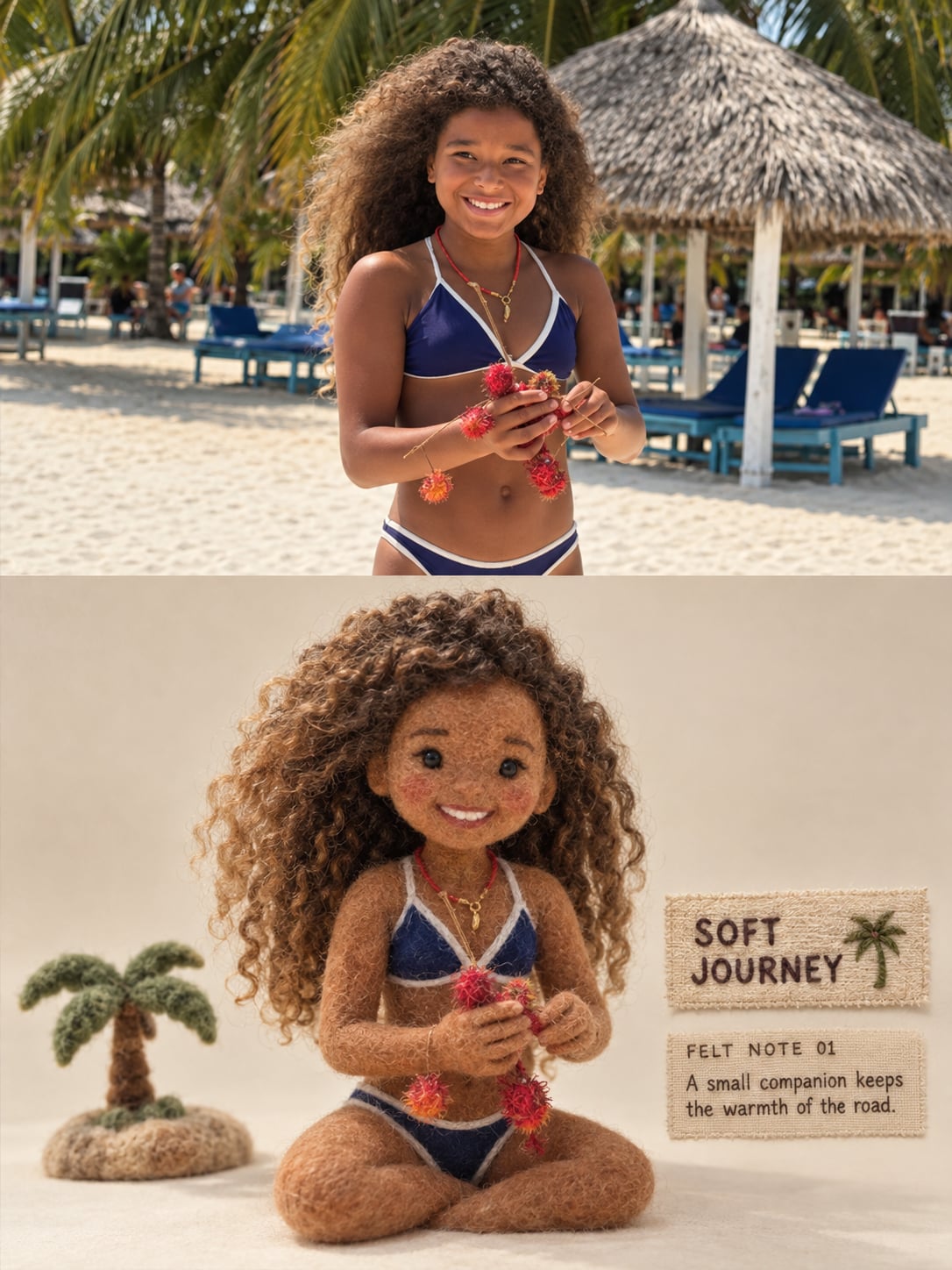
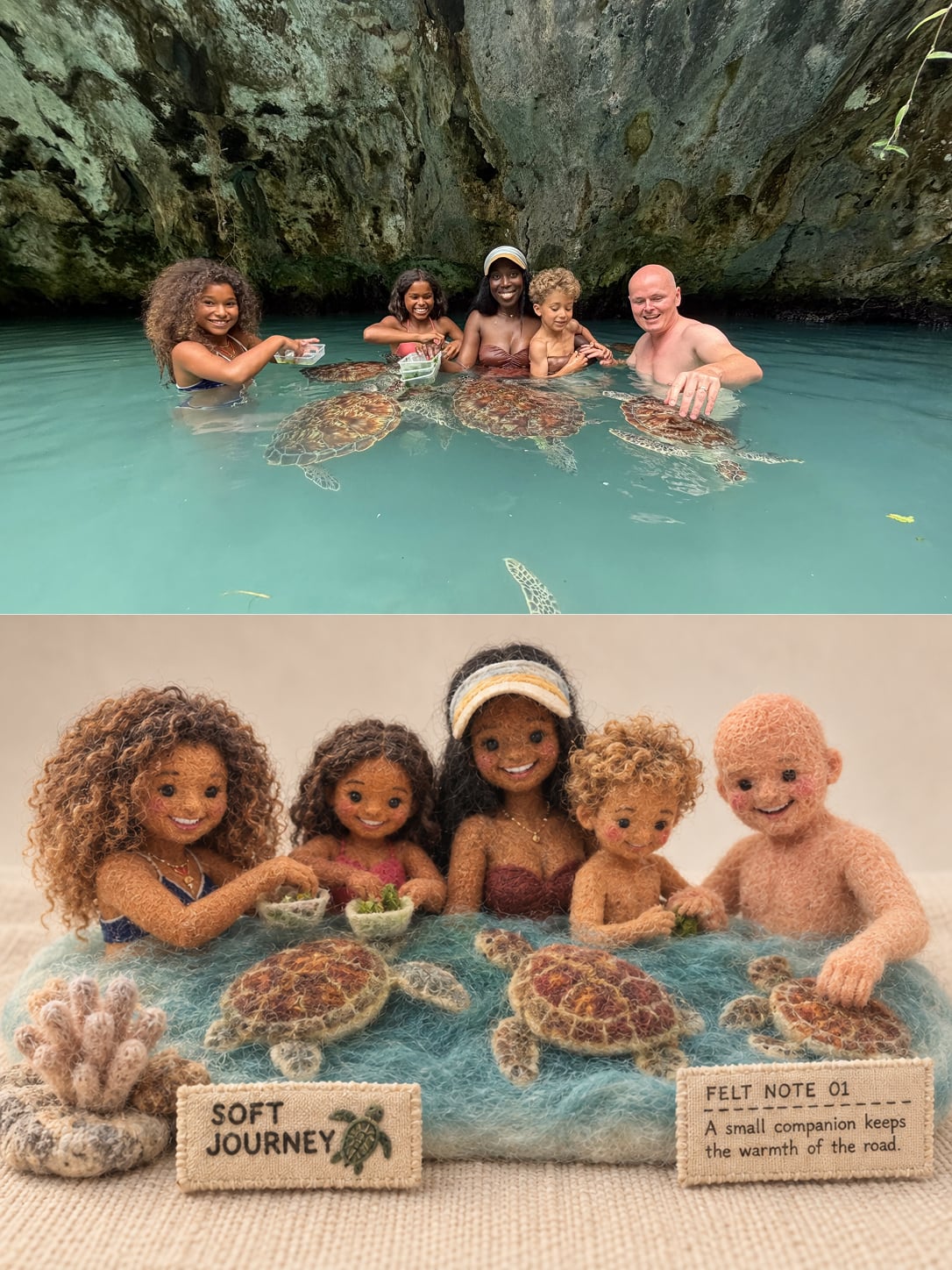
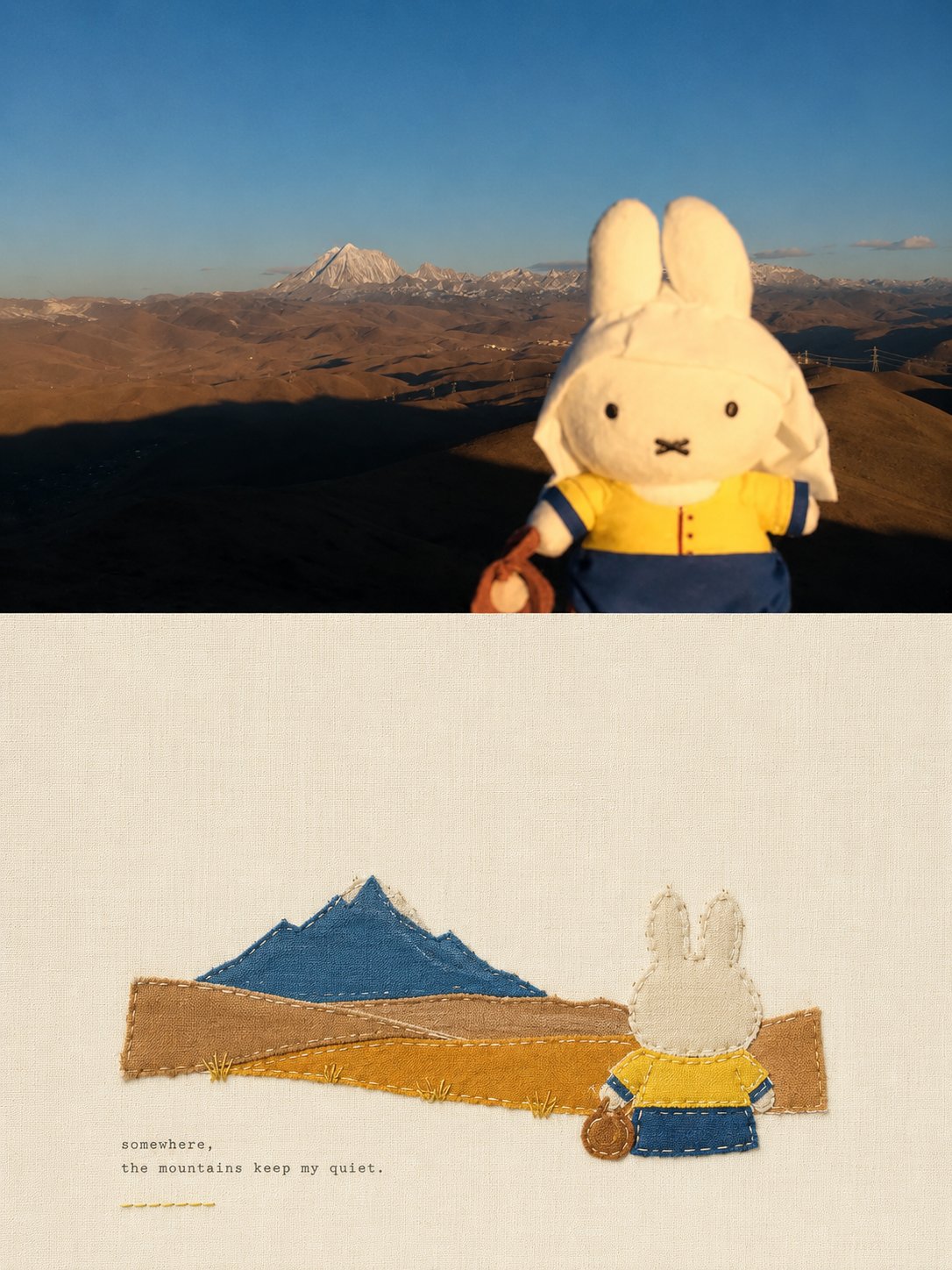
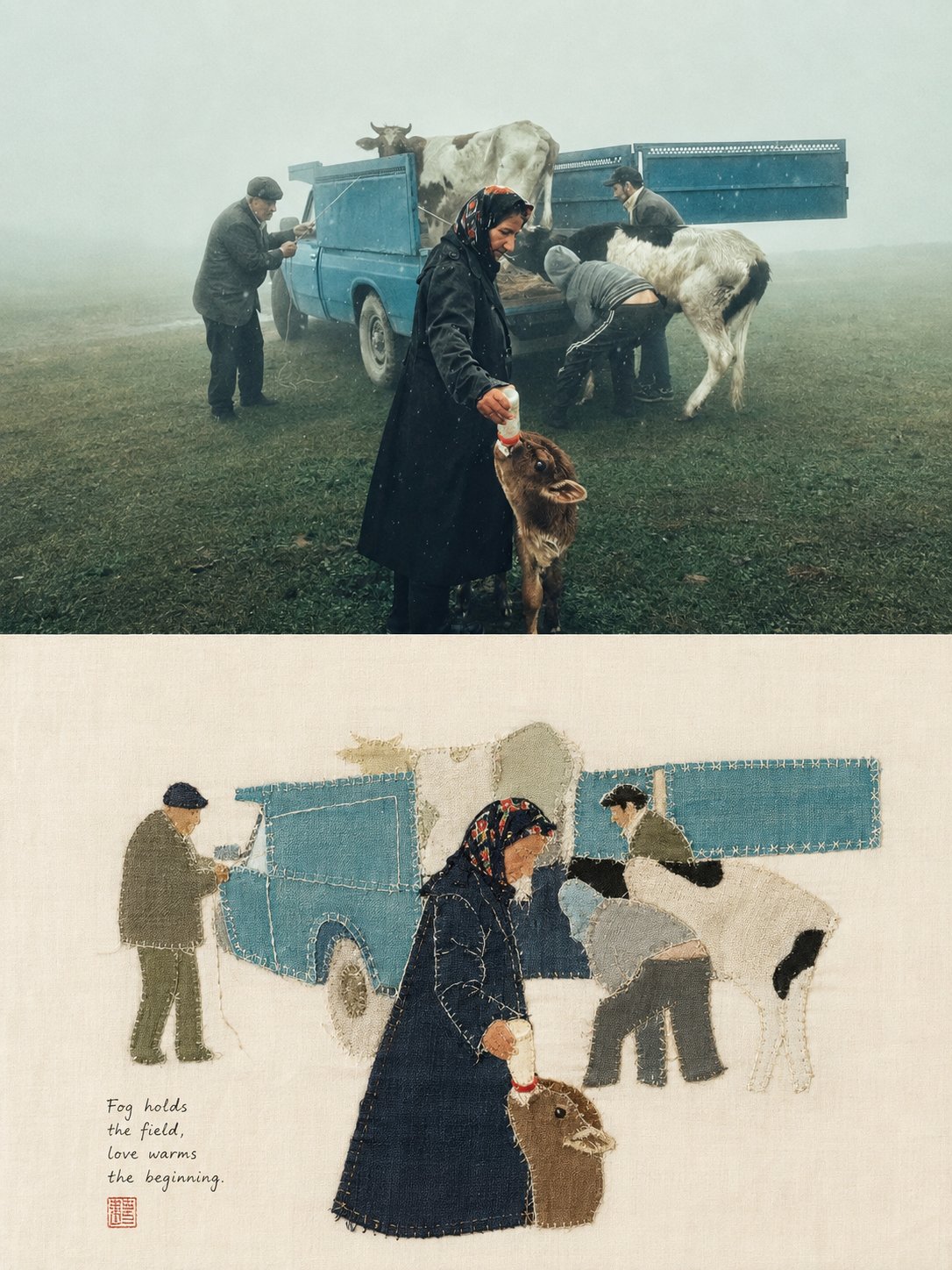
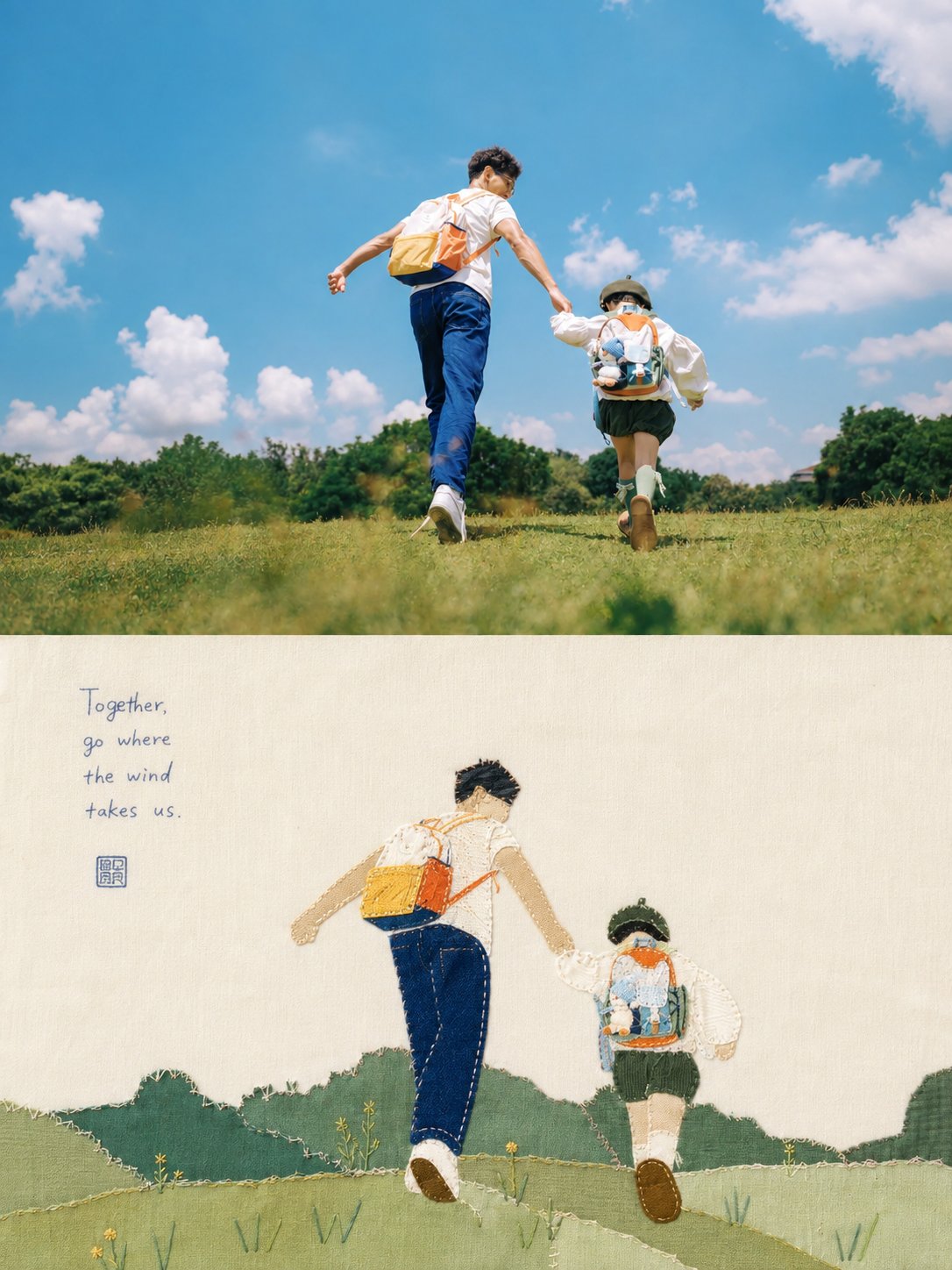
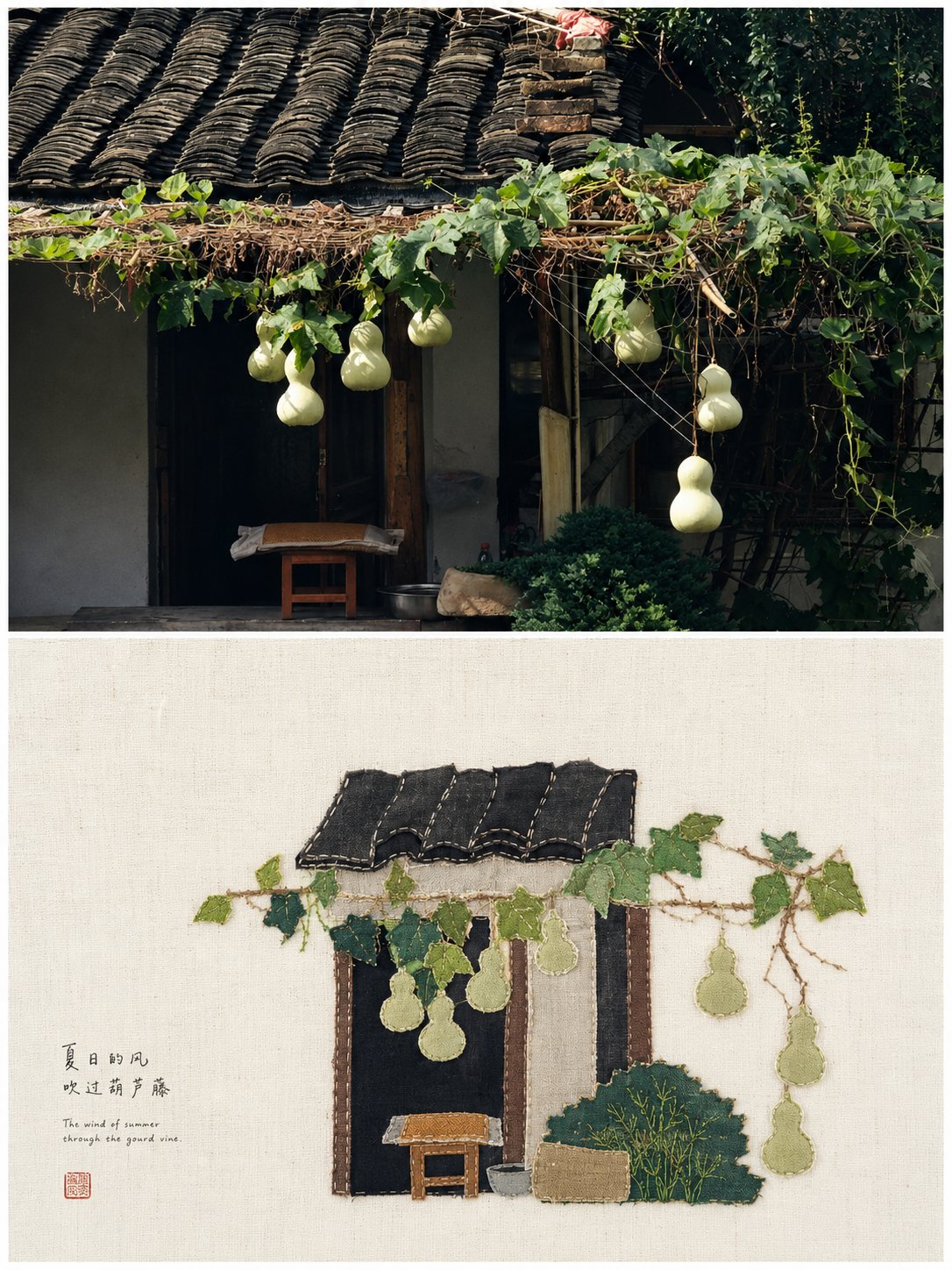
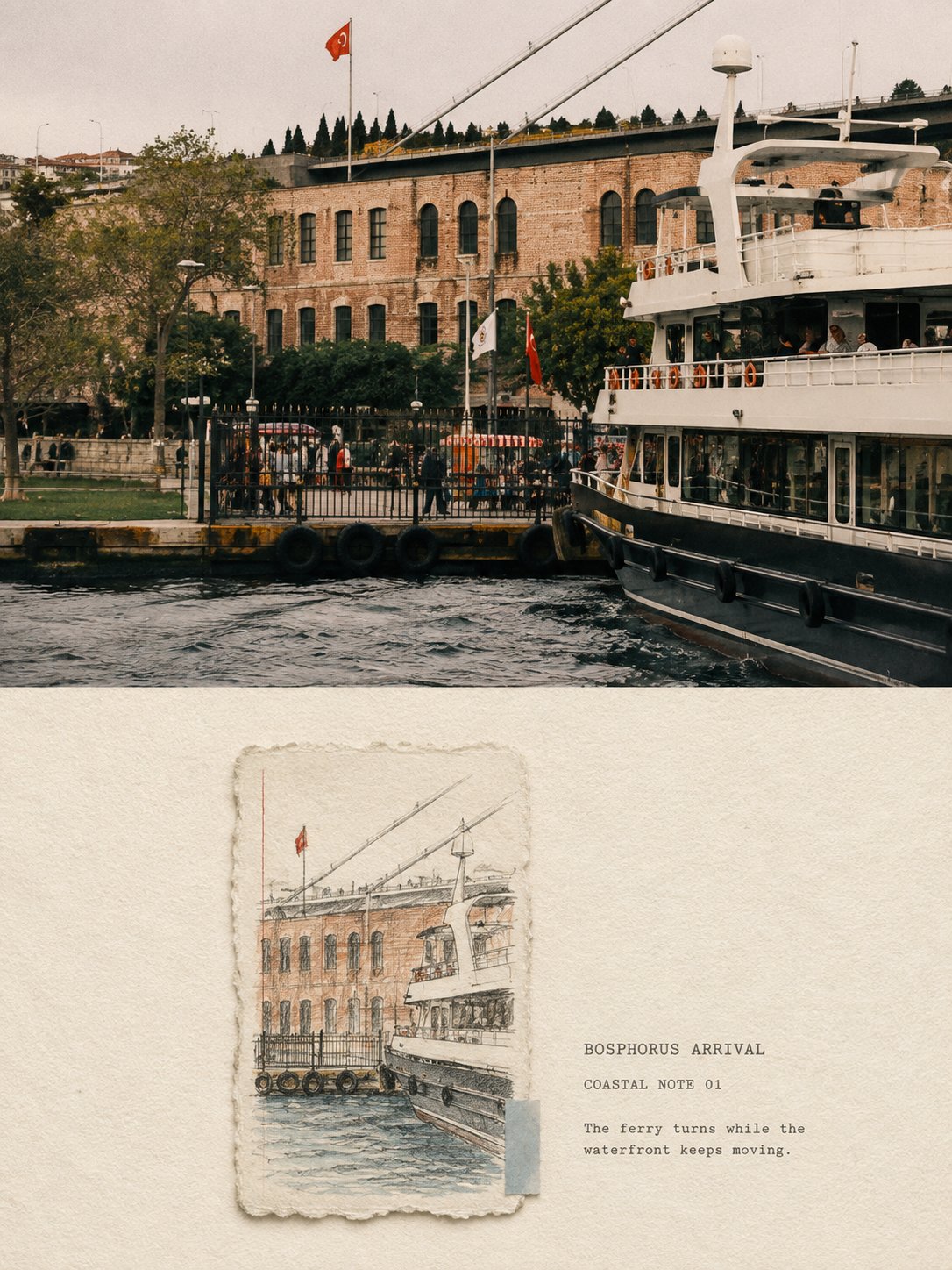
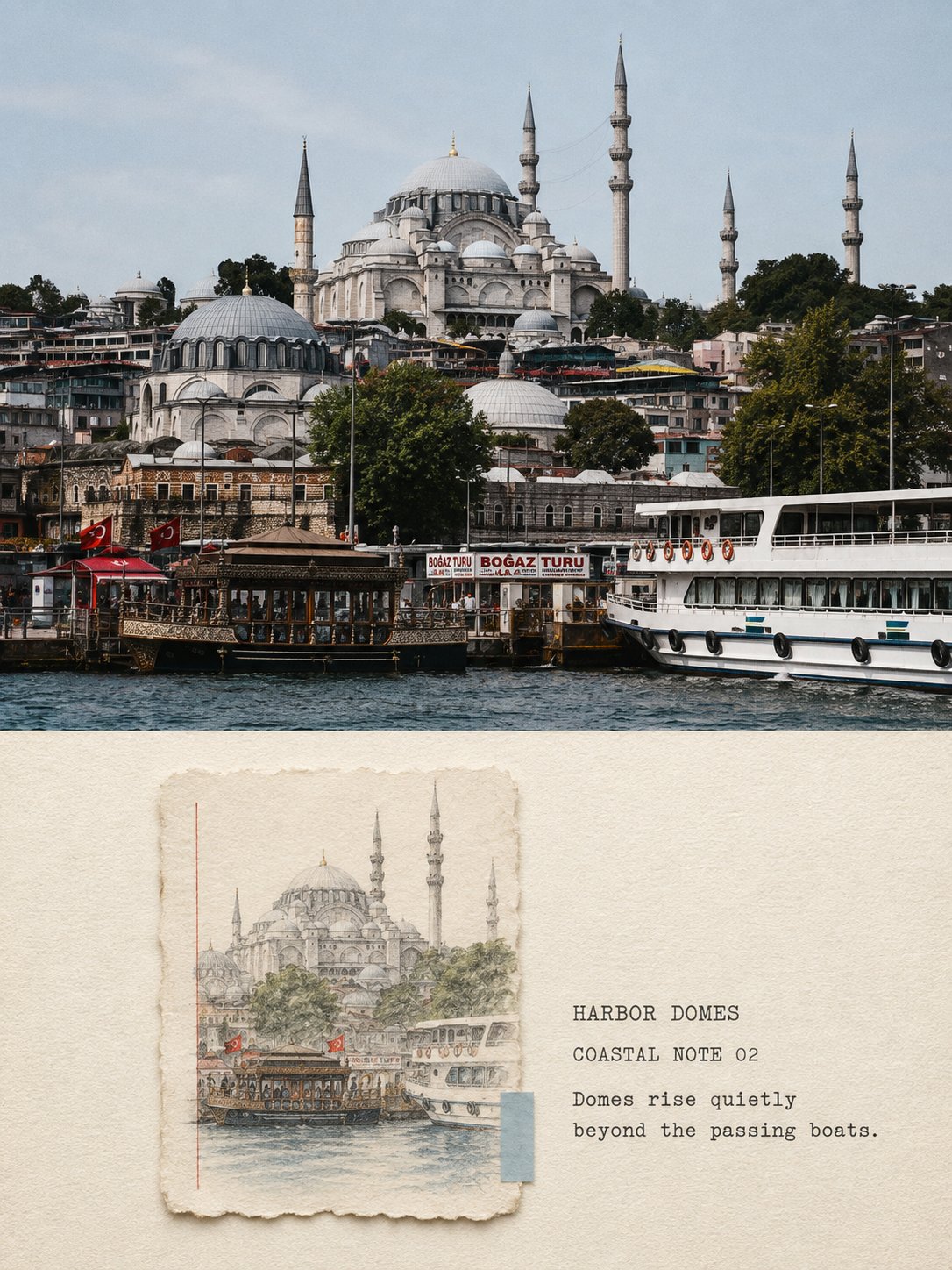
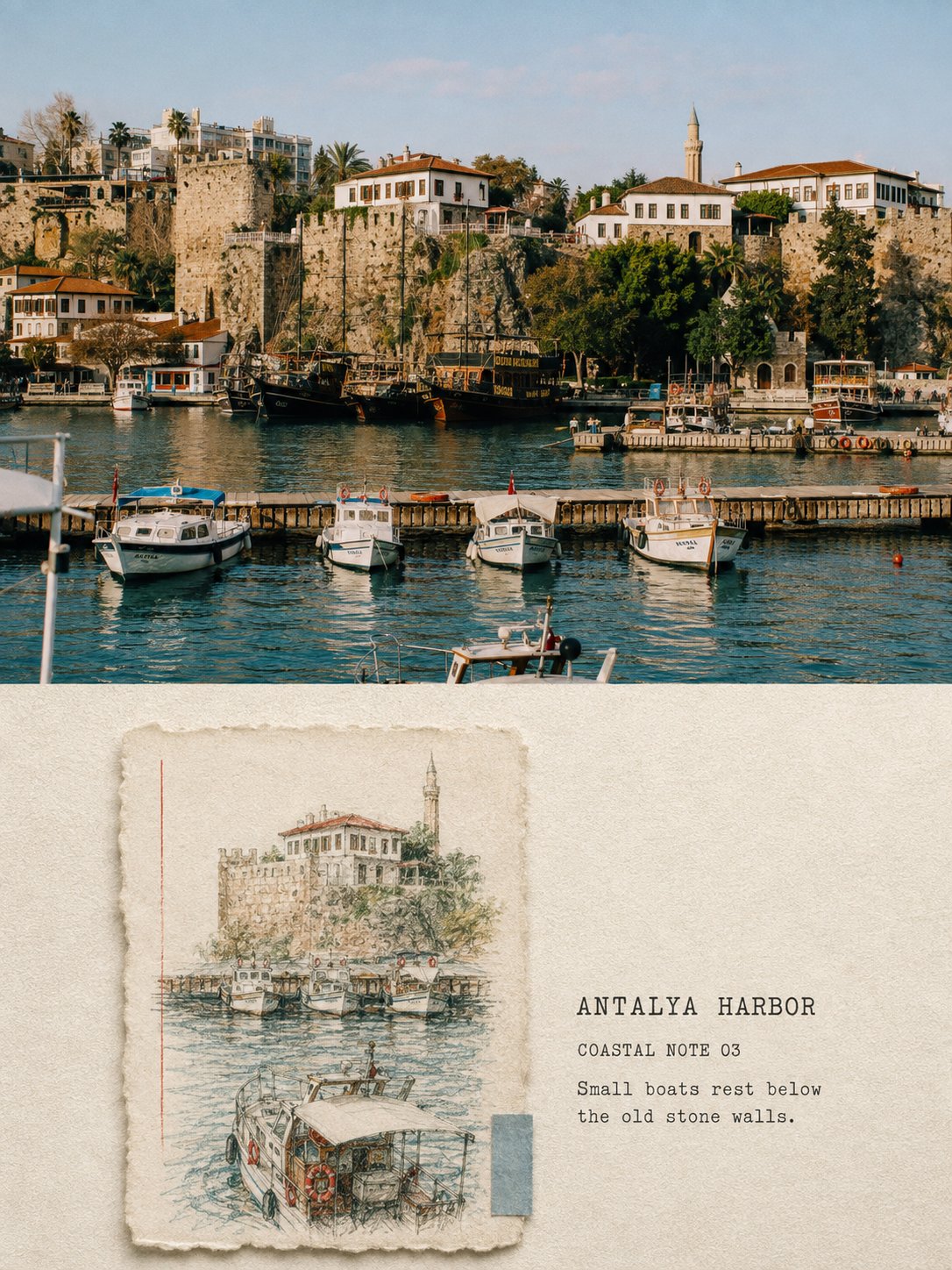
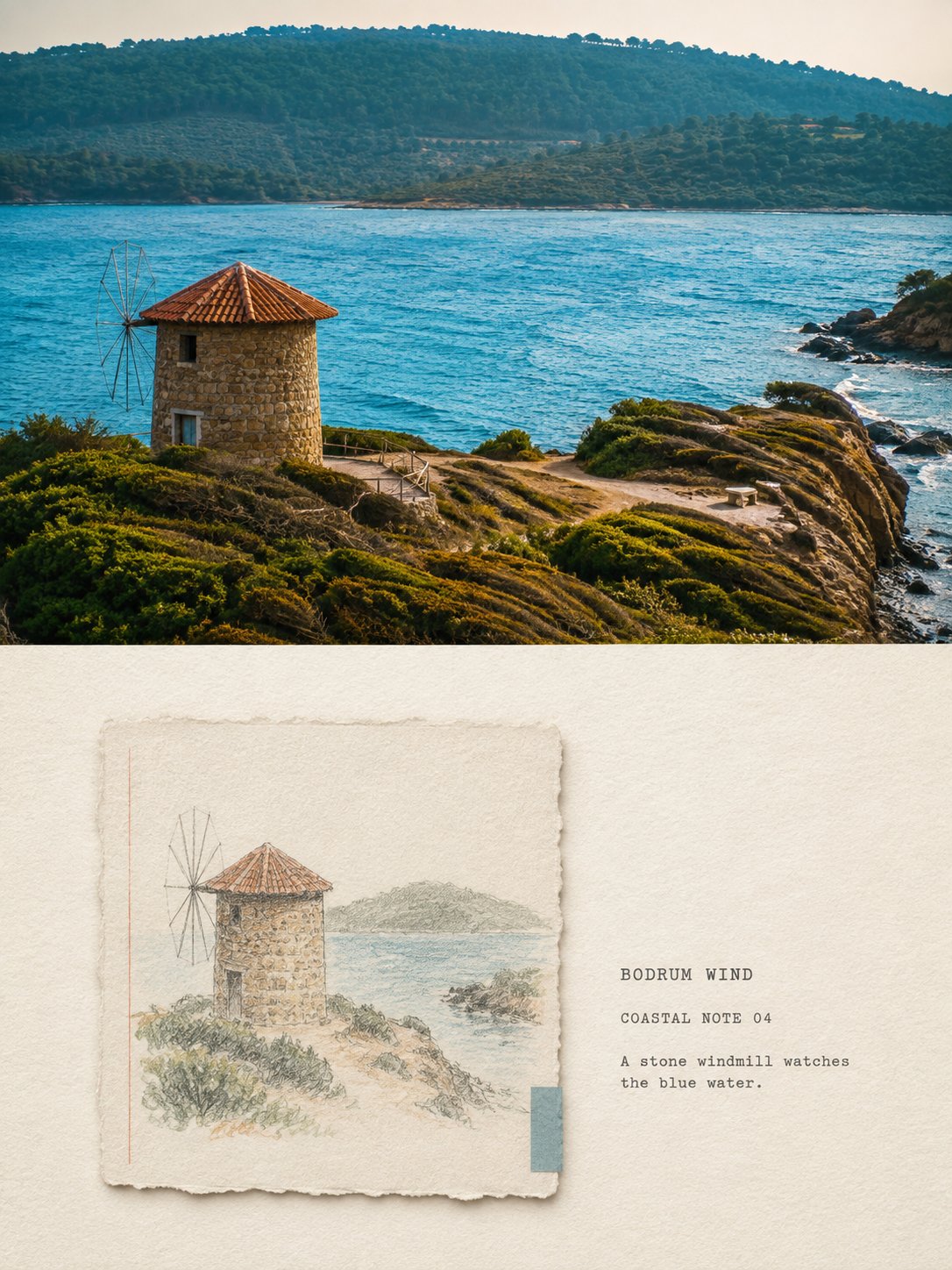
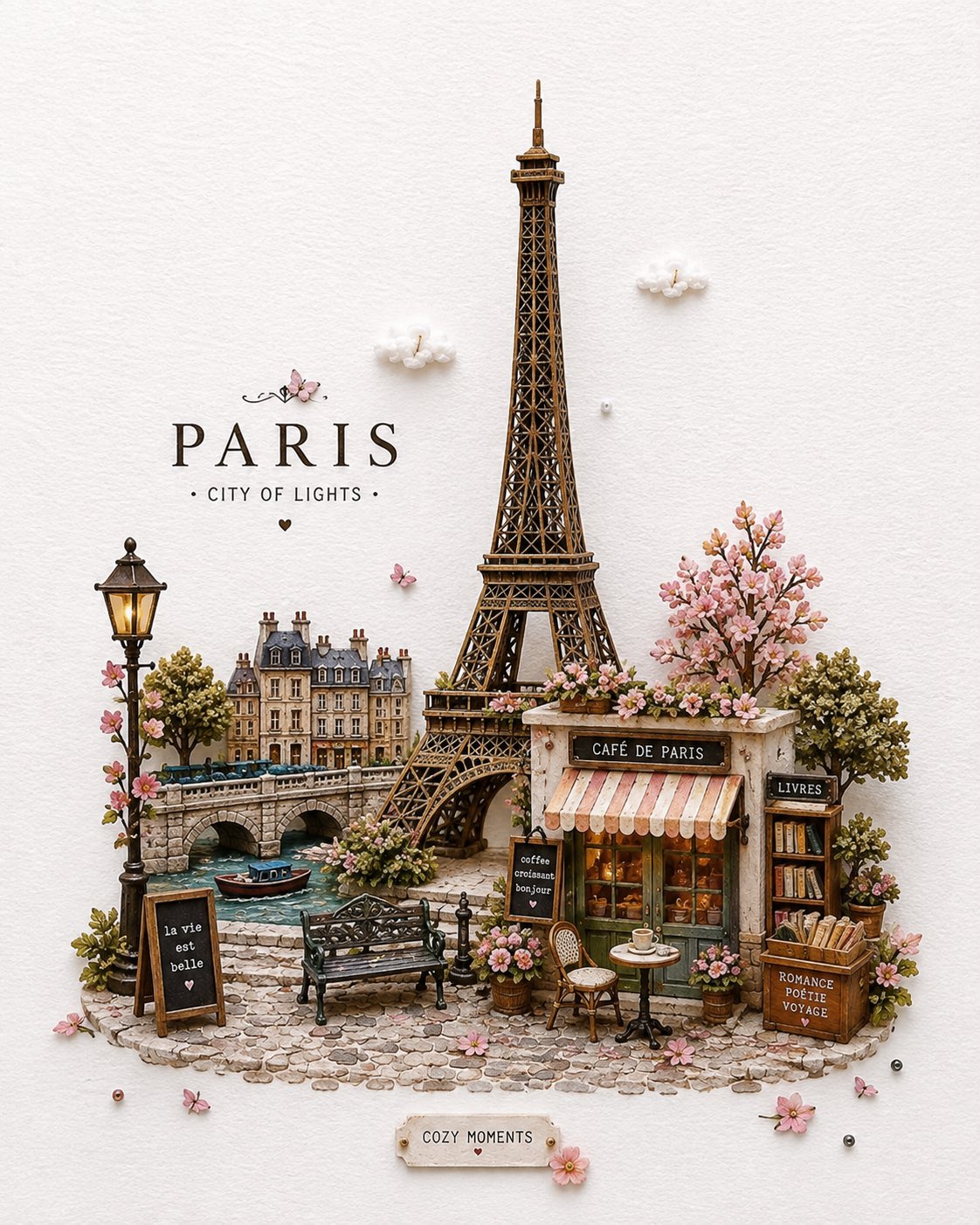
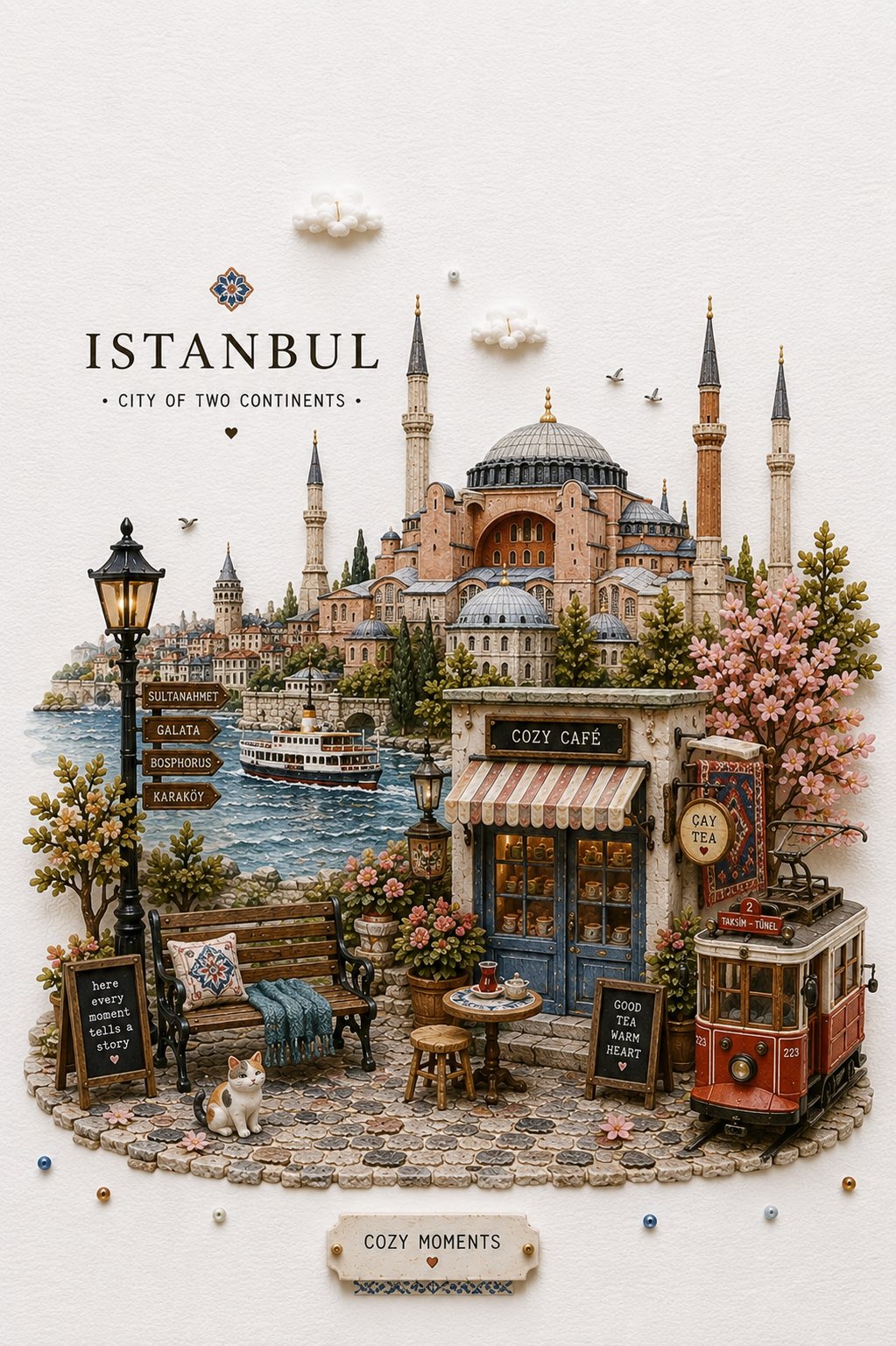
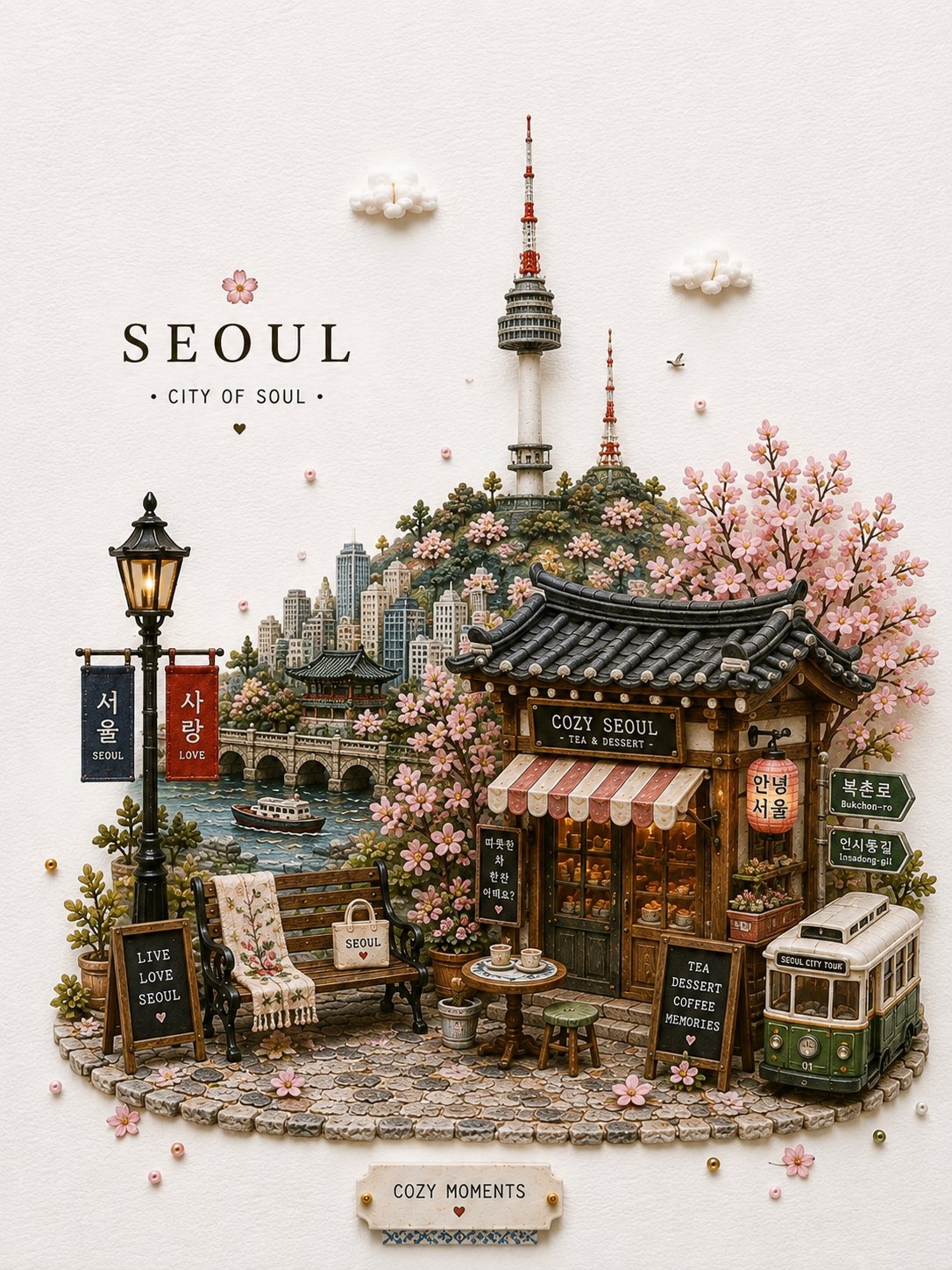
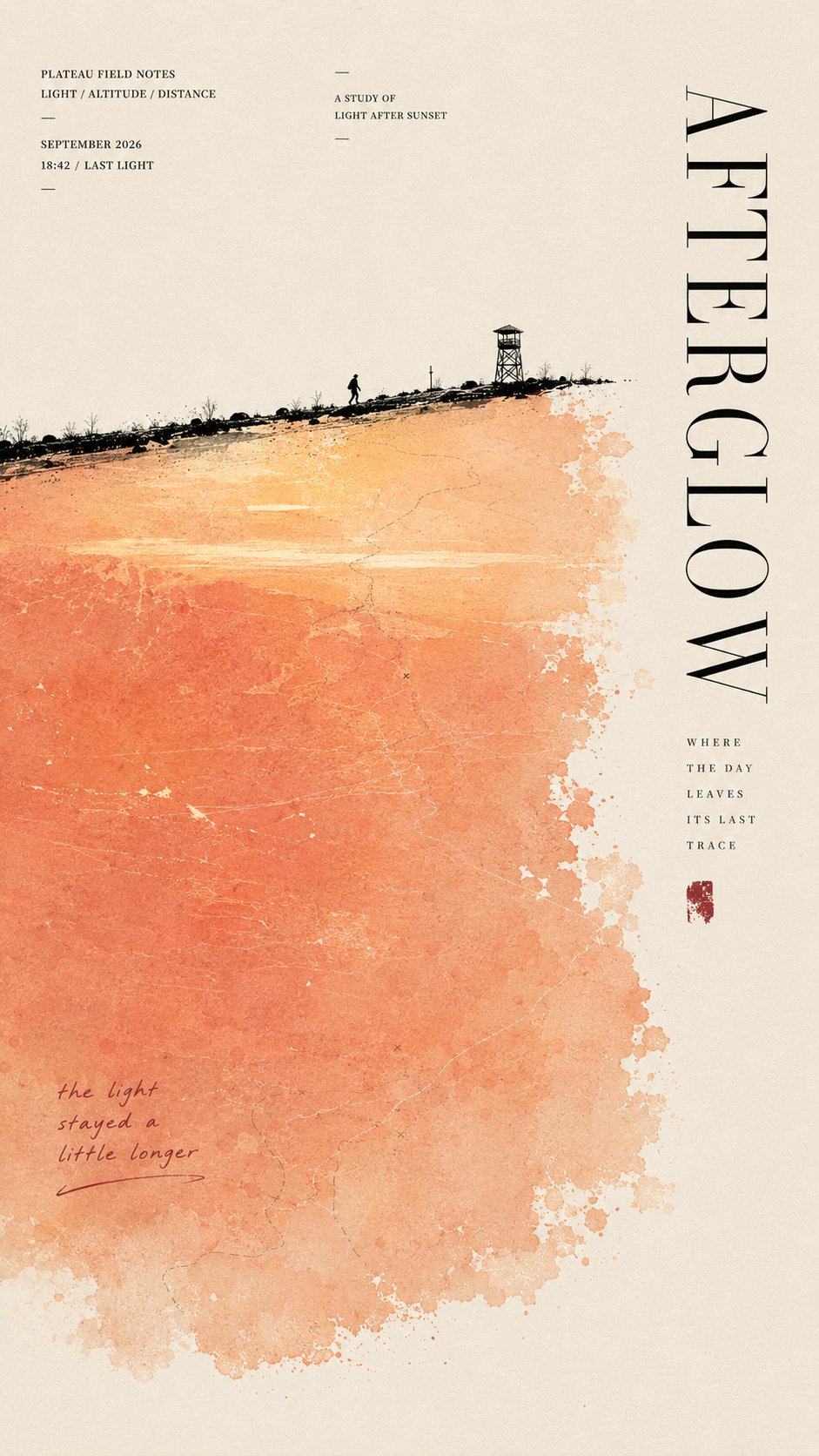
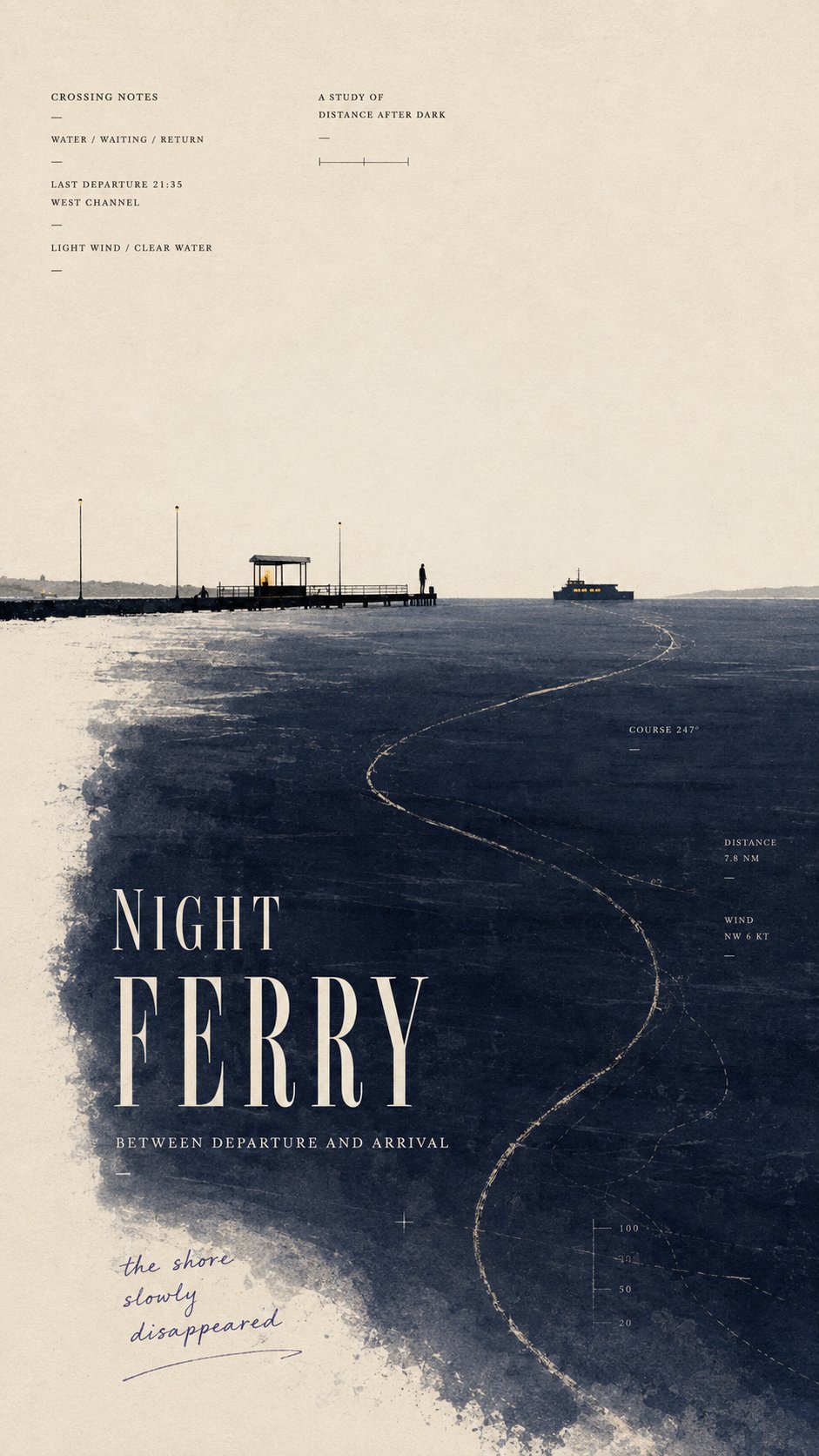
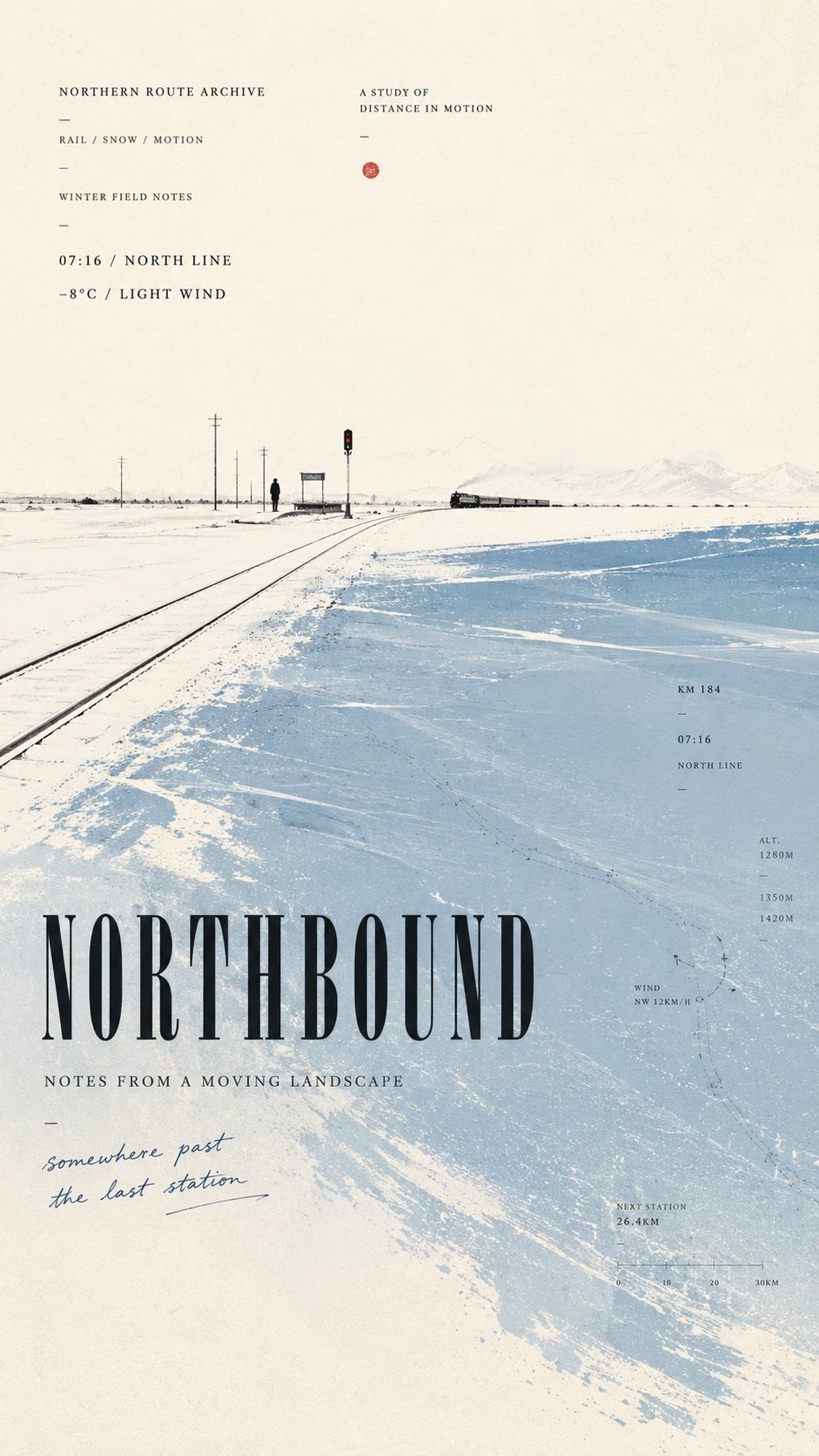
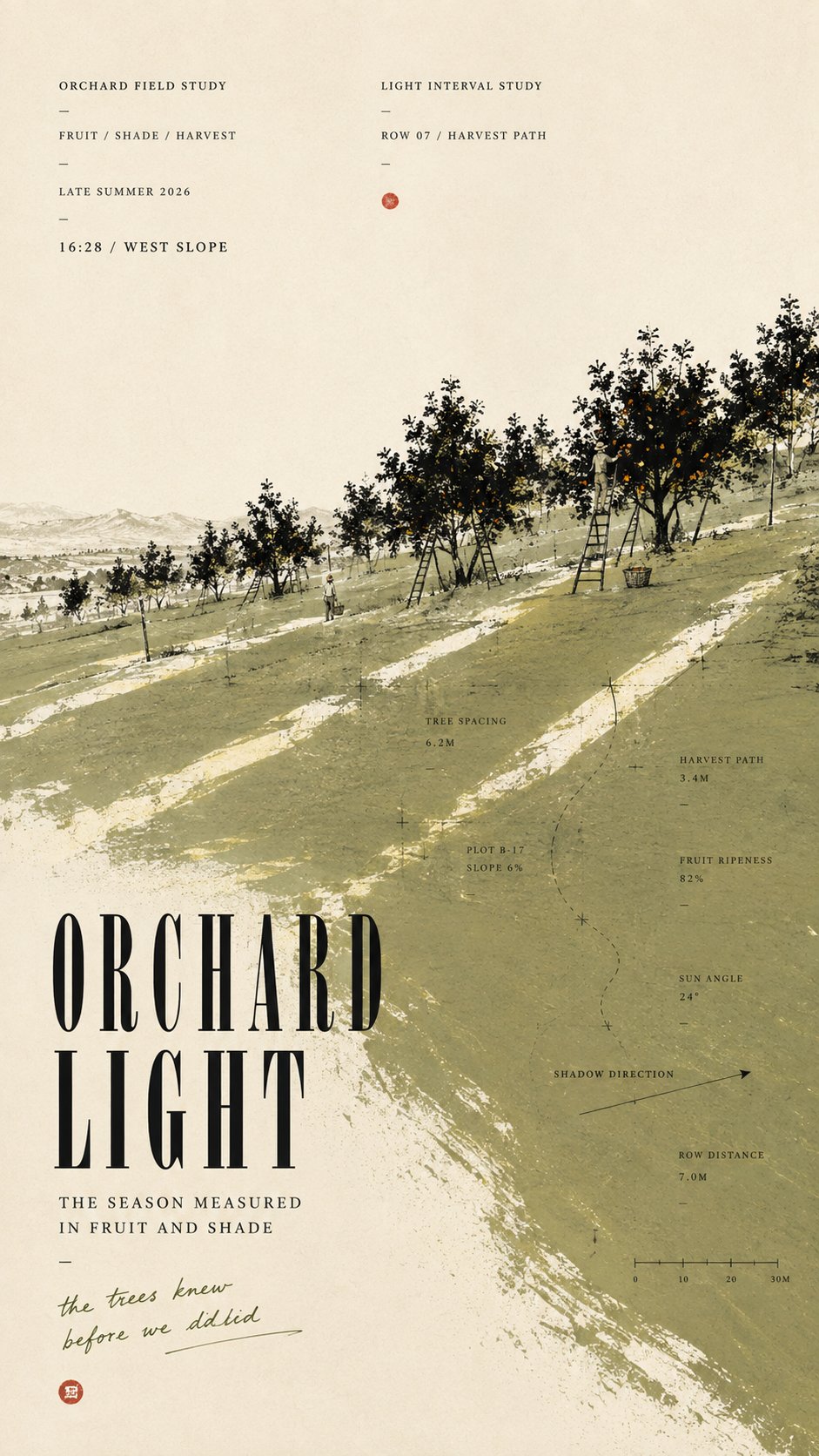
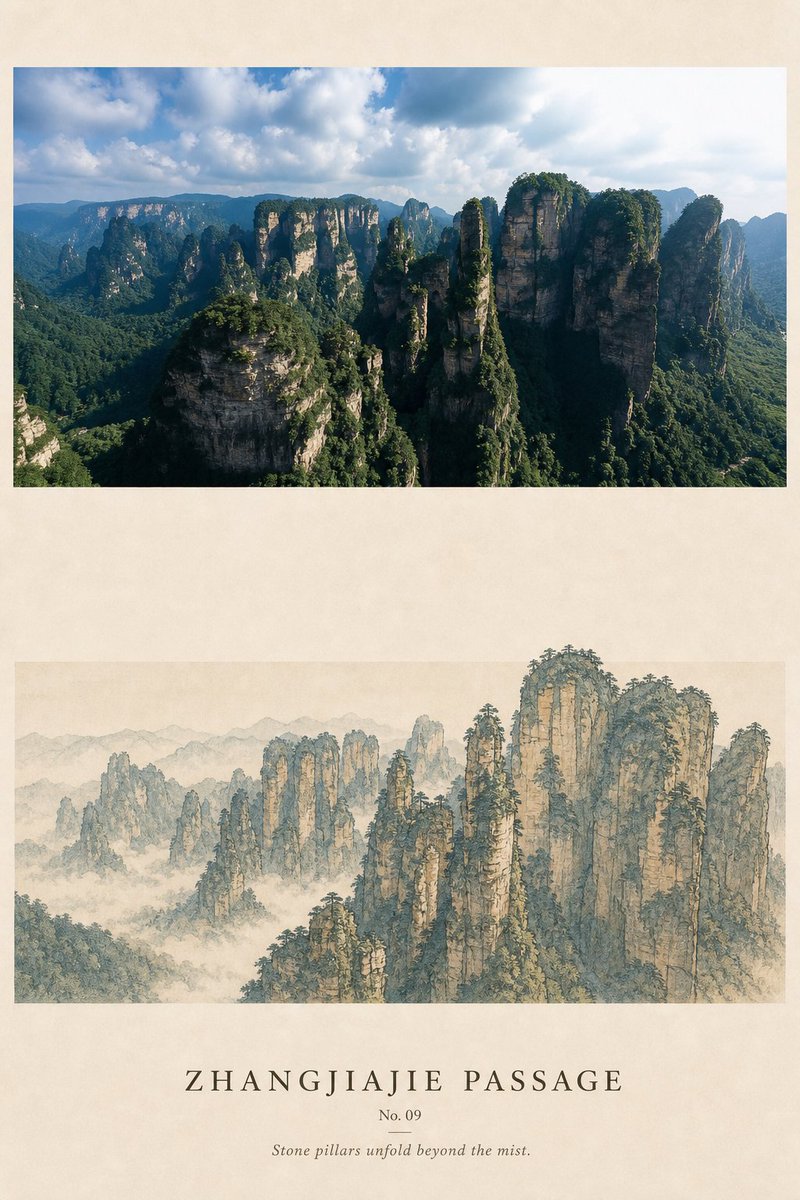
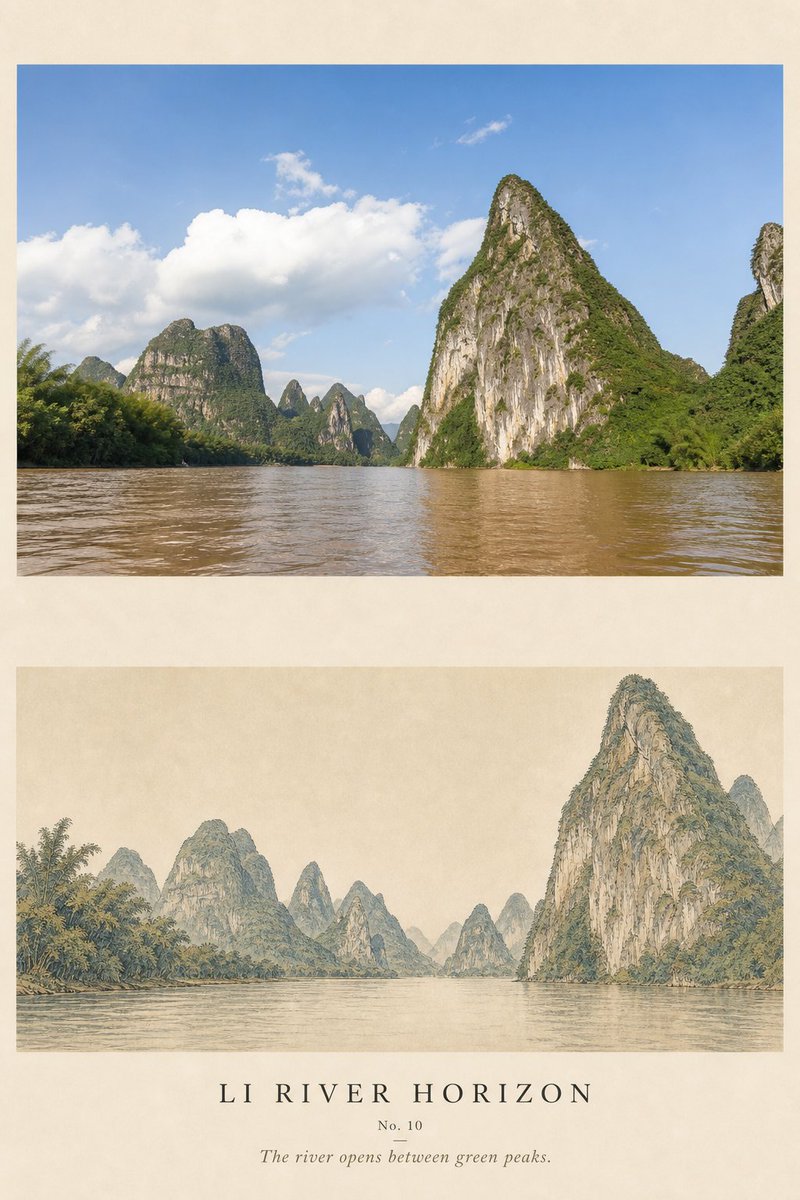
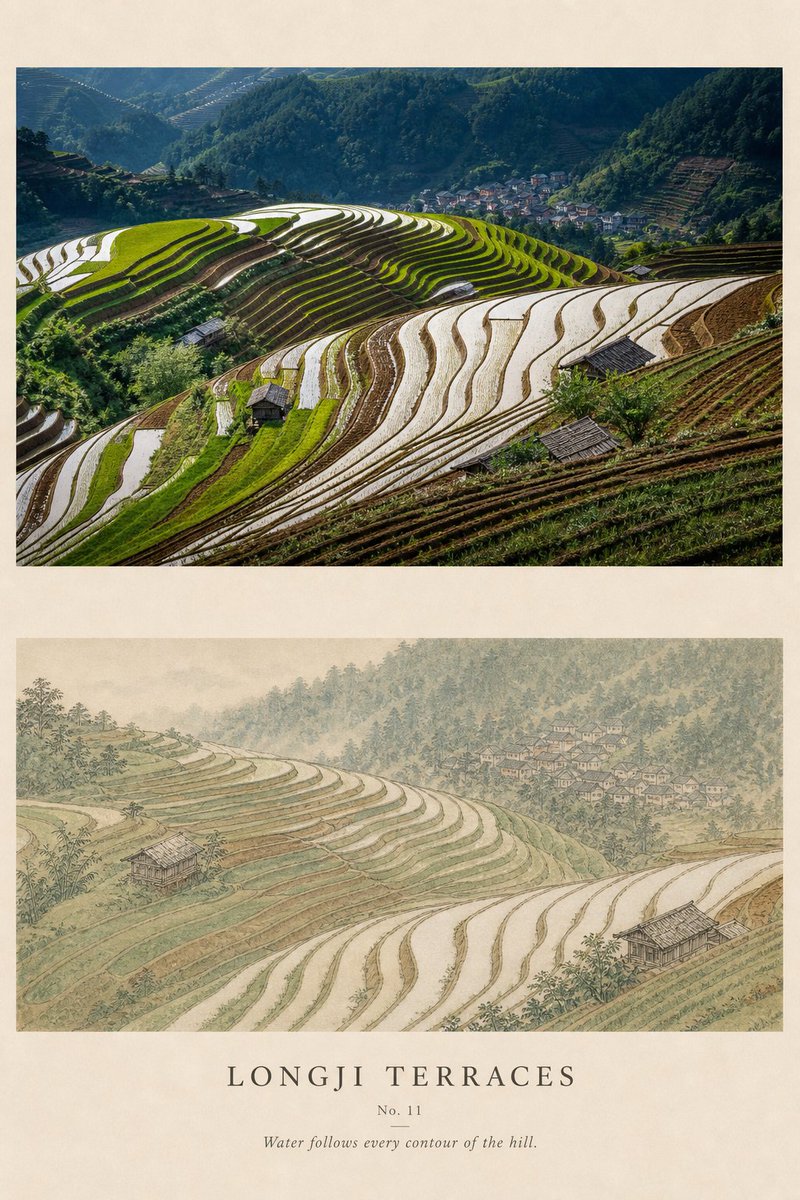
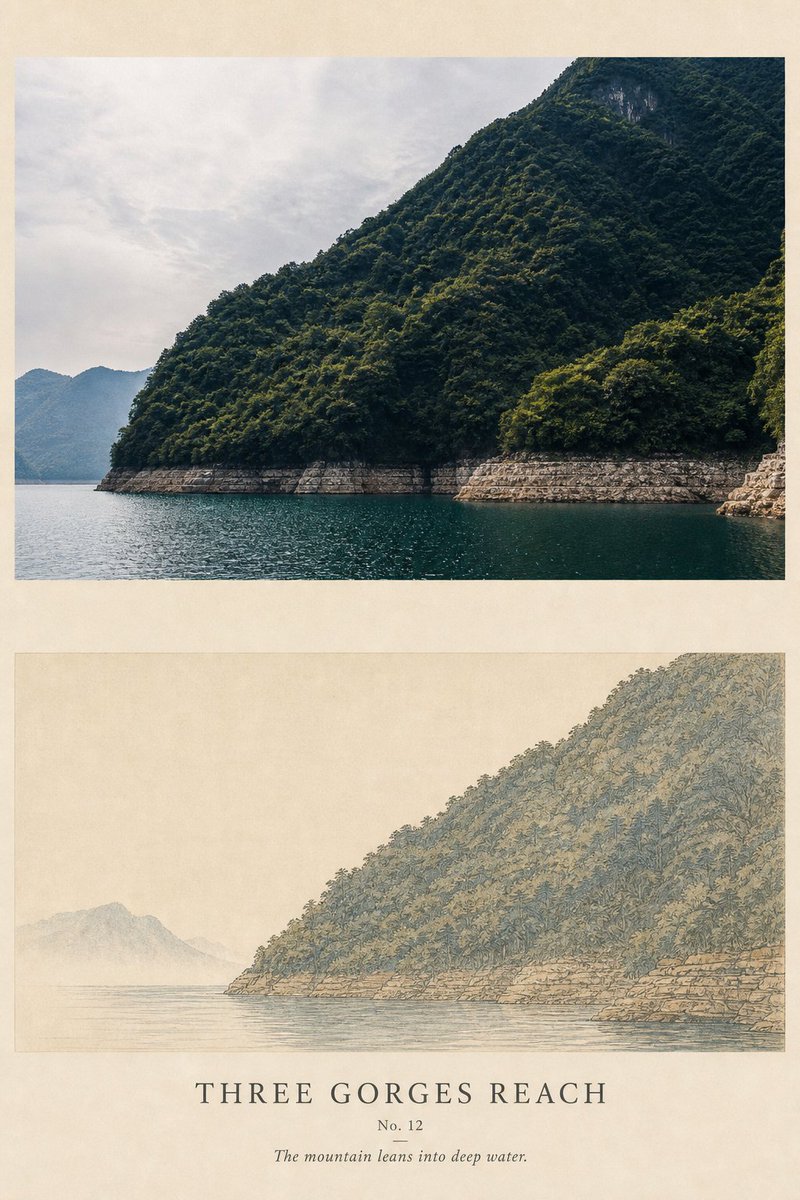
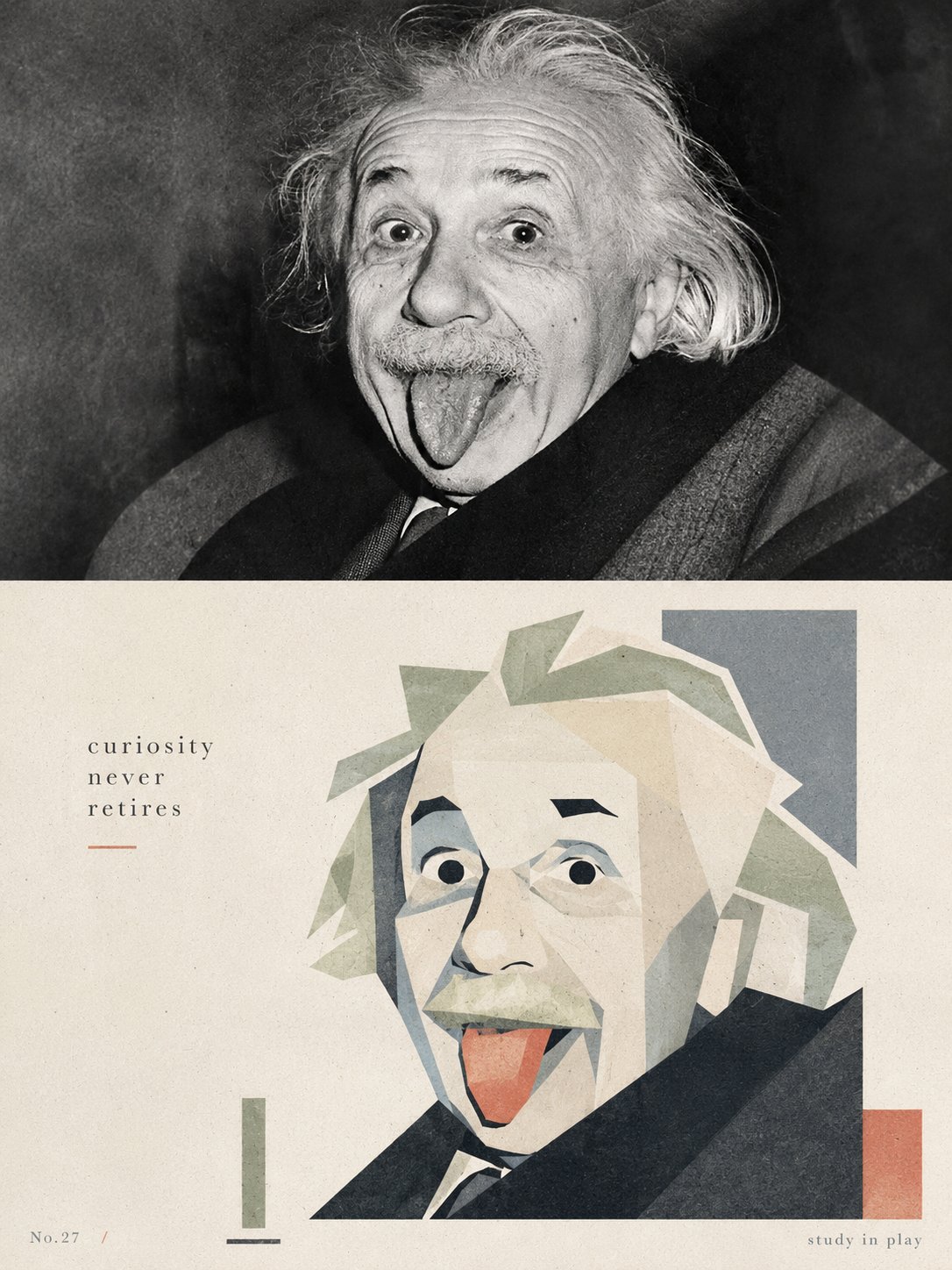
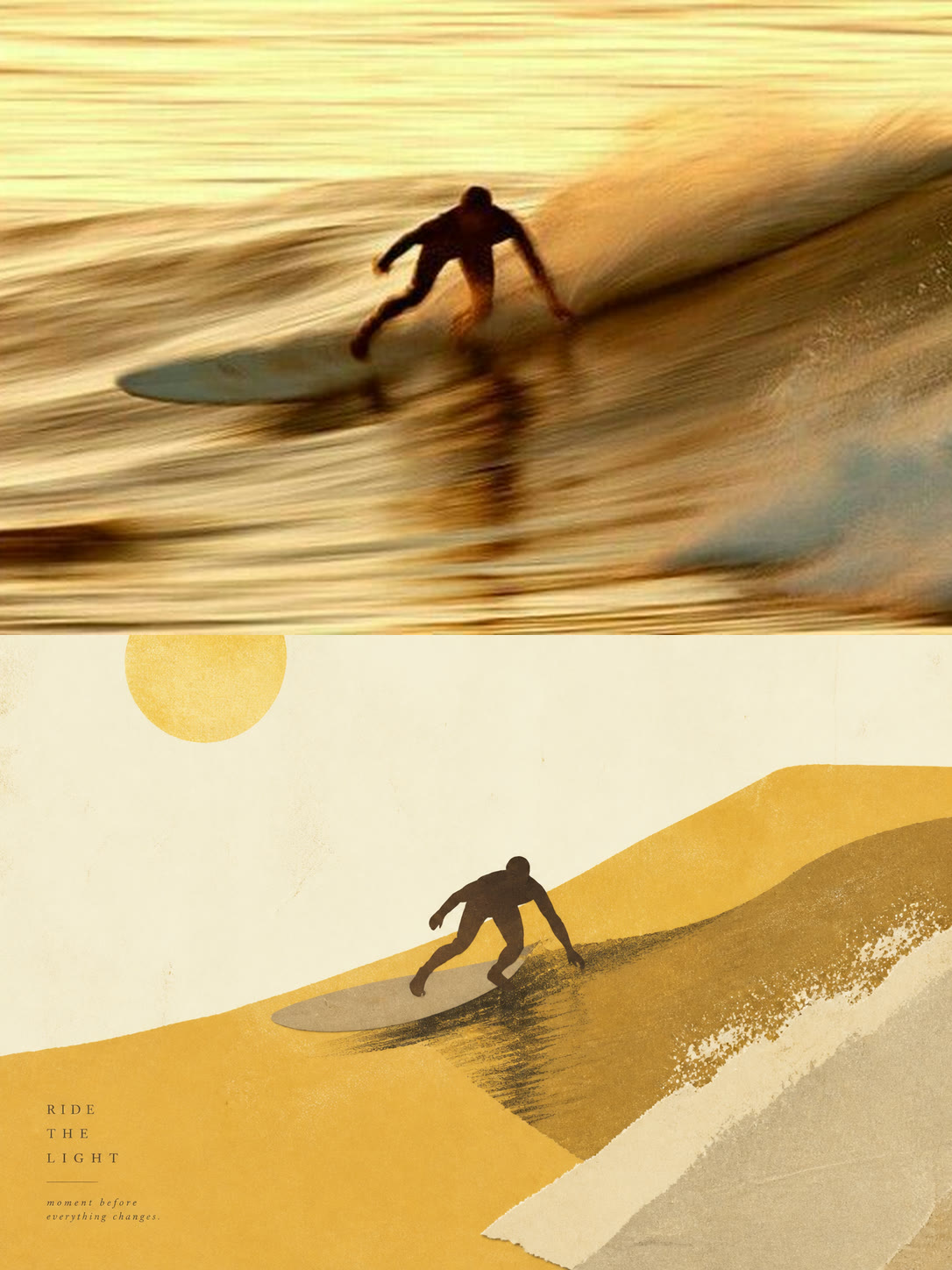
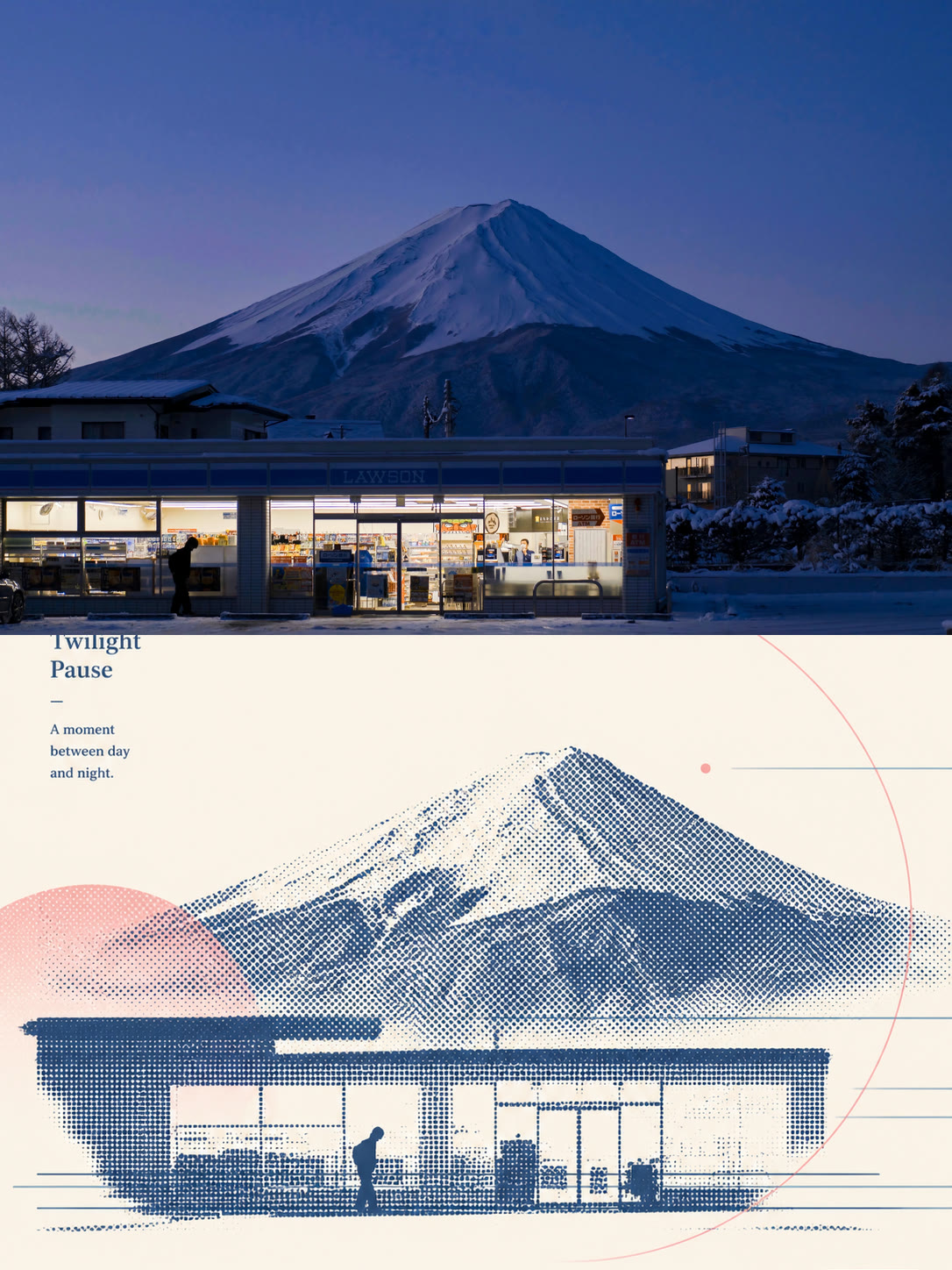
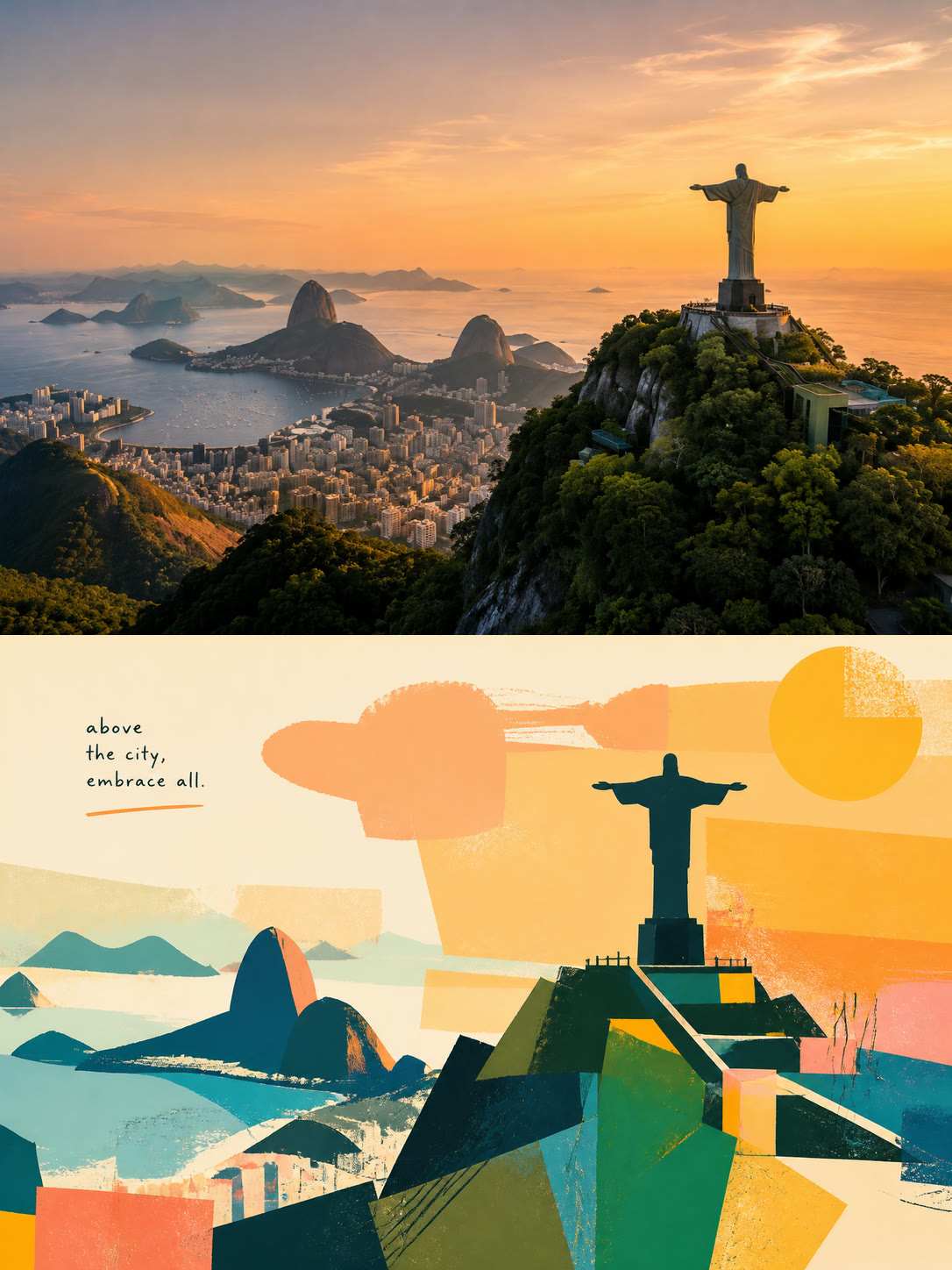
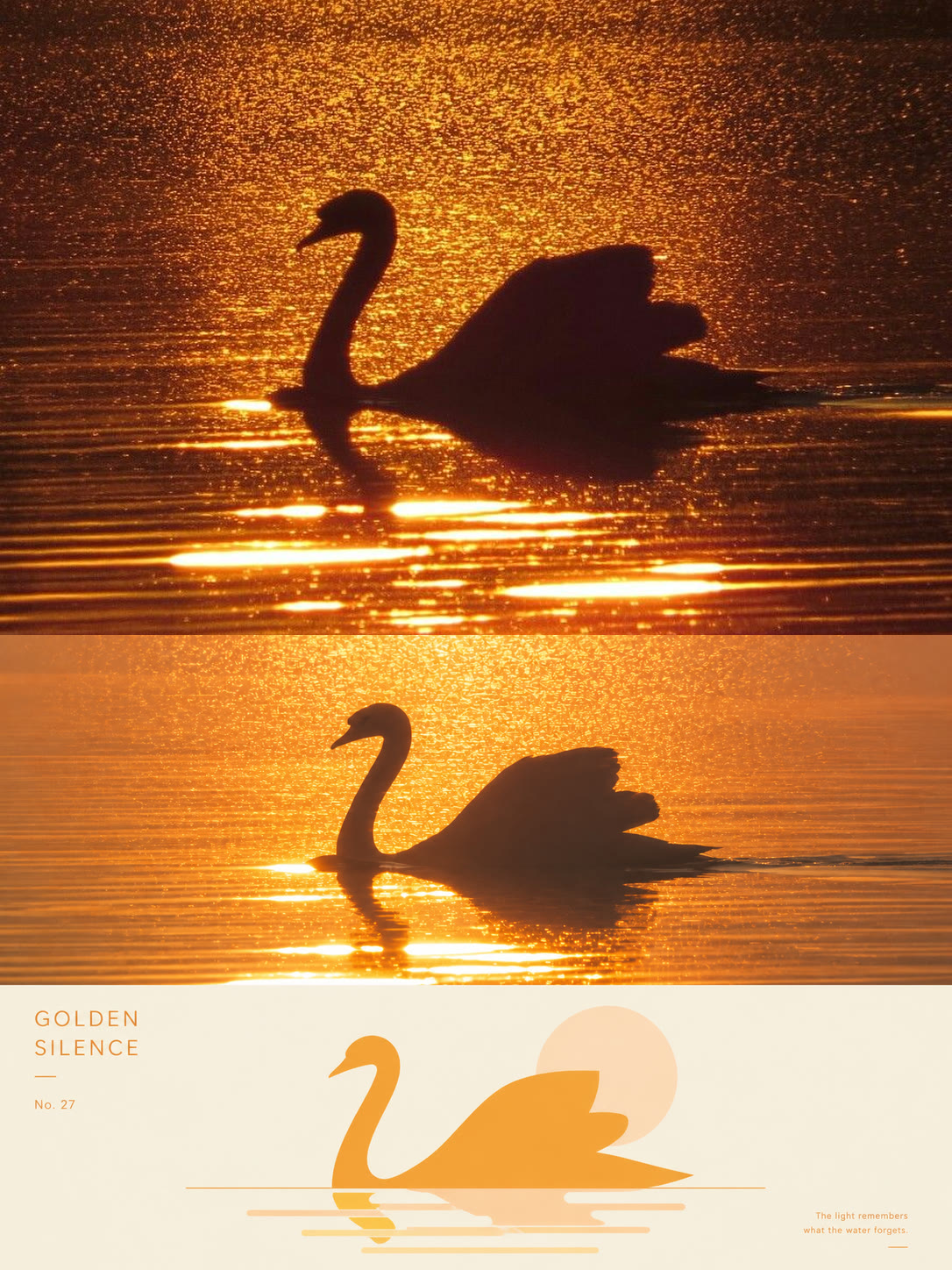
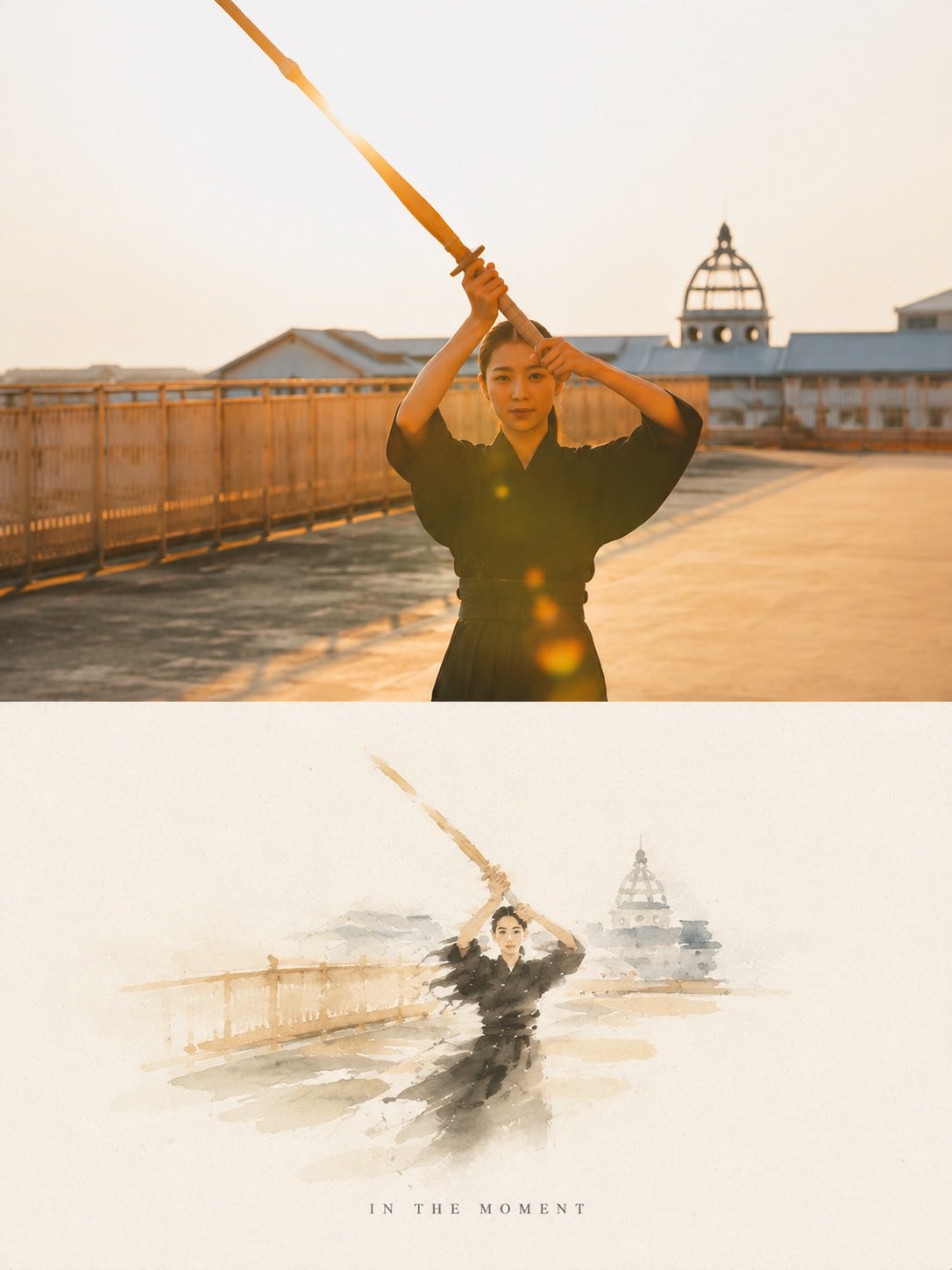
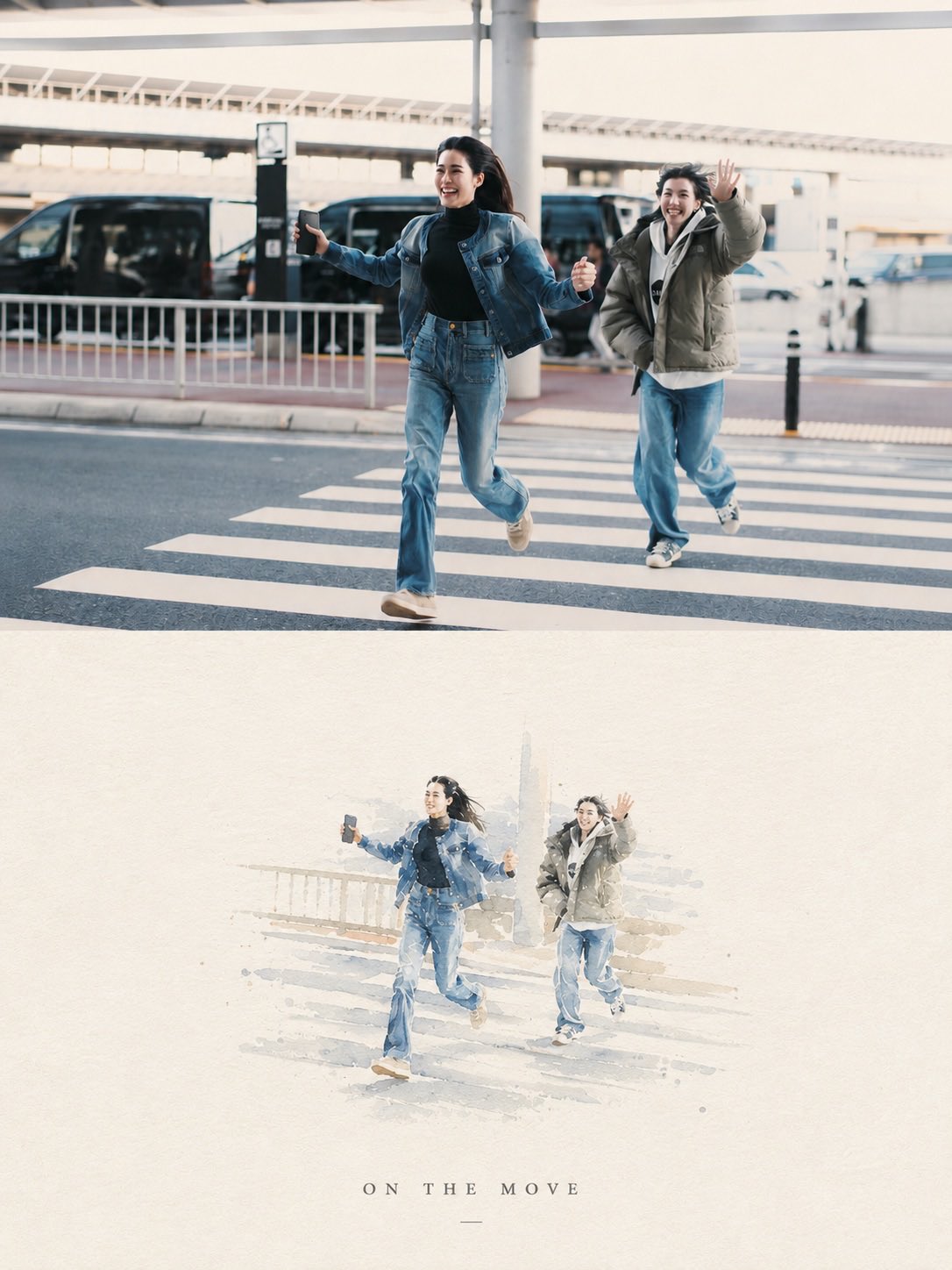
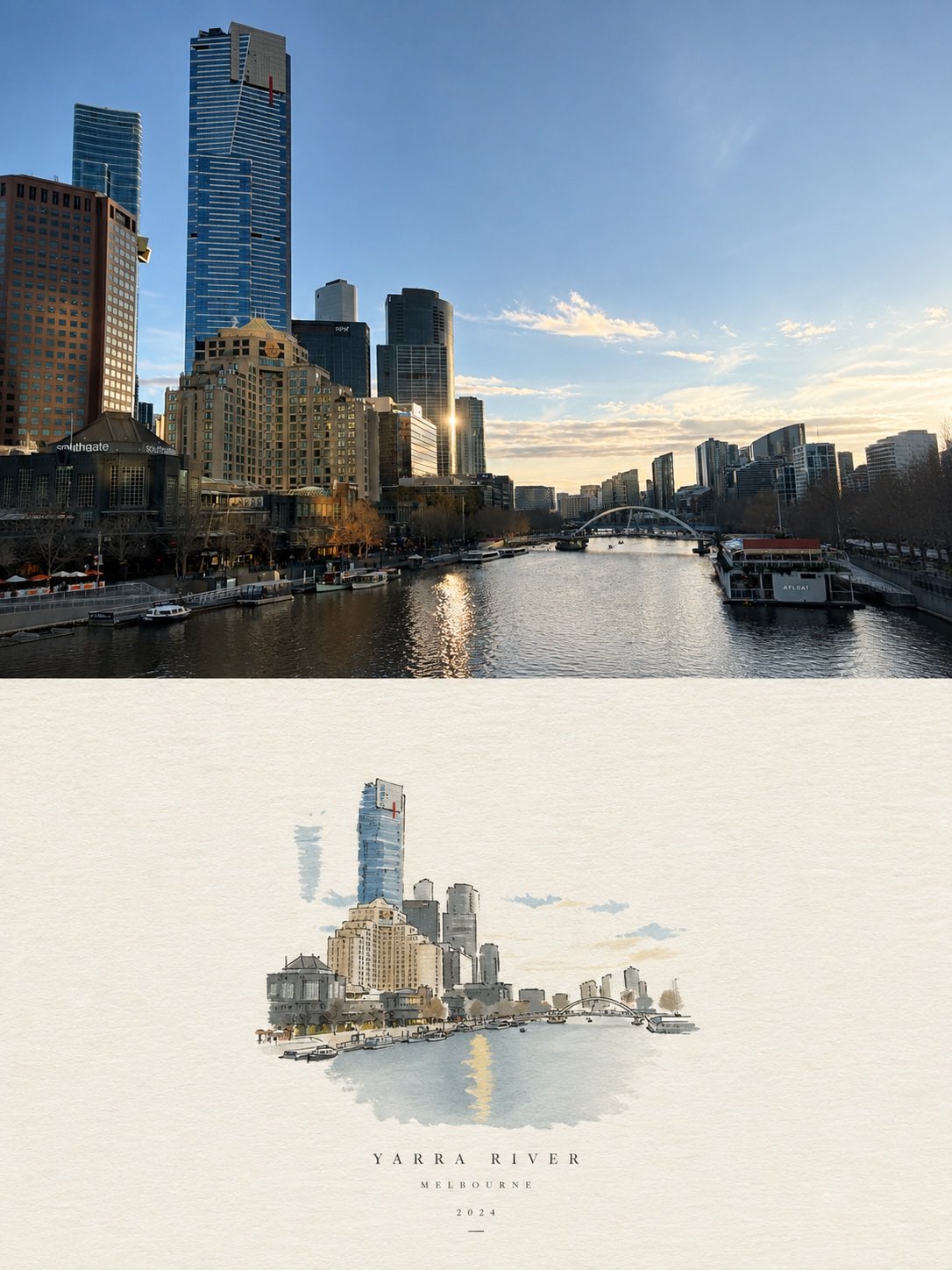
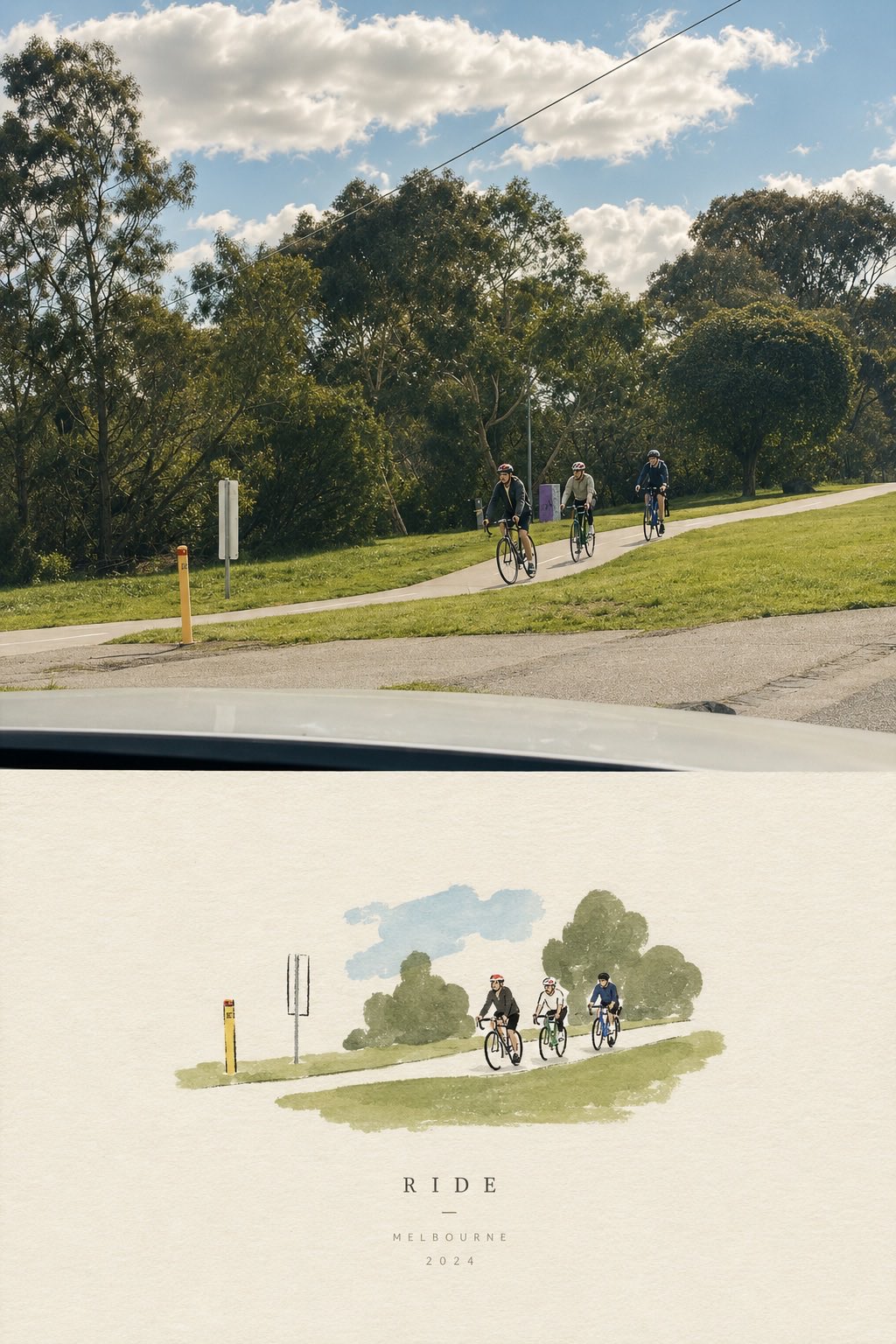
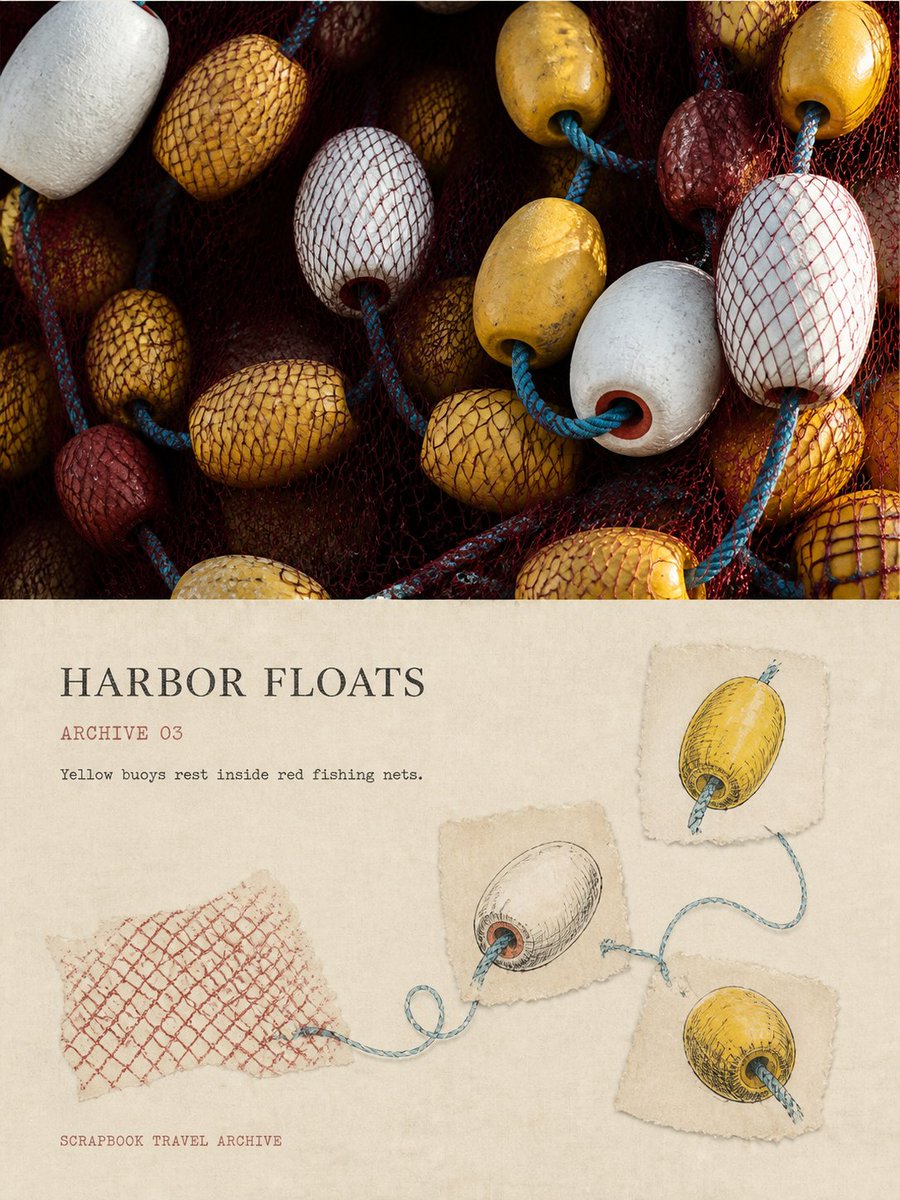
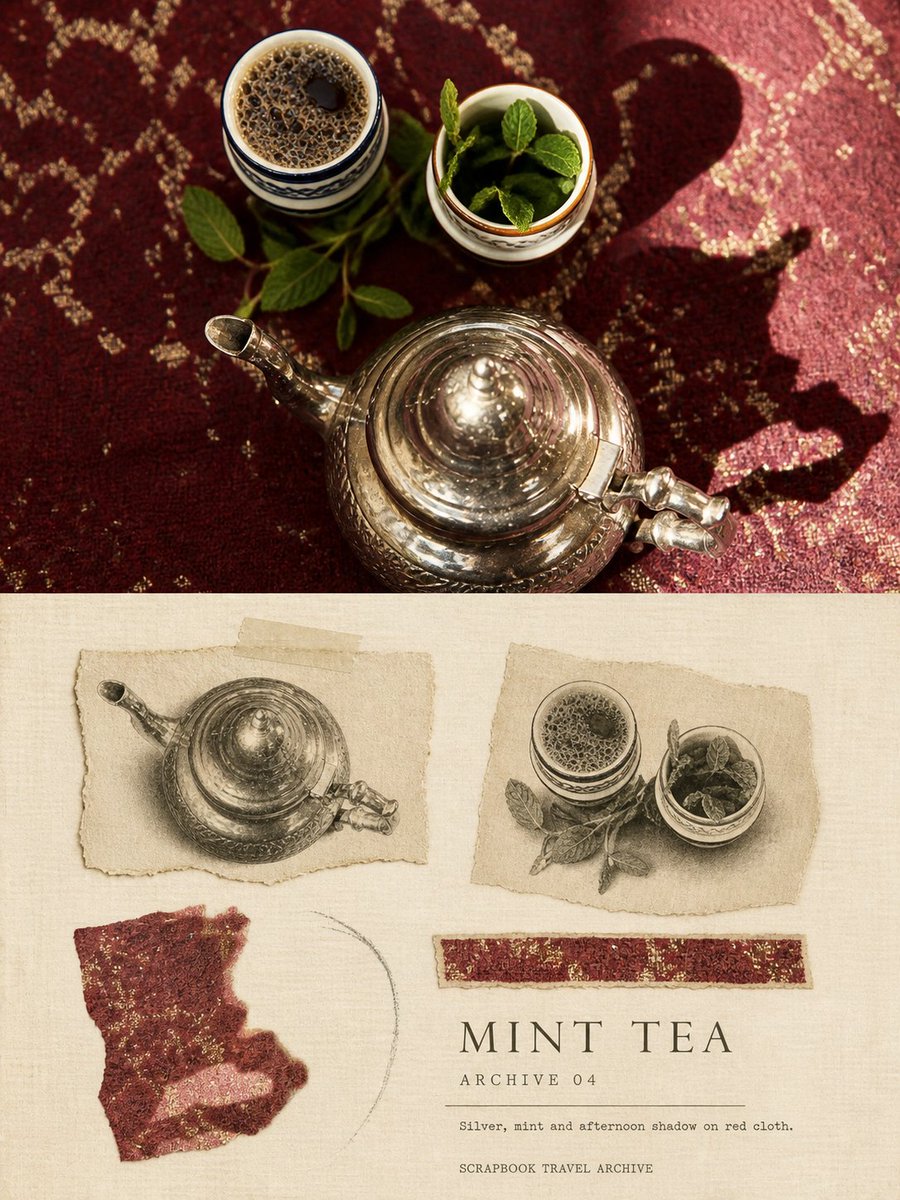
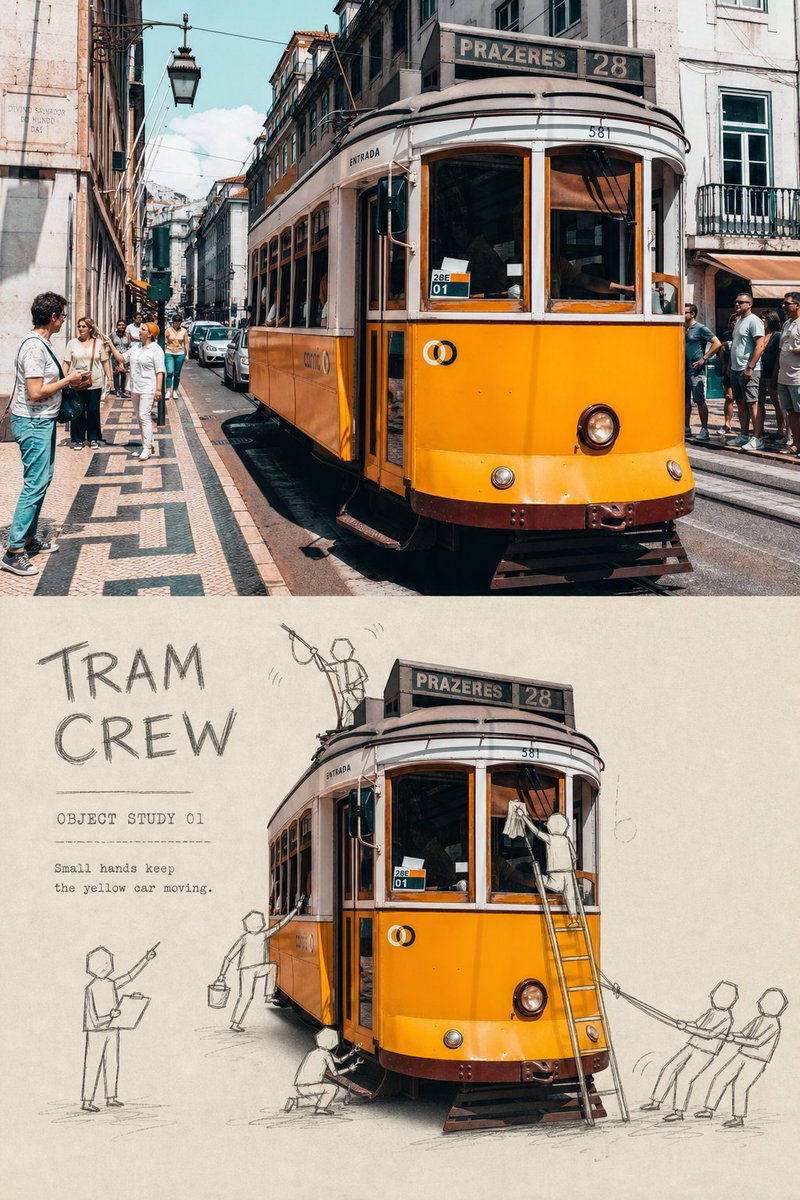
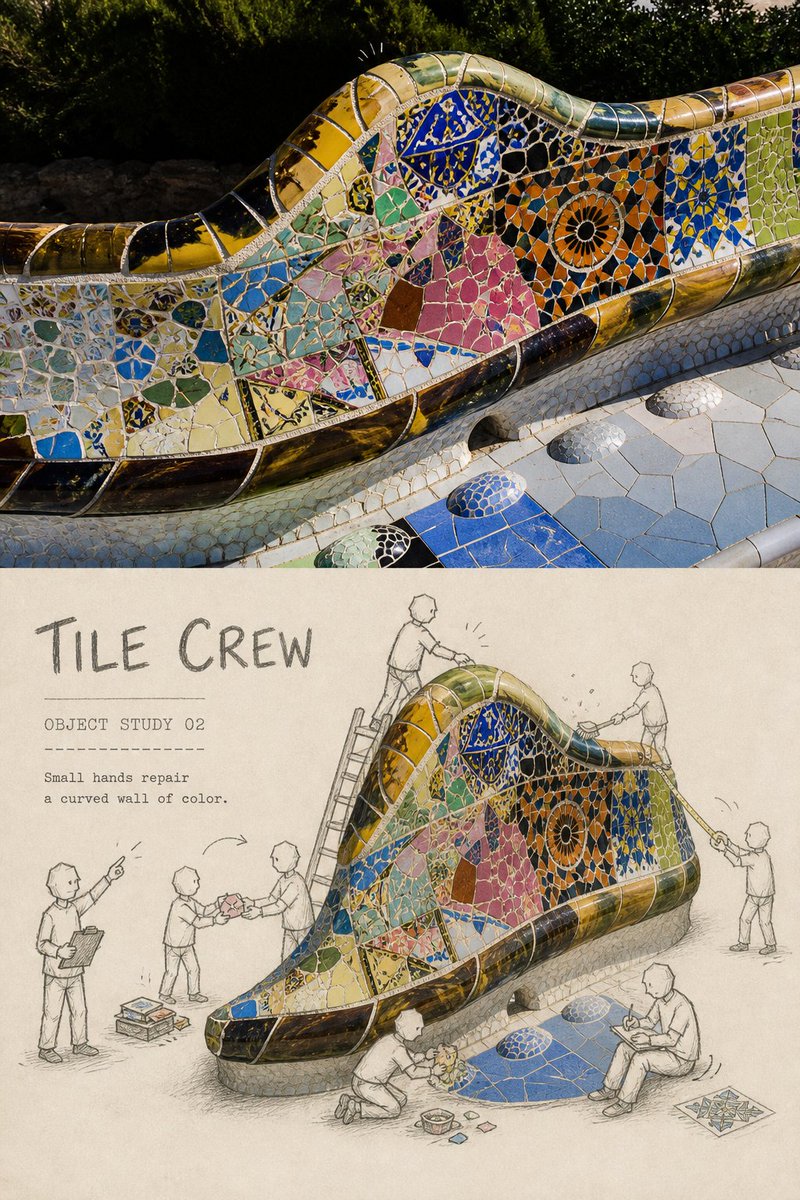
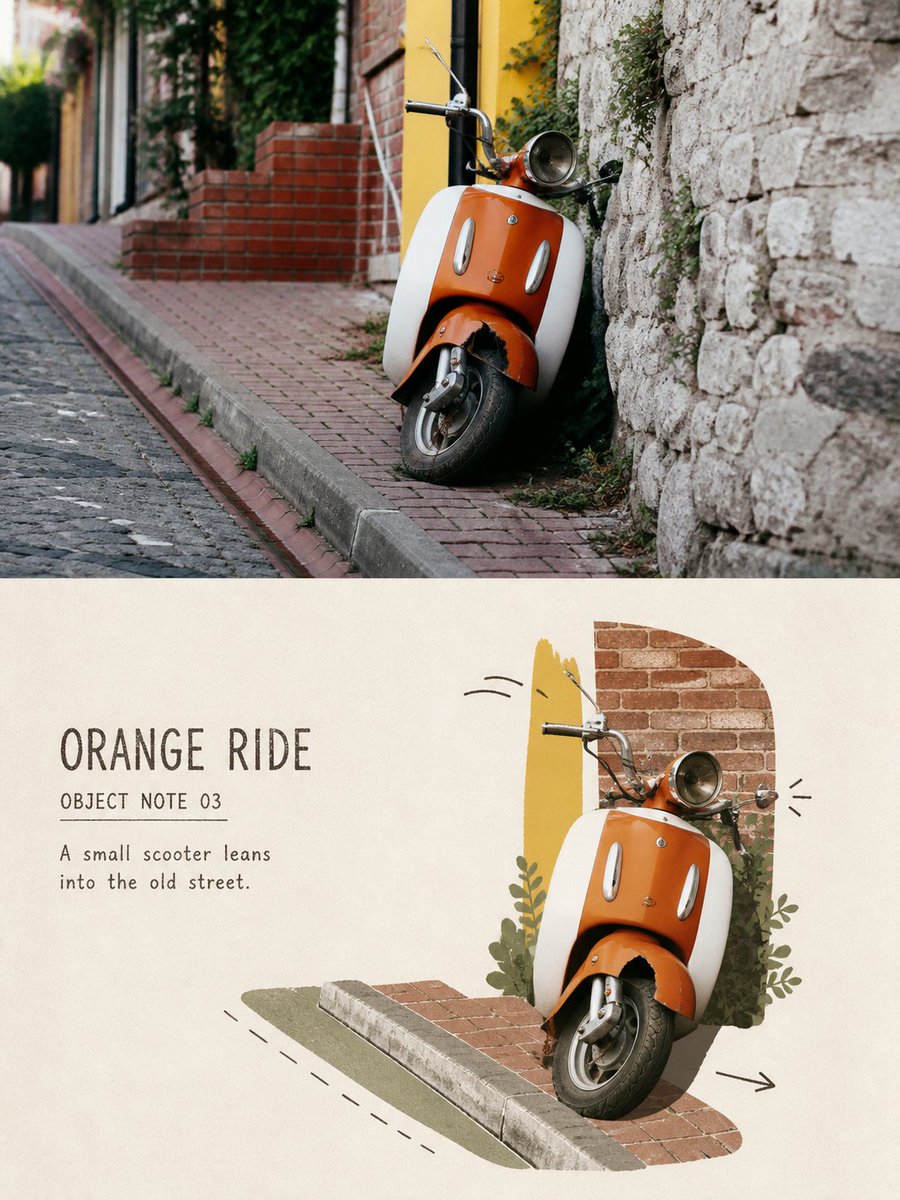
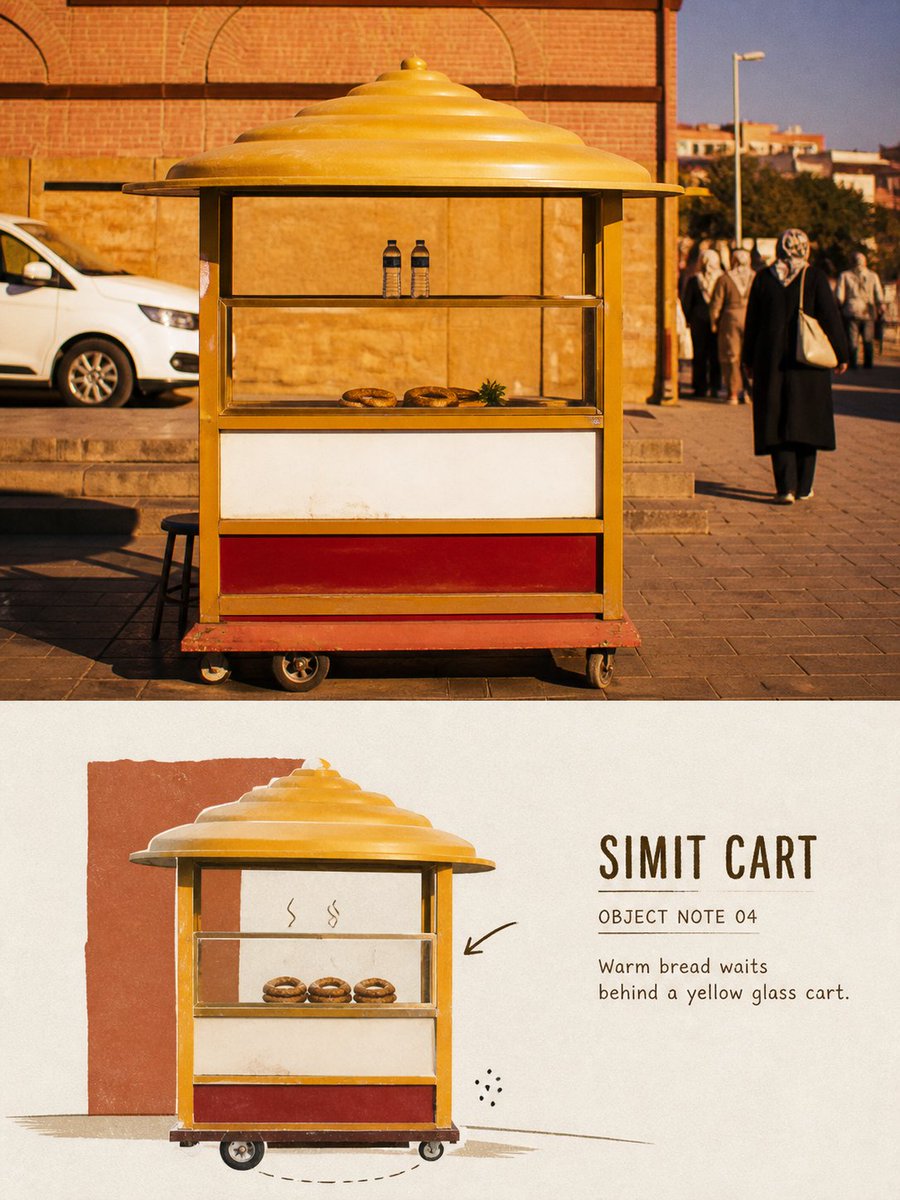
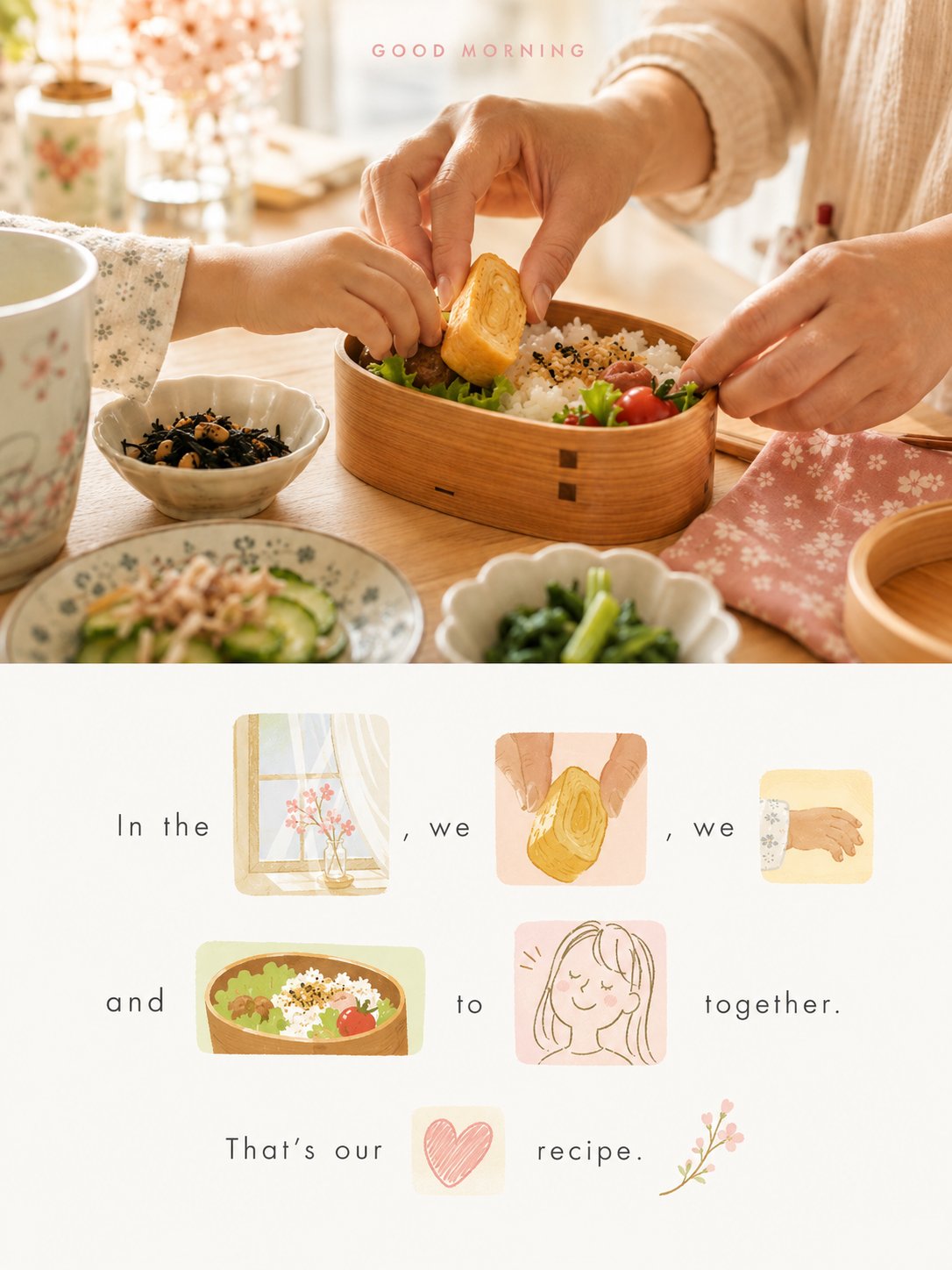
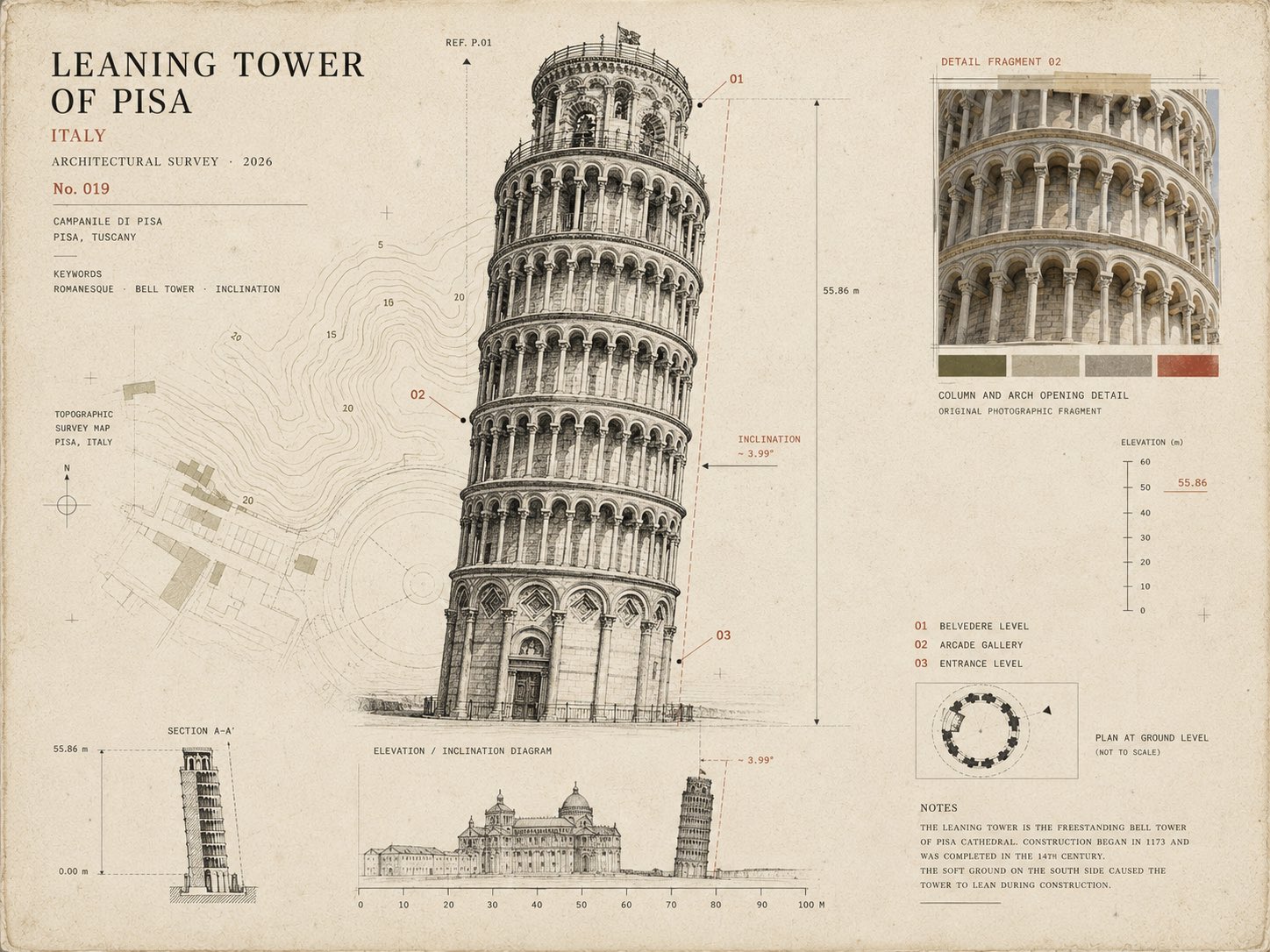
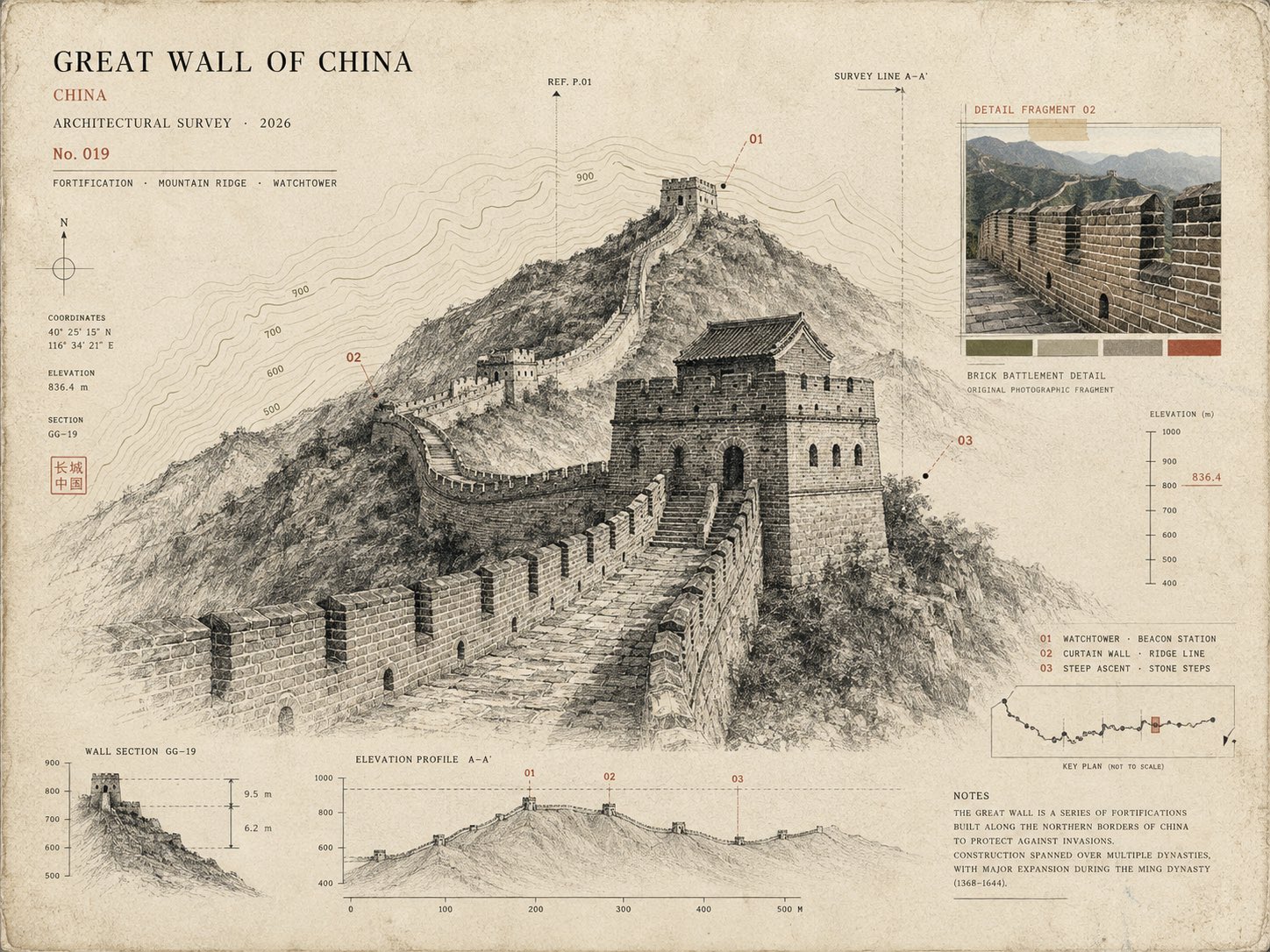
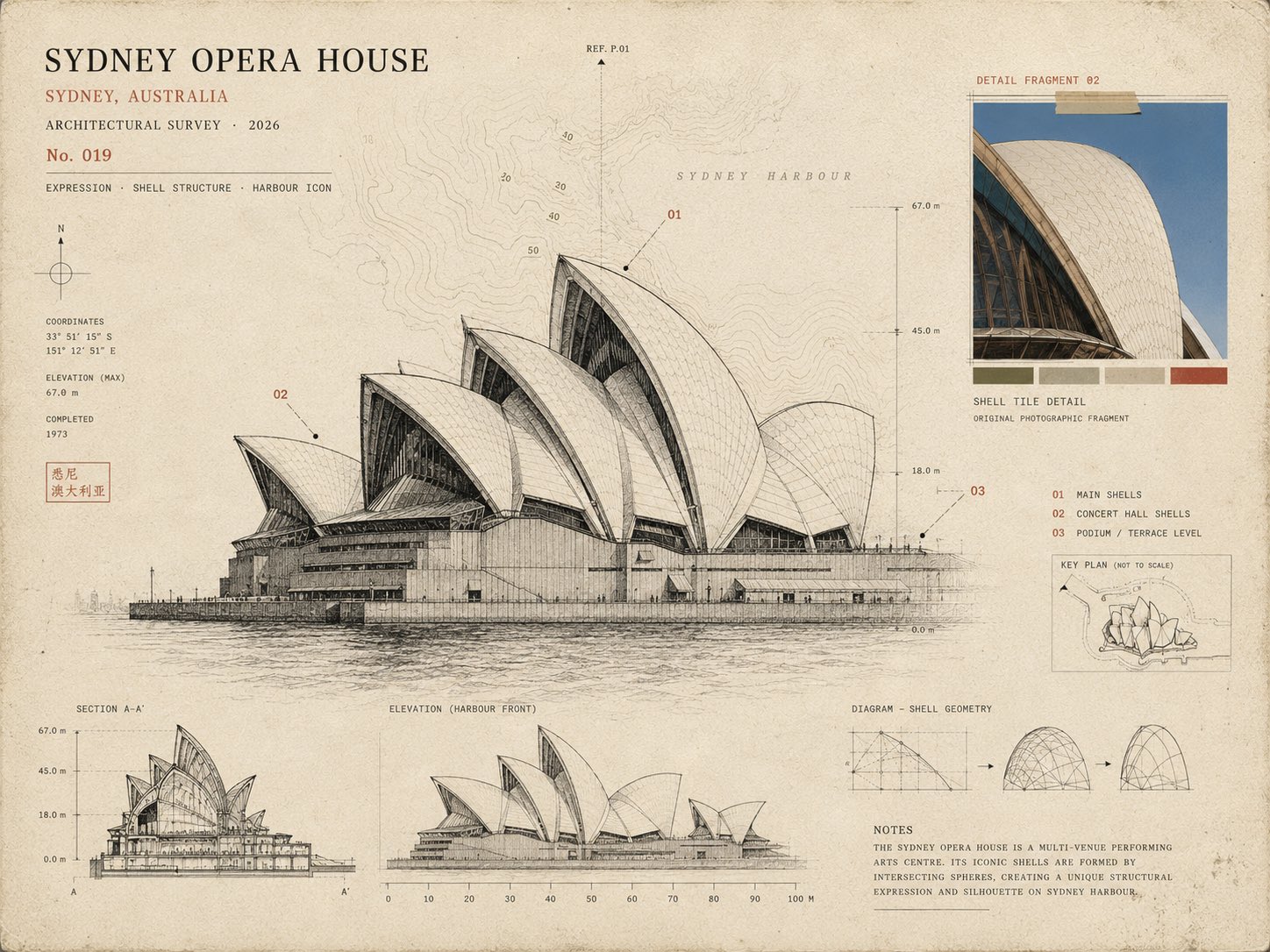
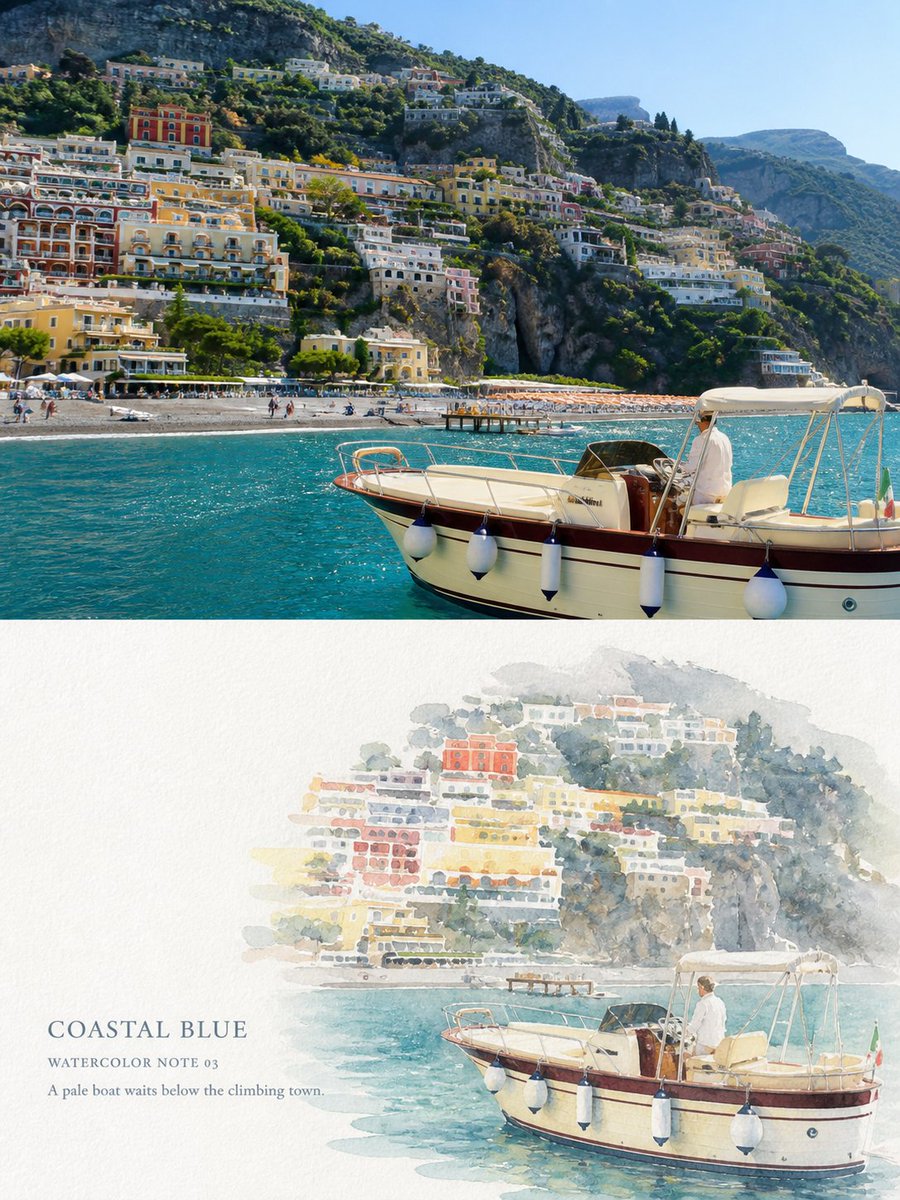
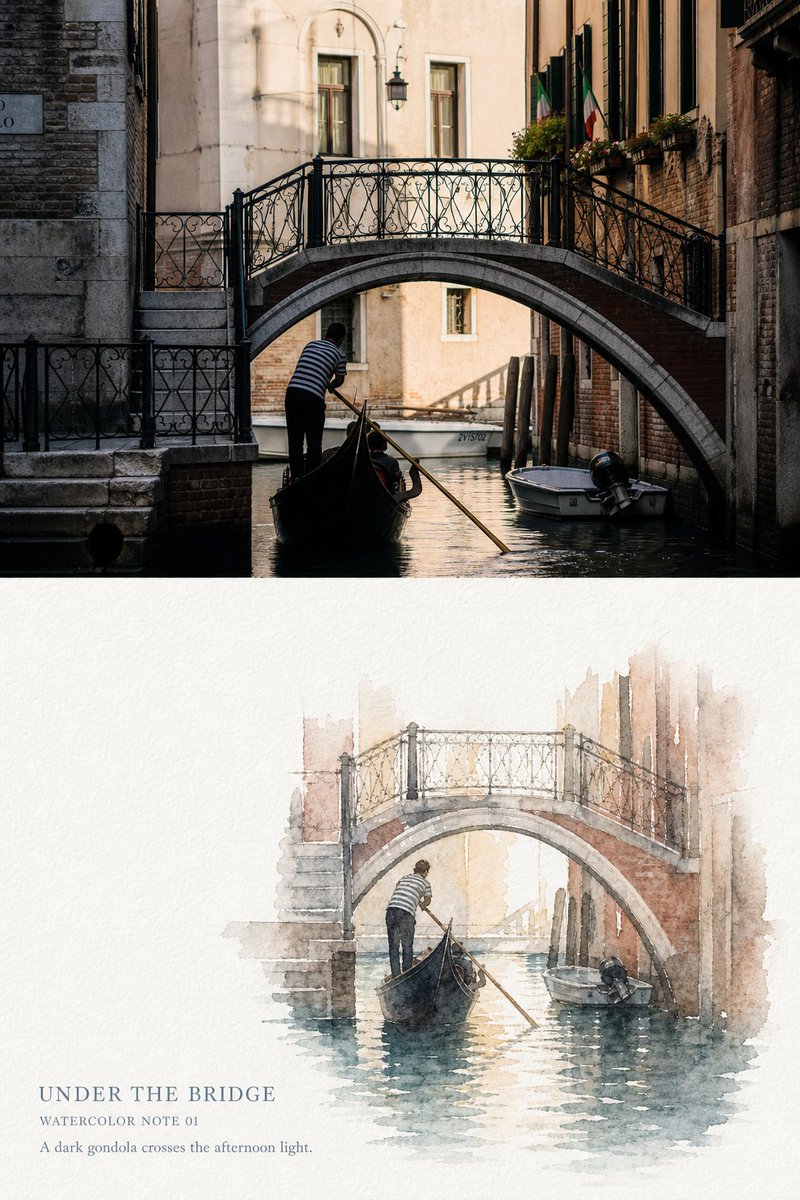
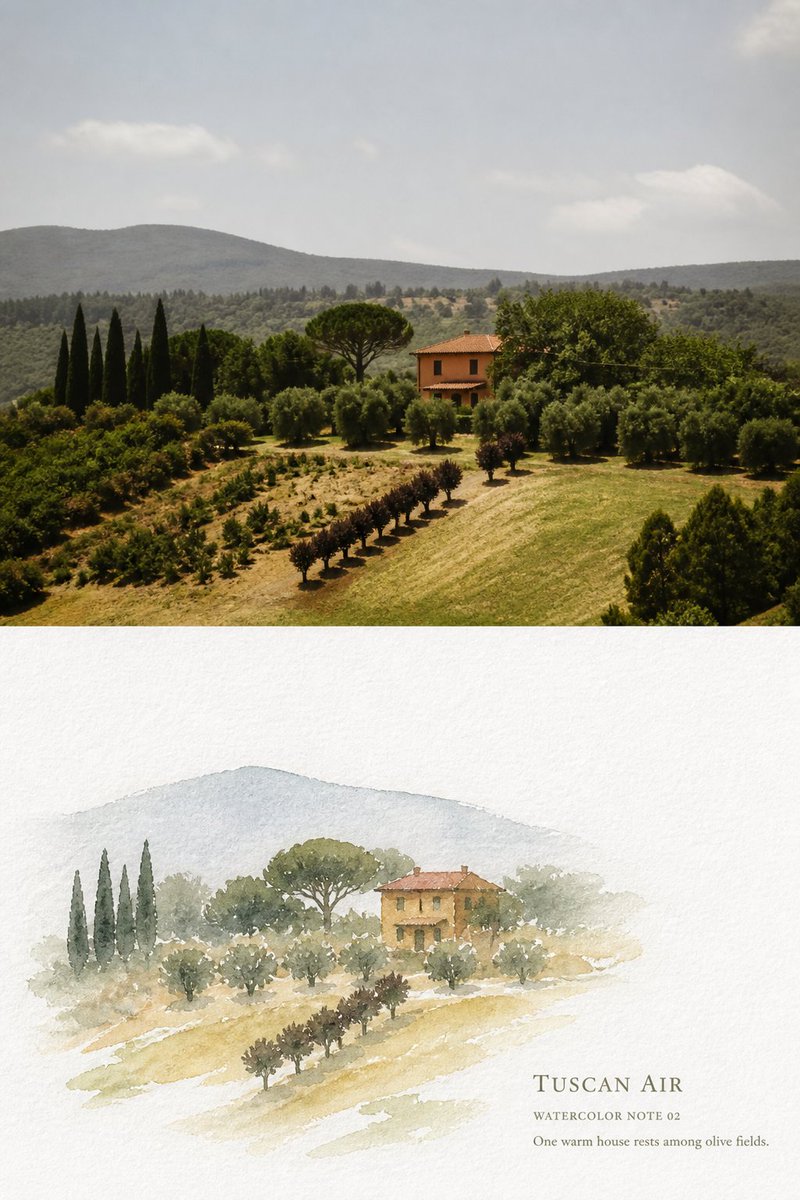
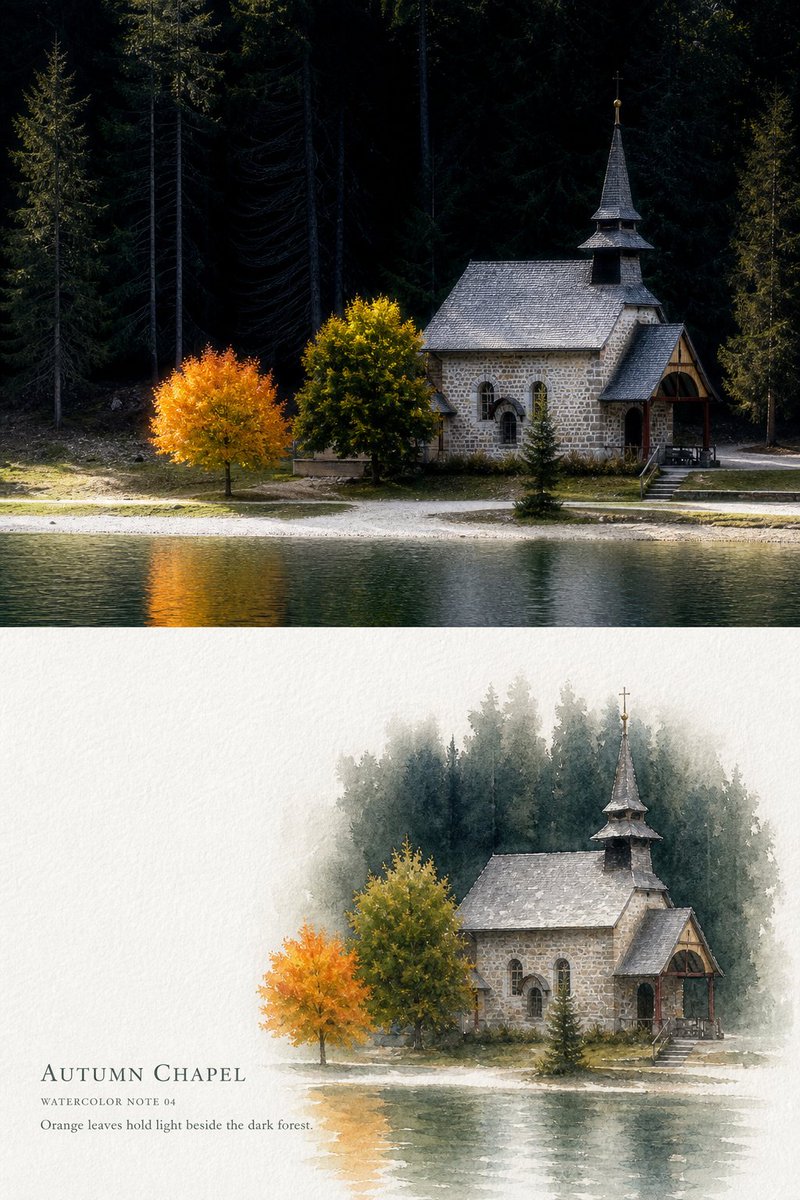
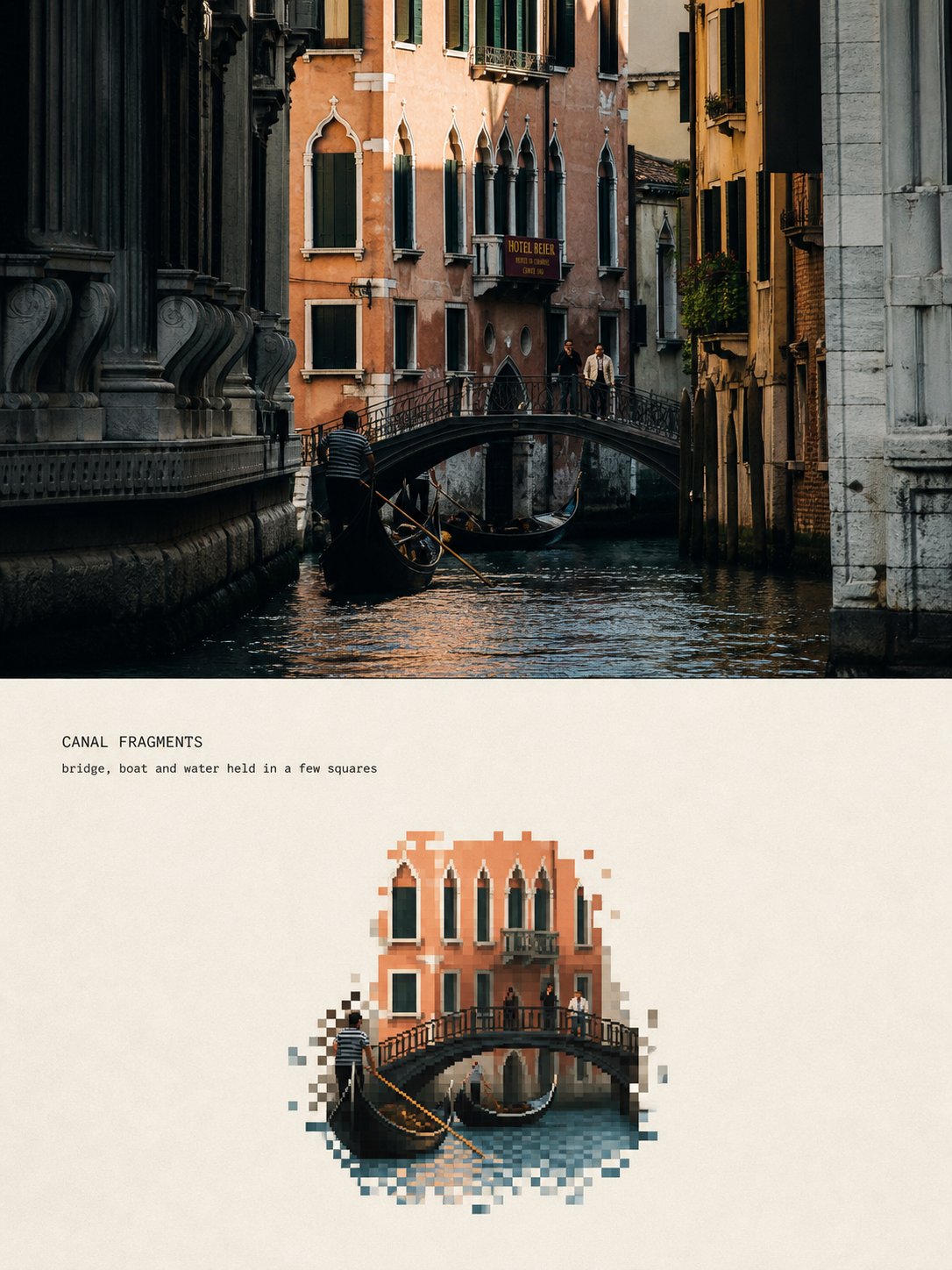
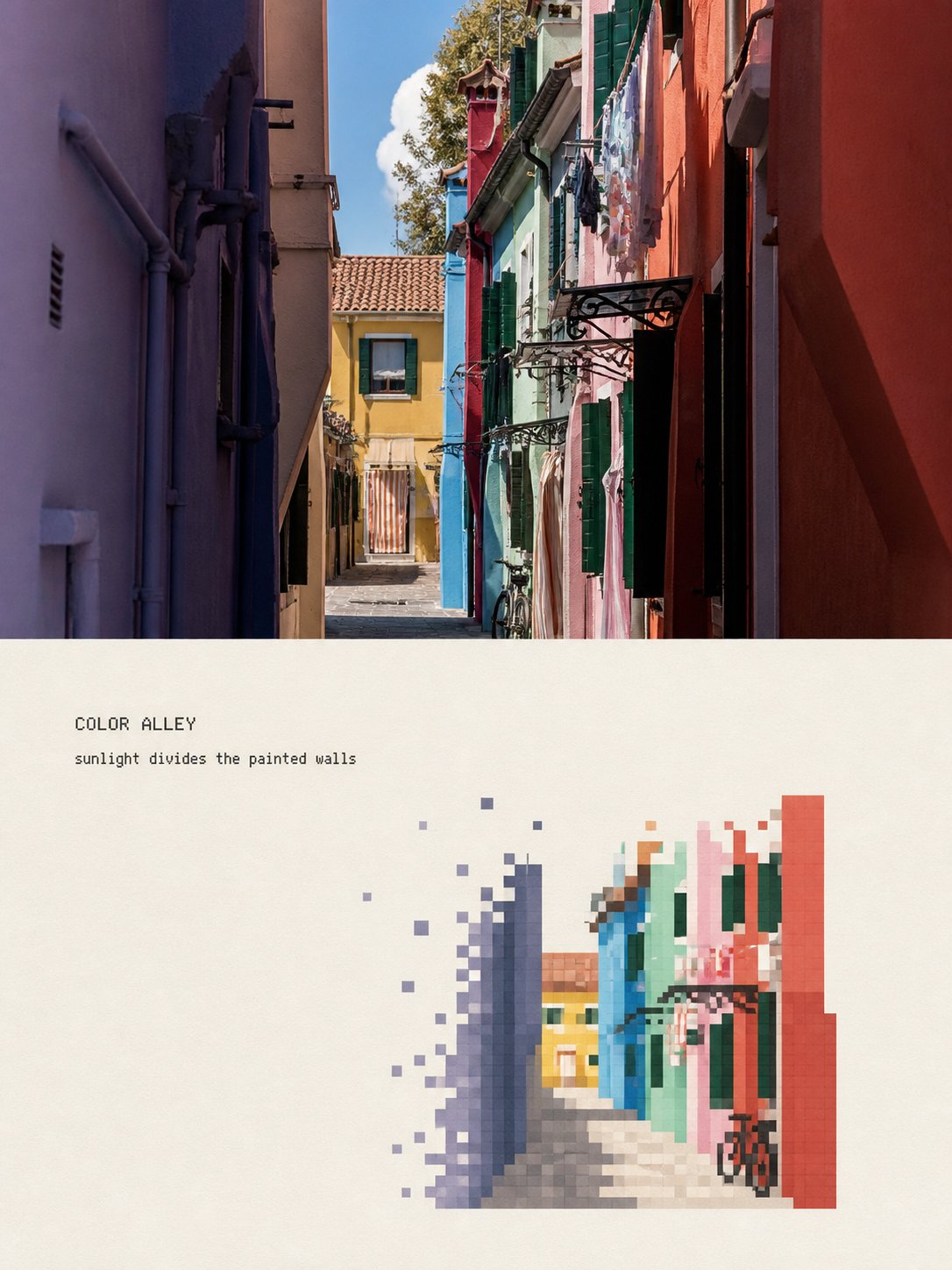
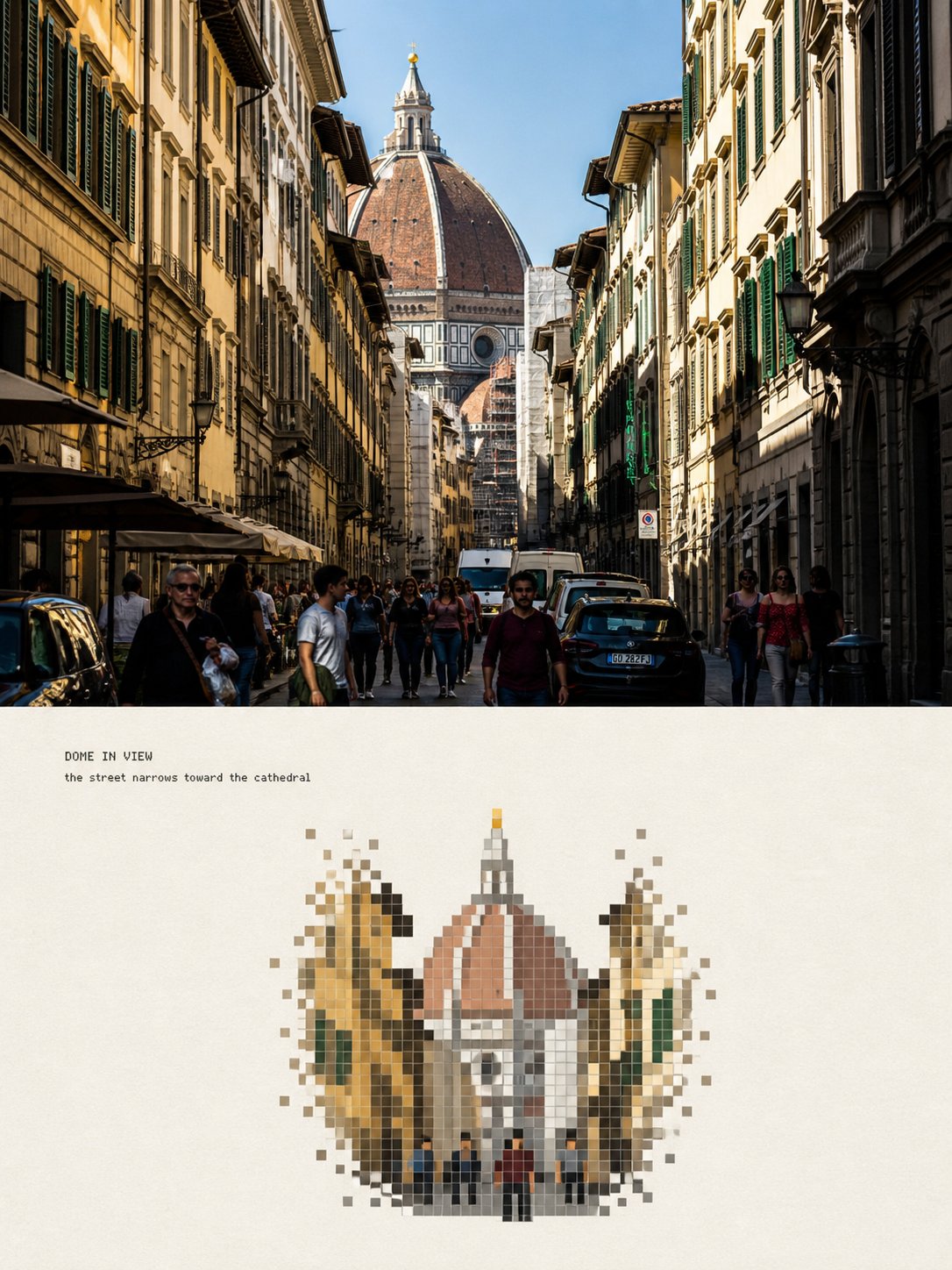
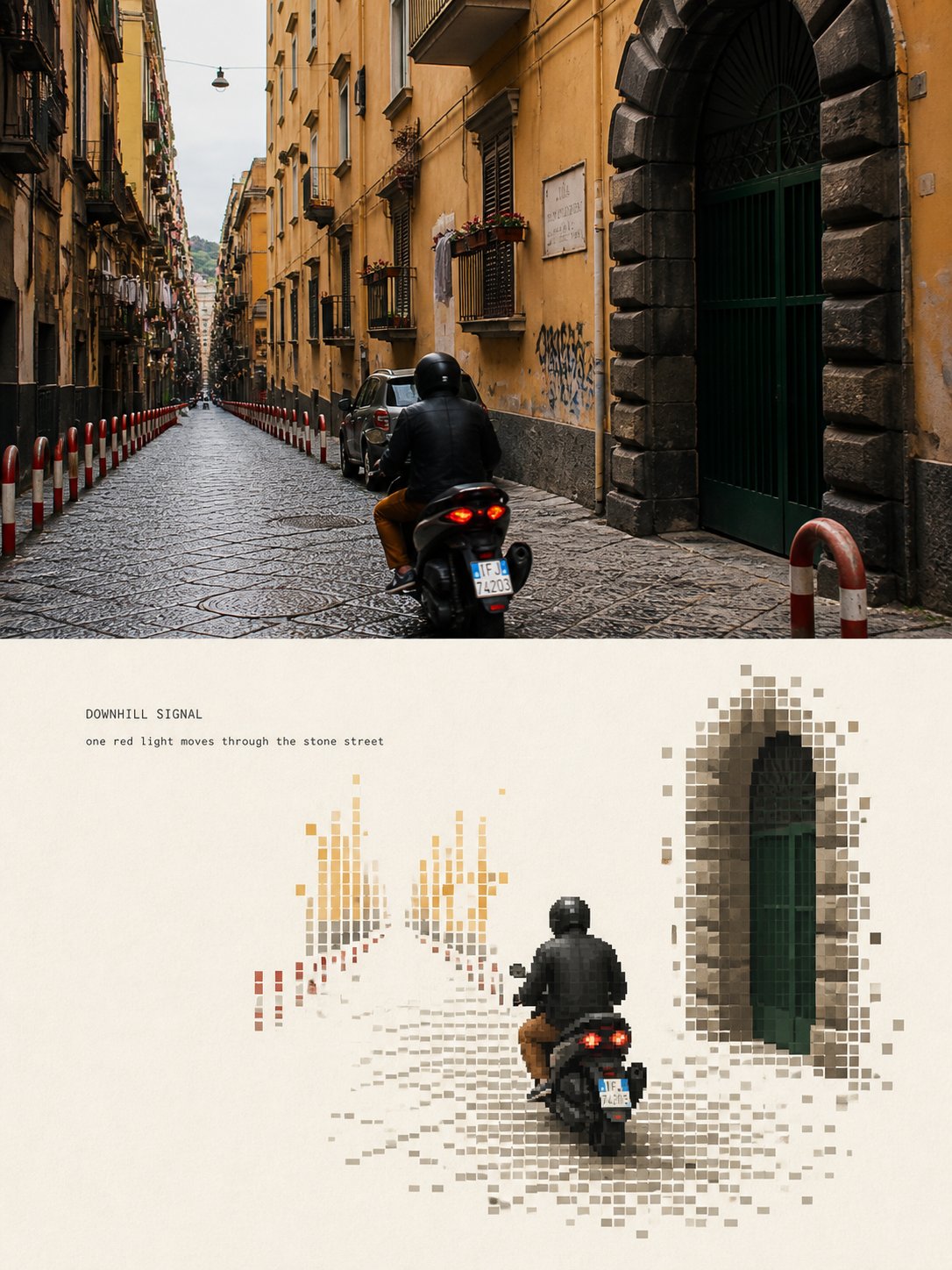
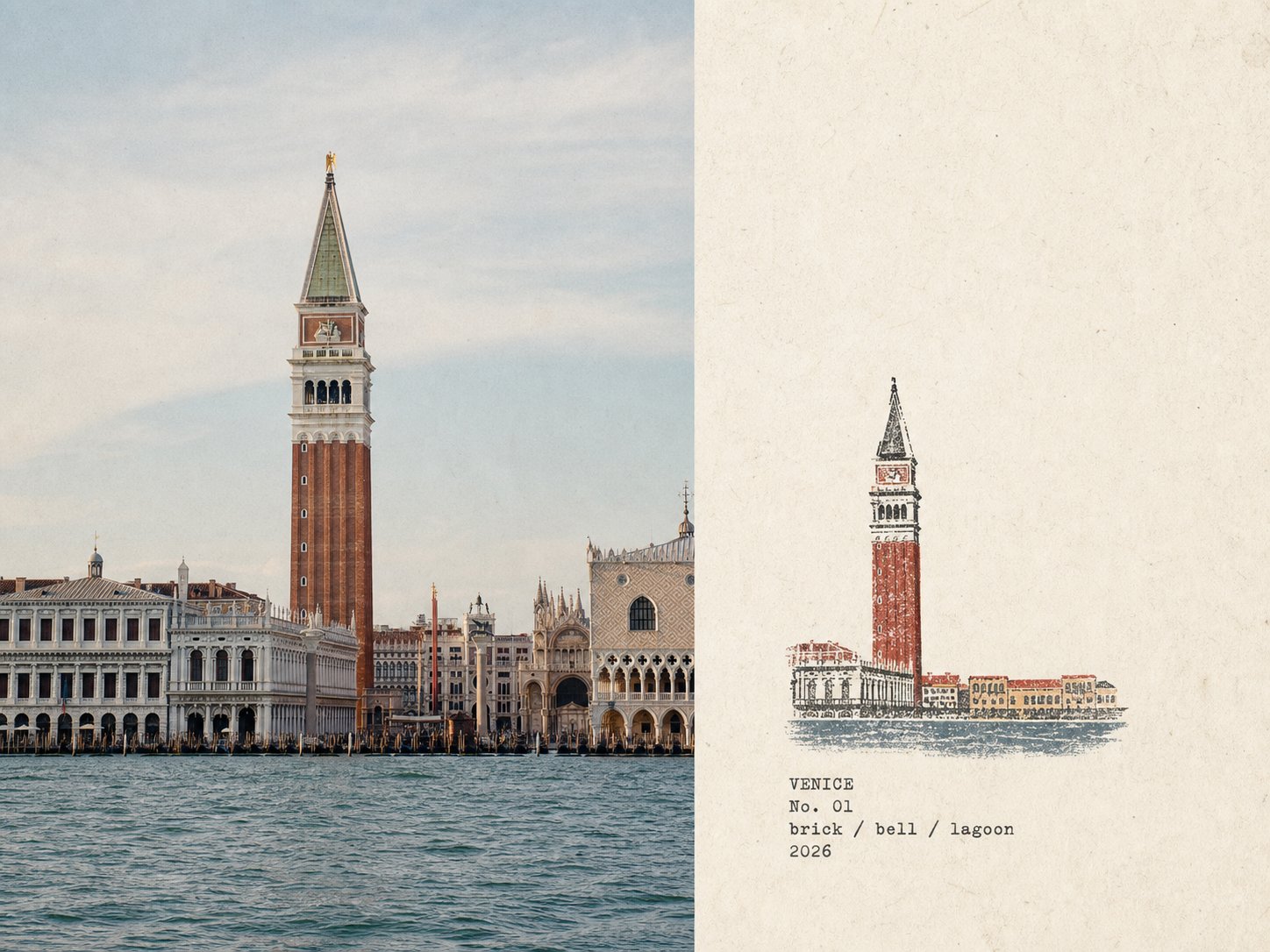
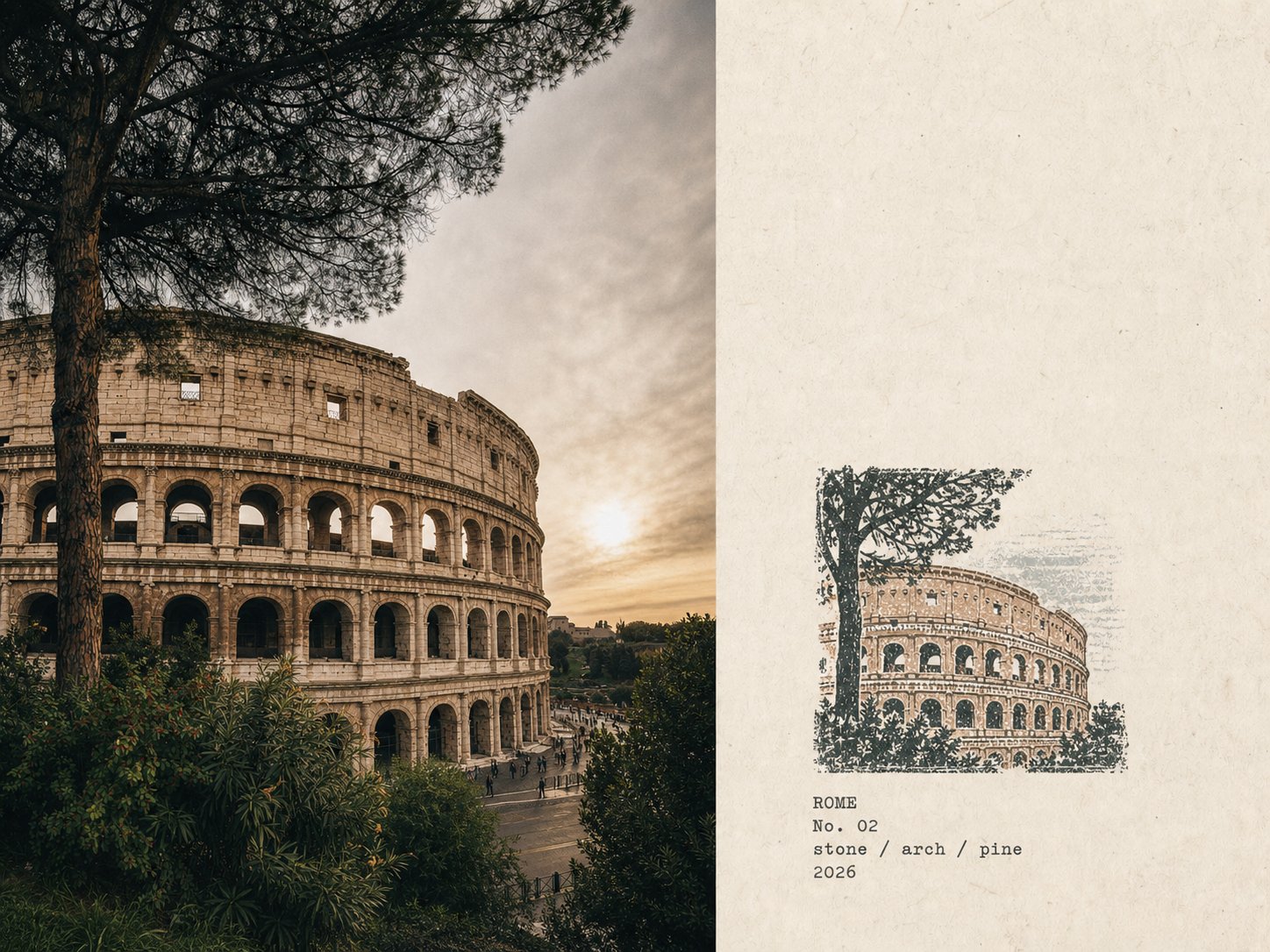
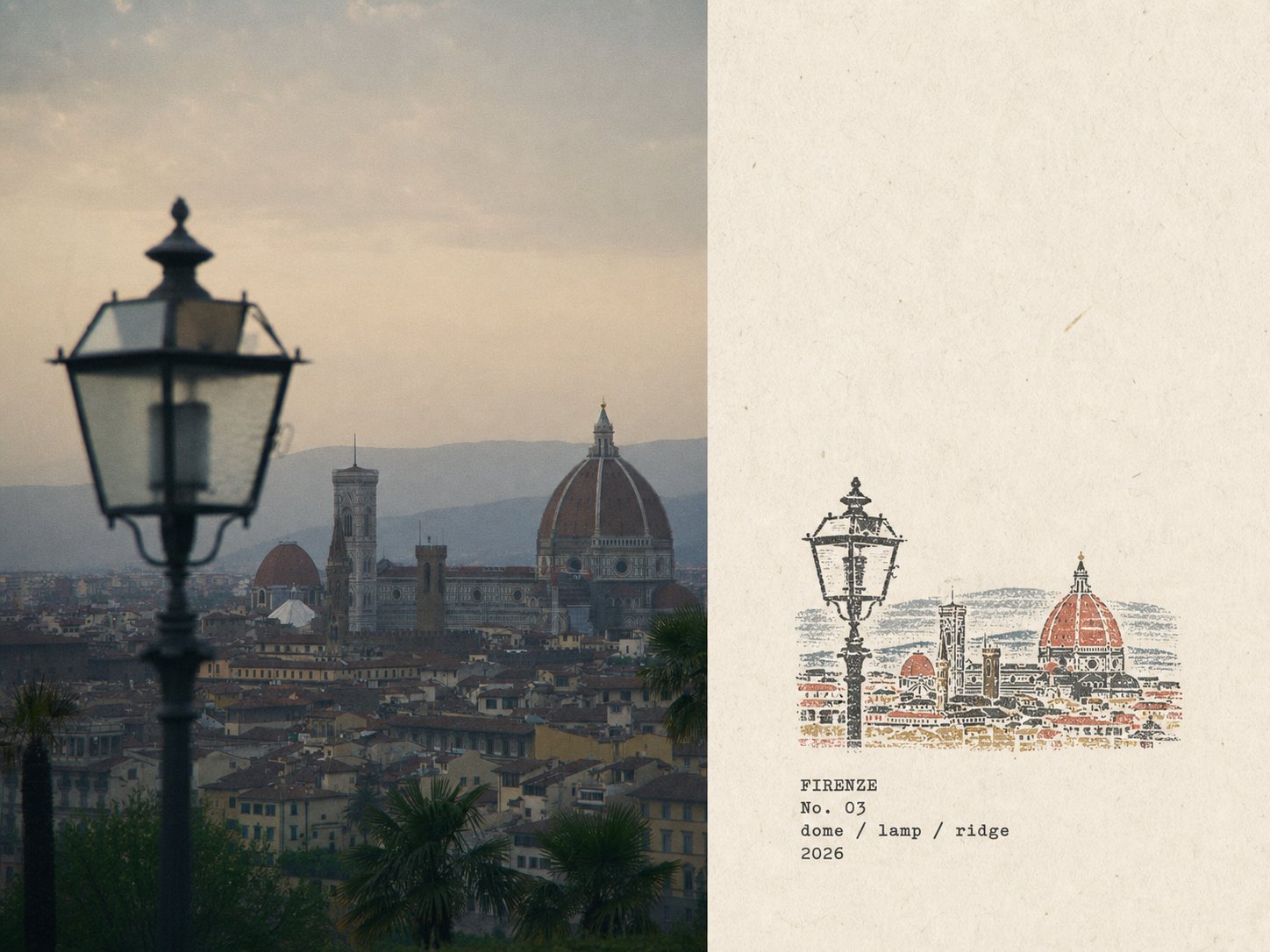
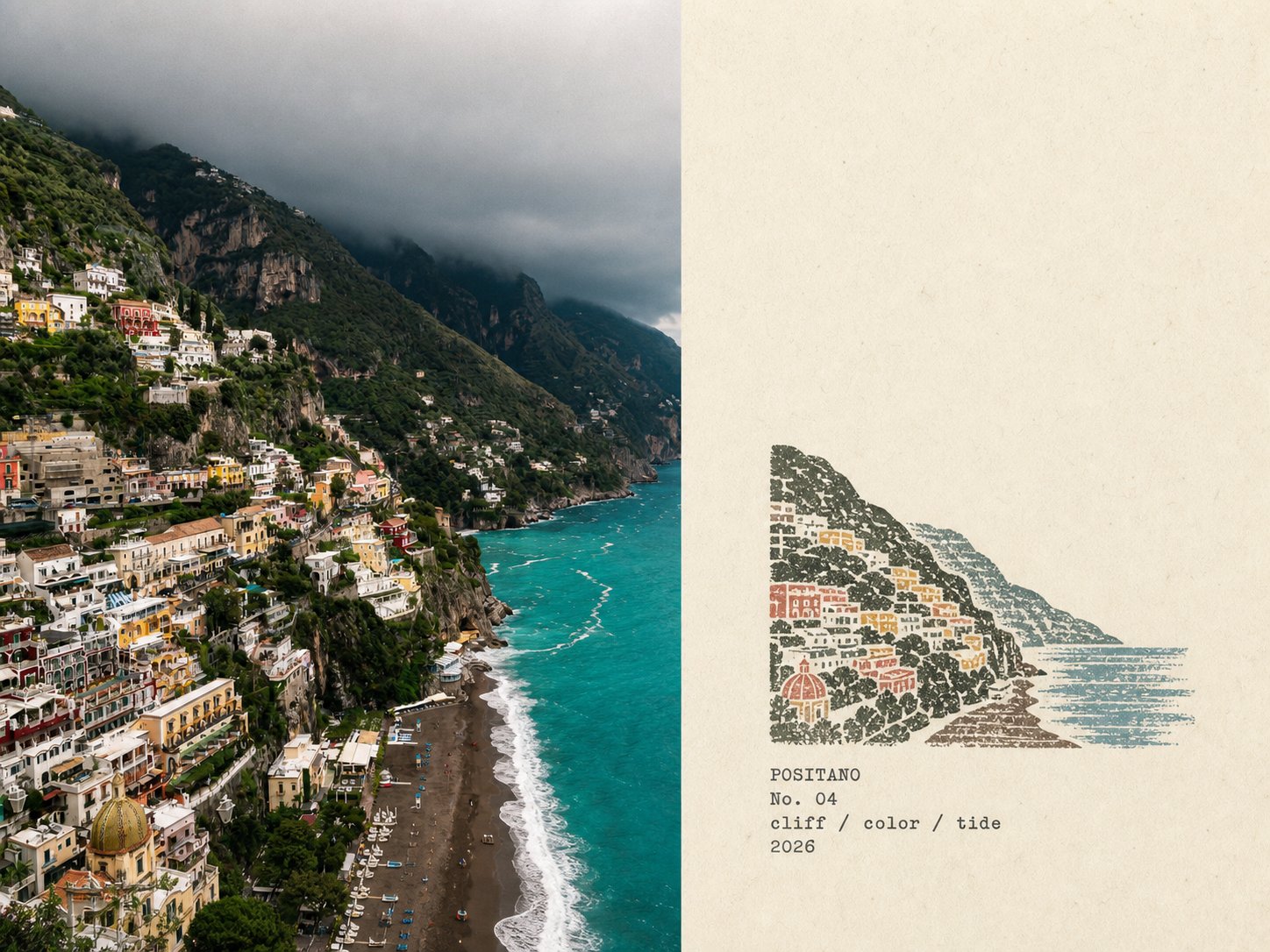
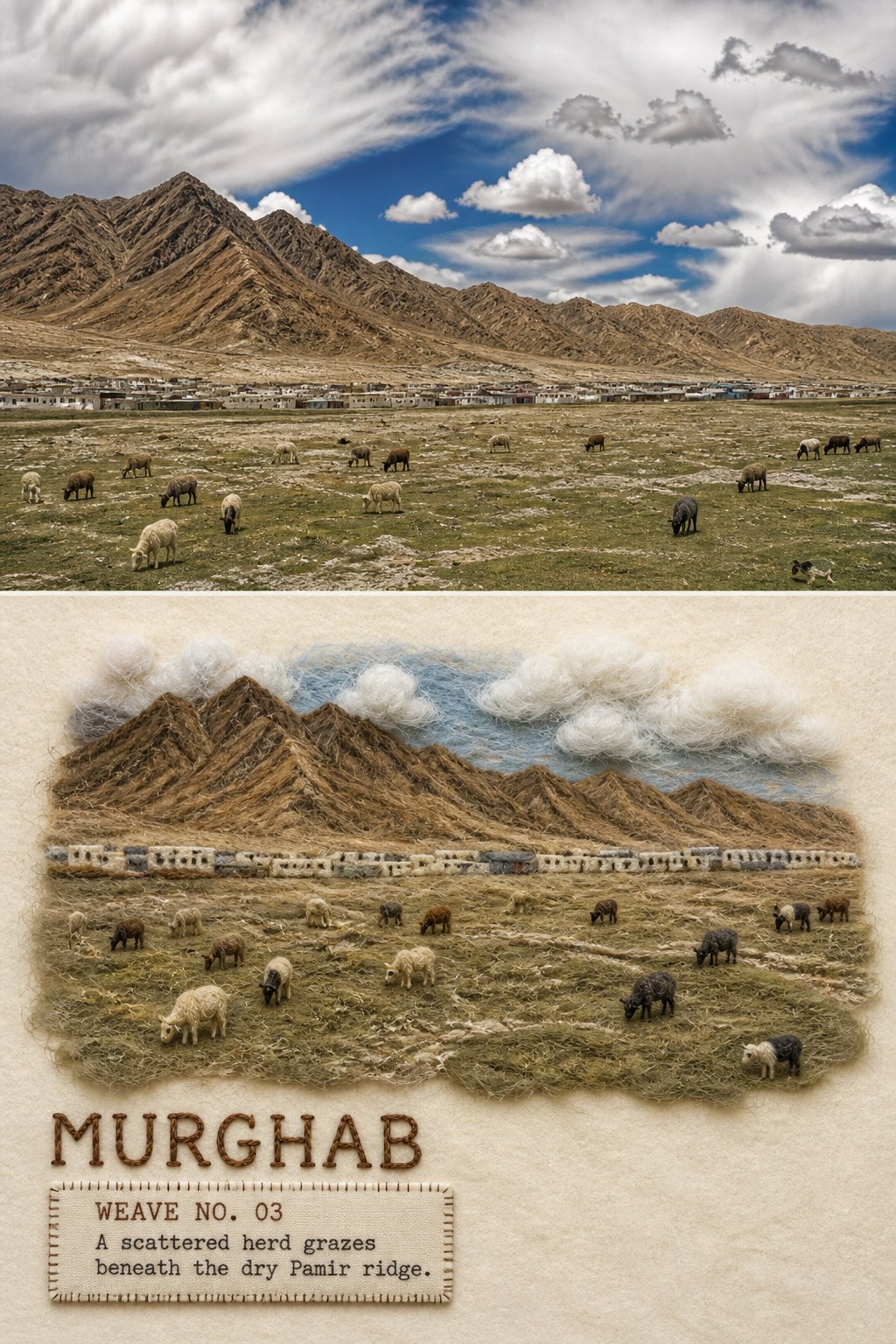
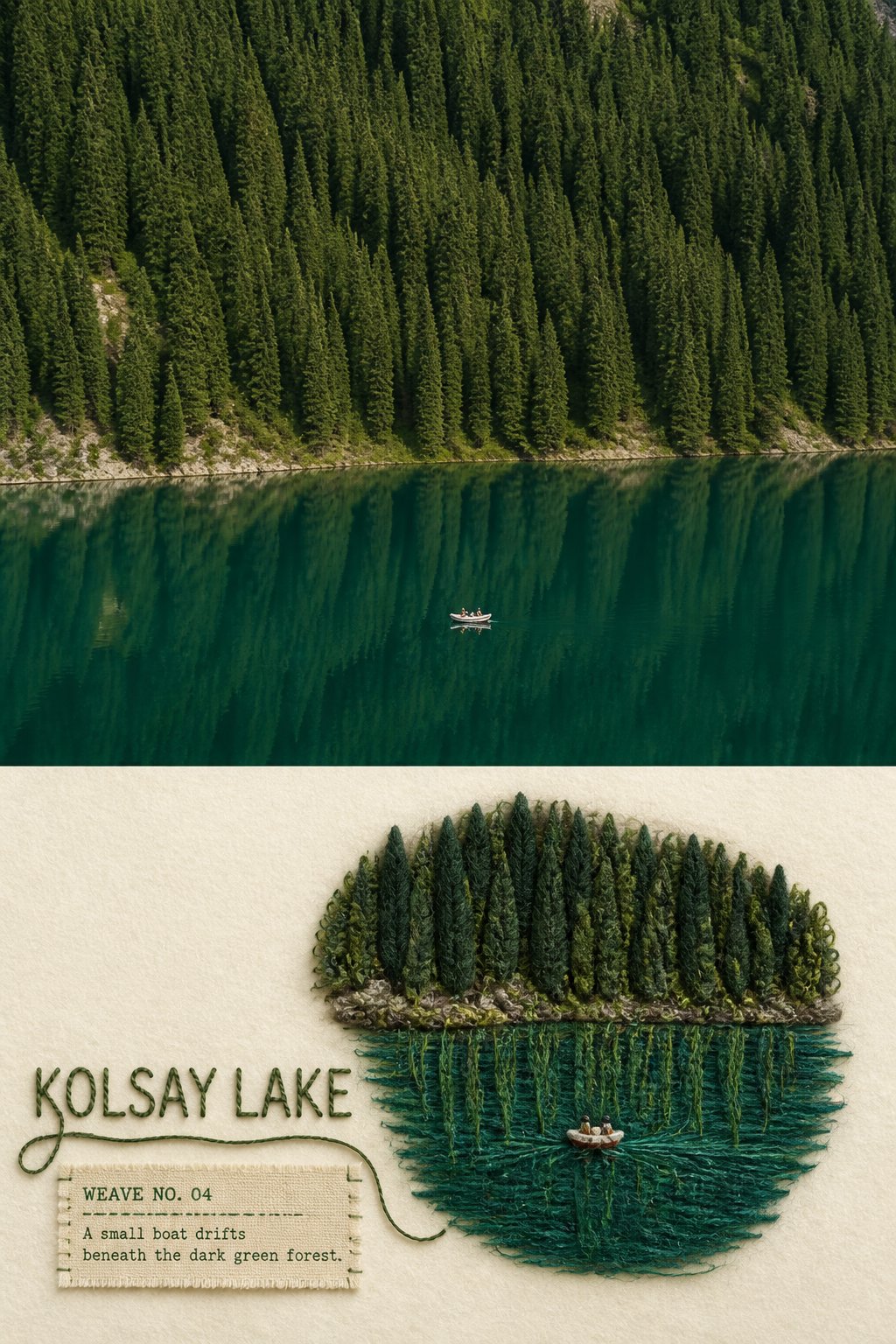
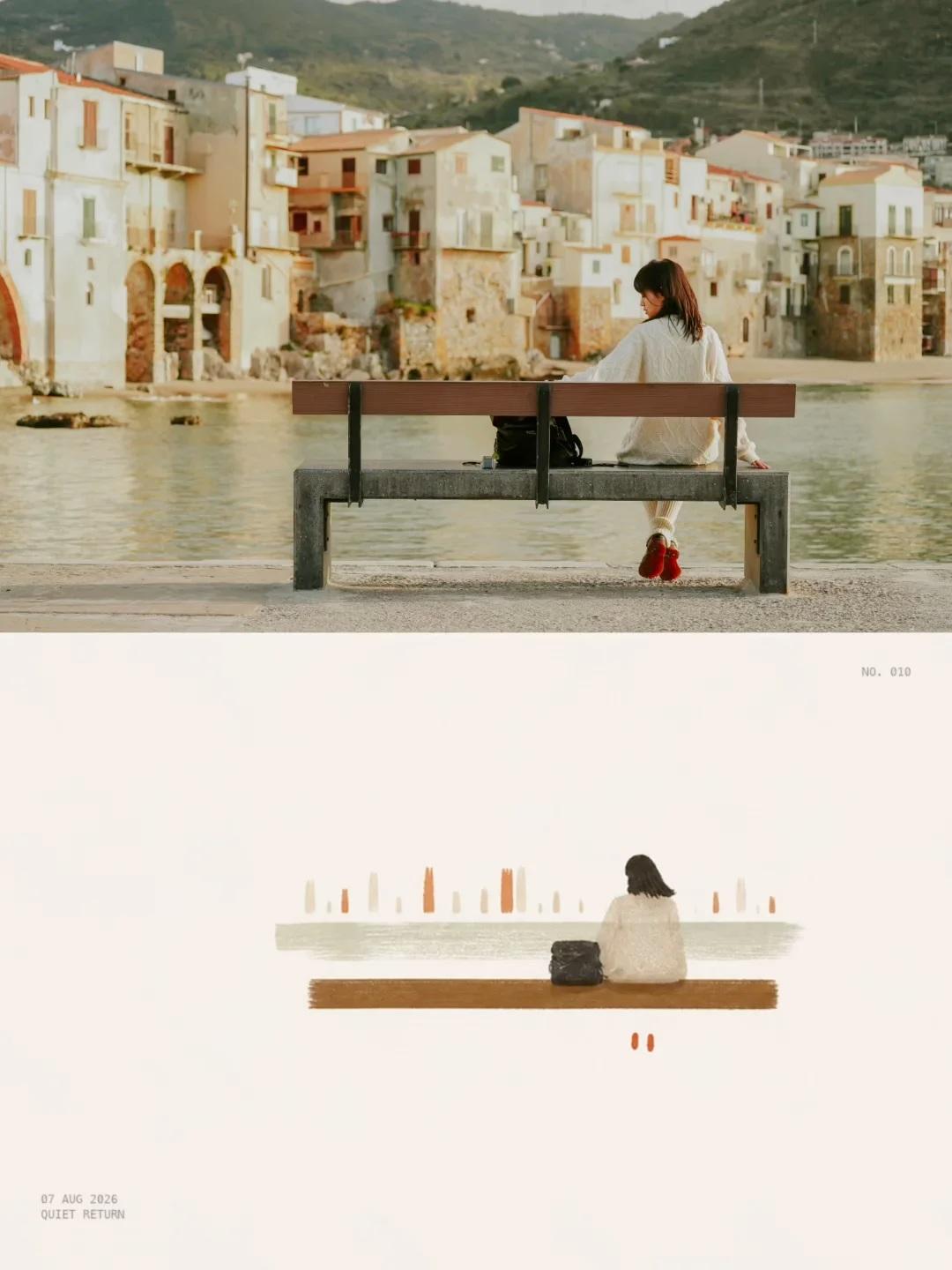
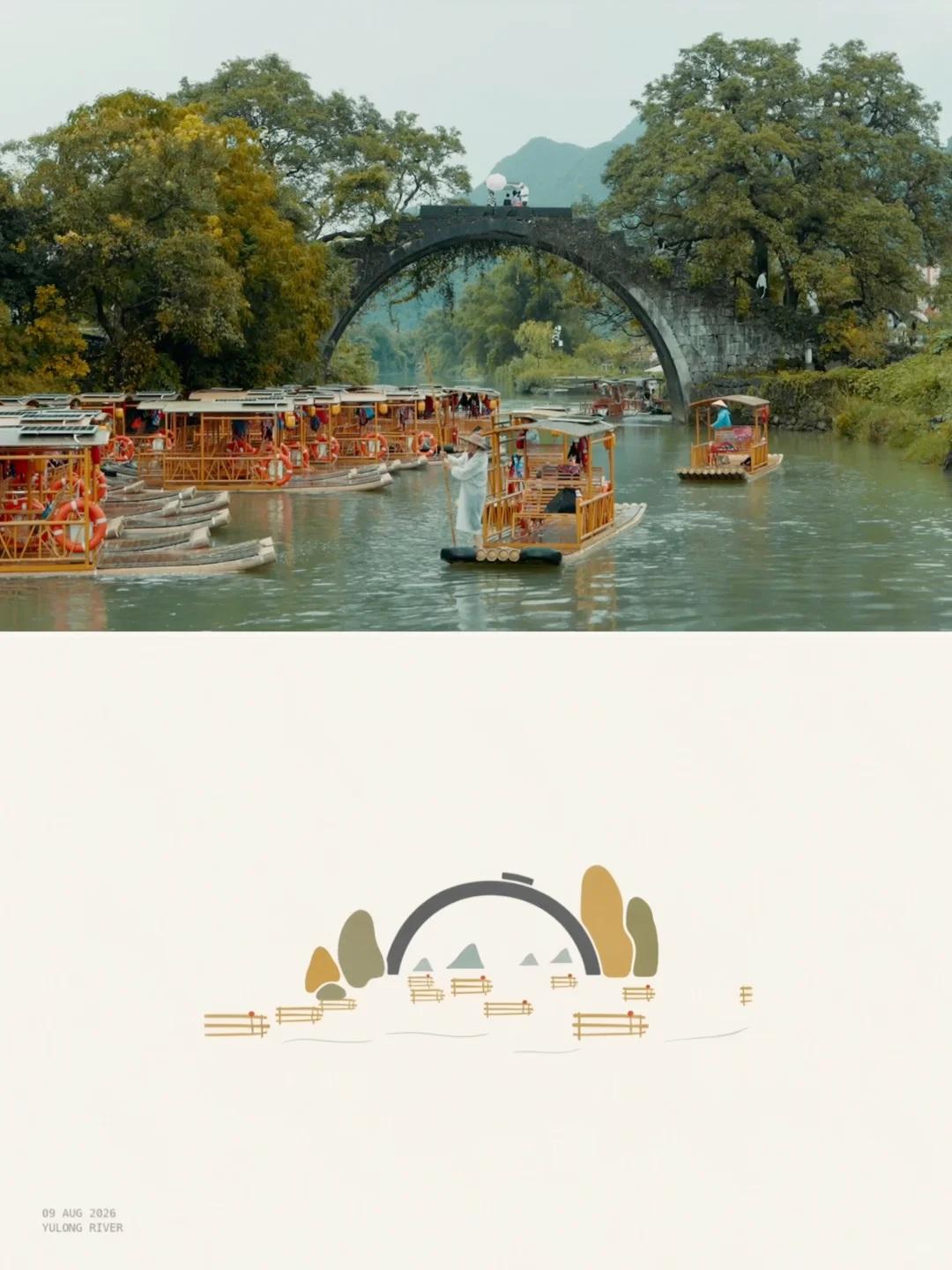
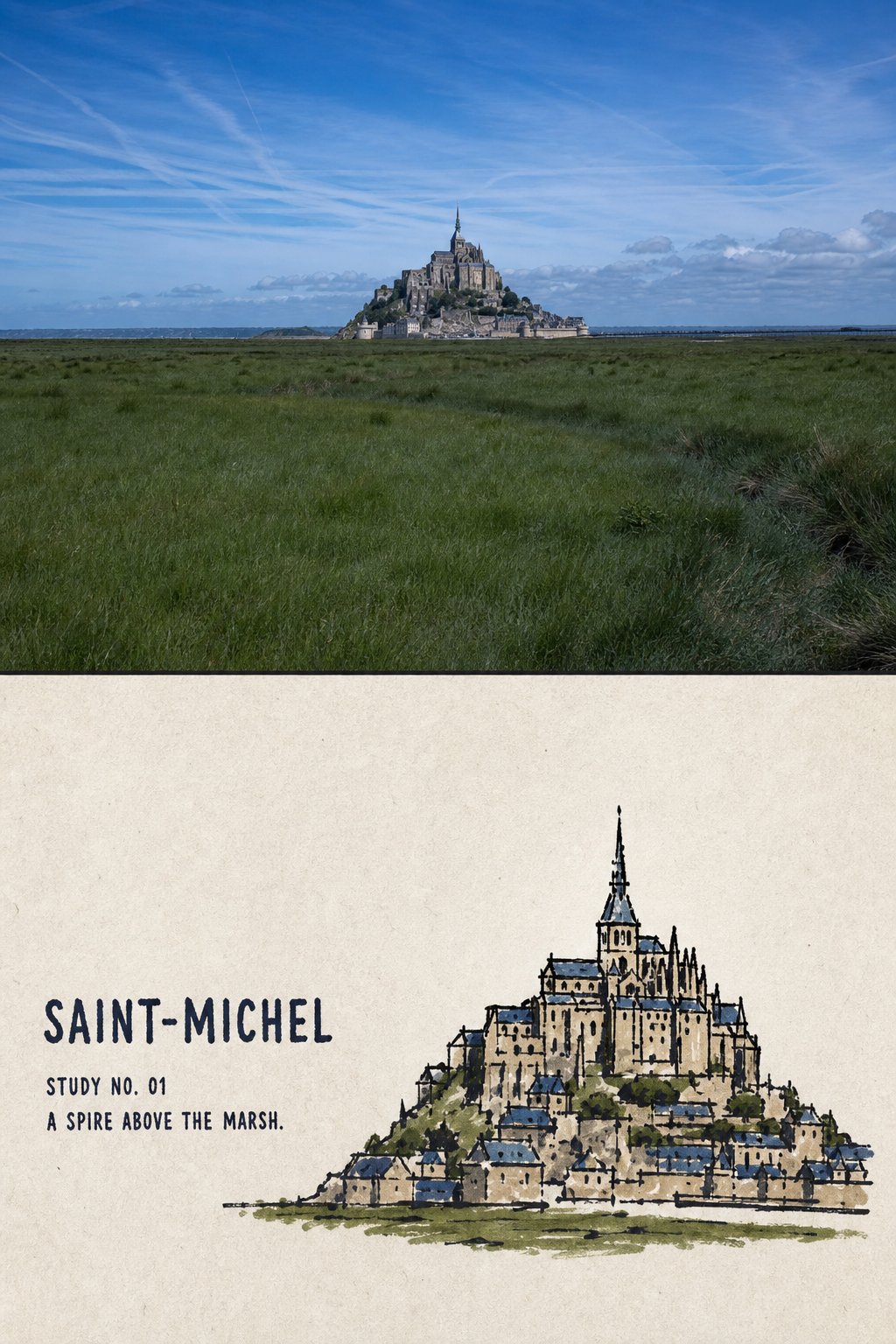
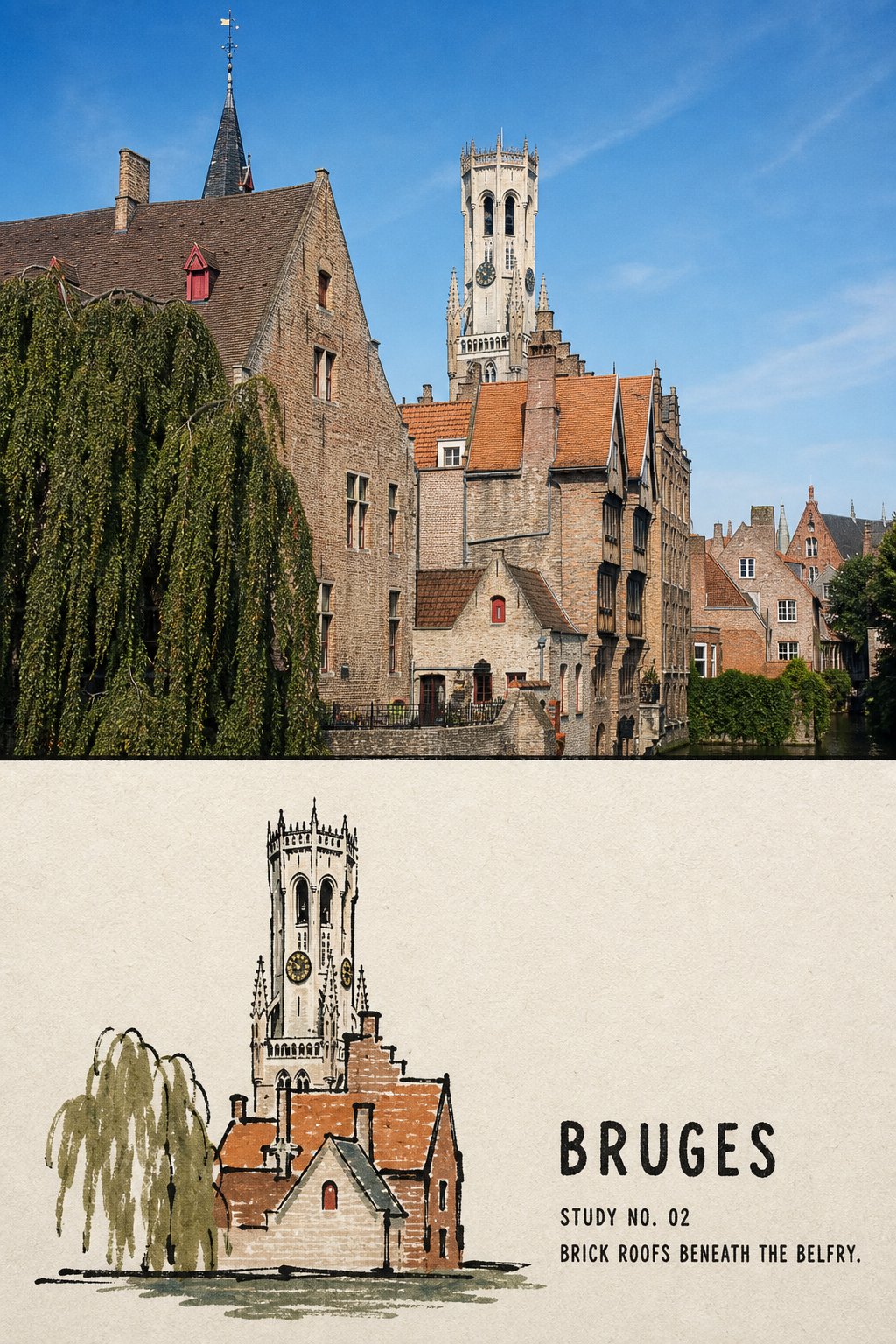
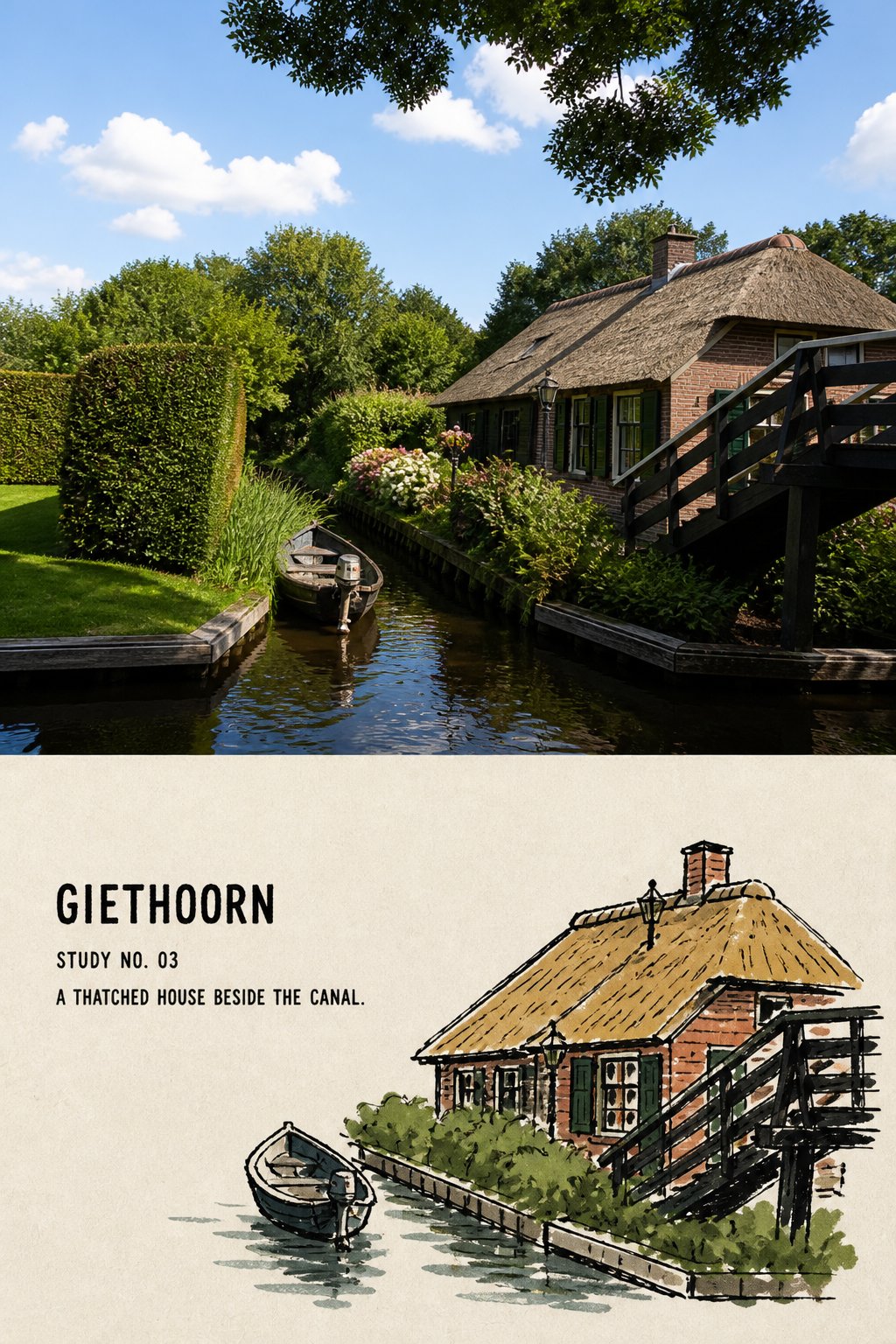
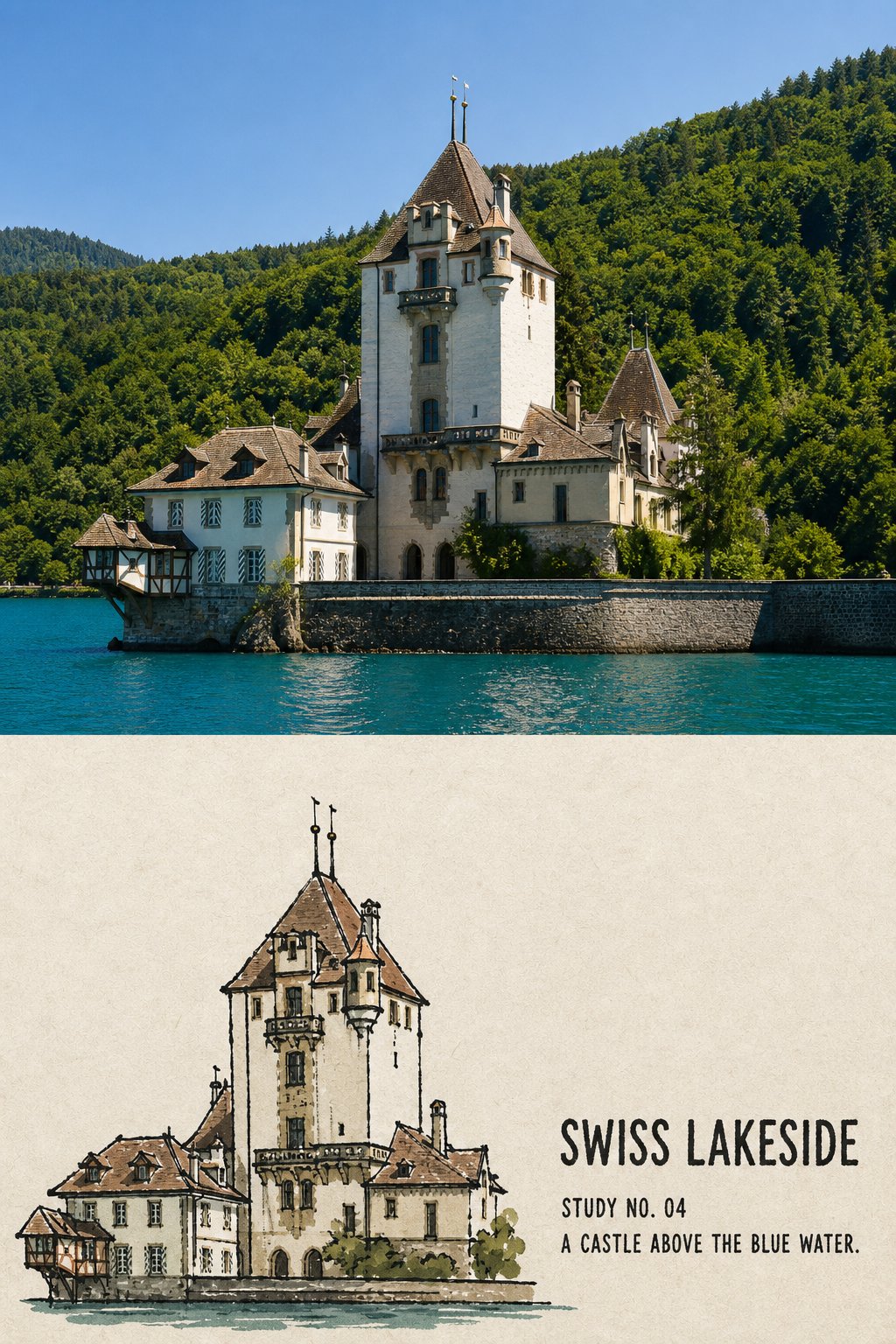
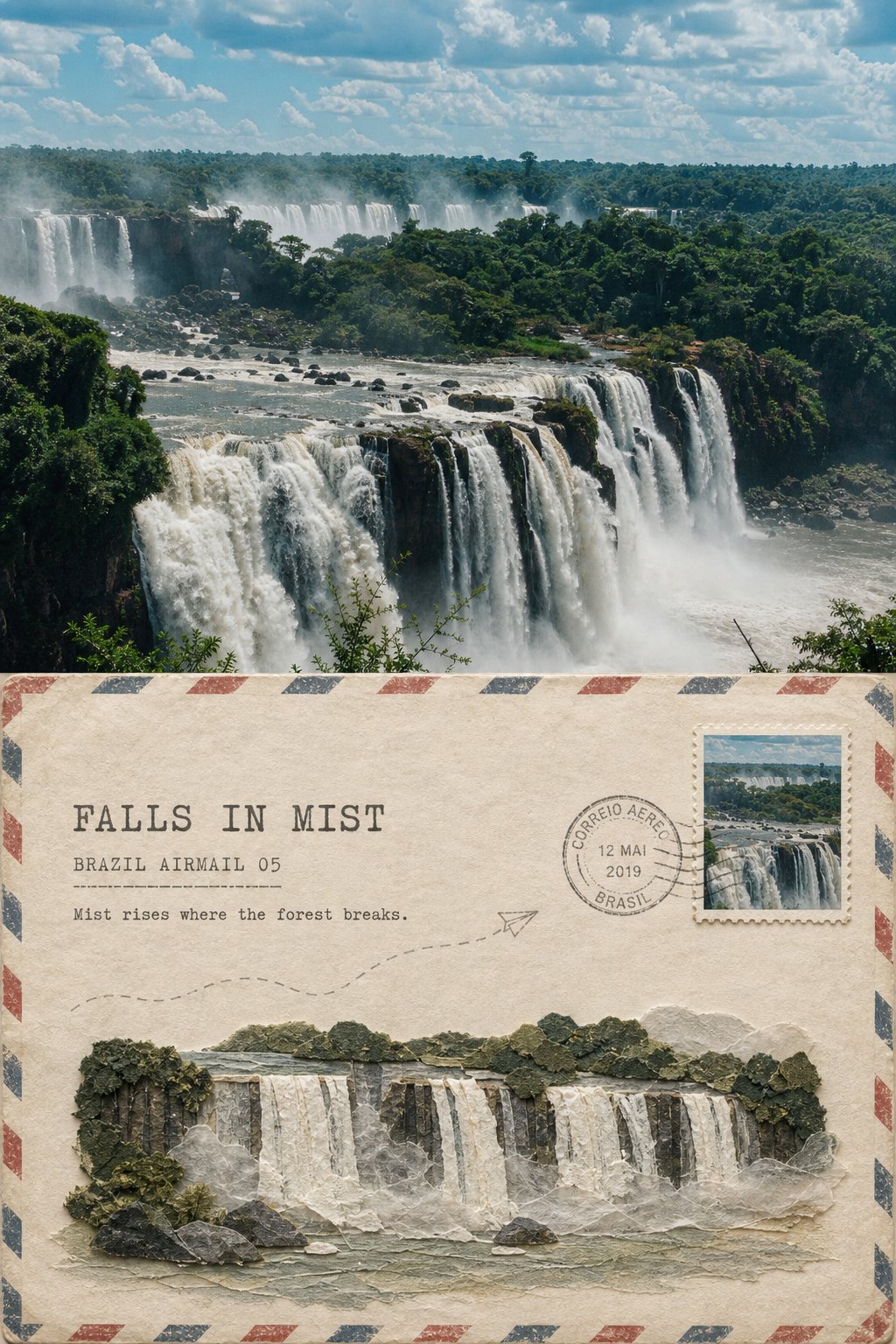
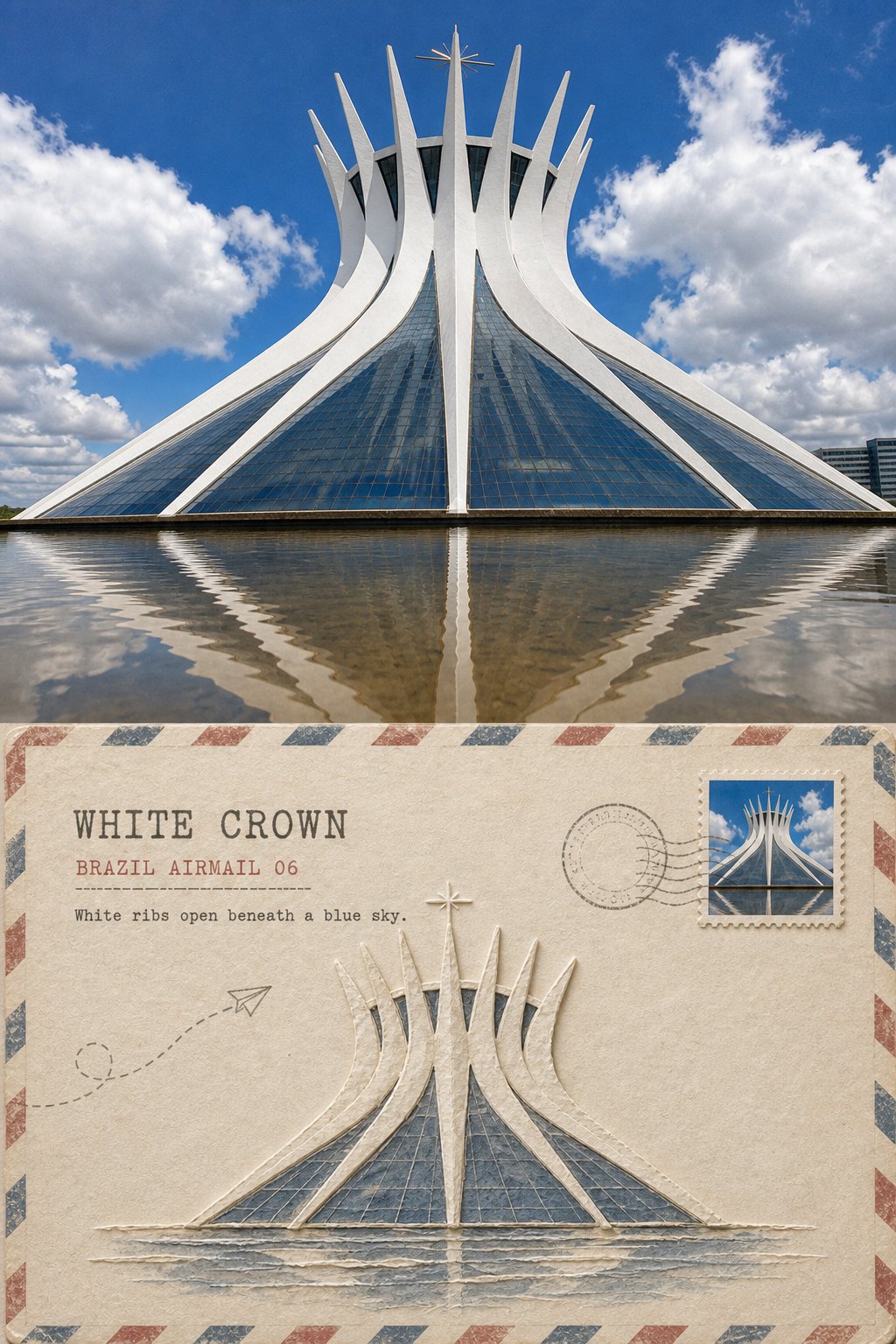
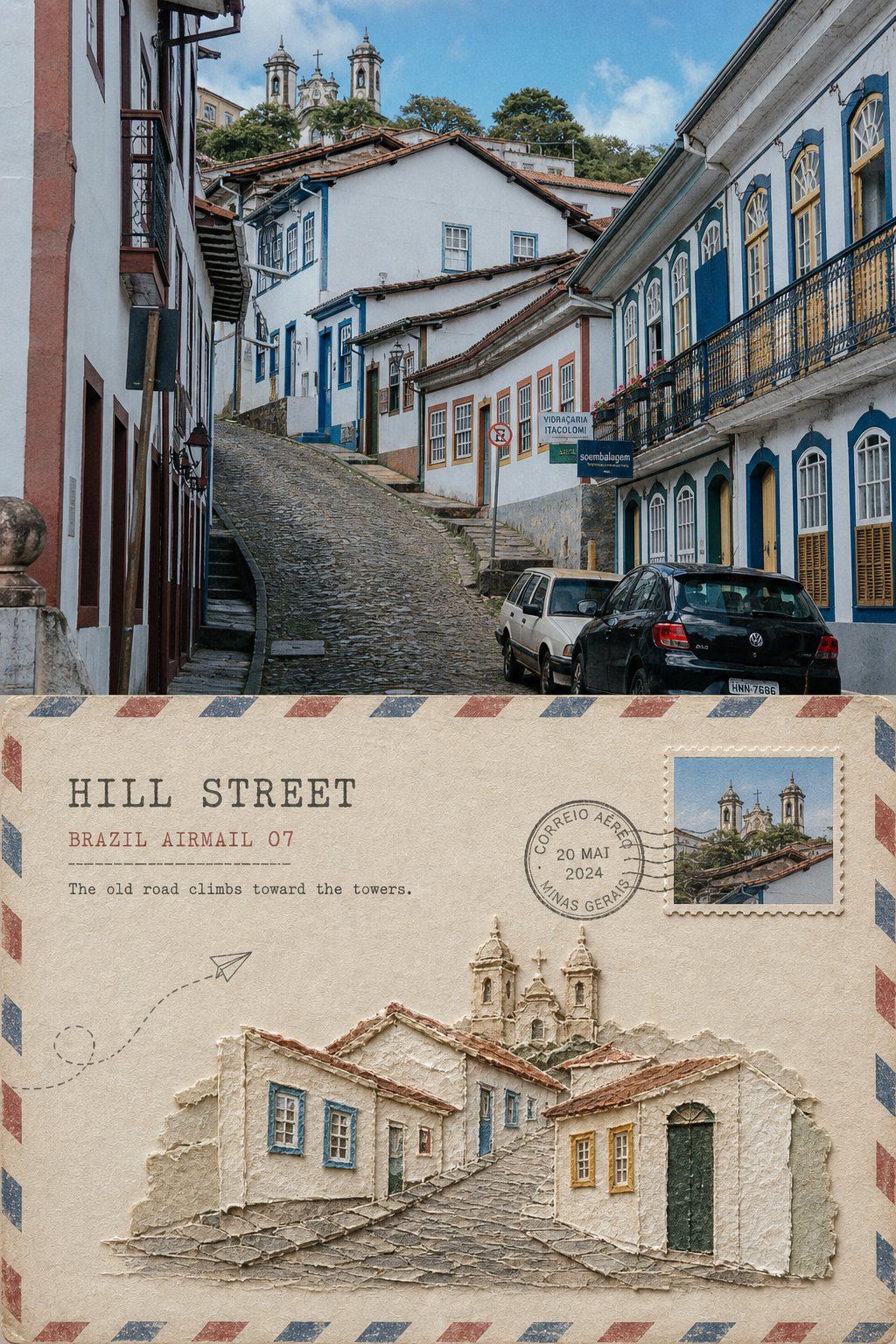
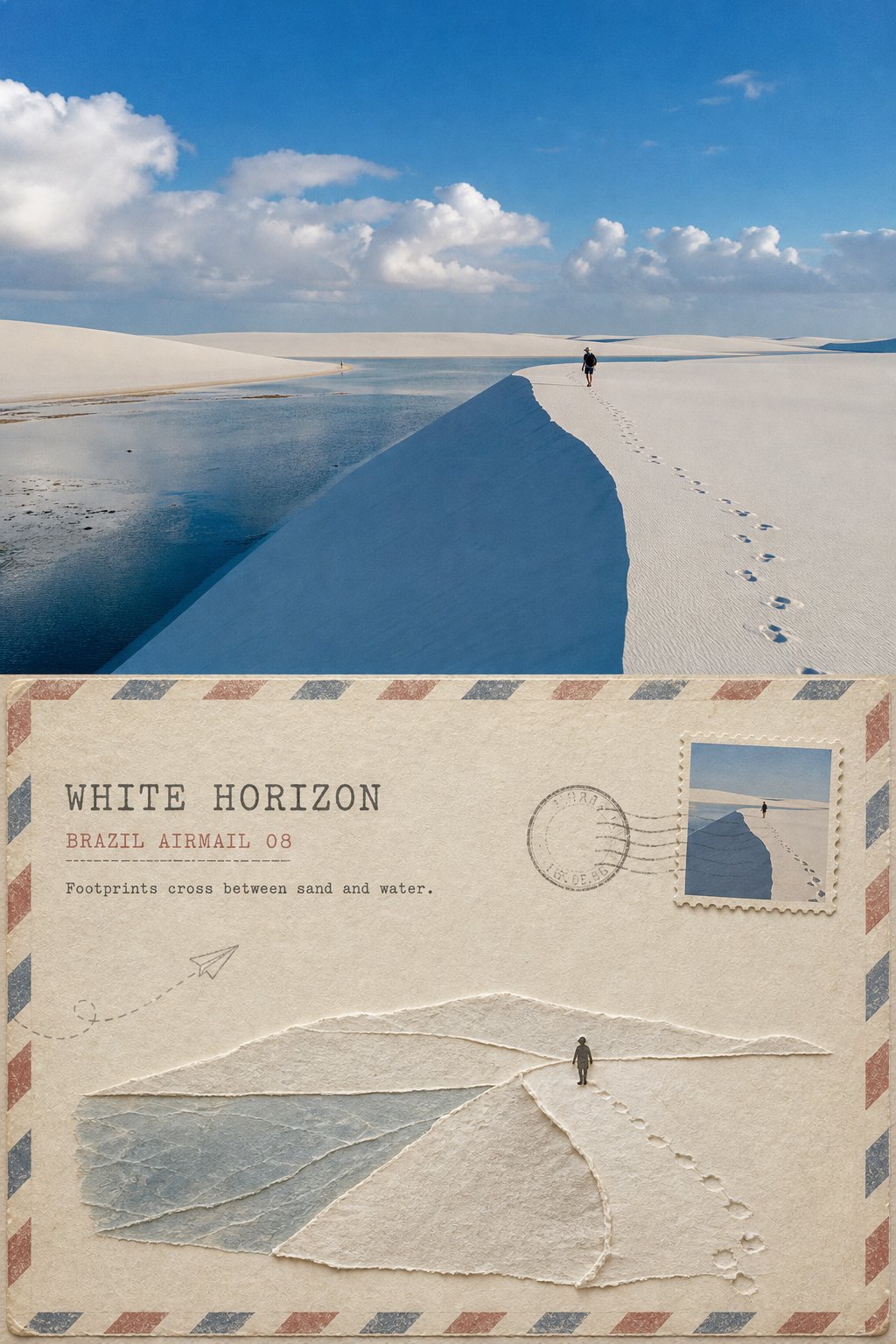
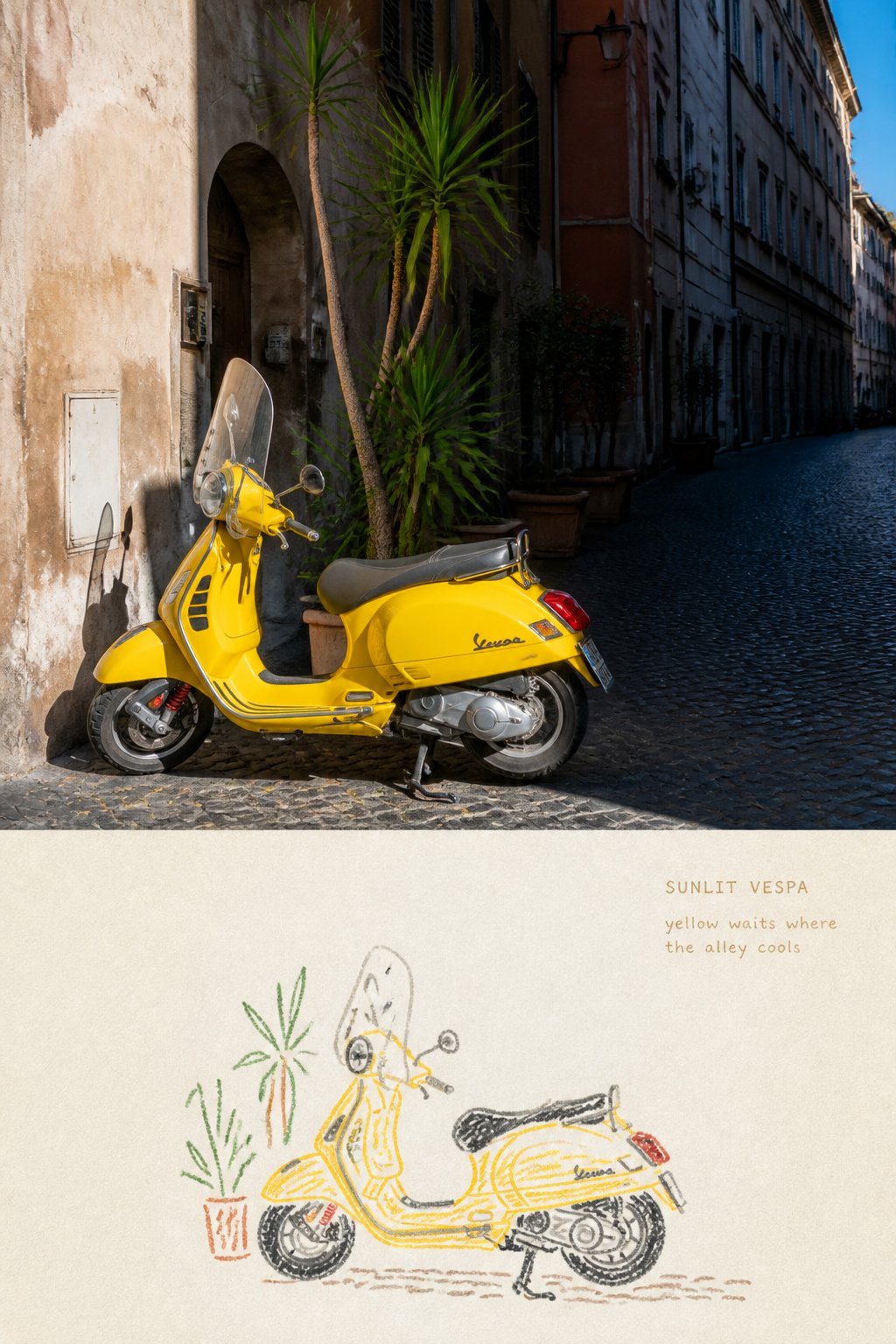
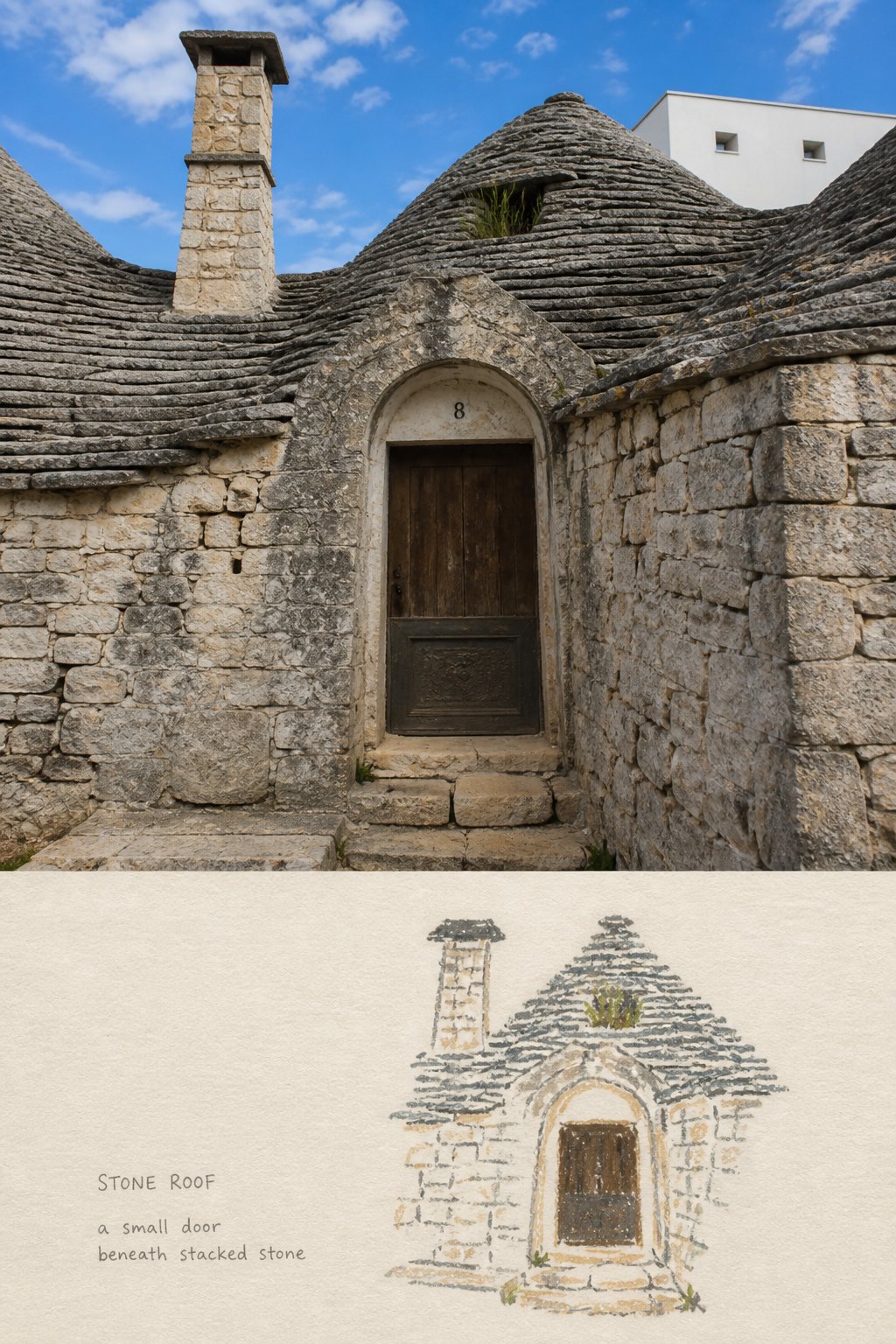
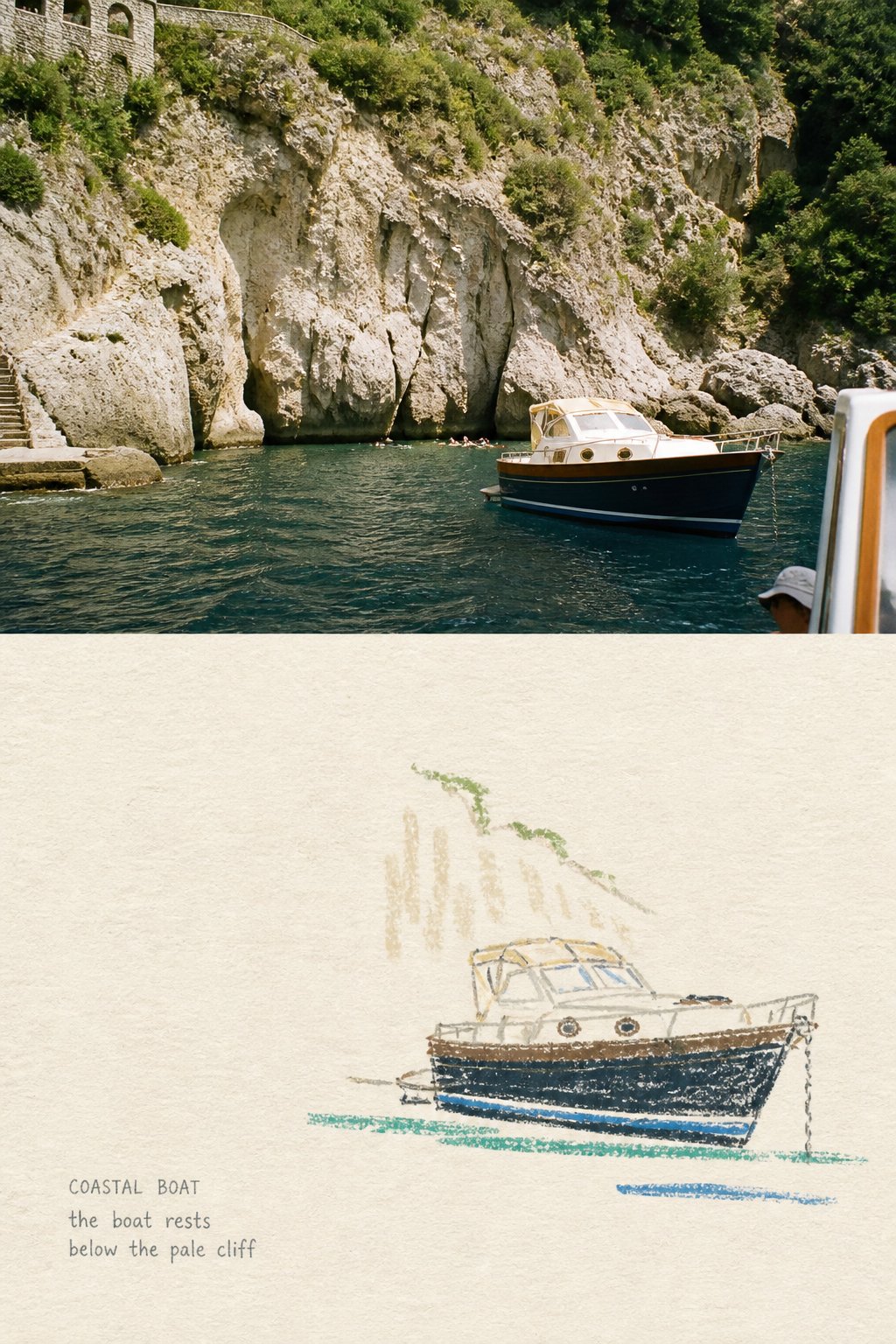
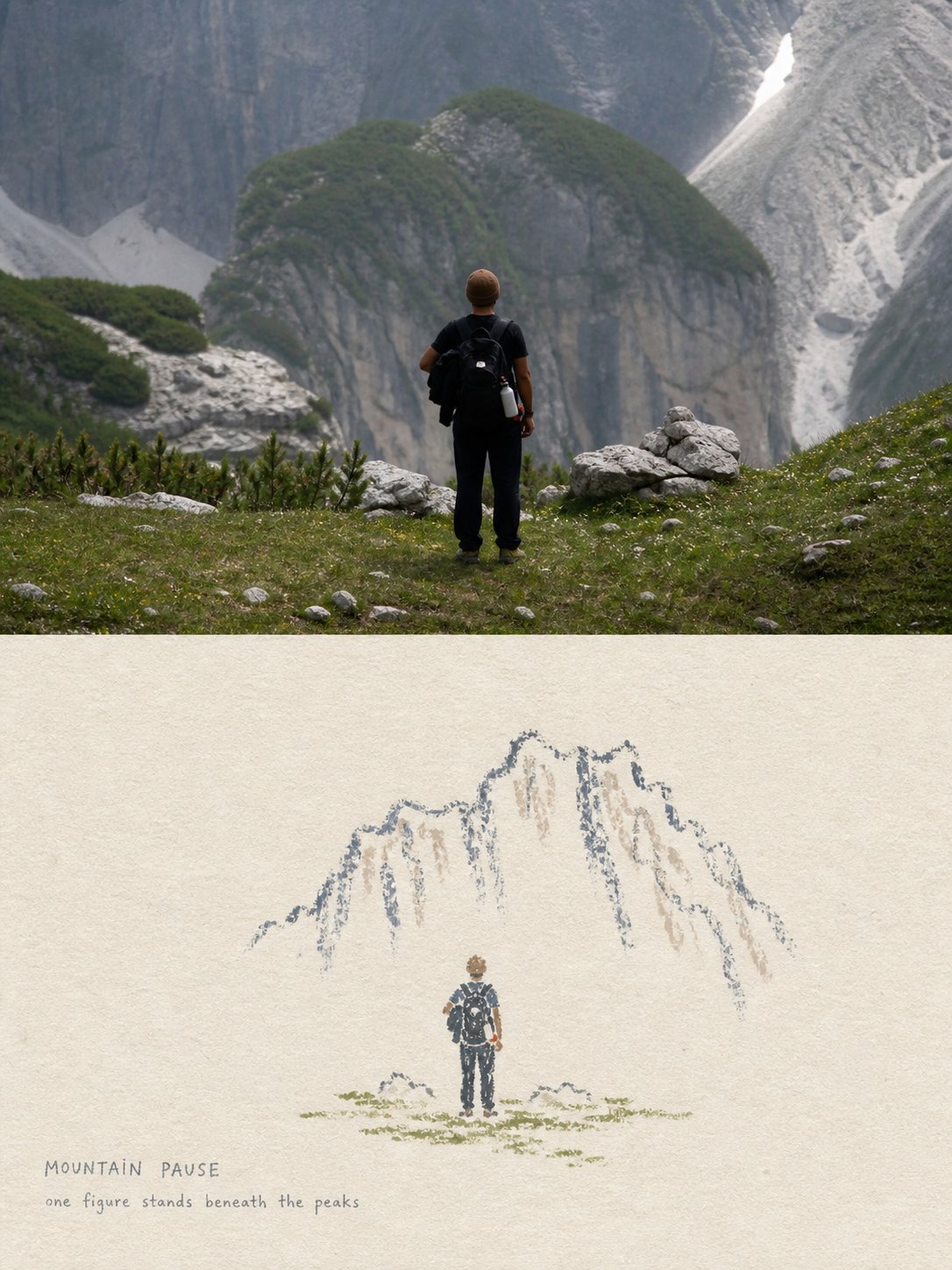
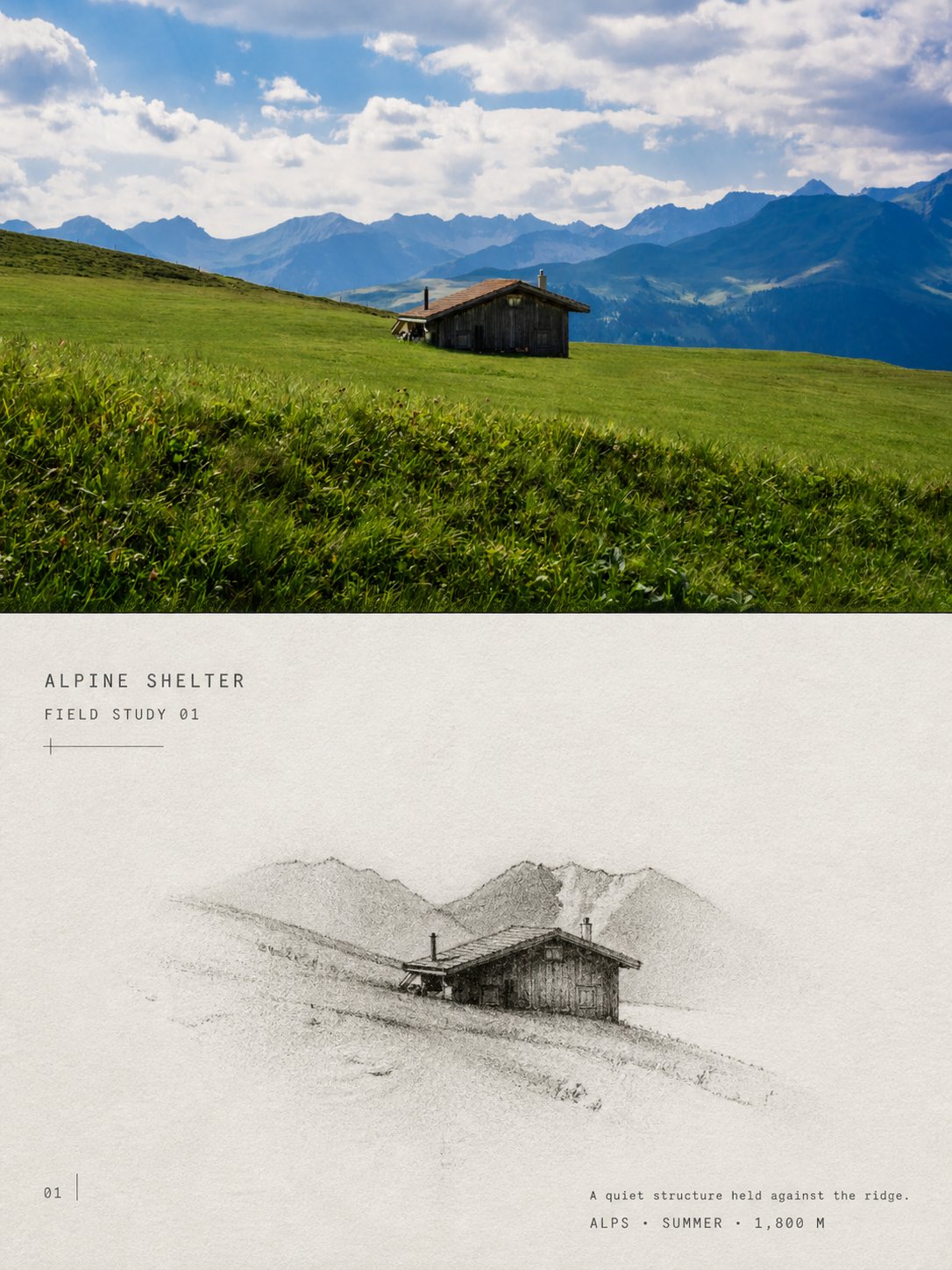
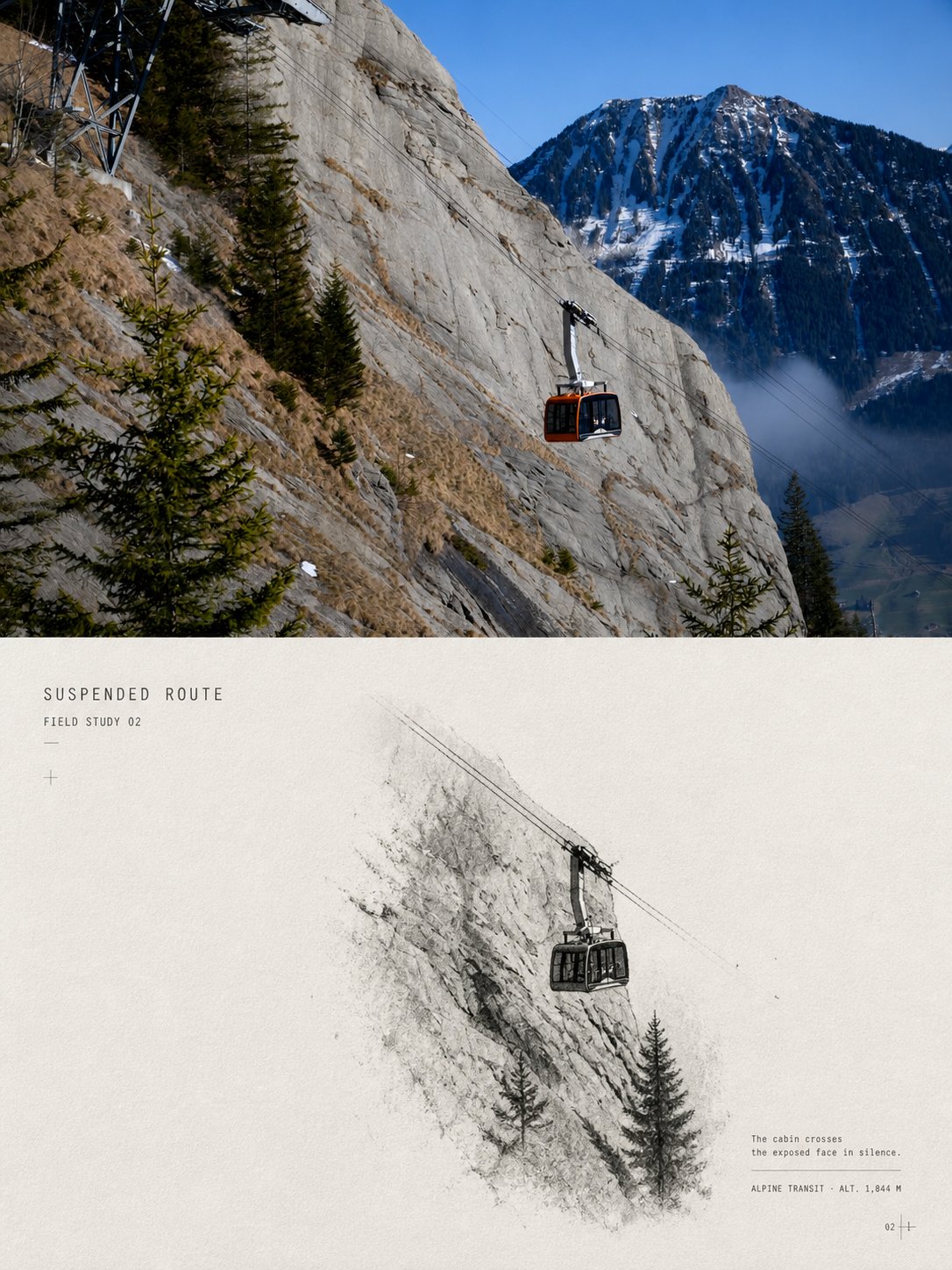
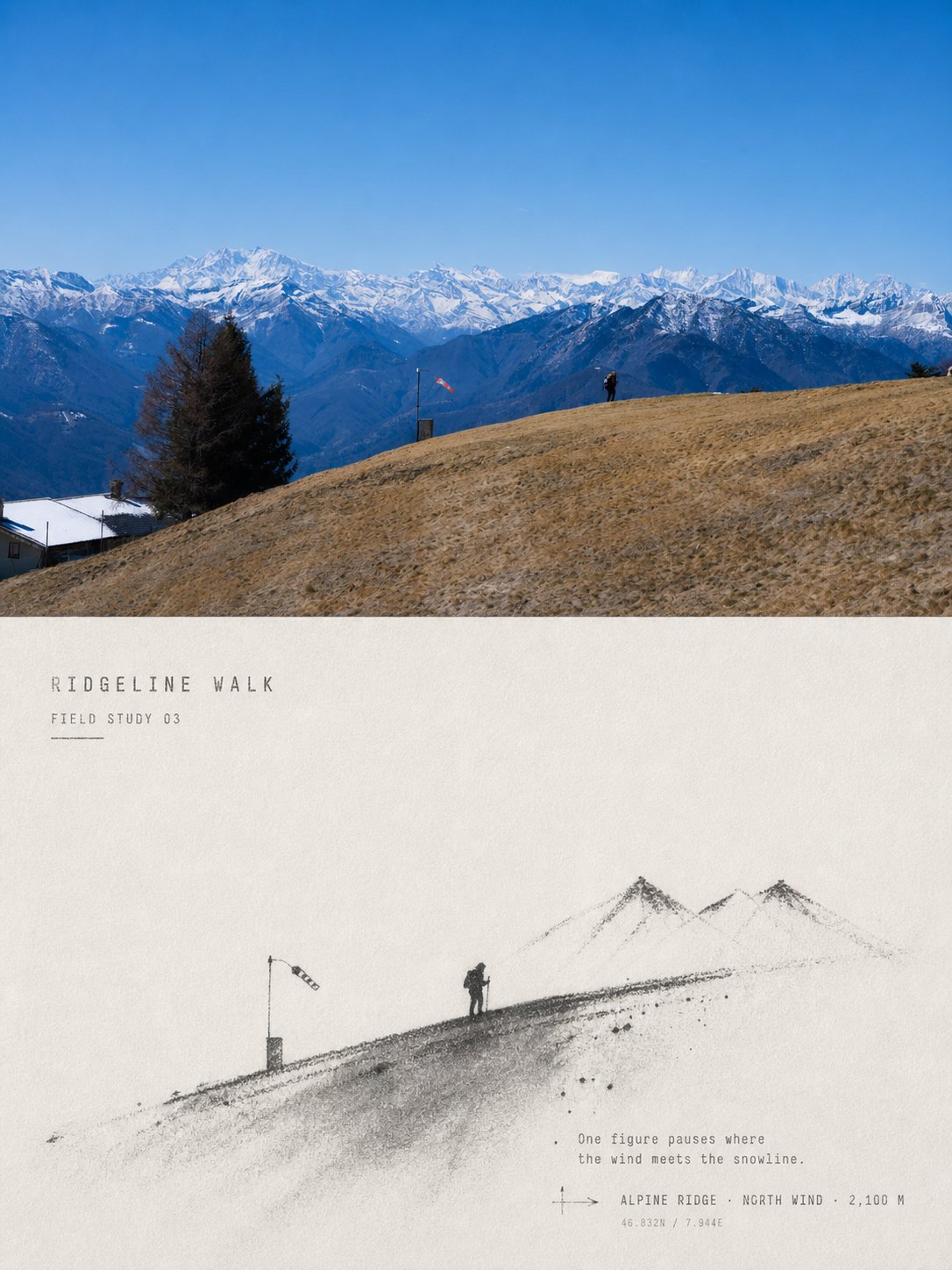
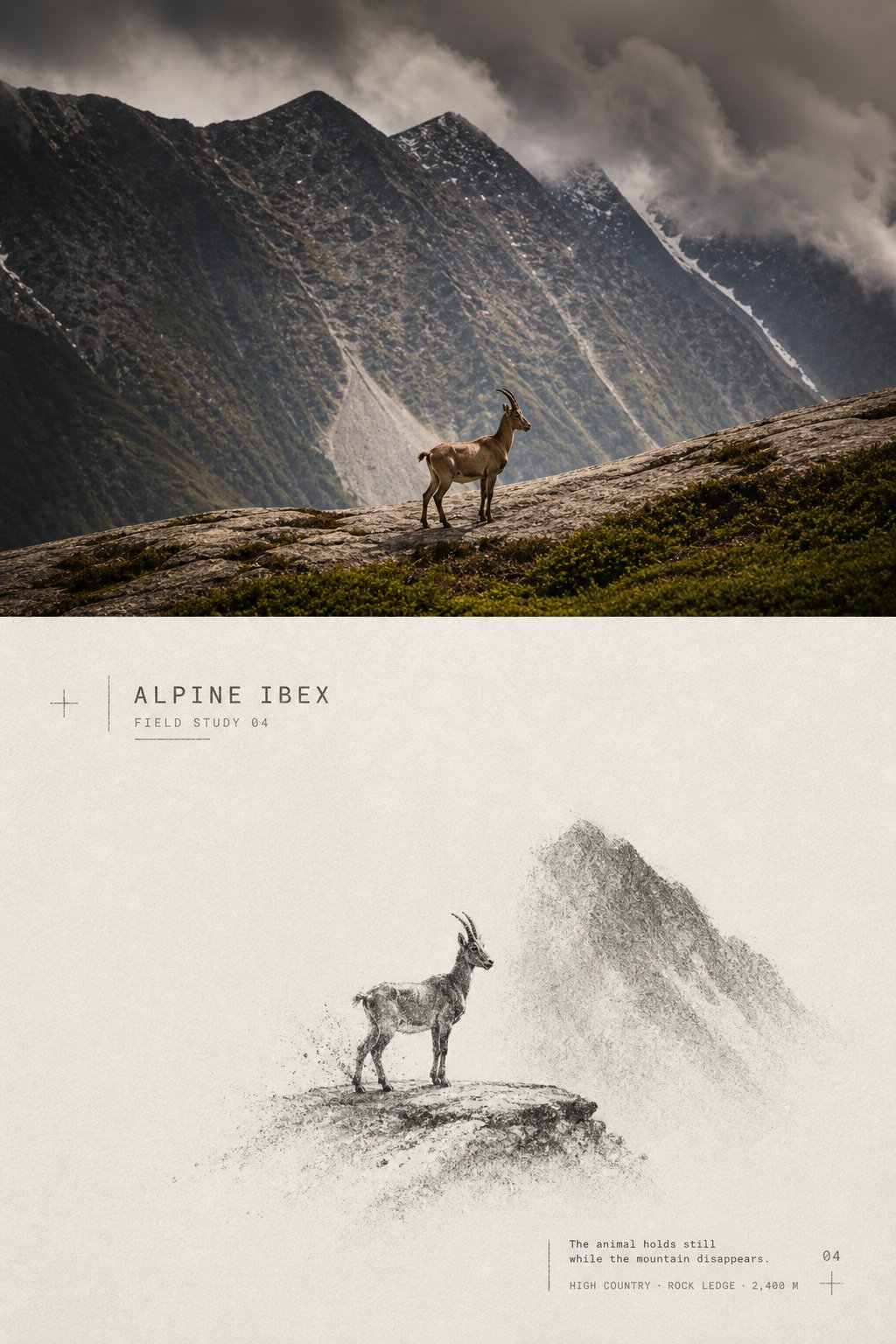
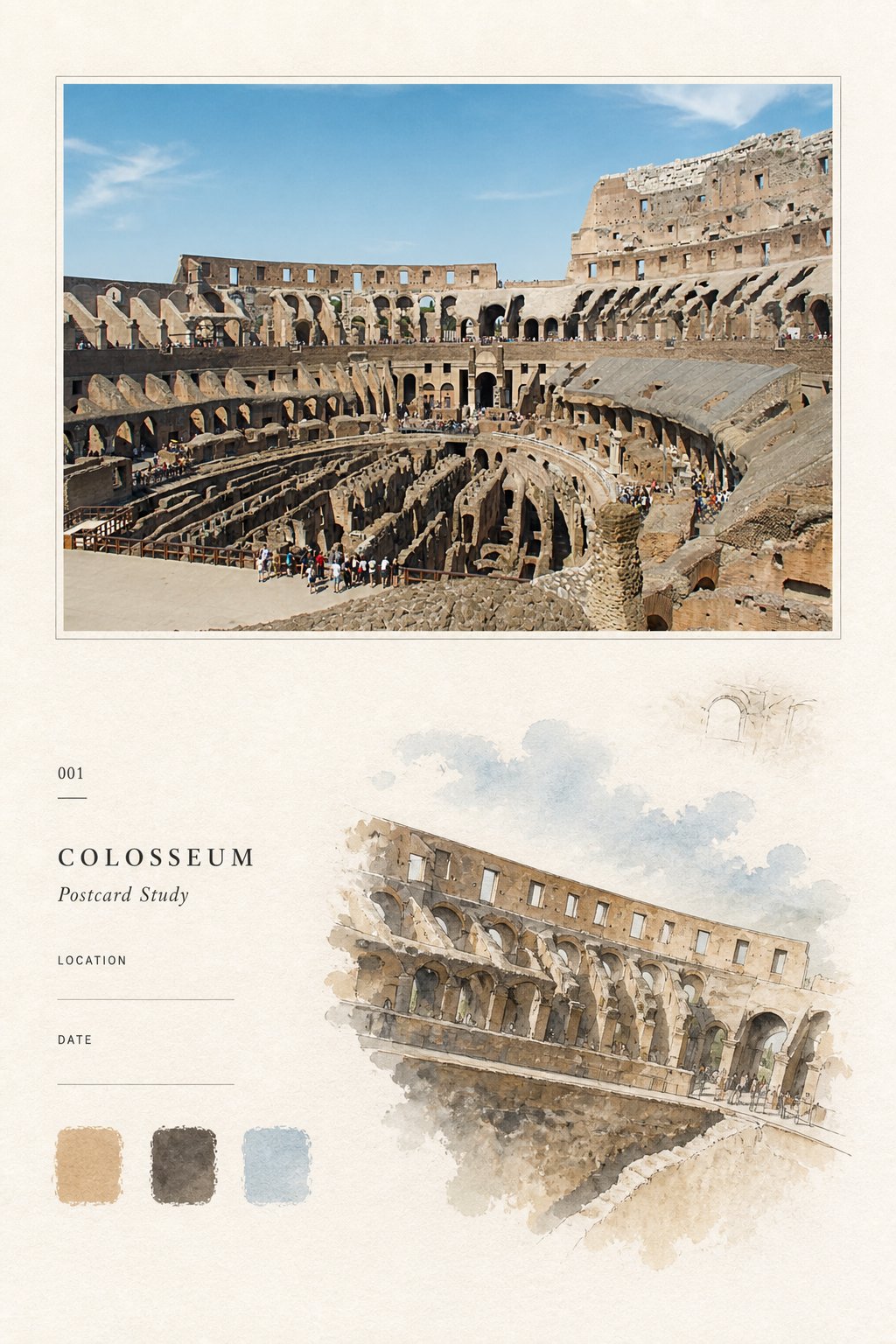
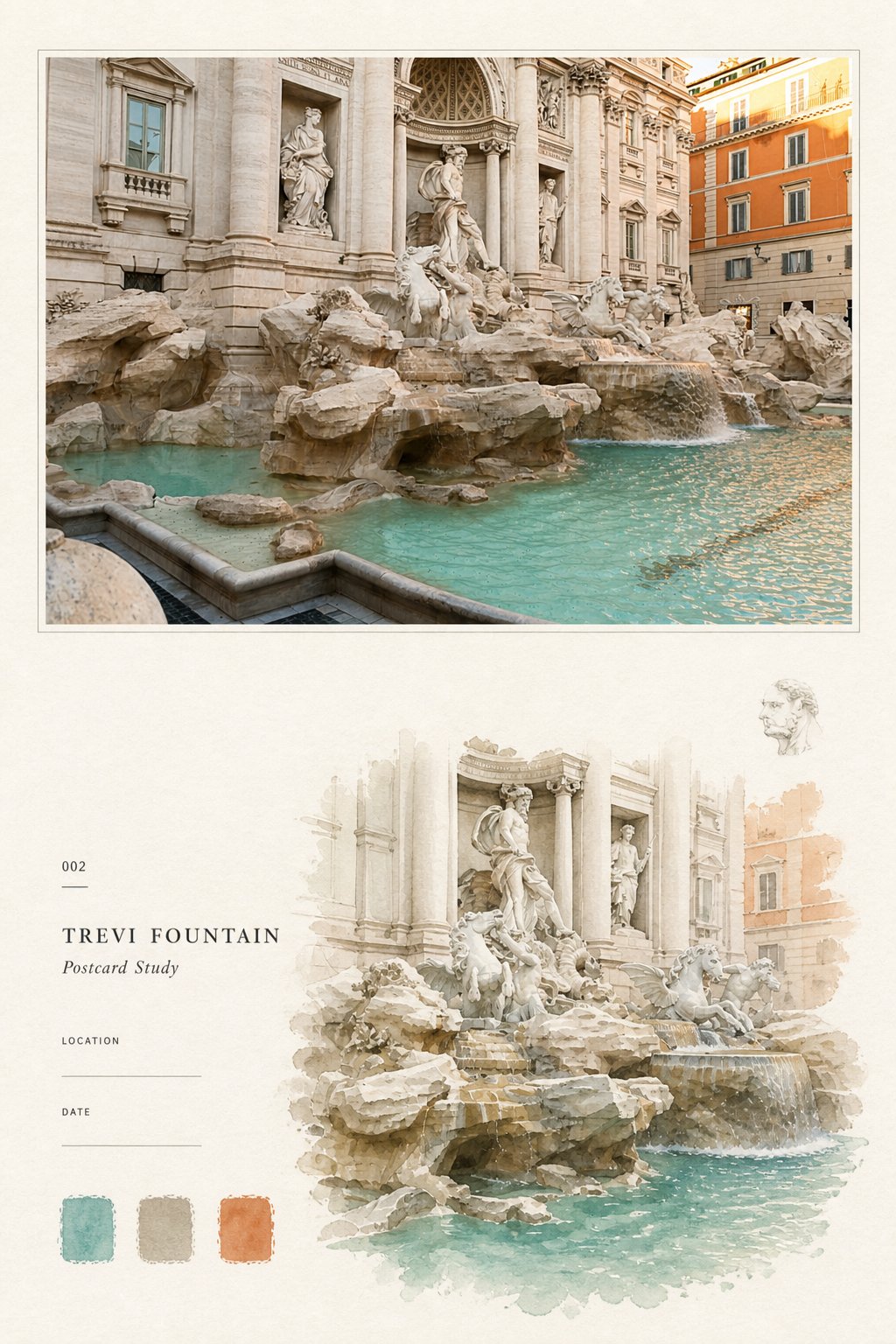
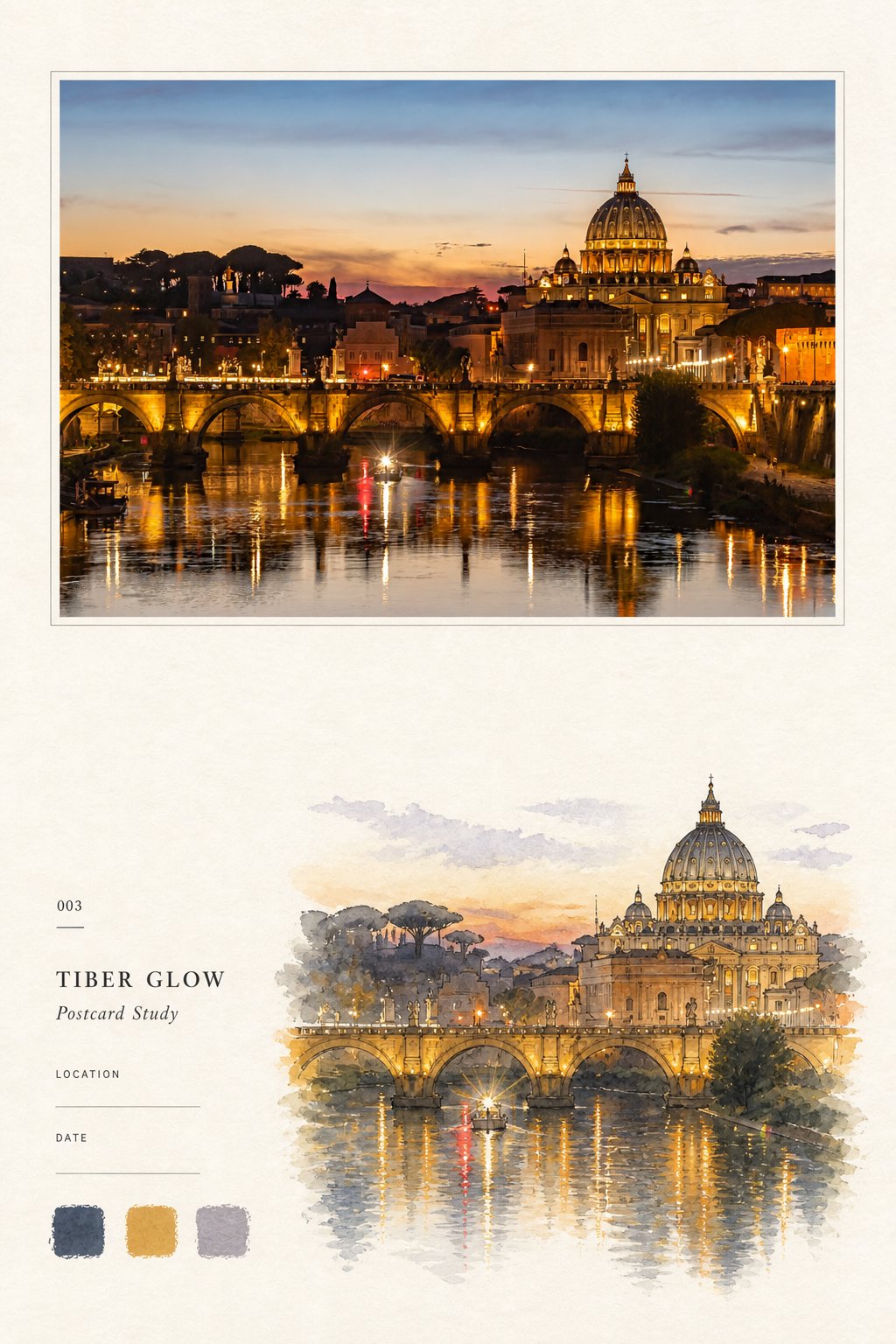
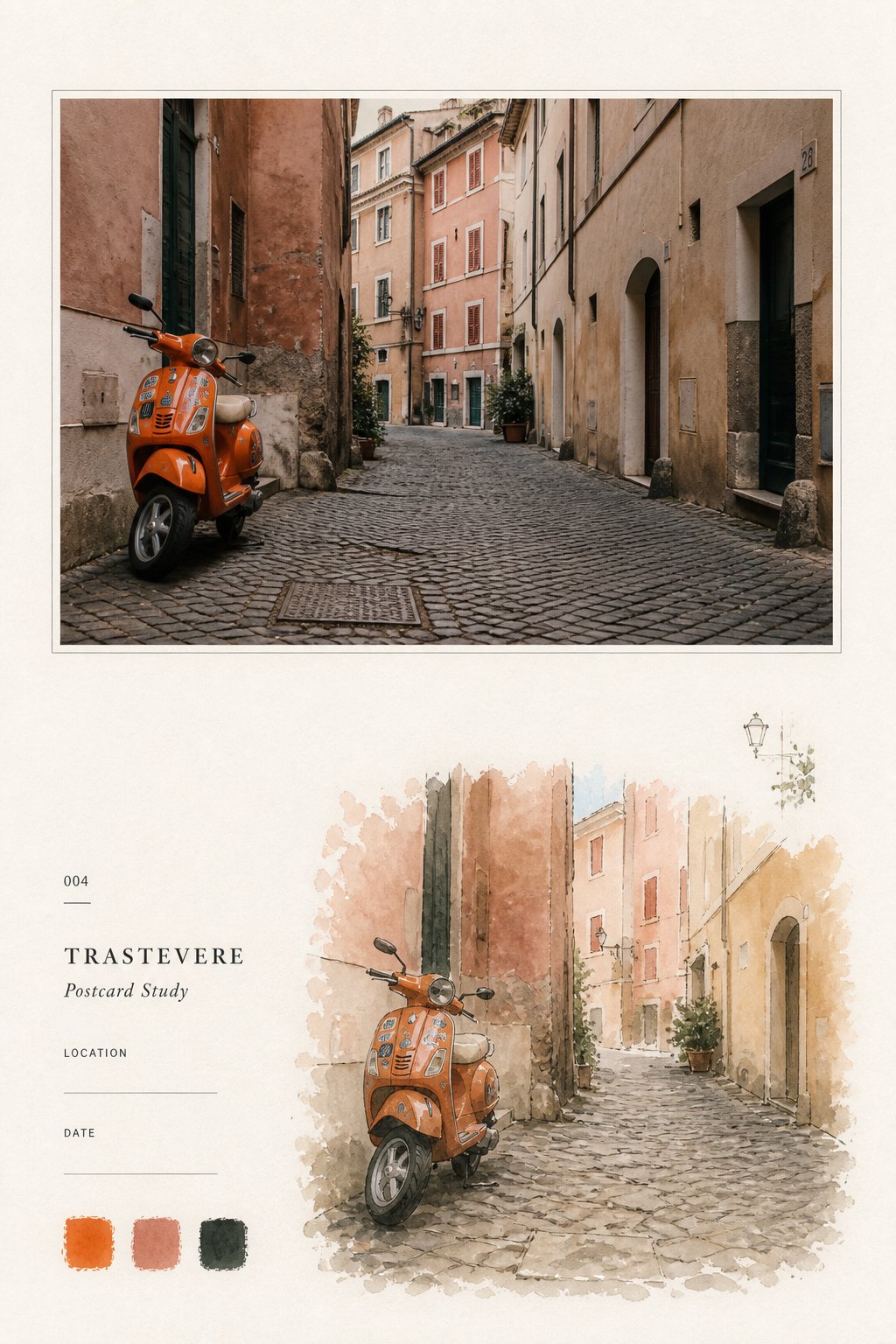
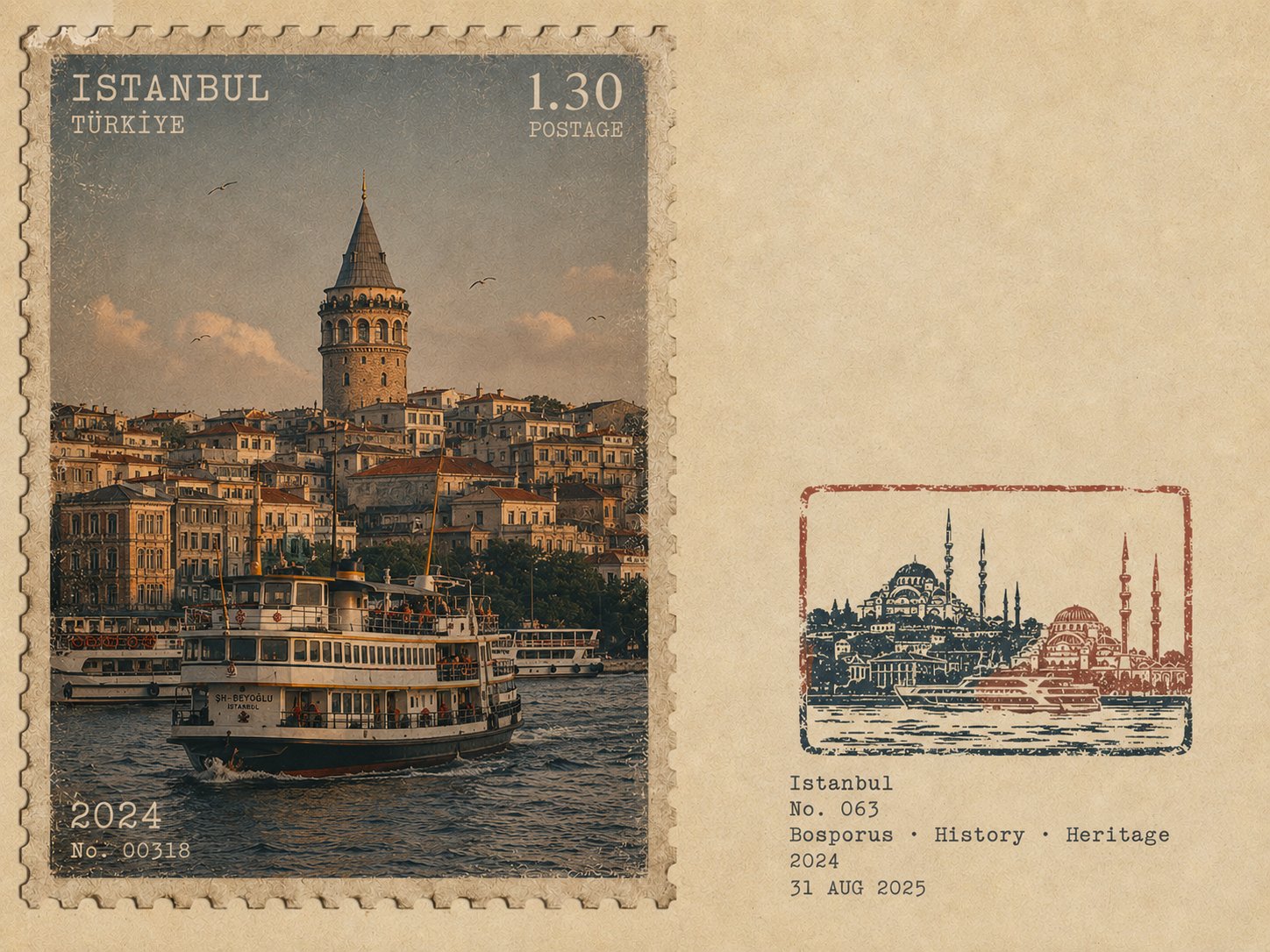
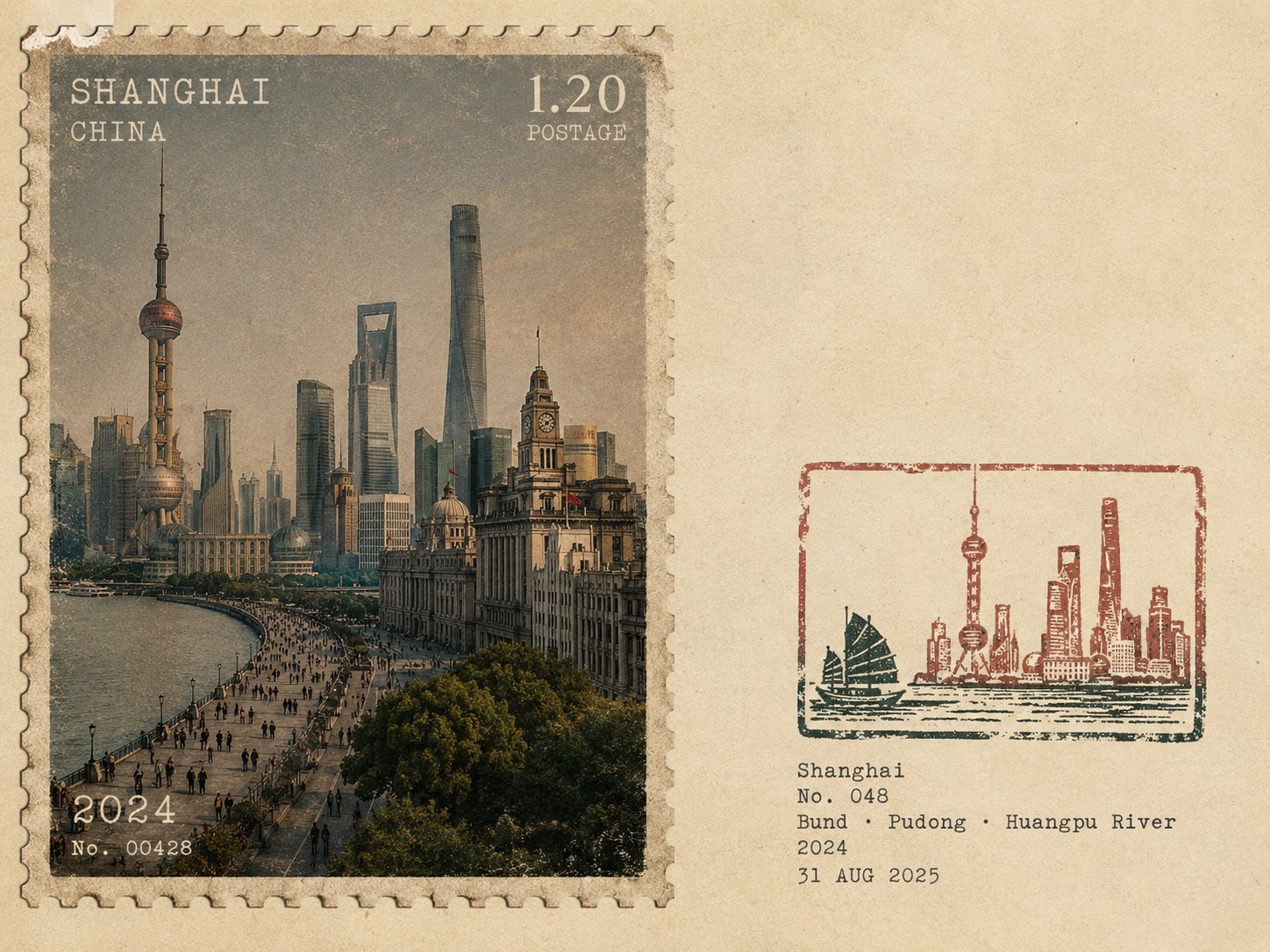
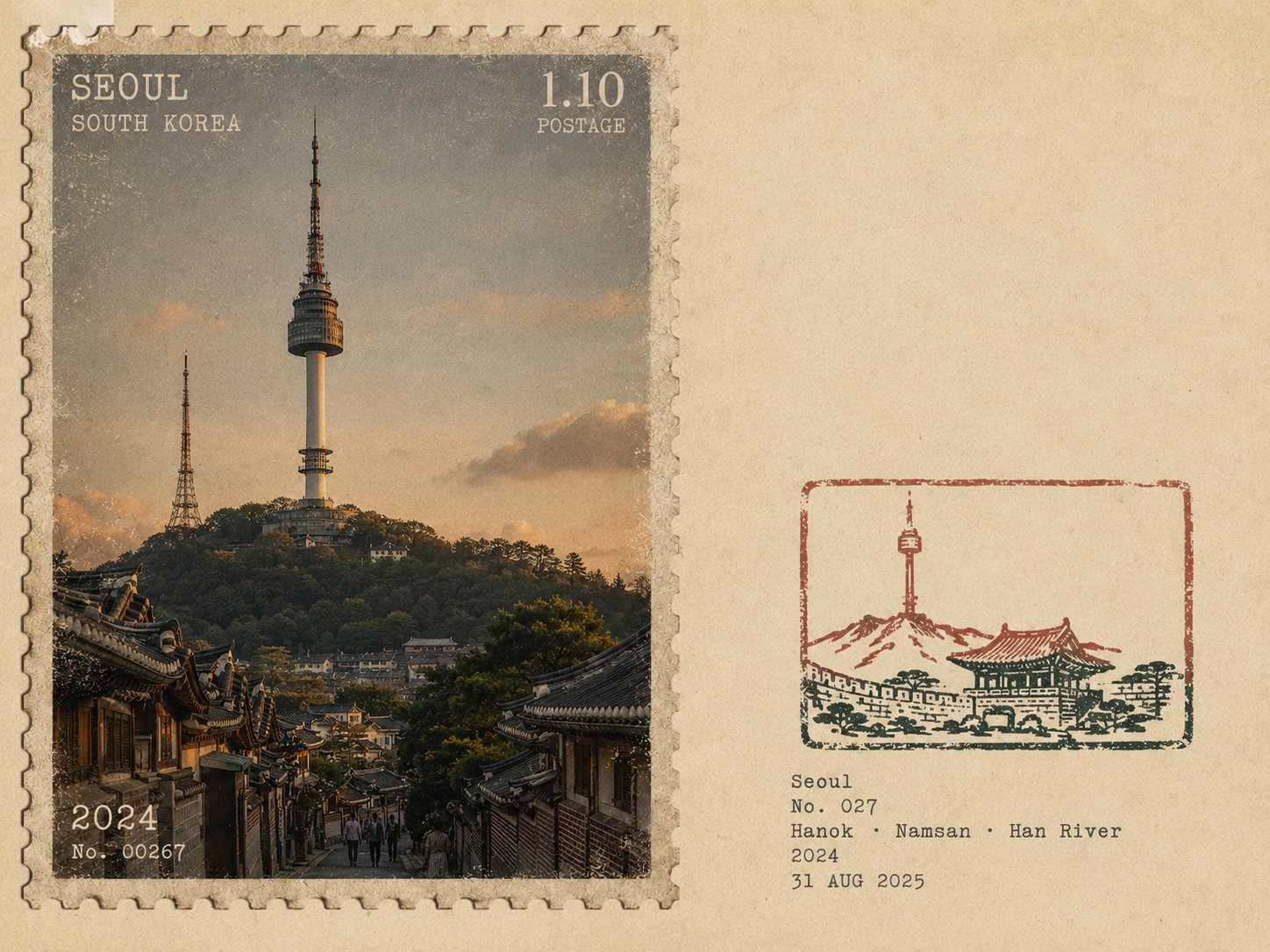
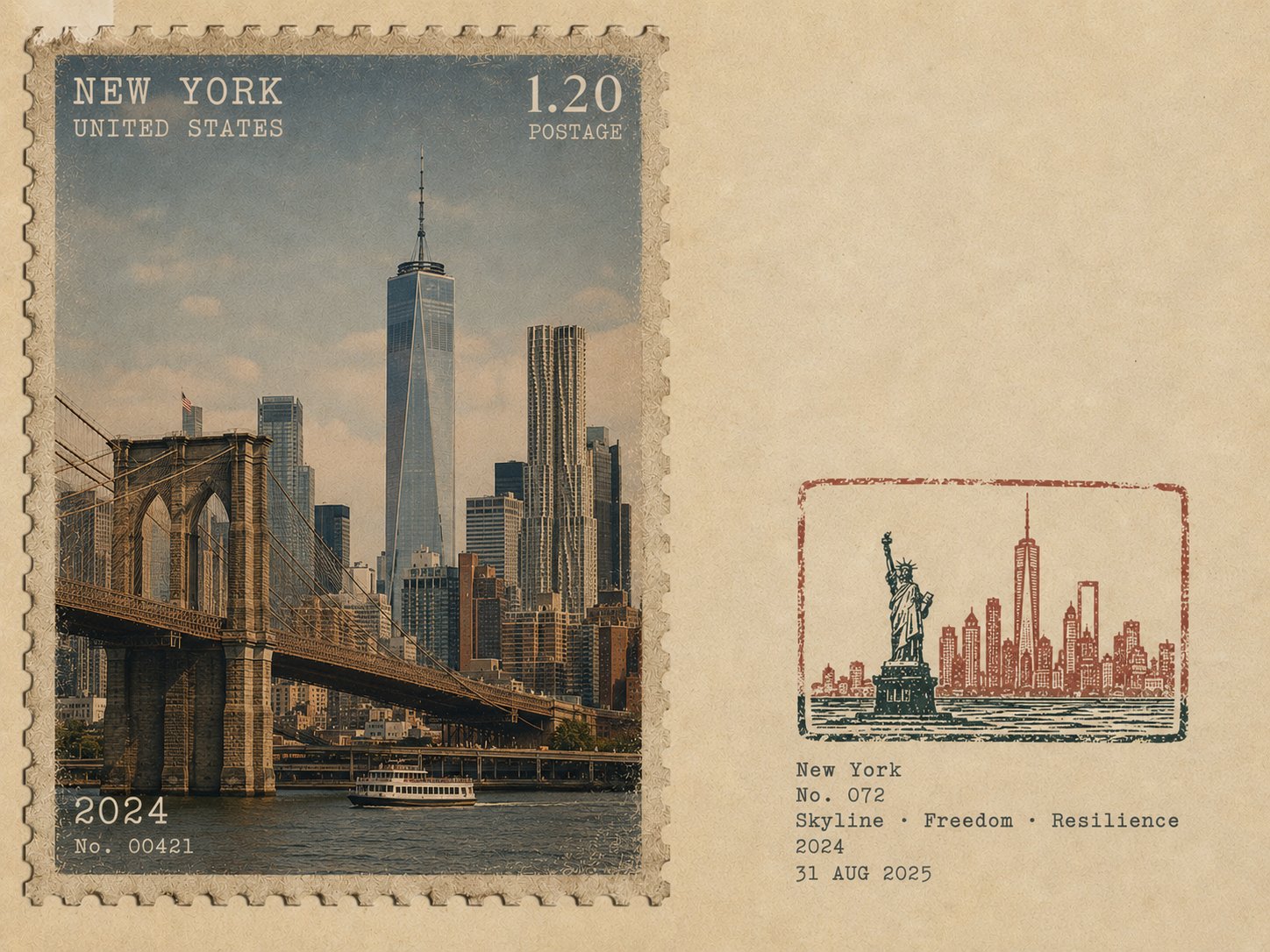
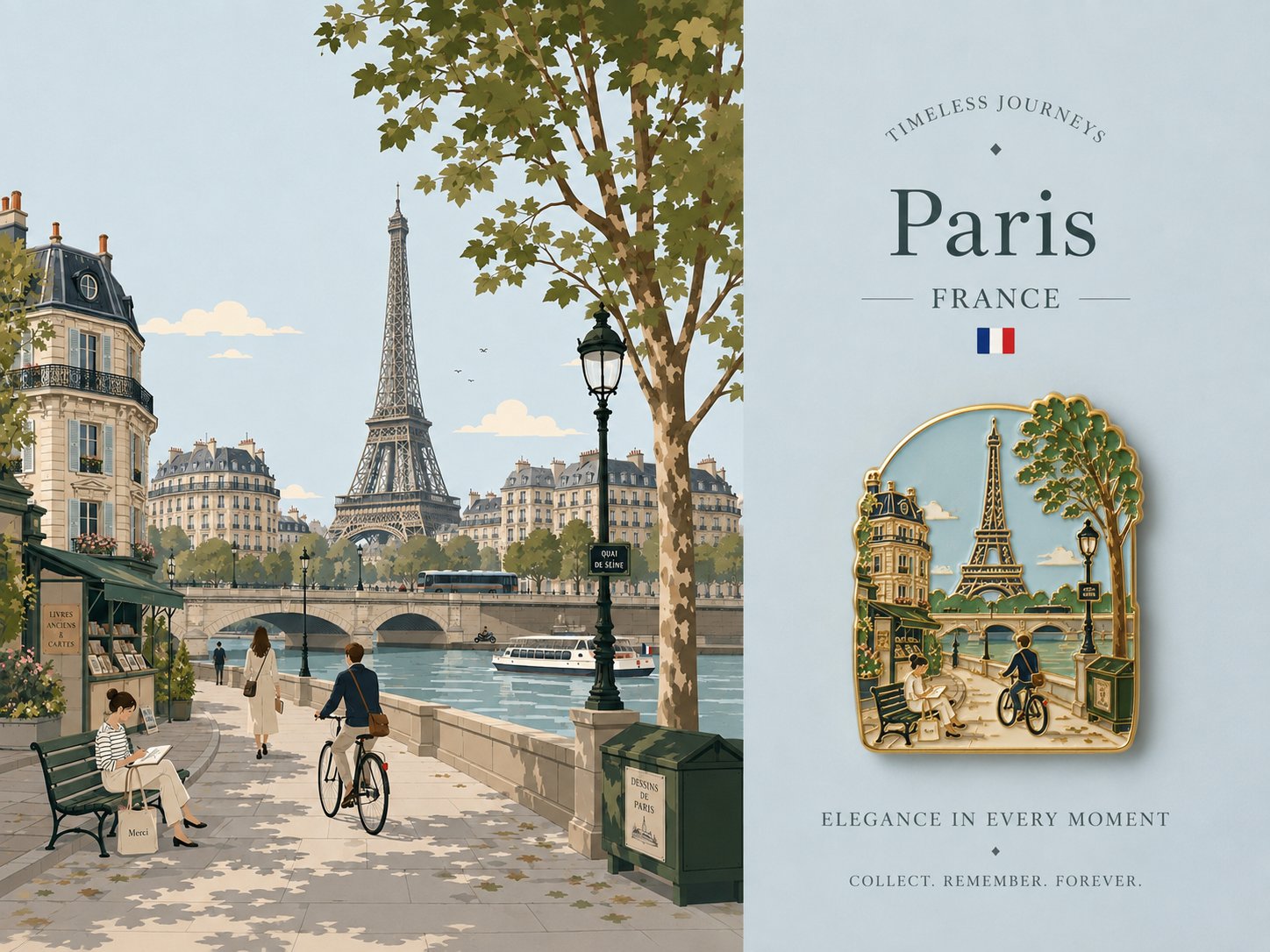
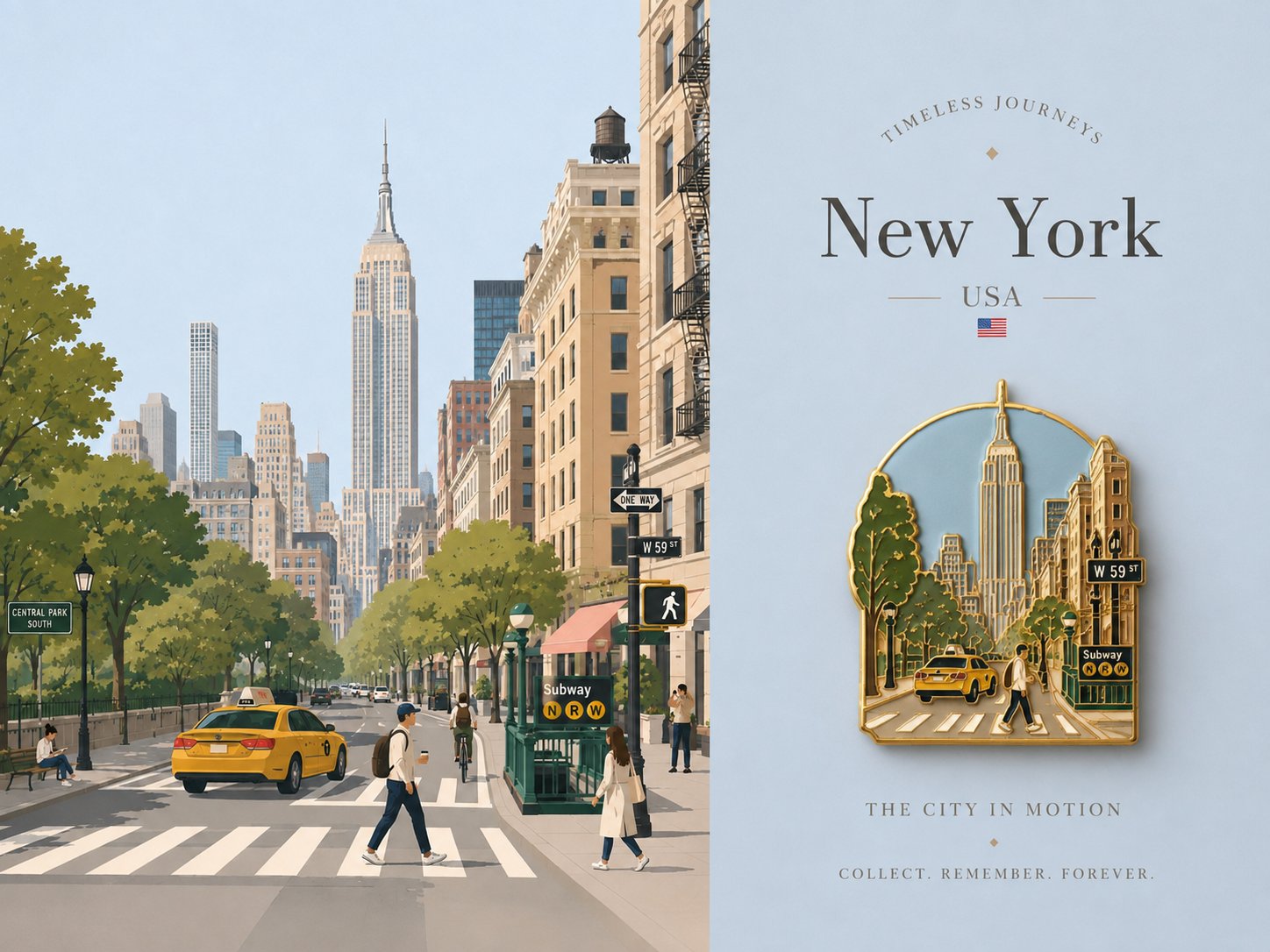
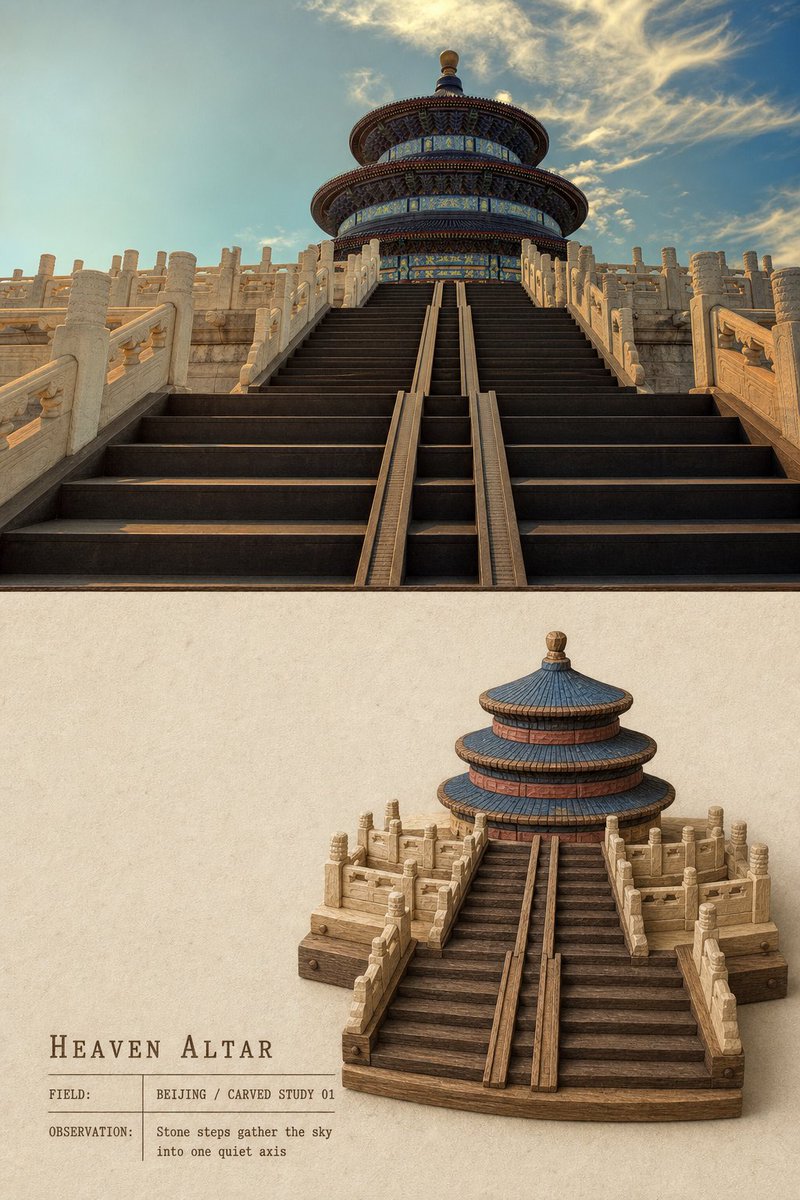
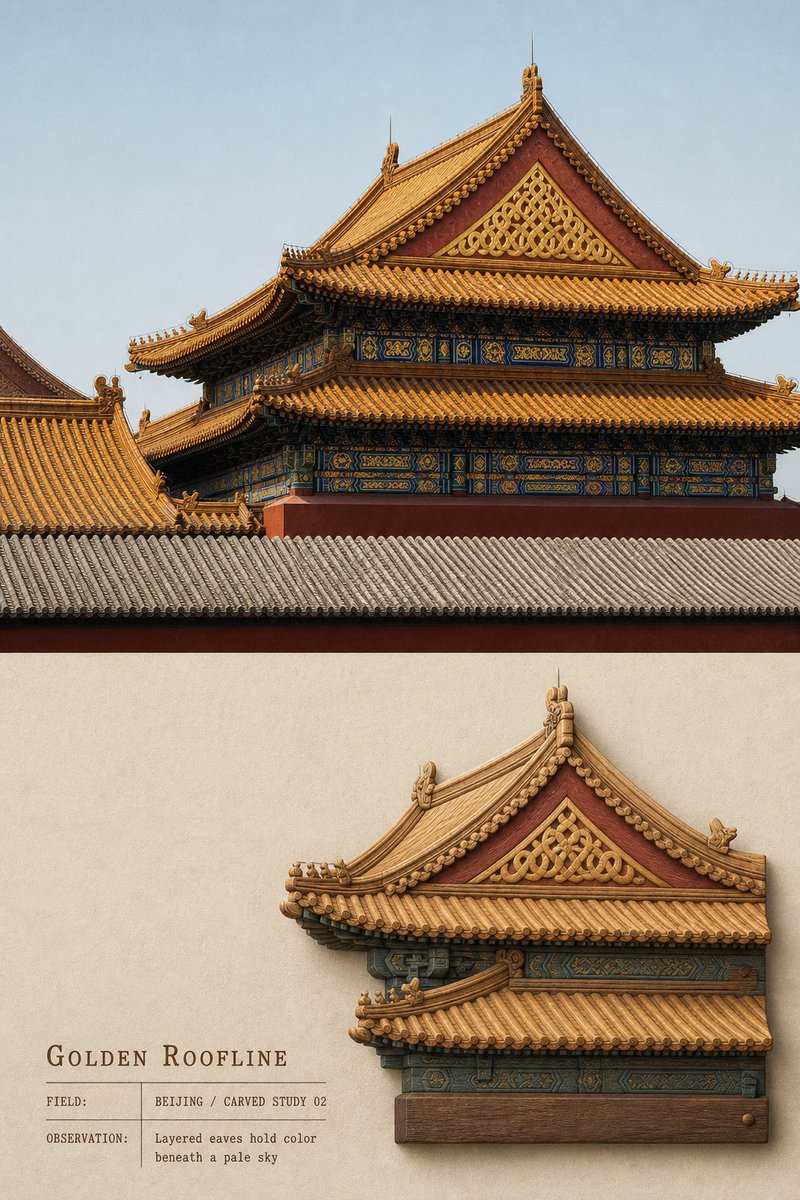
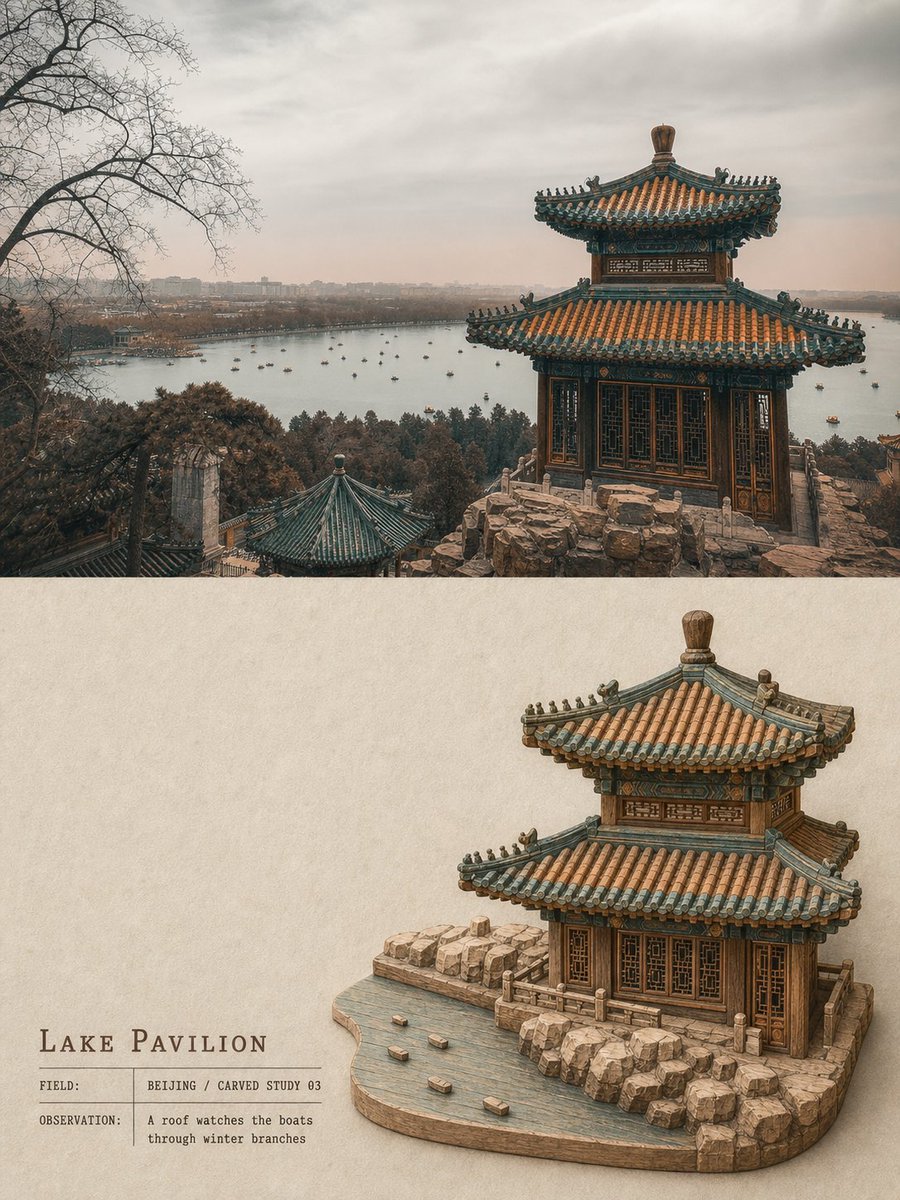
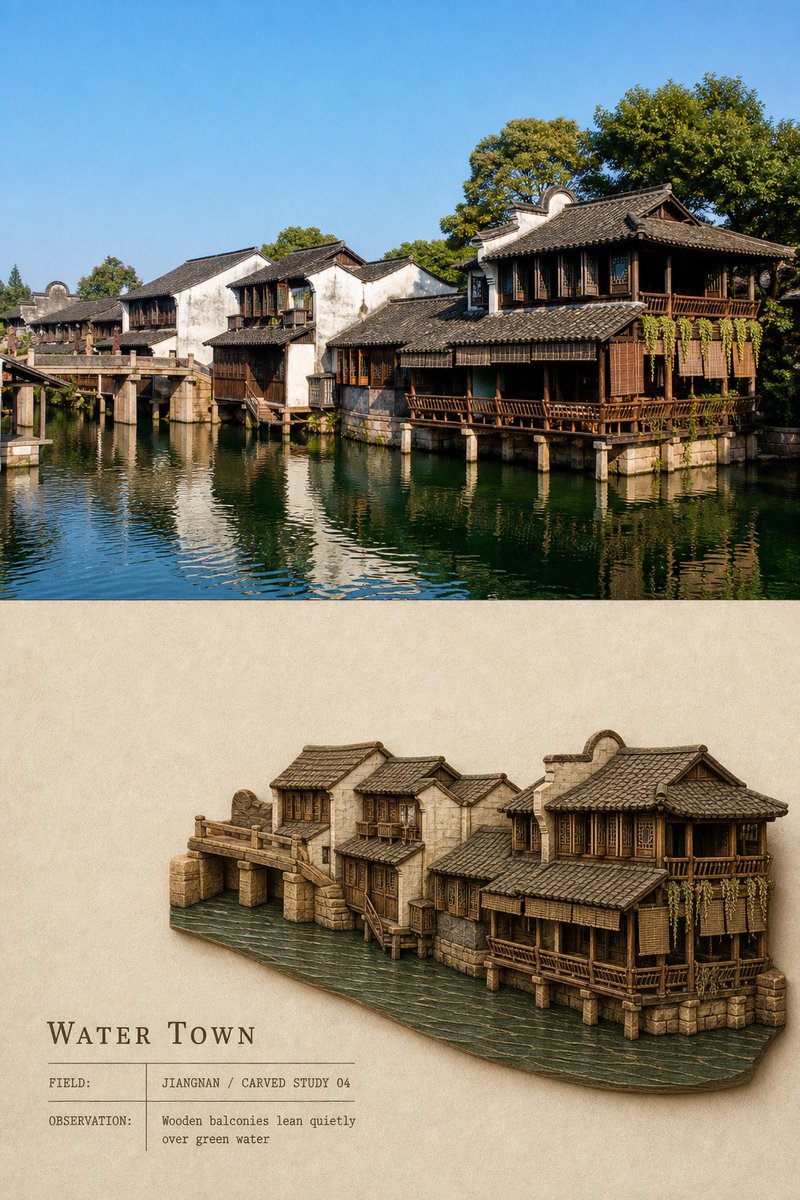
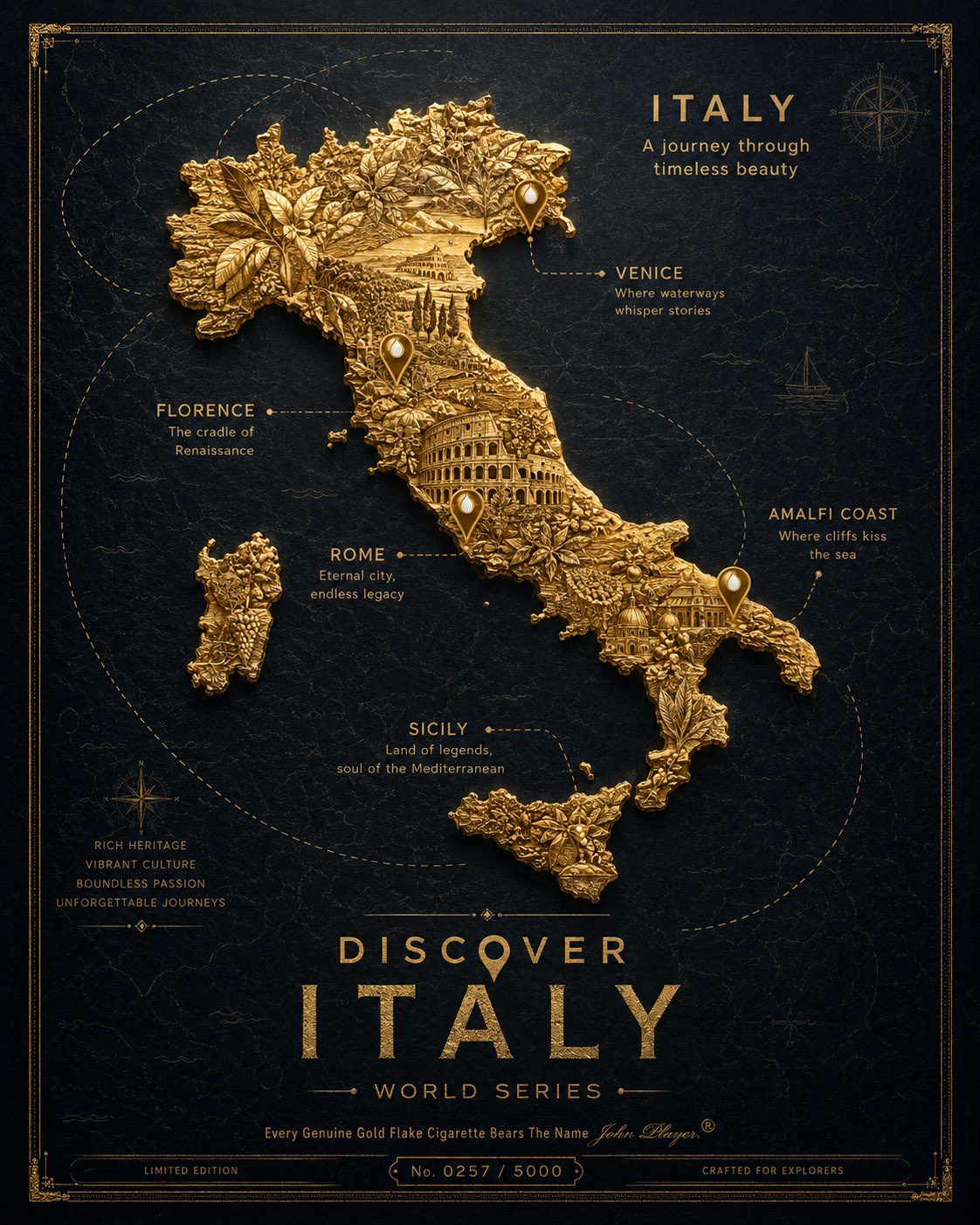
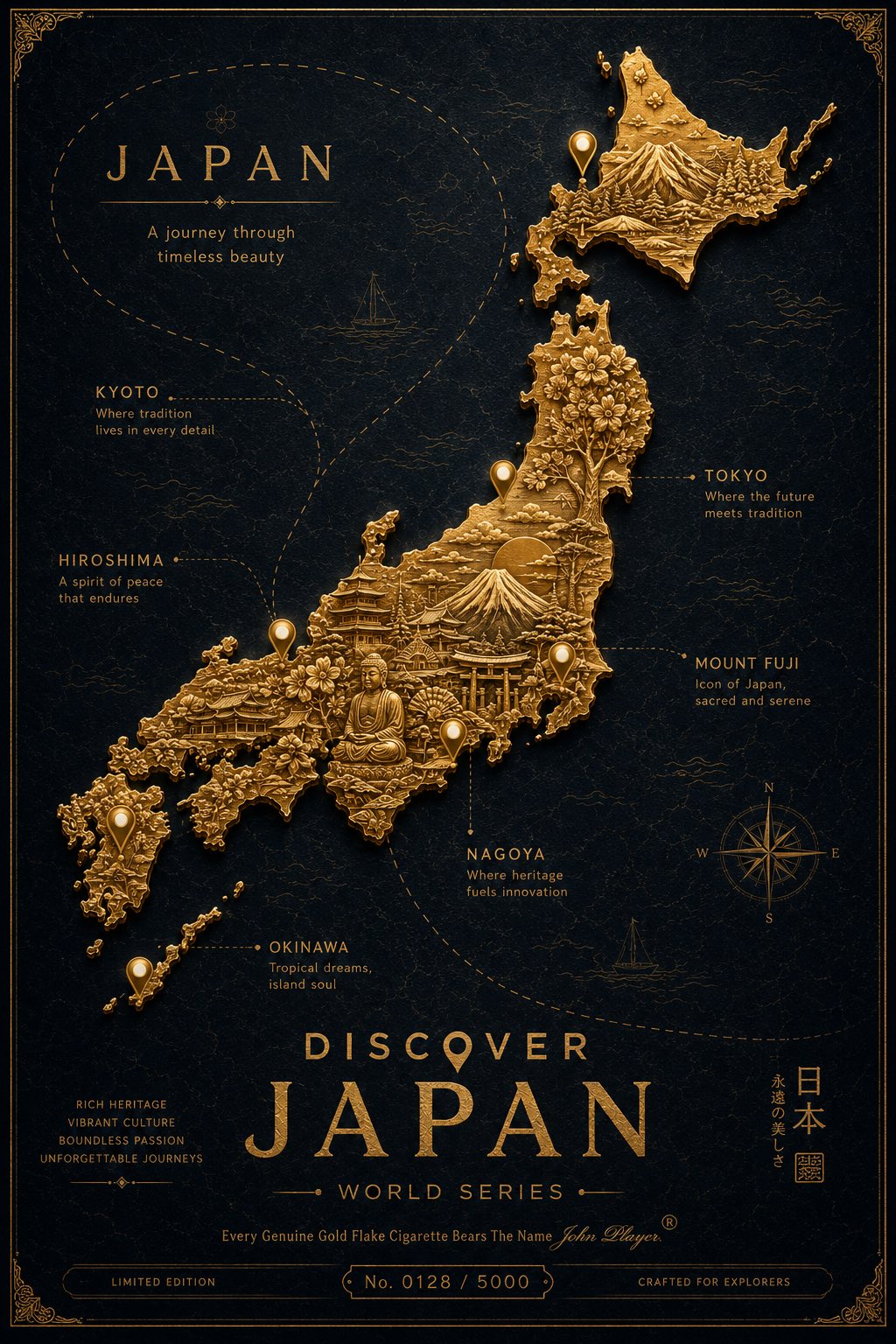
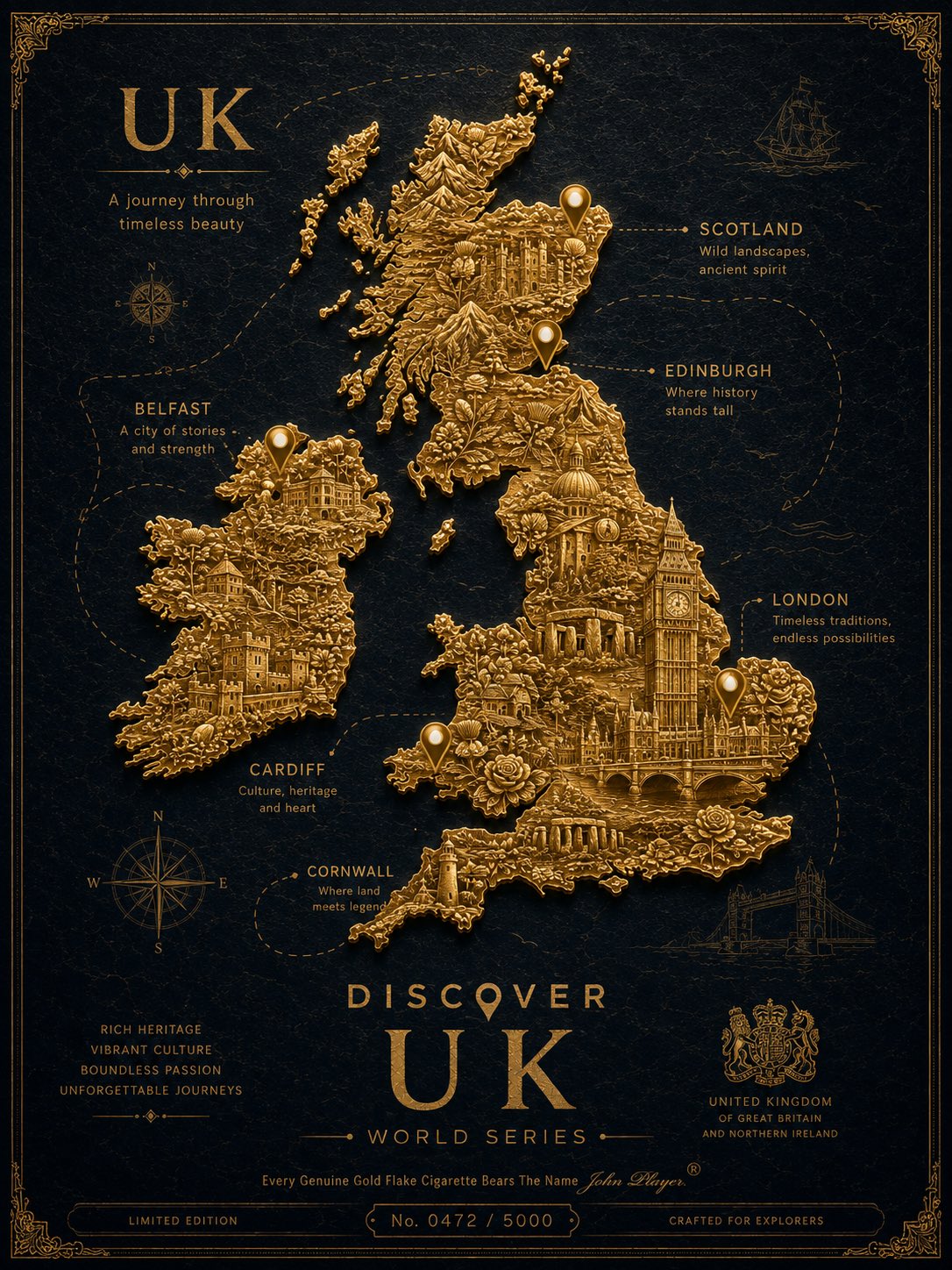
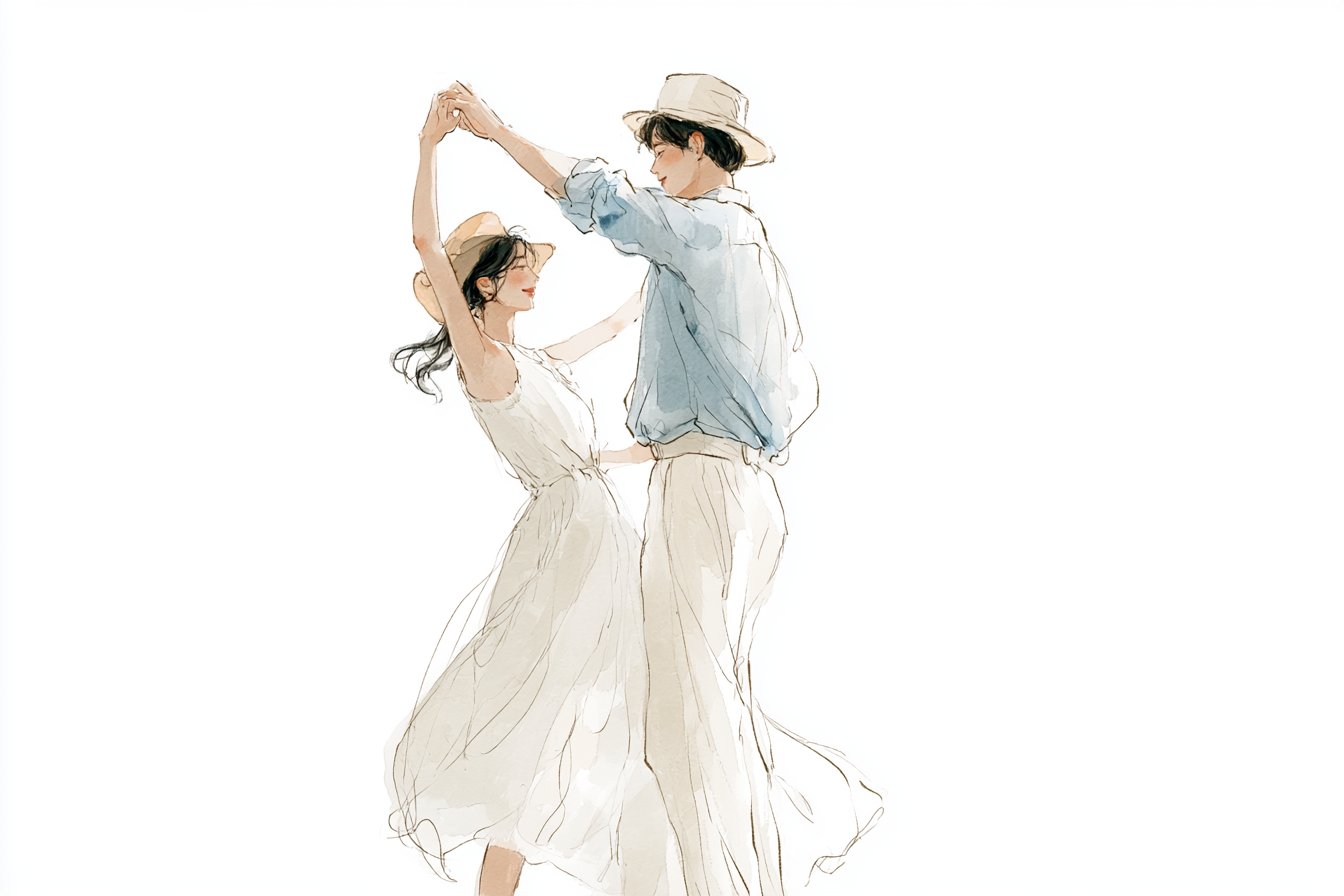
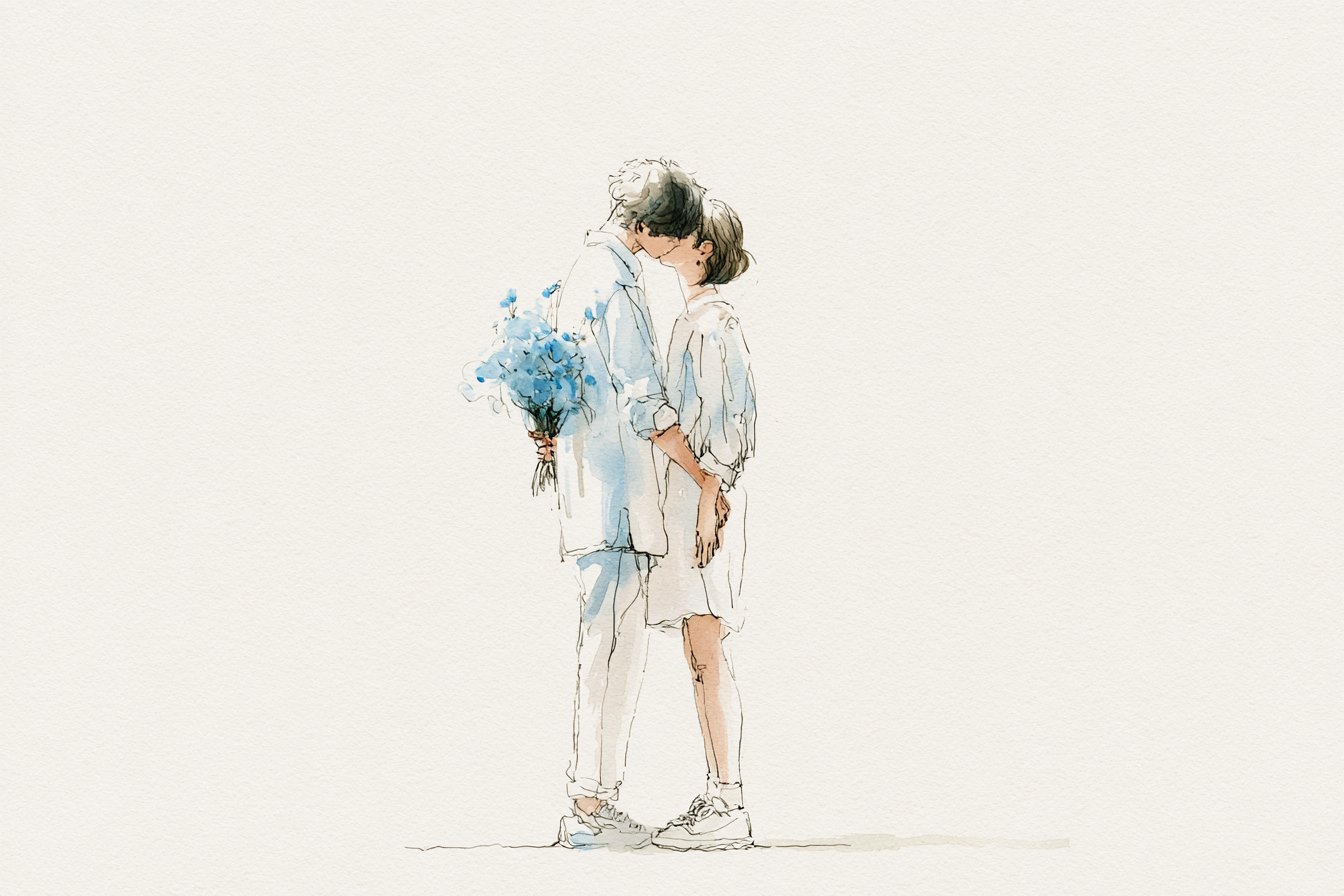
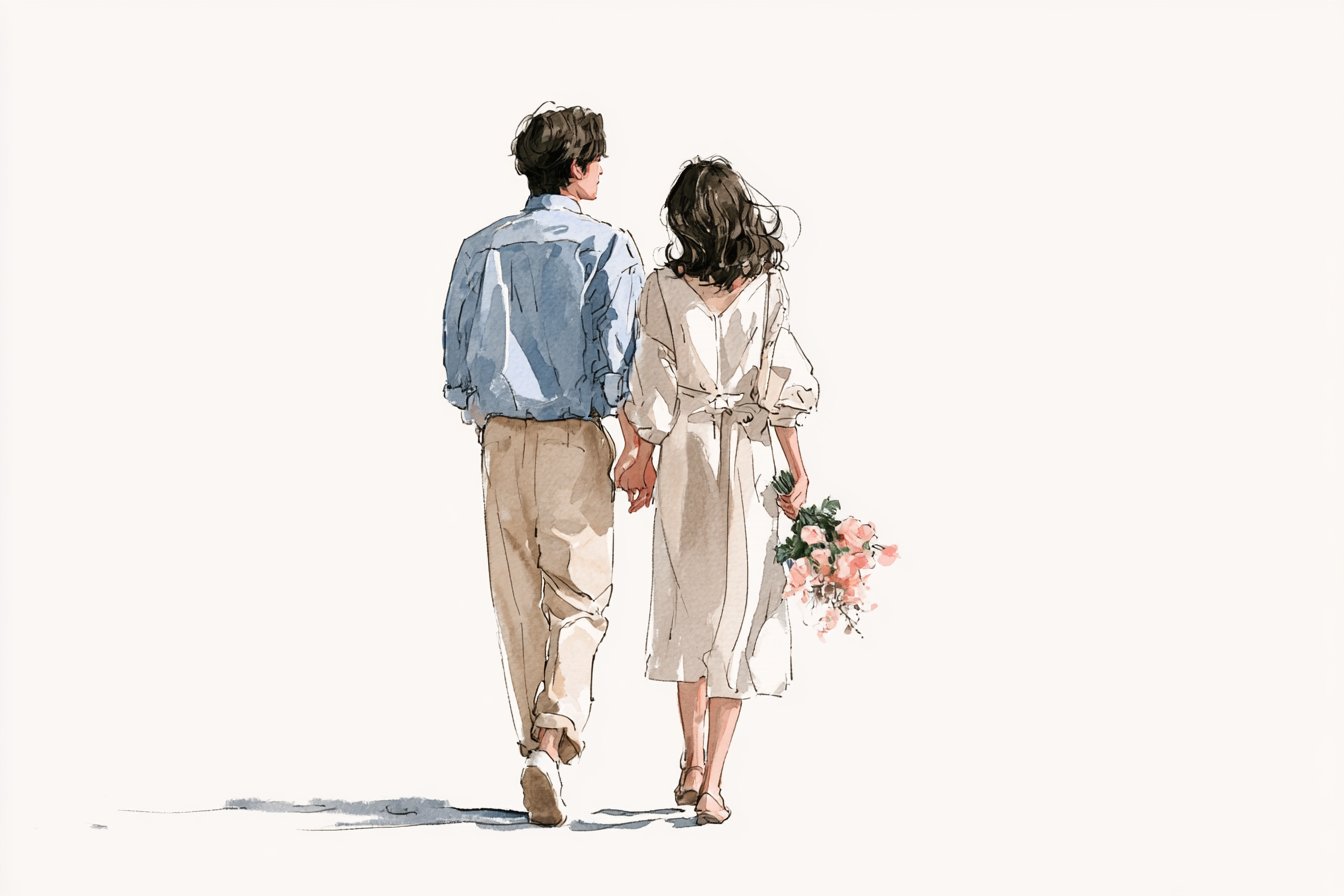
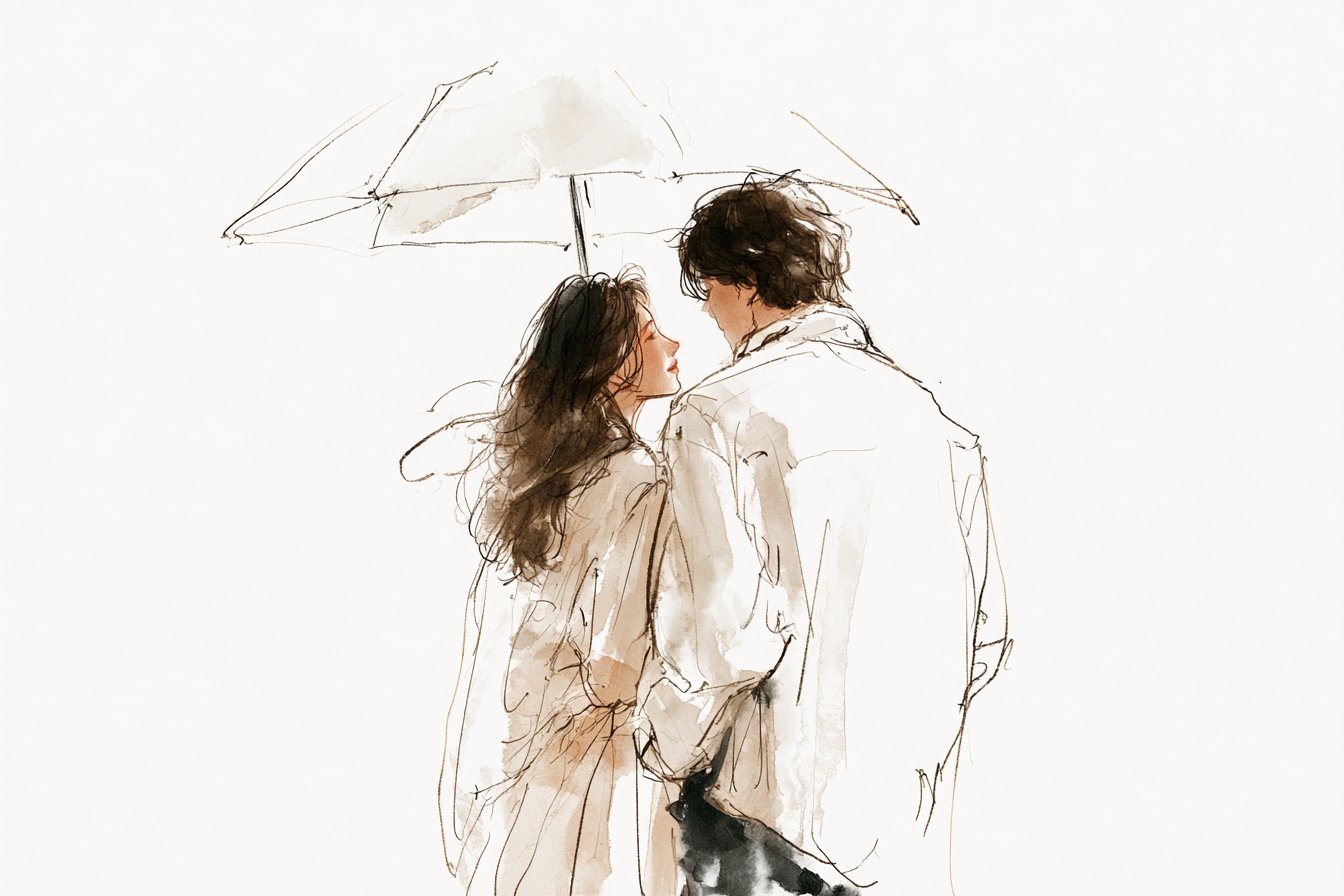
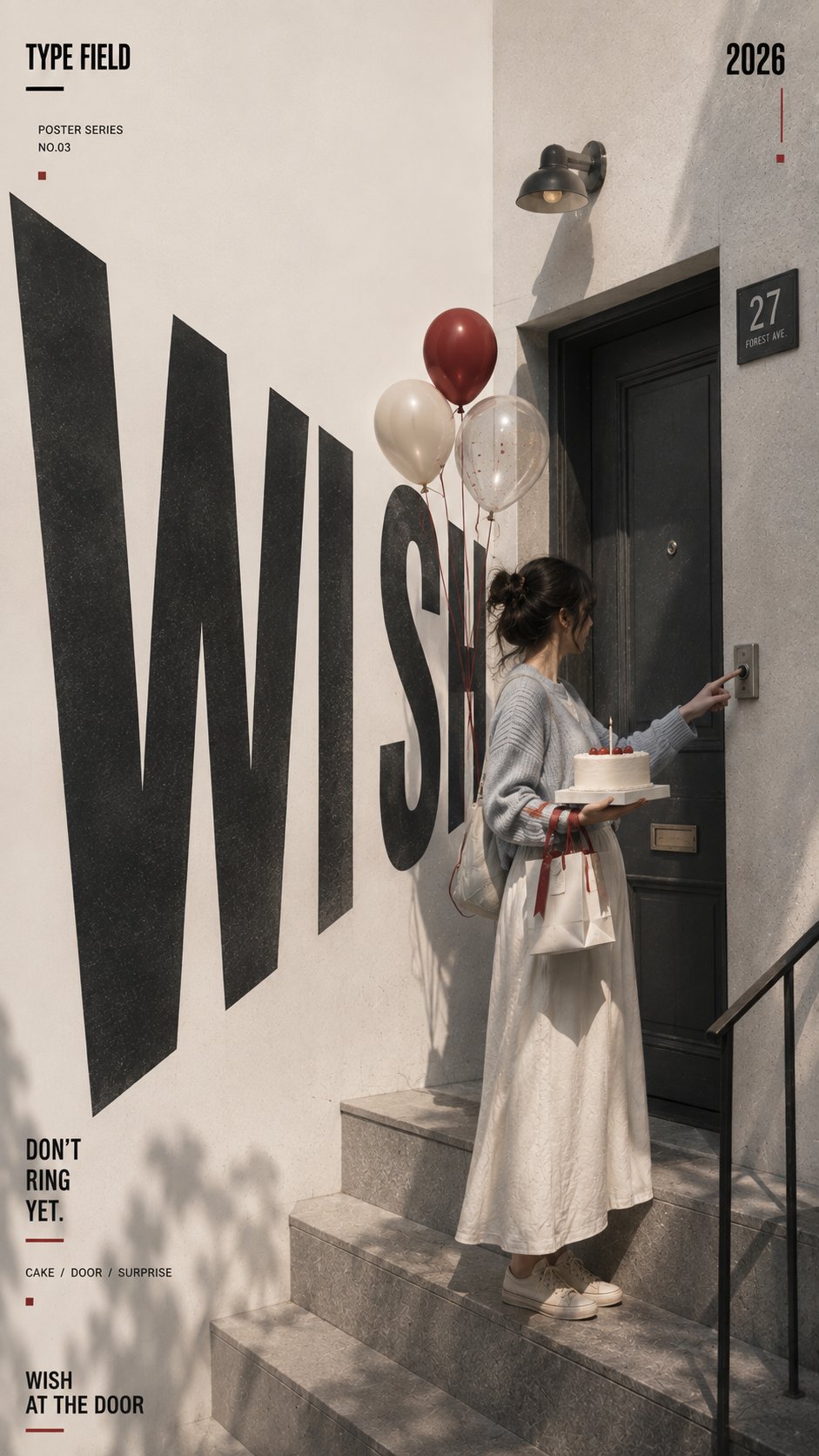
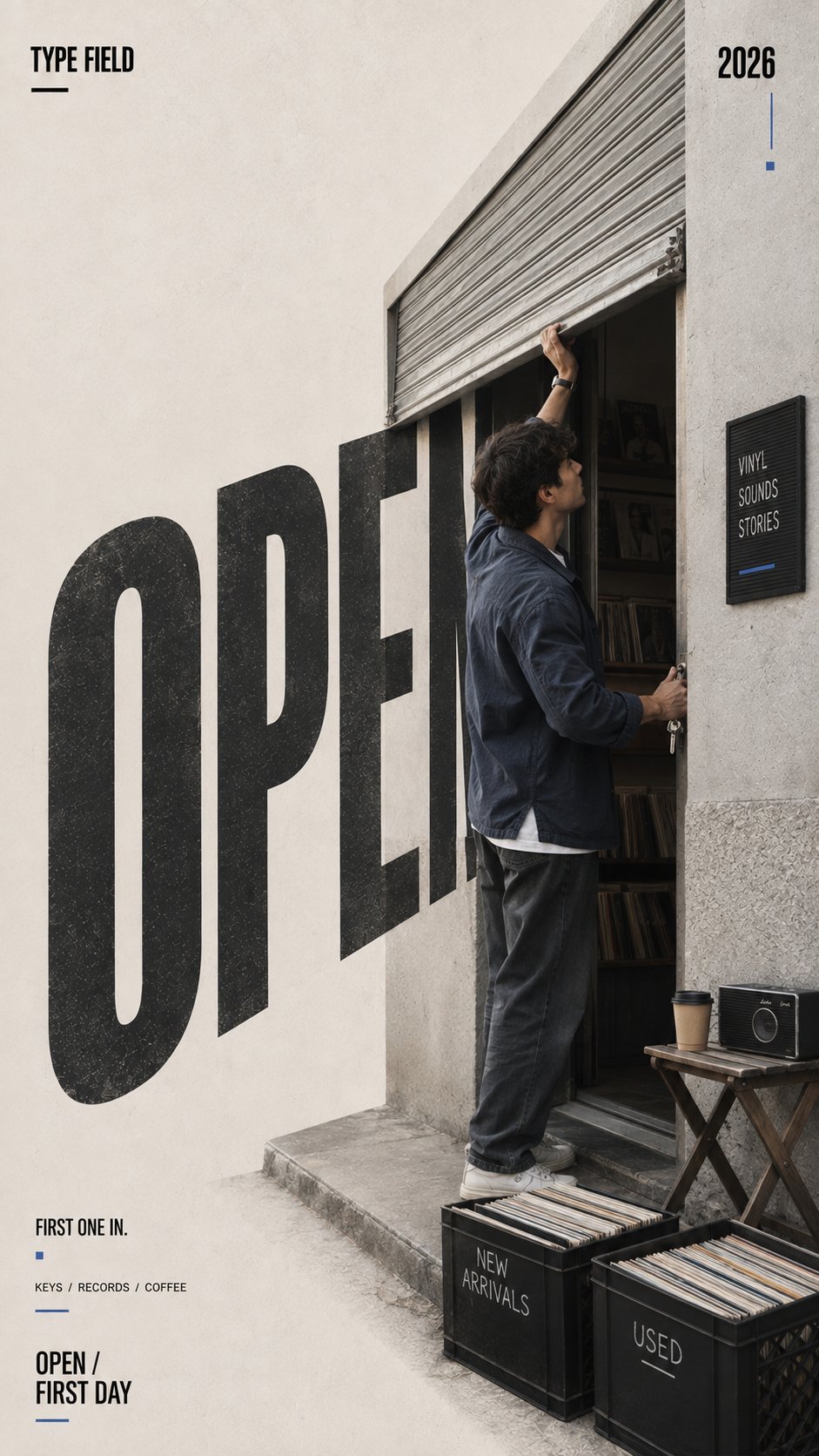
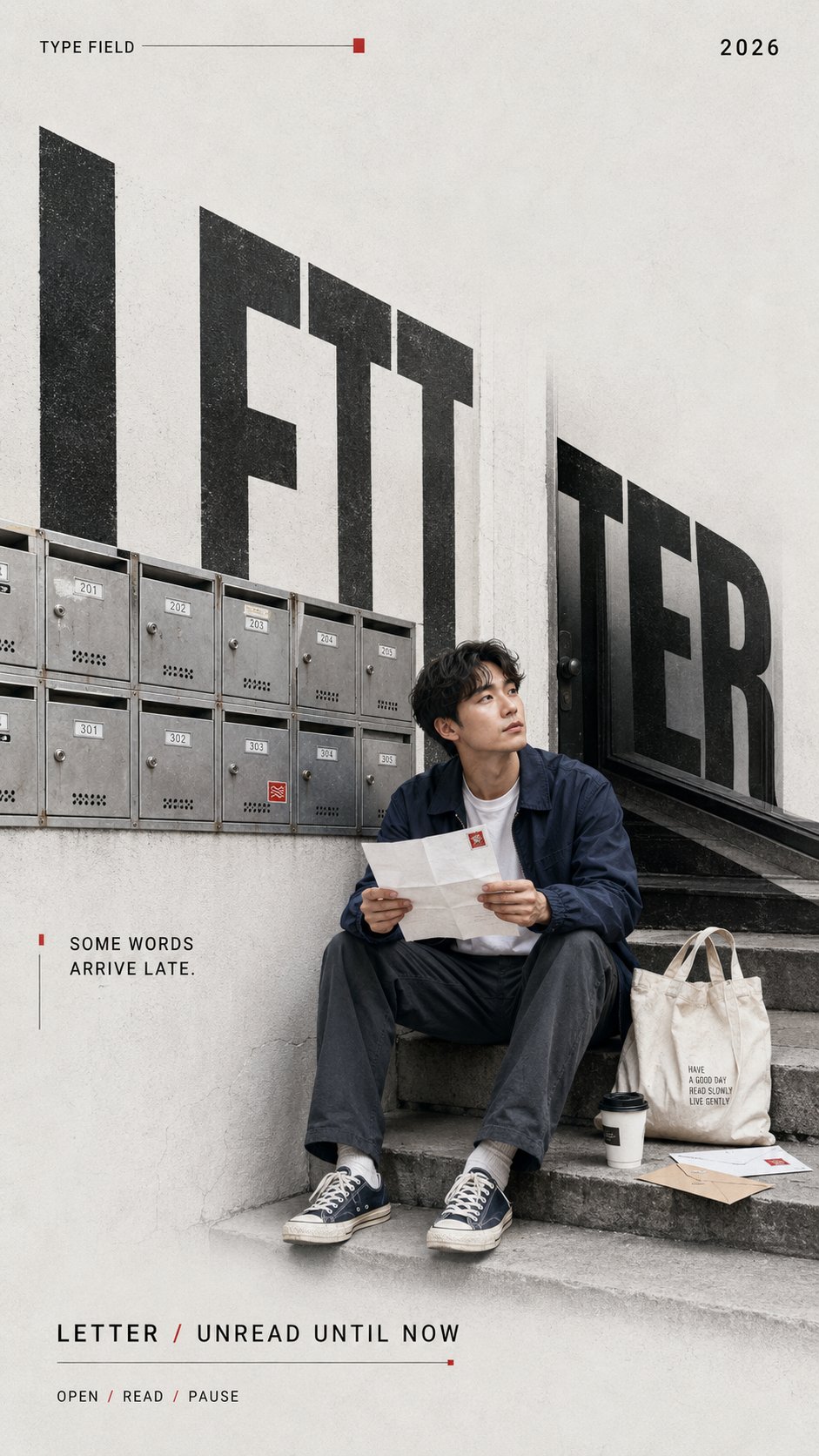
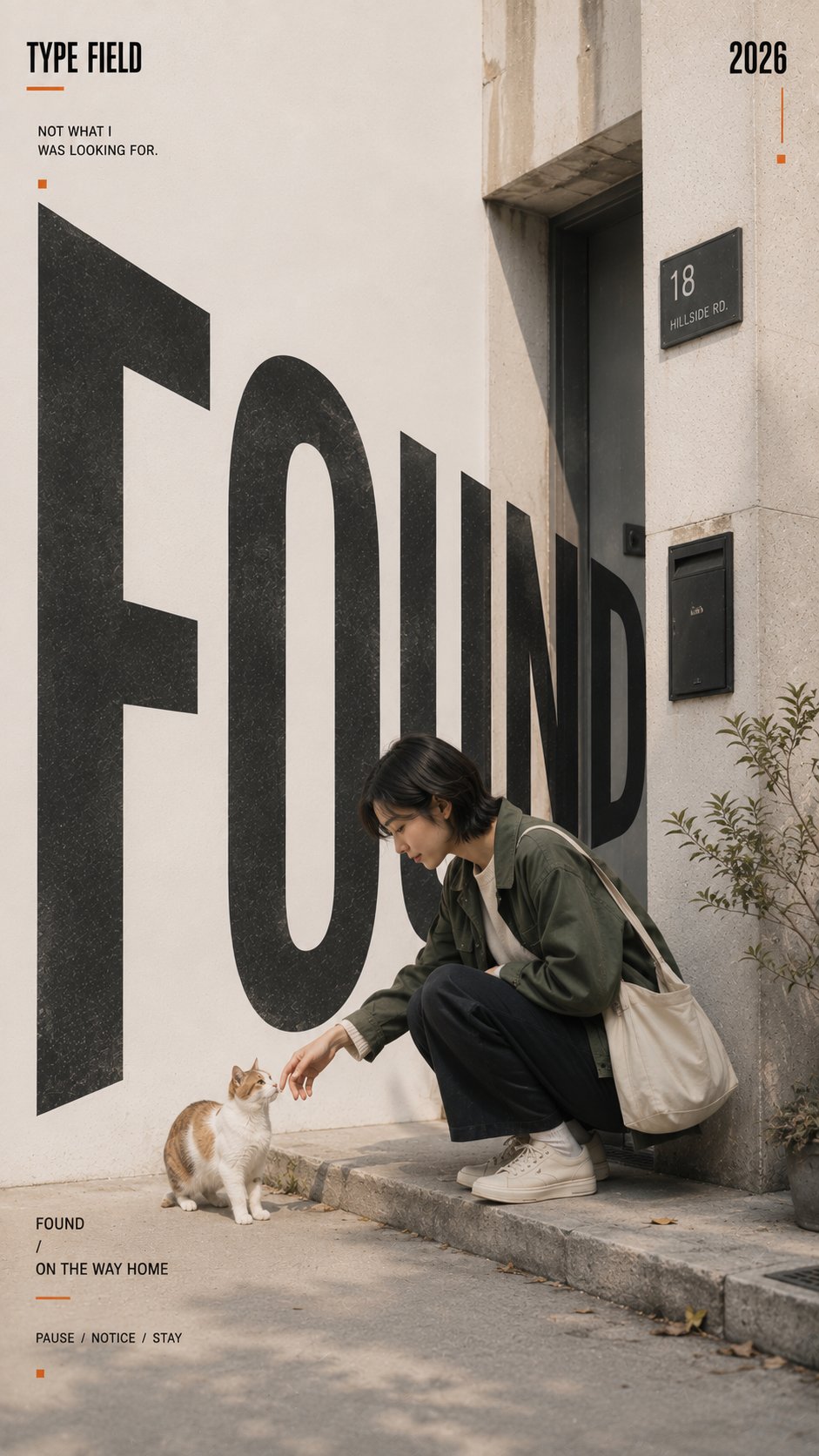
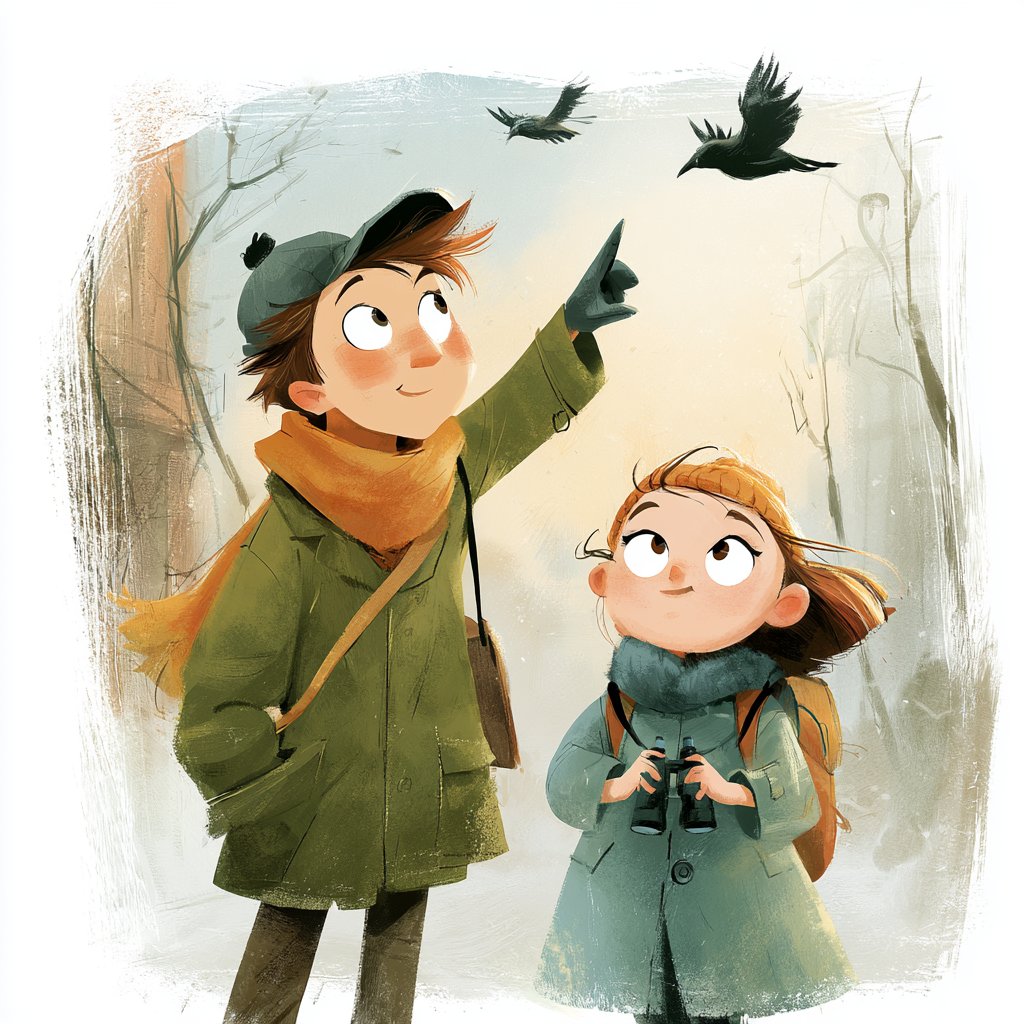
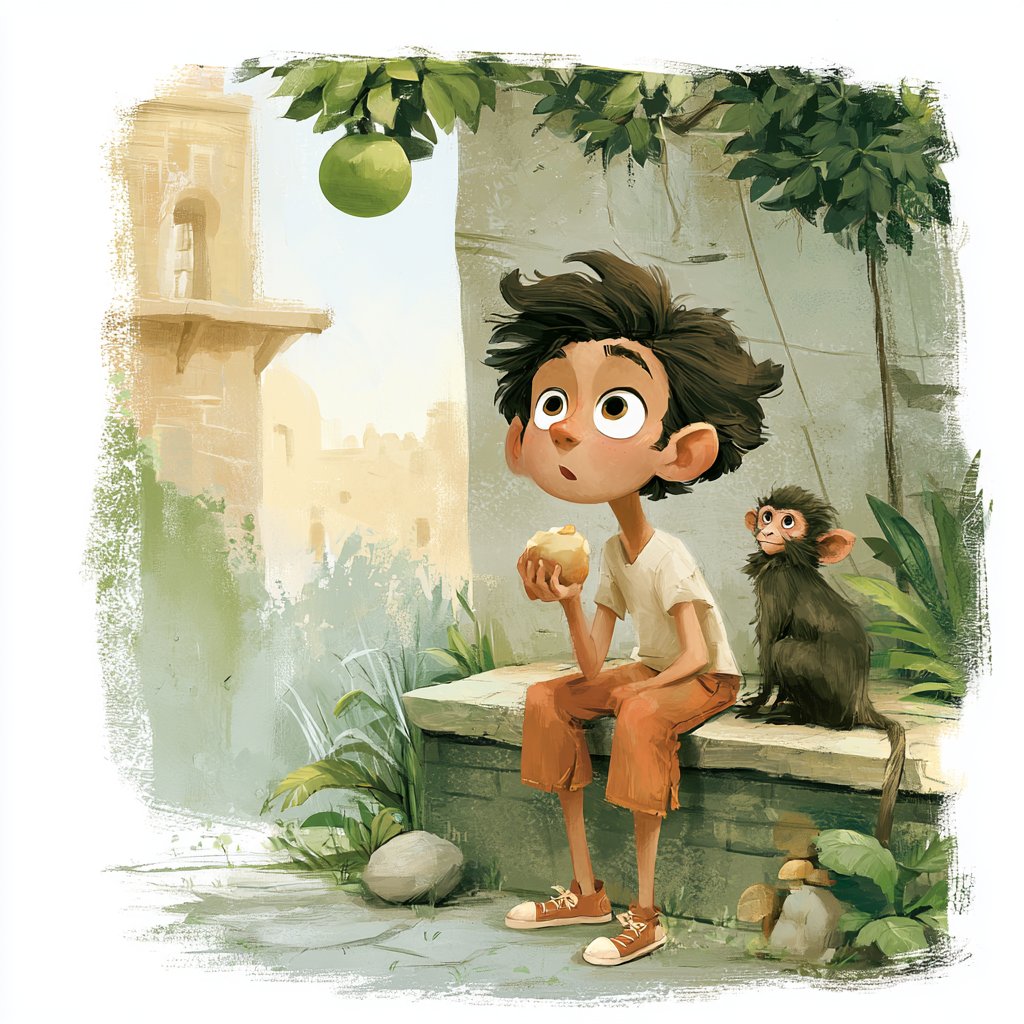
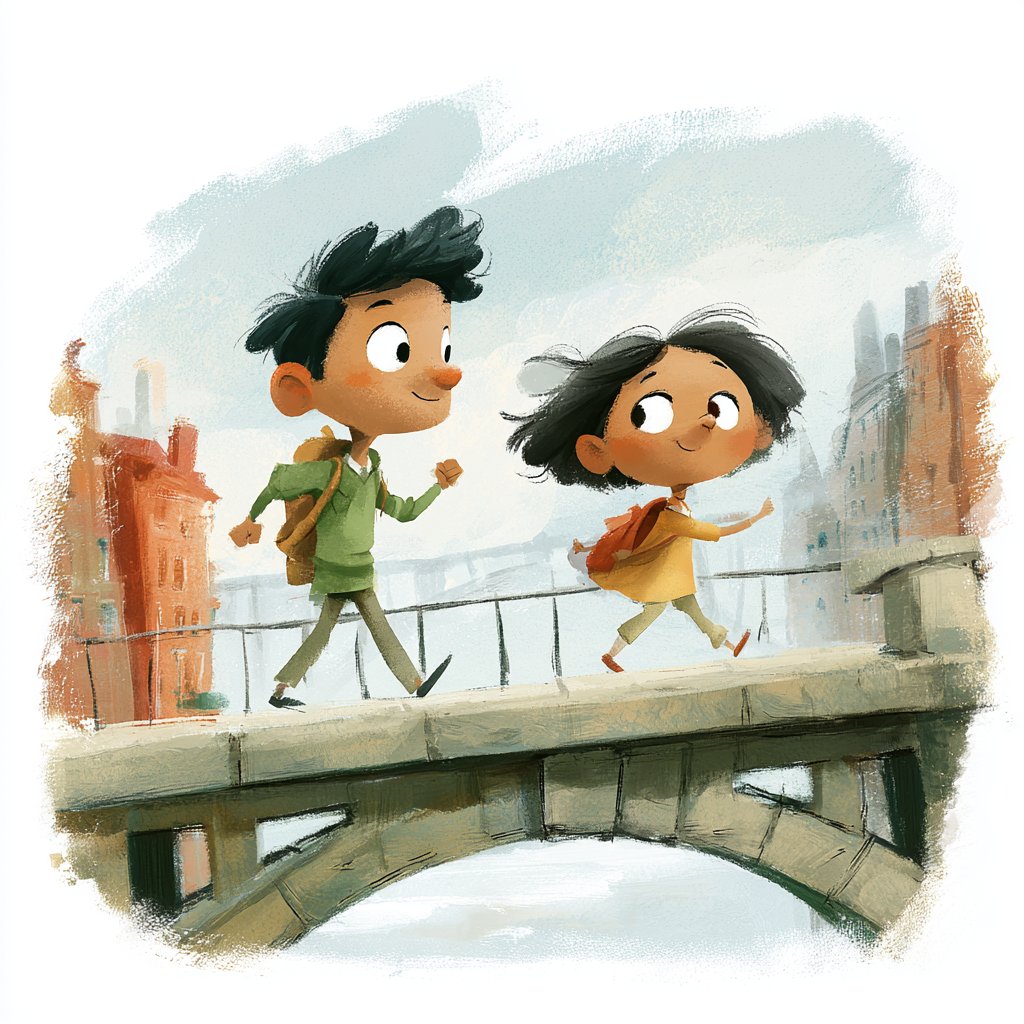
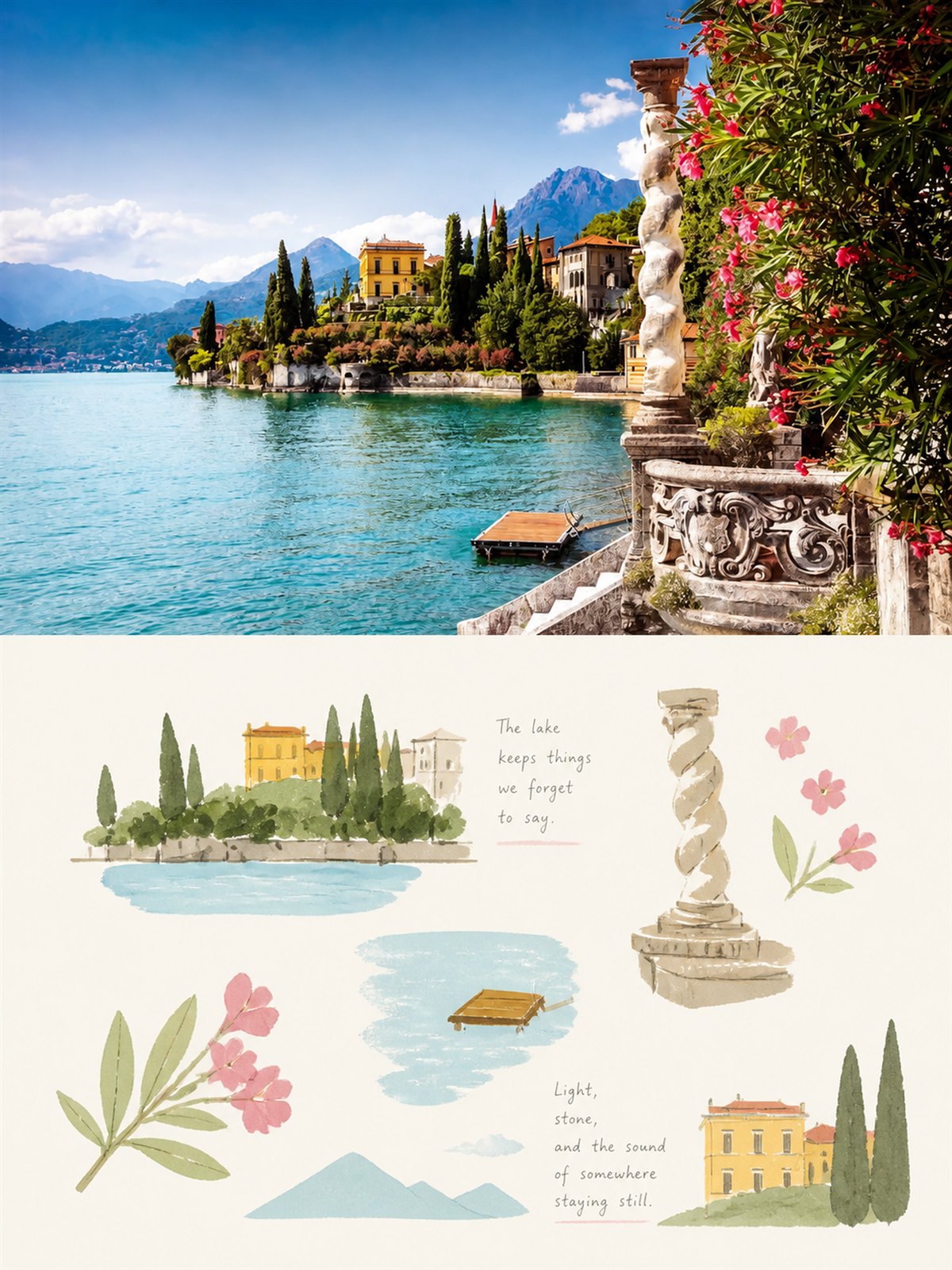
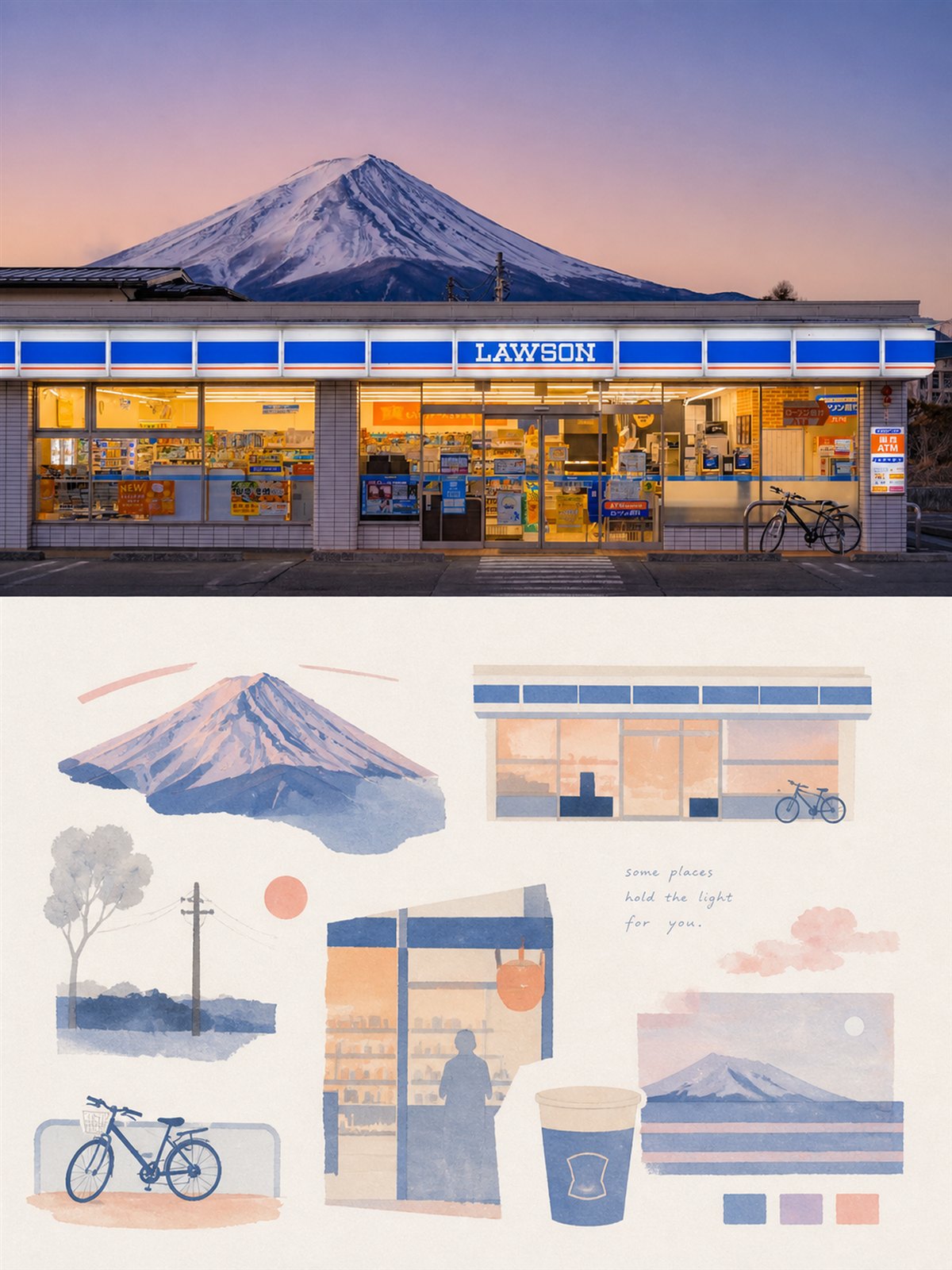
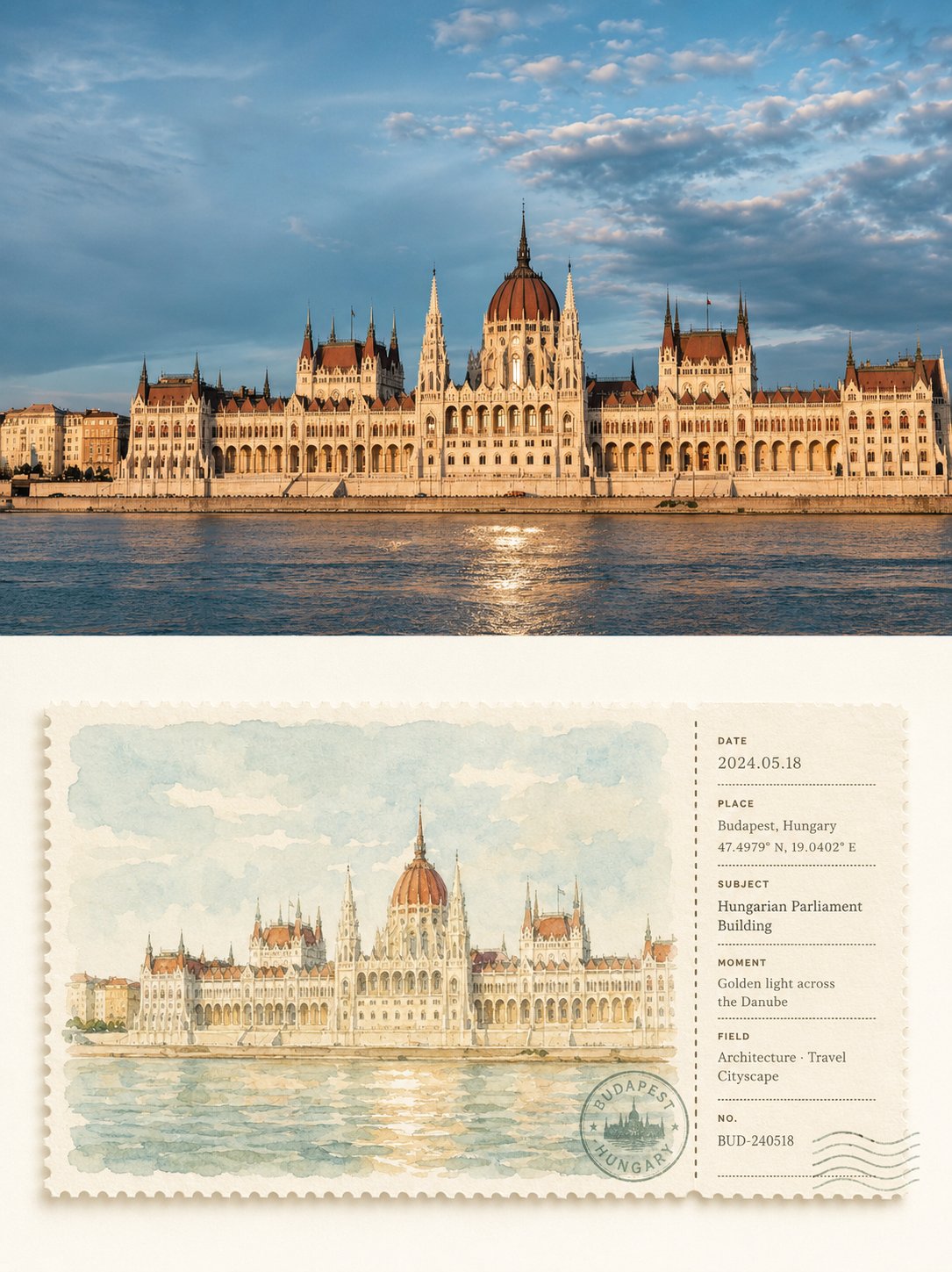
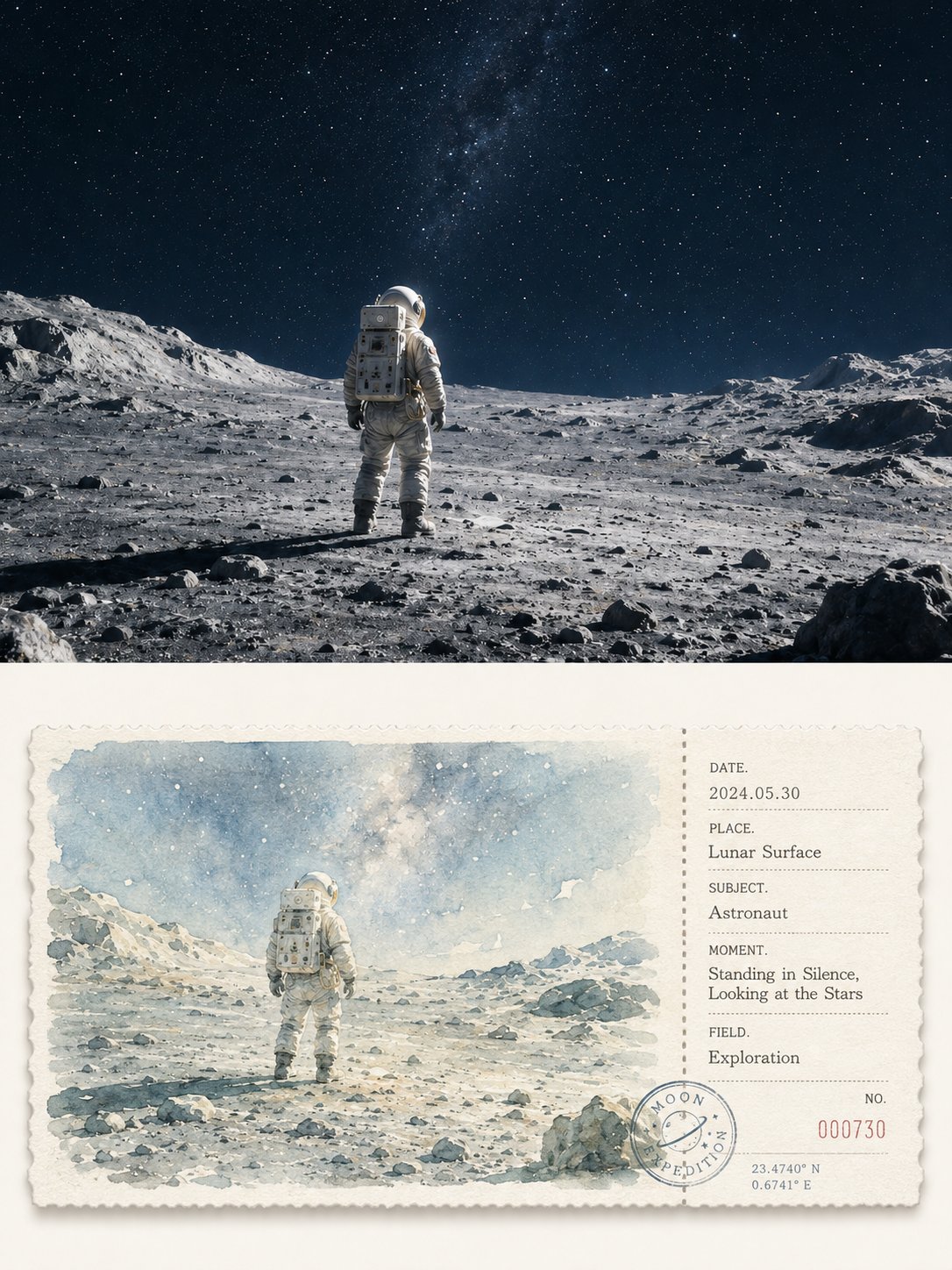
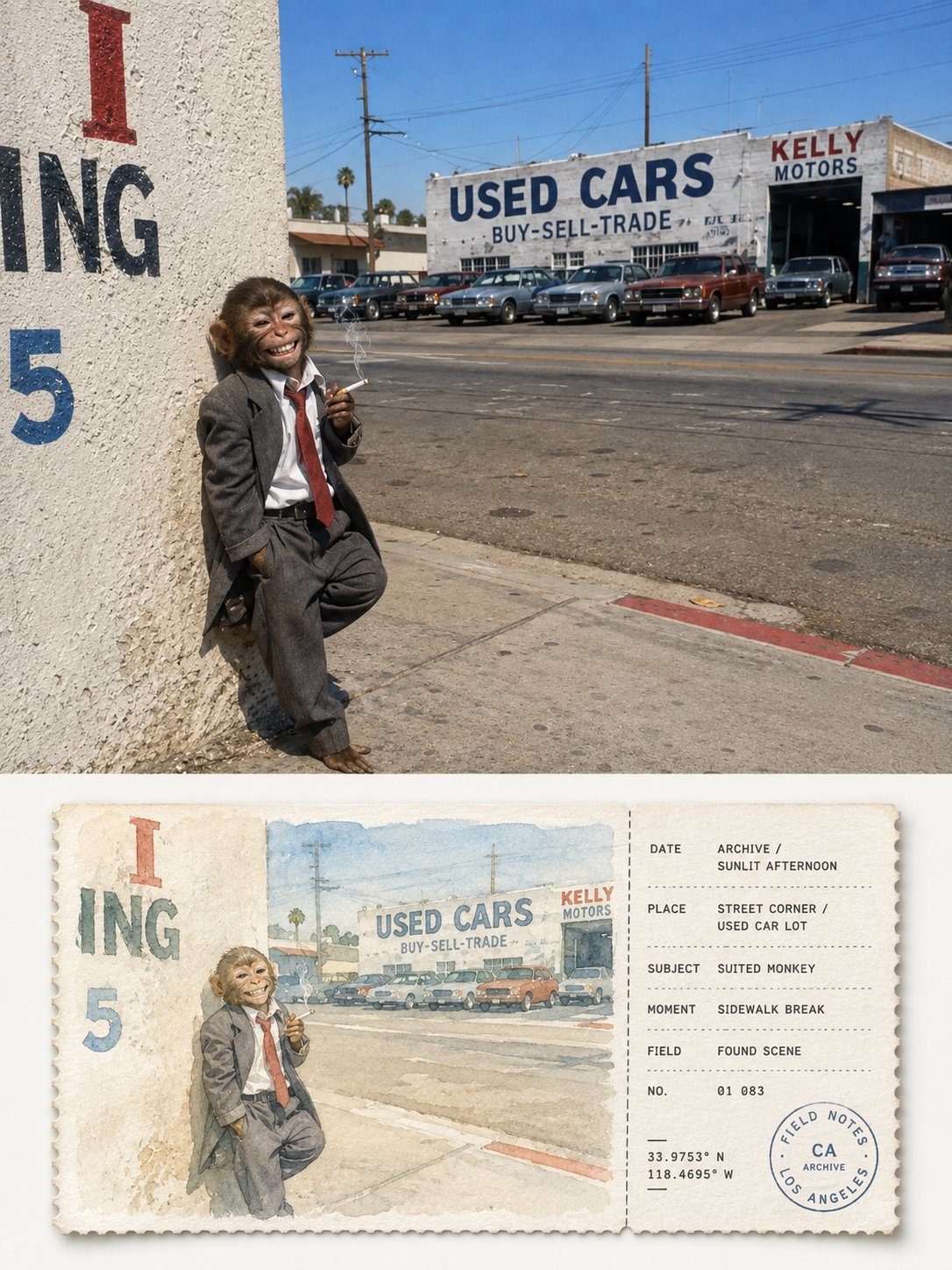
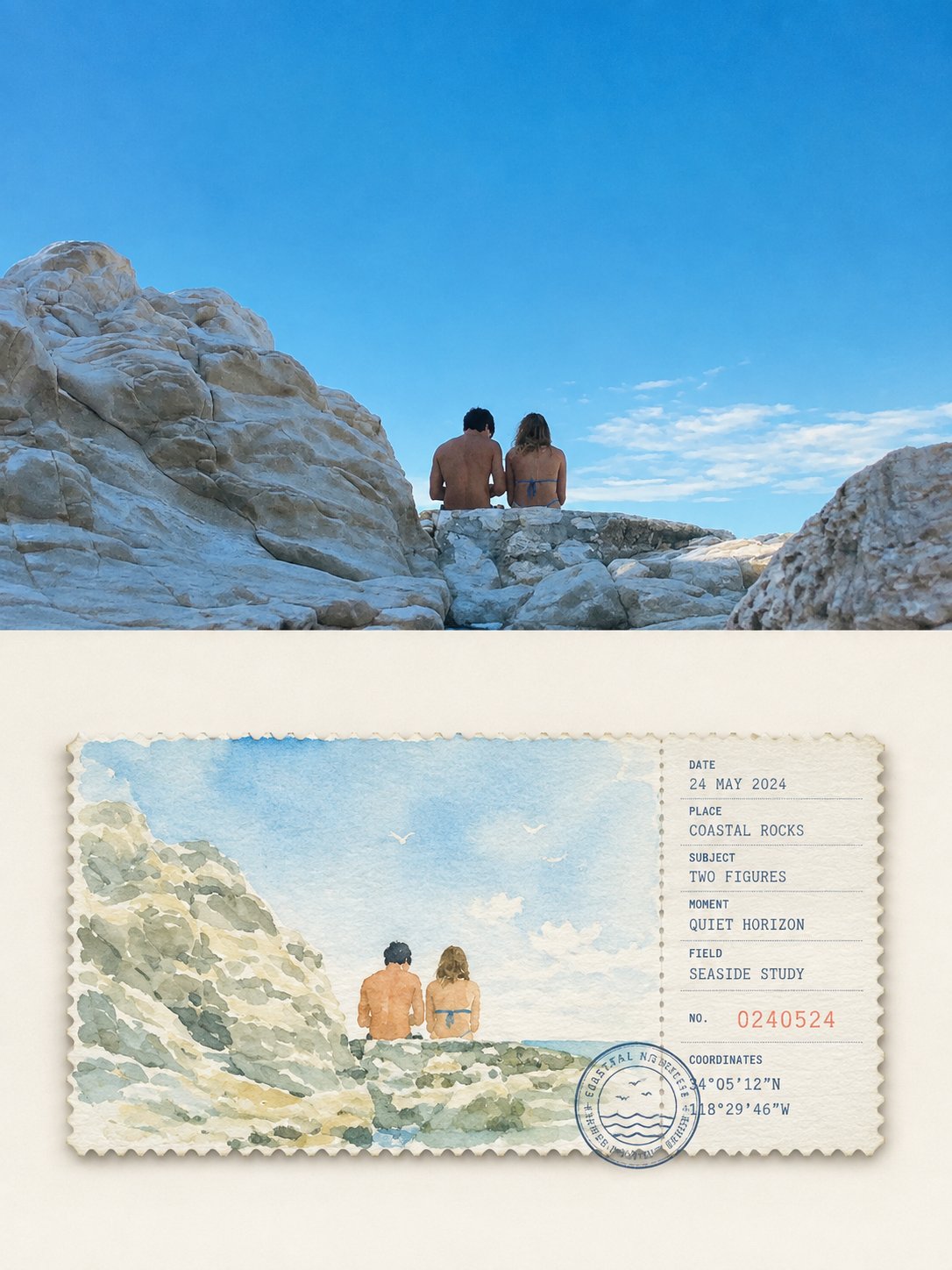
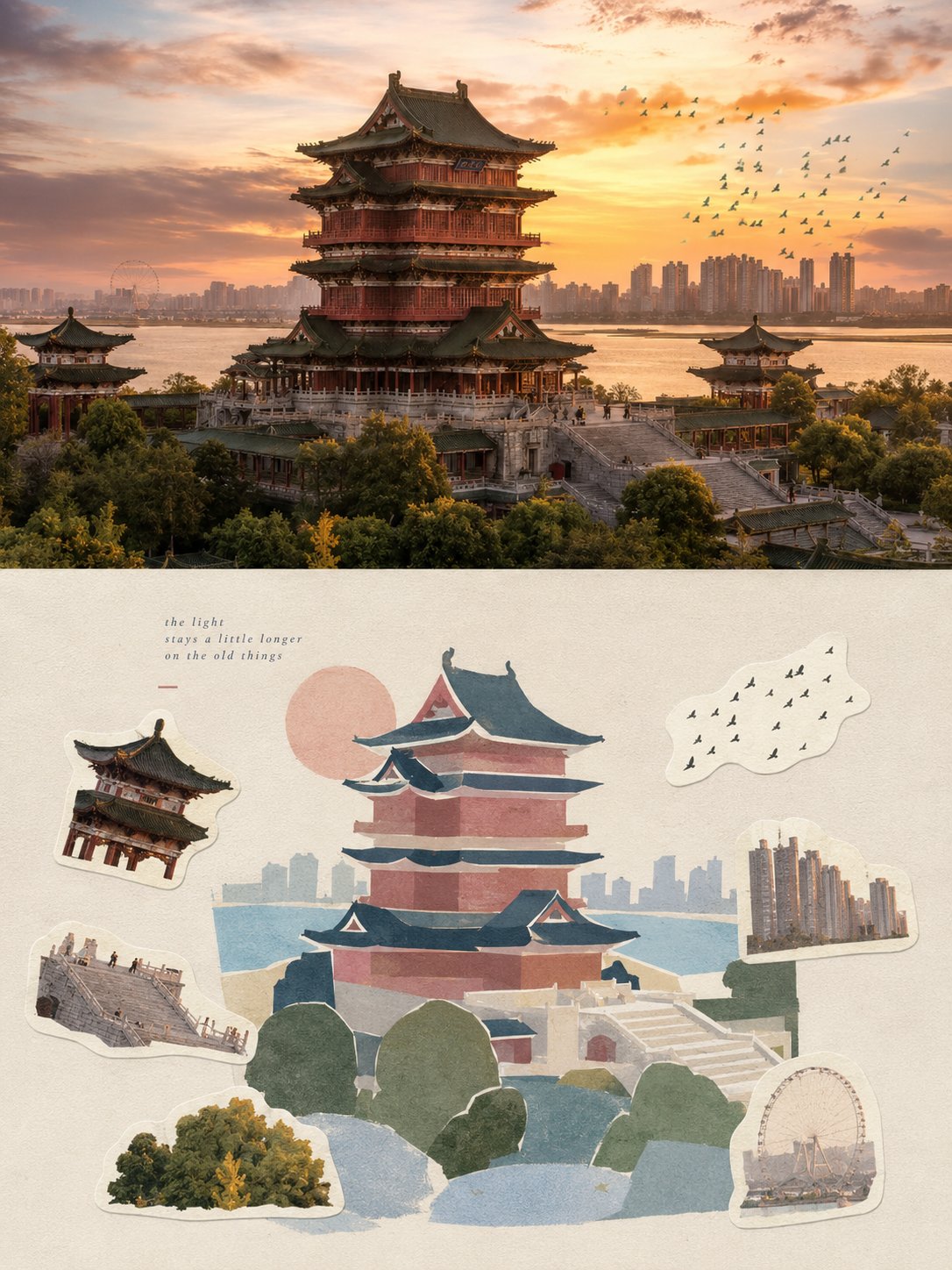
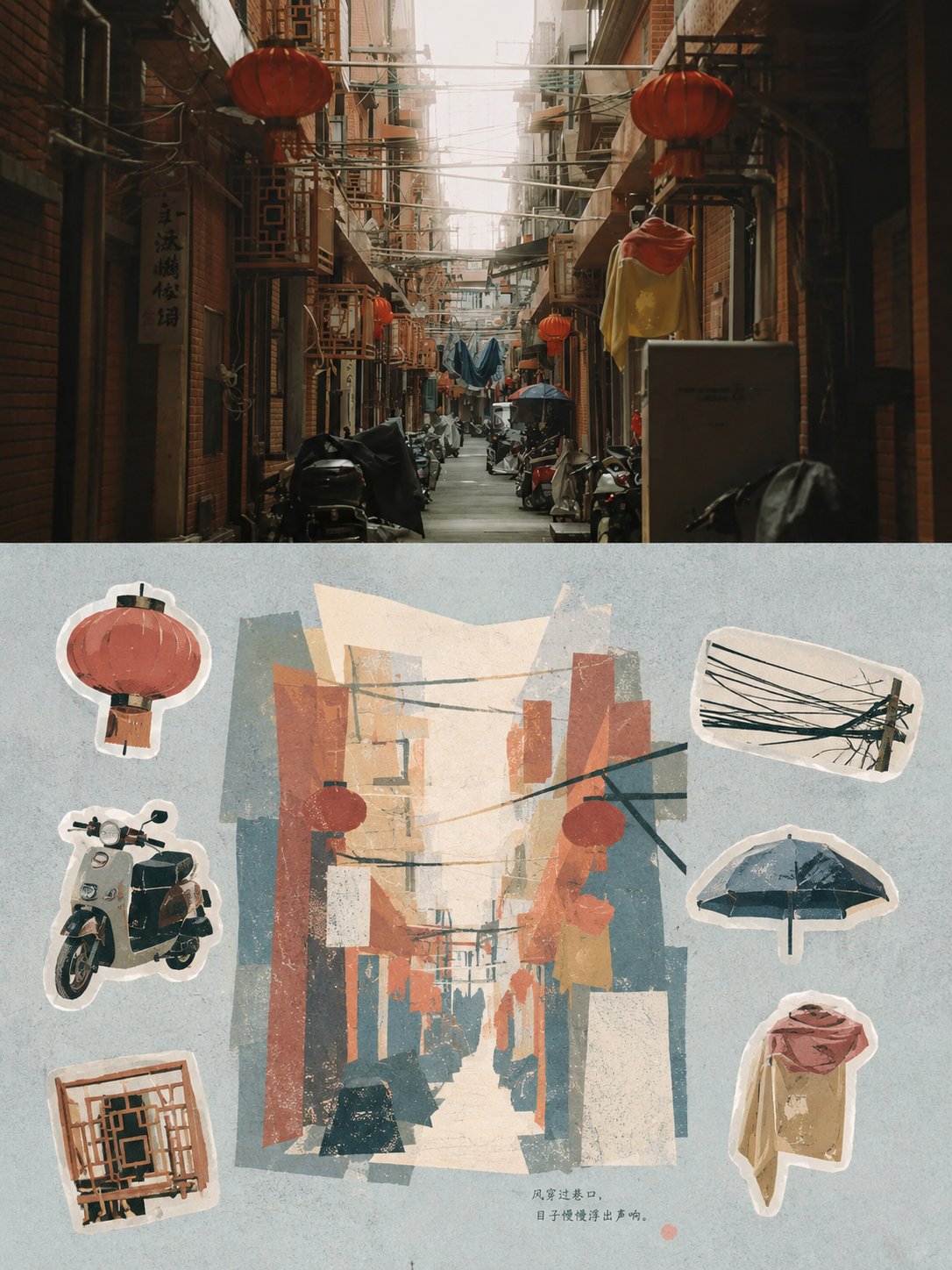
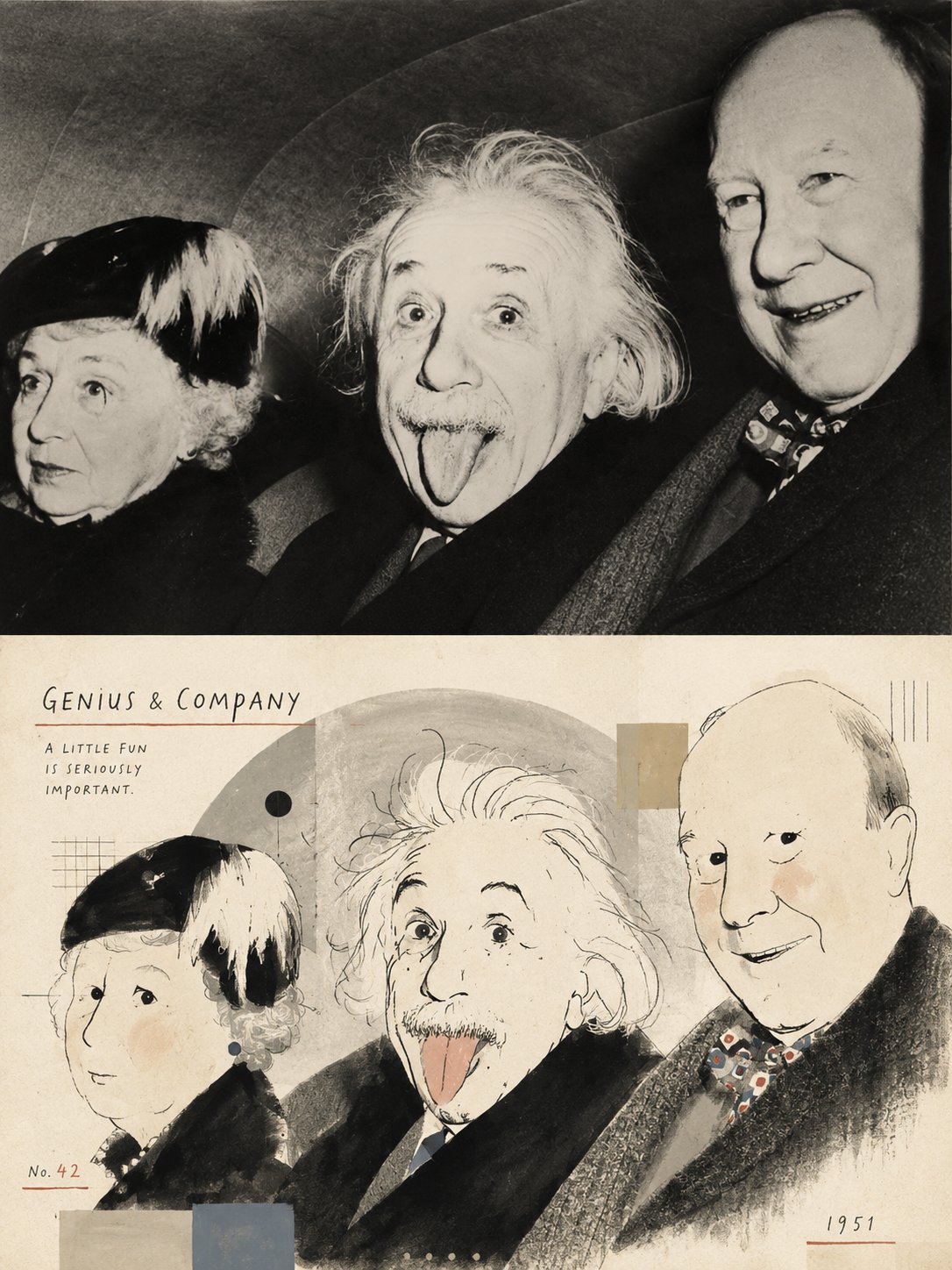
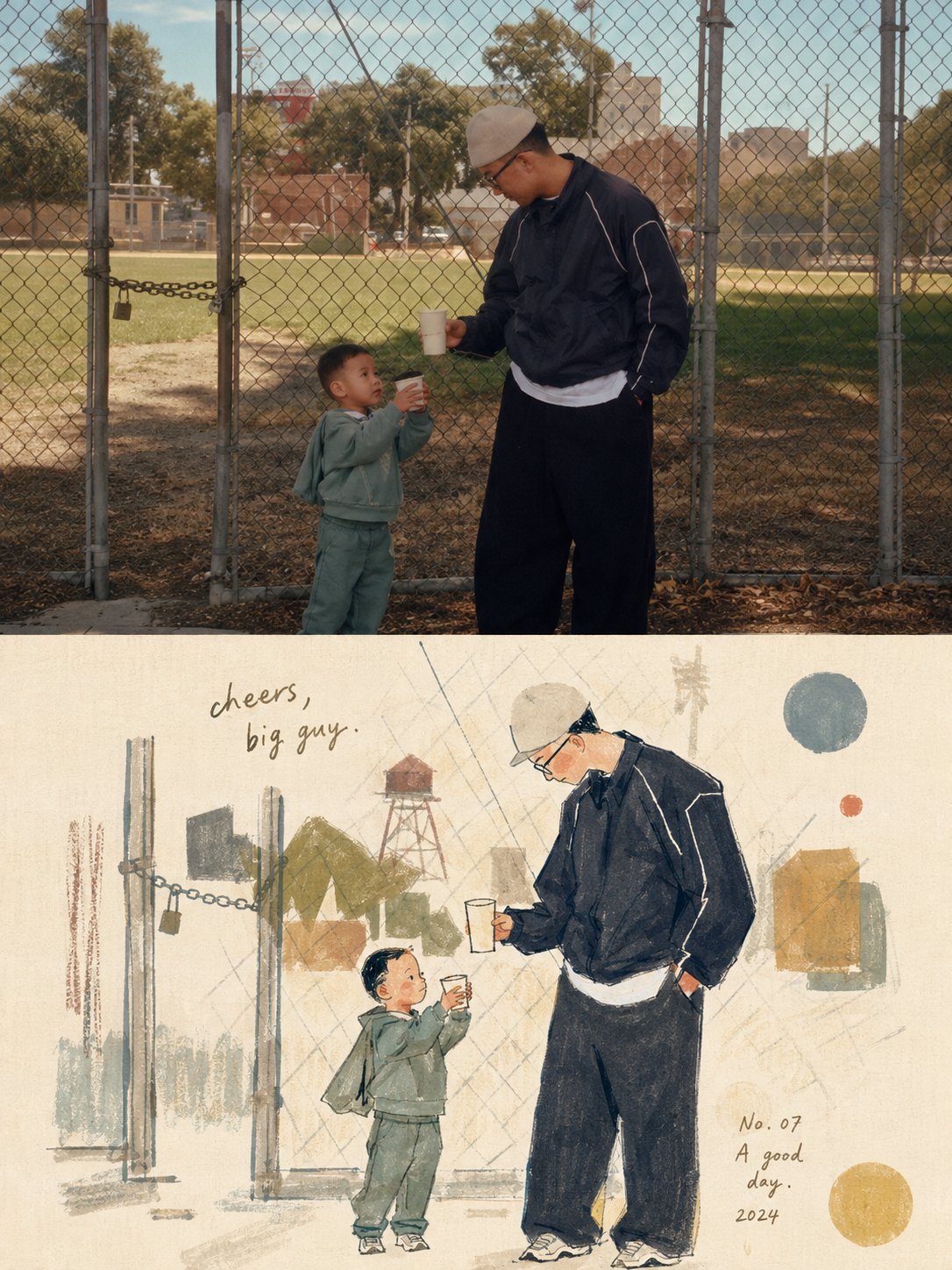
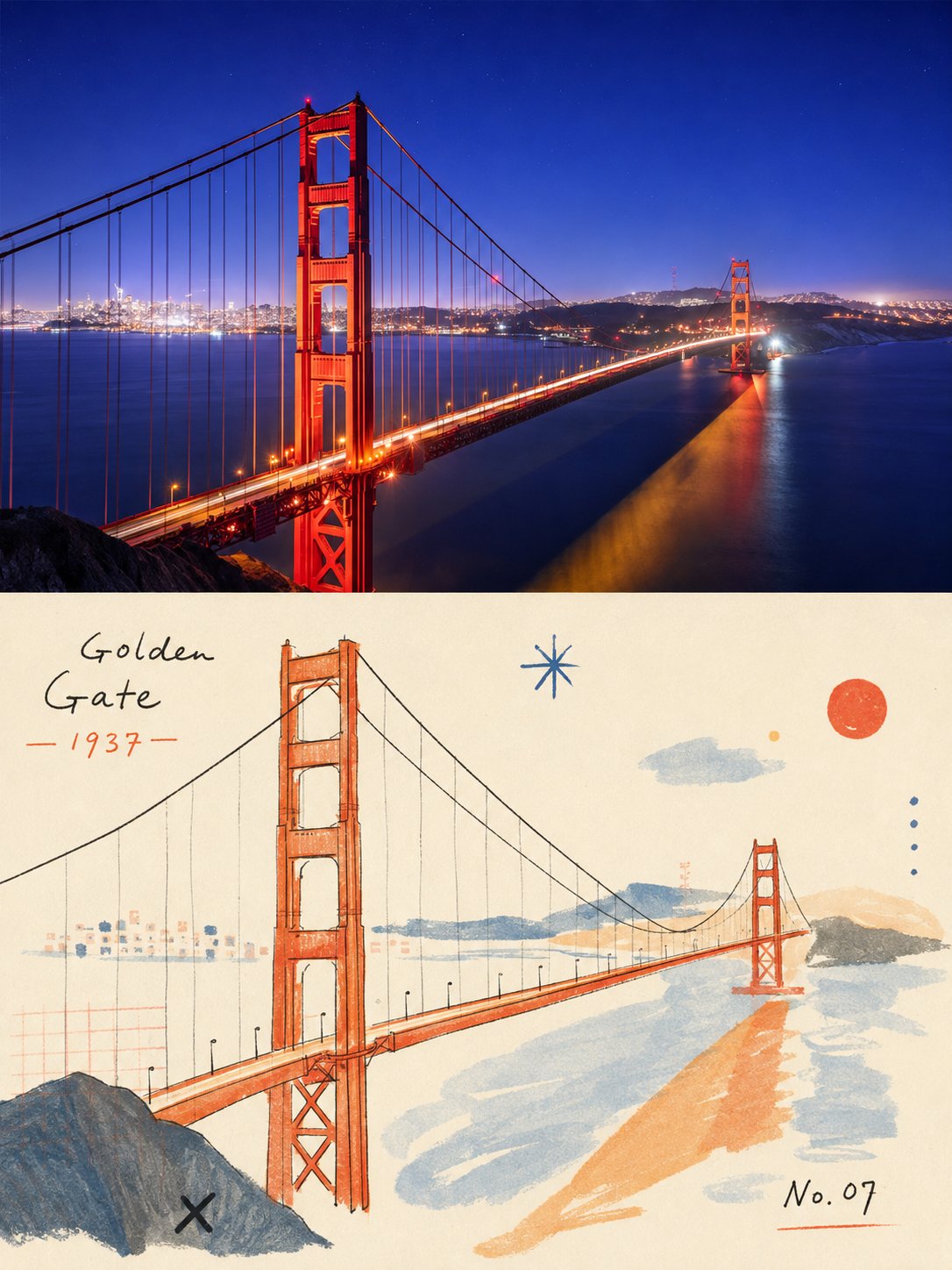
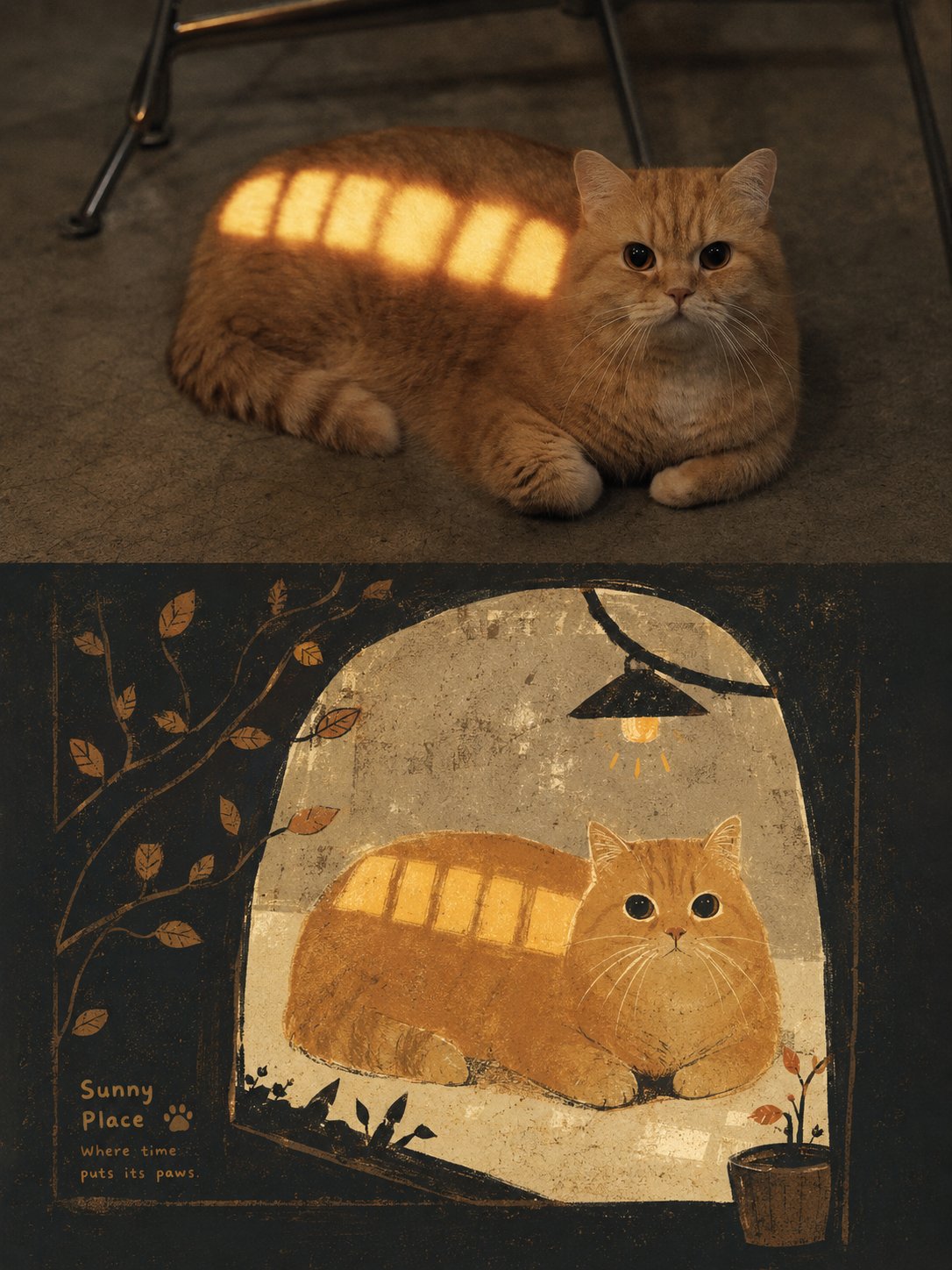
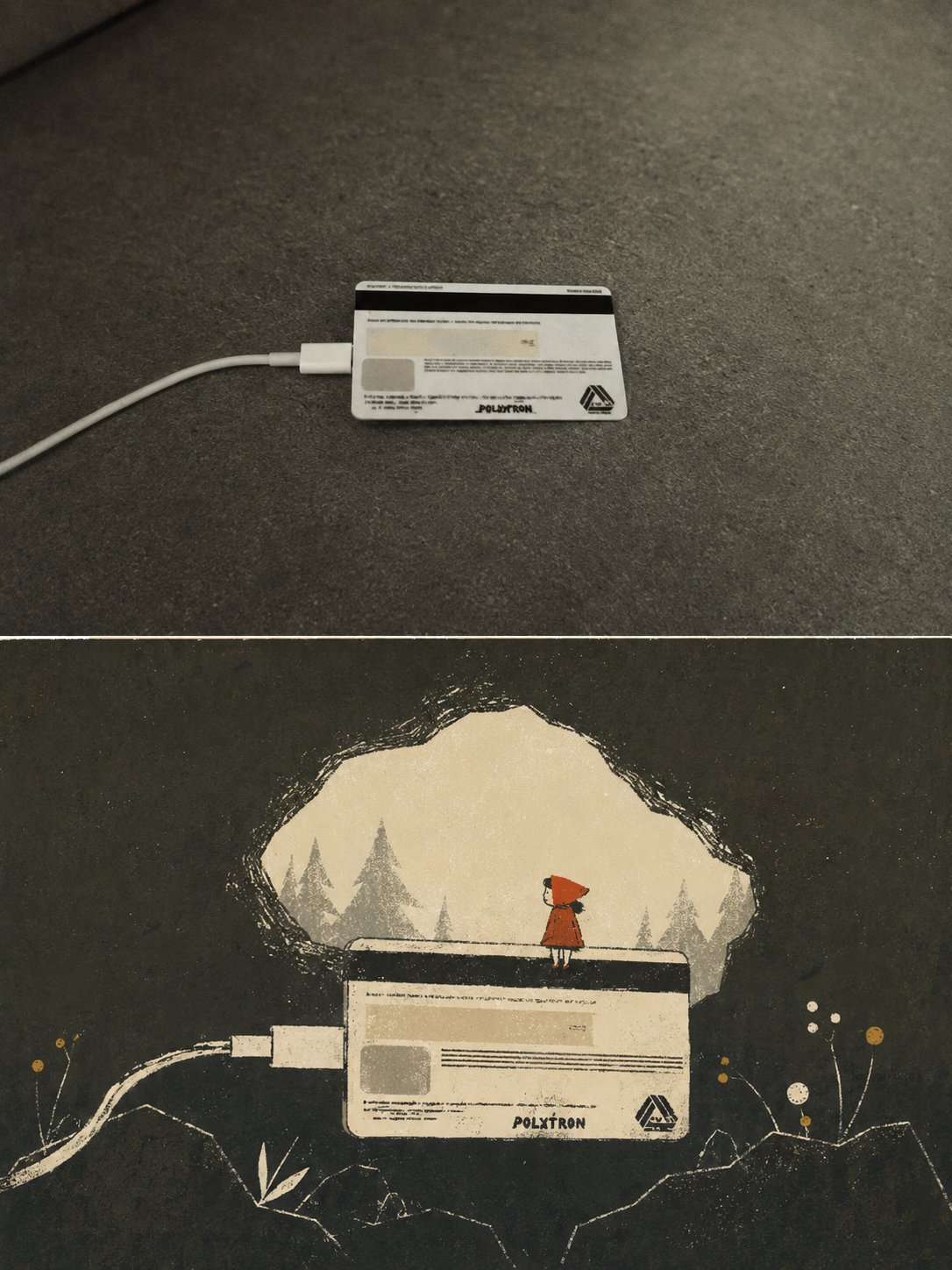
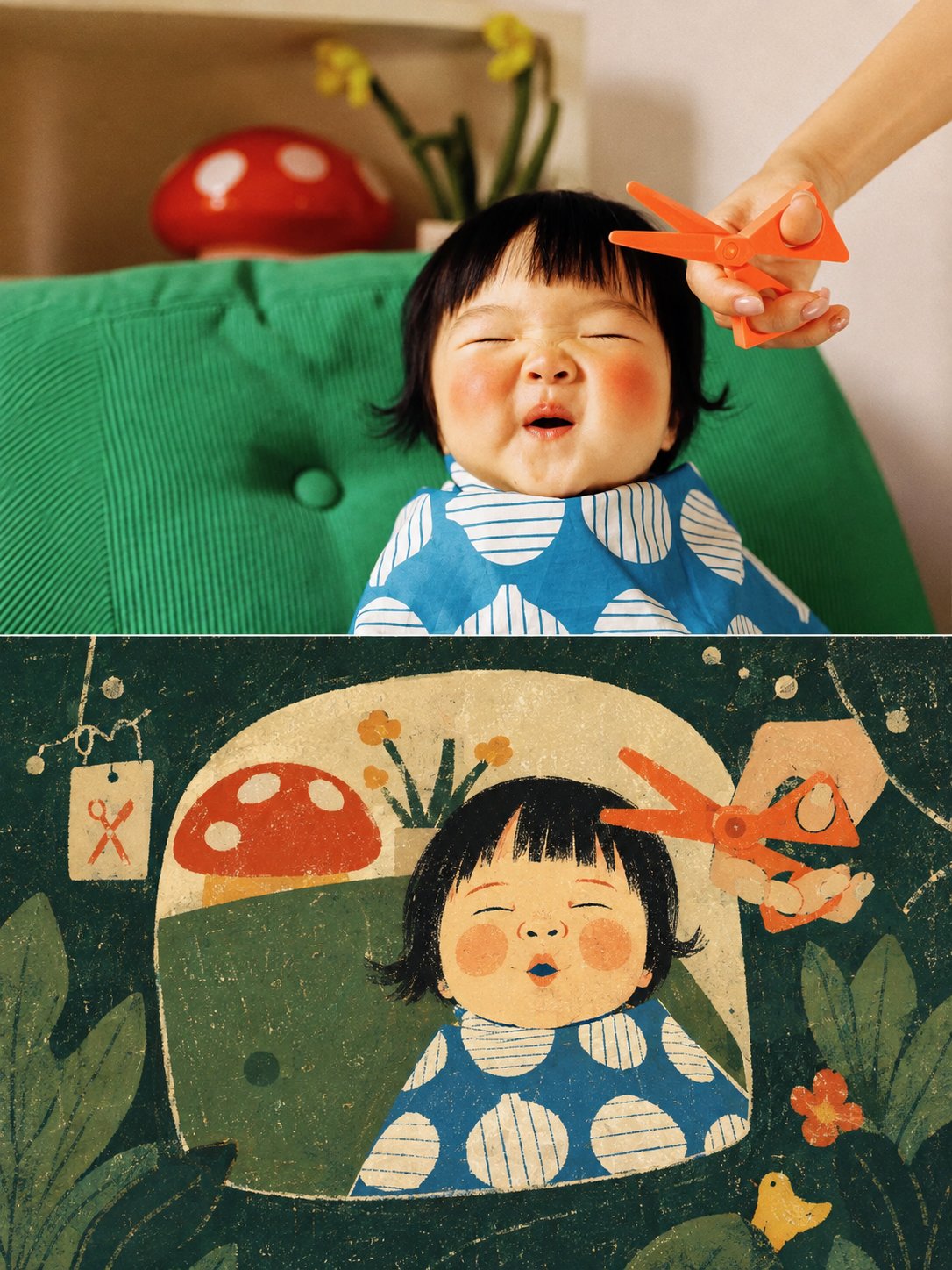
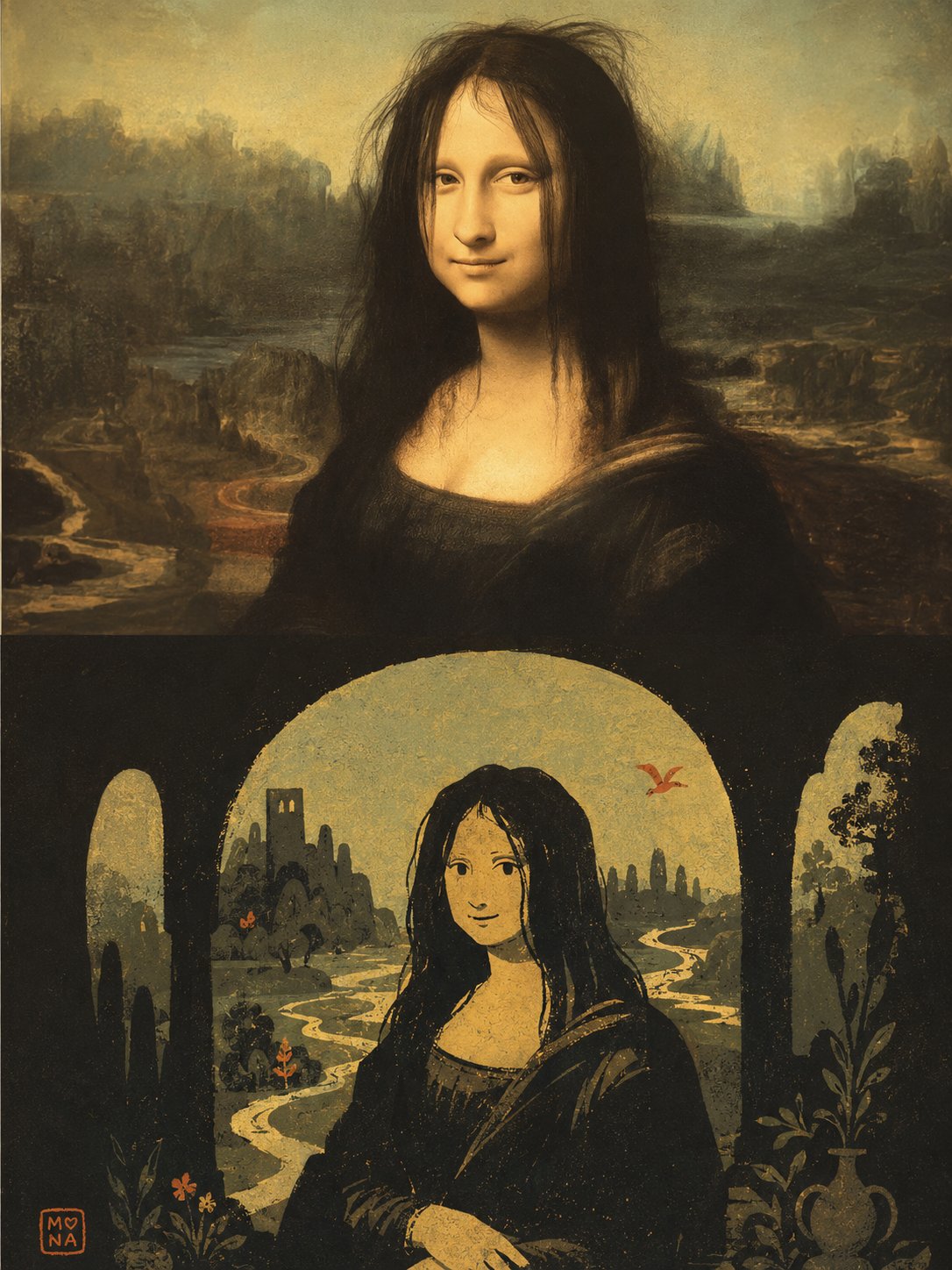
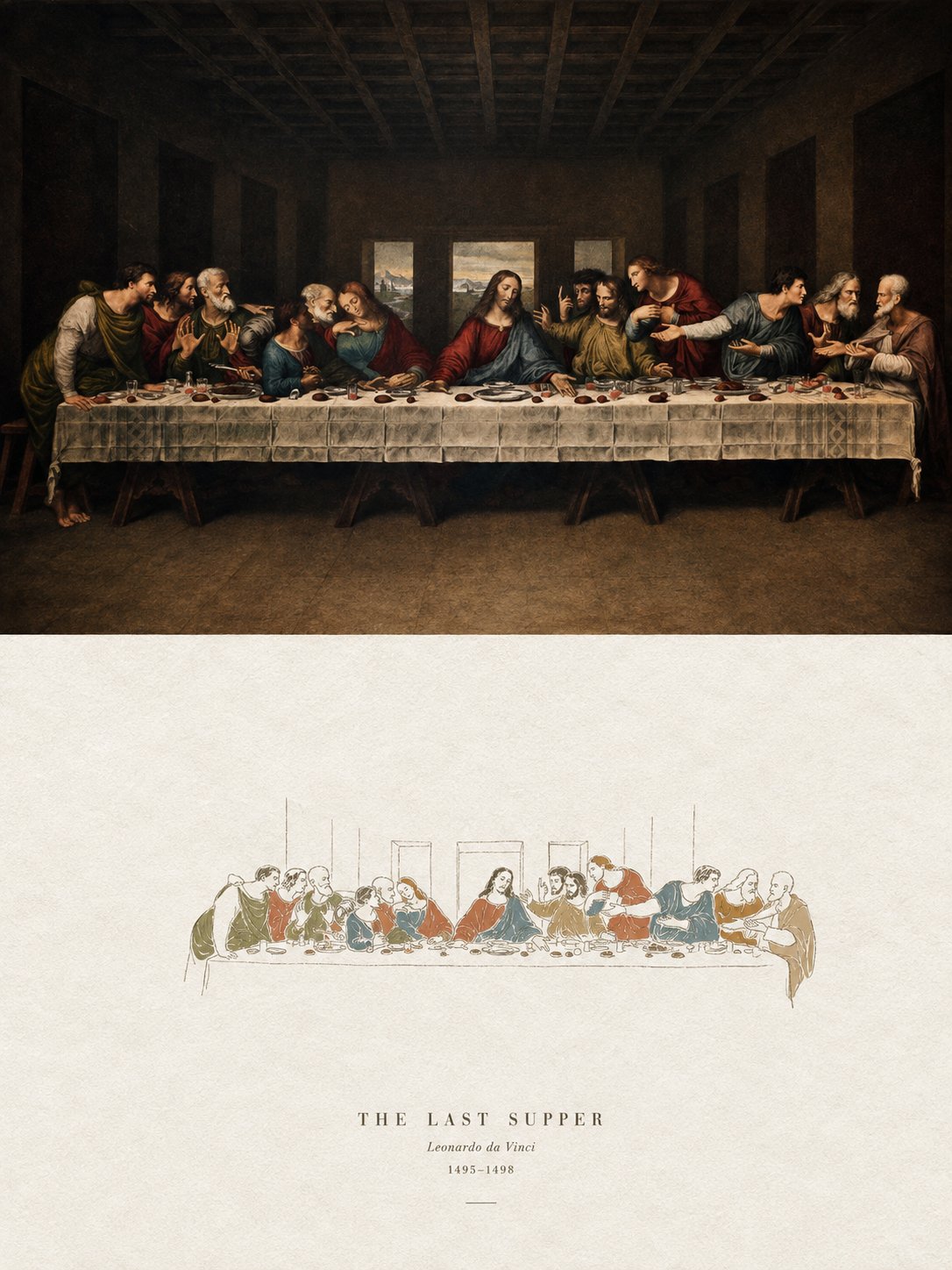
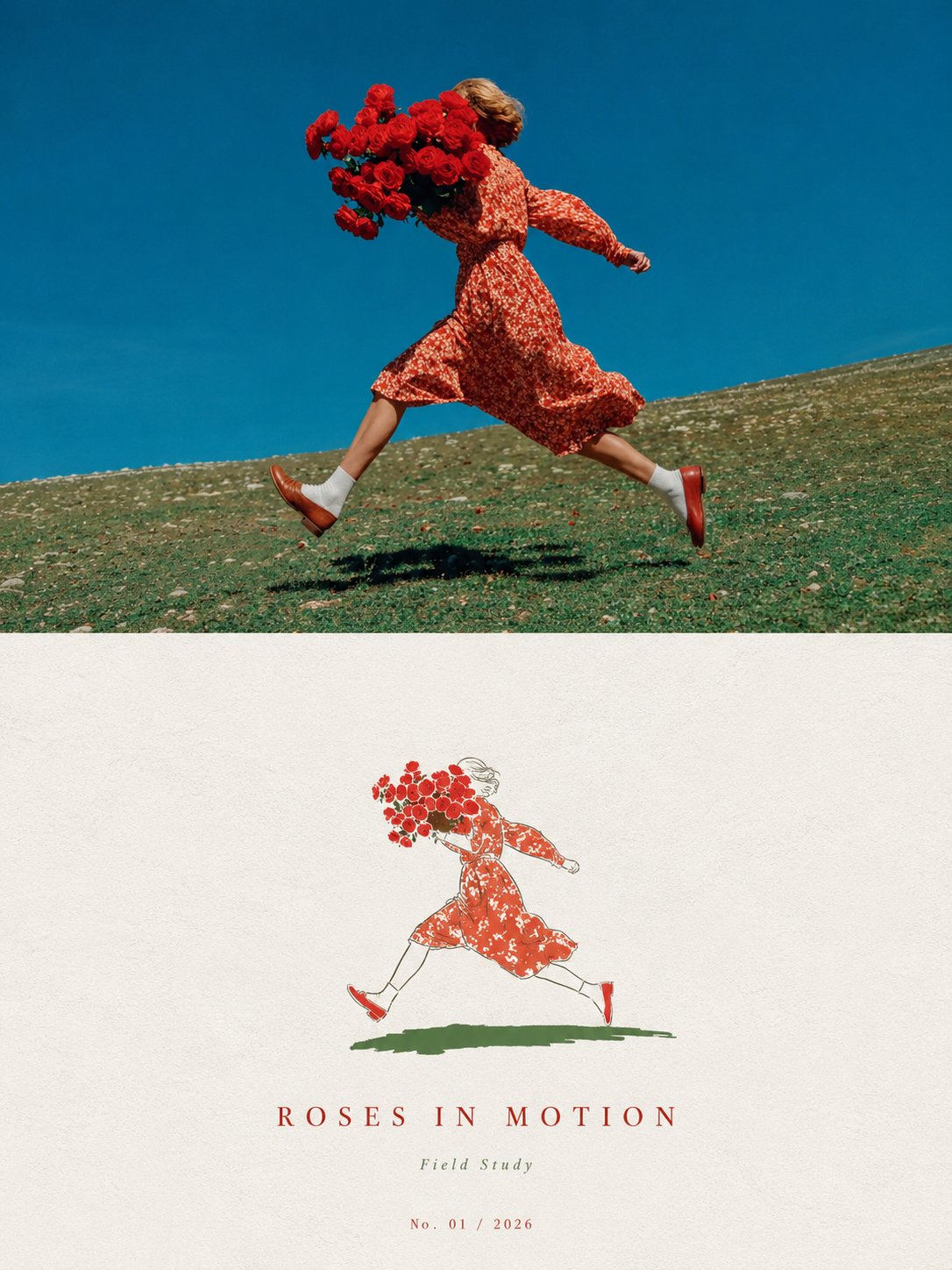
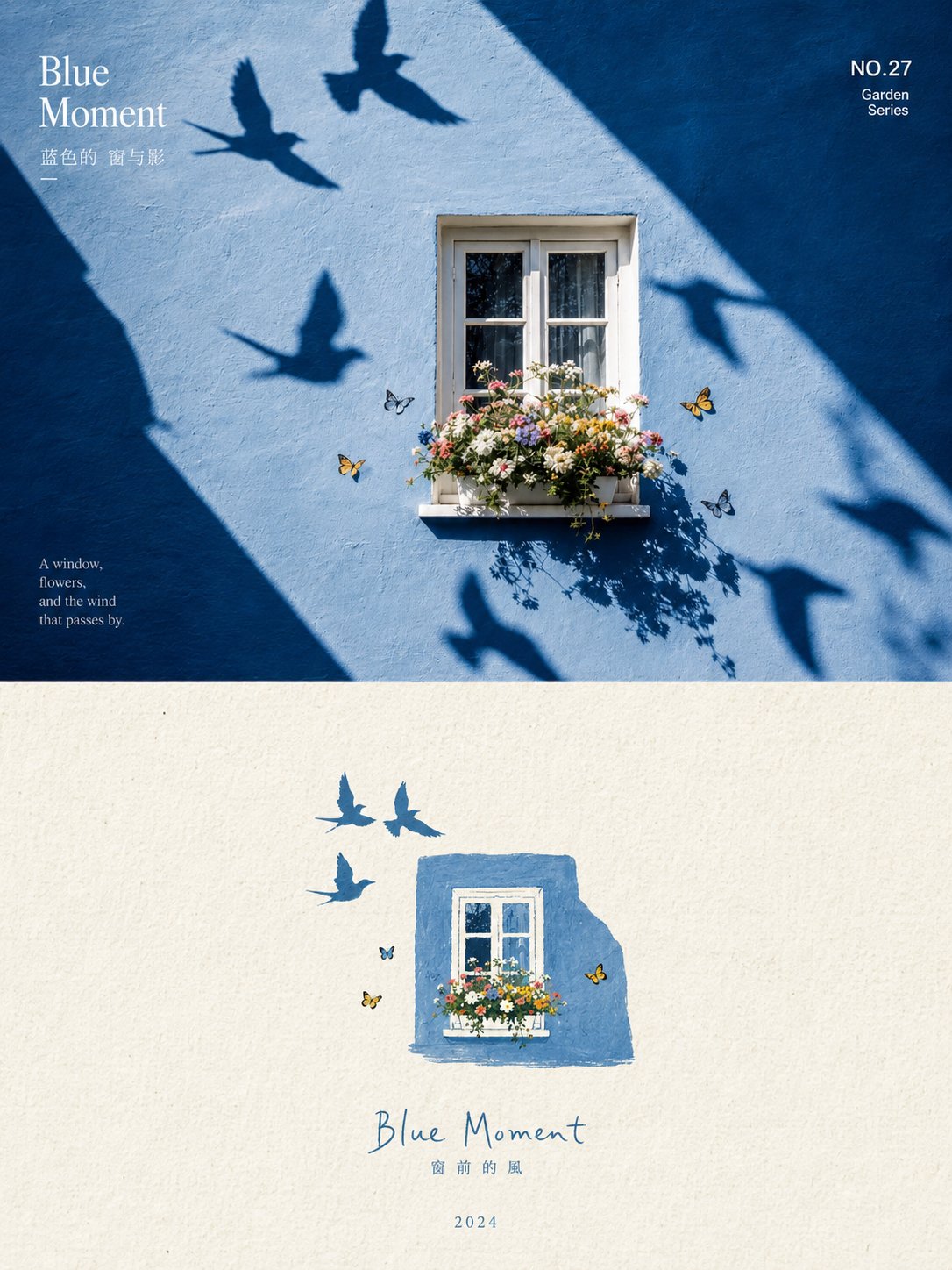
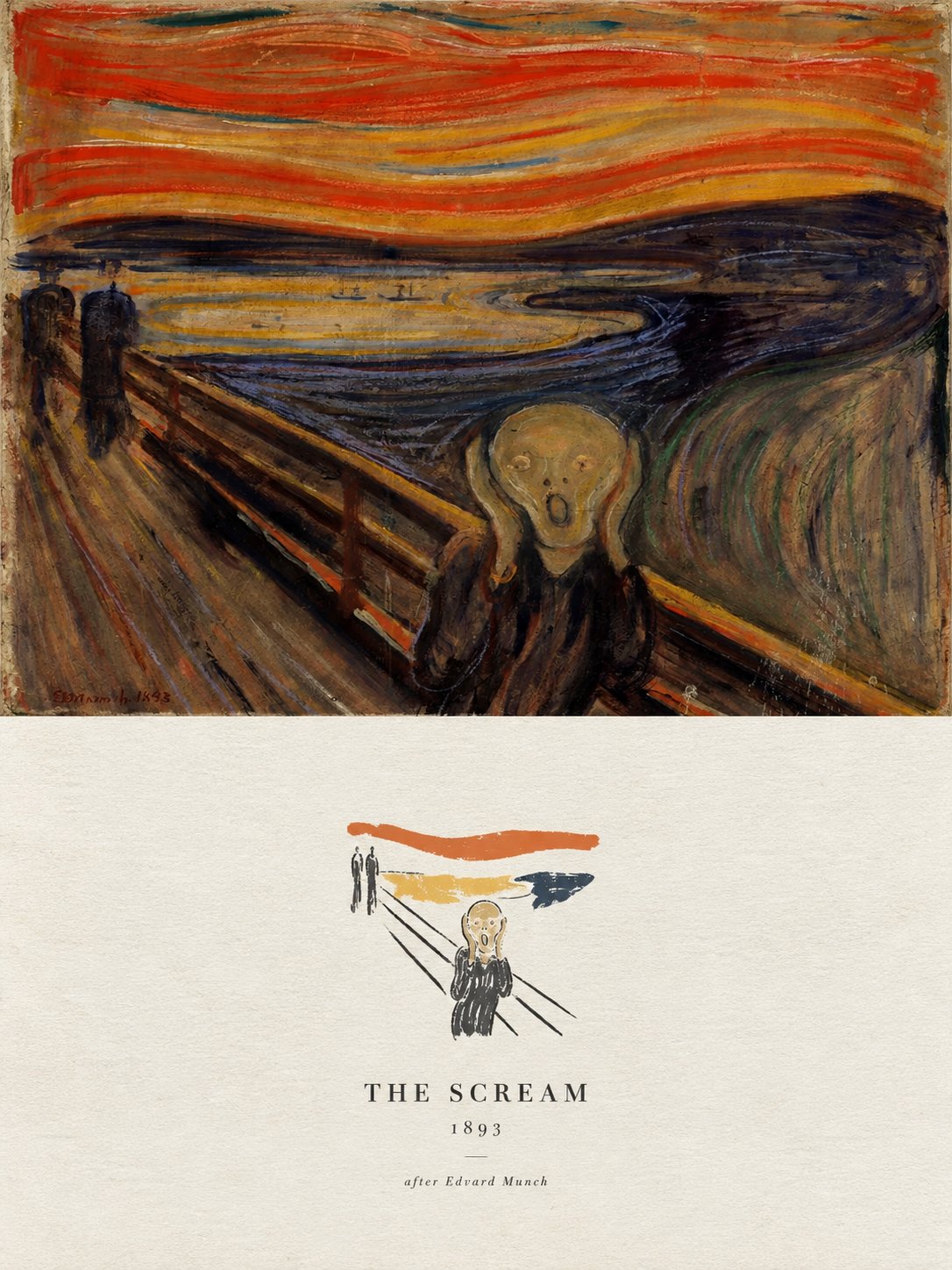
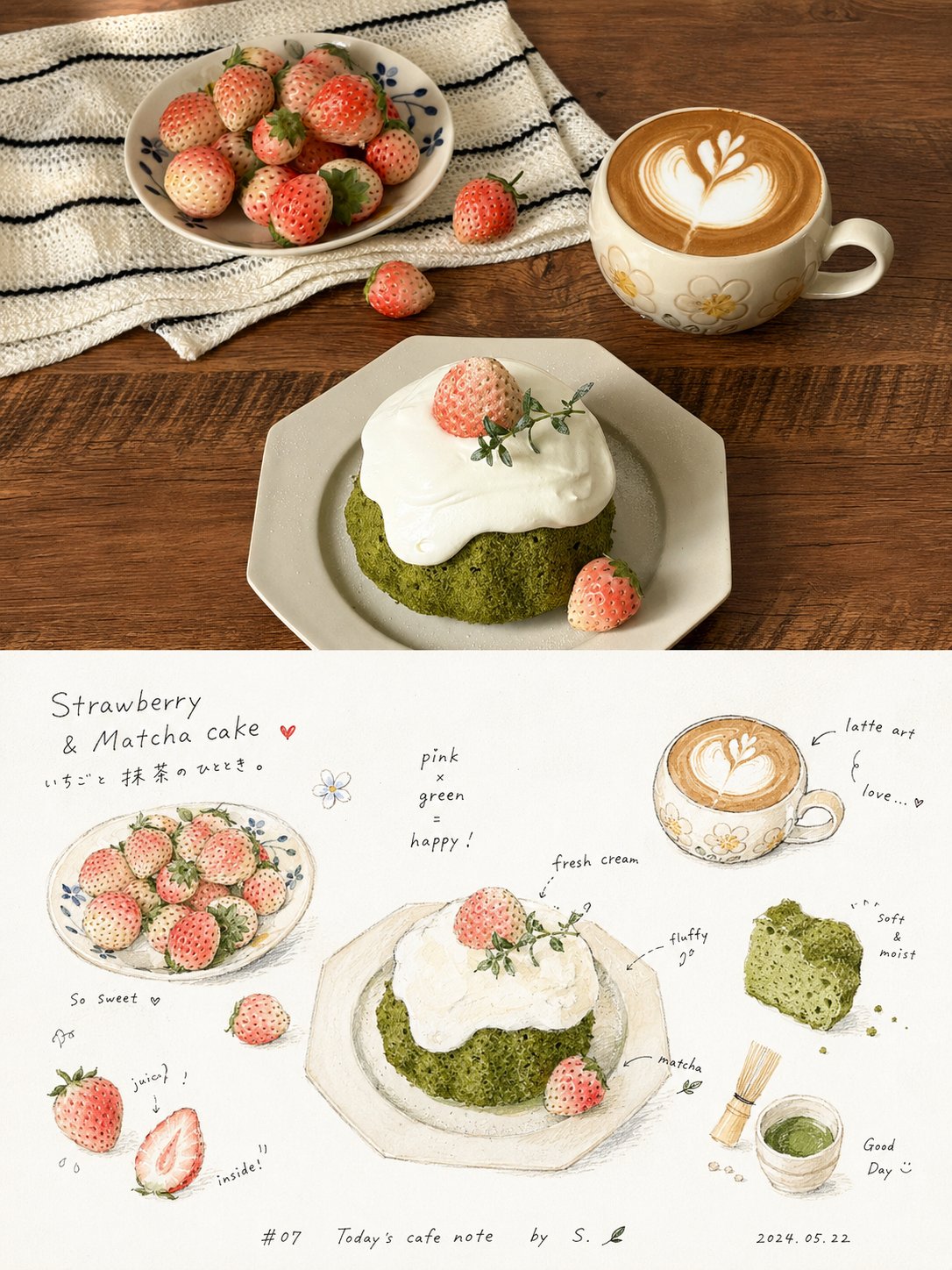
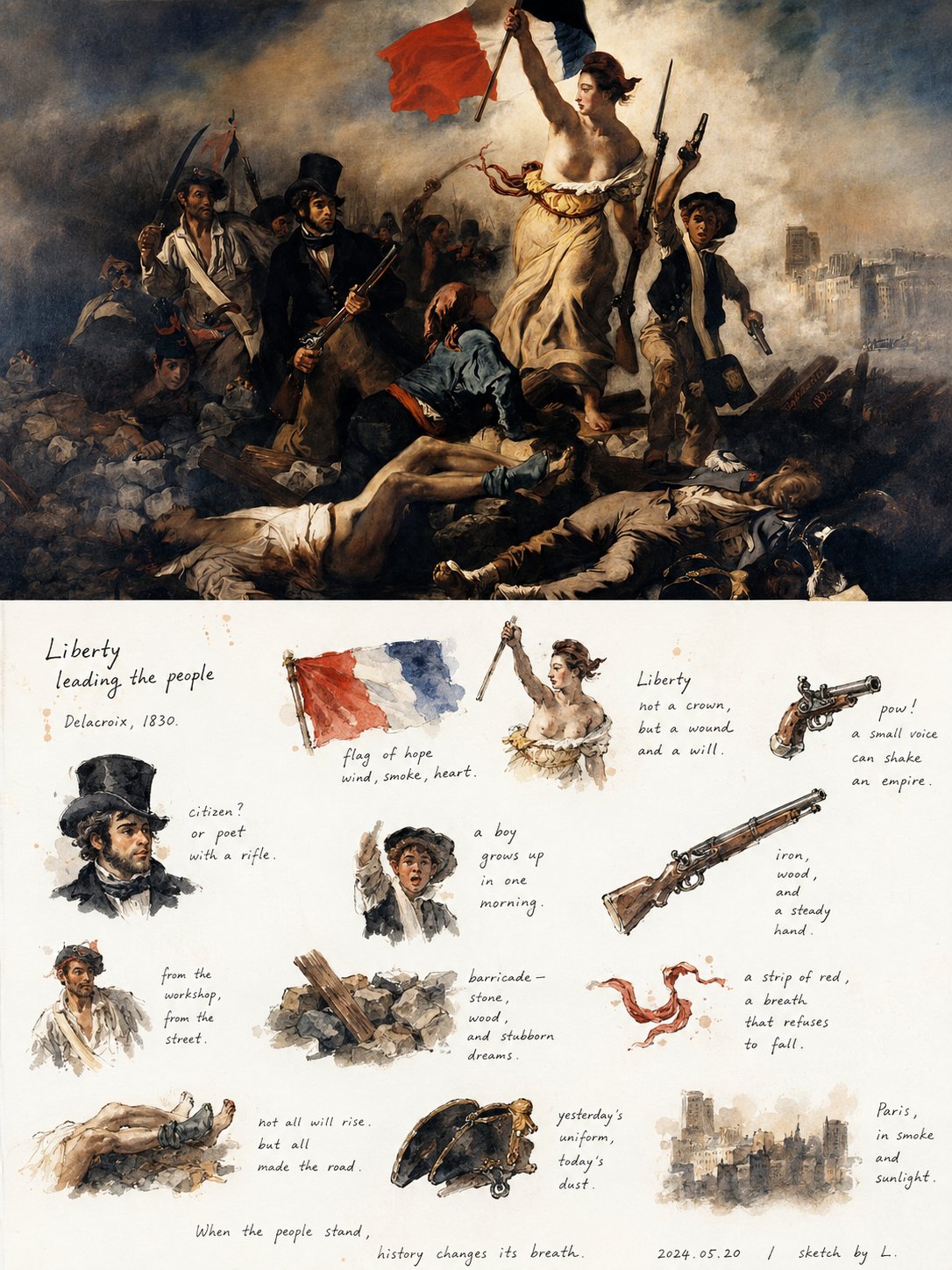
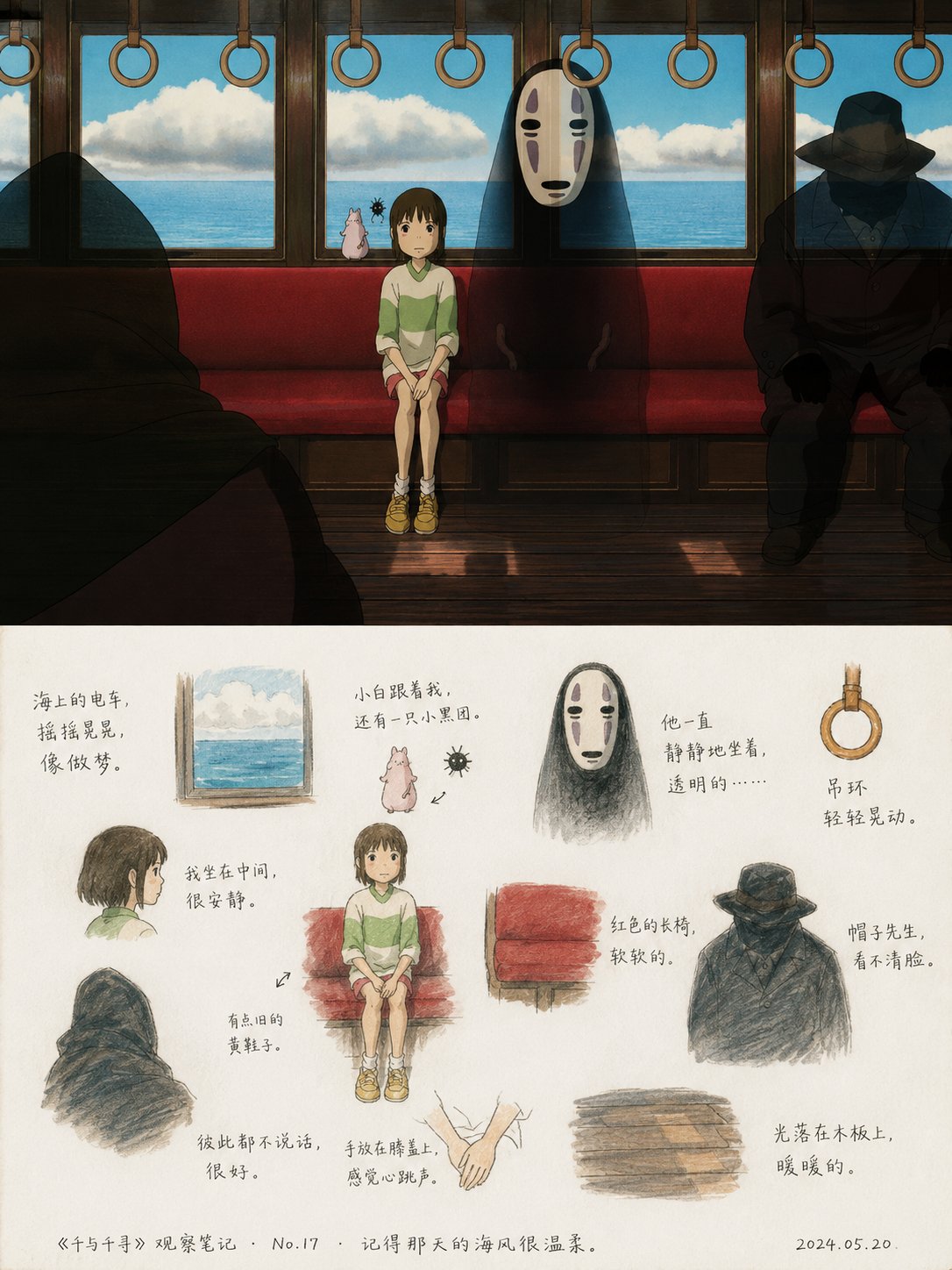
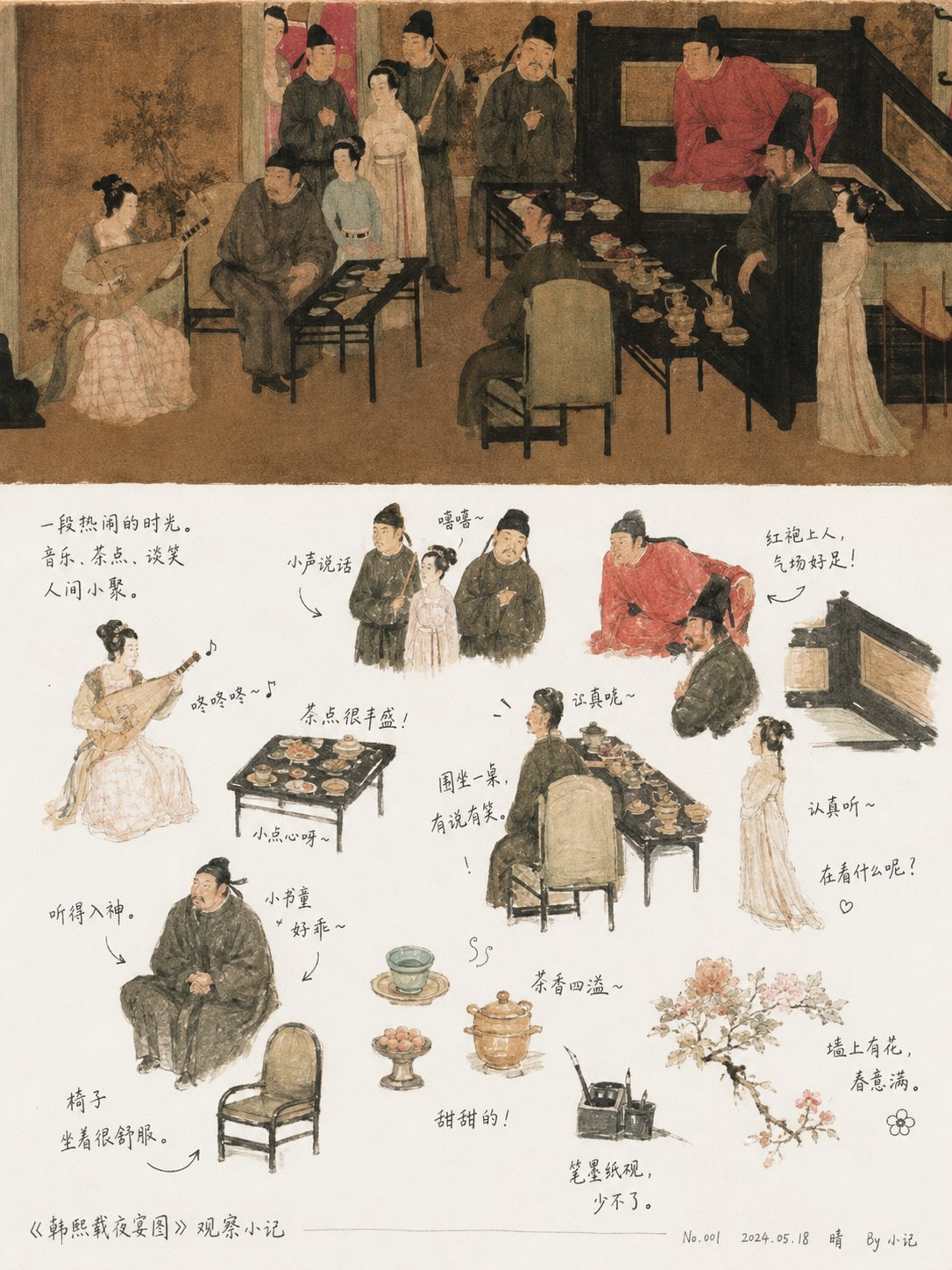
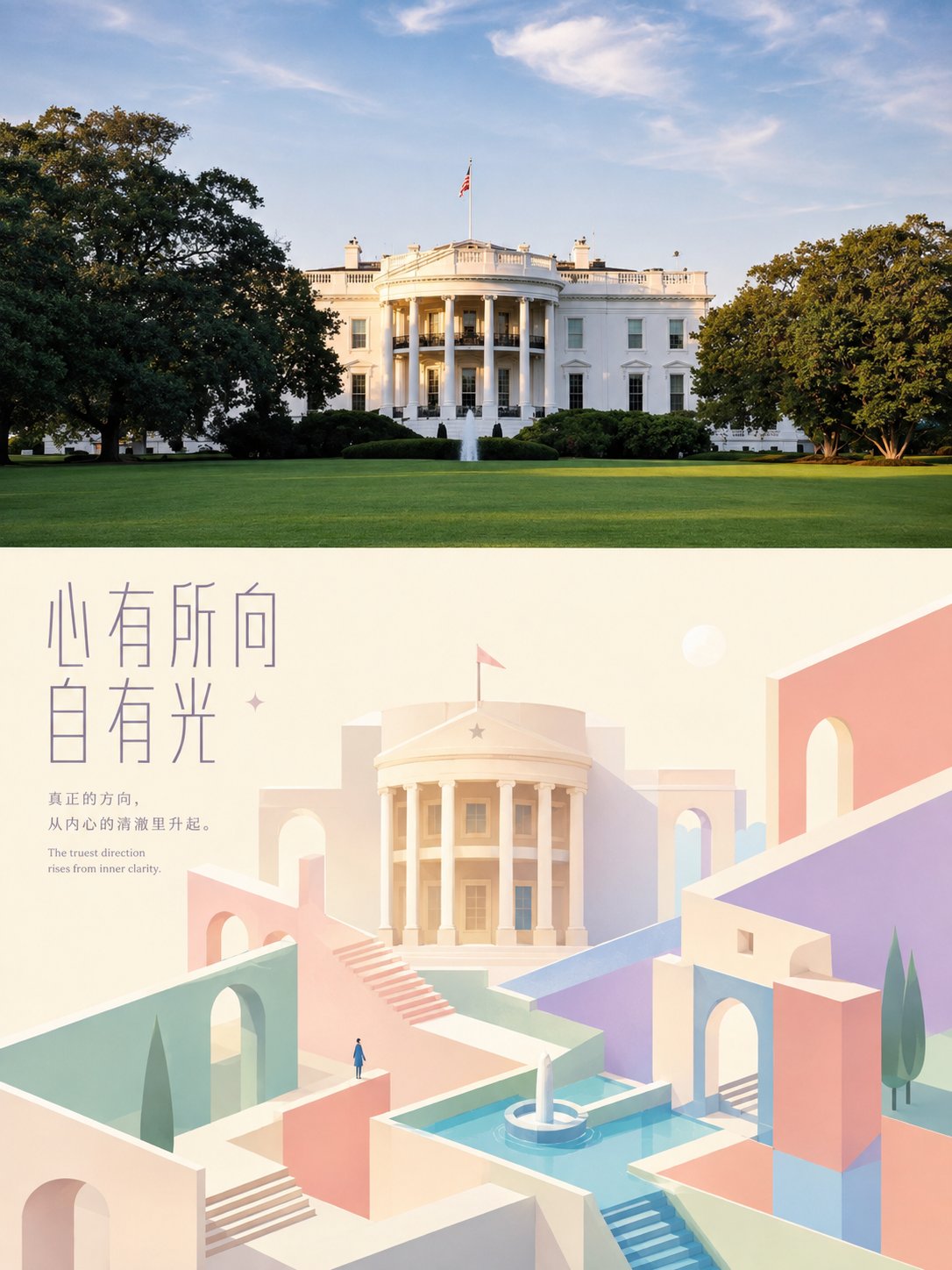
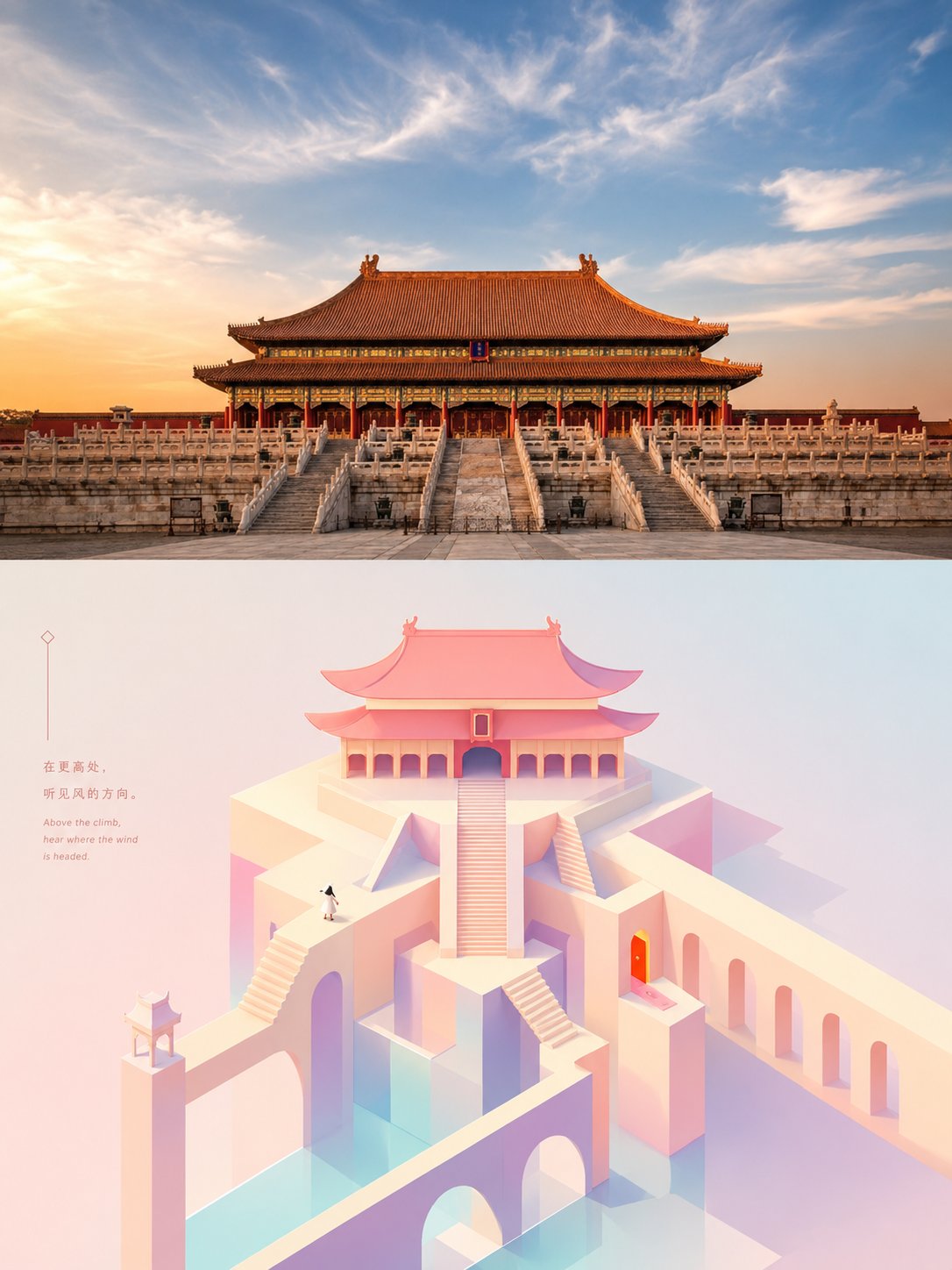
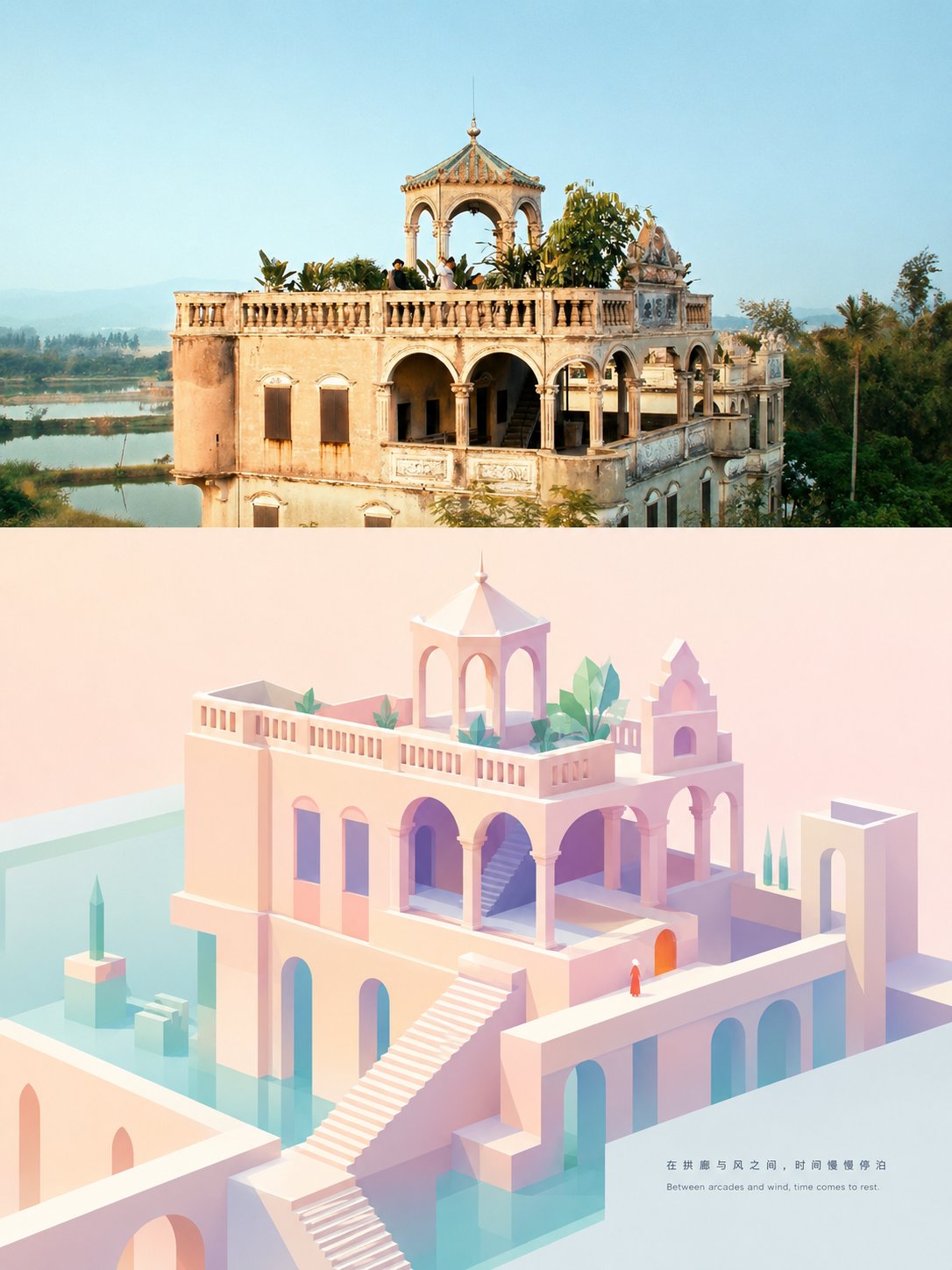
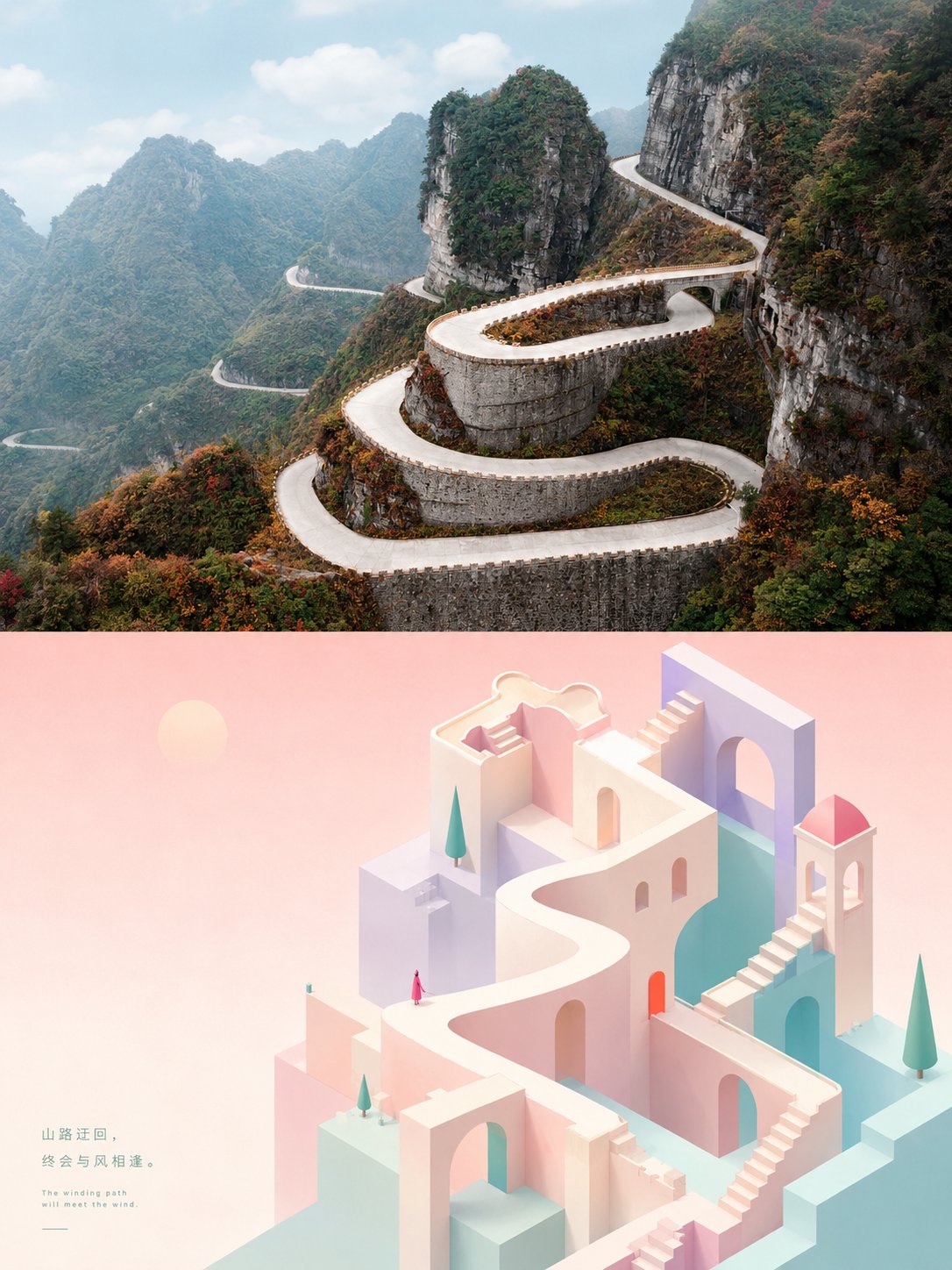
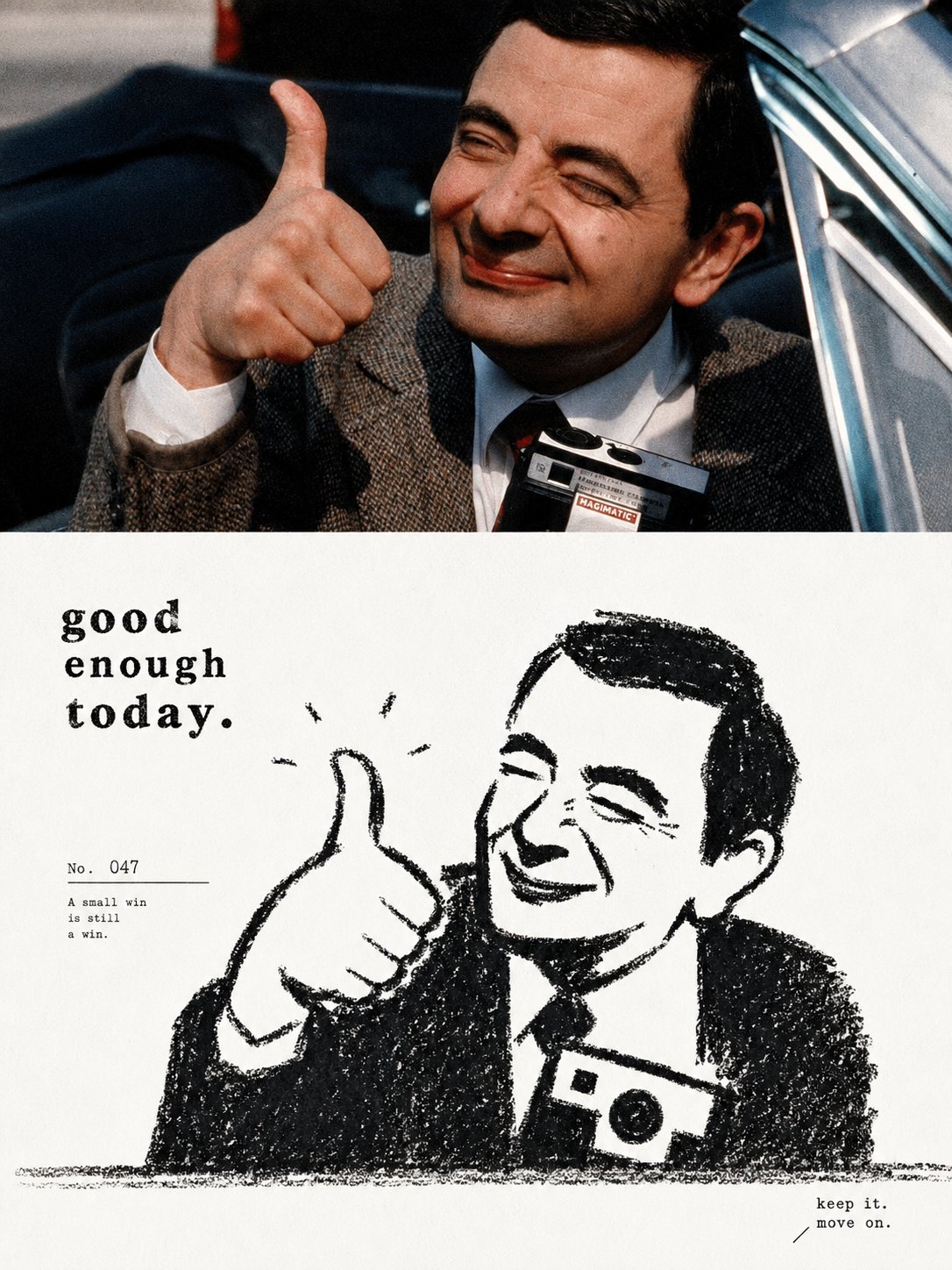
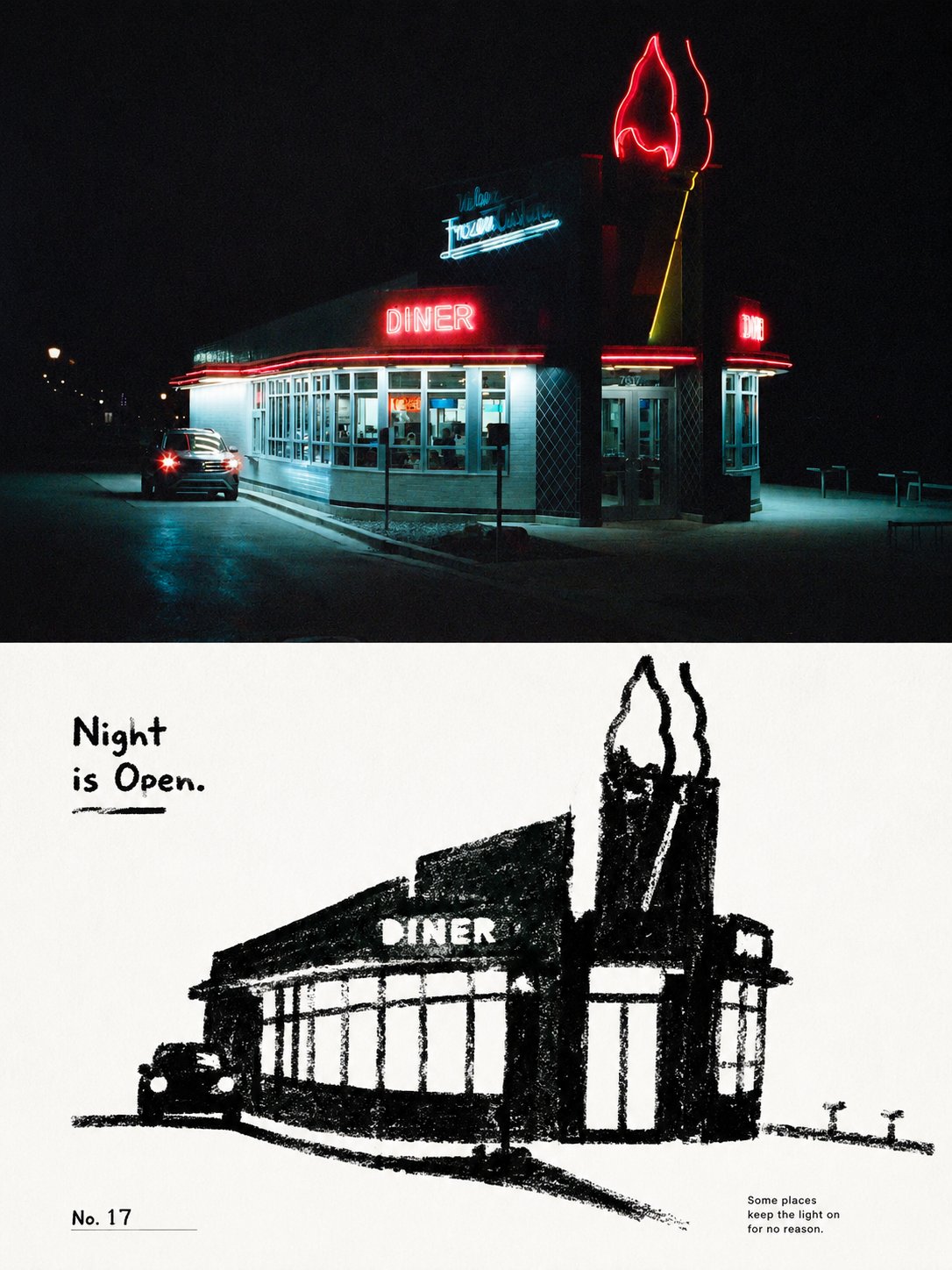
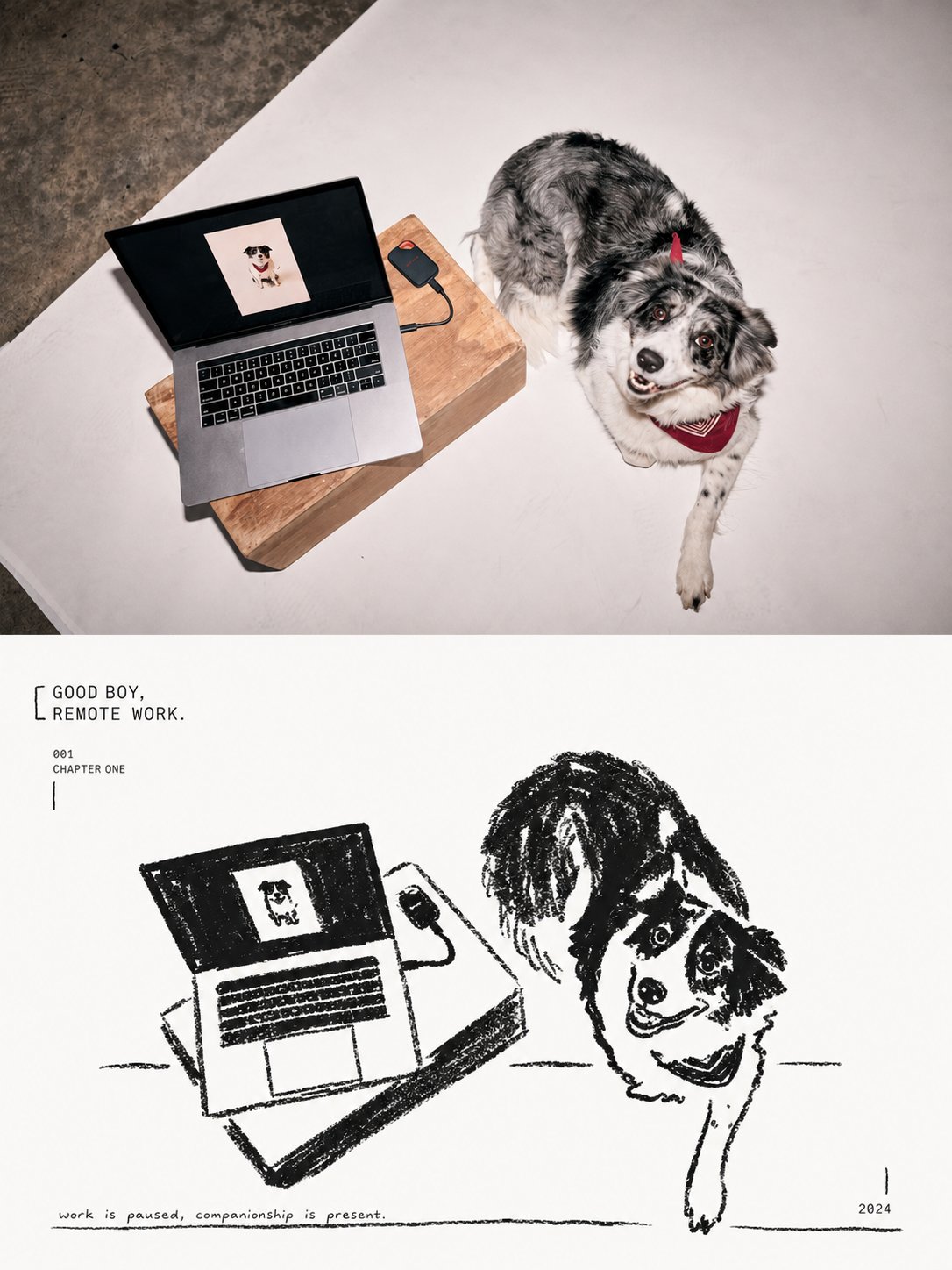
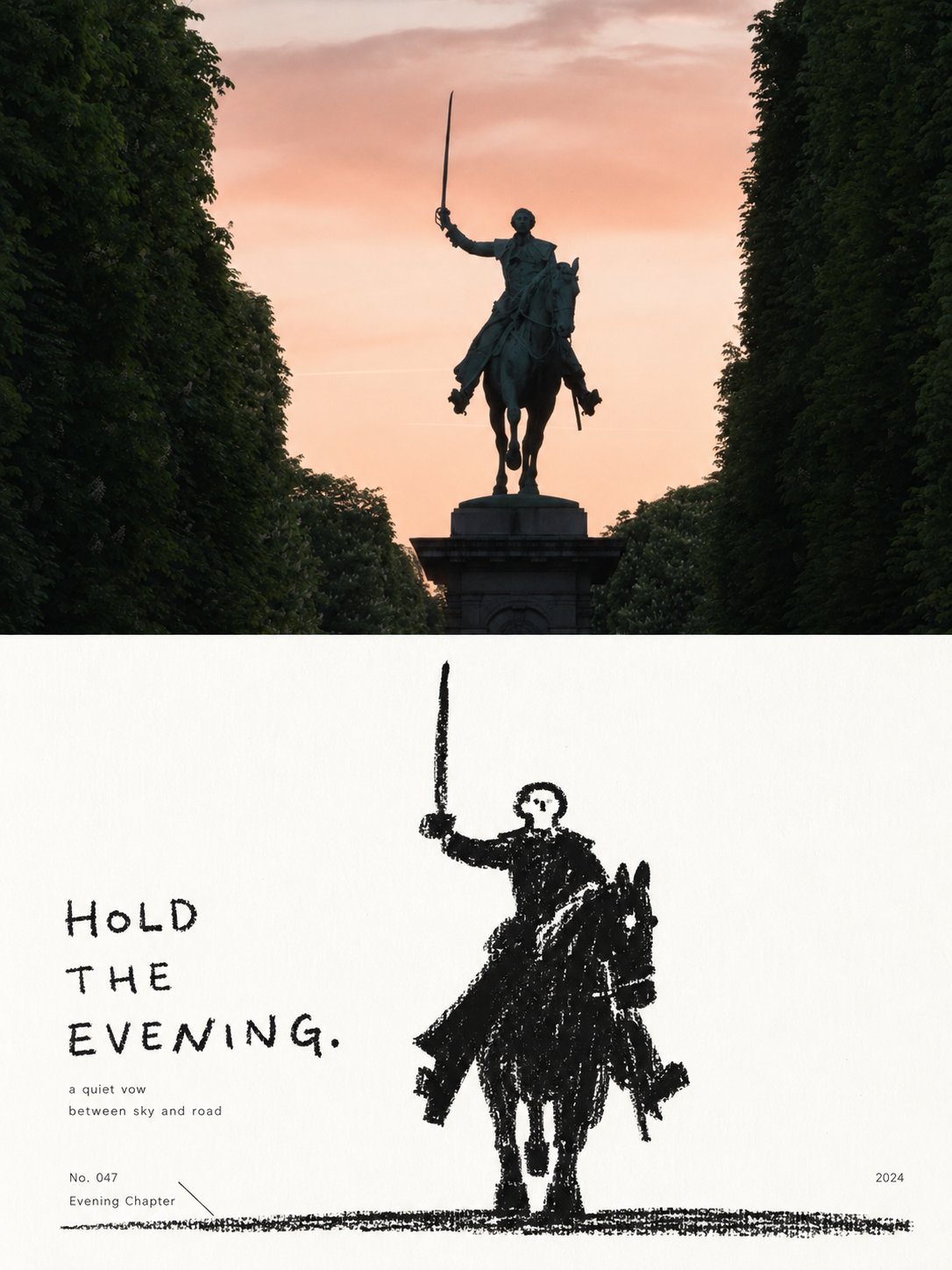
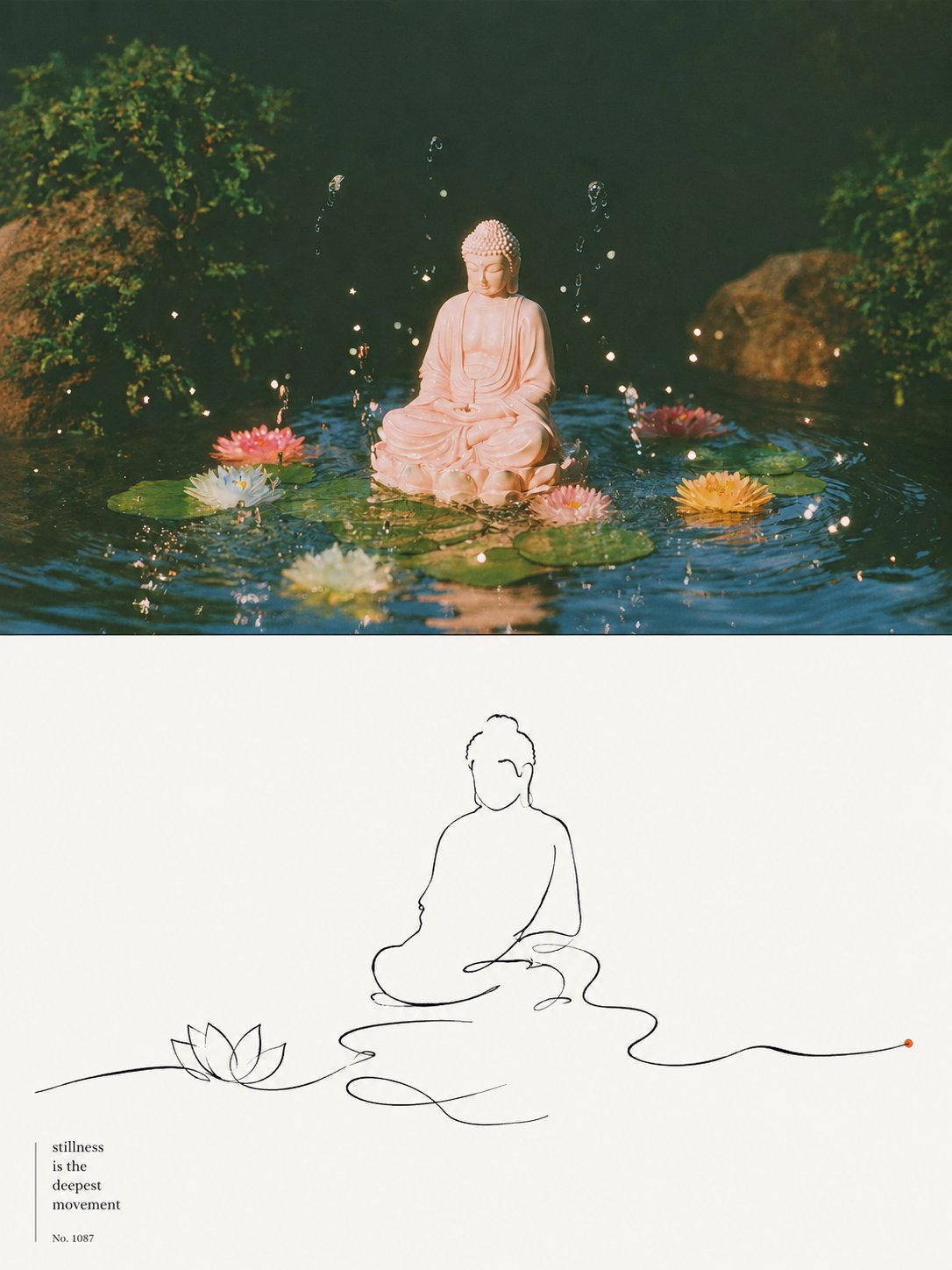
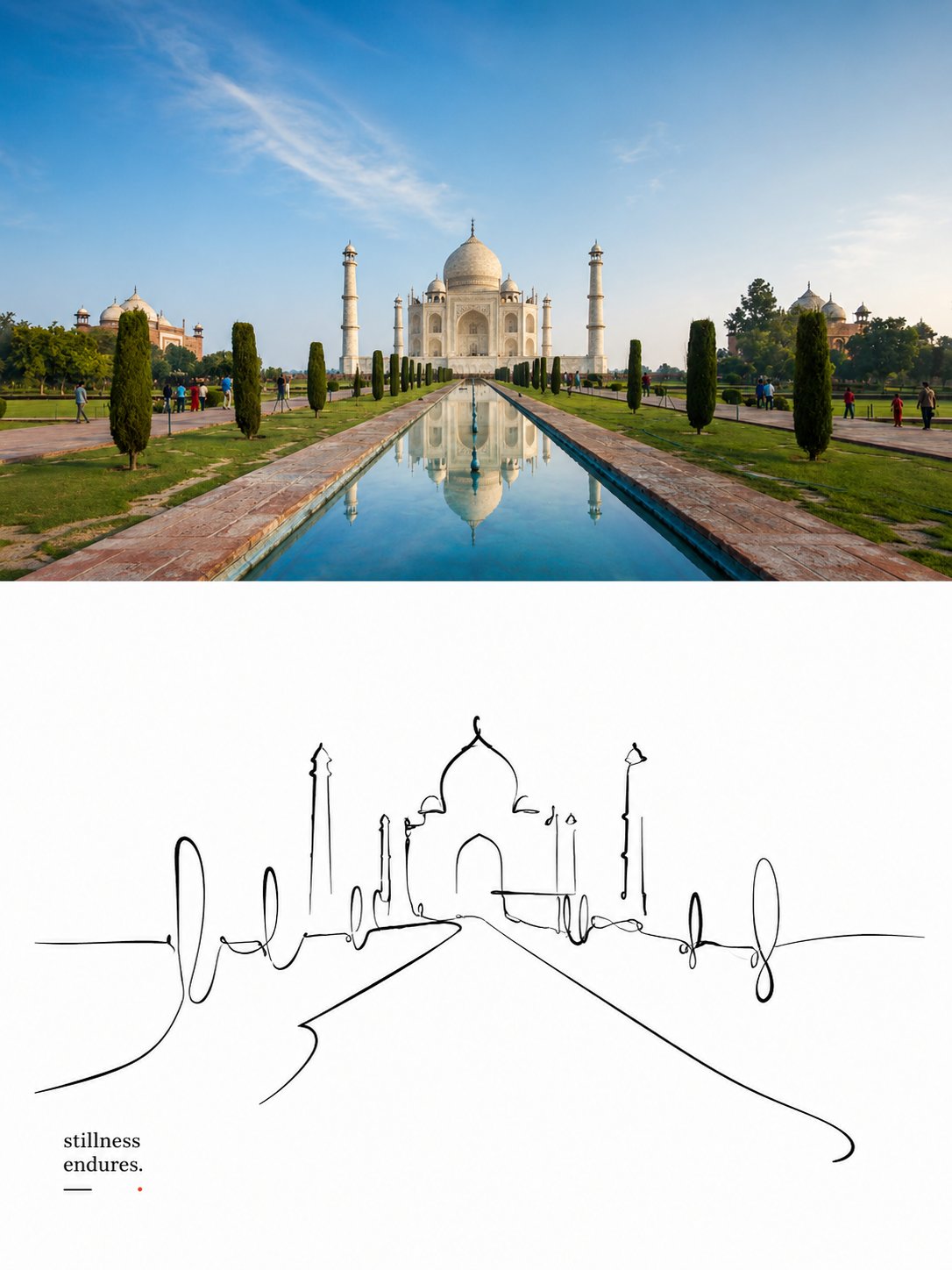
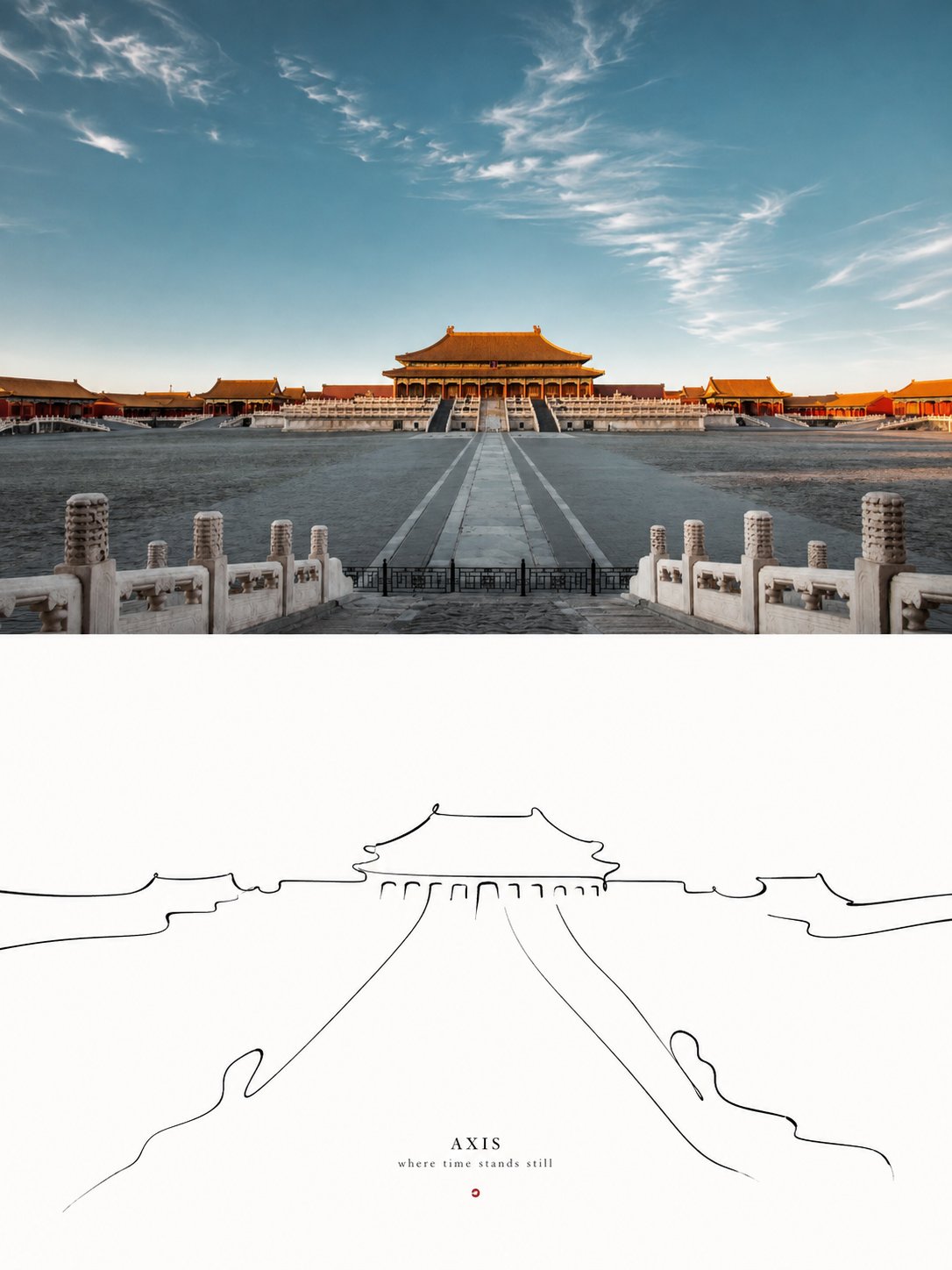
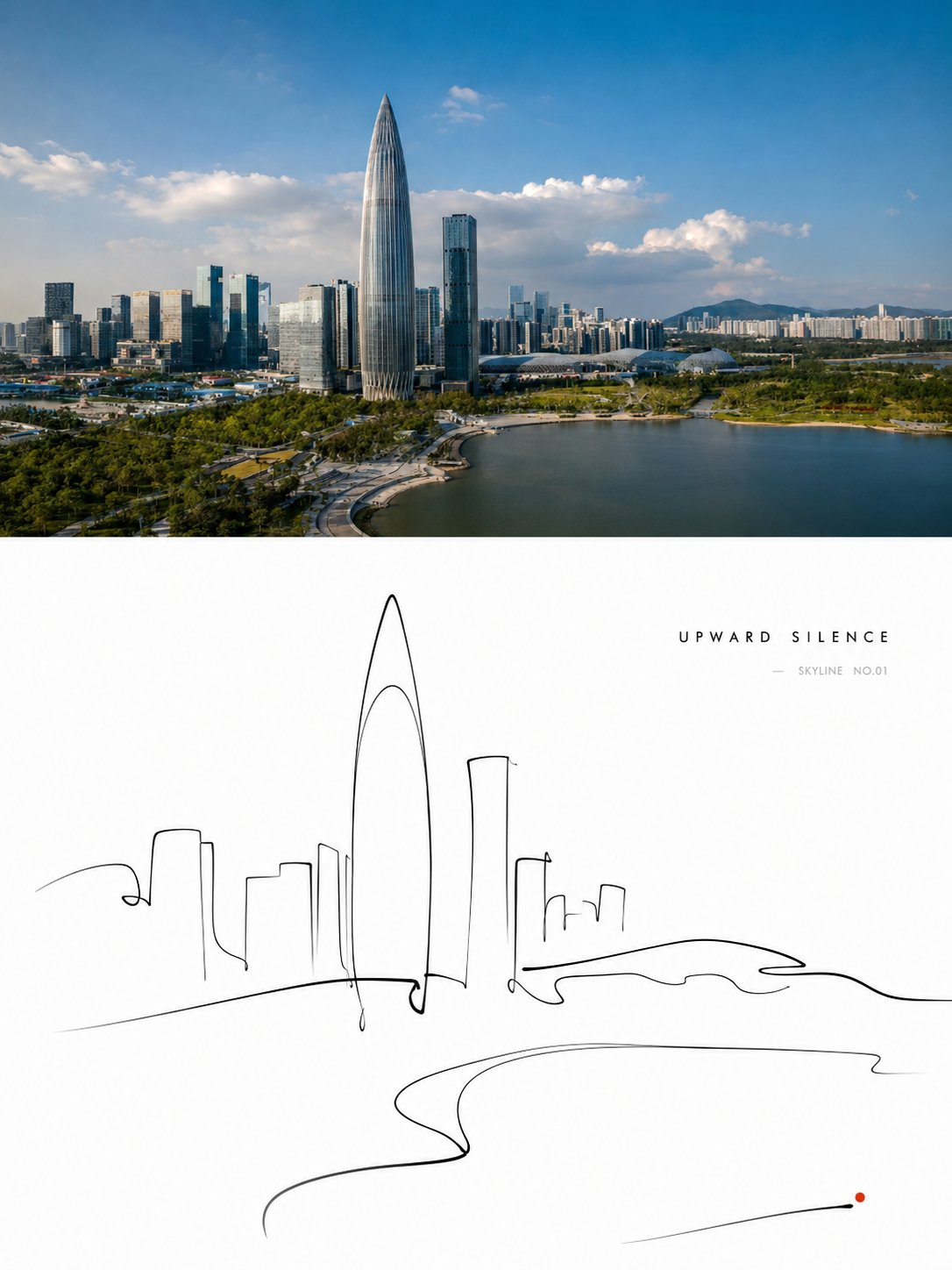
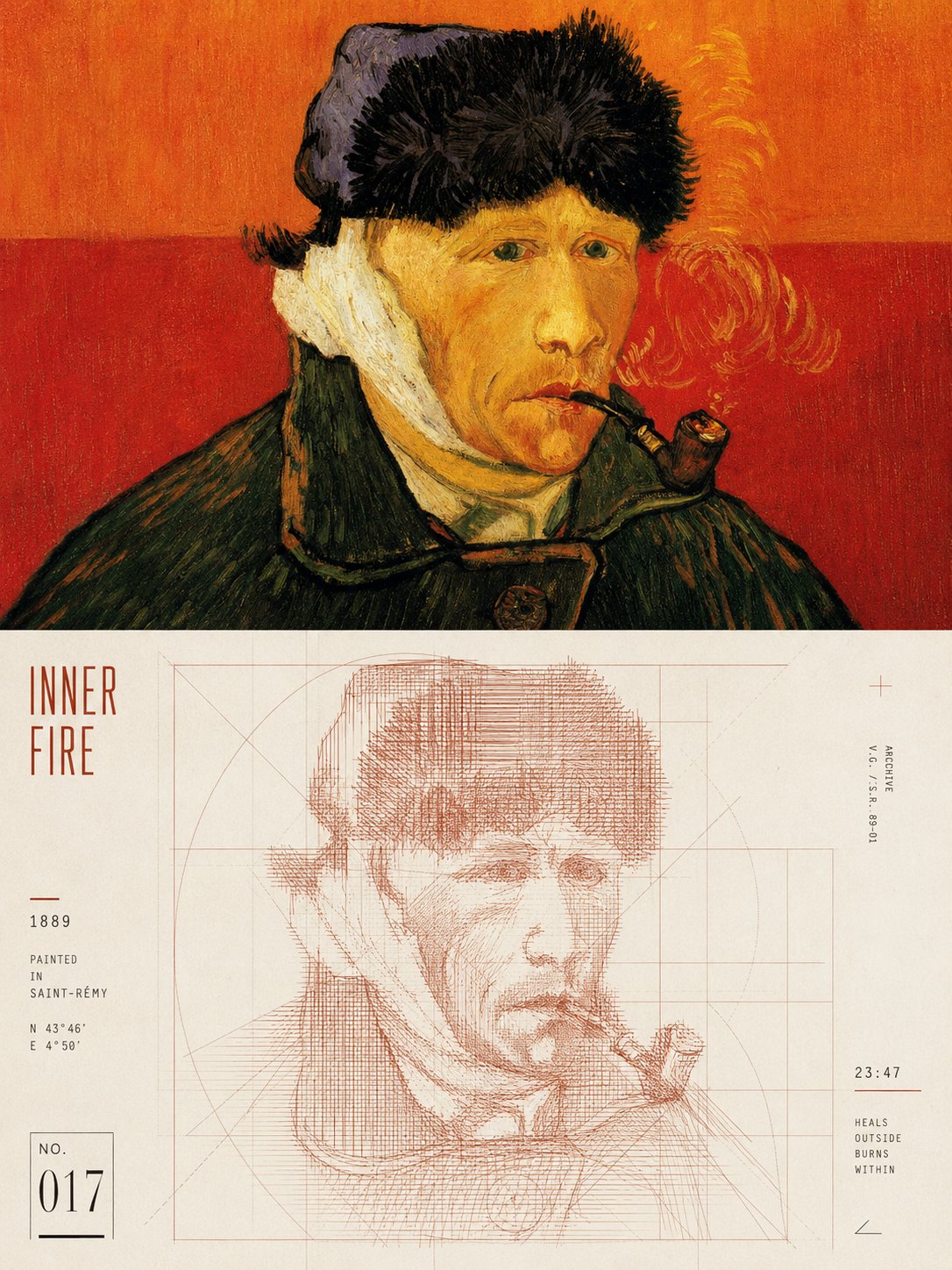
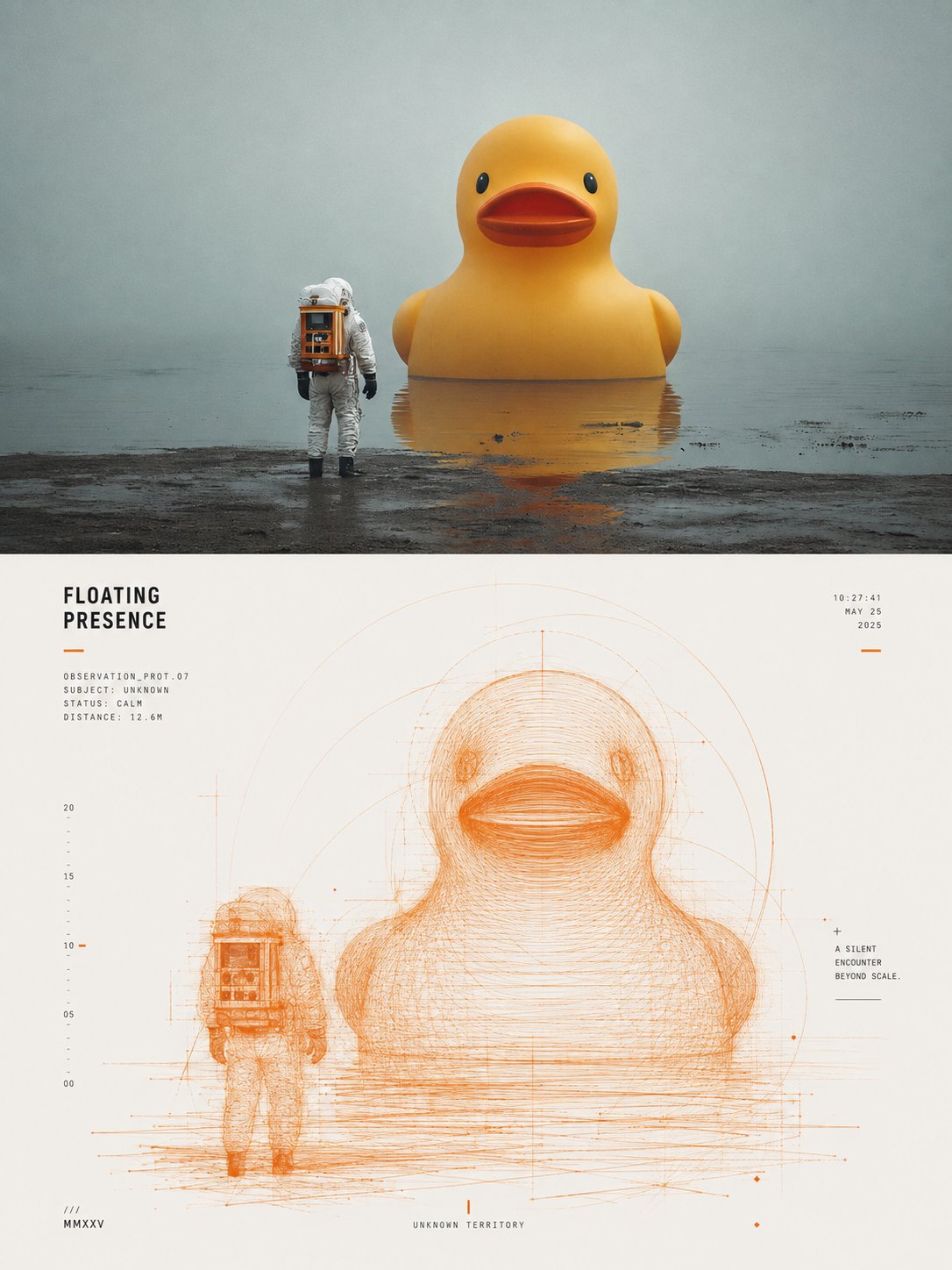
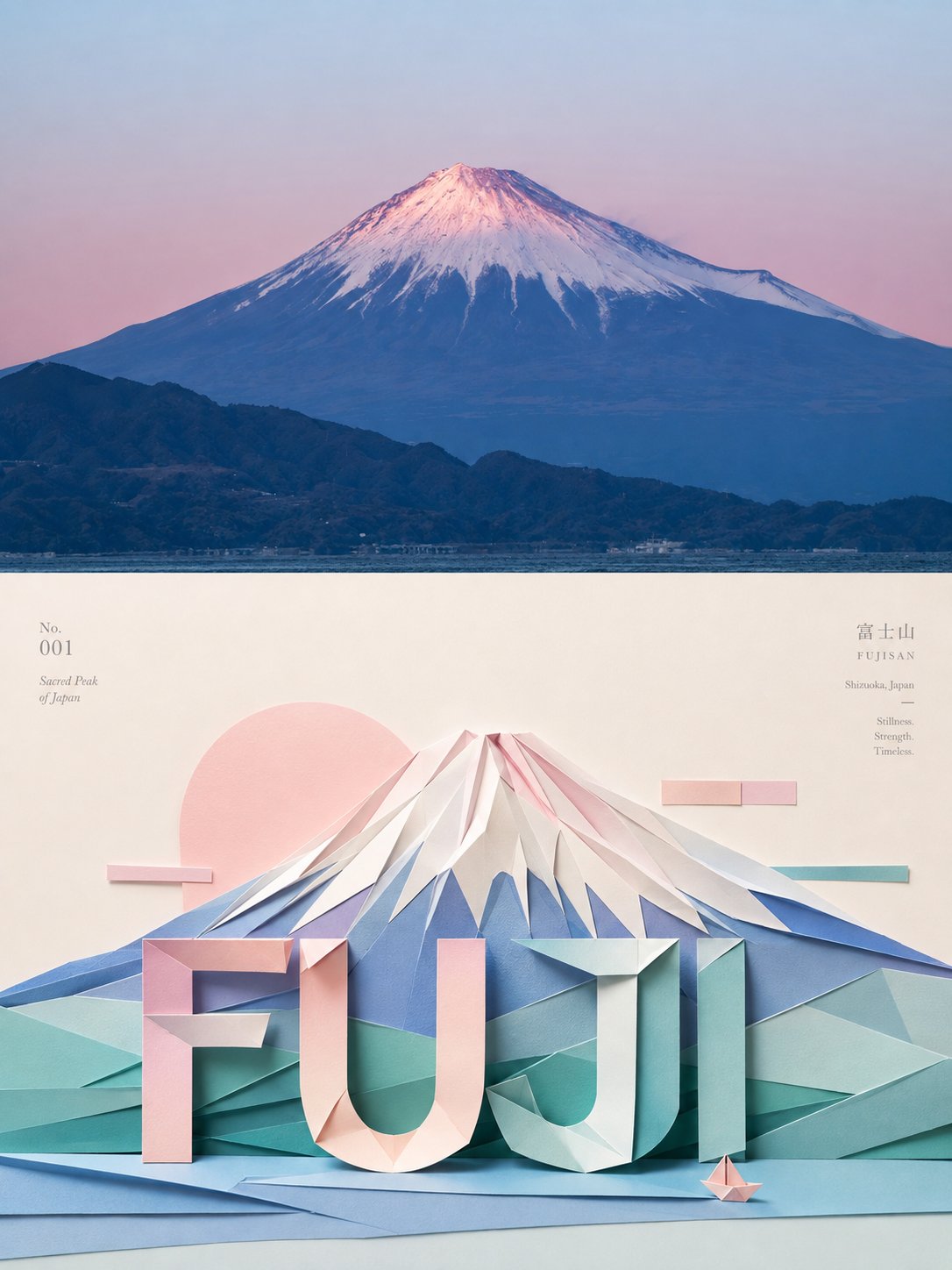
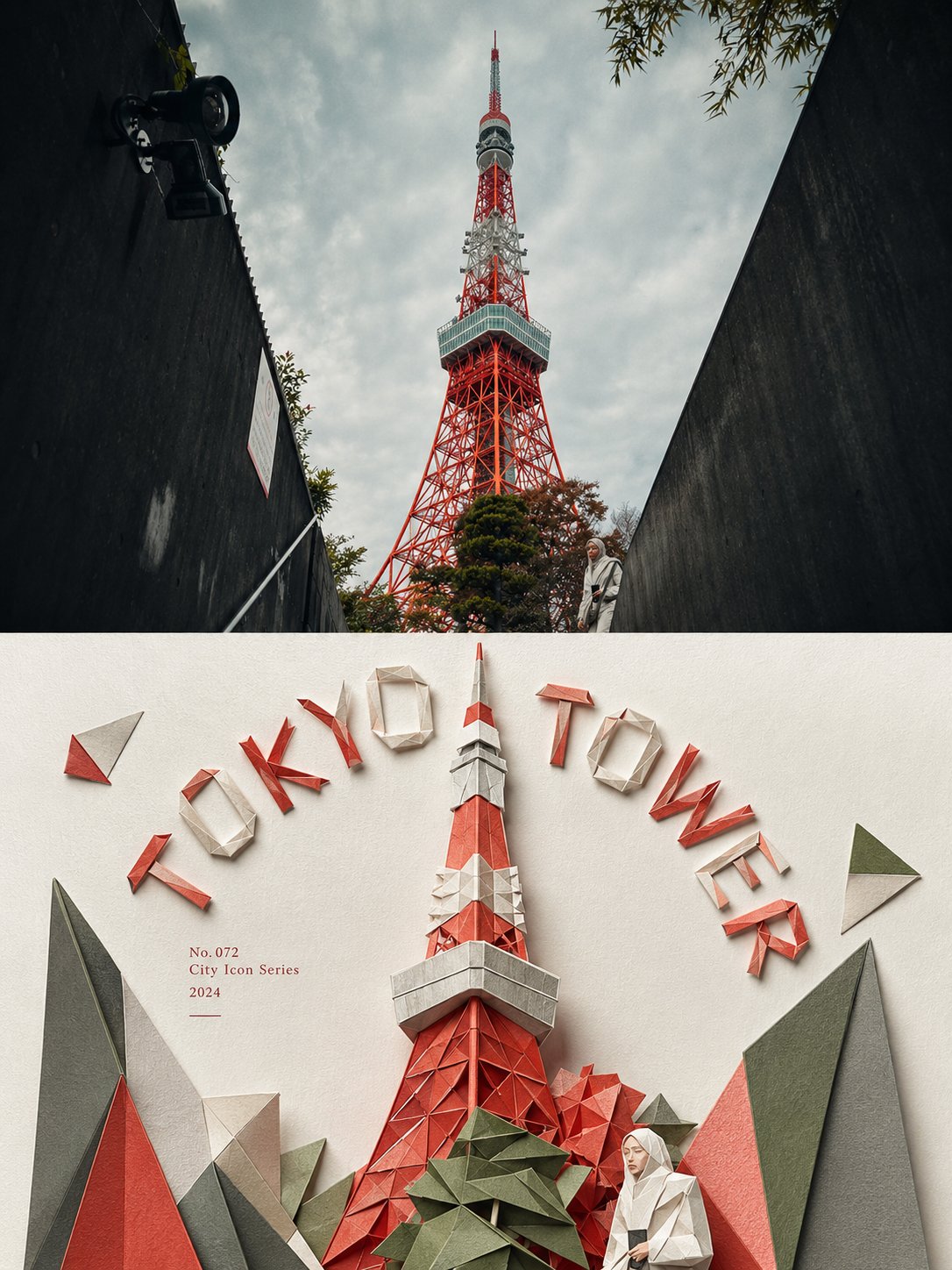
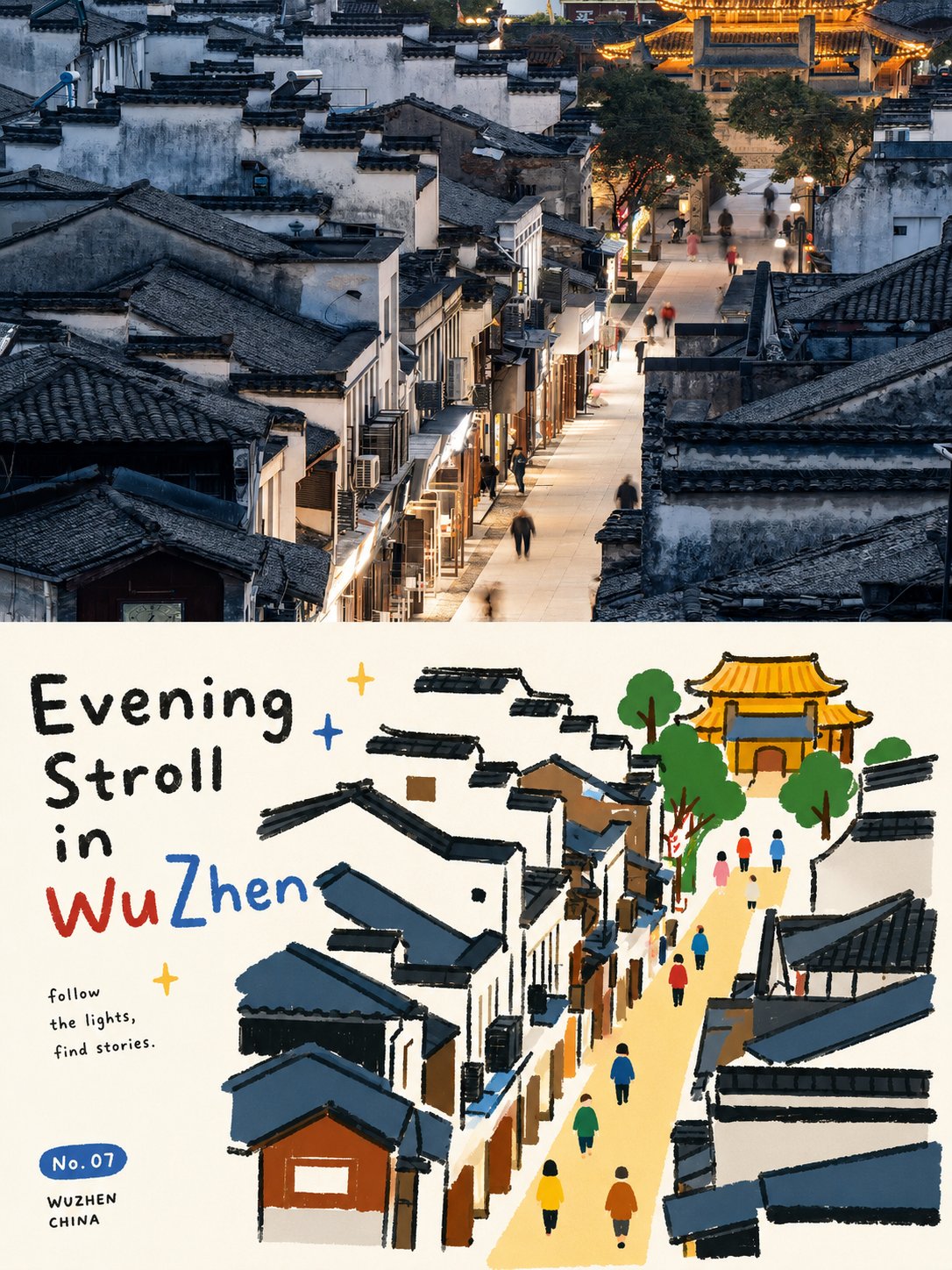
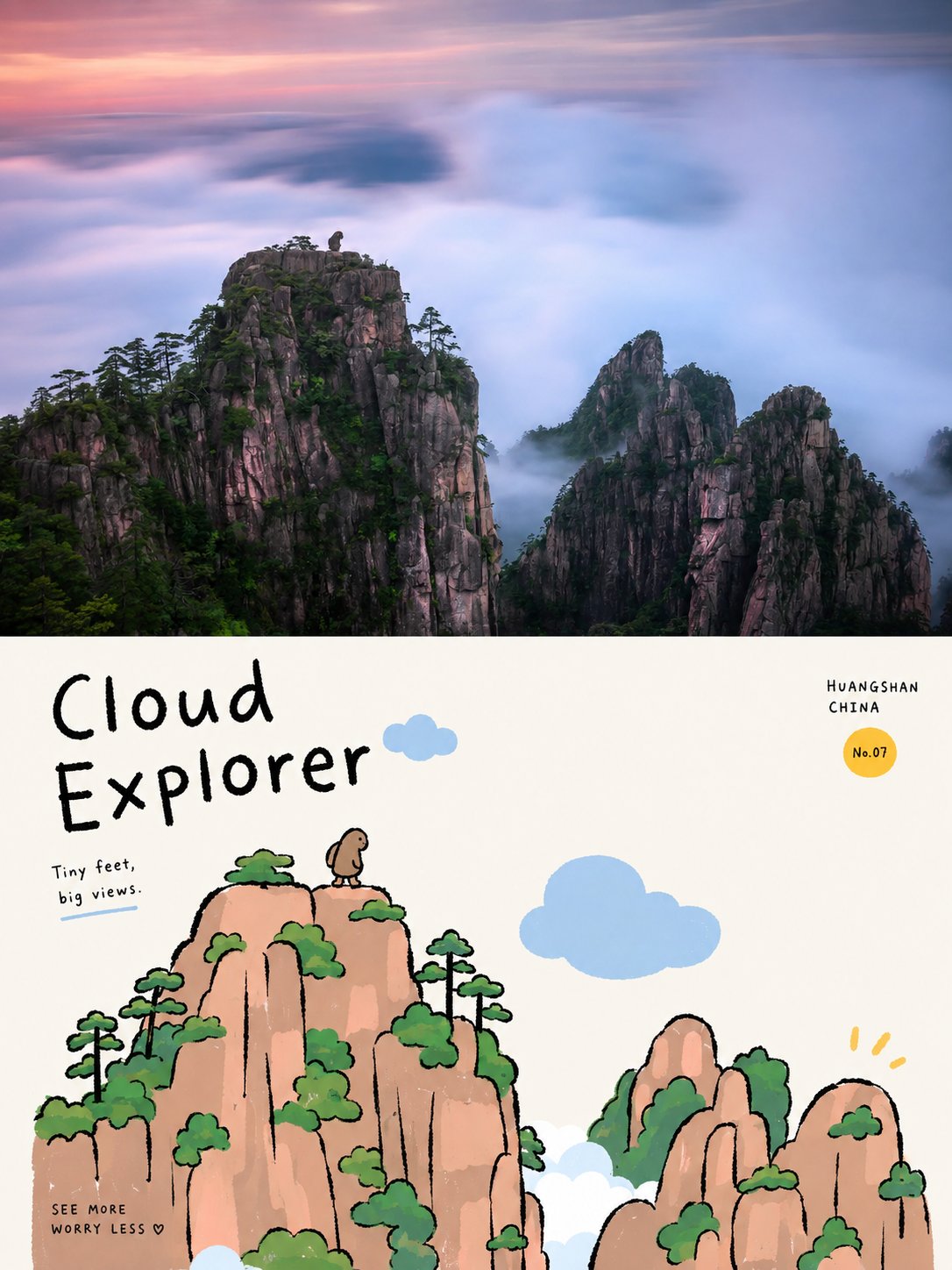
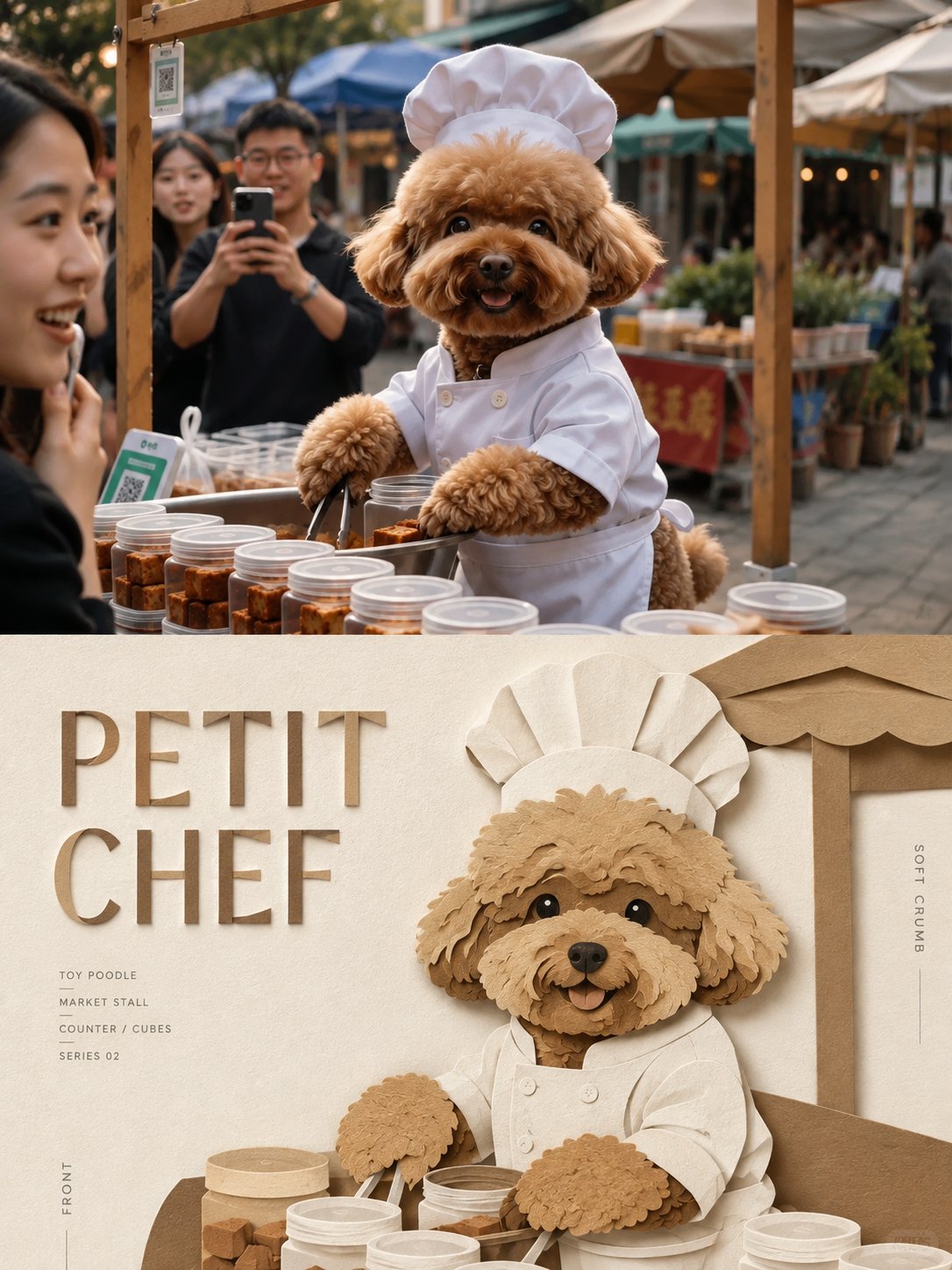
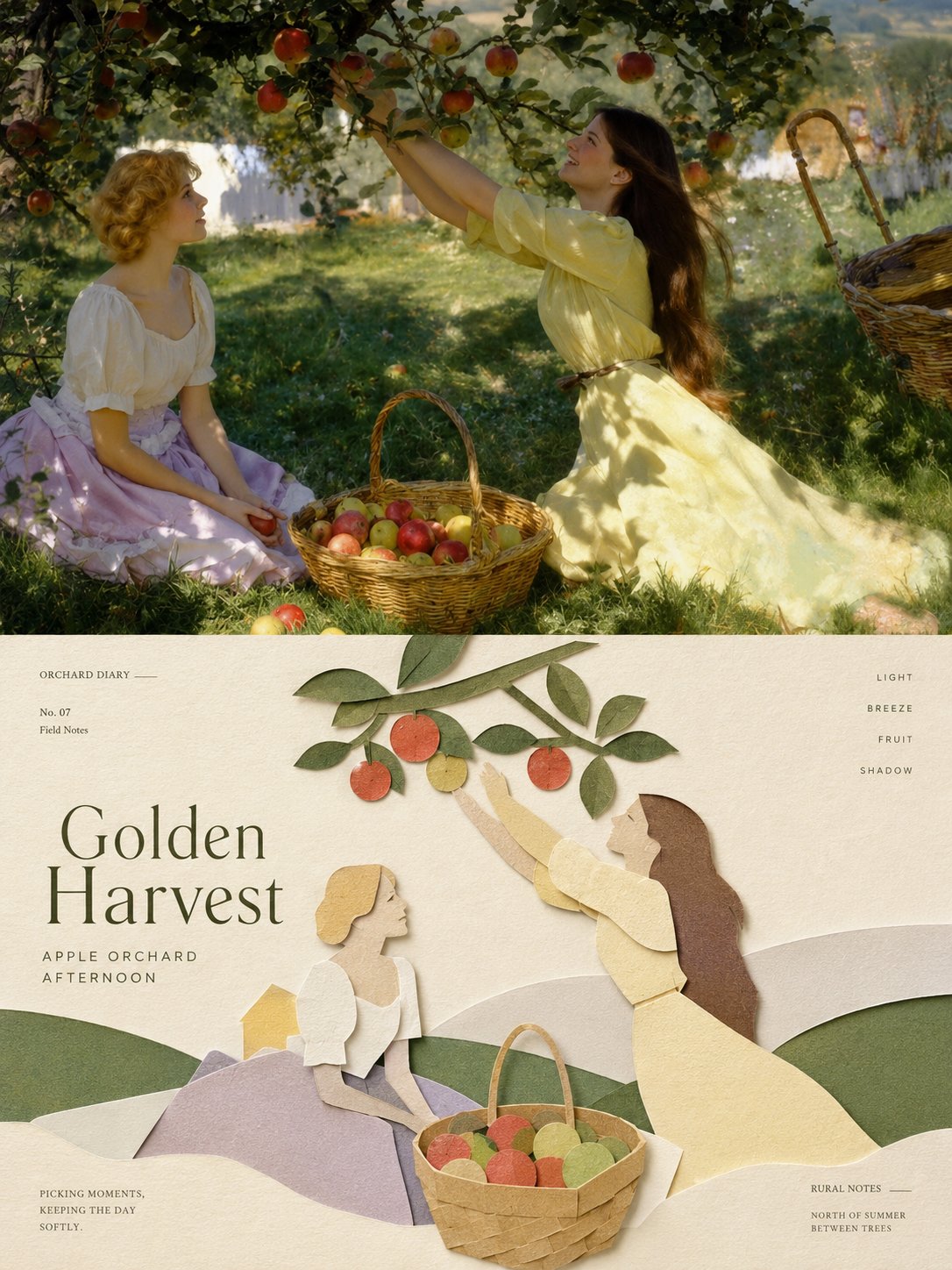
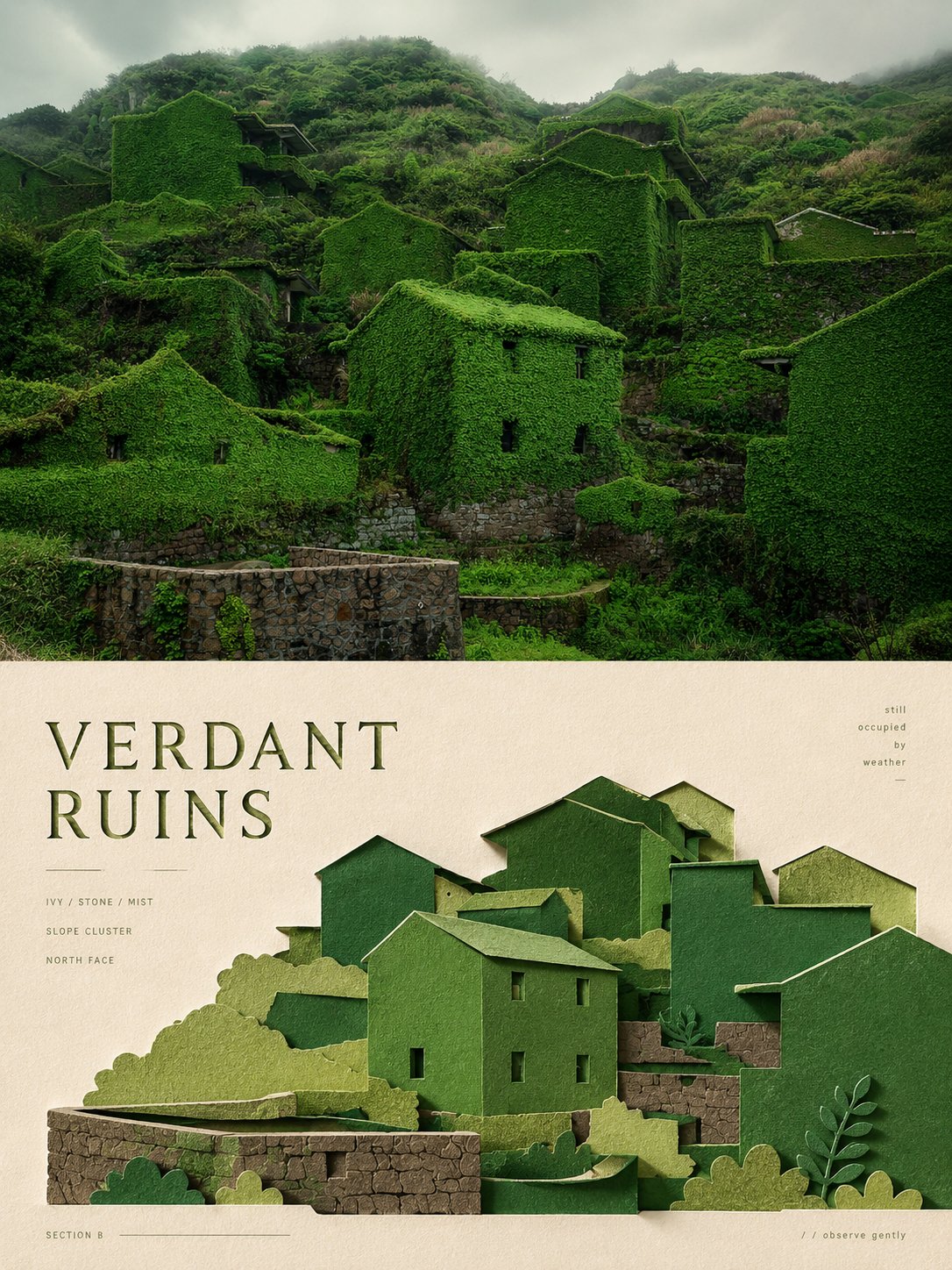
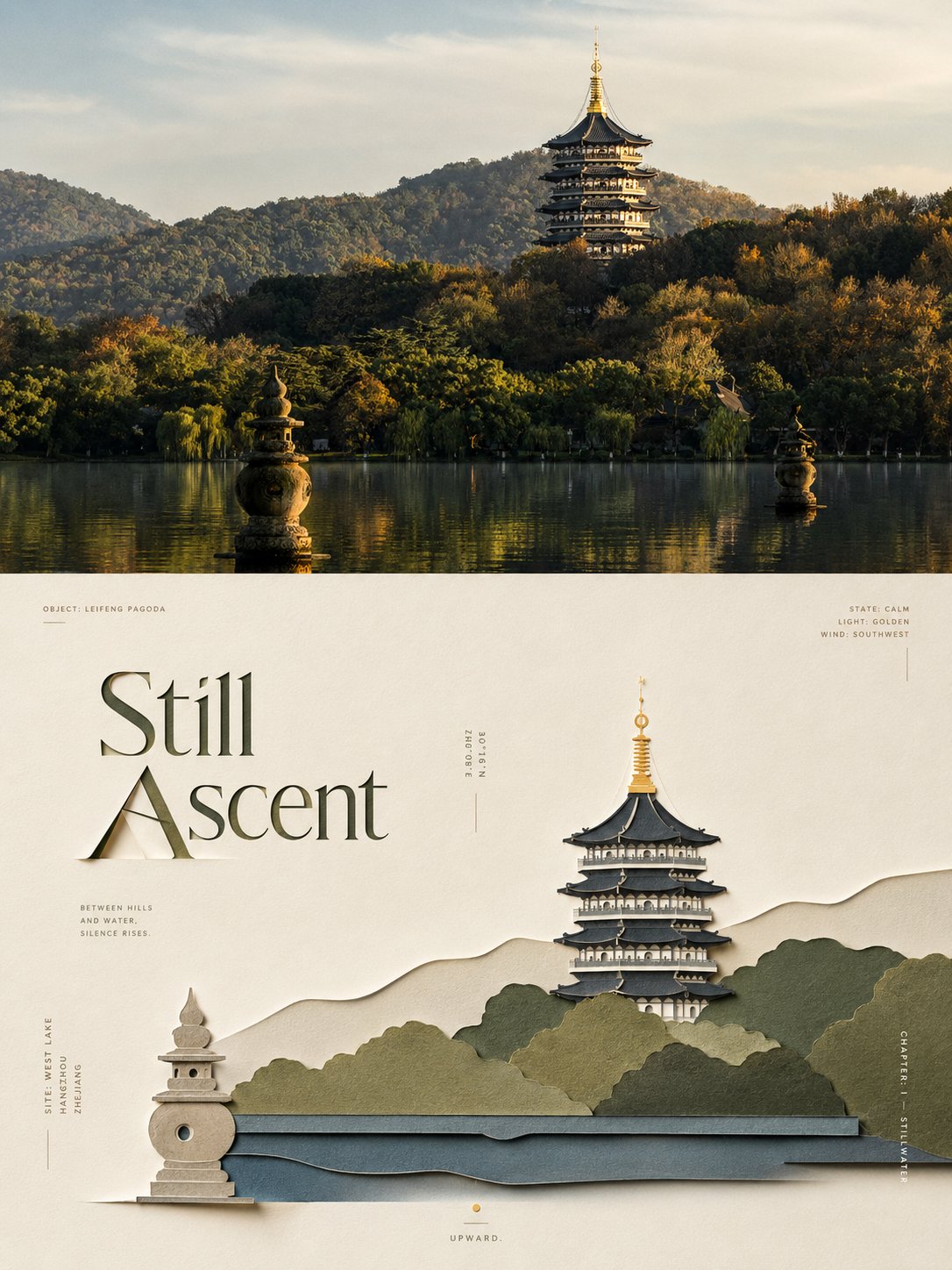
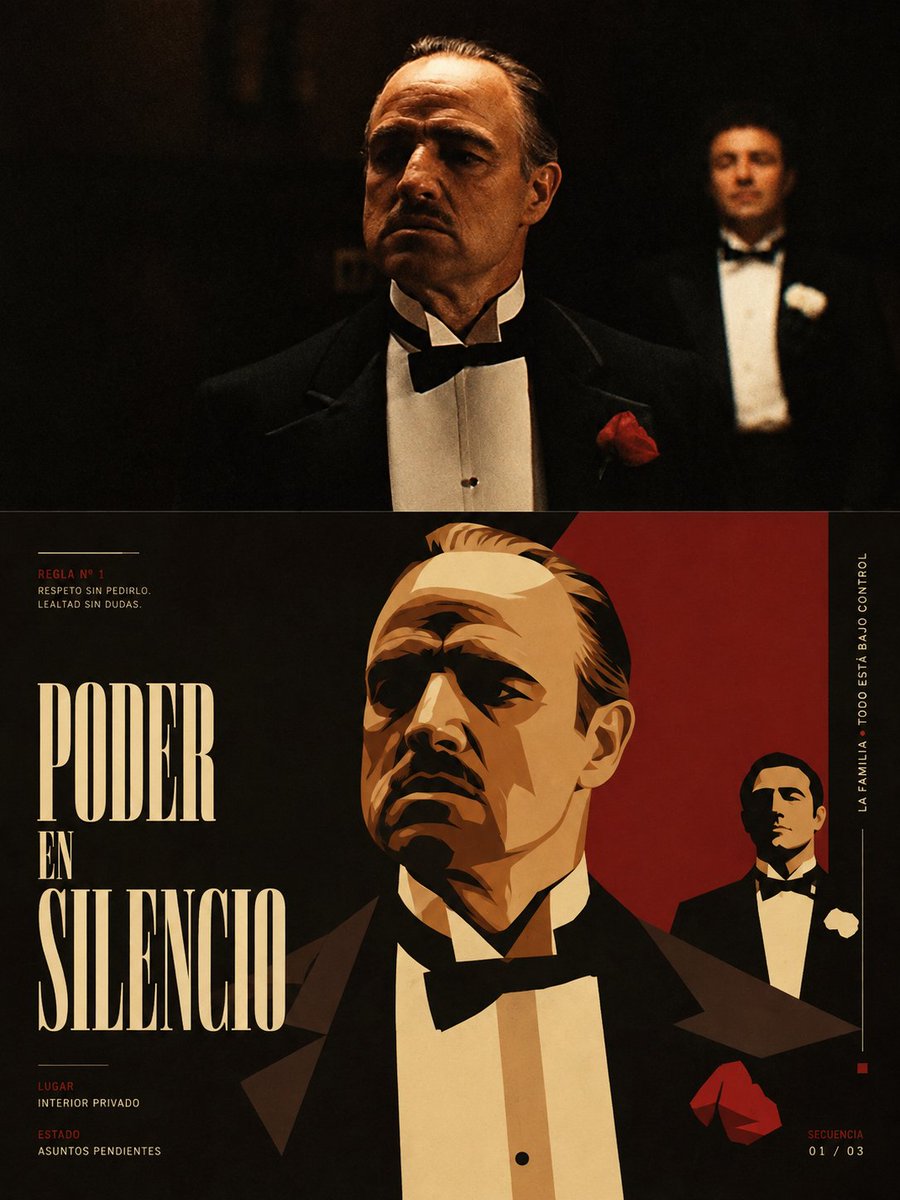
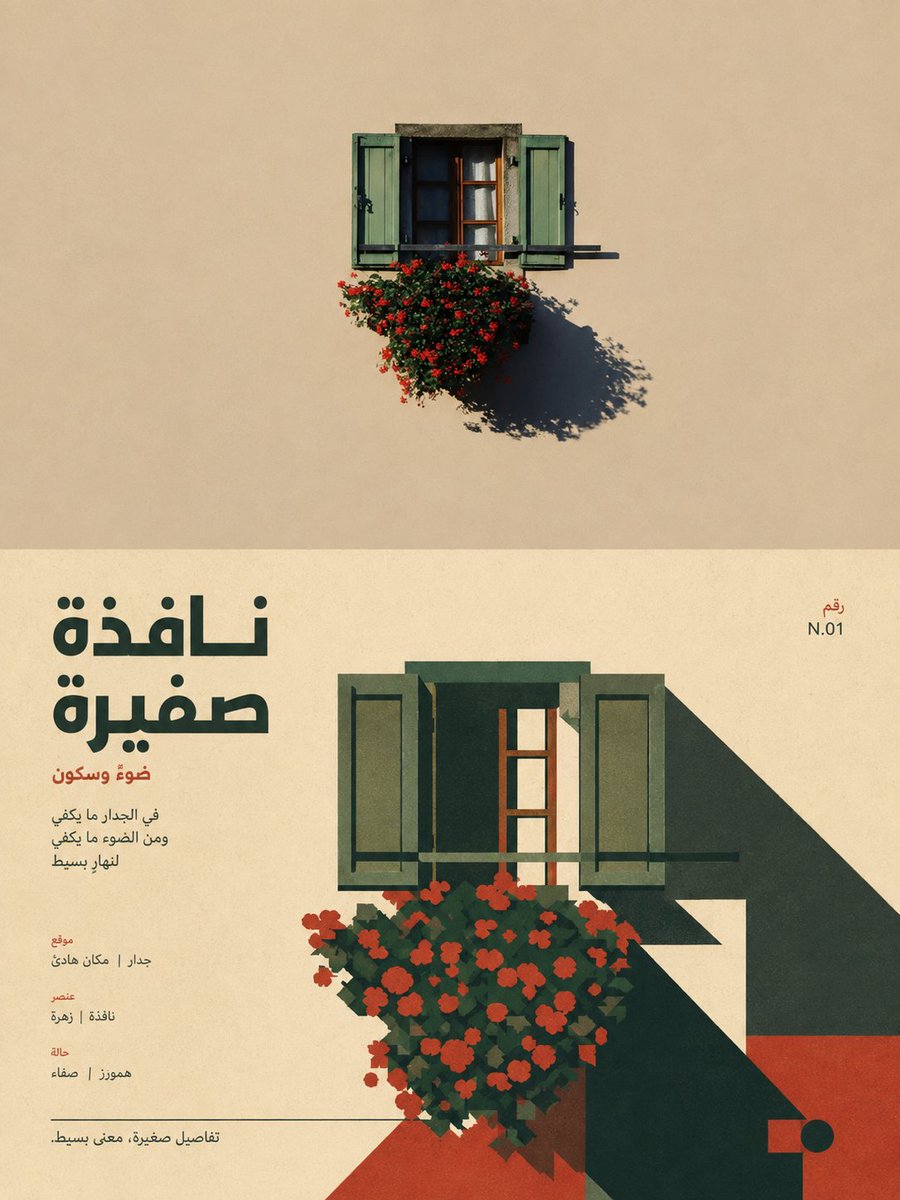
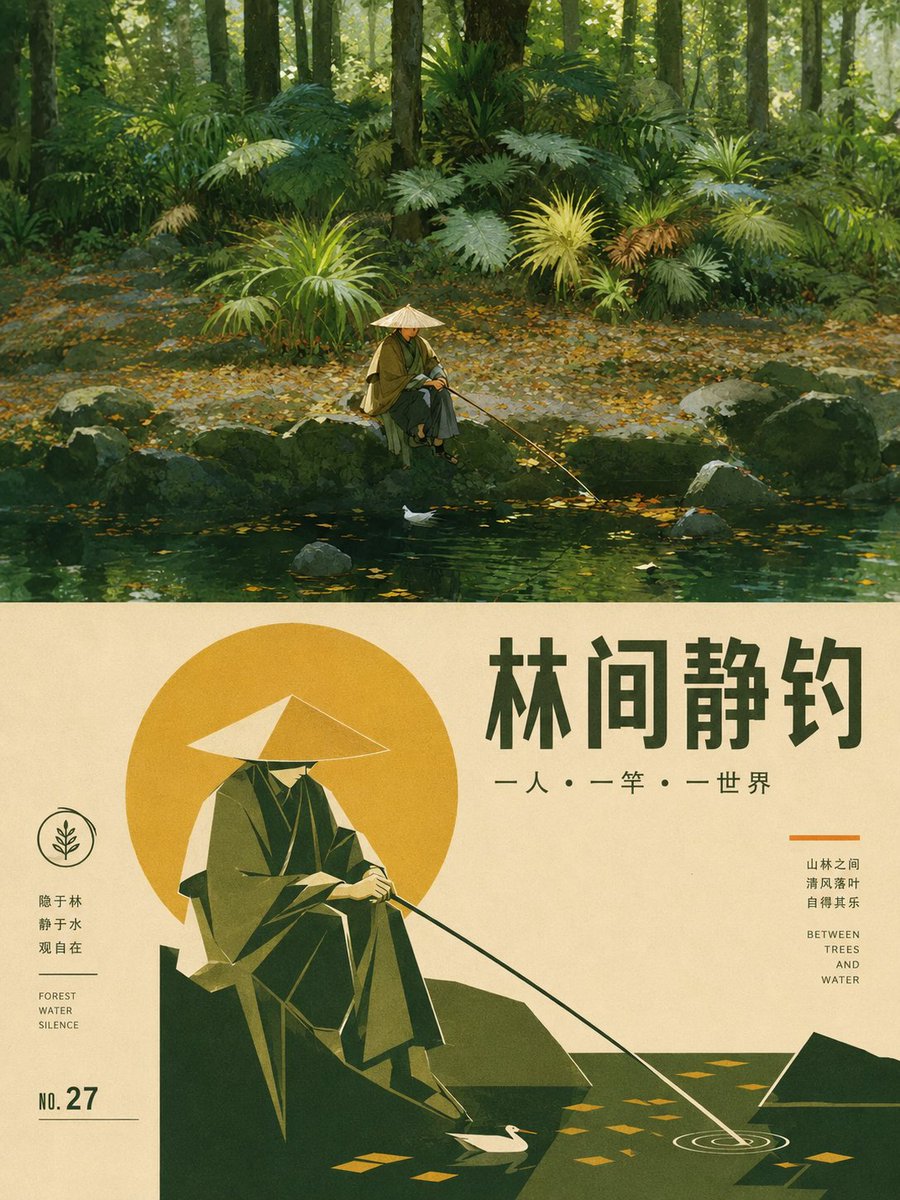
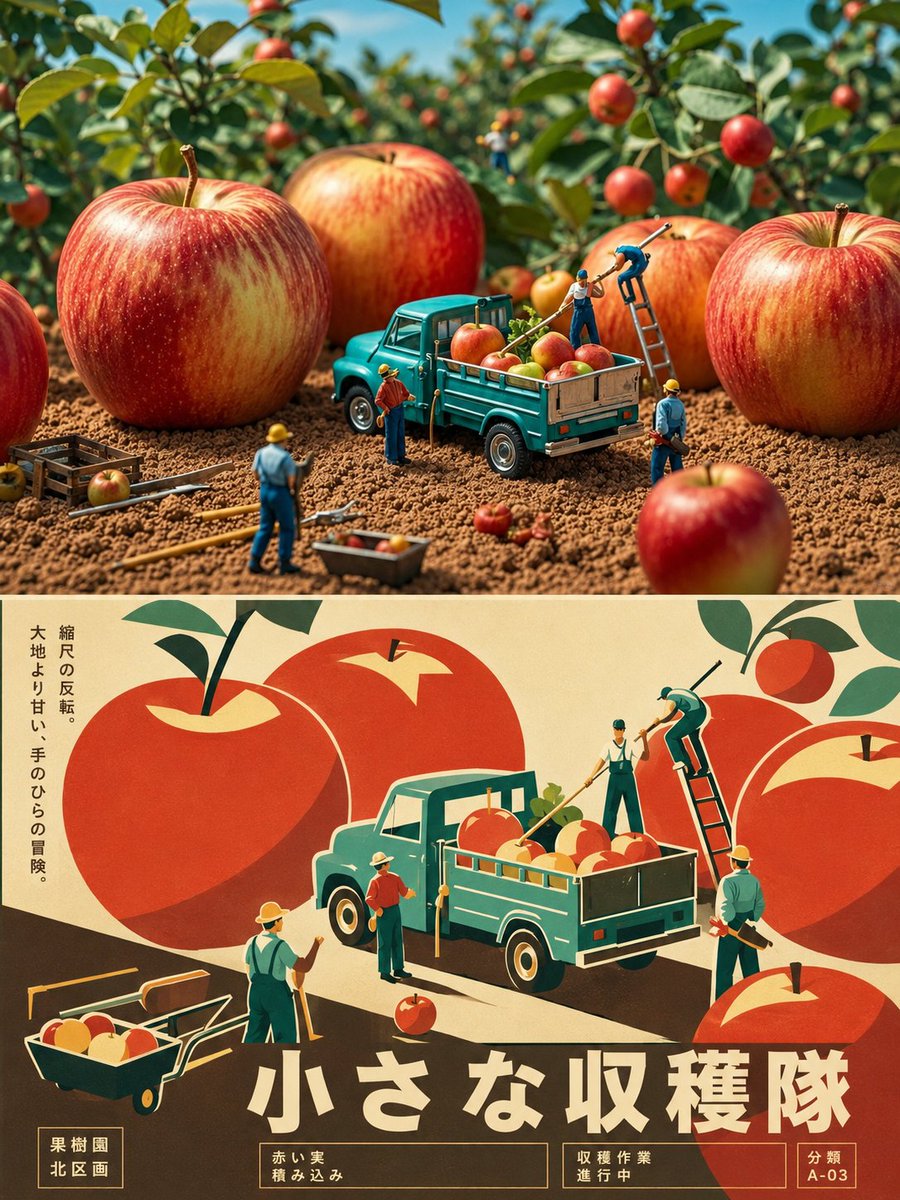
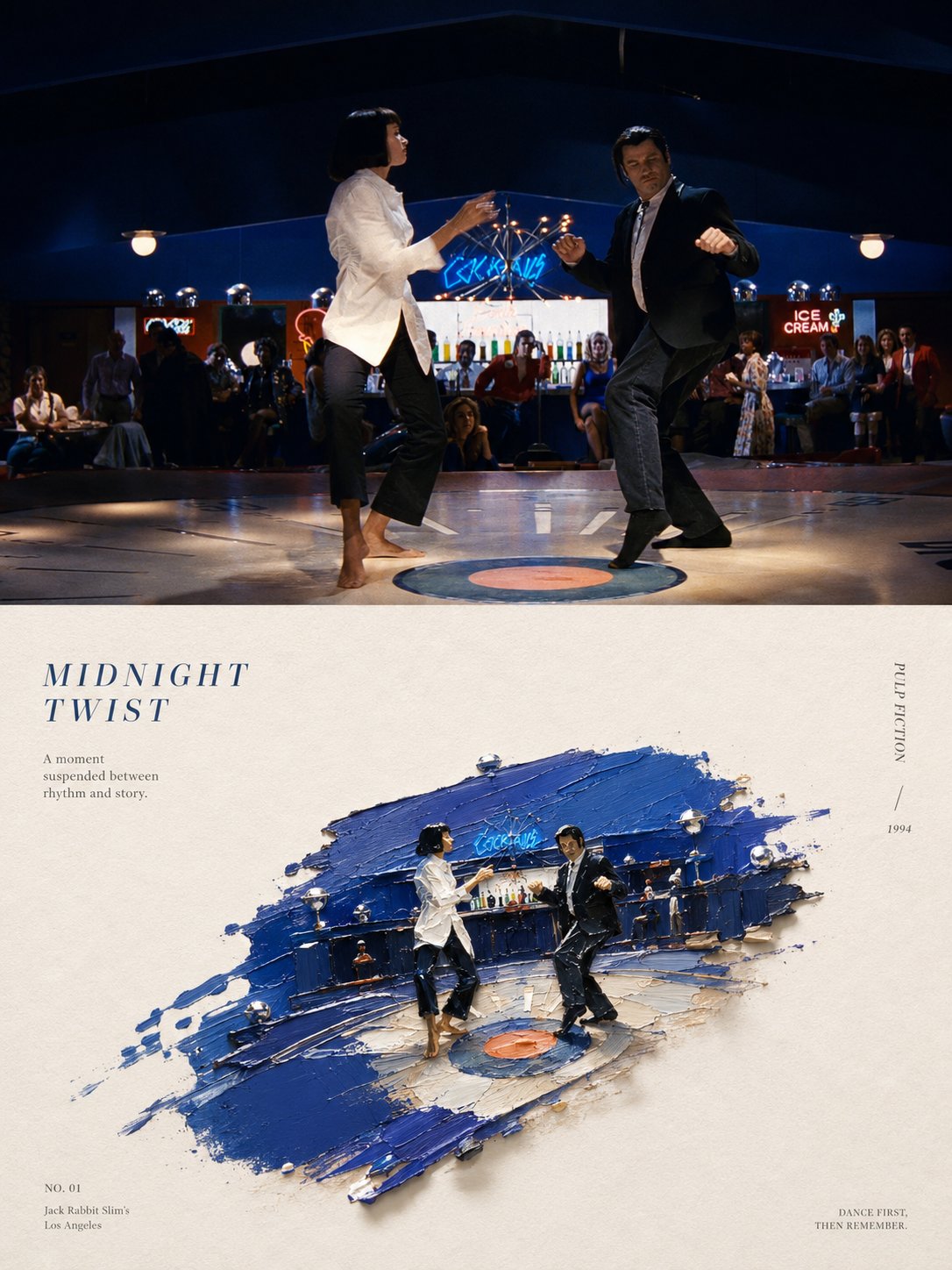
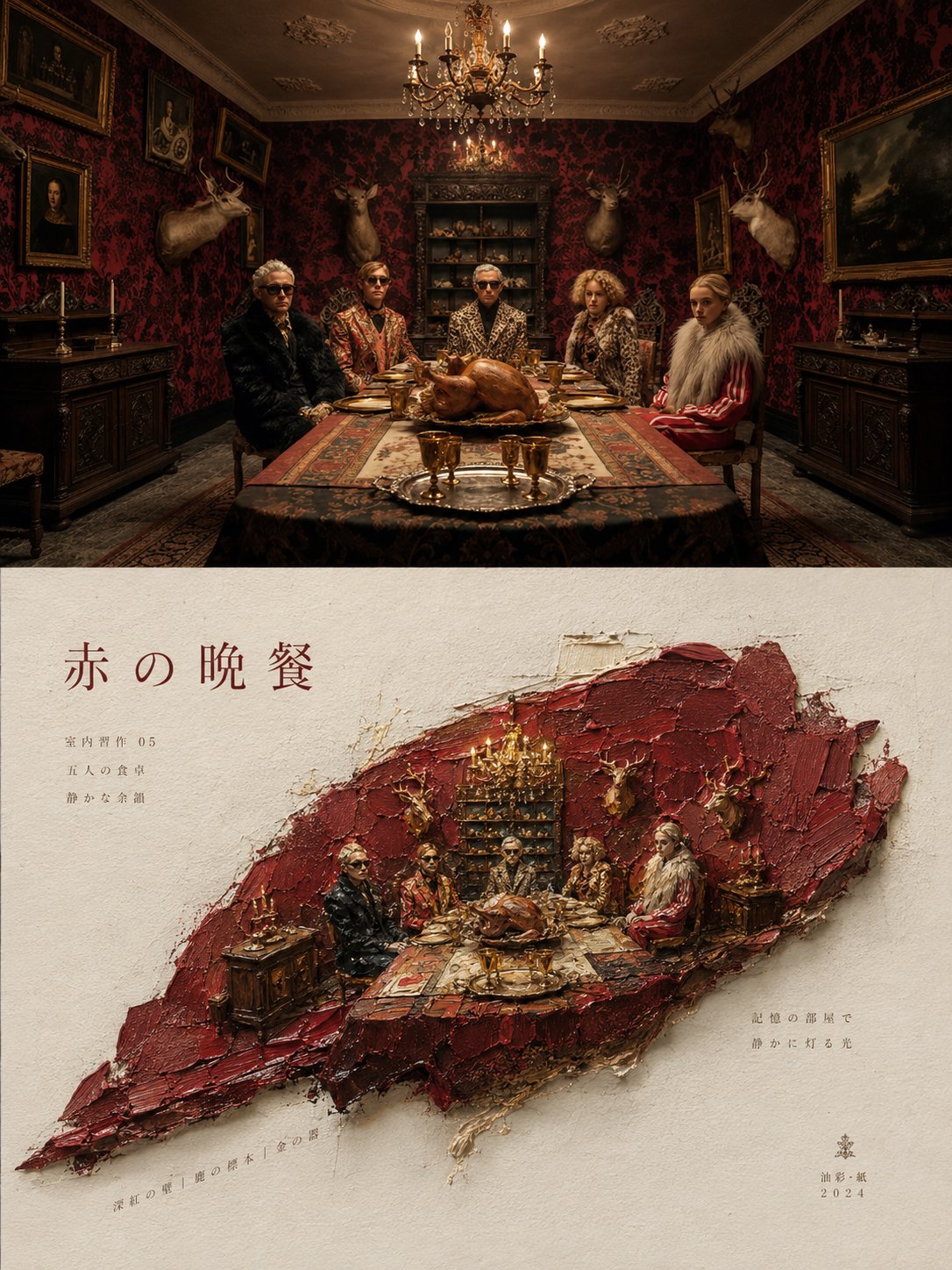
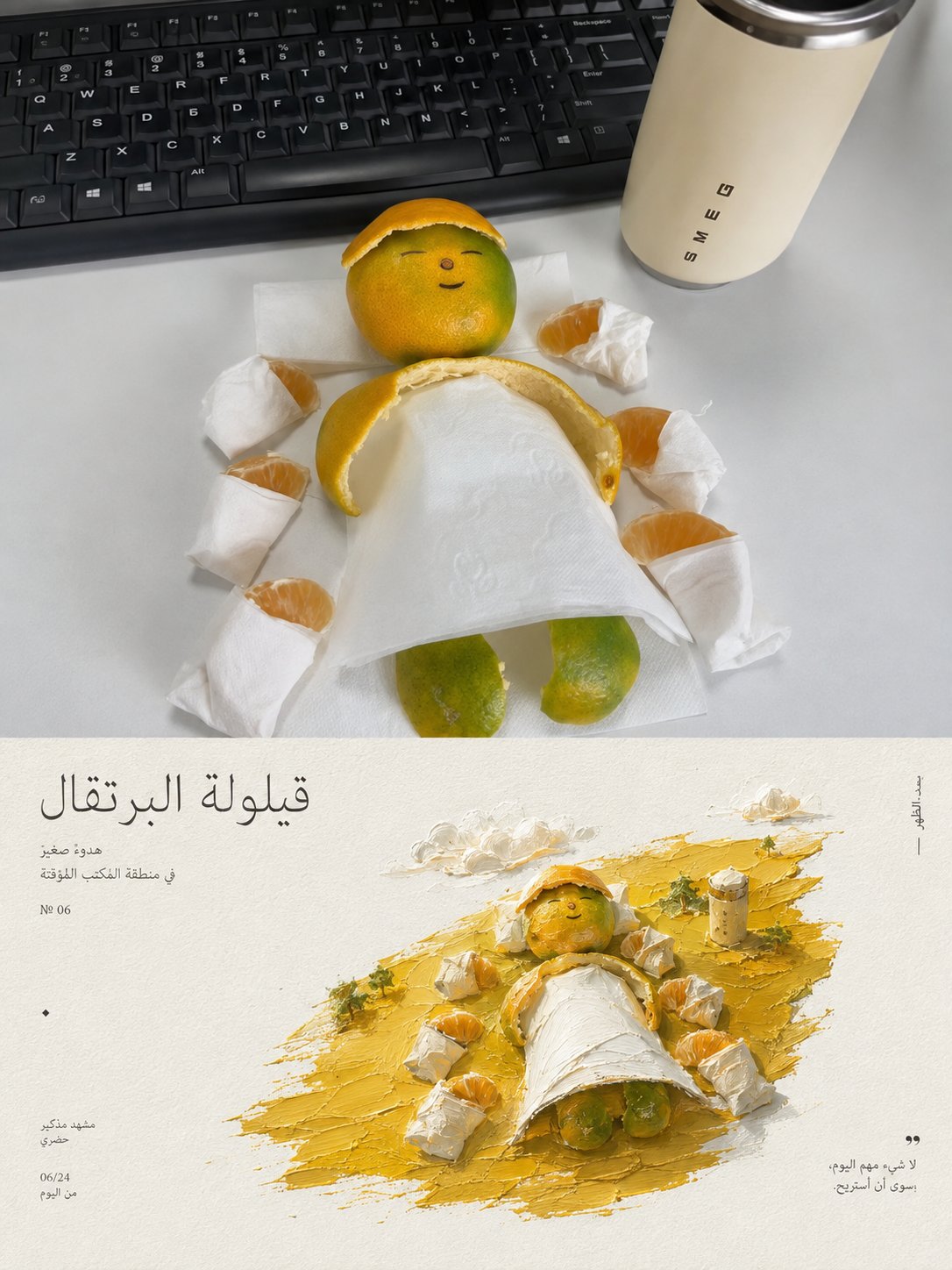
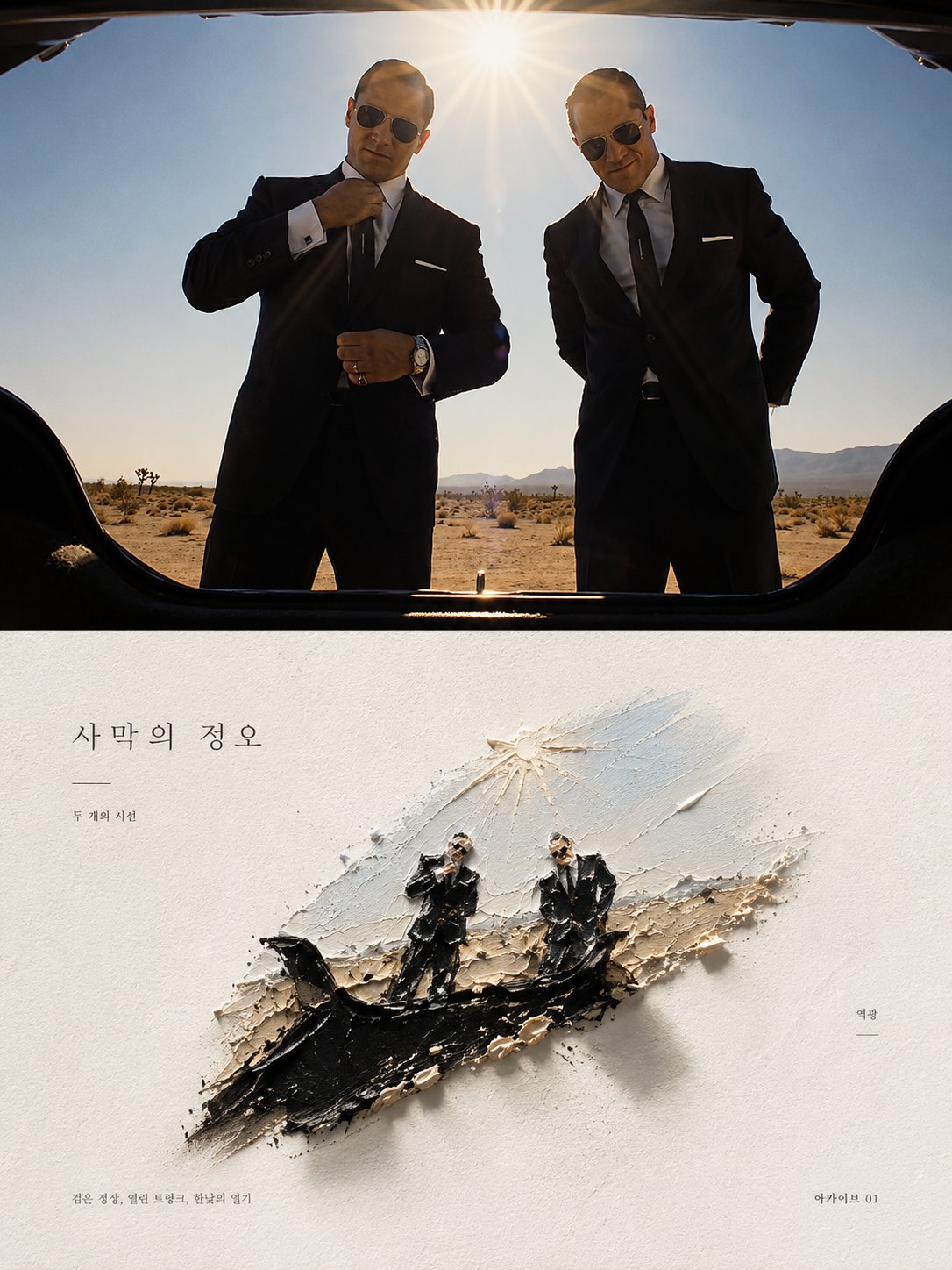
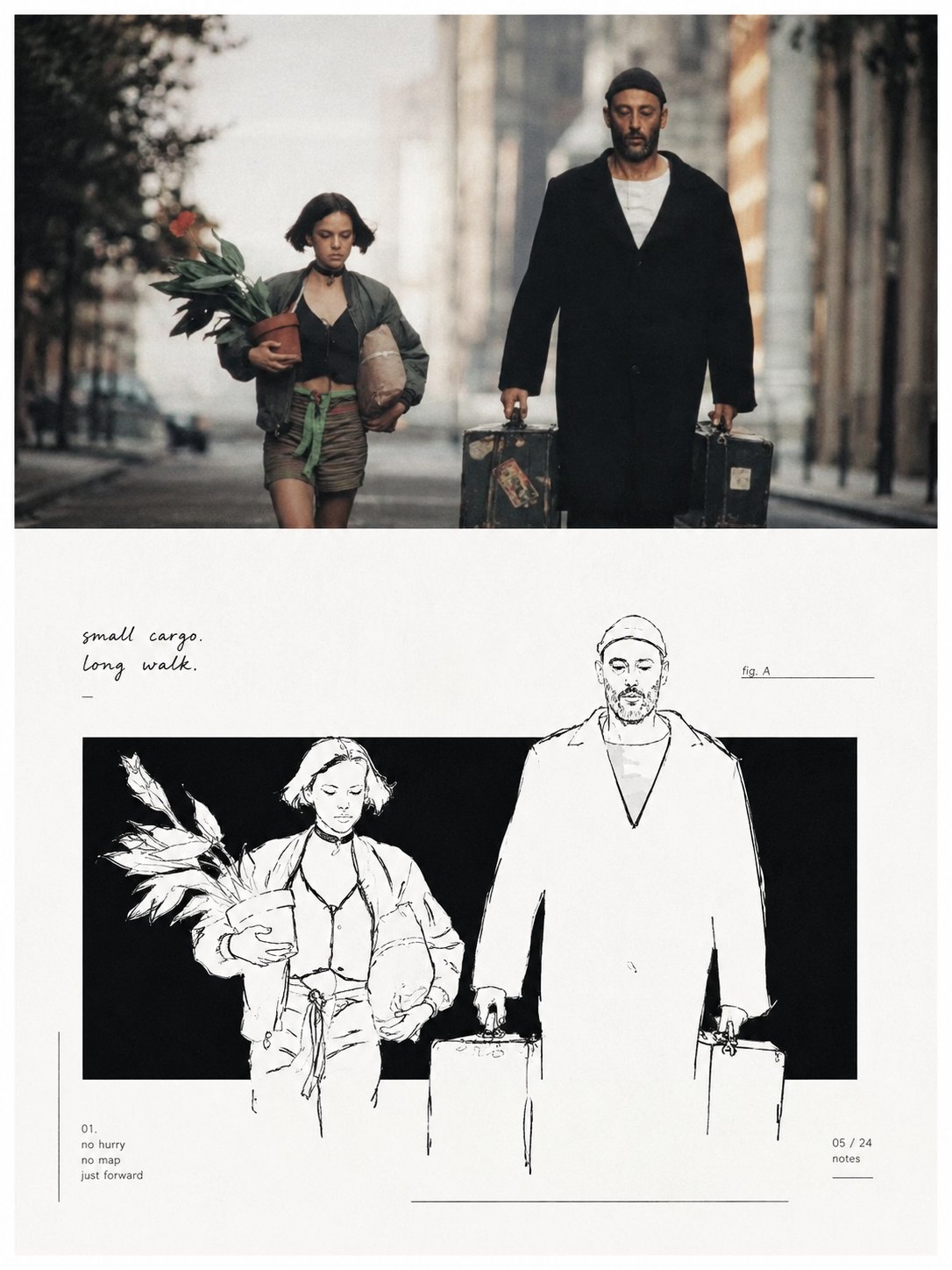
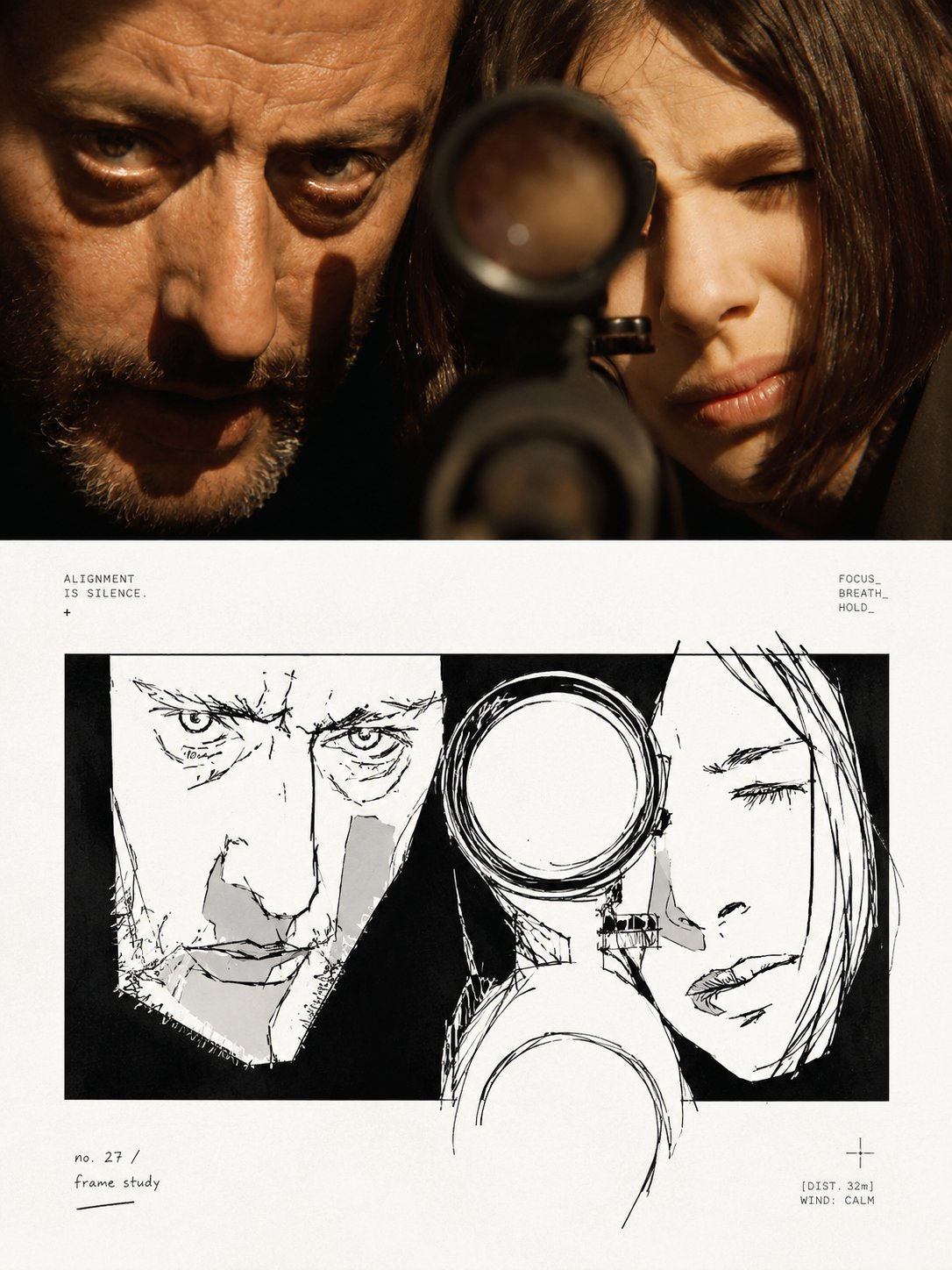
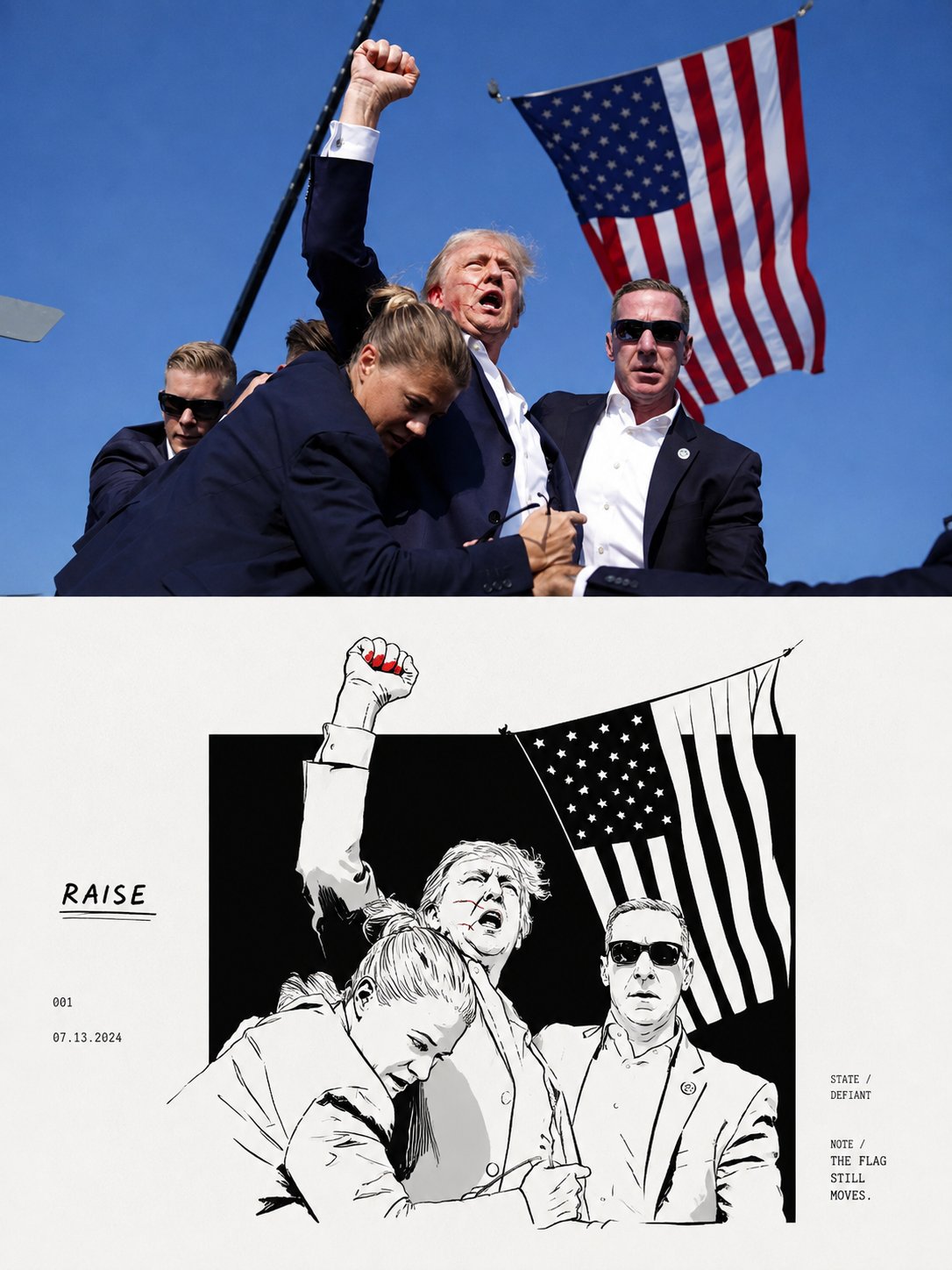
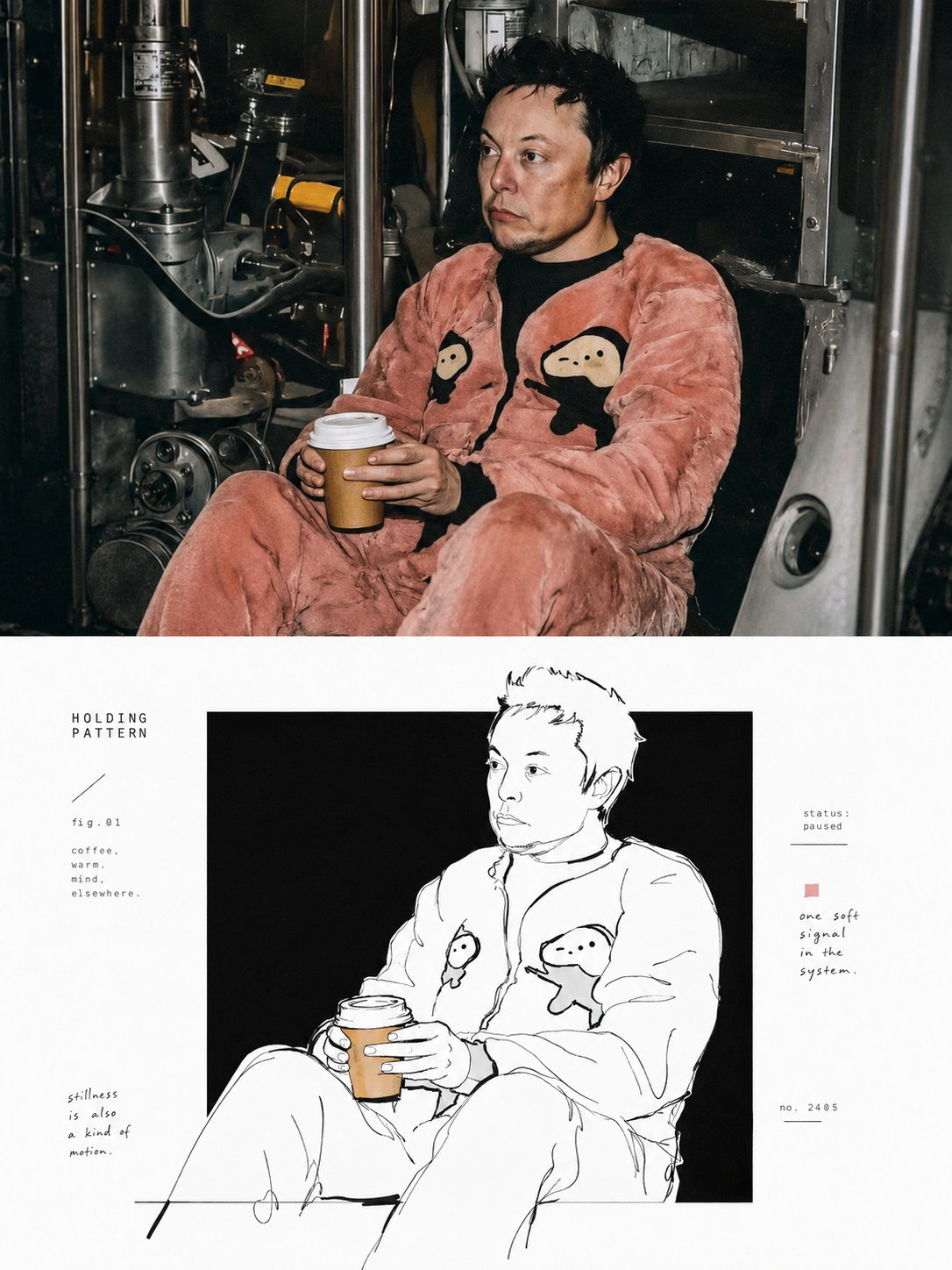
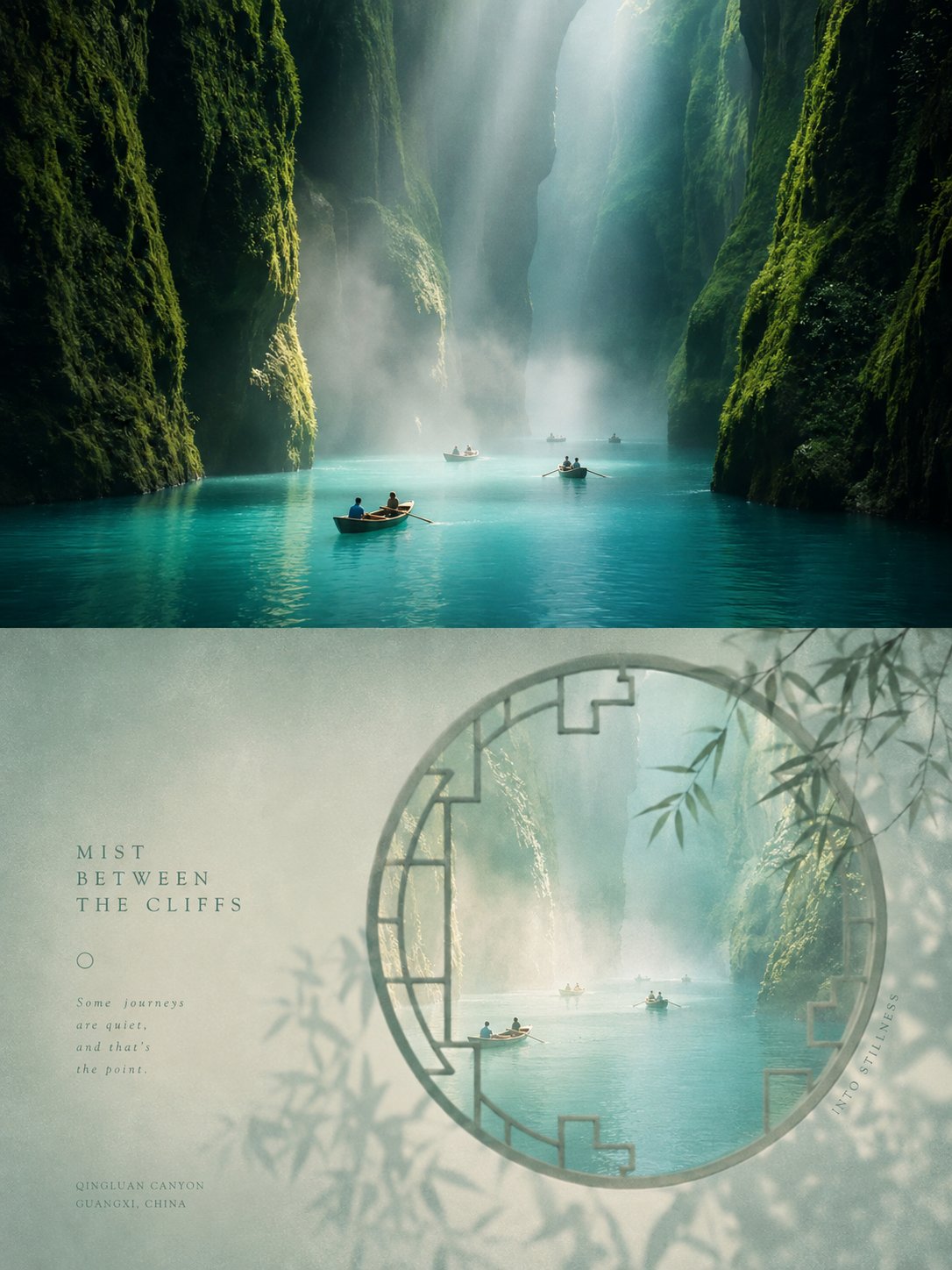
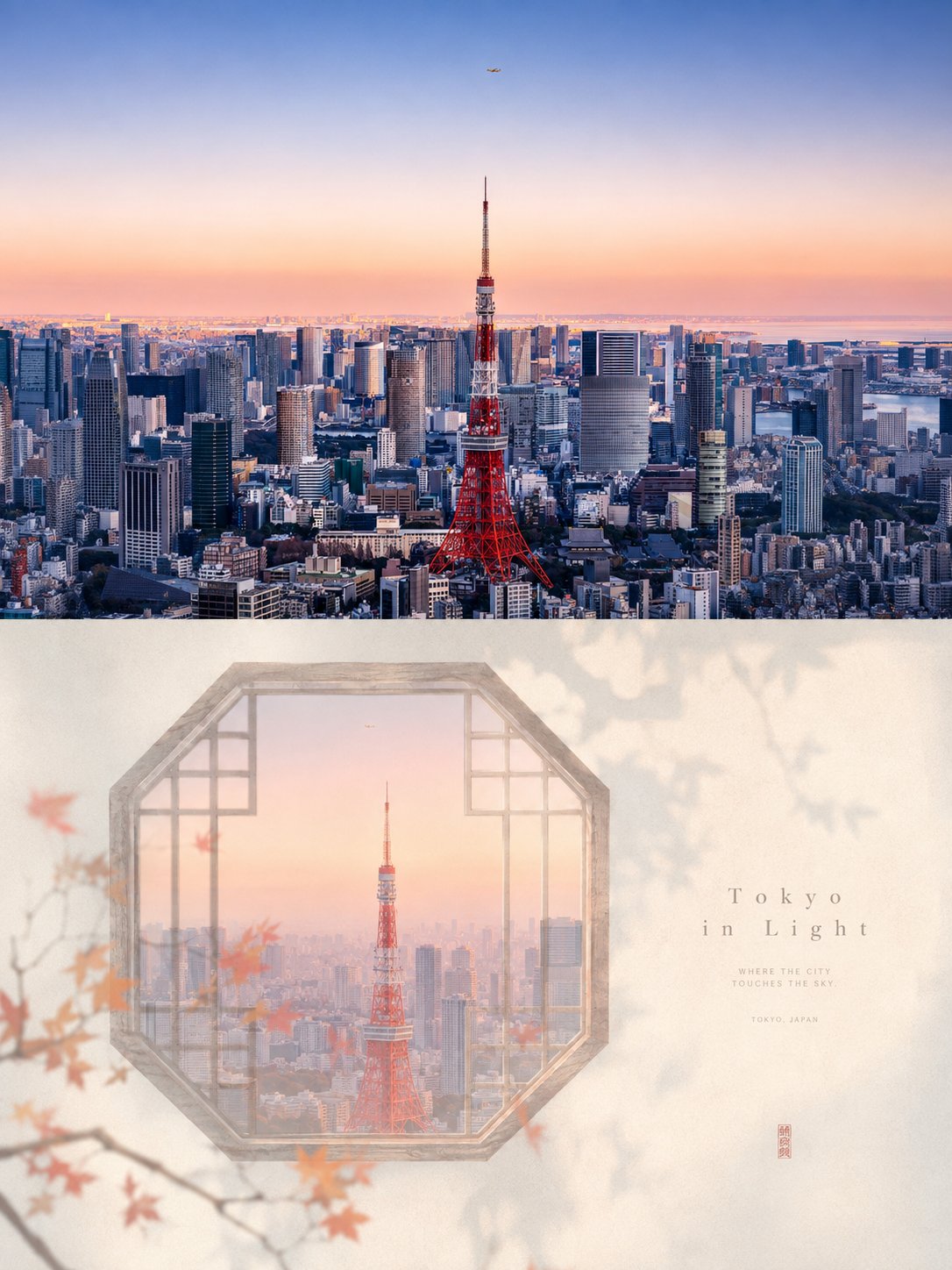
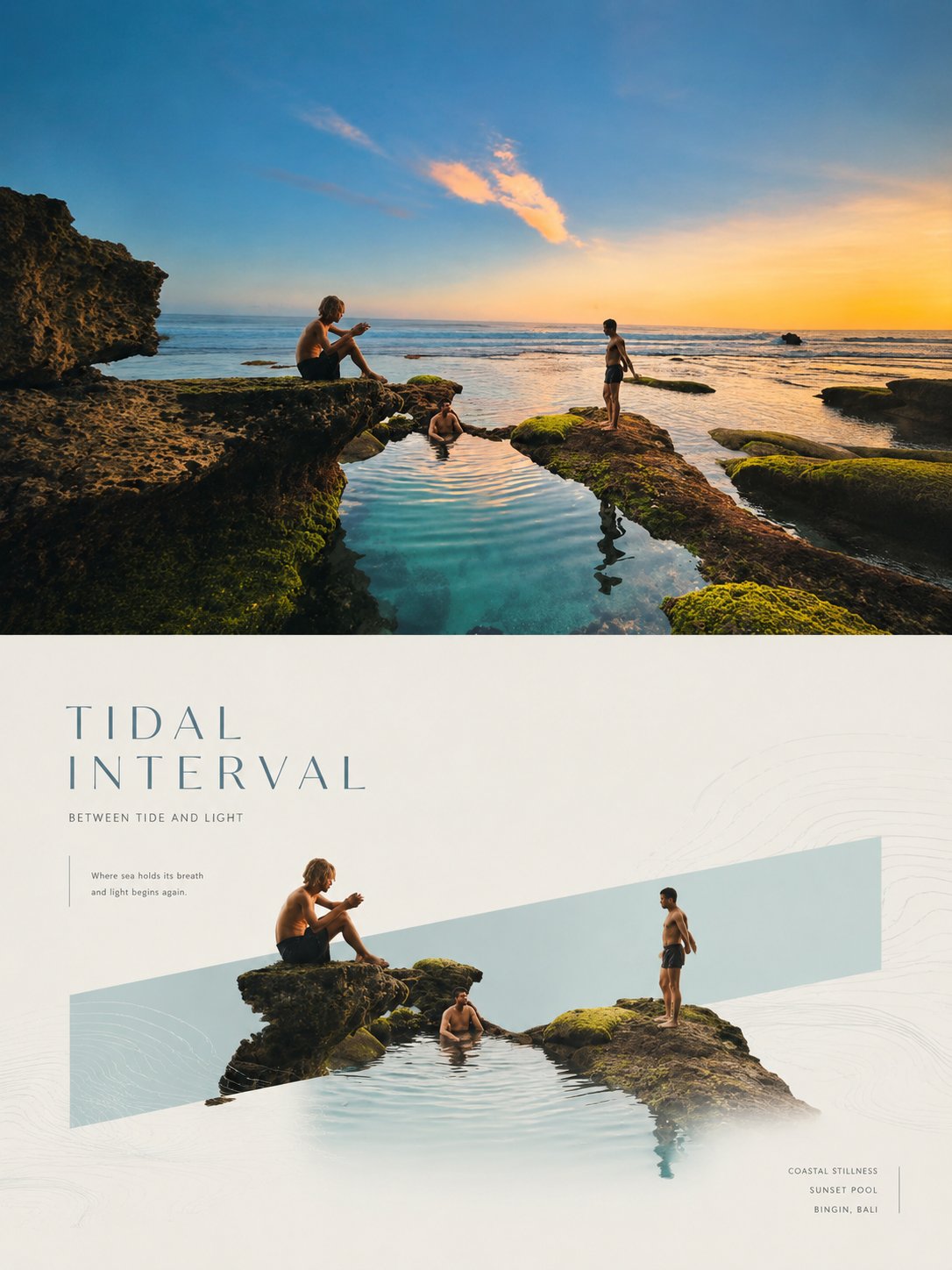
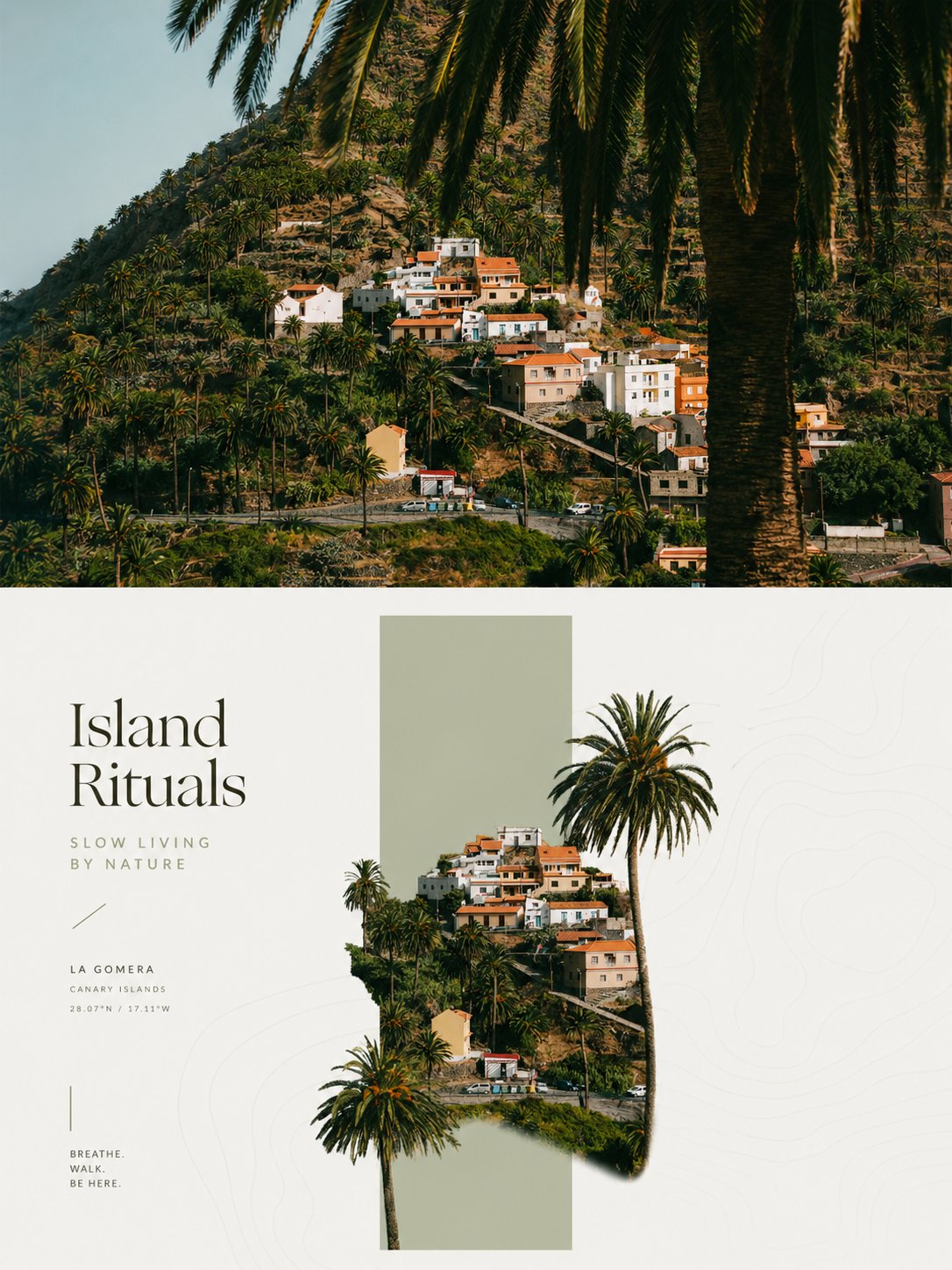
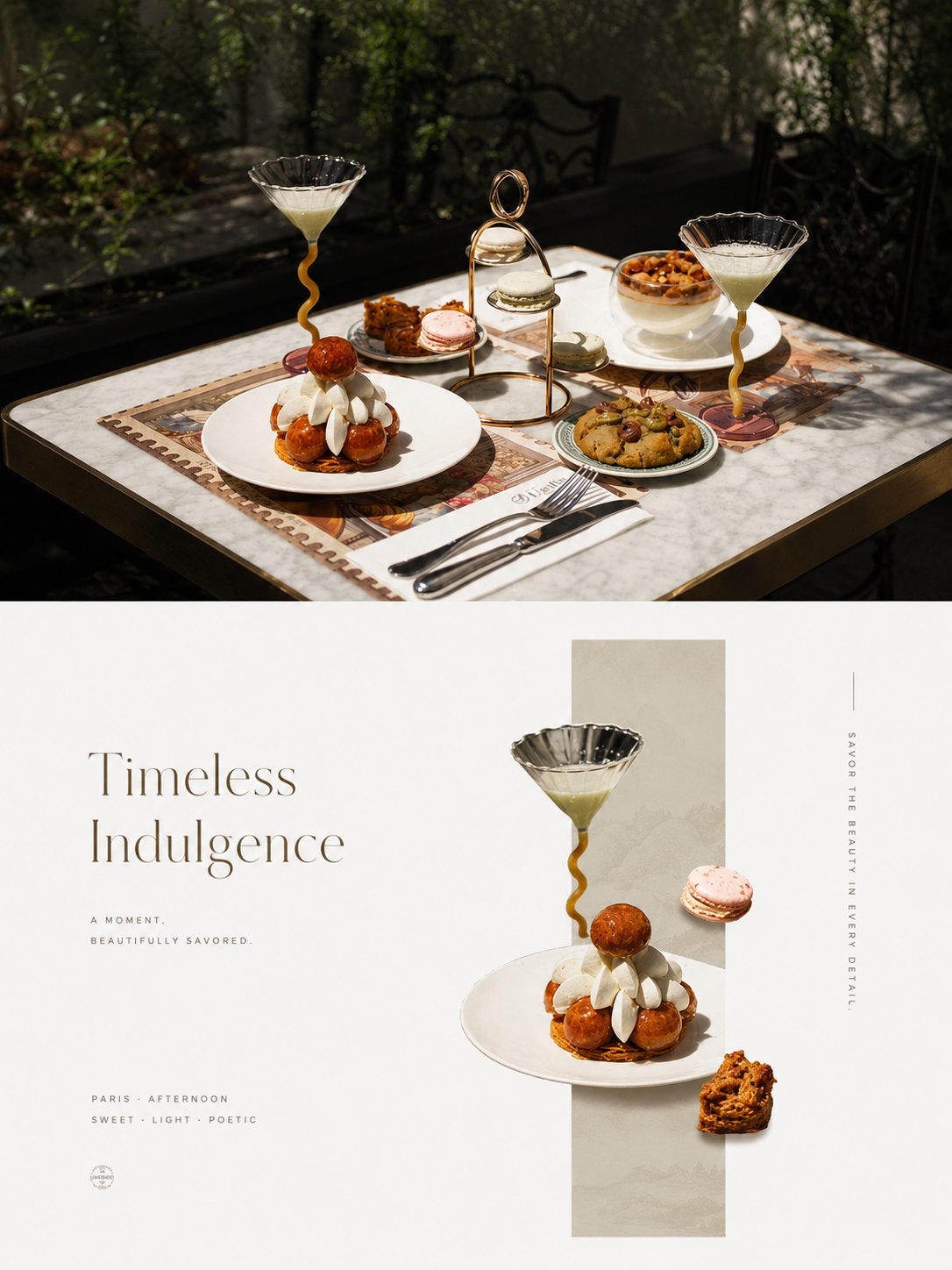
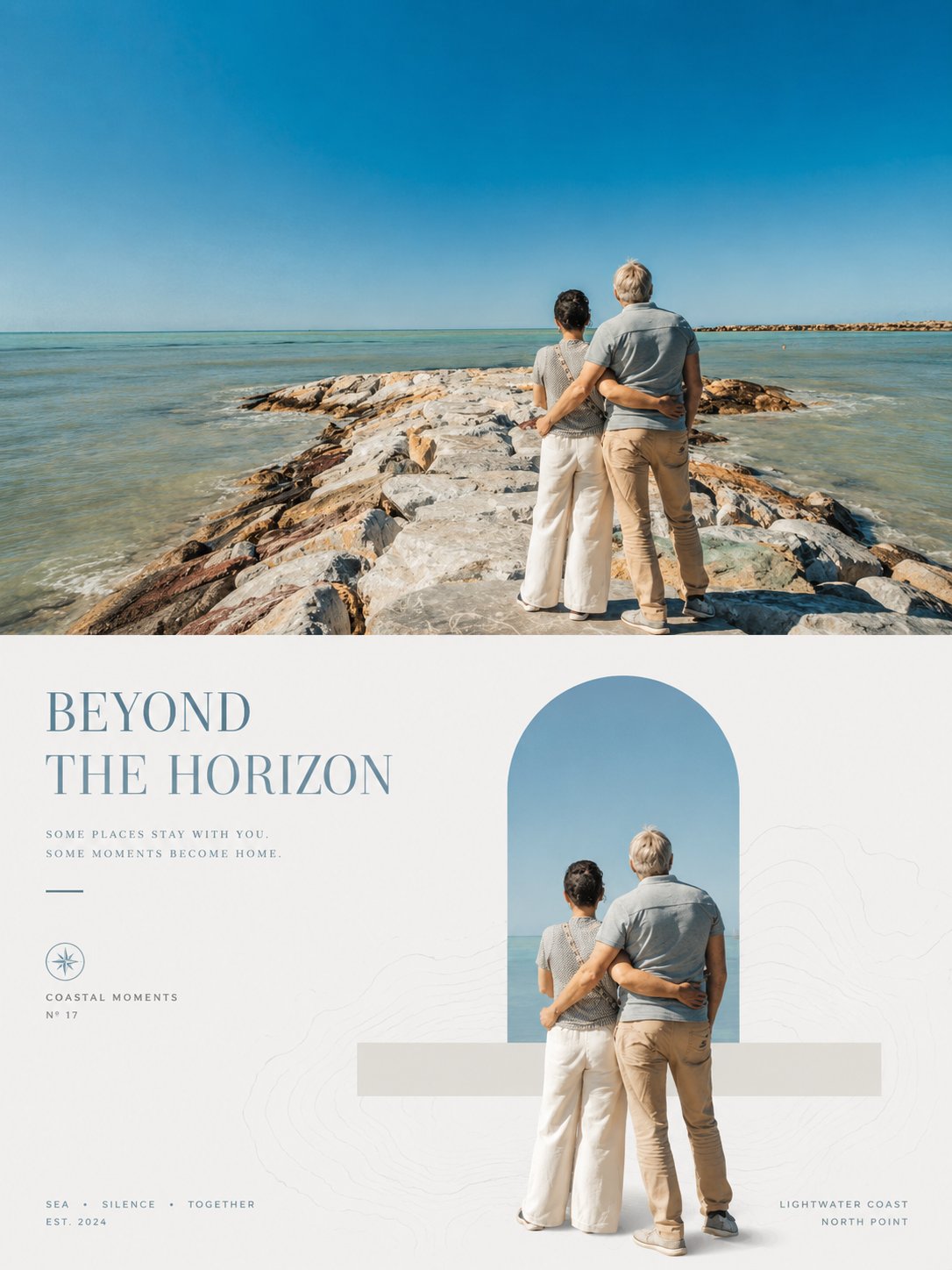
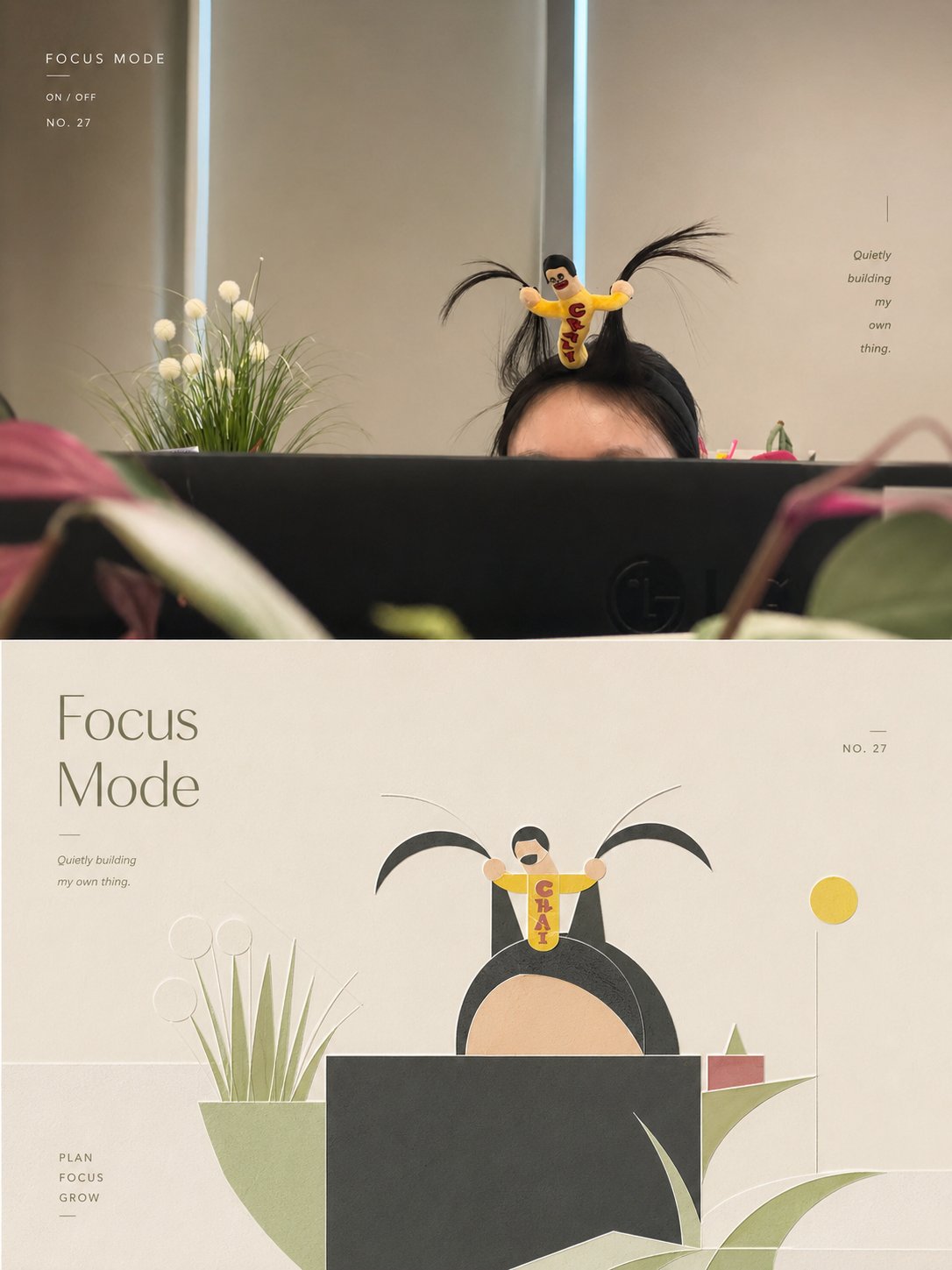
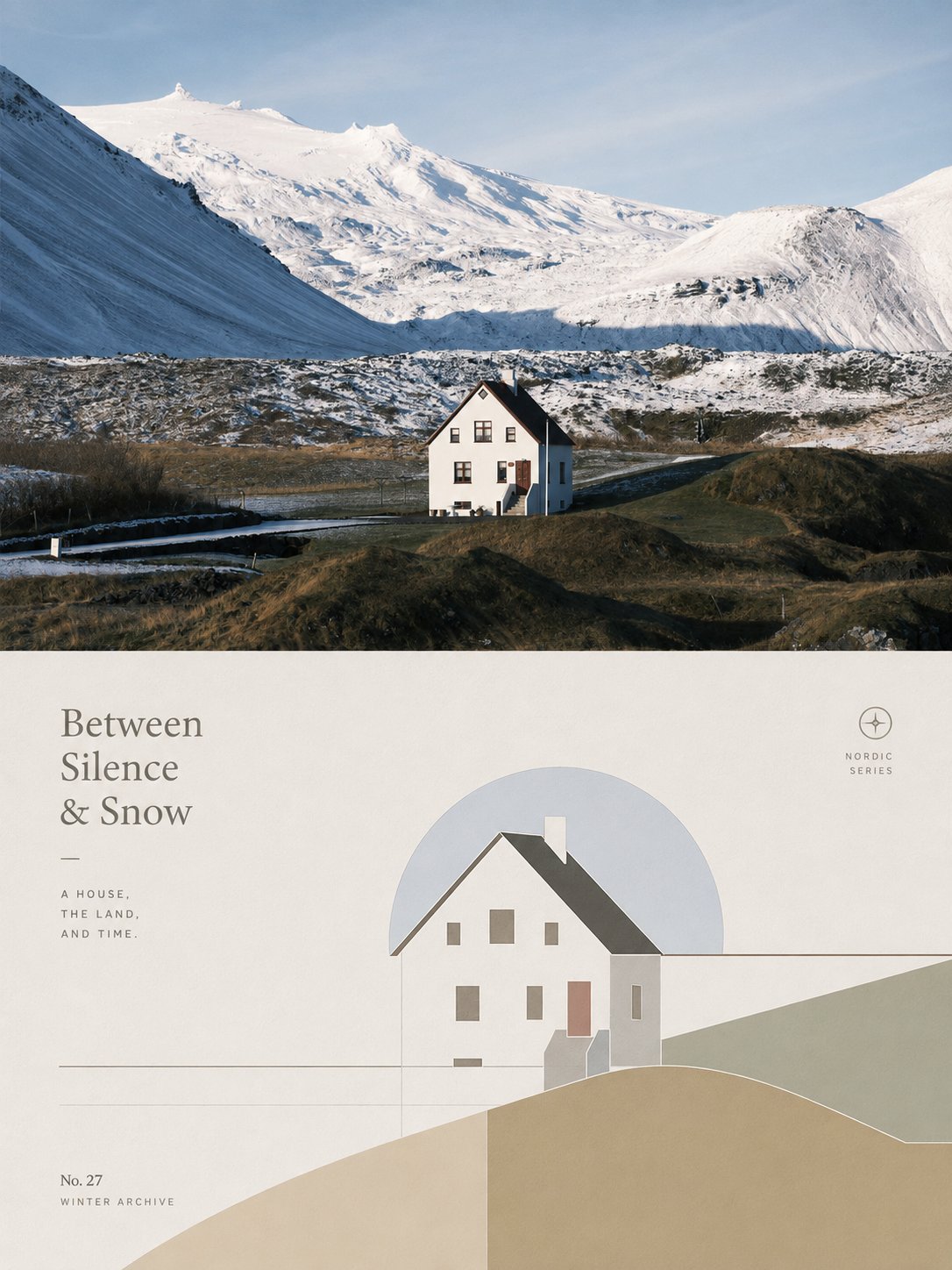
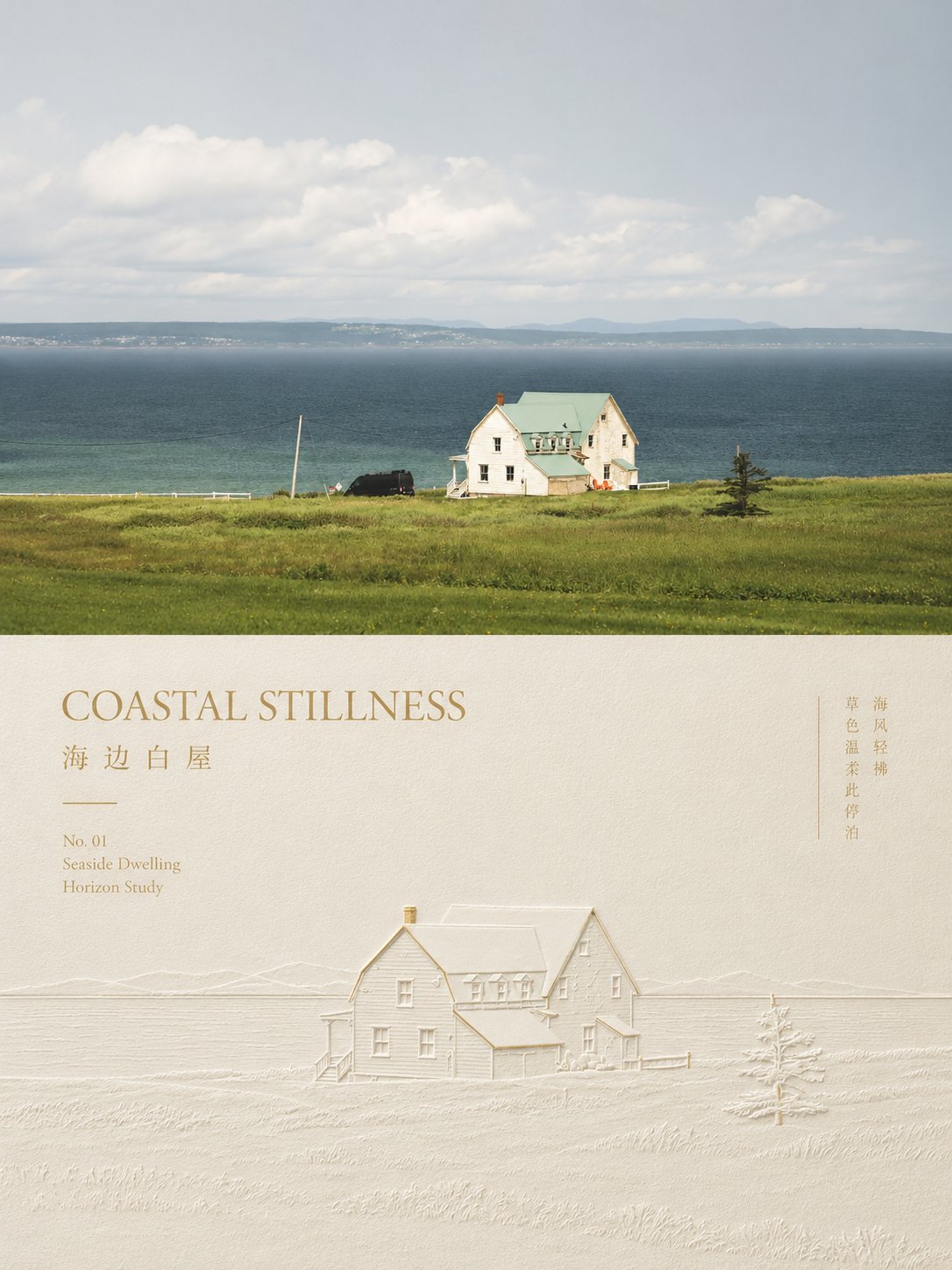
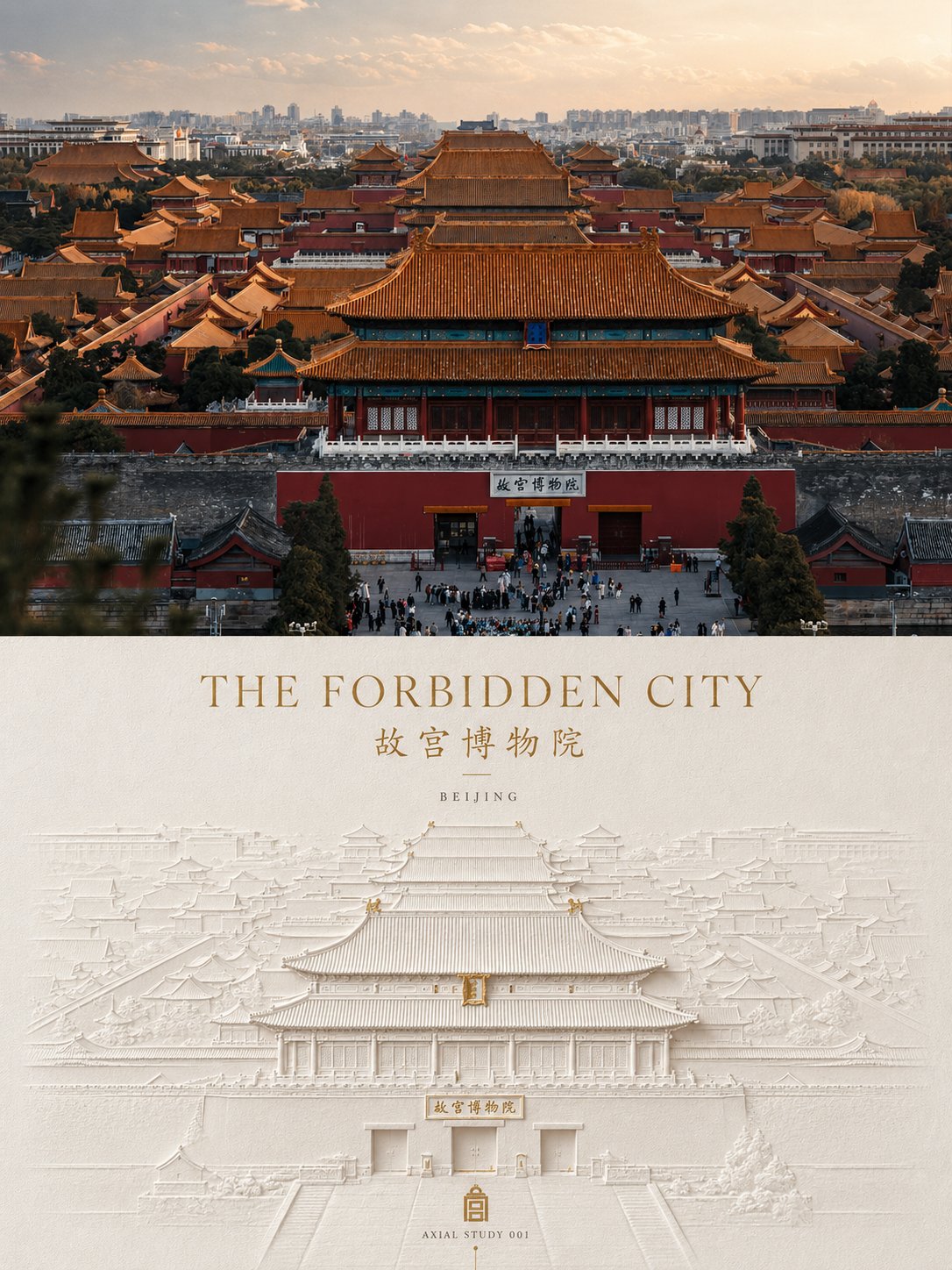
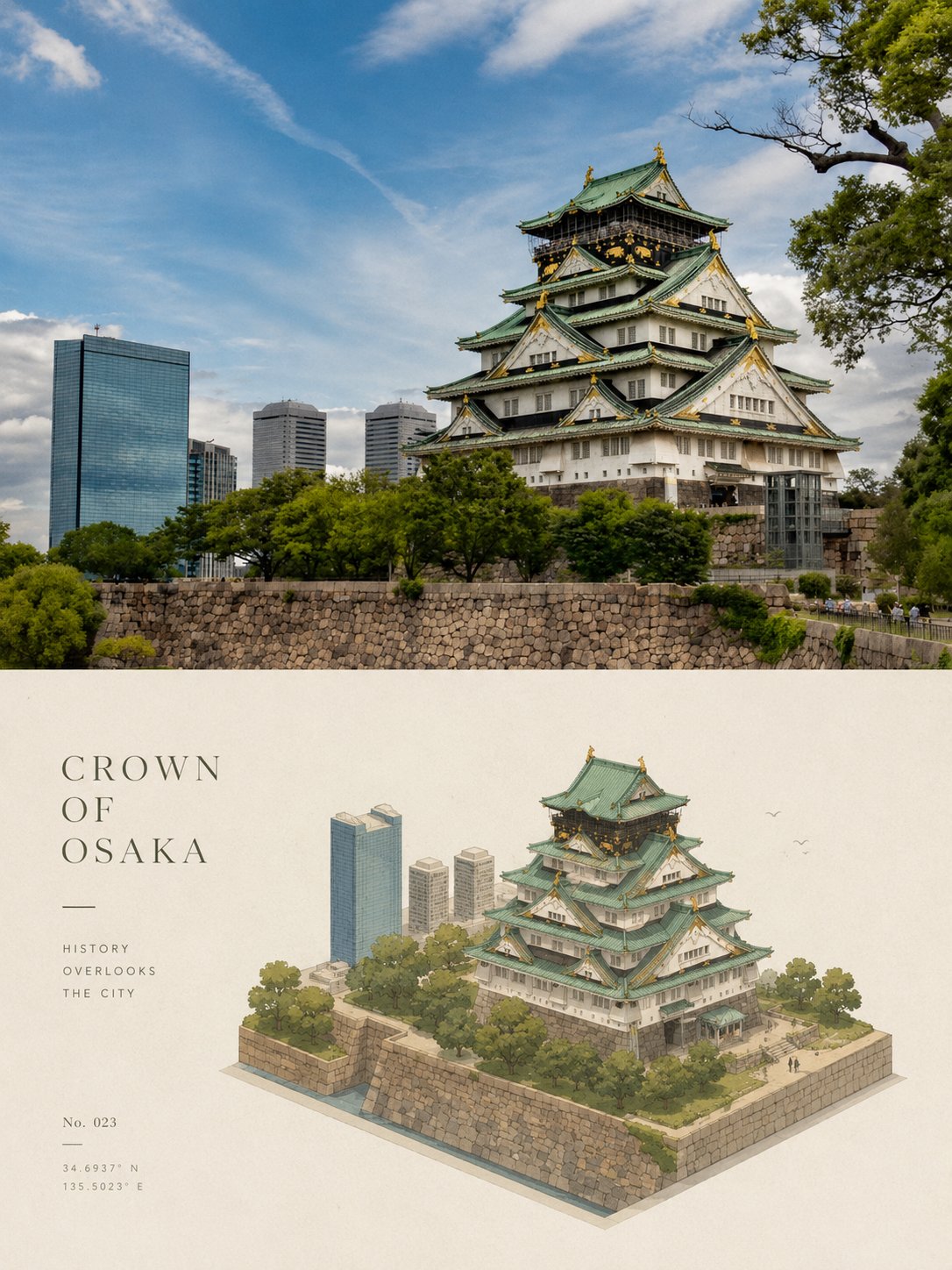
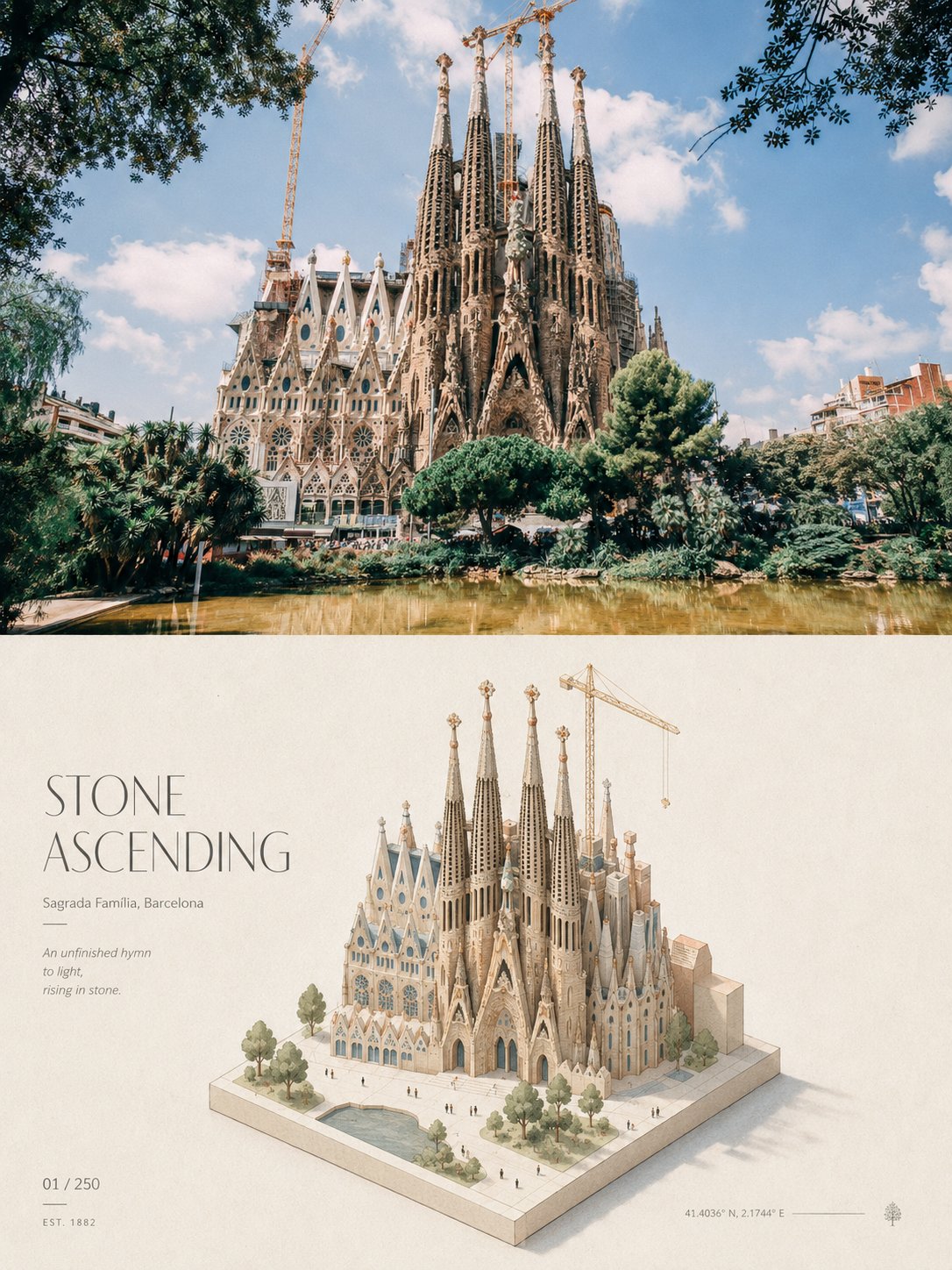
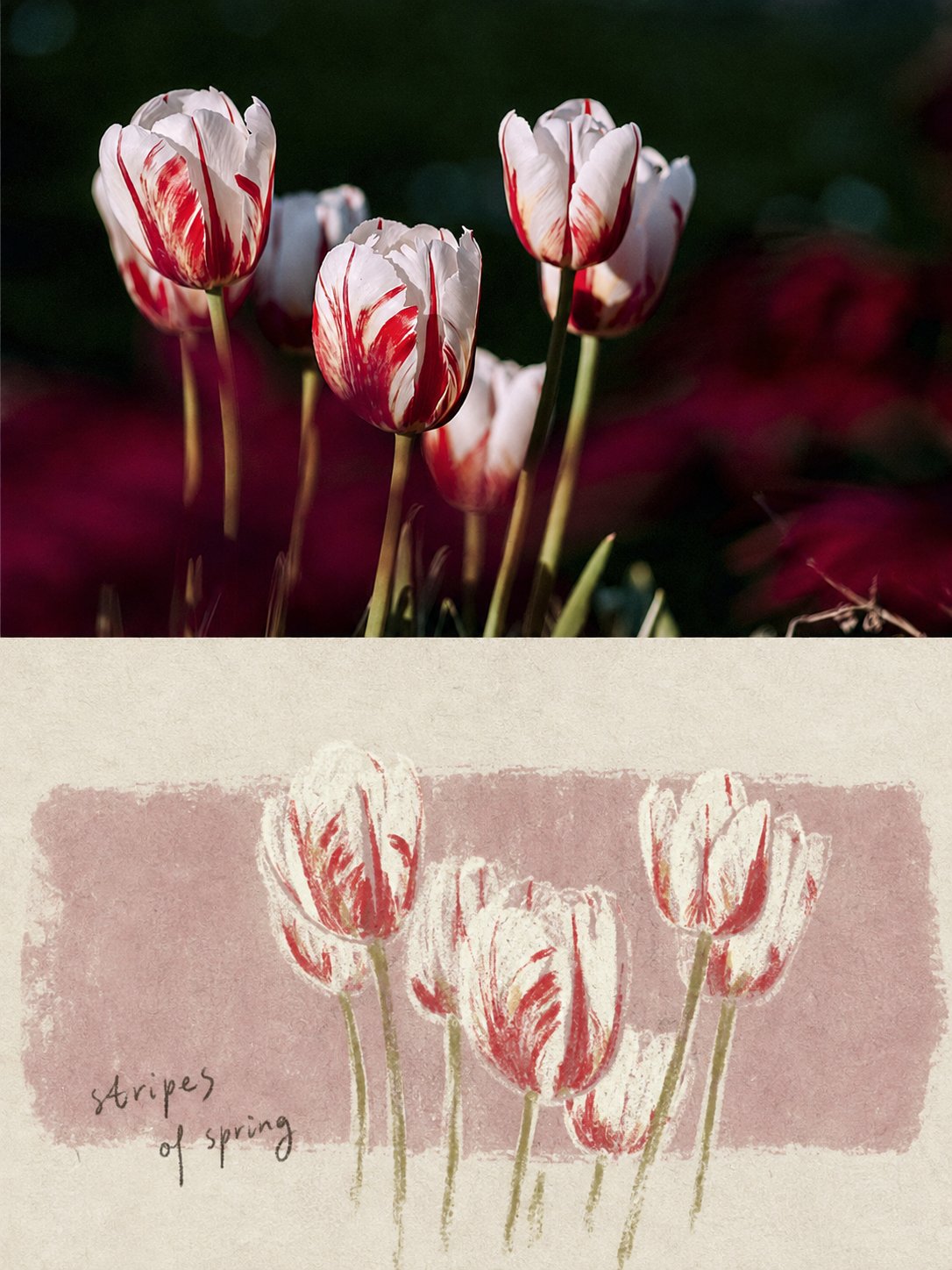
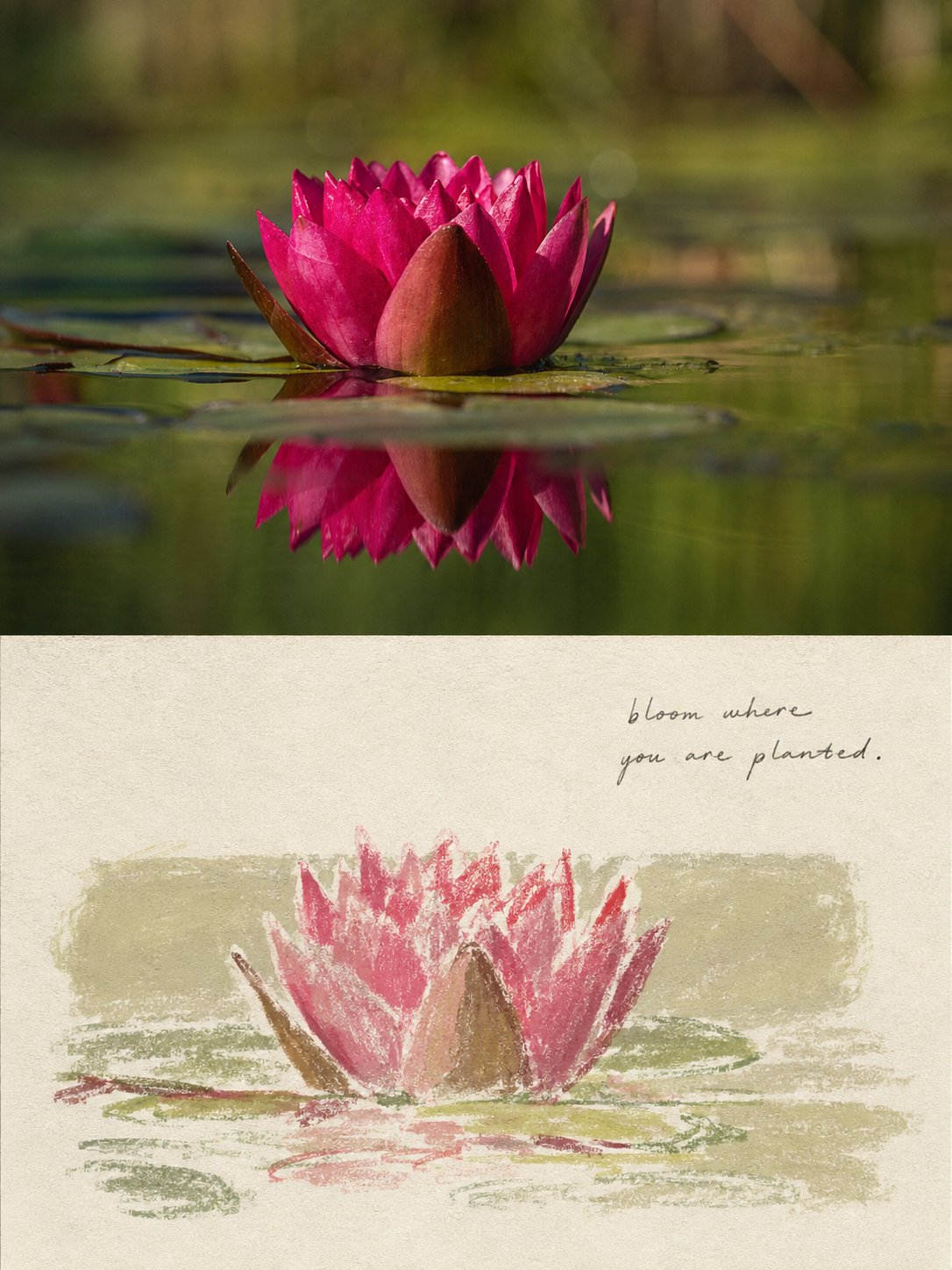
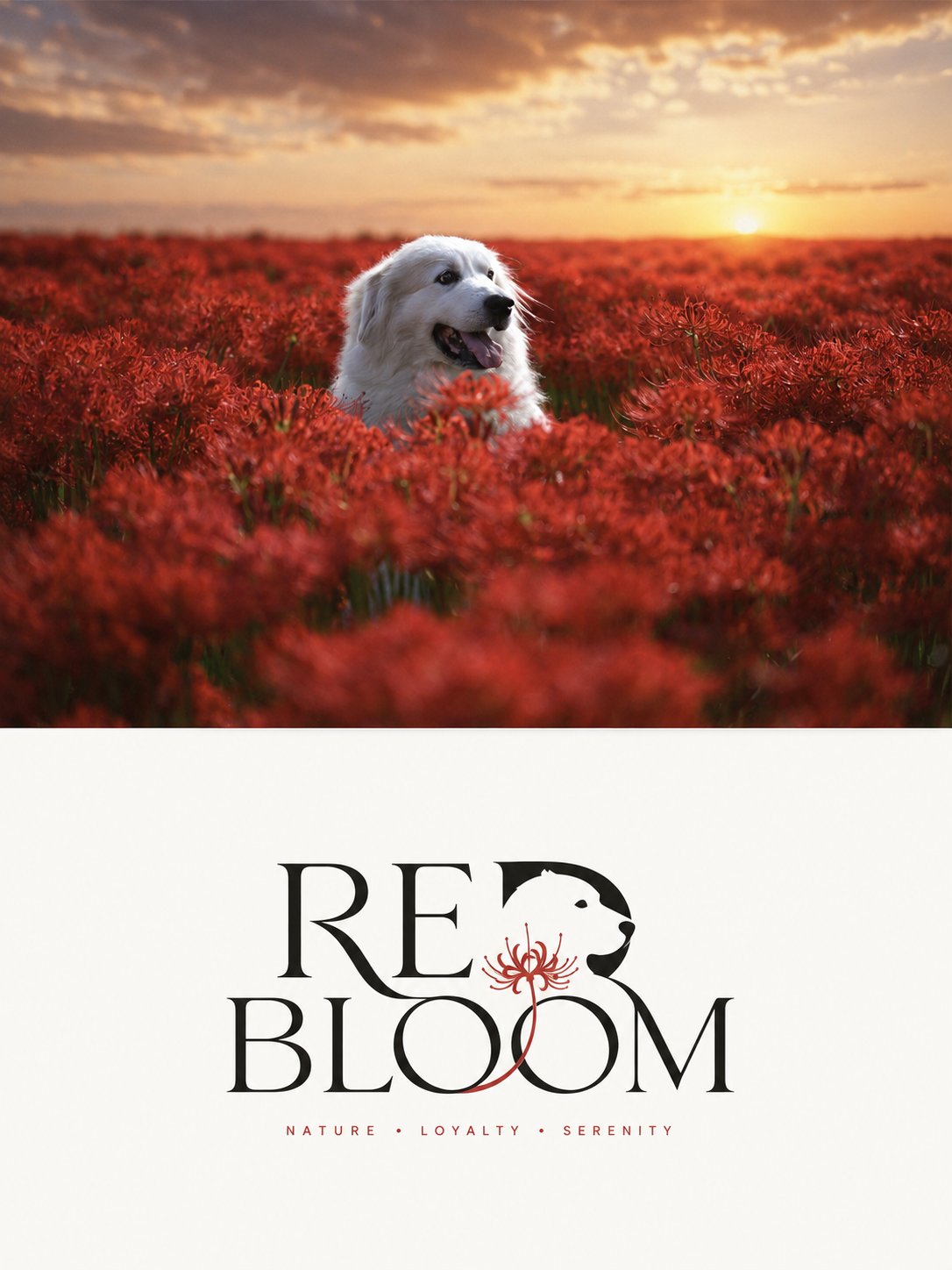
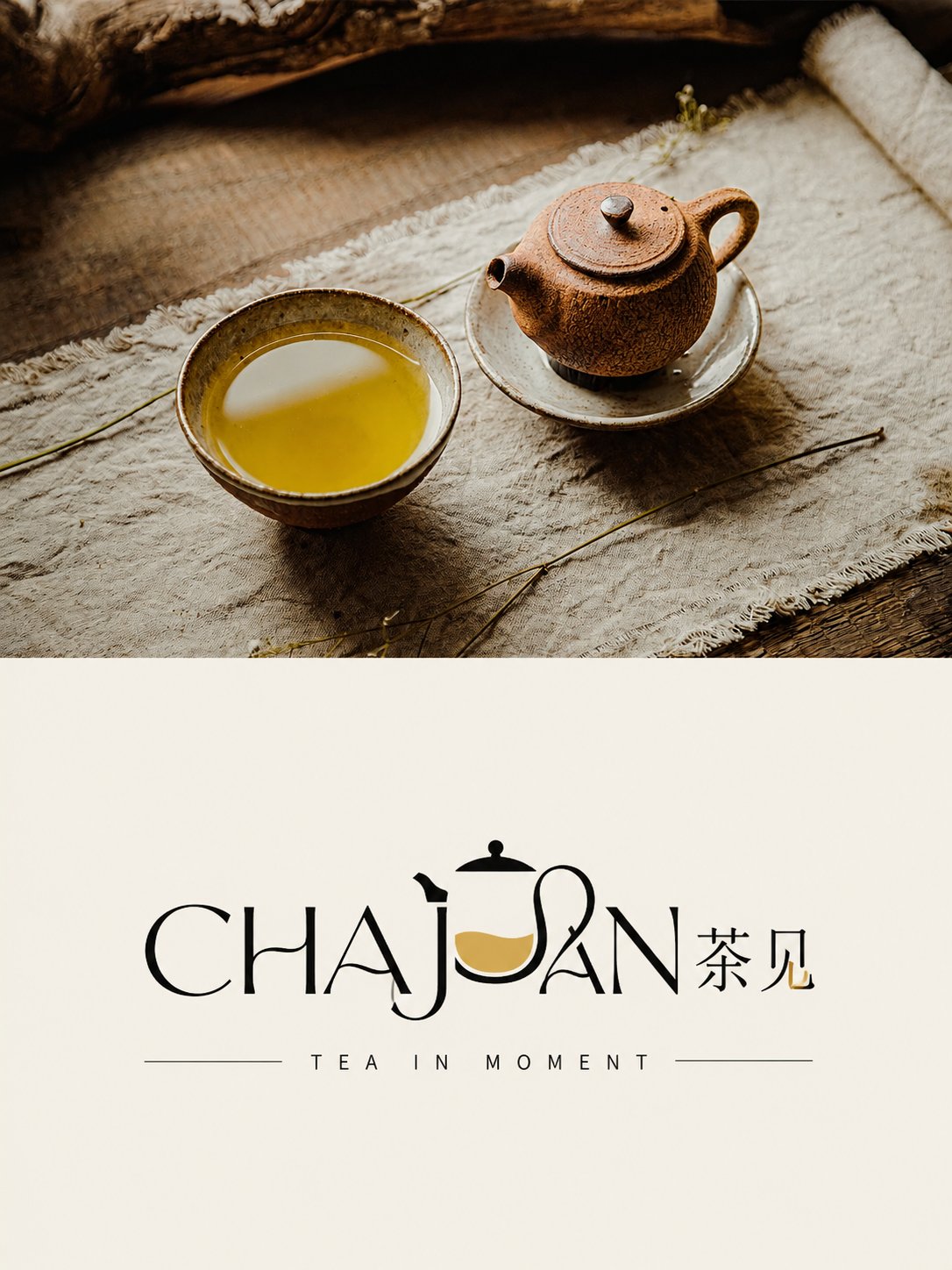
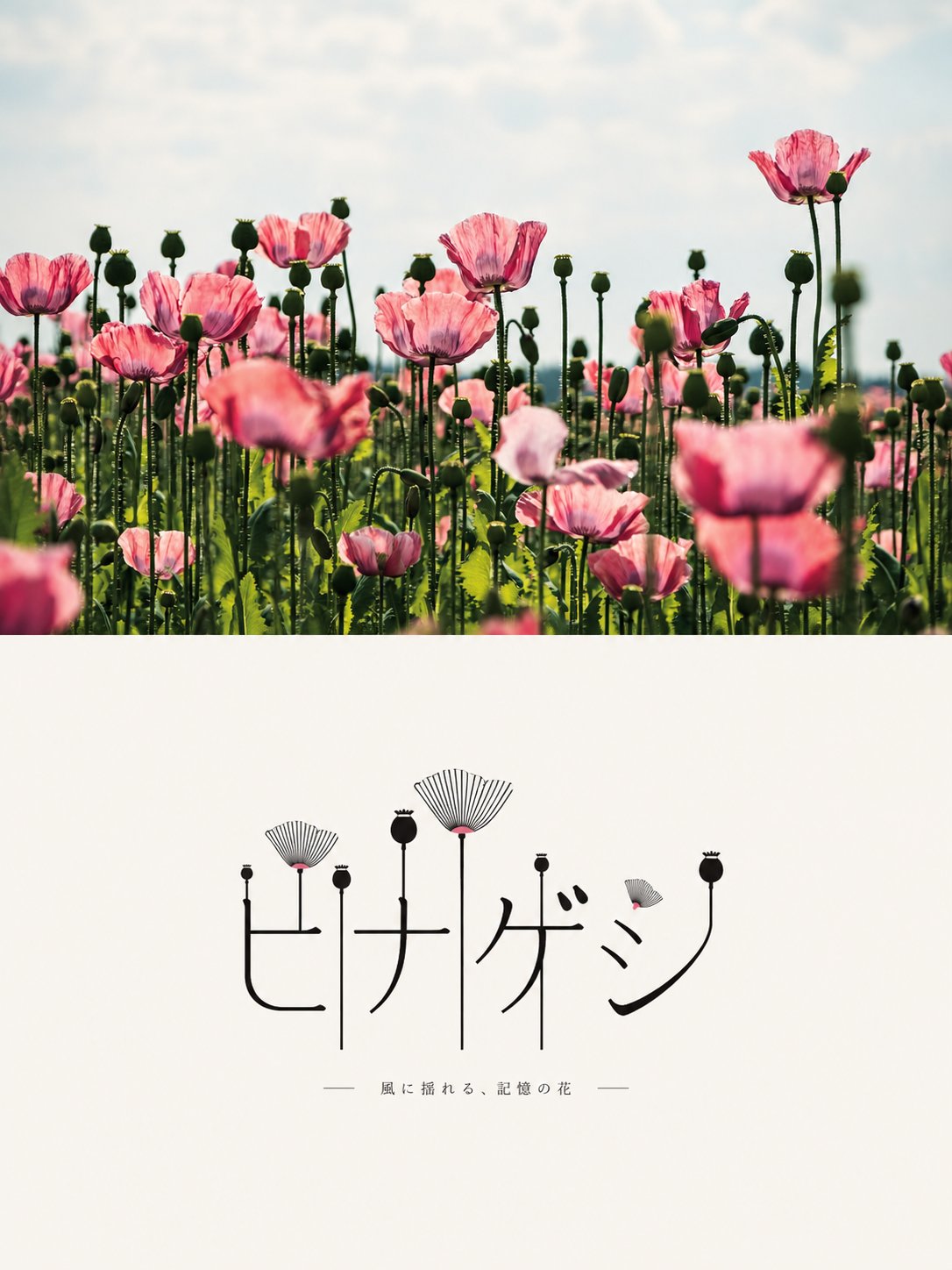
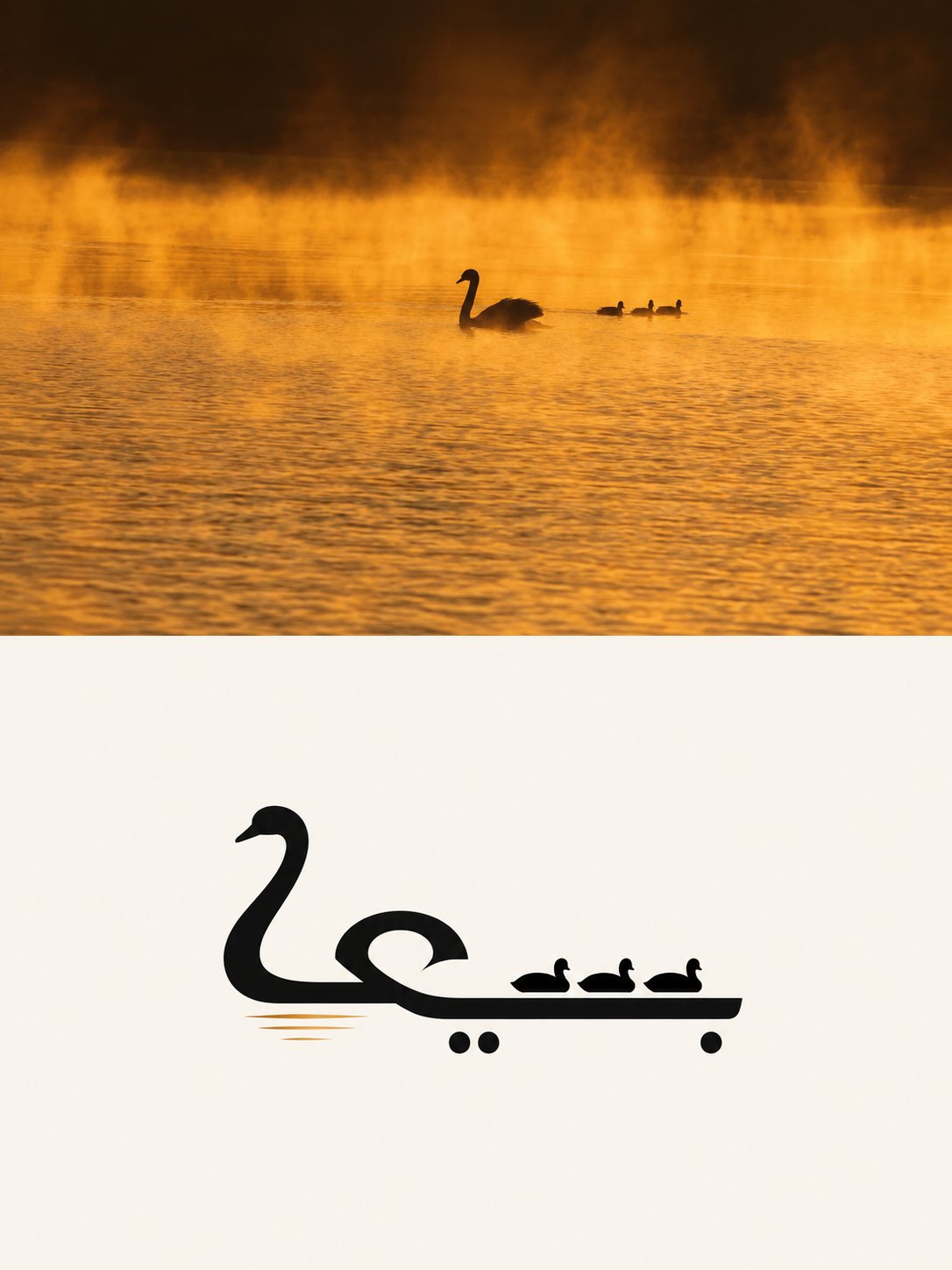
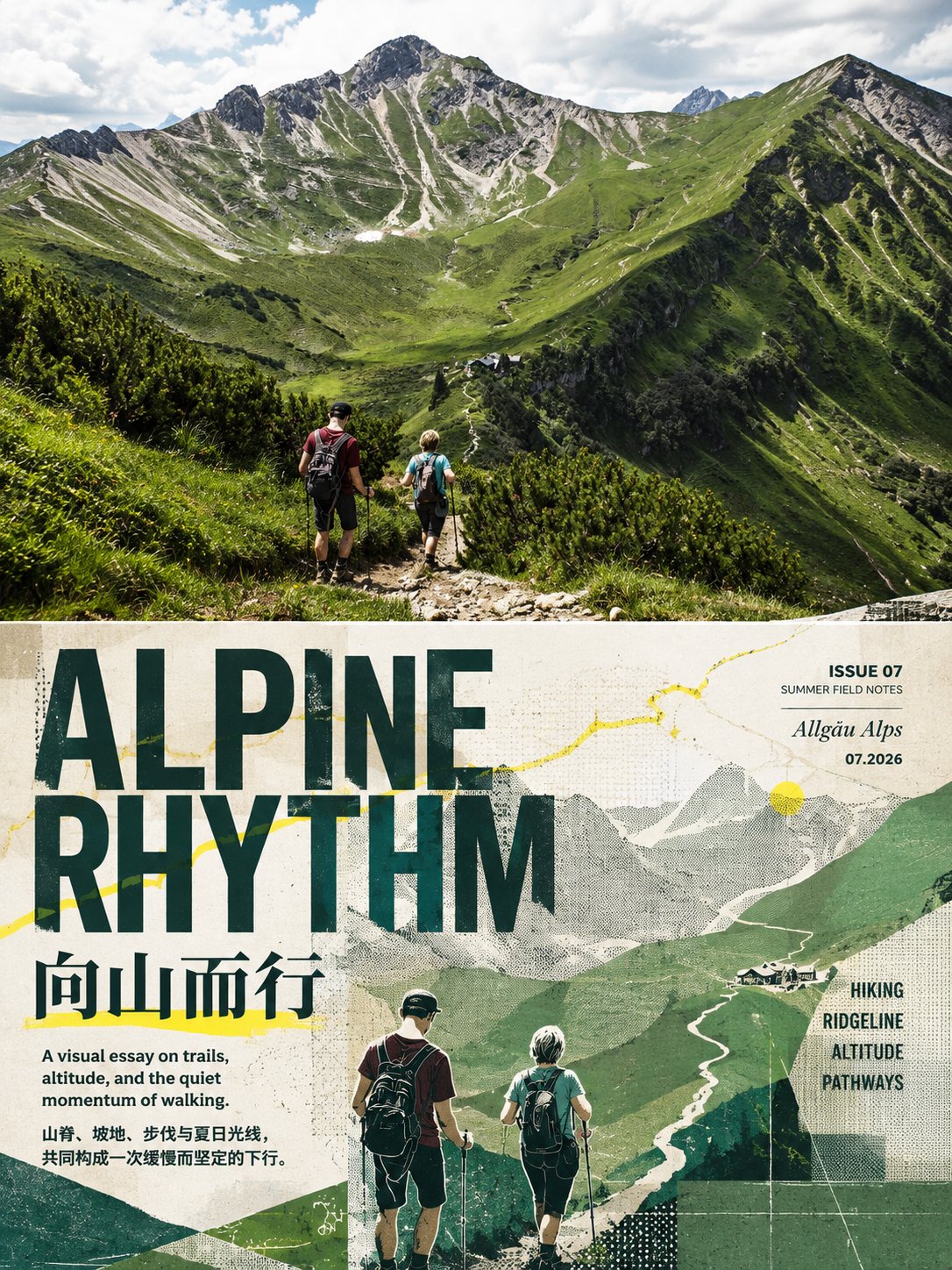
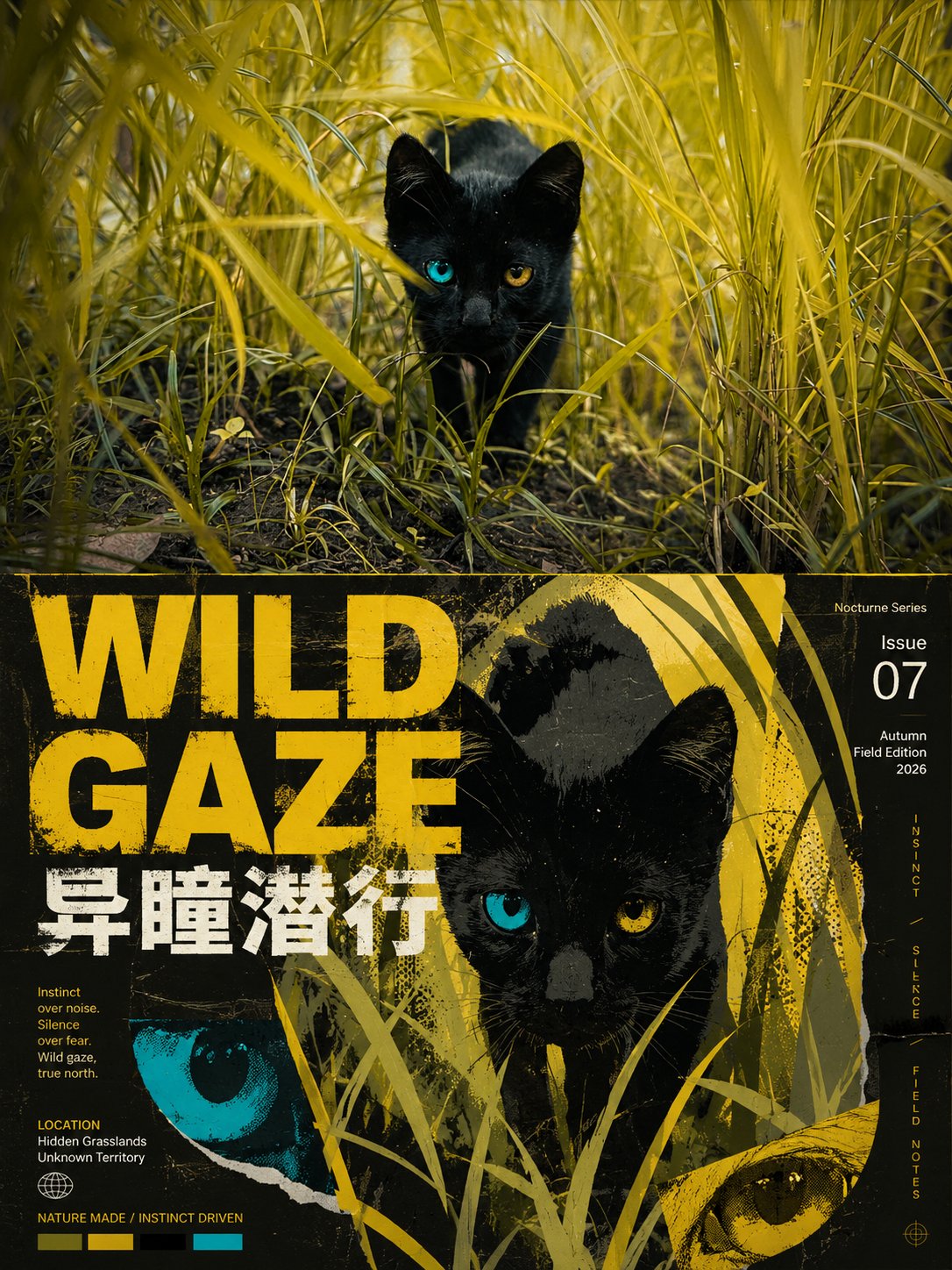
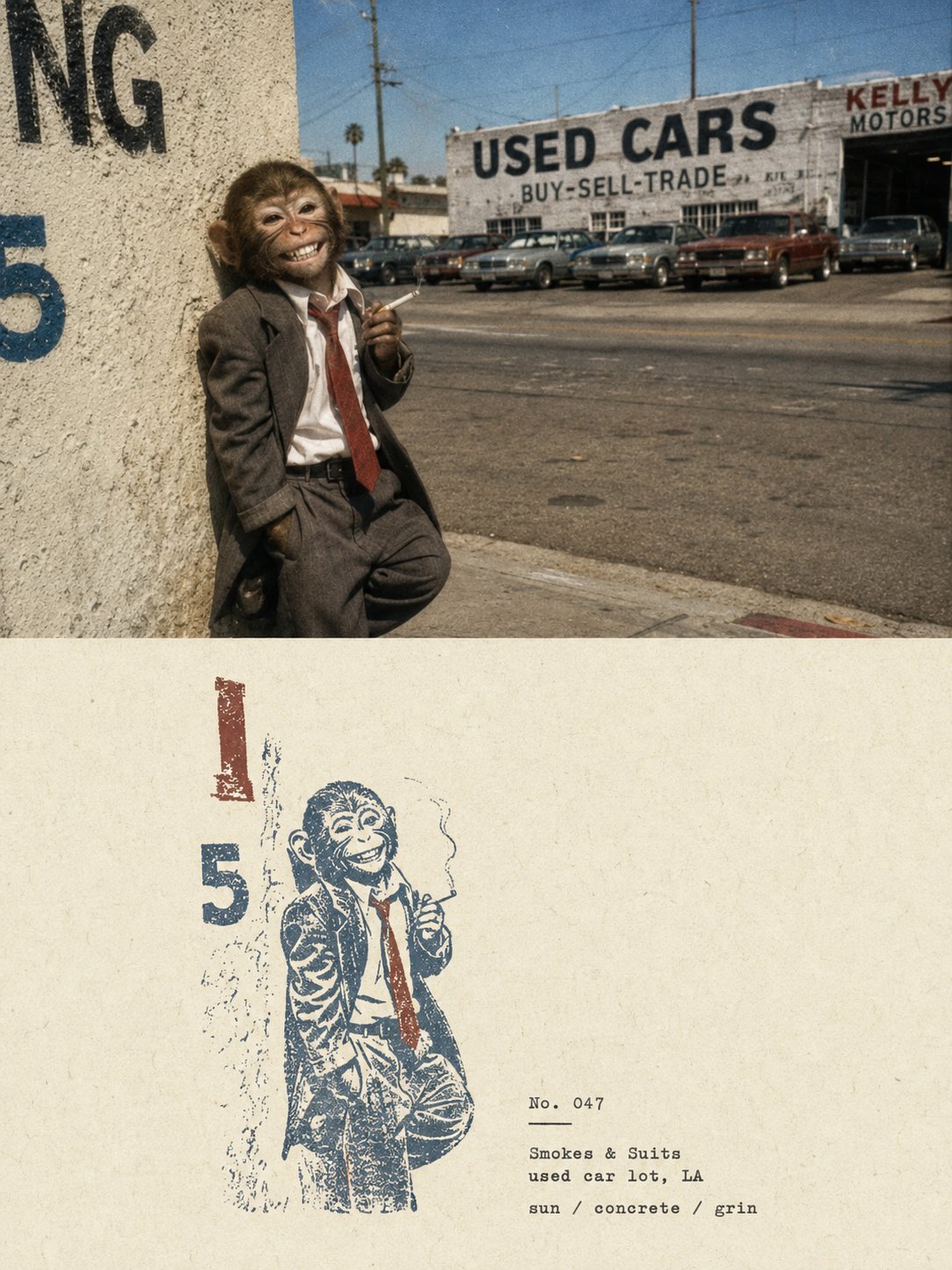
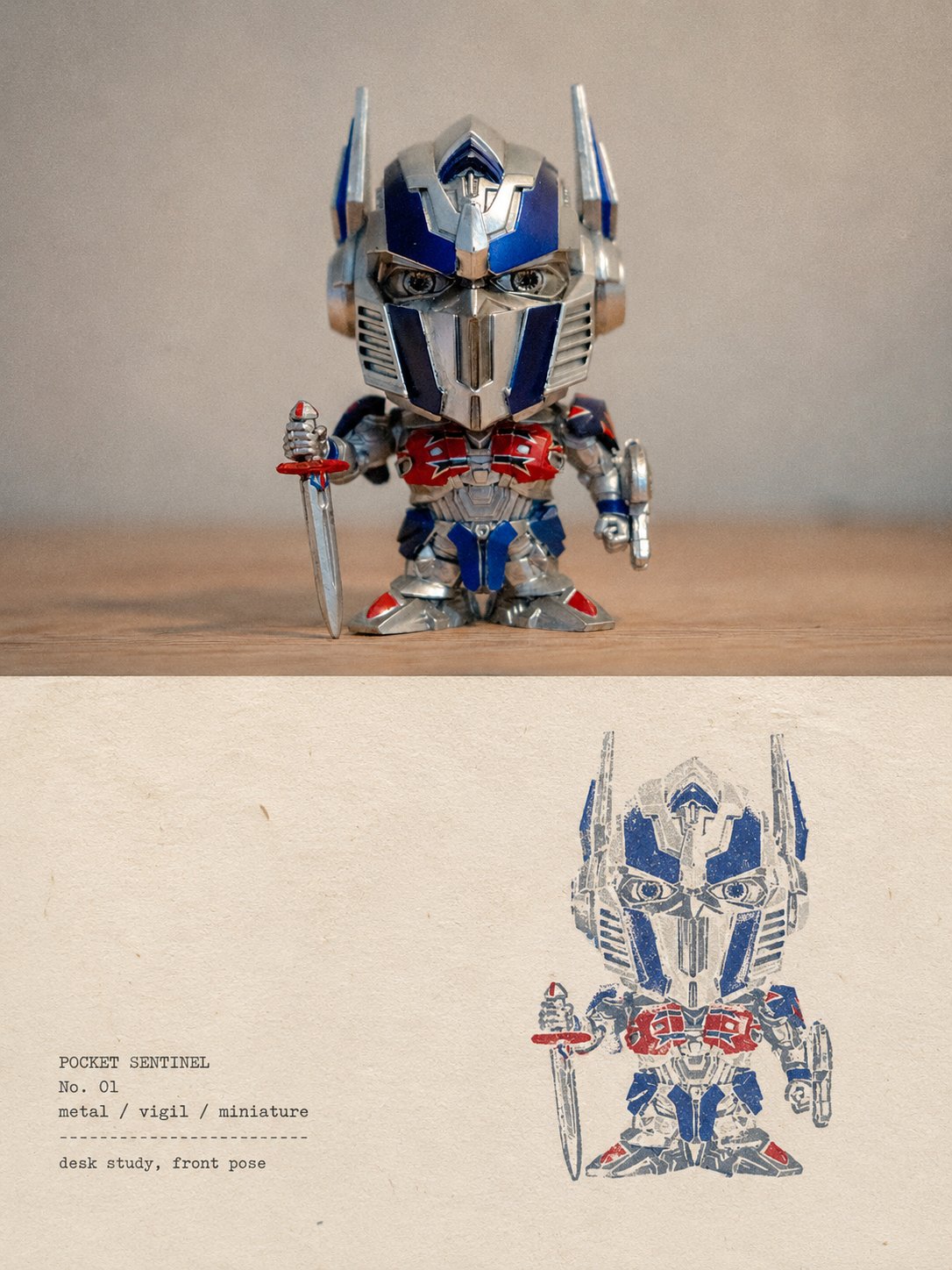
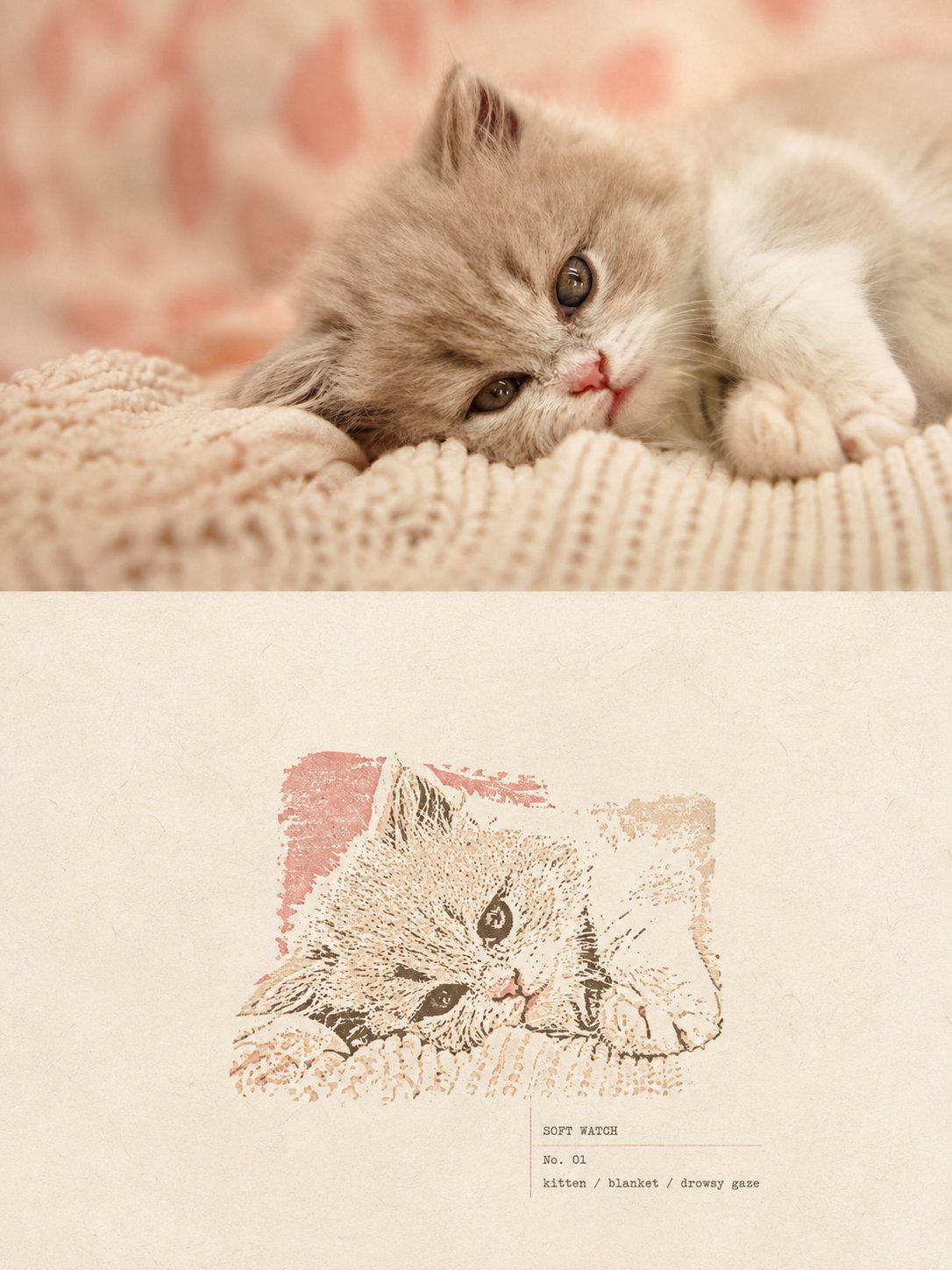
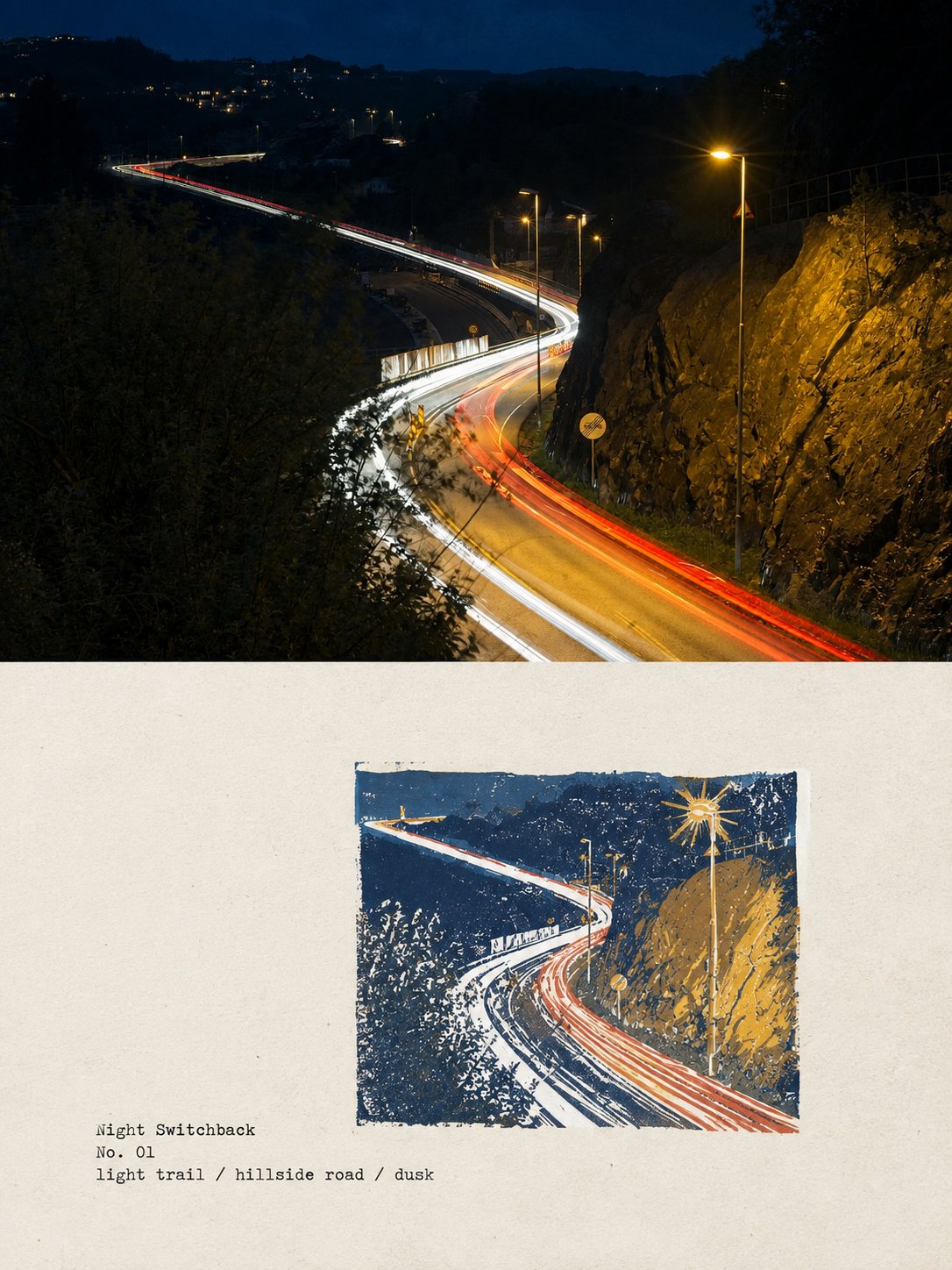
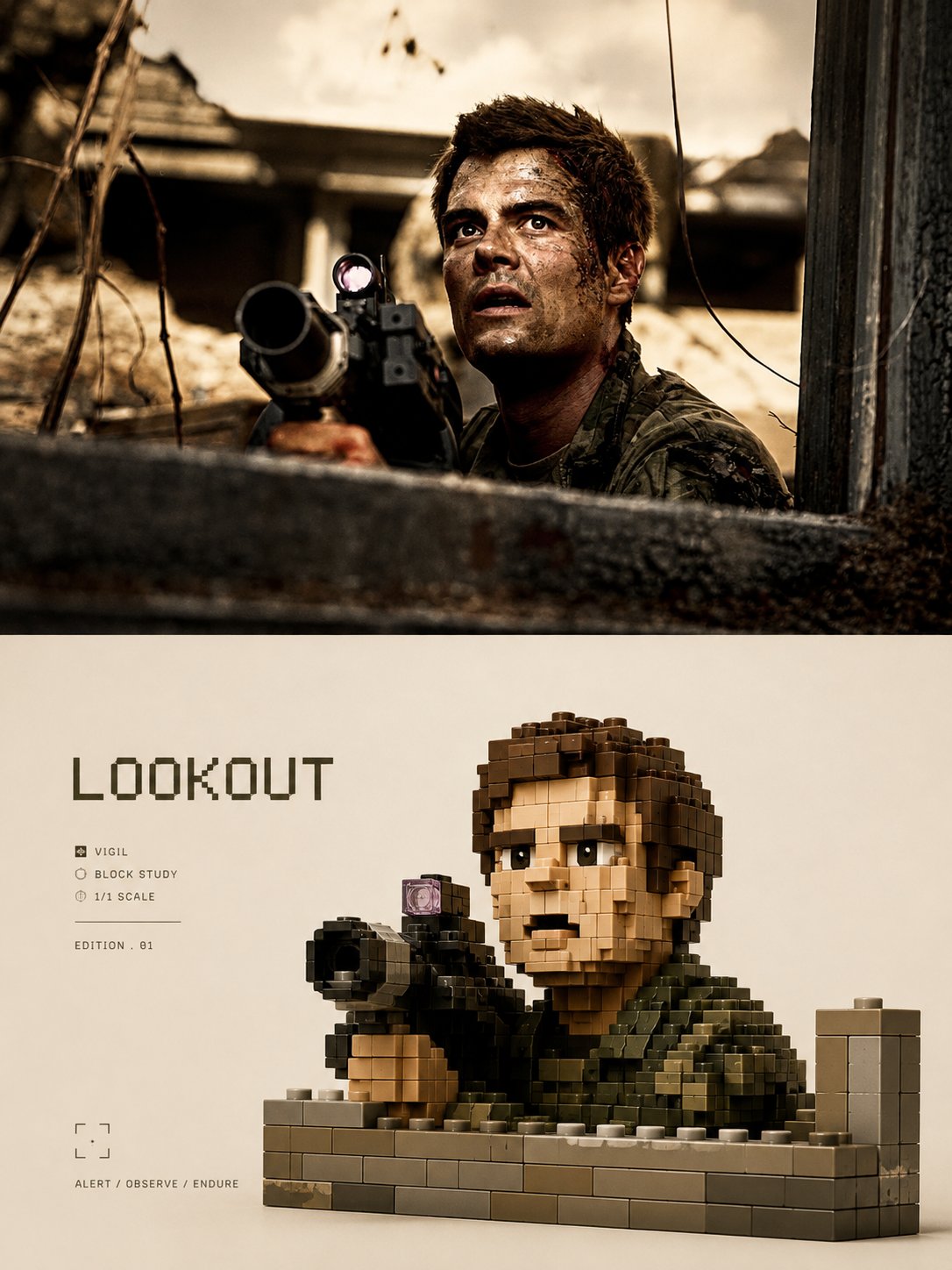
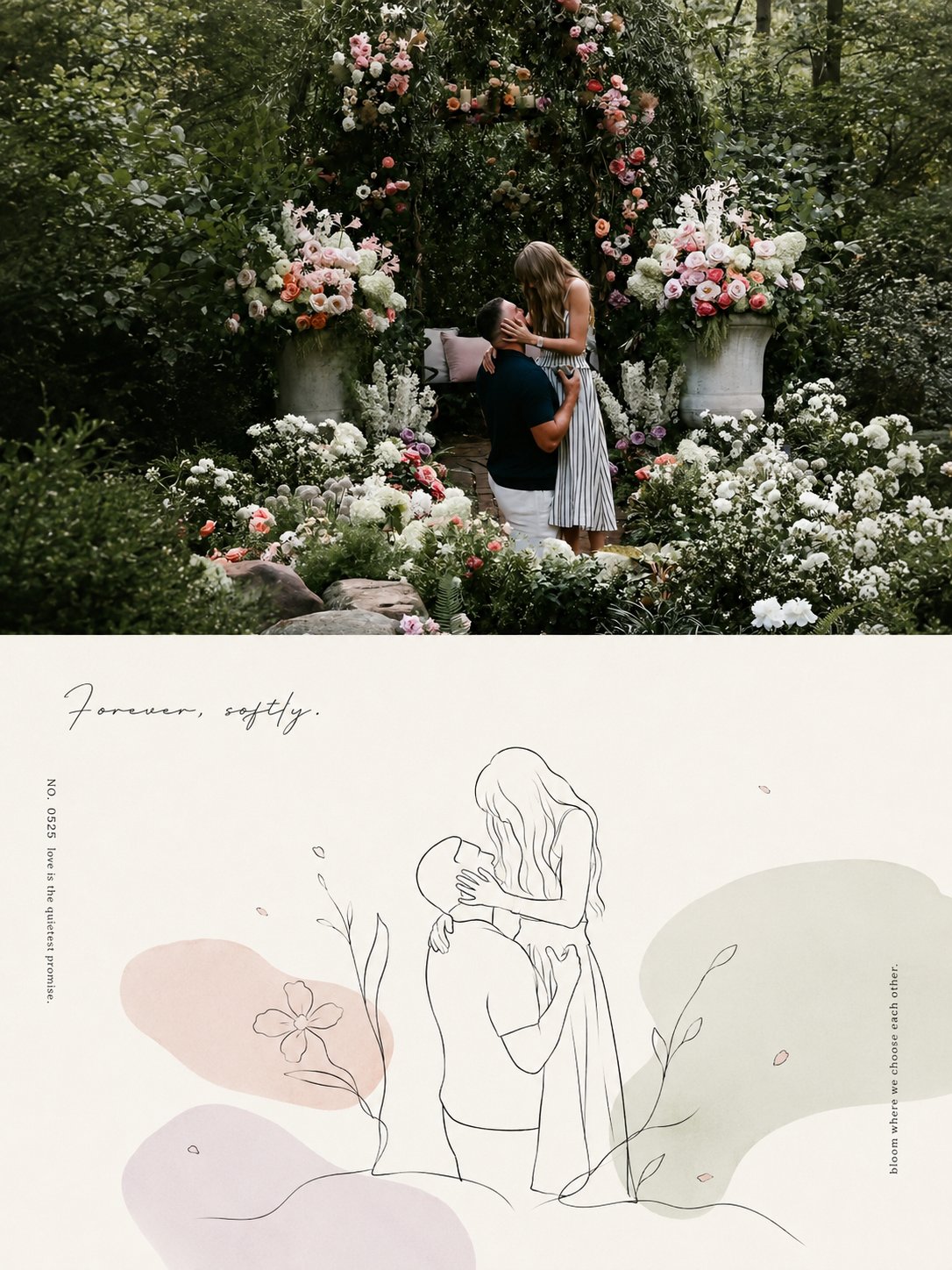
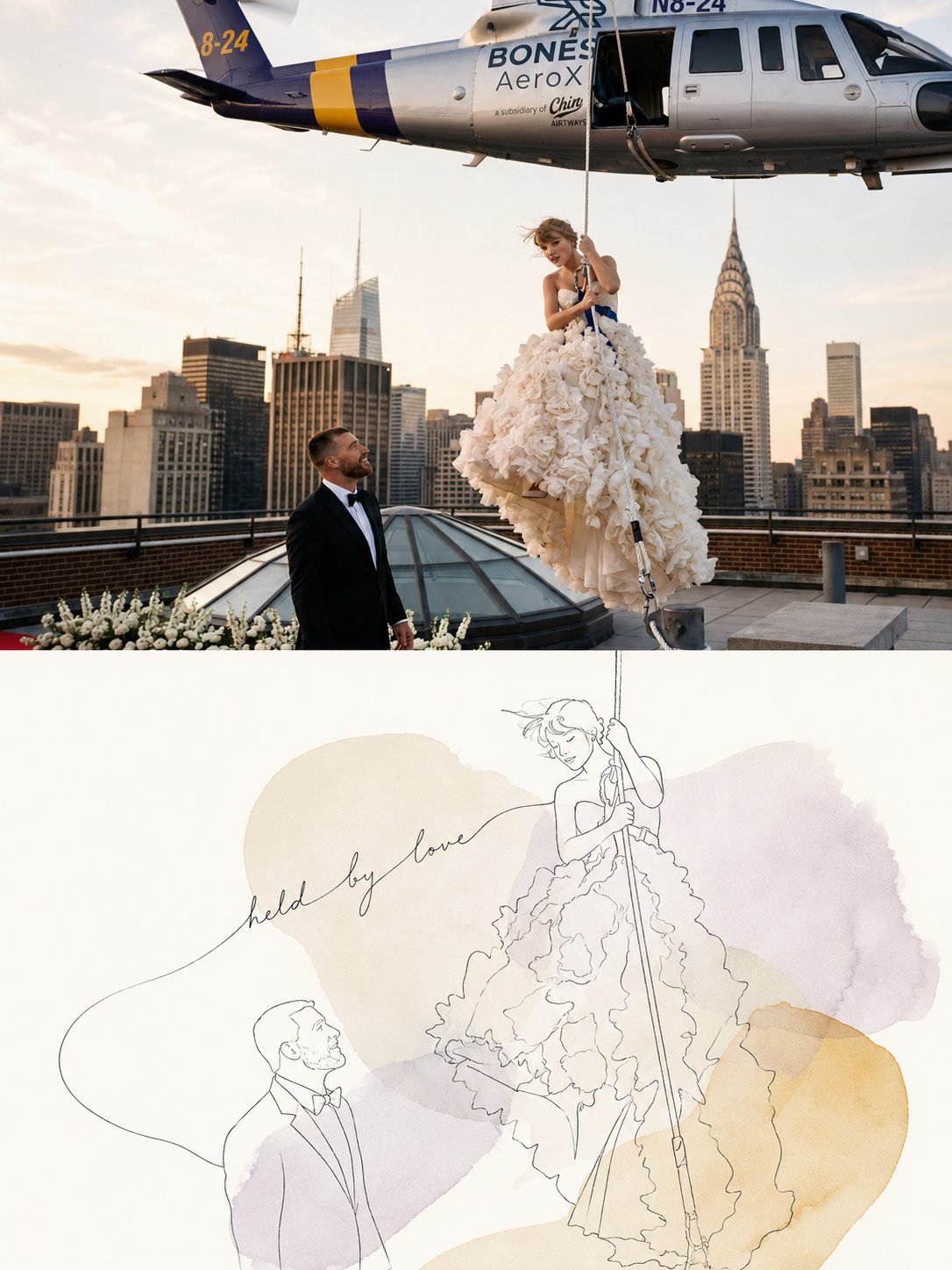
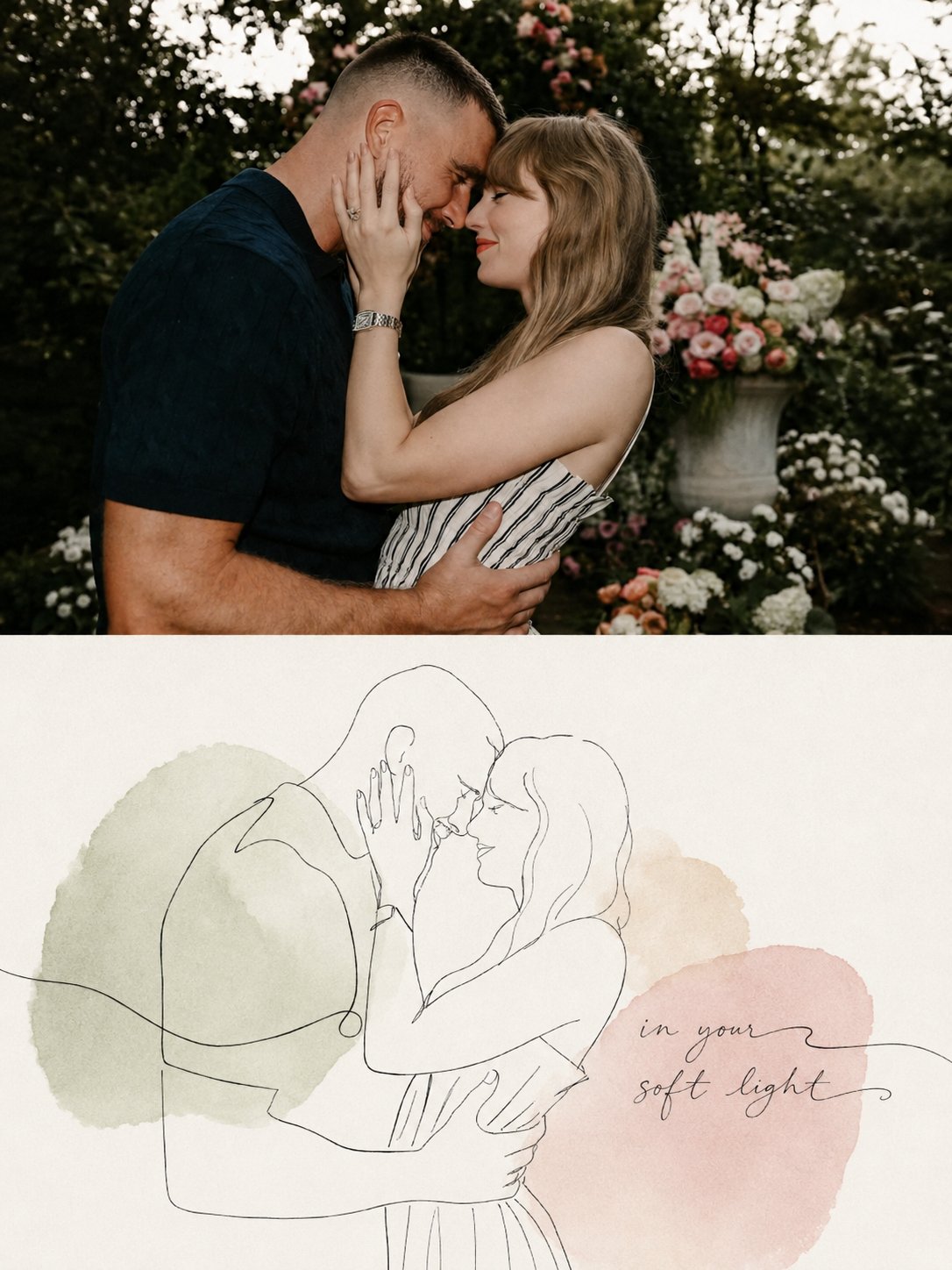
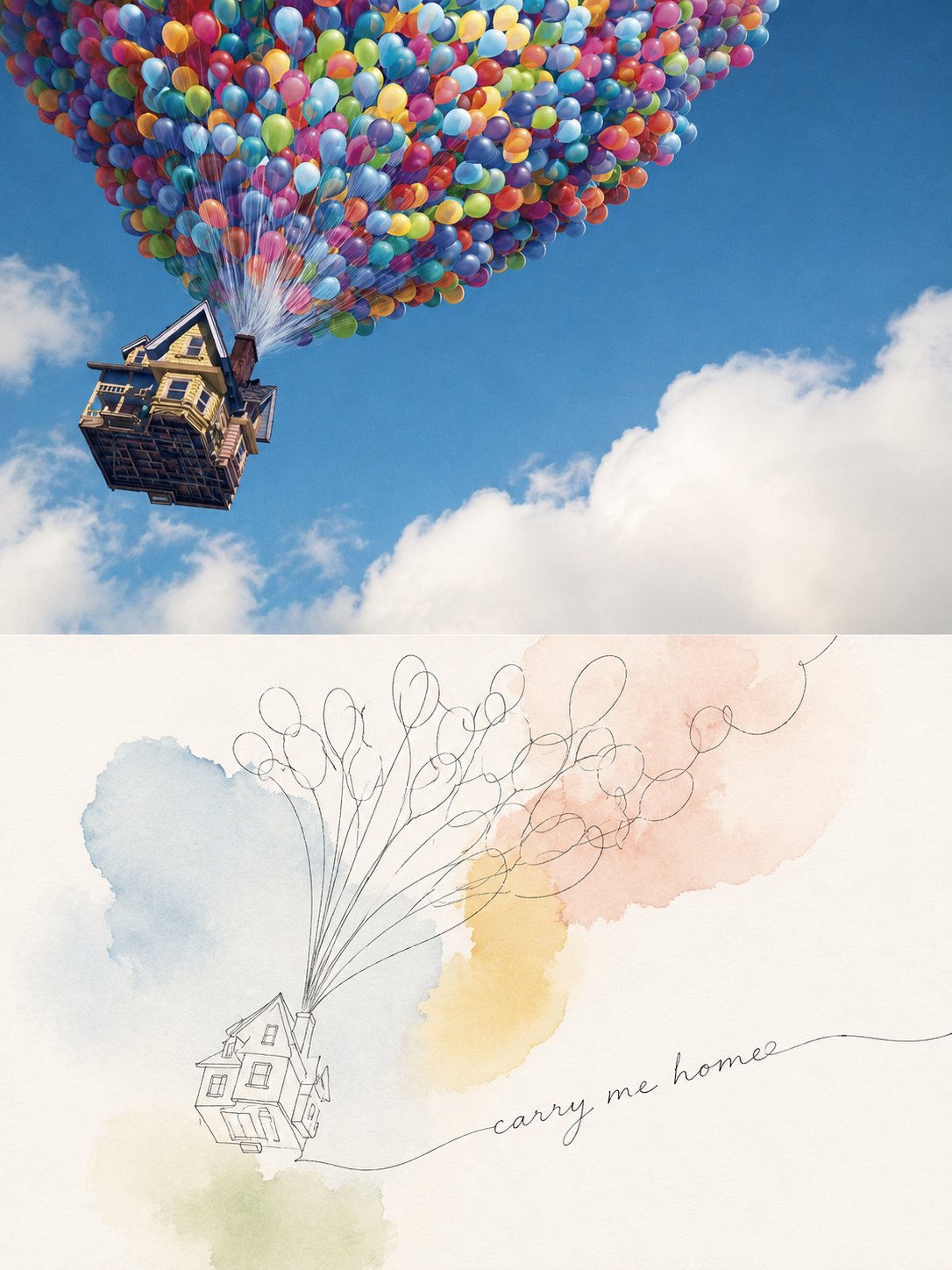
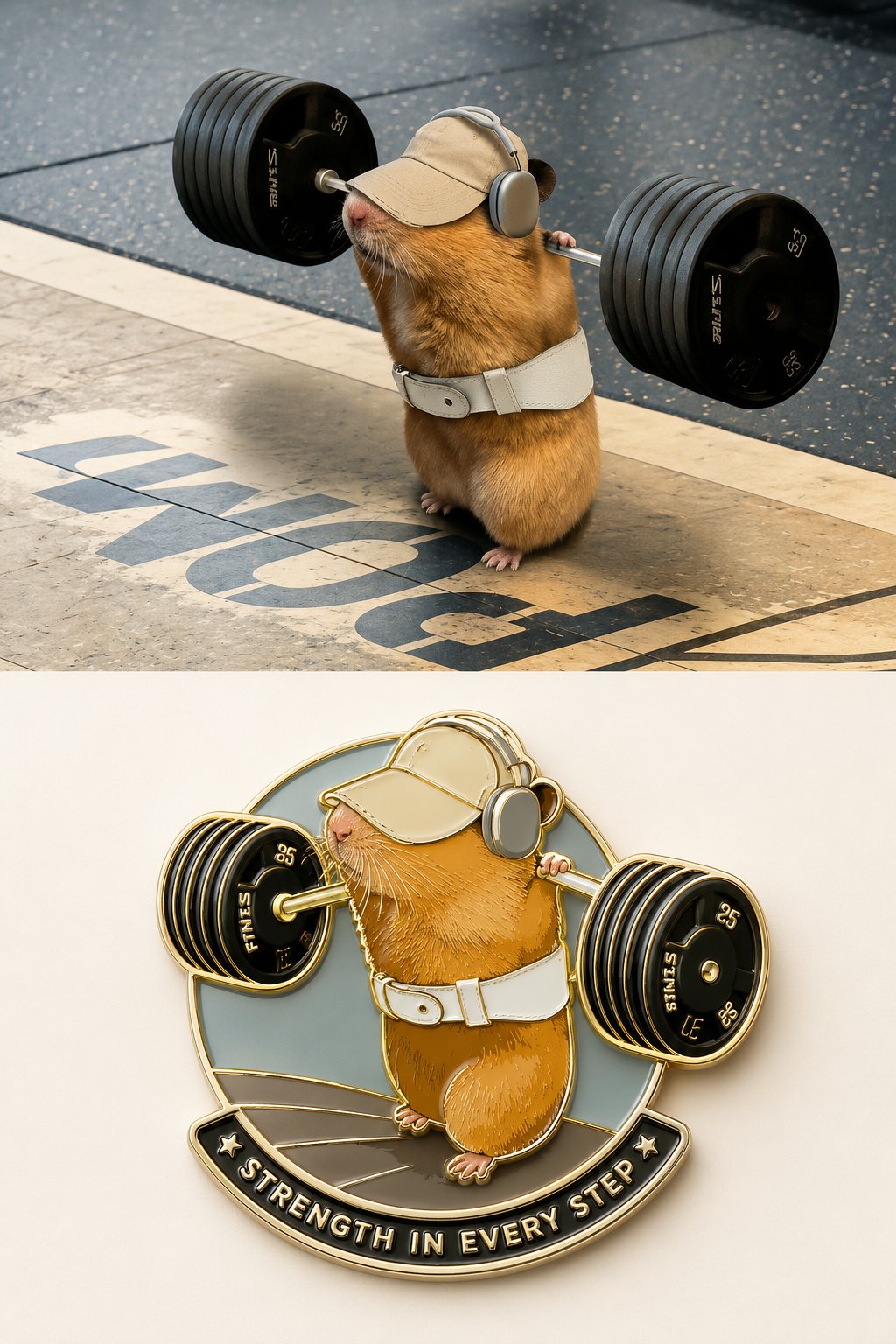
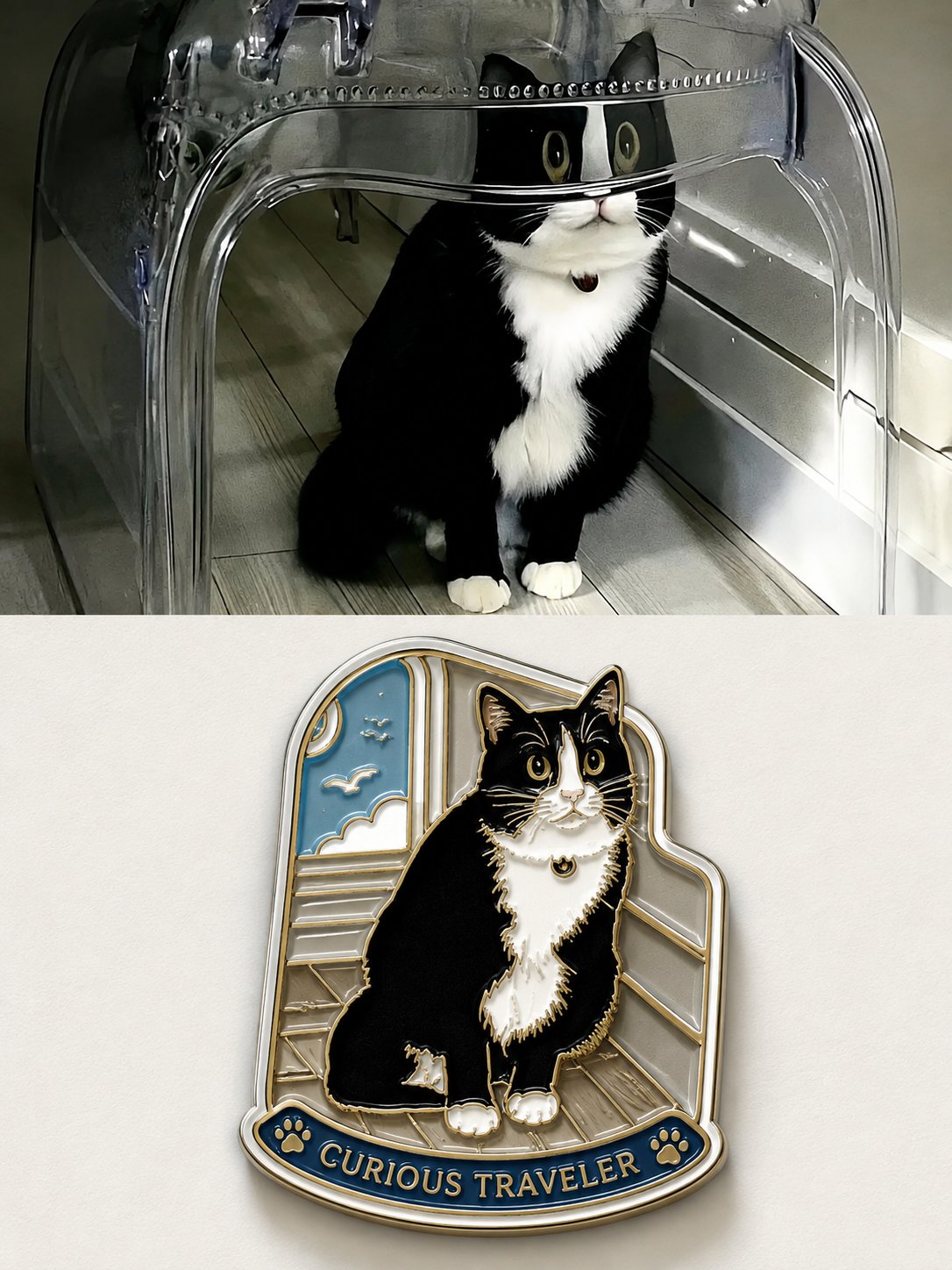
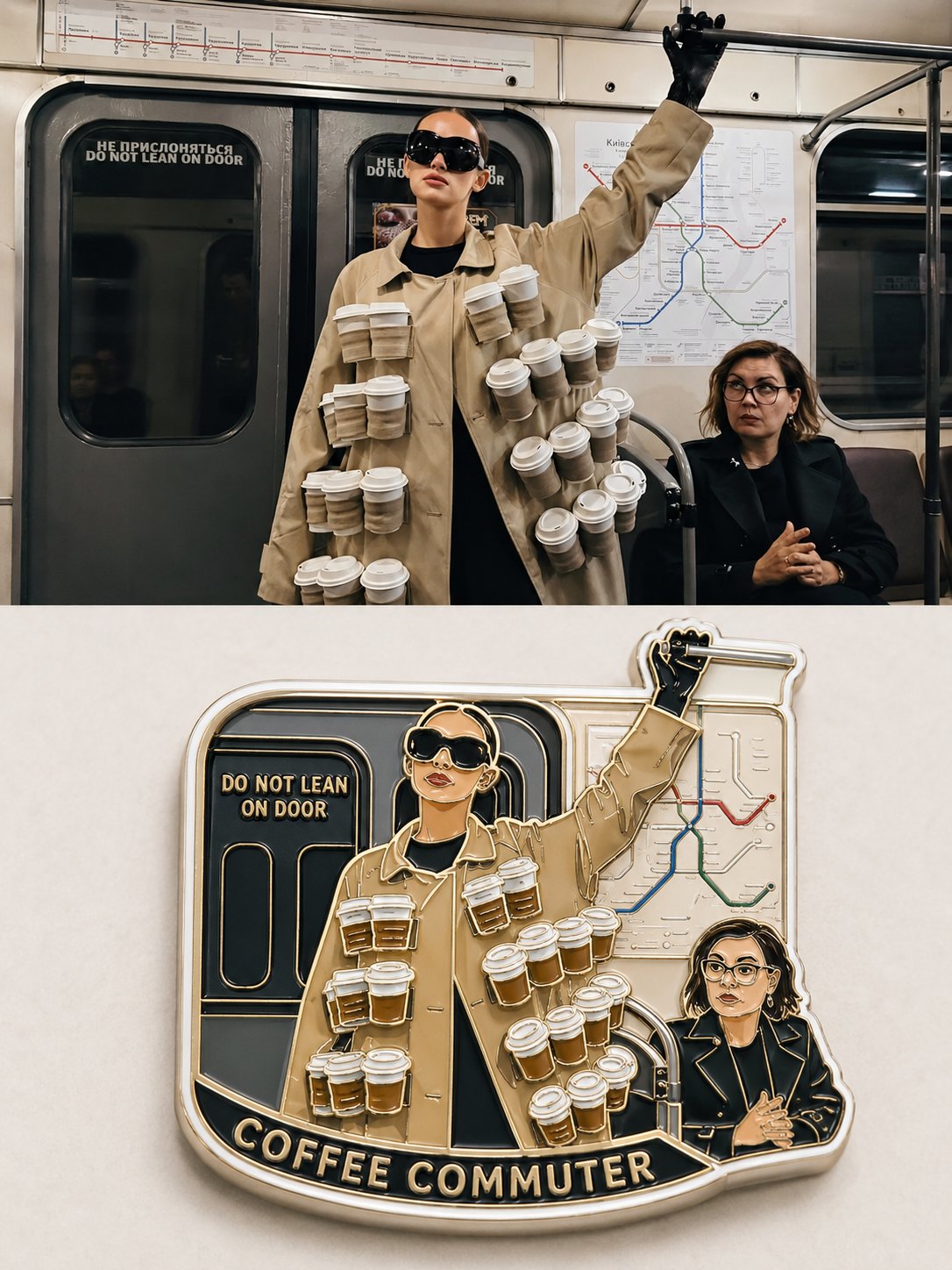
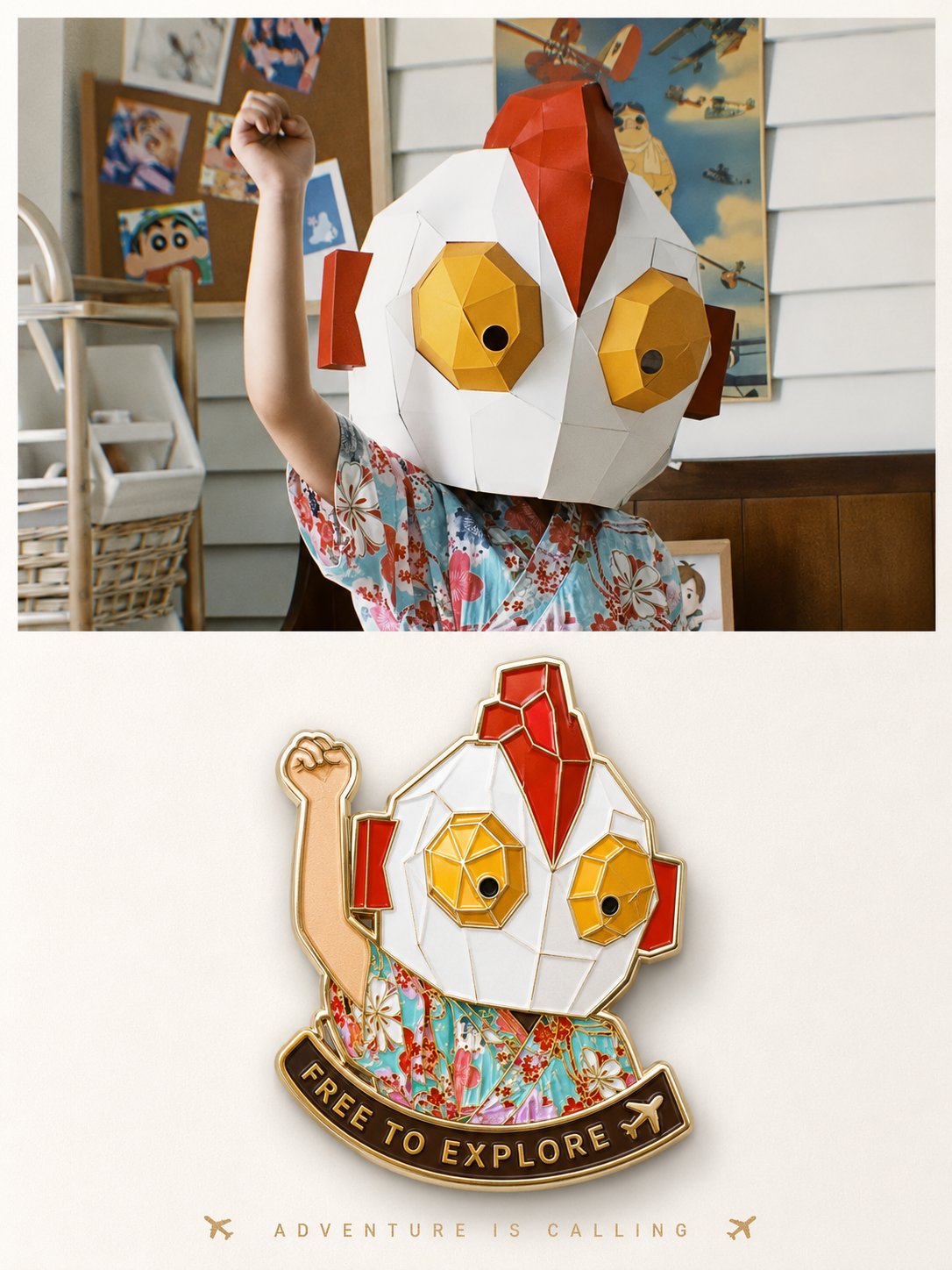
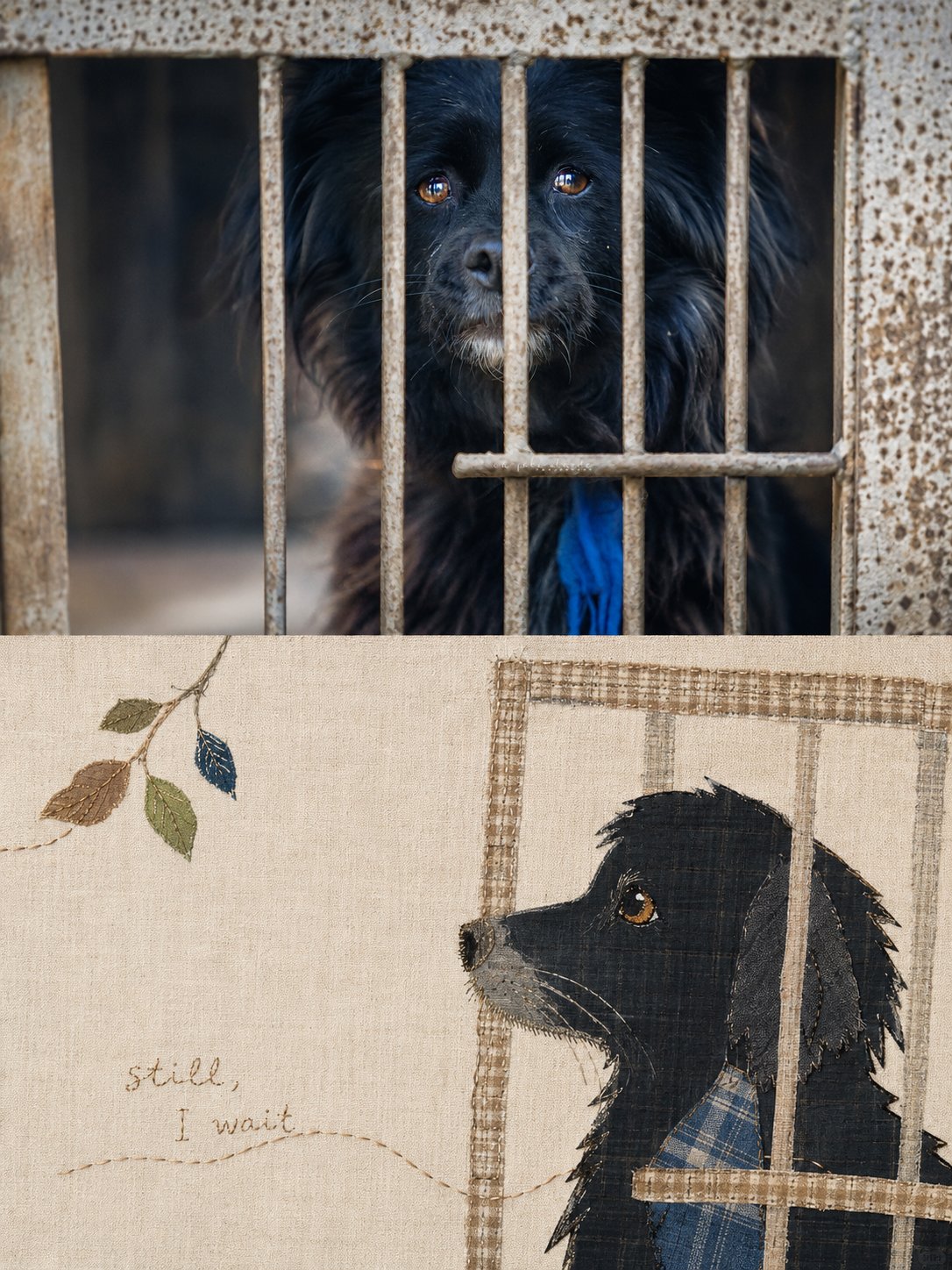
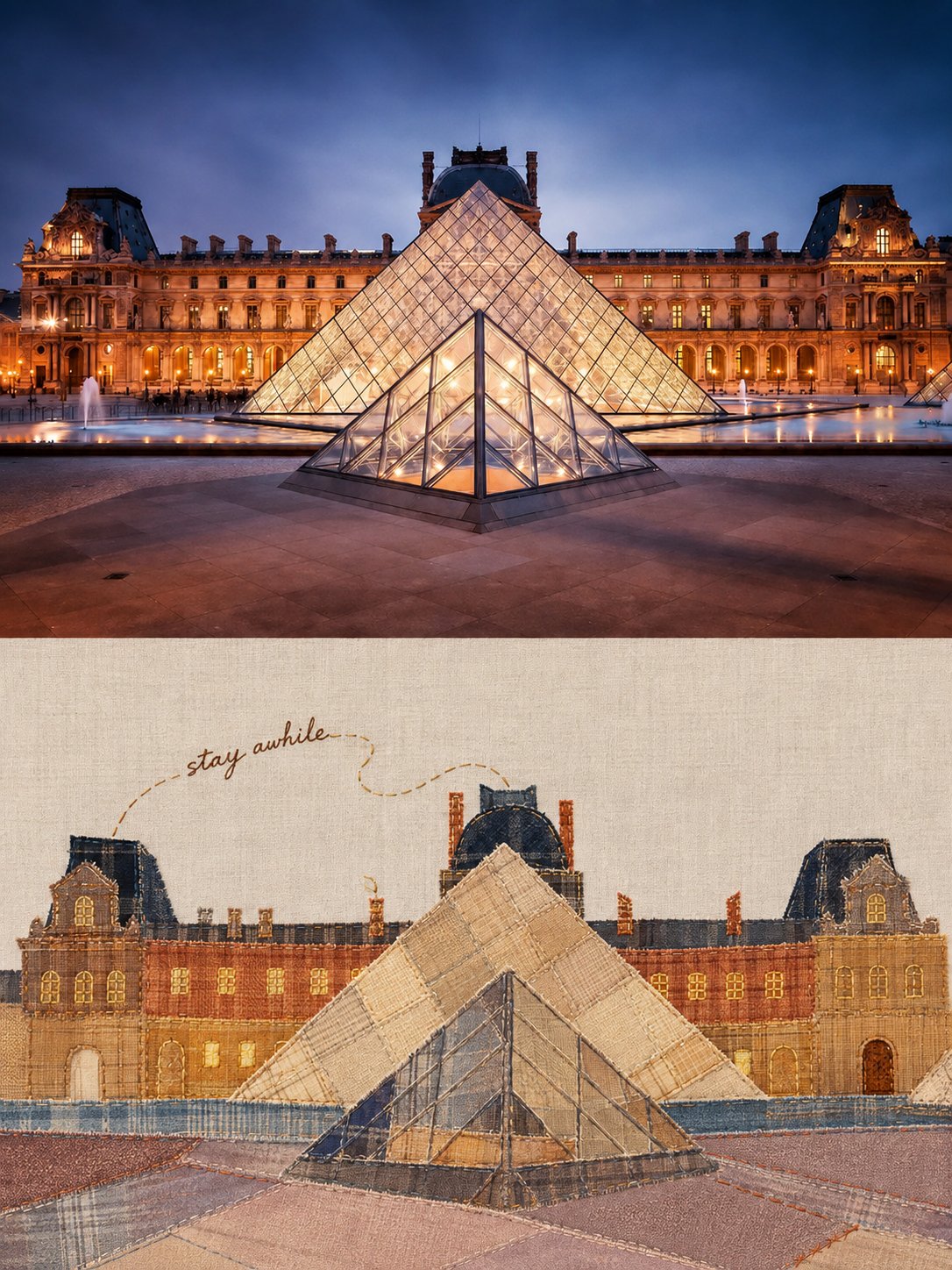
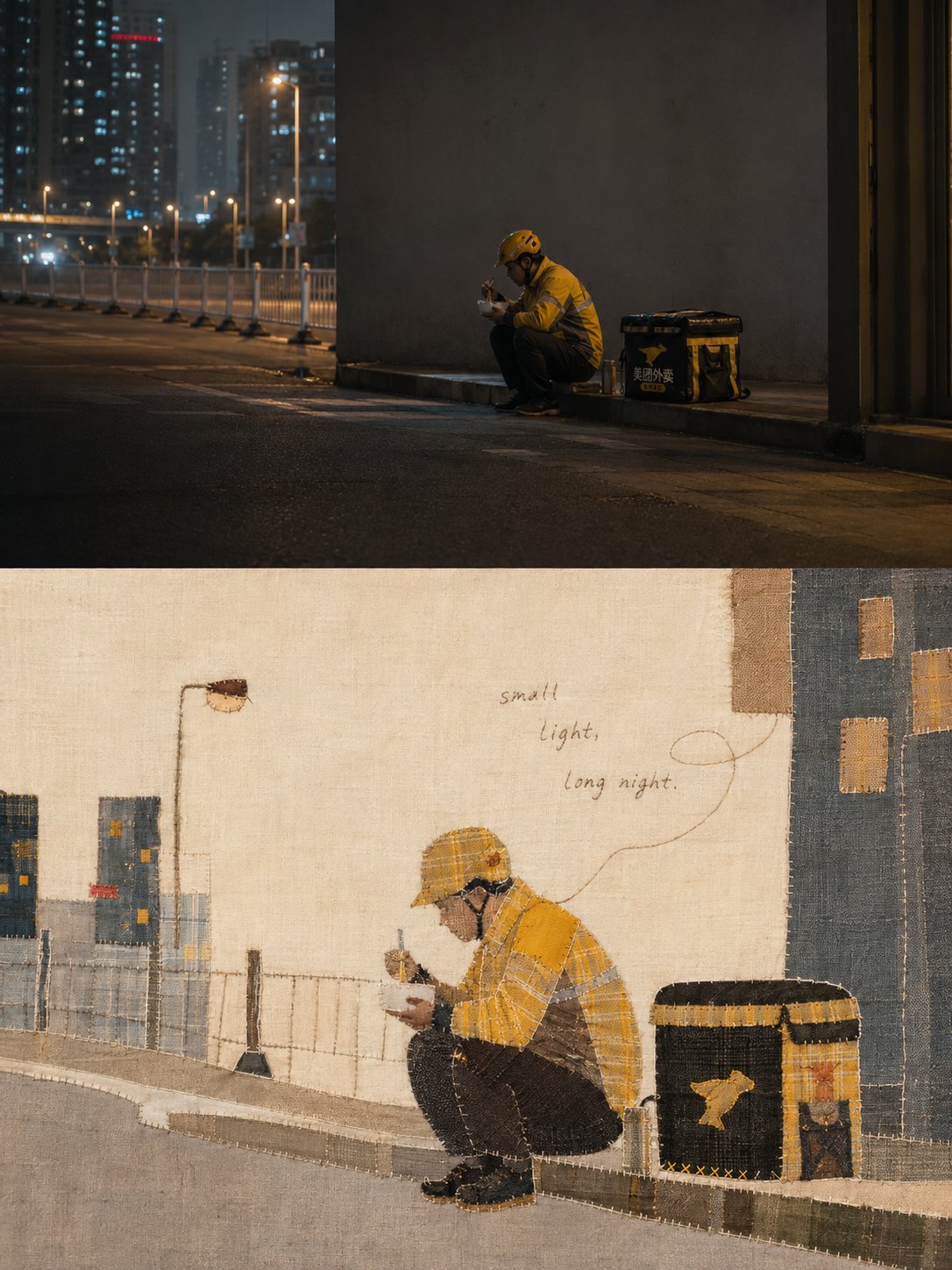
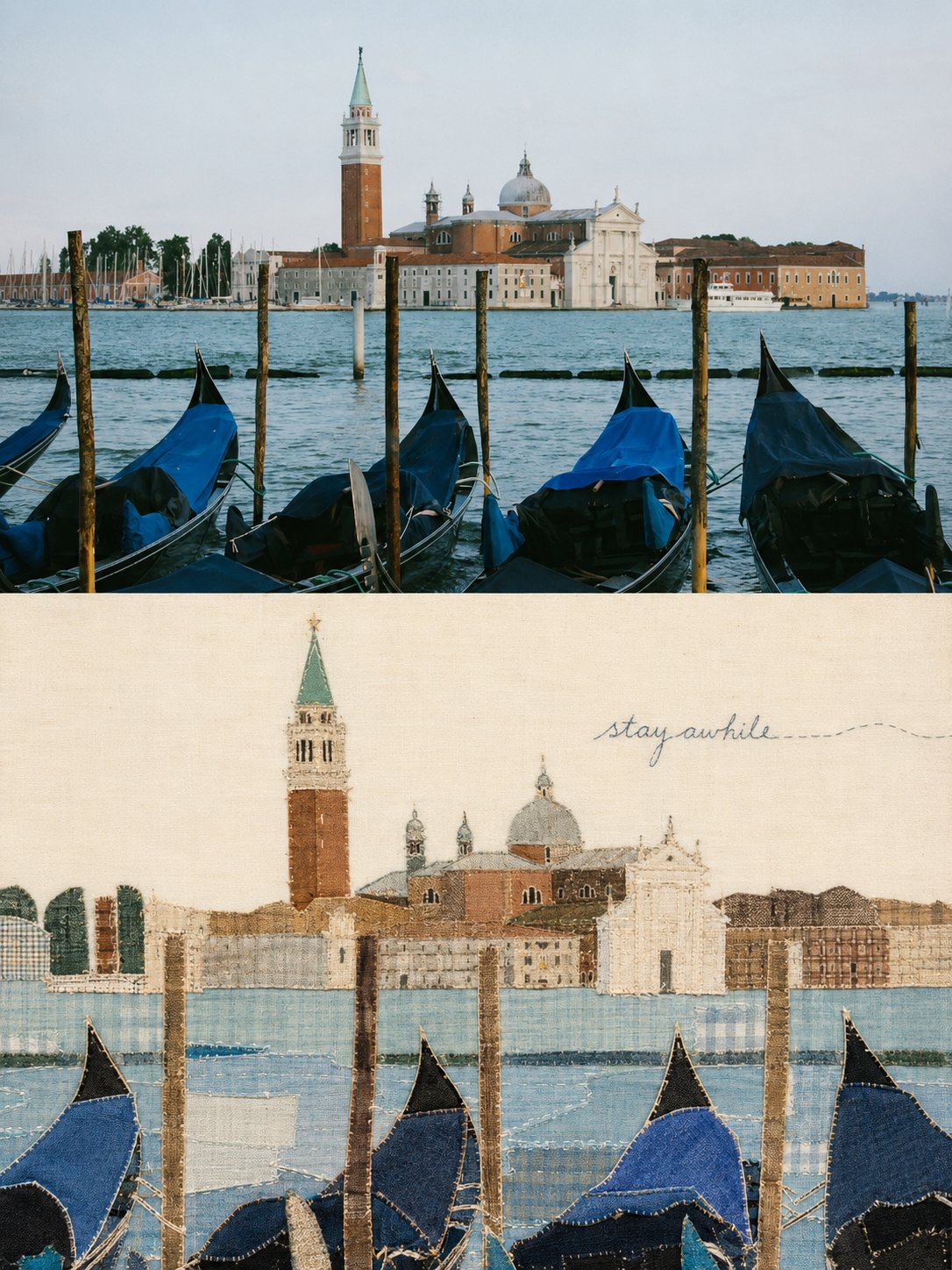
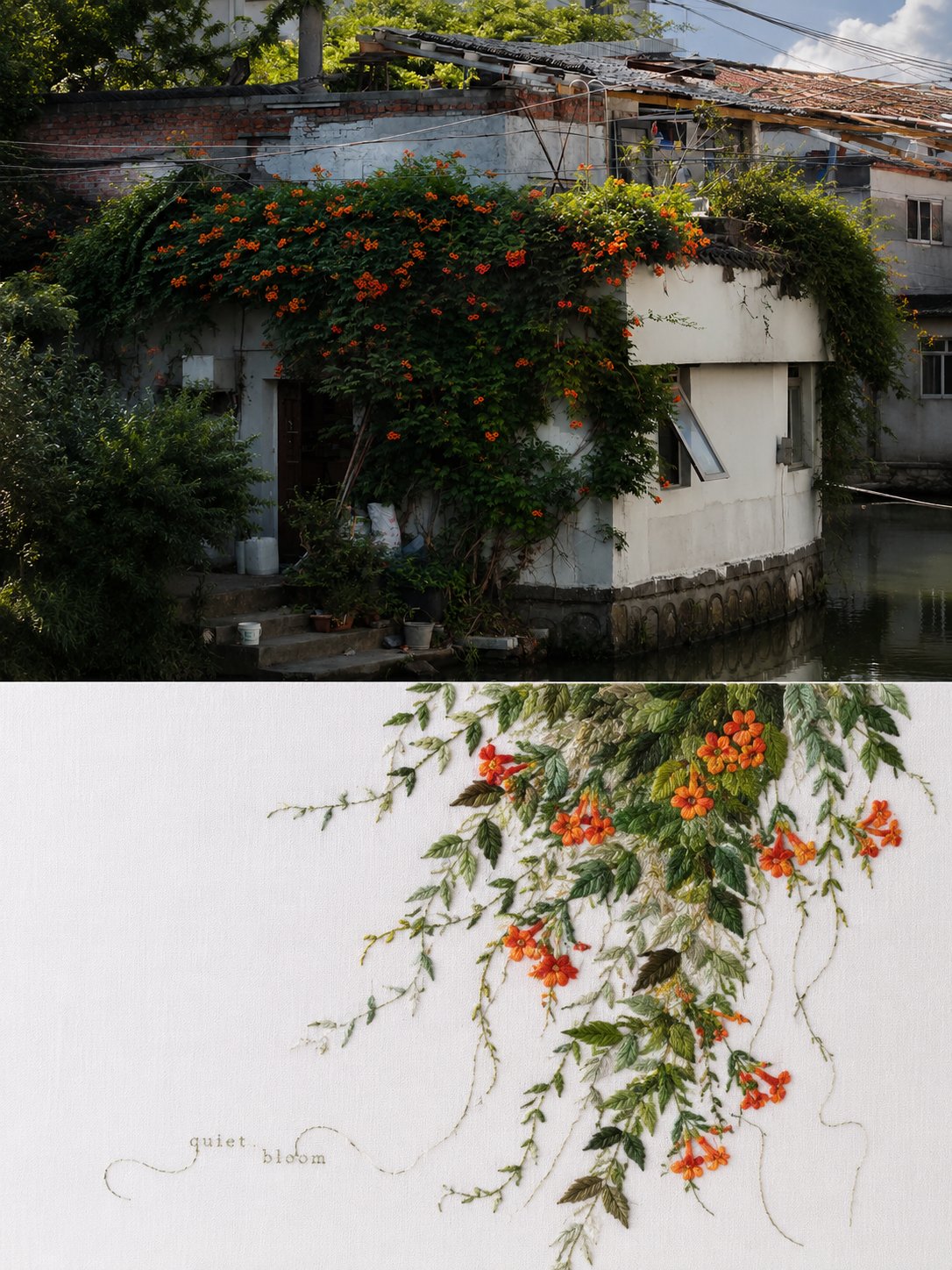
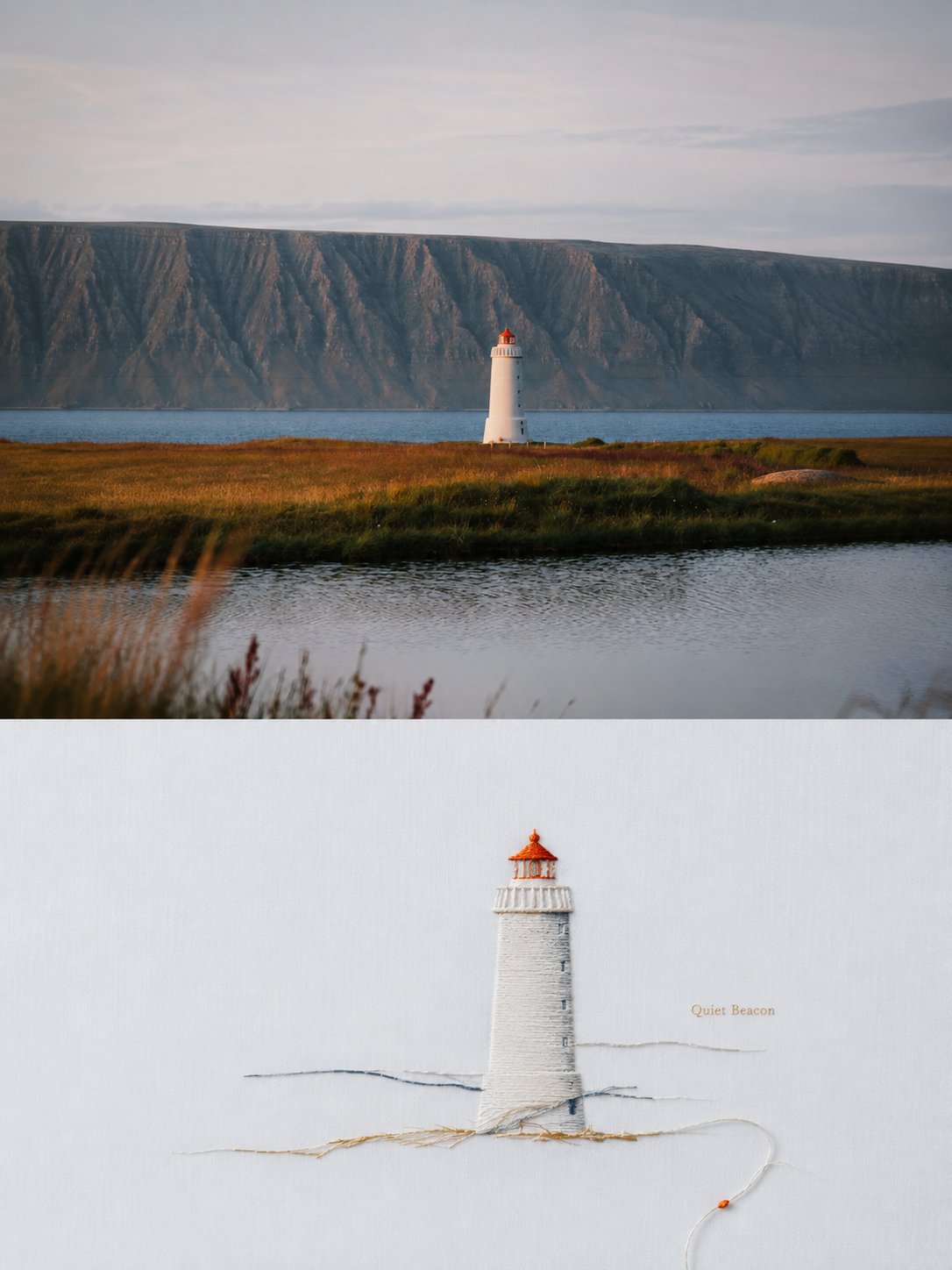
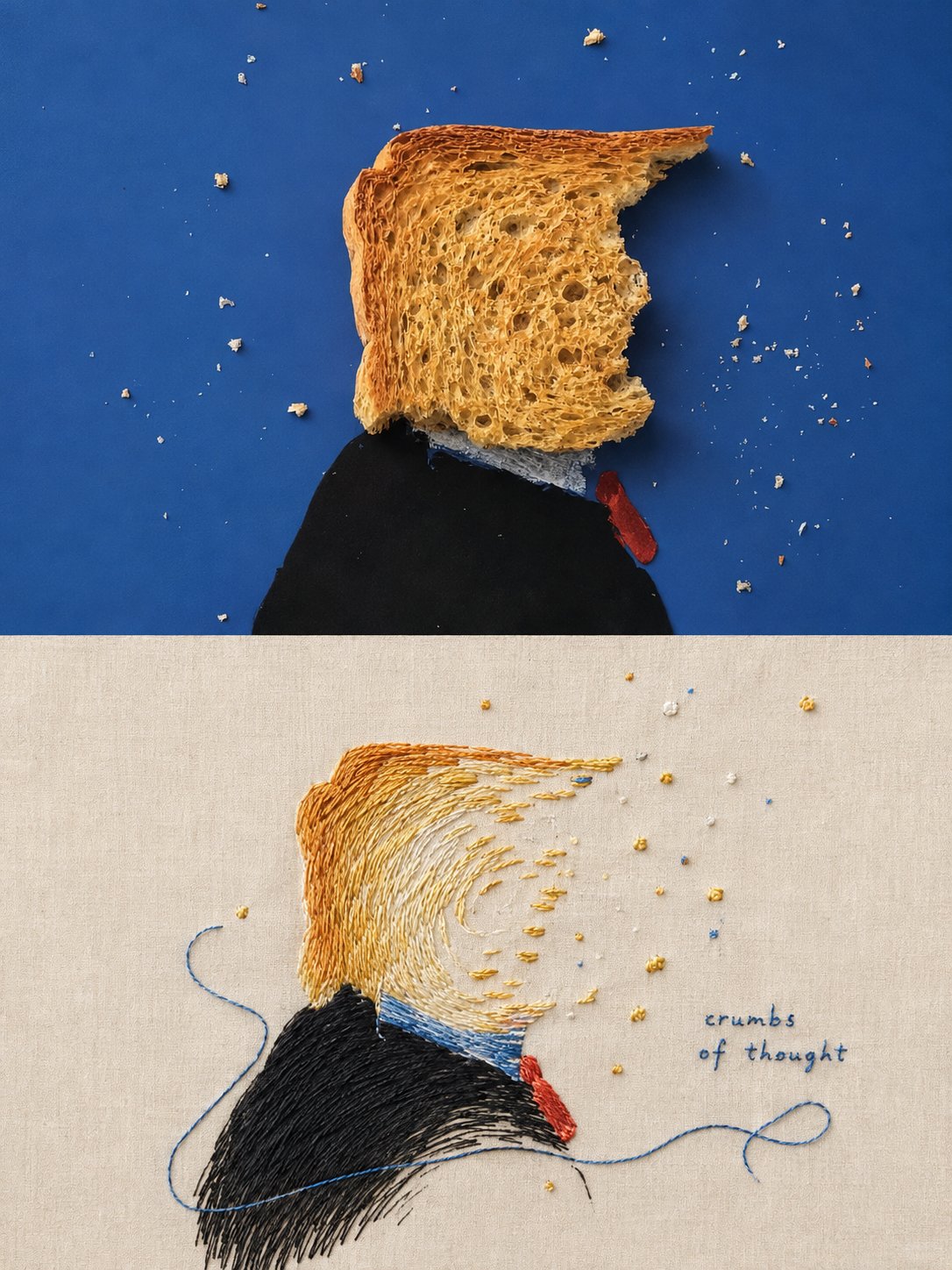
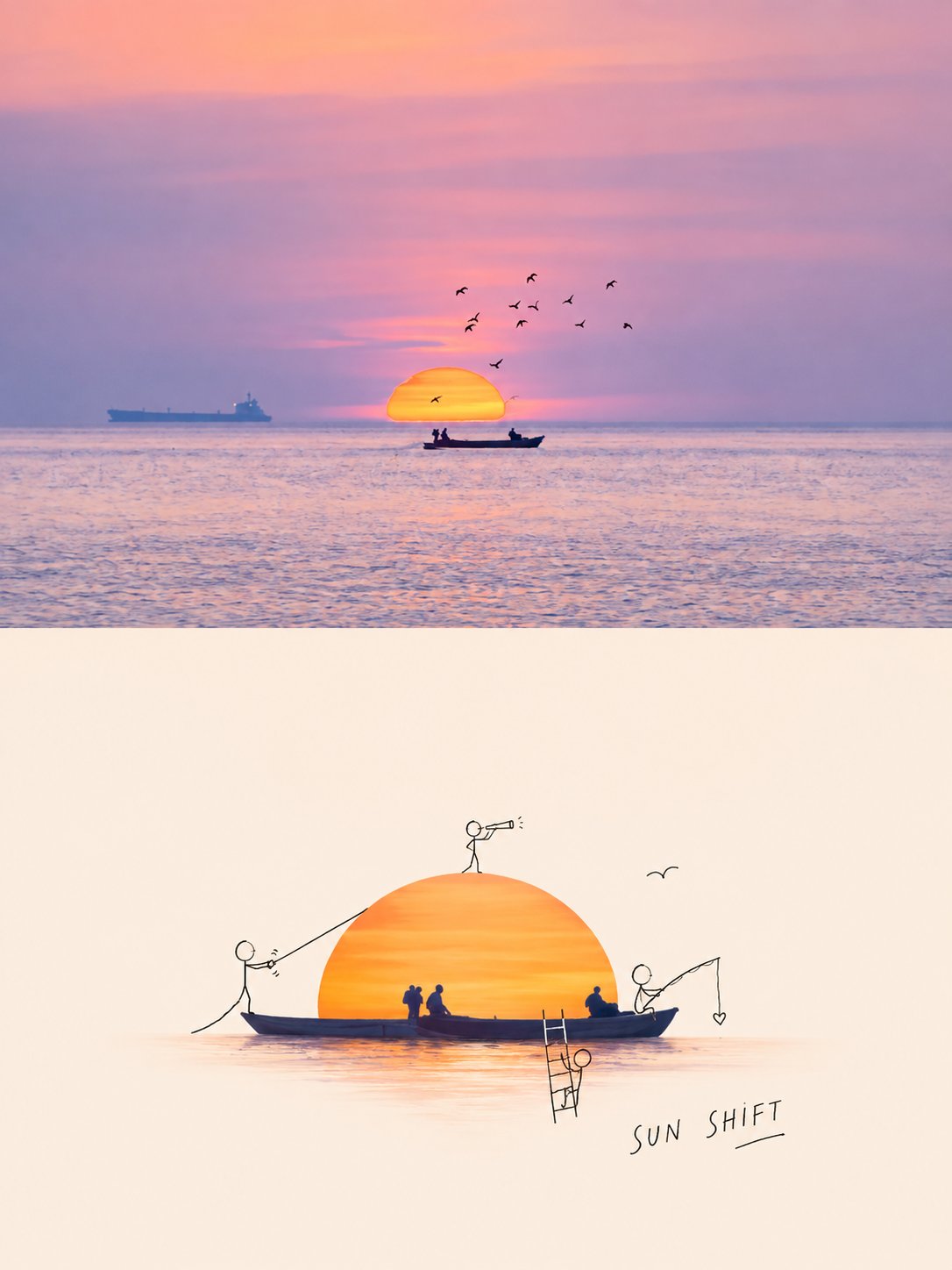
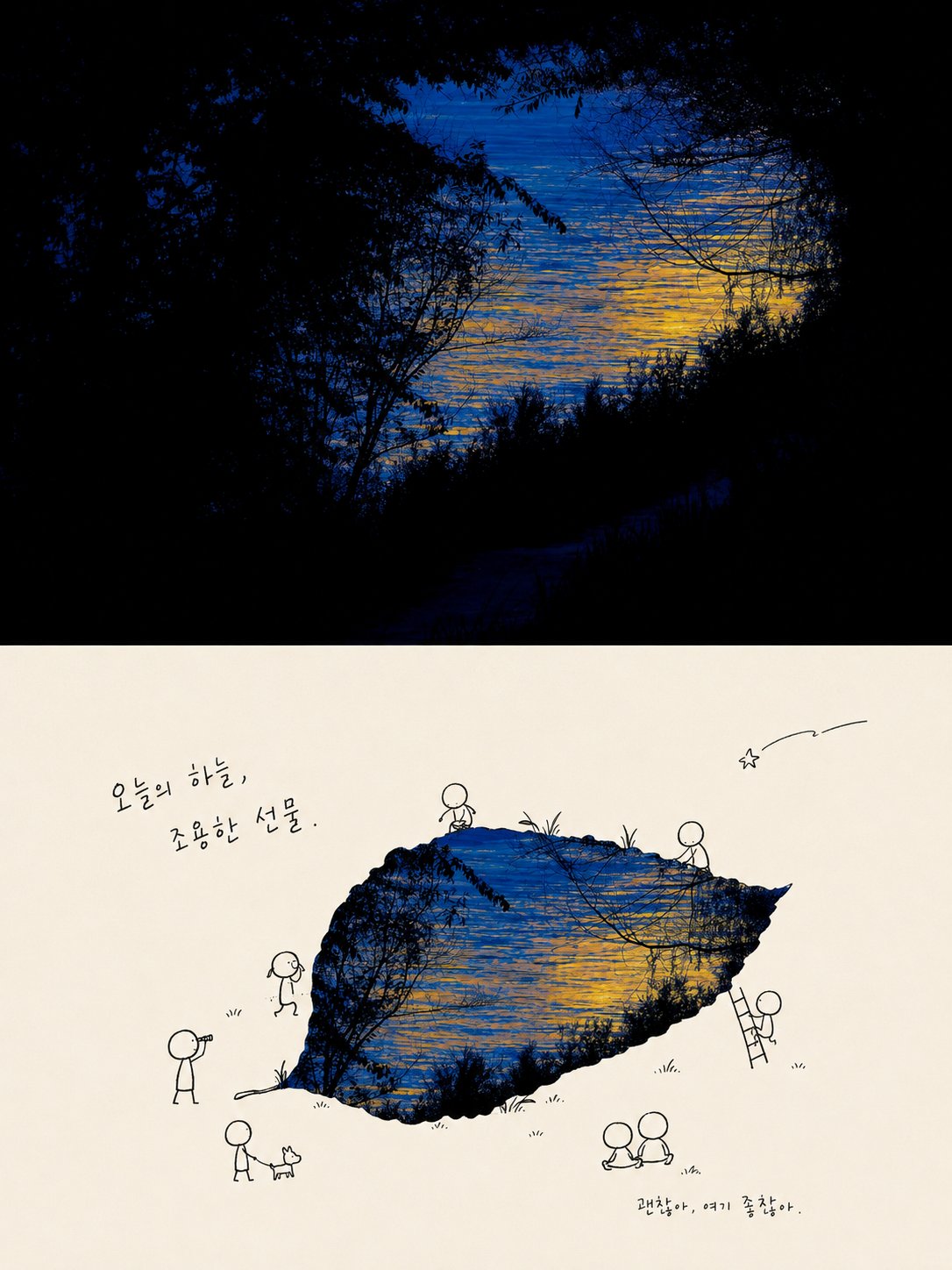
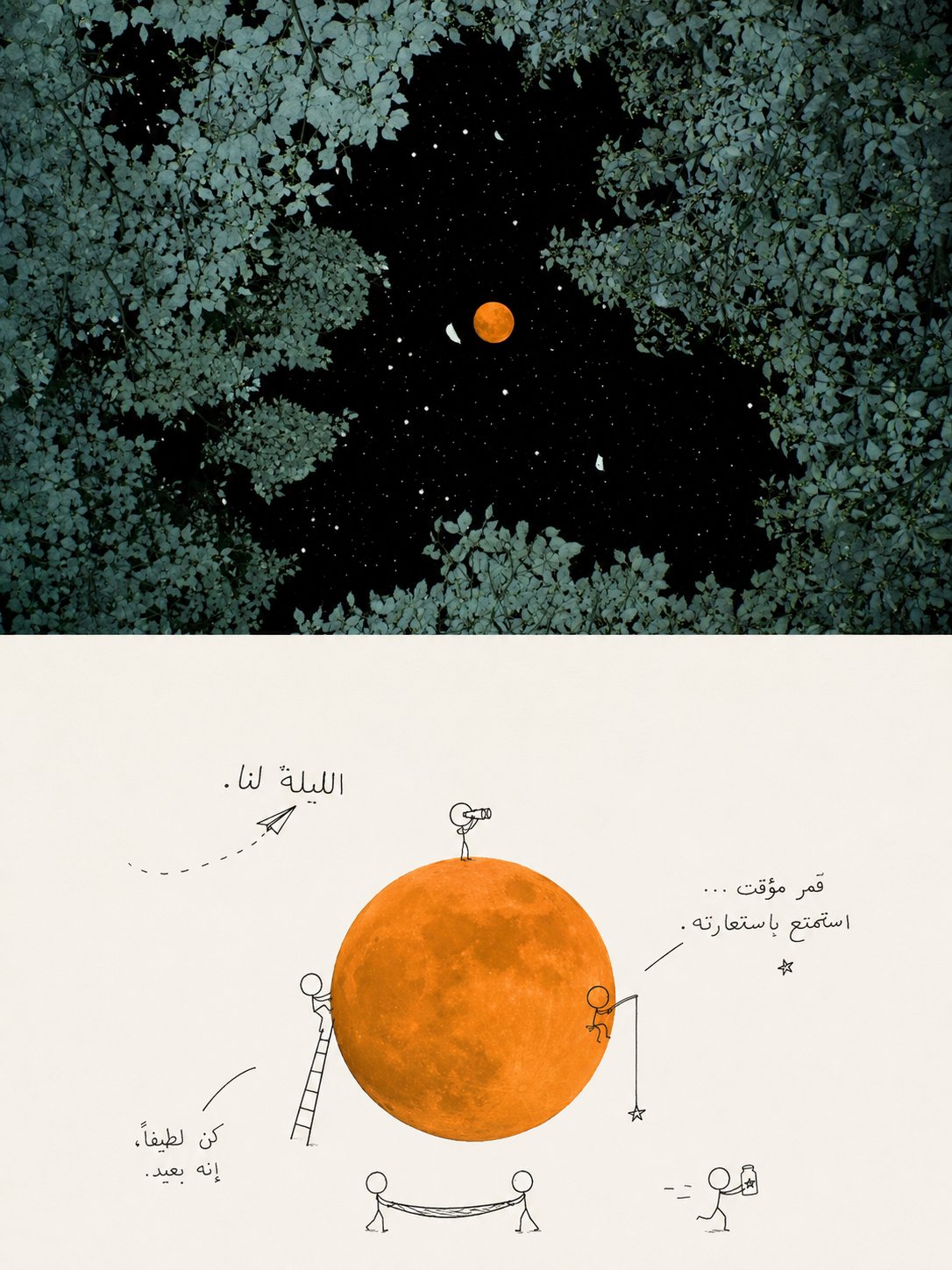
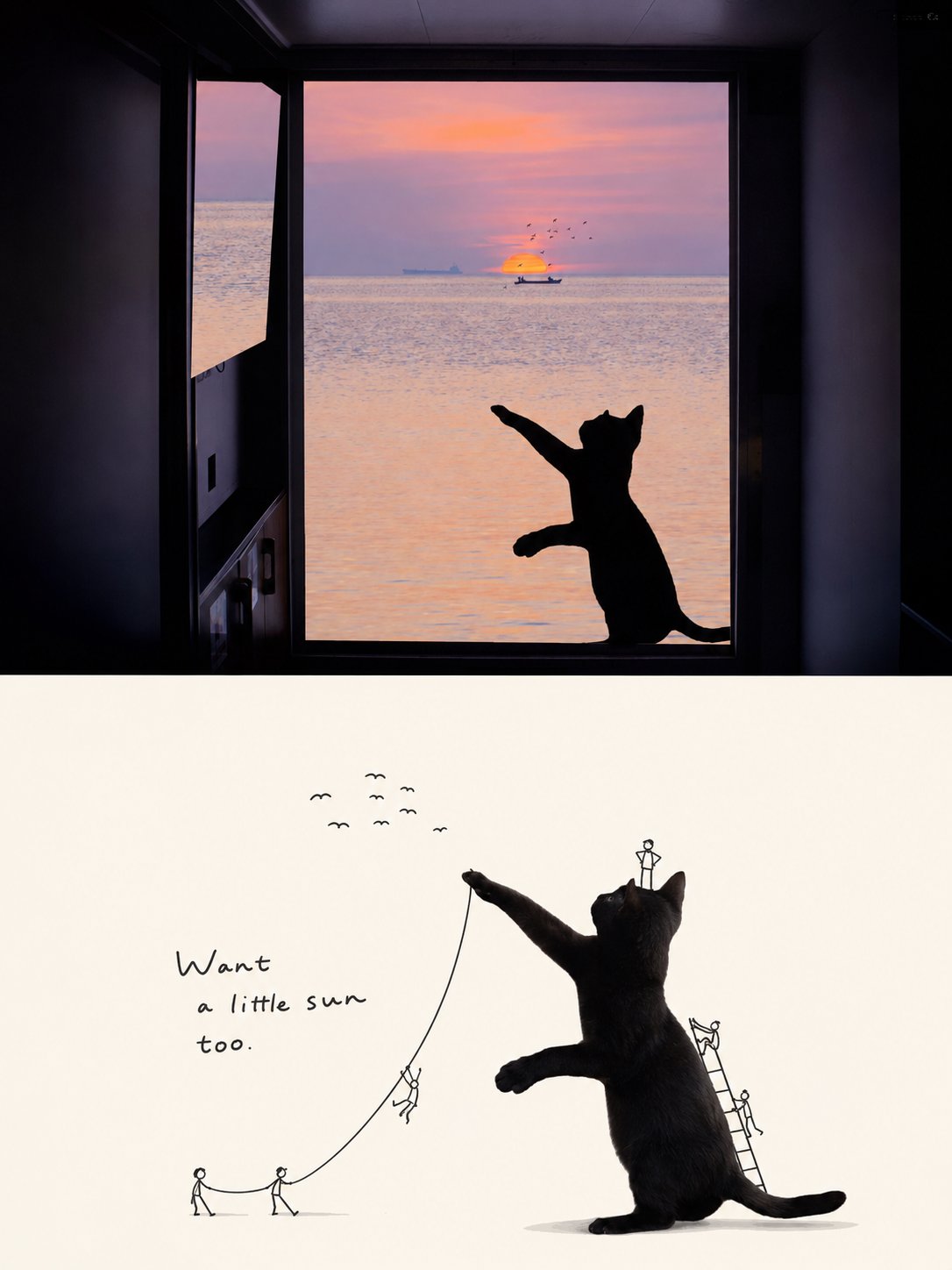
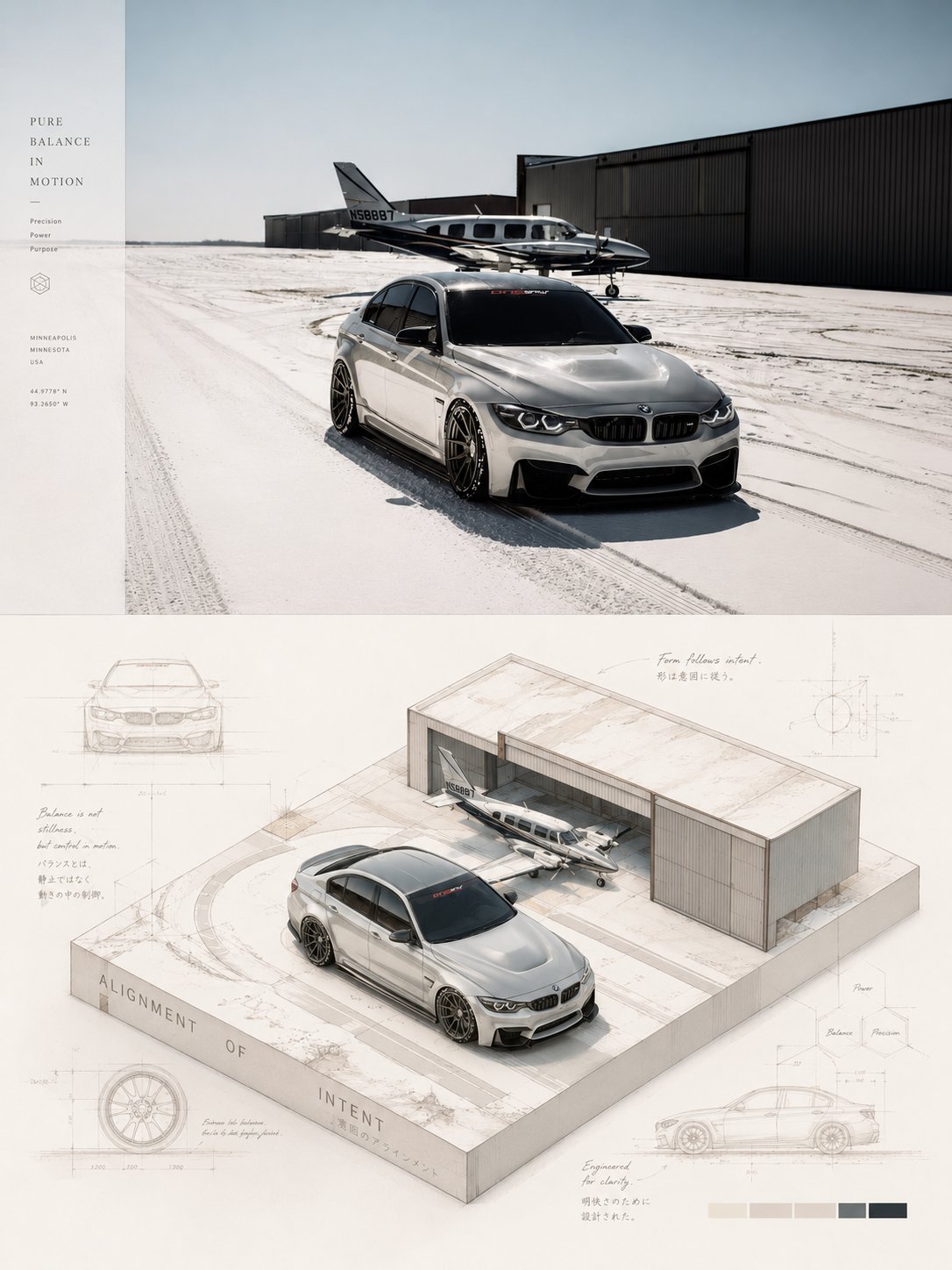
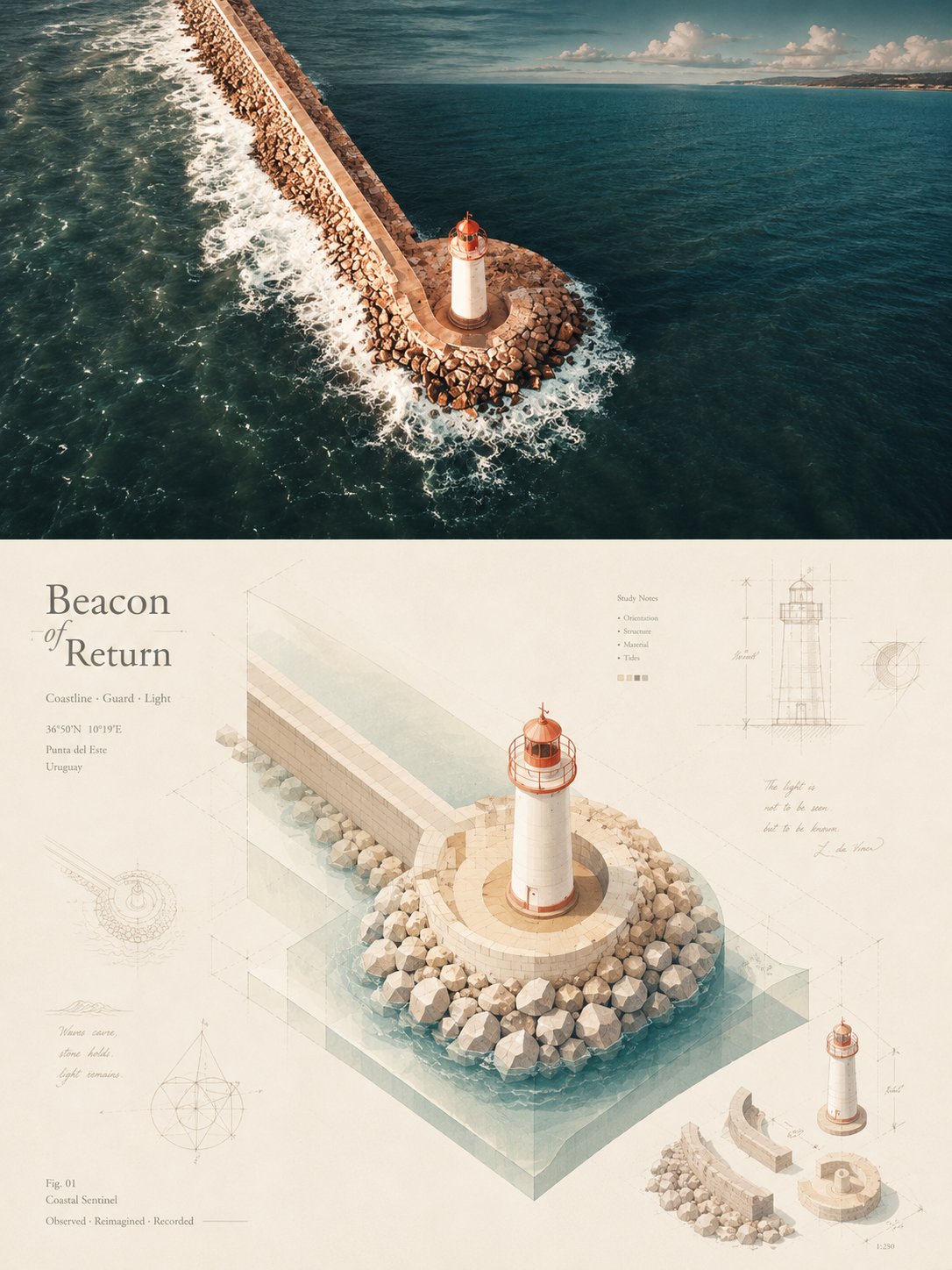
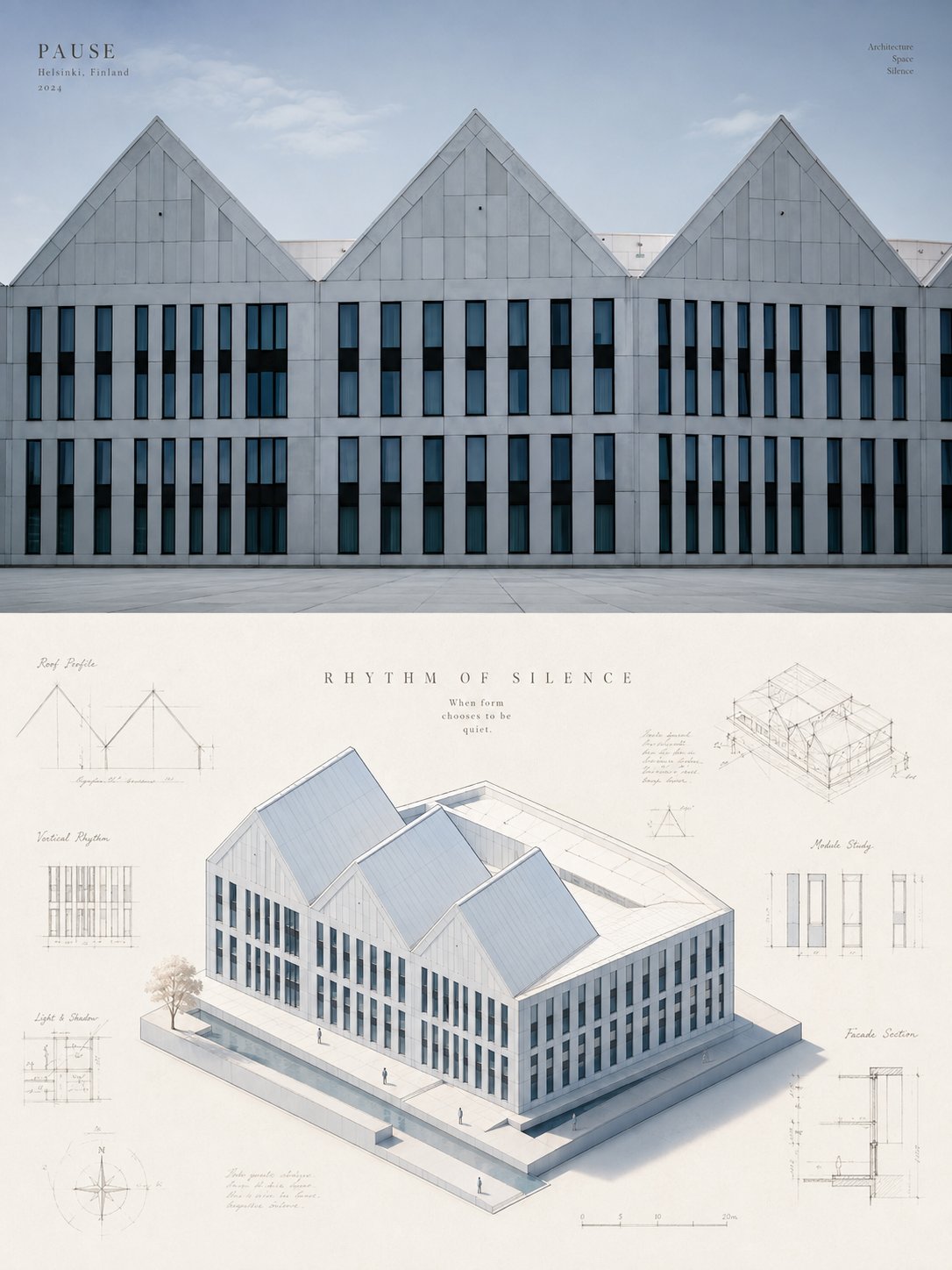
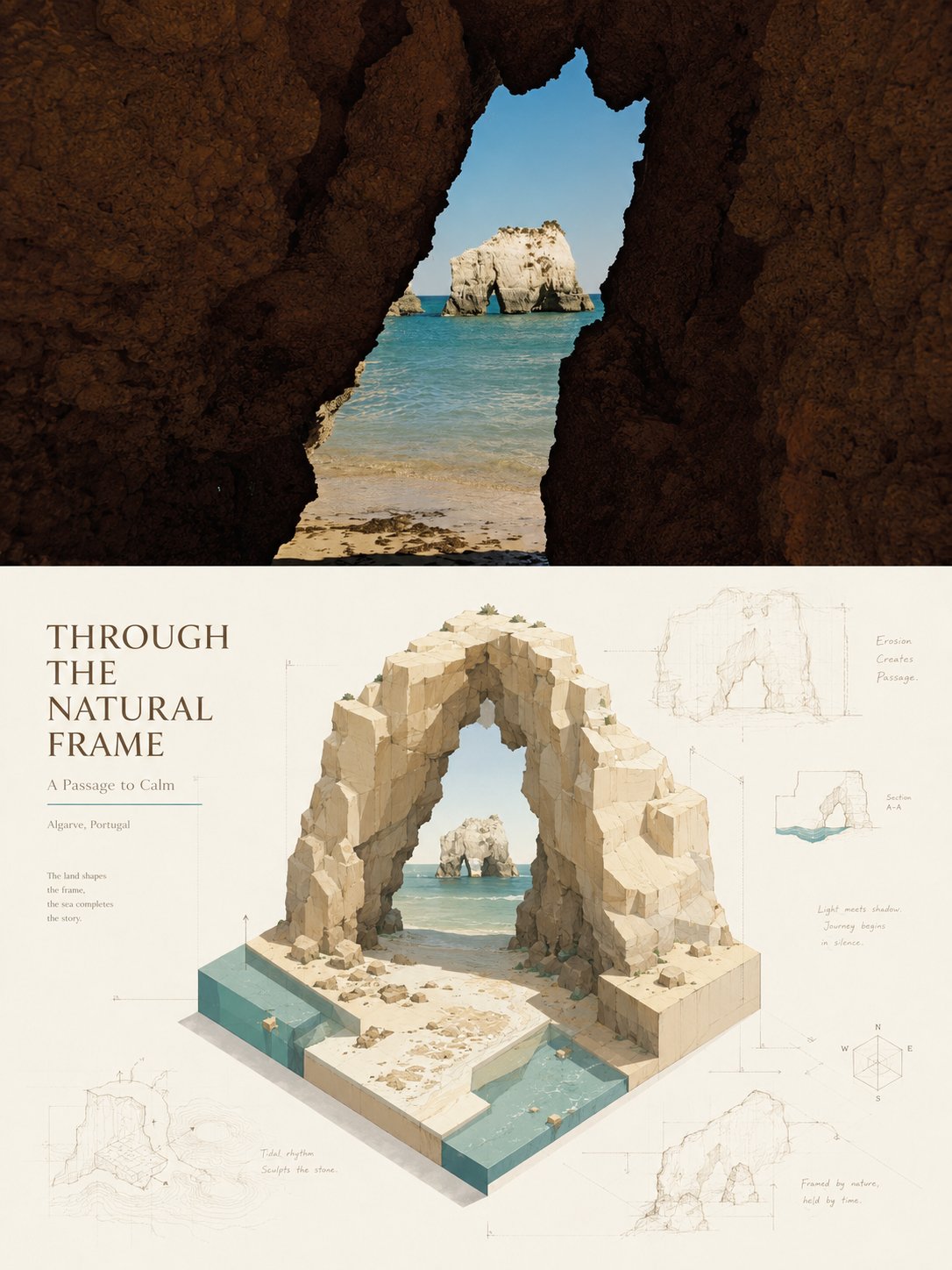
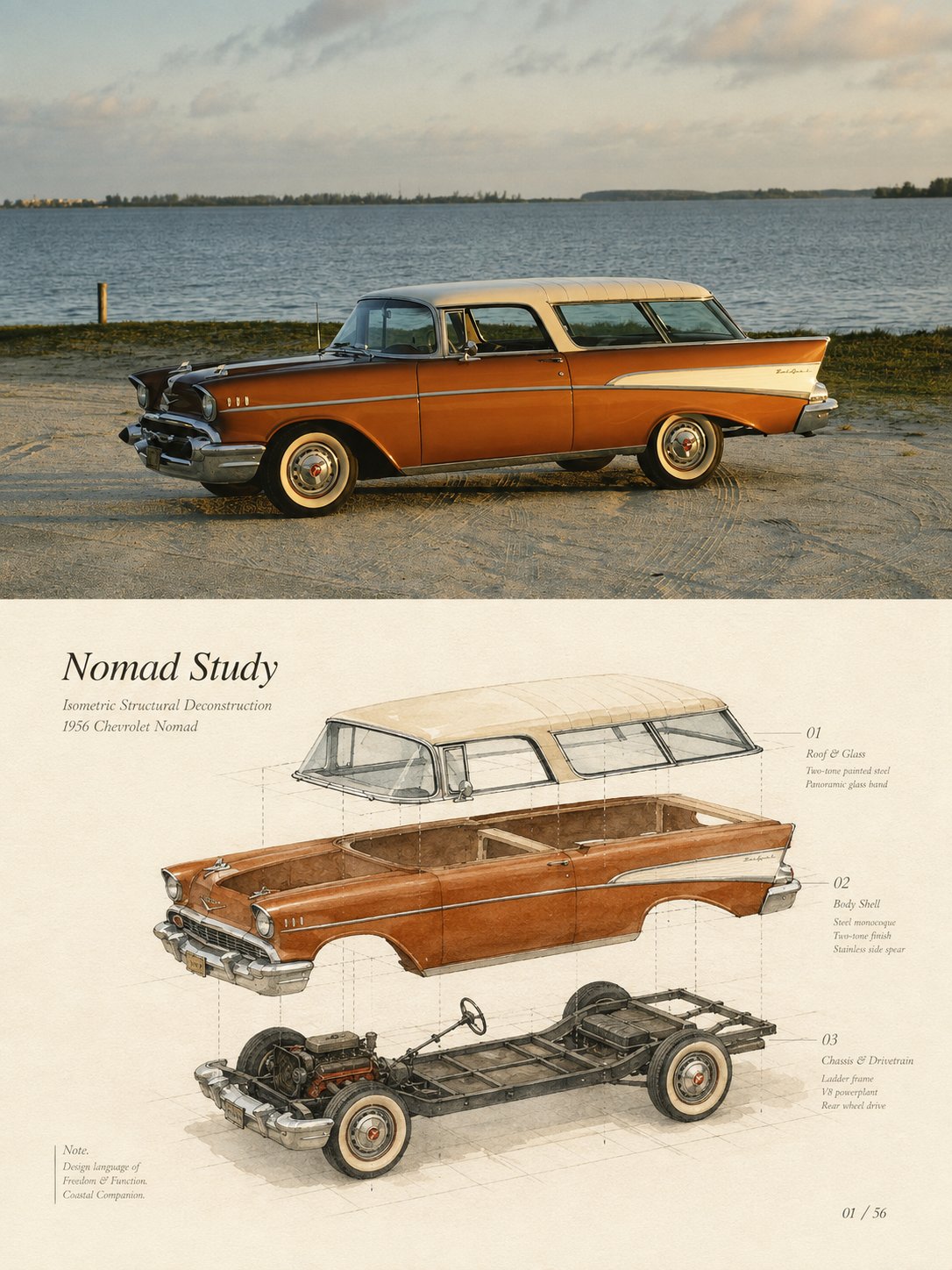
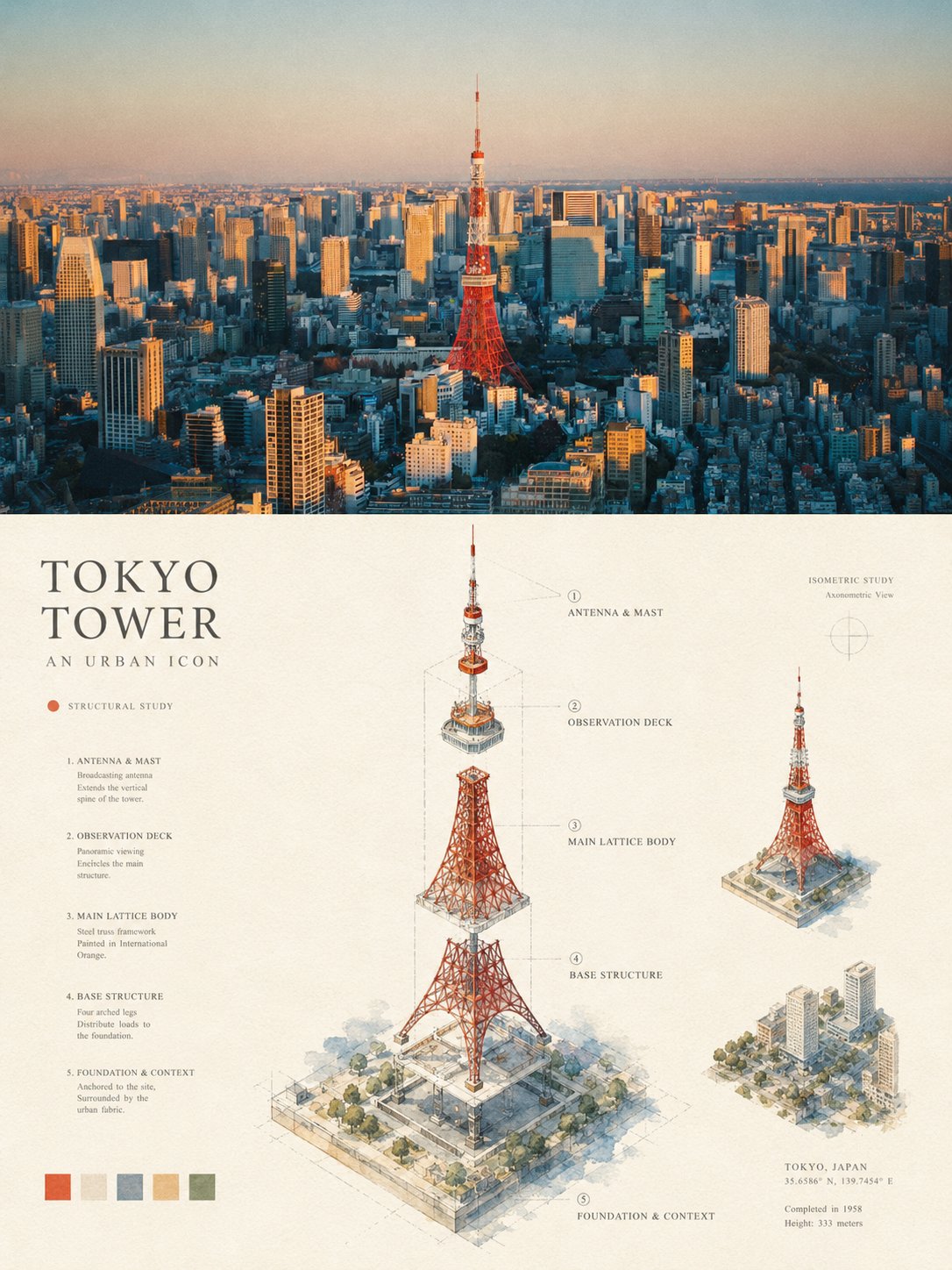
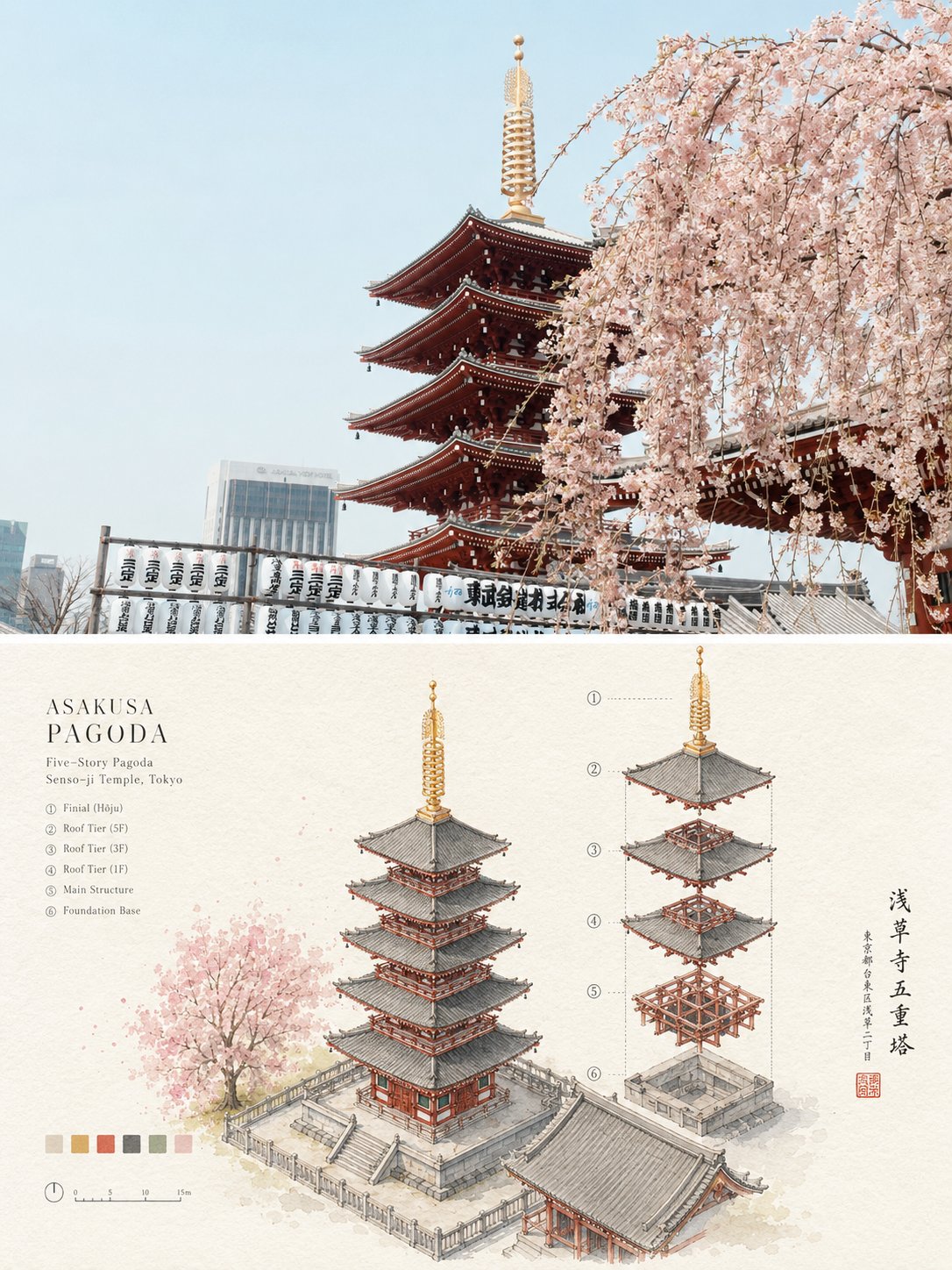
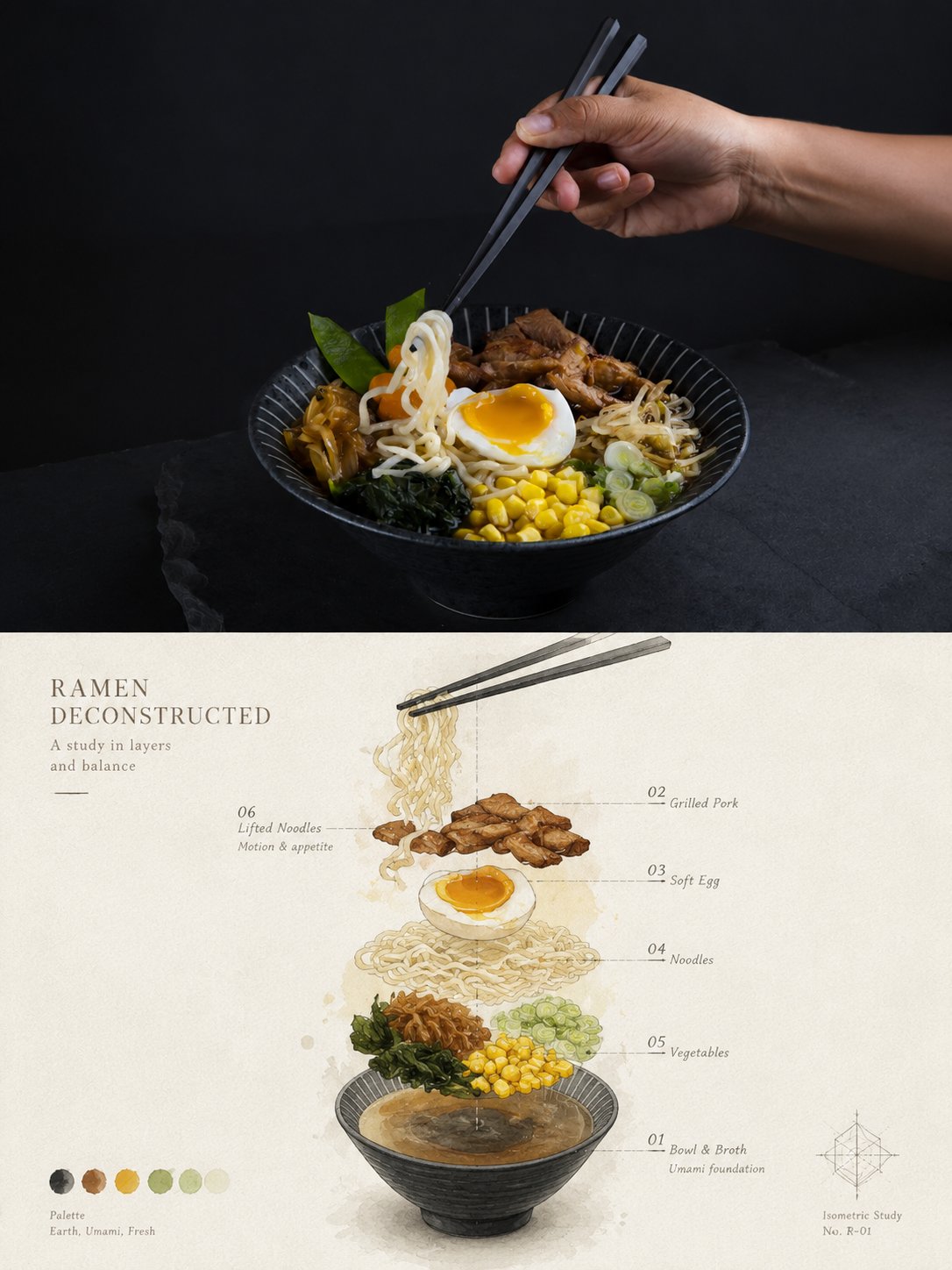
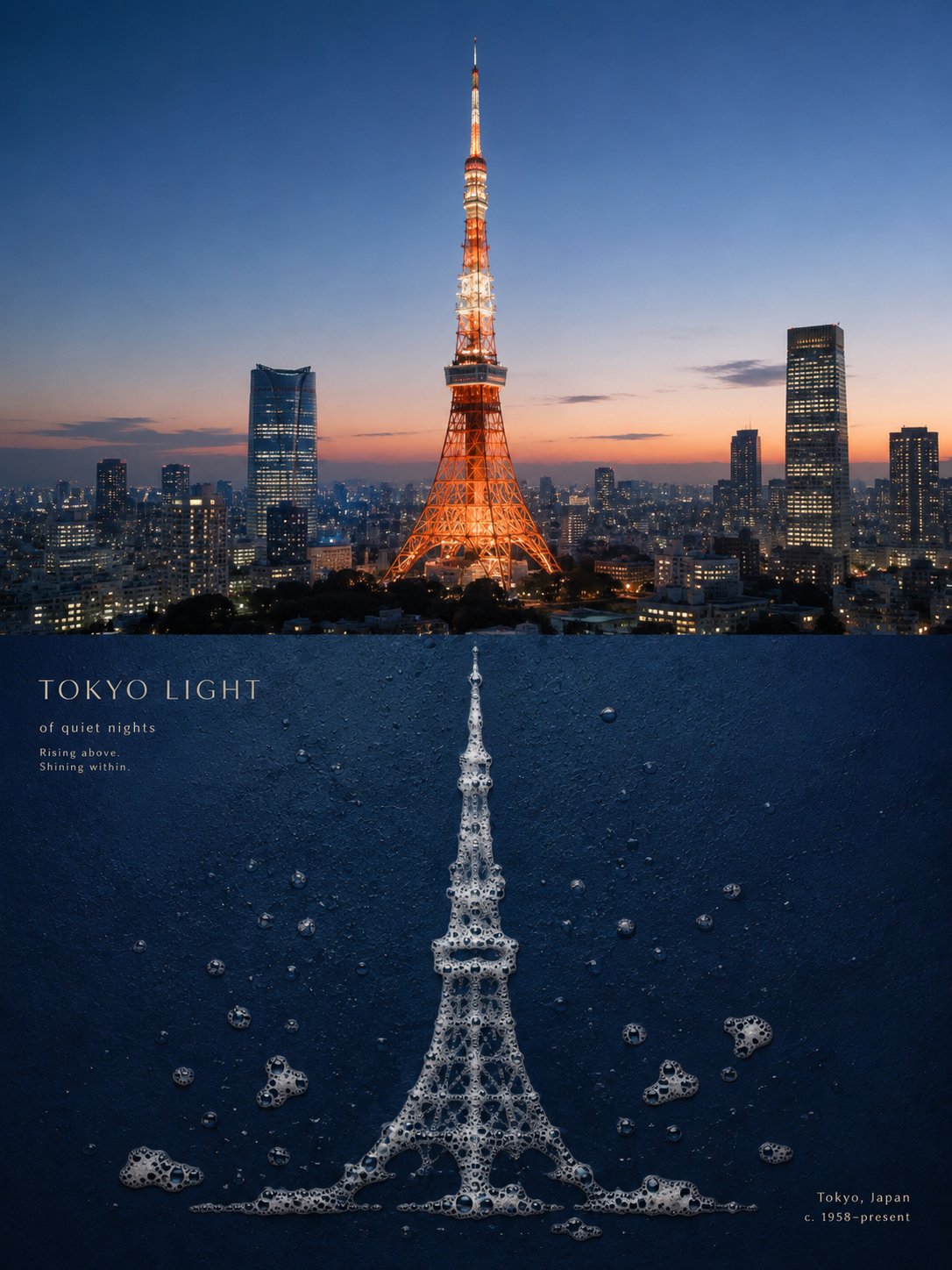
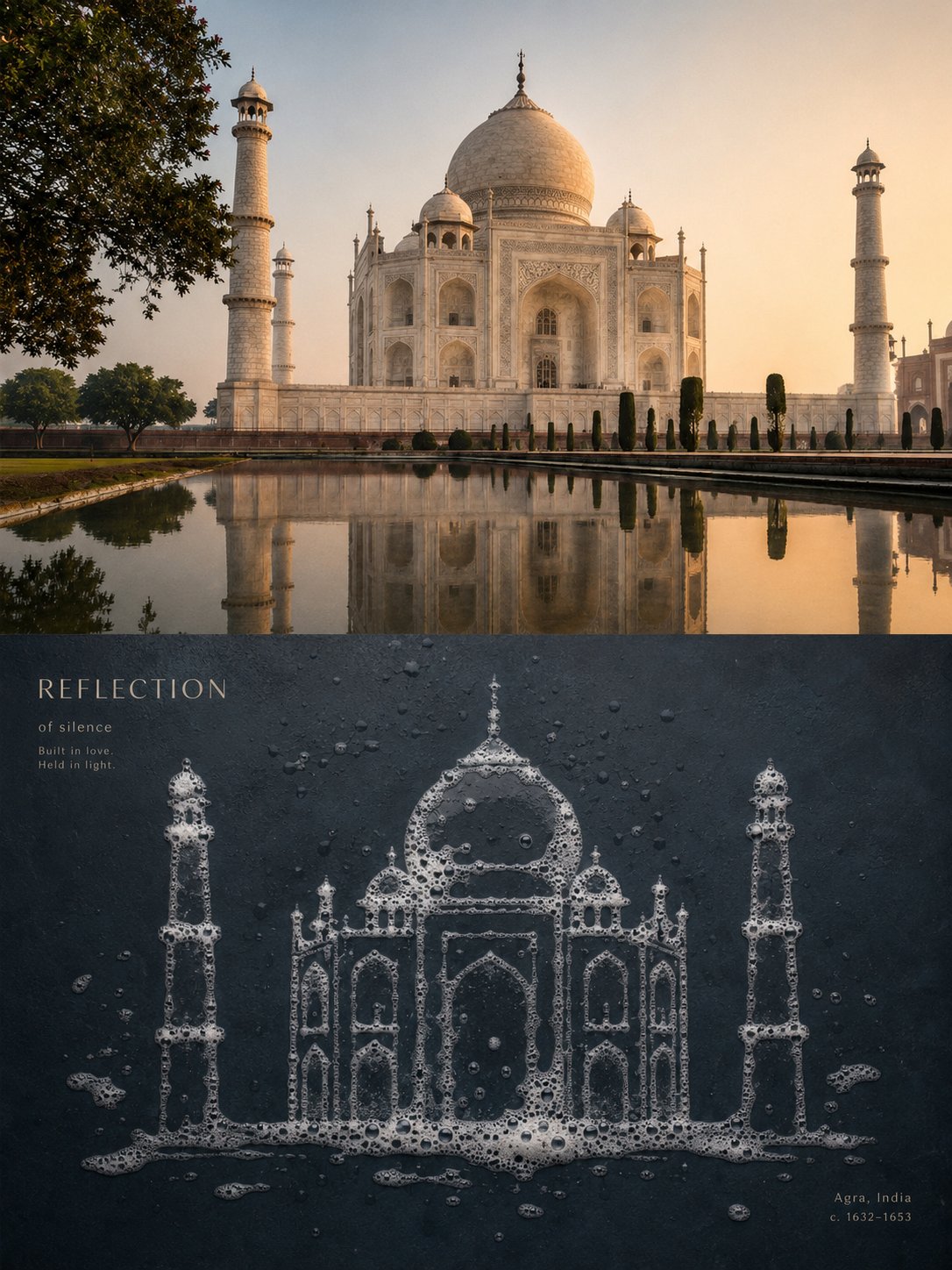
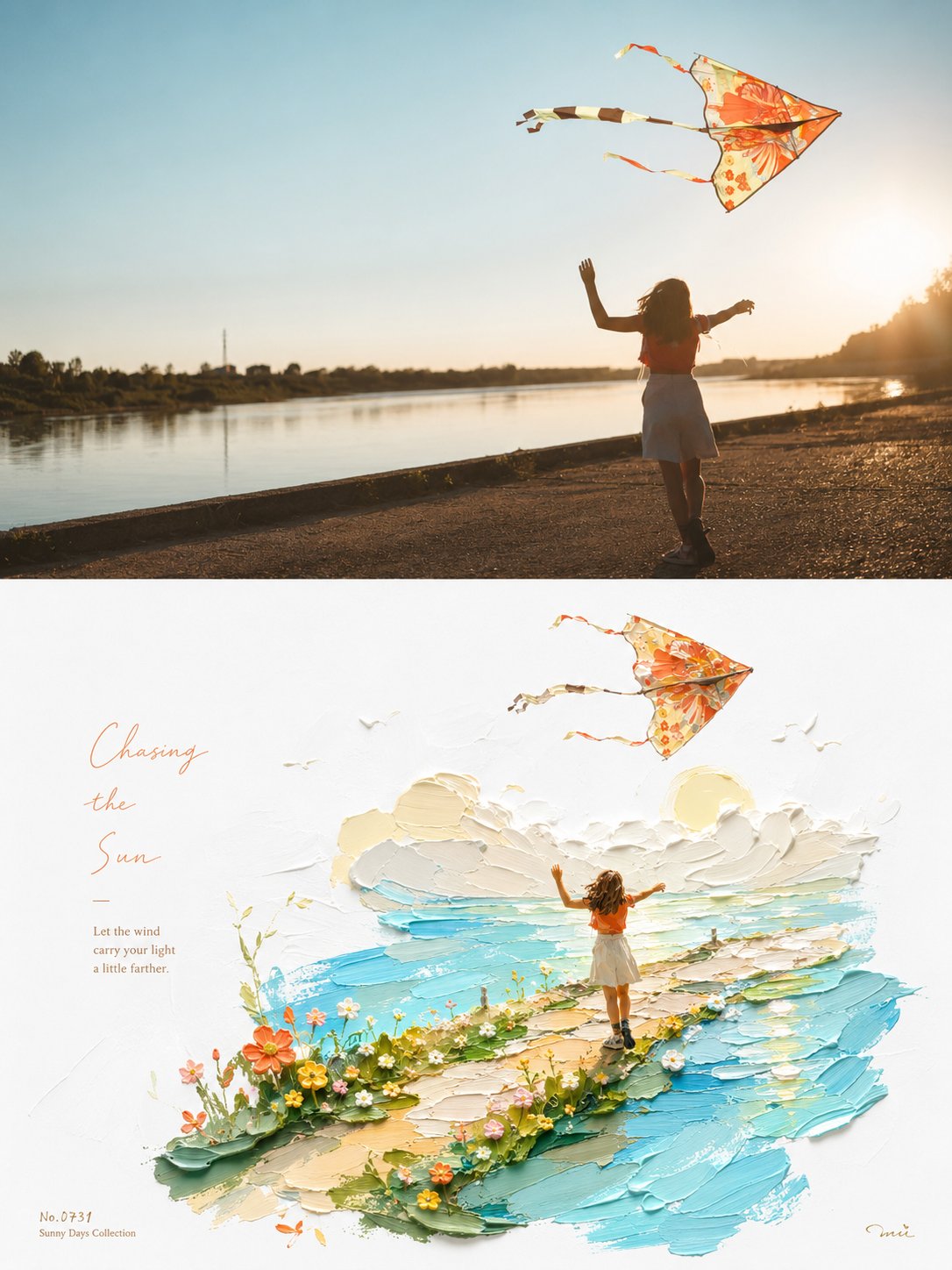
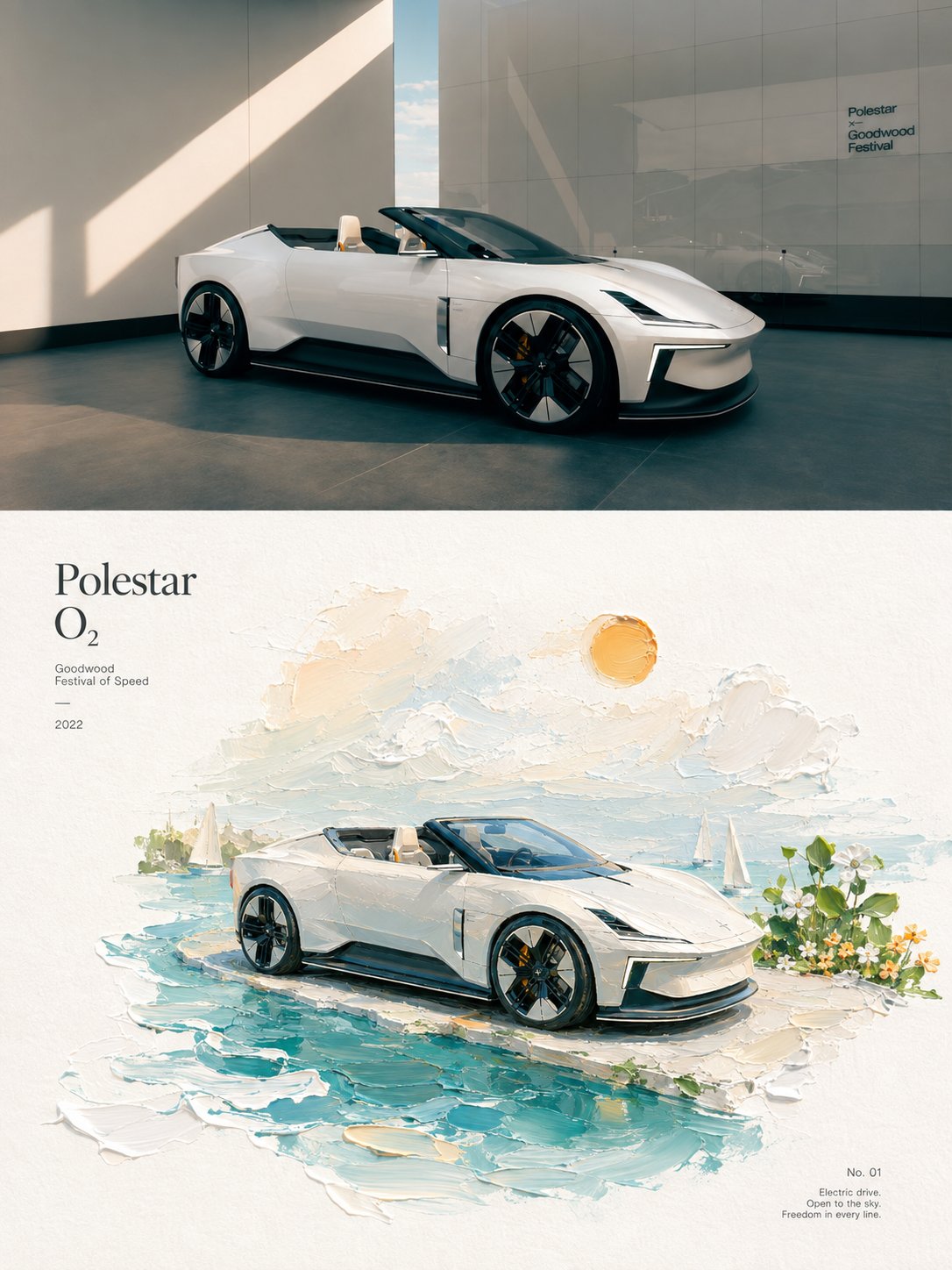
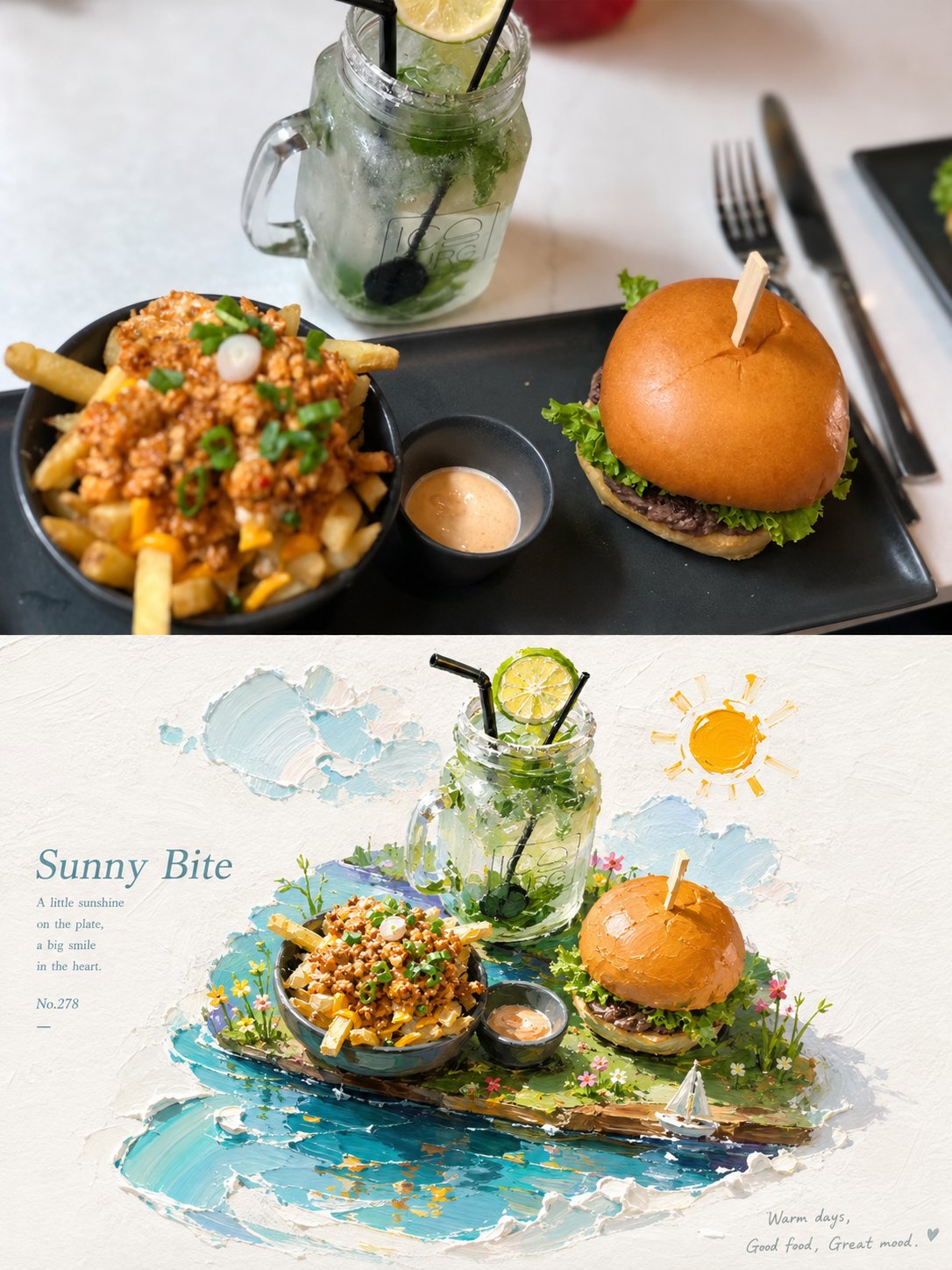
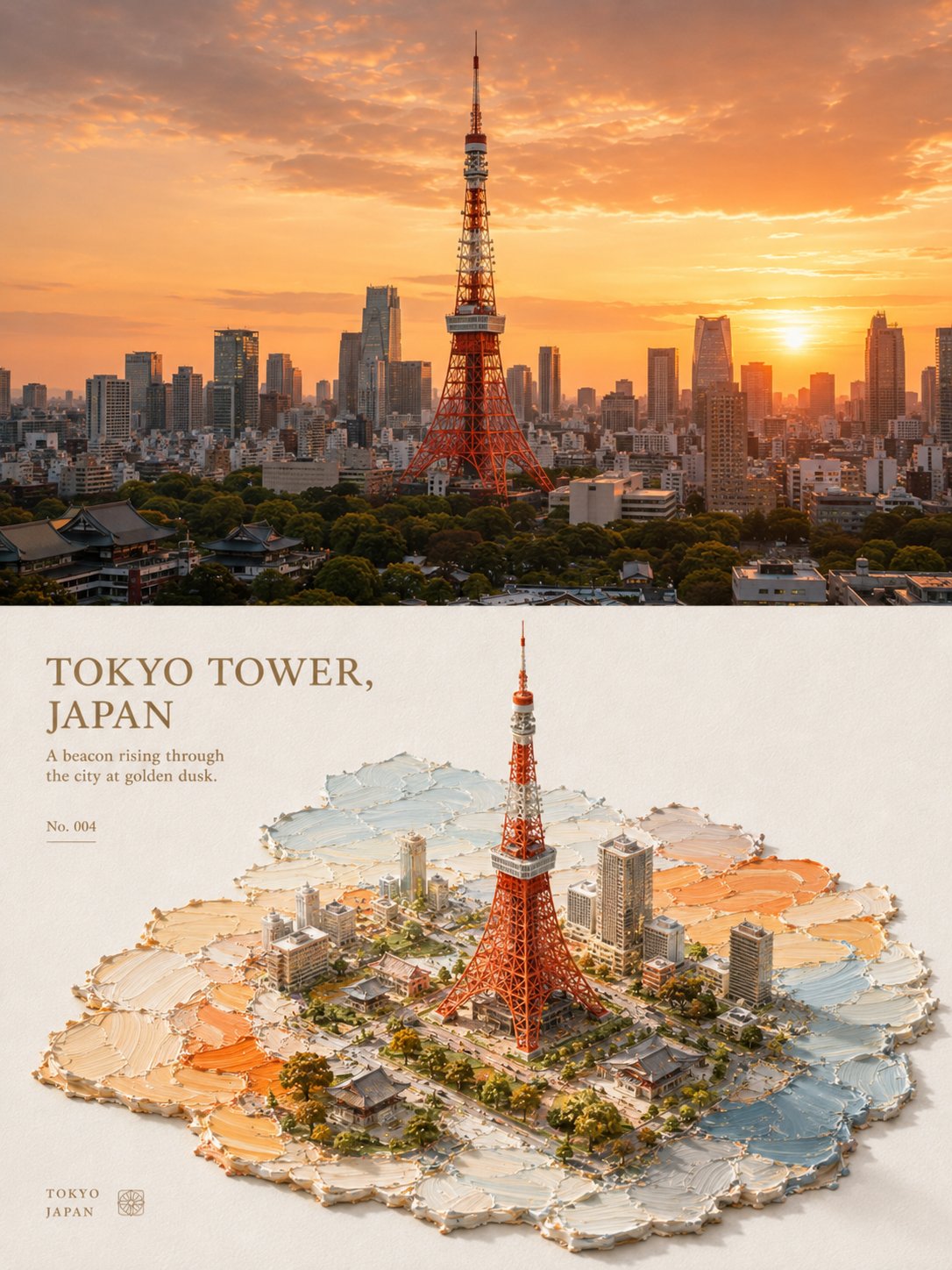
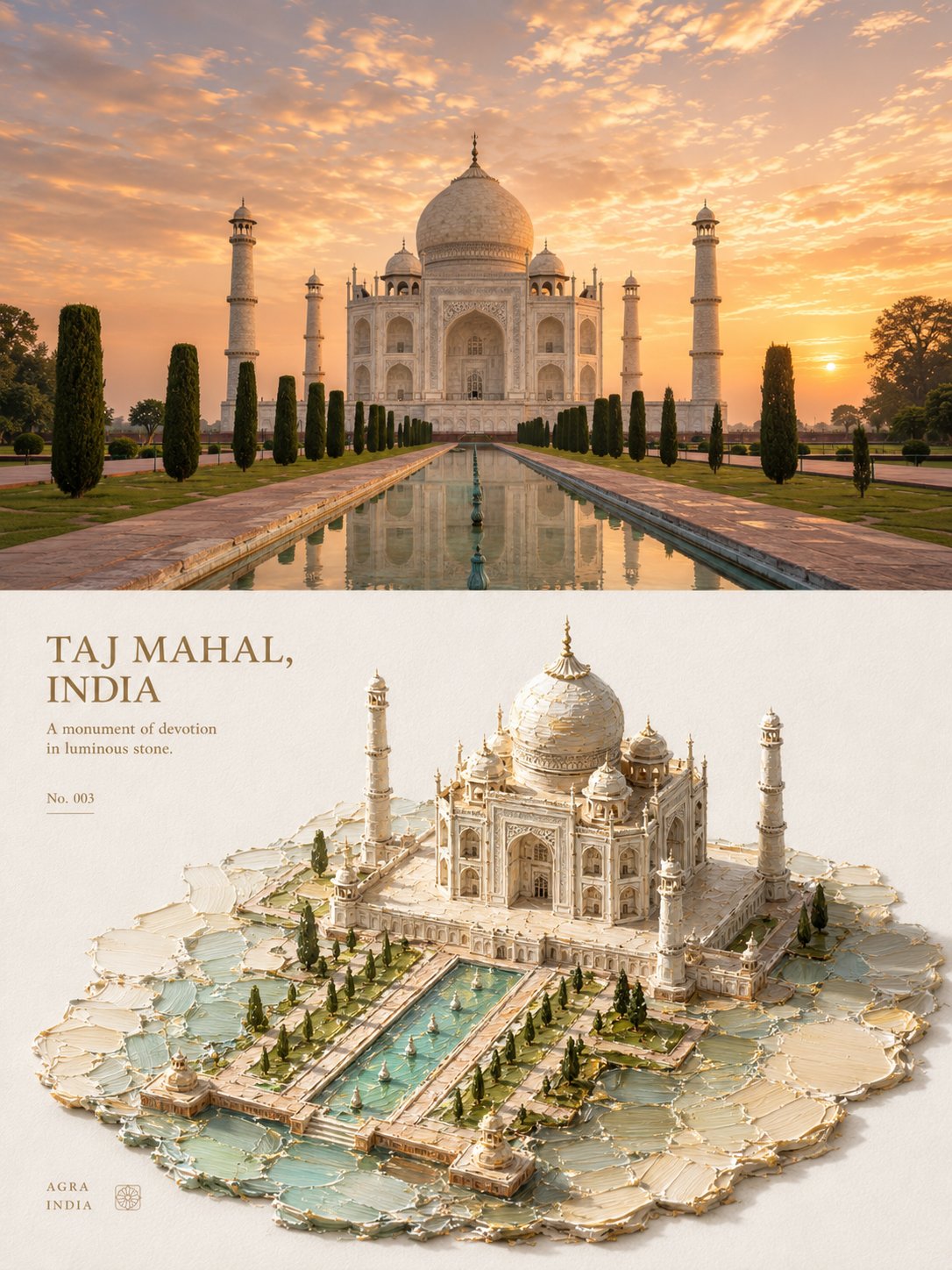
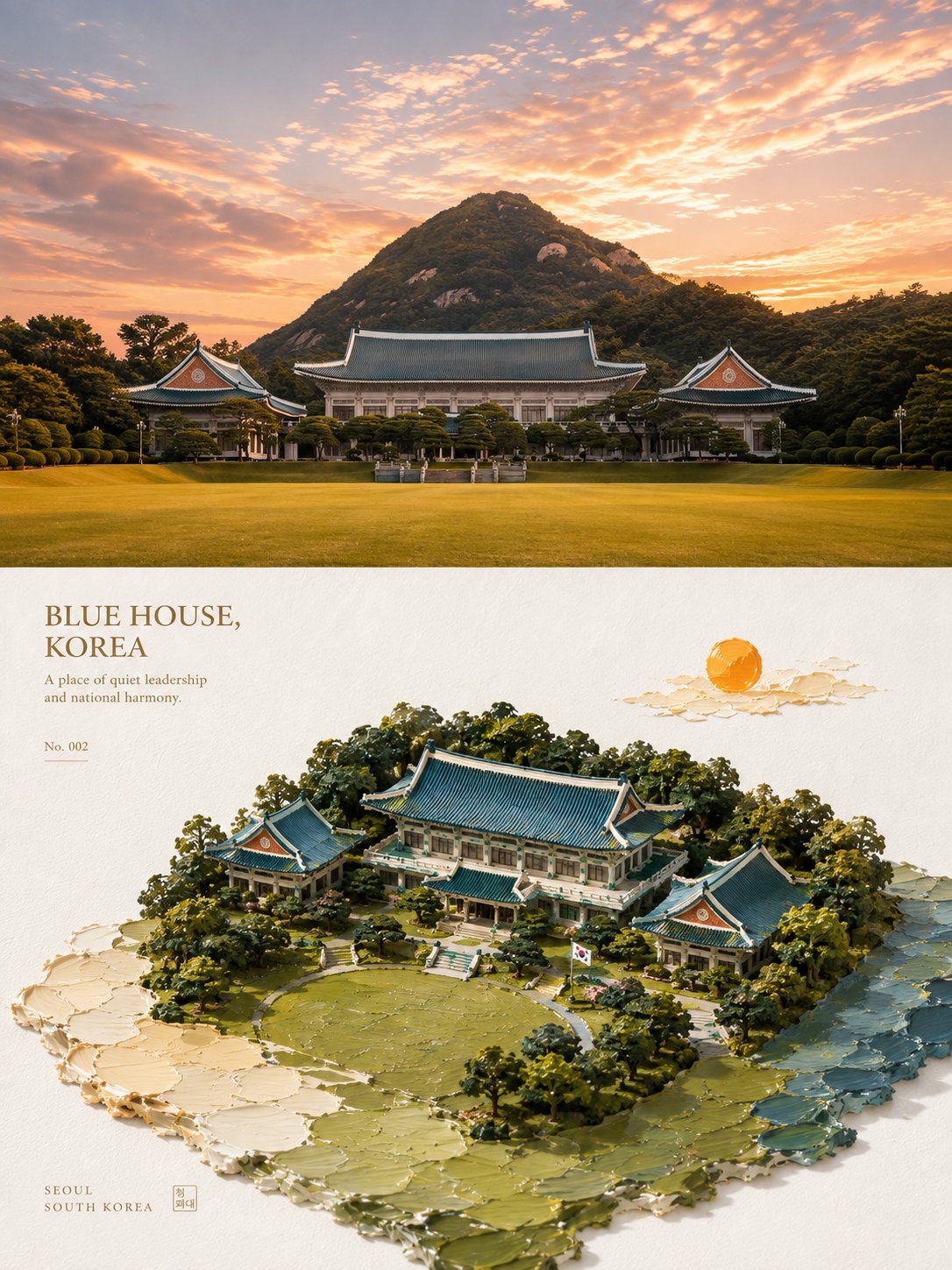
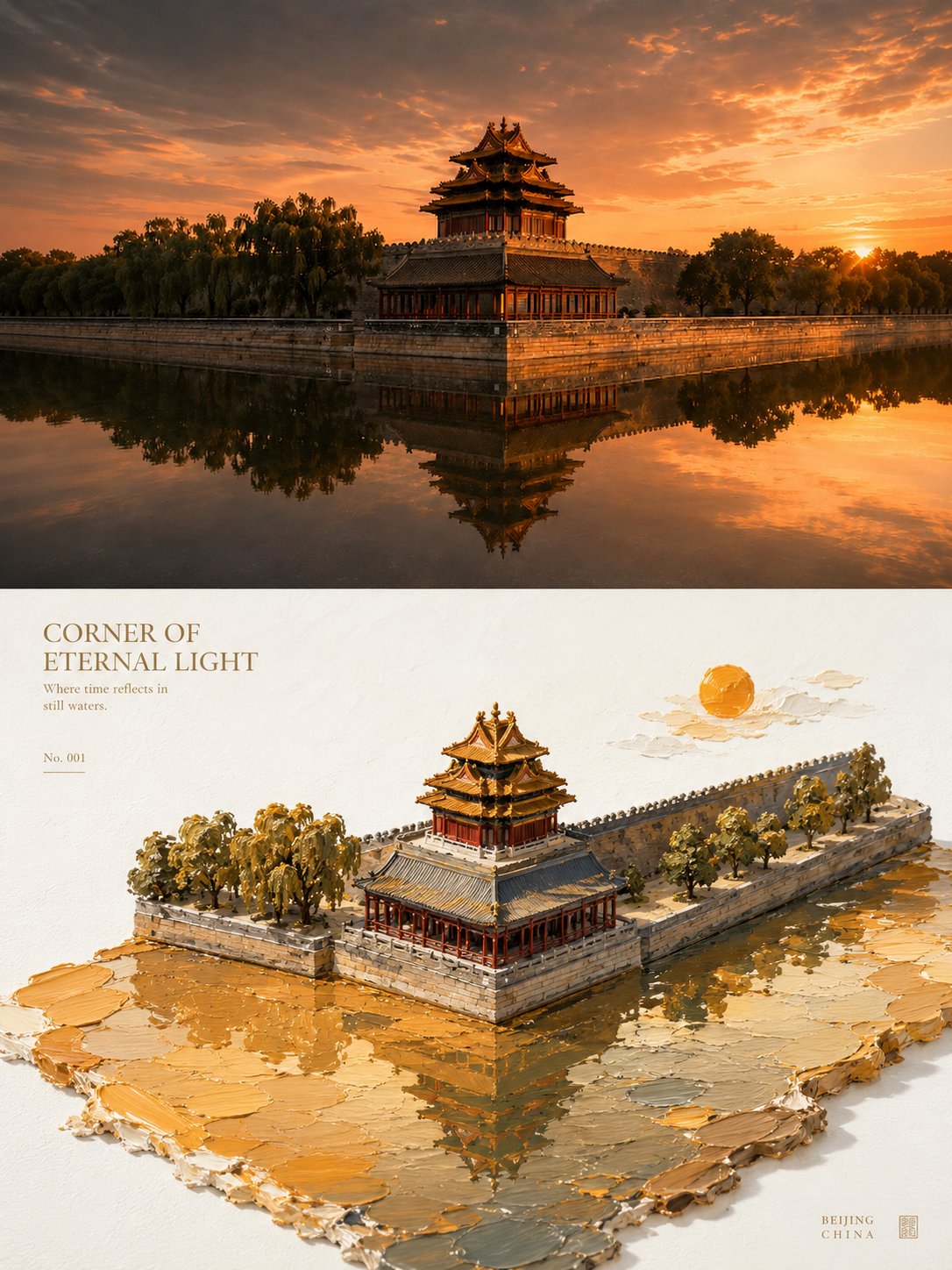
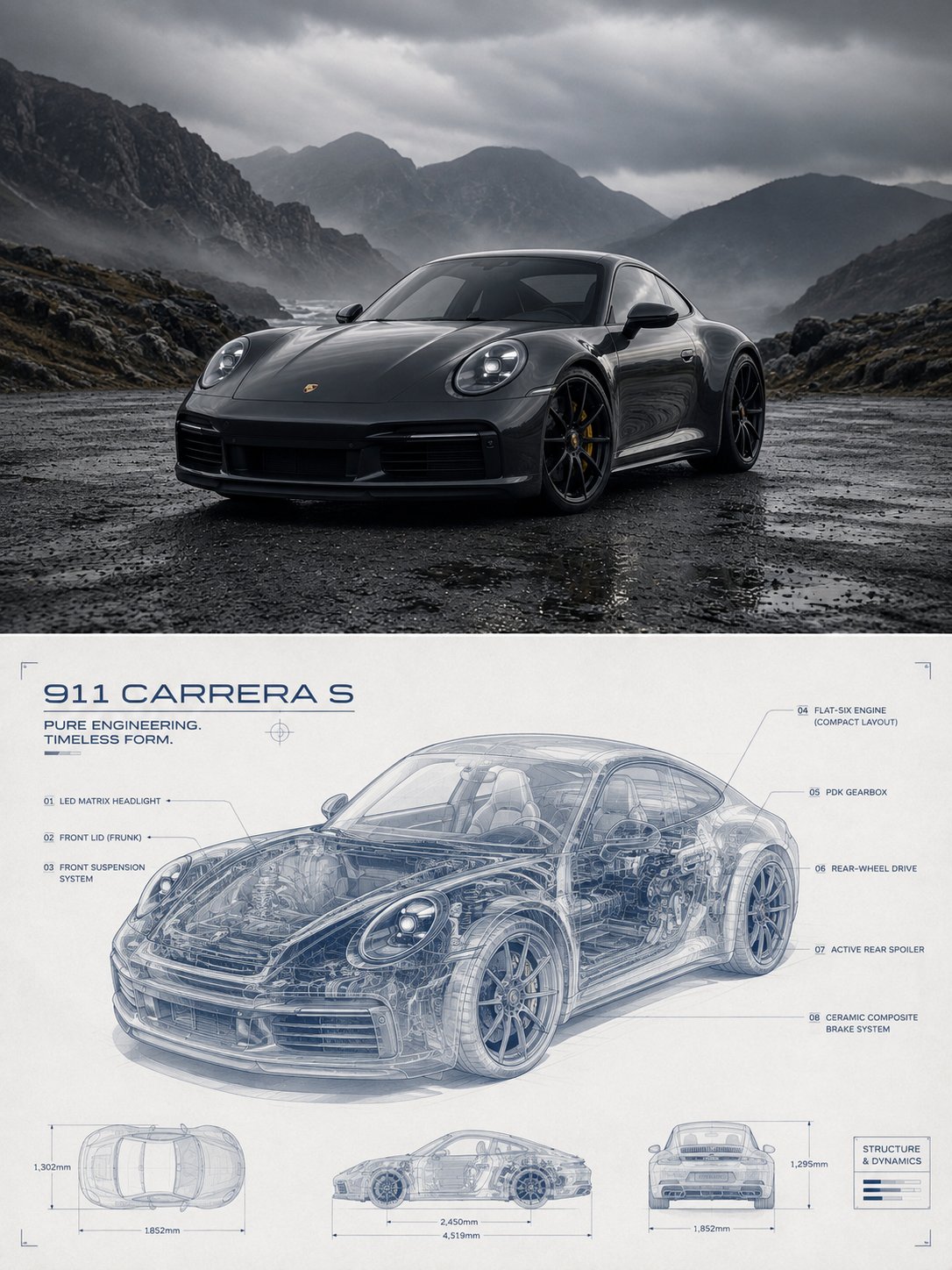
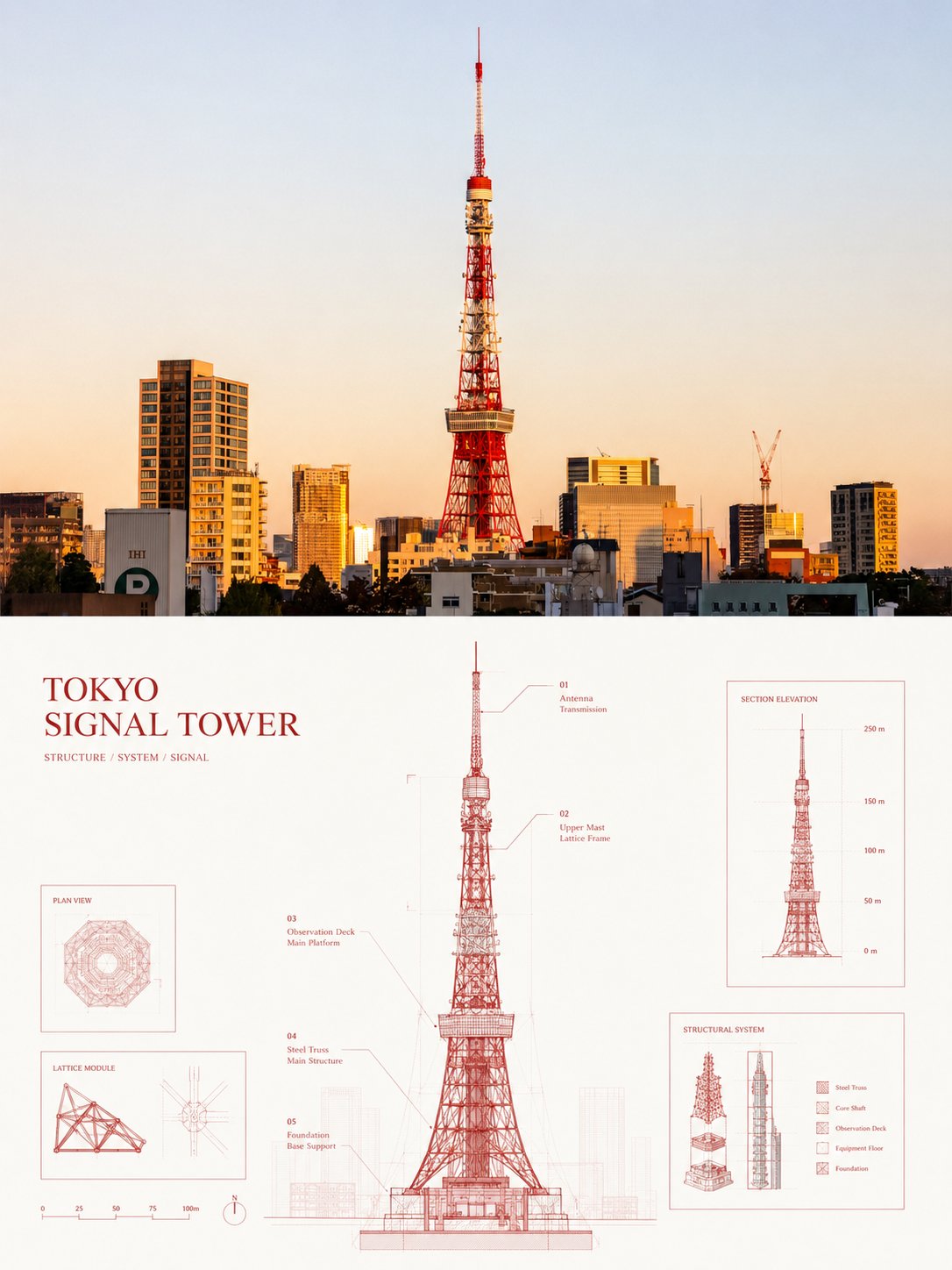
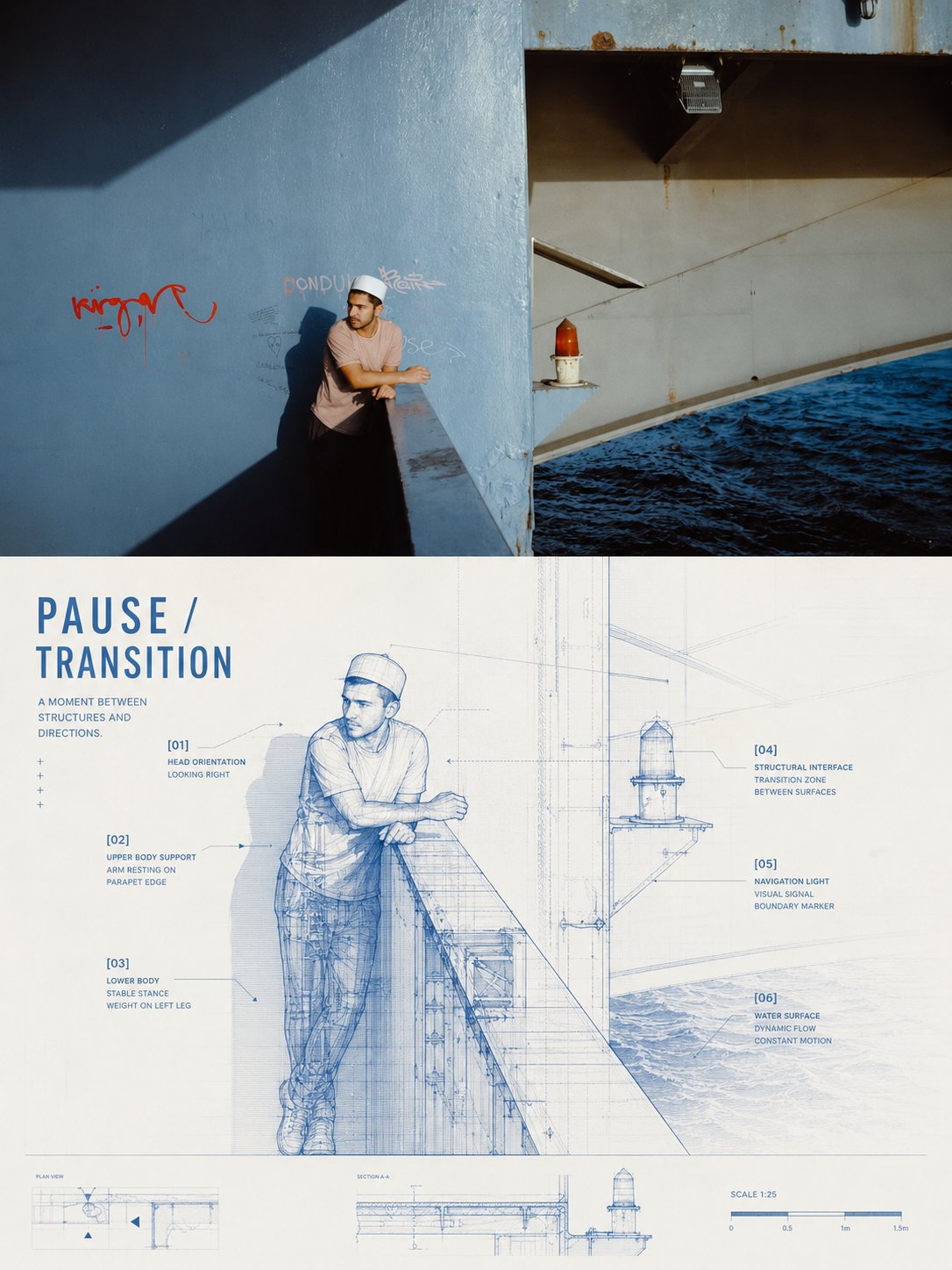
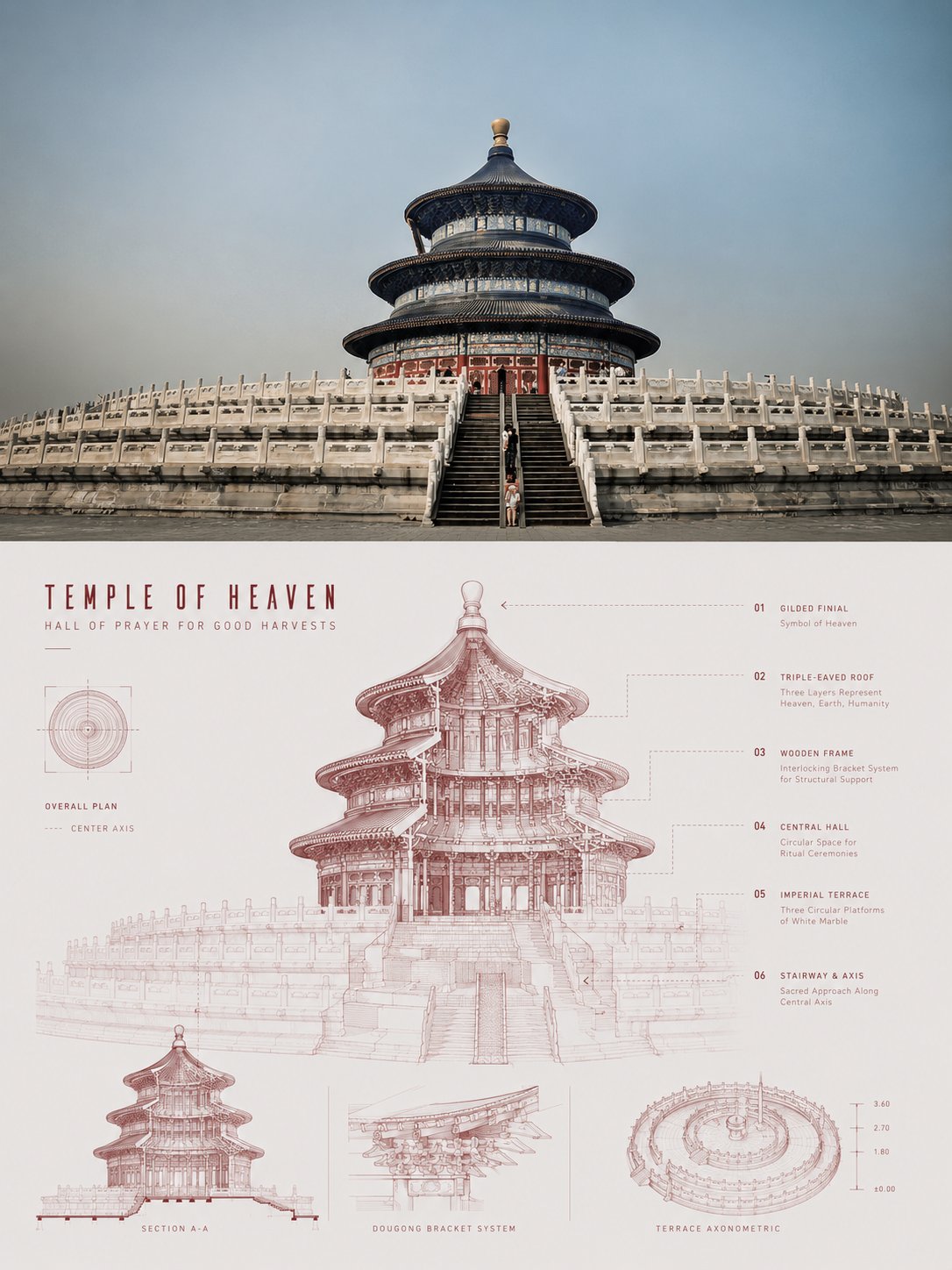
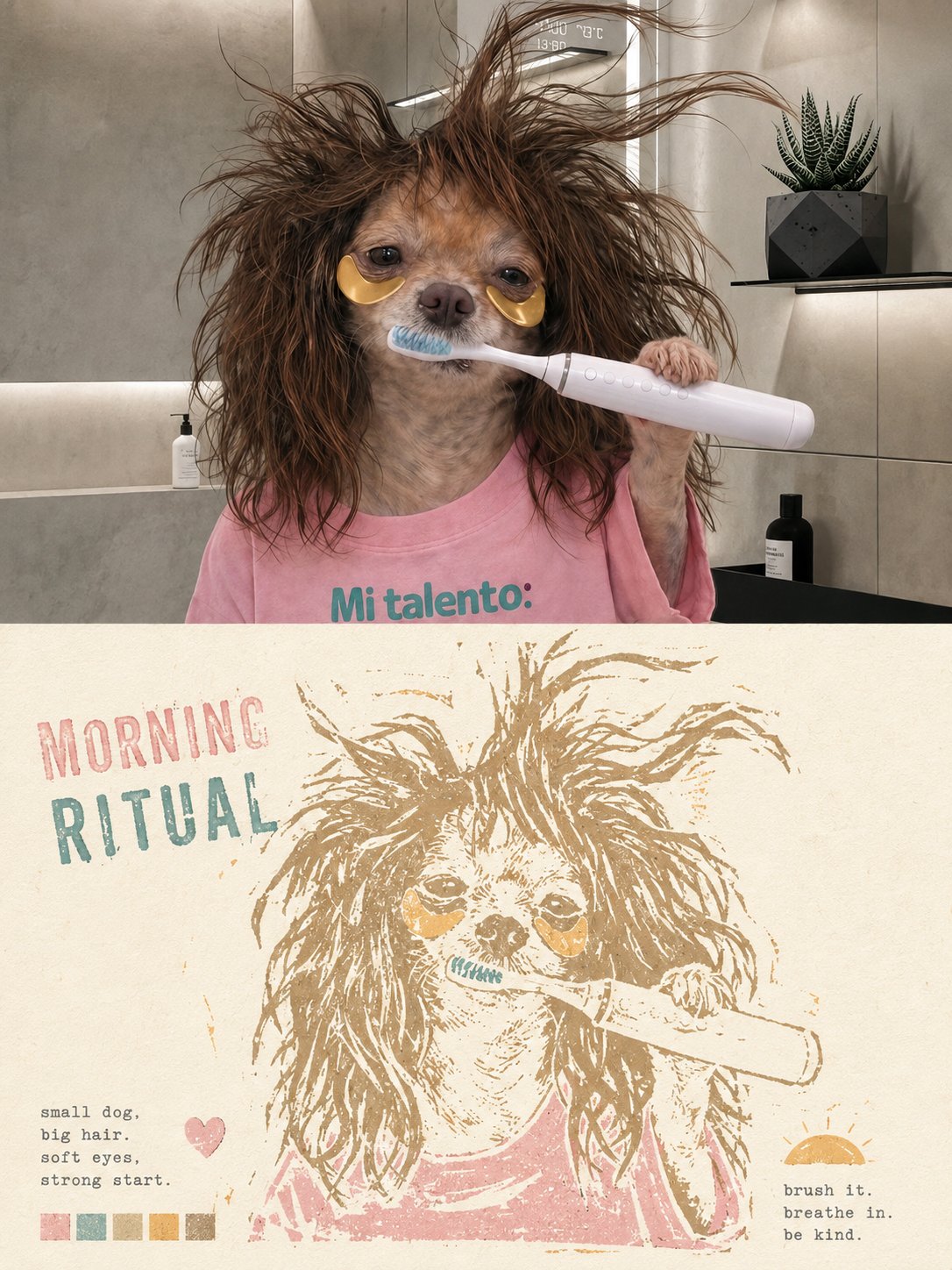
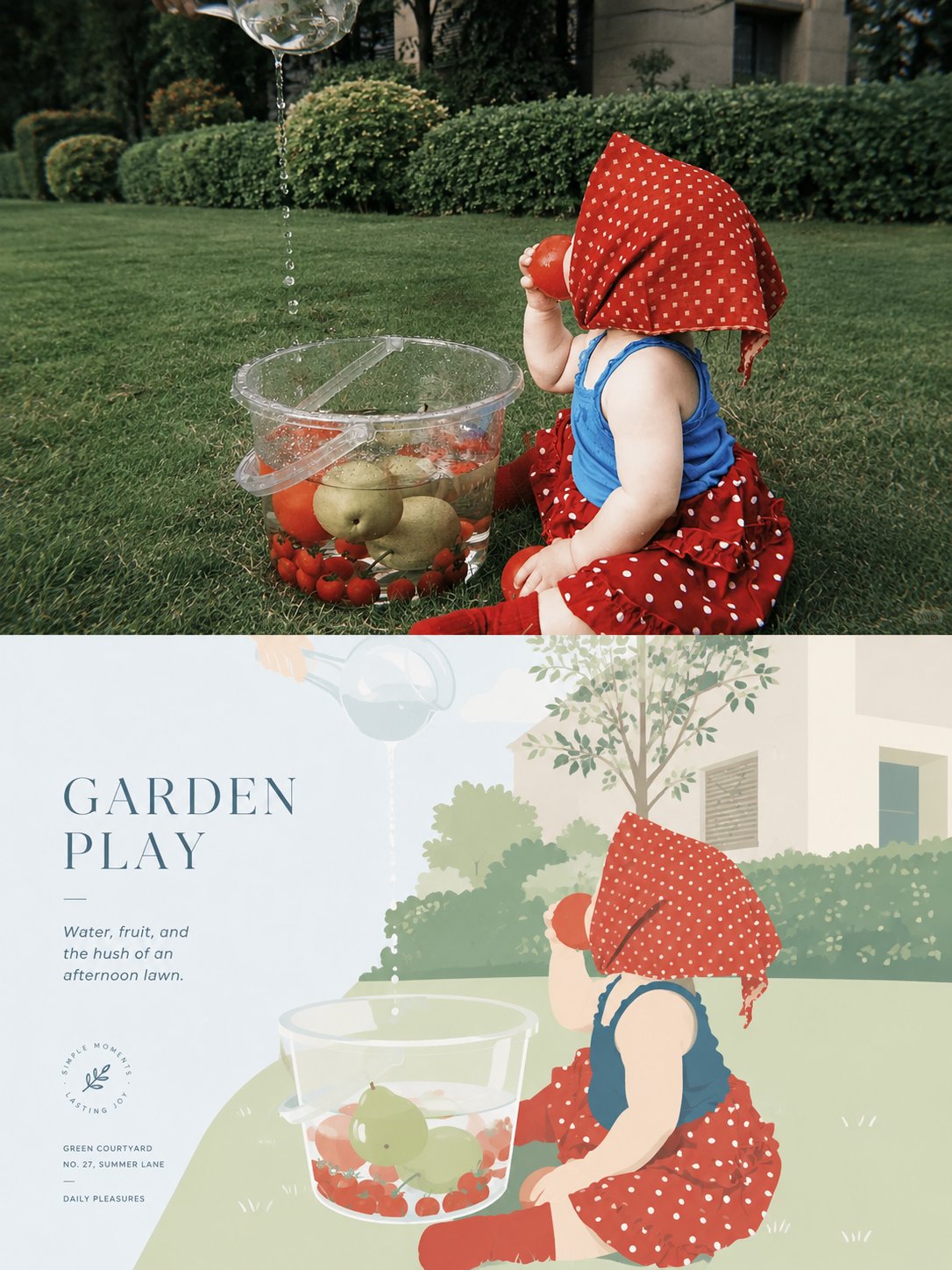
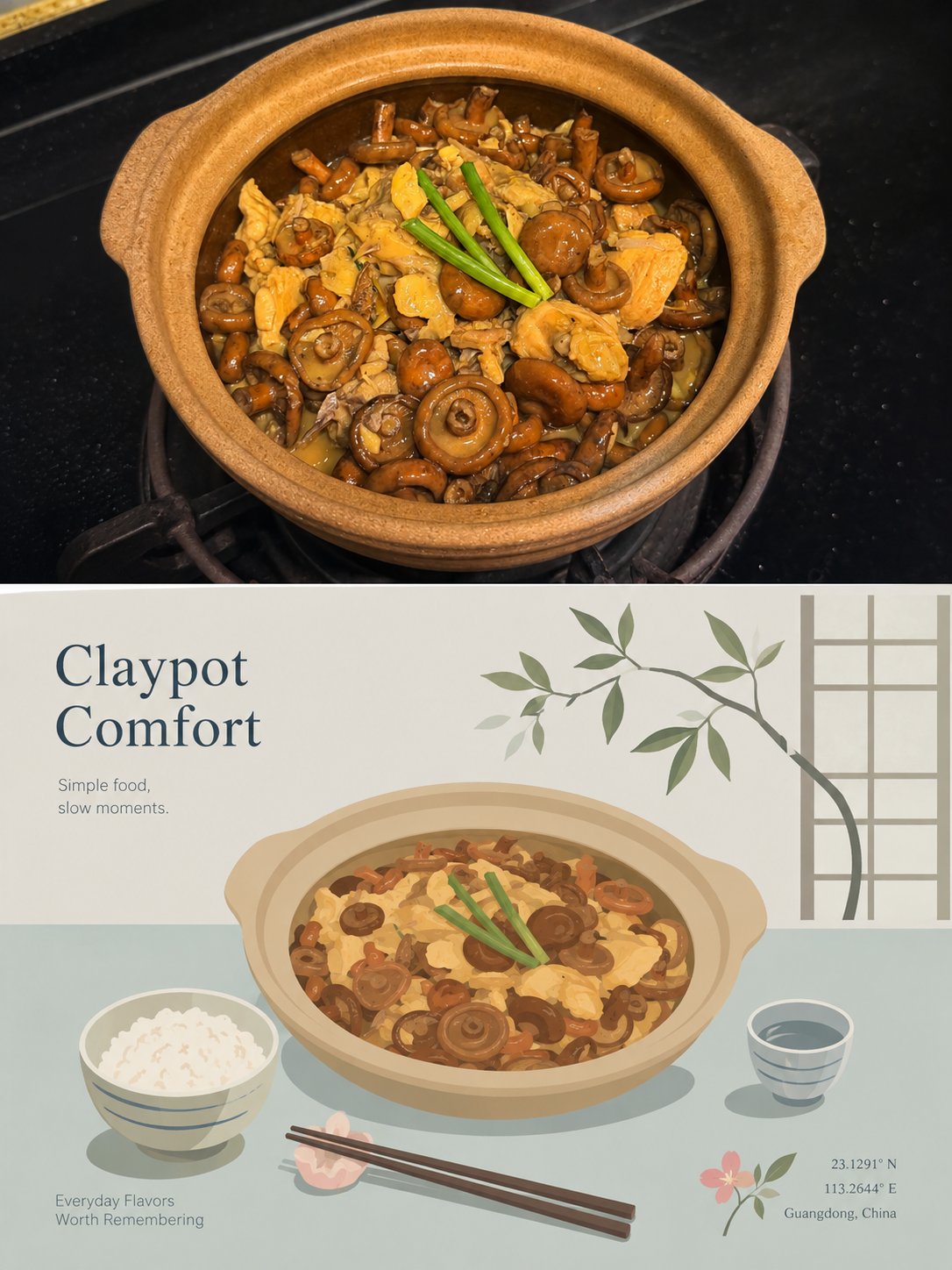
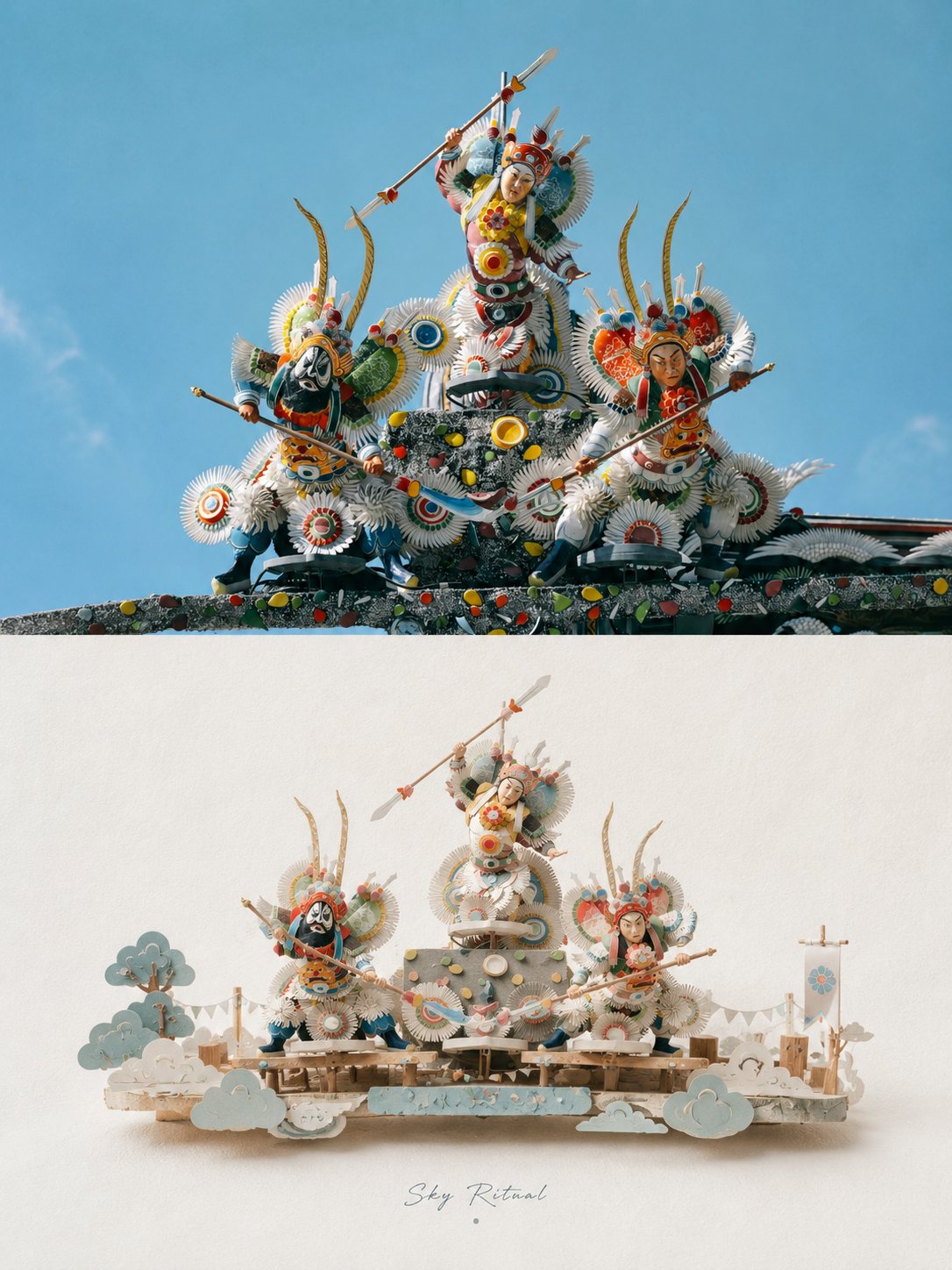
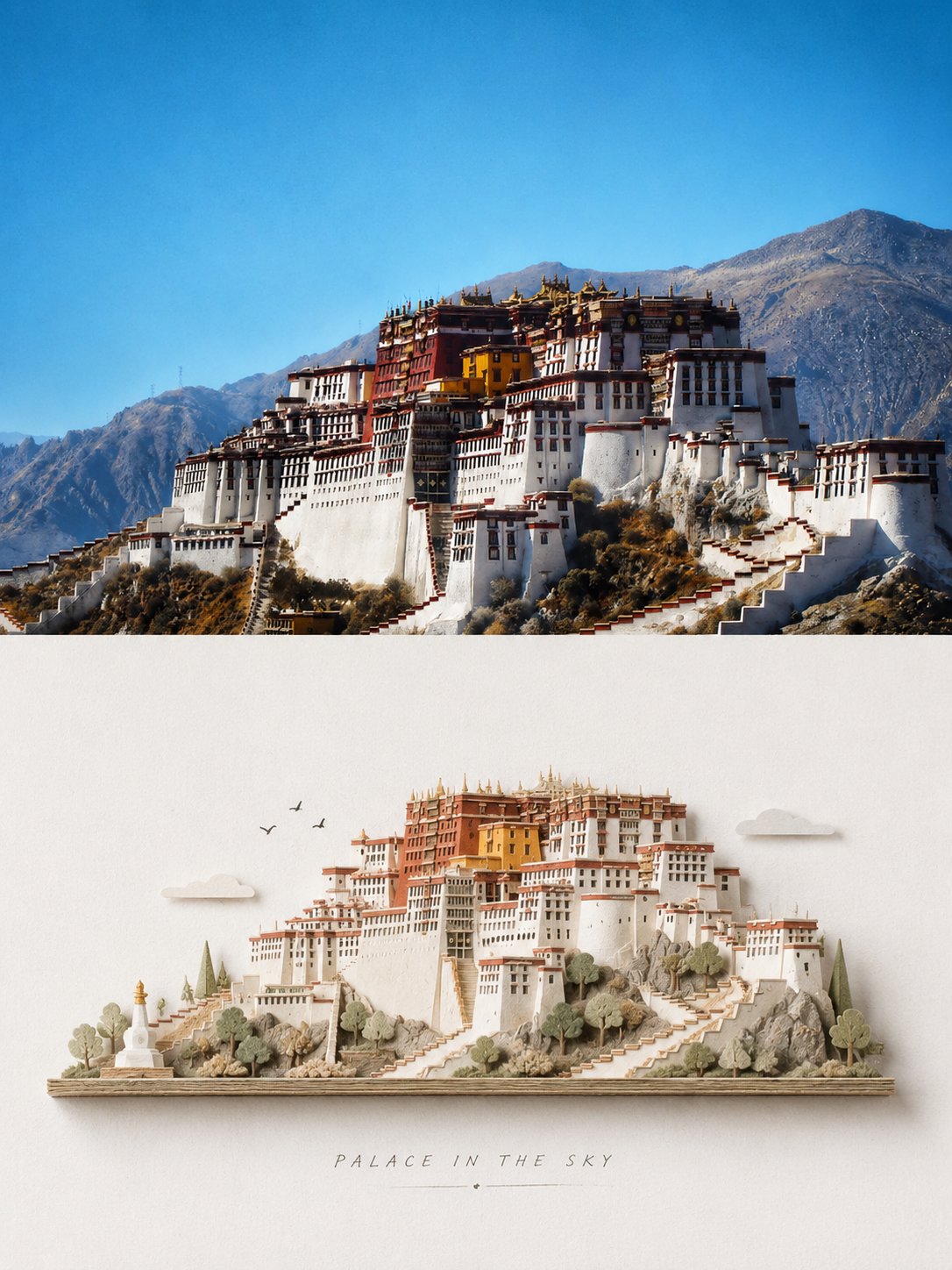
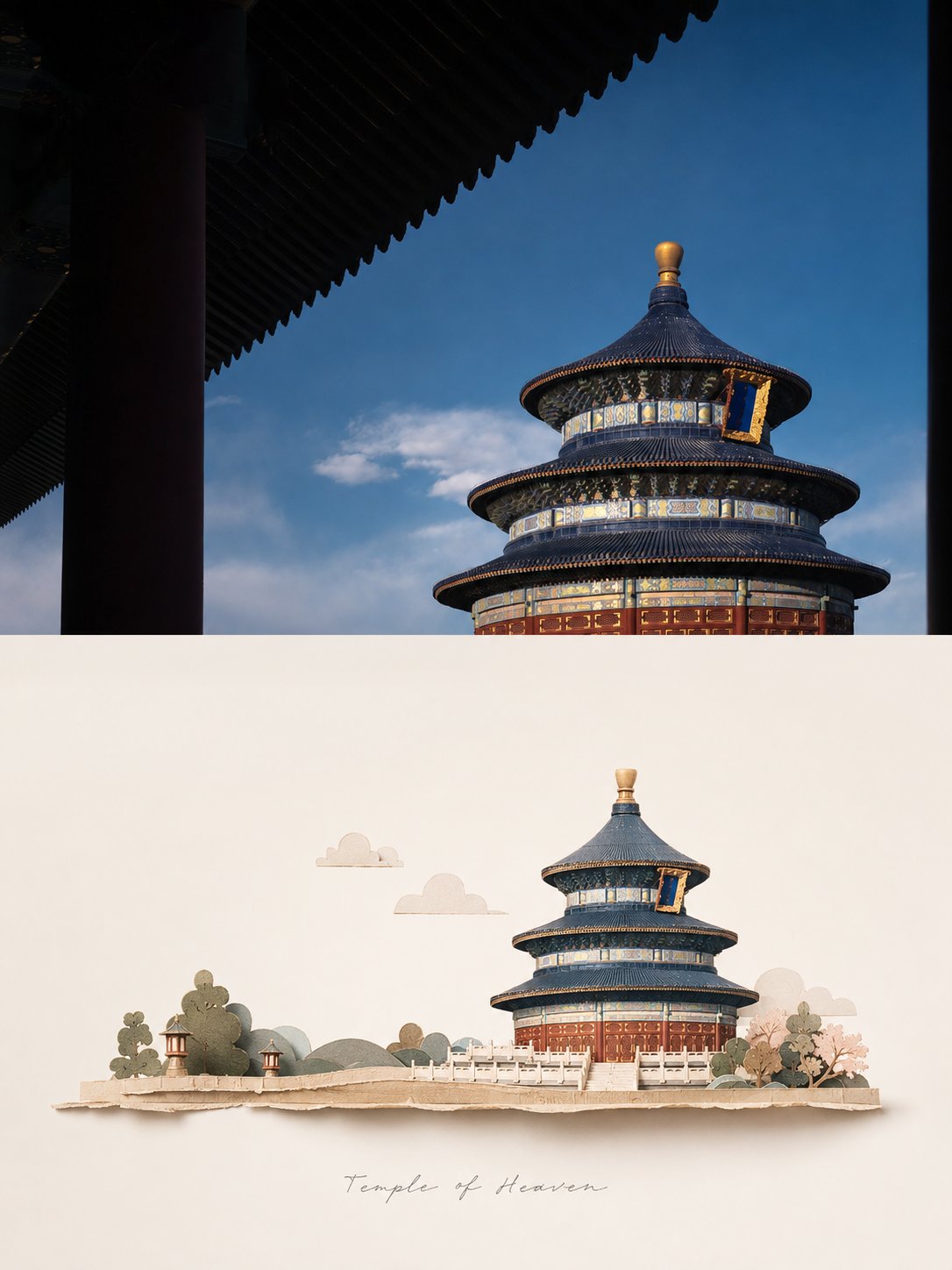
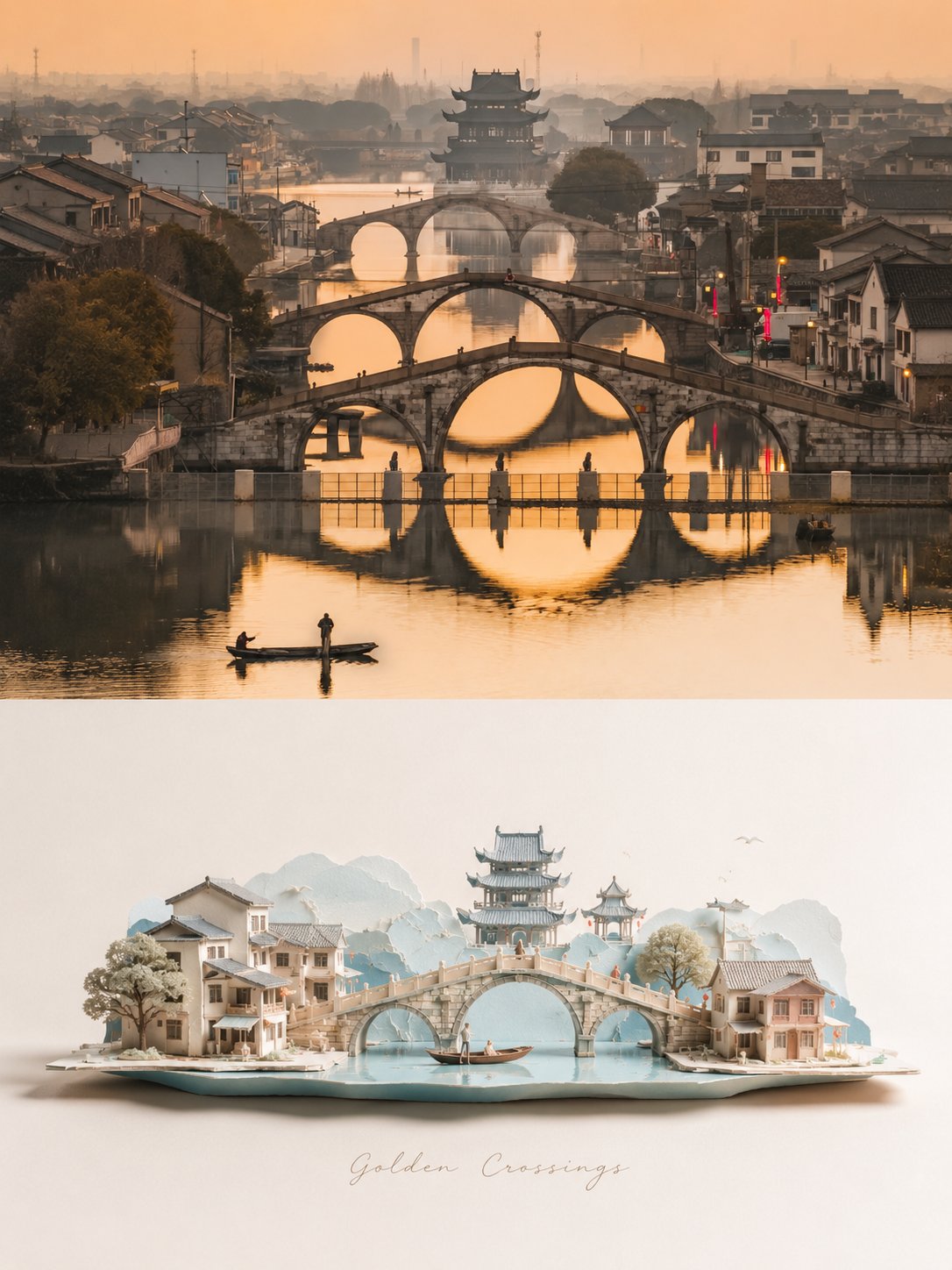
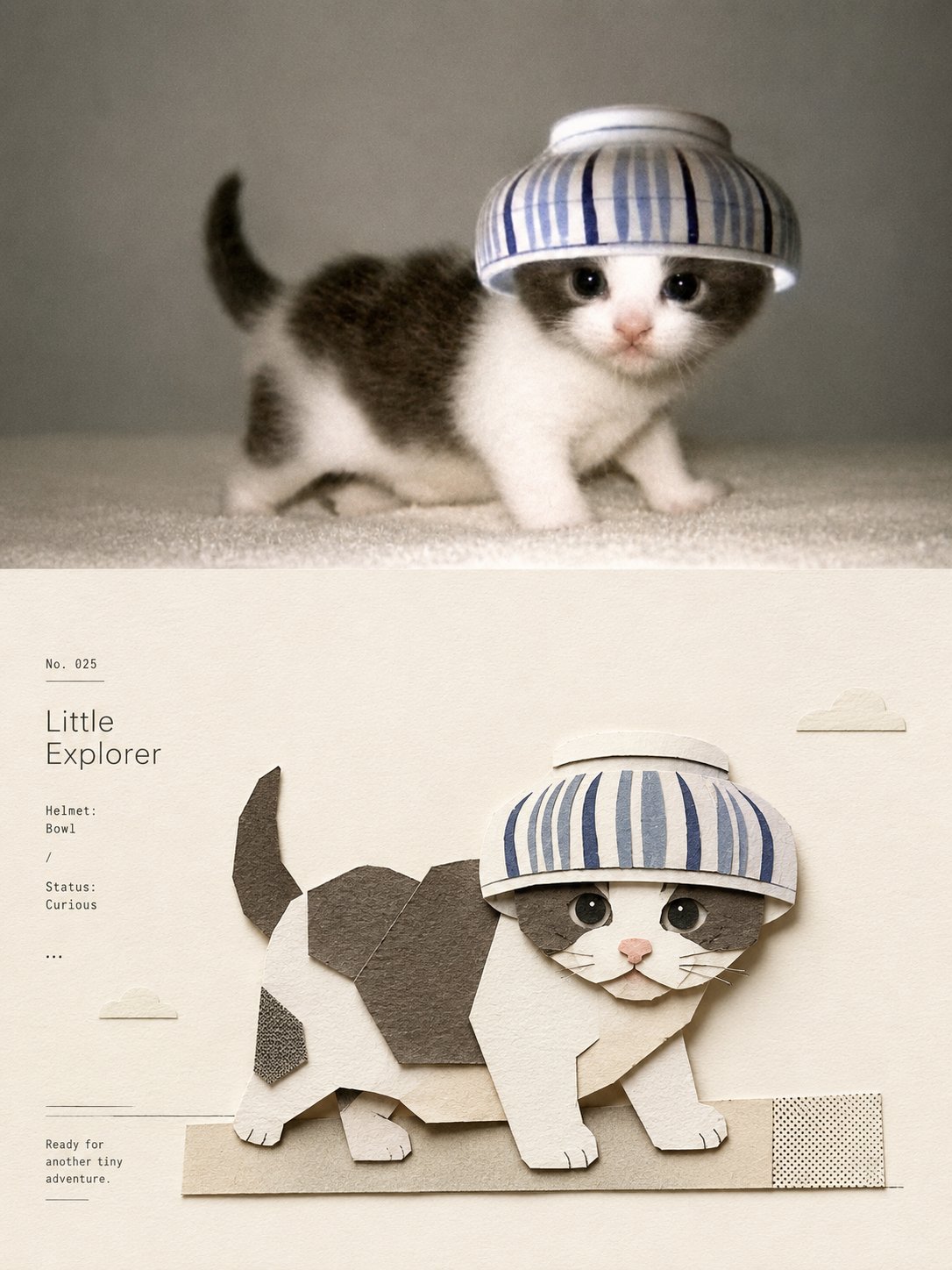
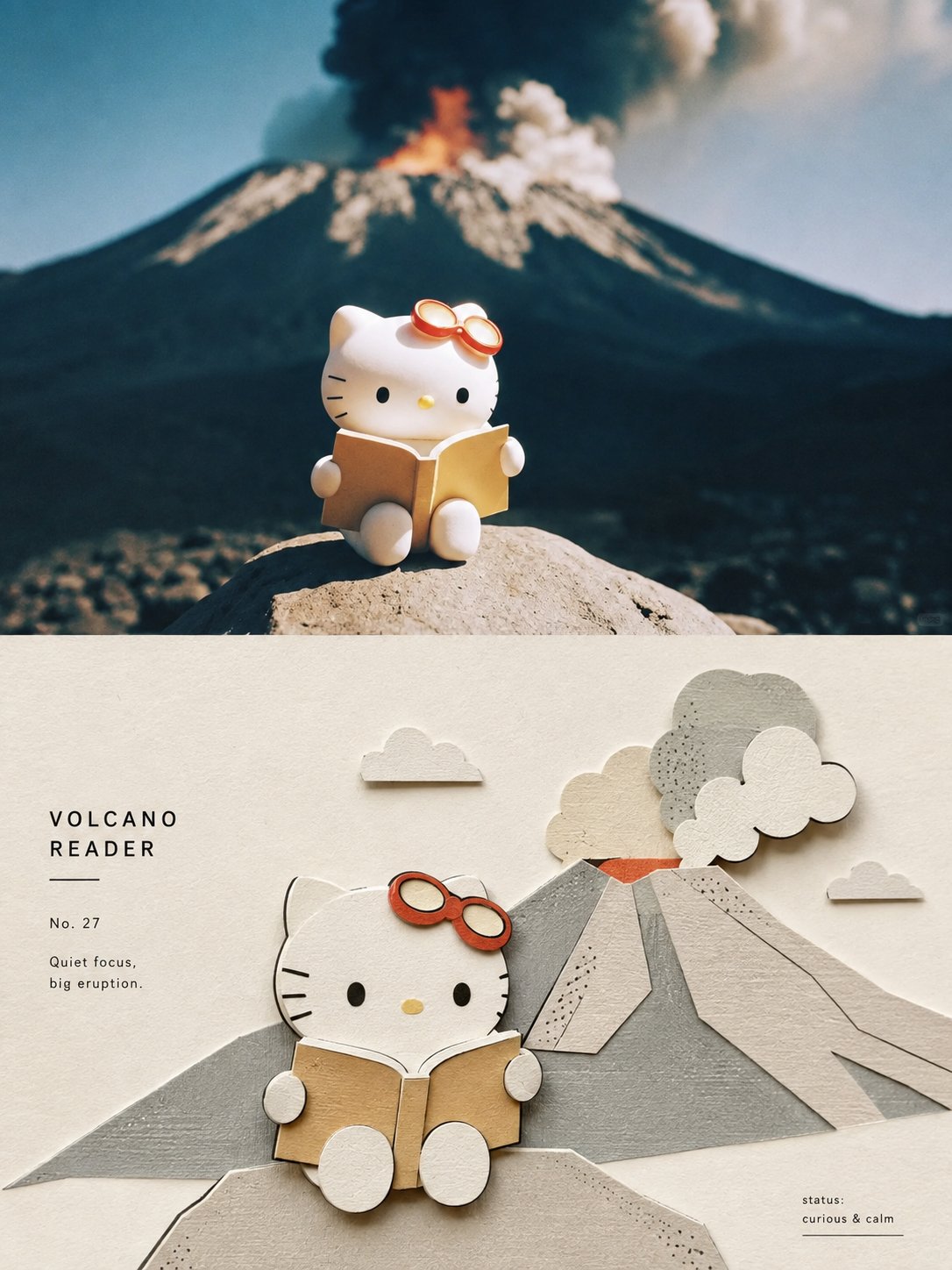
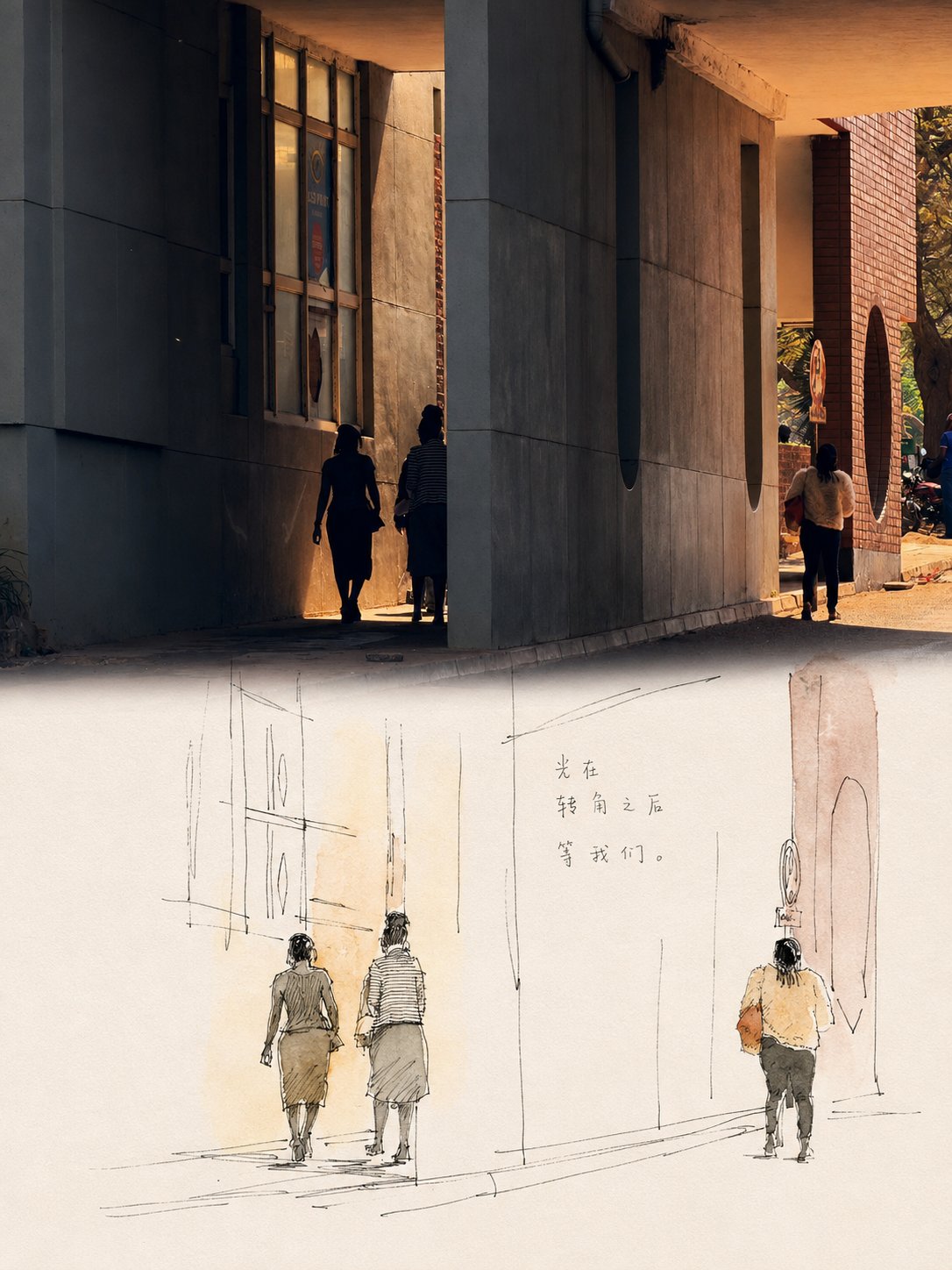
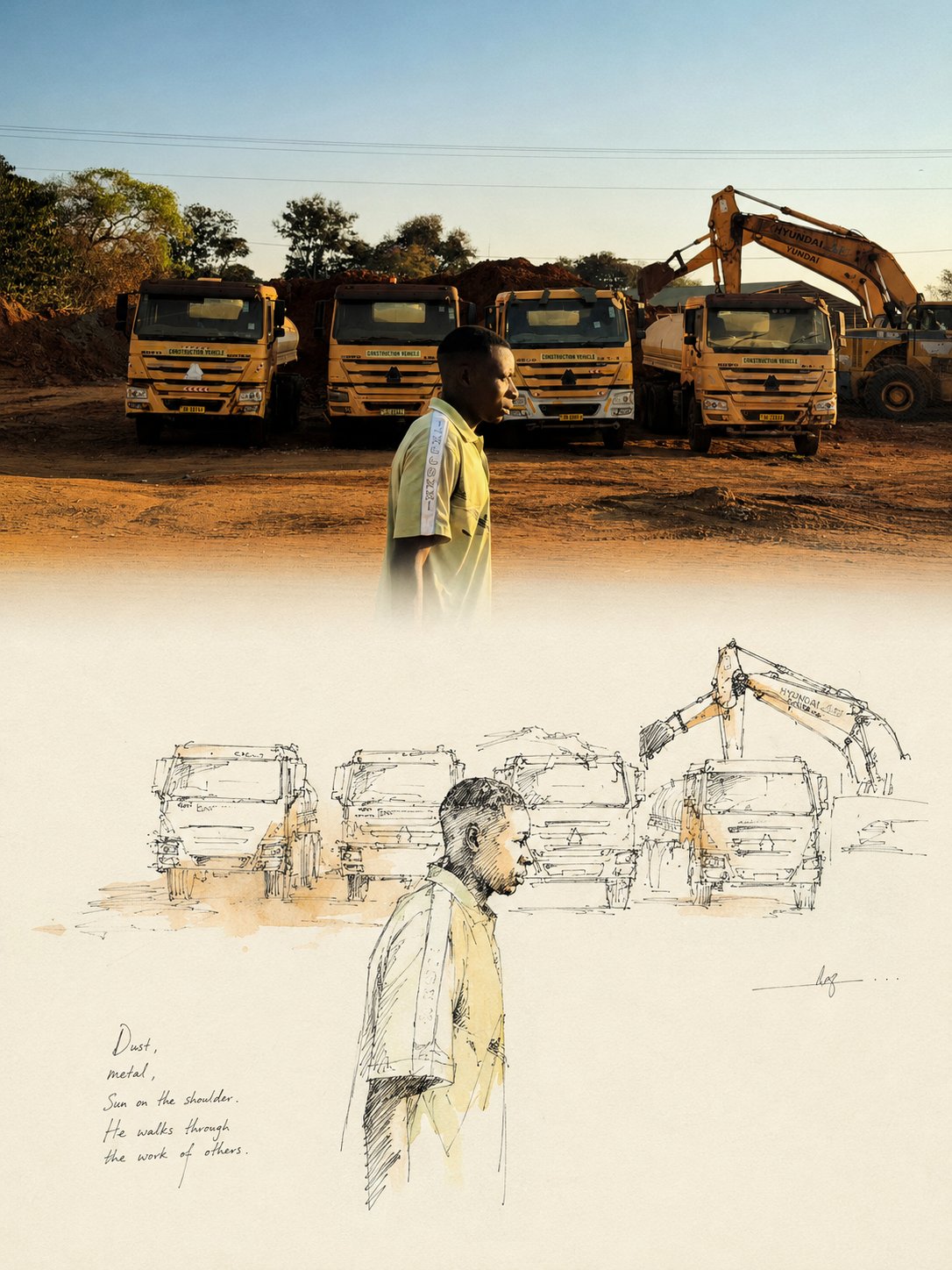
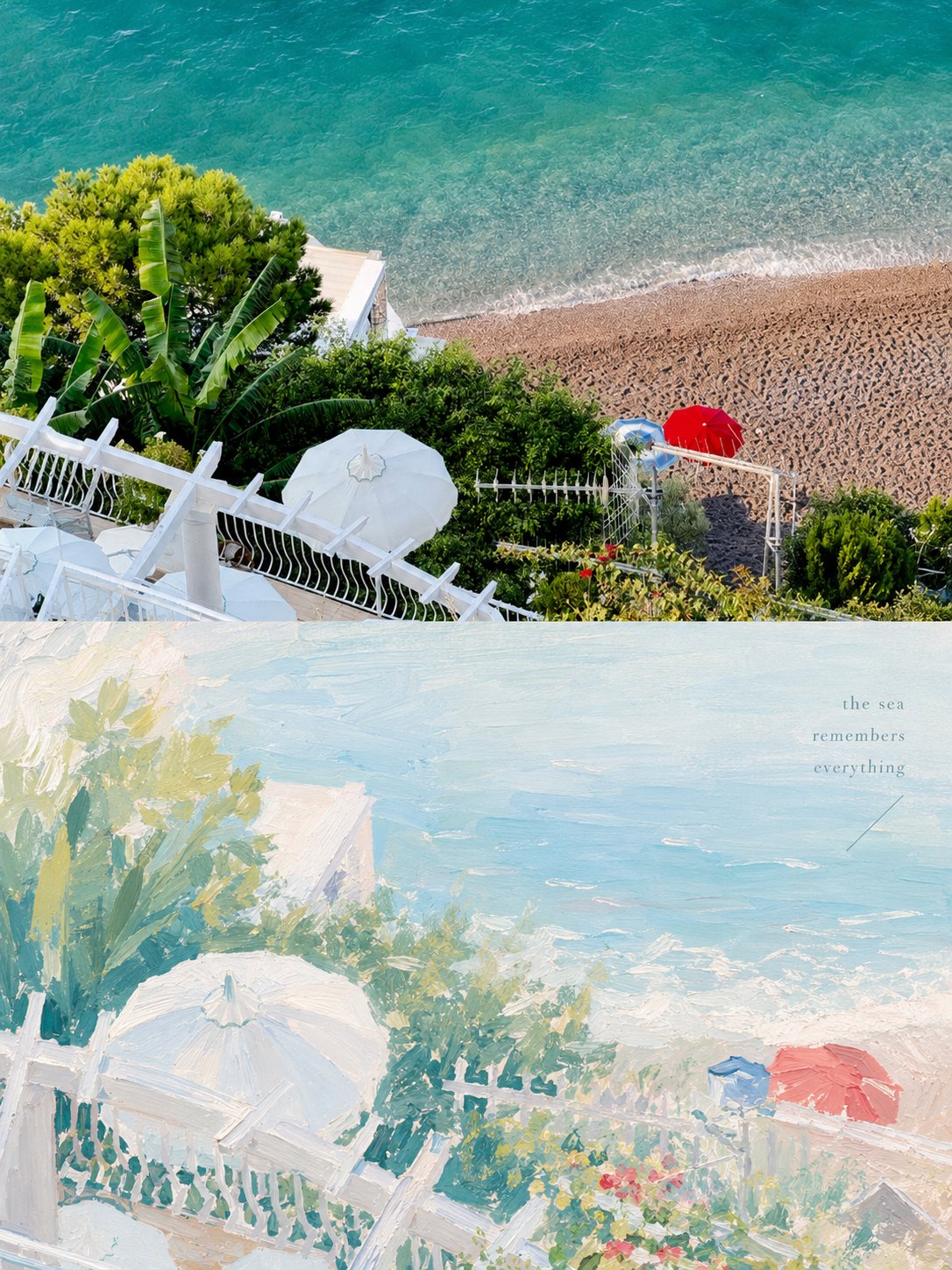
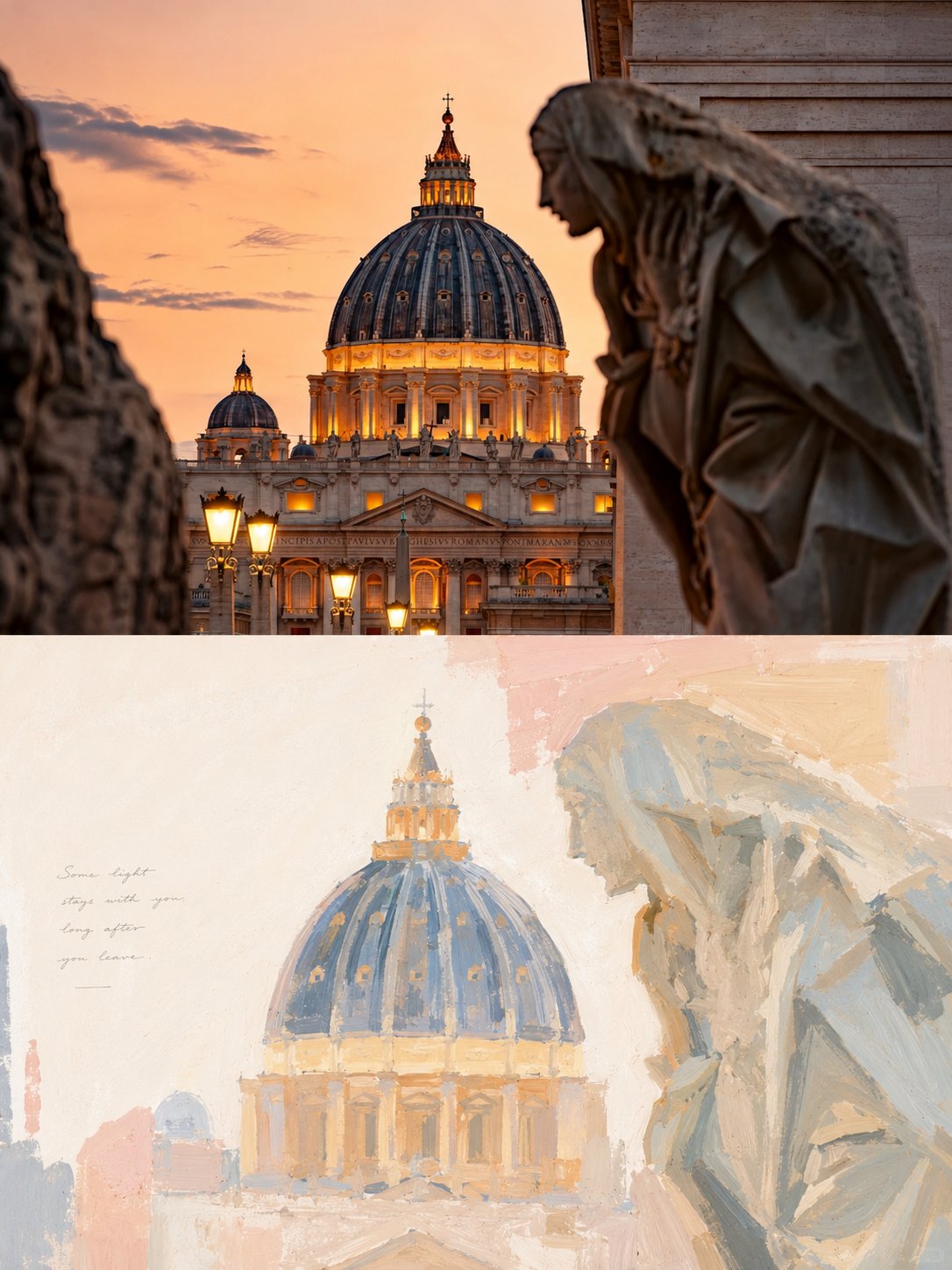
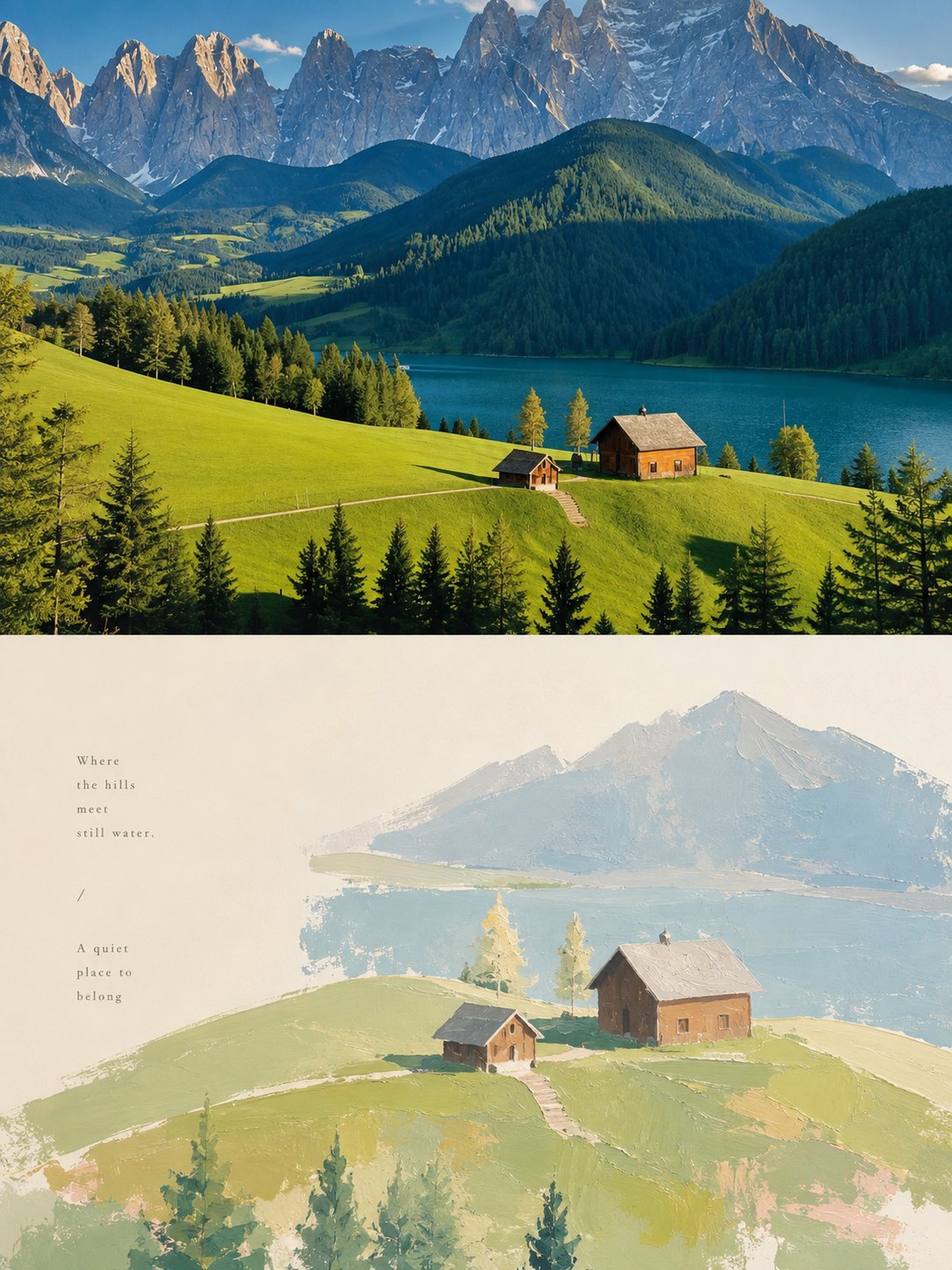
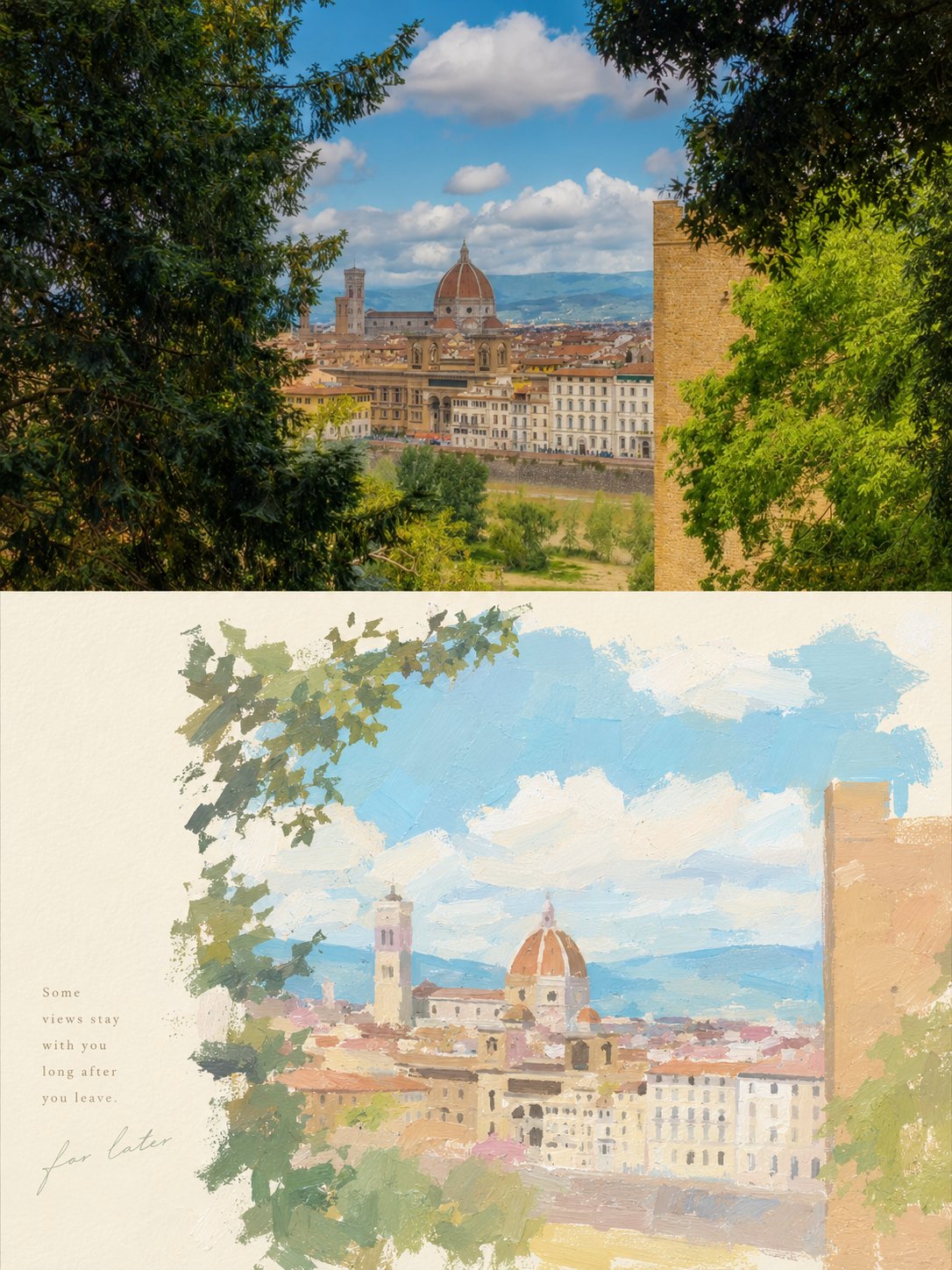
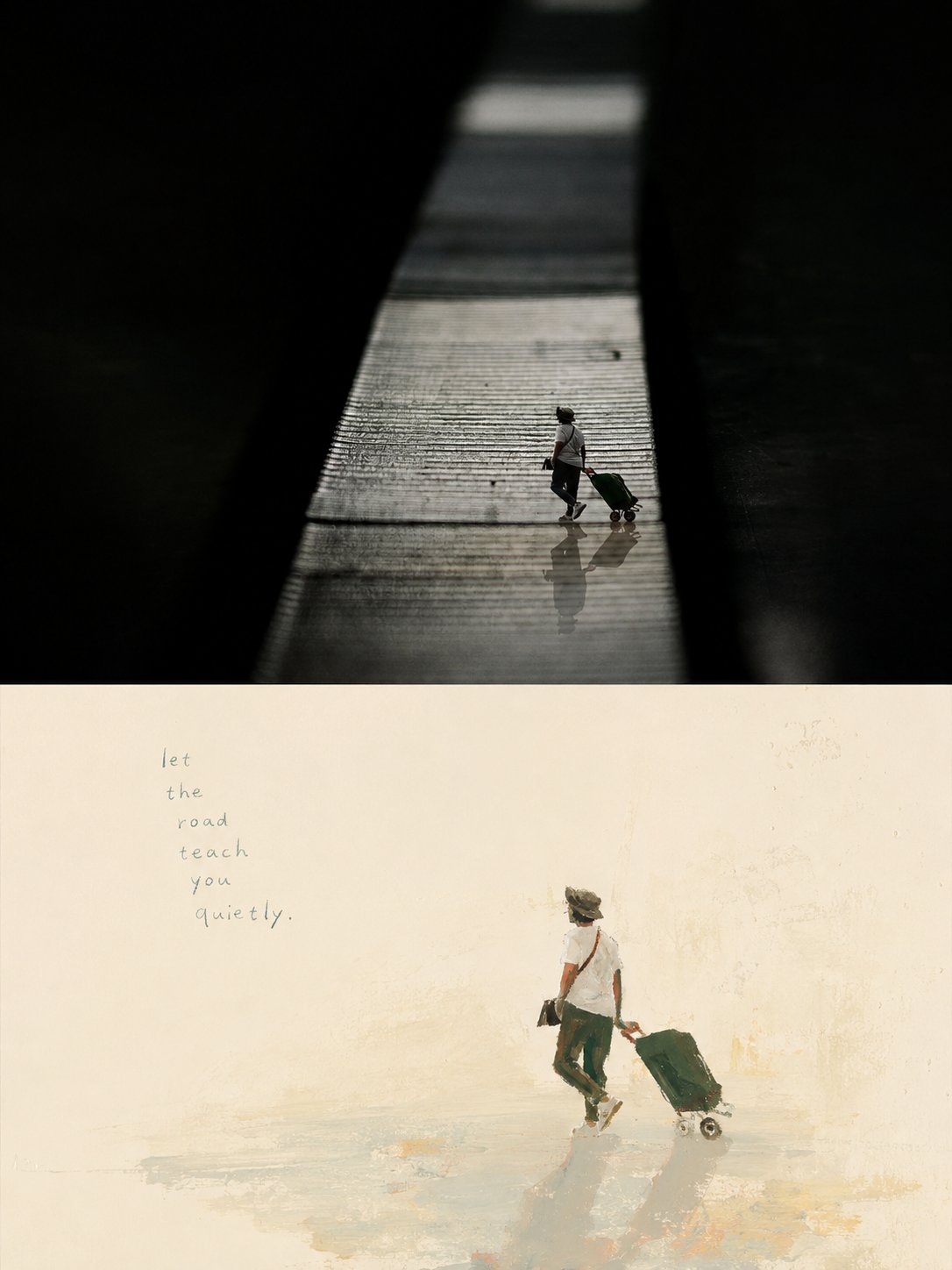
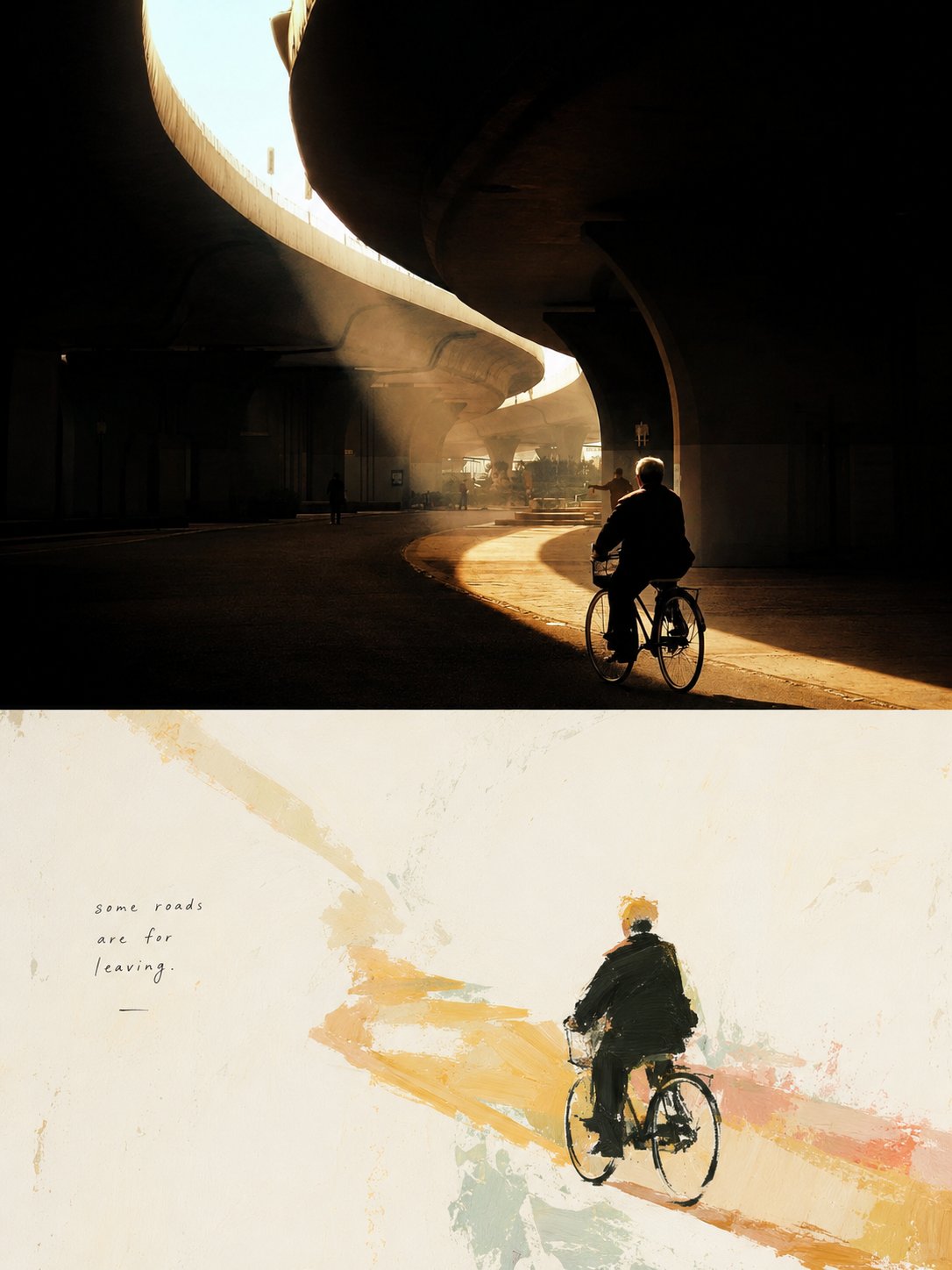
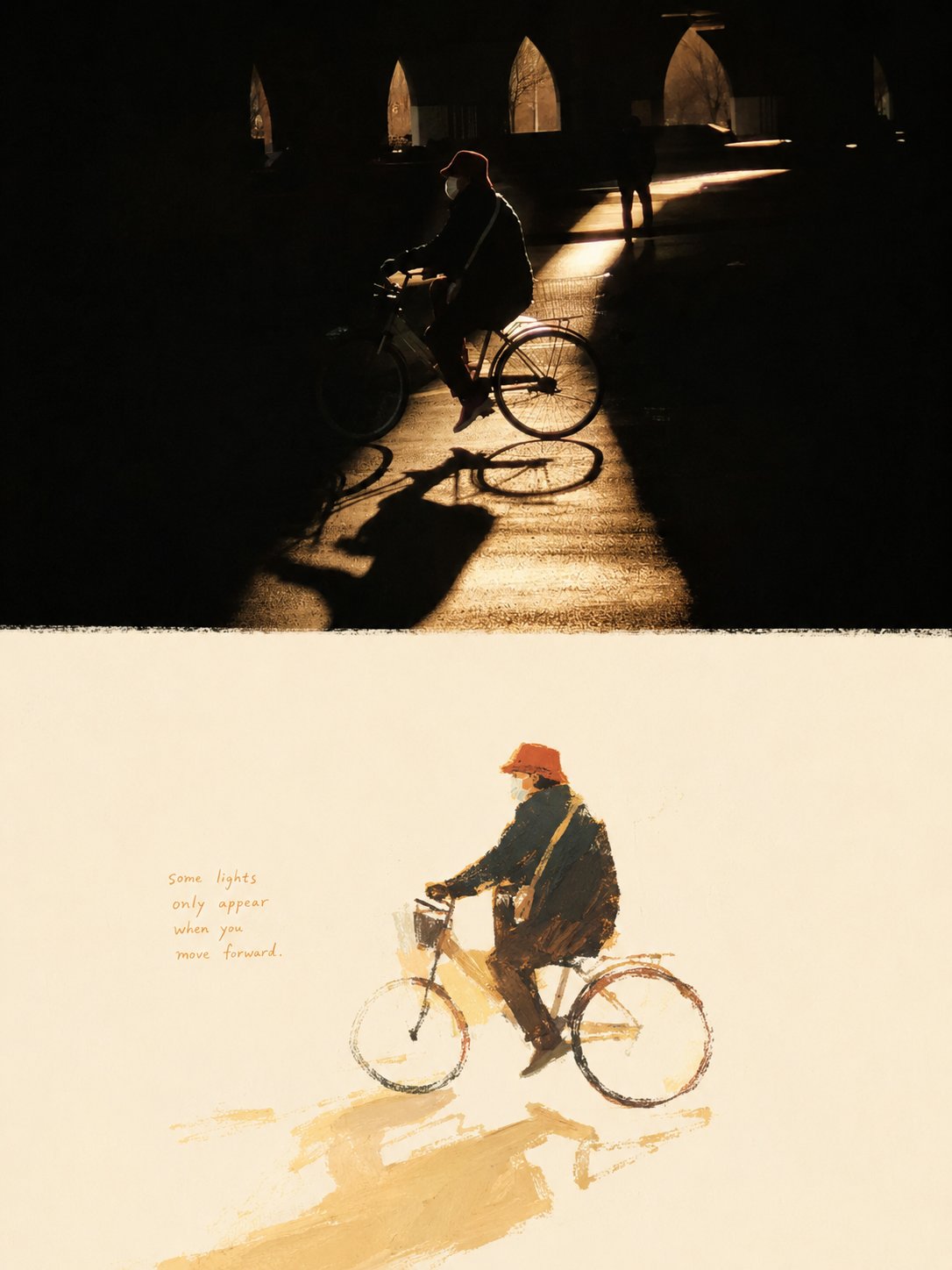
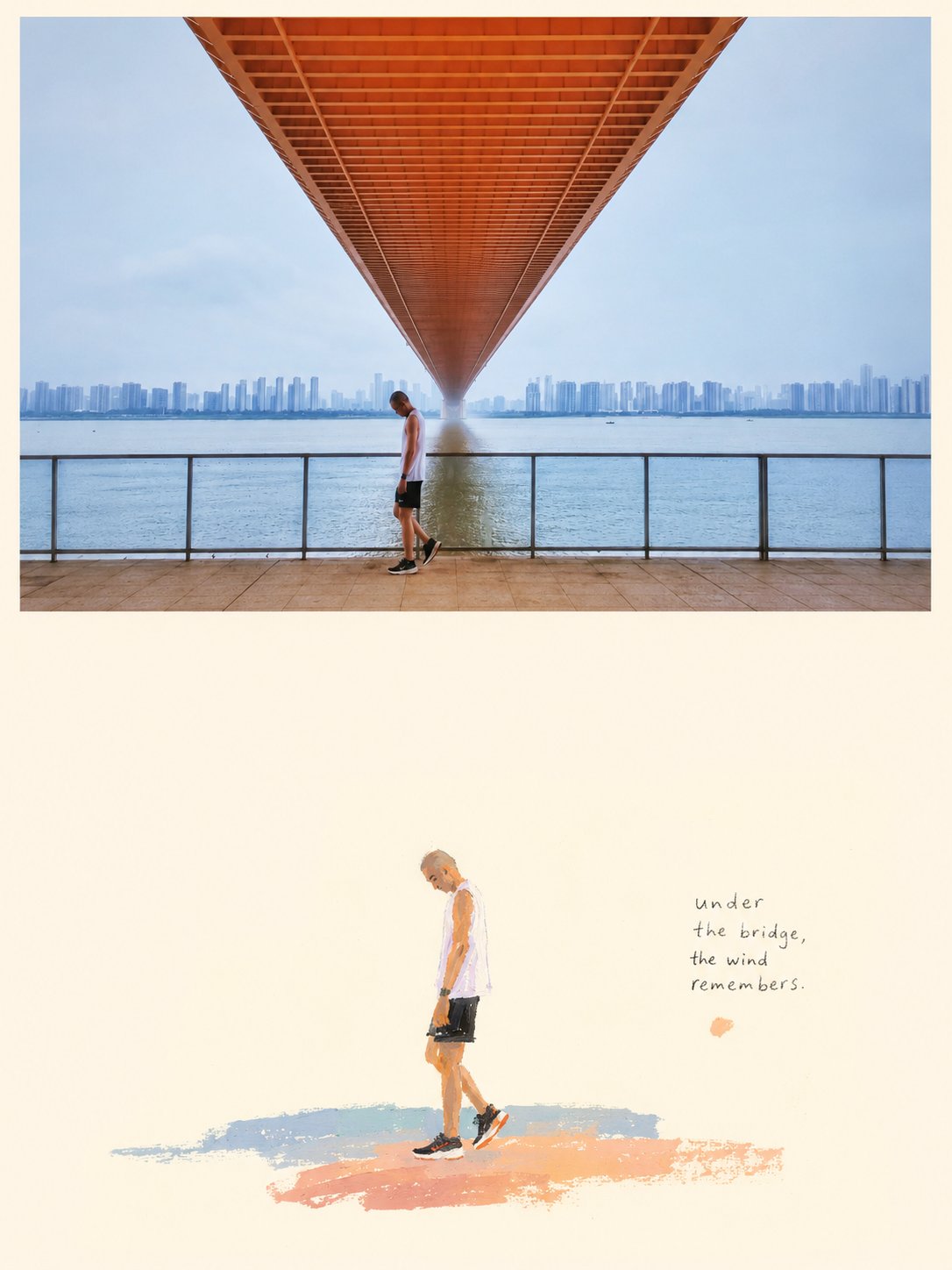
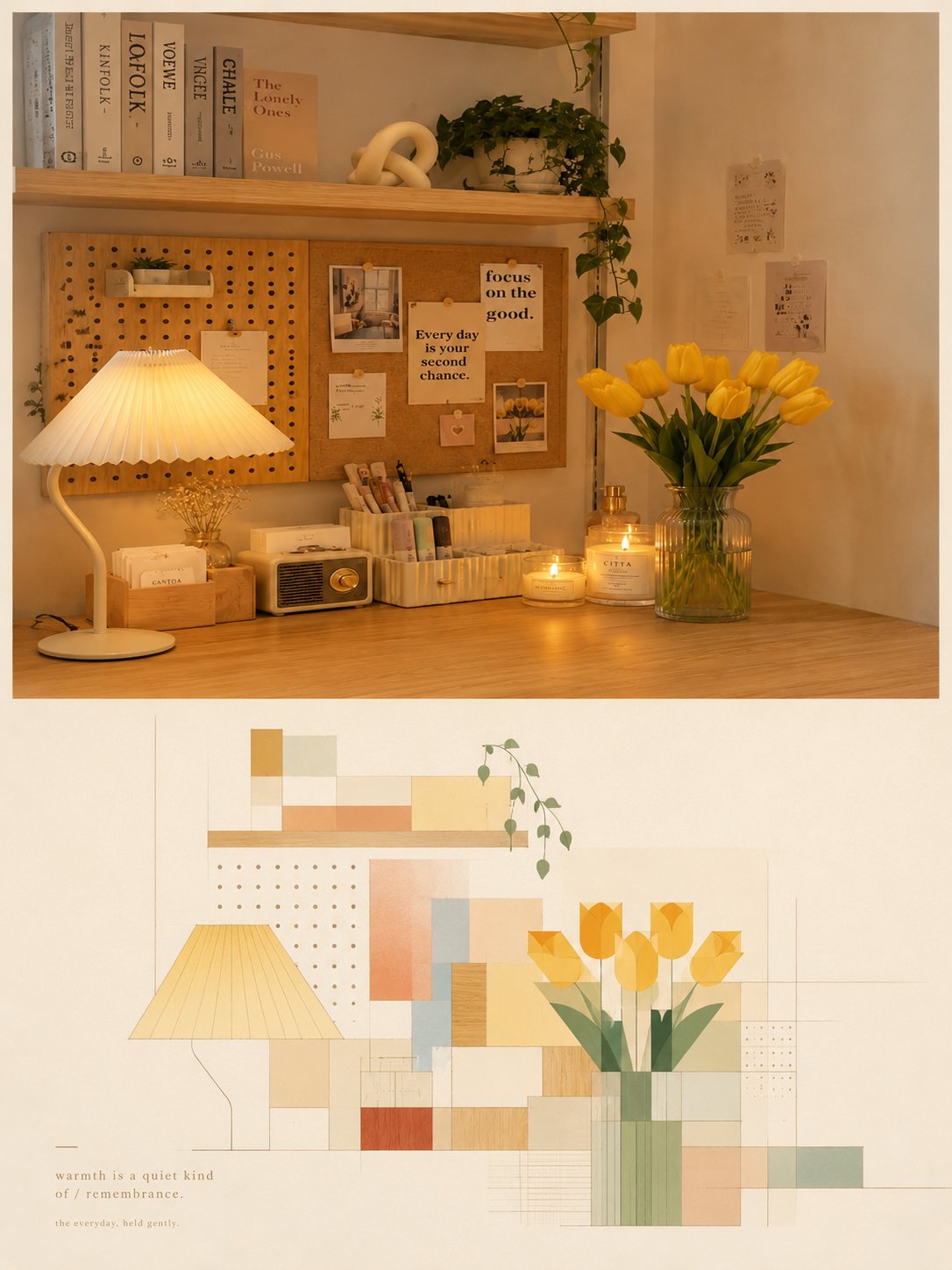
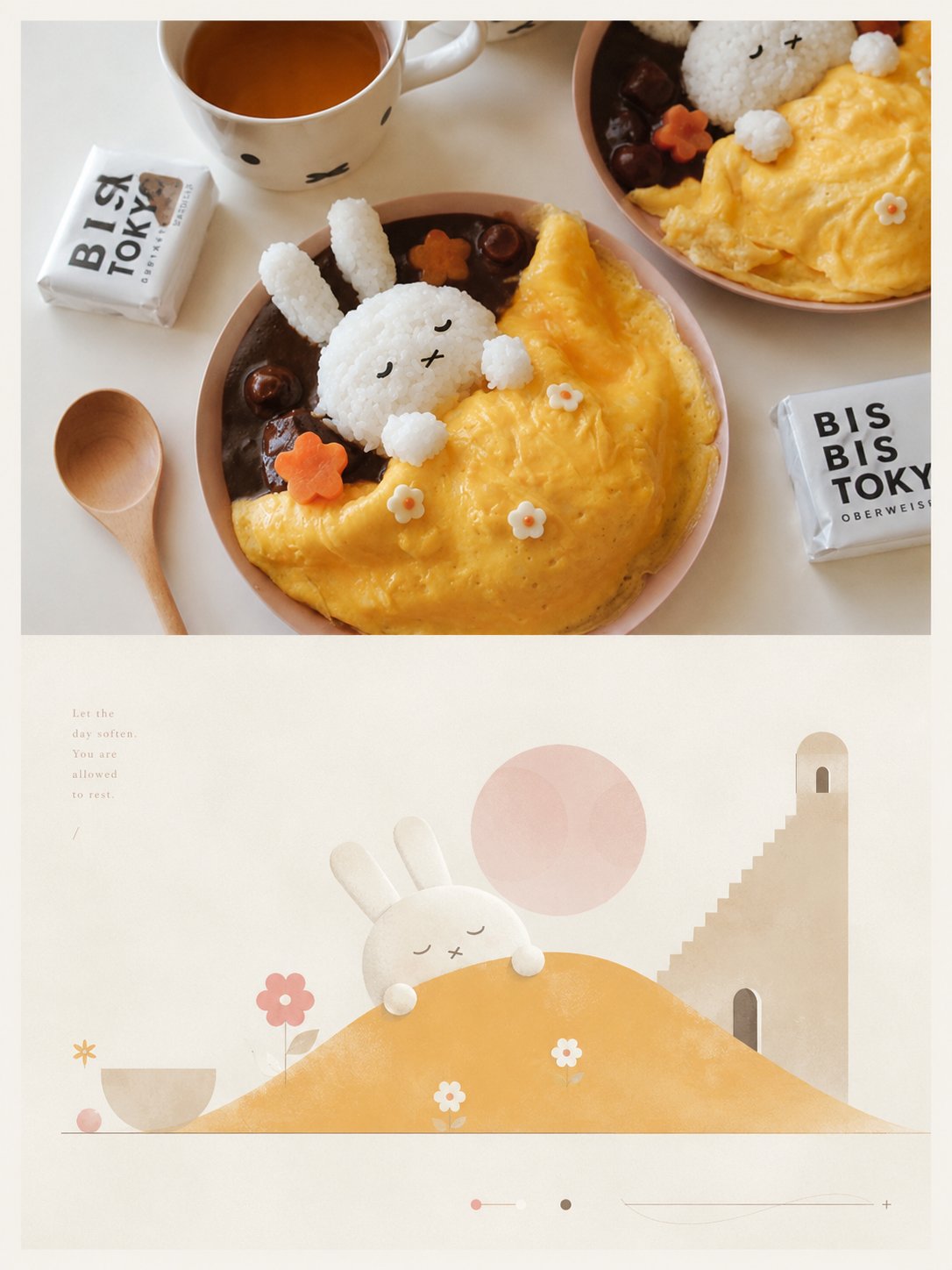
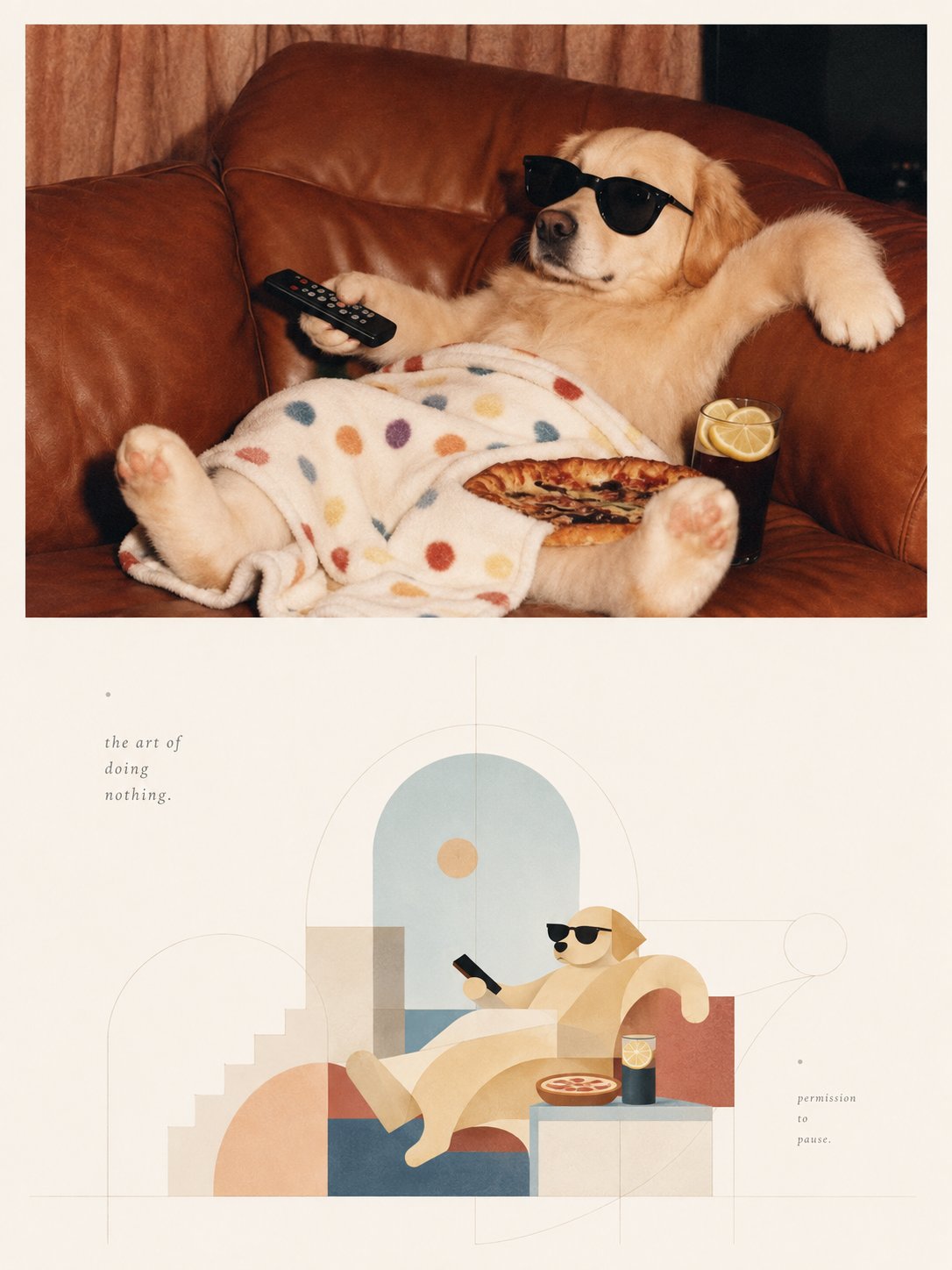
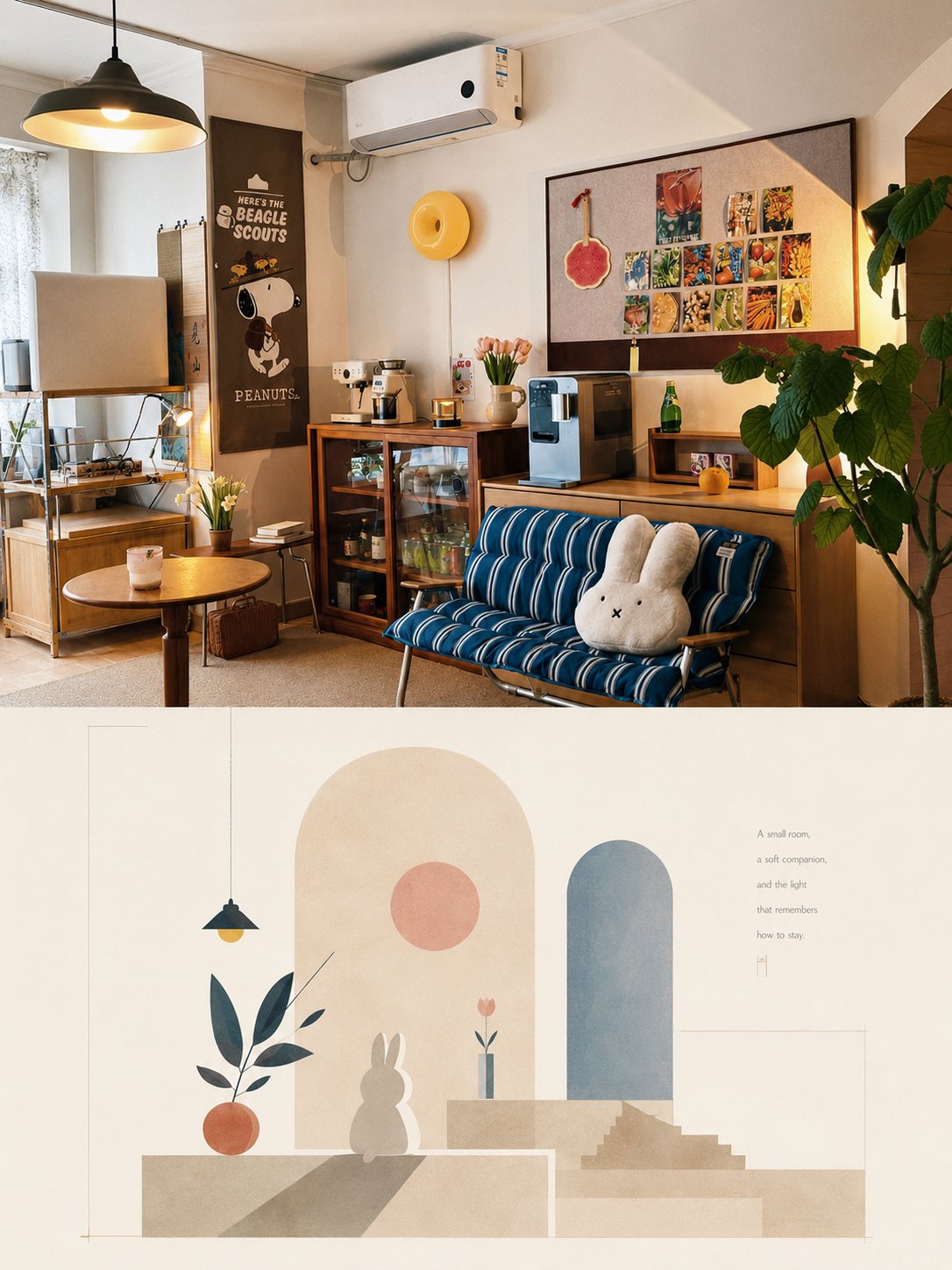
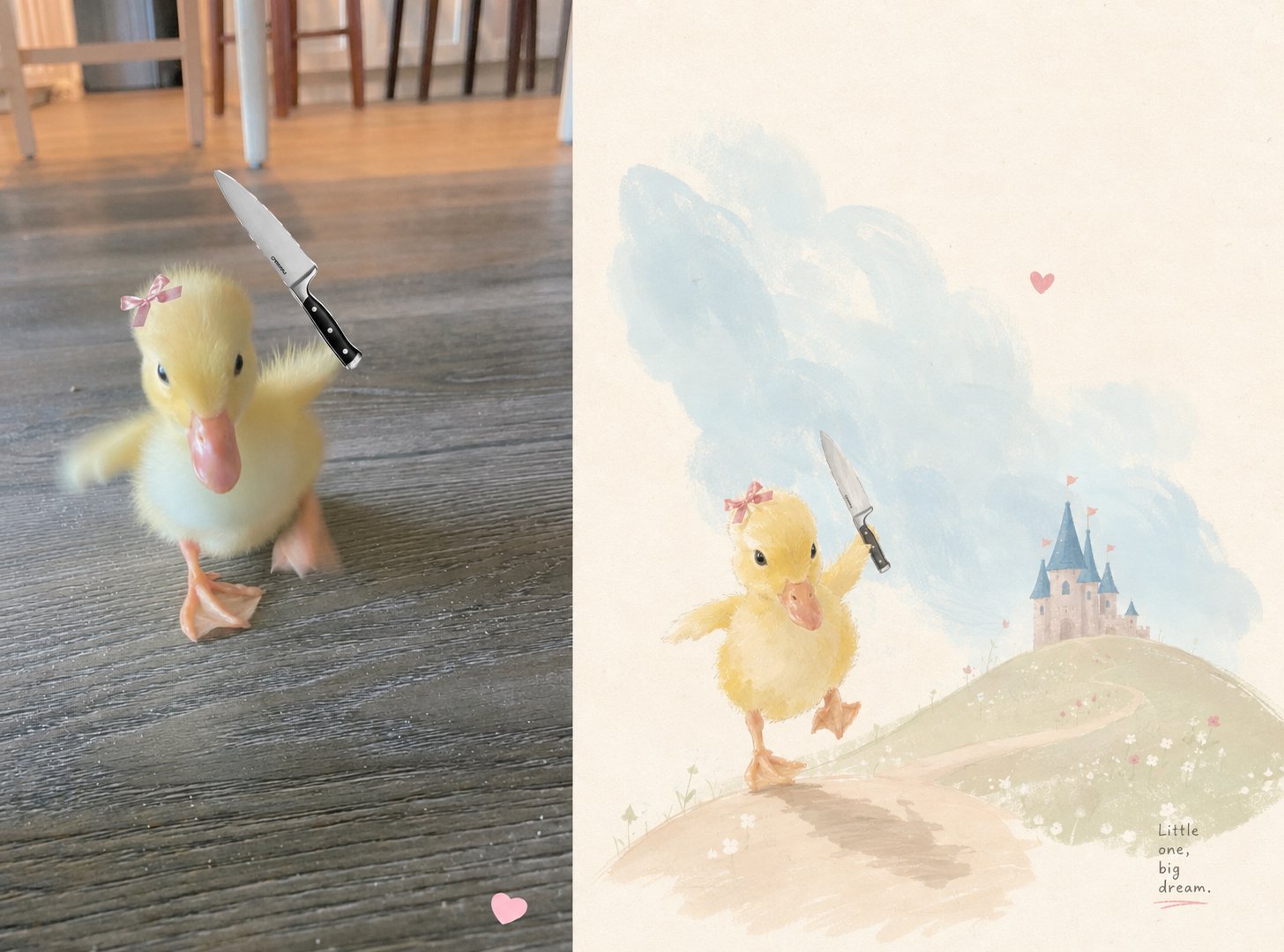
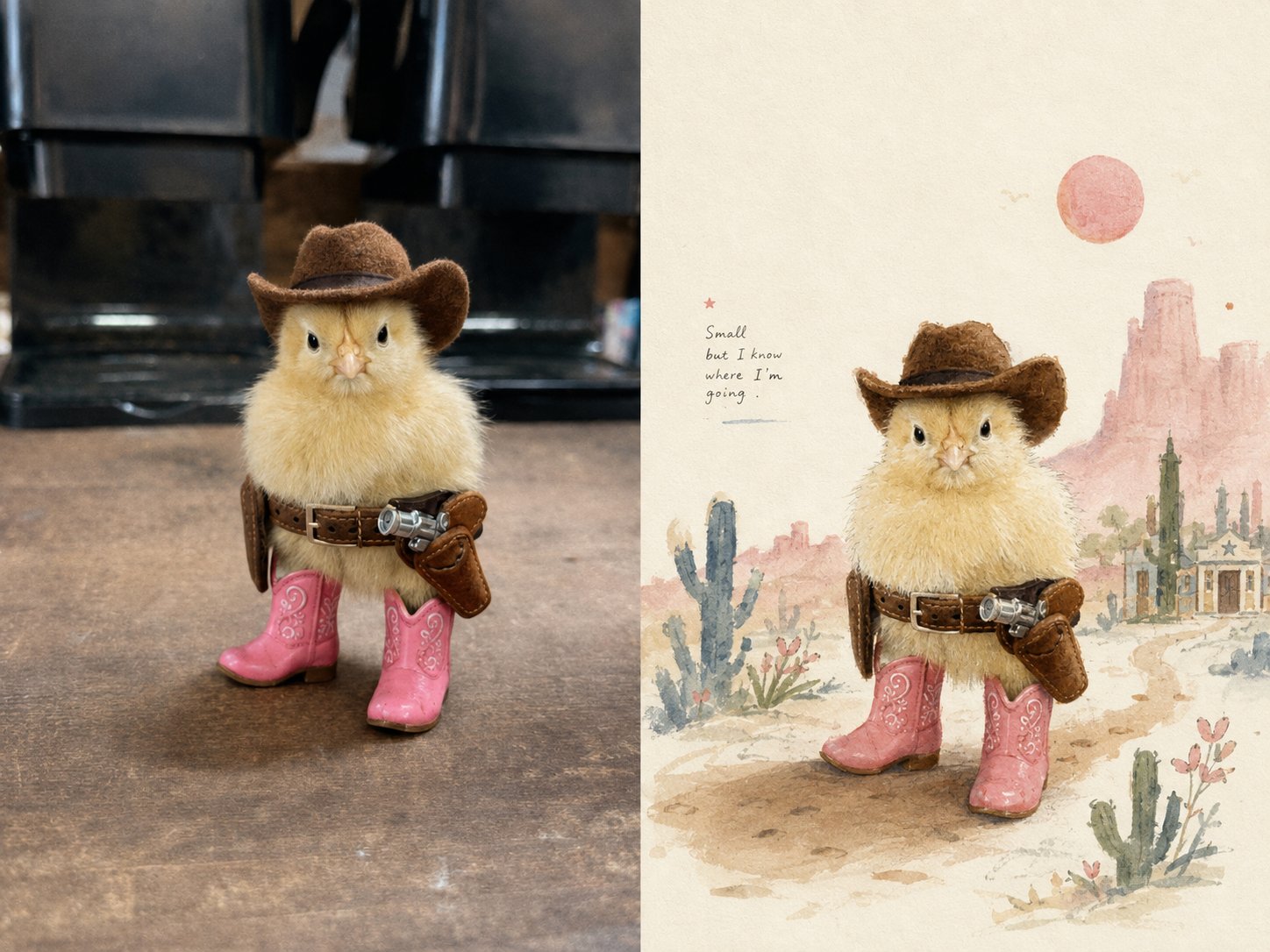
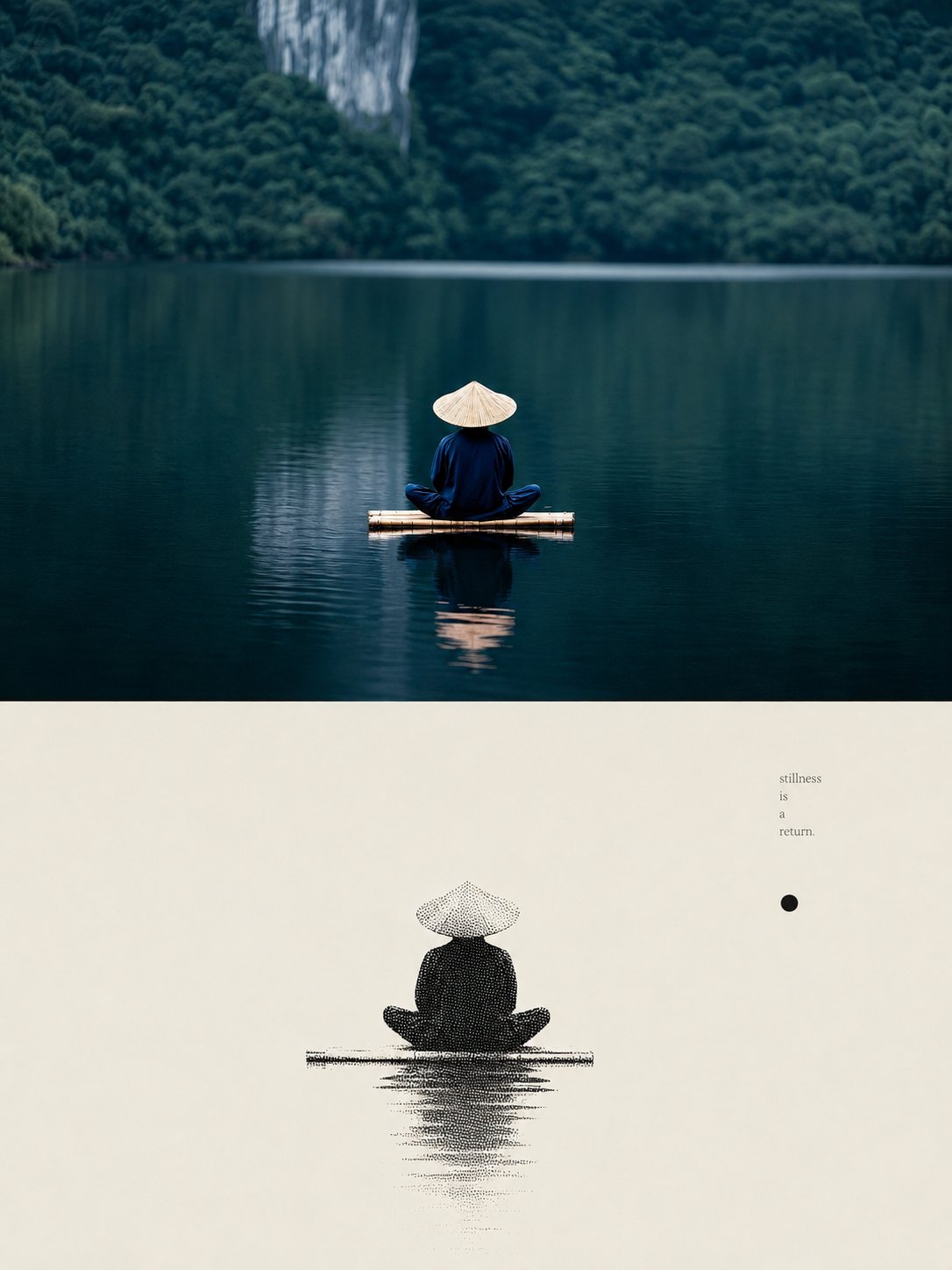
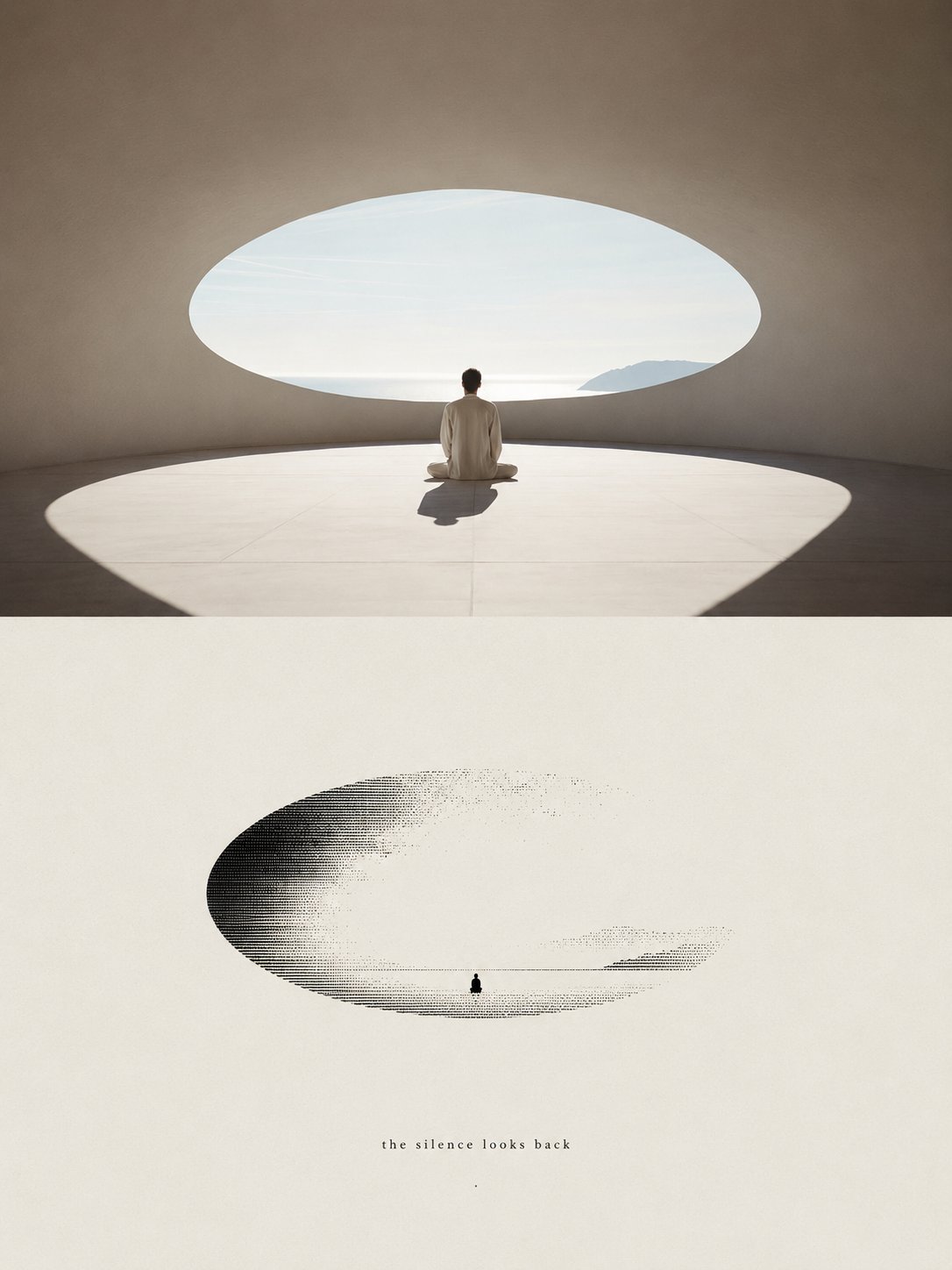
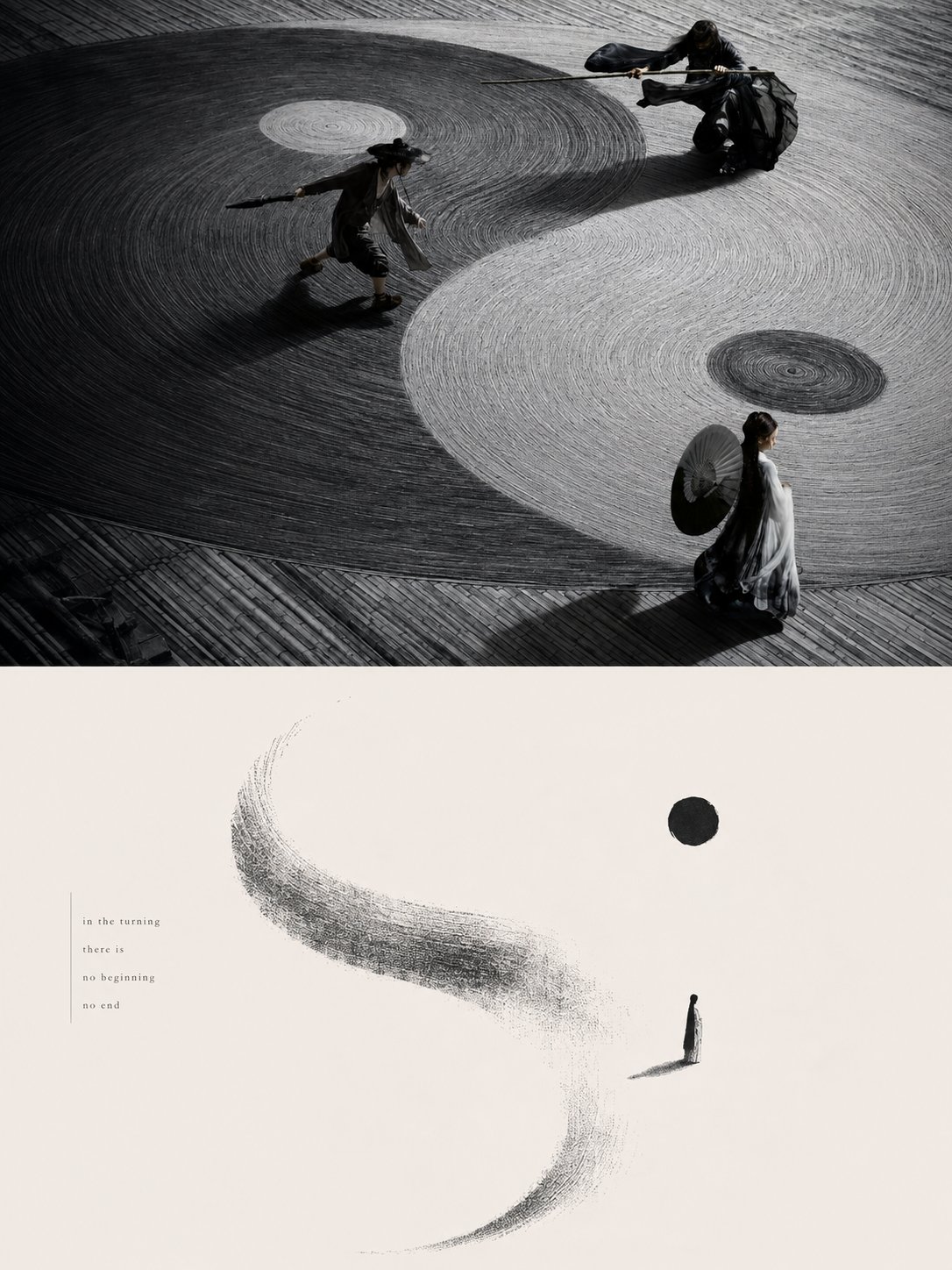
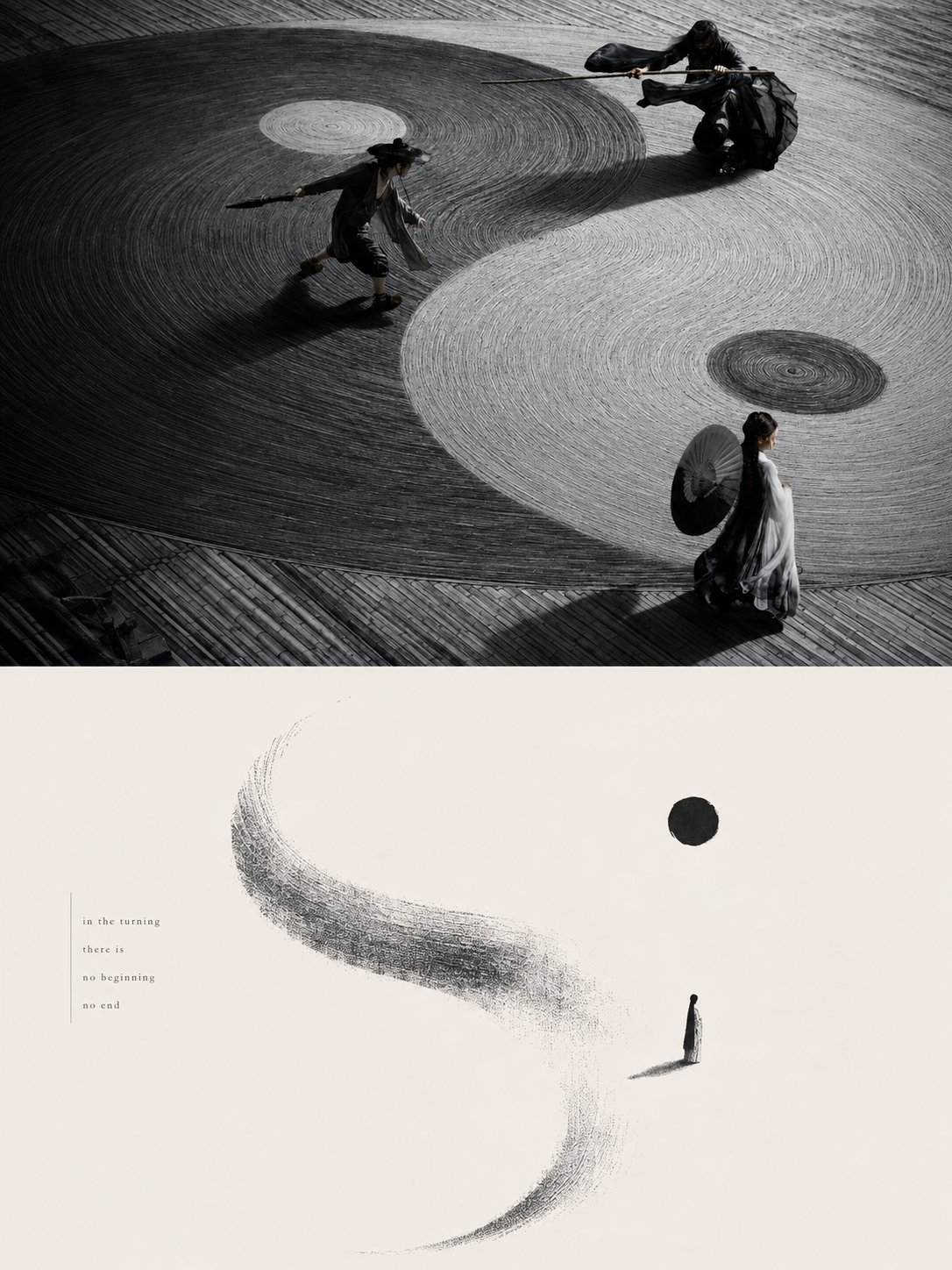
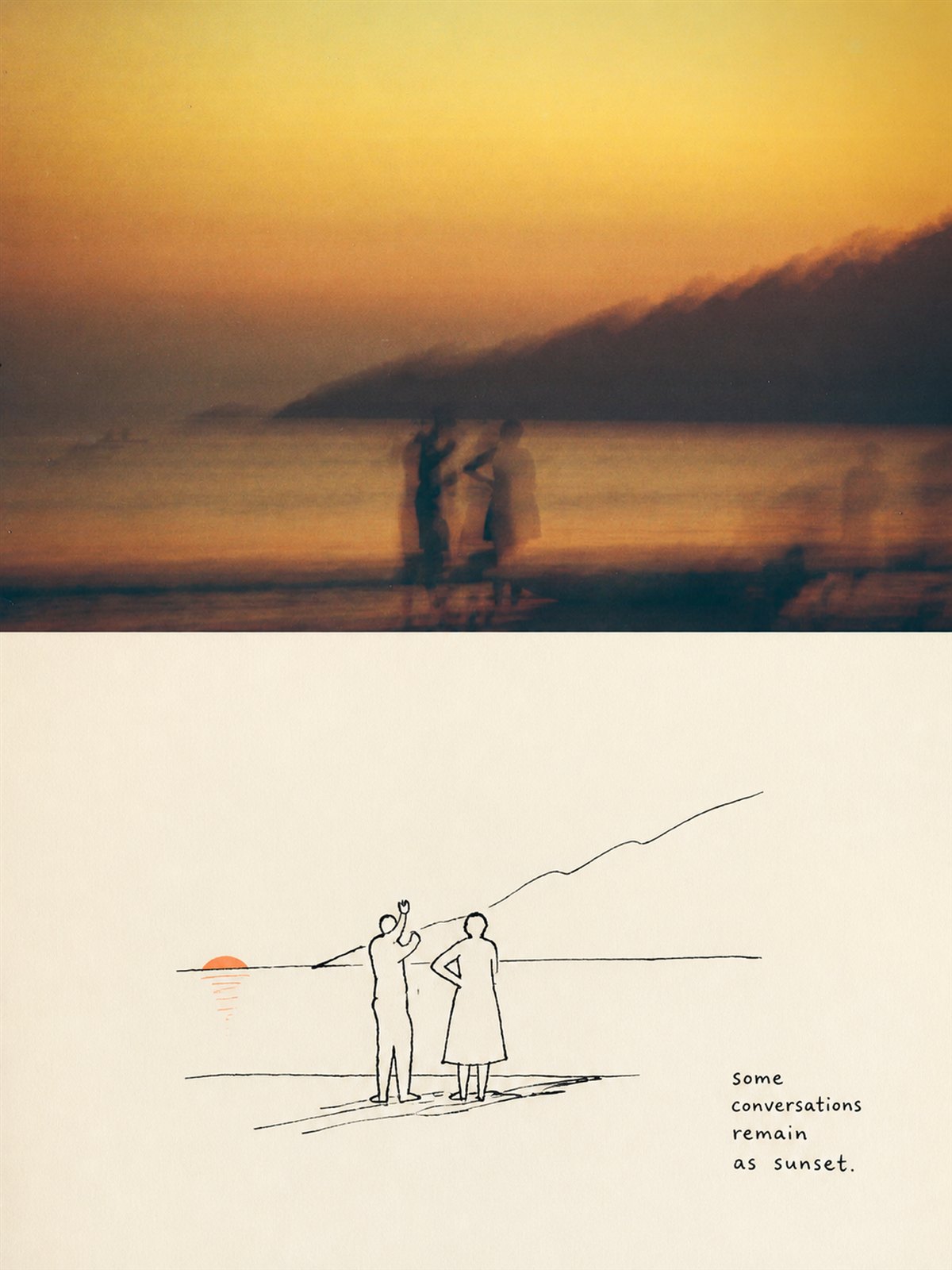
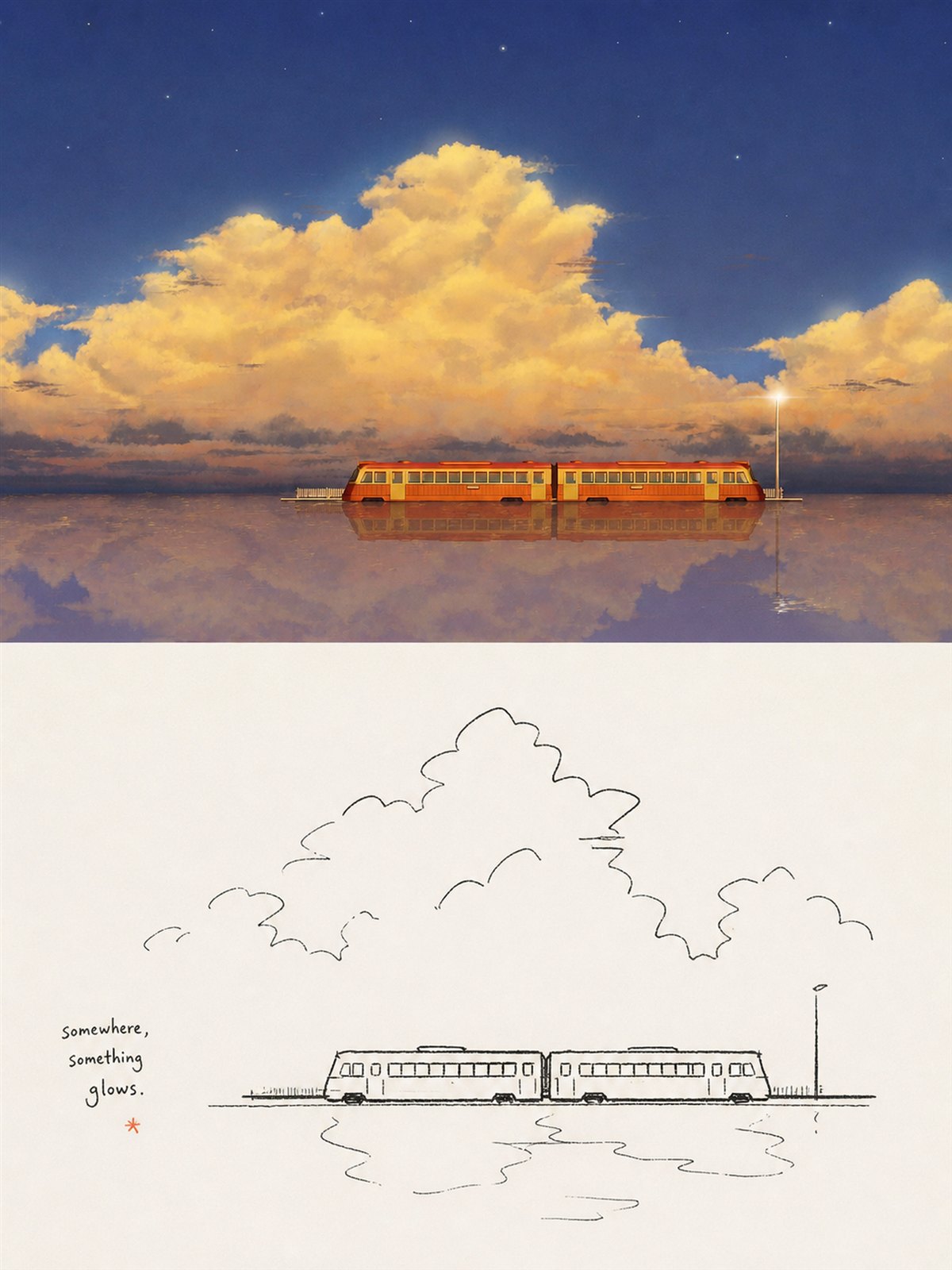
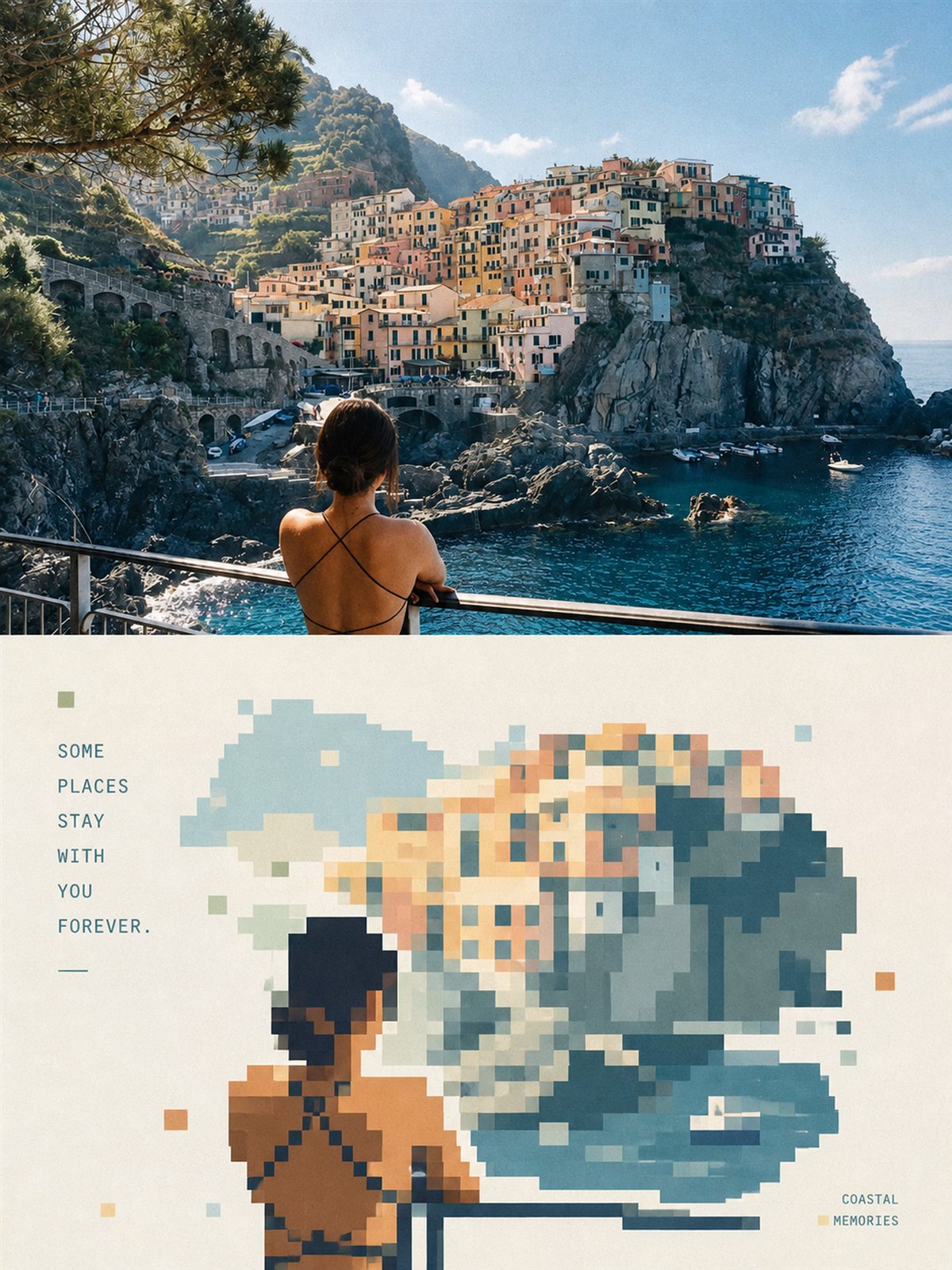
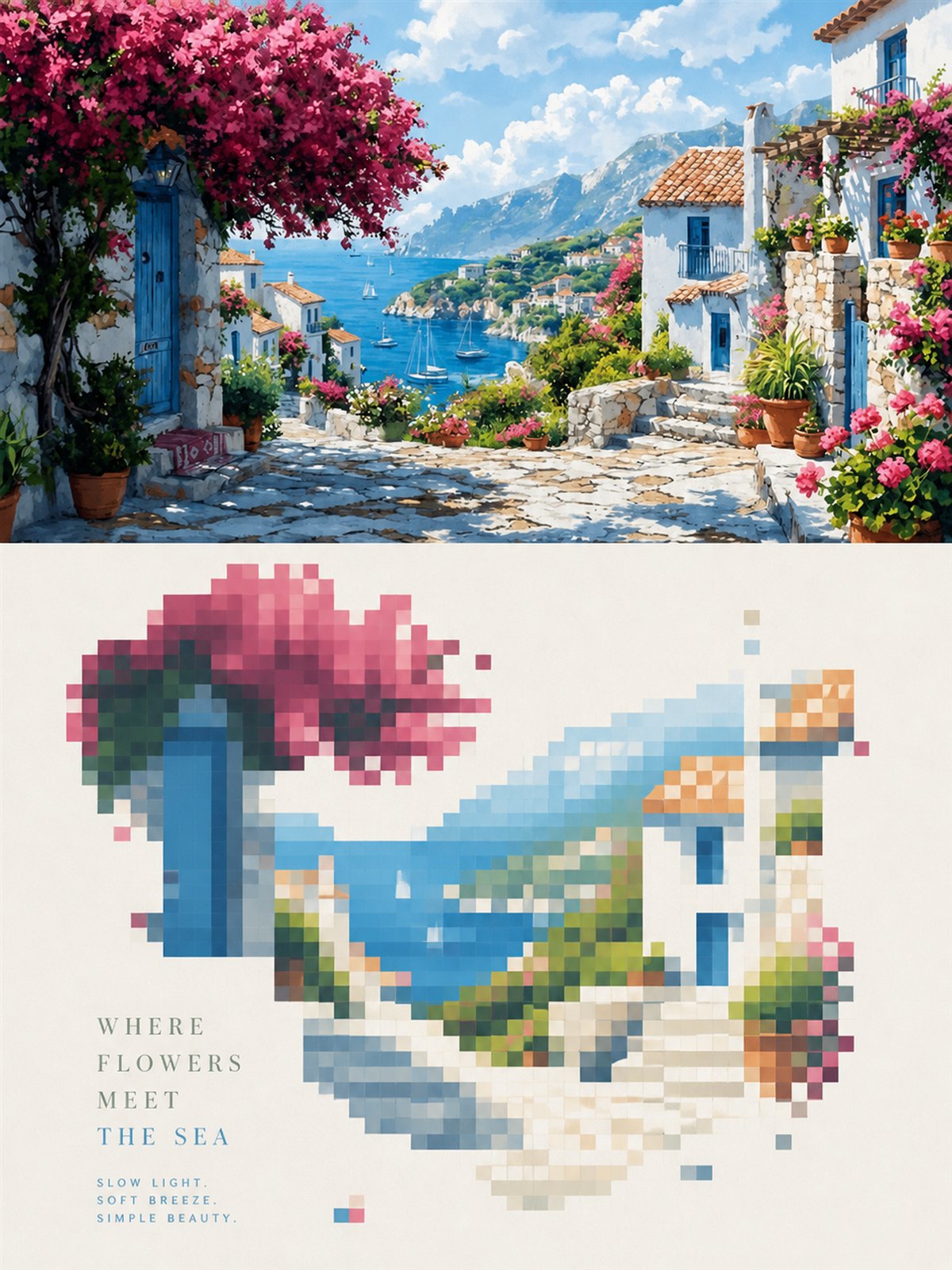
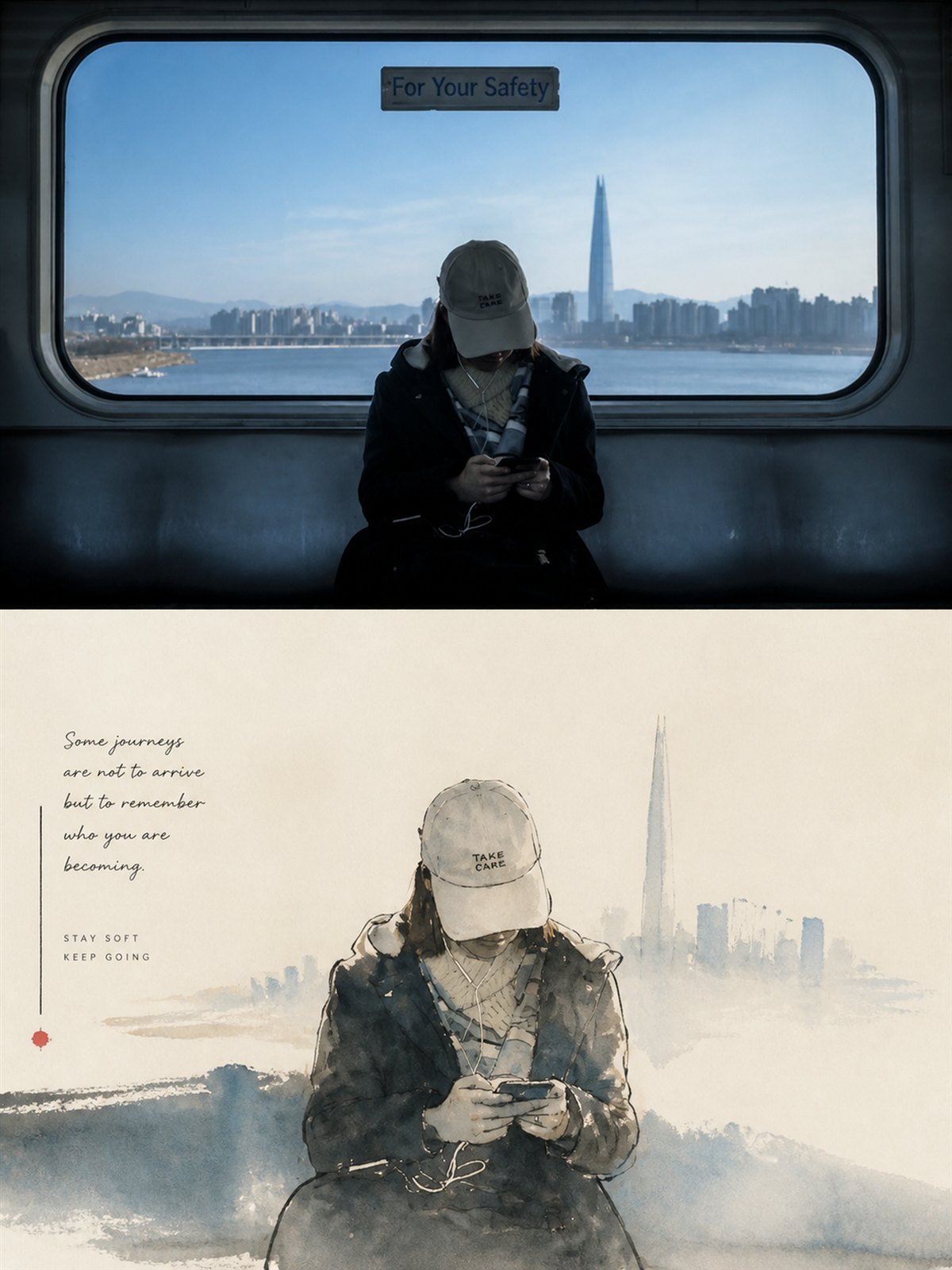
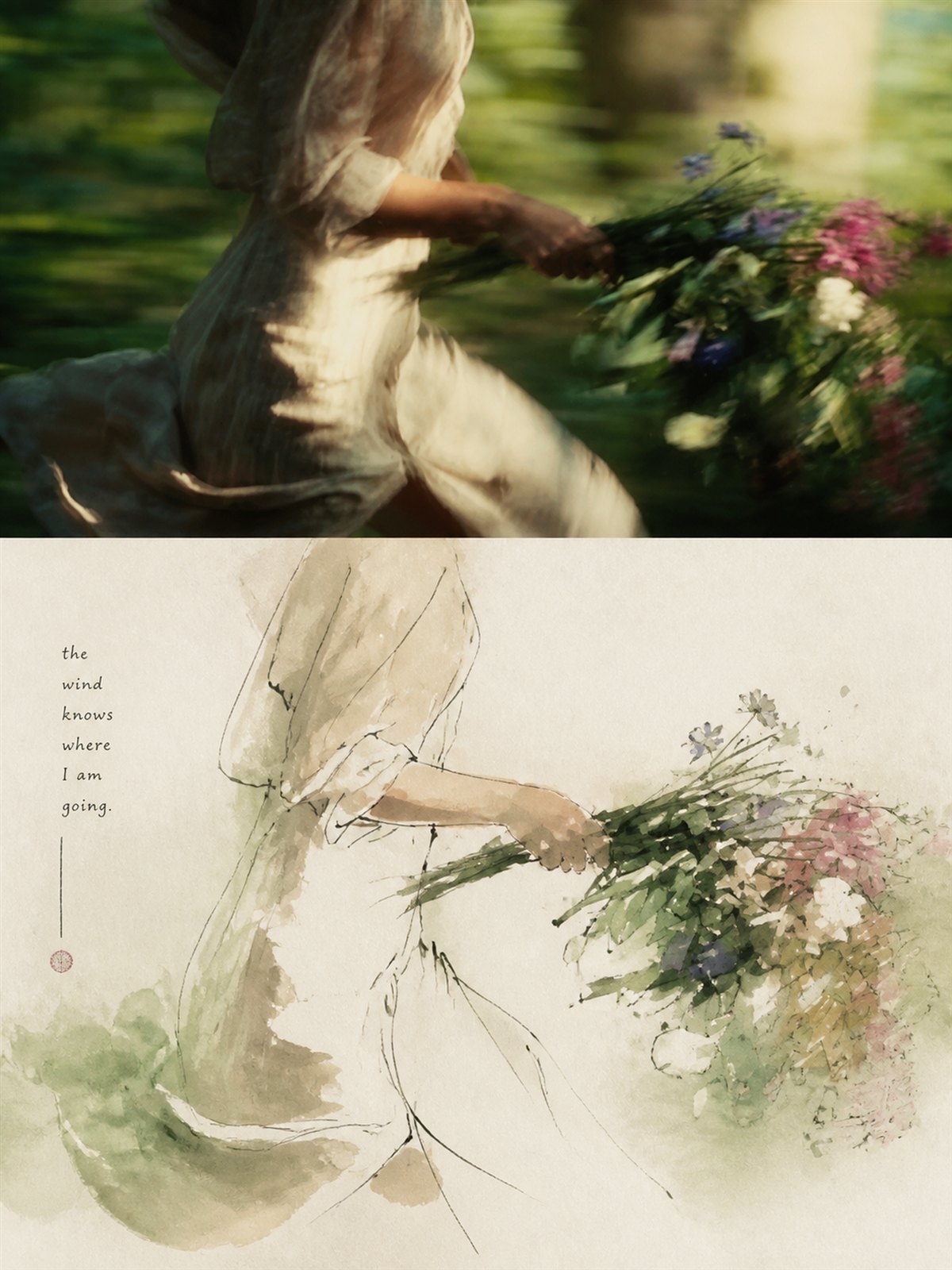
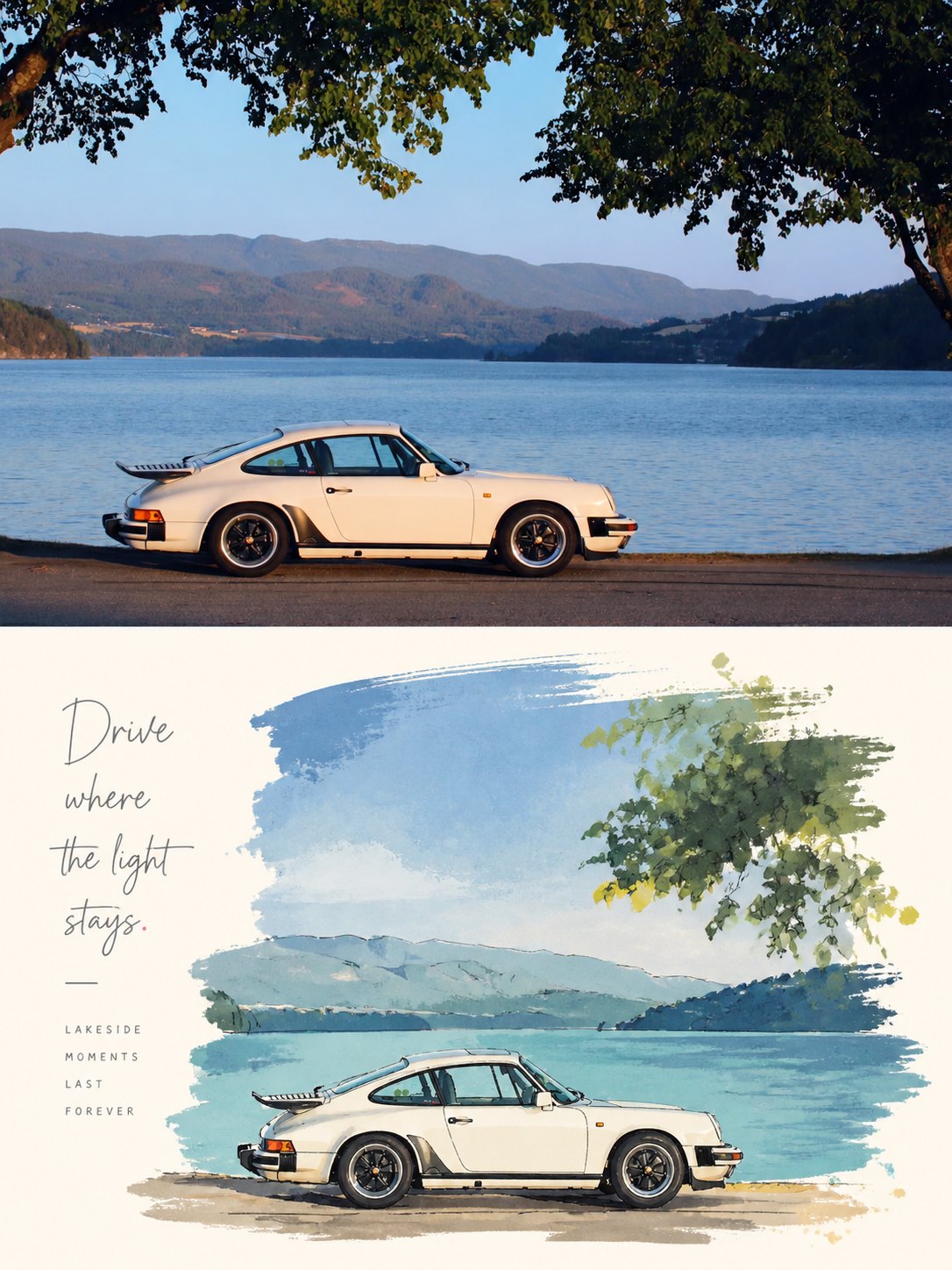
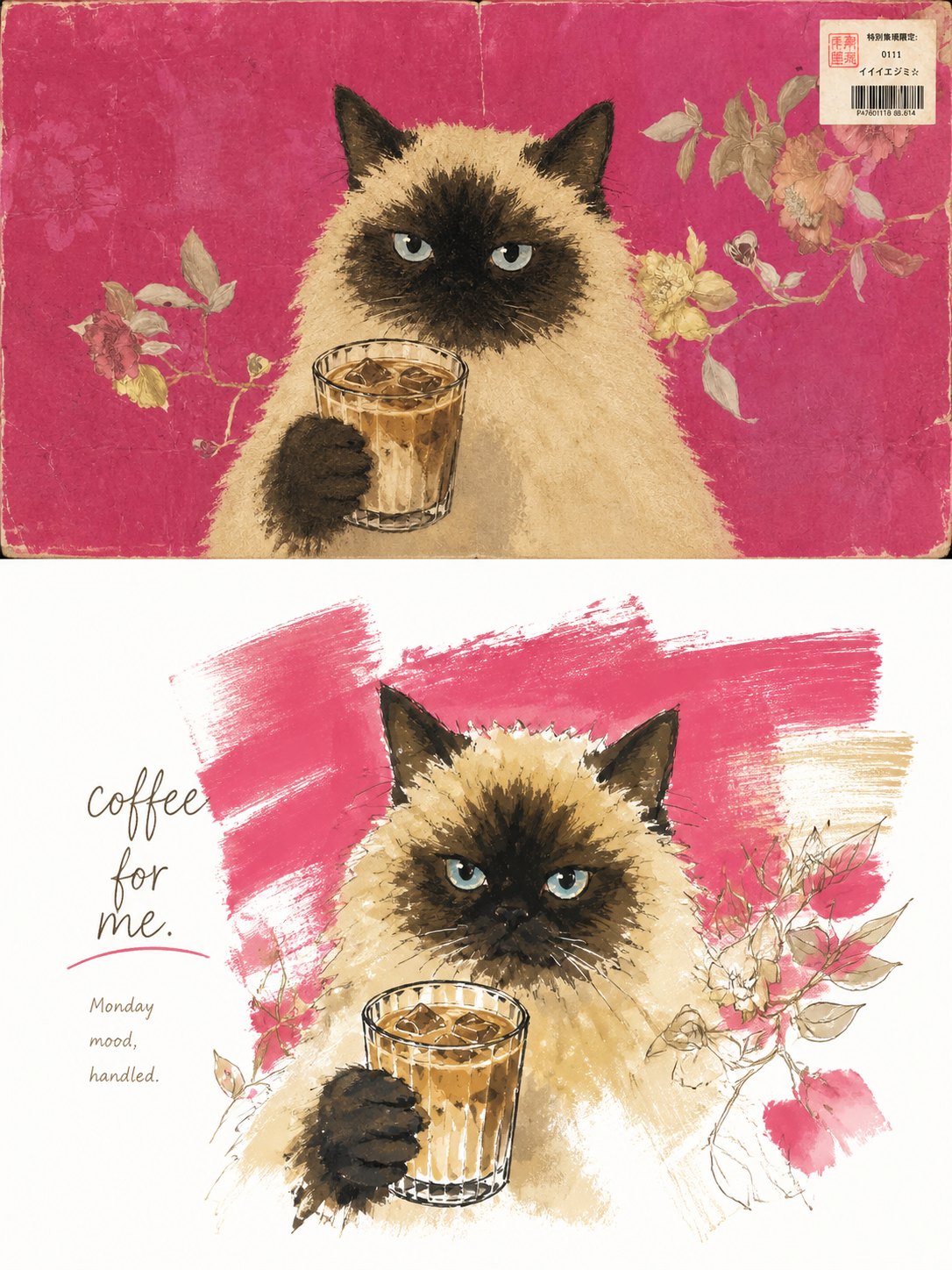
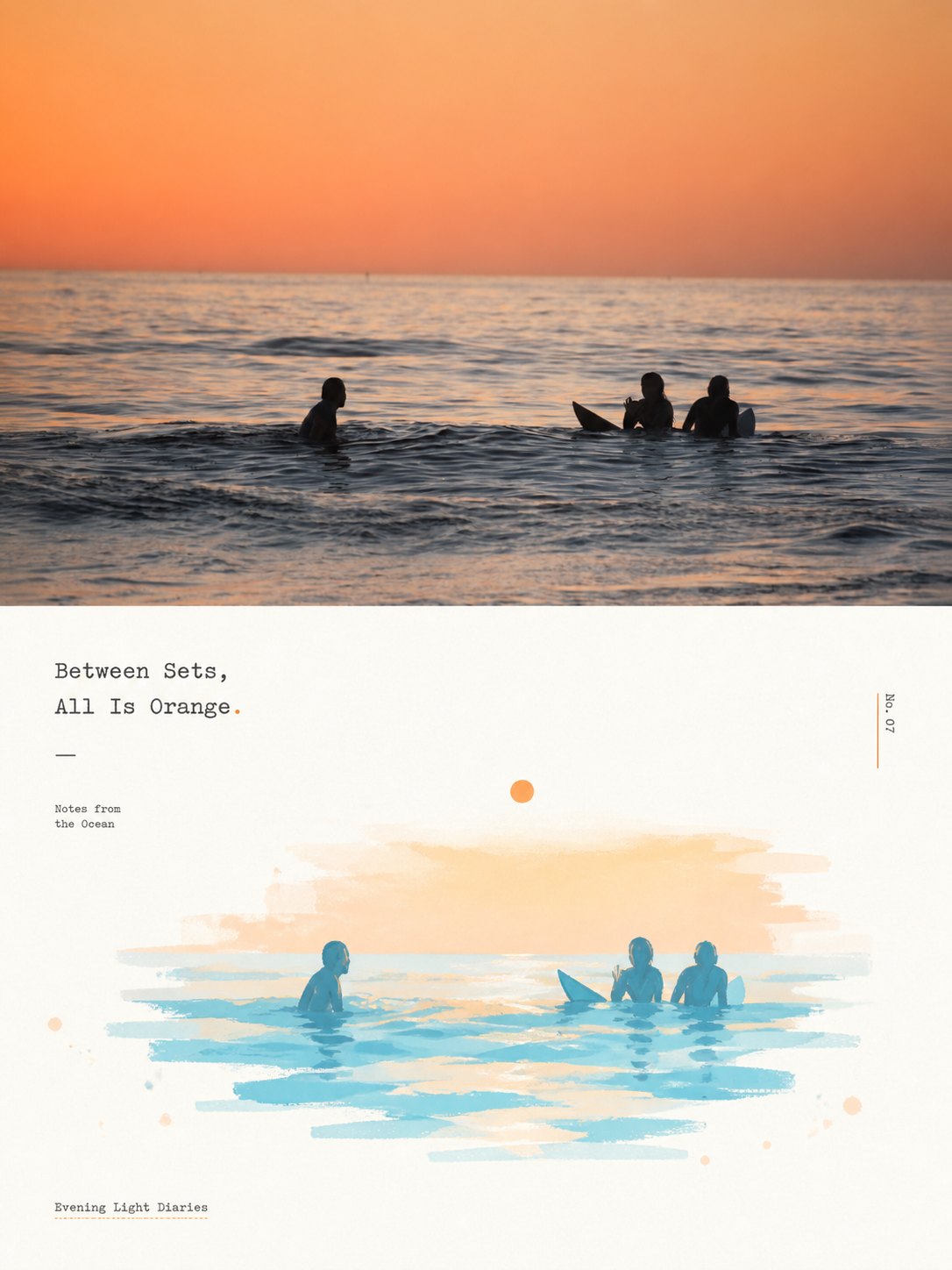
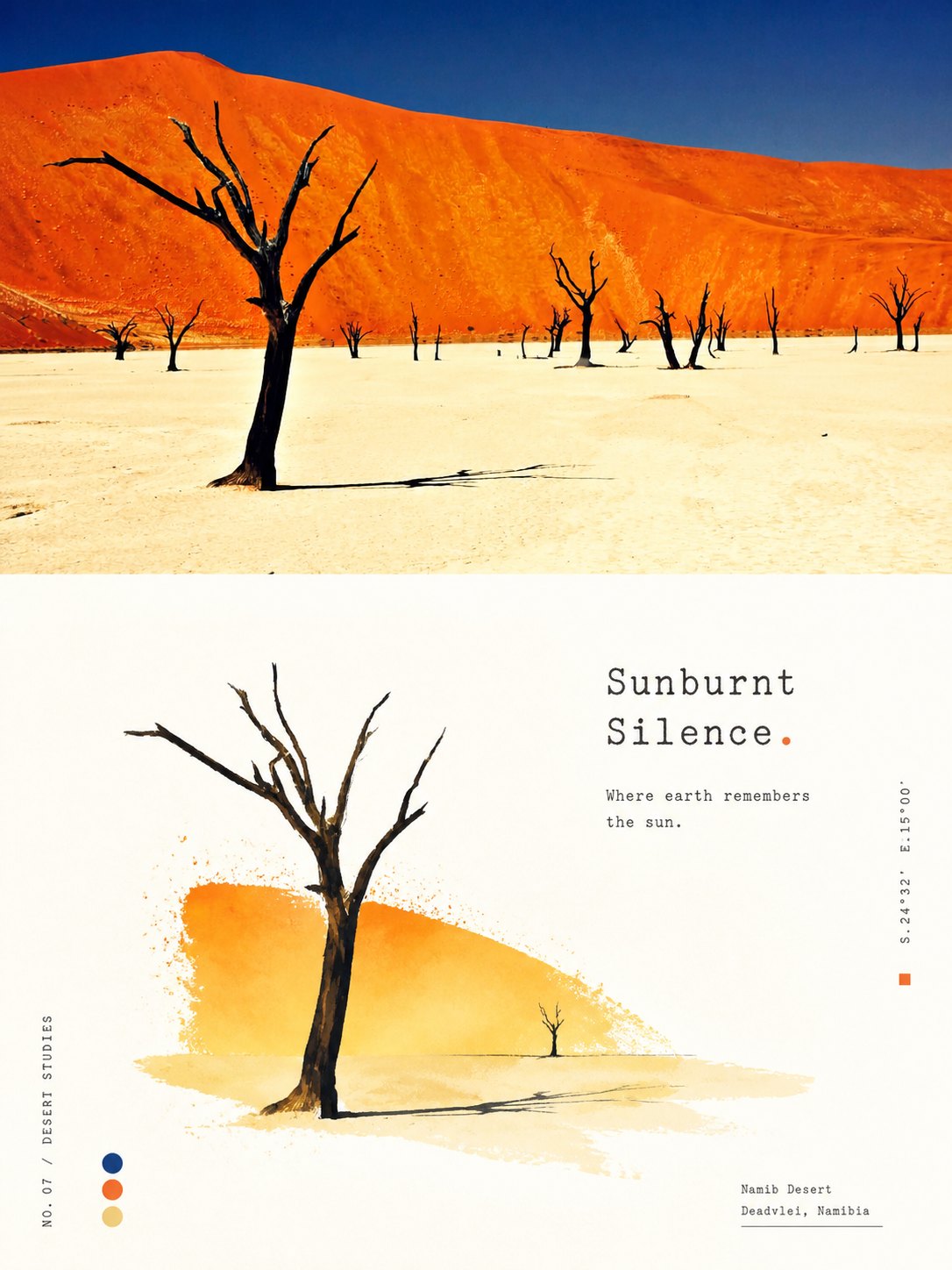
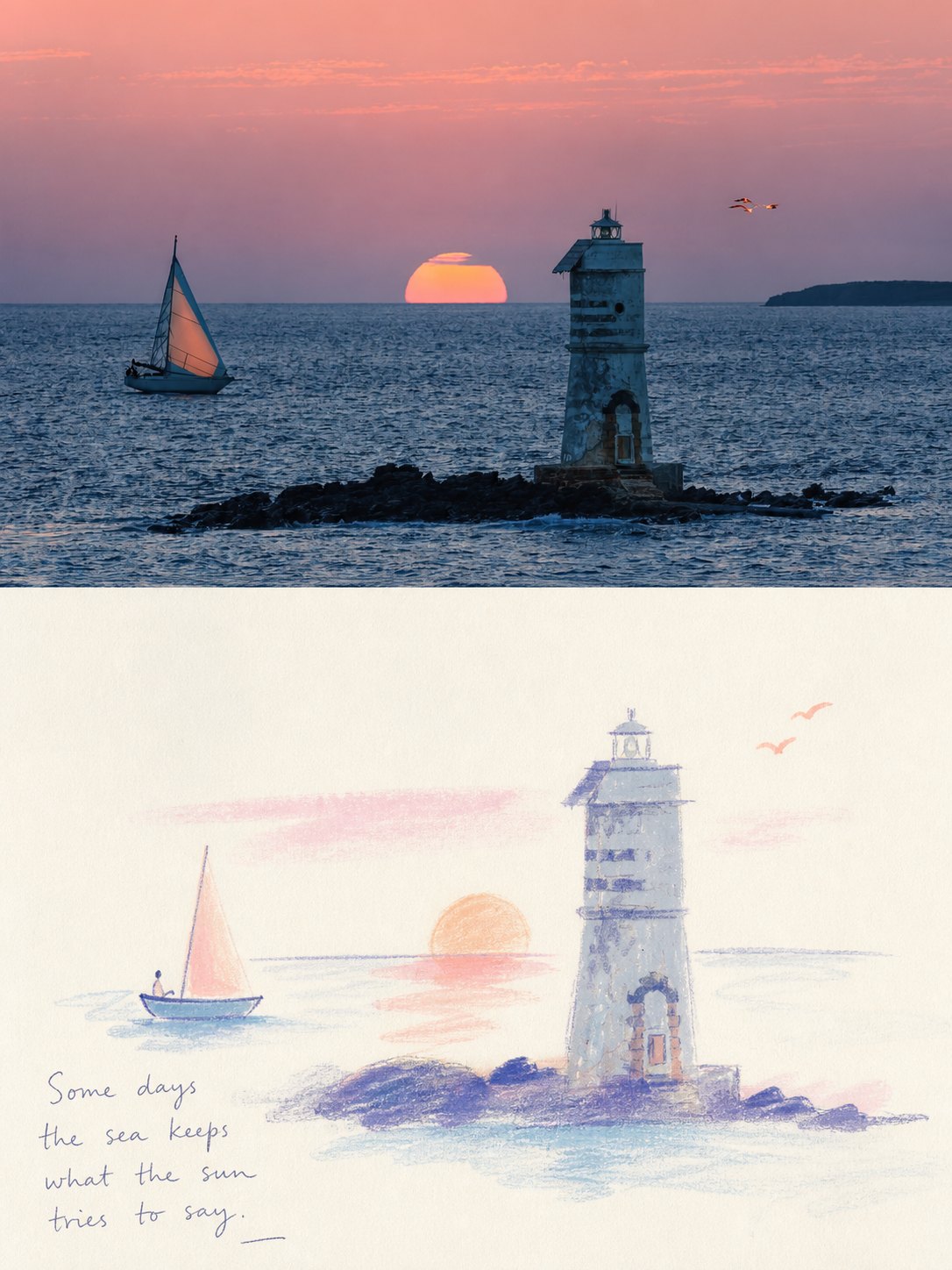
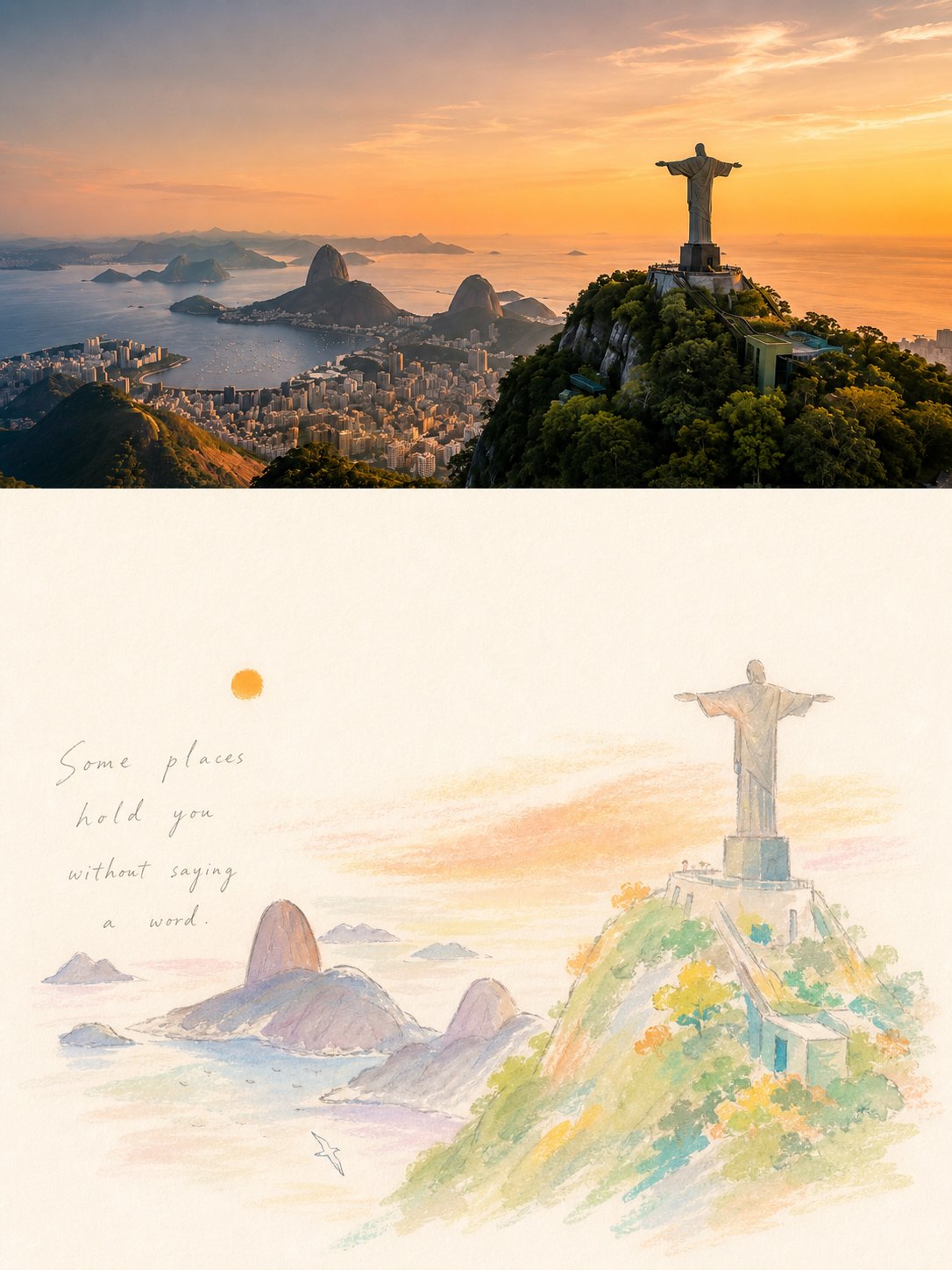
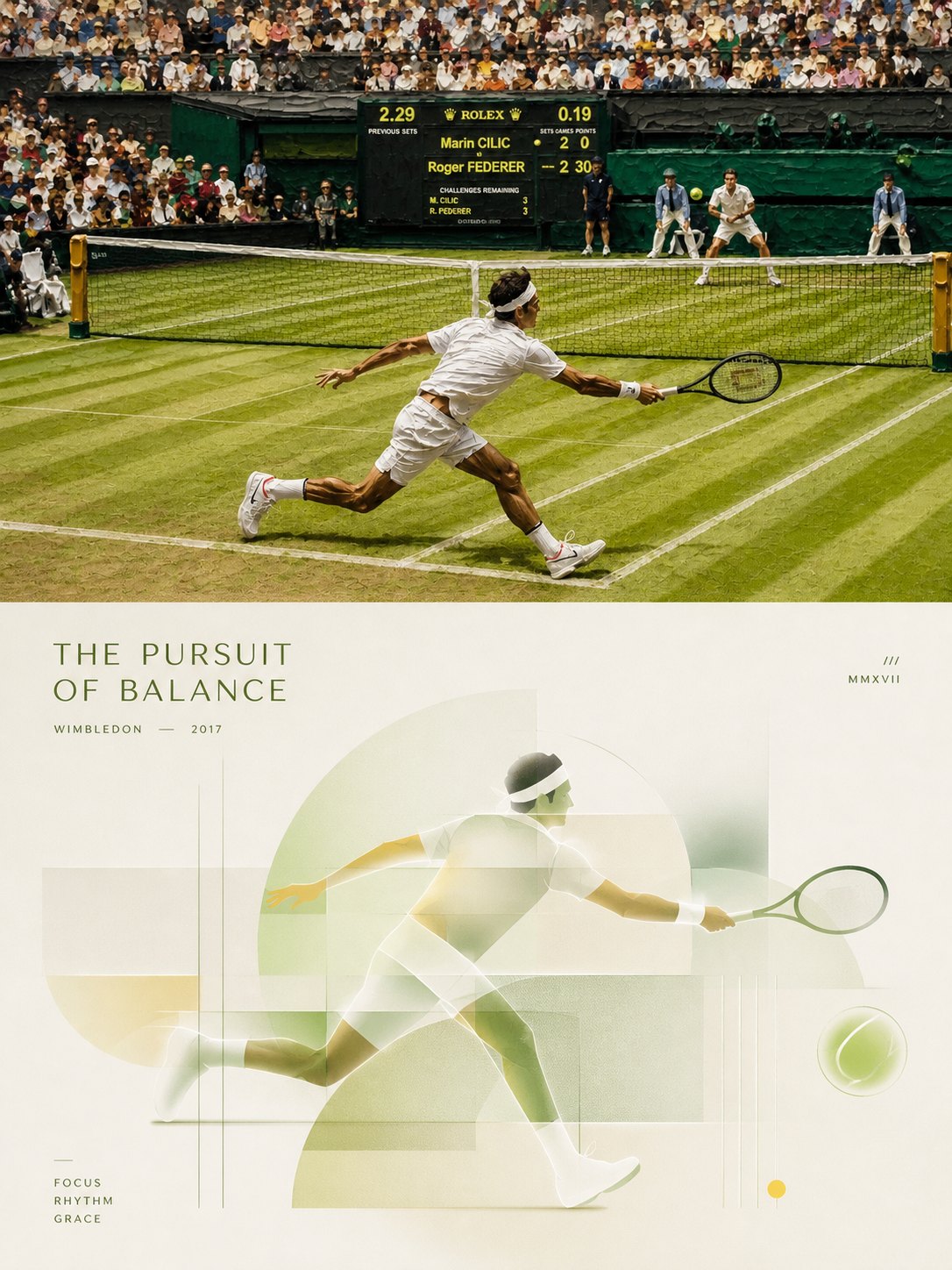
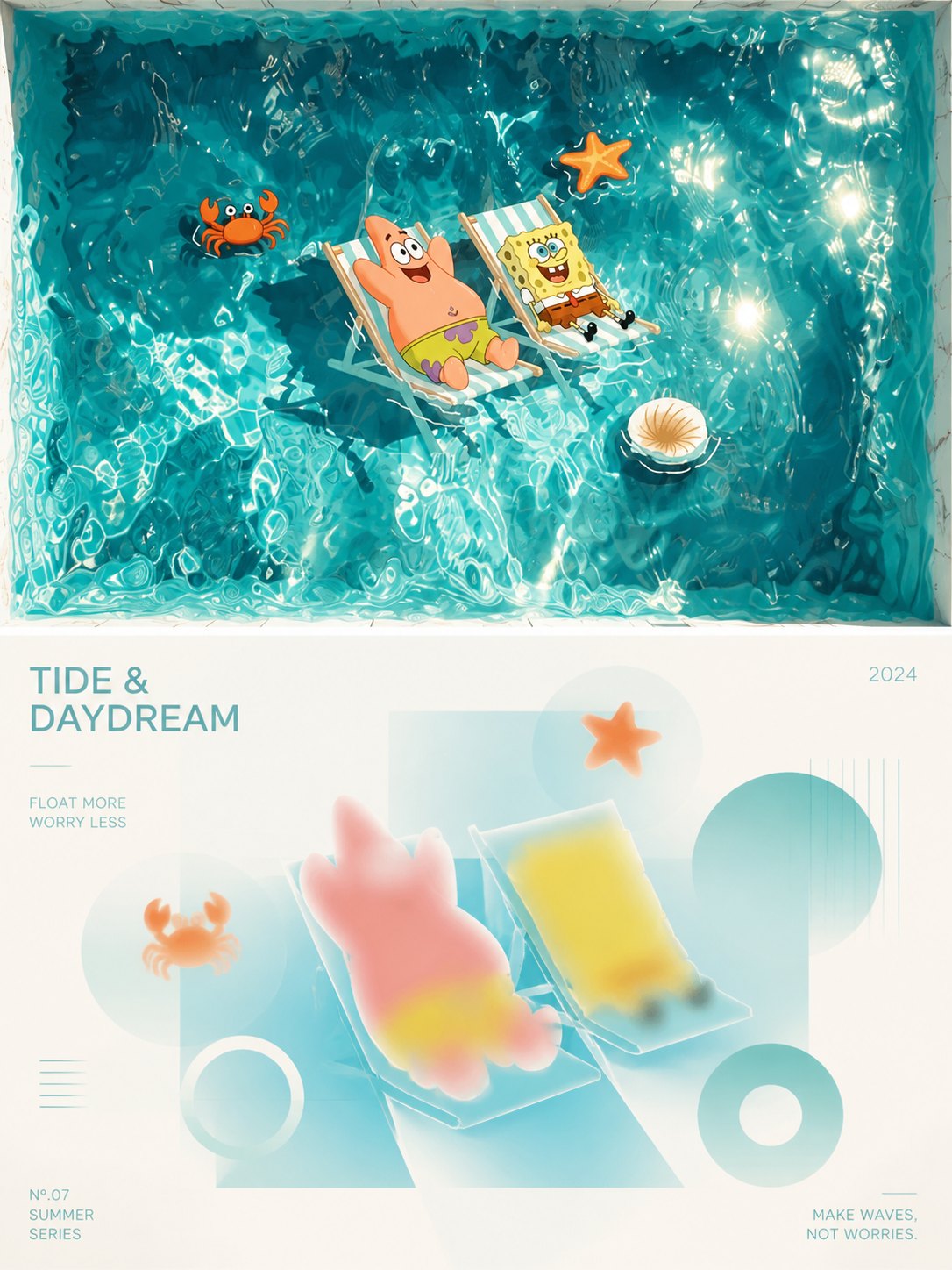
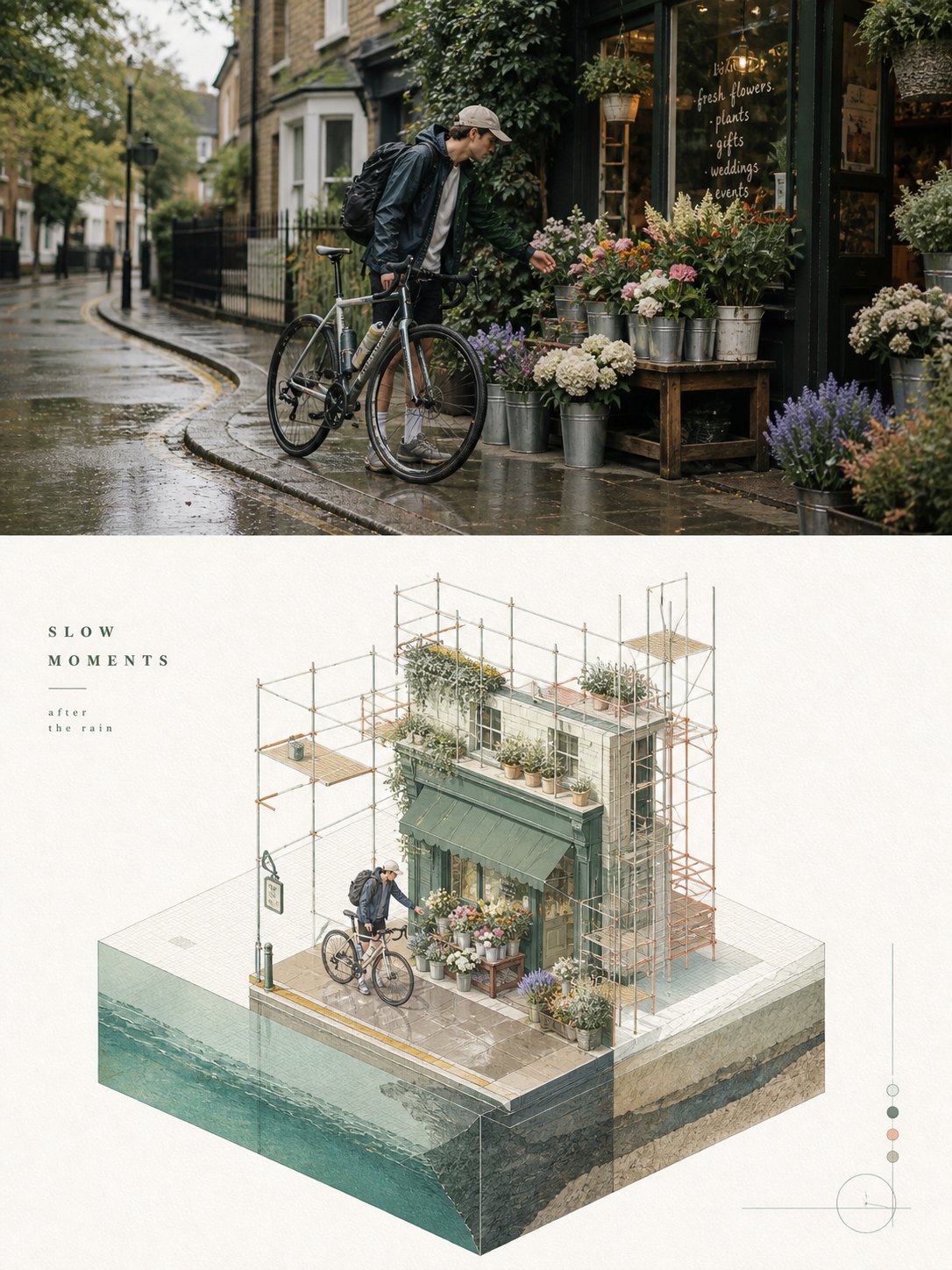
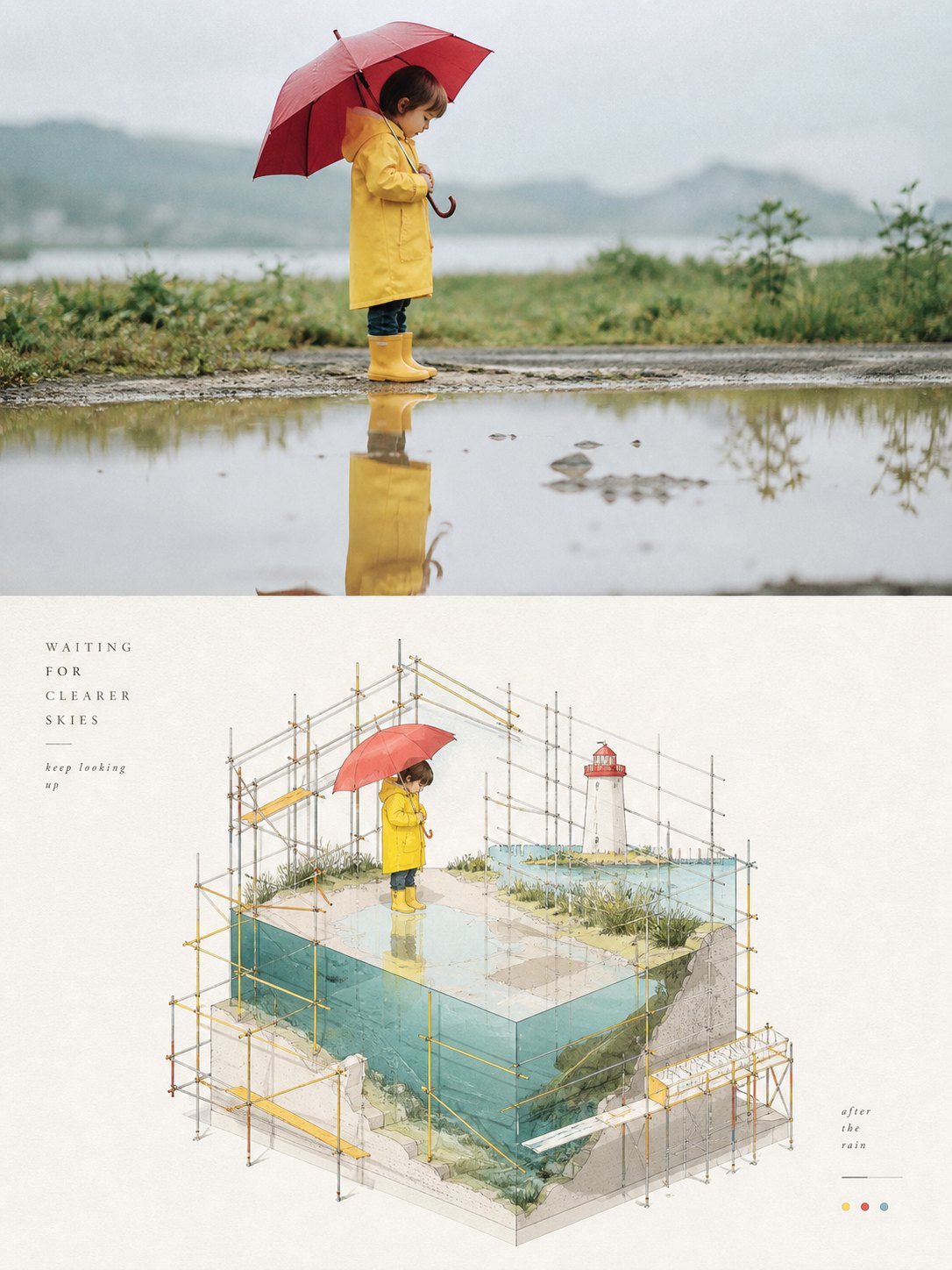
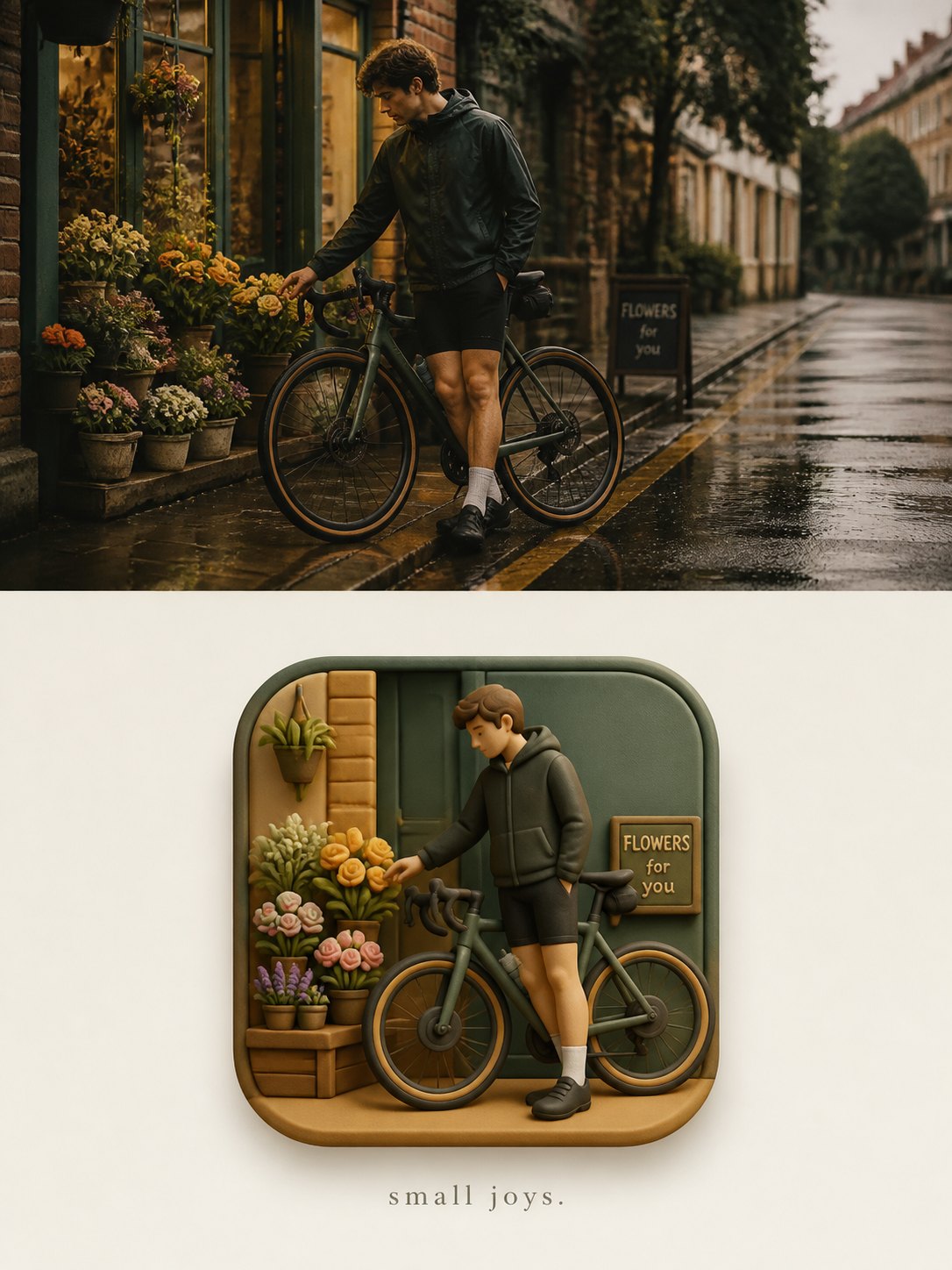
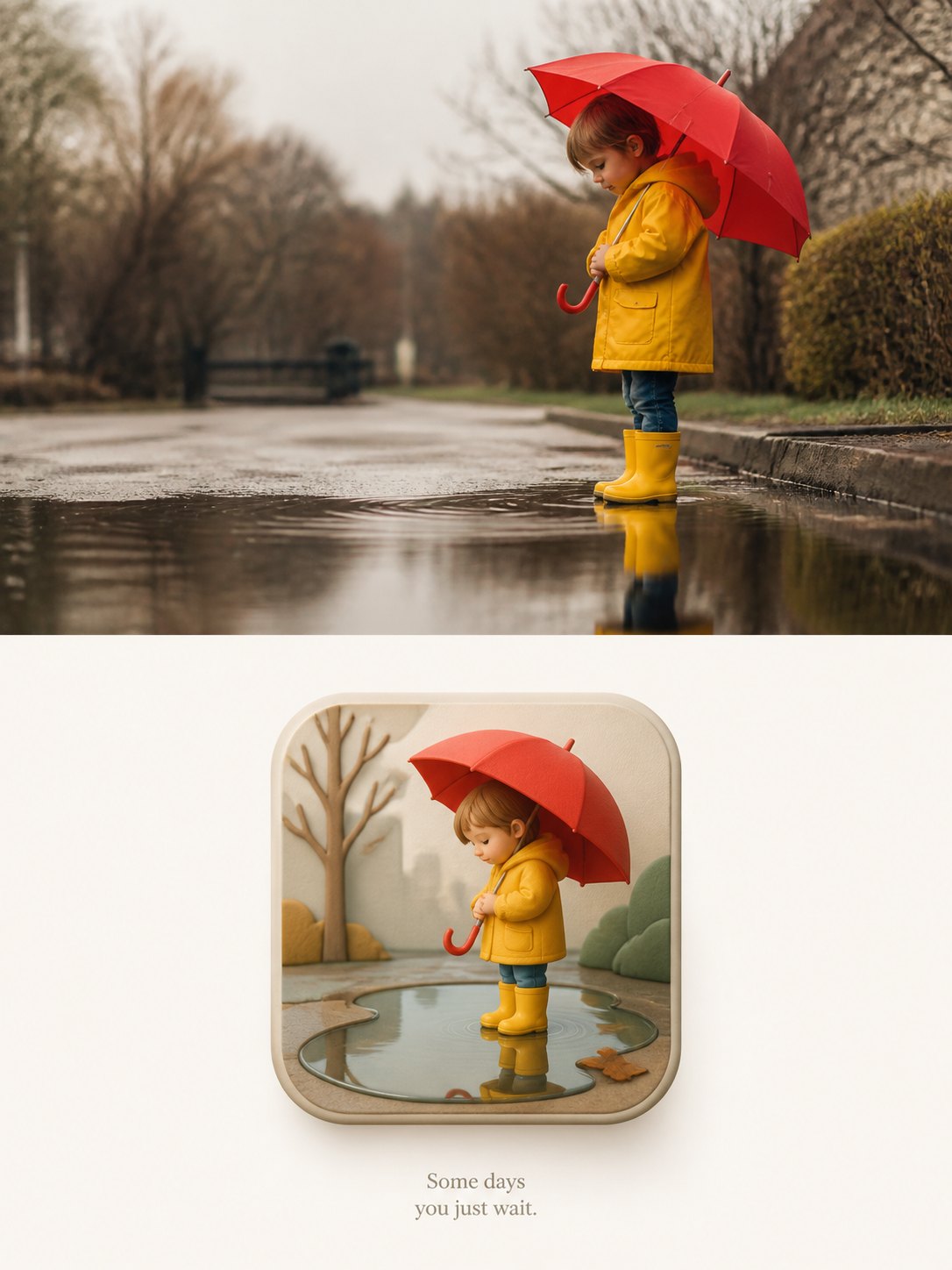
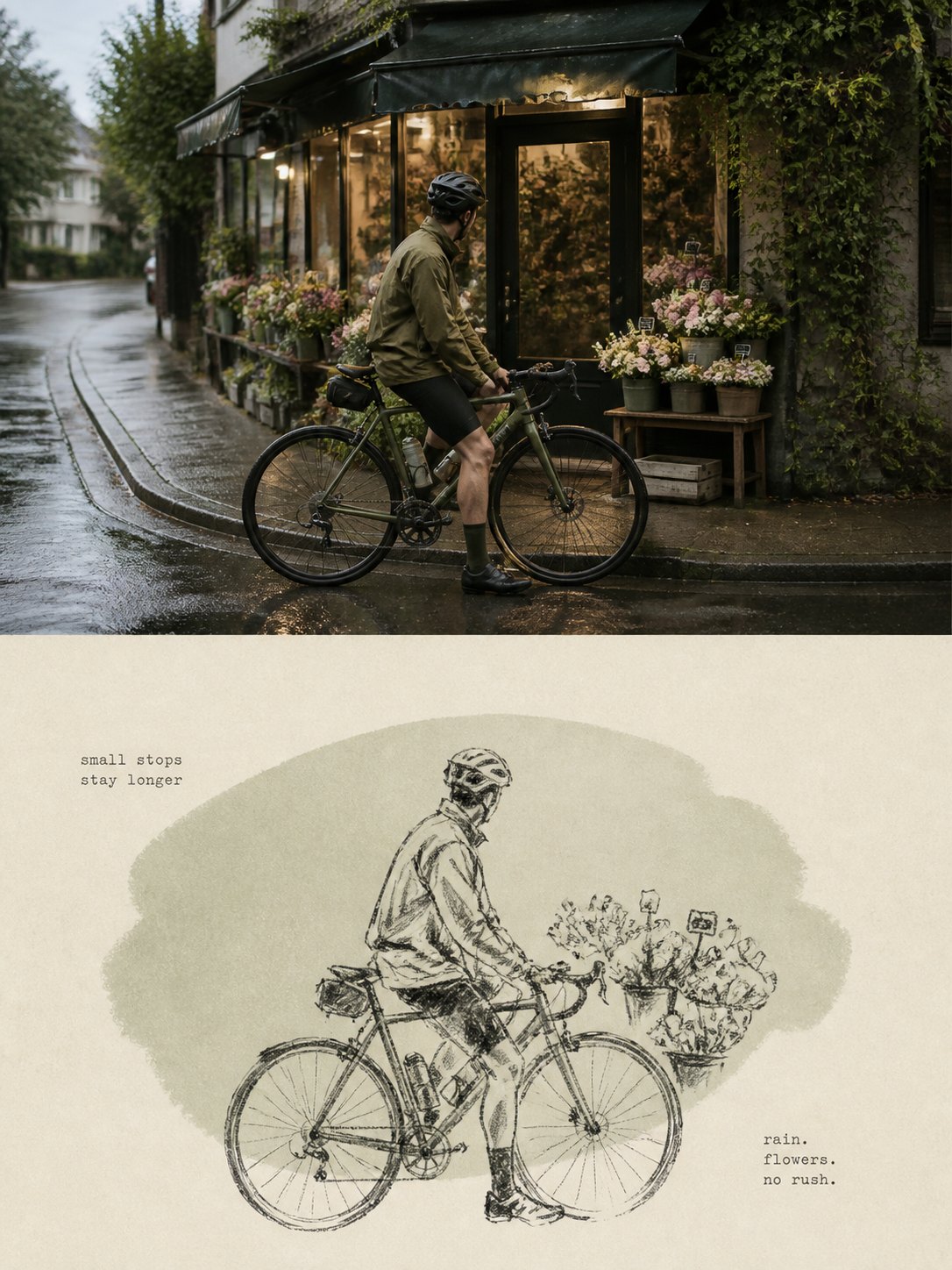
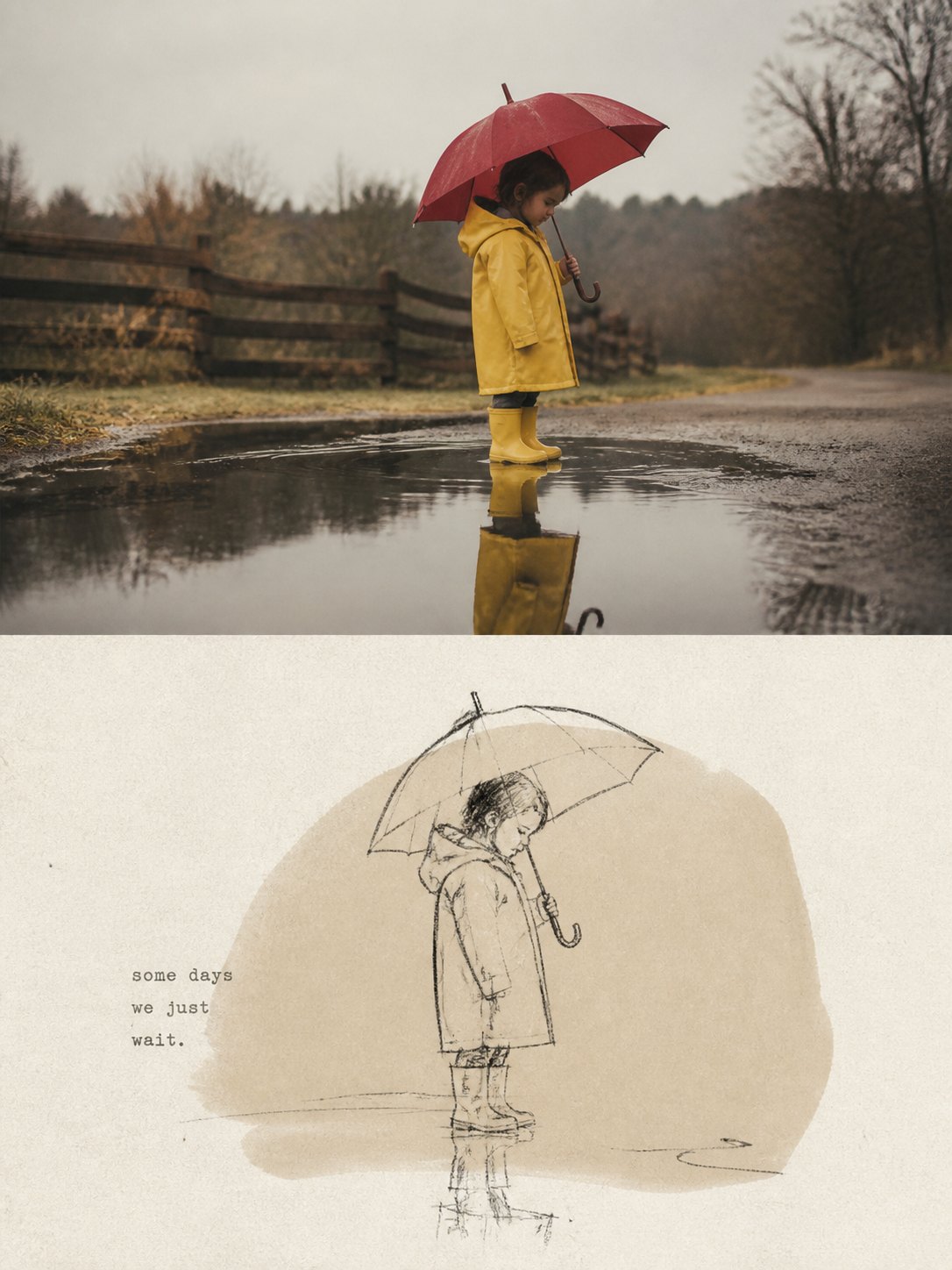
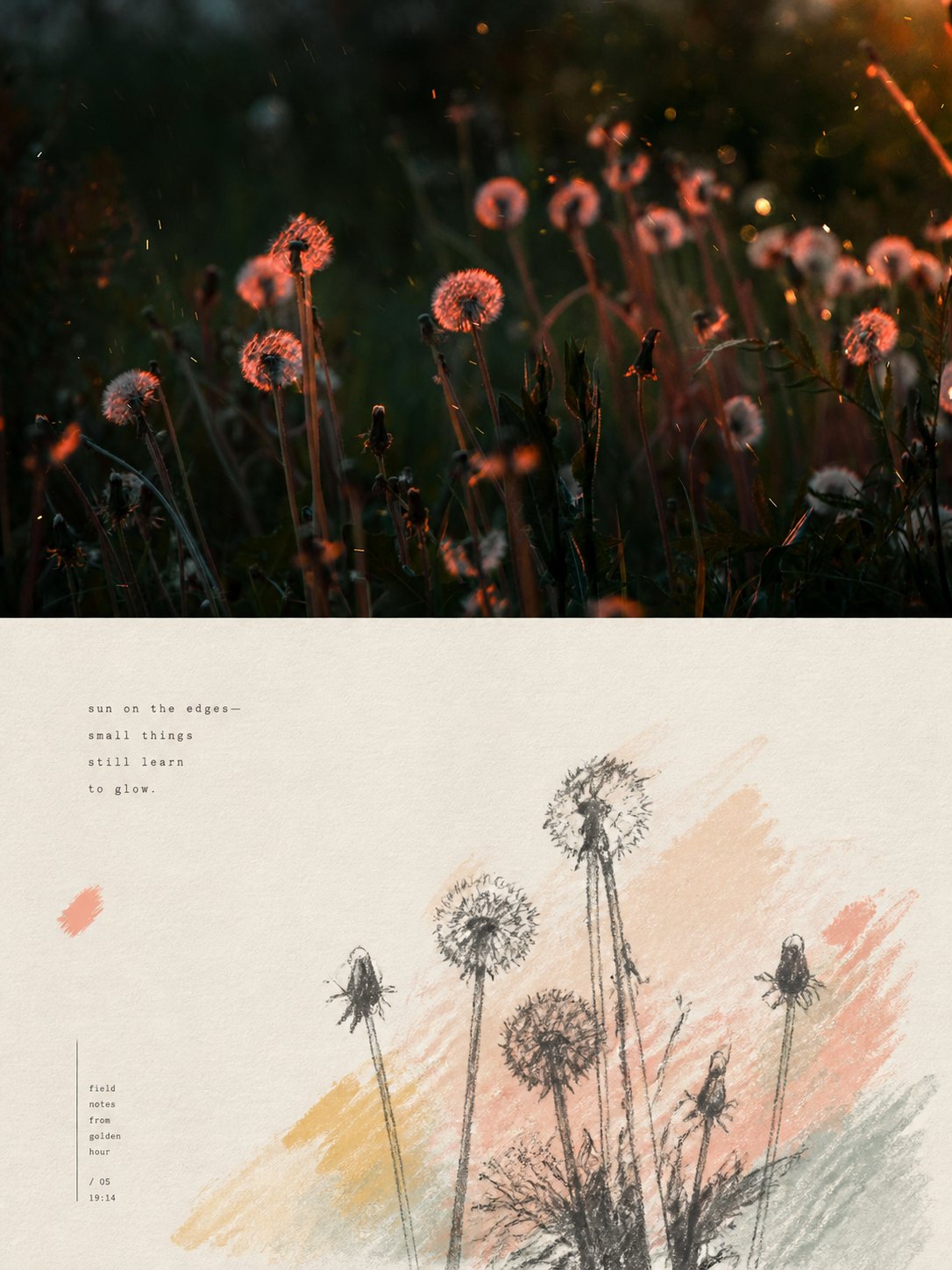
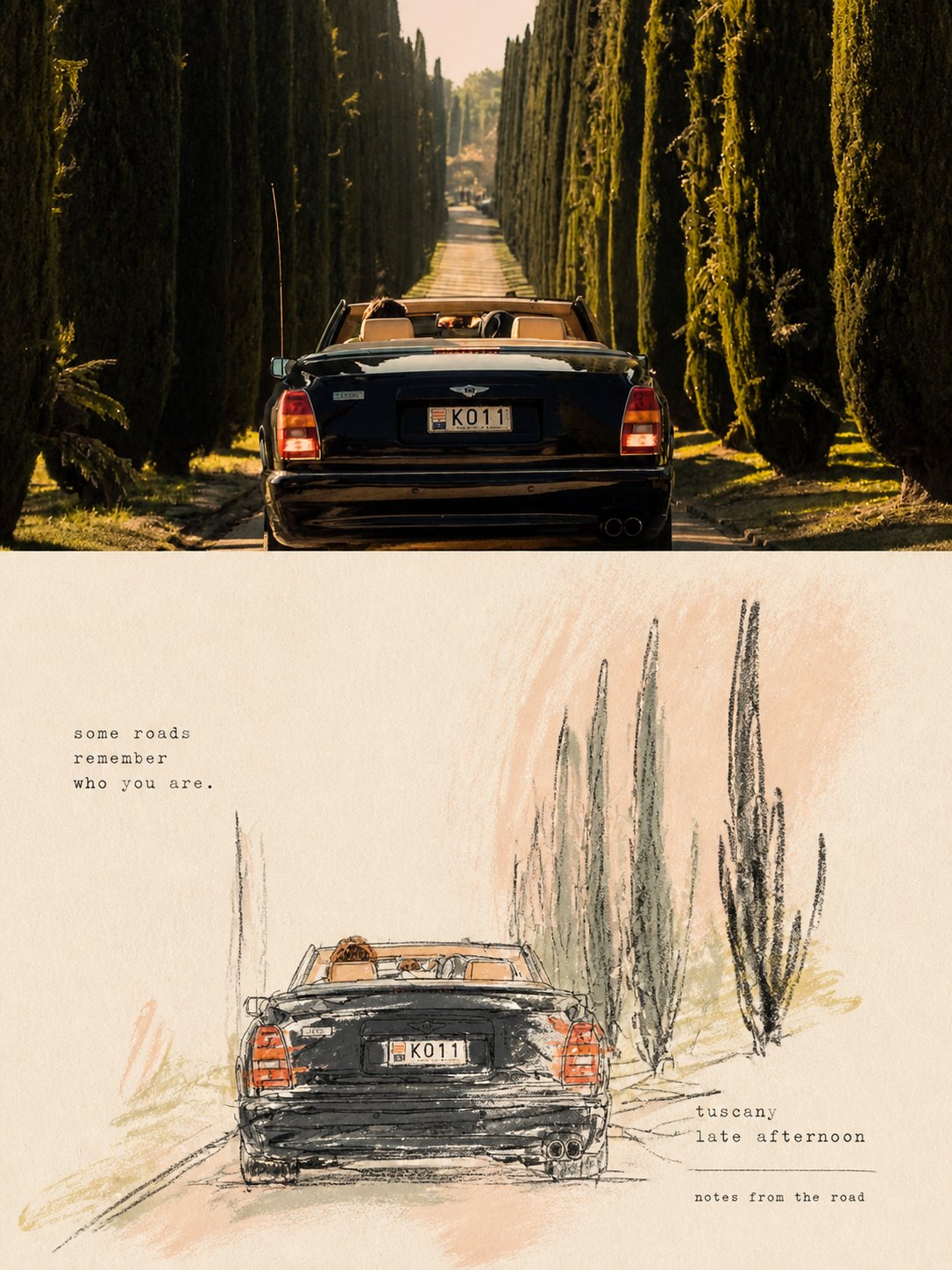
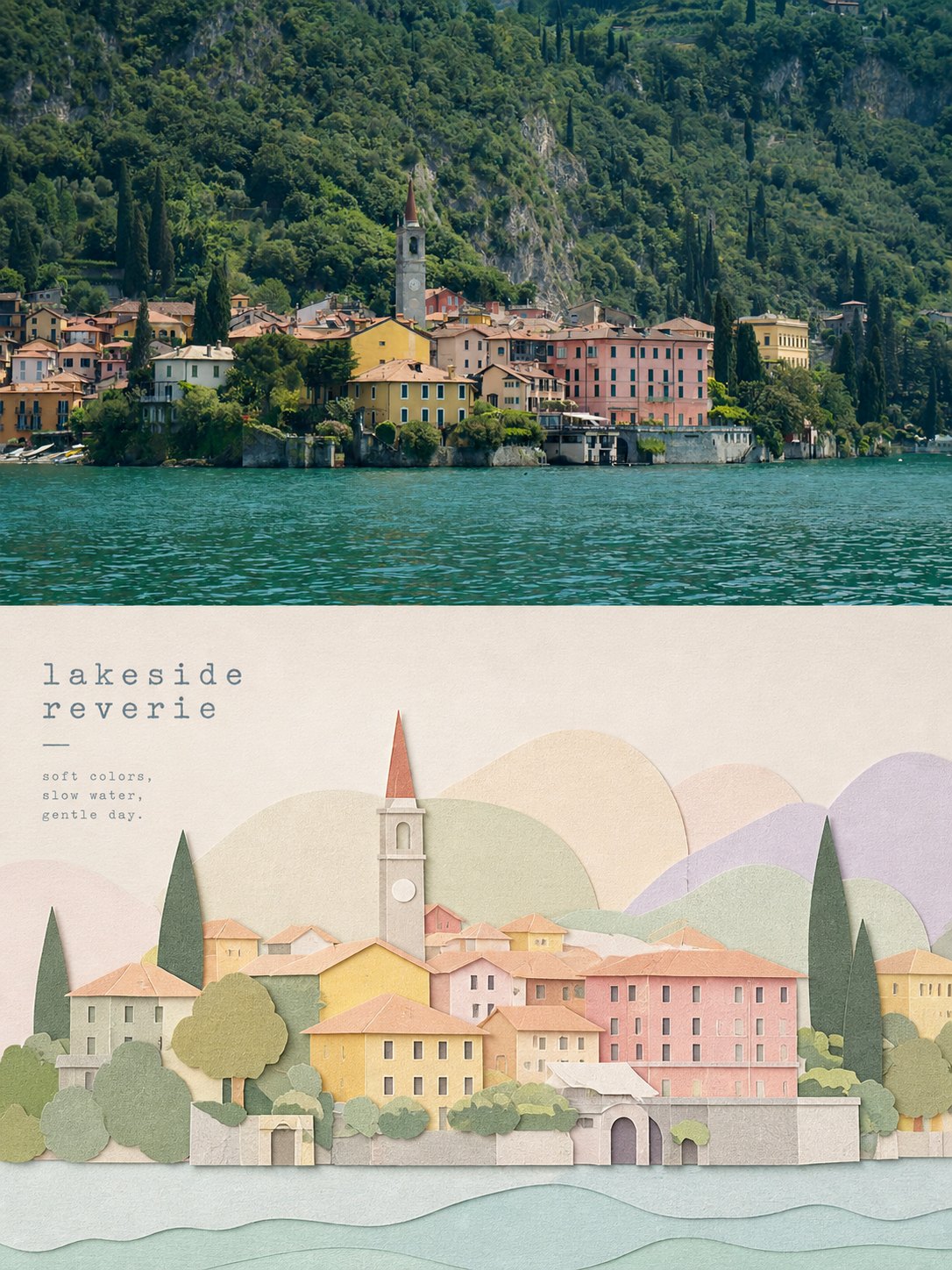
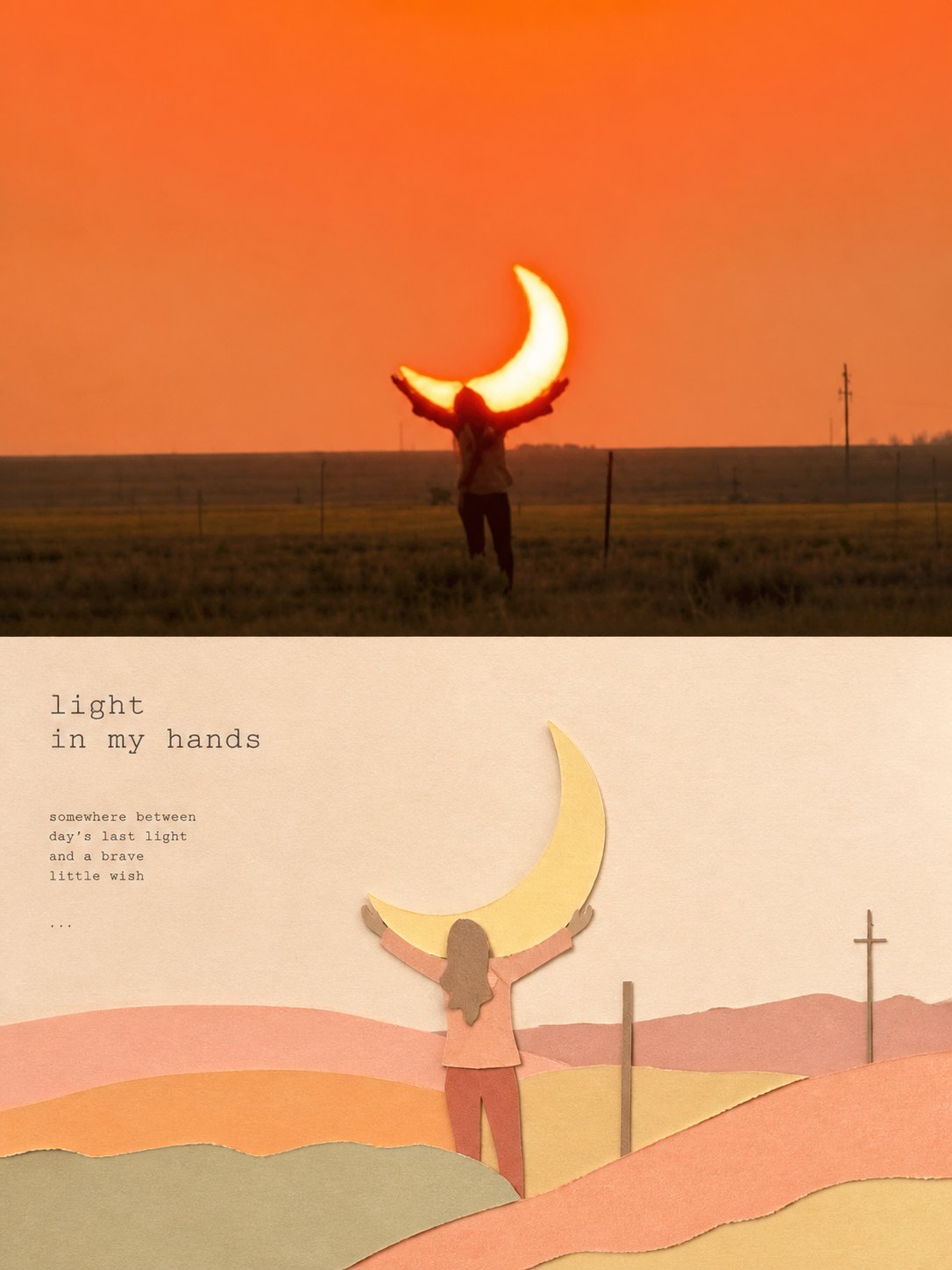
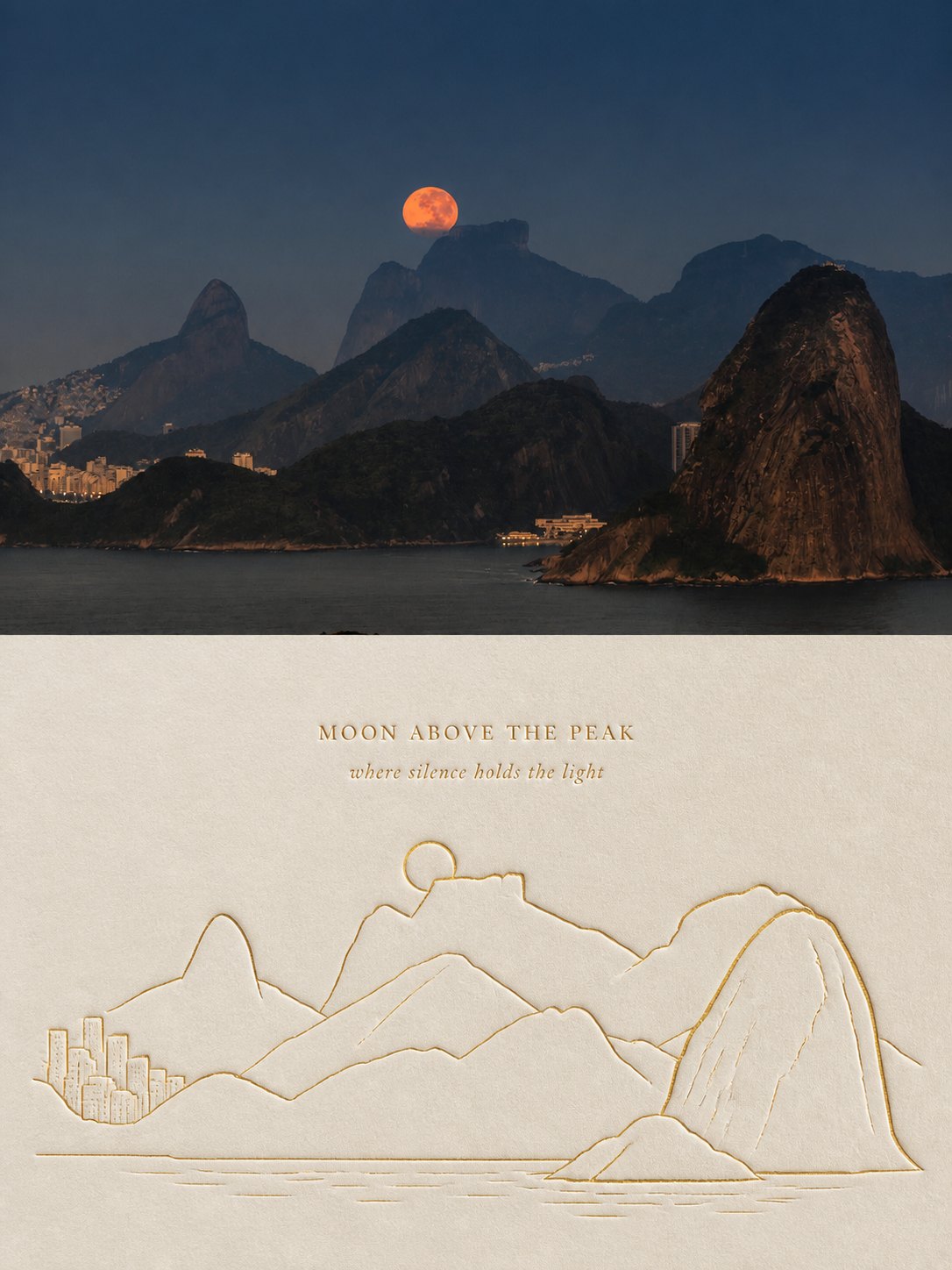
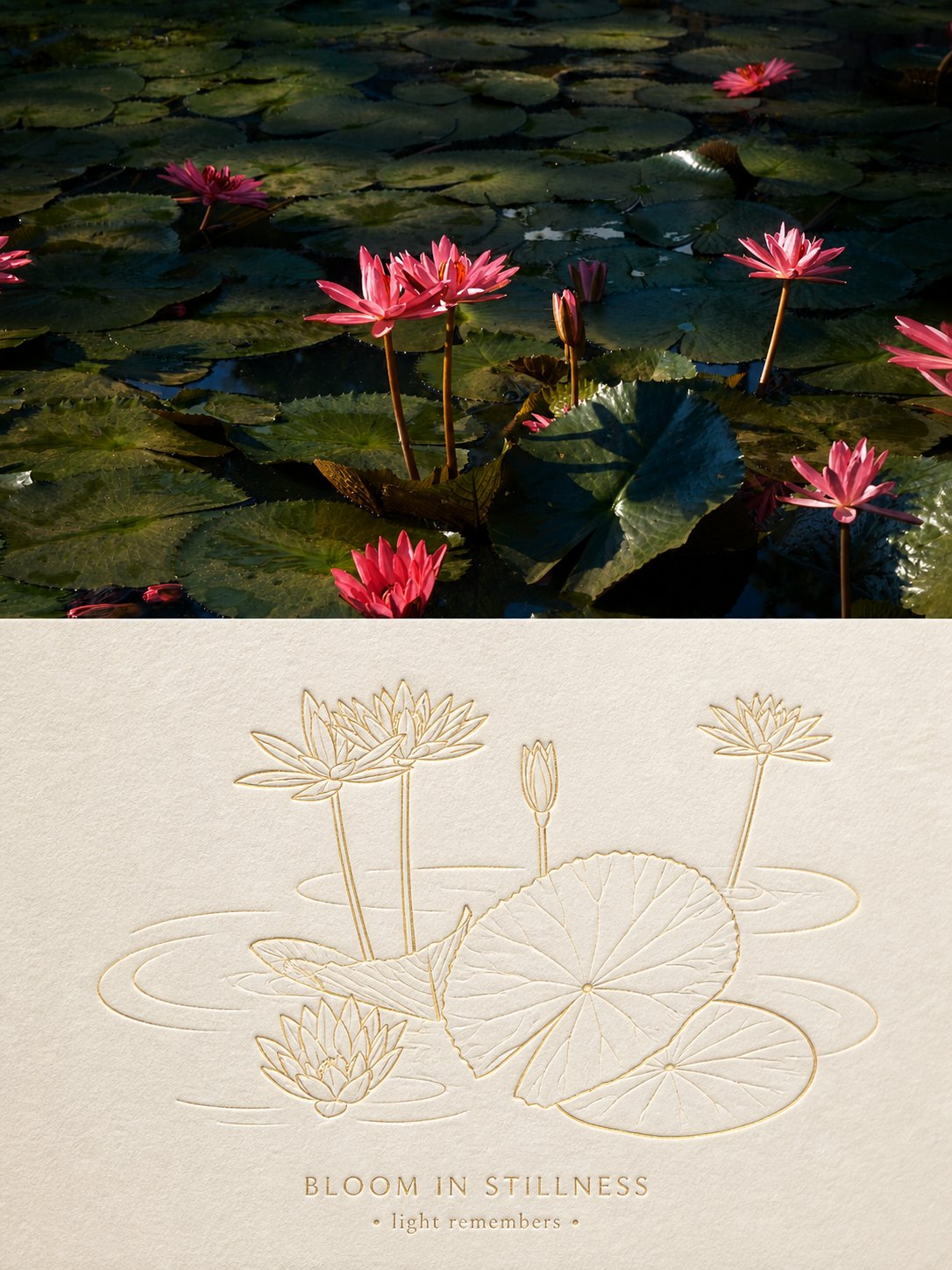
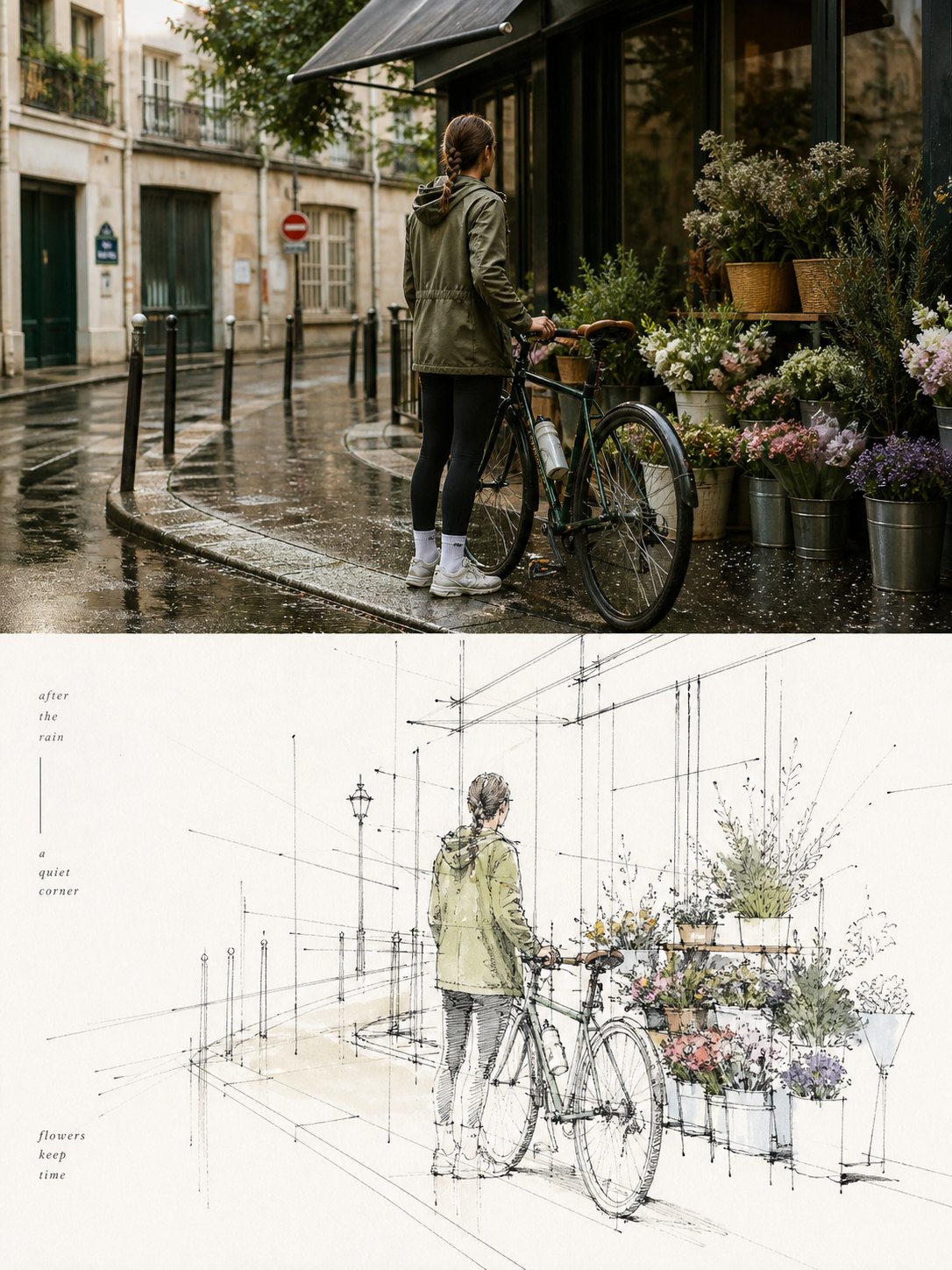
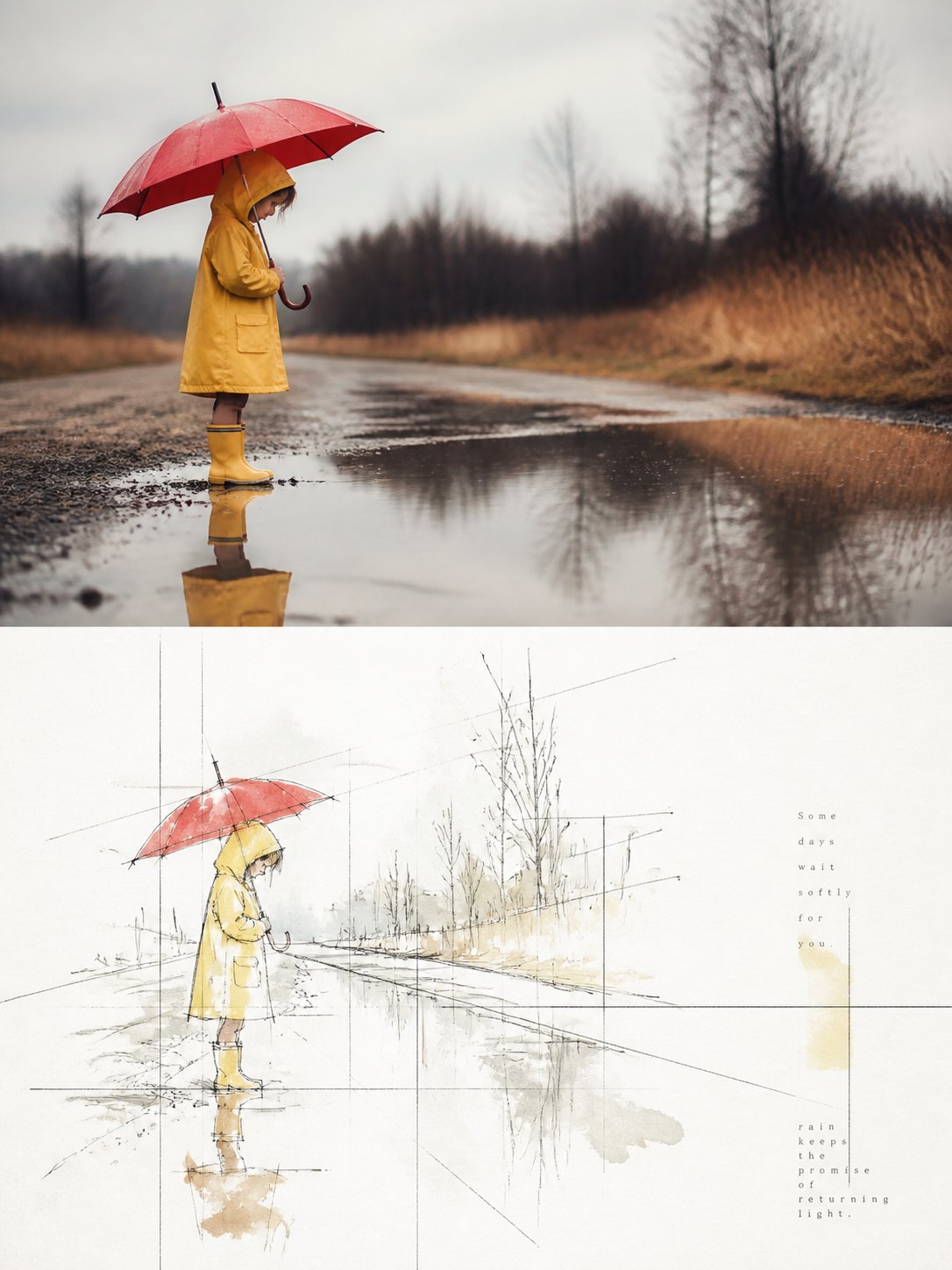
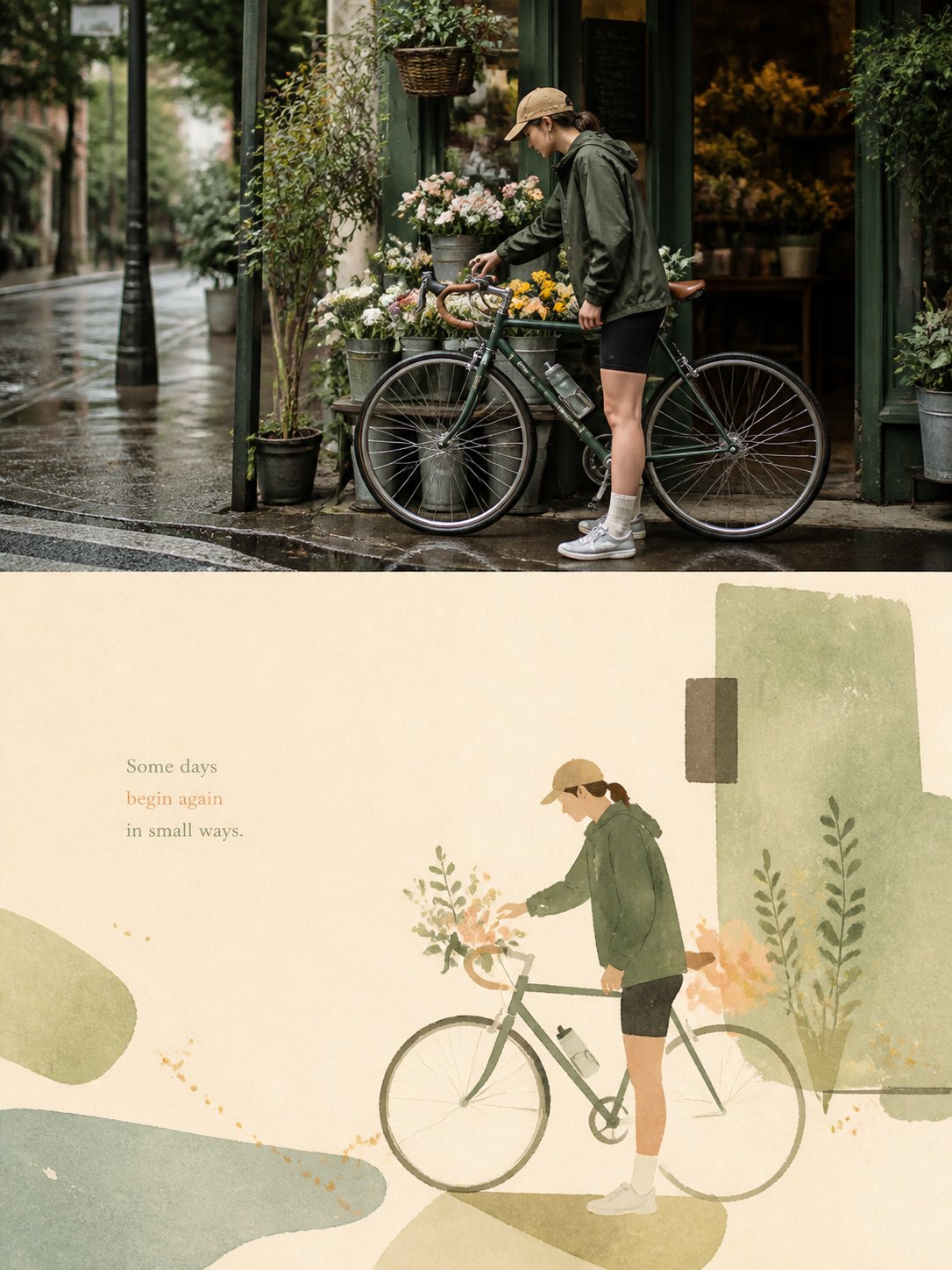
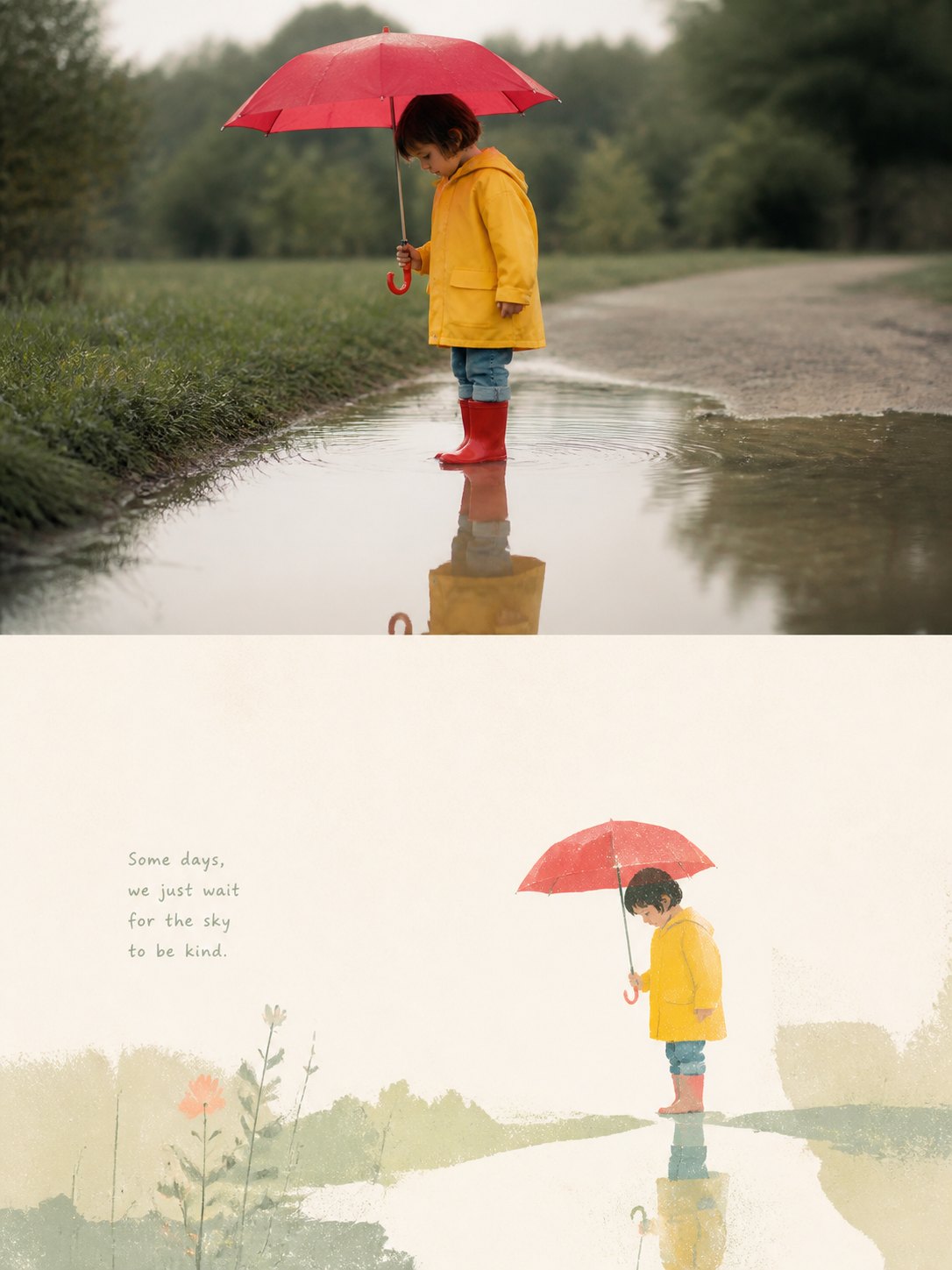
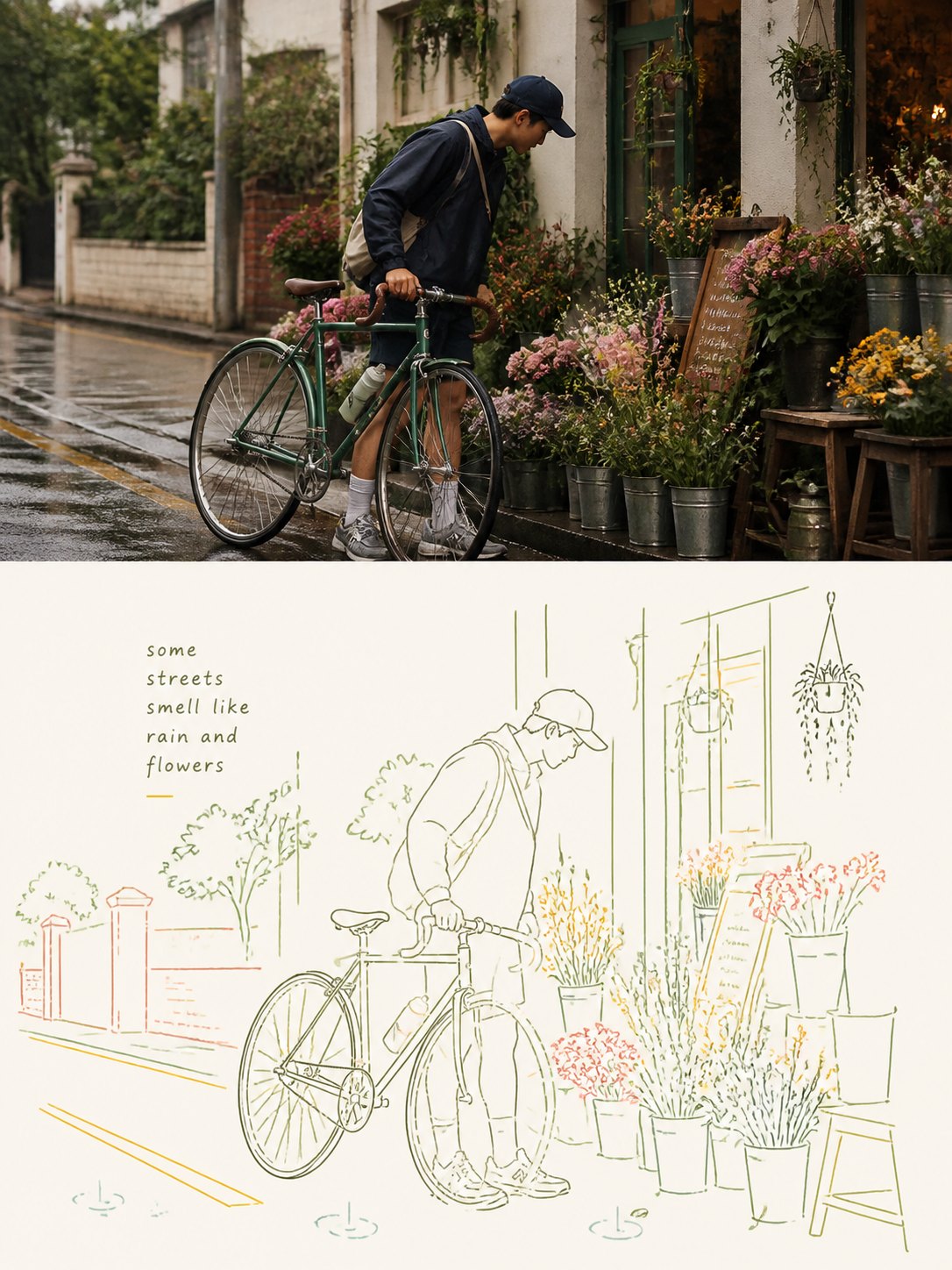
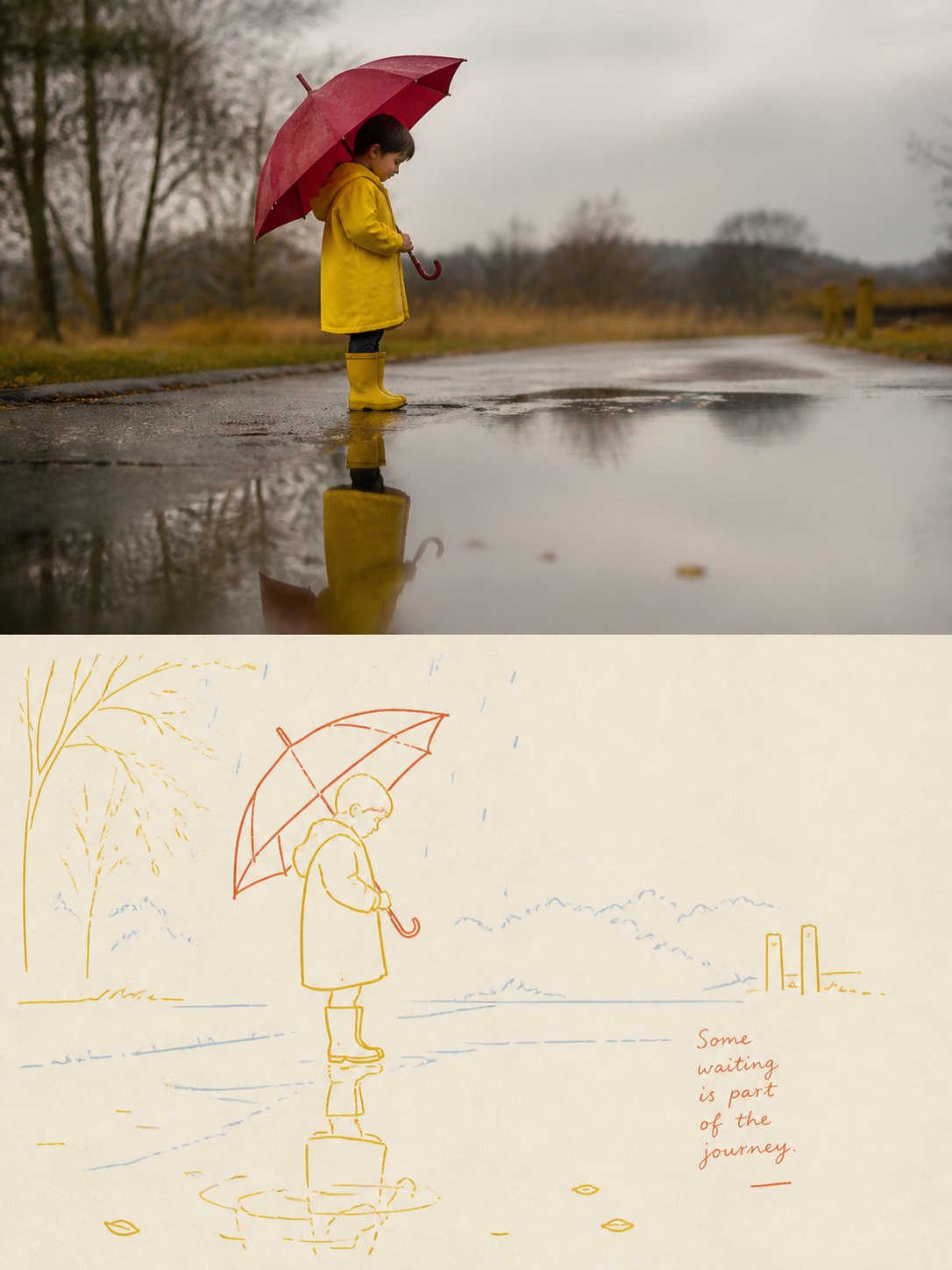
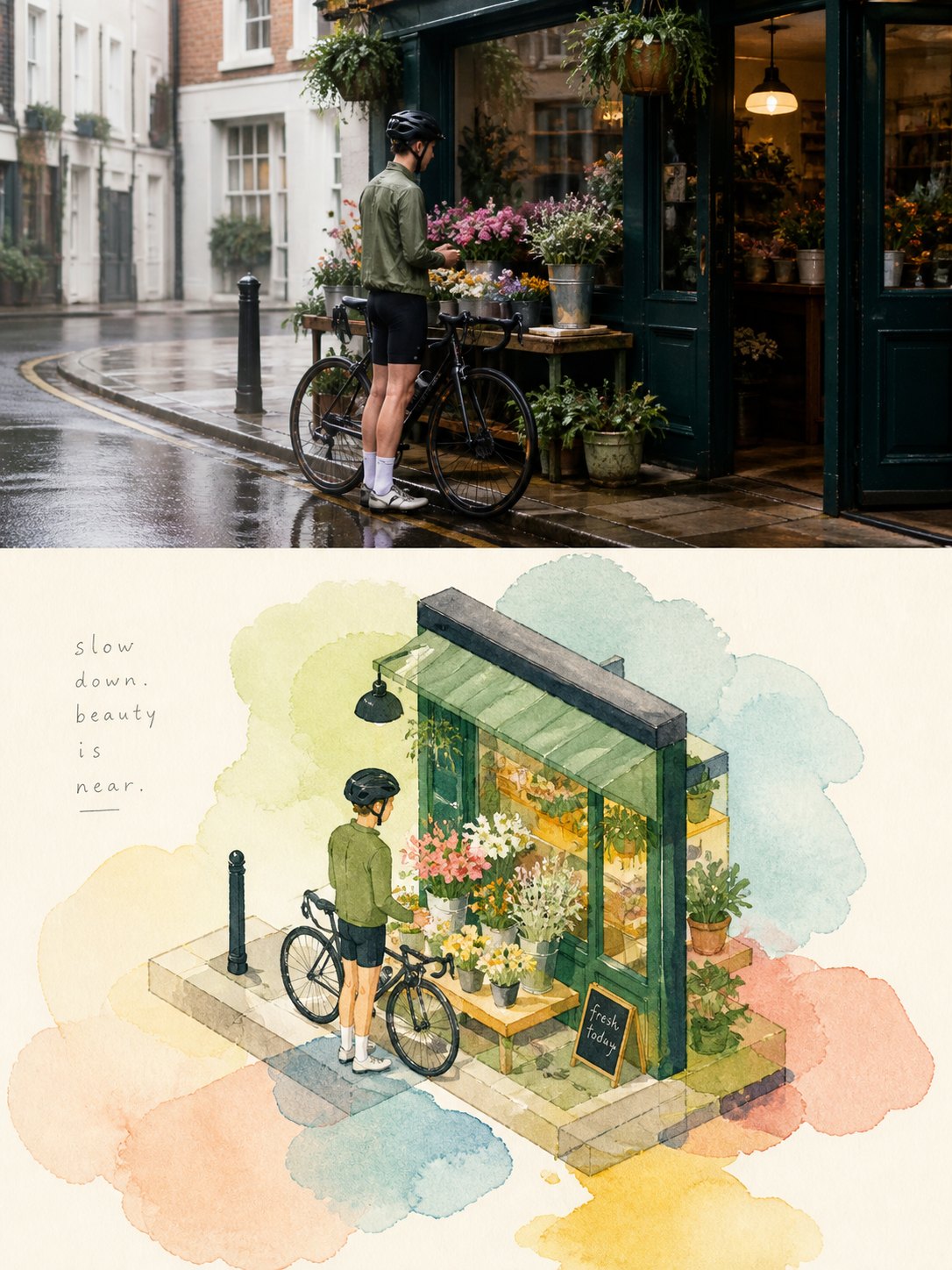
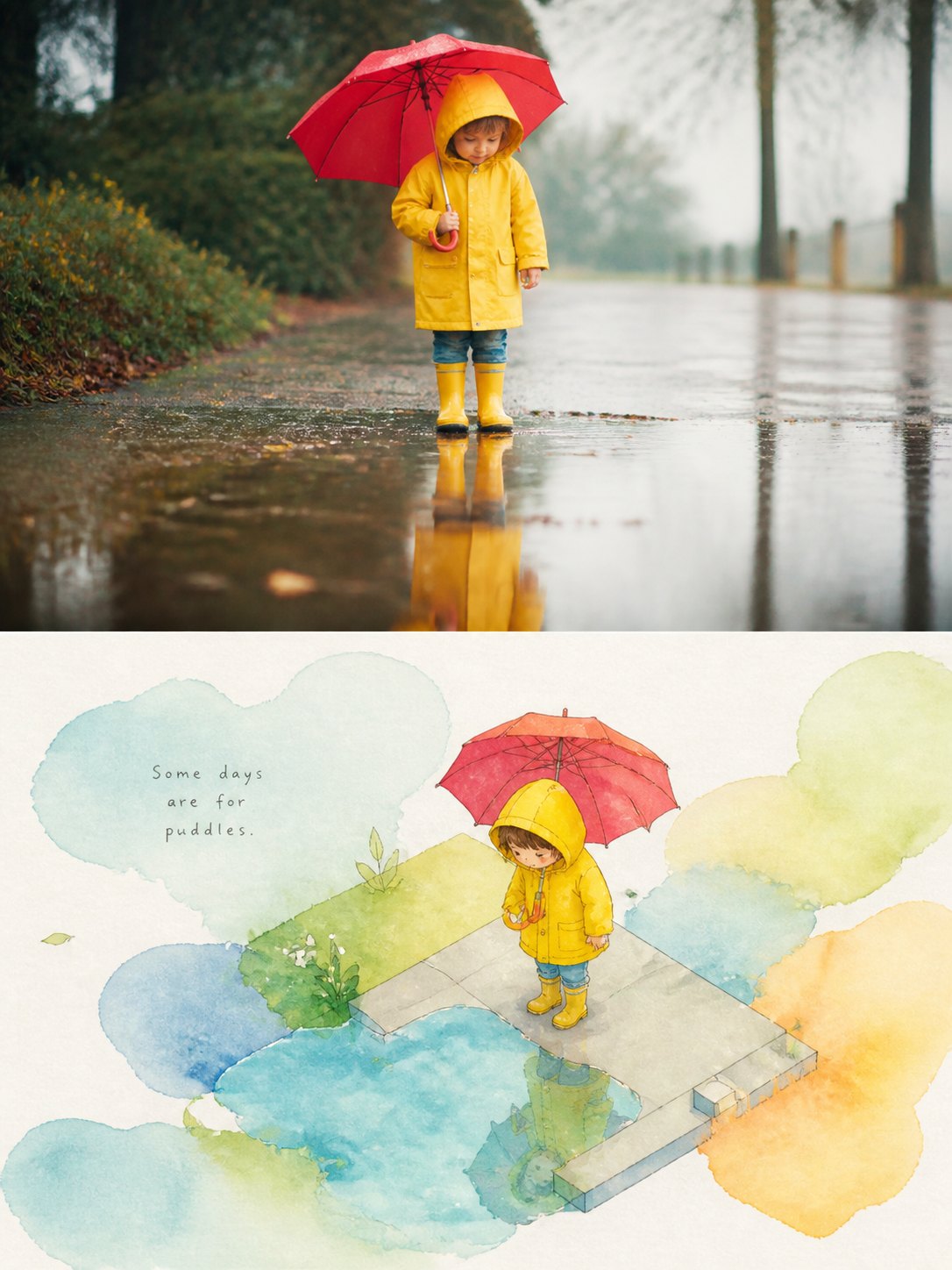
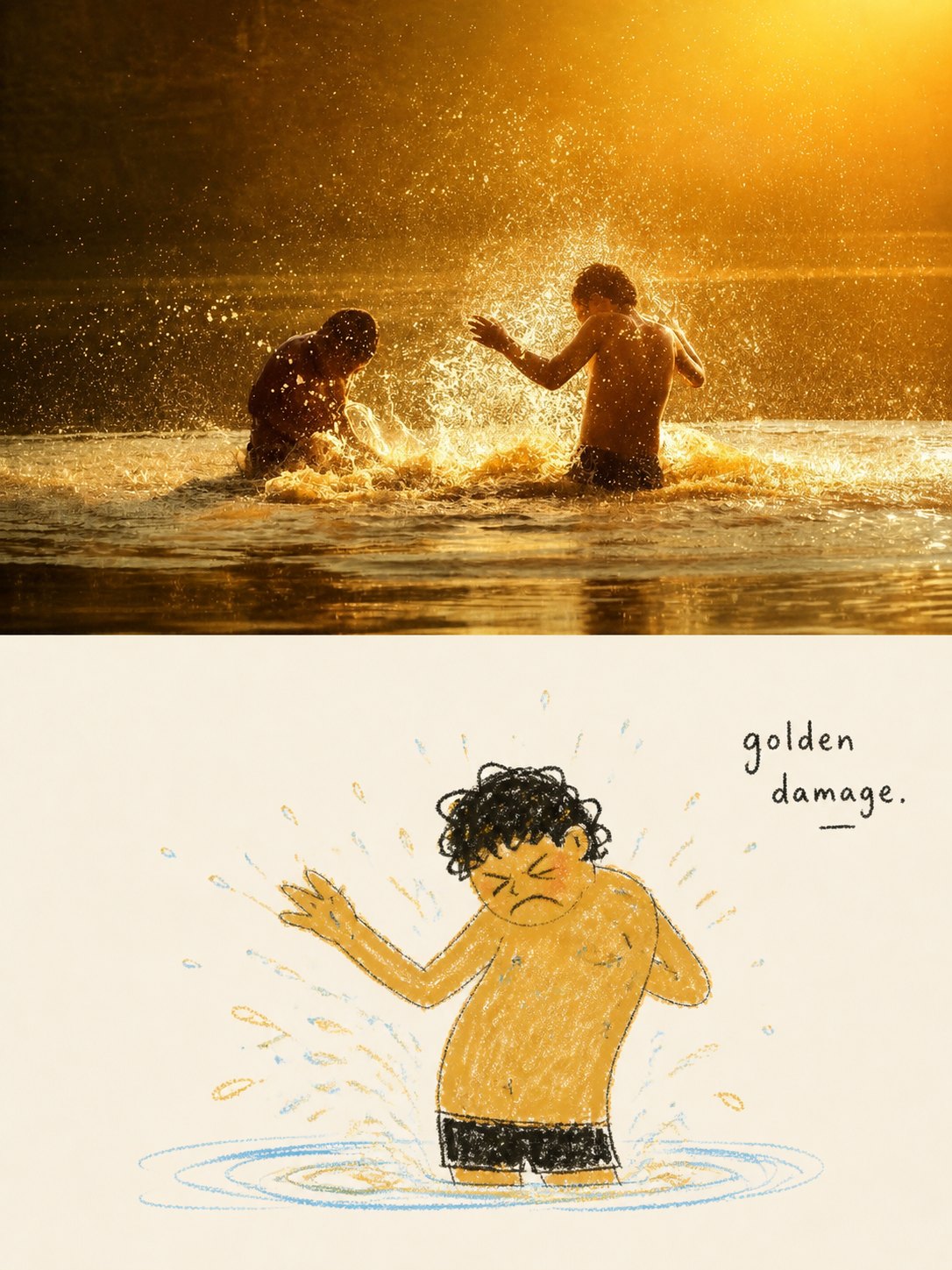
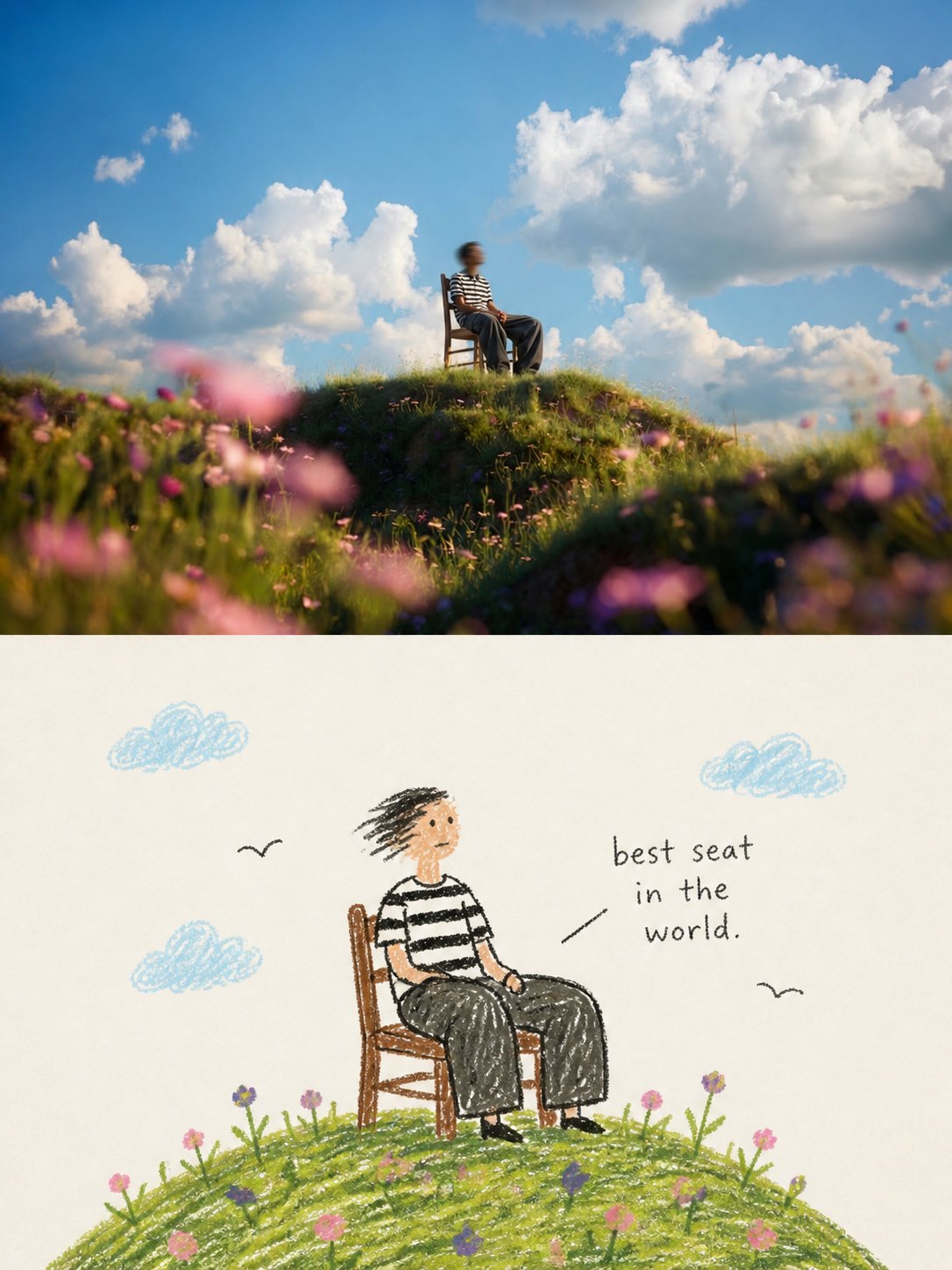
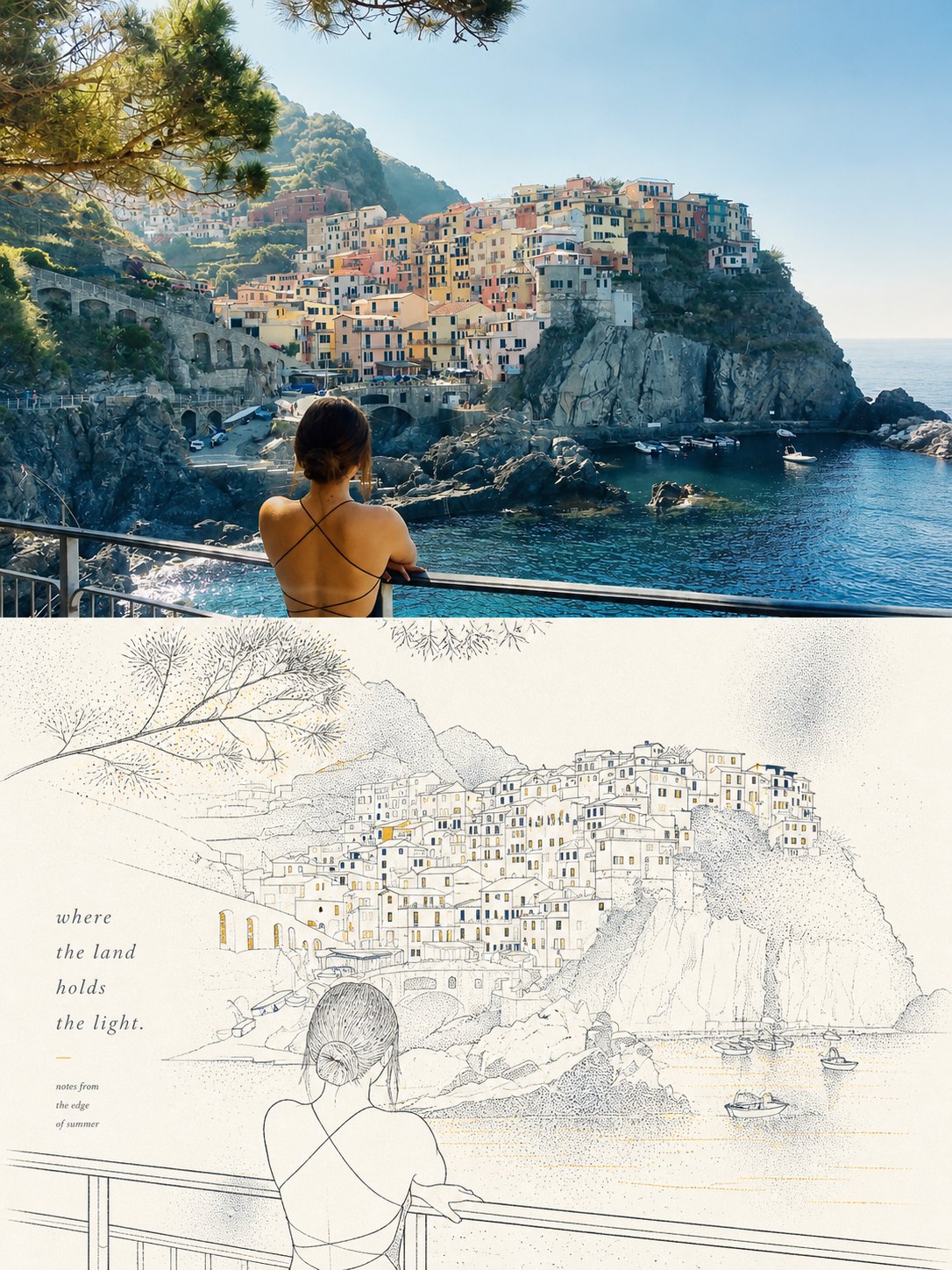
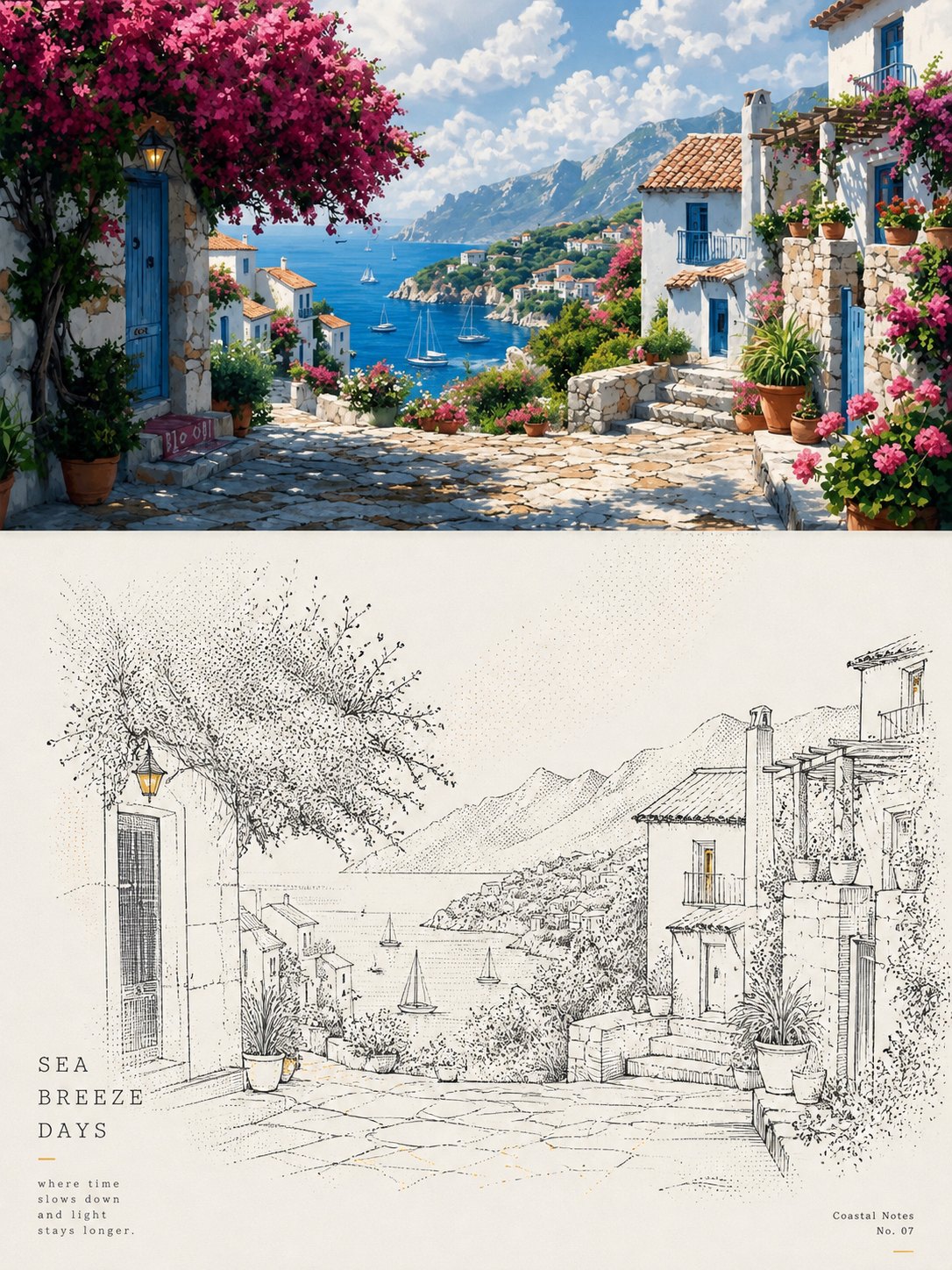
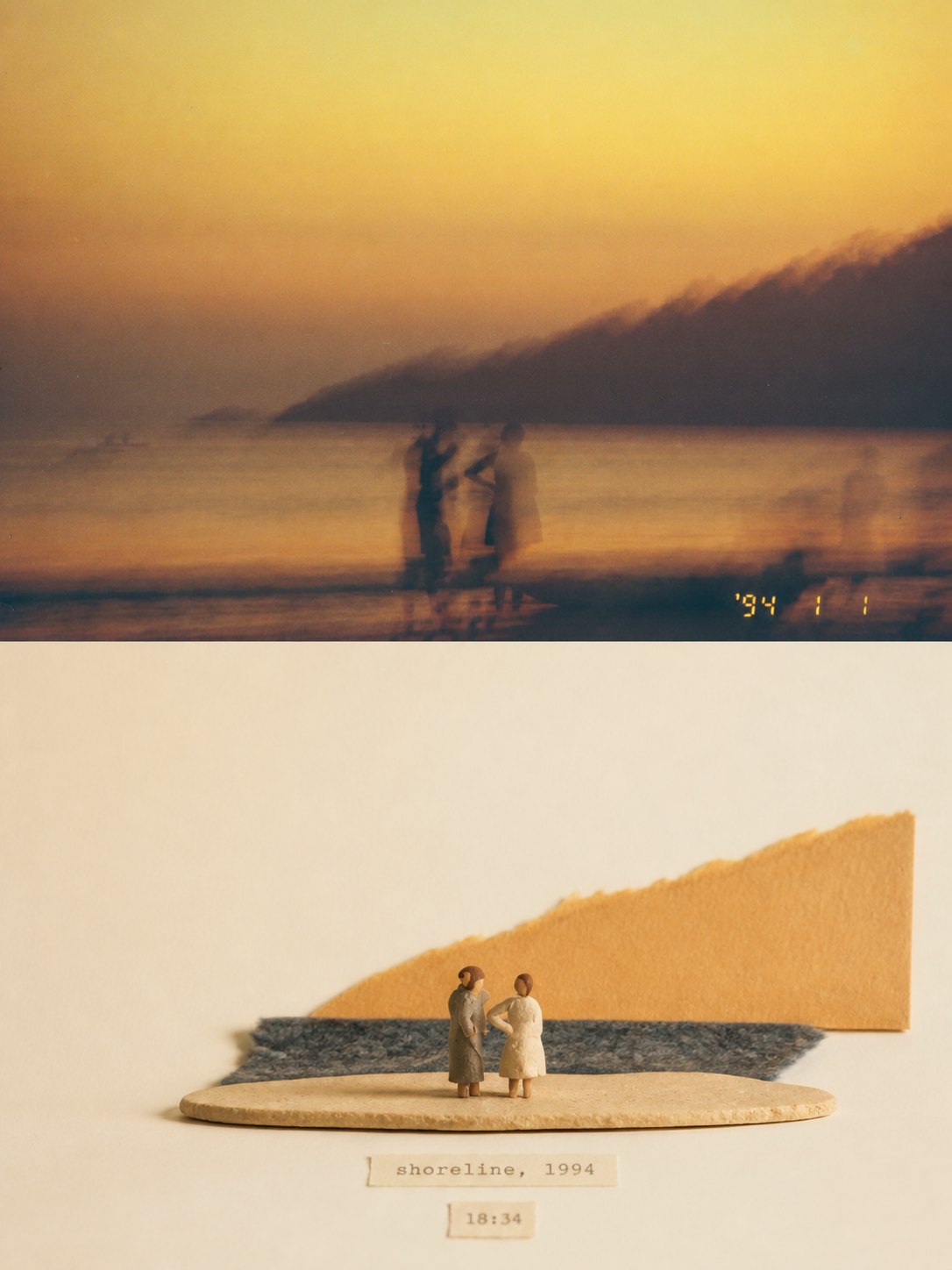
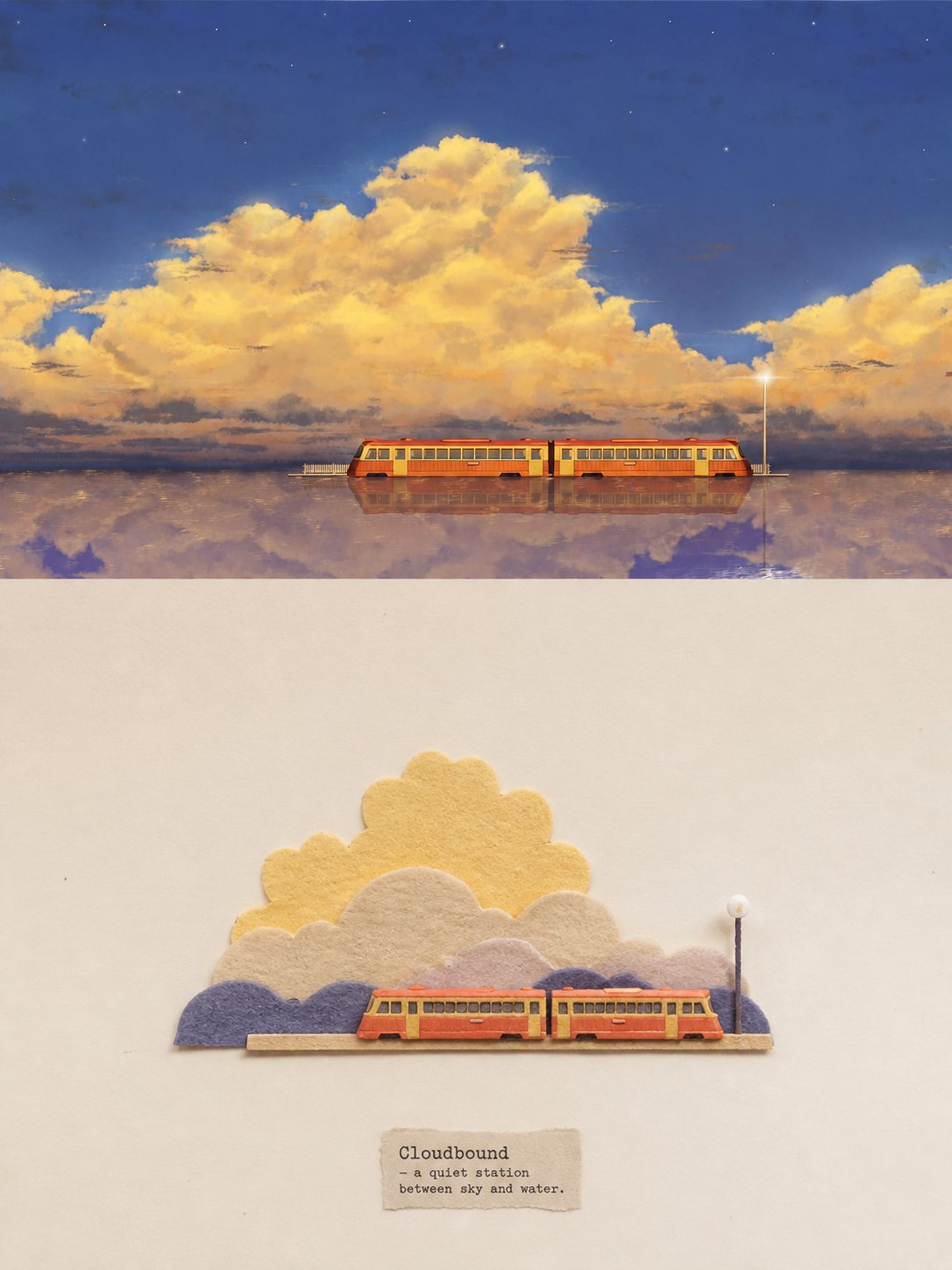
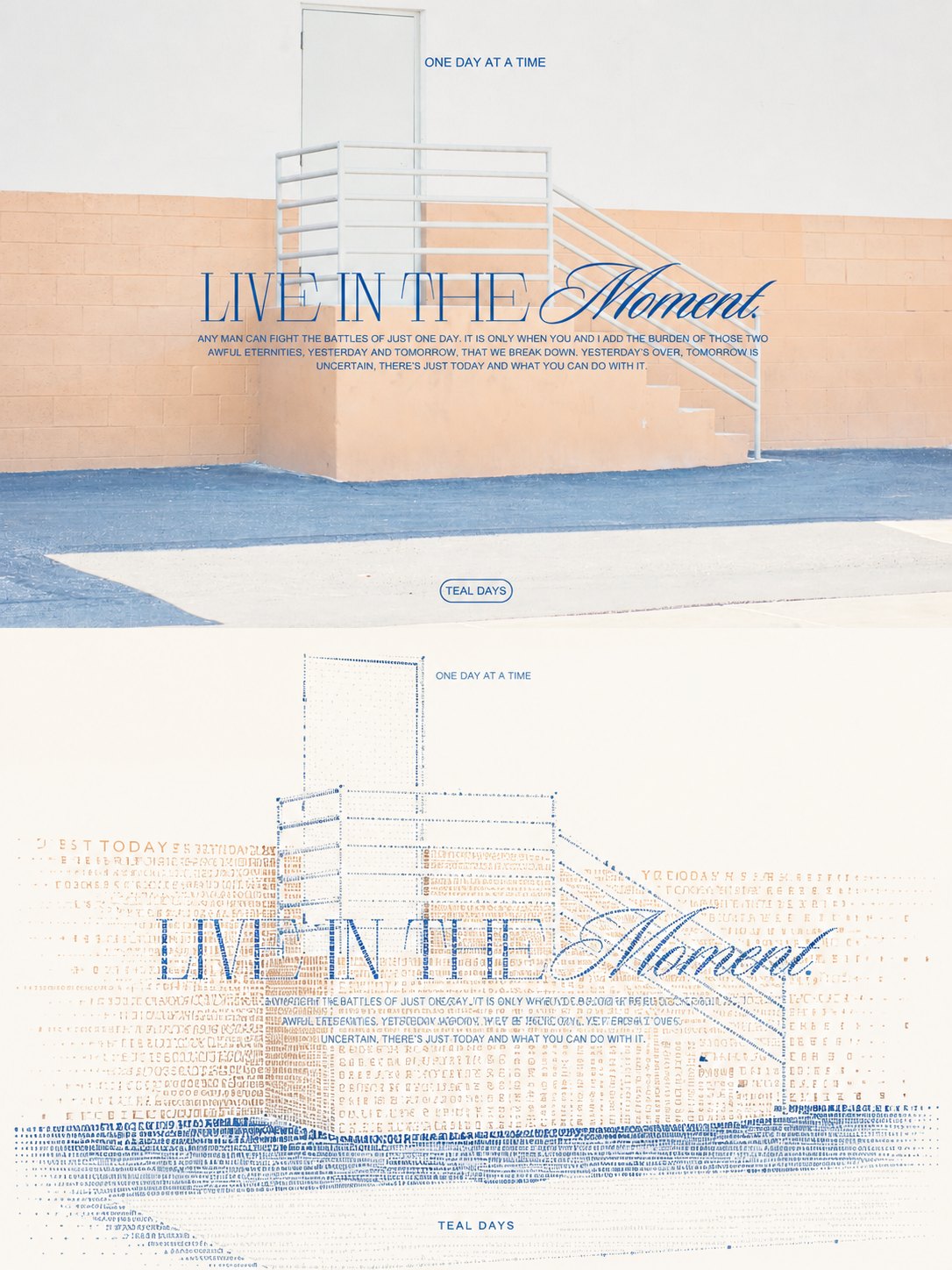
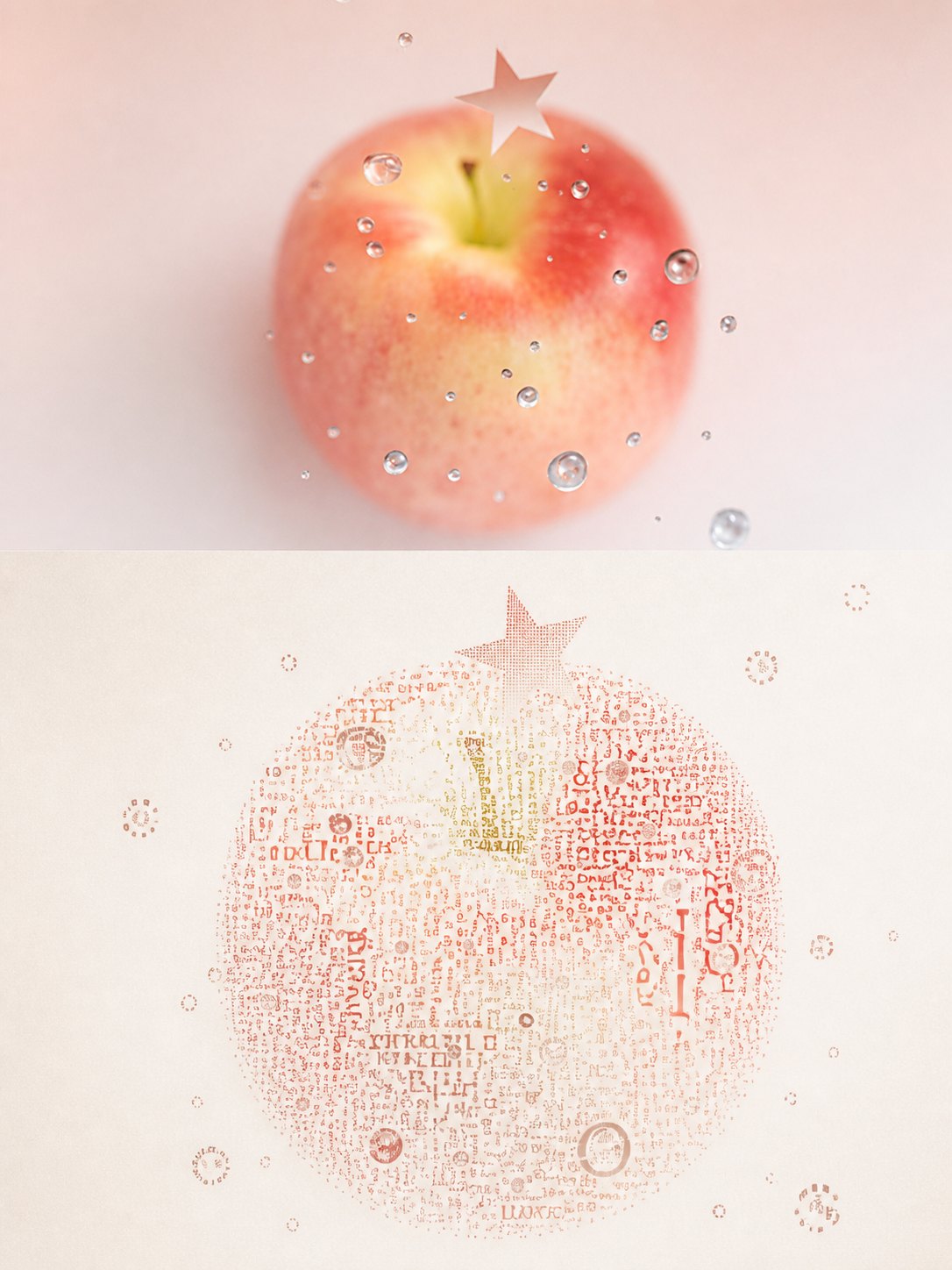
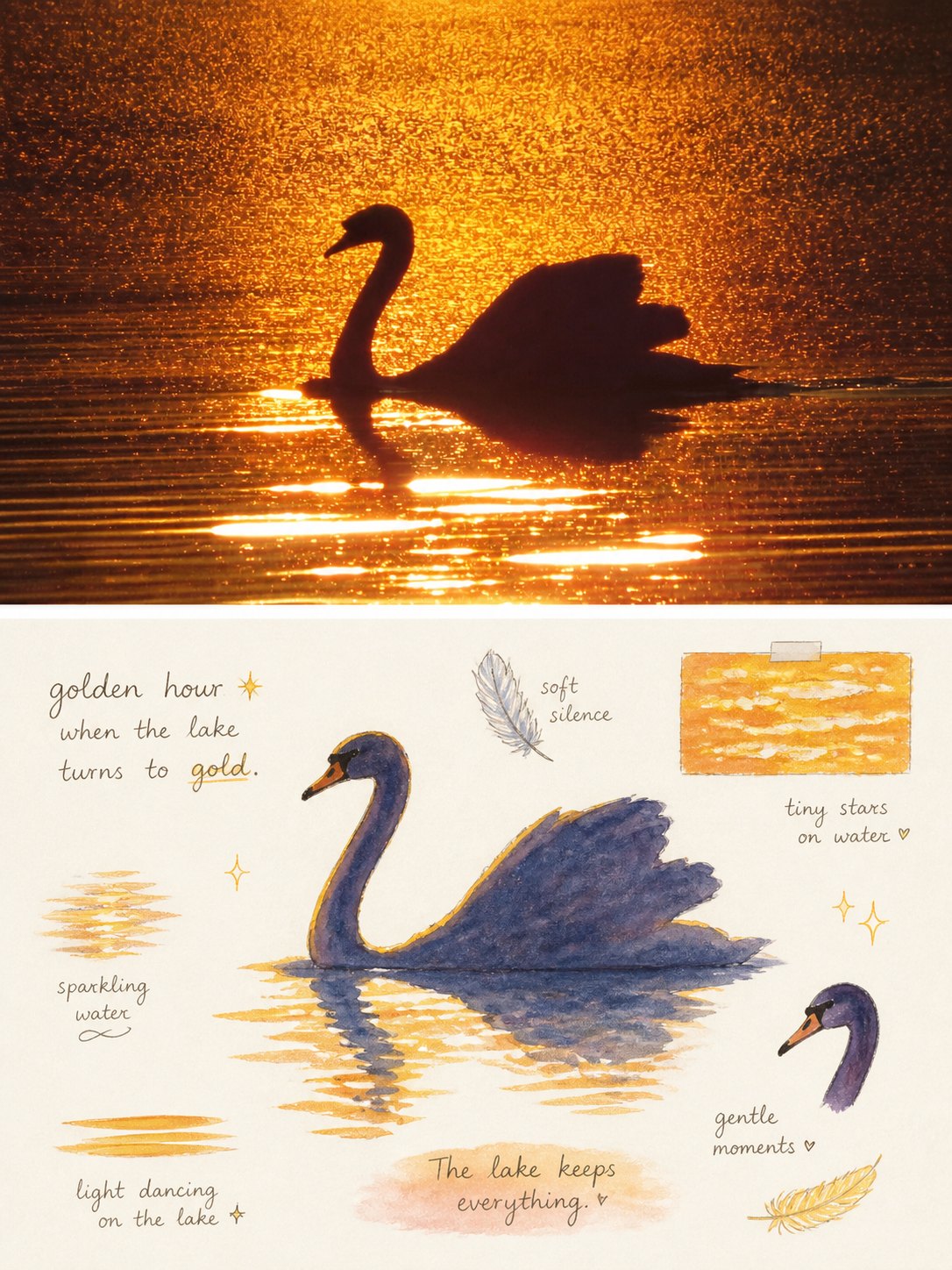
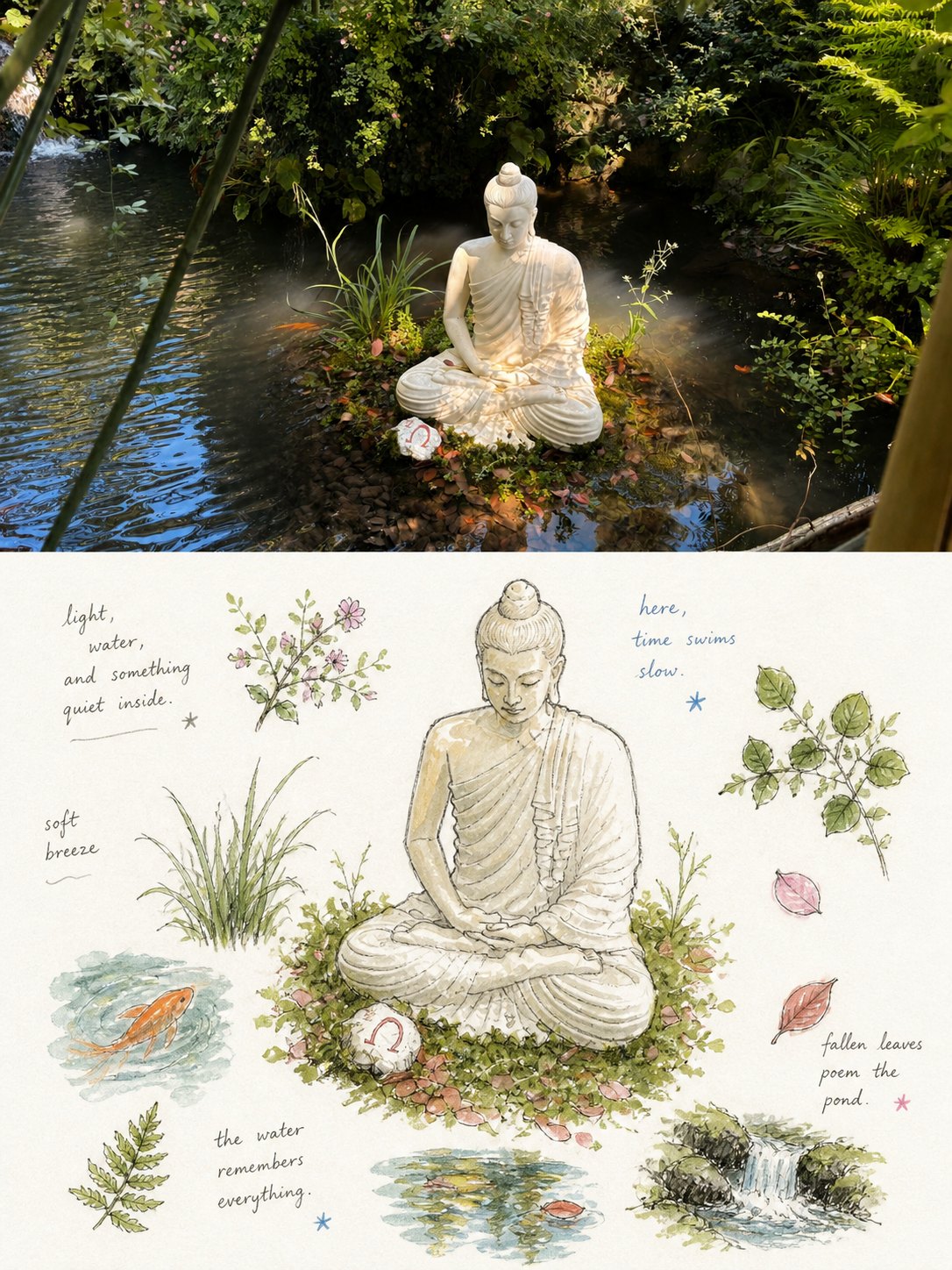
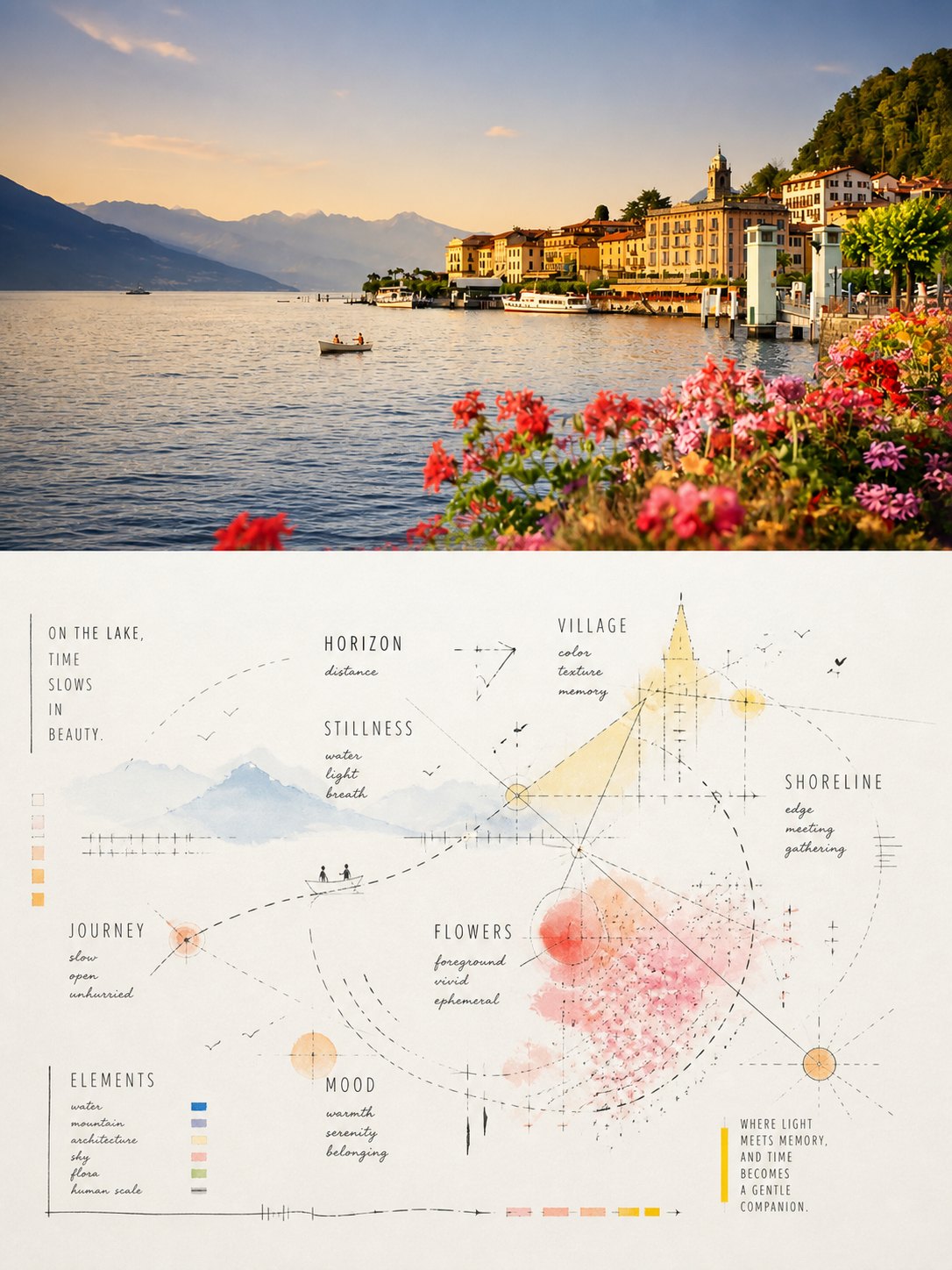
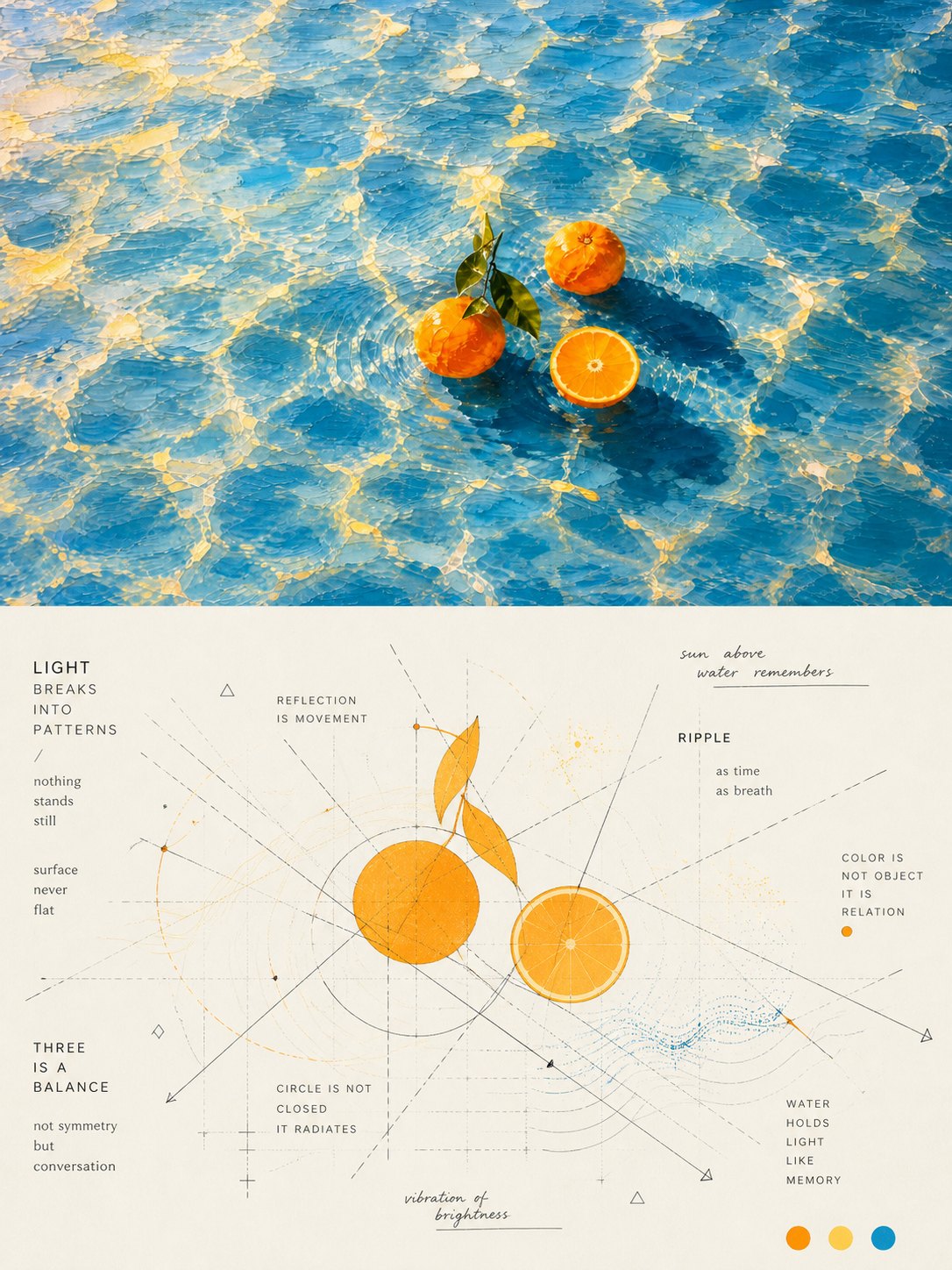
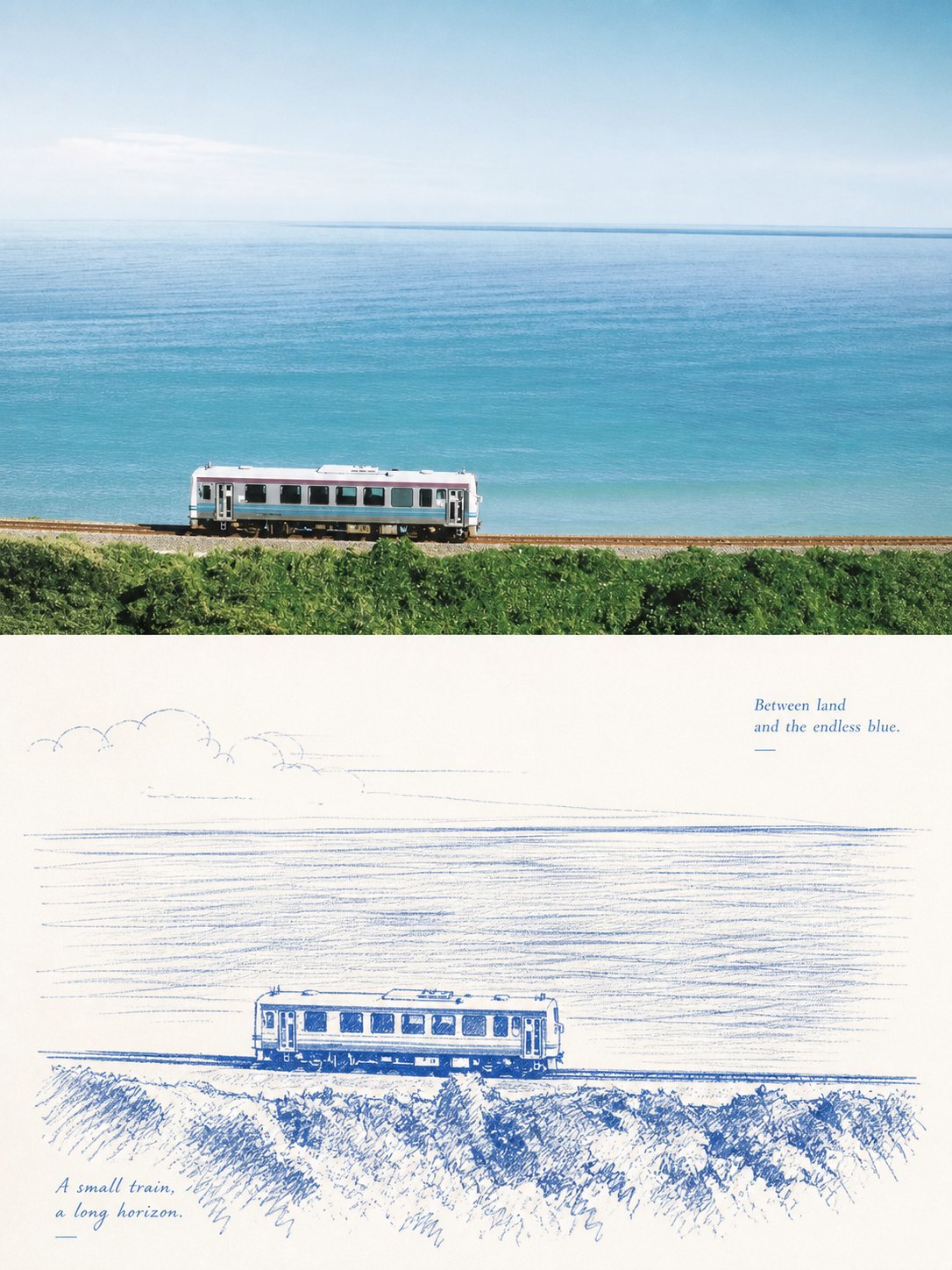
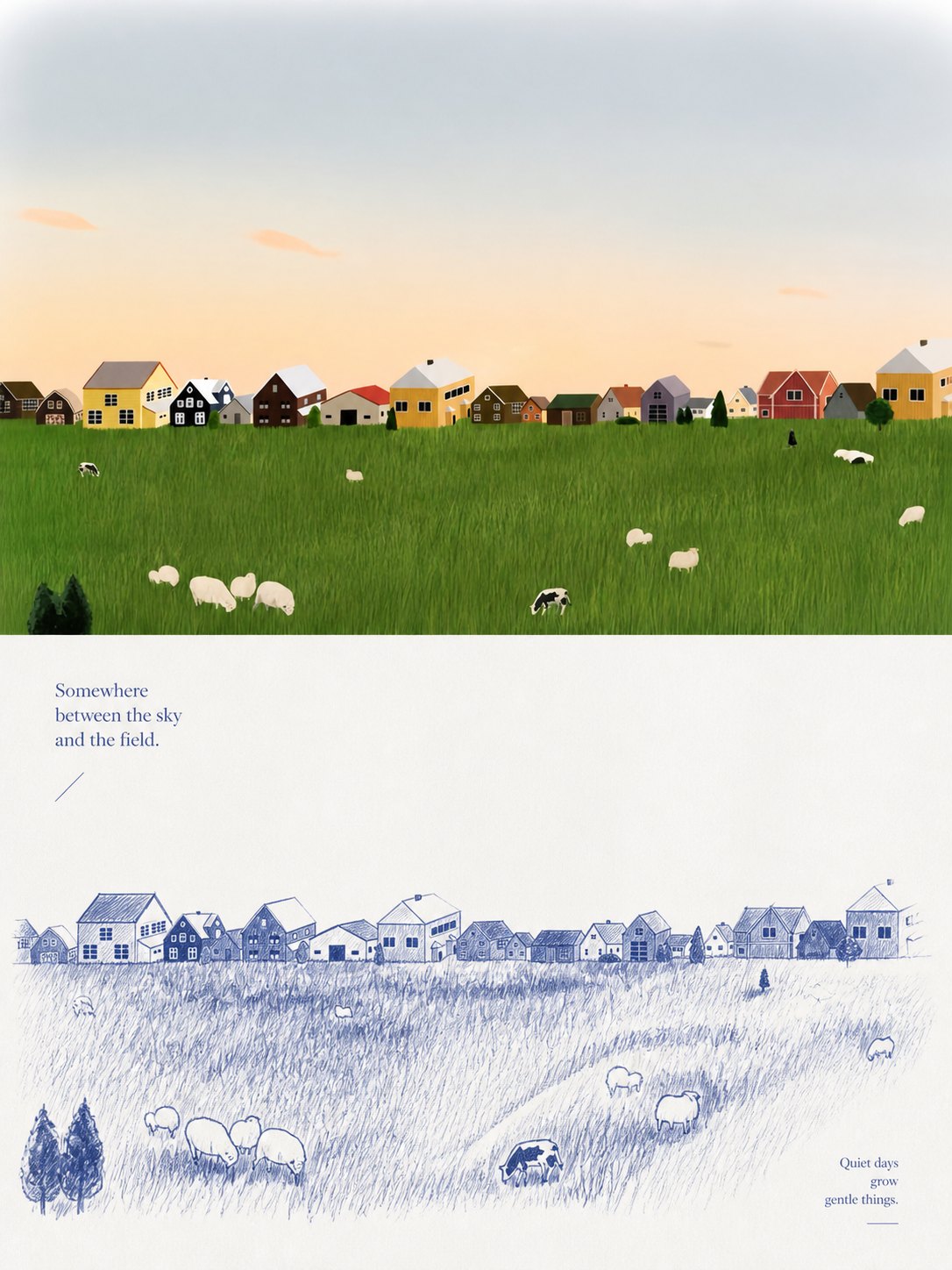
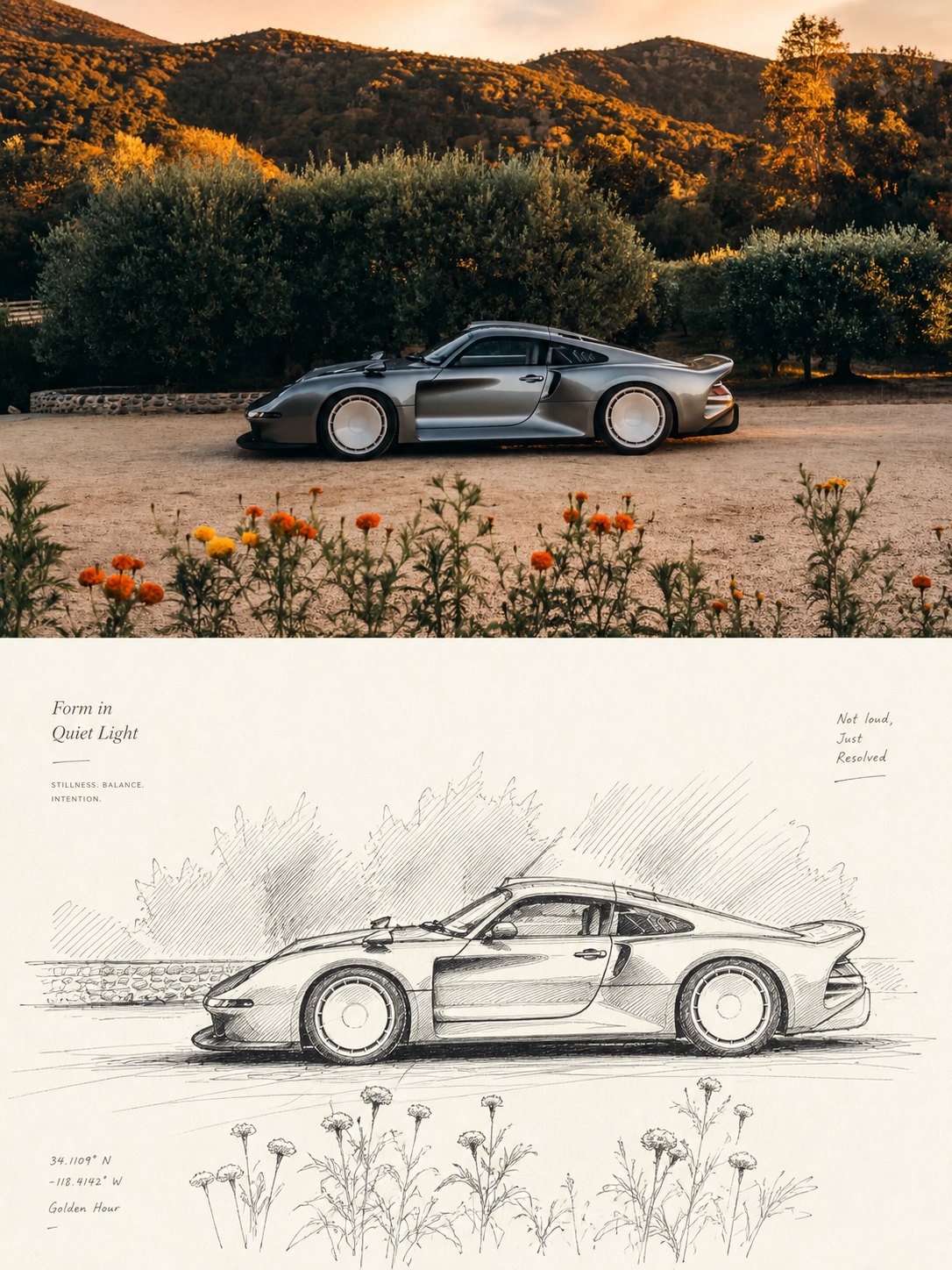
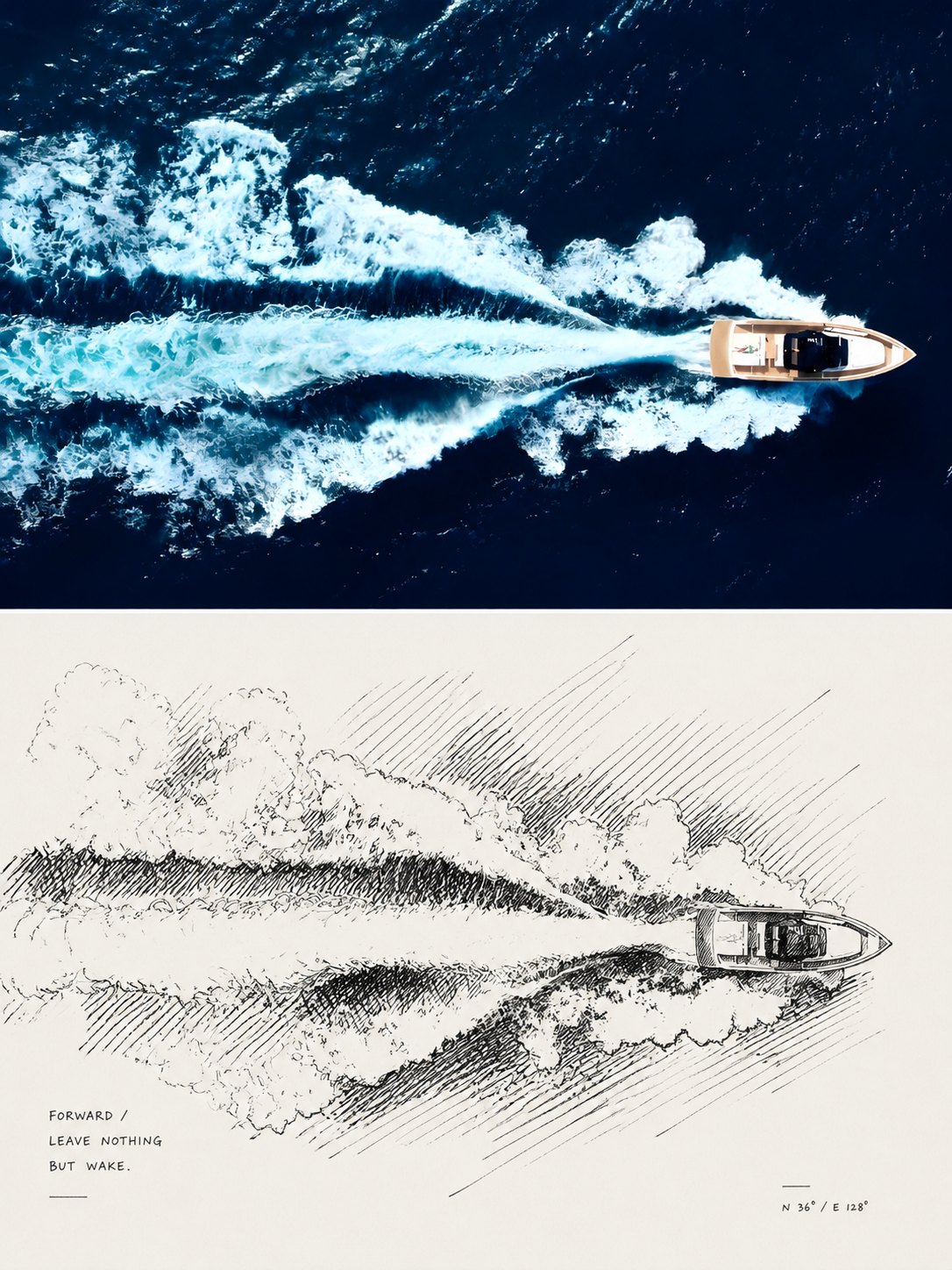
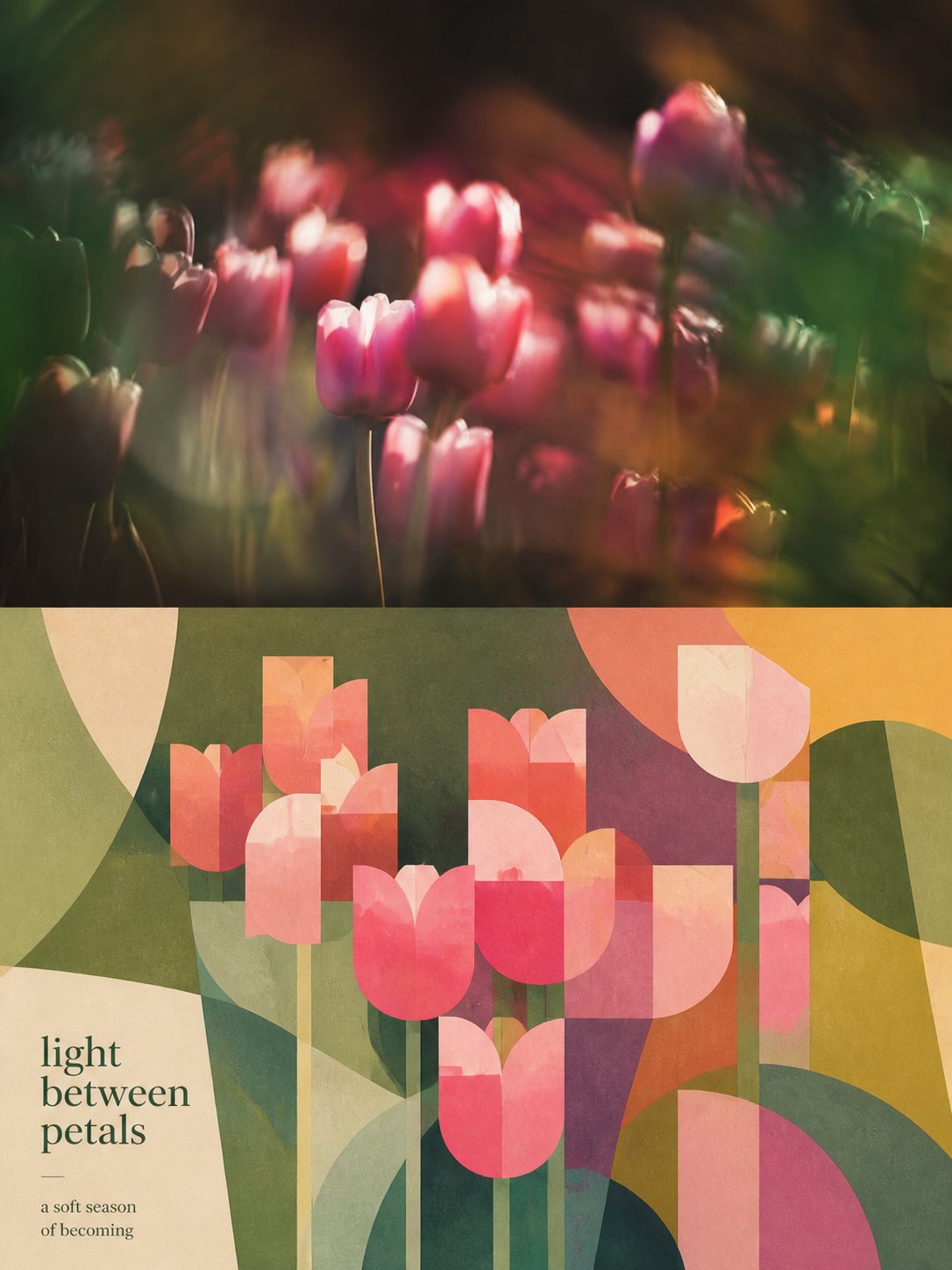
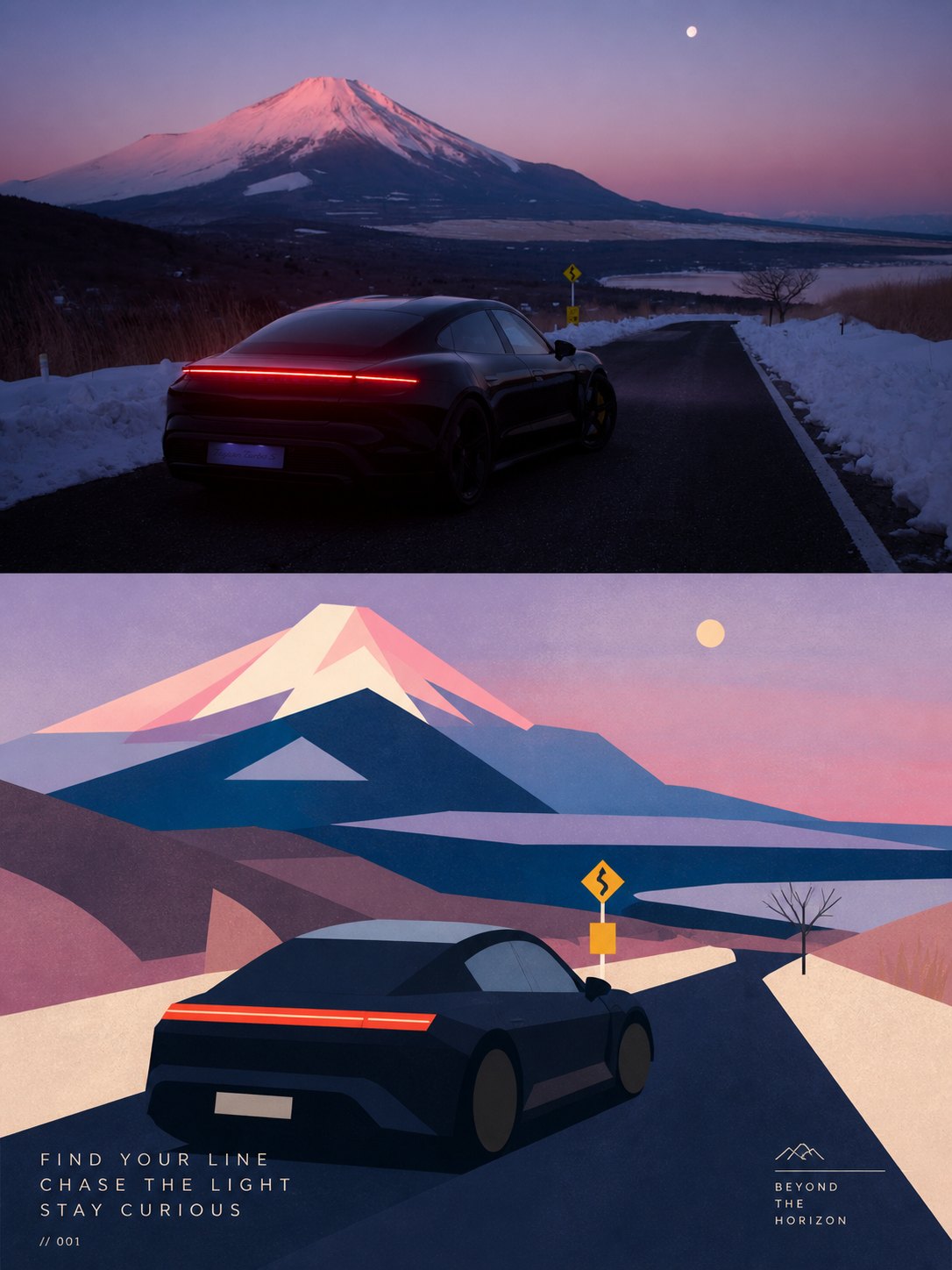
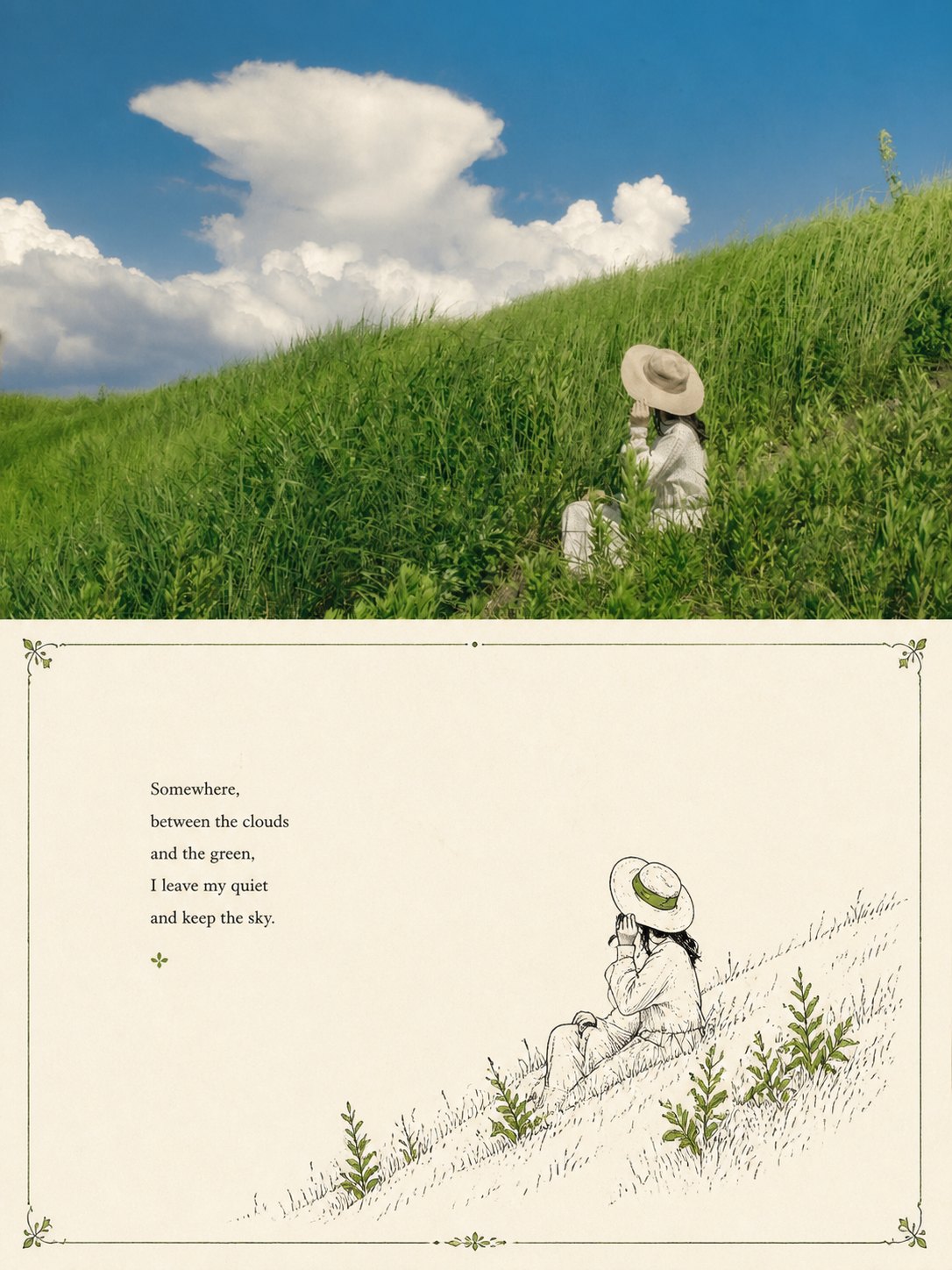
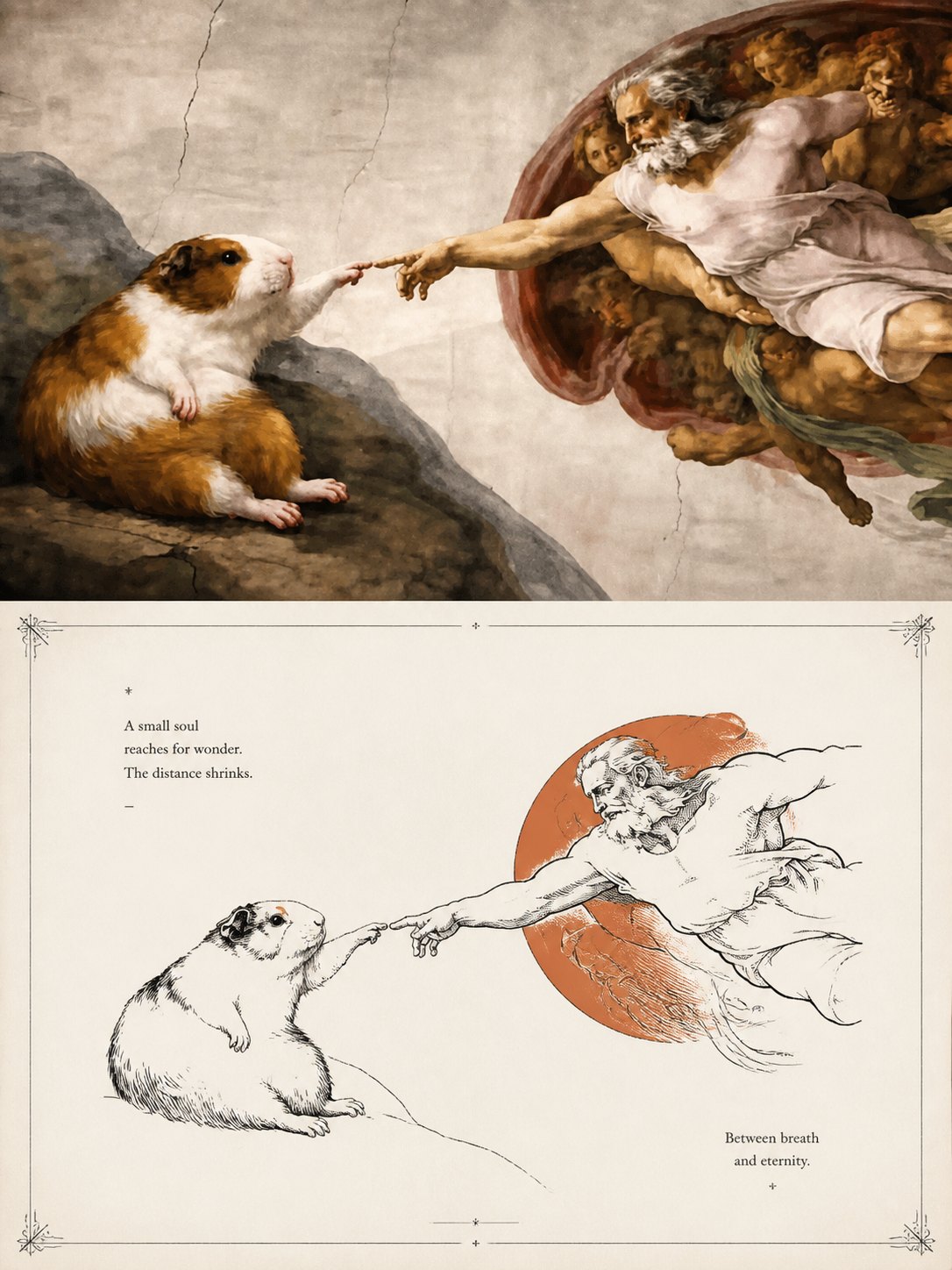
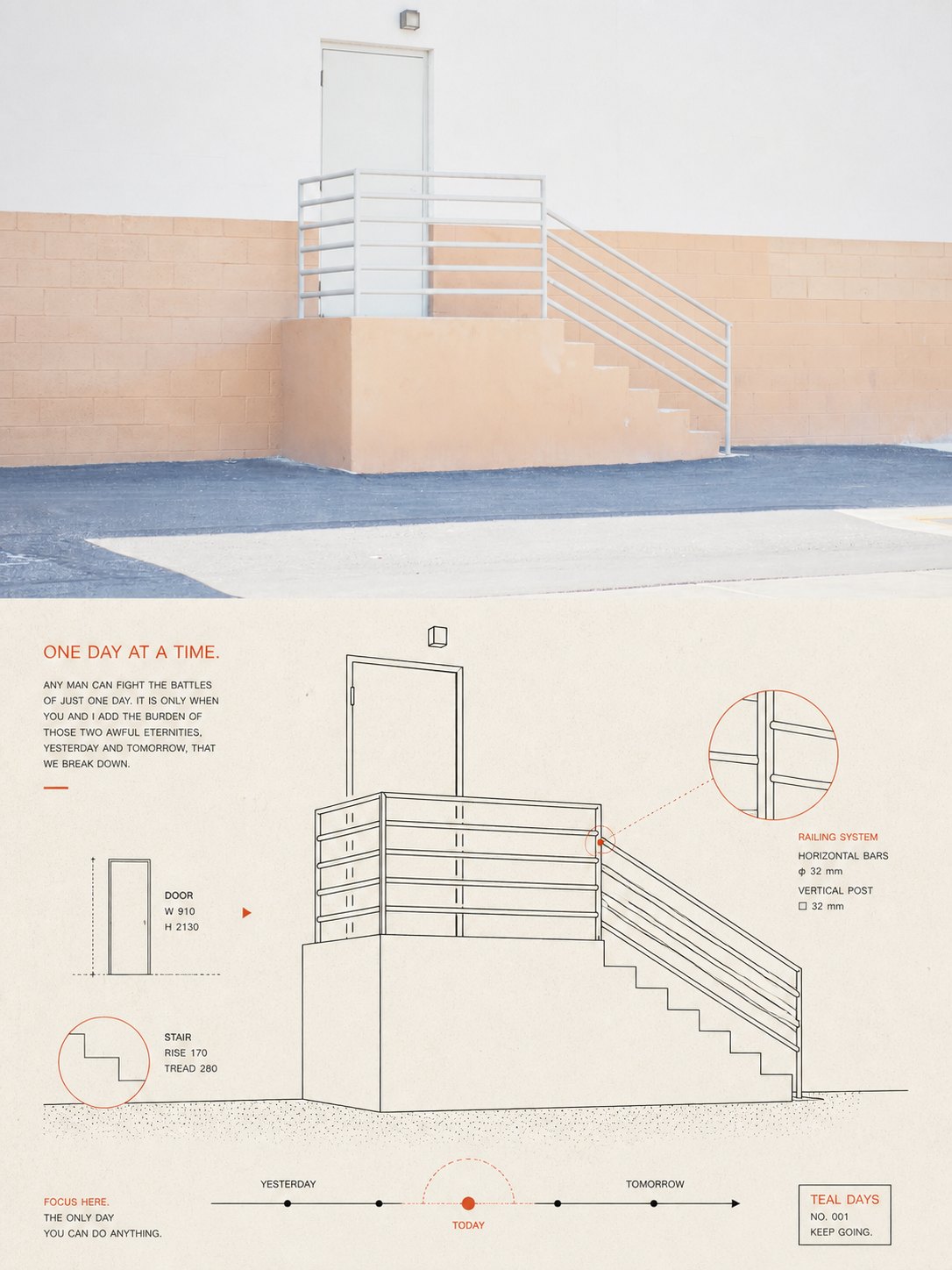
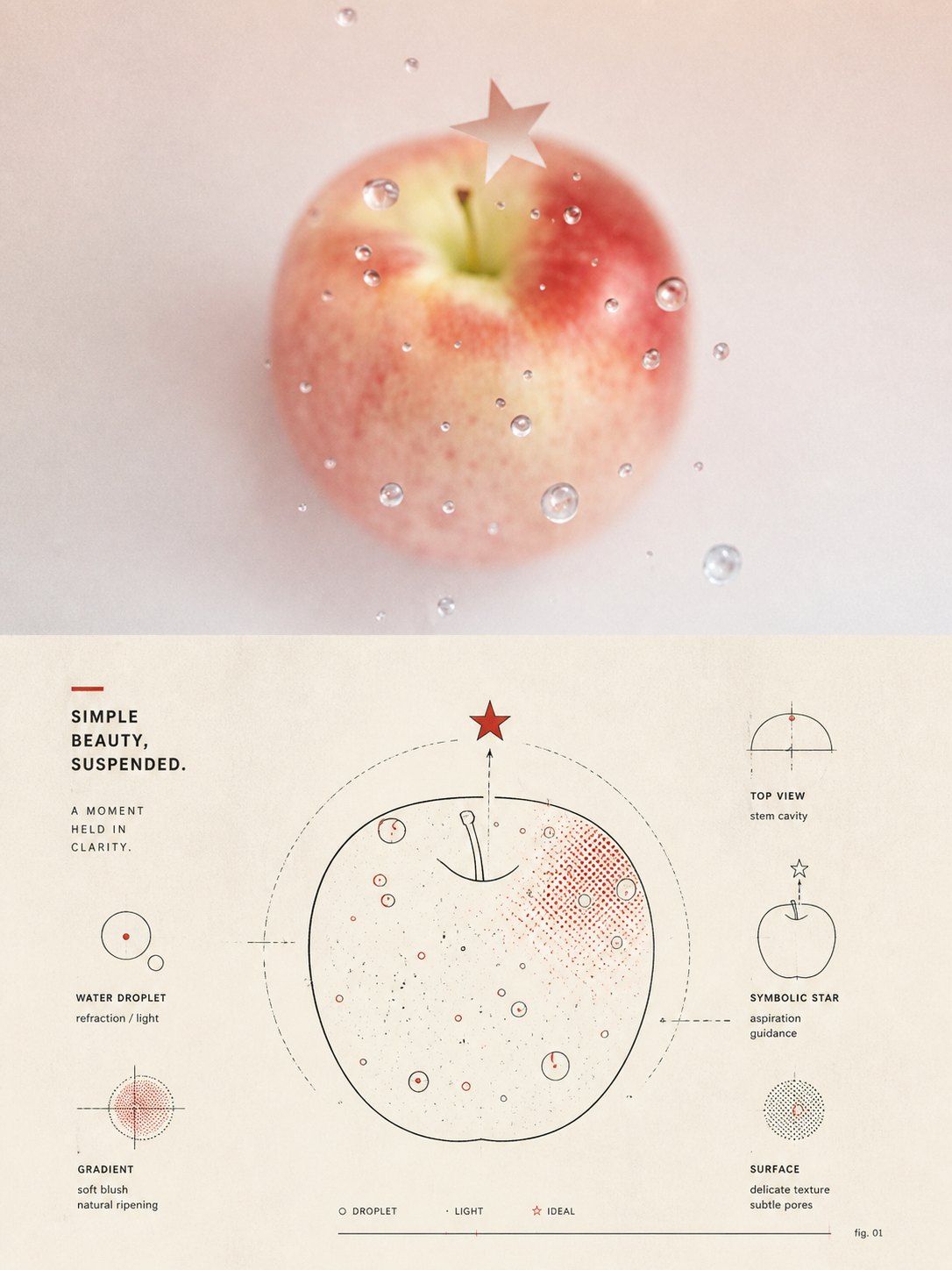
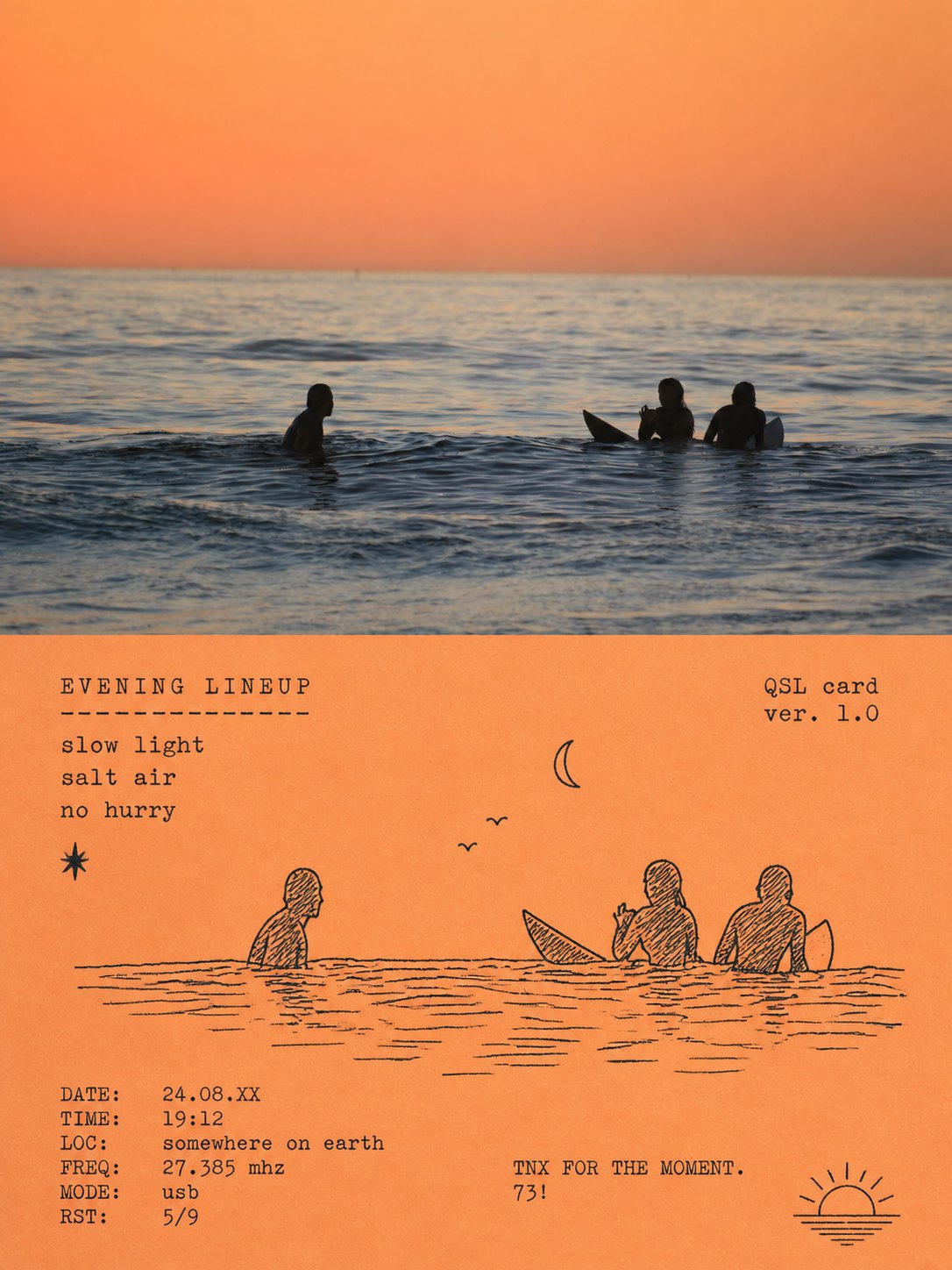
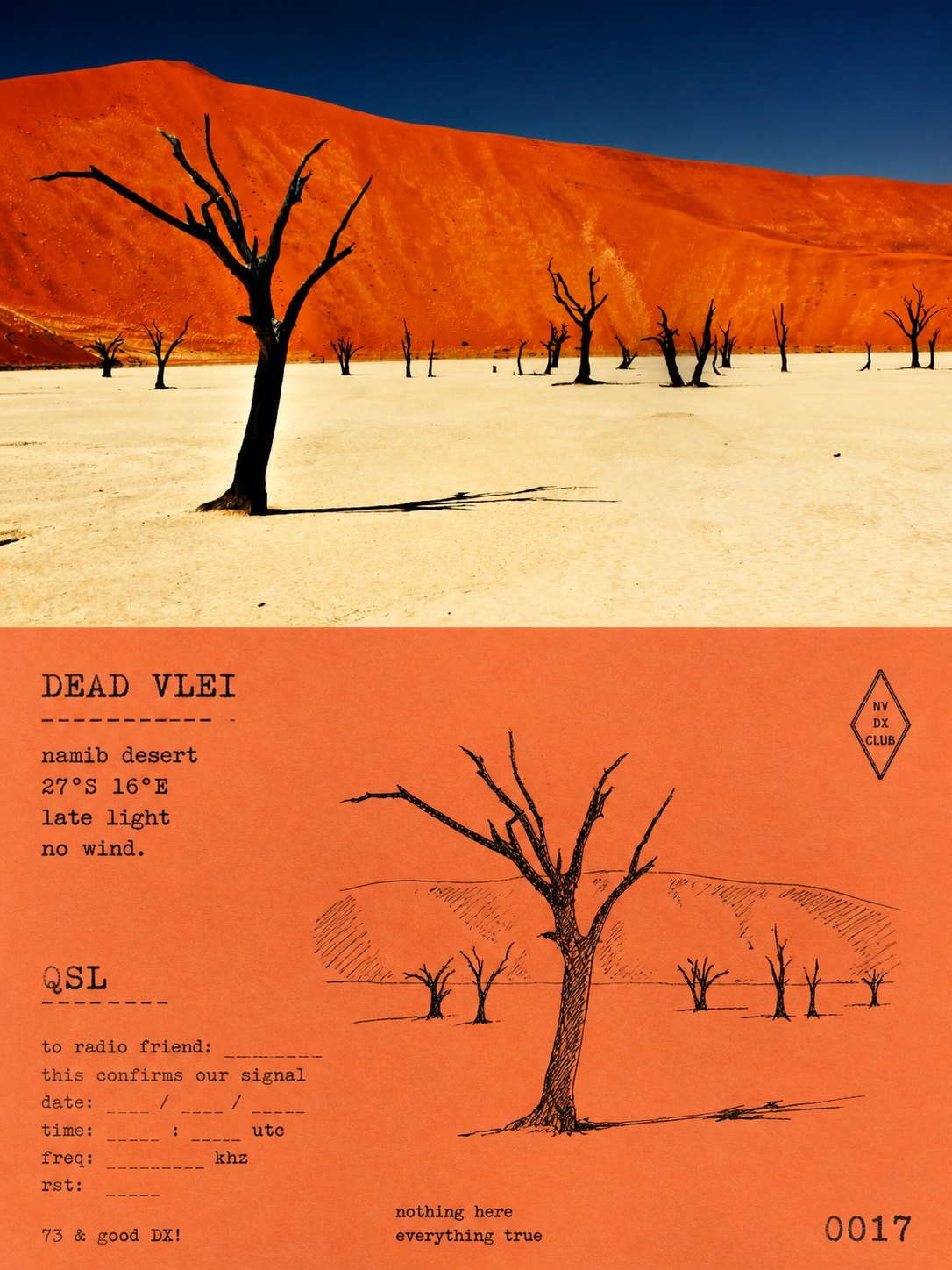
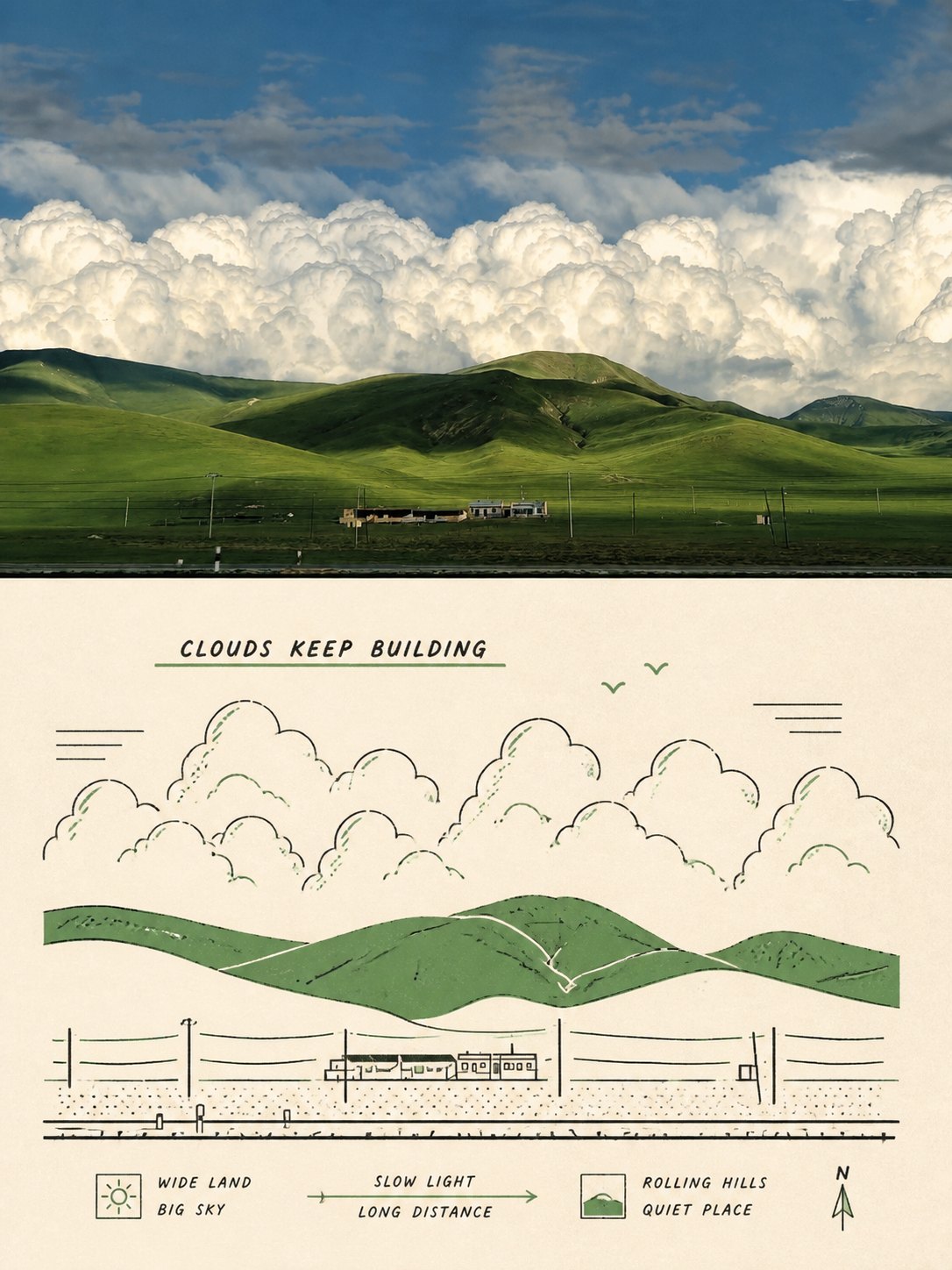
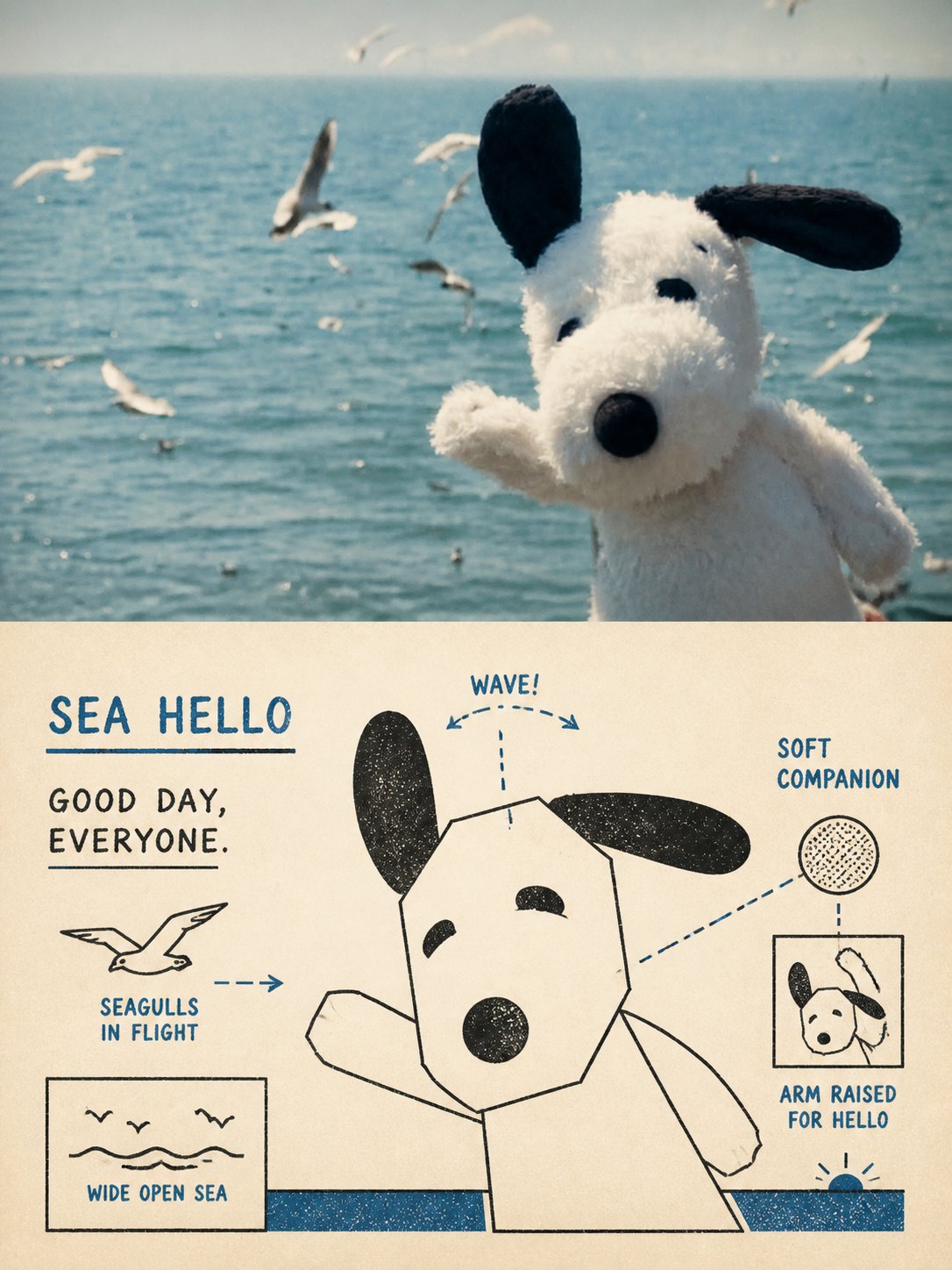
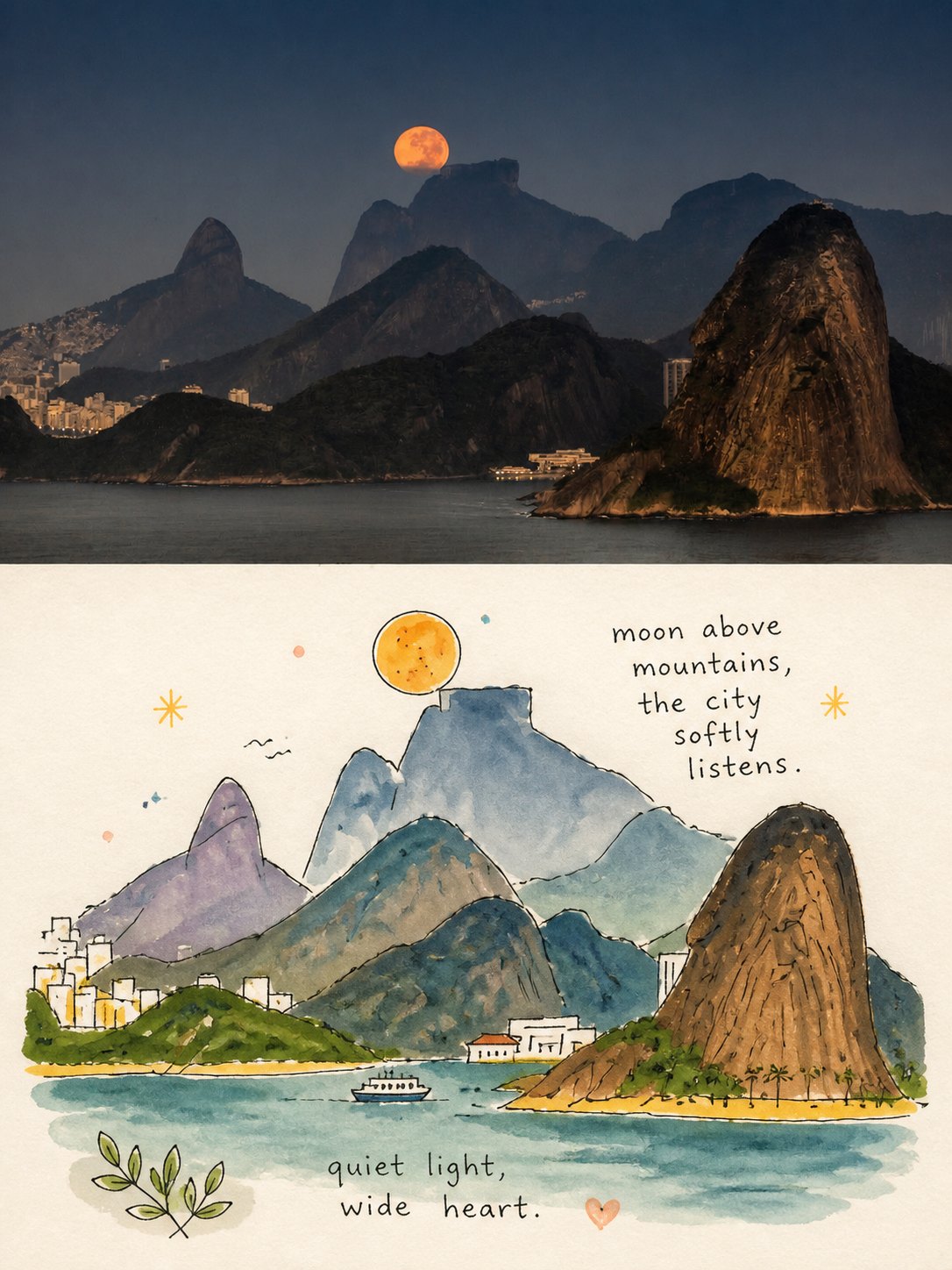
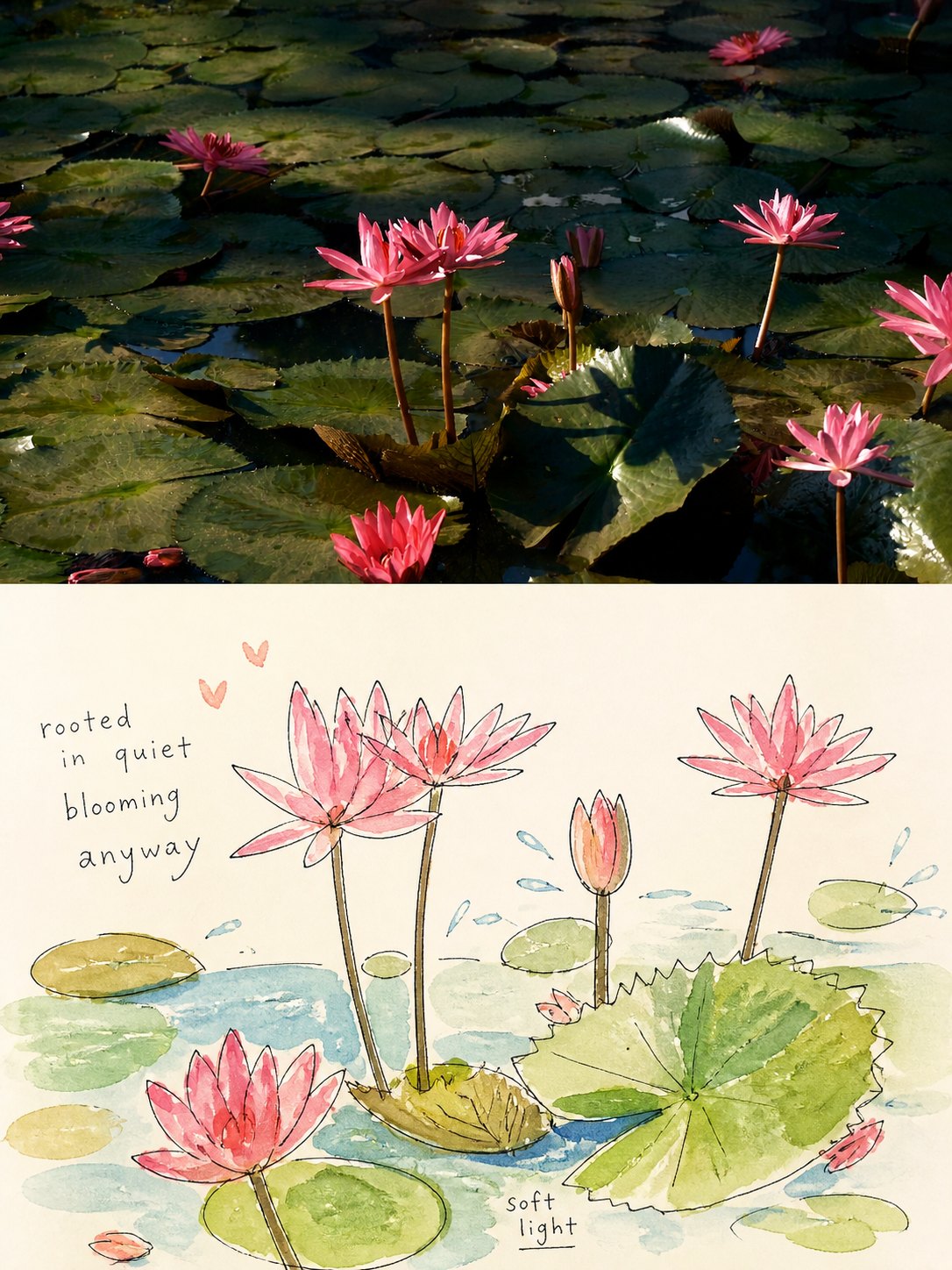
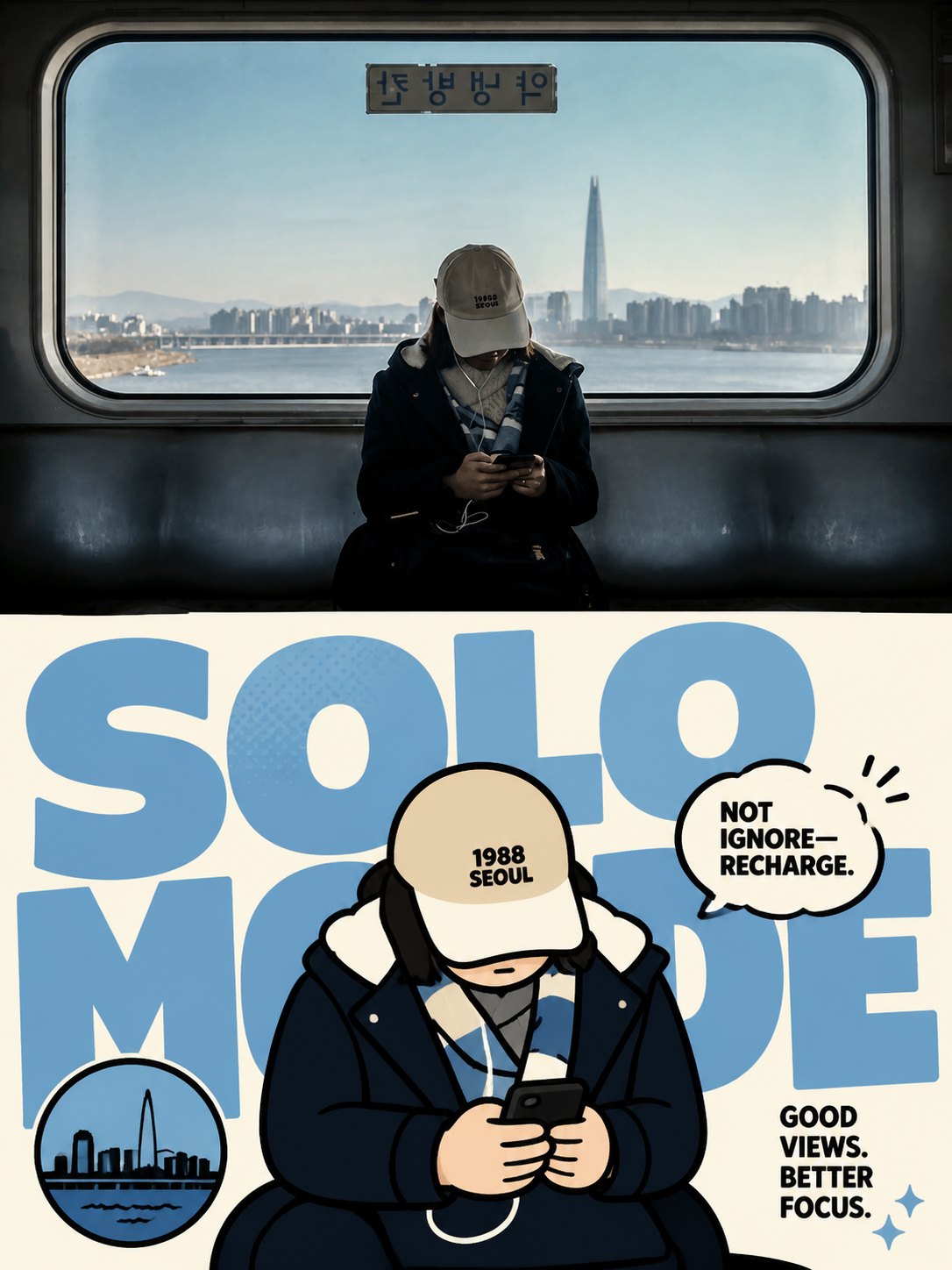
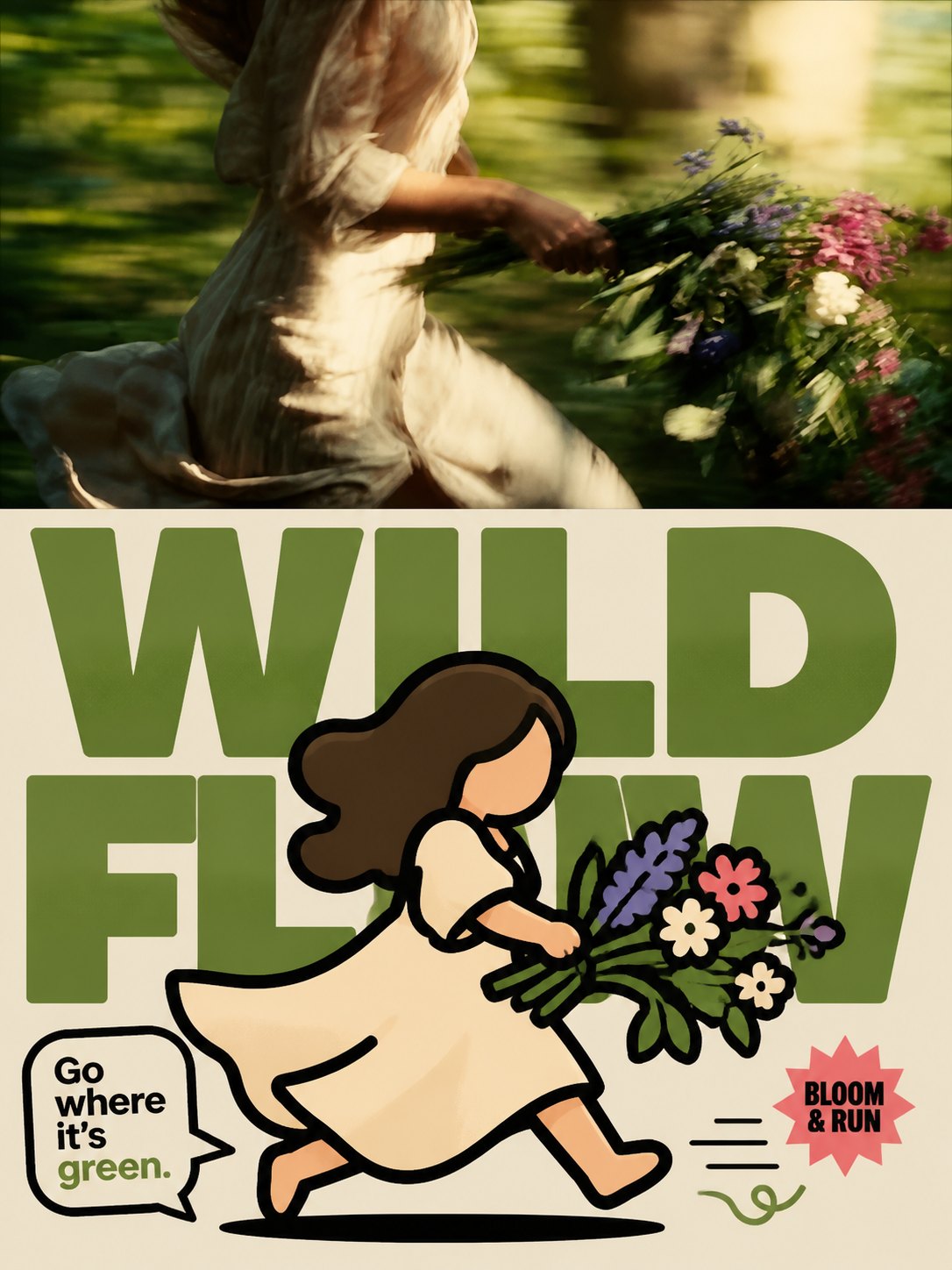
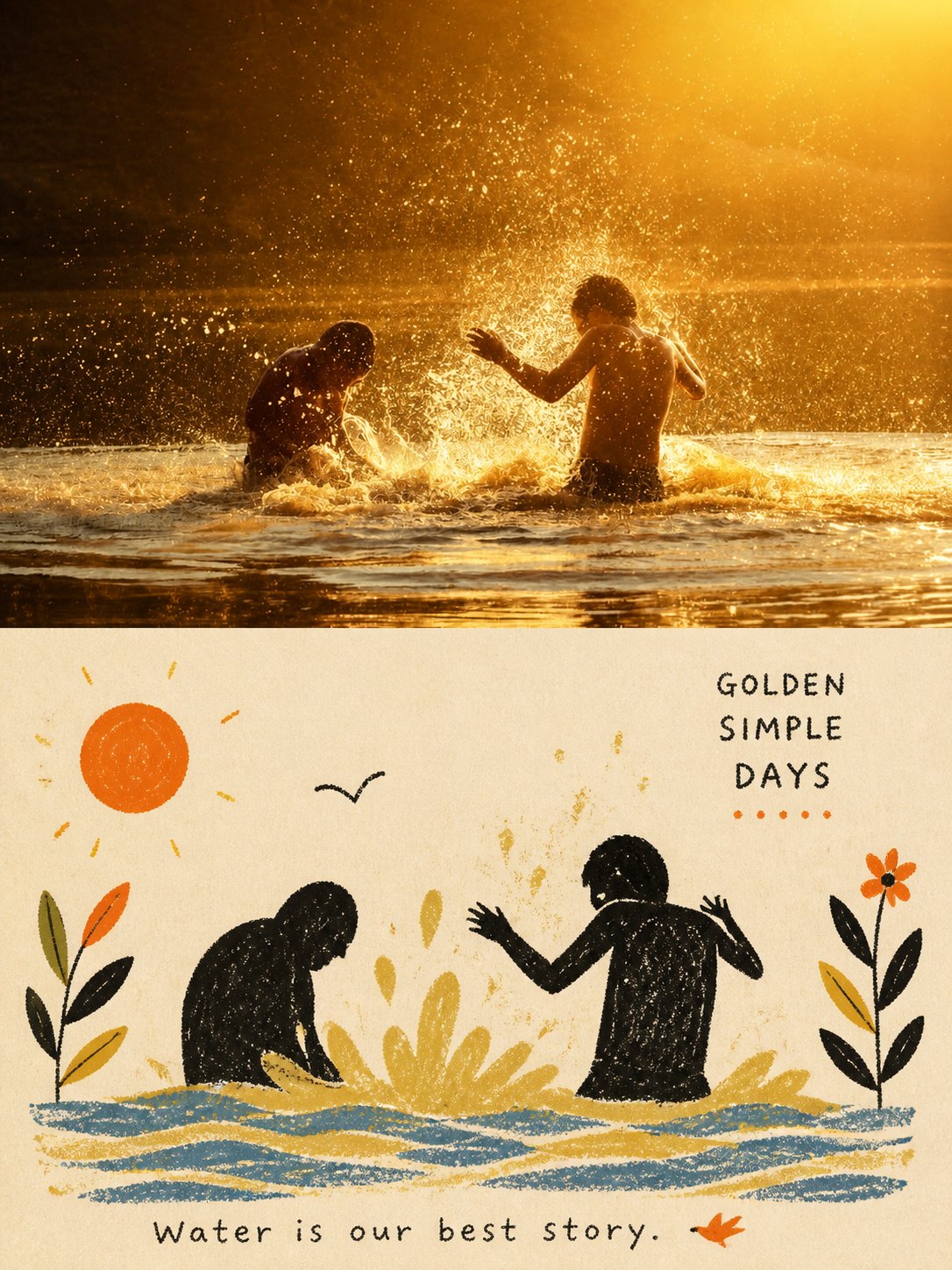
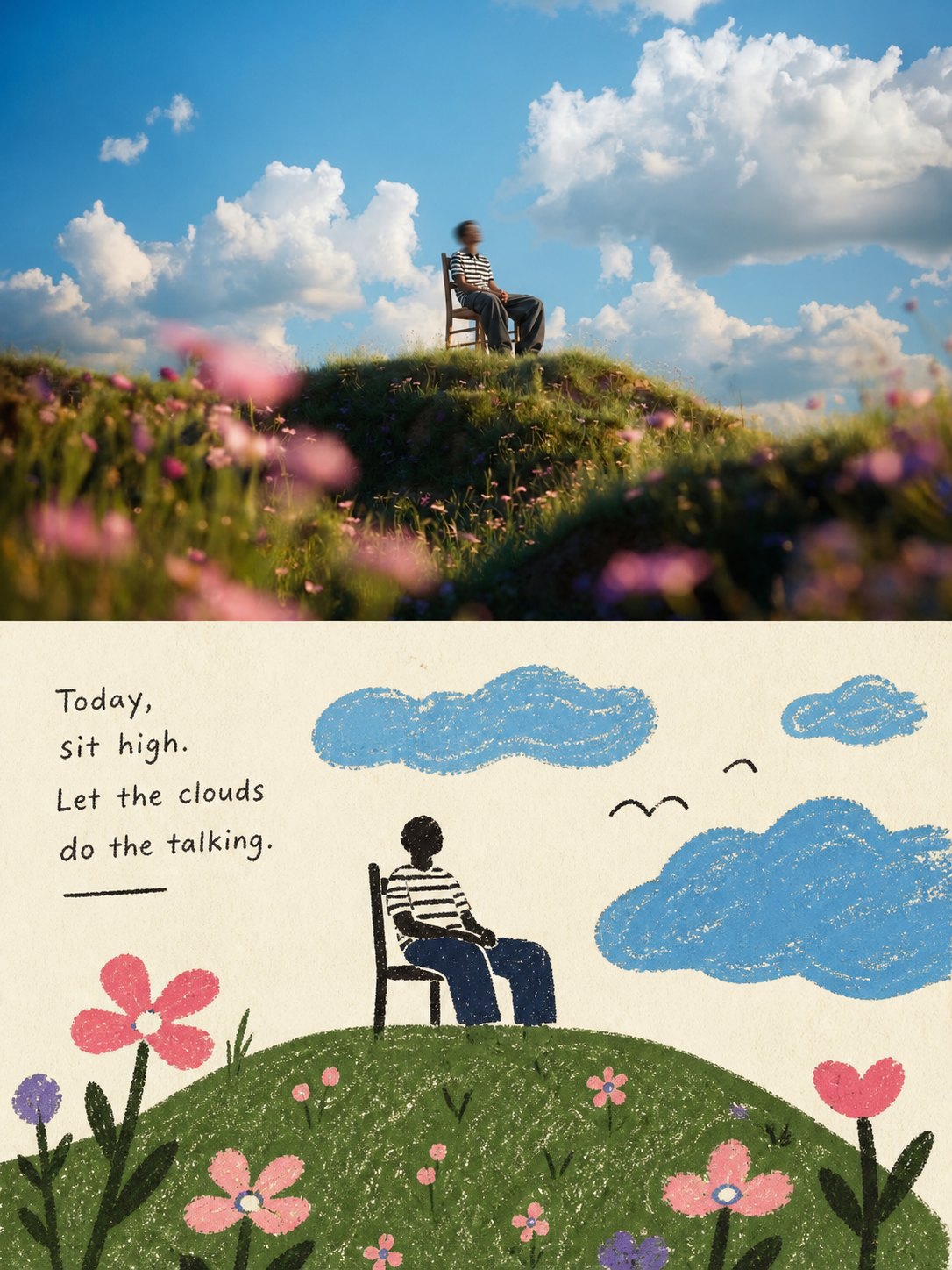
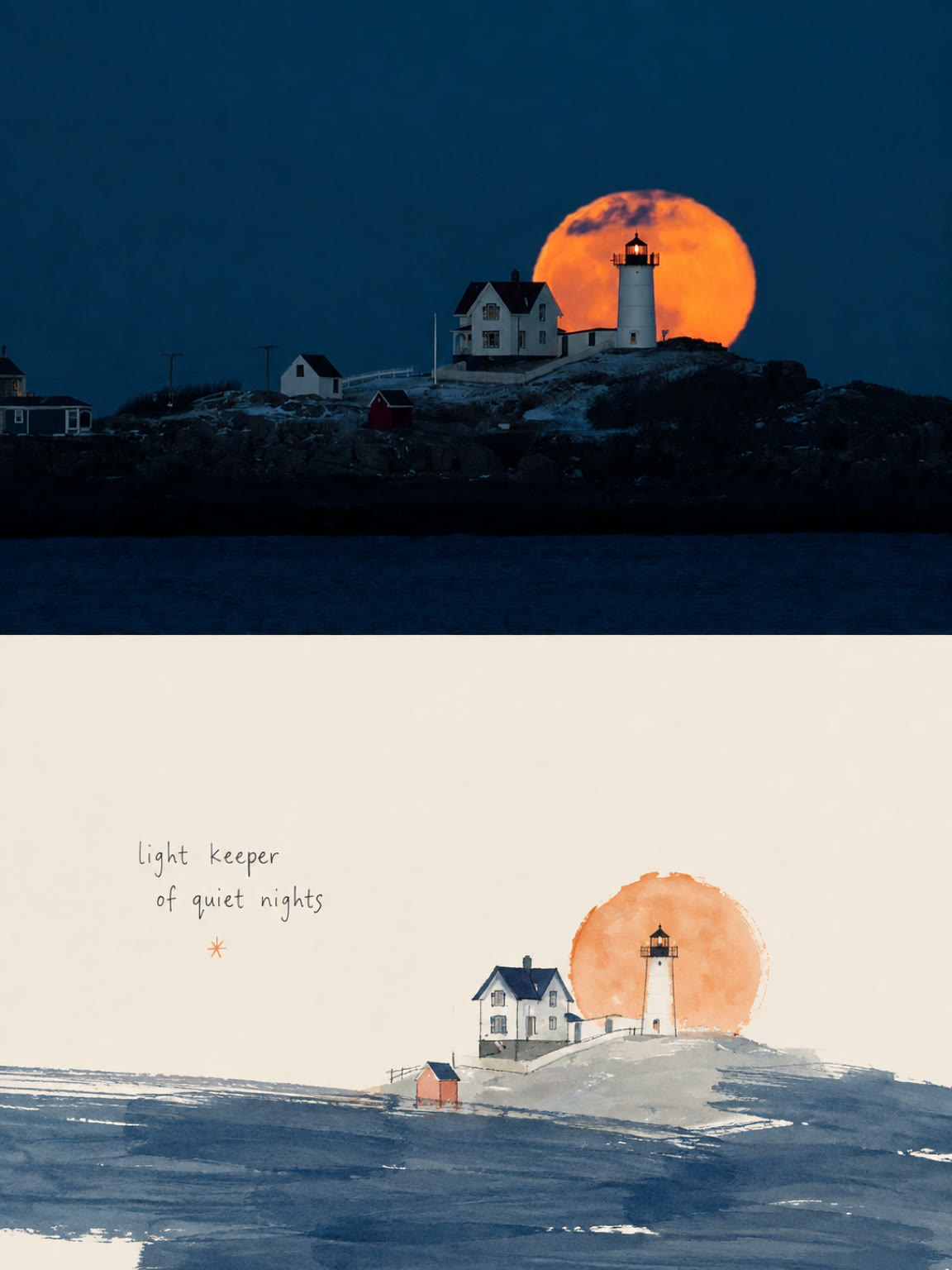
Picture-book colour field
GPT Image 2illustrationpaint
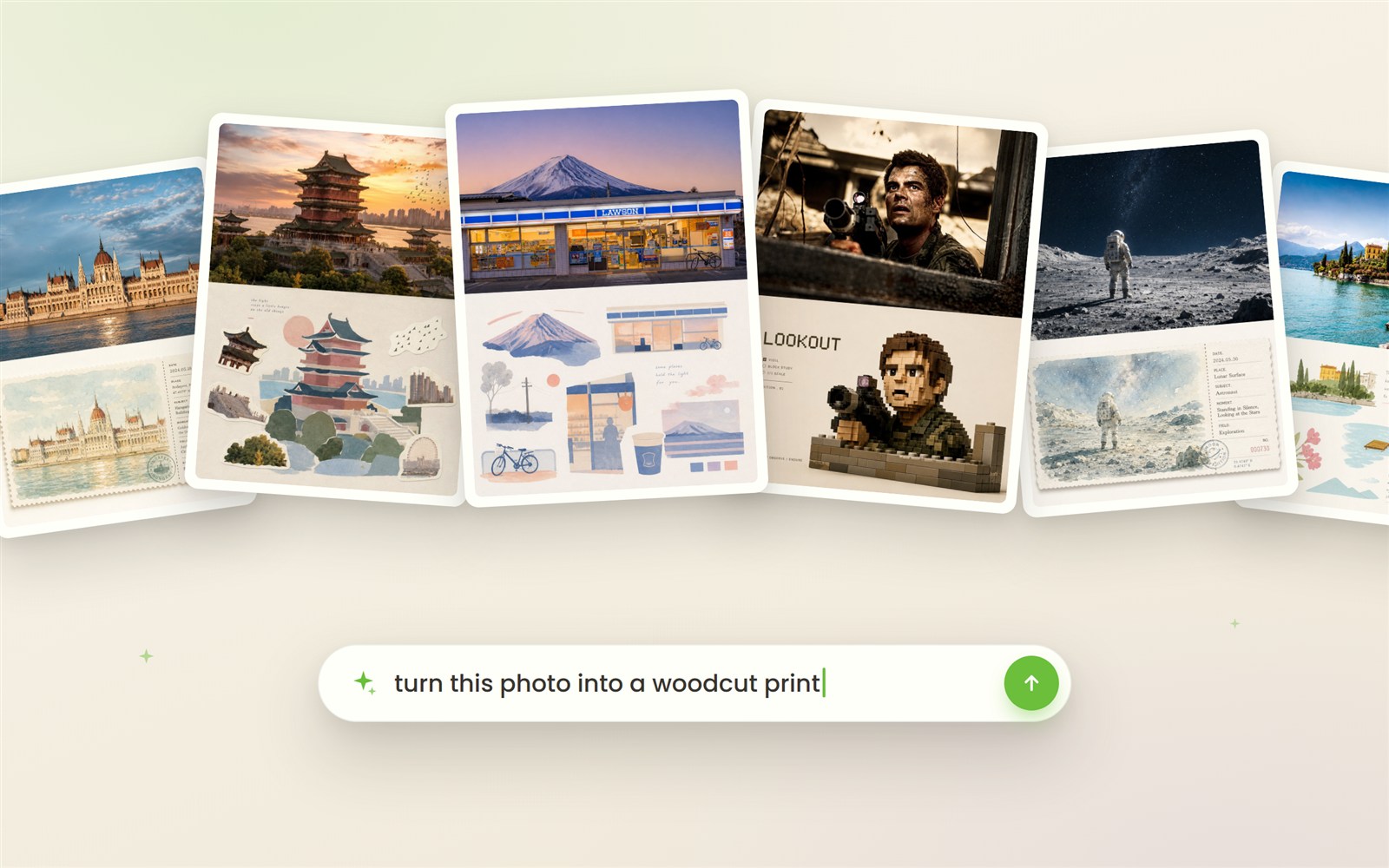
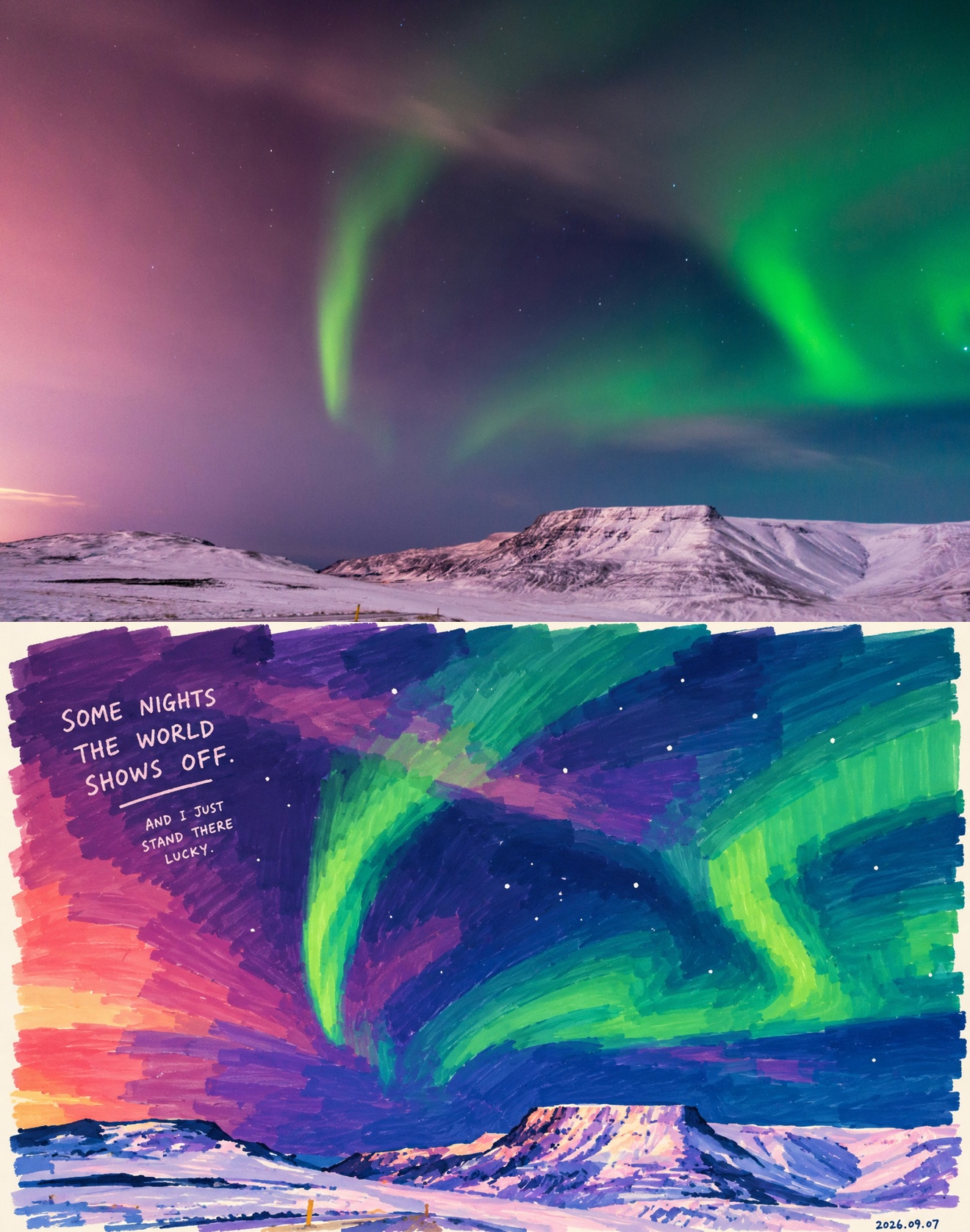
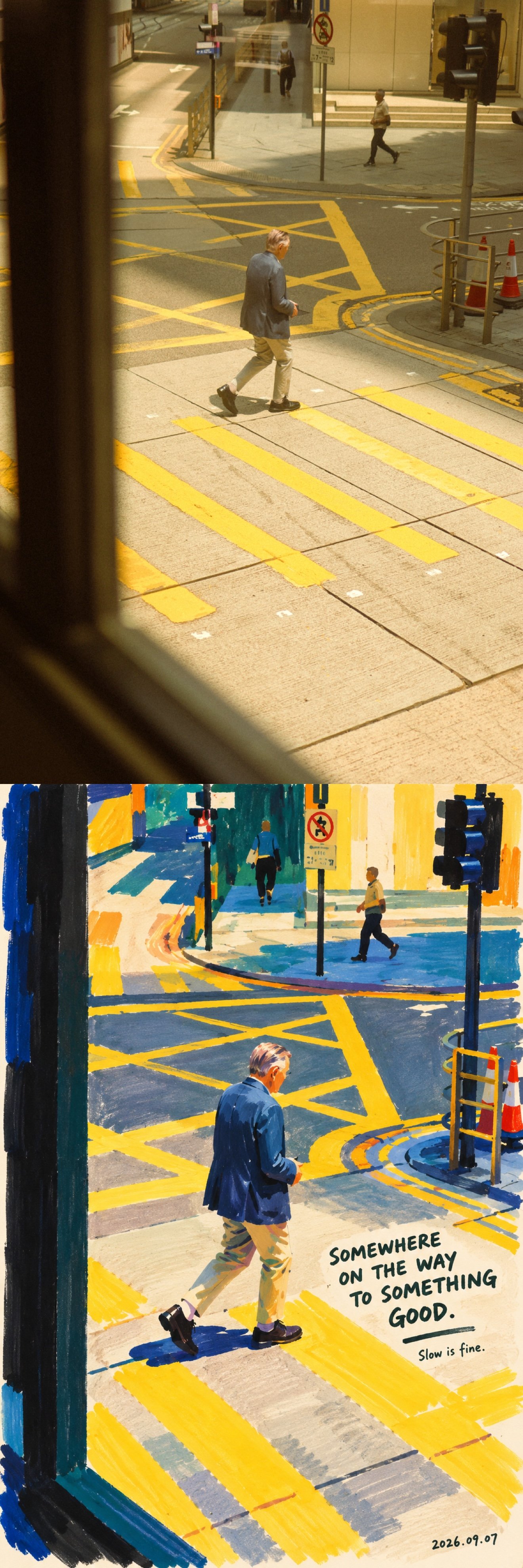
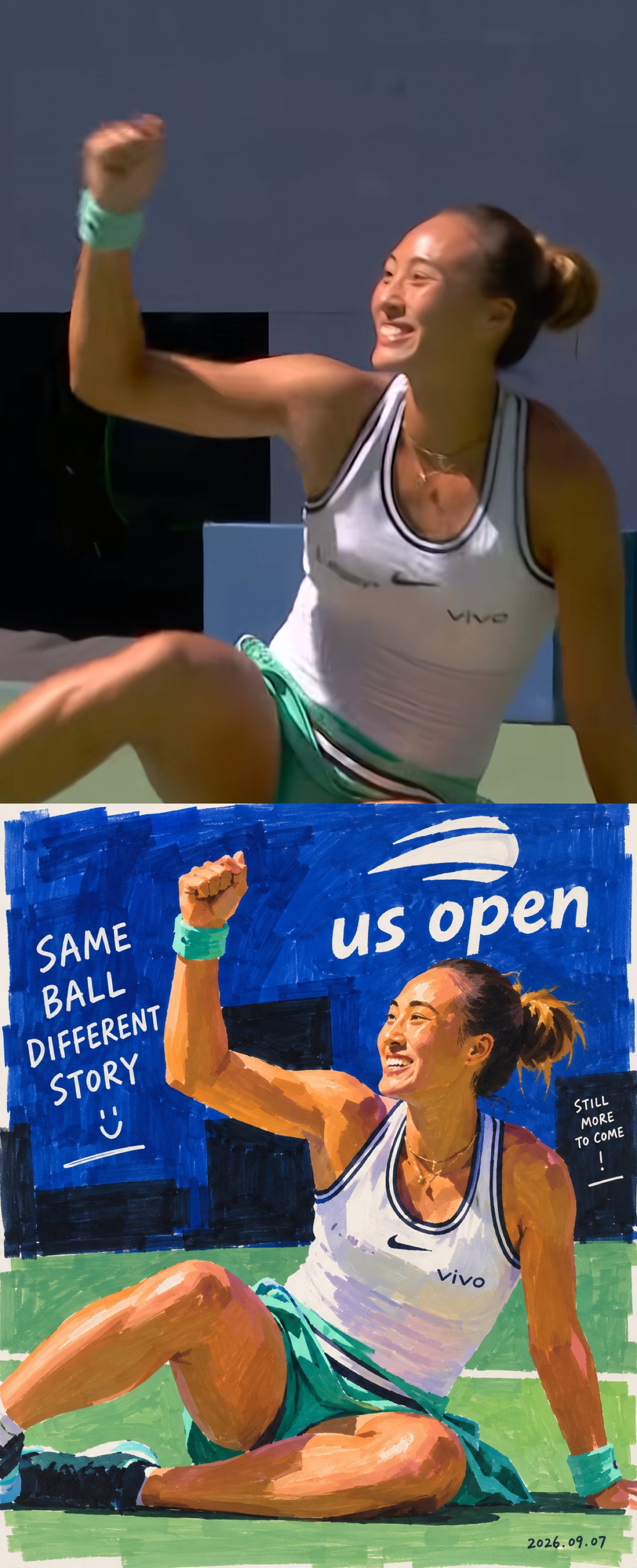
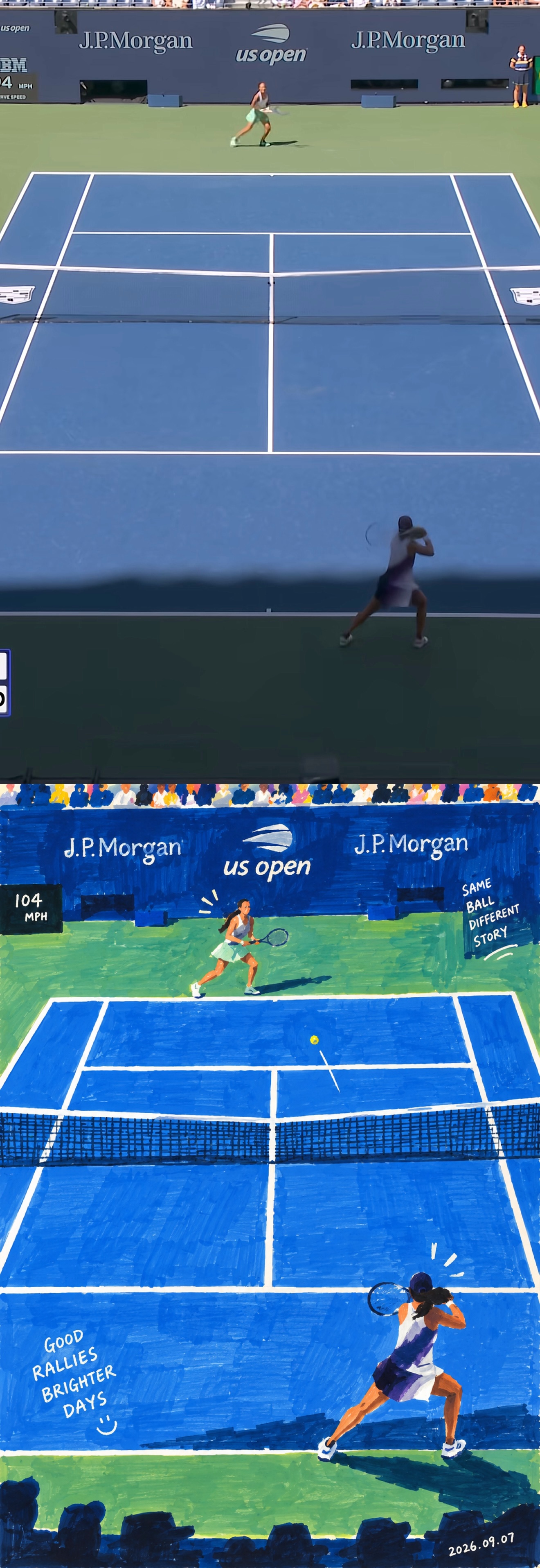
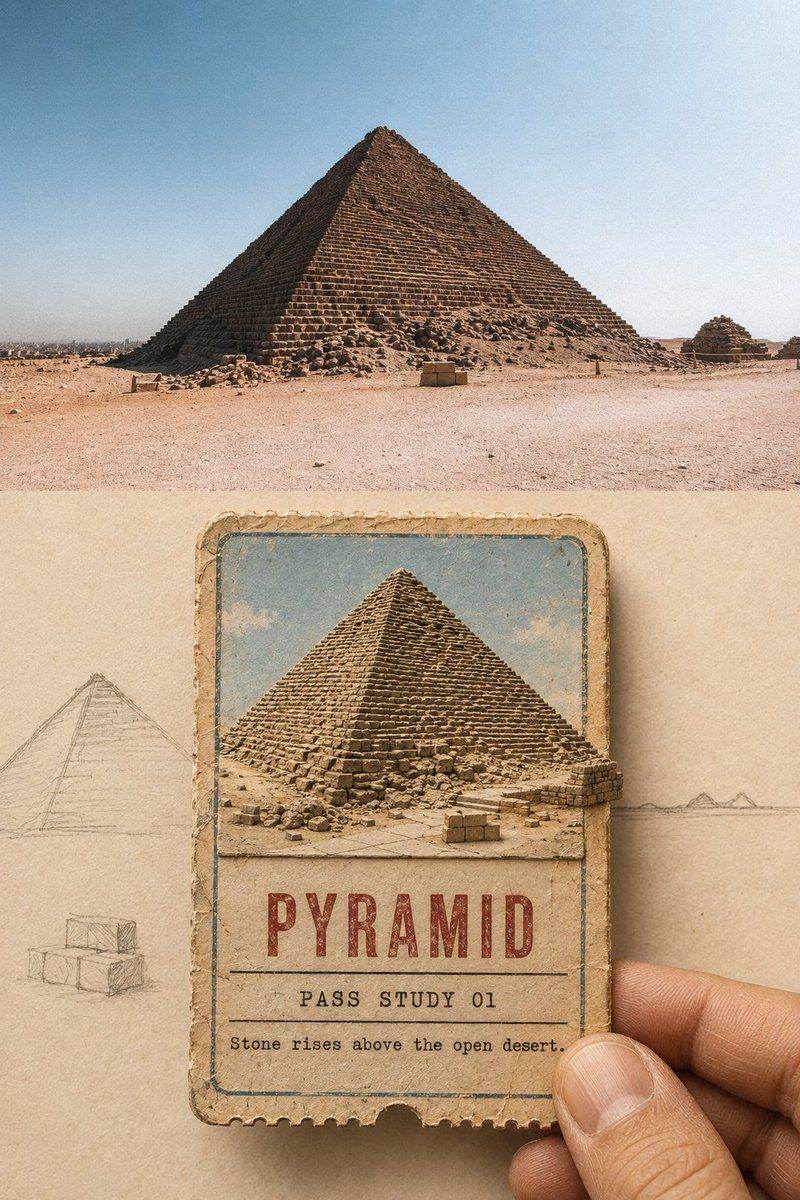
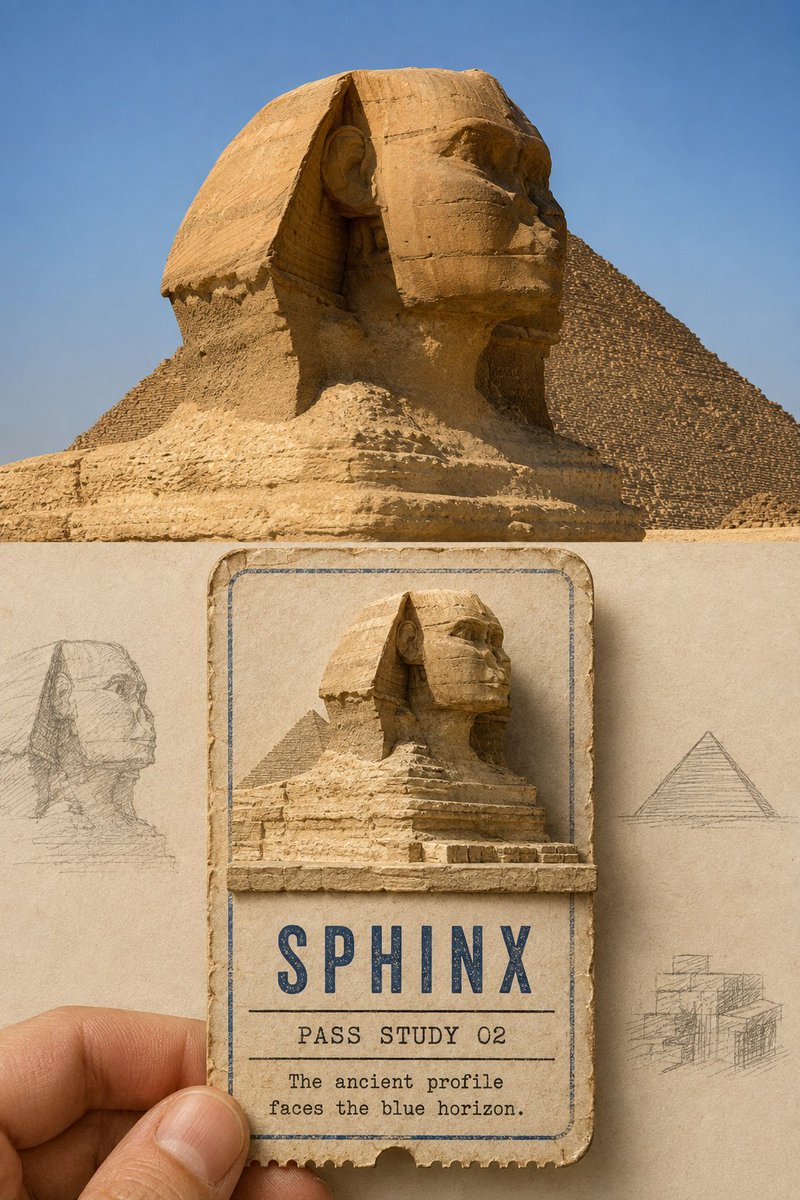
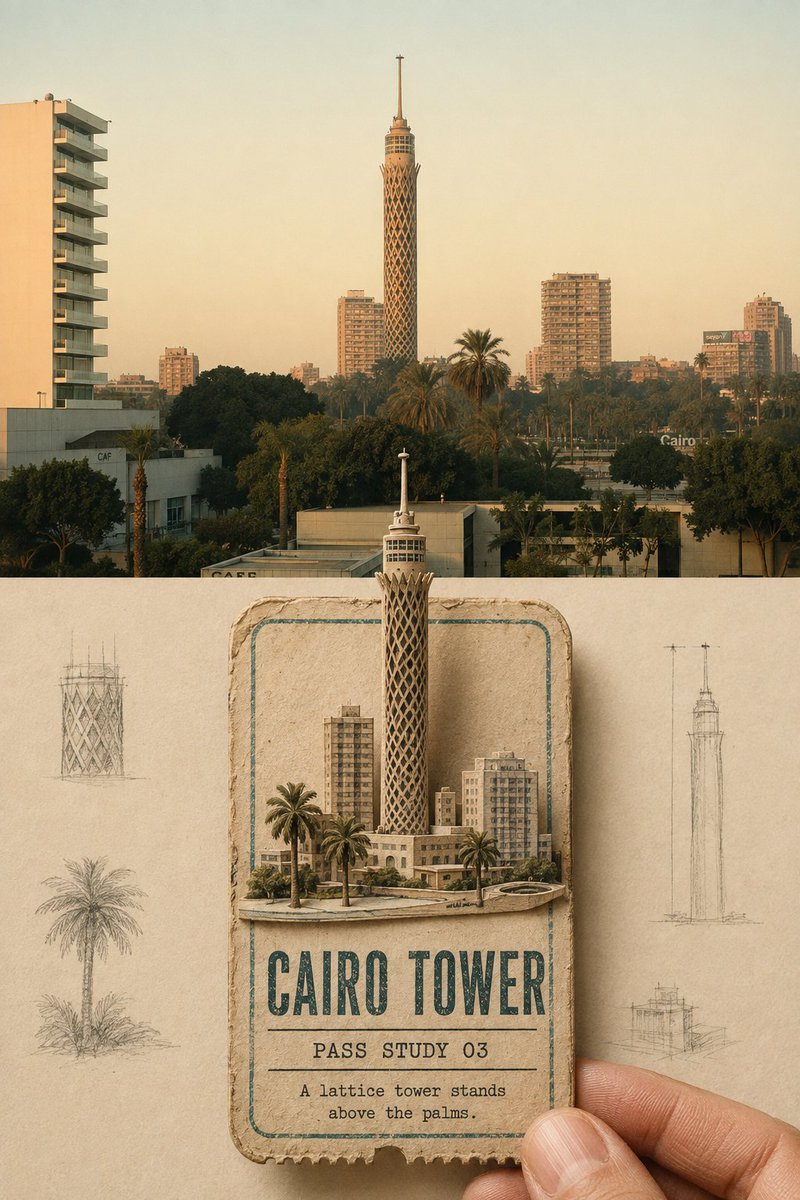
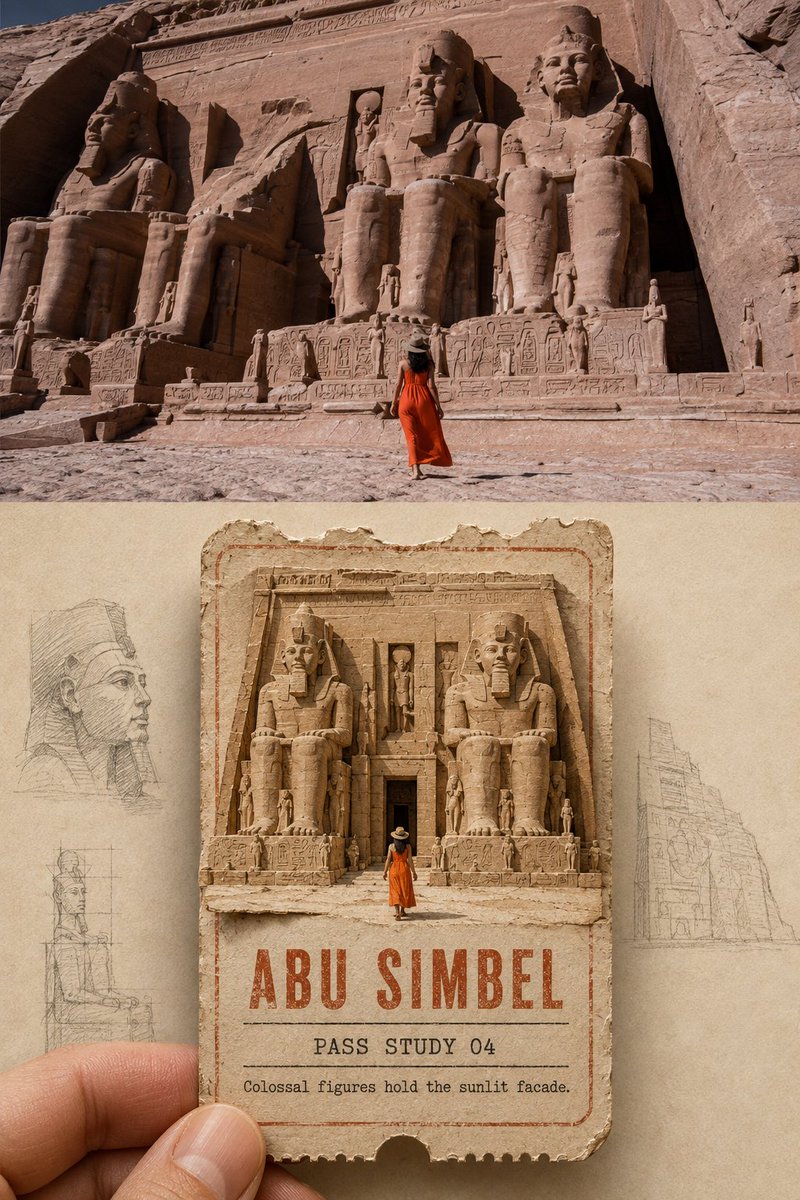
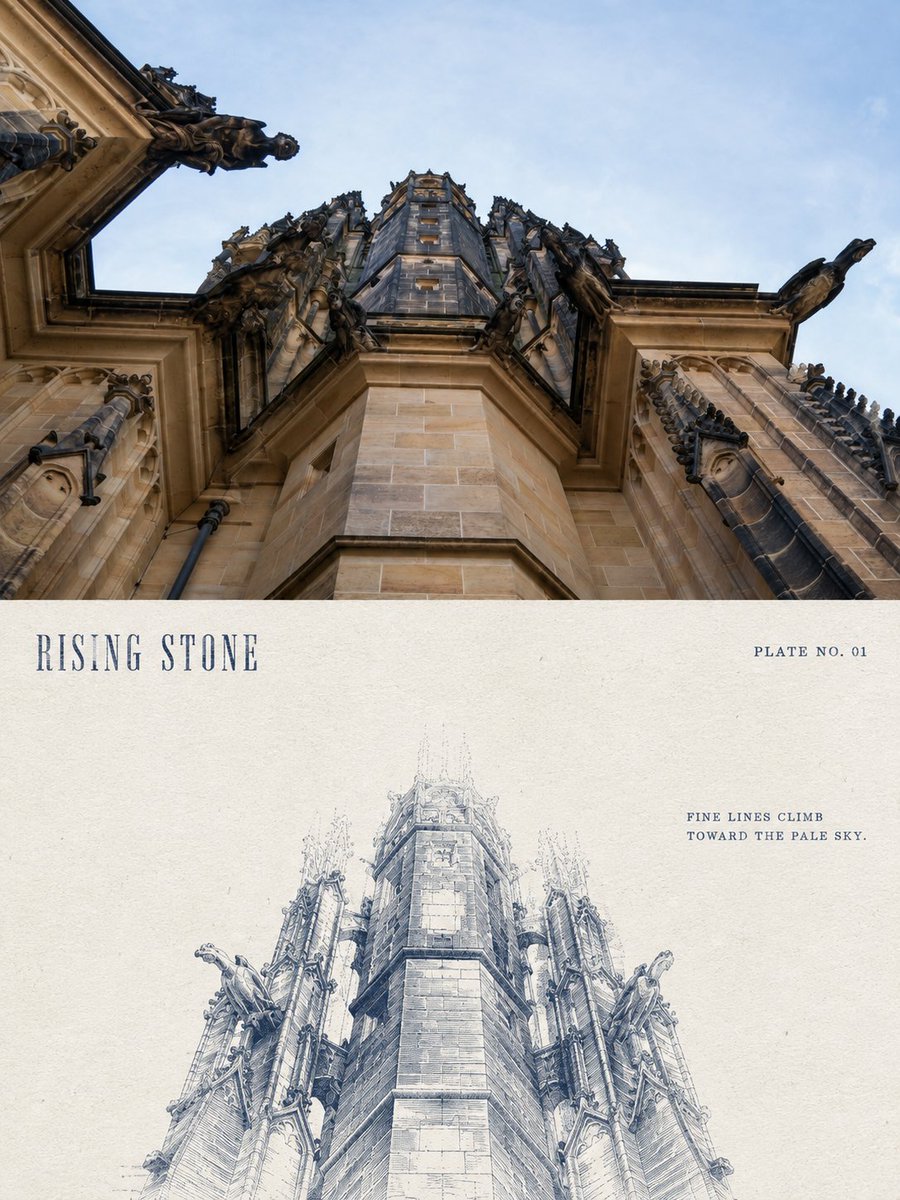
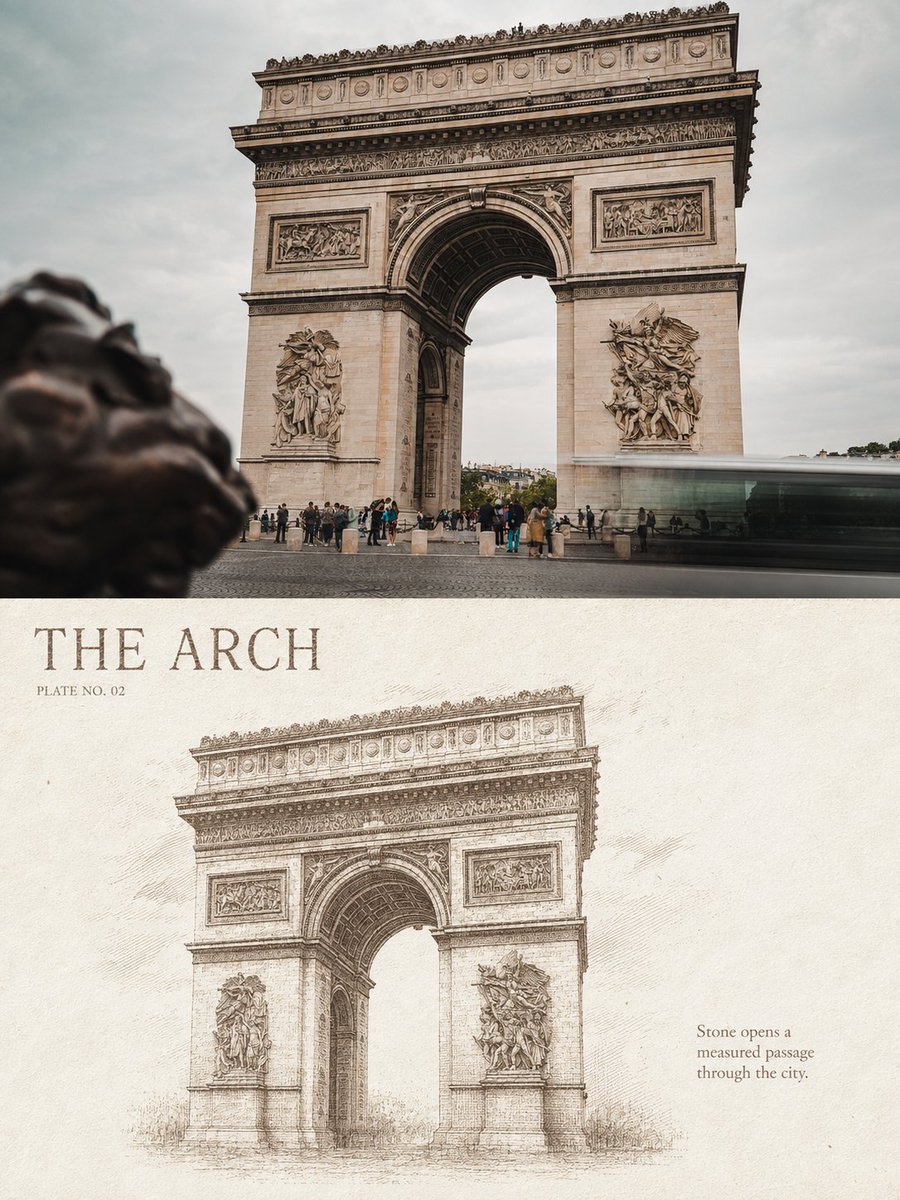
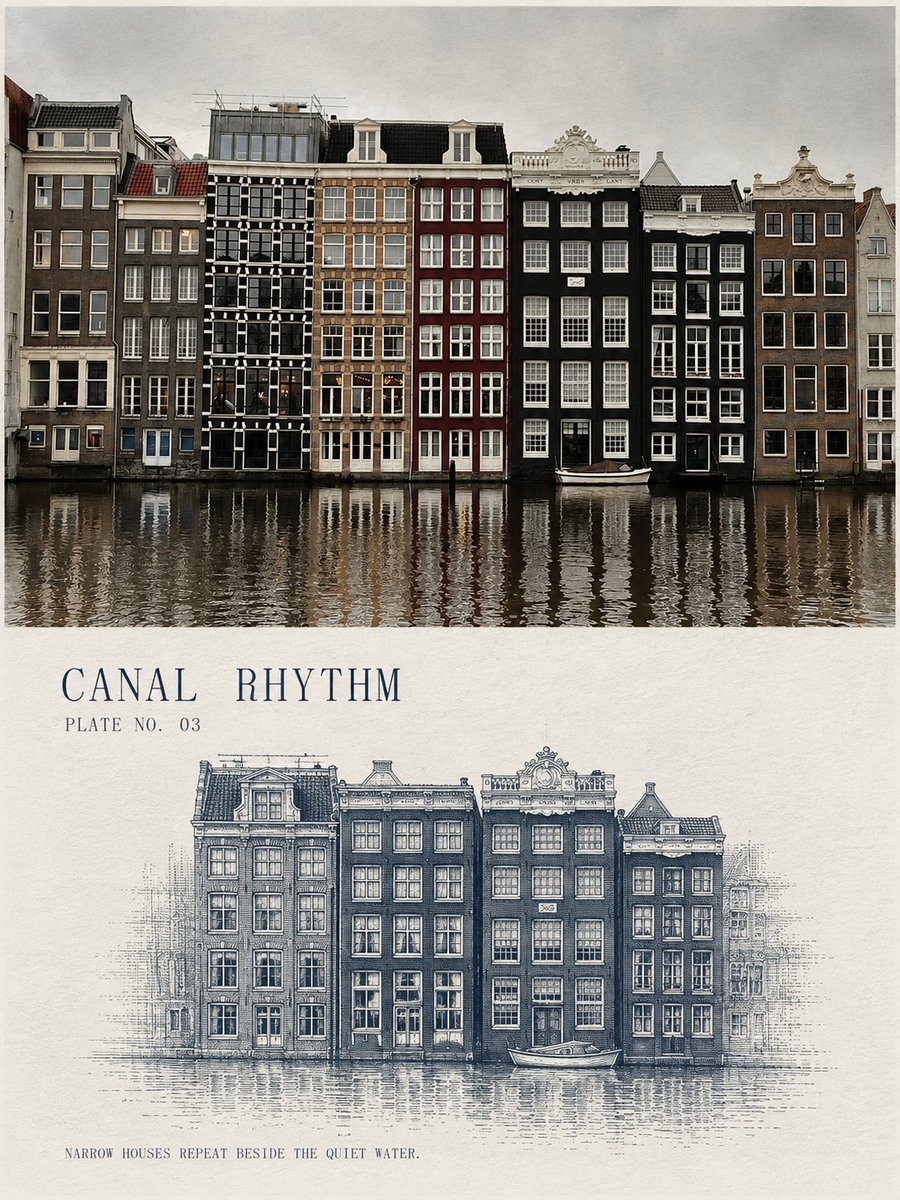
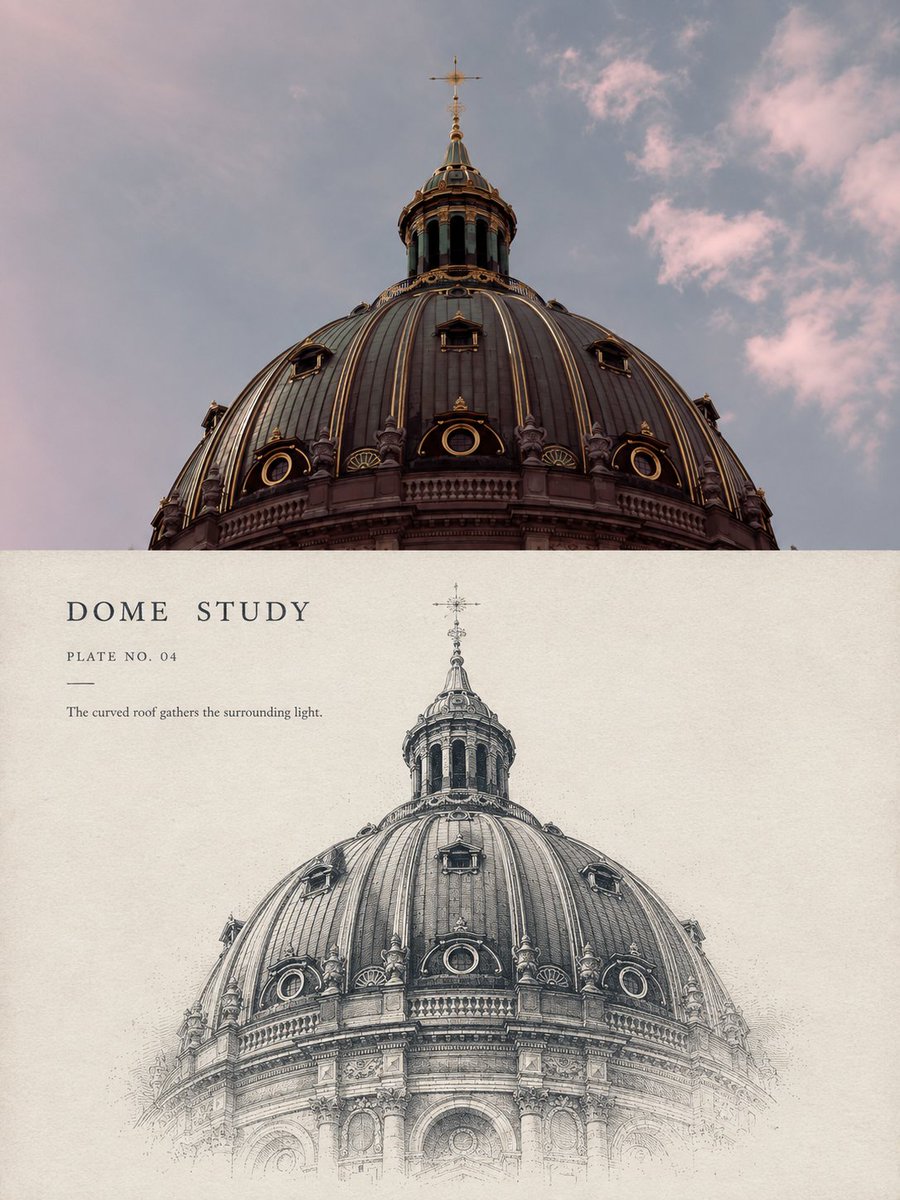
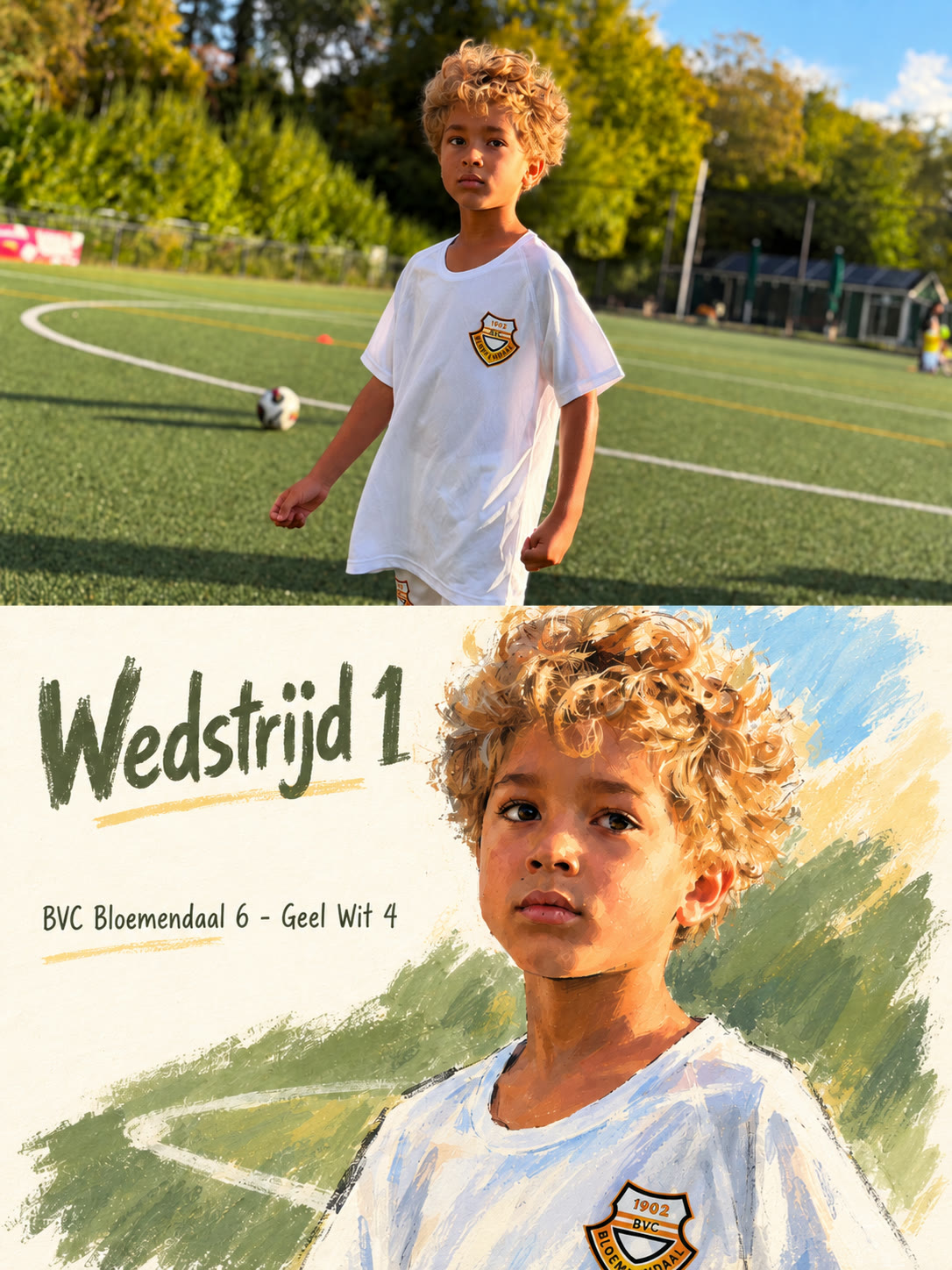
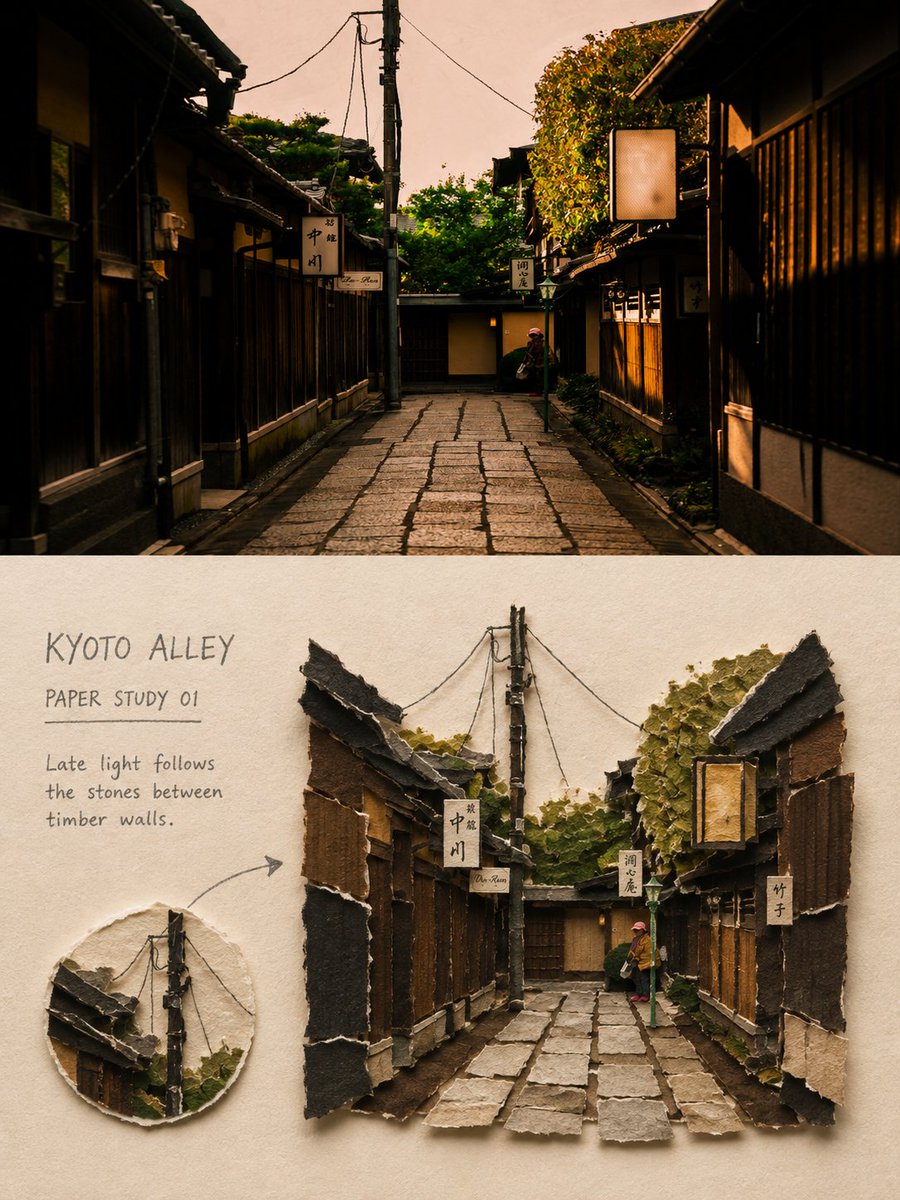
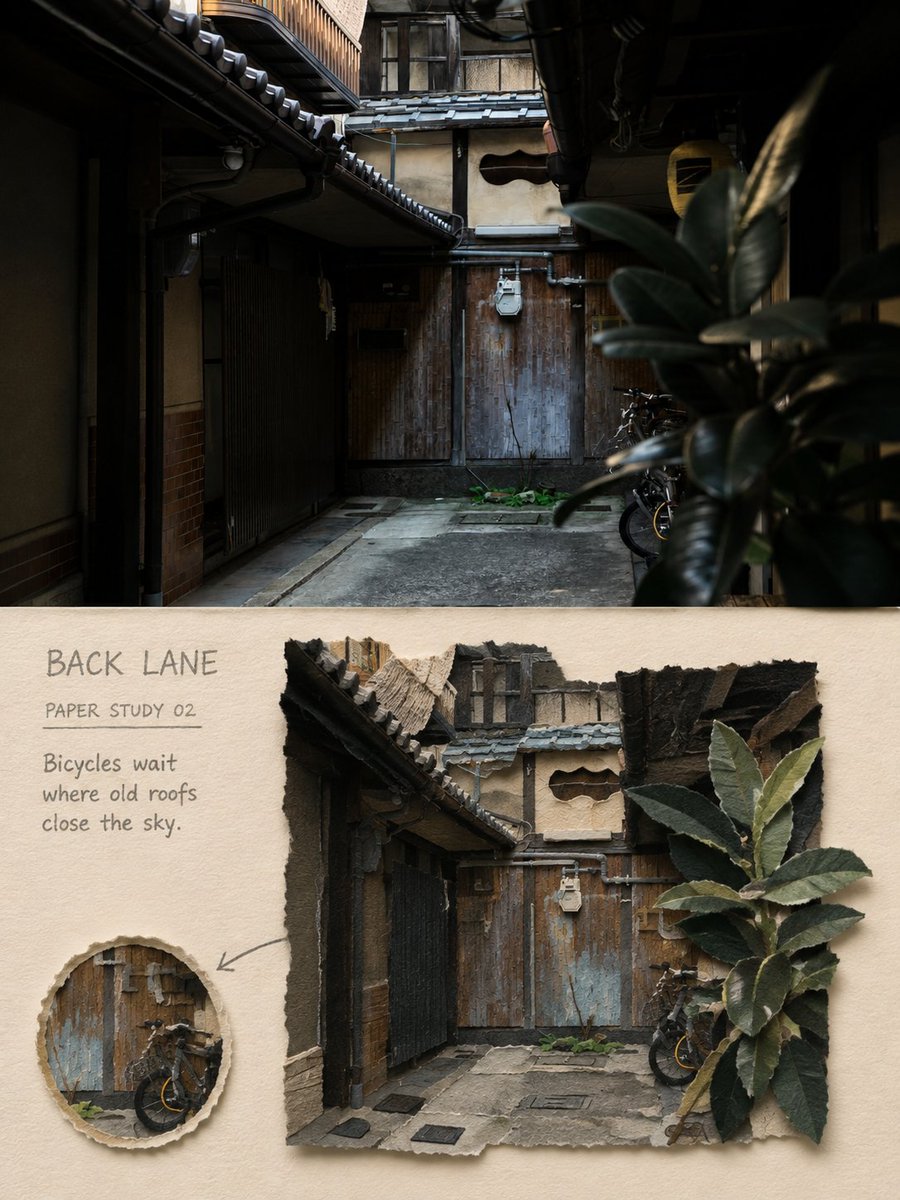
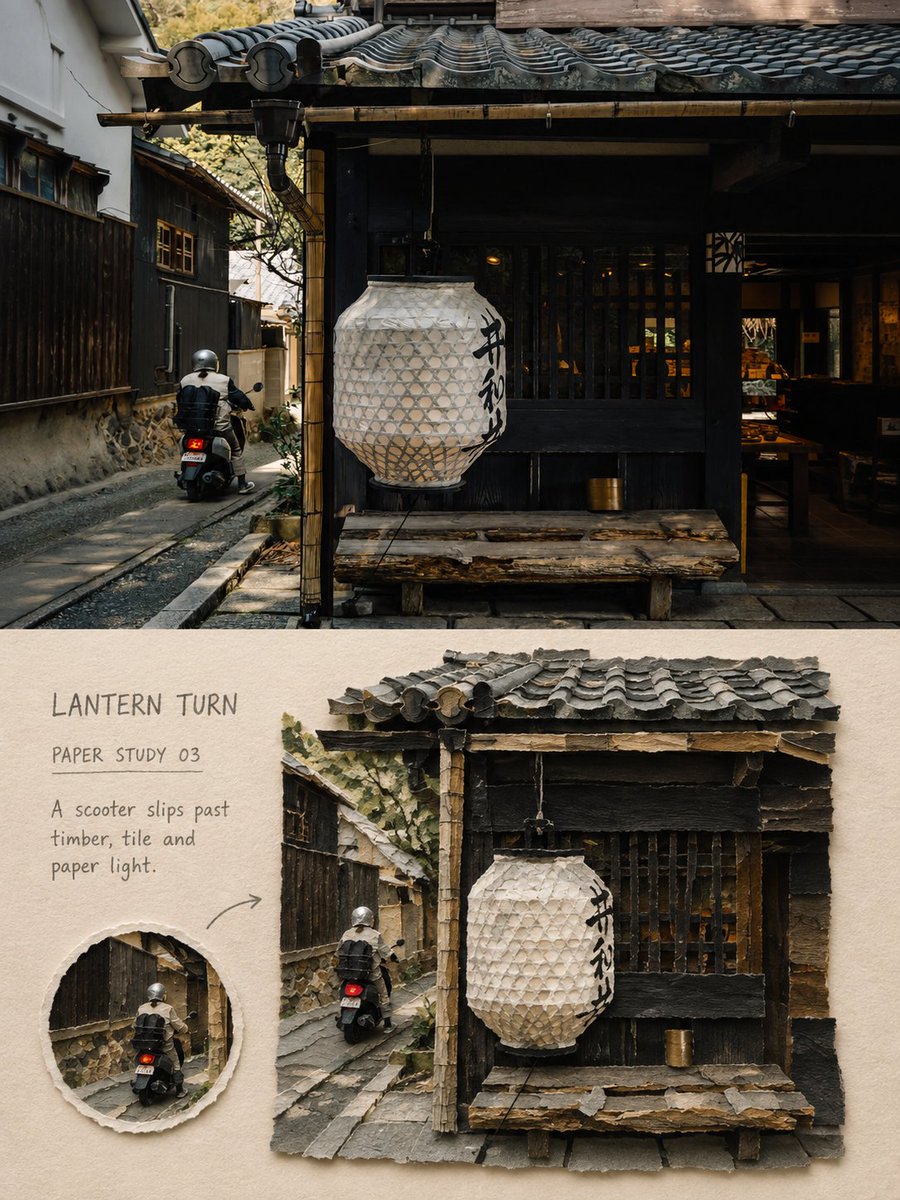
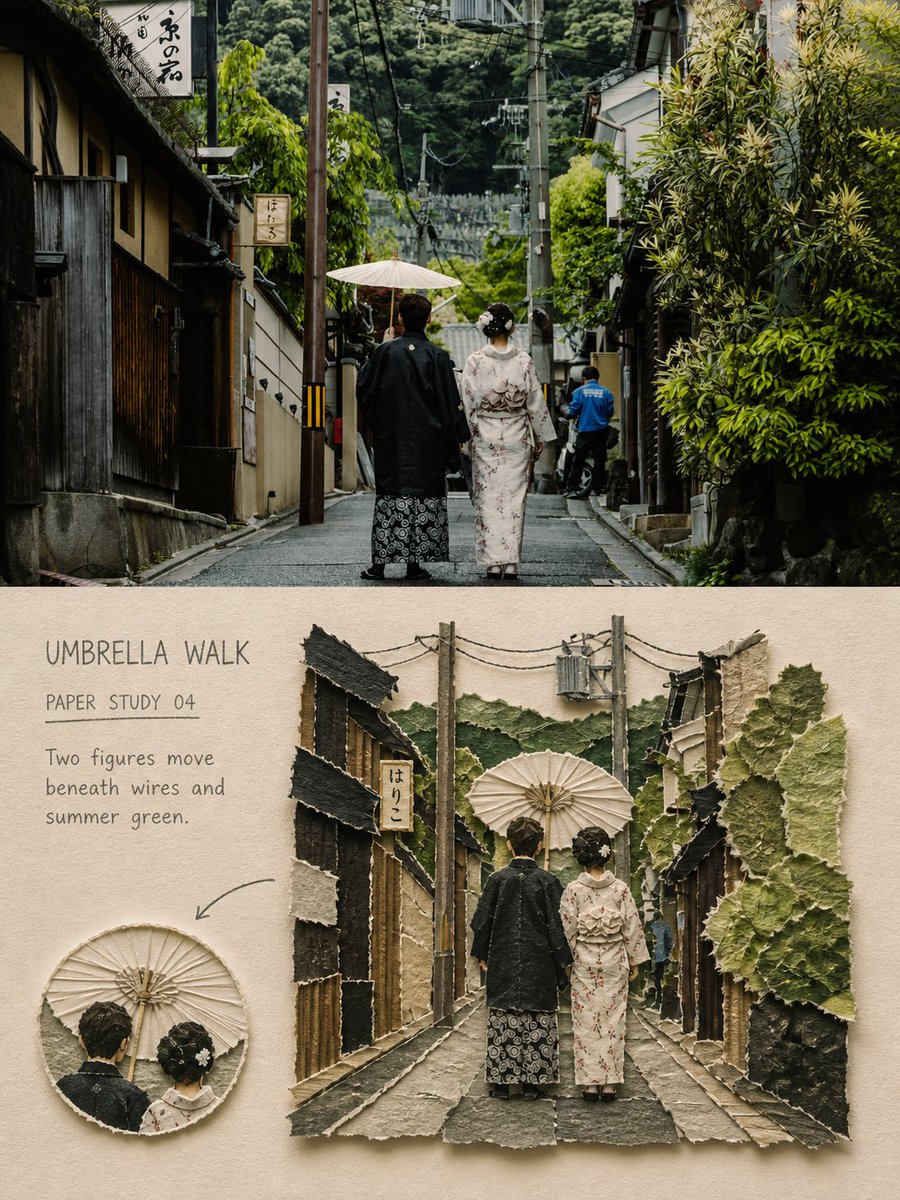
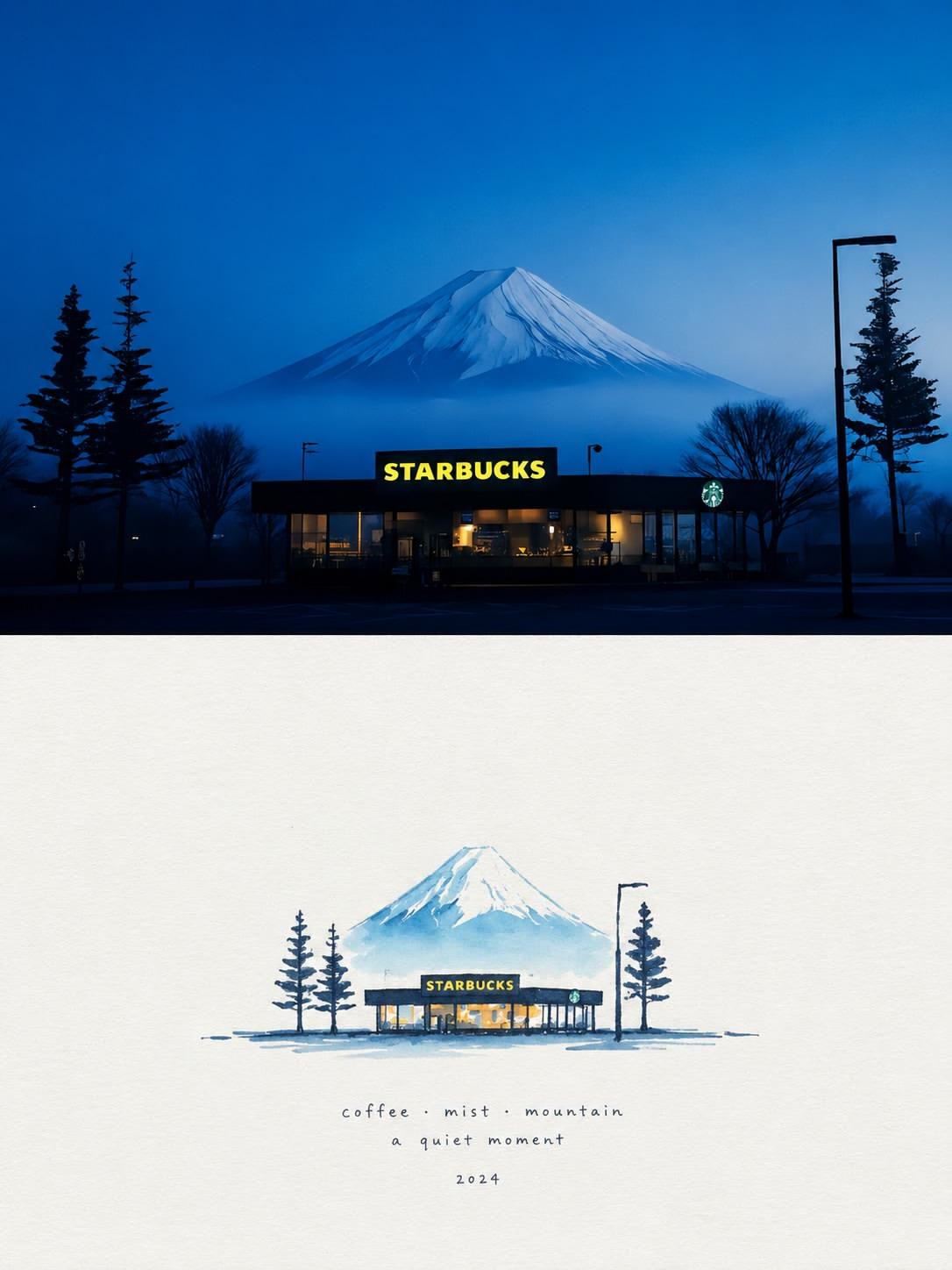
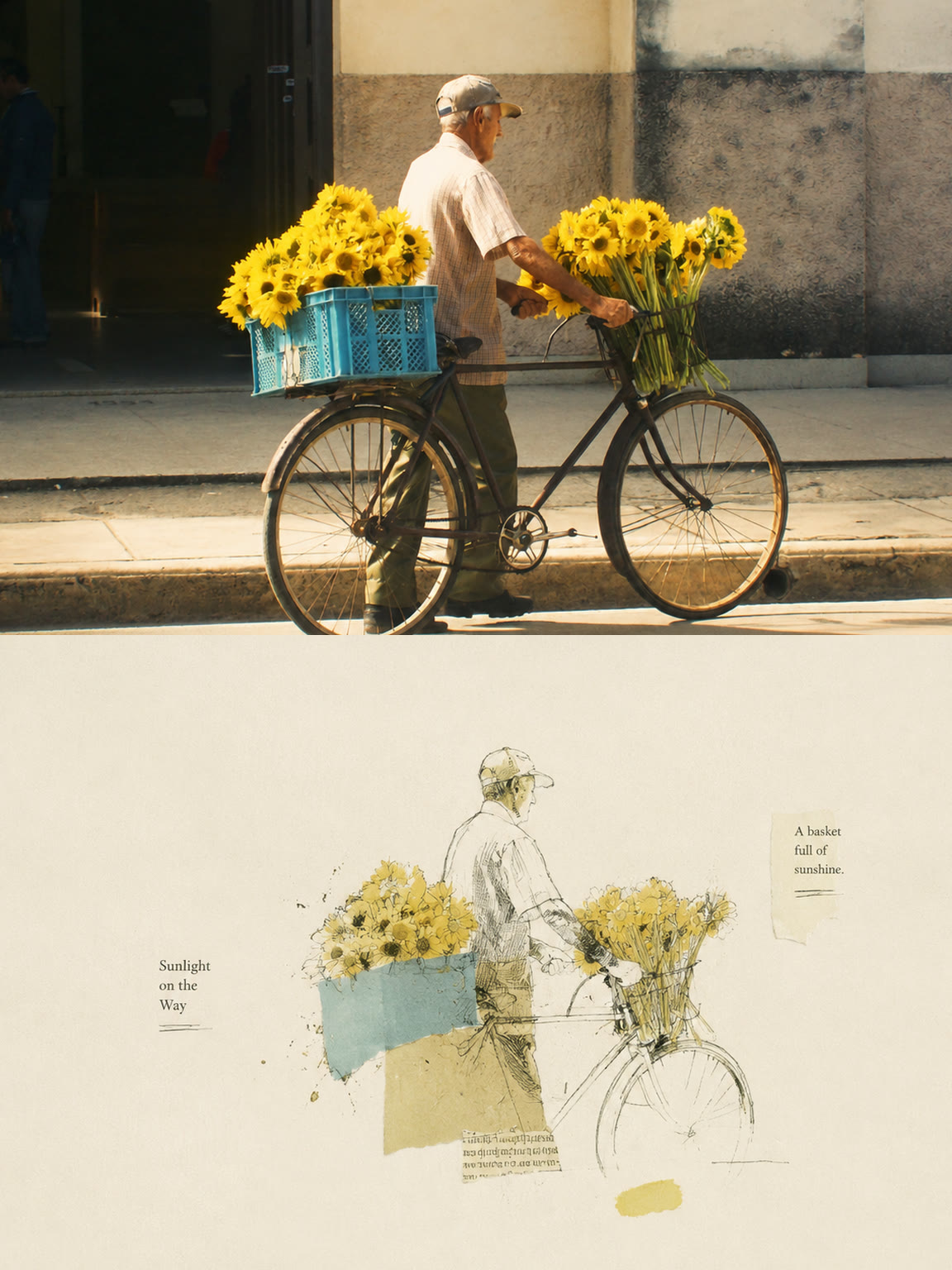
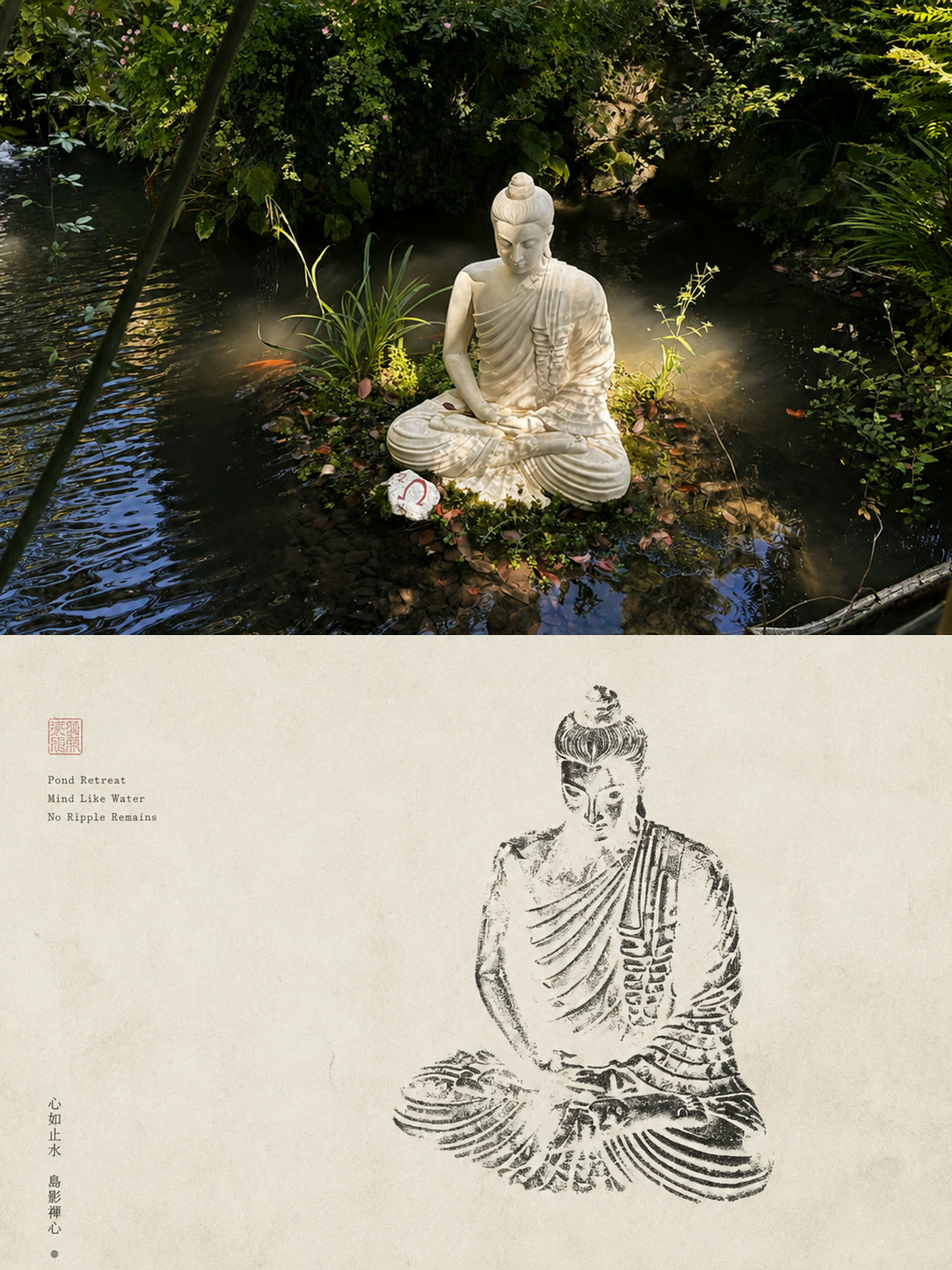
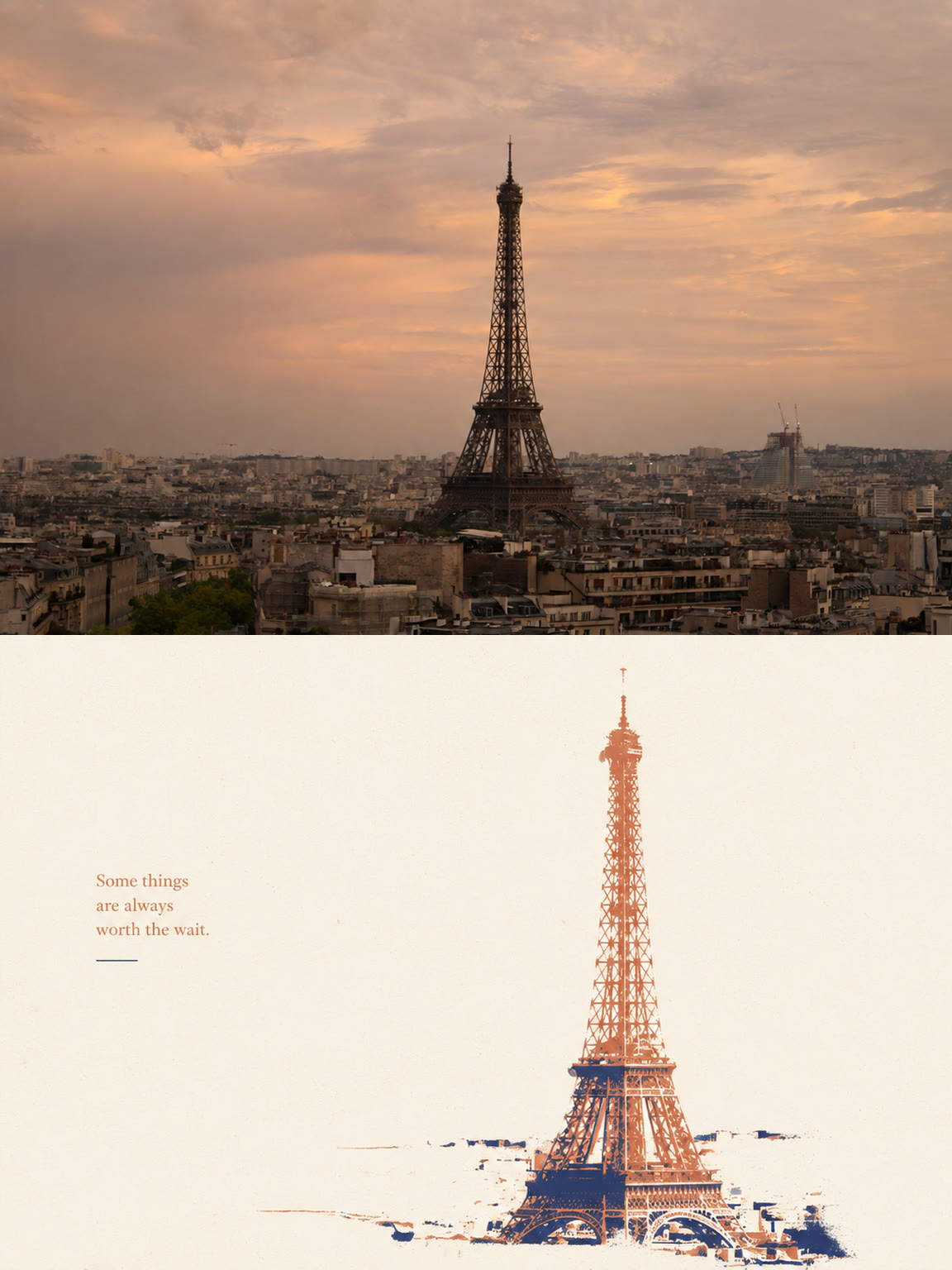
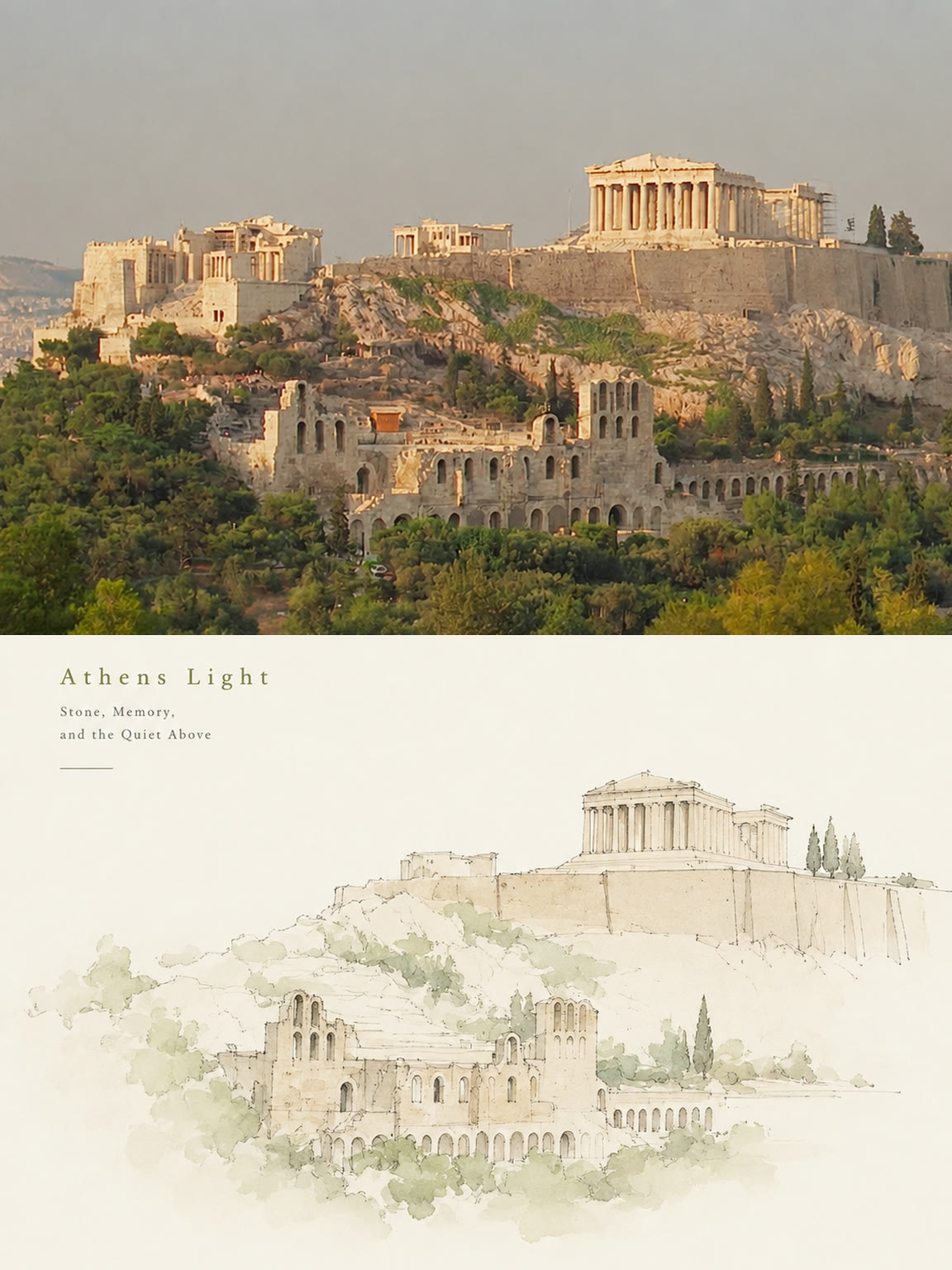
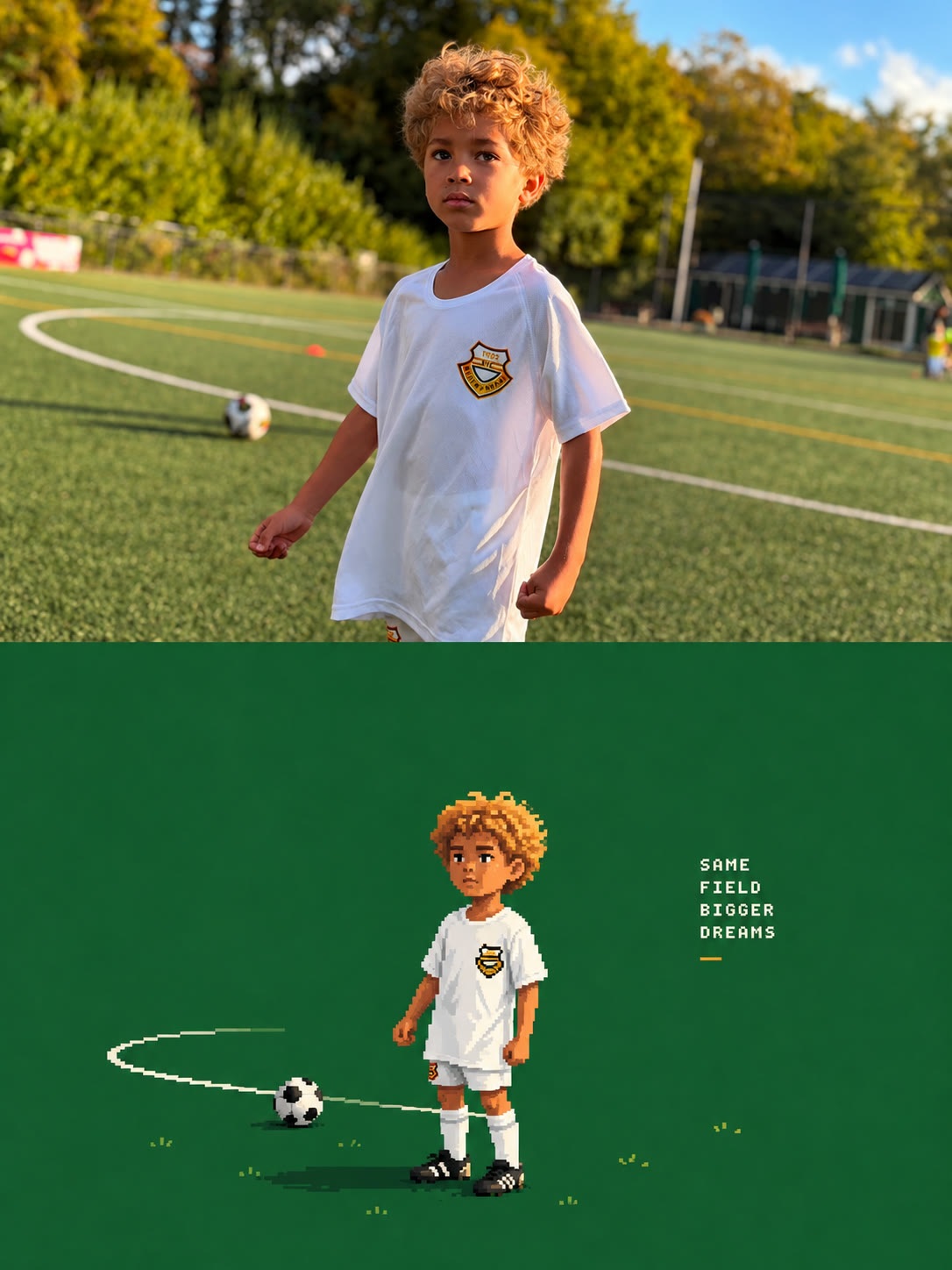
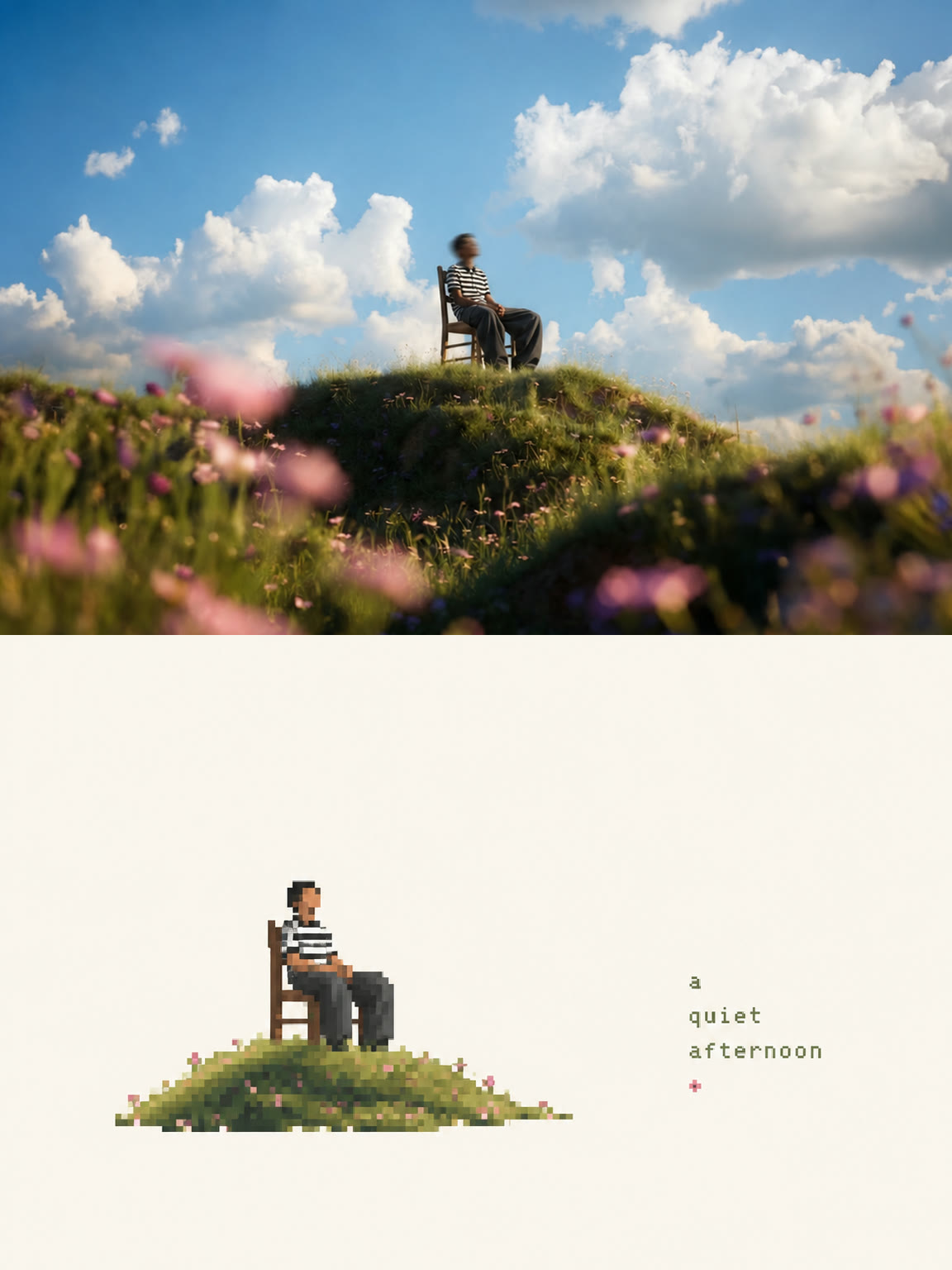
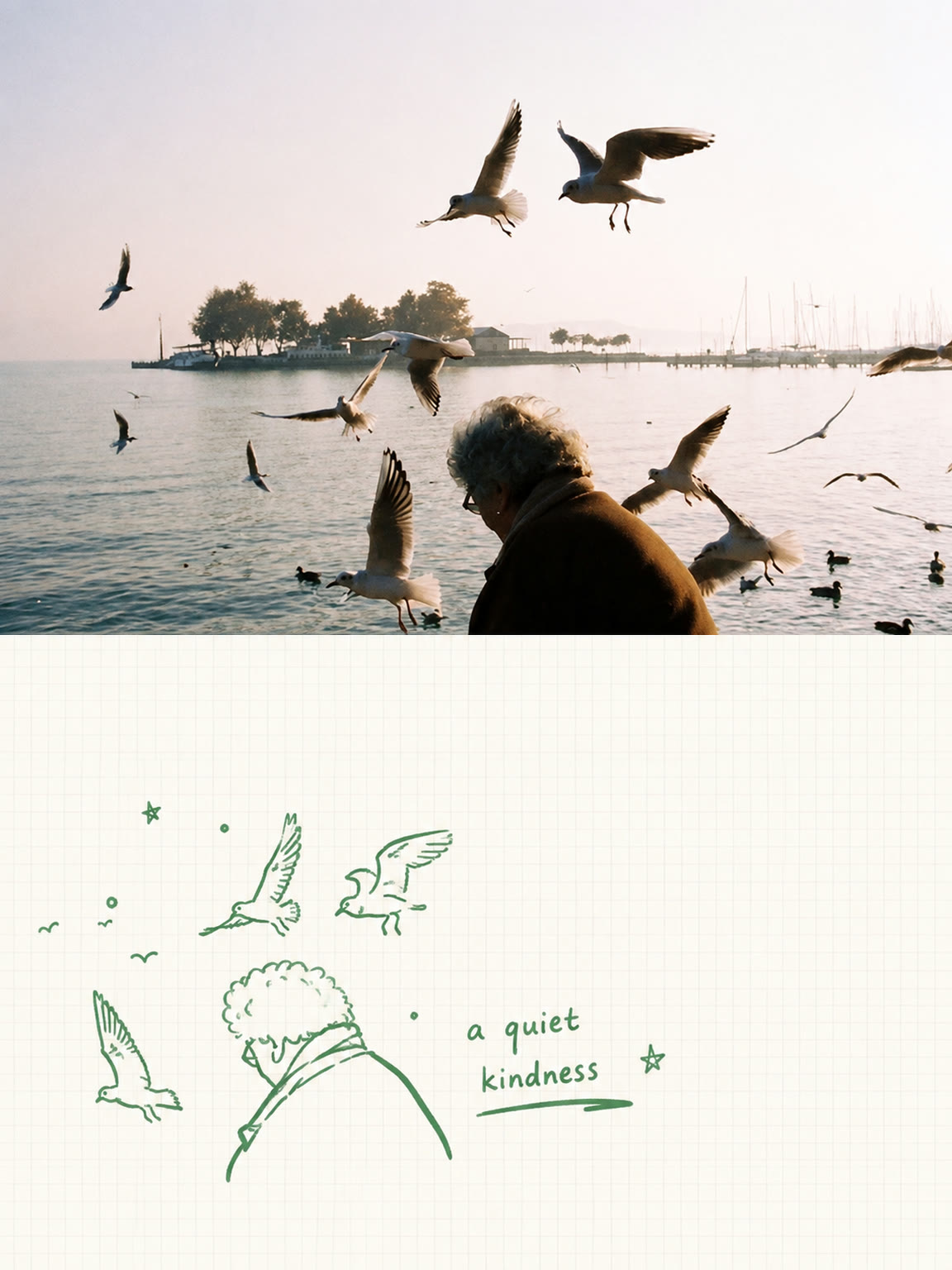
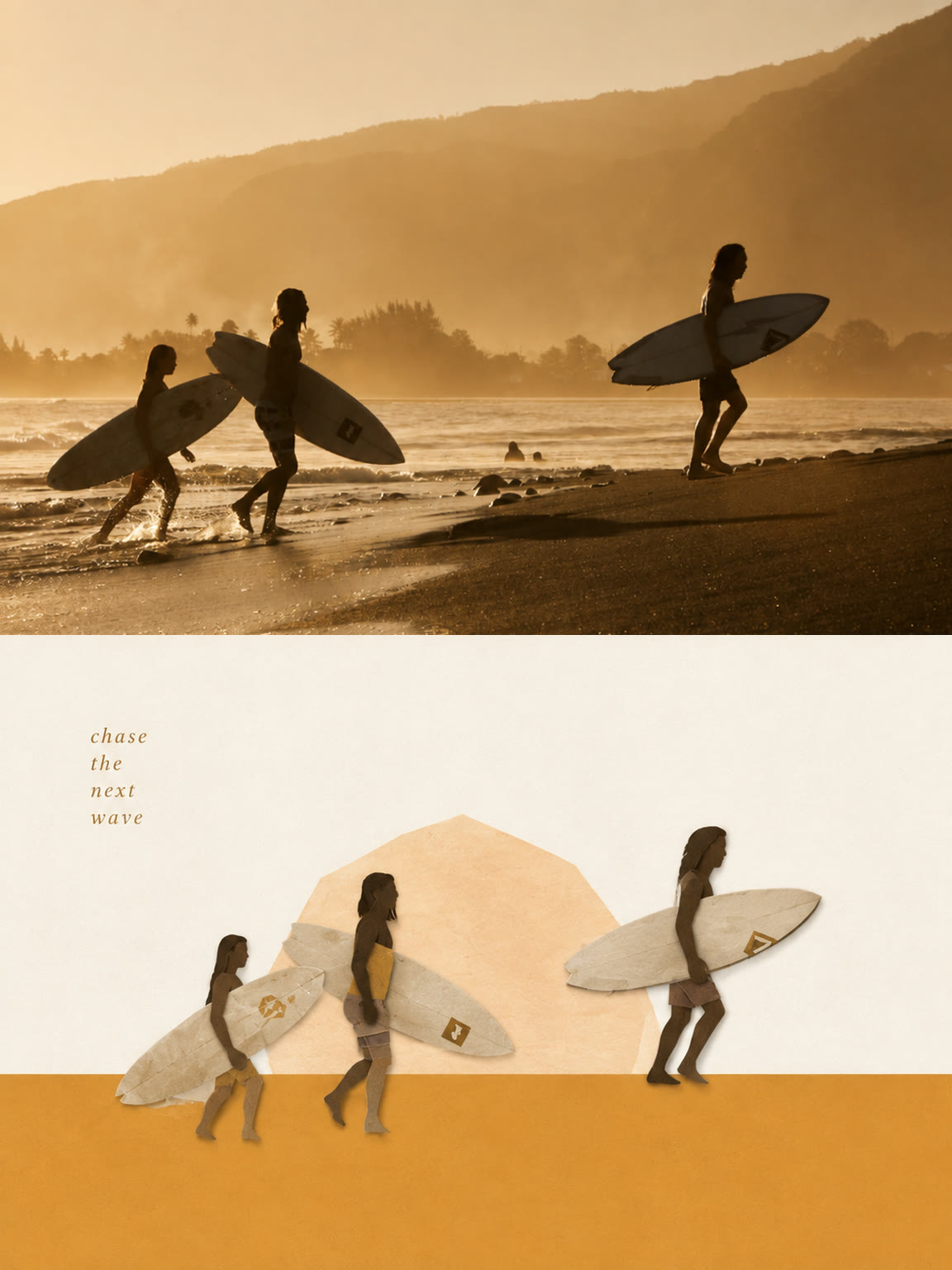
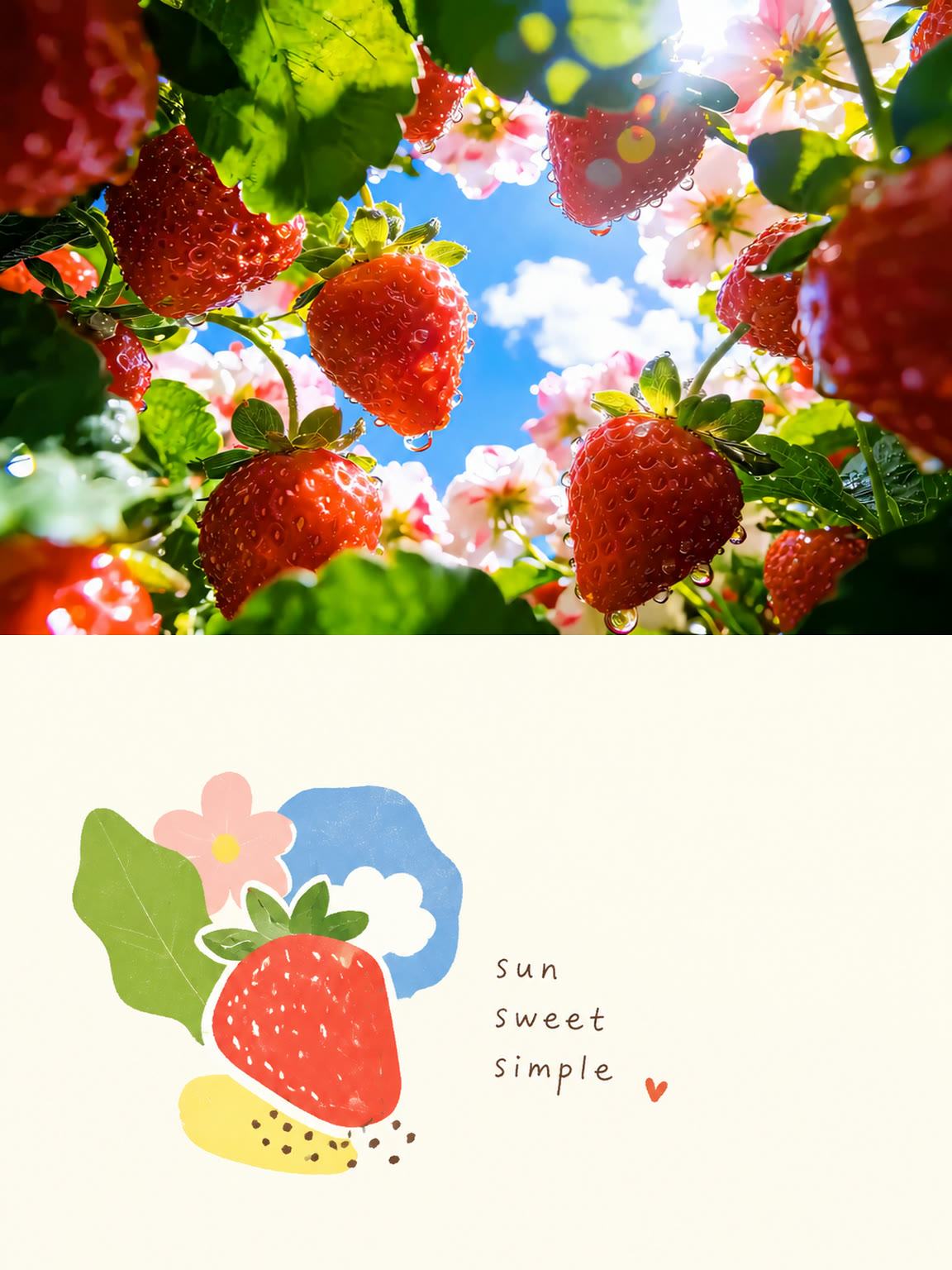
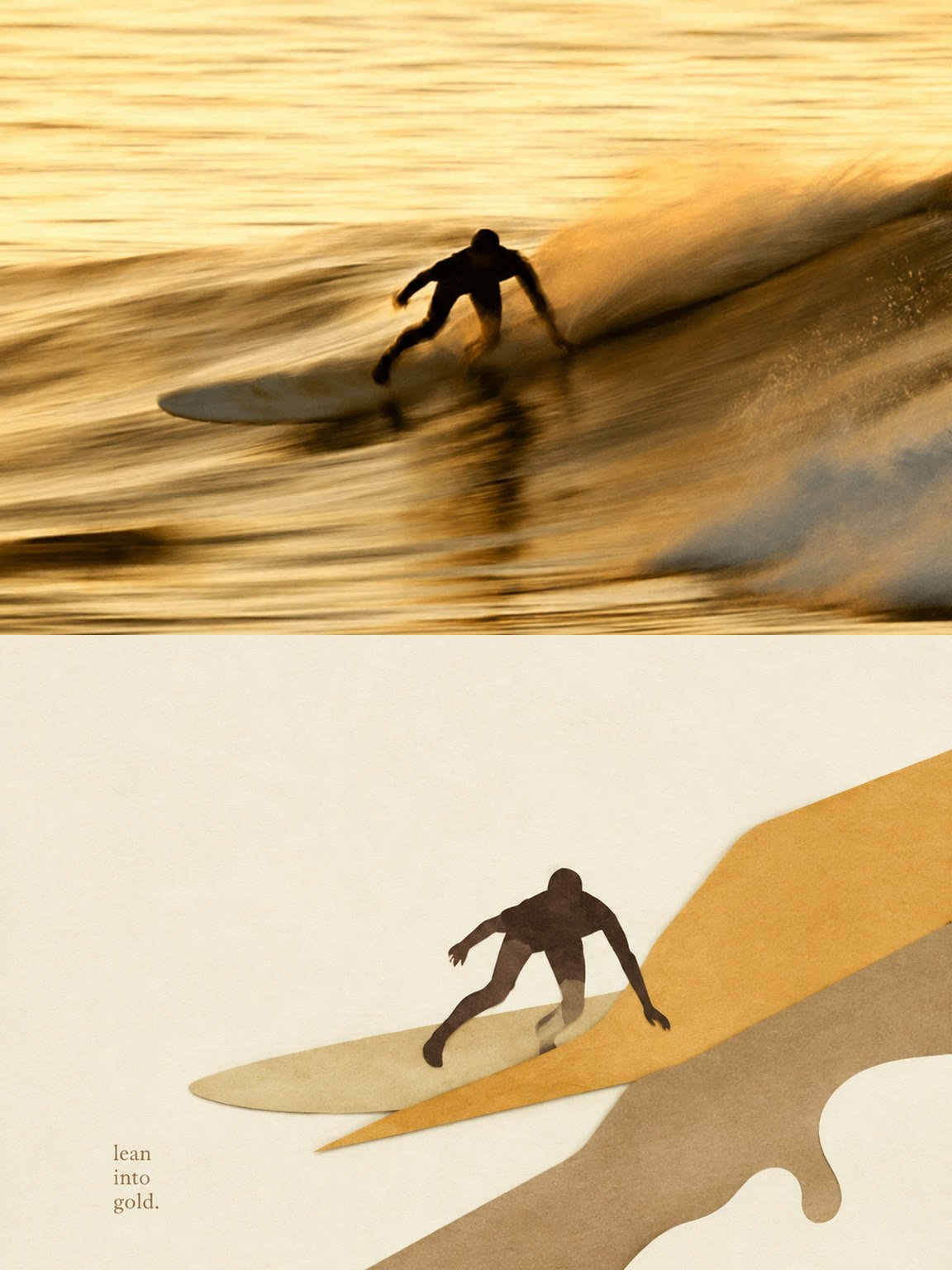
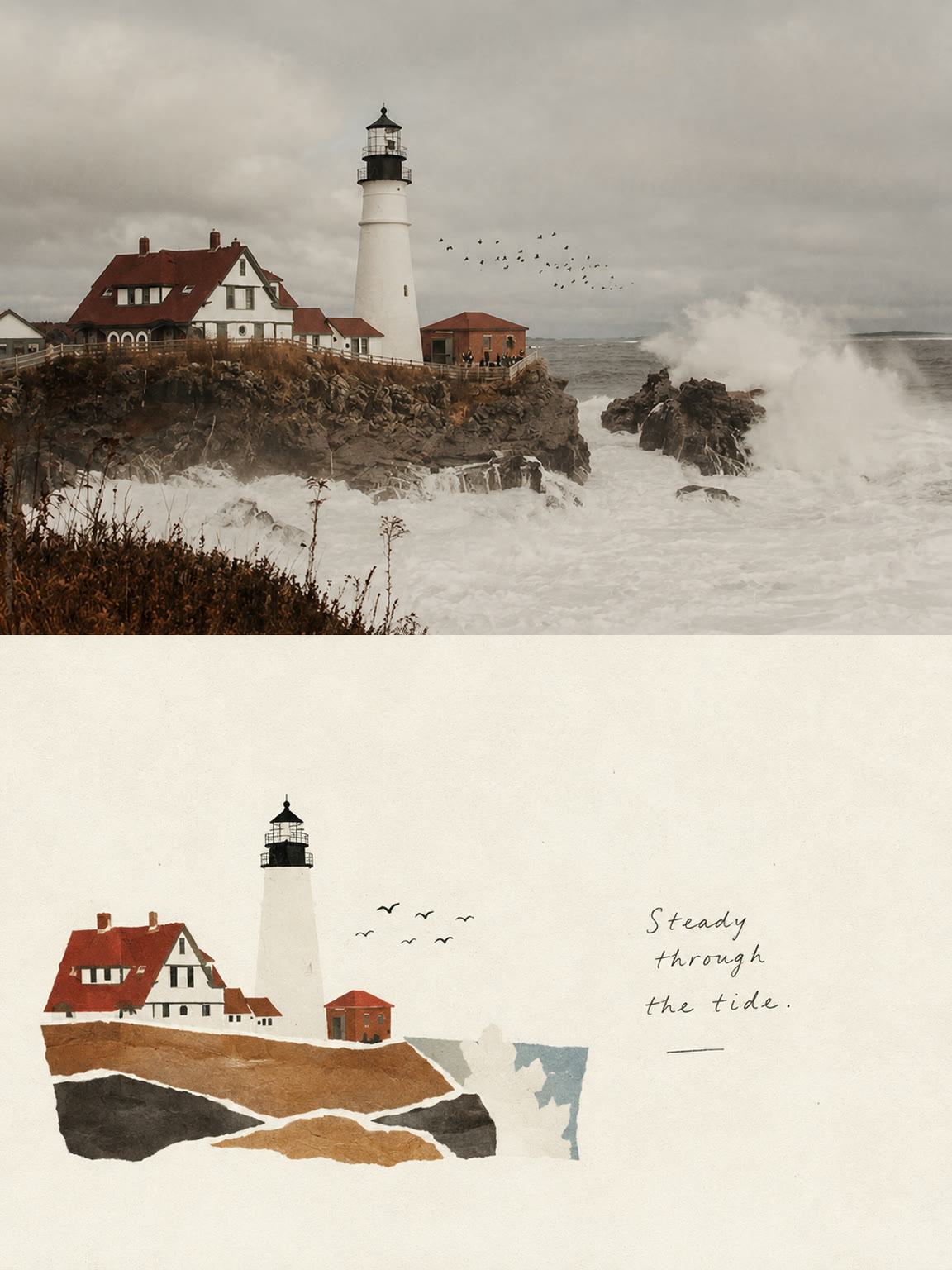
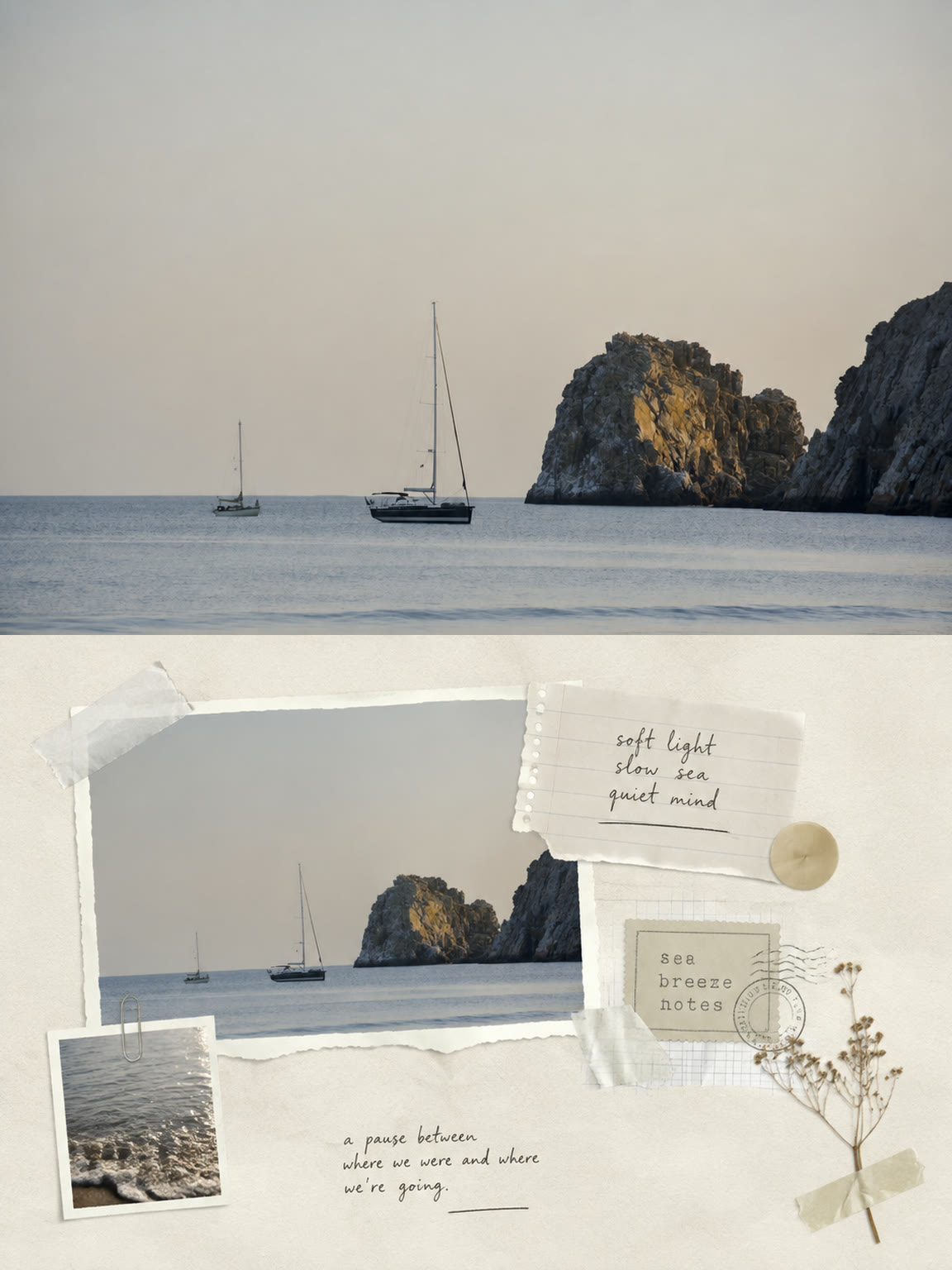
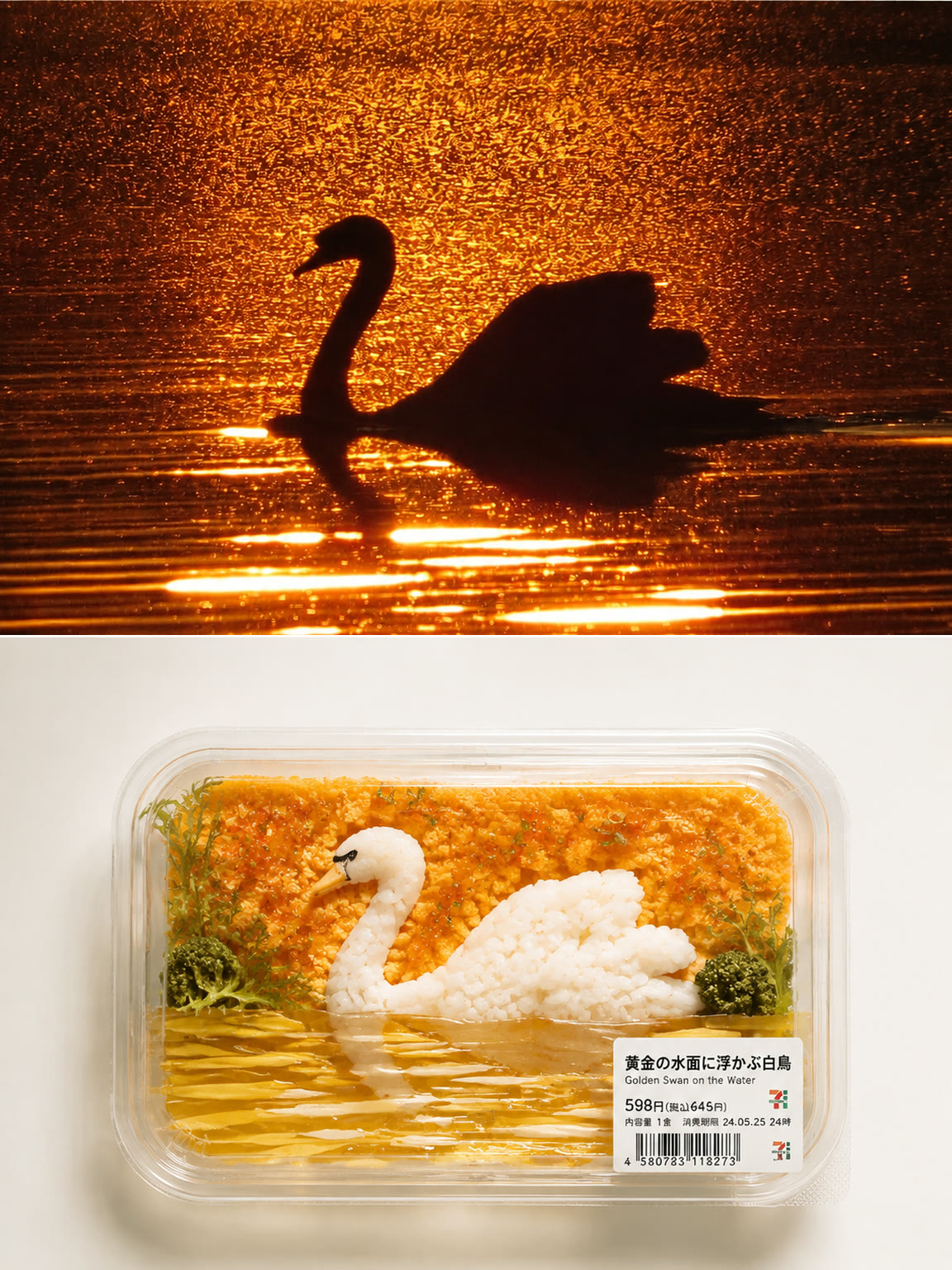
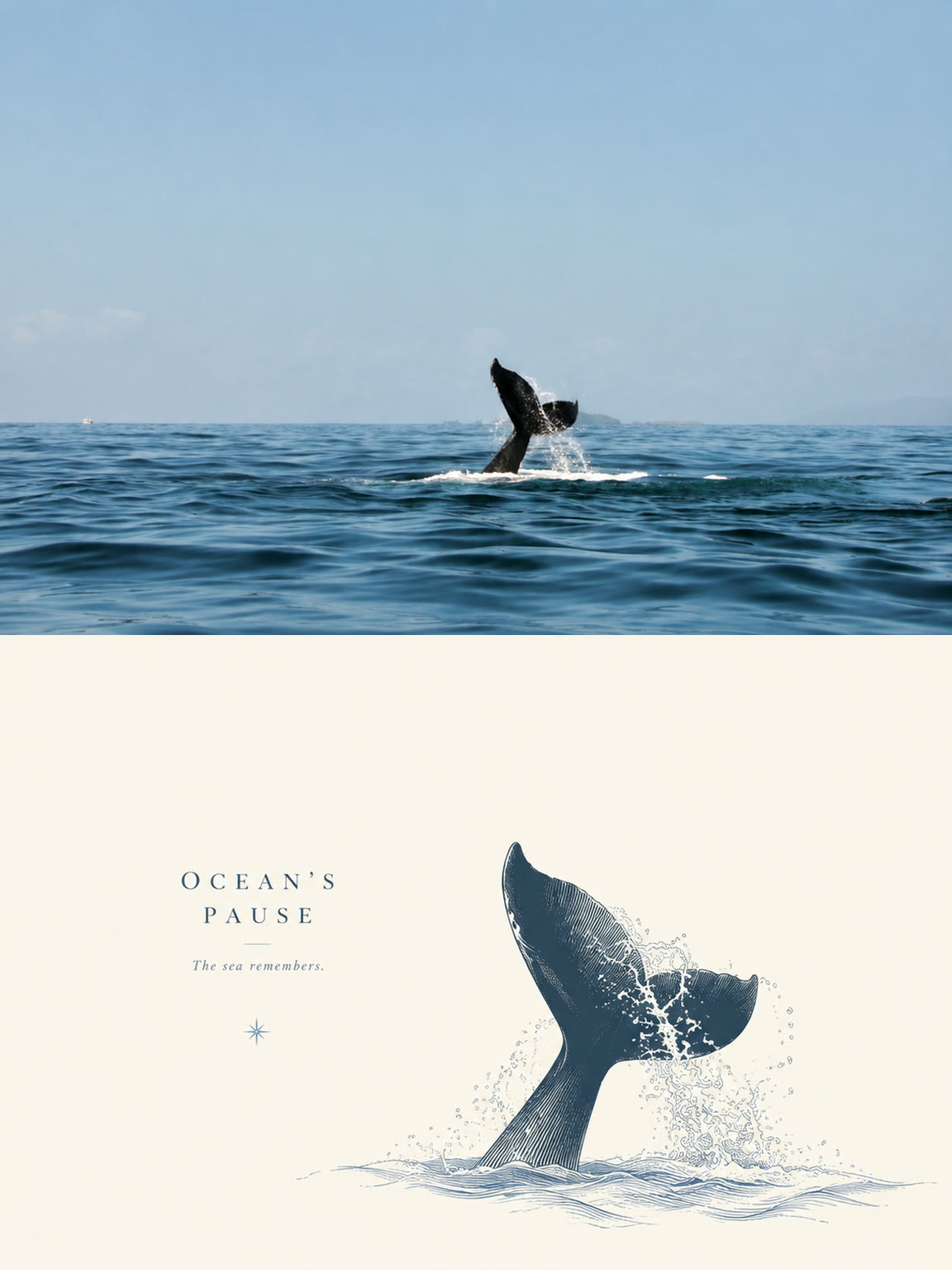
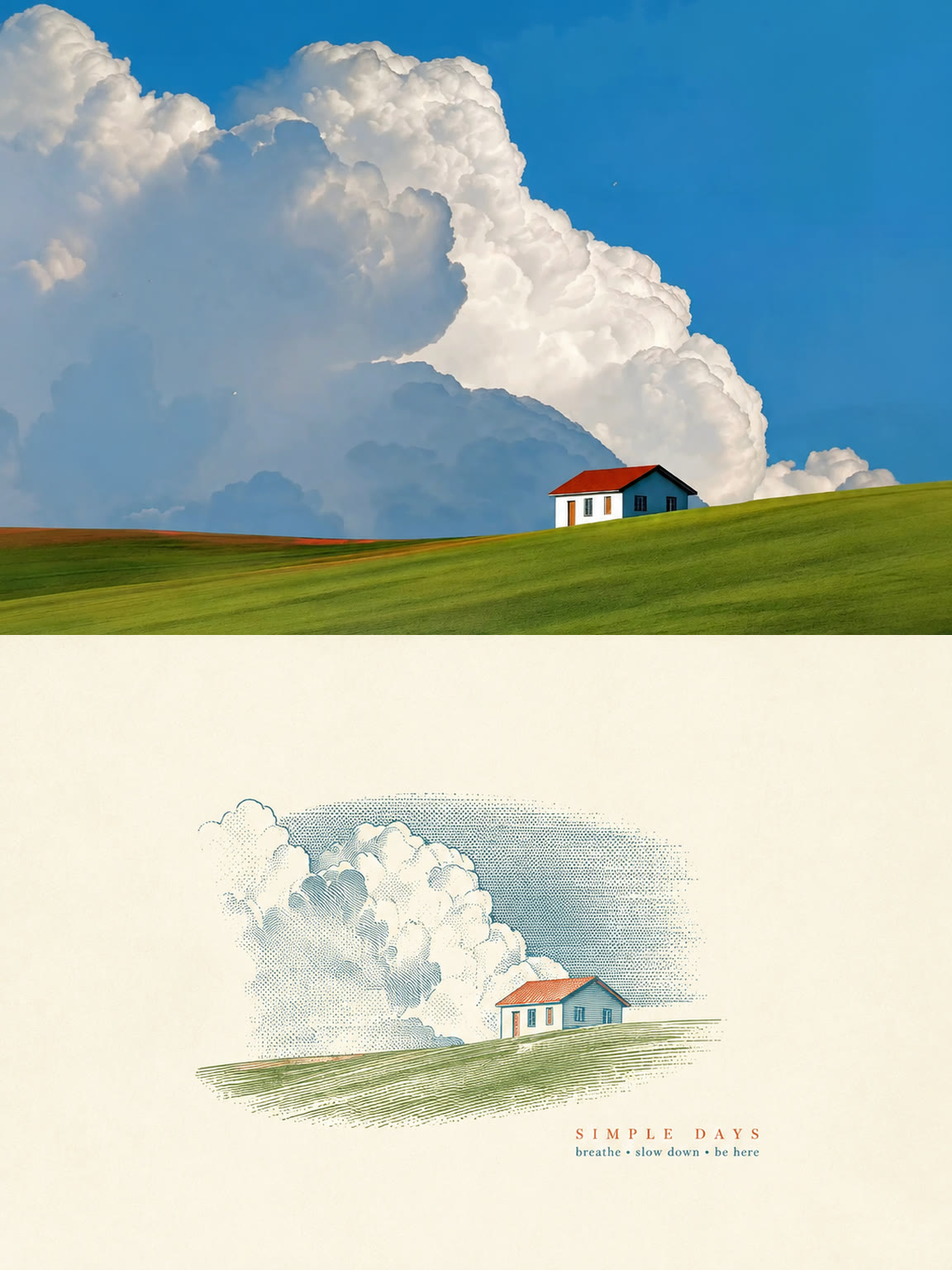
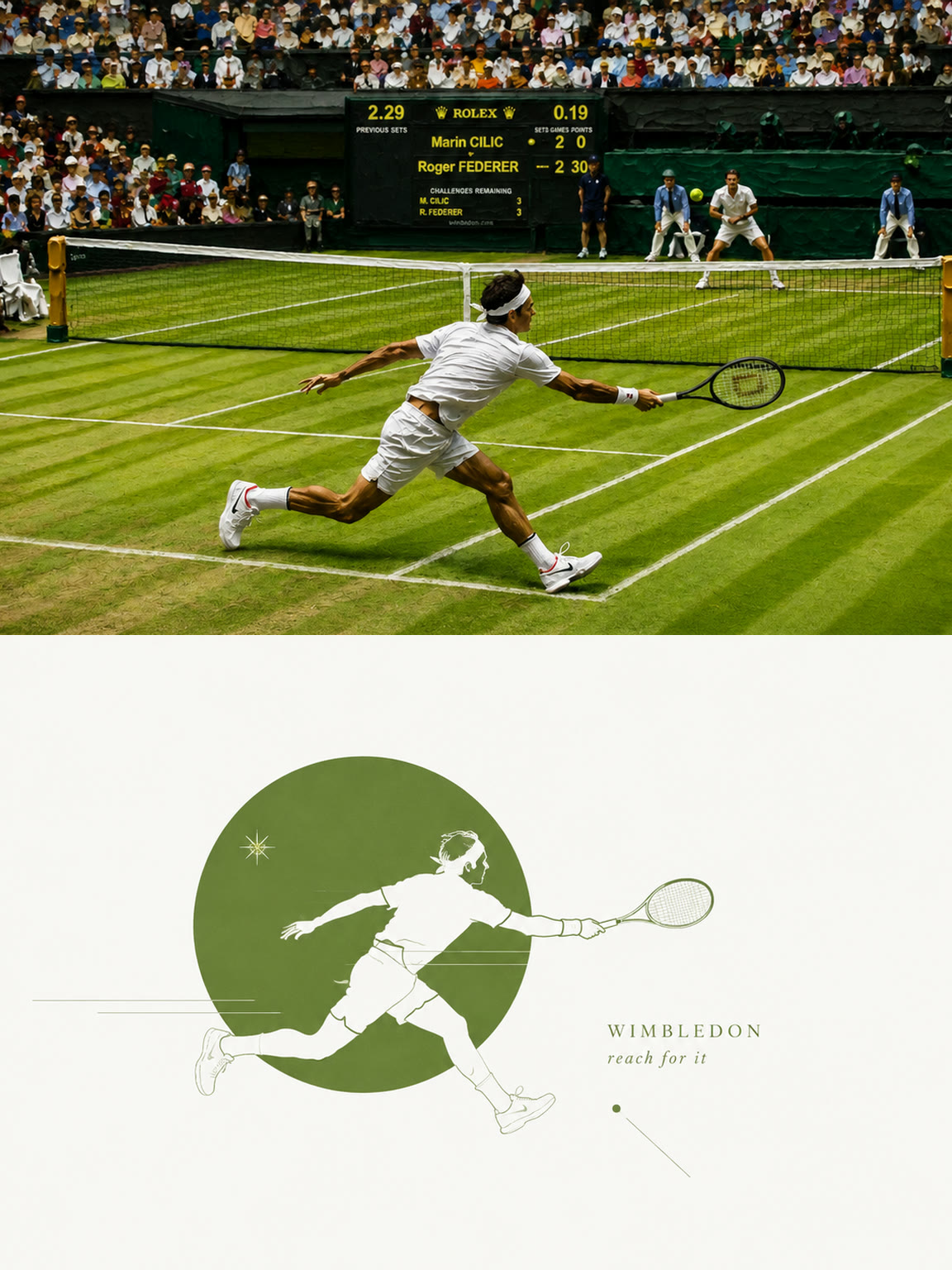
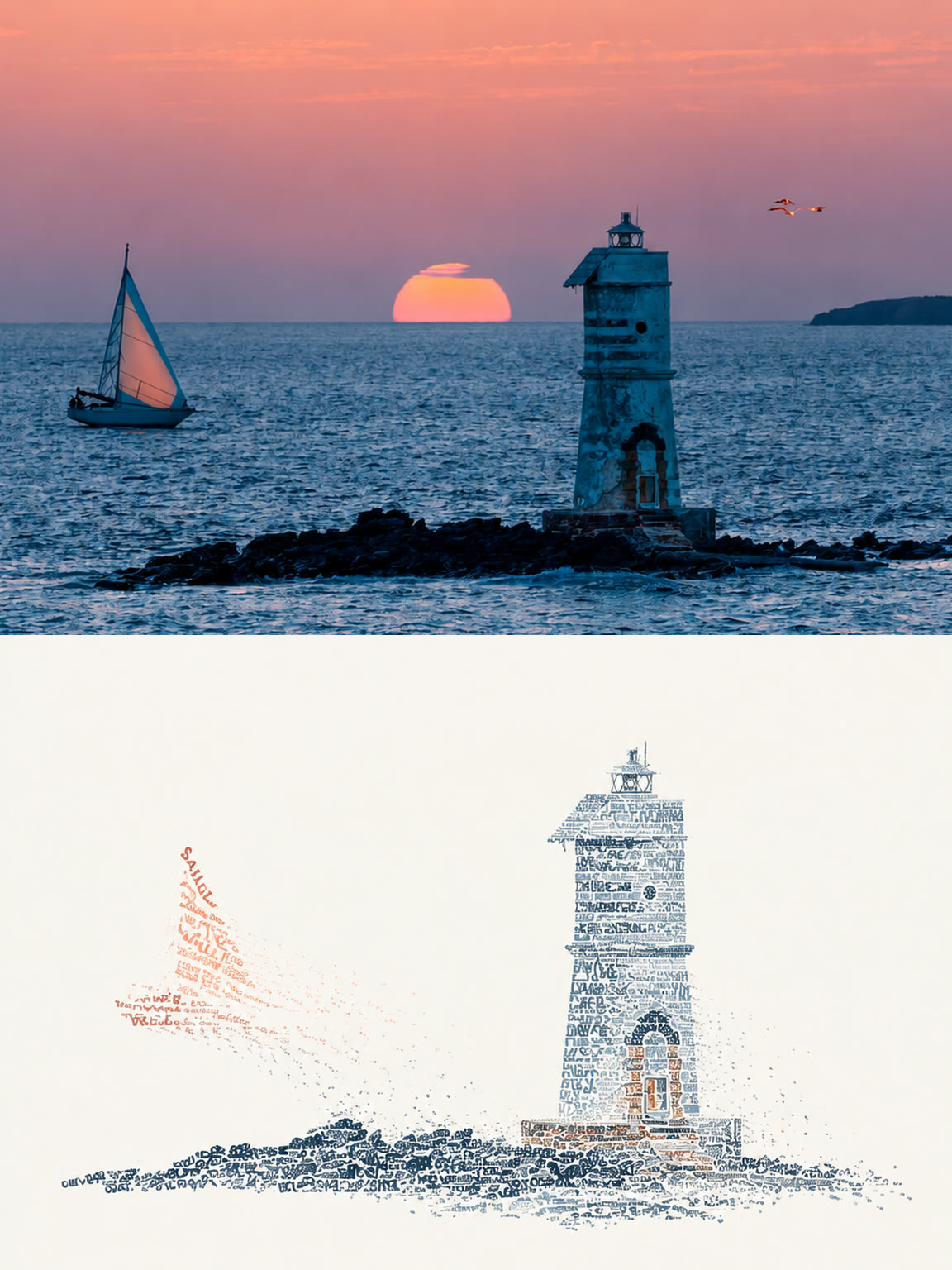
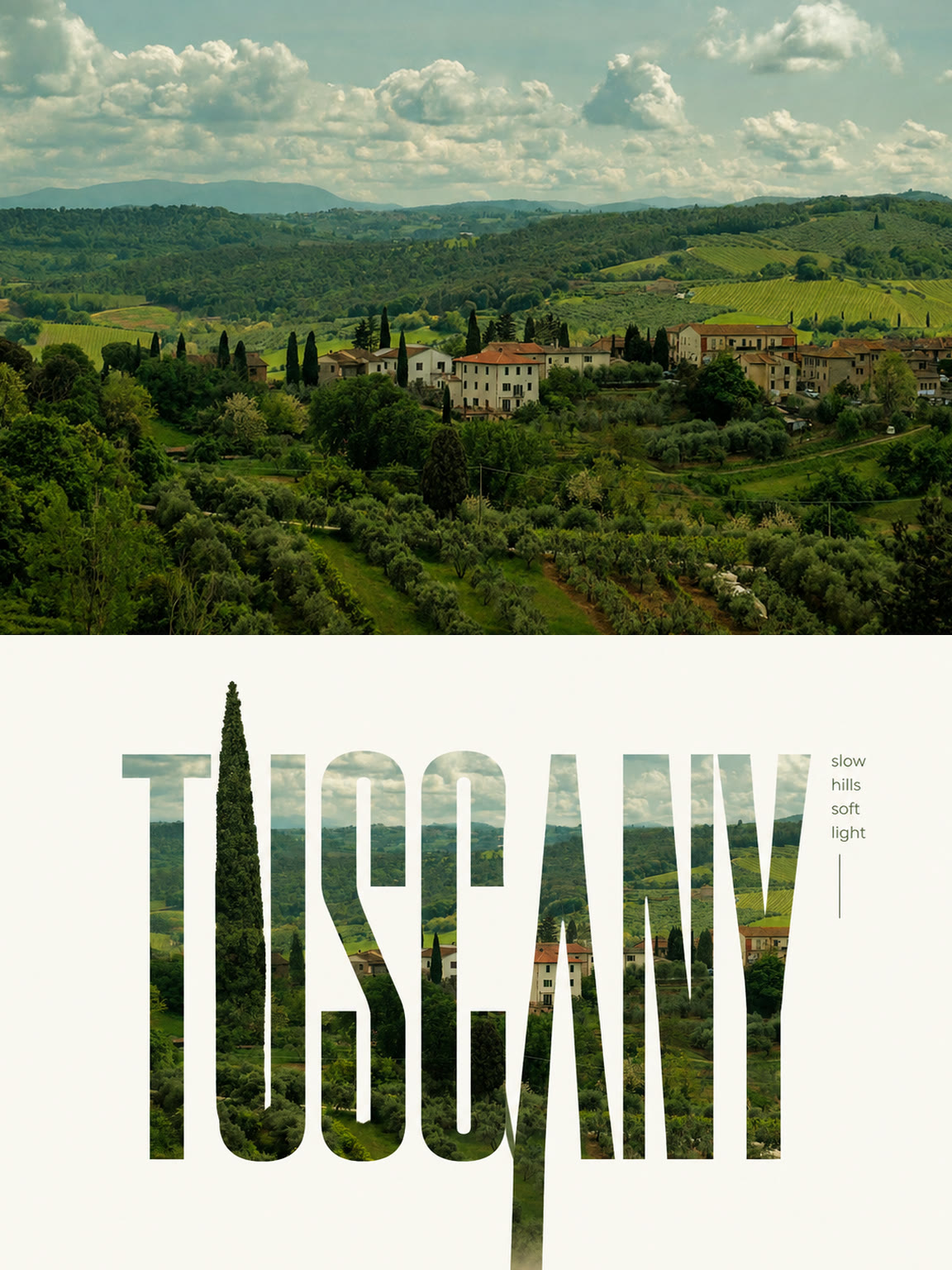
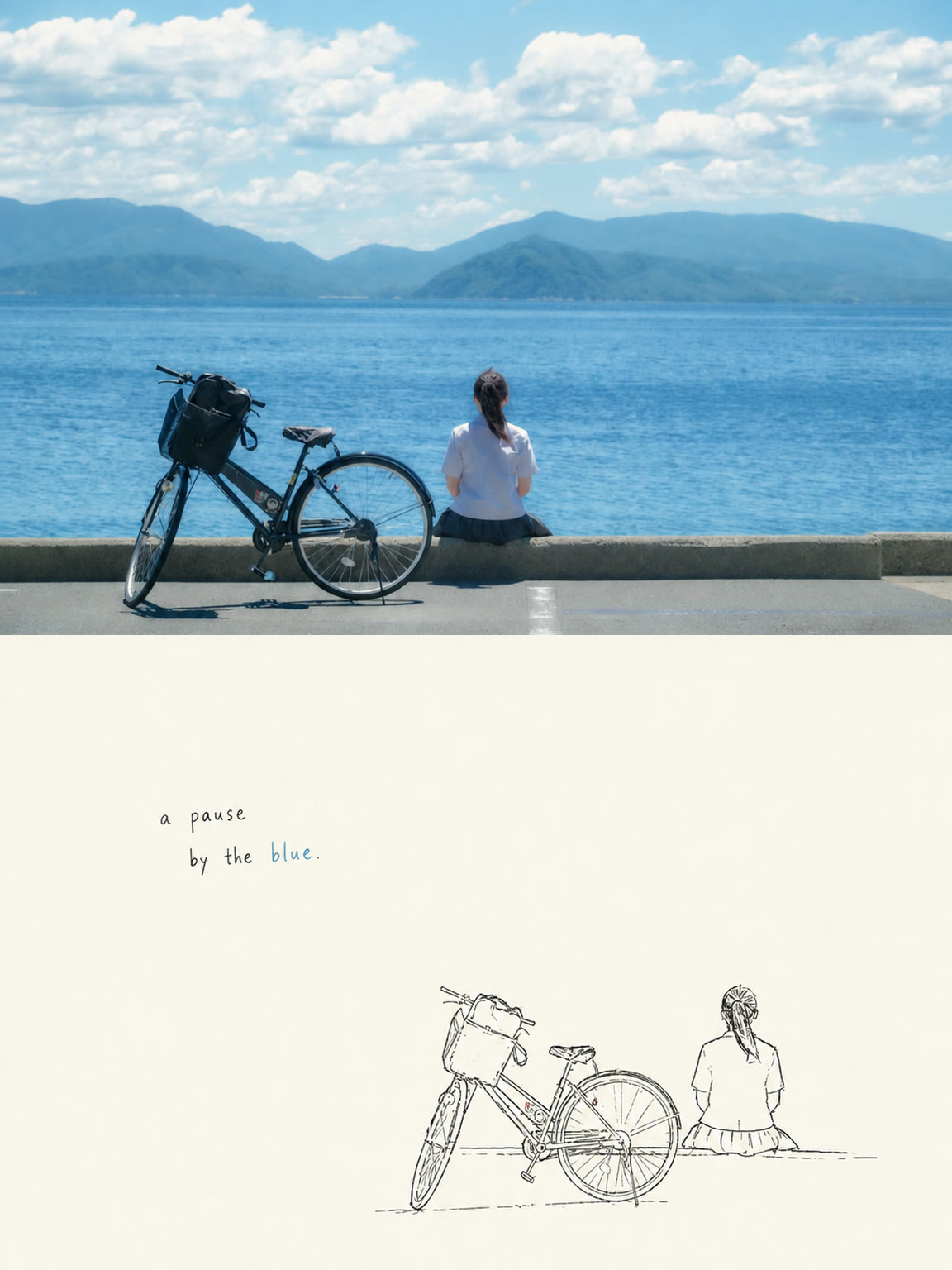
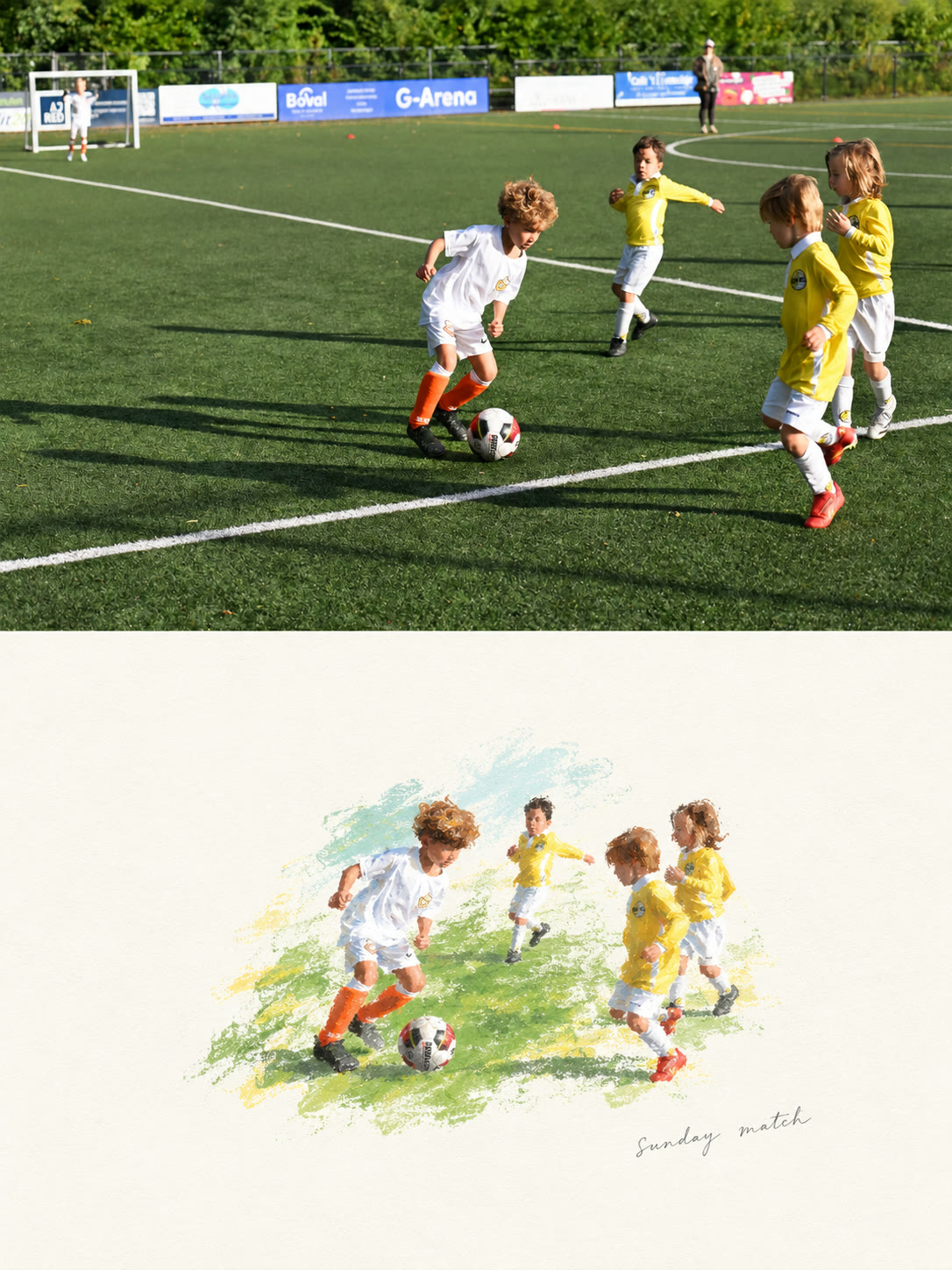
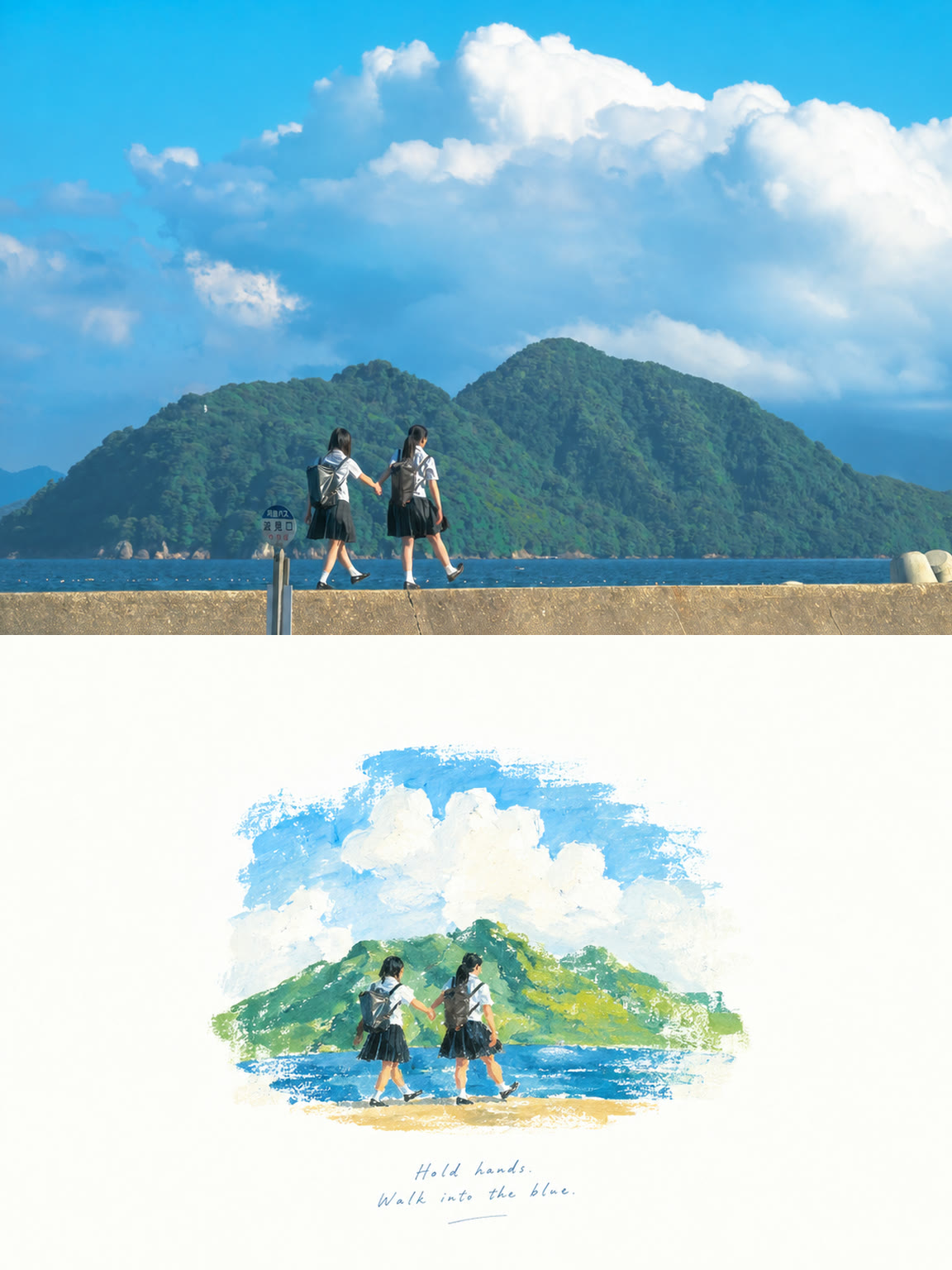
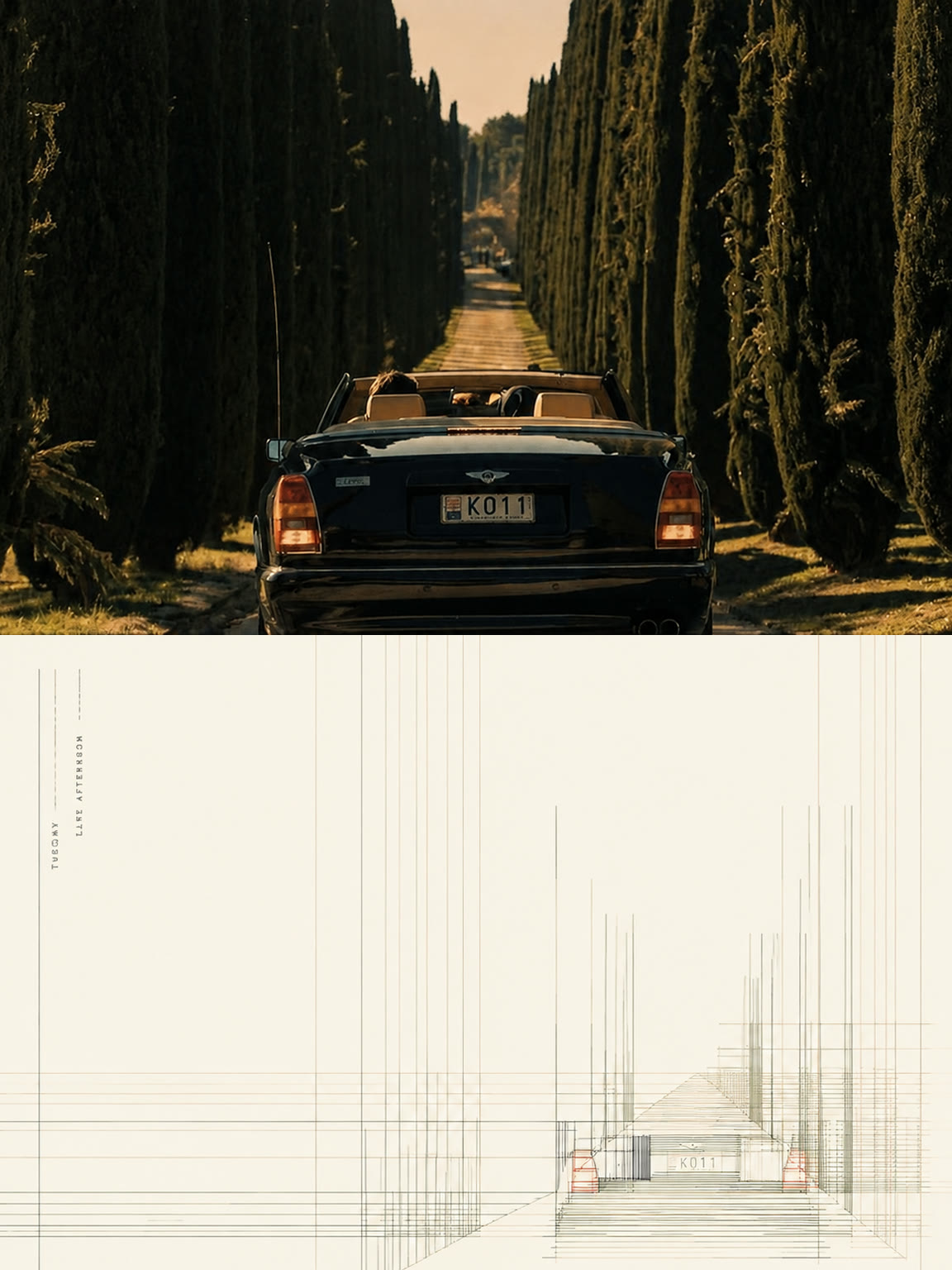
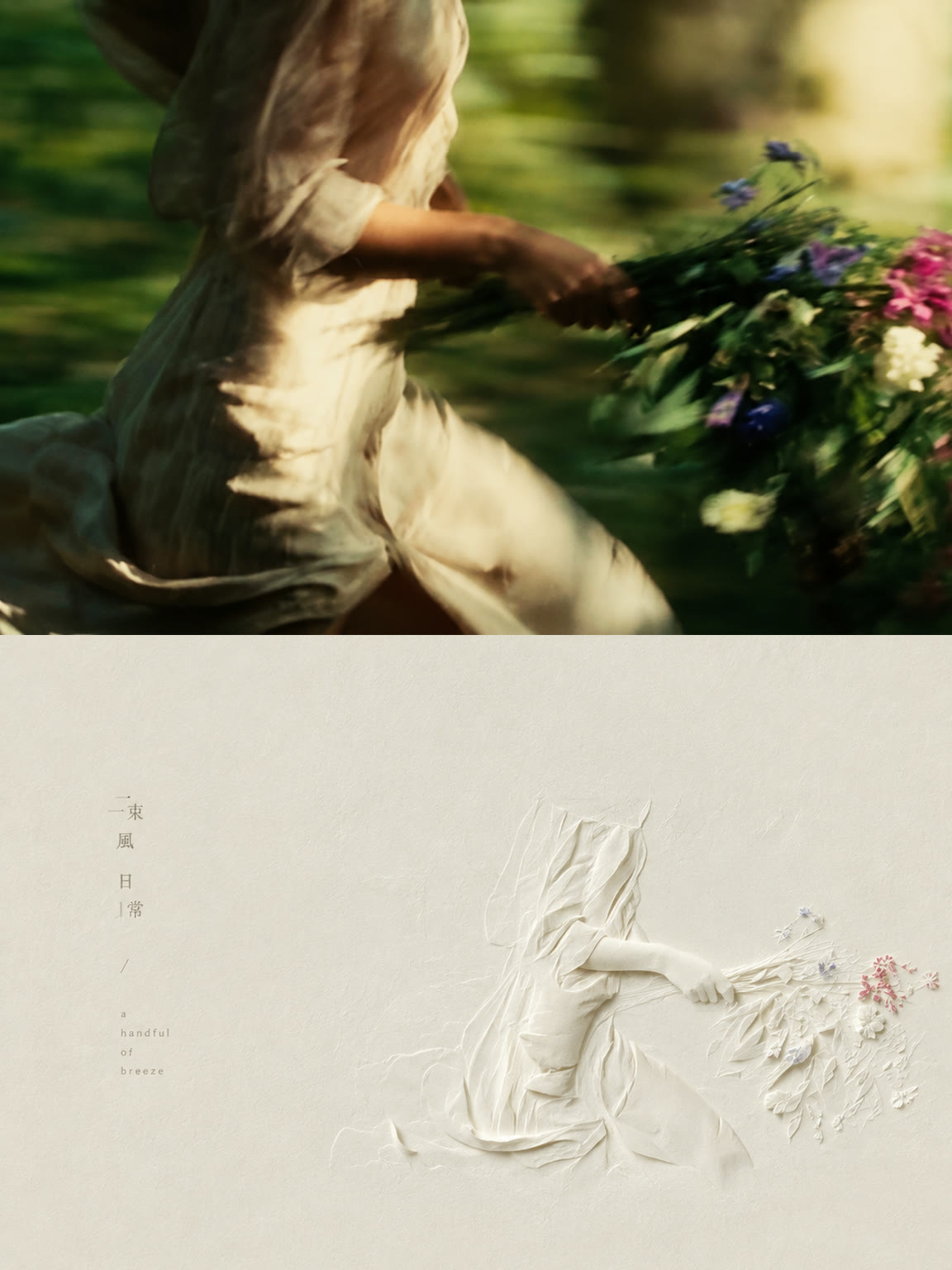
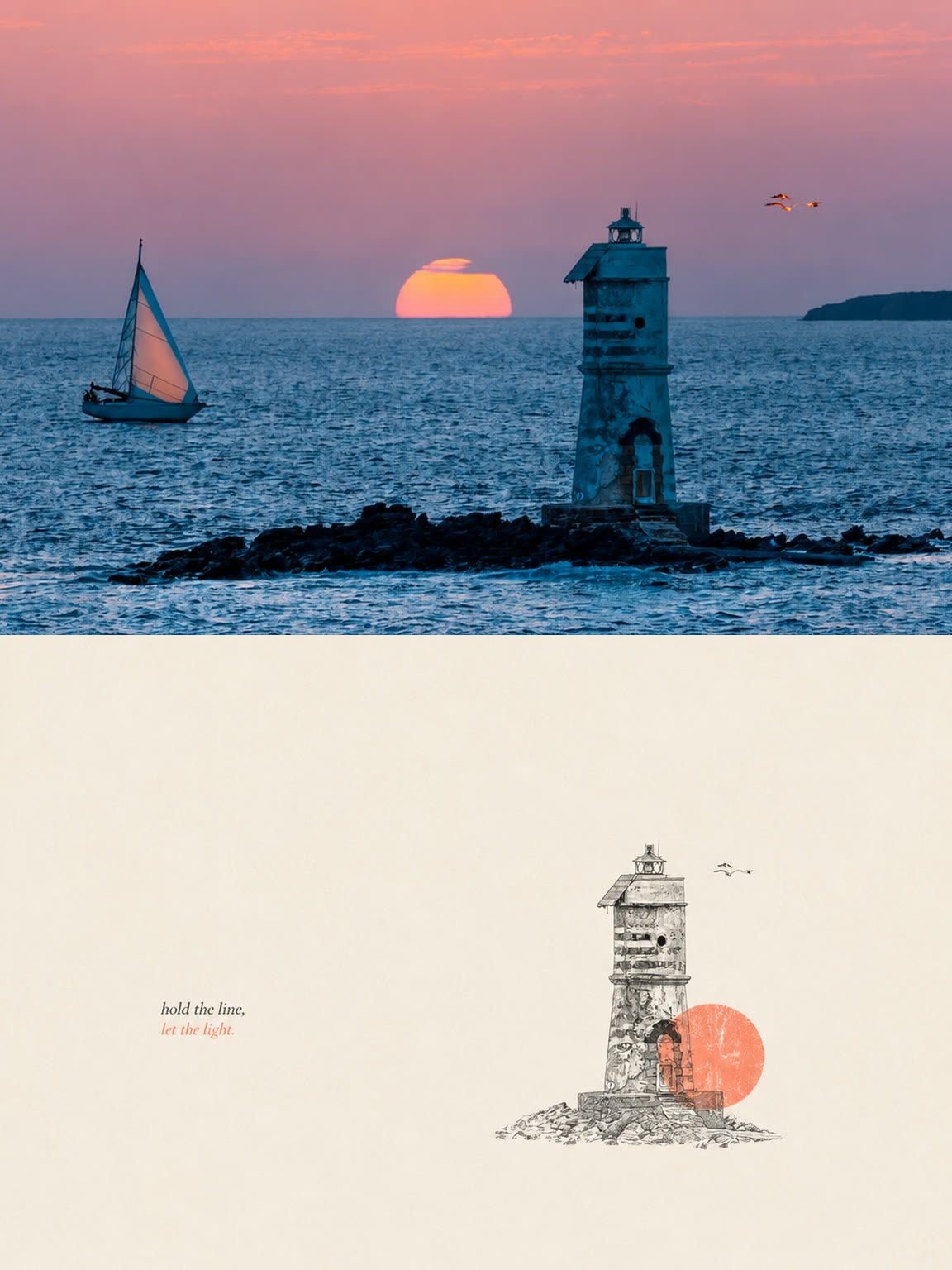
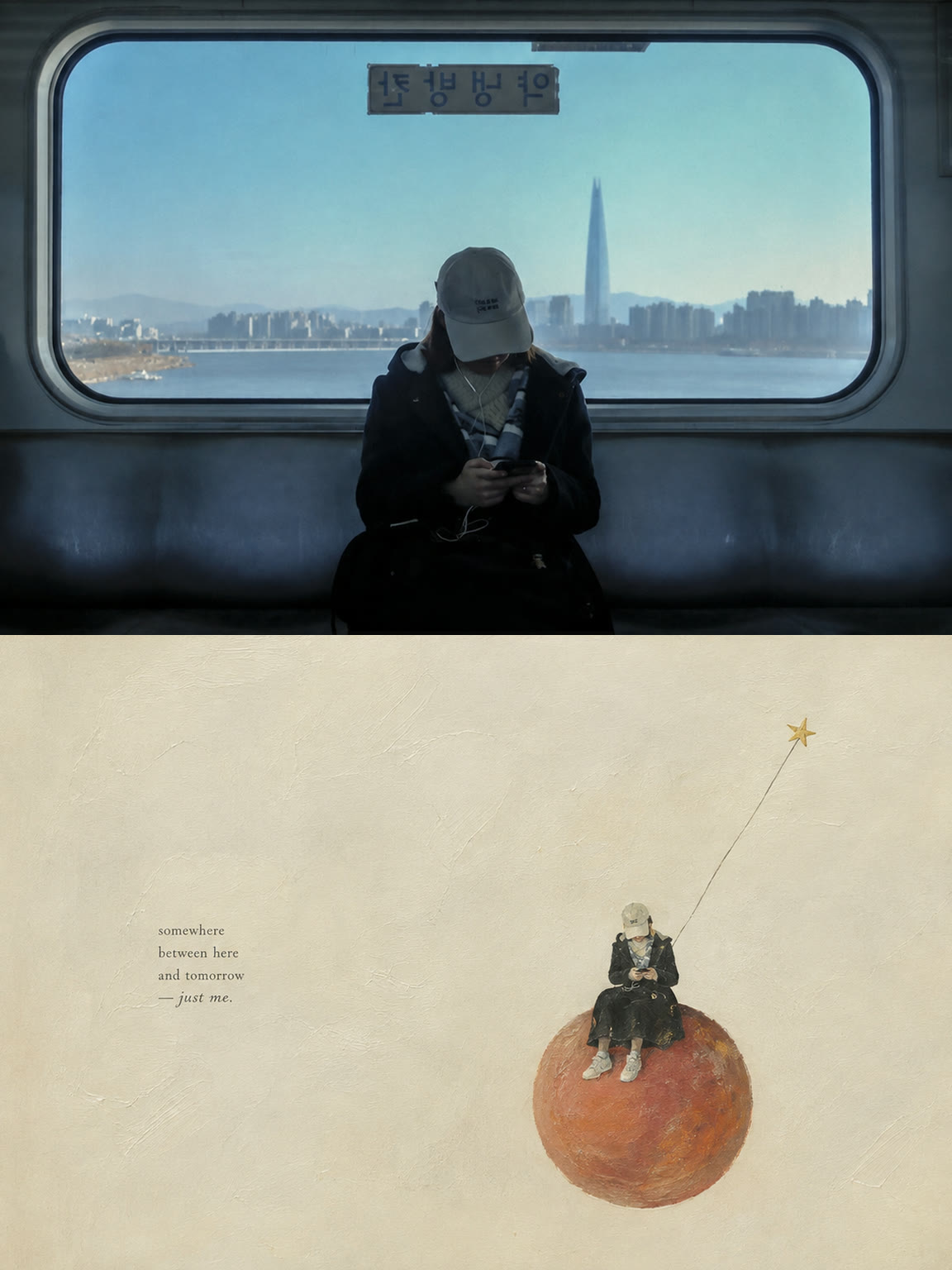
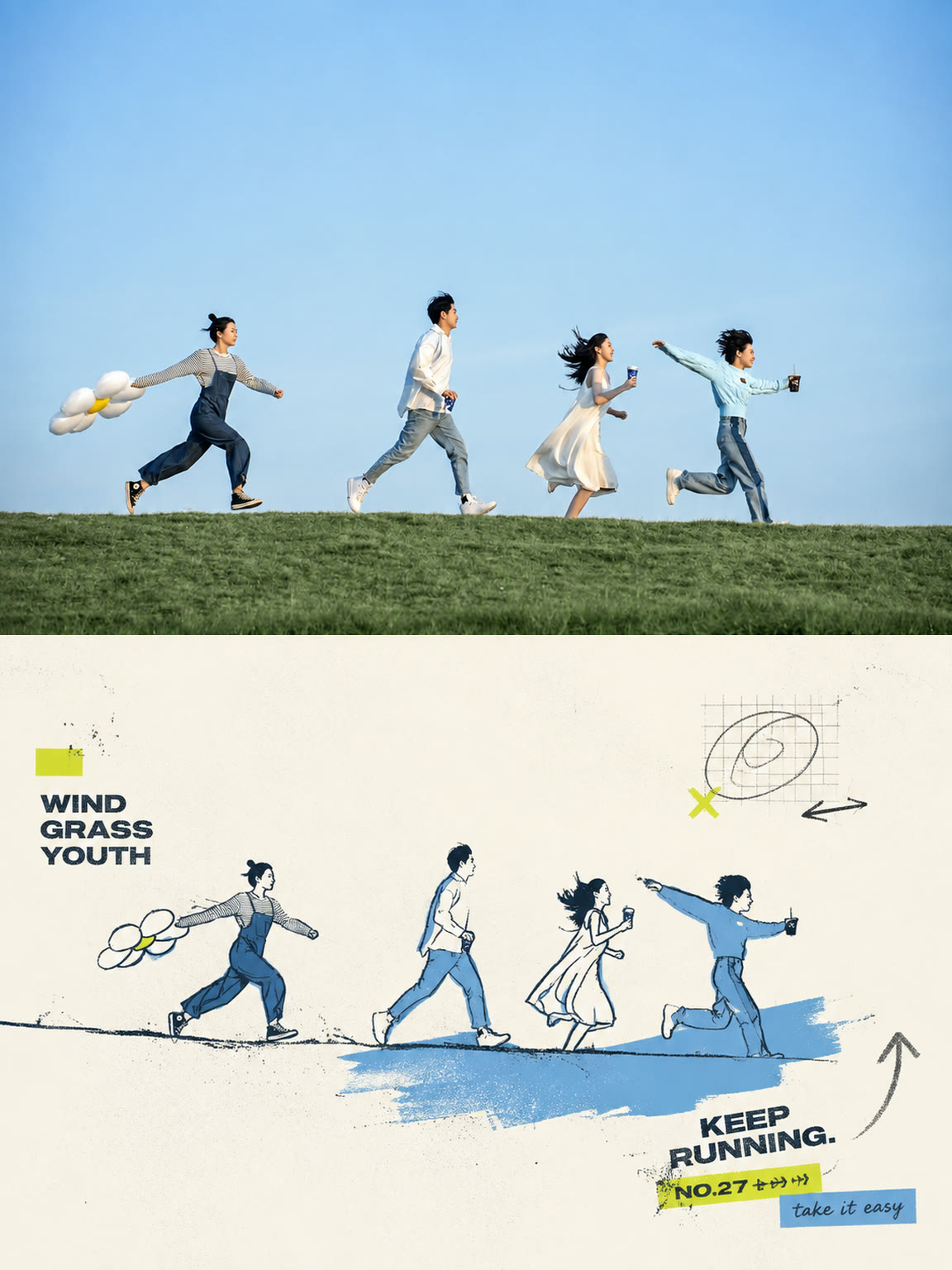
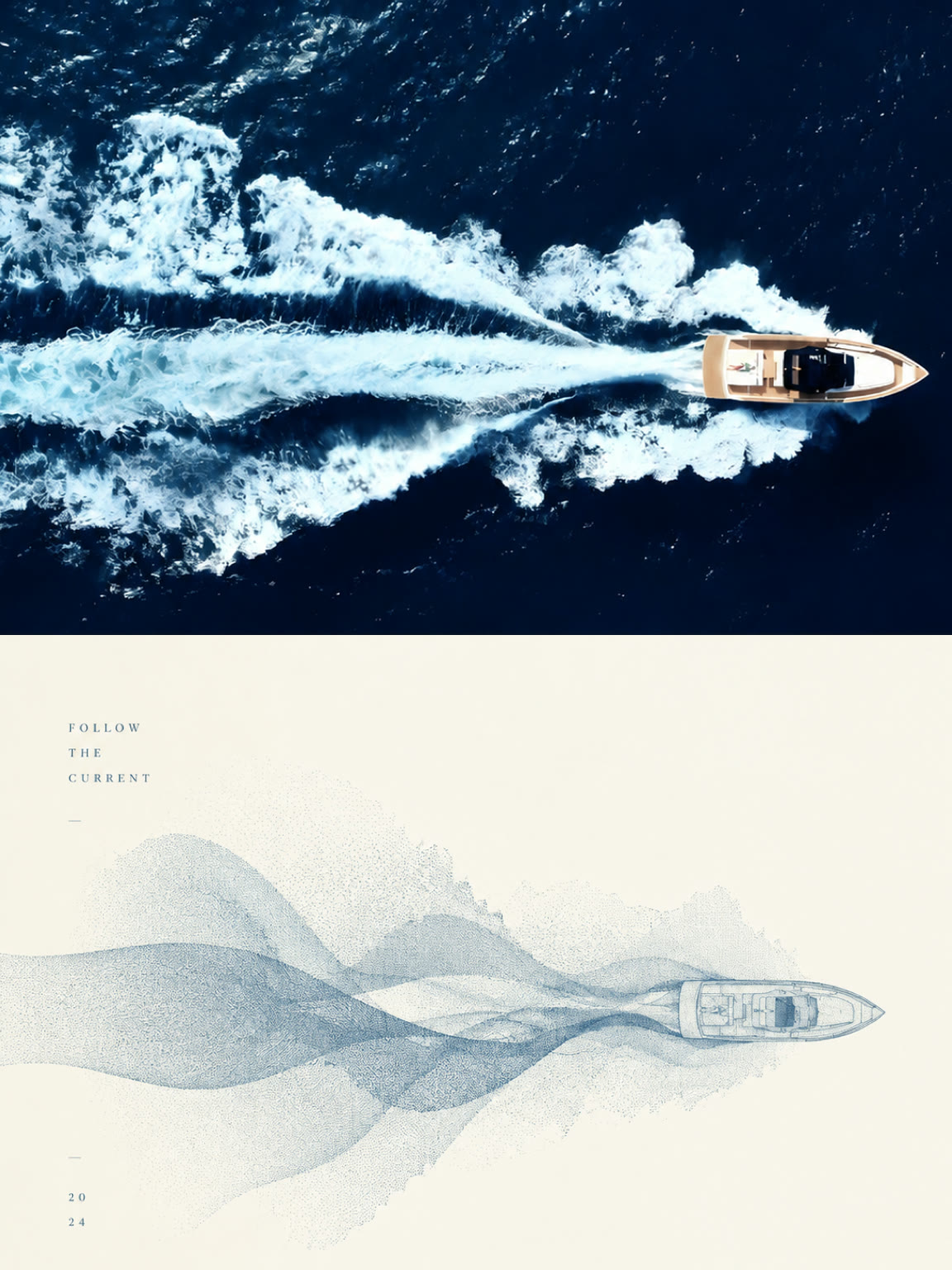
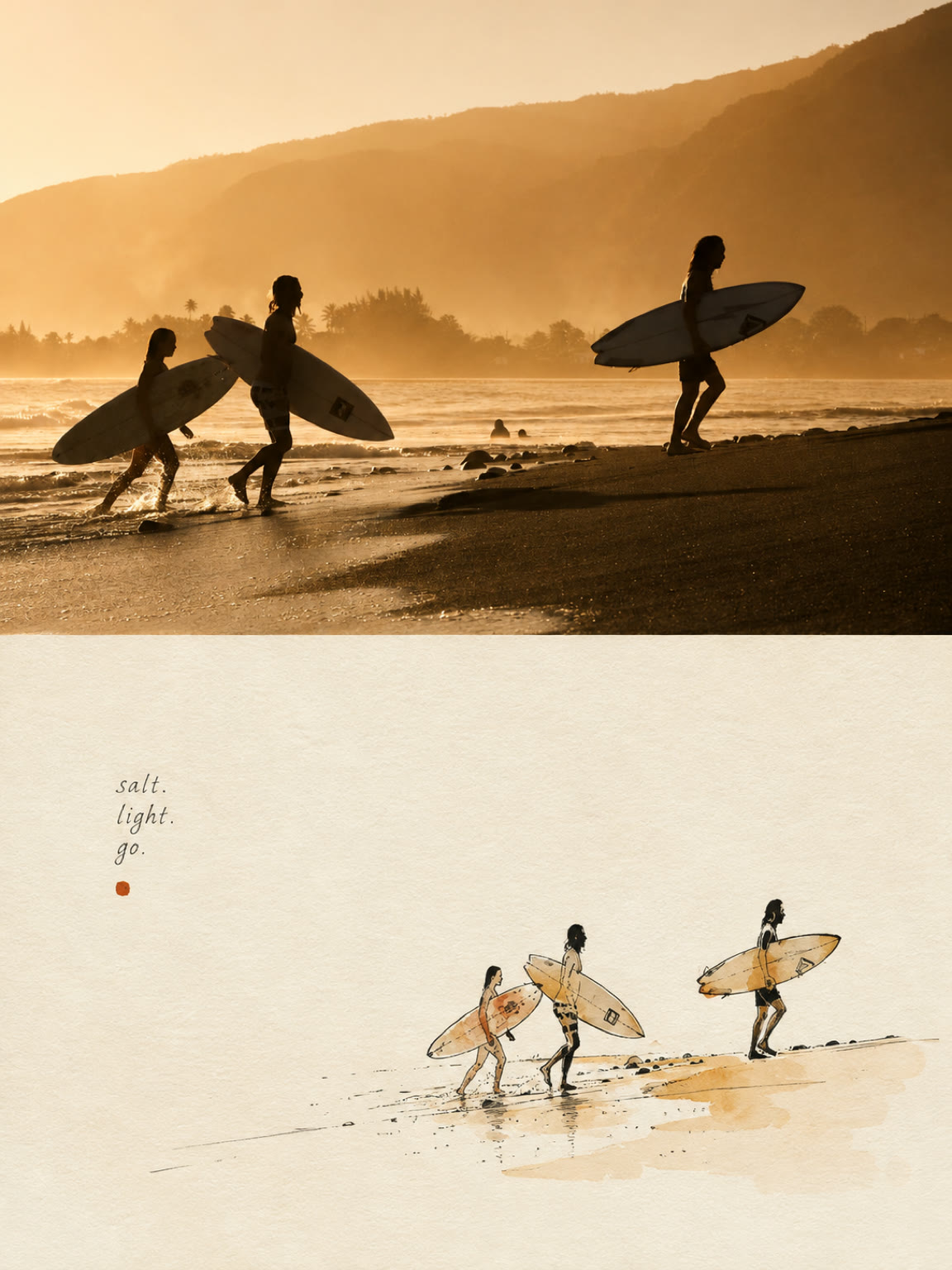
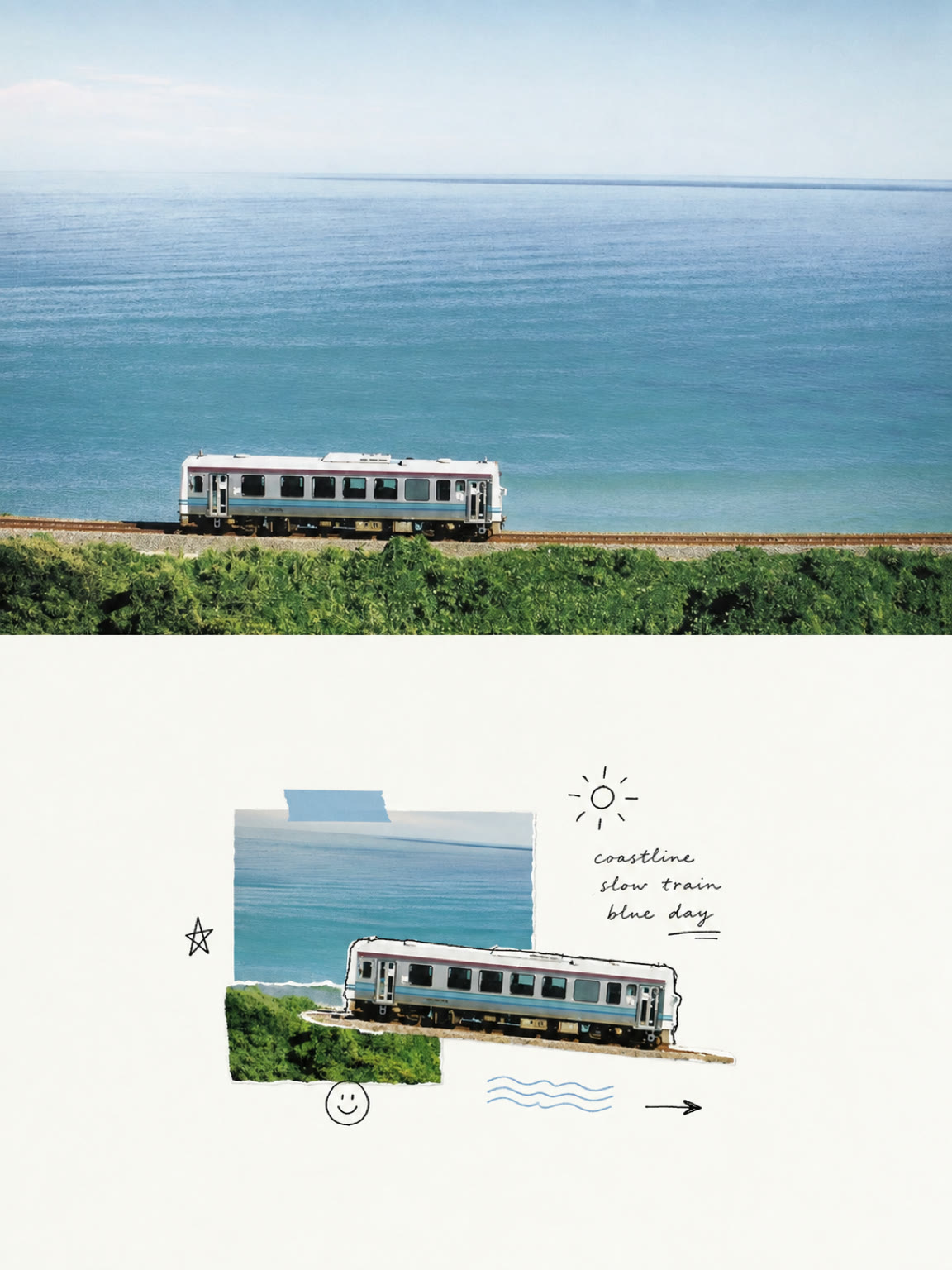
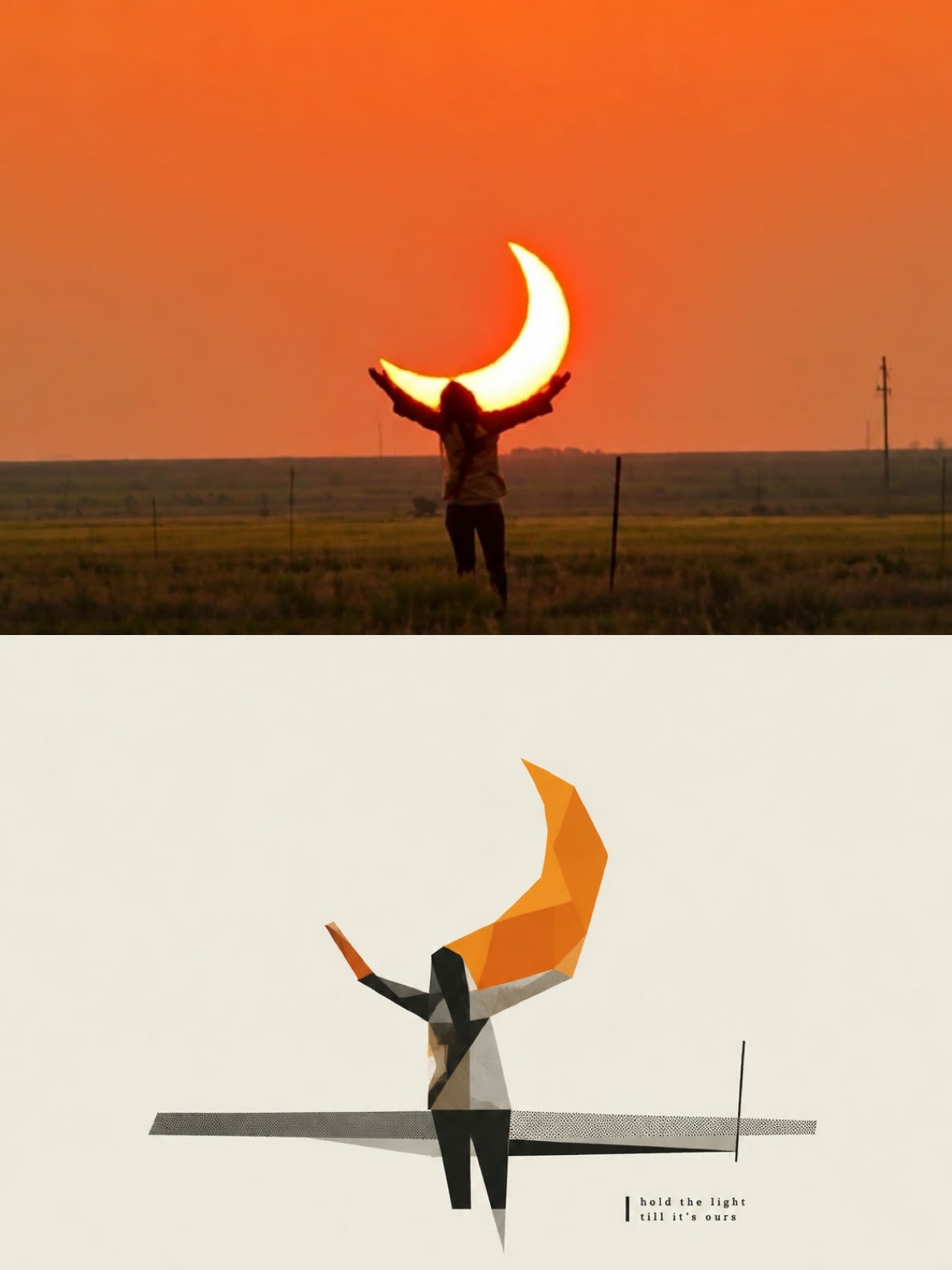
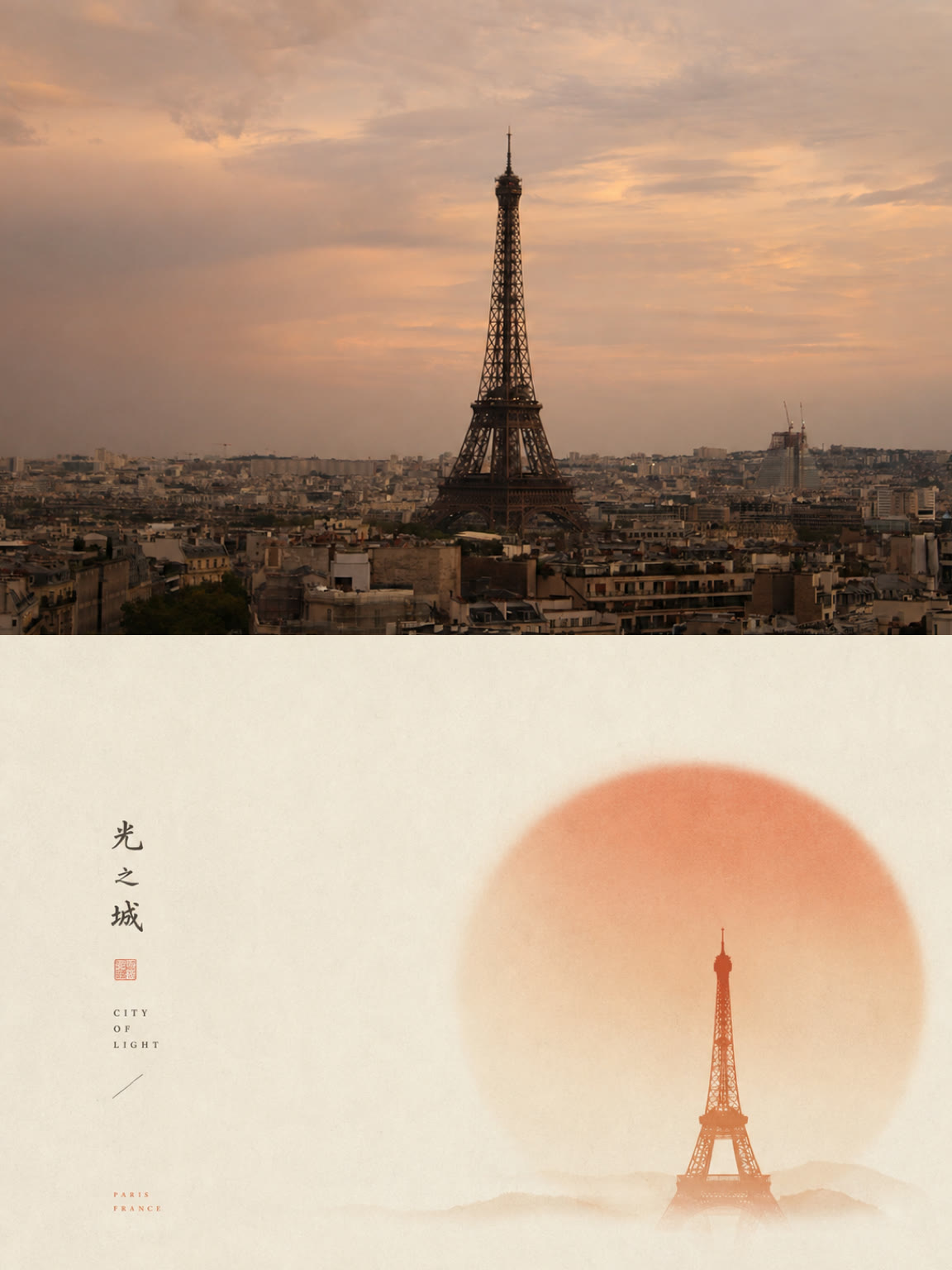
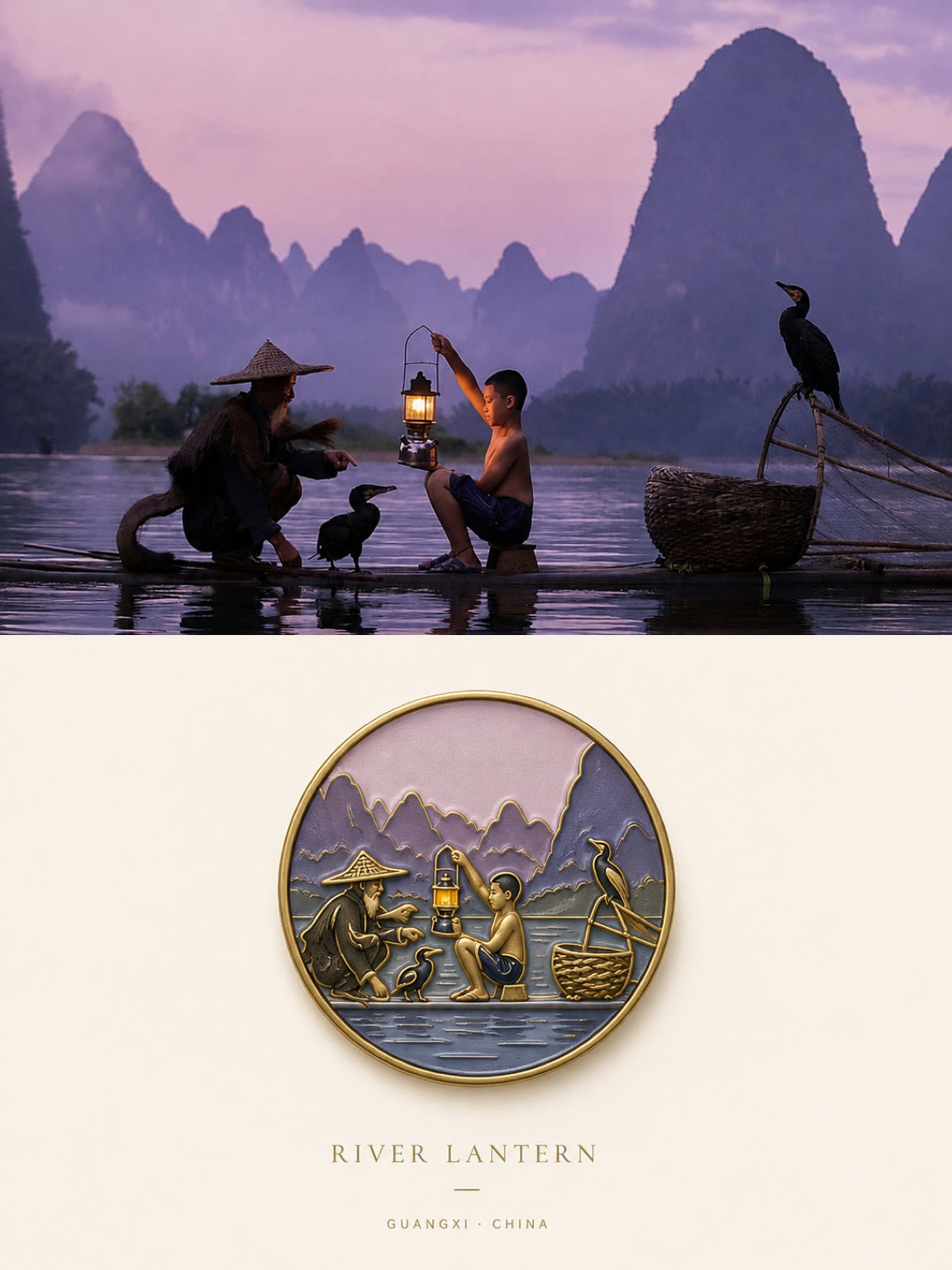
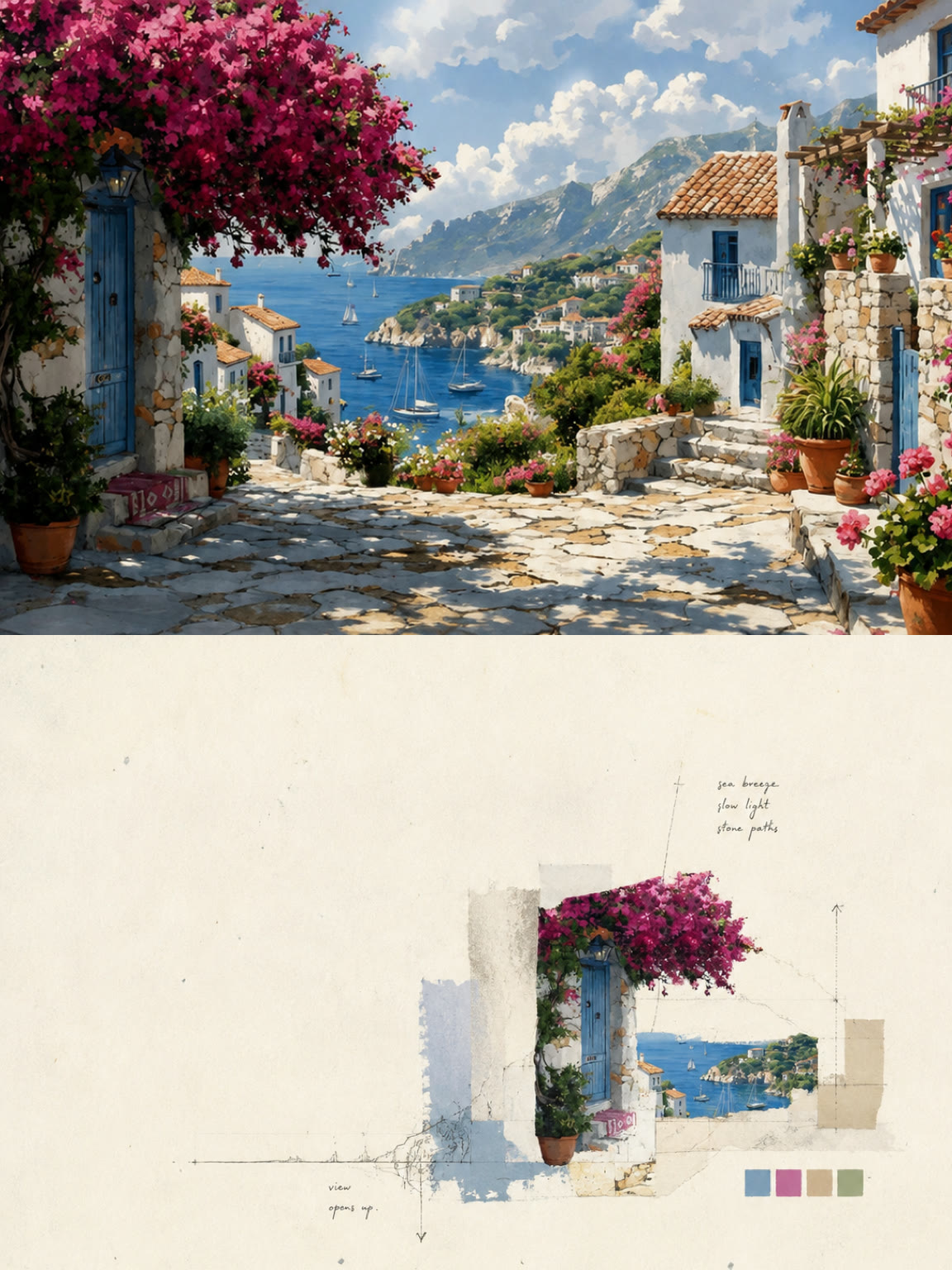
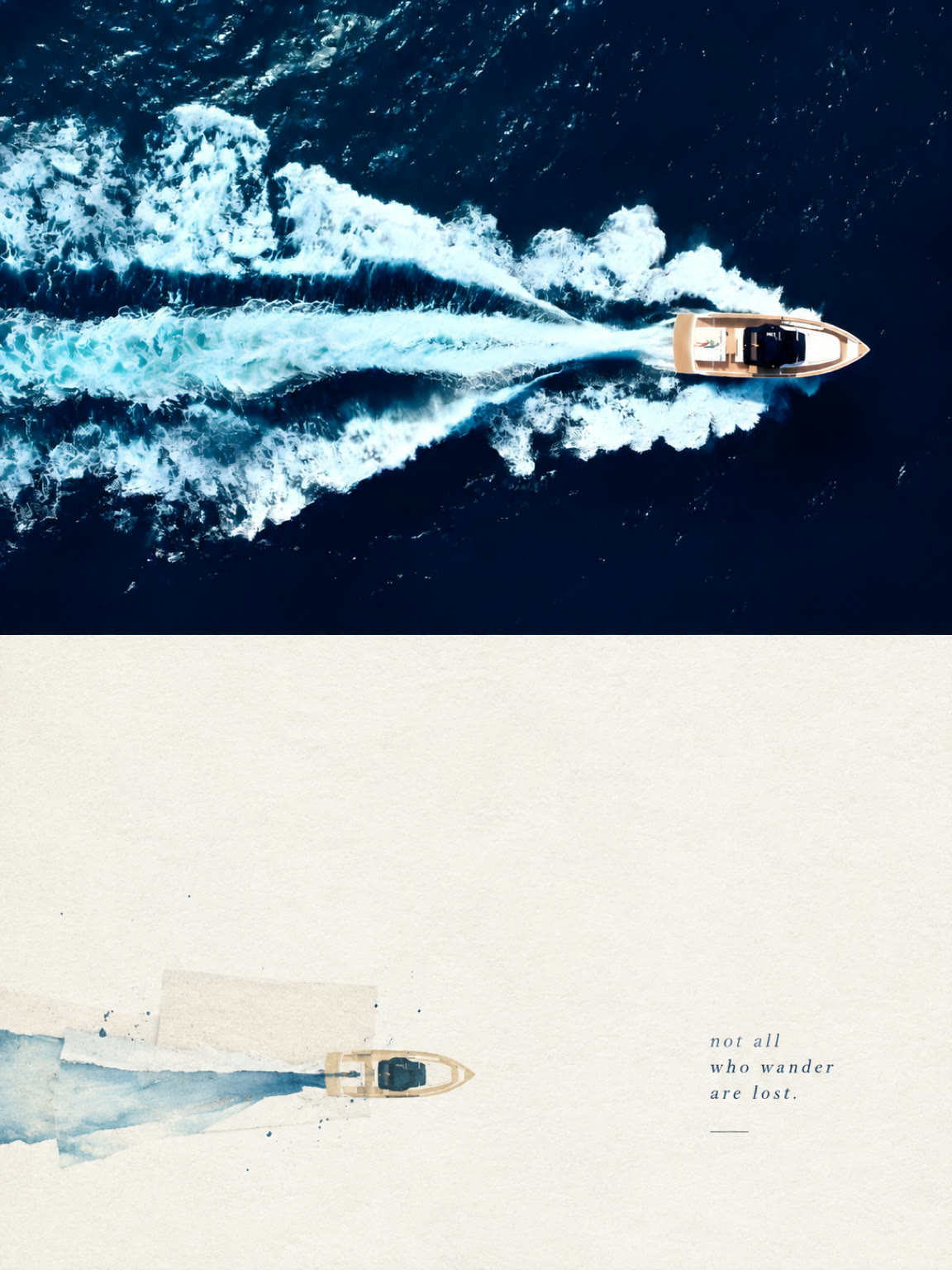
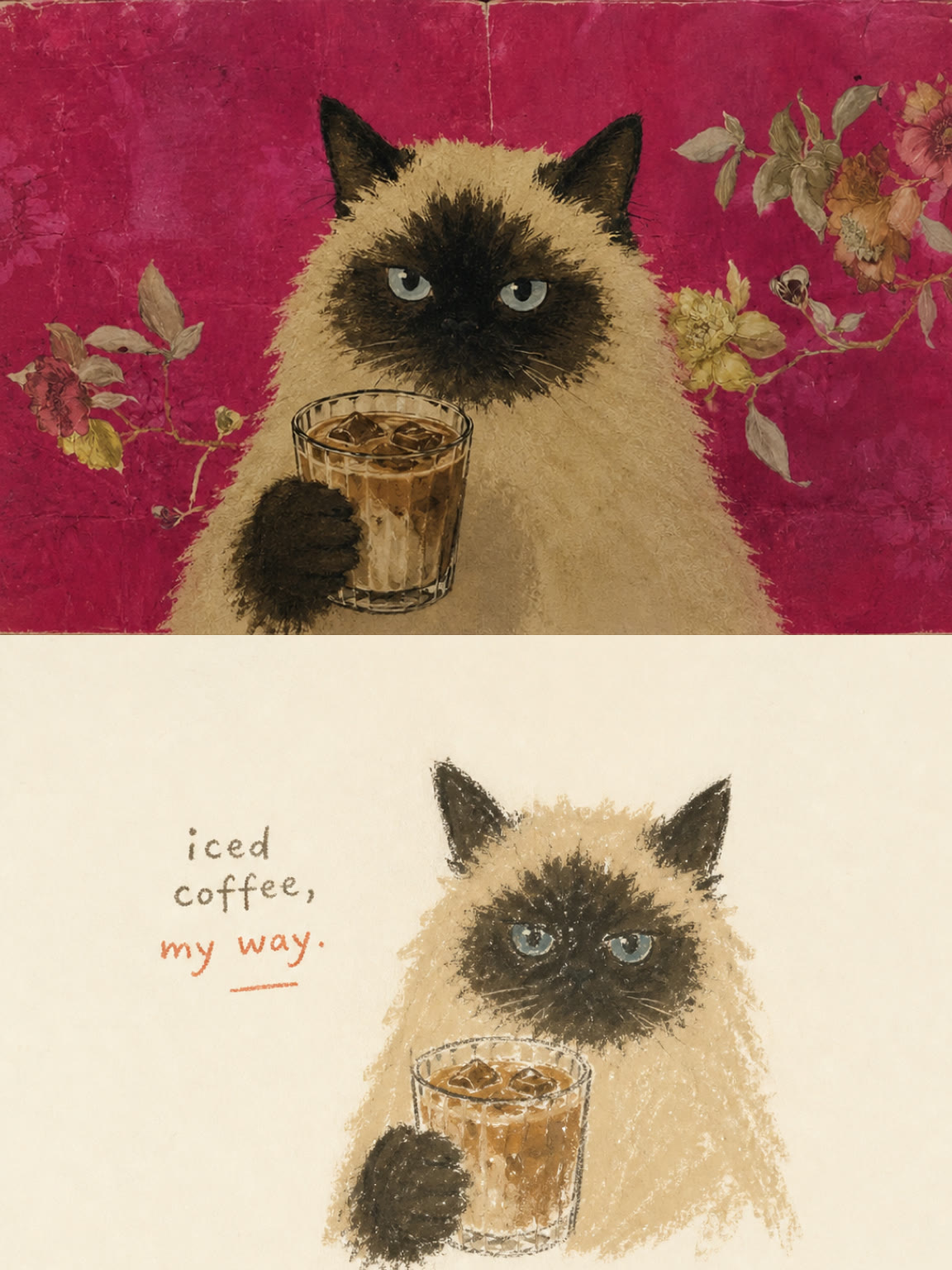
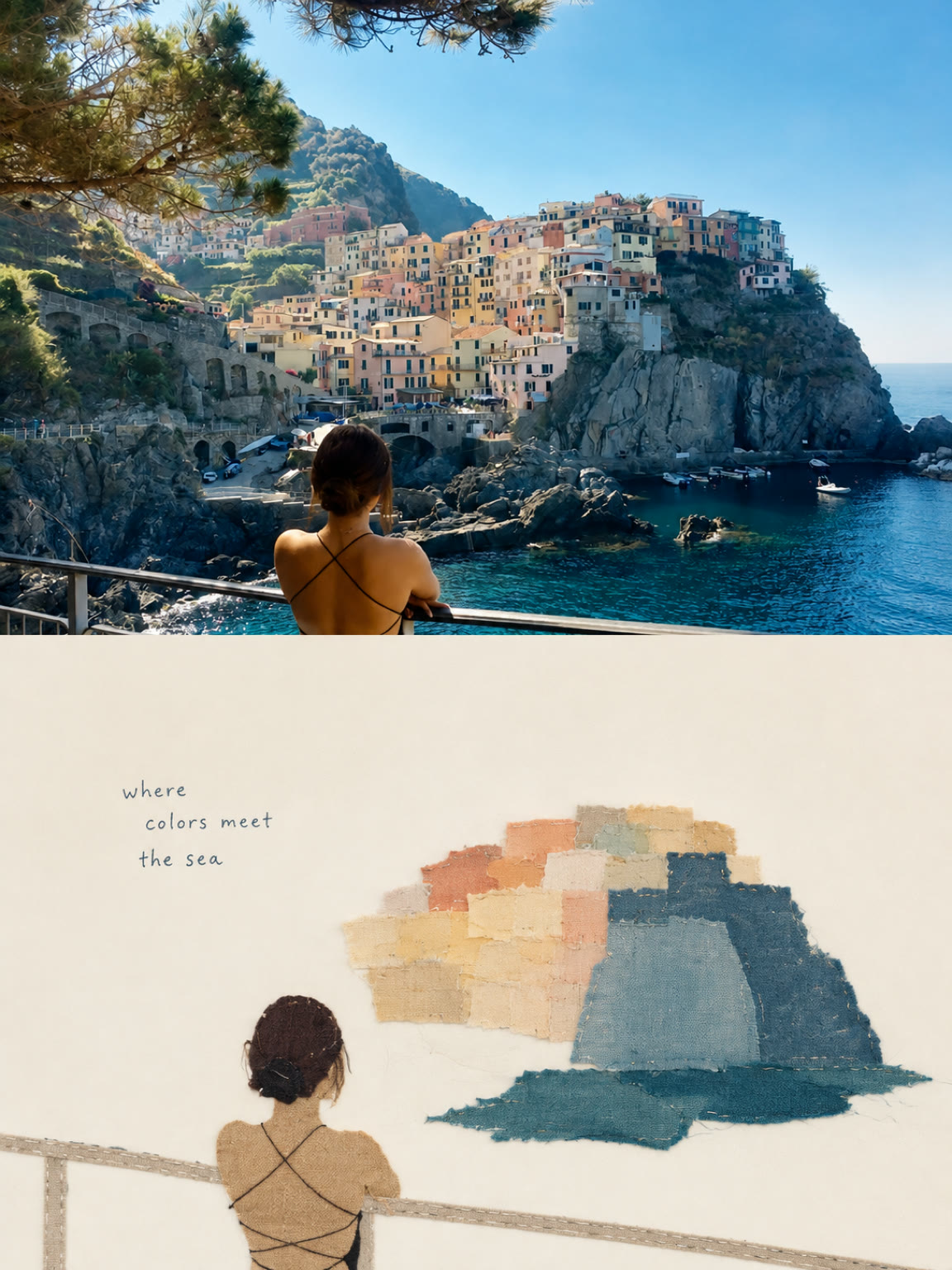
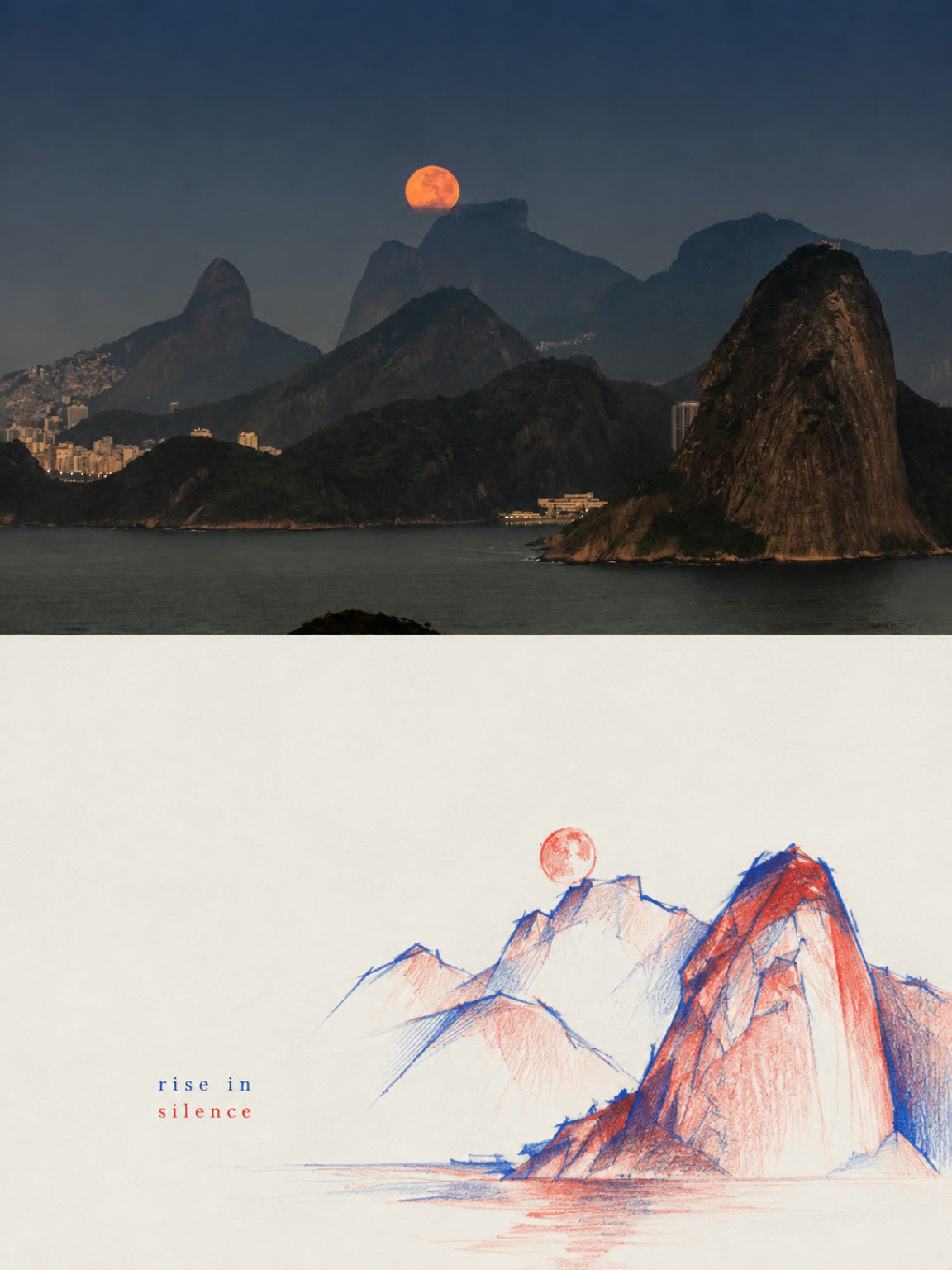
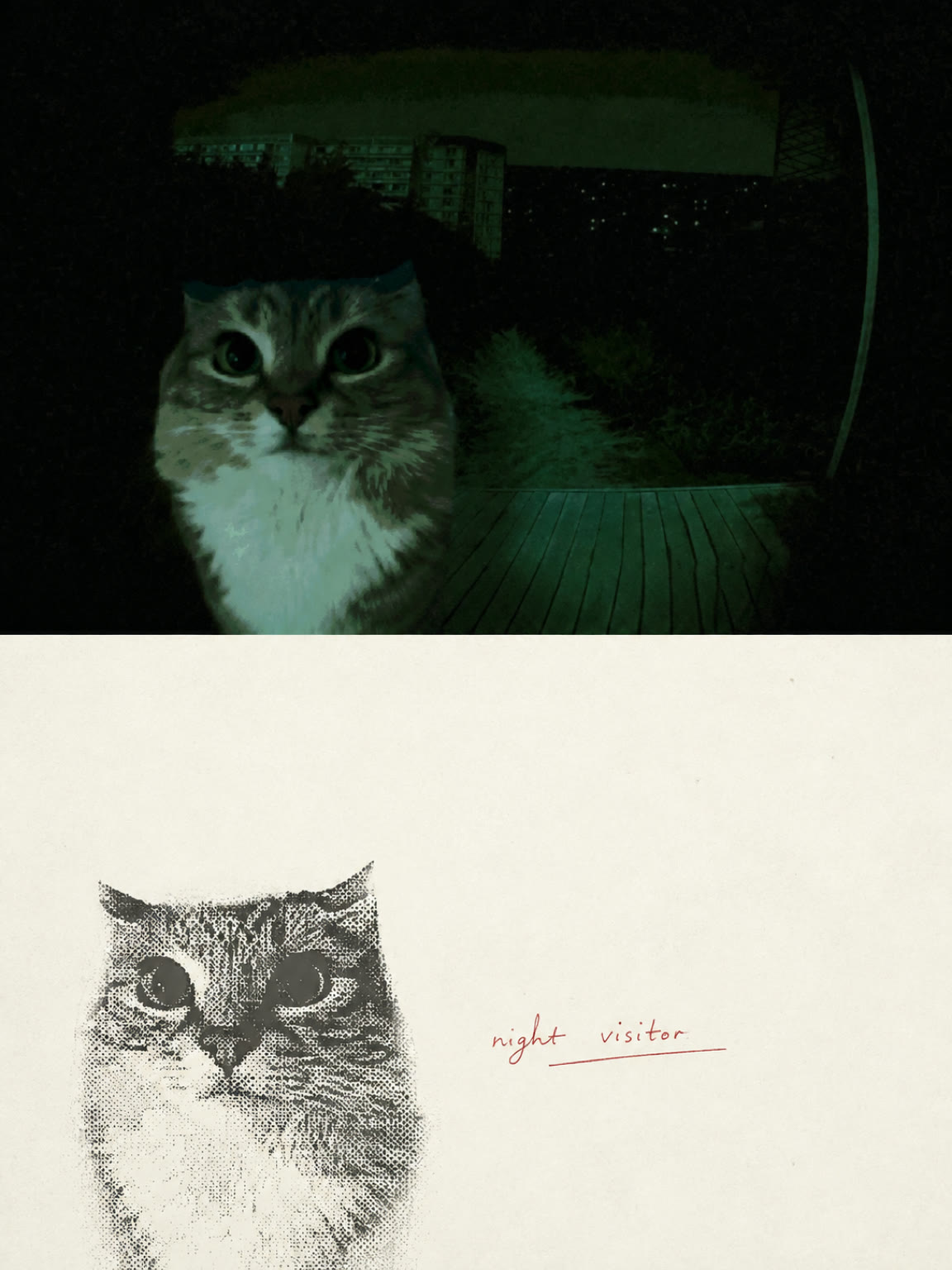
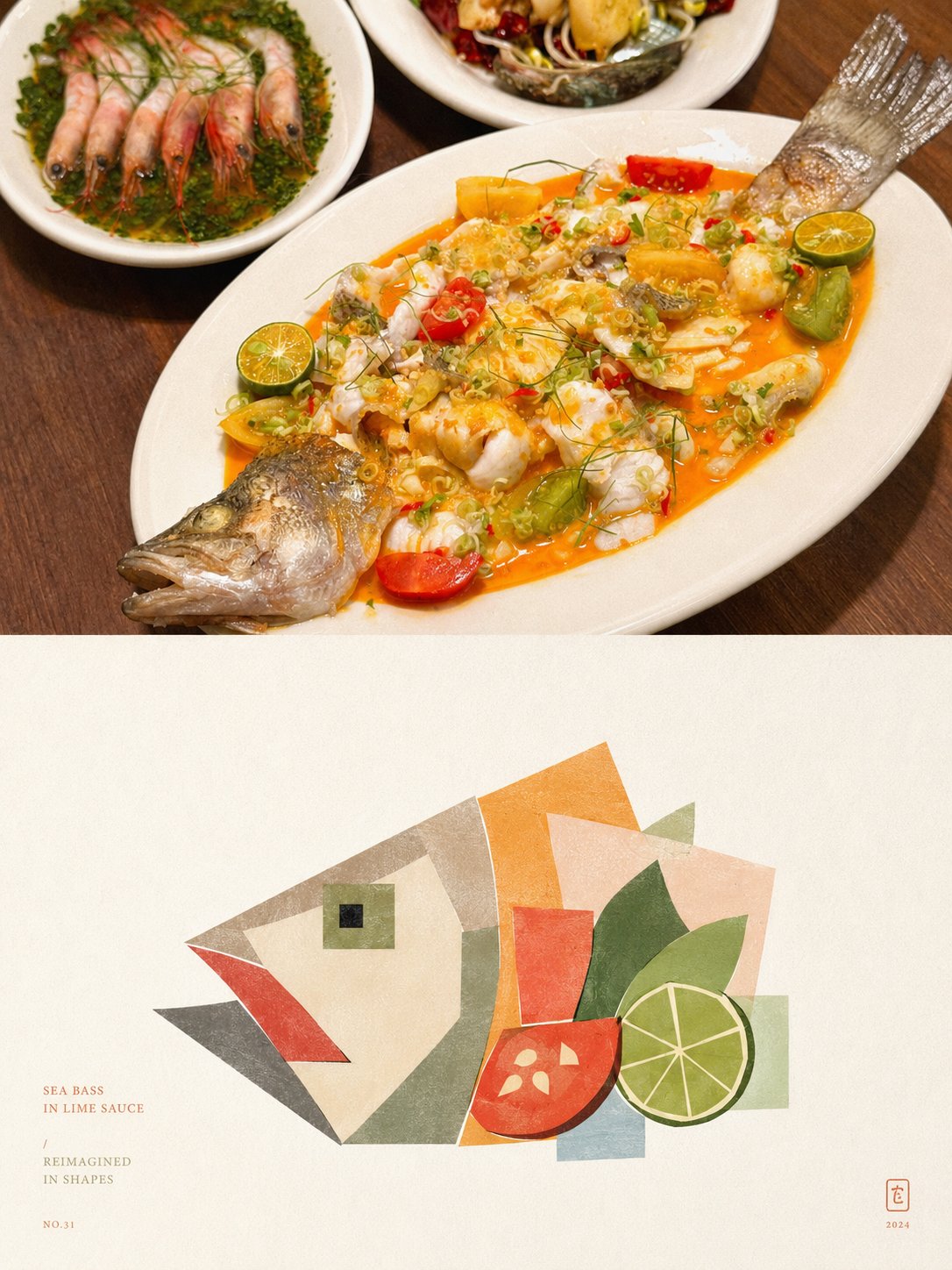
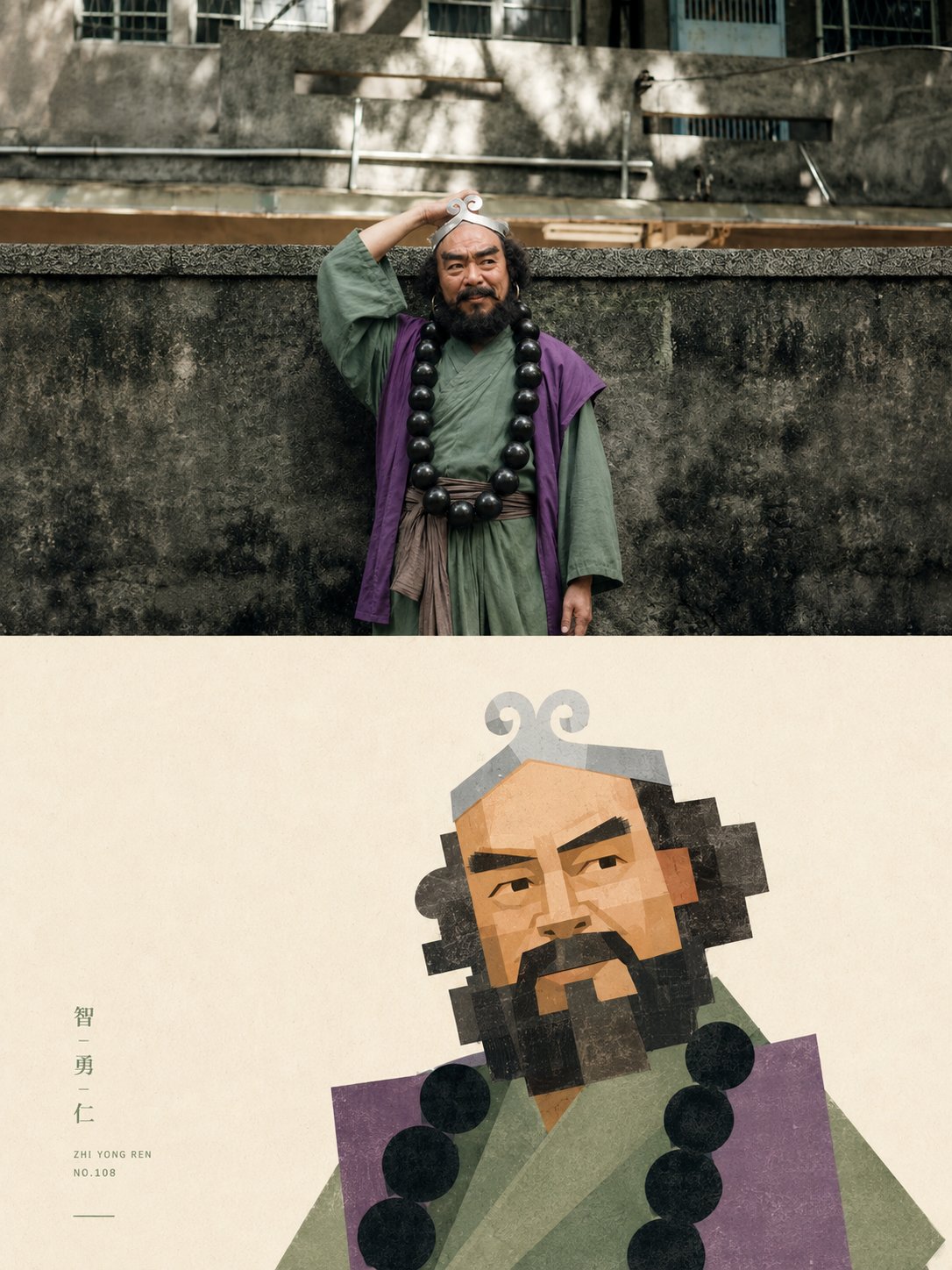
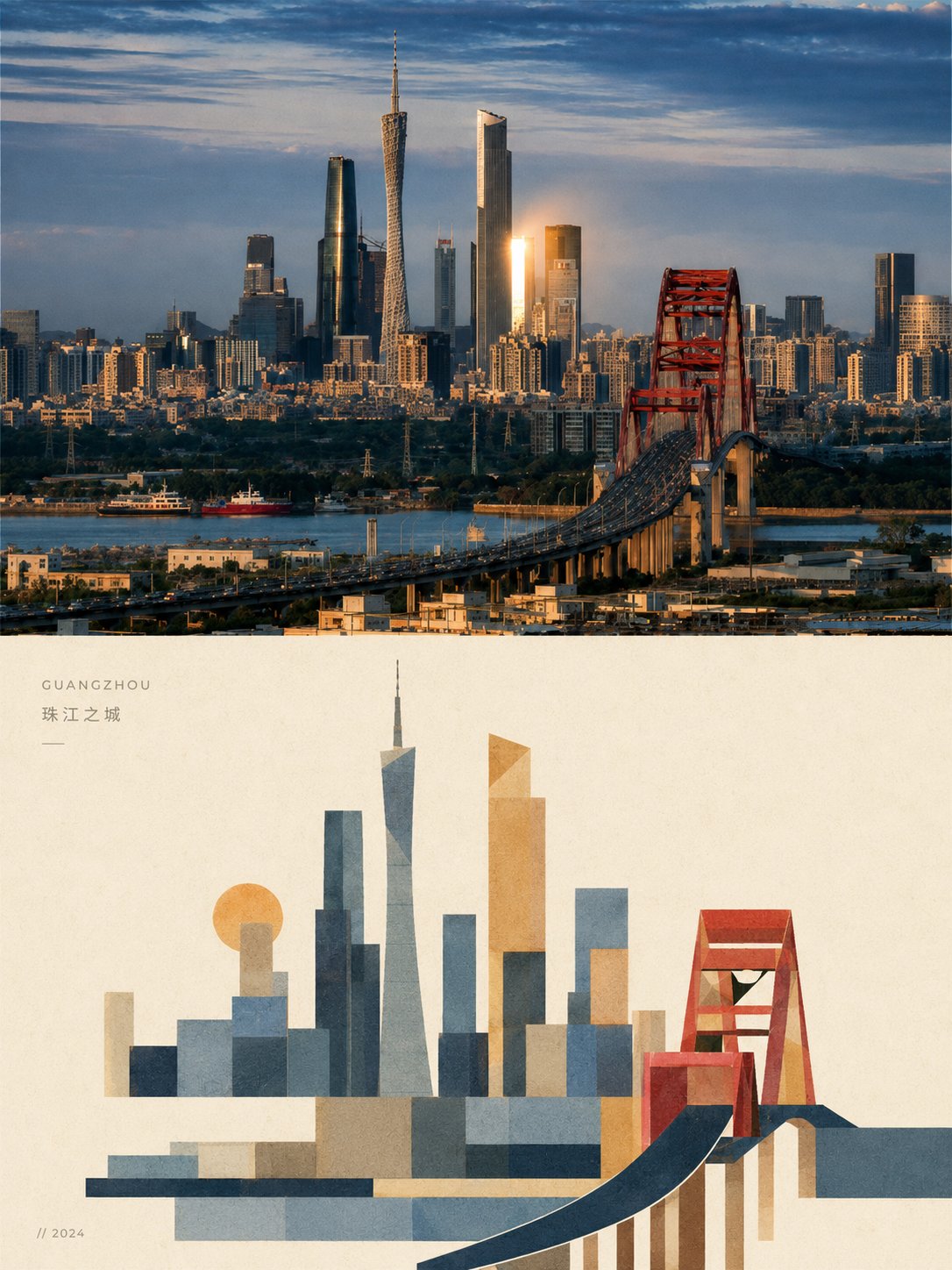
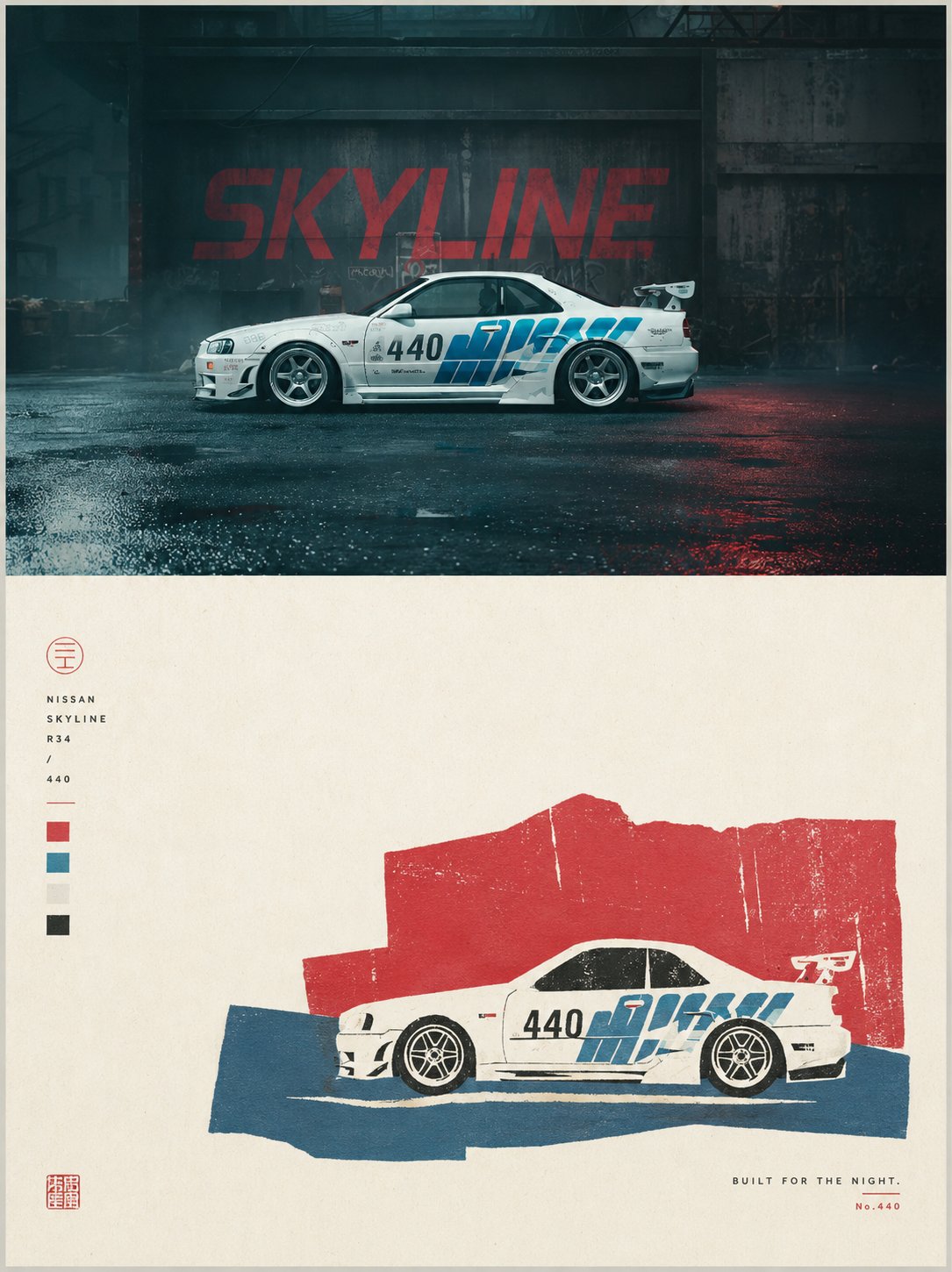
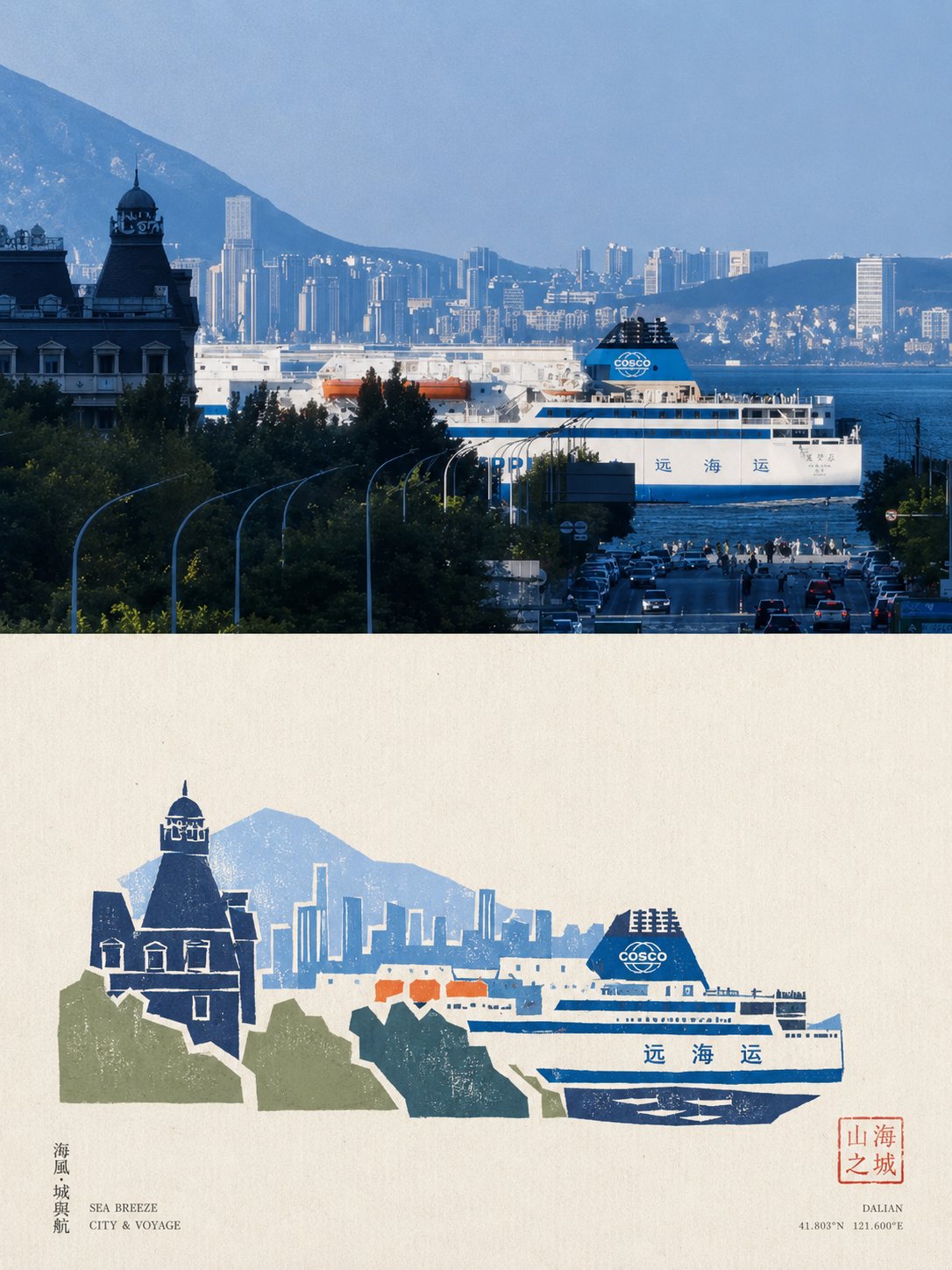
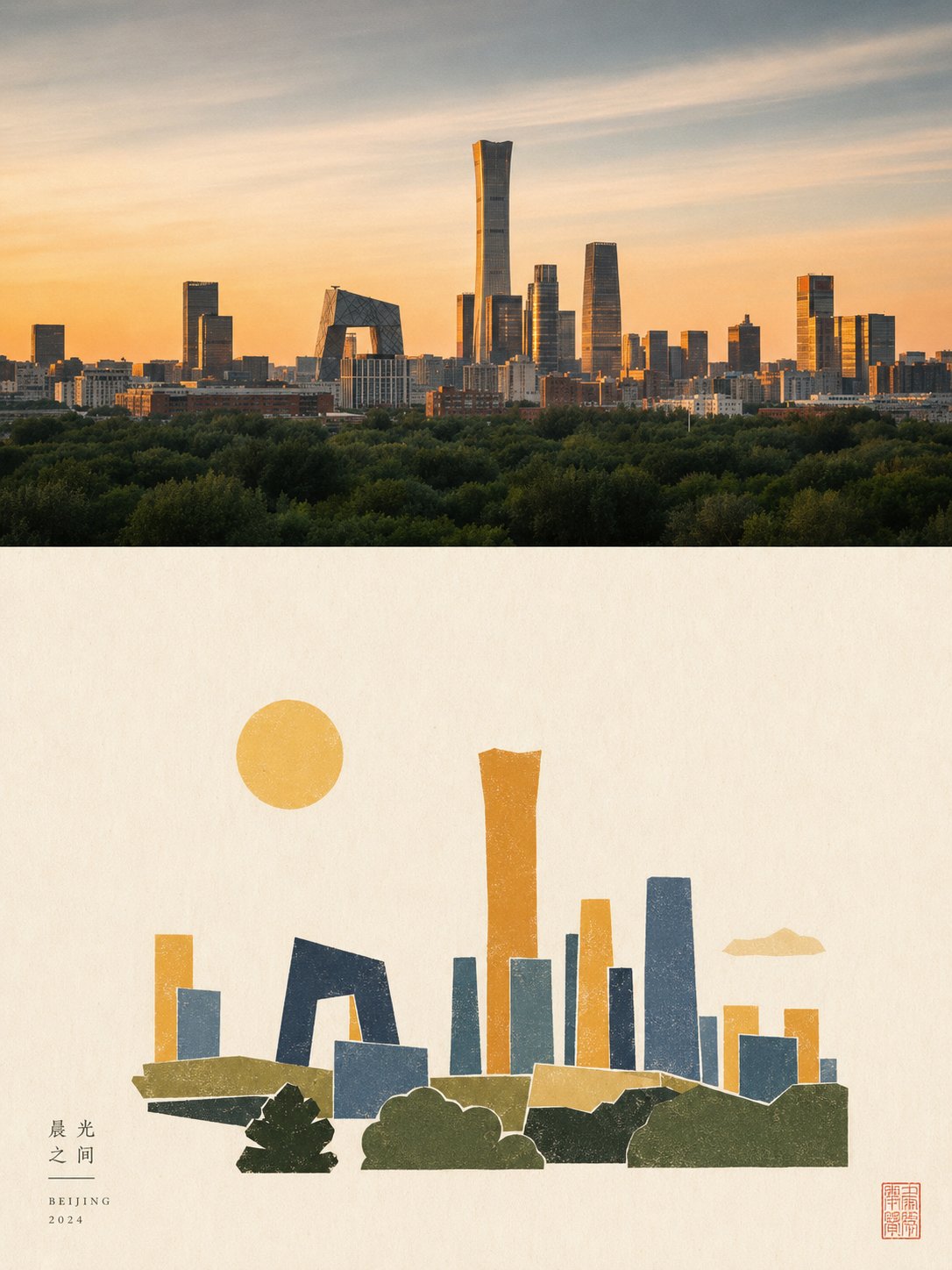
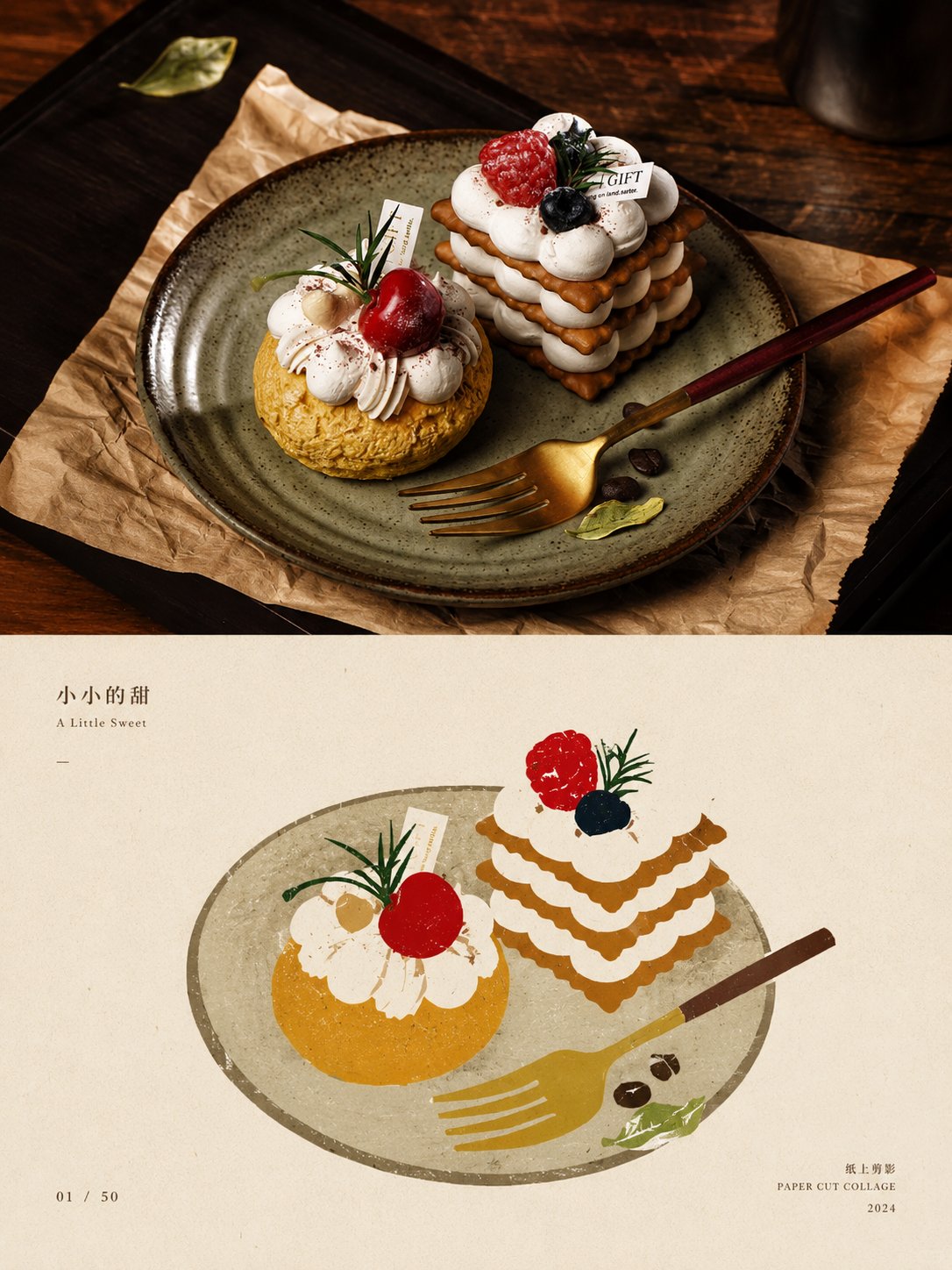
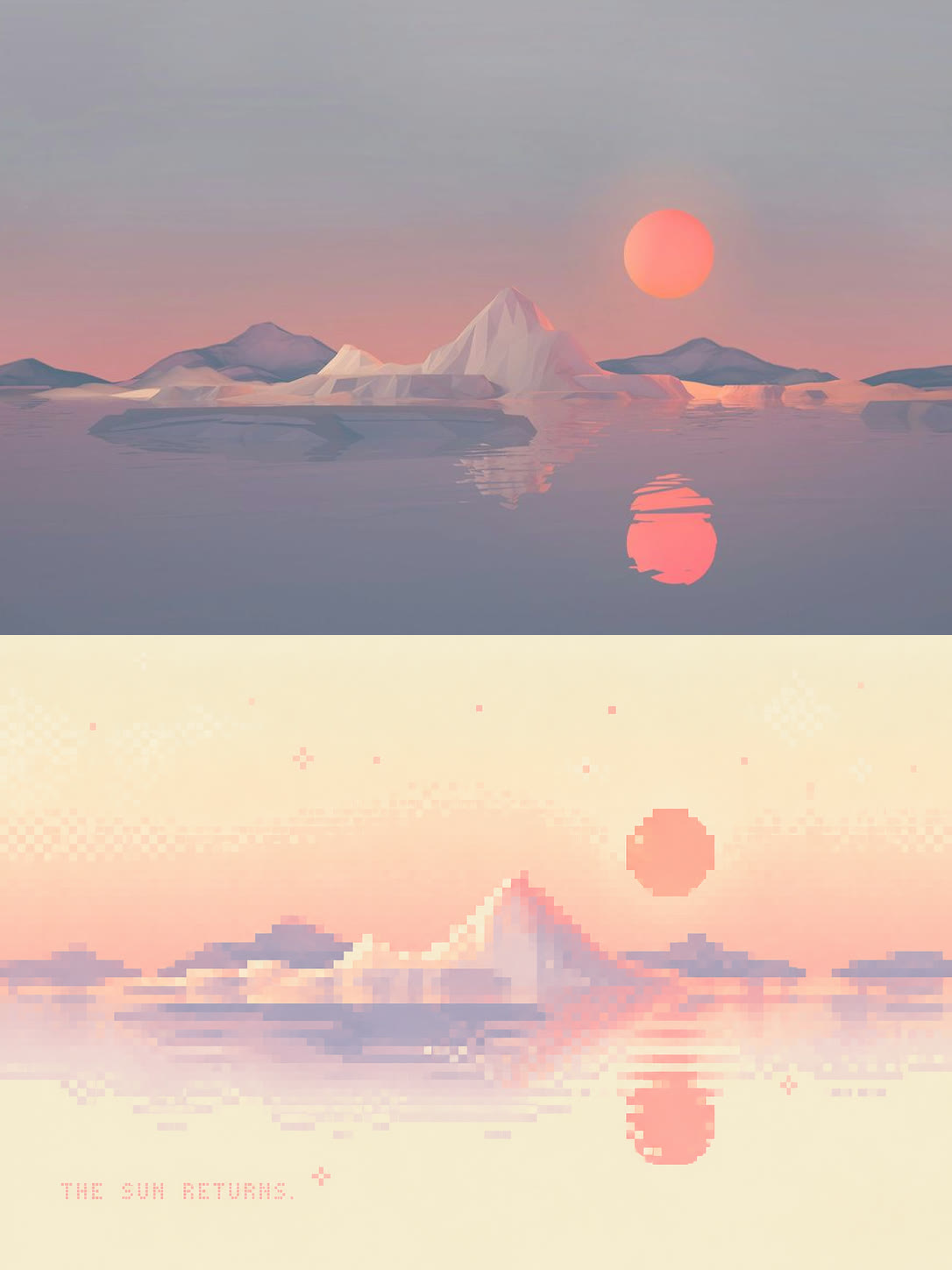
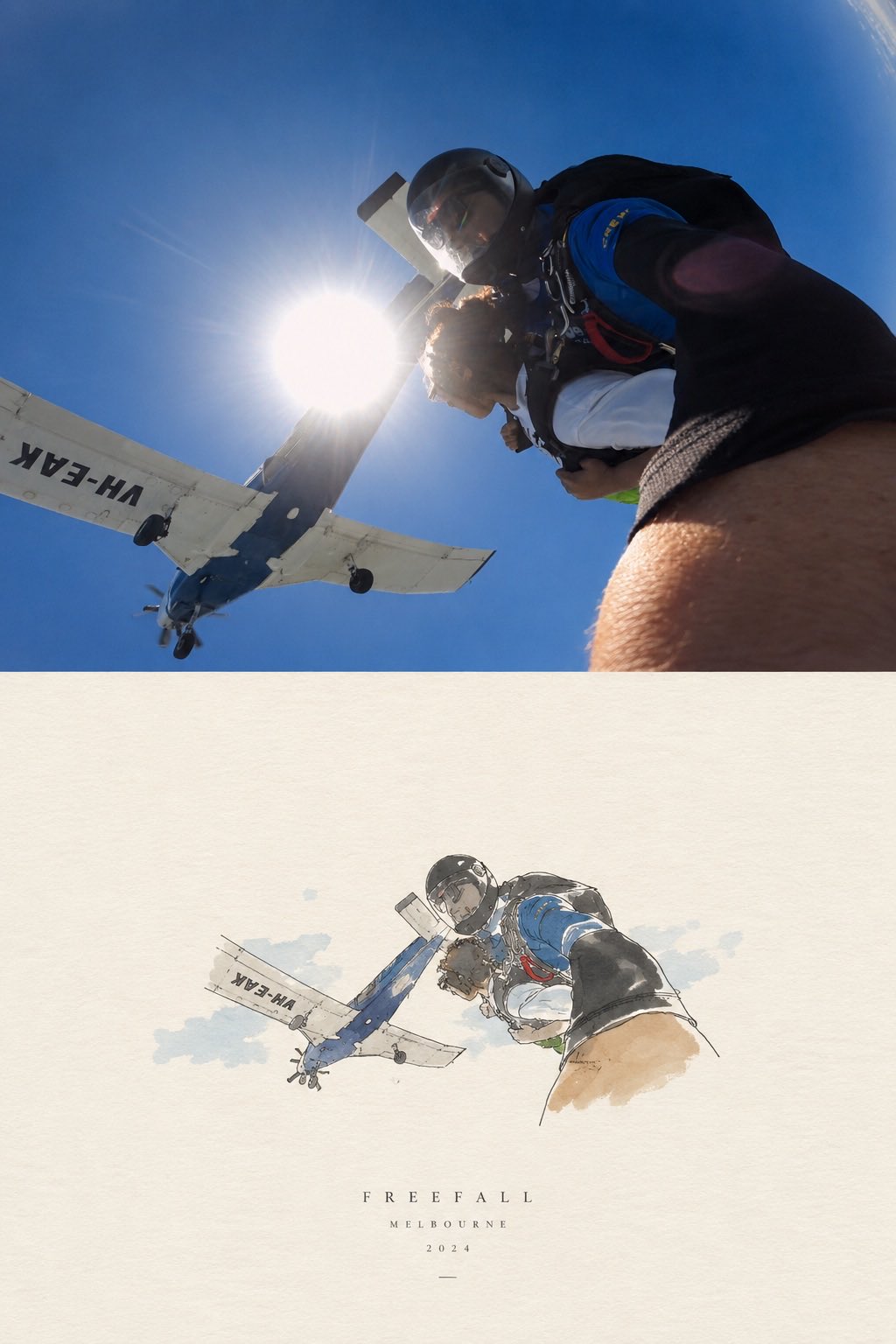
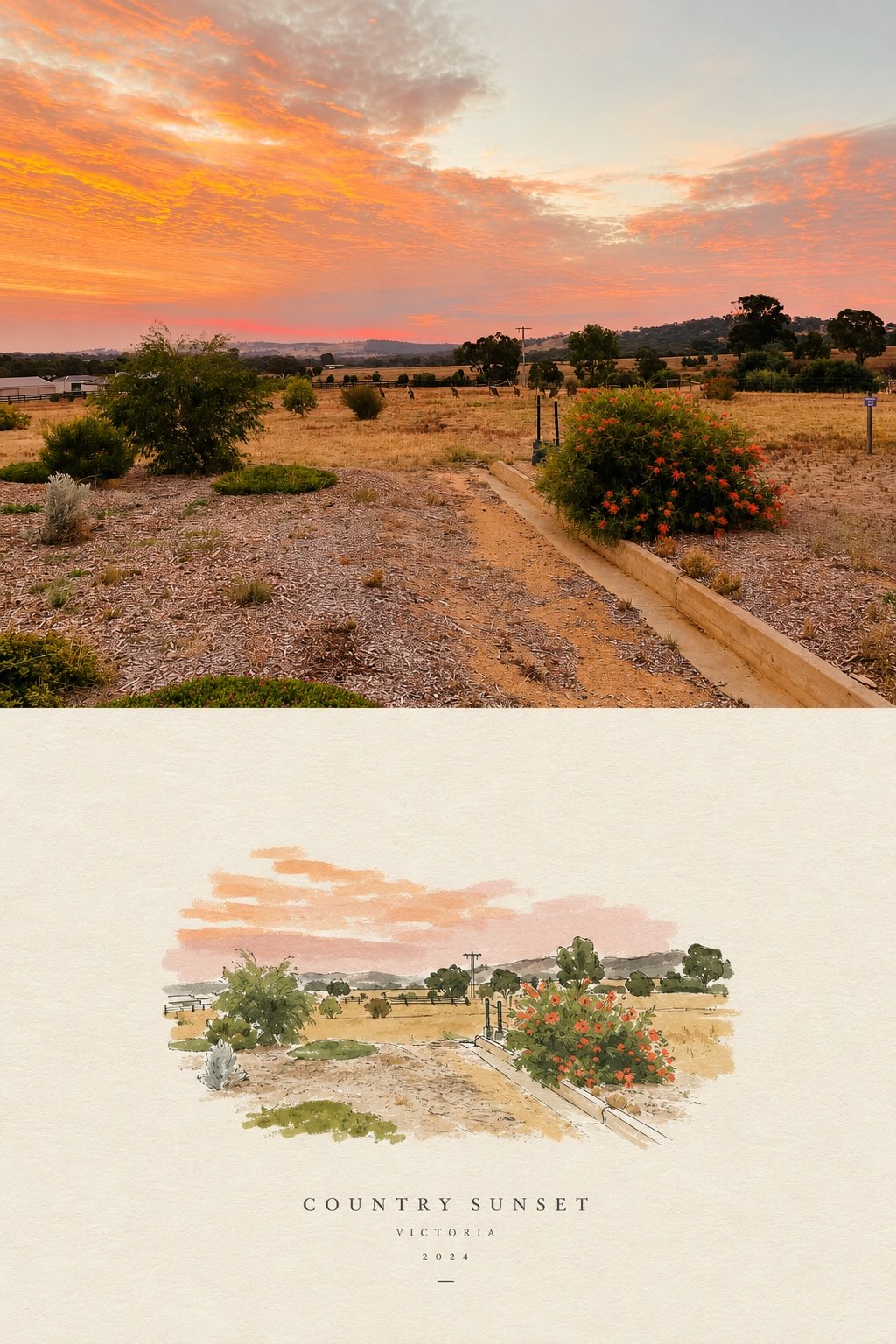
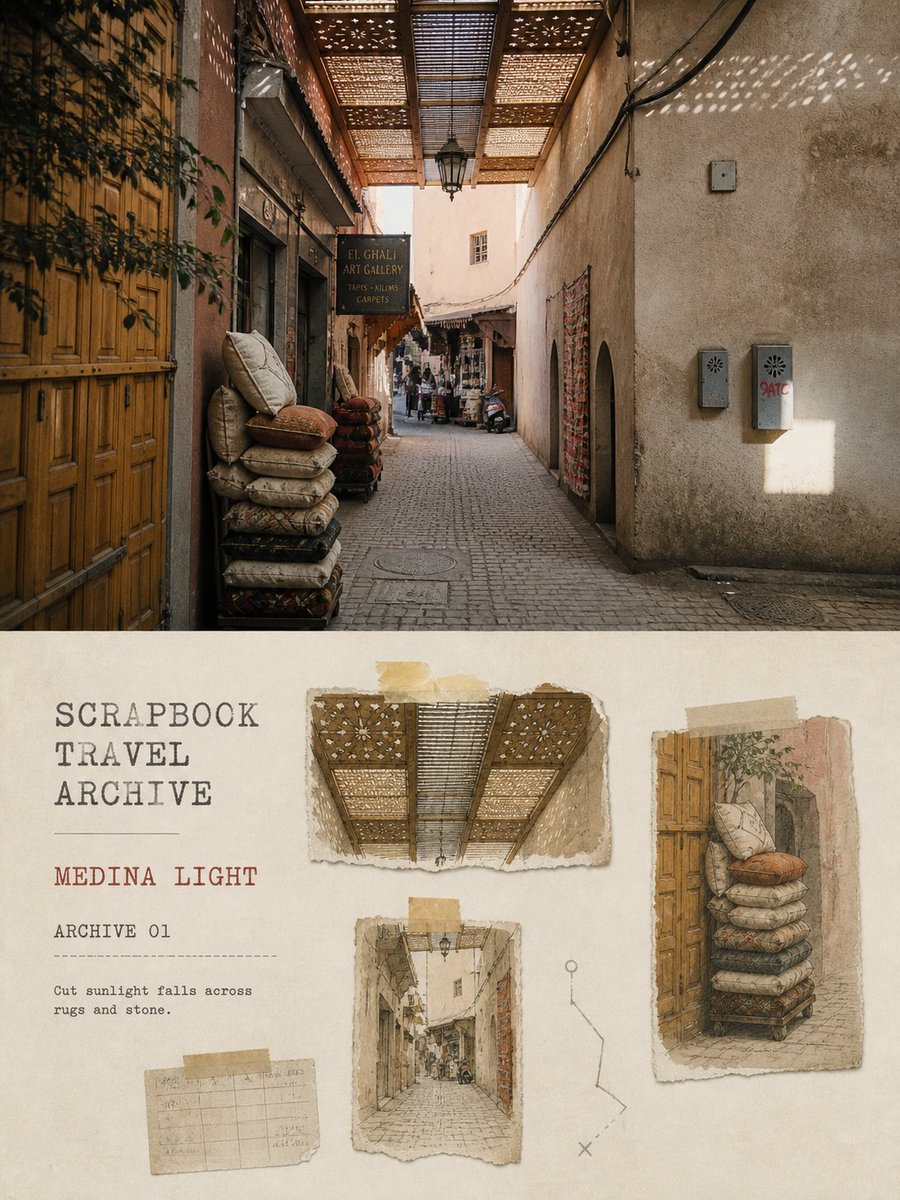
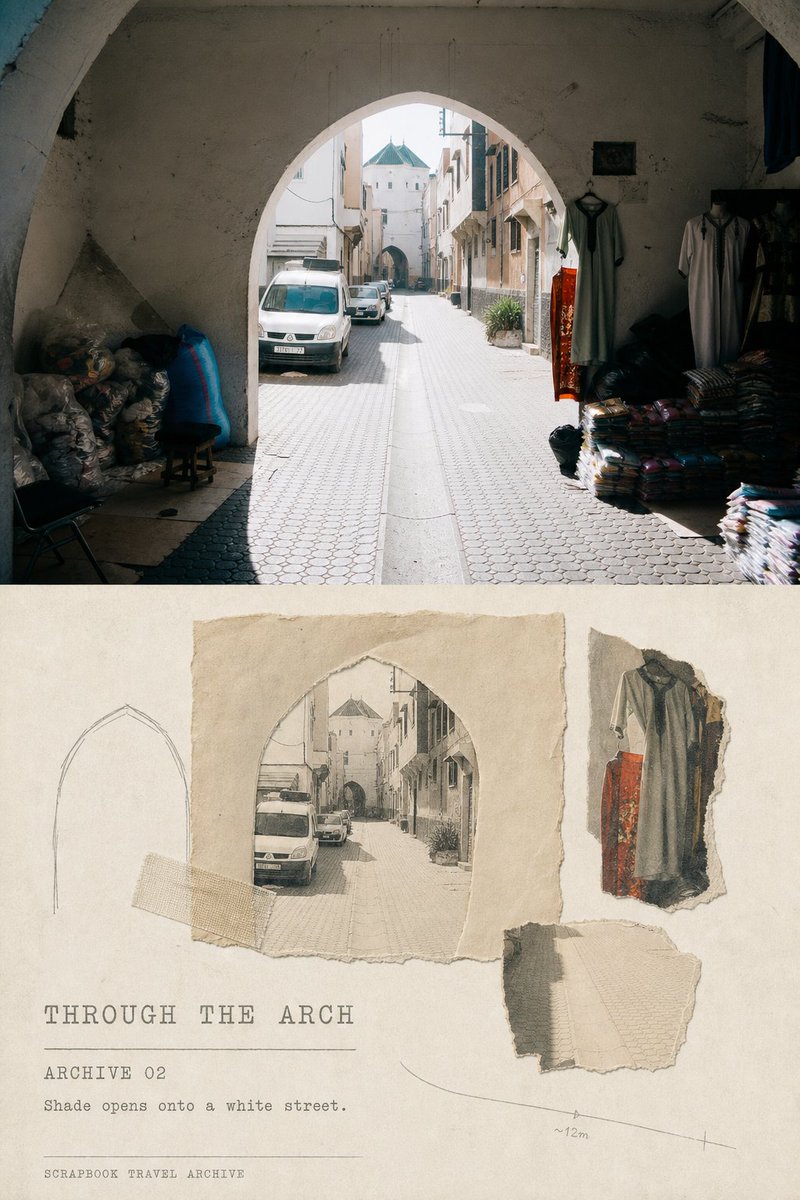
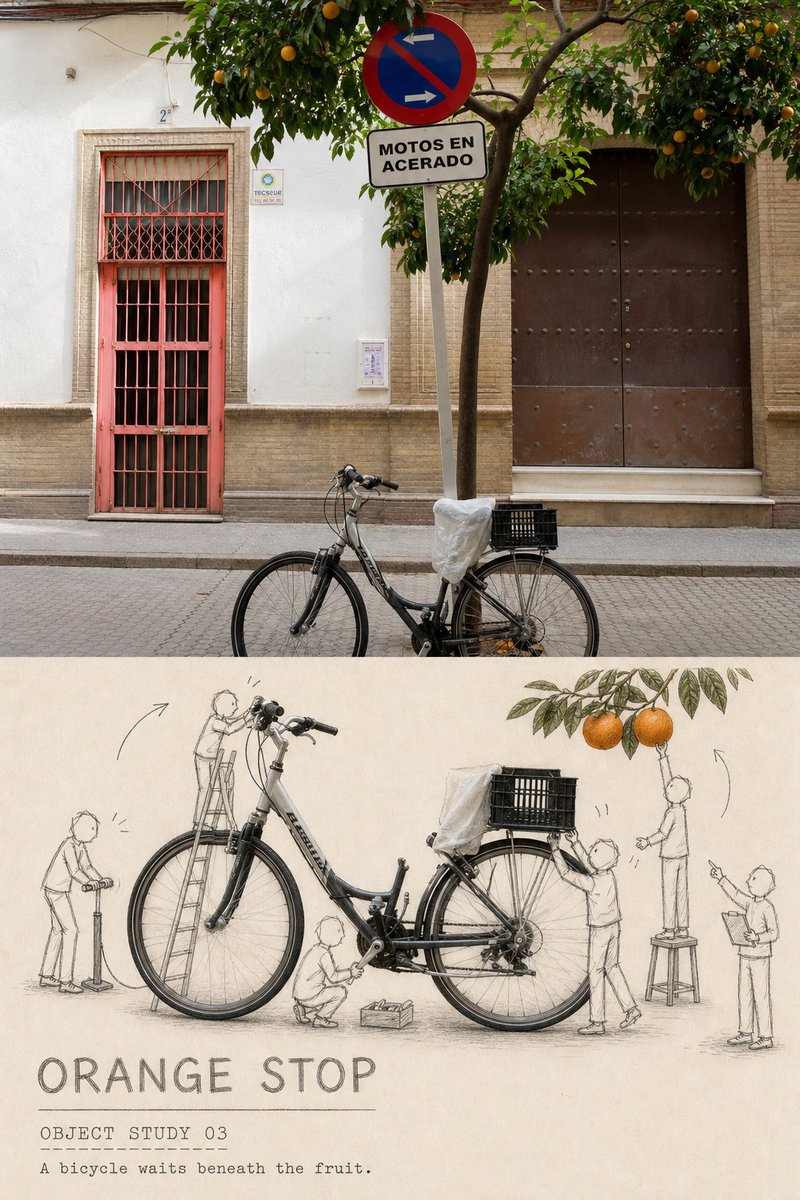
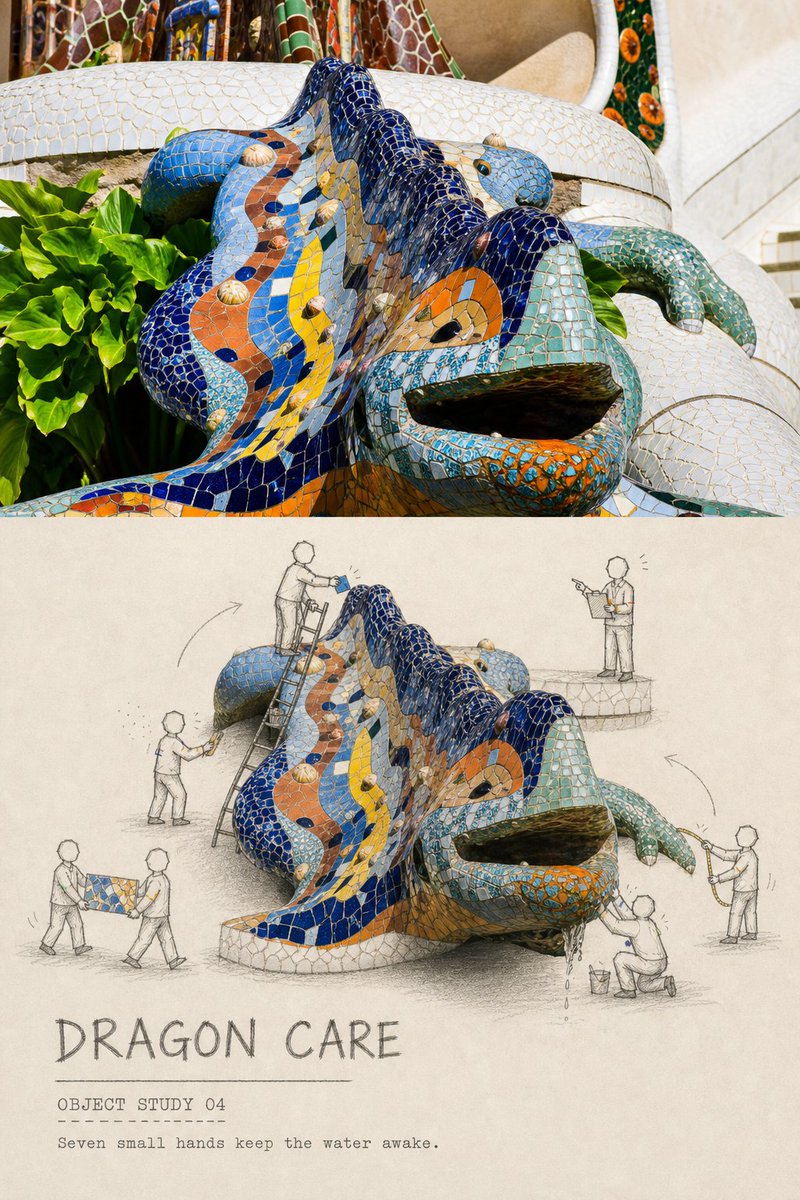
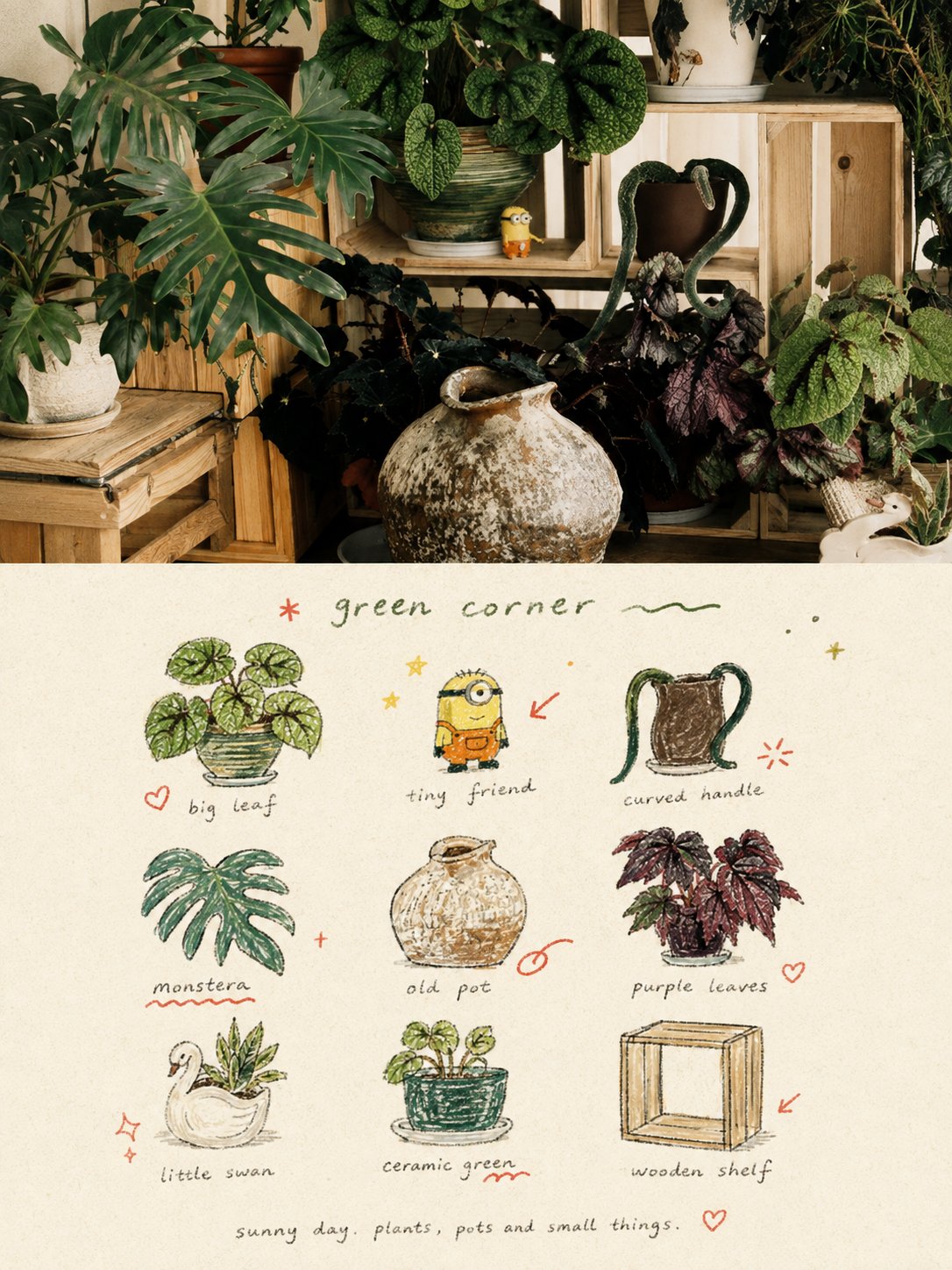
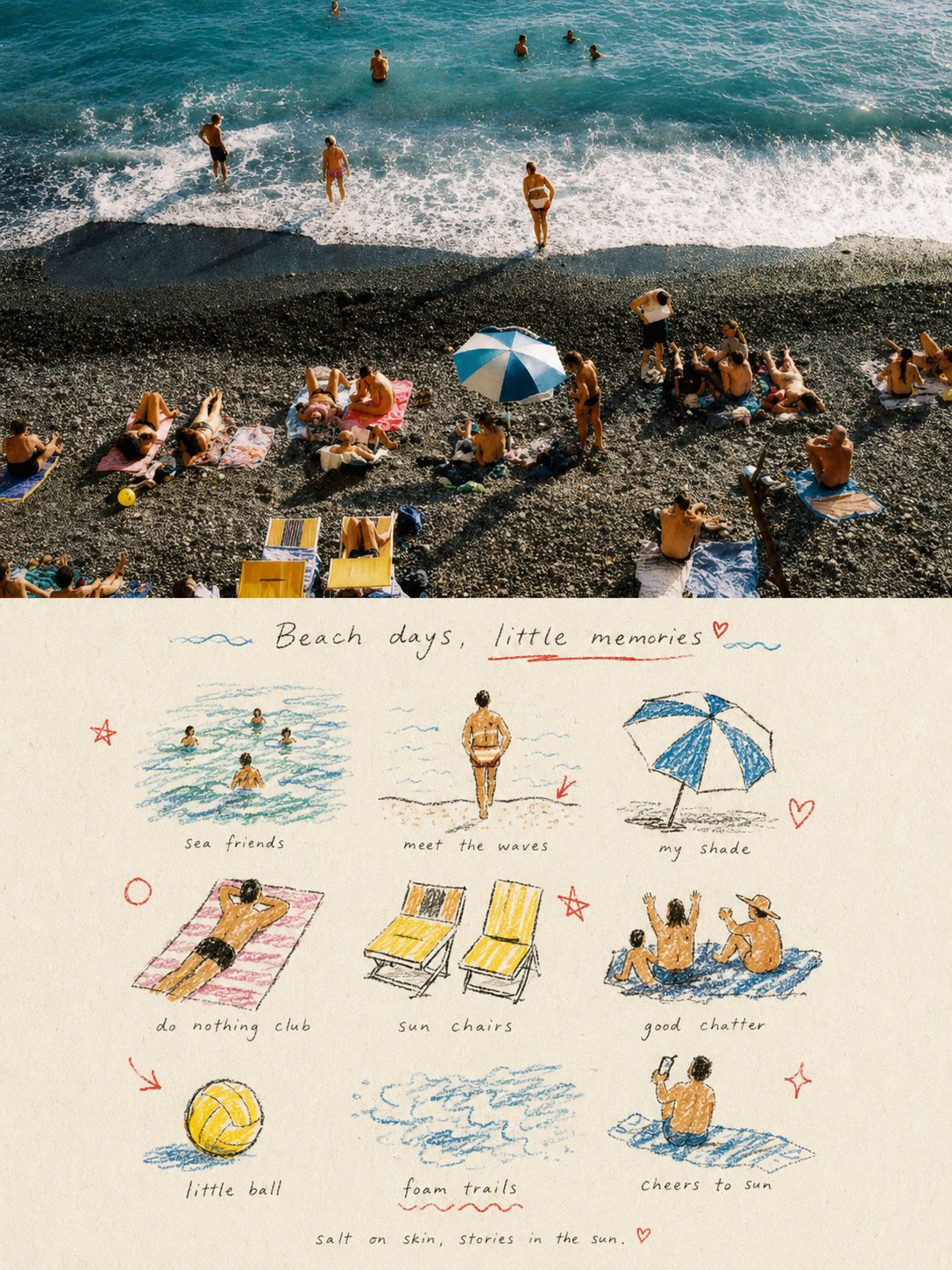
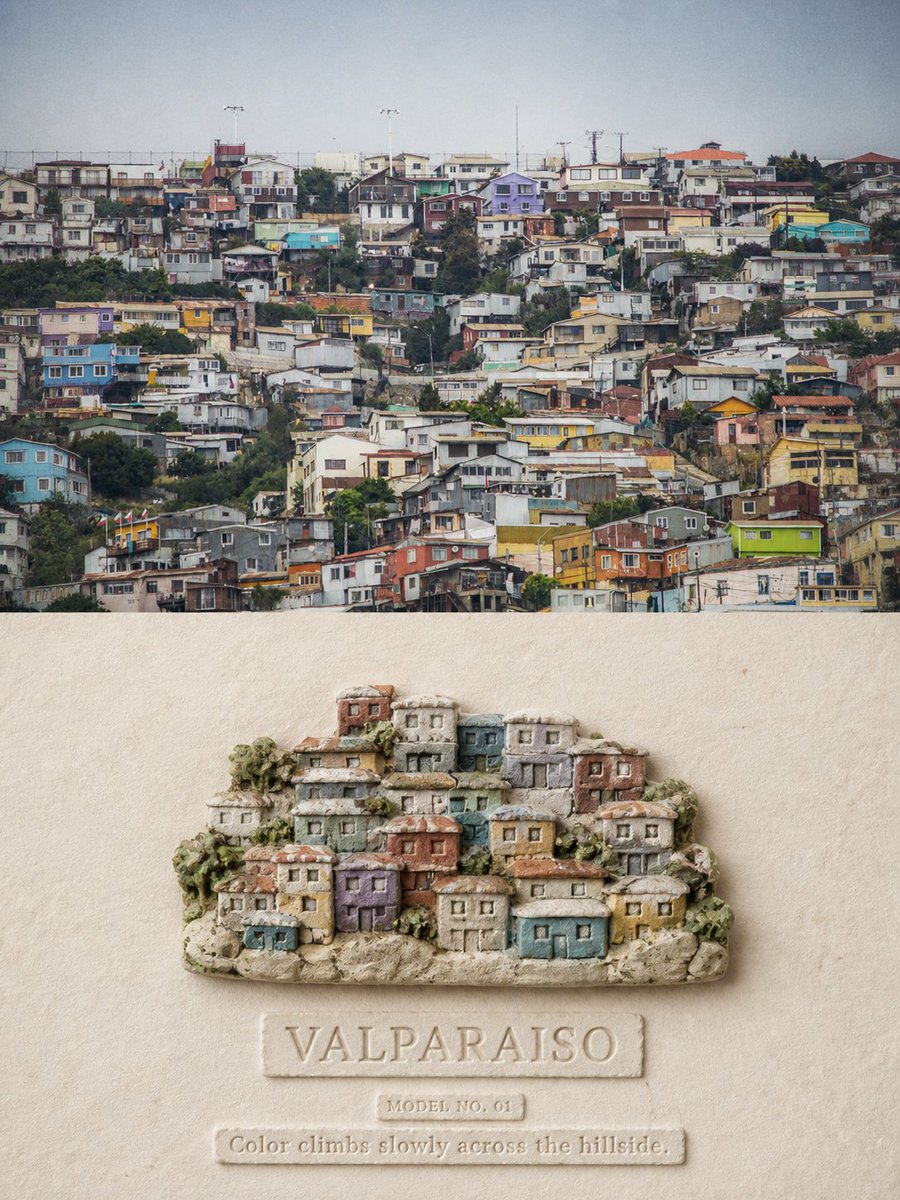
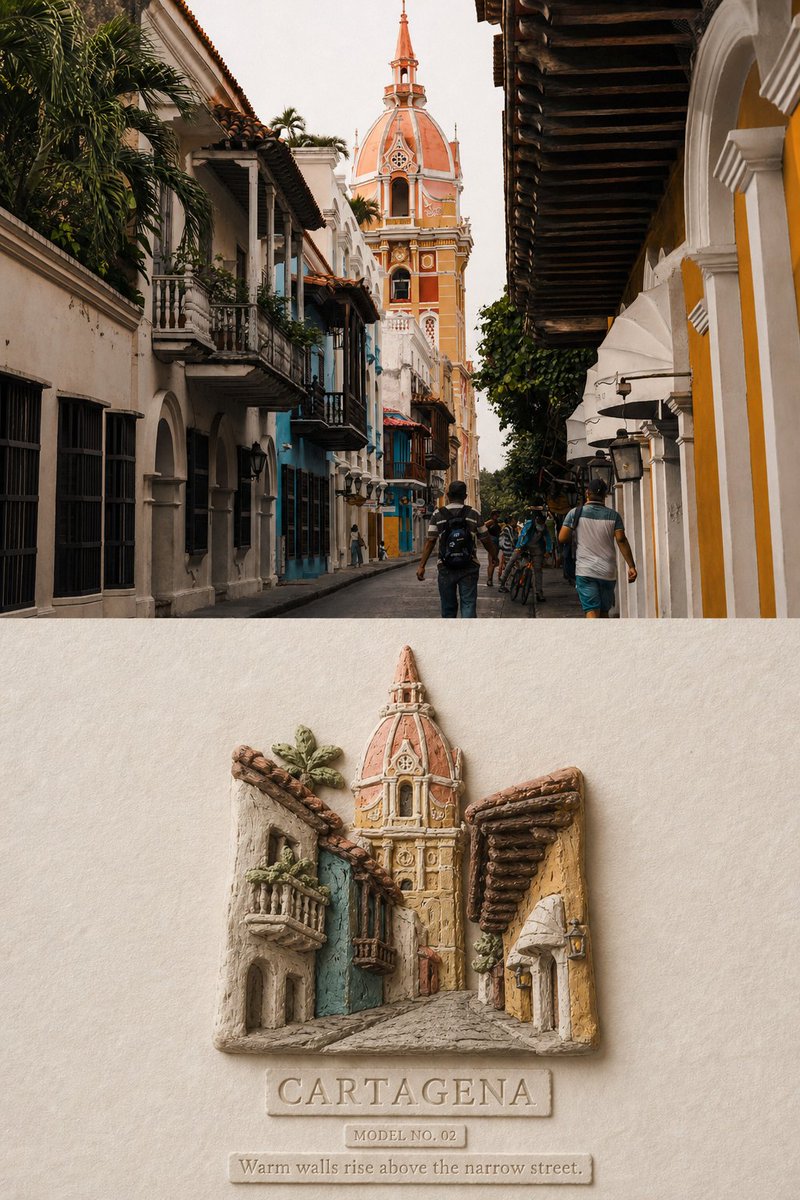
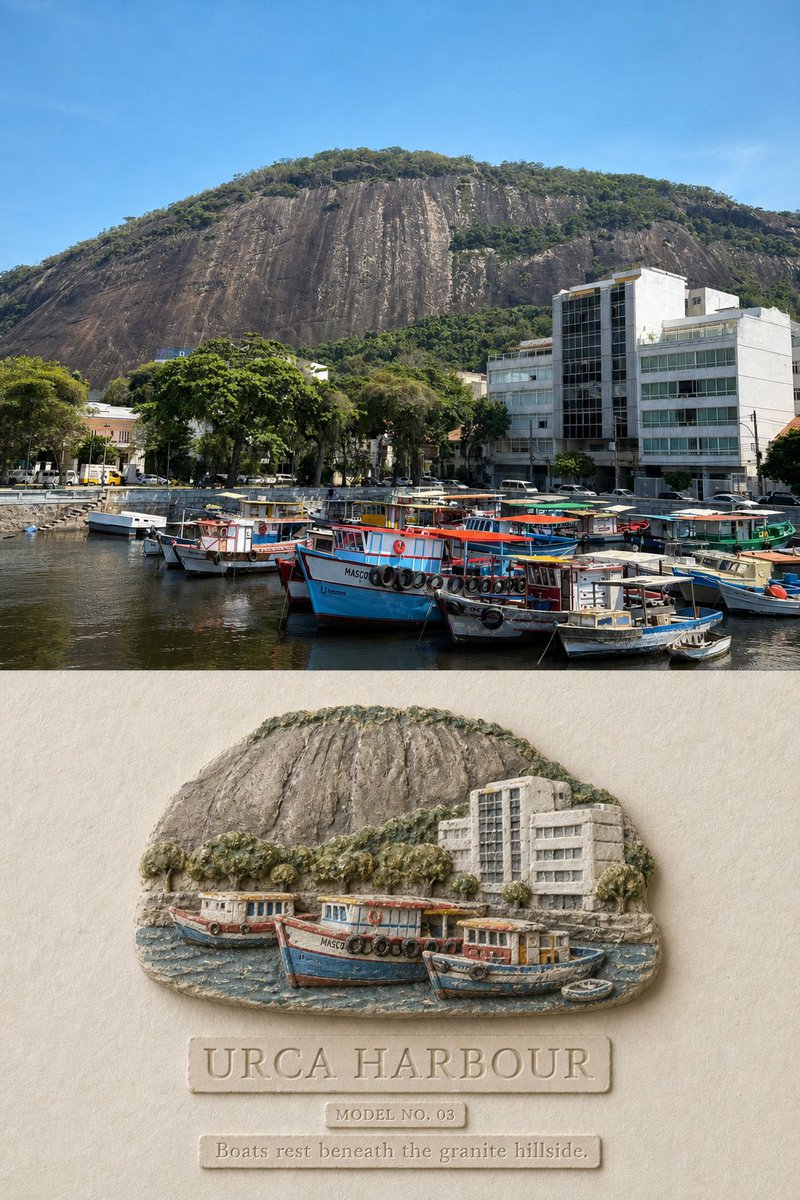
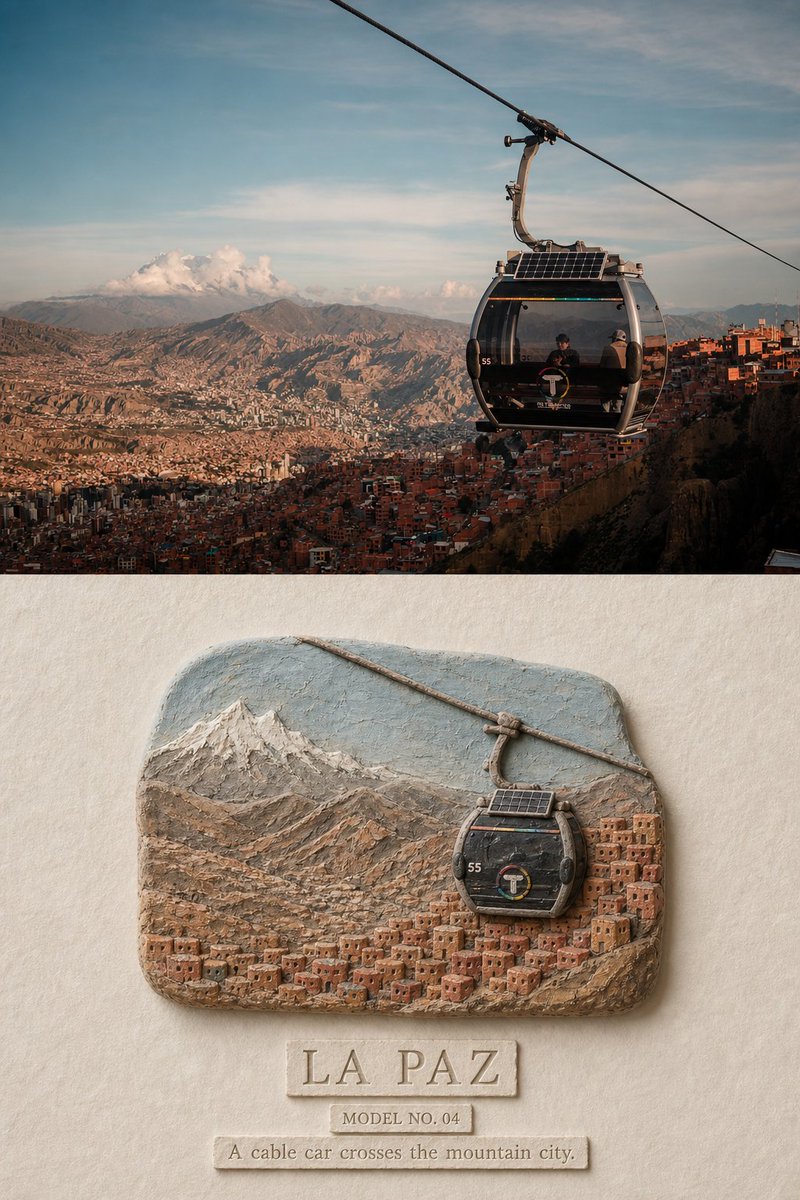
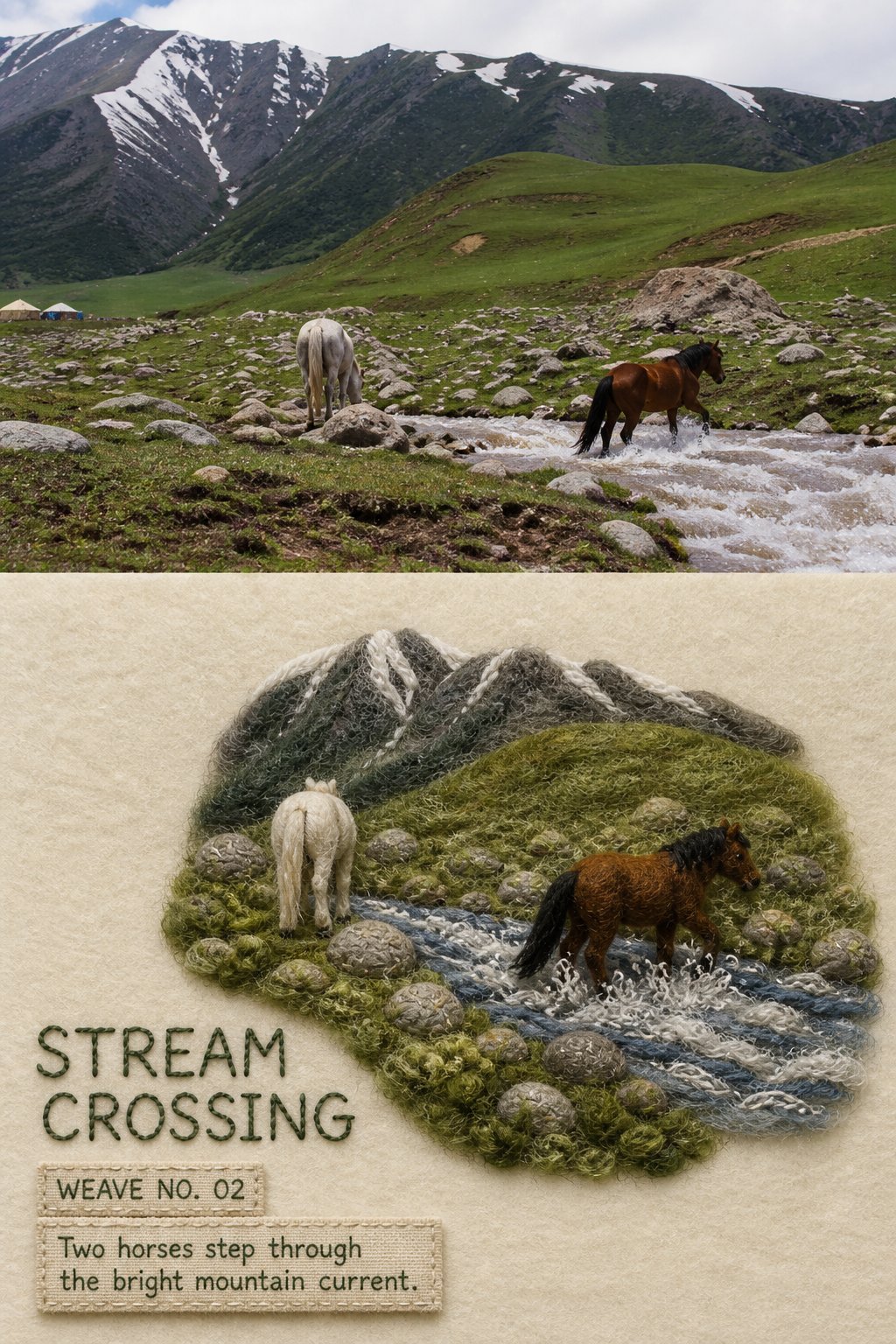
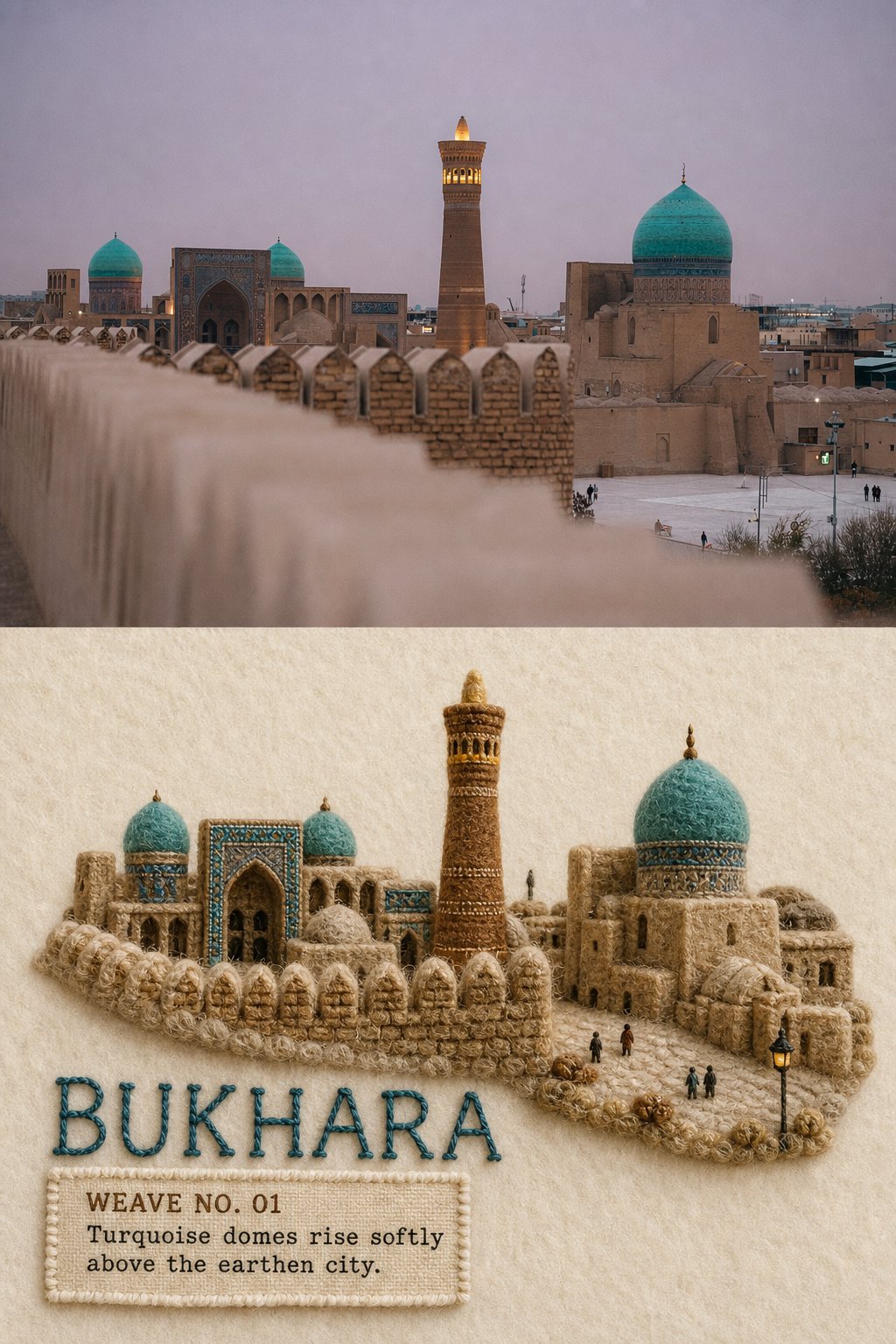
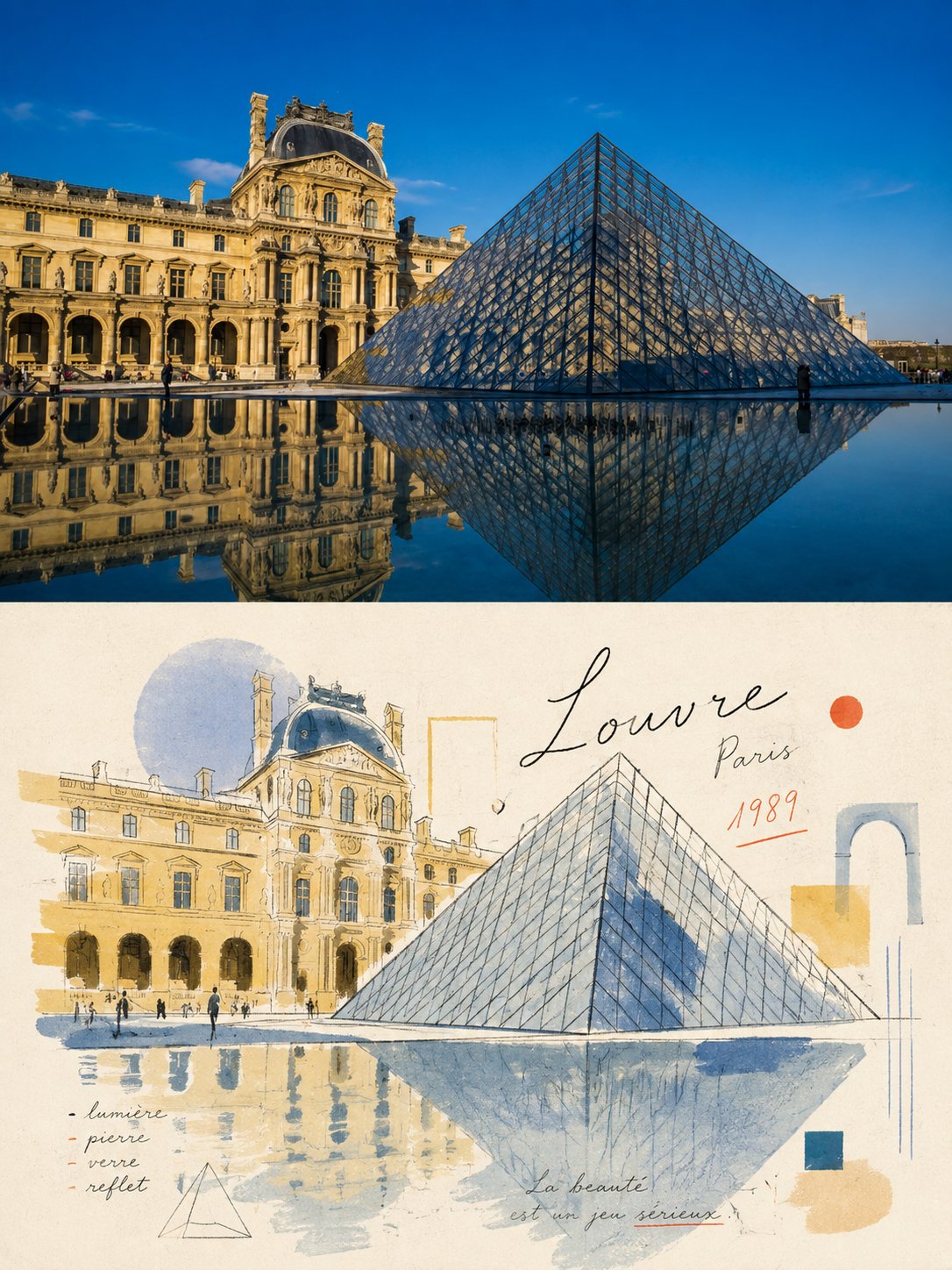
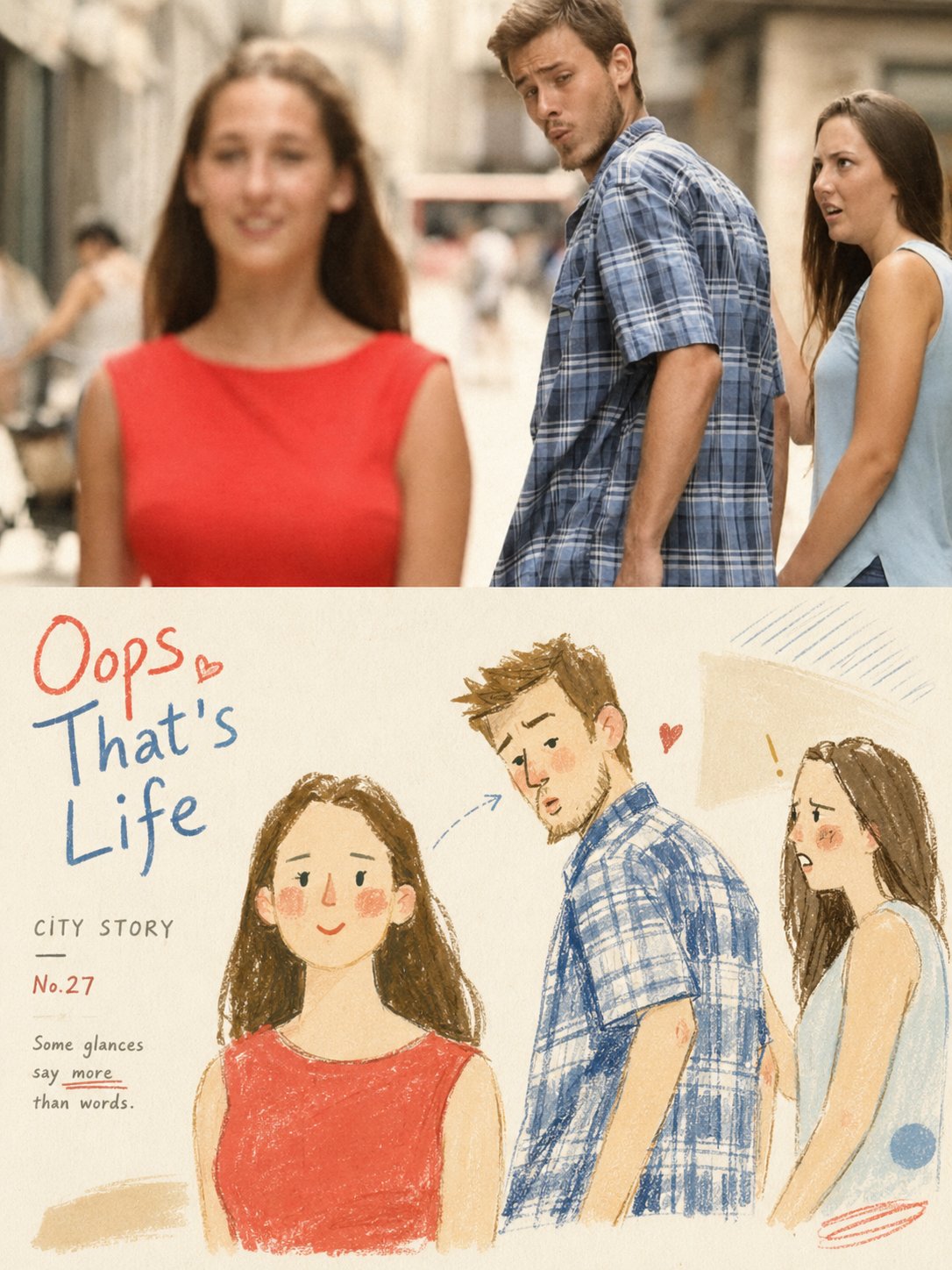
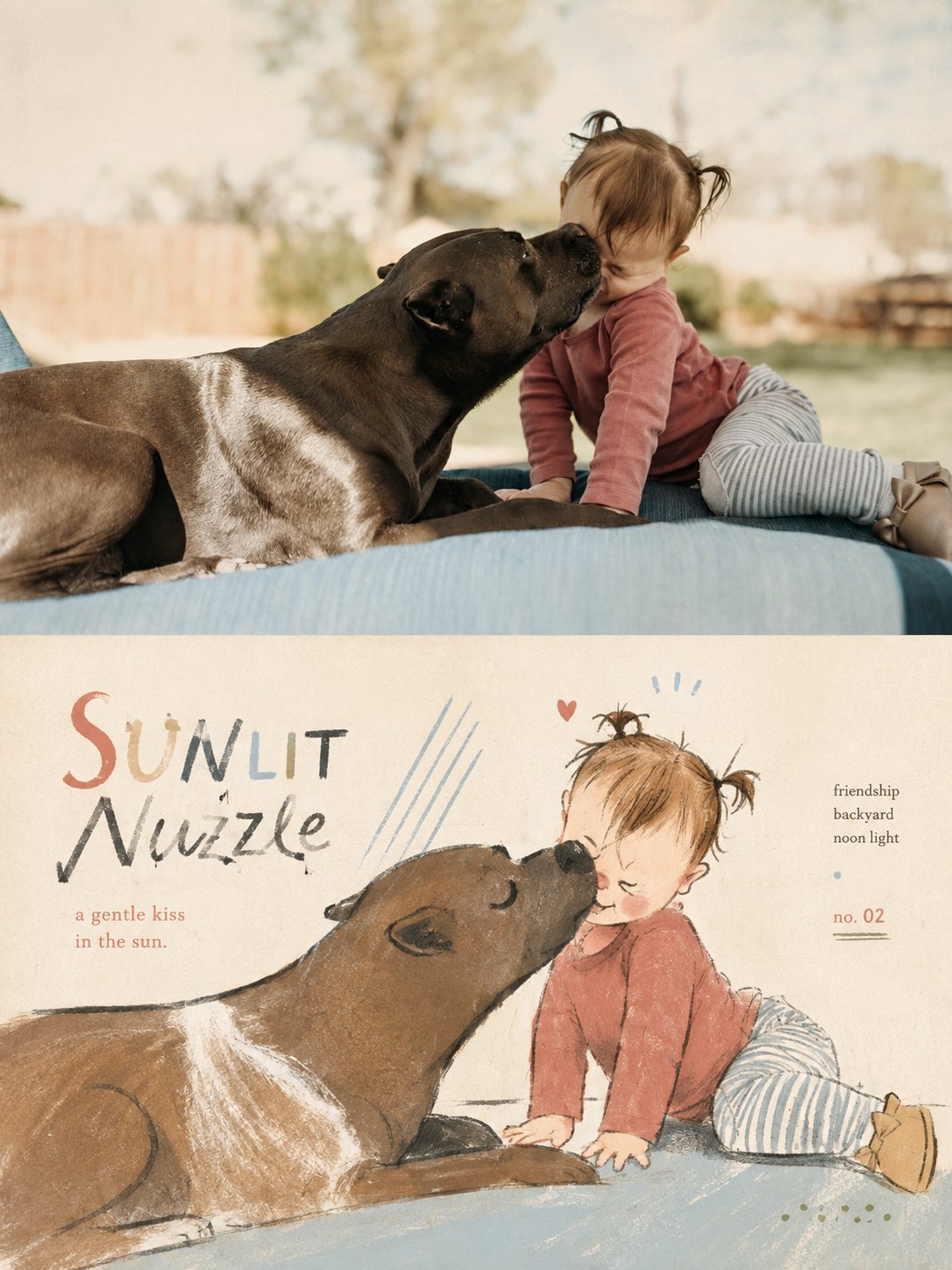
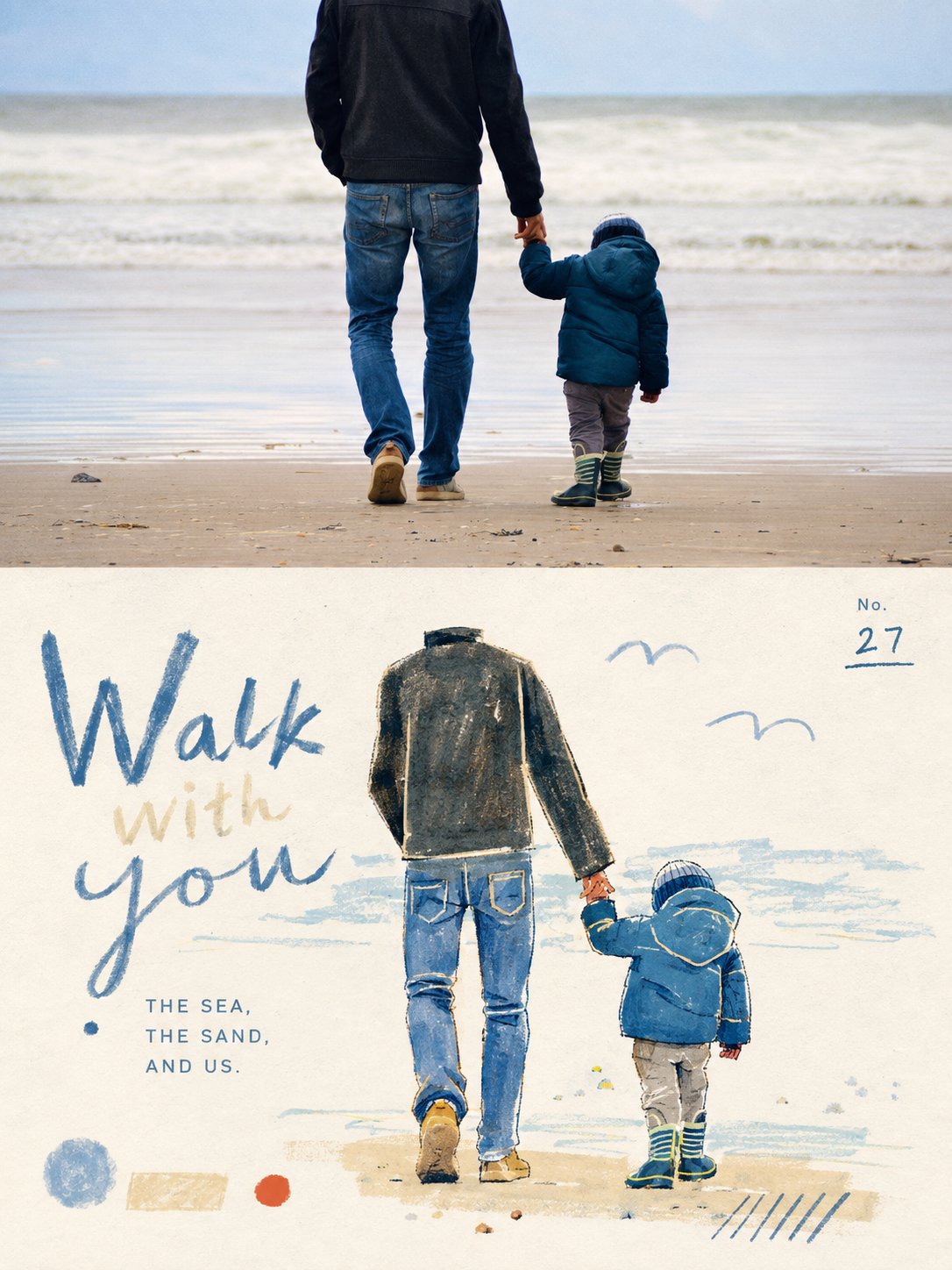
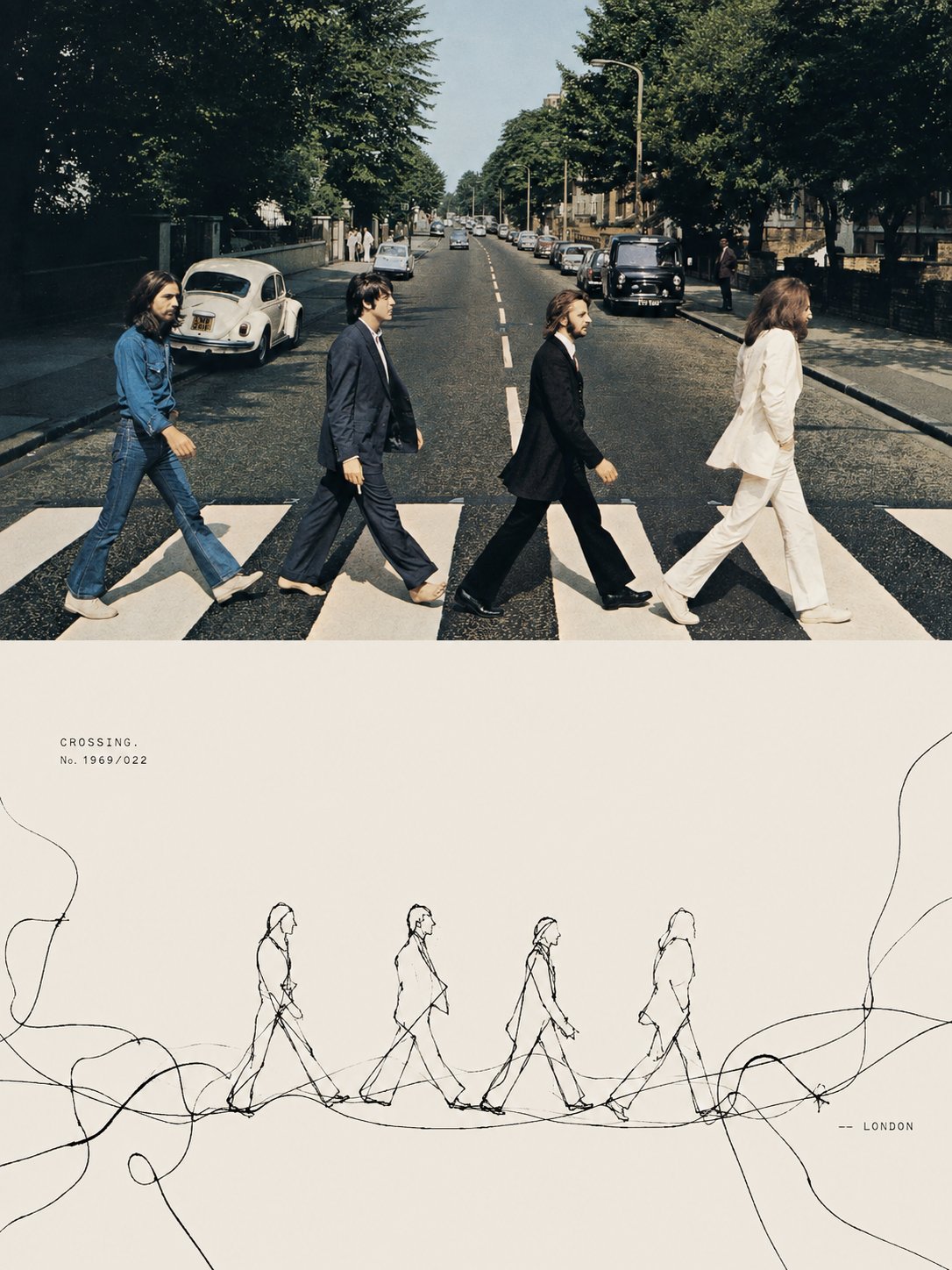
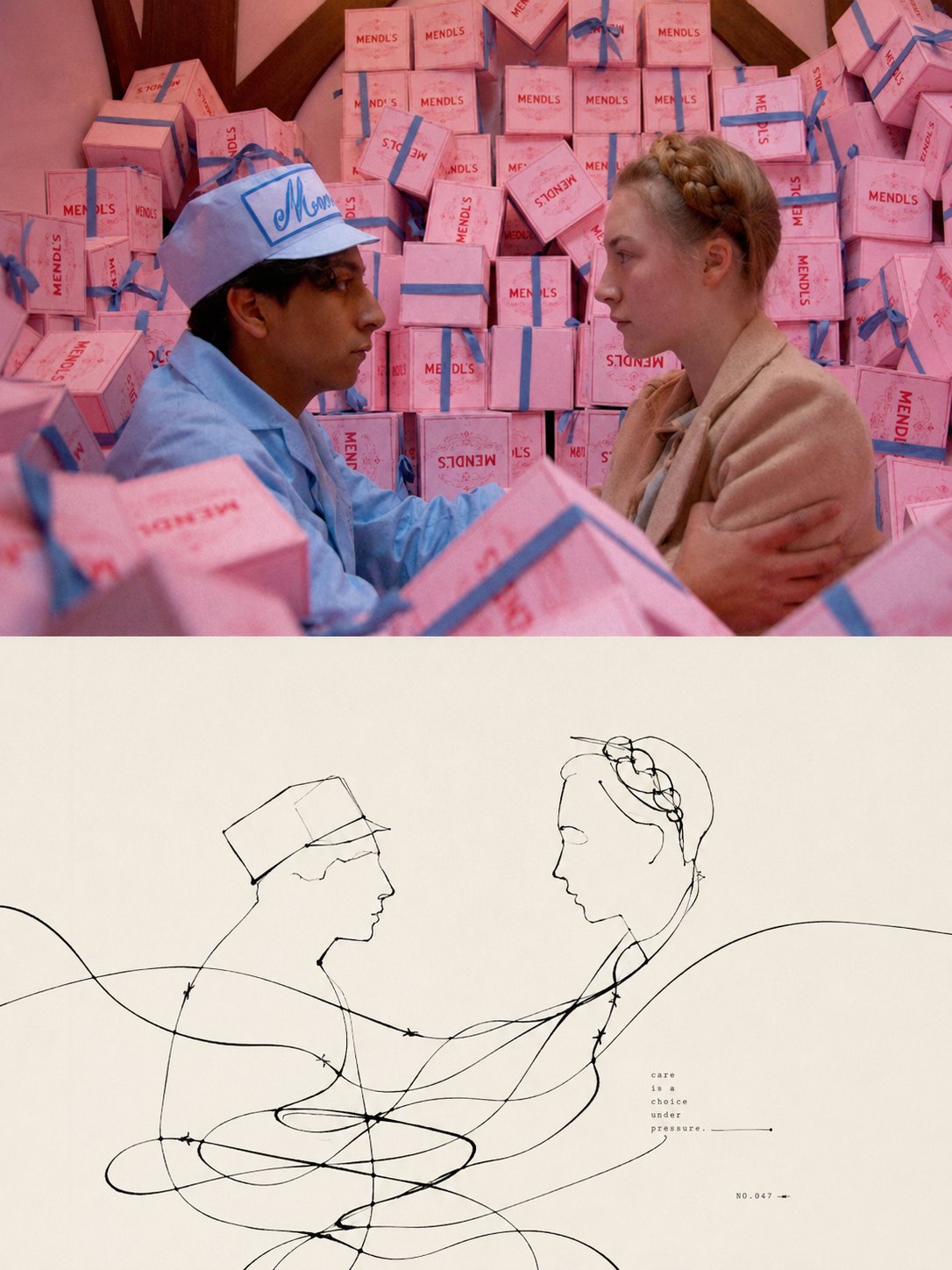
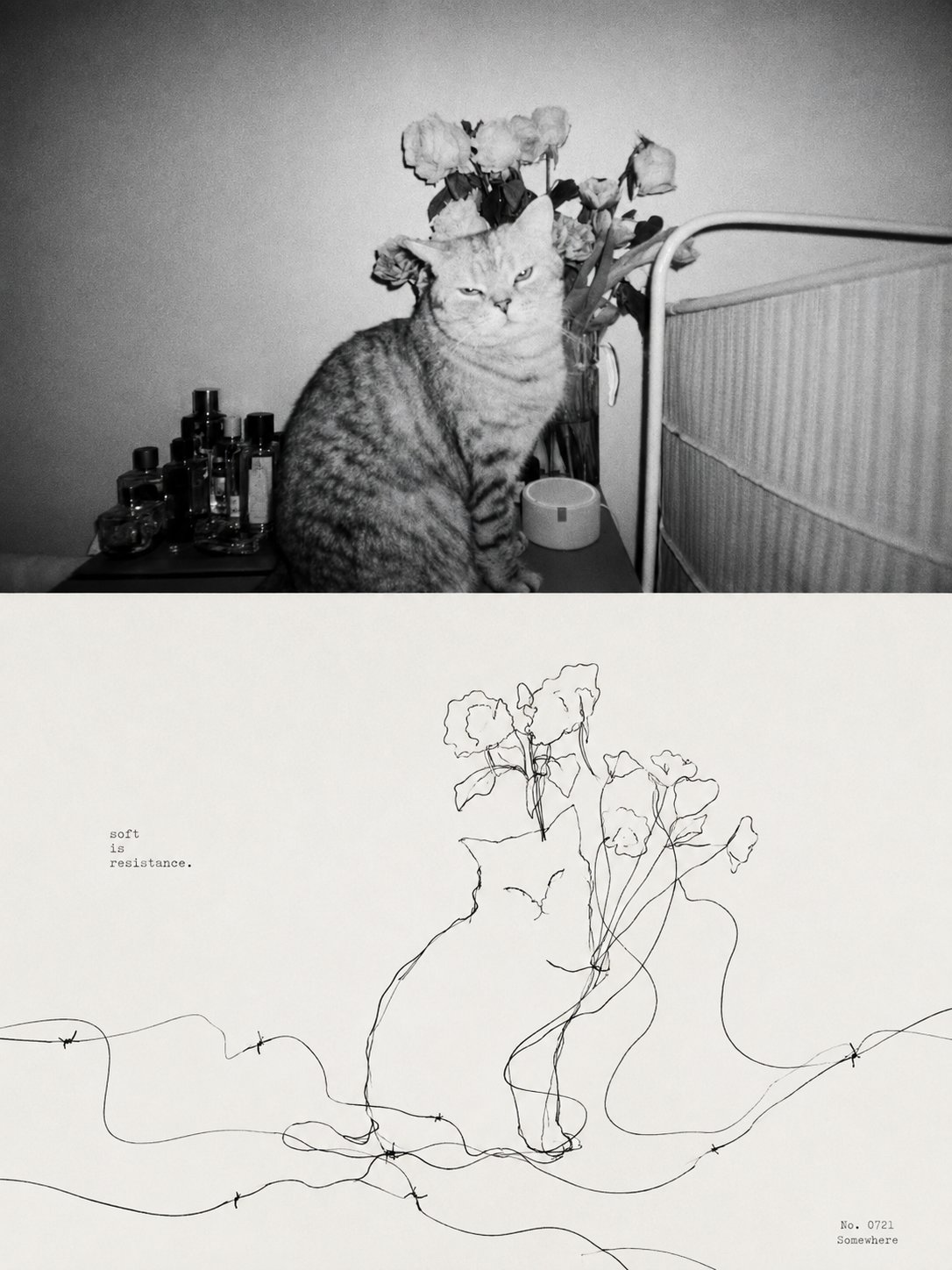
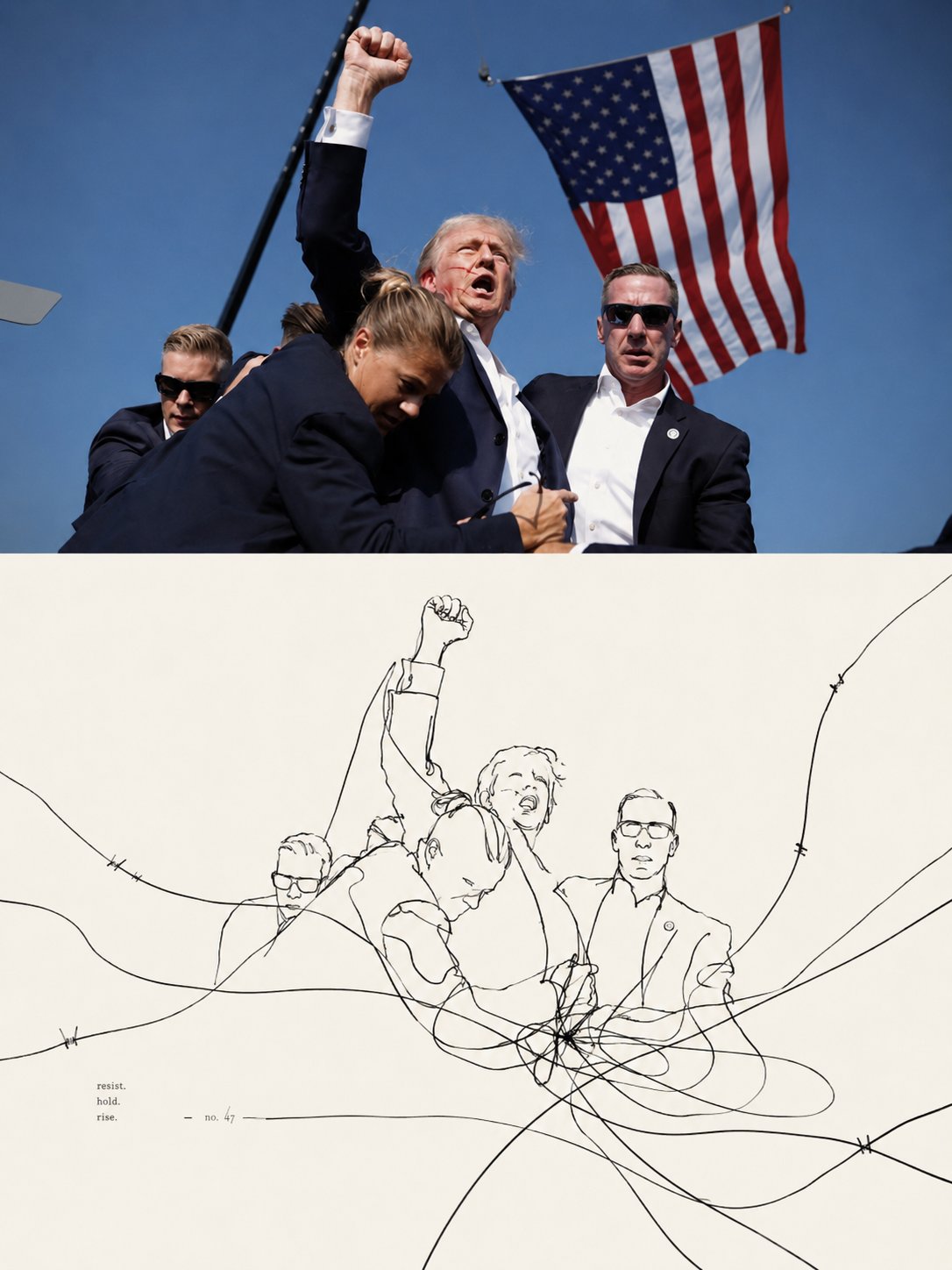
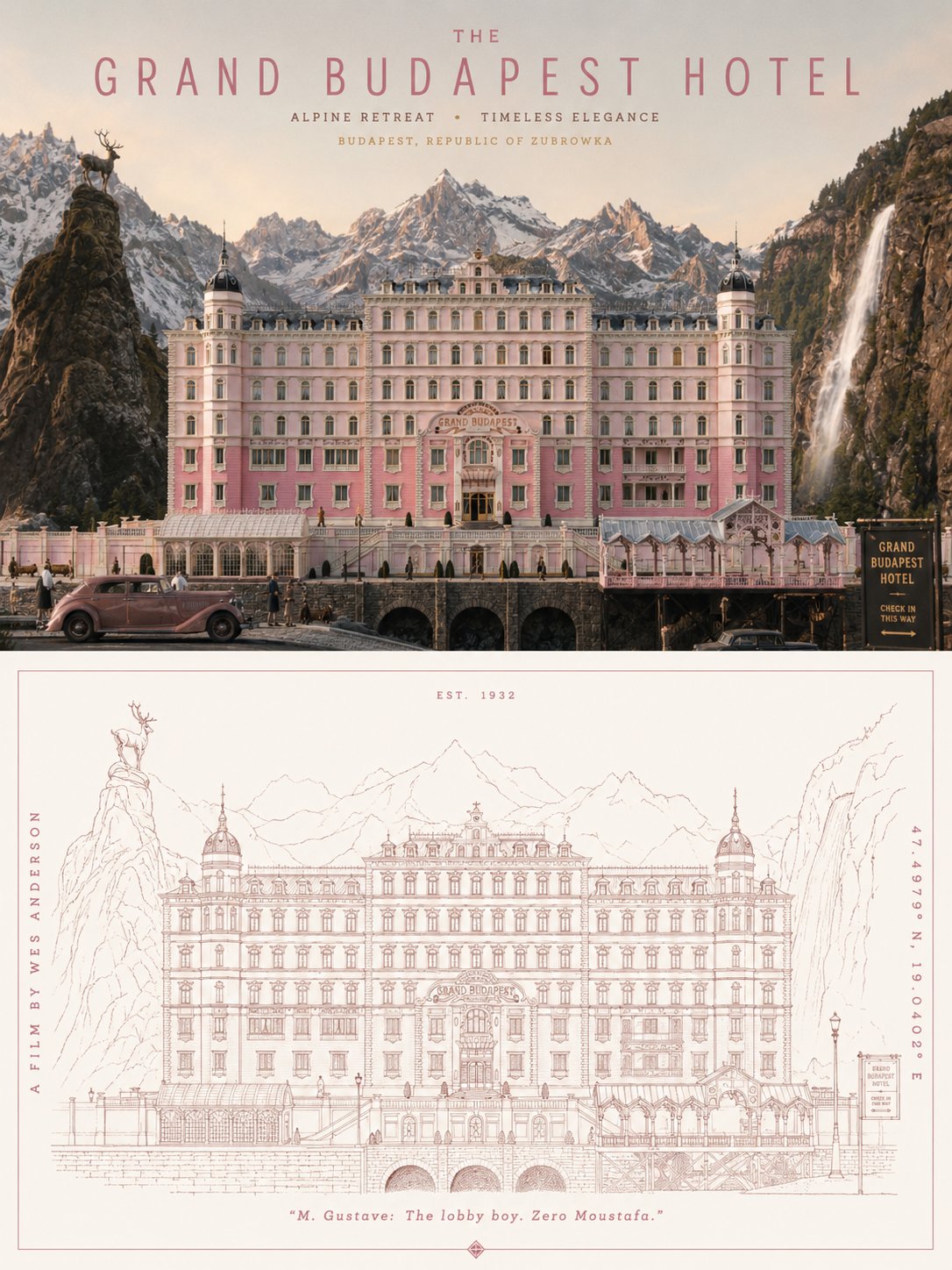
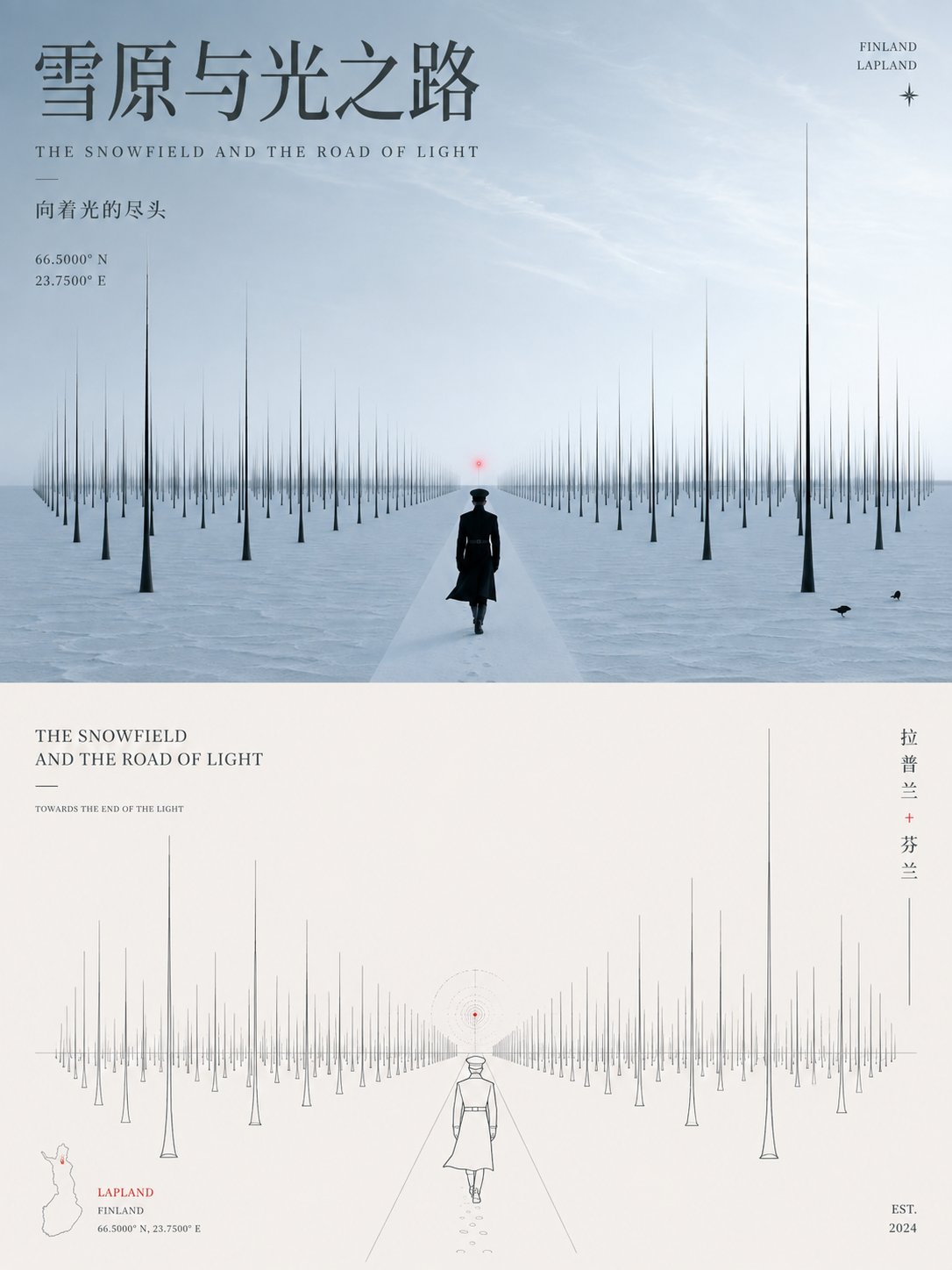
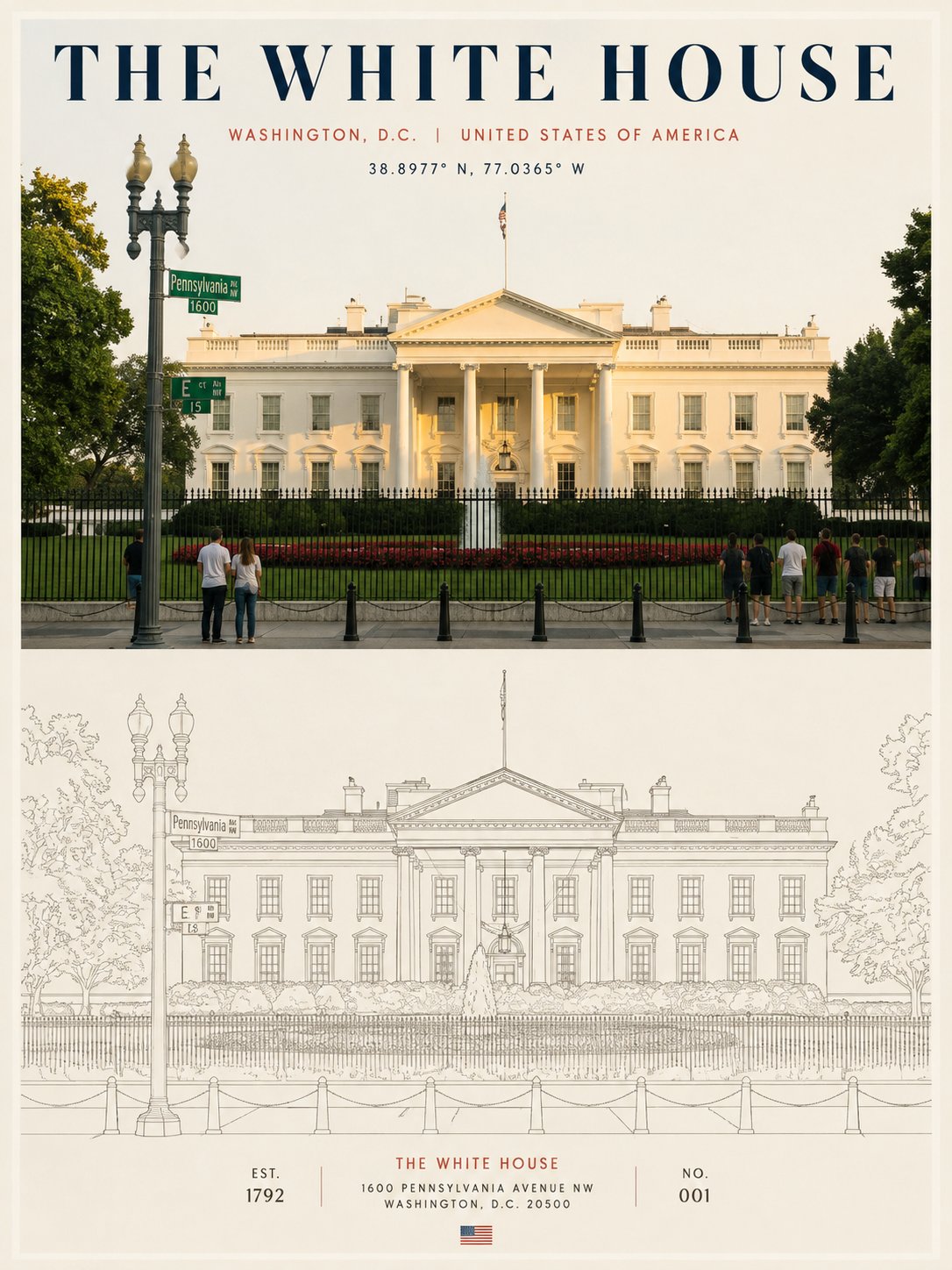
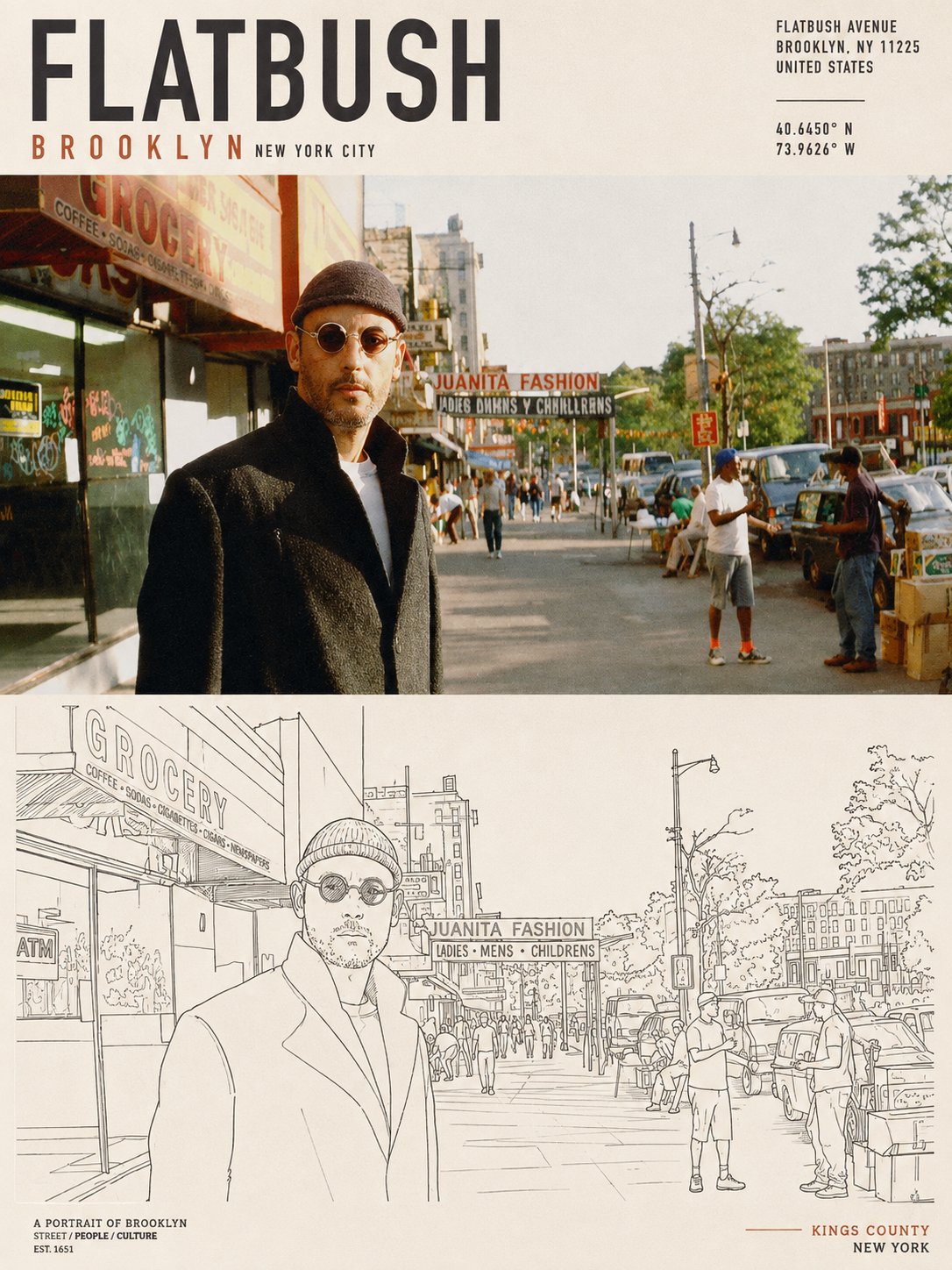
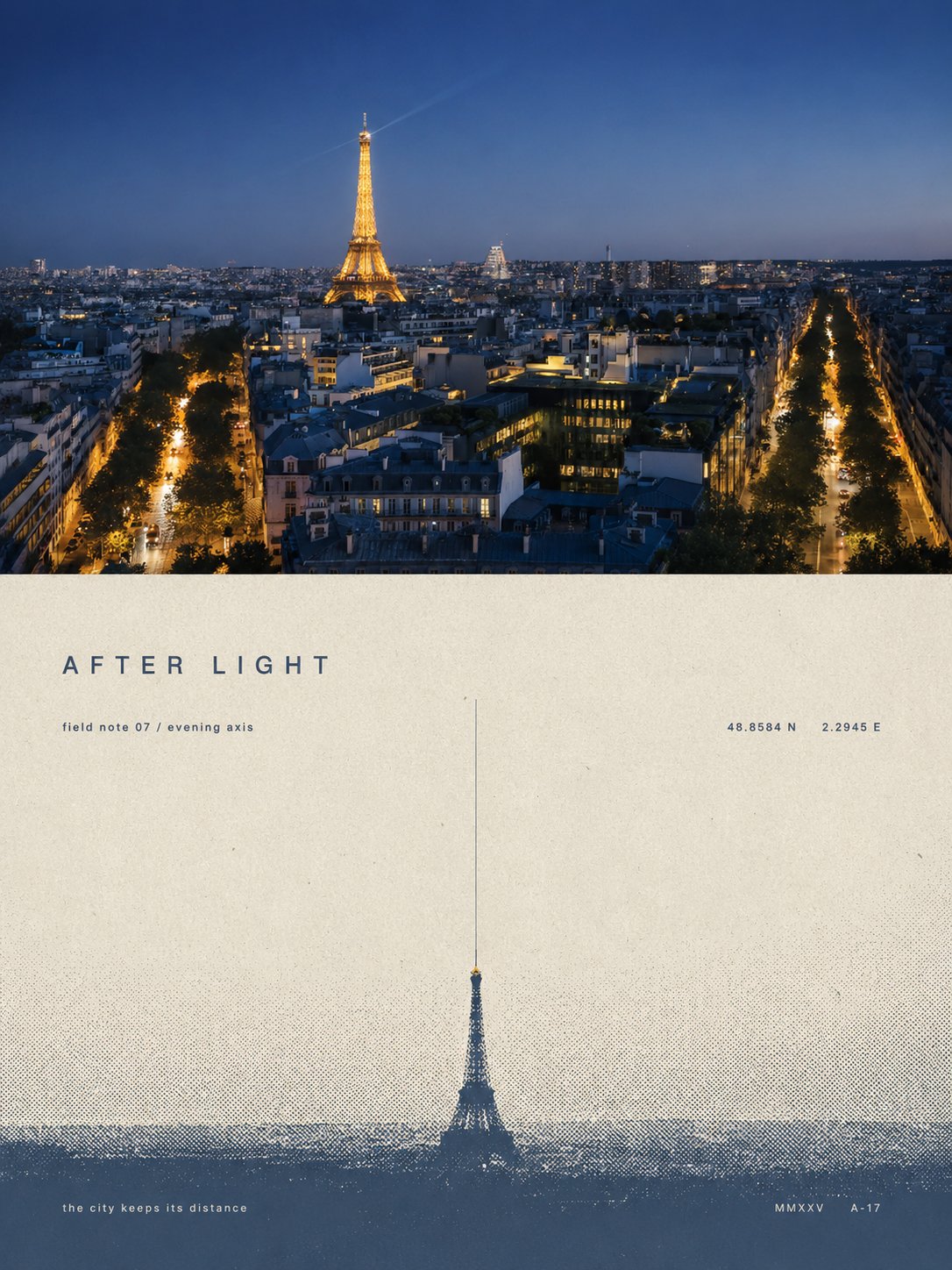
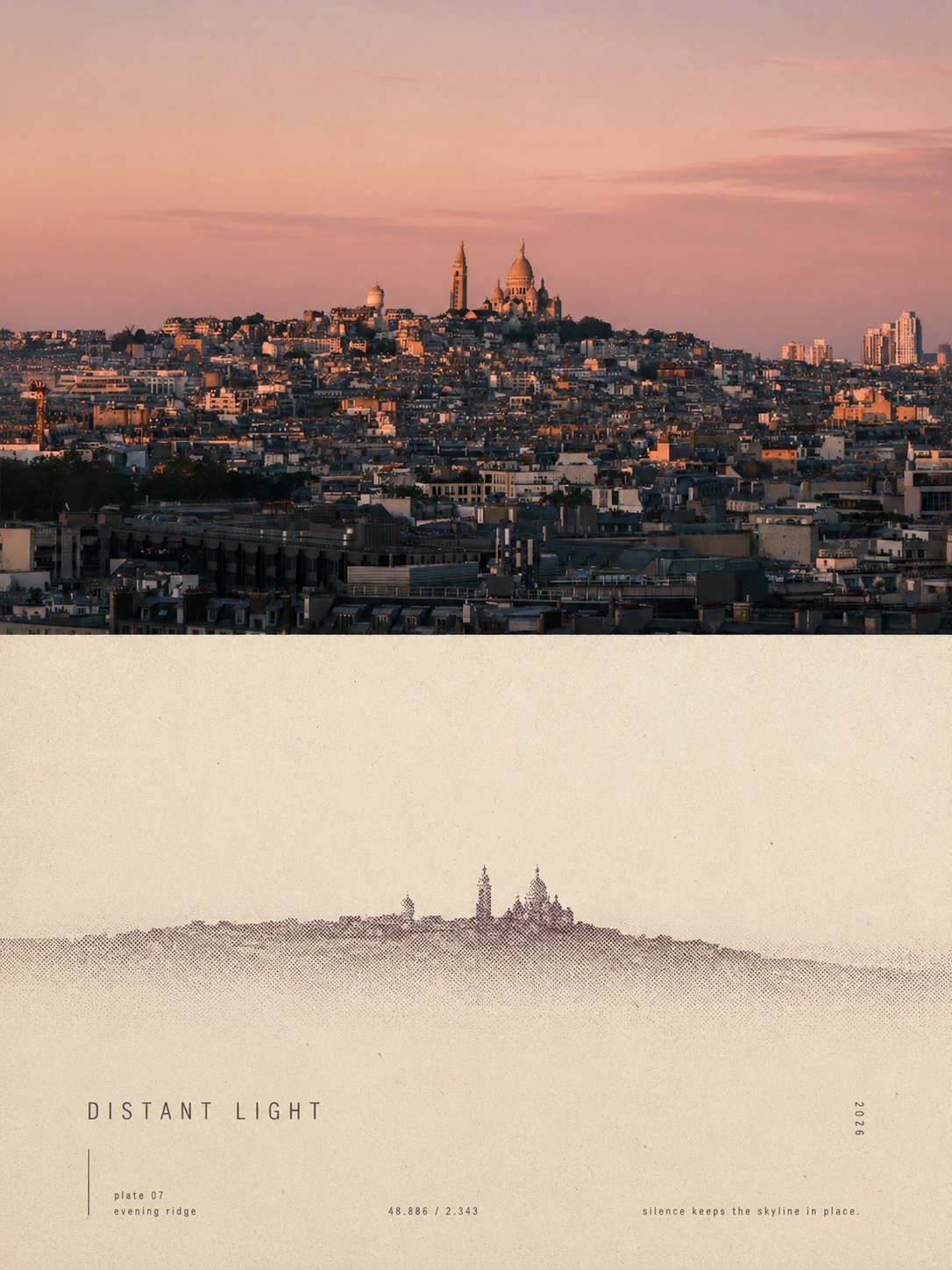
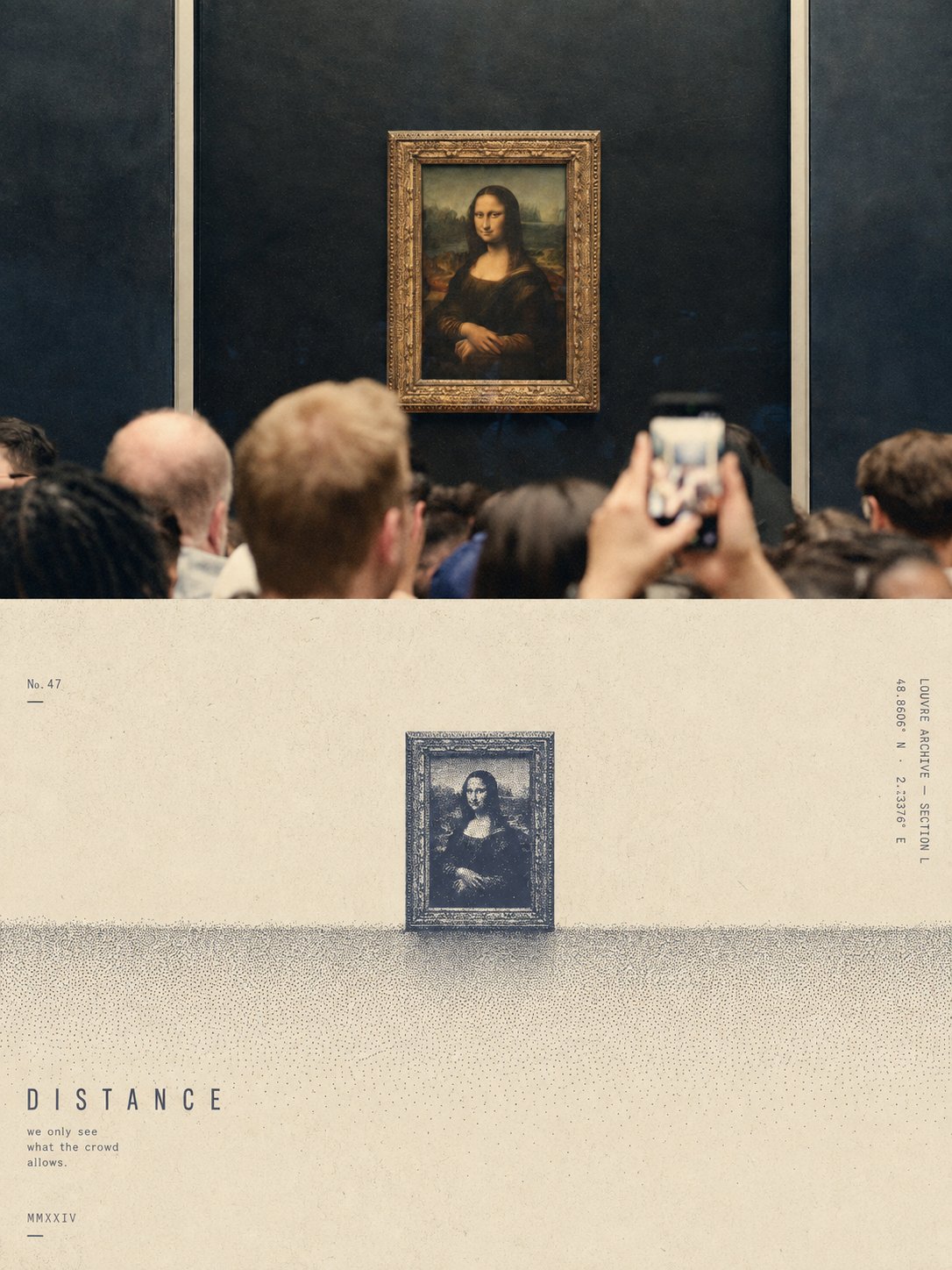
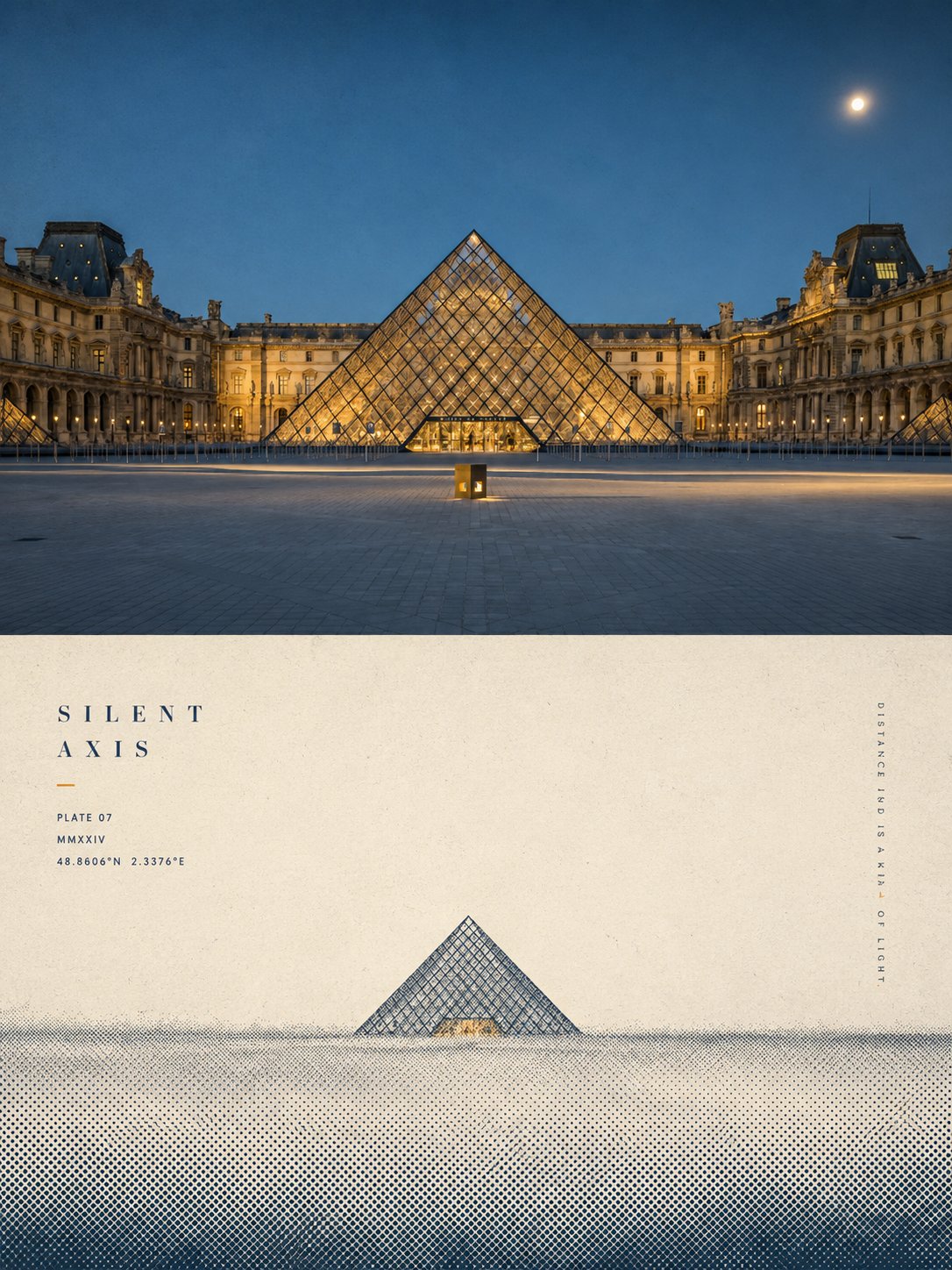
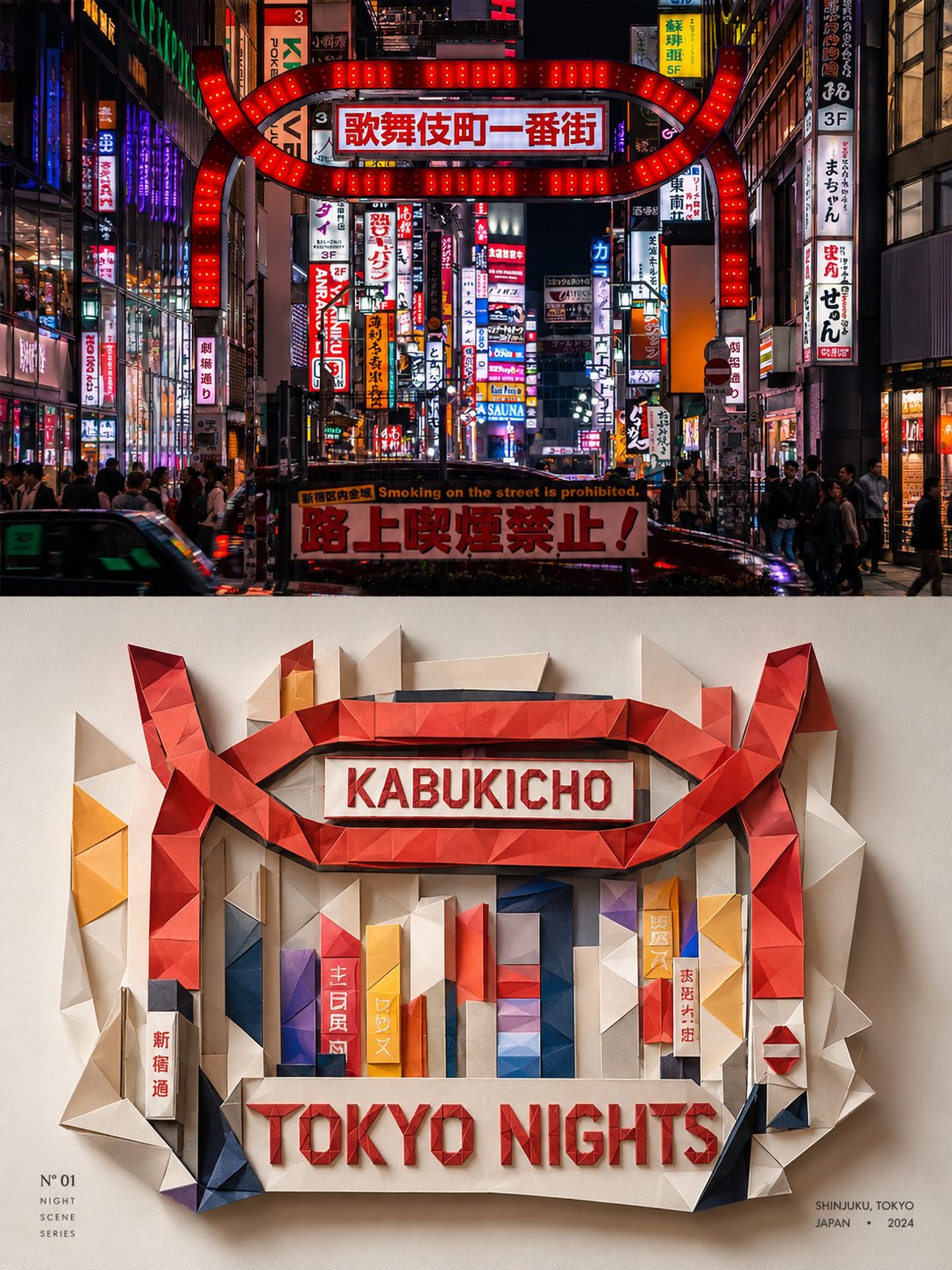
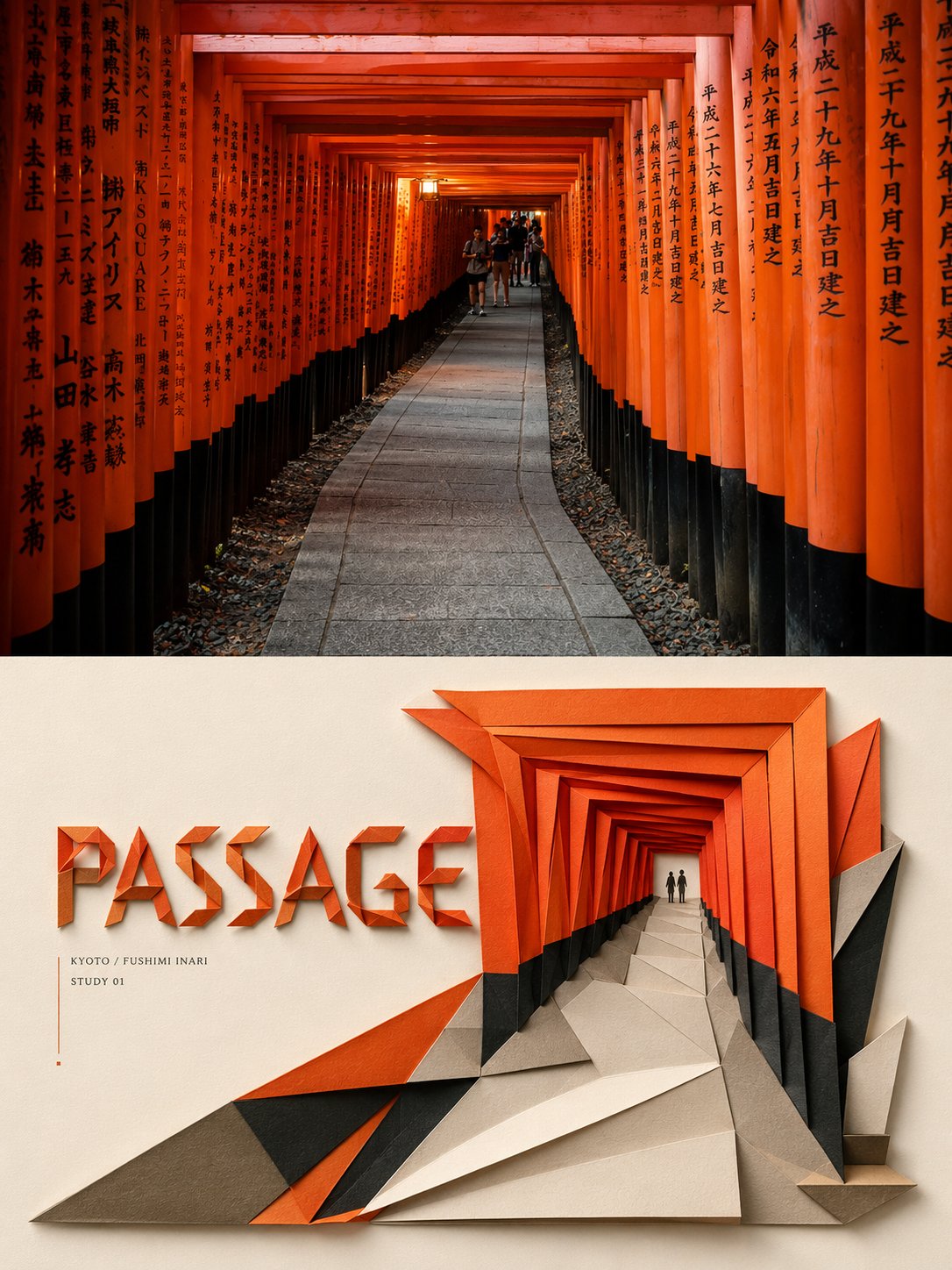
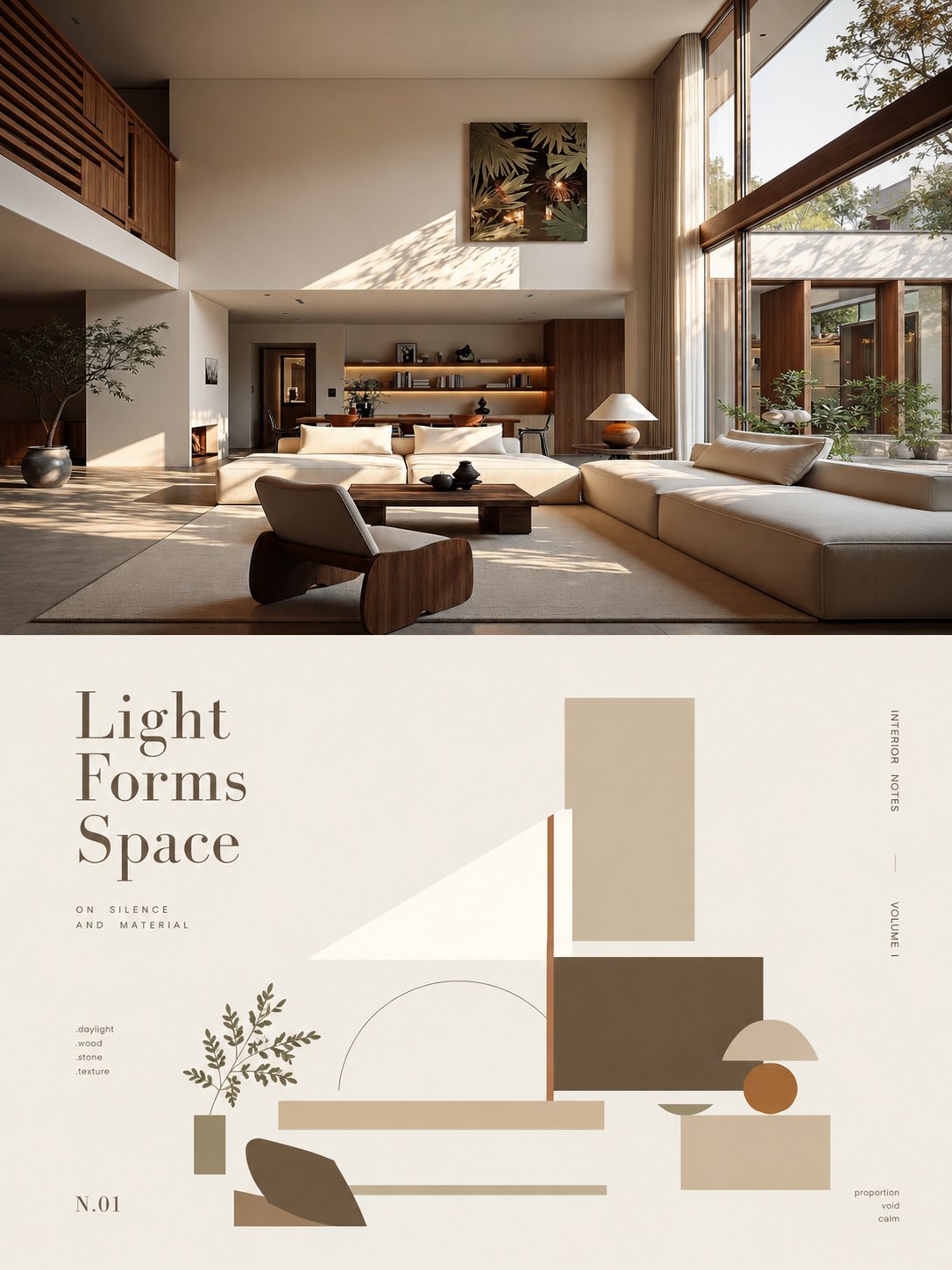
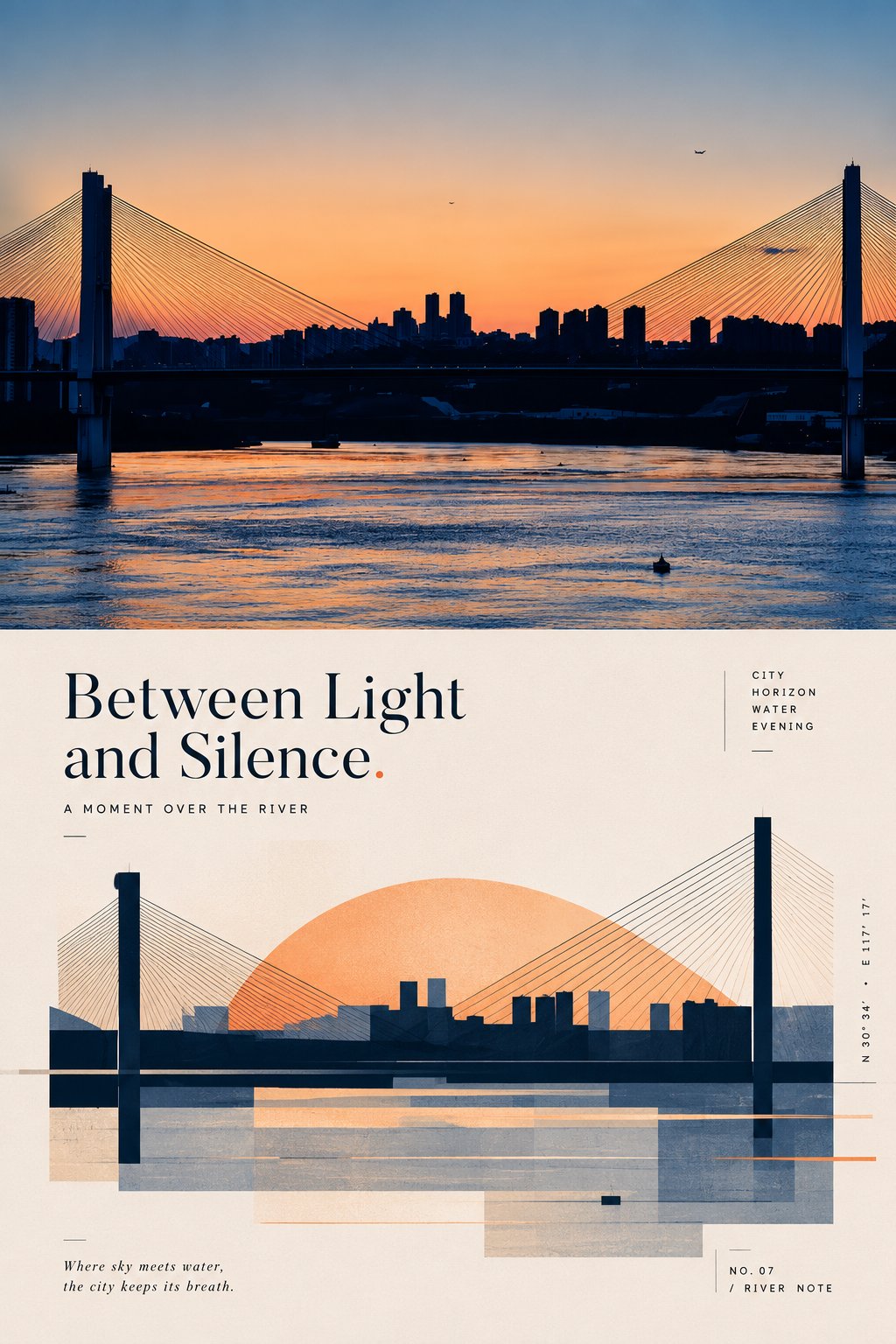
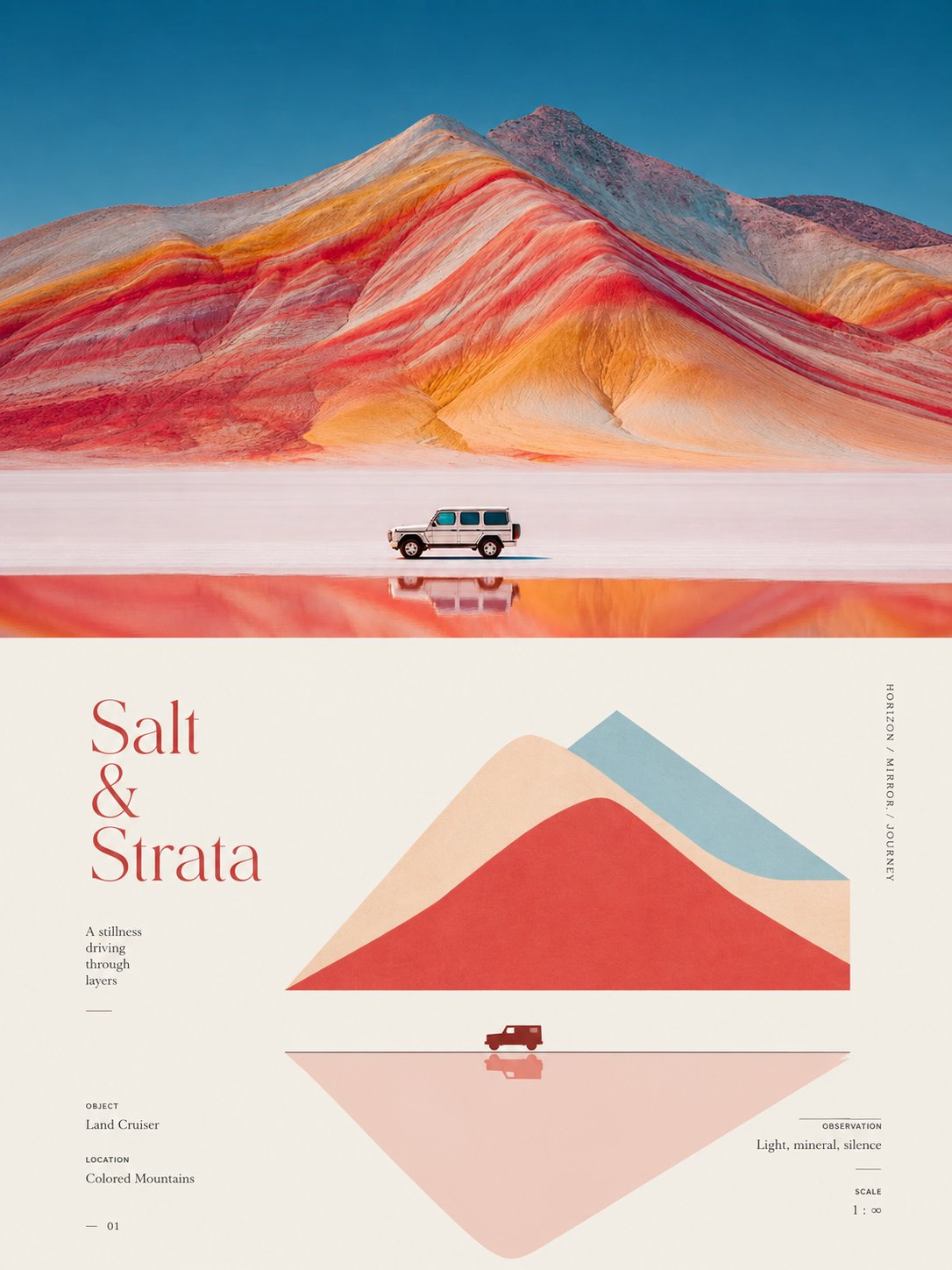
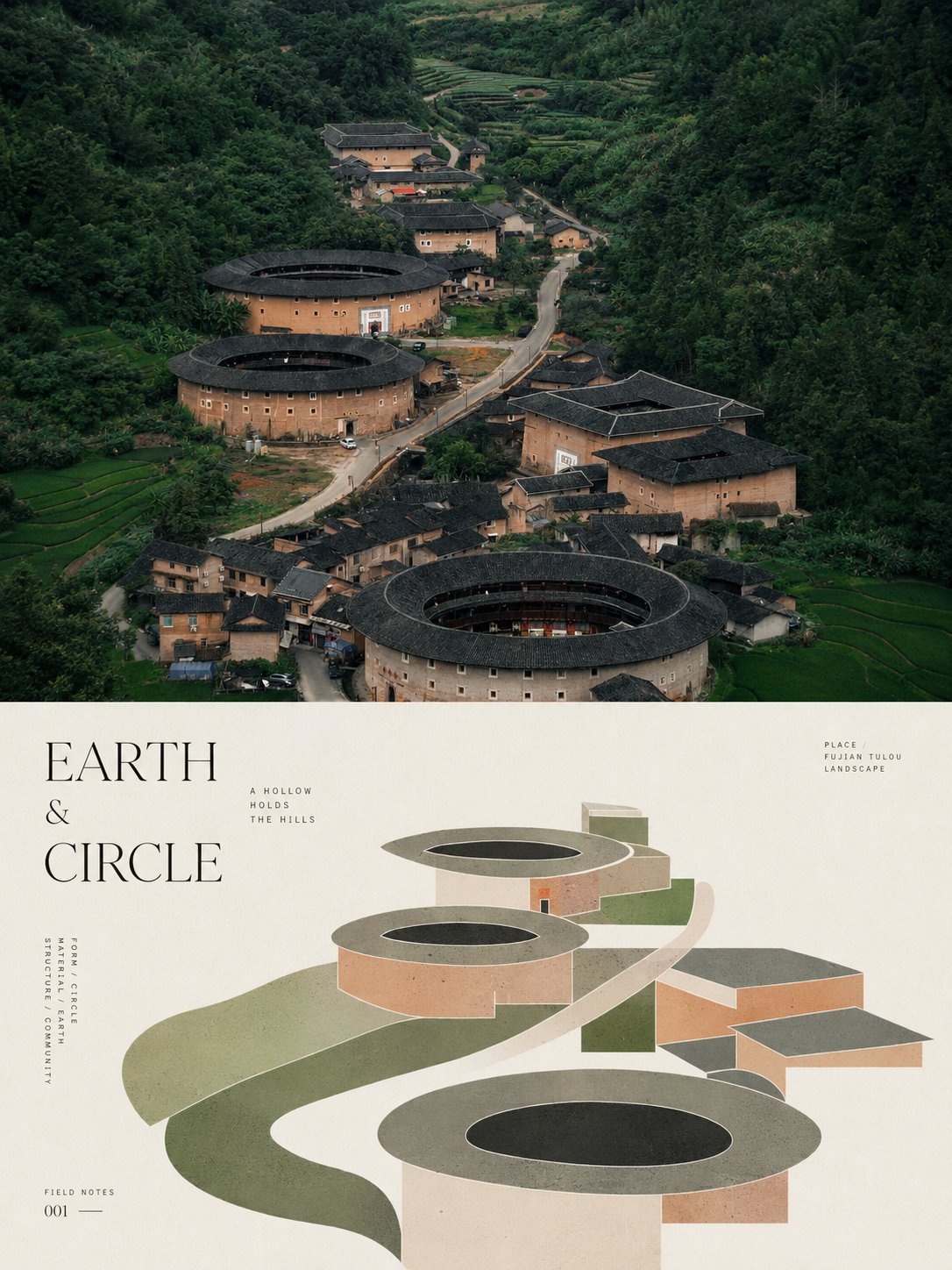
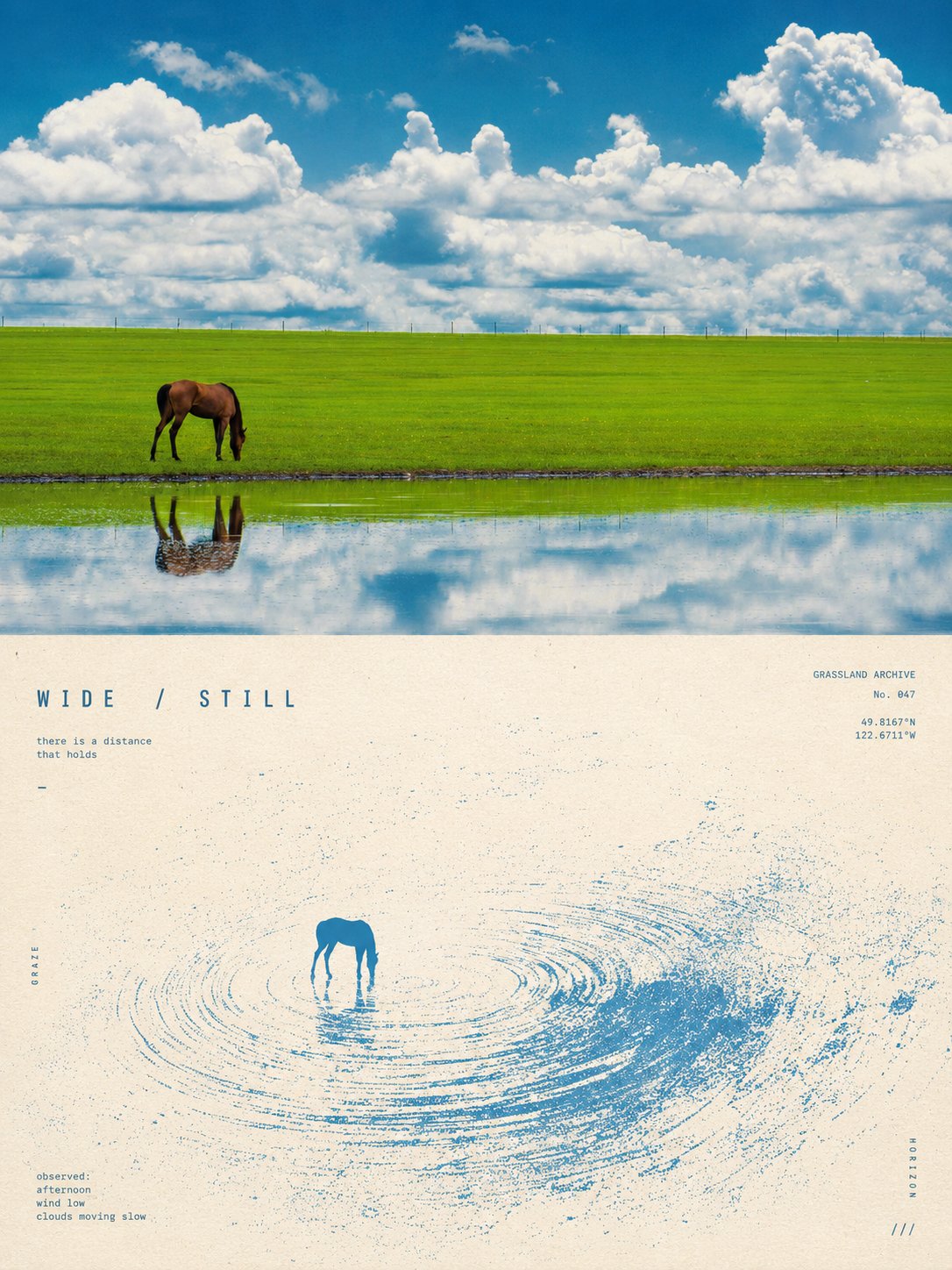
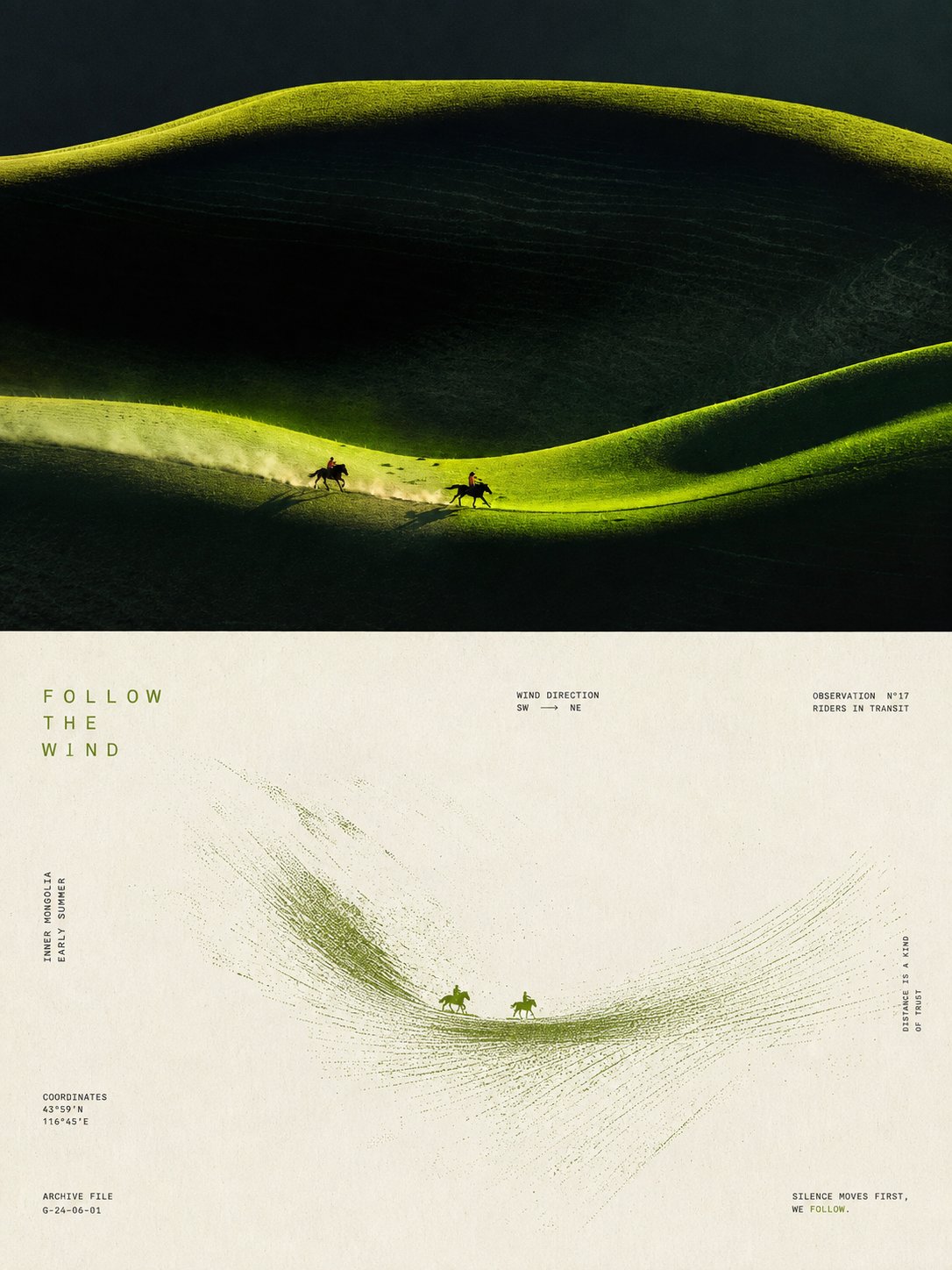
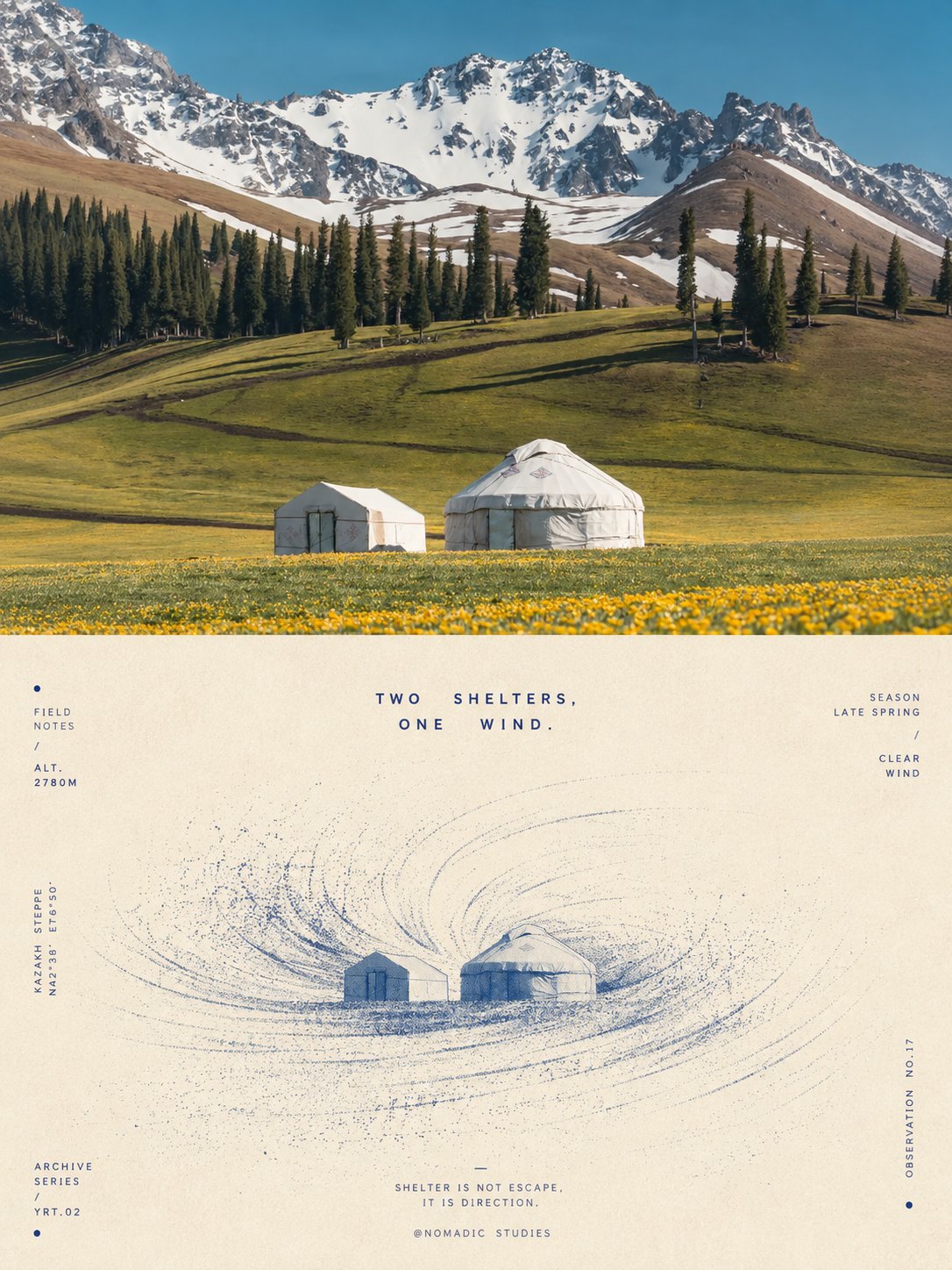
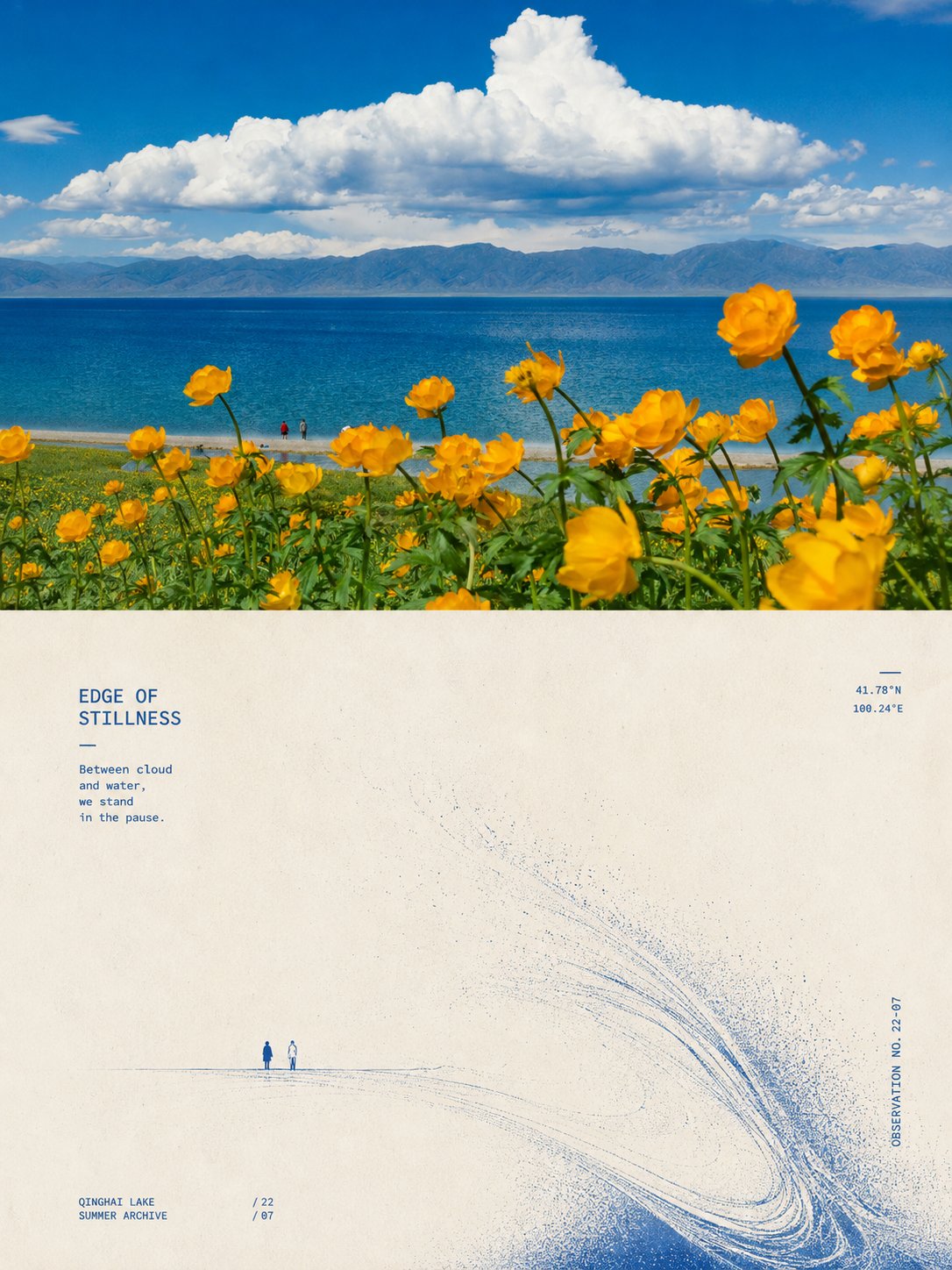
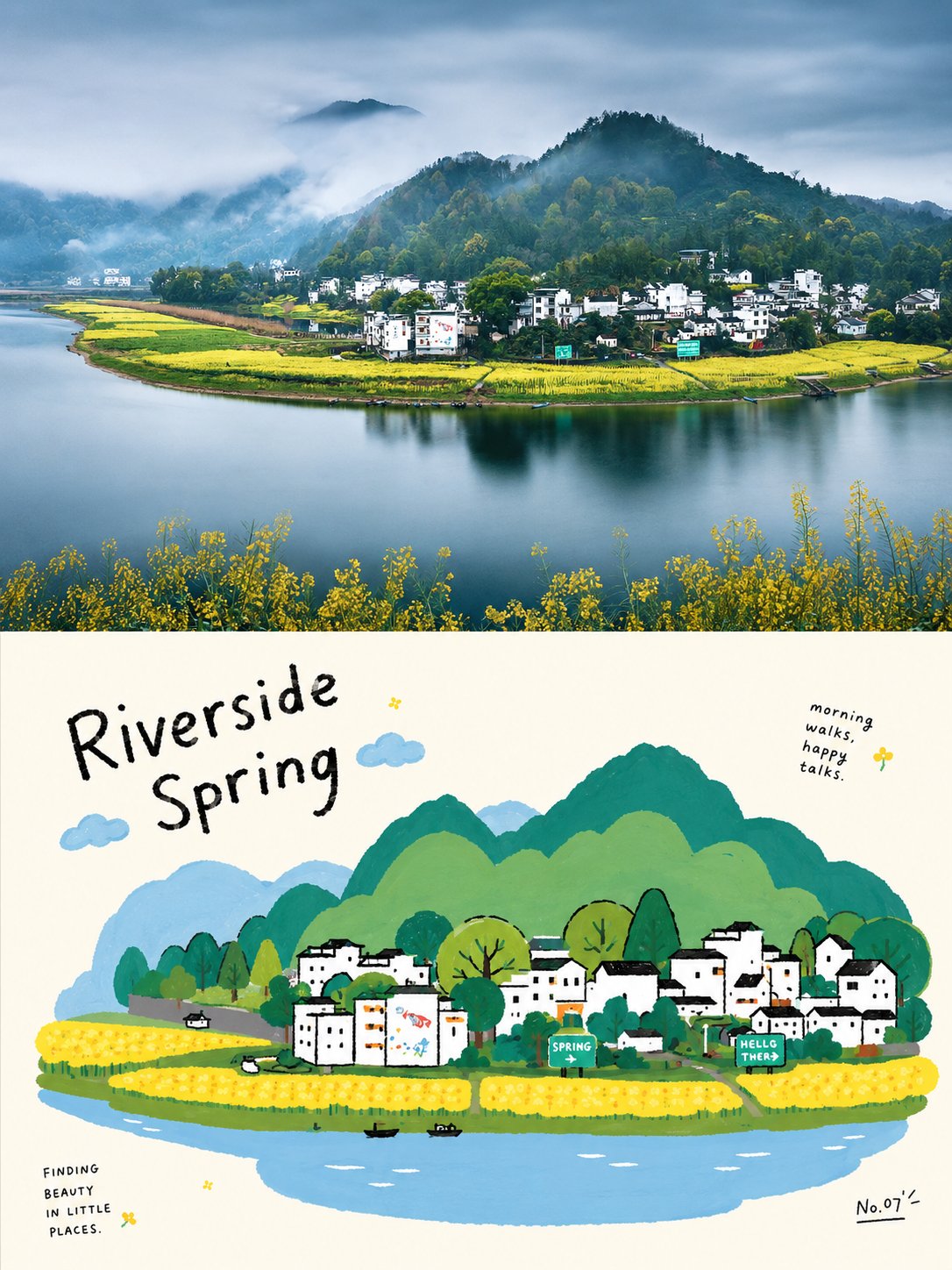
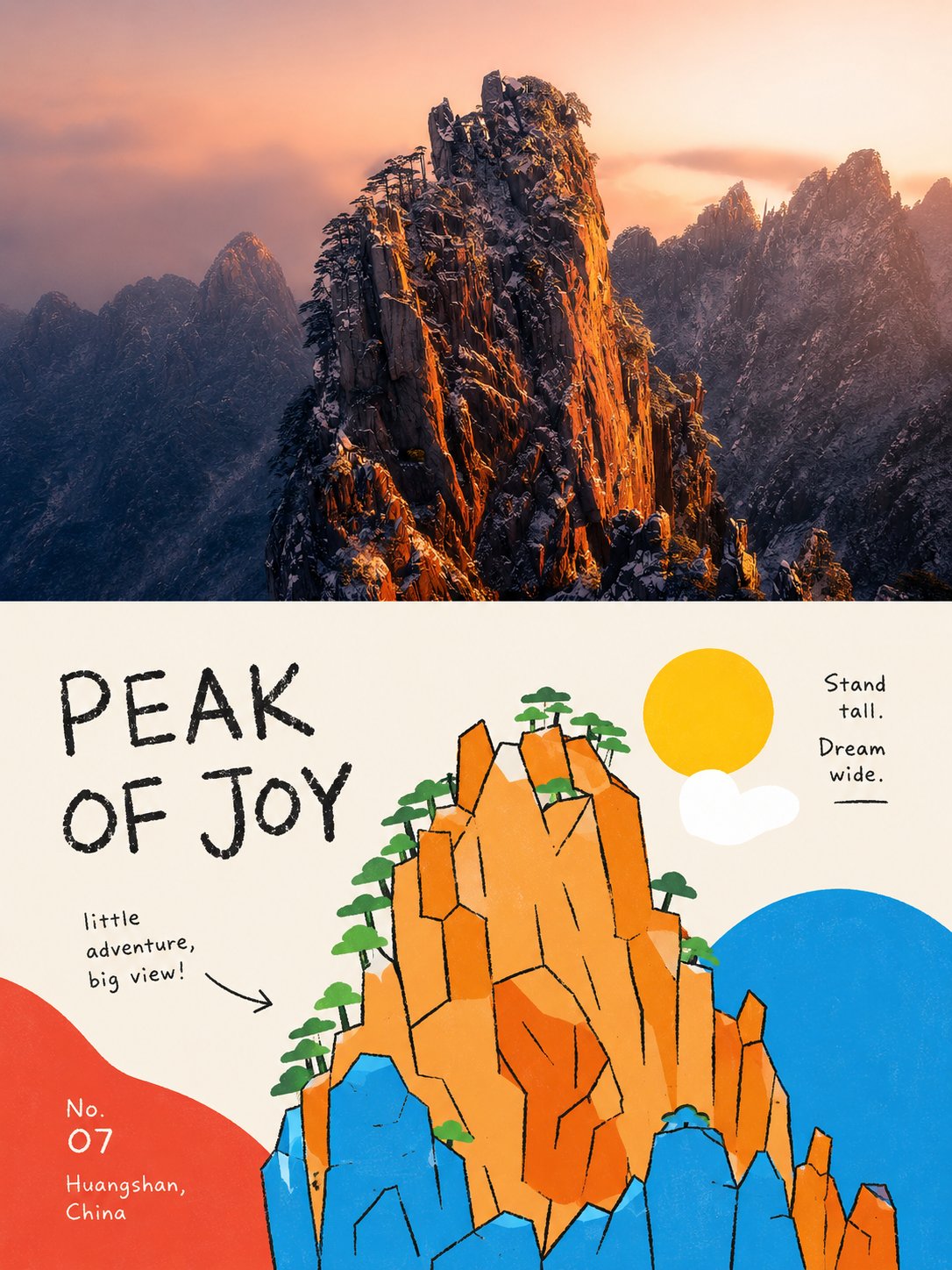
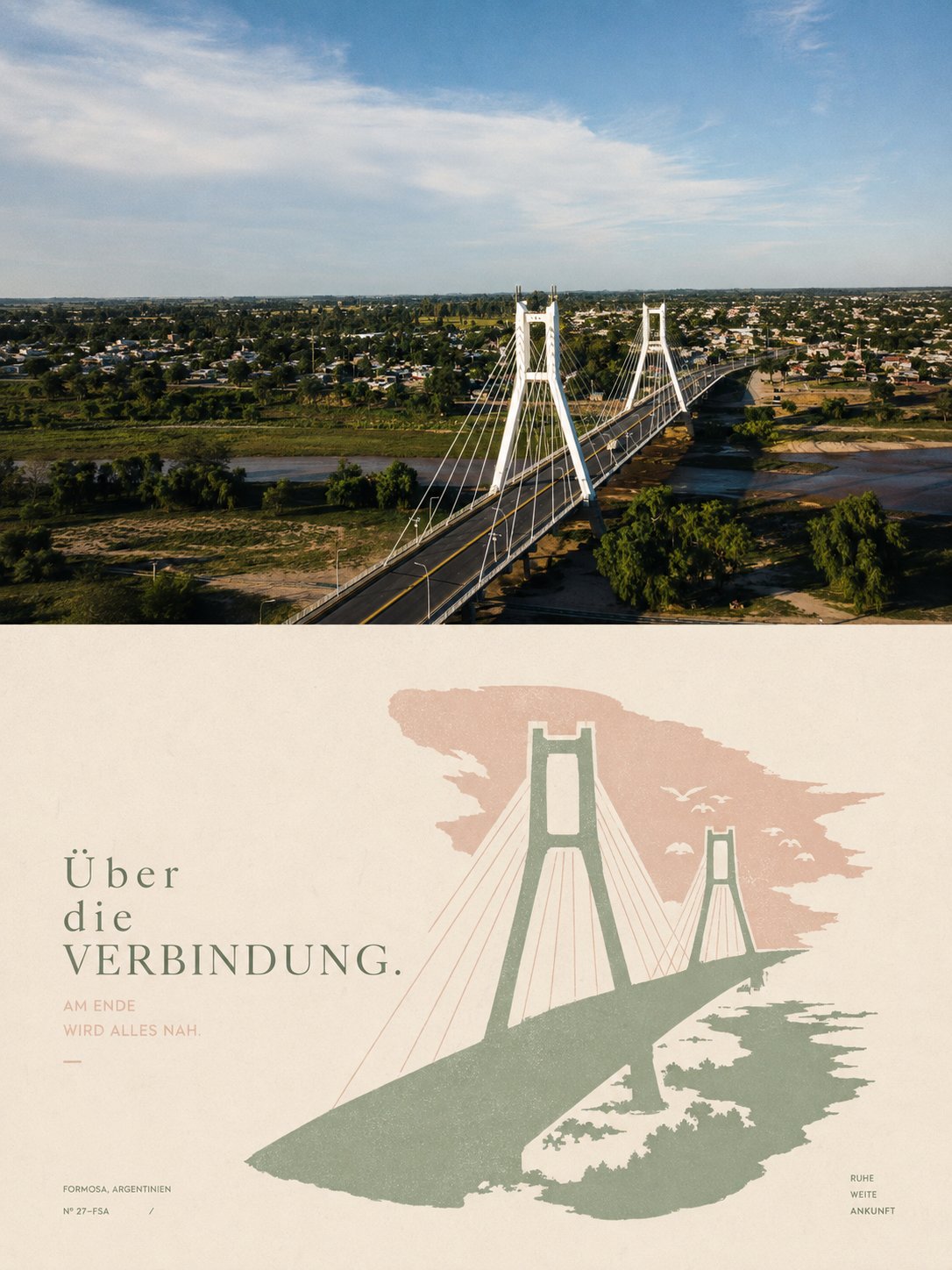
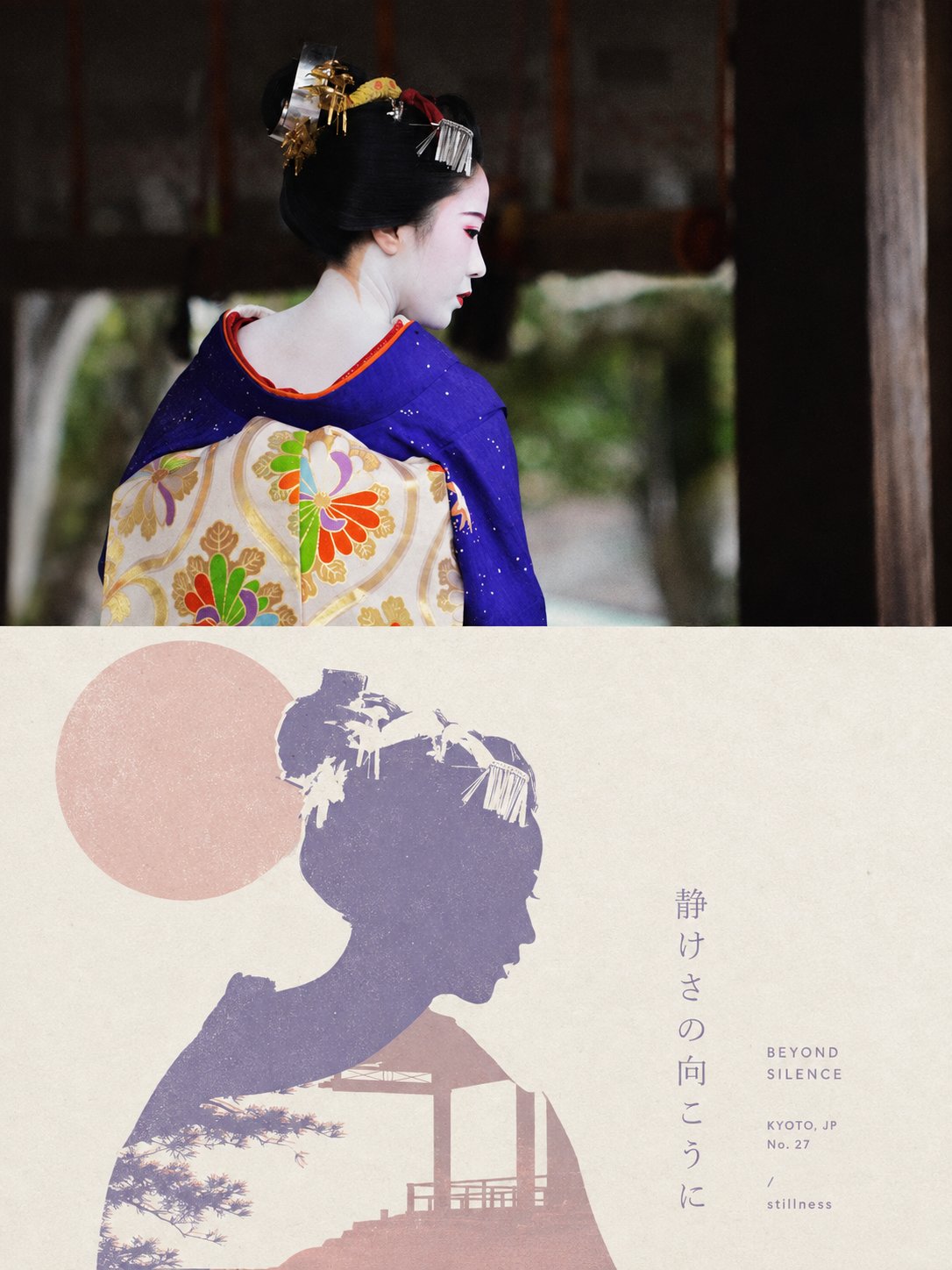
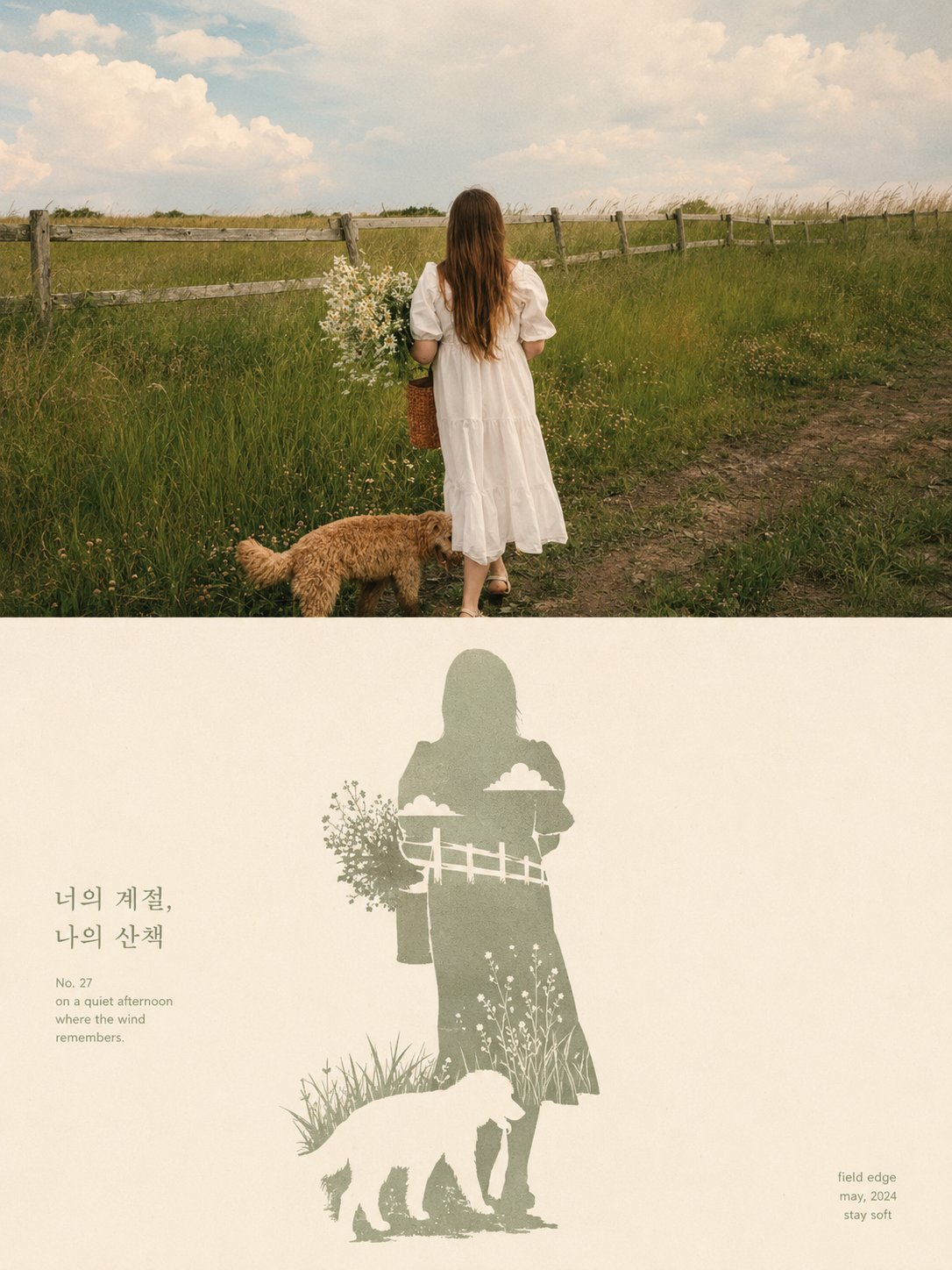
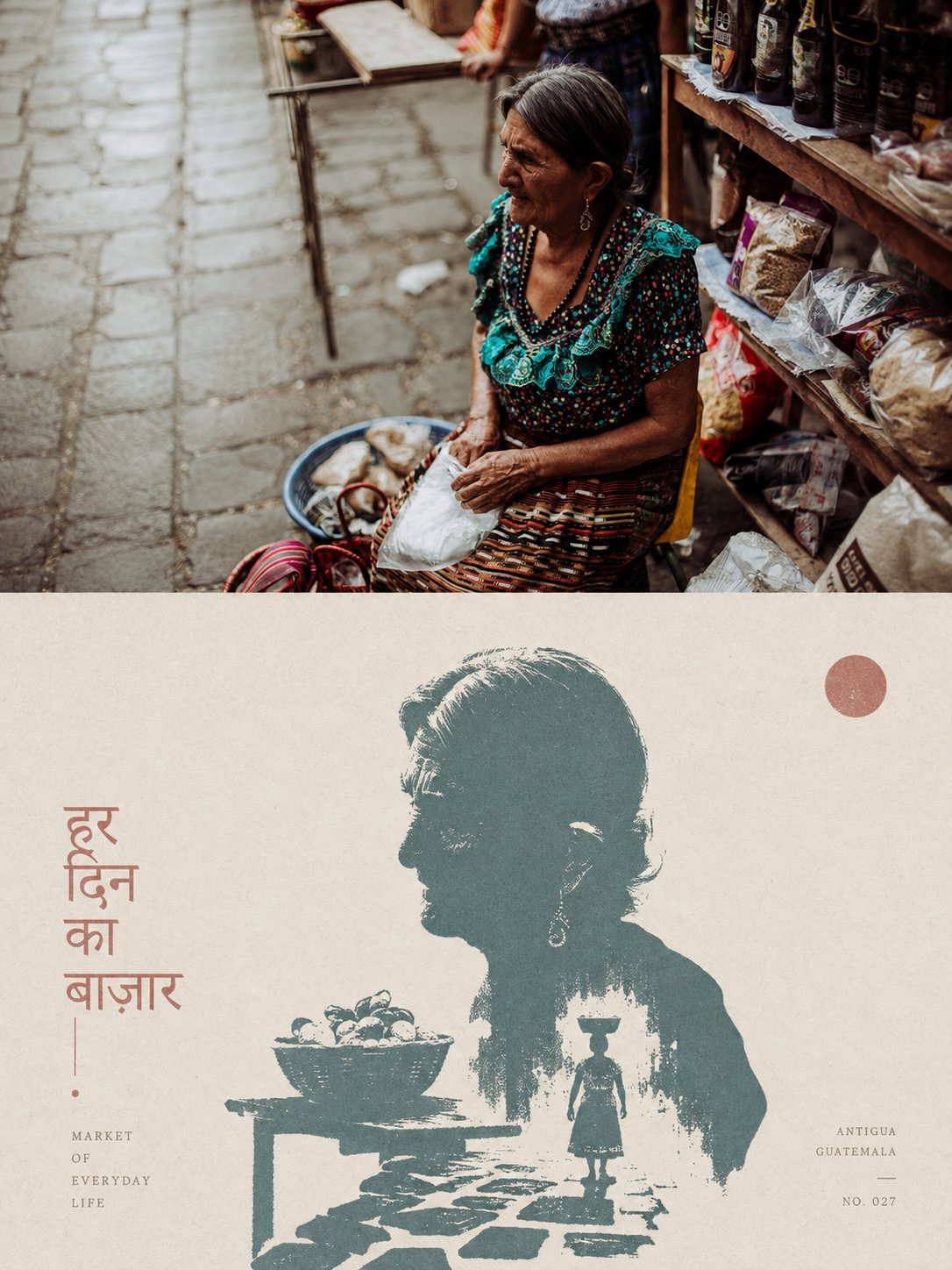
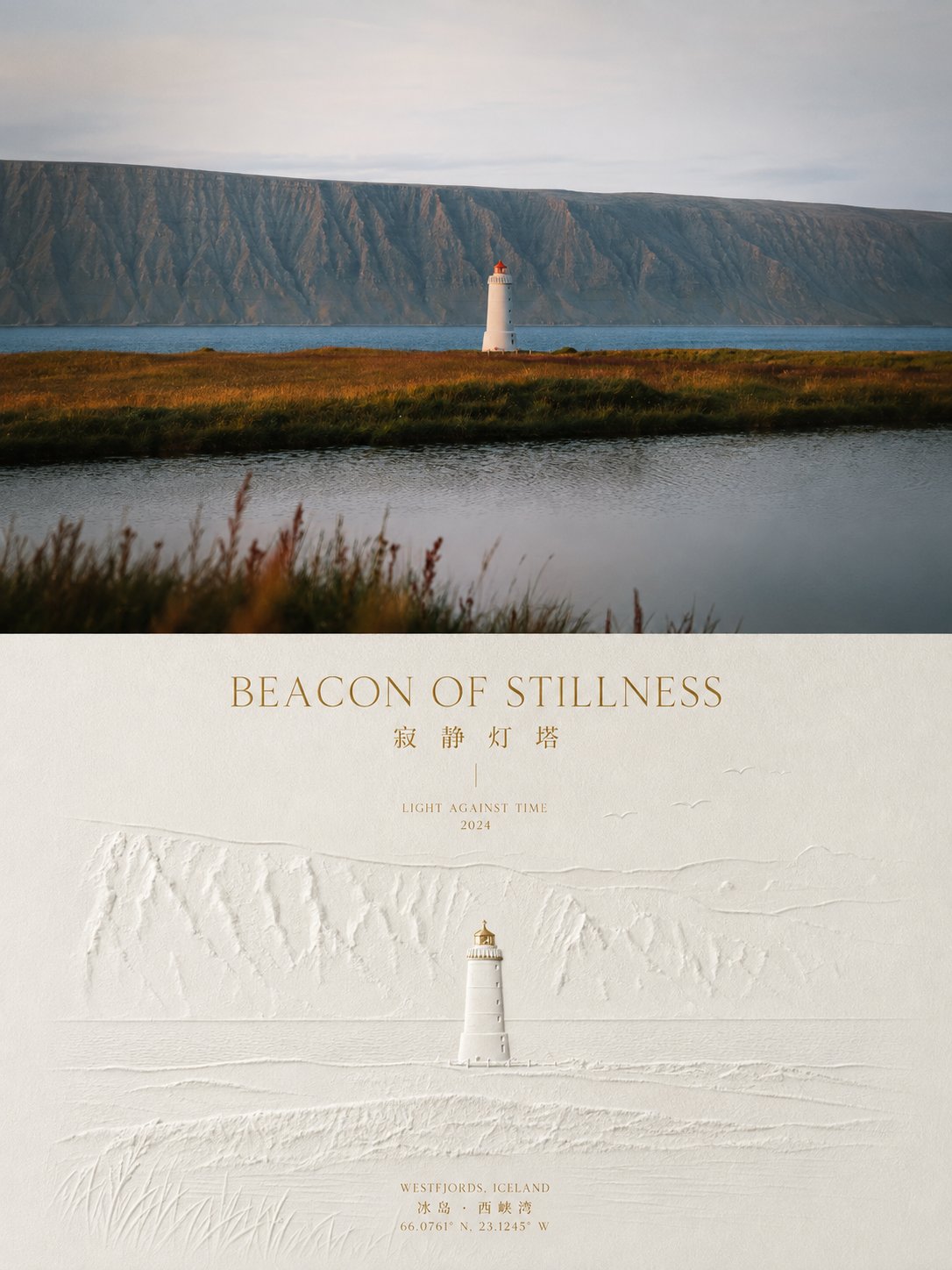
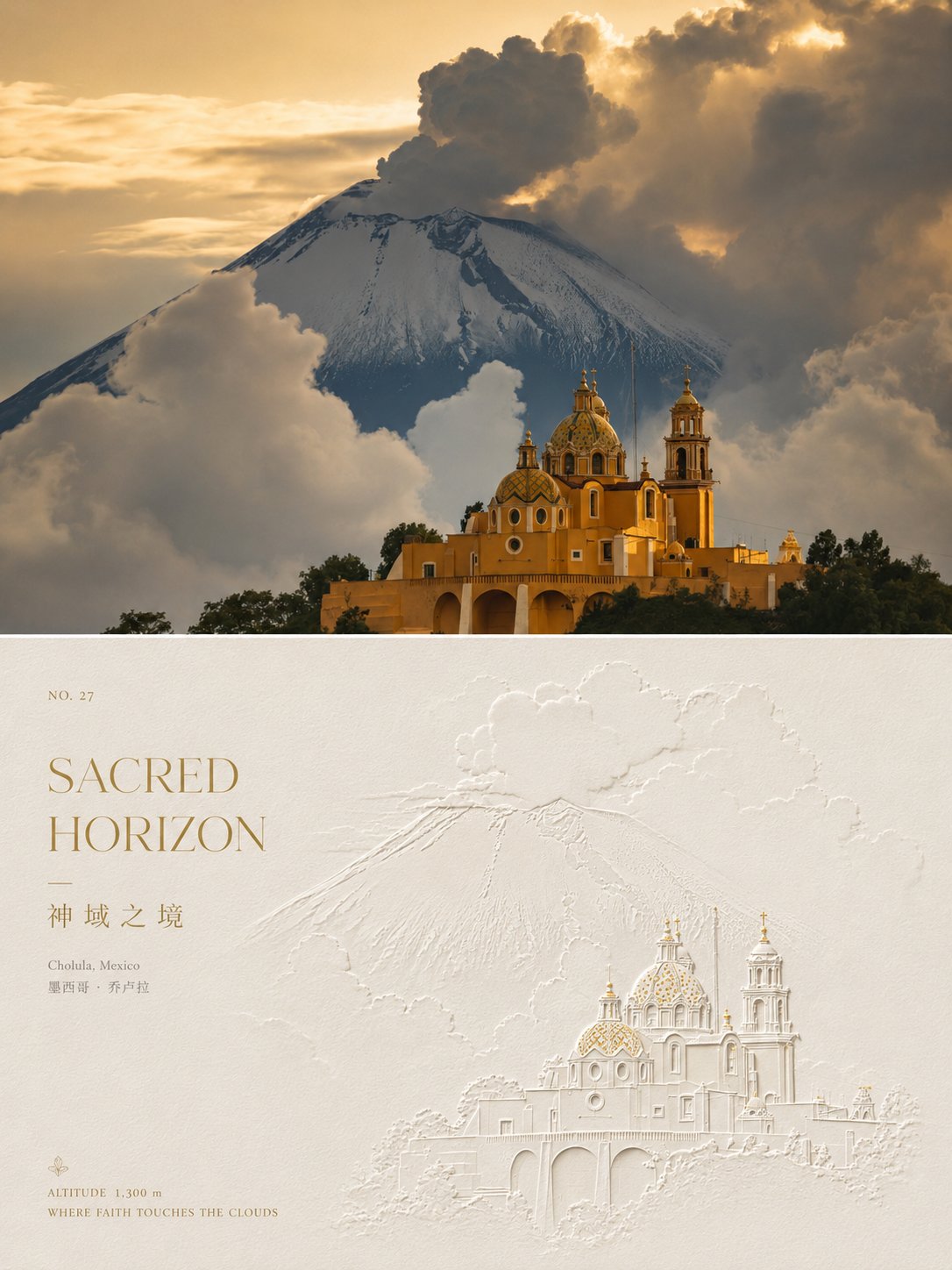
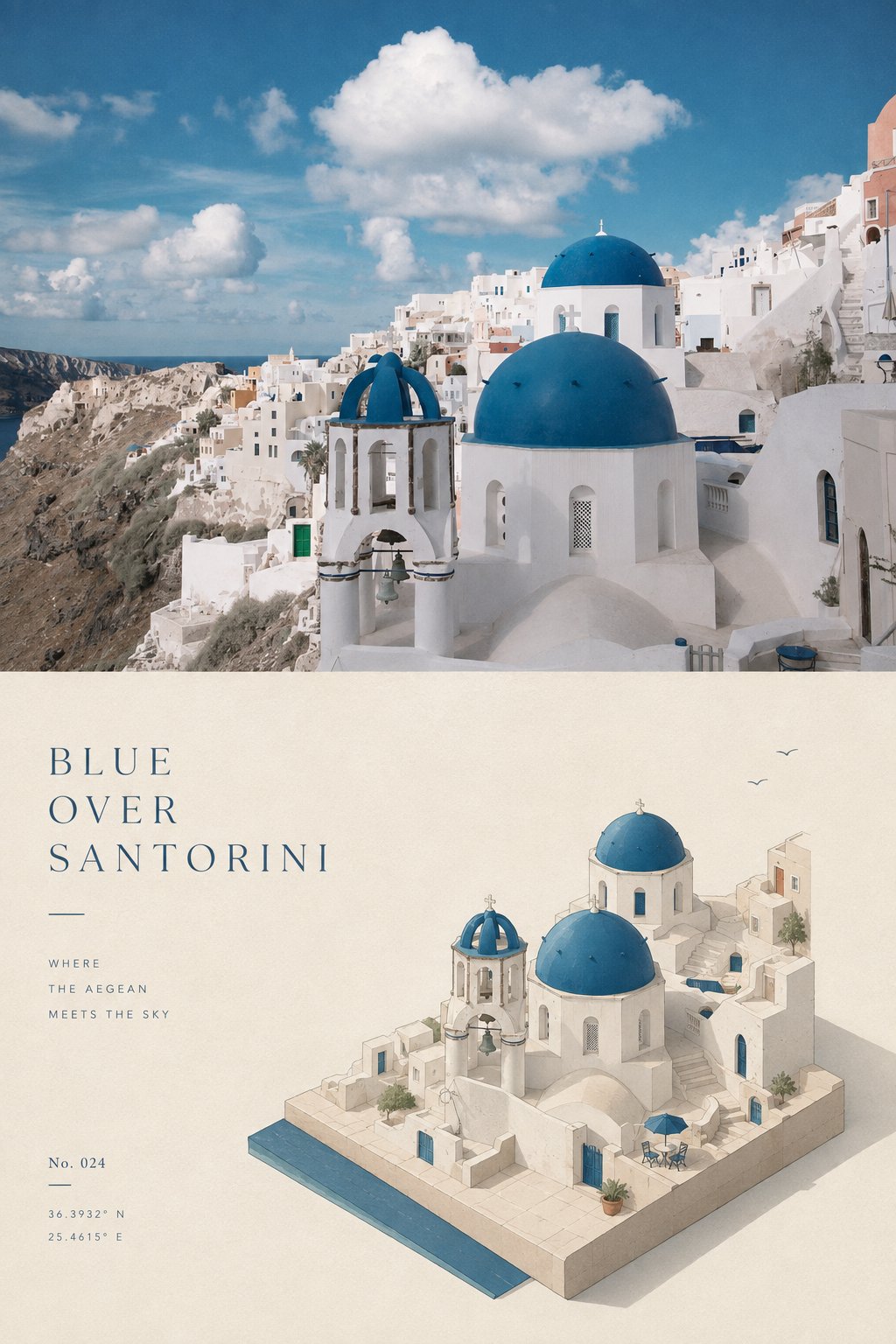
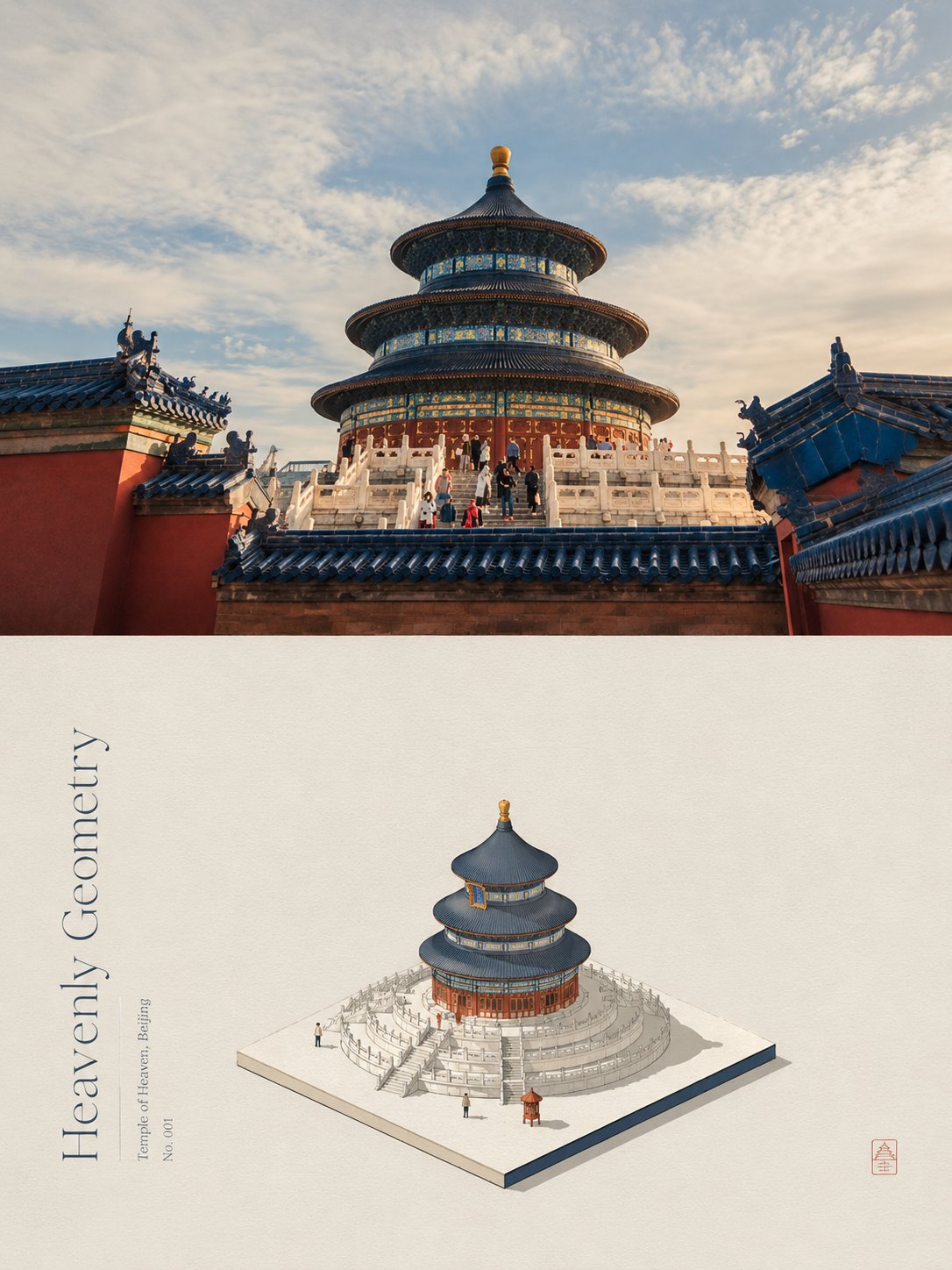
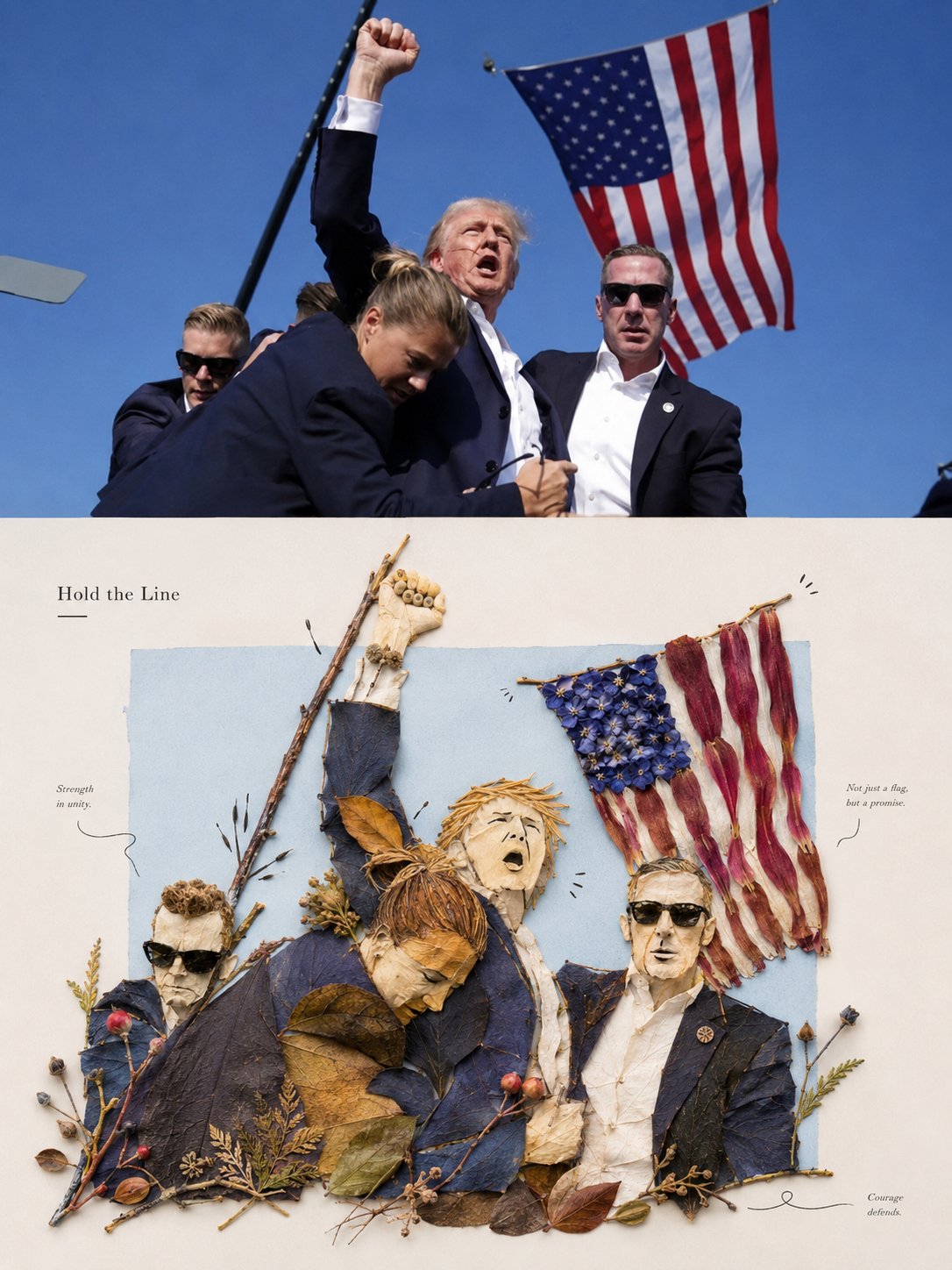
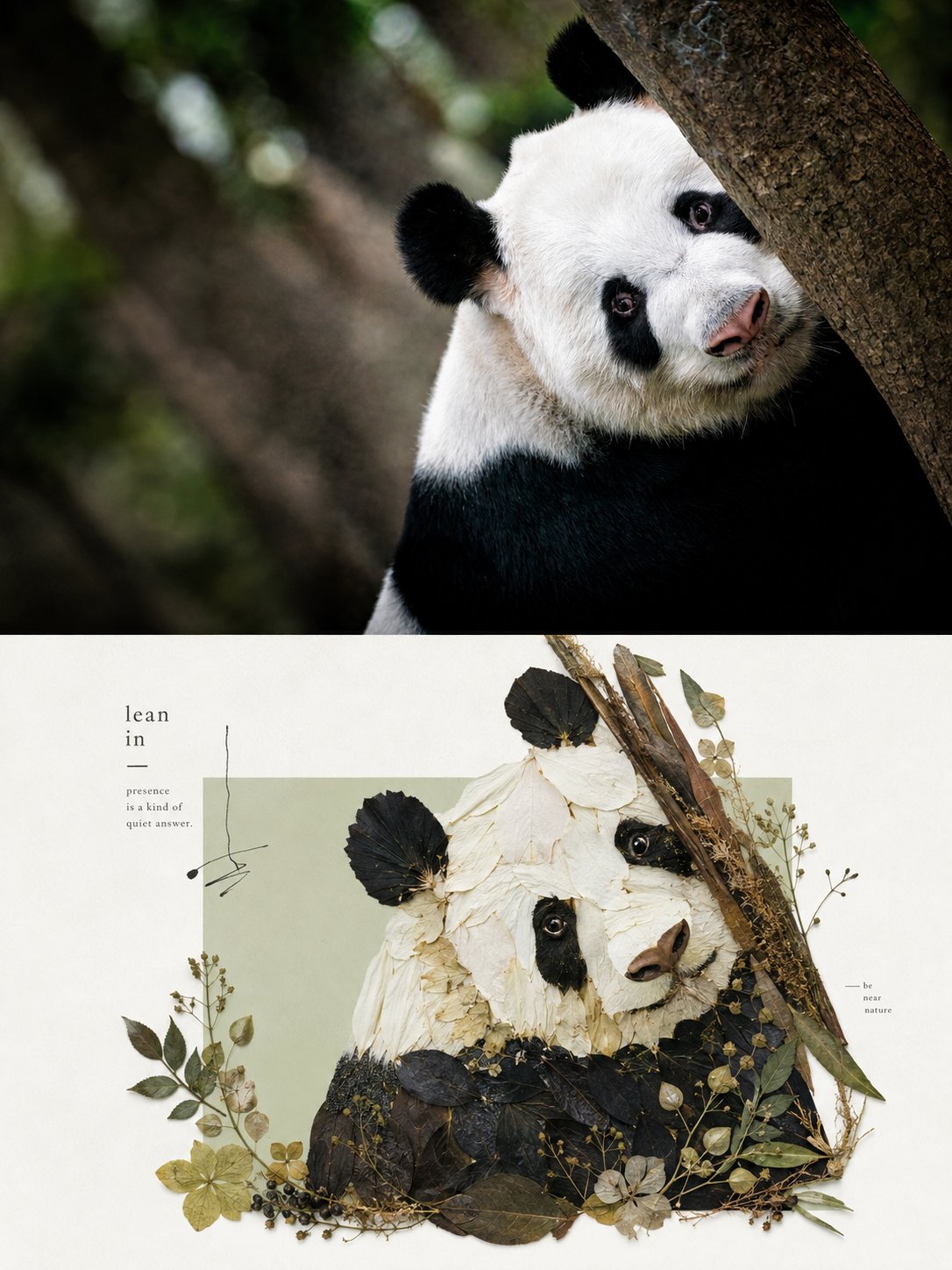
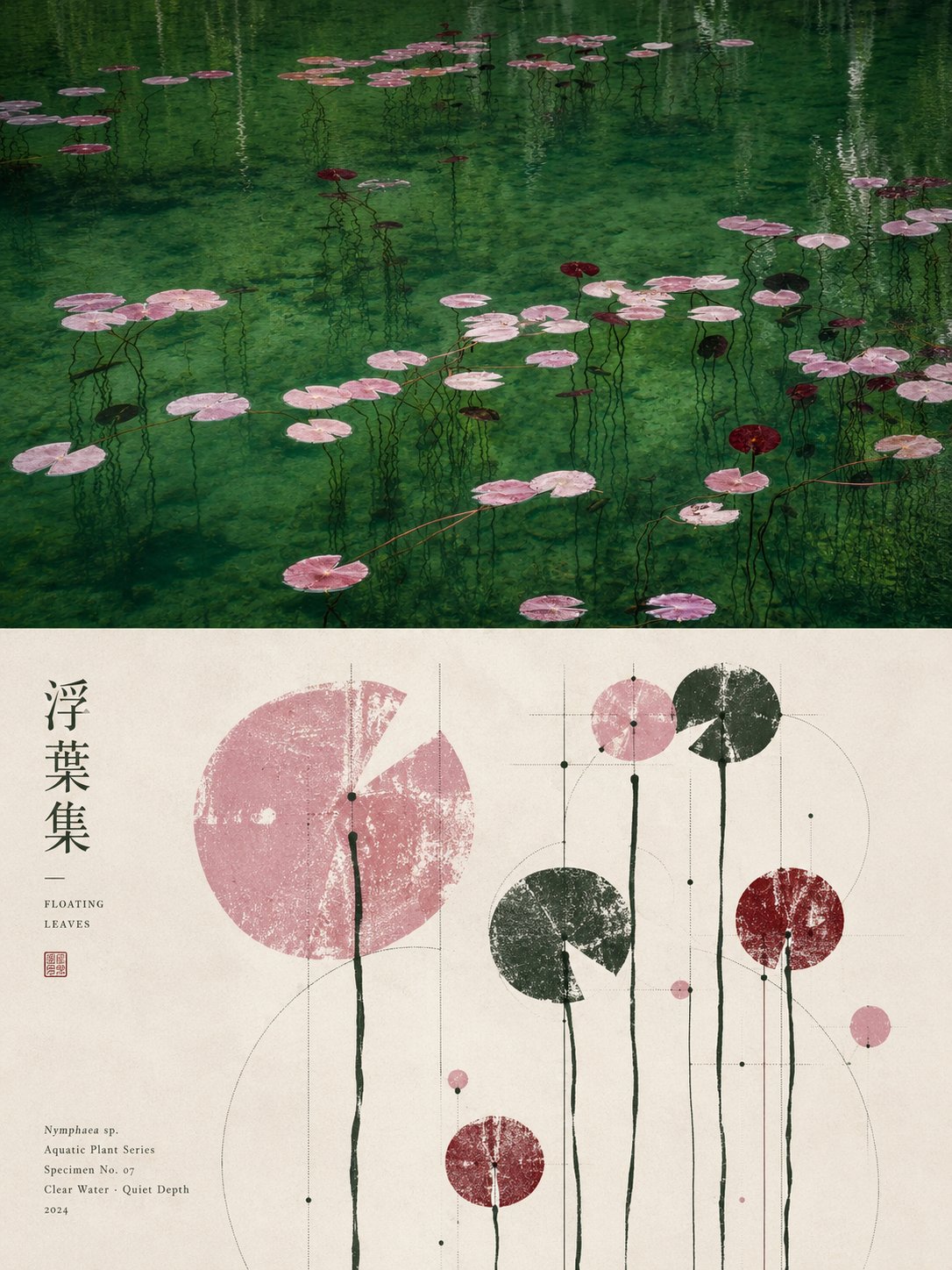
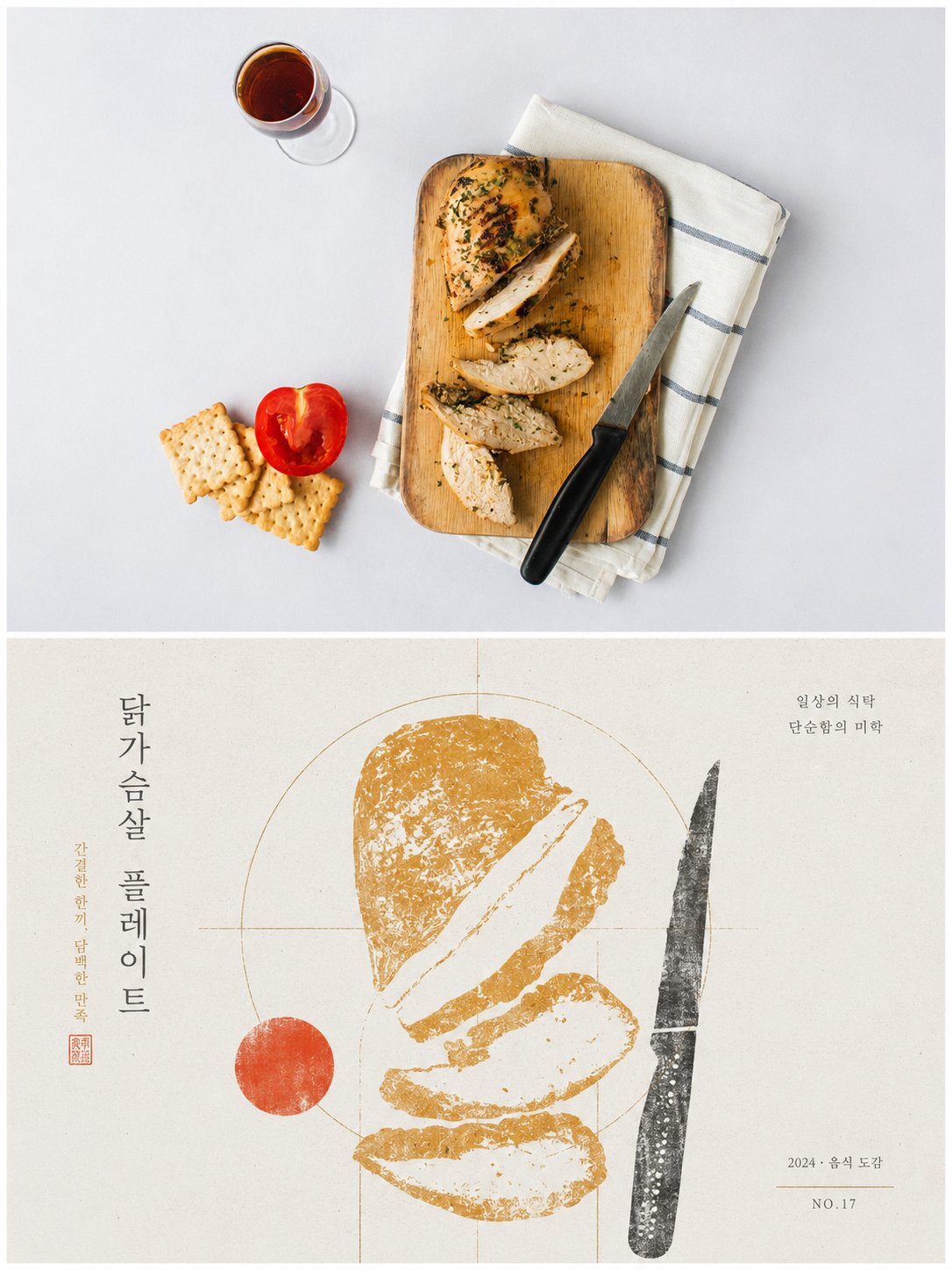
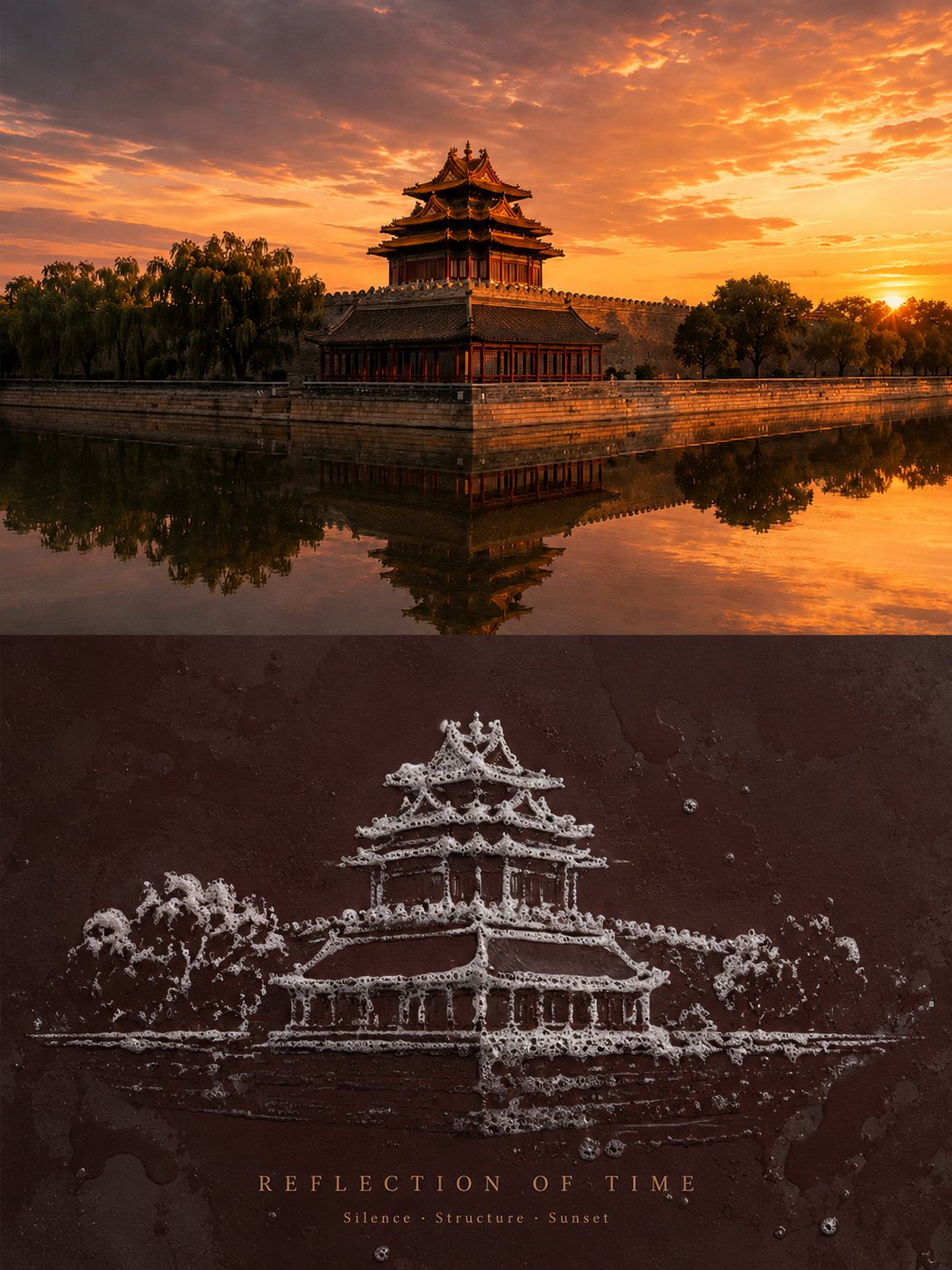
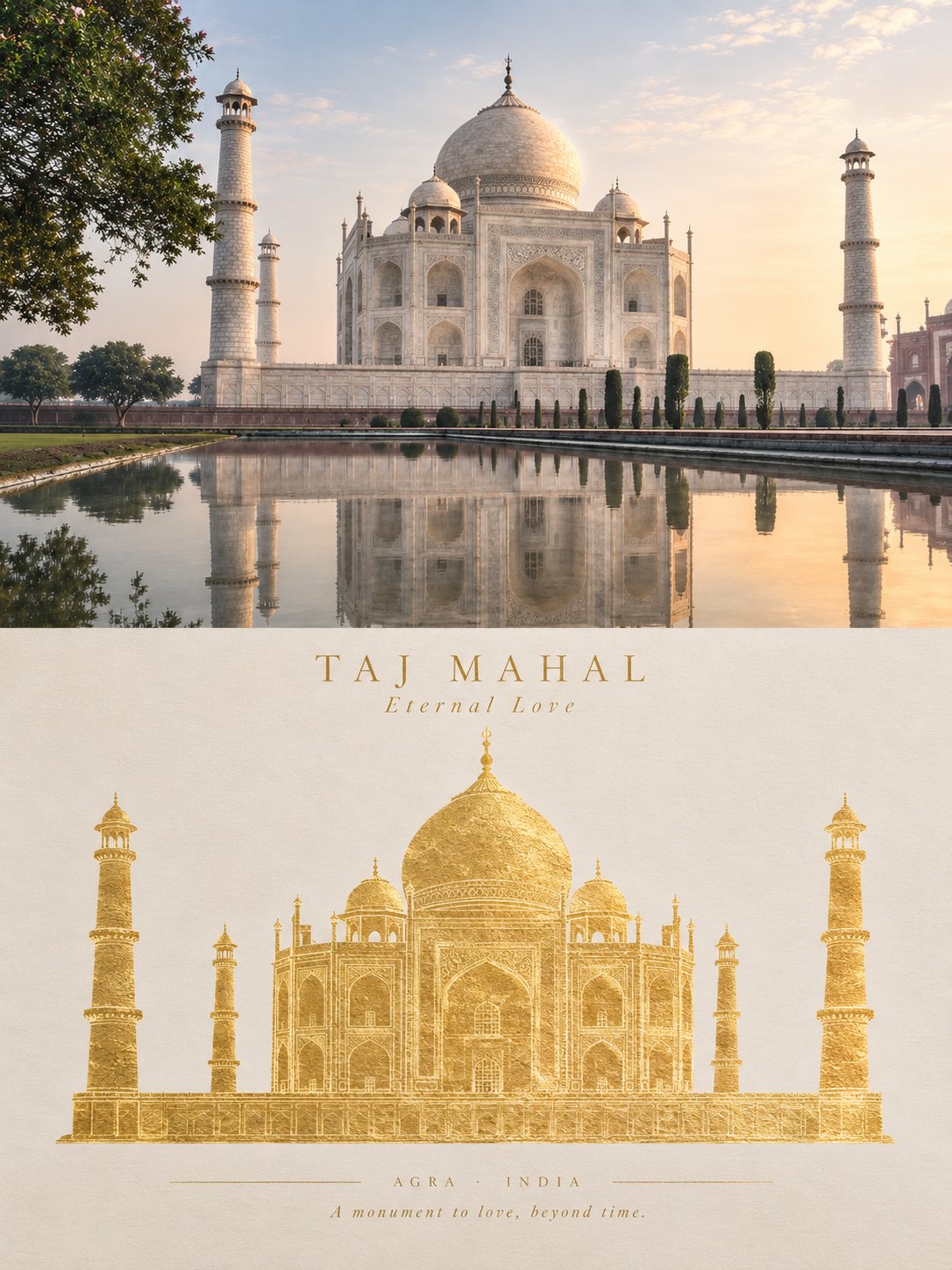
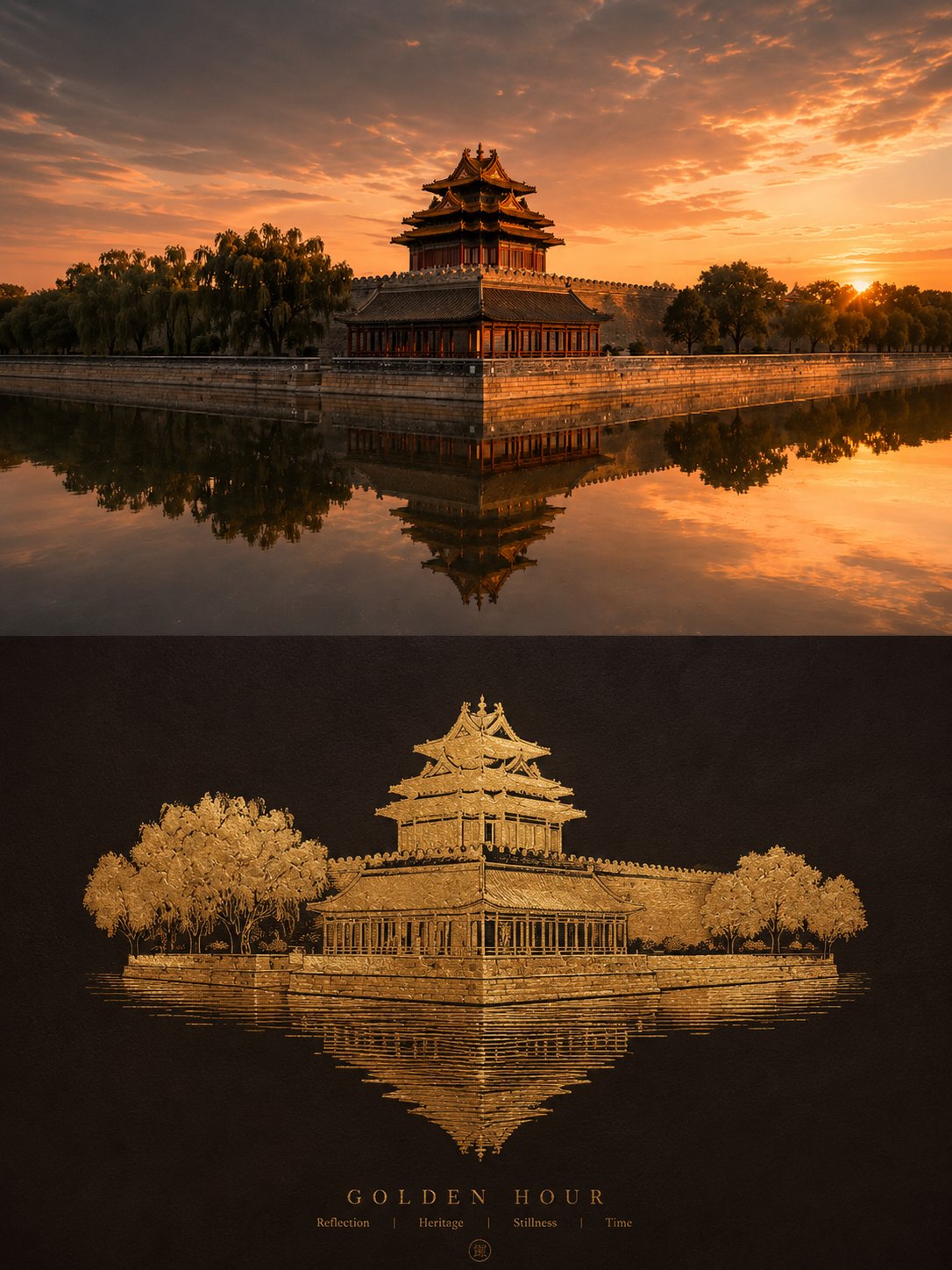
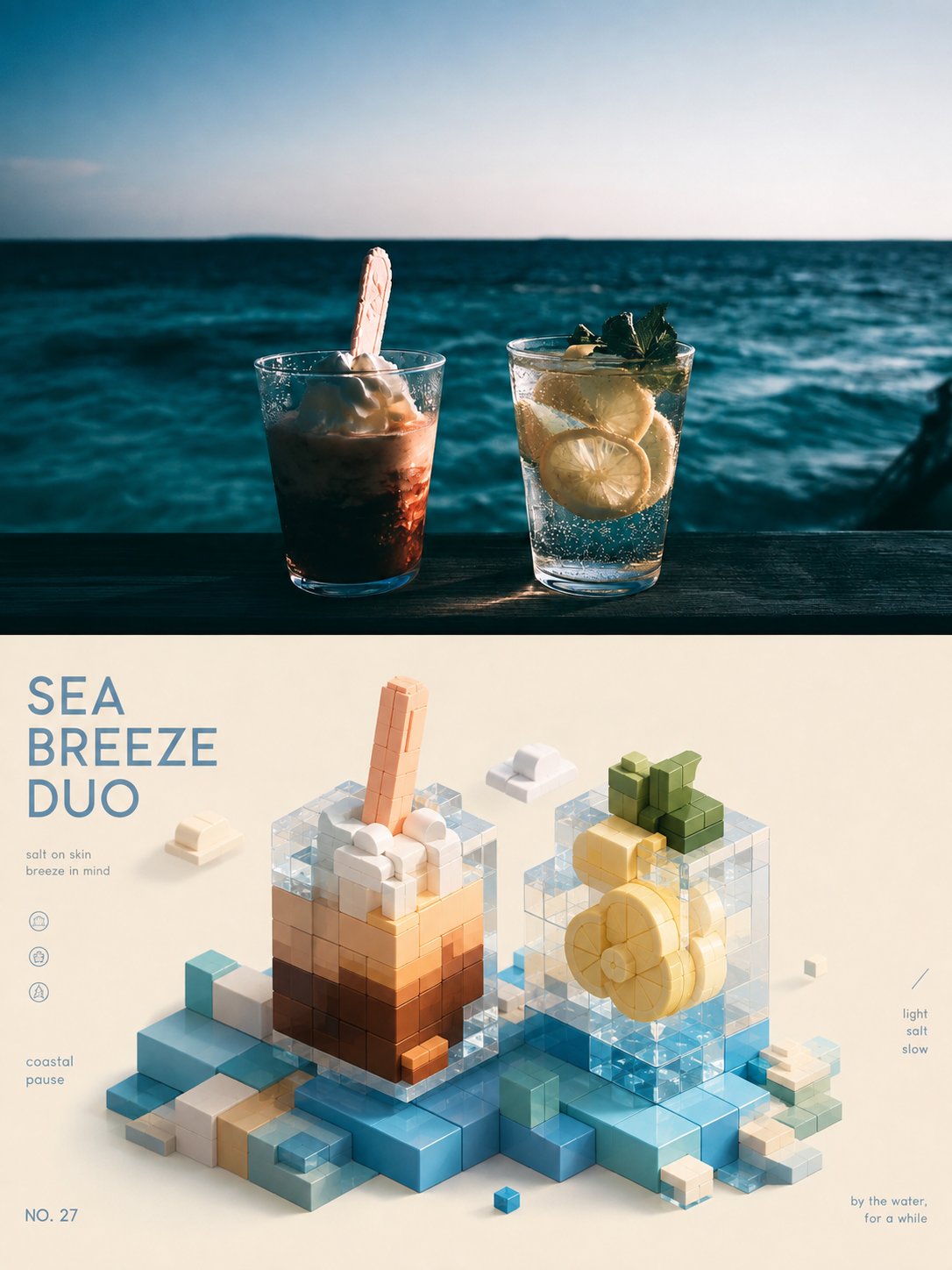
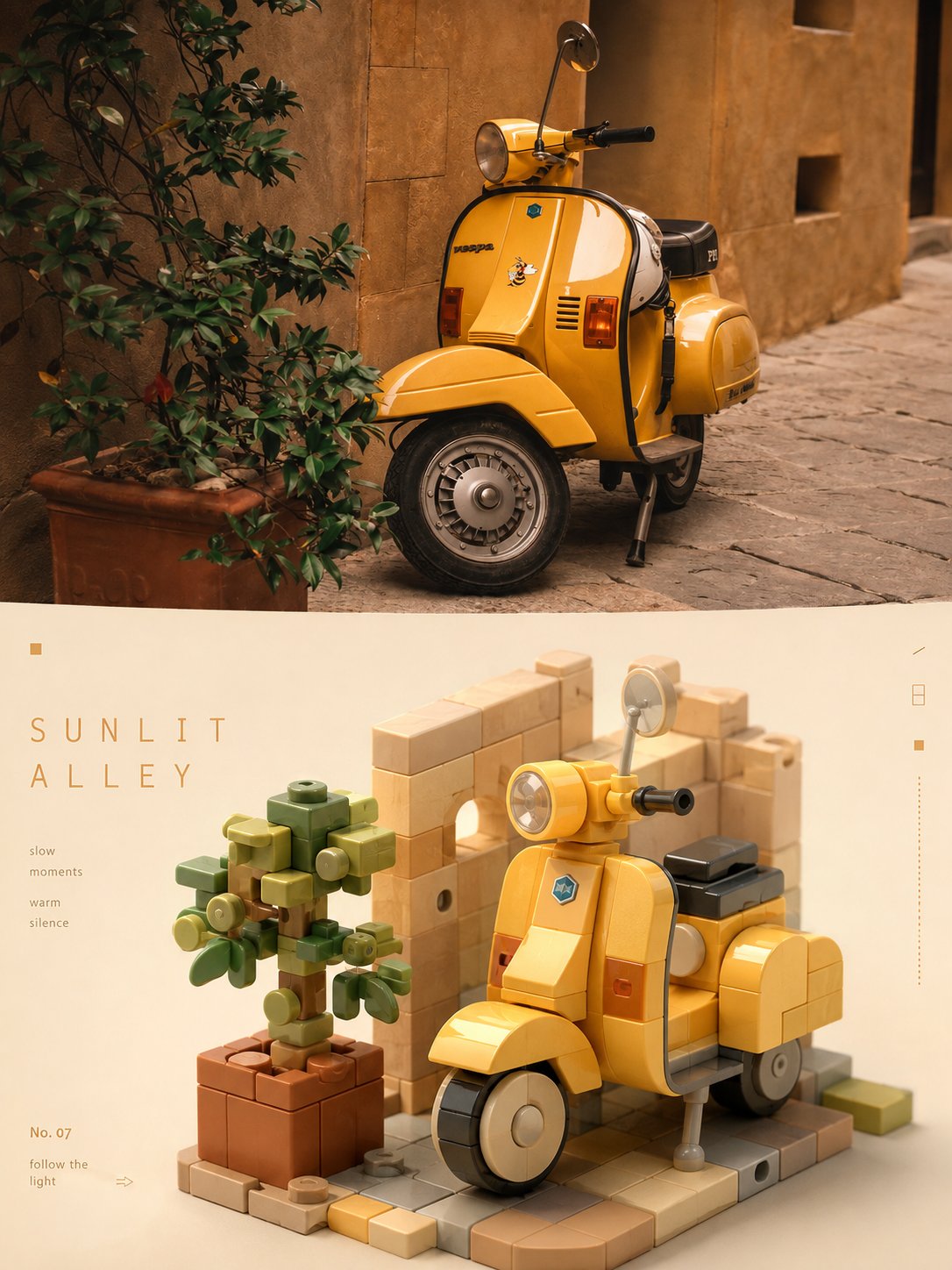
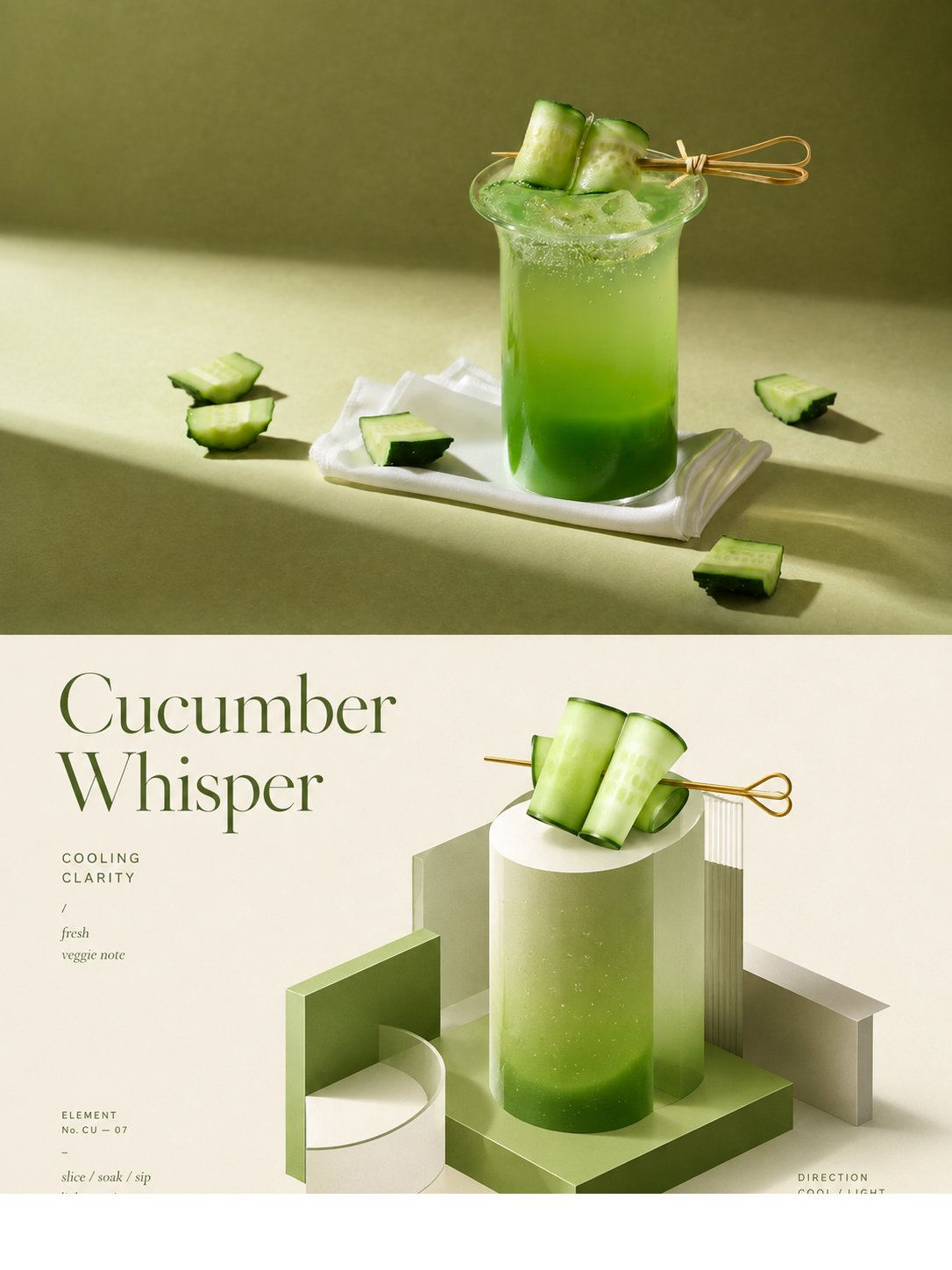
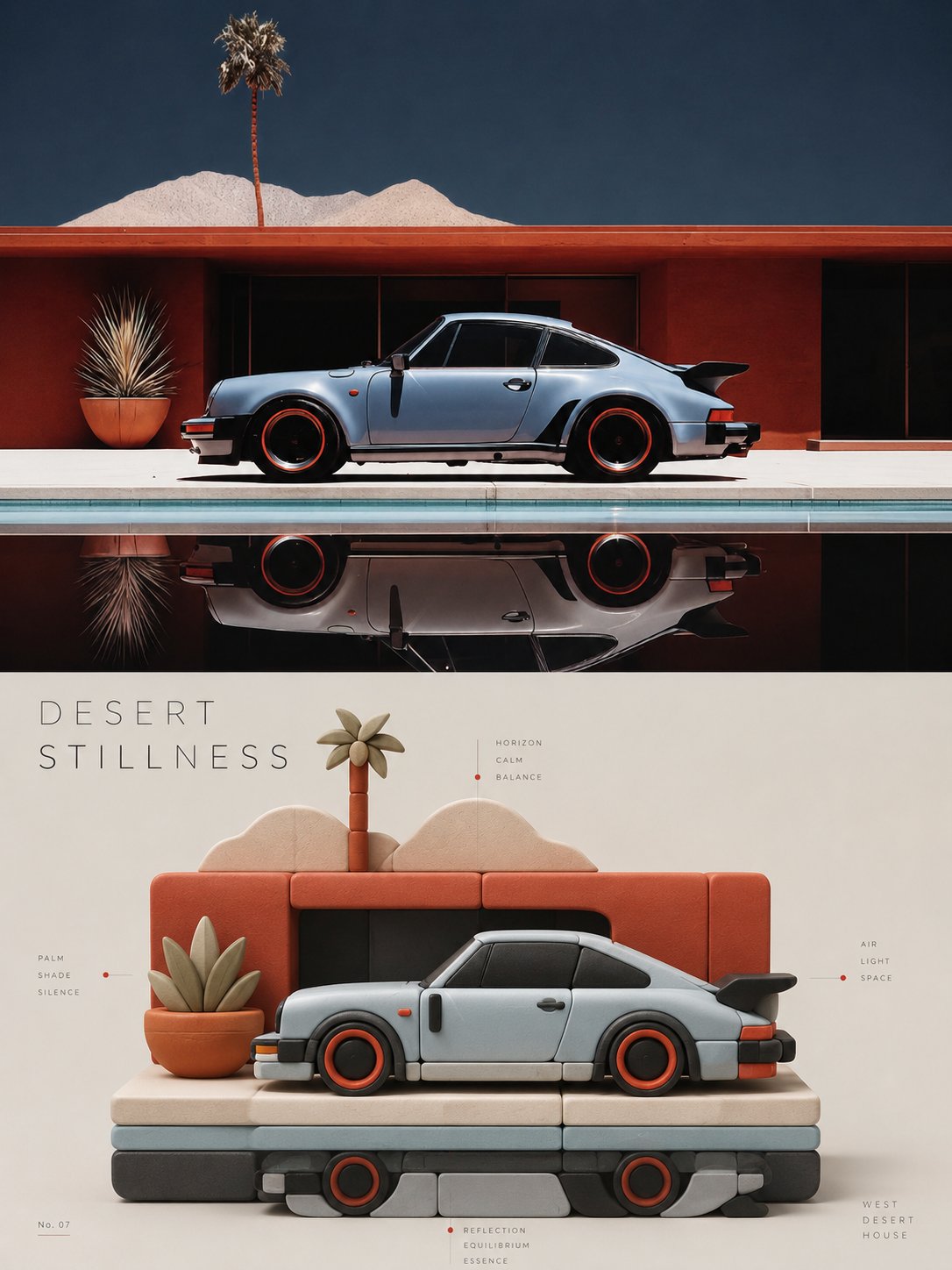
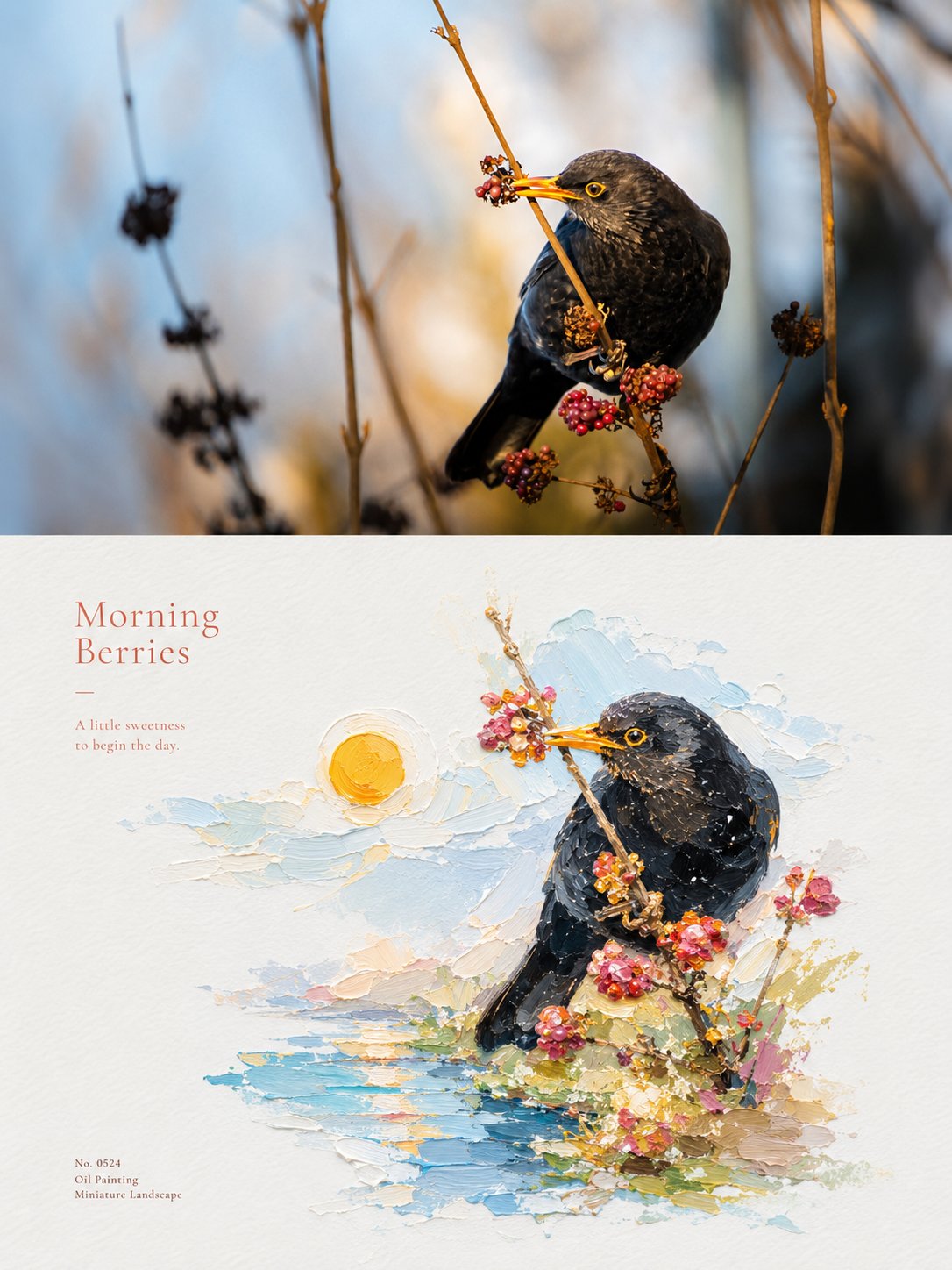
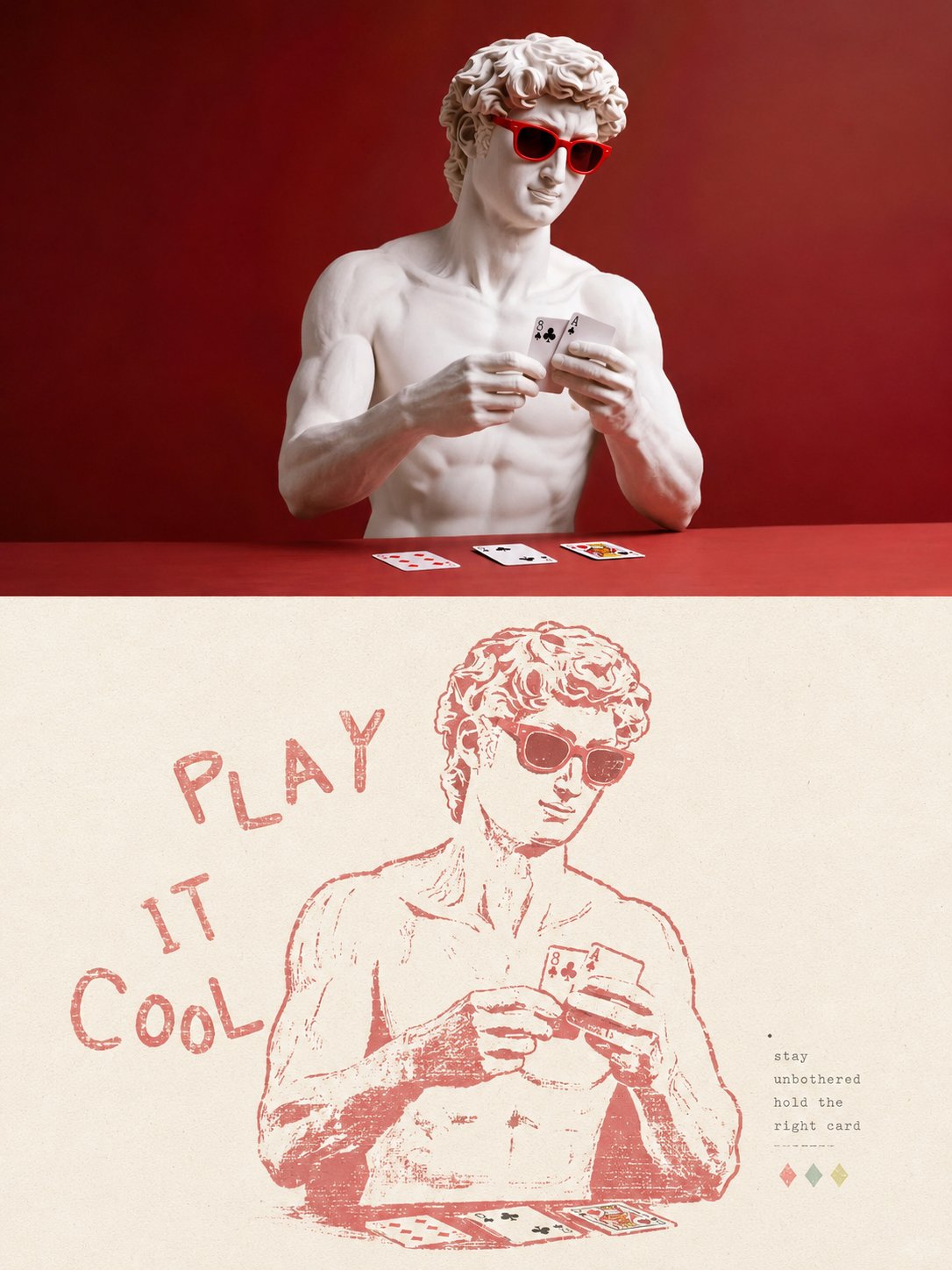
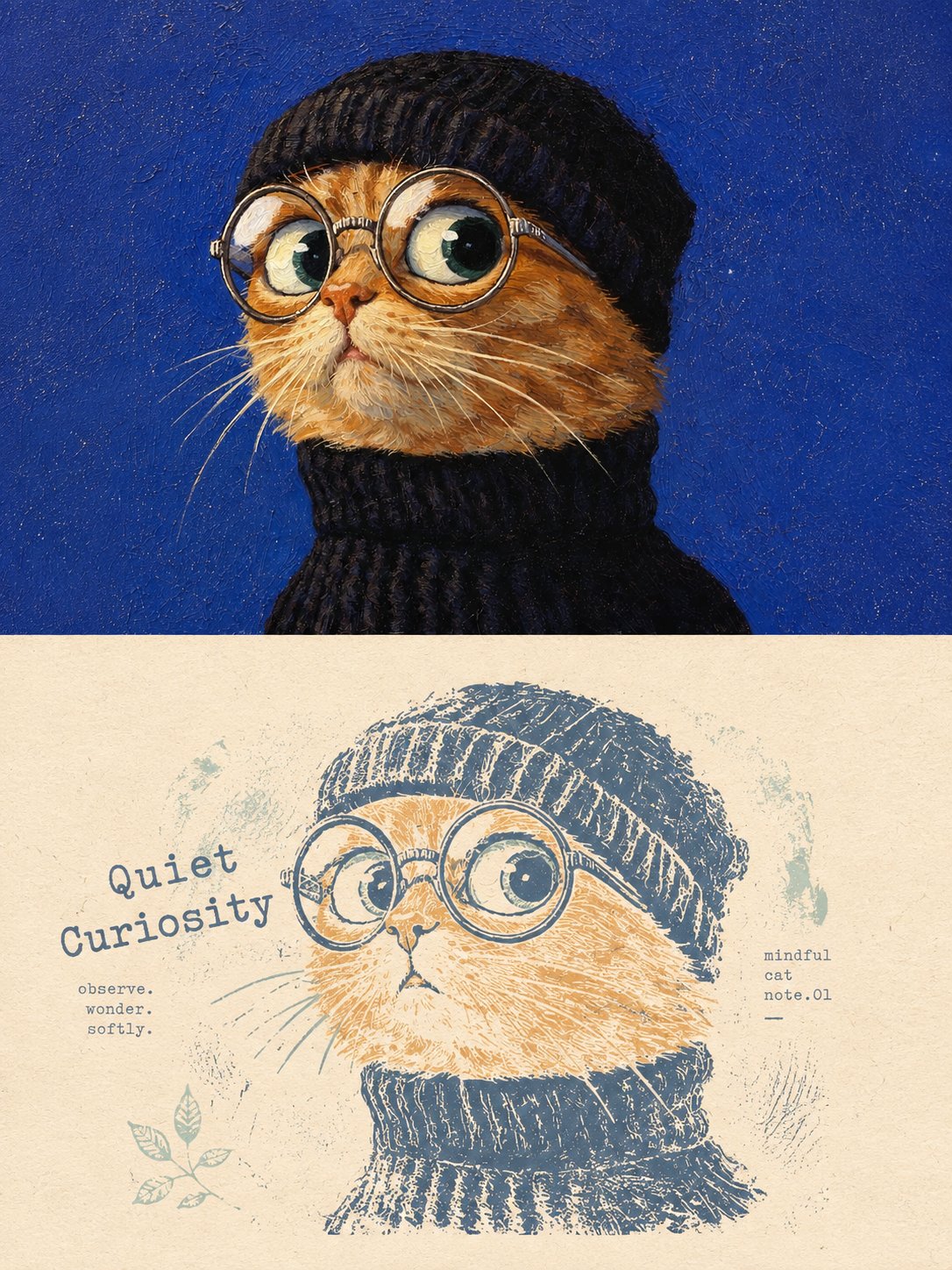
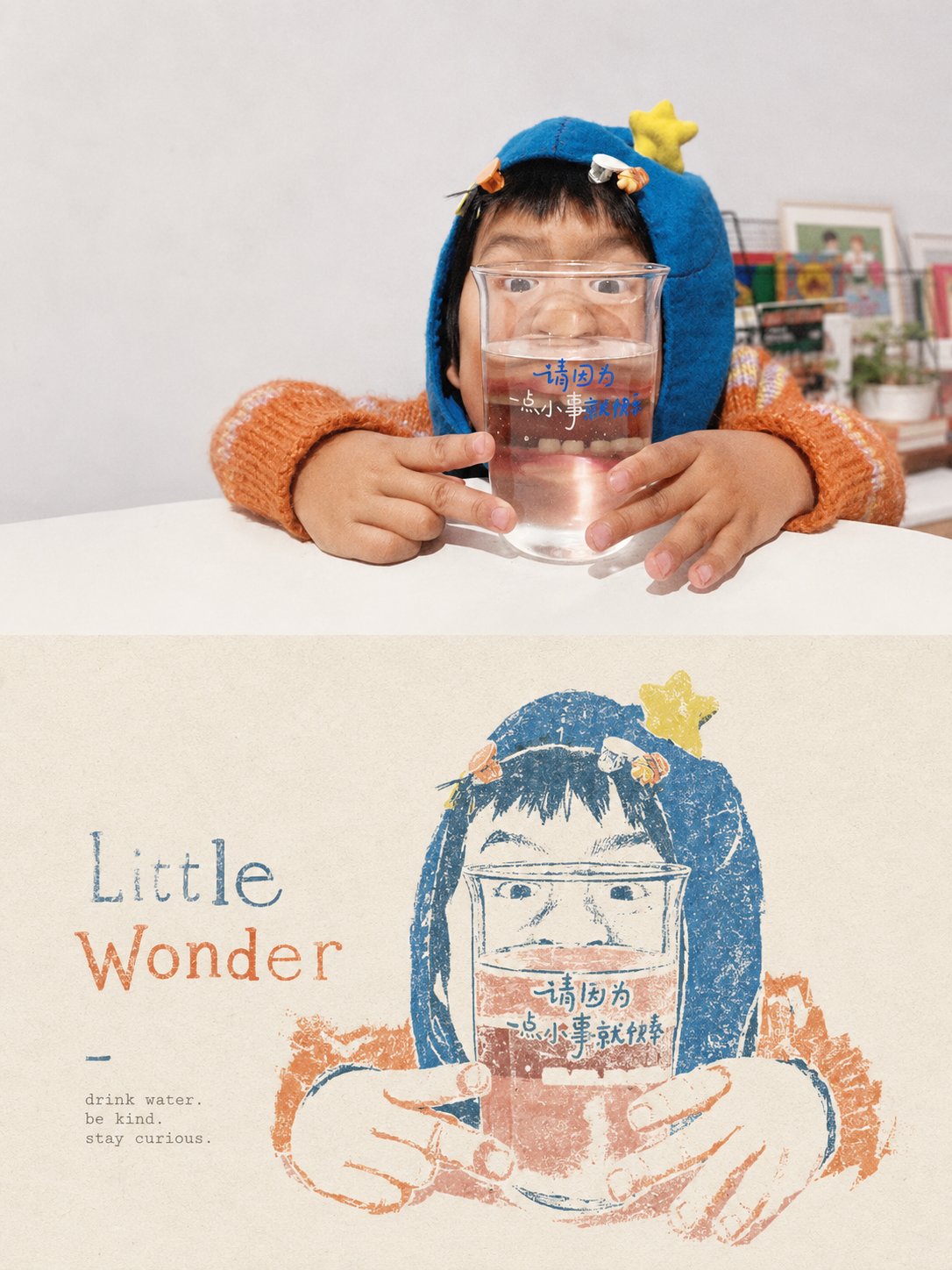
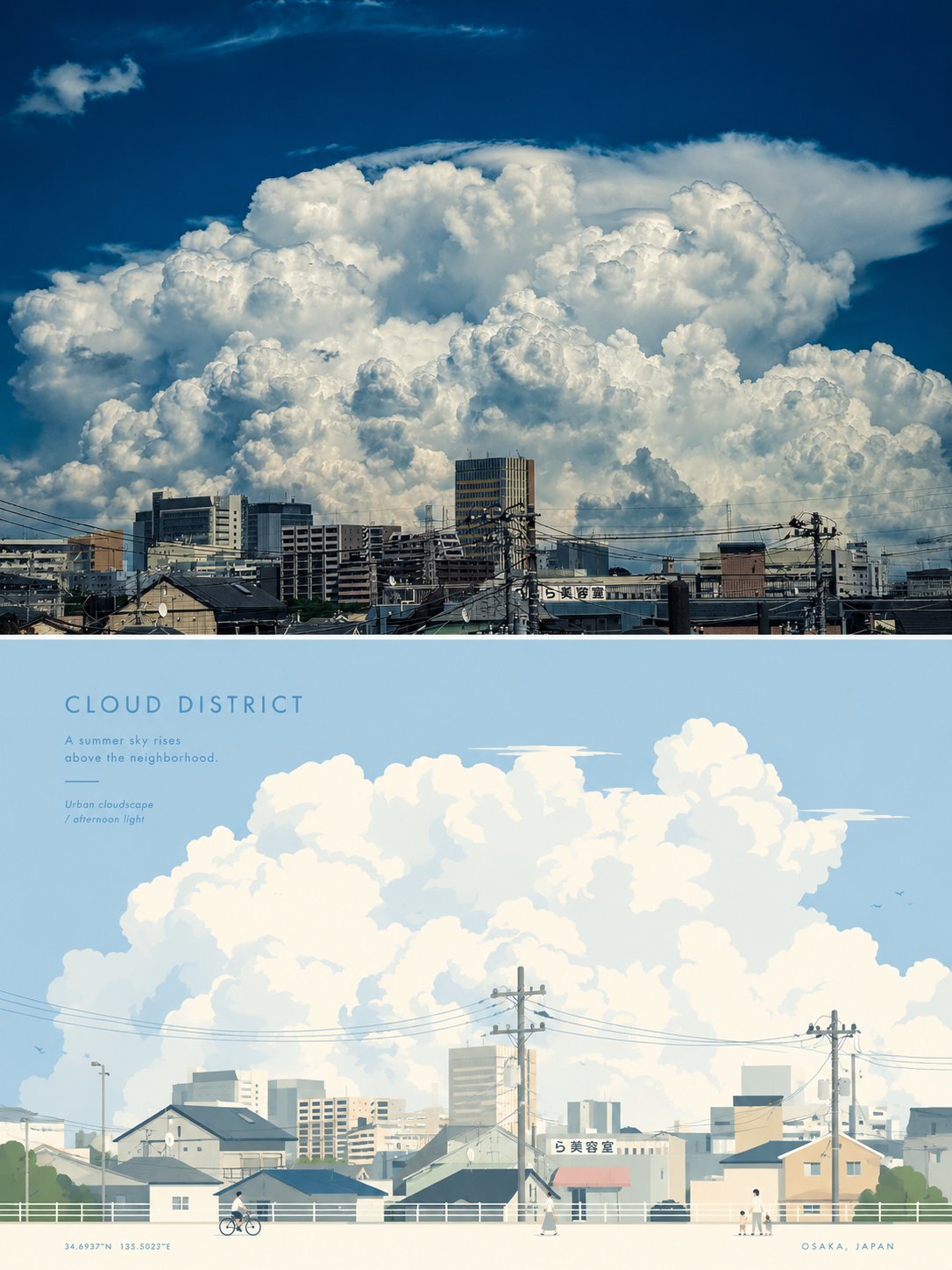
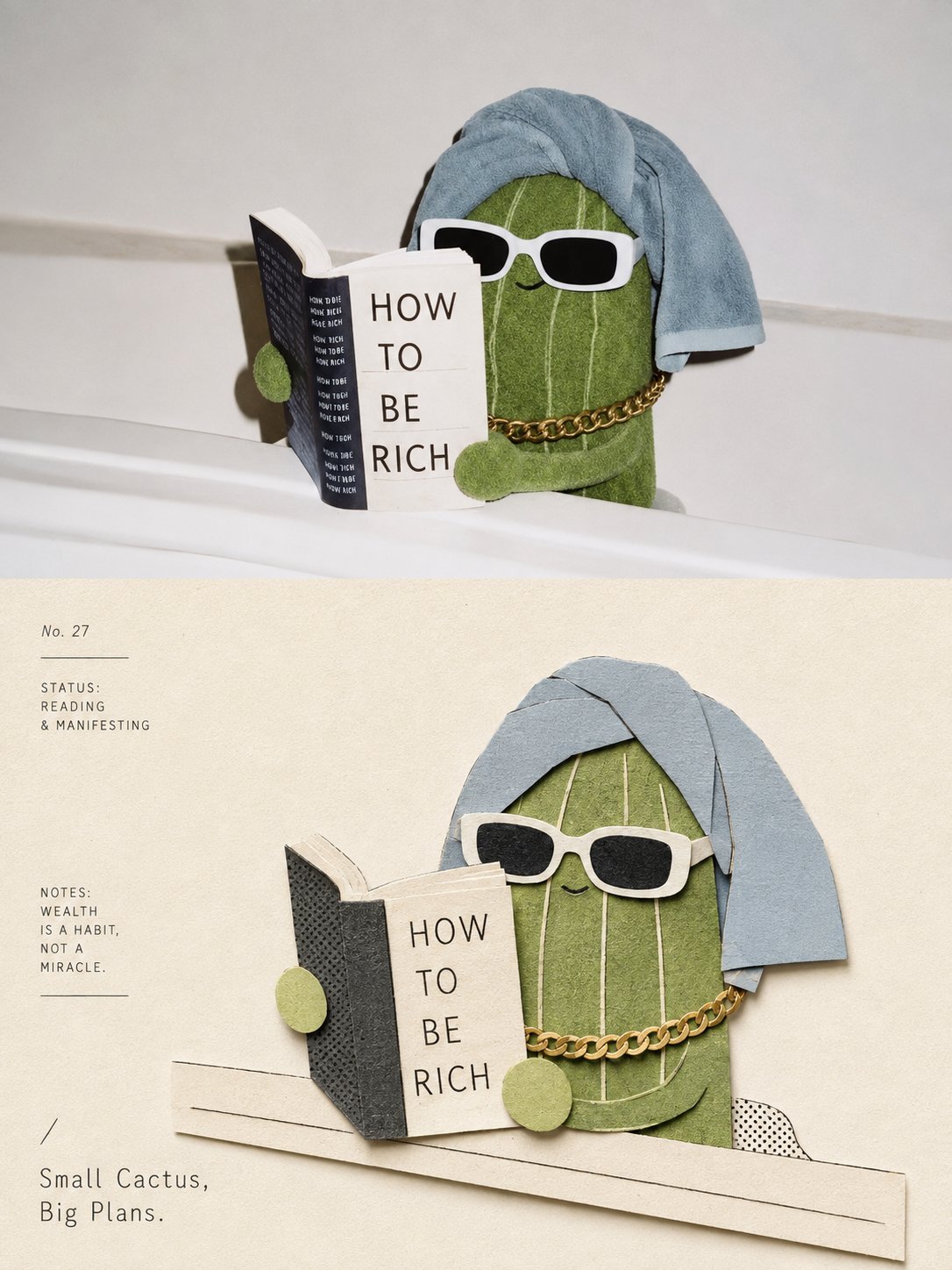
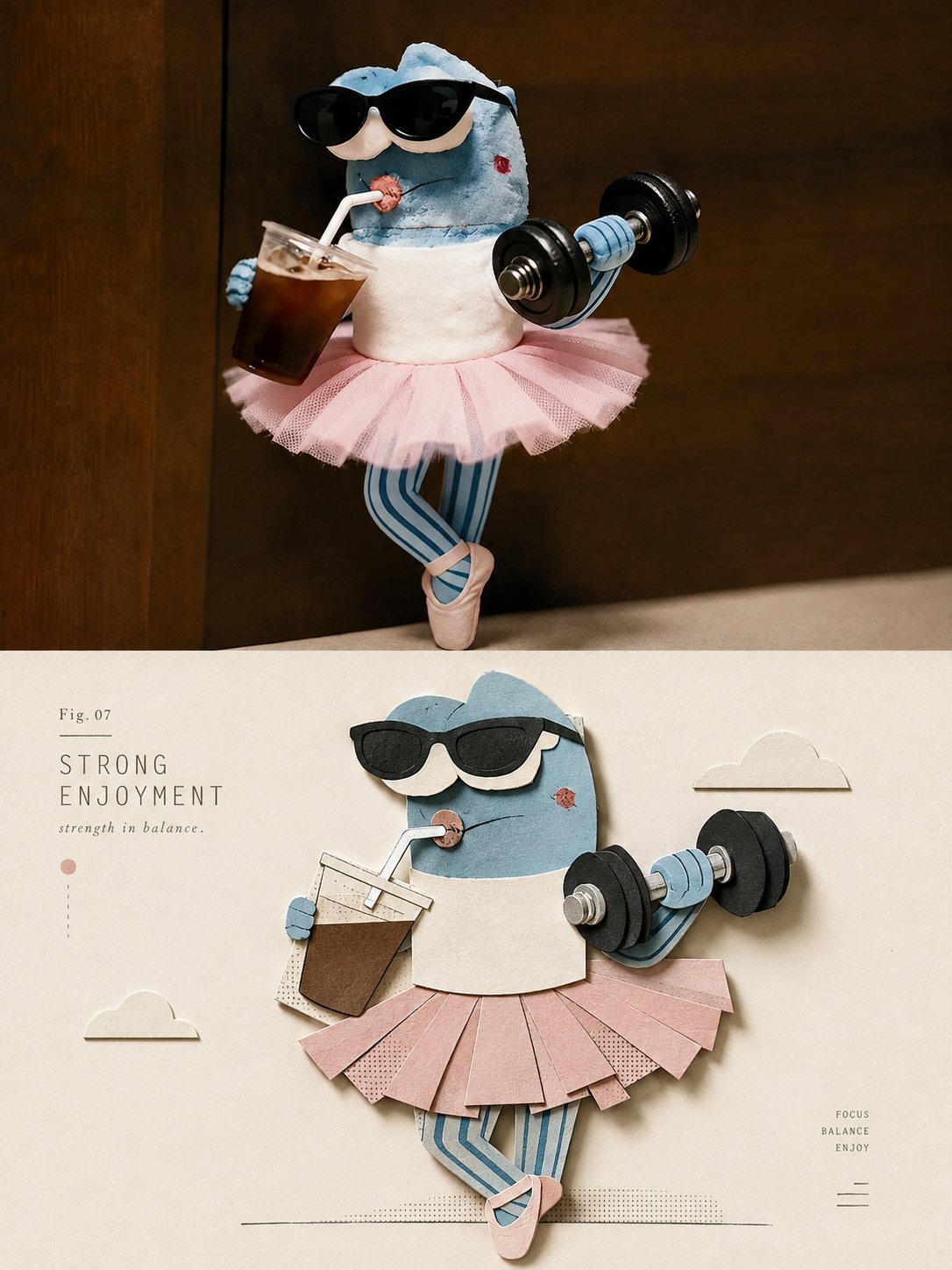
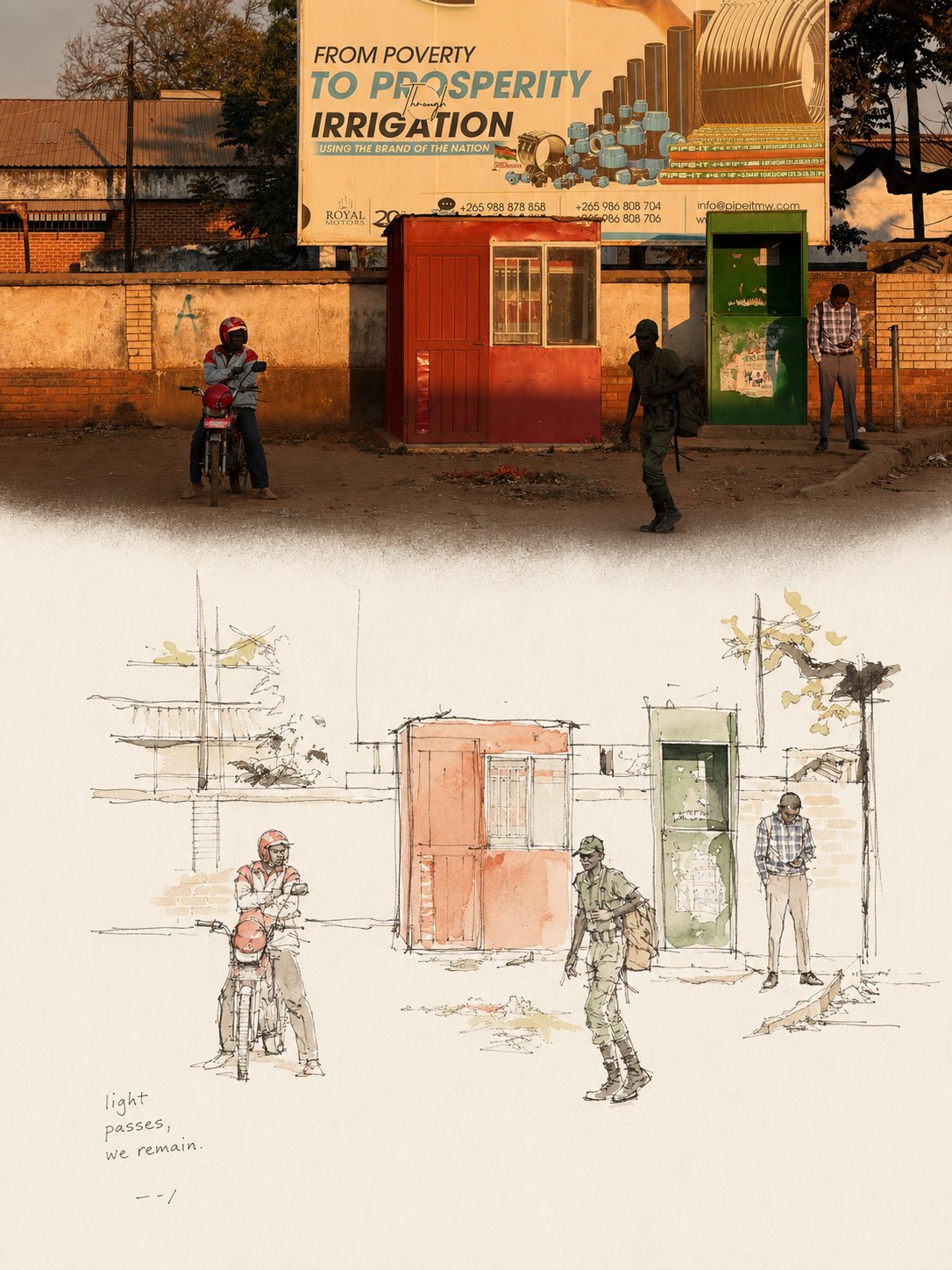
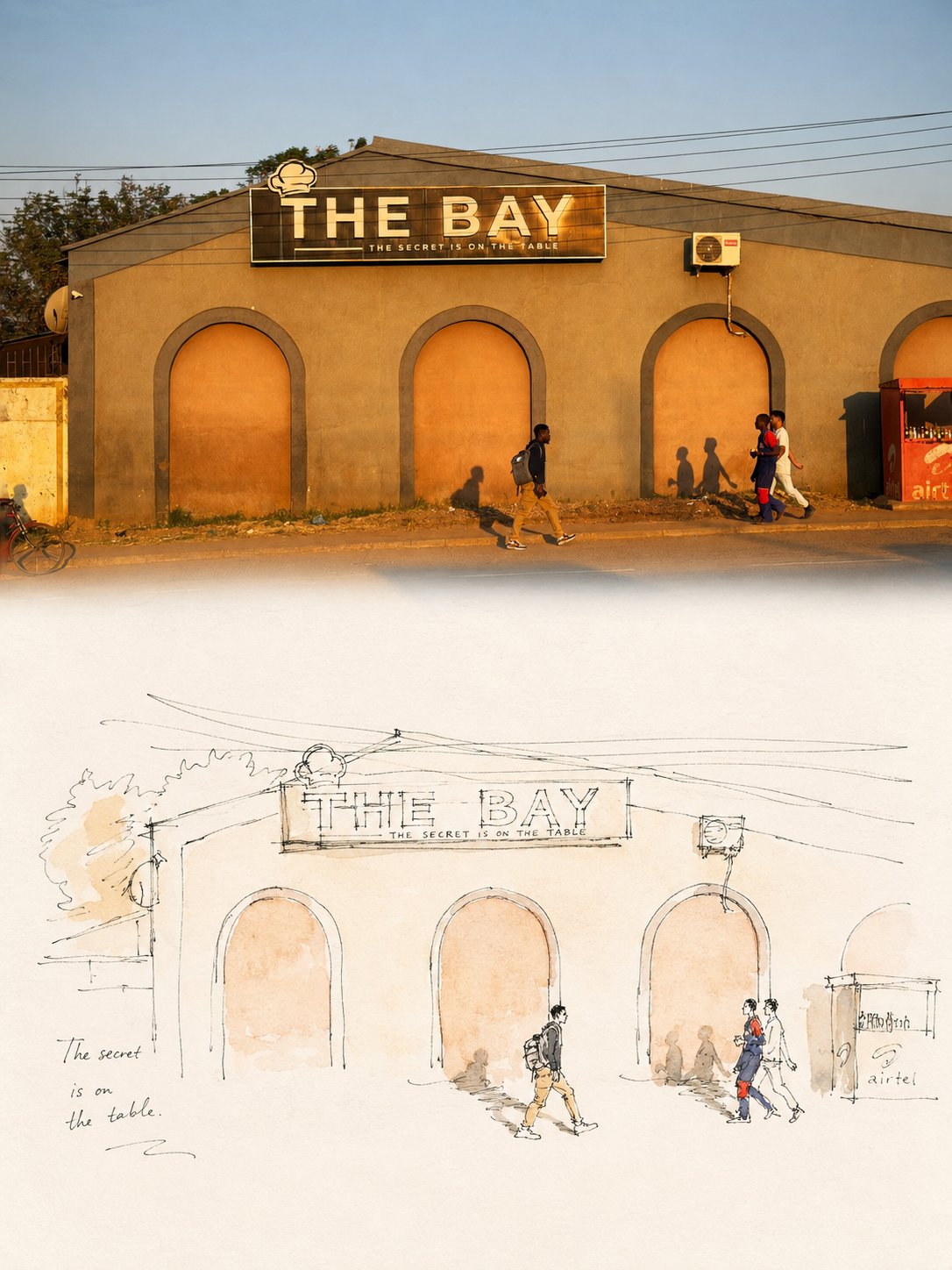
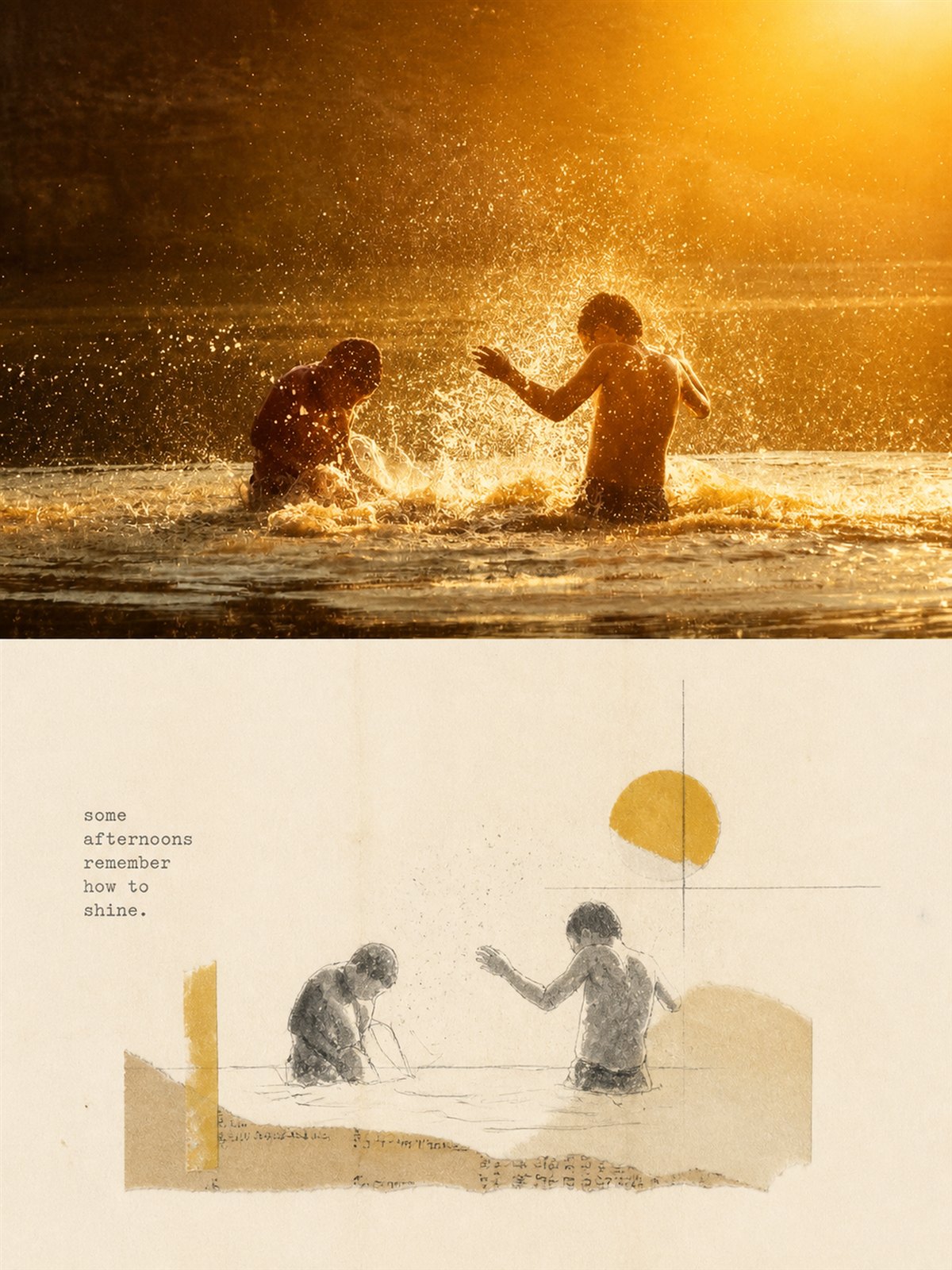
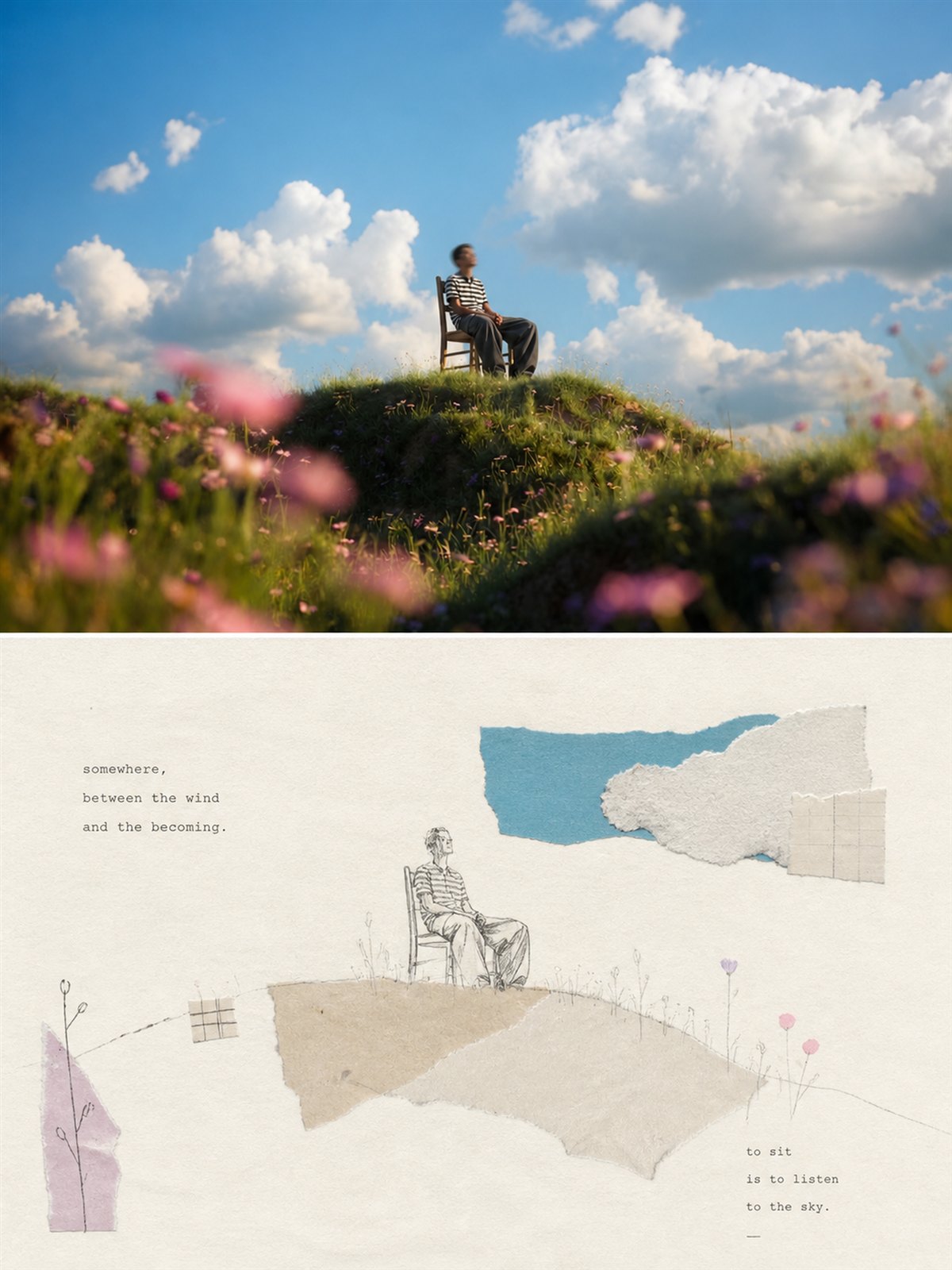
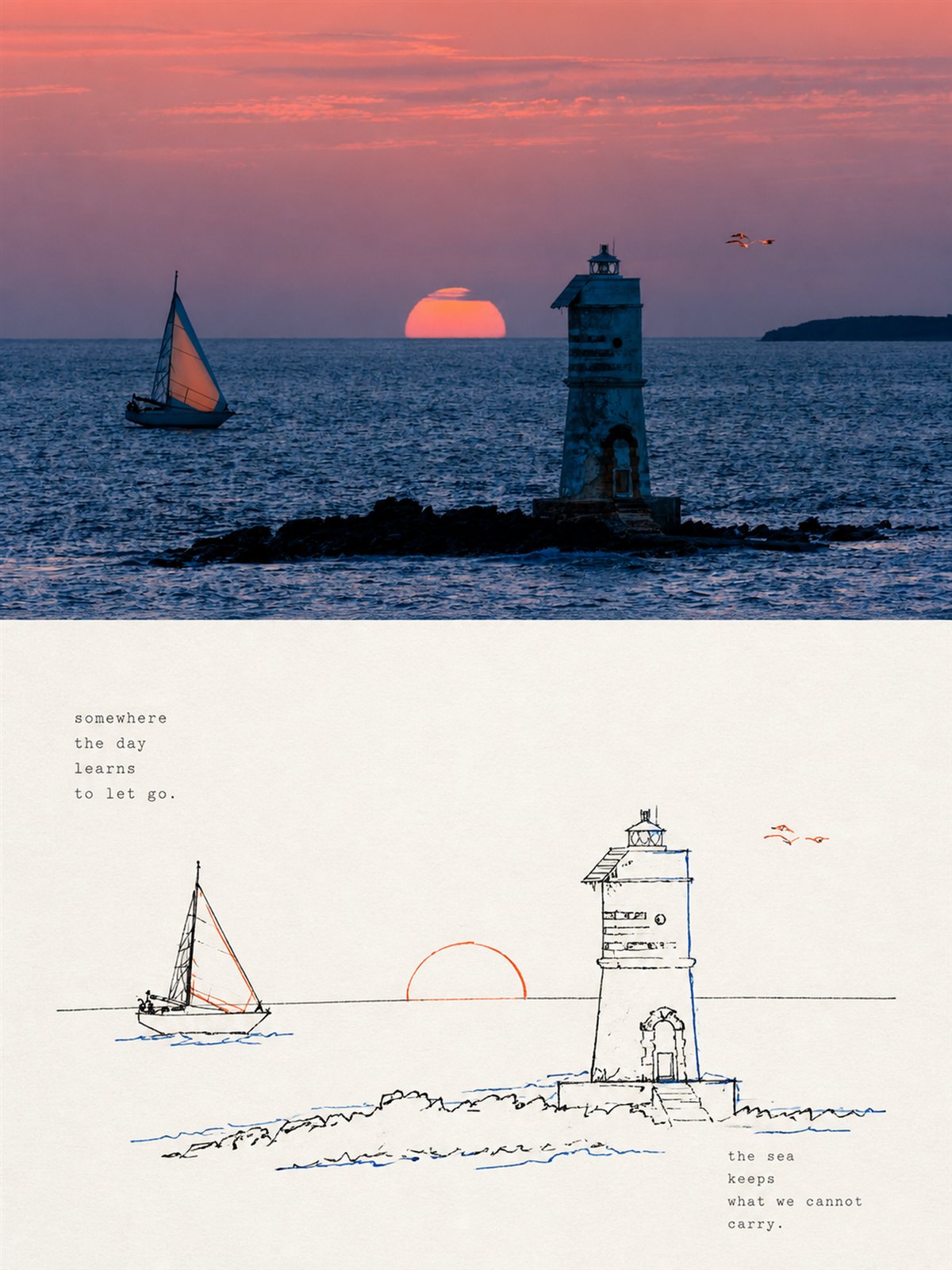
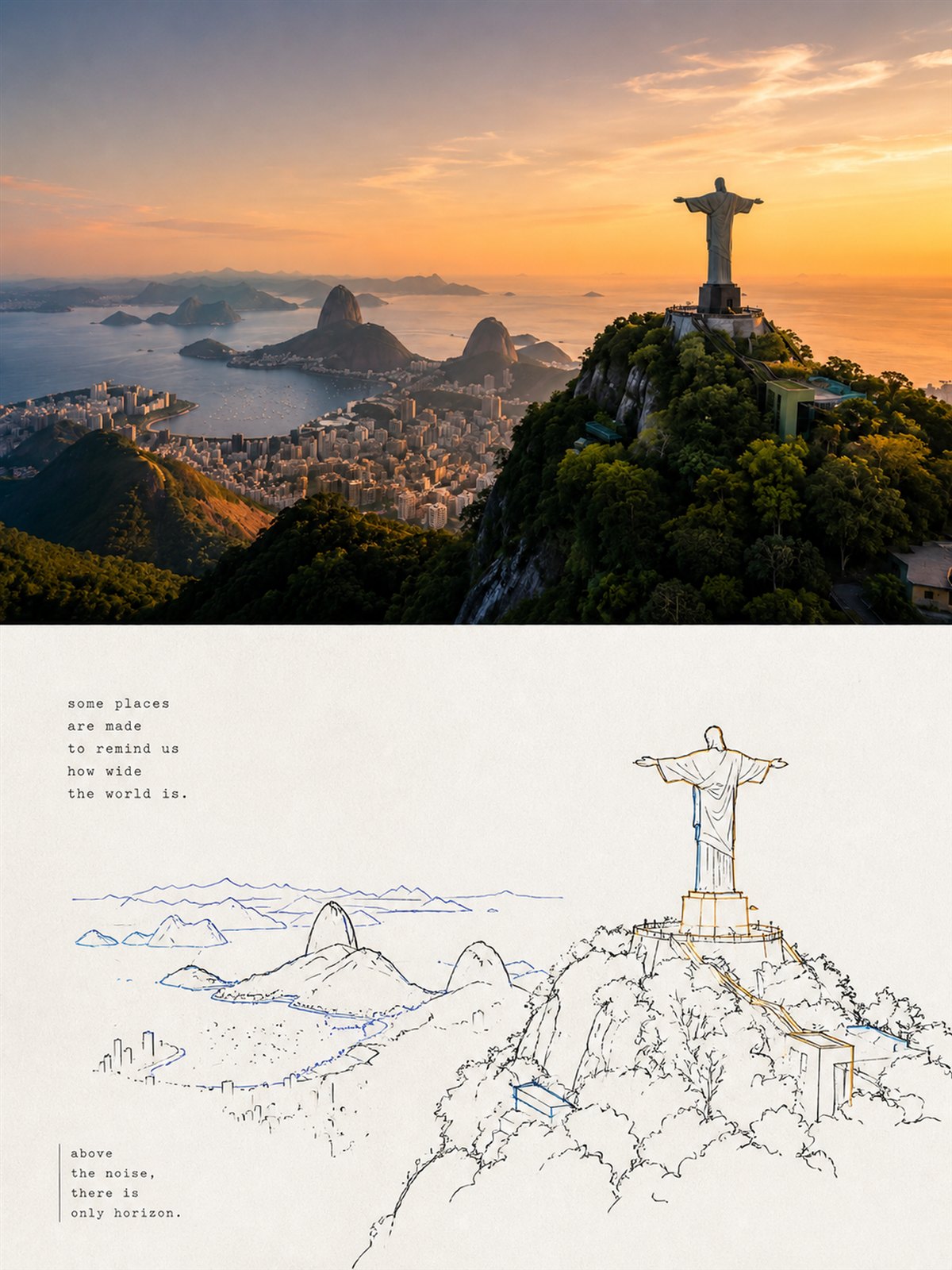
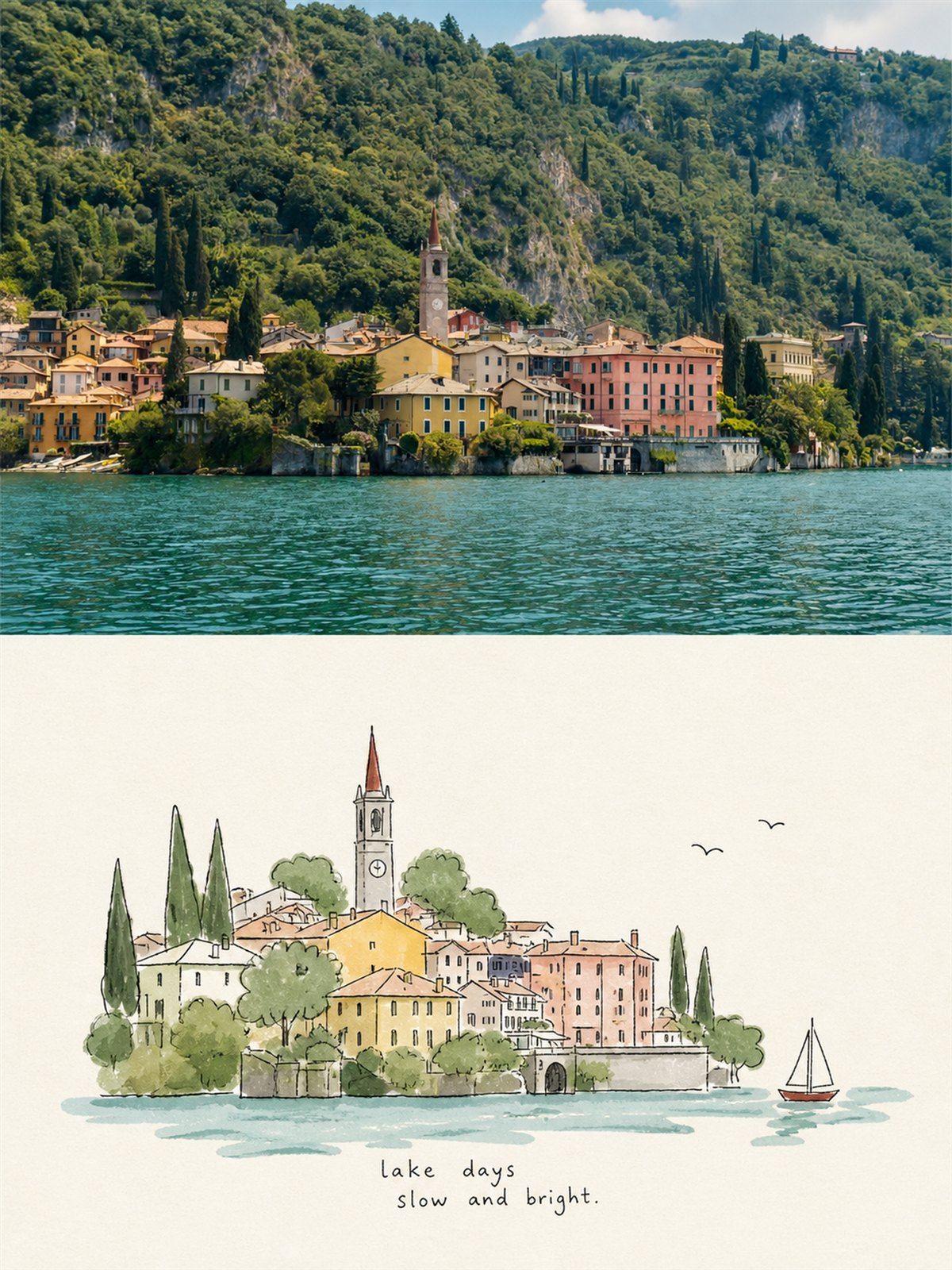
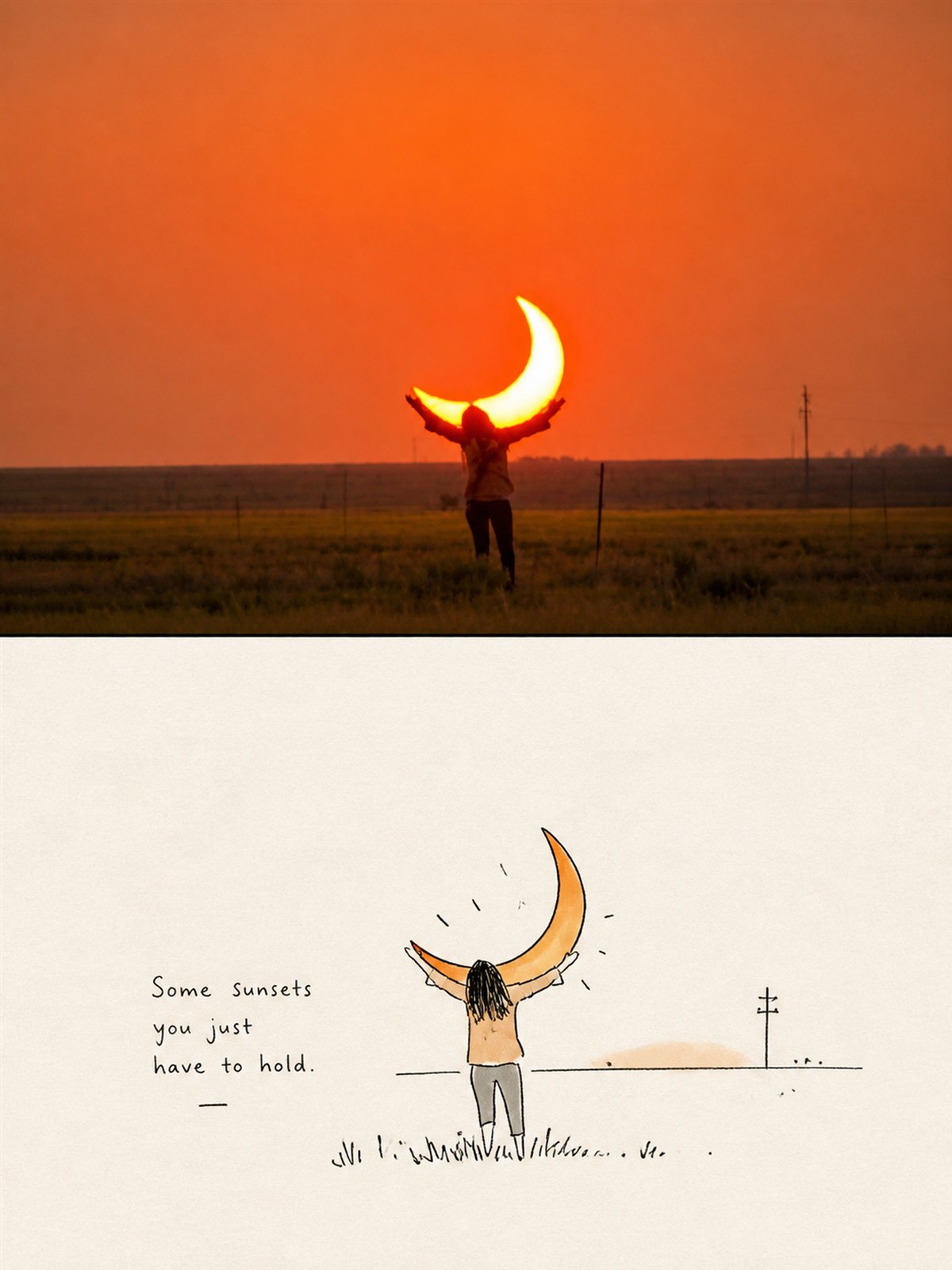
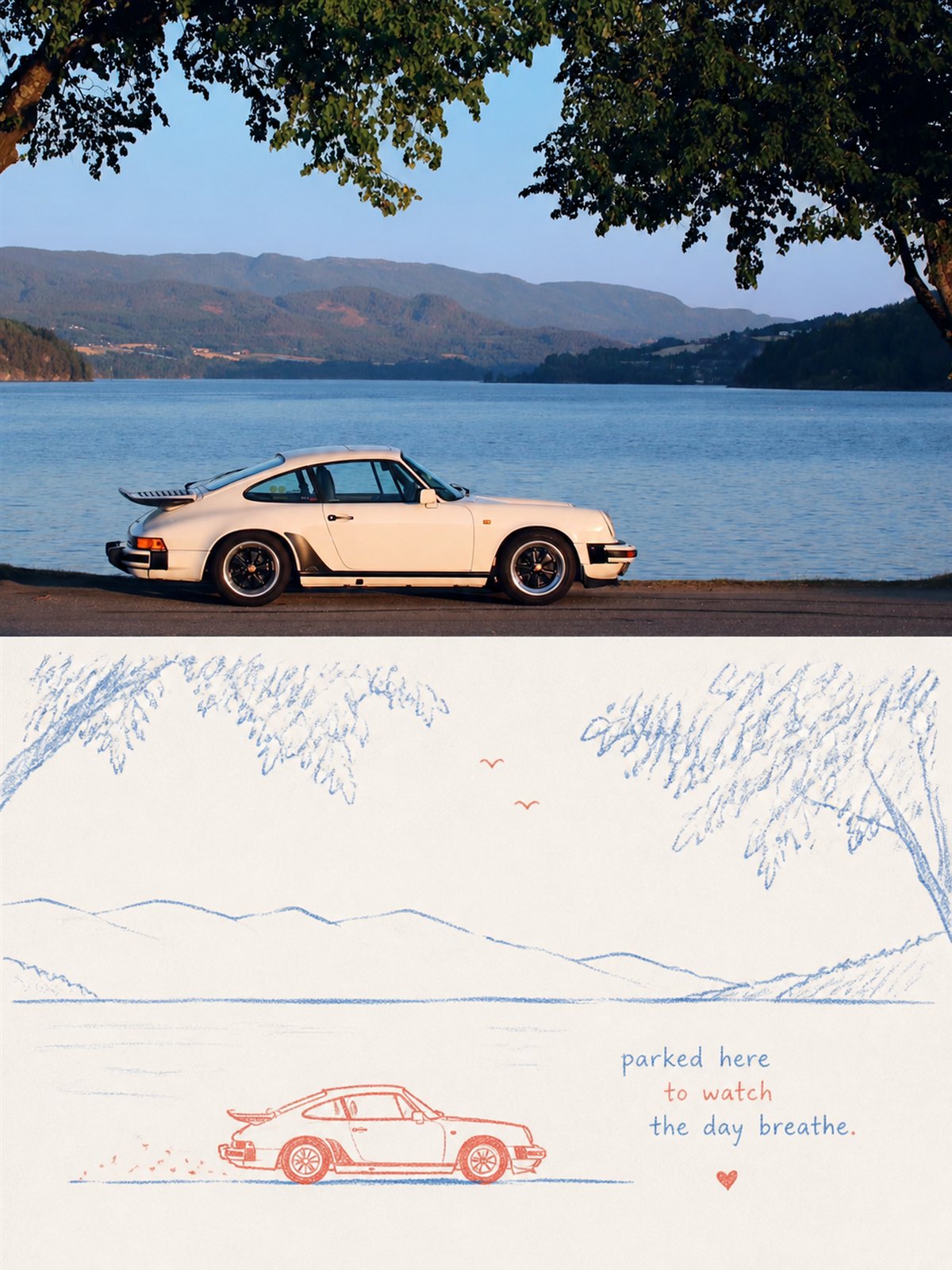
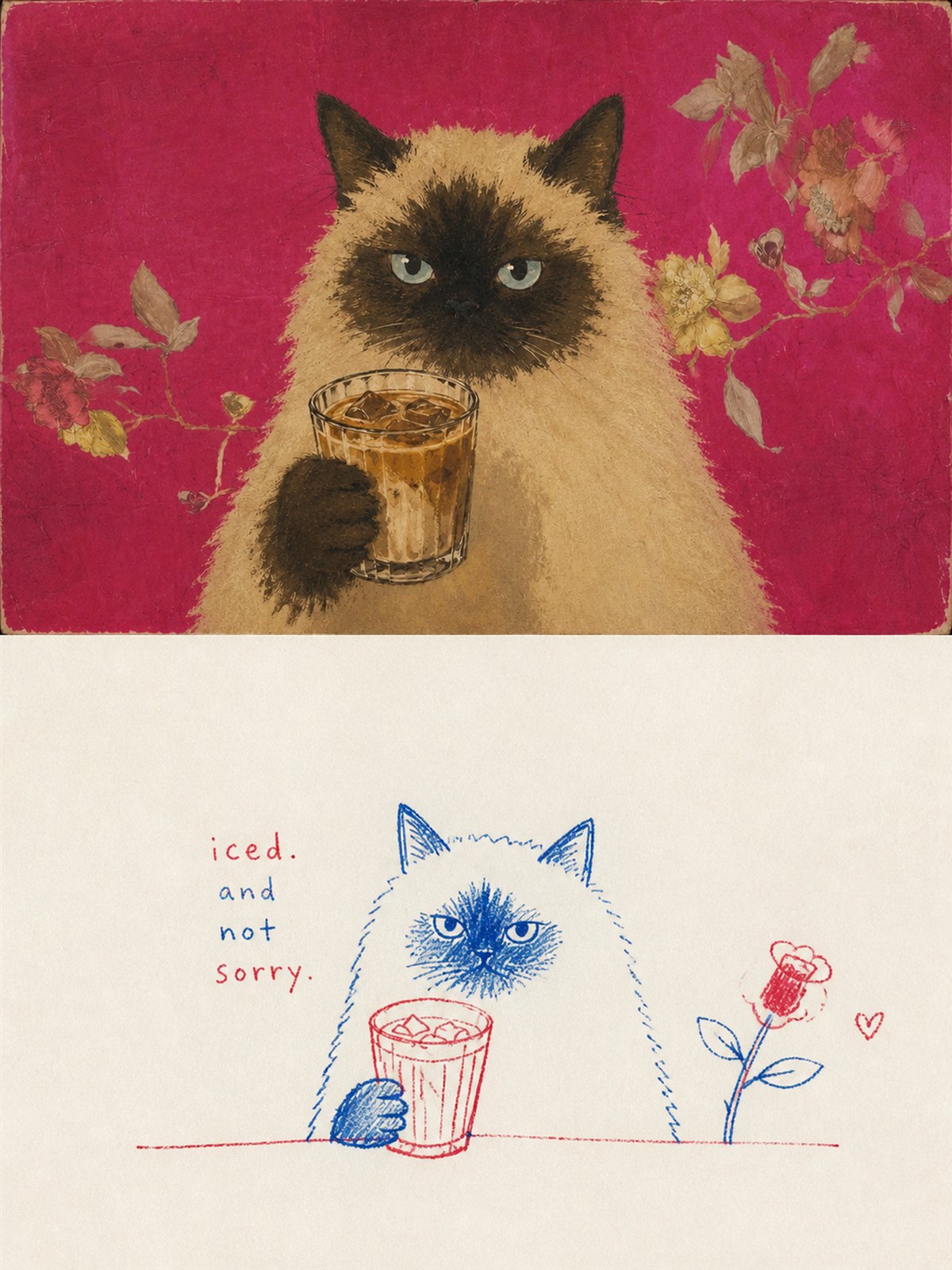
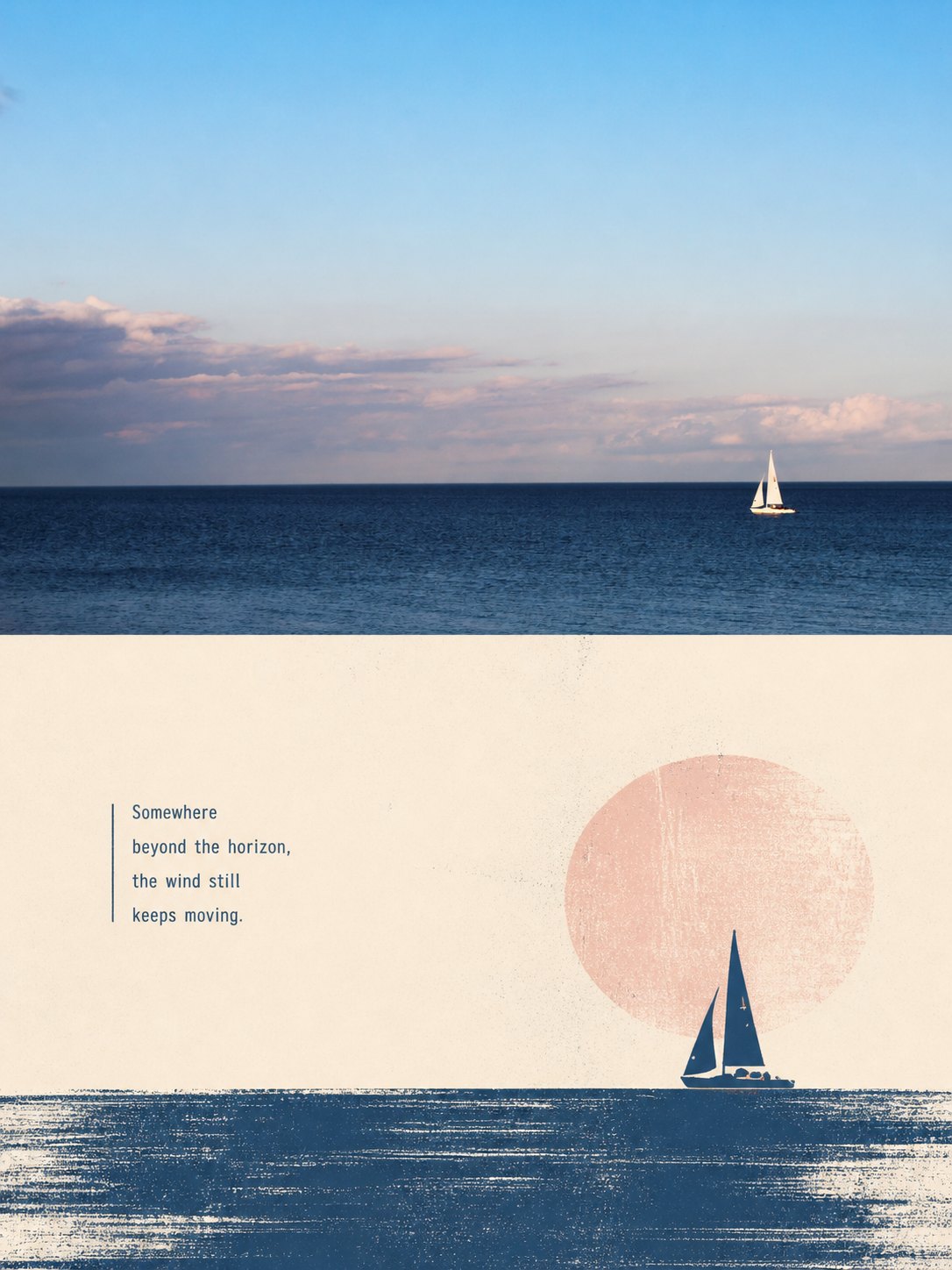
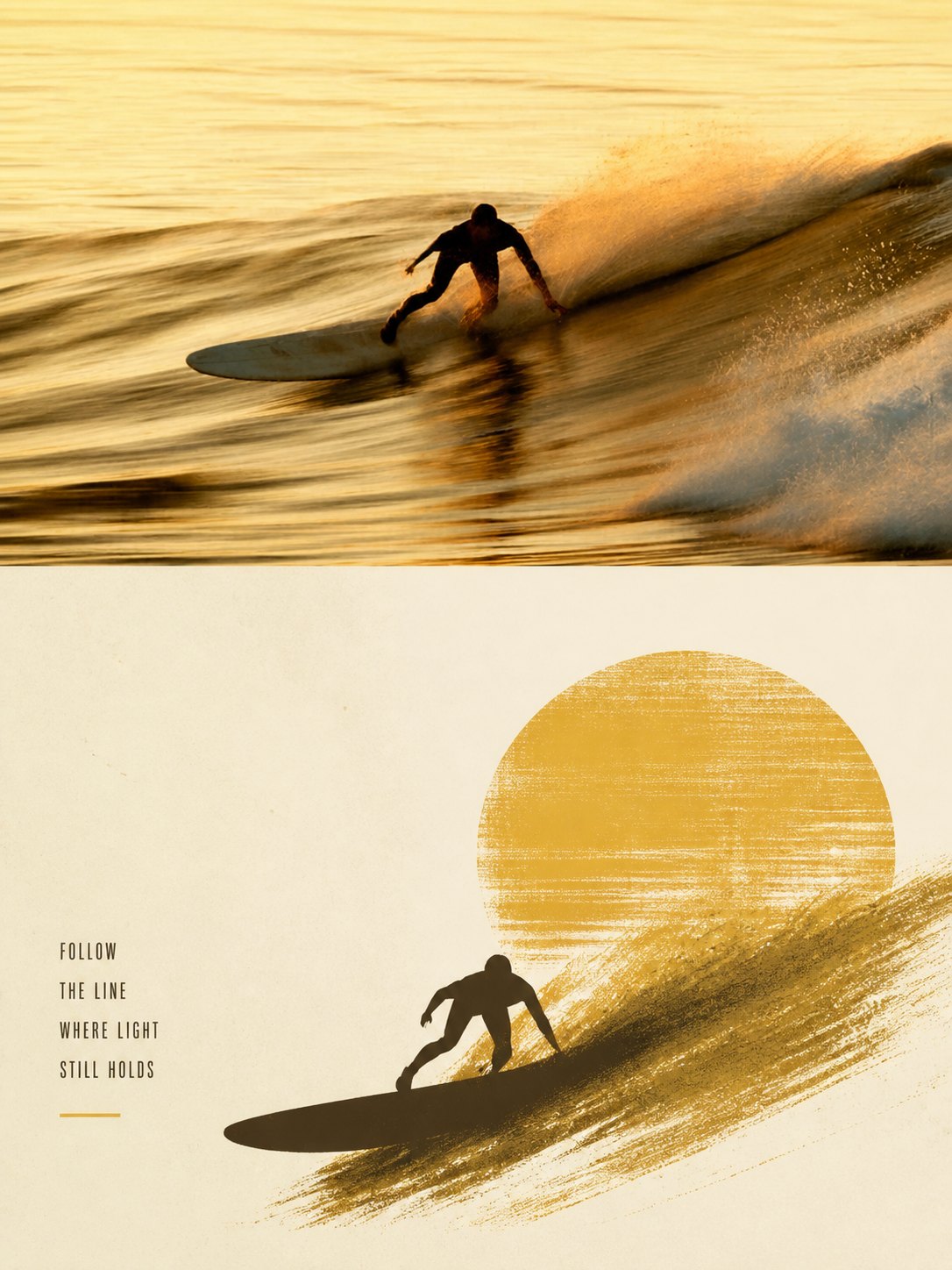
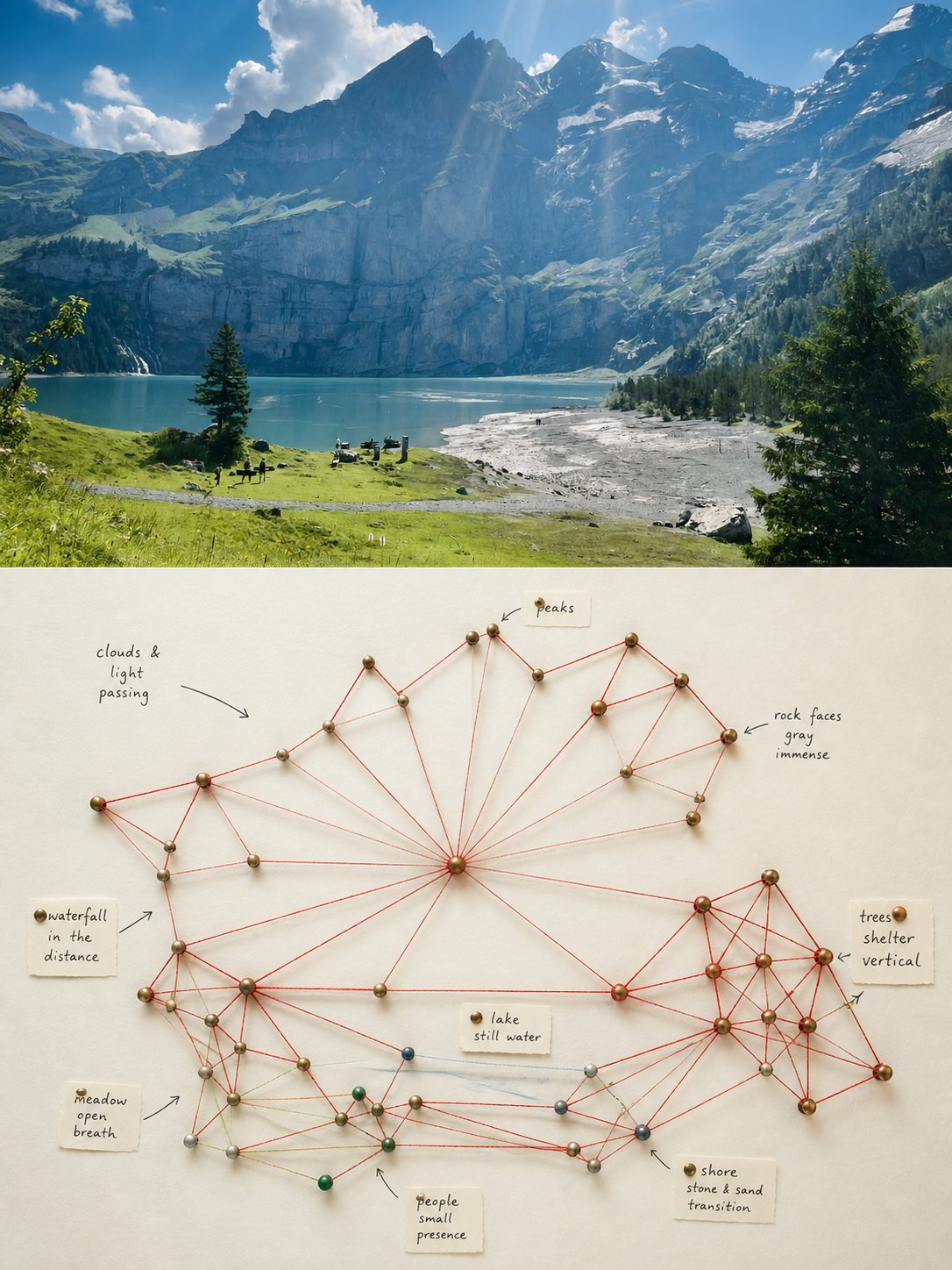
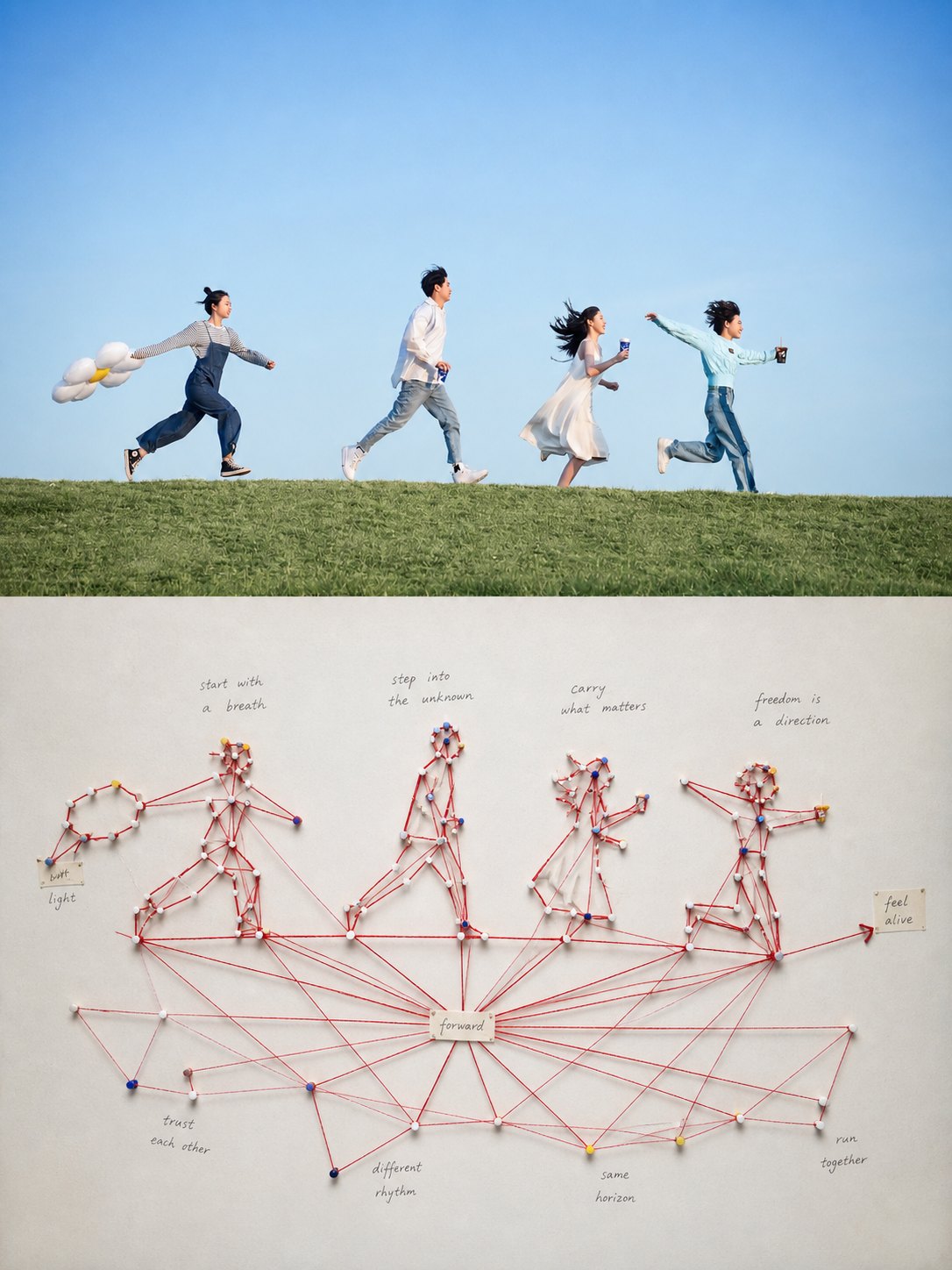
Turn each uploaded photograph into its own independent, refined design poster. Do not combine multiple photographs; output each separately. Use a 3:4 portrait composition with two vertically stacked regions of strictly equal height, each occupying 50% of the canvas.
Preserve the original photograph in the upper half, maintaining the subject’s identity, structure, pose, authentic texture, natural lighting and original colour atmosphere. Apply only subtle, refined colour grading for an art-magazine or exhibition-image quality. The surrounding environment may be extended naturally to fit the format, but never stretch, distort or alter the subject.
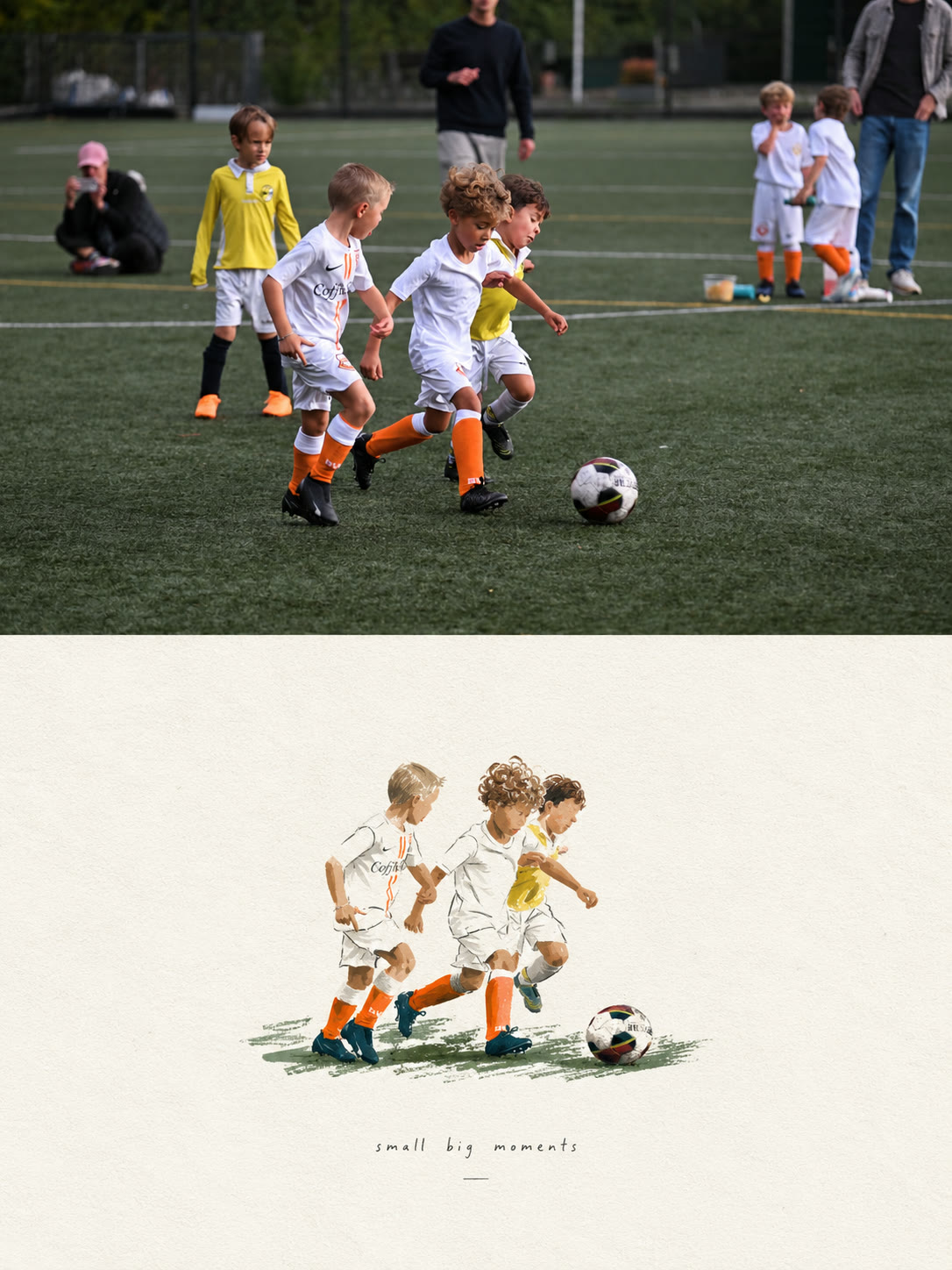
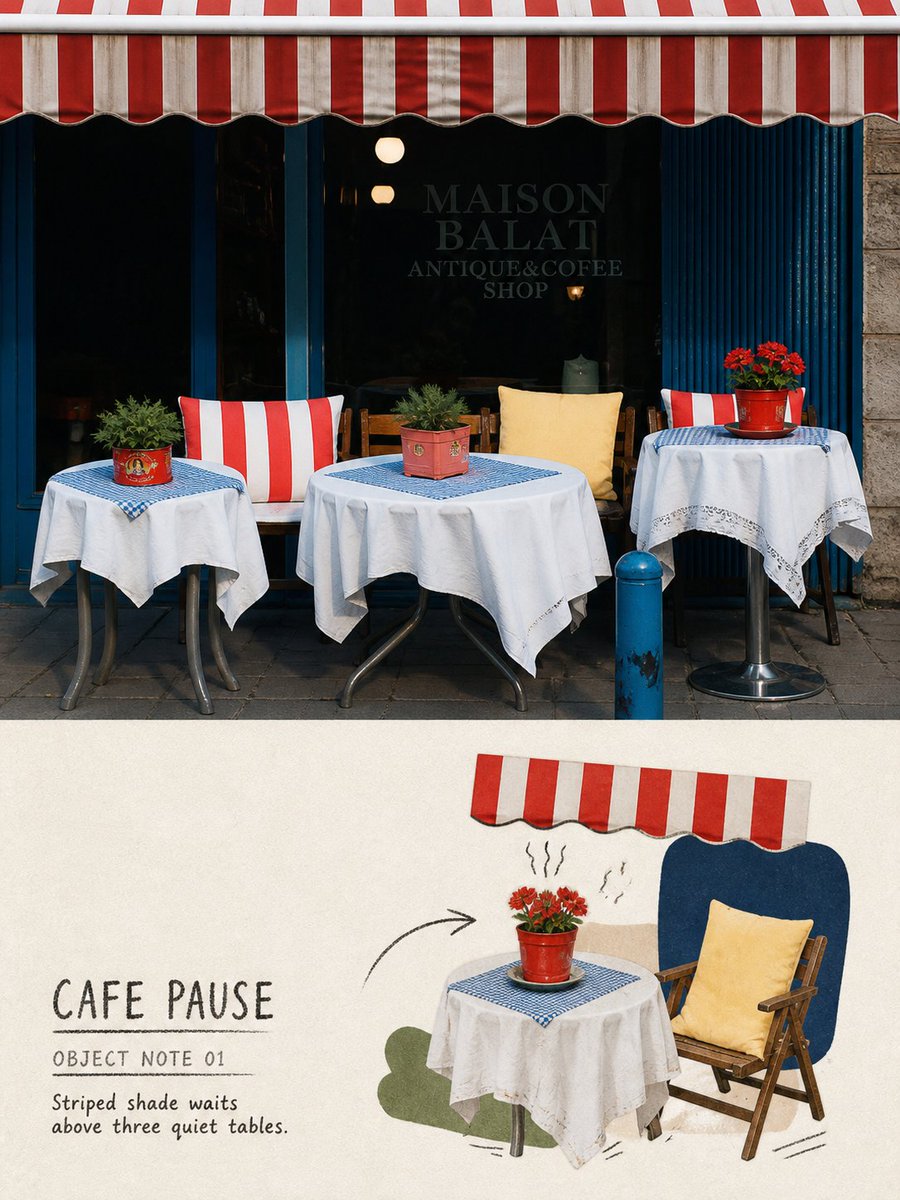
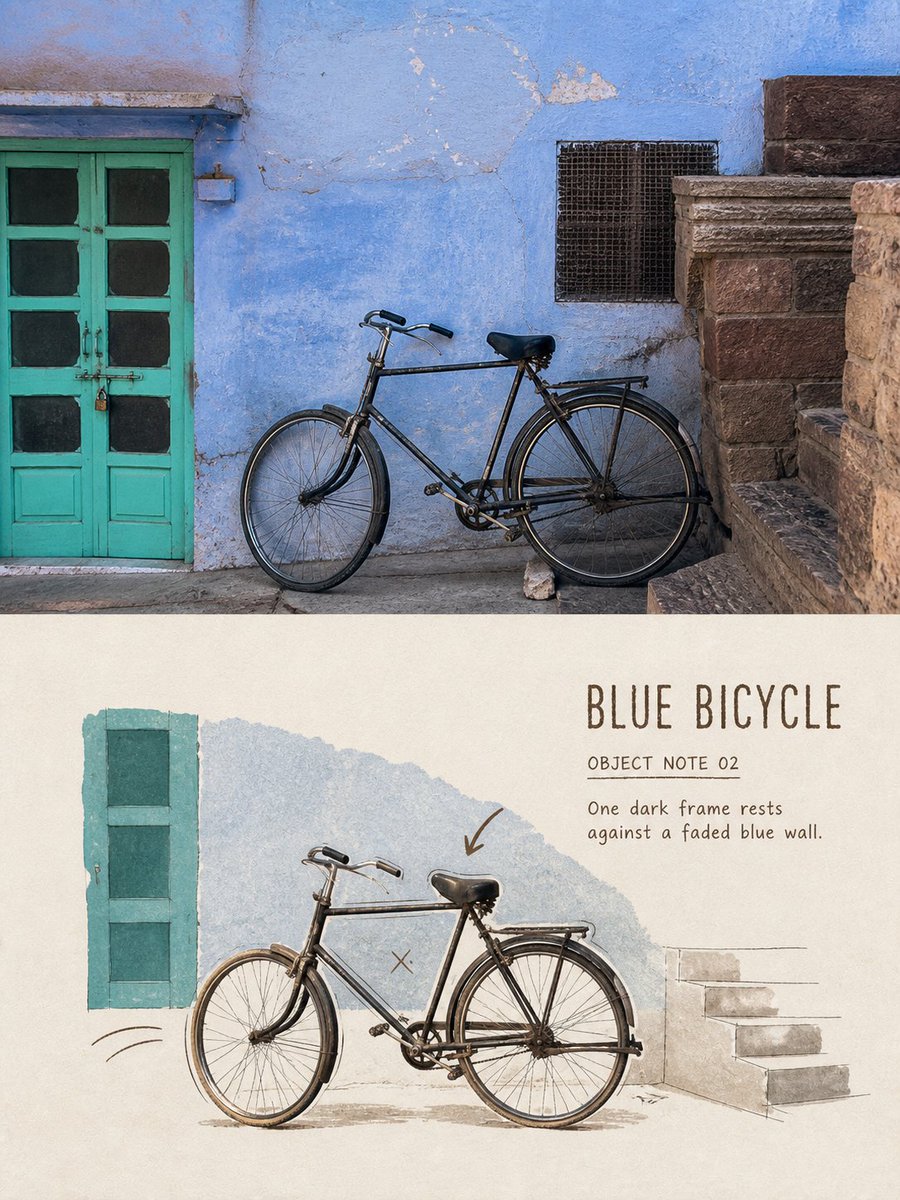
Extract only the photograph’s most recognisable subject, silhouette, structure, pose and narrative relationships for the lower half, reconstructing them as Naïve Mixed-media Picture-book Illustration. Do not copy the whole photograph, redraw every object or retain all objects and backgrounds. Remove irrelevant details, keeping only the visual memories that best represent the original object and theme. Reinterpret them through simplified shapes, handmade traces, rearranged colour planes and whitespace, making the correspondence with the photograph above immediately recognisable.
Combine naïve hand-drawn linework with mixed-media colour planes. Lines should be loose, broken, slightly wobbly and irregular, allowing small imperfections. Build colour from flat fills, gouache-like broad strokes, translucent colour layers, crayon / pastel grain and a little collage-like material, producing a natural, relaxed, childlike and gentle picture-book character. Avoid strict realism, precise perspective and complex volume; do not fully render every object.
Compose the design as extensive negative space above, a small narrative subject in the middle, and a mixed-colour field base below. Make the subject distinctly small, serving only as a carefully placed visual focus. Preserve generous intentional whitespace so that emptiness contributes breathing room, space and pauses. A broad, simplified field of mixed colour may form a visual base / Visual Anchor beneath it. Depending on the original image’s meaning, this can become sea, ground, grass, a mountain mass, tabletop, shadow field or environmental support layer. Establish weight and depth through broad horizontal brushwork, light–dark layering, exposed paper and irregular brush marks, not realistic detail. Create a clear vertical relationship of “emptiness—subject—base”.
Make fresh artistic judgements in the lower half. Even if the original composition is weak, the background cluttered or the subject small, actively rescue it through subtraction, rearrangement, cropping, scale changes and whitespace, genuinely granting the model the authority to redirect the picture. The subject may sit off-centre, near an edge, suspended or partially cropped, but the whole must remain quiet, relaxed and convincing.
Extract 2–4 of the photograph’s most distinctive and emotionally meaningful colours and turn them into a softer, more unified picture-book palette. Moderately soften, desaturate and brighten as appropriate. Colour planes should be simplified but not dull or grey; small, livelier accents may remain, lending gentleness, naturalness, everyday warmth and a soothing quality. Avoid dirty greys, overly realistic lighting, cheap saturation and chaotic colour.
Text is part of image–text integration, not typography pasted on afterwards. Generate a few words or short phrases from the subject, place, emotion or metaphor, with no language restriction. Make the words resemble handwritten notes or natural picture-book lettering, entering the whitespace or base colour field in step with the image’s lines and rhythm. Keep them few and precise, without piling up commercial headlines.
The overall effect combines naïve linework, mixed media, a miniature subject, extensive whitespace, a mixed-colour base at the bottom, integrated text and poetic picture-book storytelling. Avoid object-by-object redraws, filled canvases, complex backgrounds, realistic modelling, heavy oil-paint effects, cartoon templates, 3D effects and excessive decoration.
2026-09-07via @xiaoxiaodong01