Visuele inspiratie
Promptbibliotheek
Sterke AI-resultaten uit het wild, mét de prompt erbij. Klik op een beeld, kopieer de prompt en maak er iets eigens van.
Krijg de prompts die indruk maken
Krijg de prompts die indruk maken
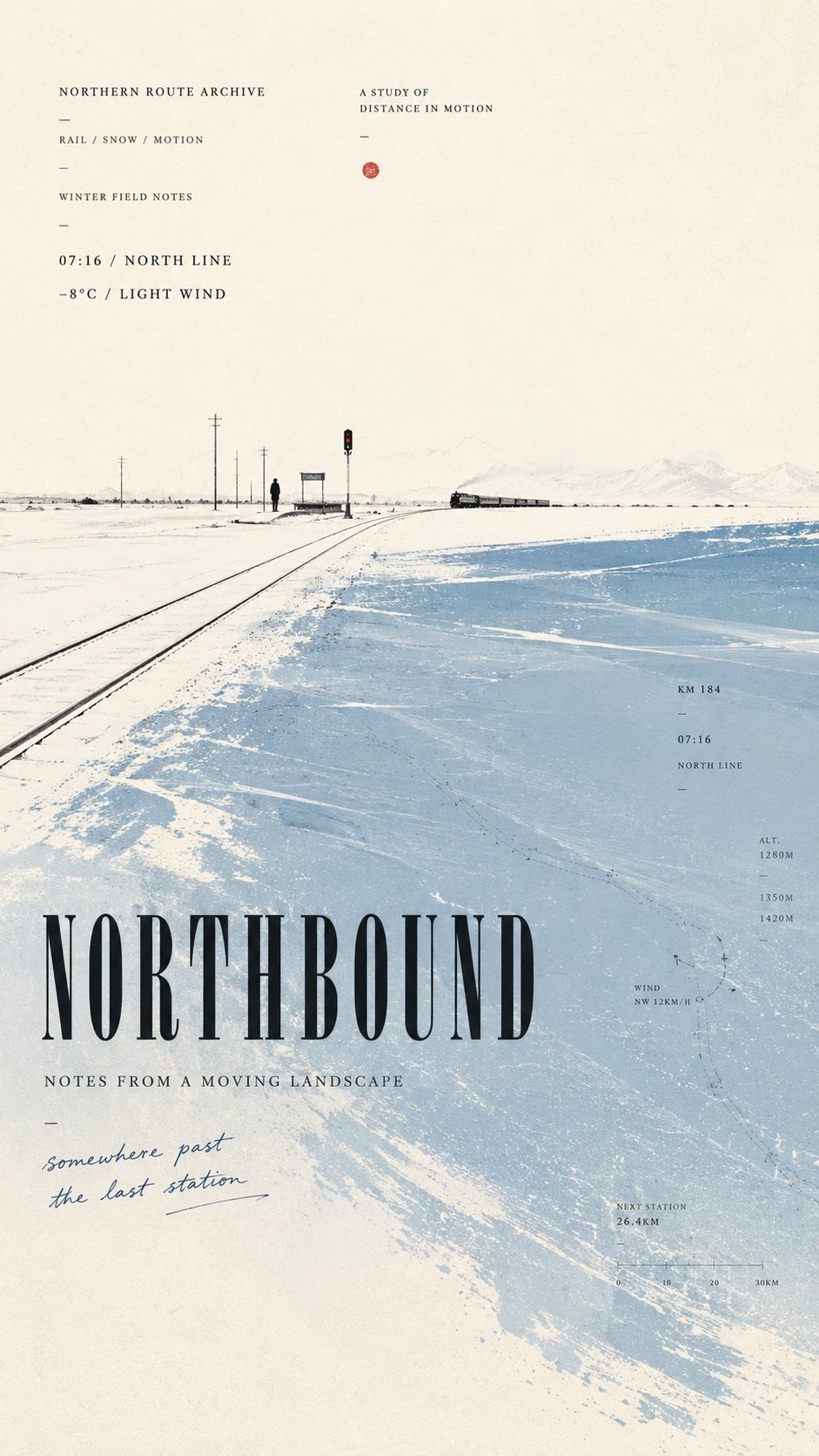
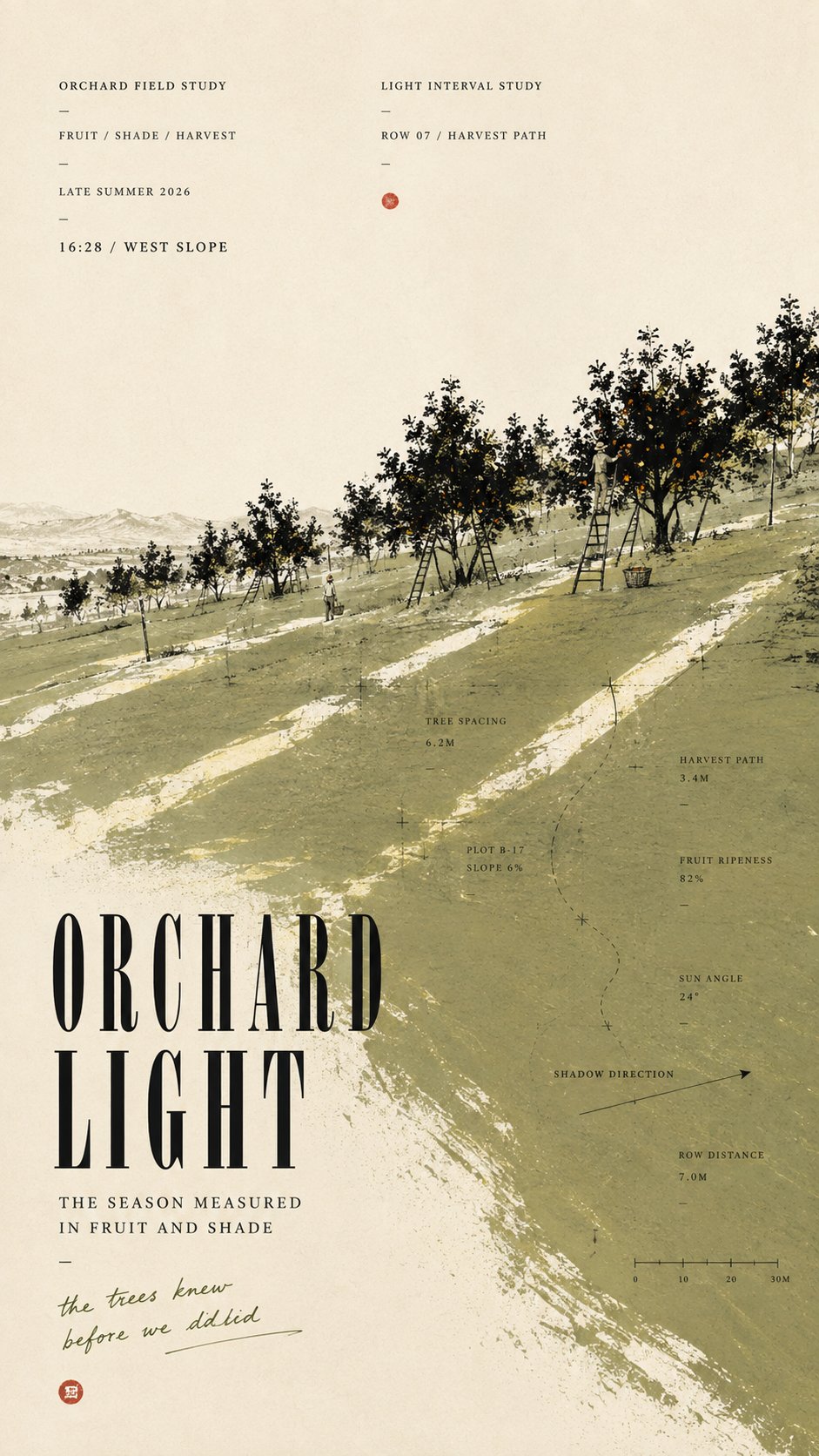
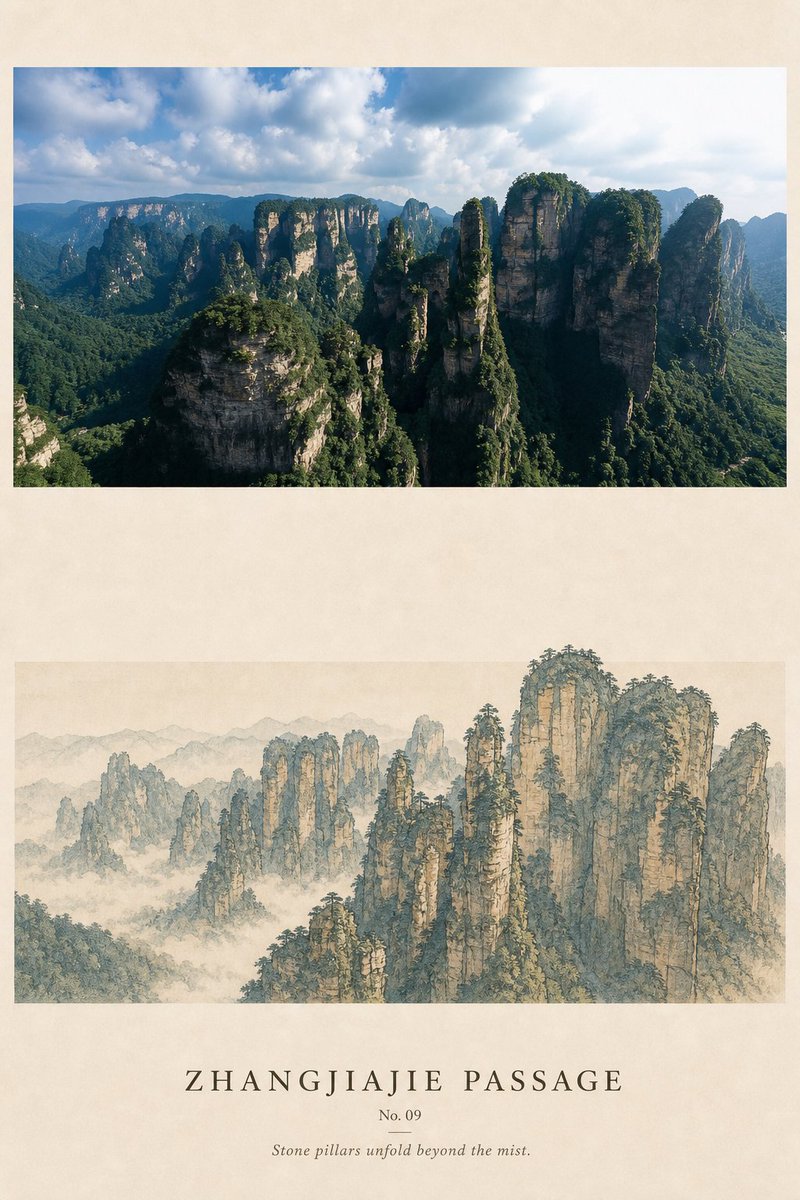
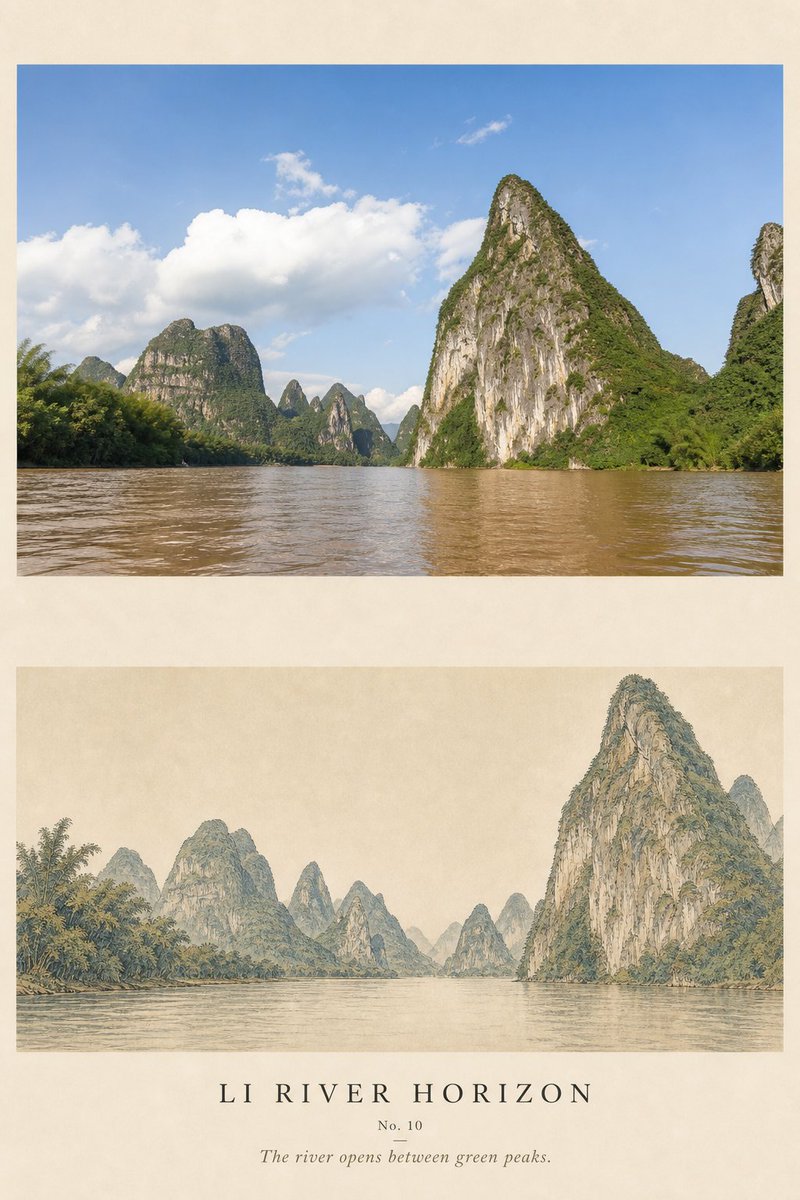
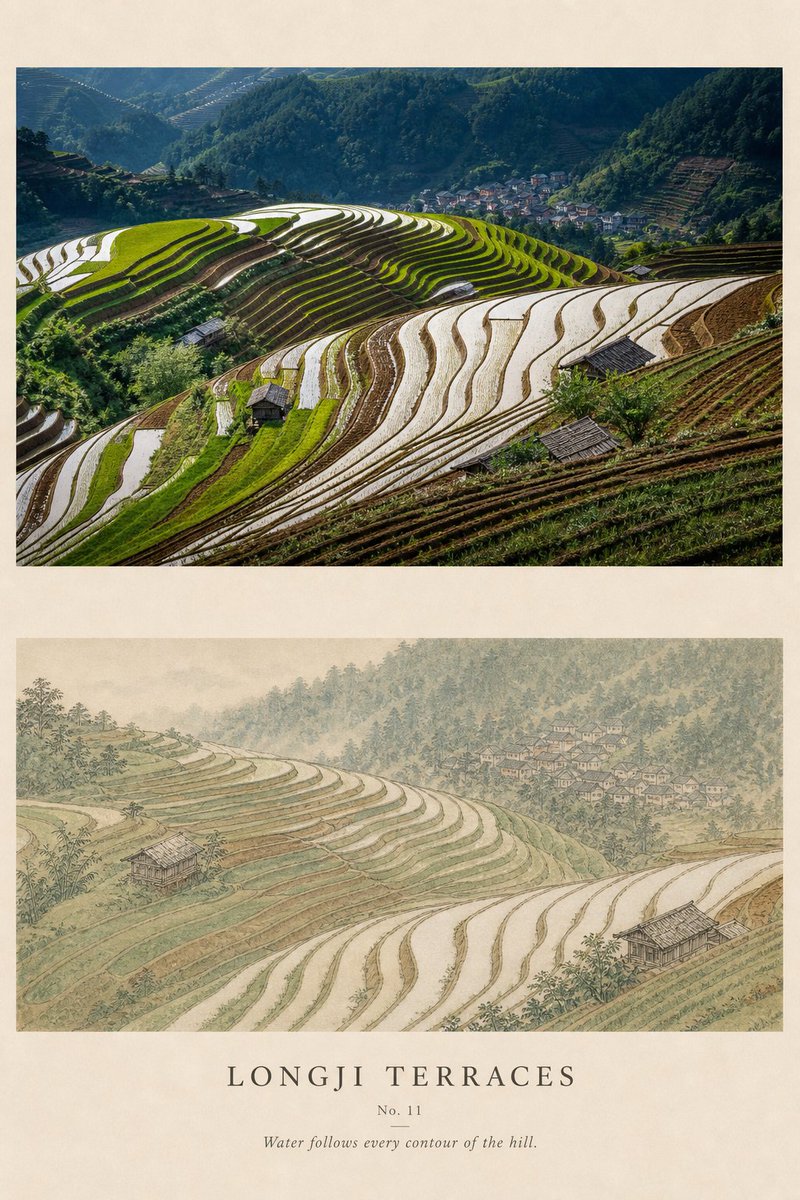
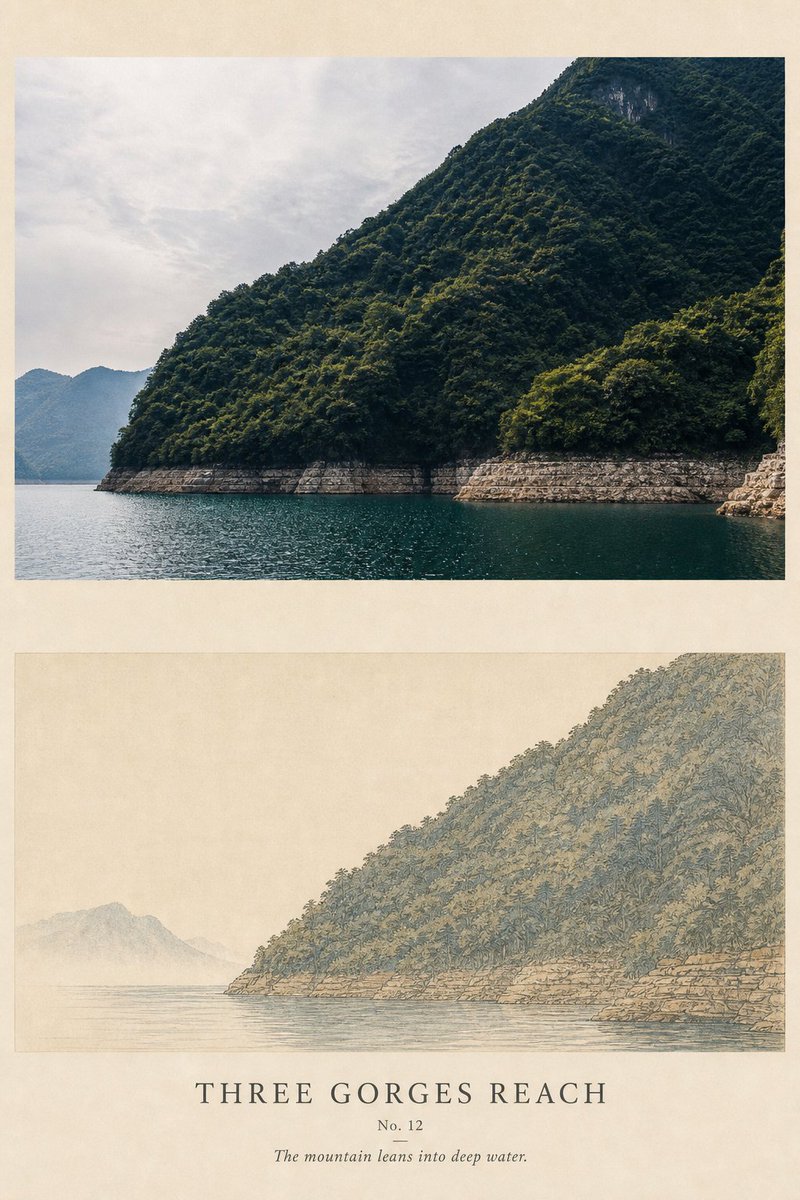
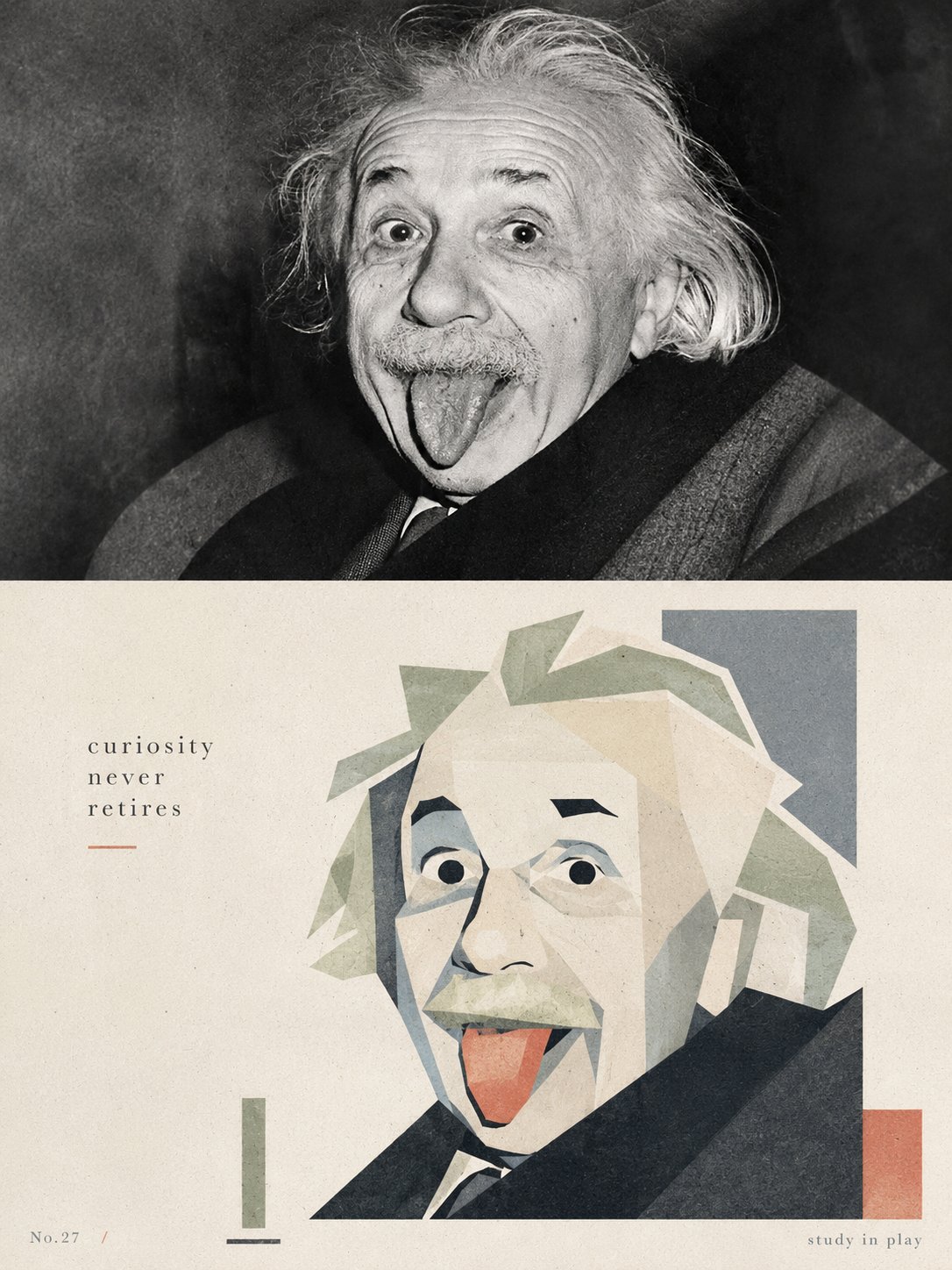
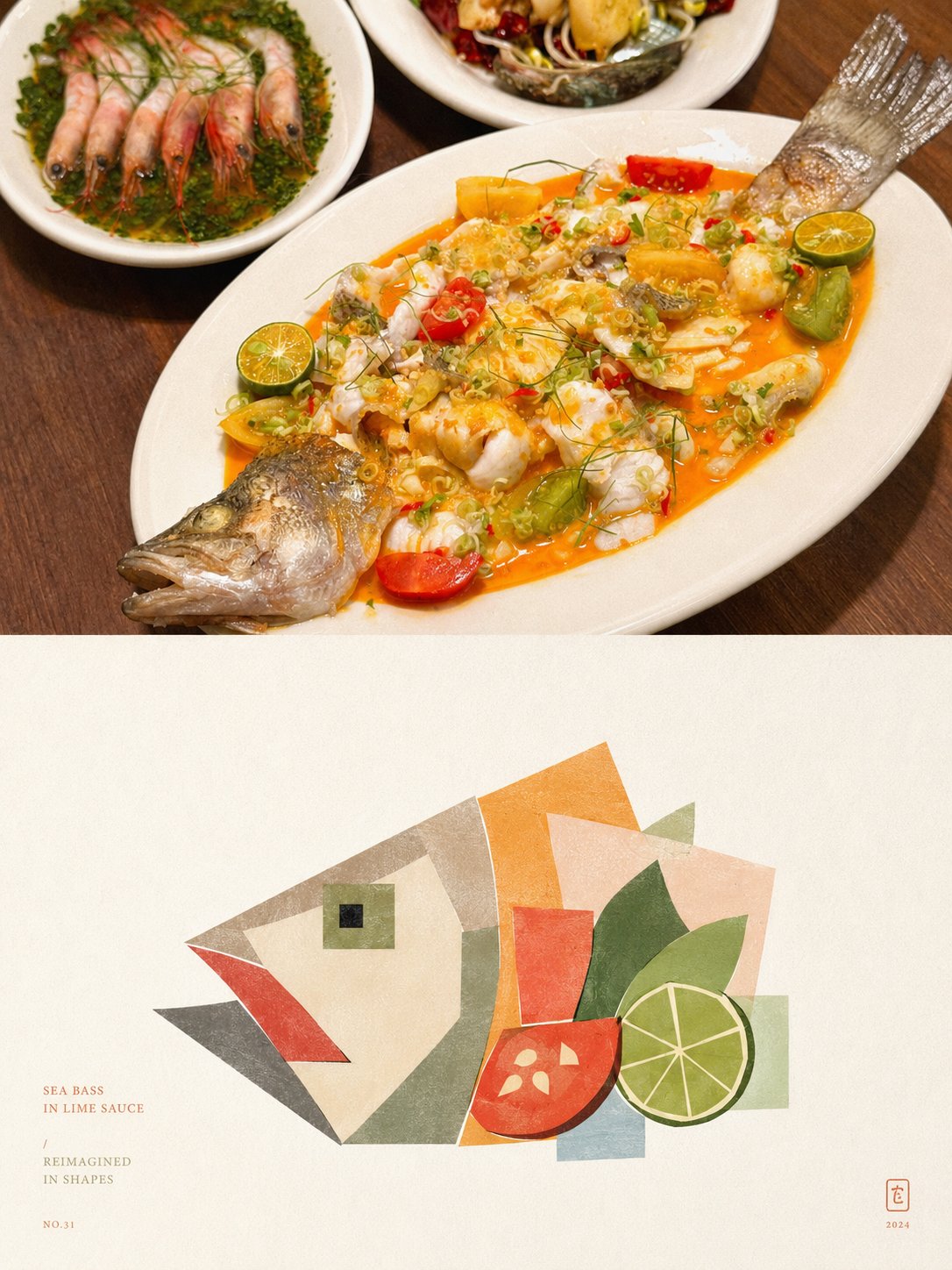
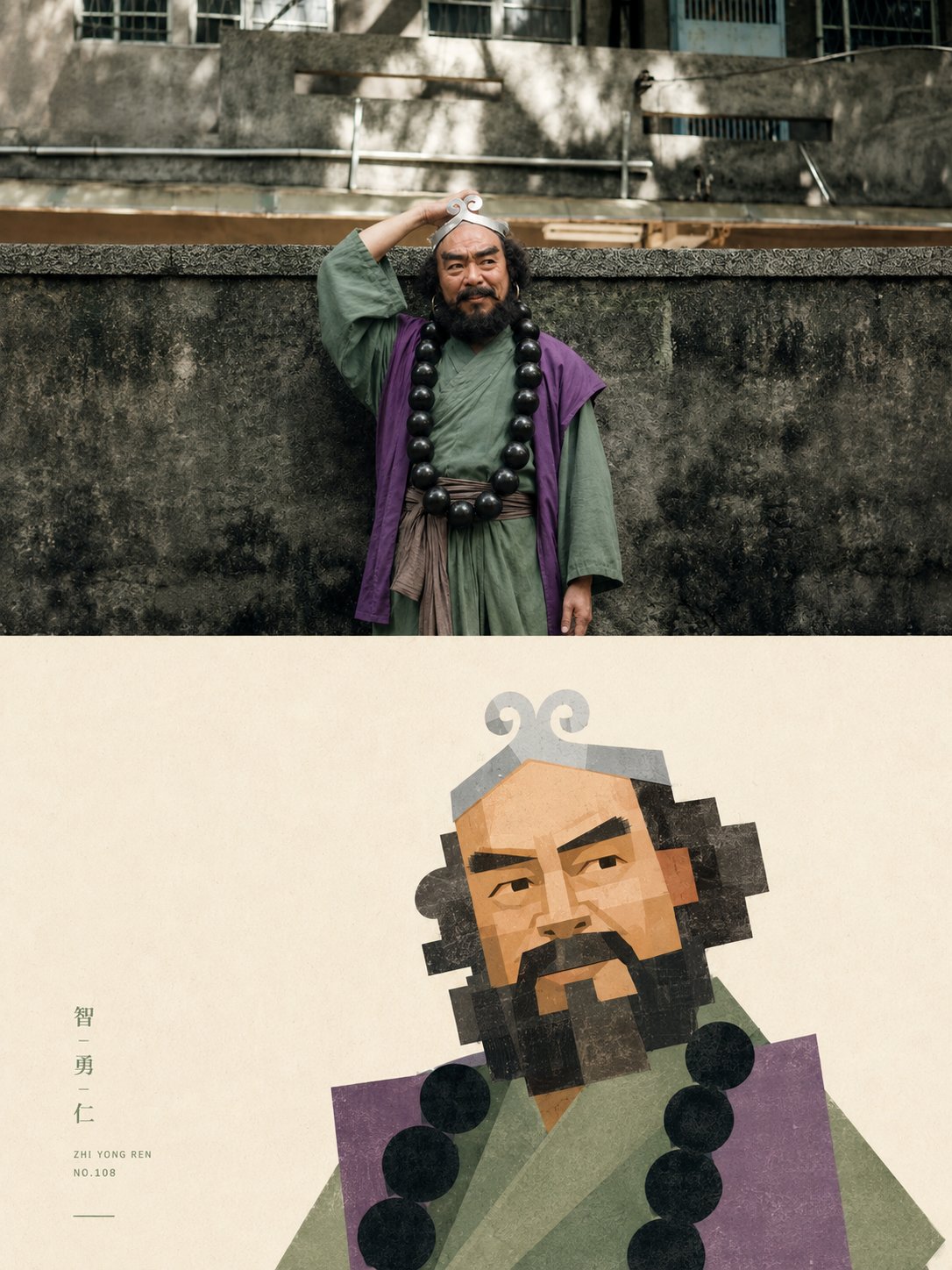
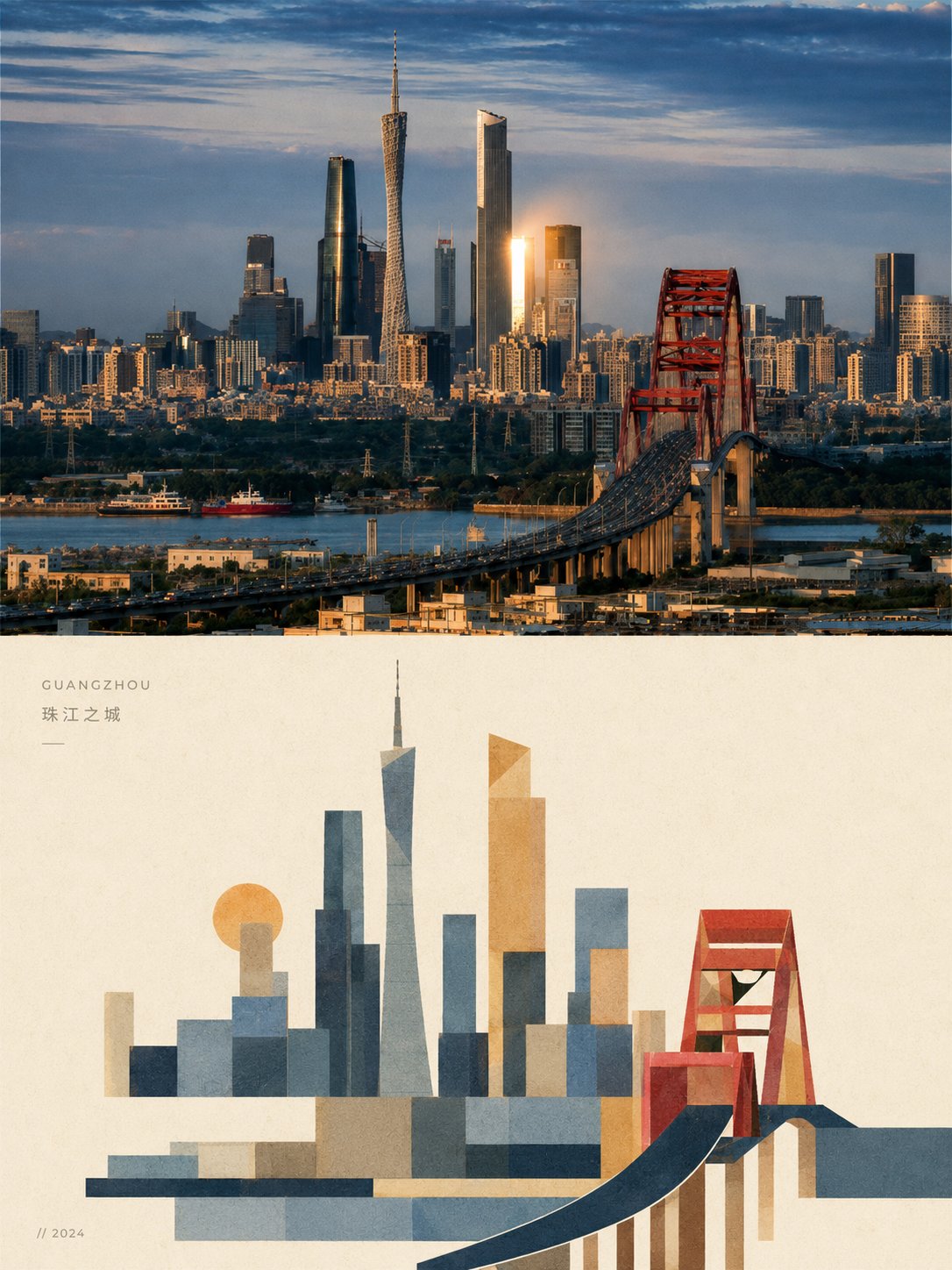
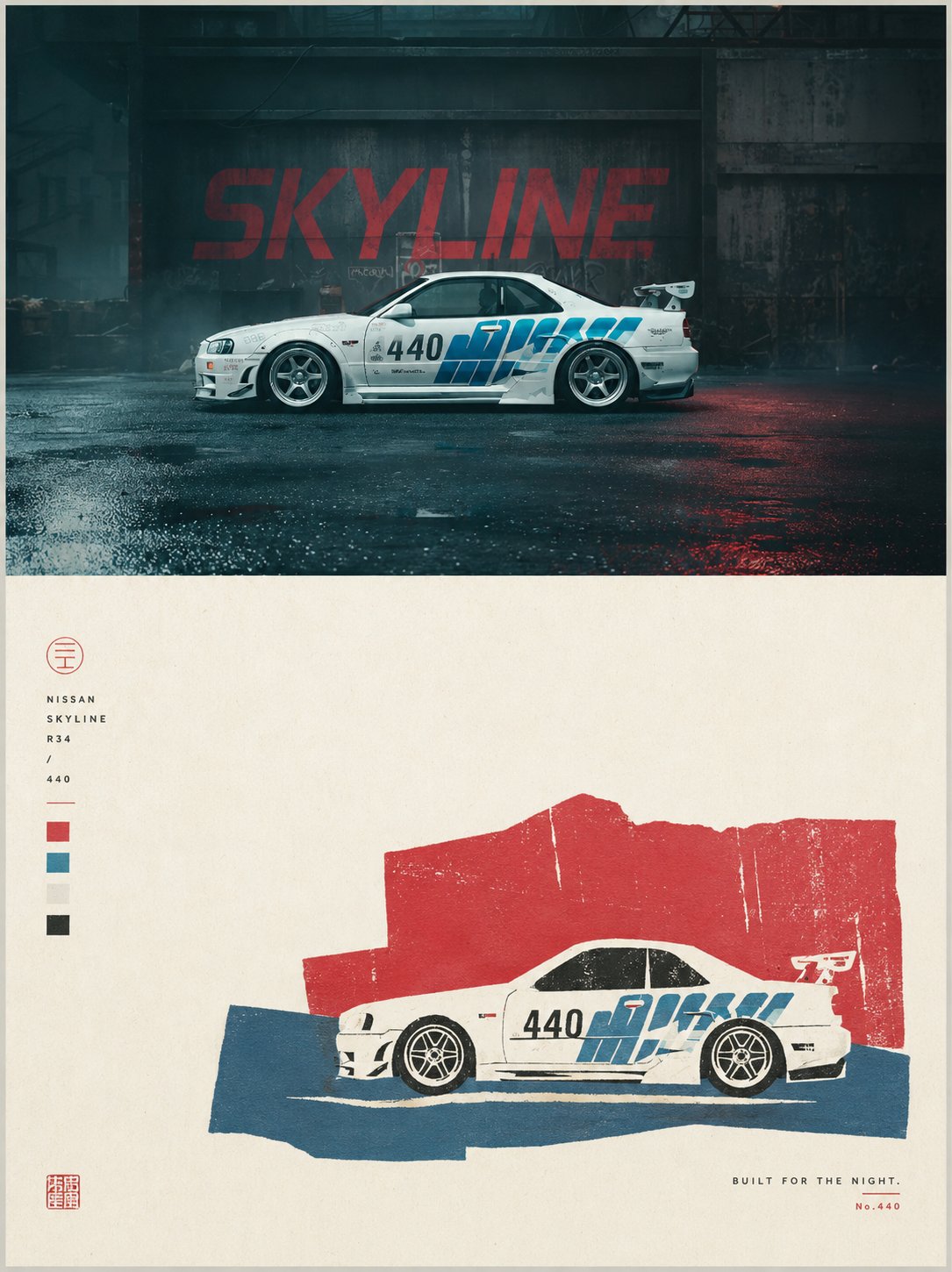
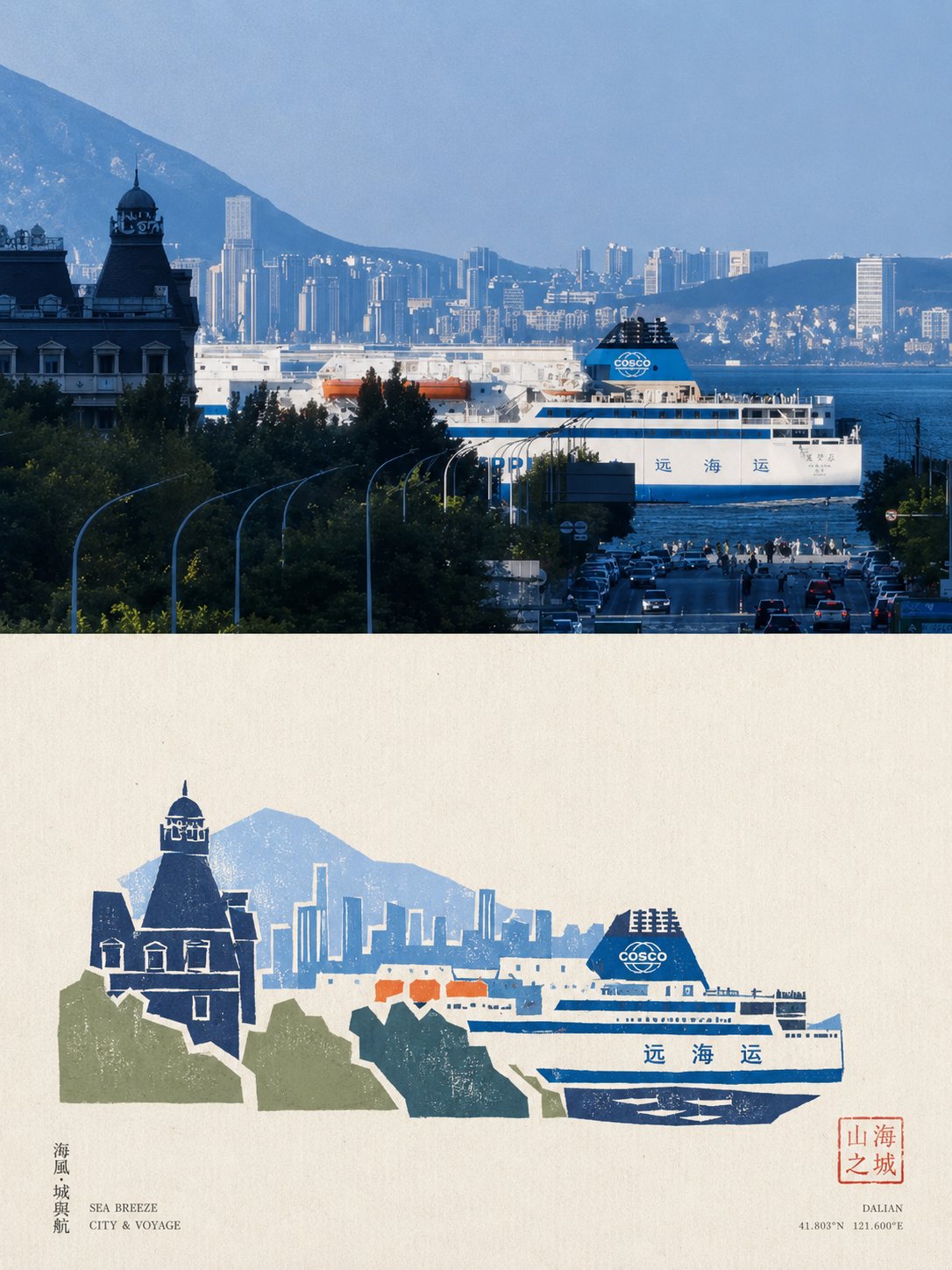
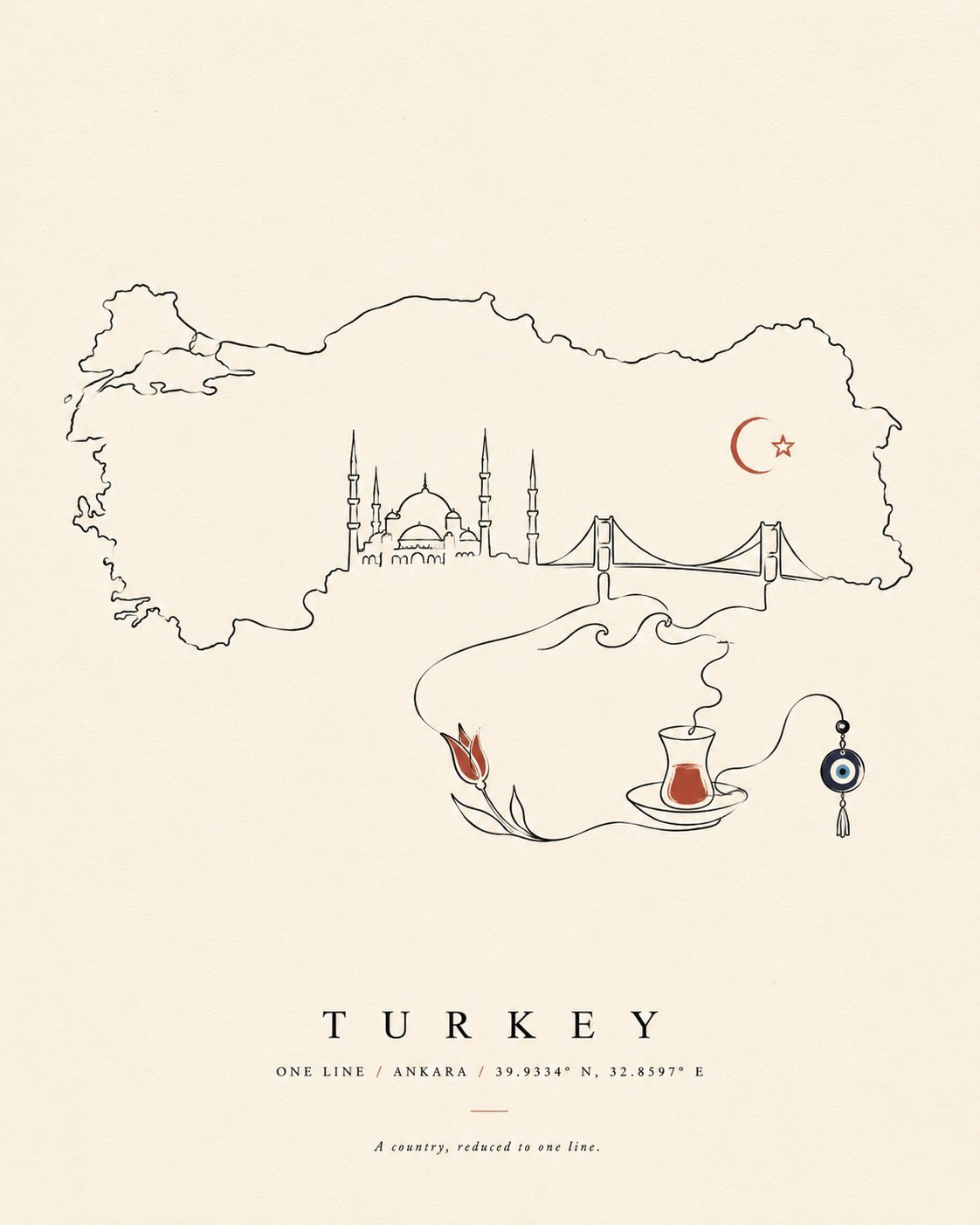
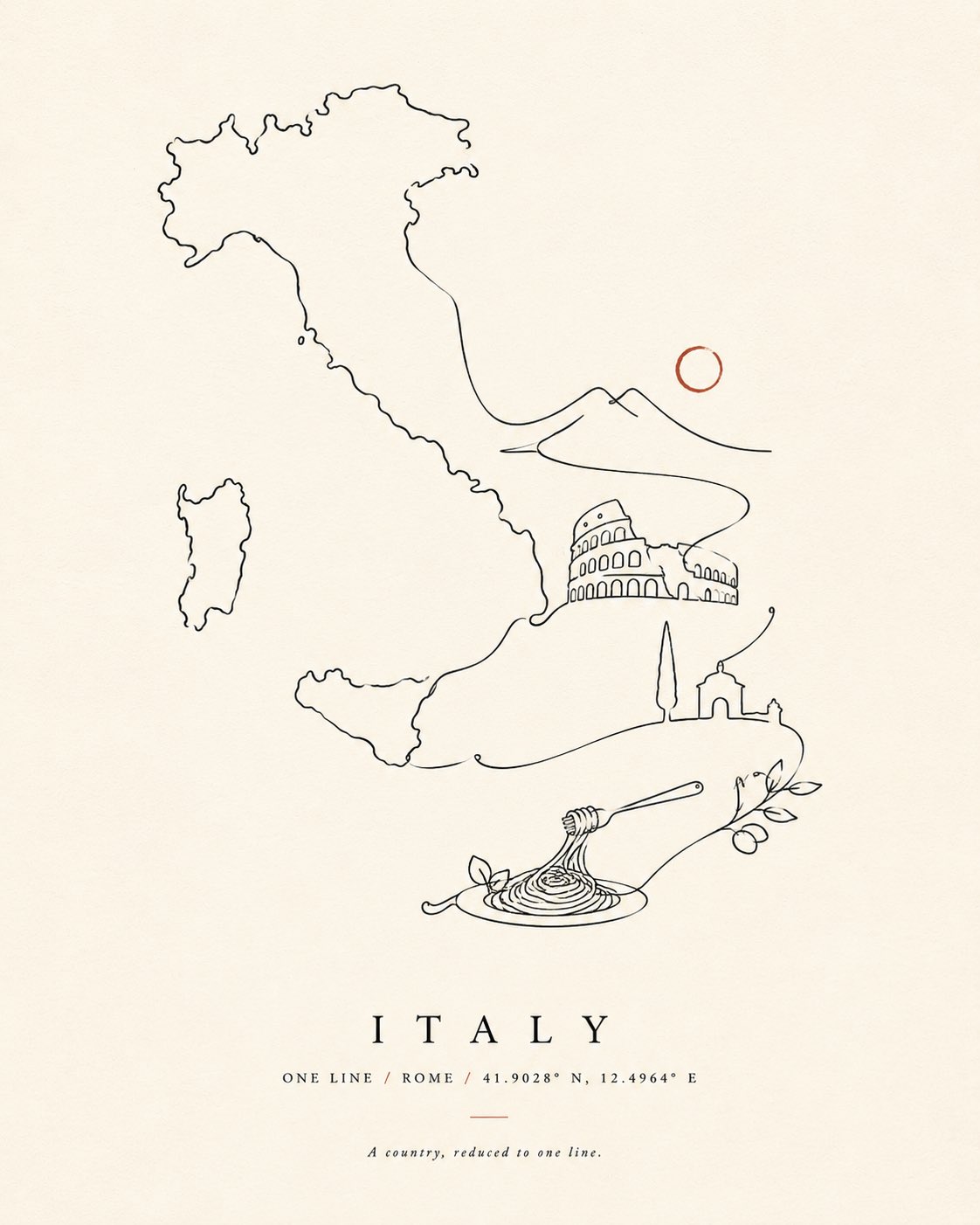
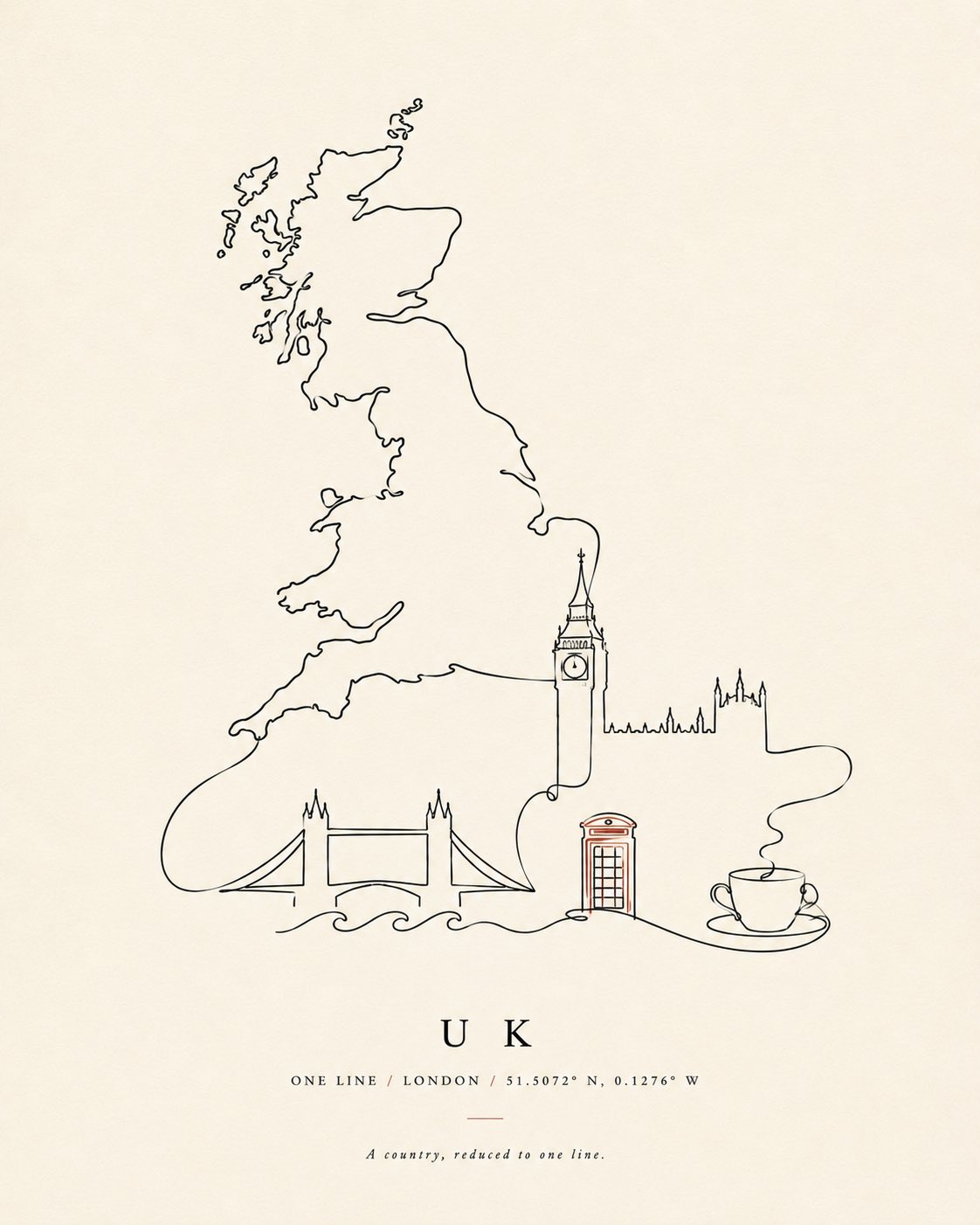
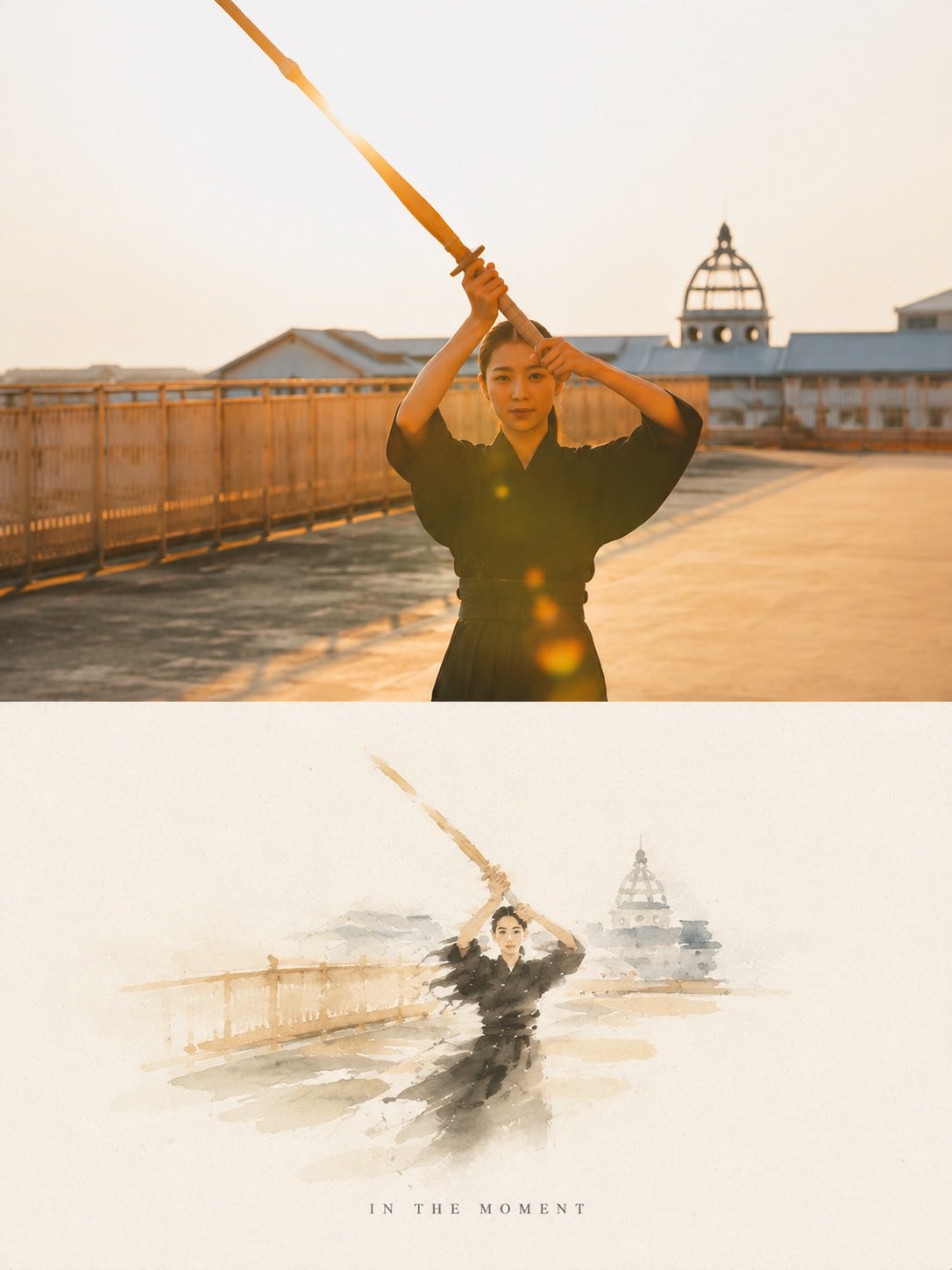
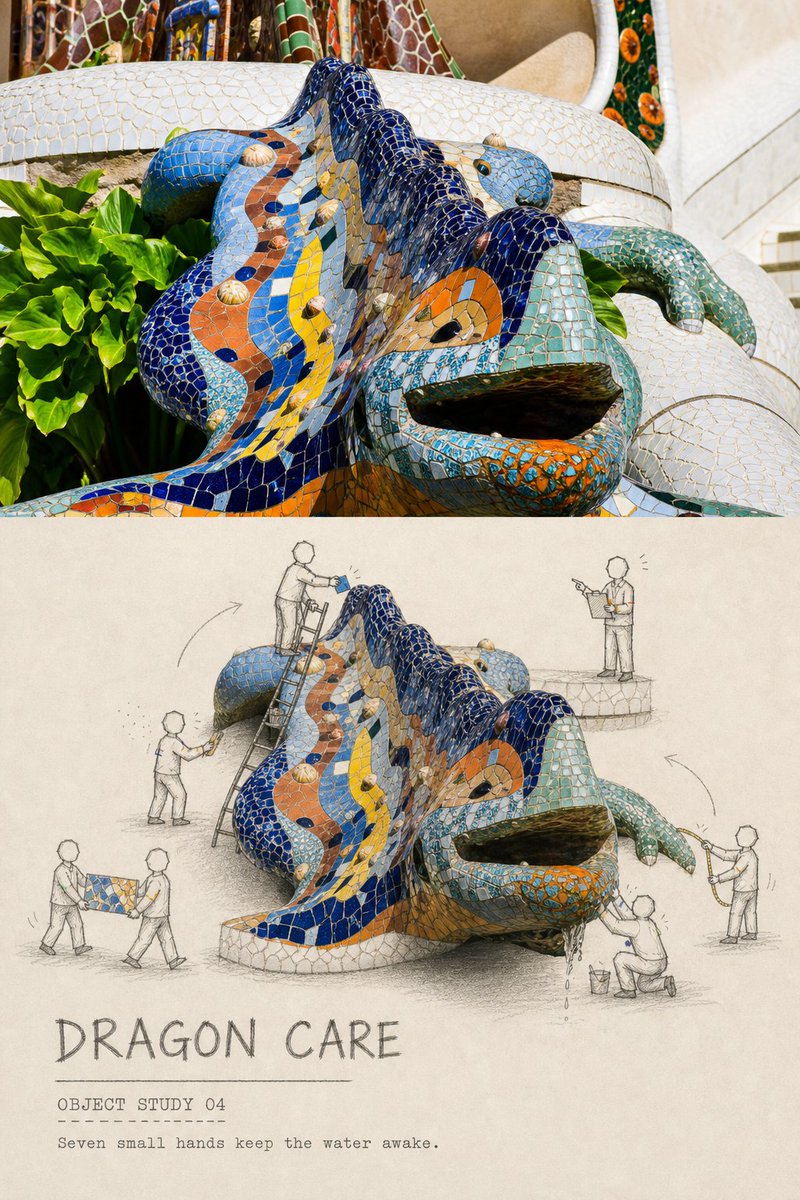
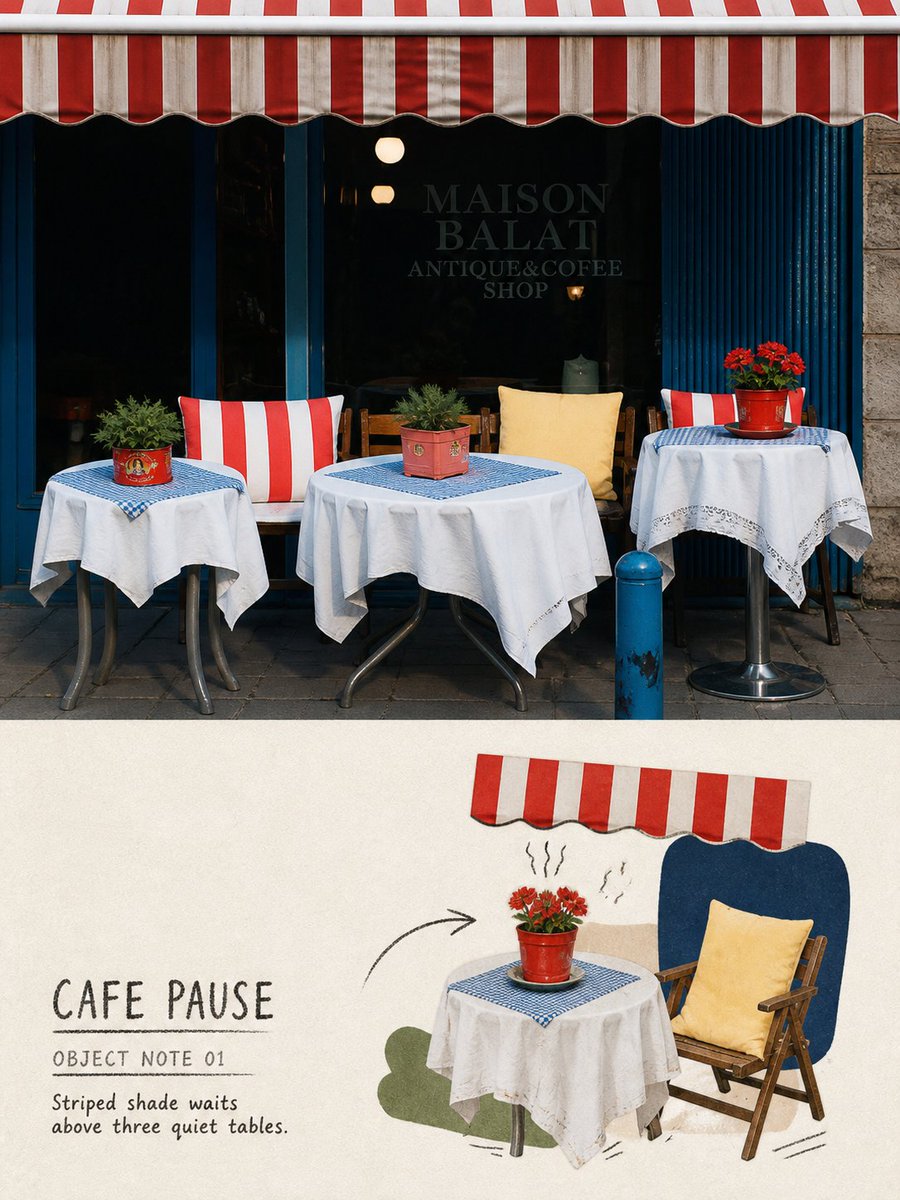
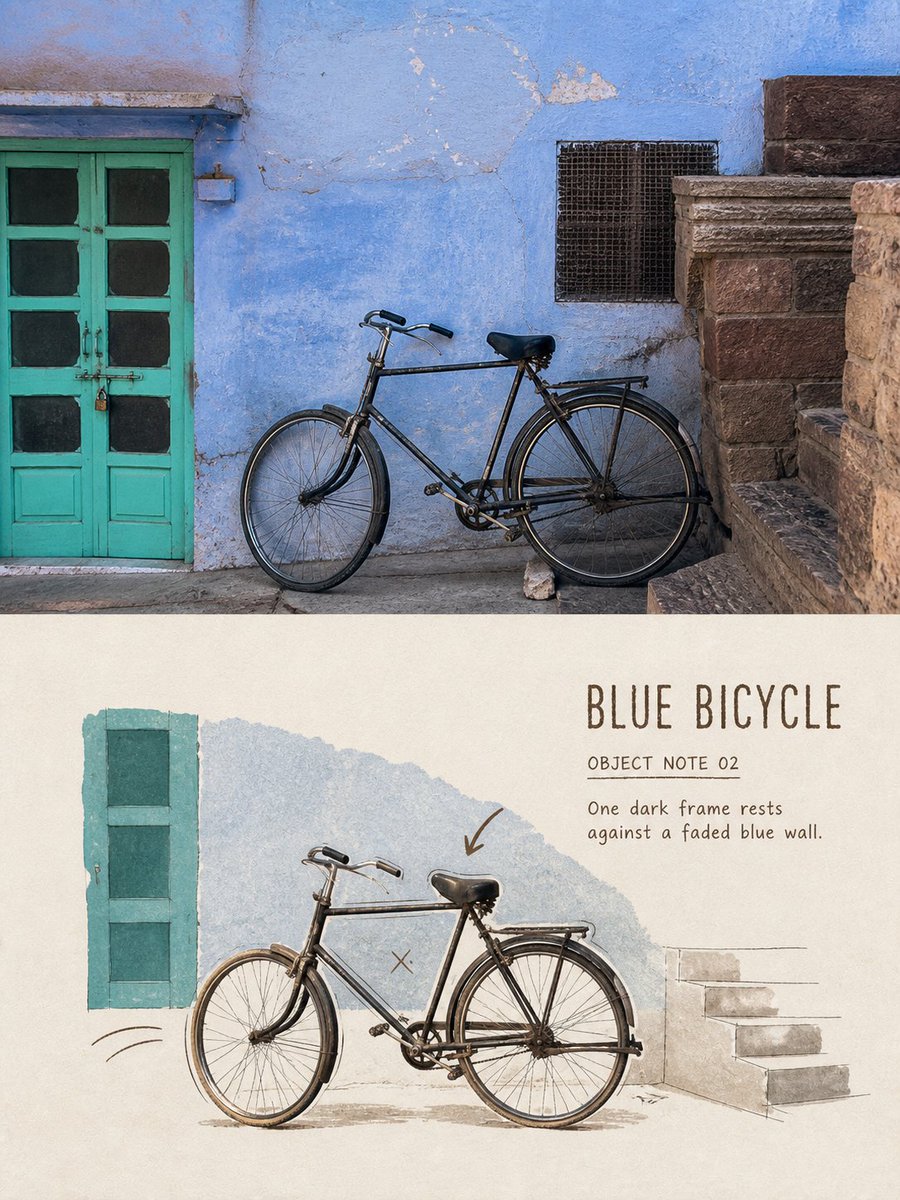
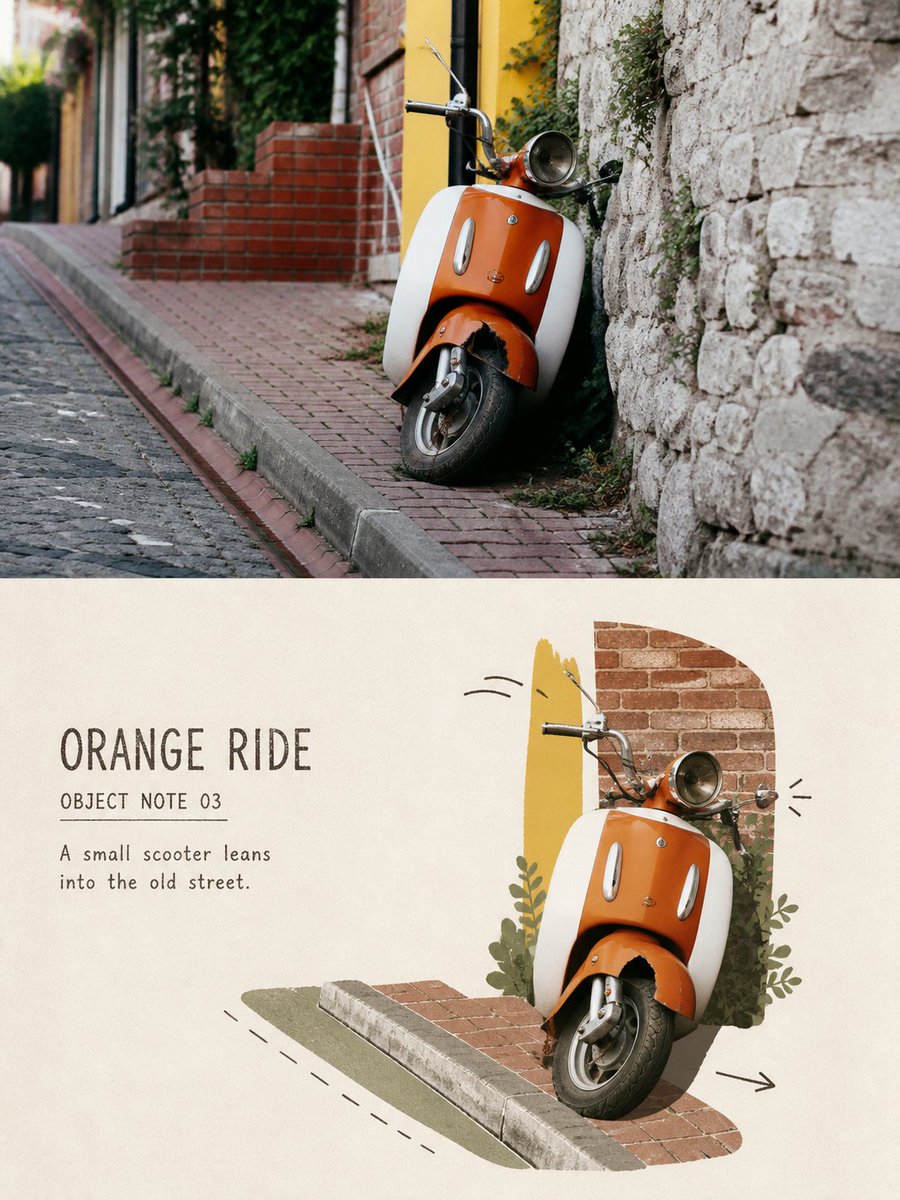
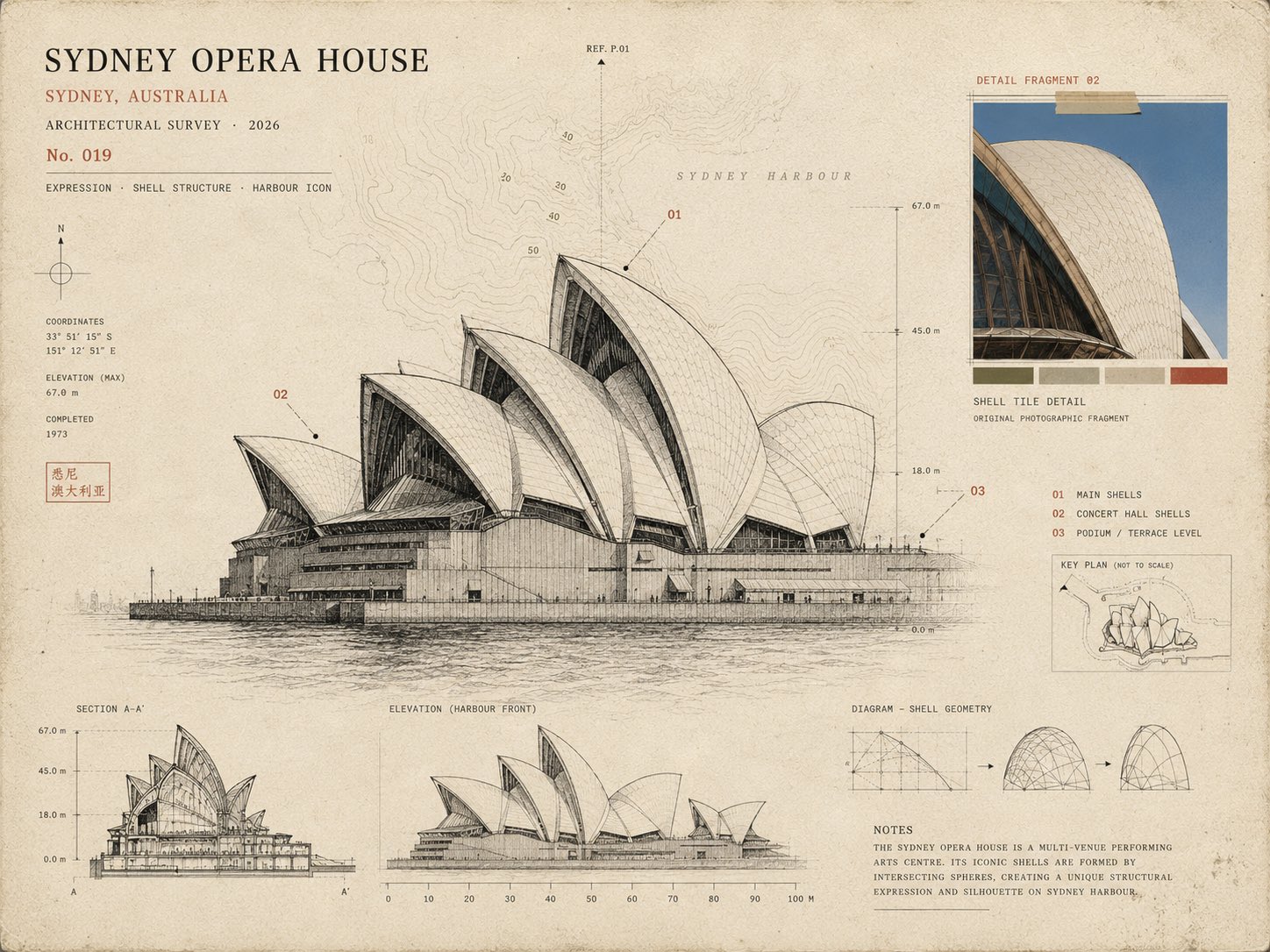
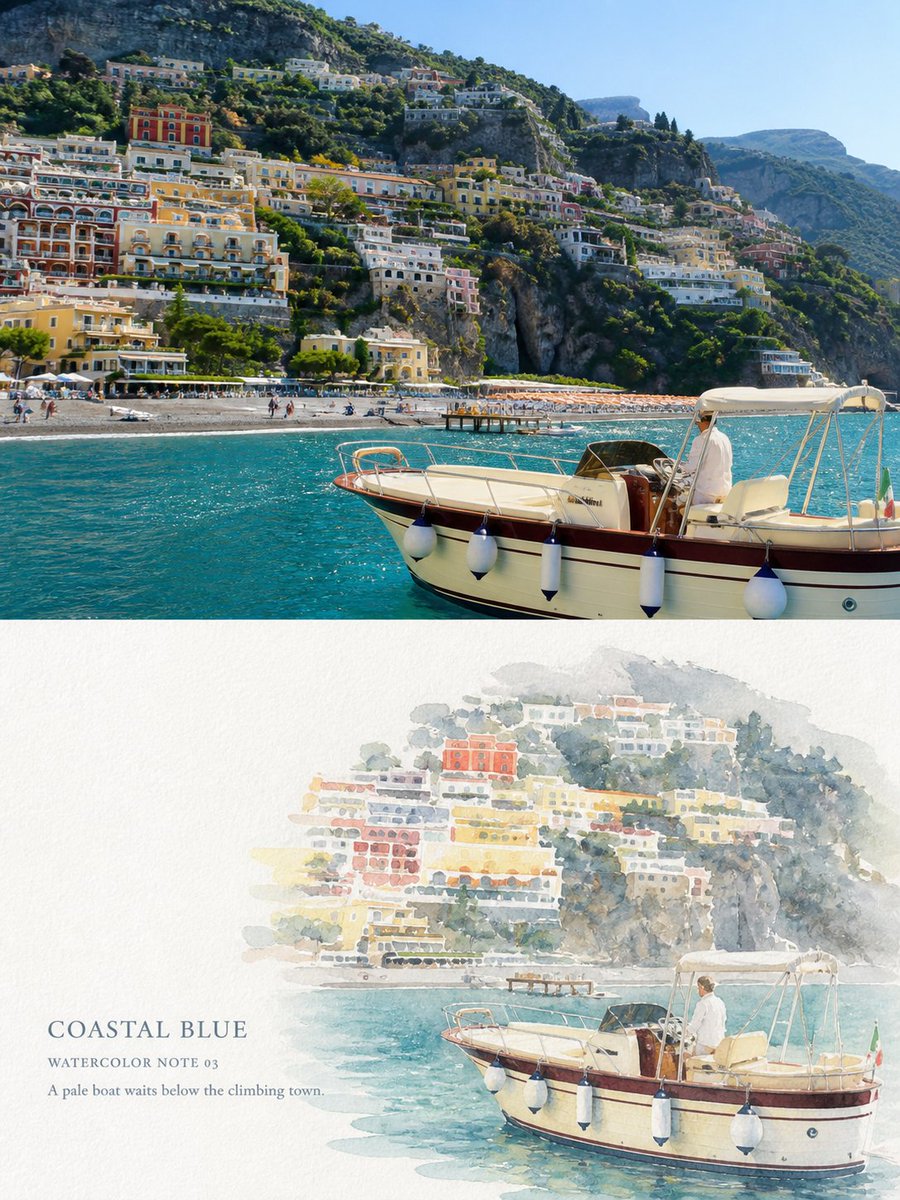
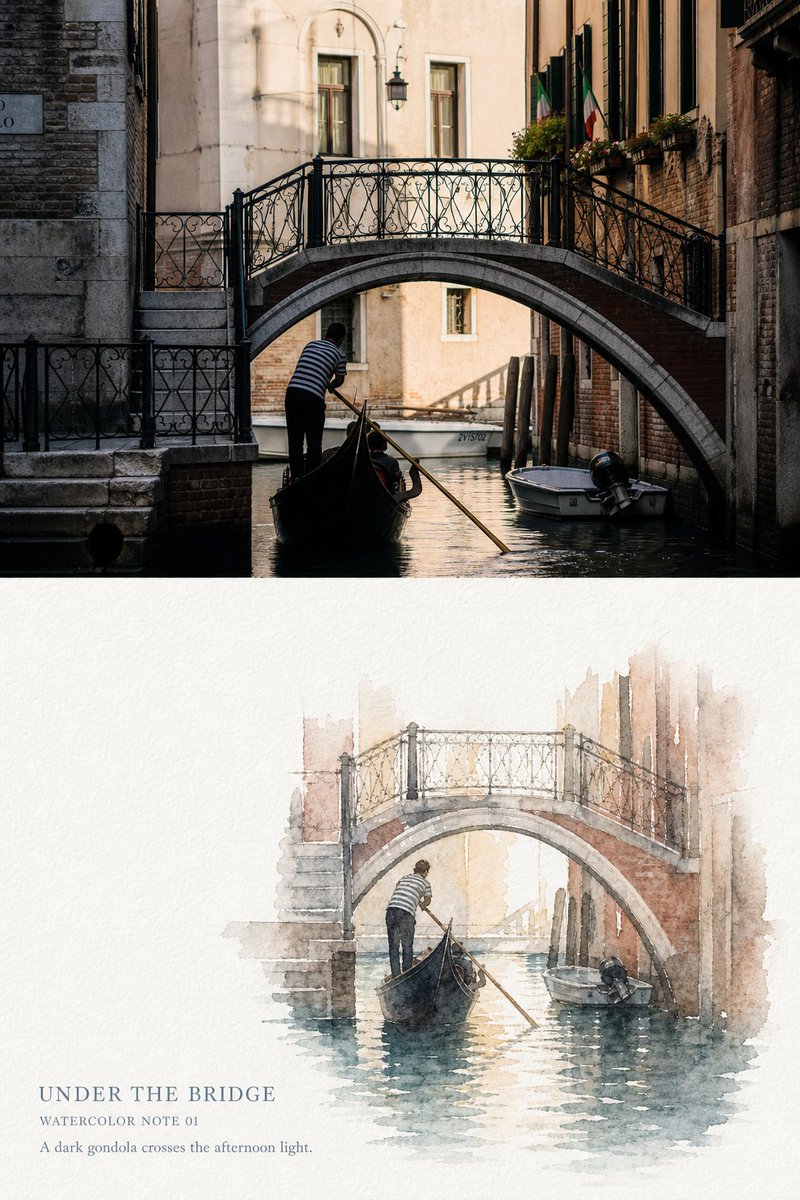
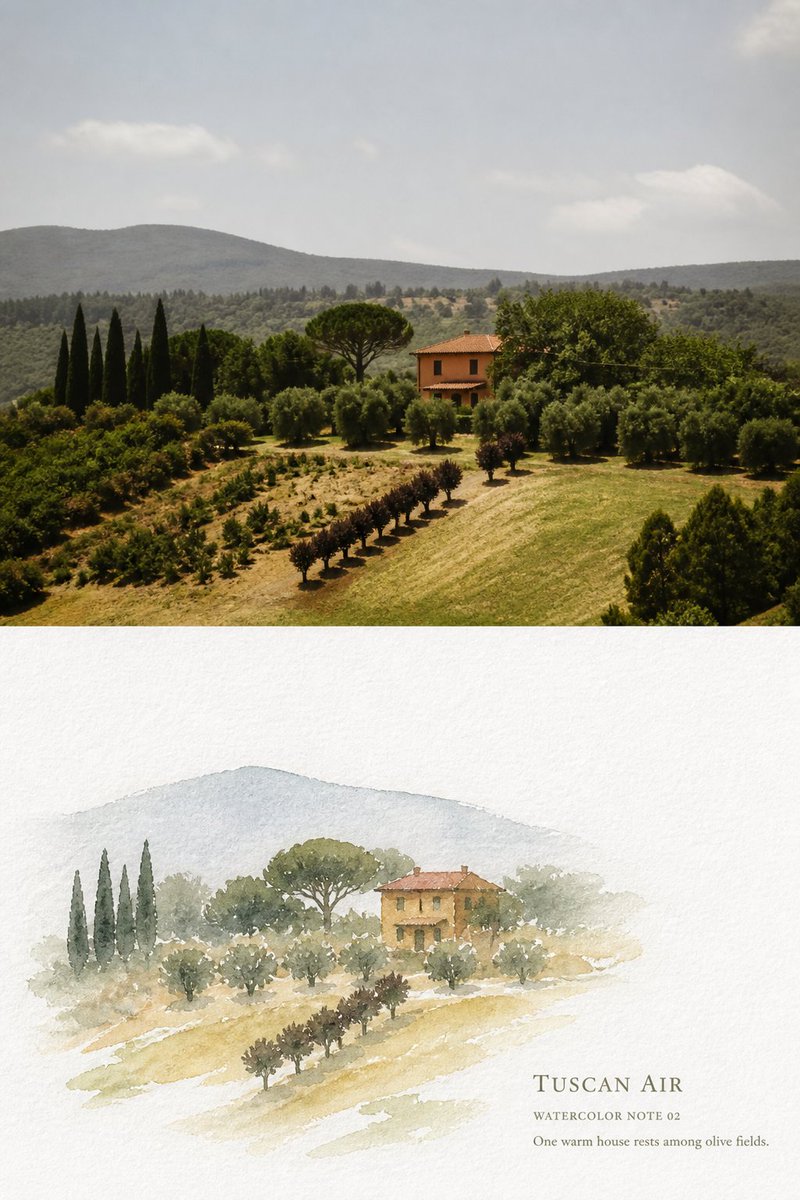
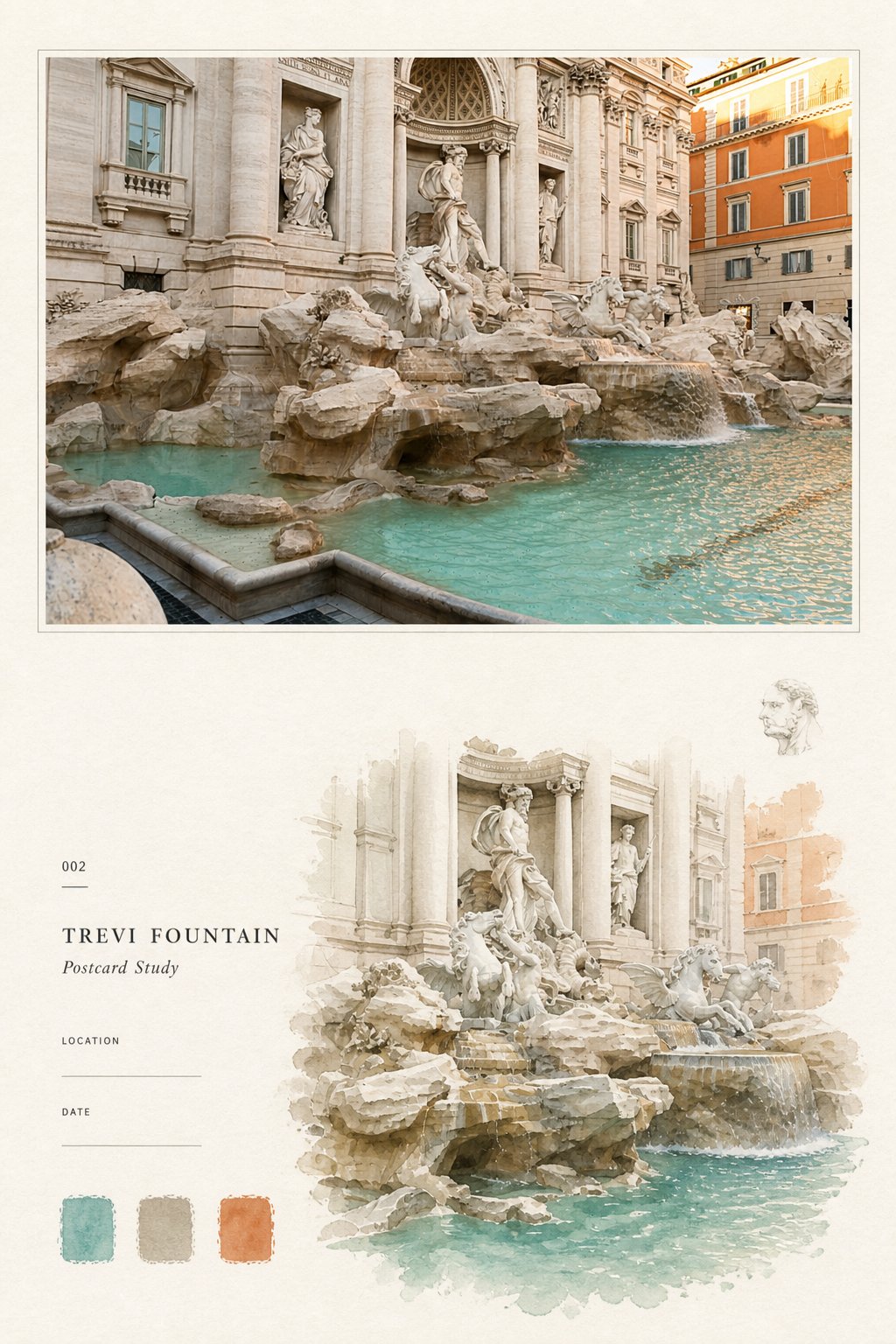
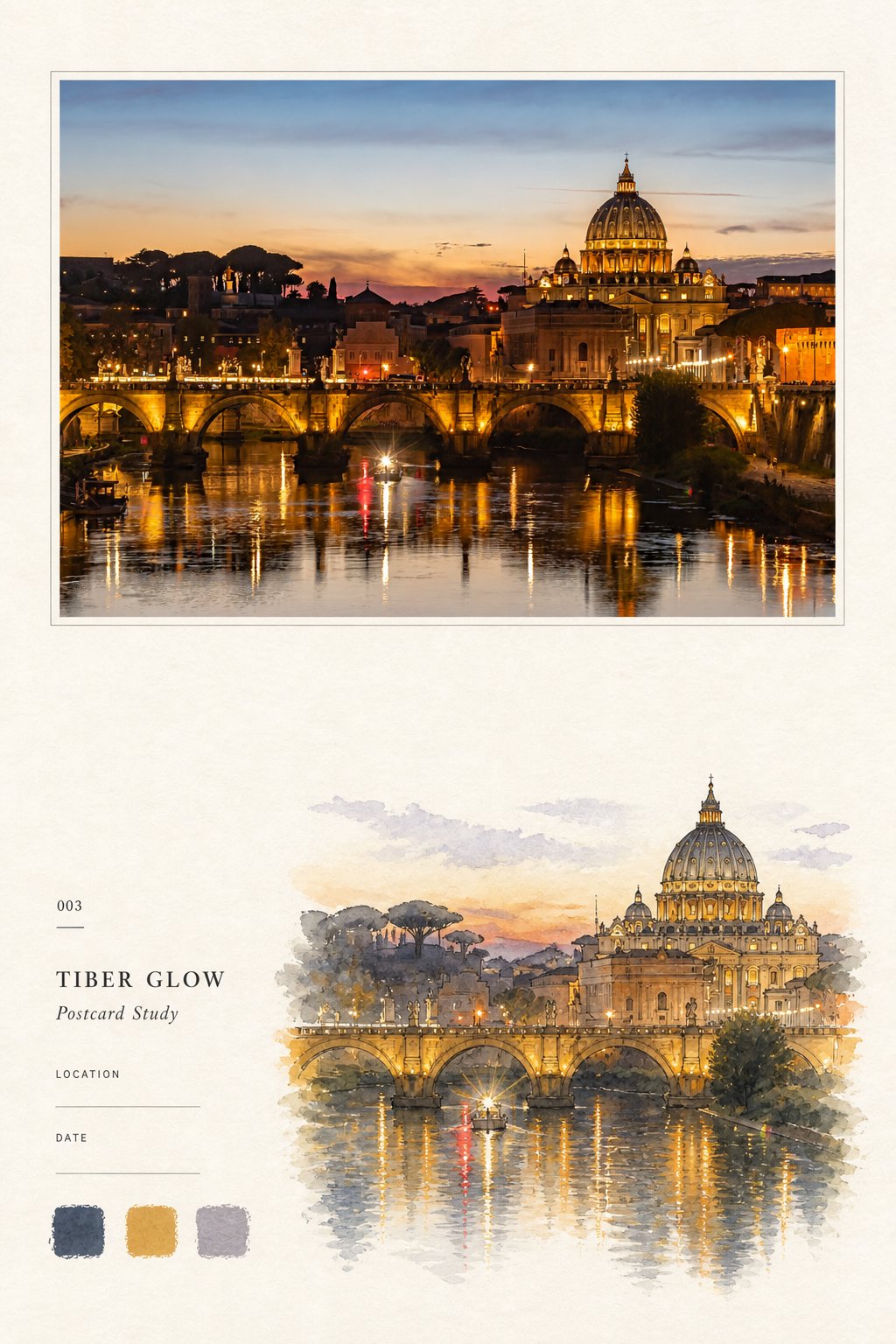
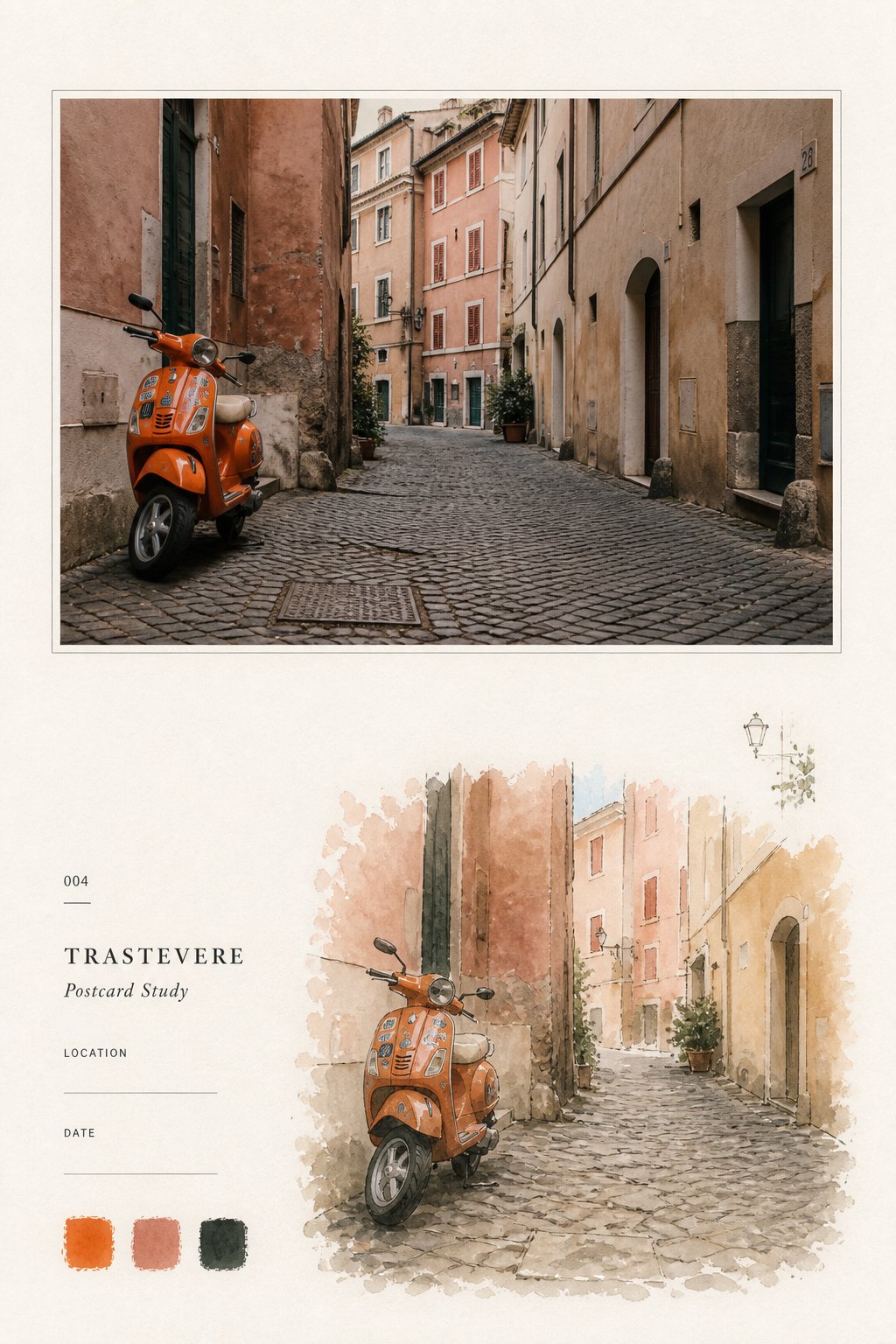
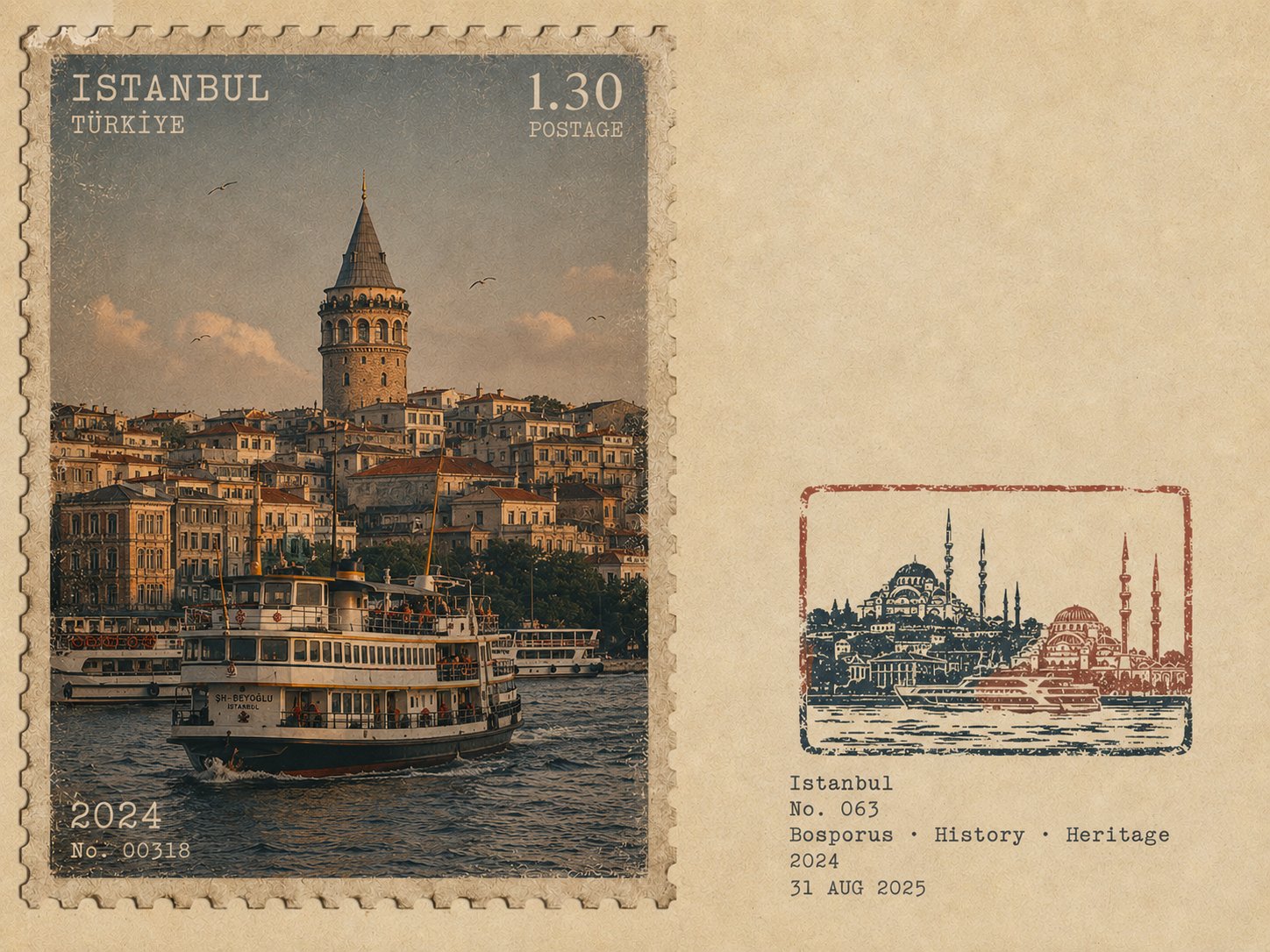
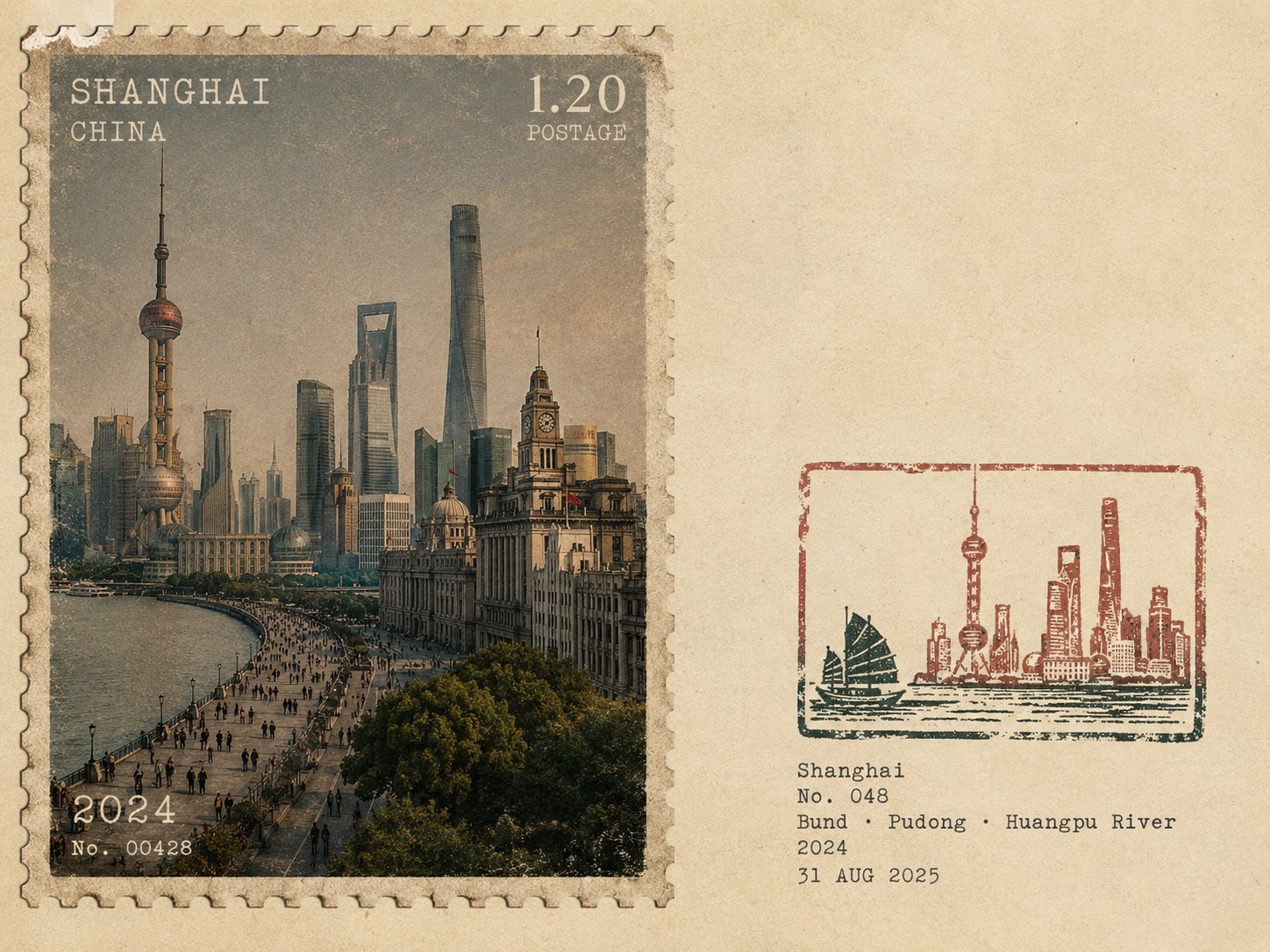
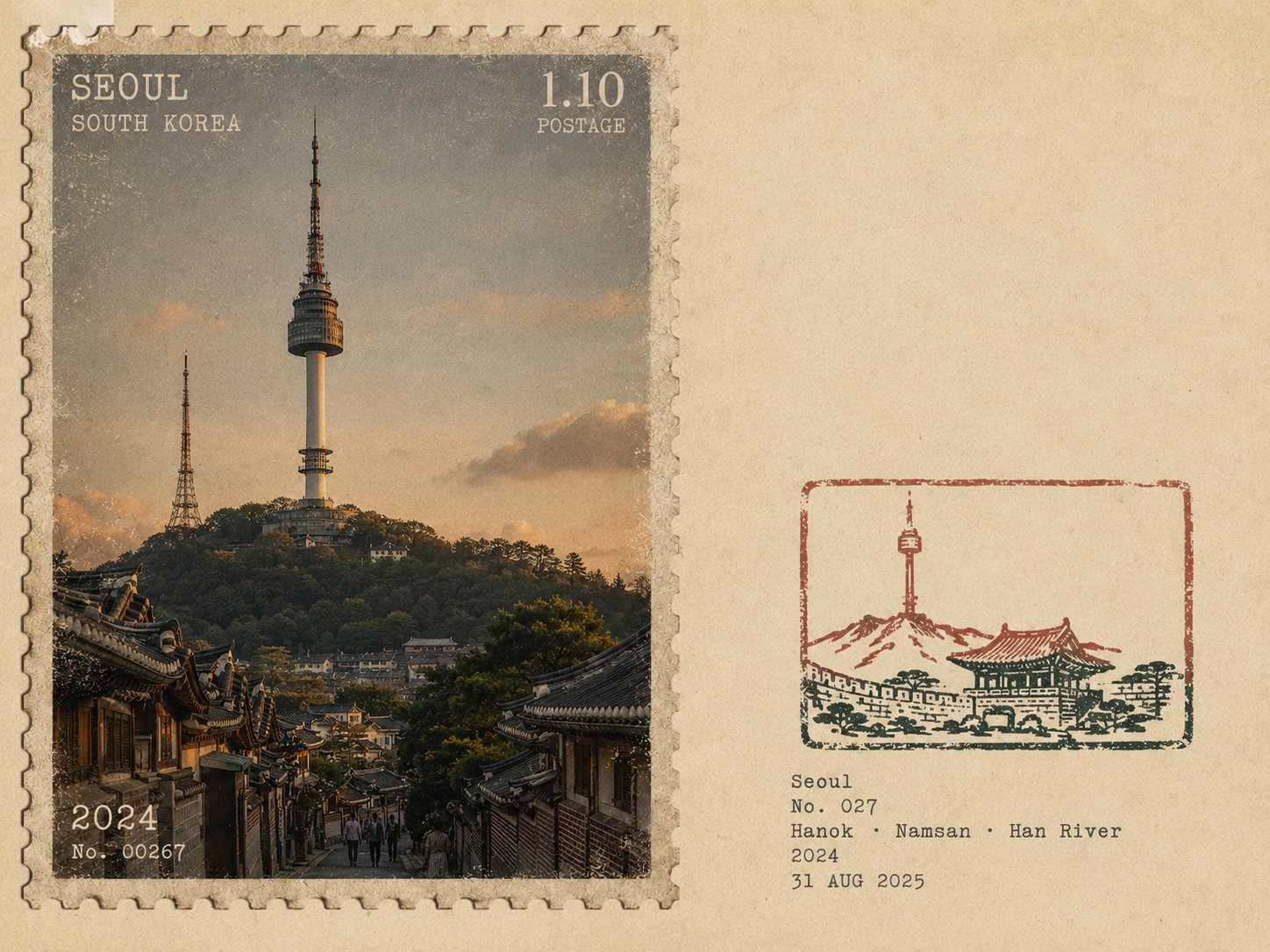
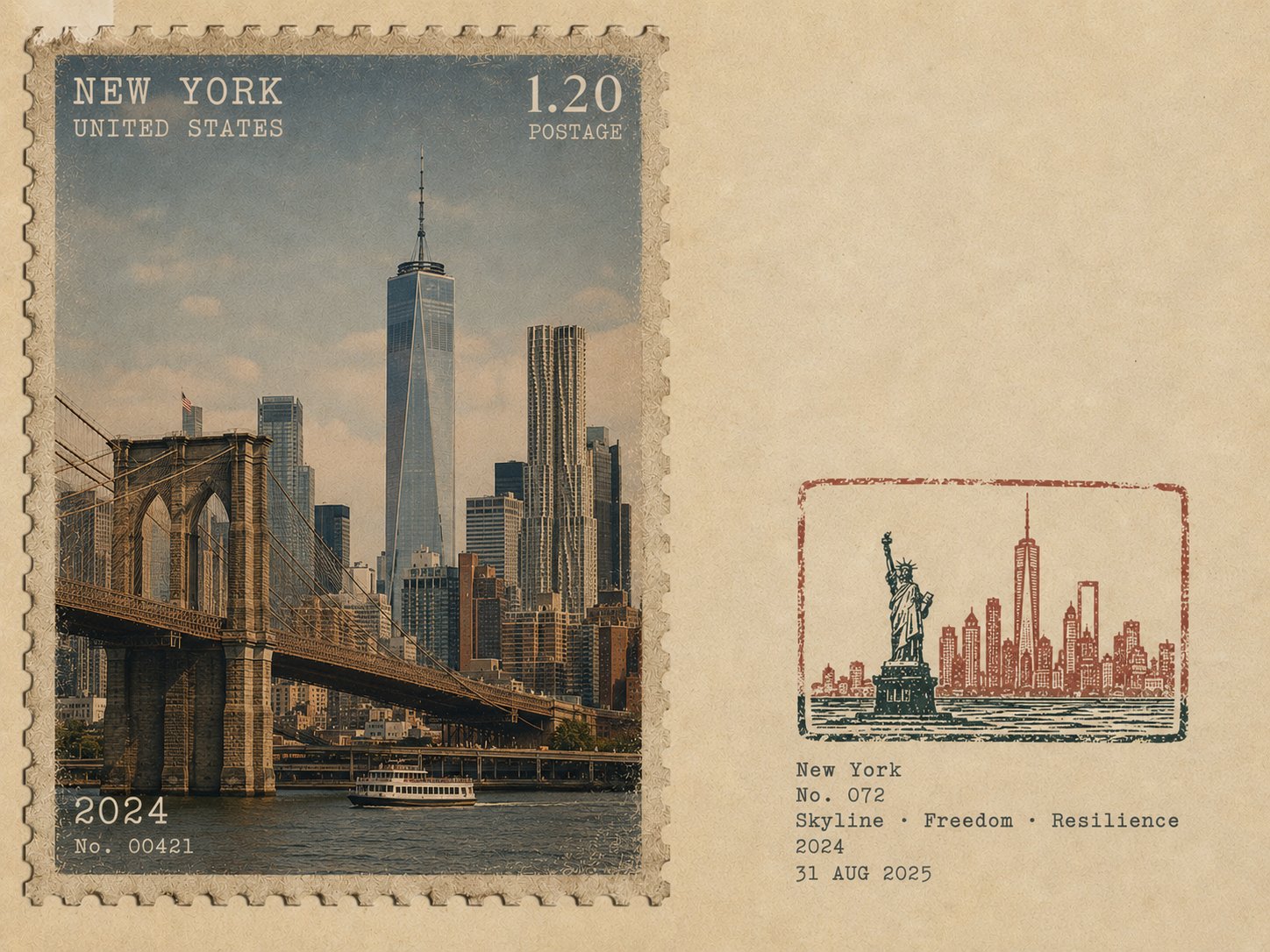
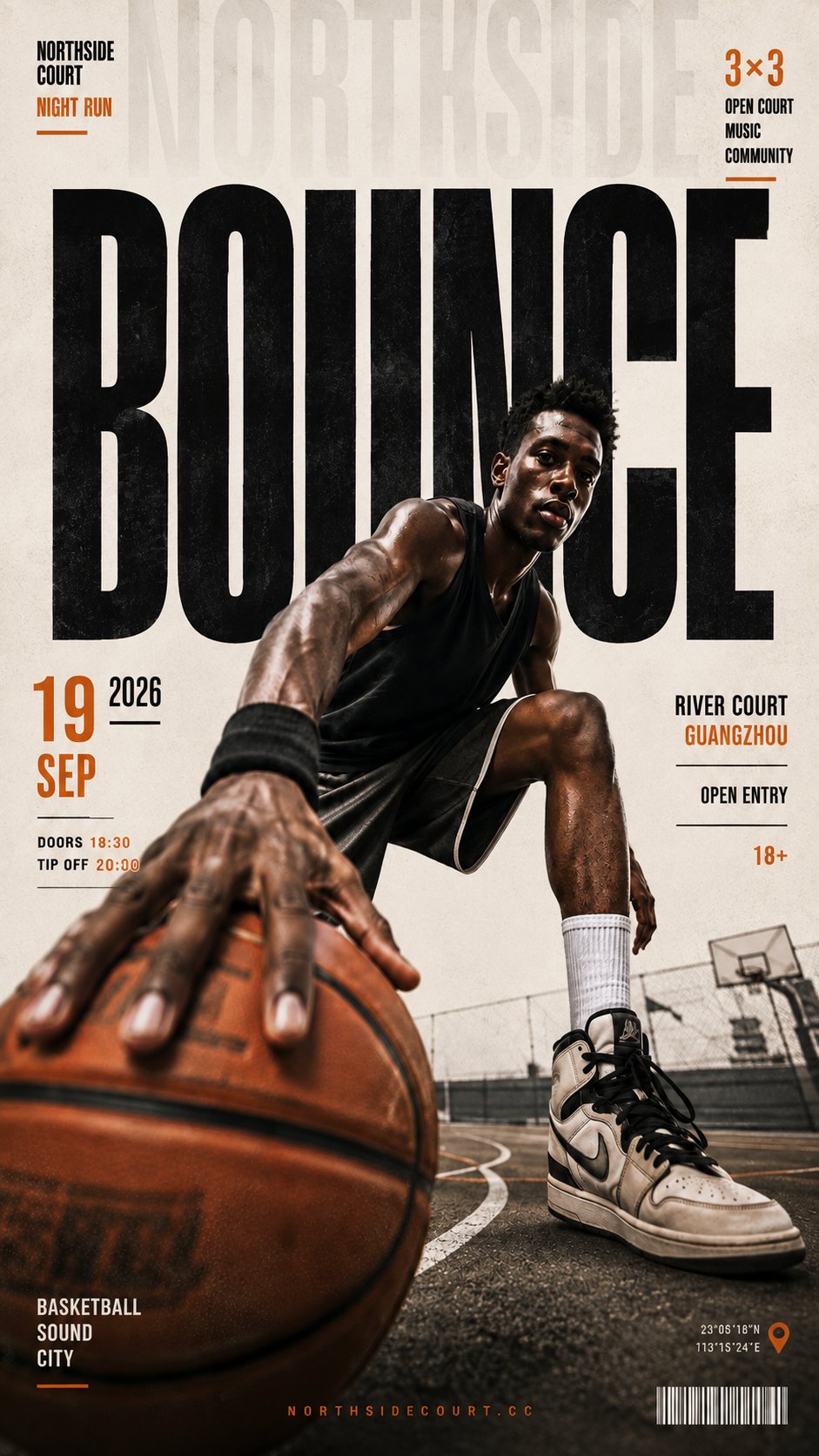

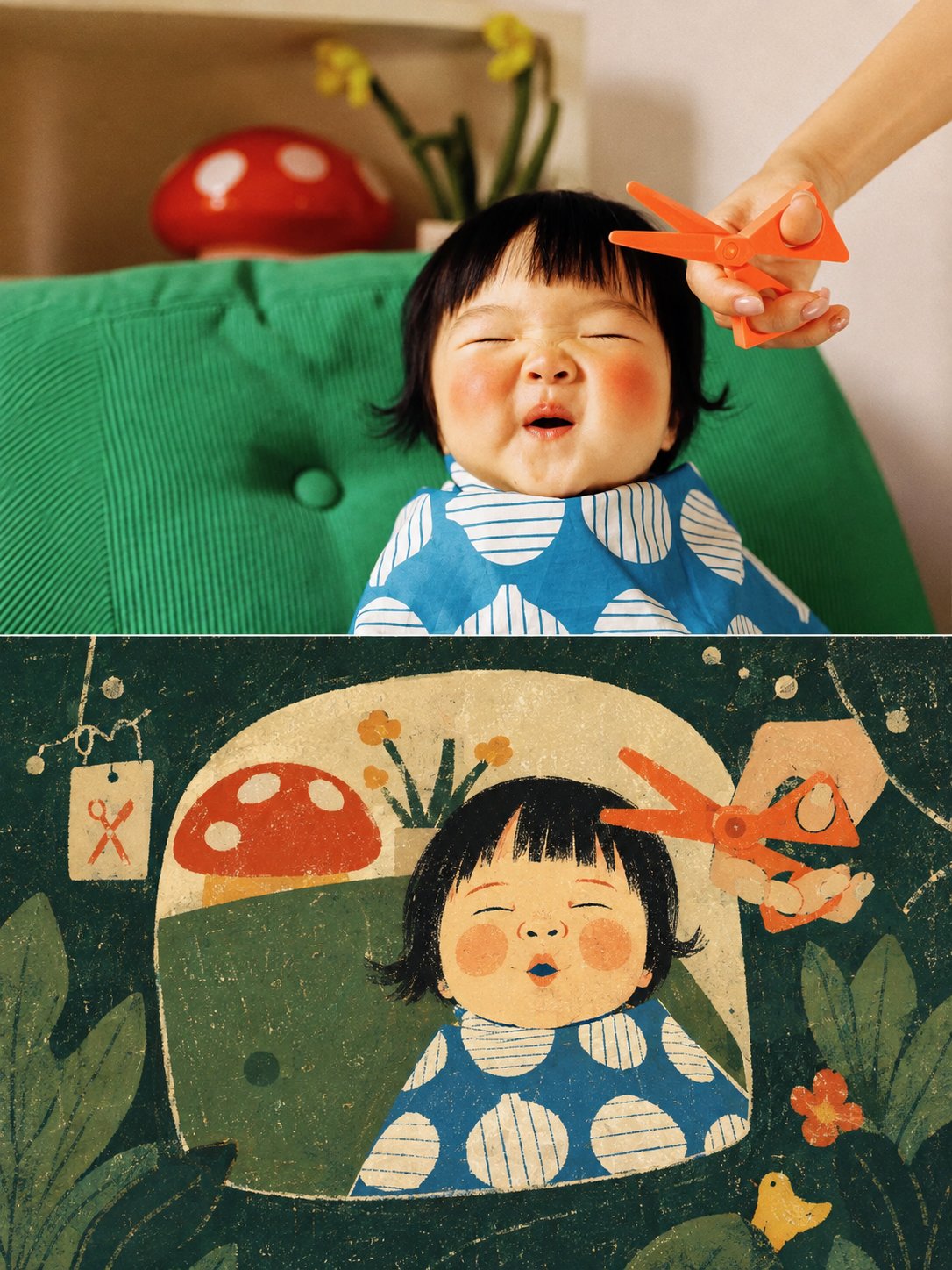
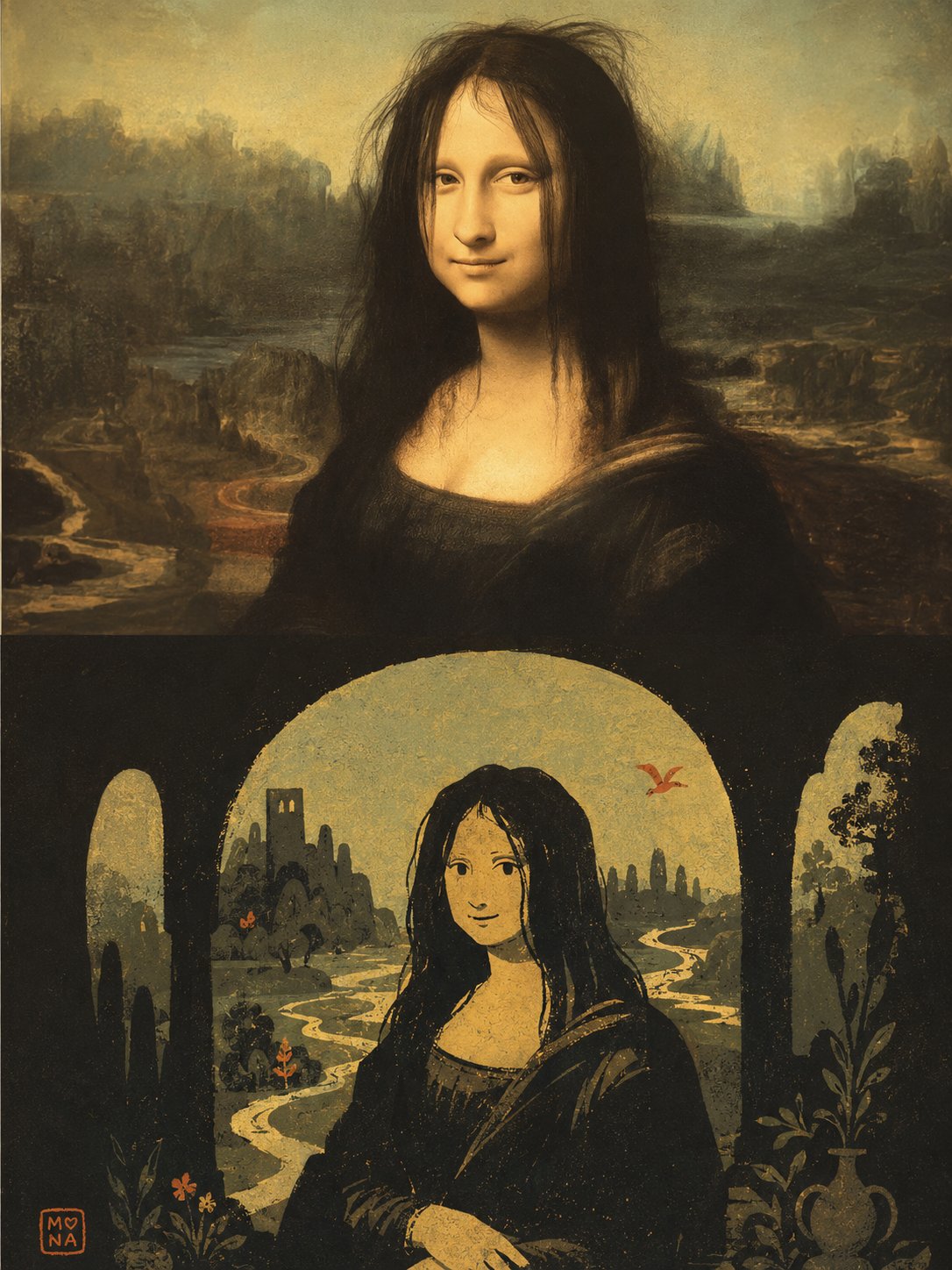
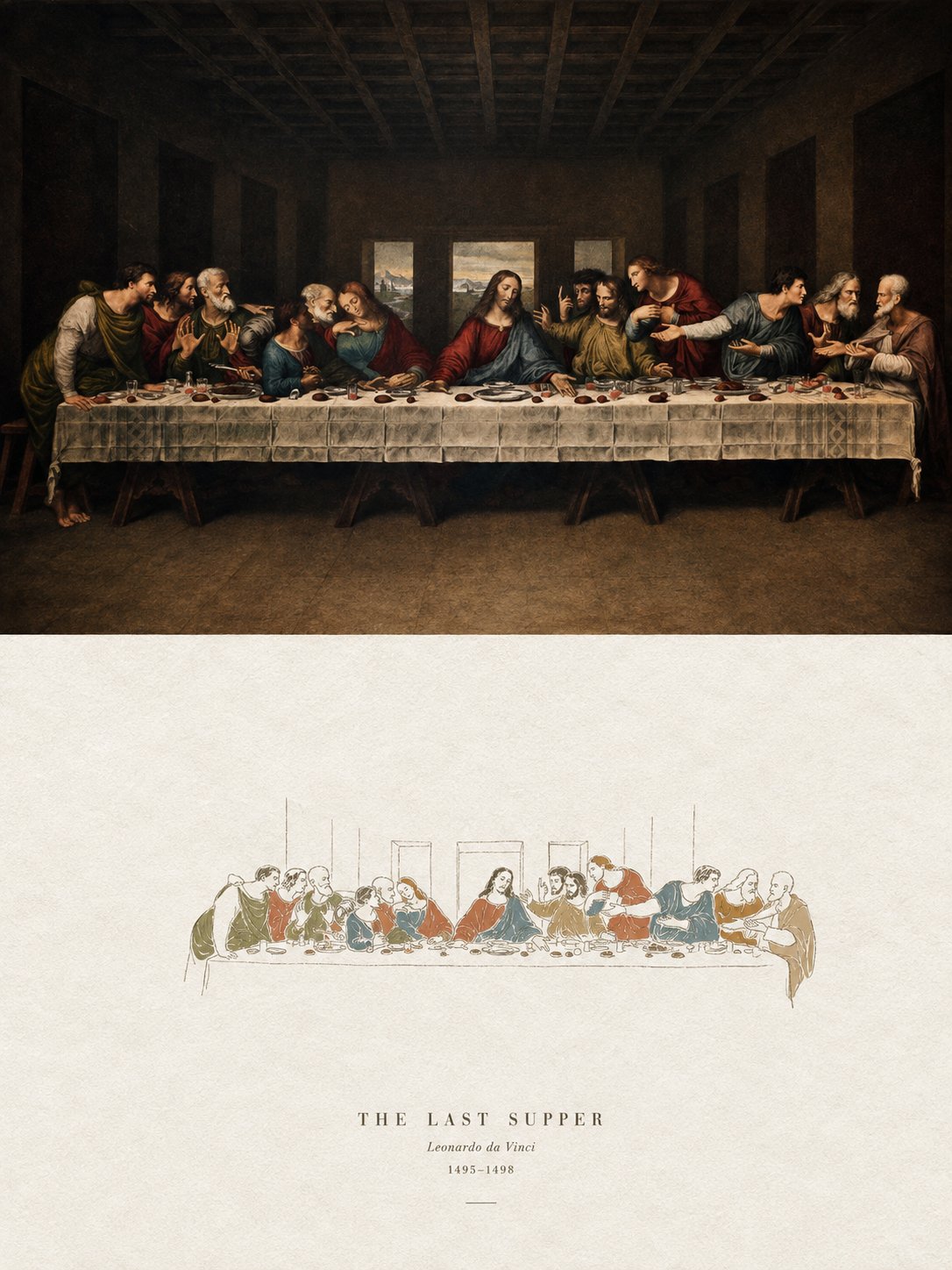
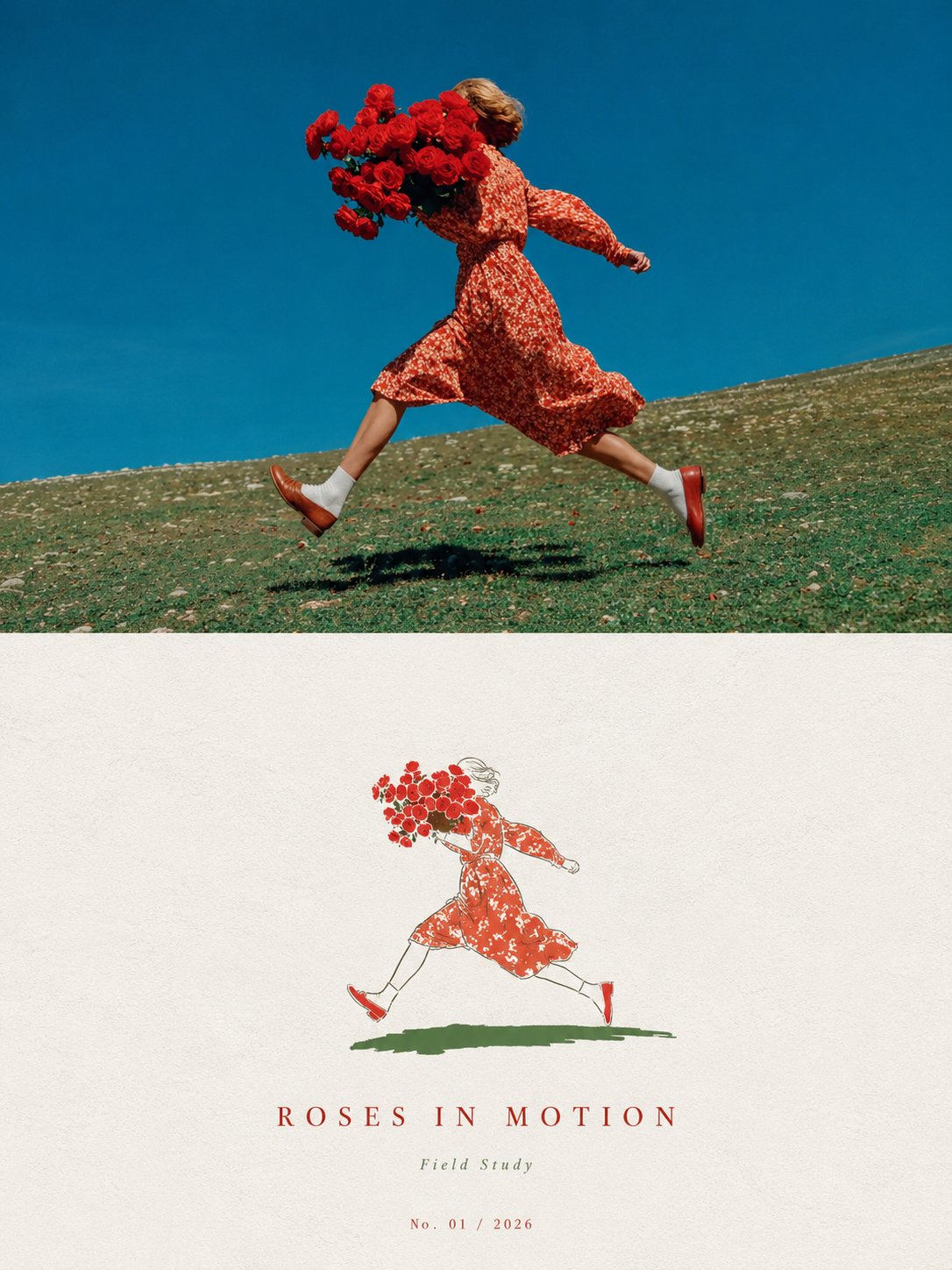
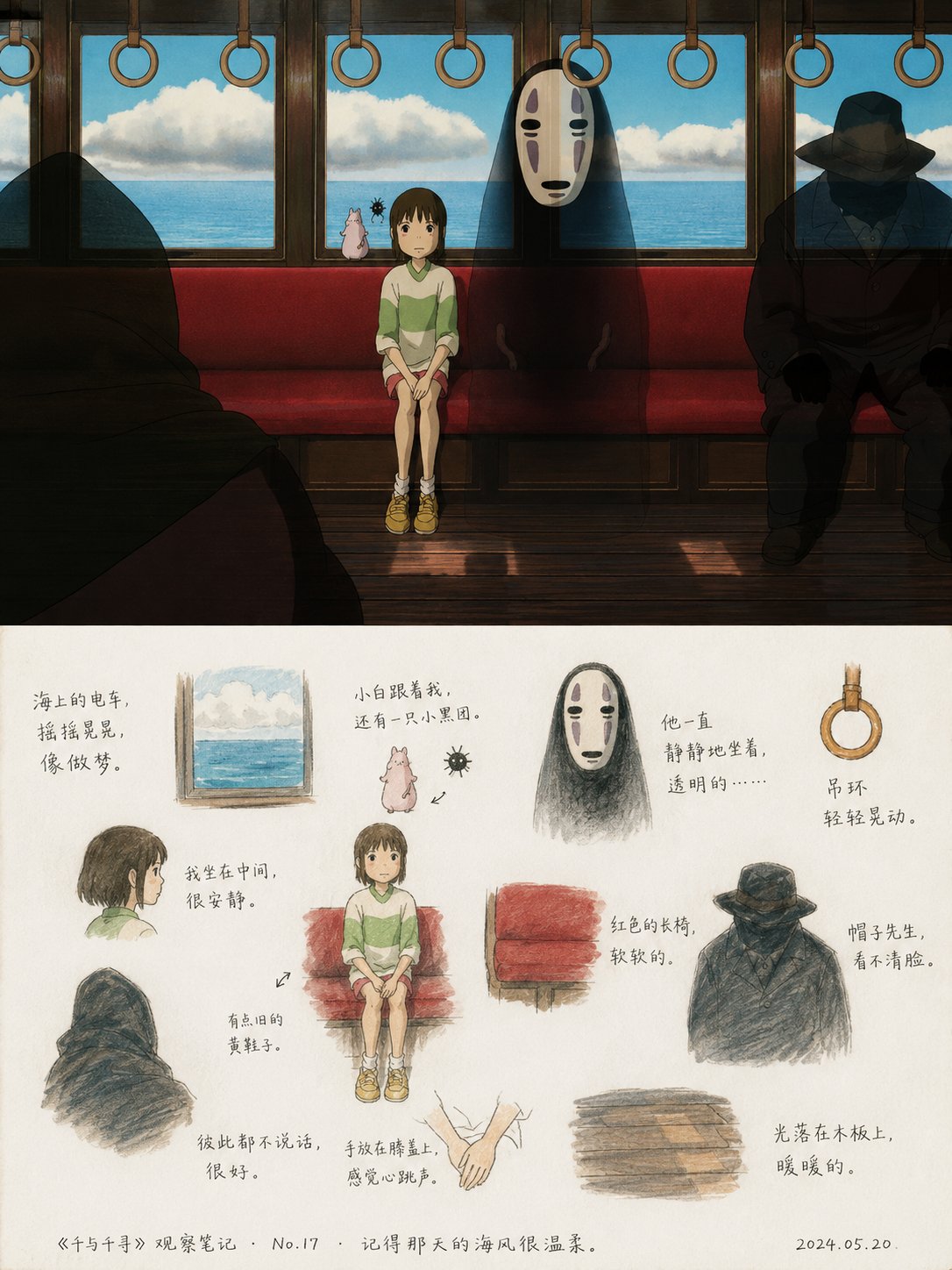
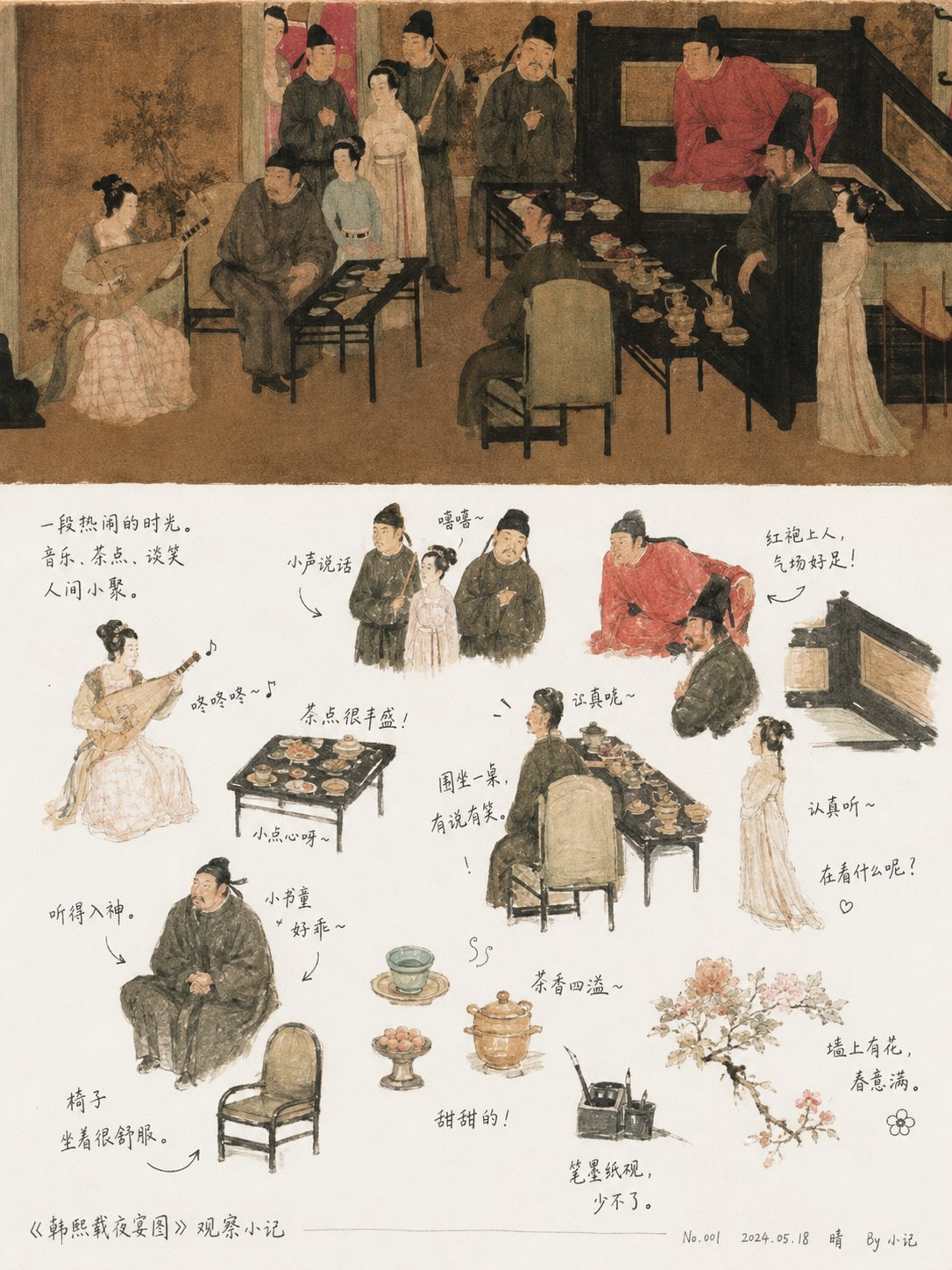
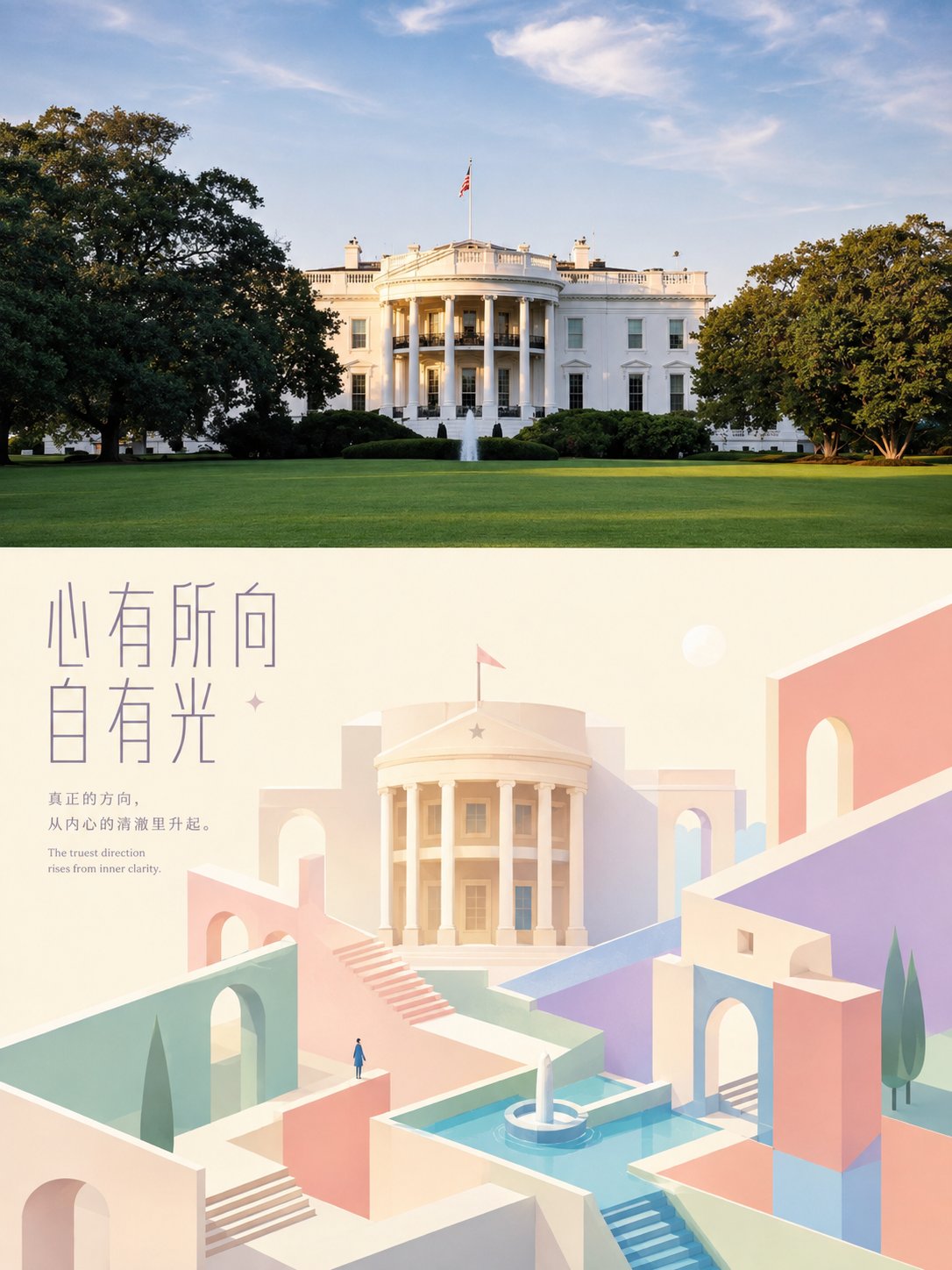
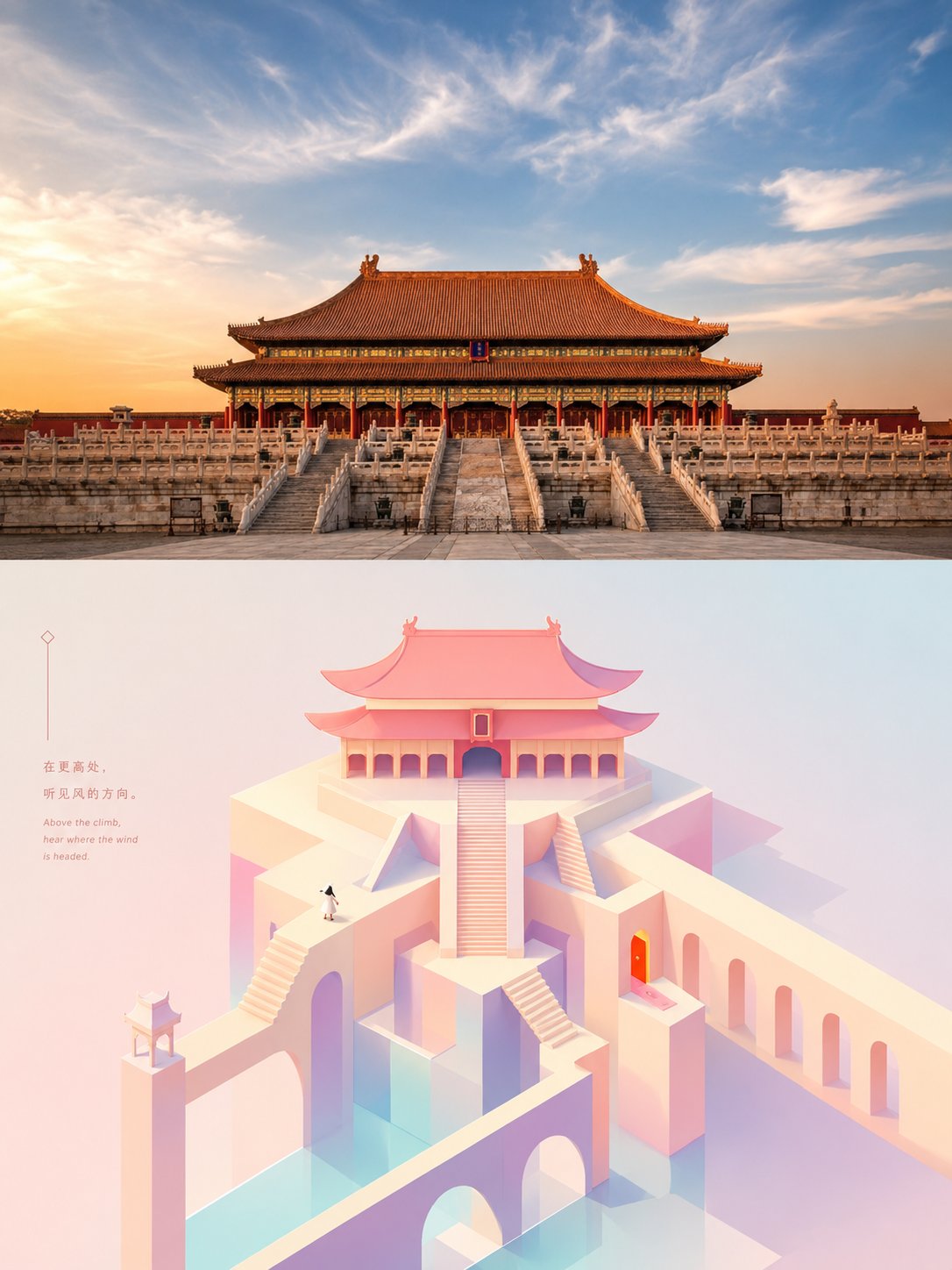
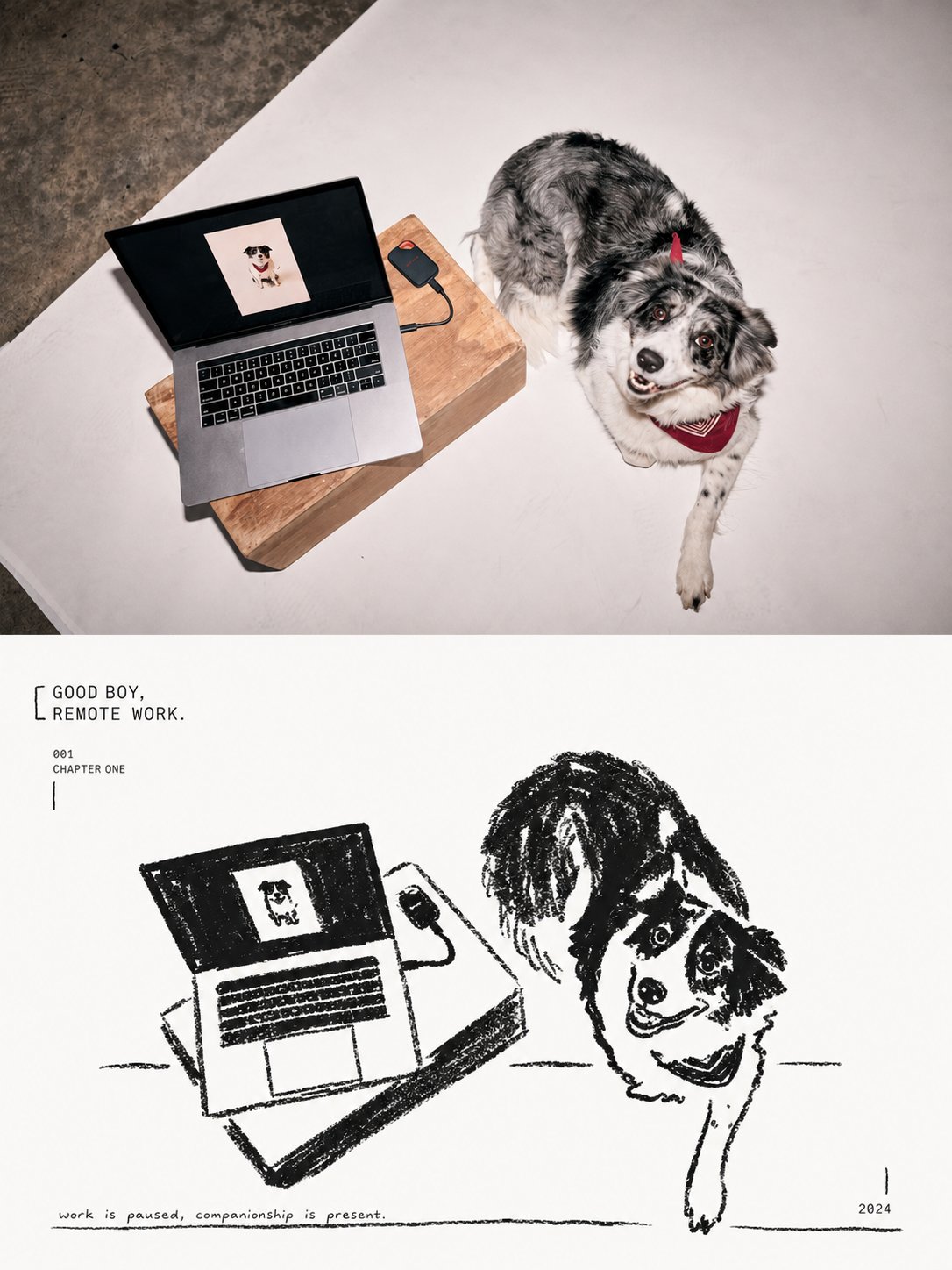
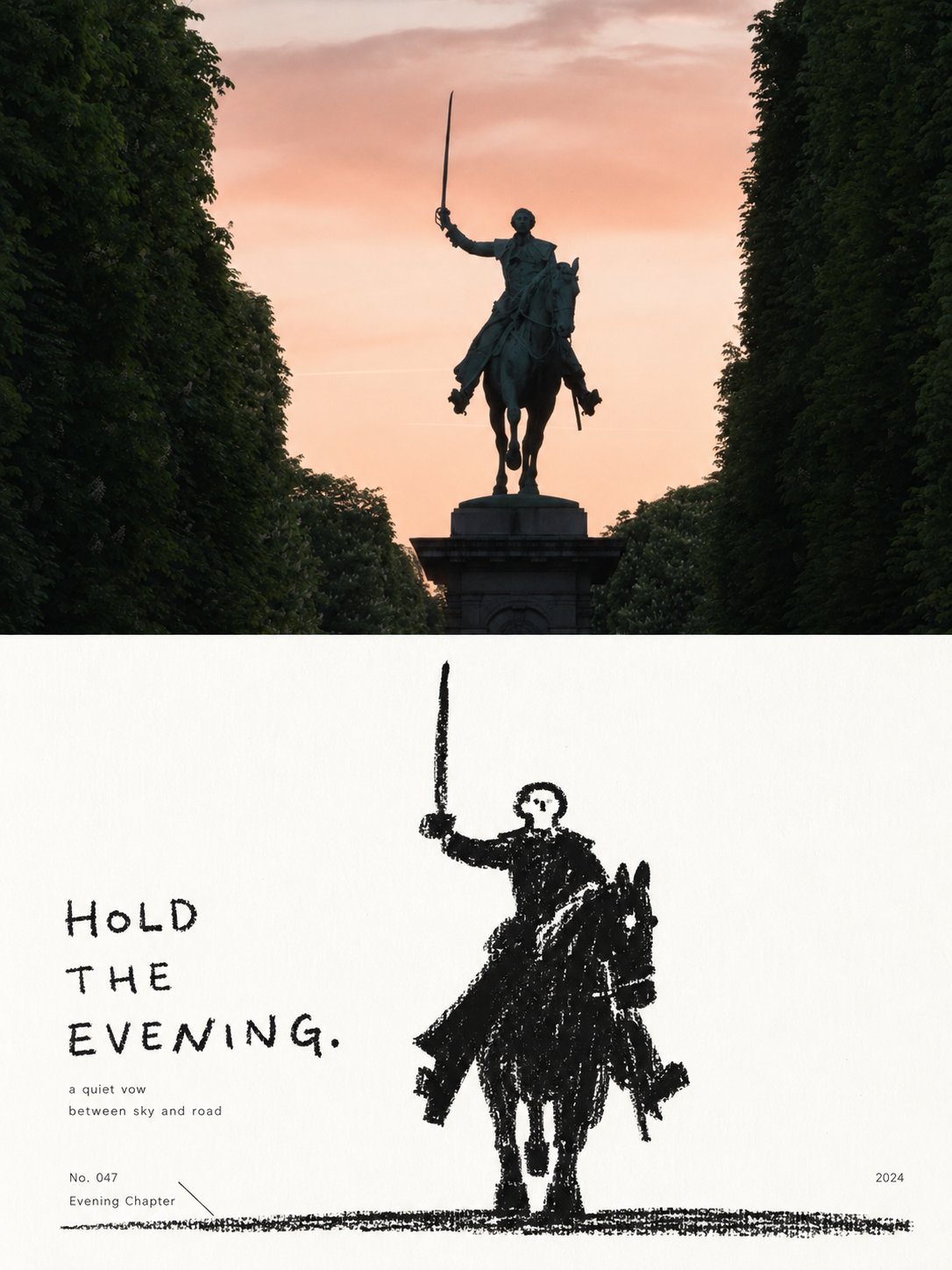
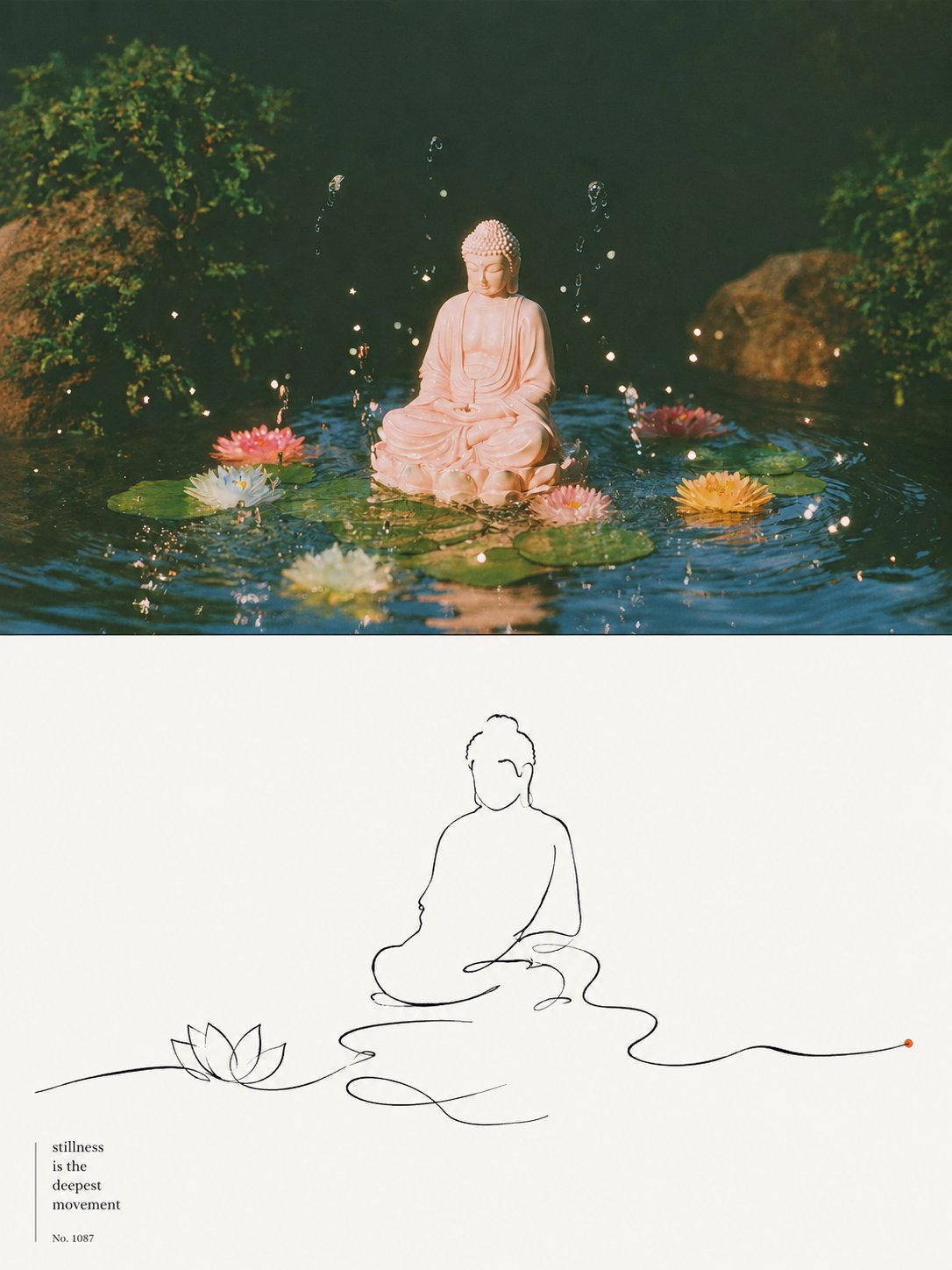
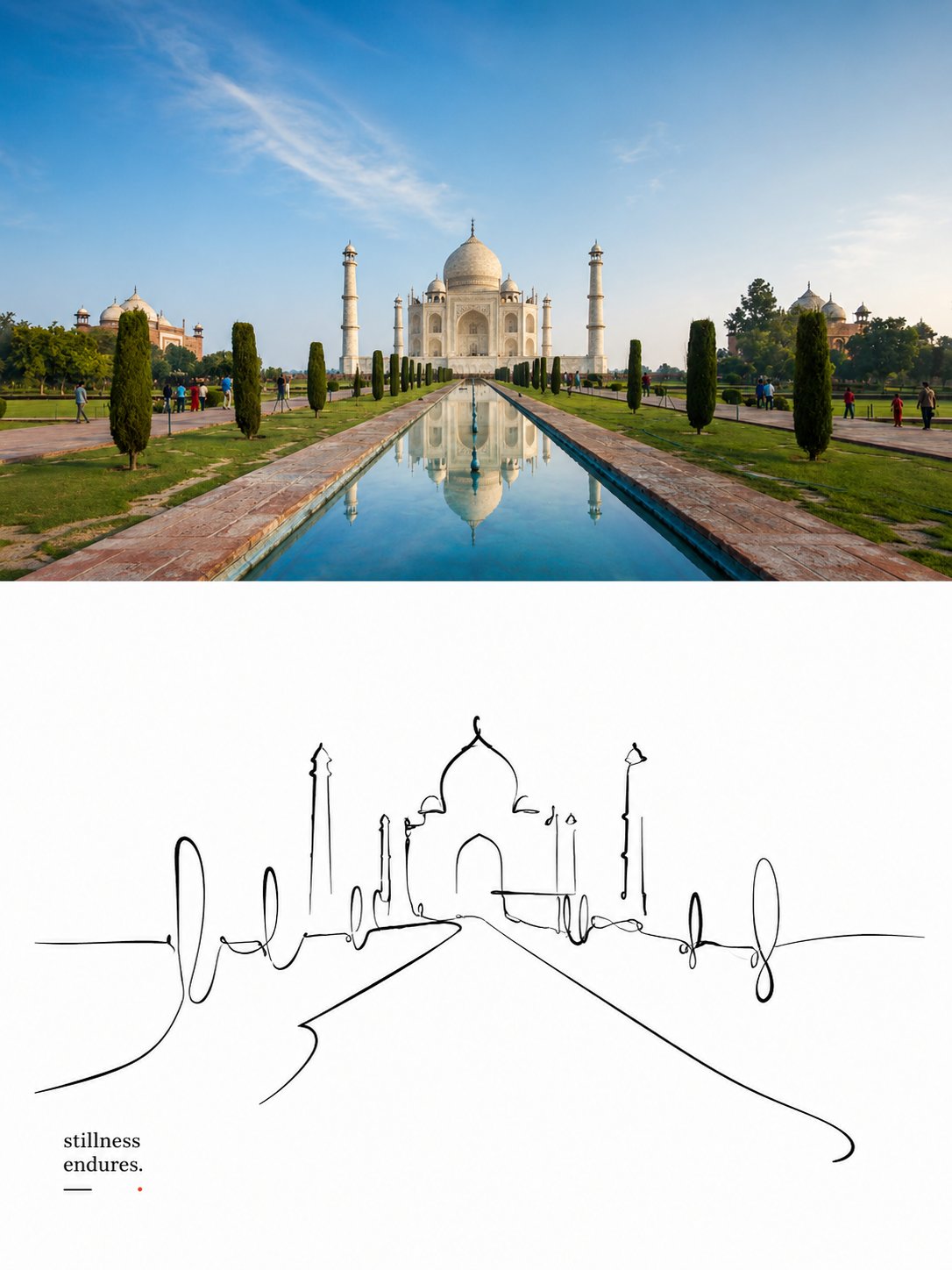
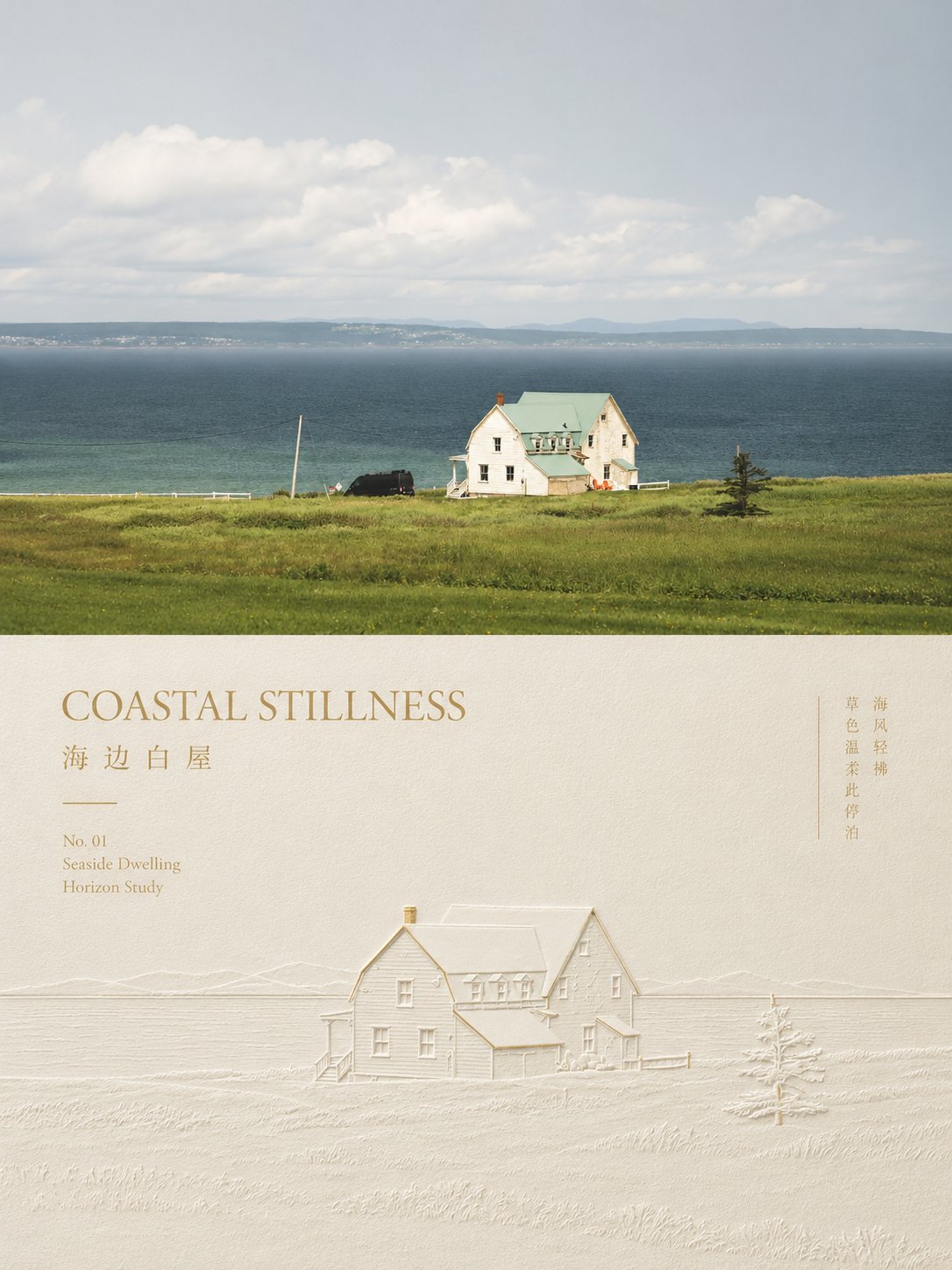
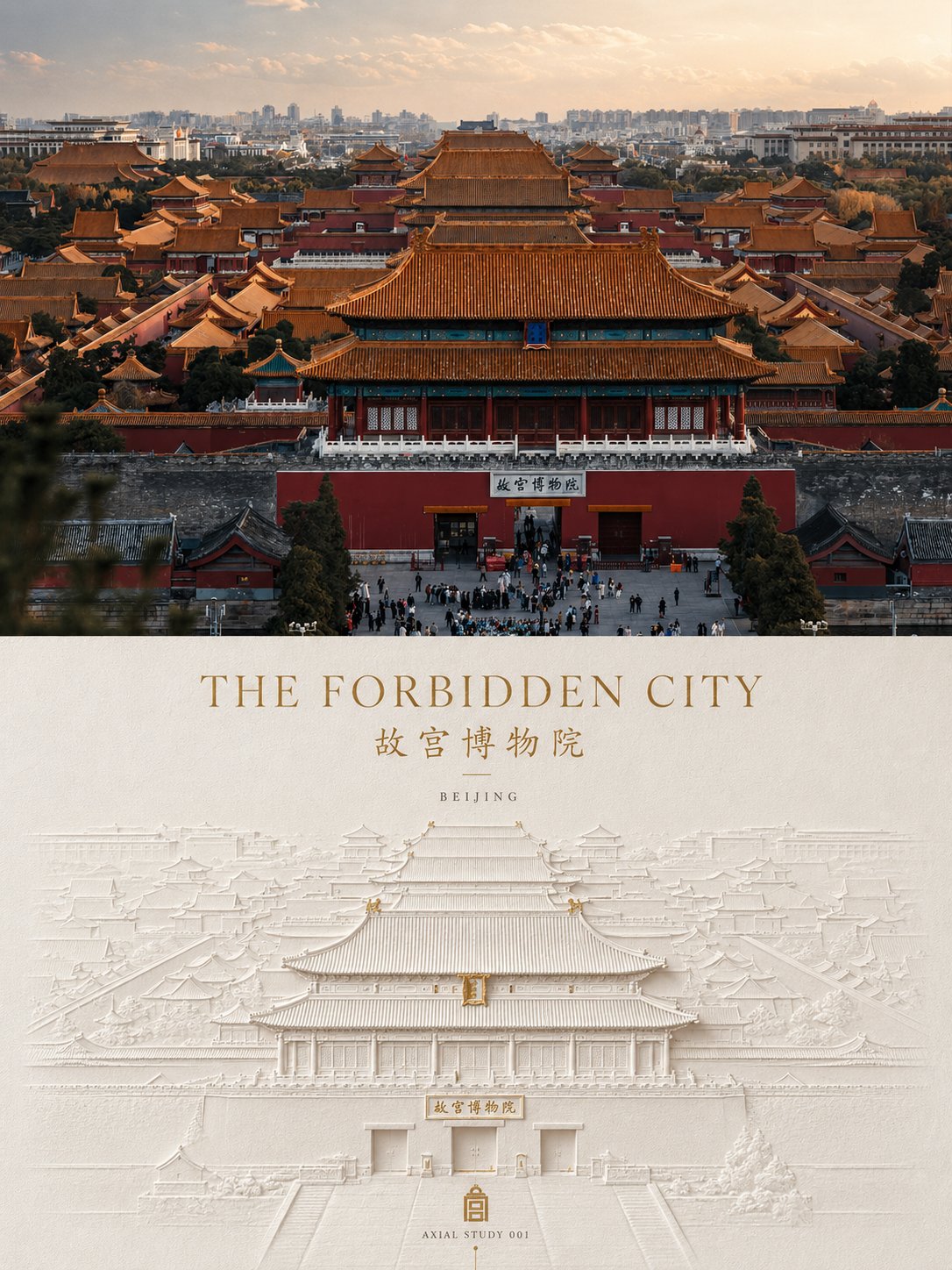
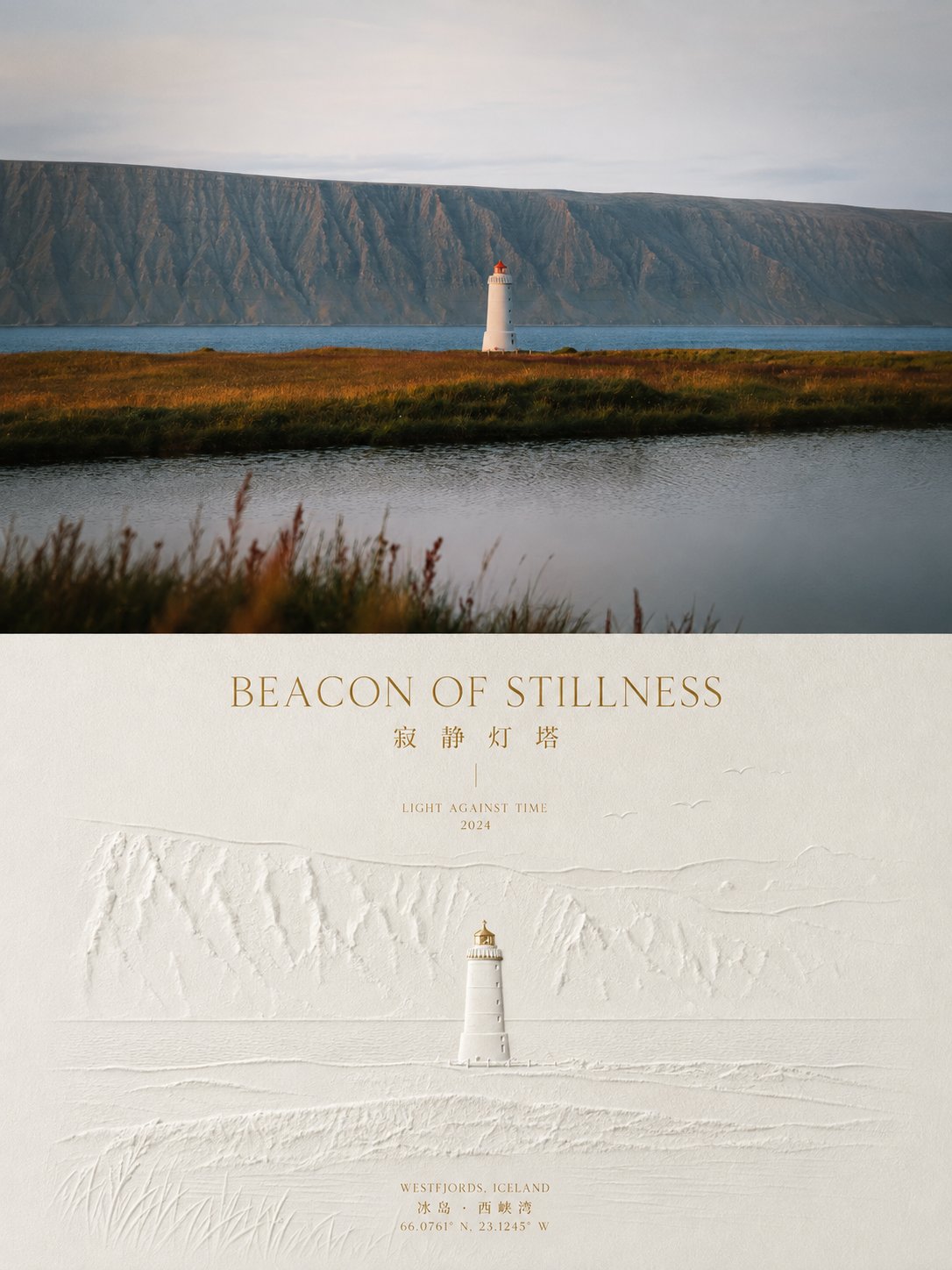
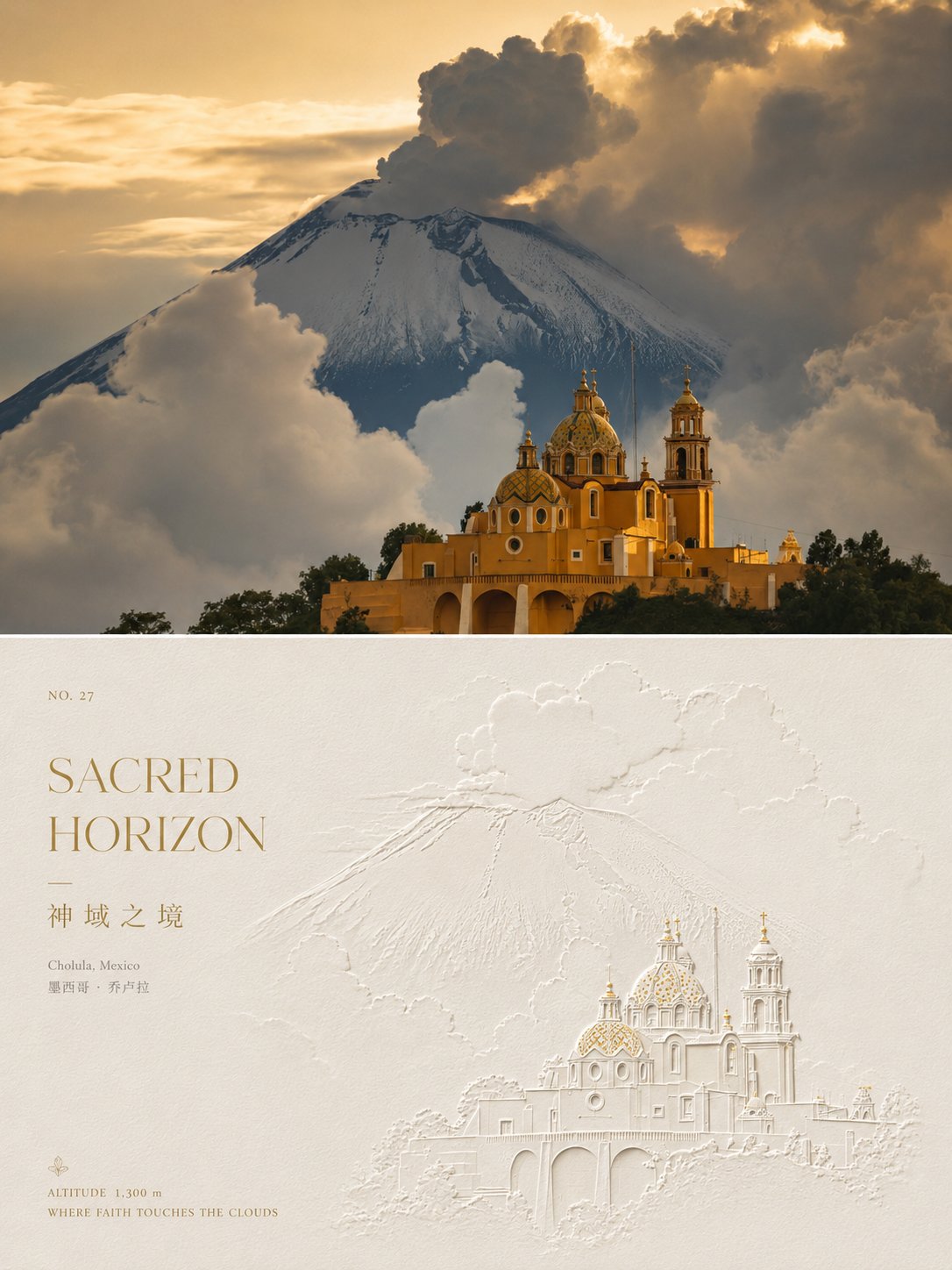
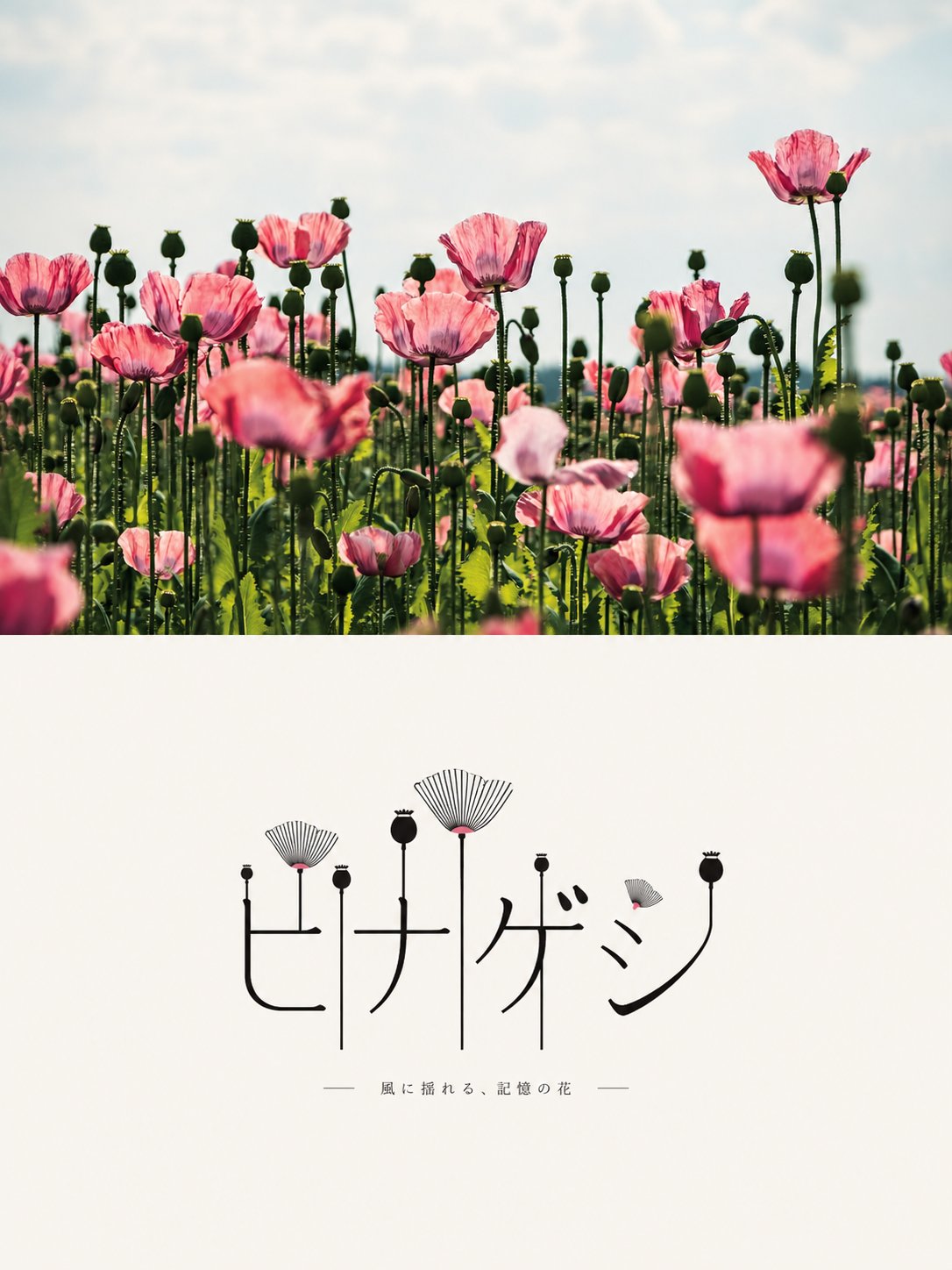
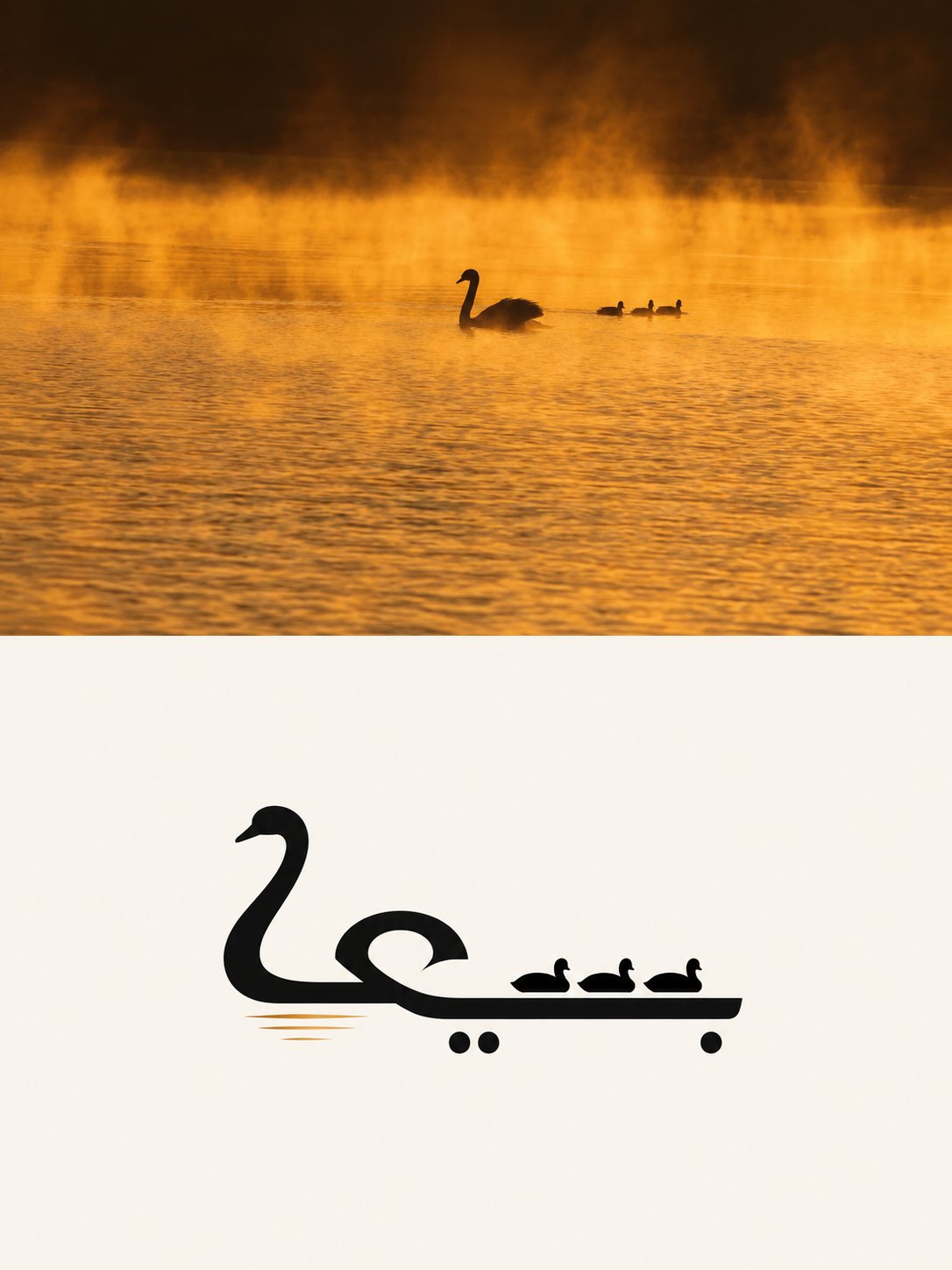
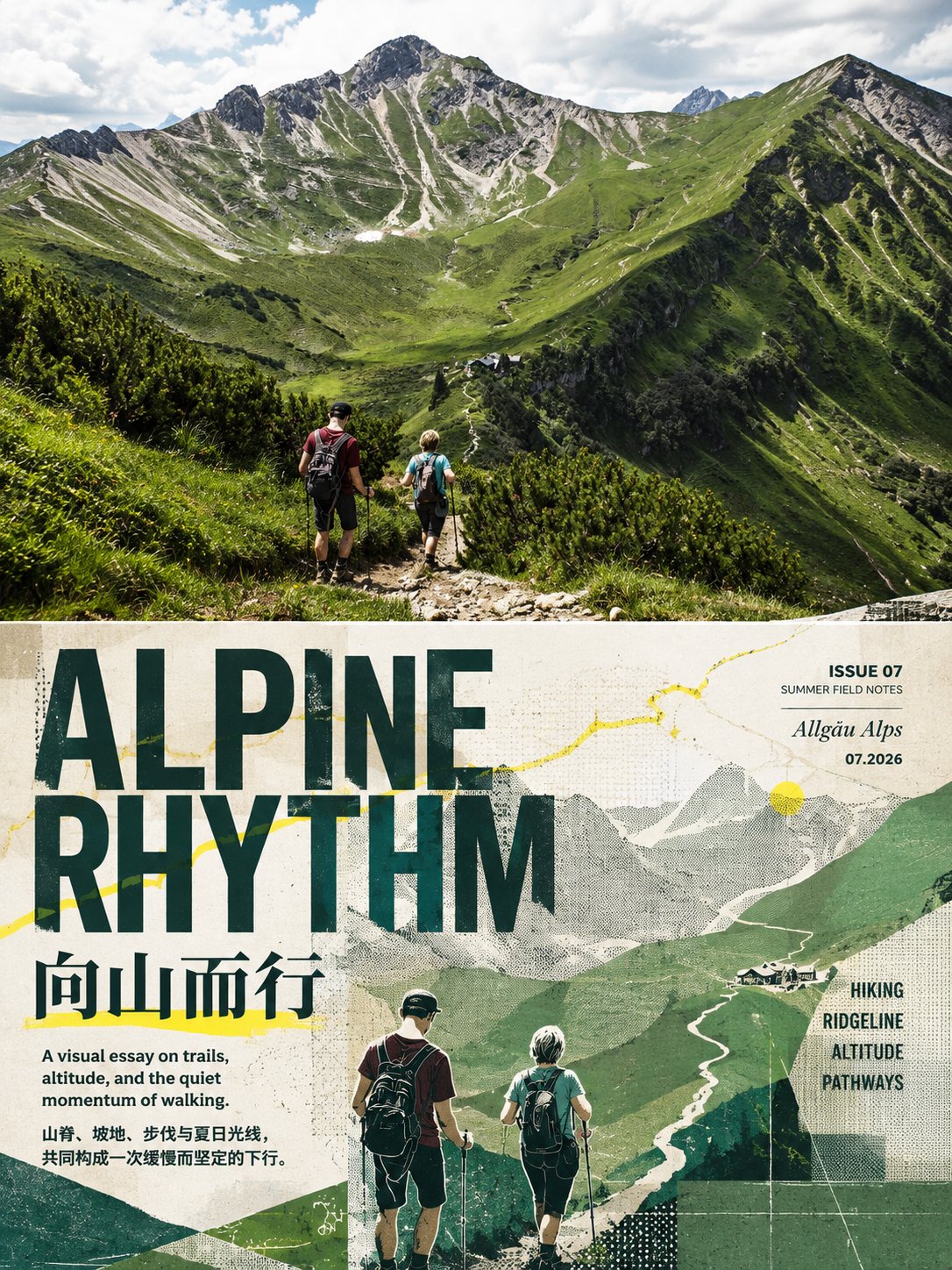
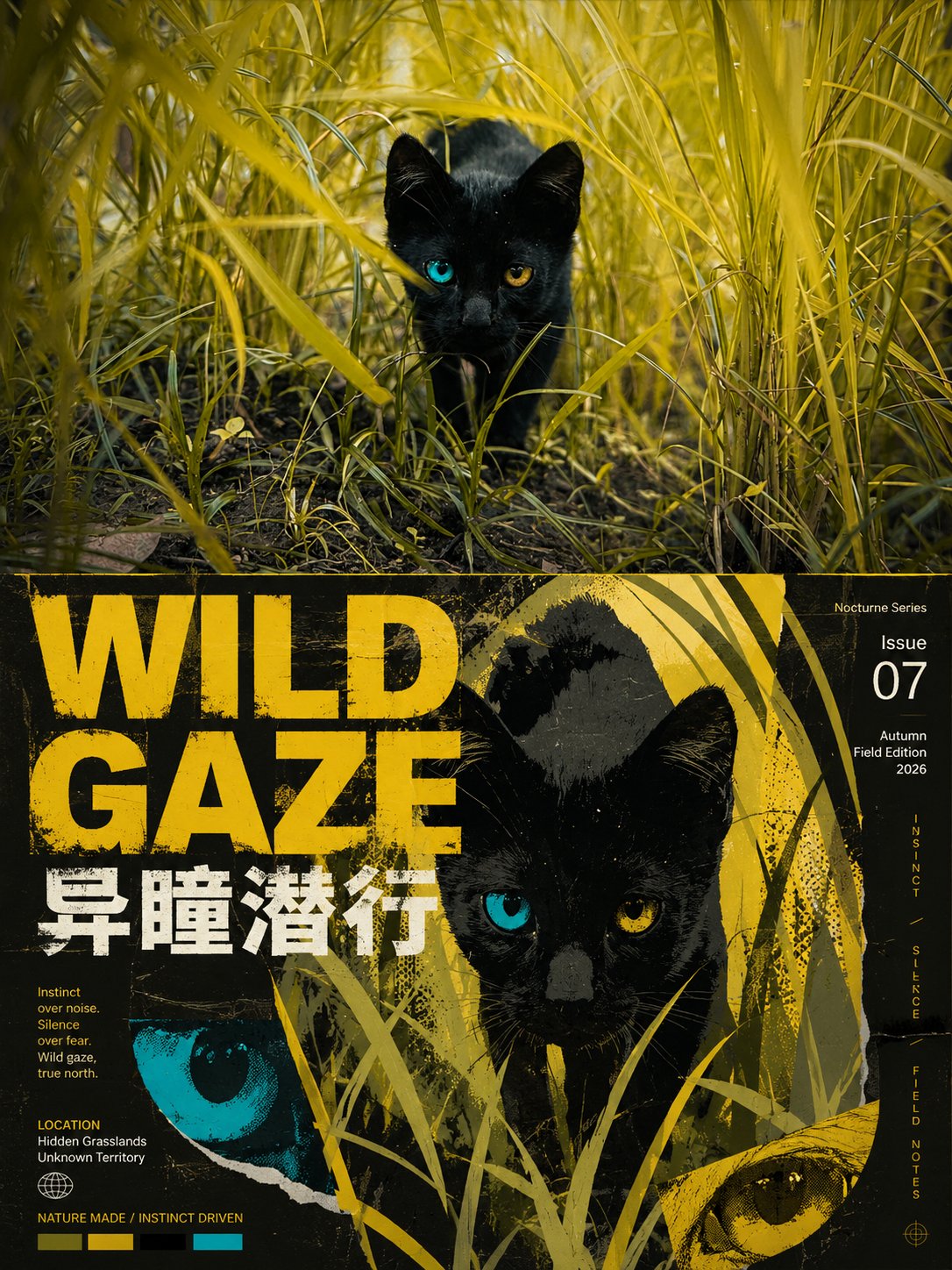
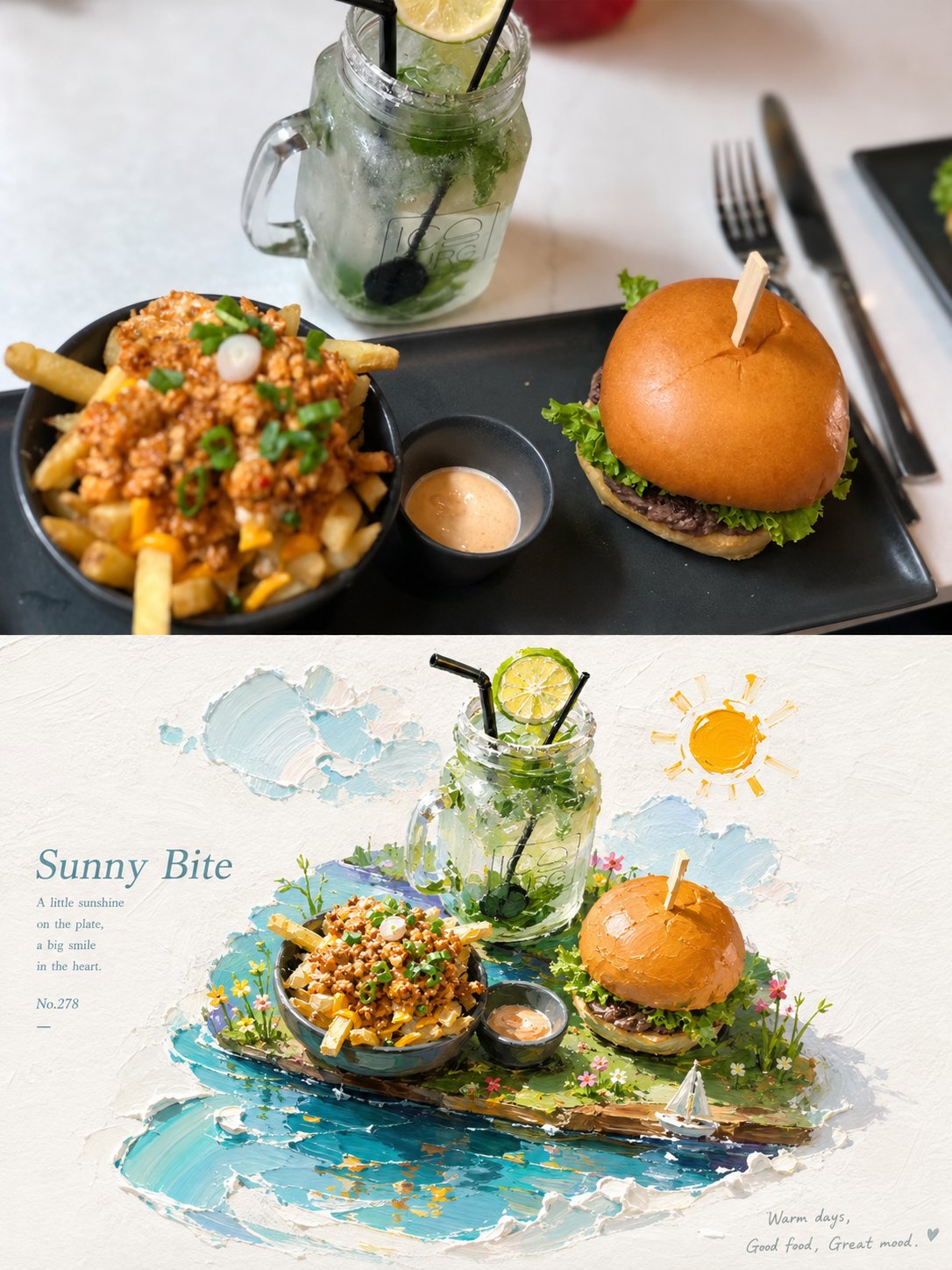
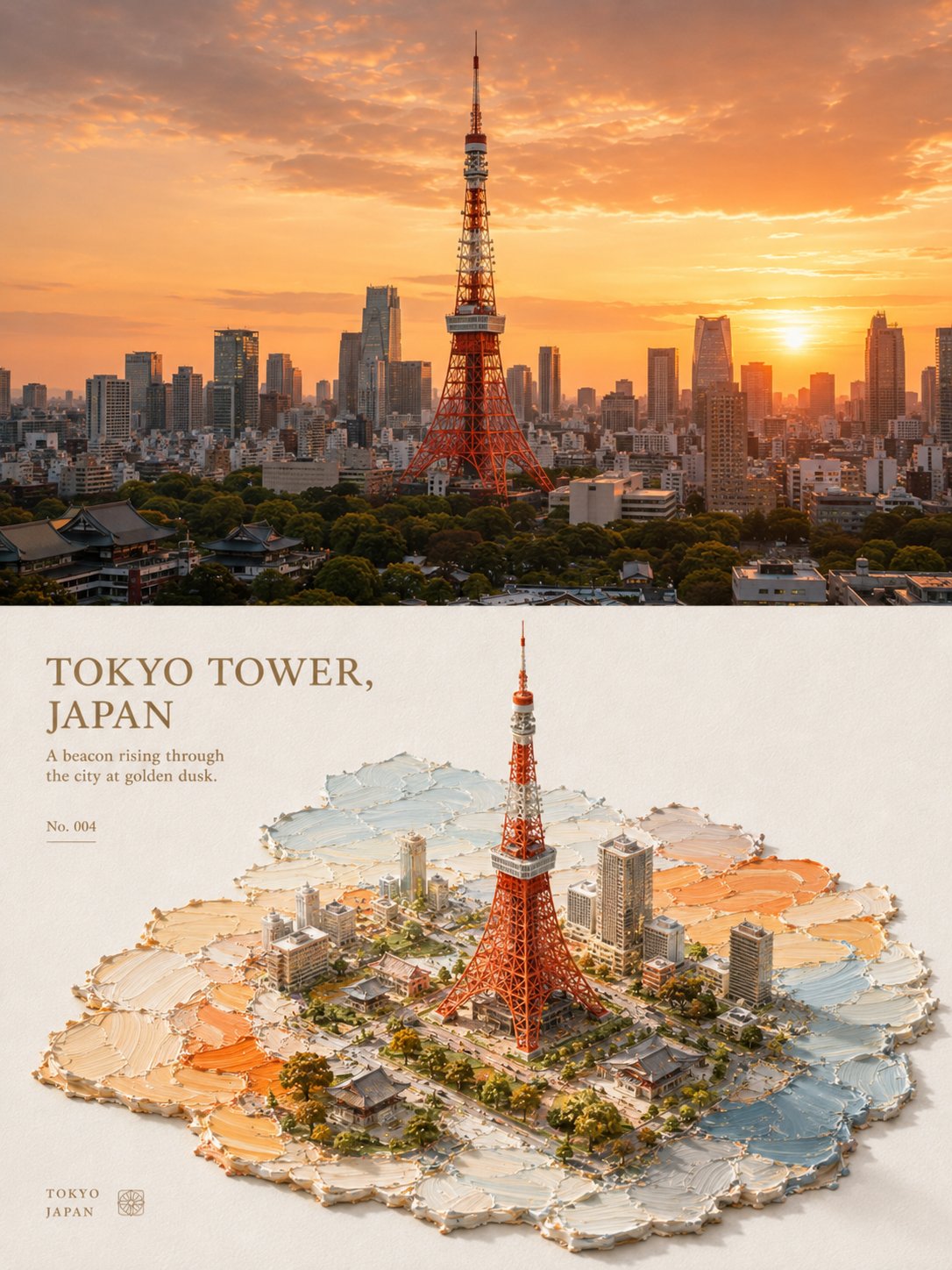
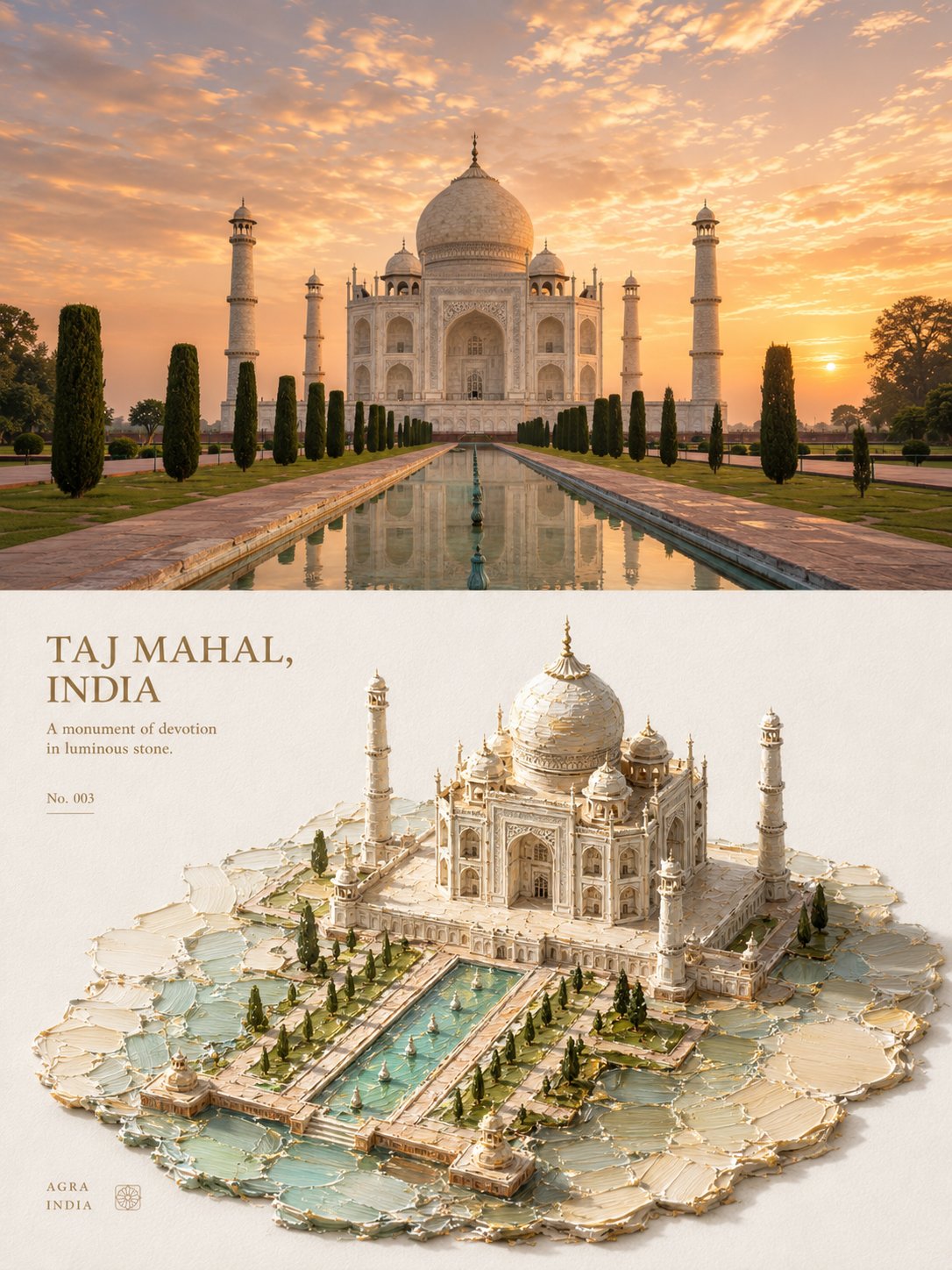
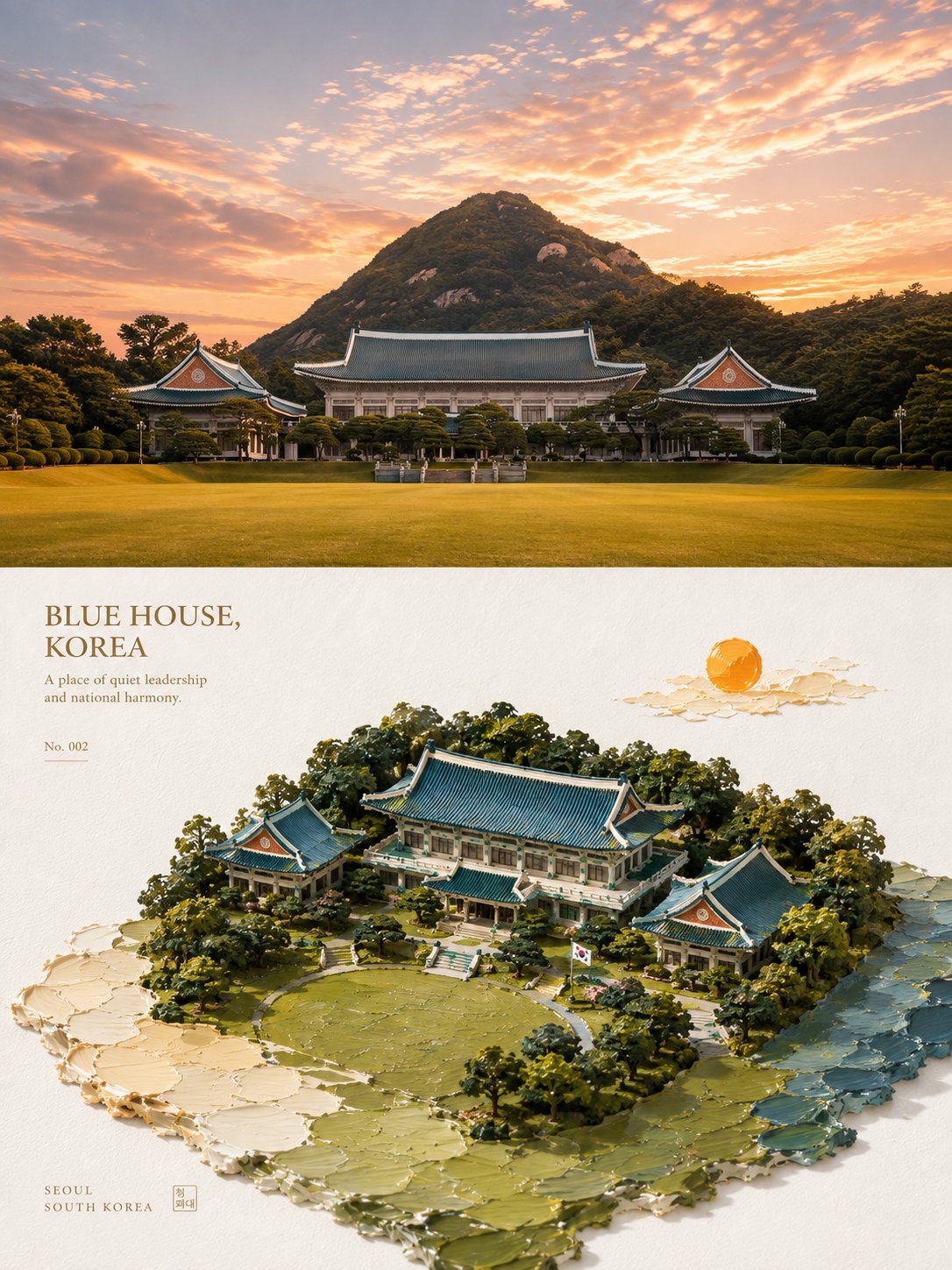
 1 / 4
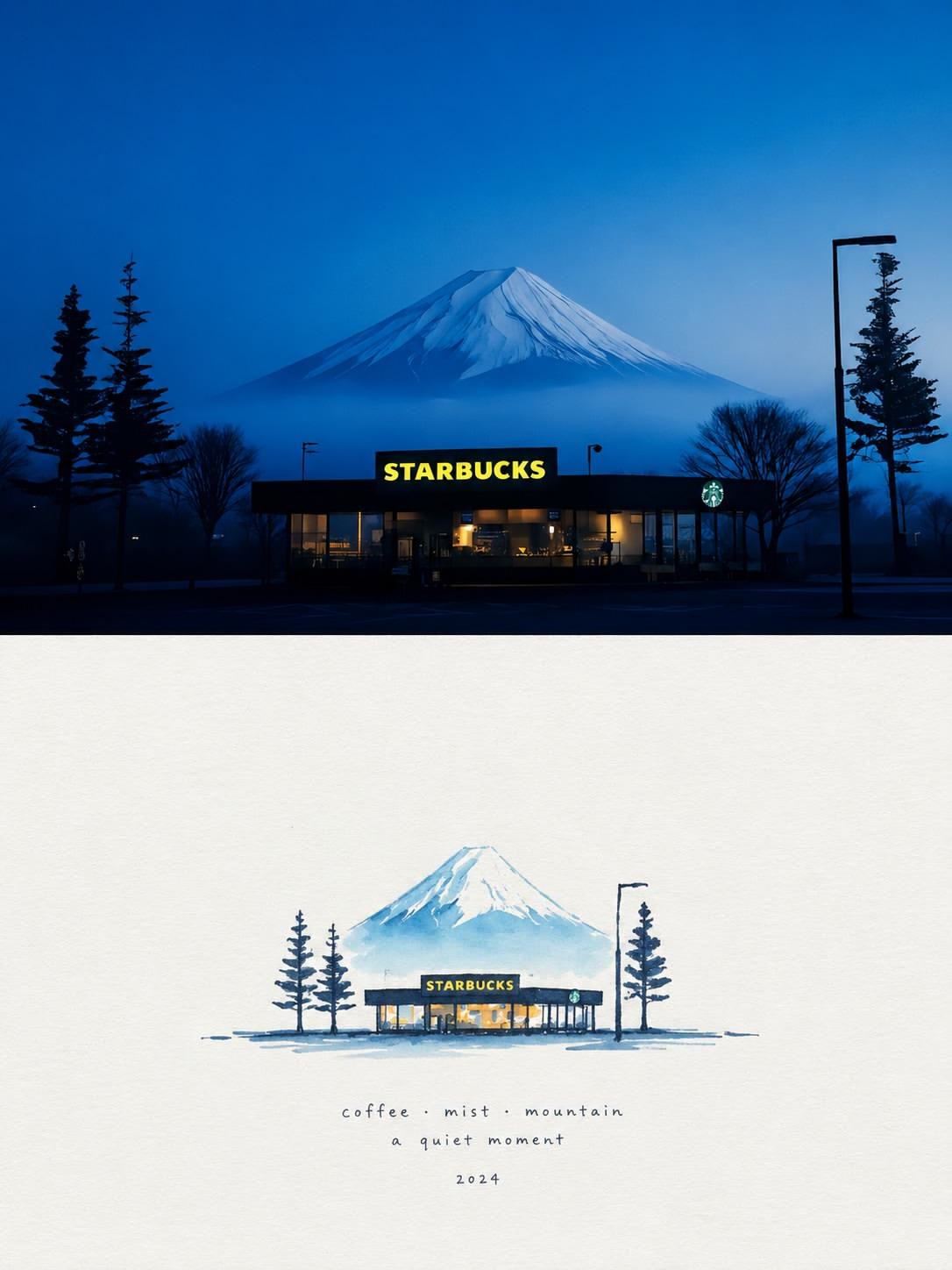
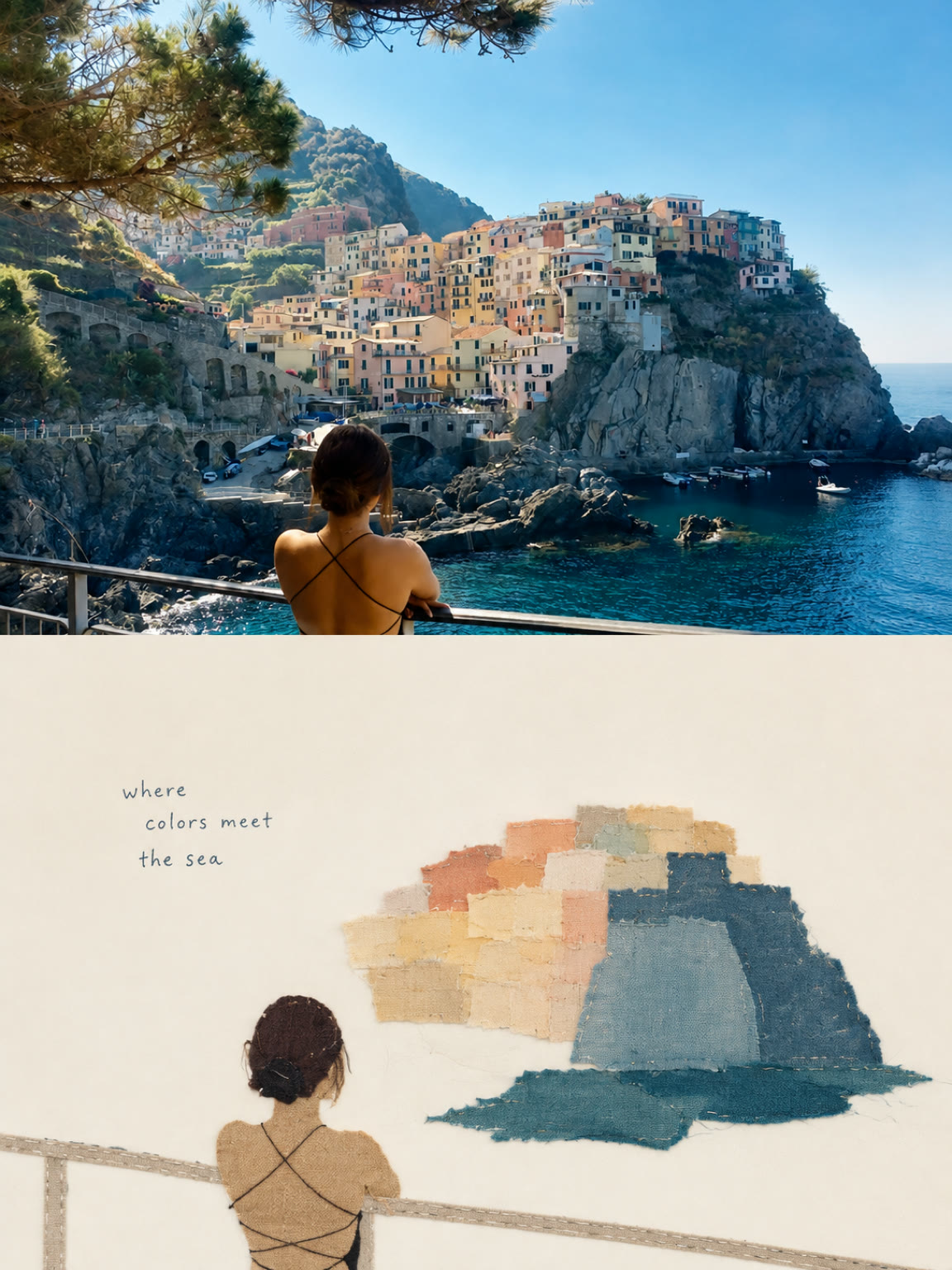
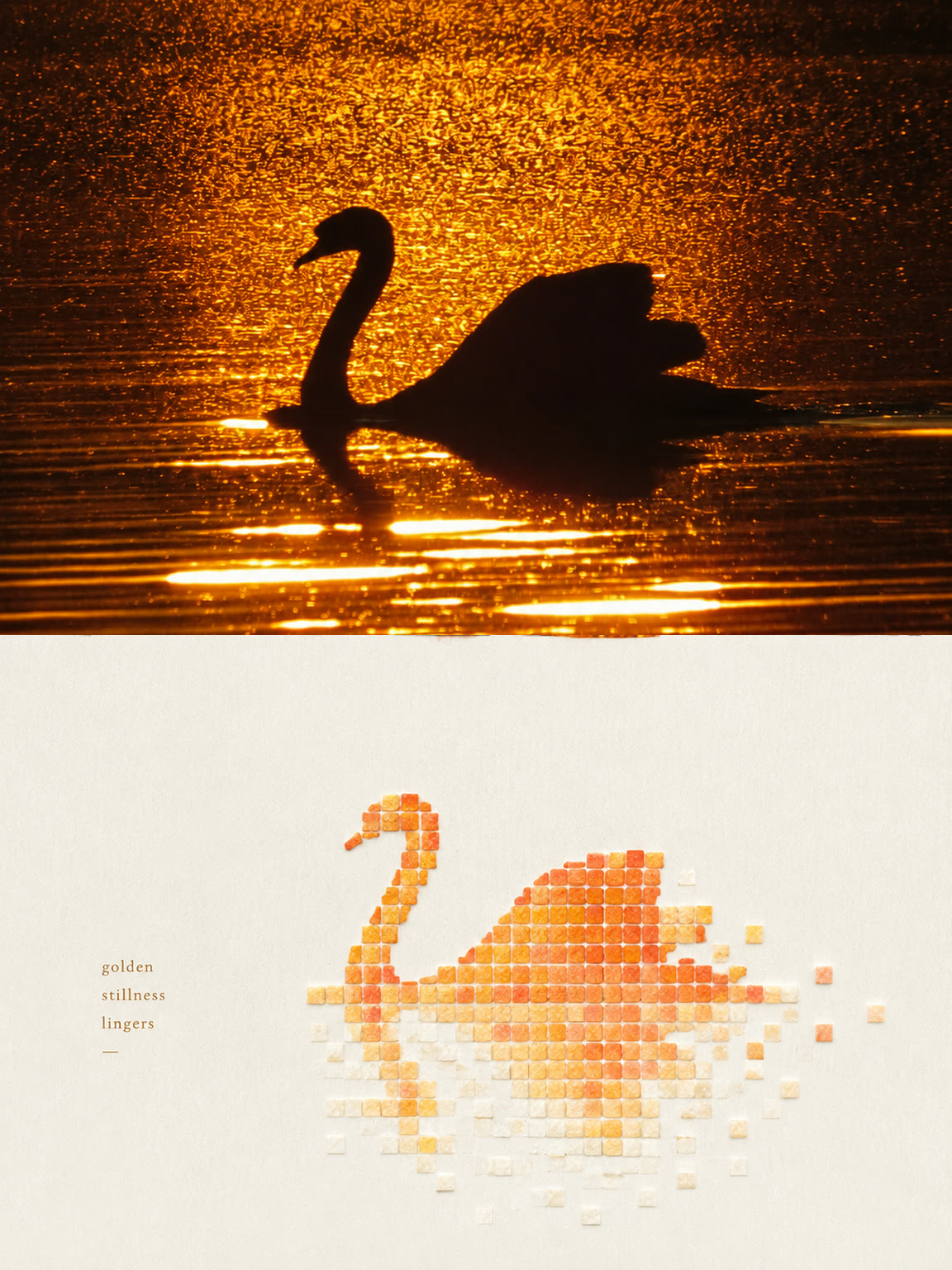
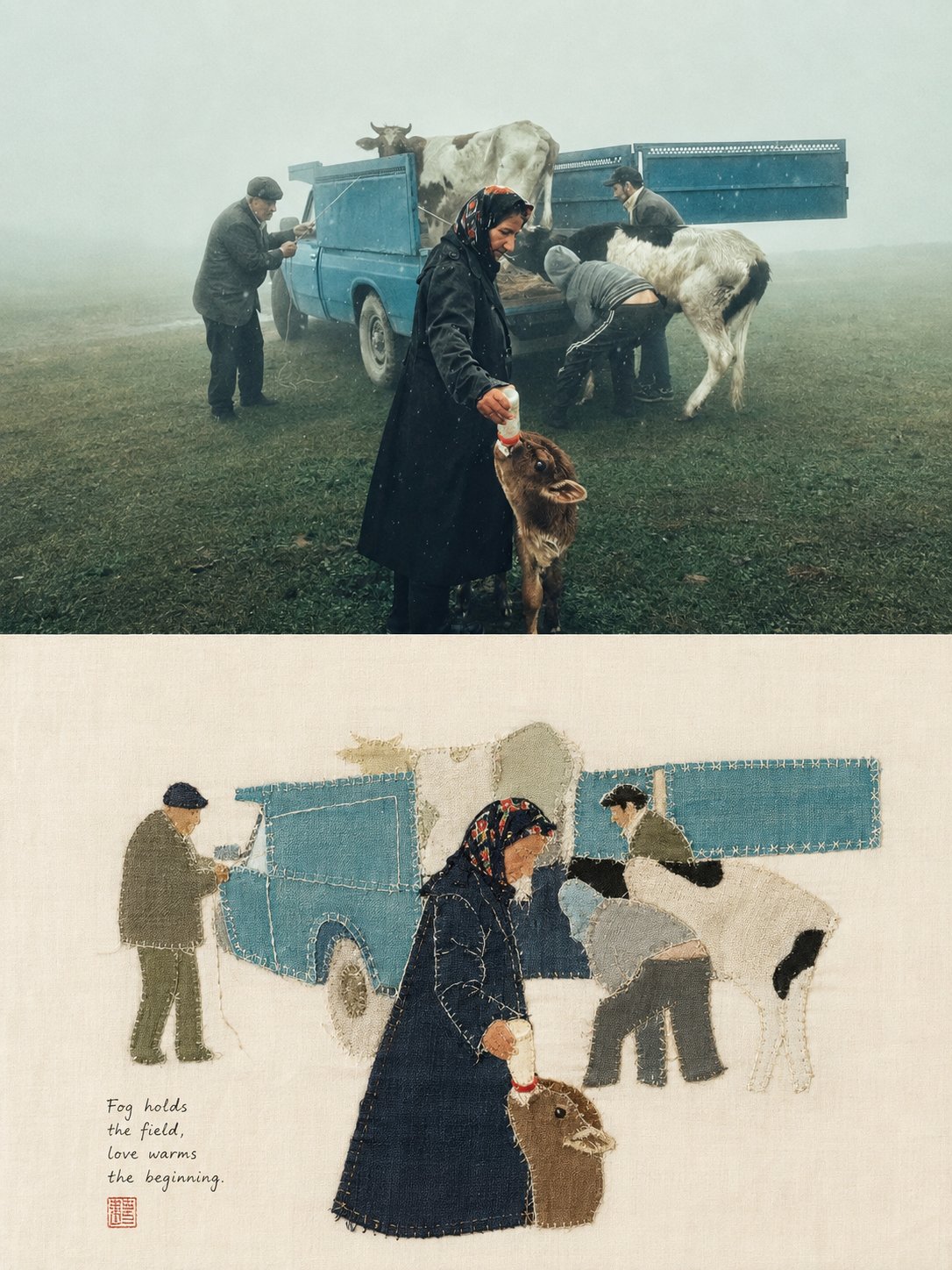
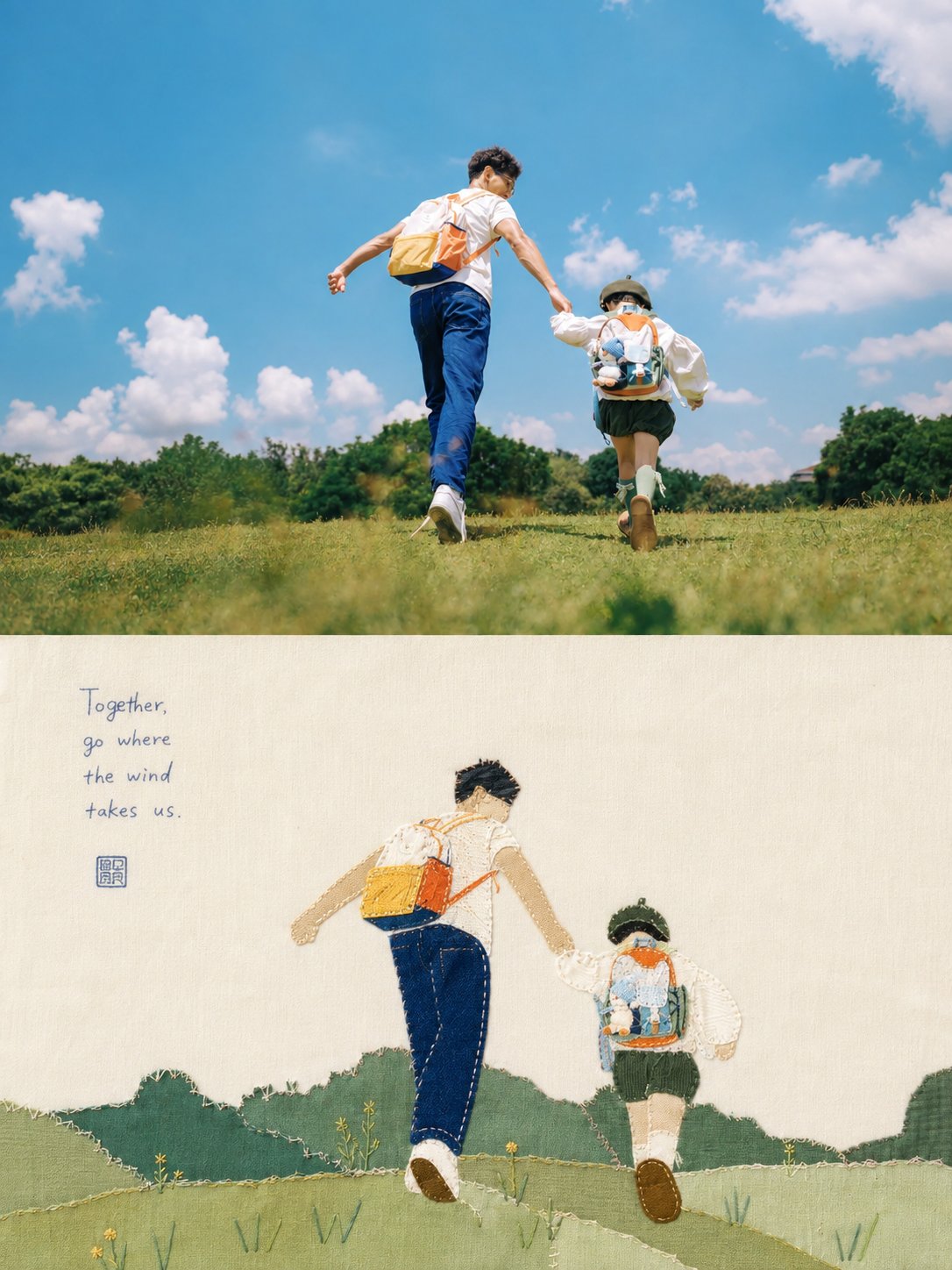
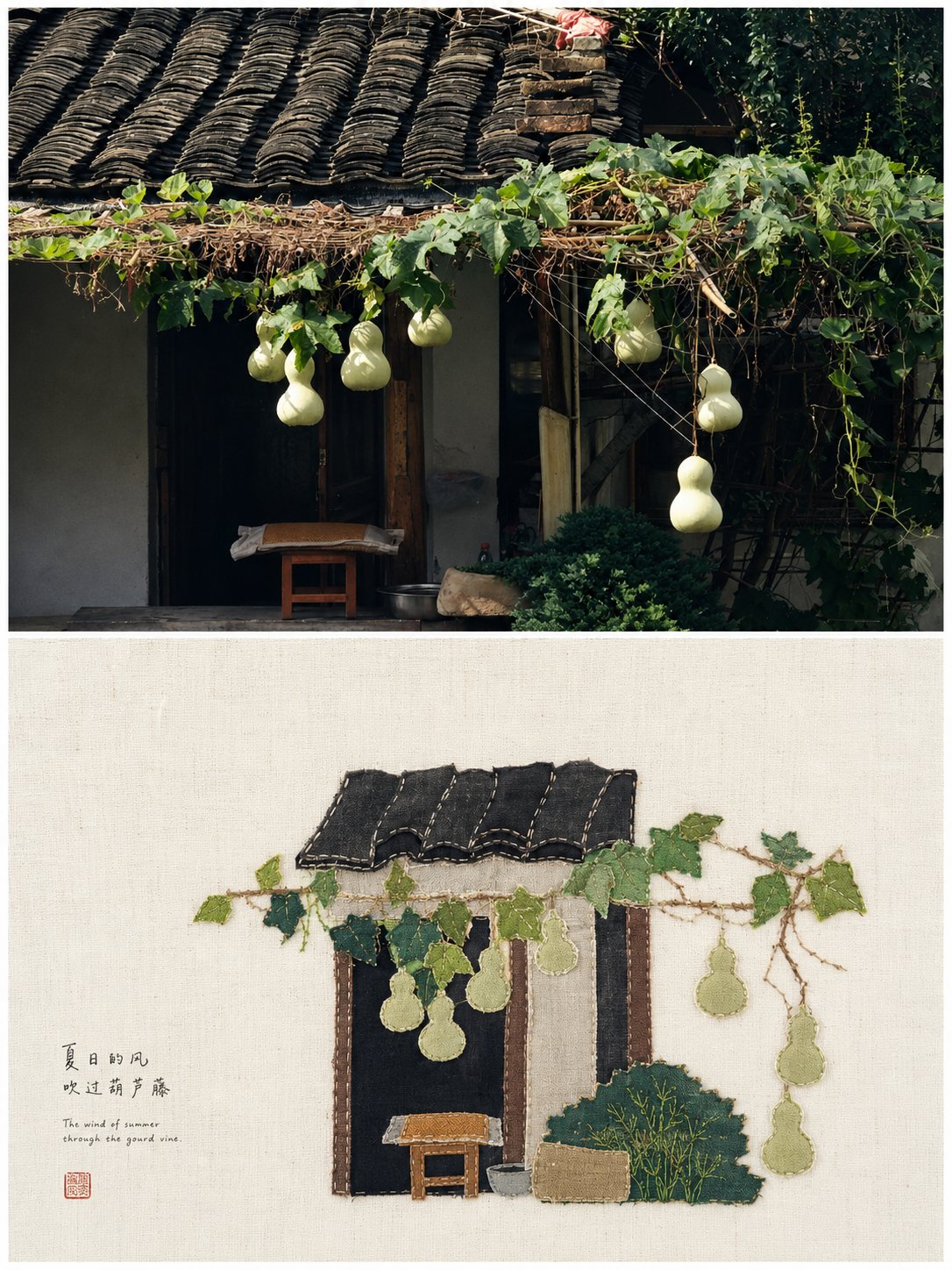
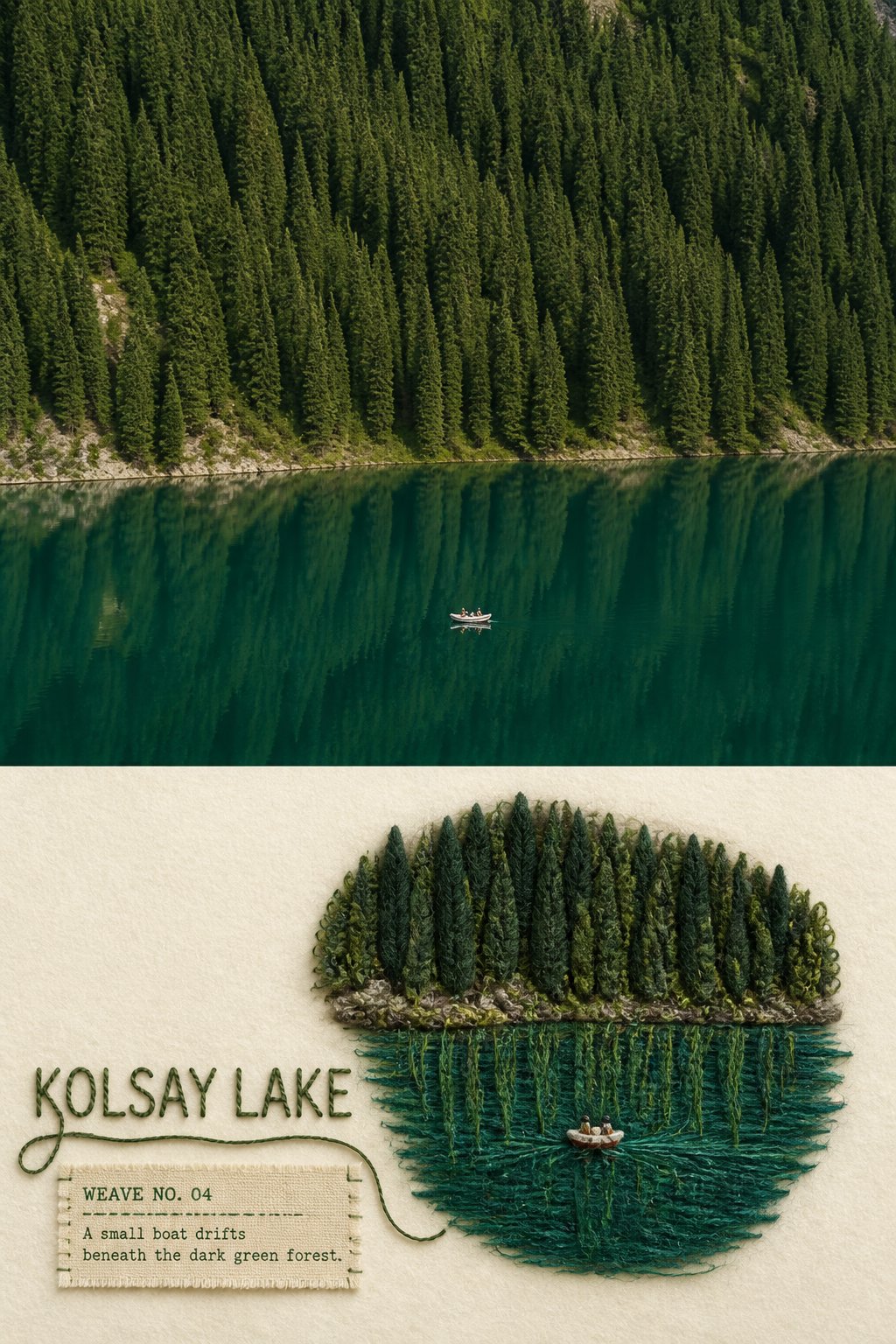
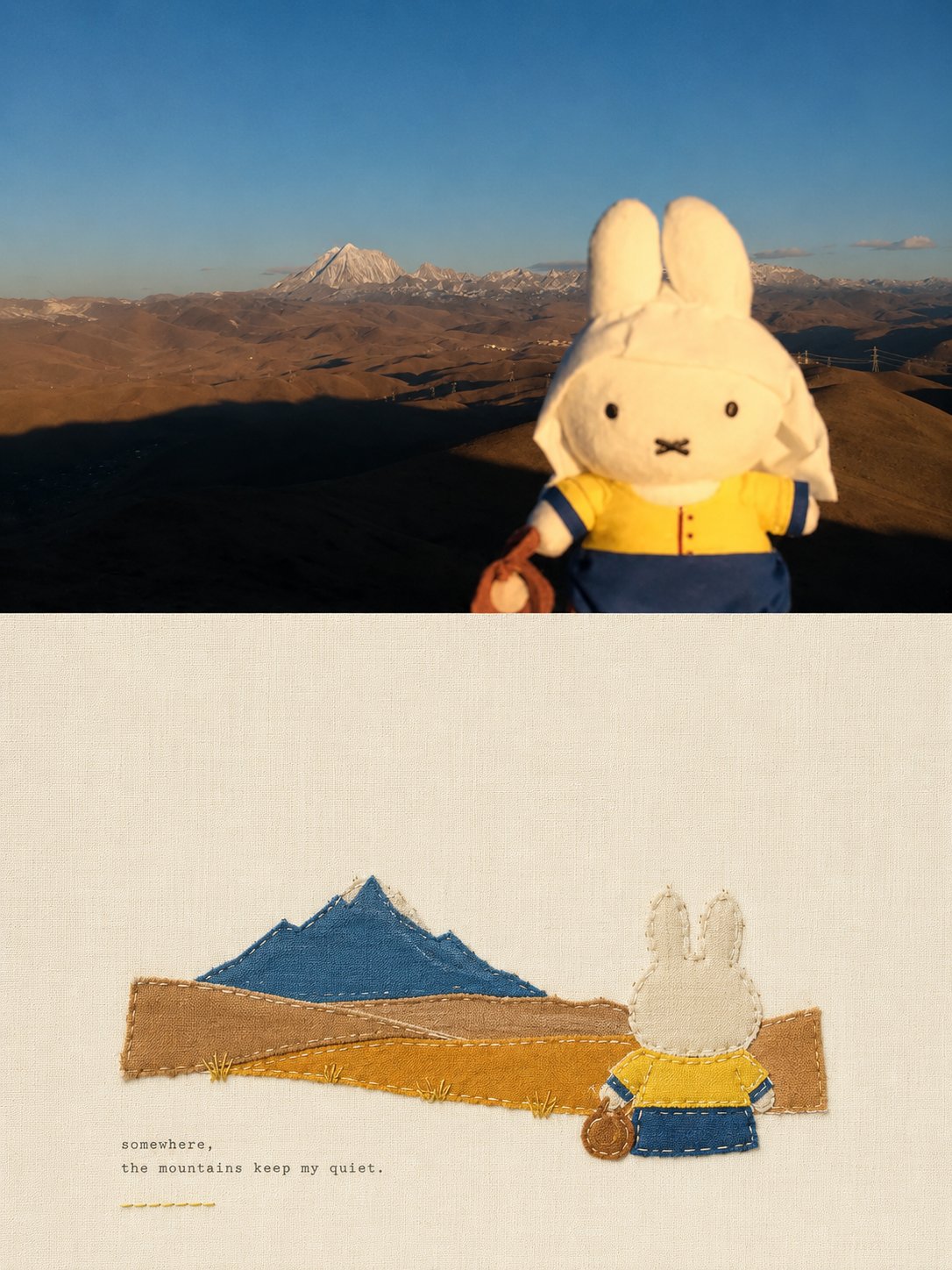
1 / 4Stitched fabric collage
GPT Image 2collageminimal
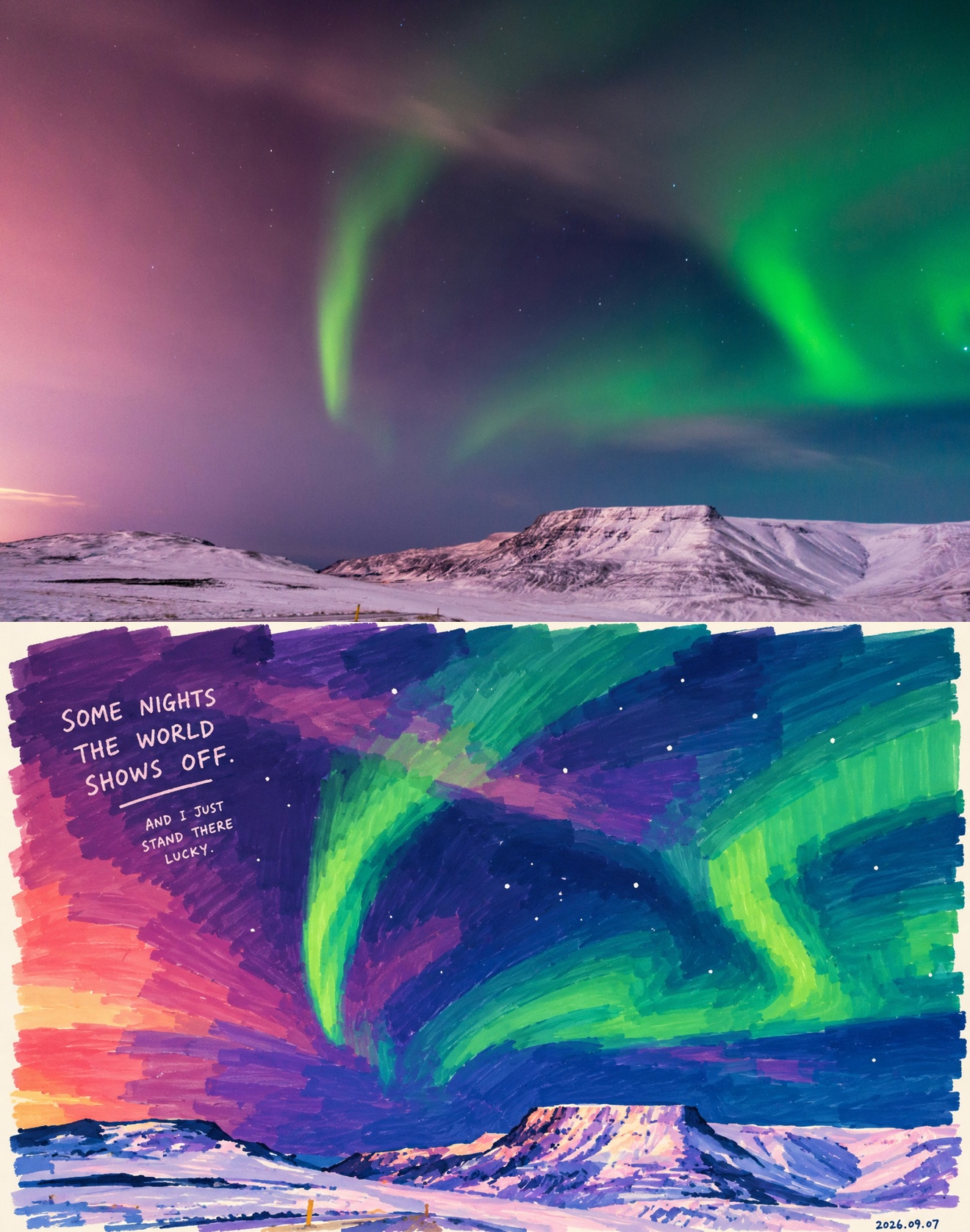
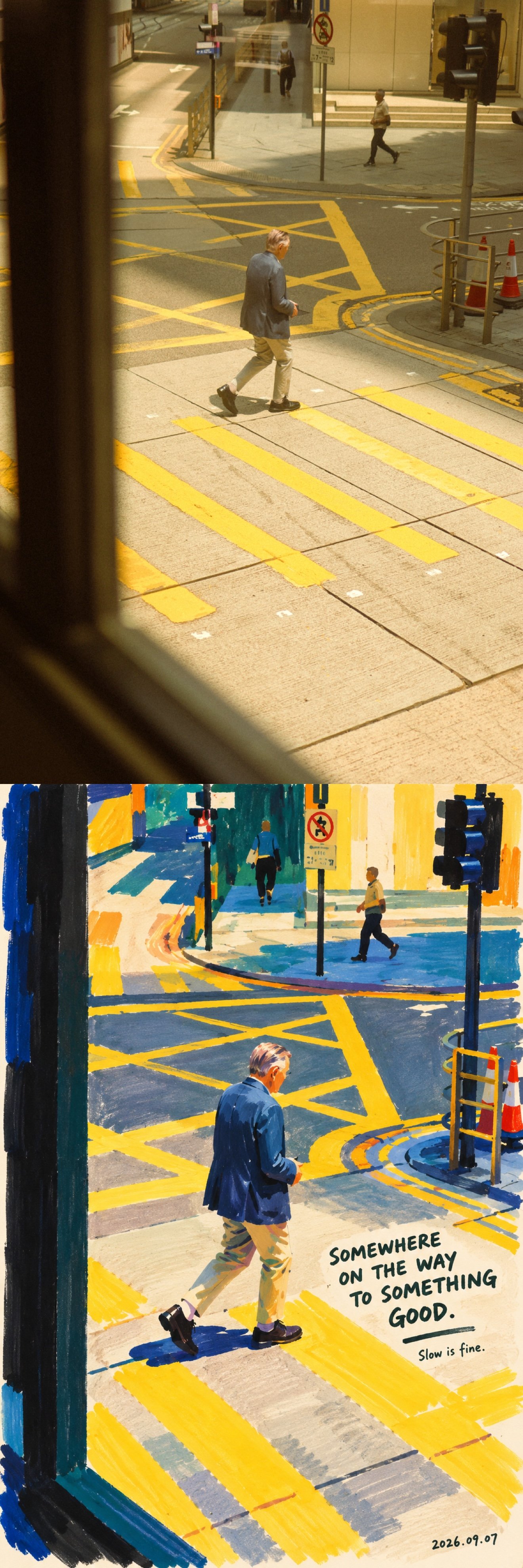
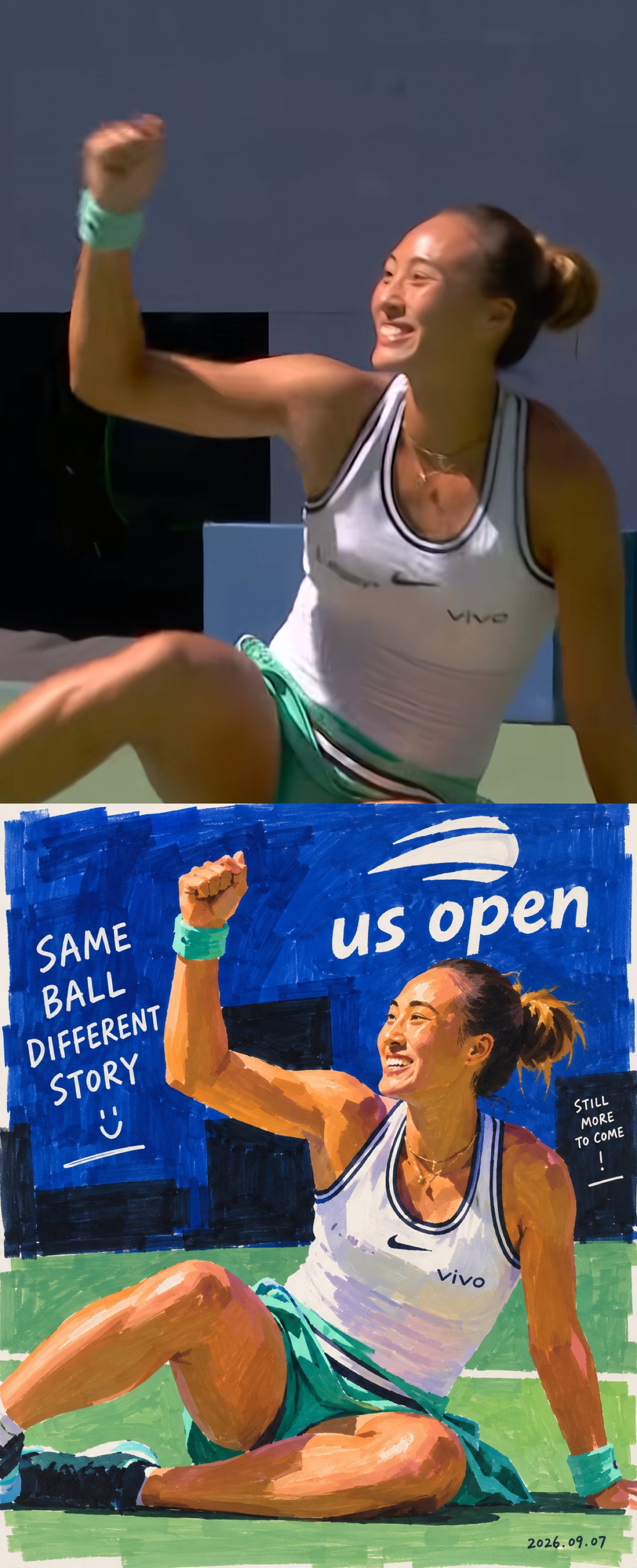
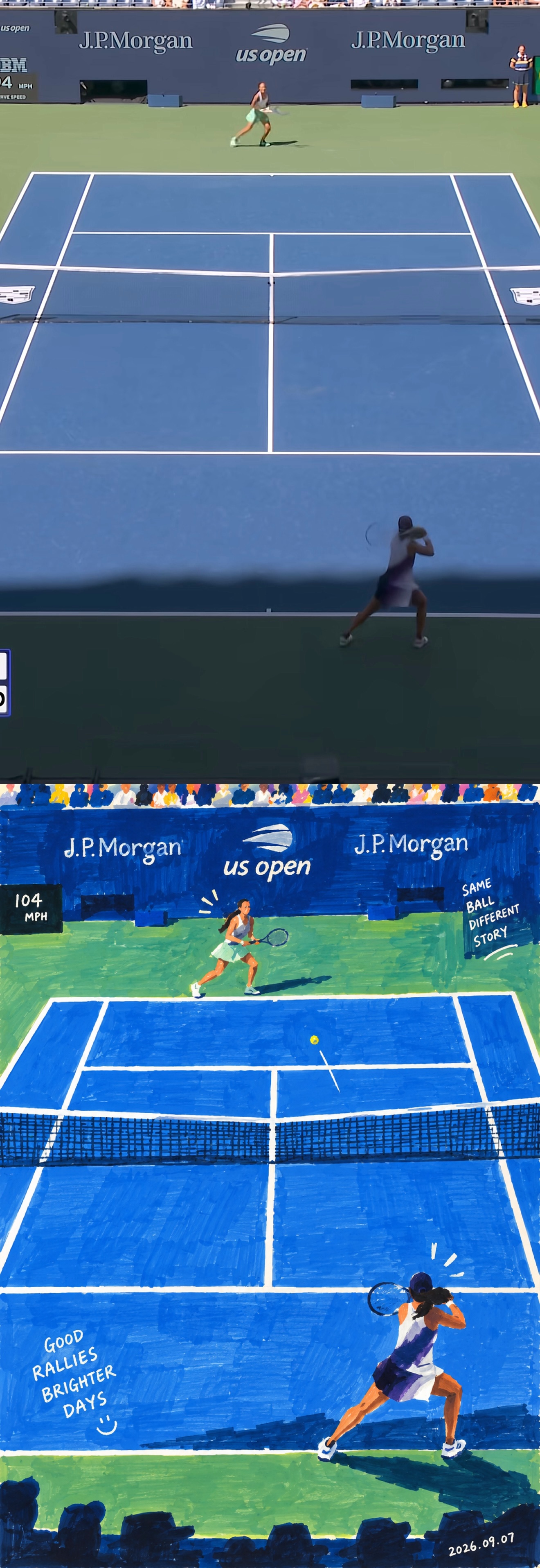
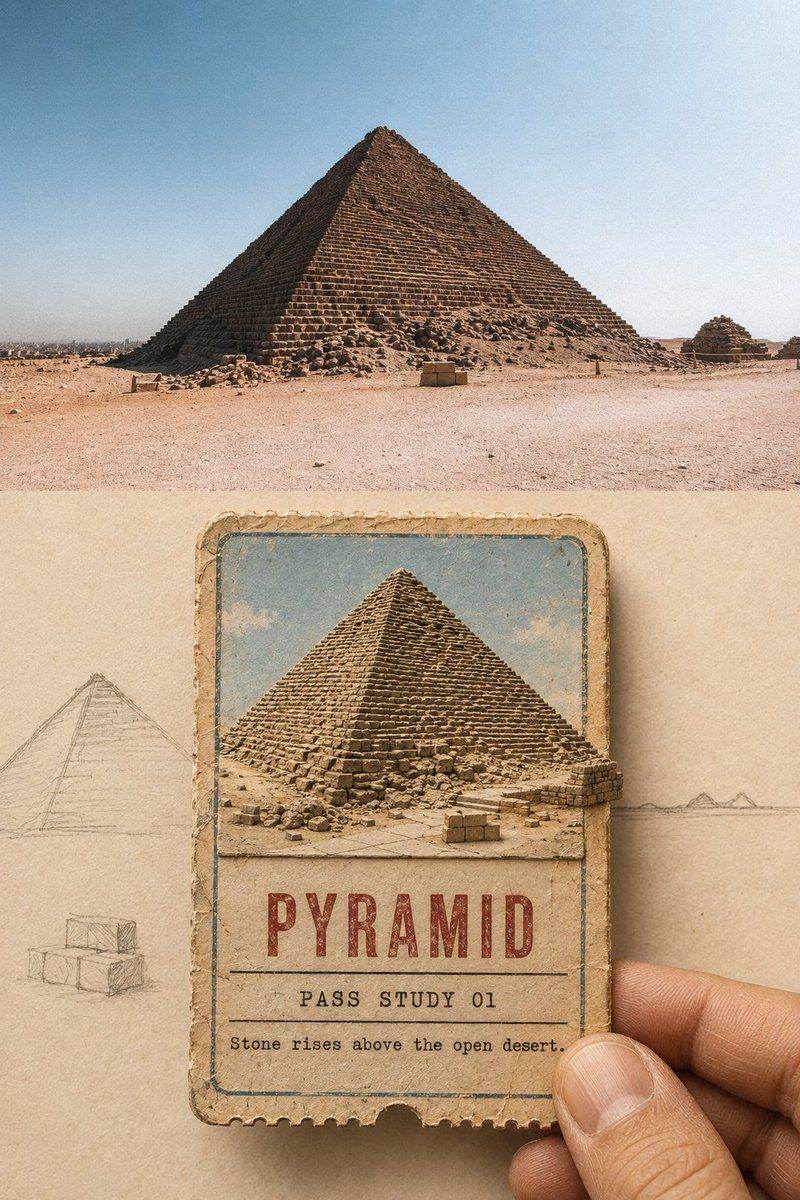
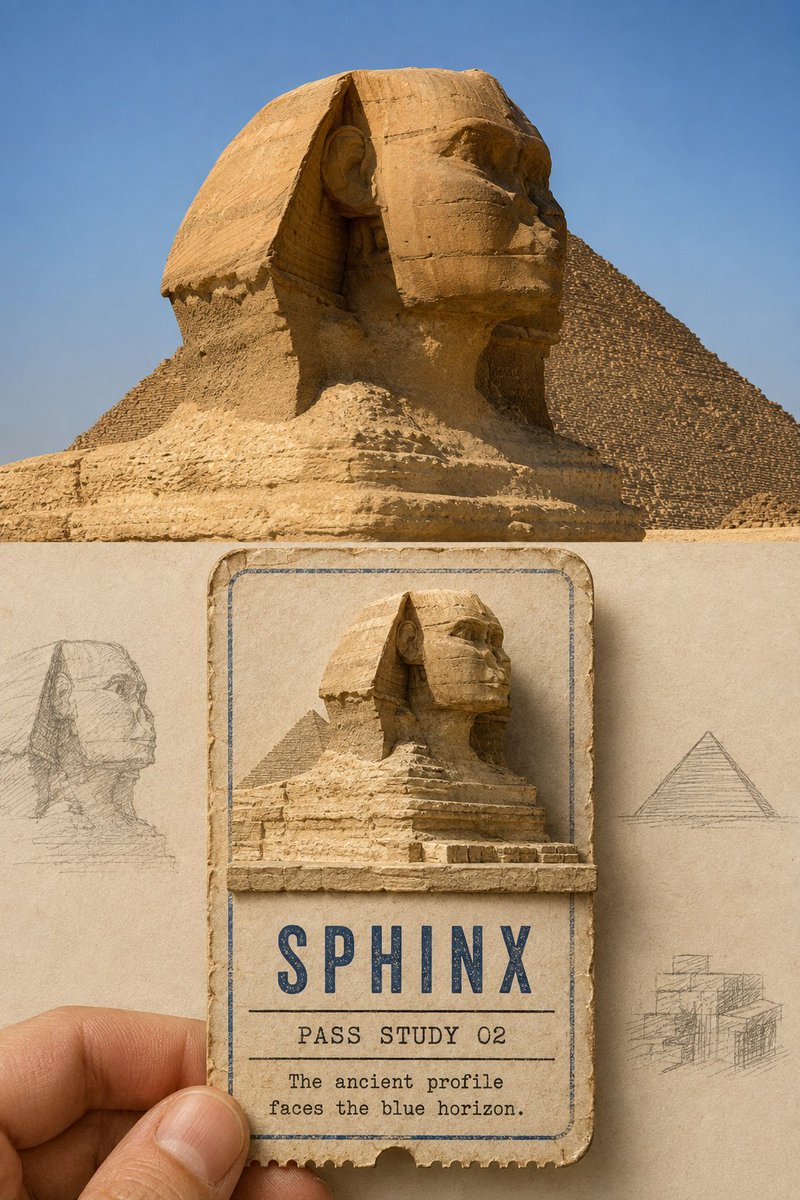
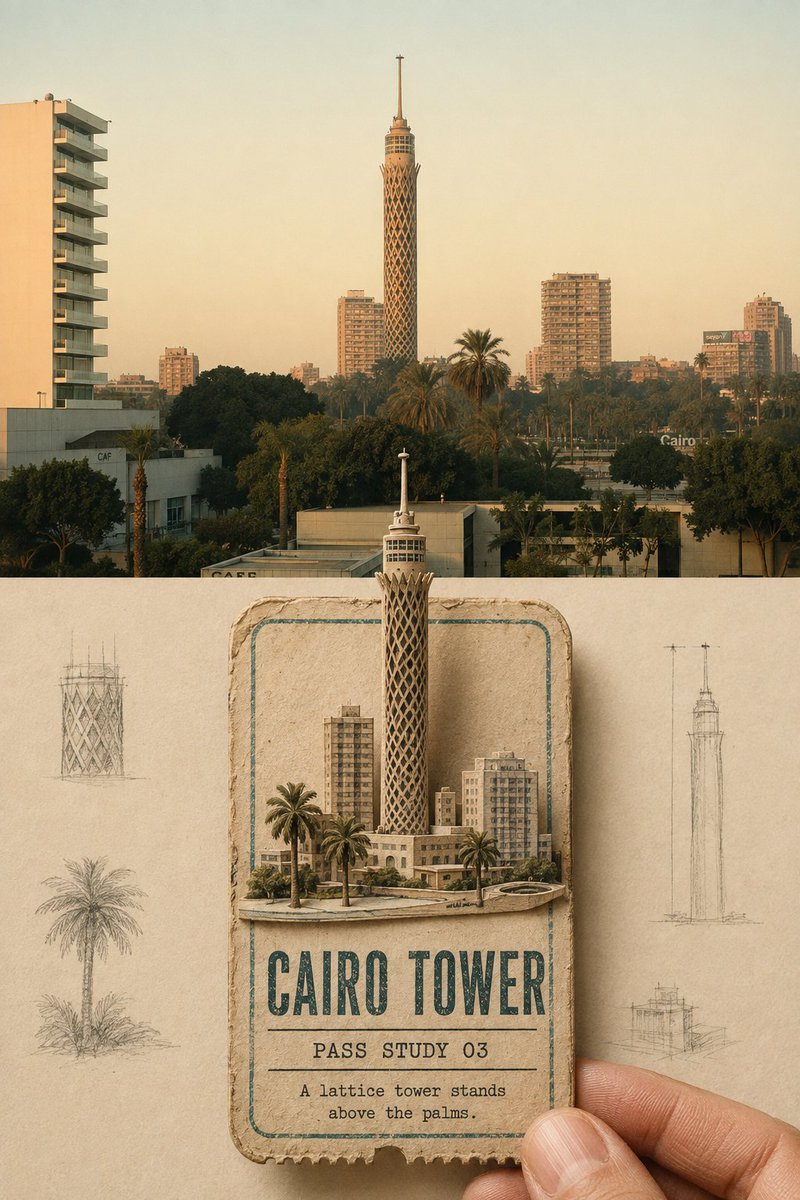
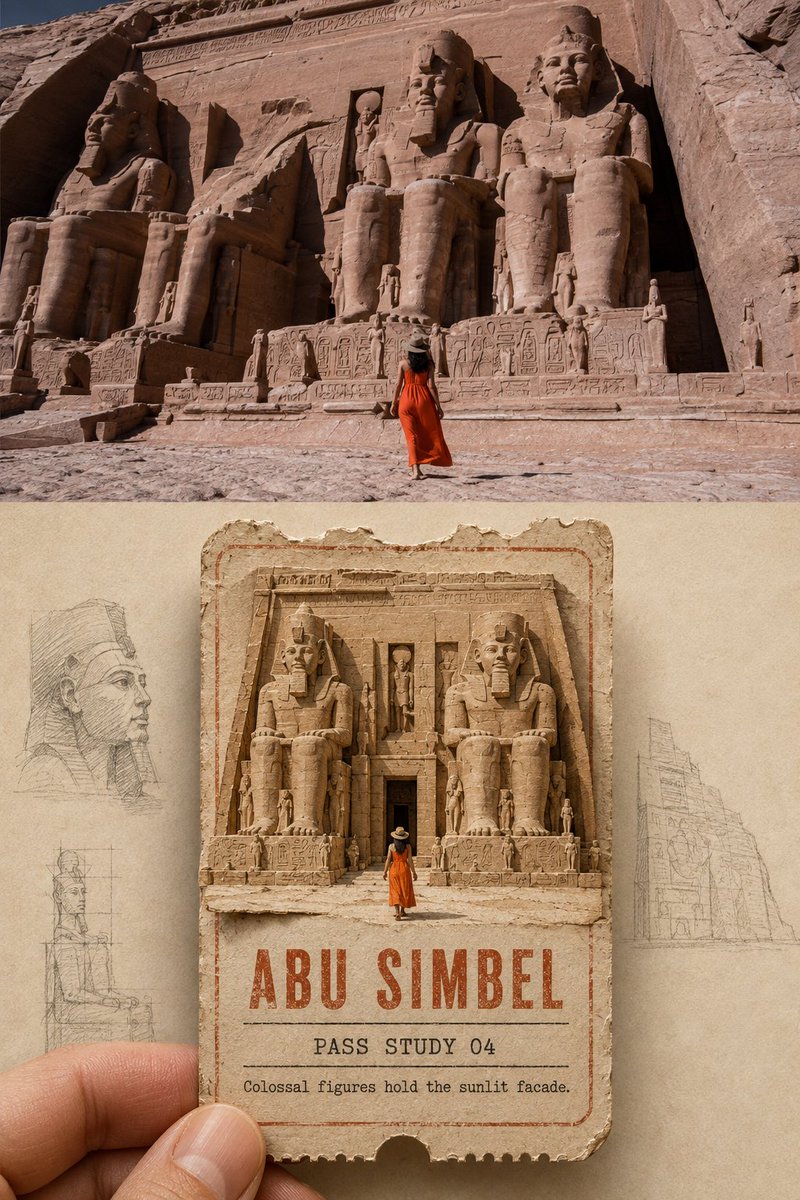
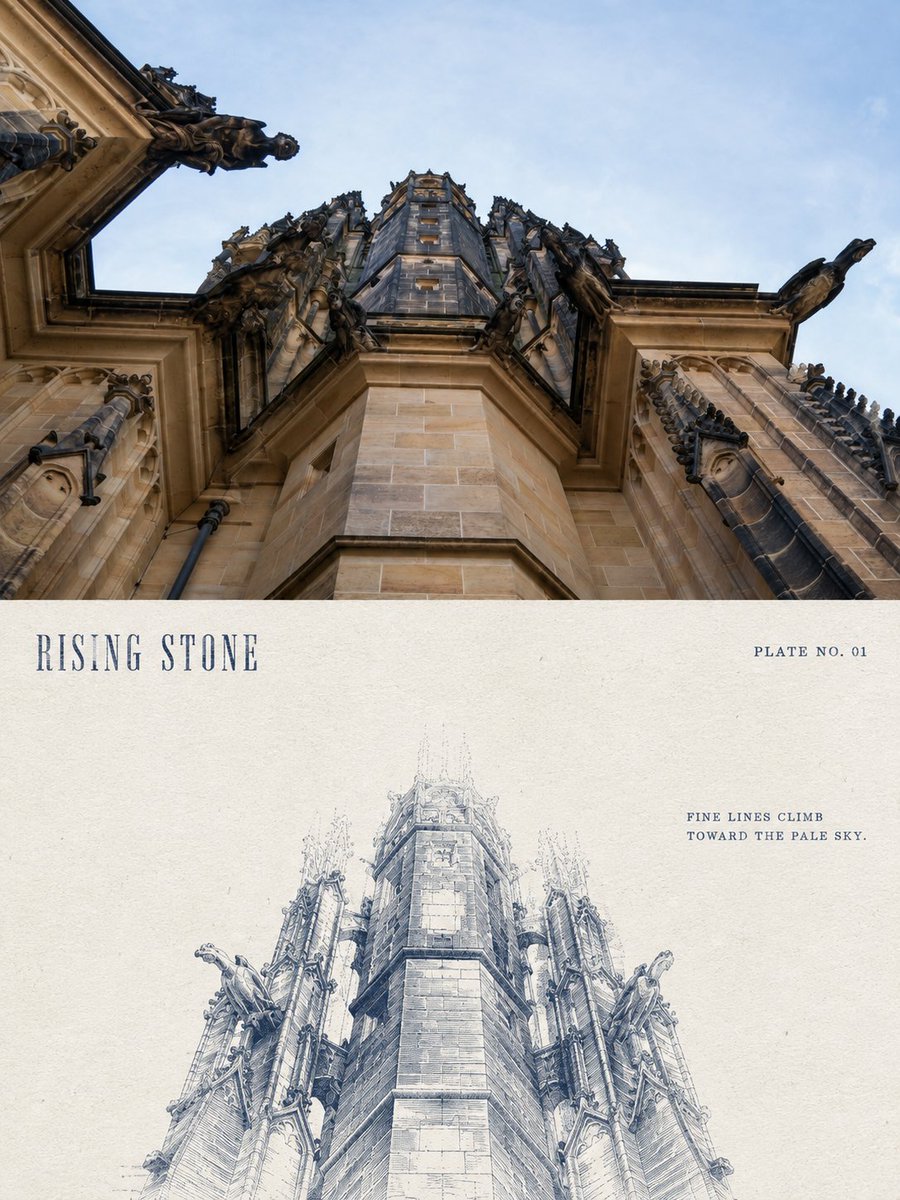
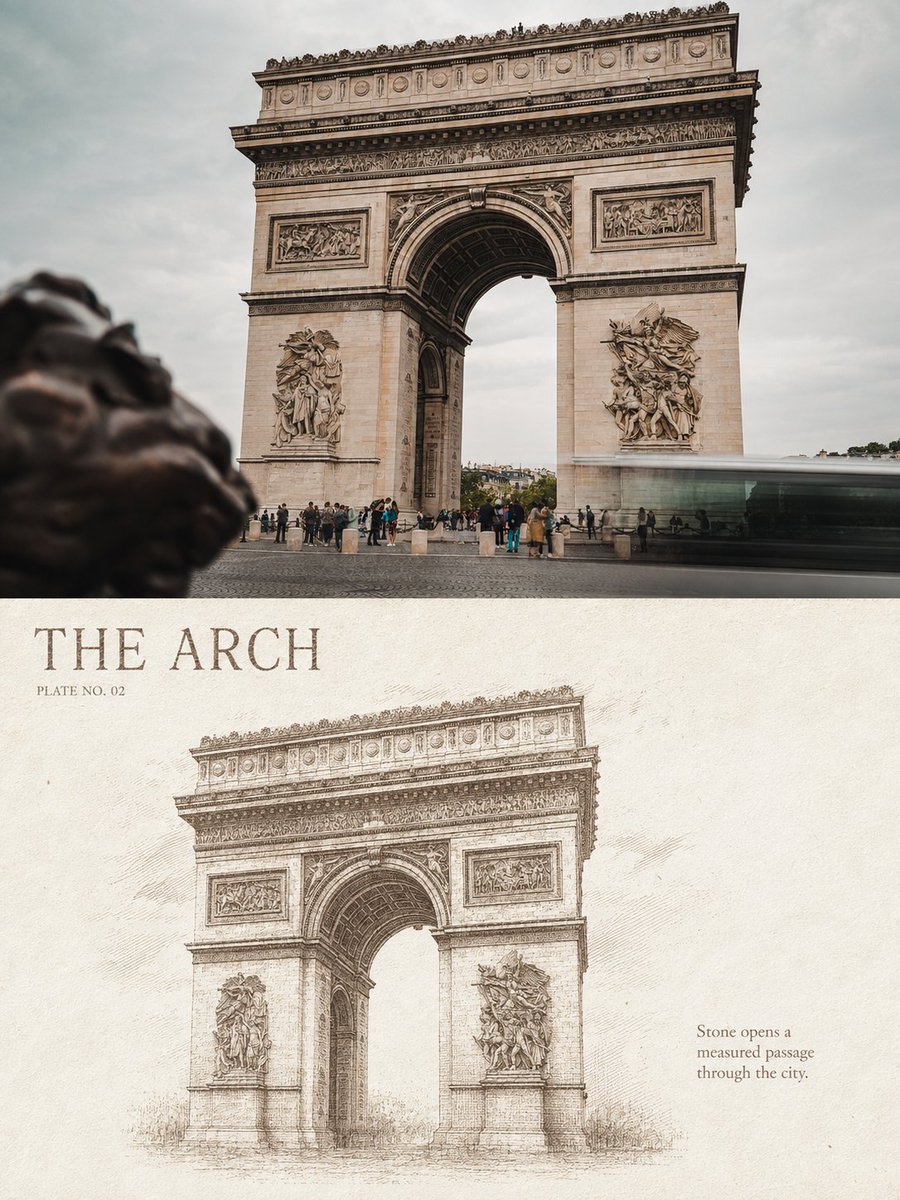
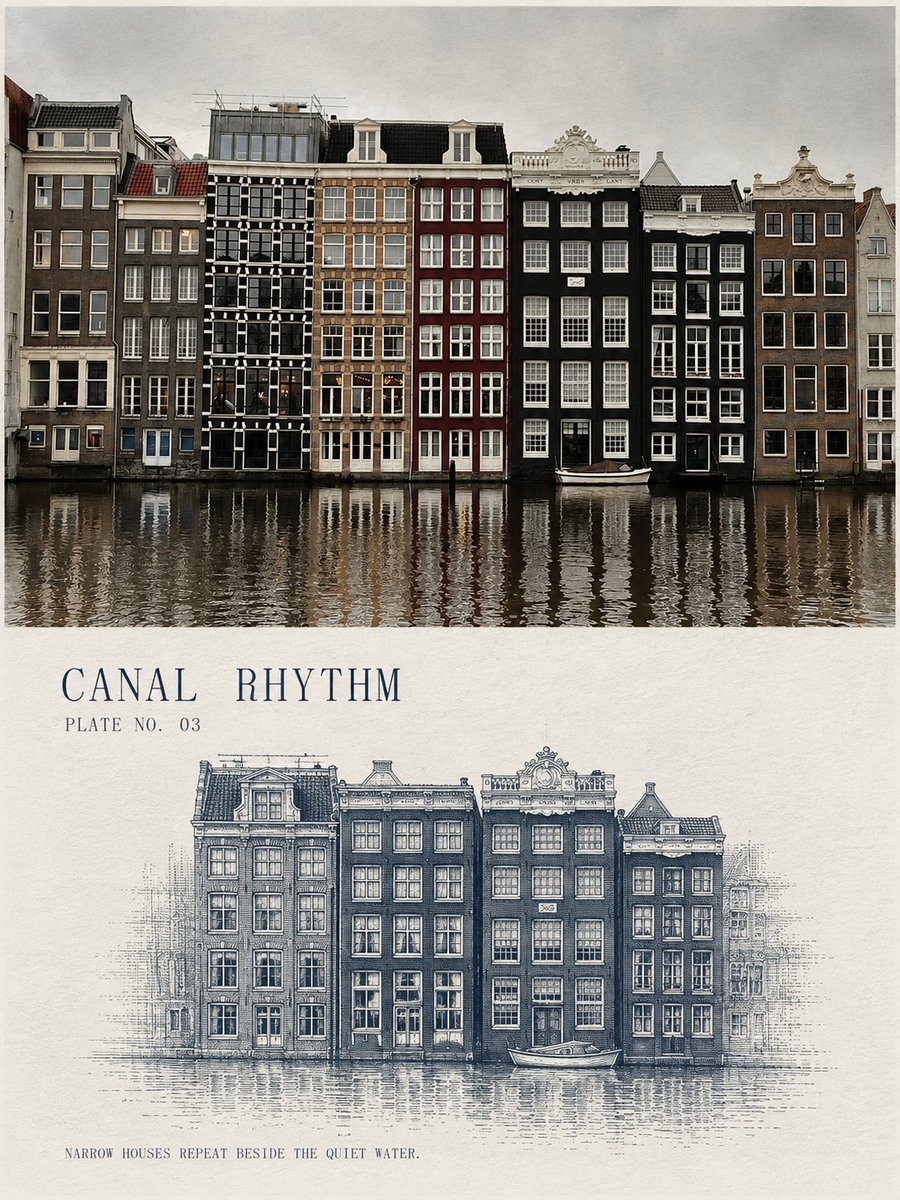
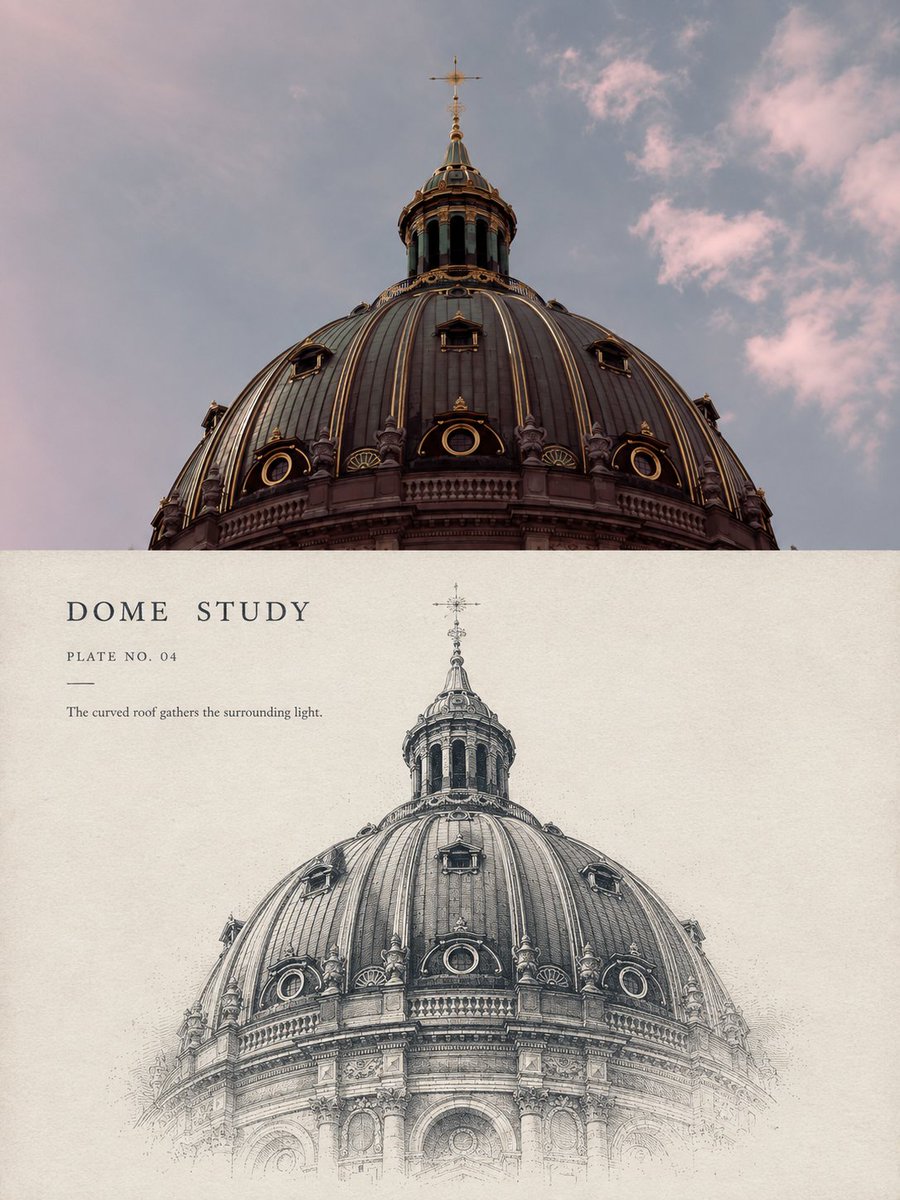
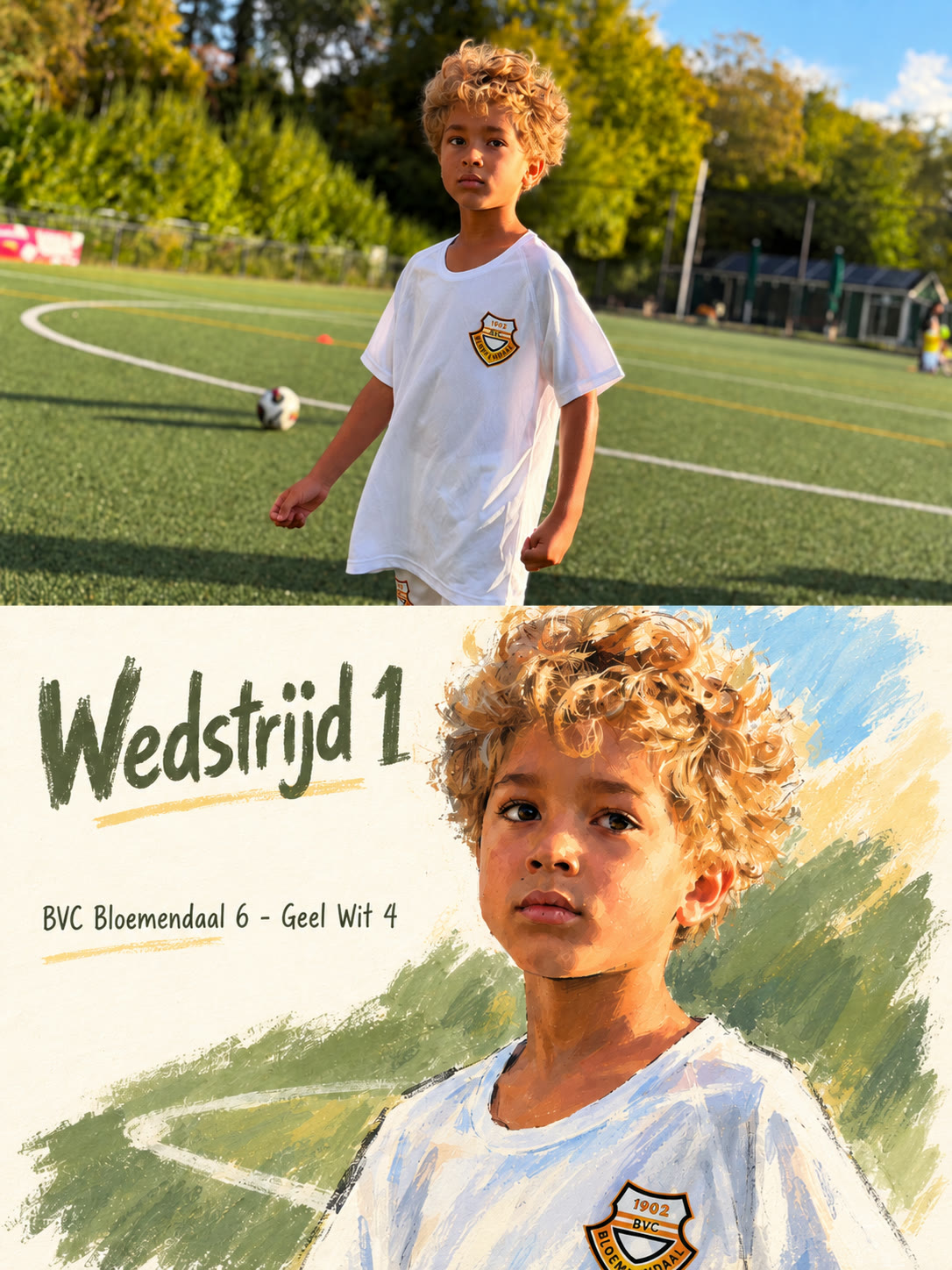
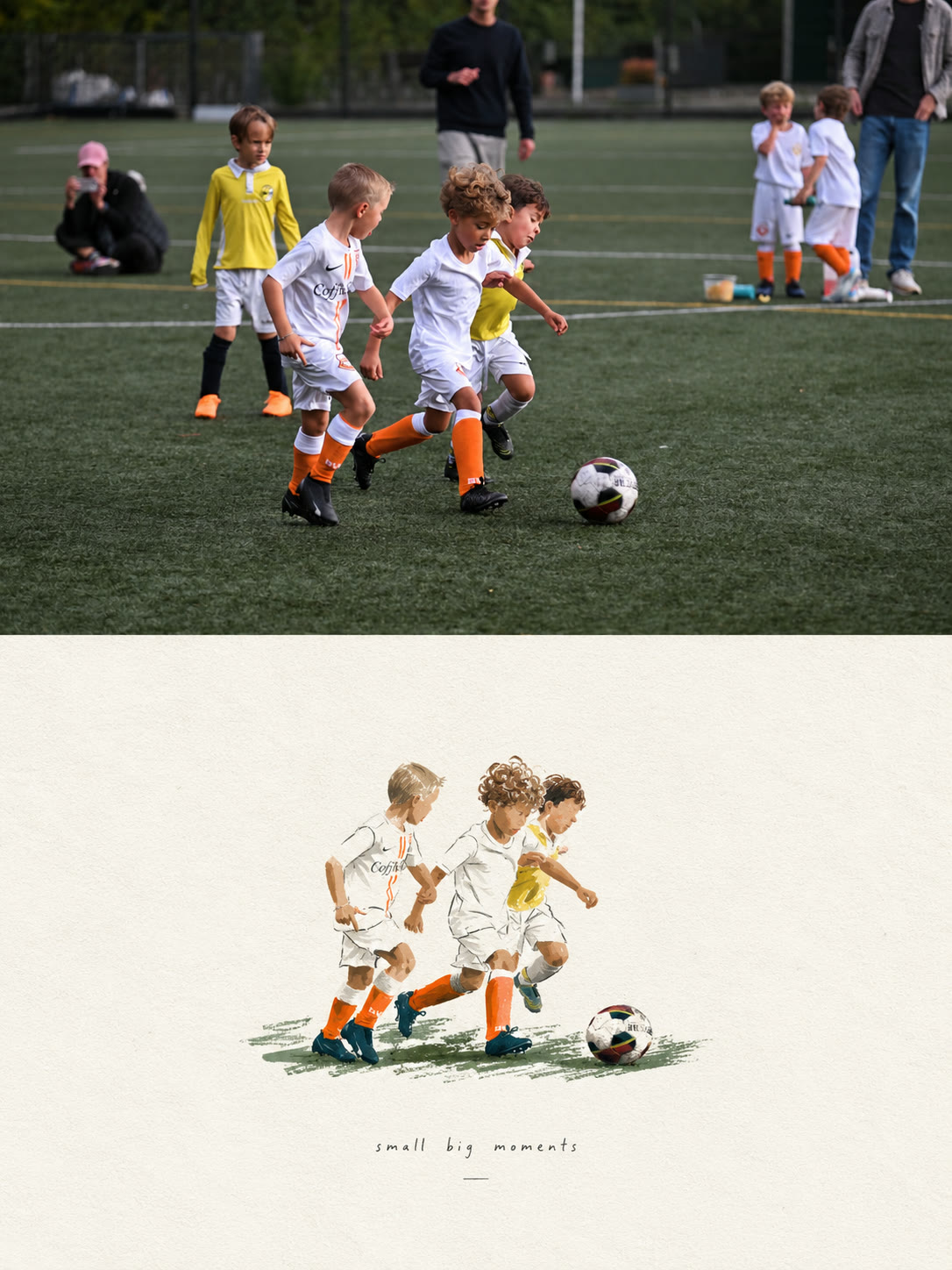
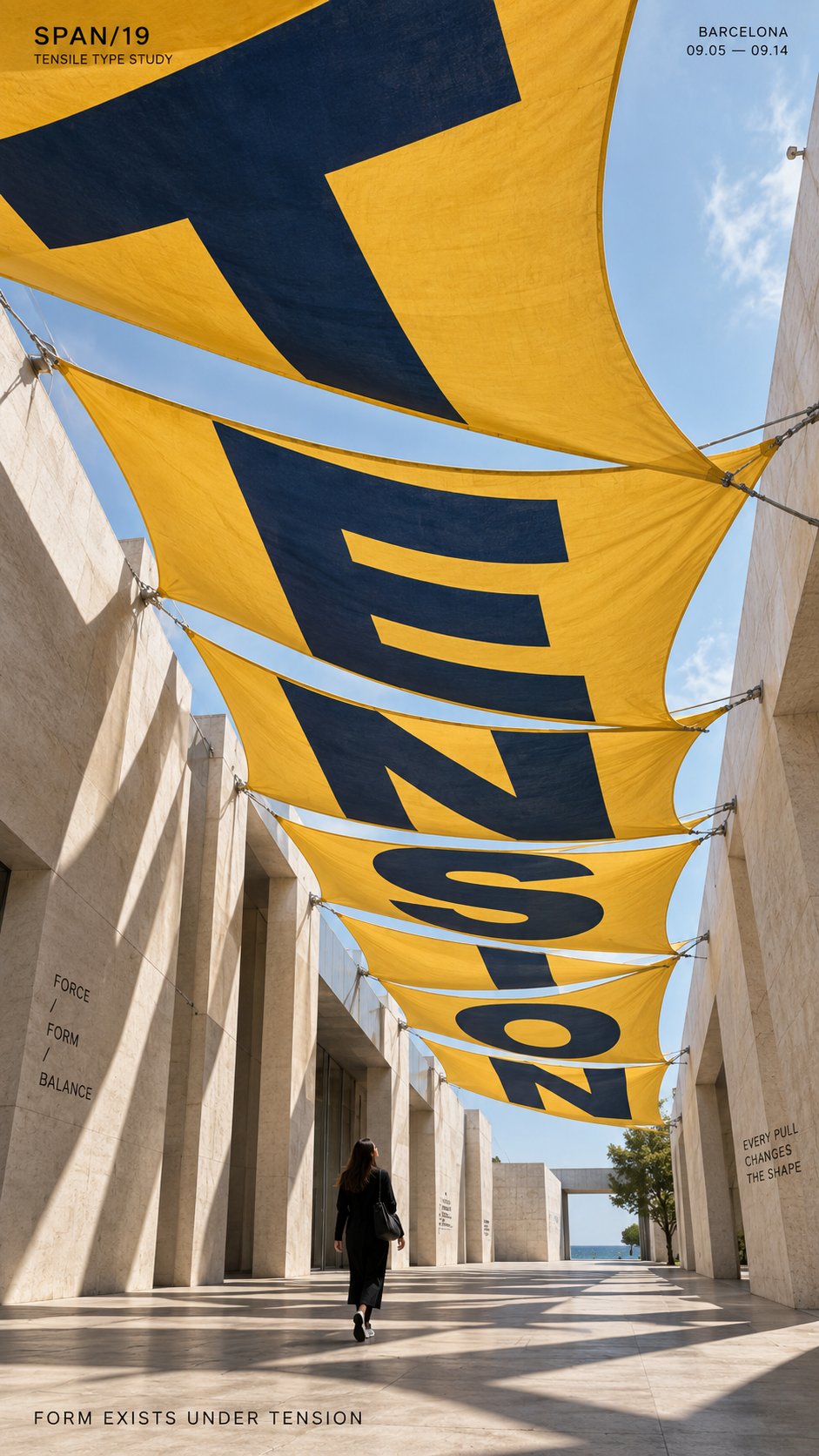
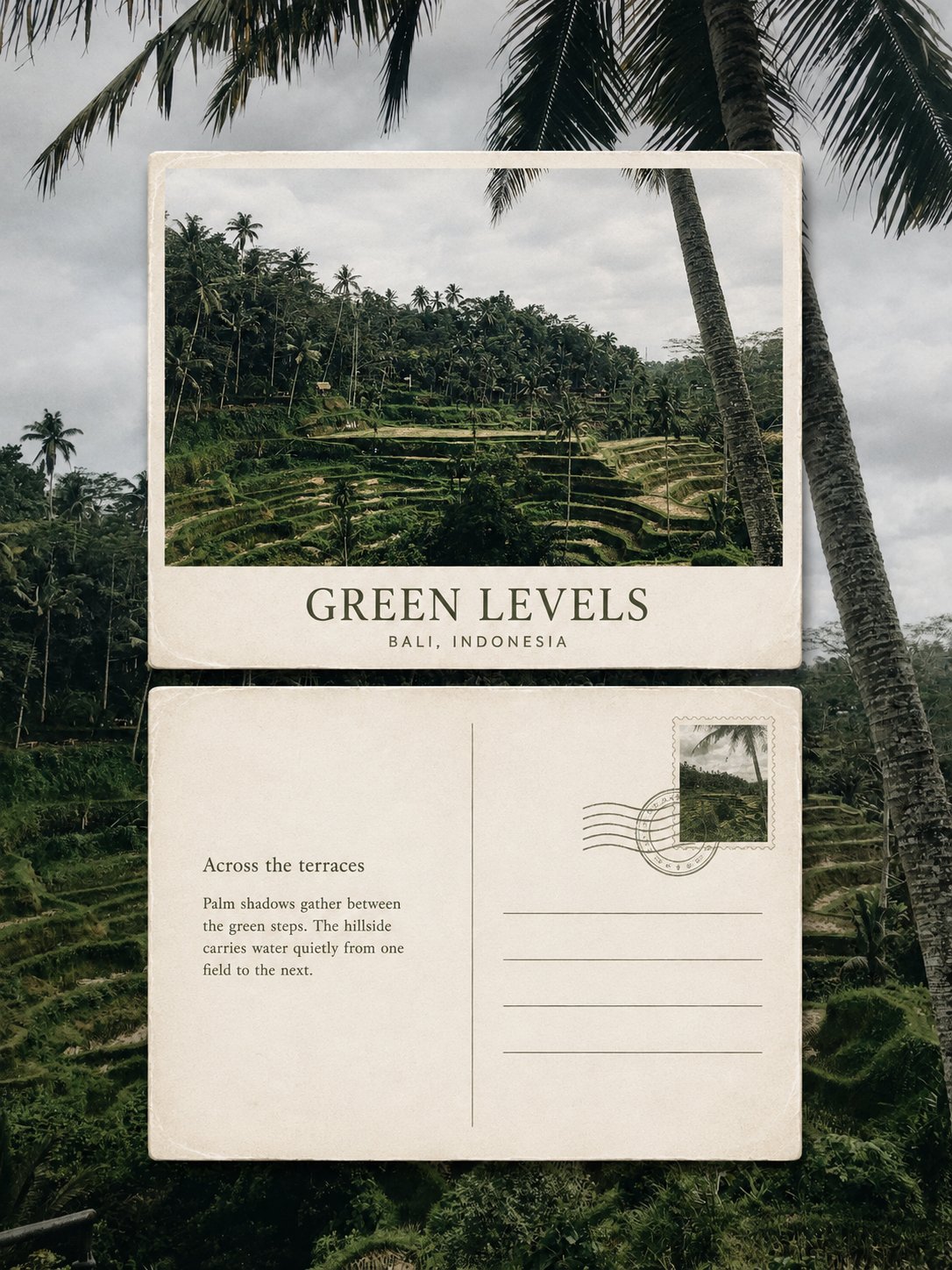
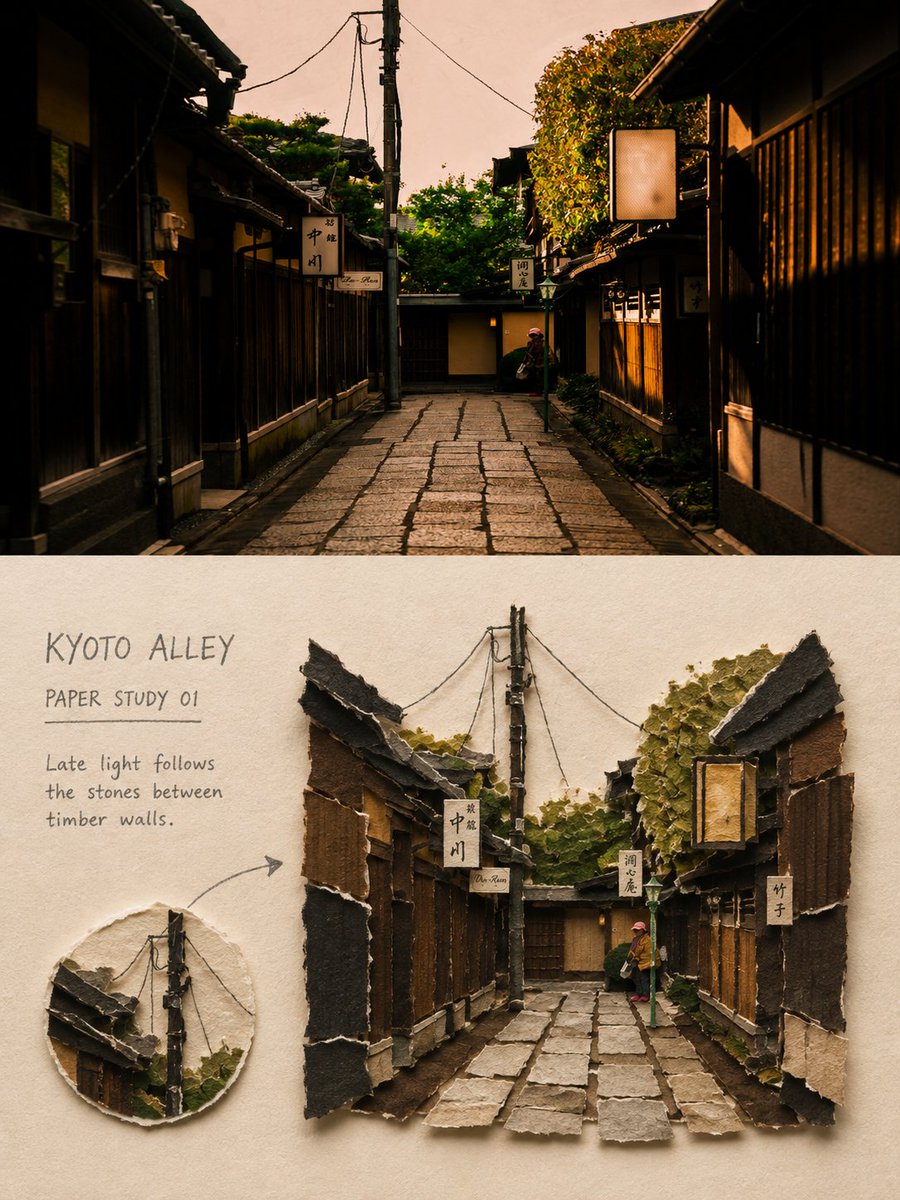
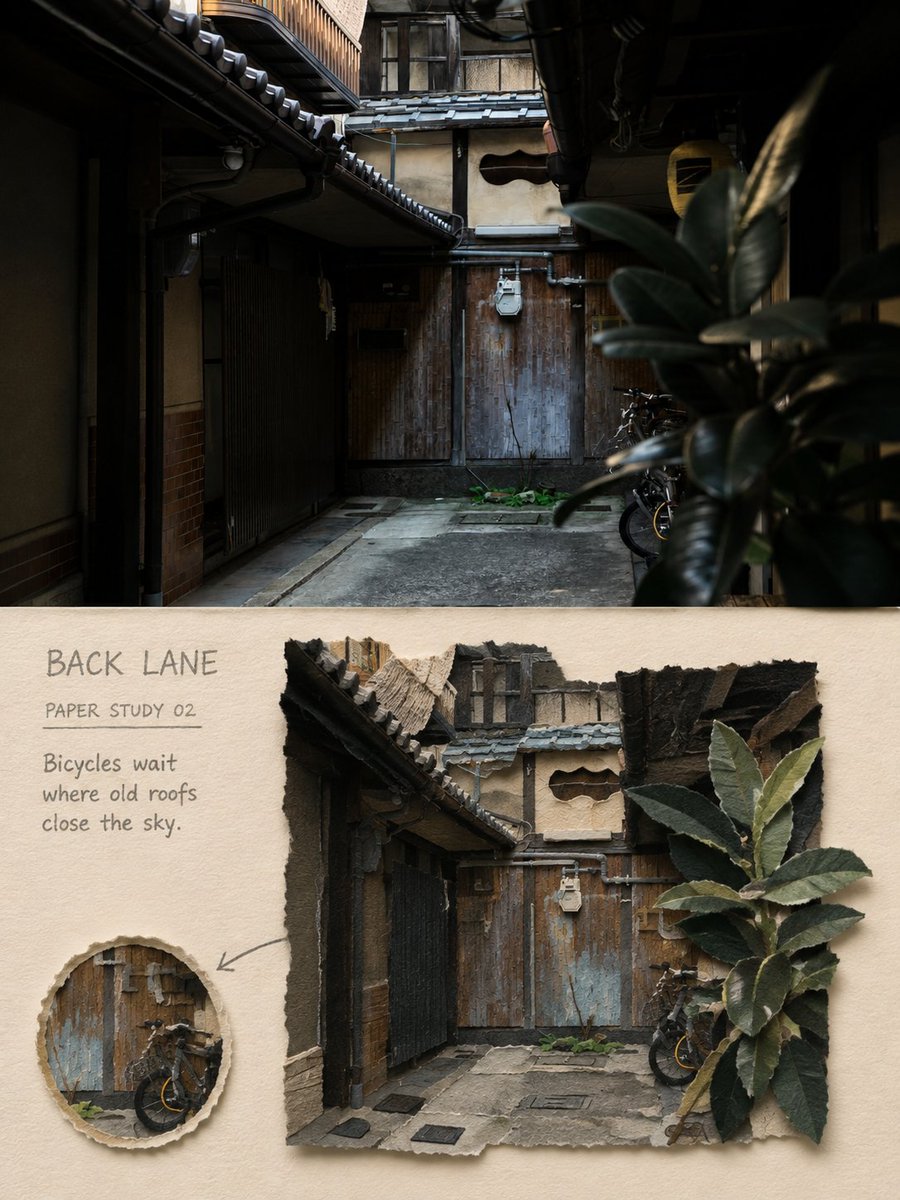
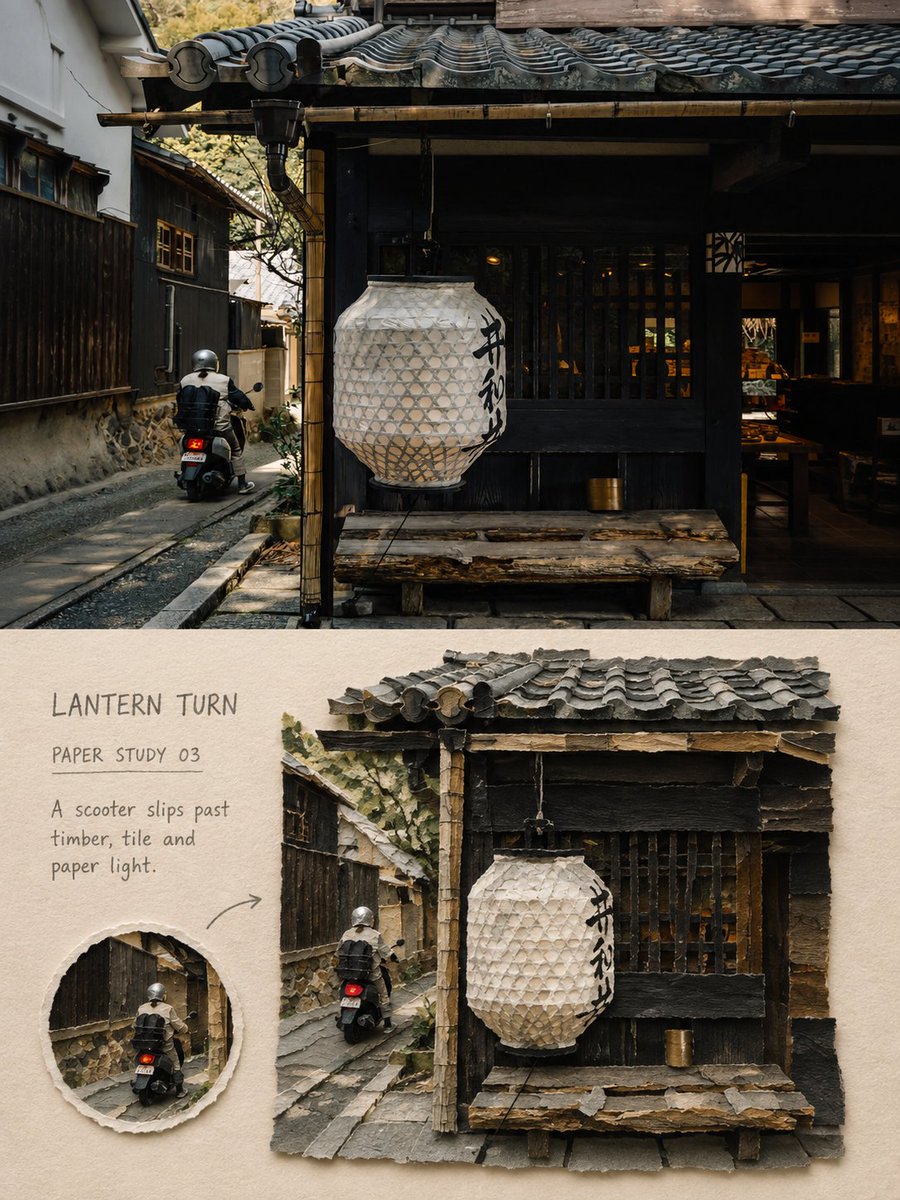
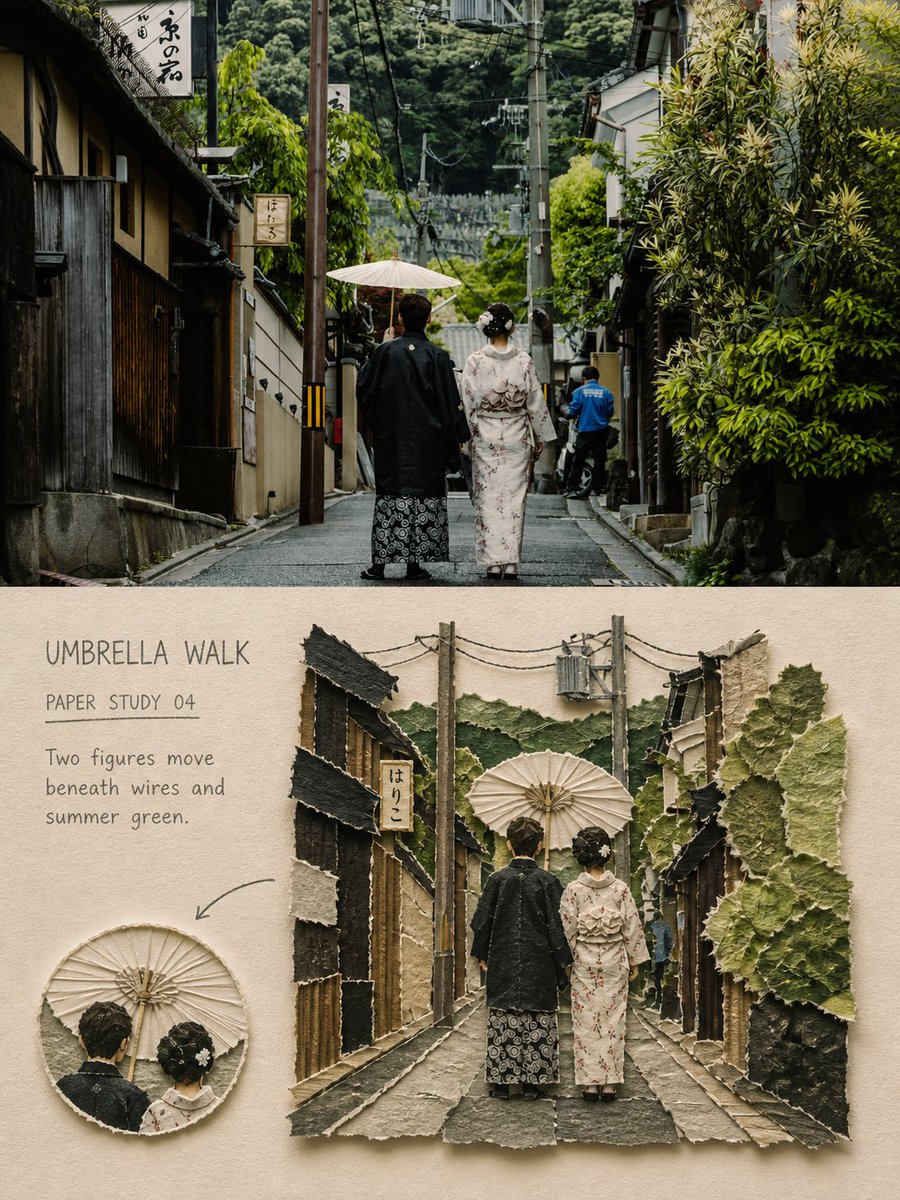
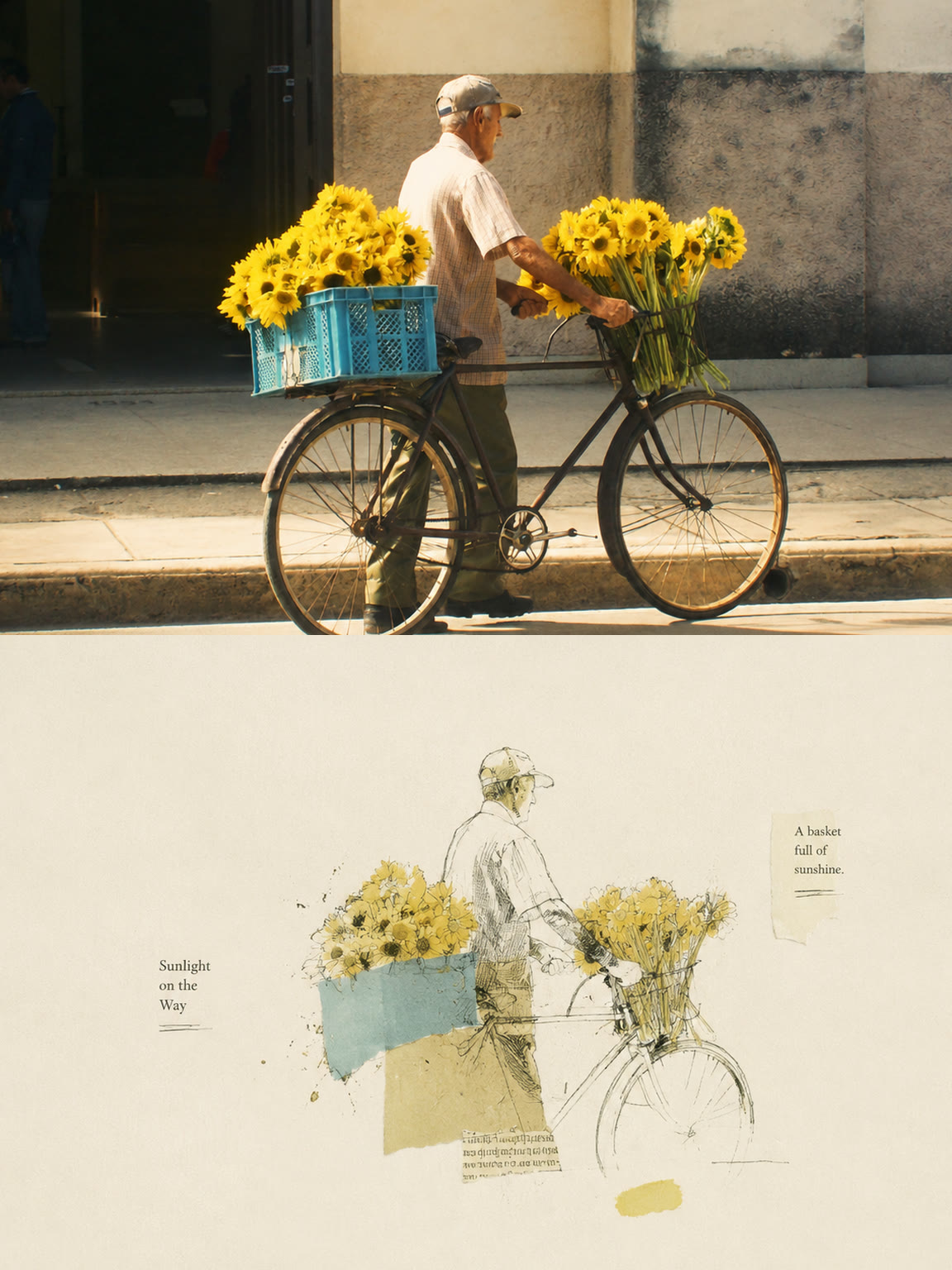
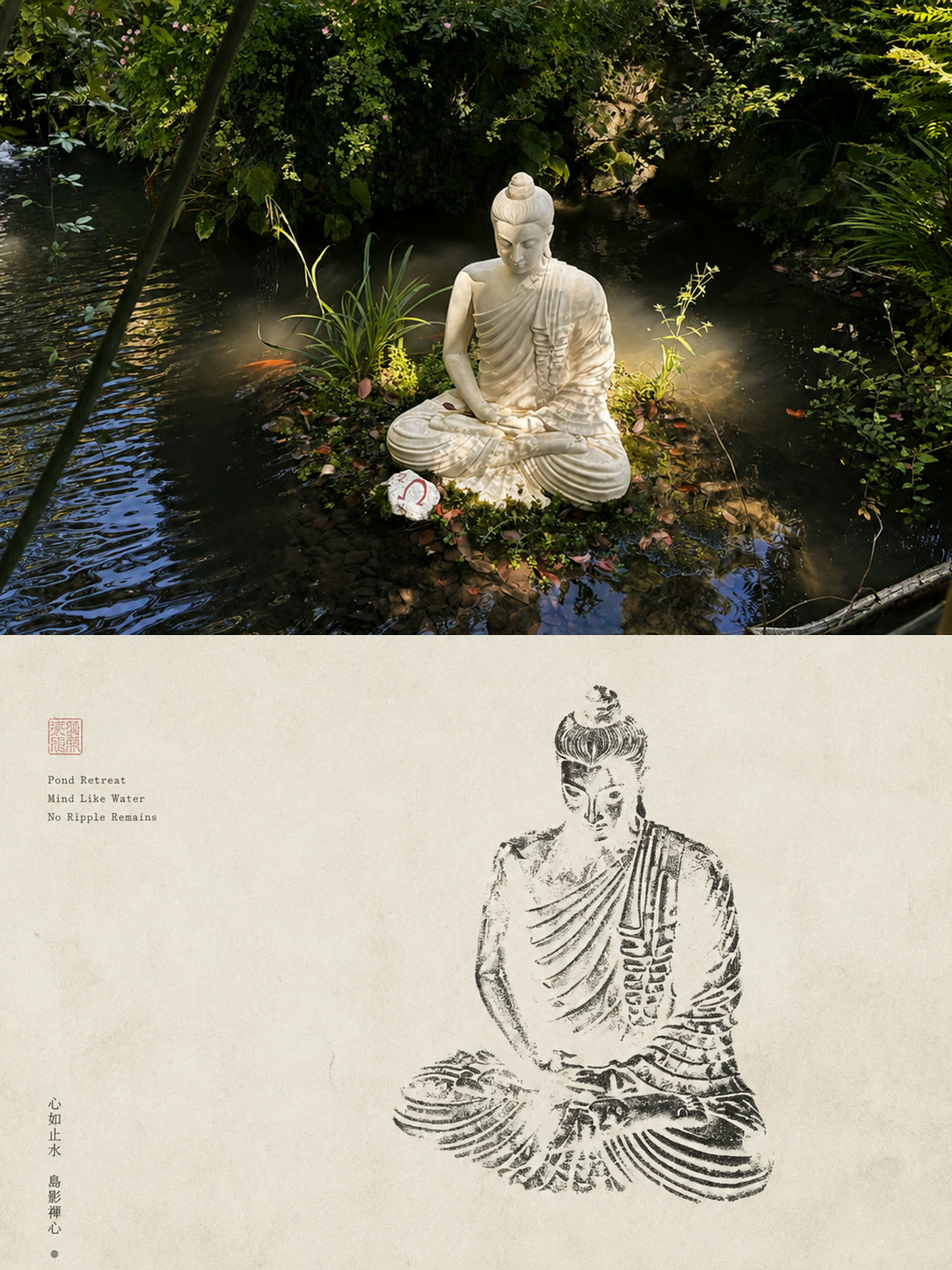
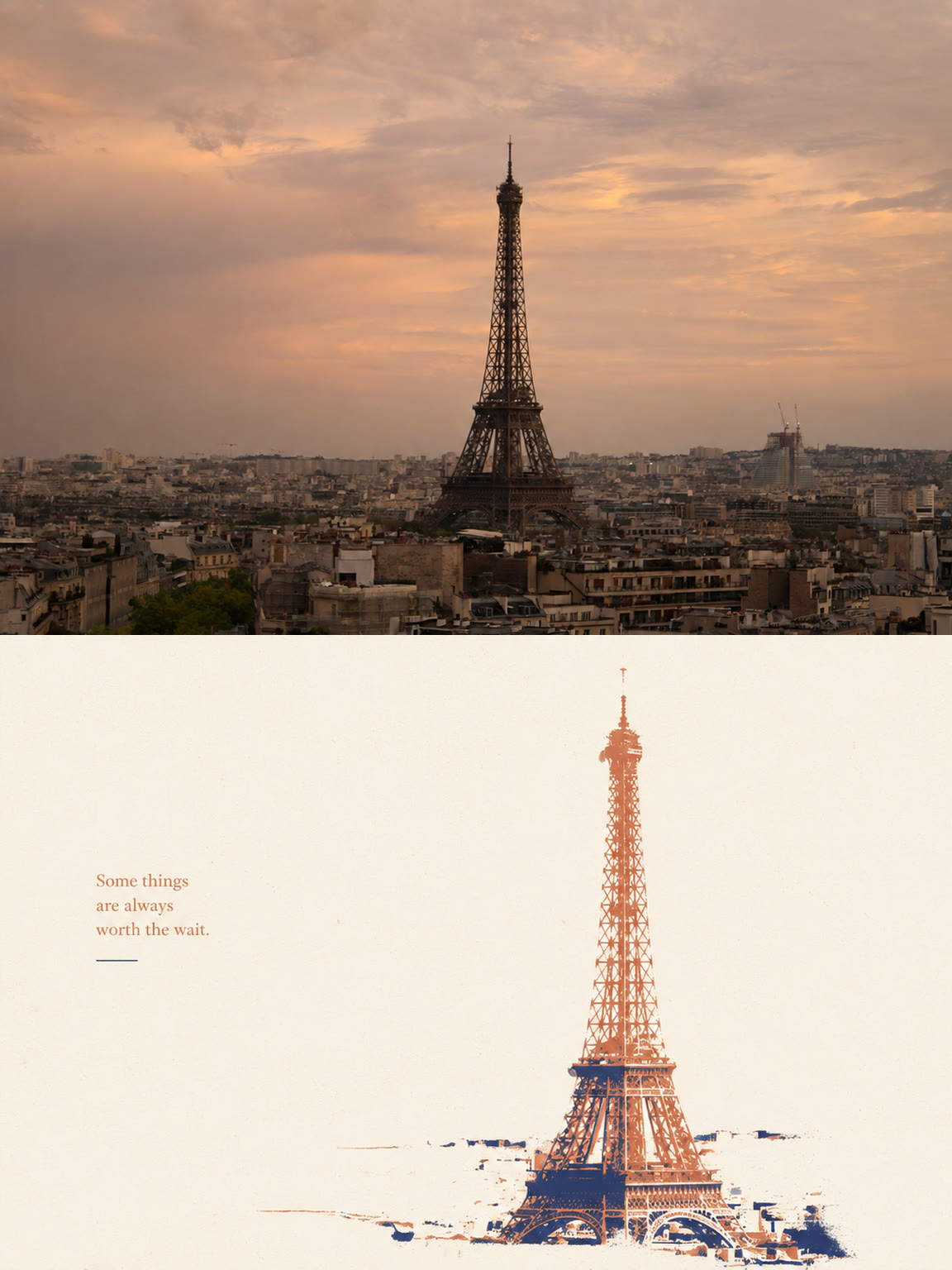
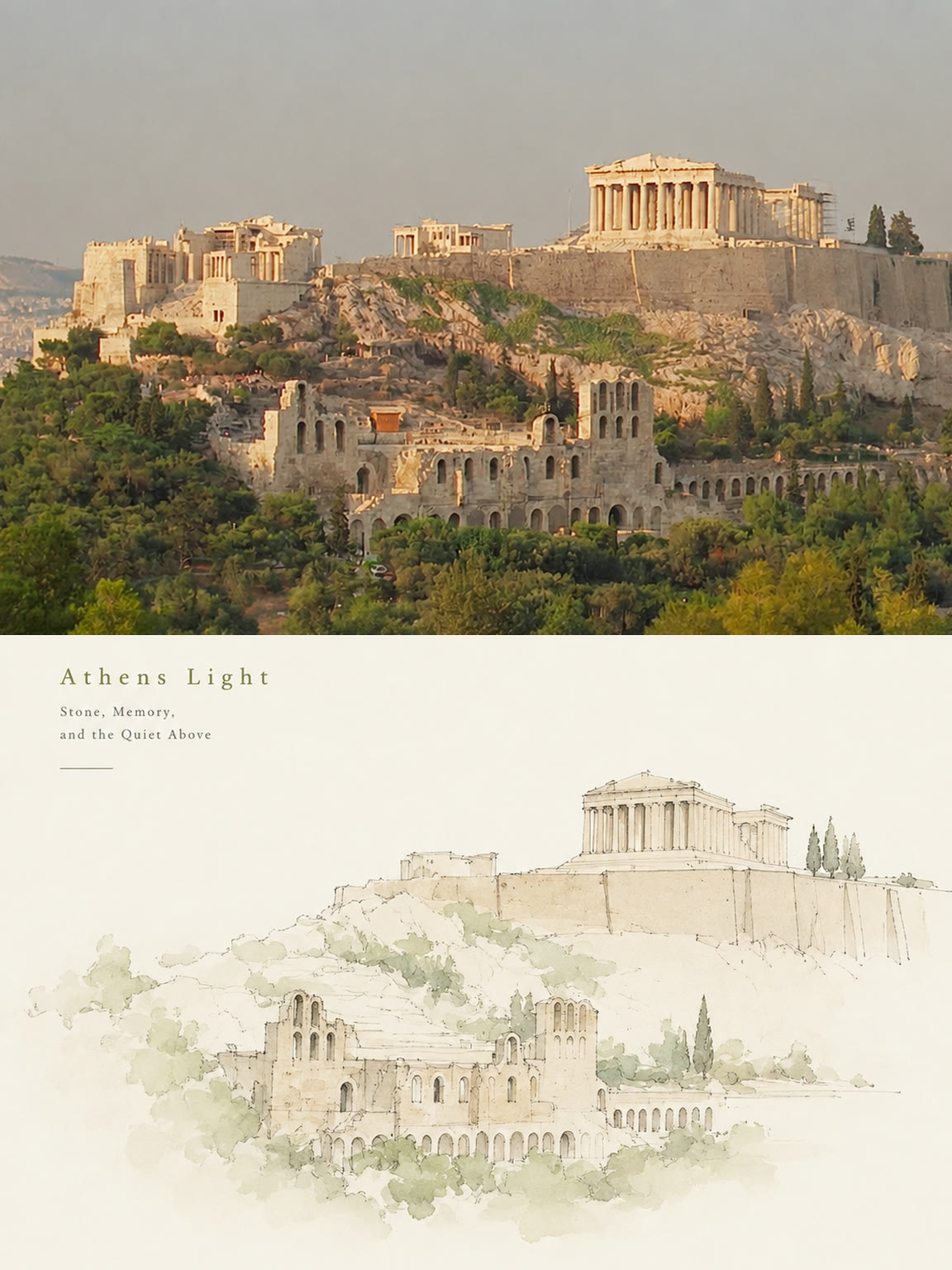
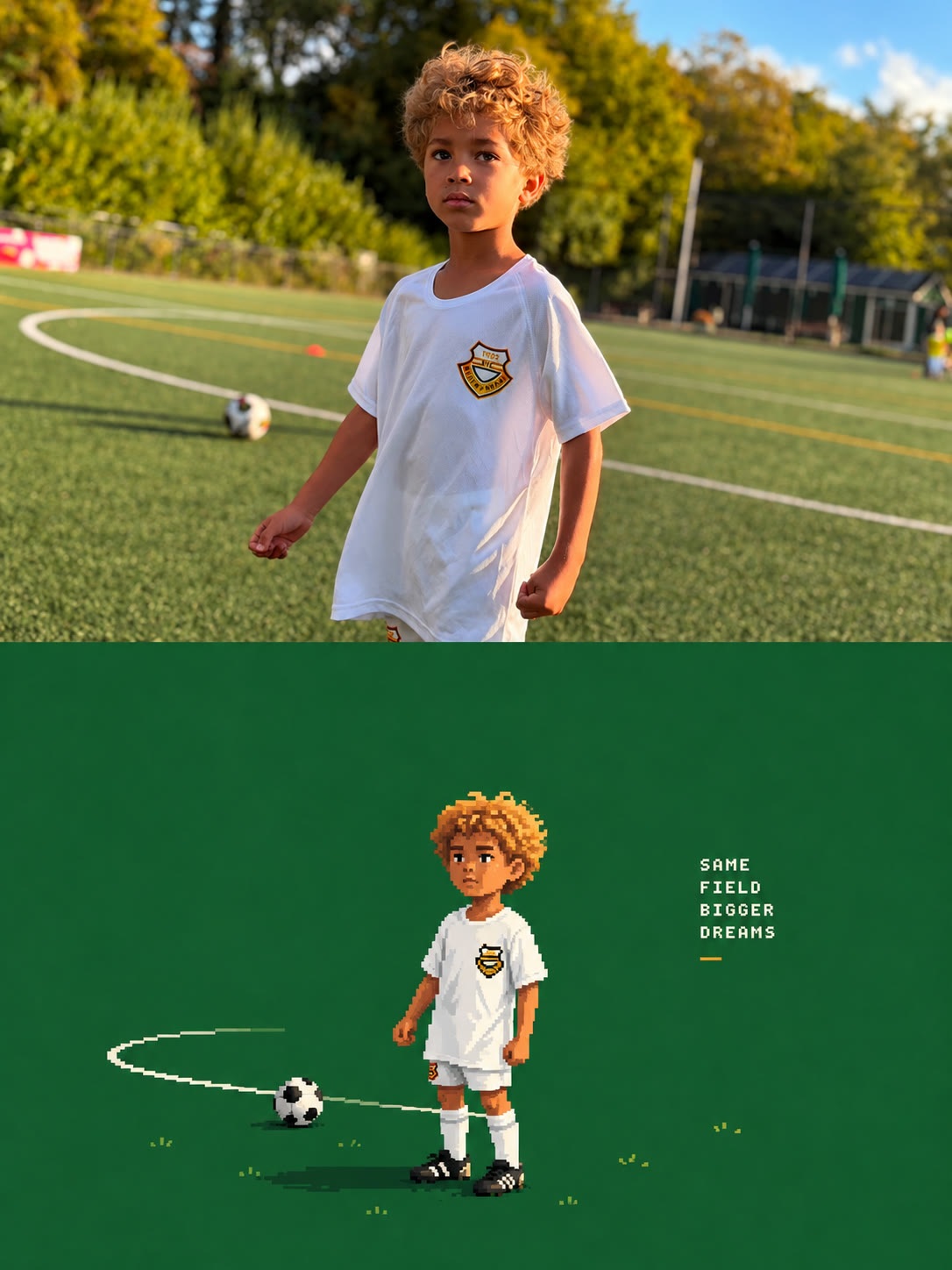
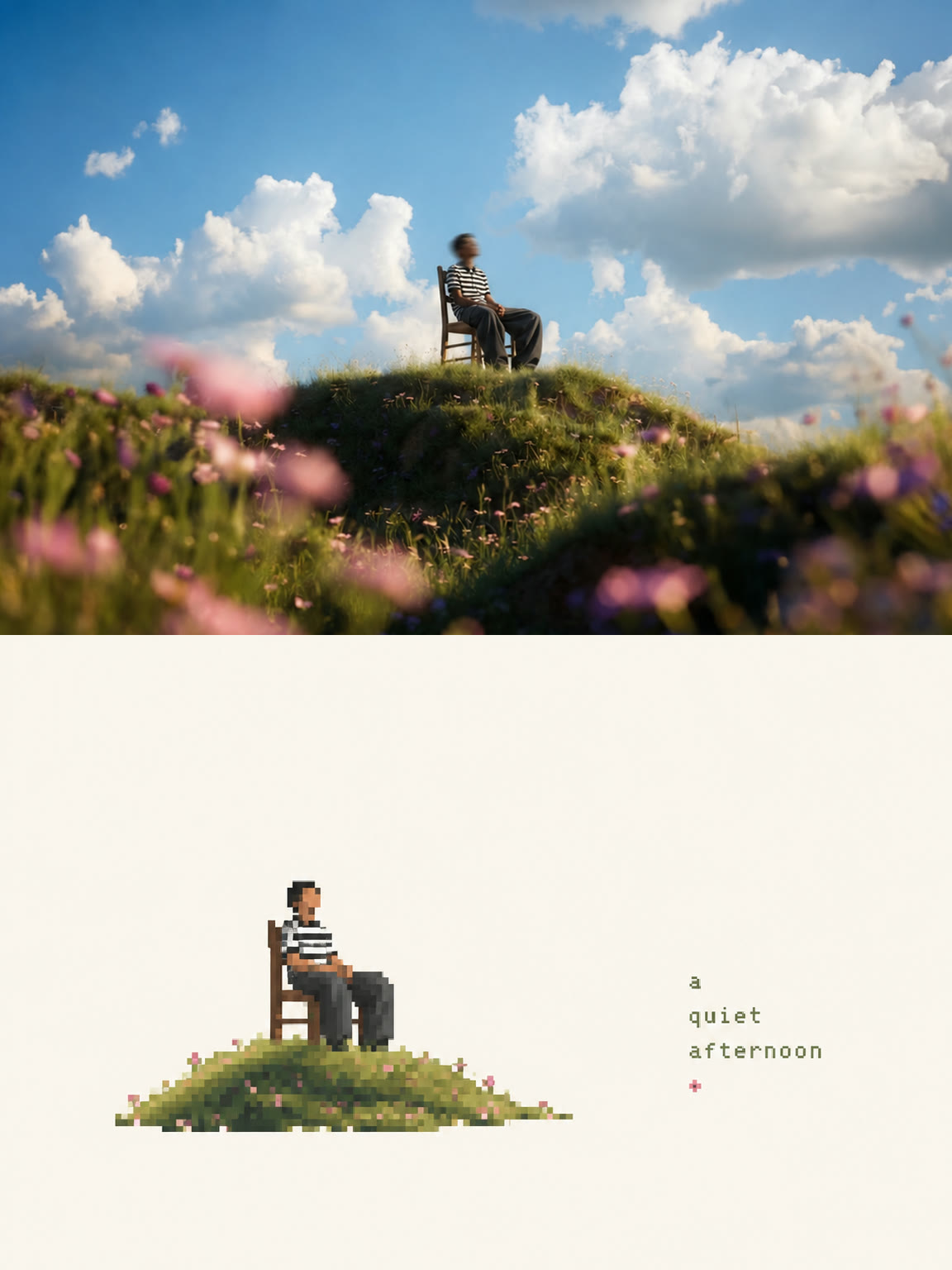
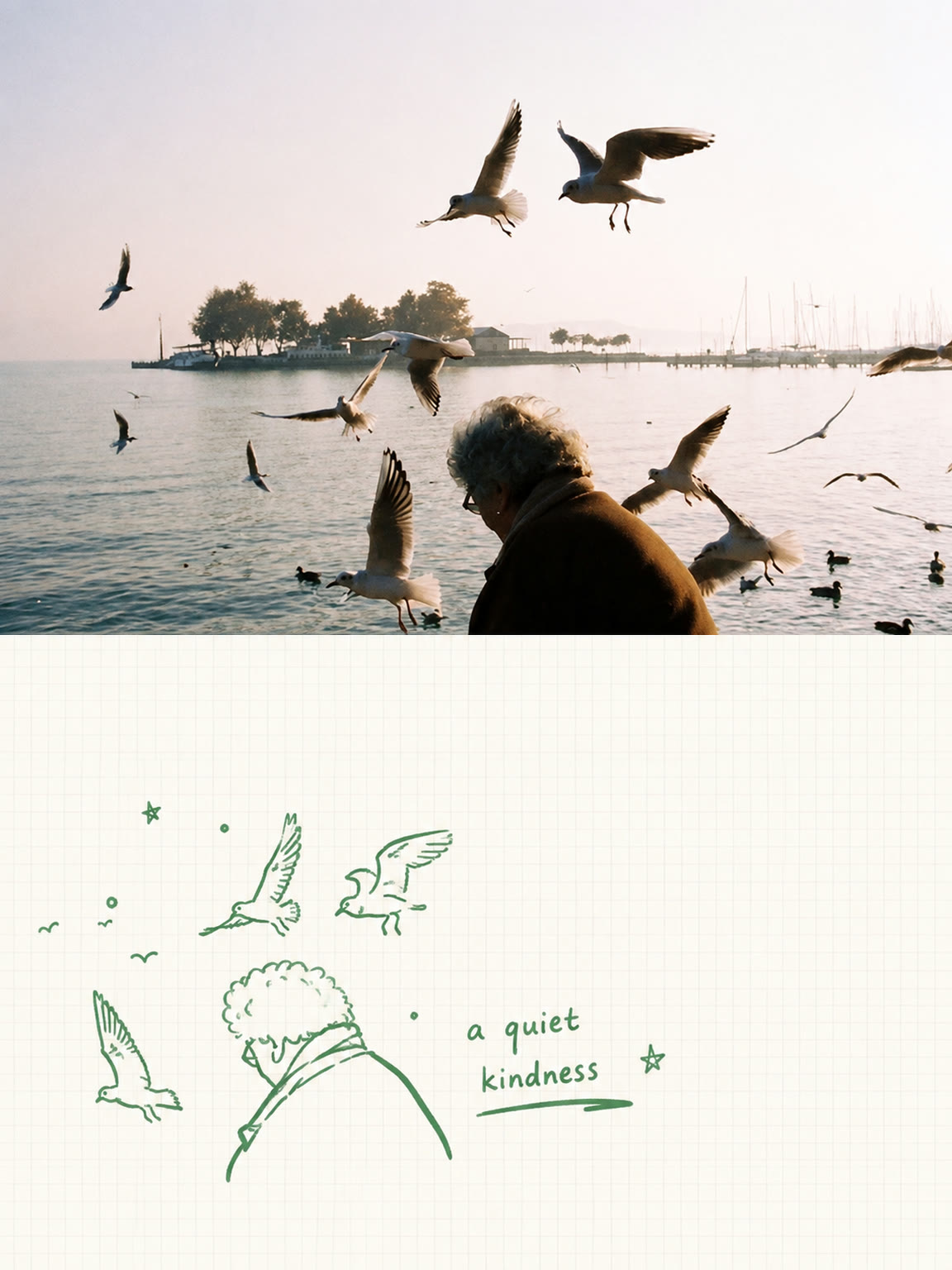
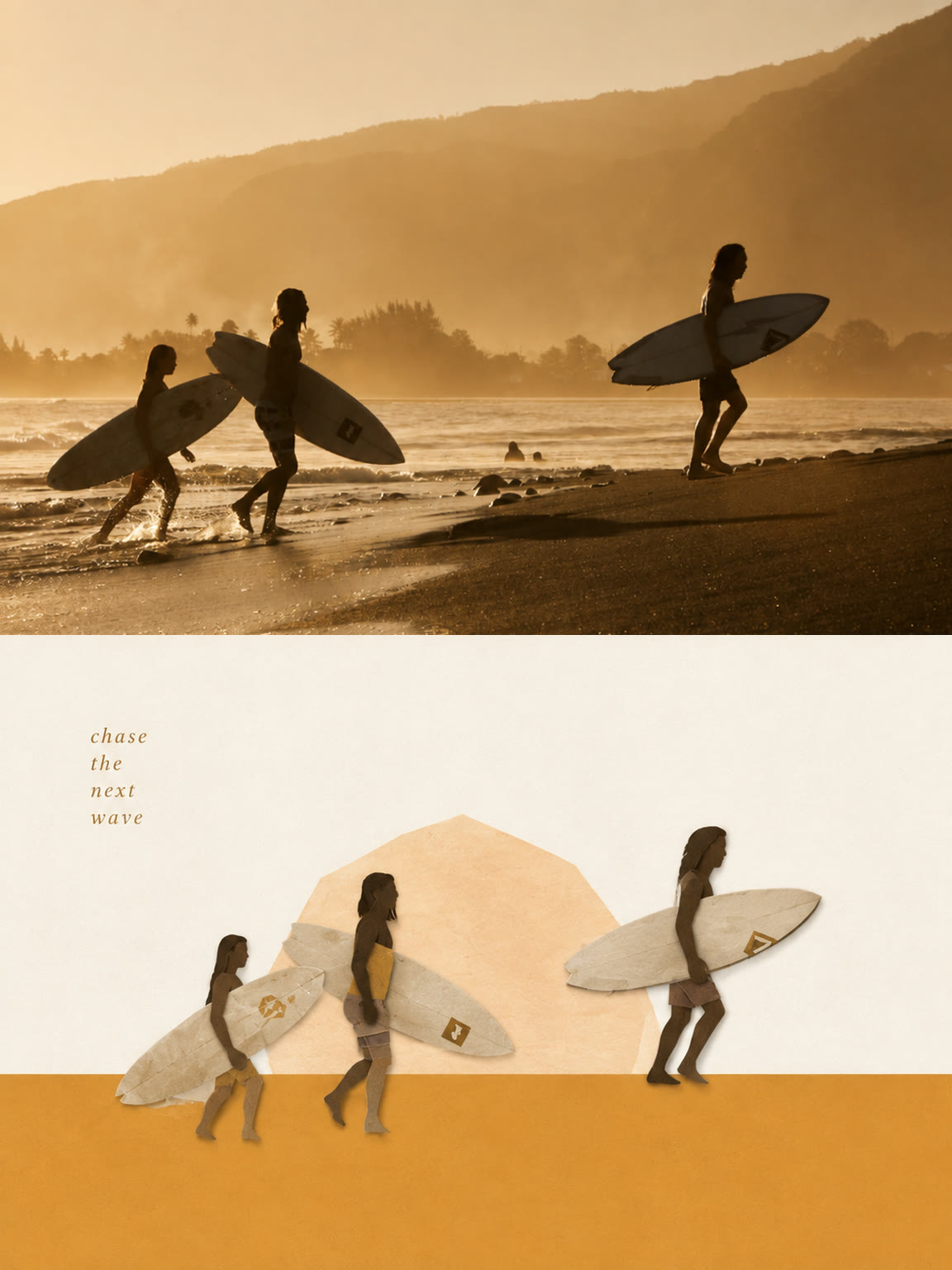
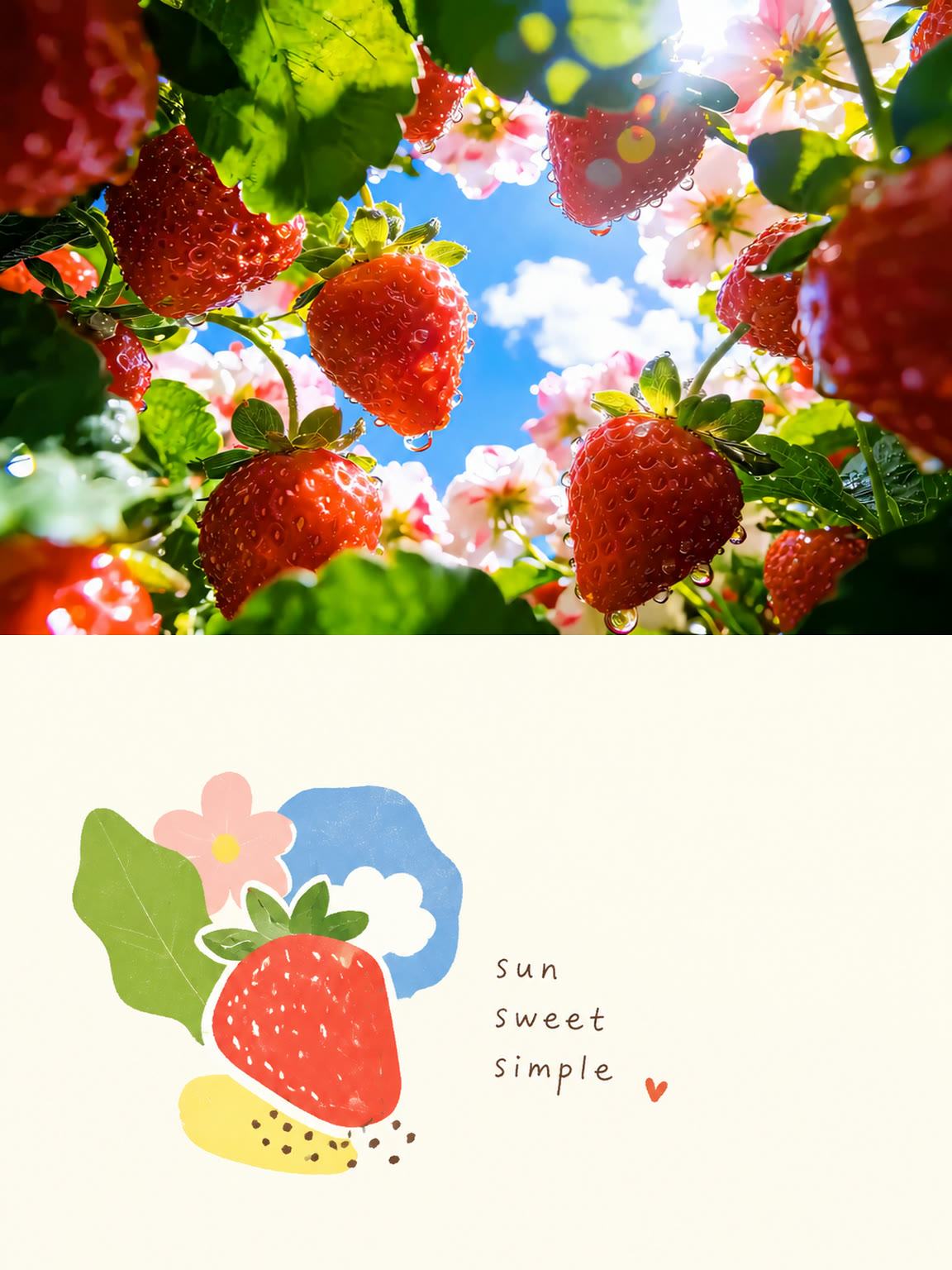
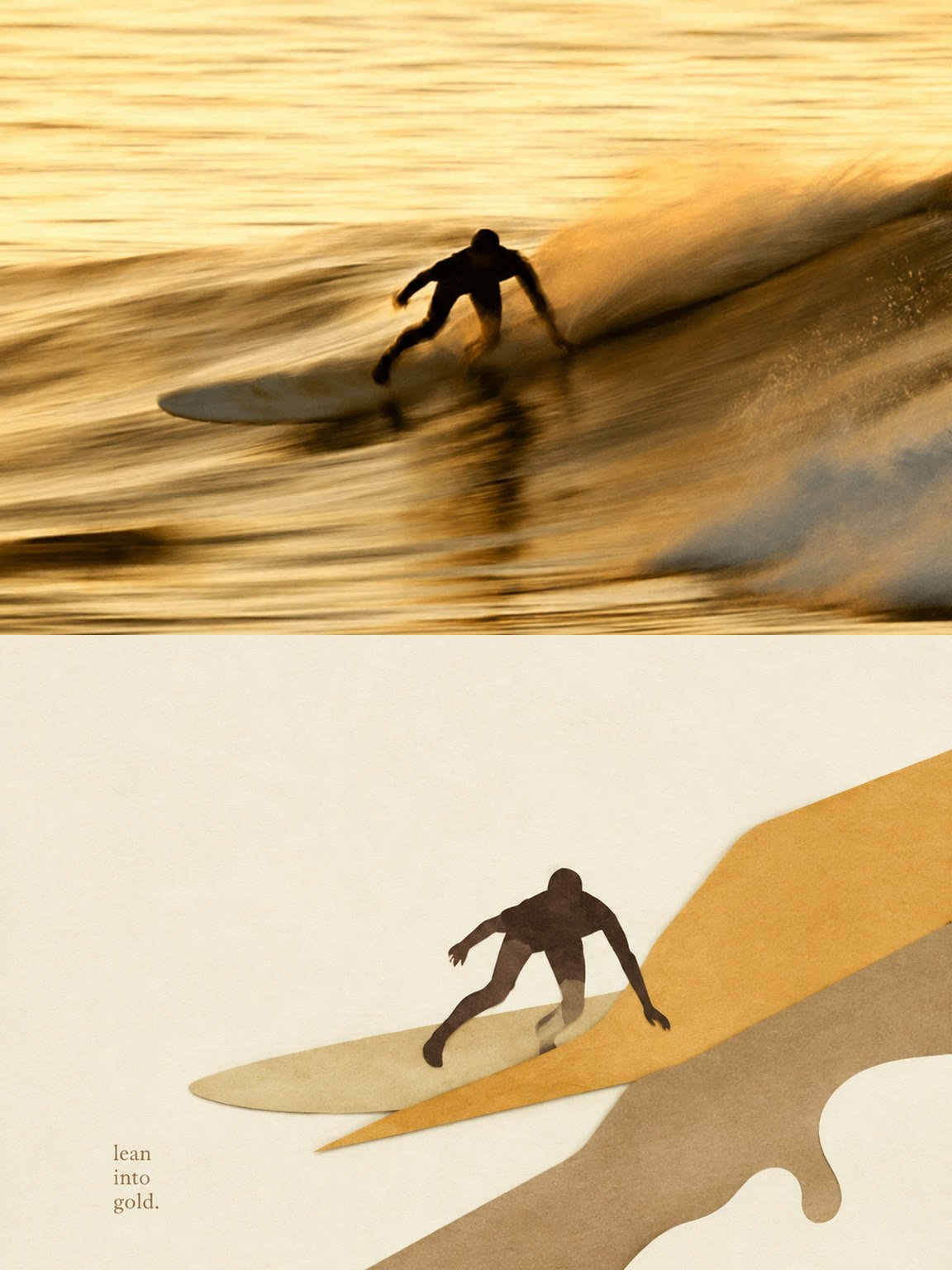
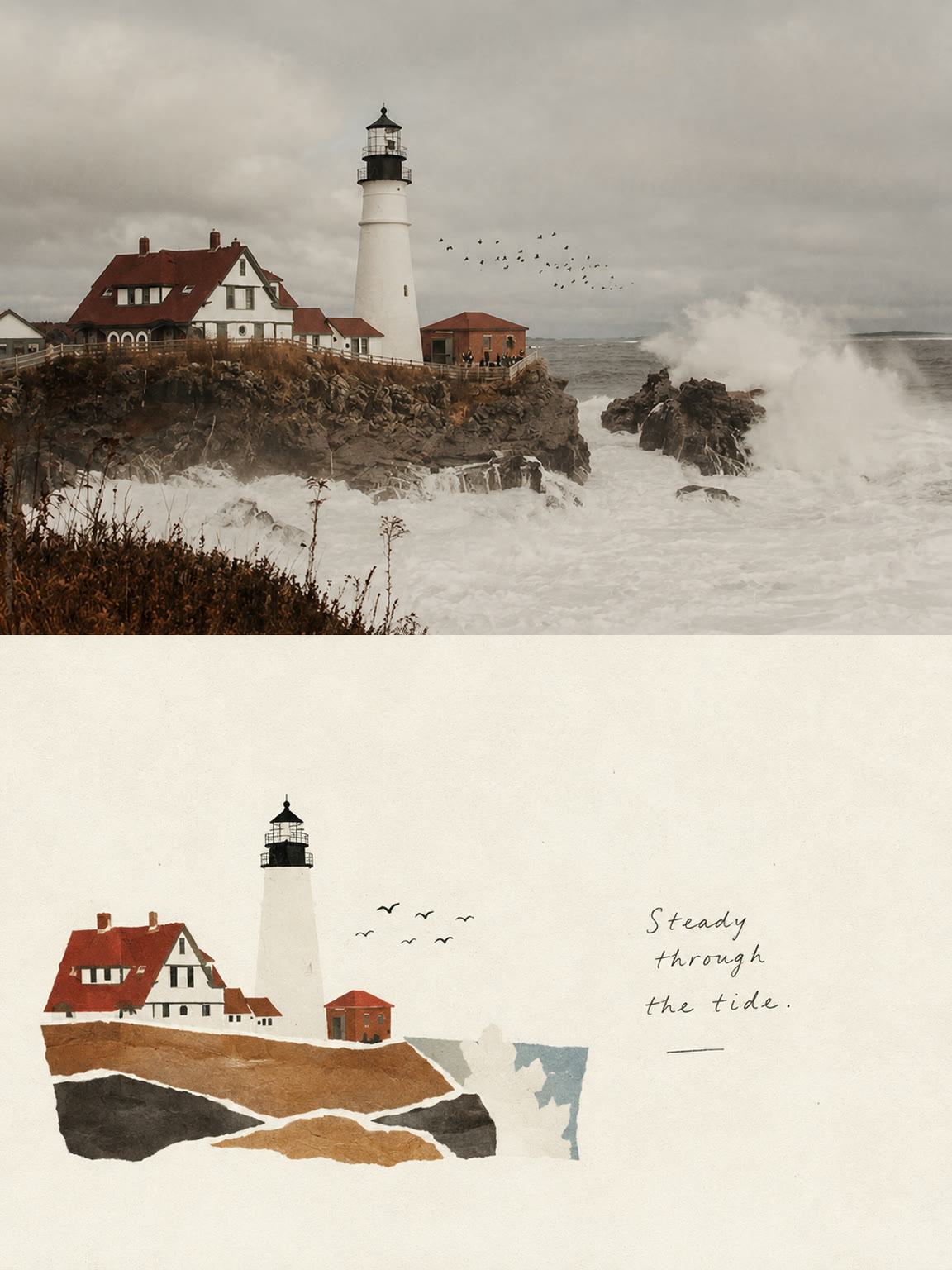
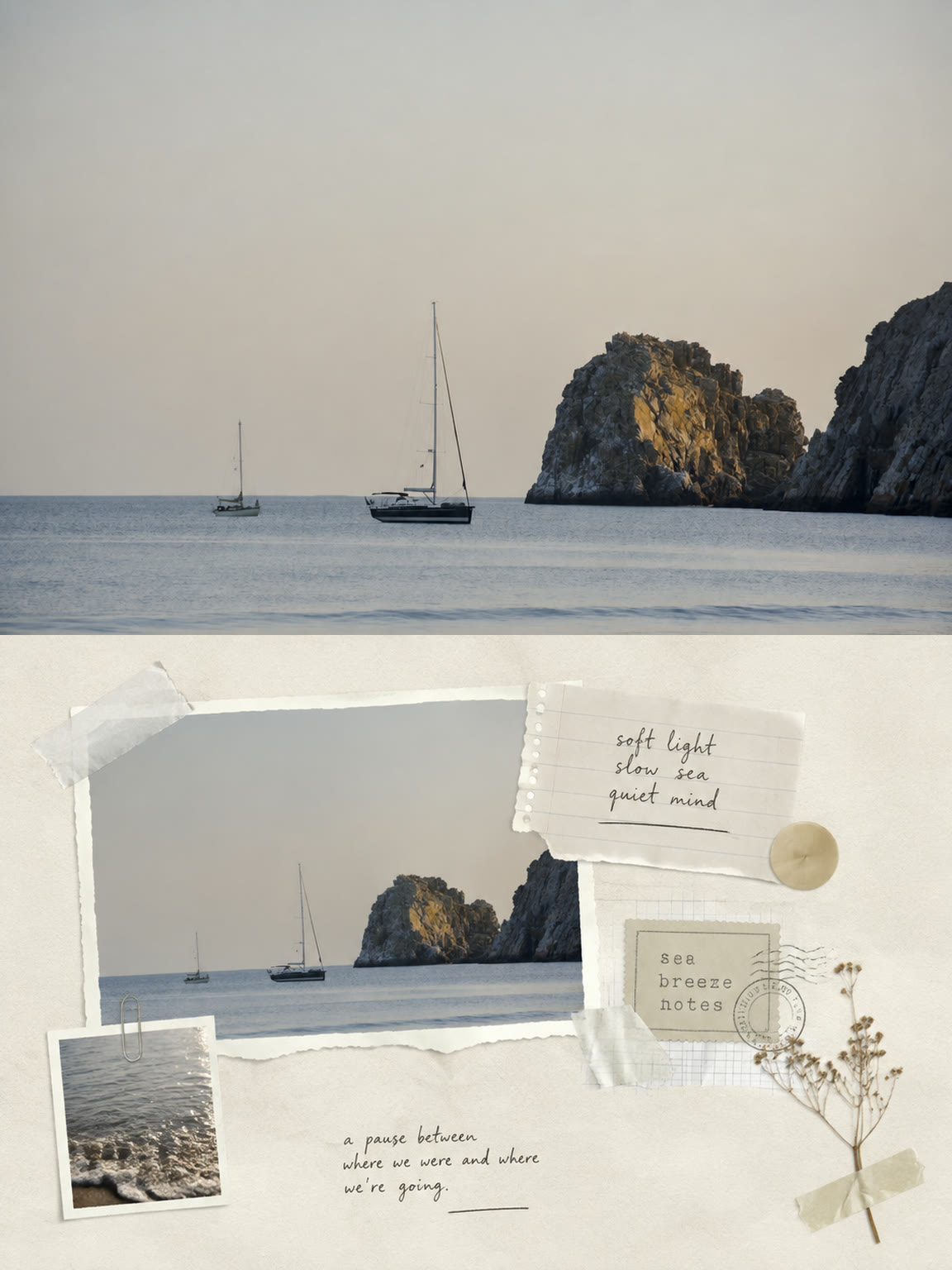
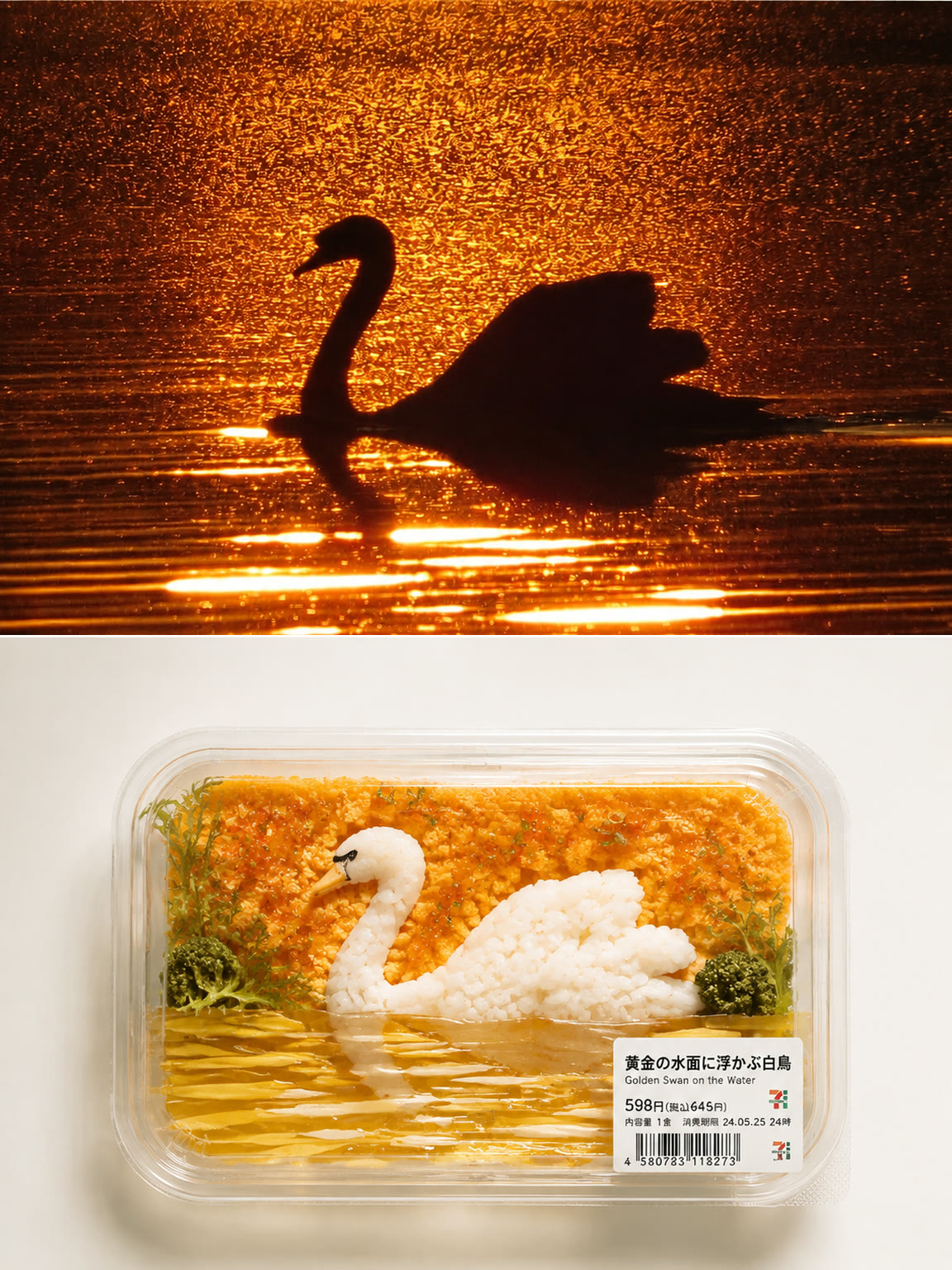
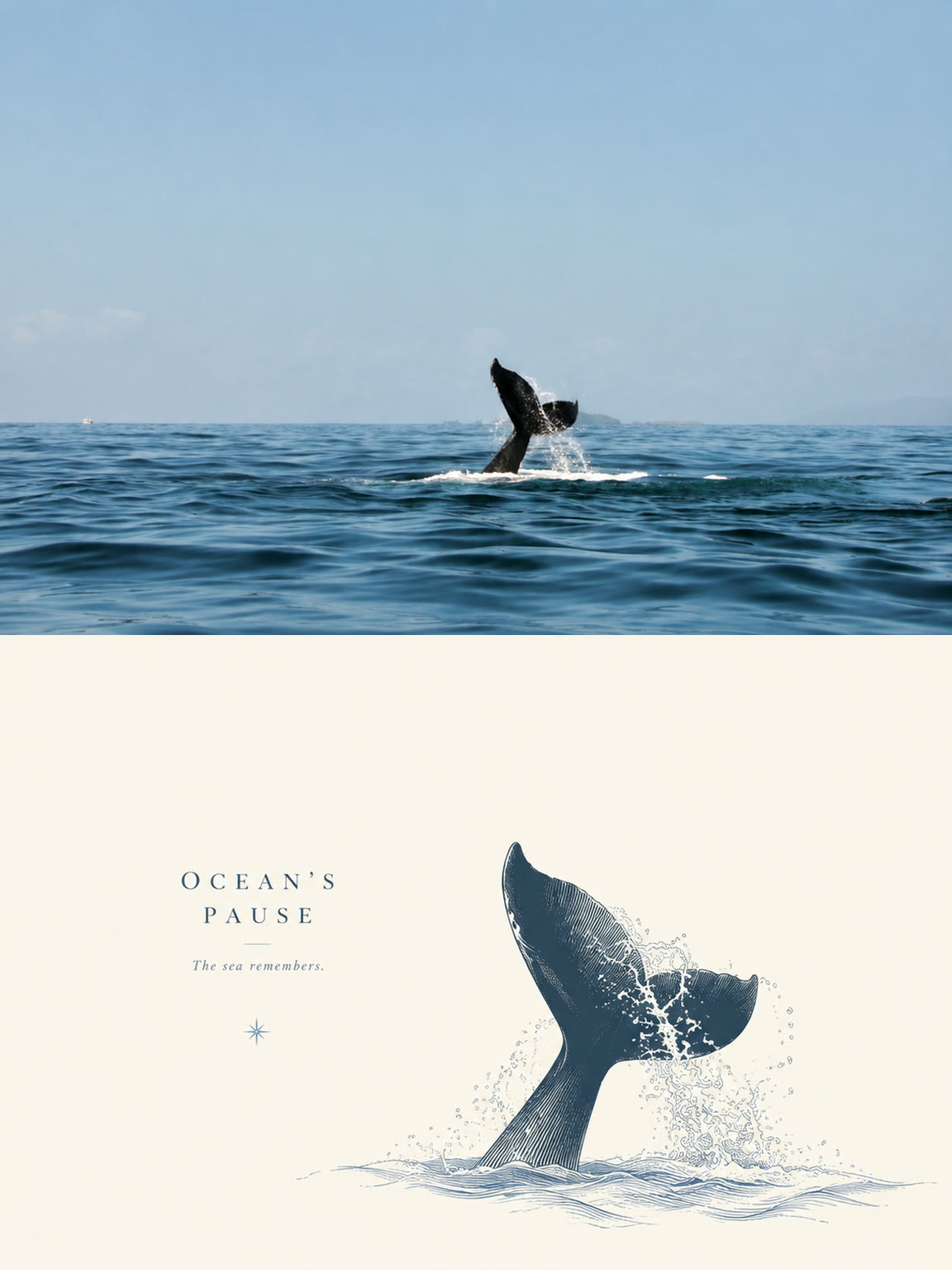
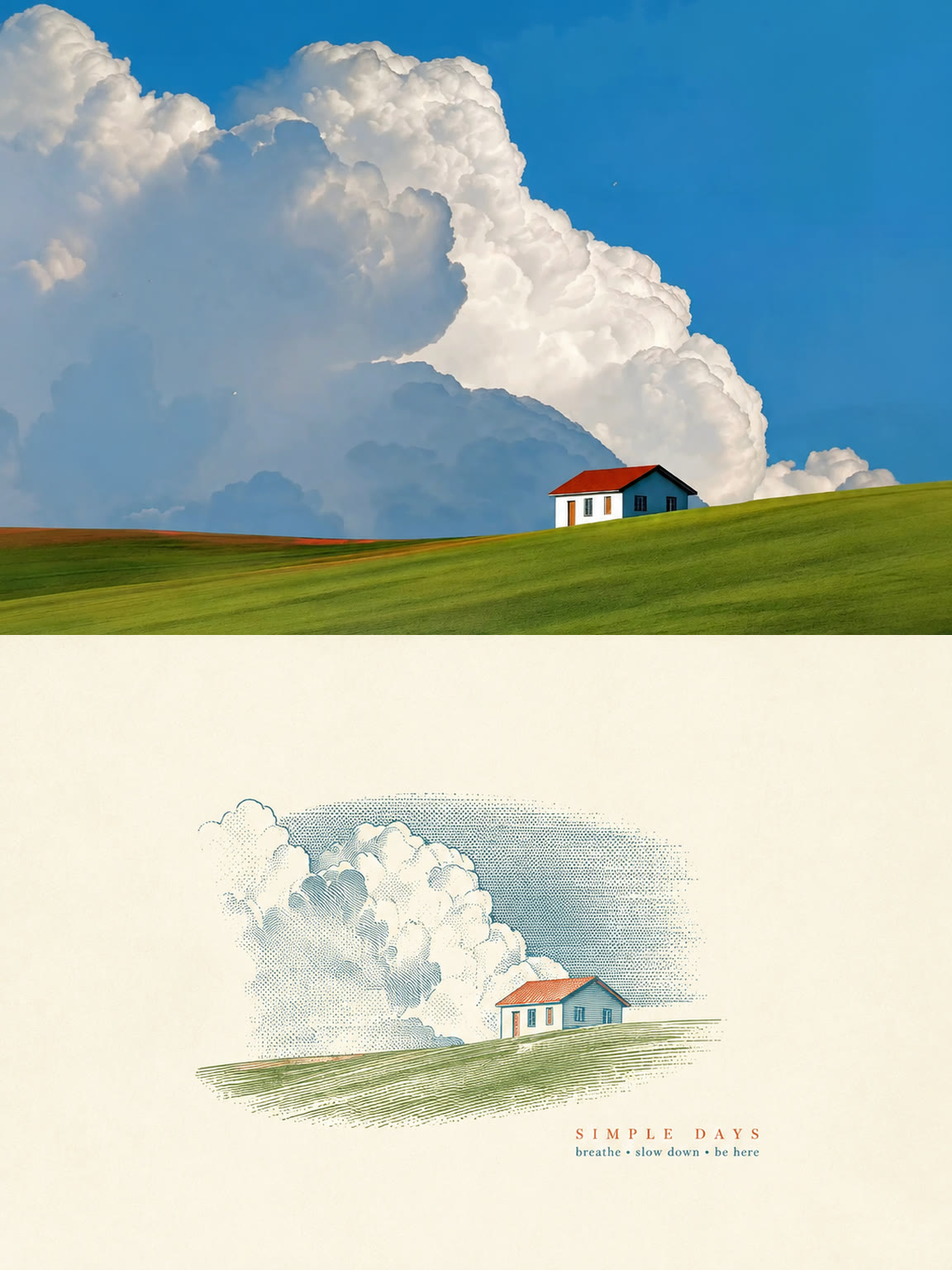
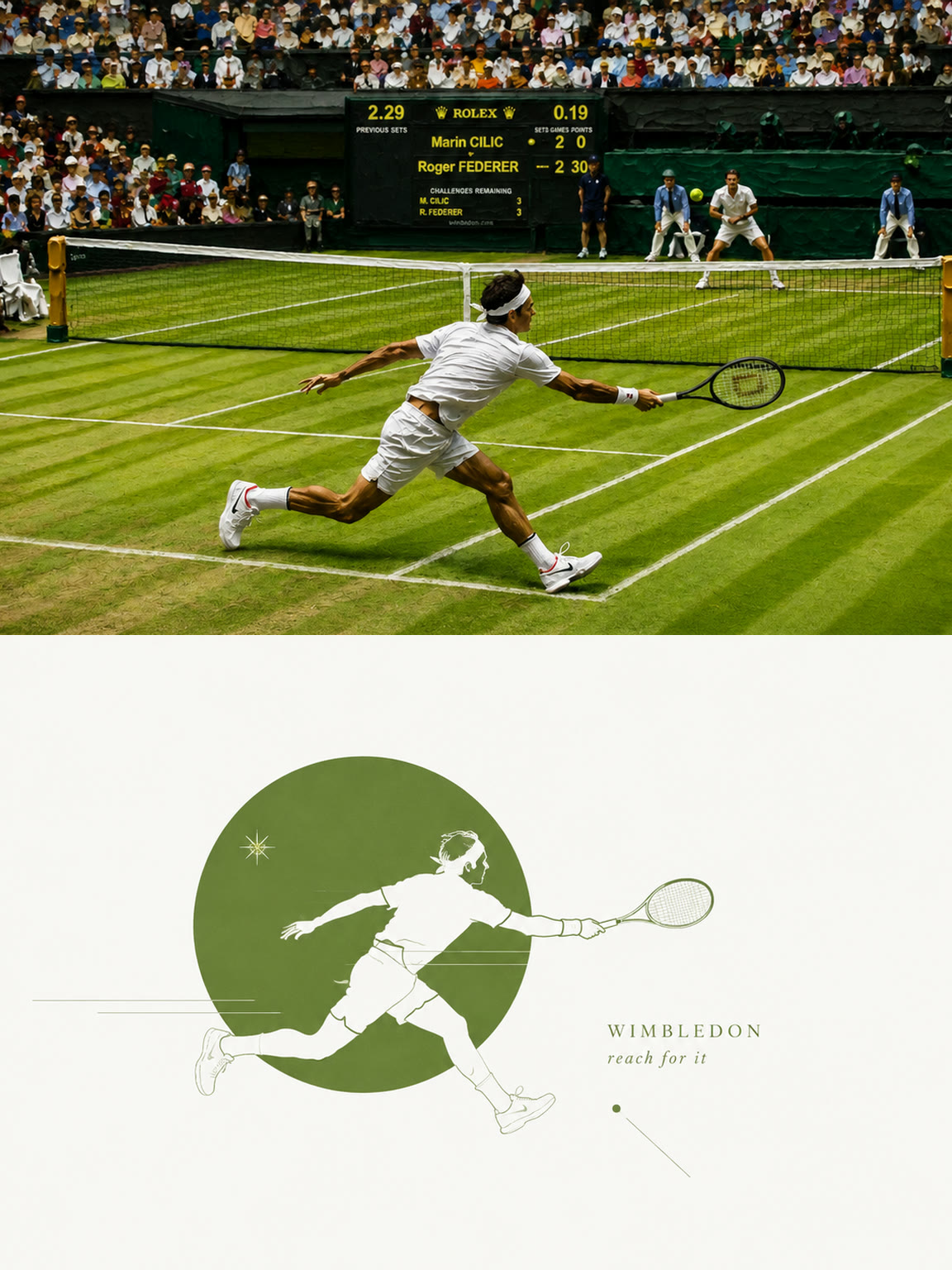
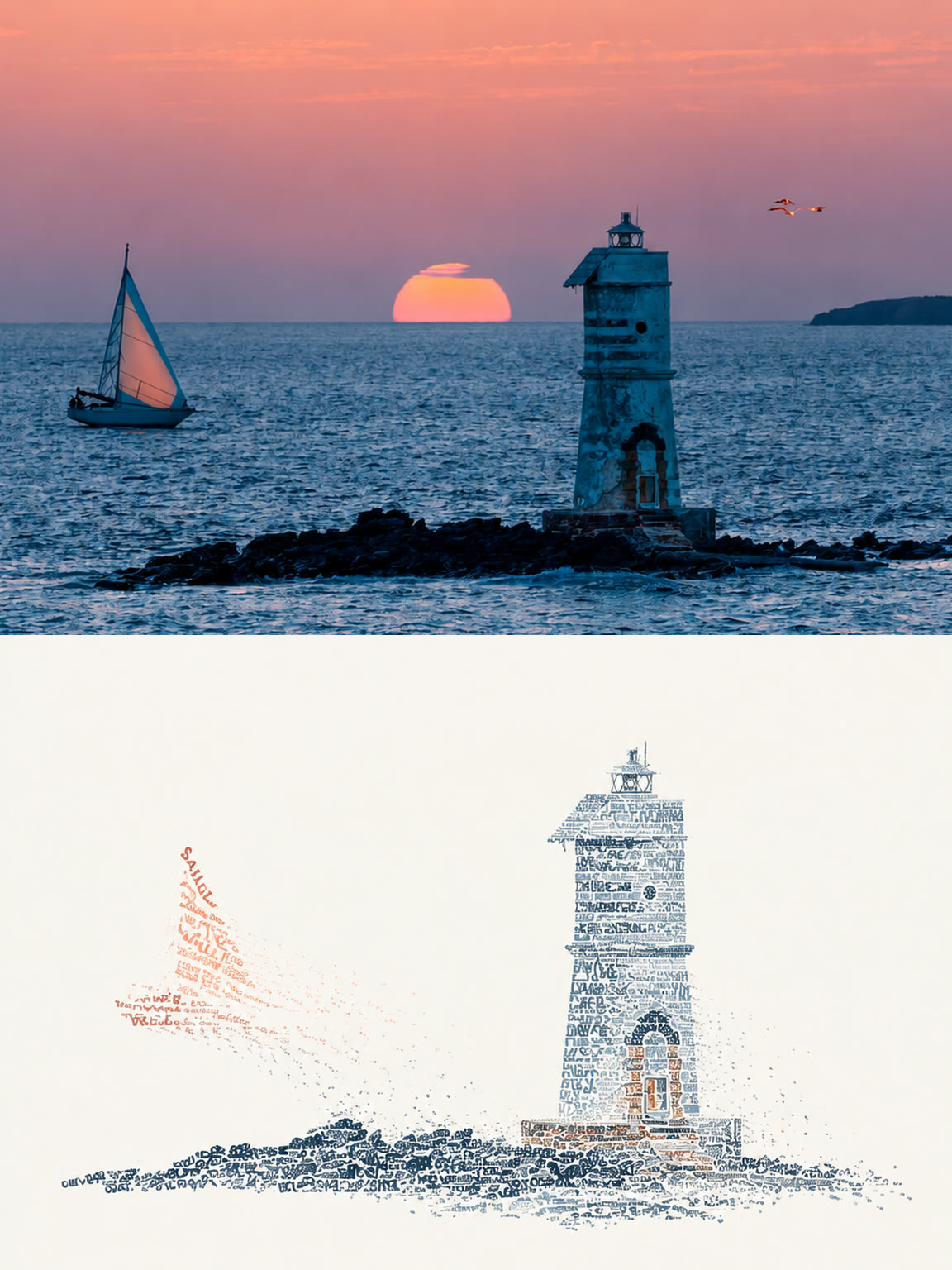
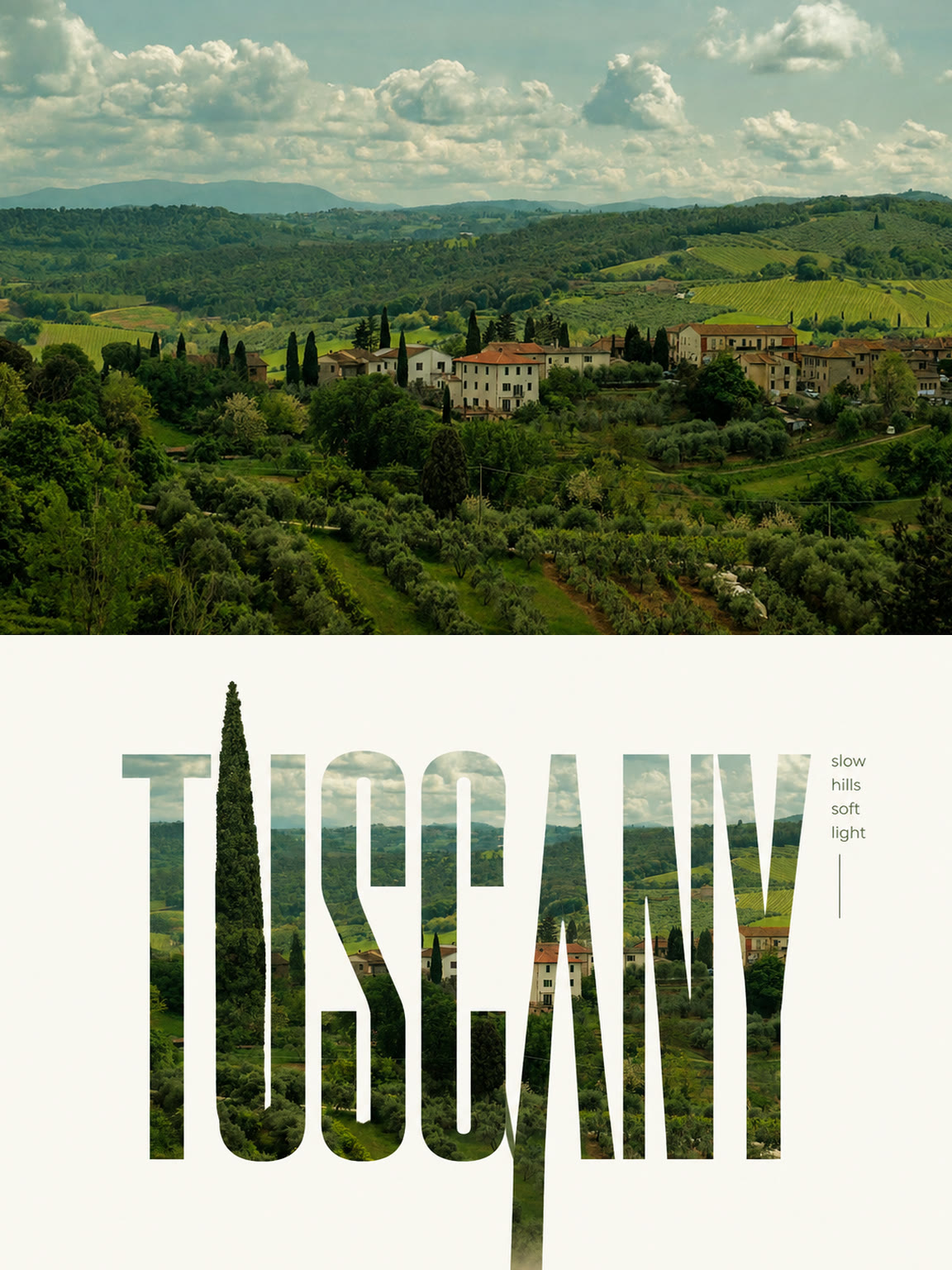
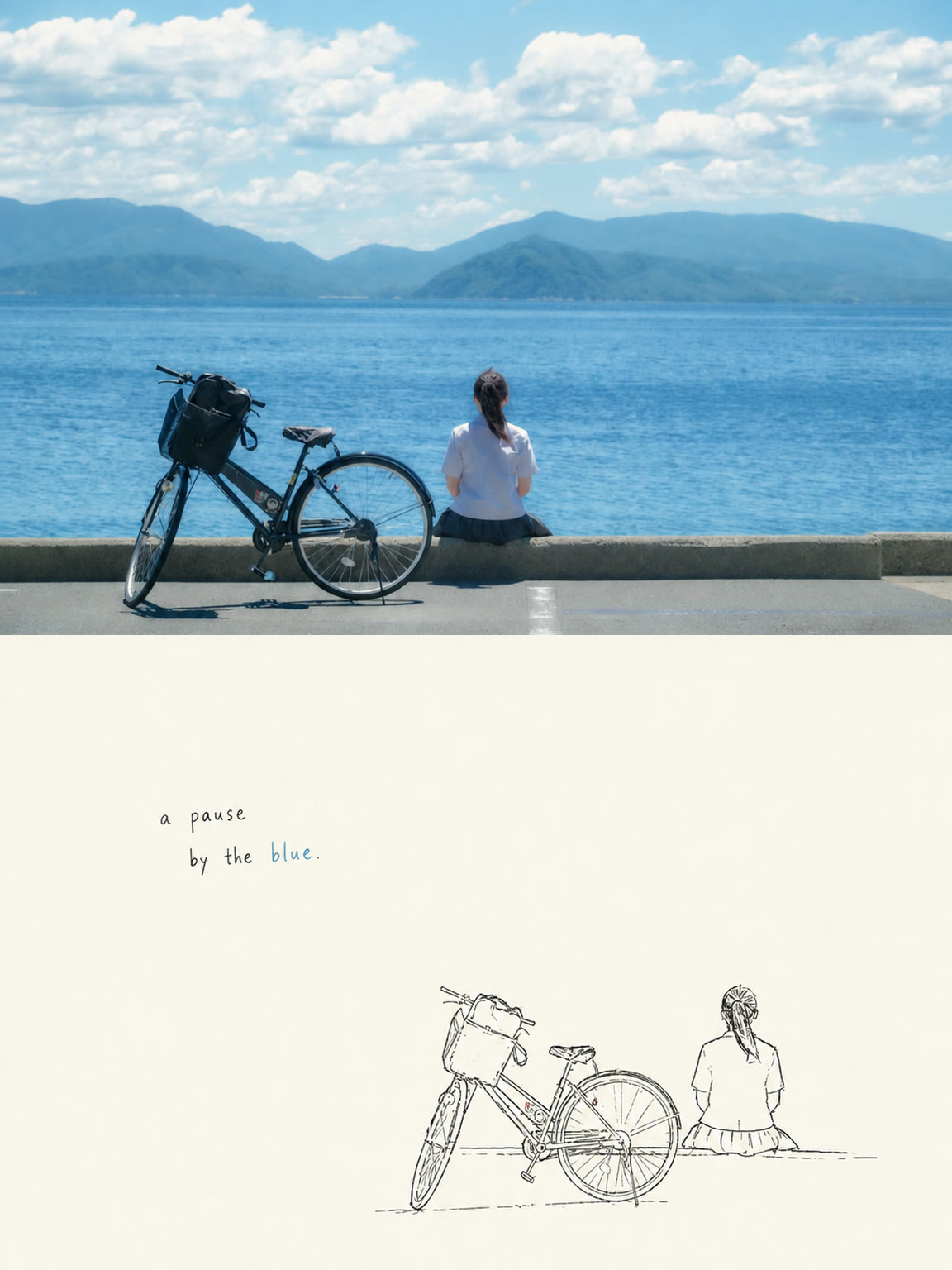
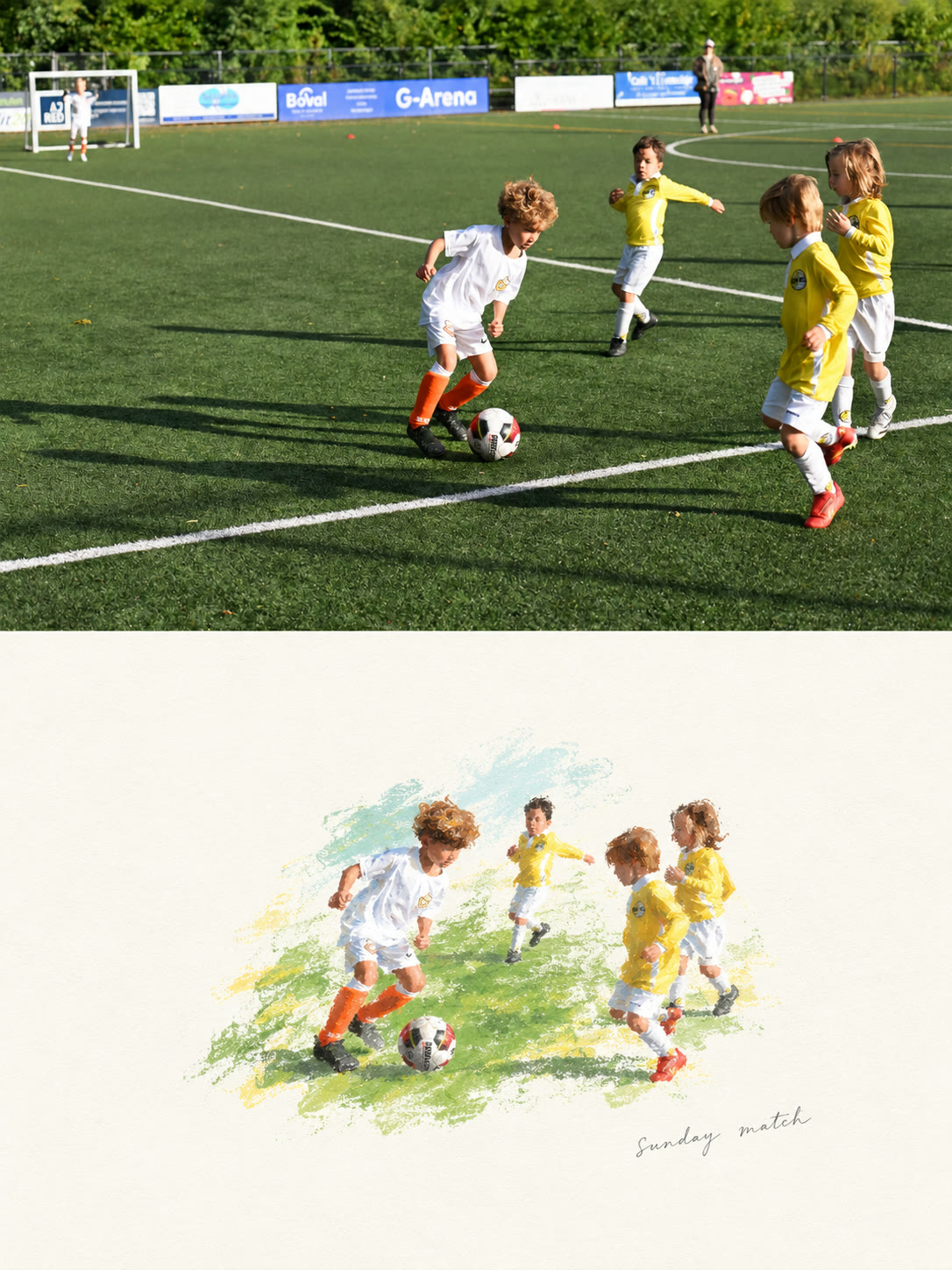
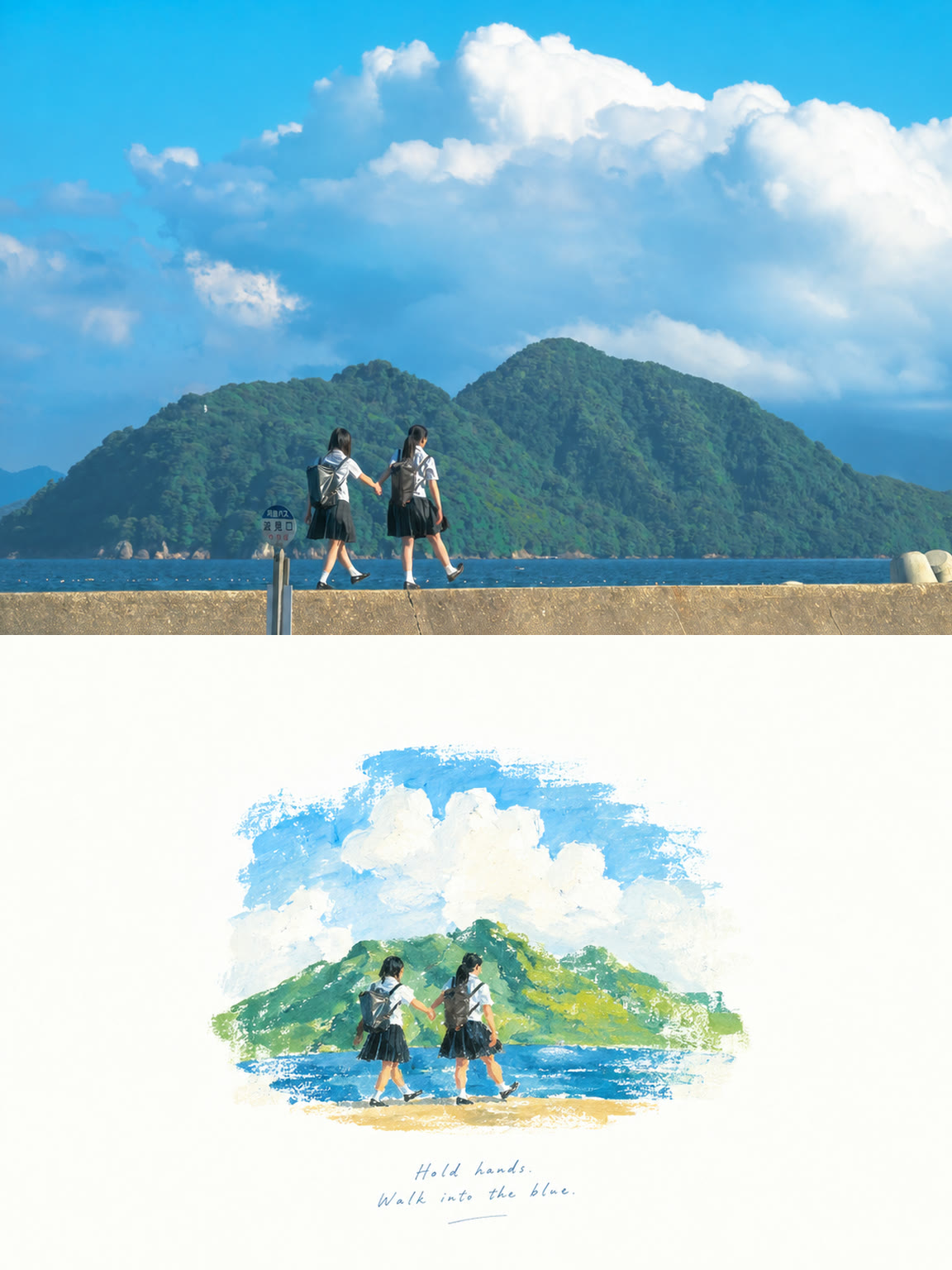
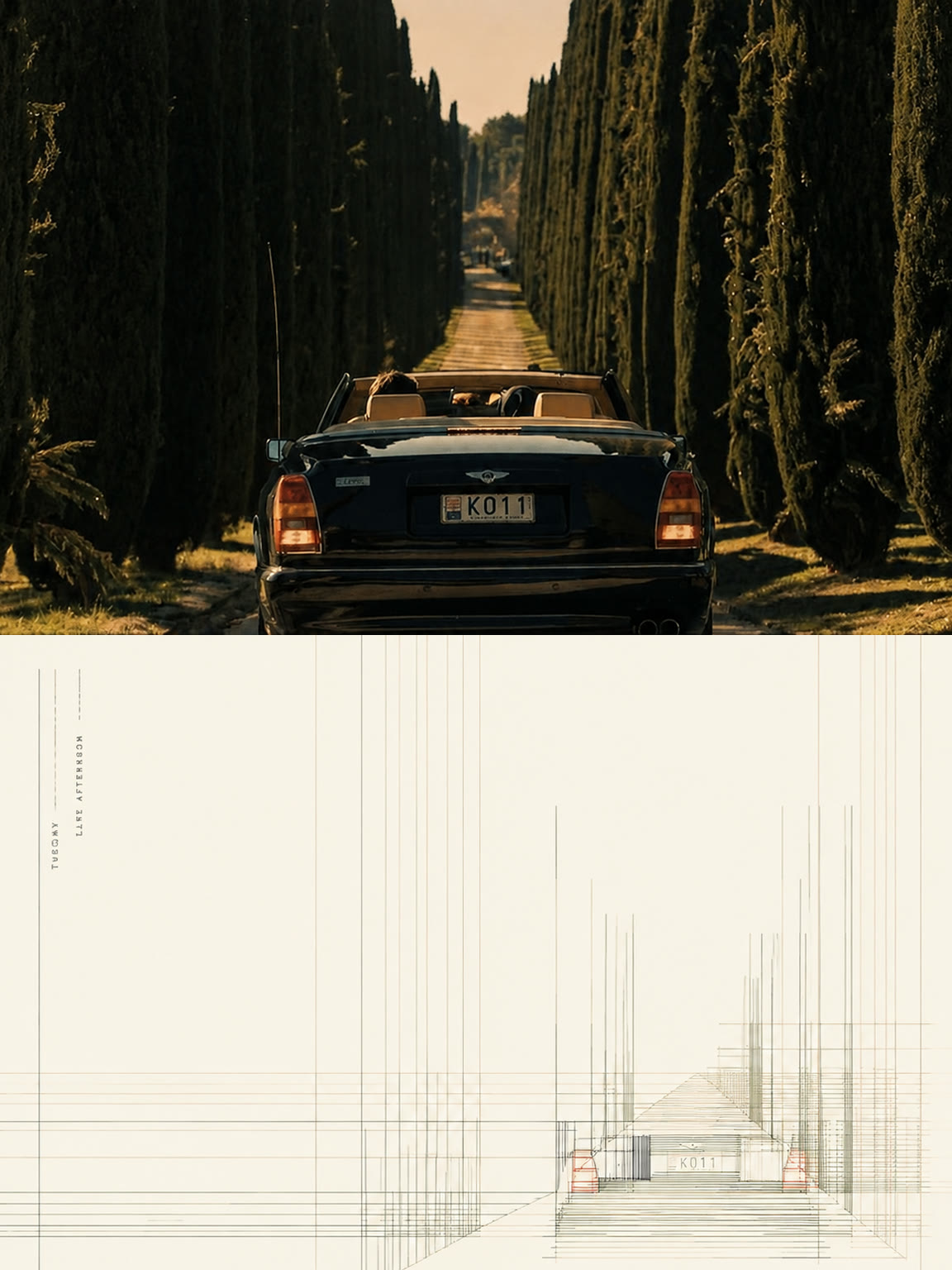
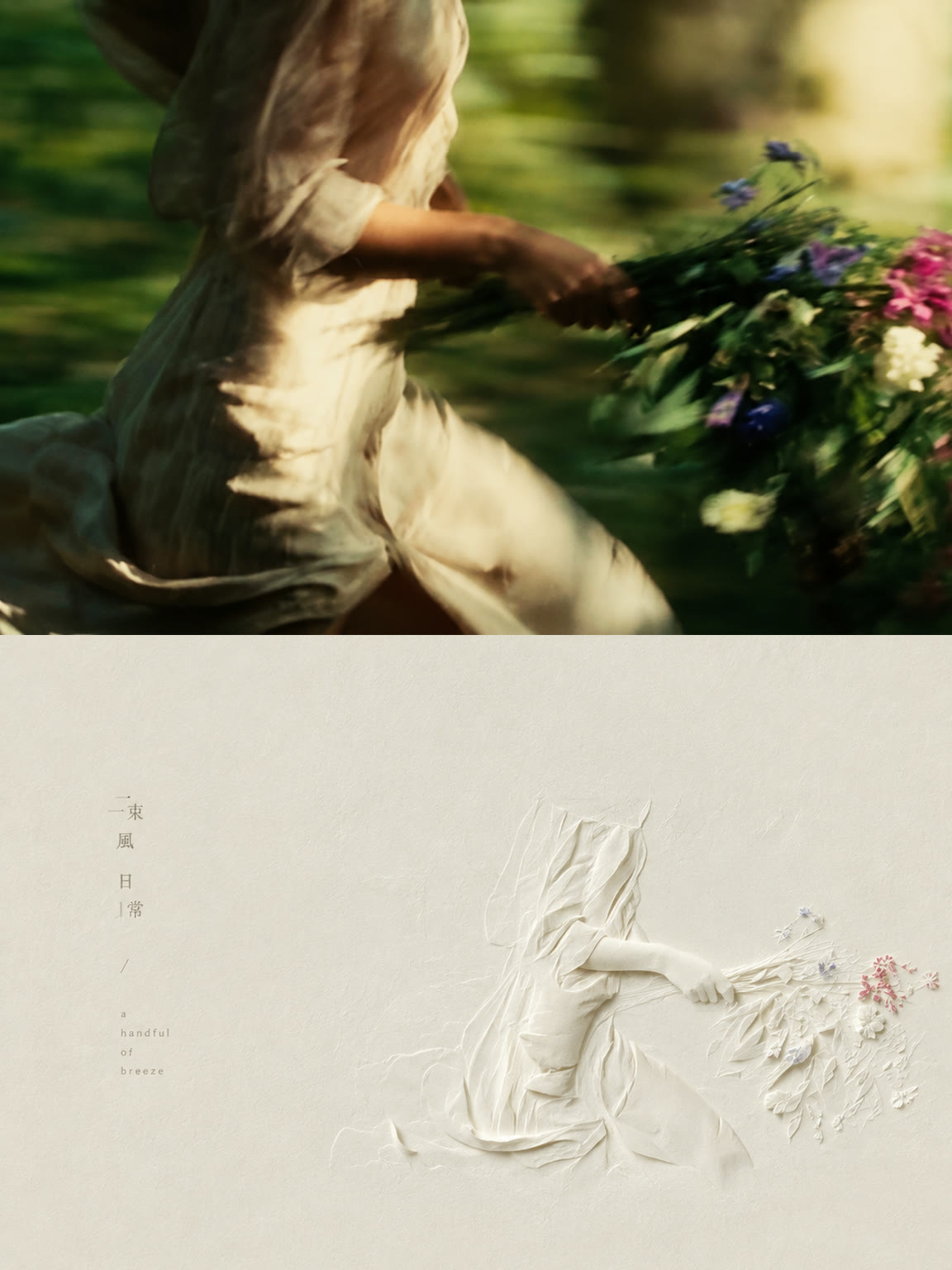
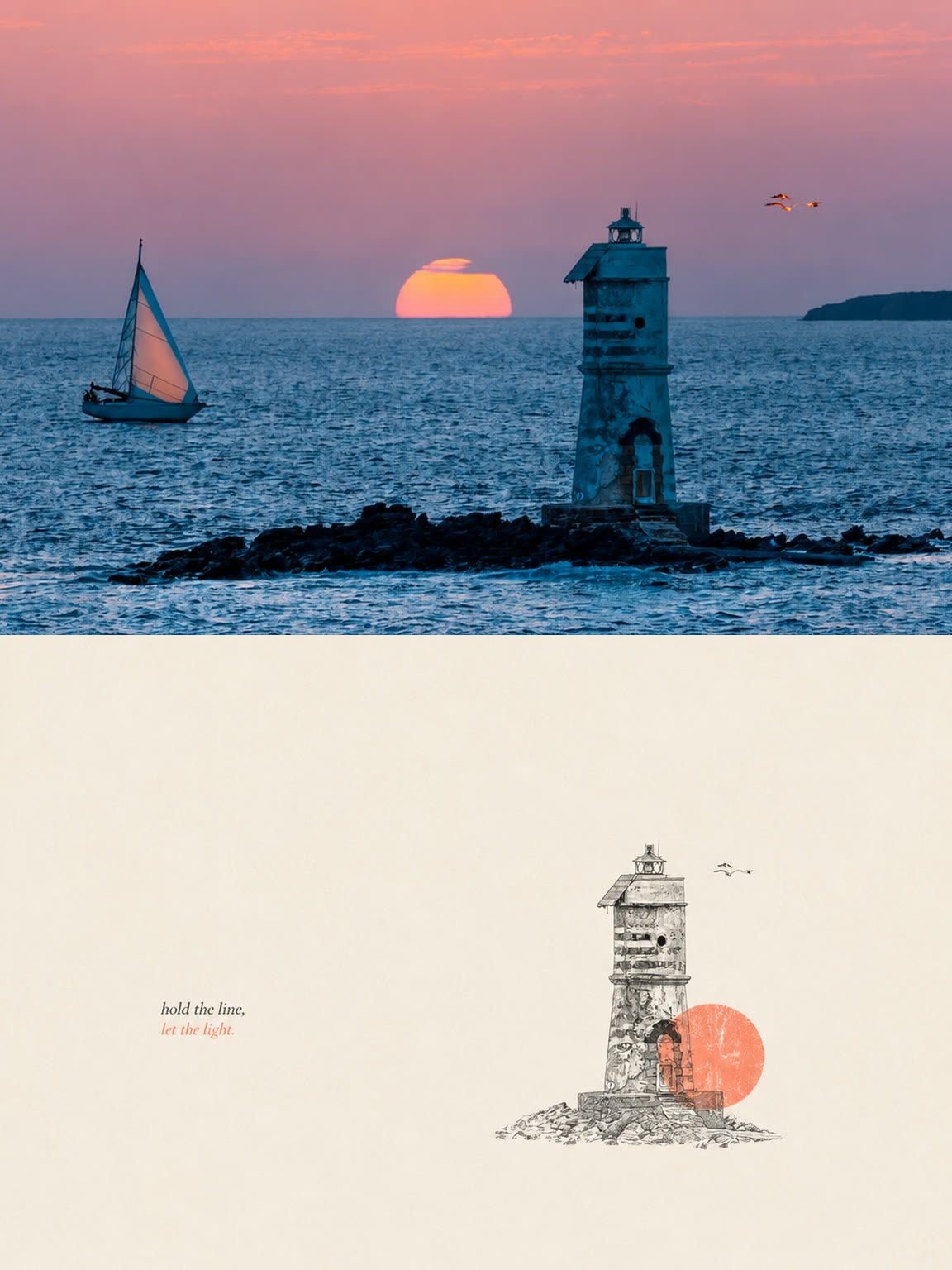
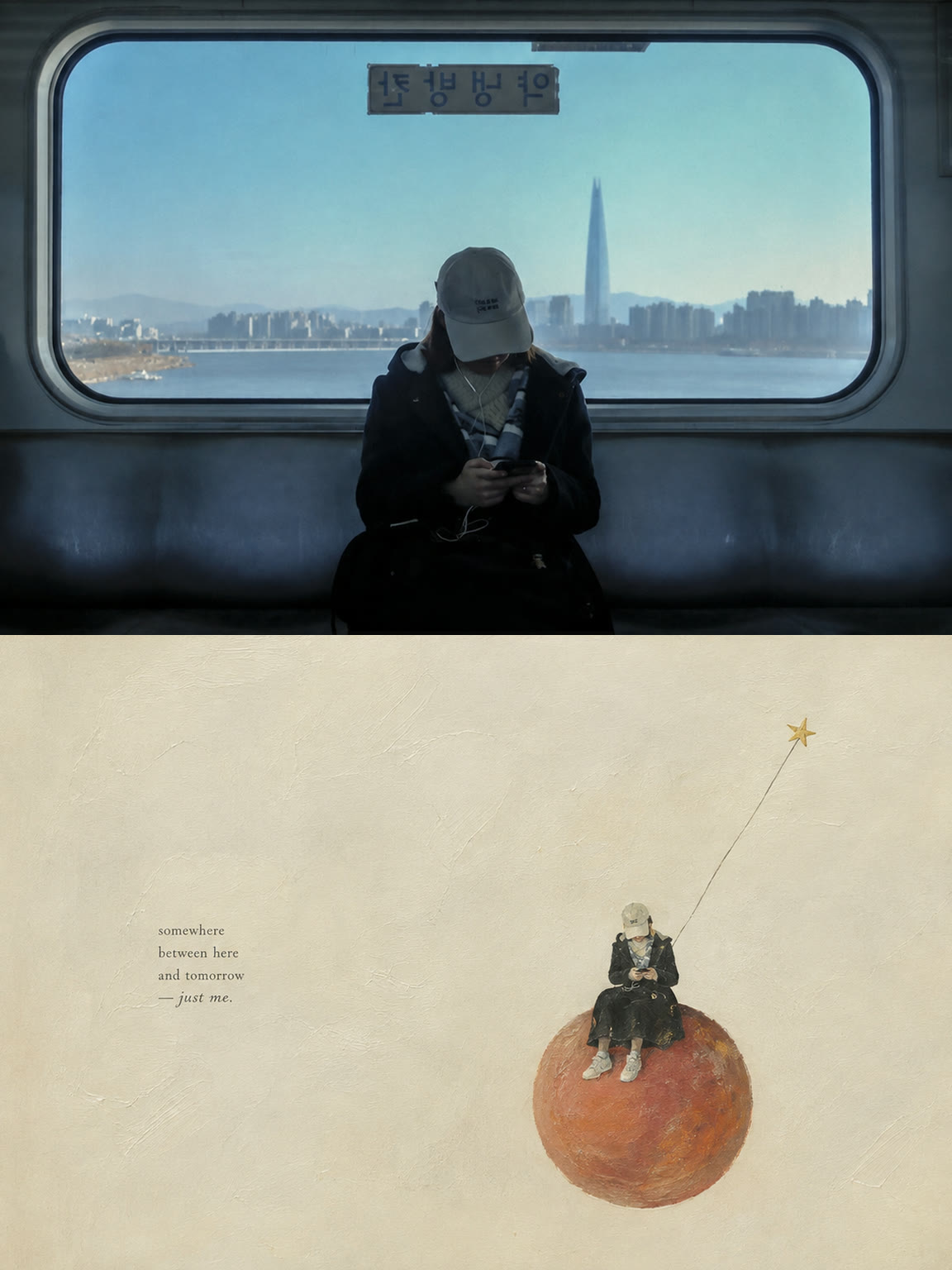
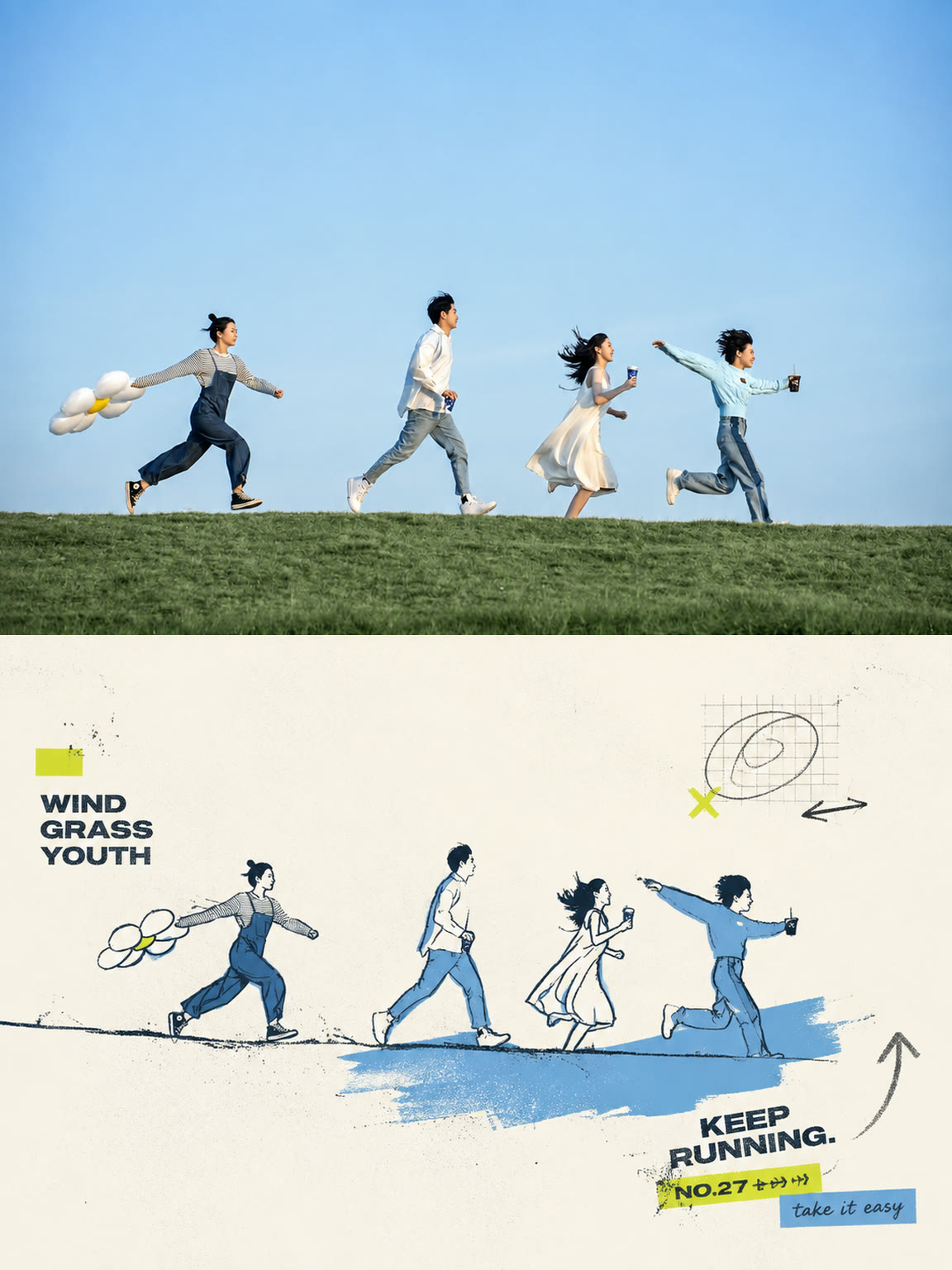
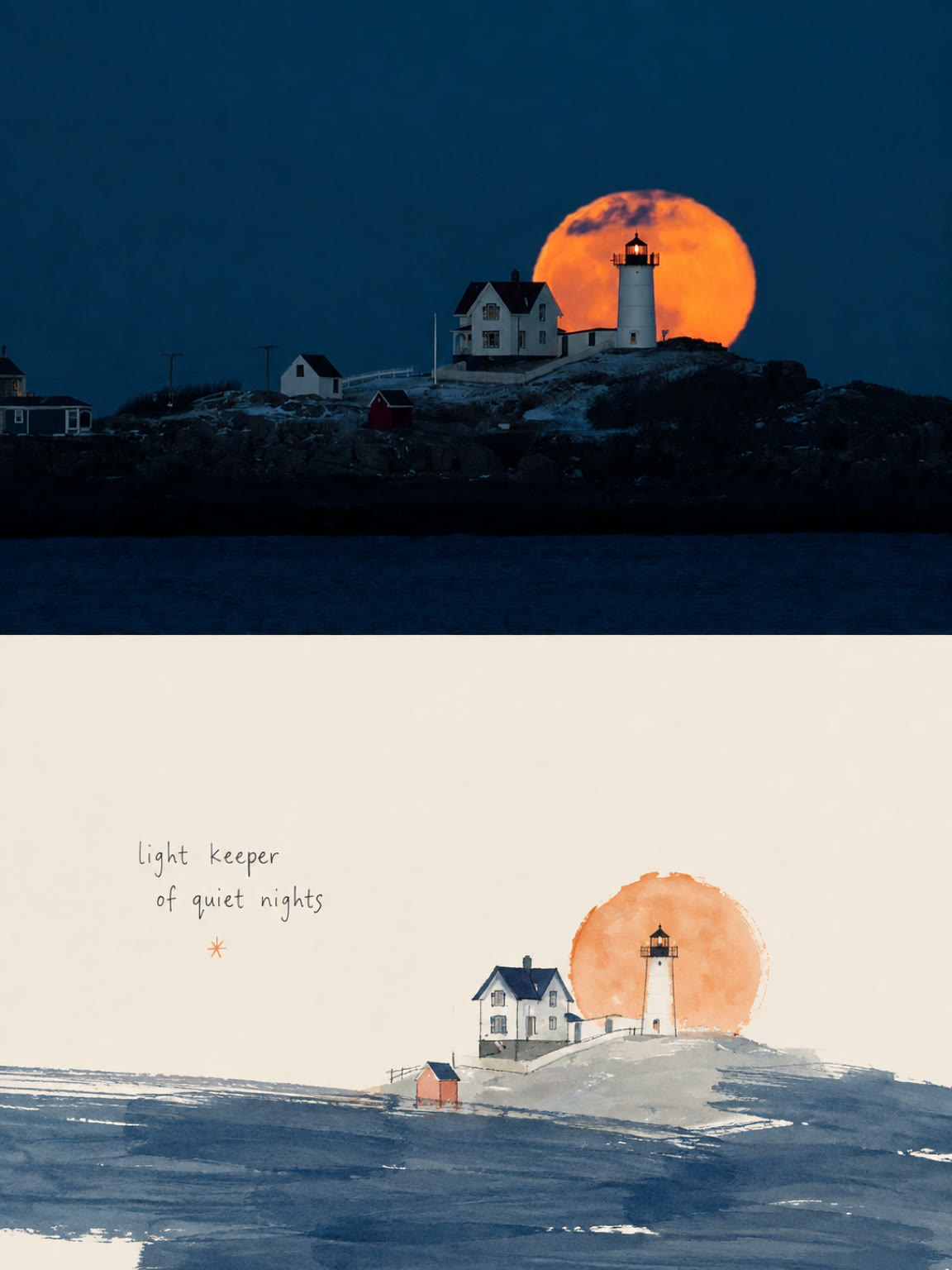
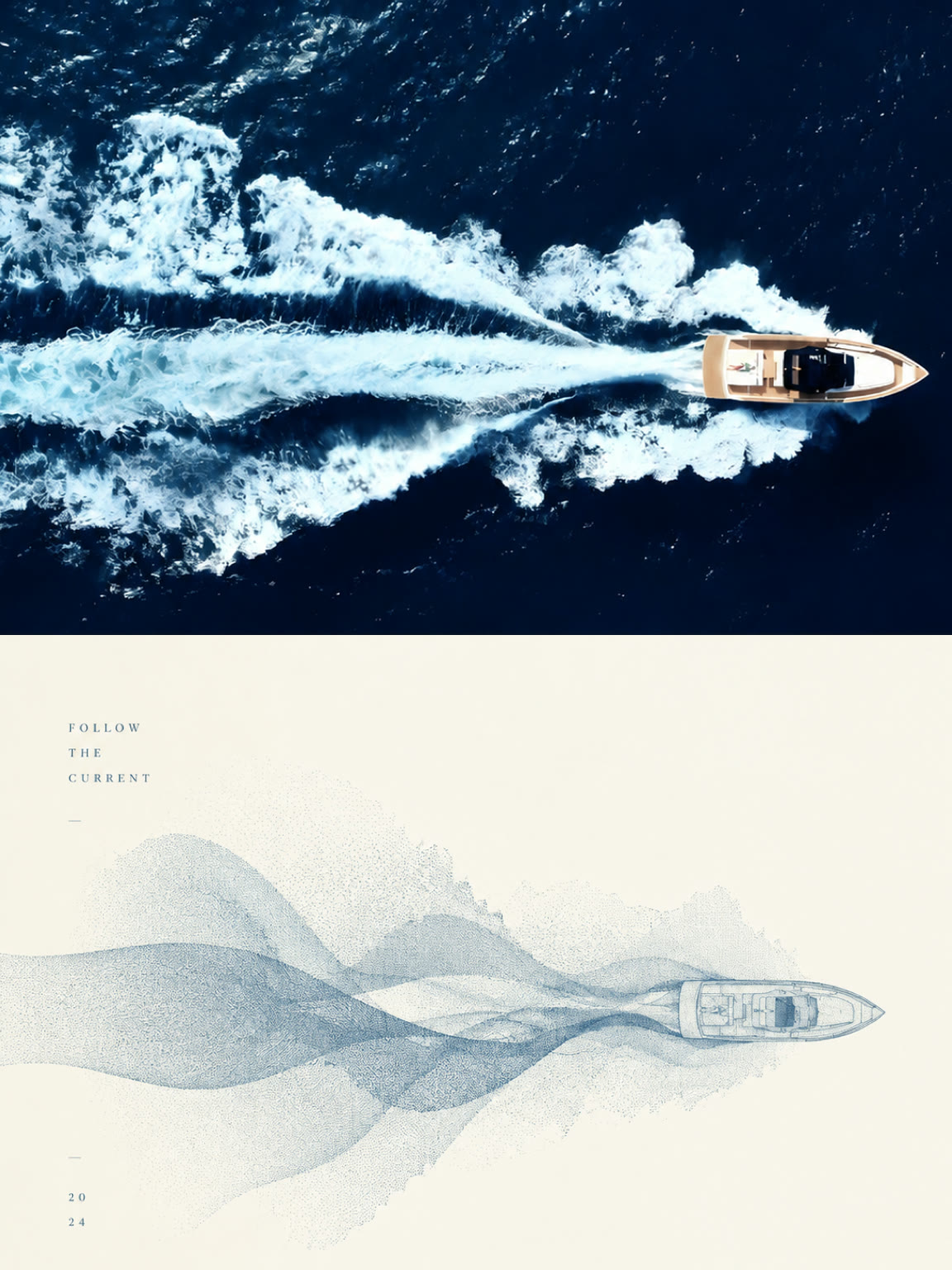
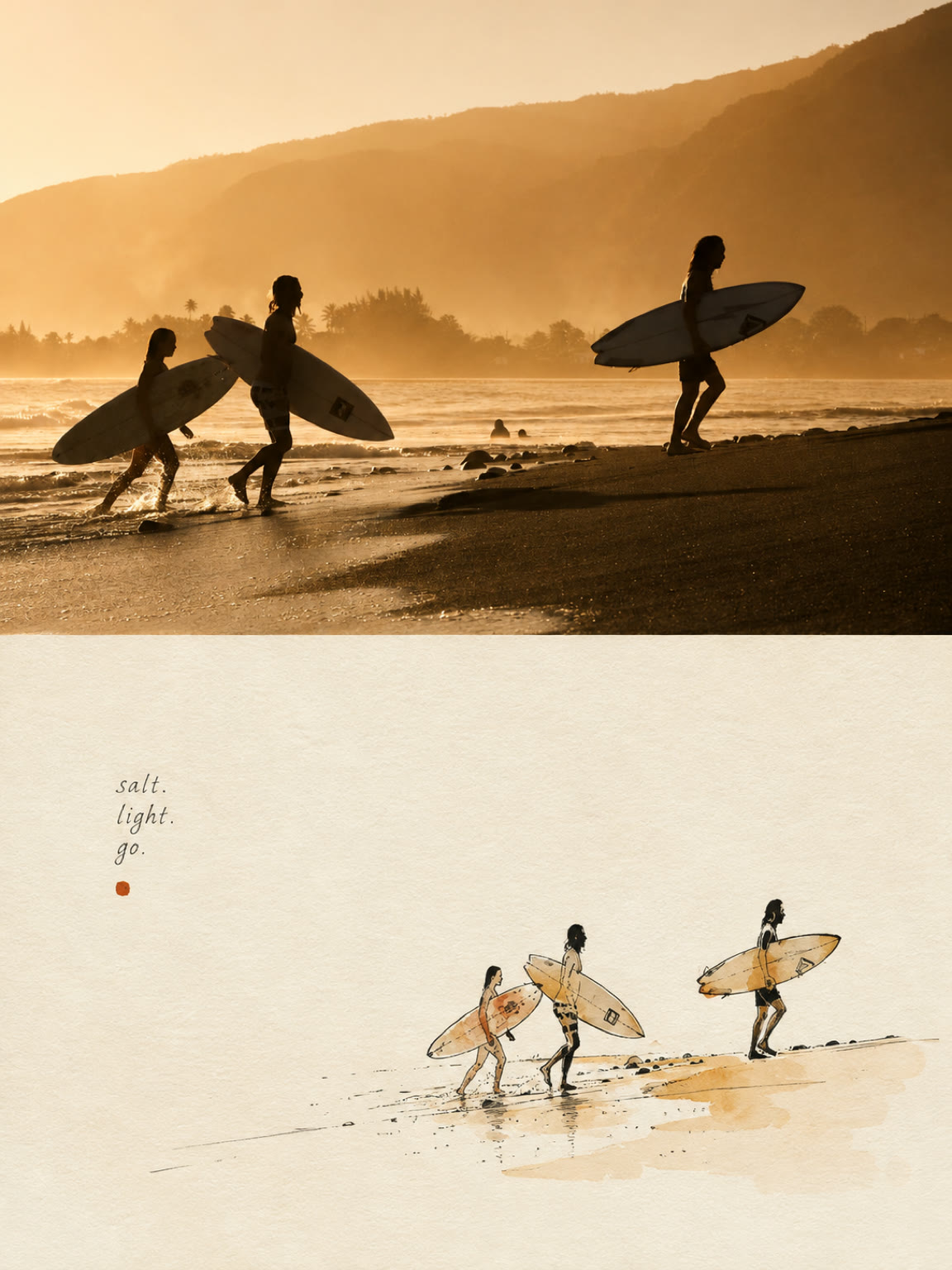
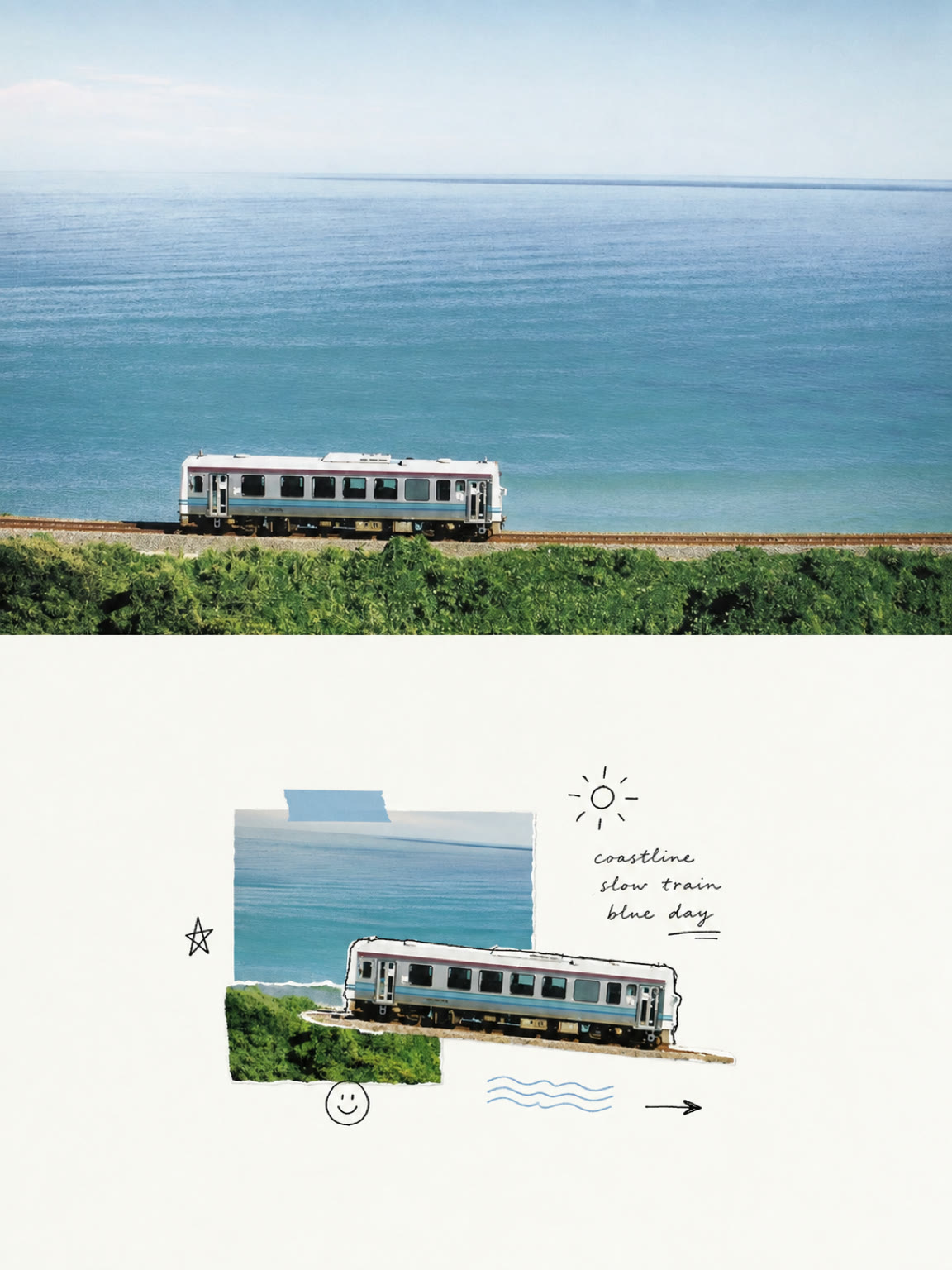
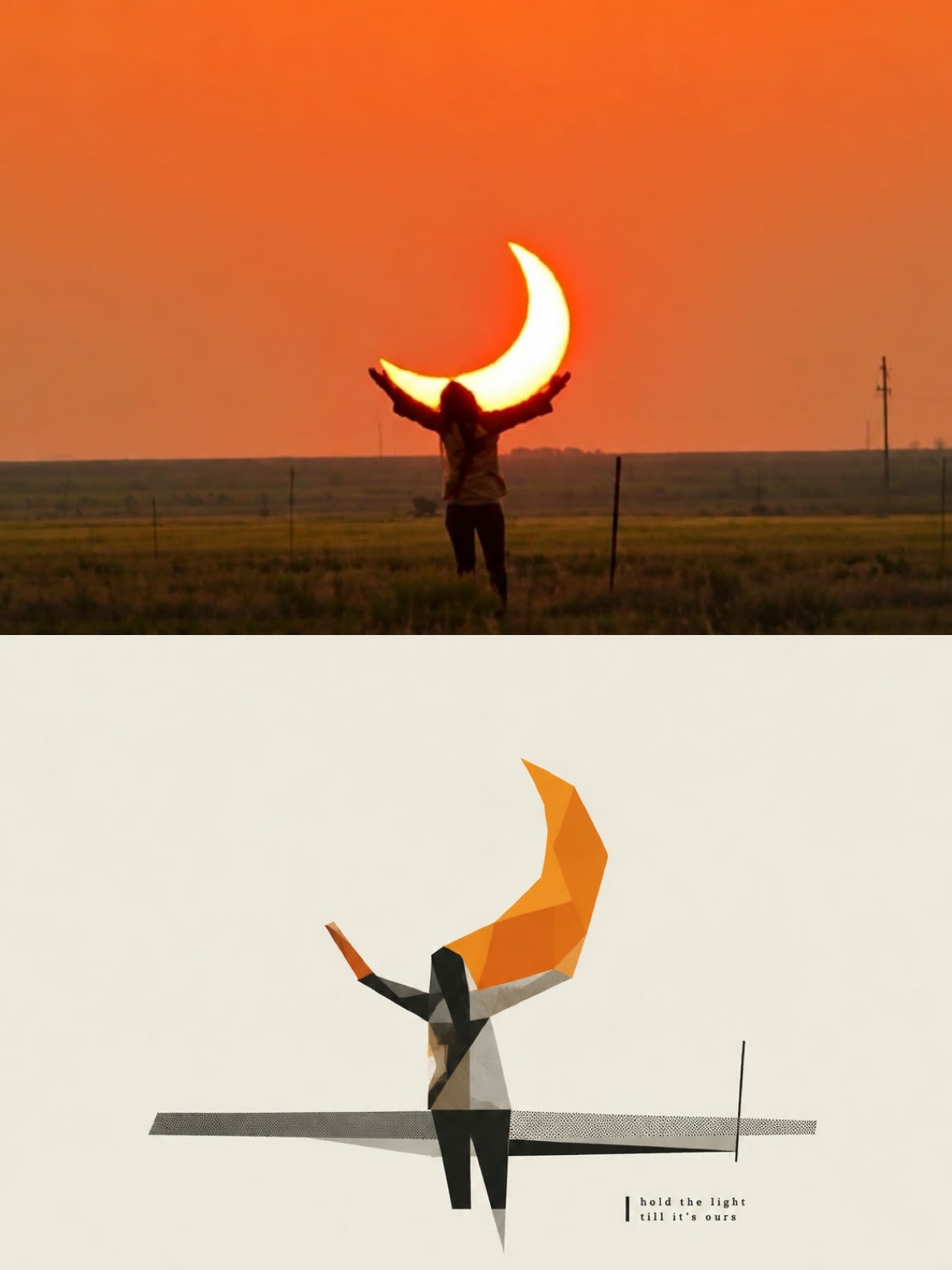
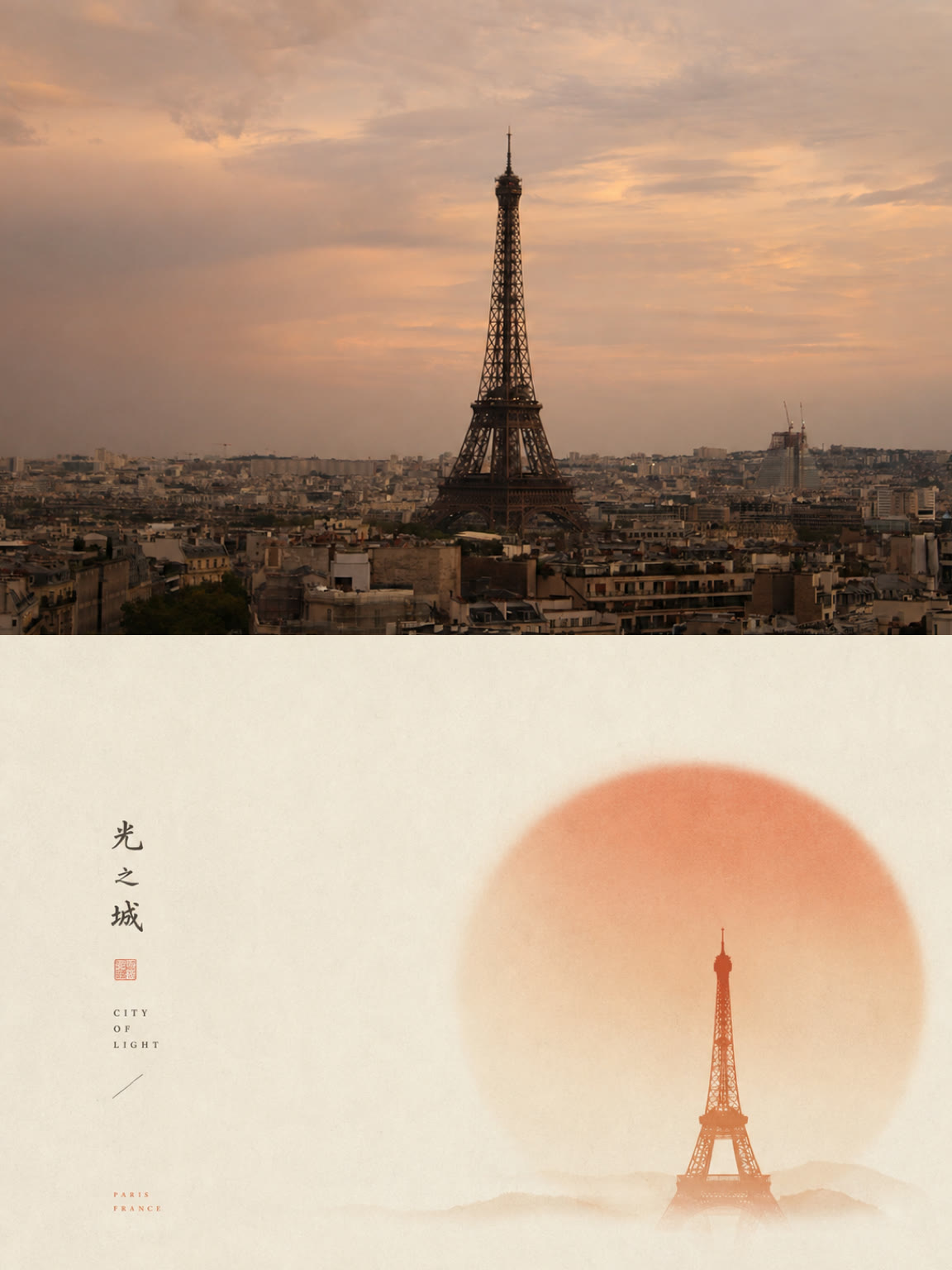
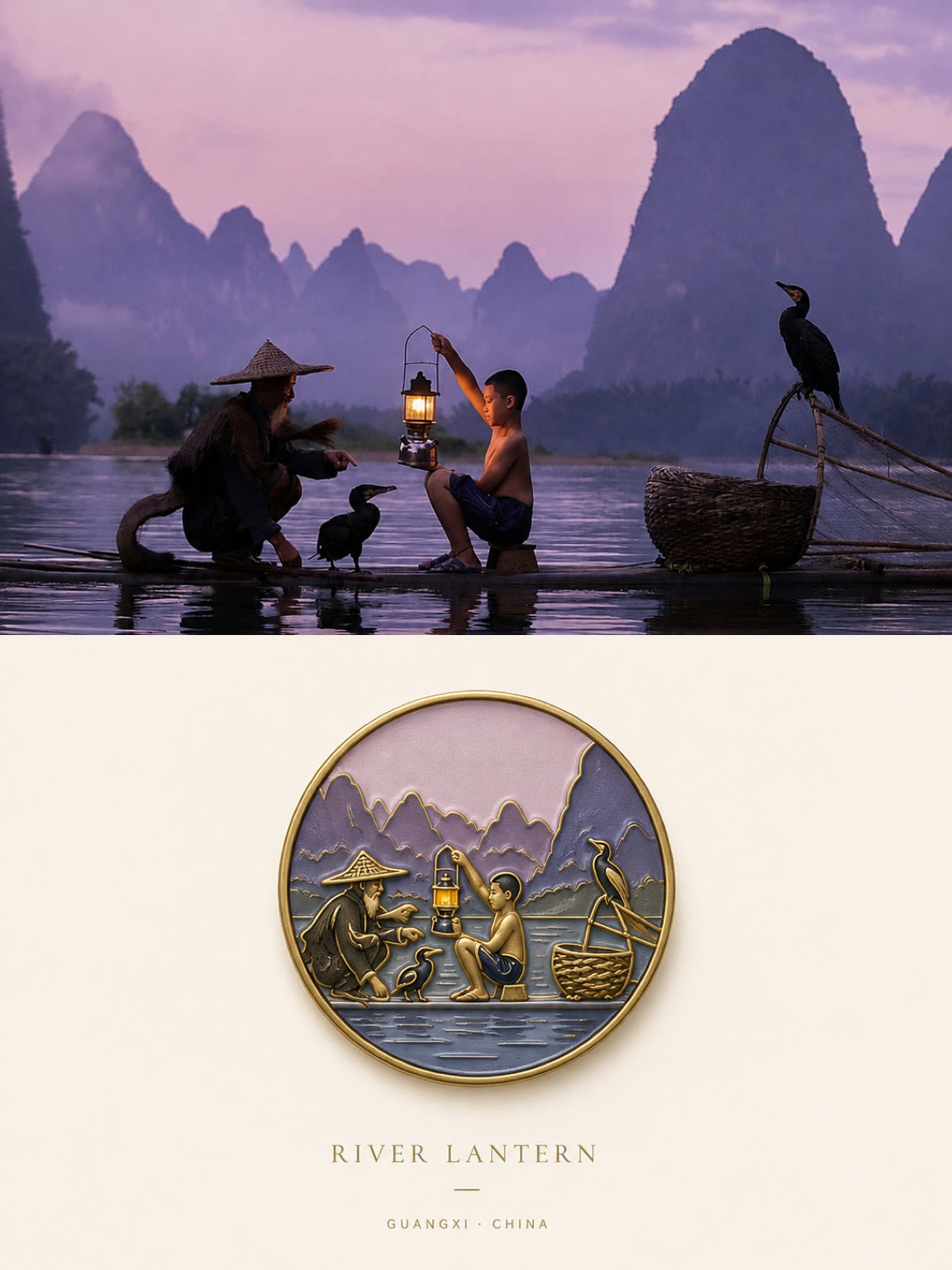
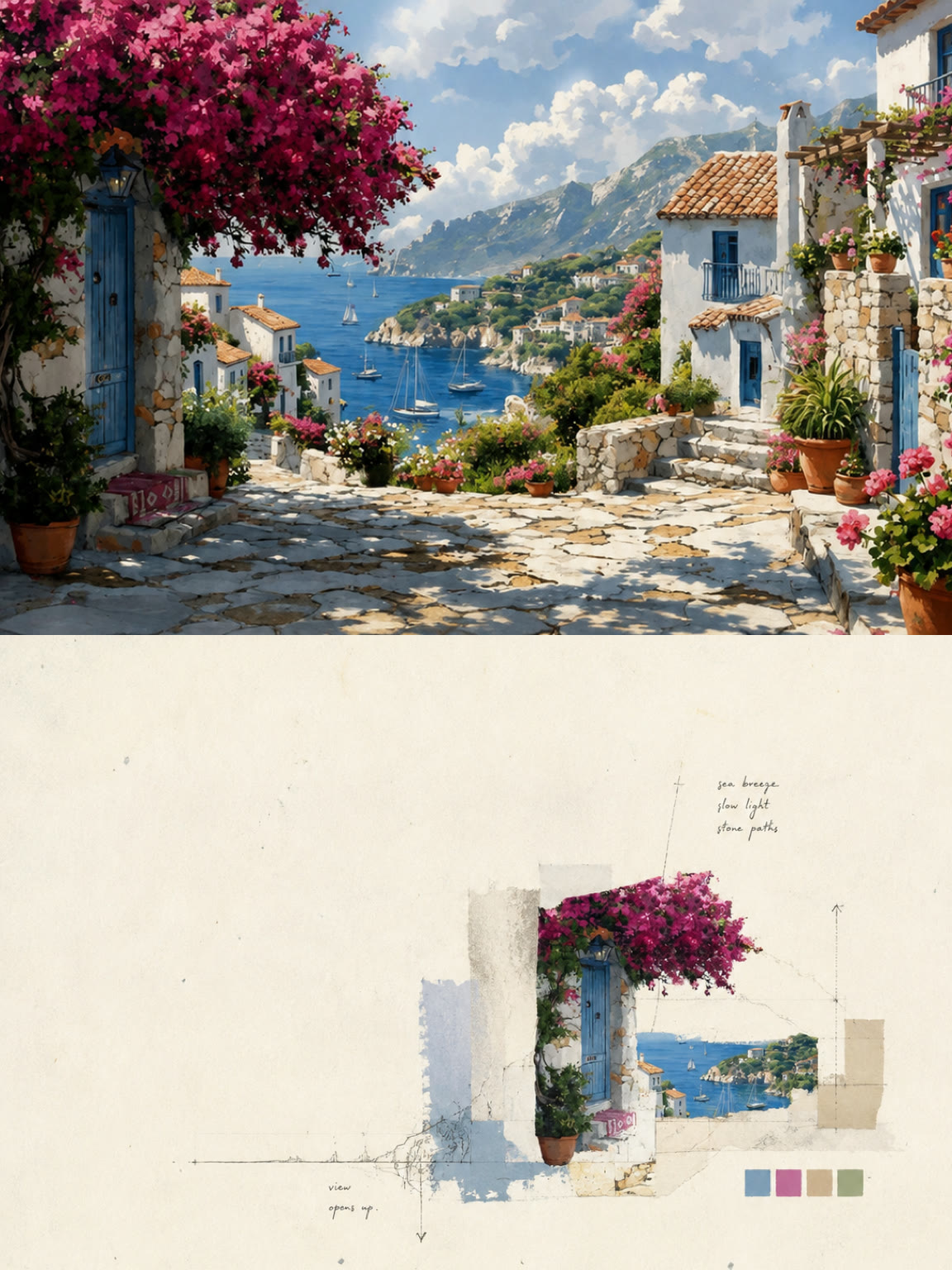
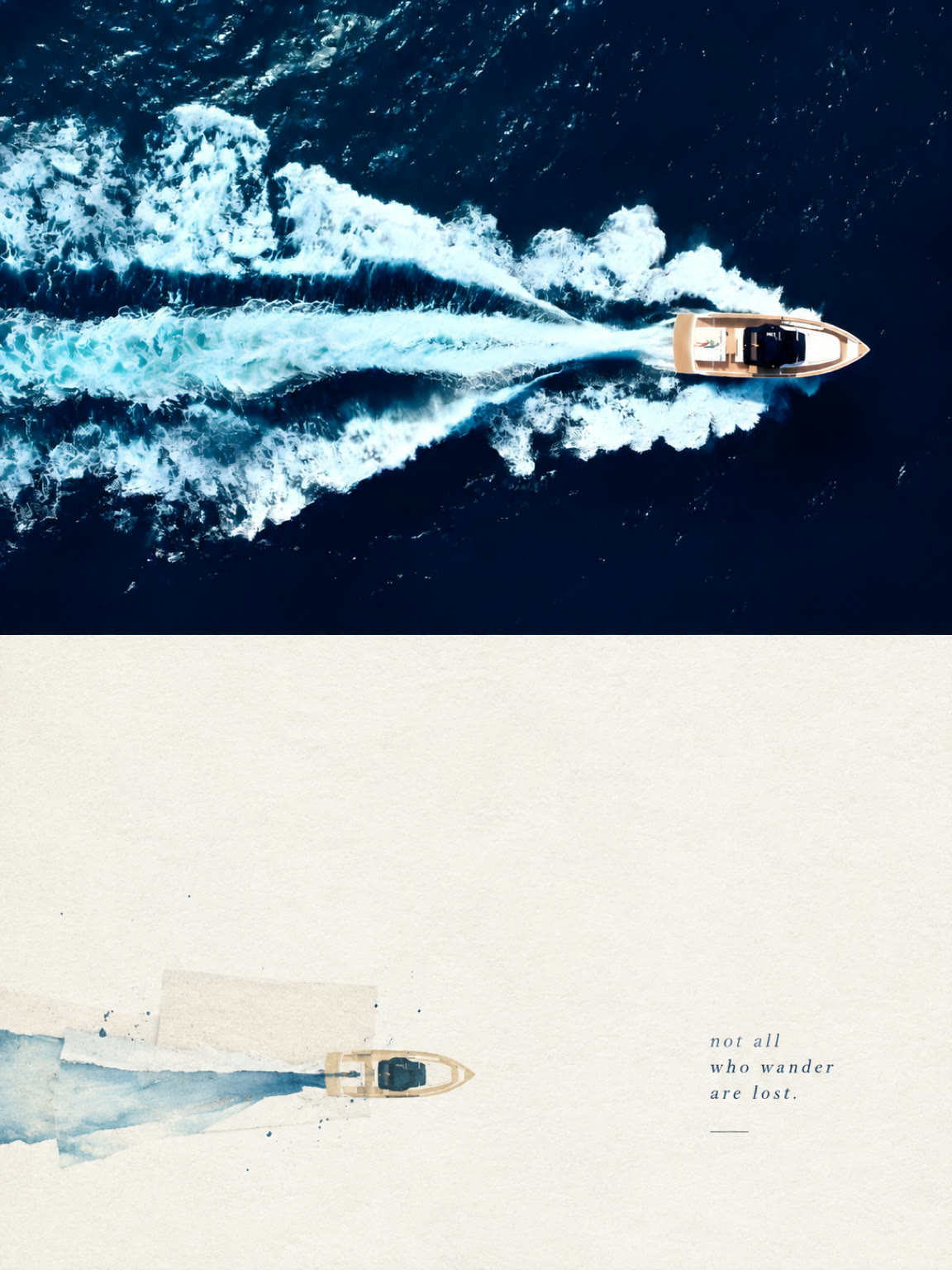
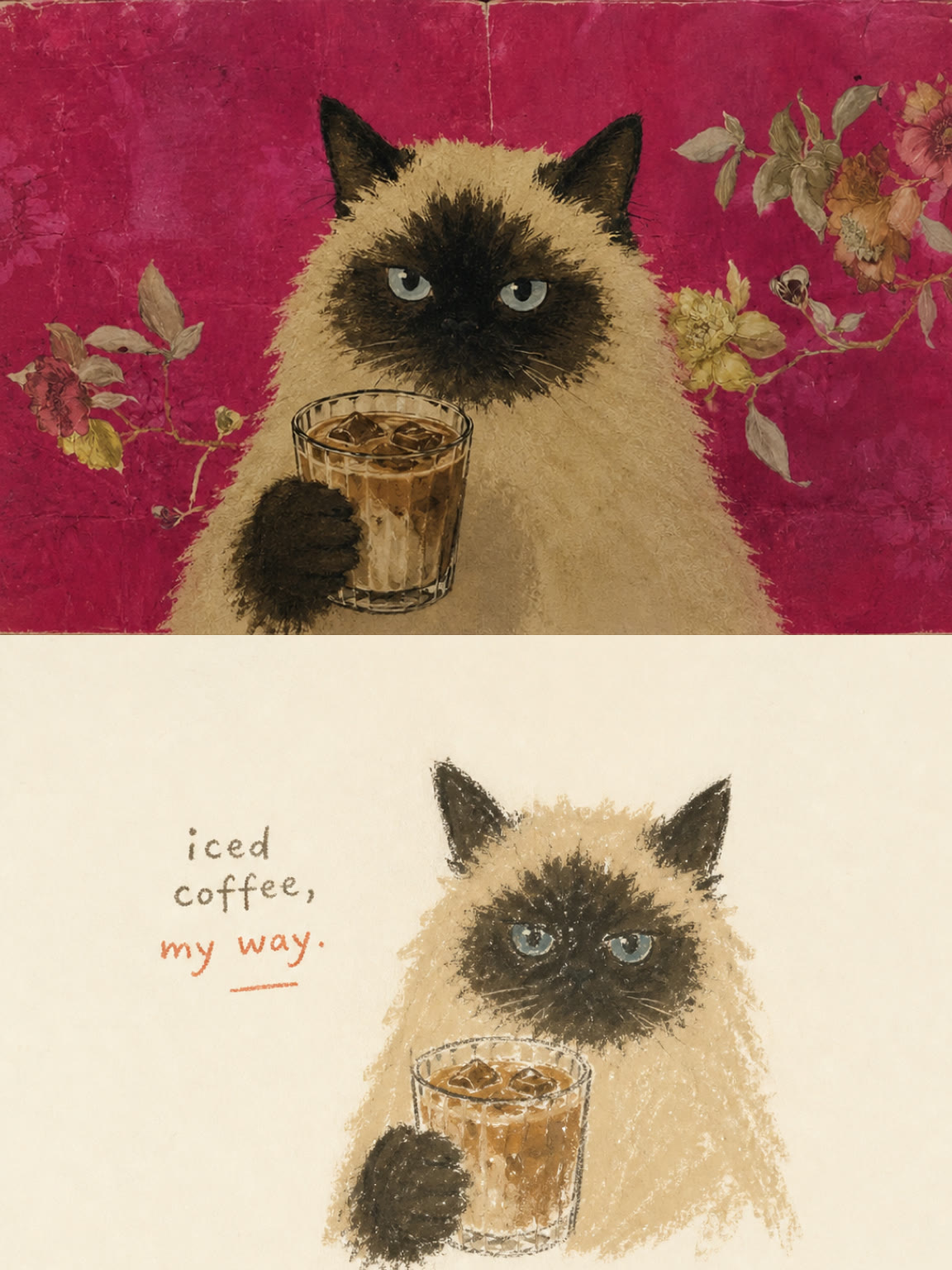
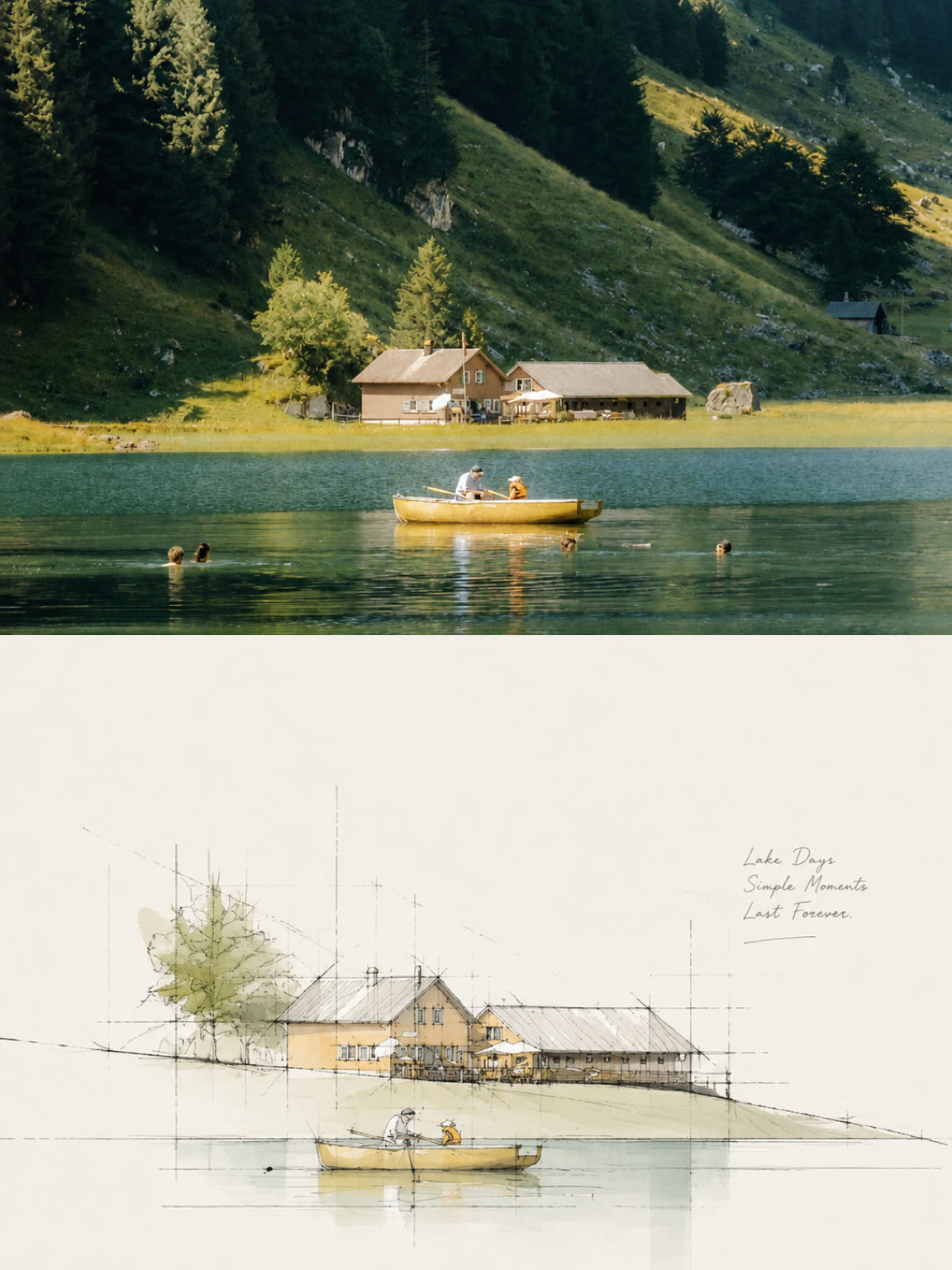
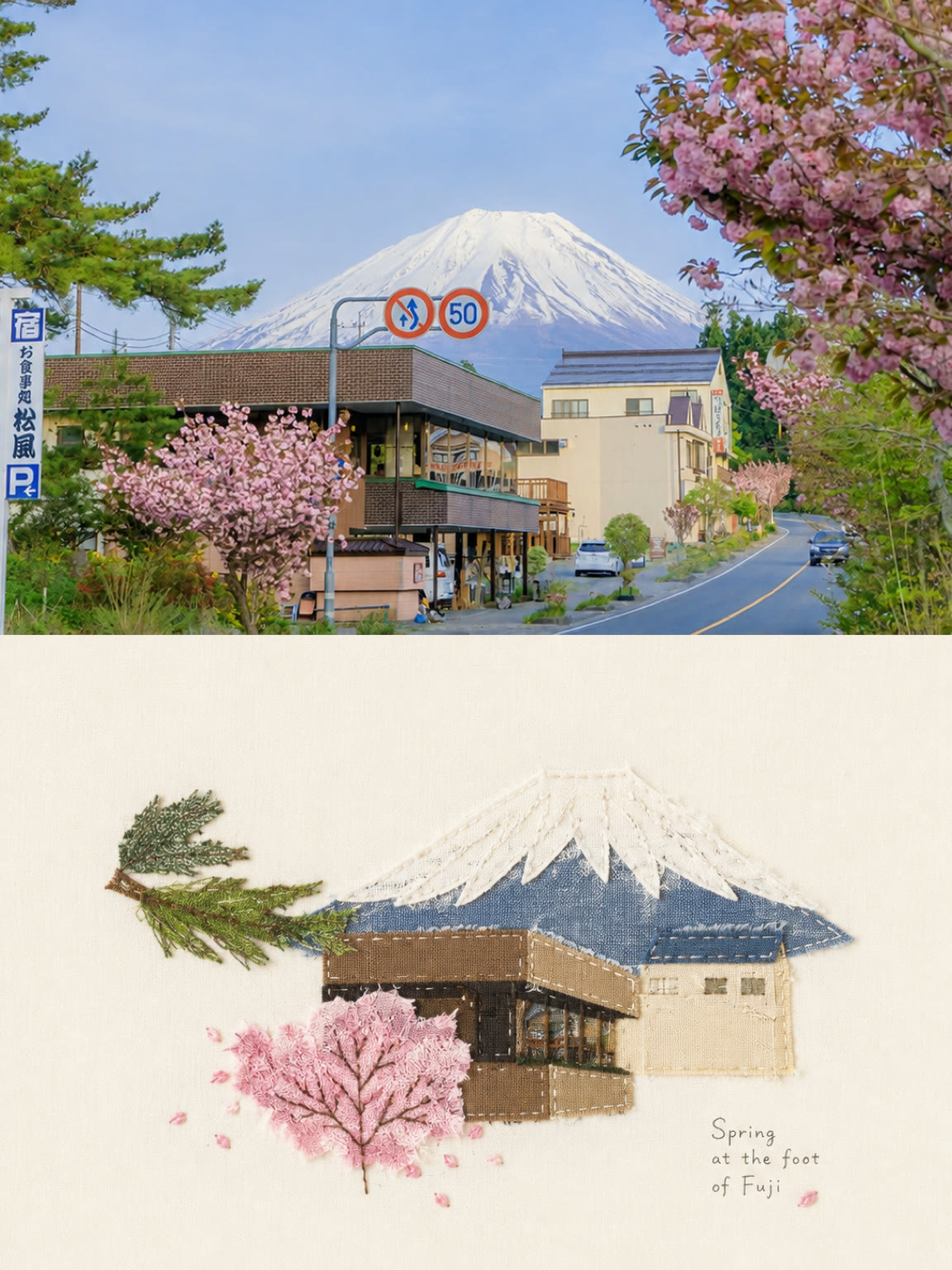
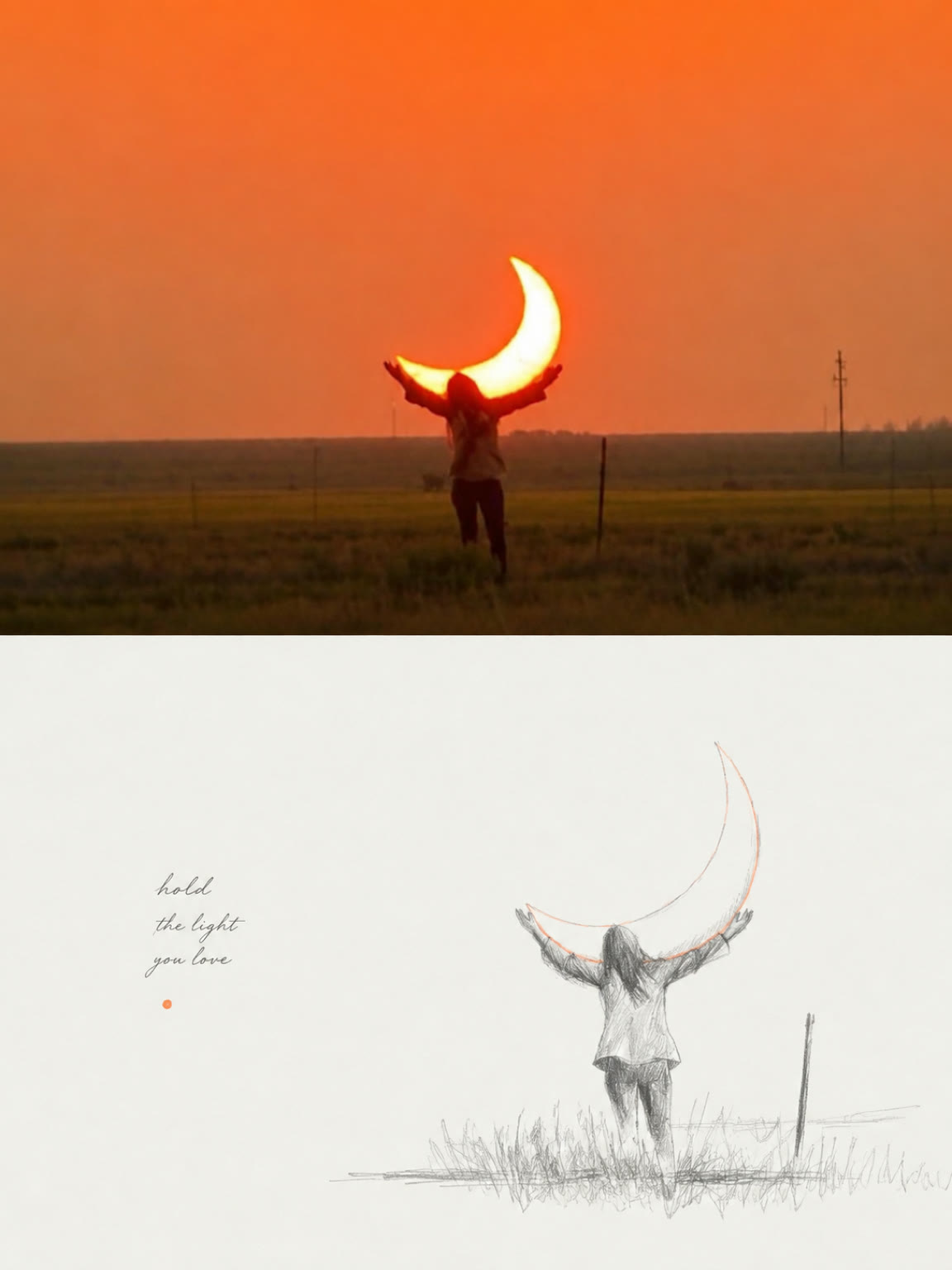
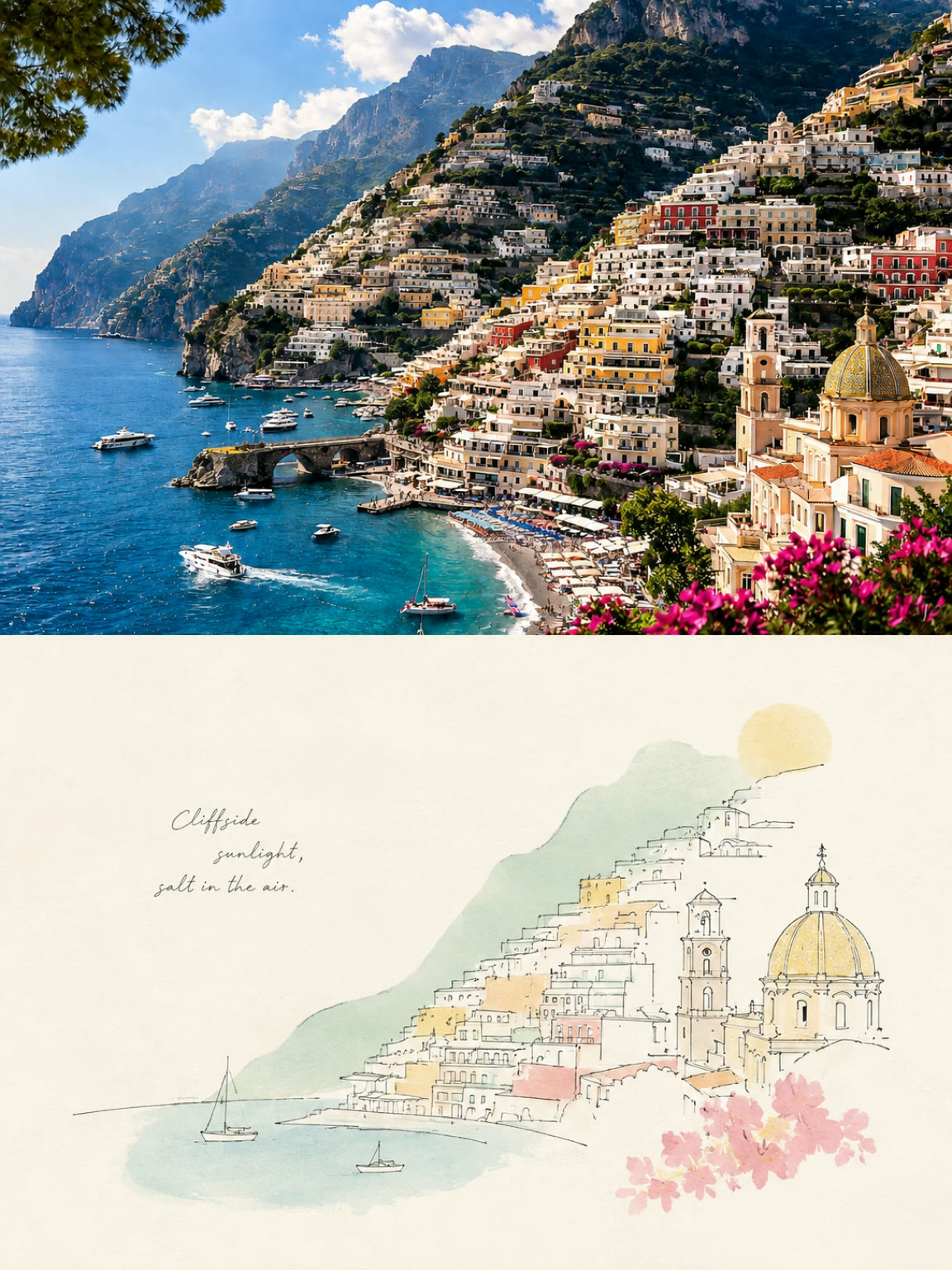
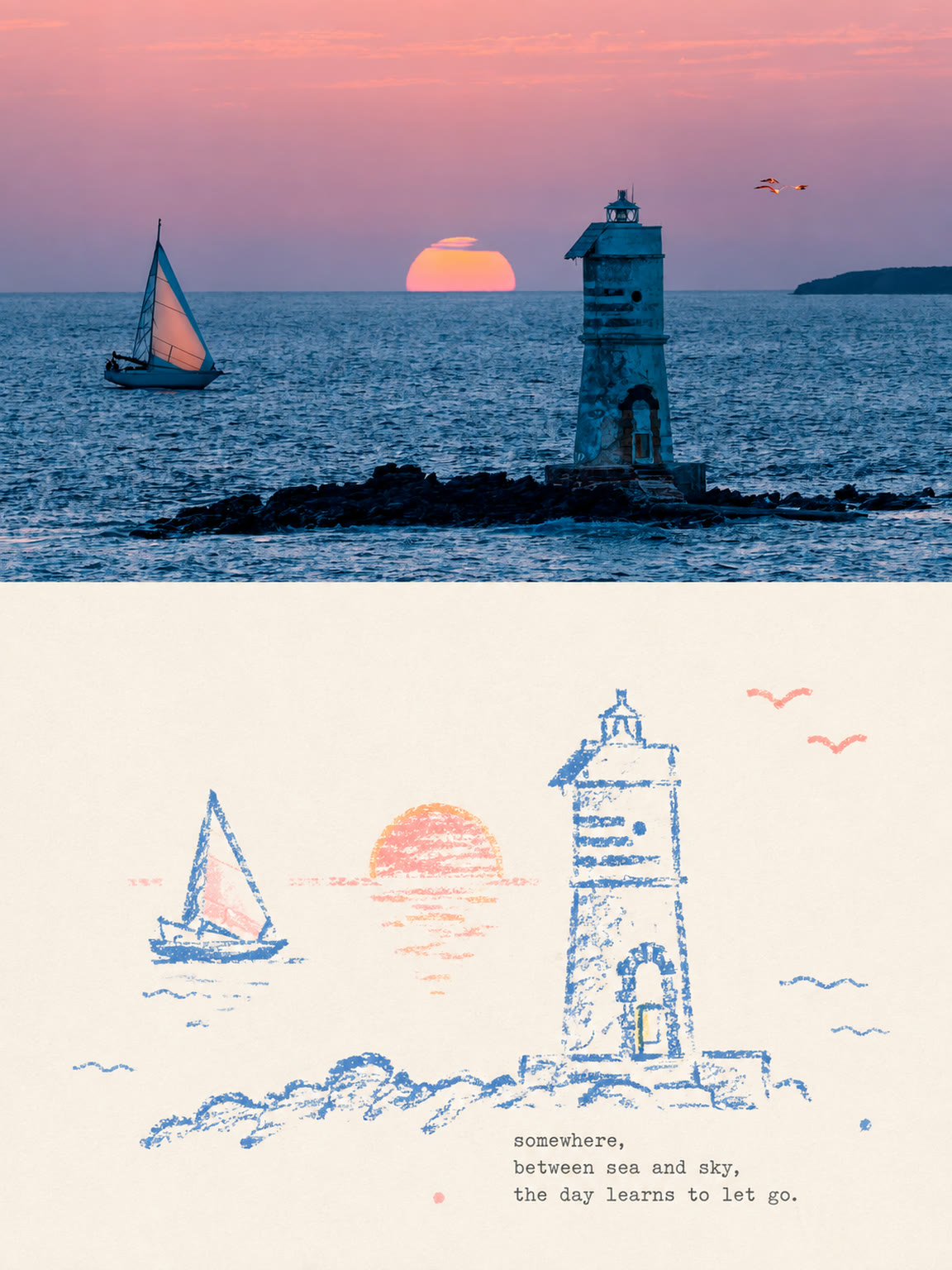
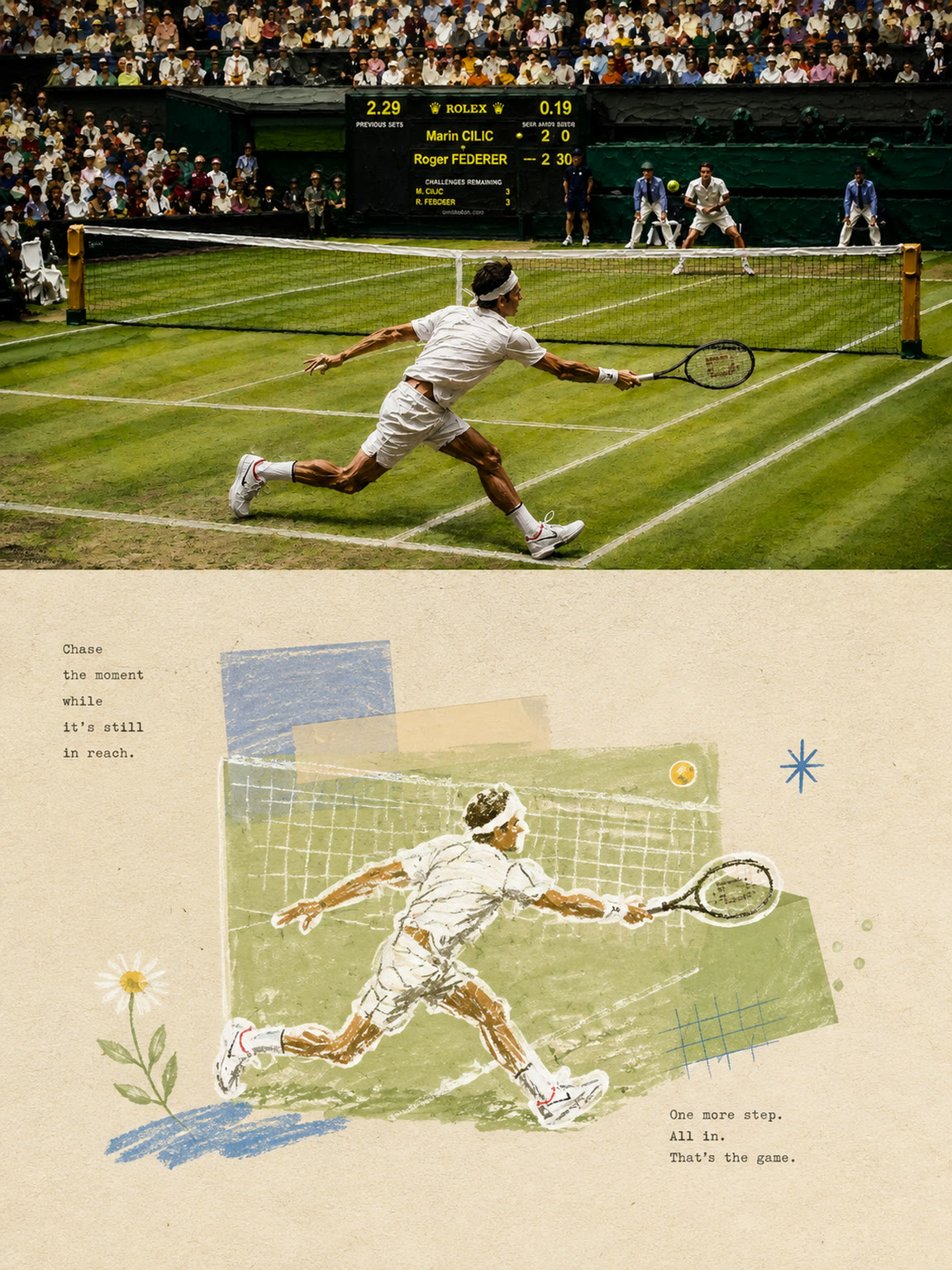
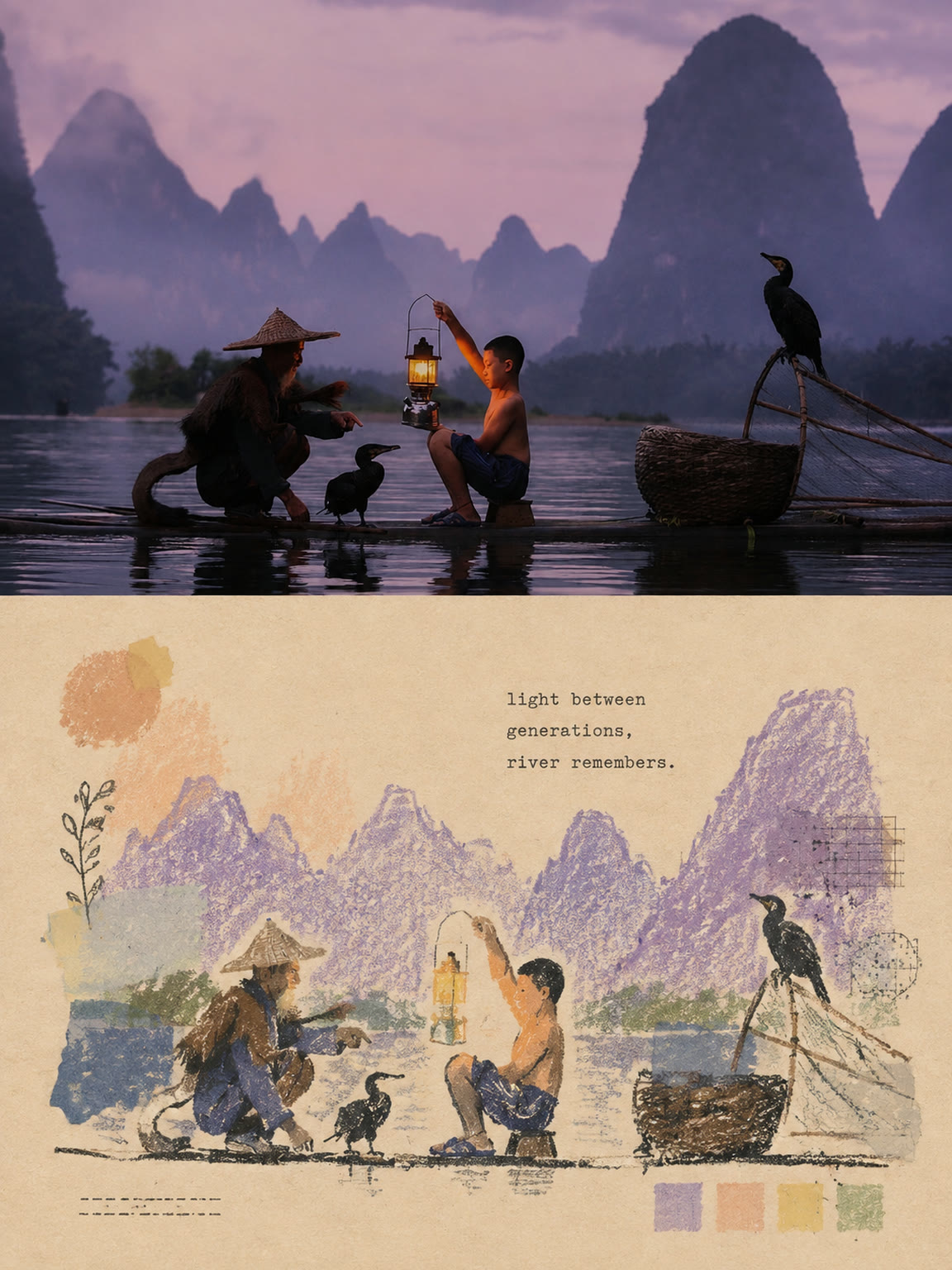
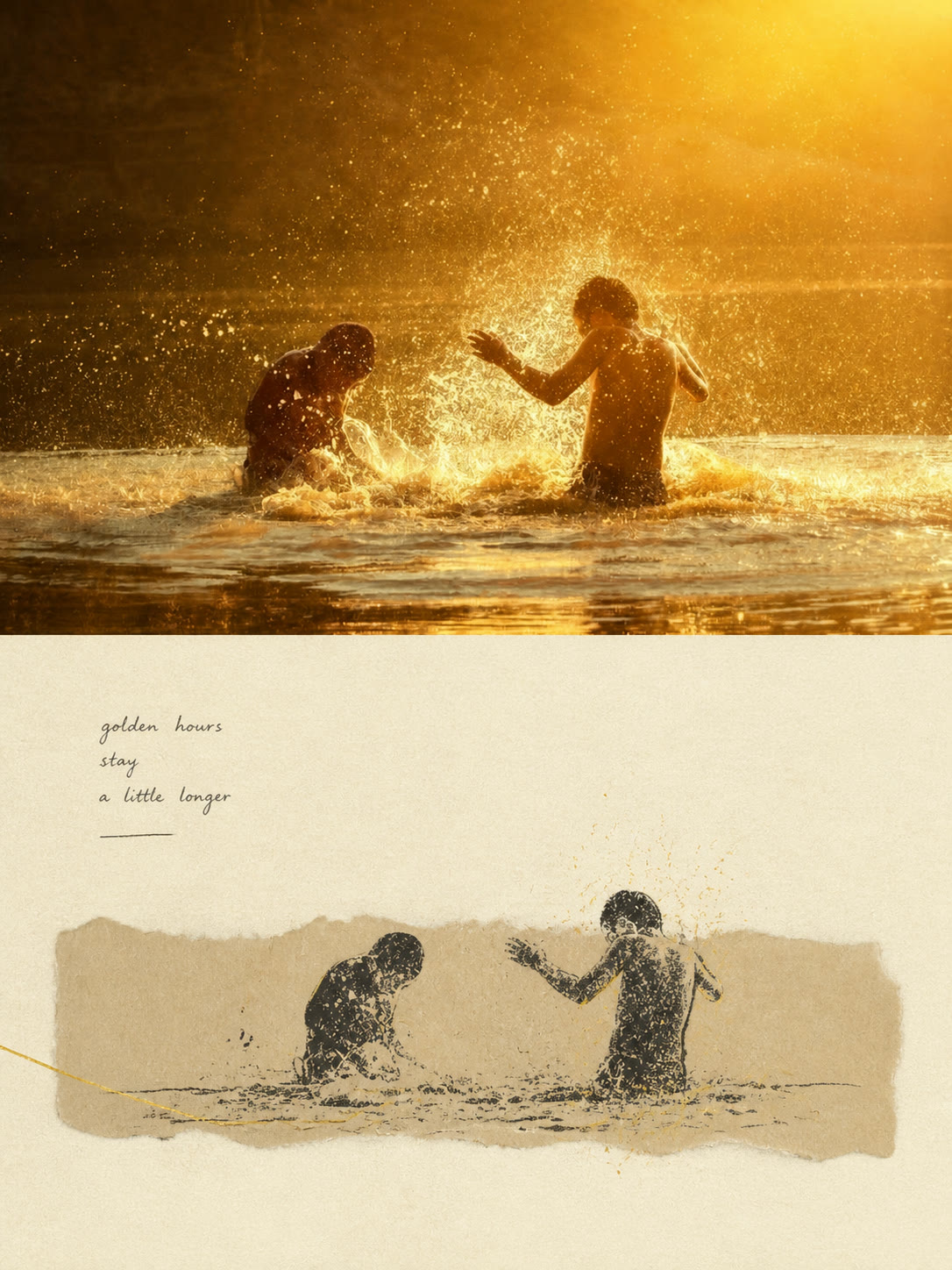
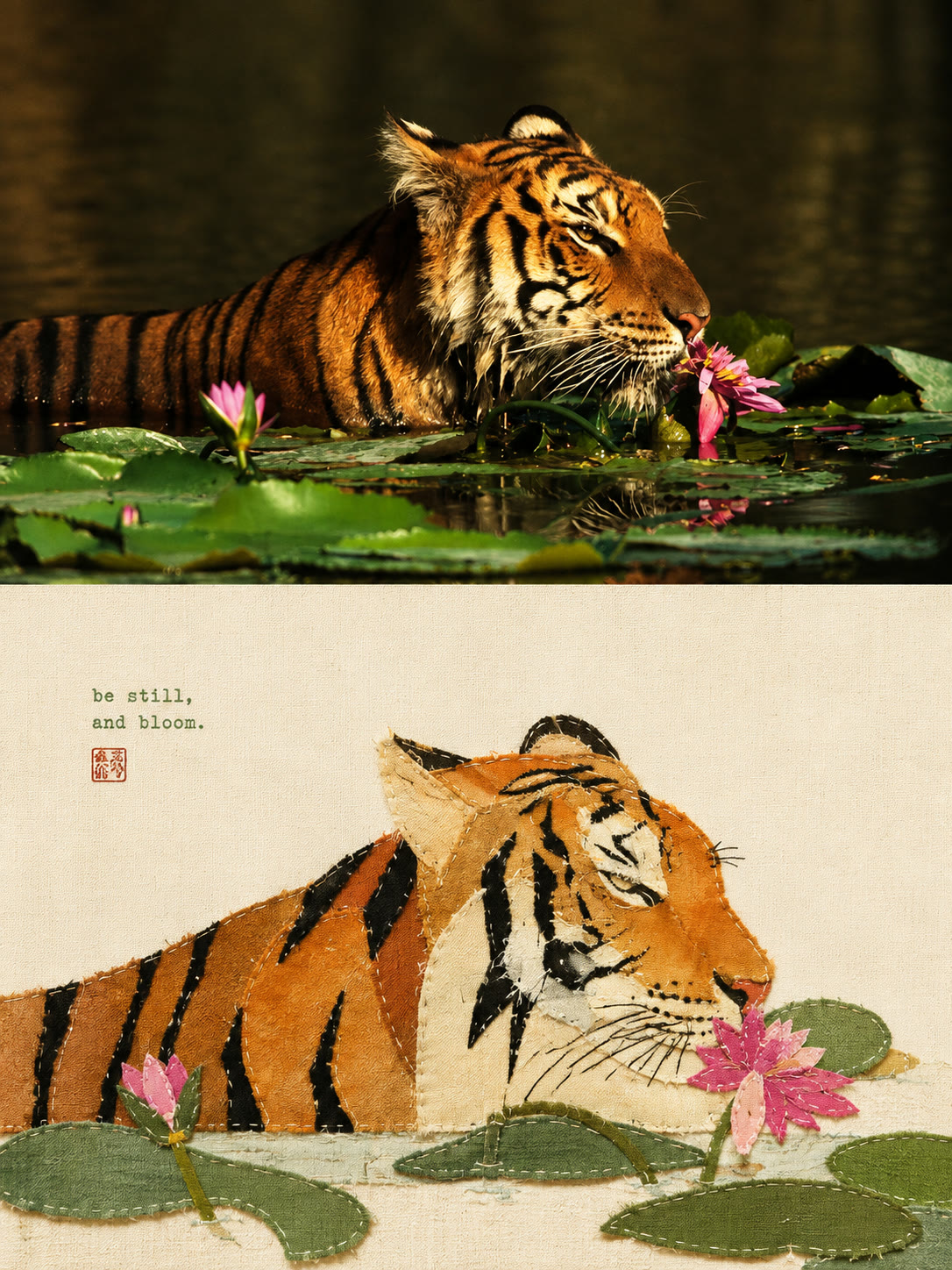
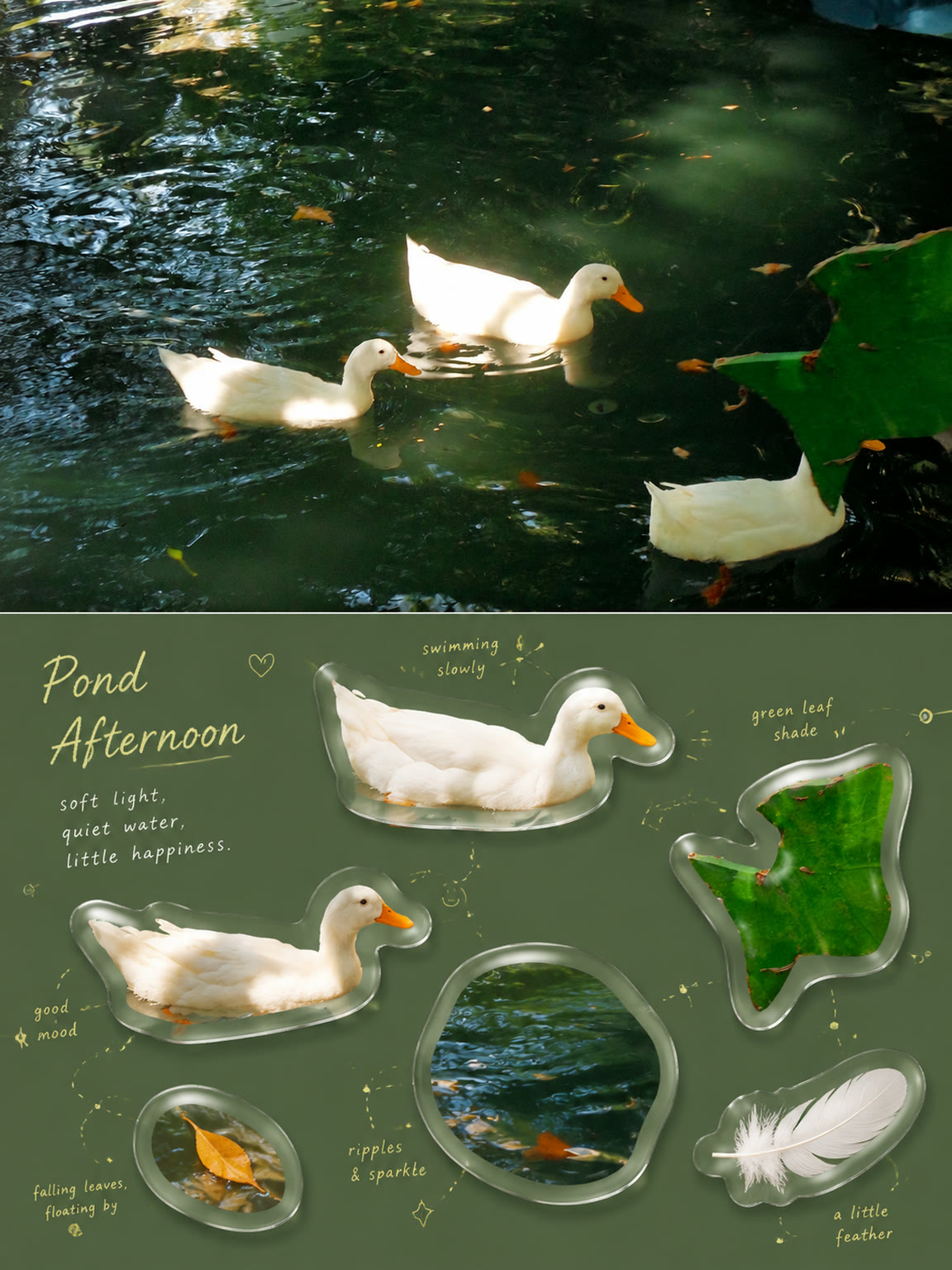
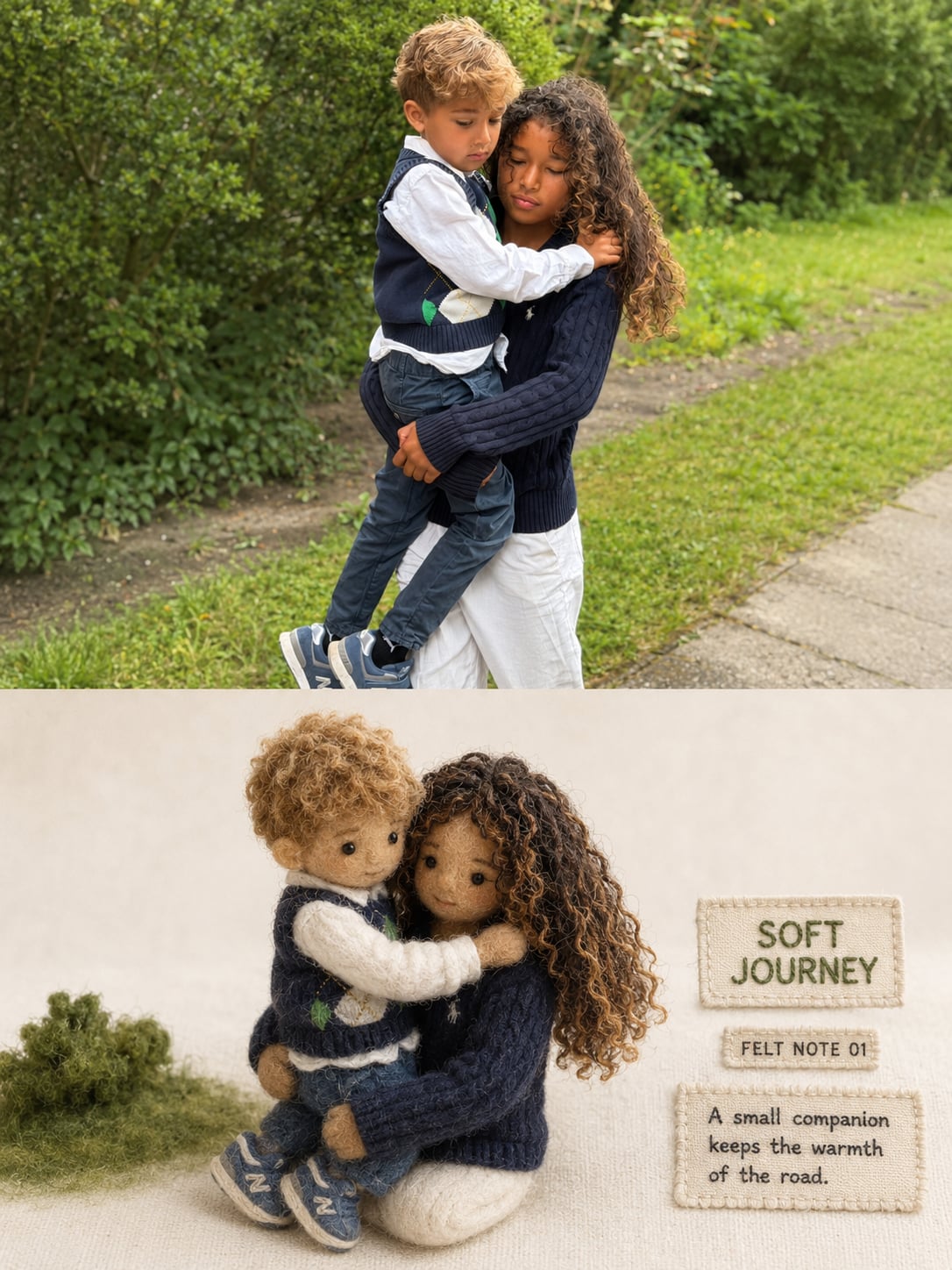
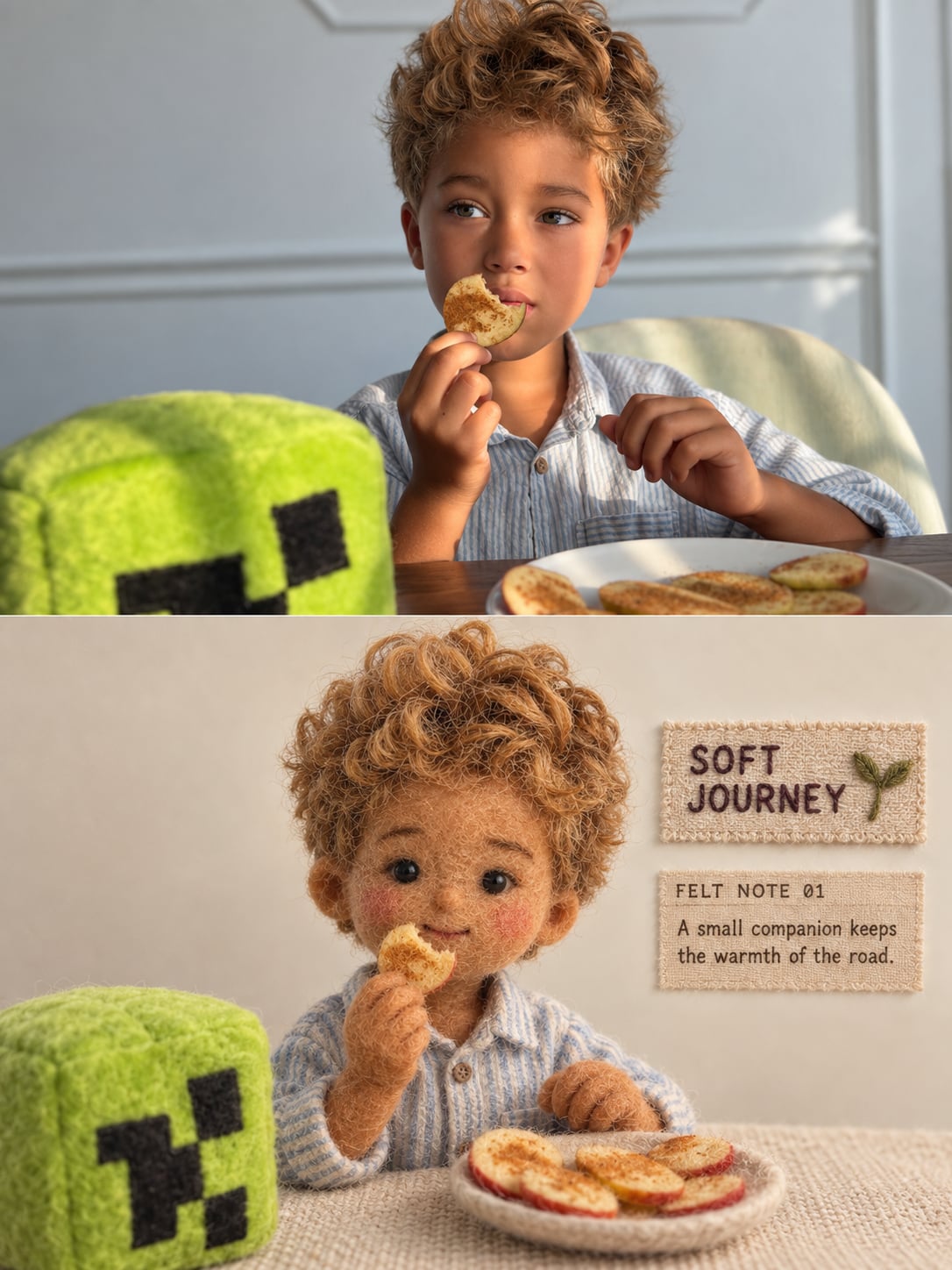
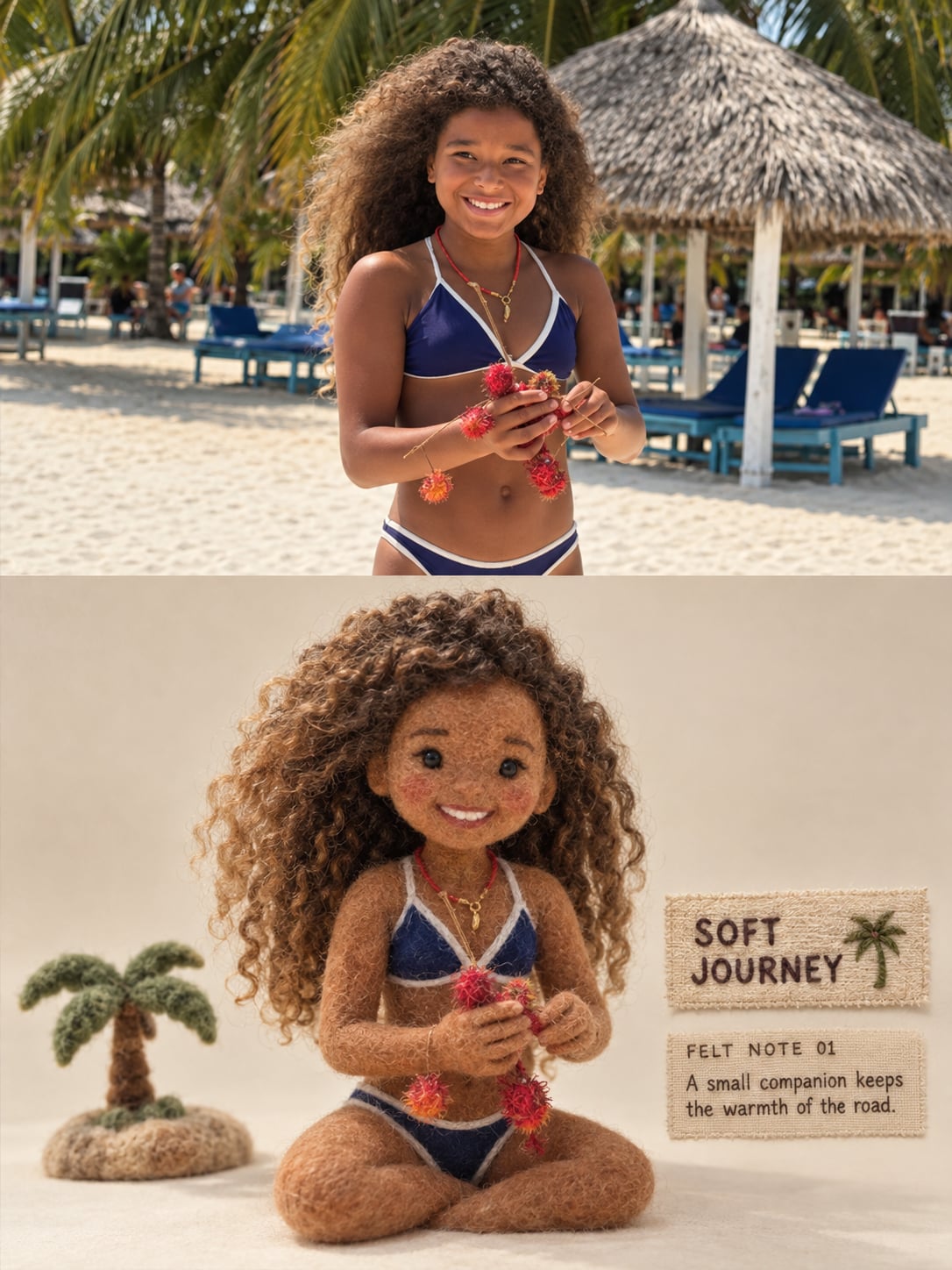
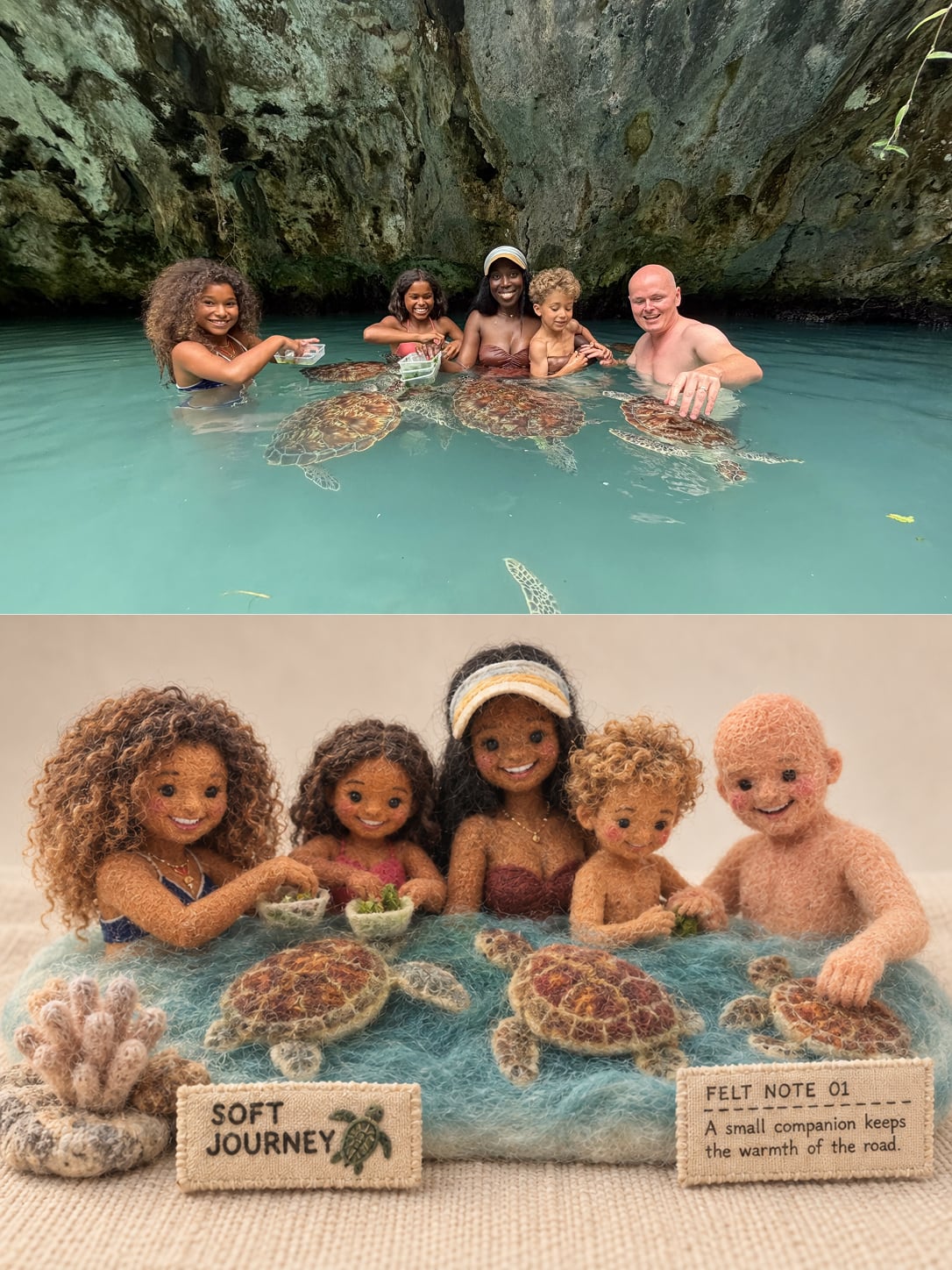
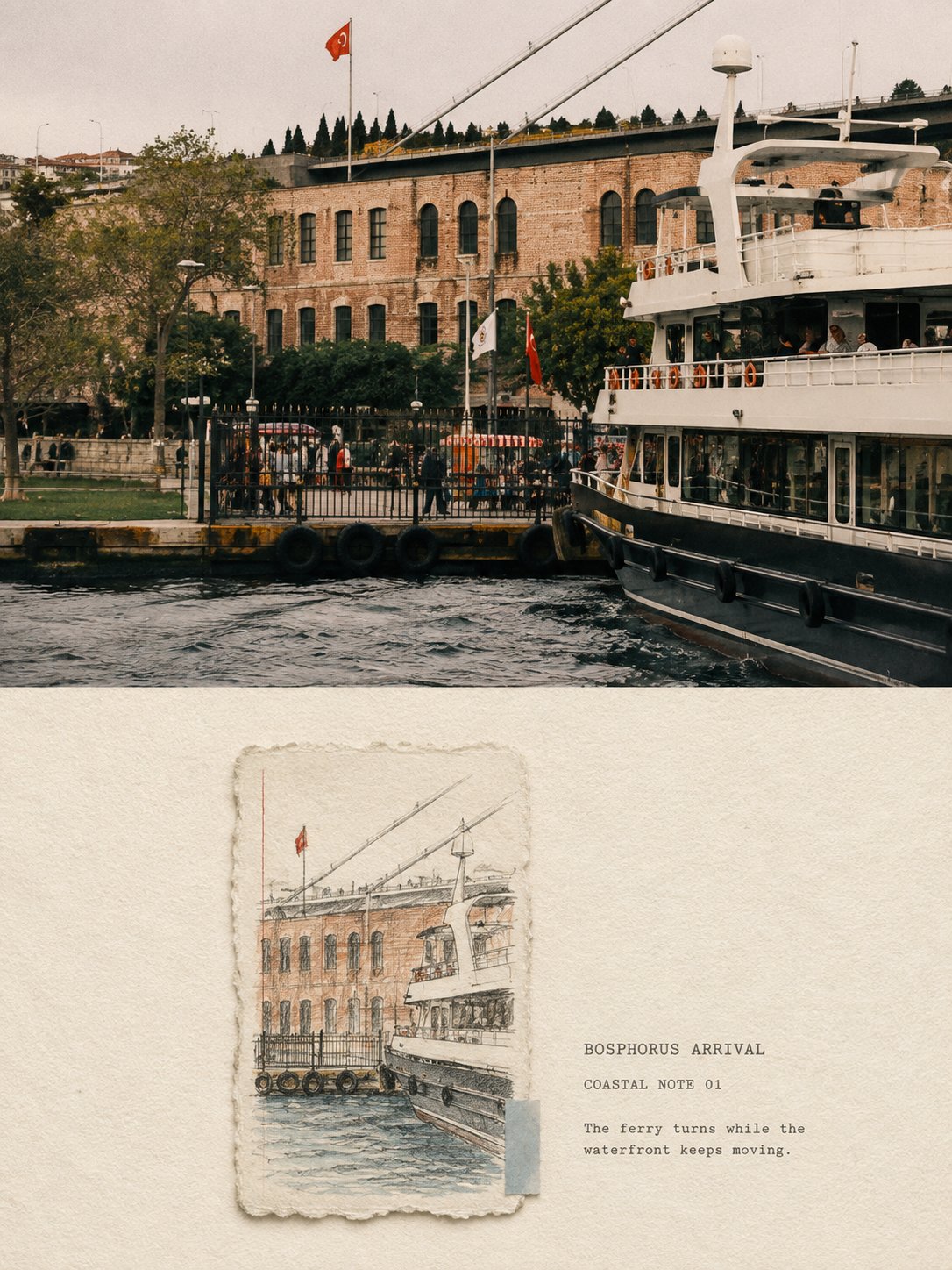
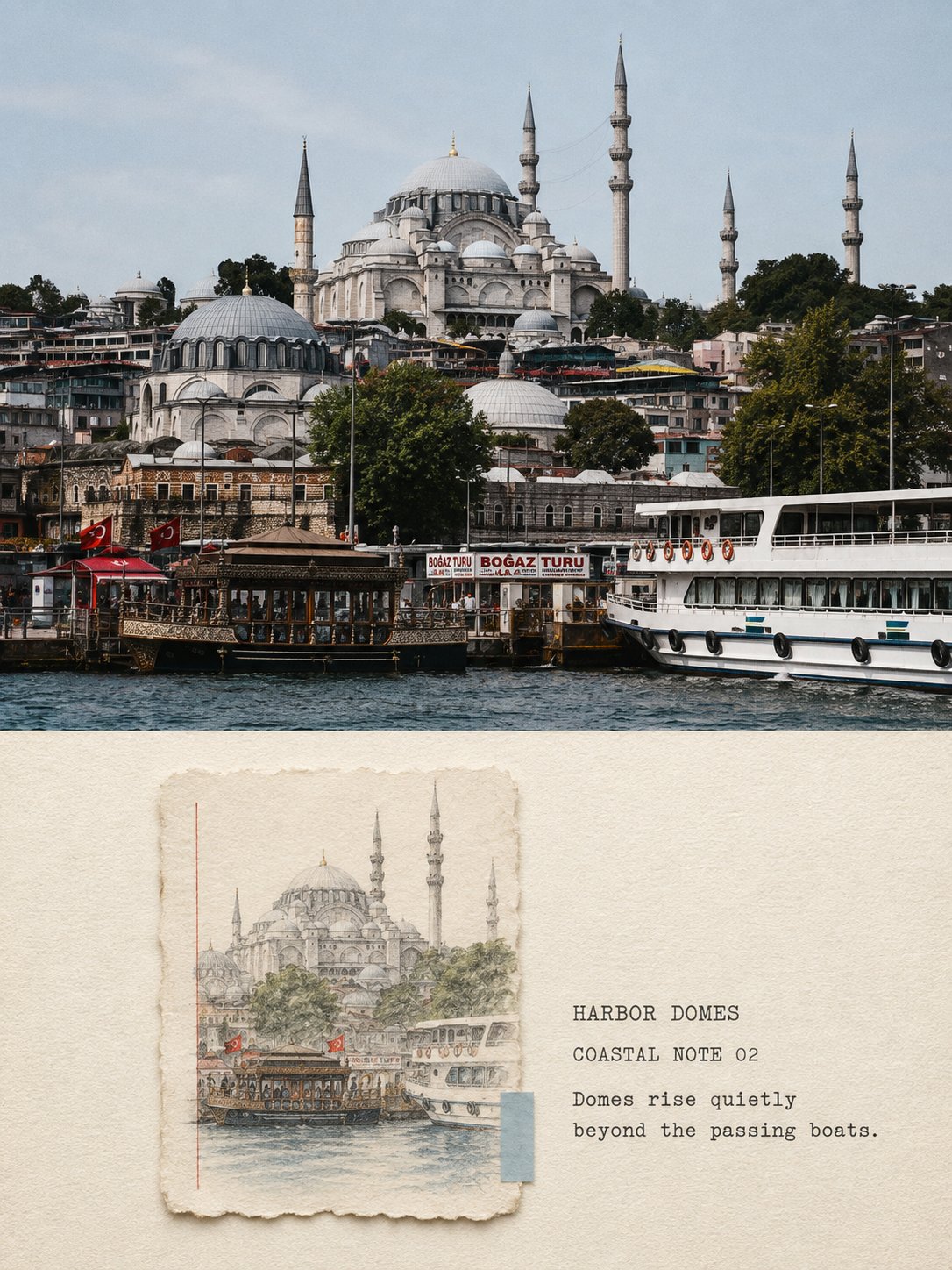
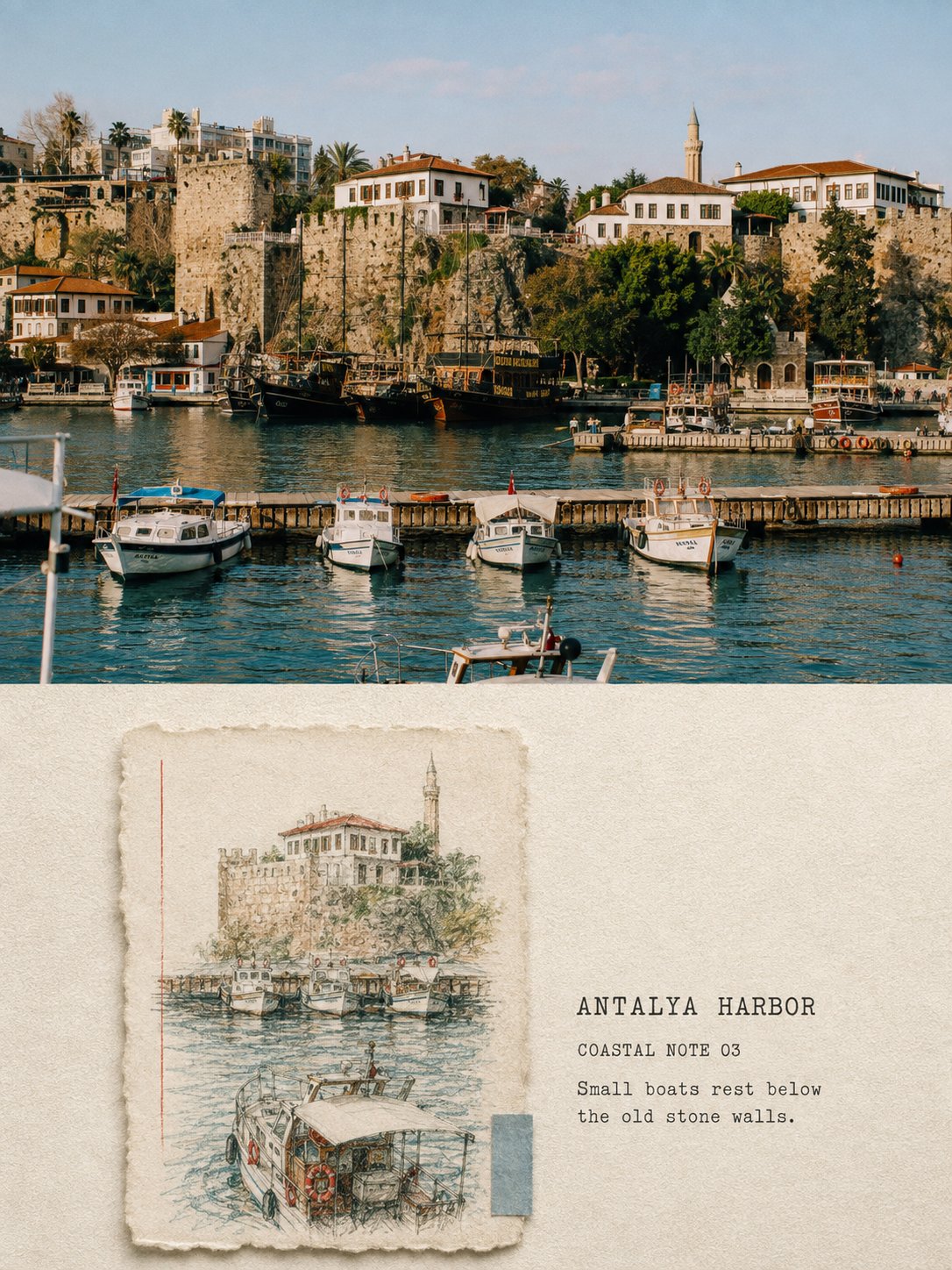
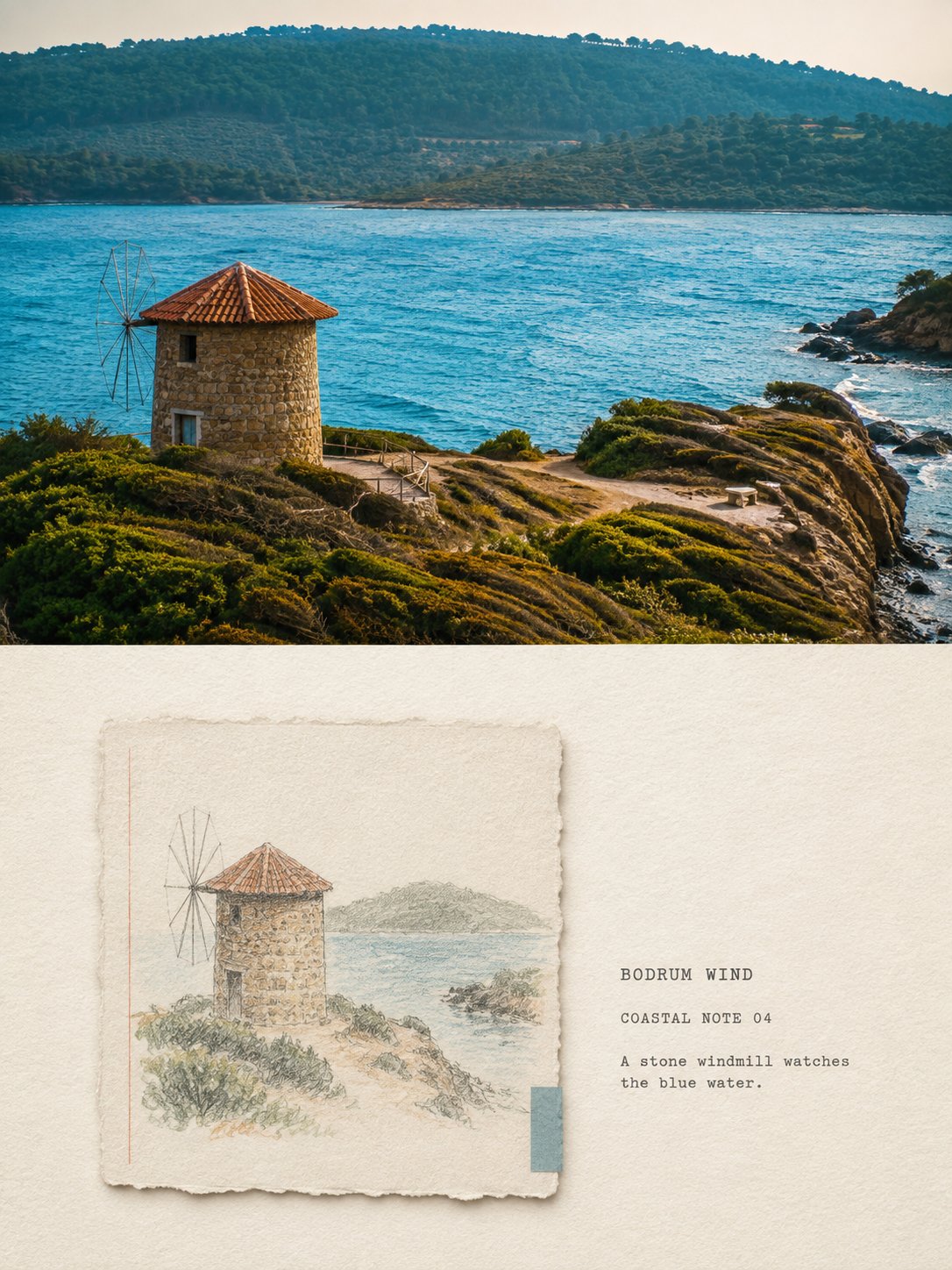
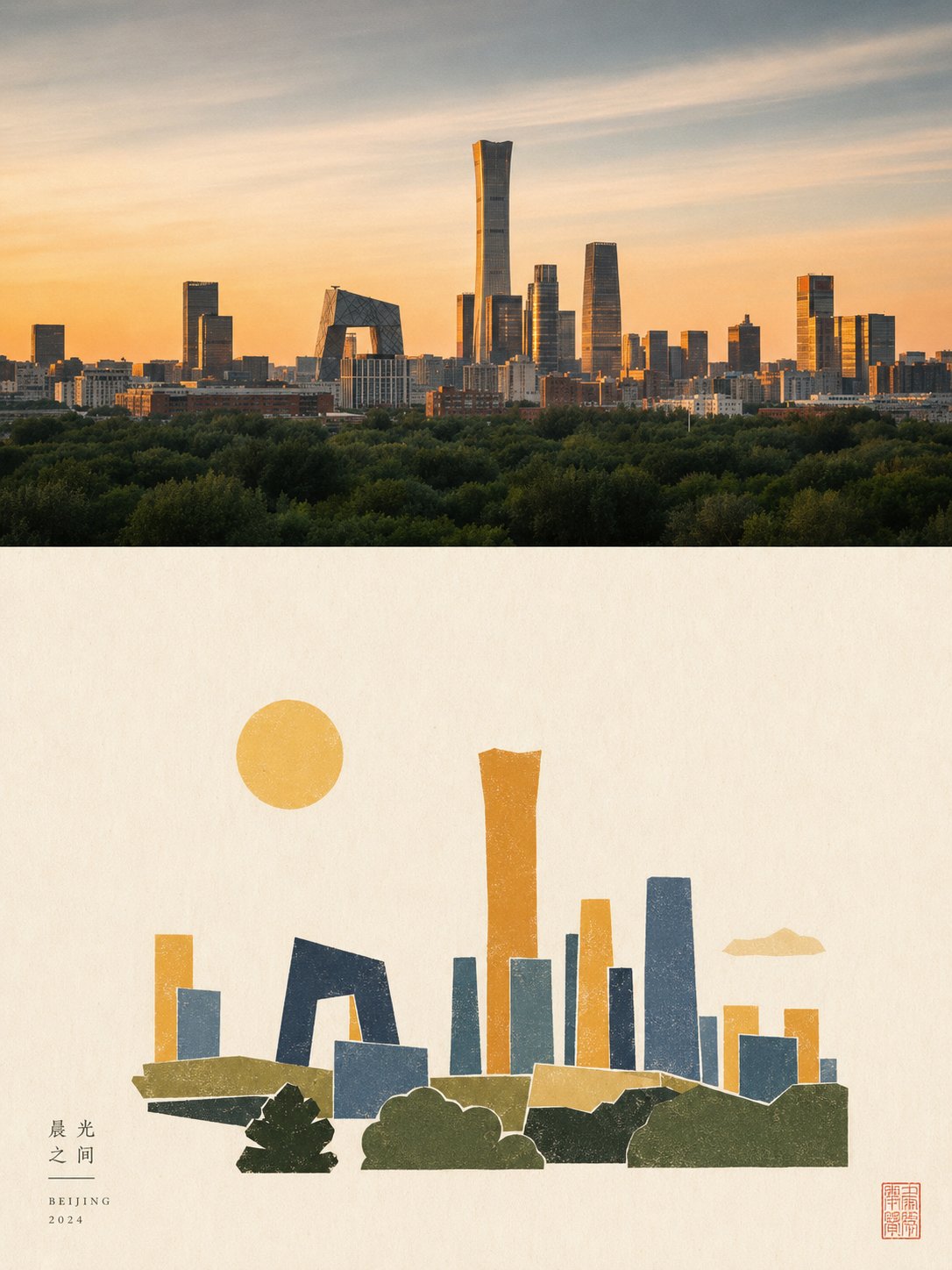
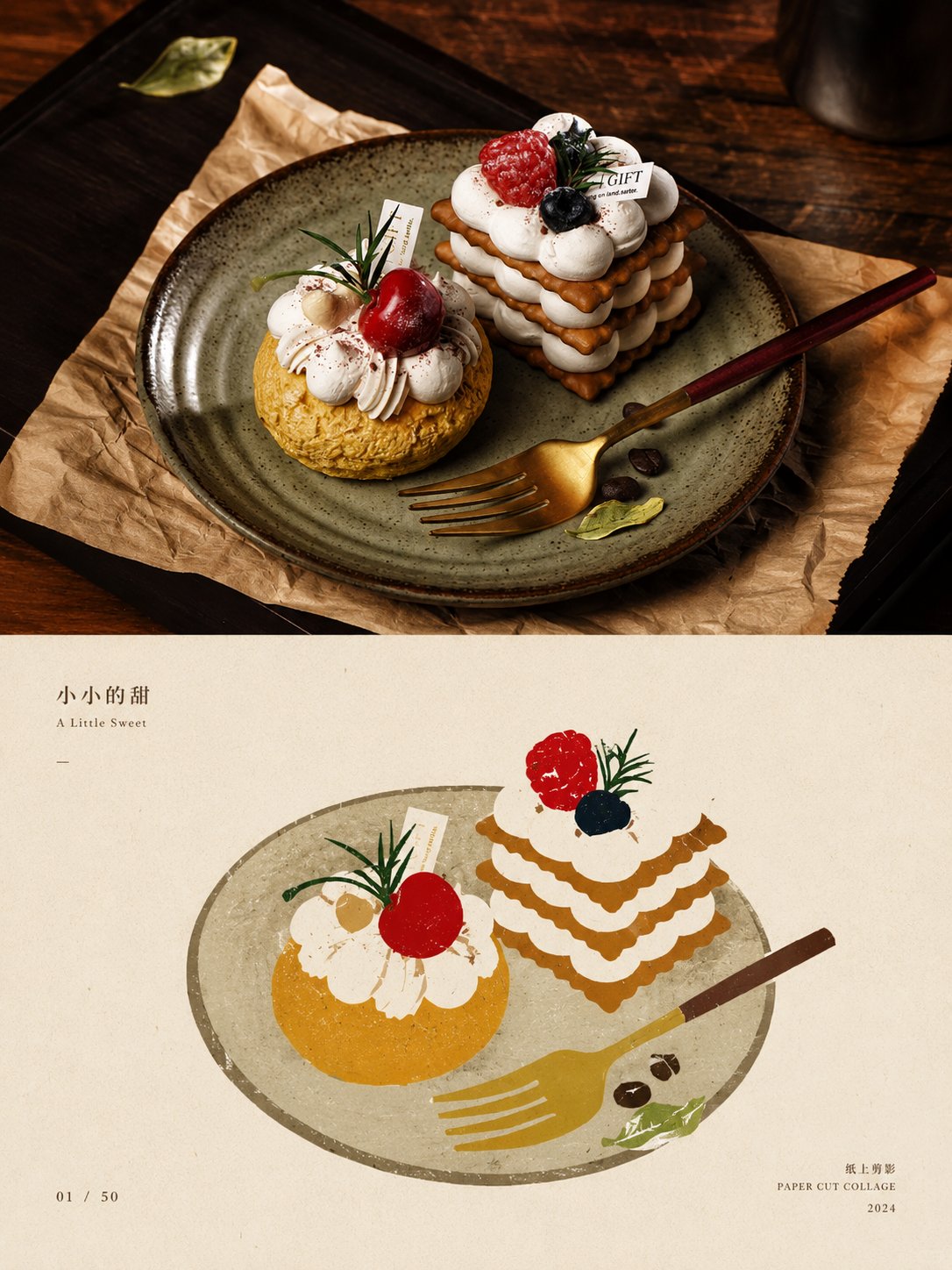
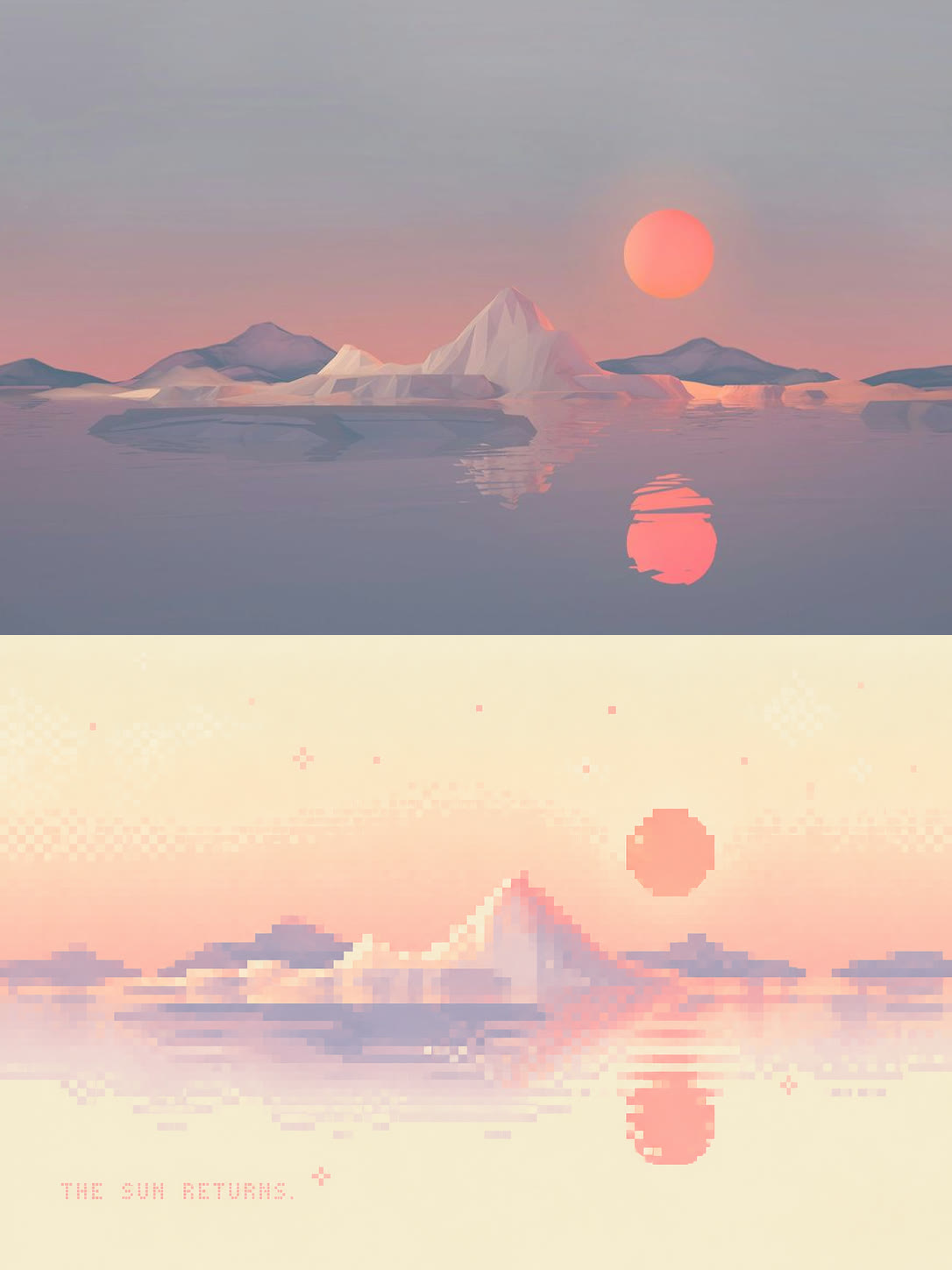
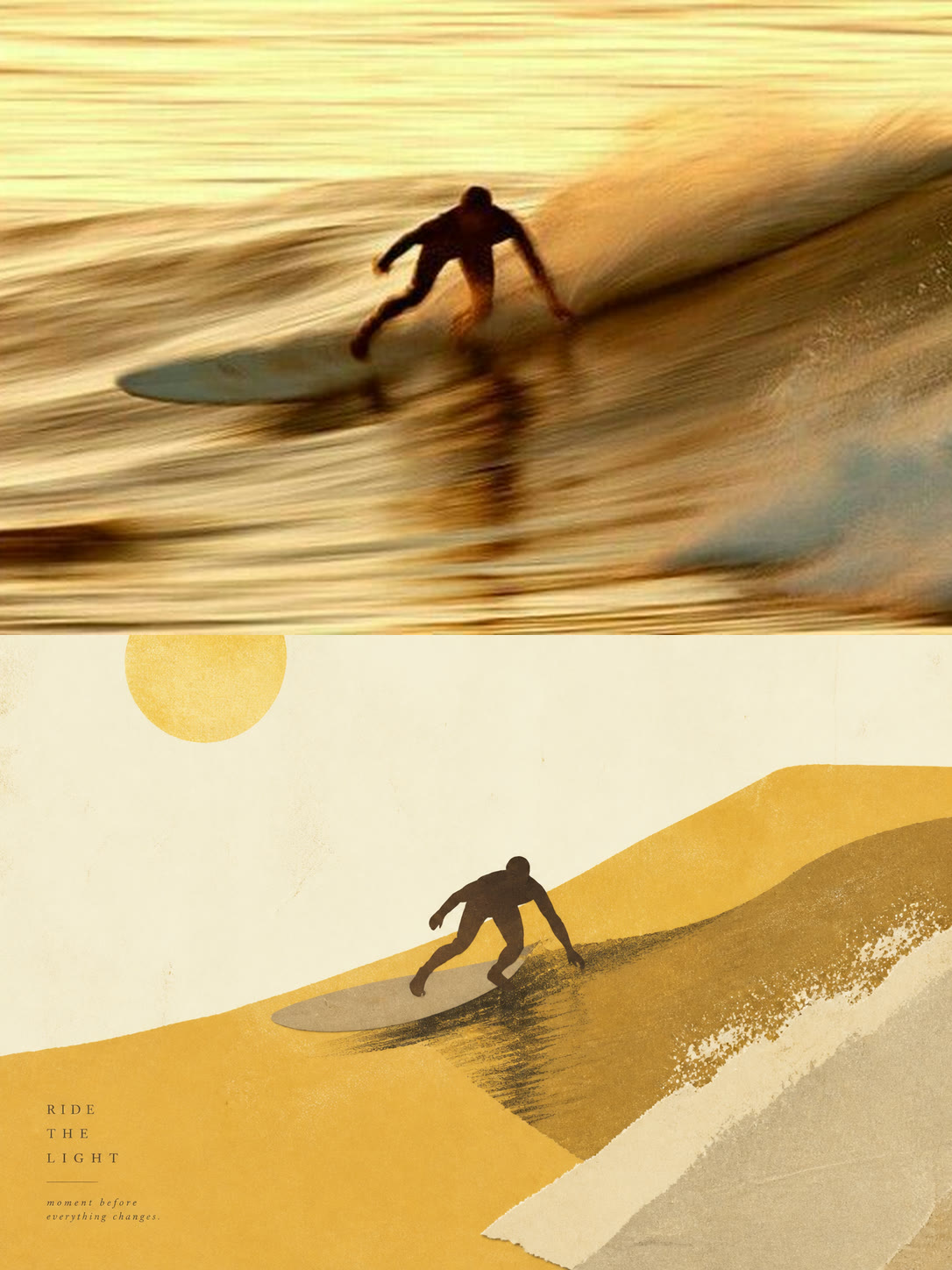
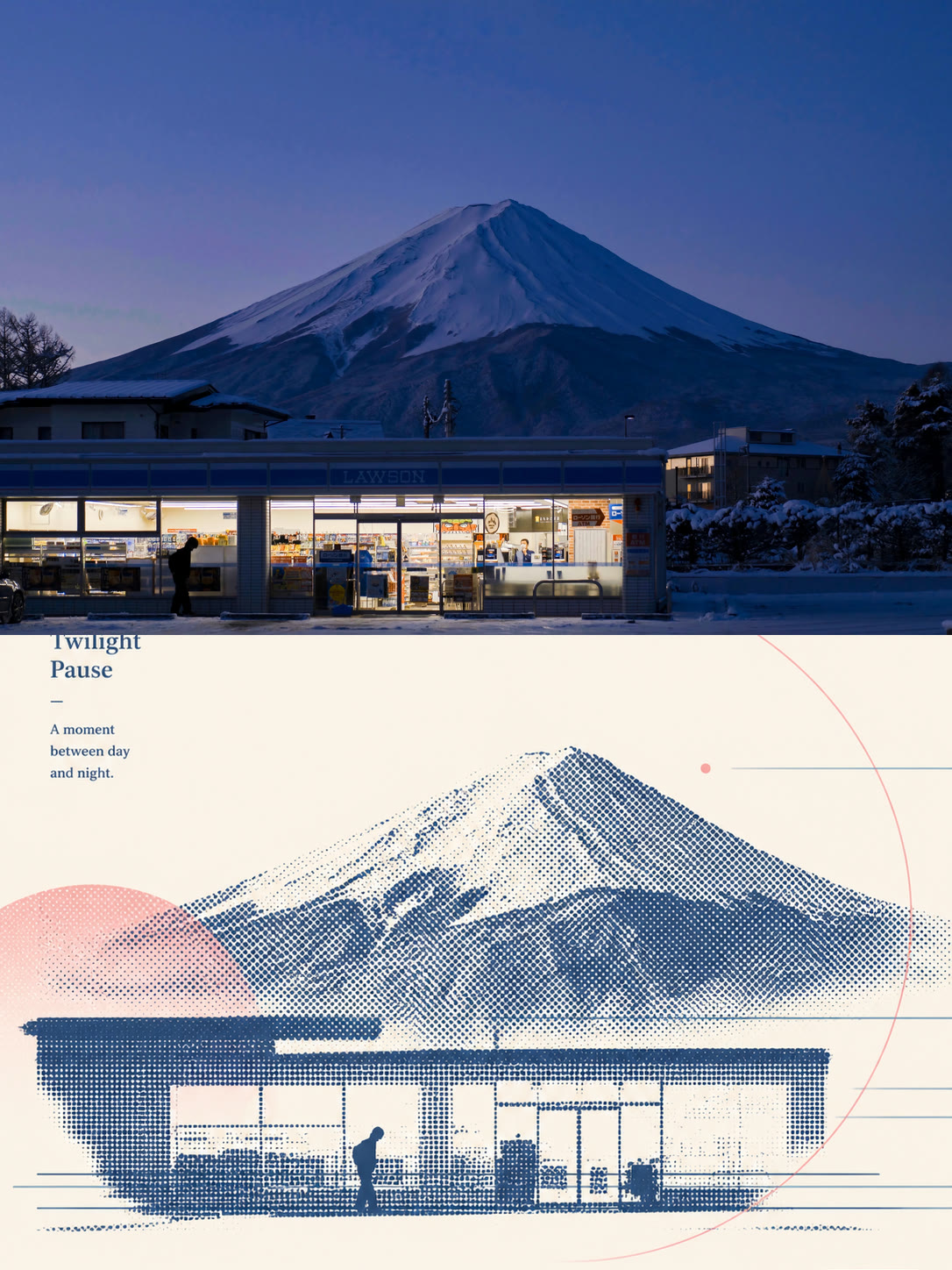
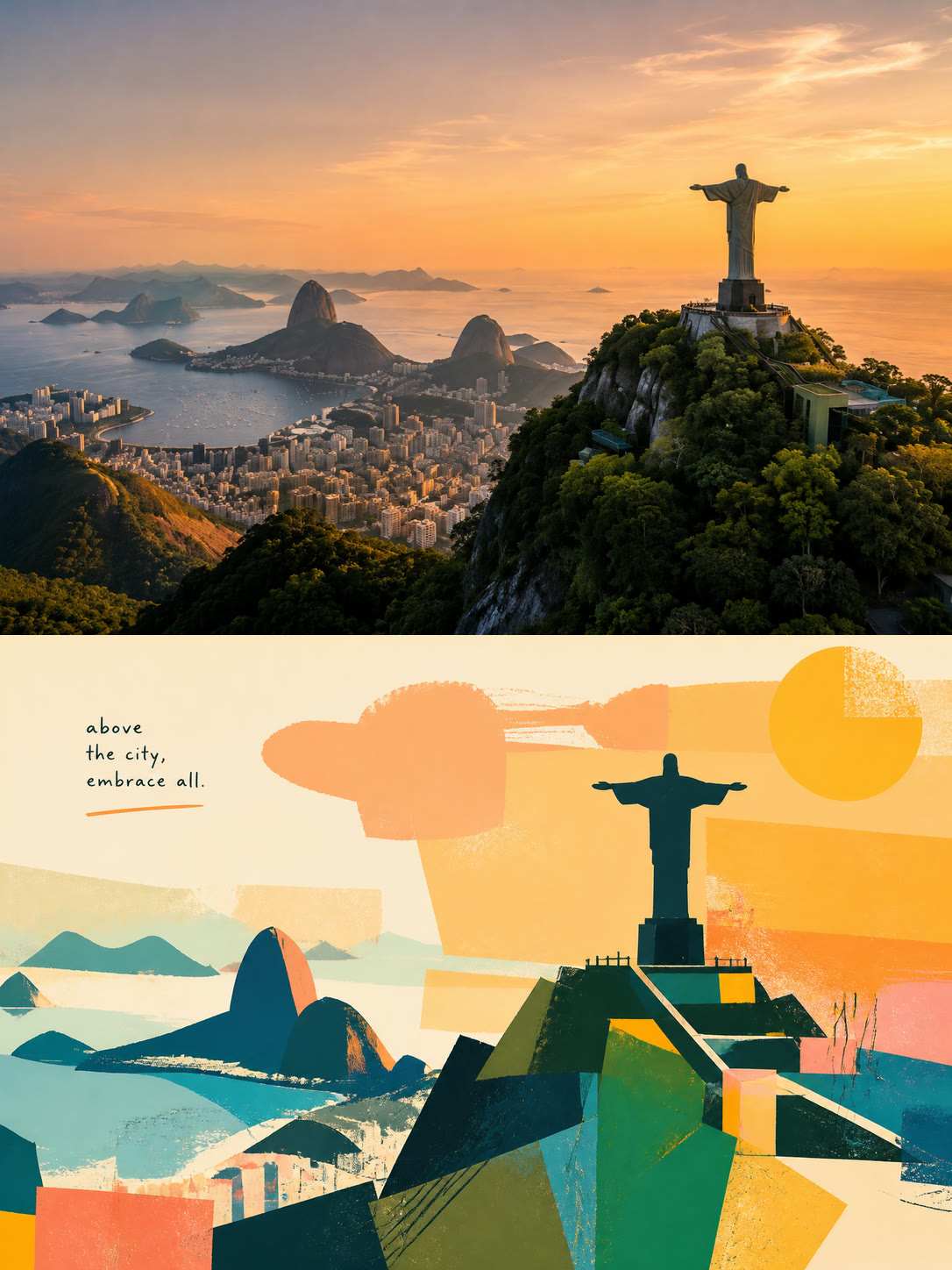
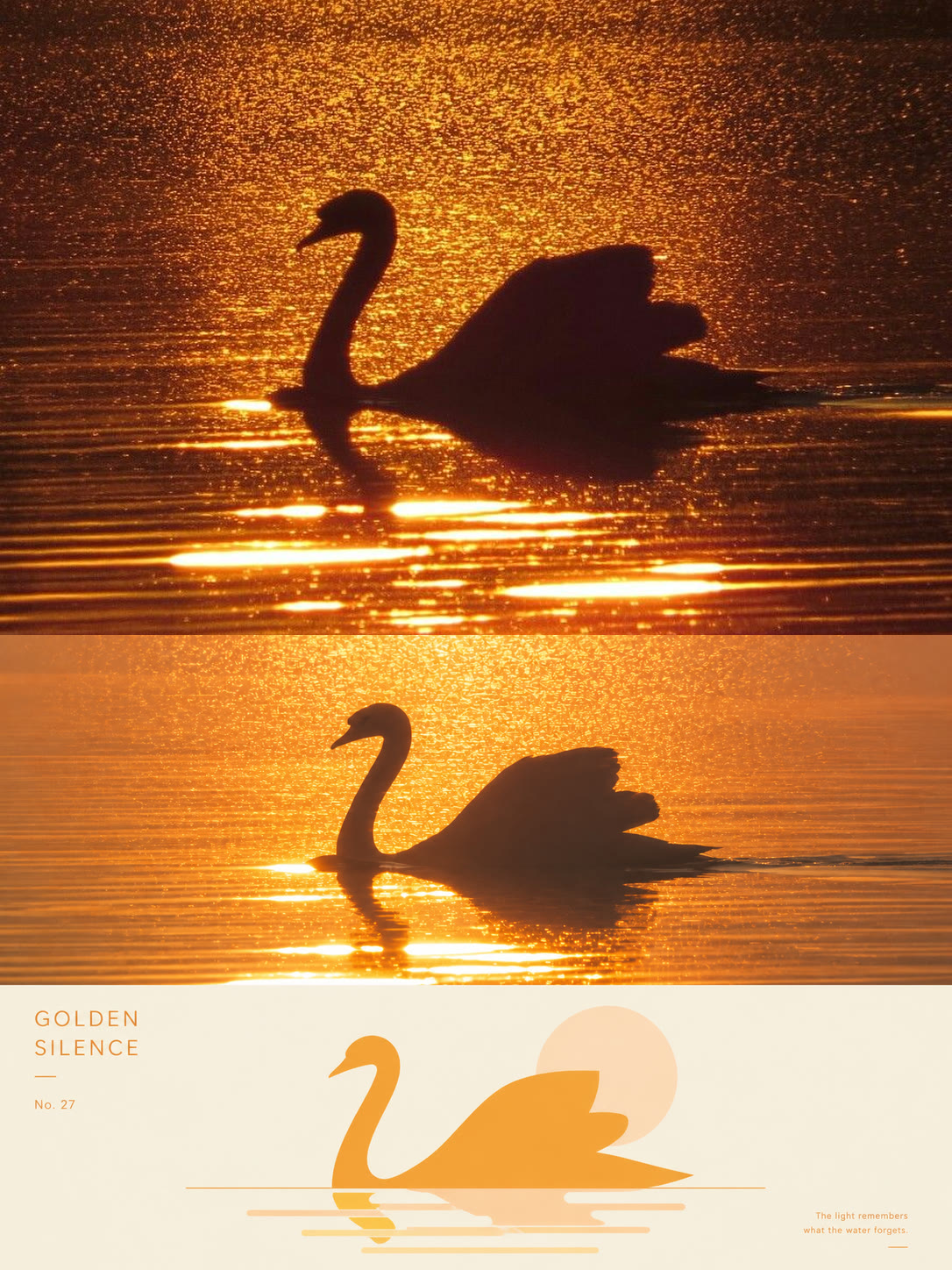
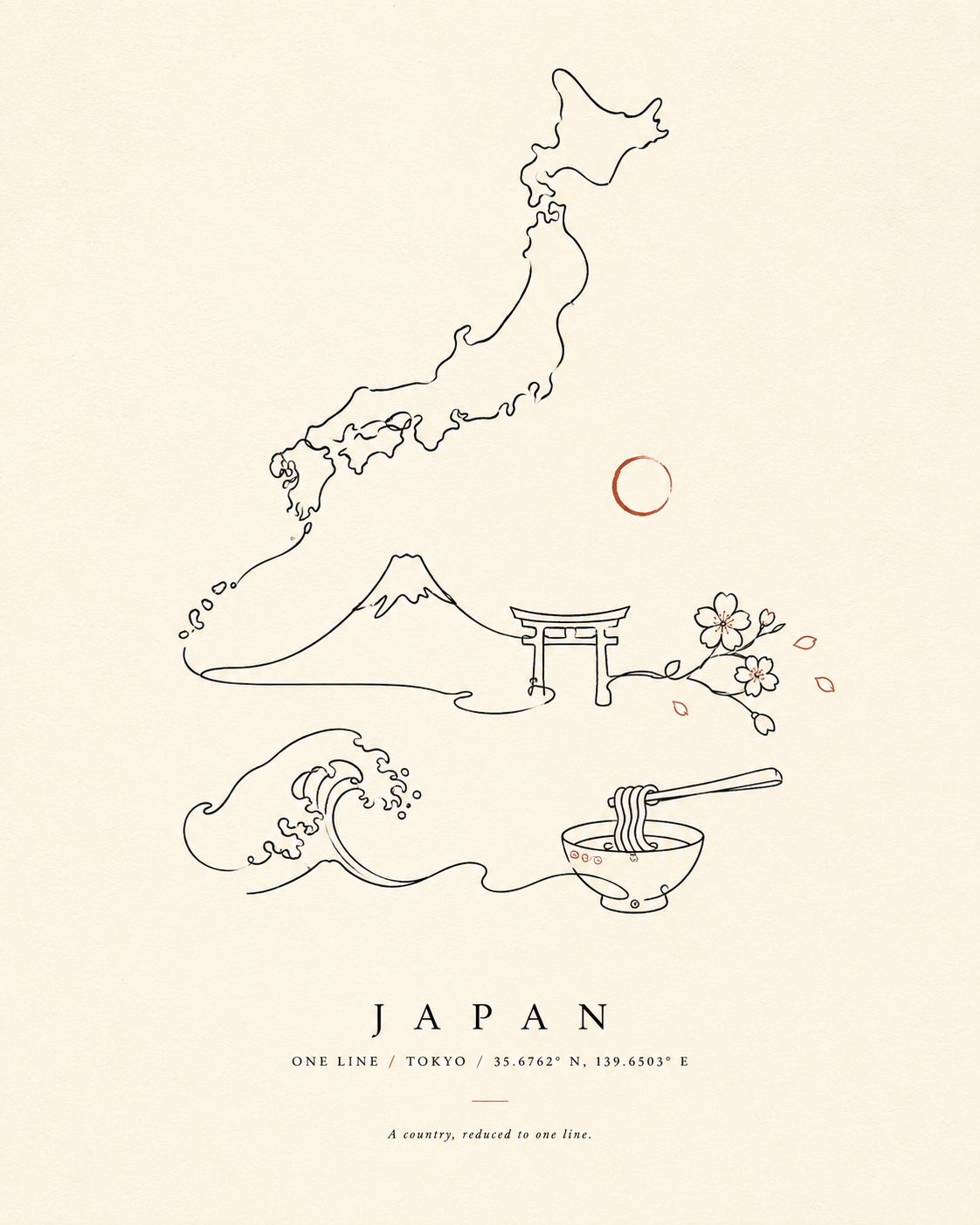
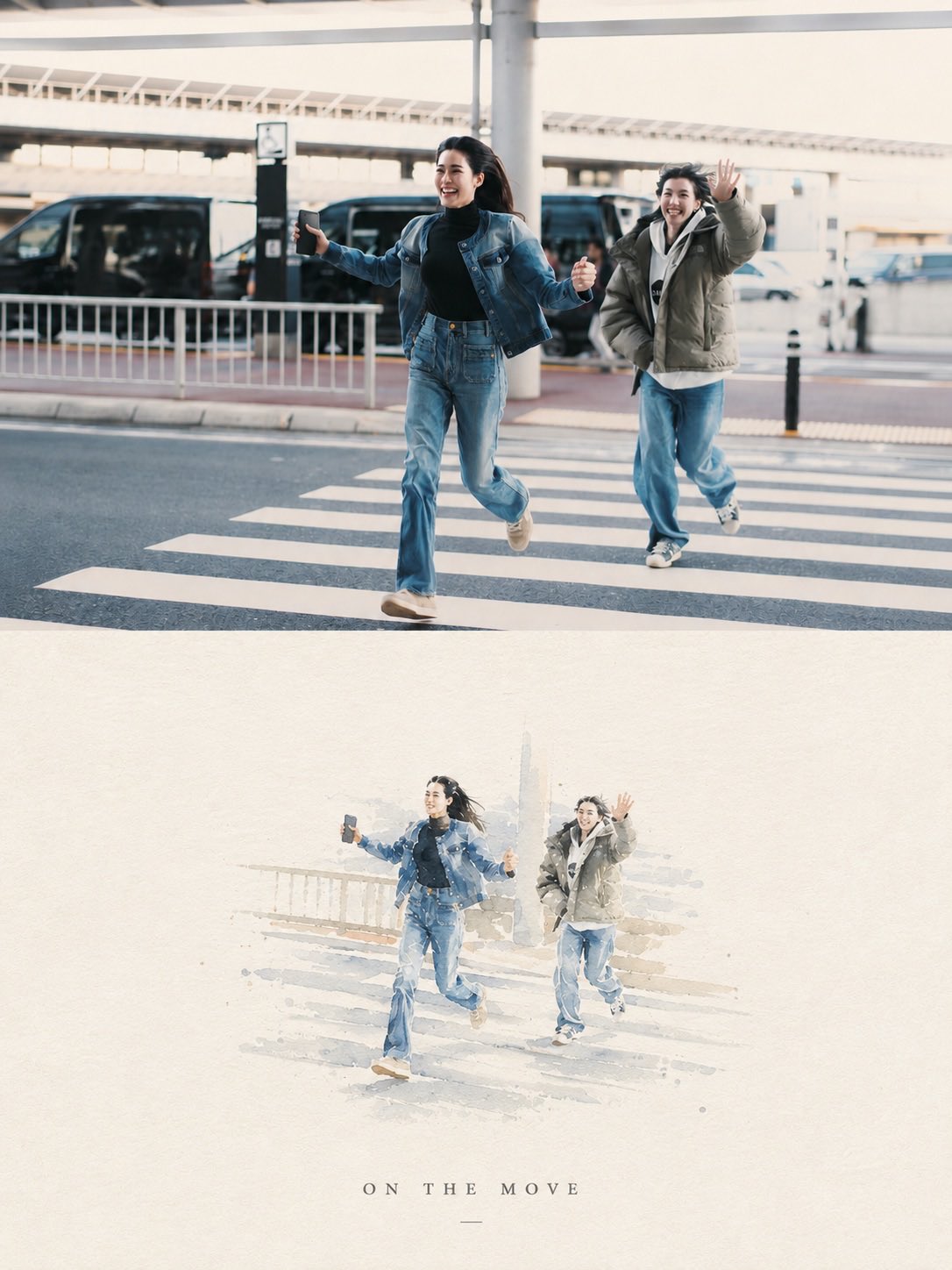
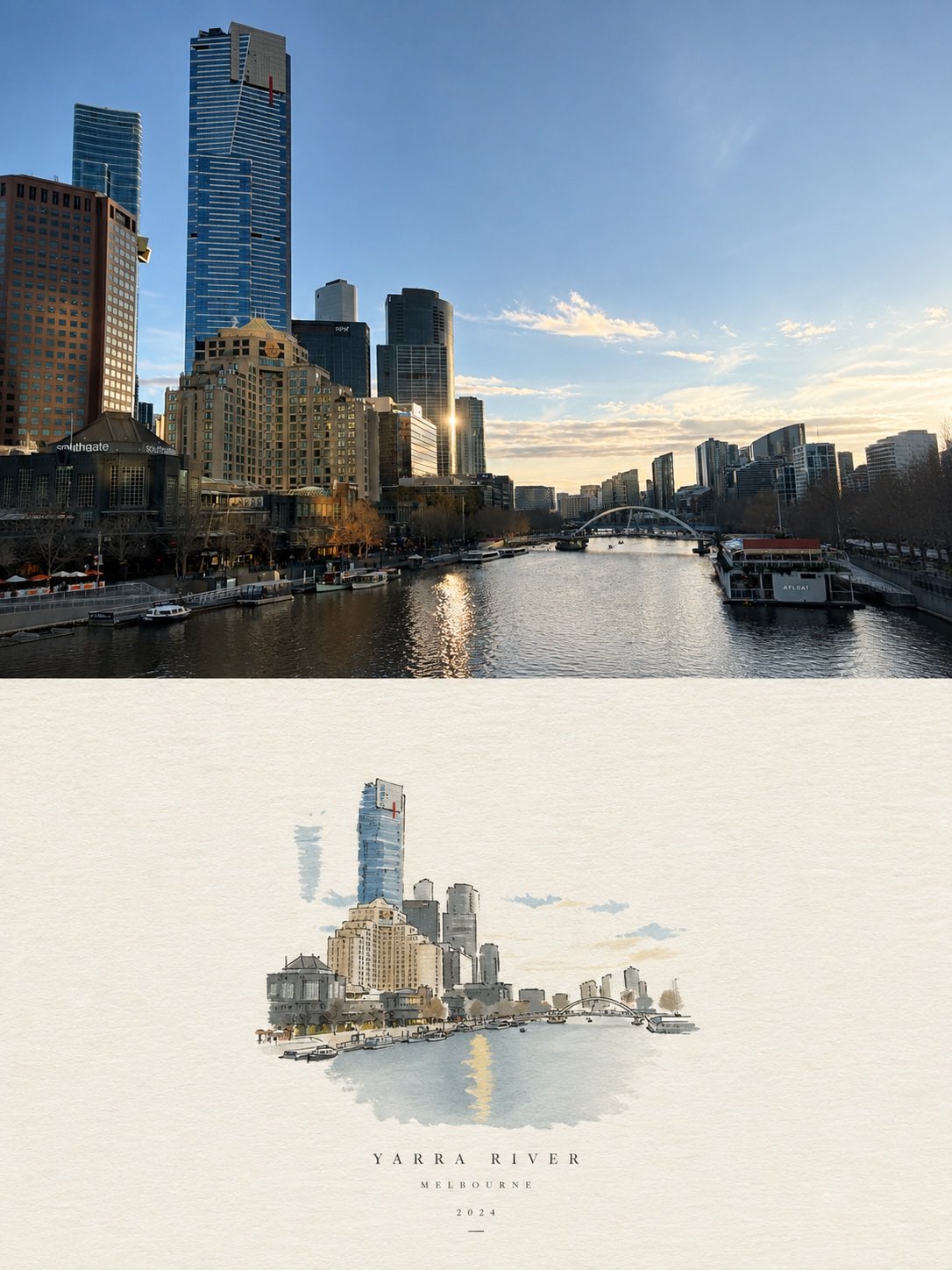
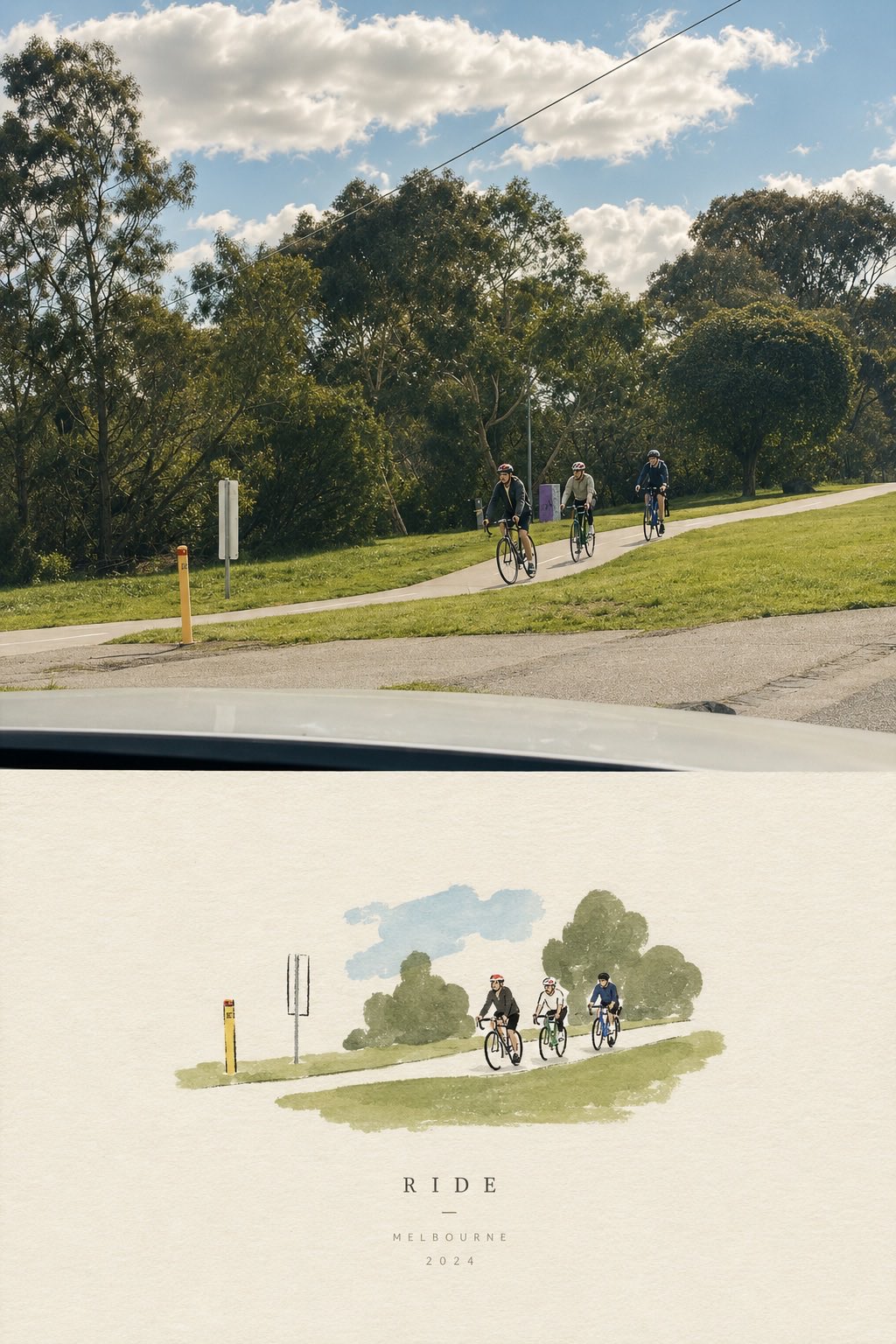
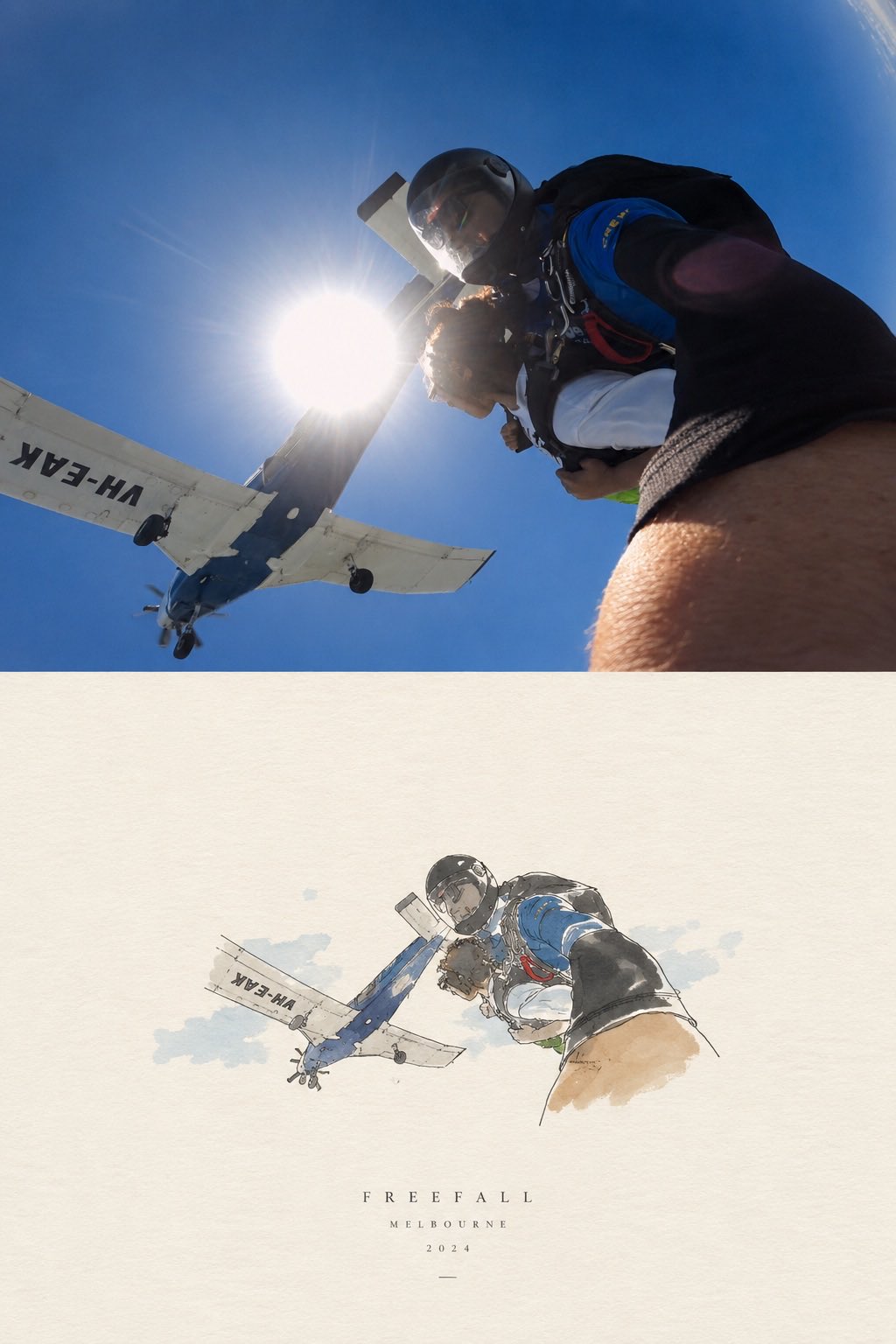
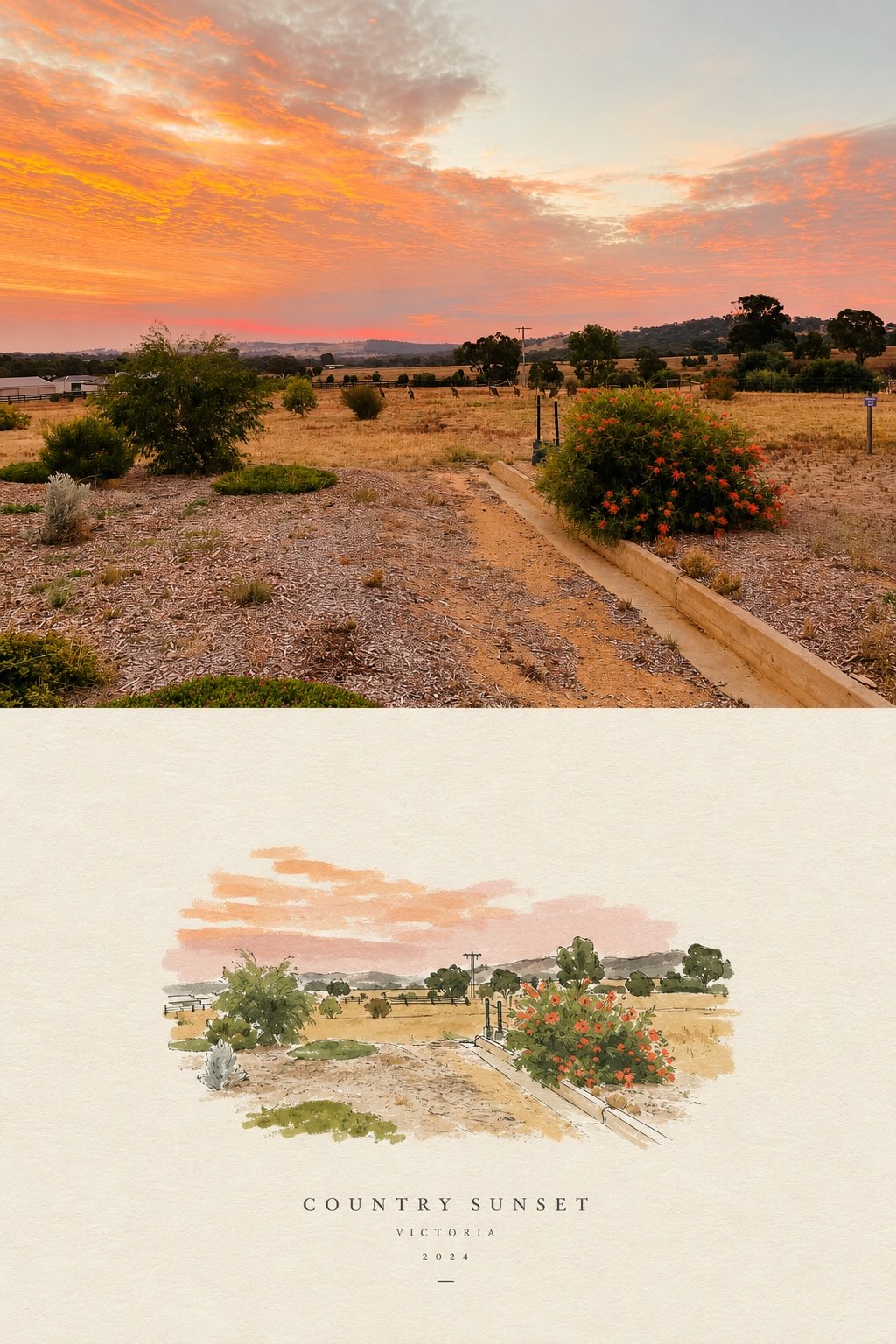
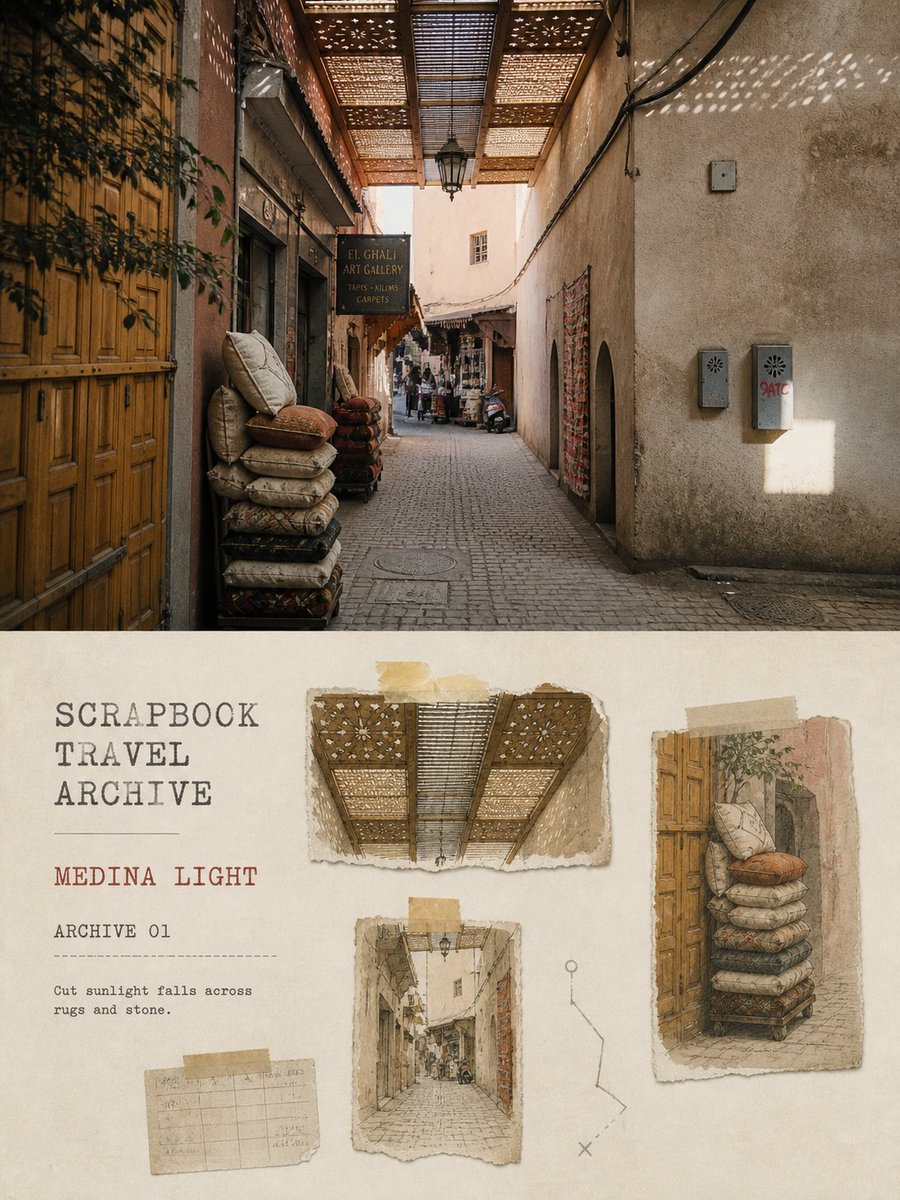
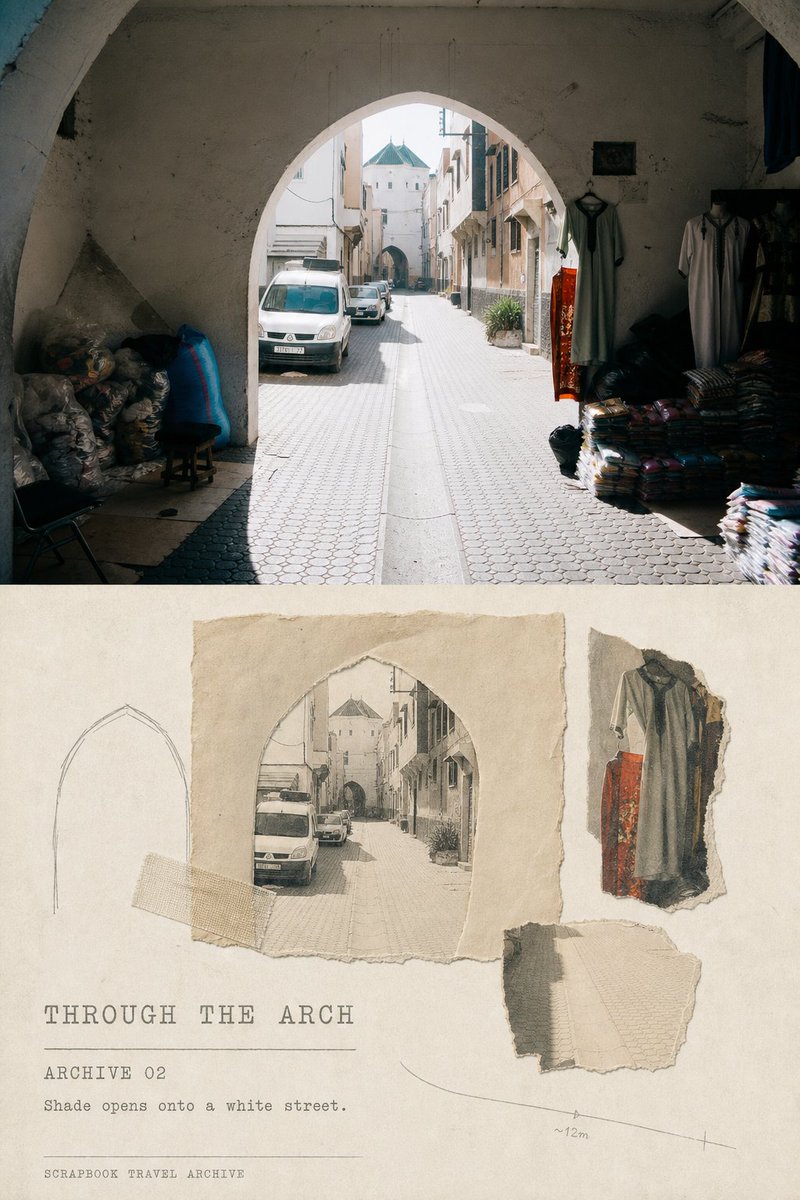
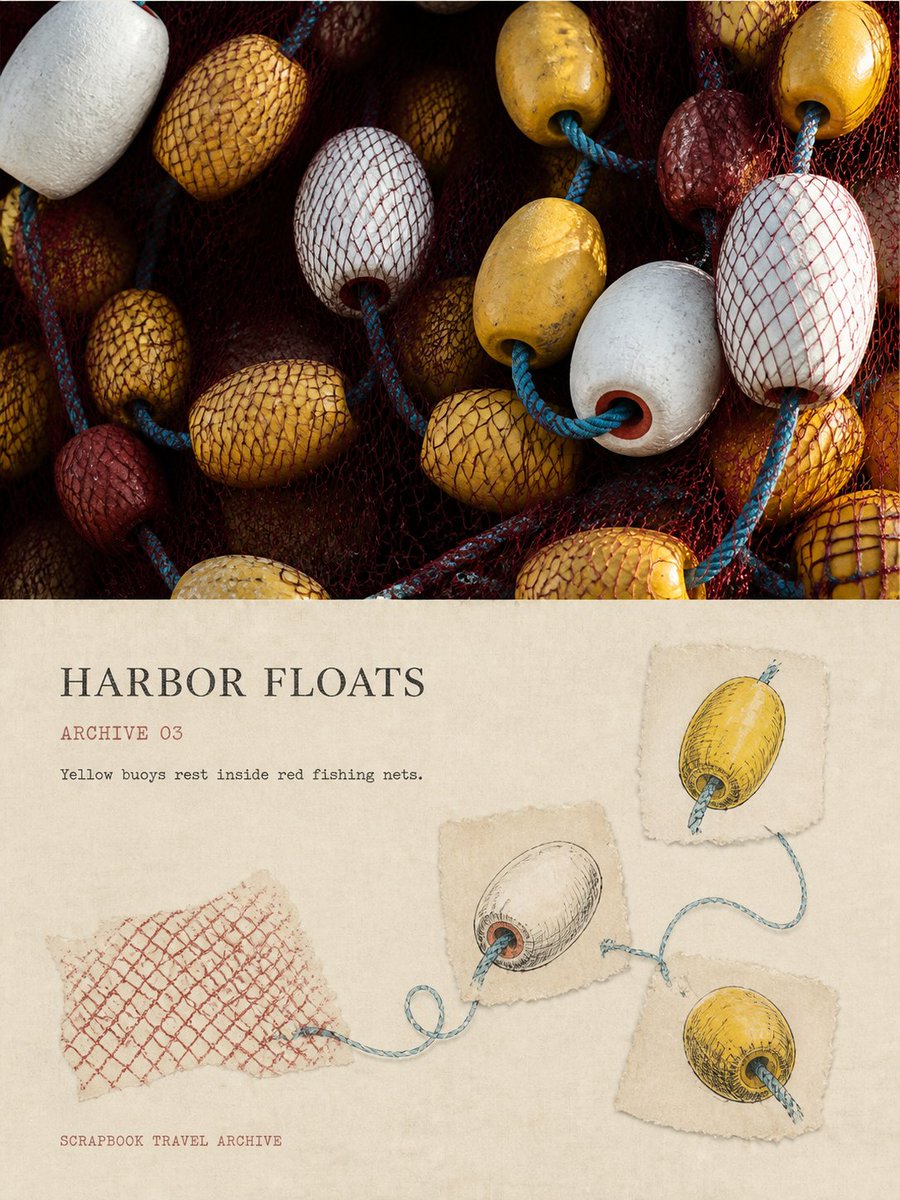
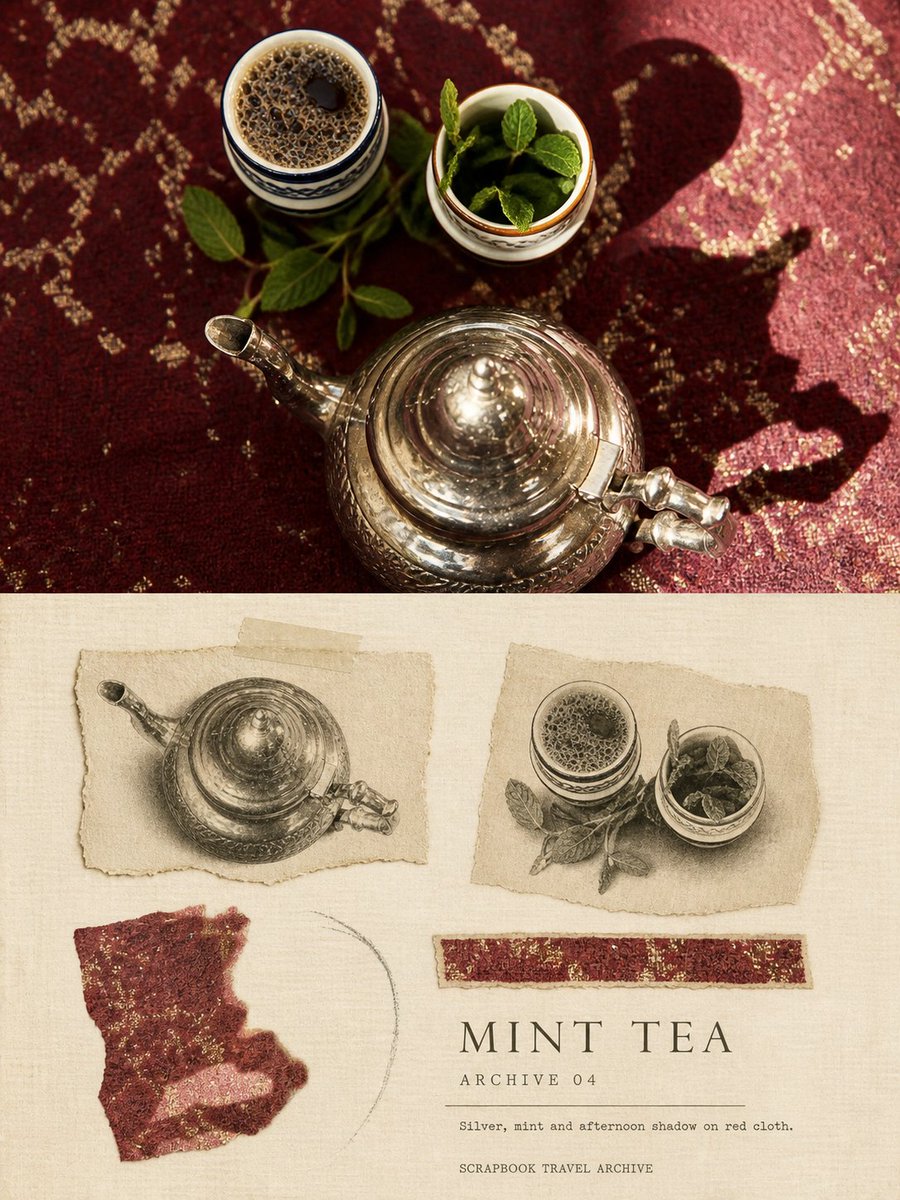
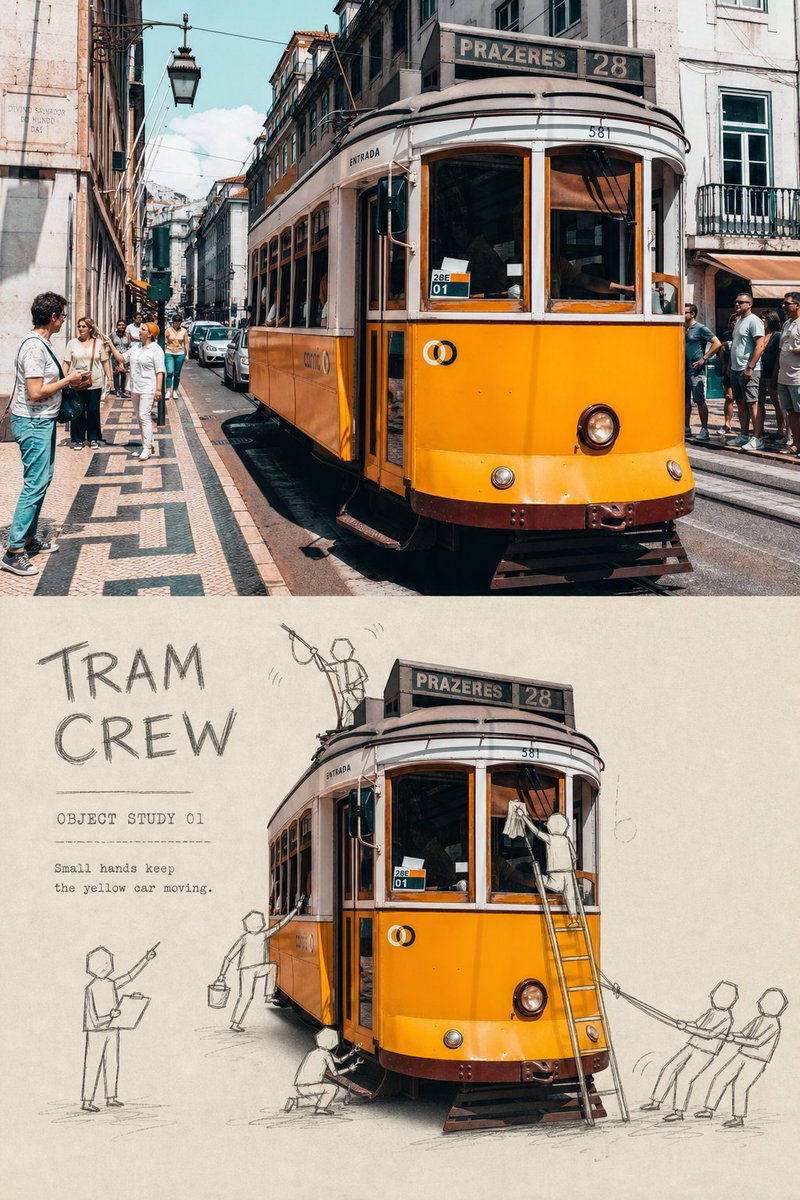
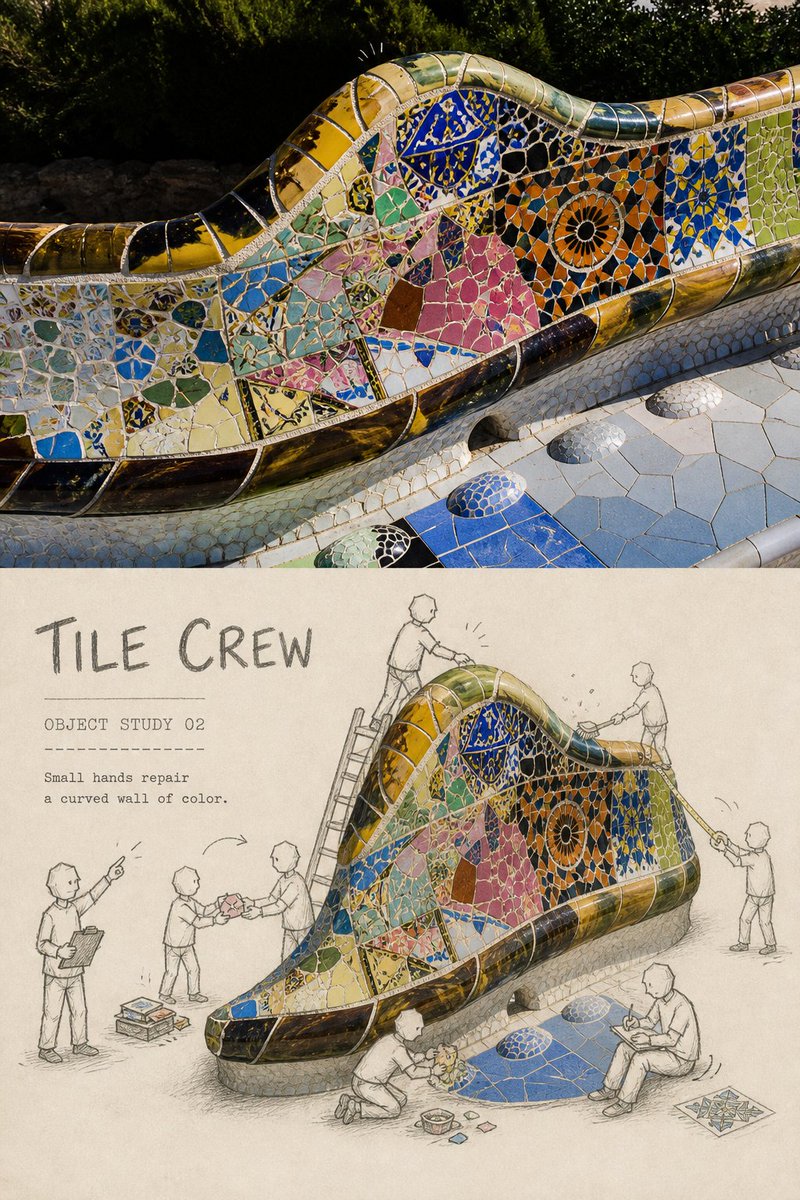
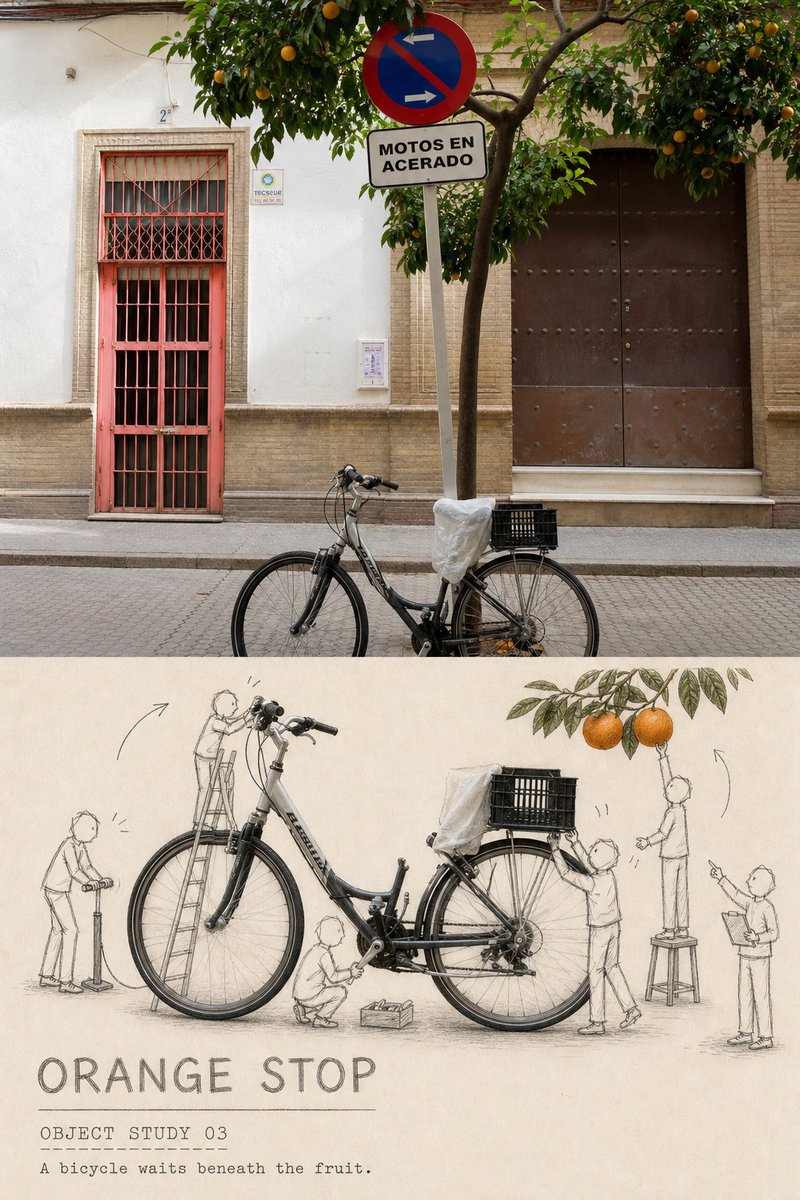
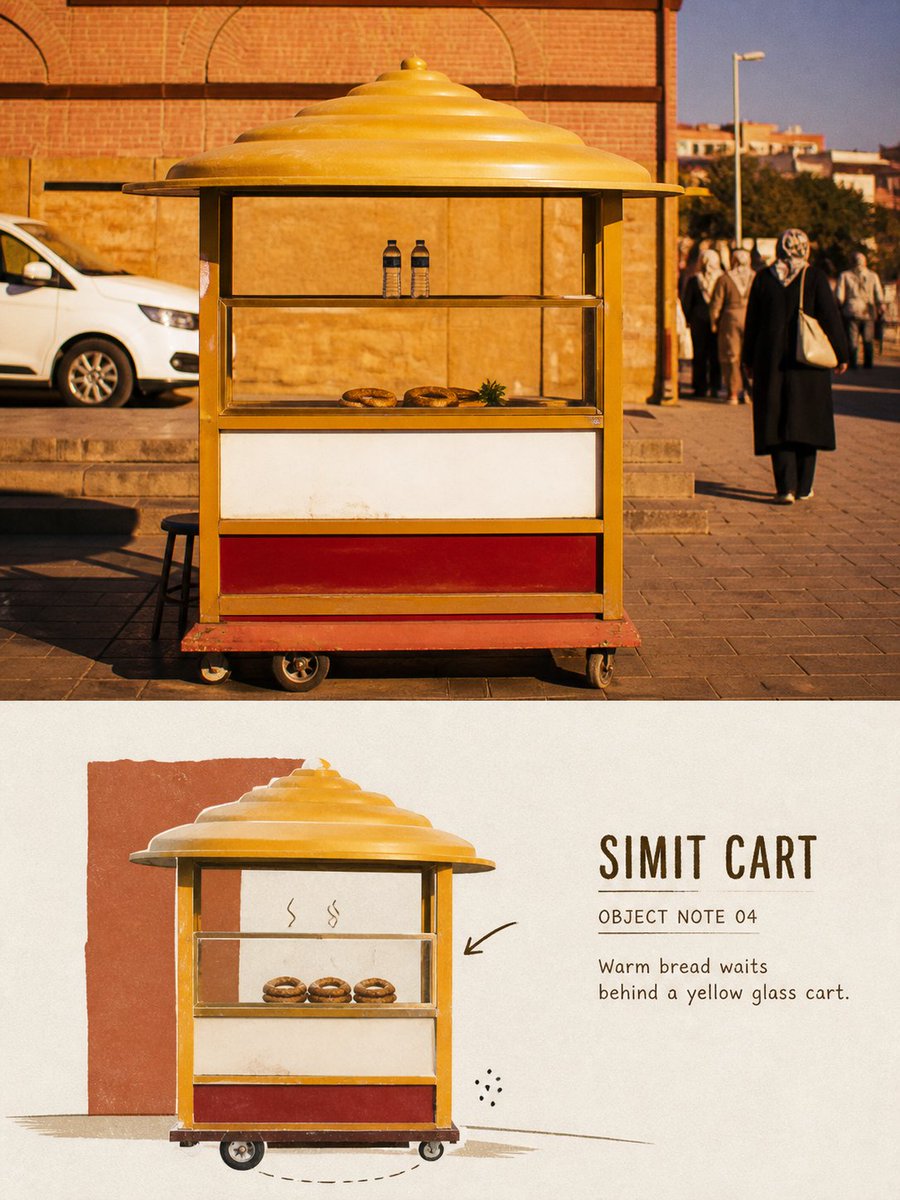
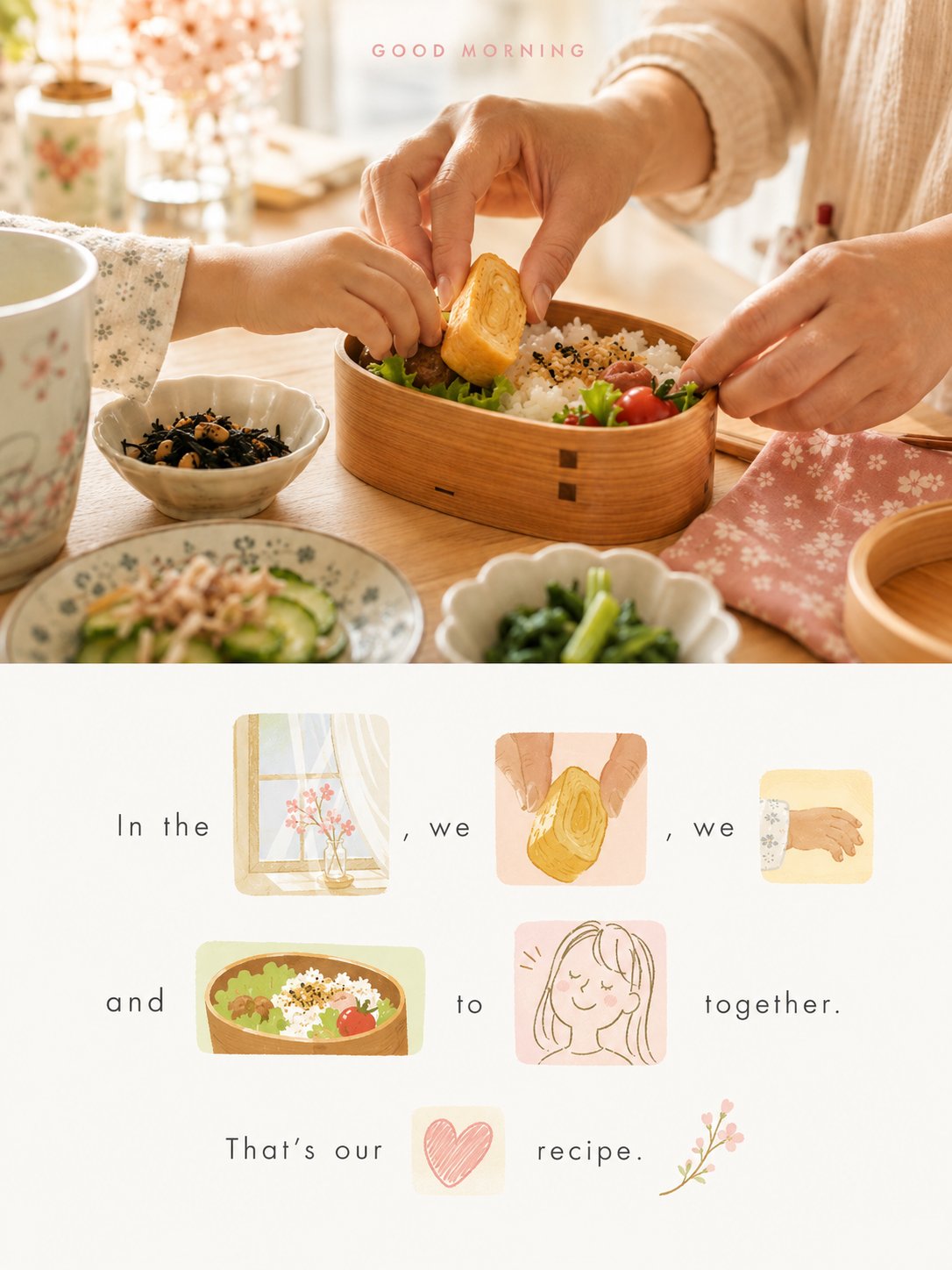
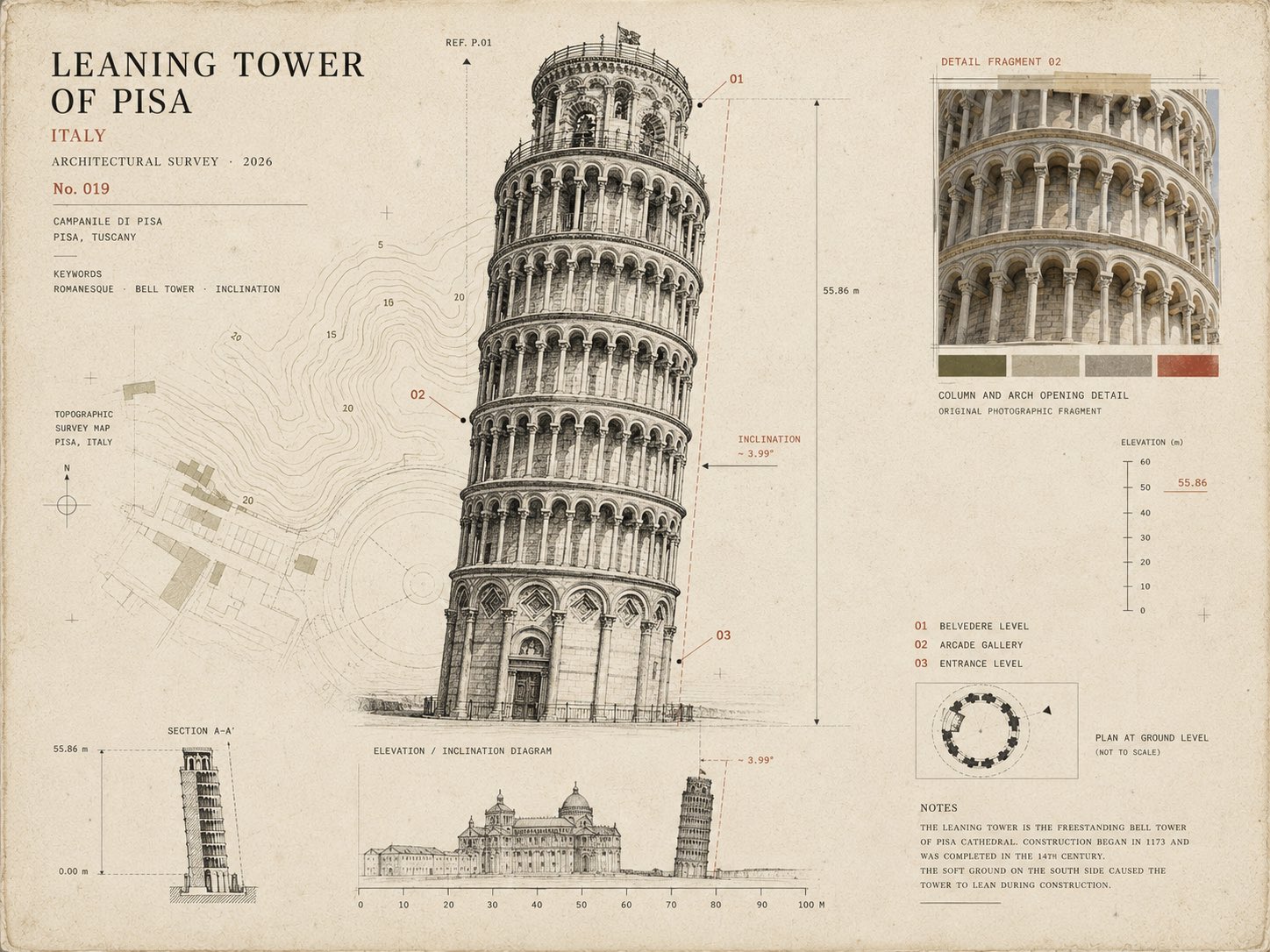
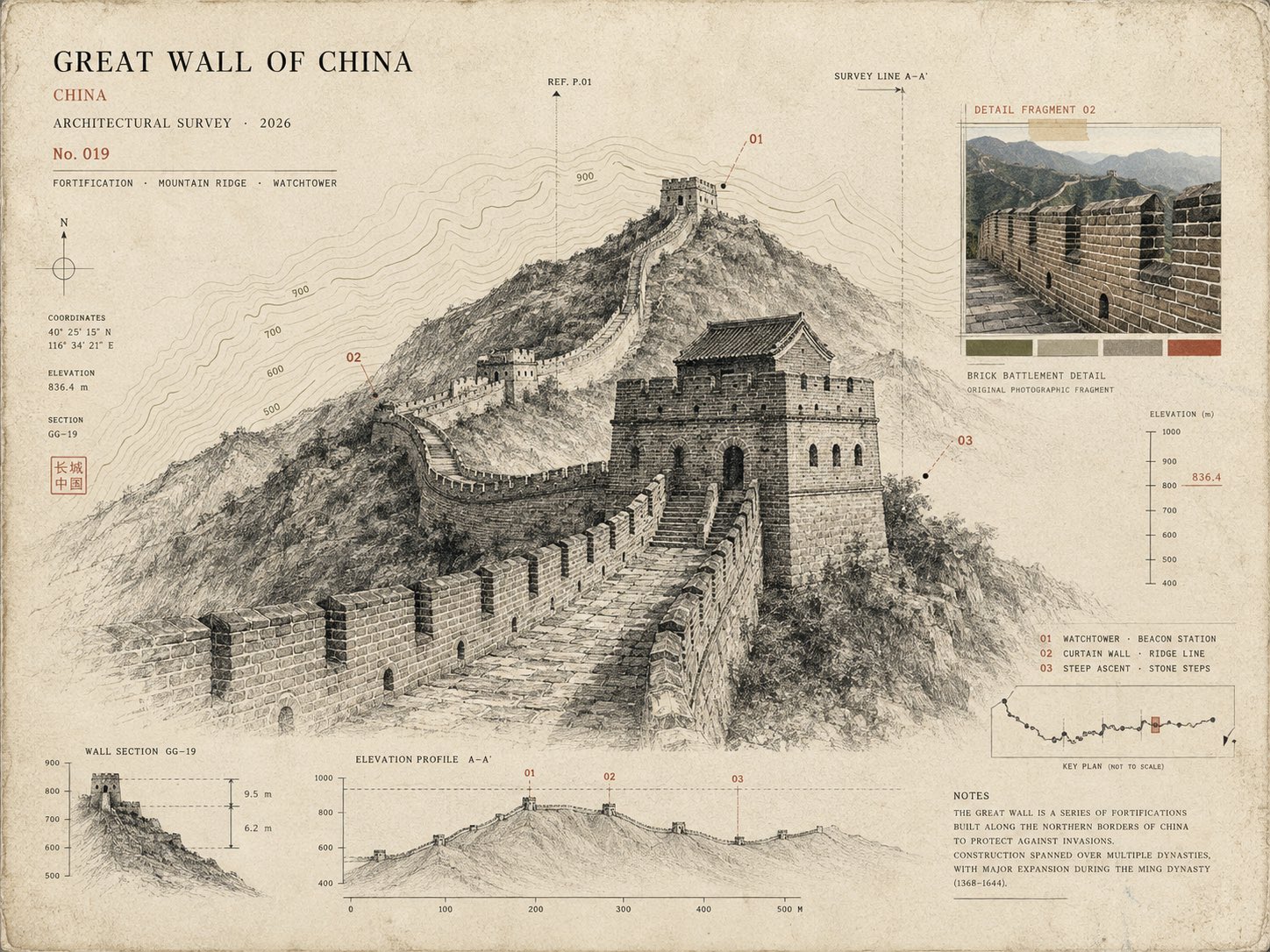
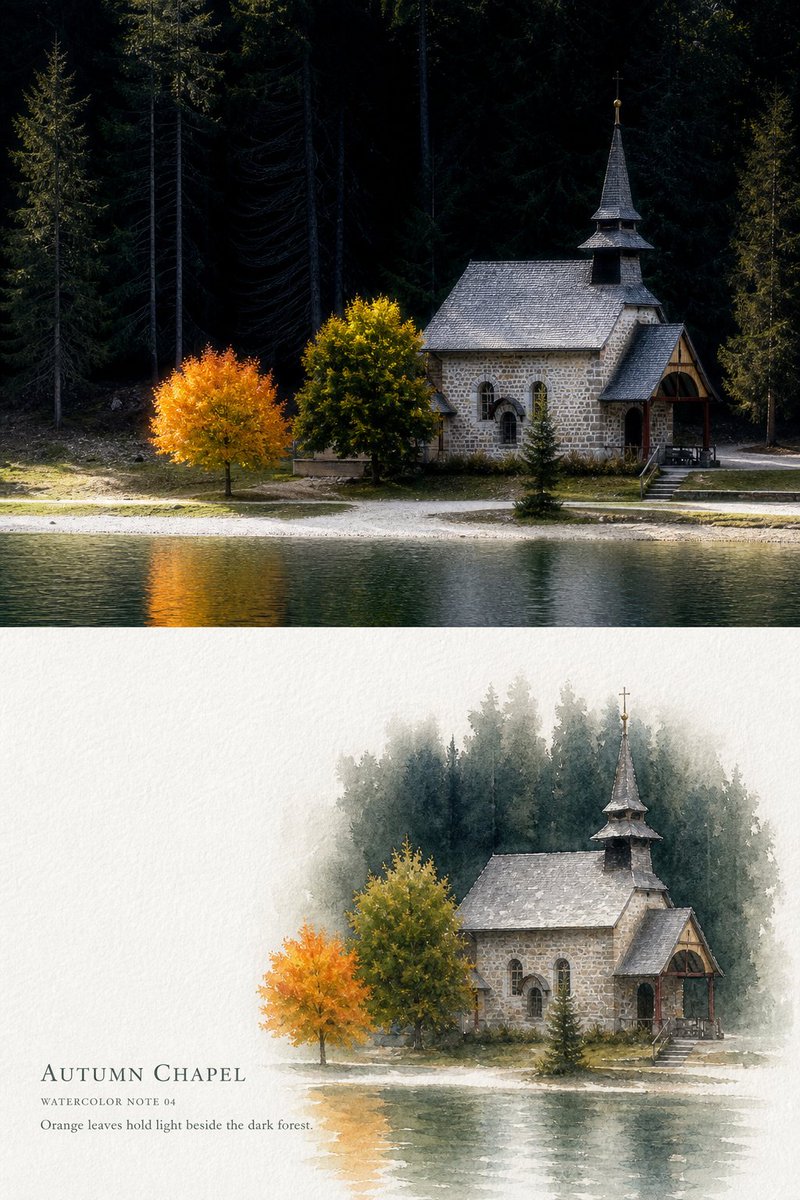
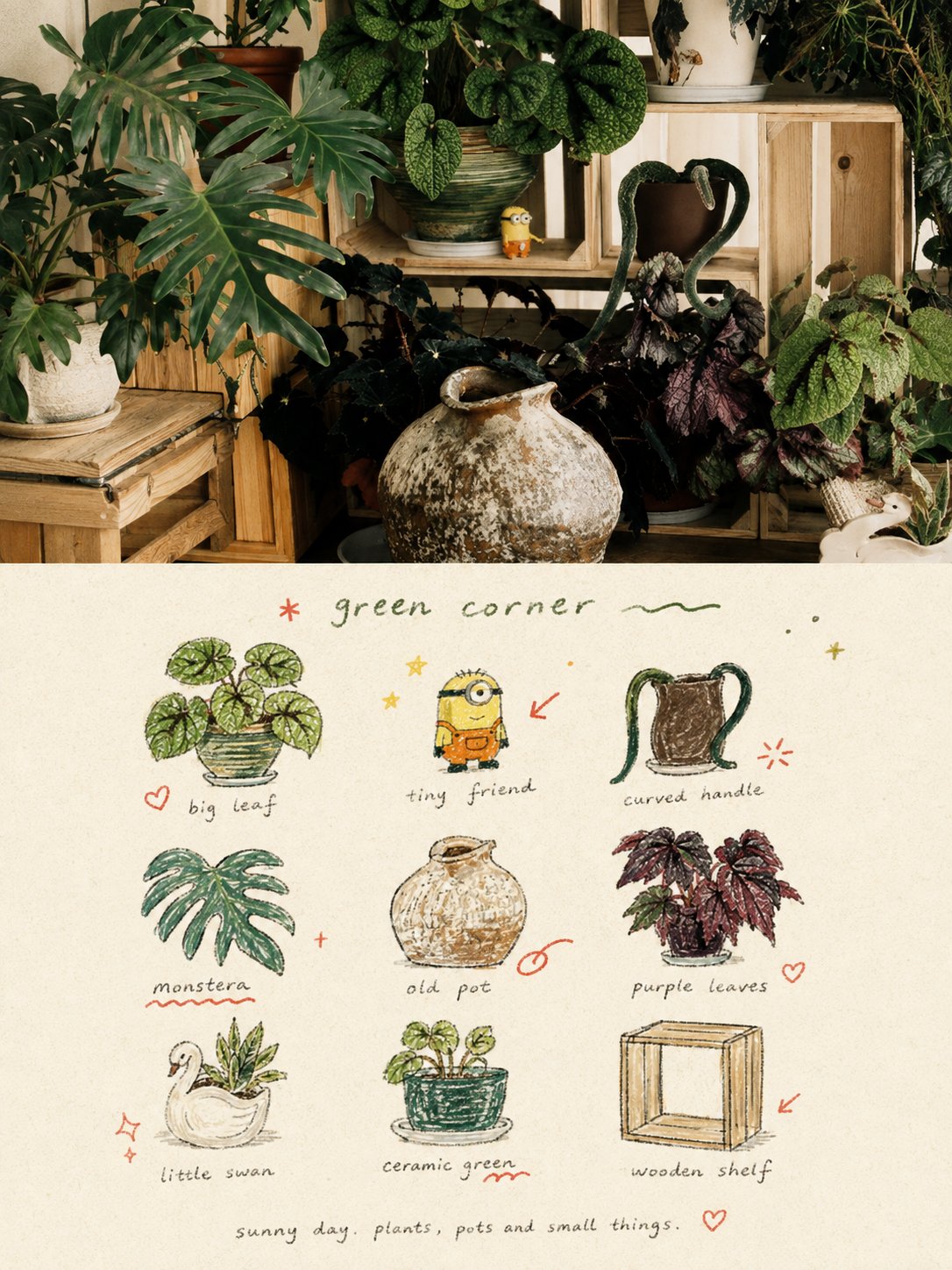
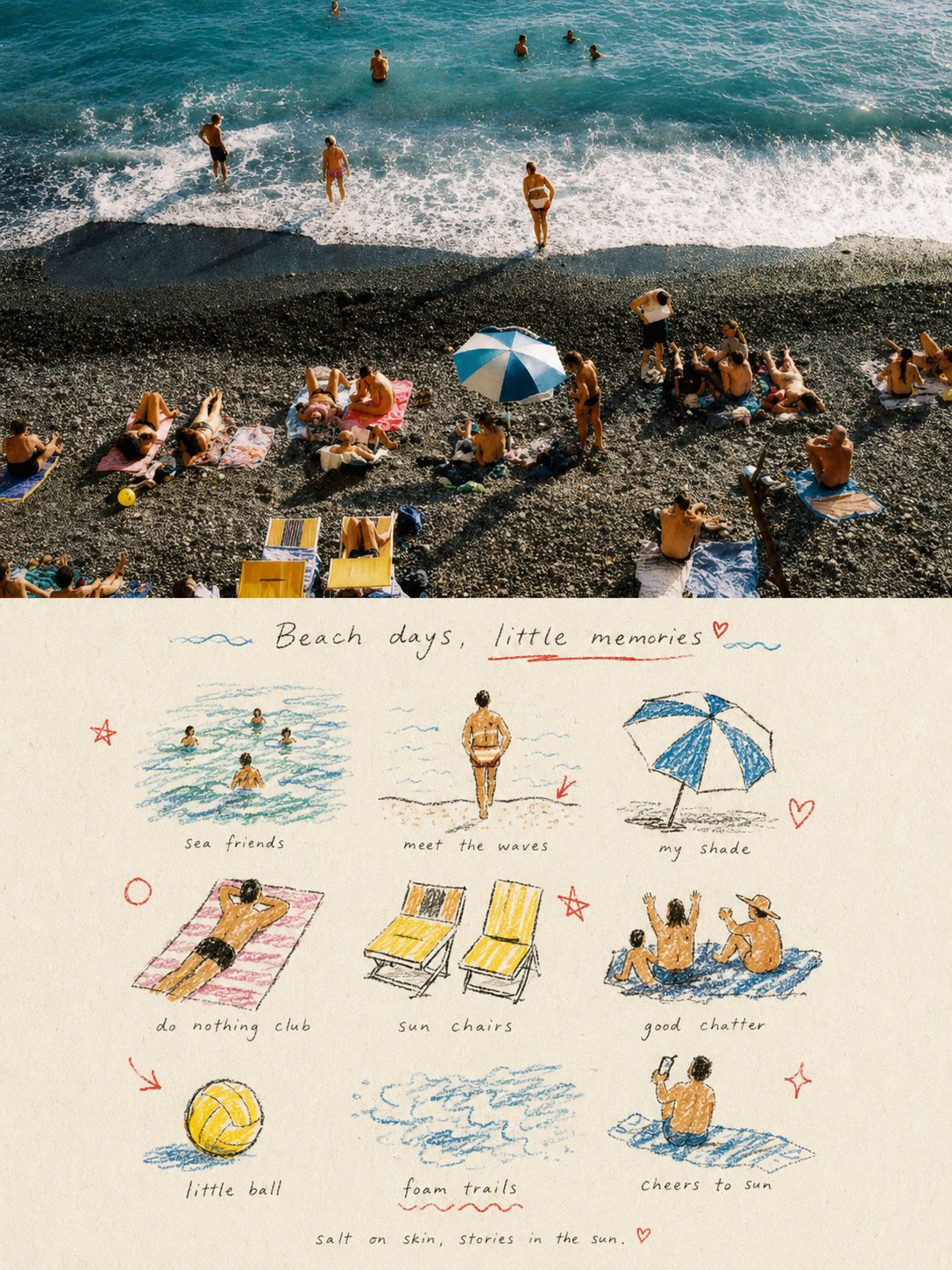
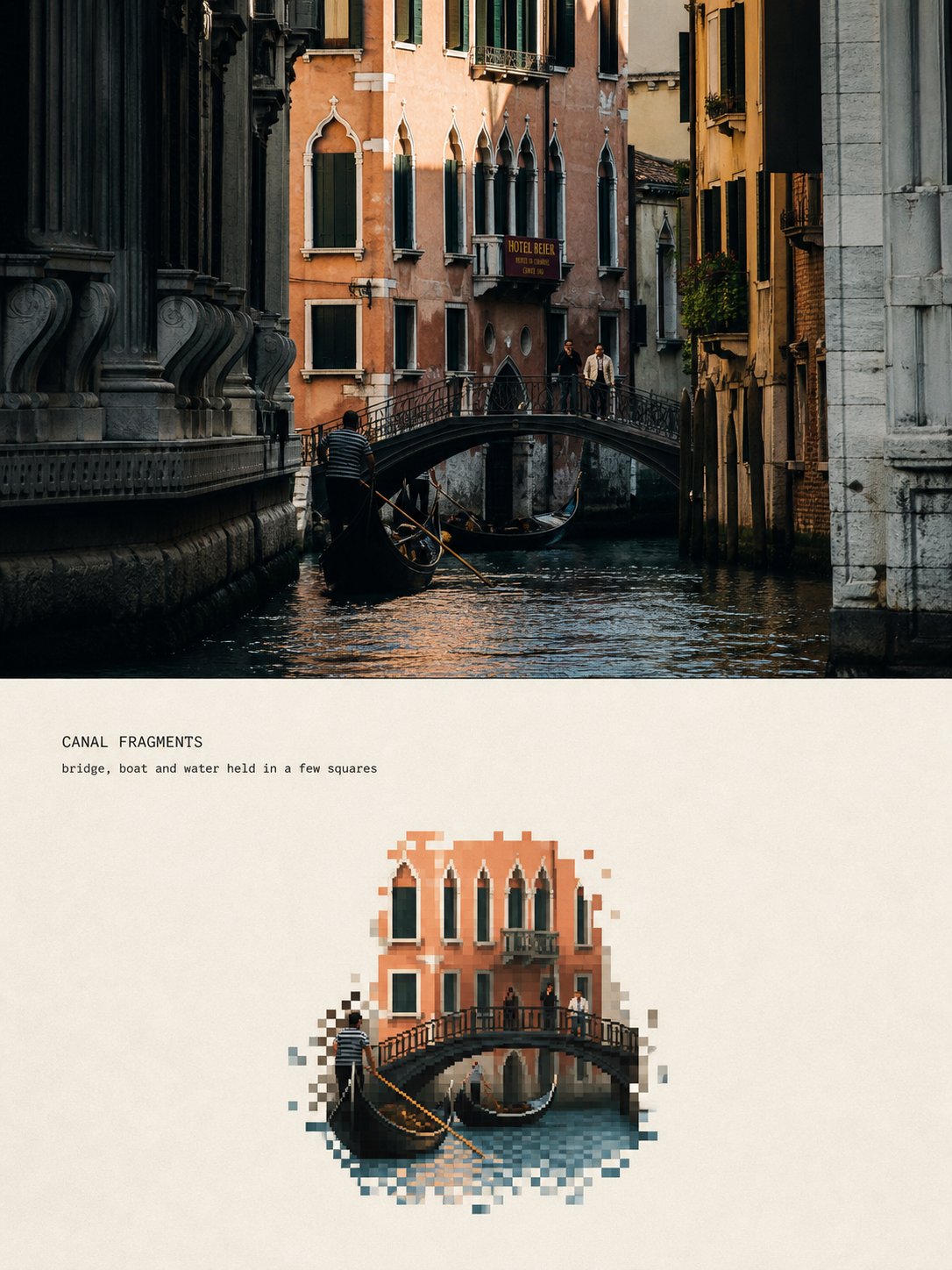
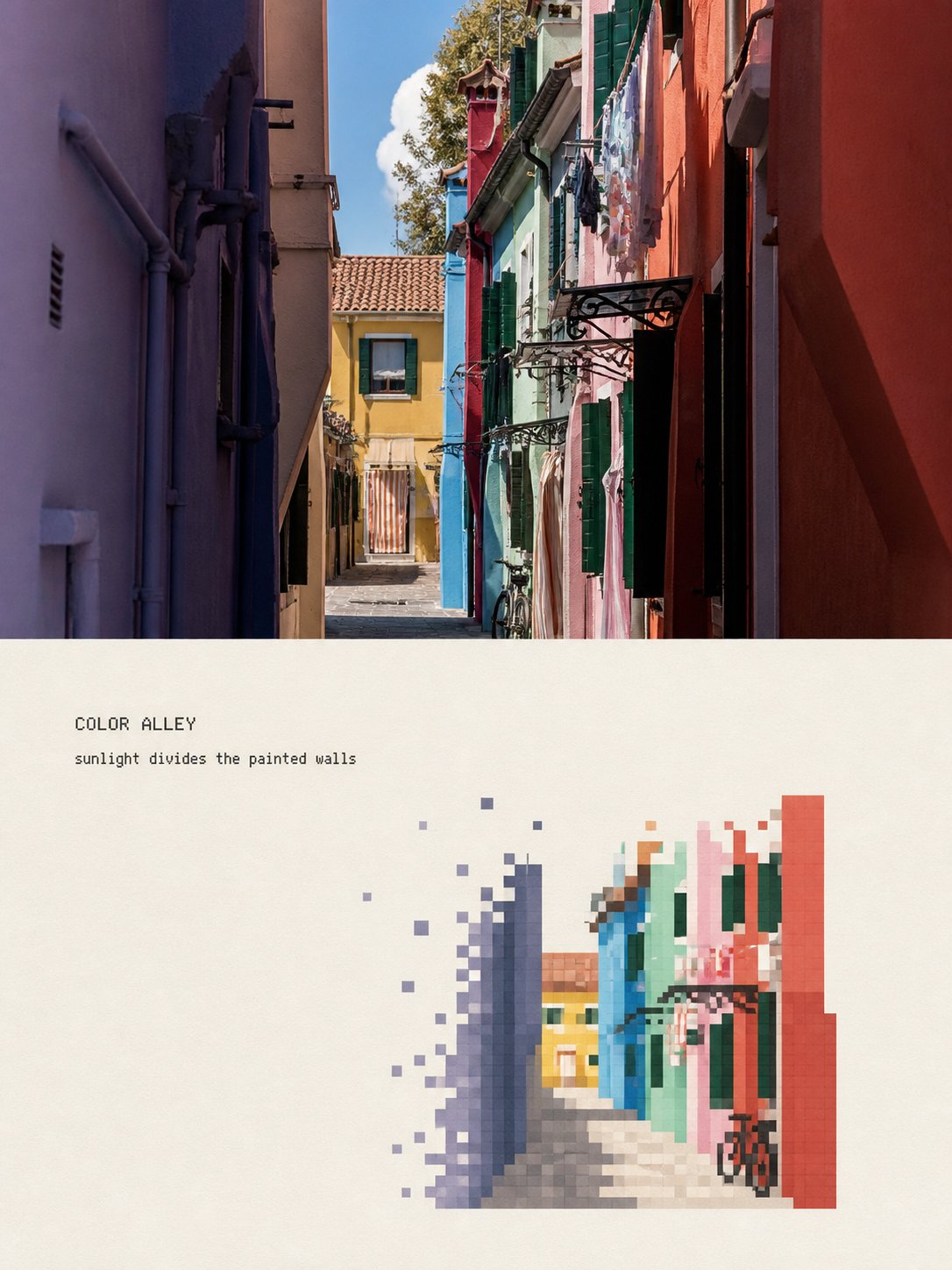
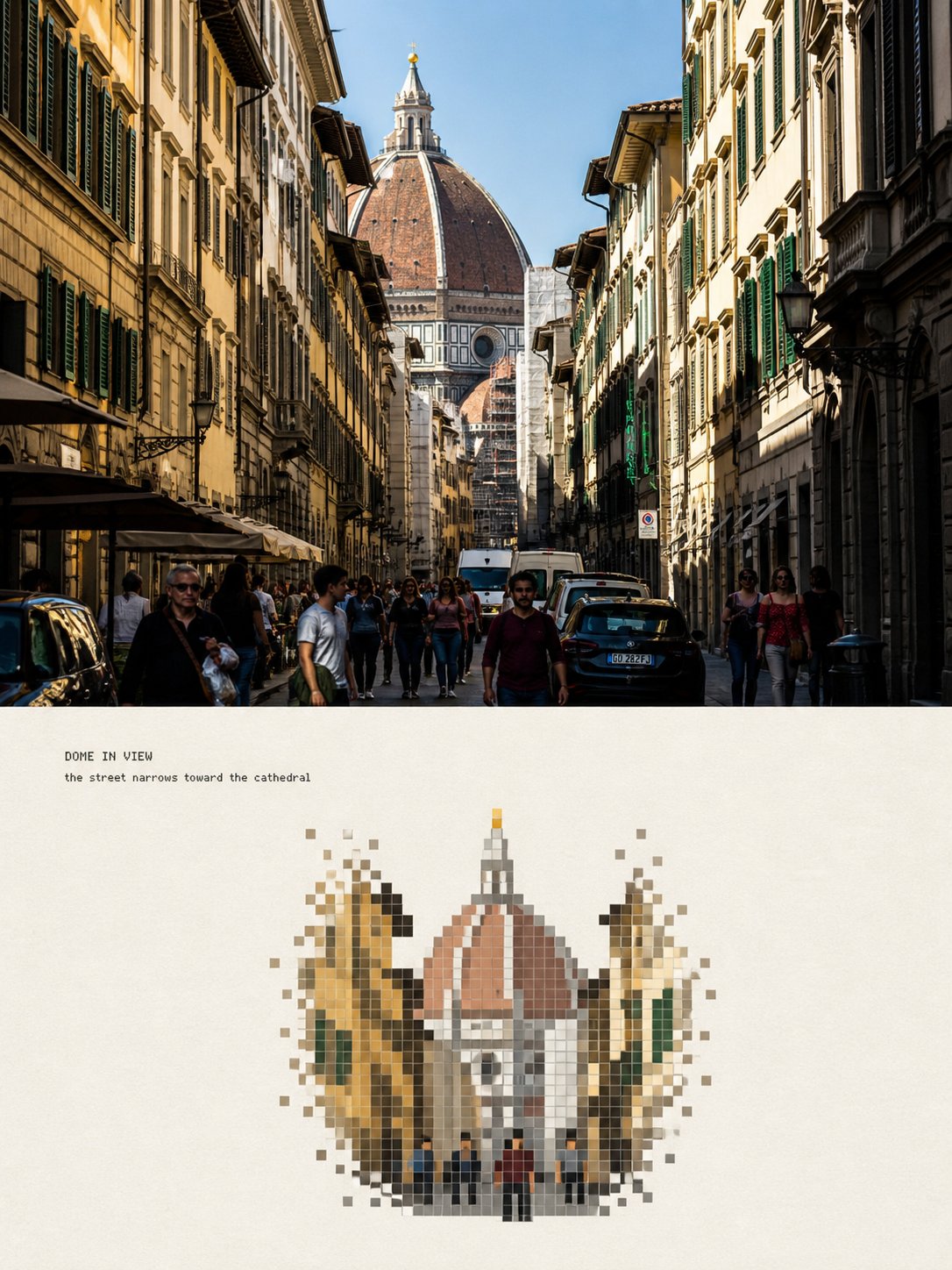
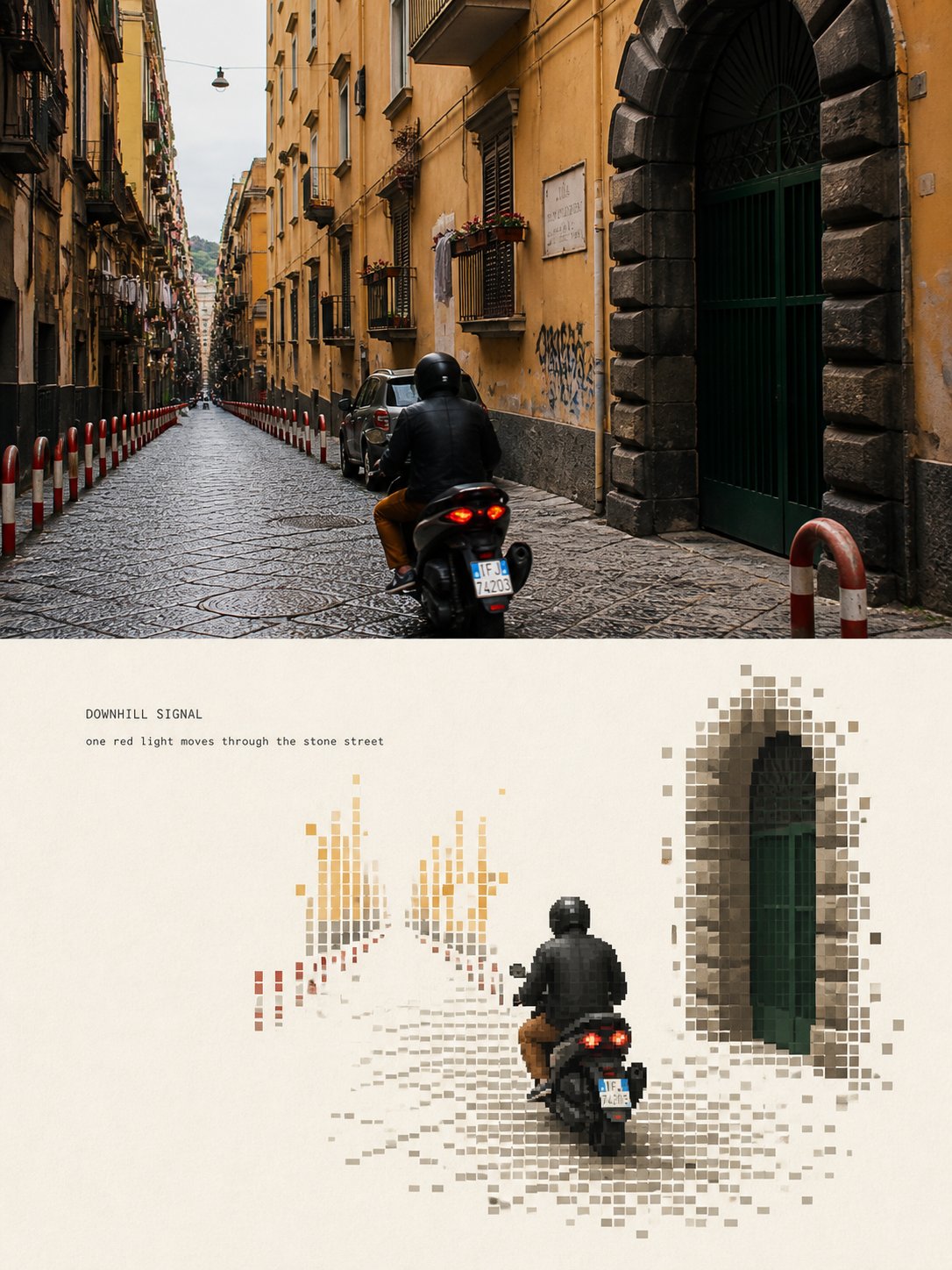
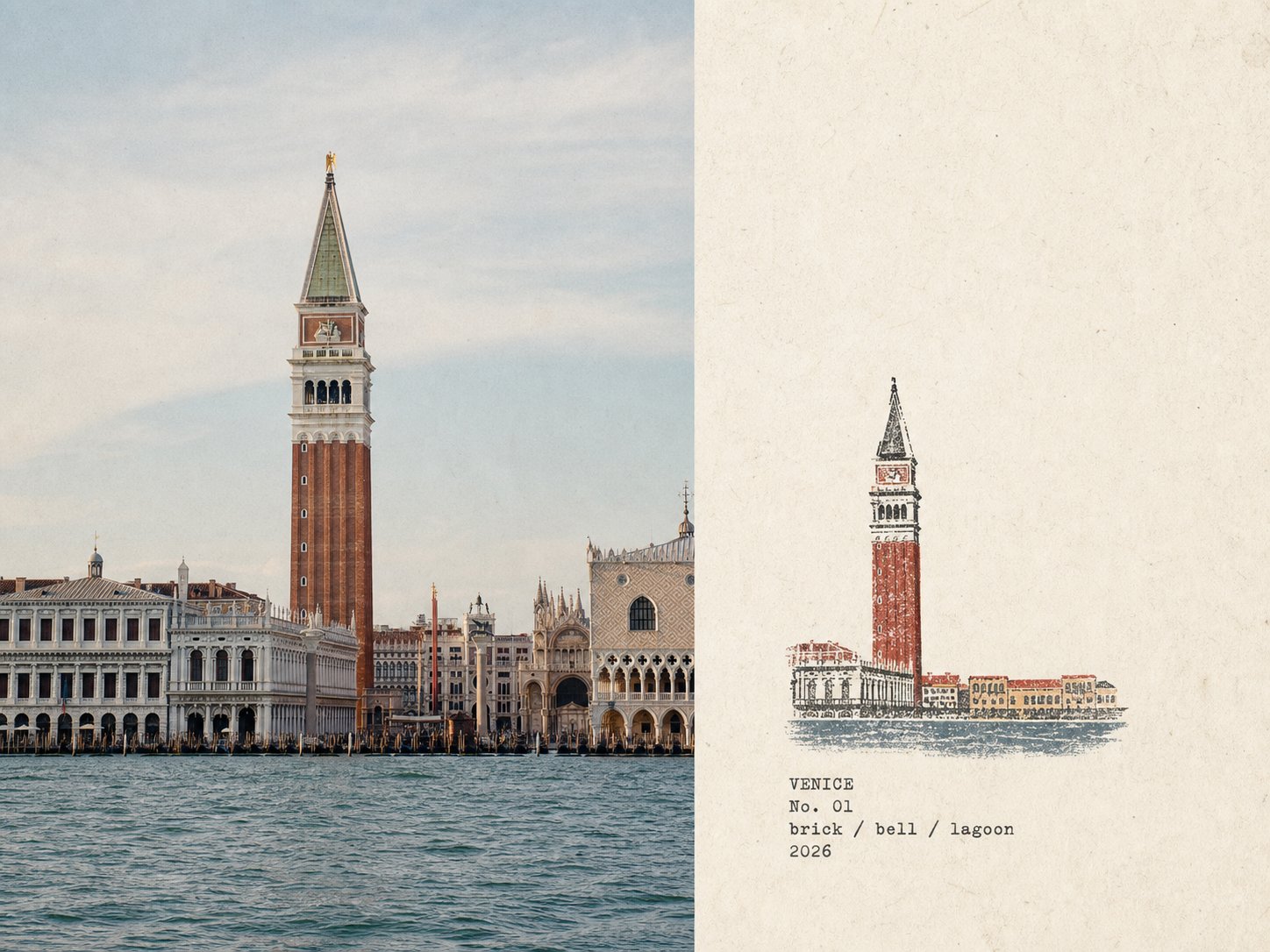
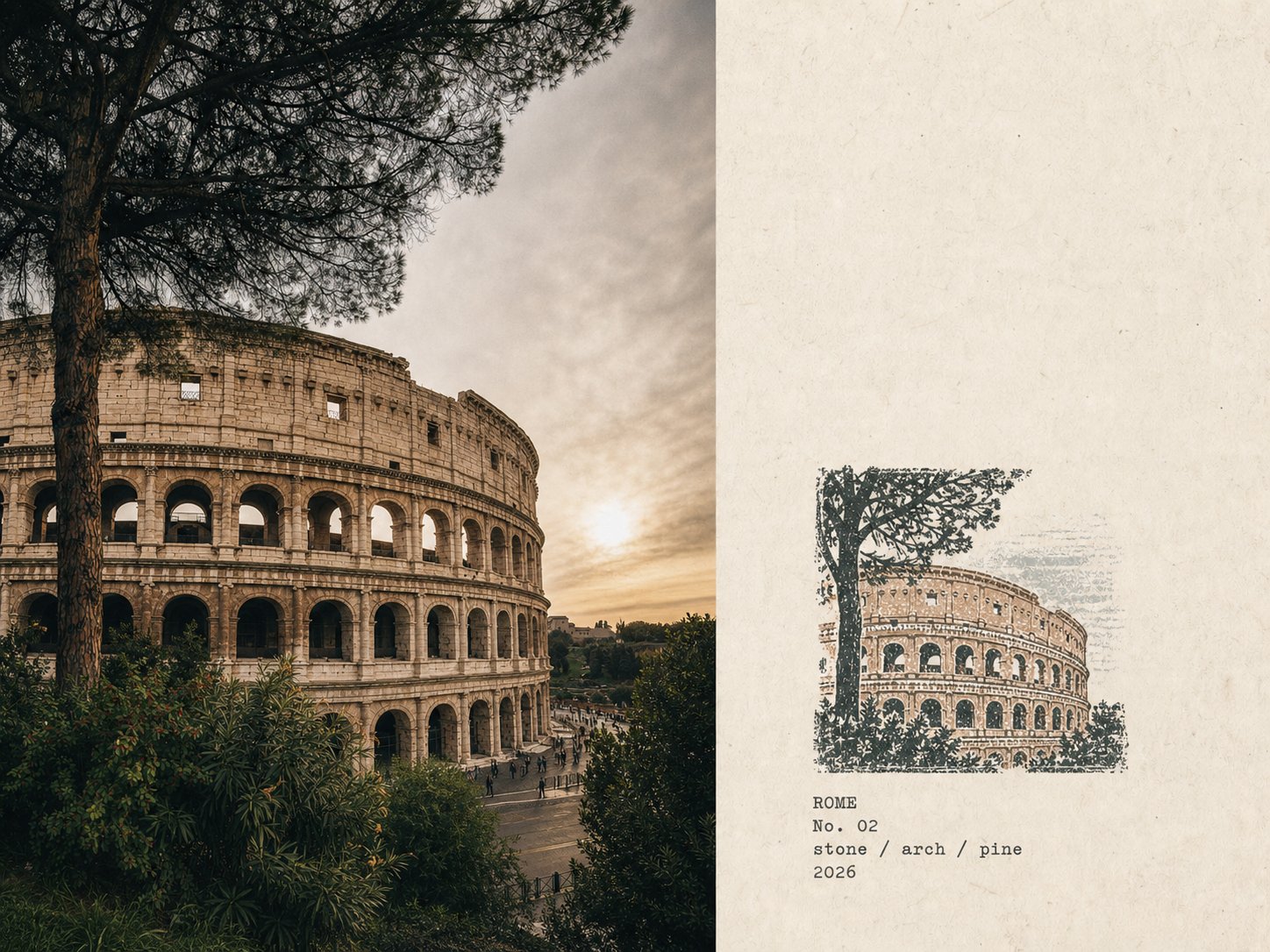
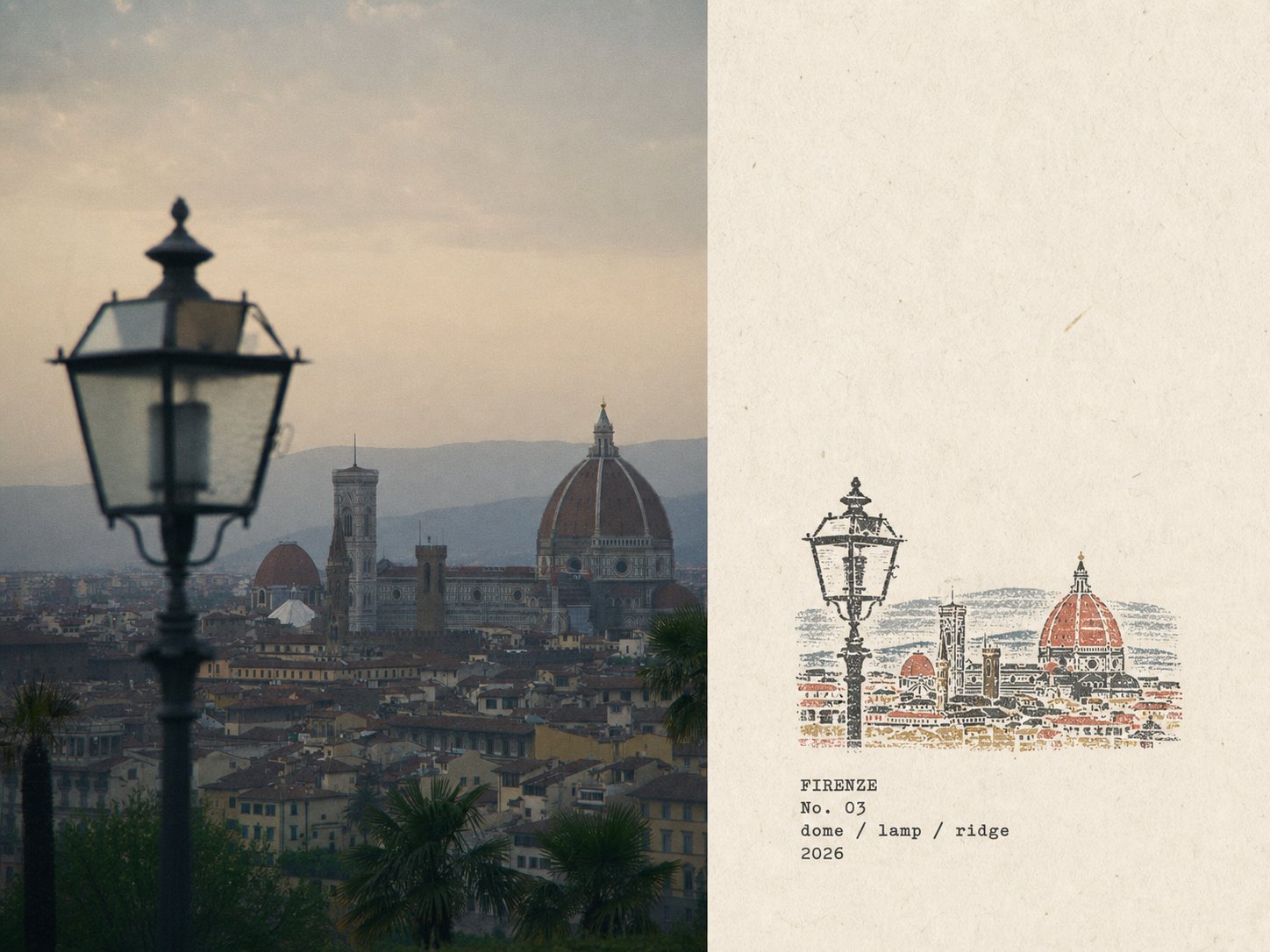
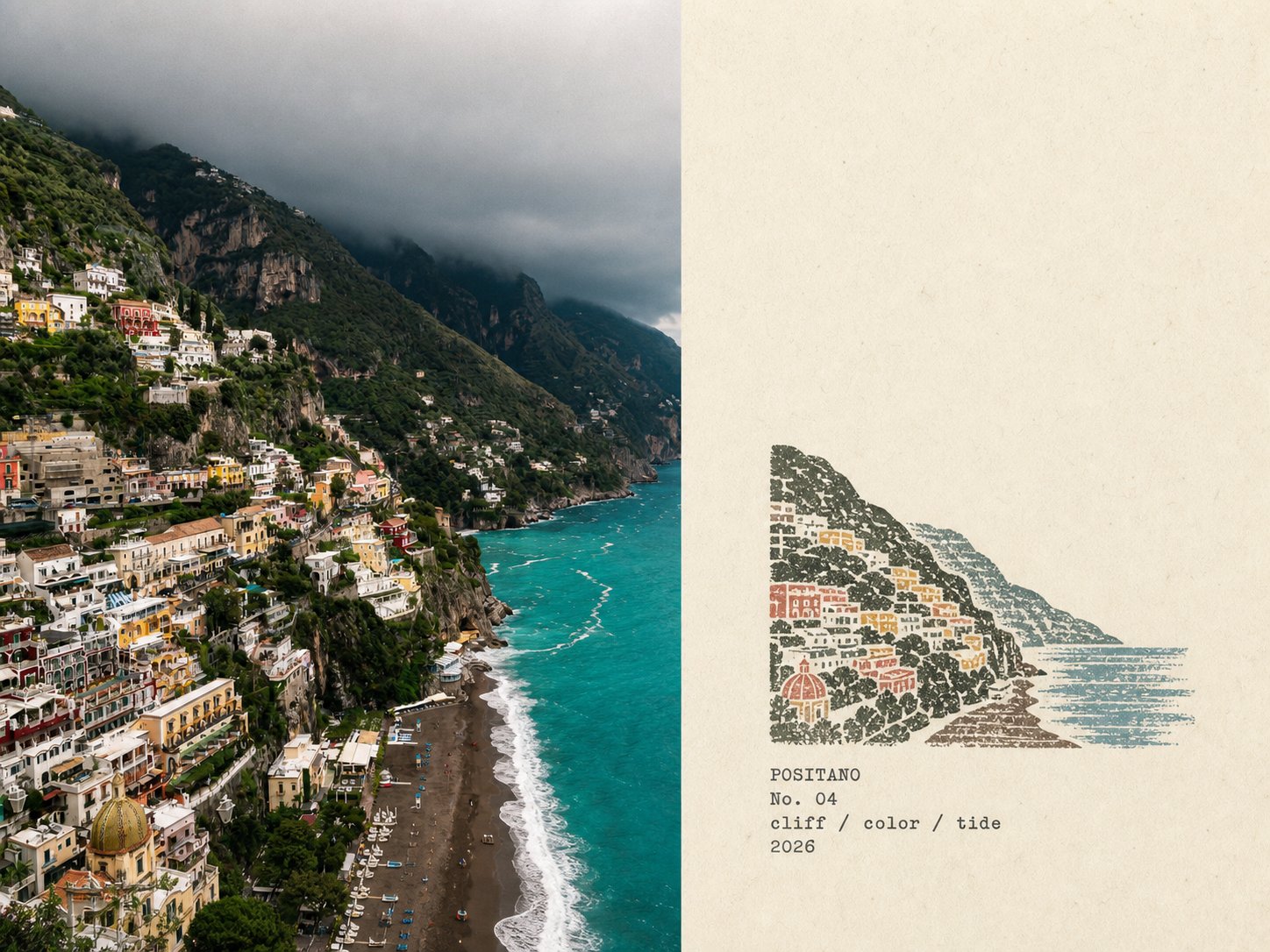
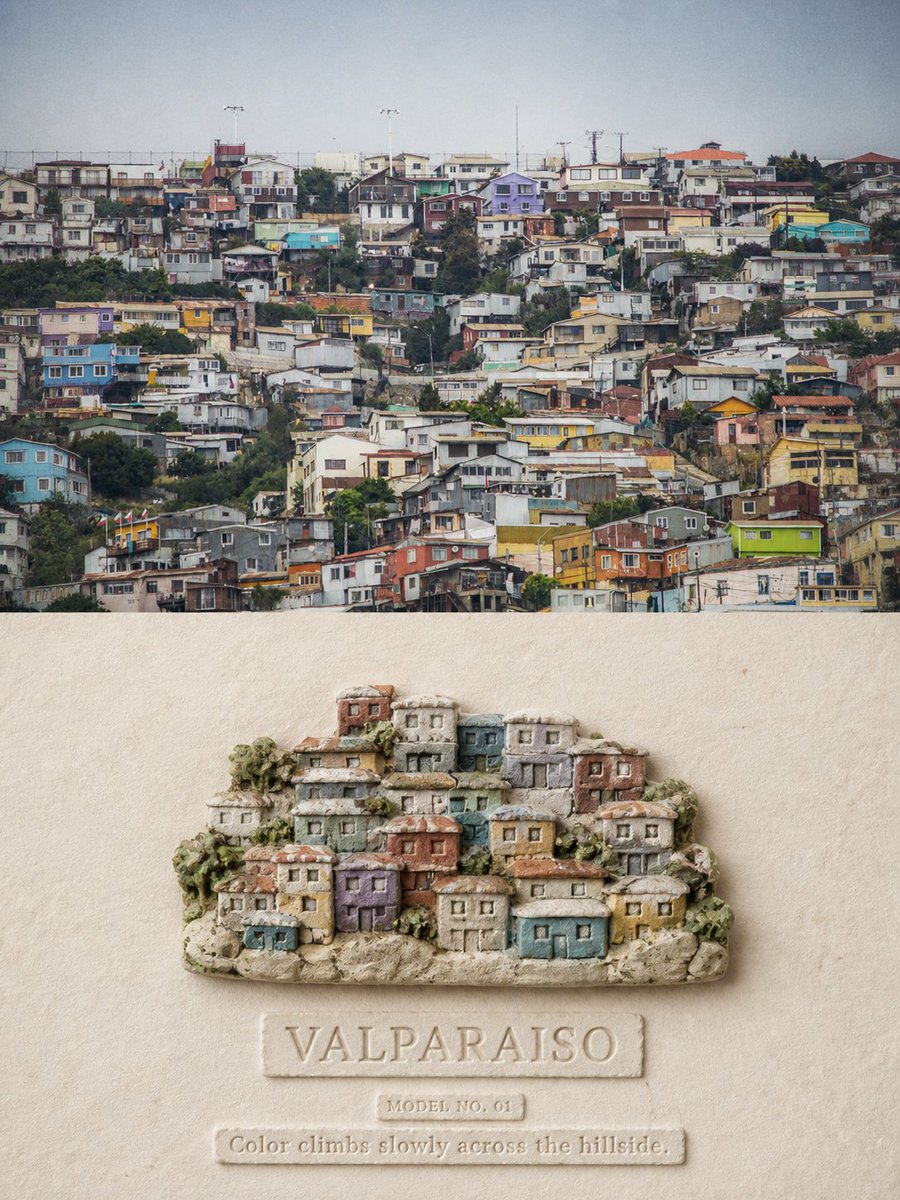
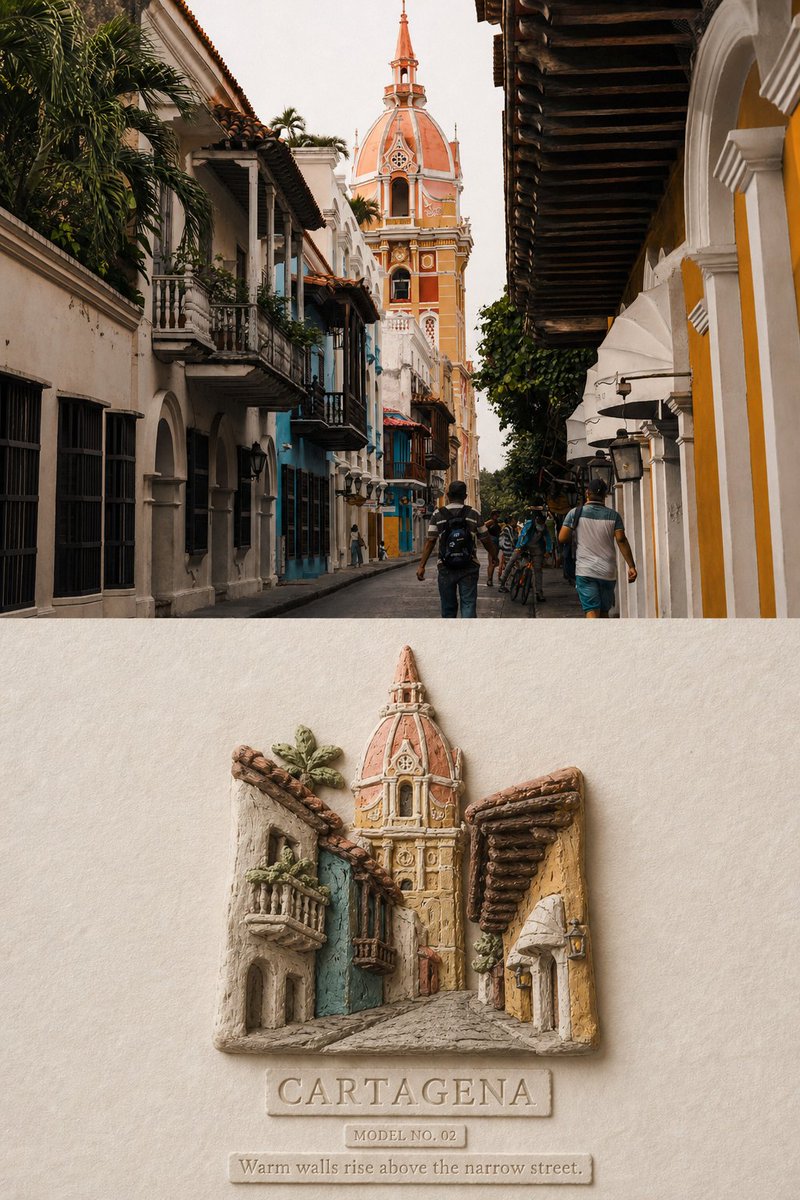
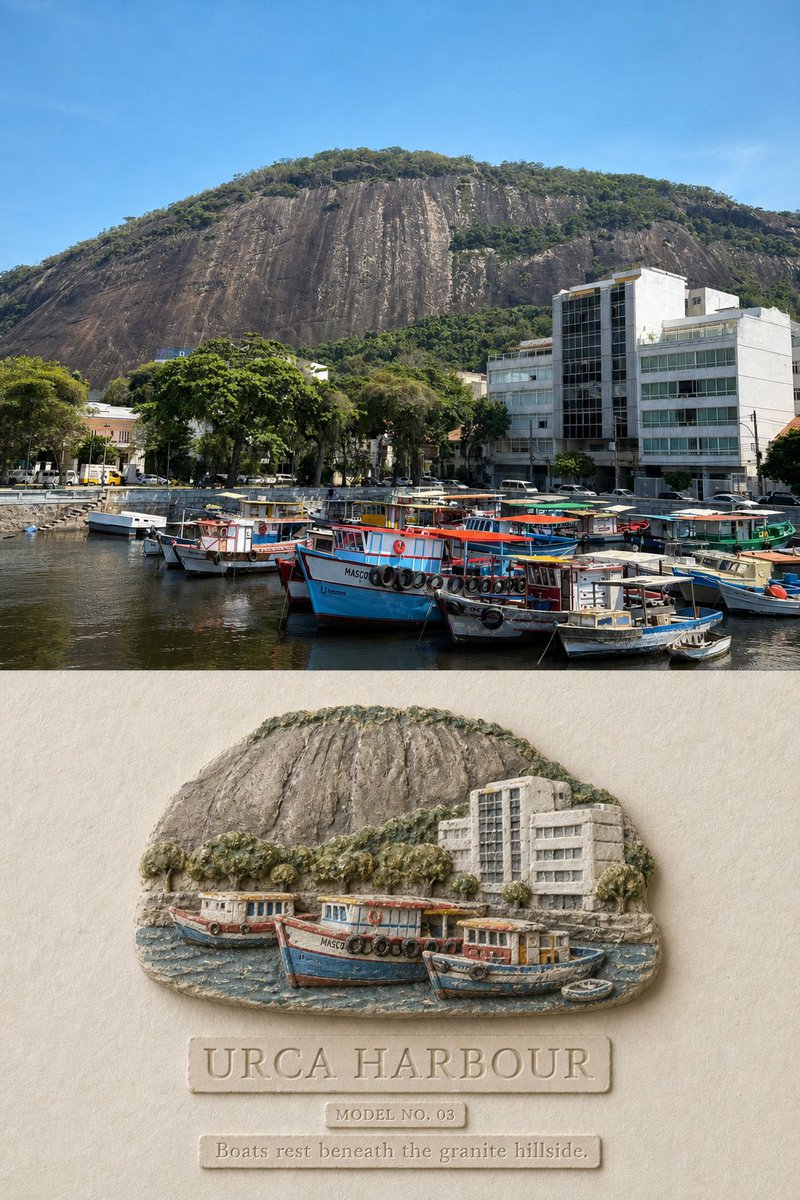
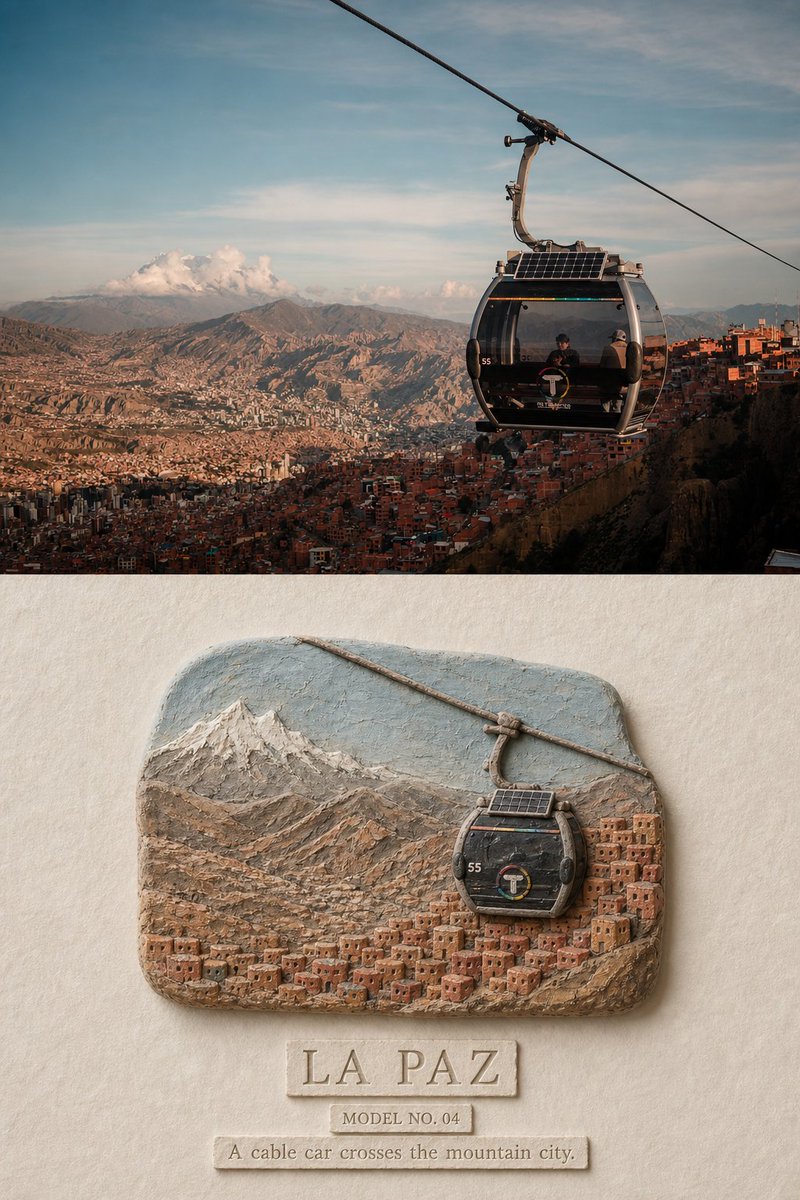
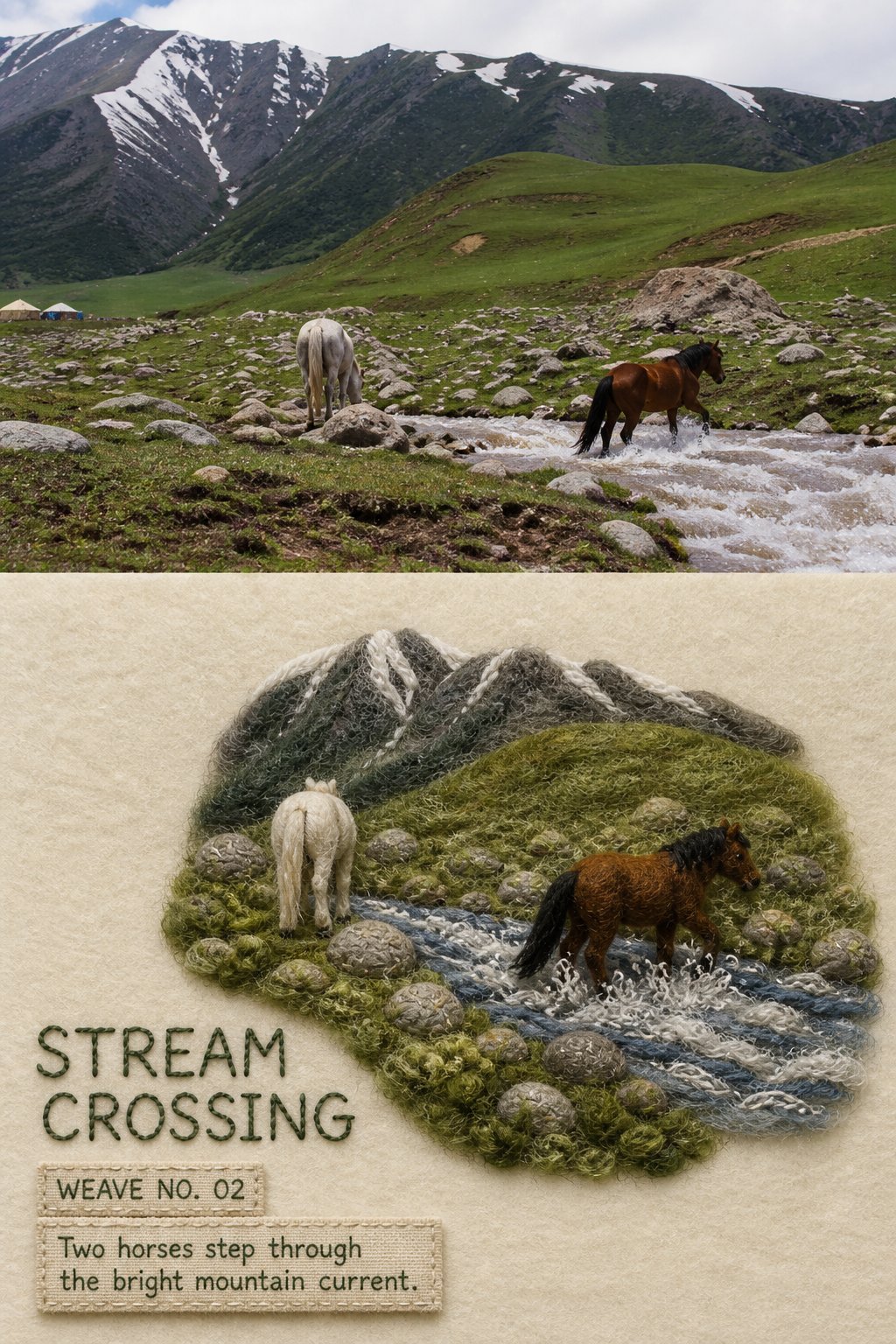
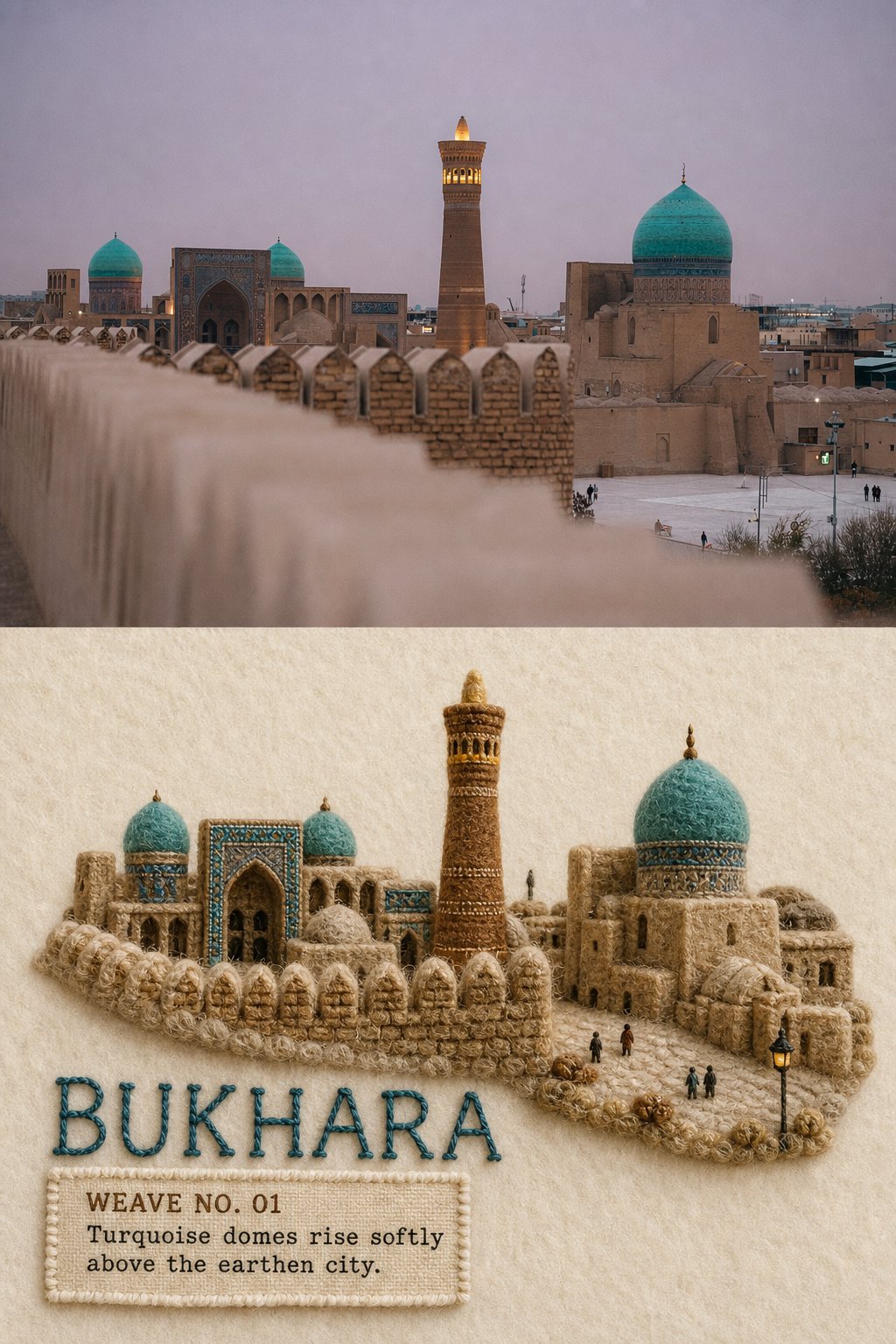
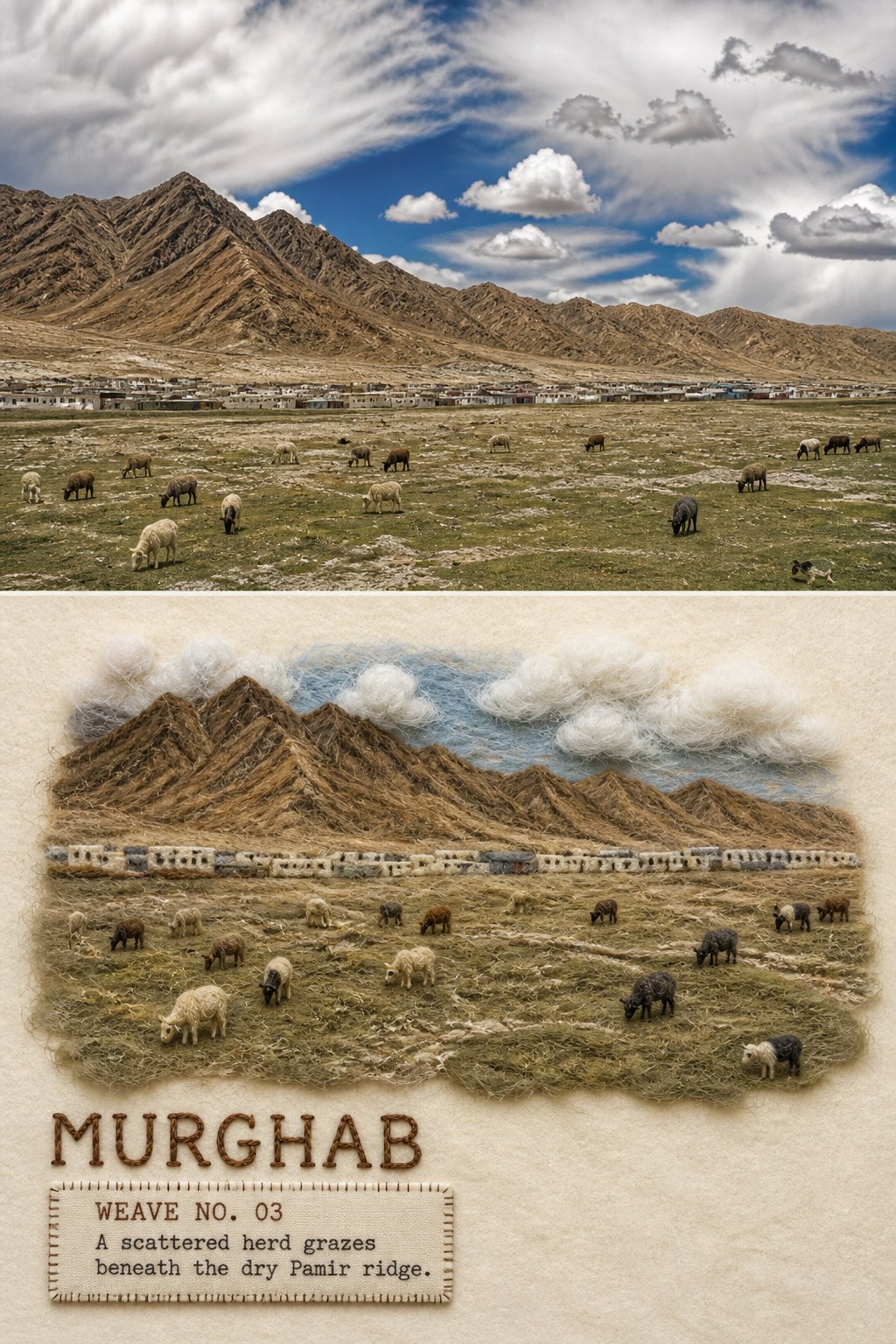
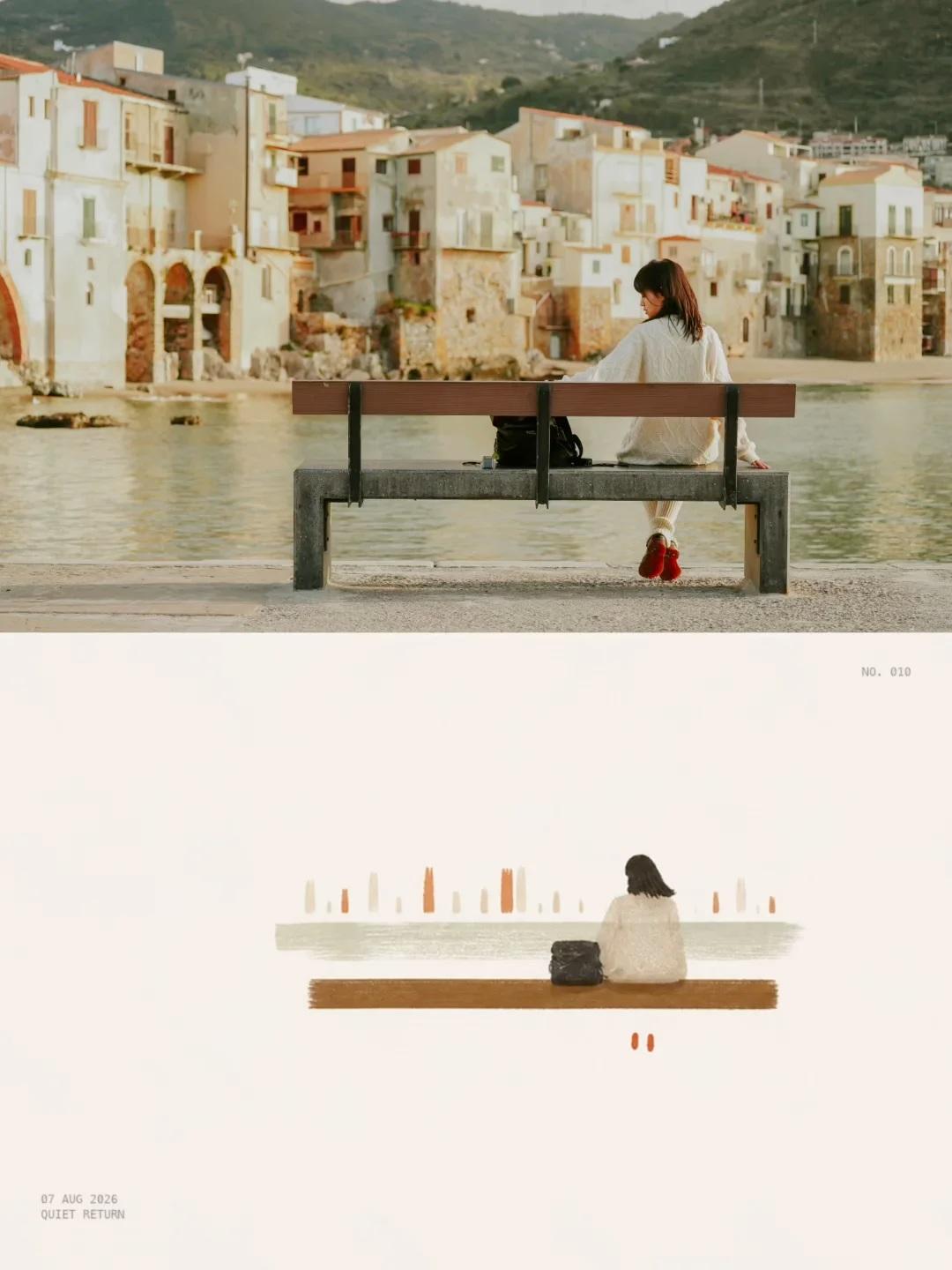
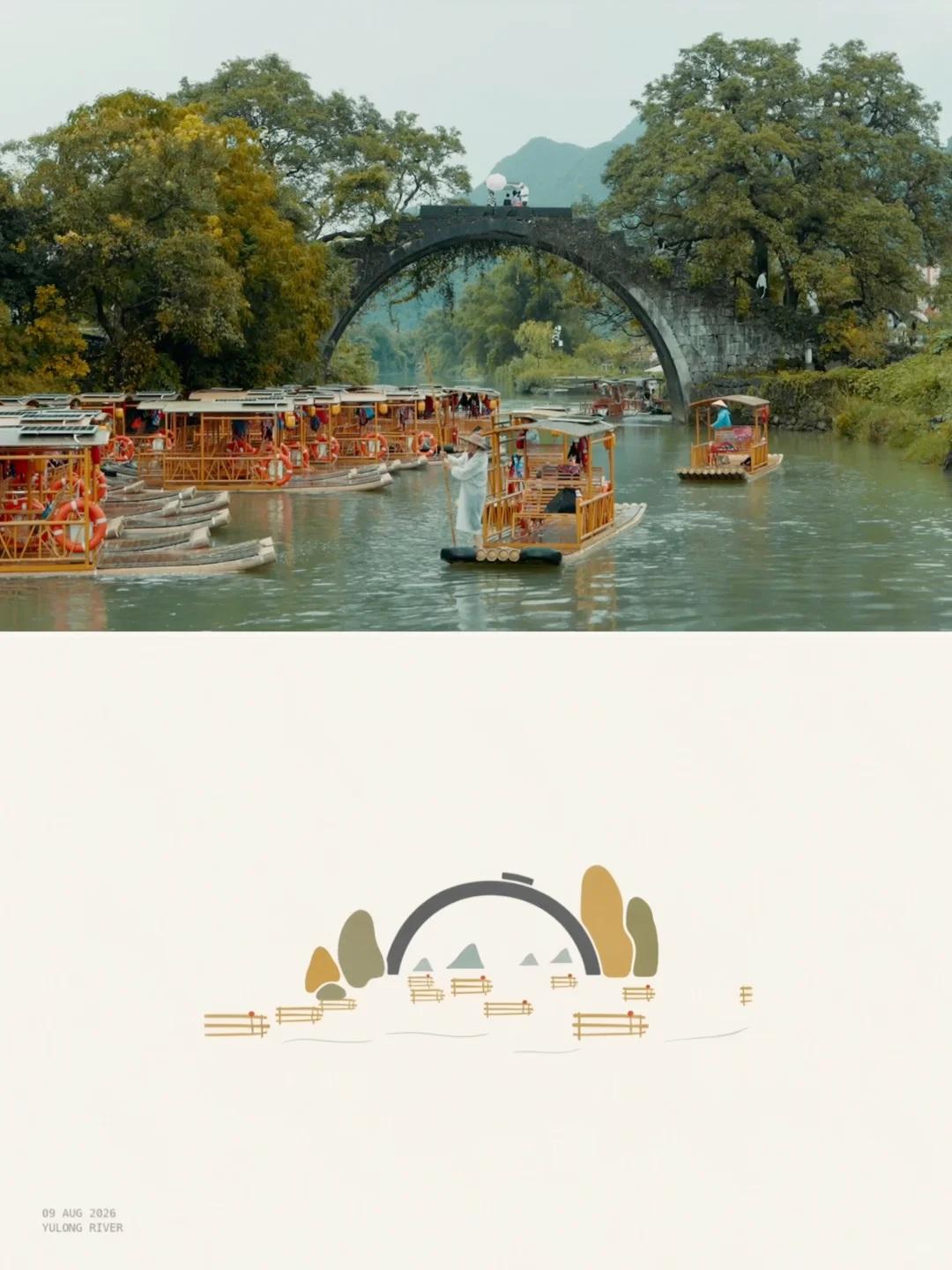
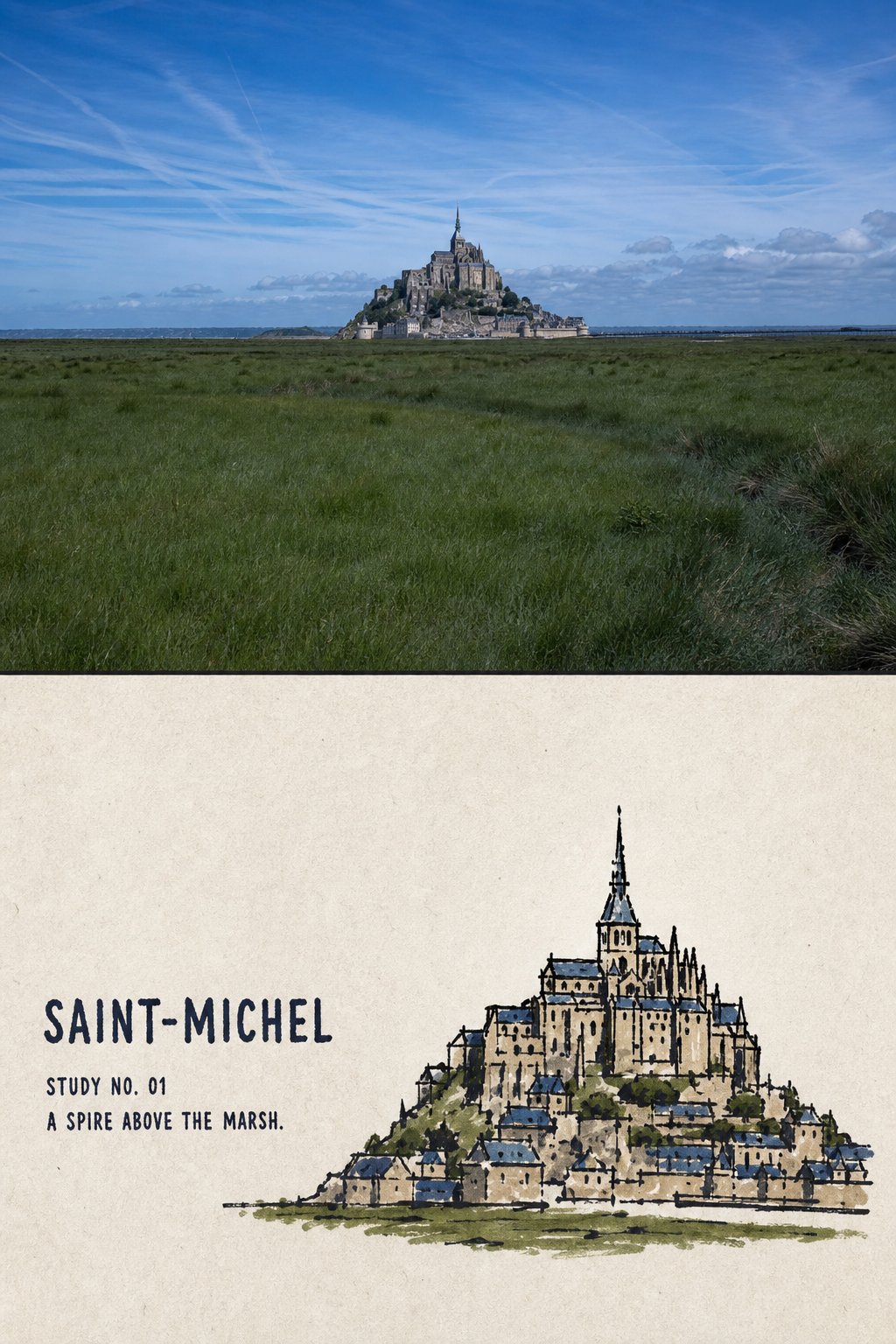
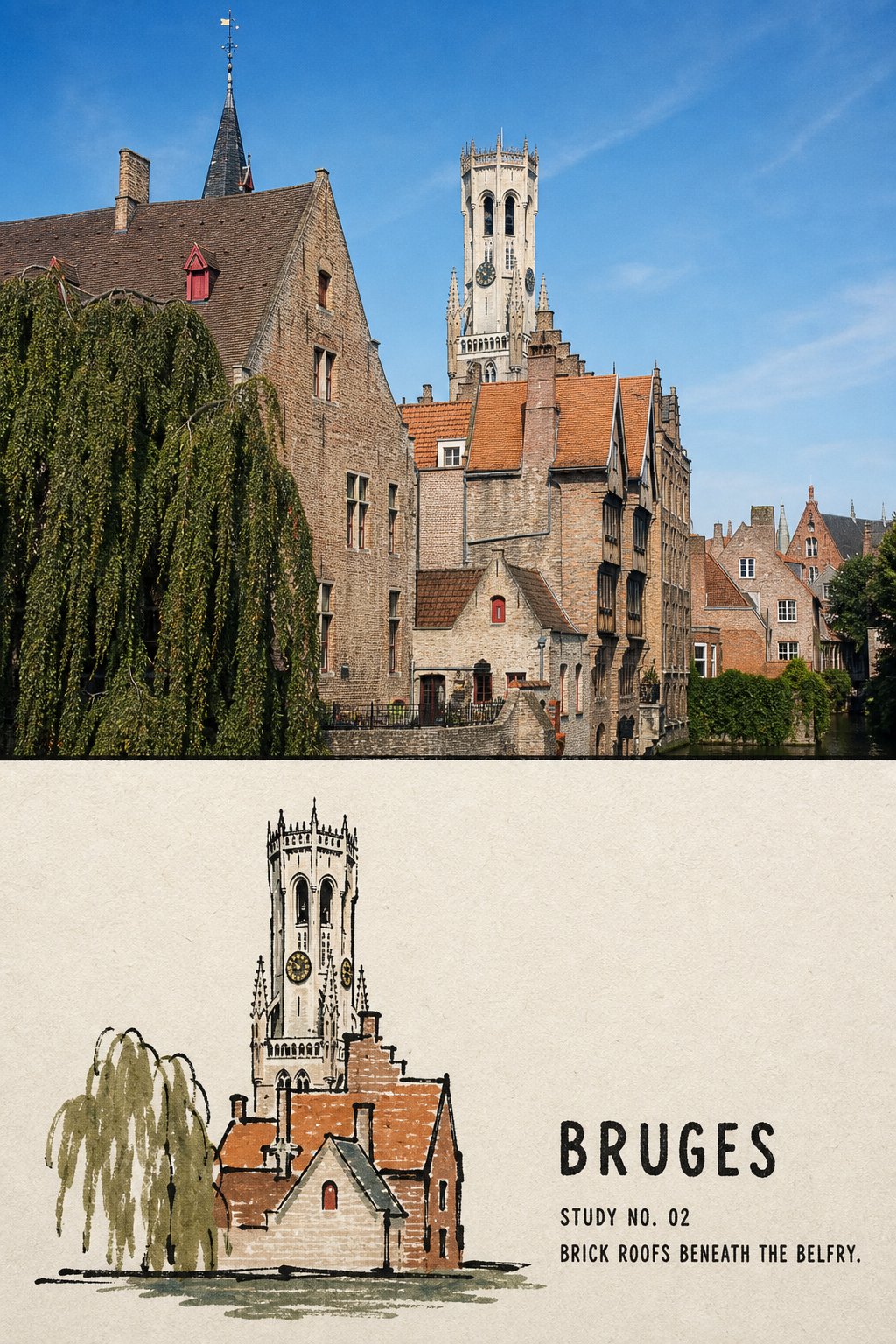
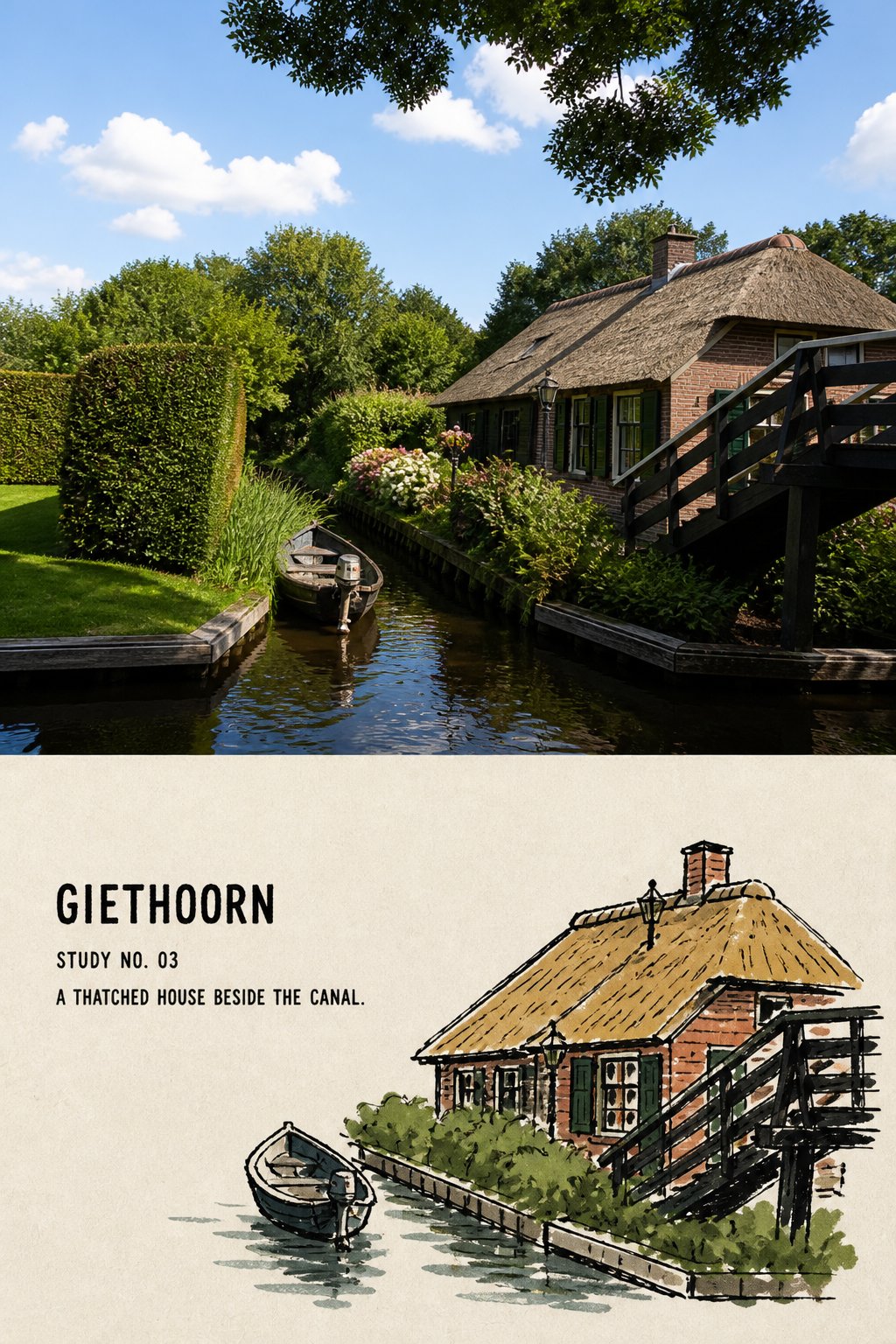
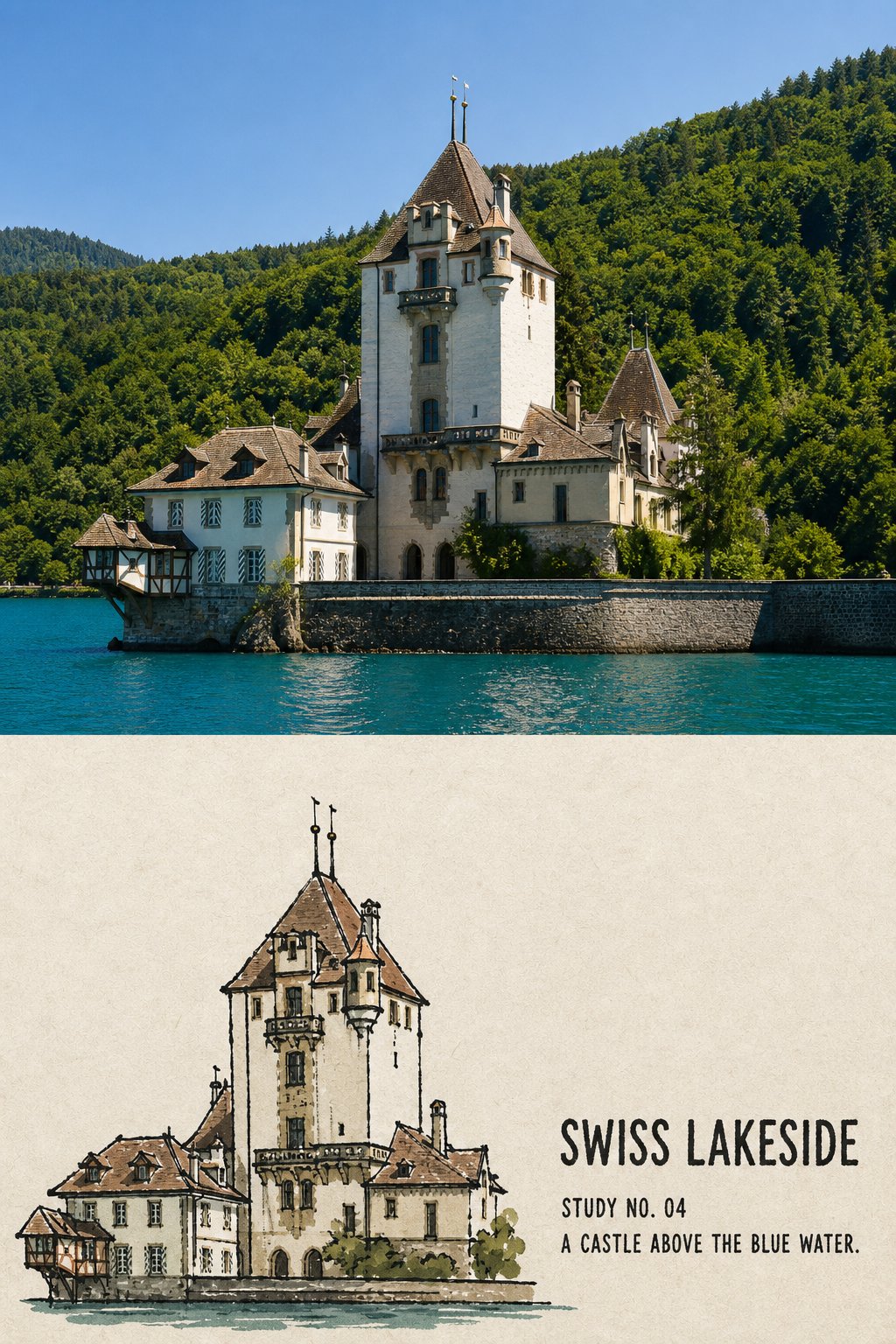
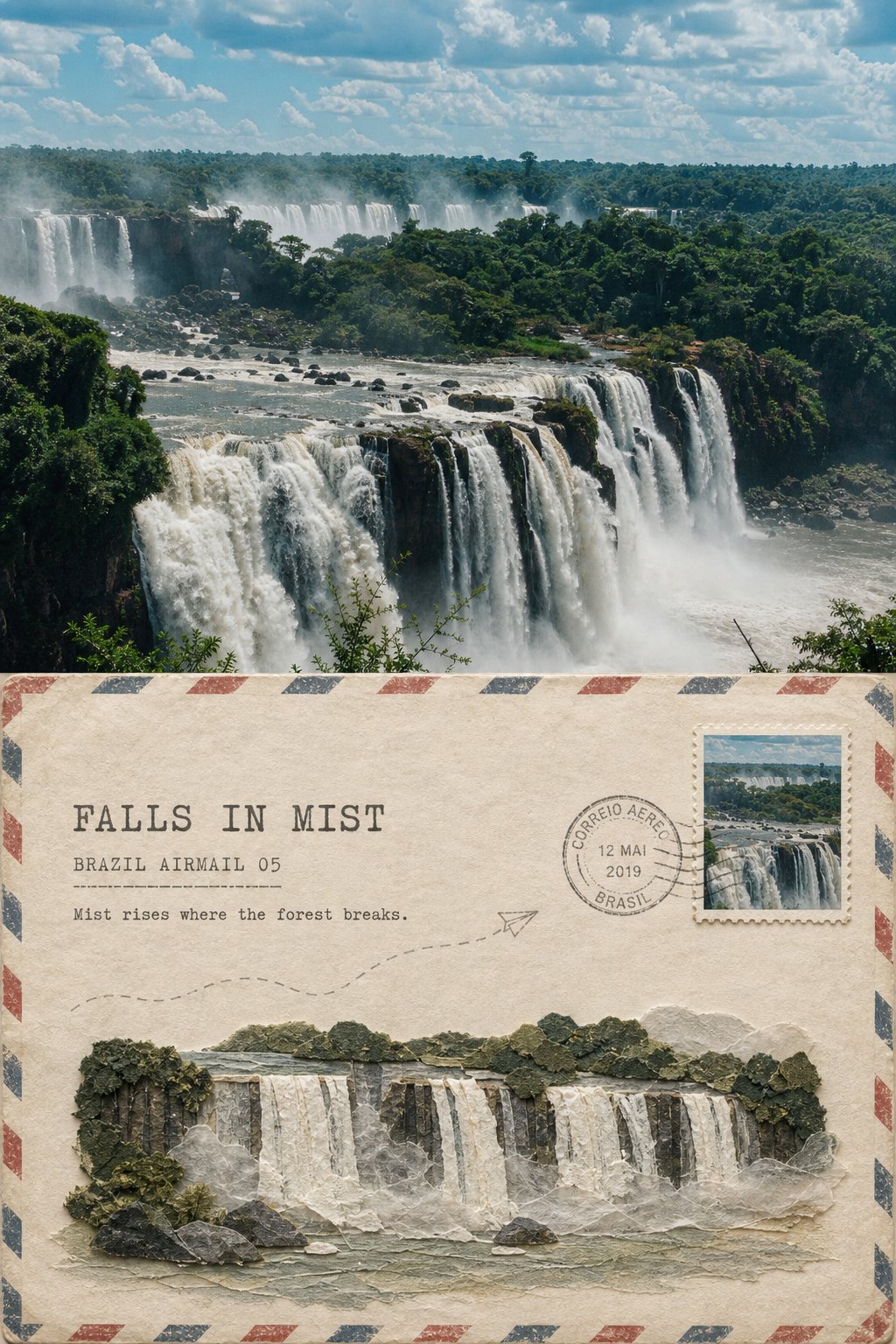
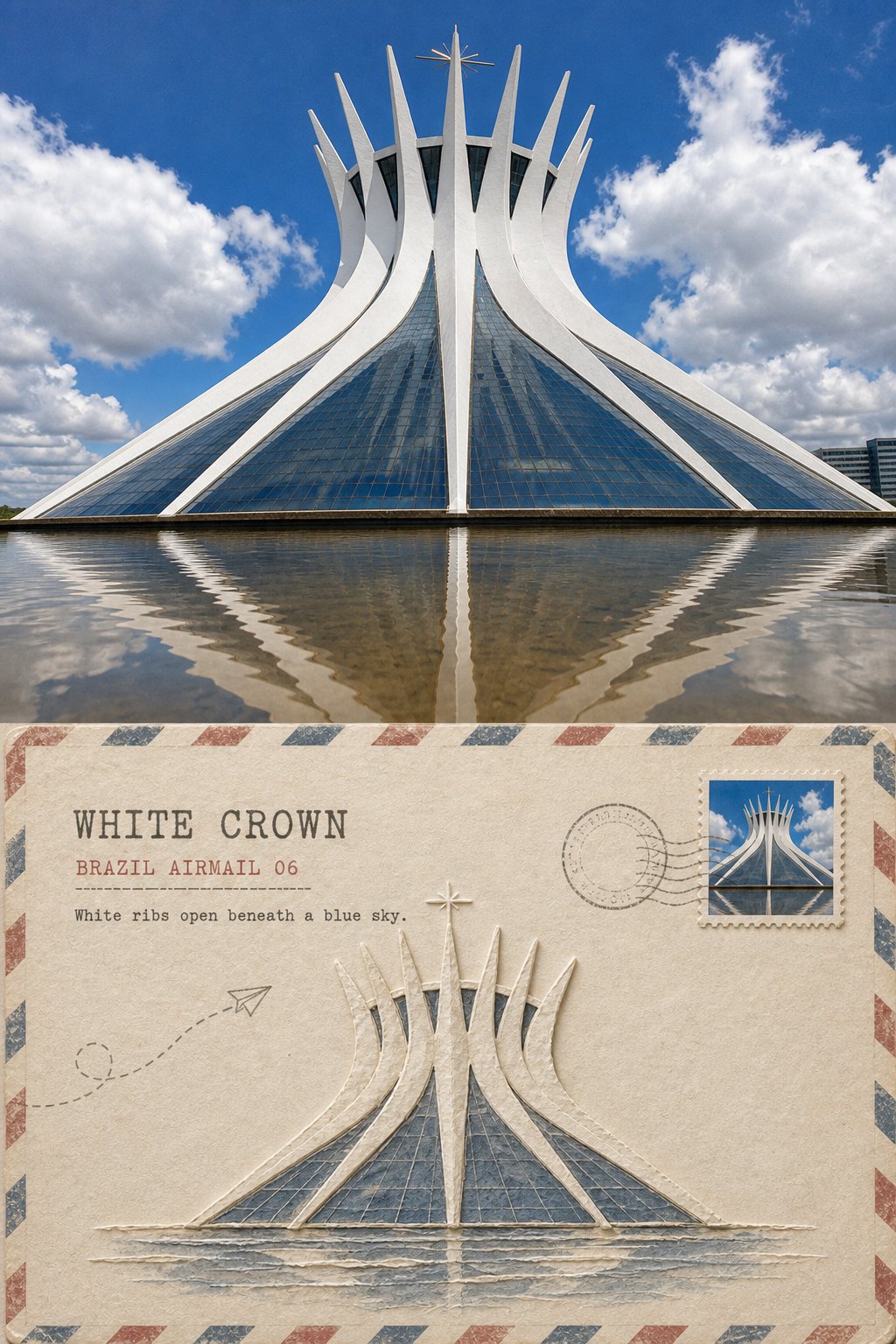
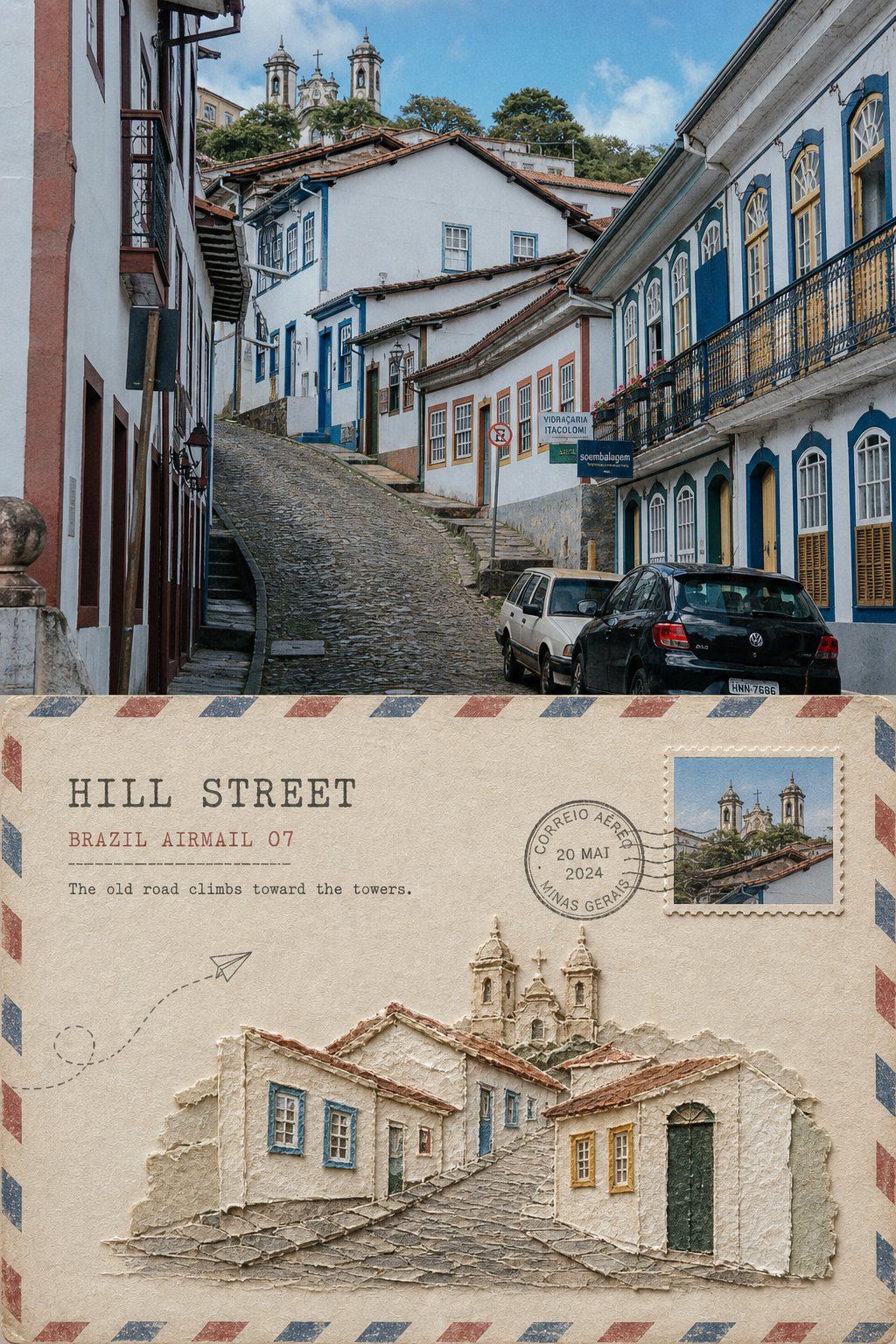
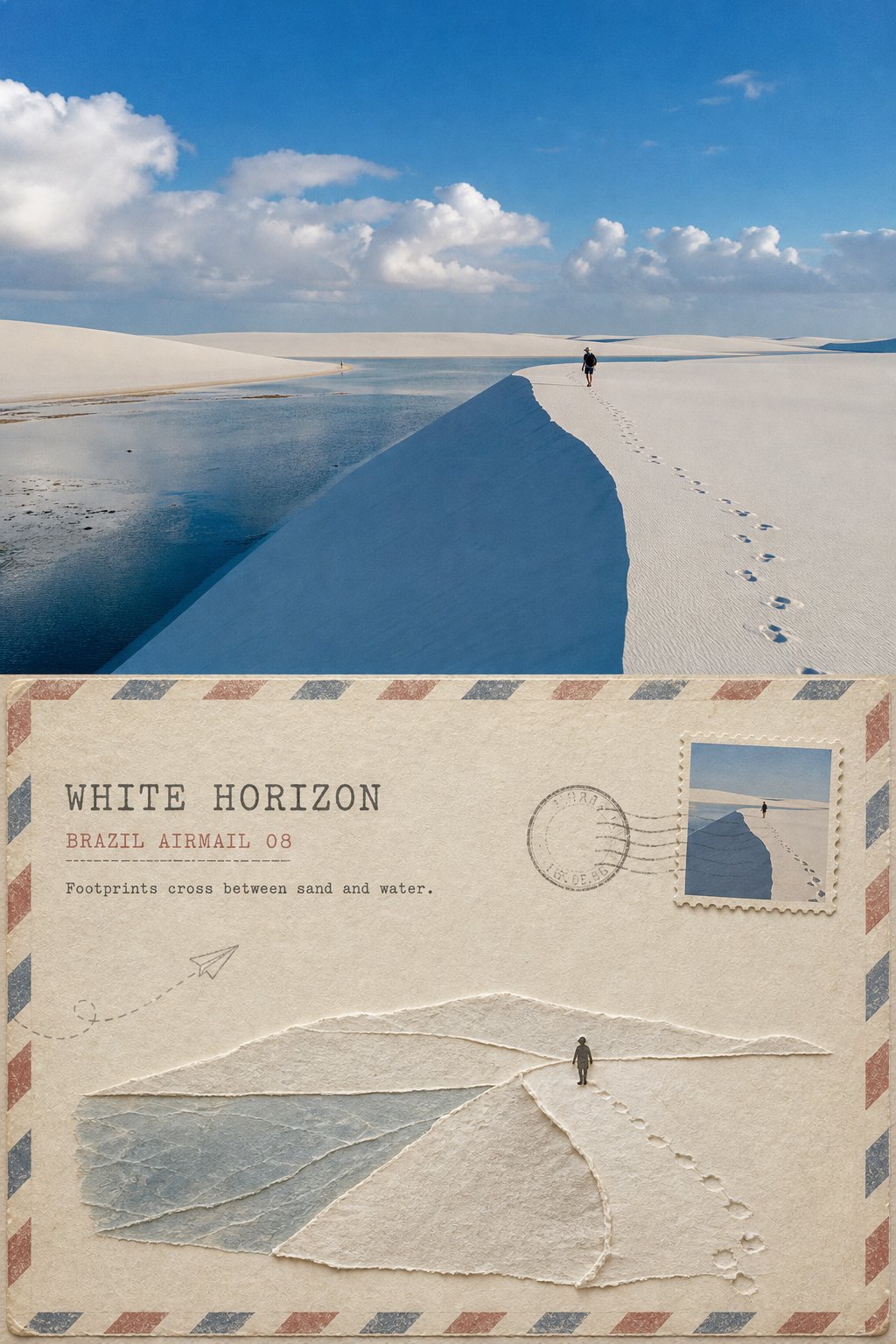
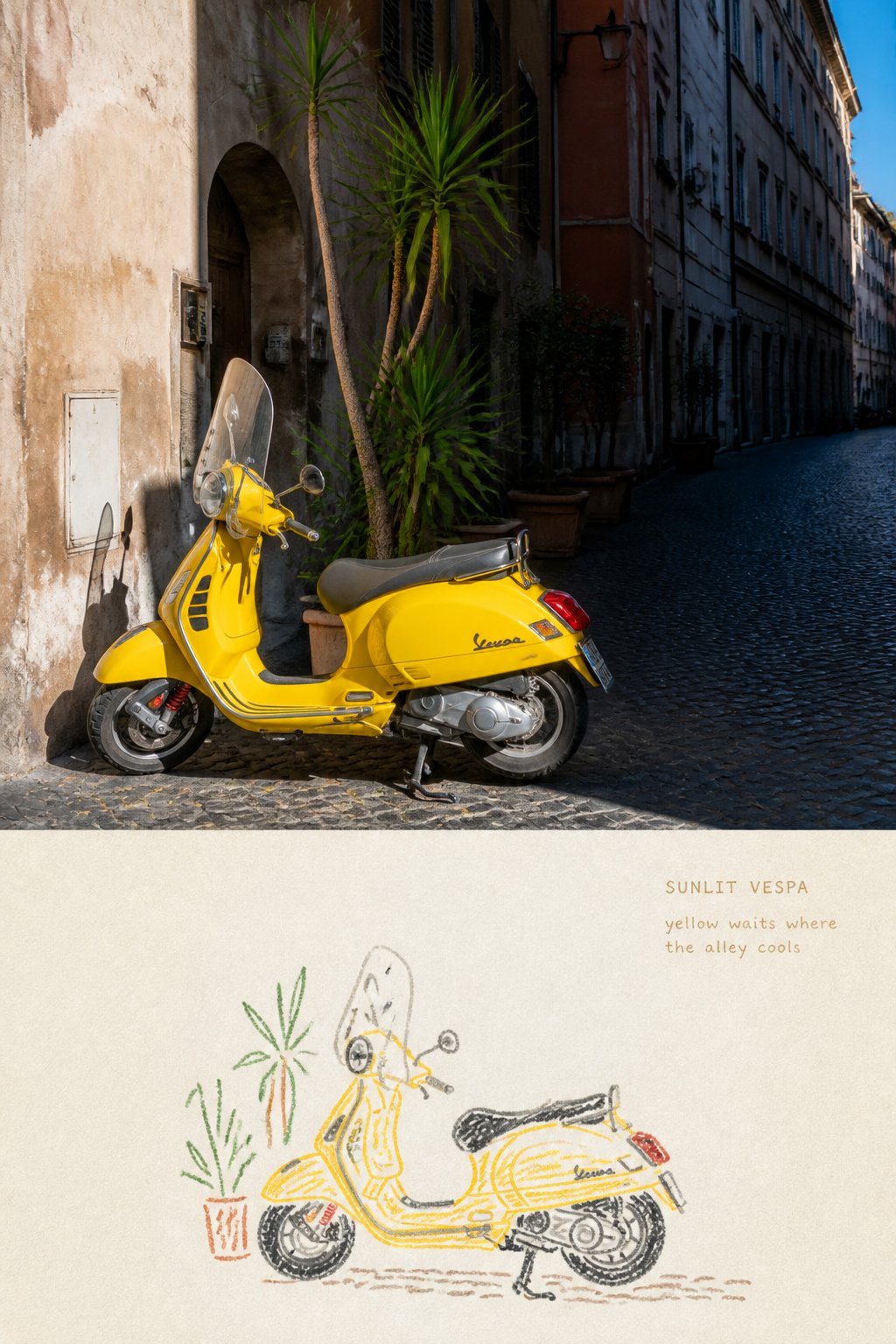
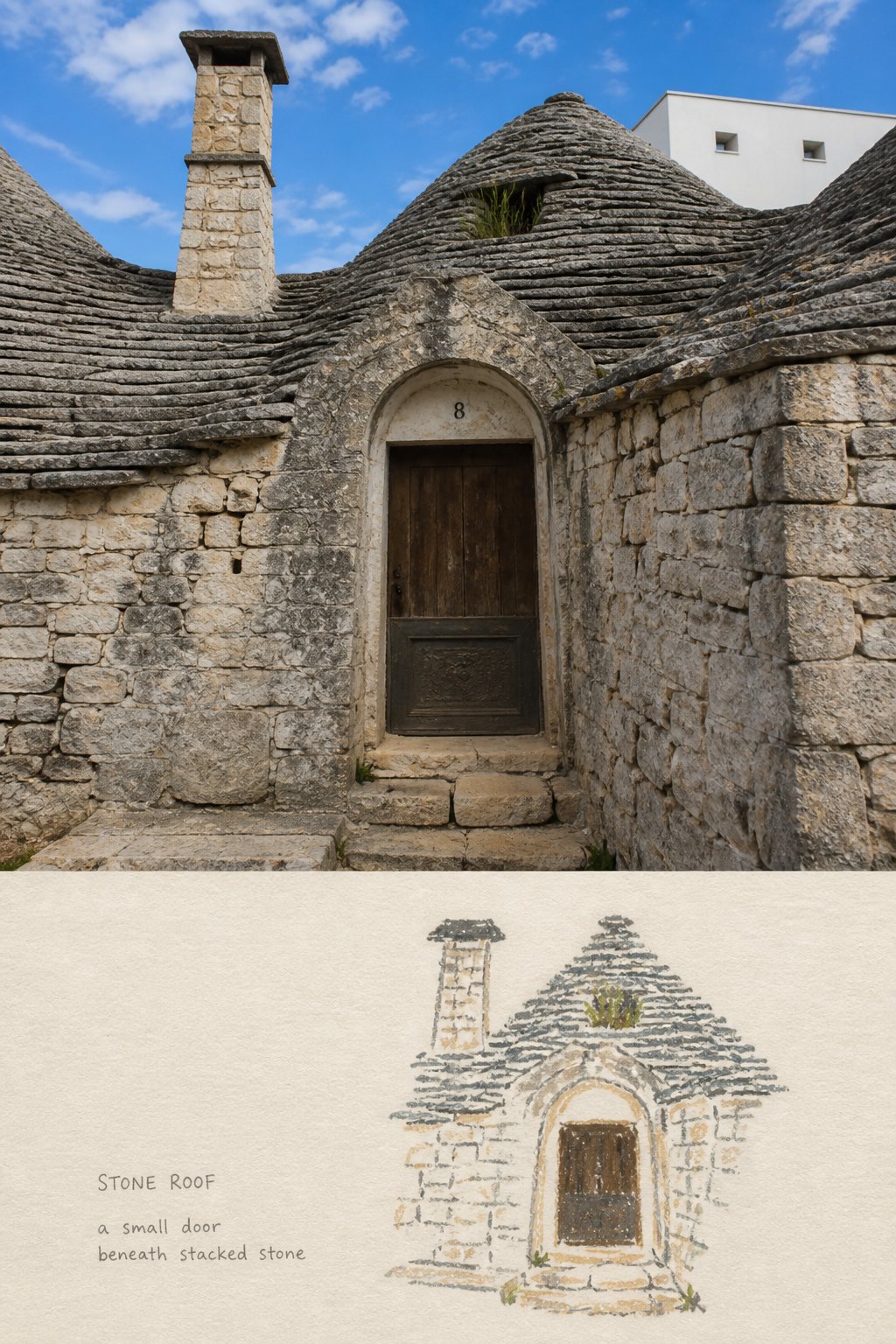
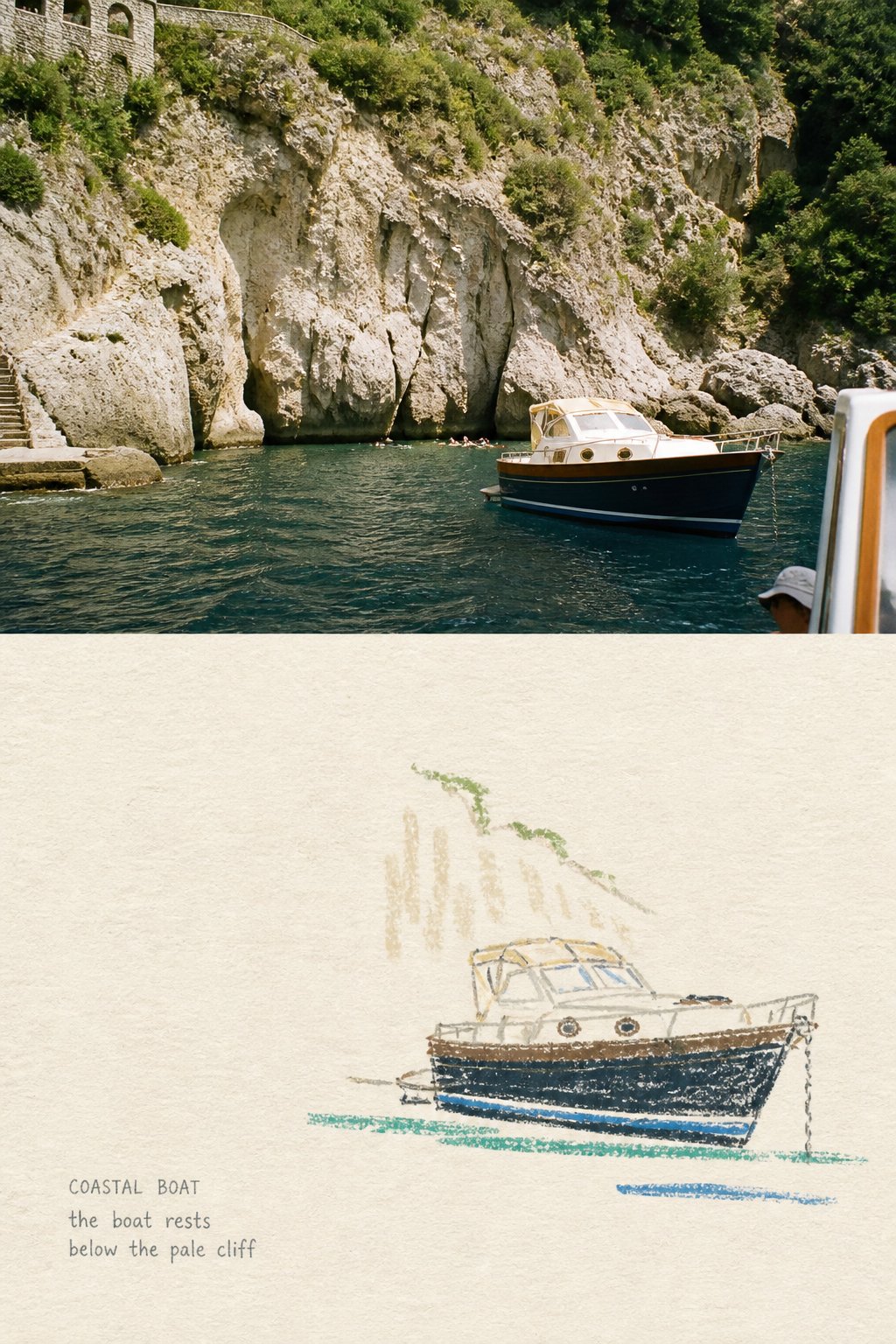
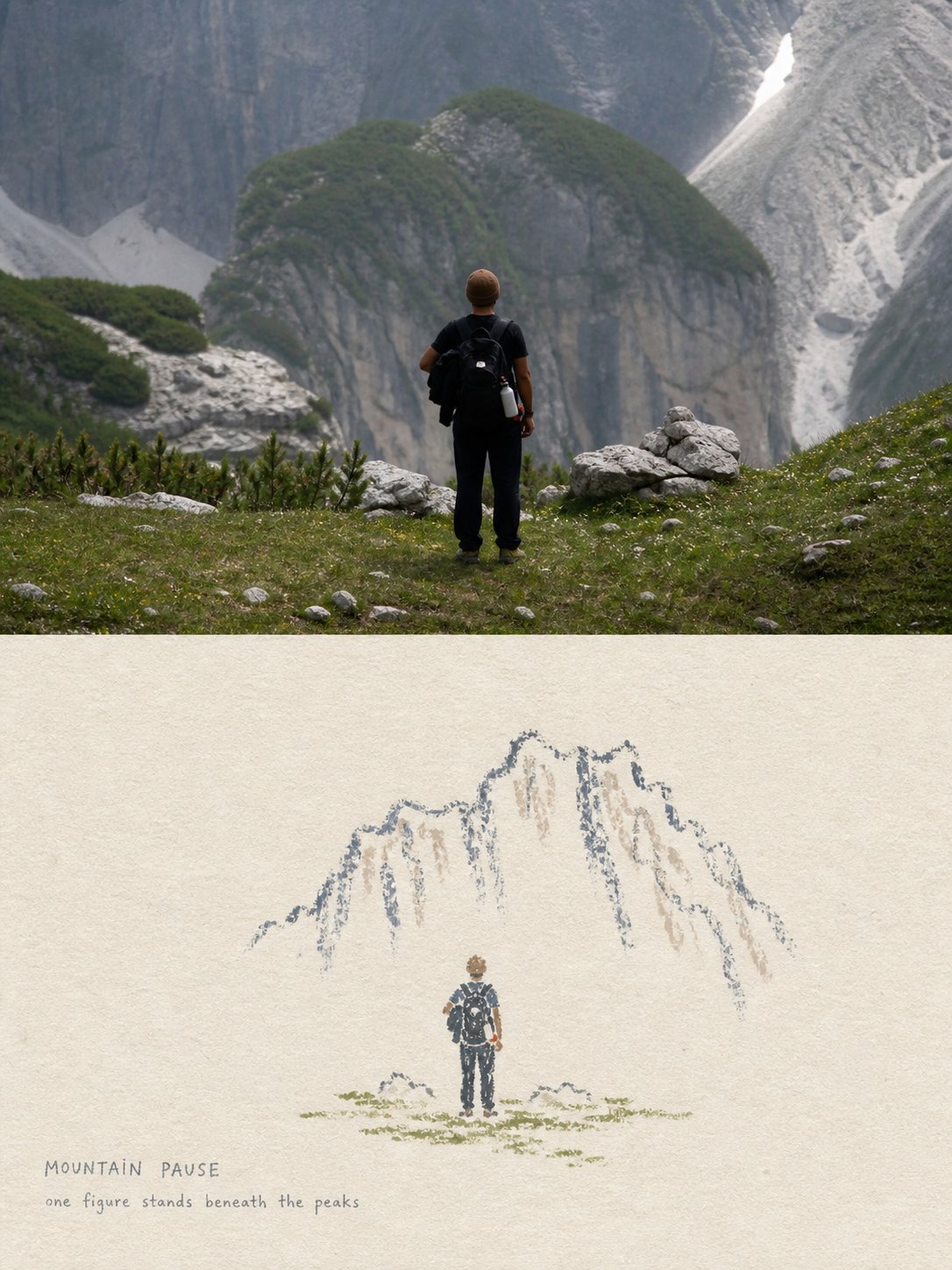
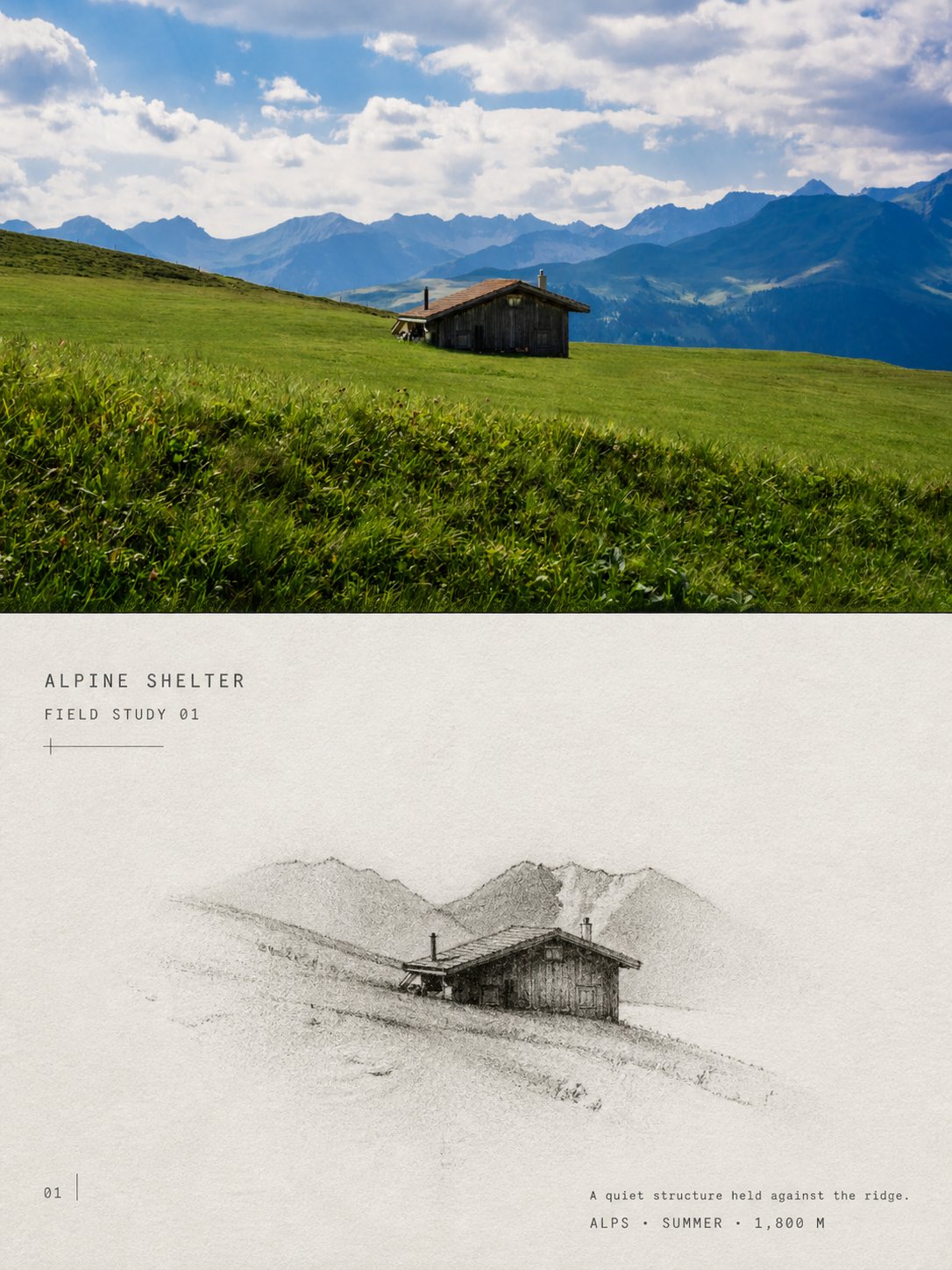
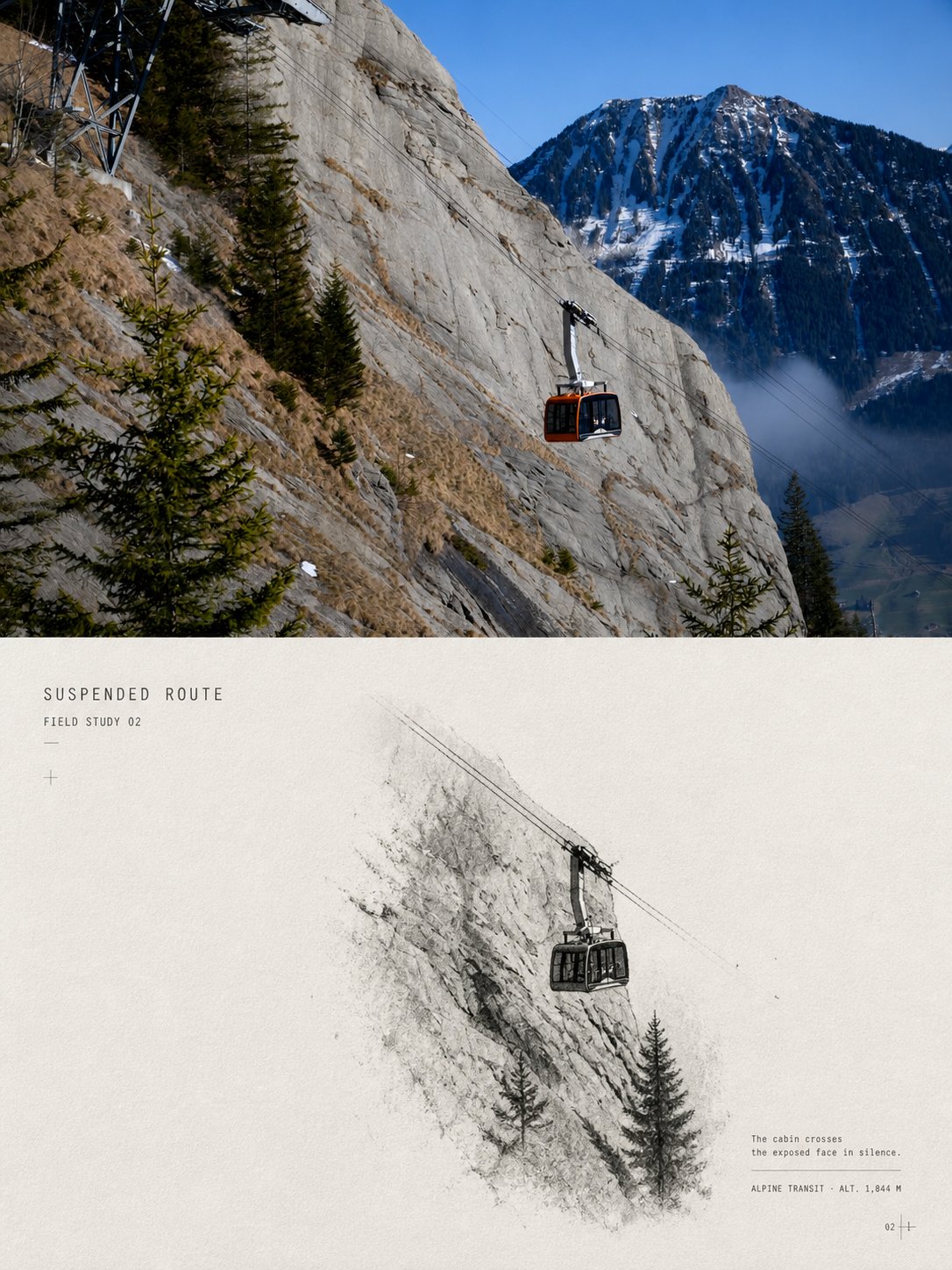
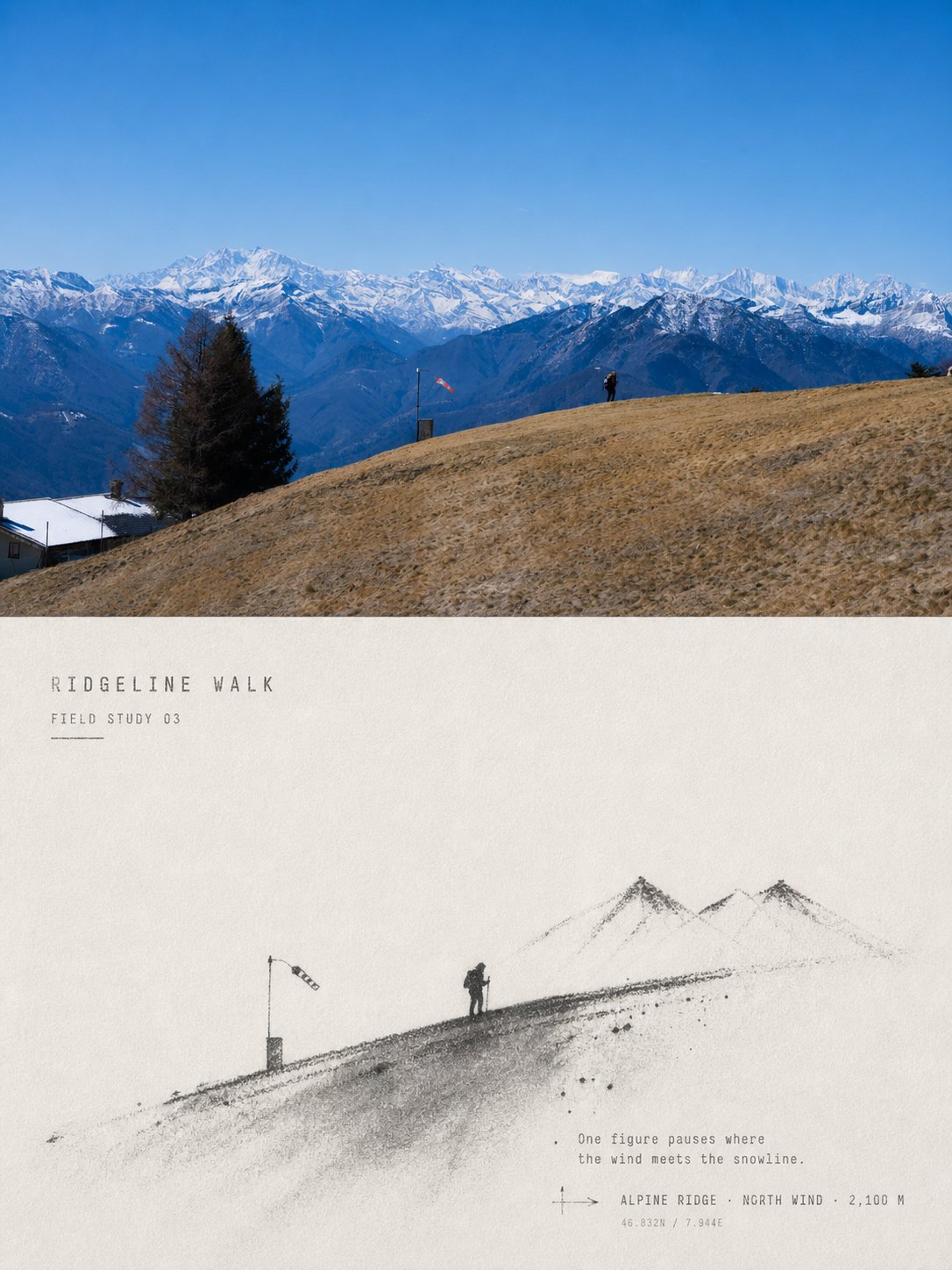
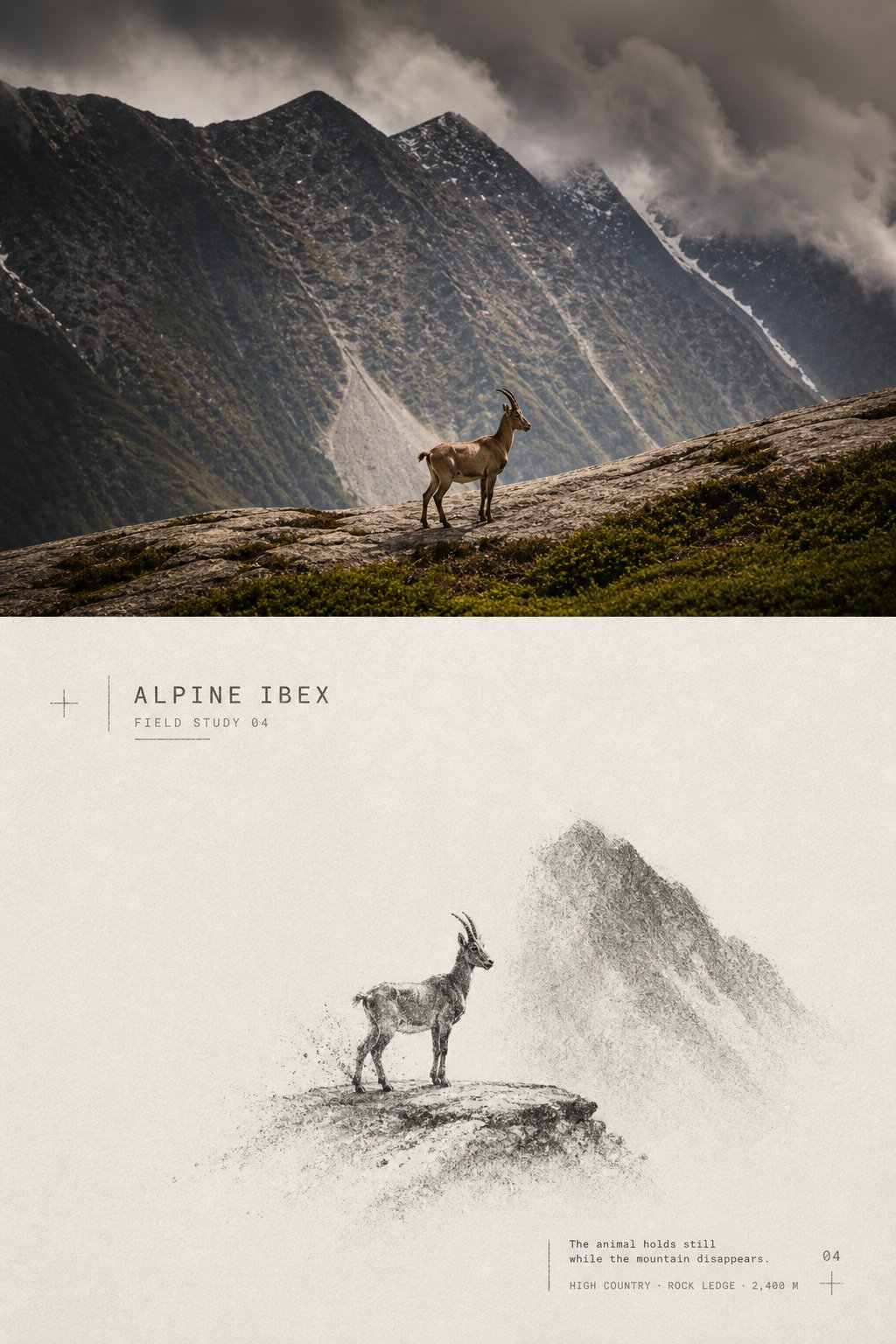
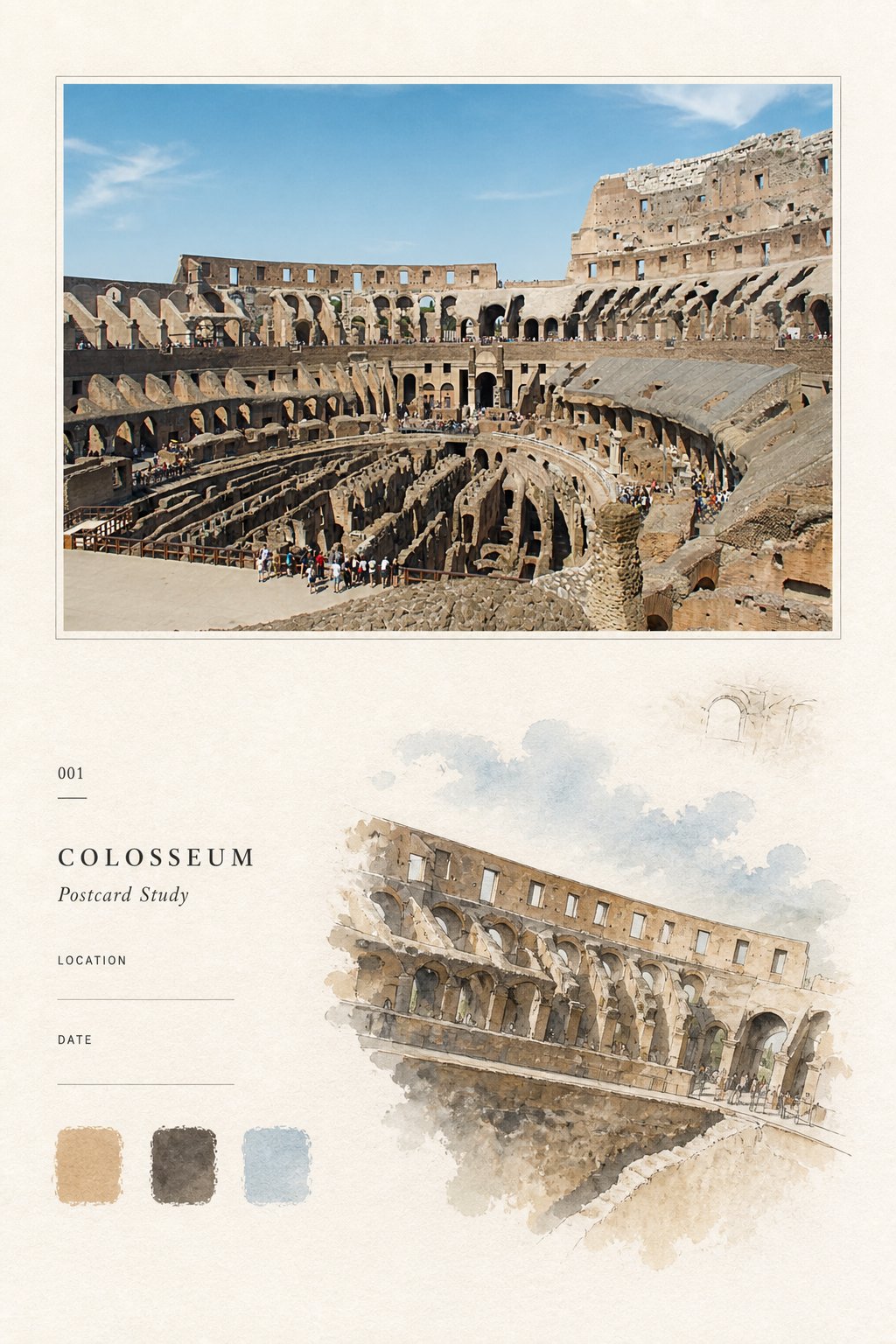
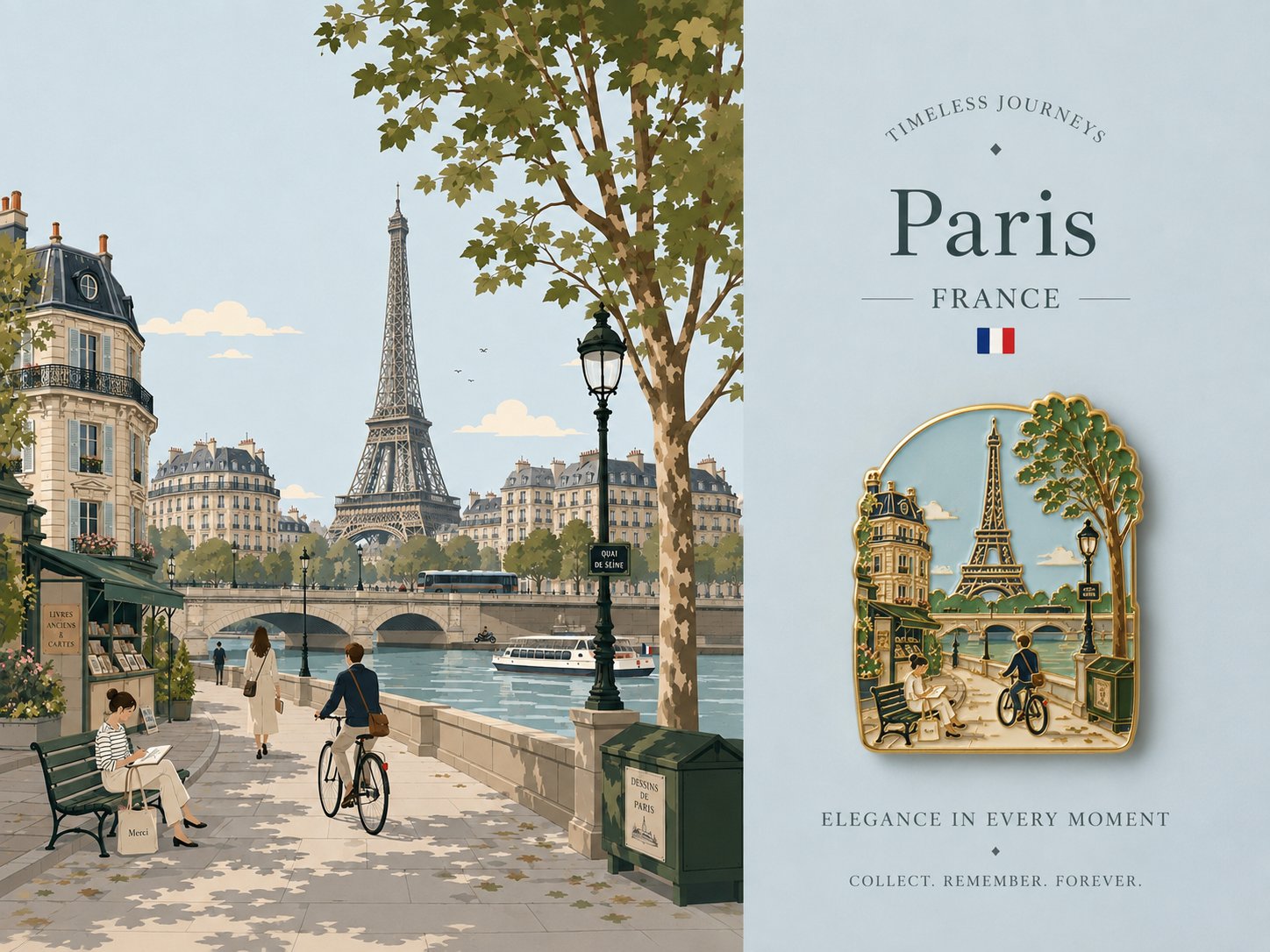
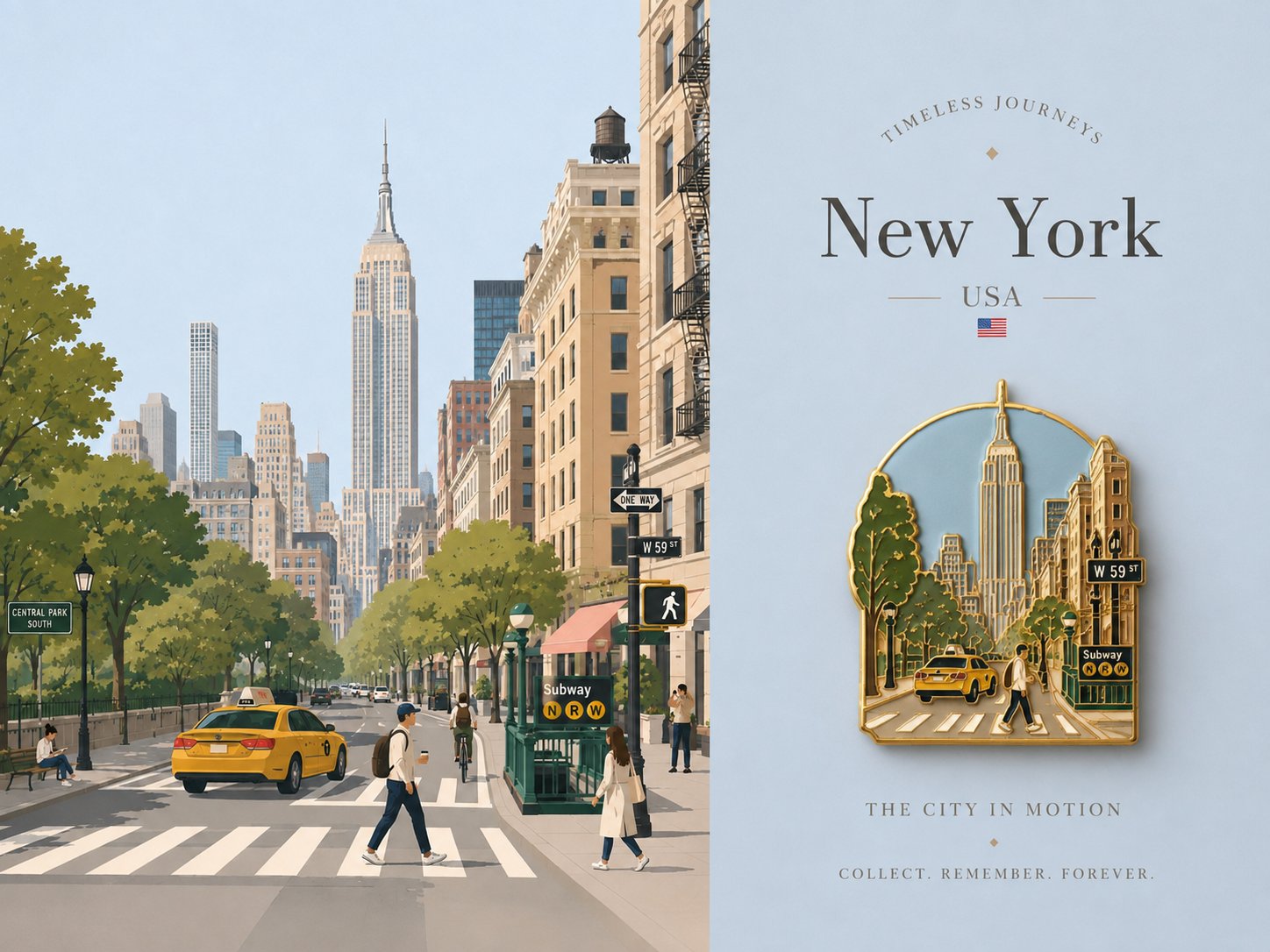
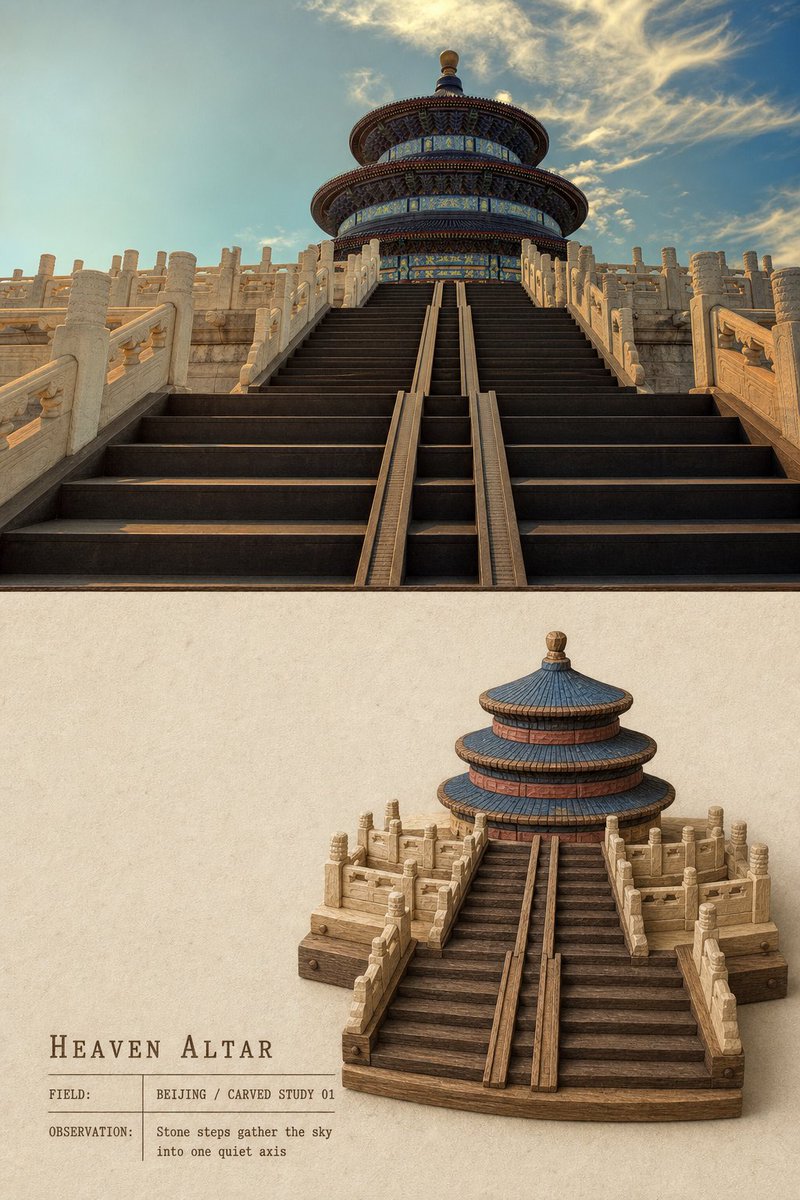
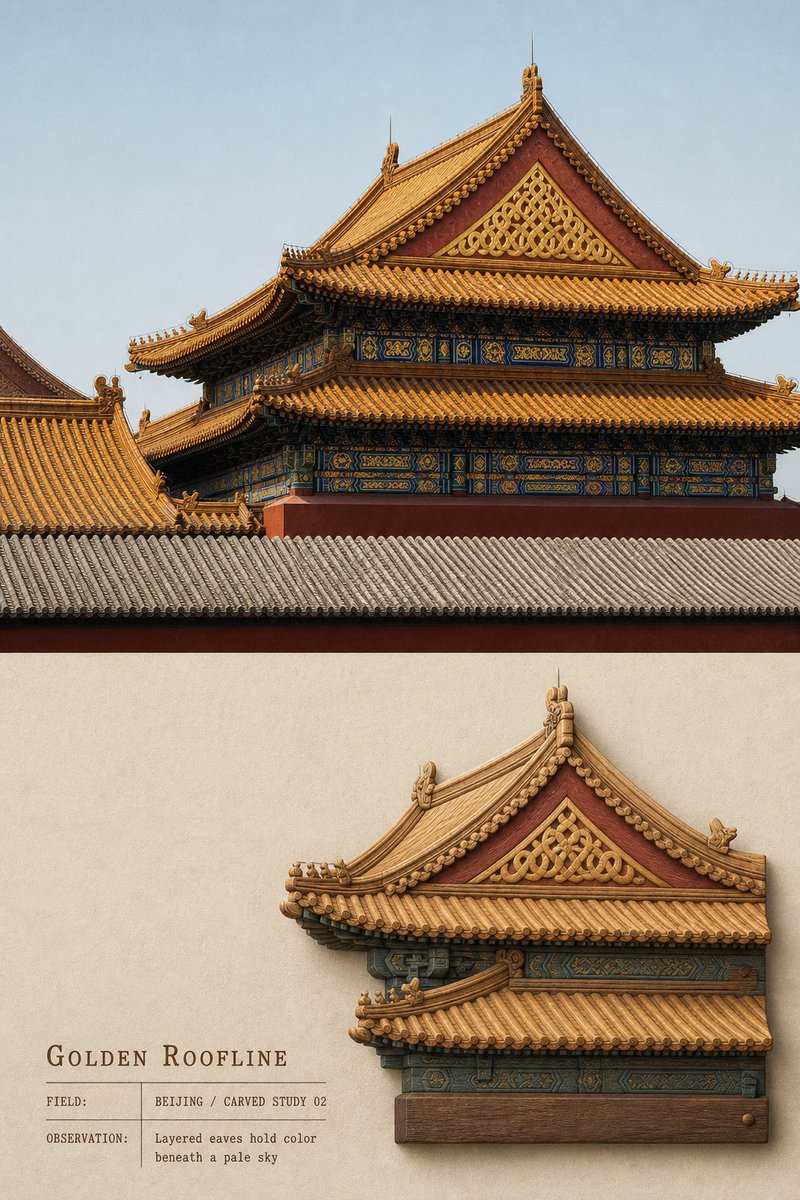
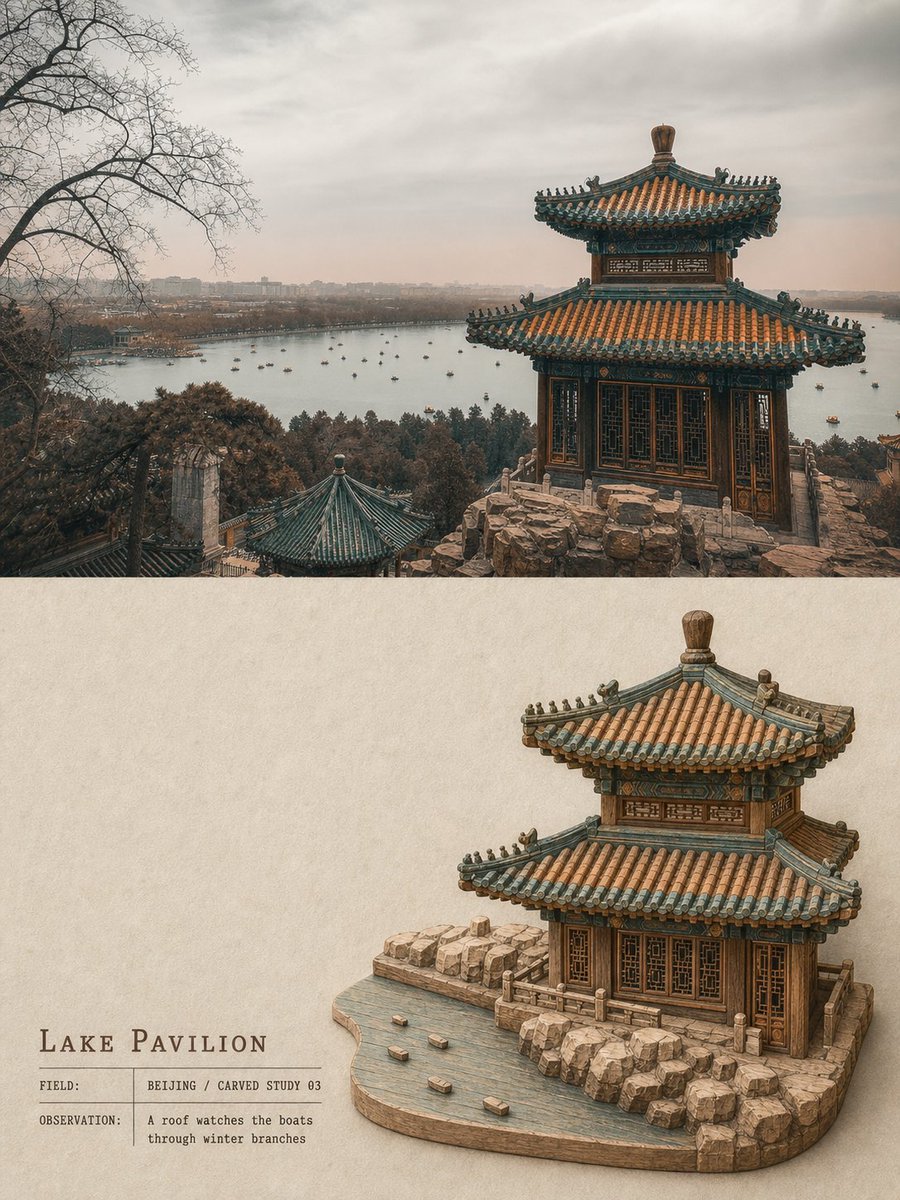
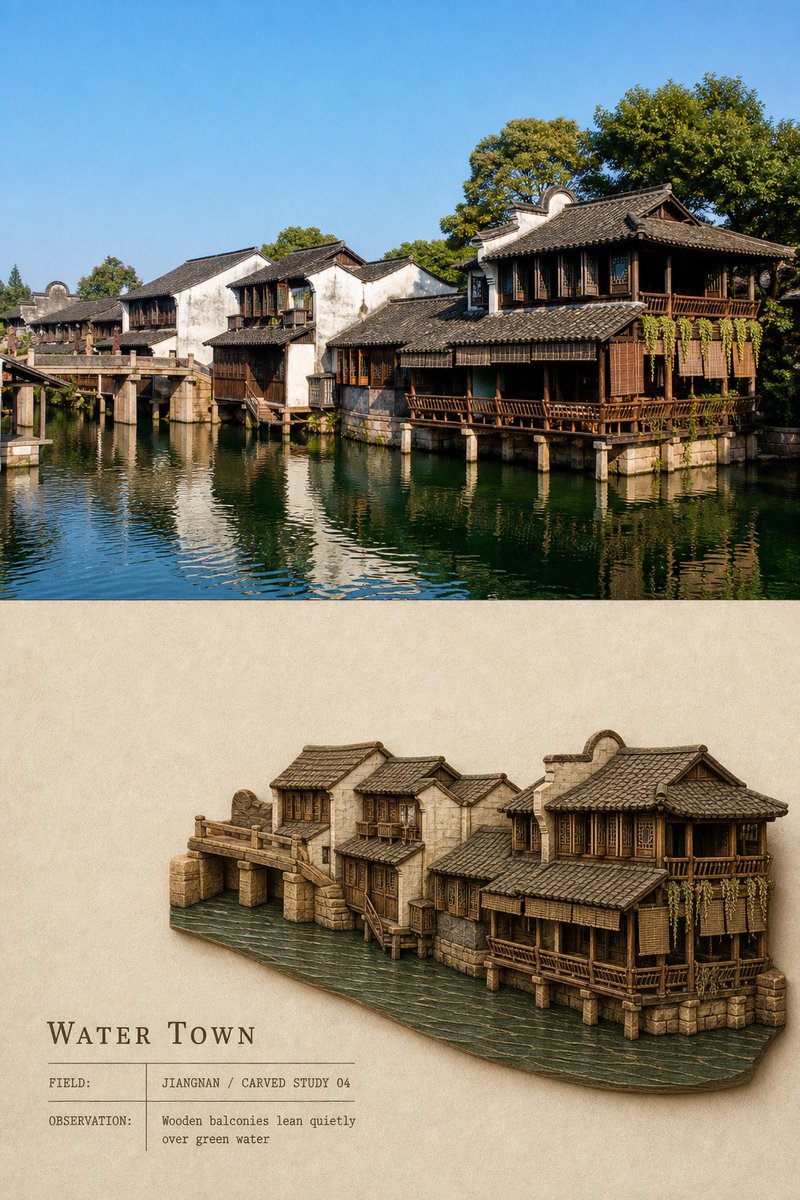
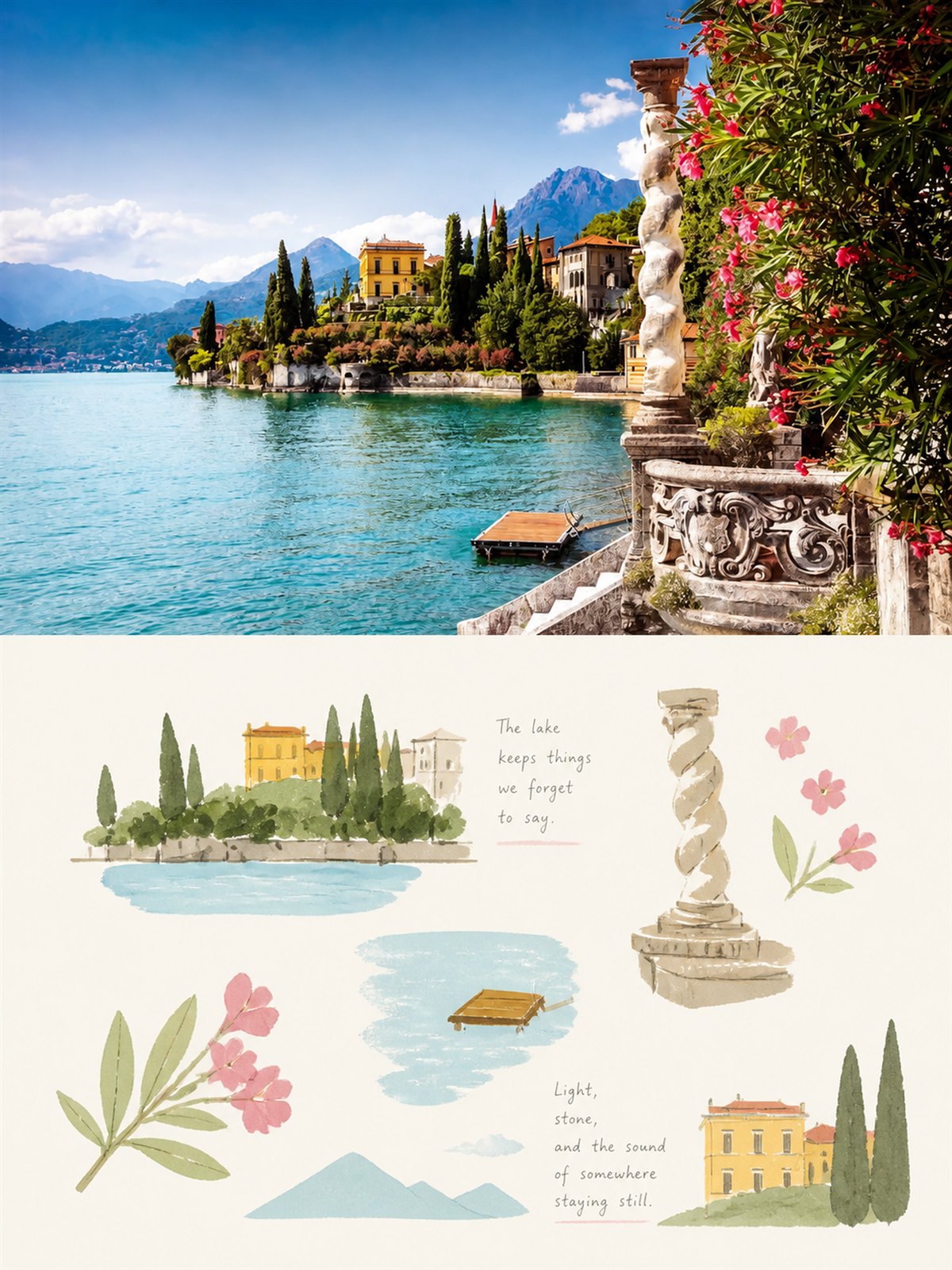
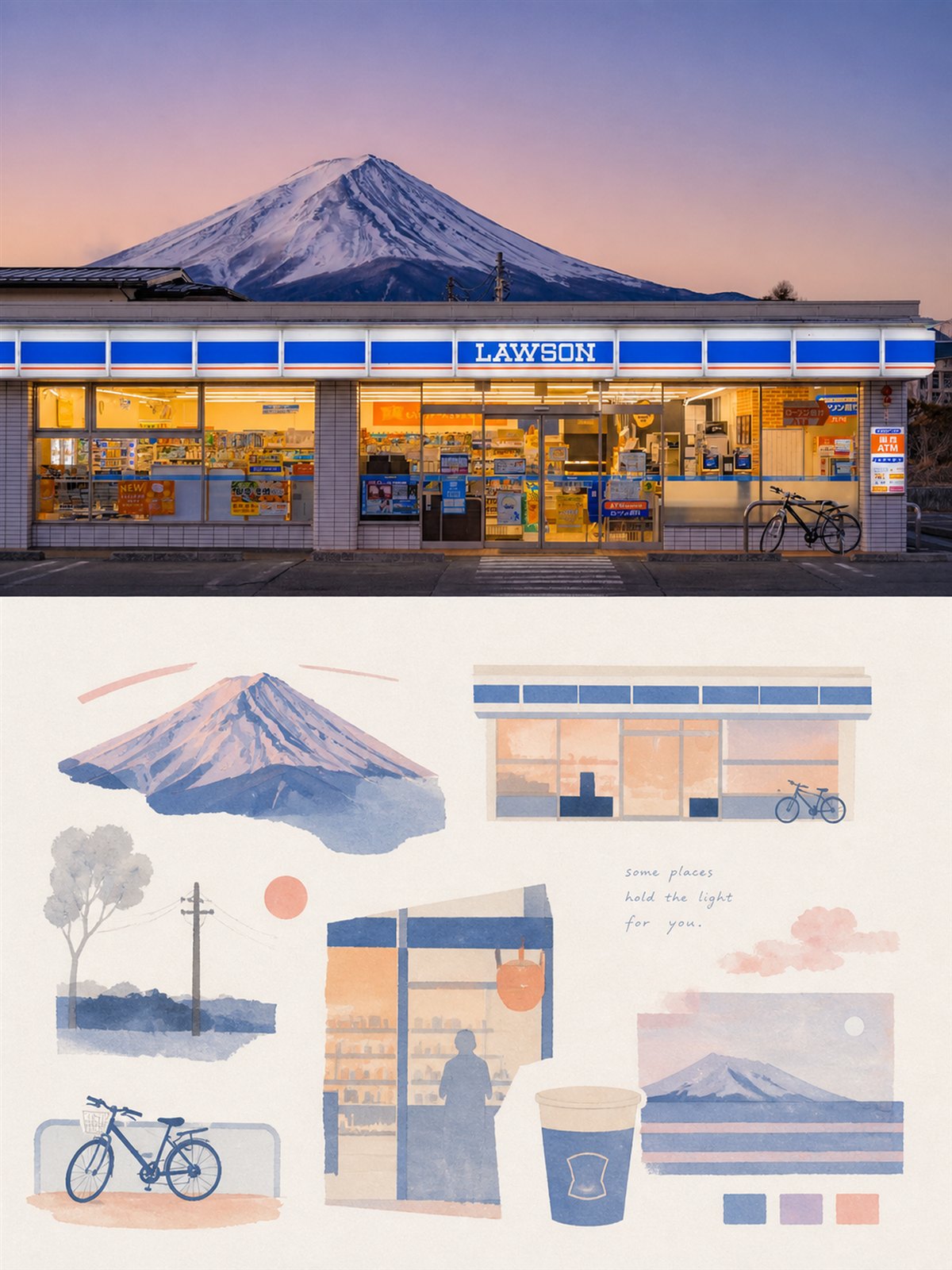
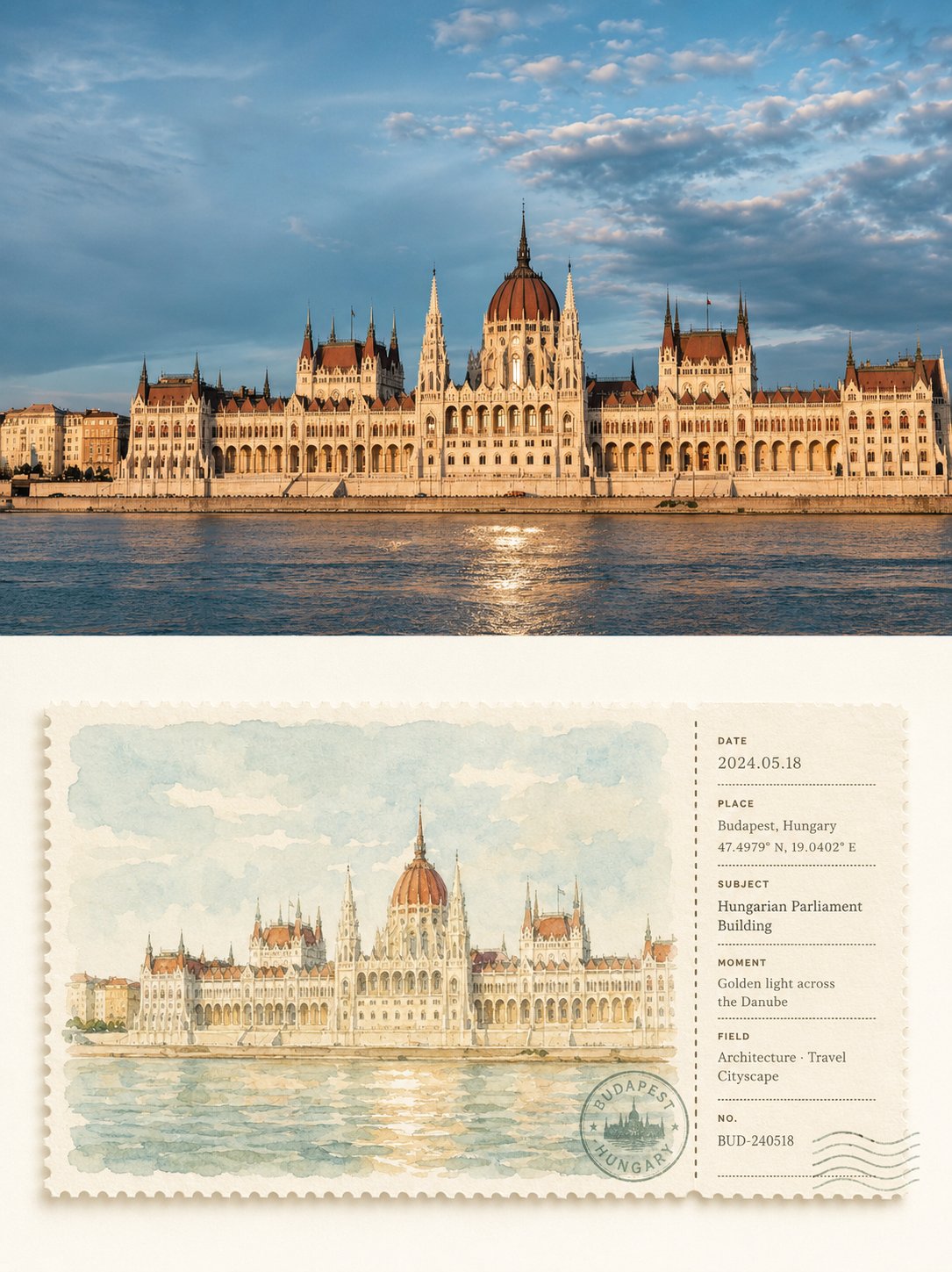
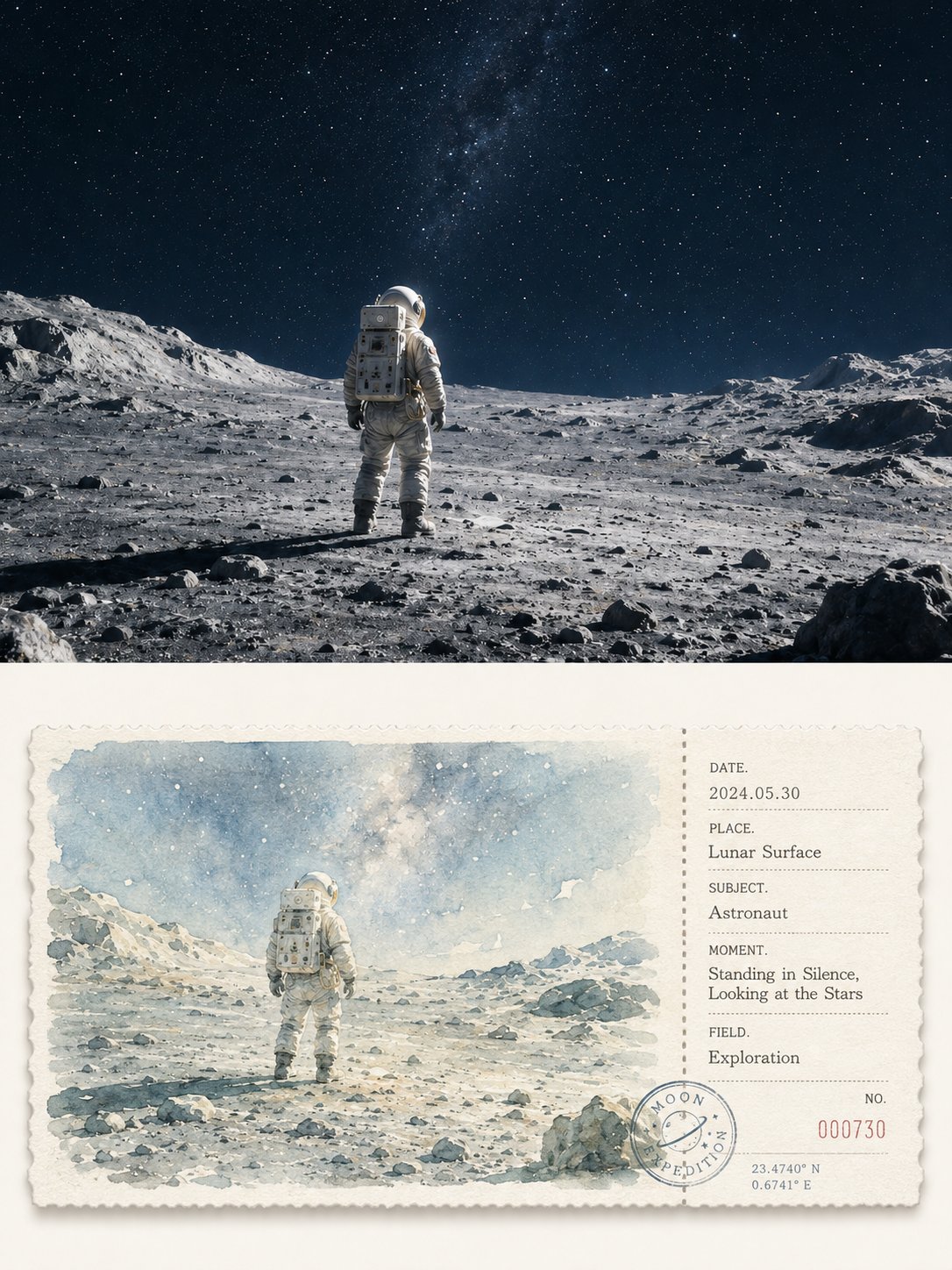
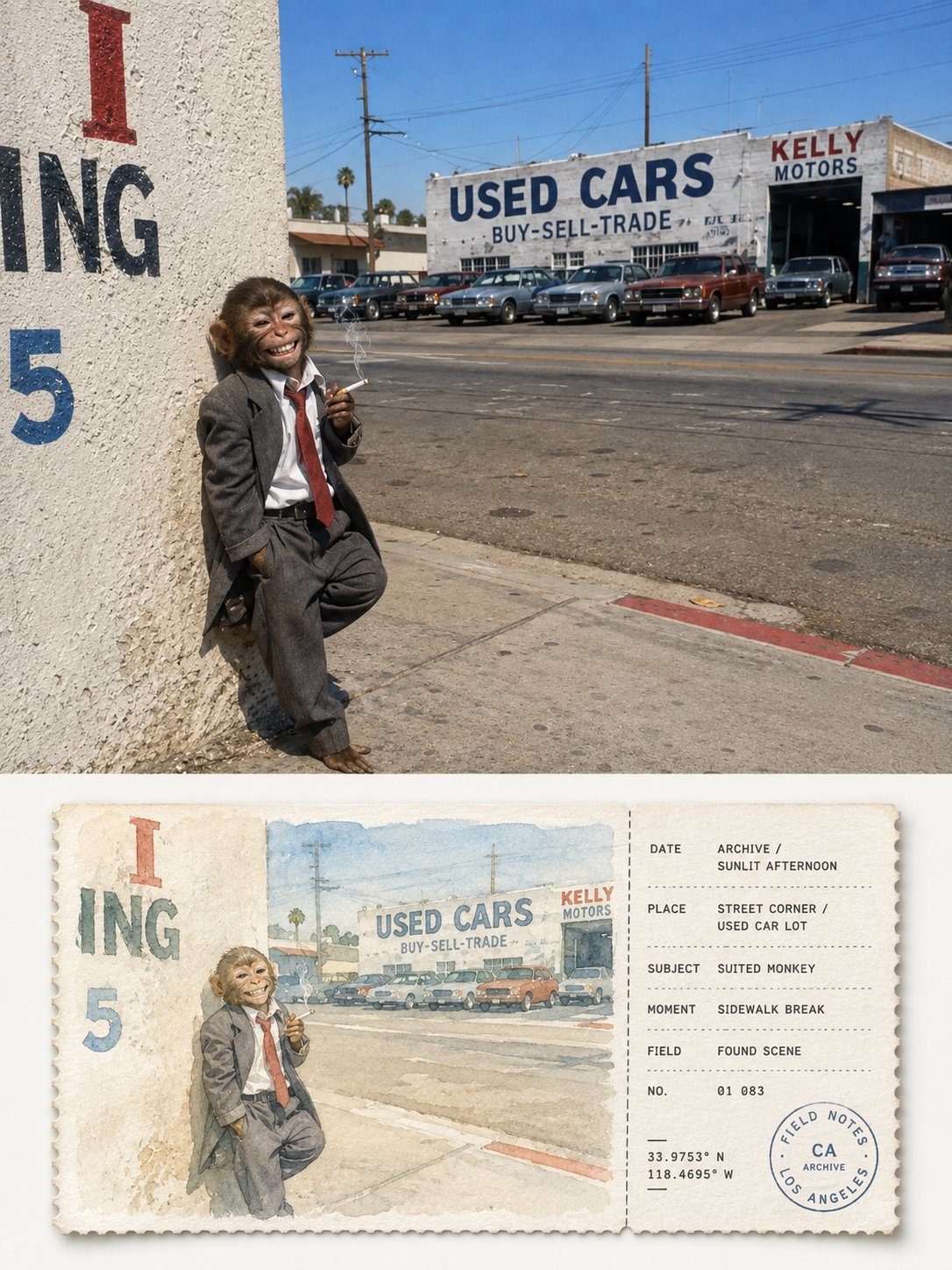
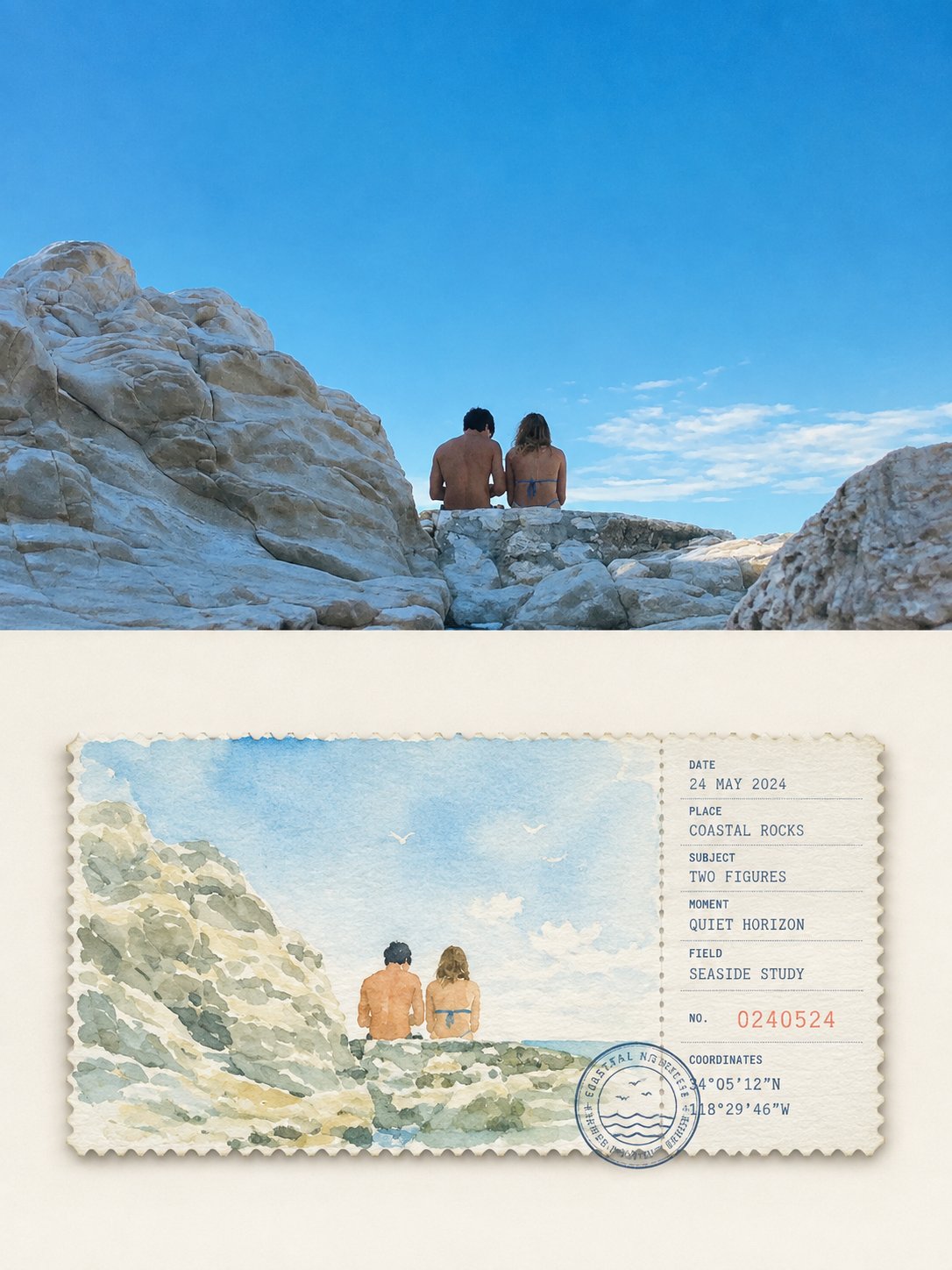
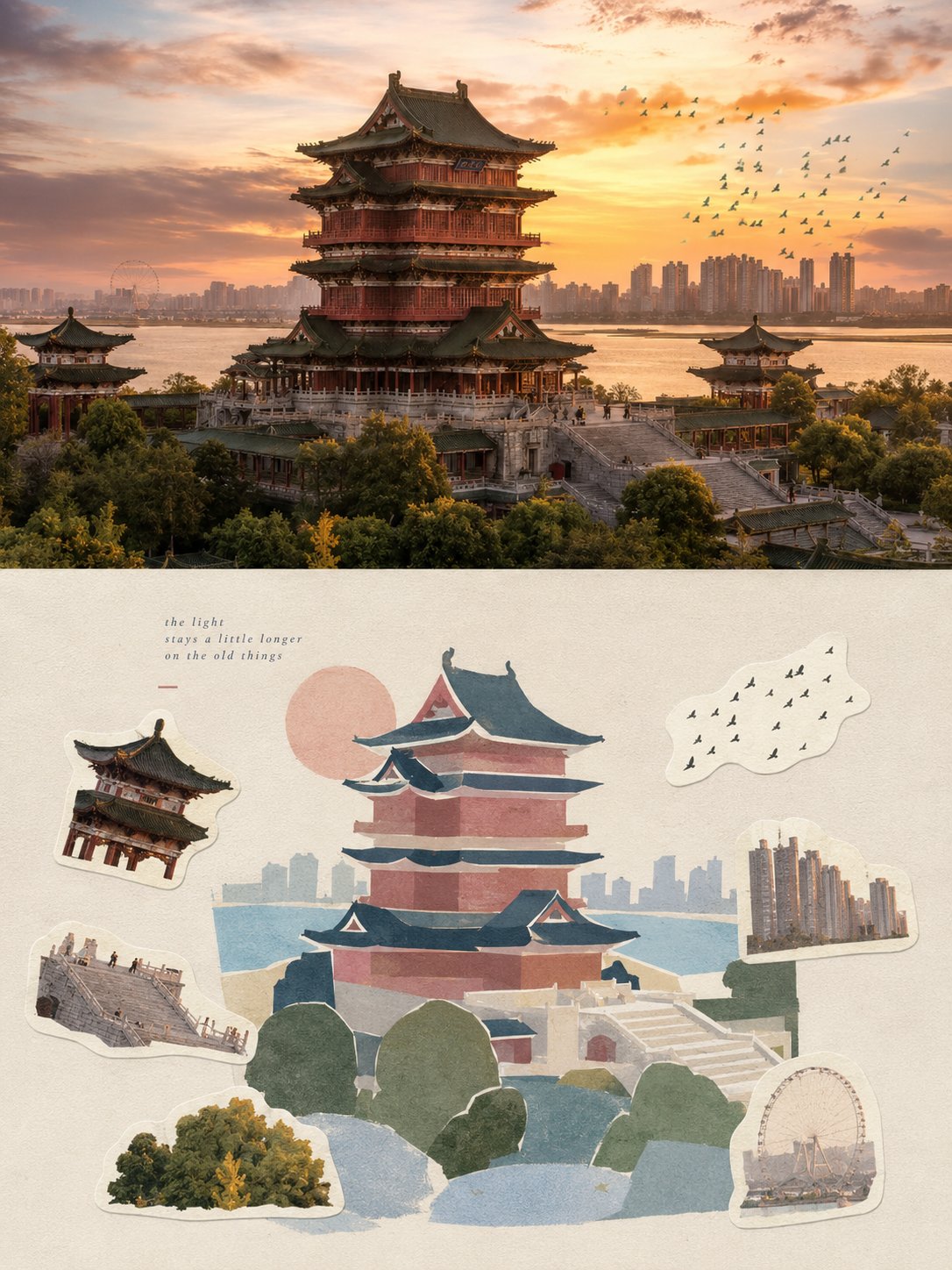
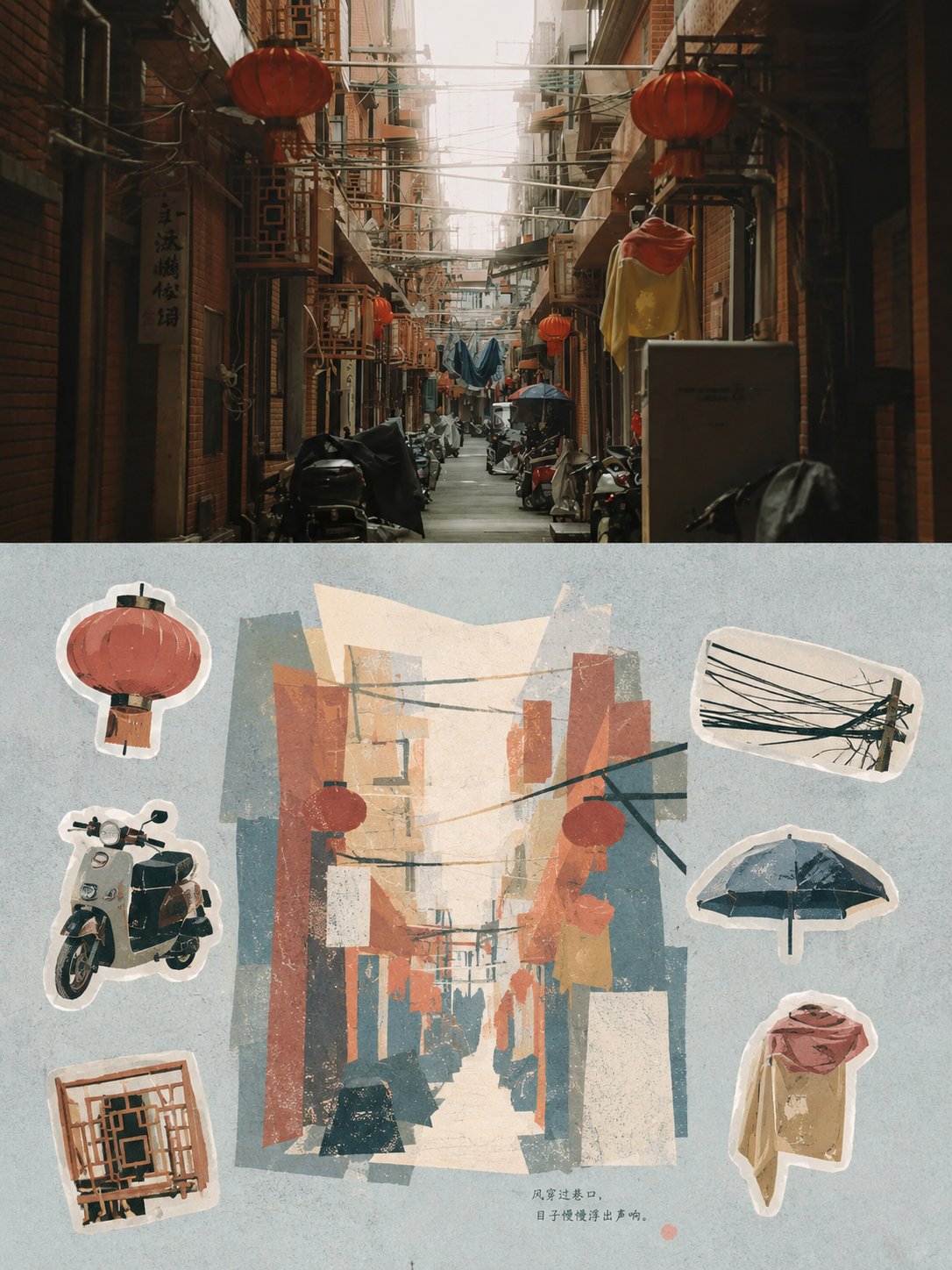
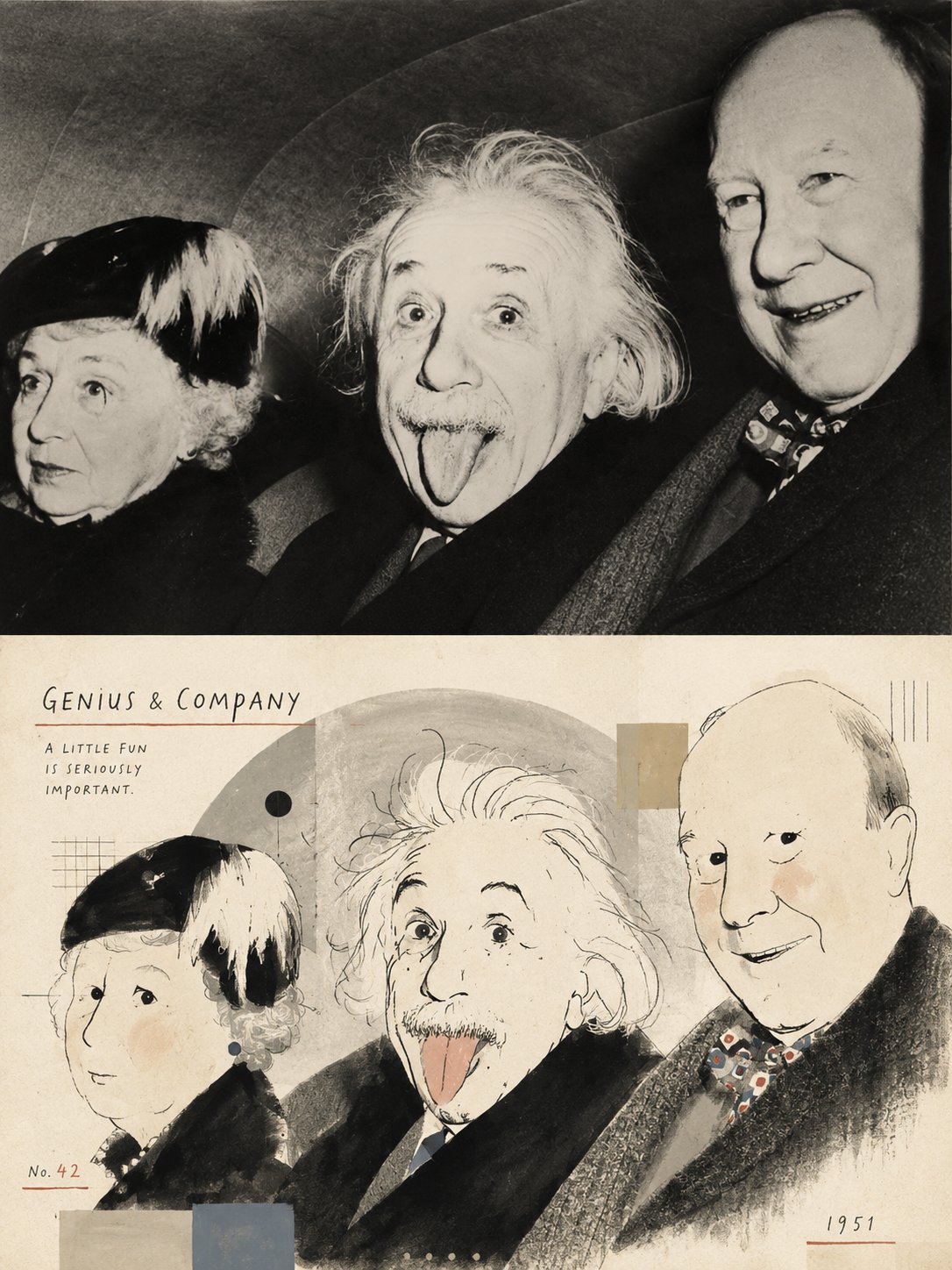
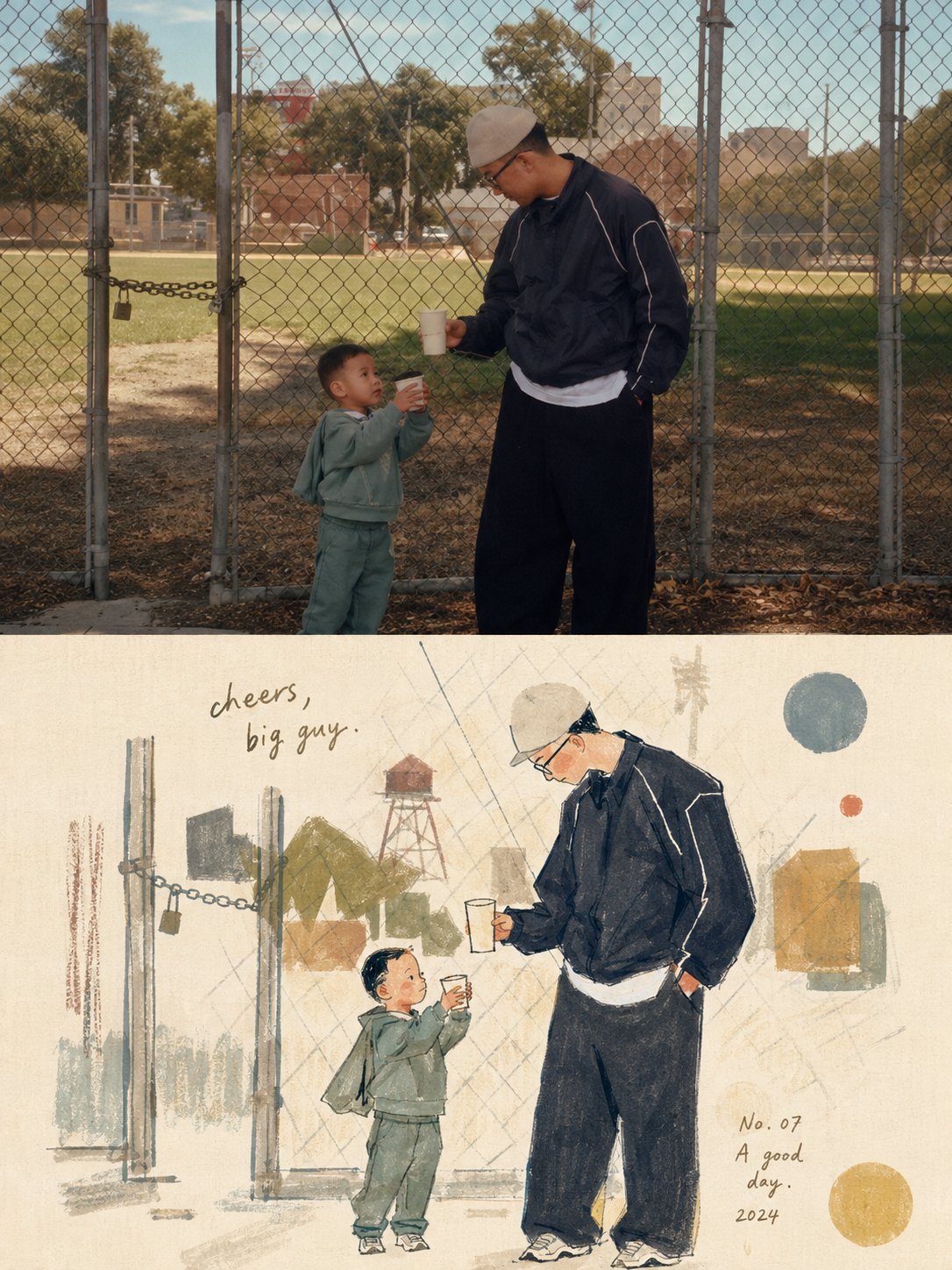
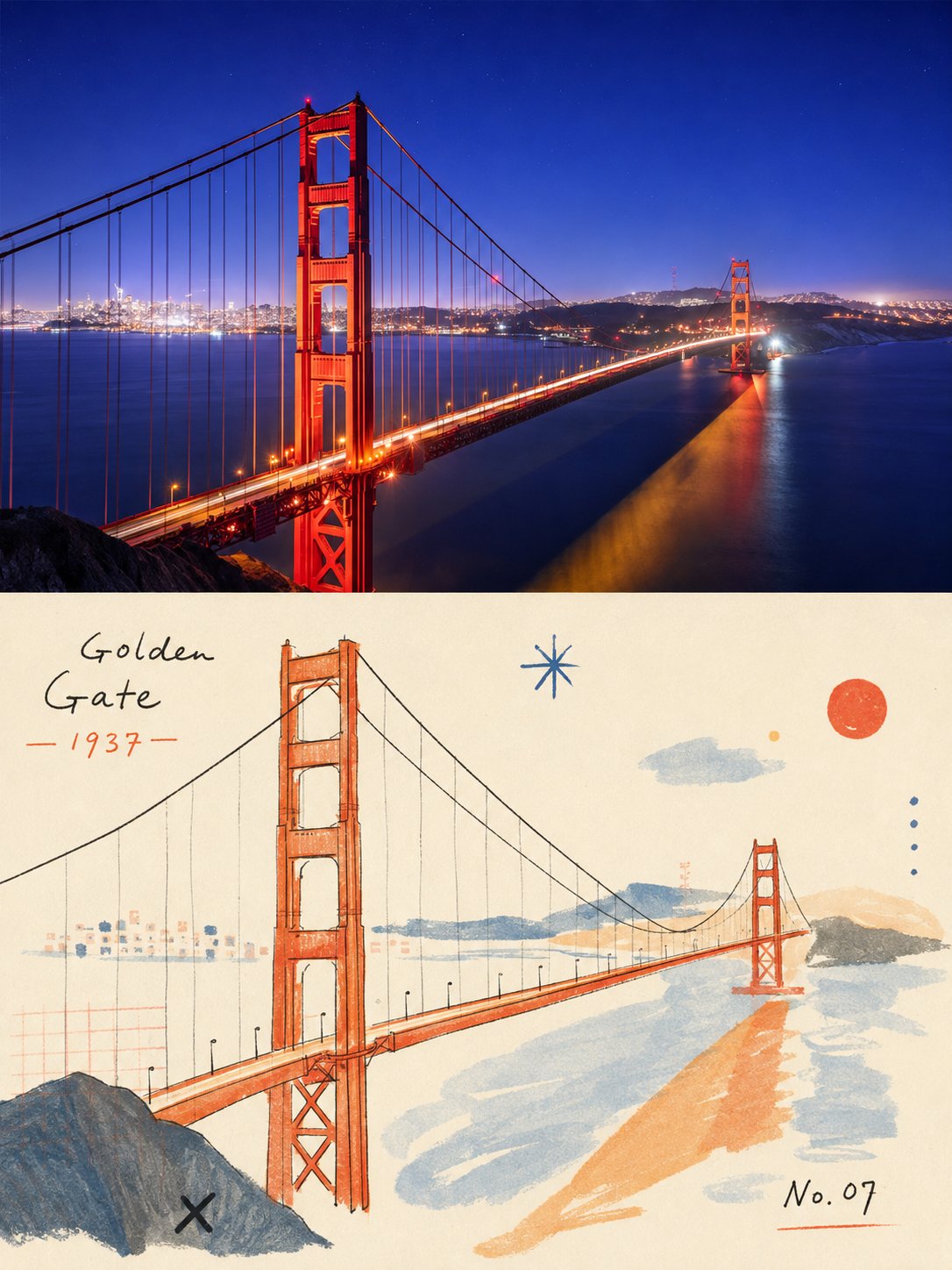
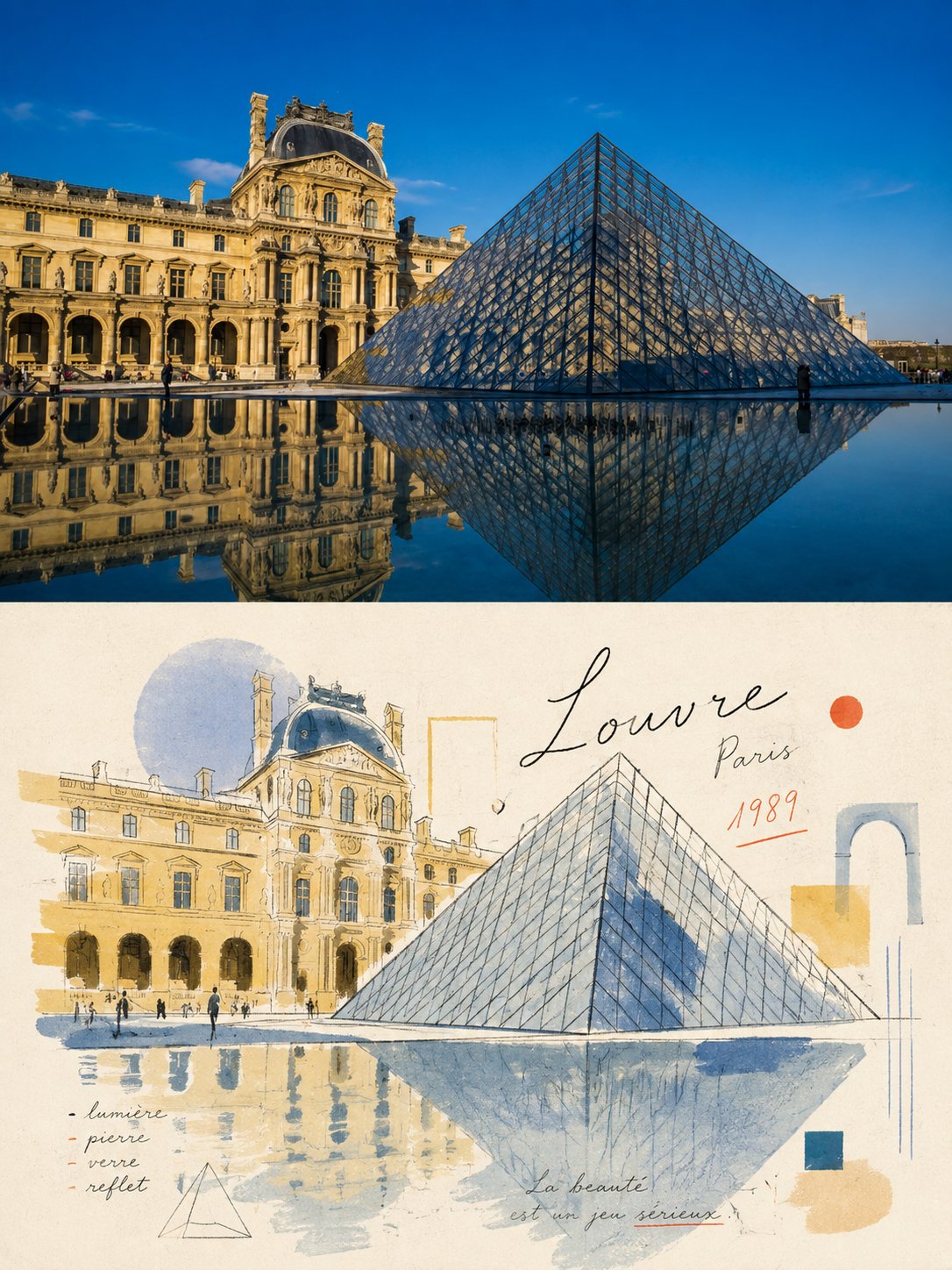
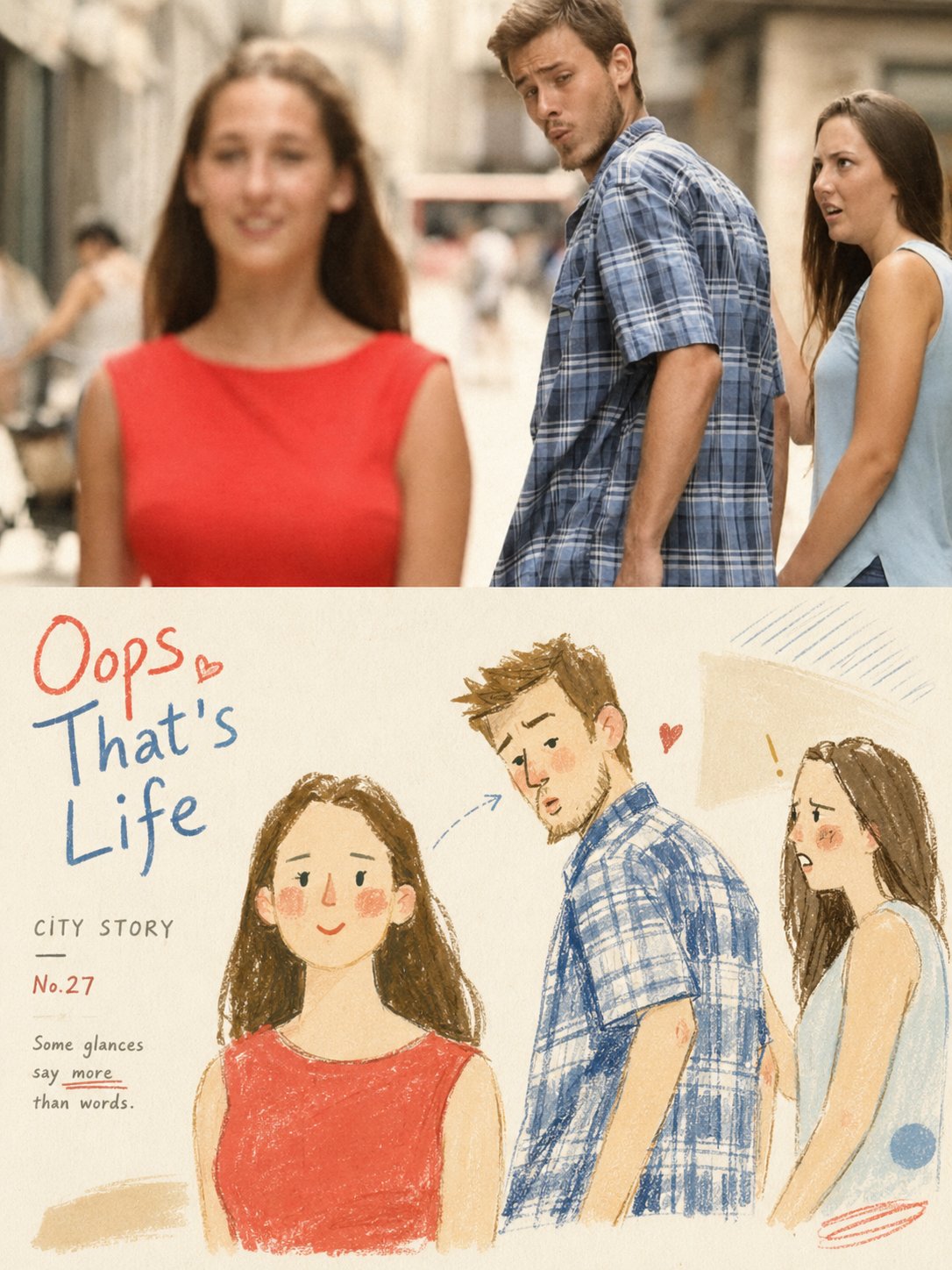
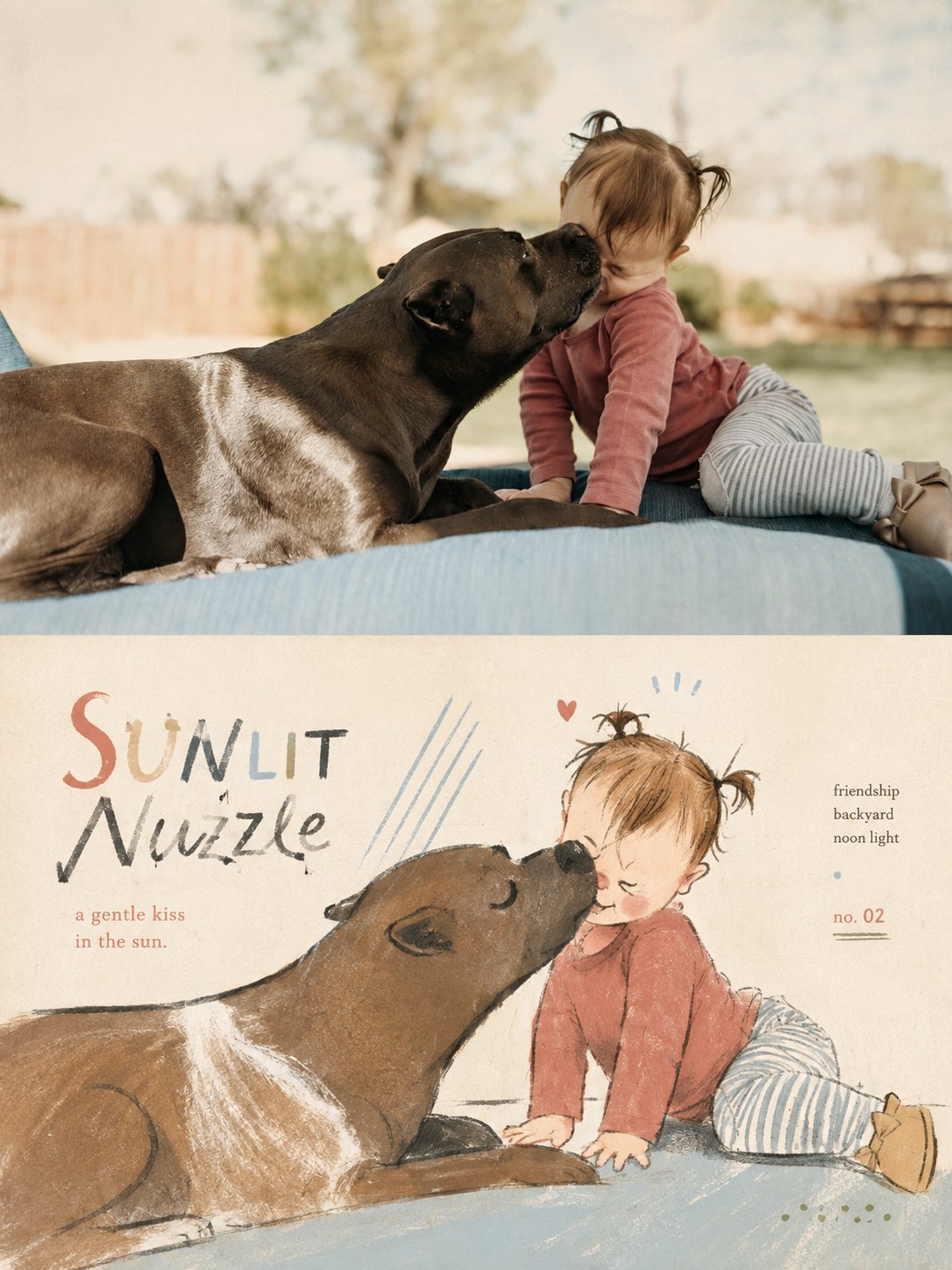
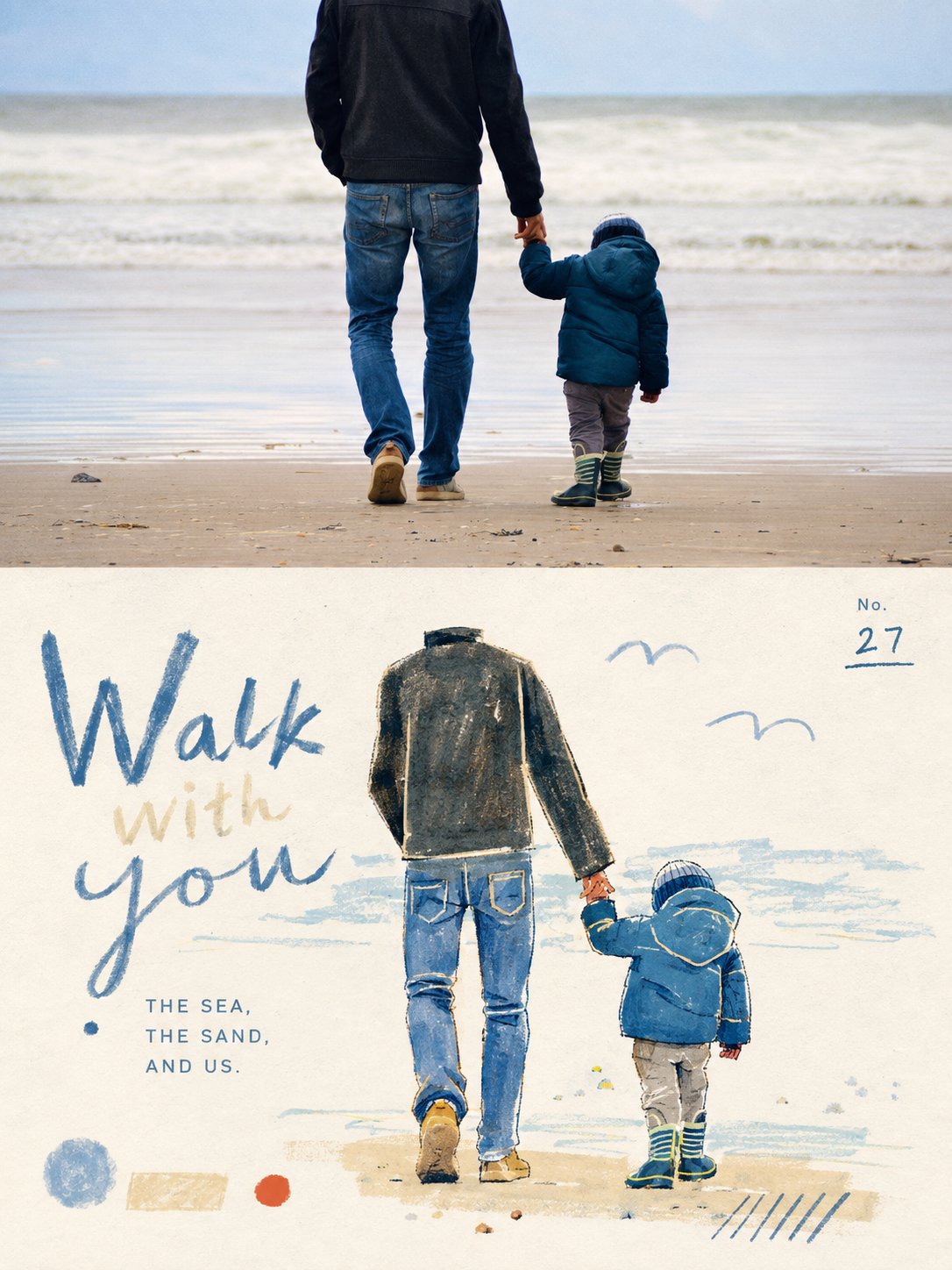
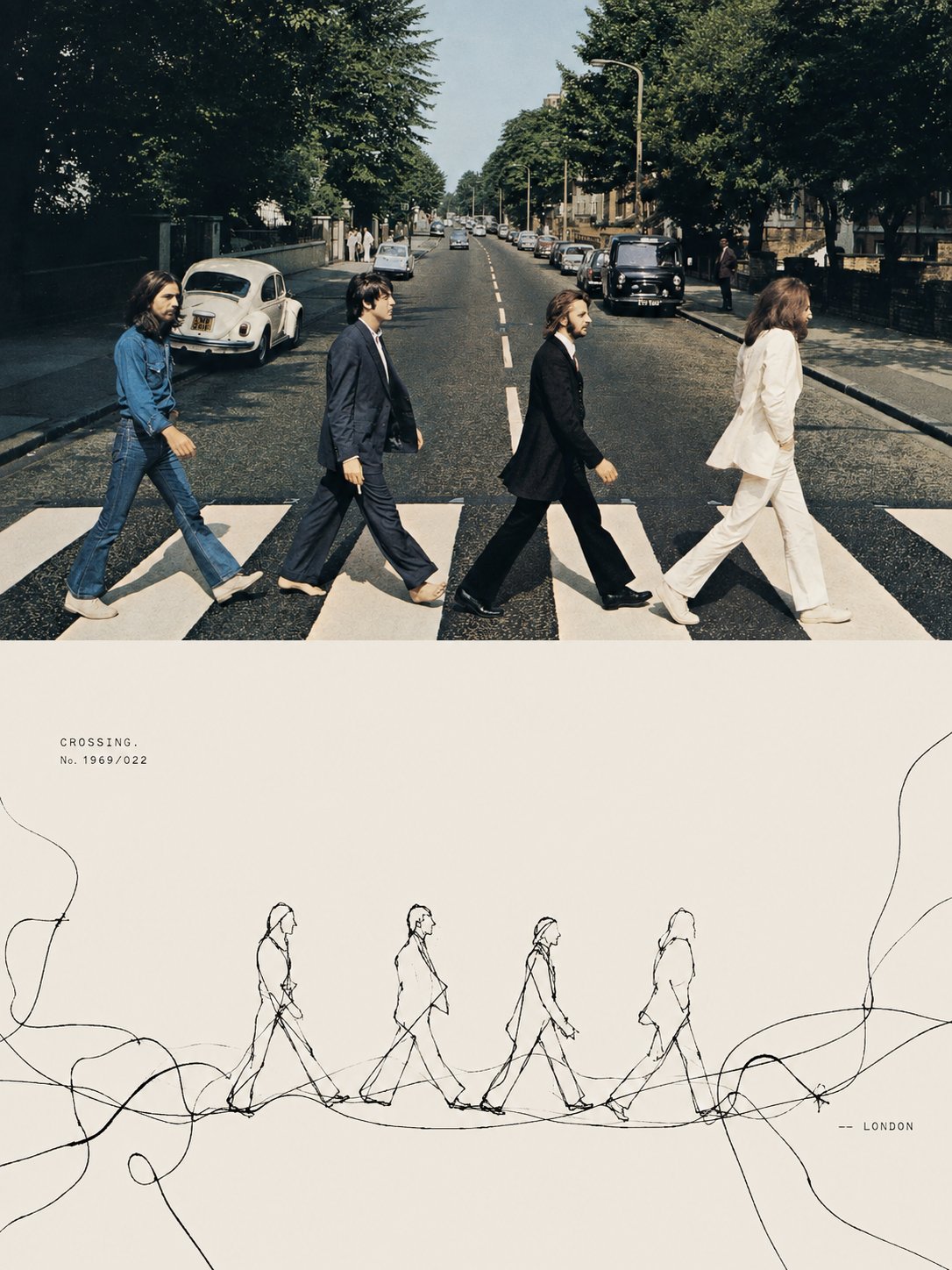
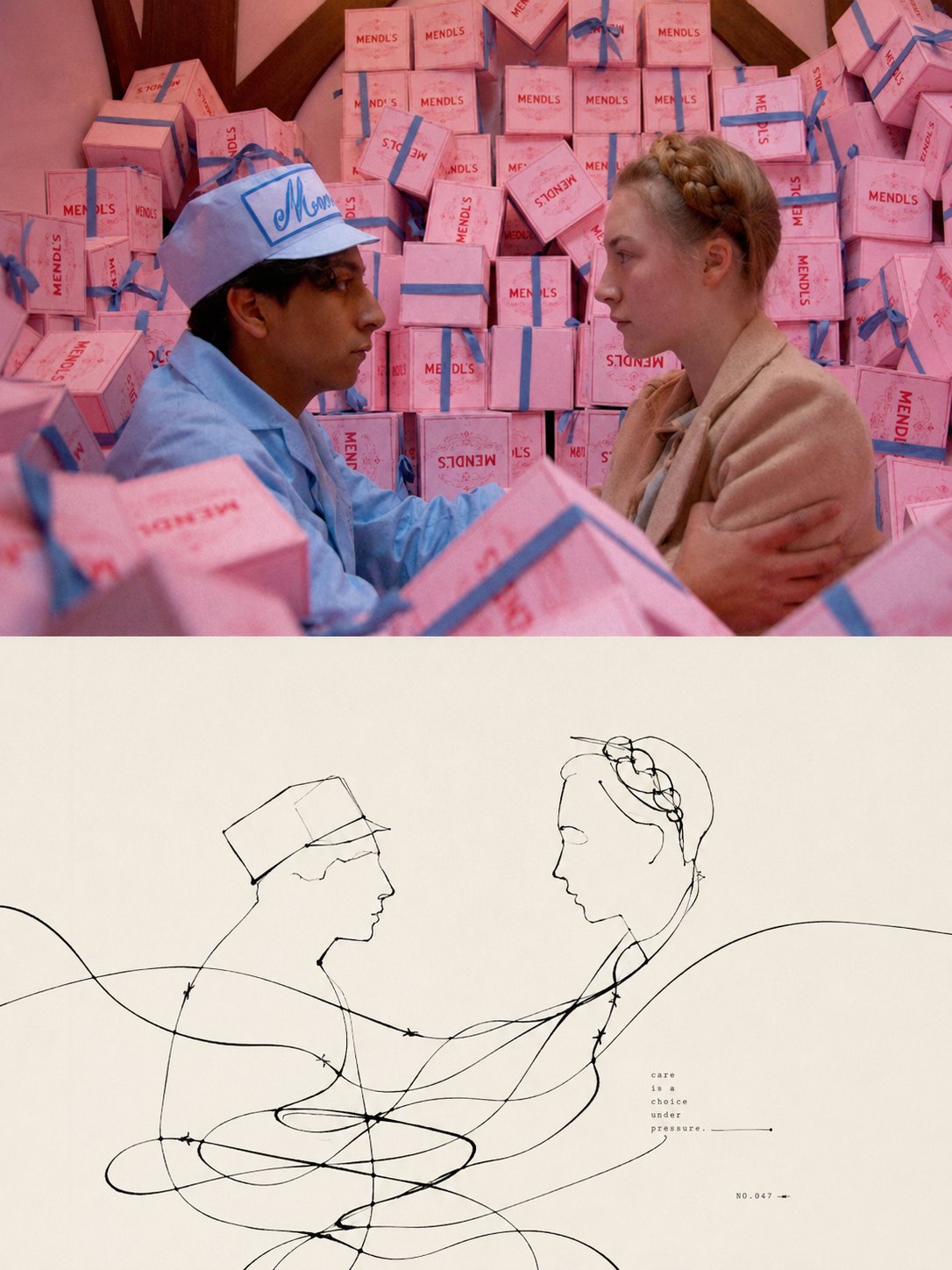
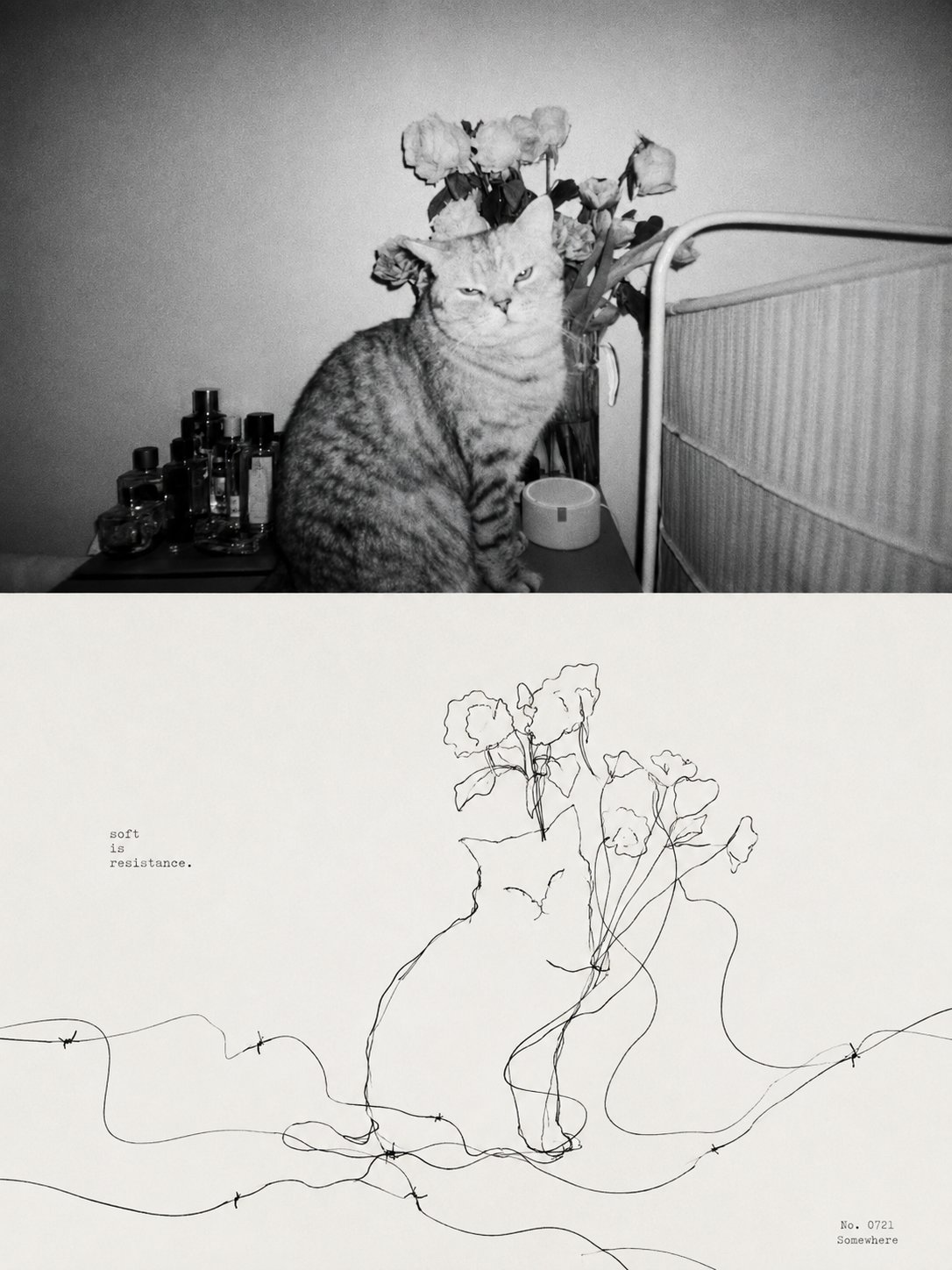
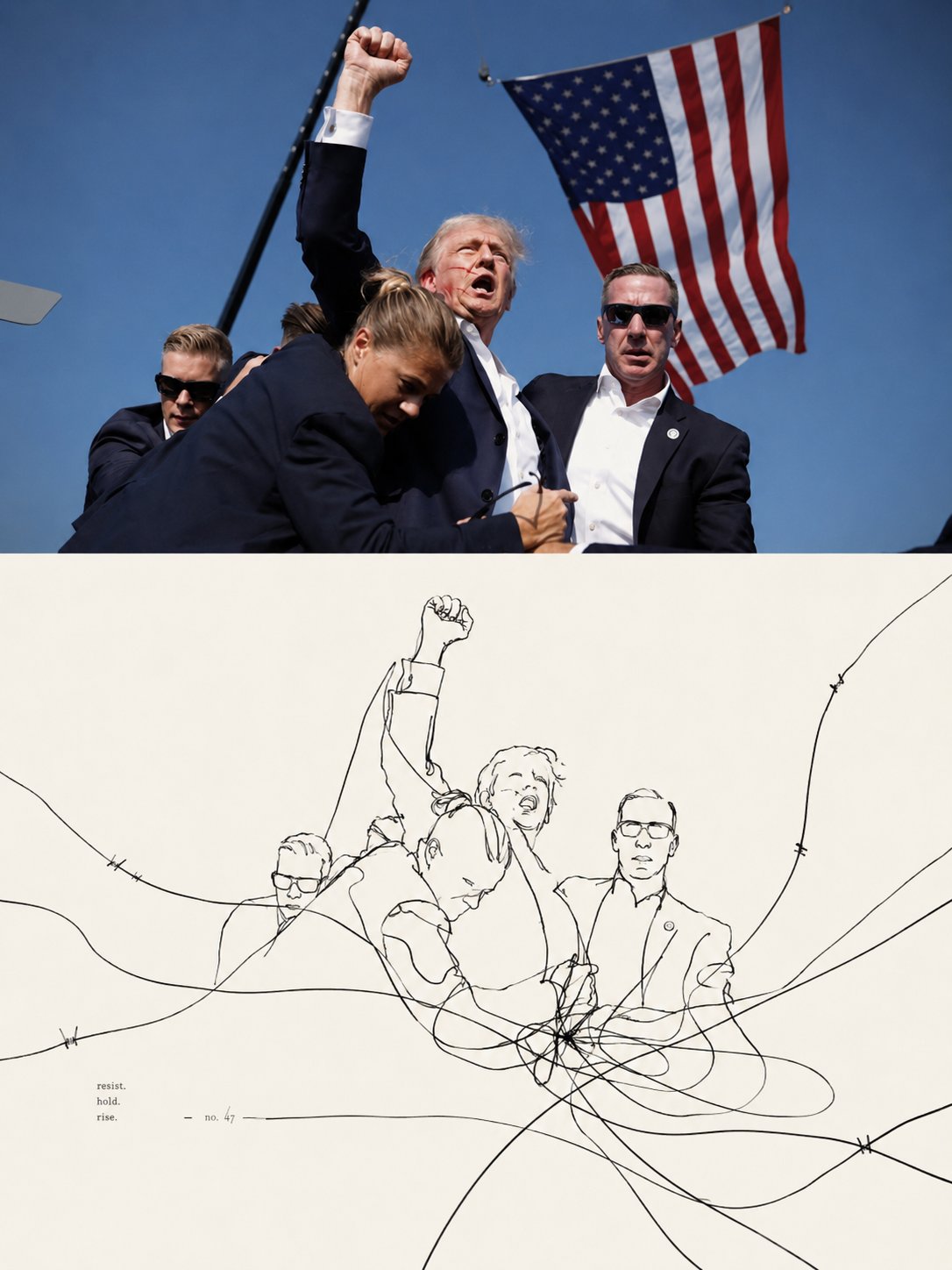
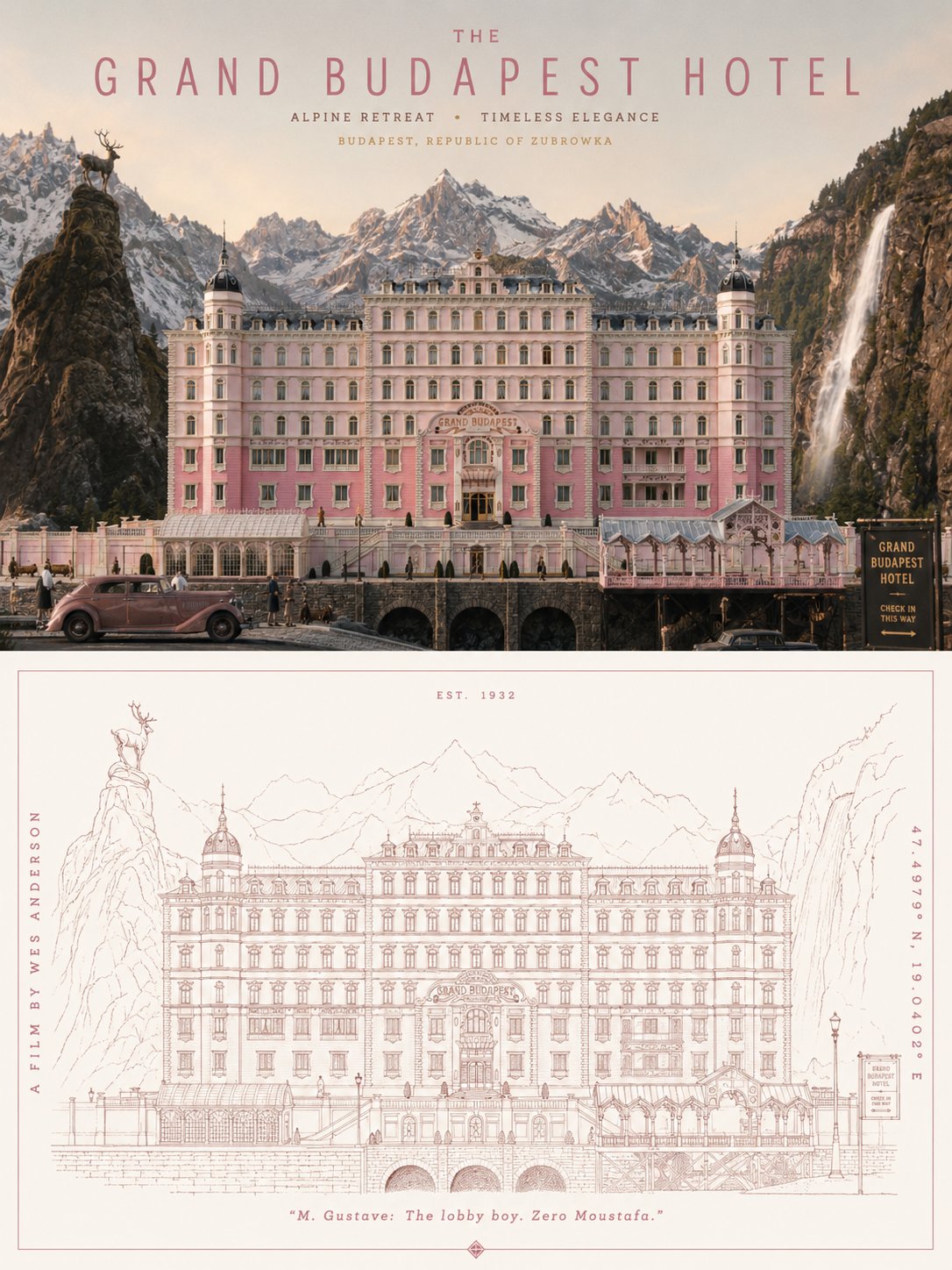
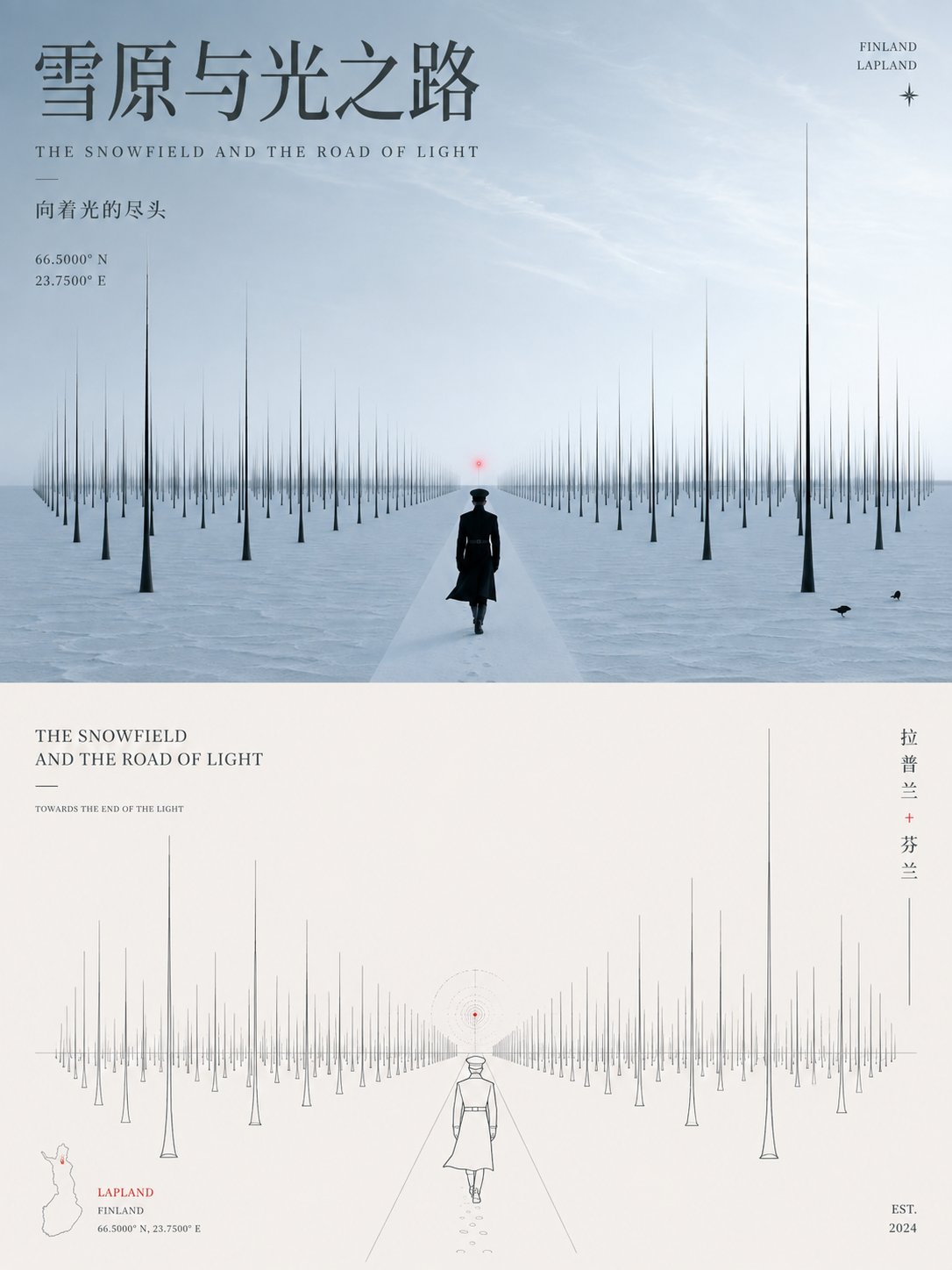
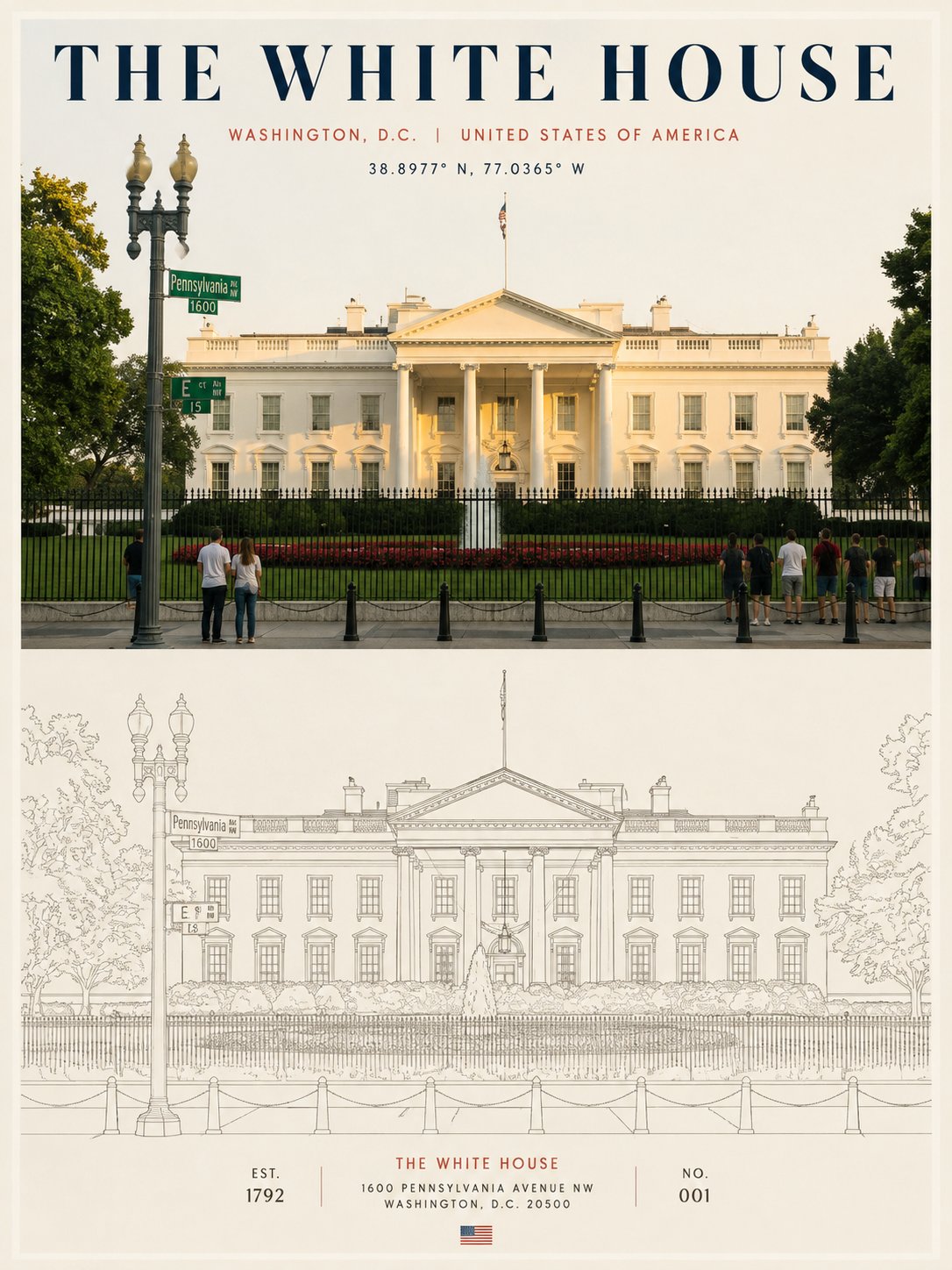
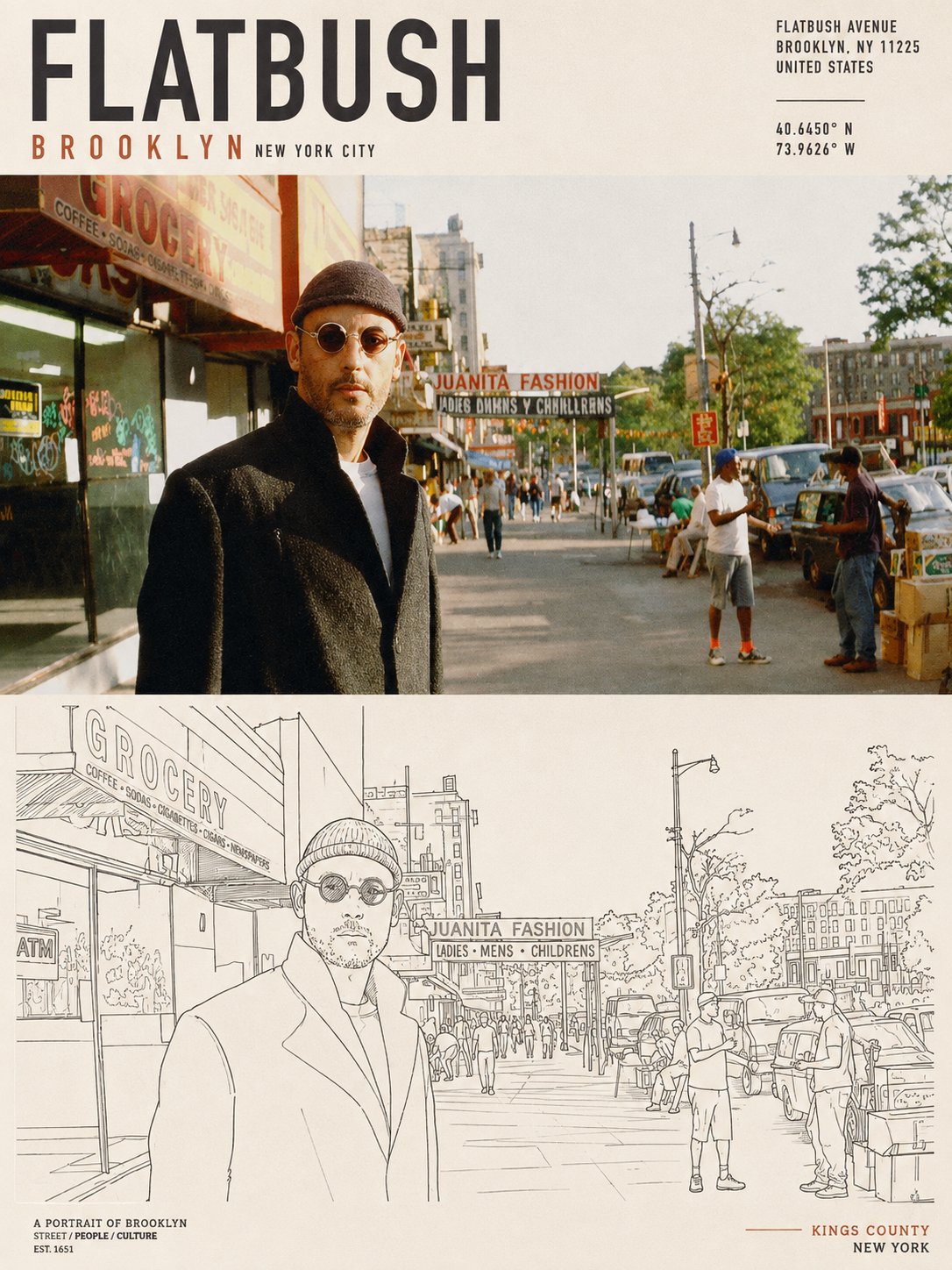
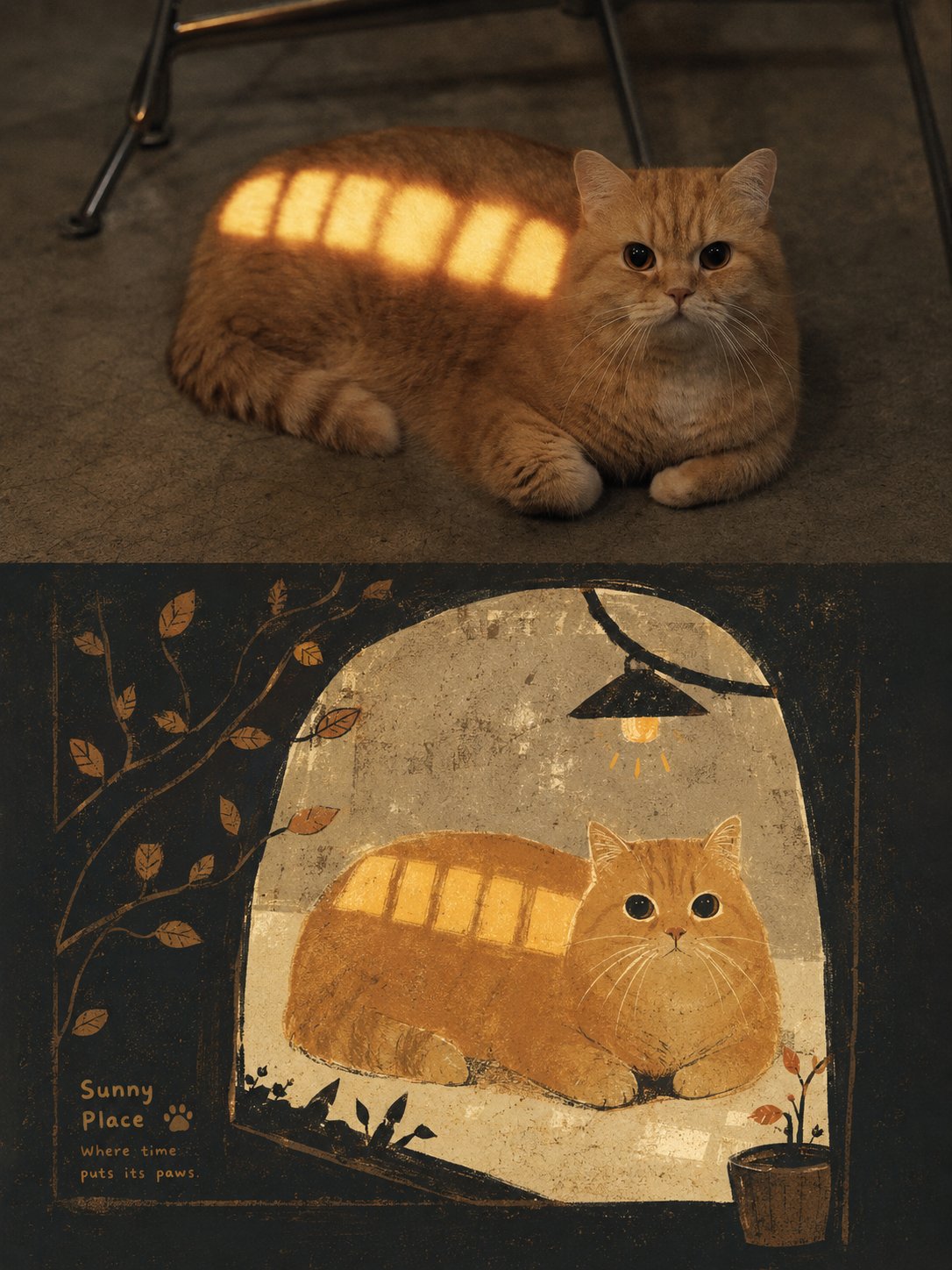
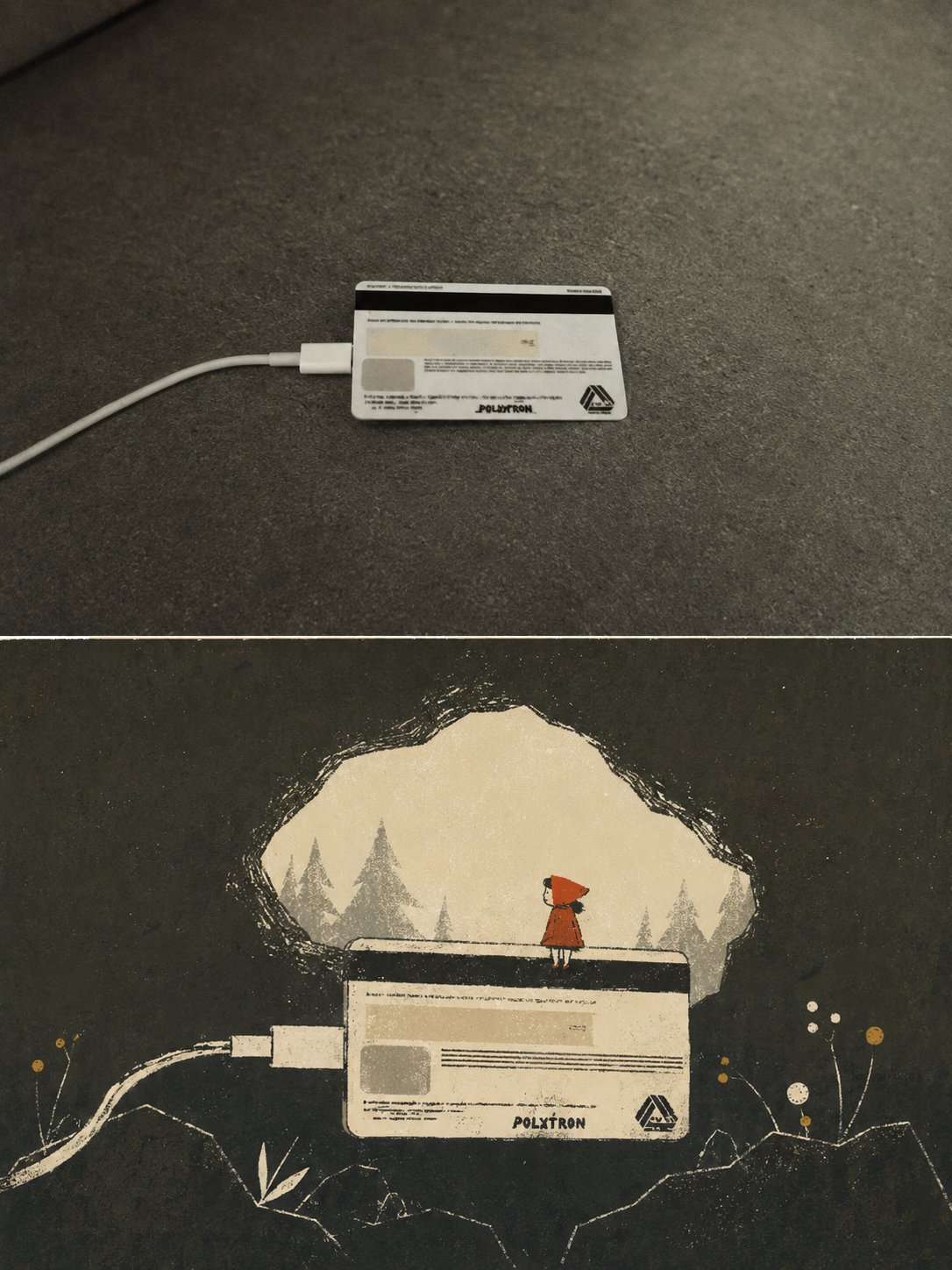
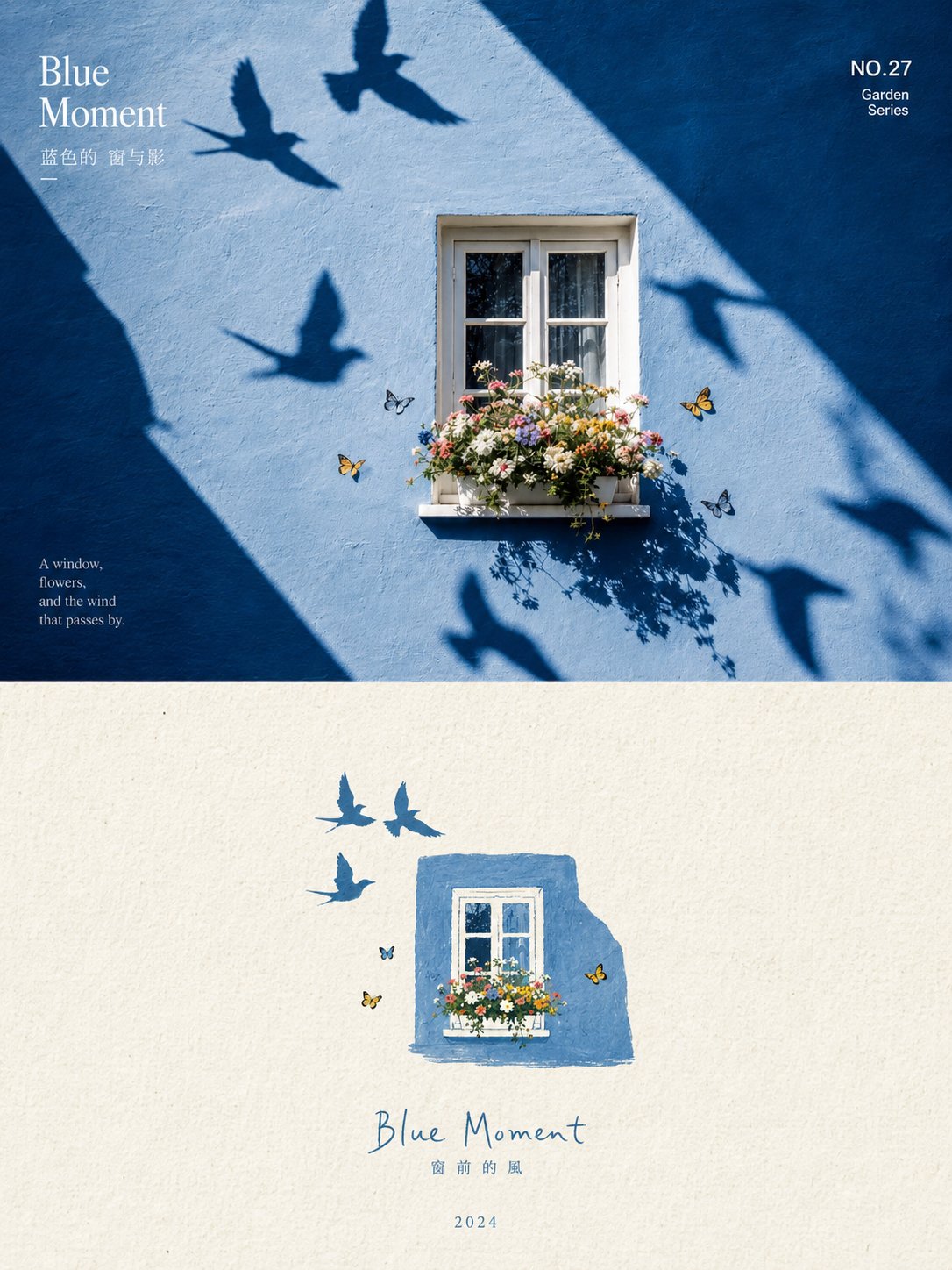
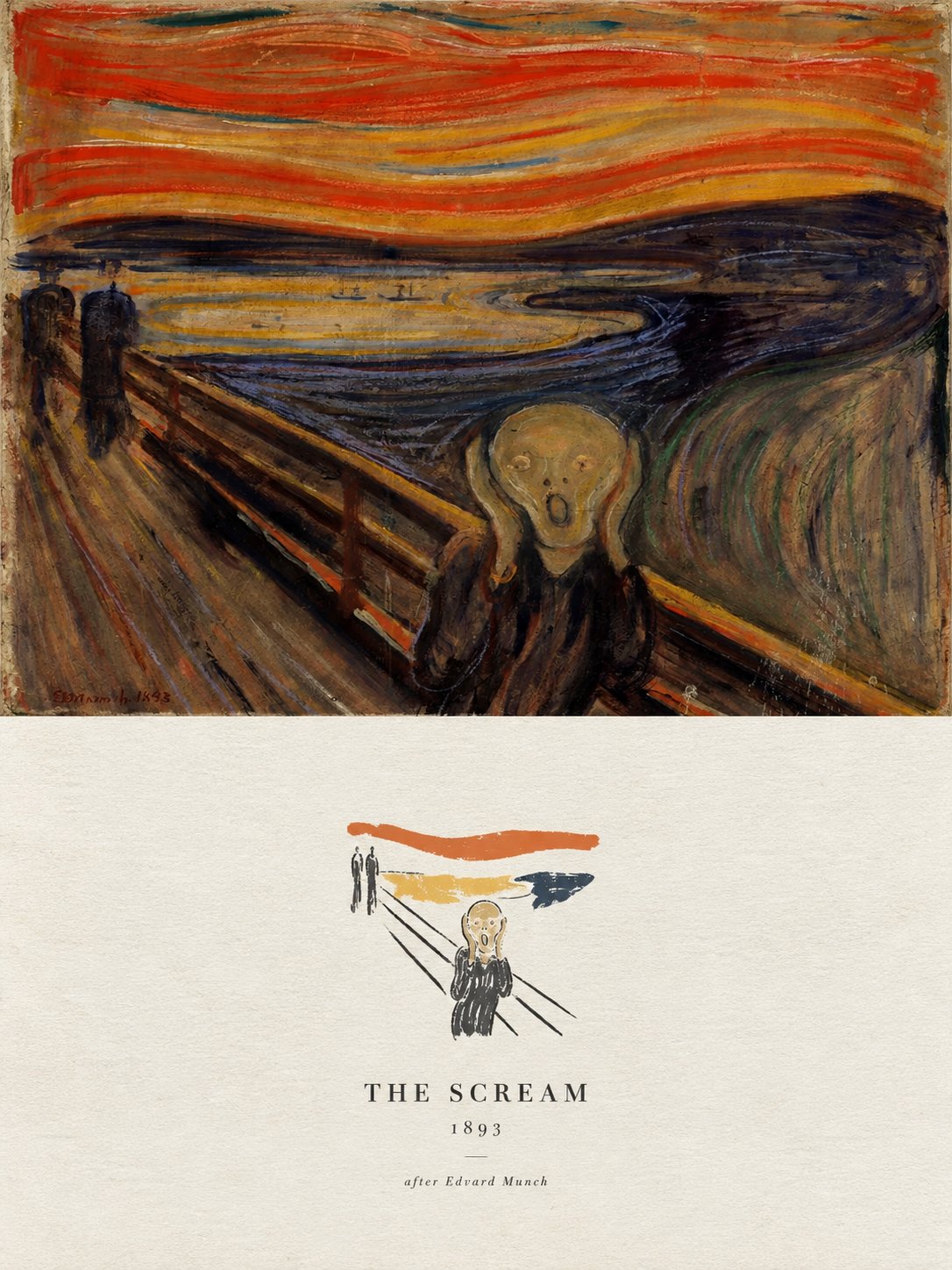
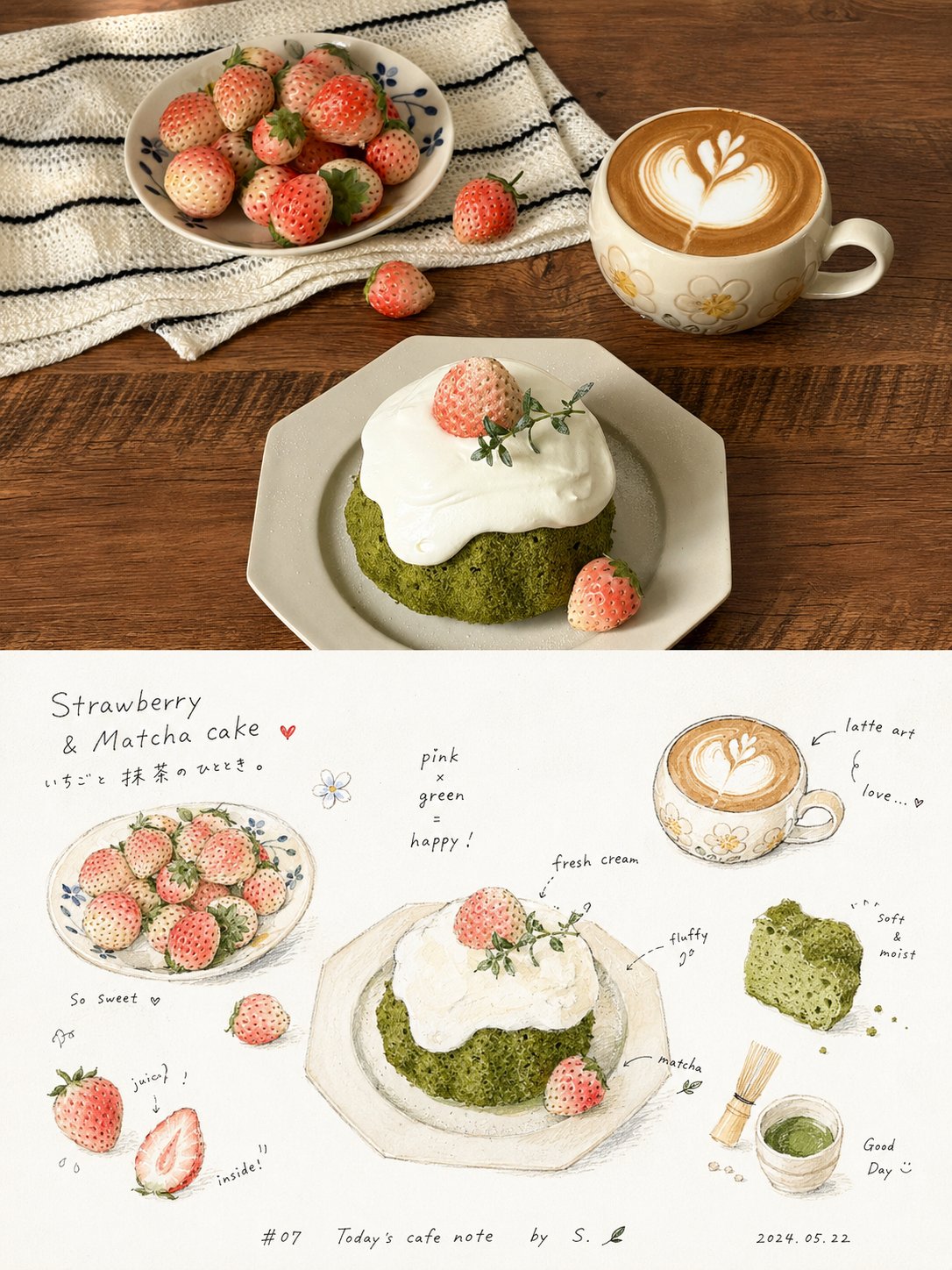
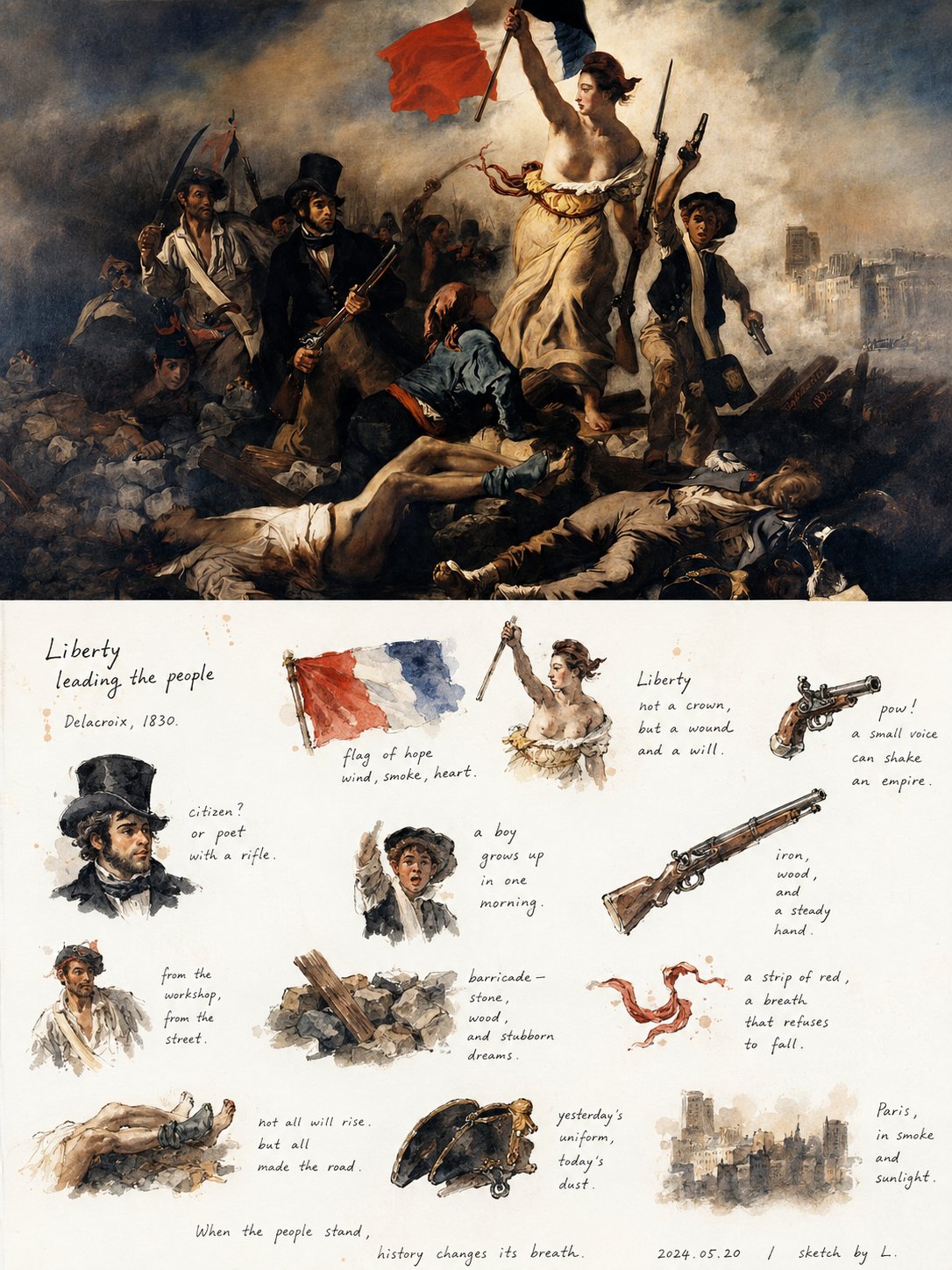
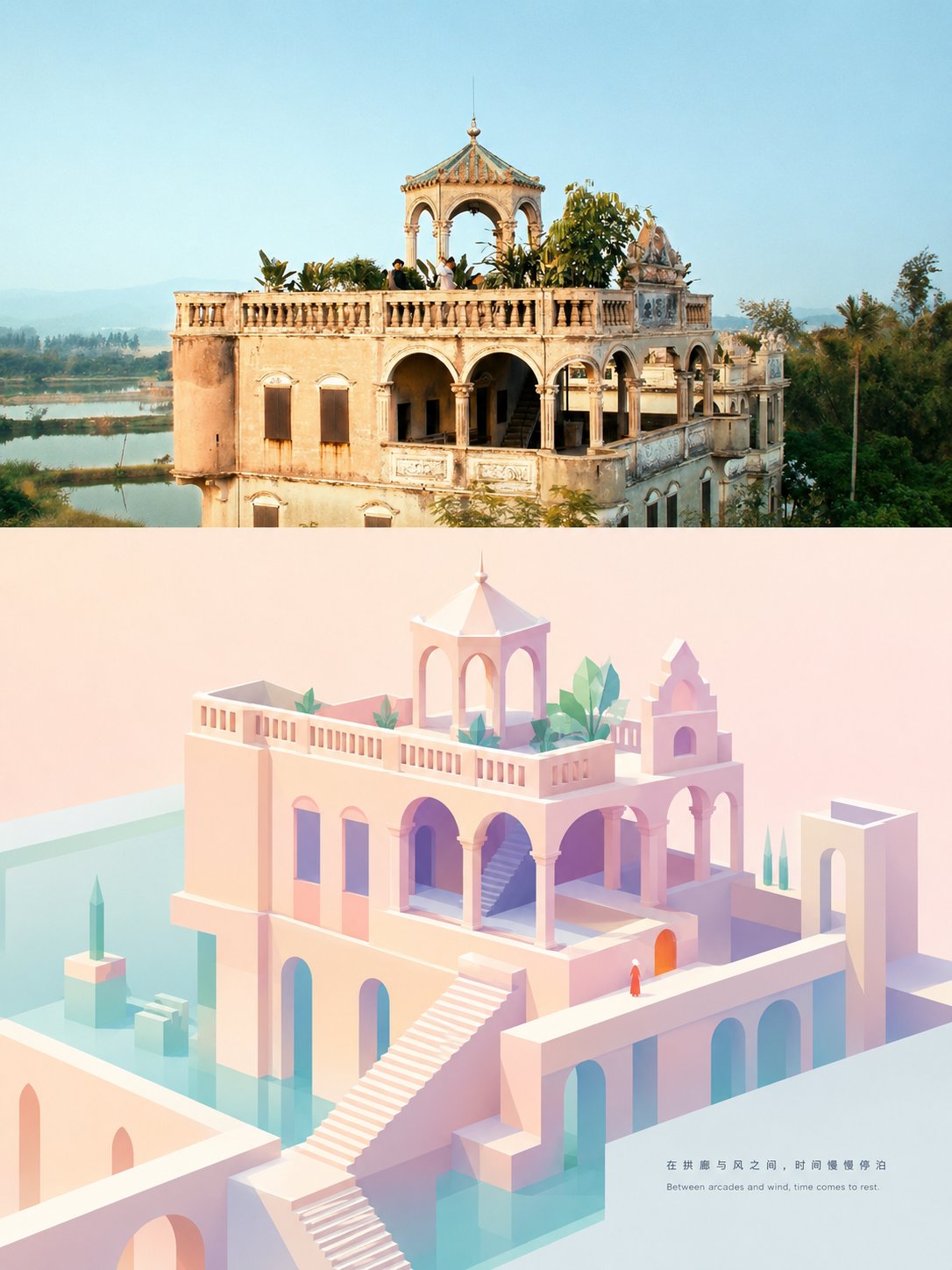
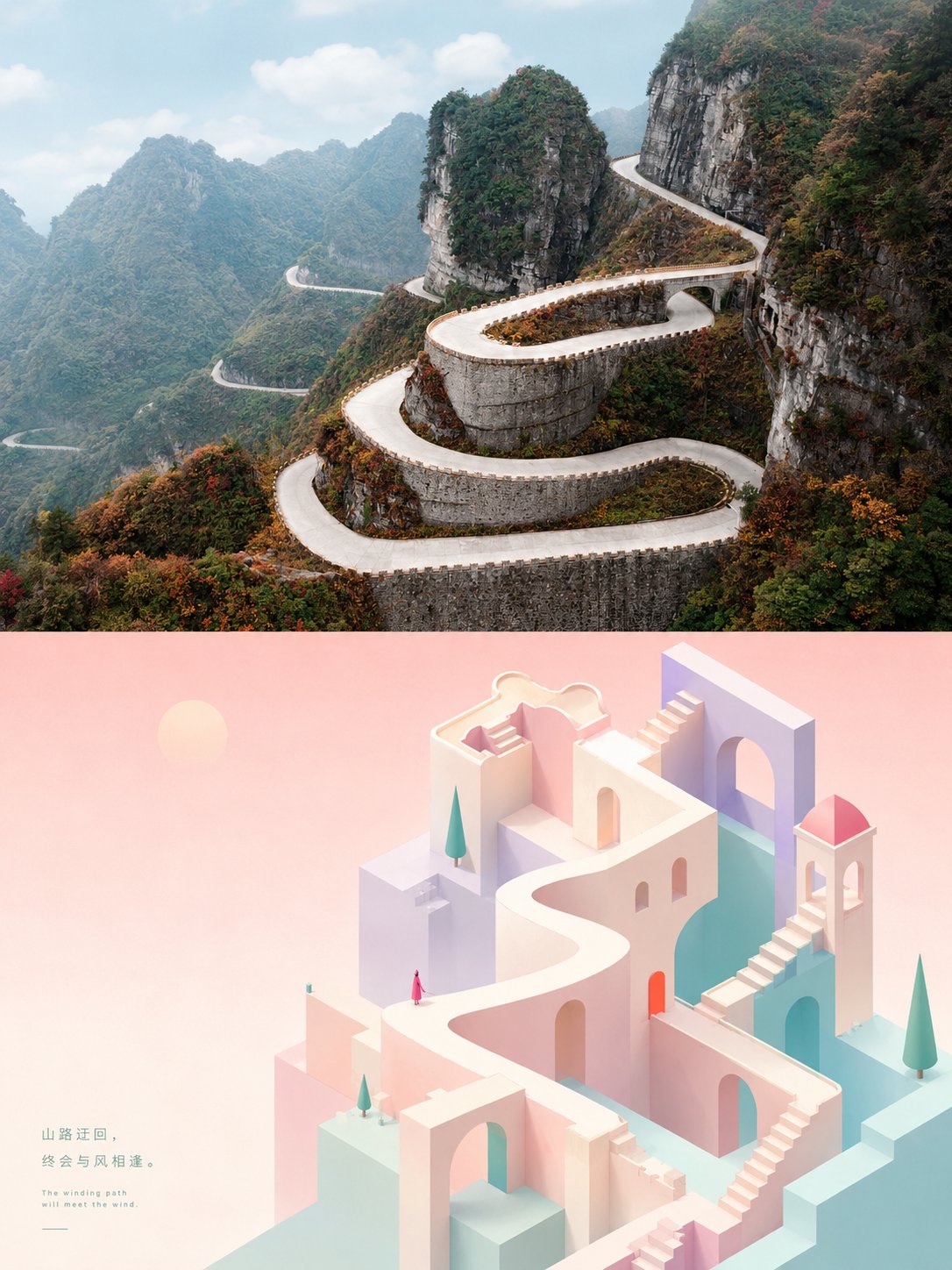
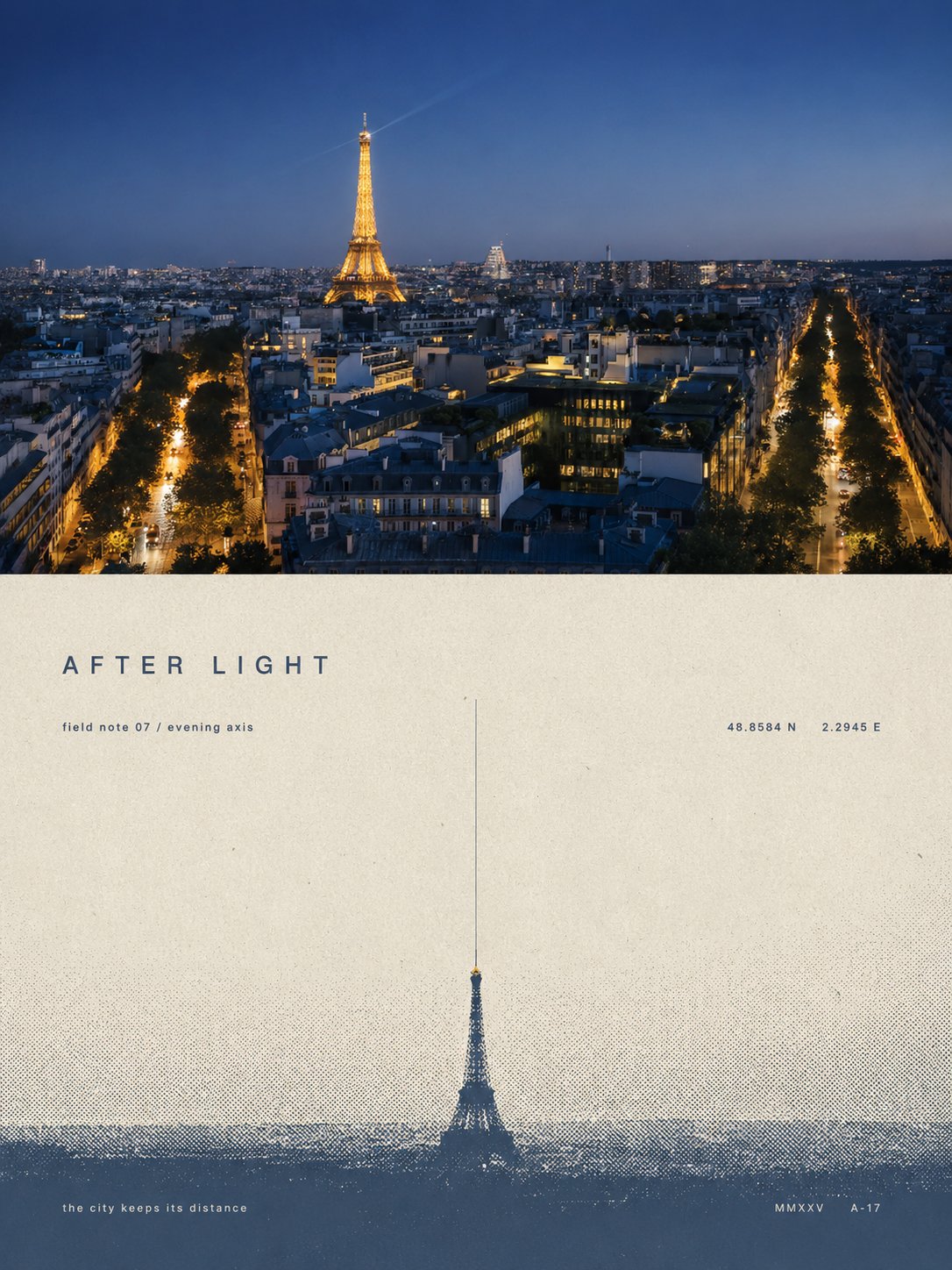
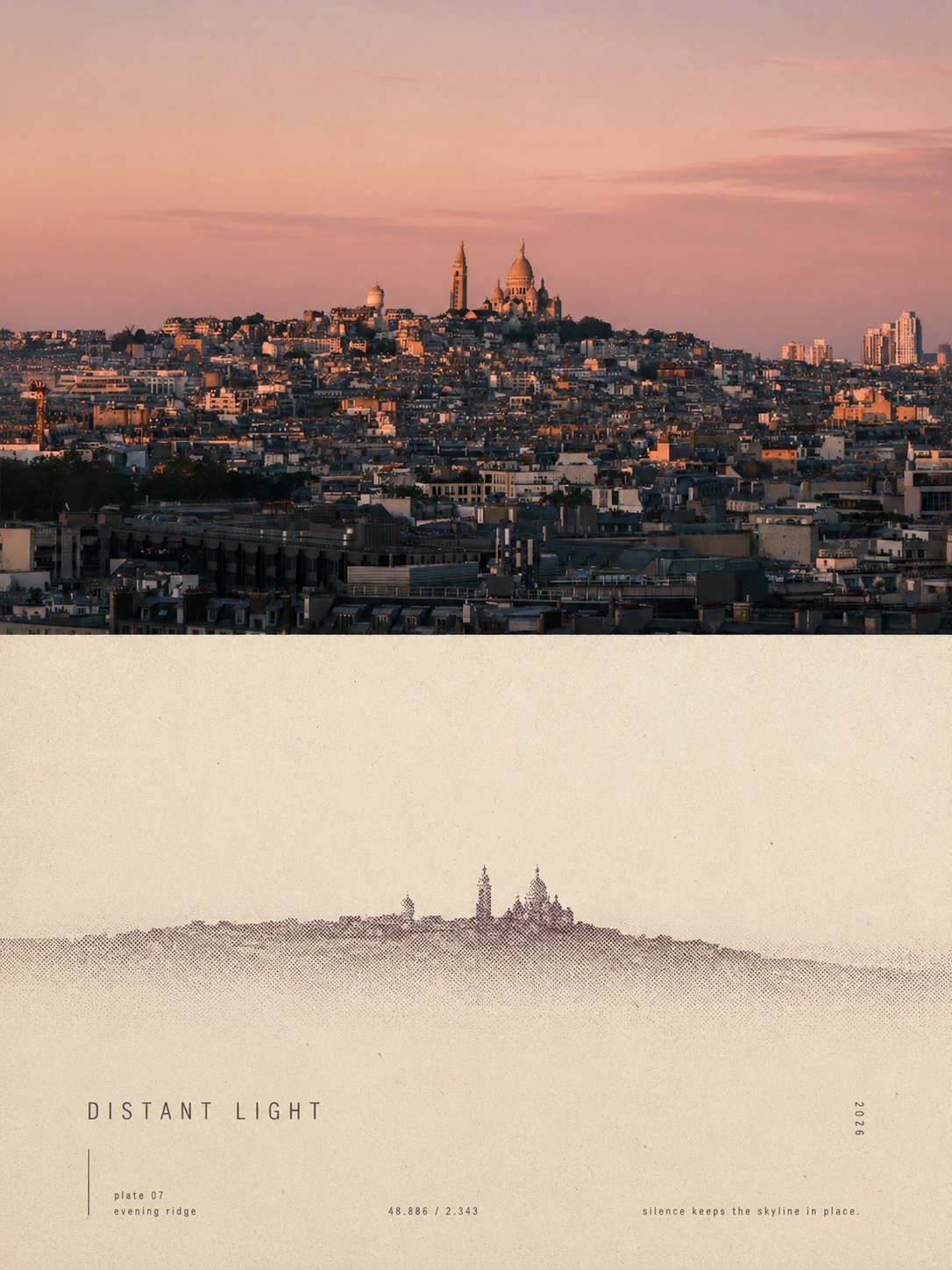
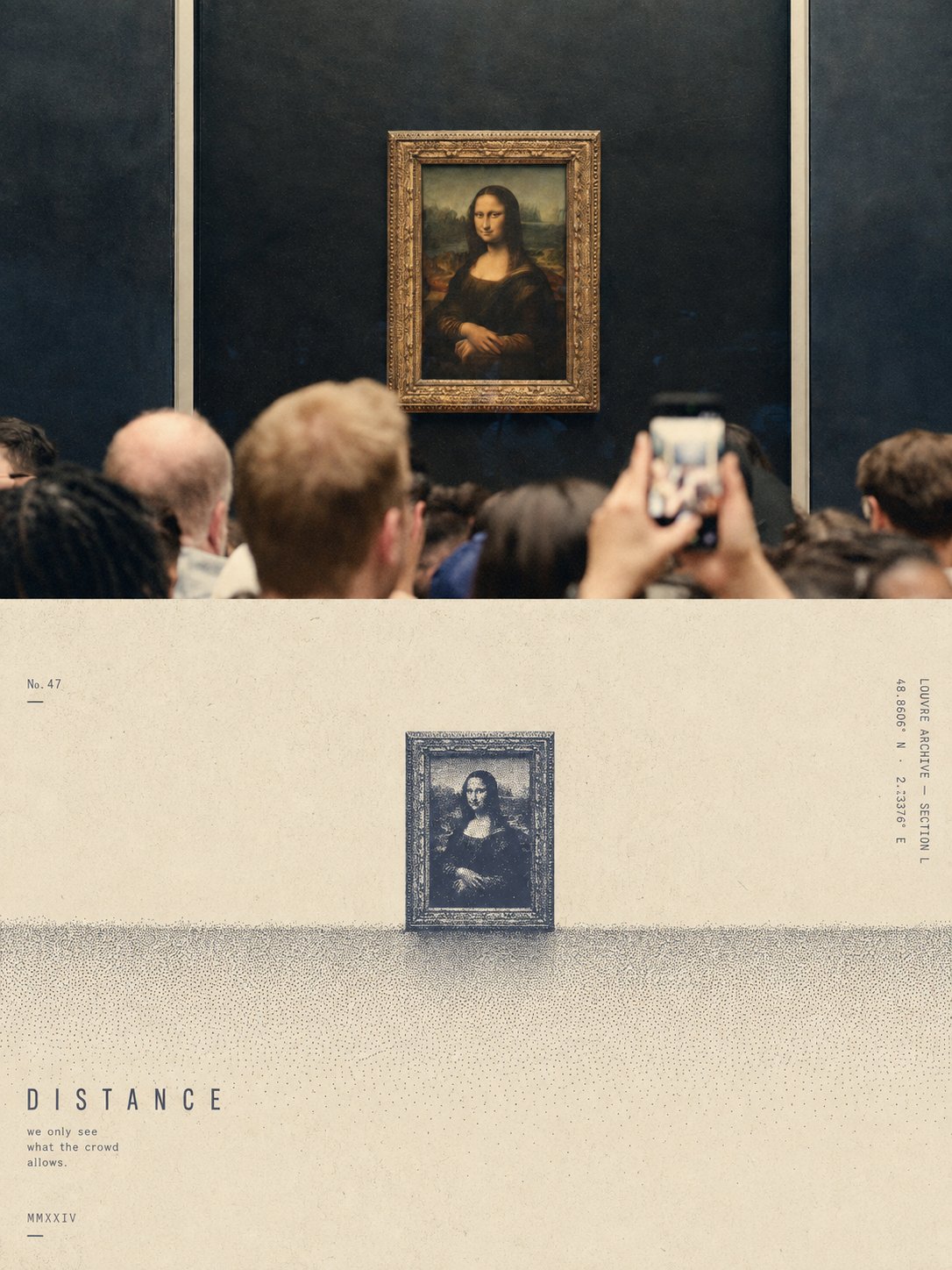
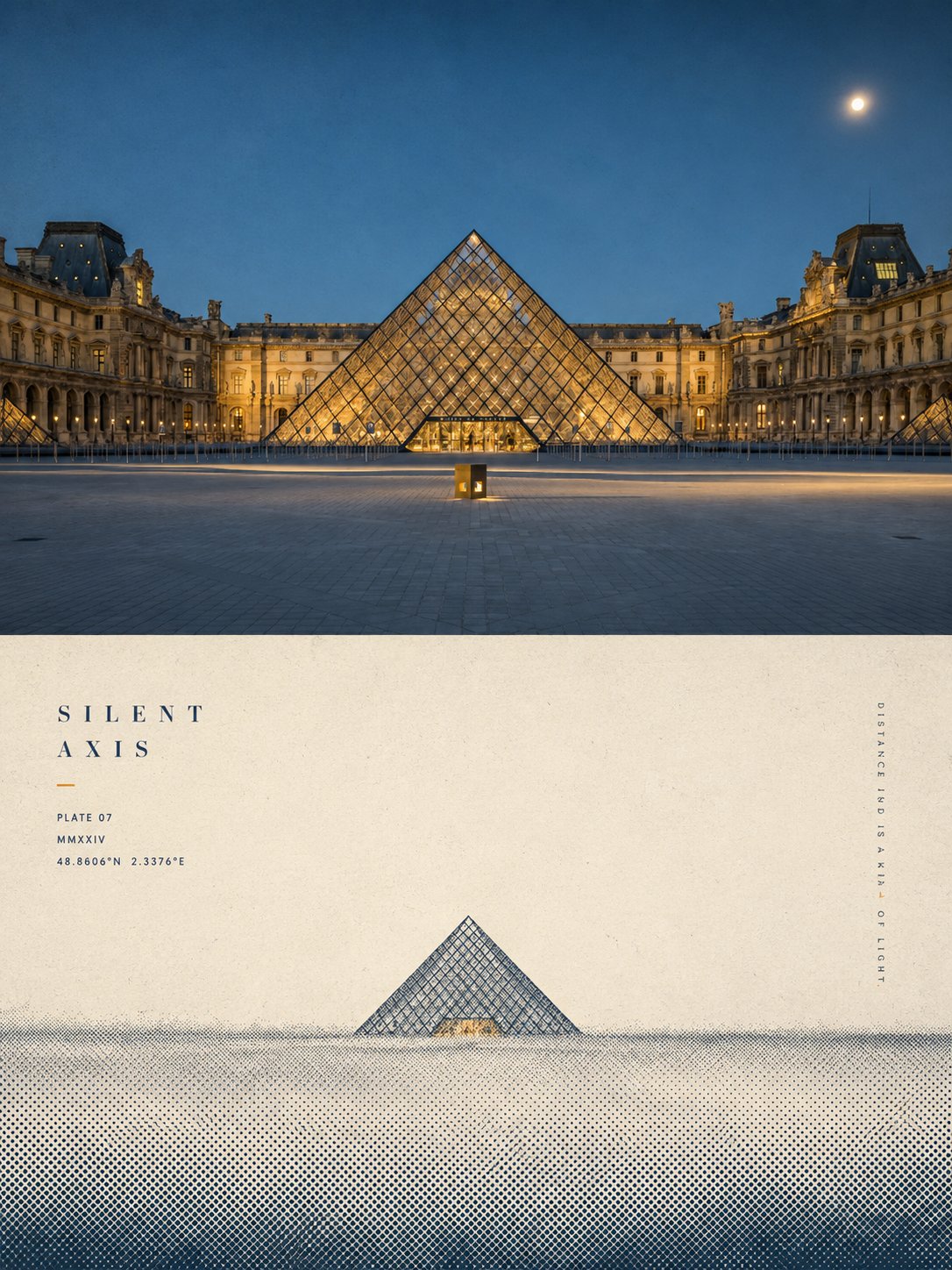
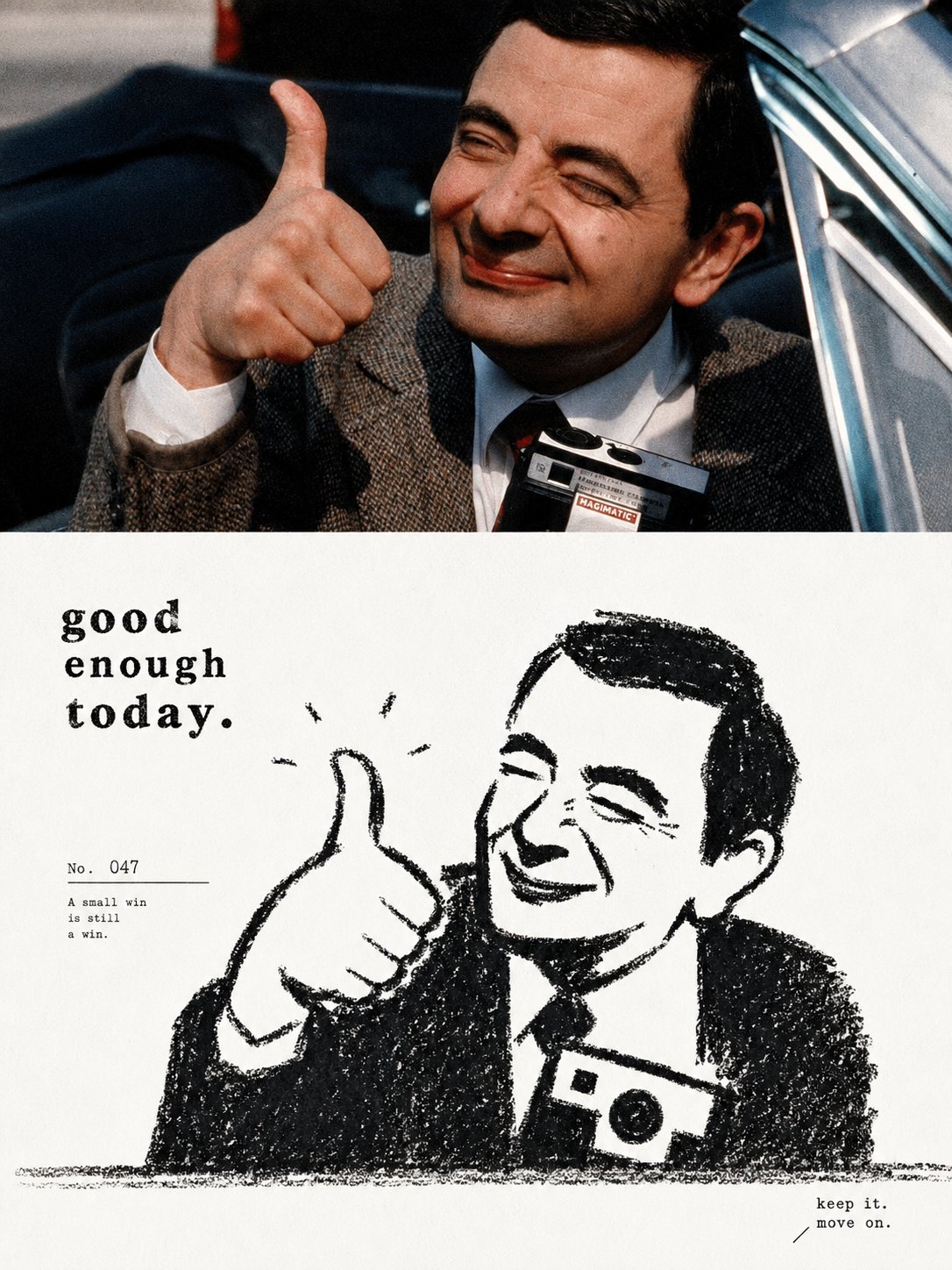
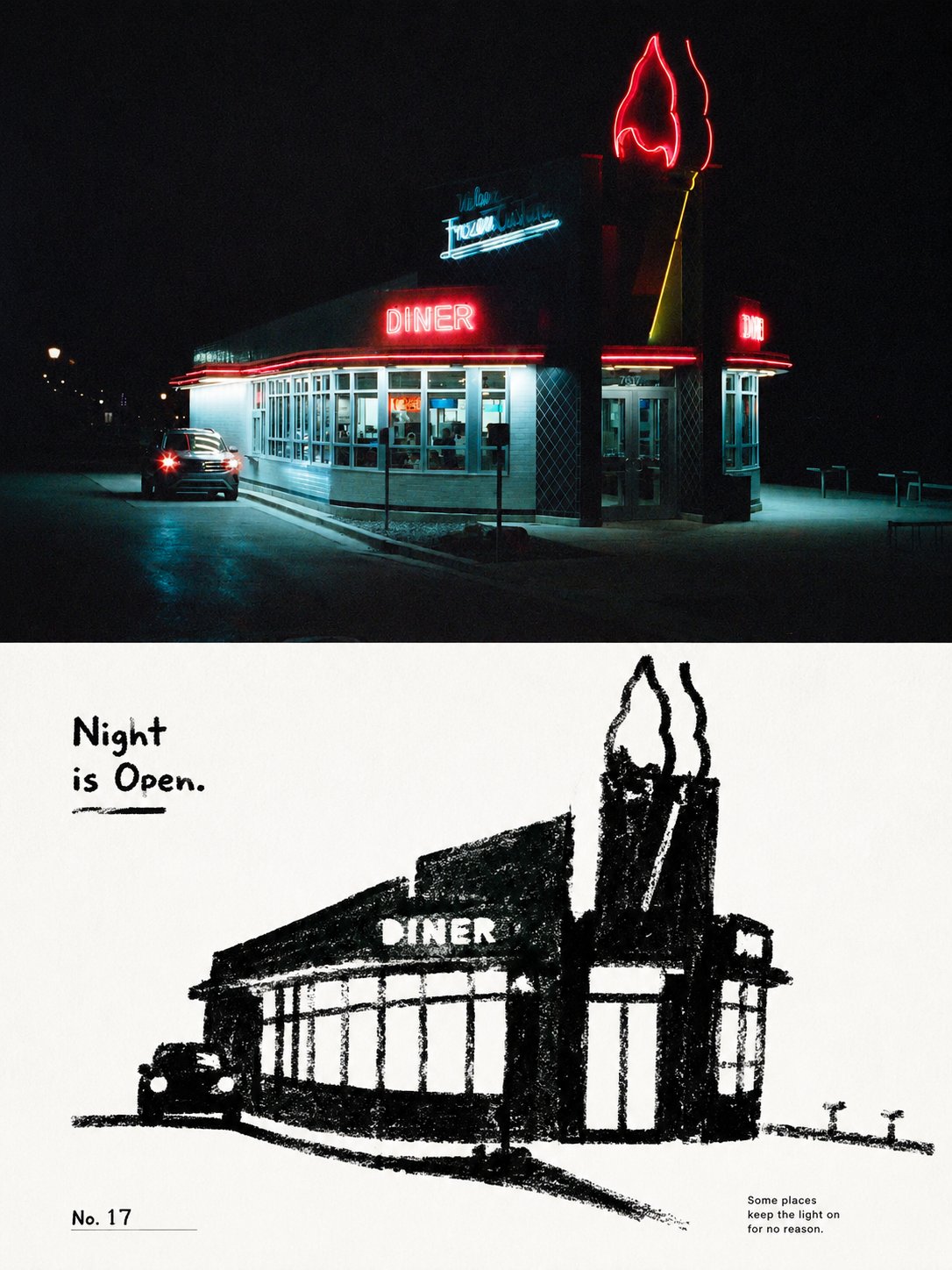
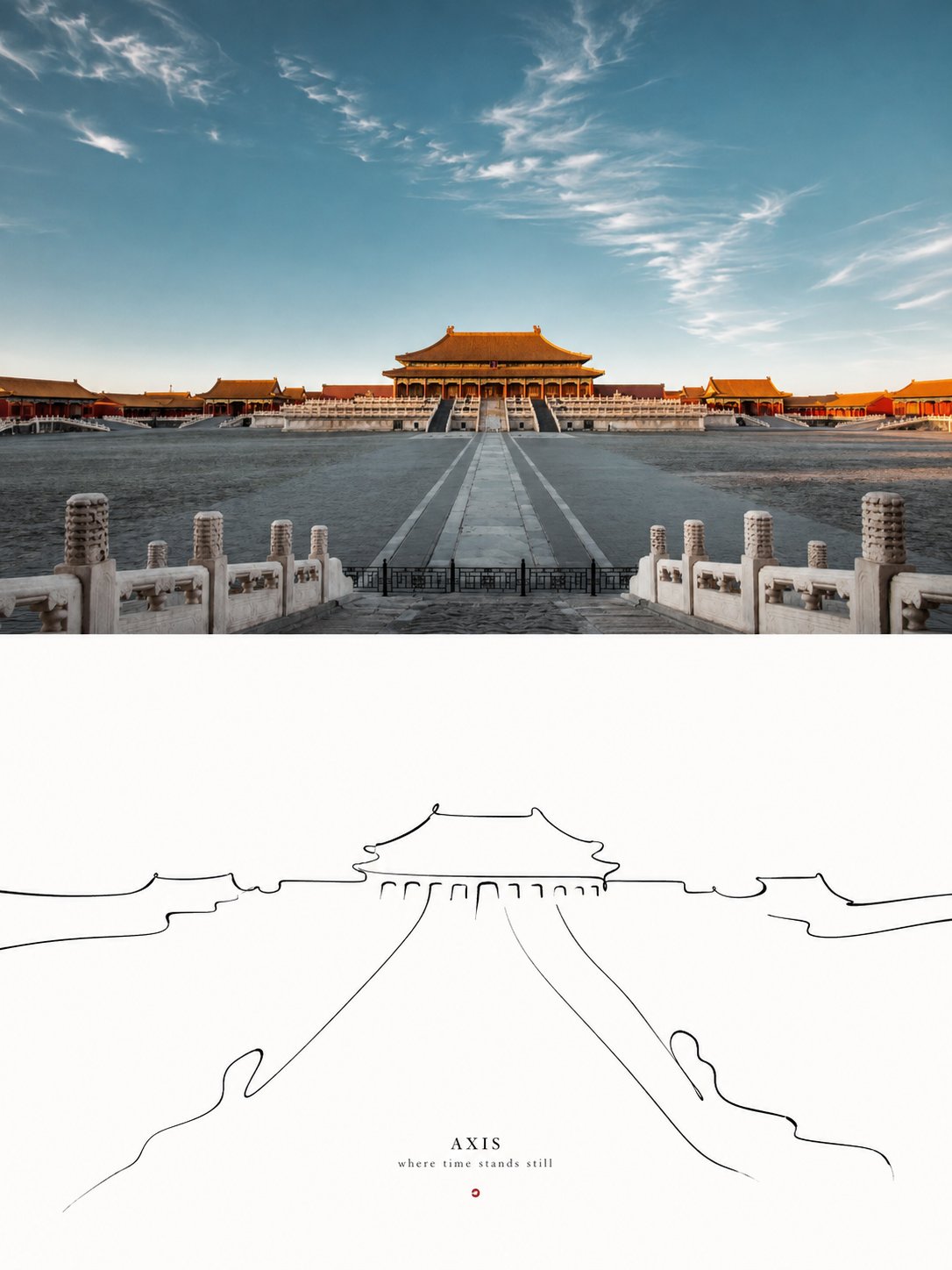
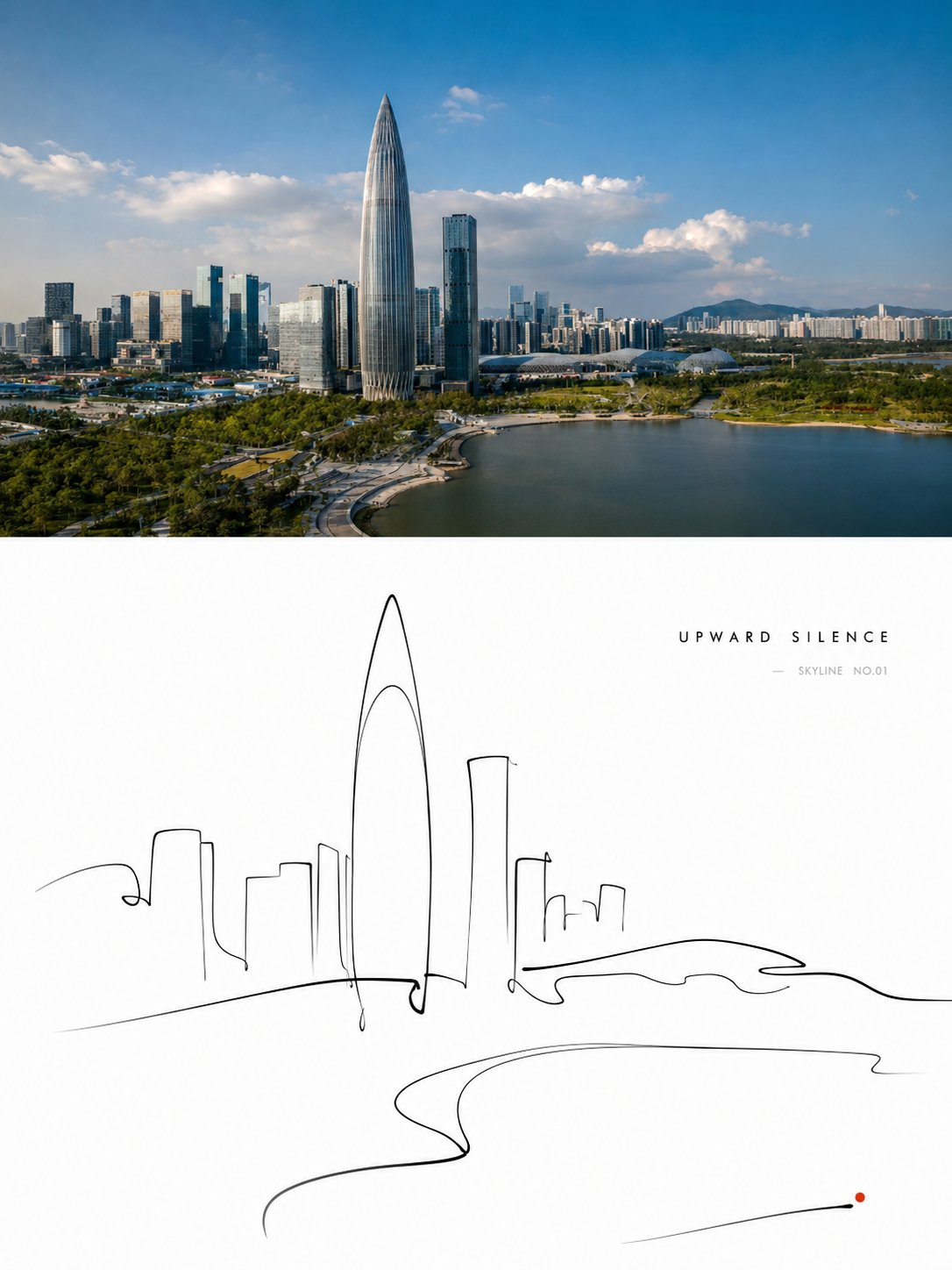
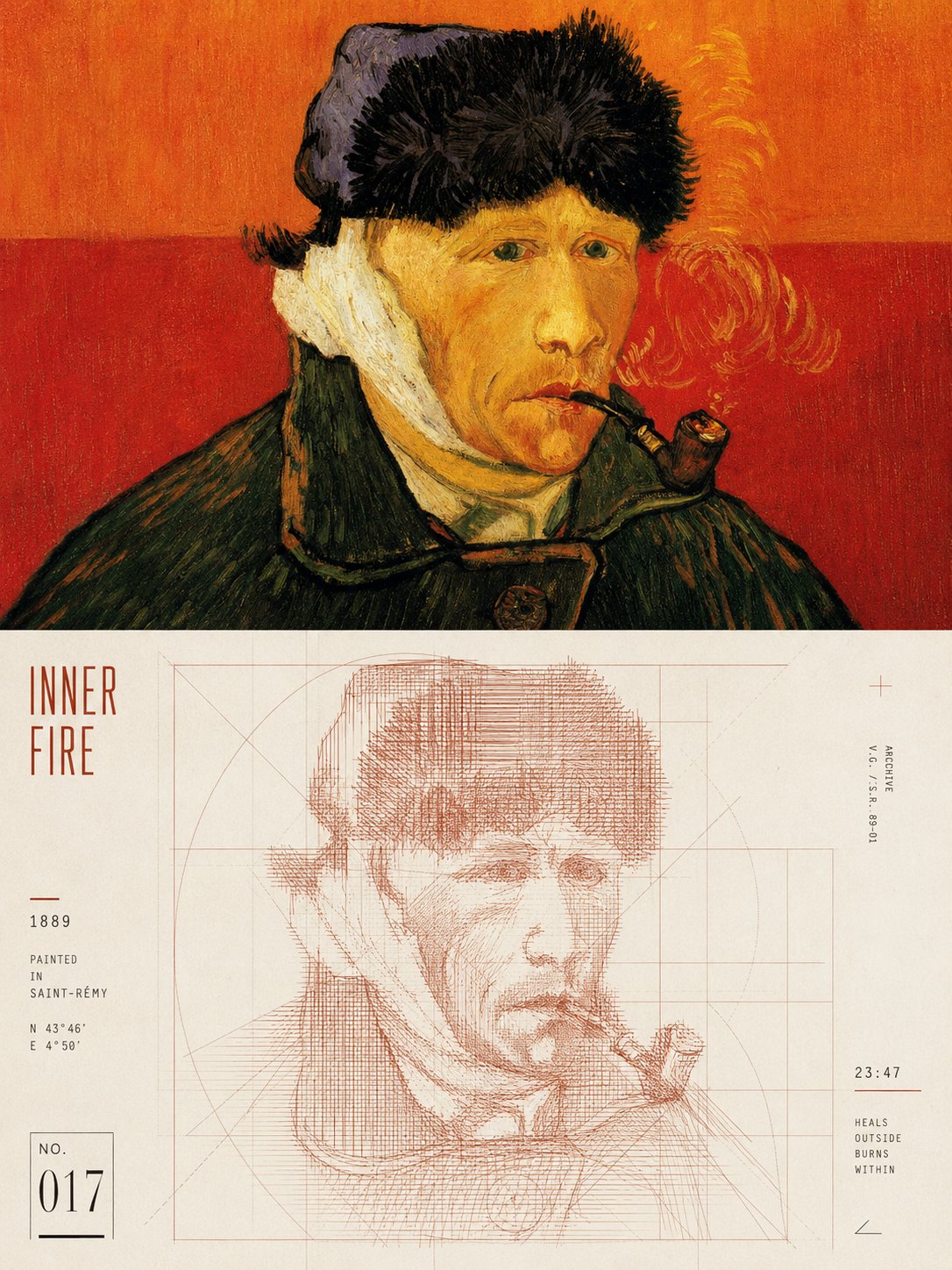
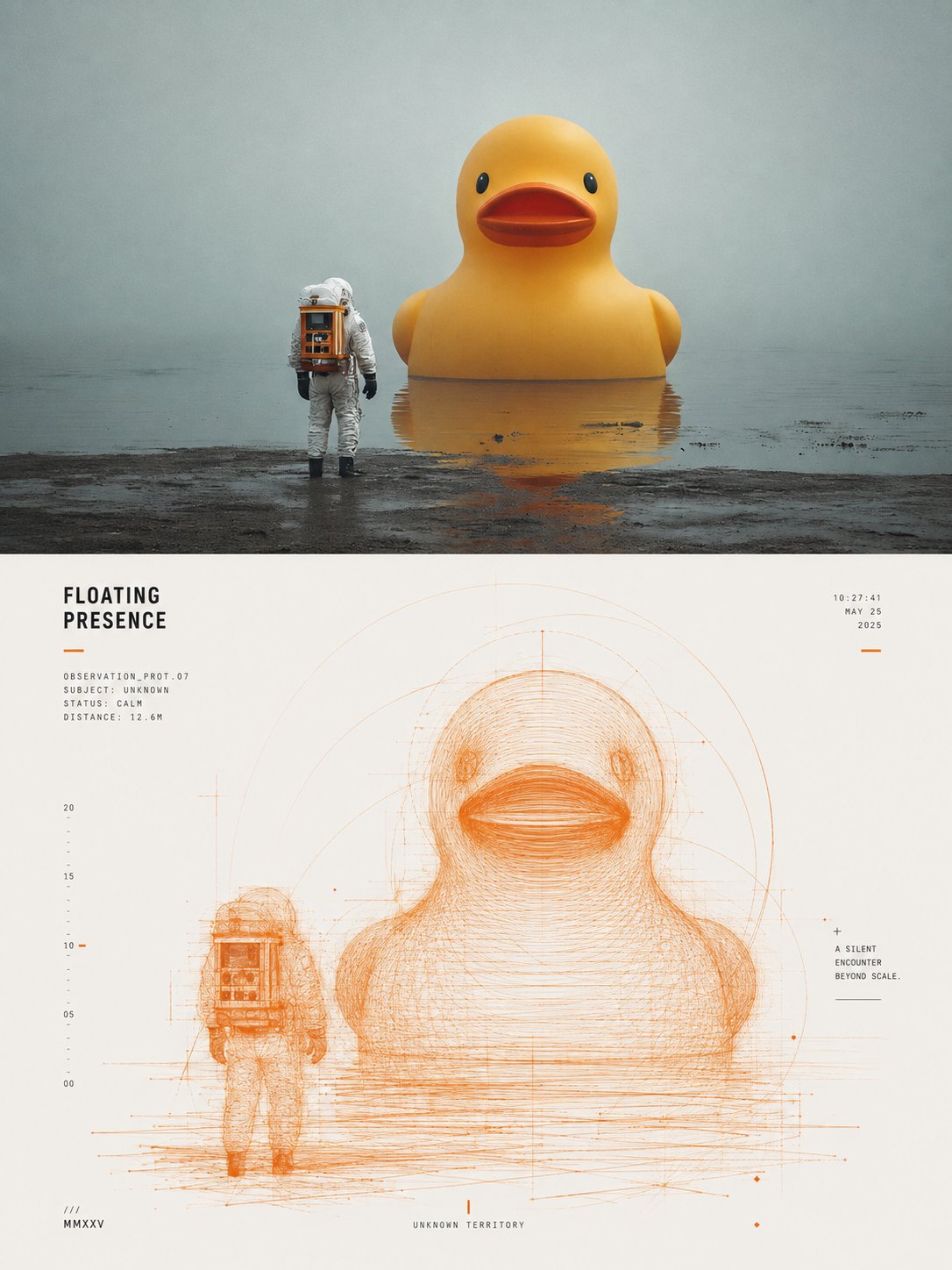
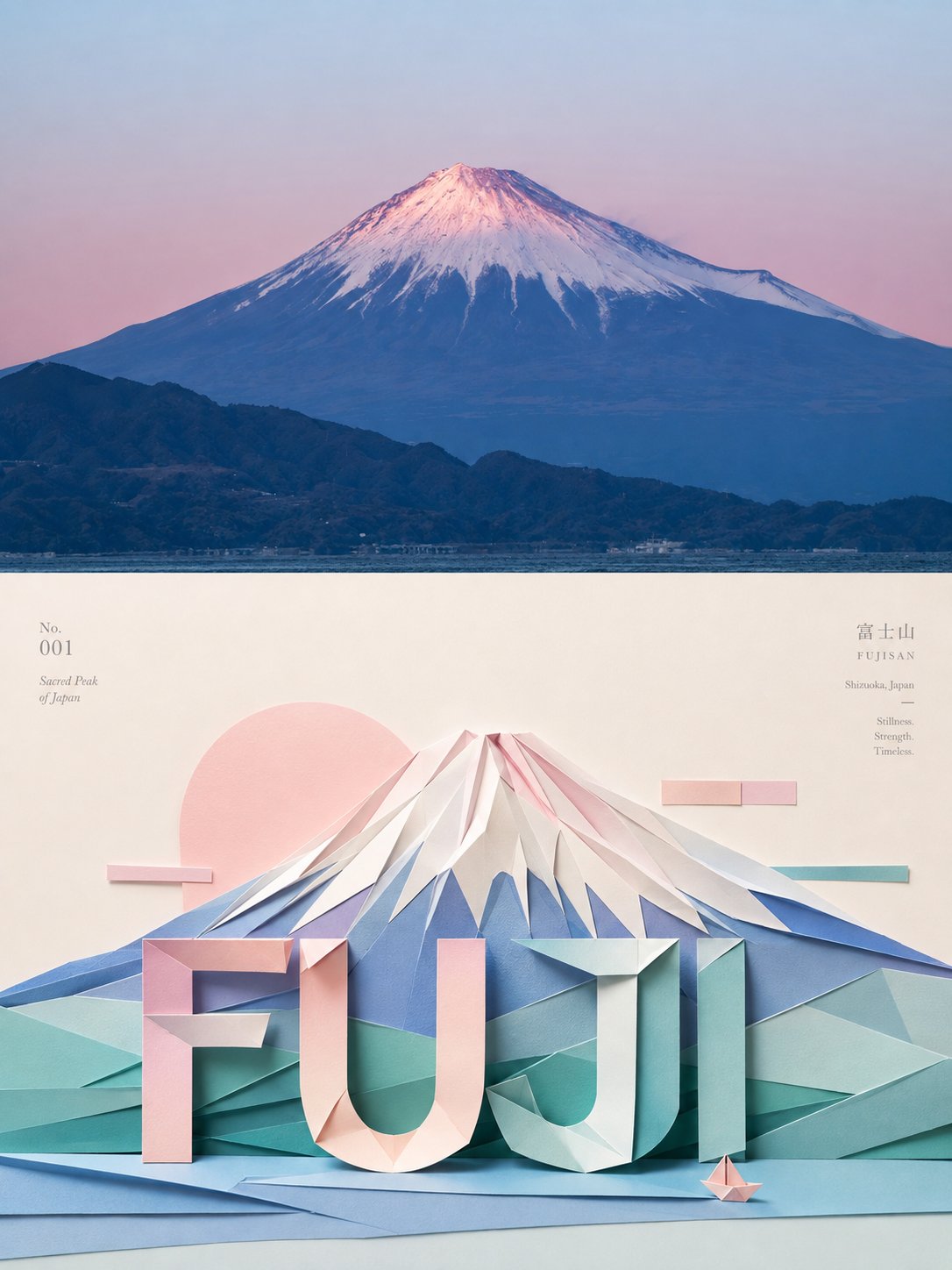
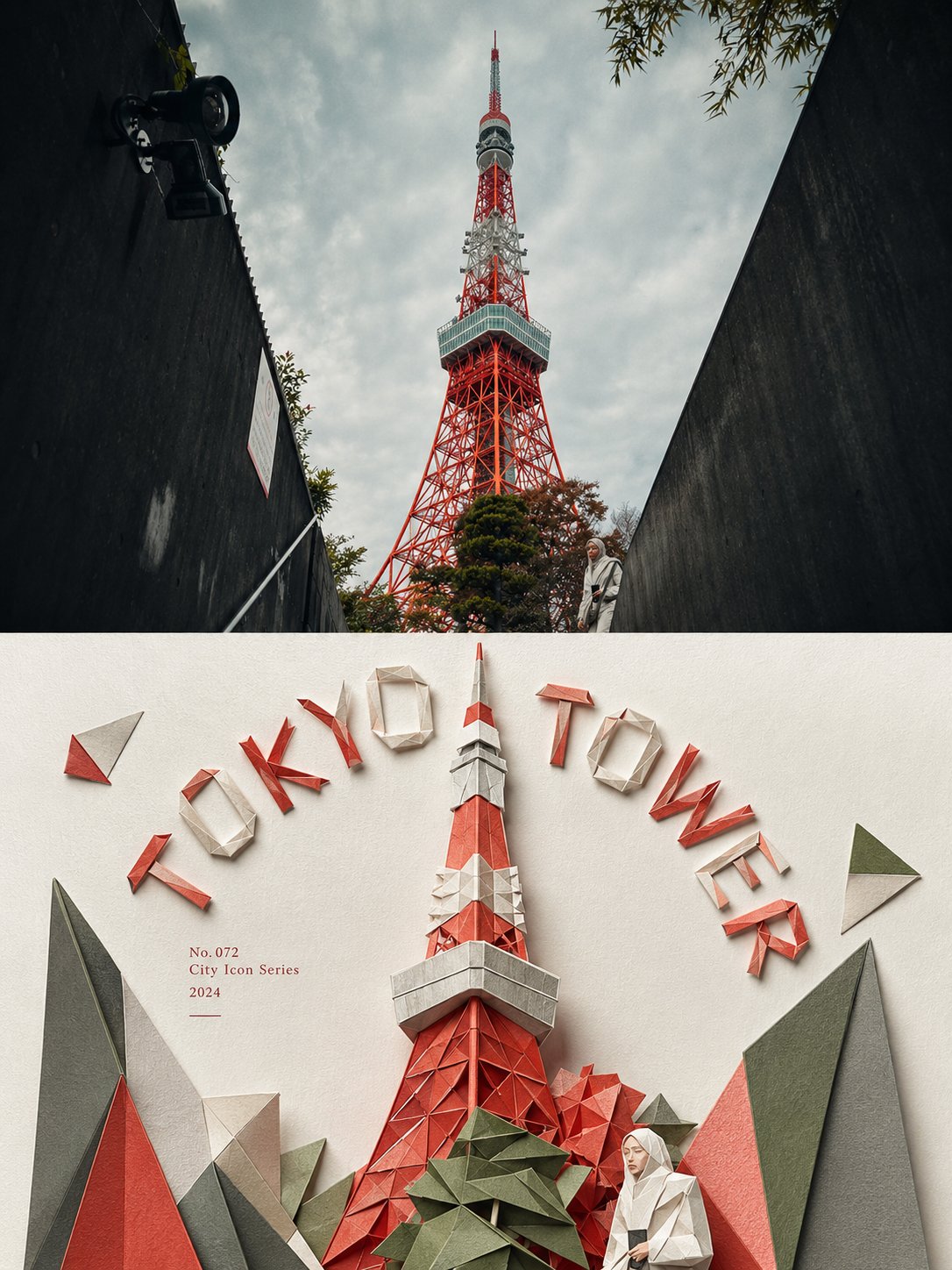
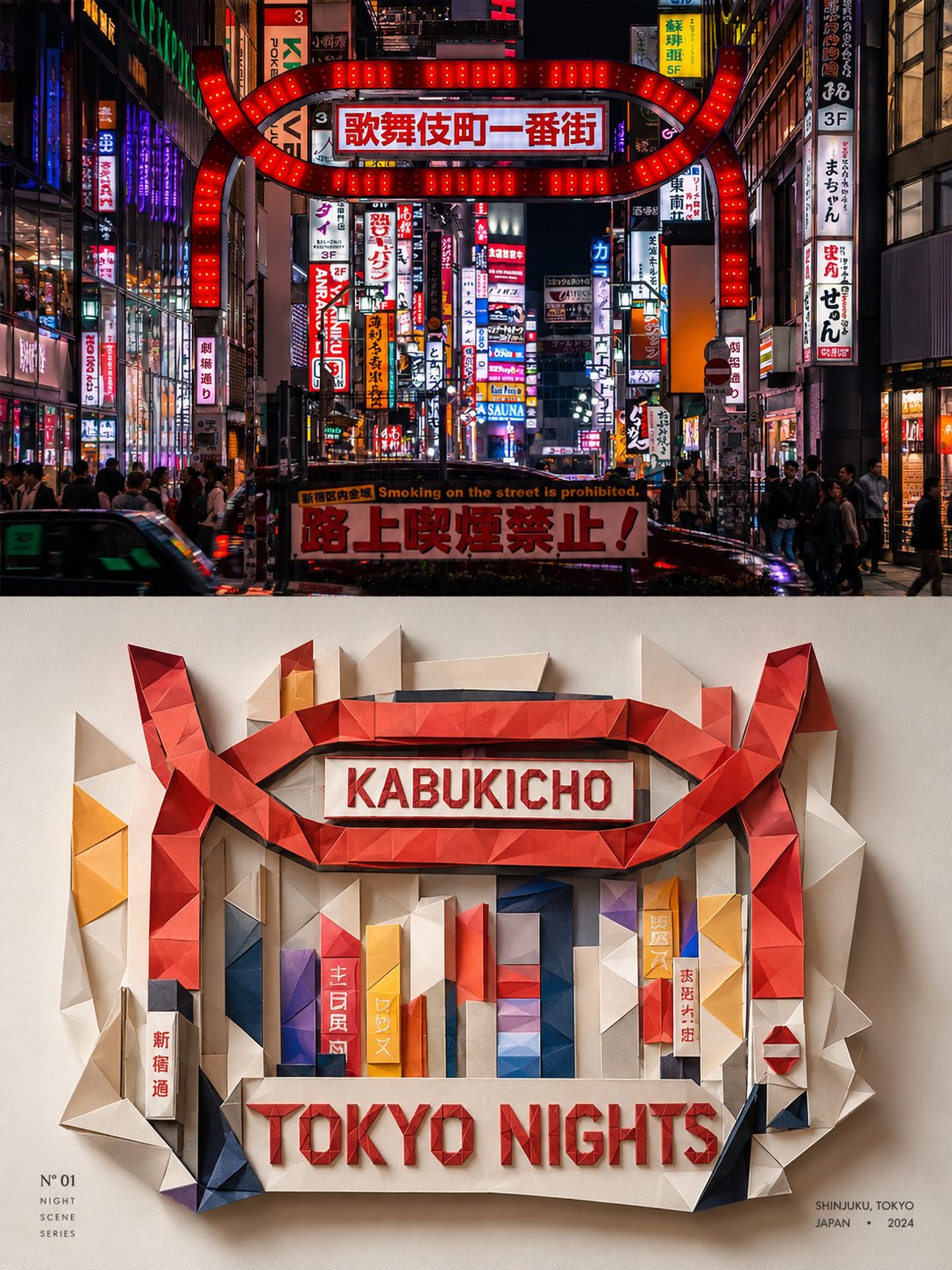
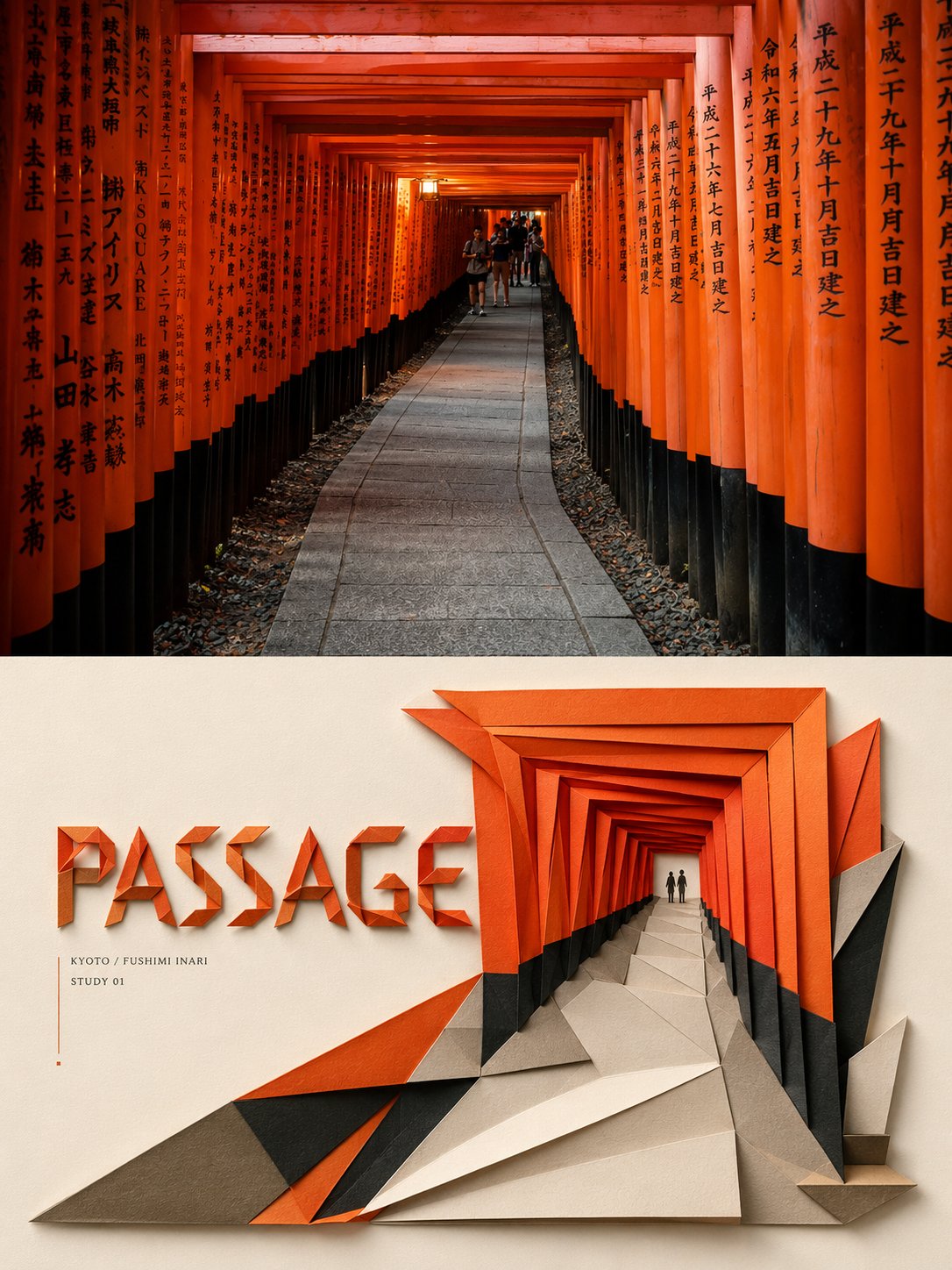
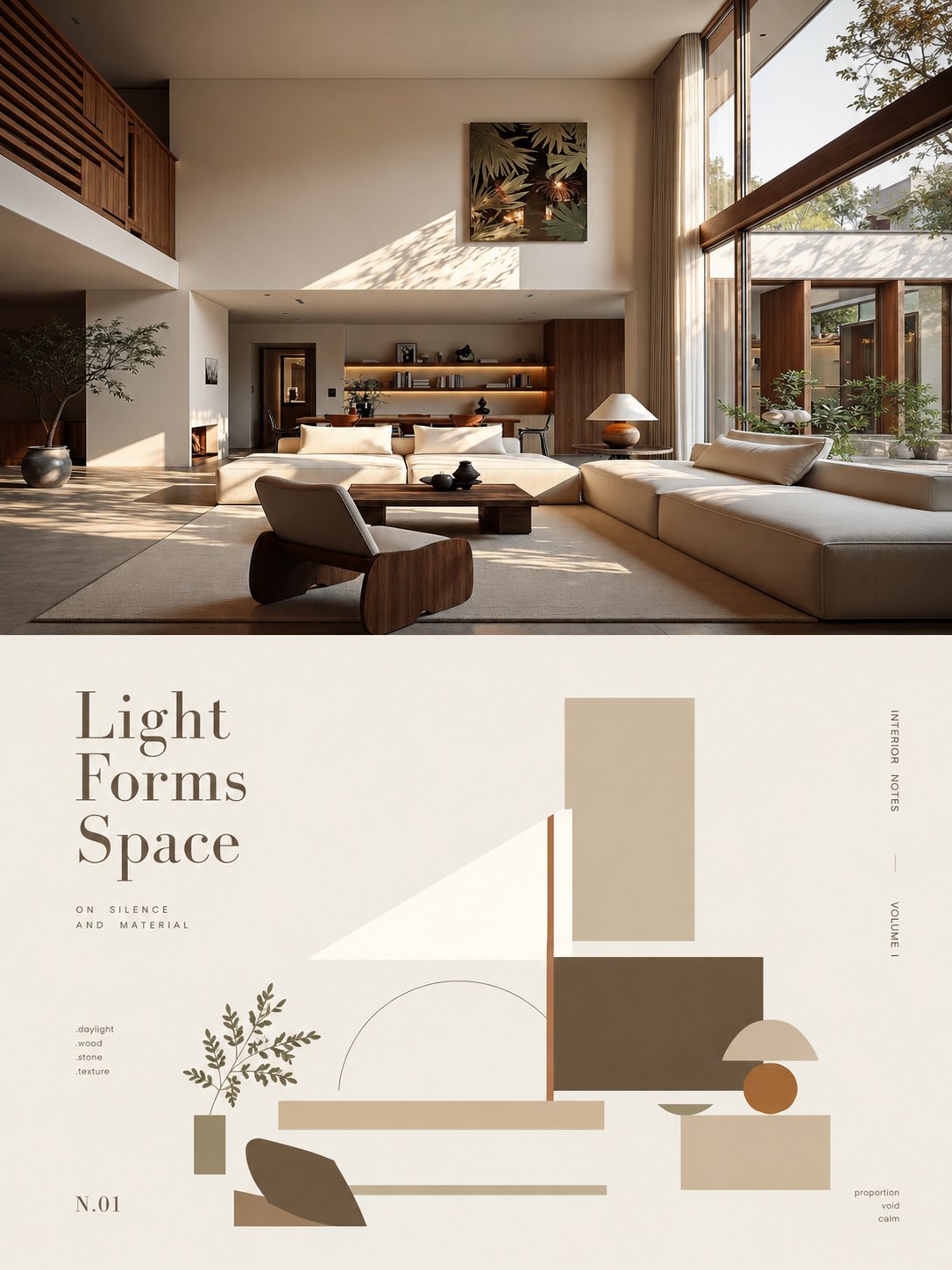
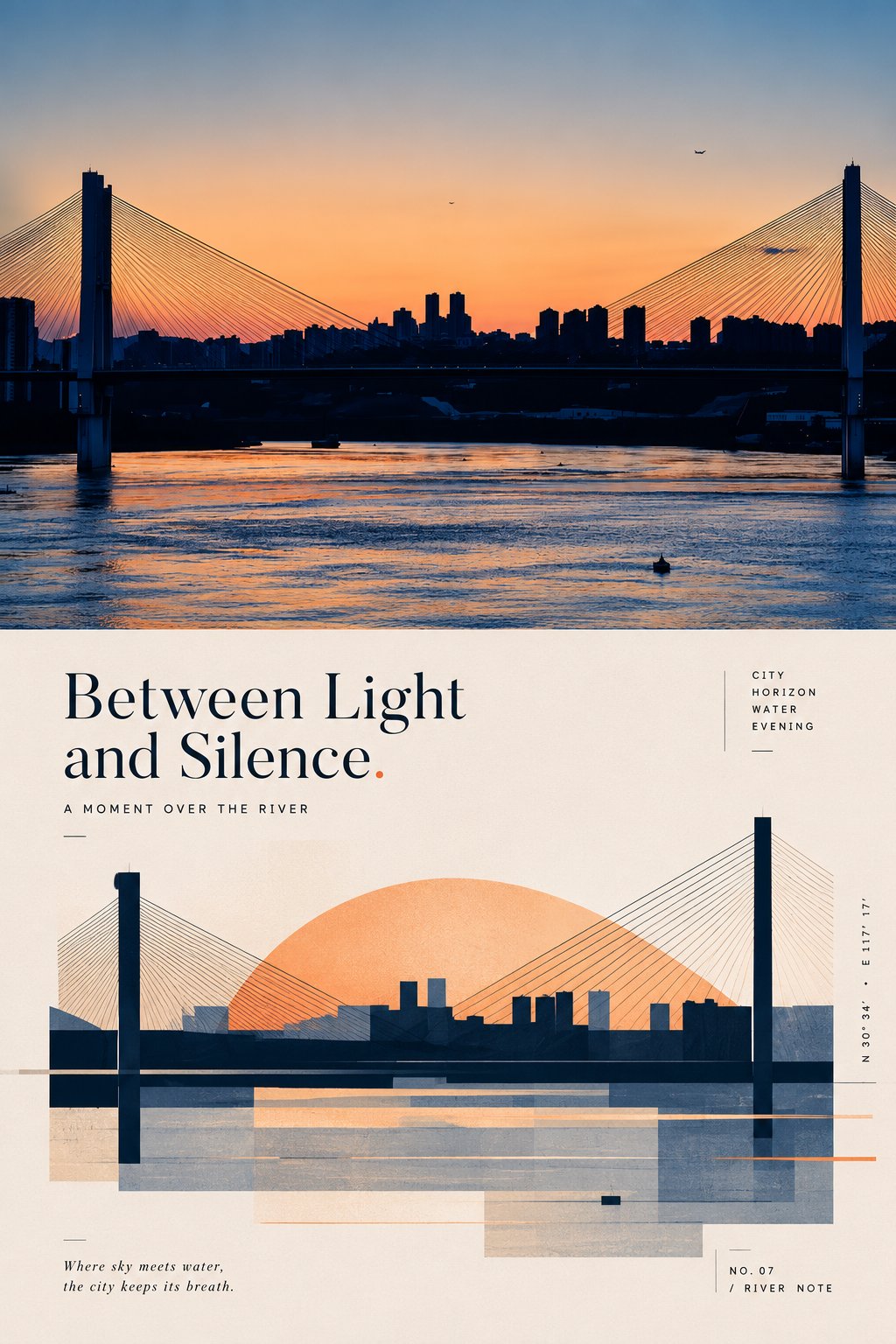
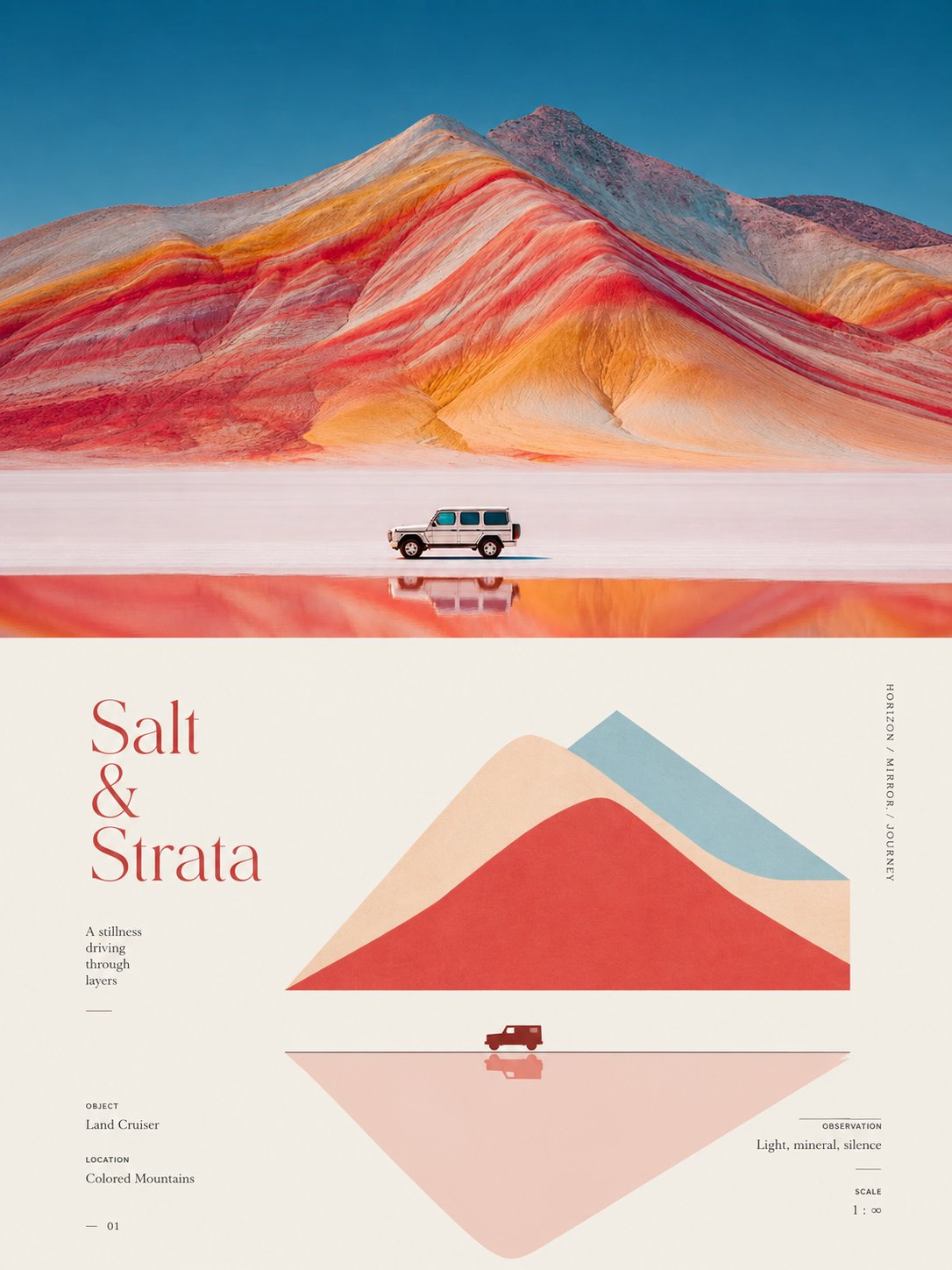
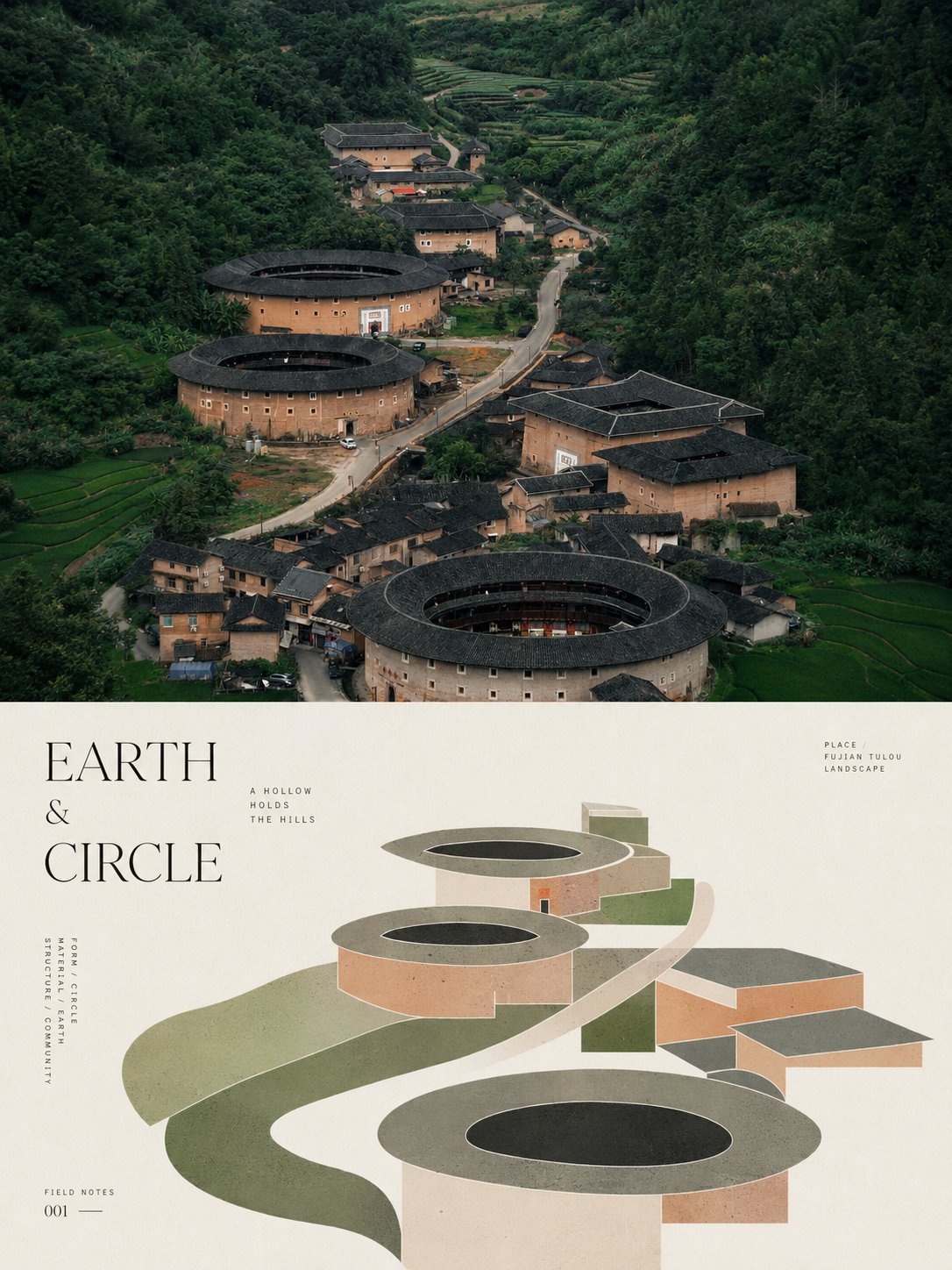
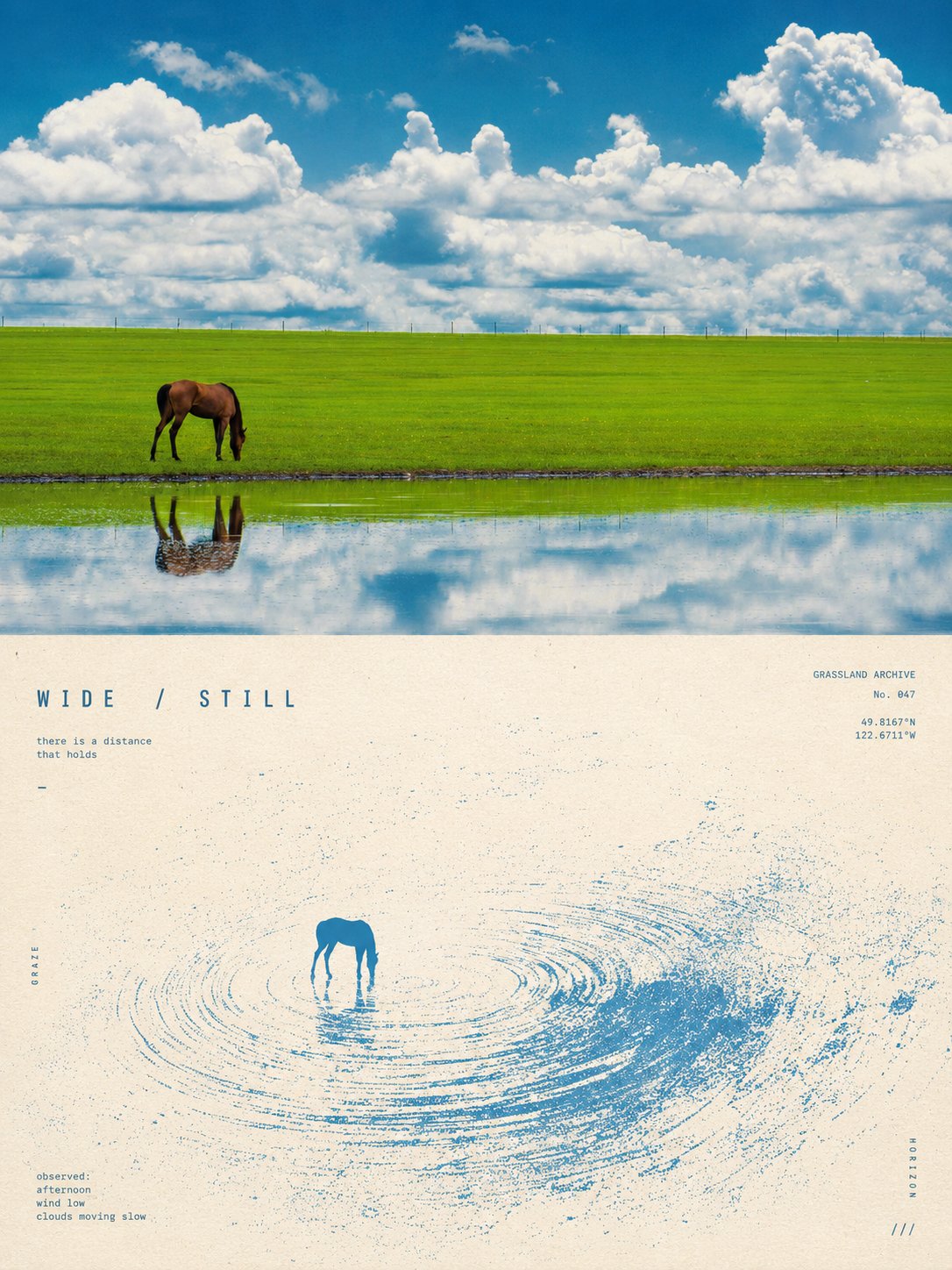
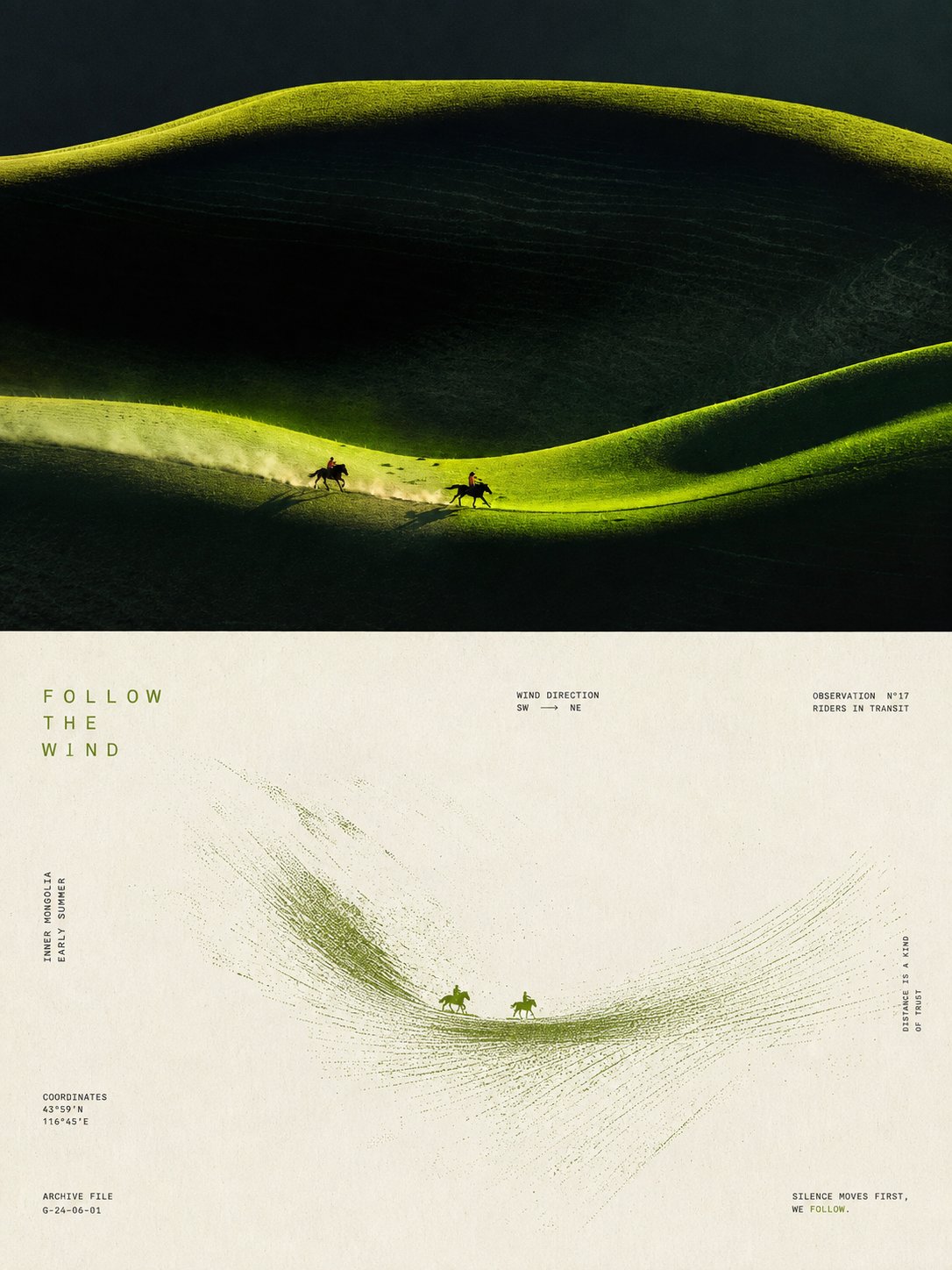
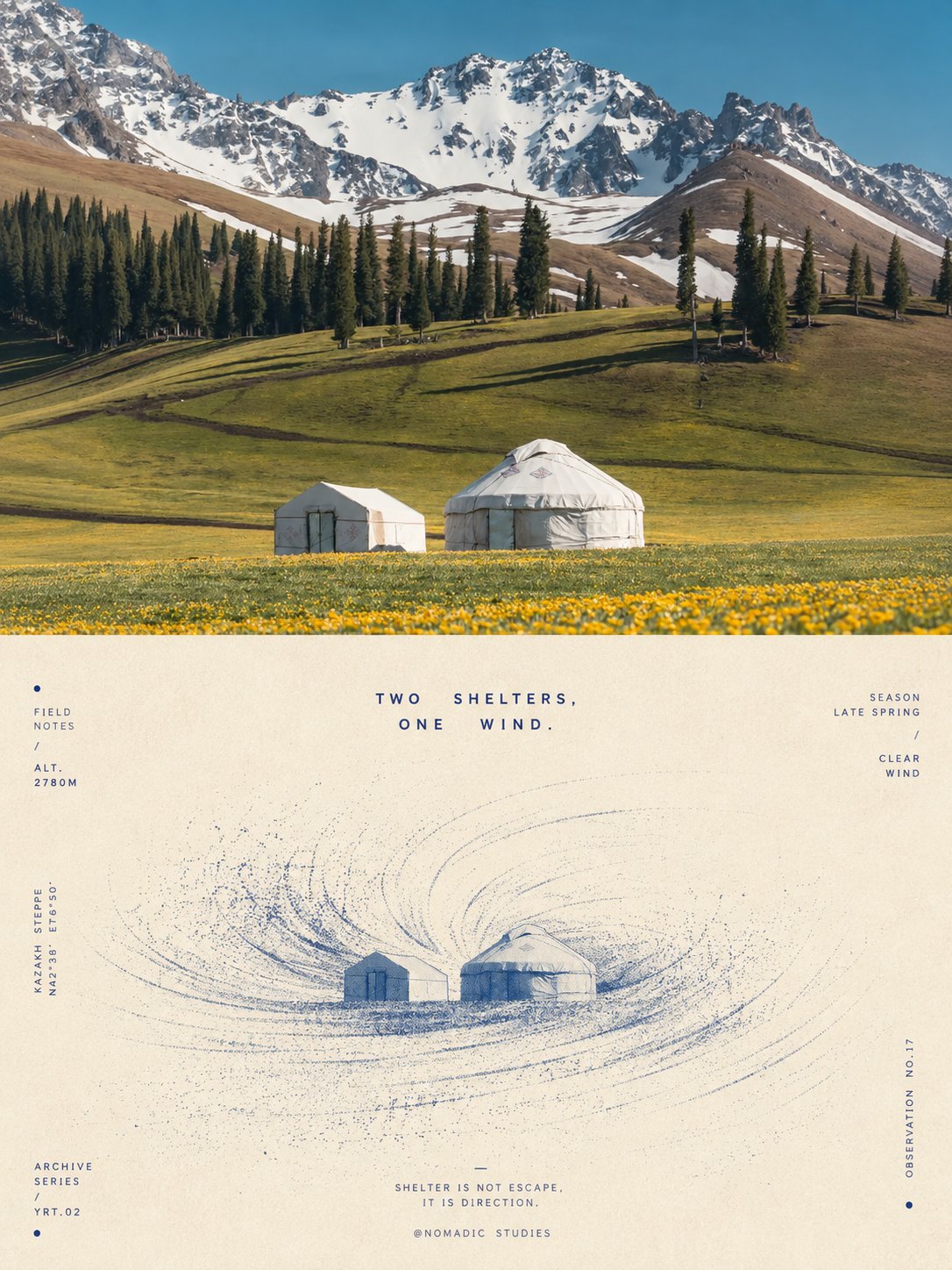
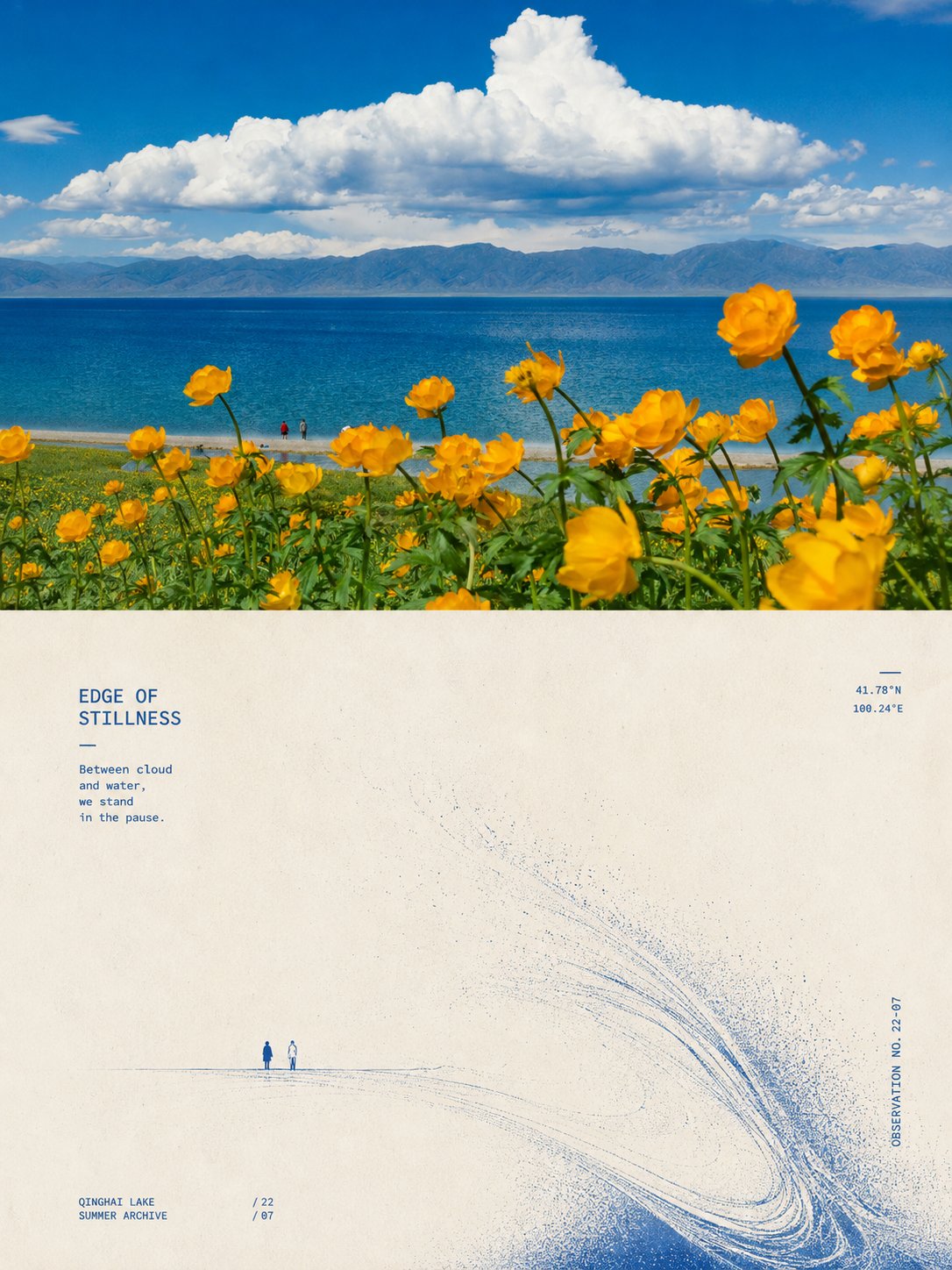
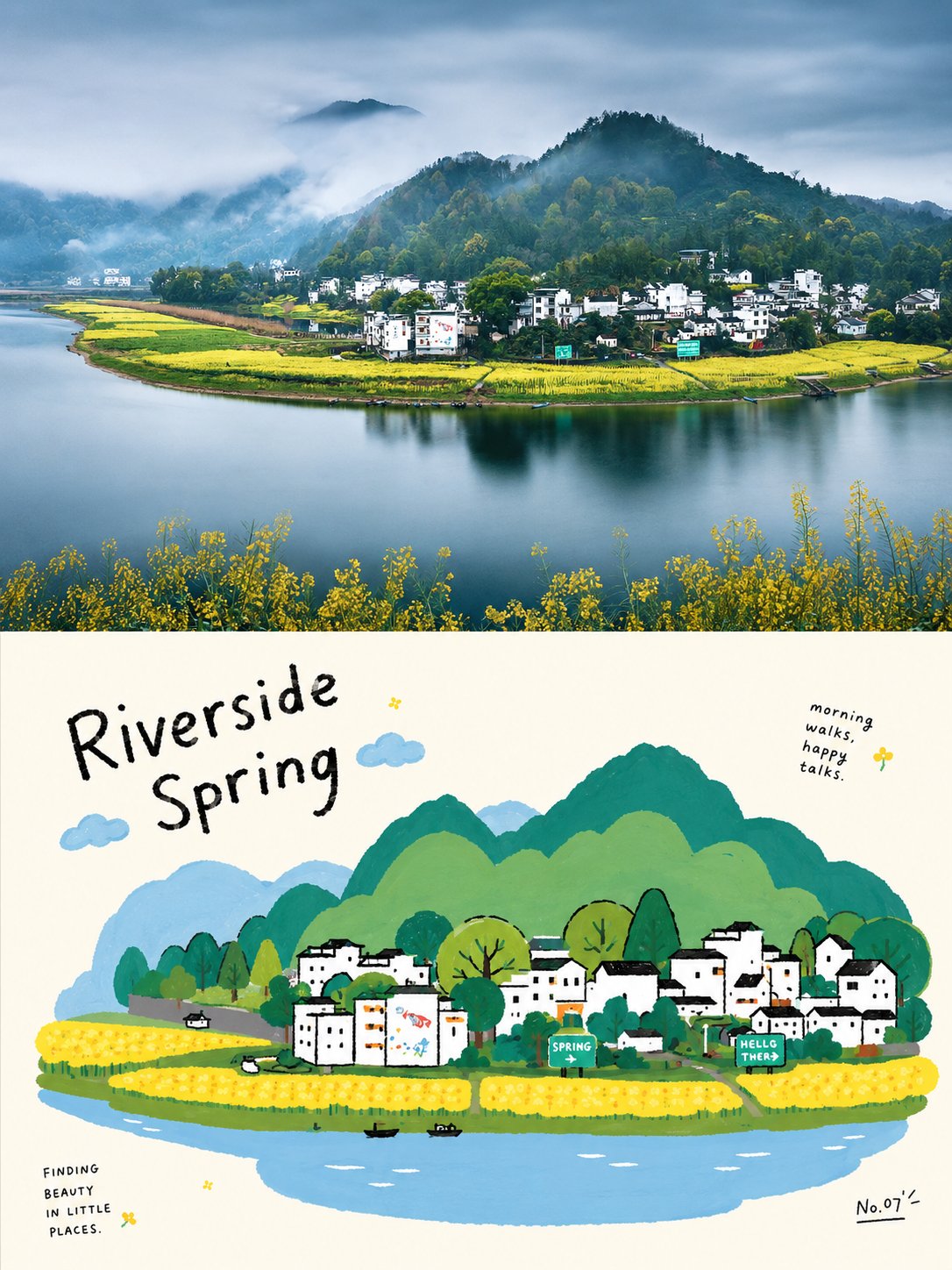
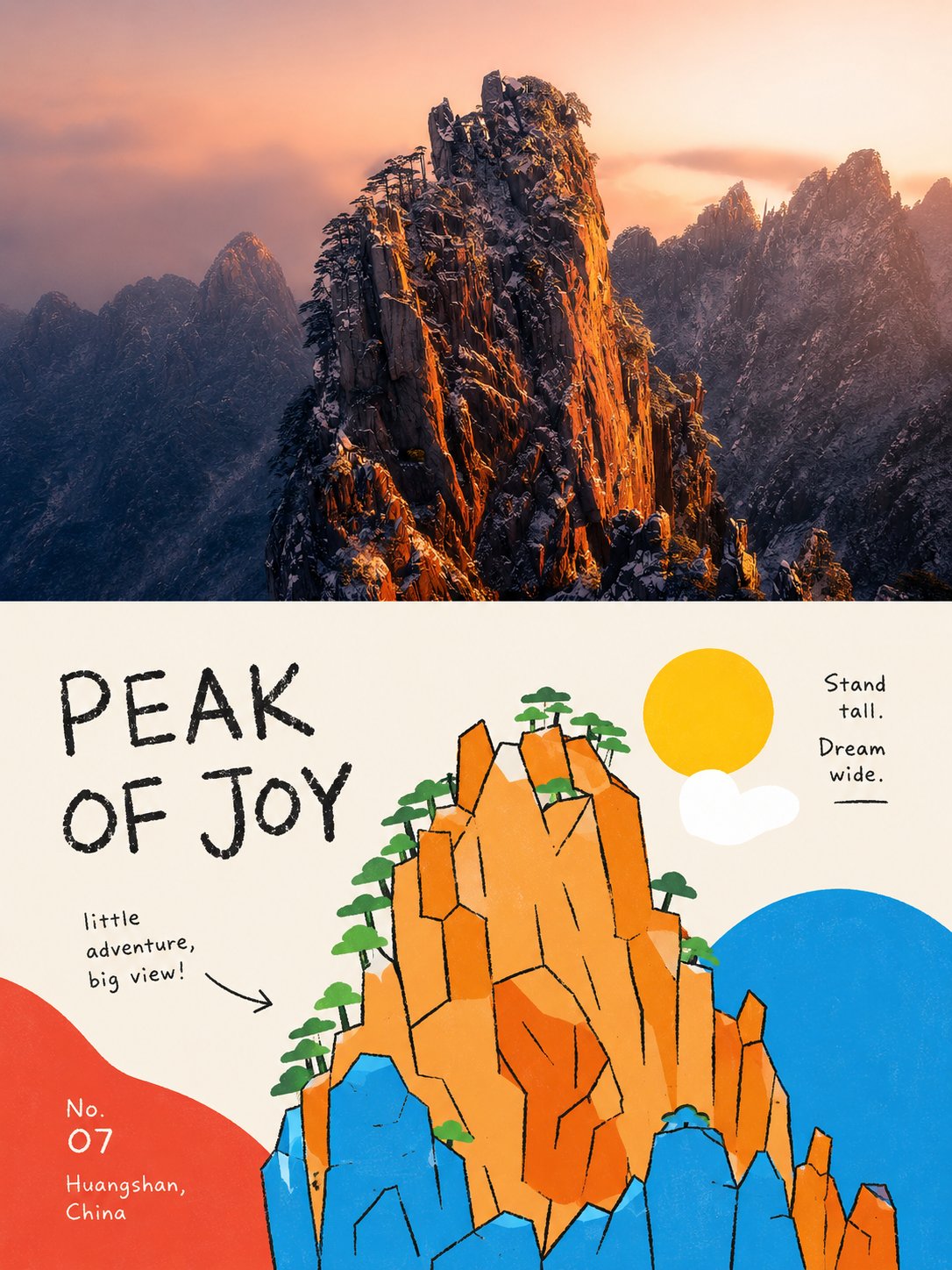
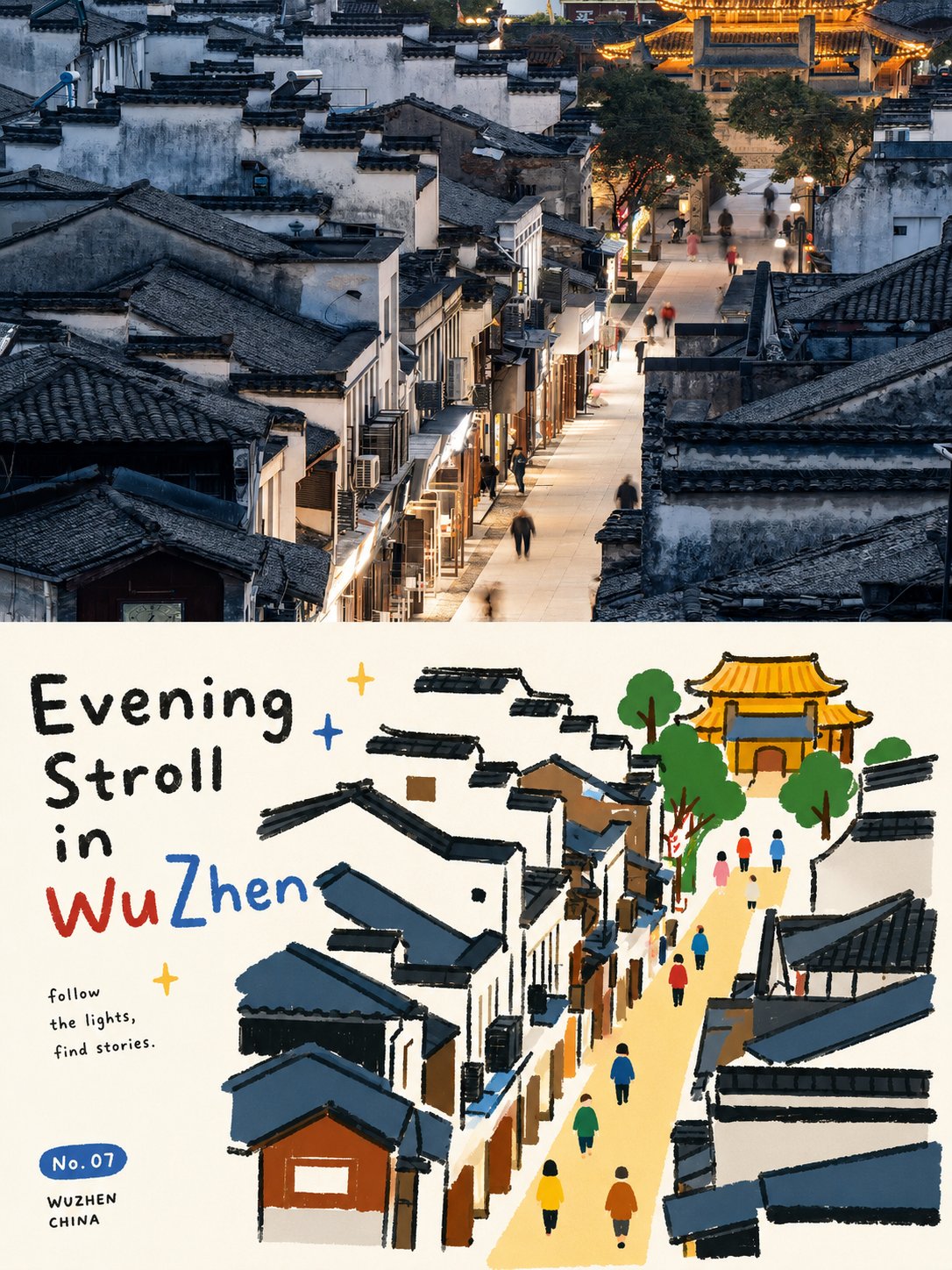
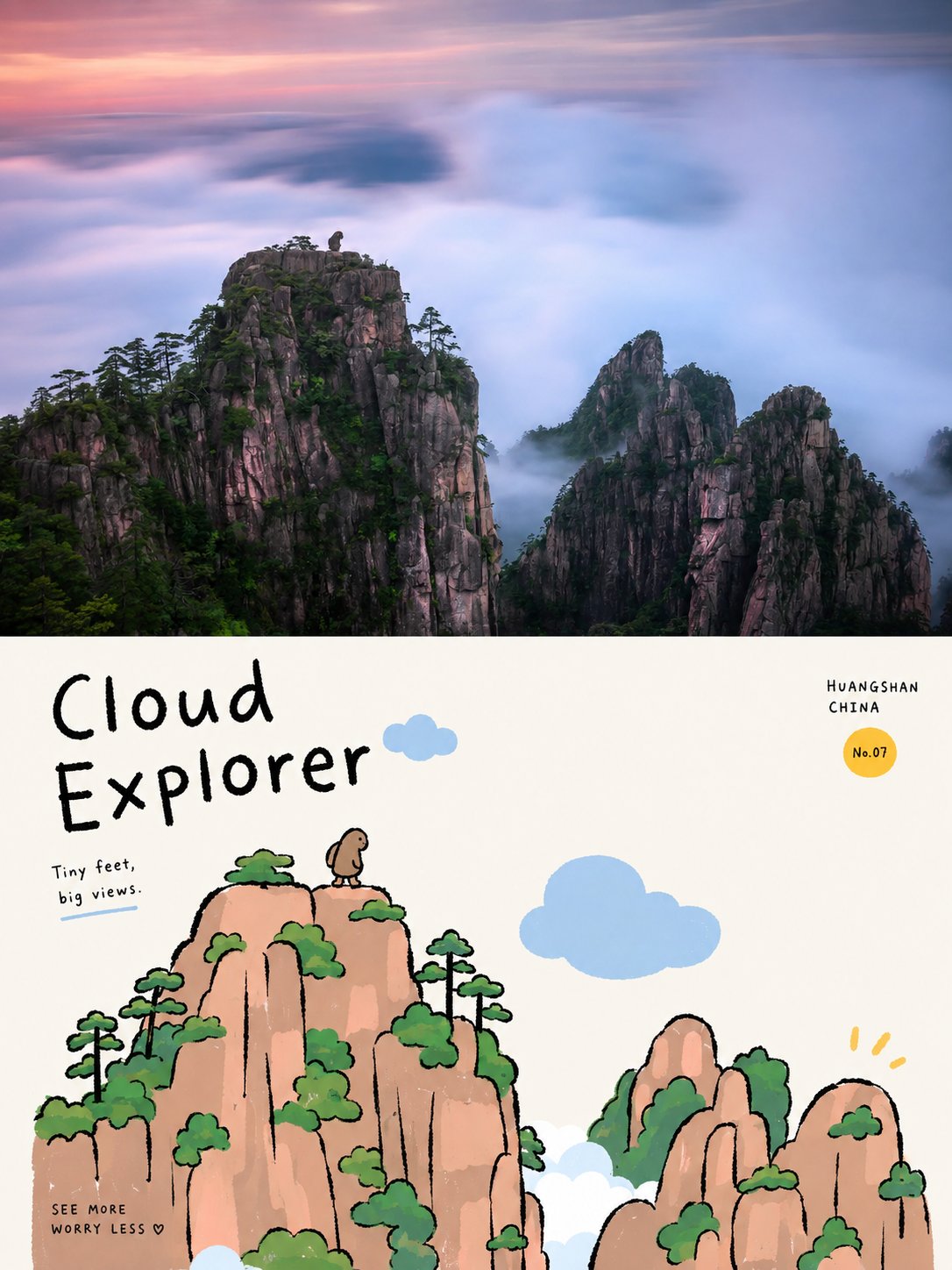
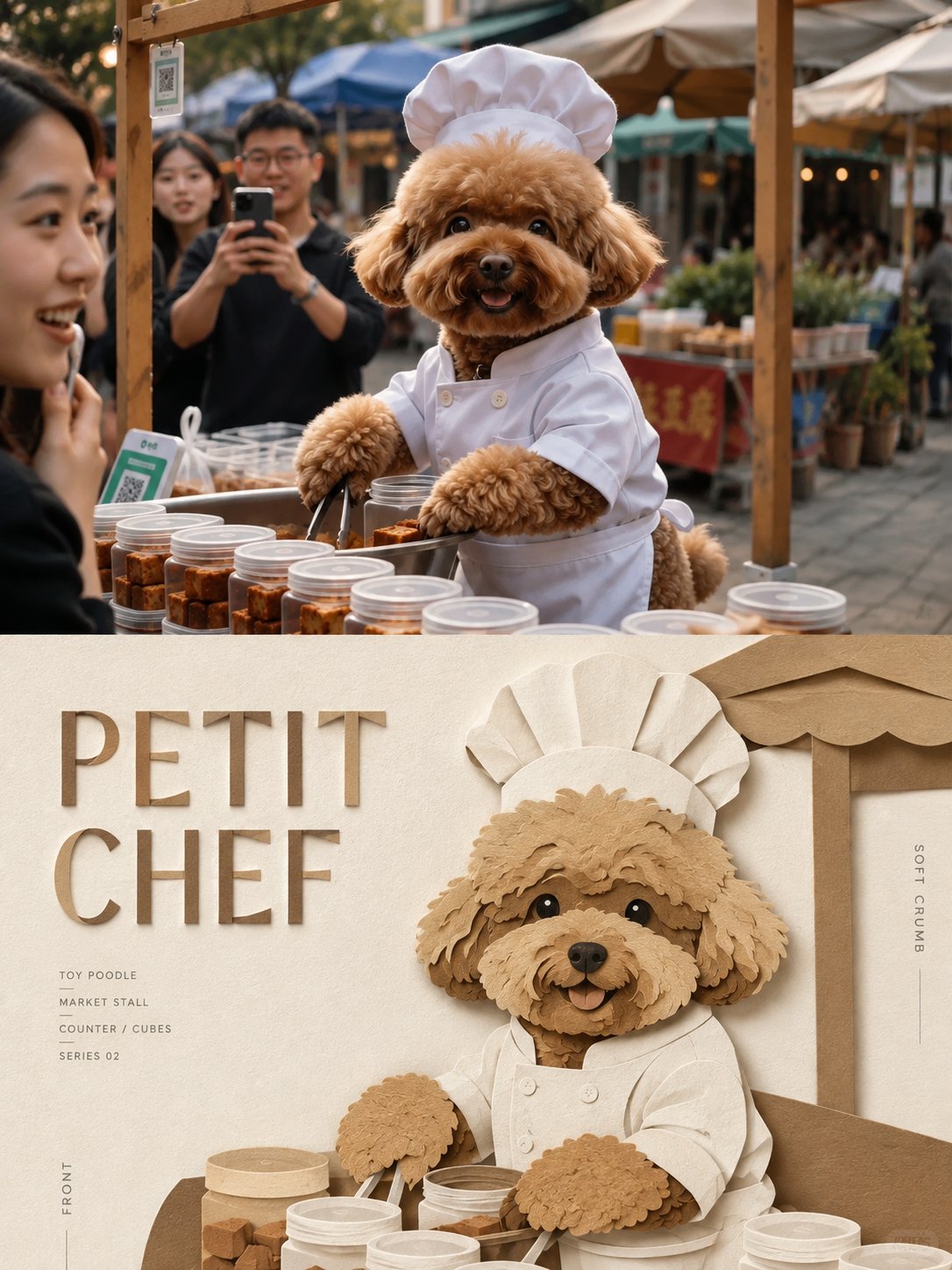
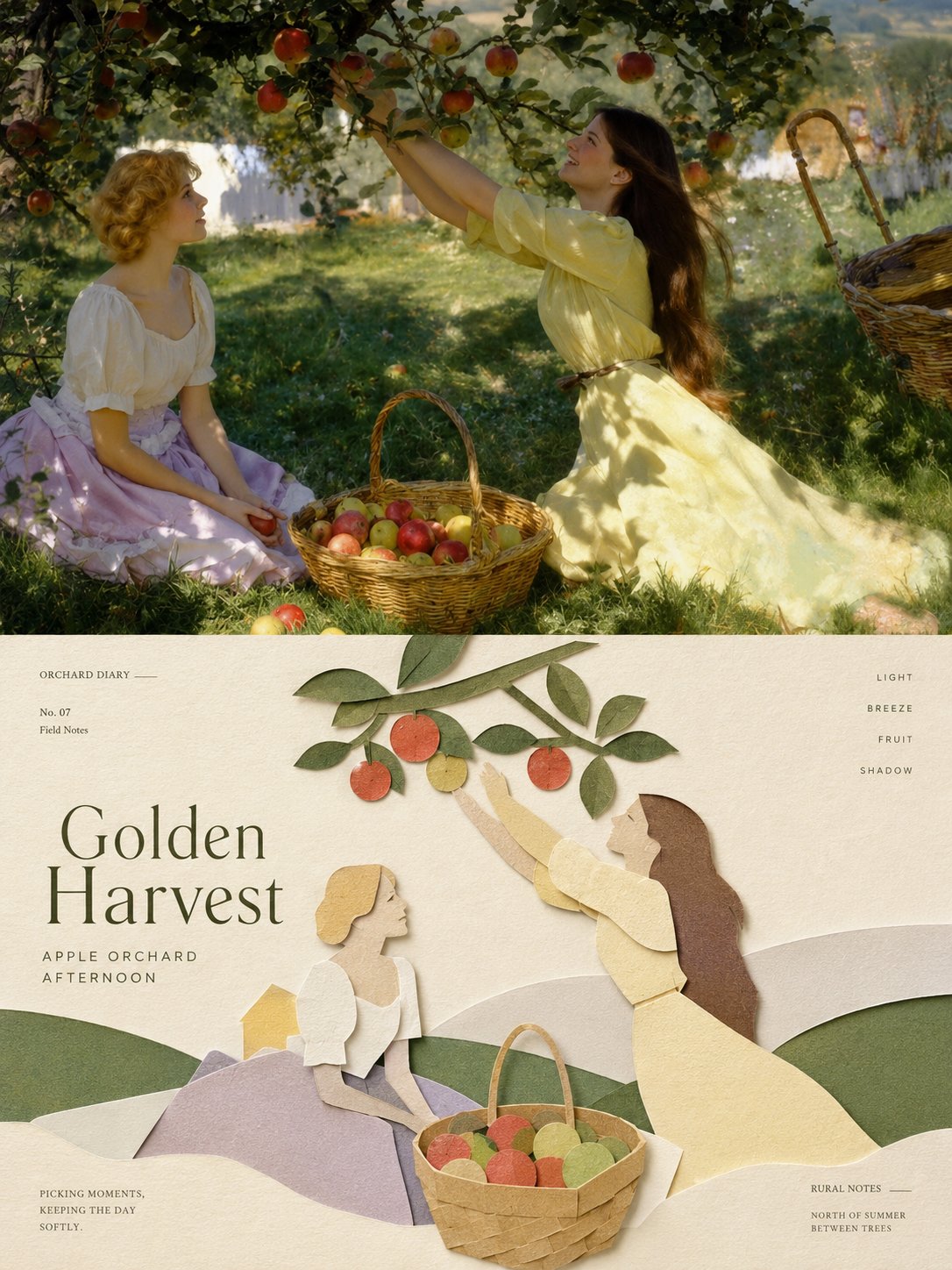
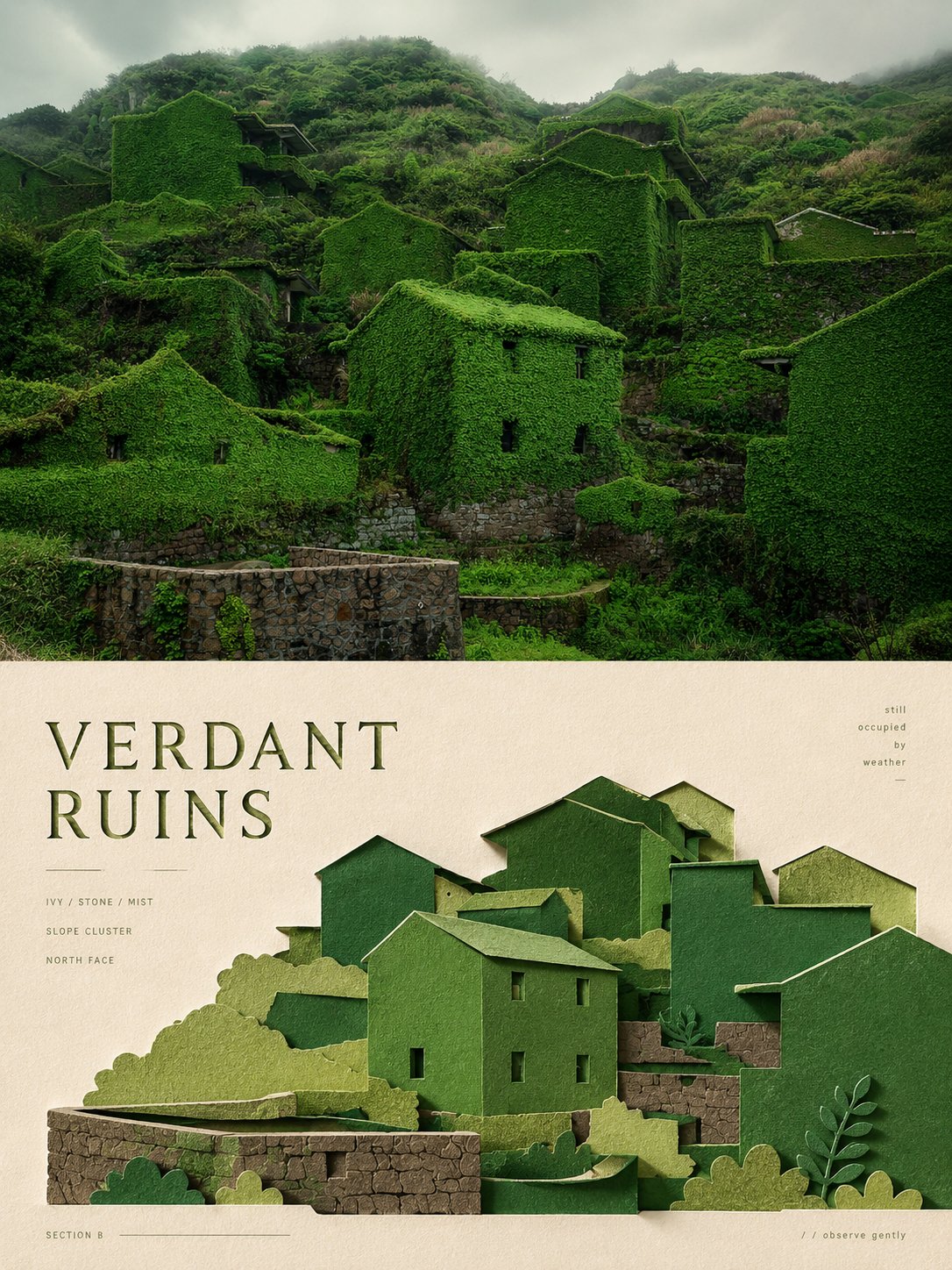
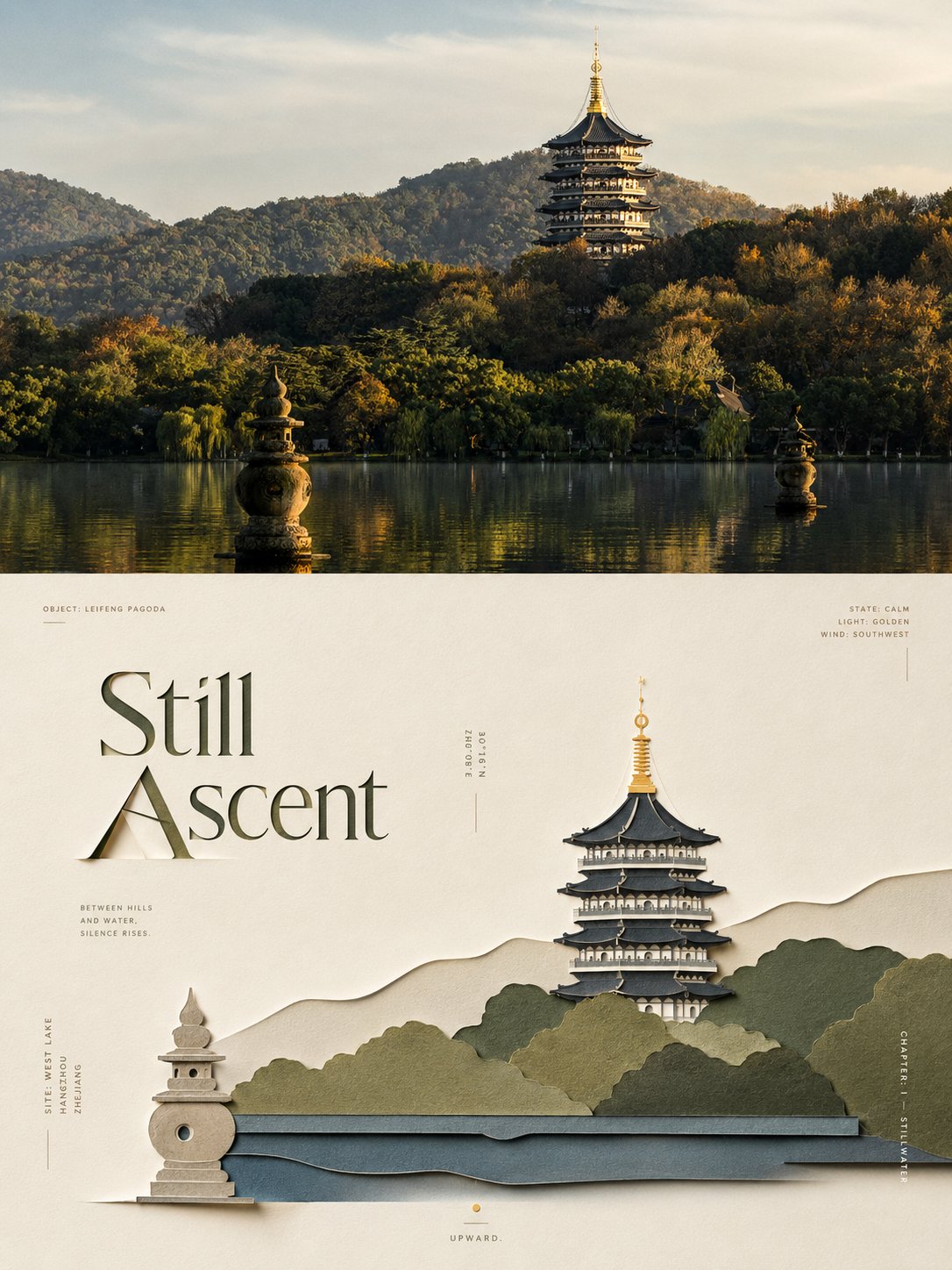
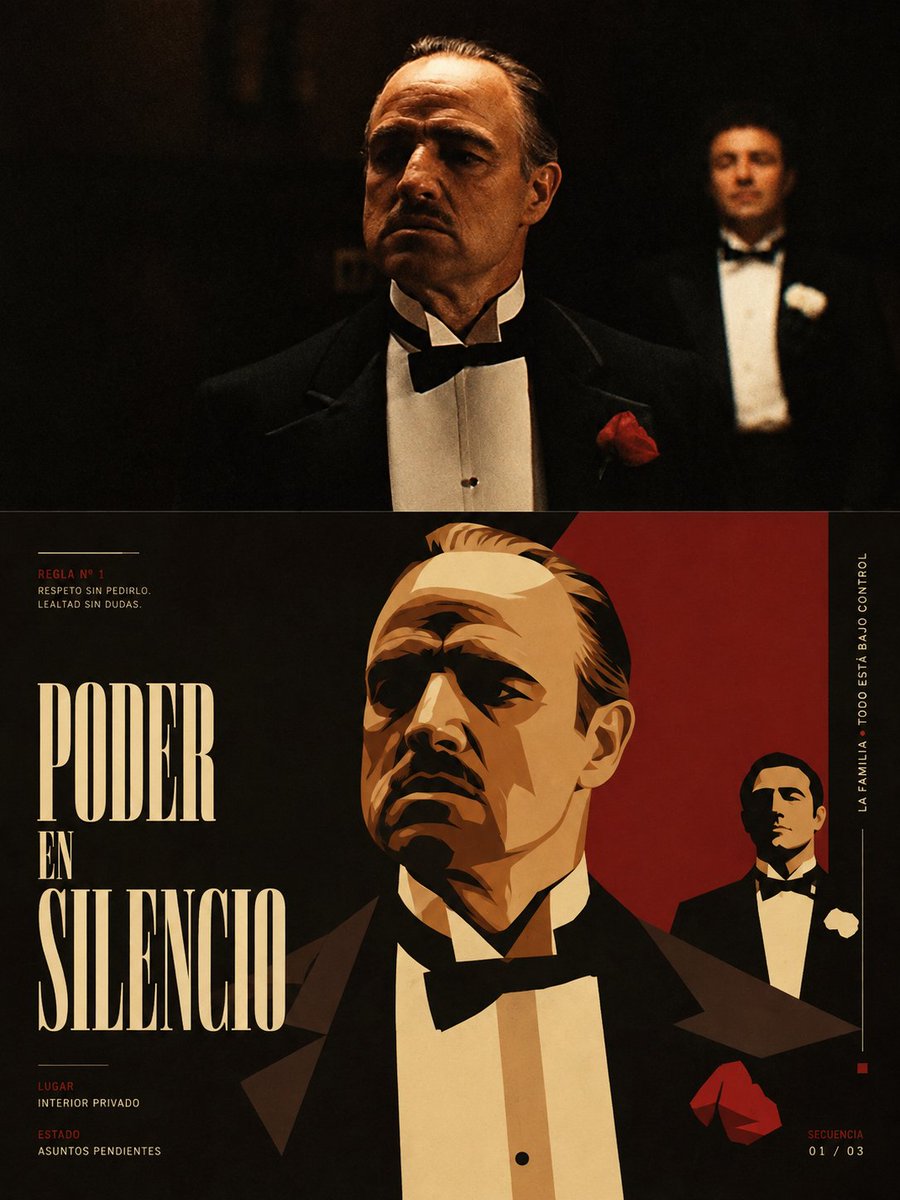
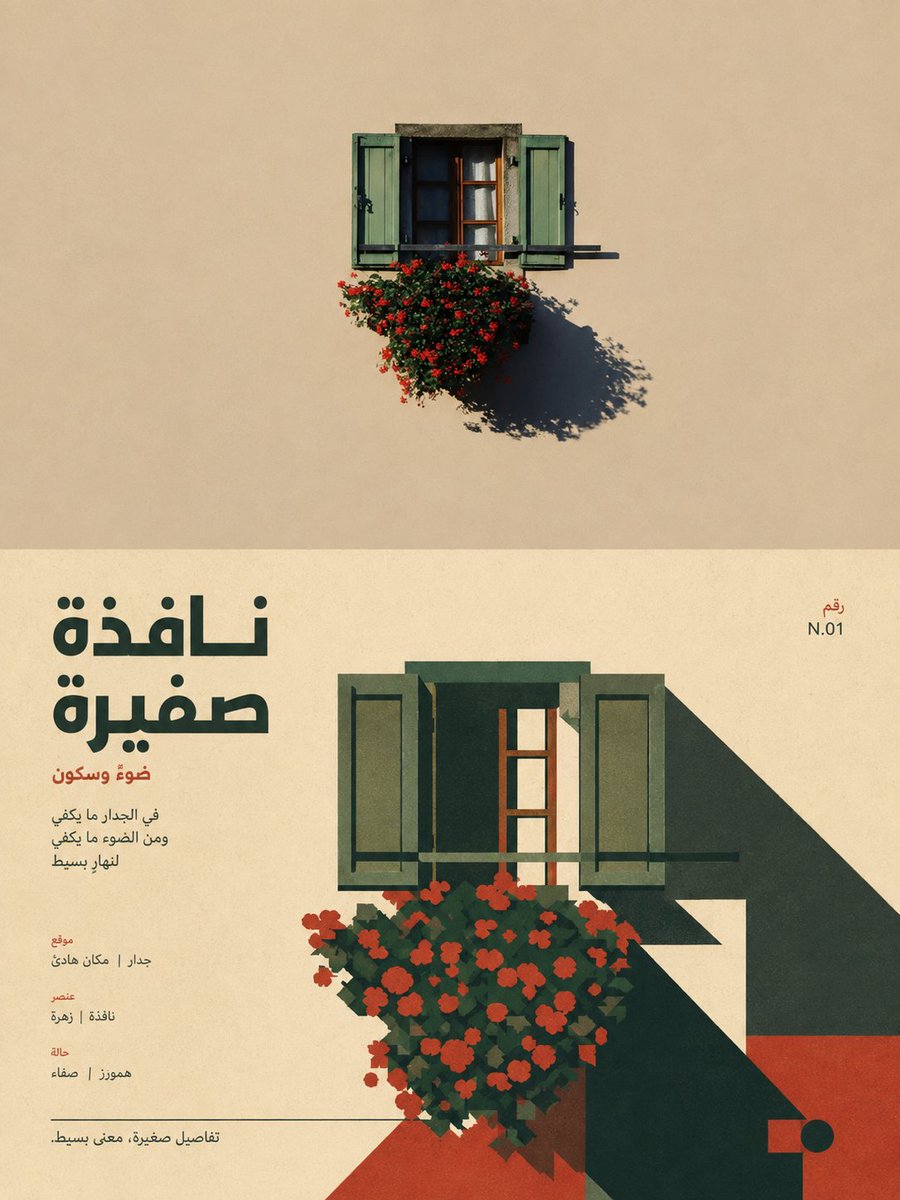
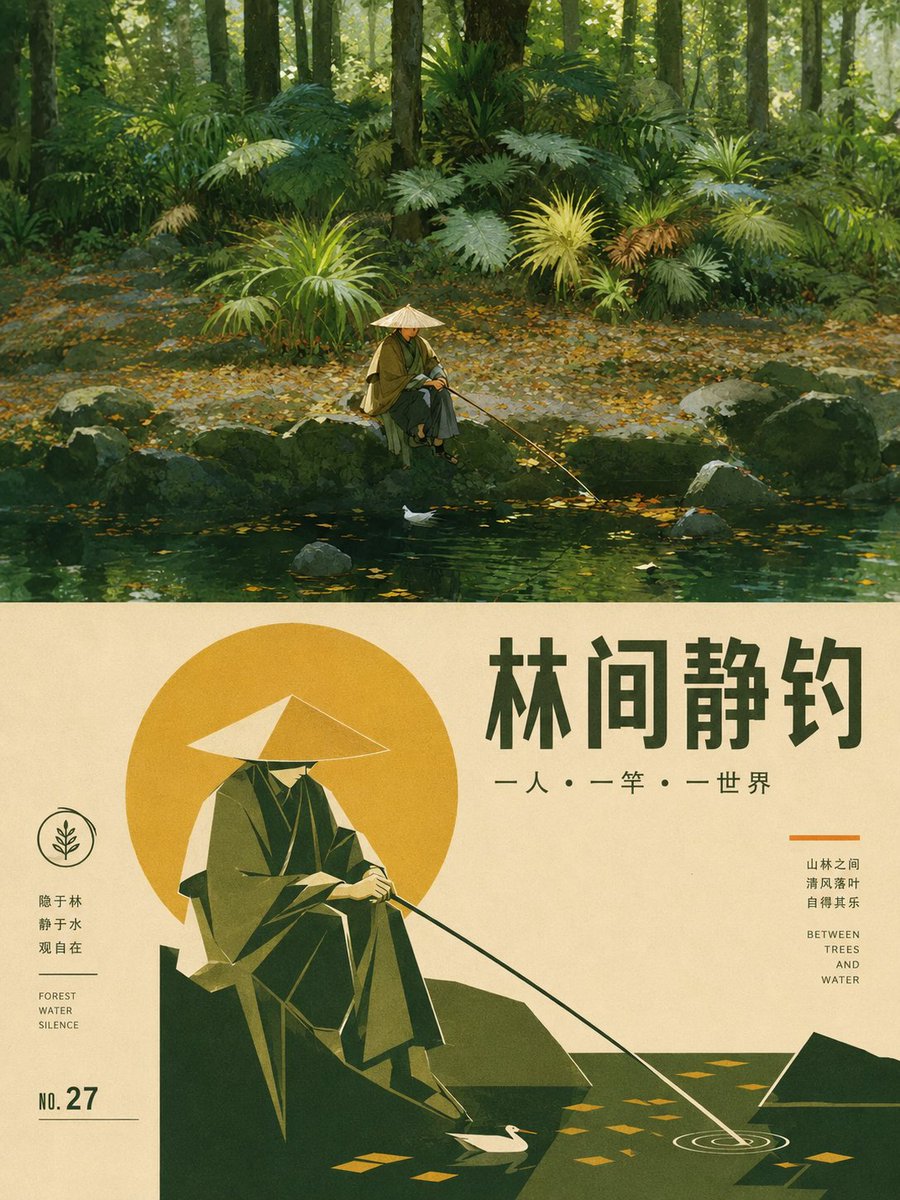
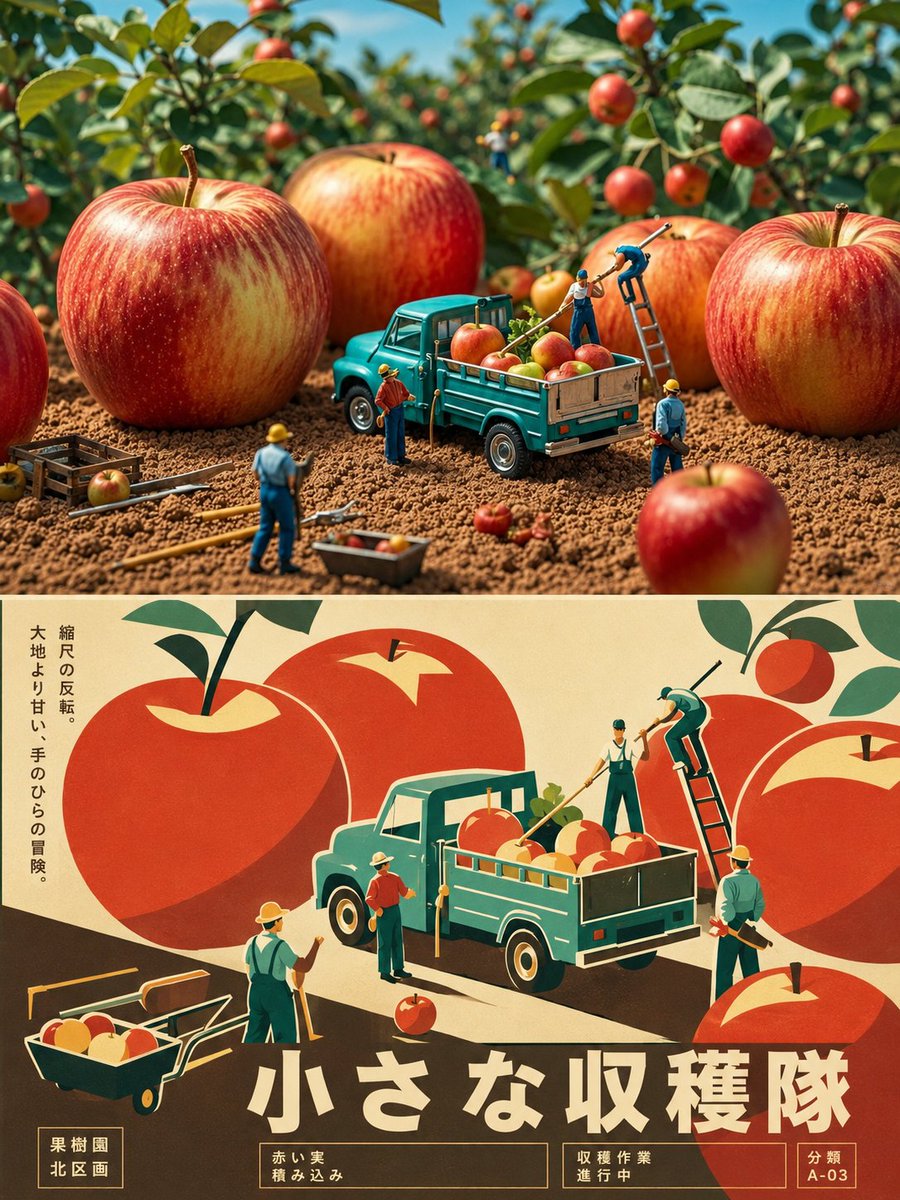
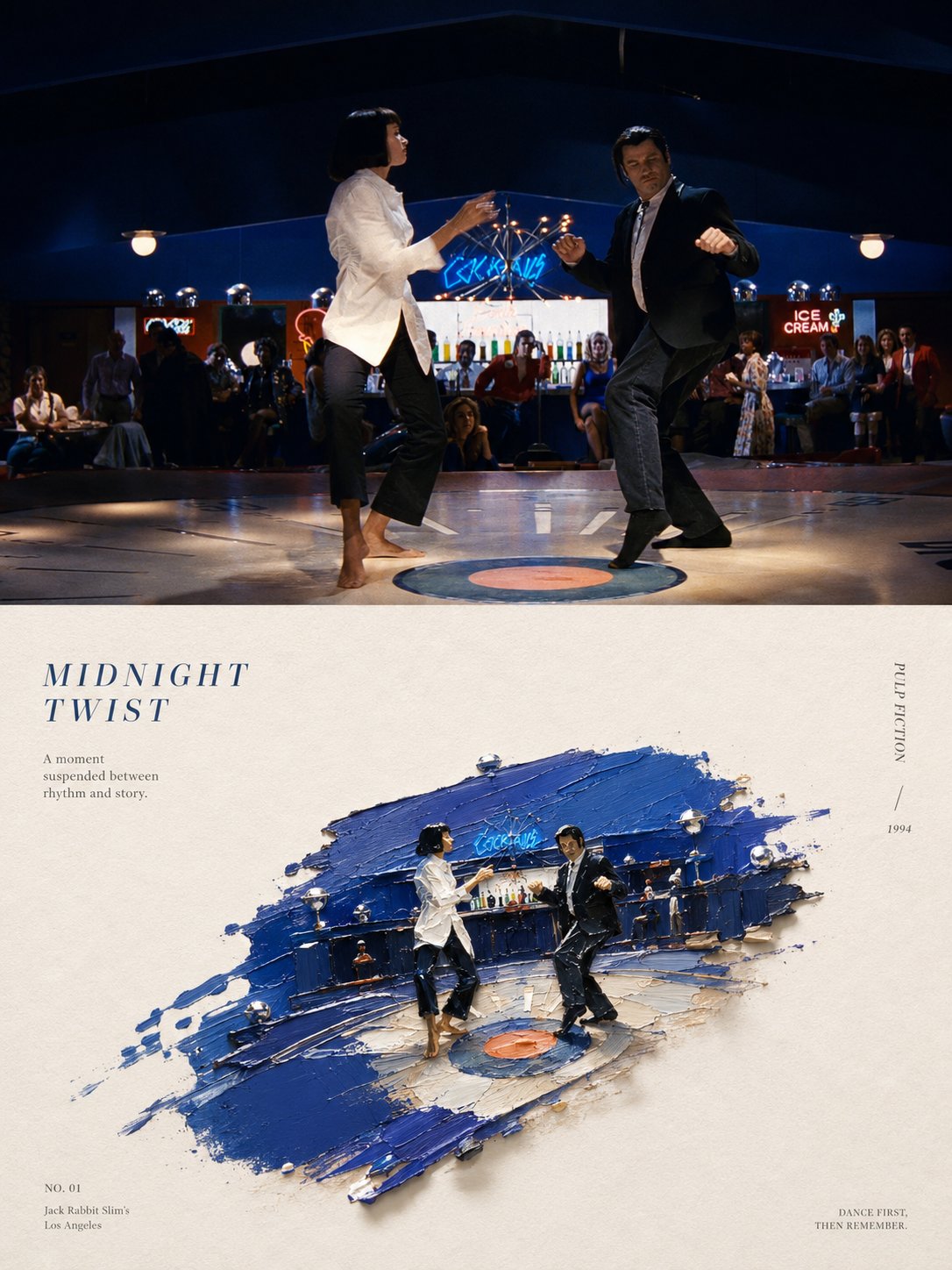
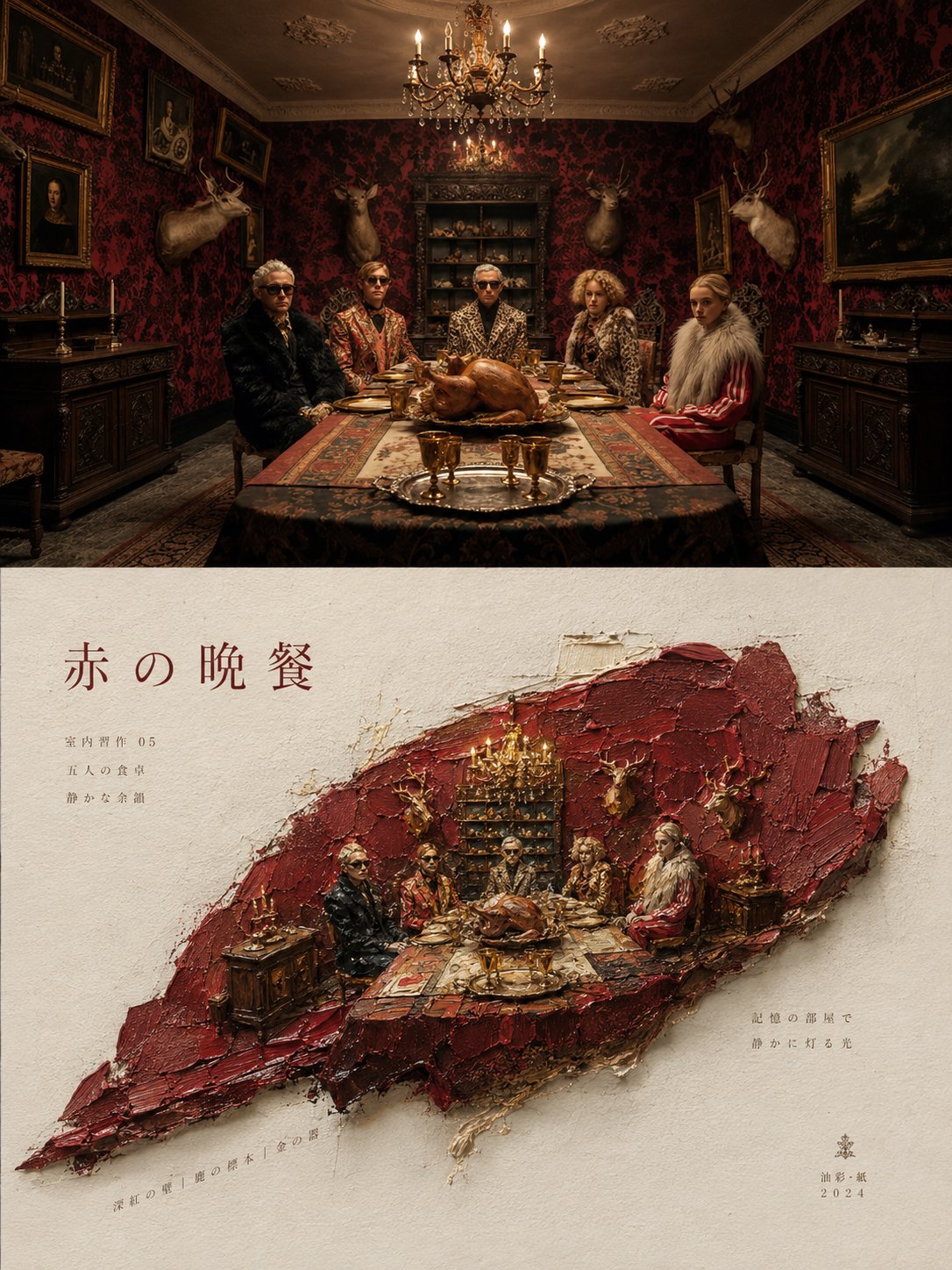
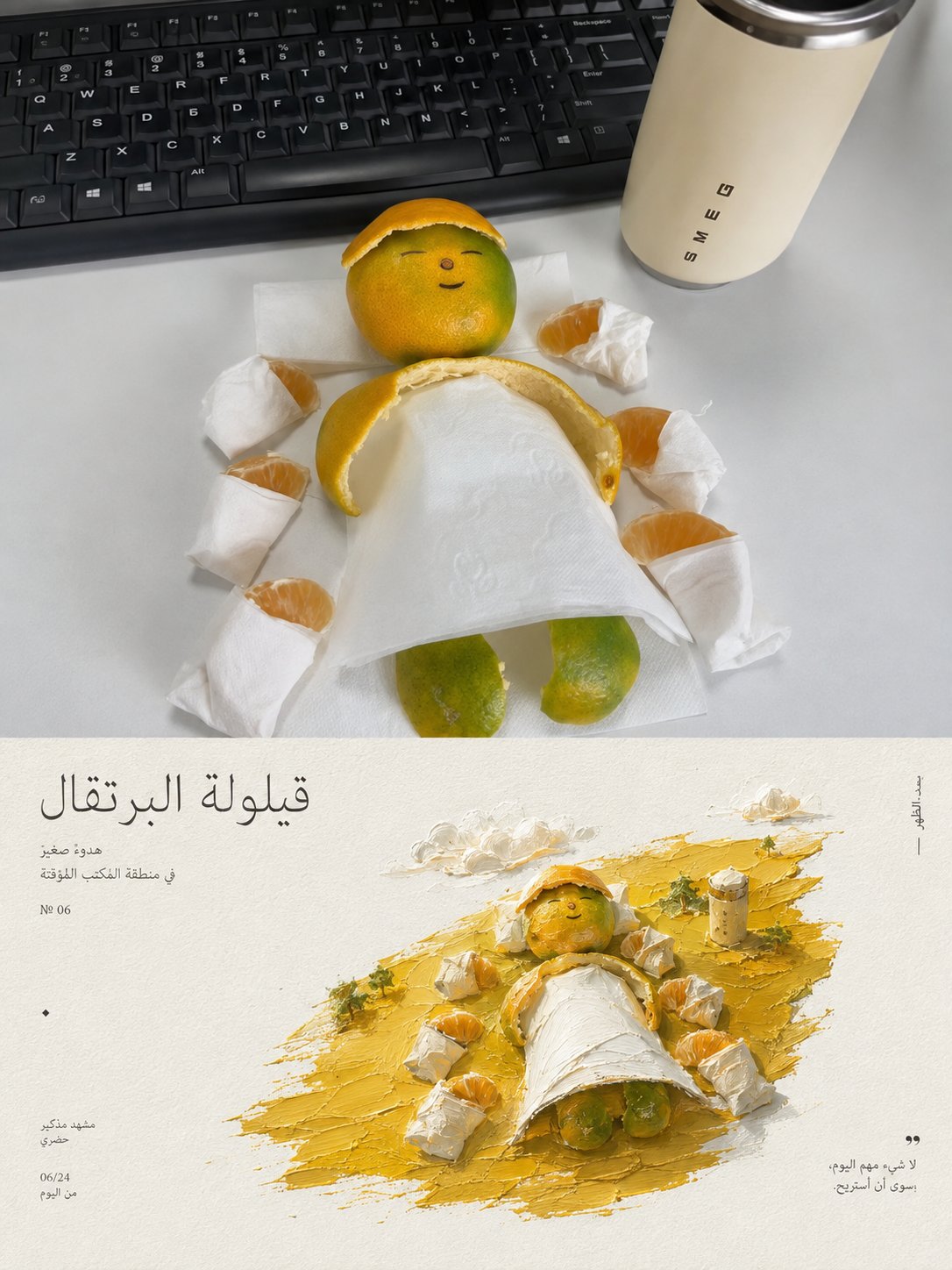
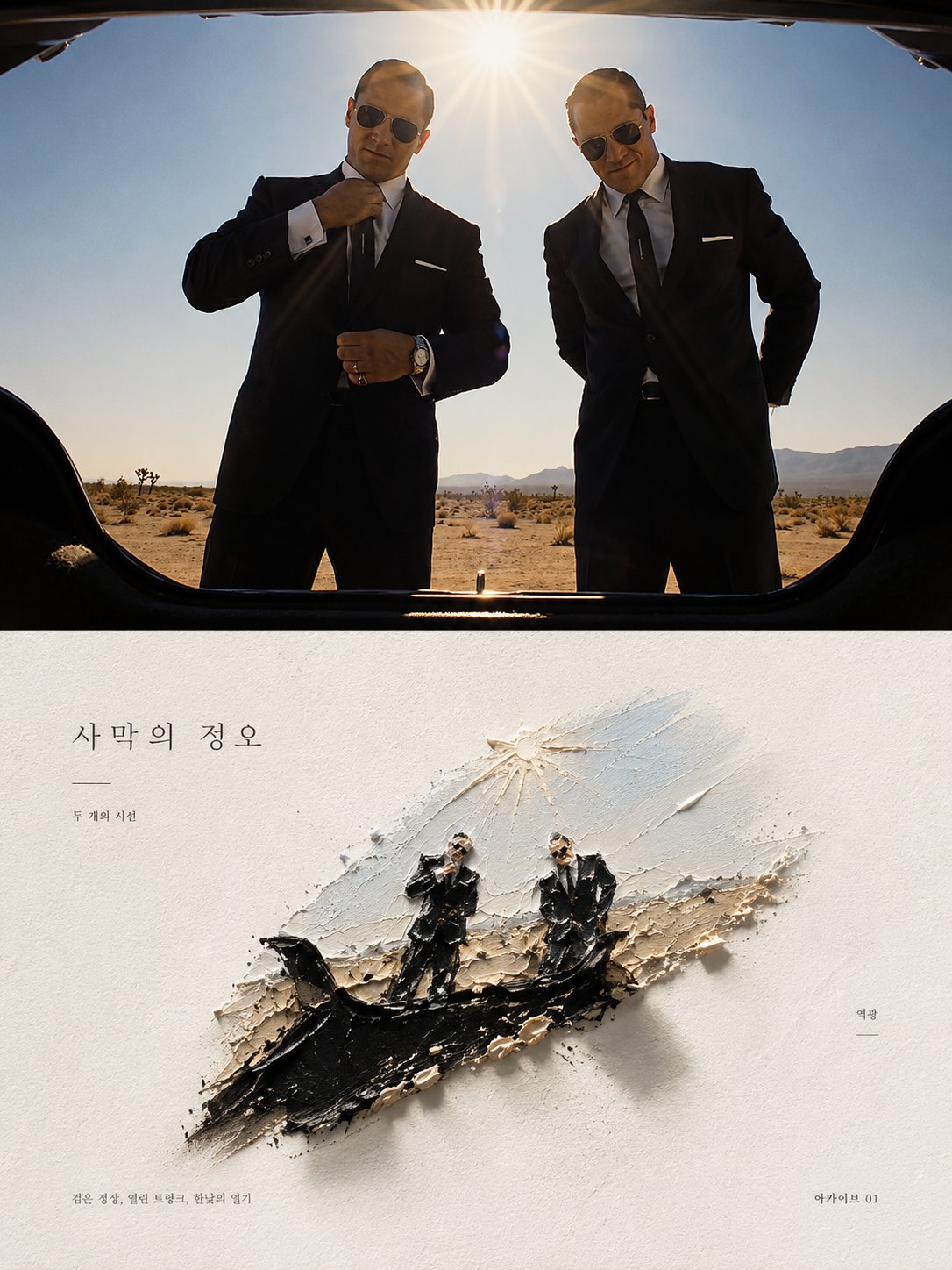
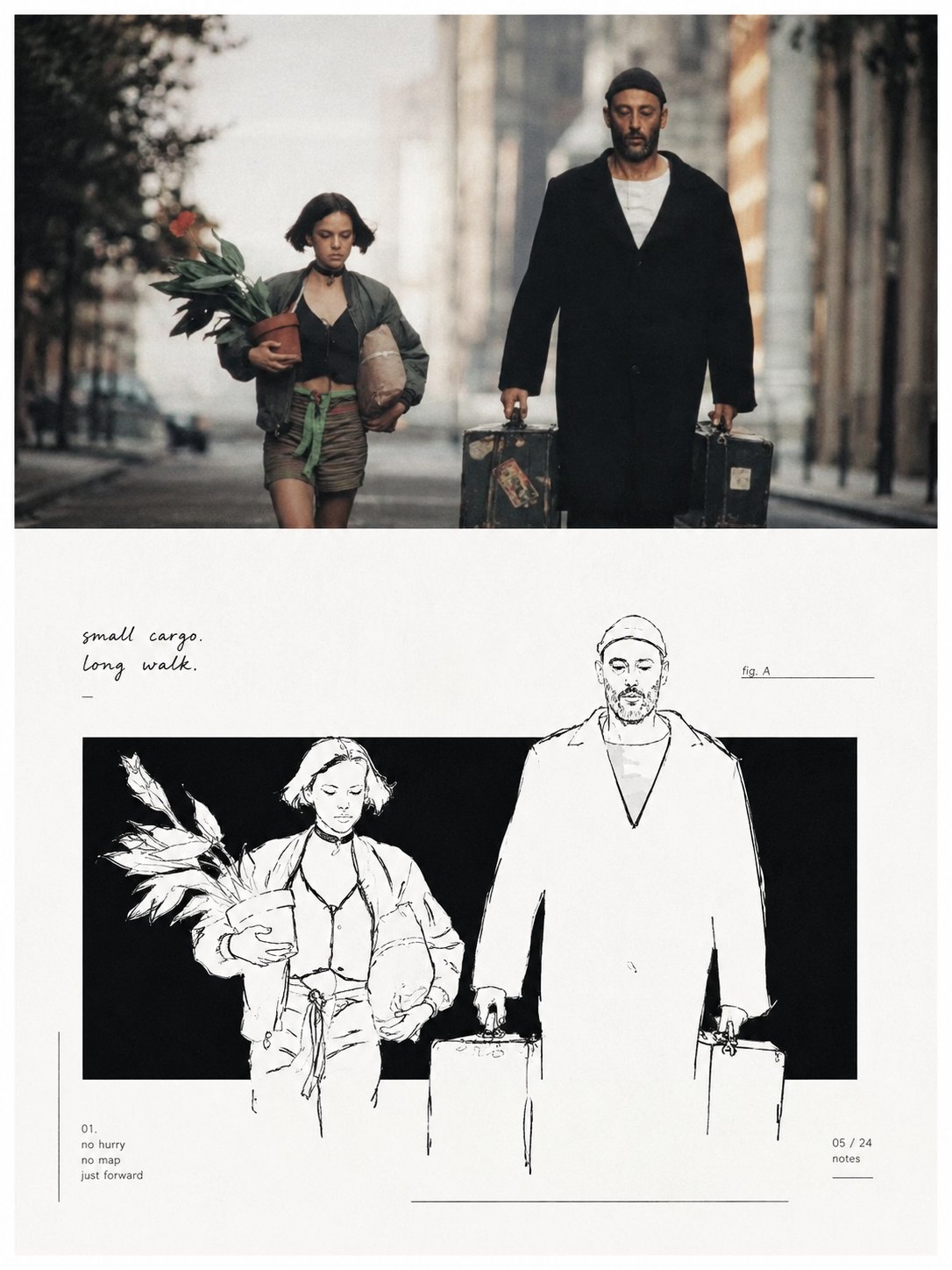
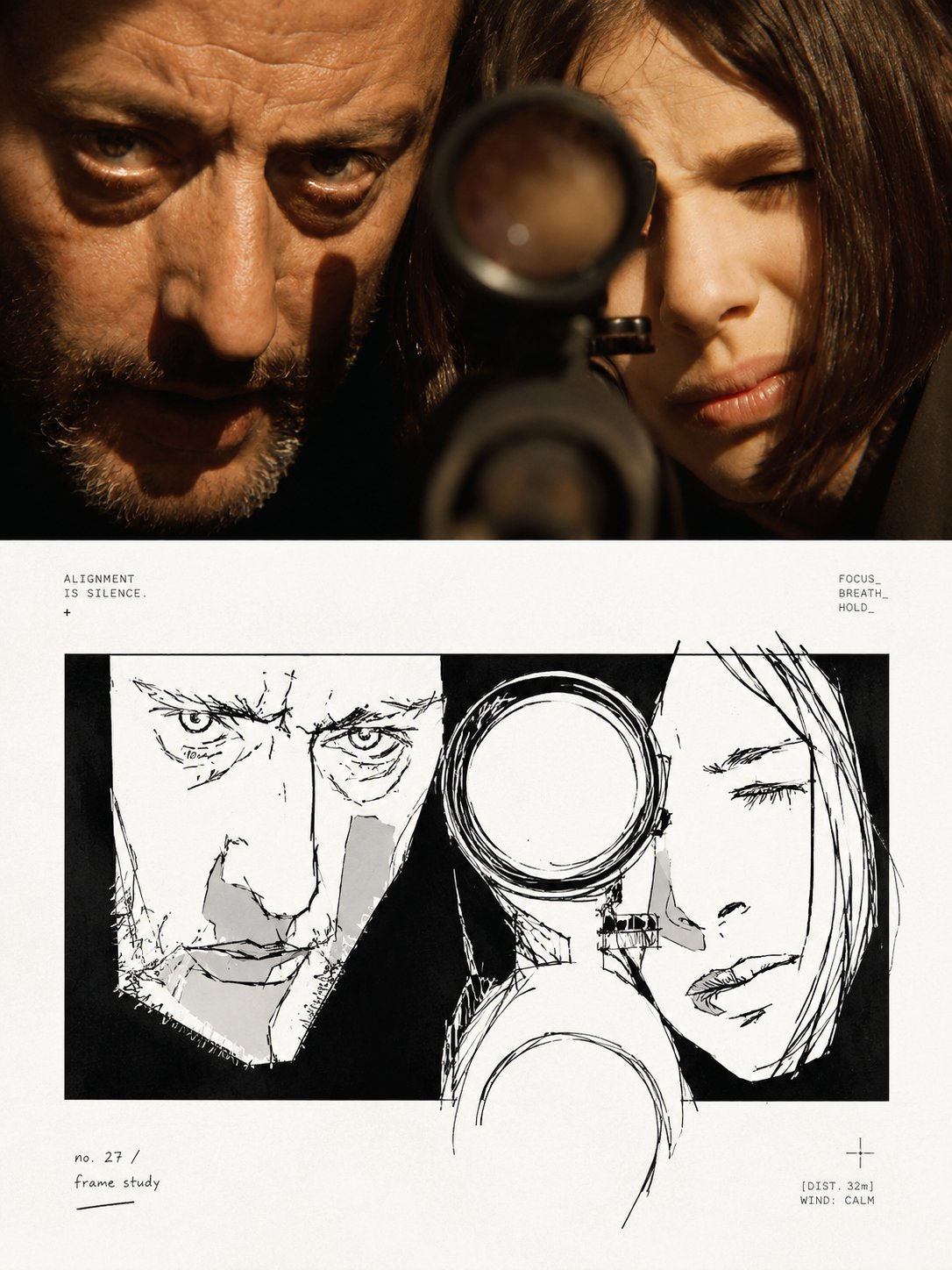
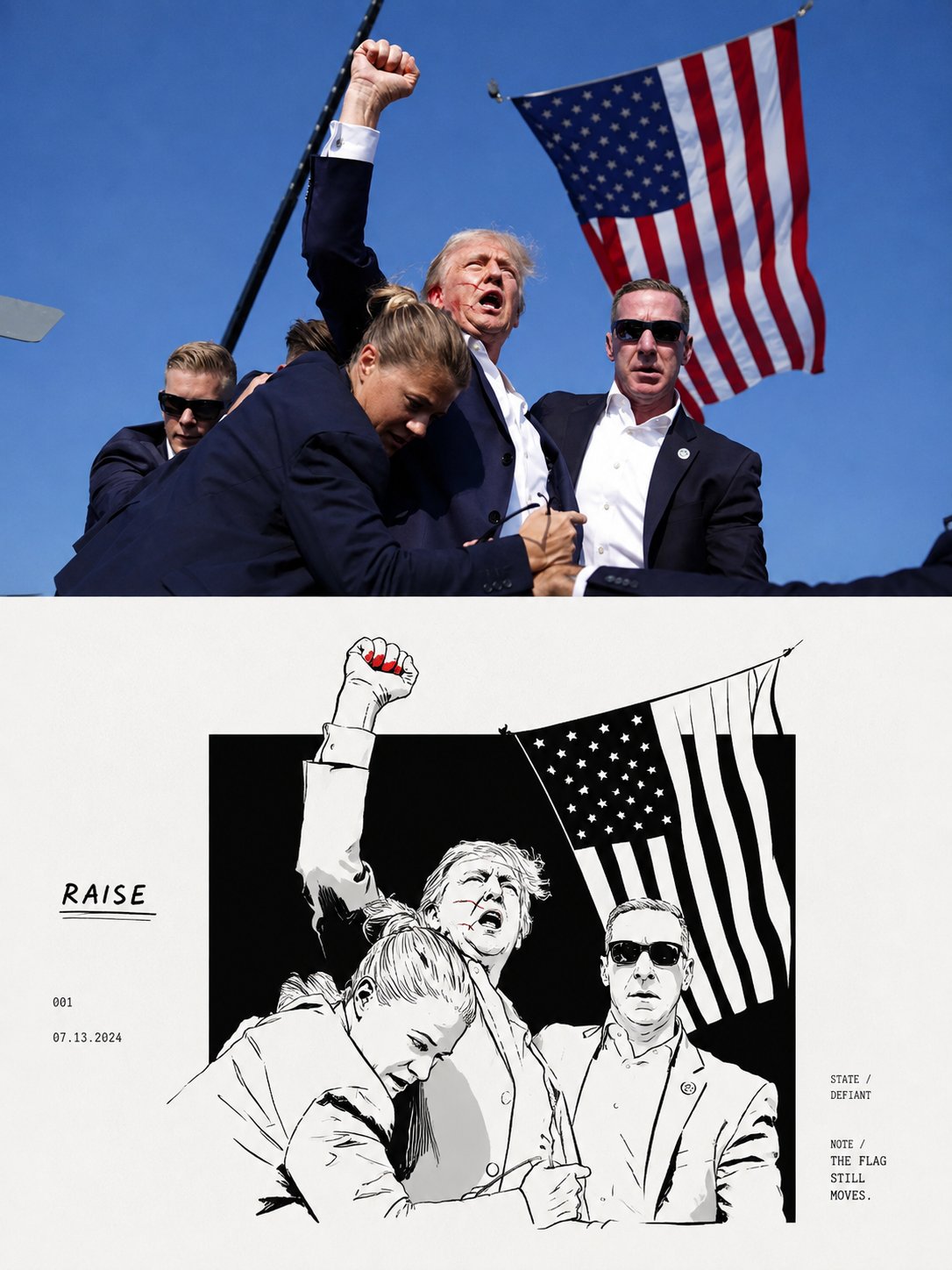
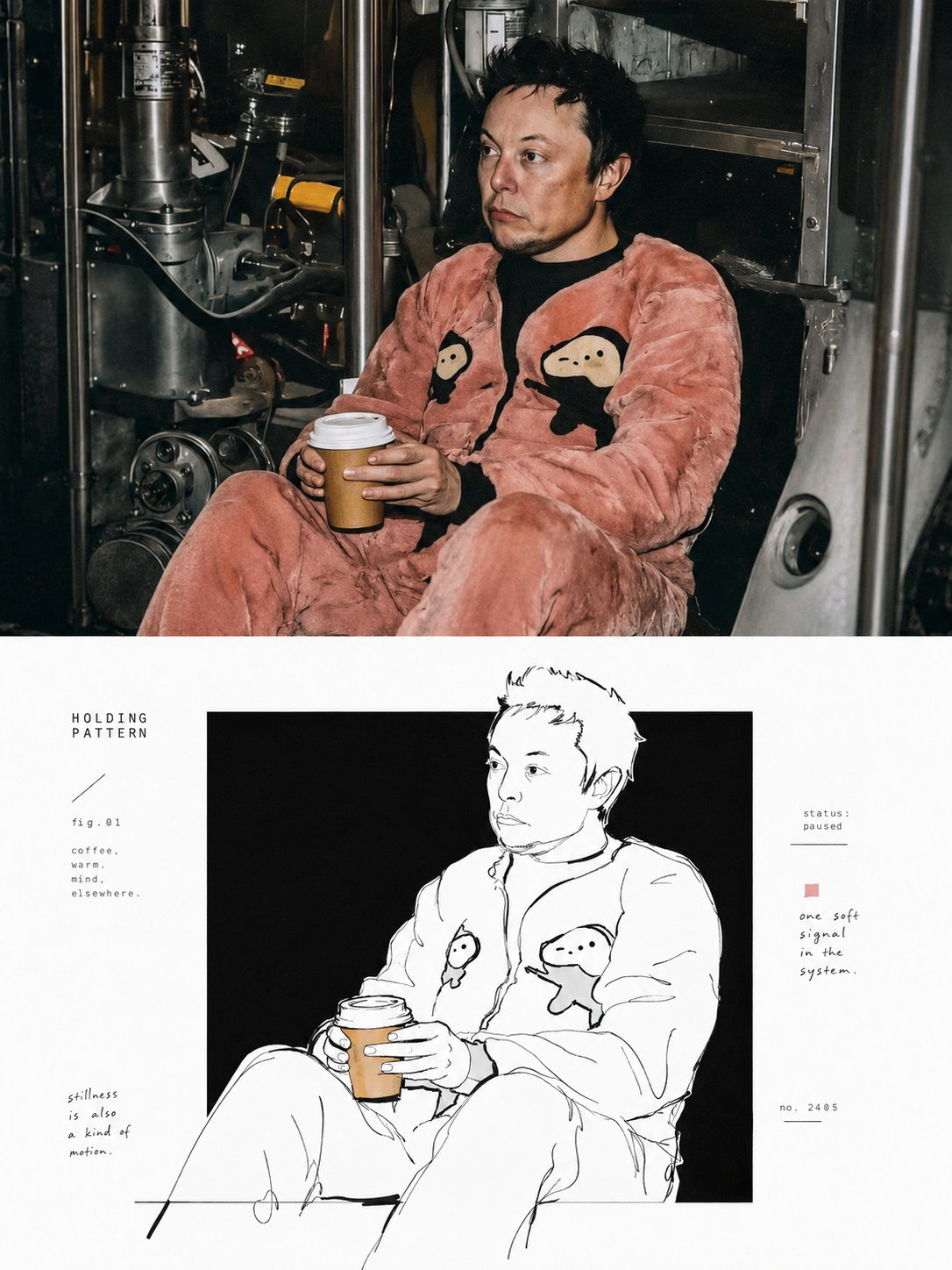
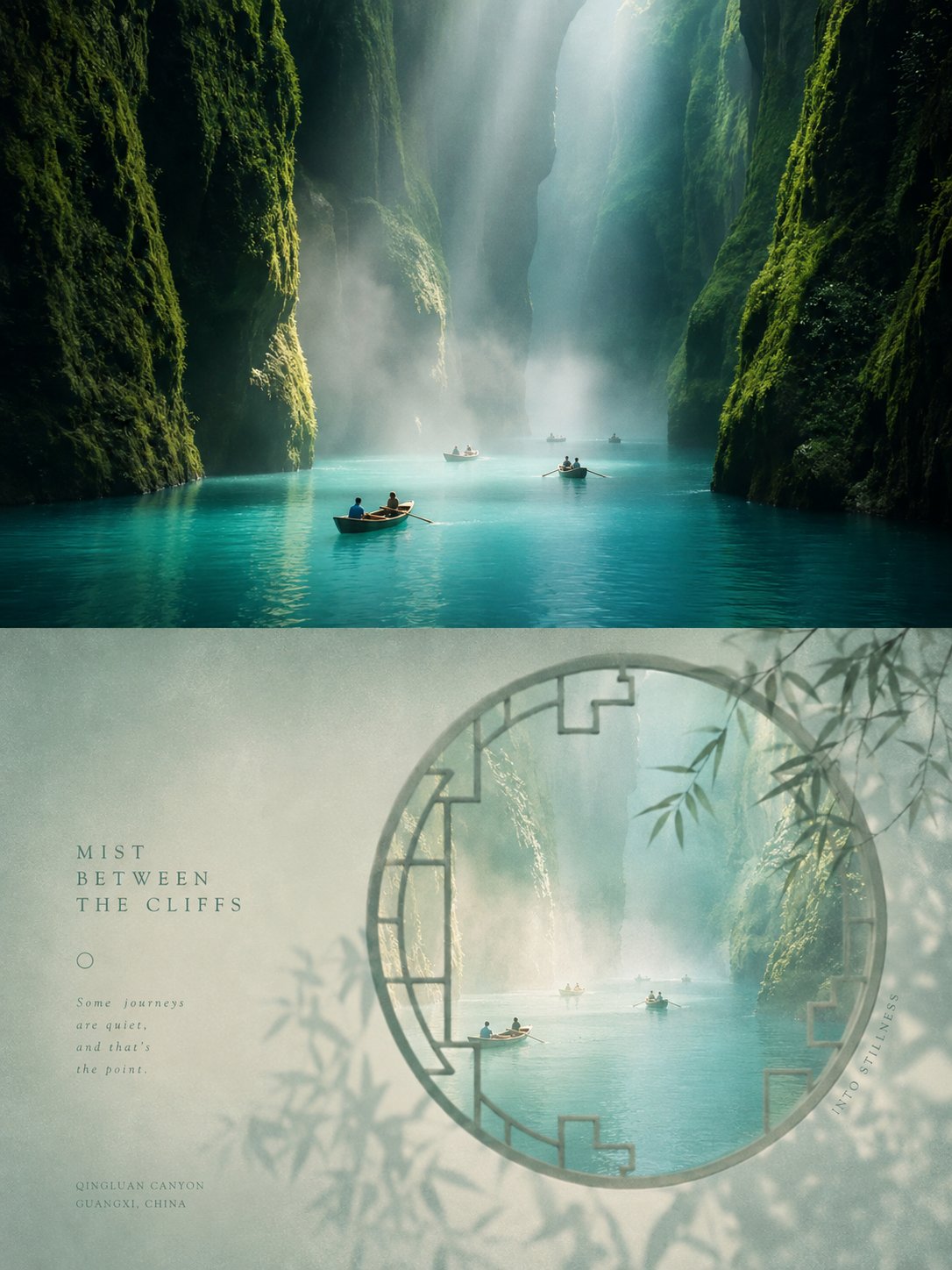
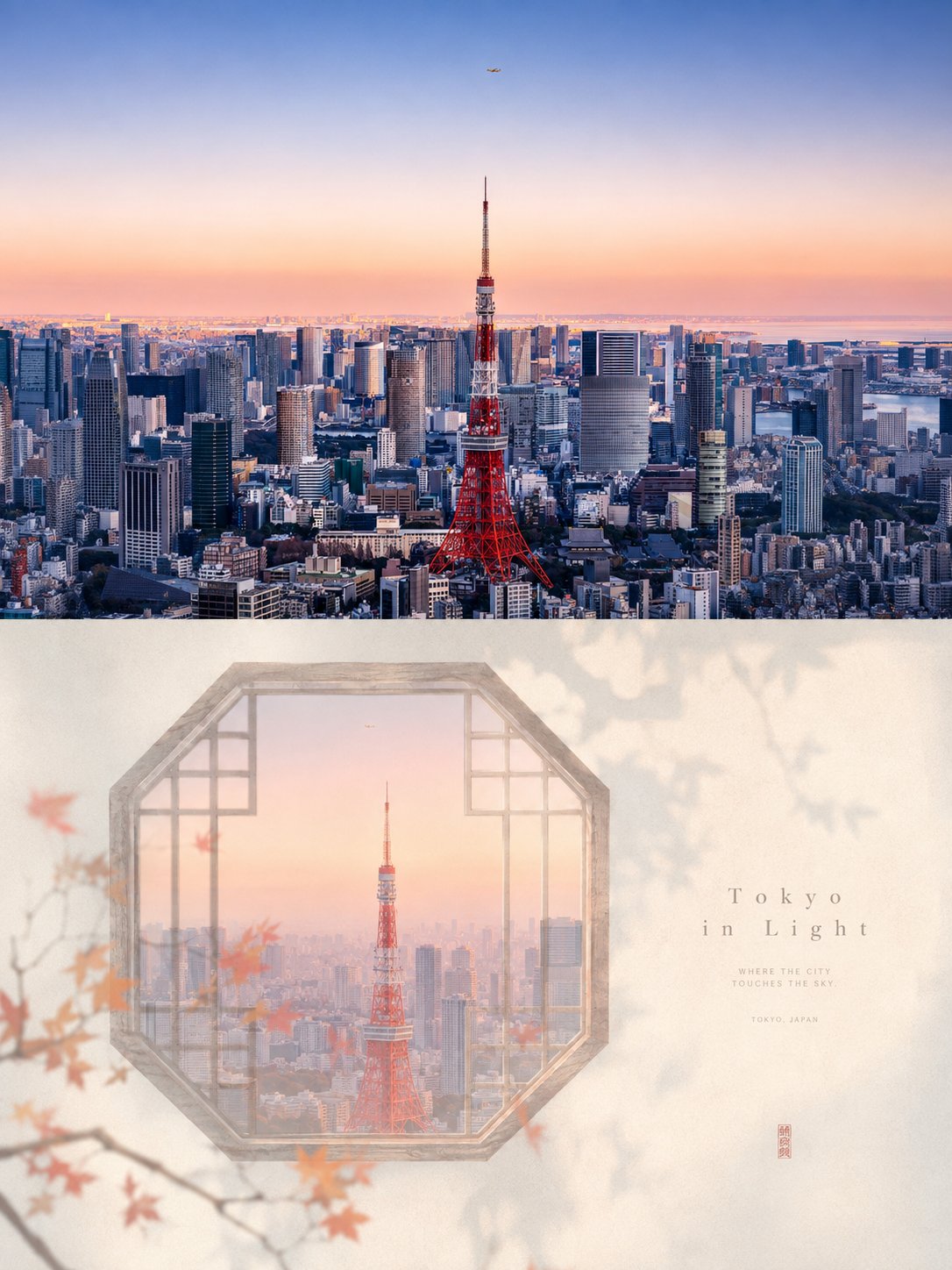
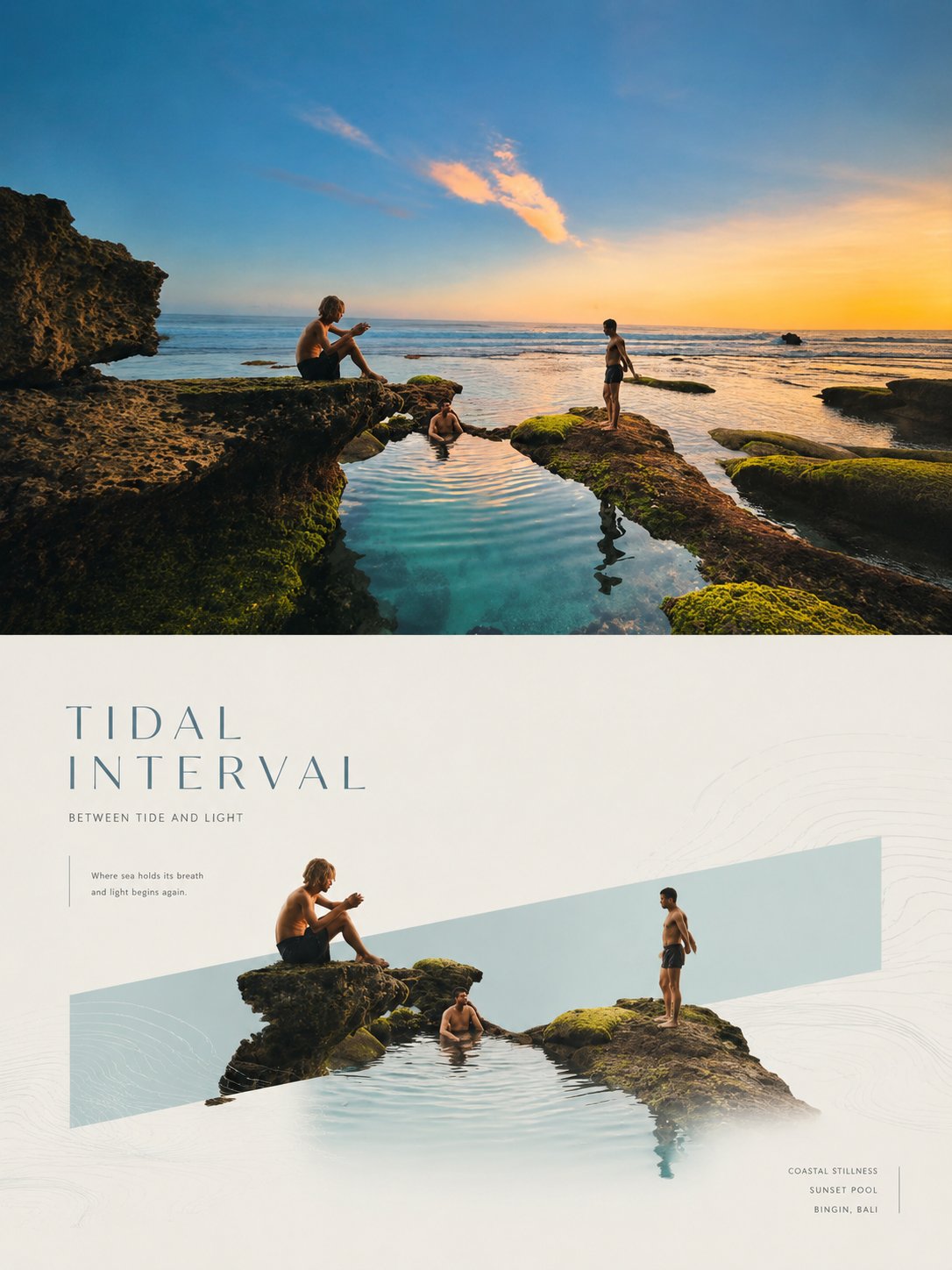
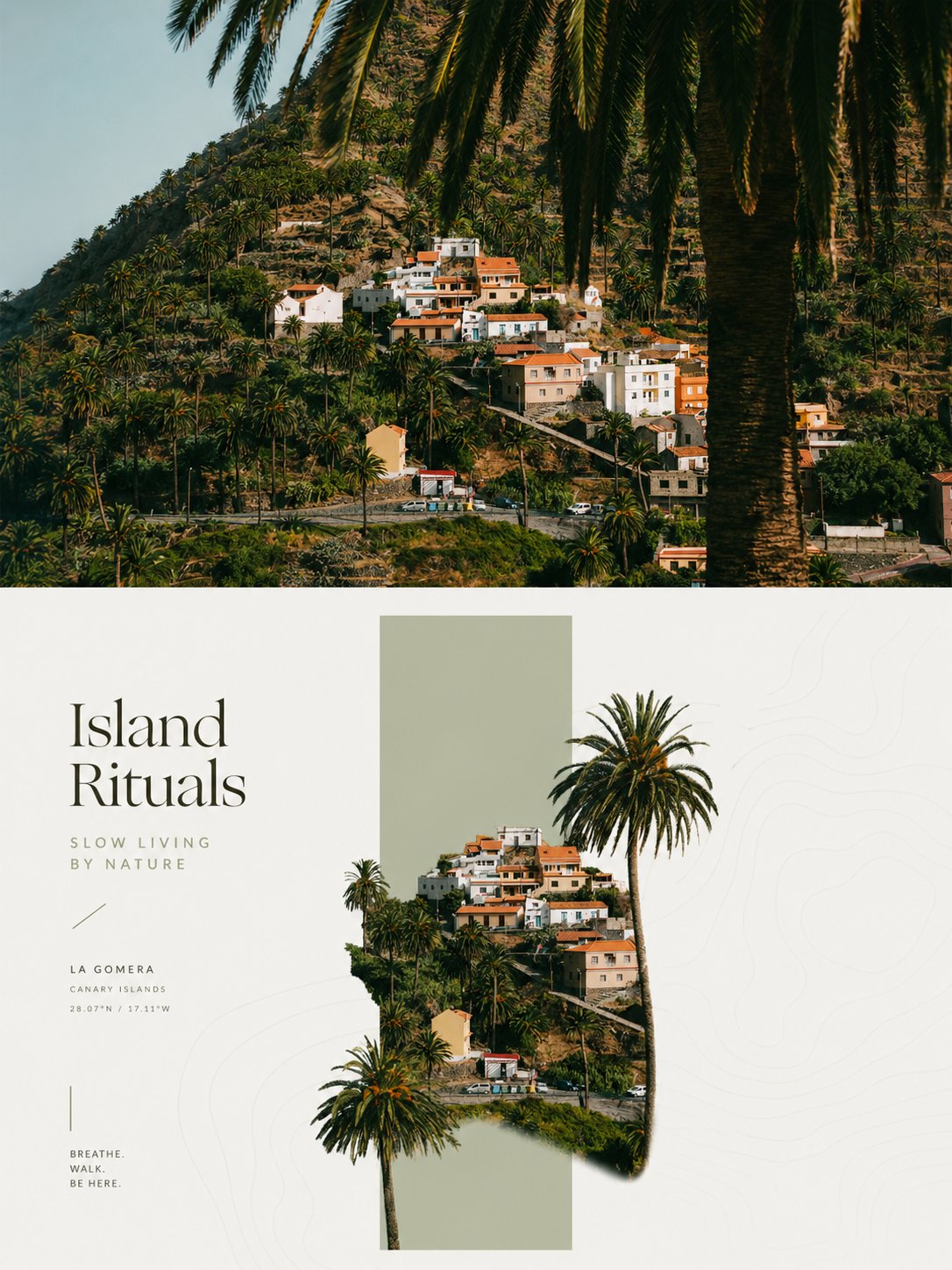
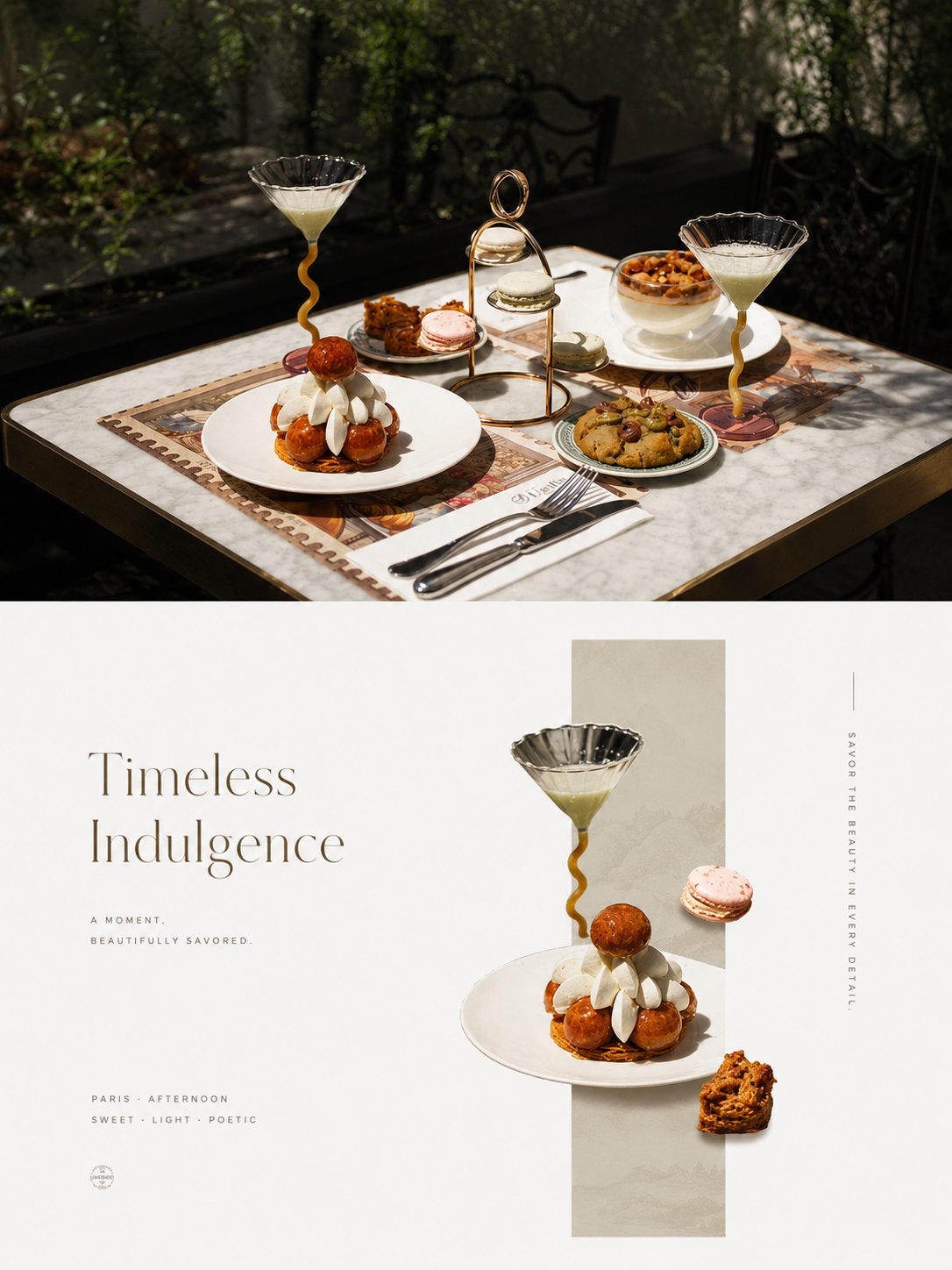
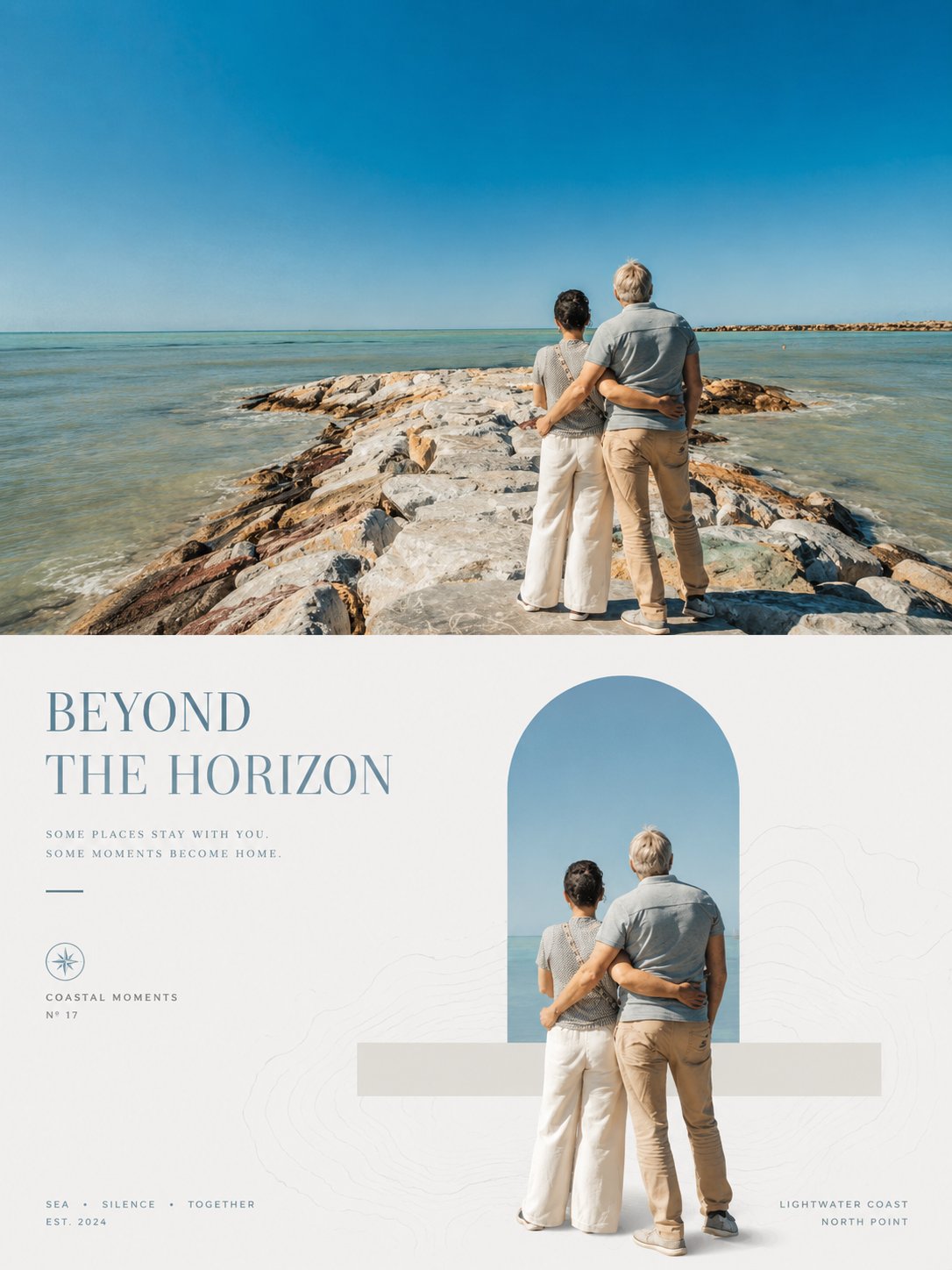
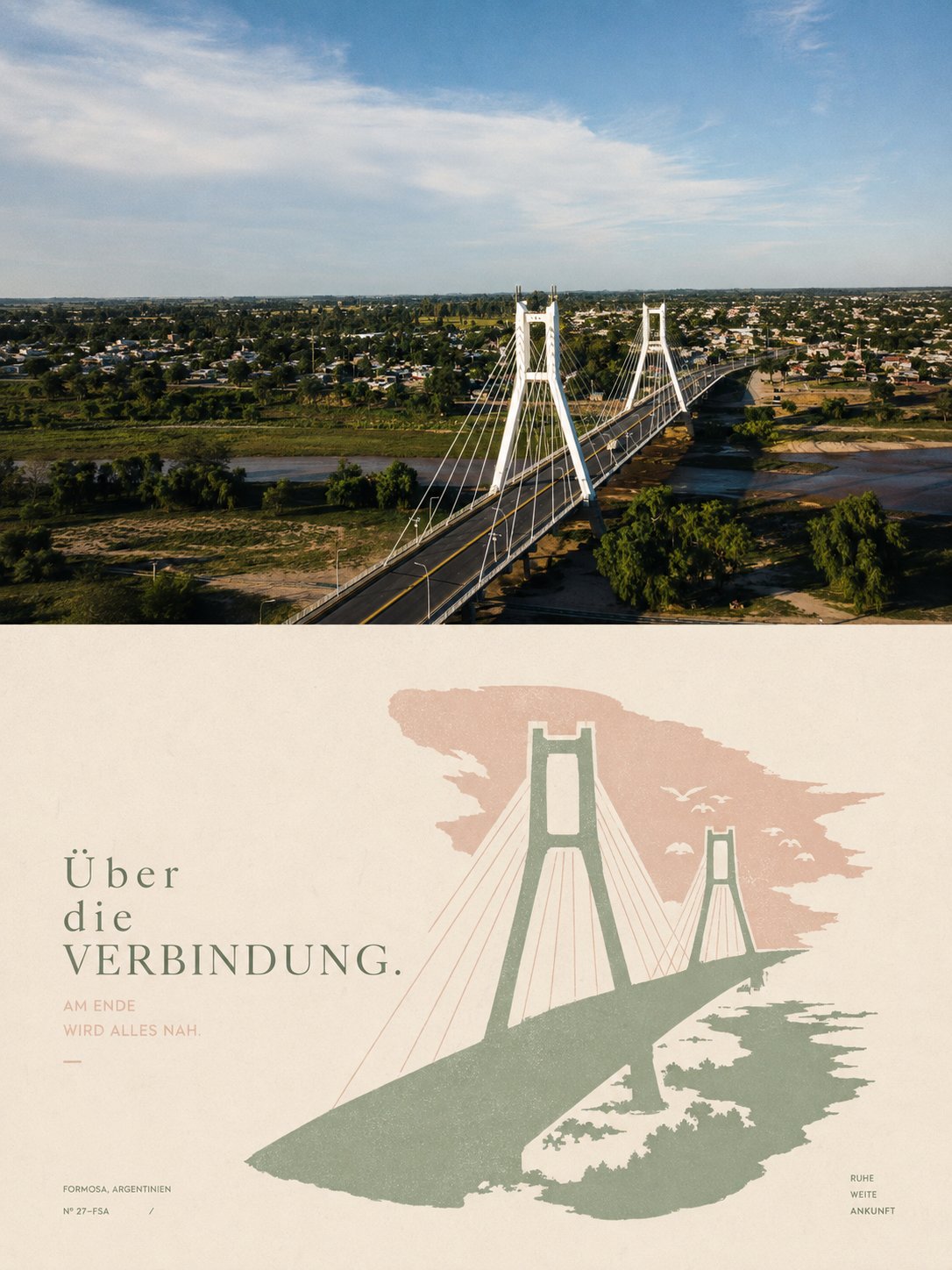
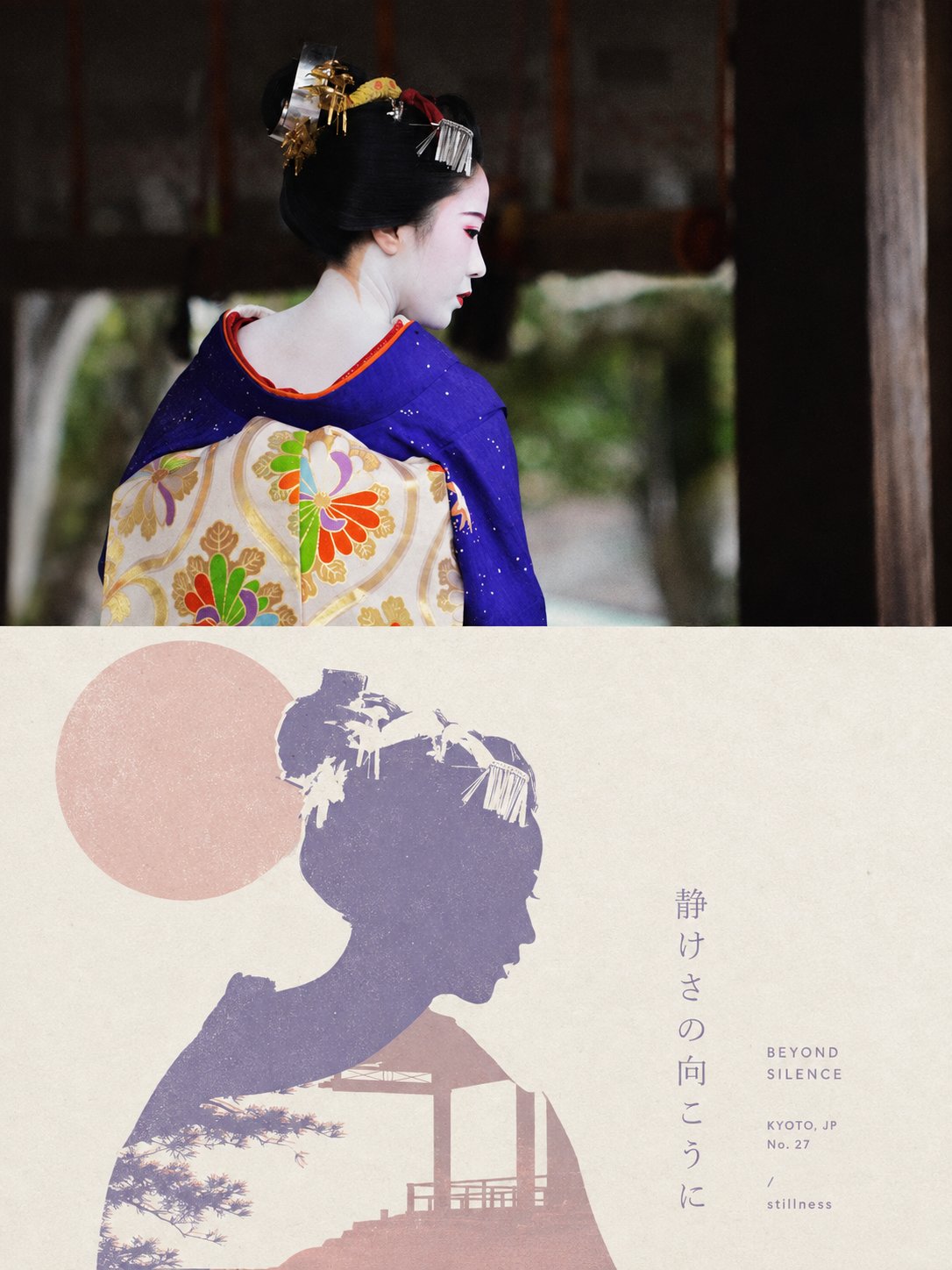
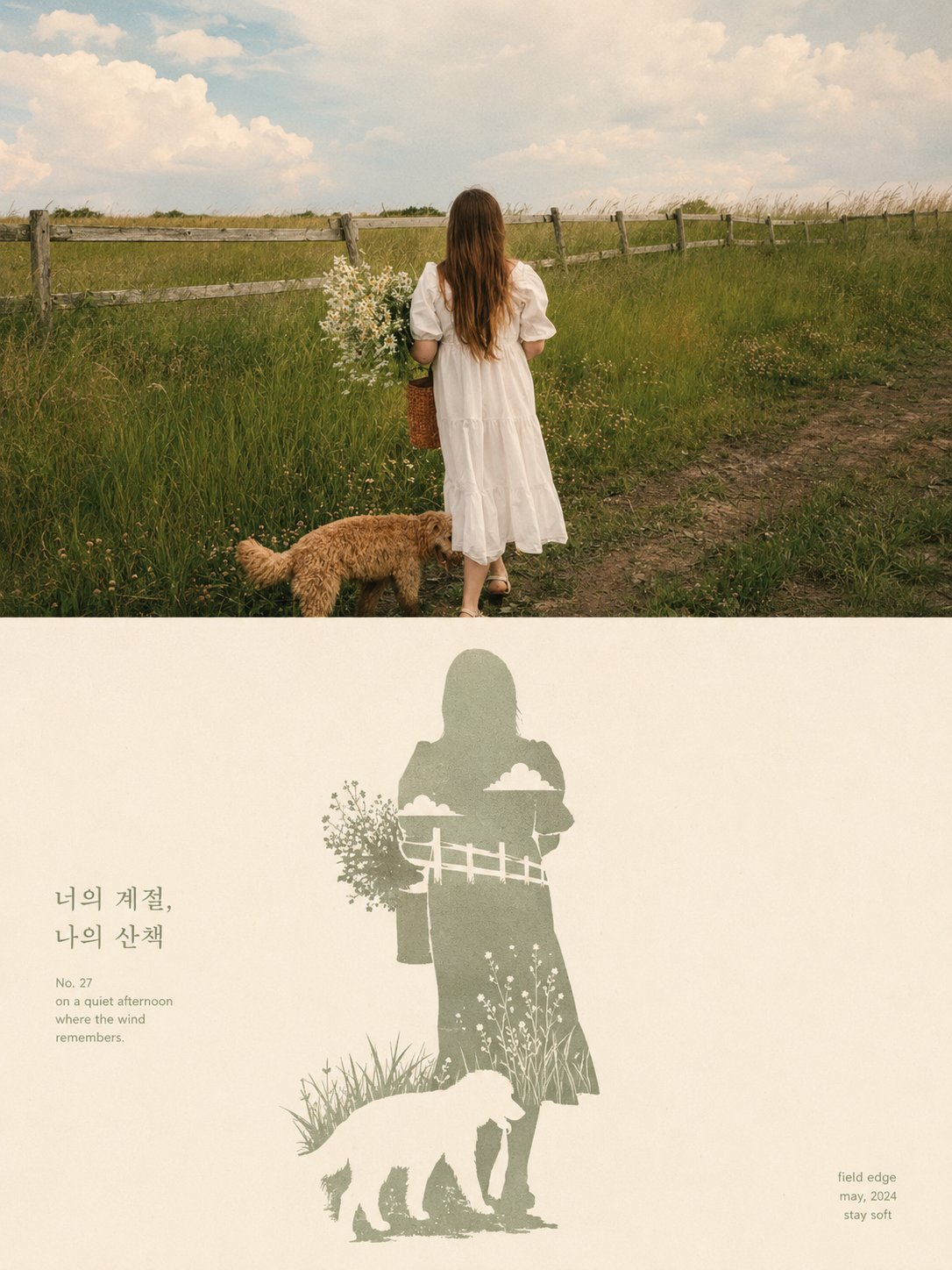
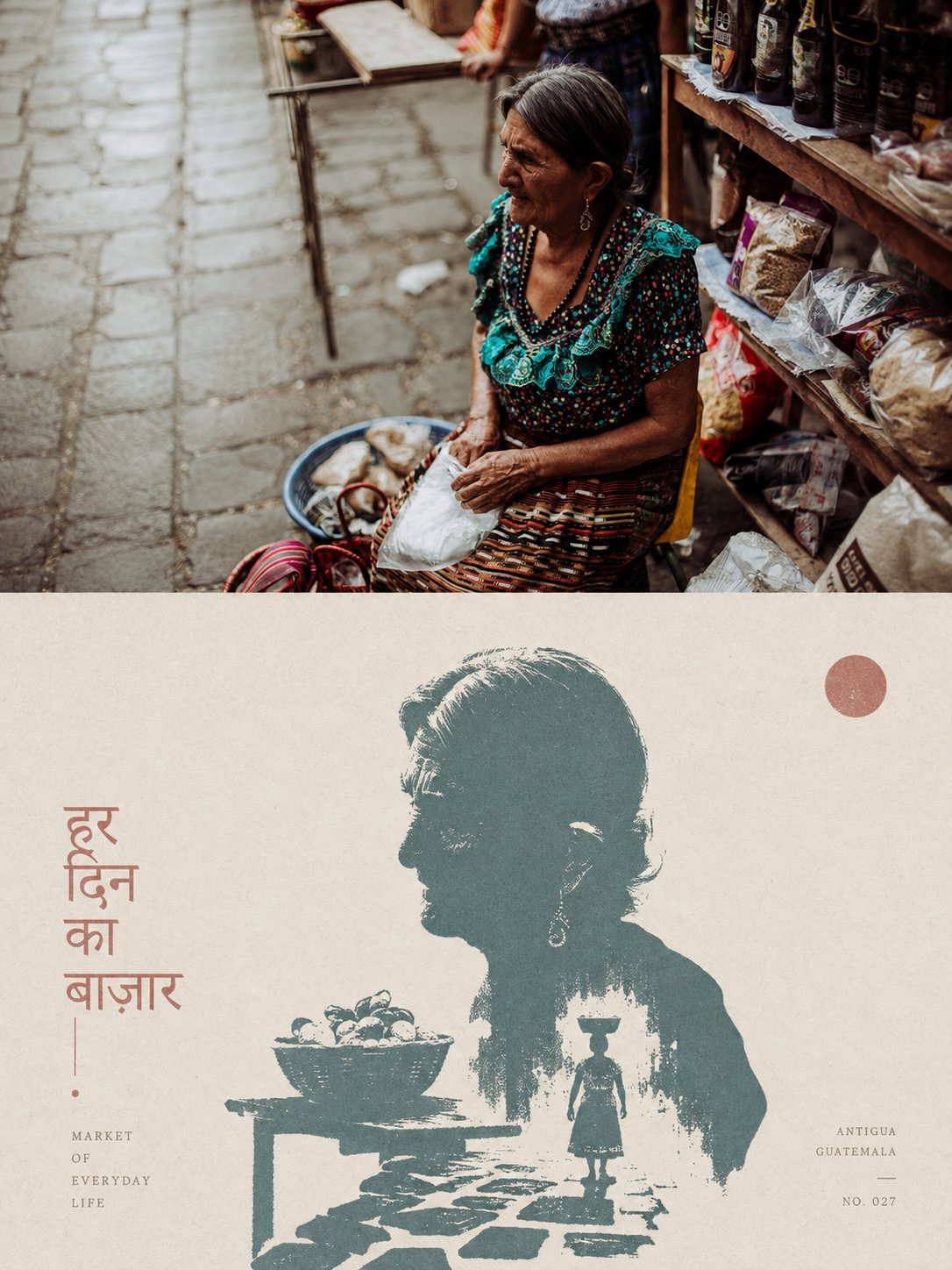
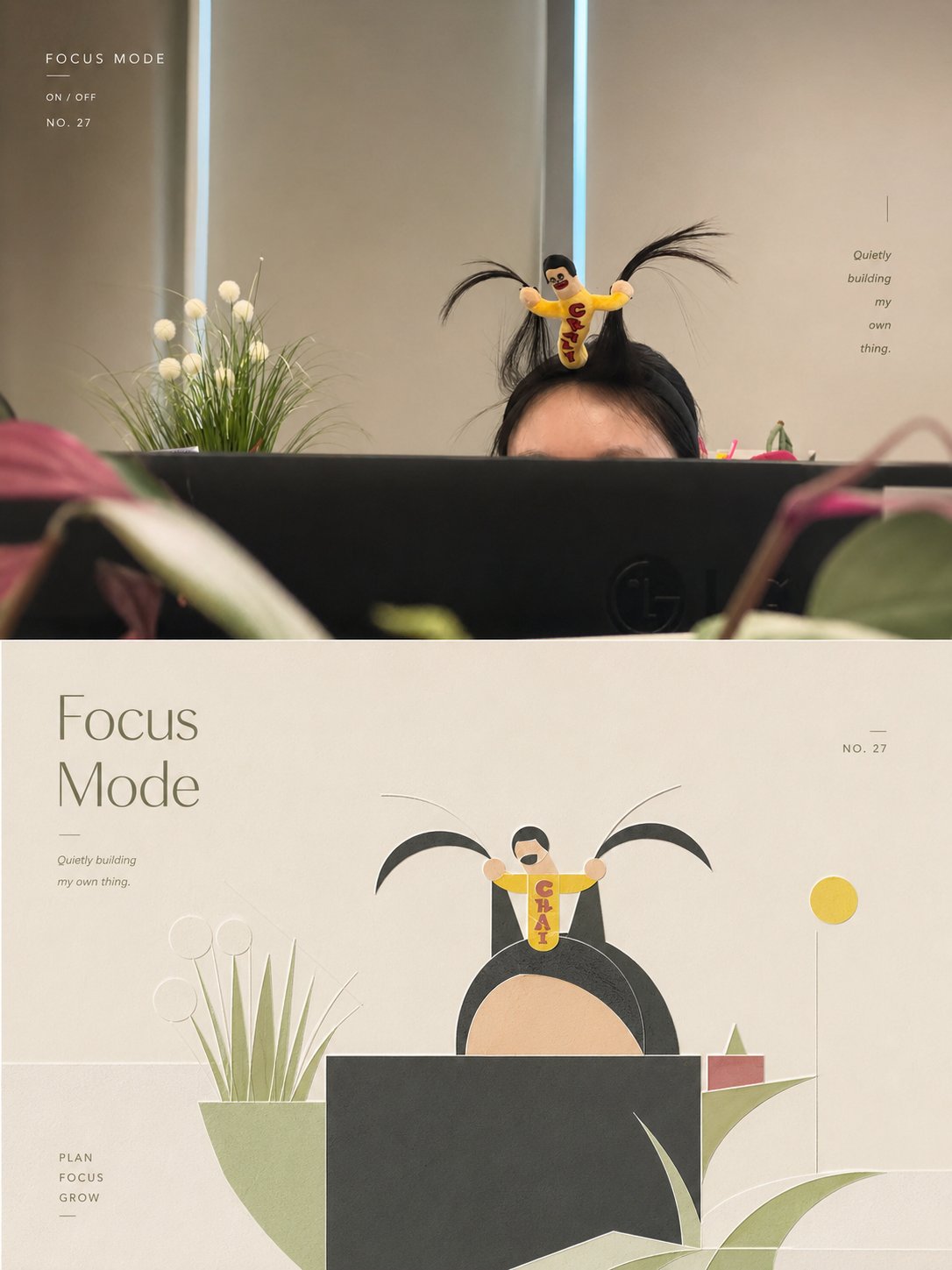
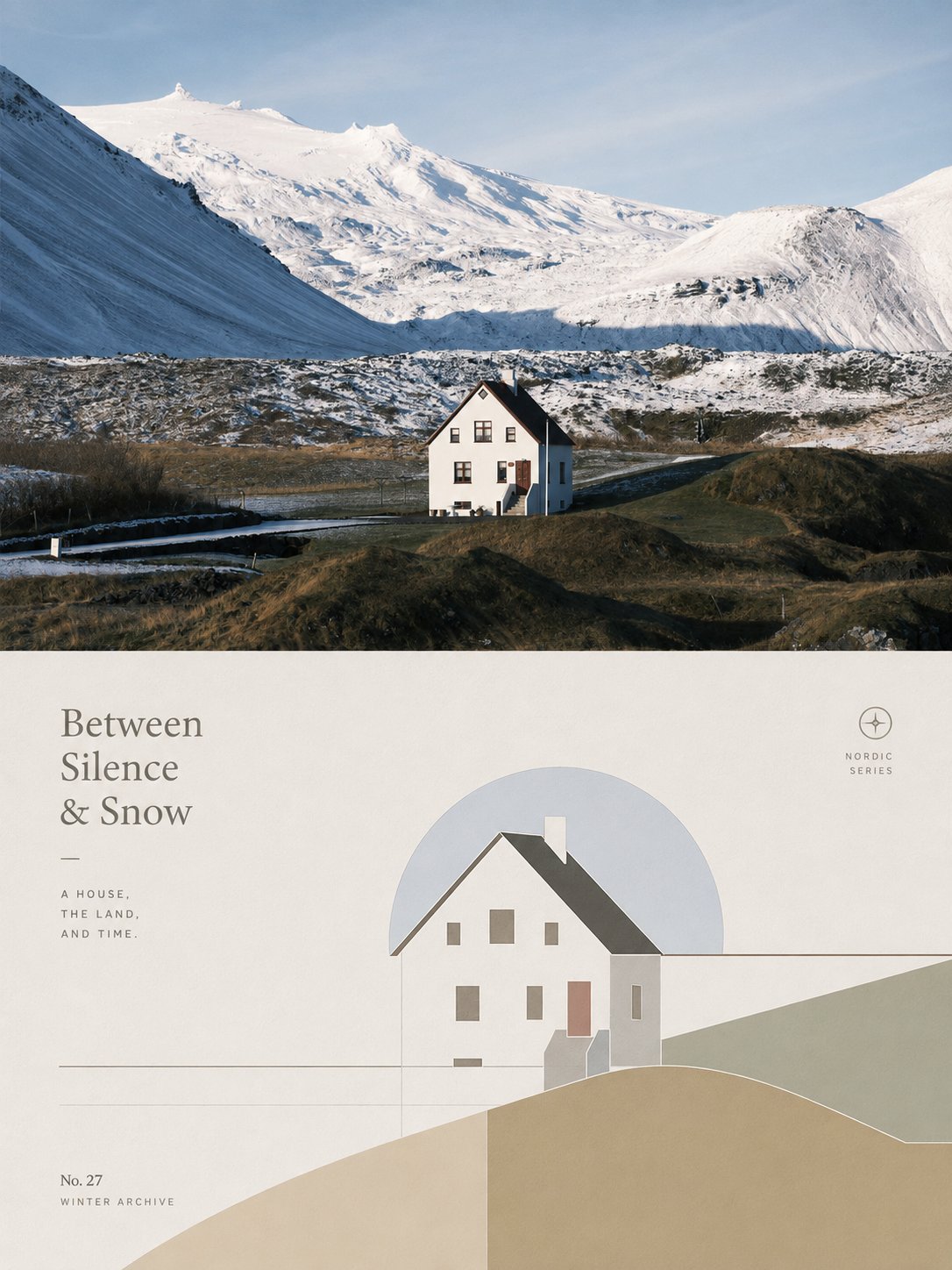
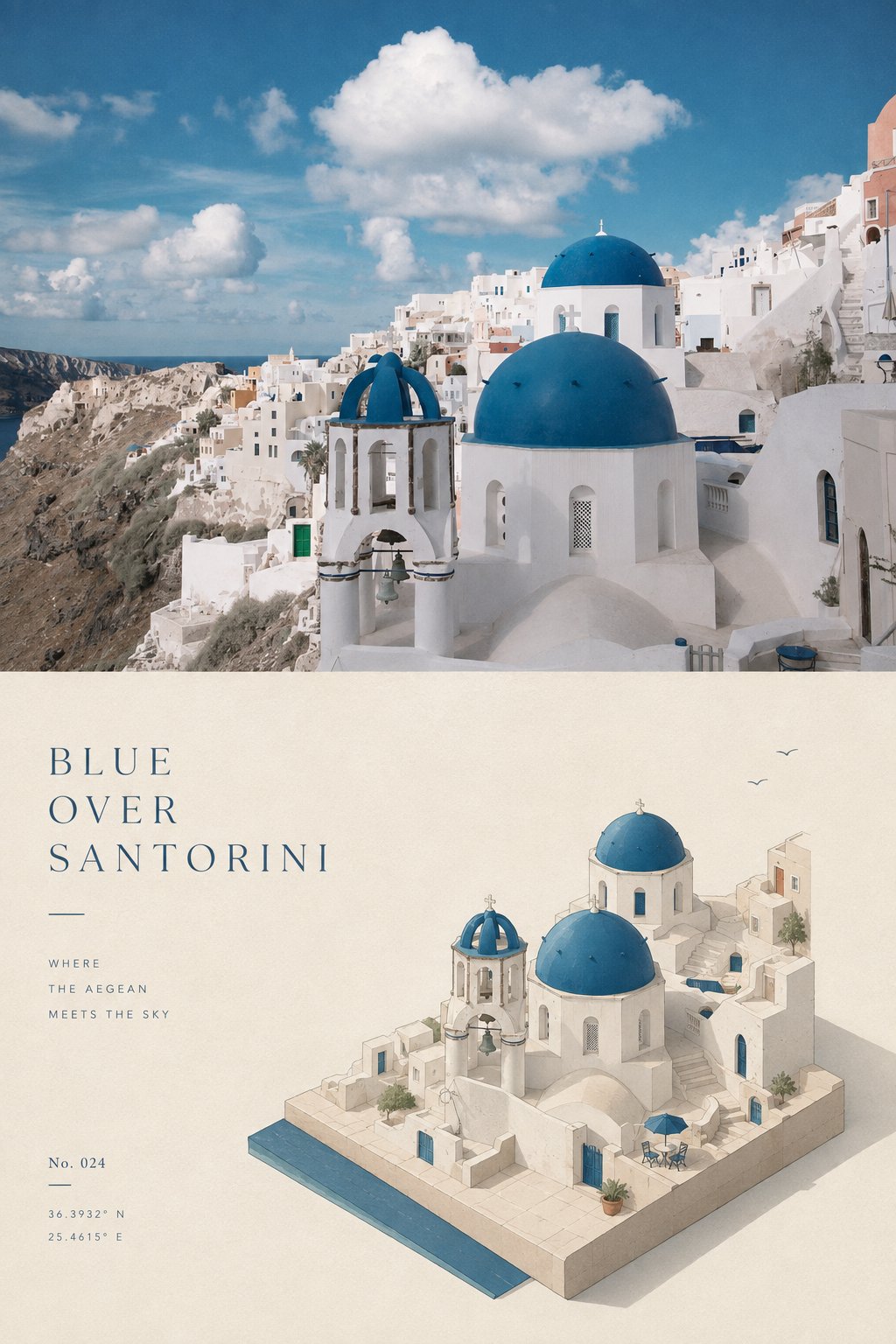
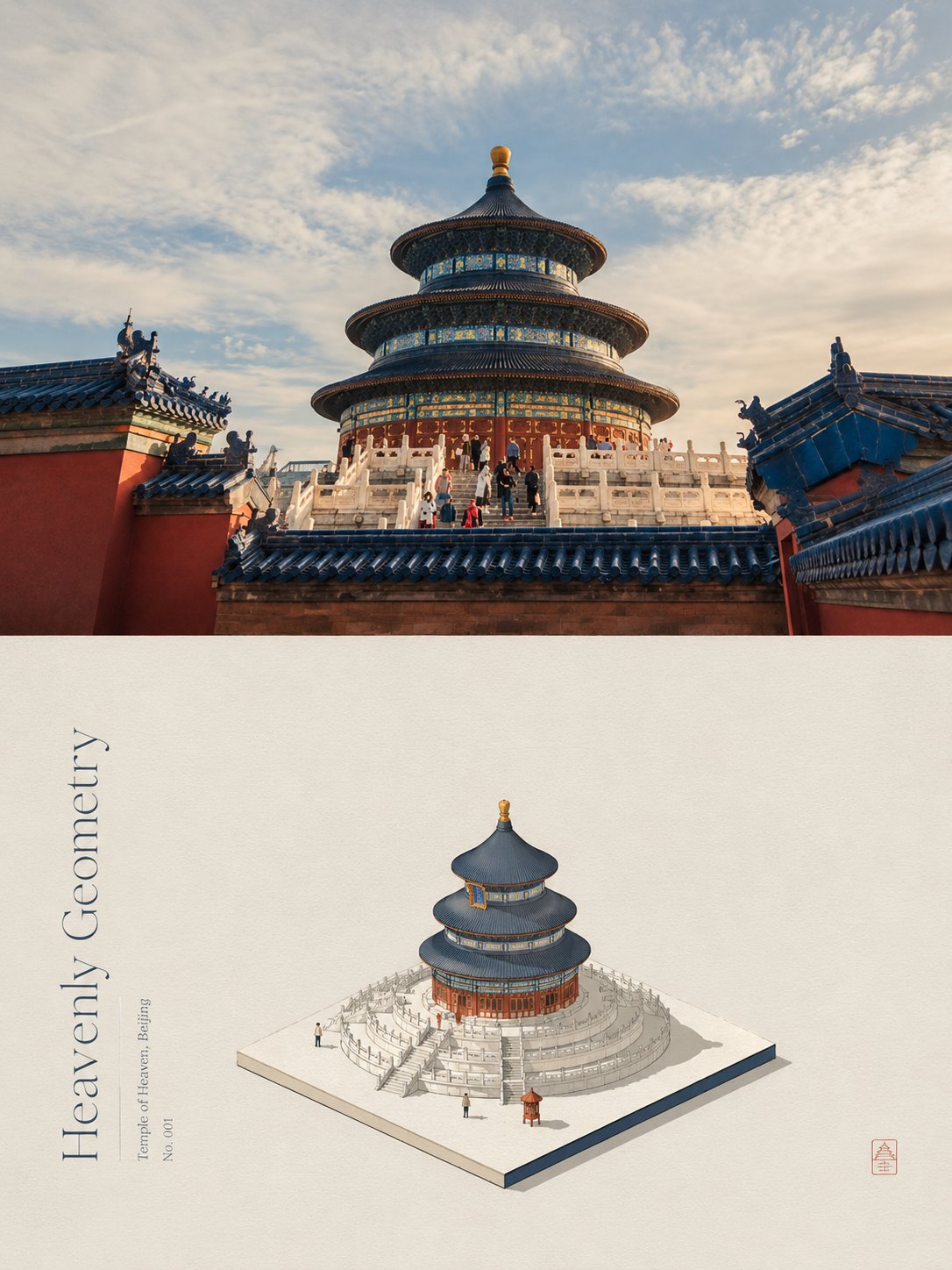
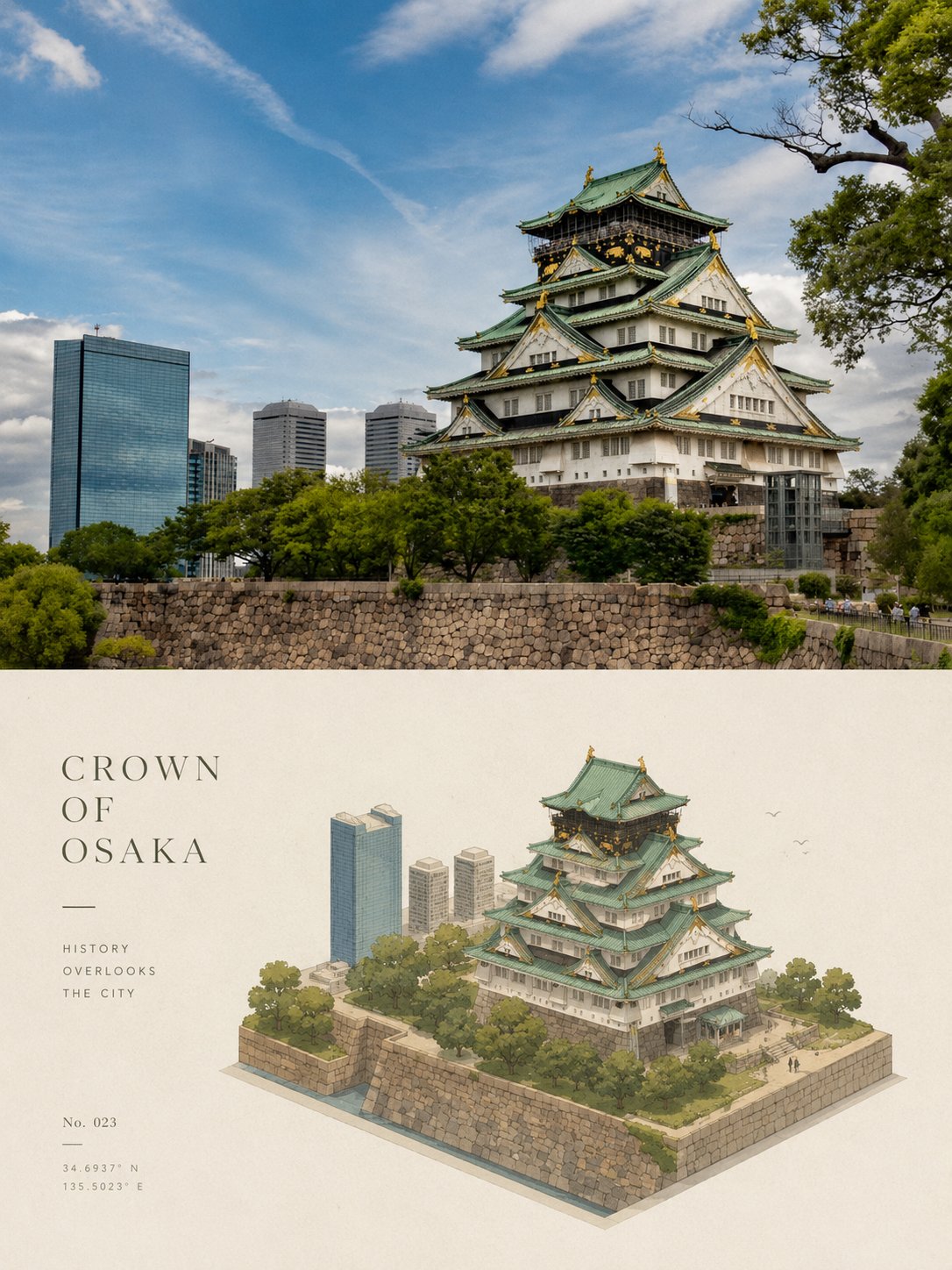
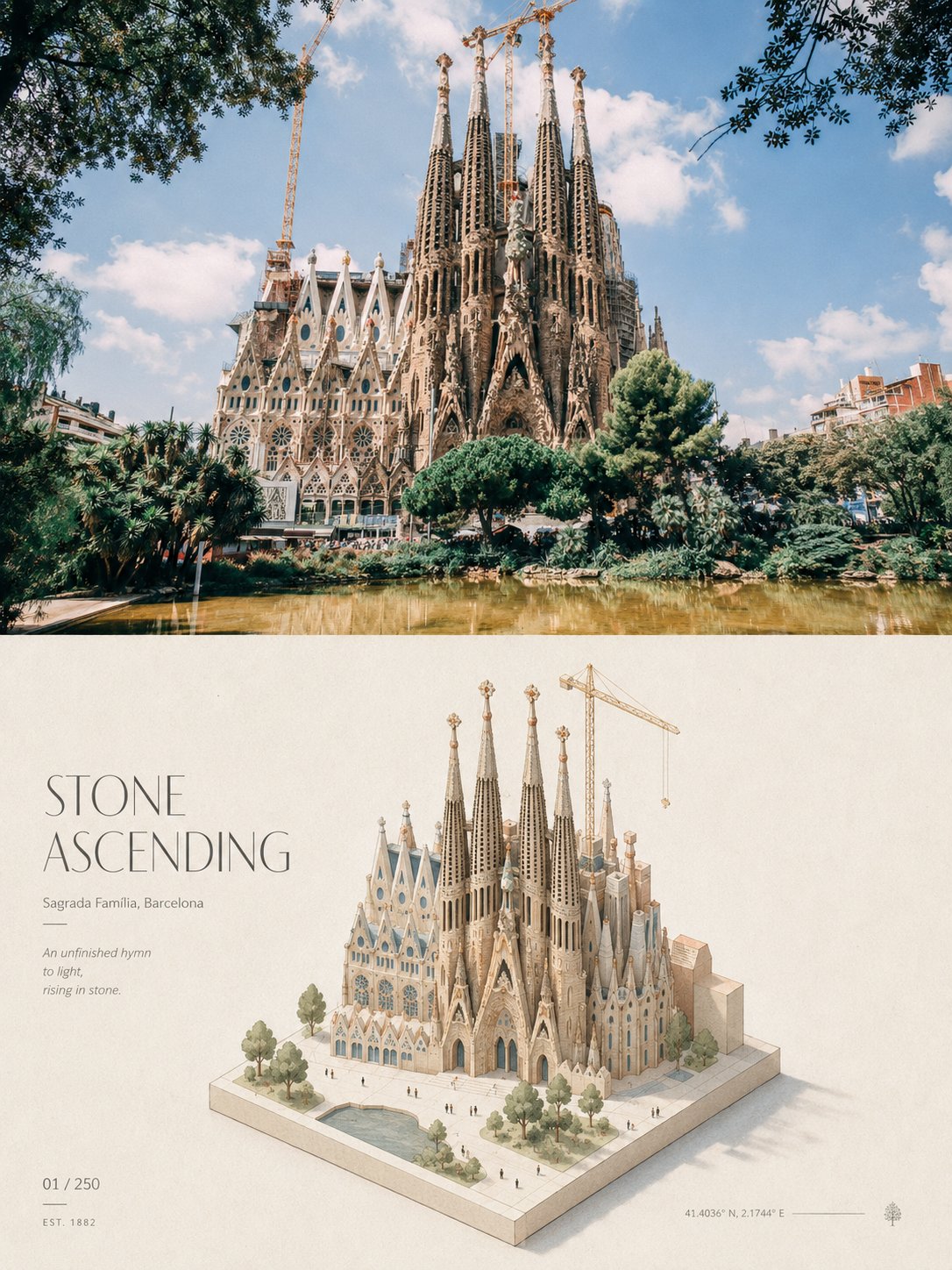
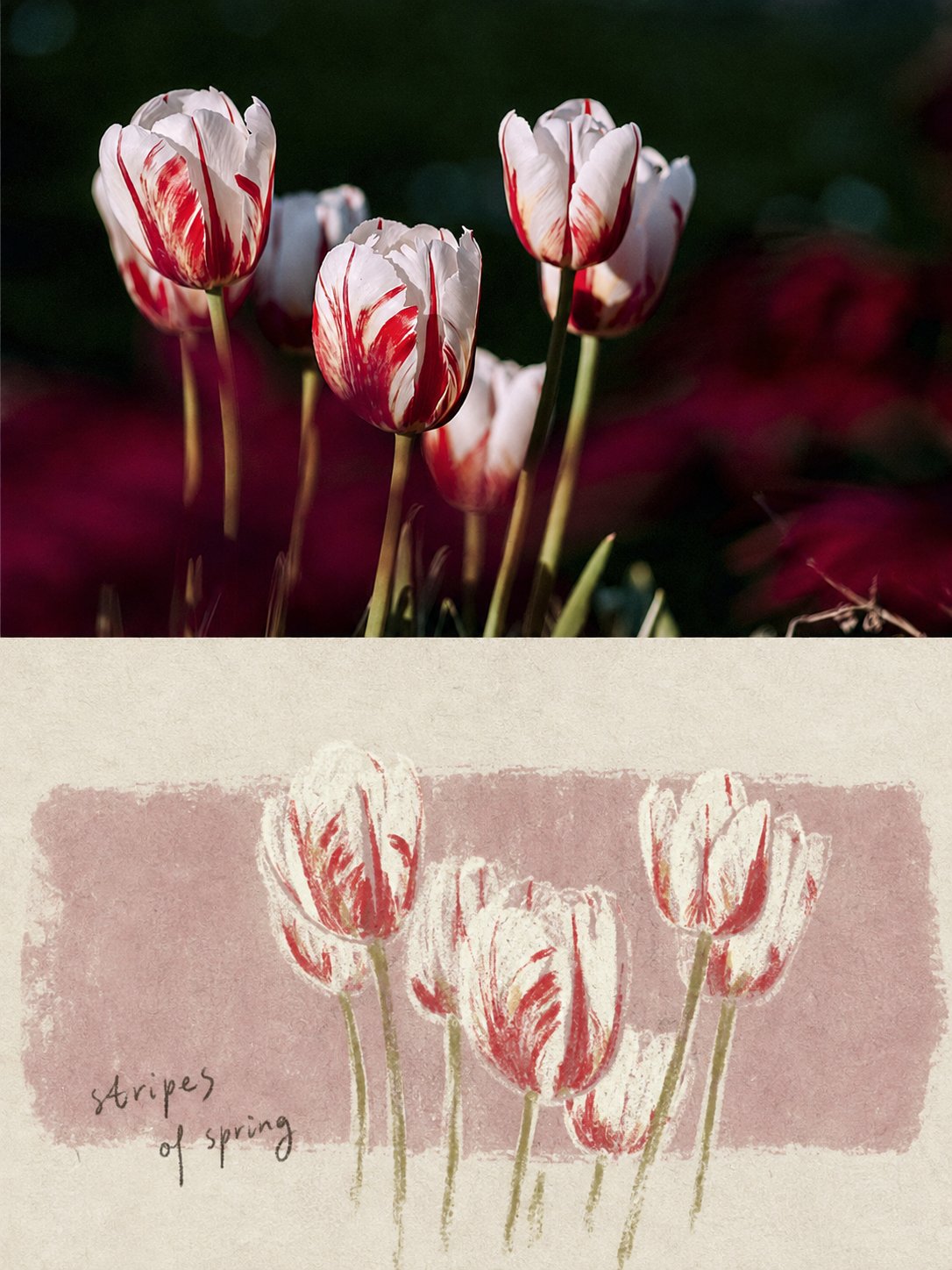
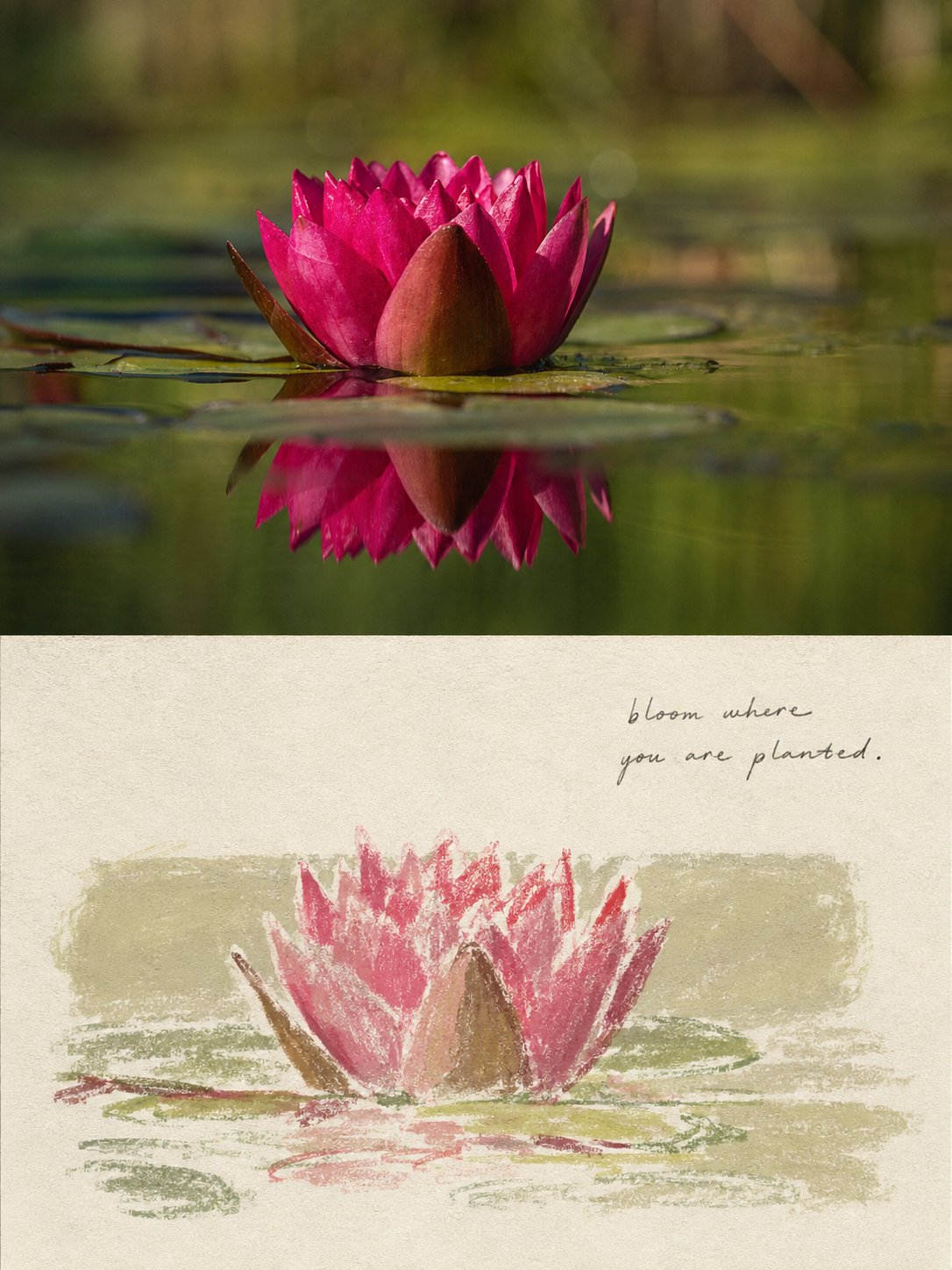
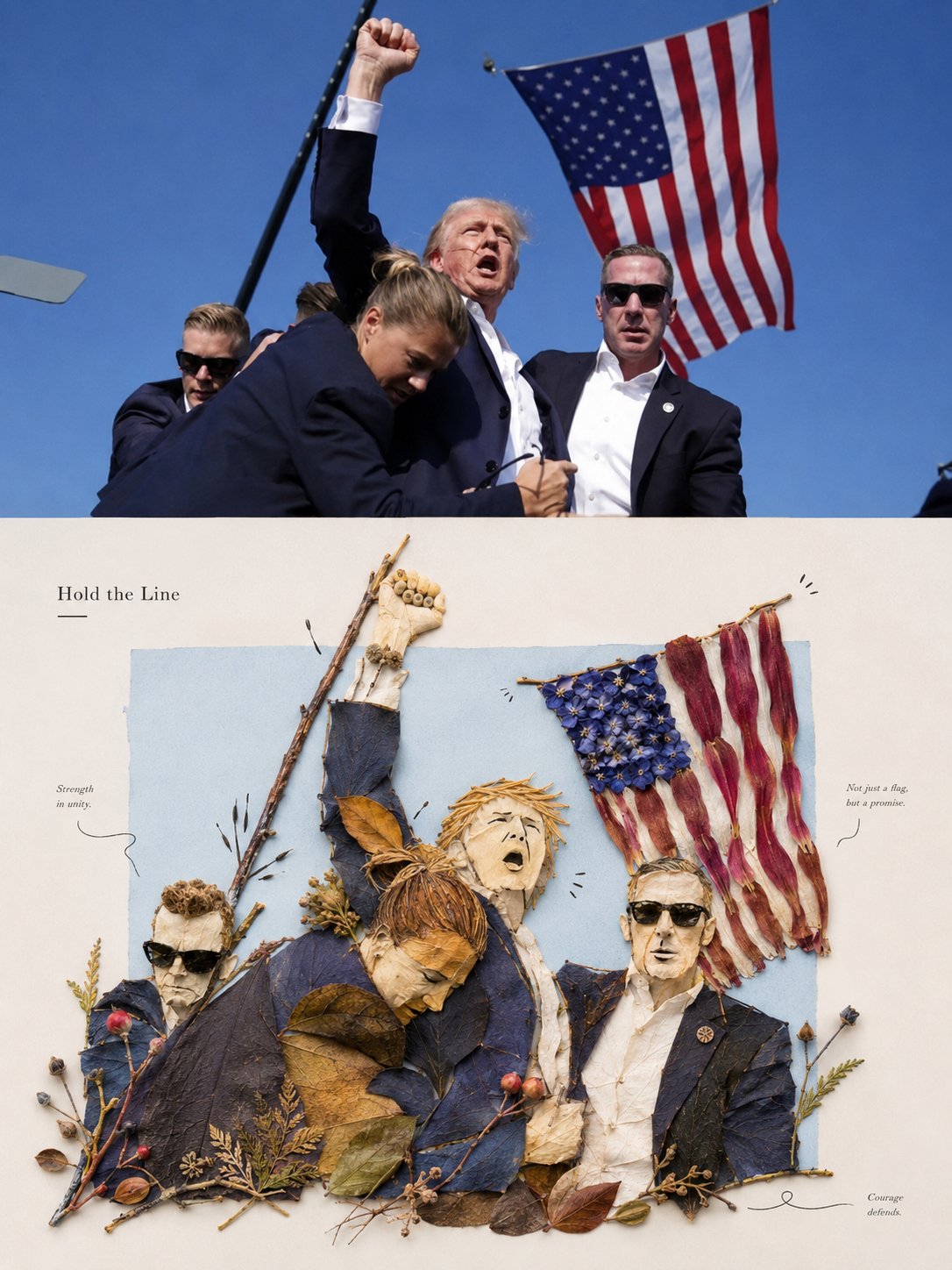
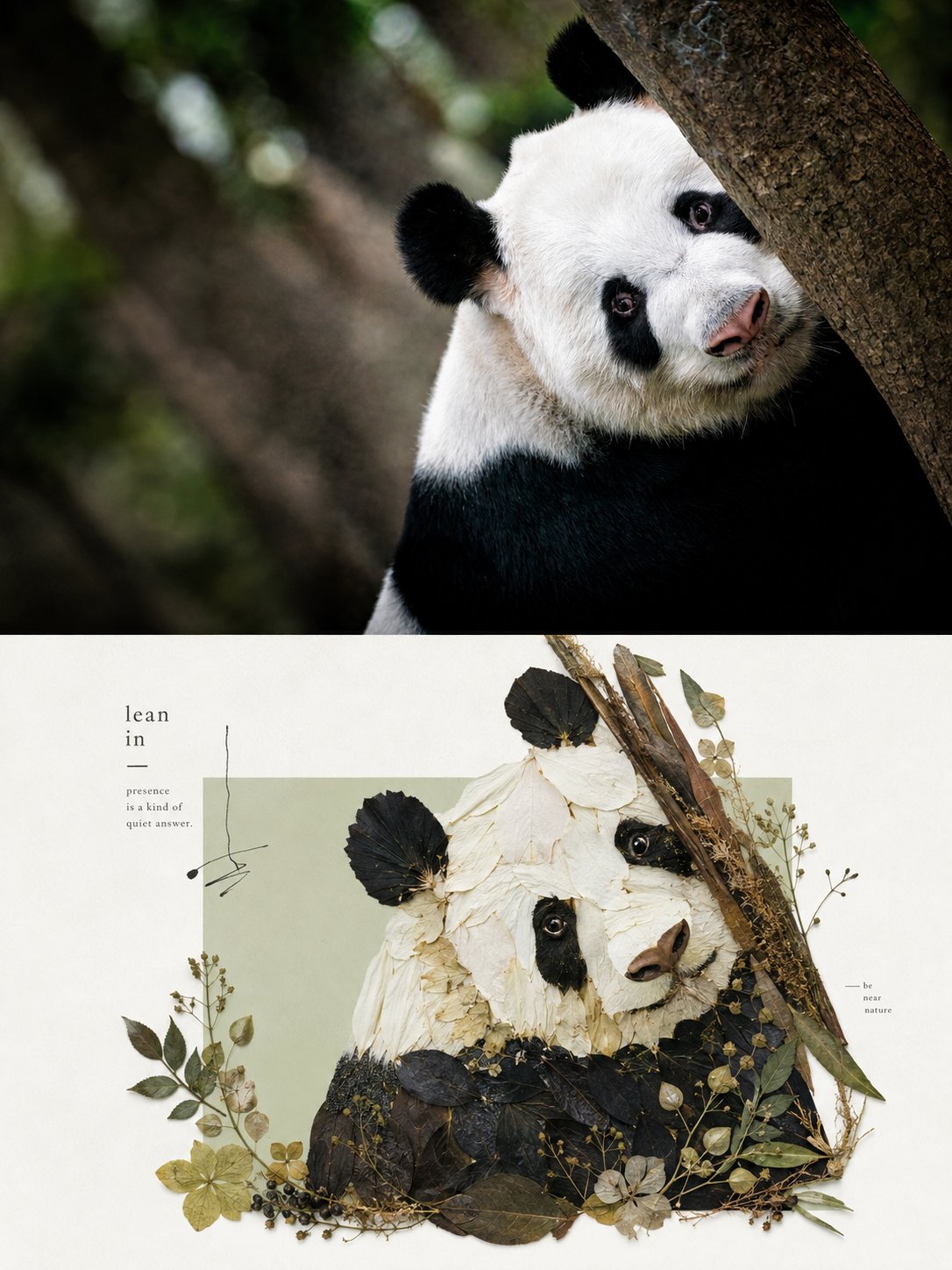
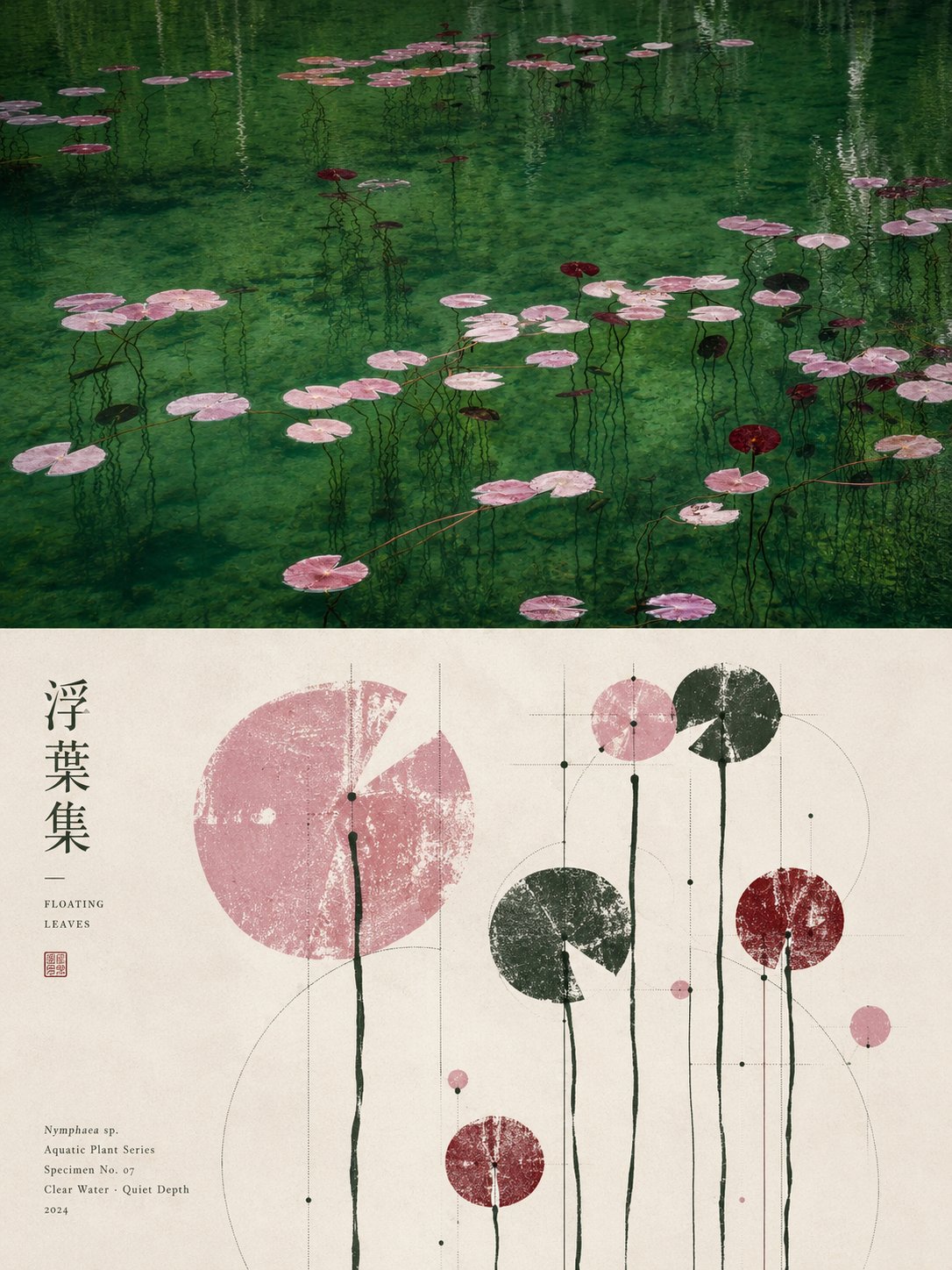
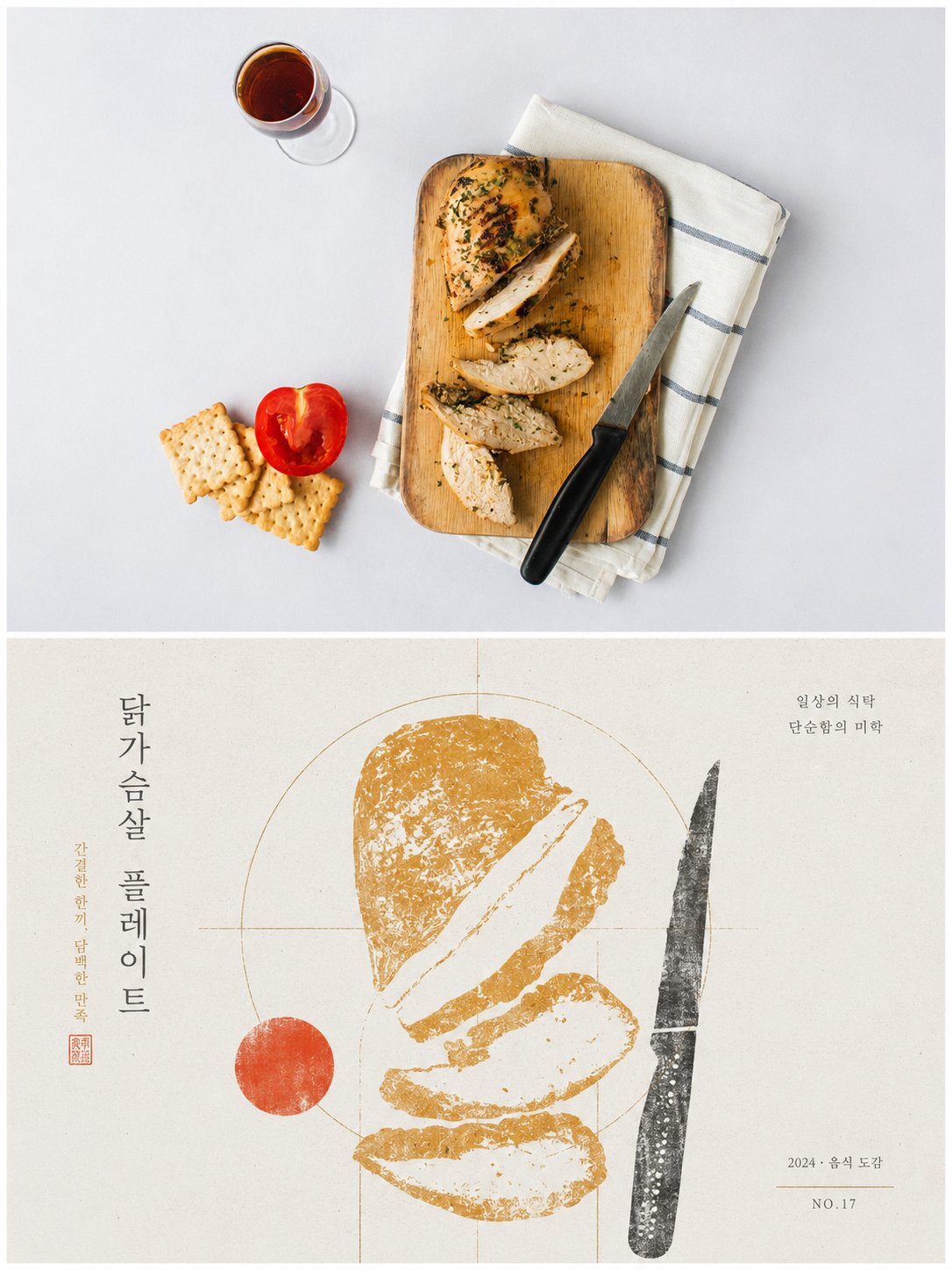
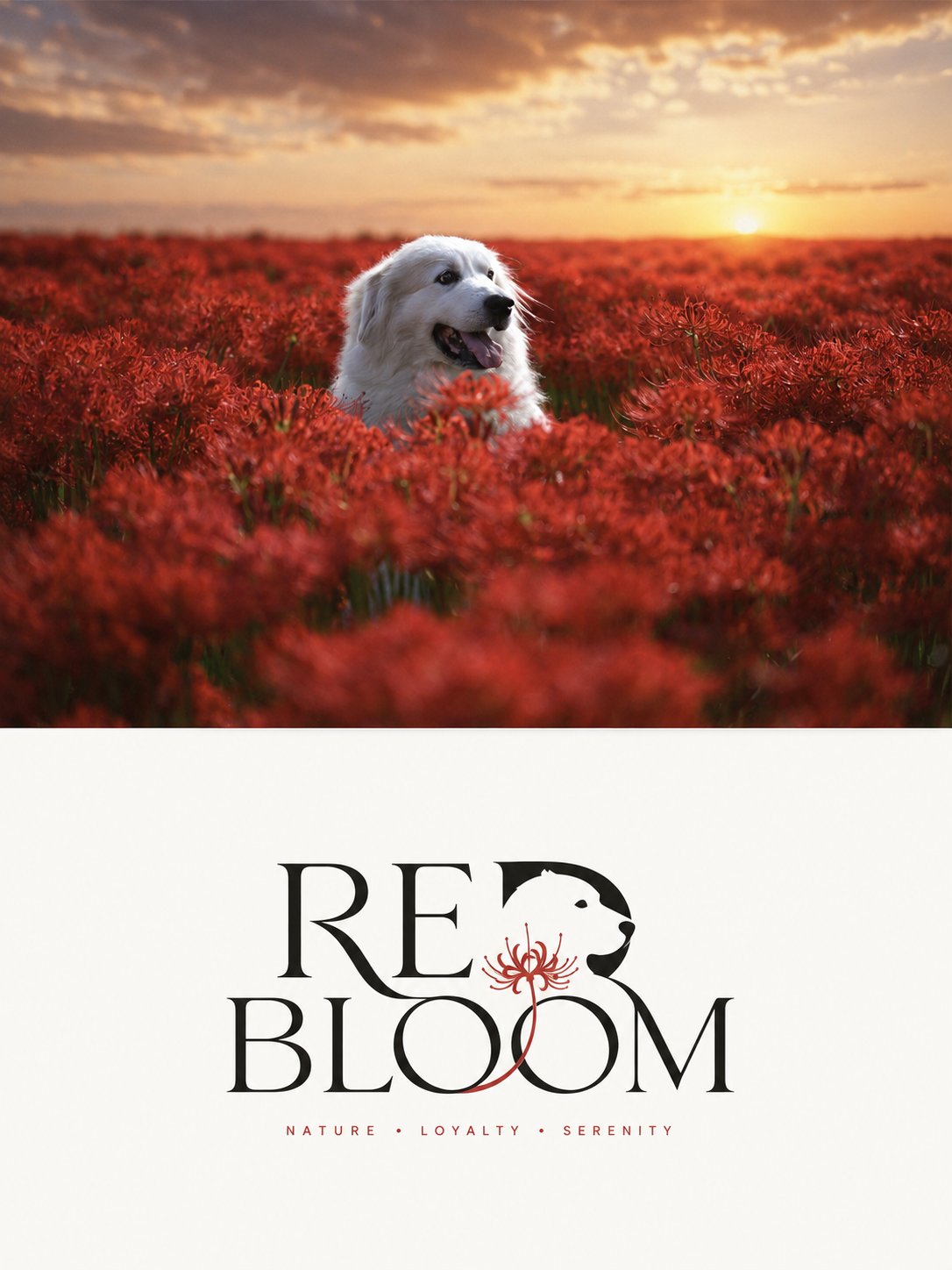
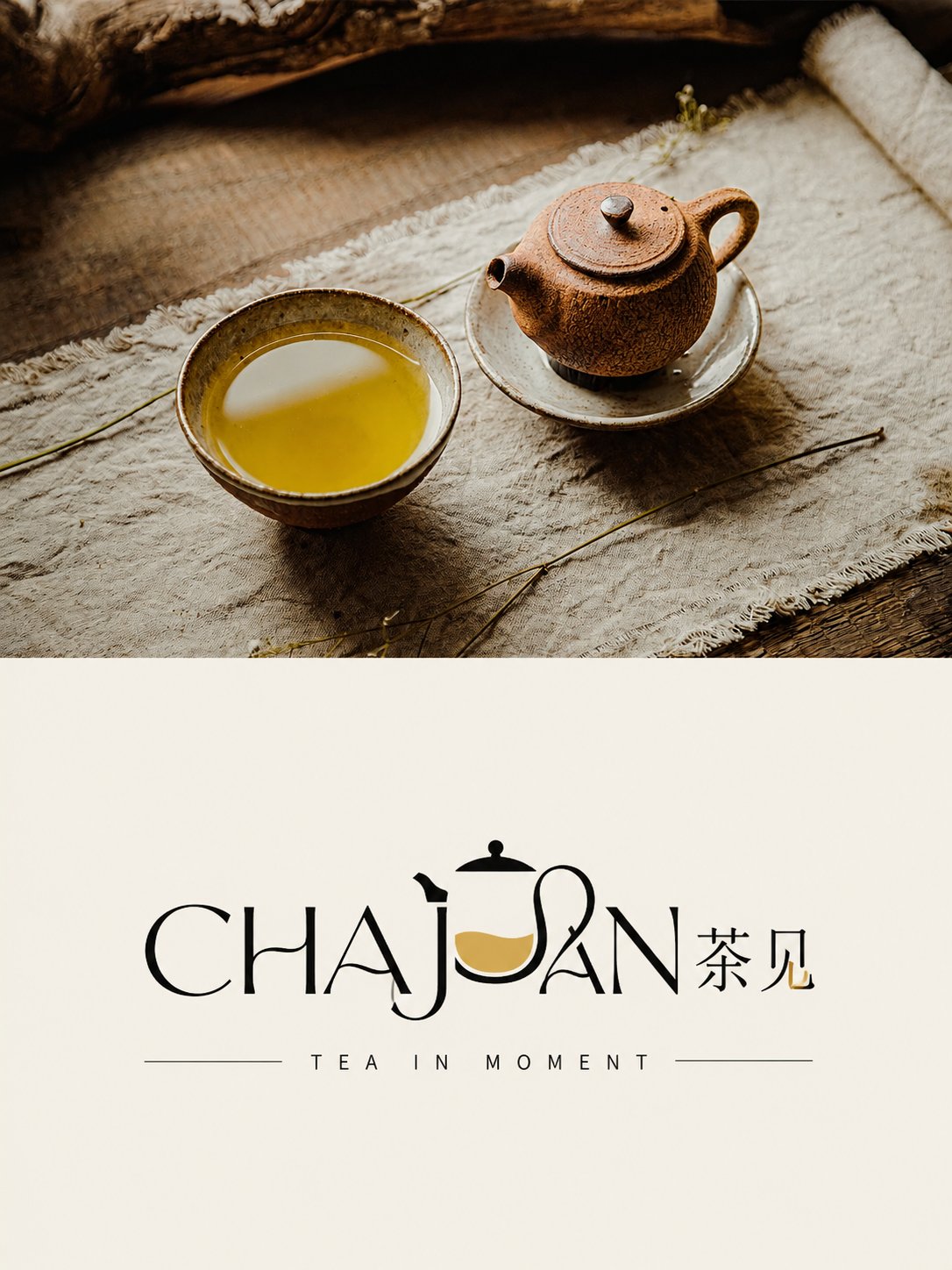
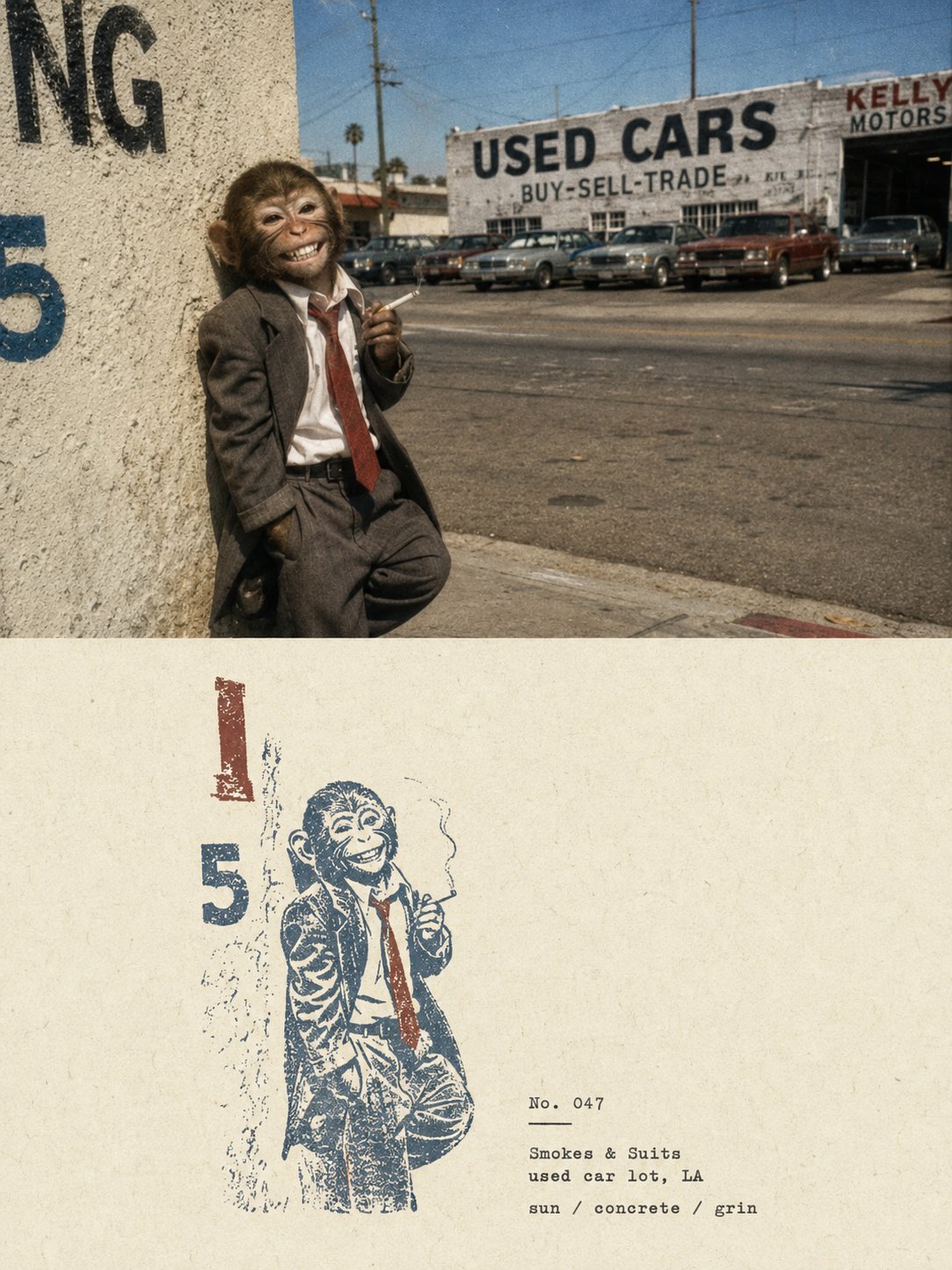
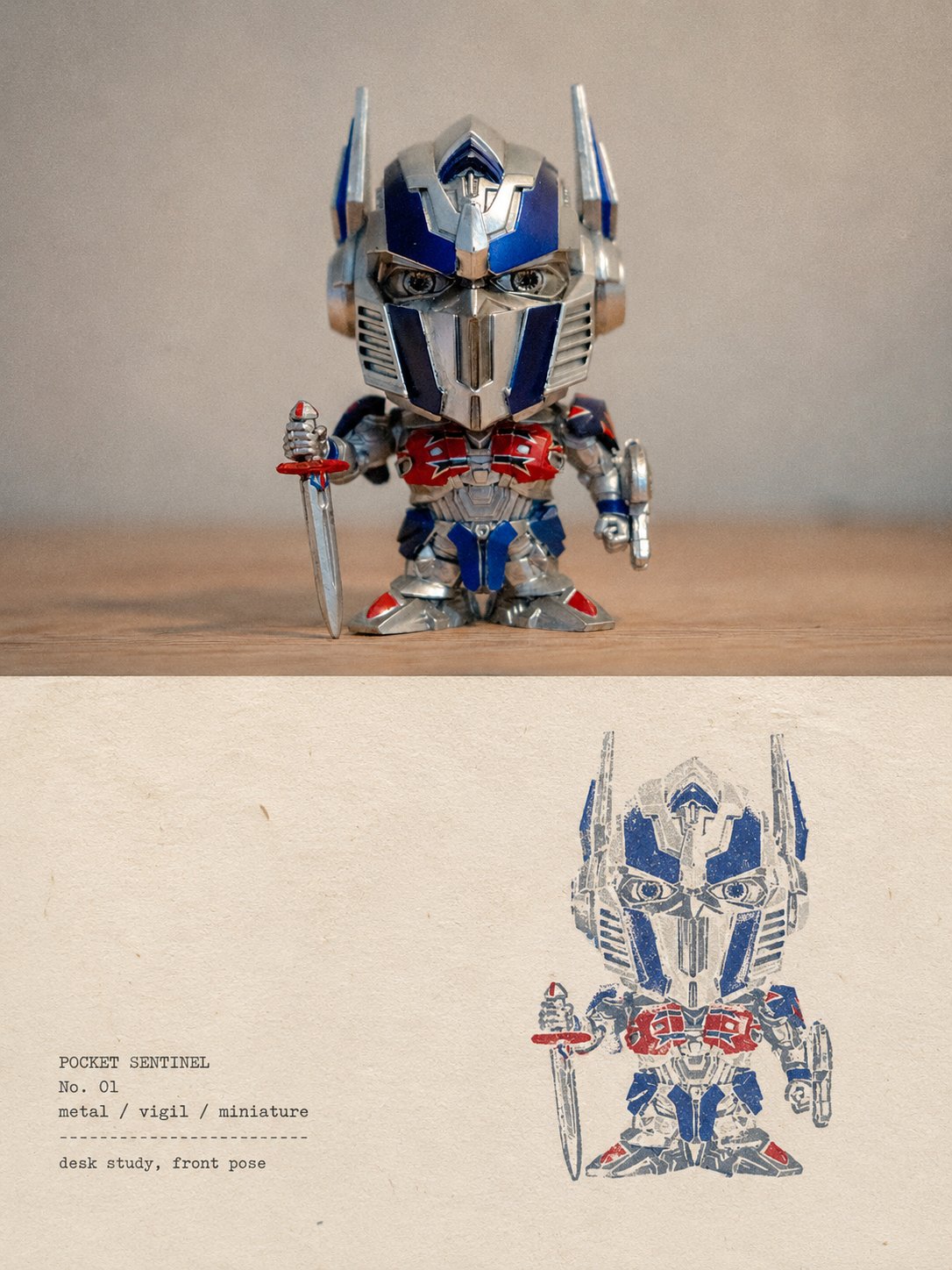
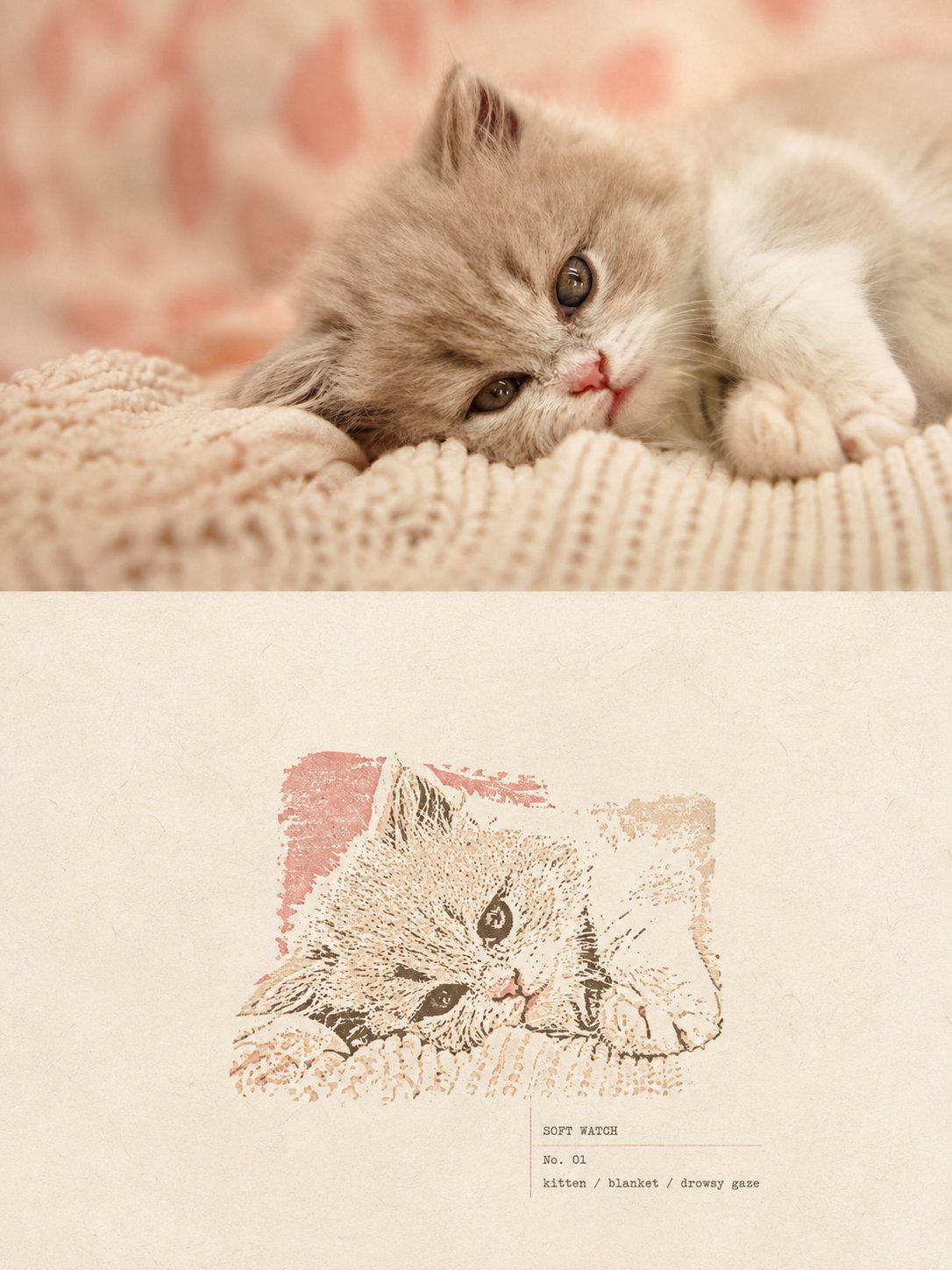
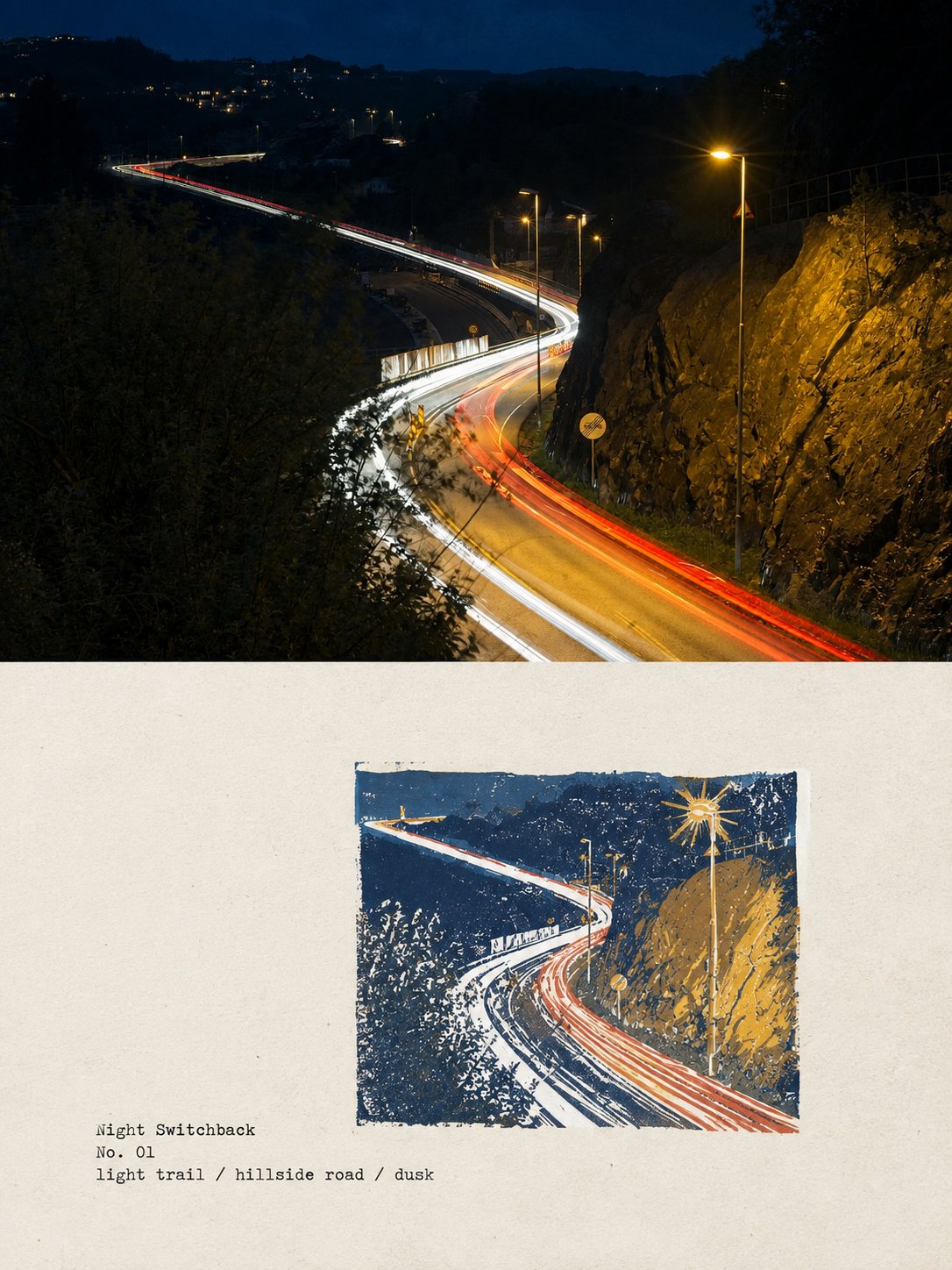
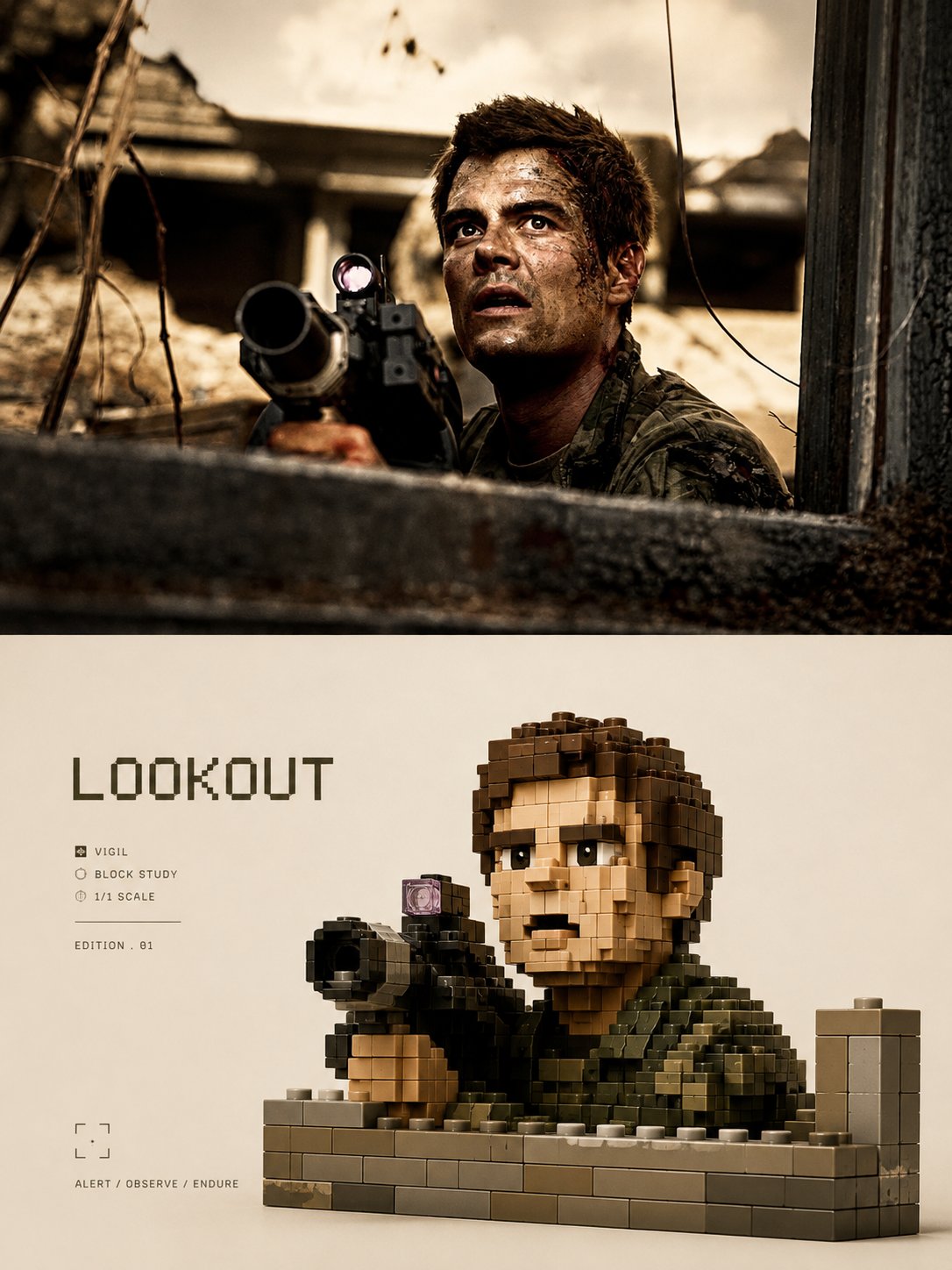
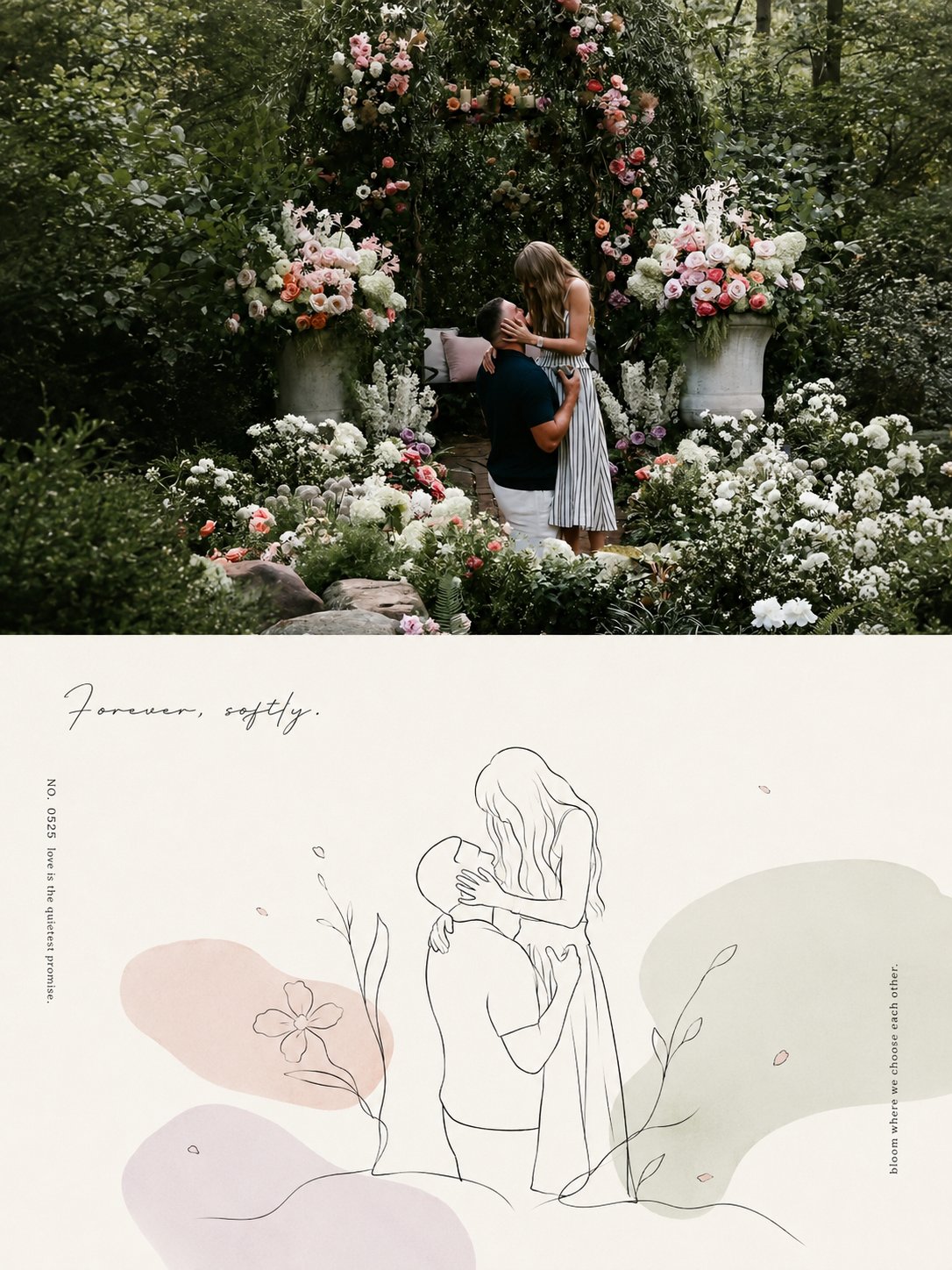
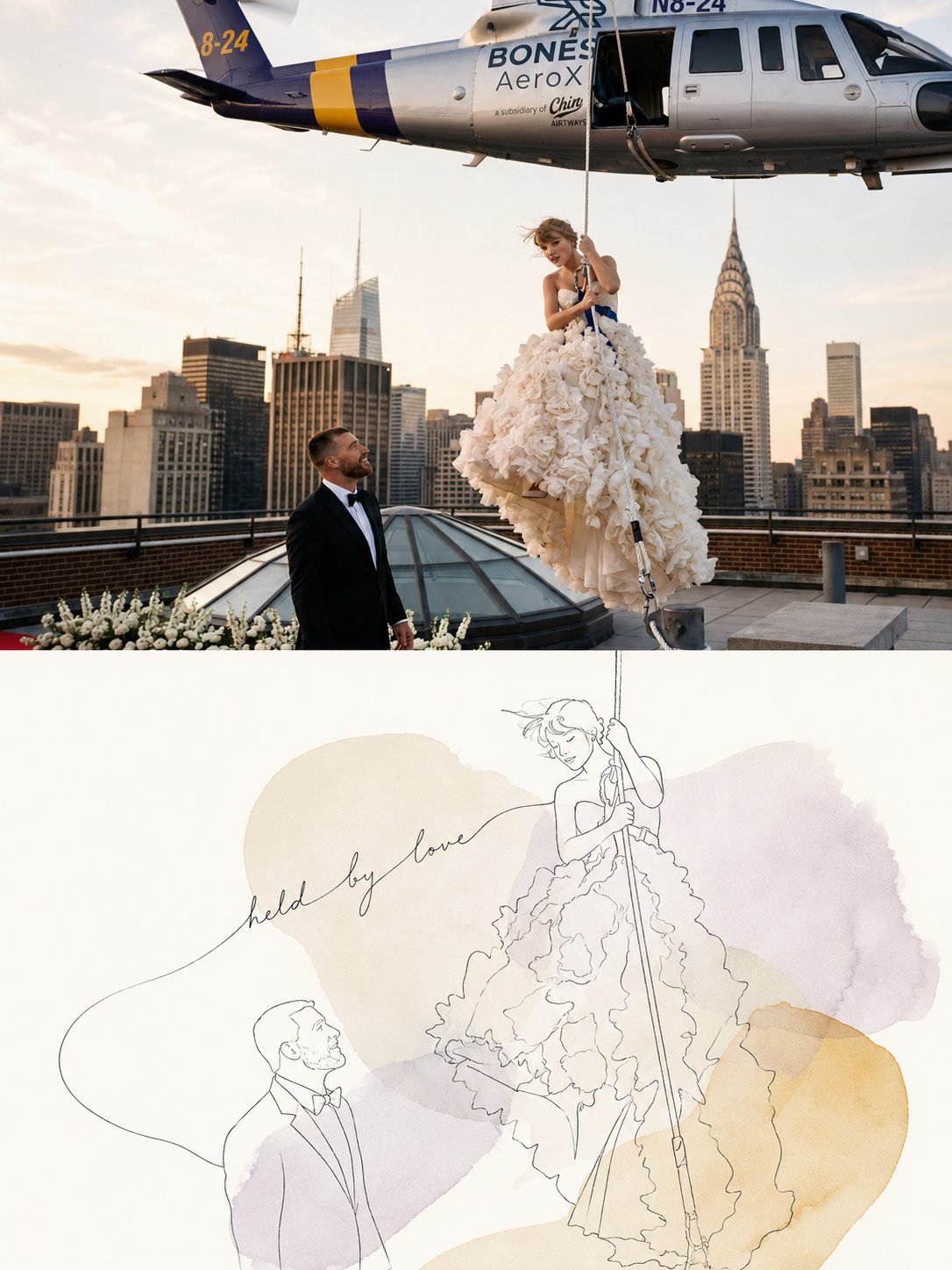
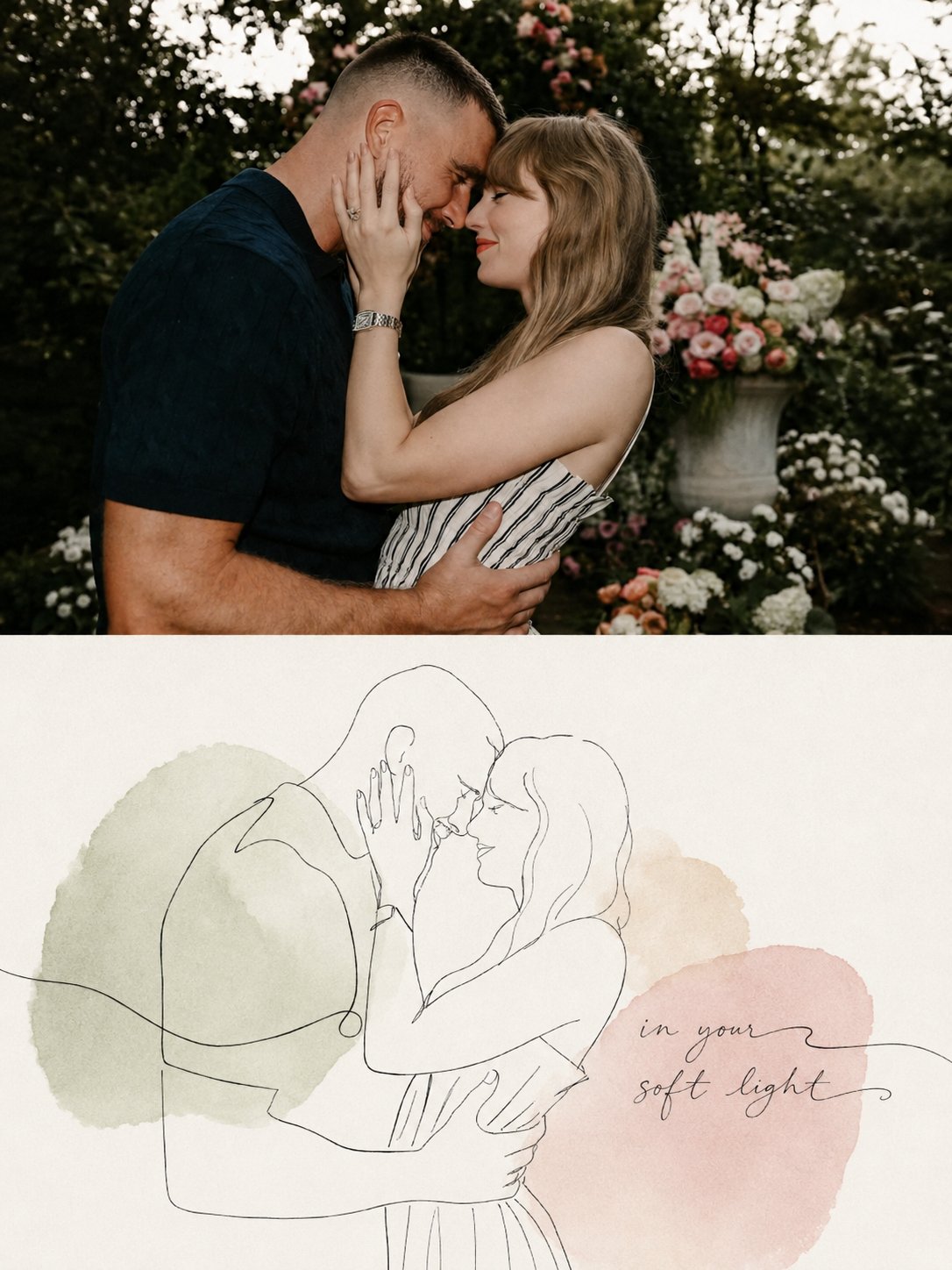
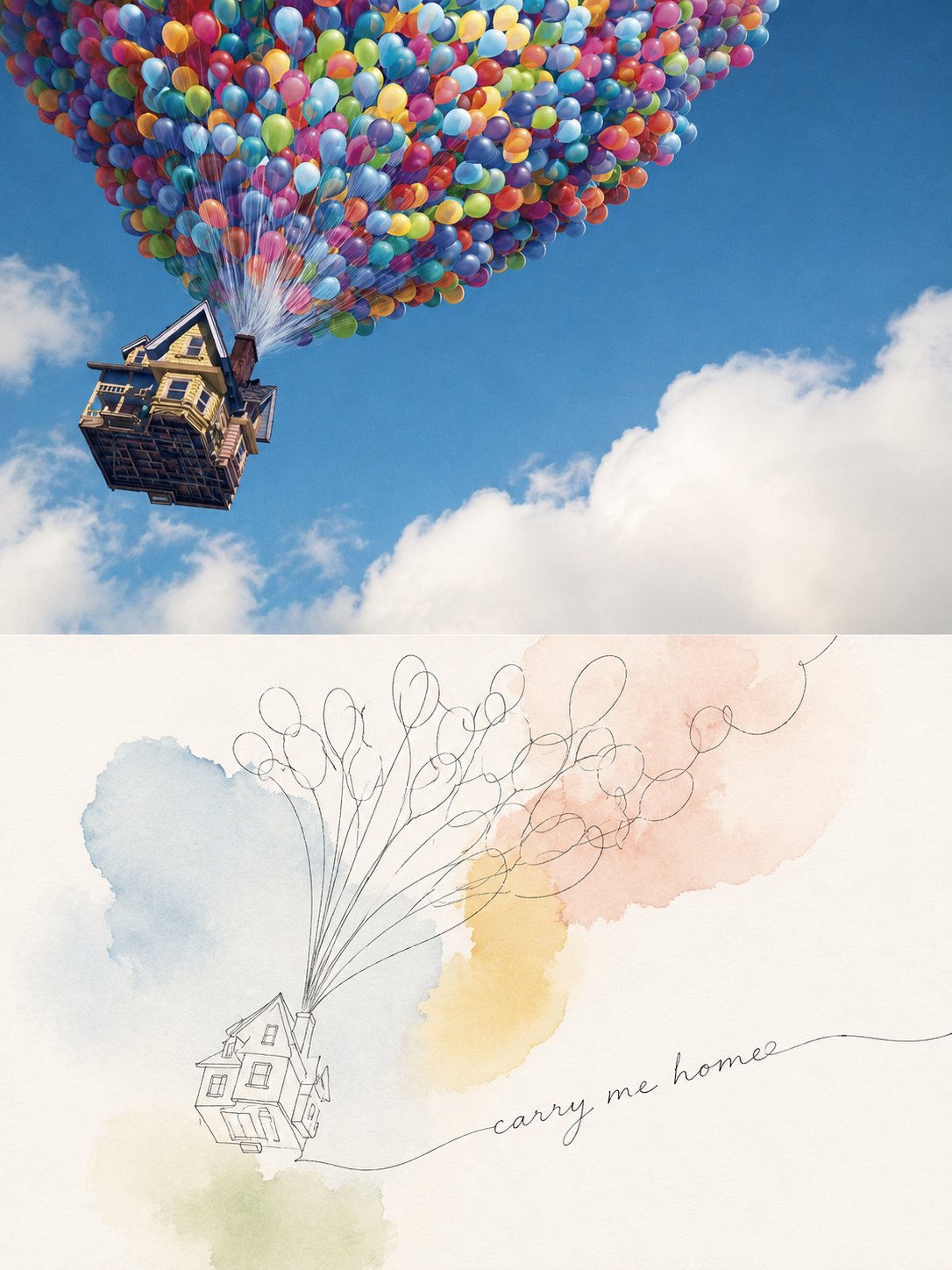
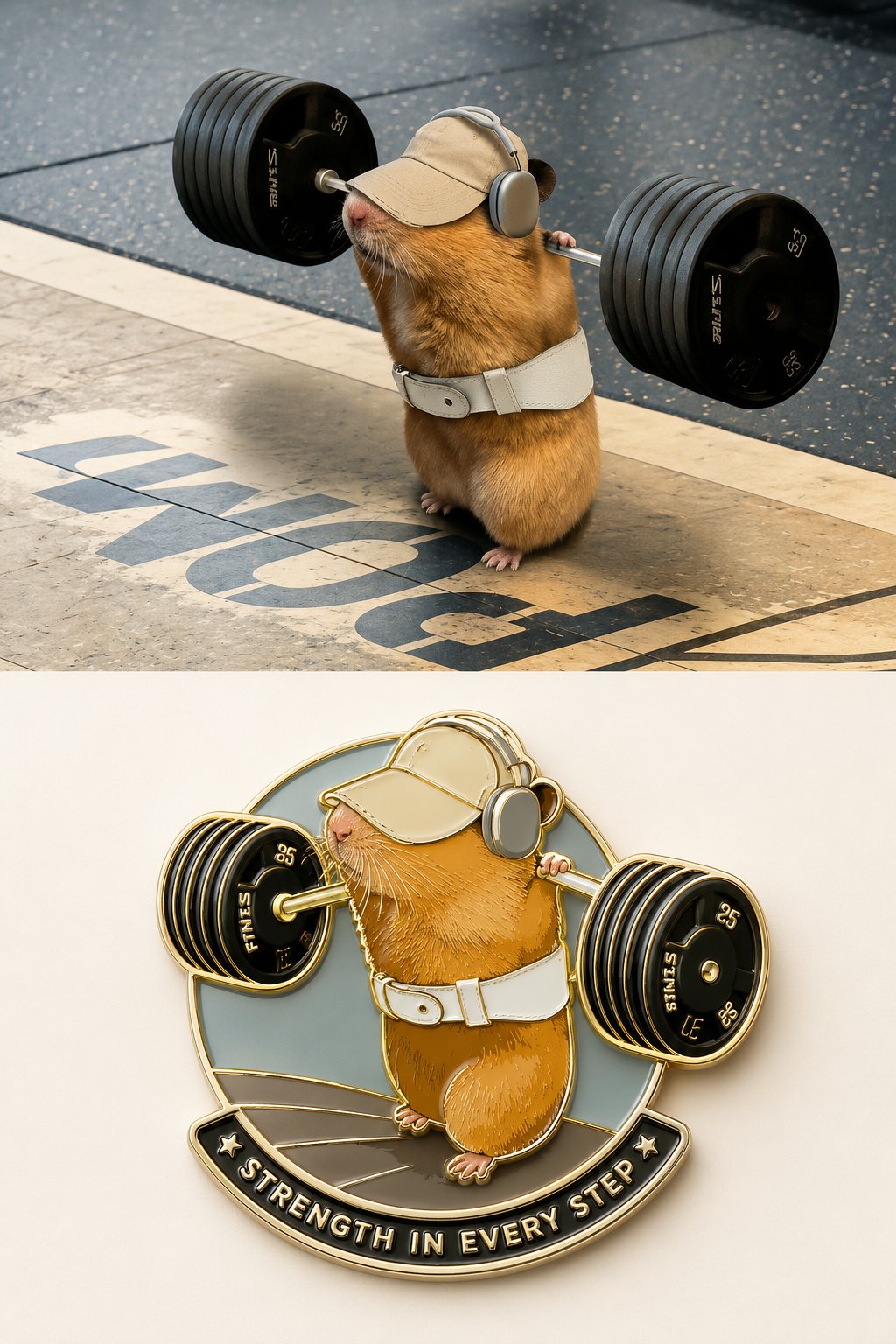
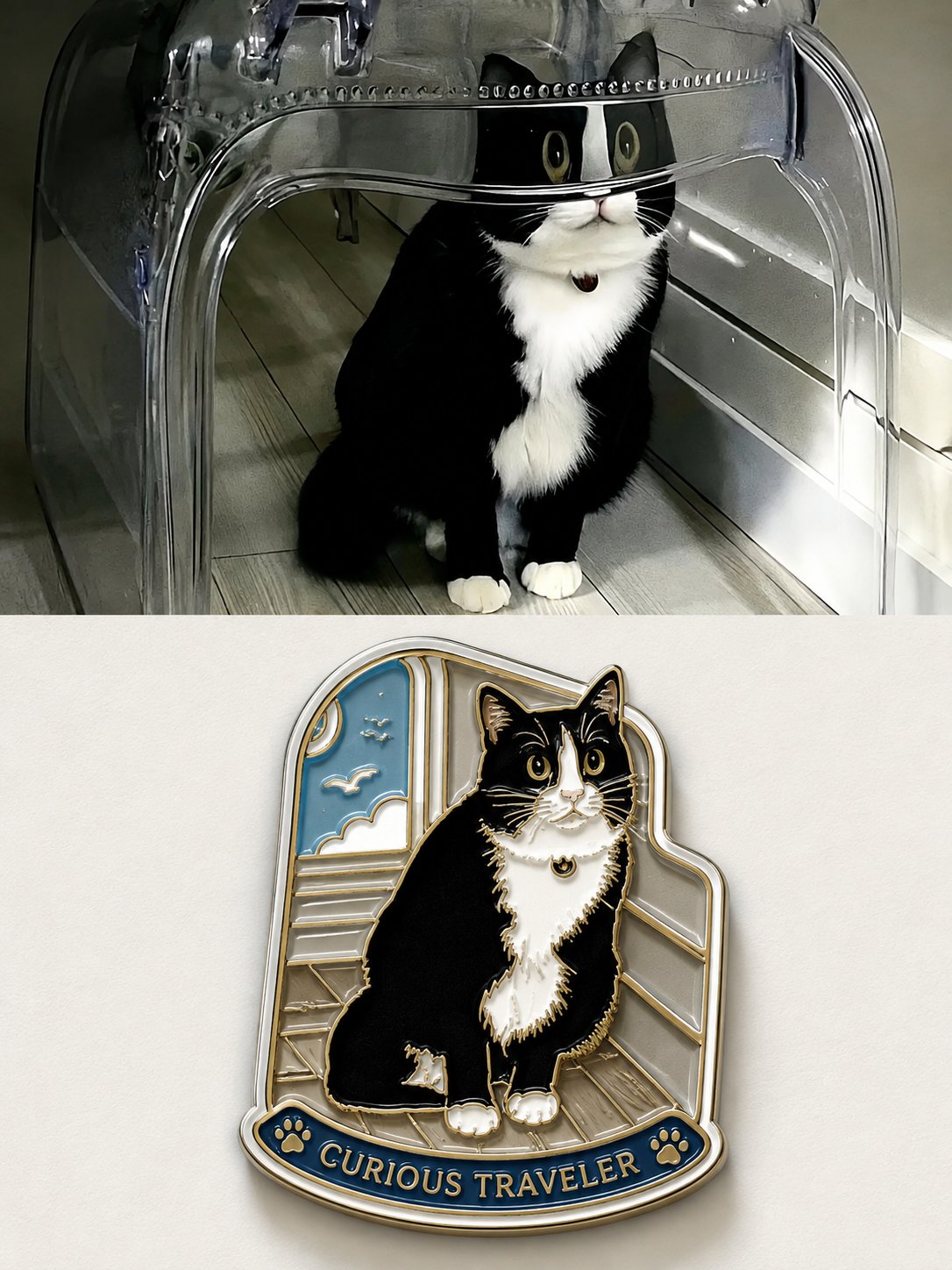
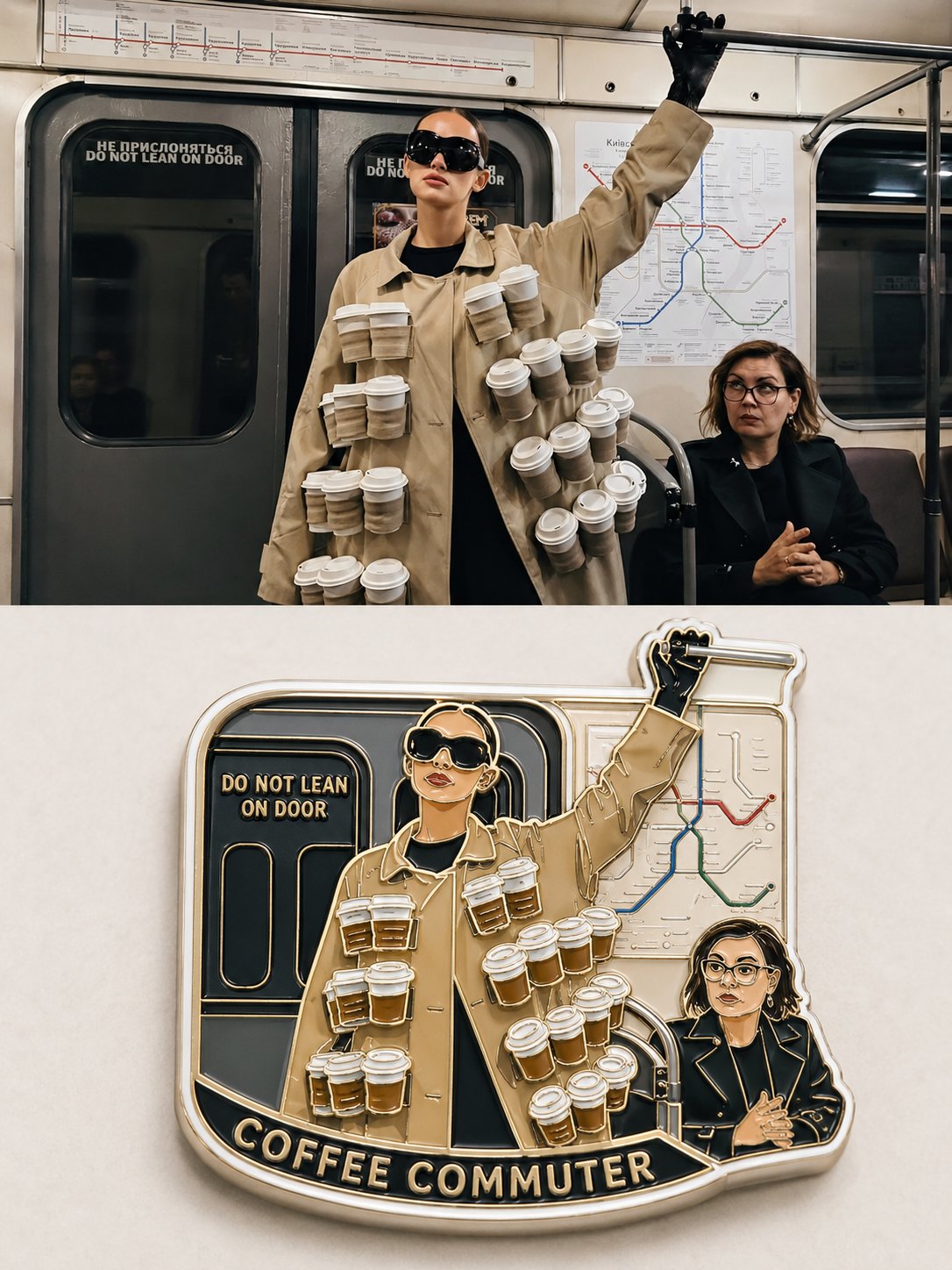
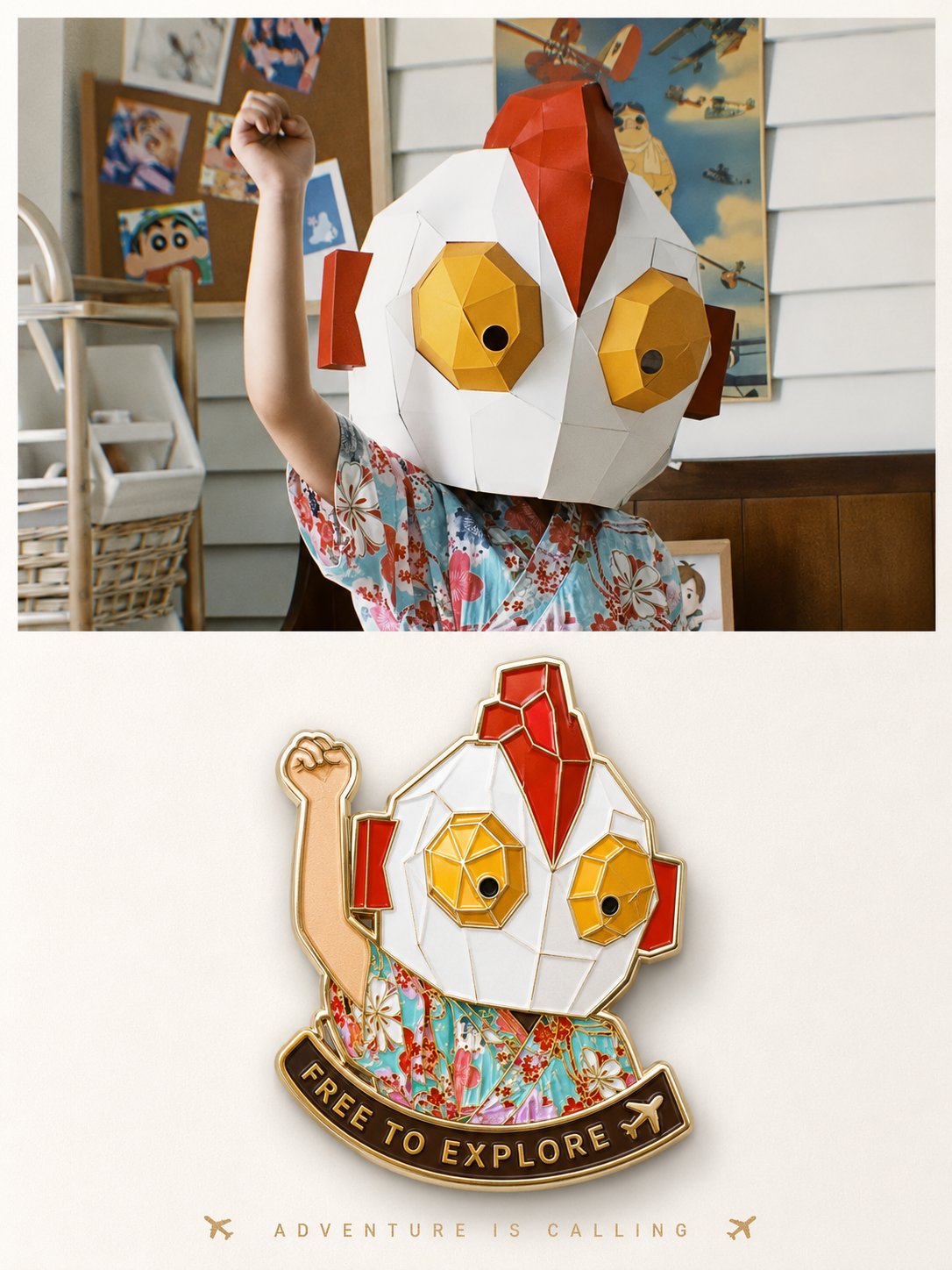
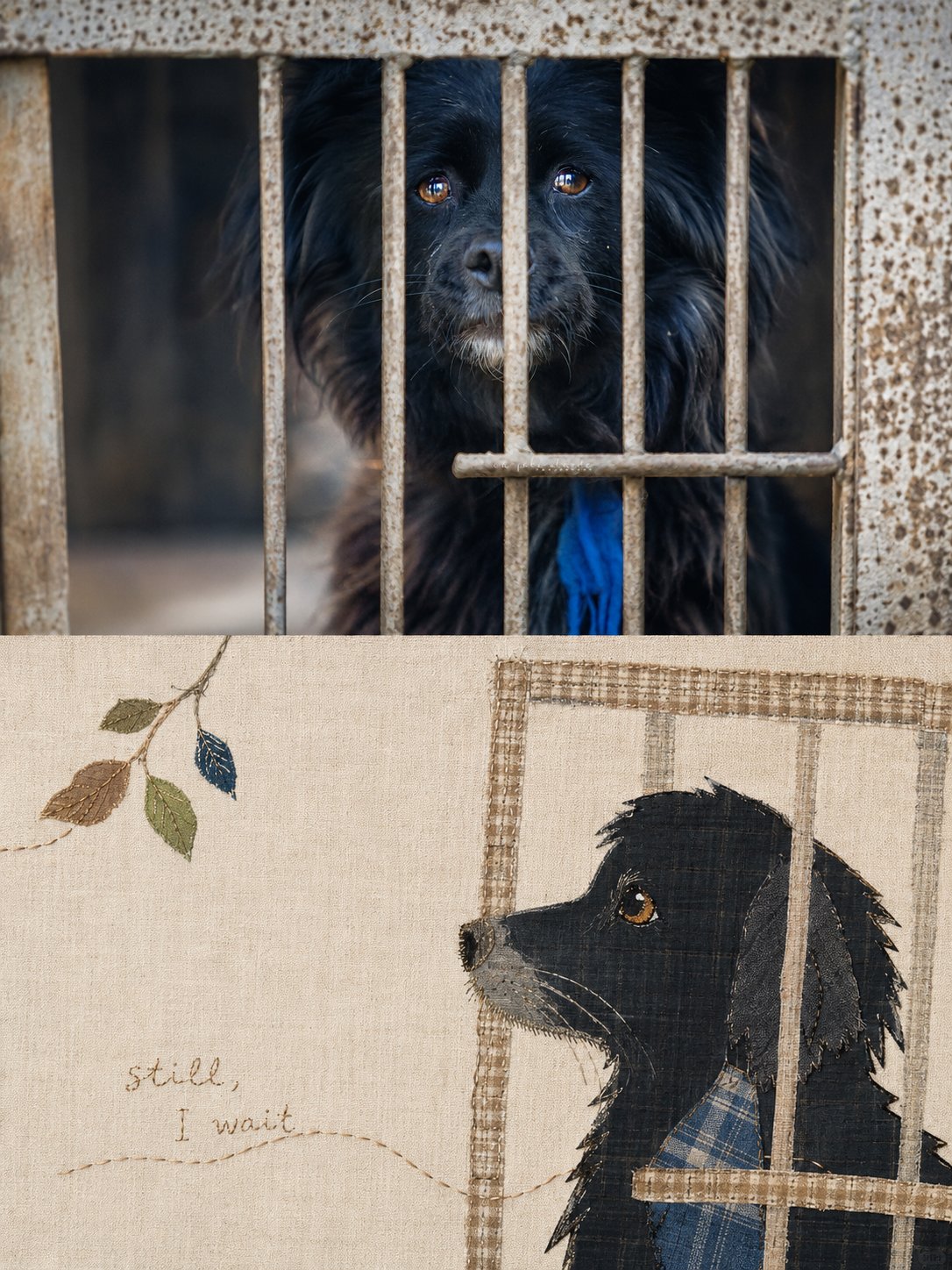
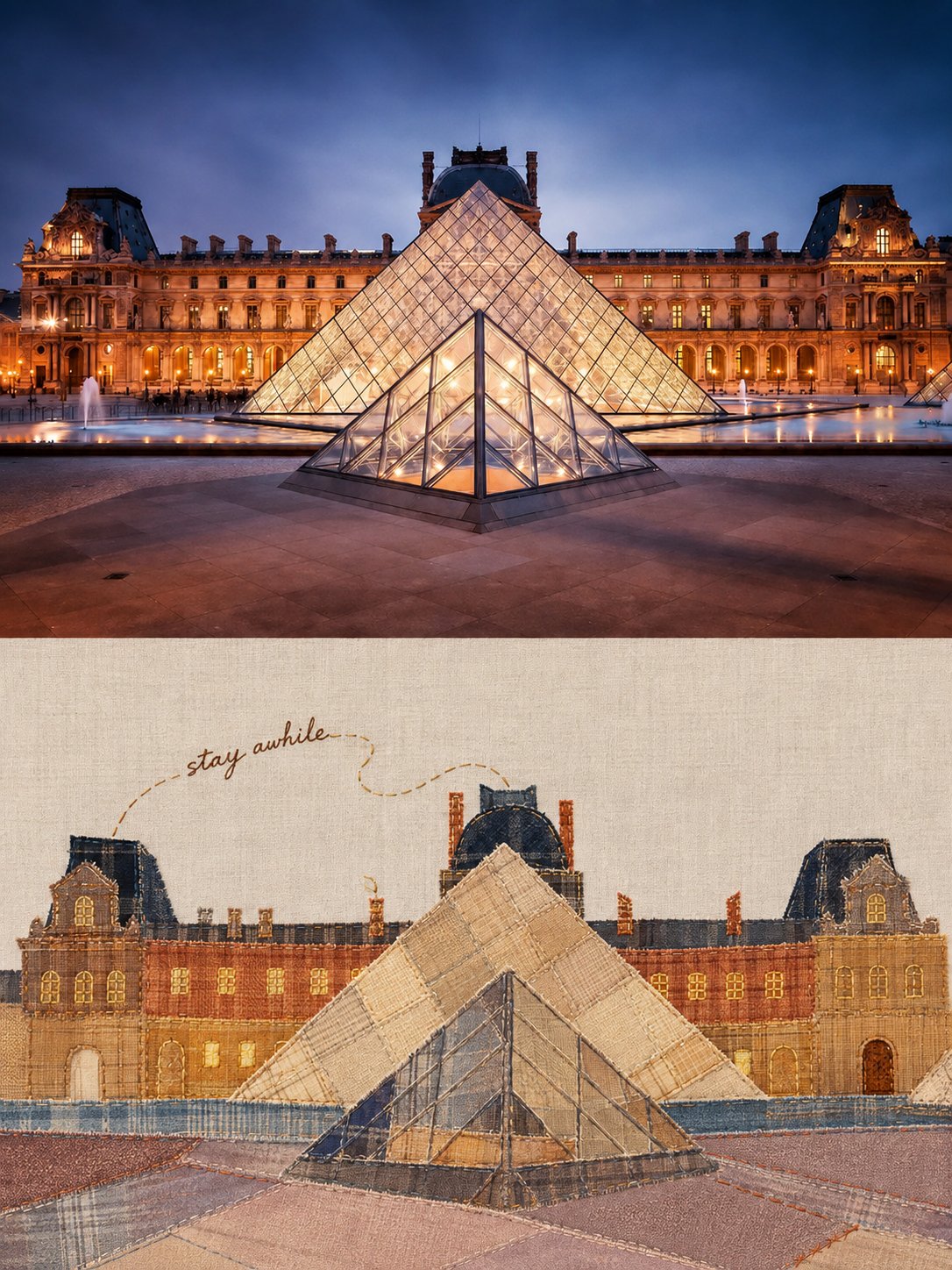
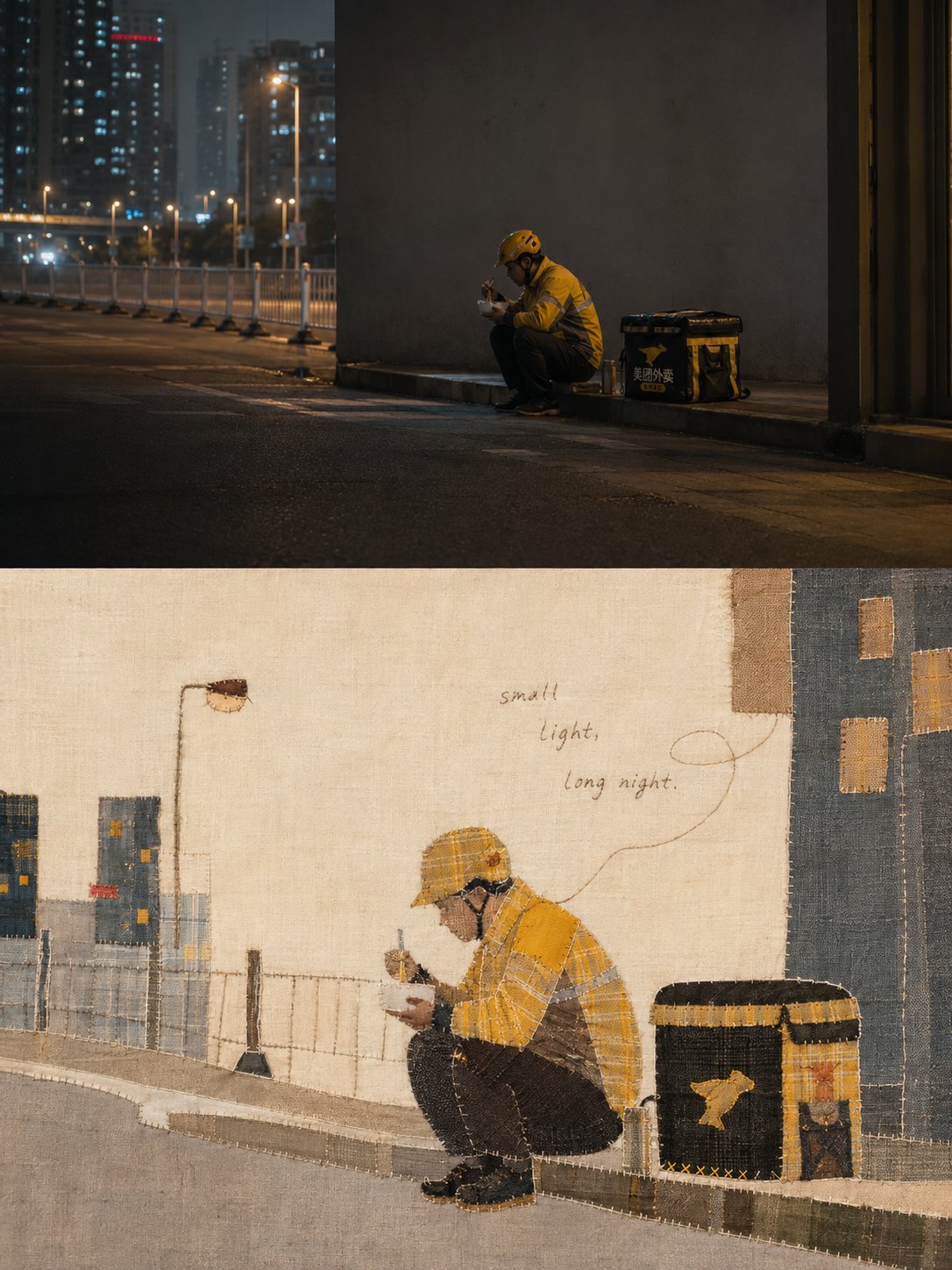
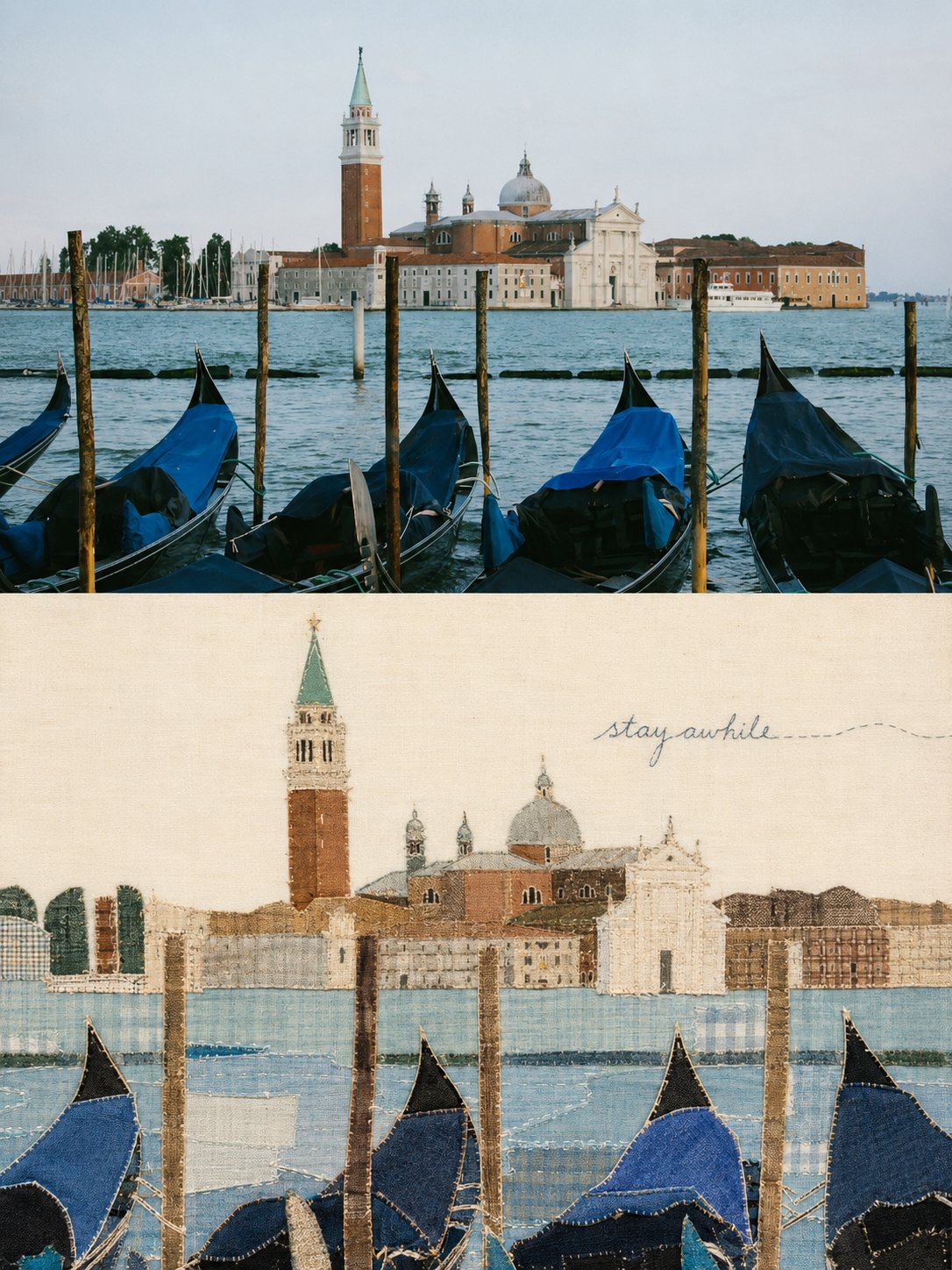
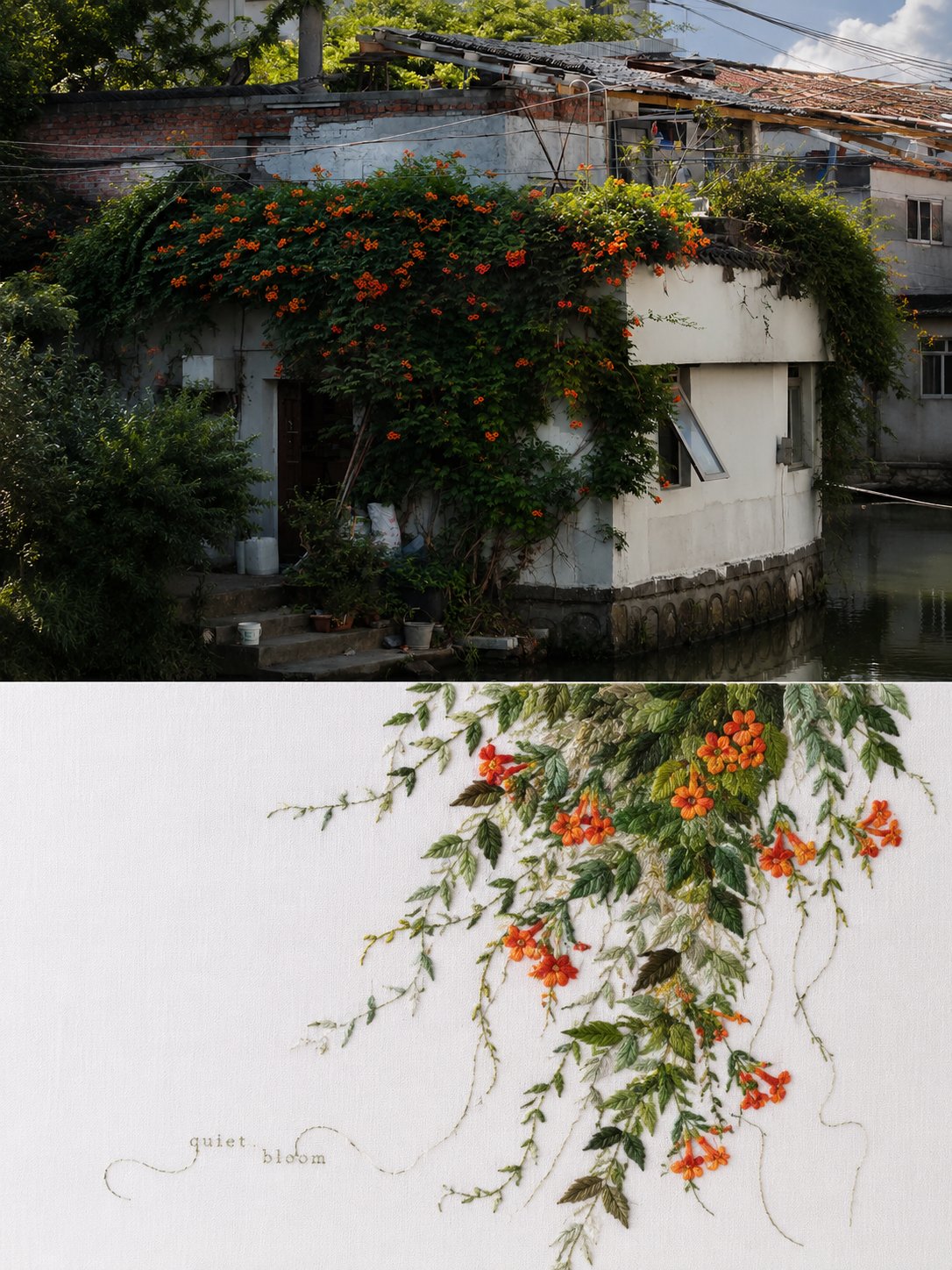
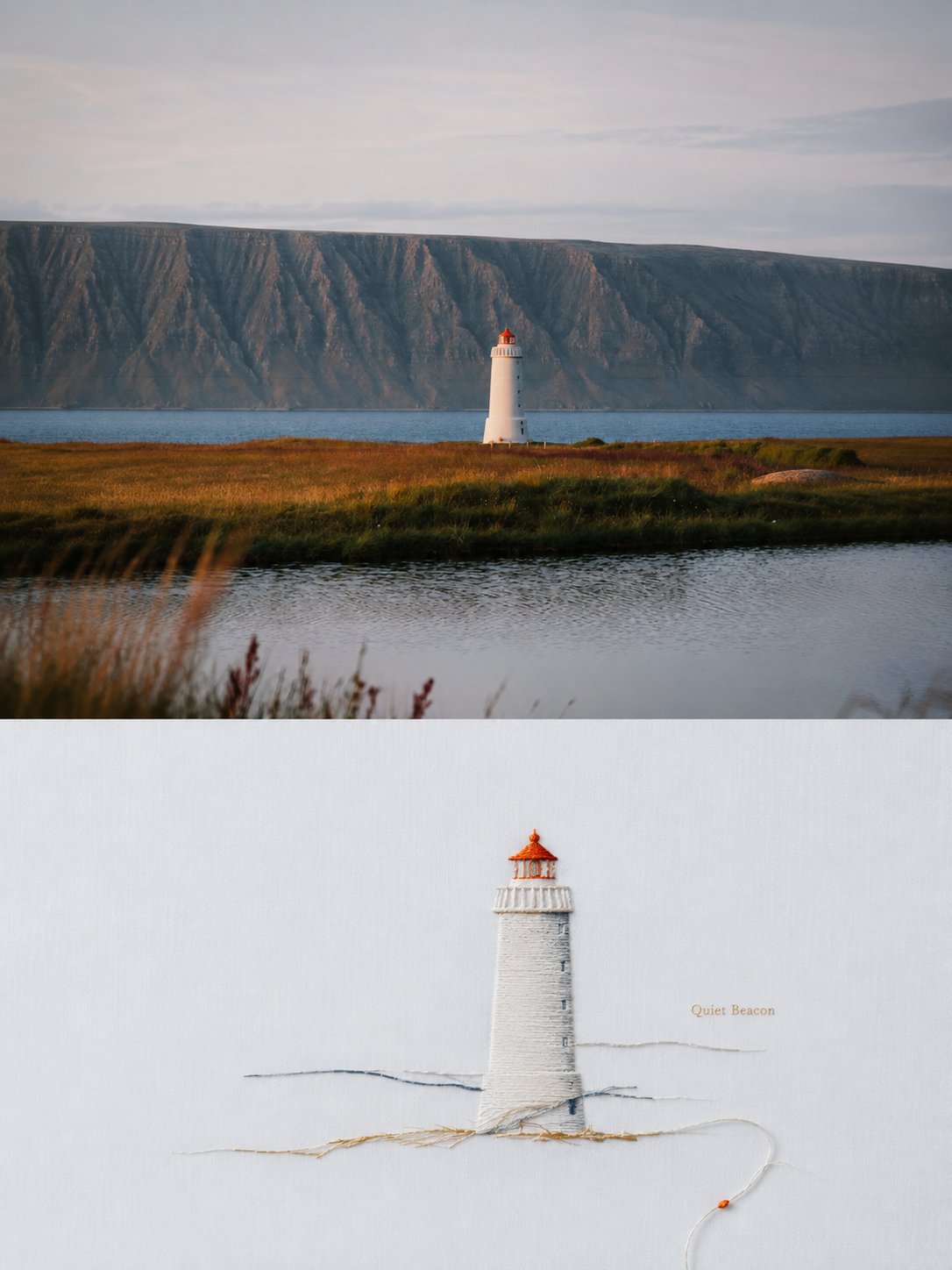
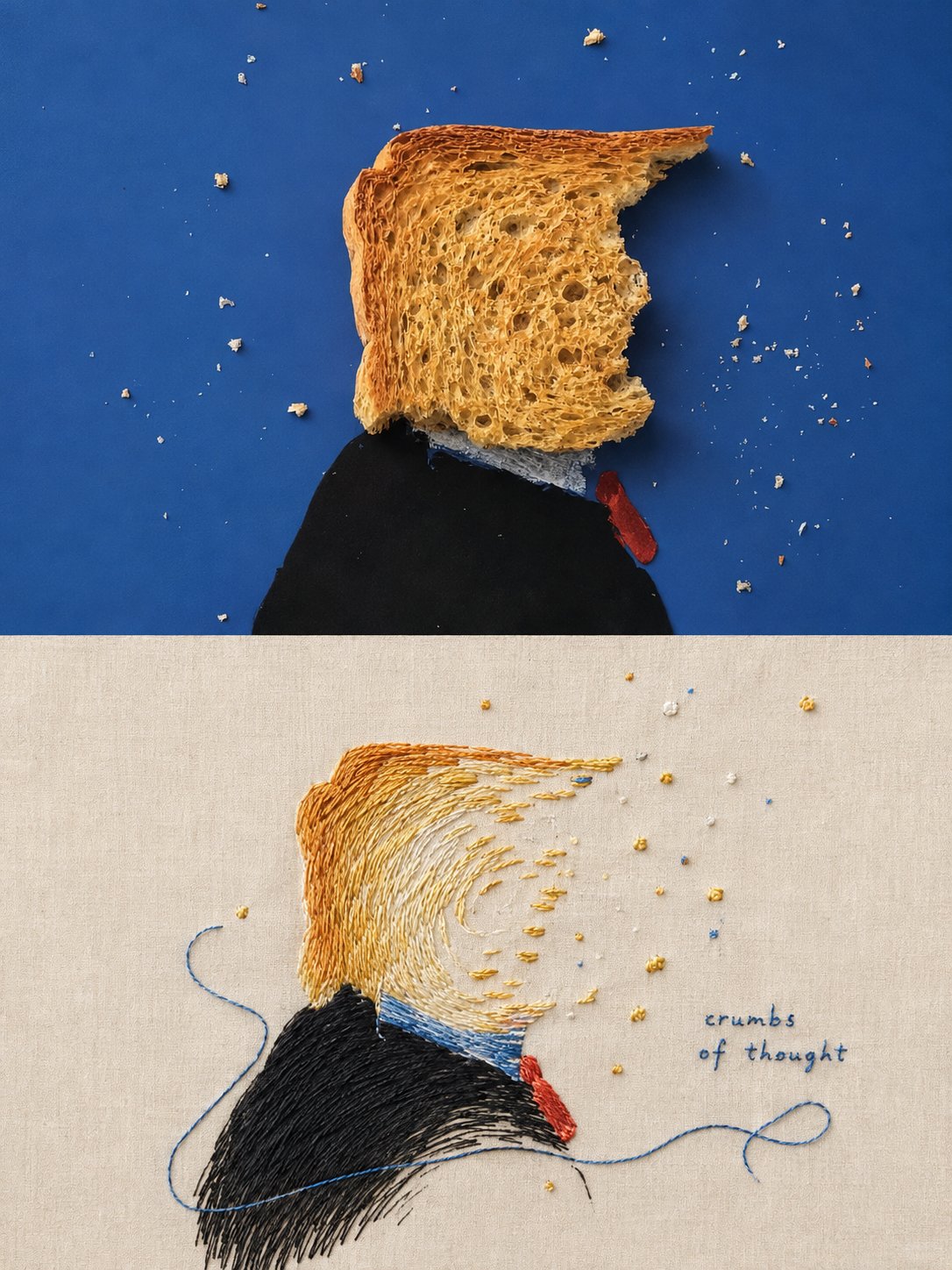
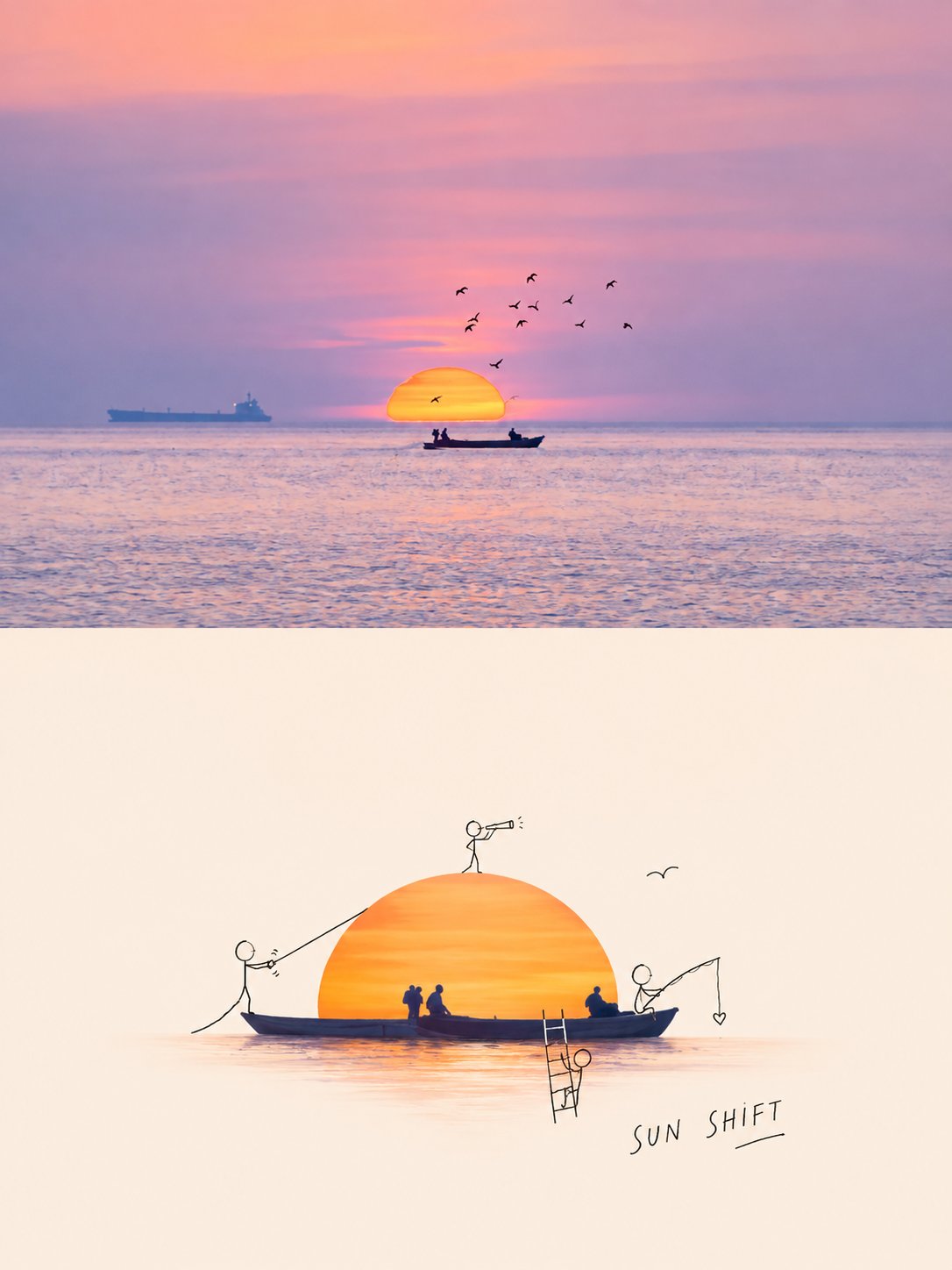
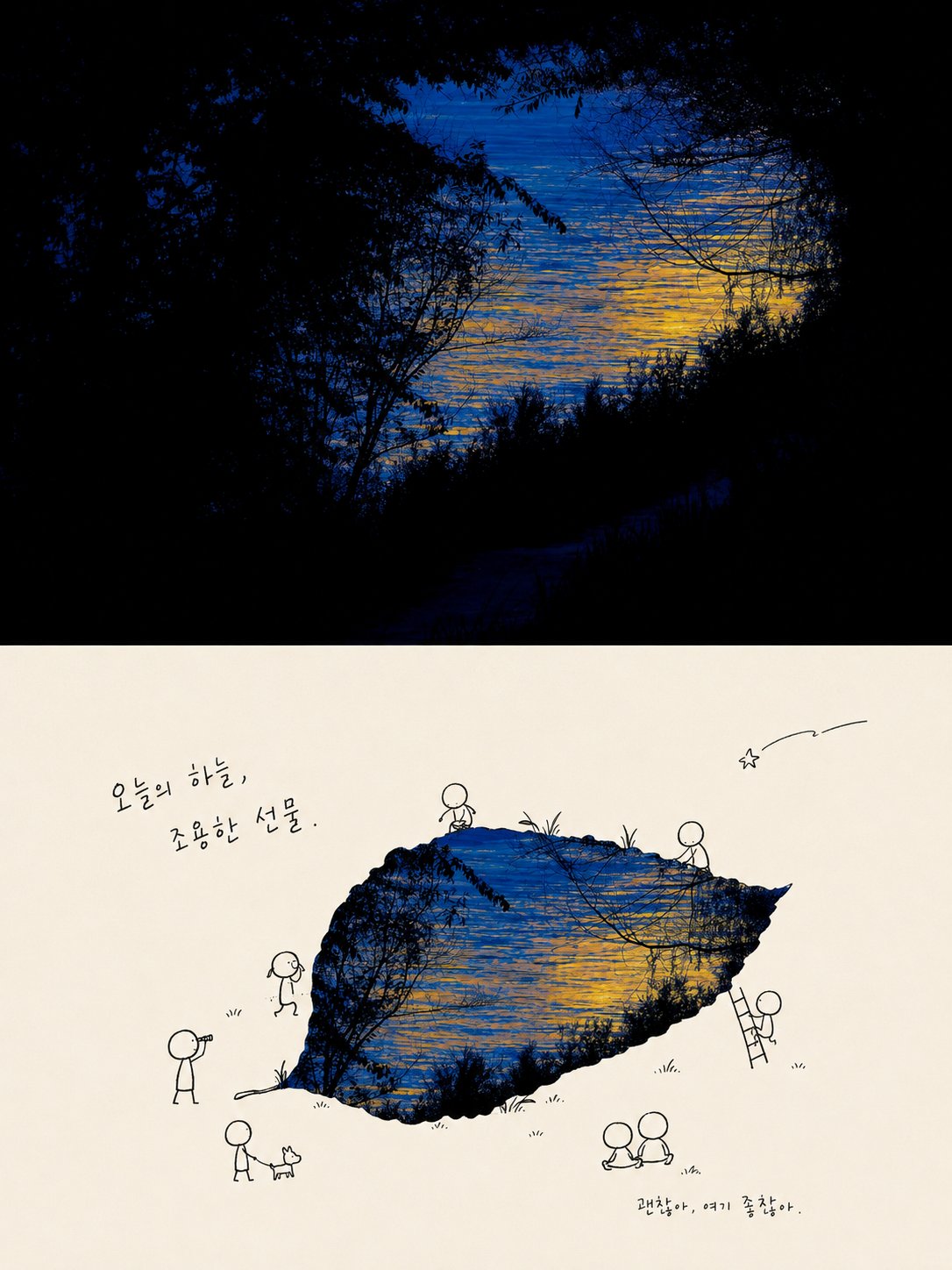
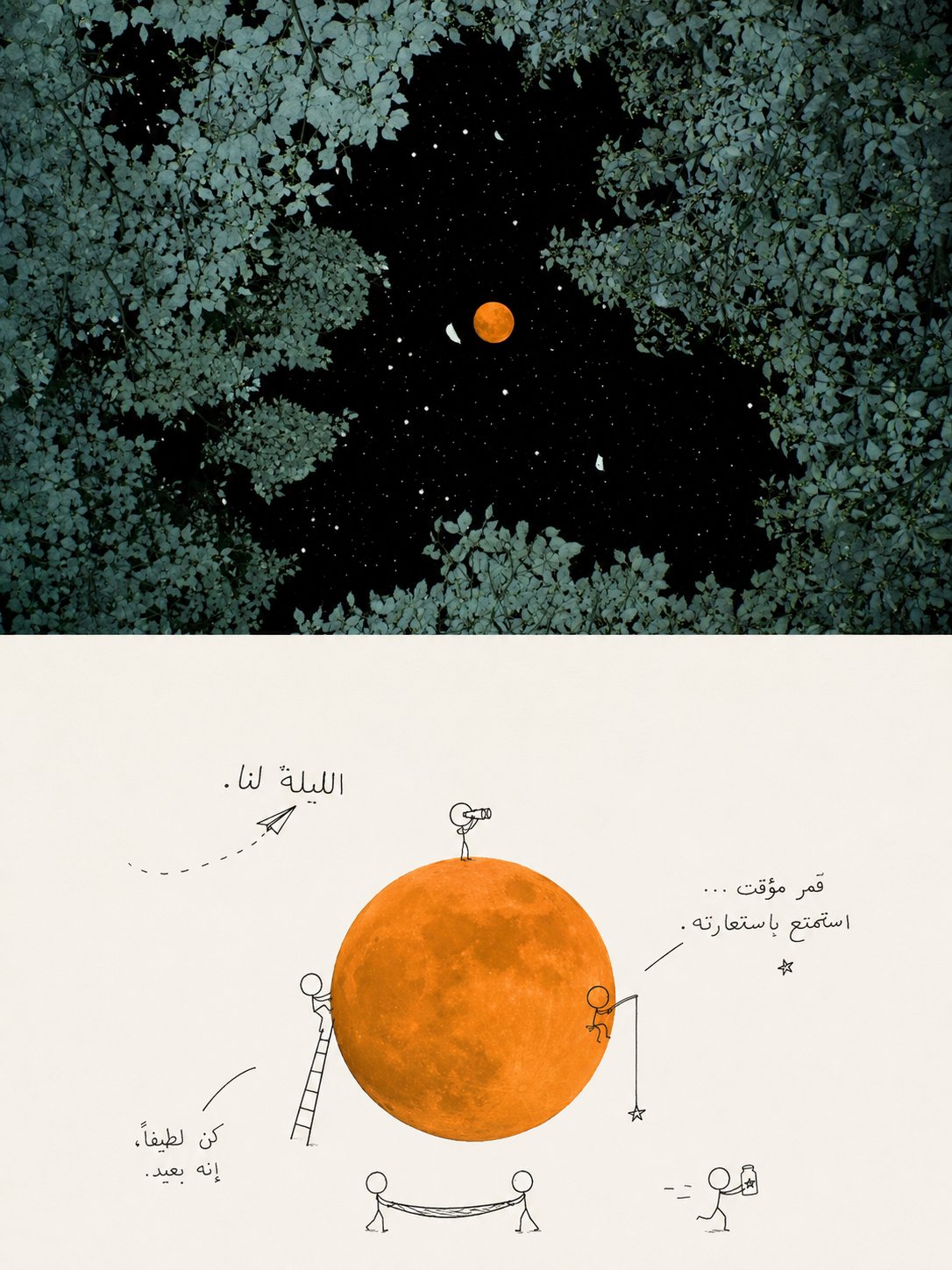
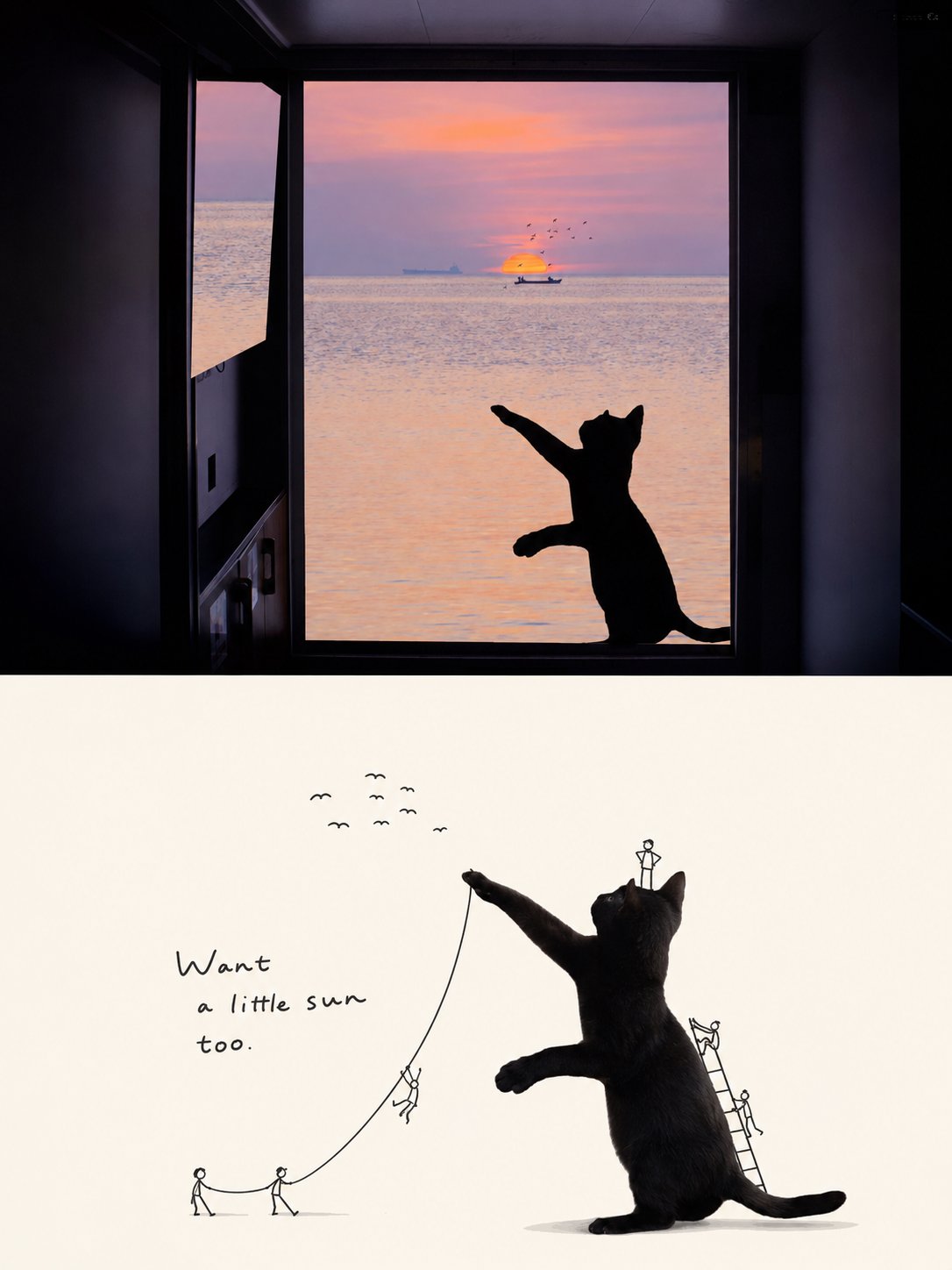
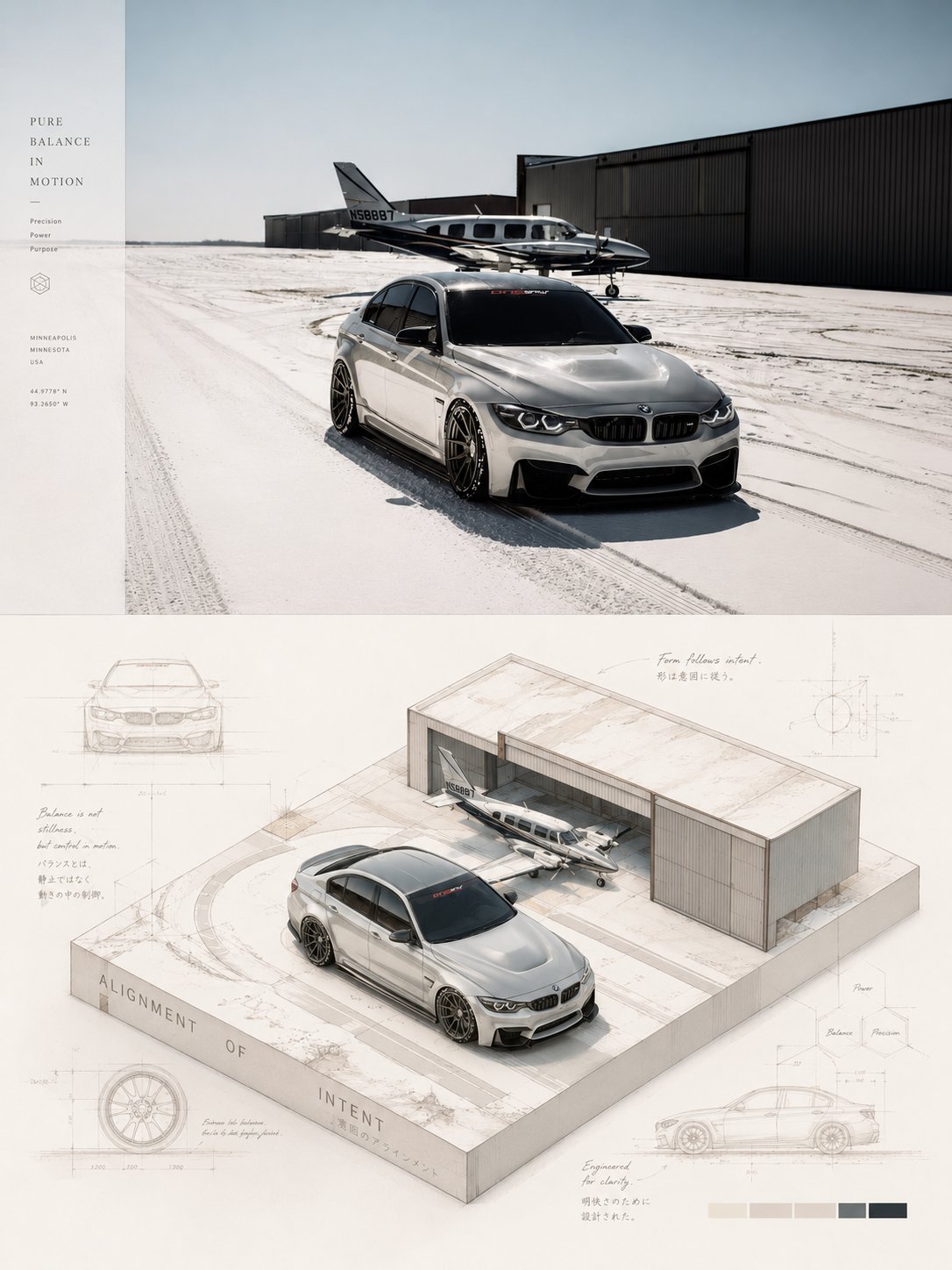
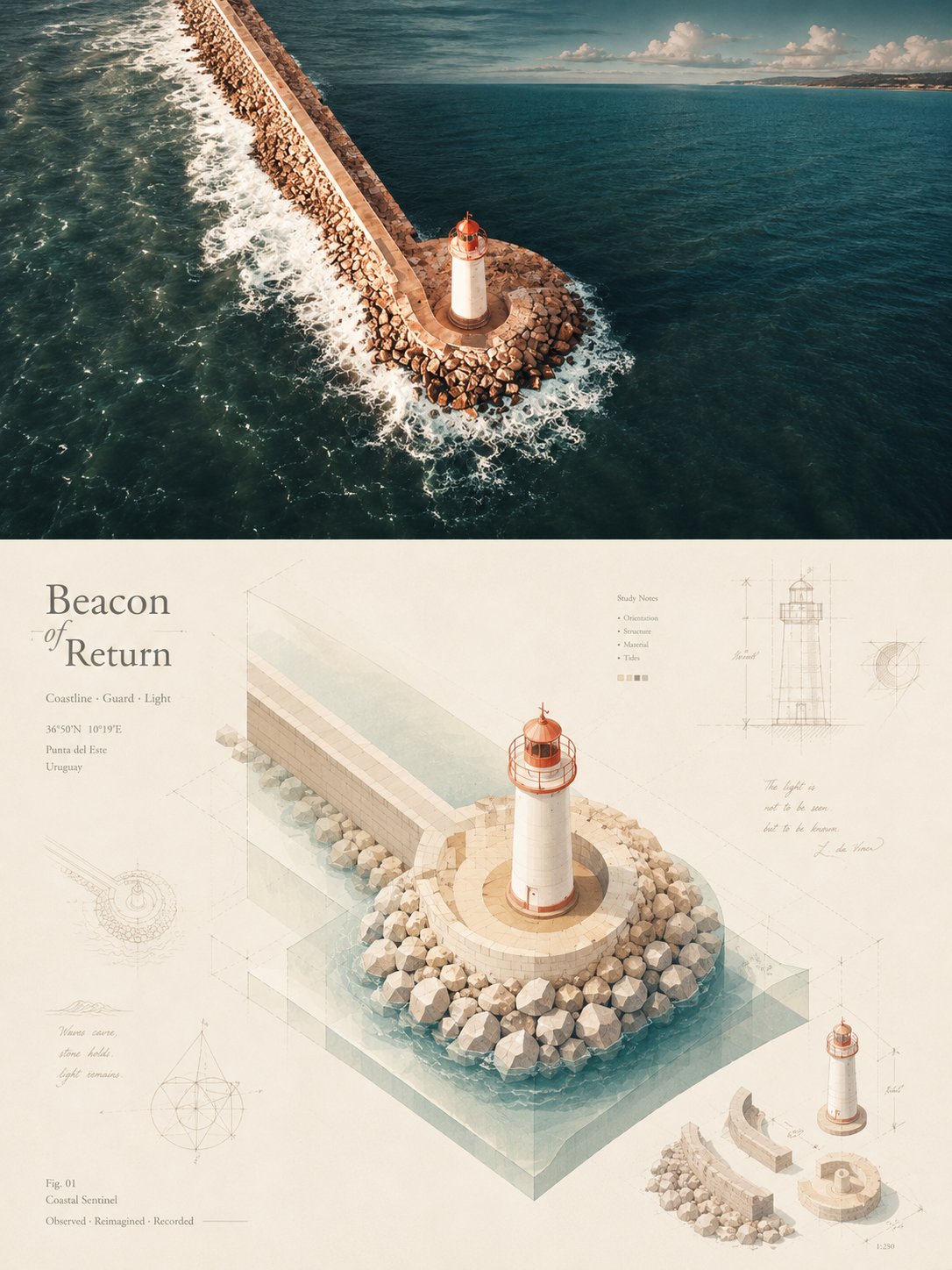
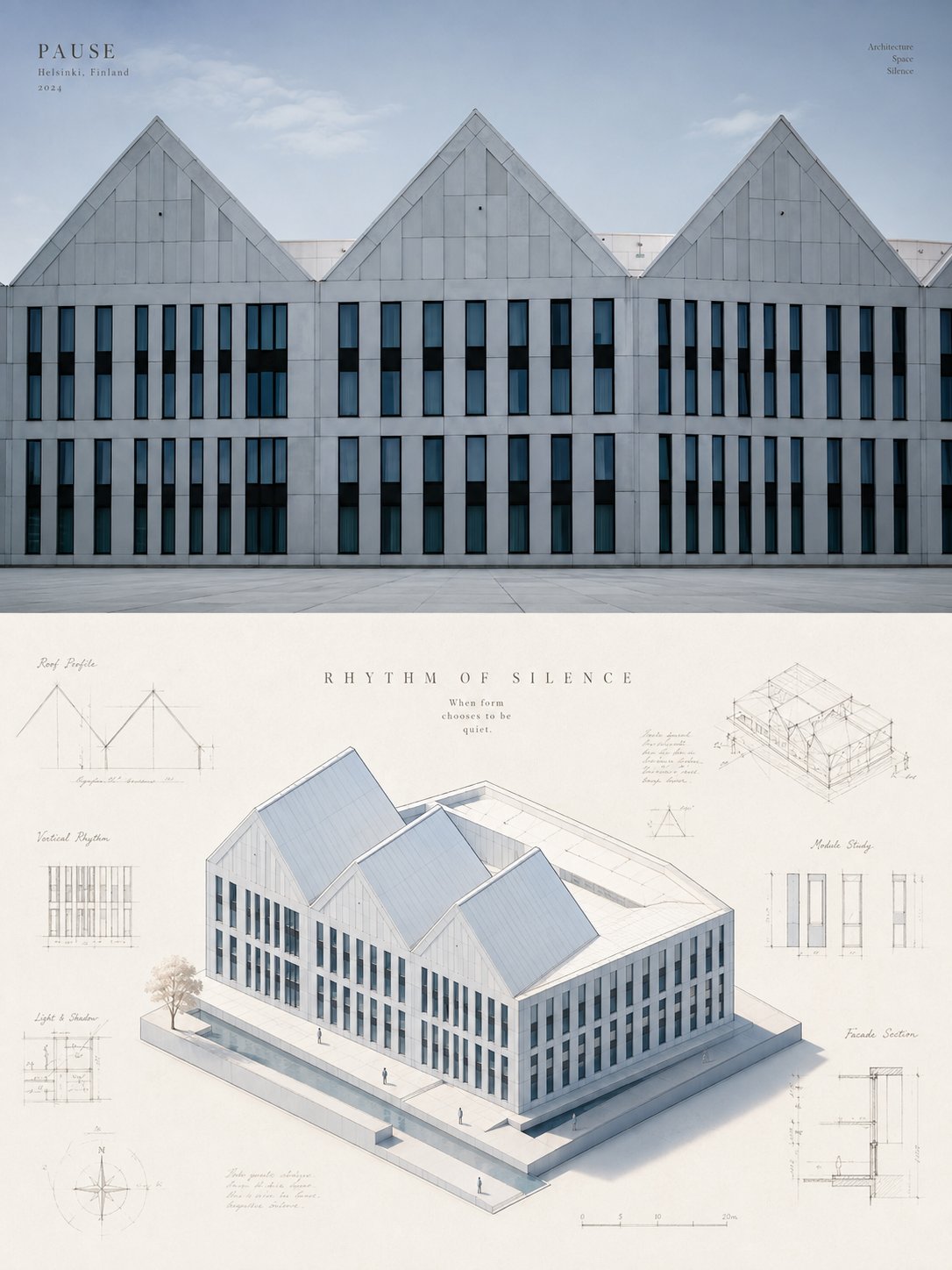
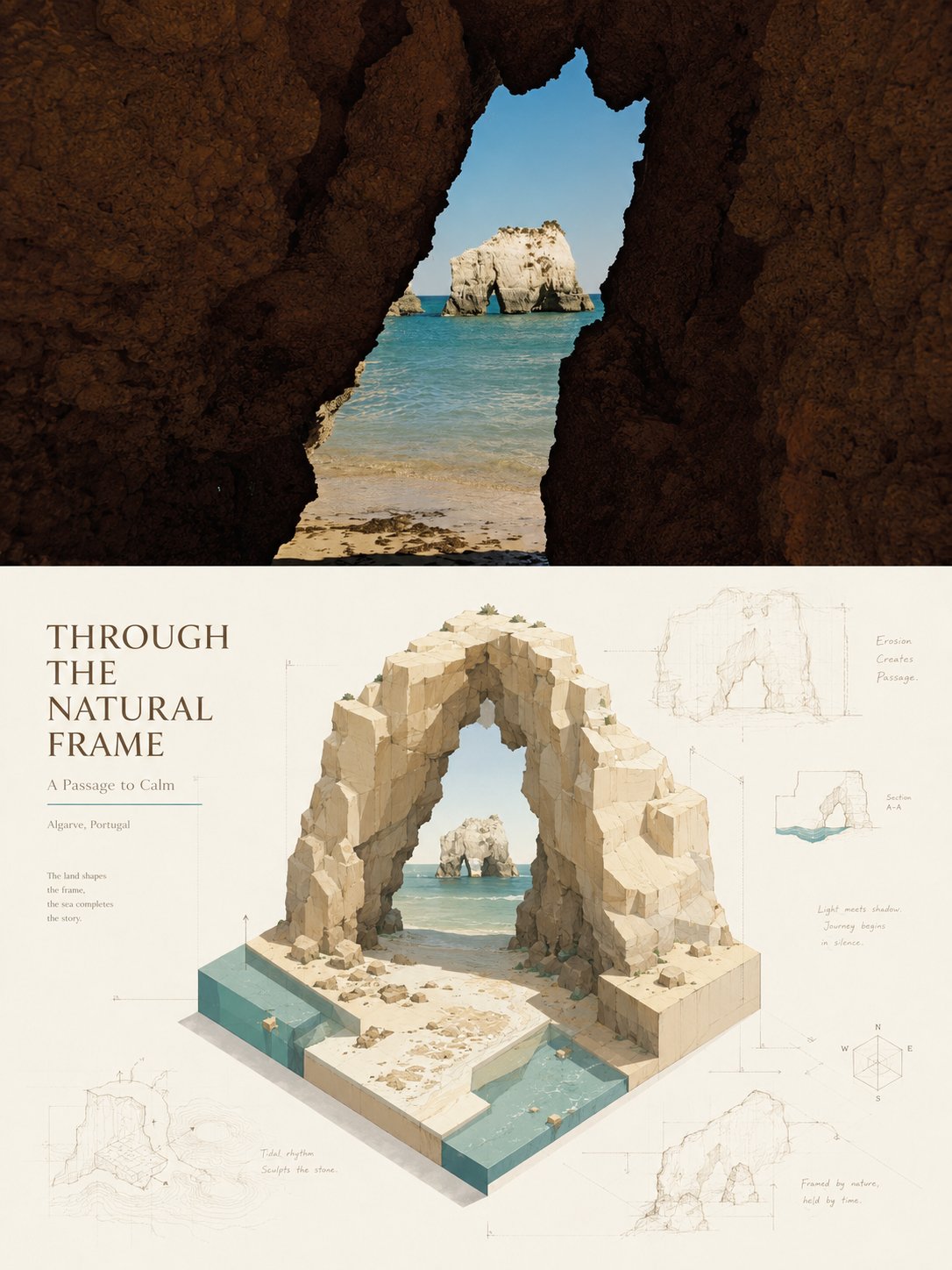
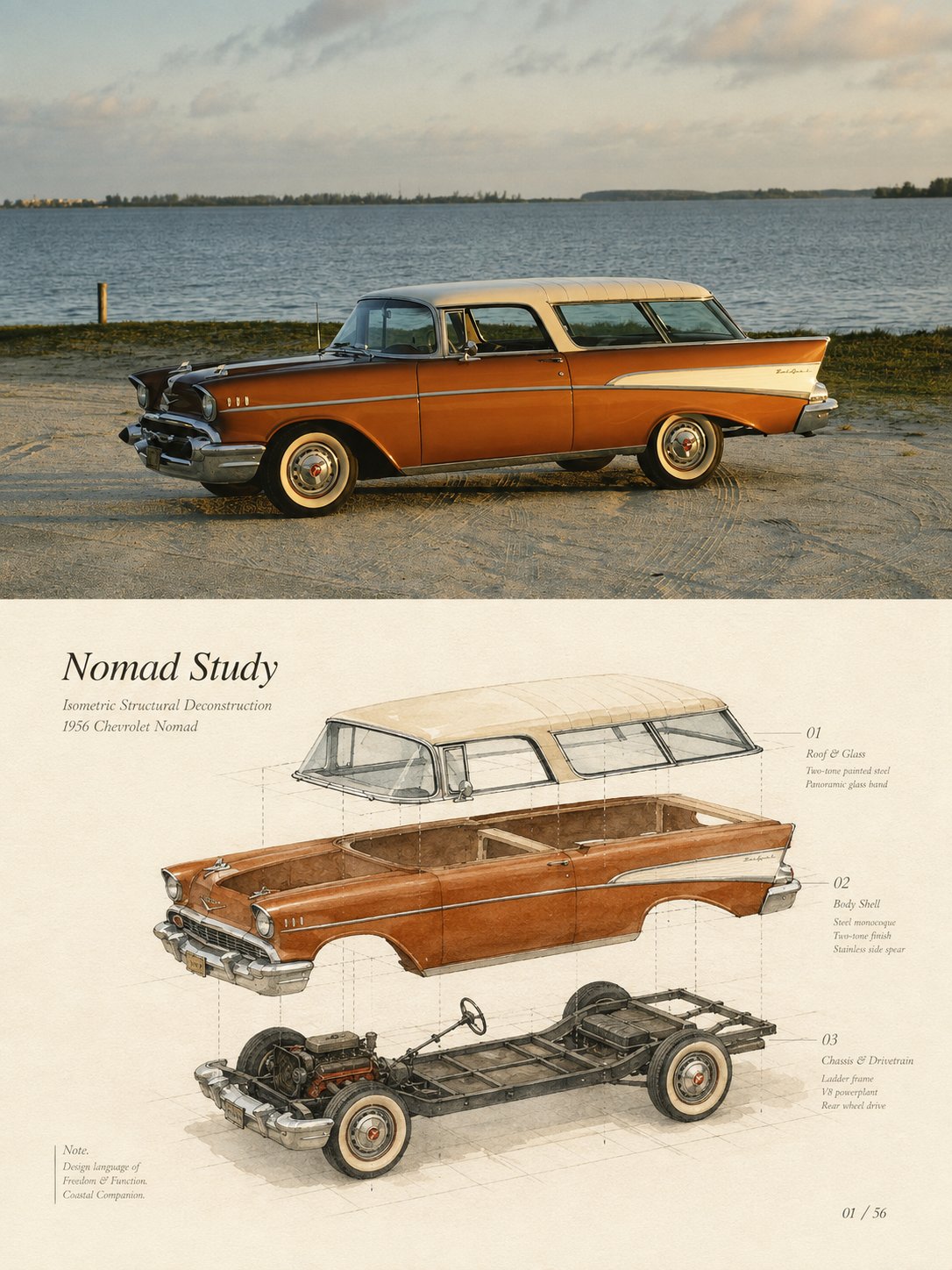
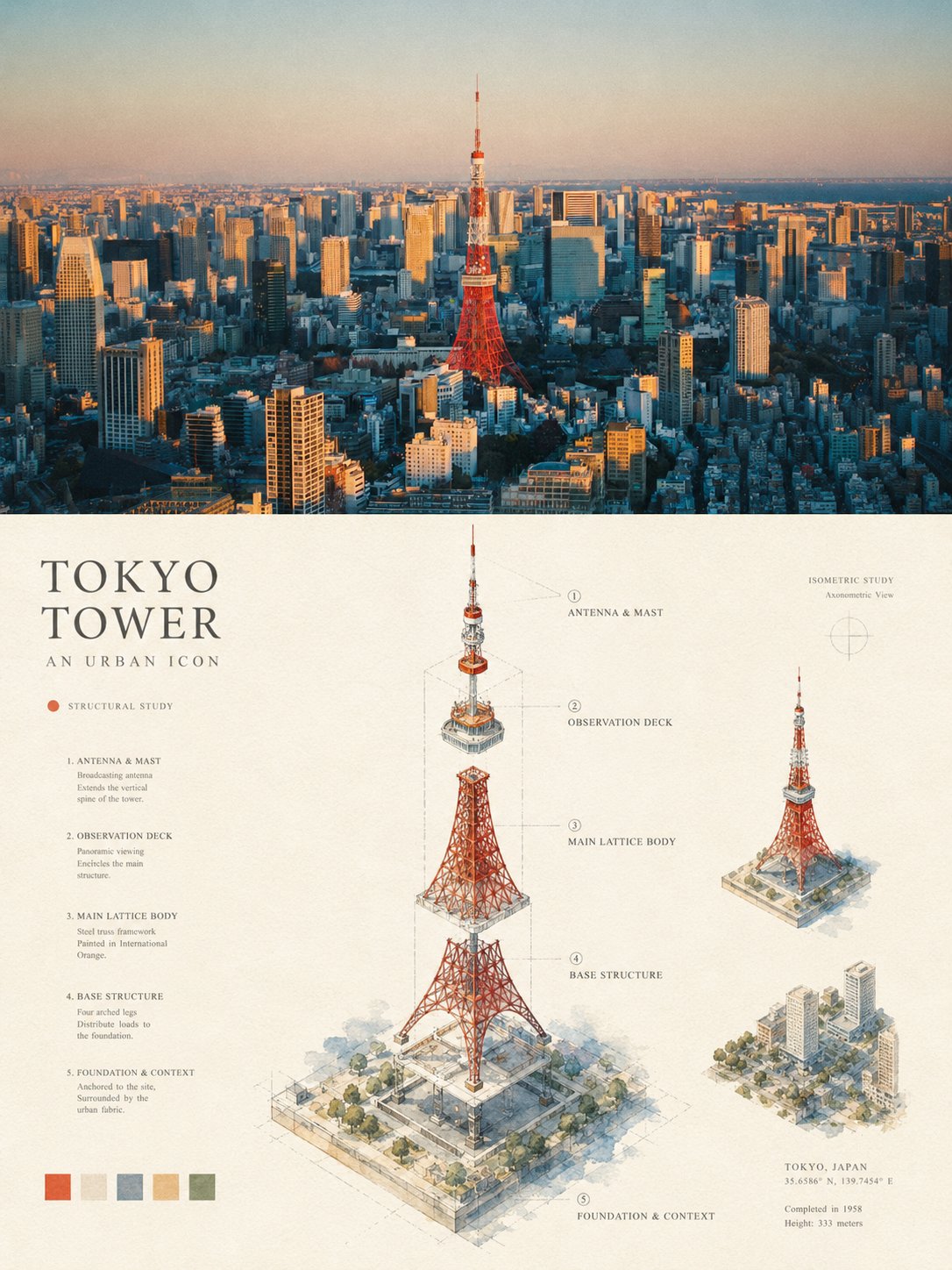
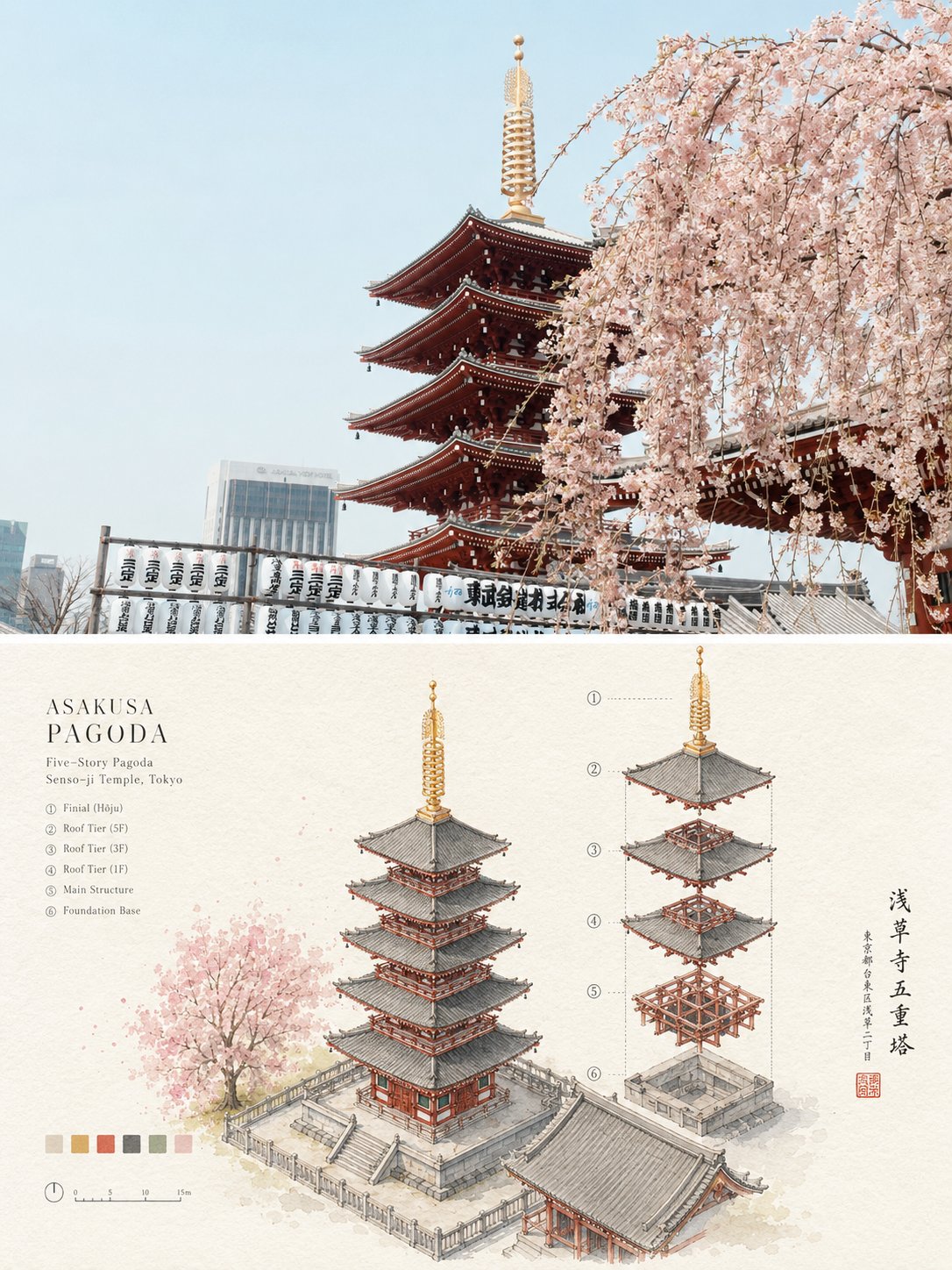
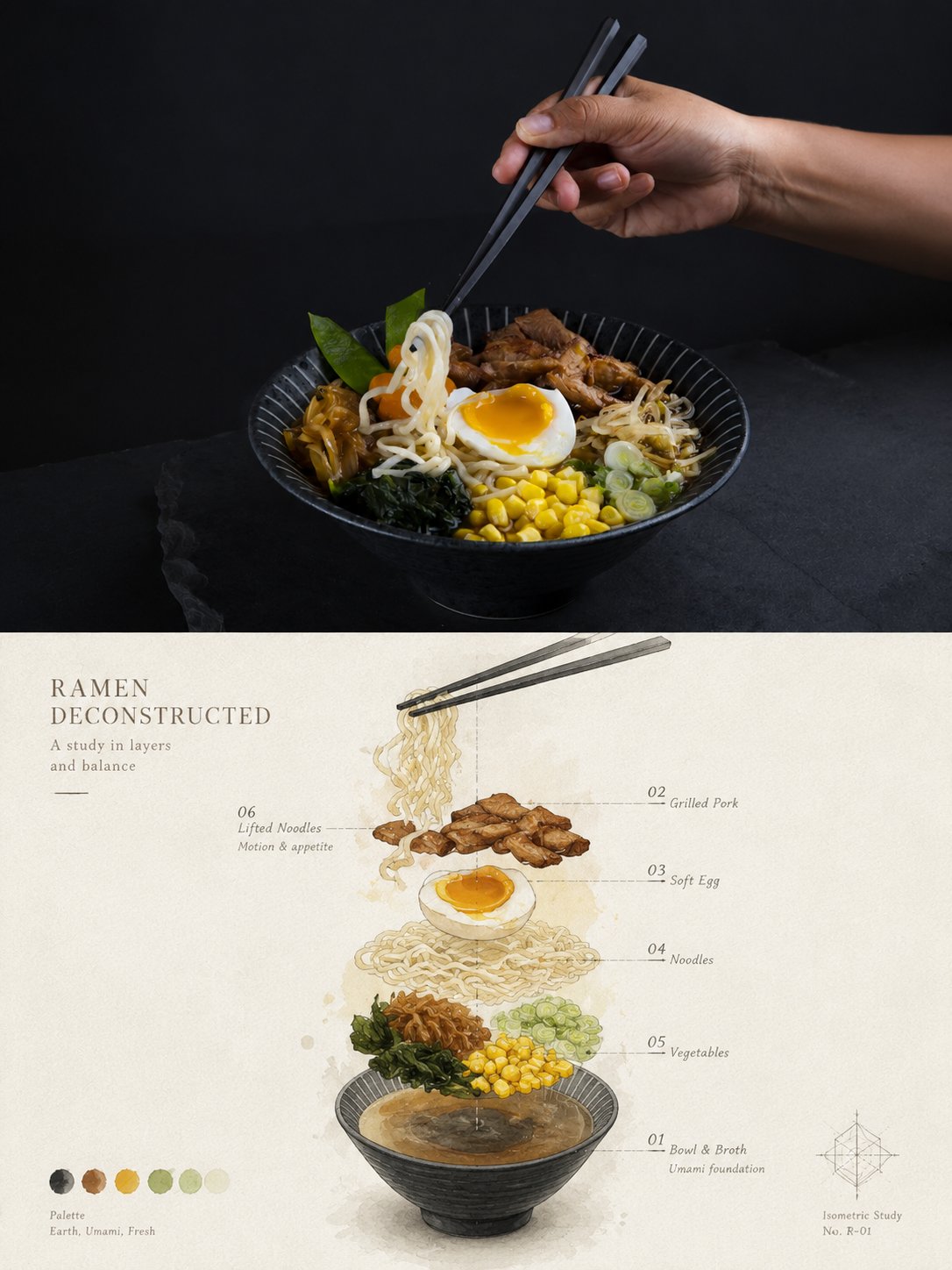
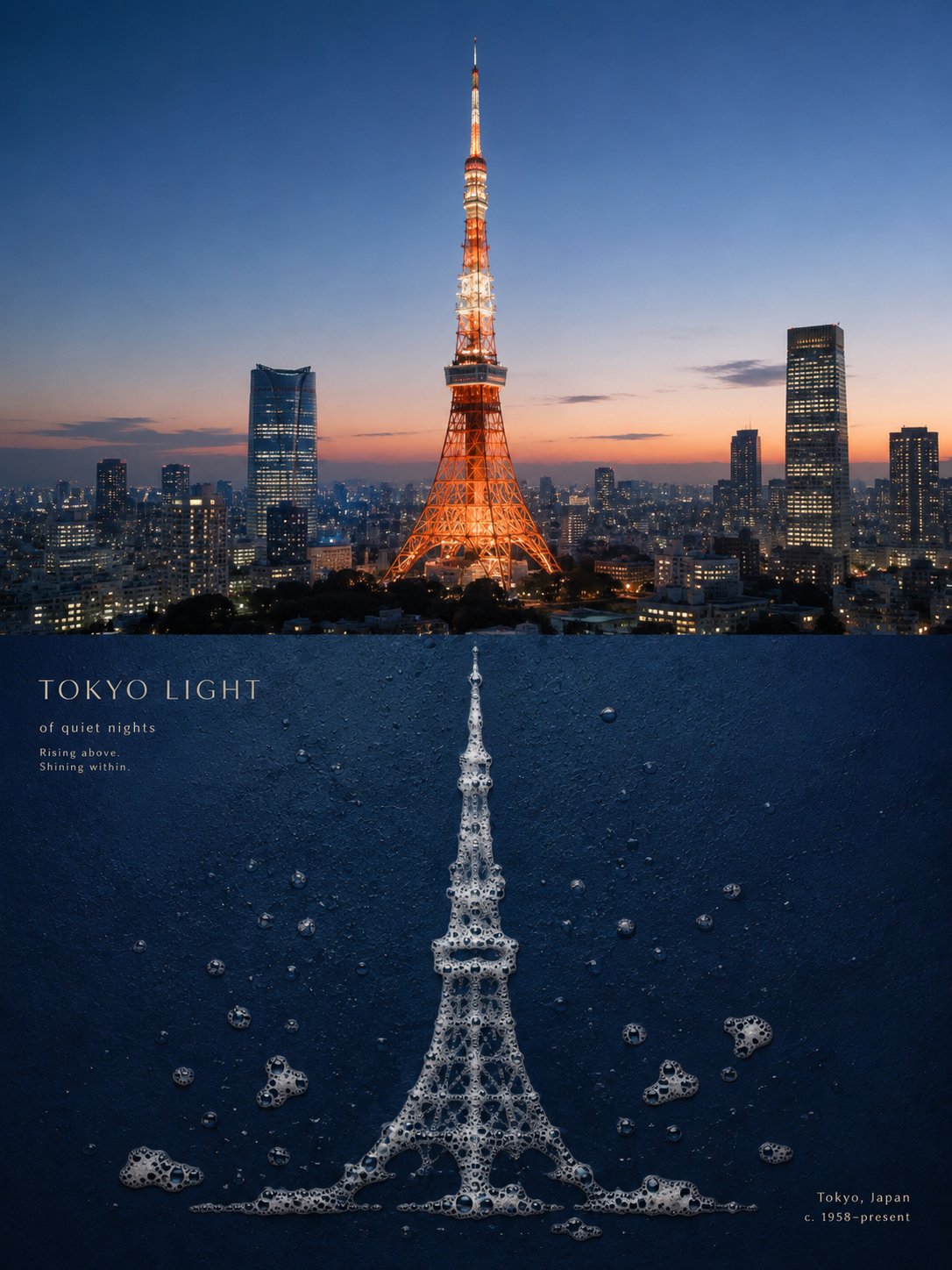
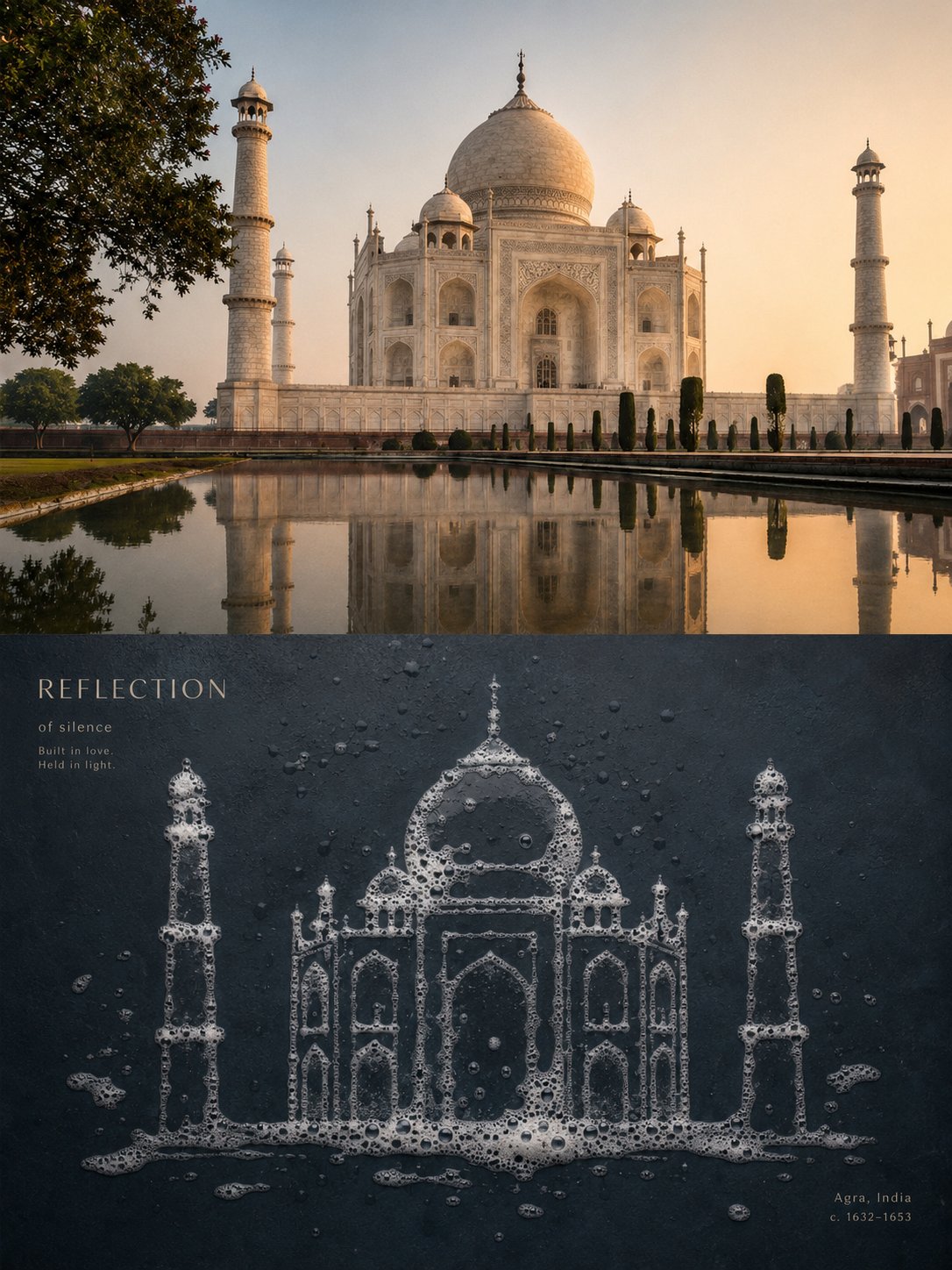
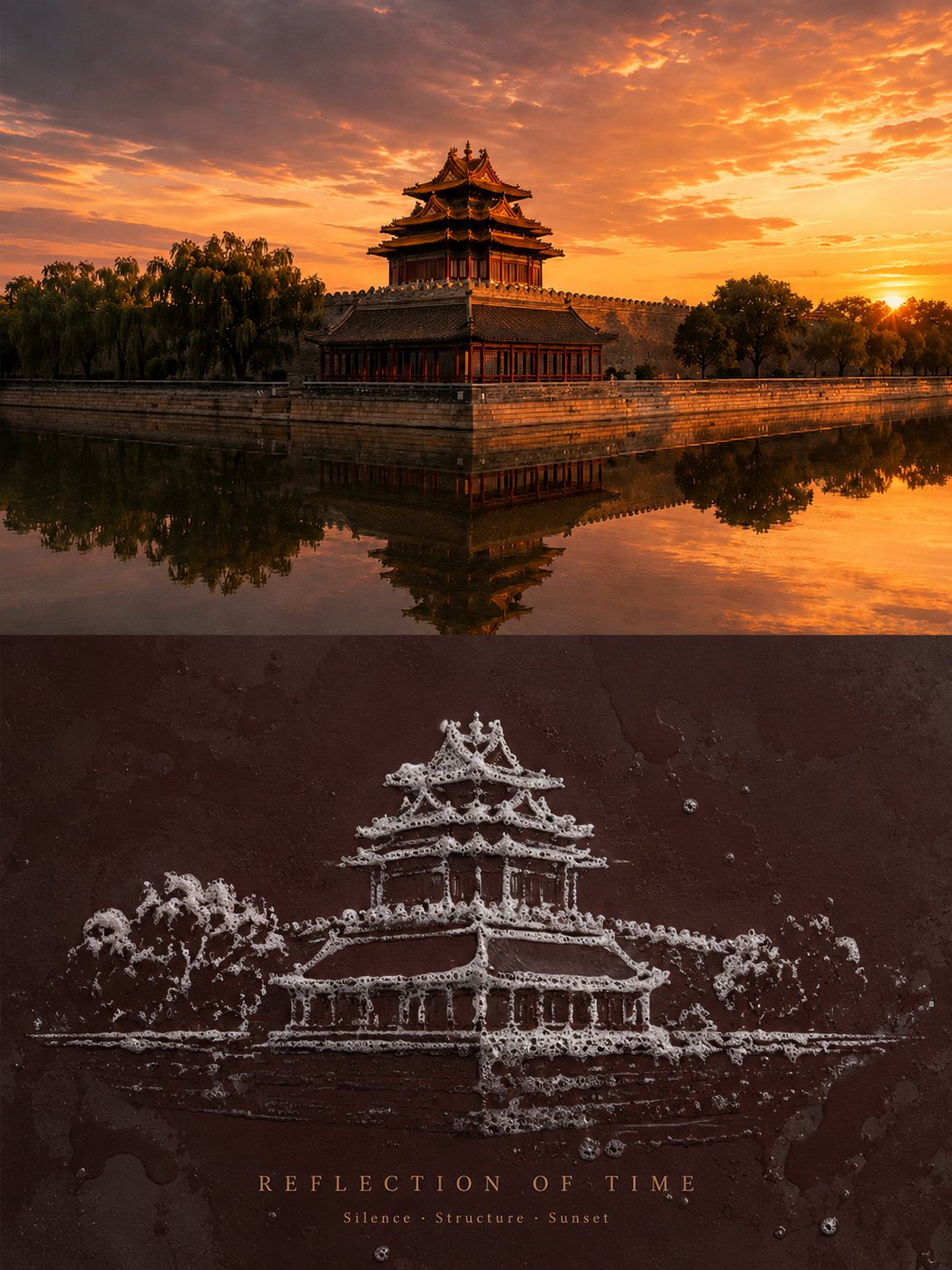
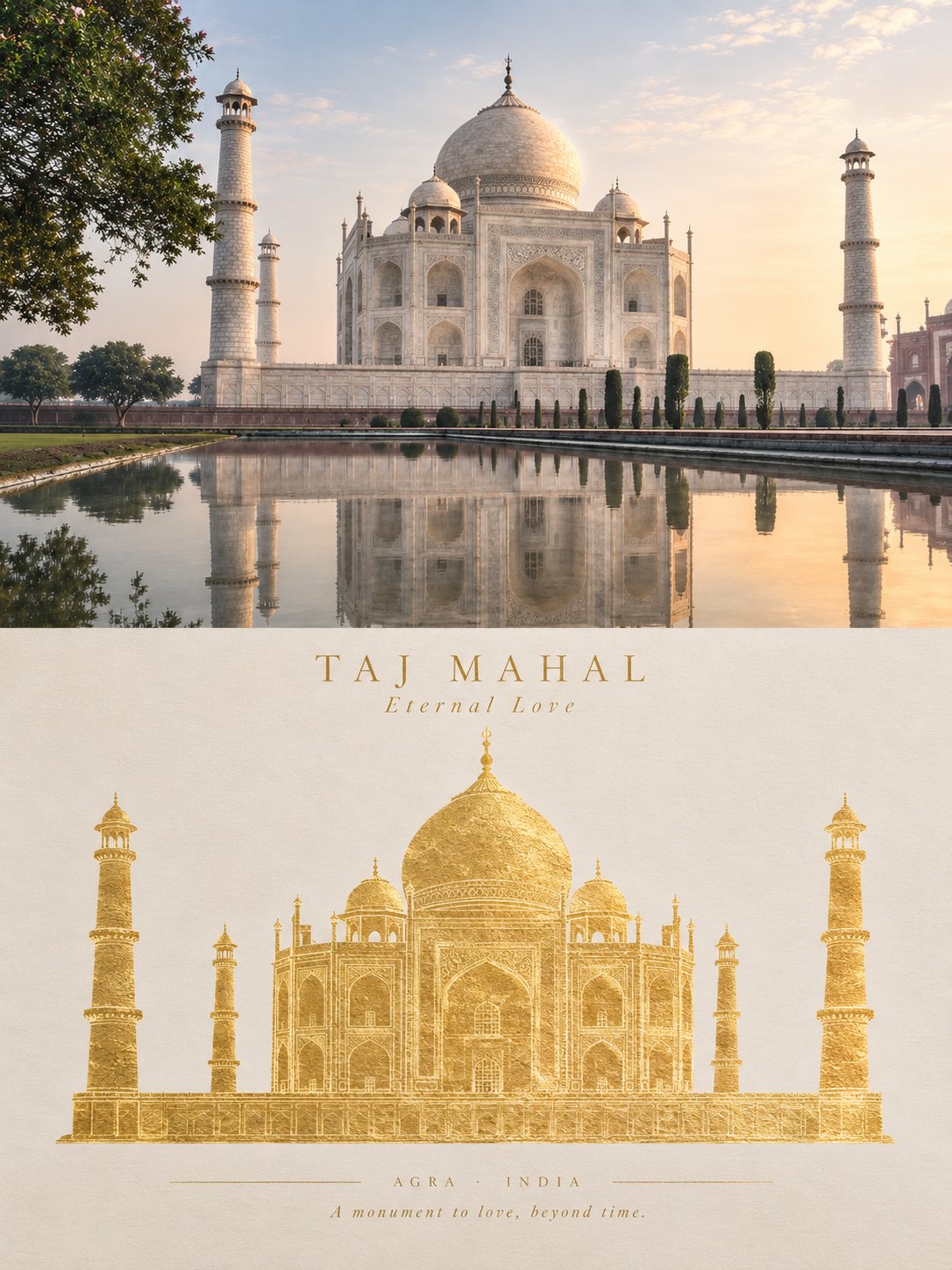
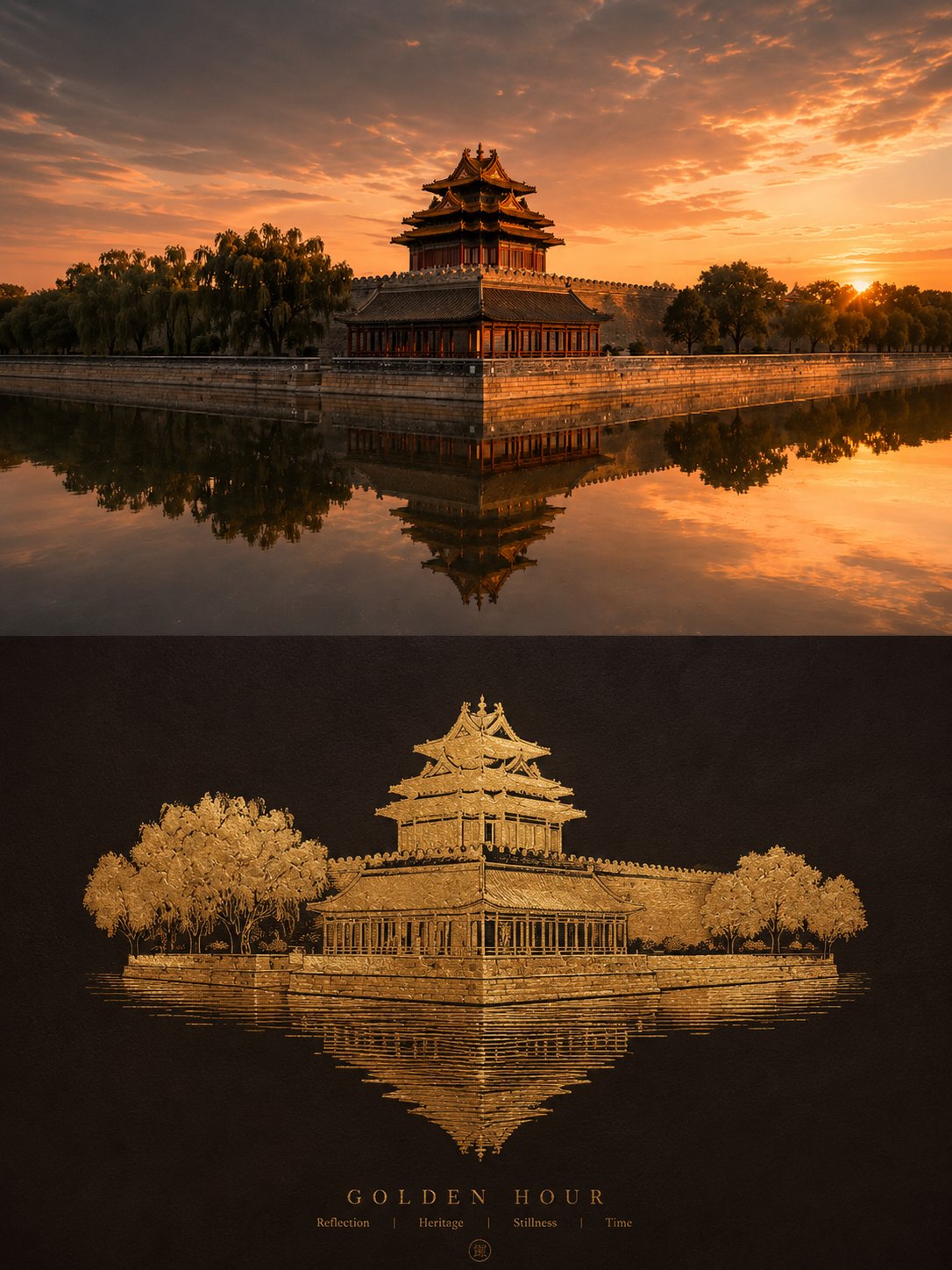
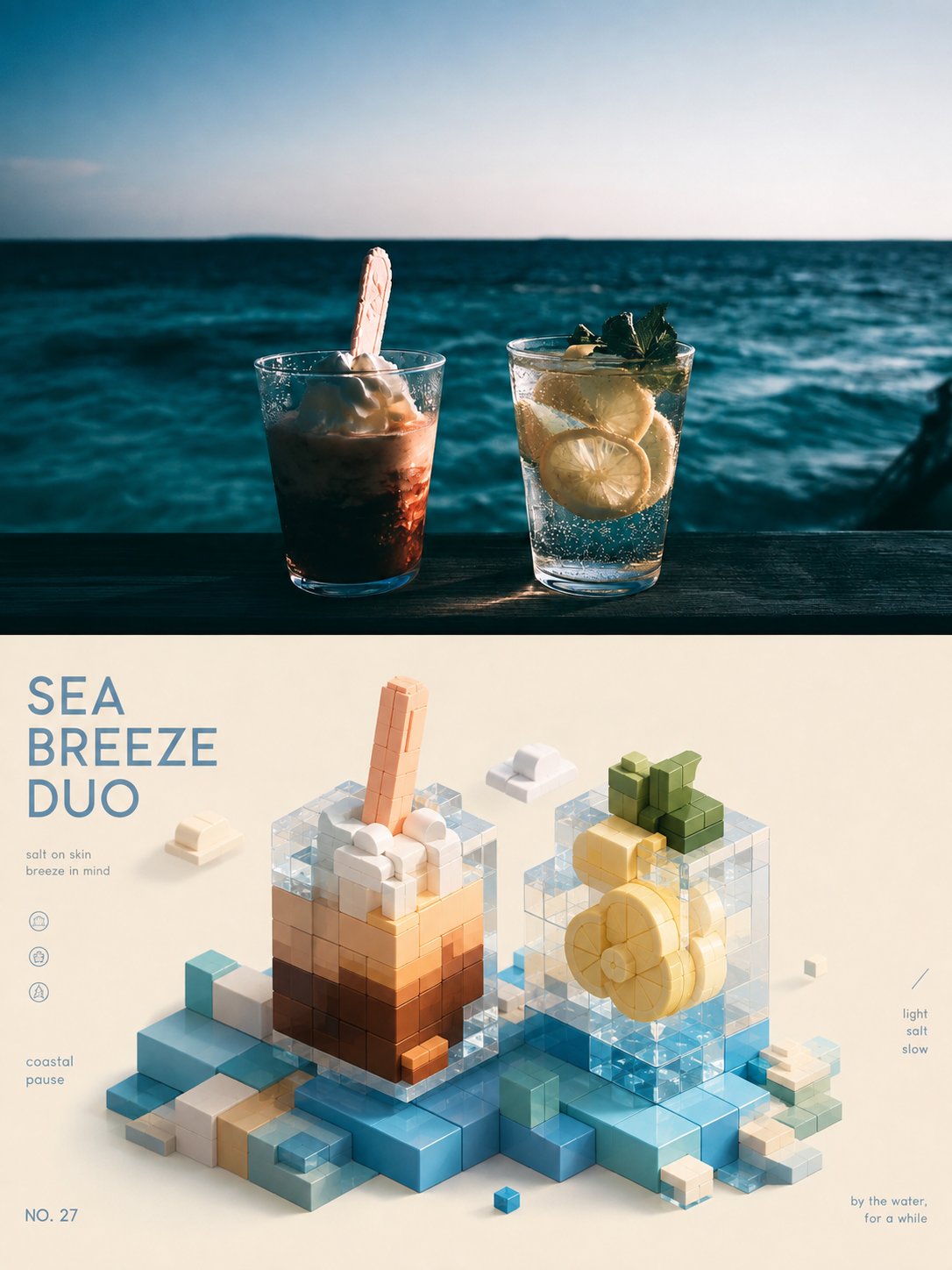
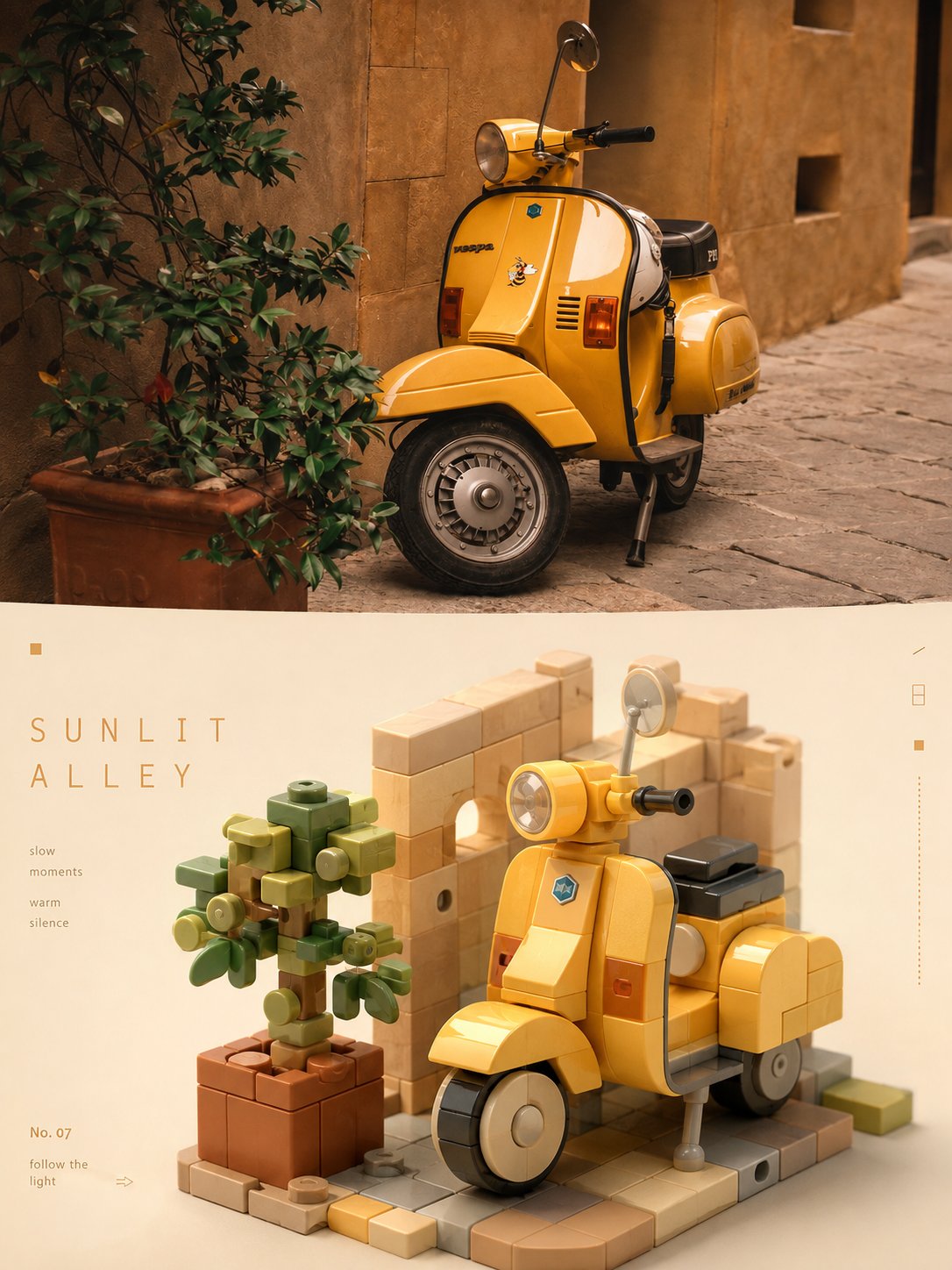
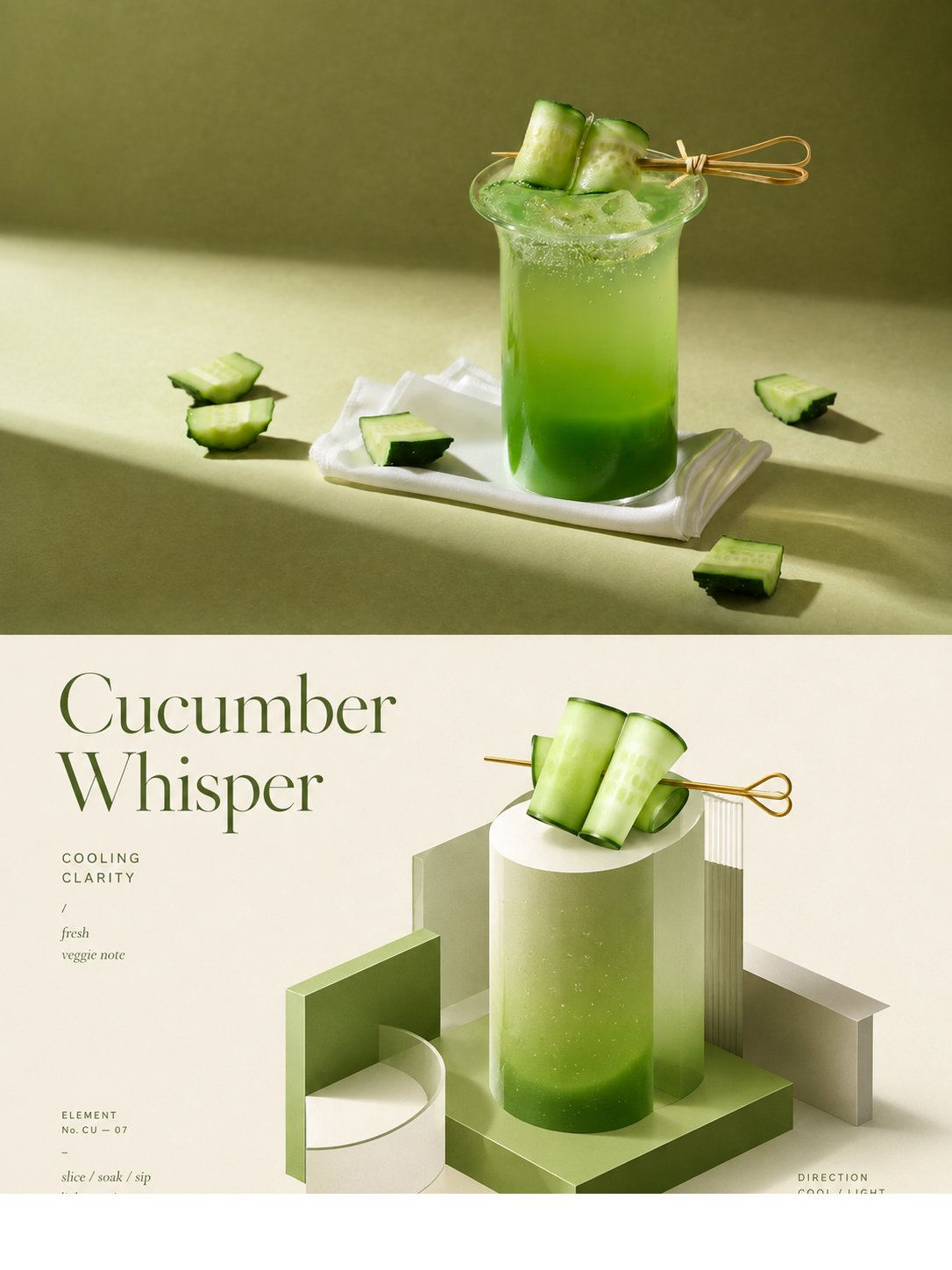
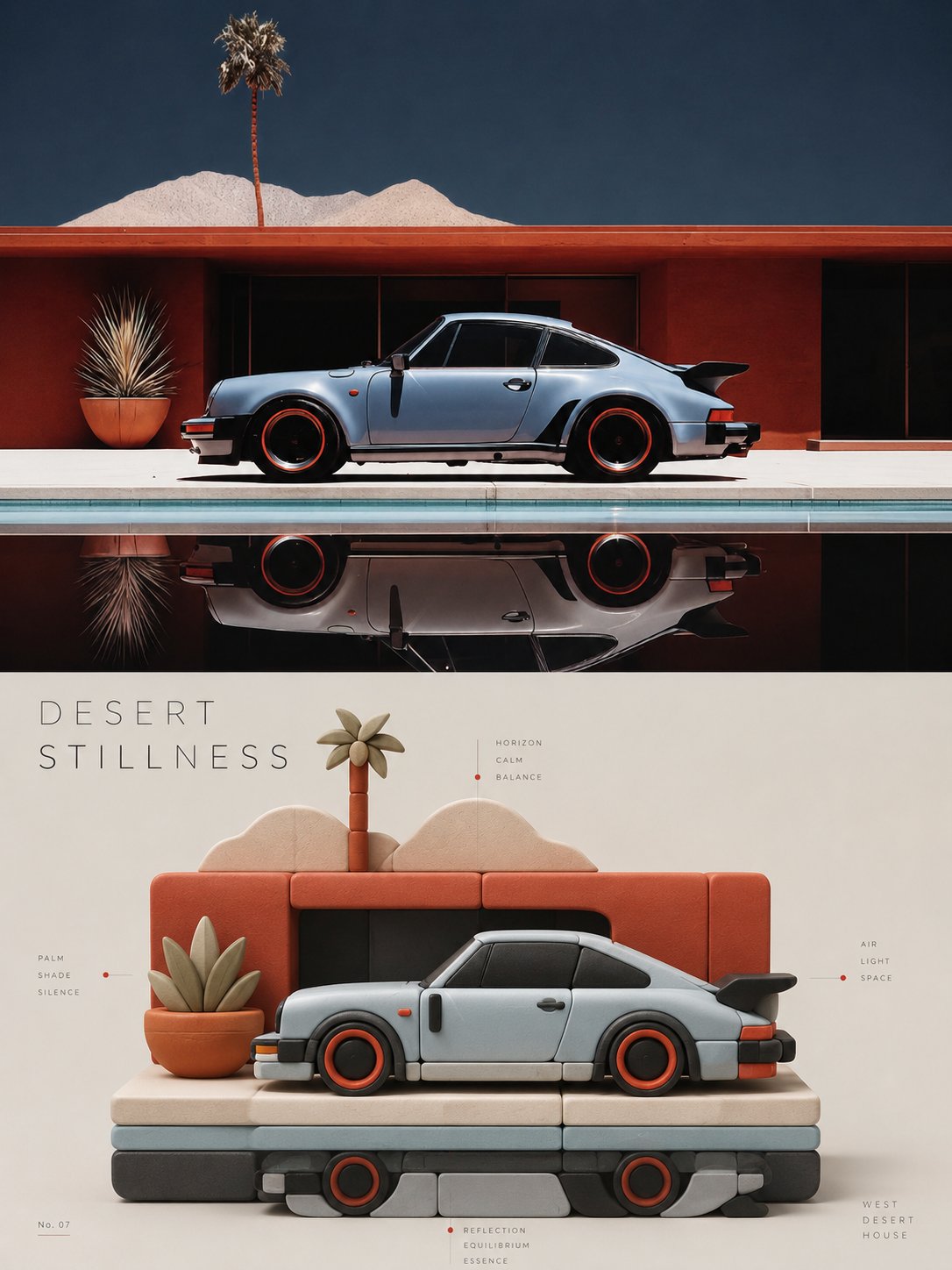
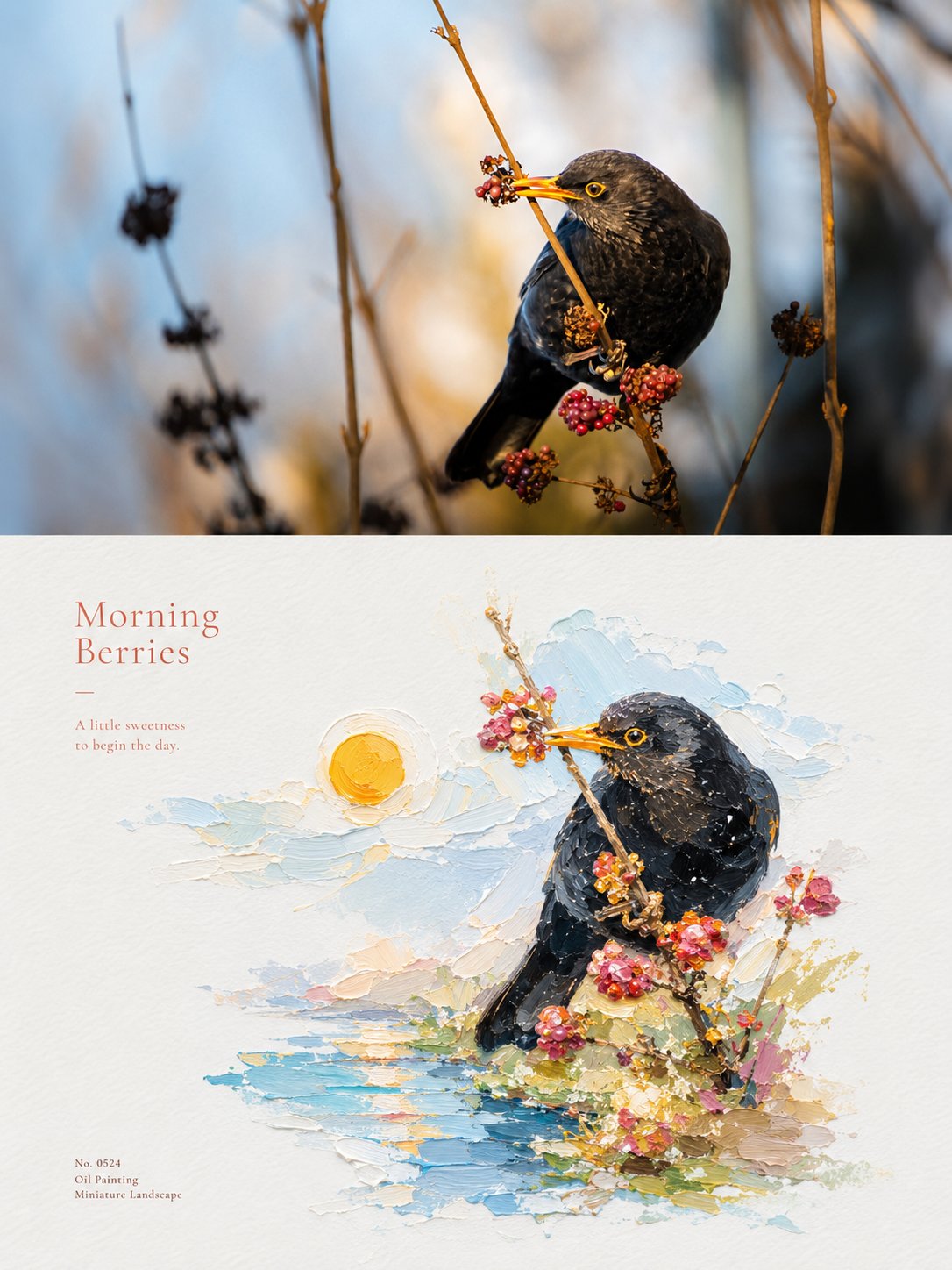
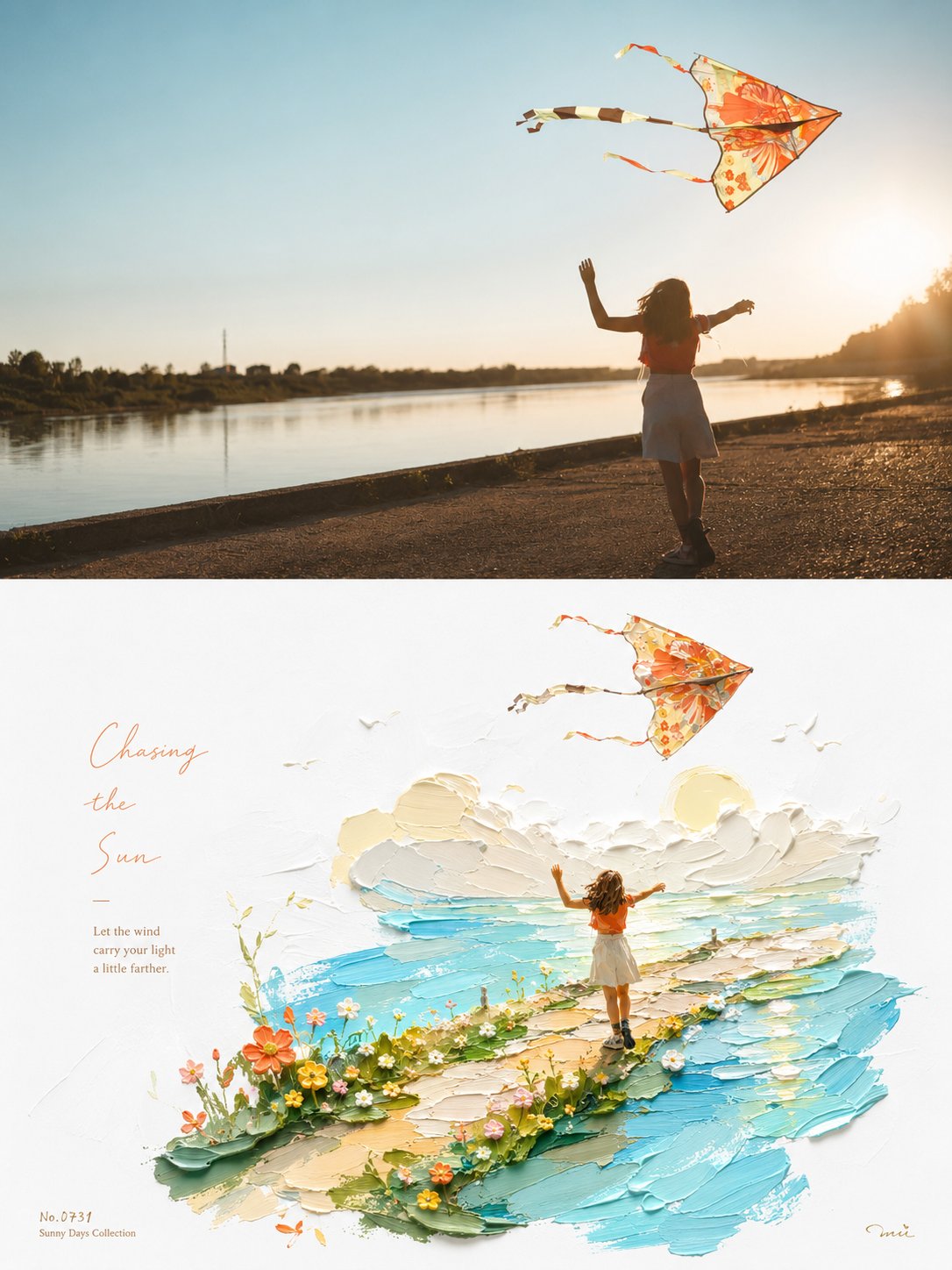
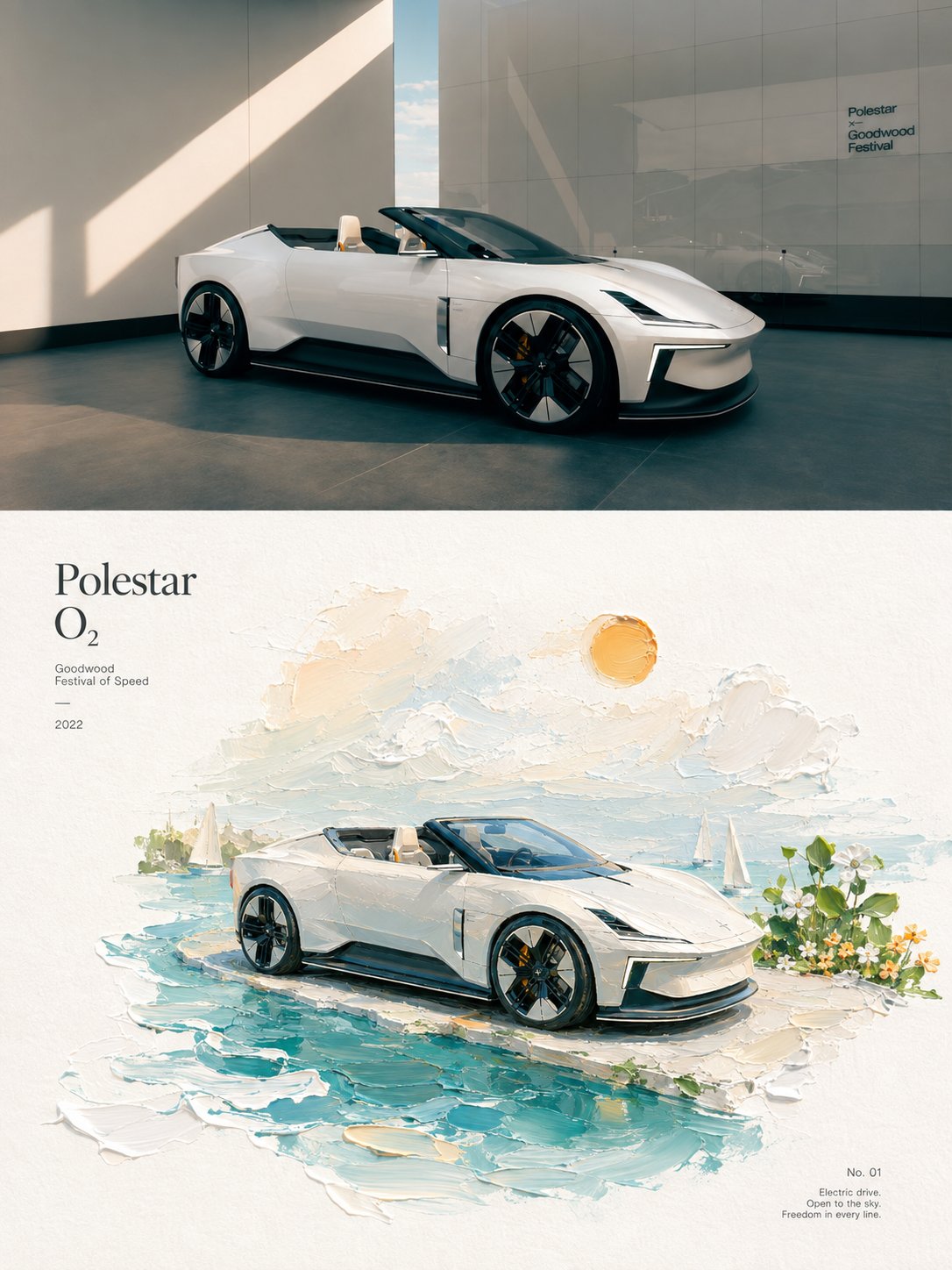
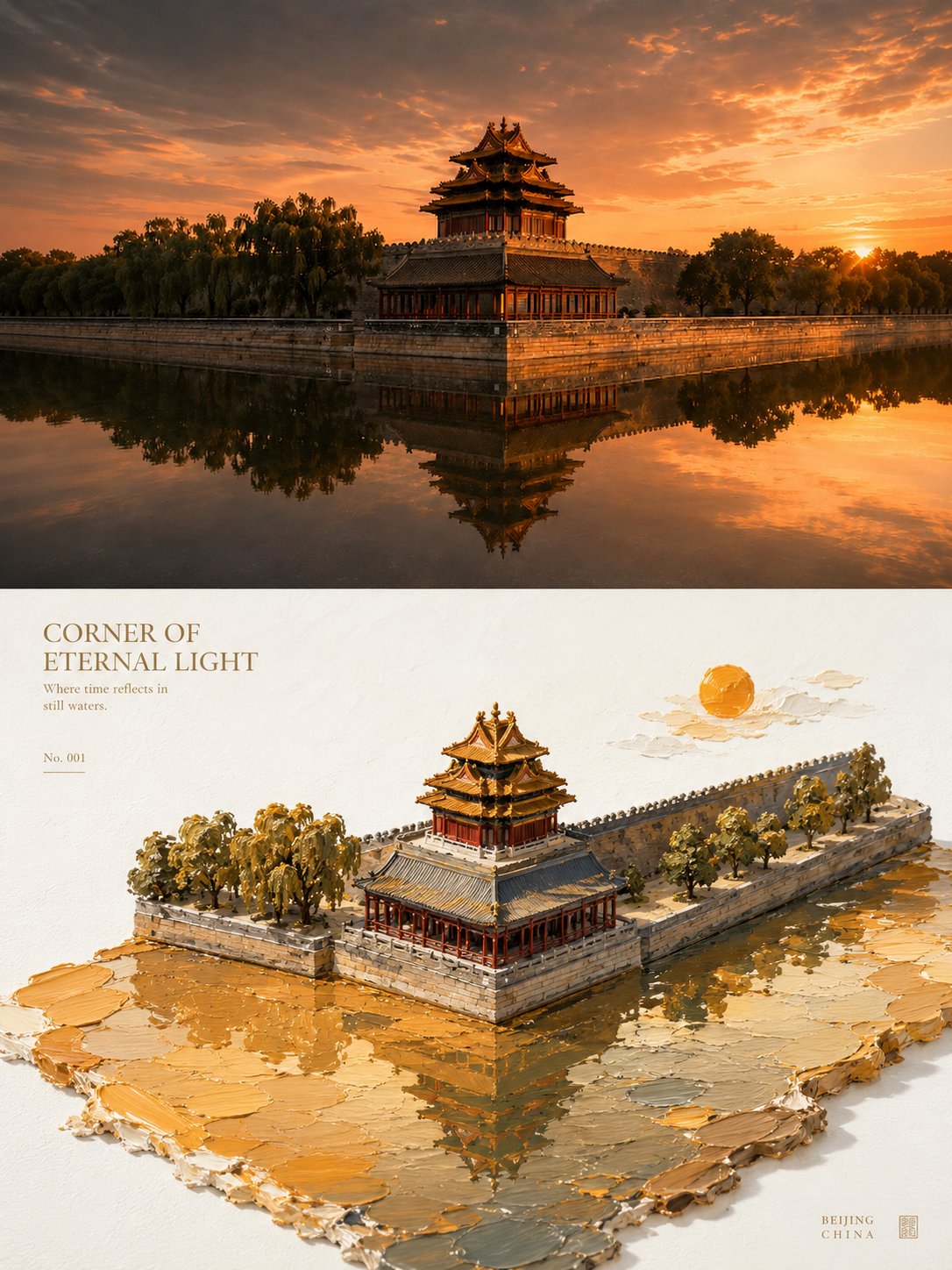
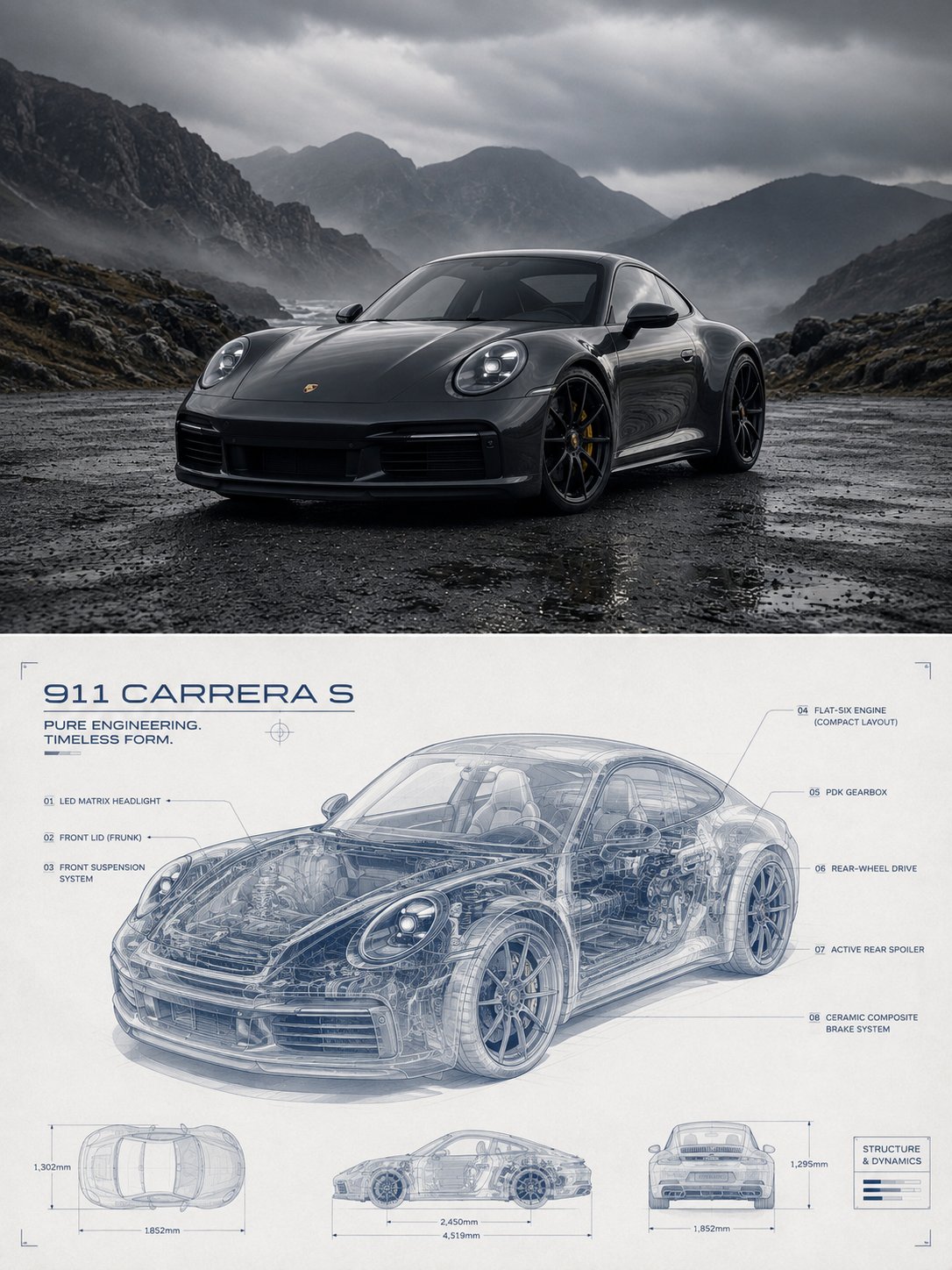
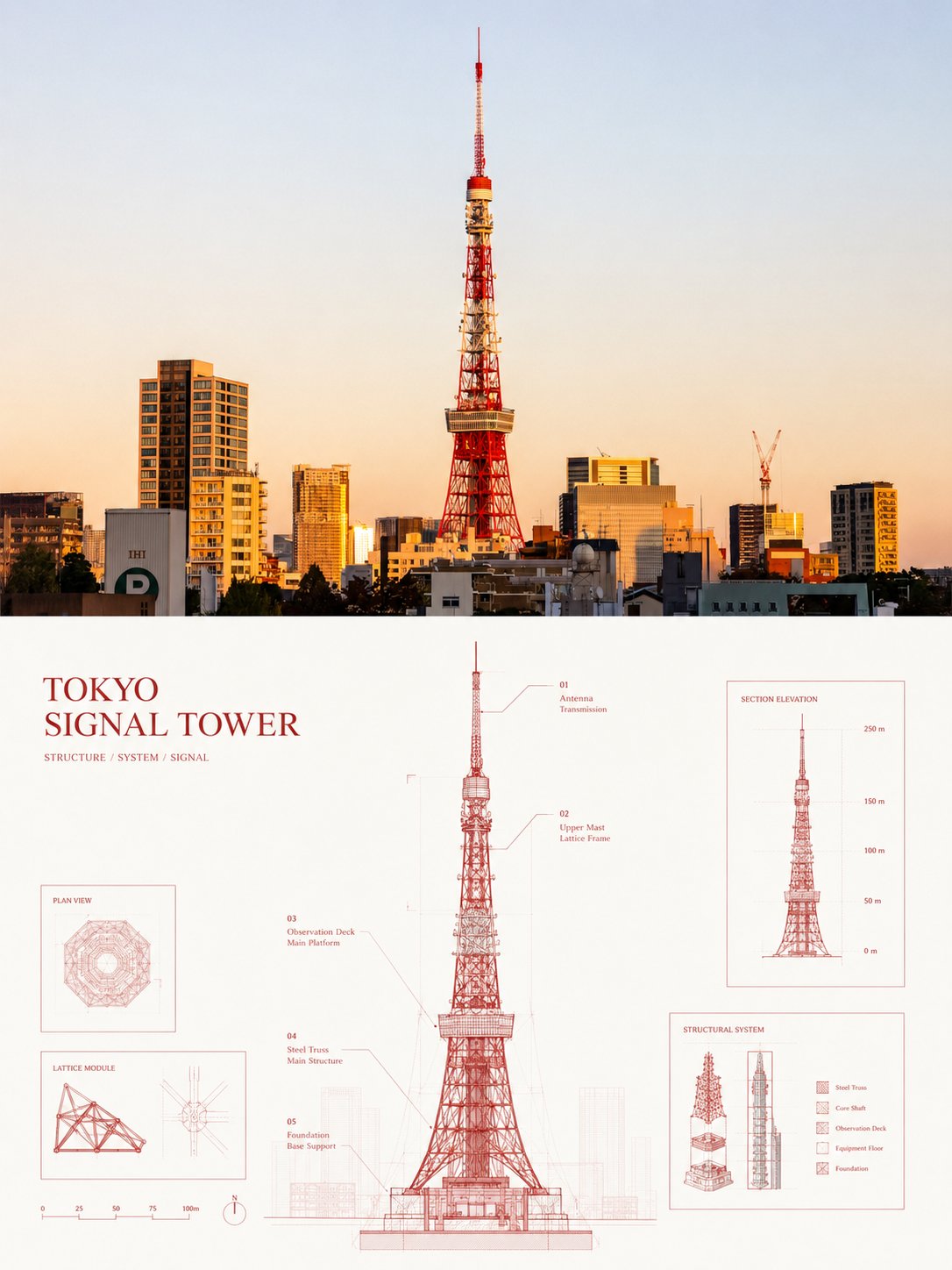
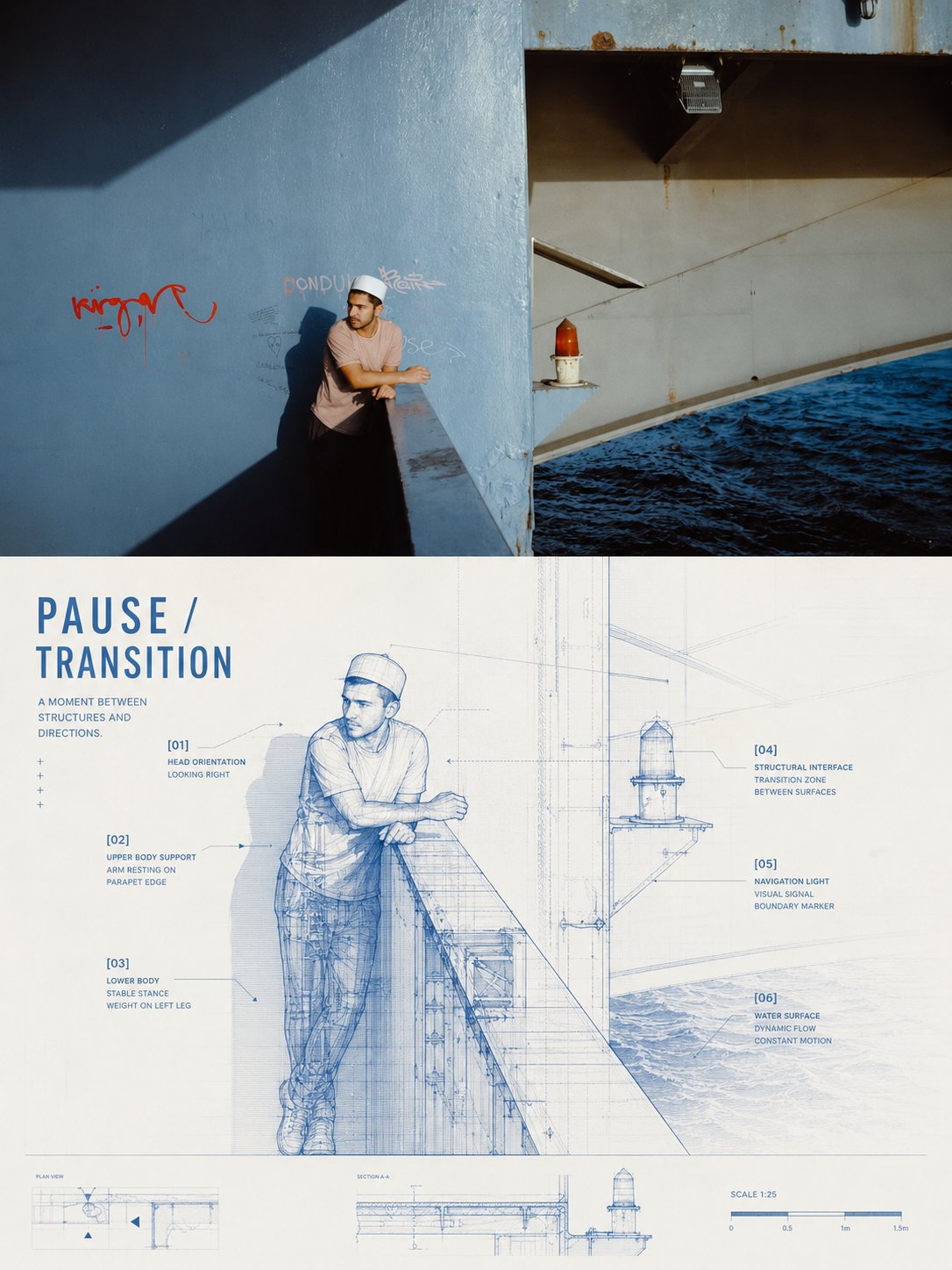
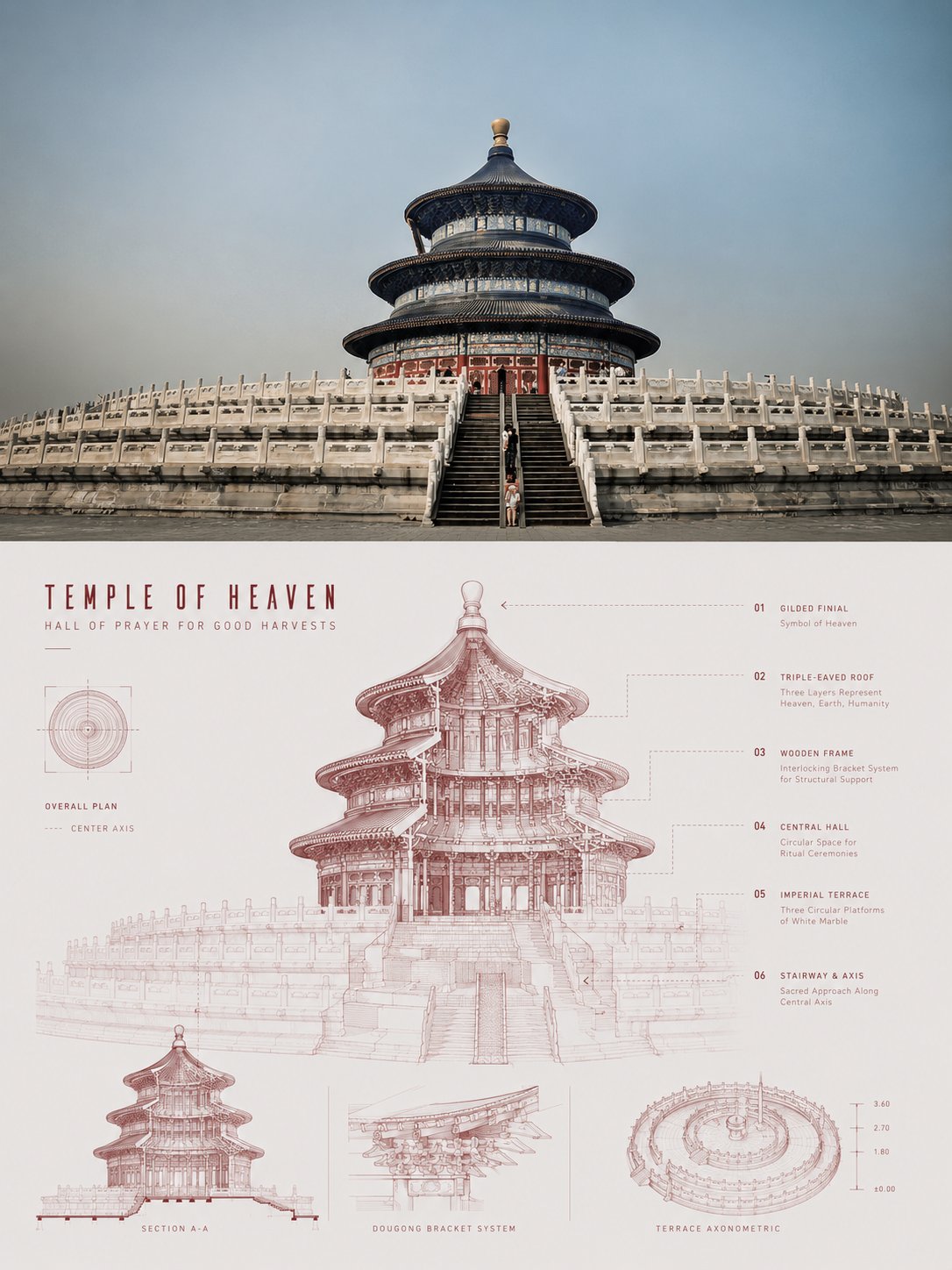
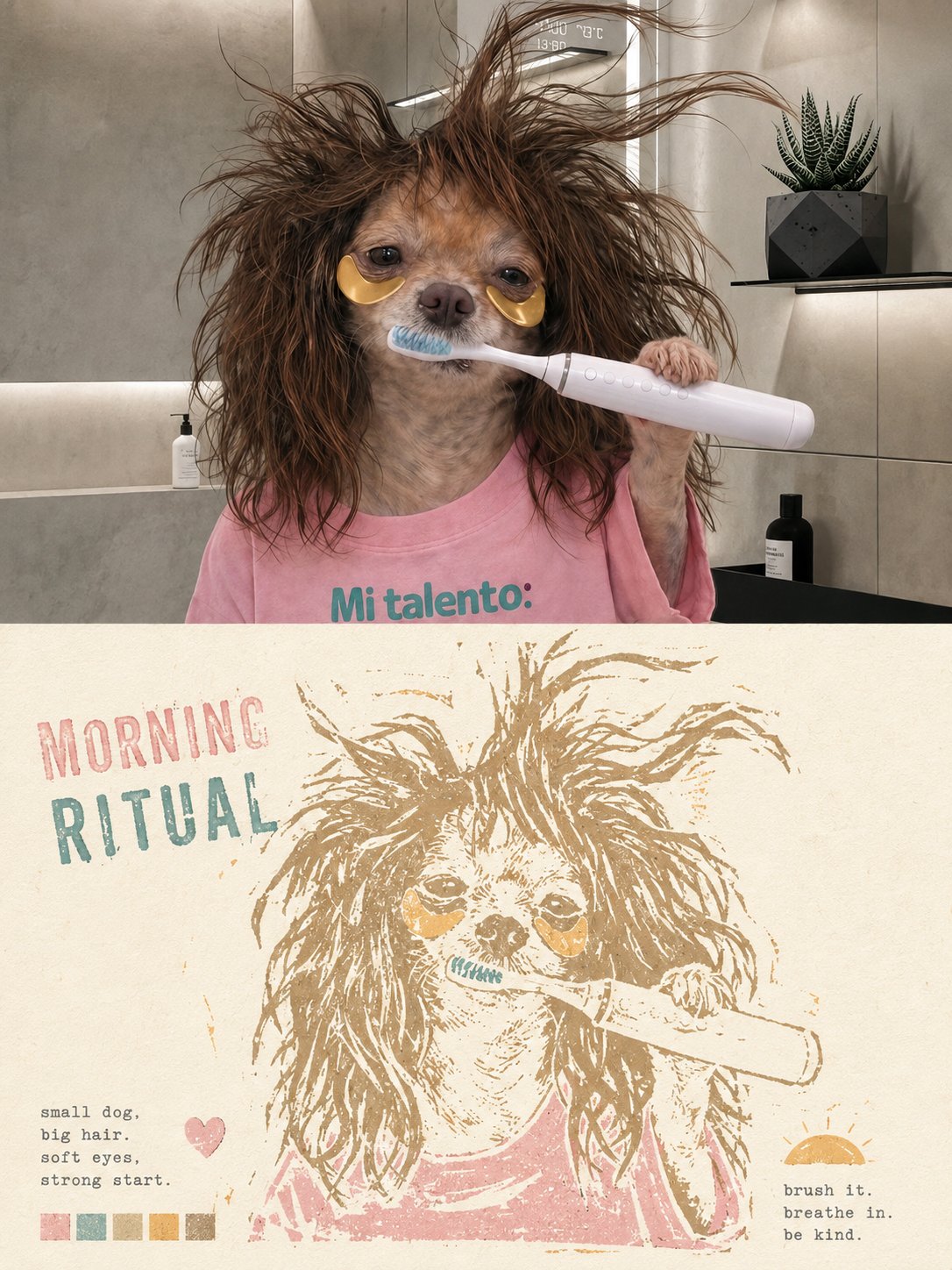
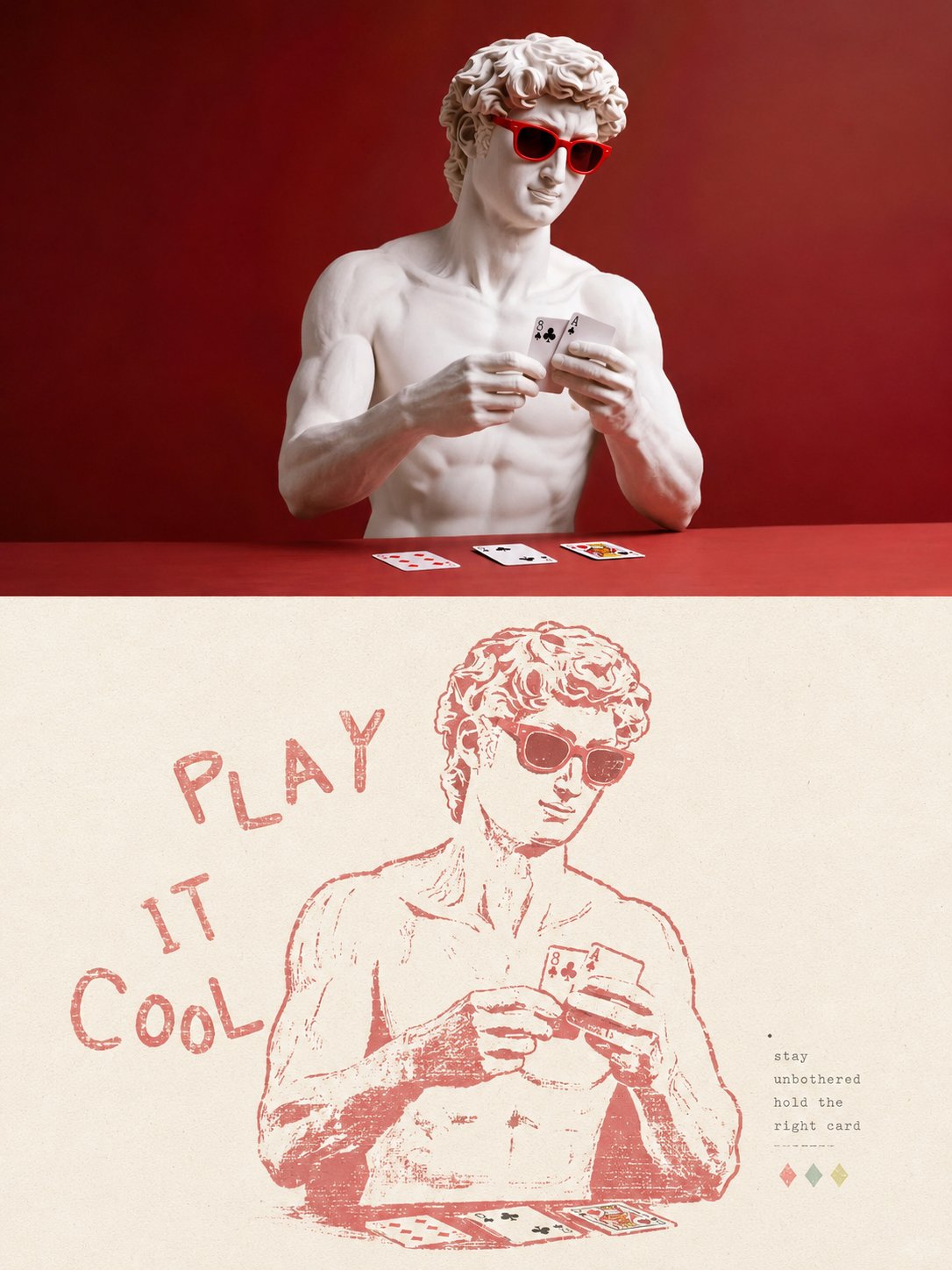
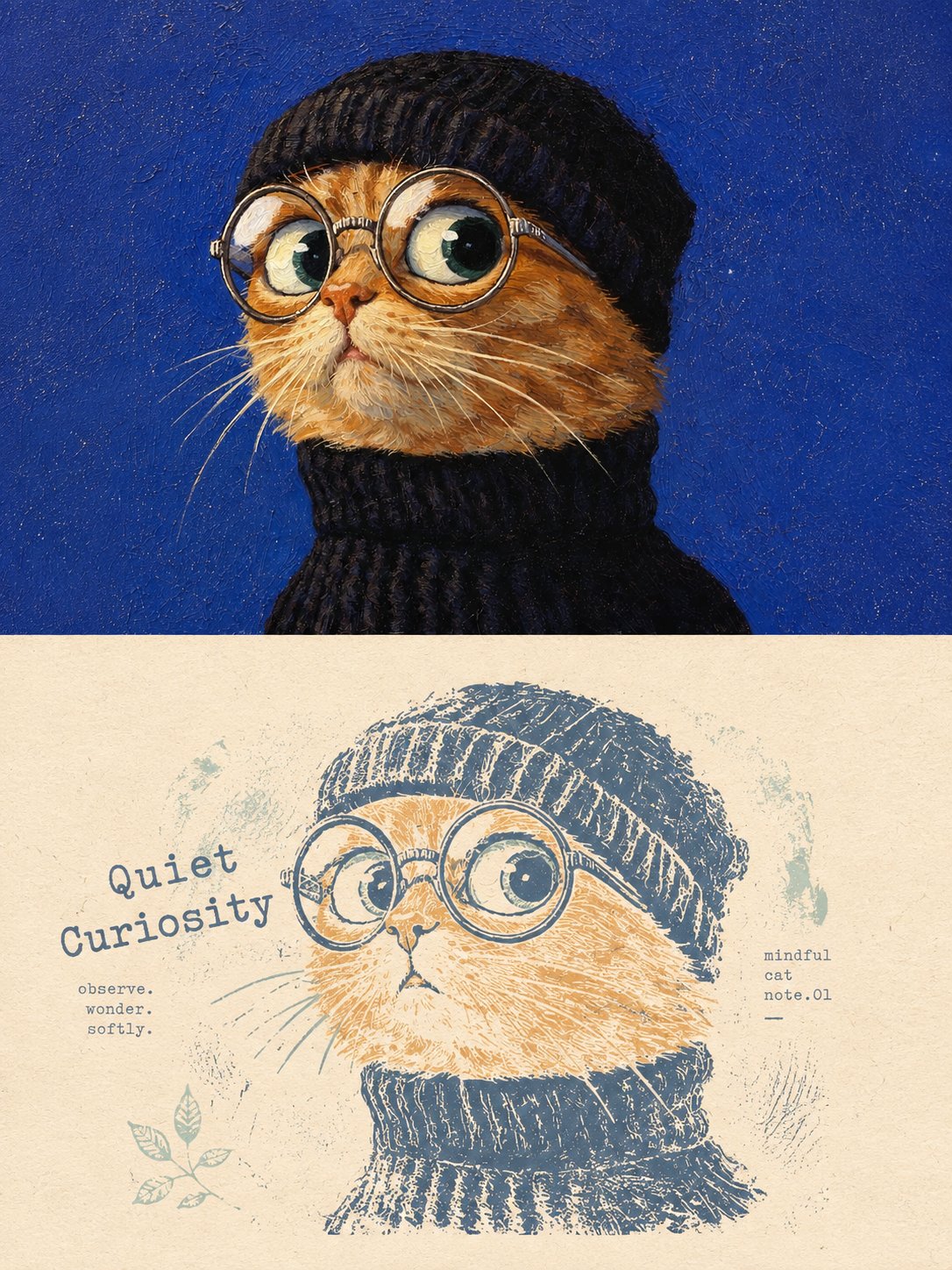
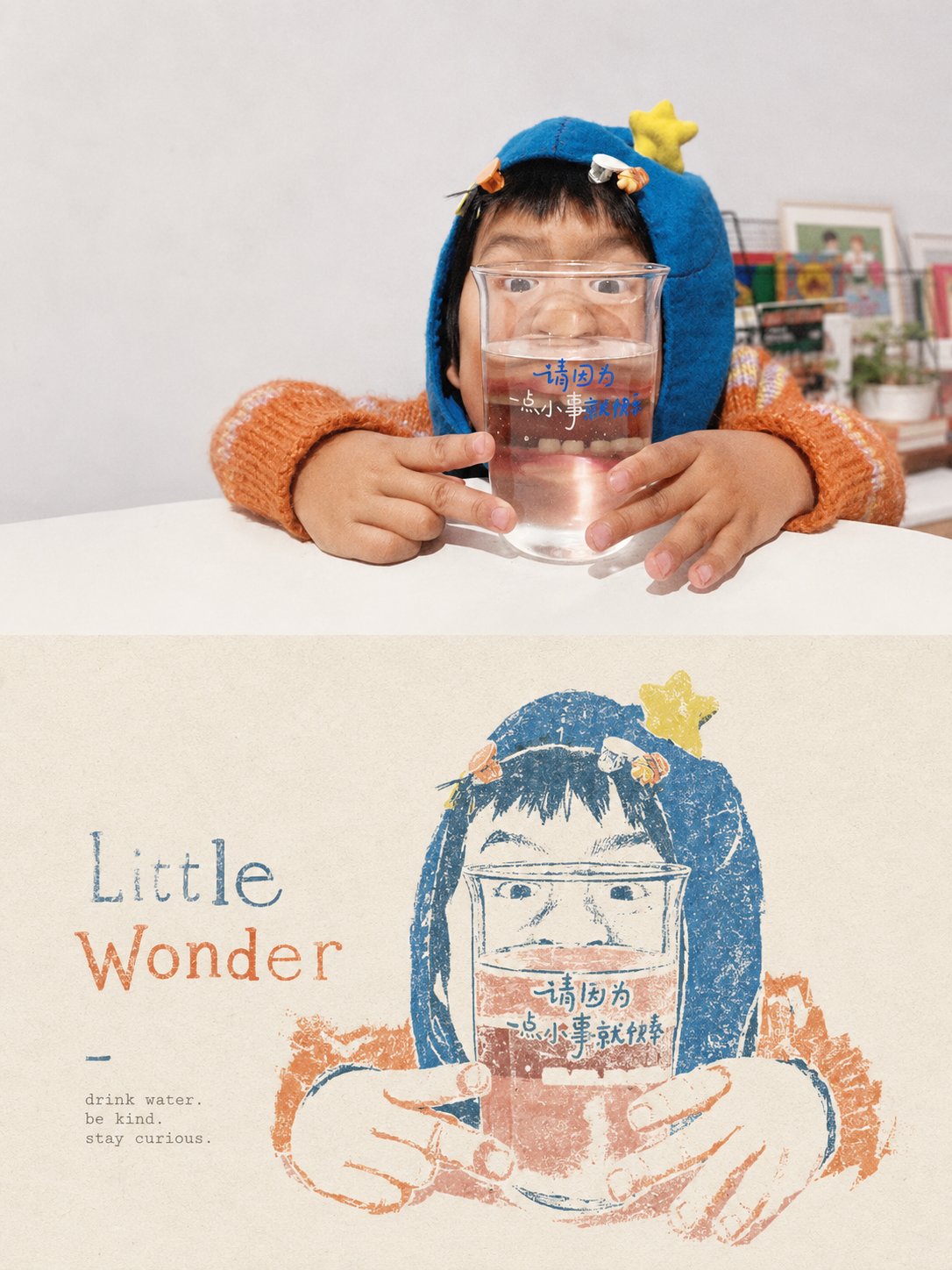
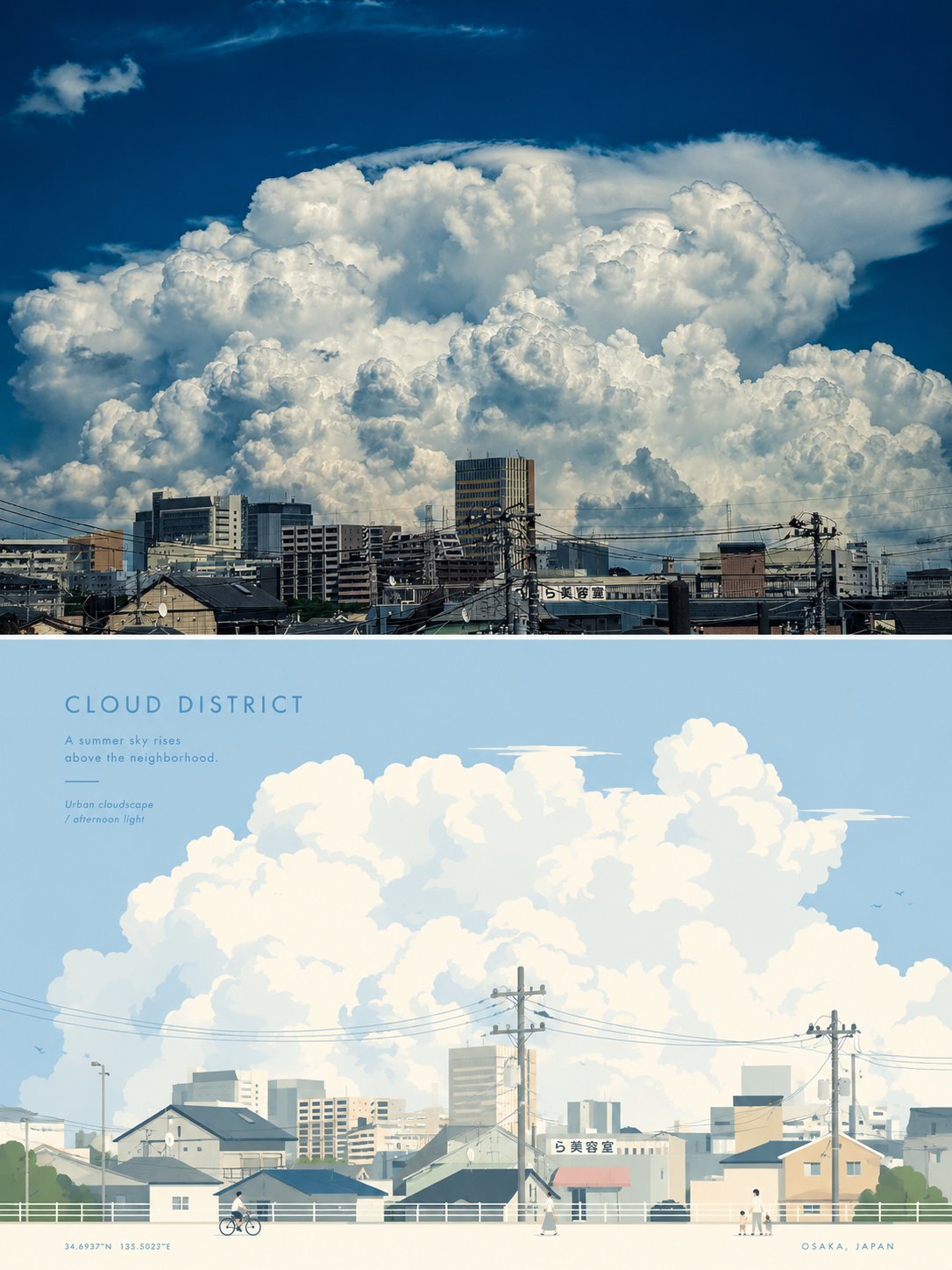
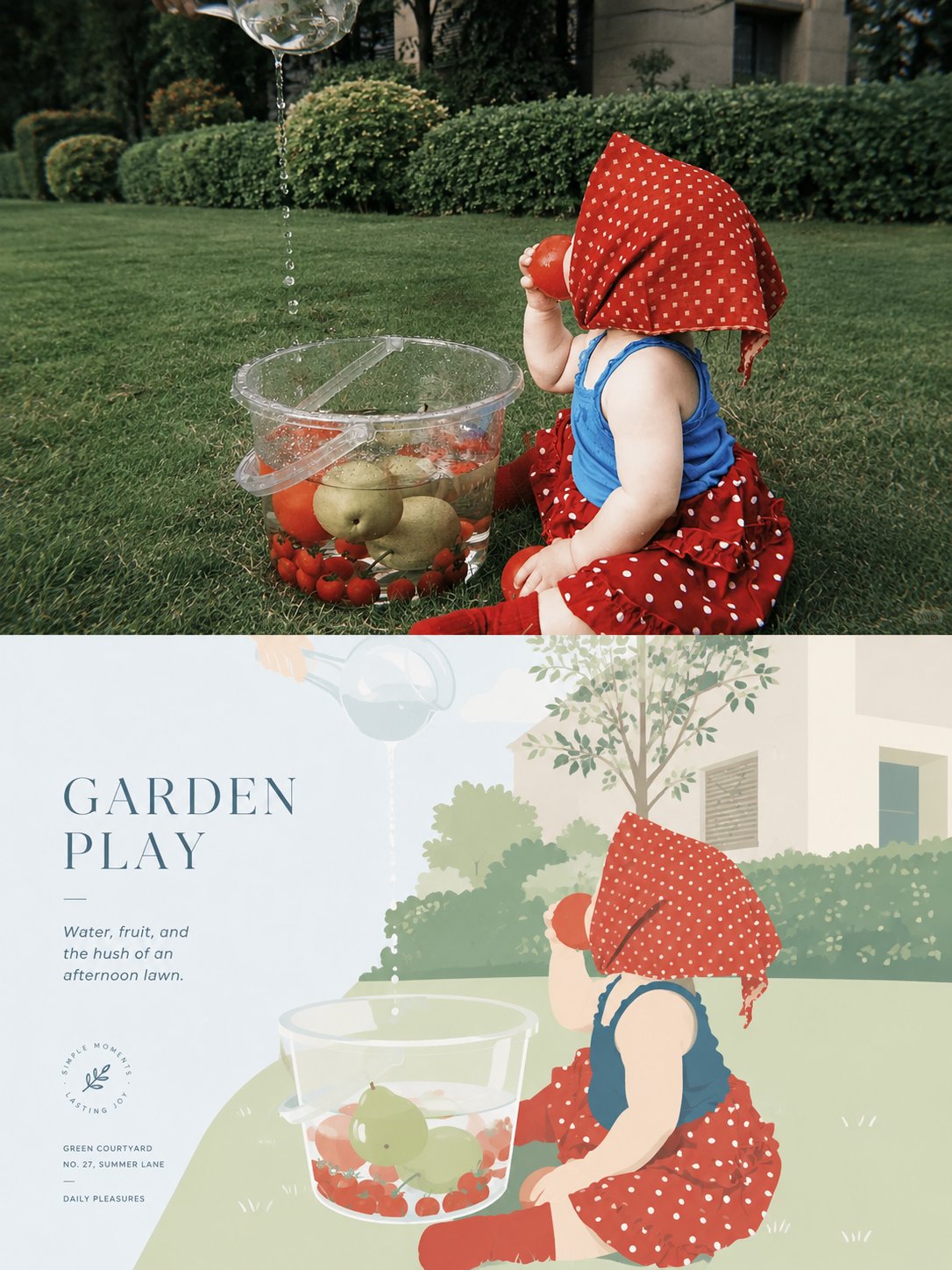
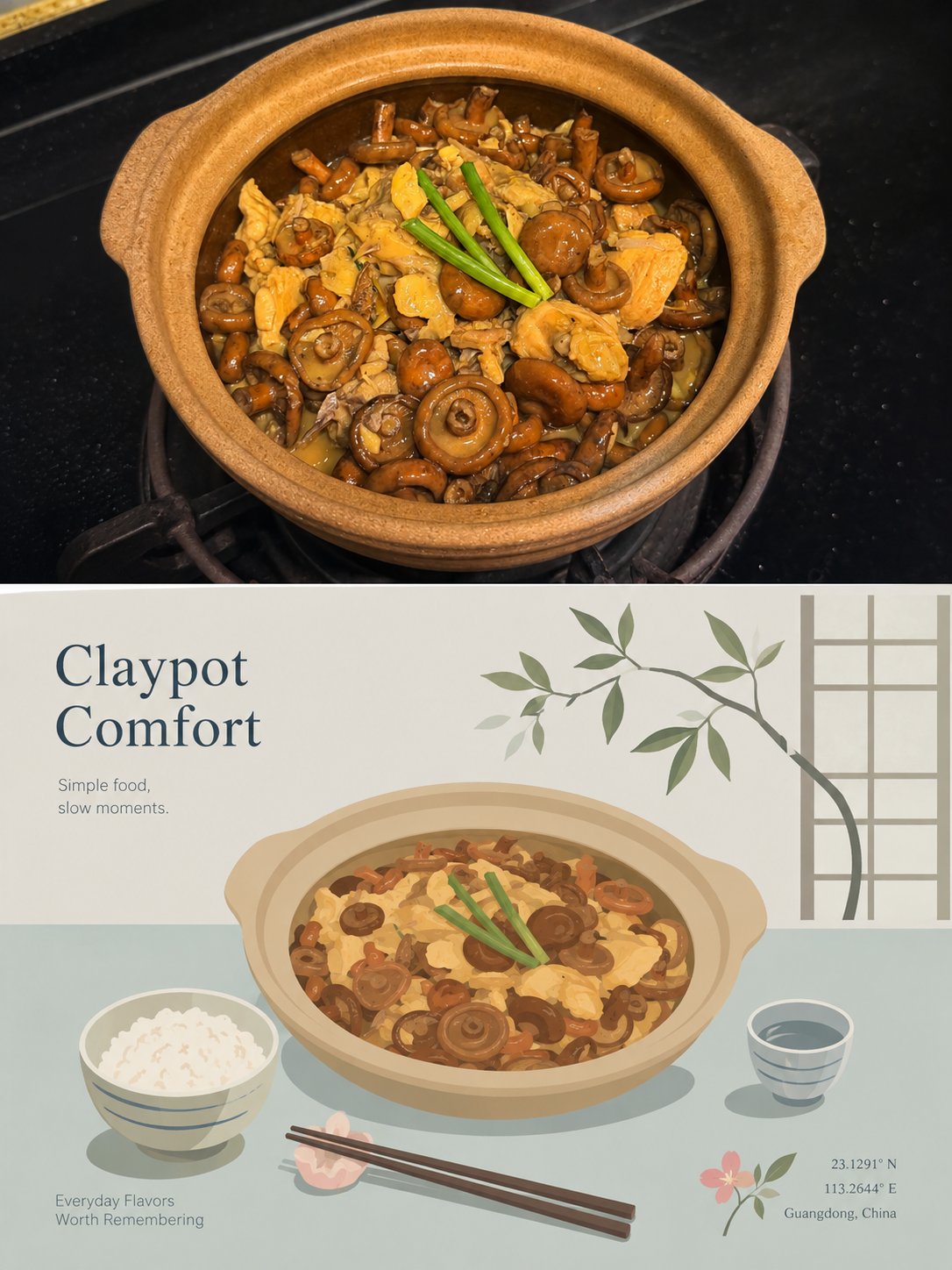
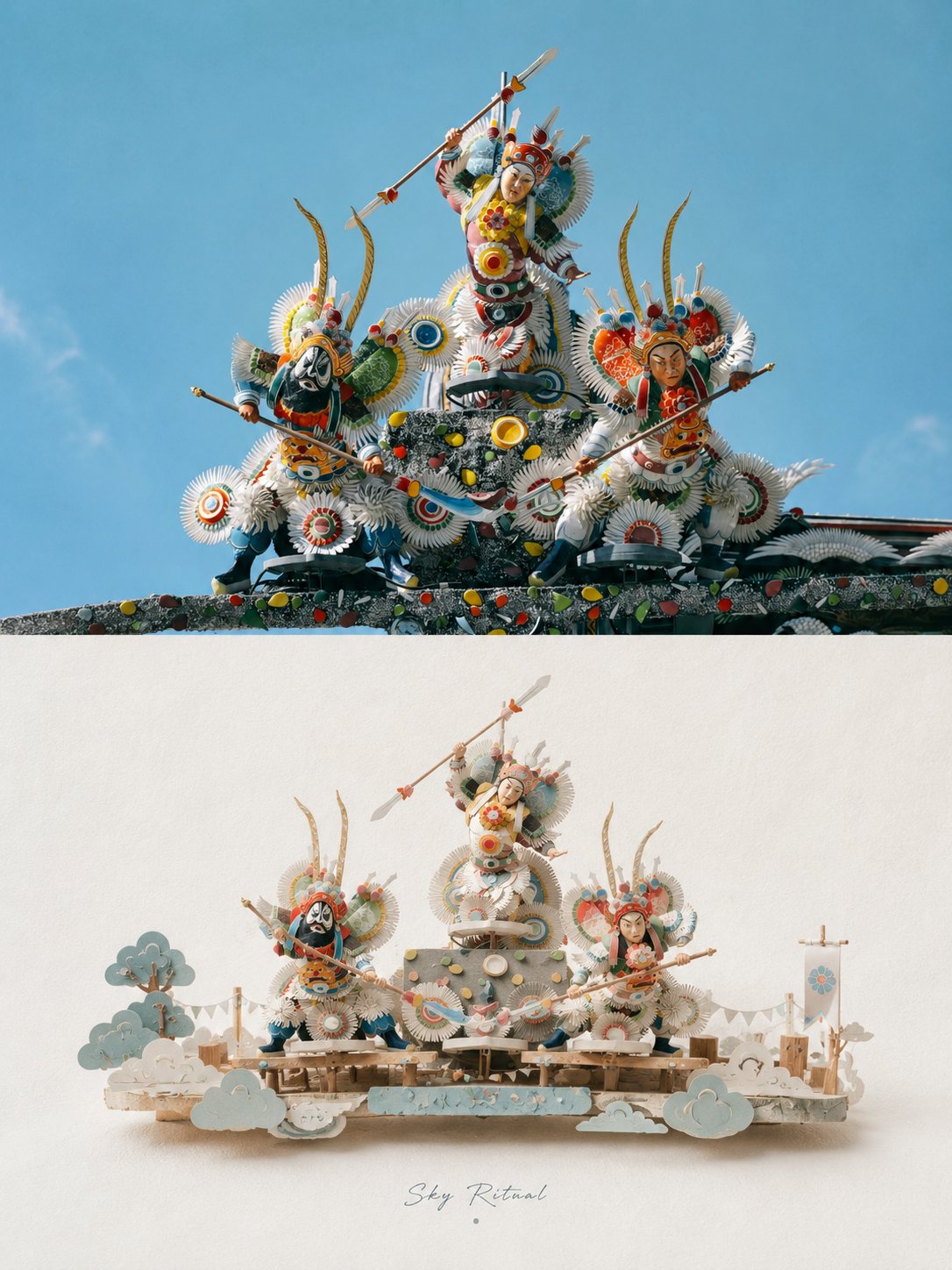
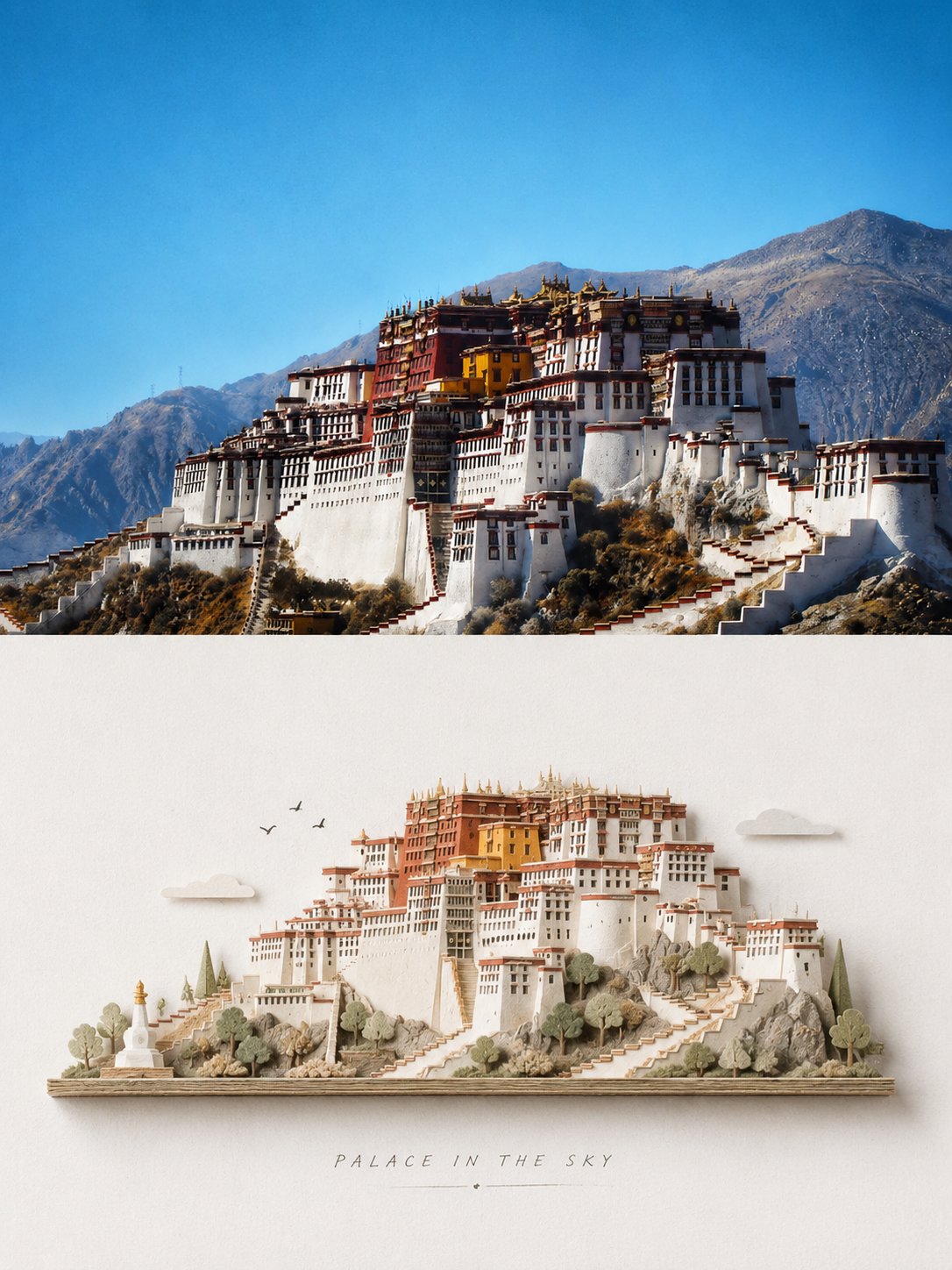
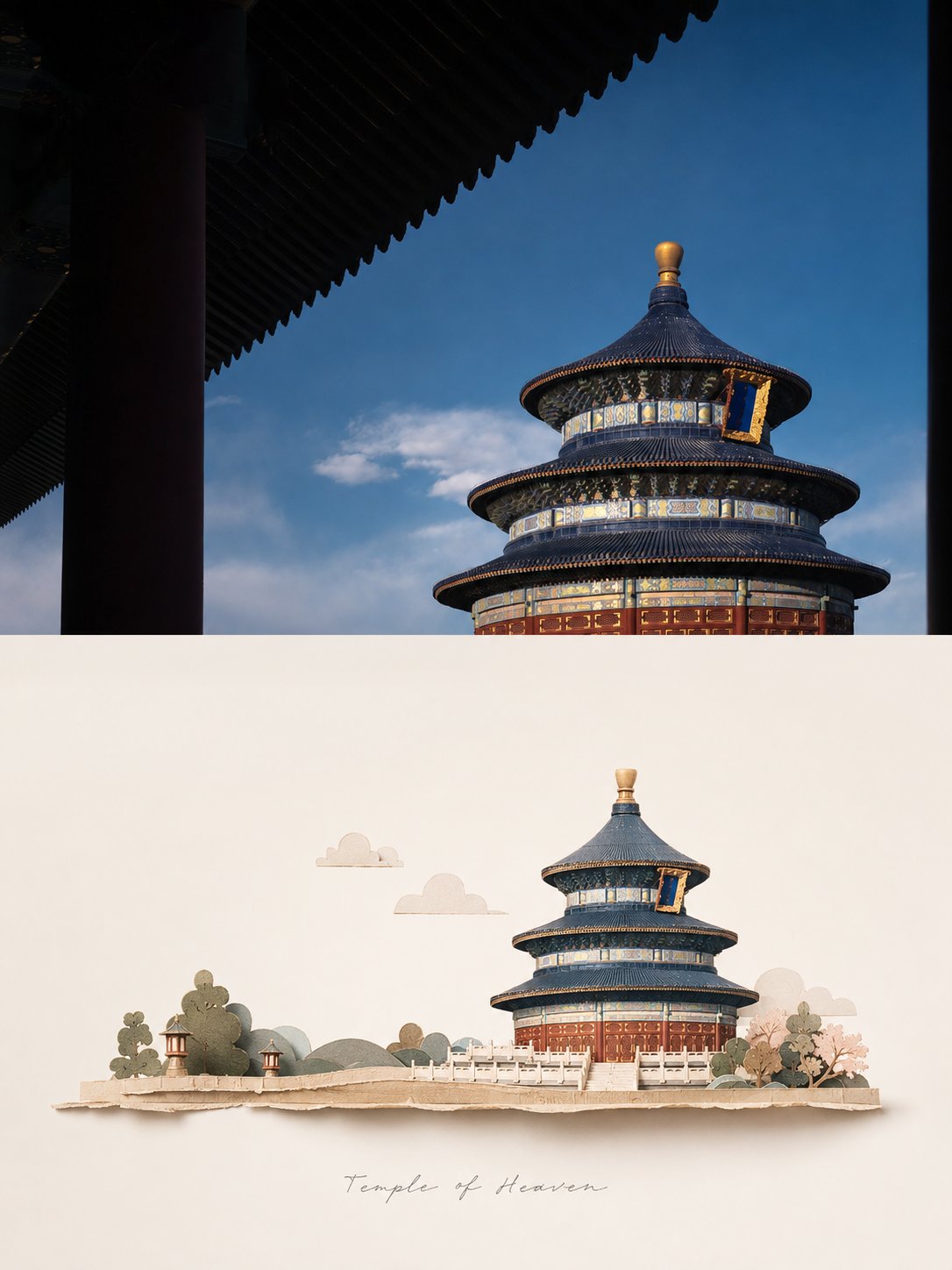
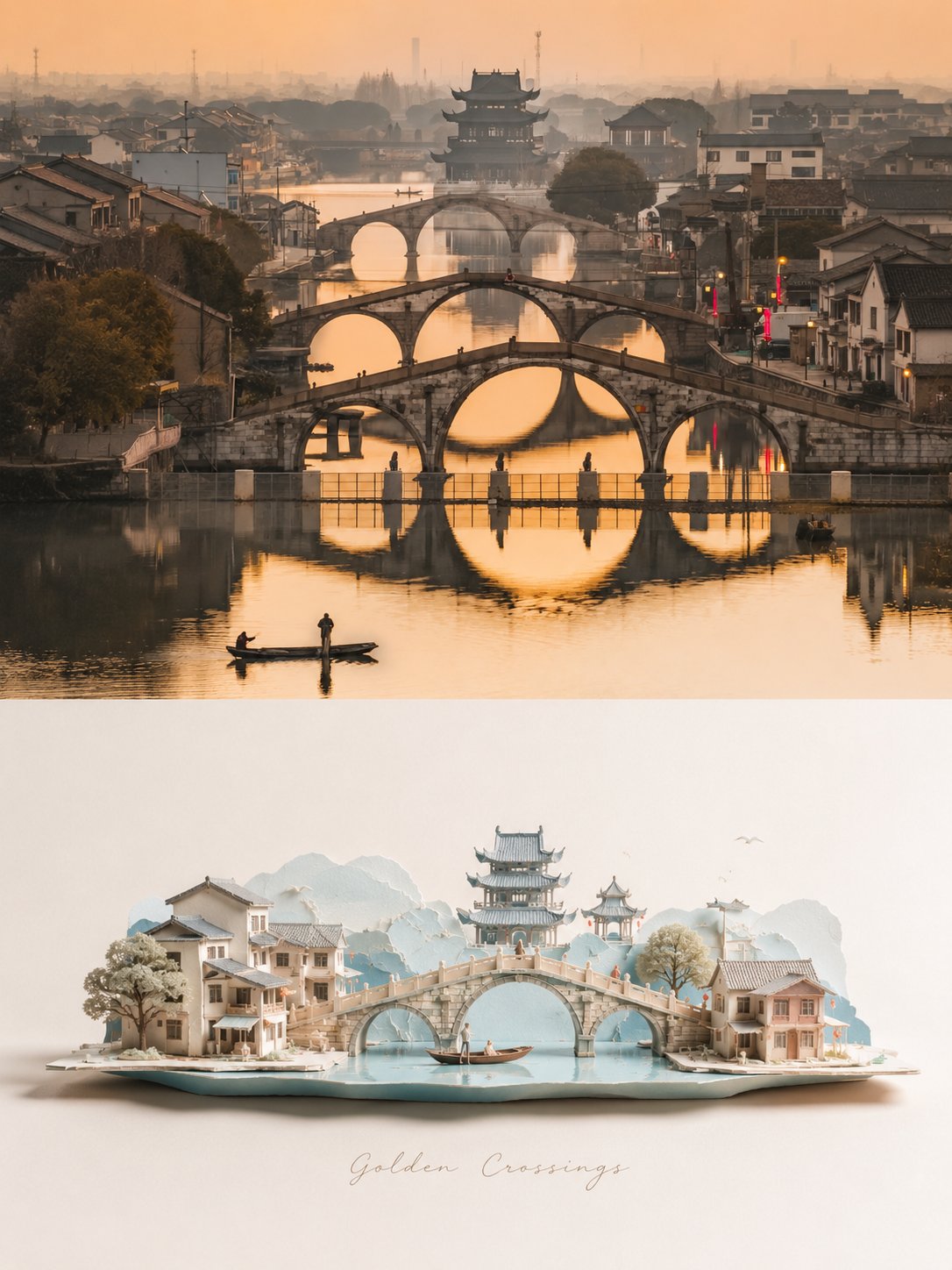
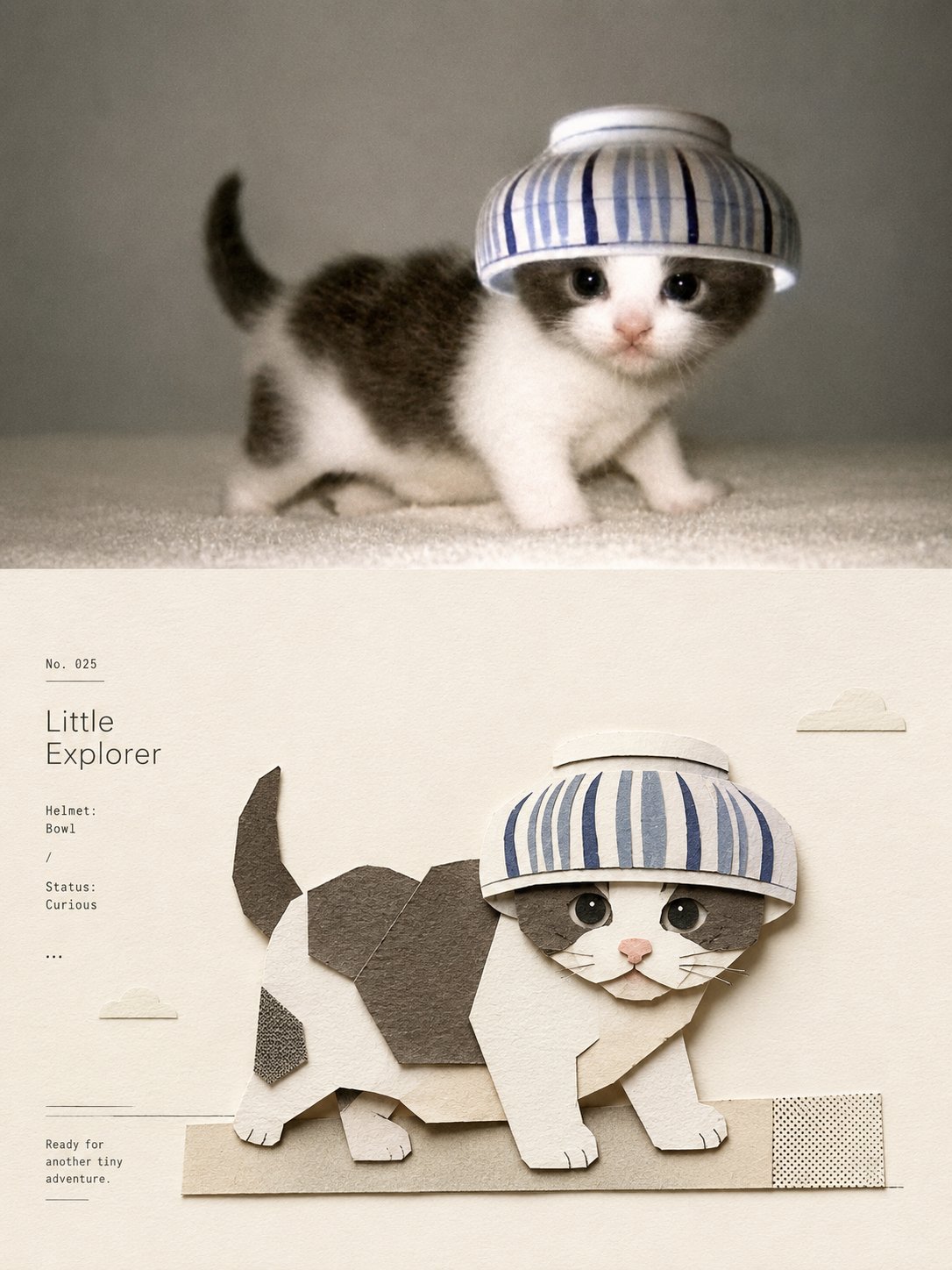
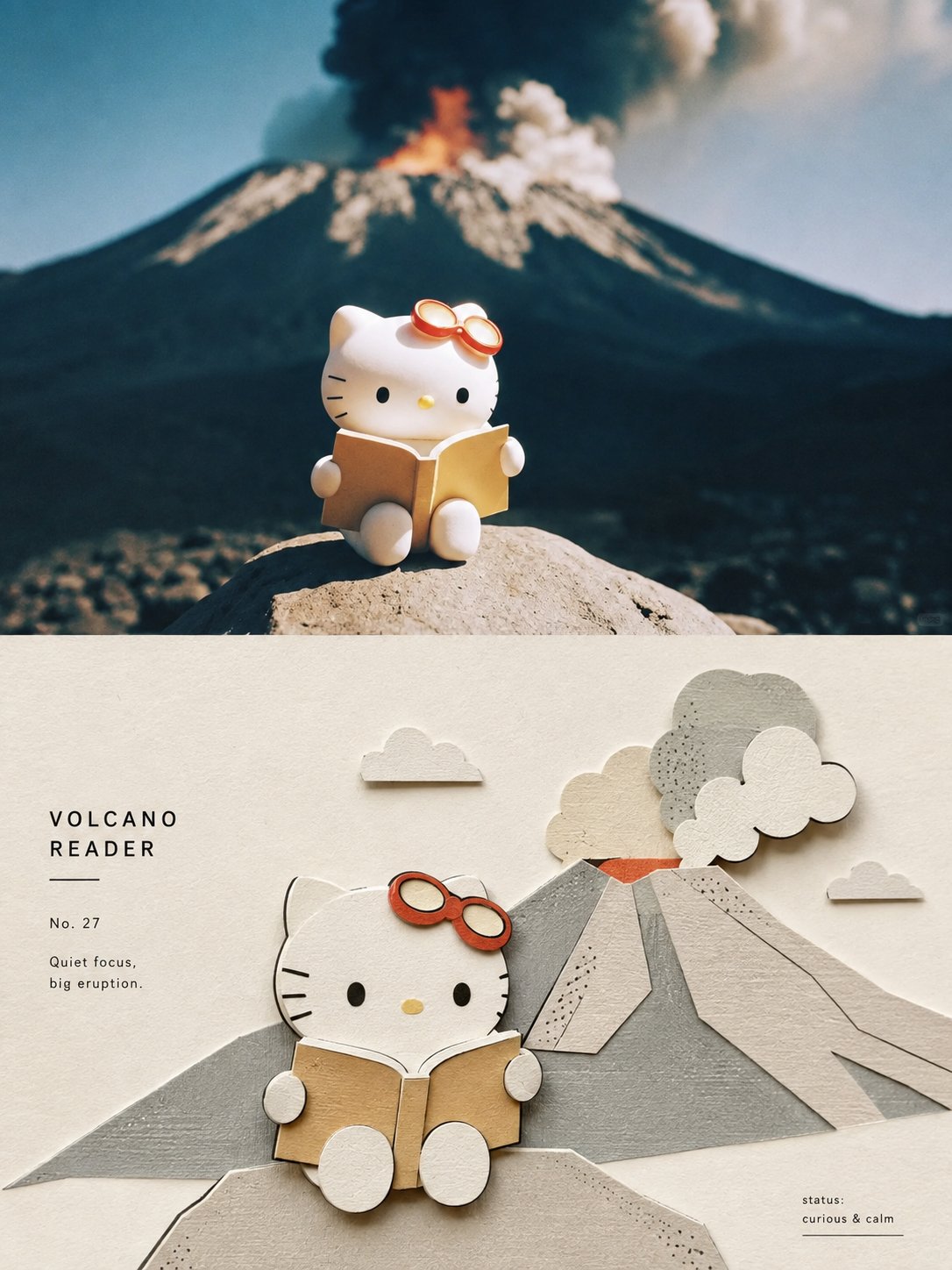
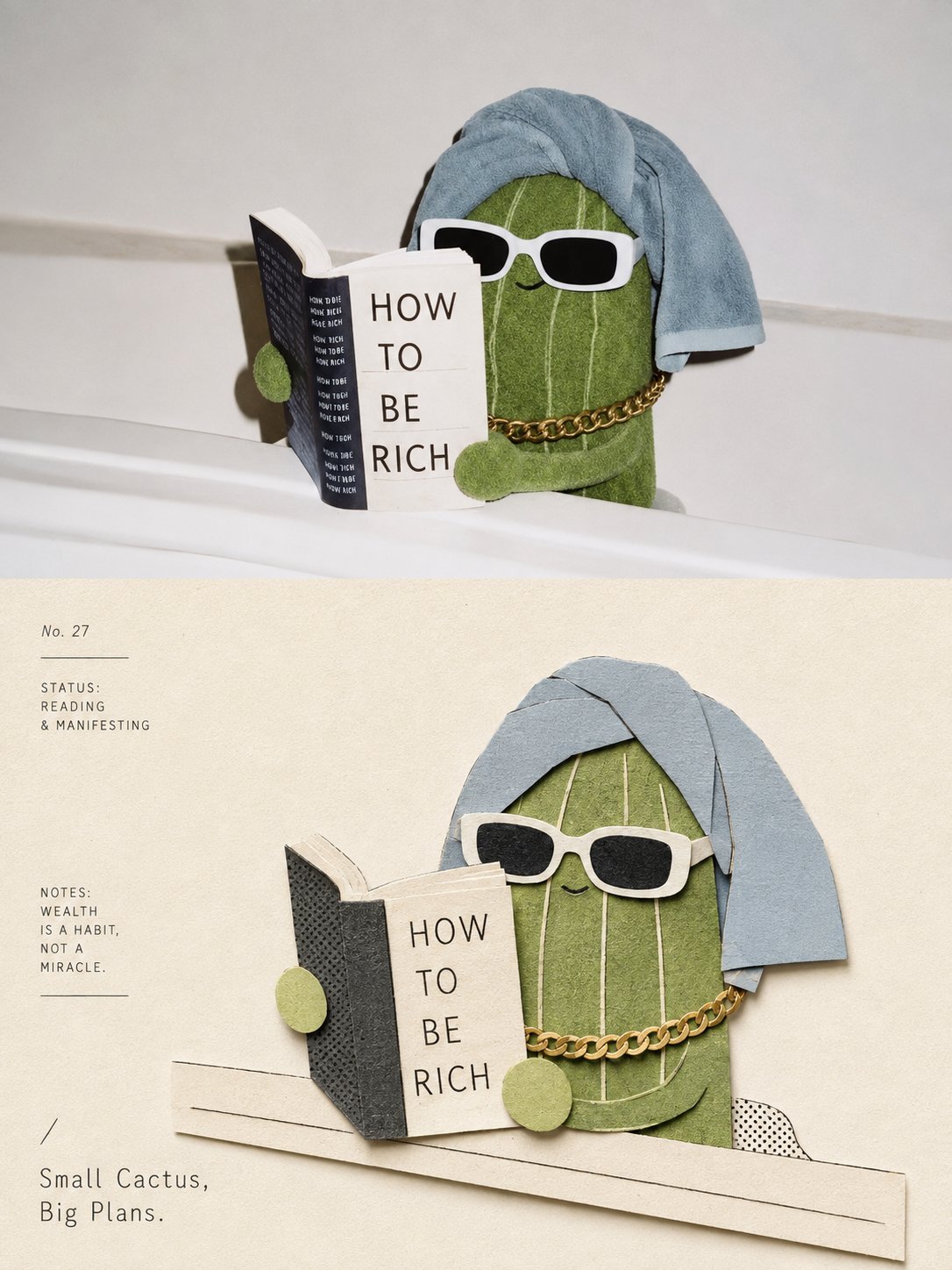
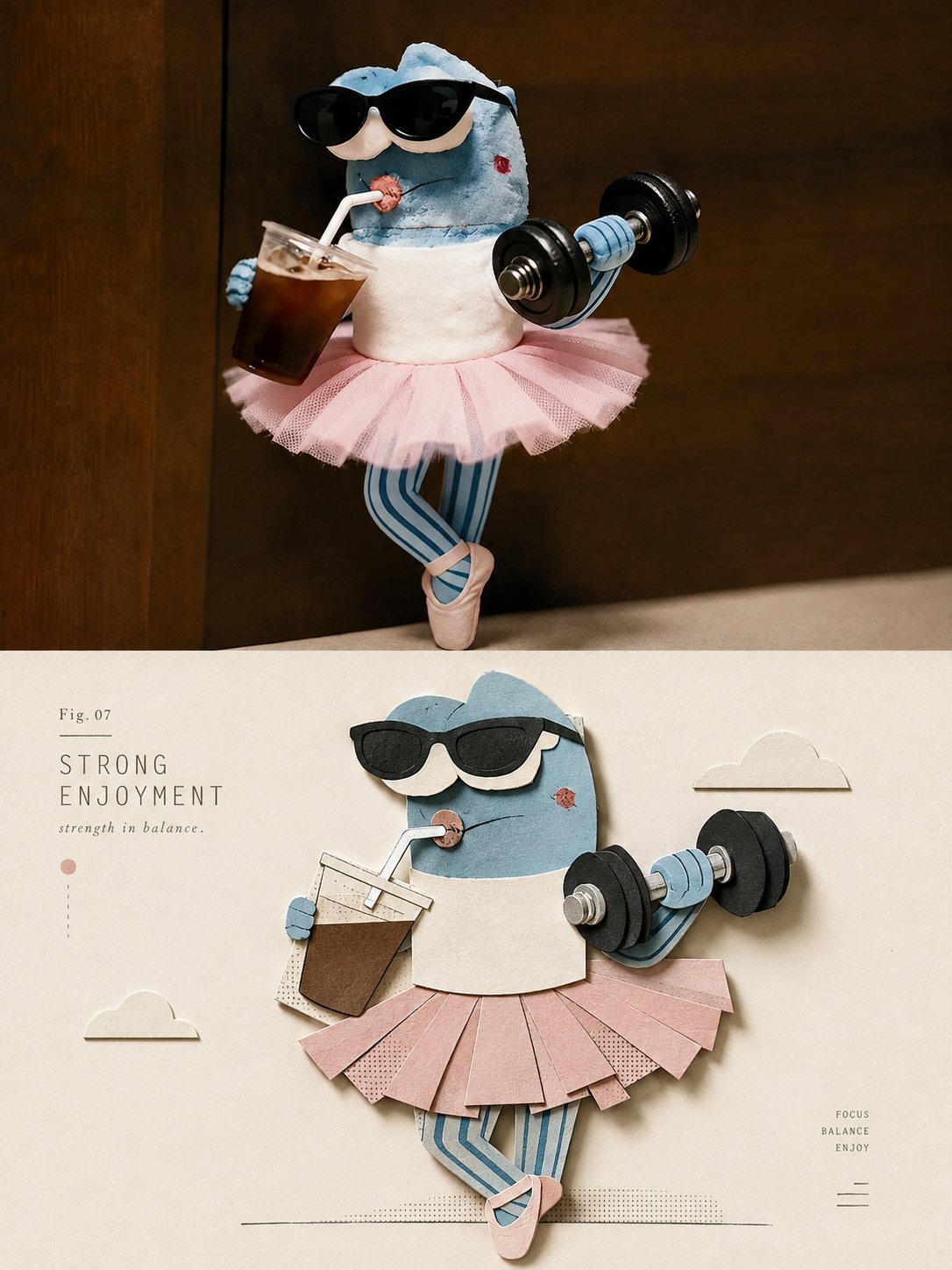
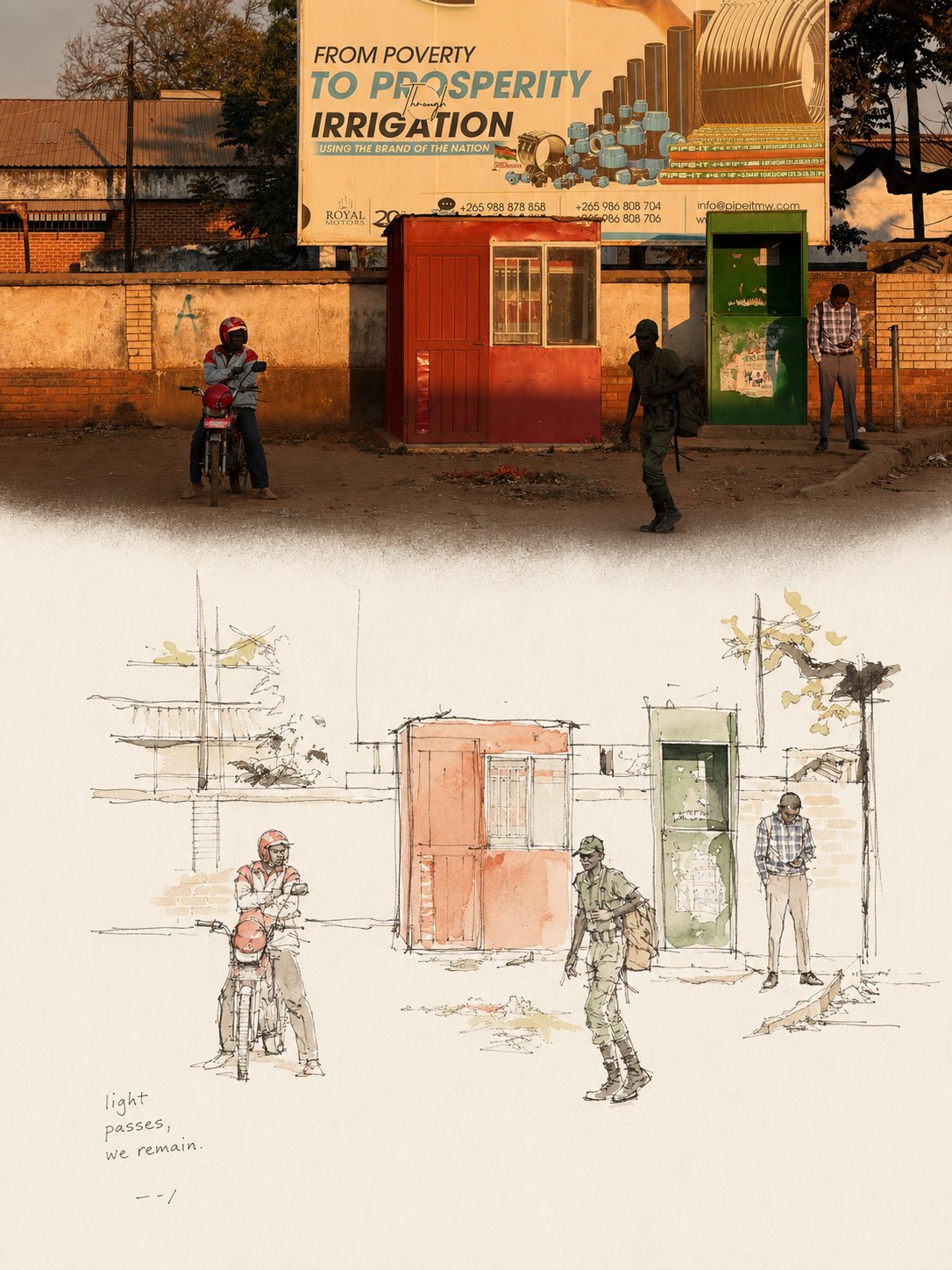
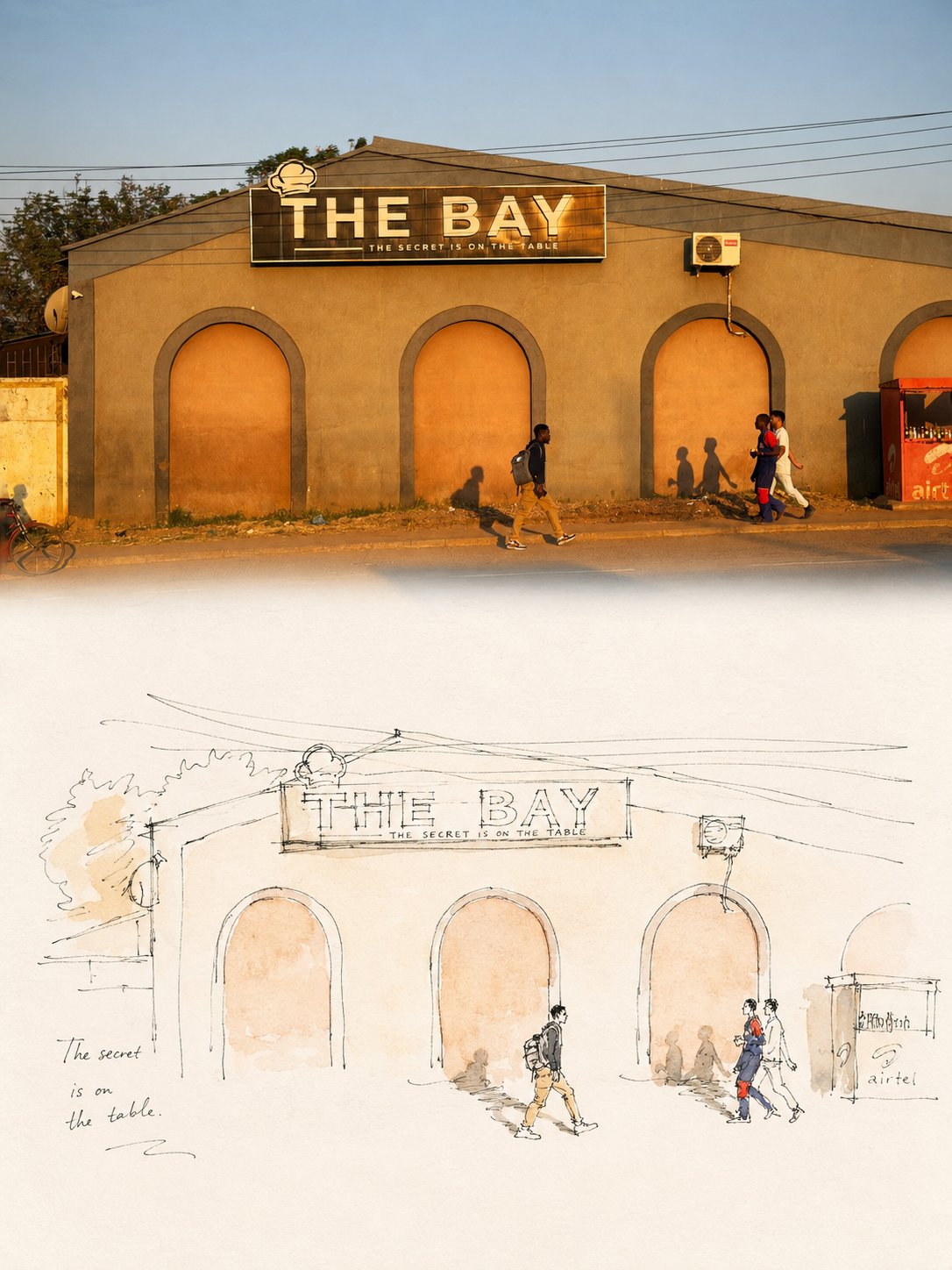
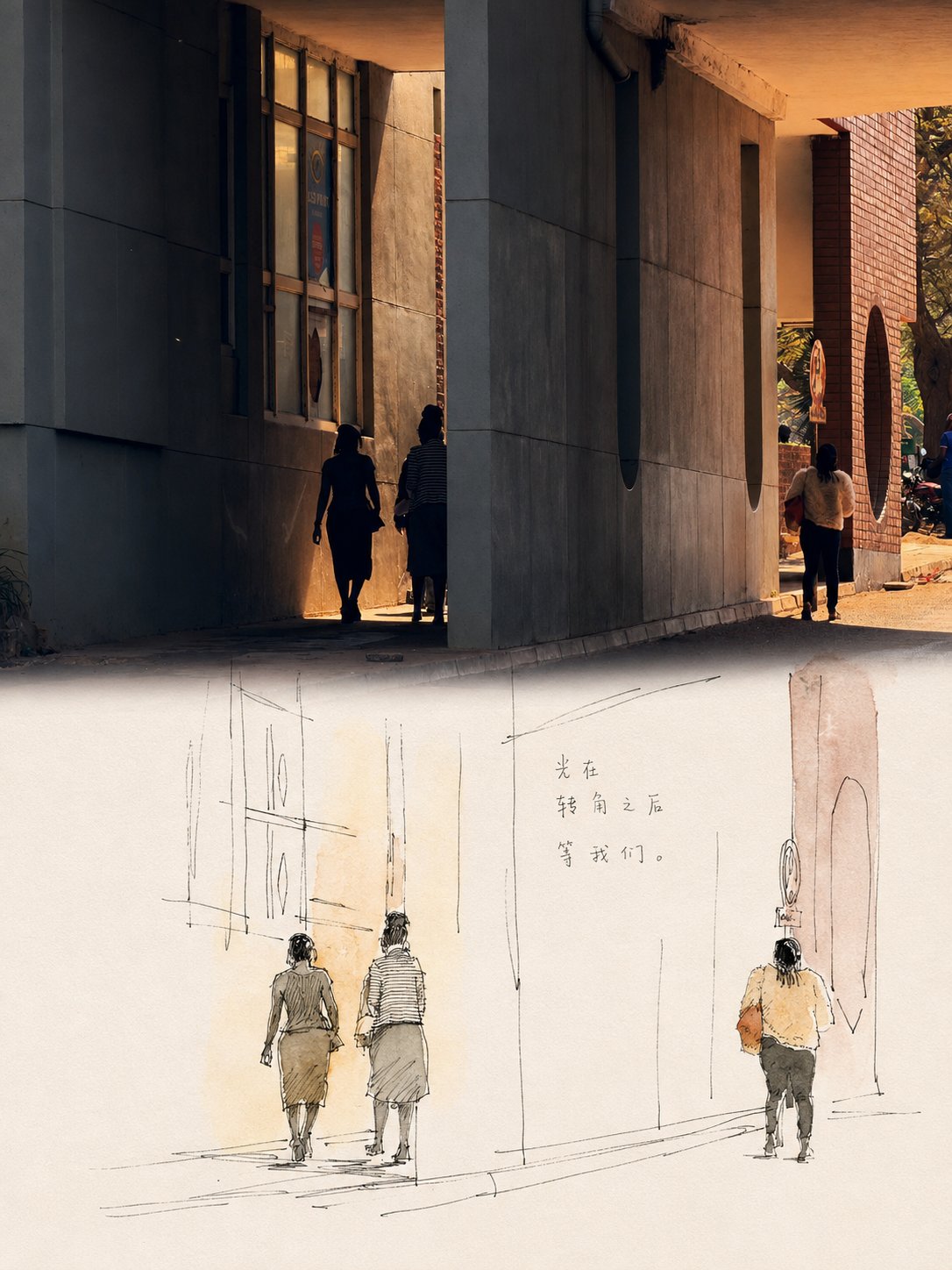
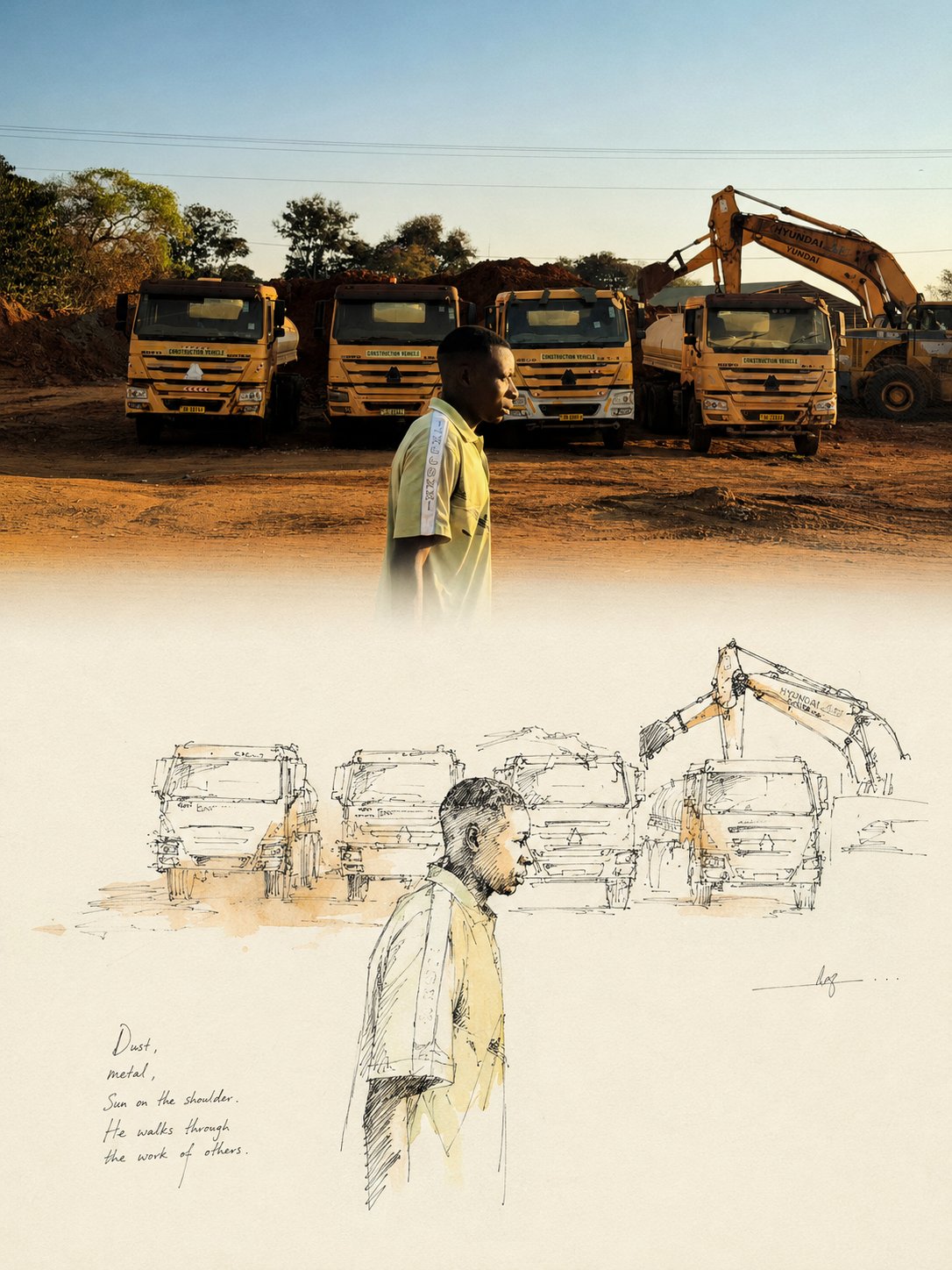
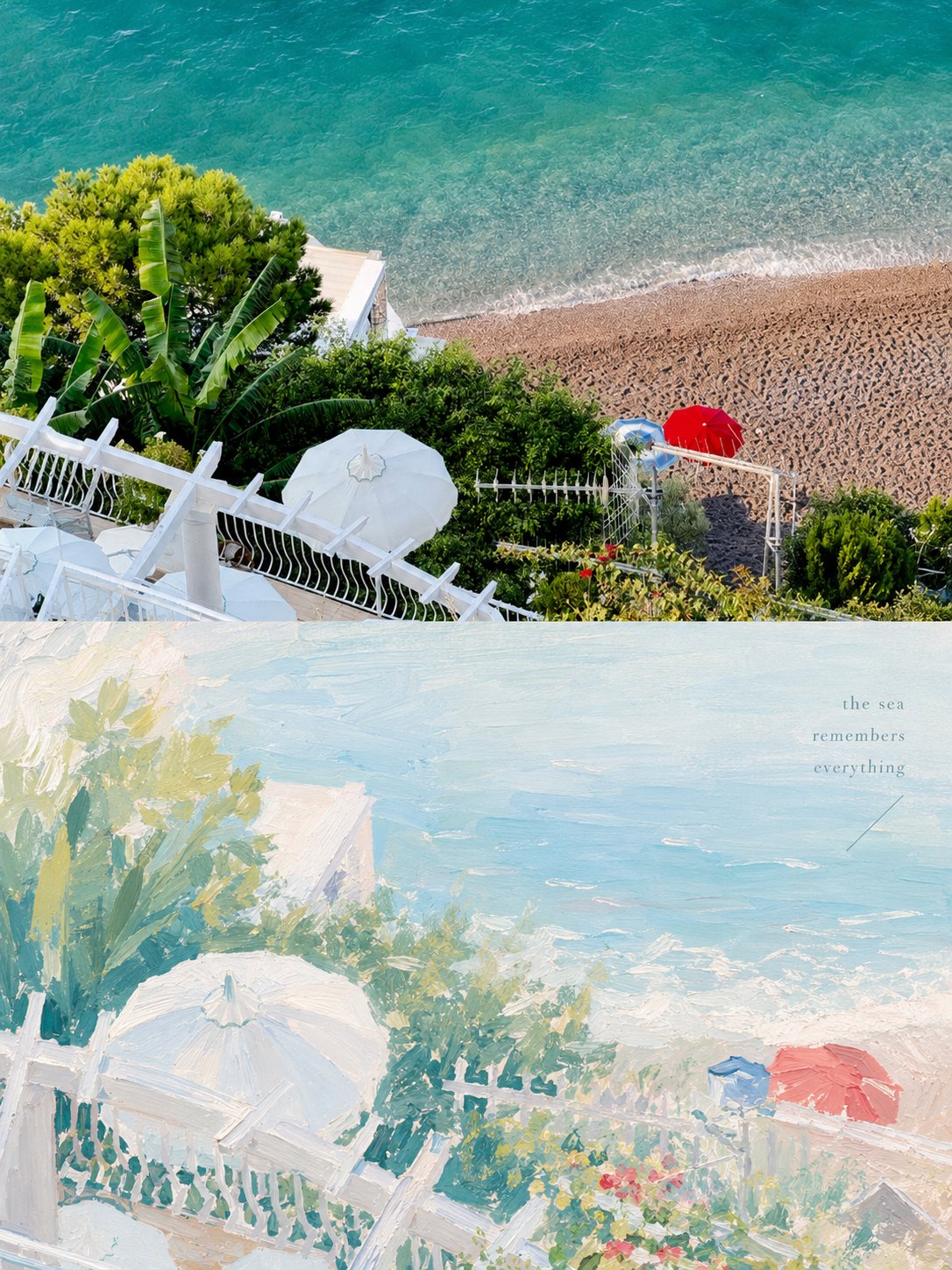
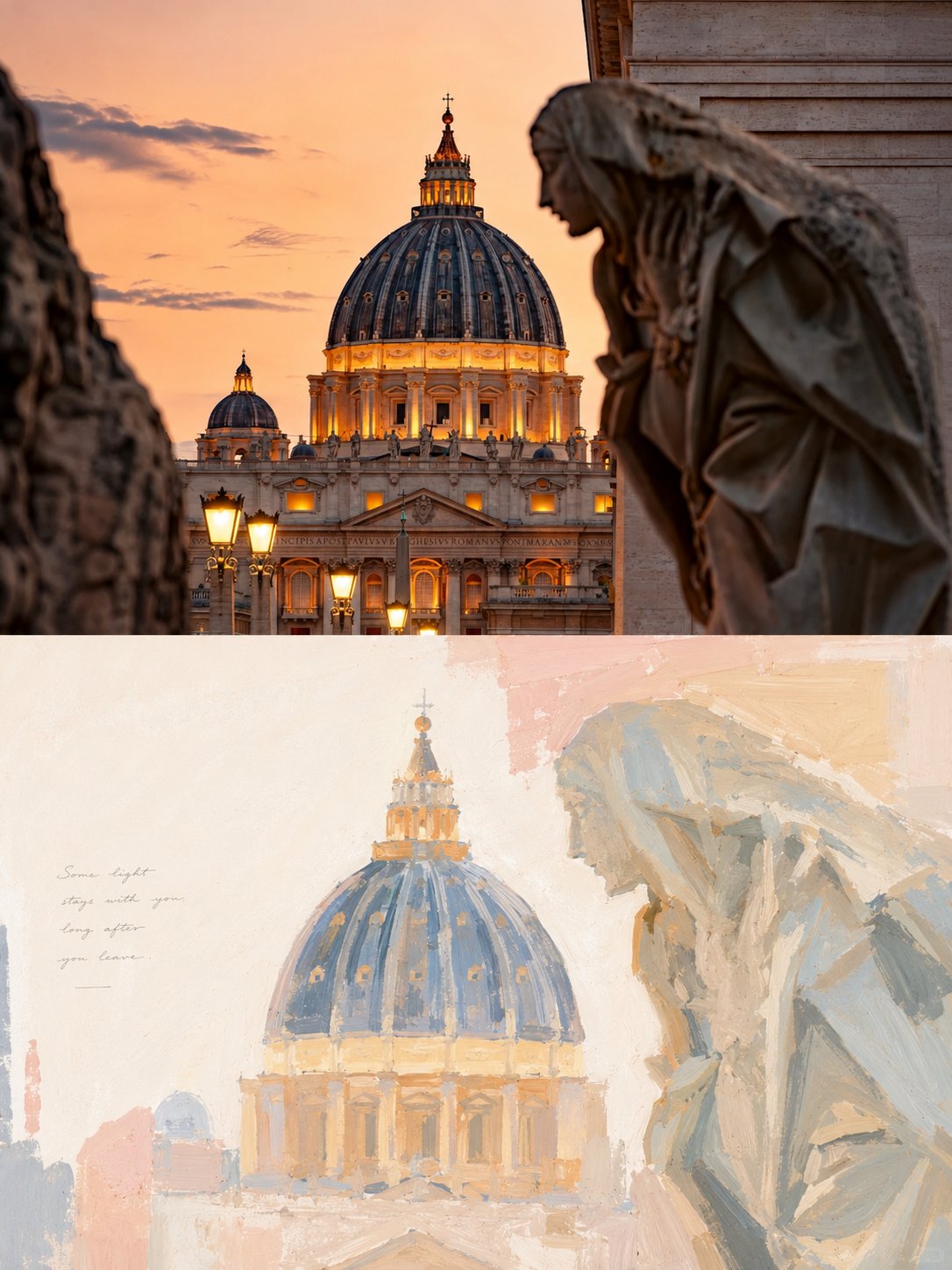
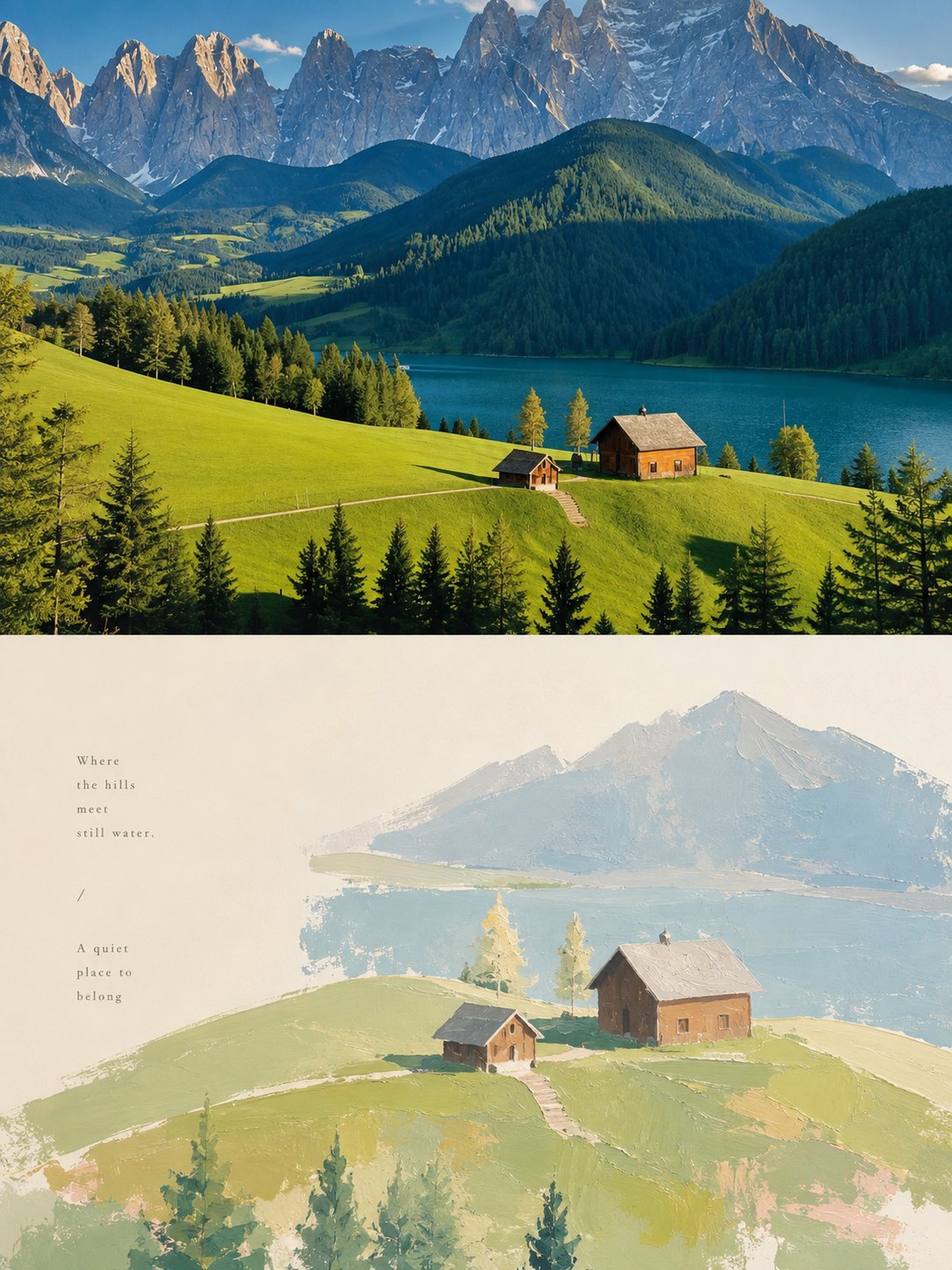
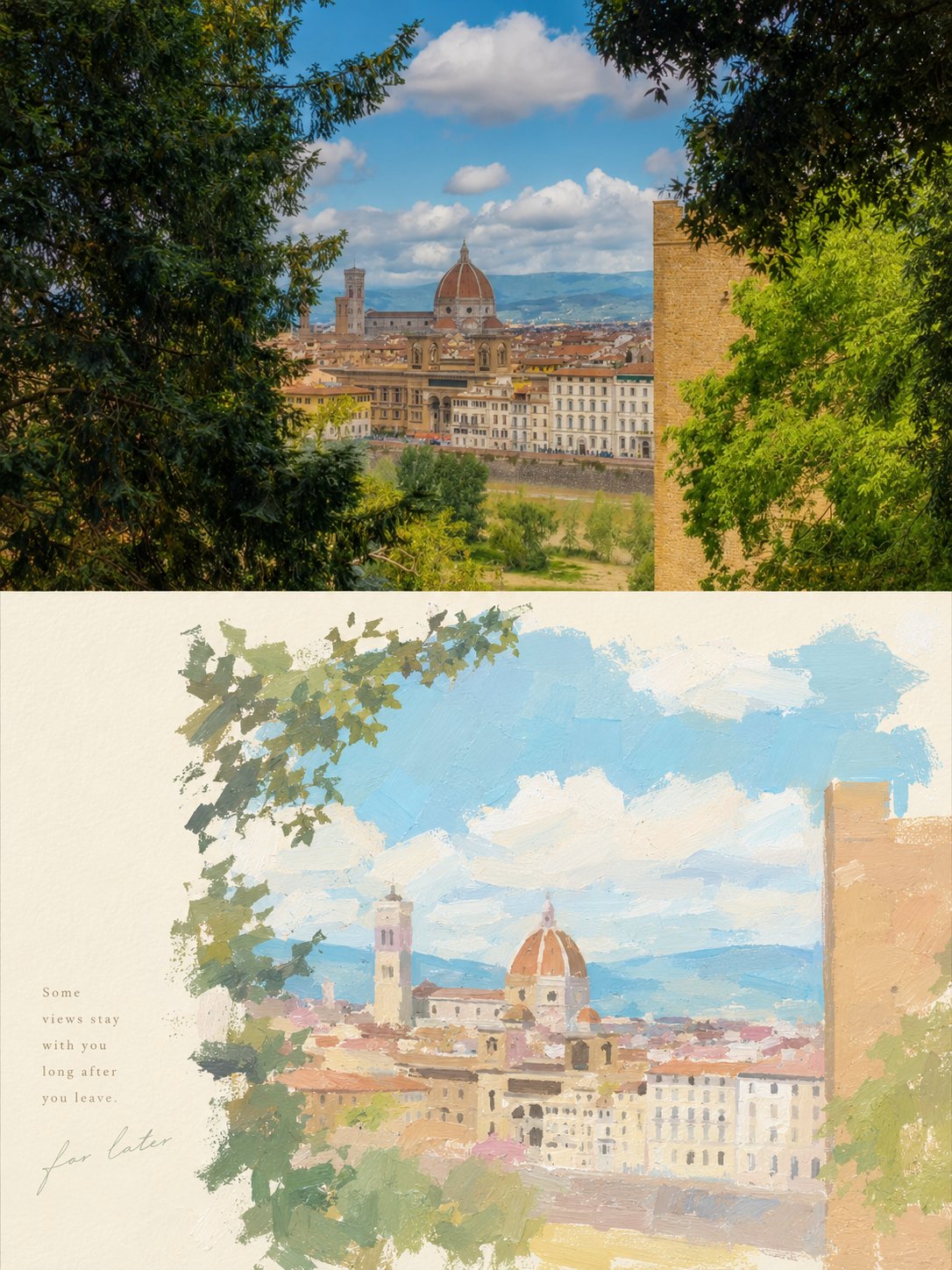
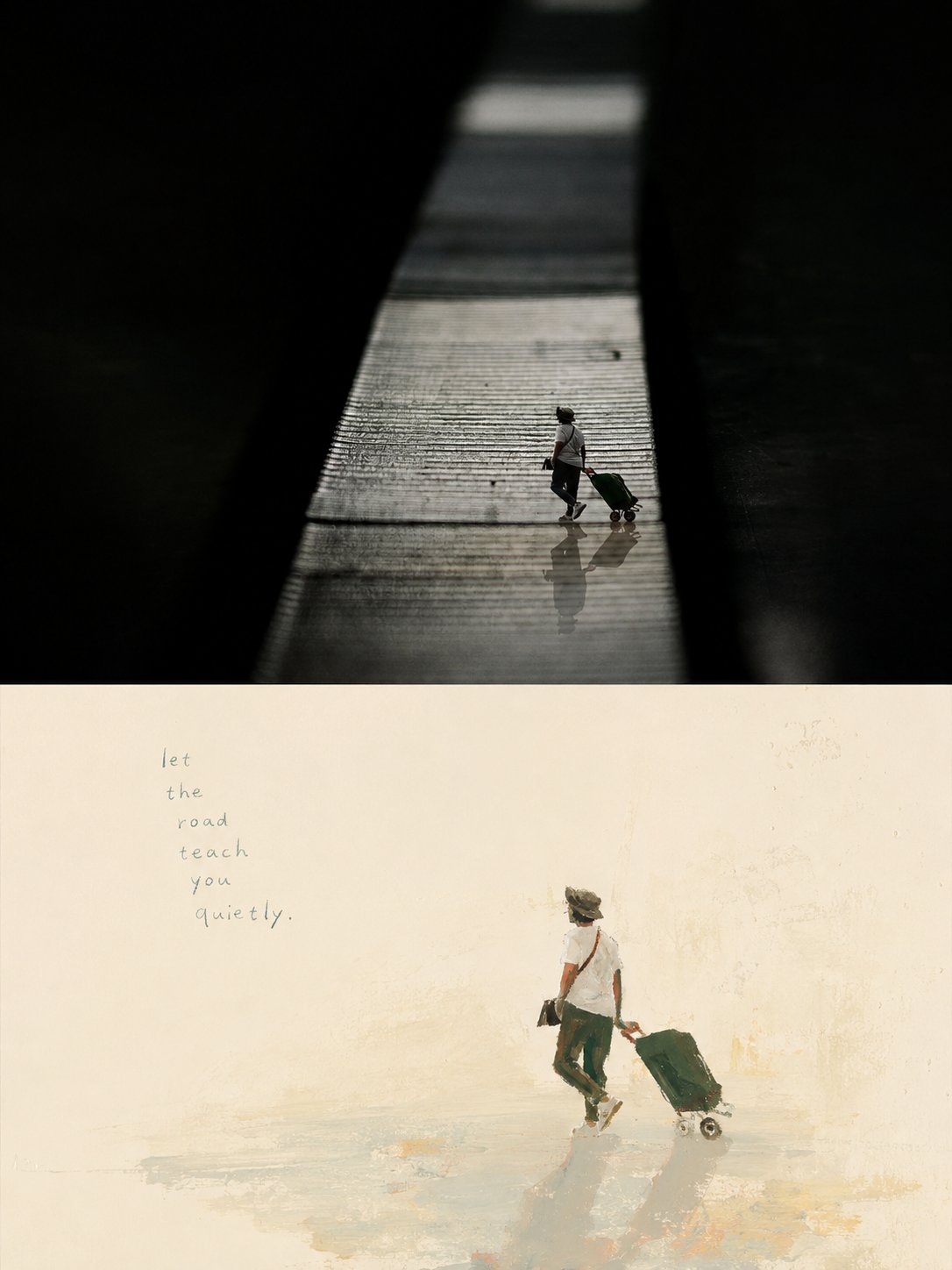
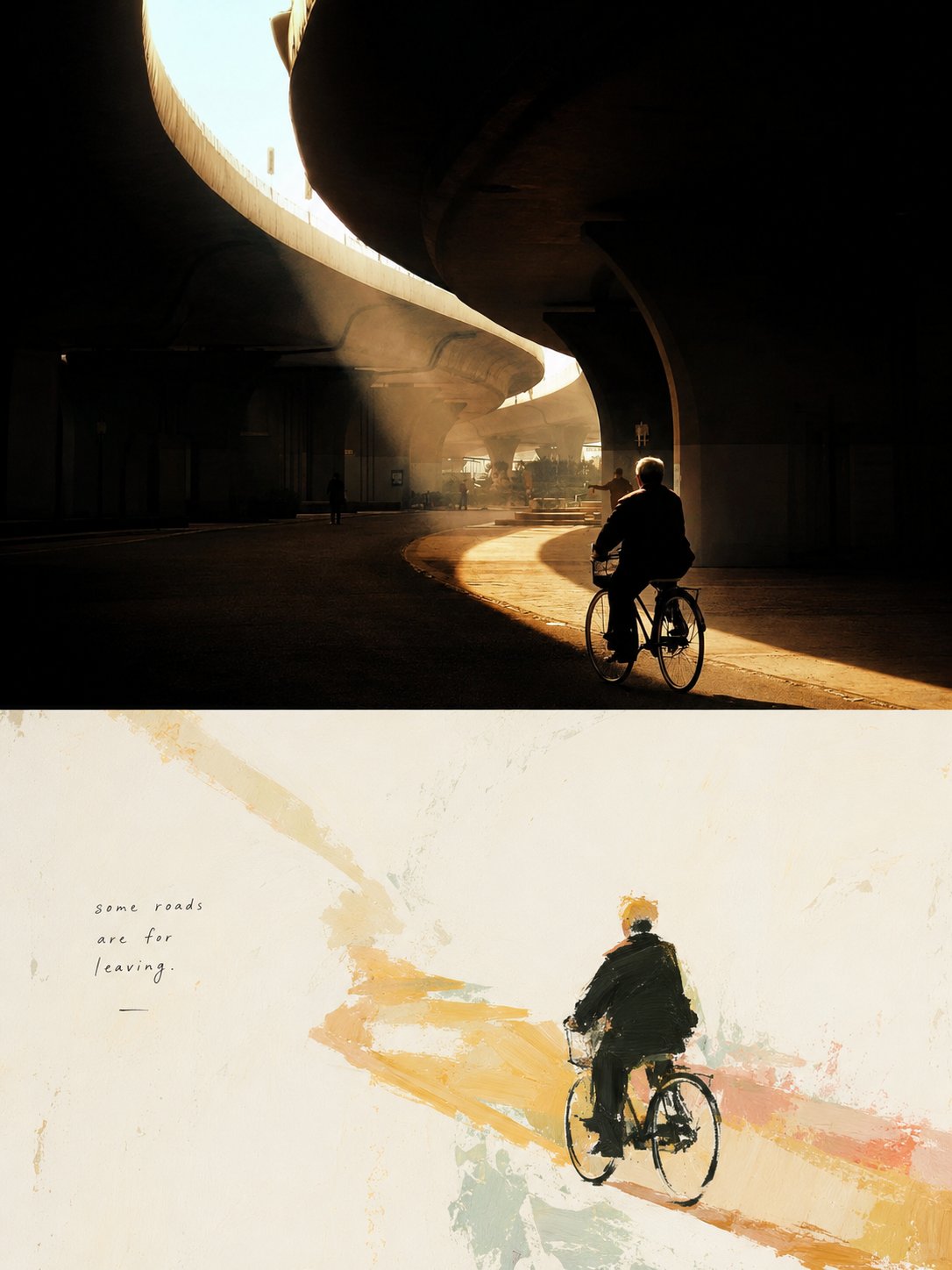
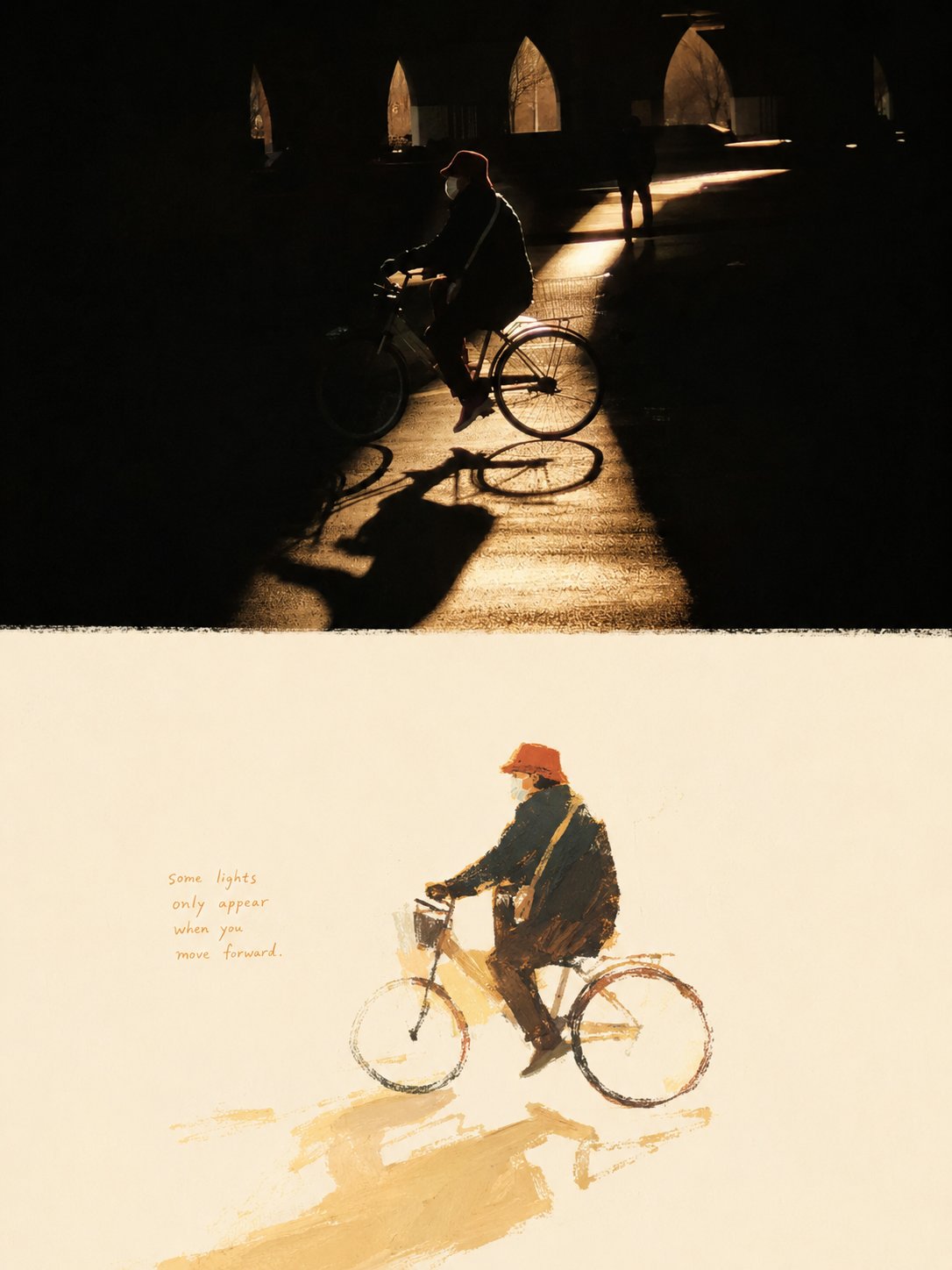
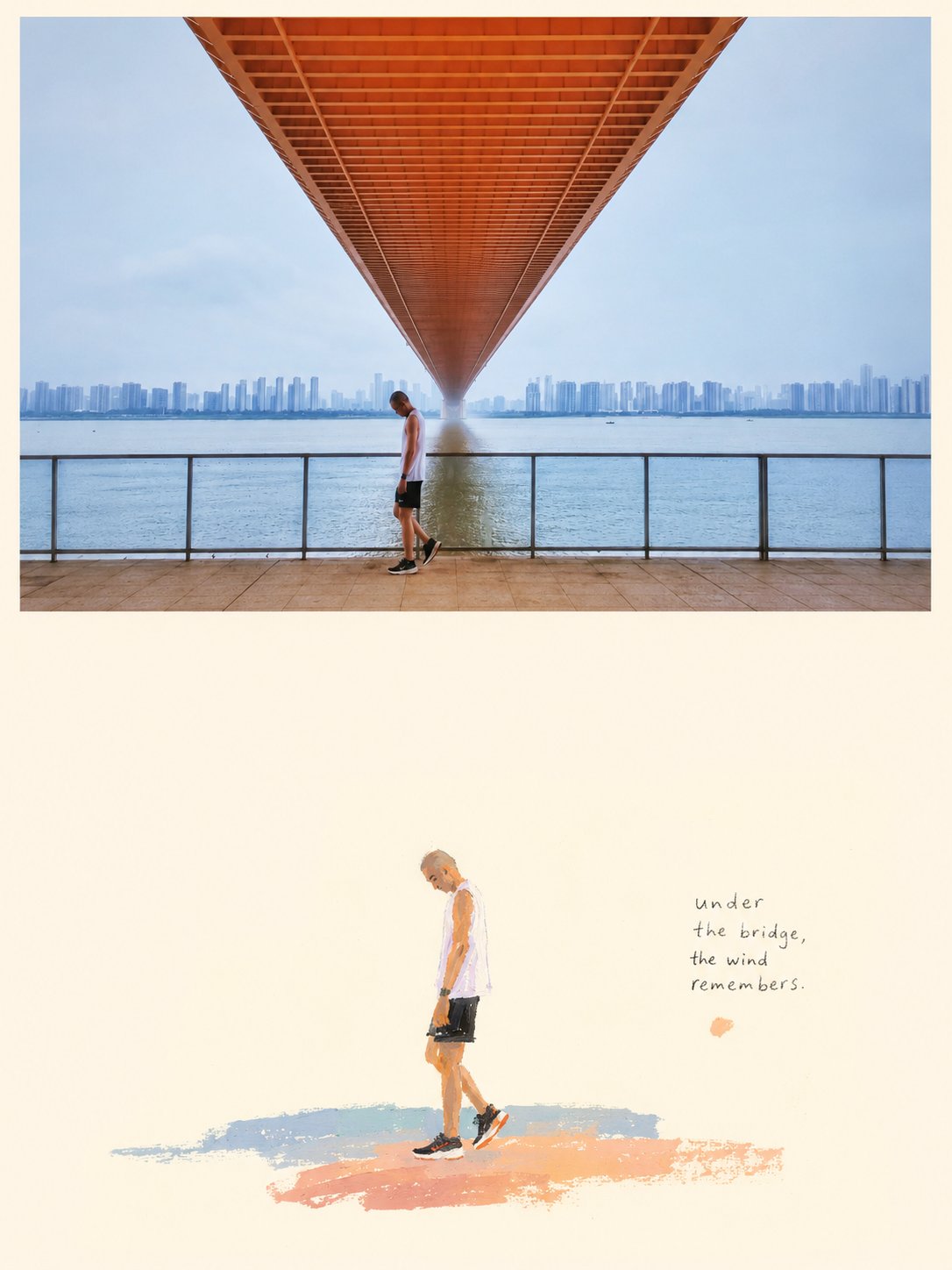
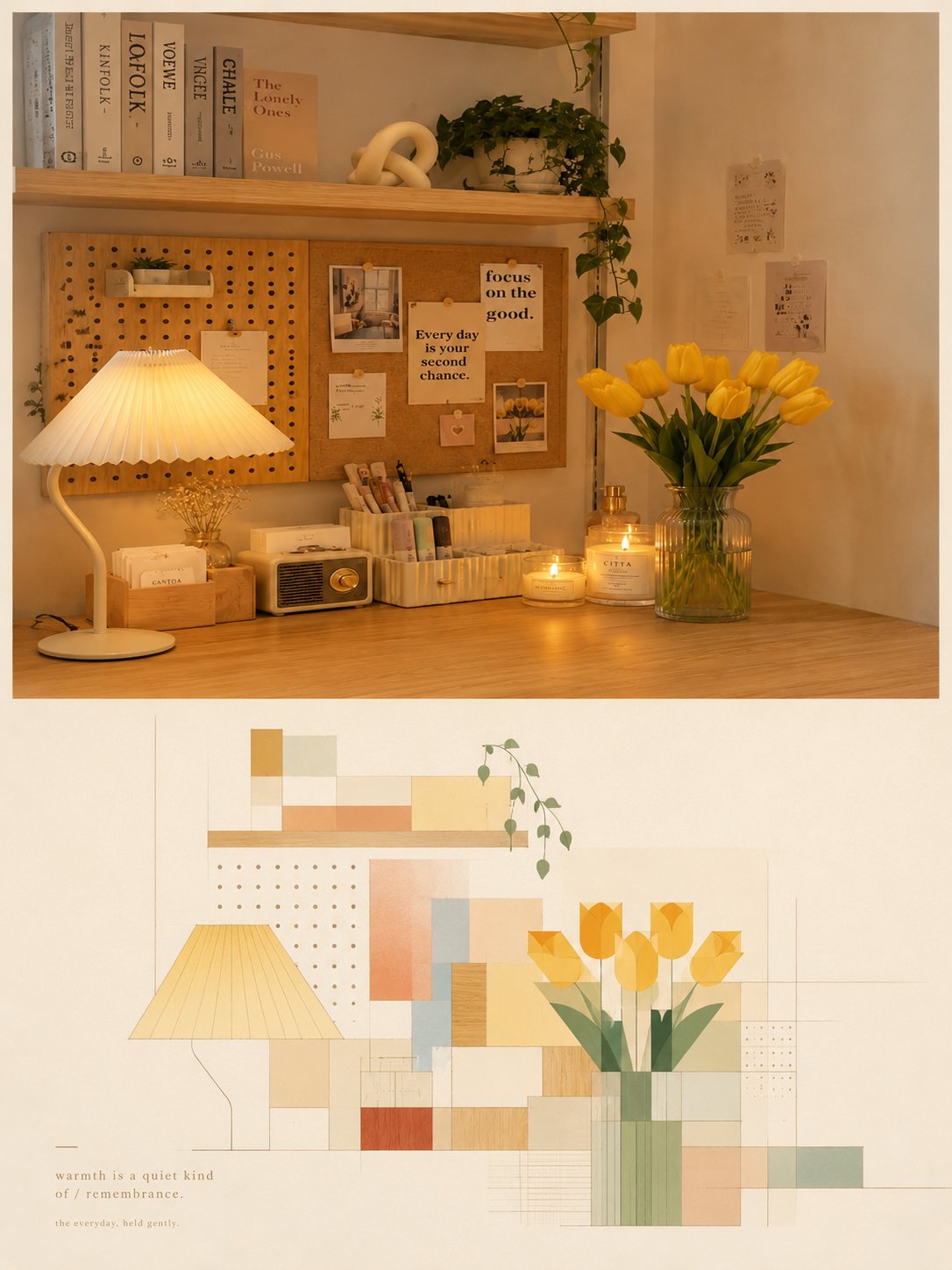
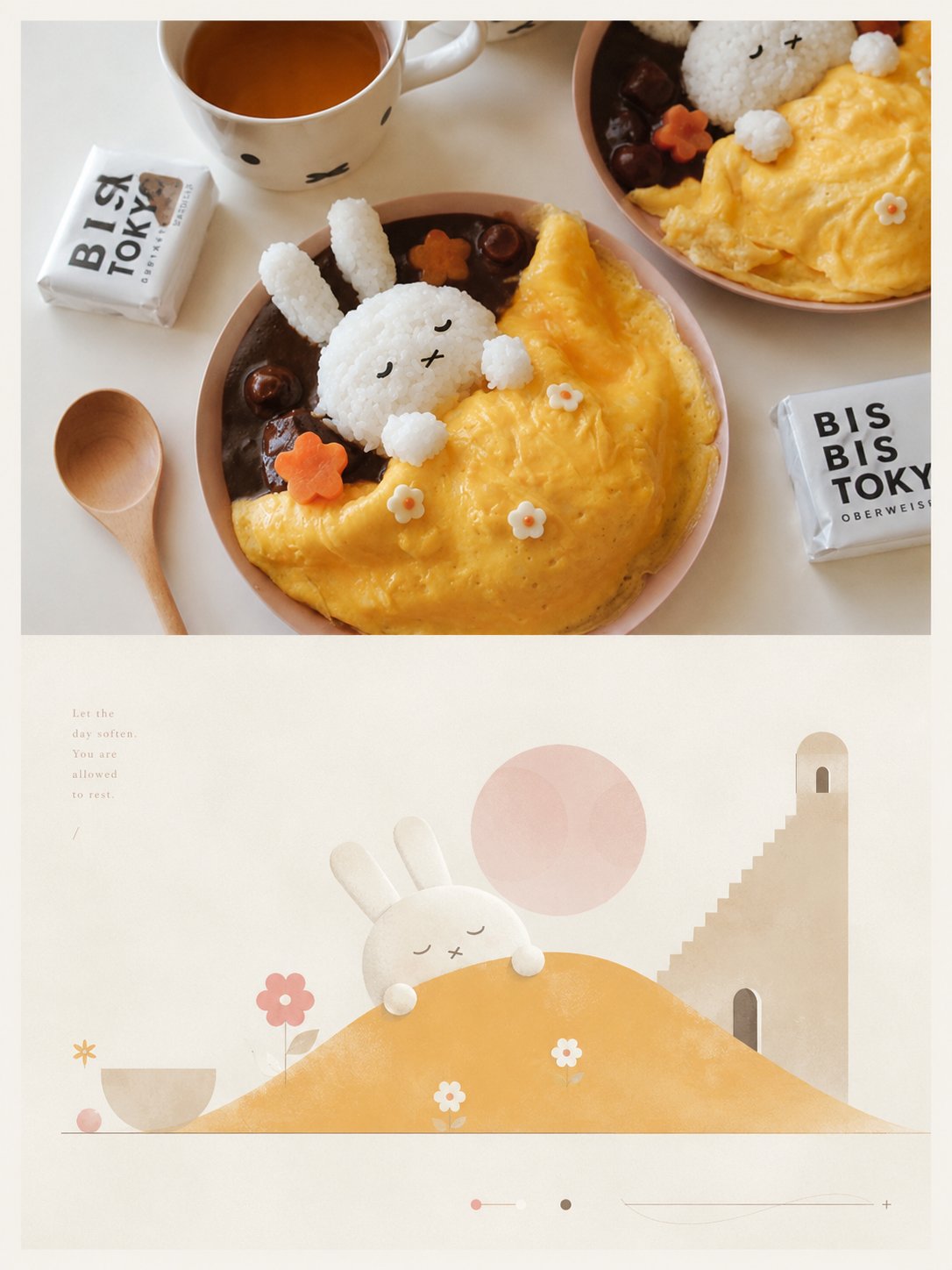
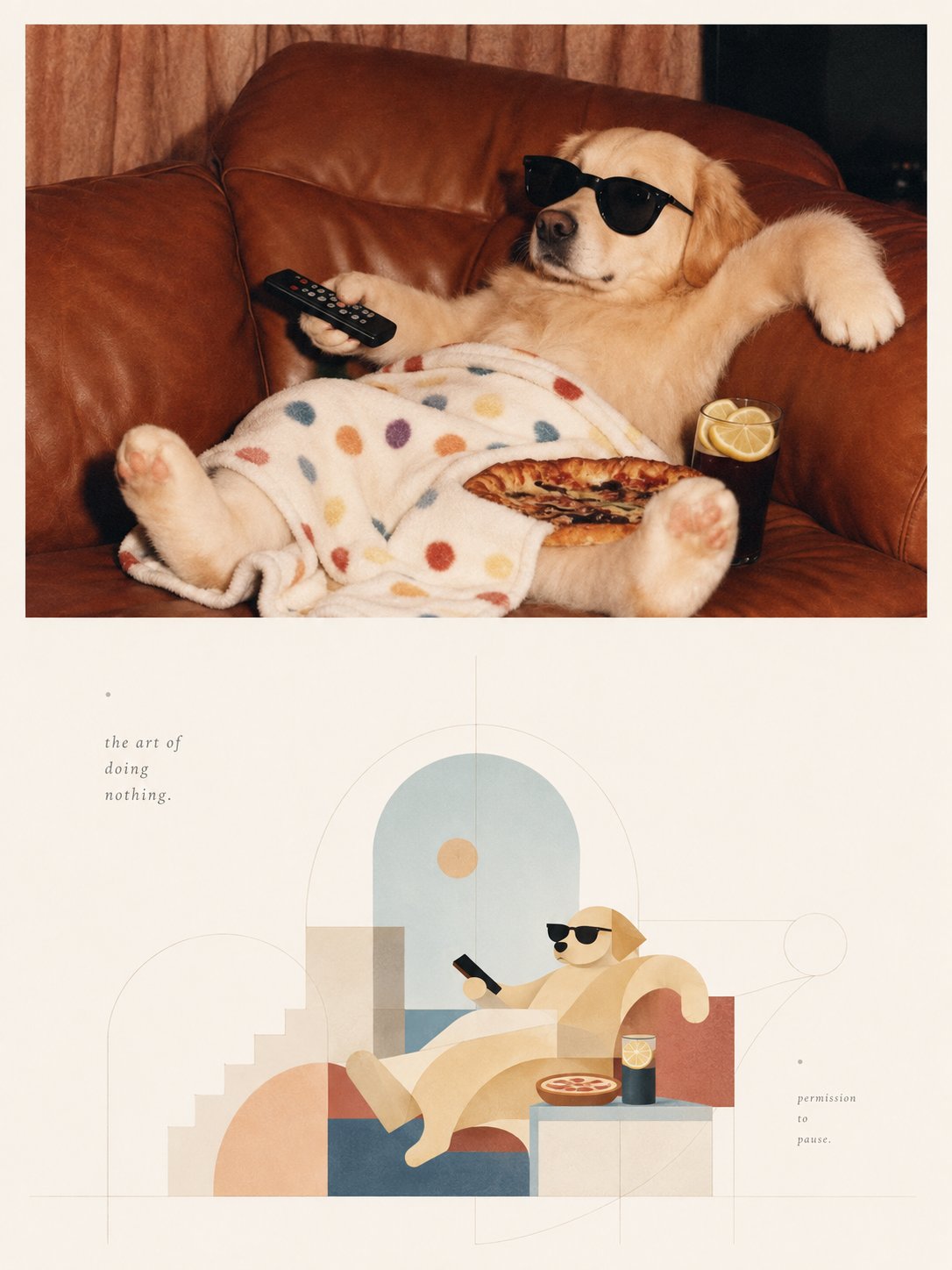
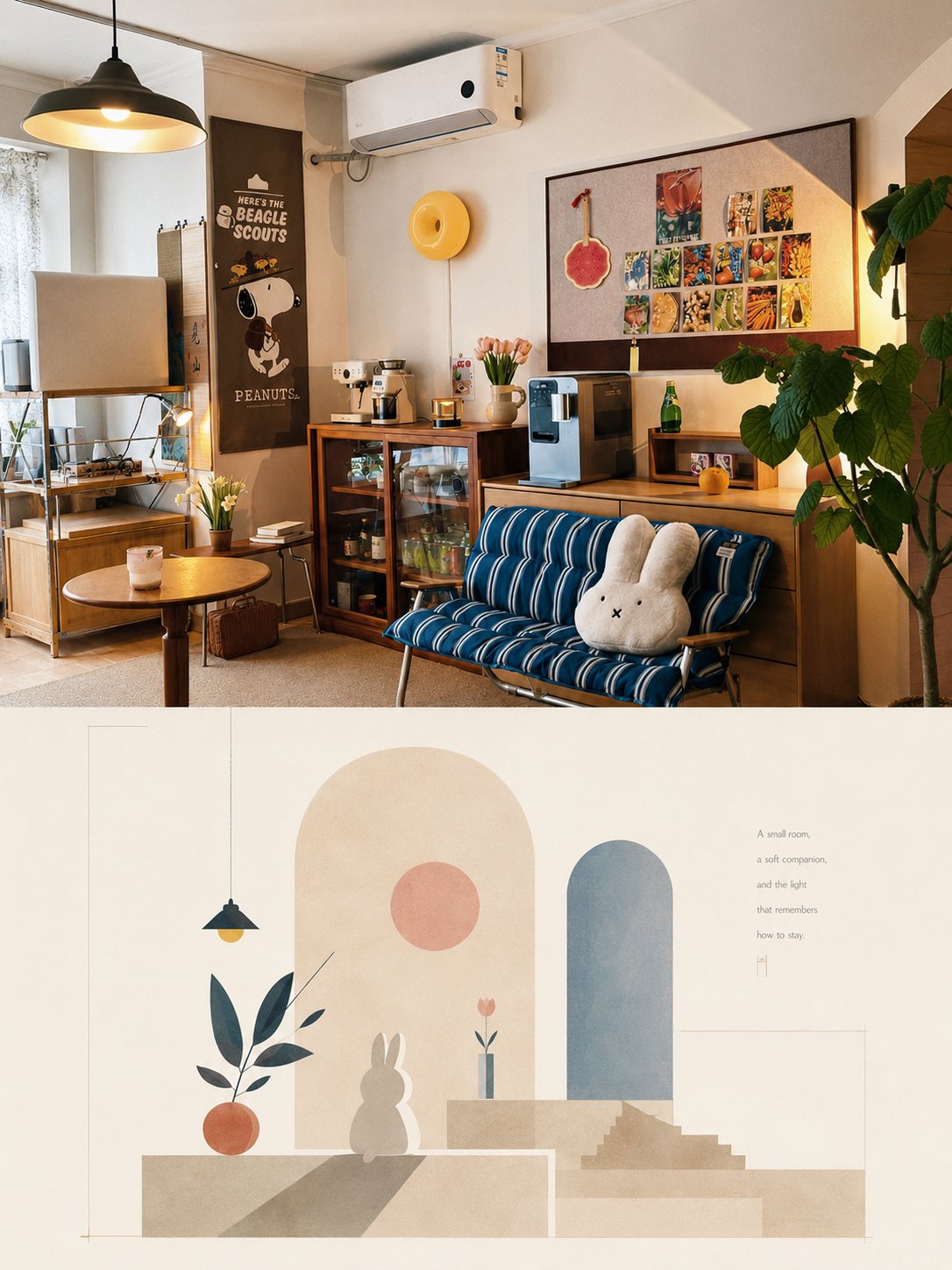
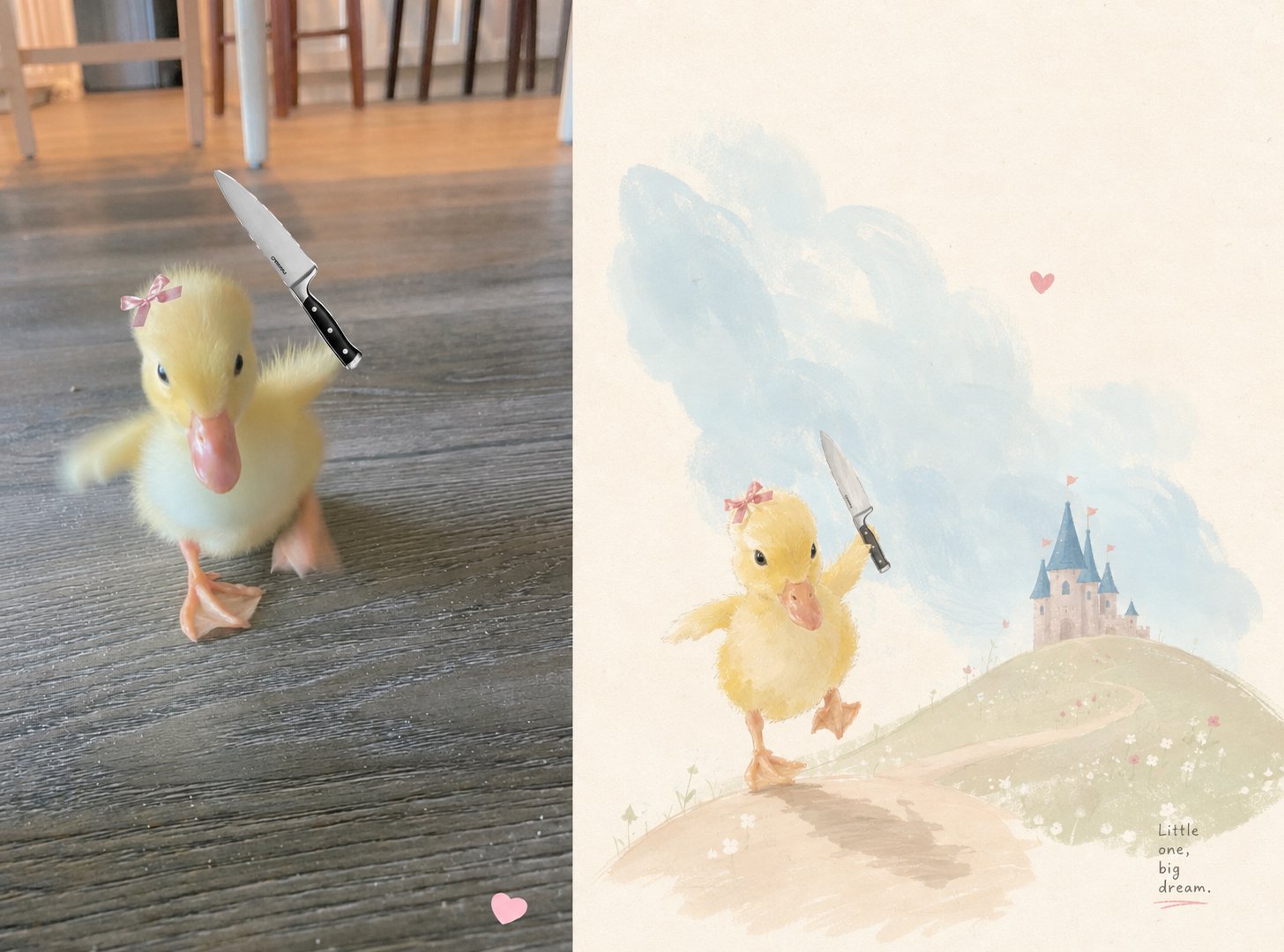
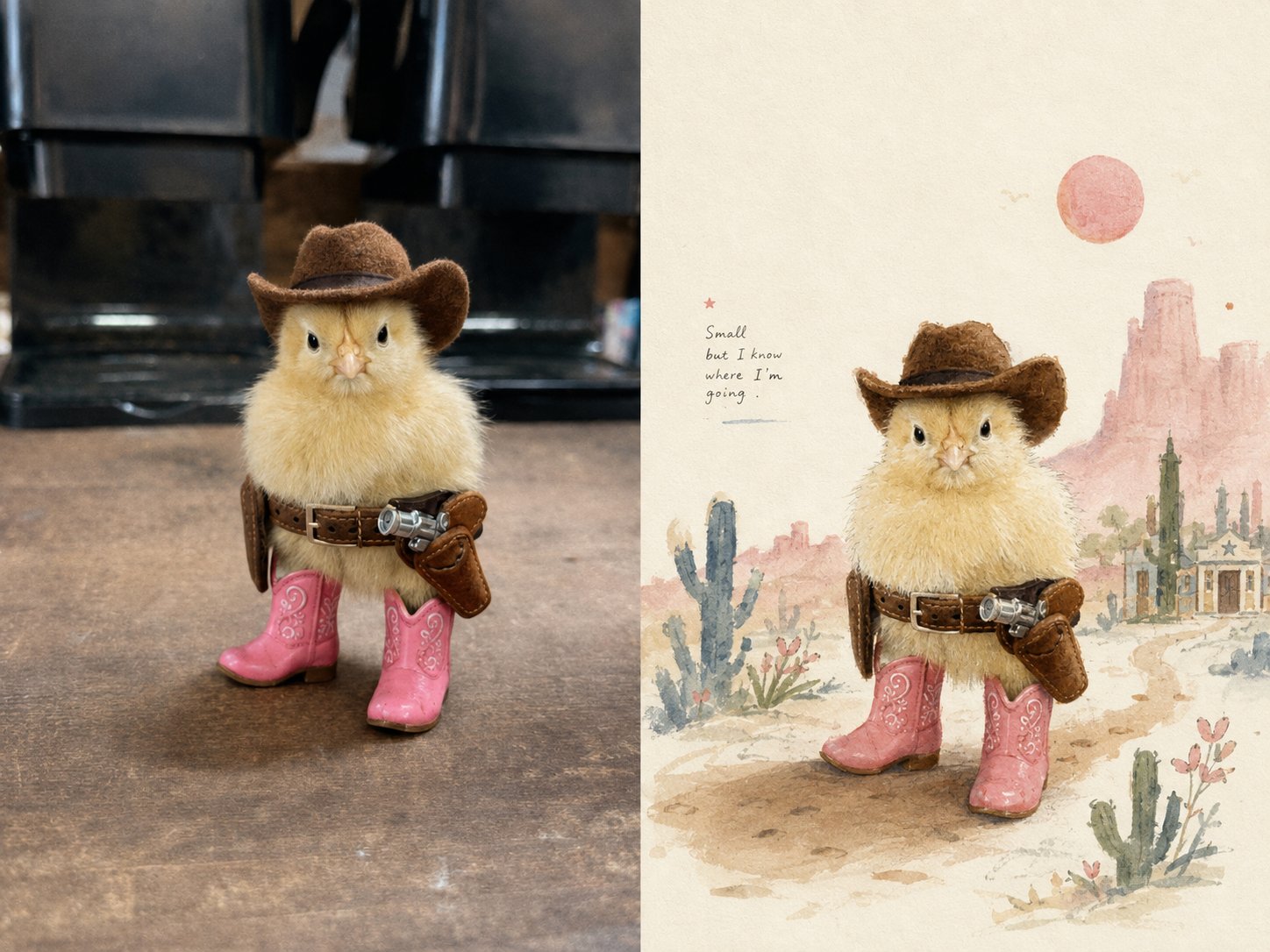
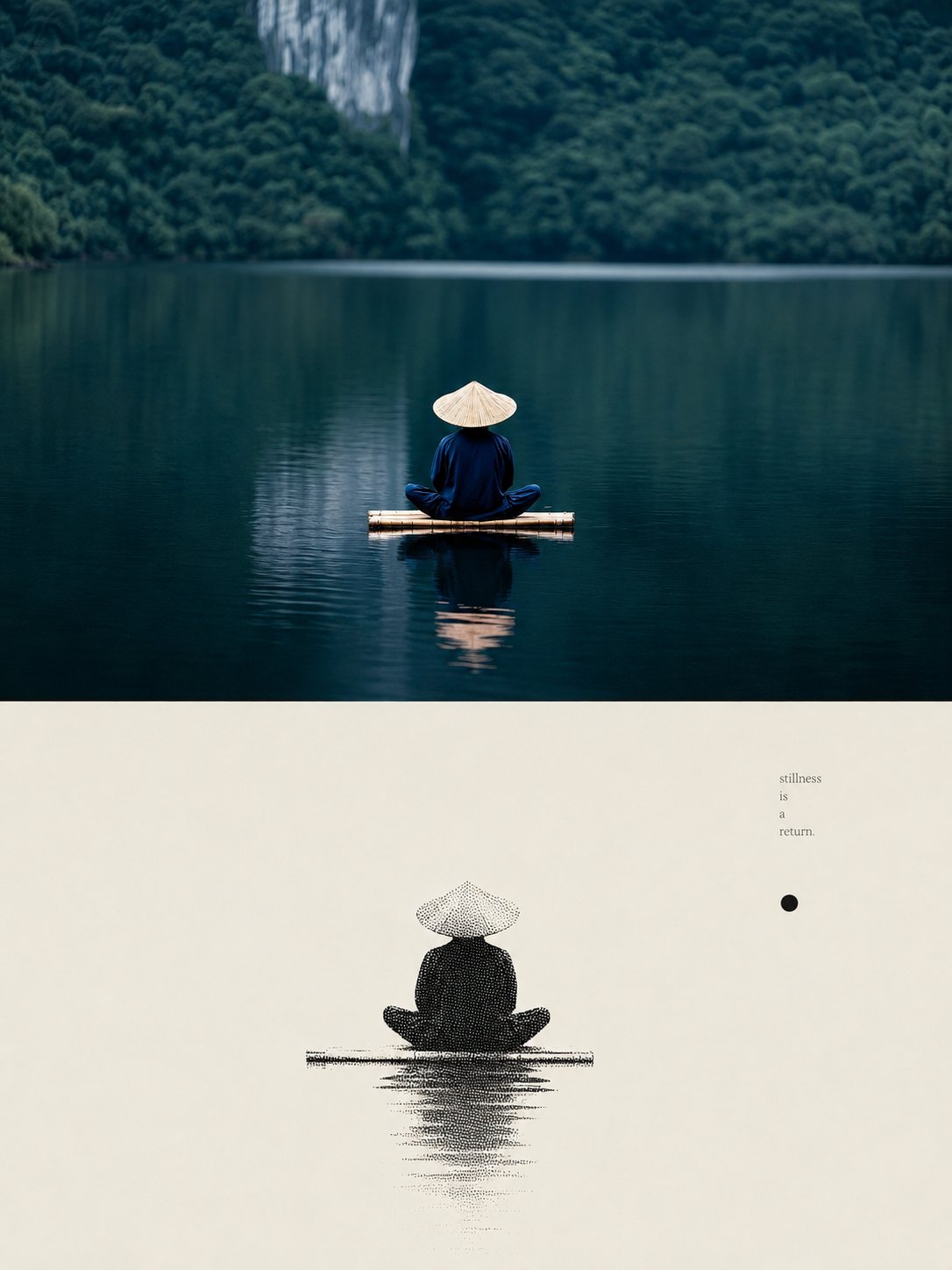
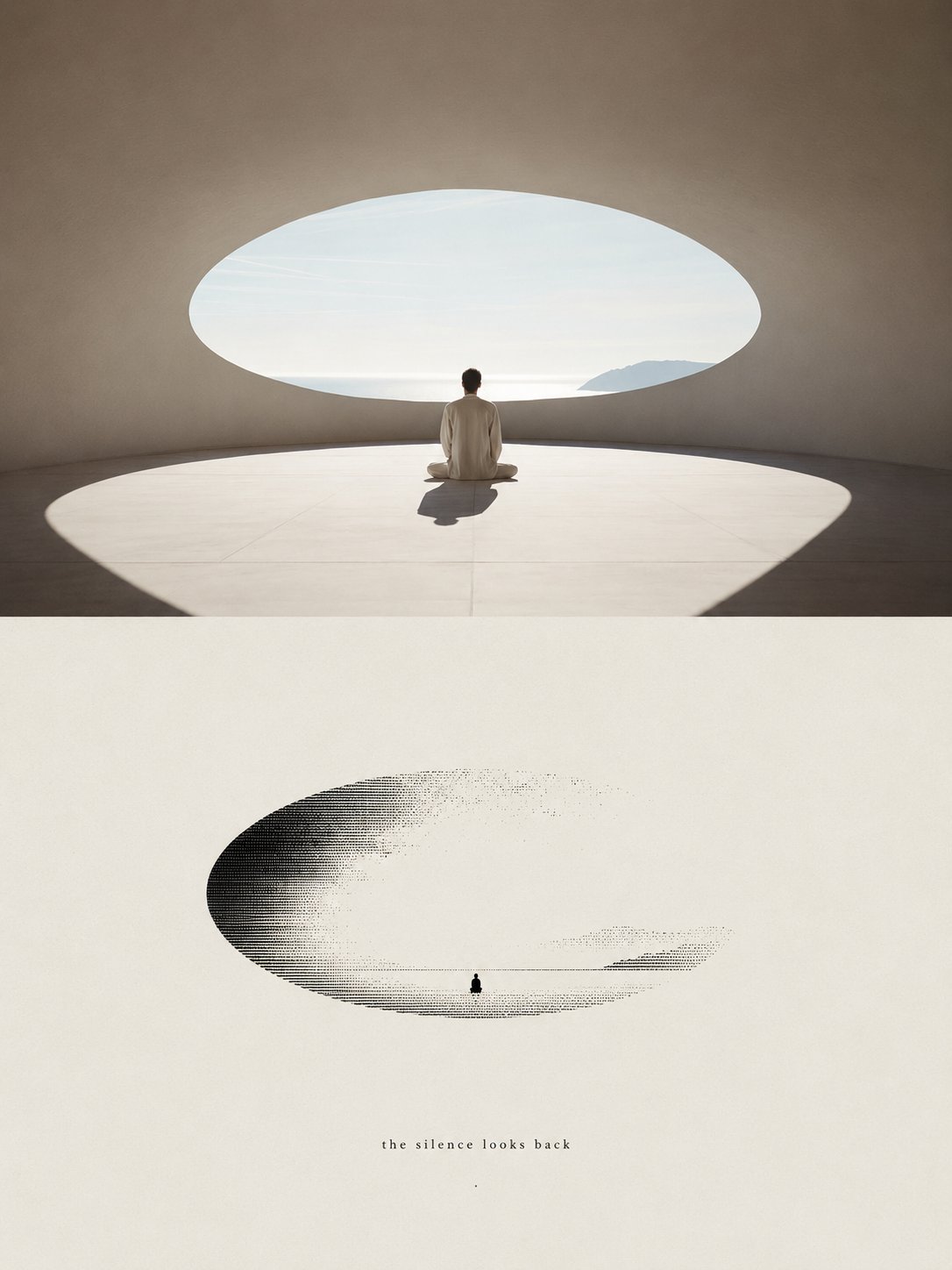
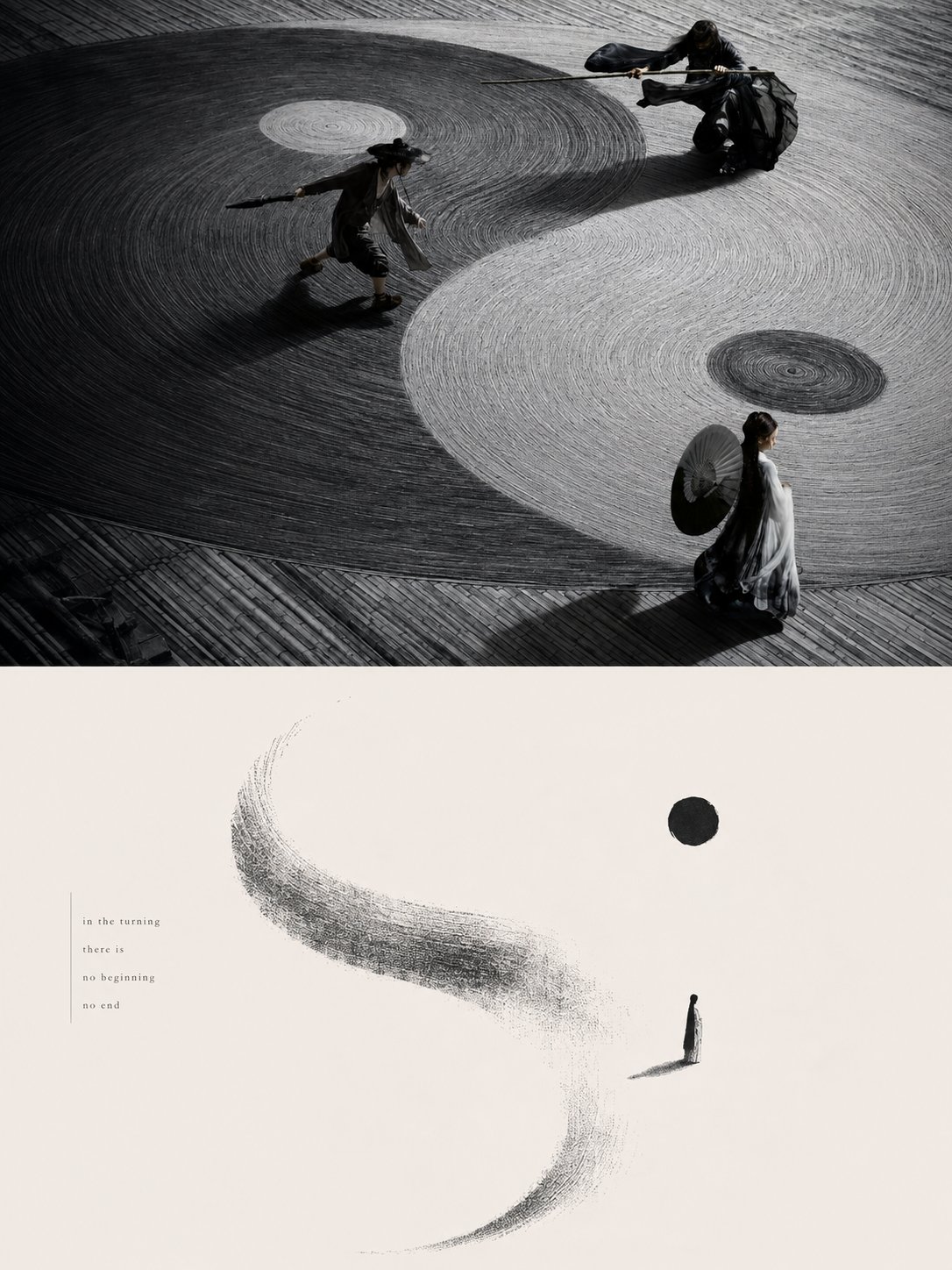
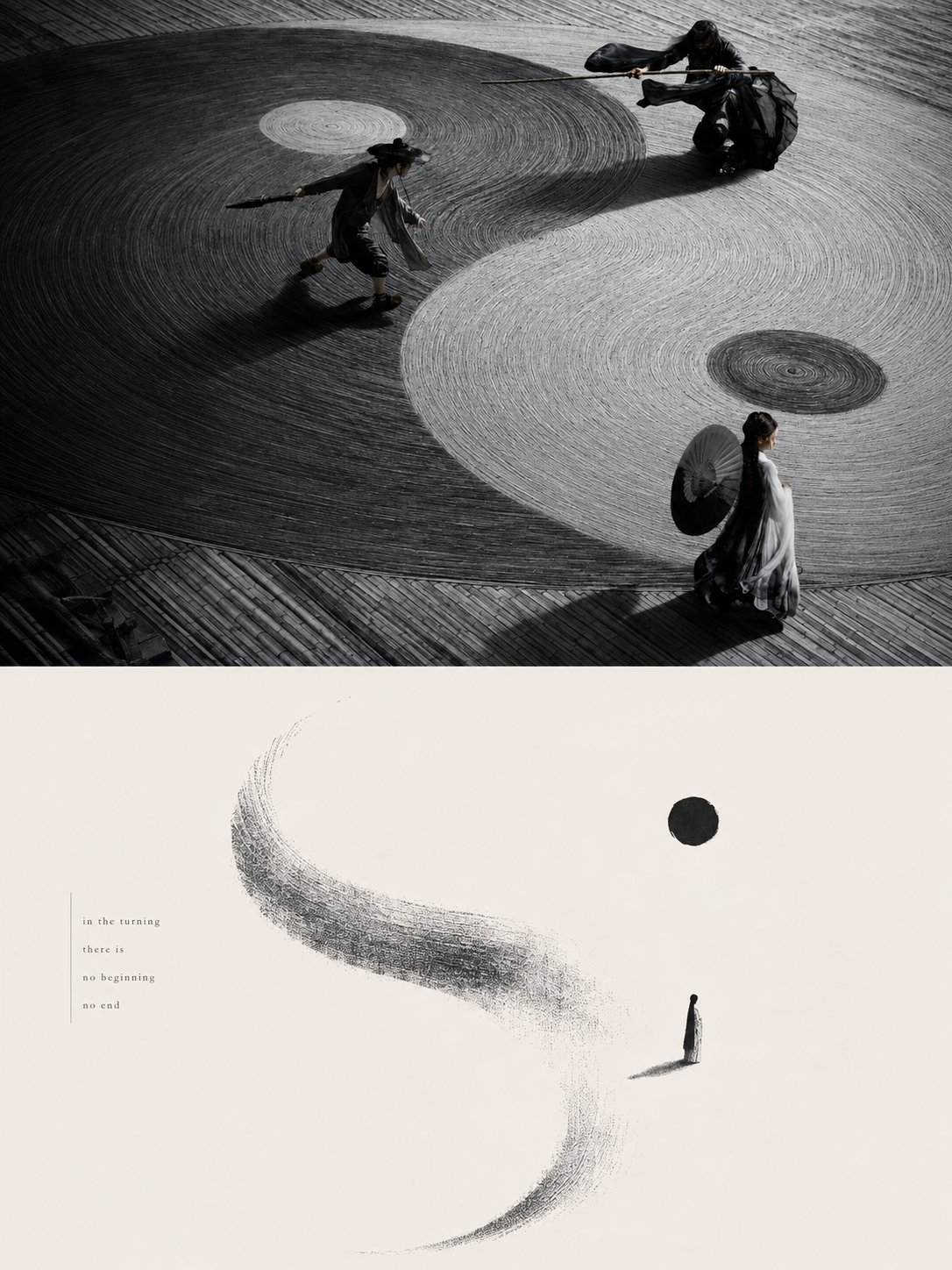
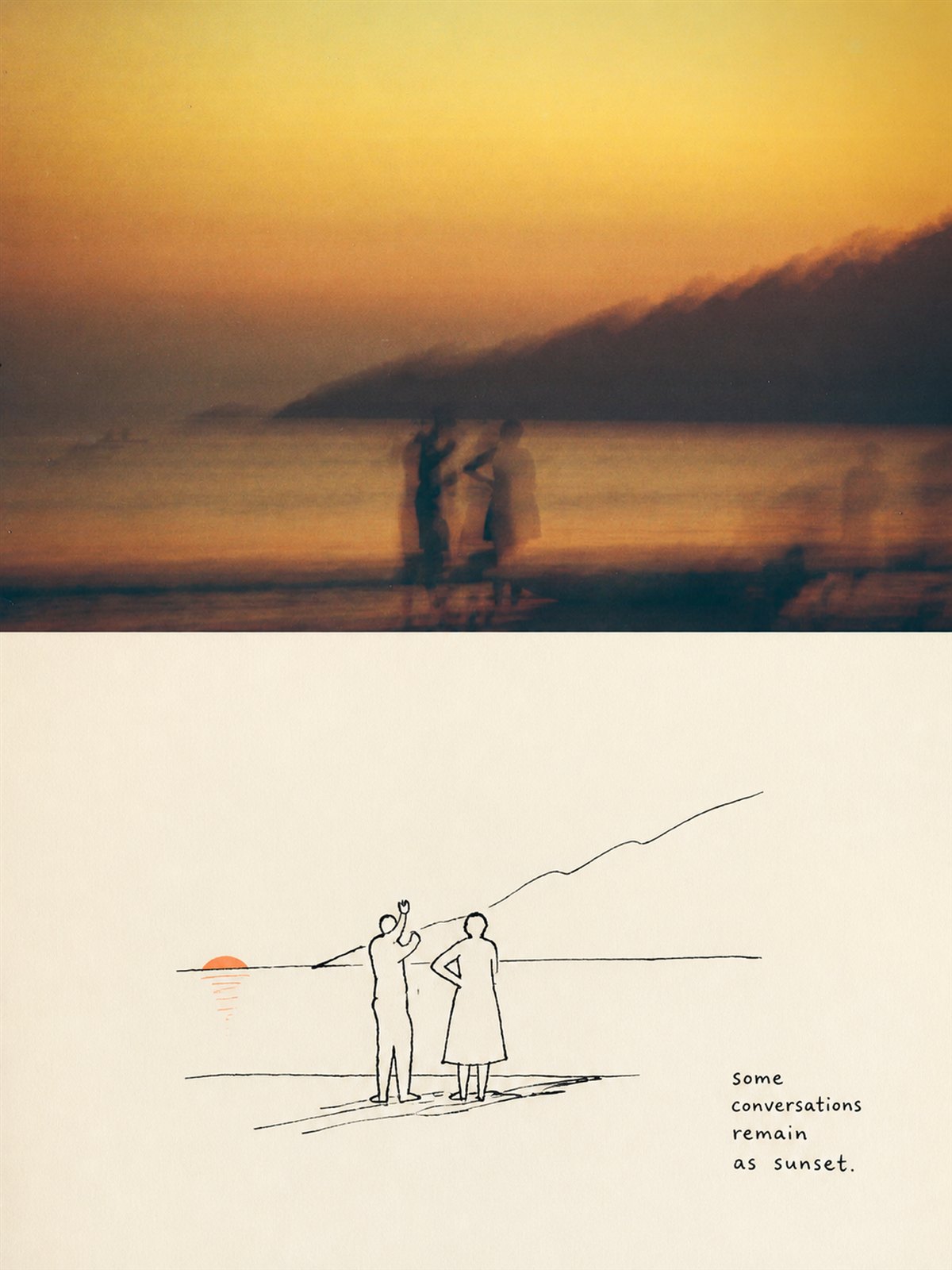
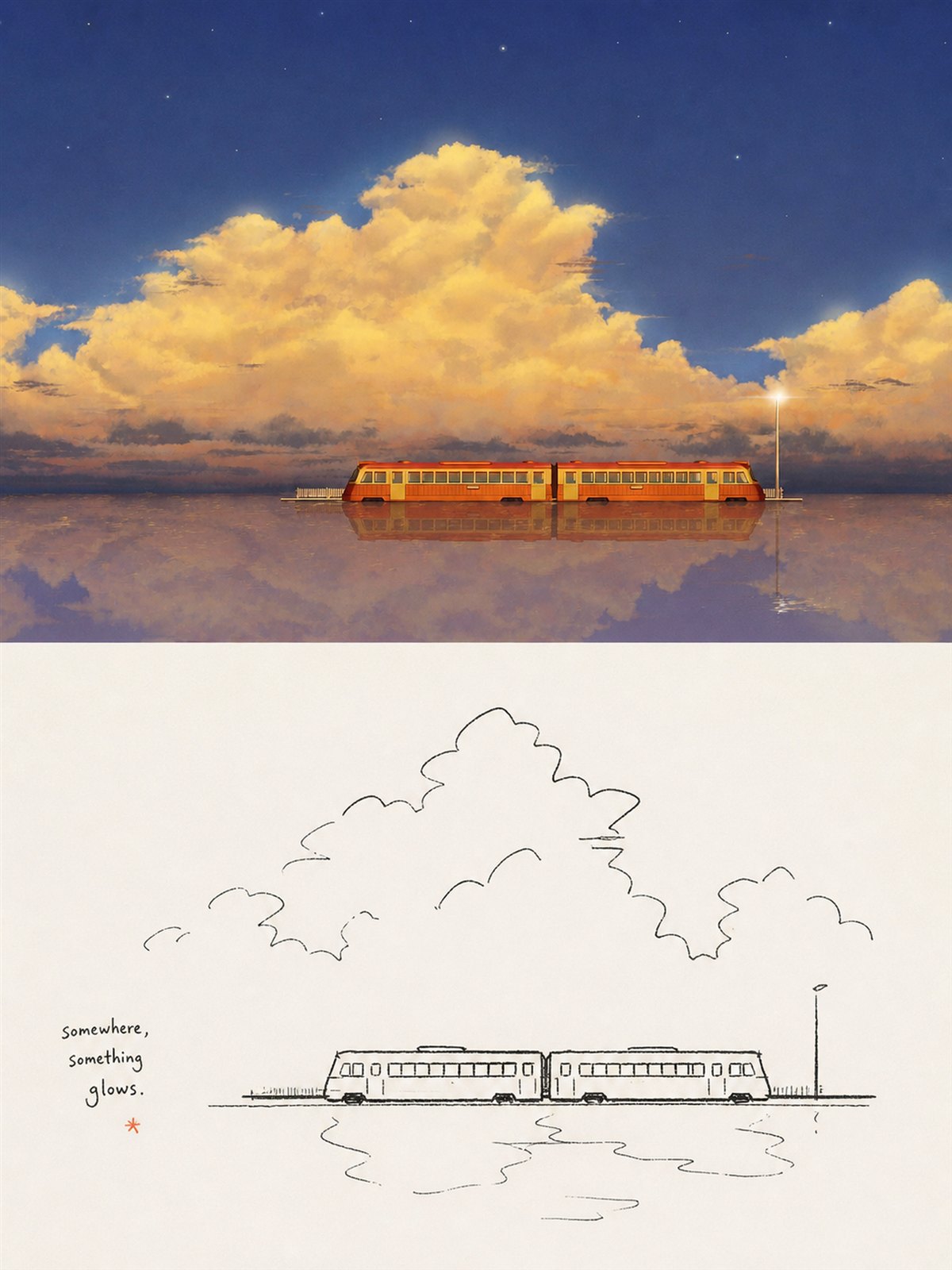
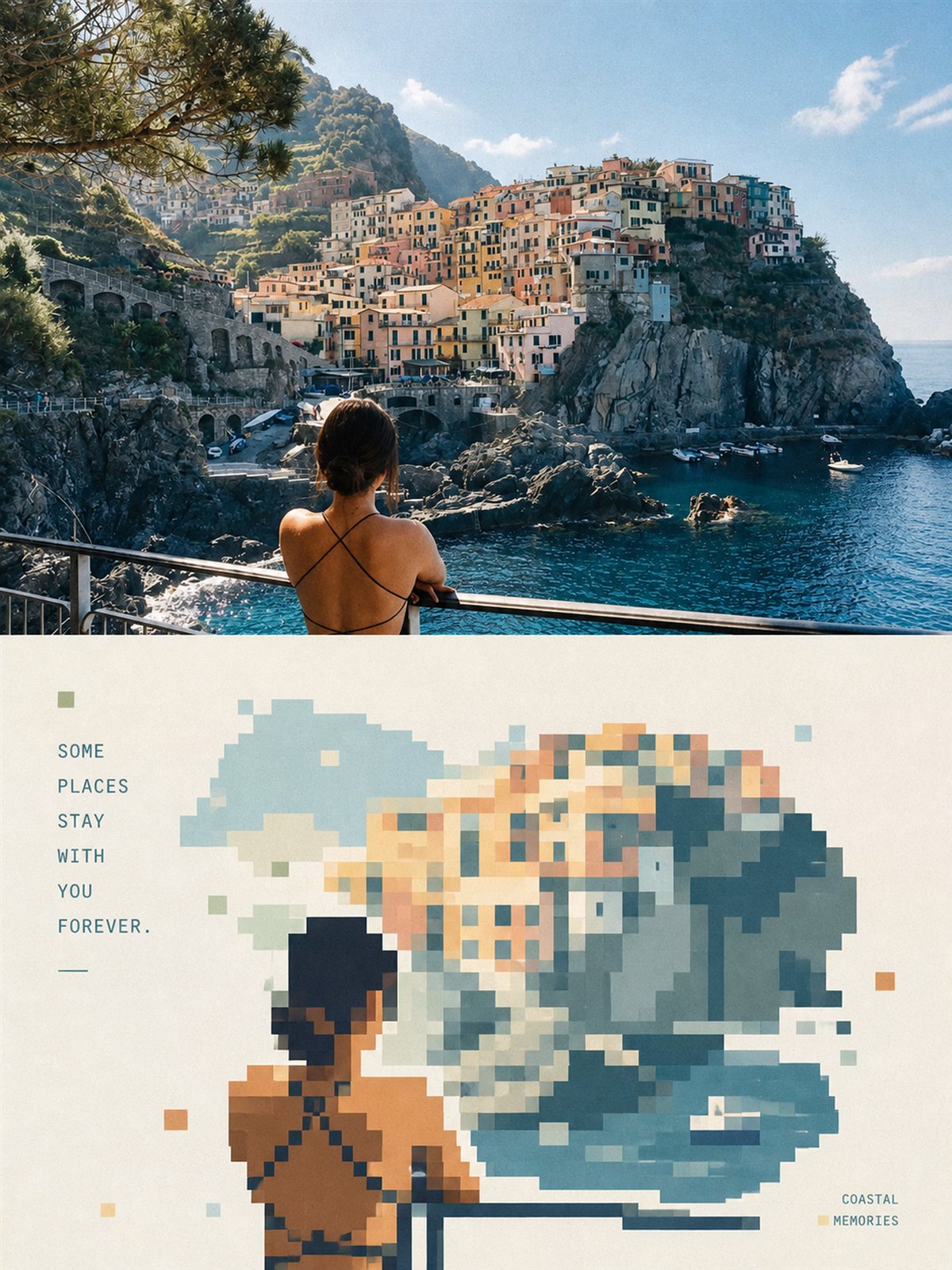
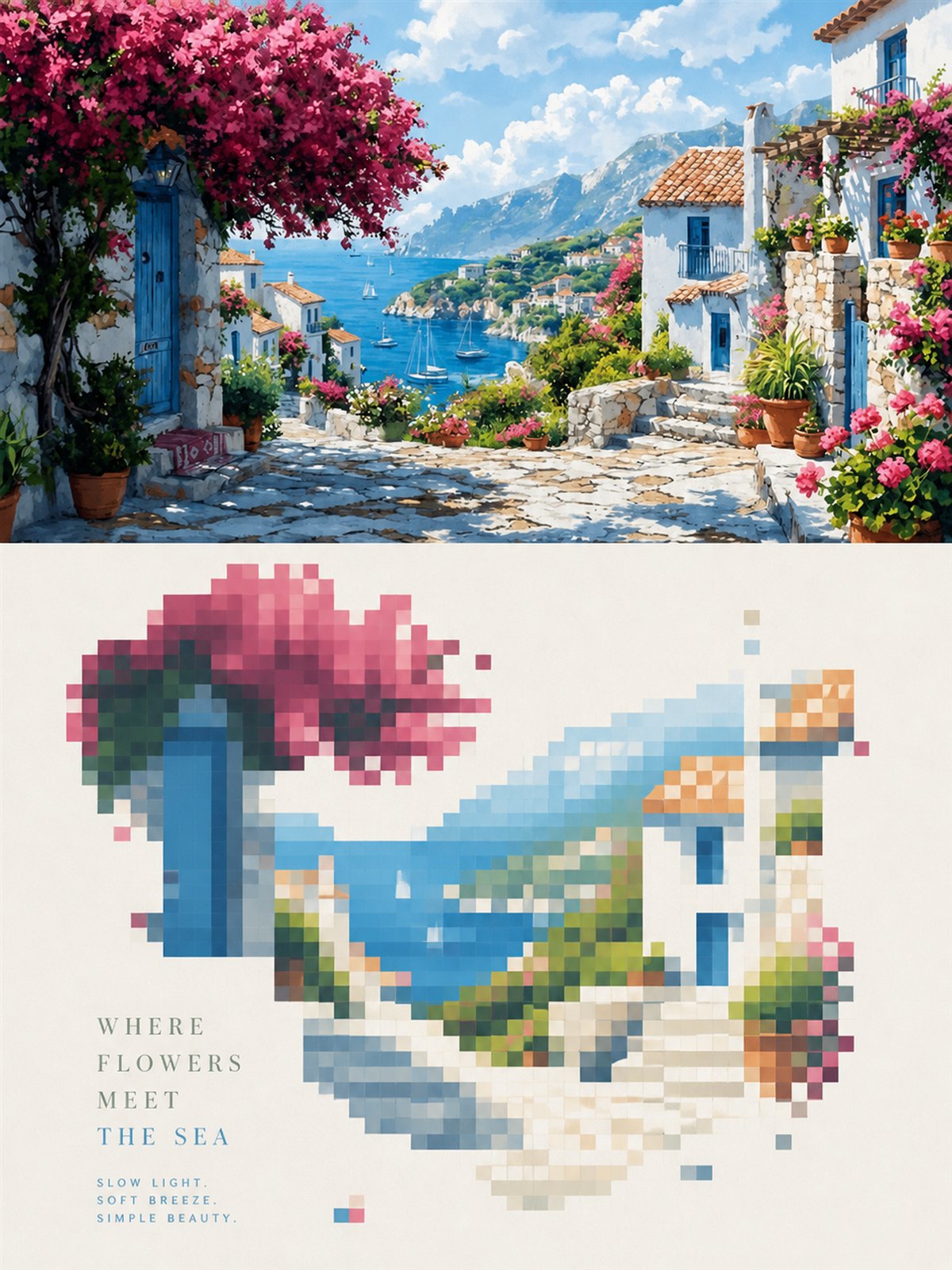
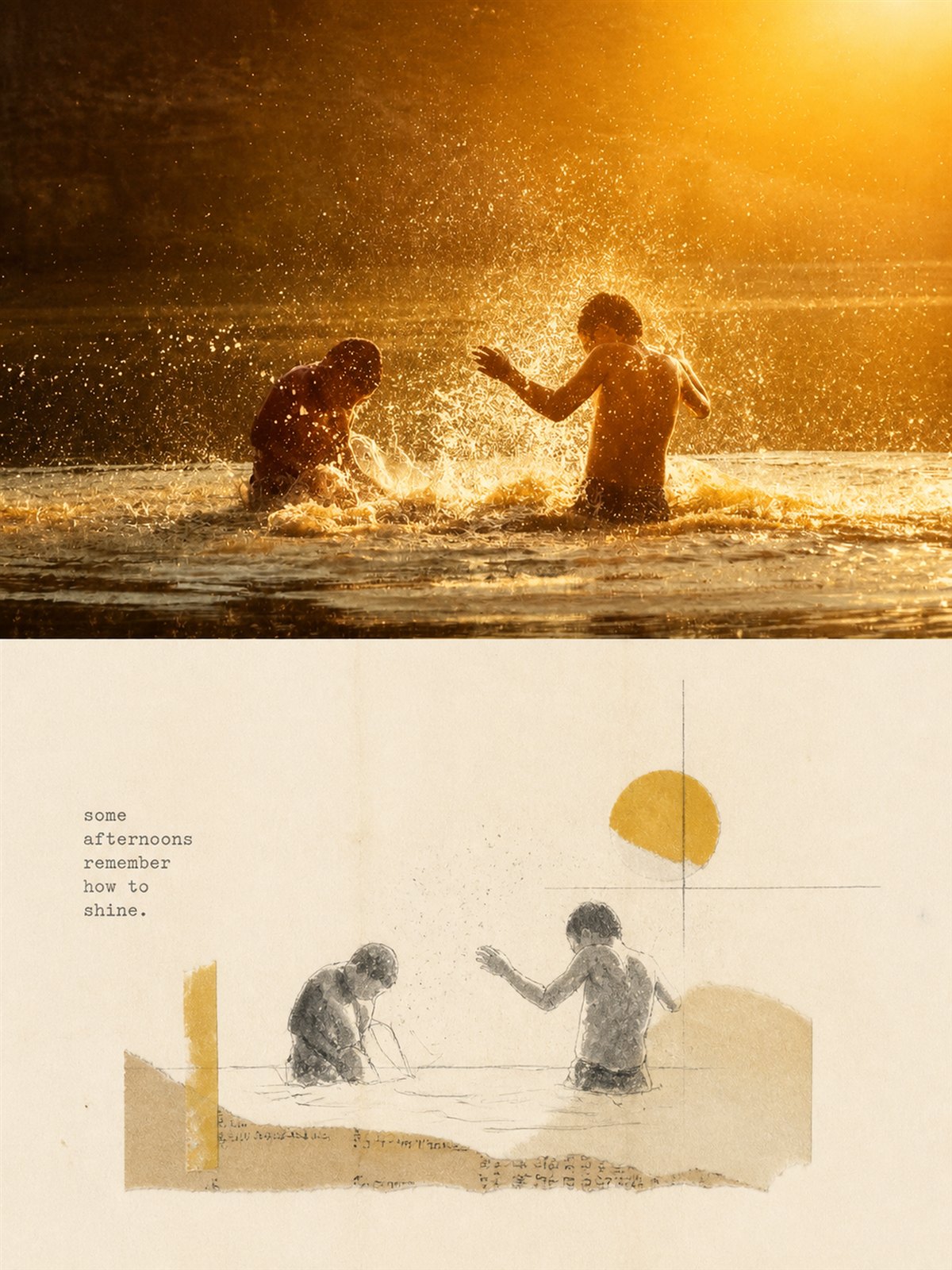
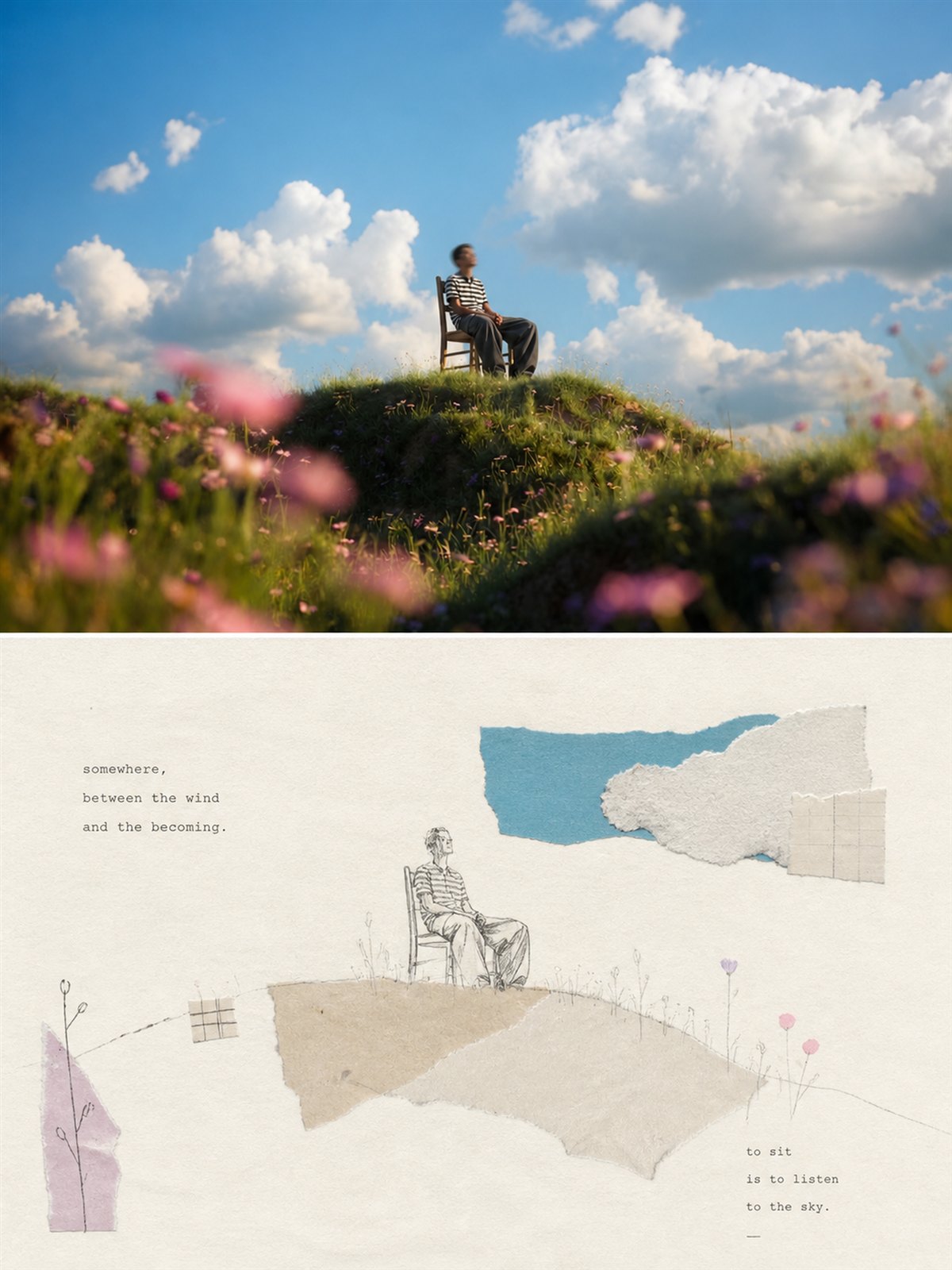
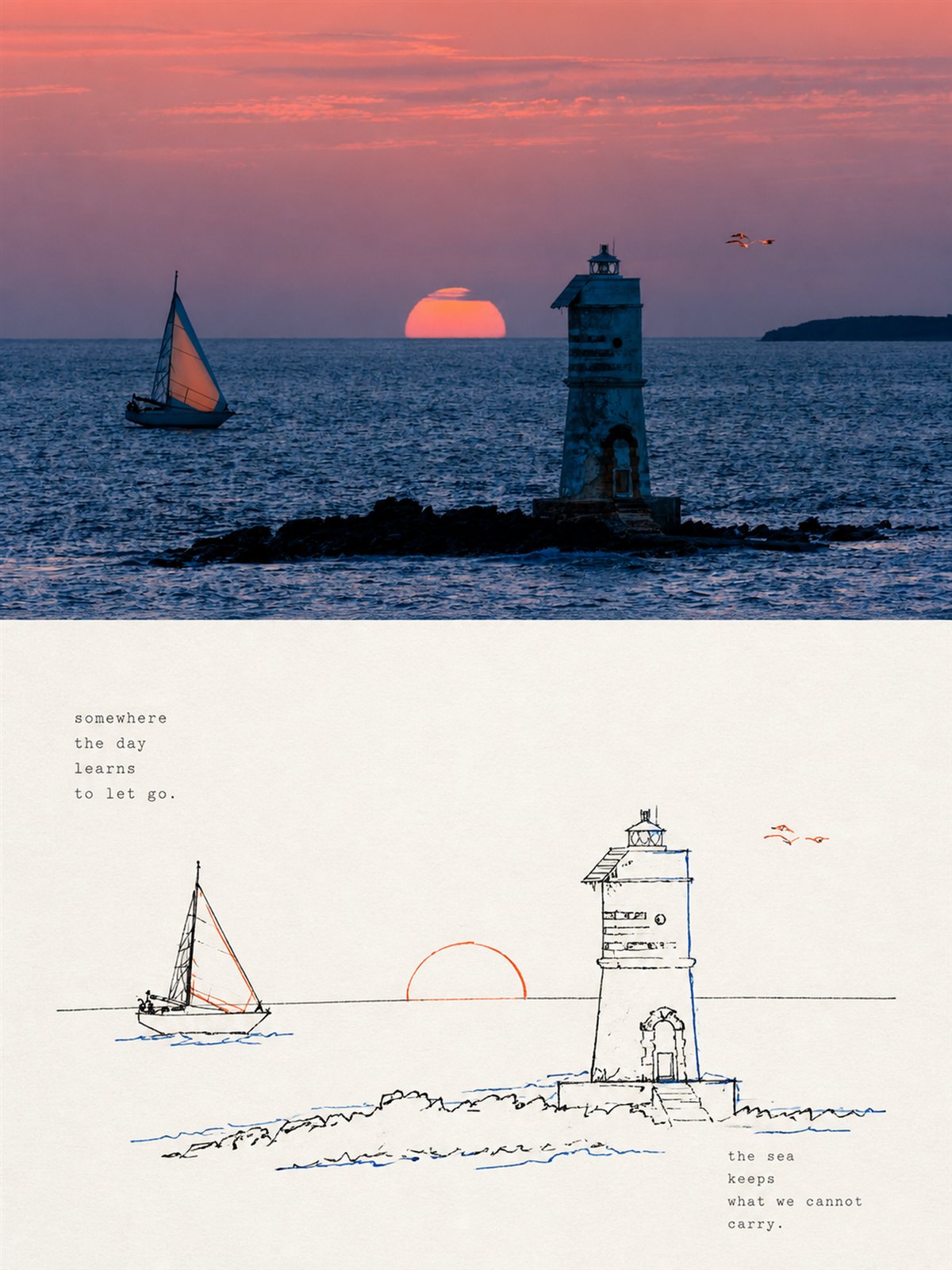
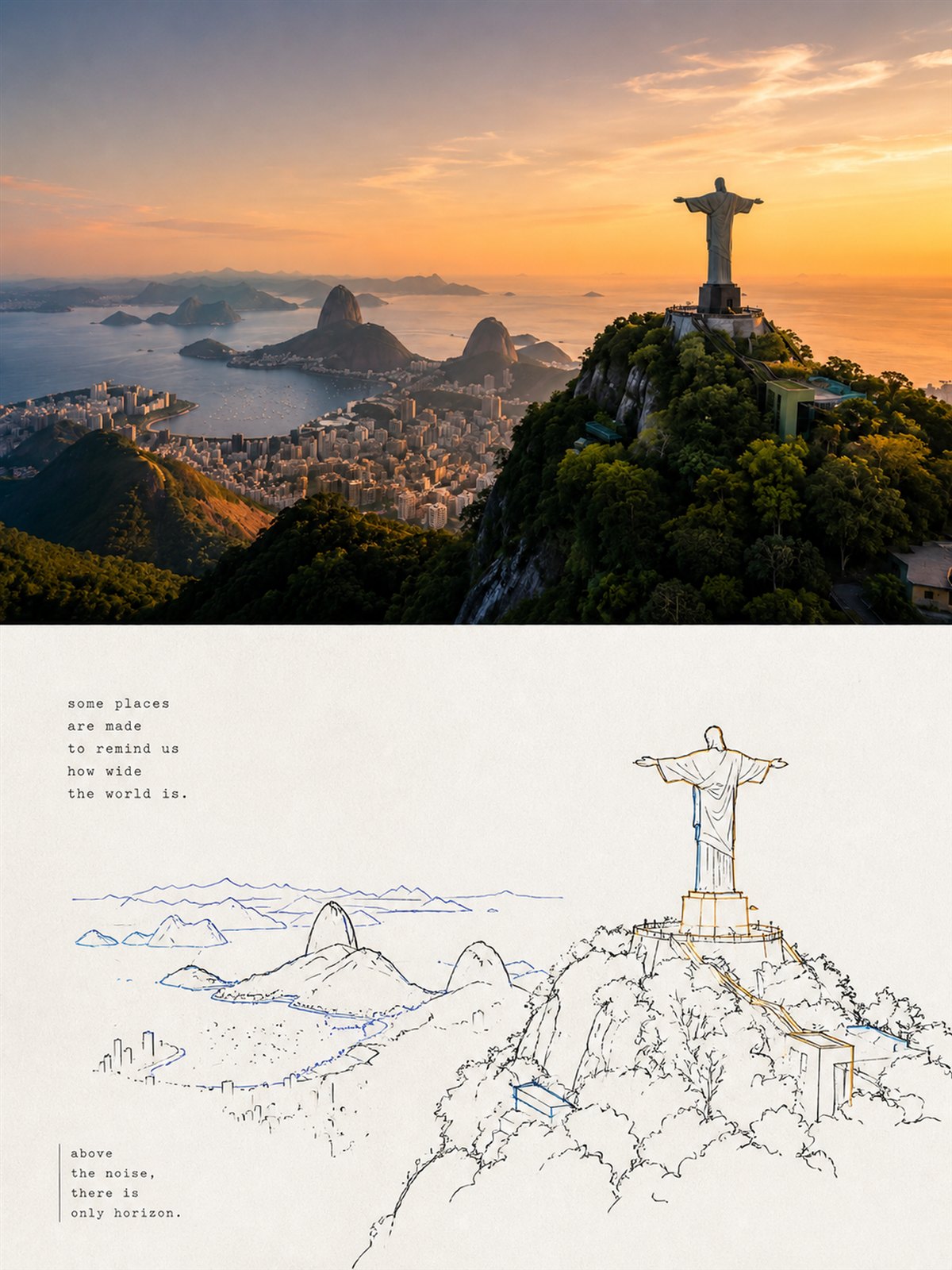
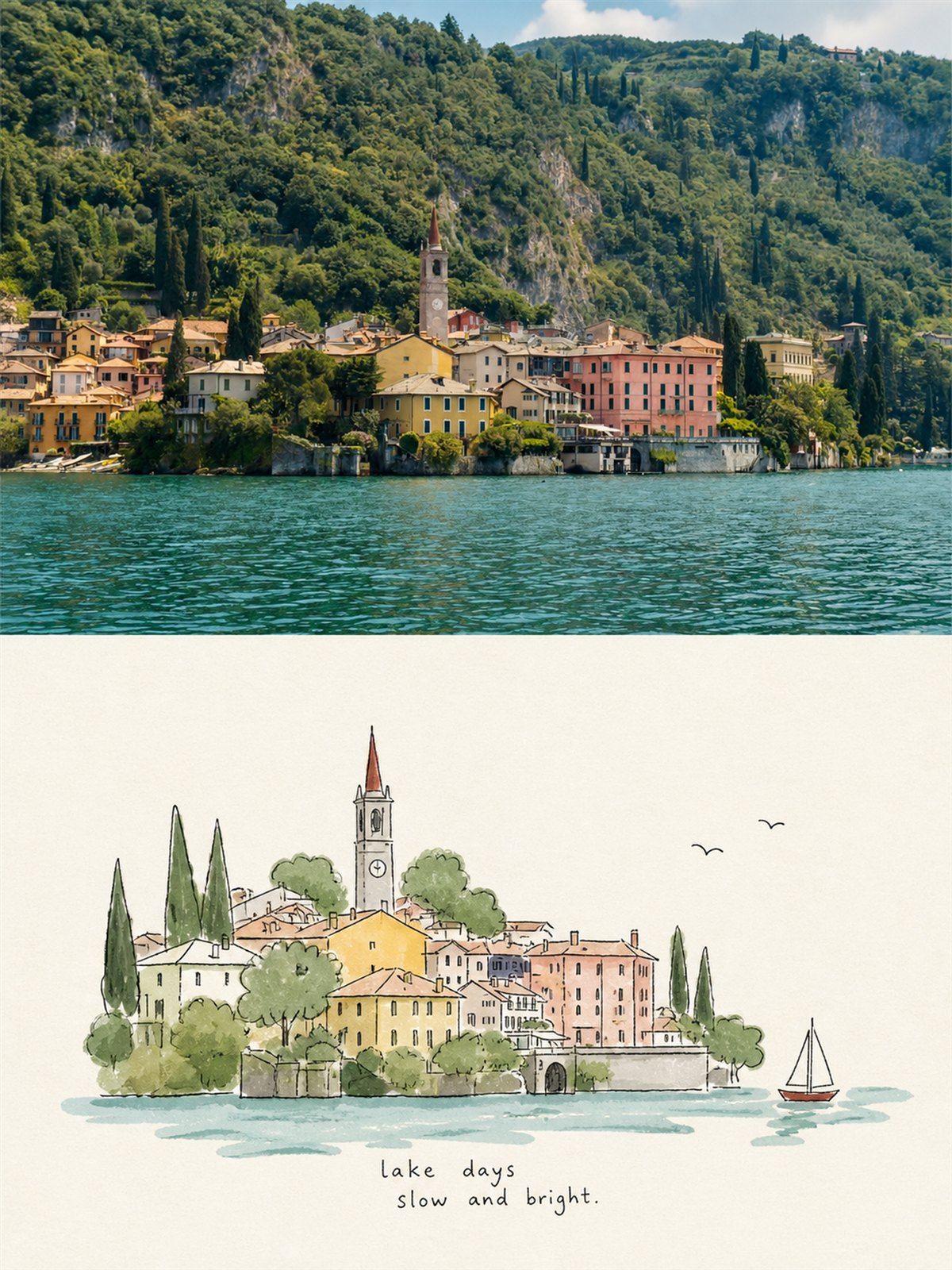
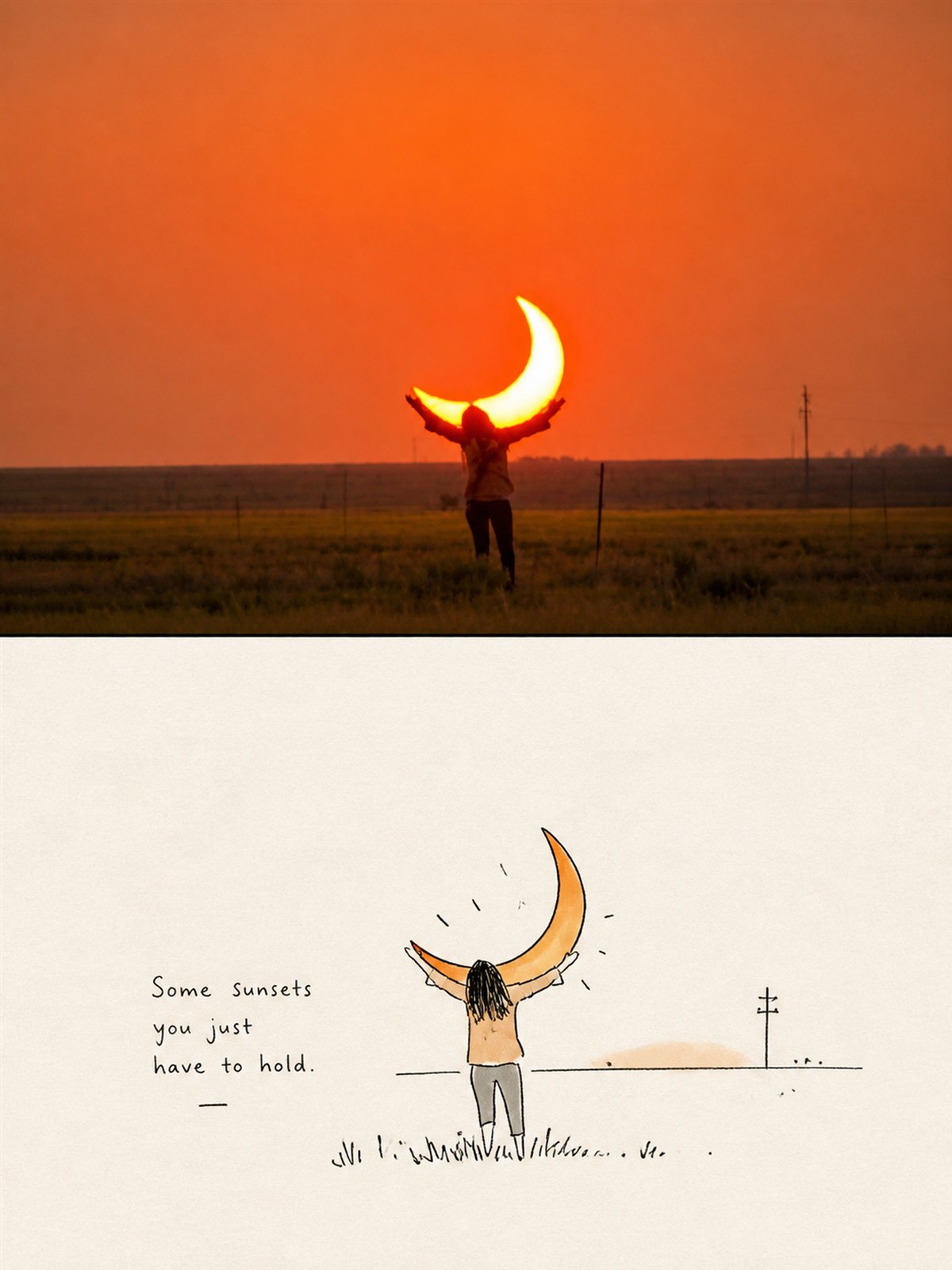
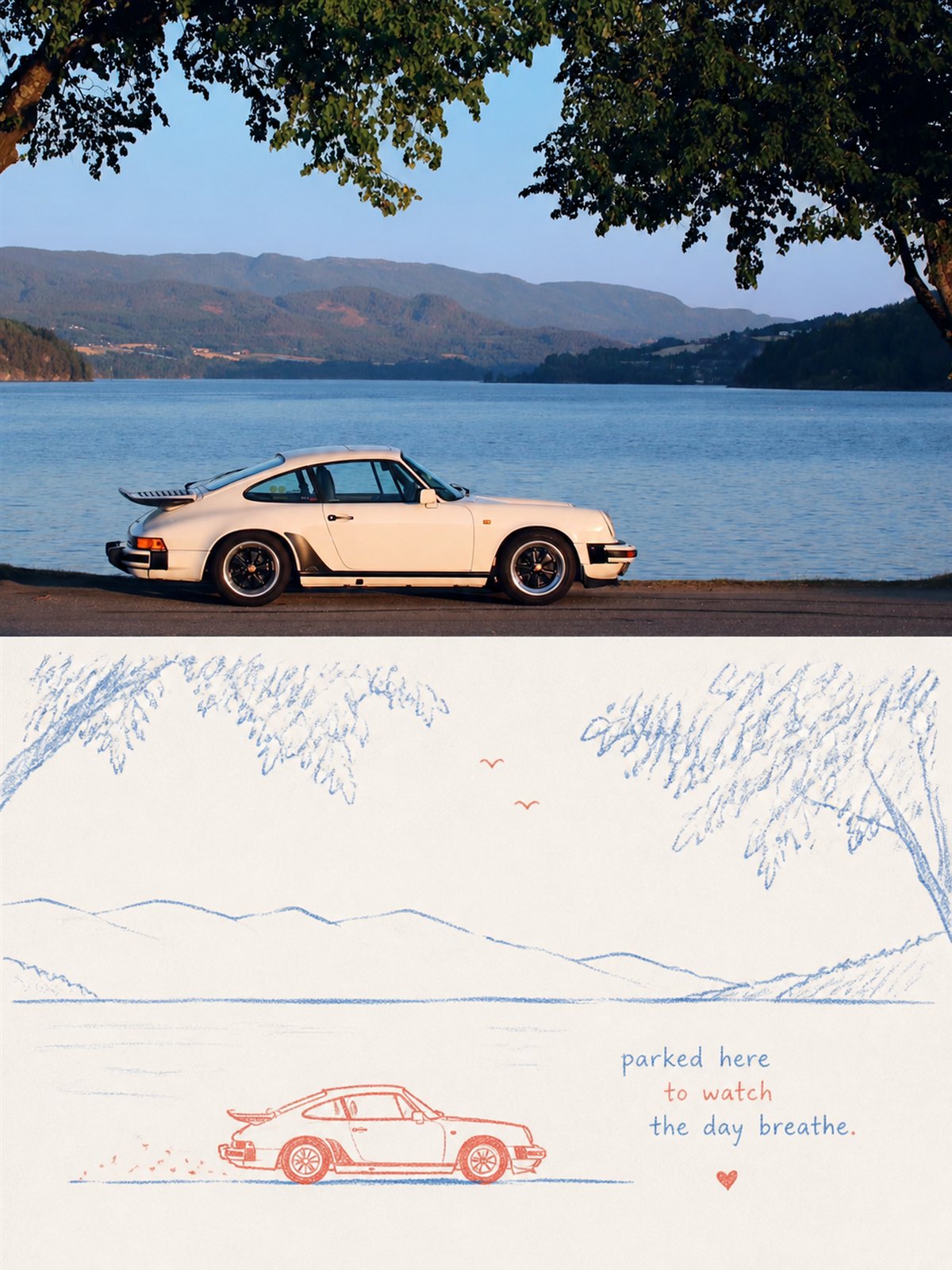
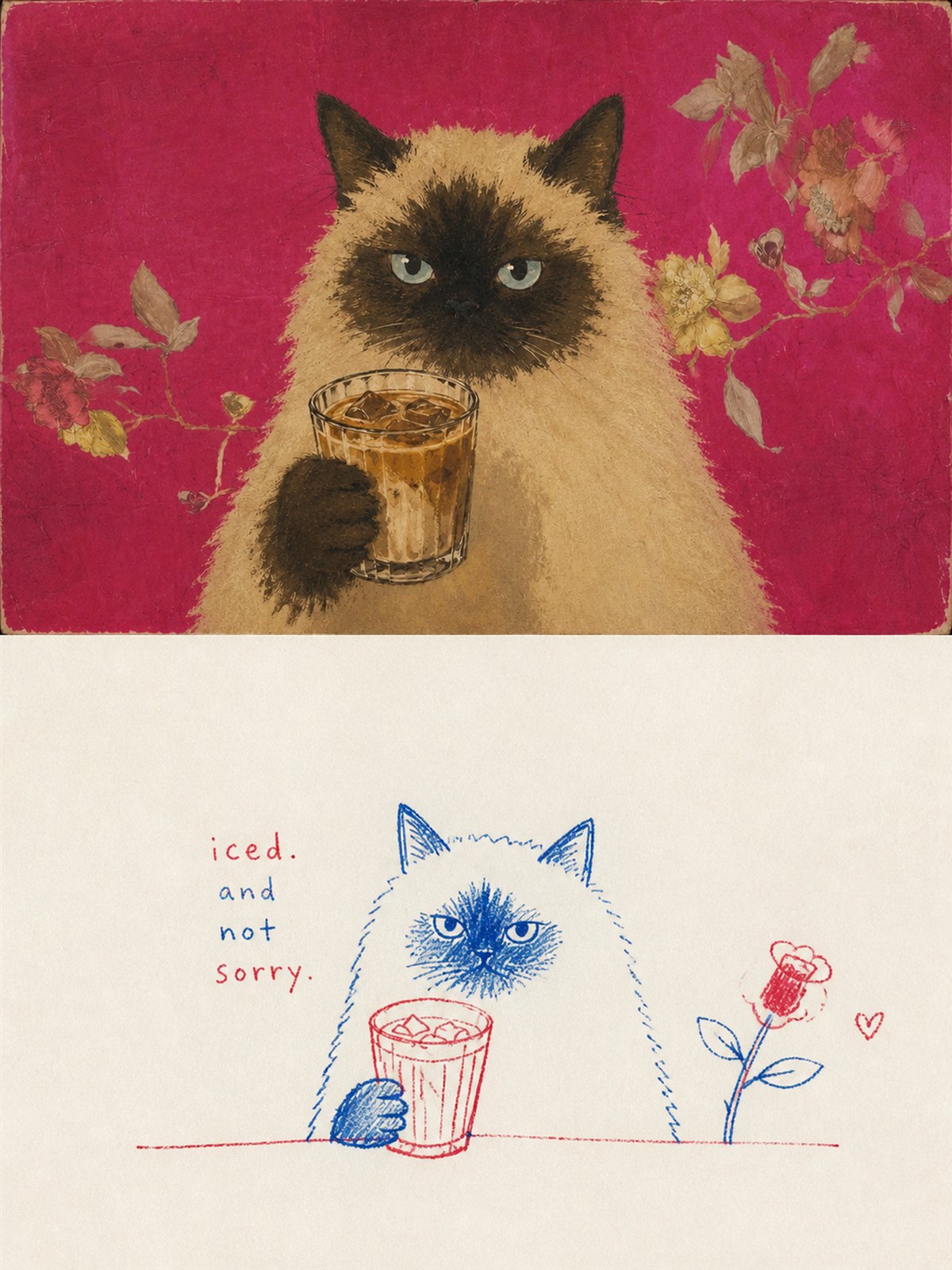
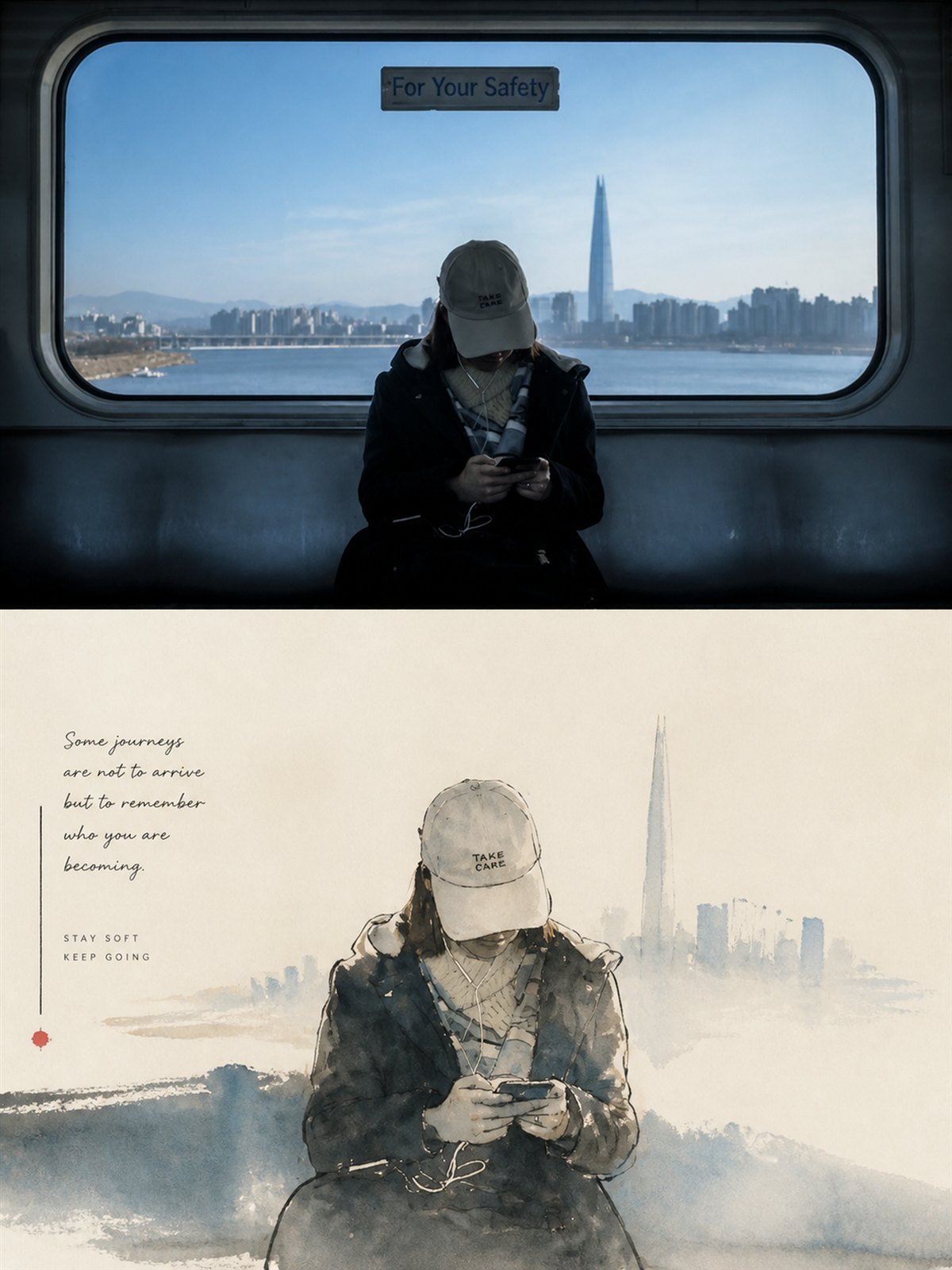
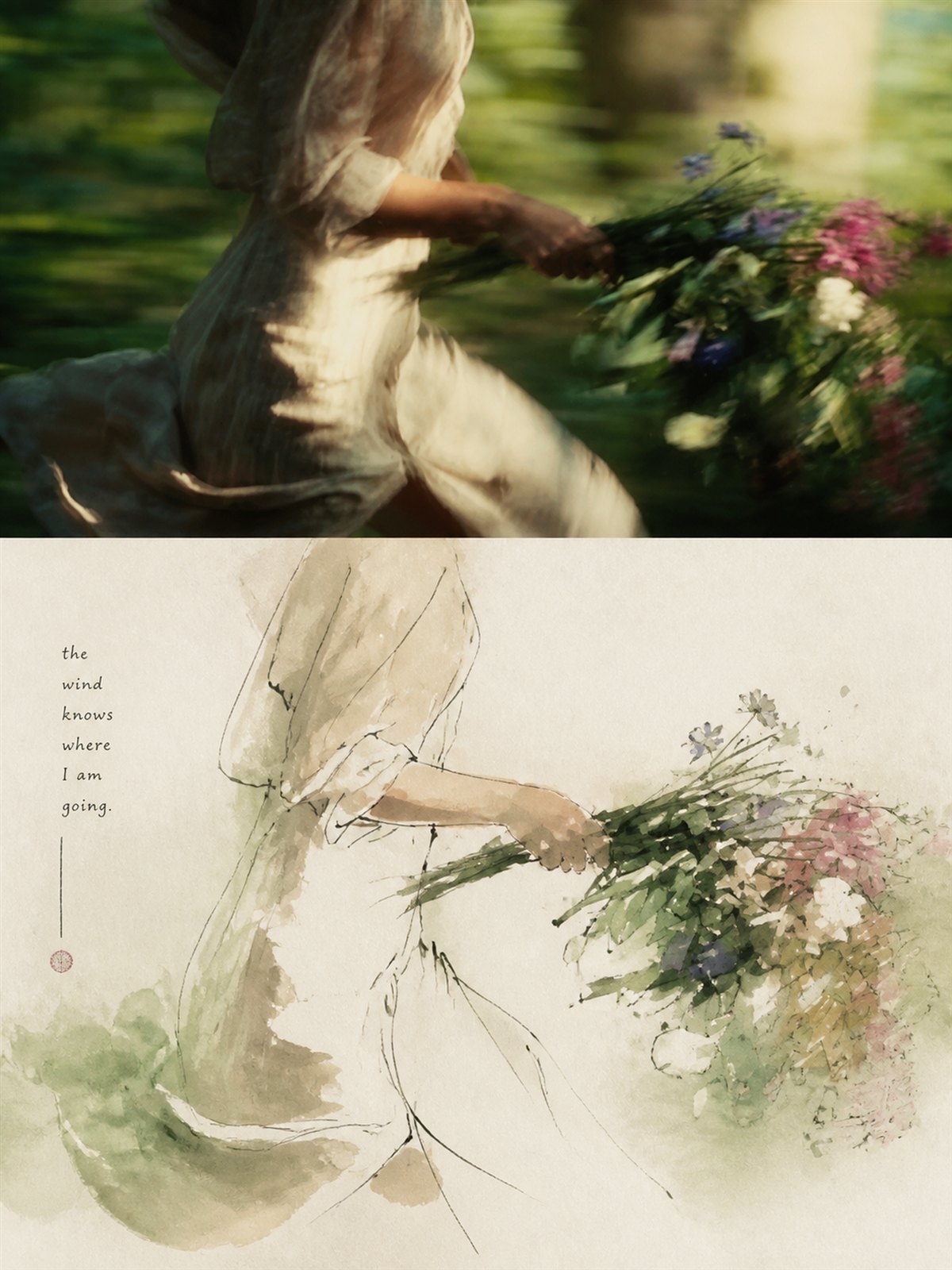
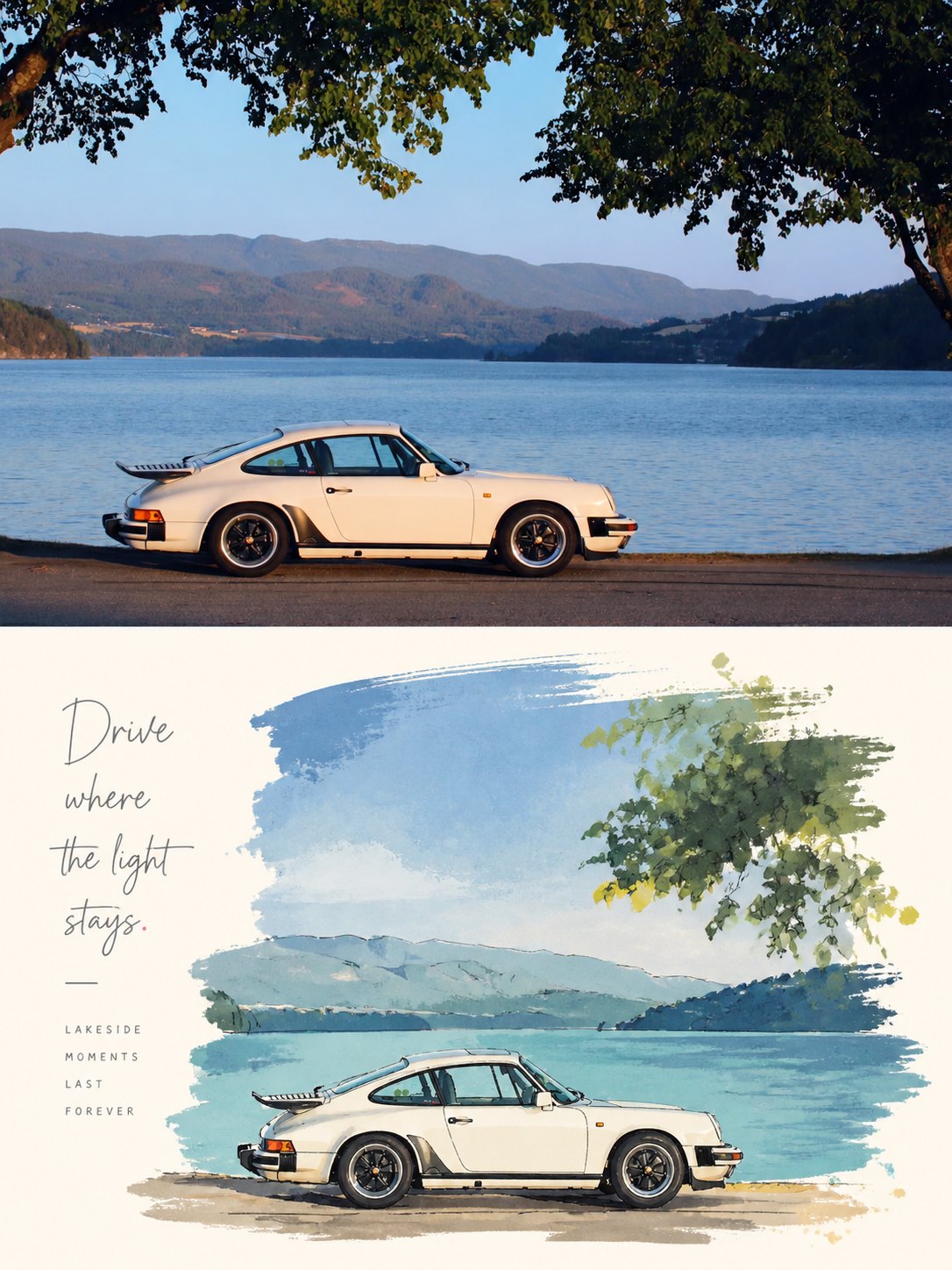
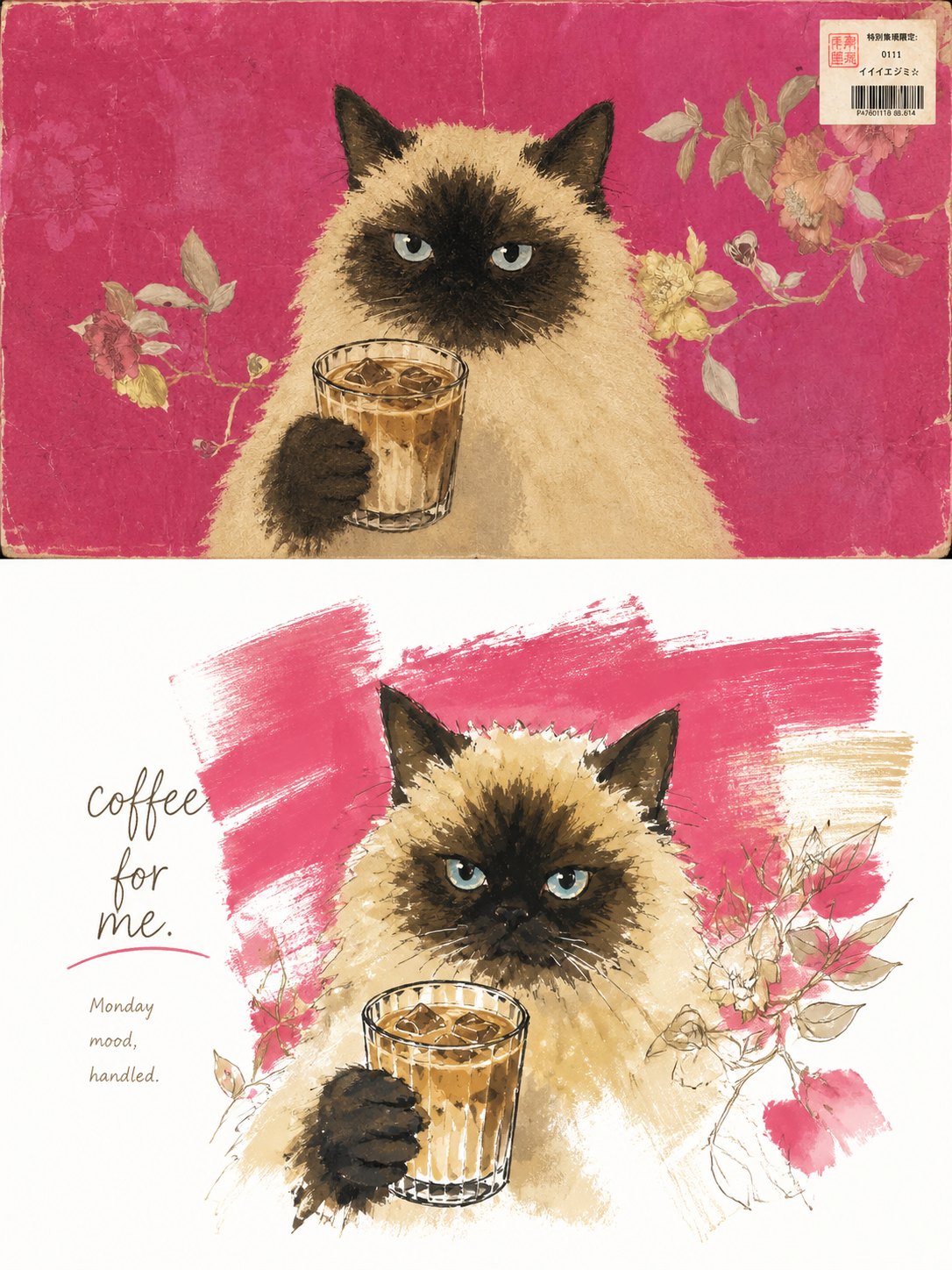
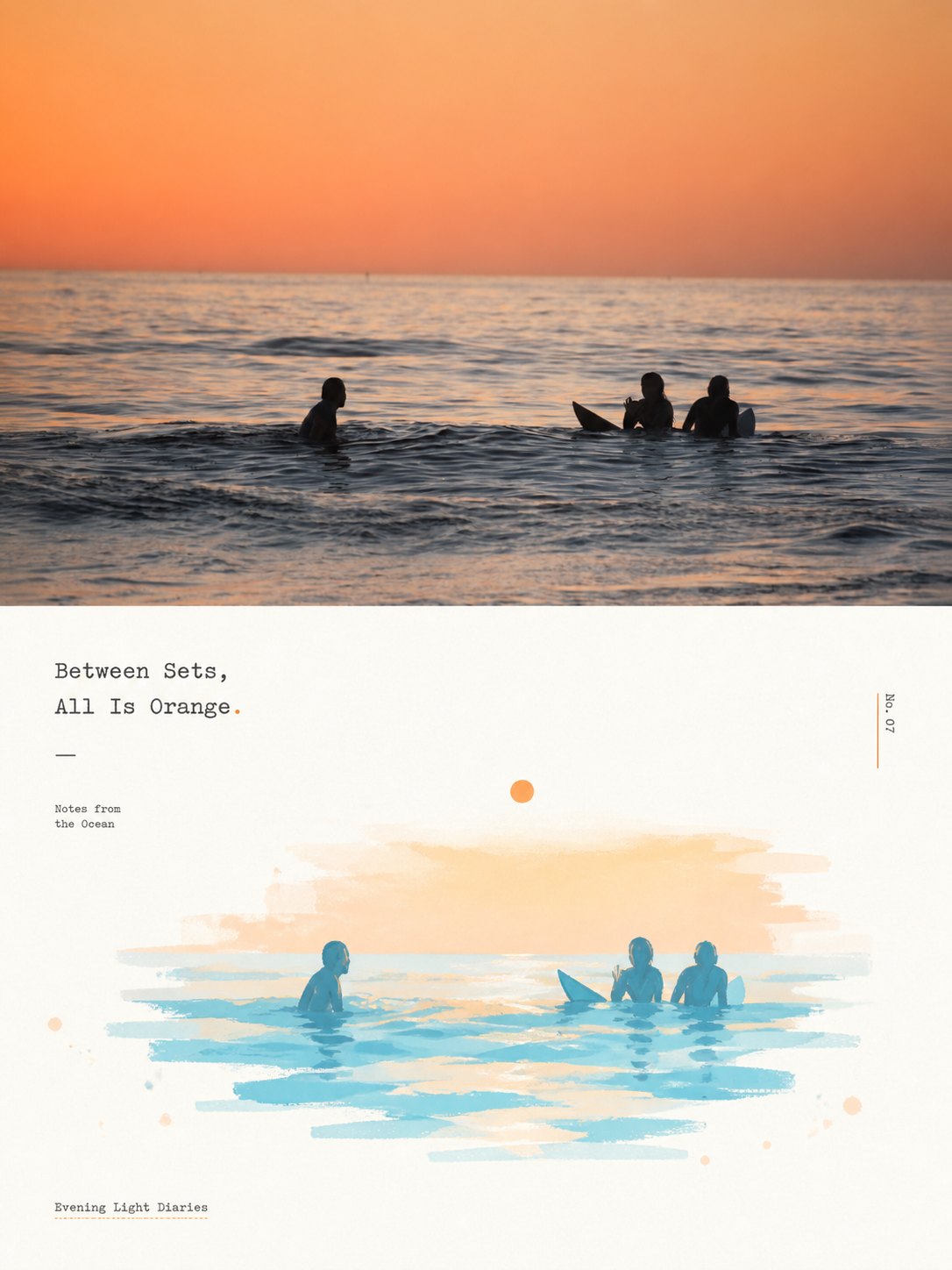
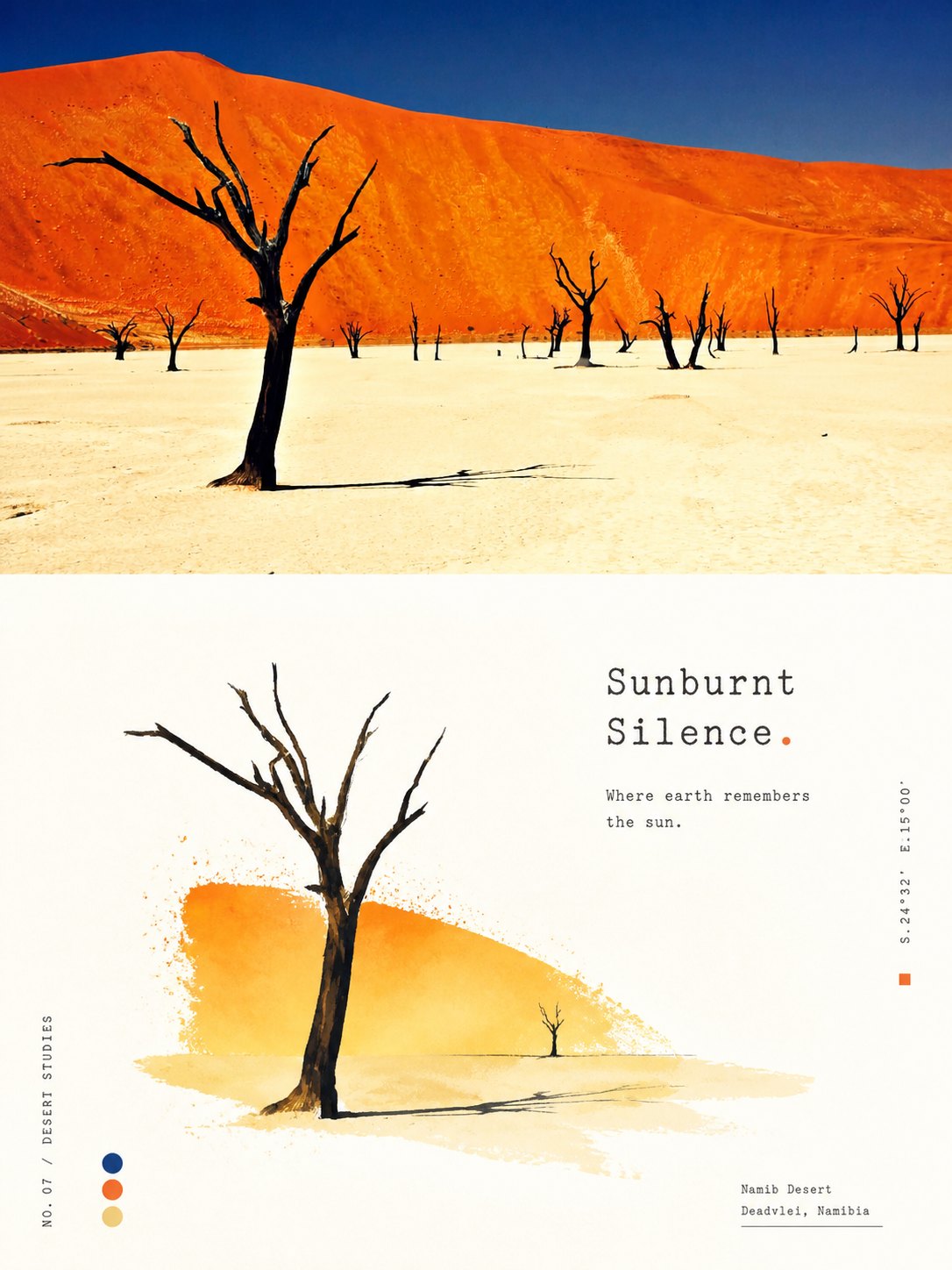
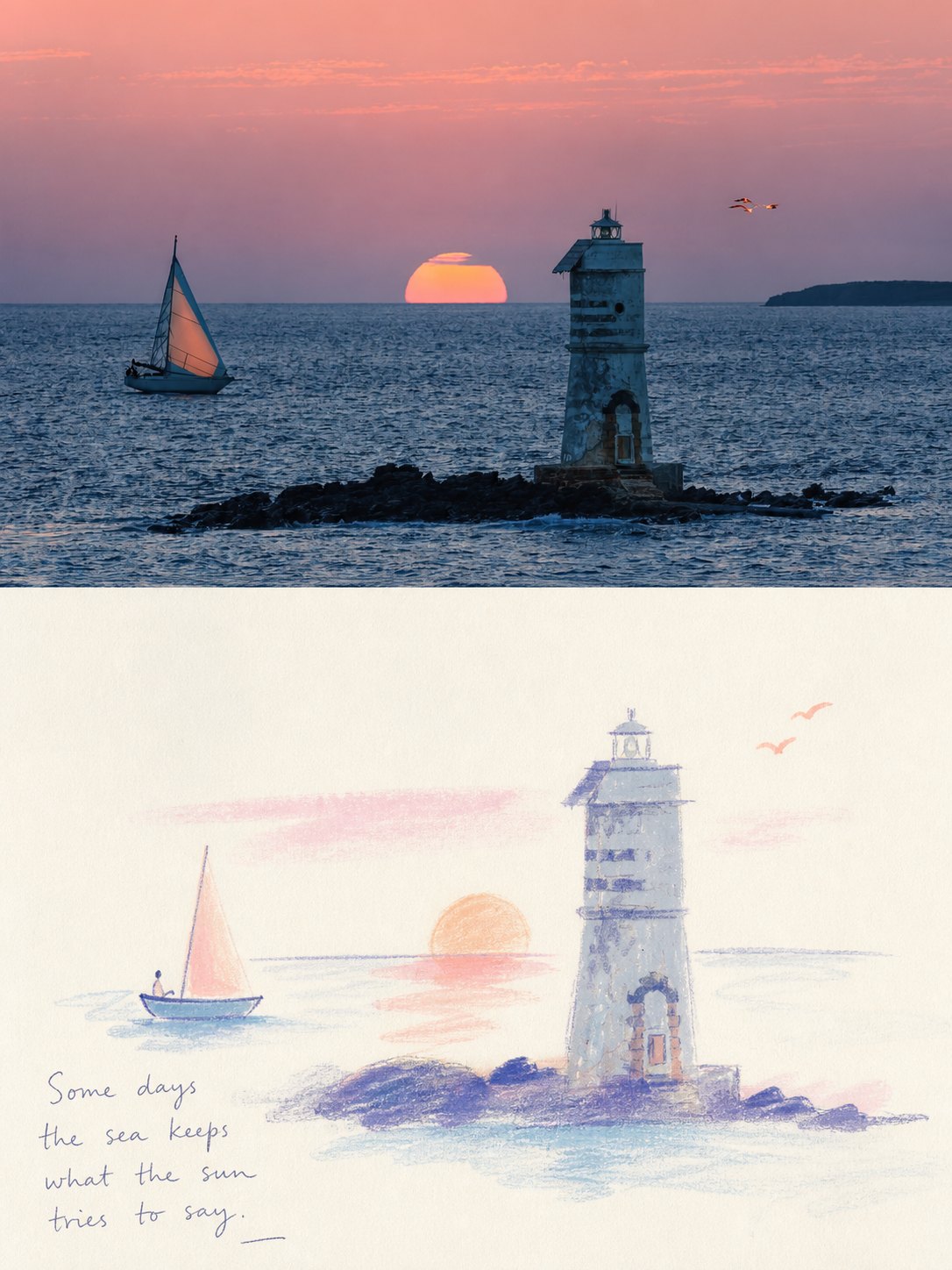
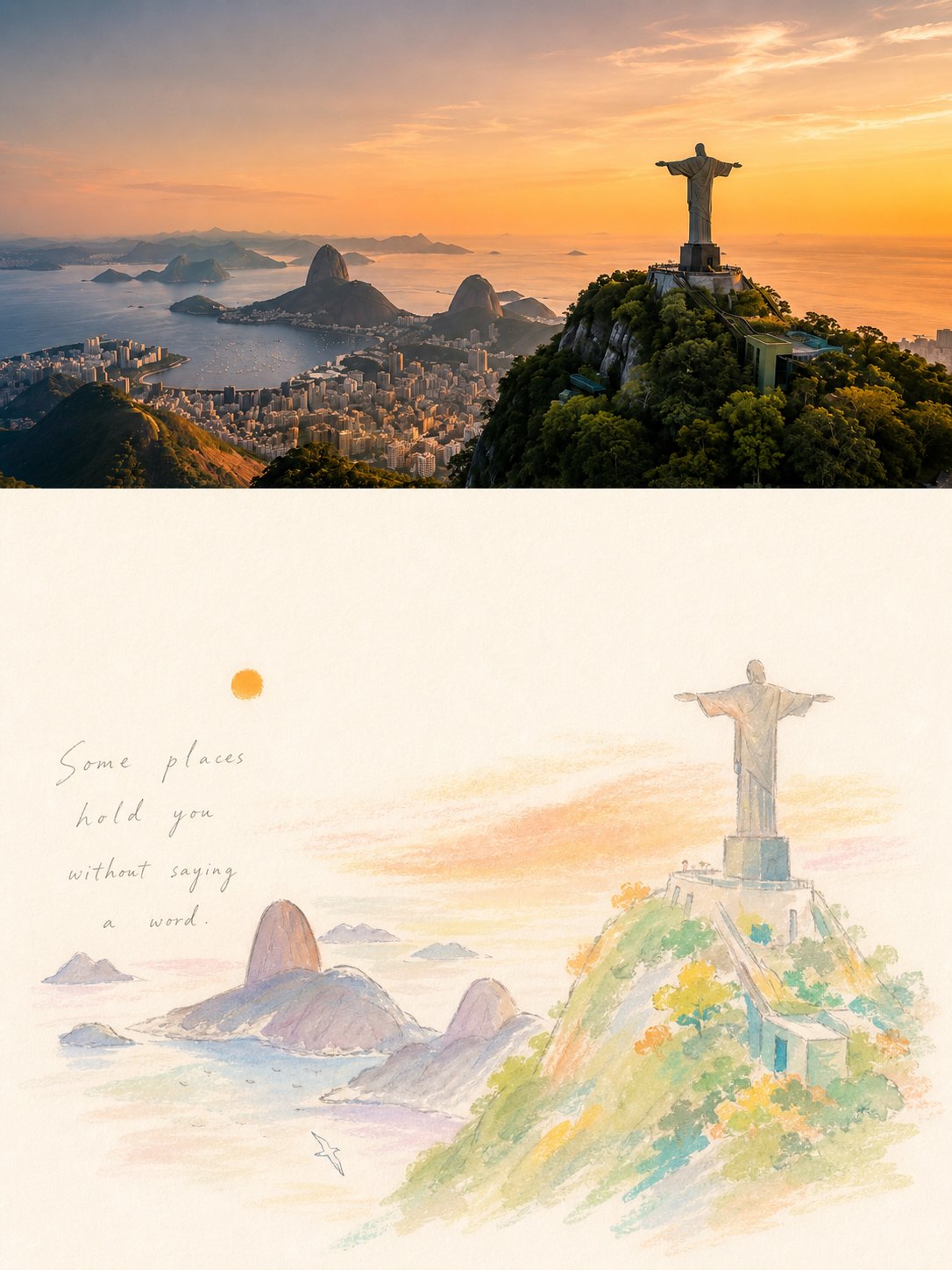
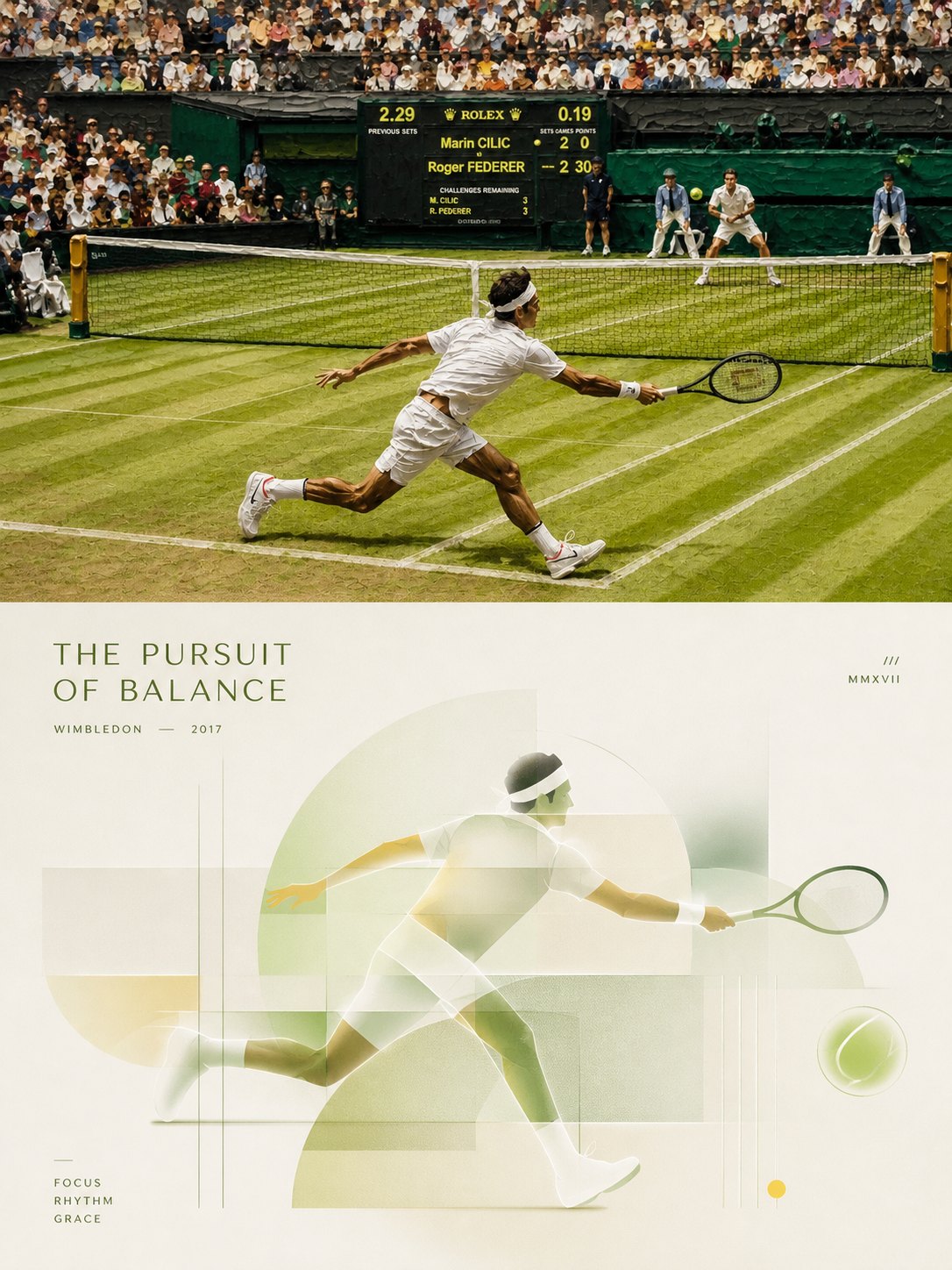
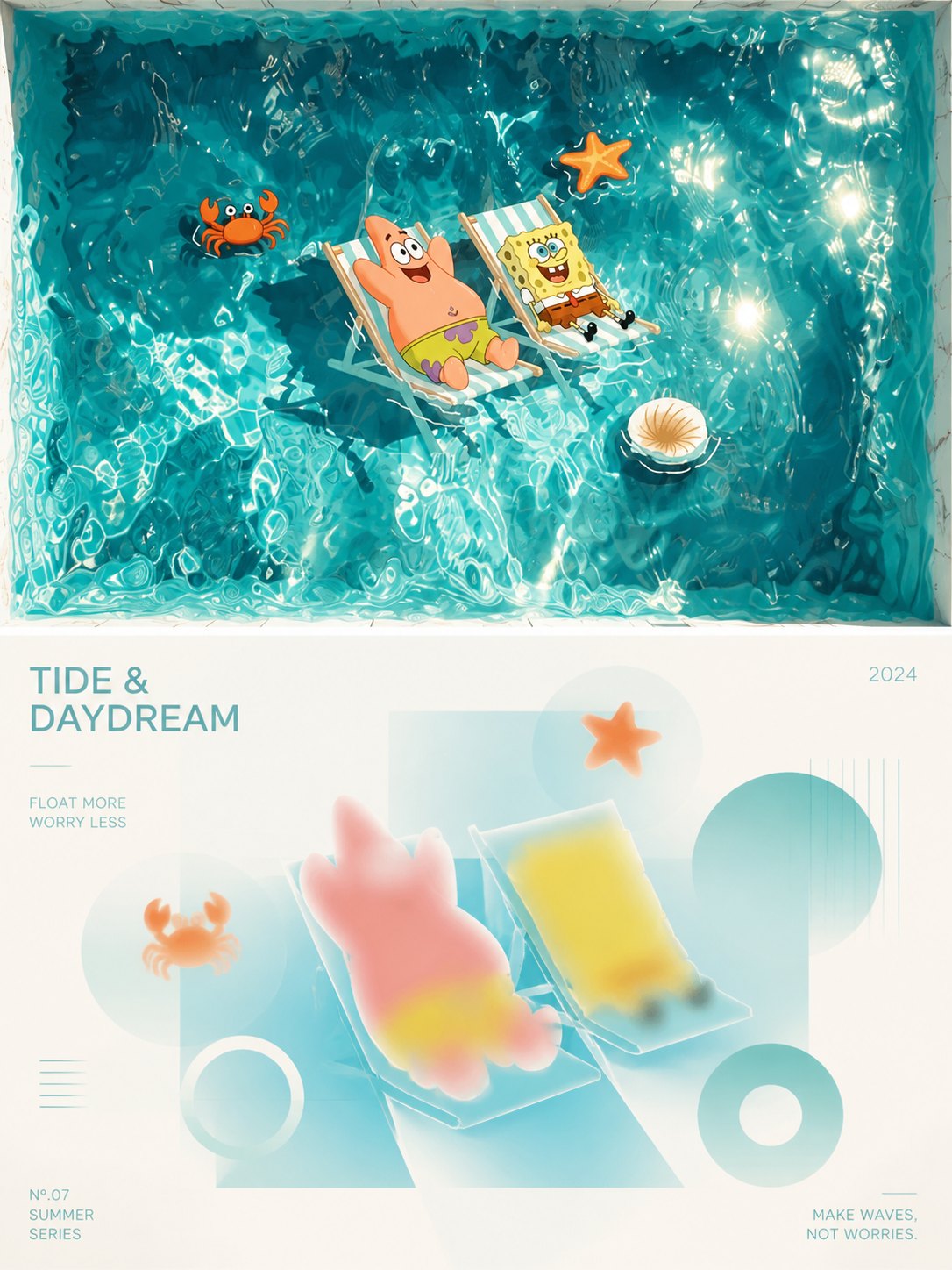
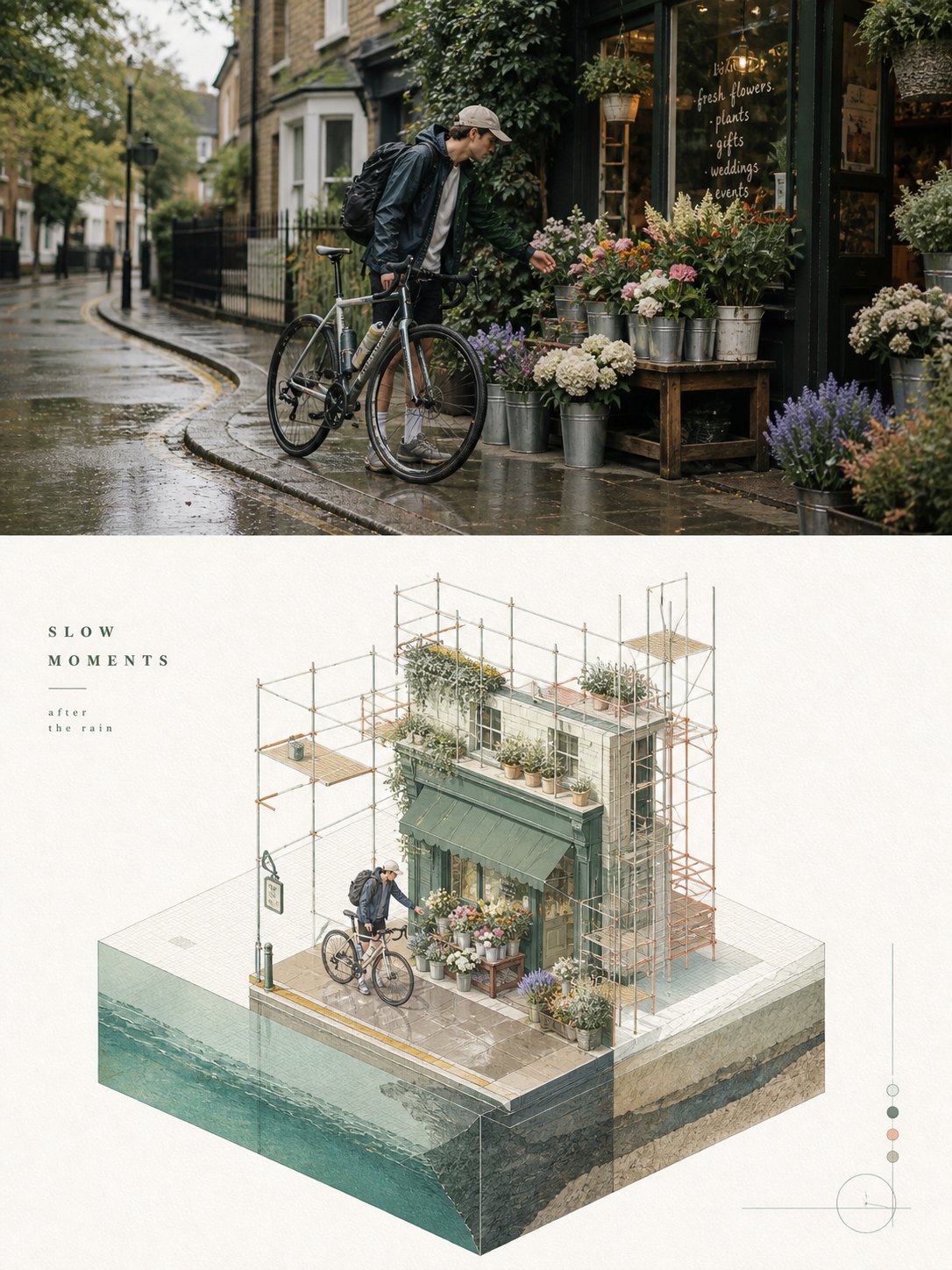
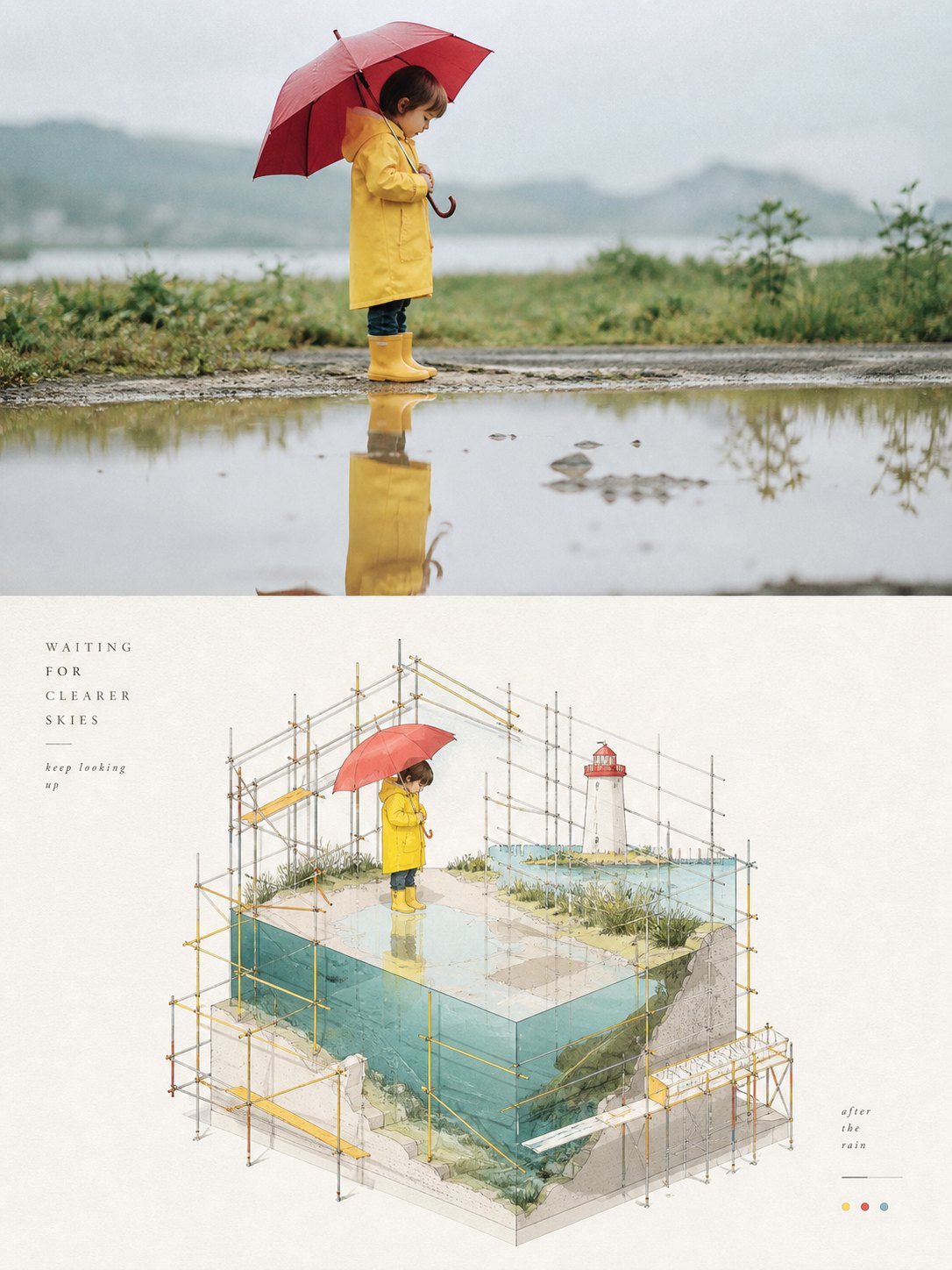
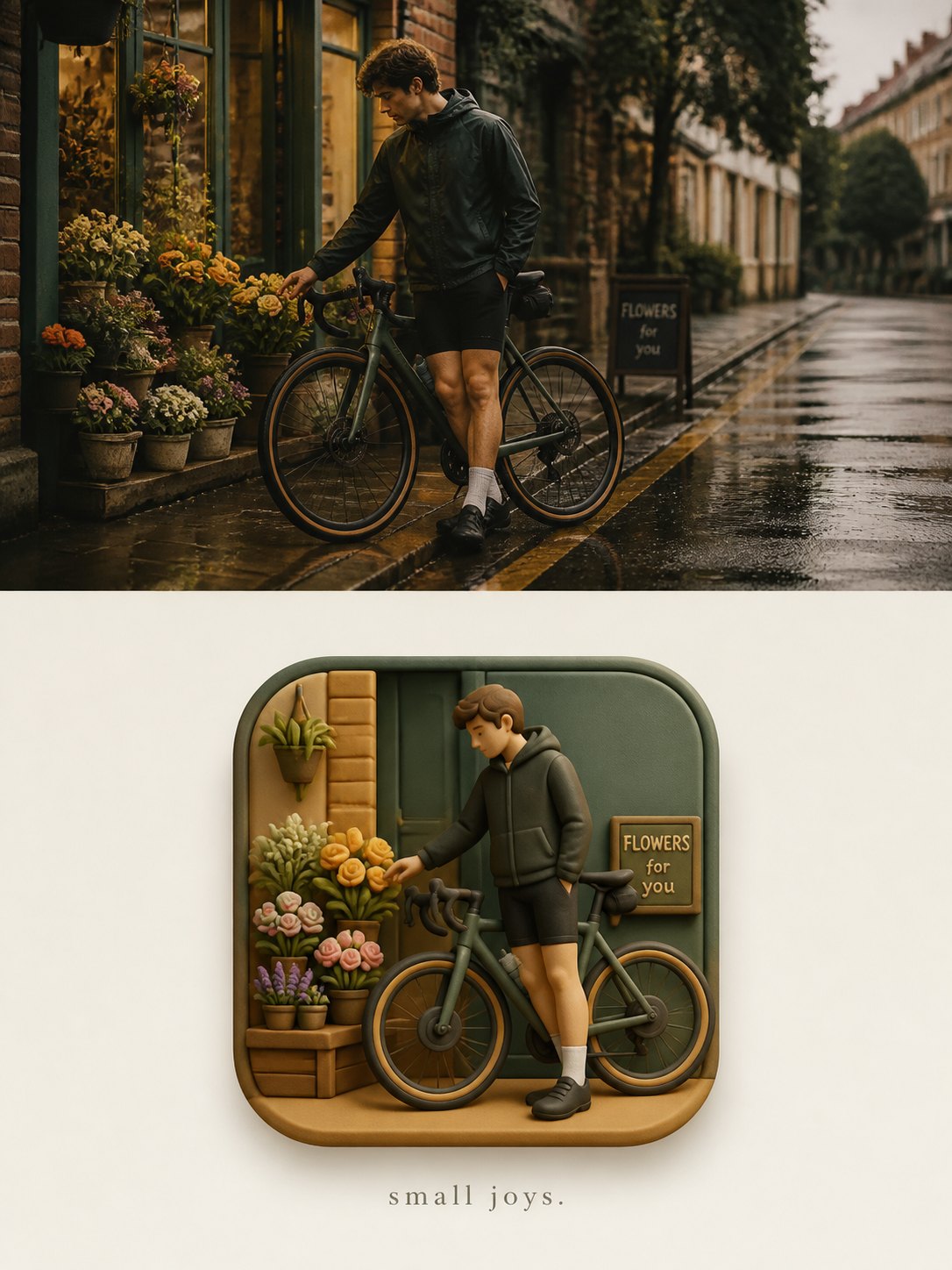
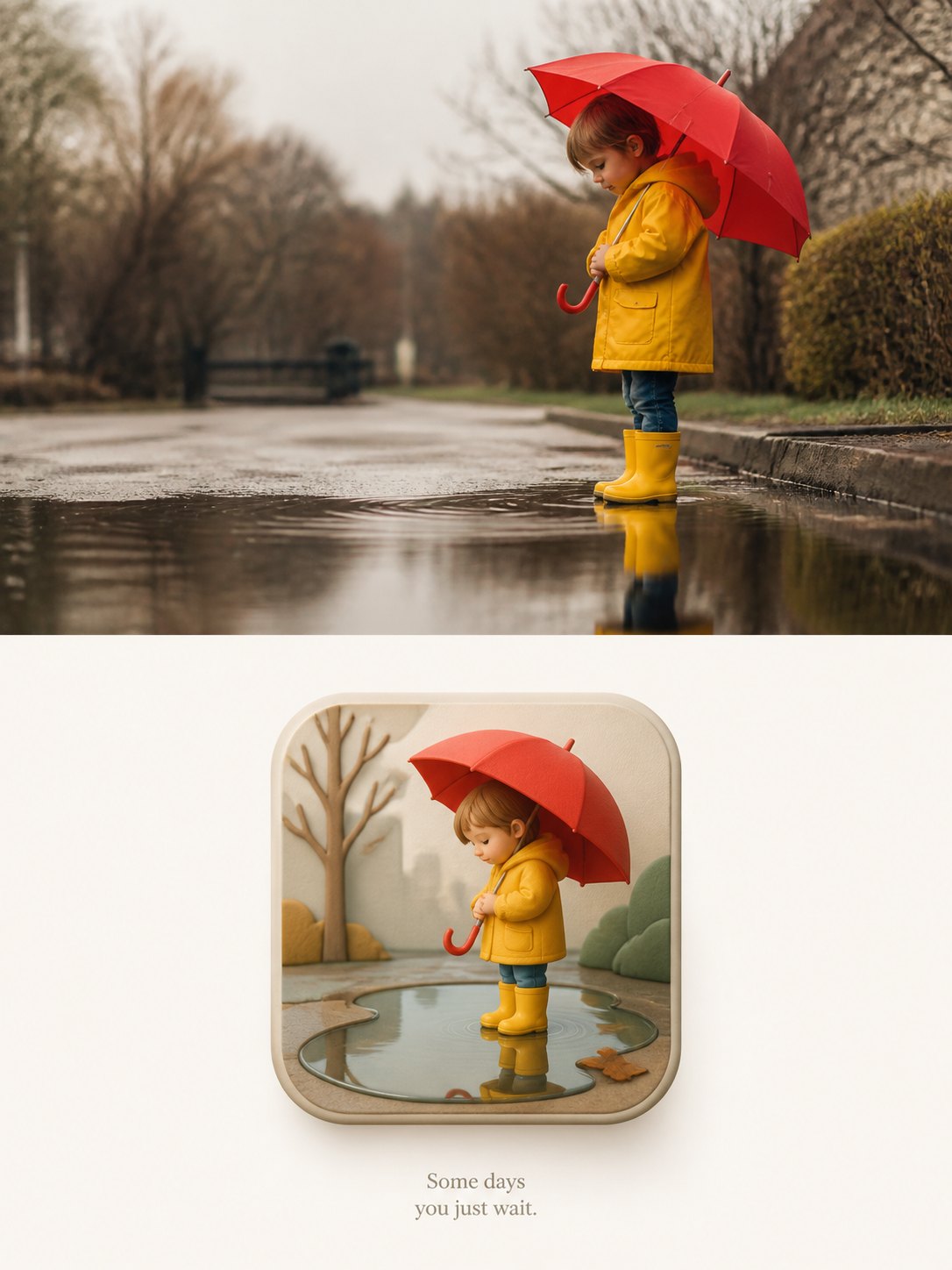
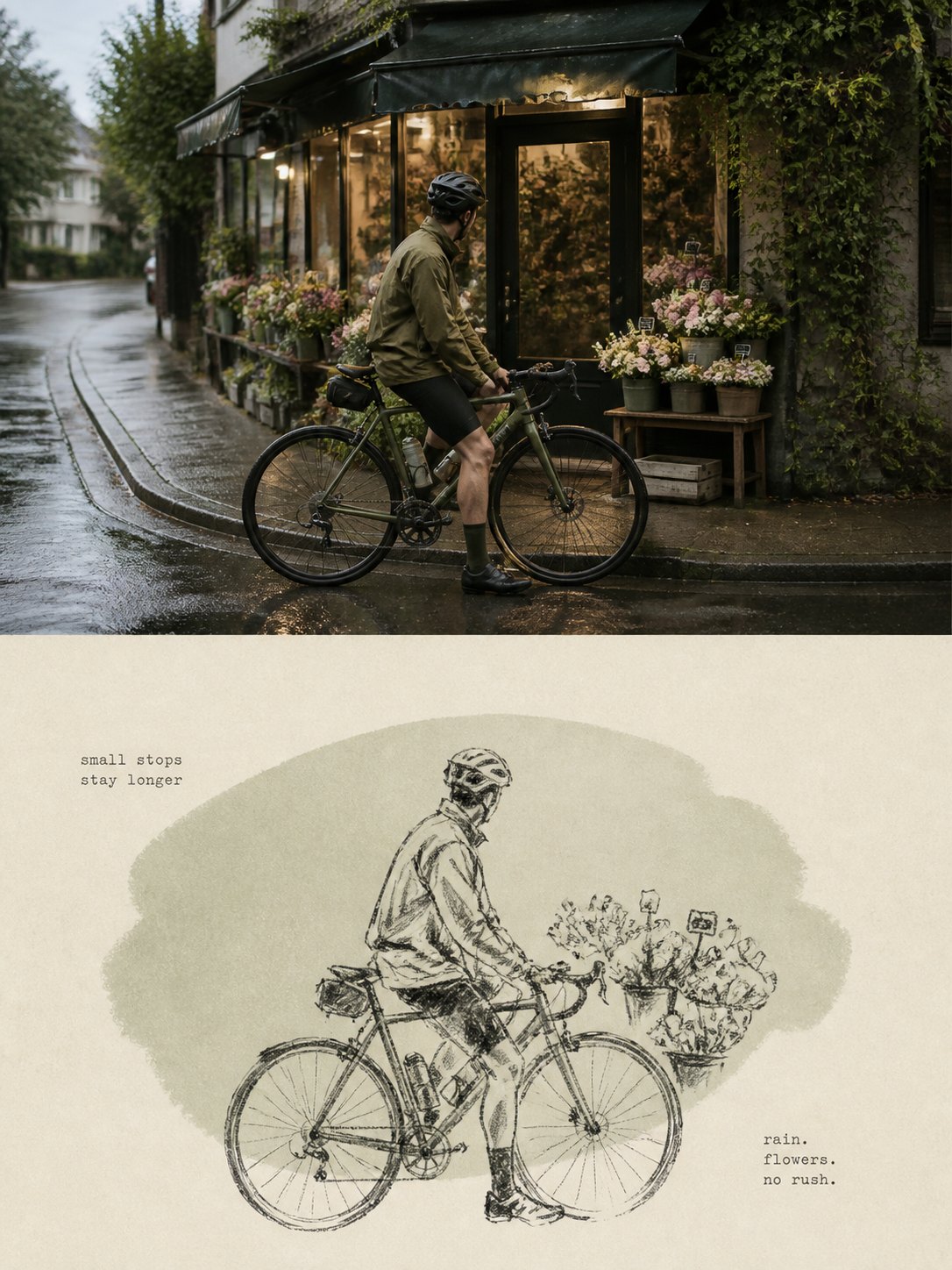
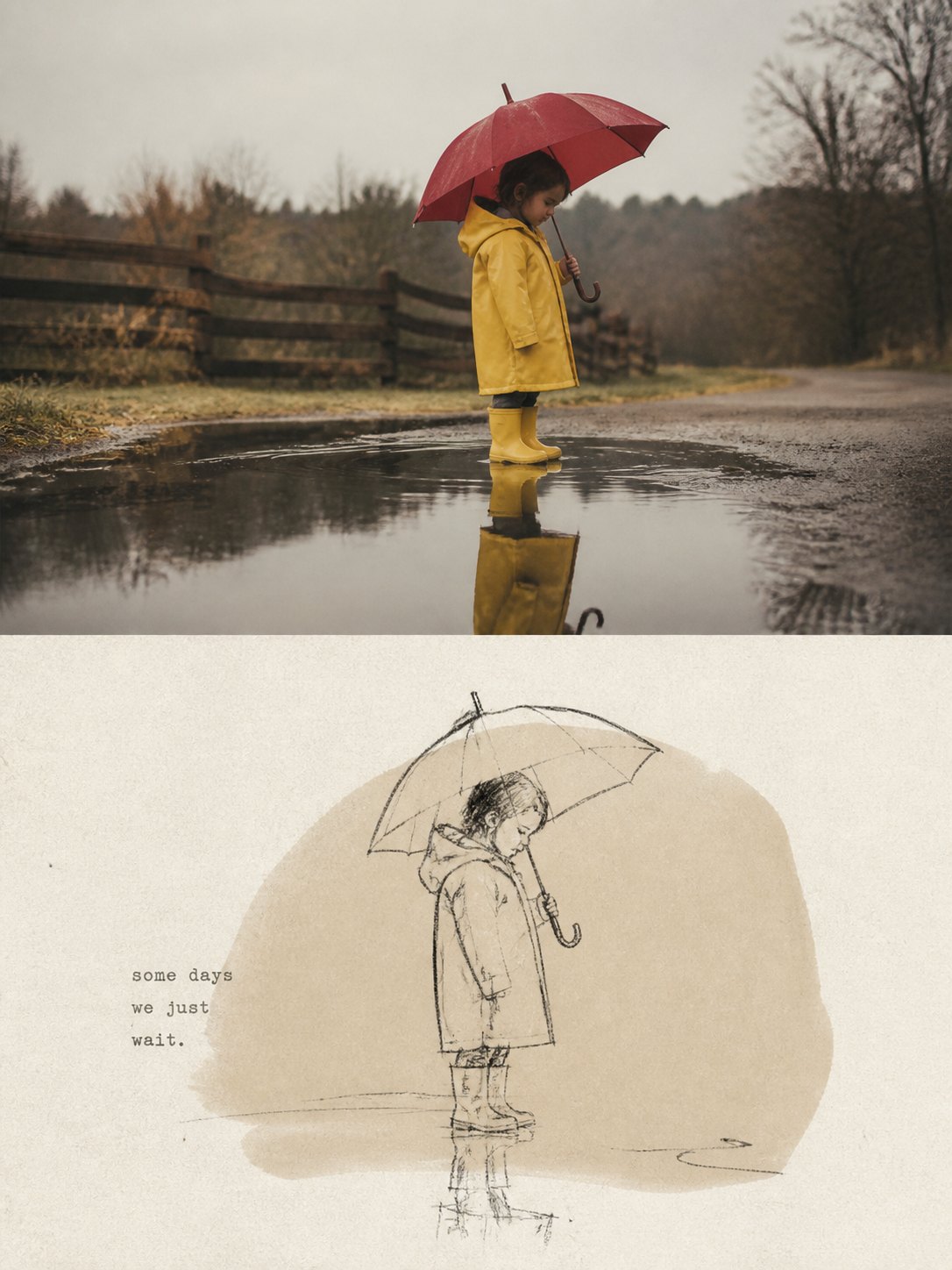
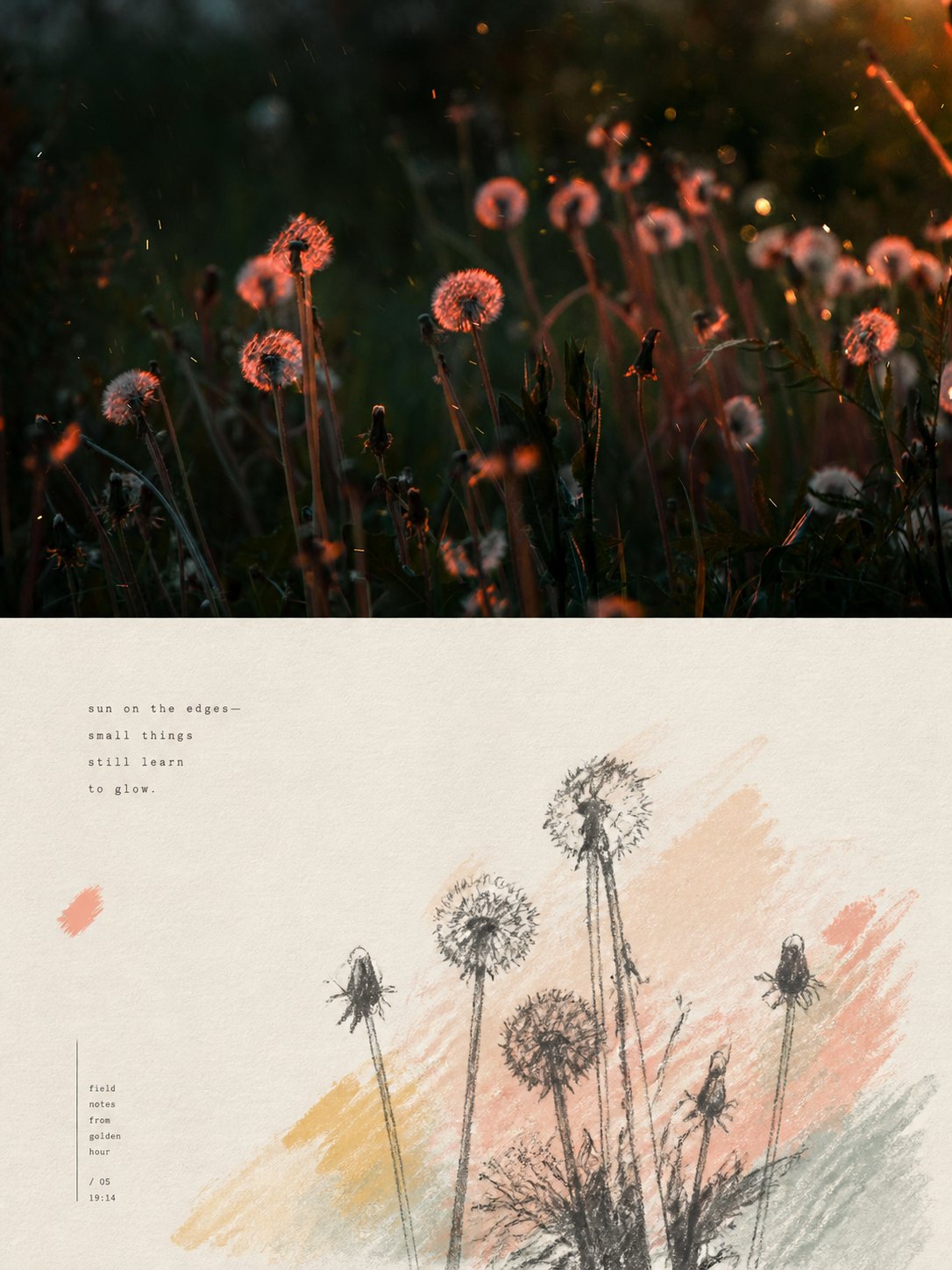
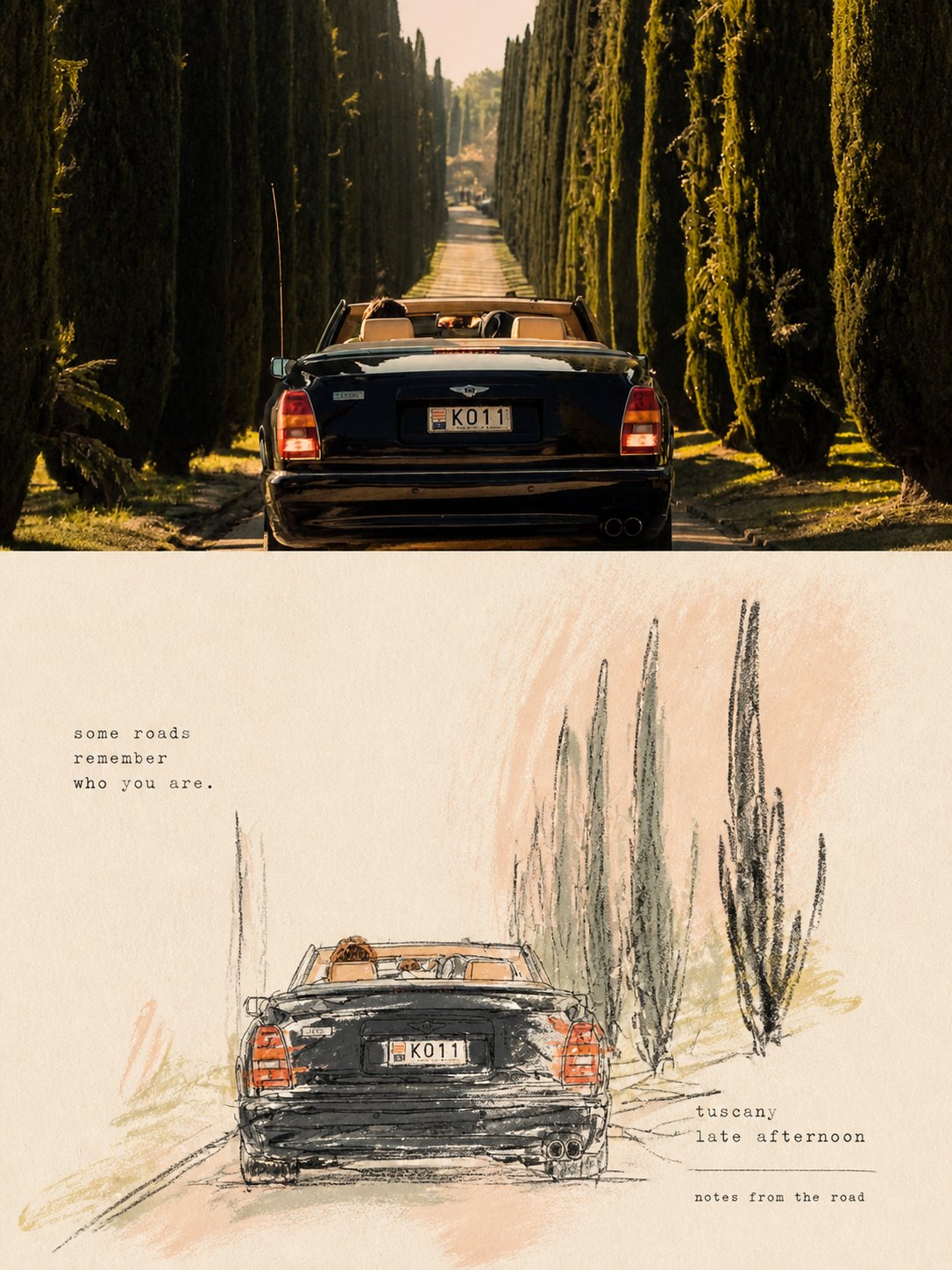
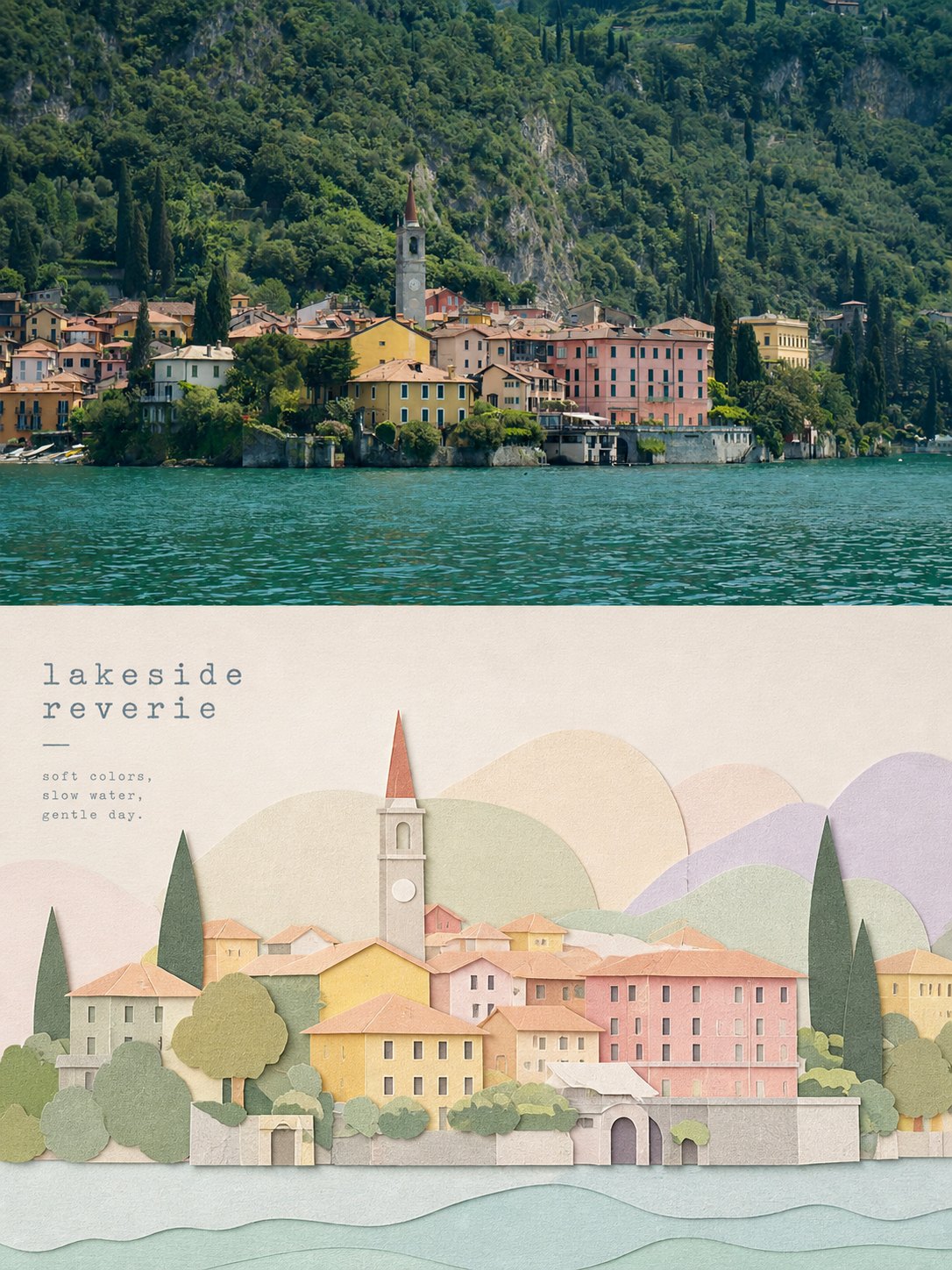
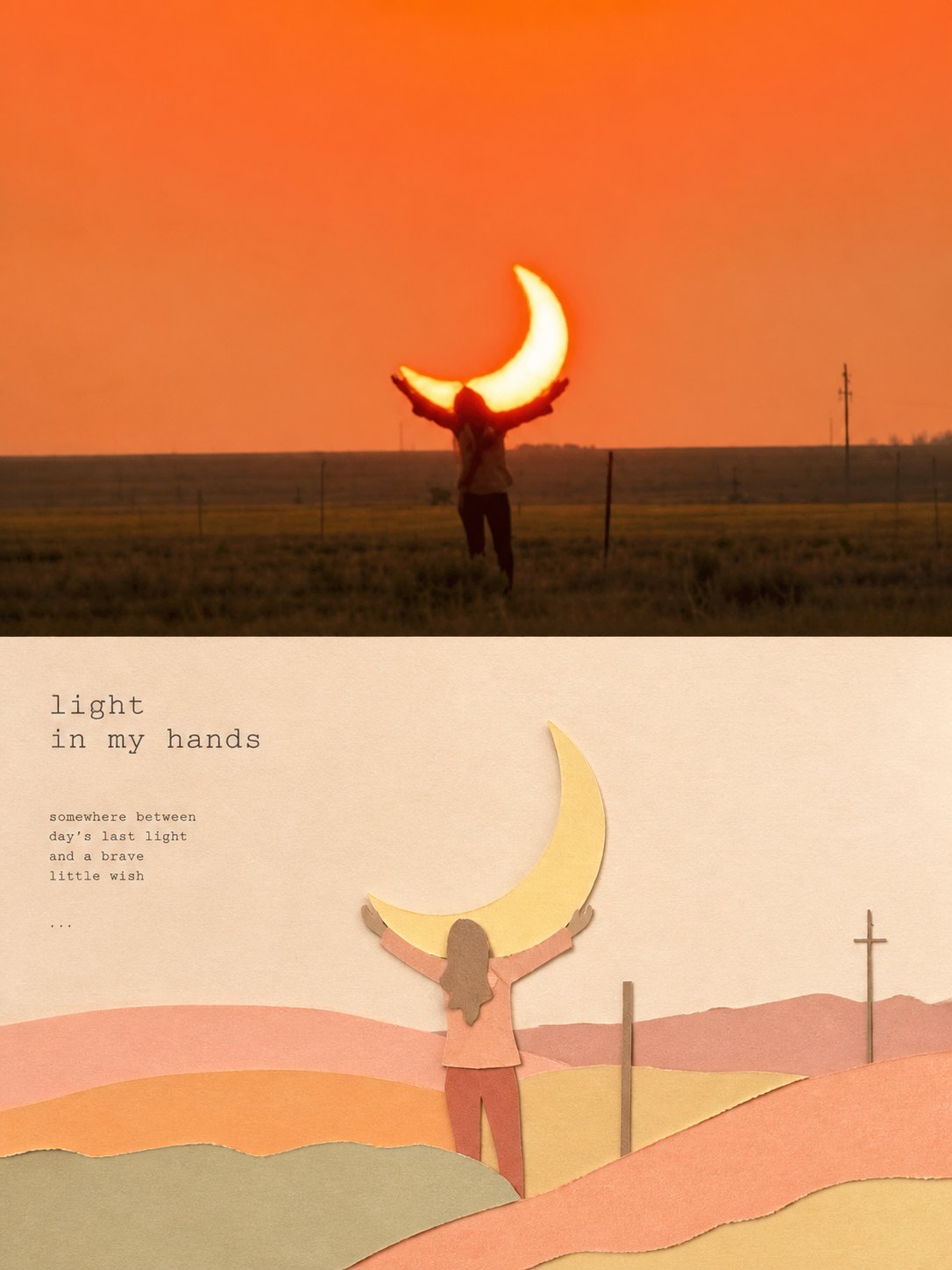
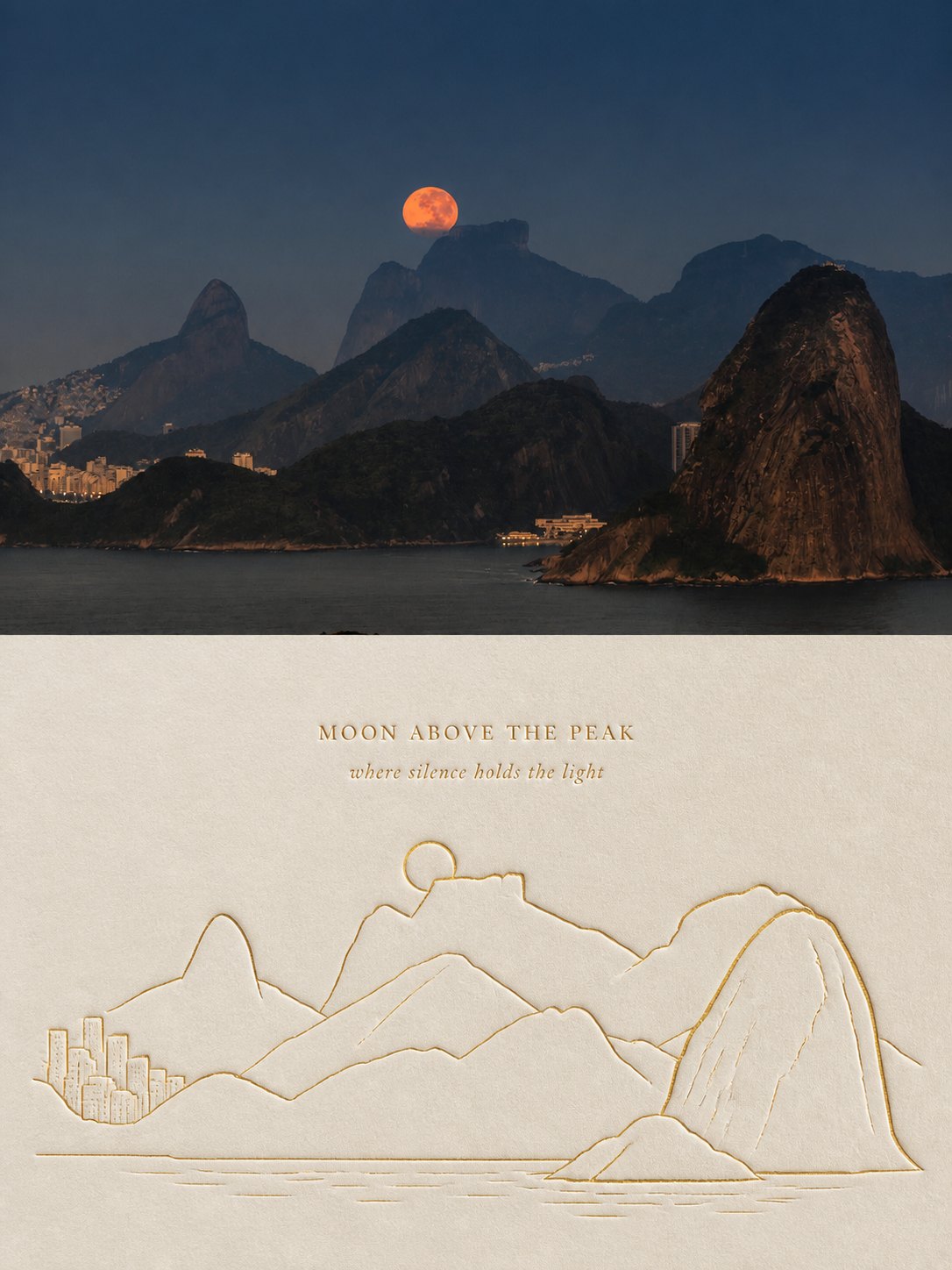
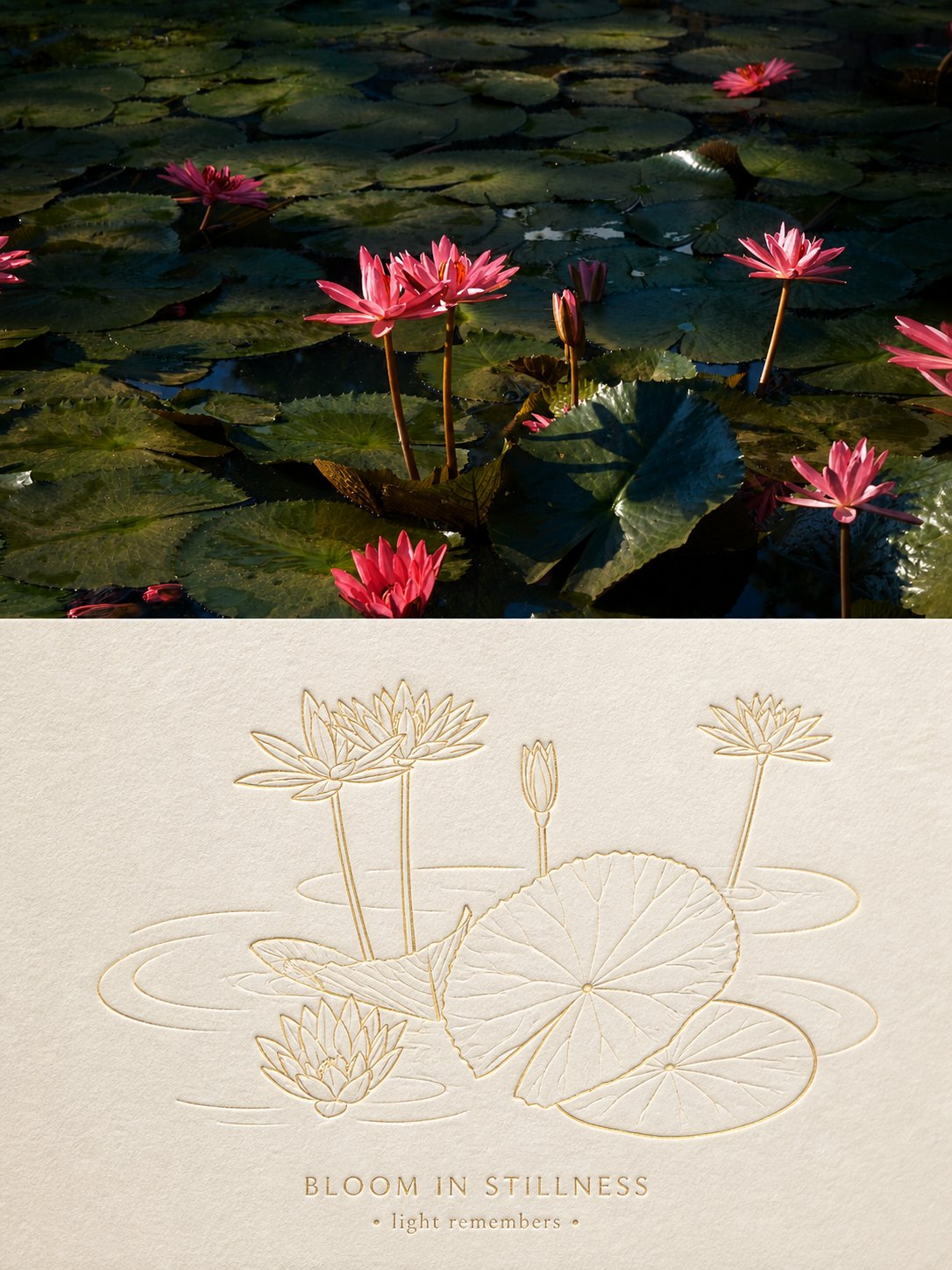
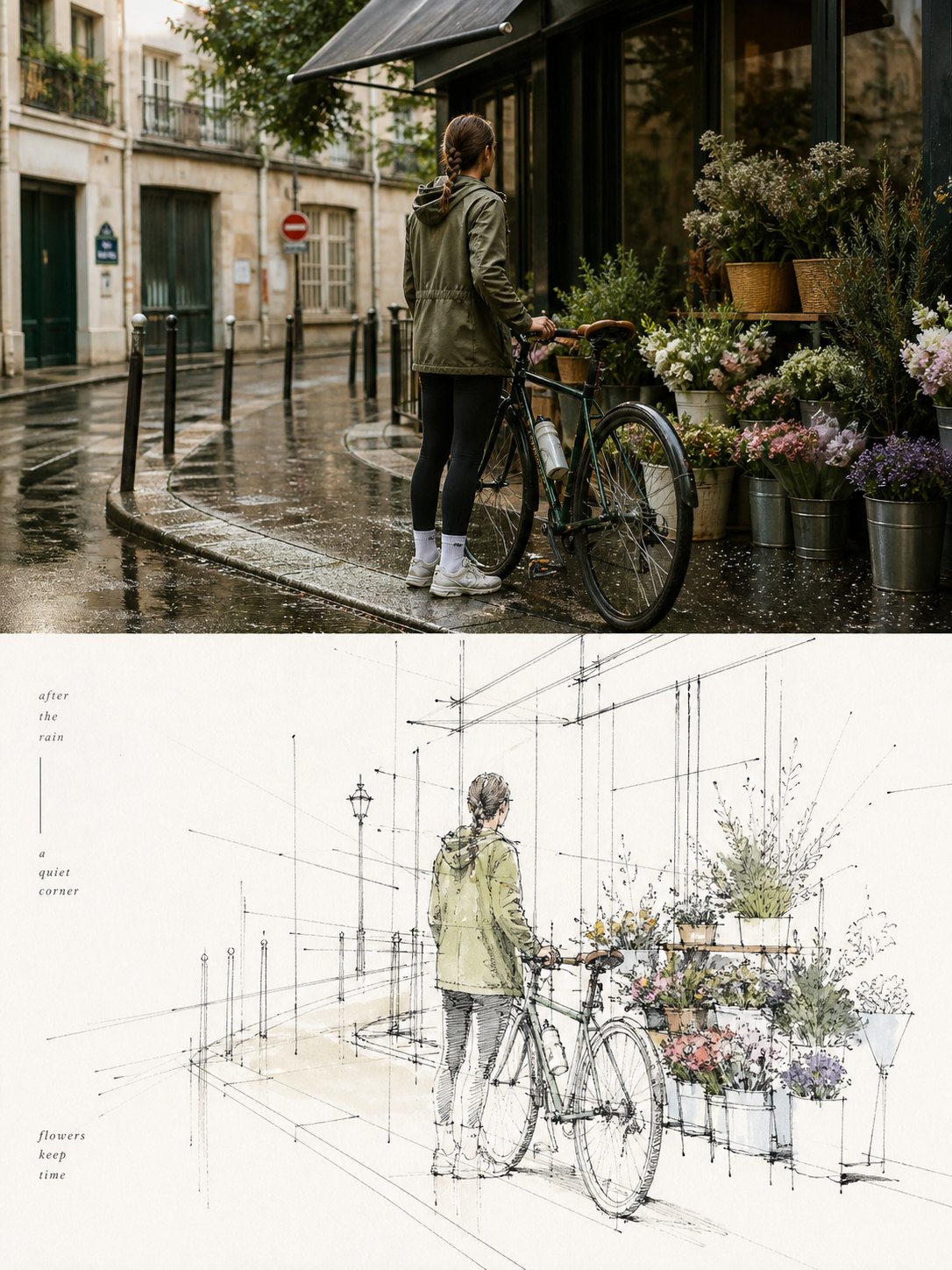
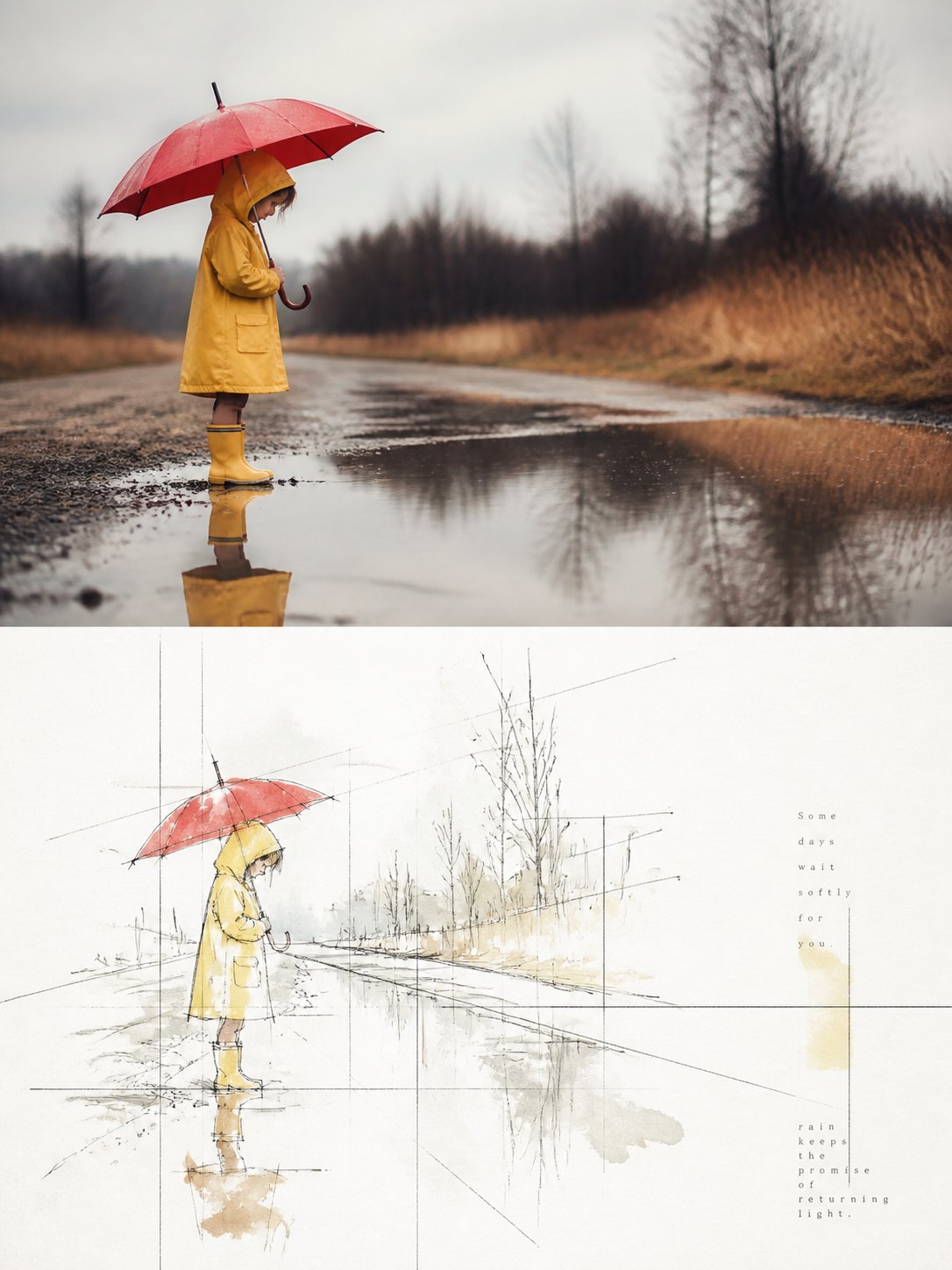
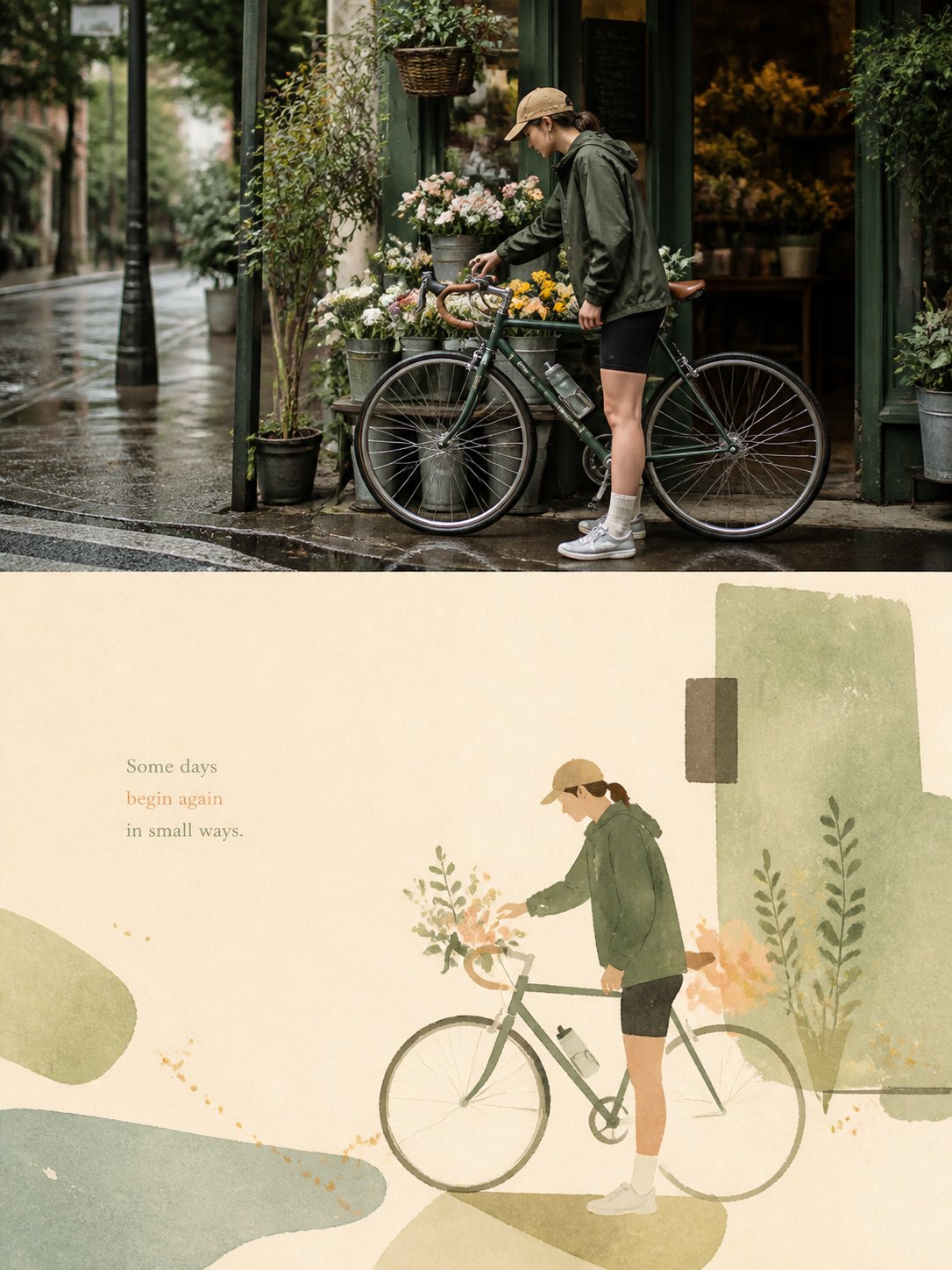
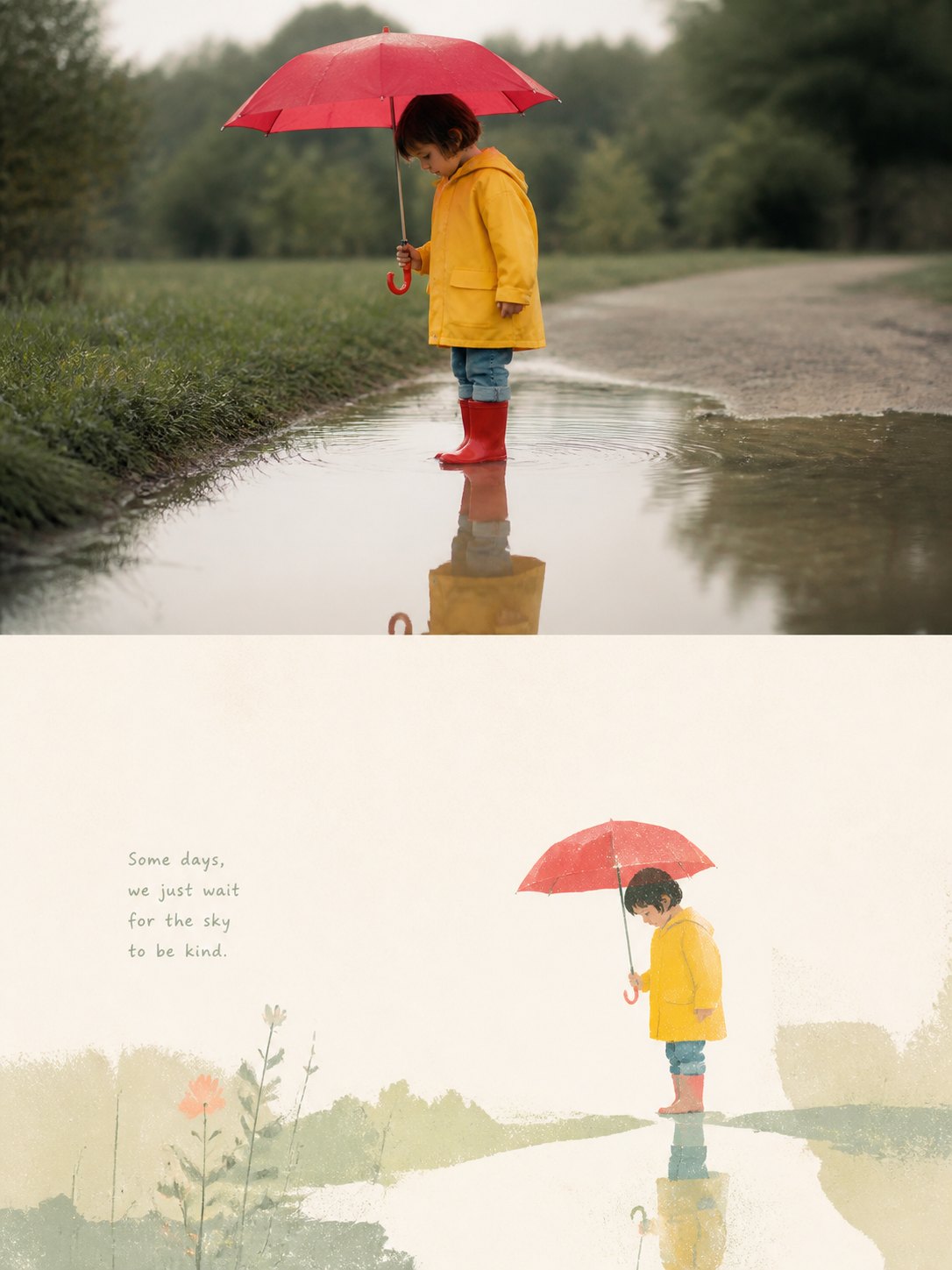
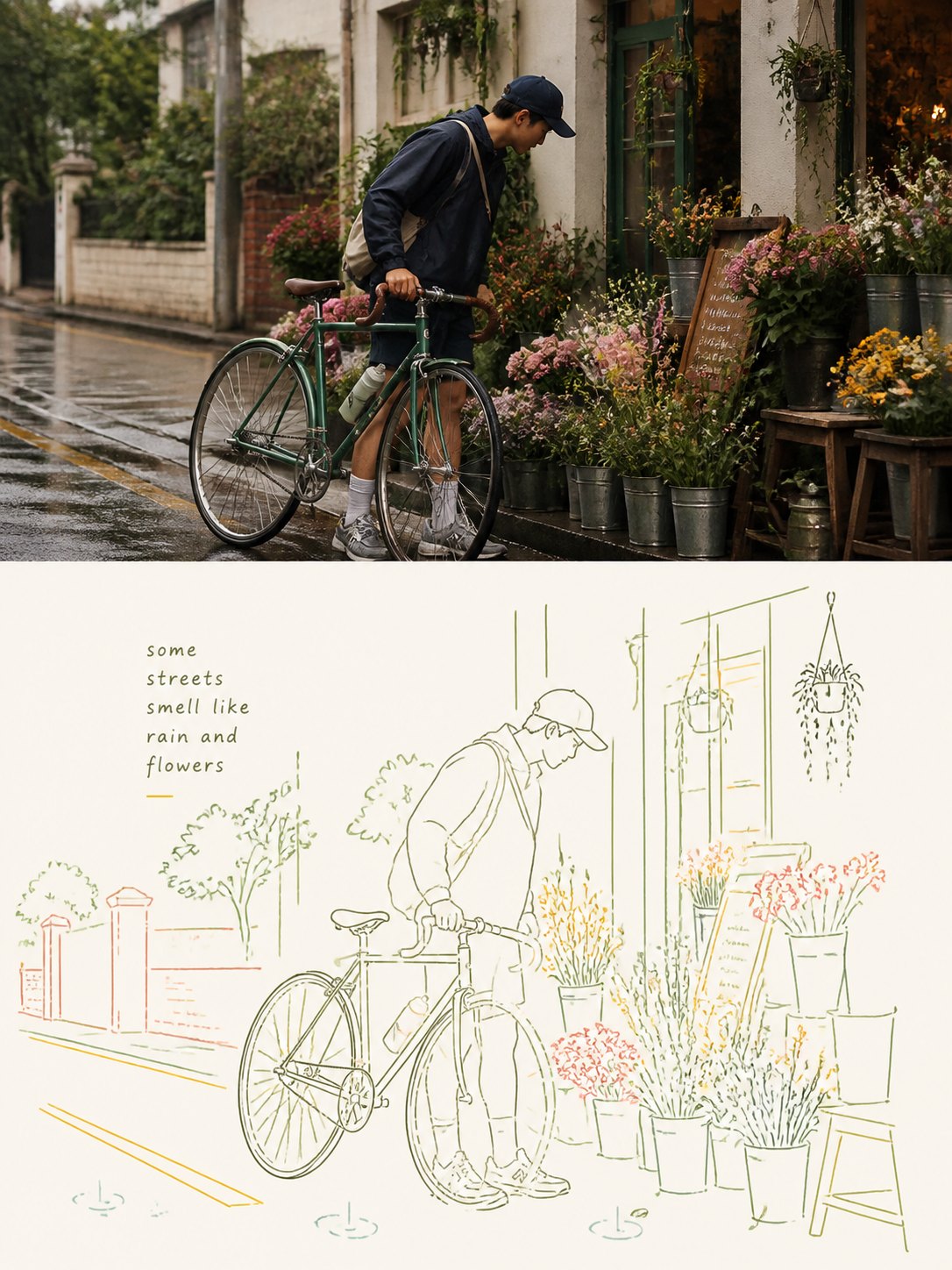
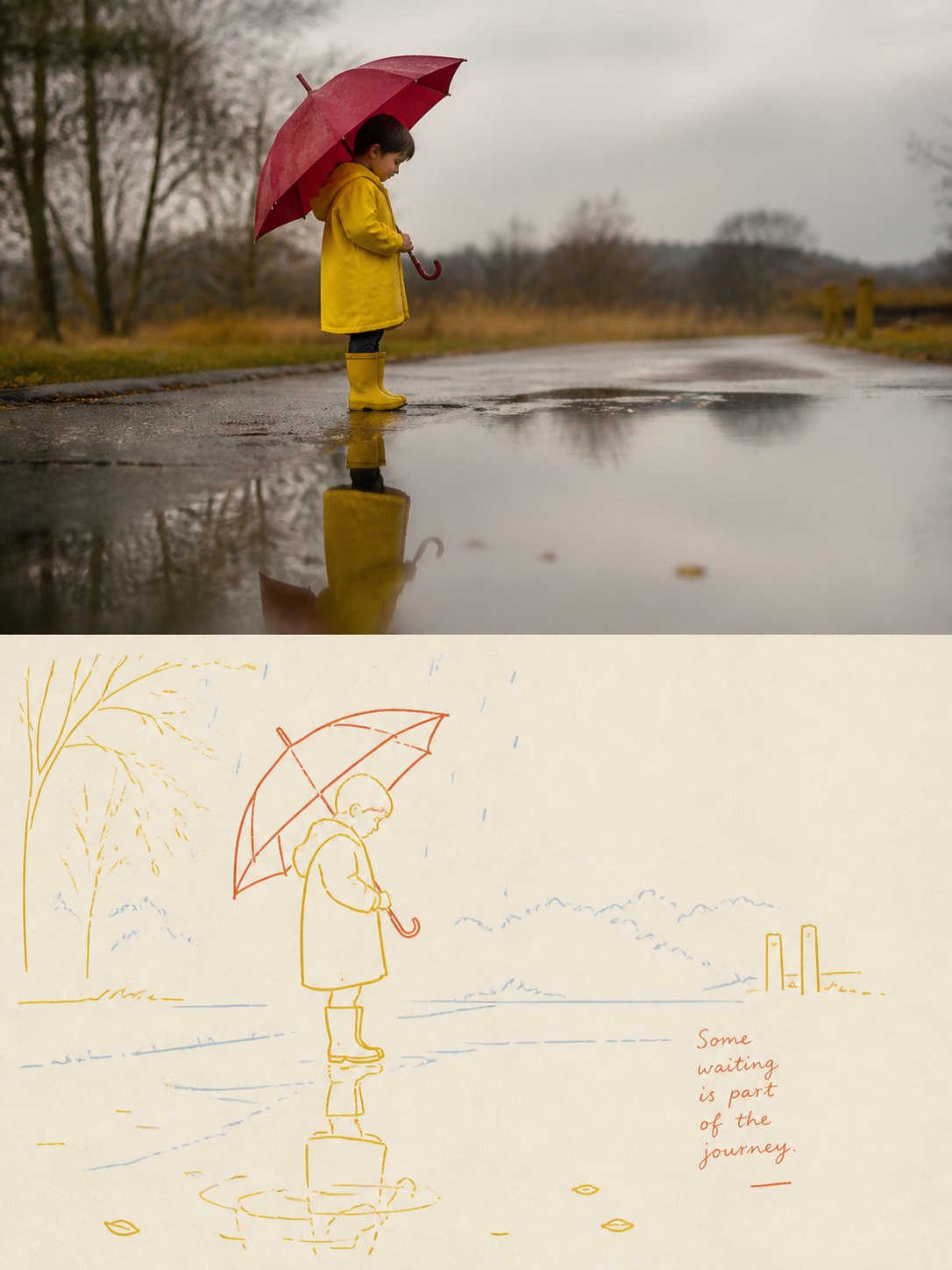
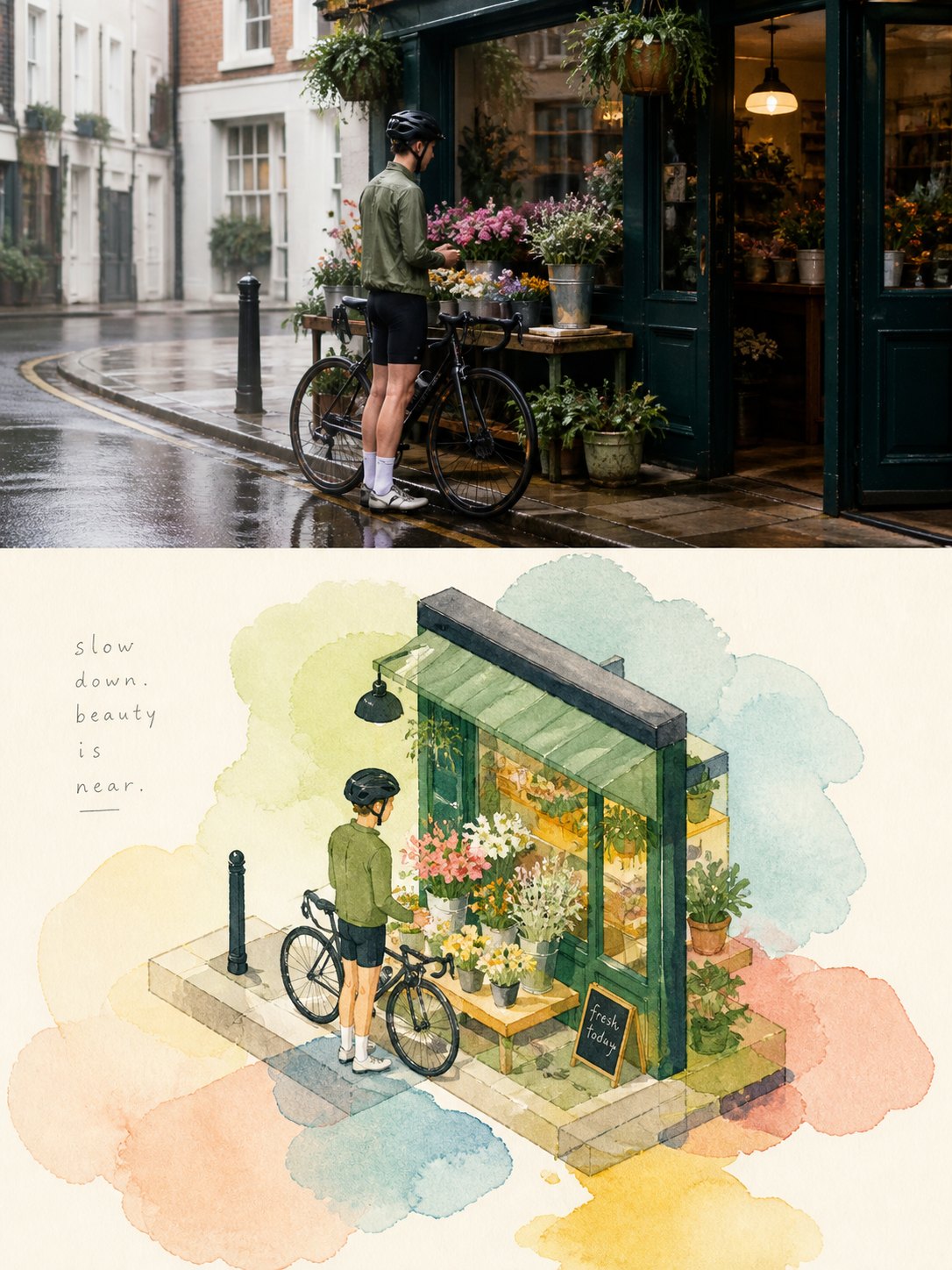
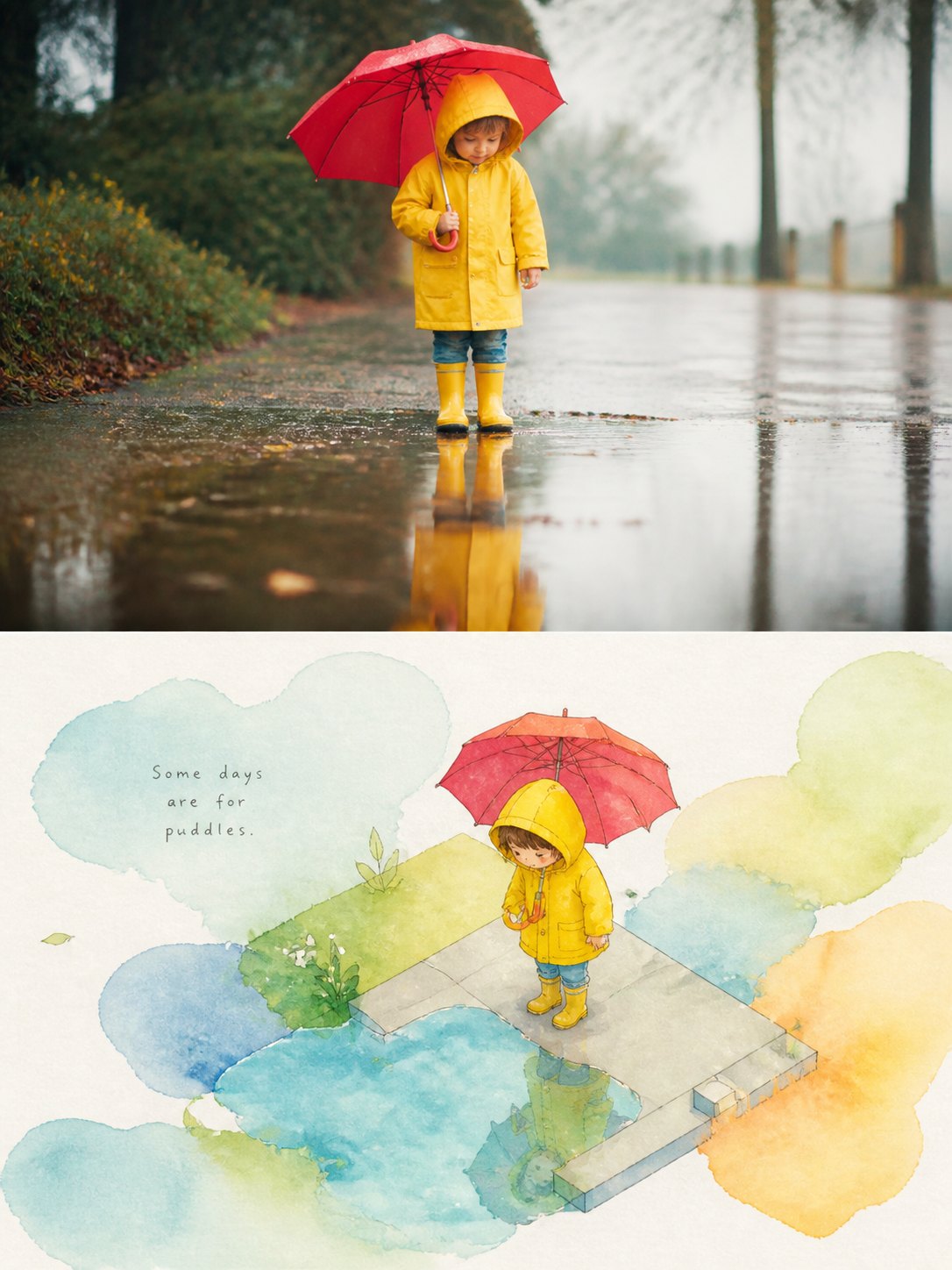
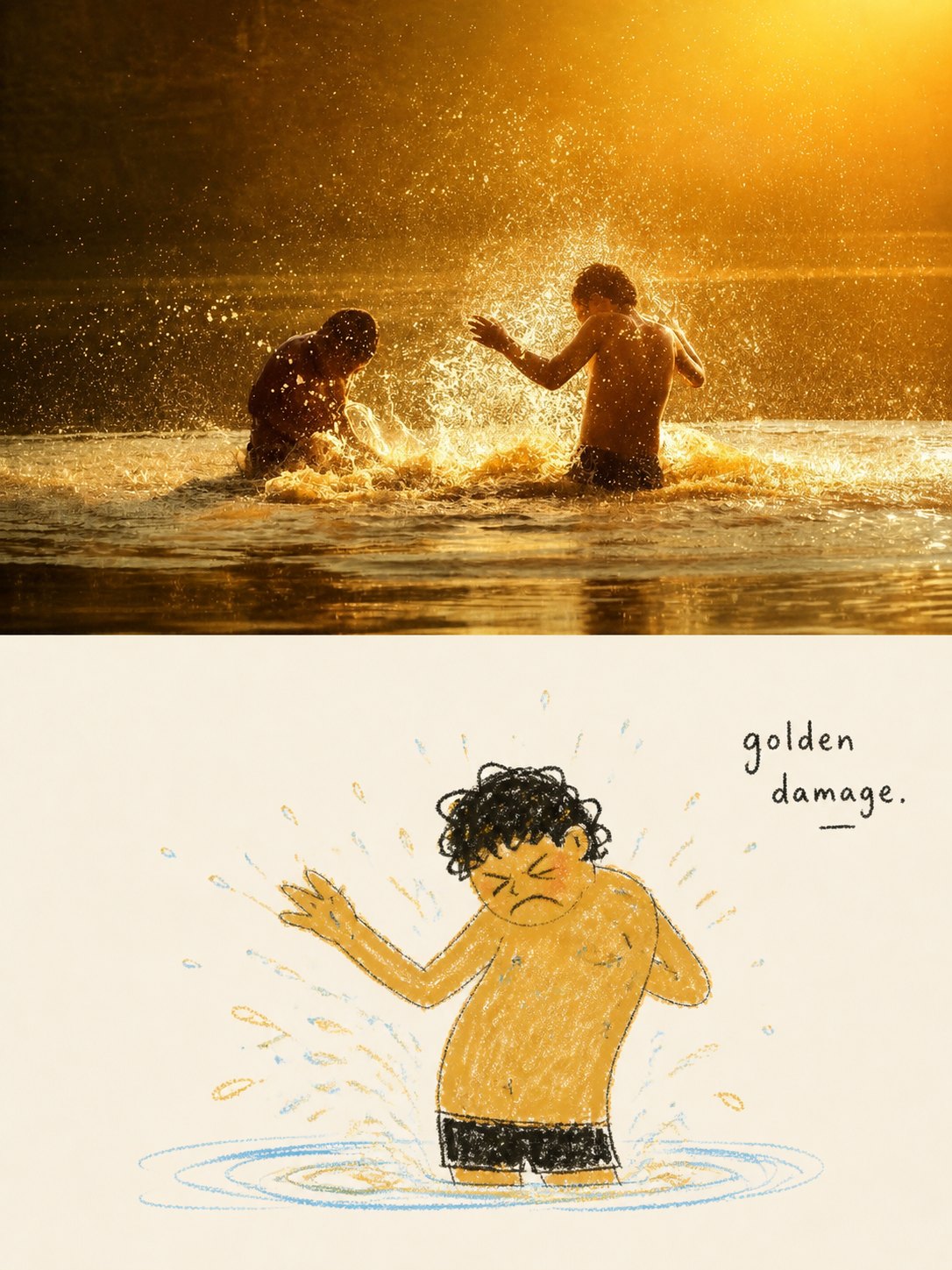
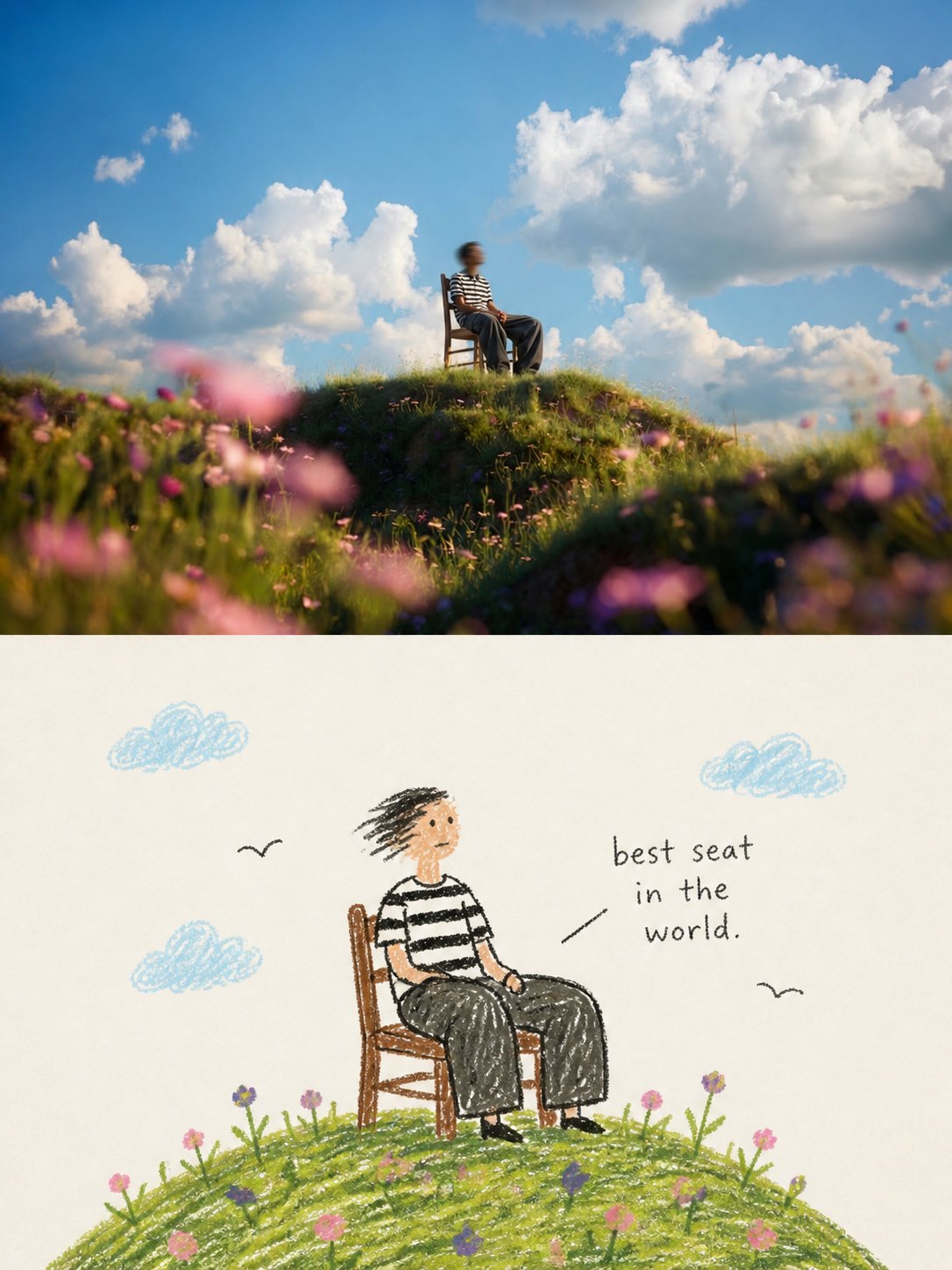
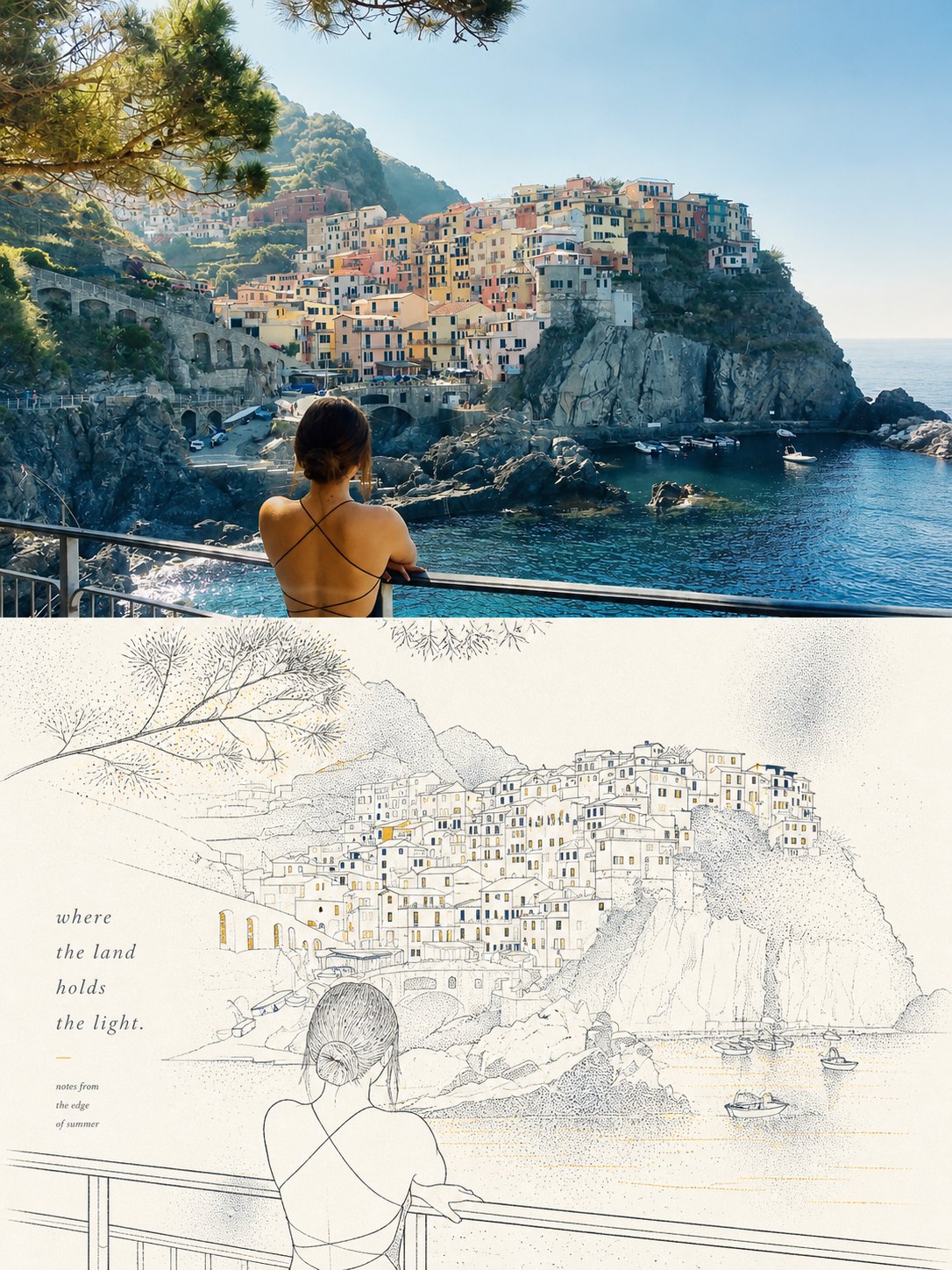
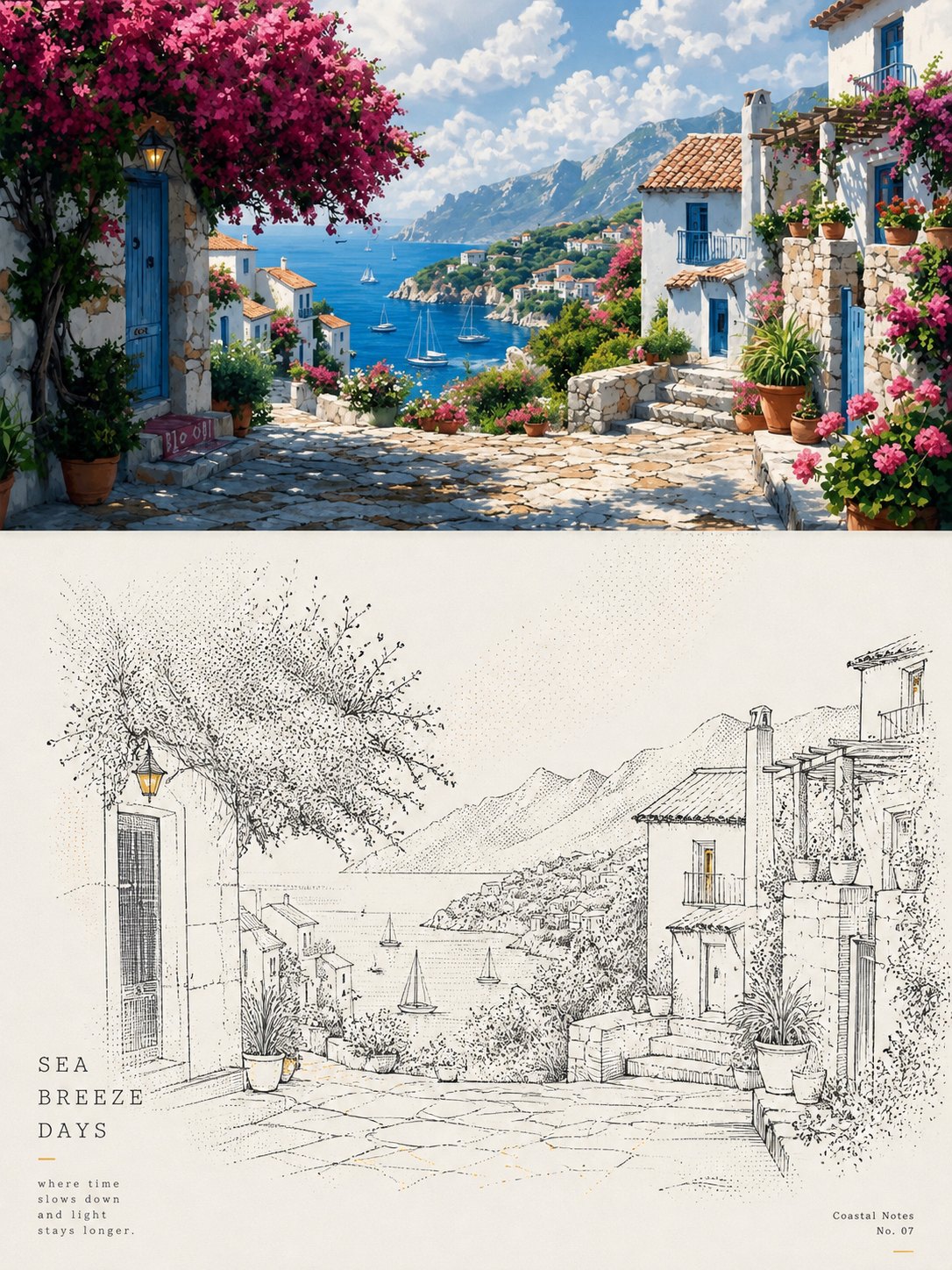
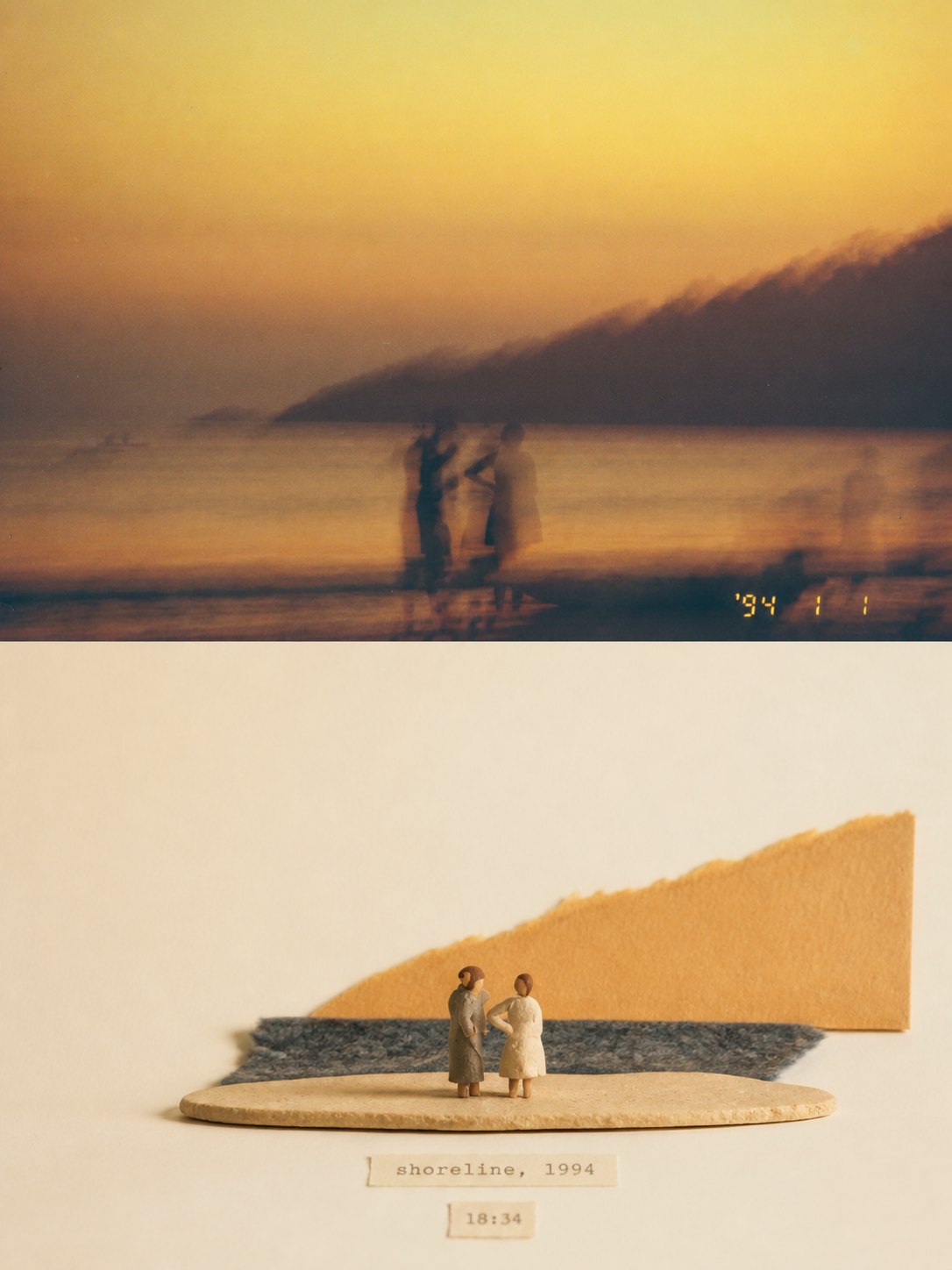
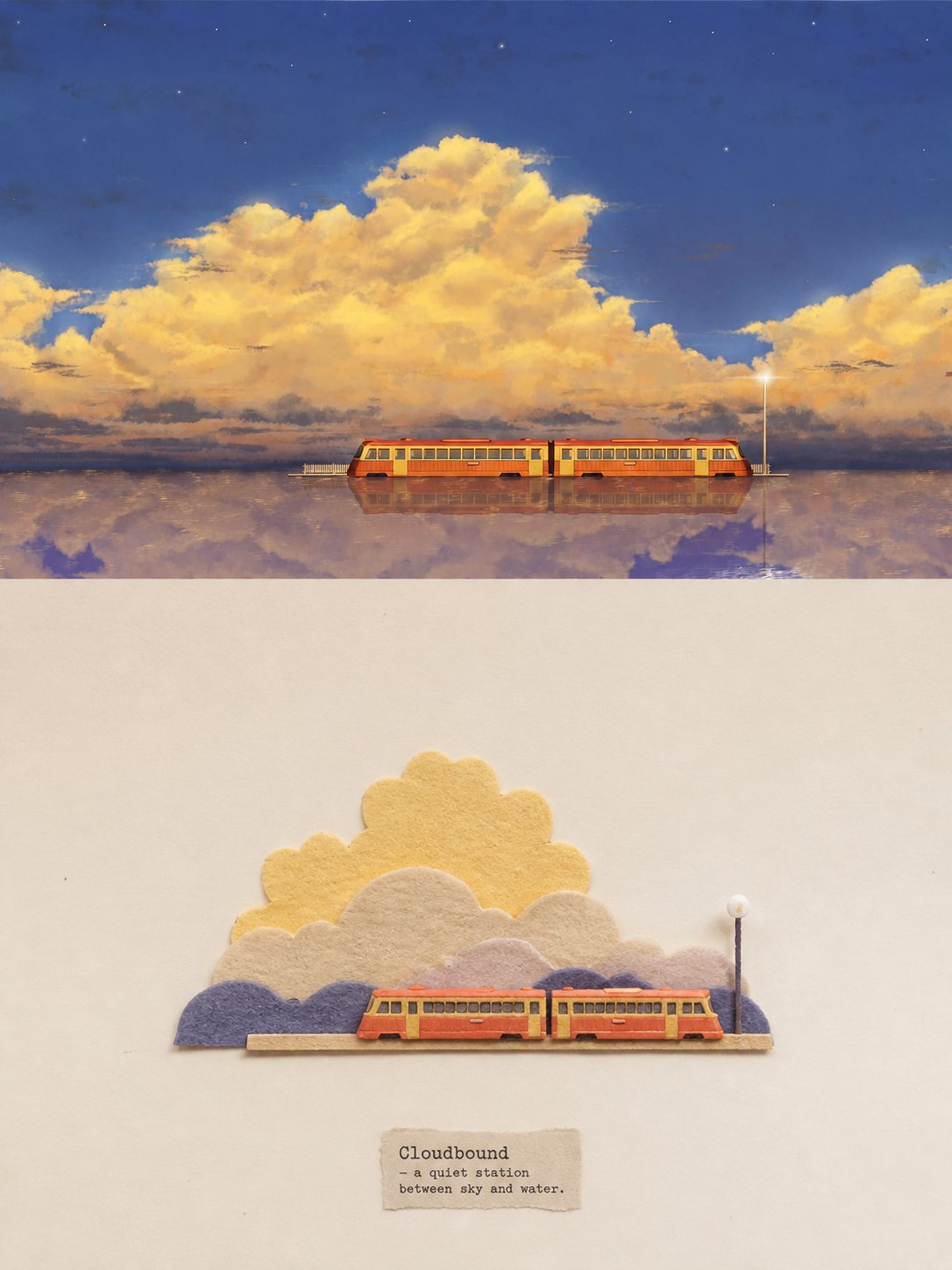
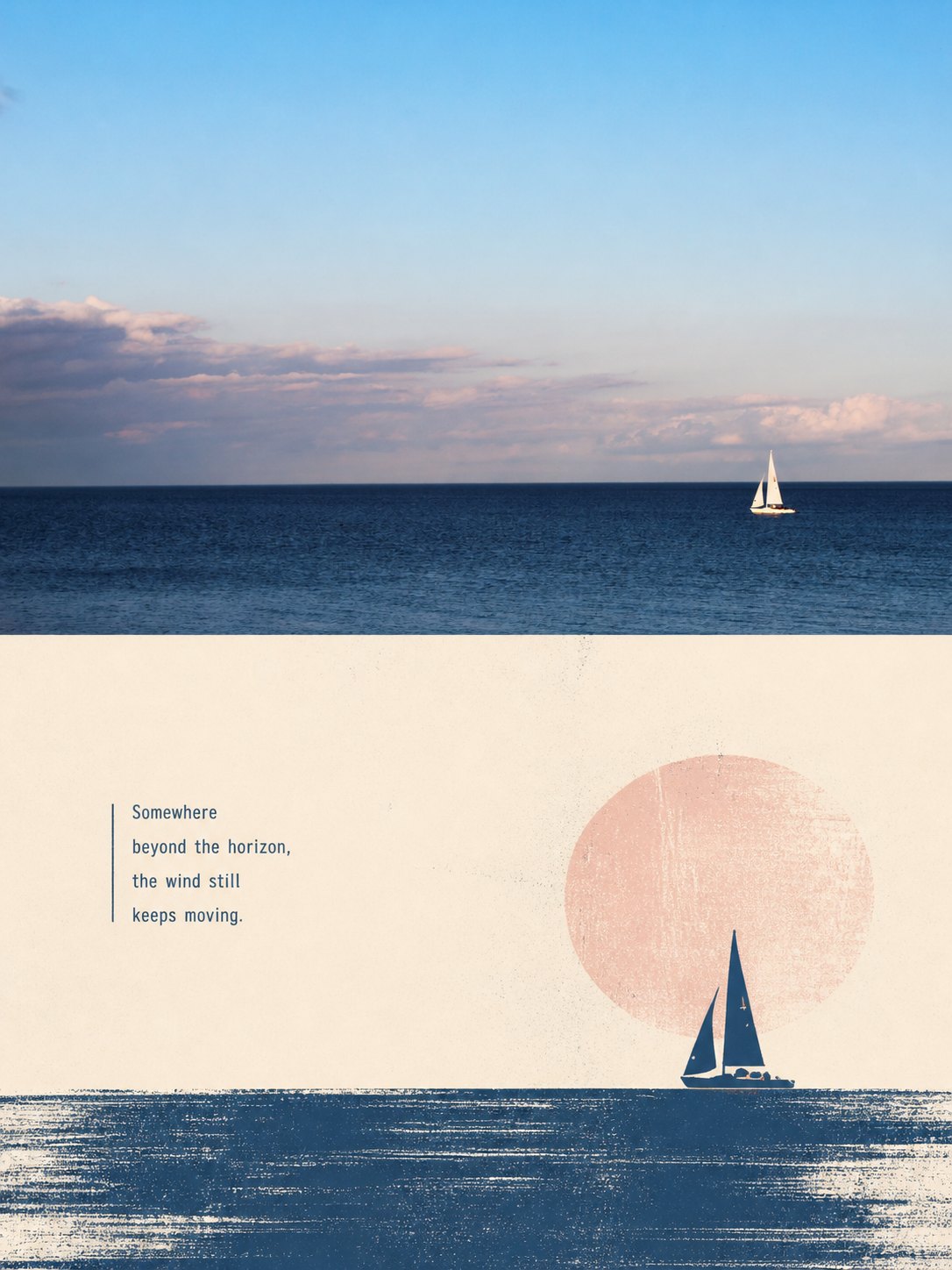
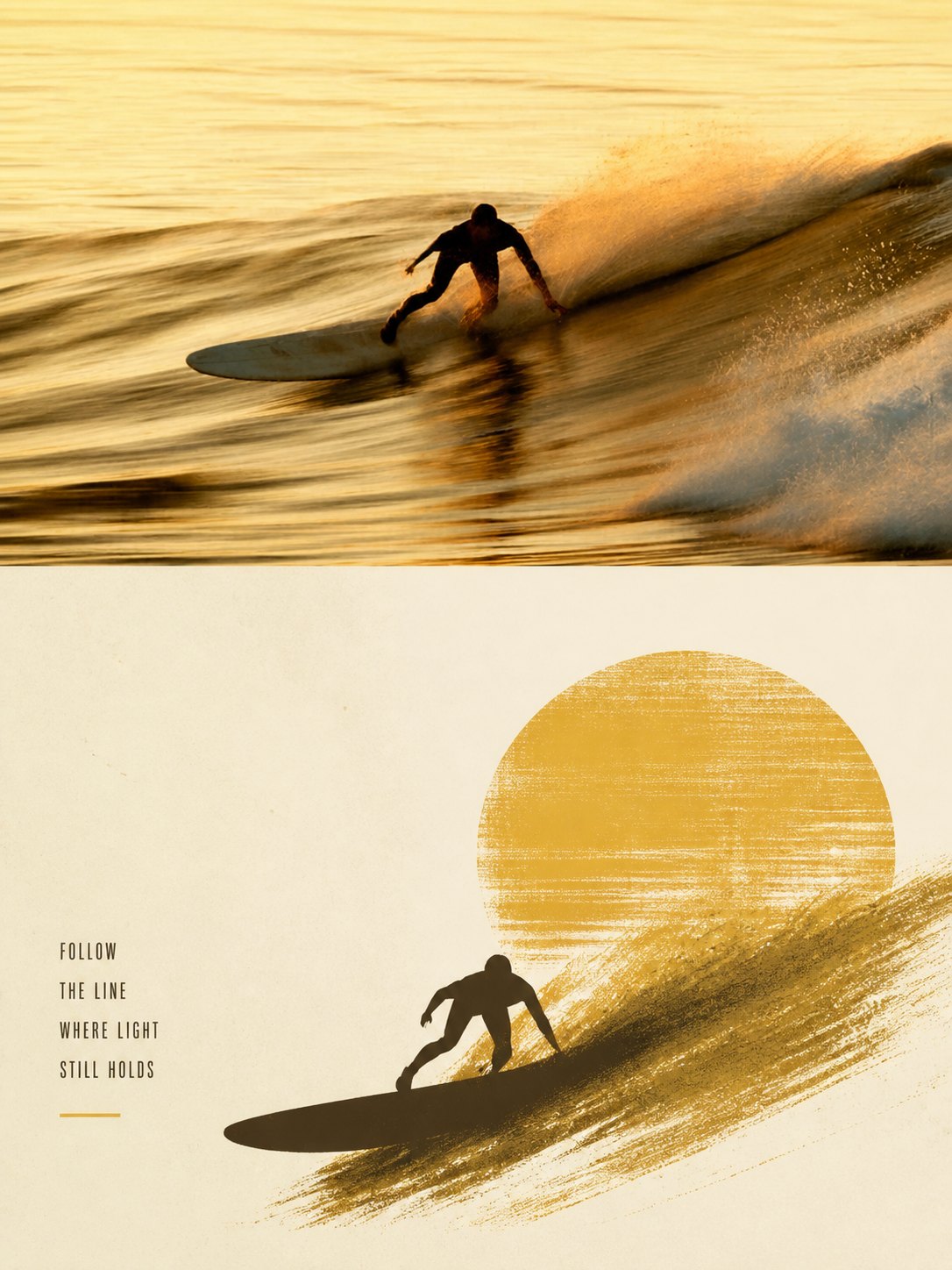
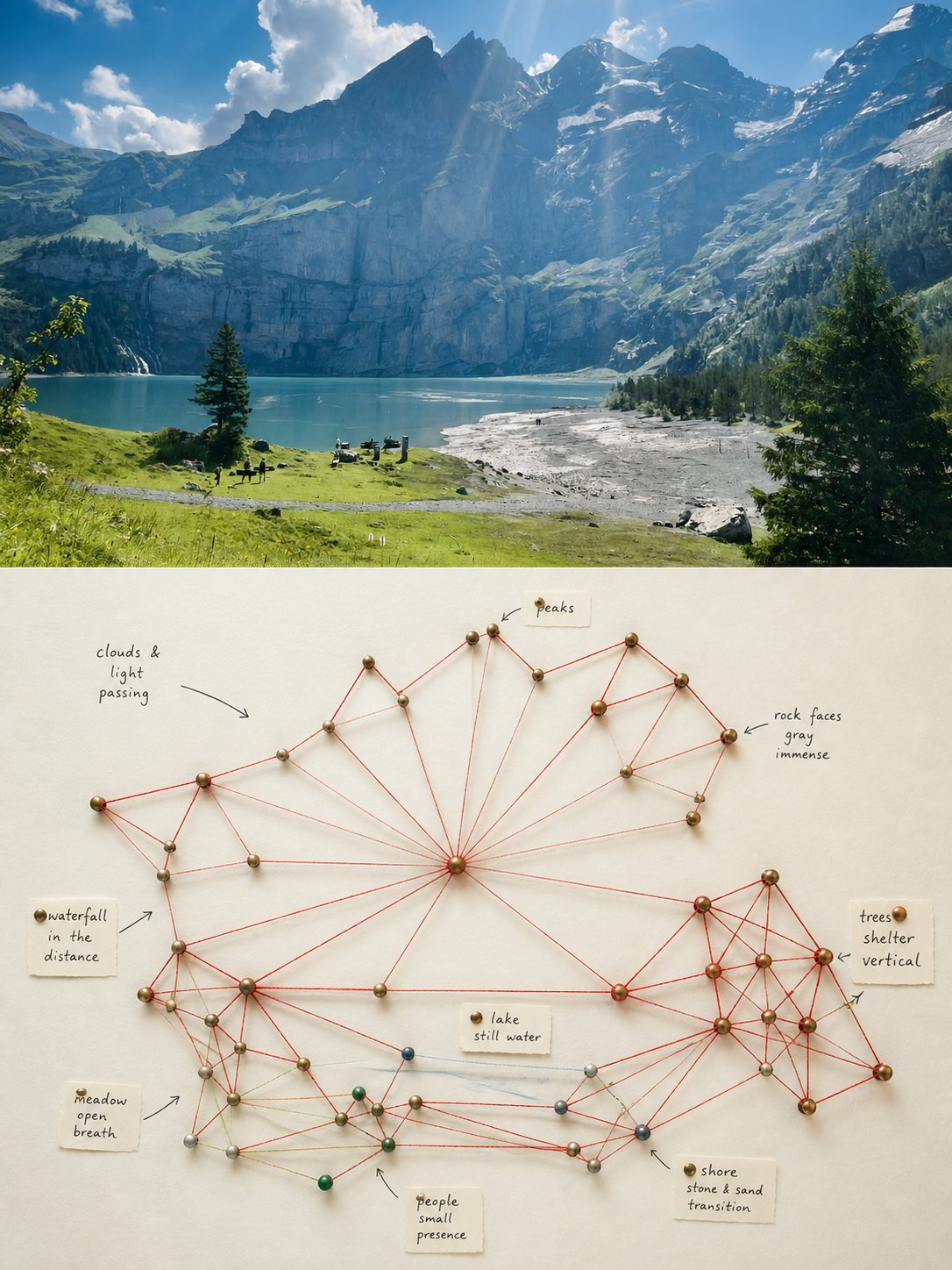
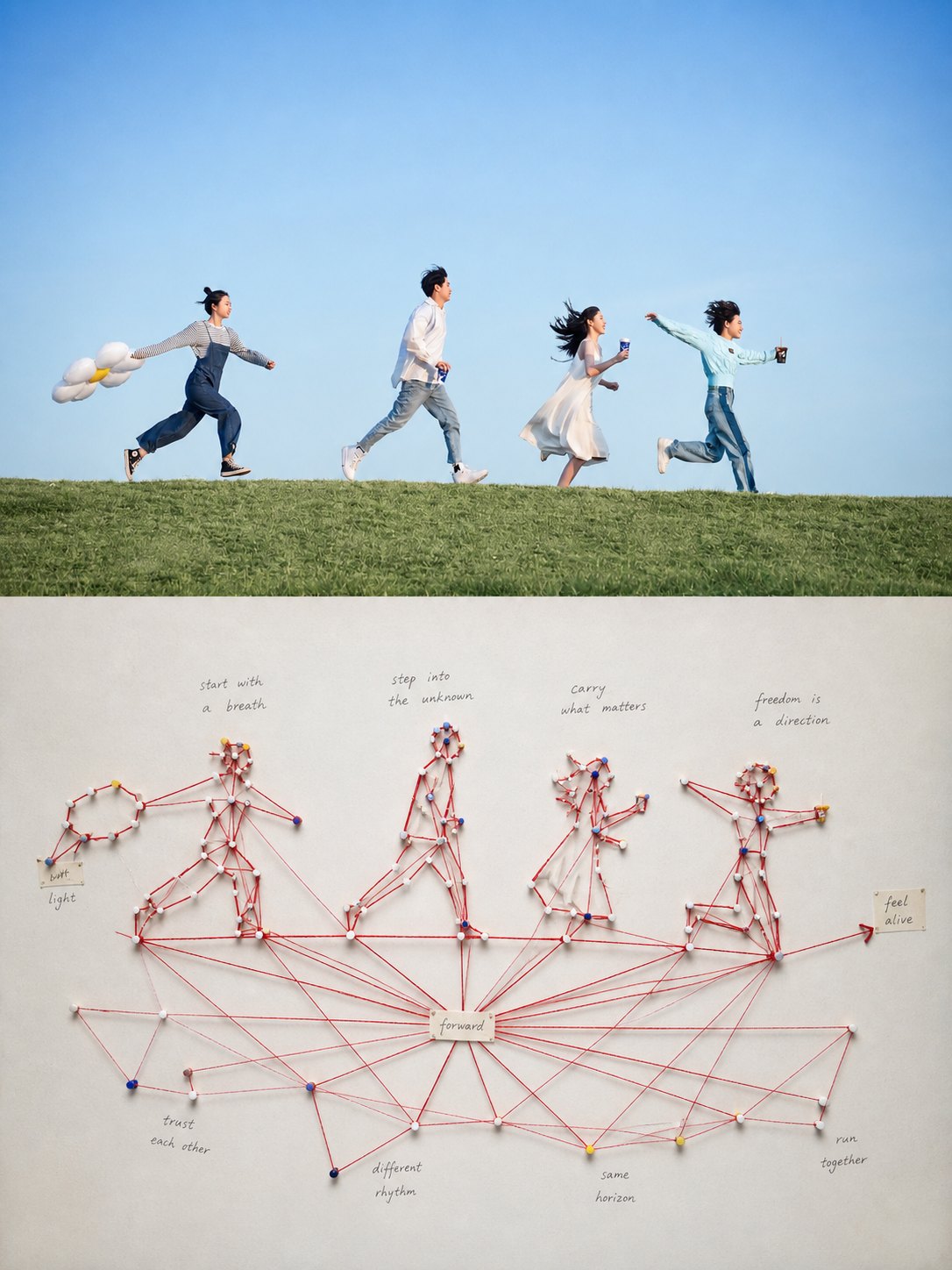
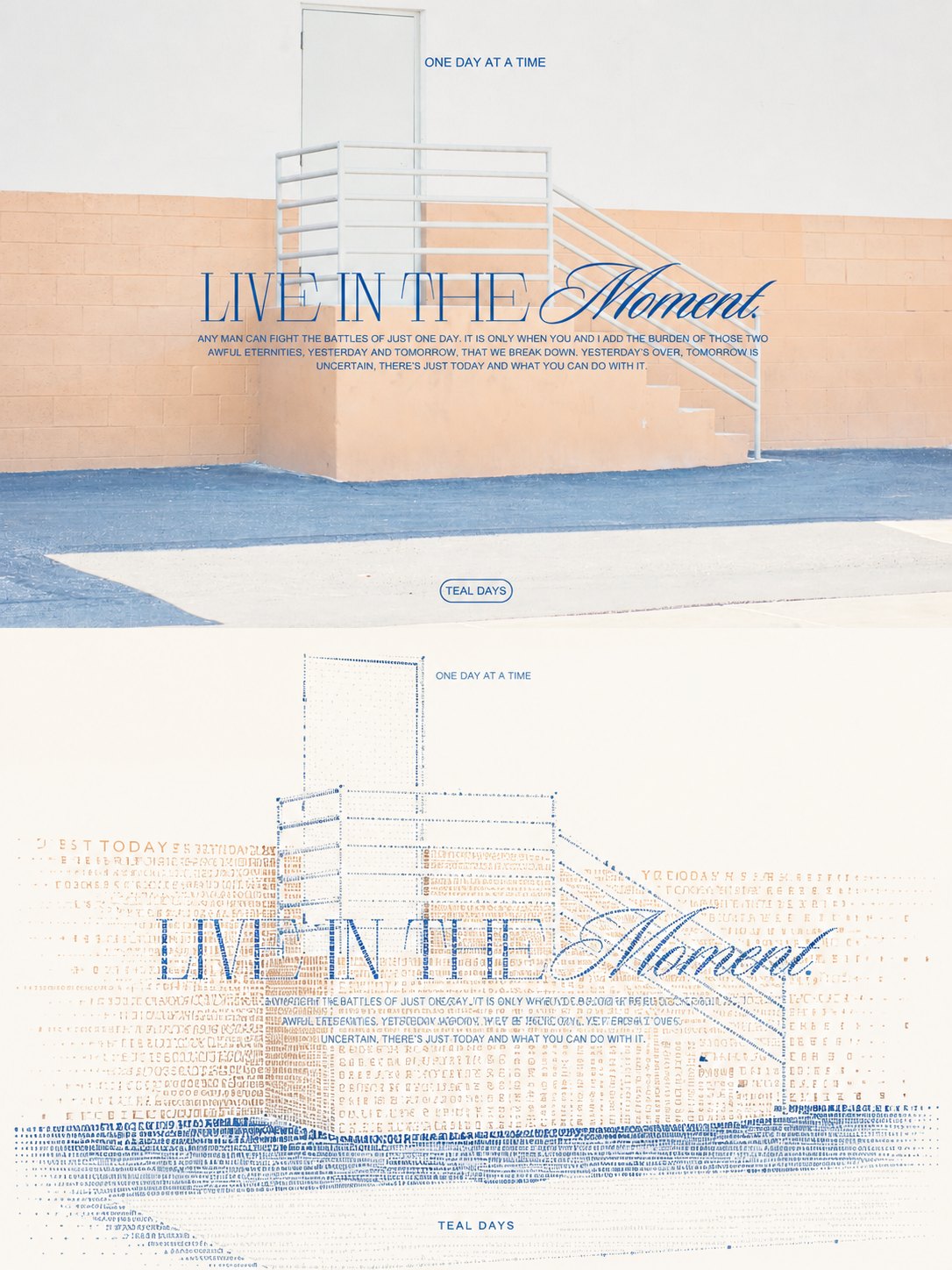
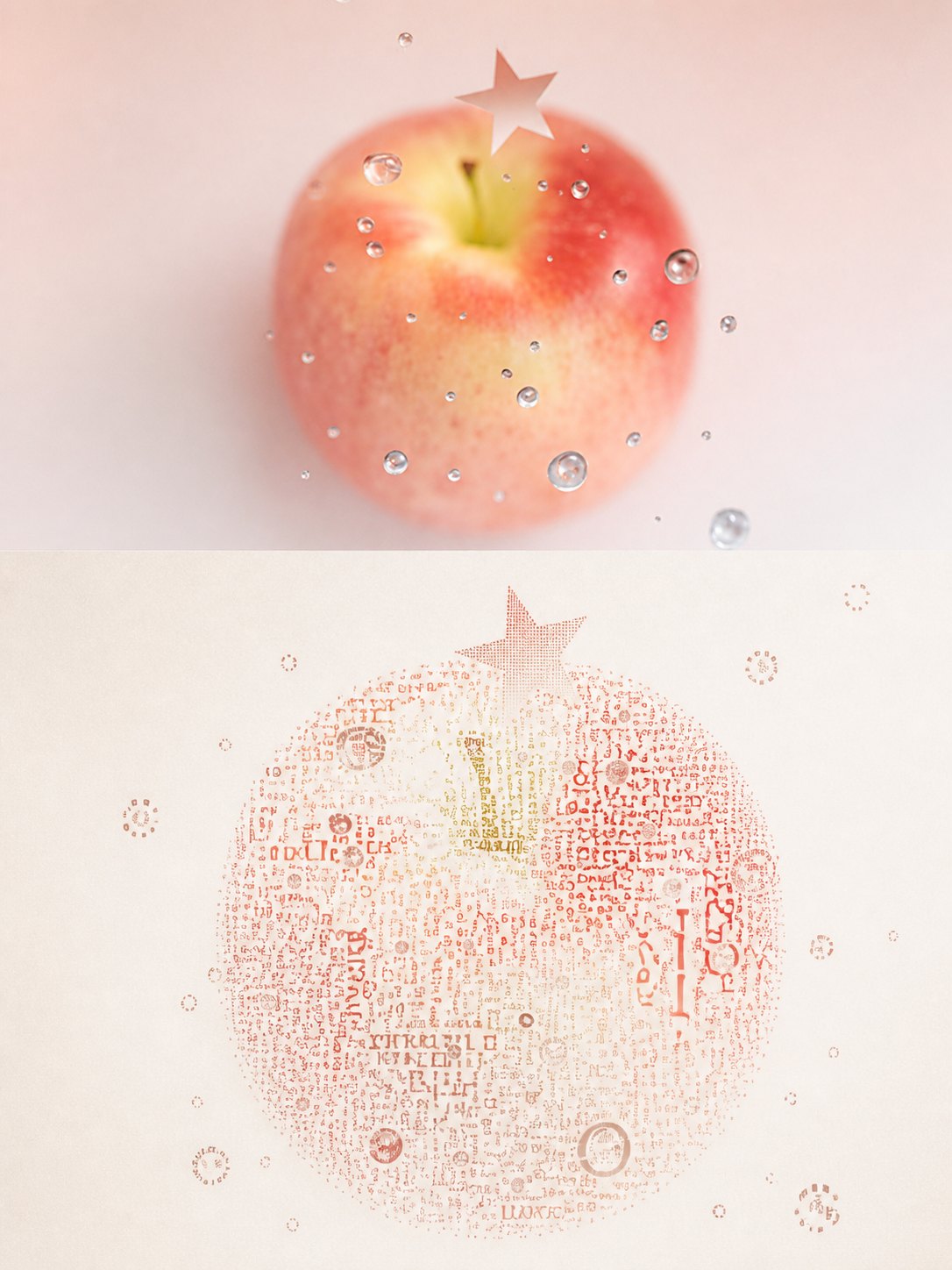
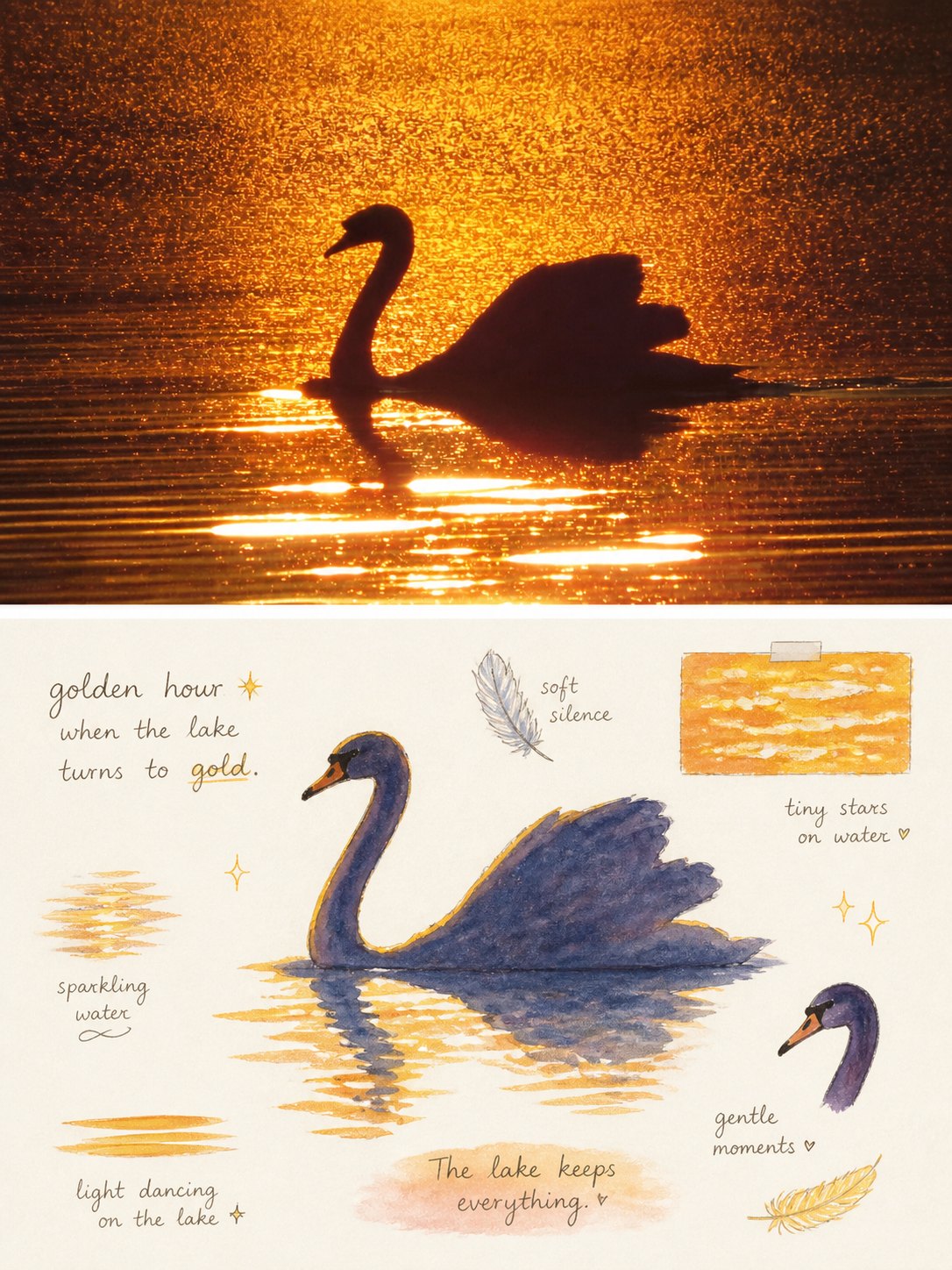
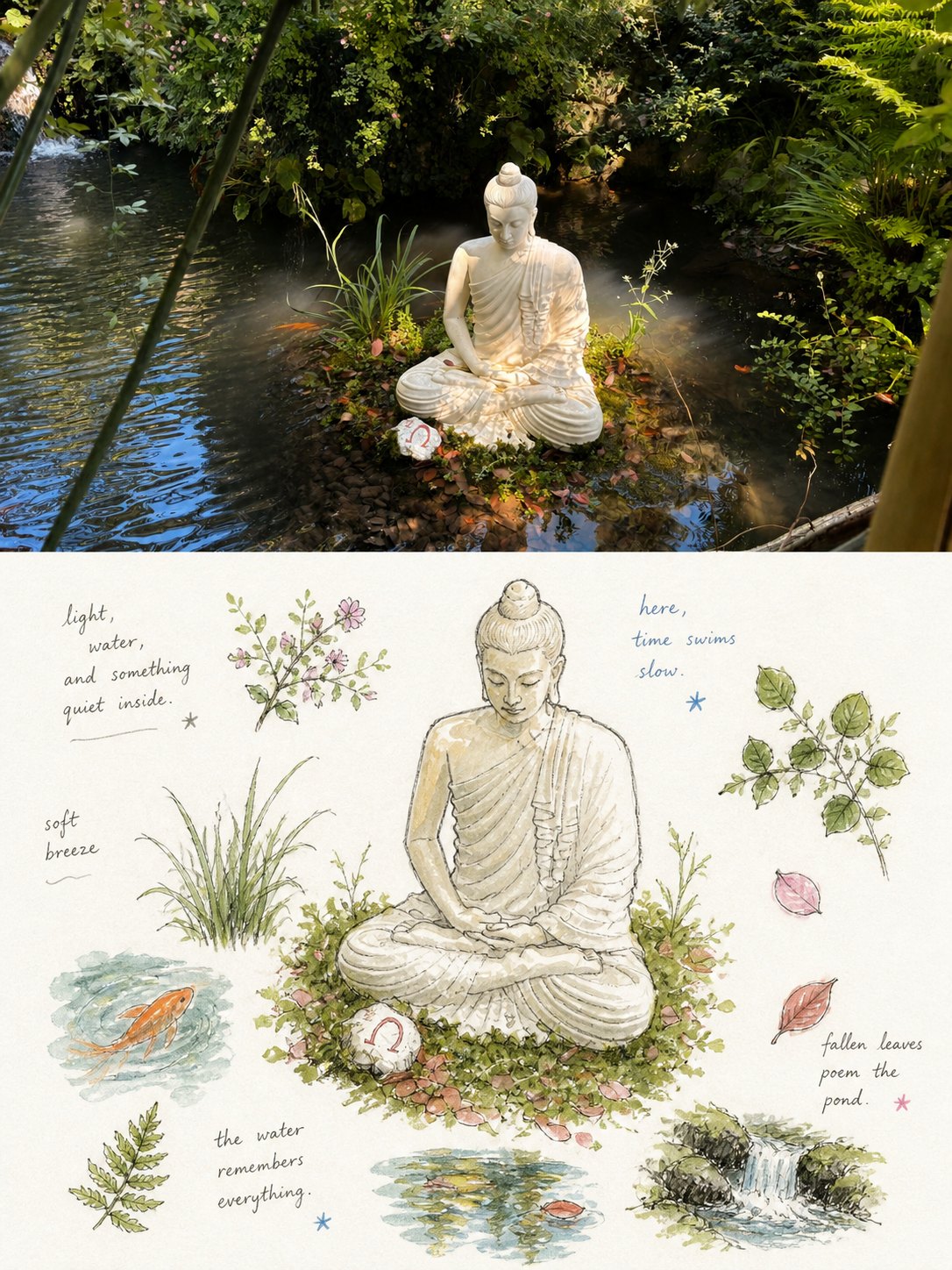
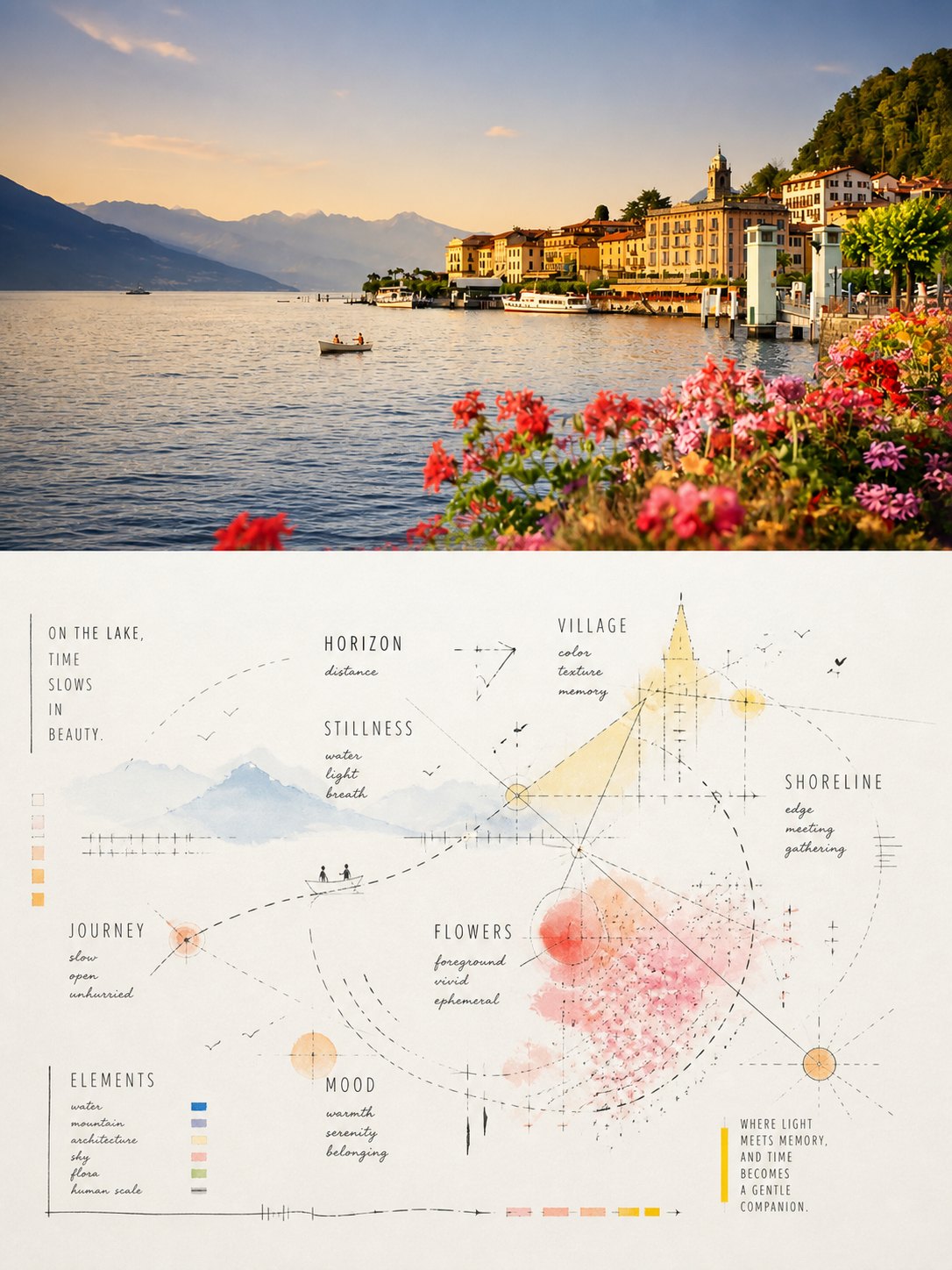
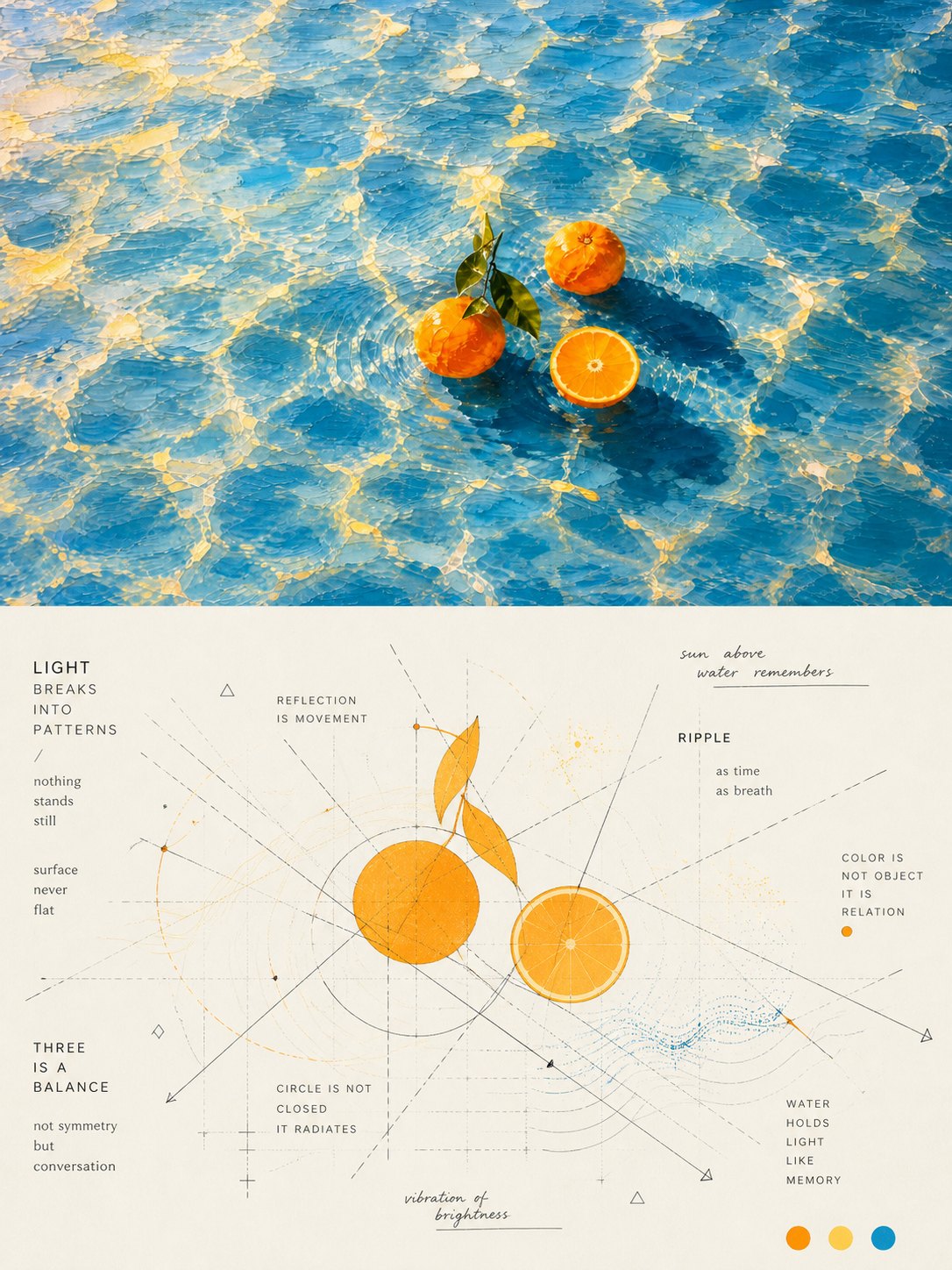
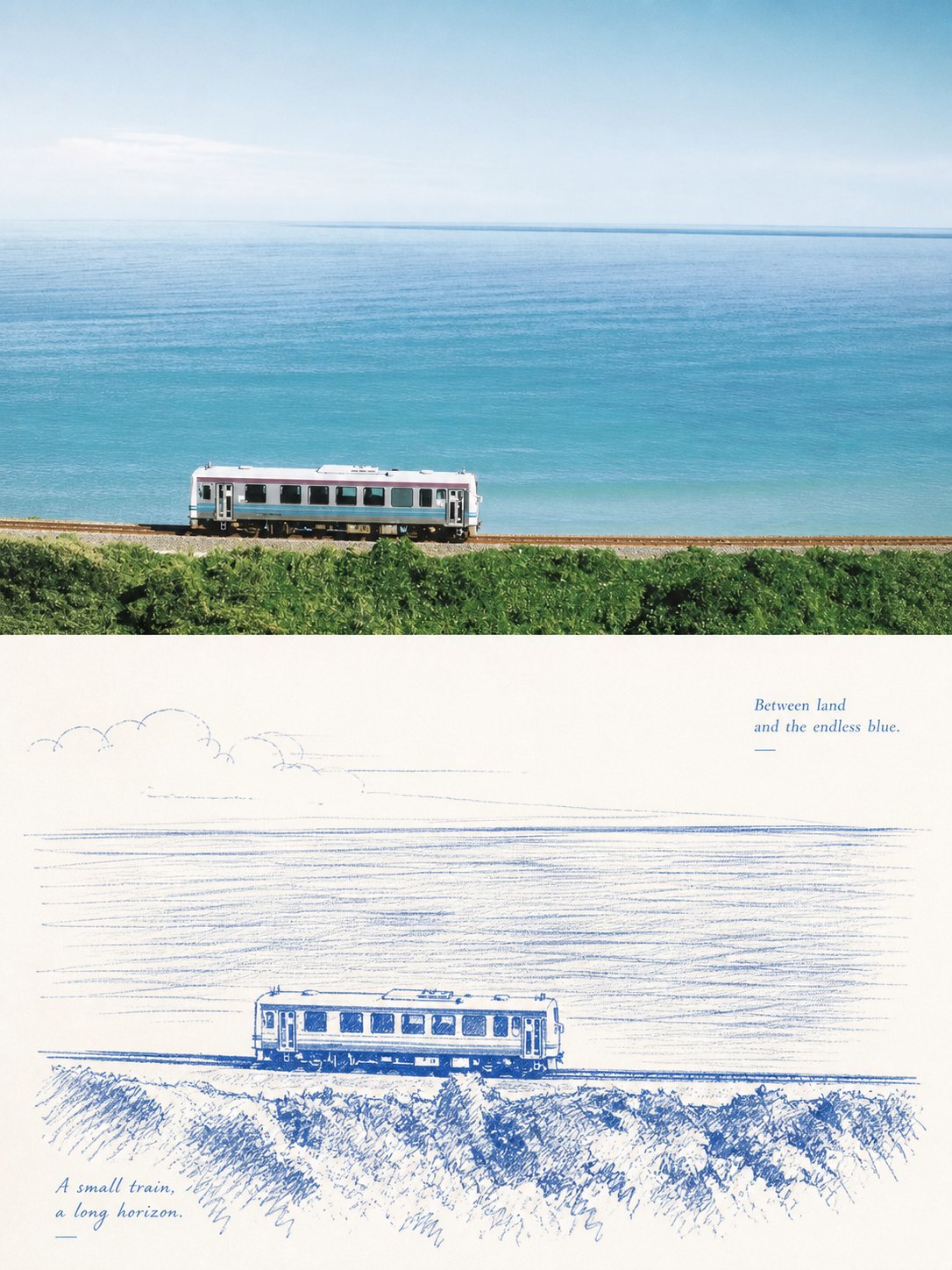
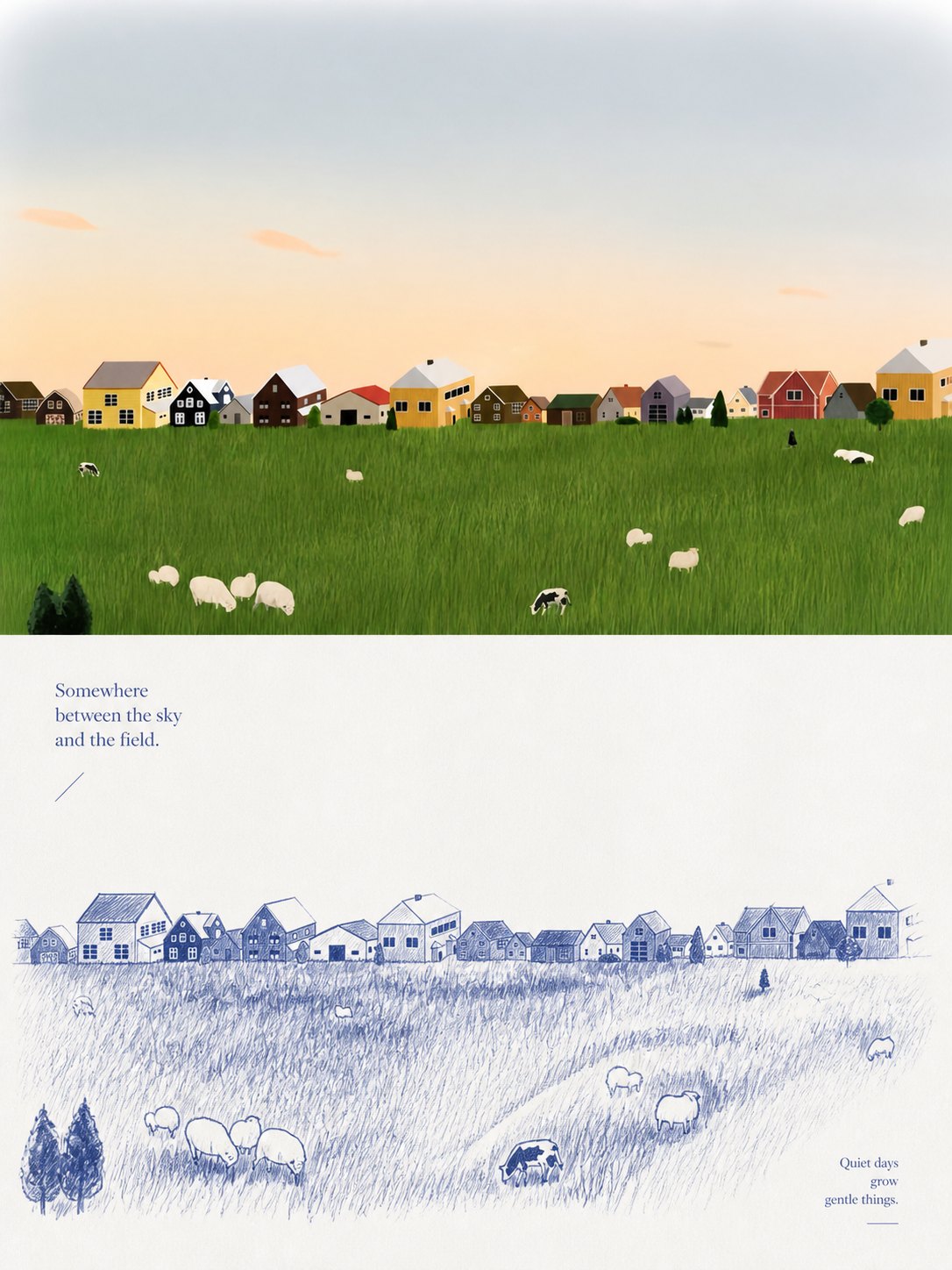
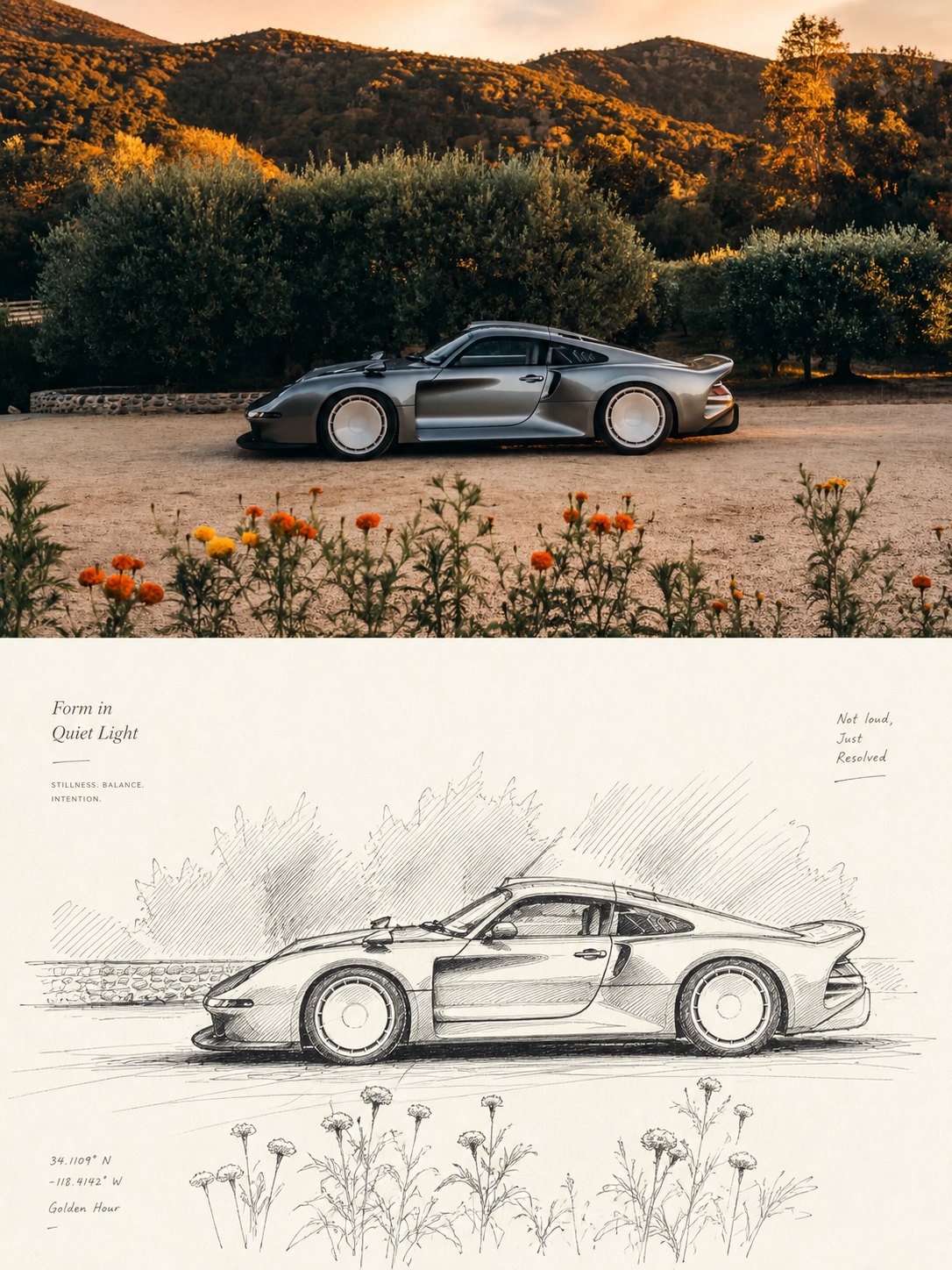
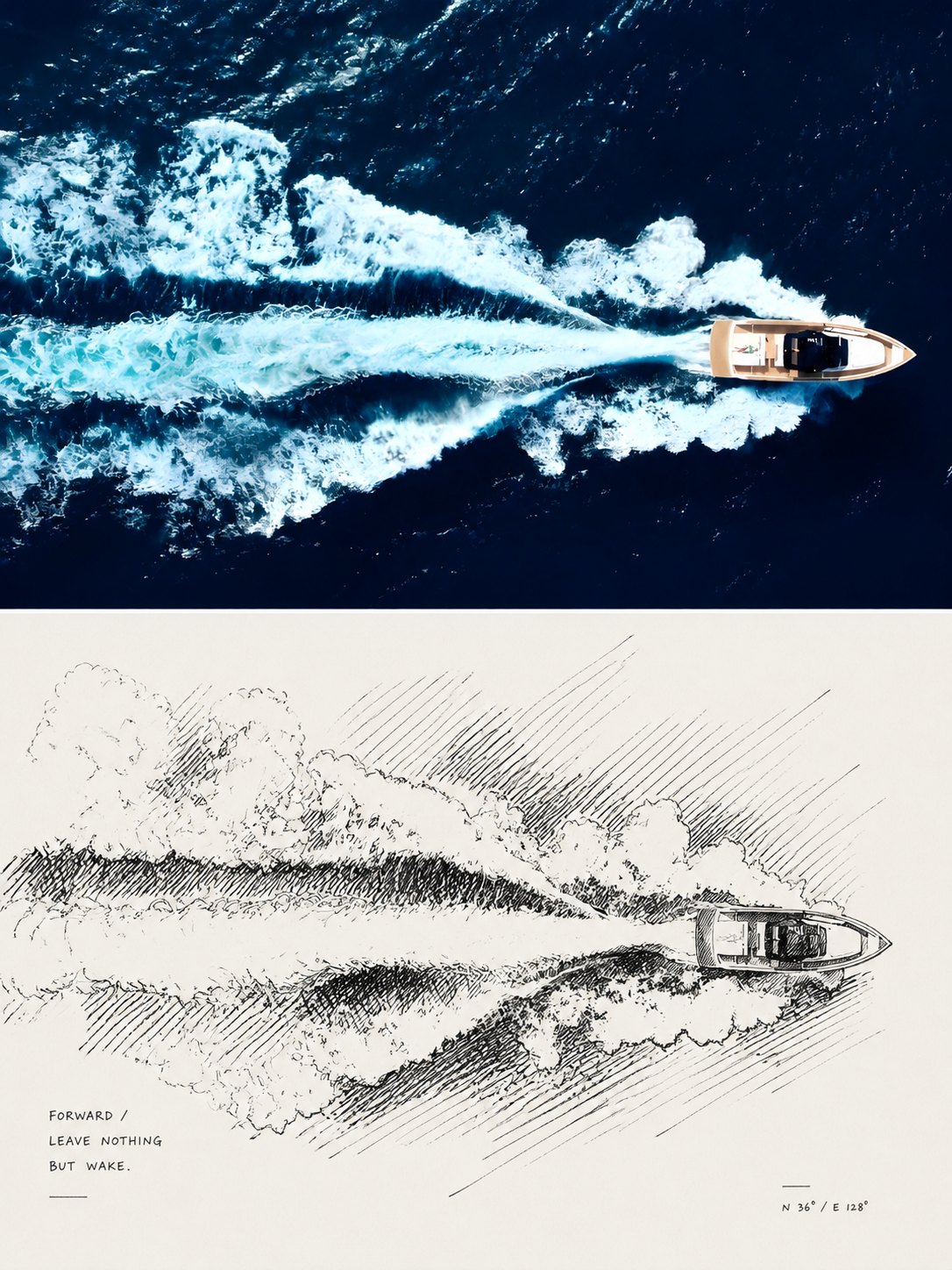
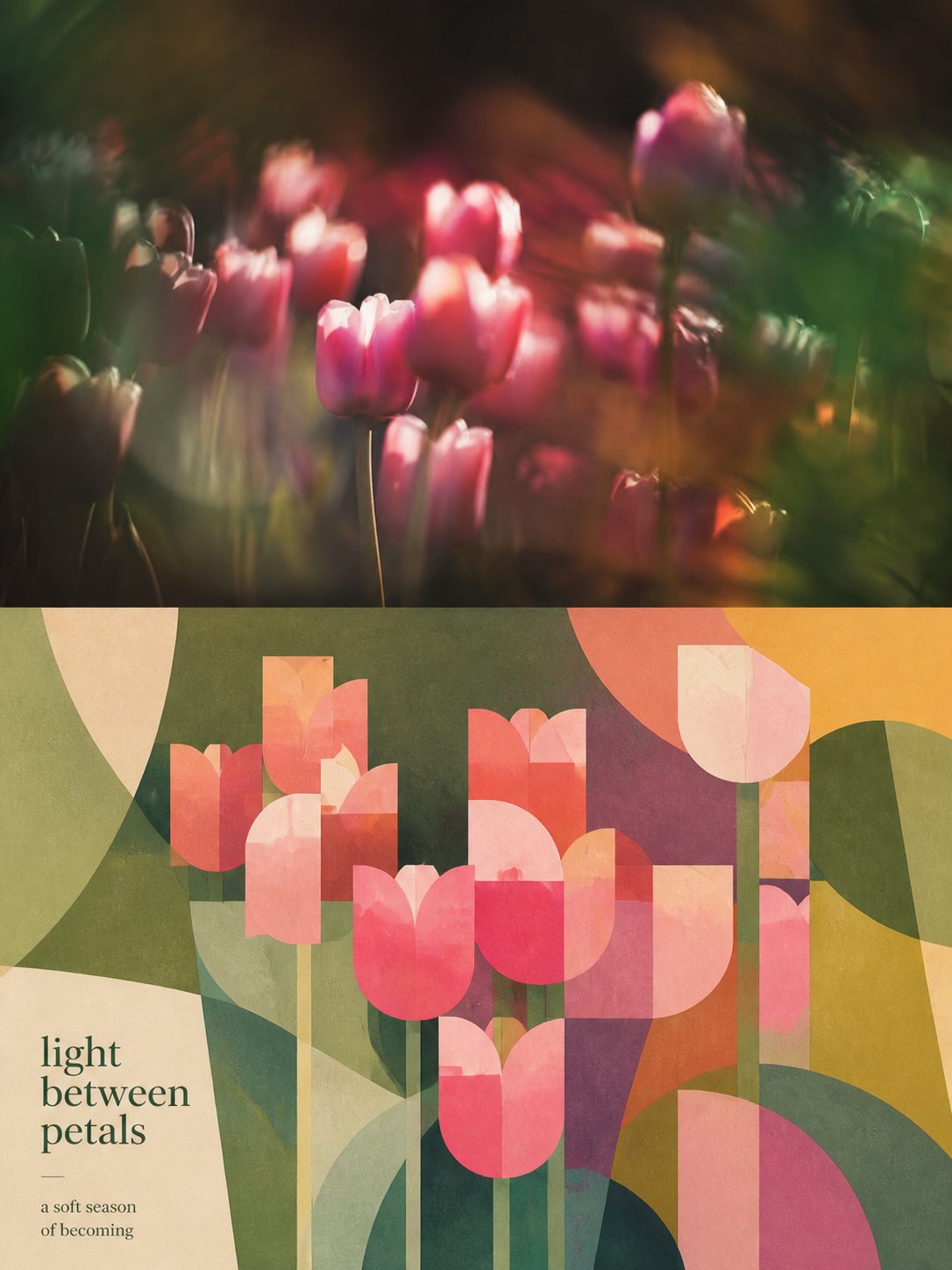
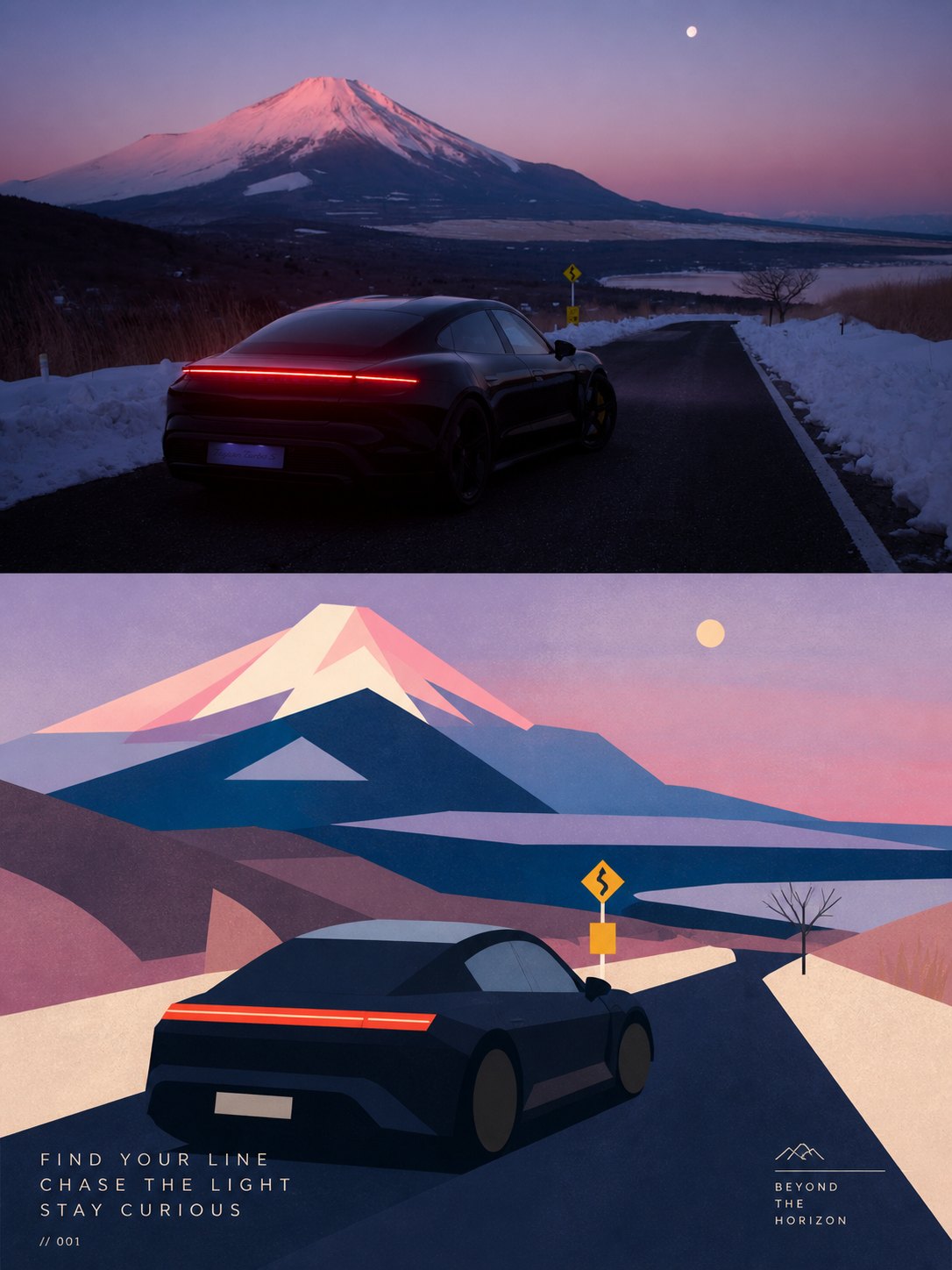
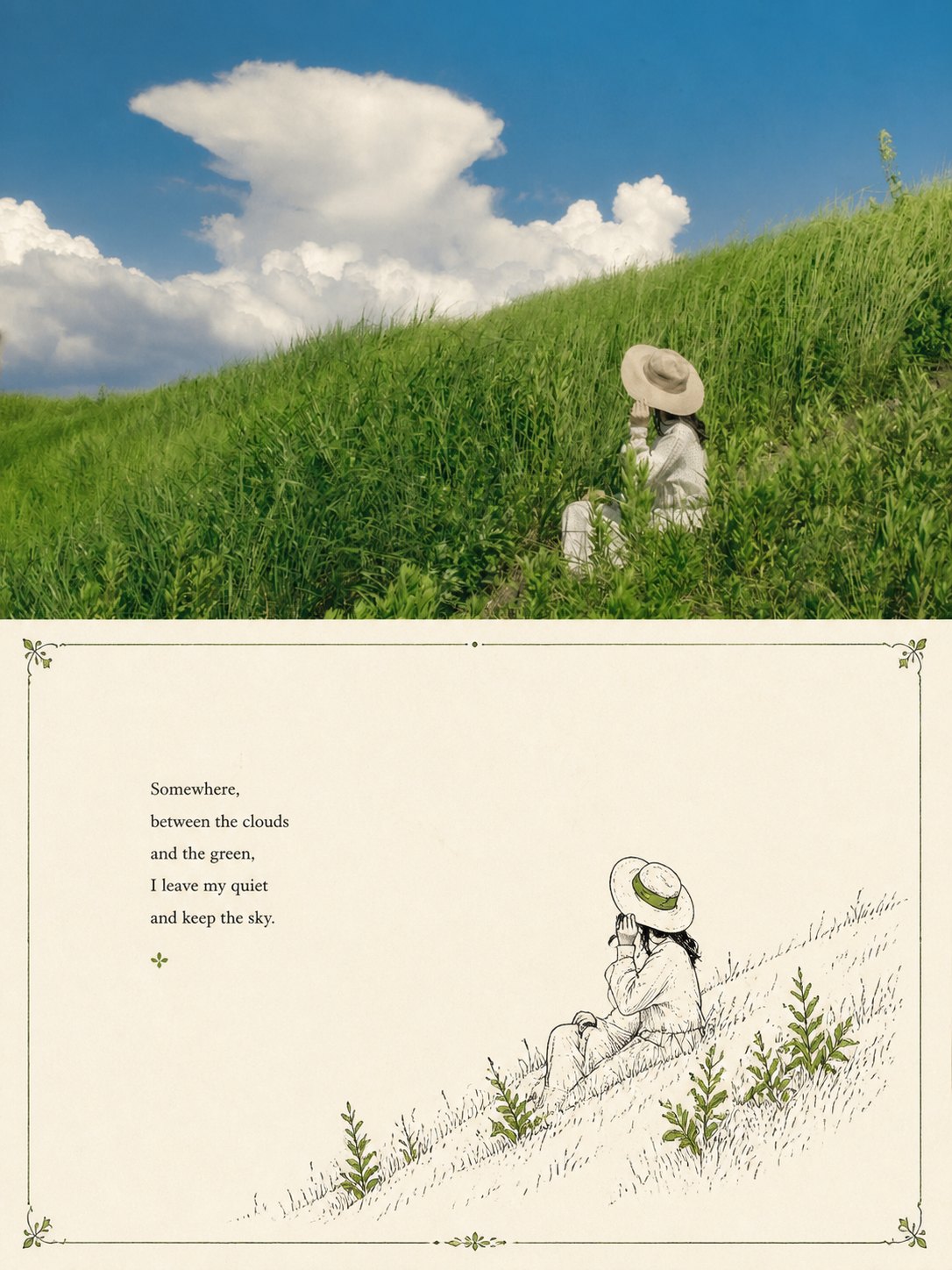
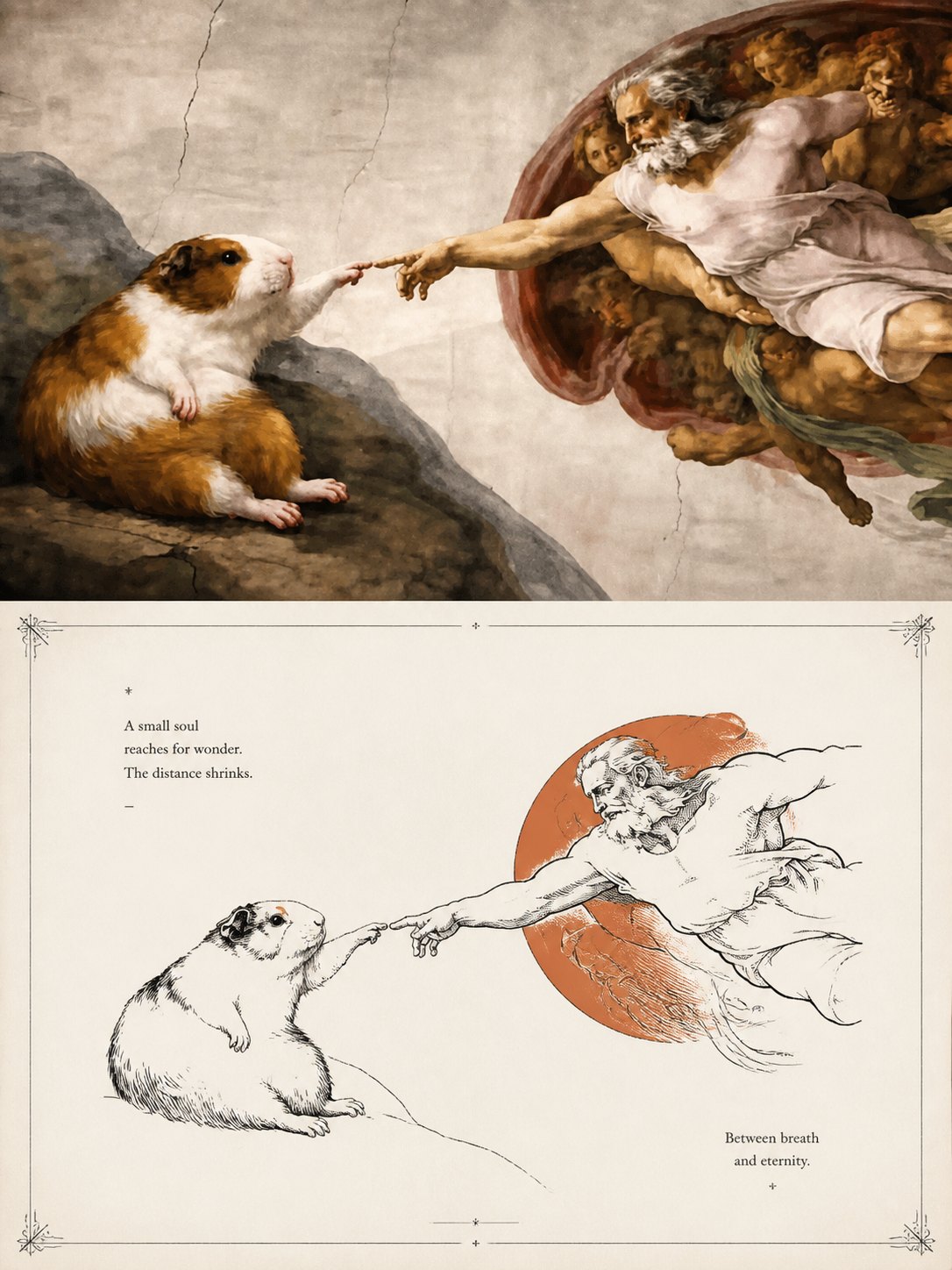
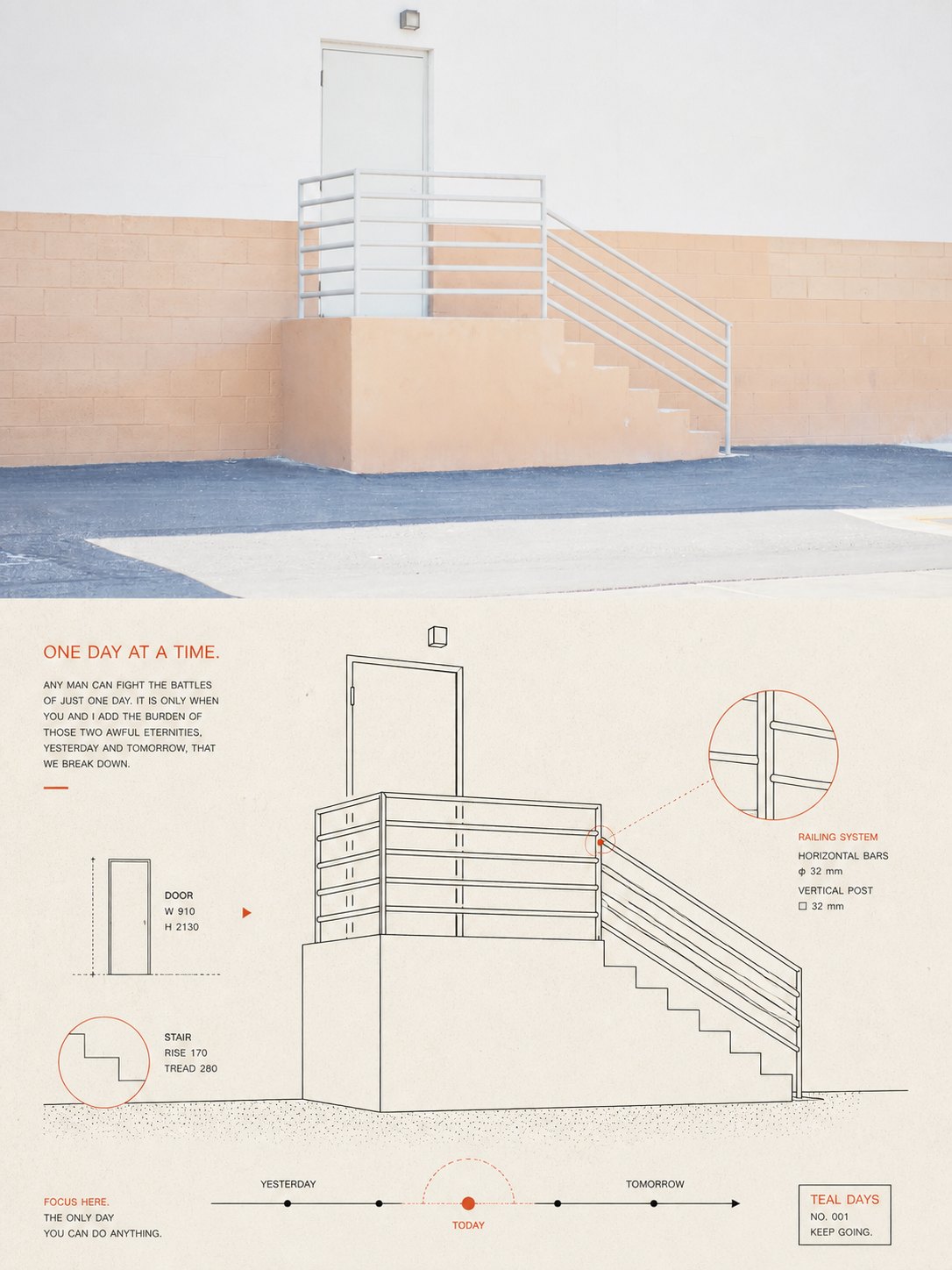
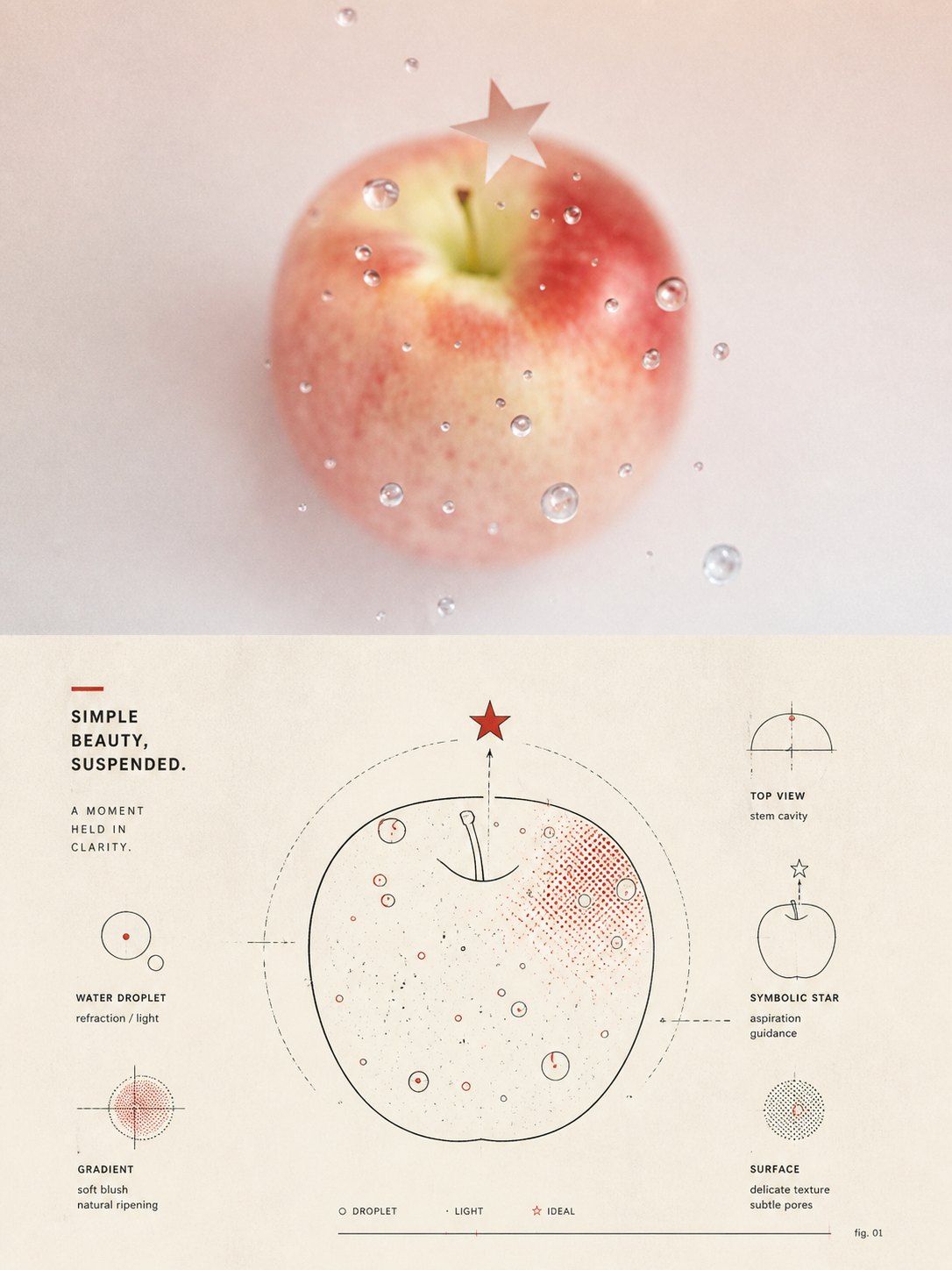
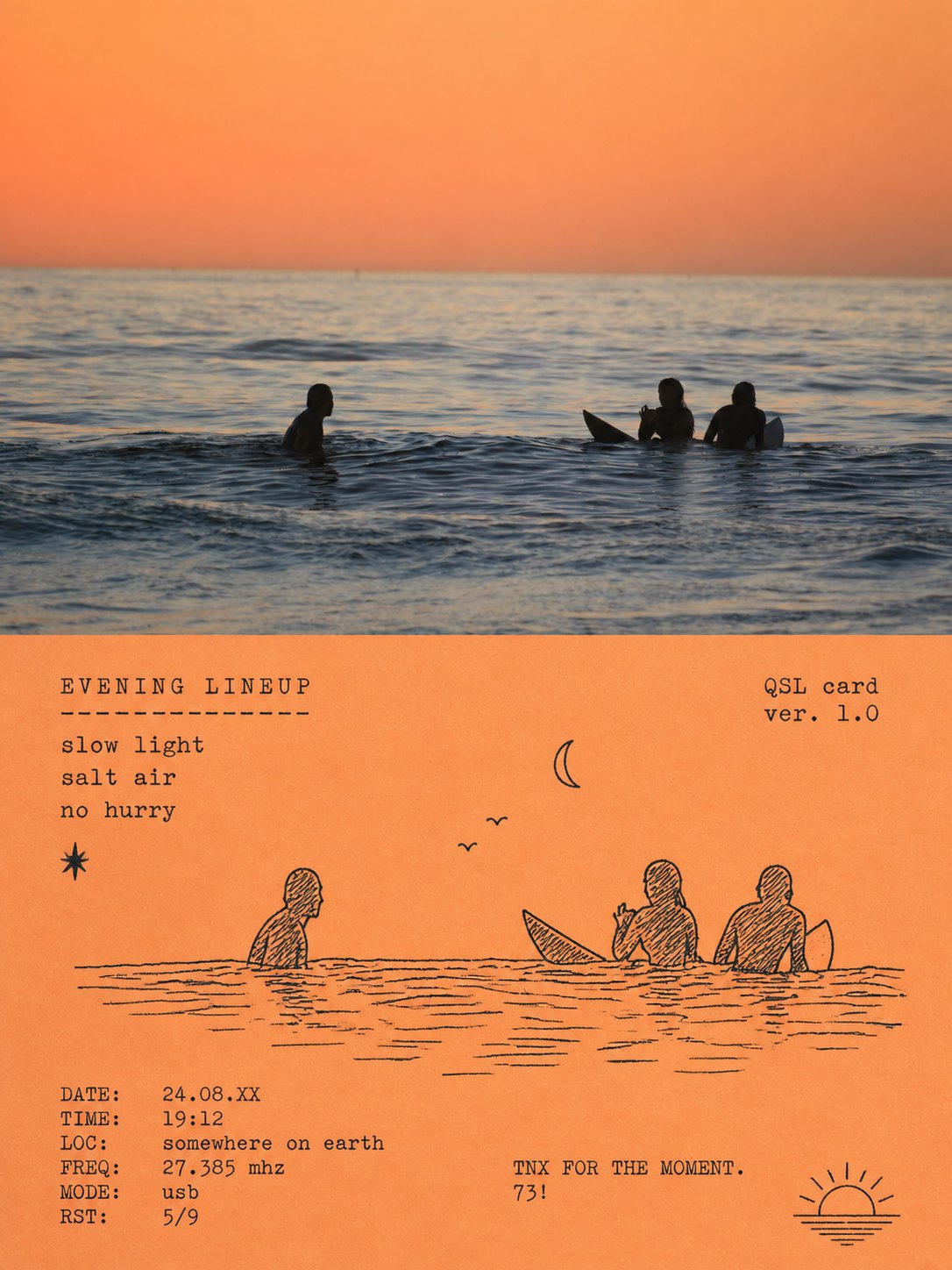
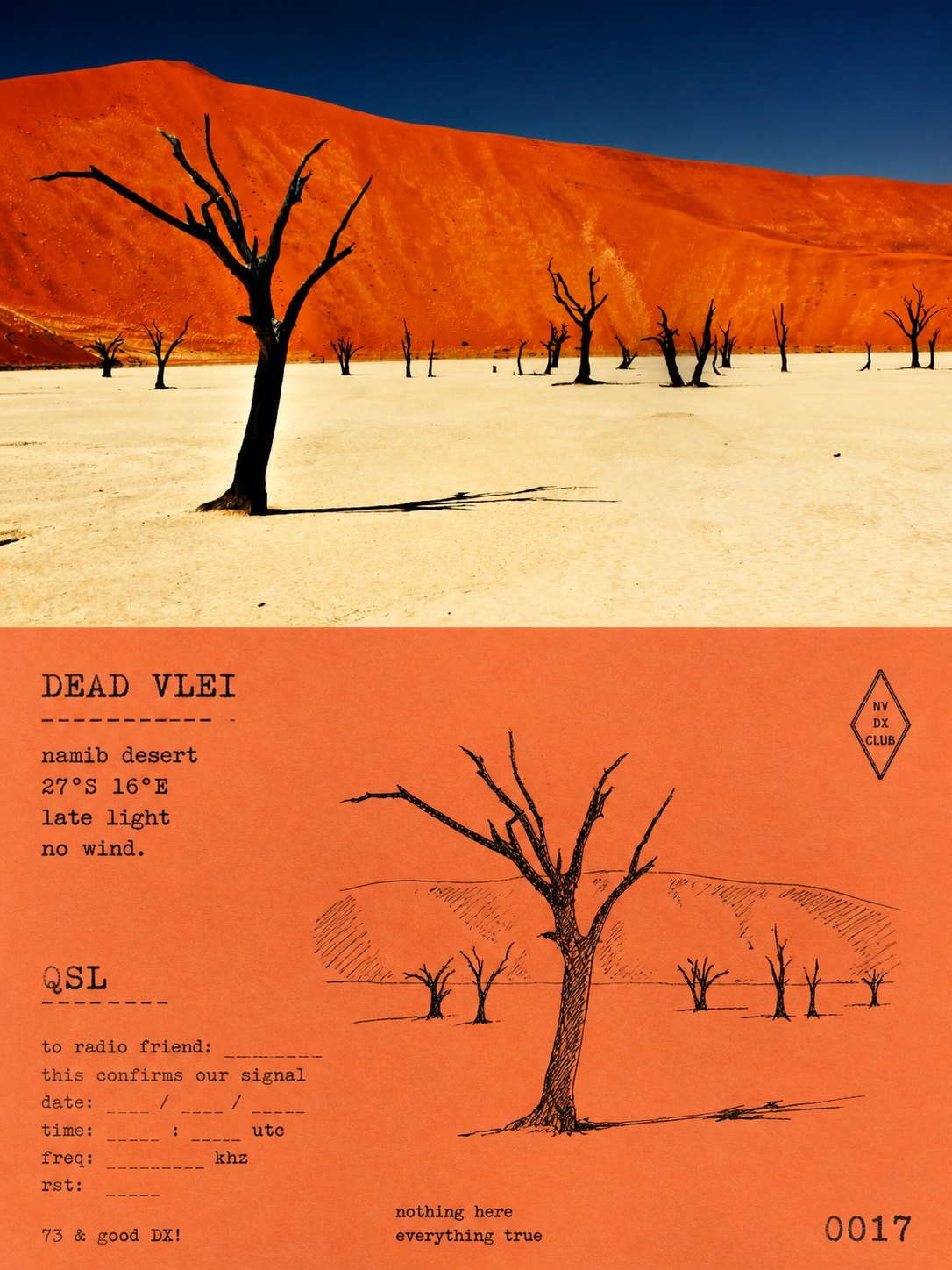
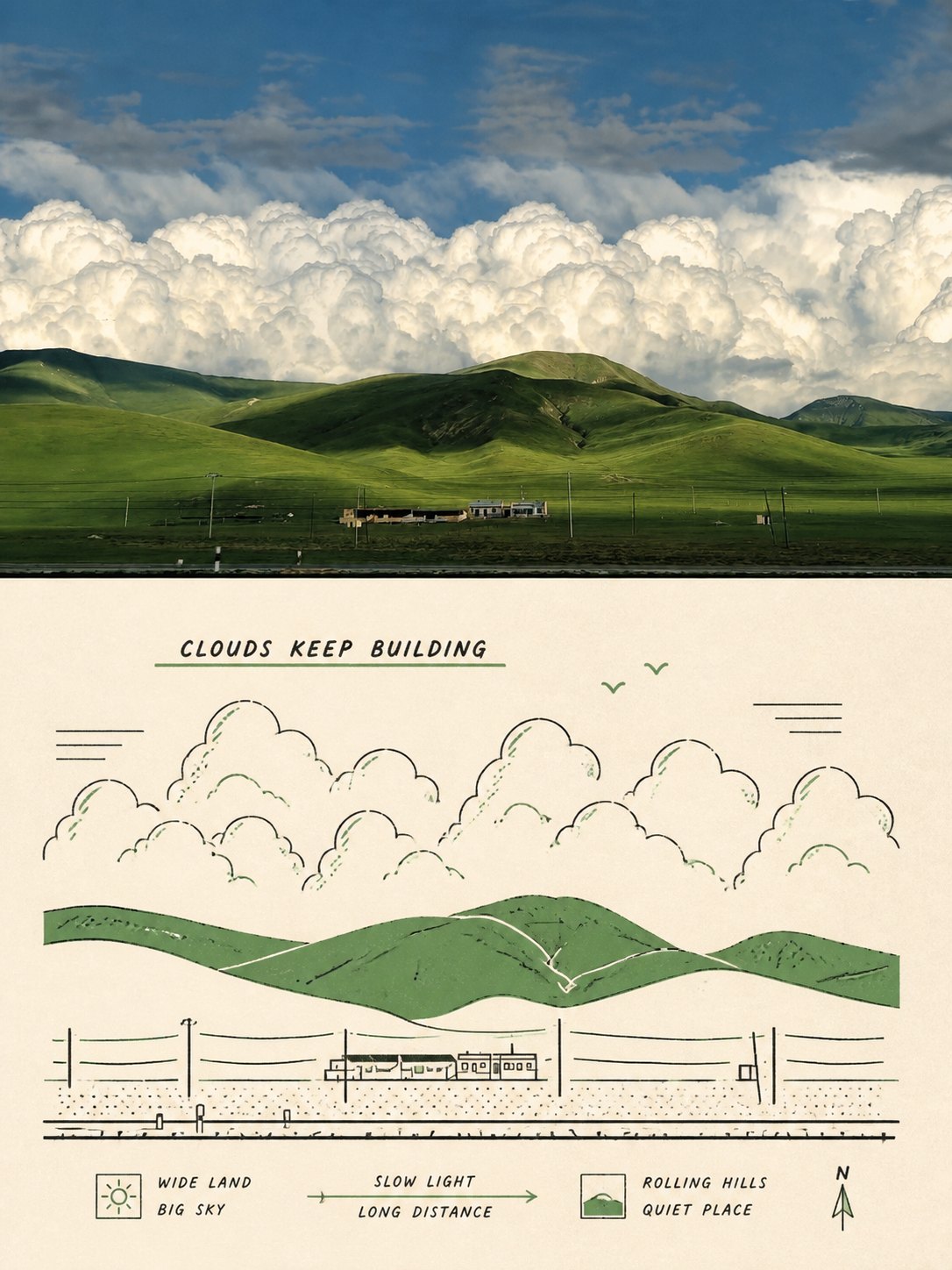
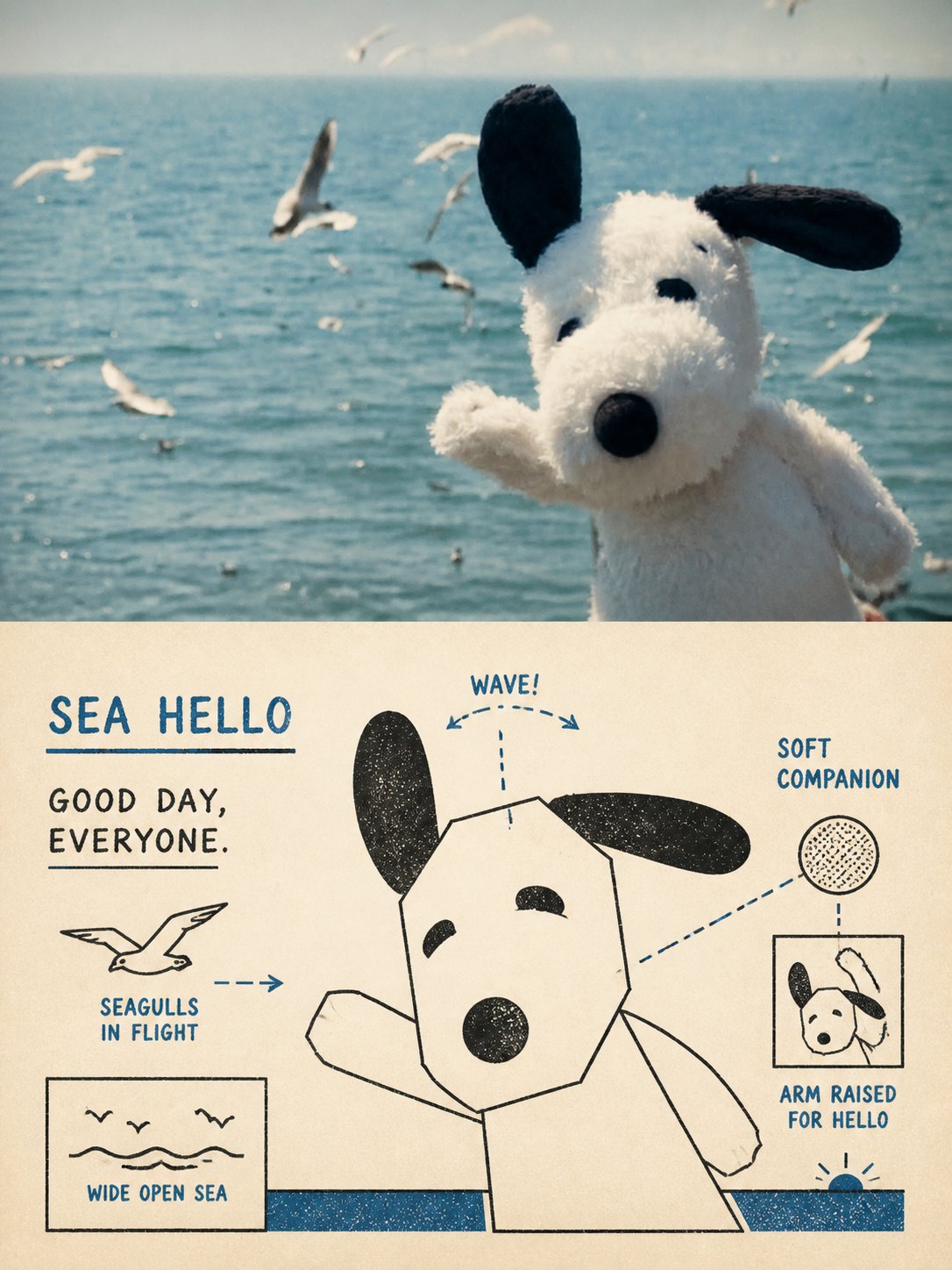
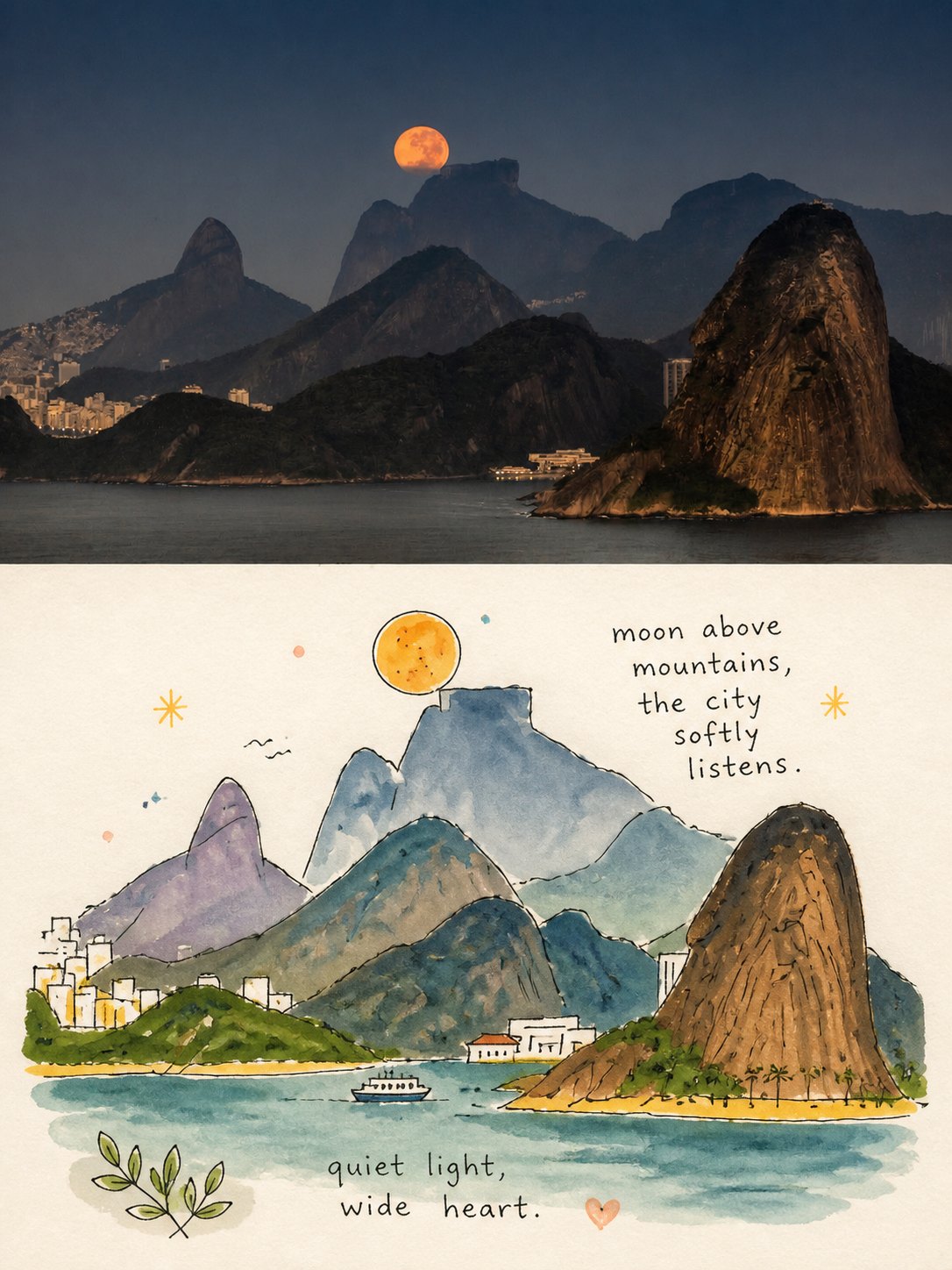
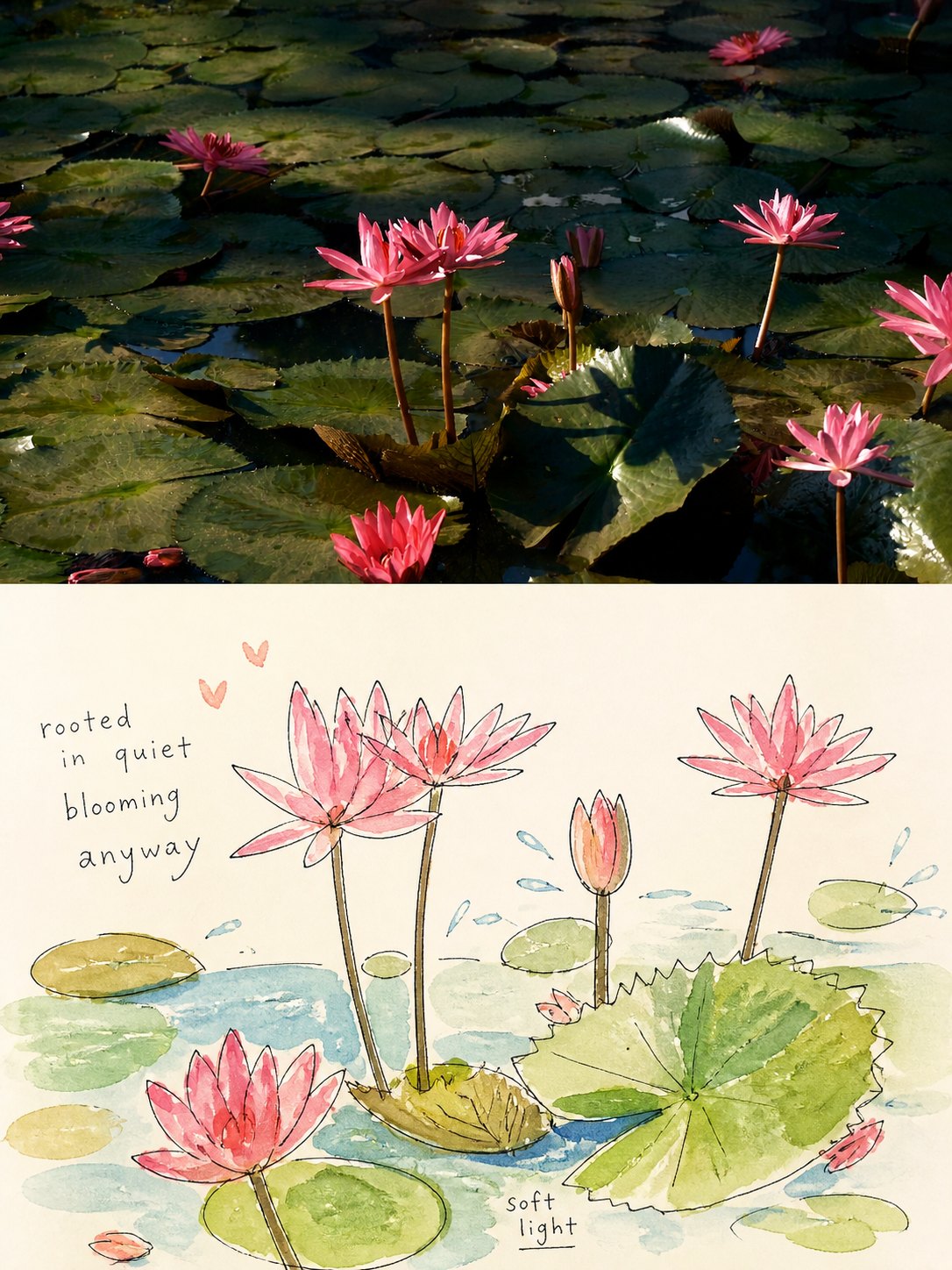
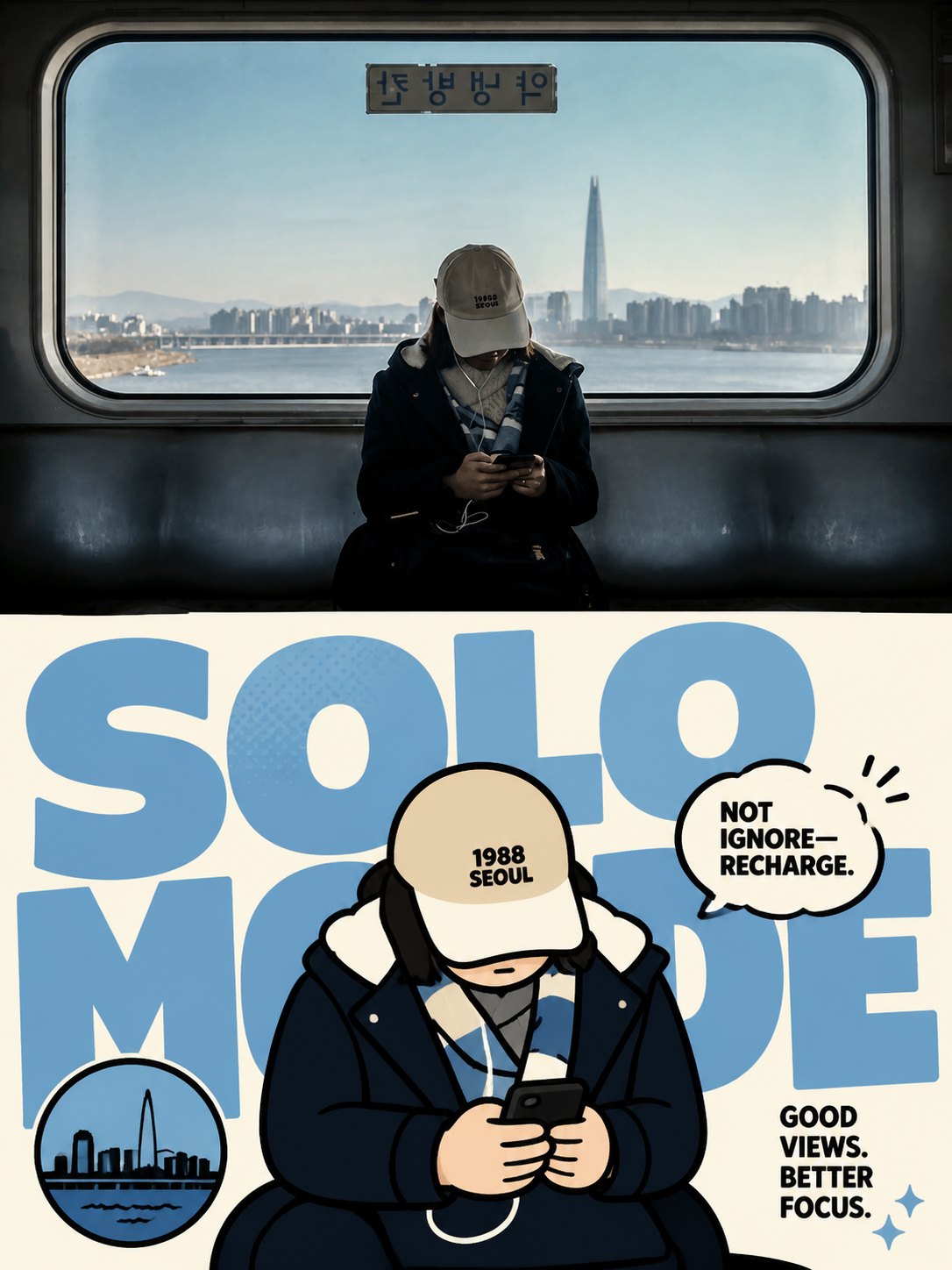
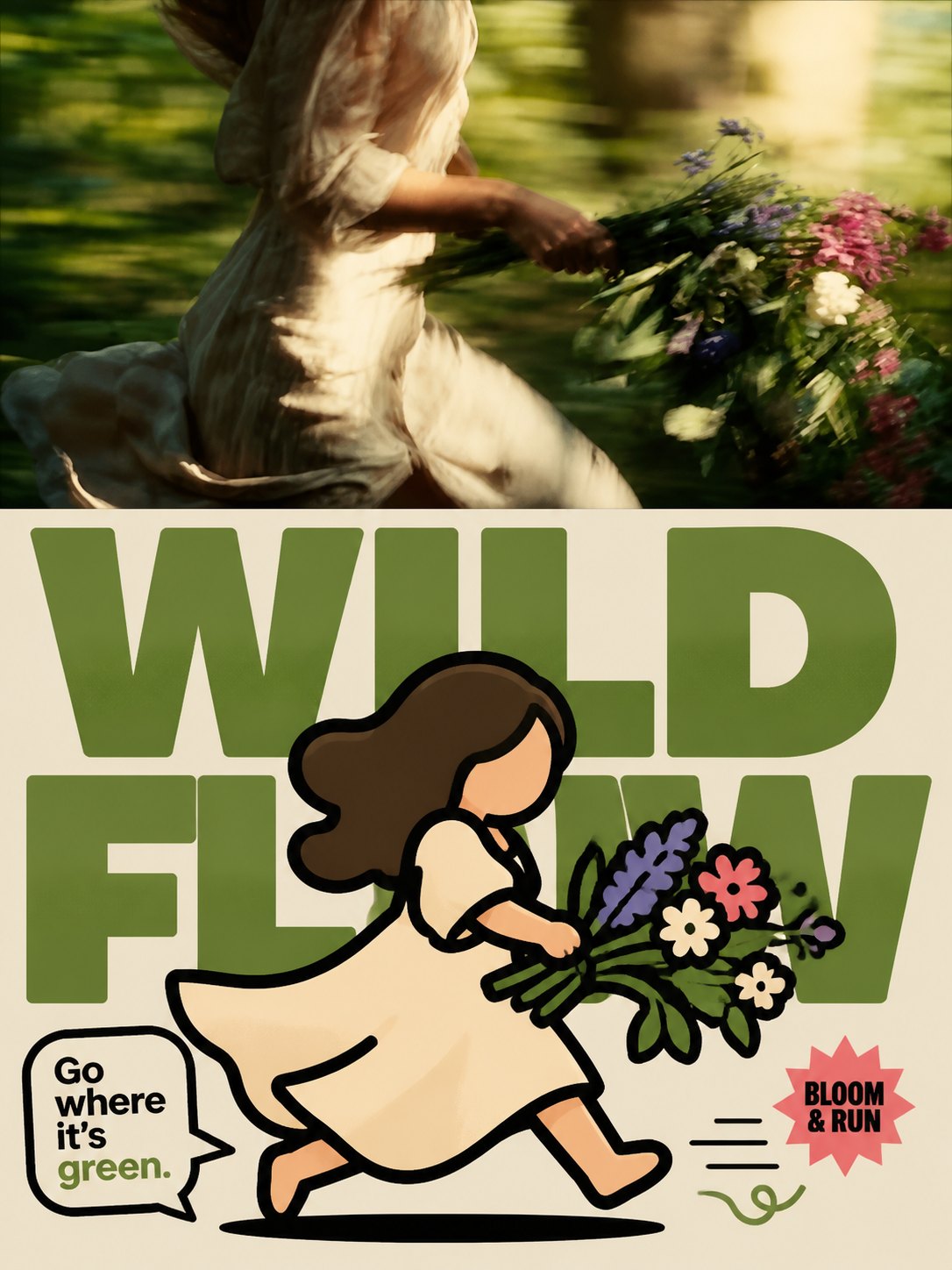
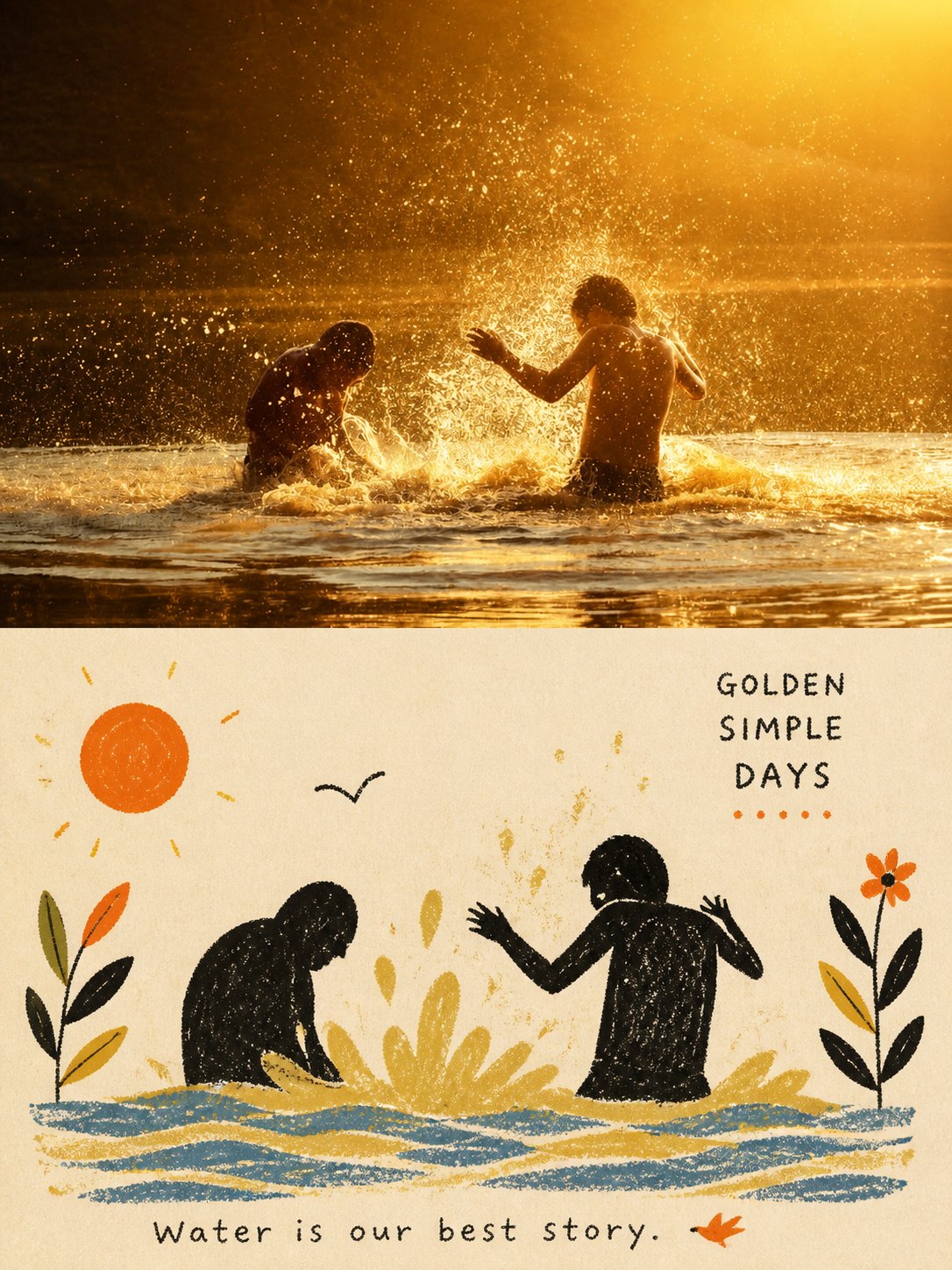
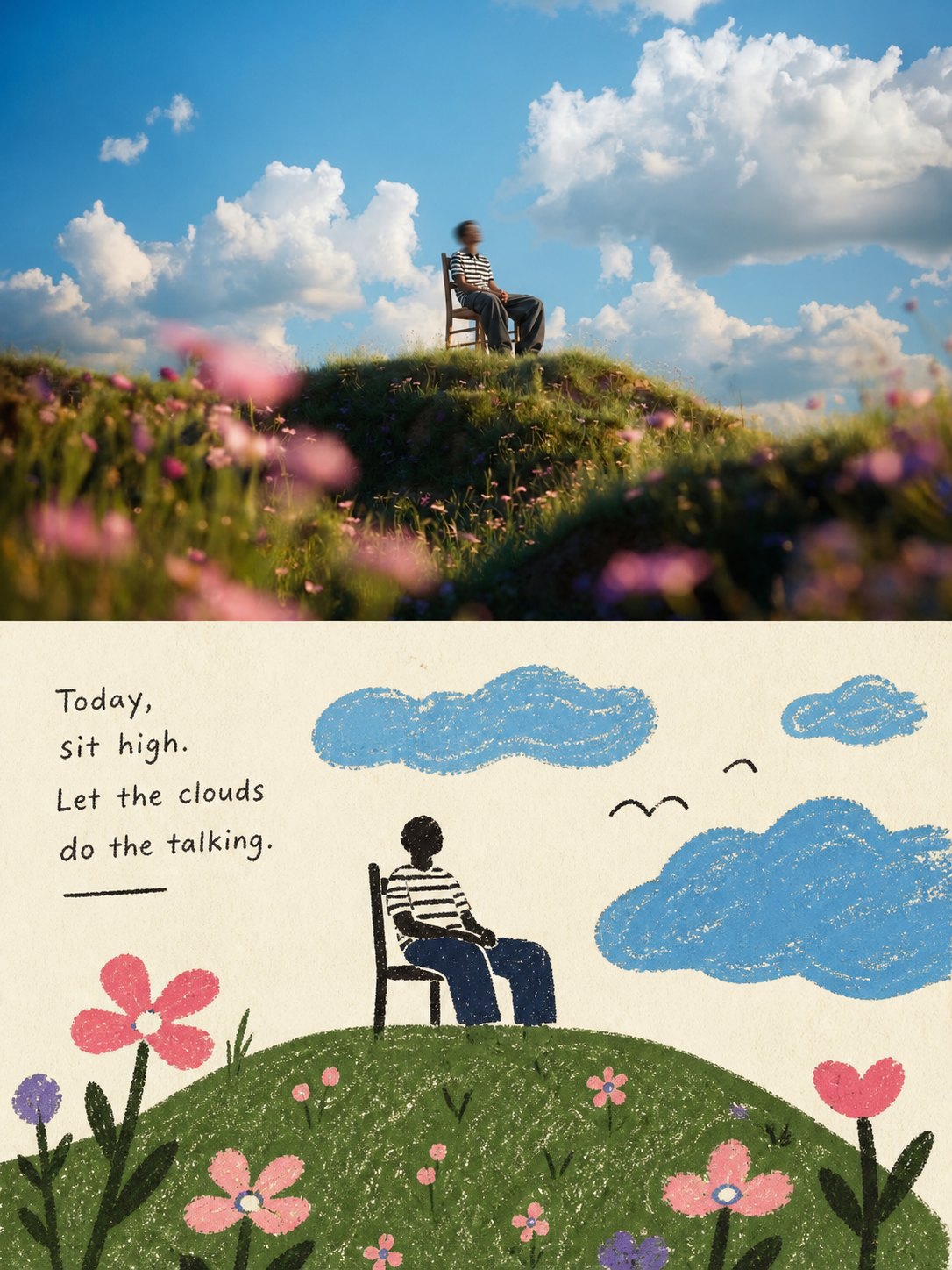
Please create each uploaded photo into a standalone high-end design poster, no multi-image collages, output each photo separately. Overall use 3:4 vertical composition, with the top and bottom sections strictly 1:1 height, each occupying 50% of the frame.
The upper half retains the original photo, preserving the main subject's identity, structure, pose, realistic texture, natural lighting and shadows, and original color atmosphere, with only subtle high-end color grading to give it the feel of an art magazine, independent publication, or exhibition image. To fit the frame, the environmental background can be naturally extended, but do not stretch, distort, or alter the main subject.
The lower half first understands the **core theme, subject relationships, structural flow, emotional atmosphere, and visual metaphors** most worth remembering from the original photo, then reconstructs it as a **hand-stitched textile collage illustration**. Do not copy objects one by one from the photo; instead, eliminate irrelevant details, retaining only the structures, flows, and visual memory points that best represent the original elements, reinterpreting them through fabric appliqué, textile collage, frayed fabric patches, layered fabric pieces, and minimal embroidery, so that after interpretation and recreation, the image can still be instantly recognized as corresponding to the upper photo.
Styling focuses on **few large fabric pieces, clean silhouettes, positive-negative shapes, and visible stitching**. Figures, architecture, animals, plants, objects, or landscapes can be abstracted, cropped, deformed, merged, or partially omitted, retaining cotton-linen fibers, frayed edges, pulled threads, irregular cuts, slight misalignments, and hand-stitched hems to present a real, warm, tactile appliqué / textile collage texture.
Composition maintains the relationship of **small-scale motifs and large areas of negative space**, freely arranging positions based on the subject's own direction, proportions, and visual focal points—off-center, edge-aligned, suspended, or partially cropped. The main subject and minimal auxiliary fabric pieces concentrate to form clear visual landing points, with the rest of the space deliberately left empty, allowing the negative space to participate in positive-negative forms, density contrasts, clustering and dispersion, and asymmetrical balance, creating a sense of breathing room, spatial depth, and high-end editorial order. Better to subtract than to fill.
Color palette extracts **2–4 colors with the most vitality, life warmth, and spirit-representing essence from the upper photo** and remixes them, moderately brightening, purifying, and desaturating grays to make fabric colors vivid, soft, and approachable. Naturally form refreshing compound hues like sky blue, lake green, foliage green, cream yellow, apricot orange, coral red, soft pink, using large areas of light base fabrics to balance minimal bold color blocks. Avoid dullness, grimy grays, outdated browns, muted earth tones, and cheap high-saturation vibes.
Text intervenes only minimally for editorial purposes, without language restrictions or preset titles/numbers. Freely distill a few words or short phrases from the subject, location, action, emotion, life details, or metaphors, quietly placing them in negative spaces, subject edges, or between fabric pieces, forming a refined graphic-text composition together with the visuals.
Overall, present a high-end visual effect composed of **selective memory, textile collage, hand-stitched traces, vivid fabrics, small-scale motifs, large artistic negative spaces, and editorial typography**. Avoid object-by-object tracing, frame-filling, complex backgrounds, faded old fabric colors, cartoonish feel, 3D effects, cheap craft vibes, and templated collages.
2026-09-03via @xiaoxiaodong01