Visuele inspiratie
Promptbibliotheek
Sterke AI-resultaten uit het wild, mét de prompt erbij. Klik op een beeld, kopieer de prompt en maak er iets eigens van.
Krijg de prompts die indruk maken
Krijg de prompts die indruk maken
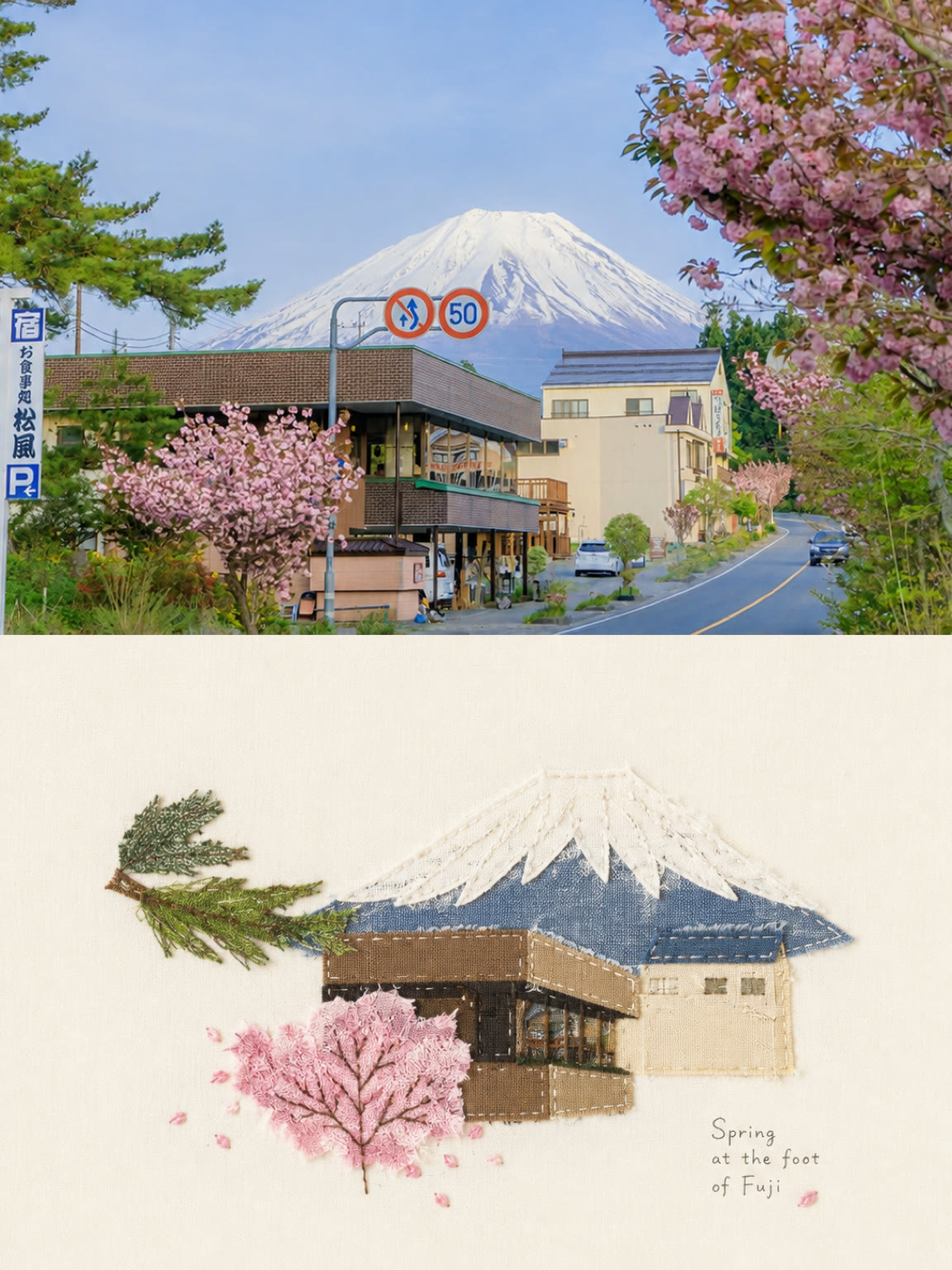
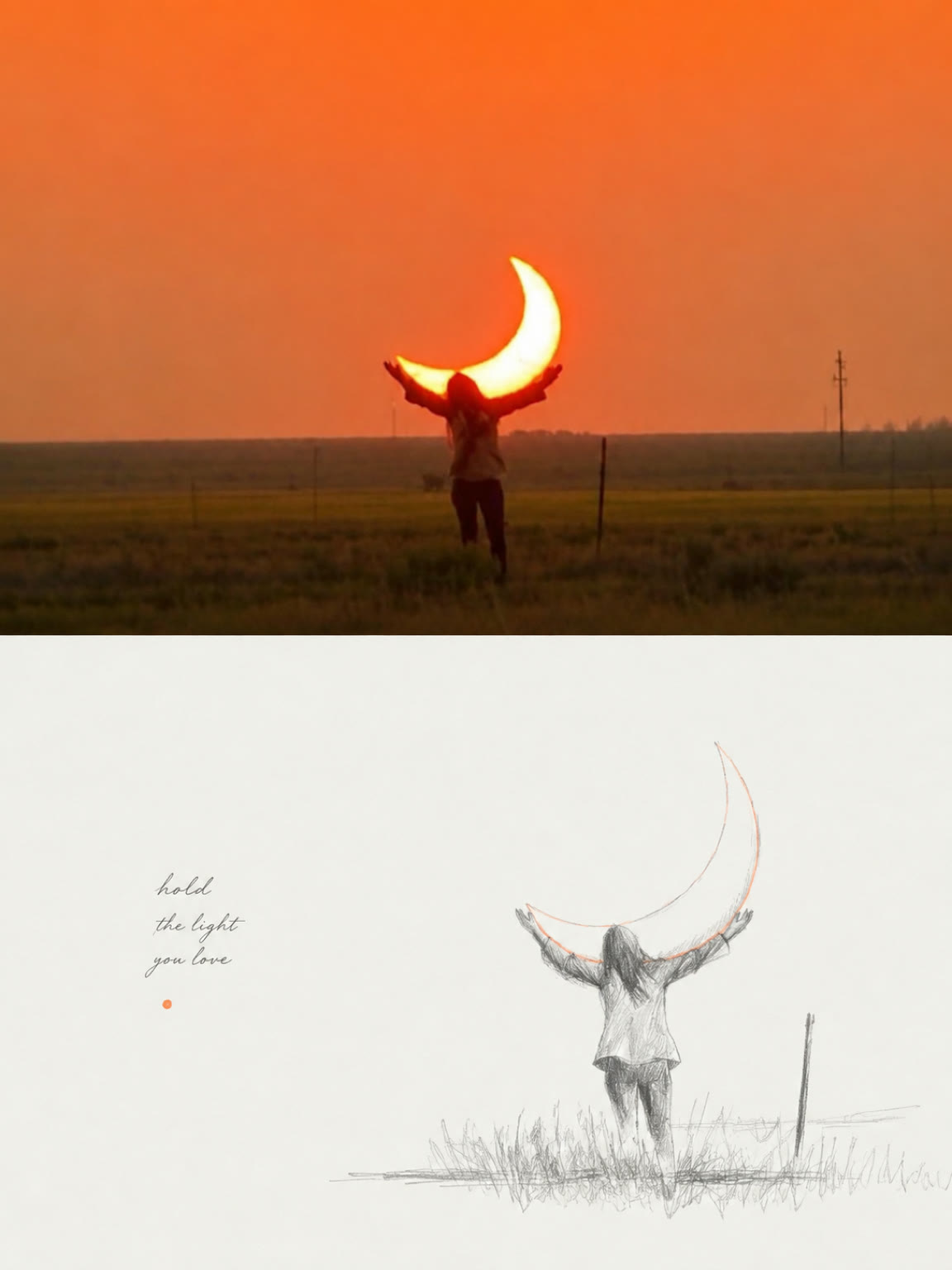
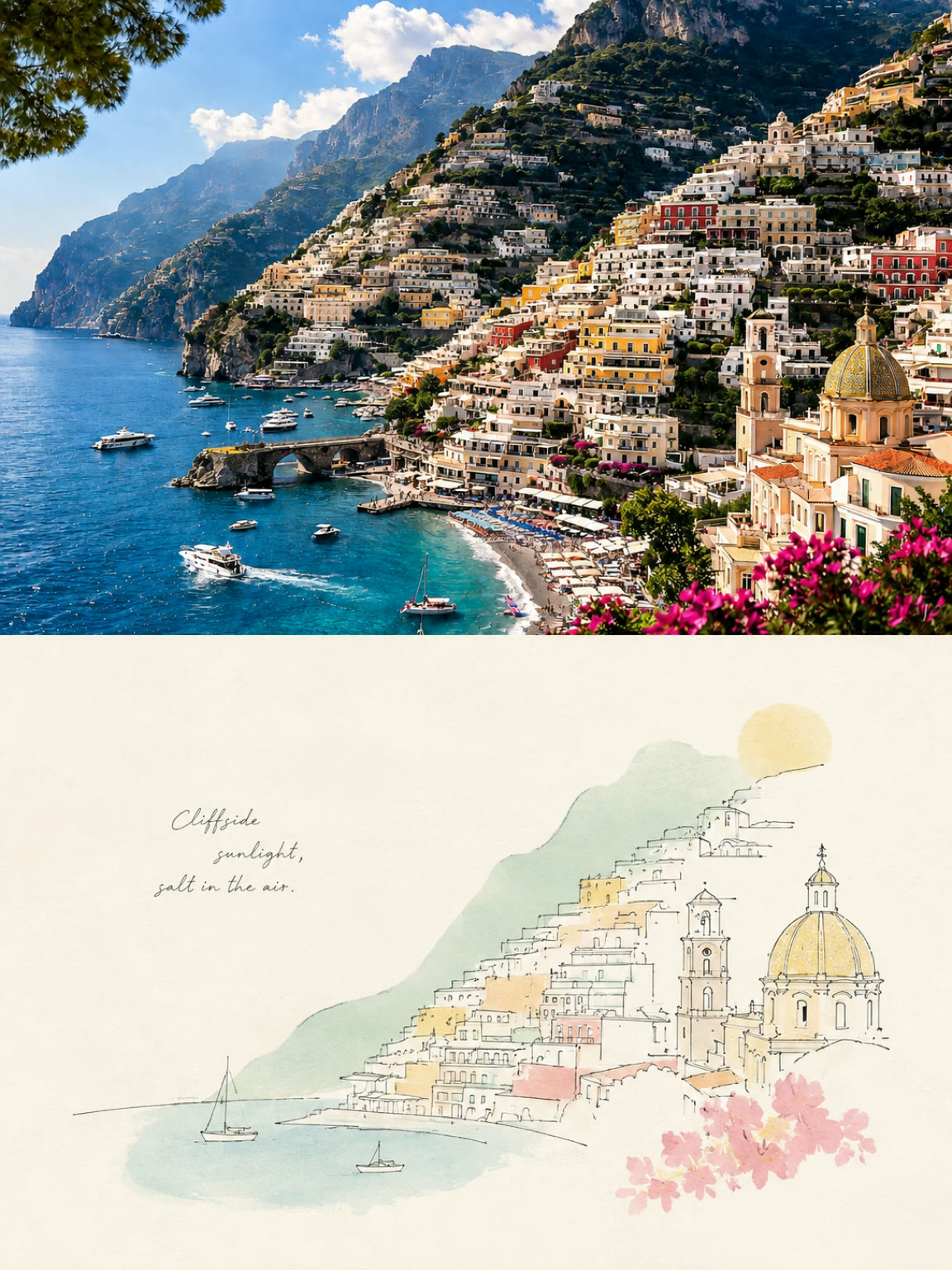
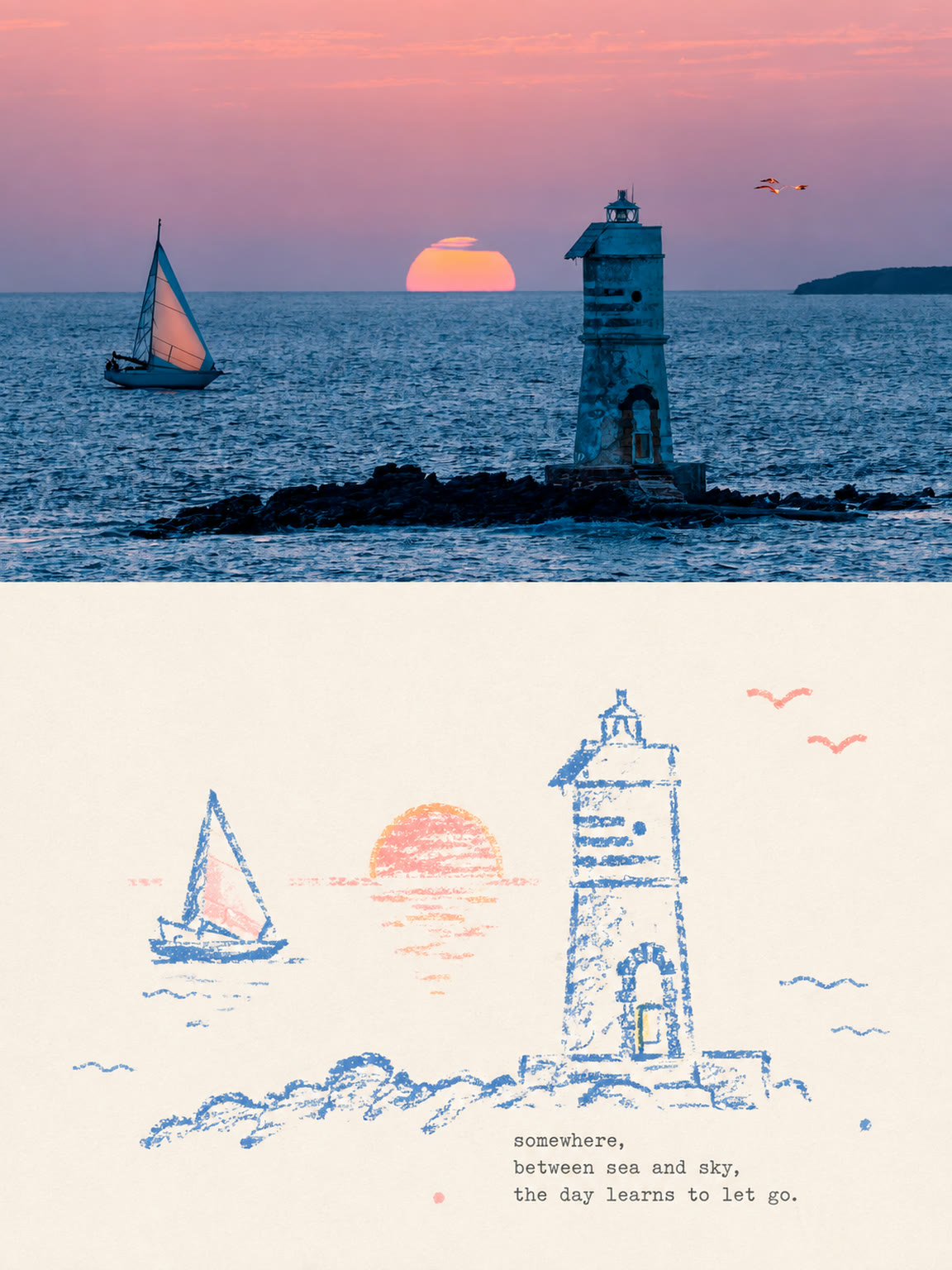
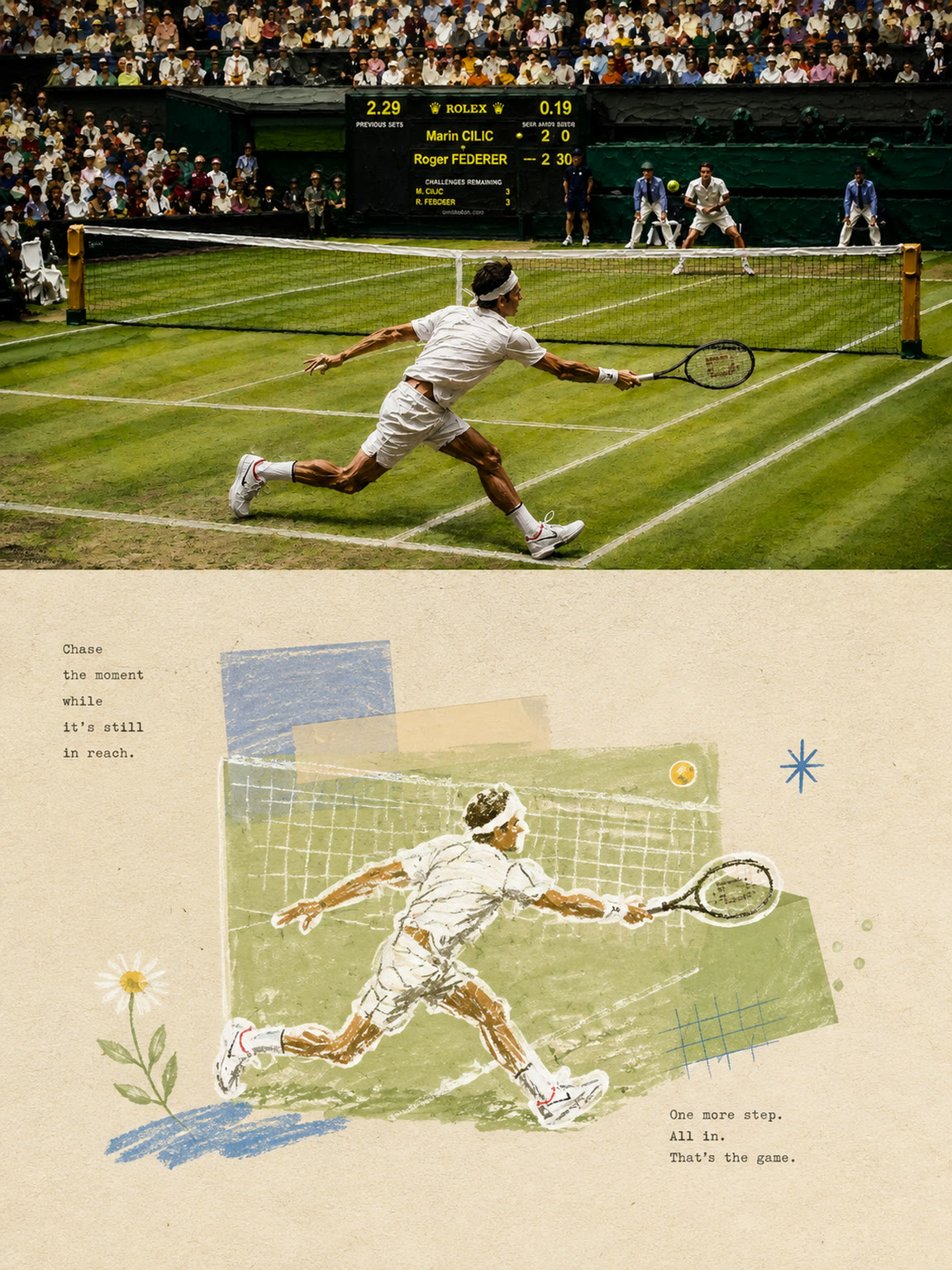
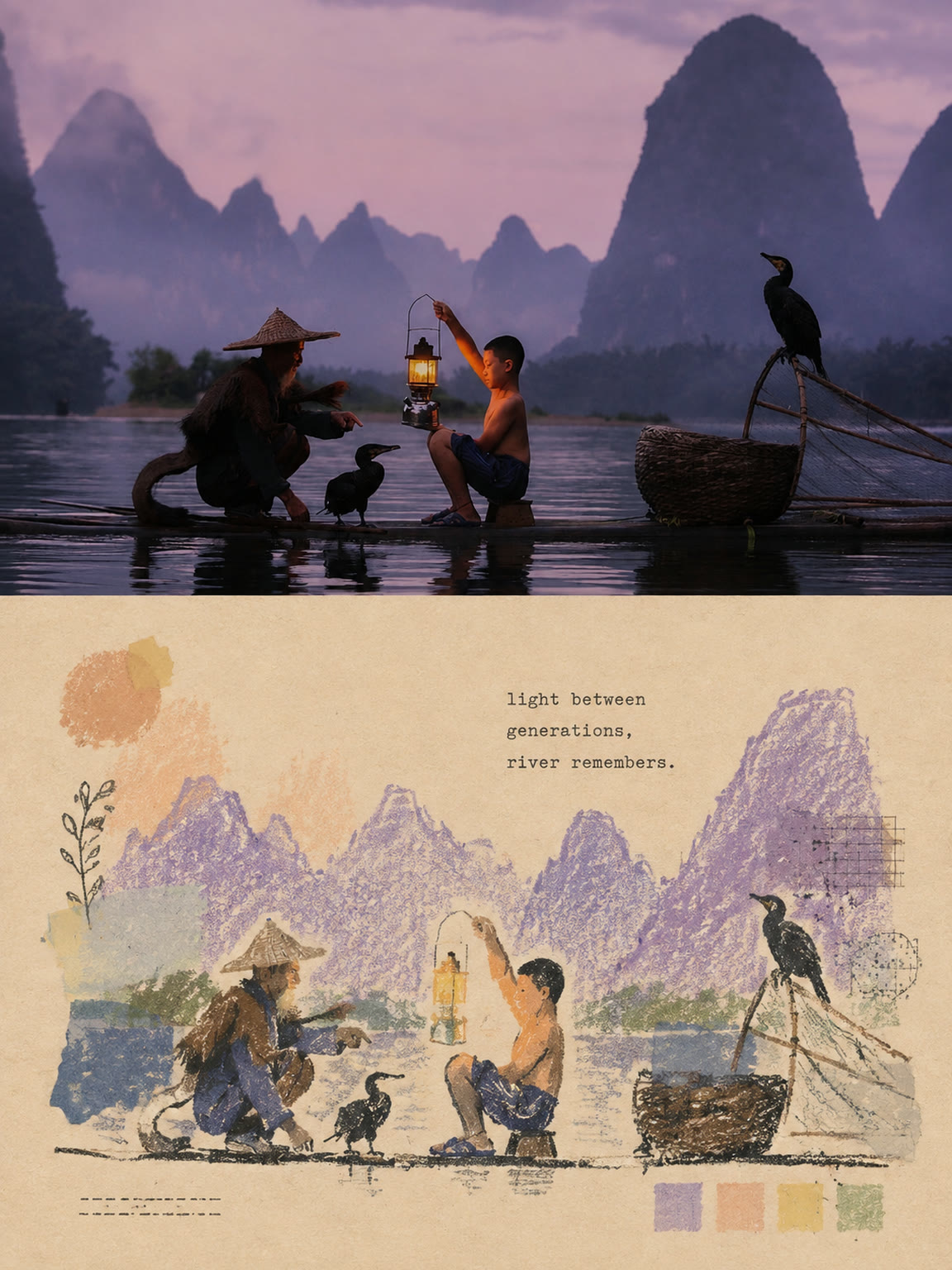
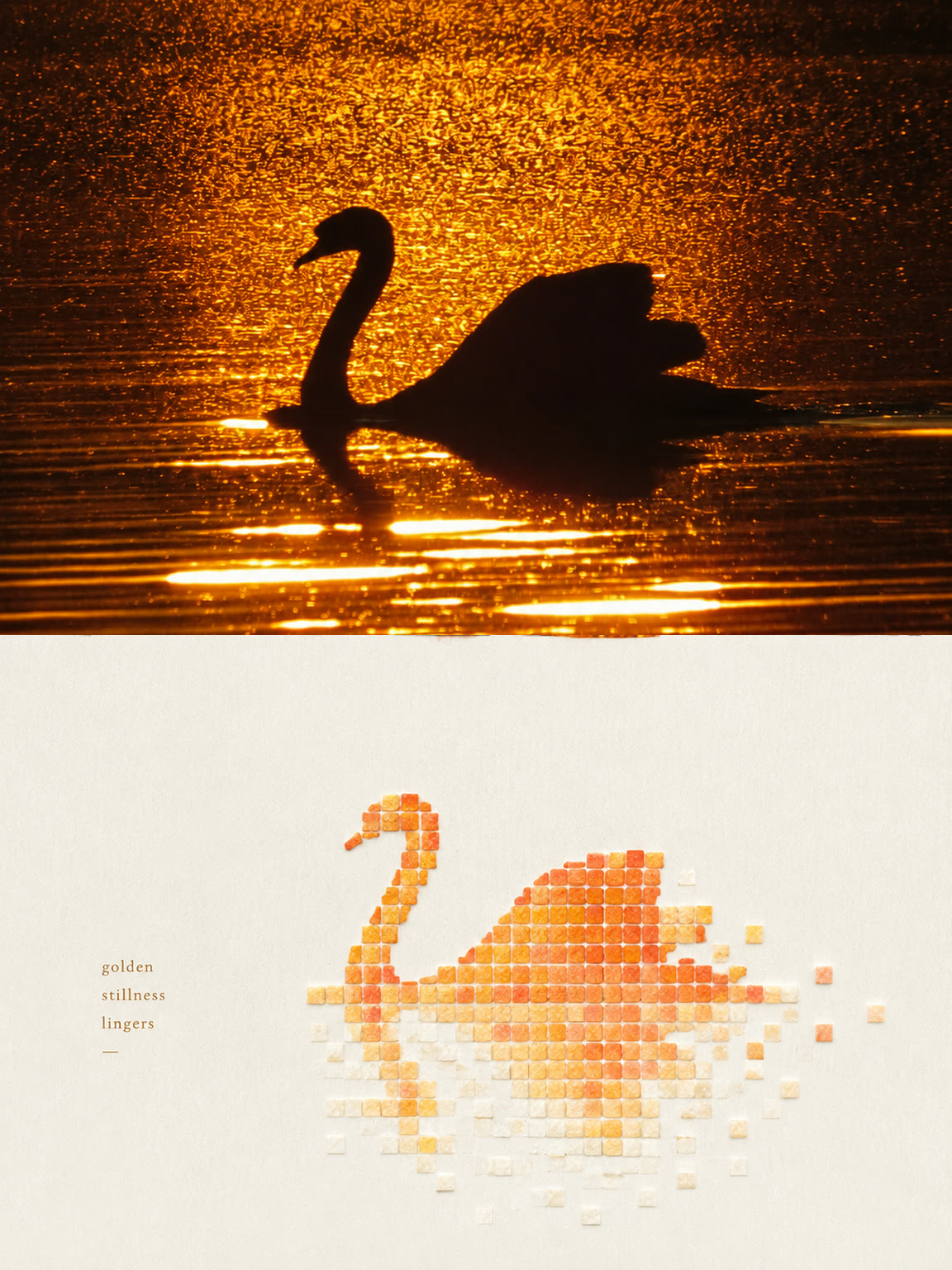
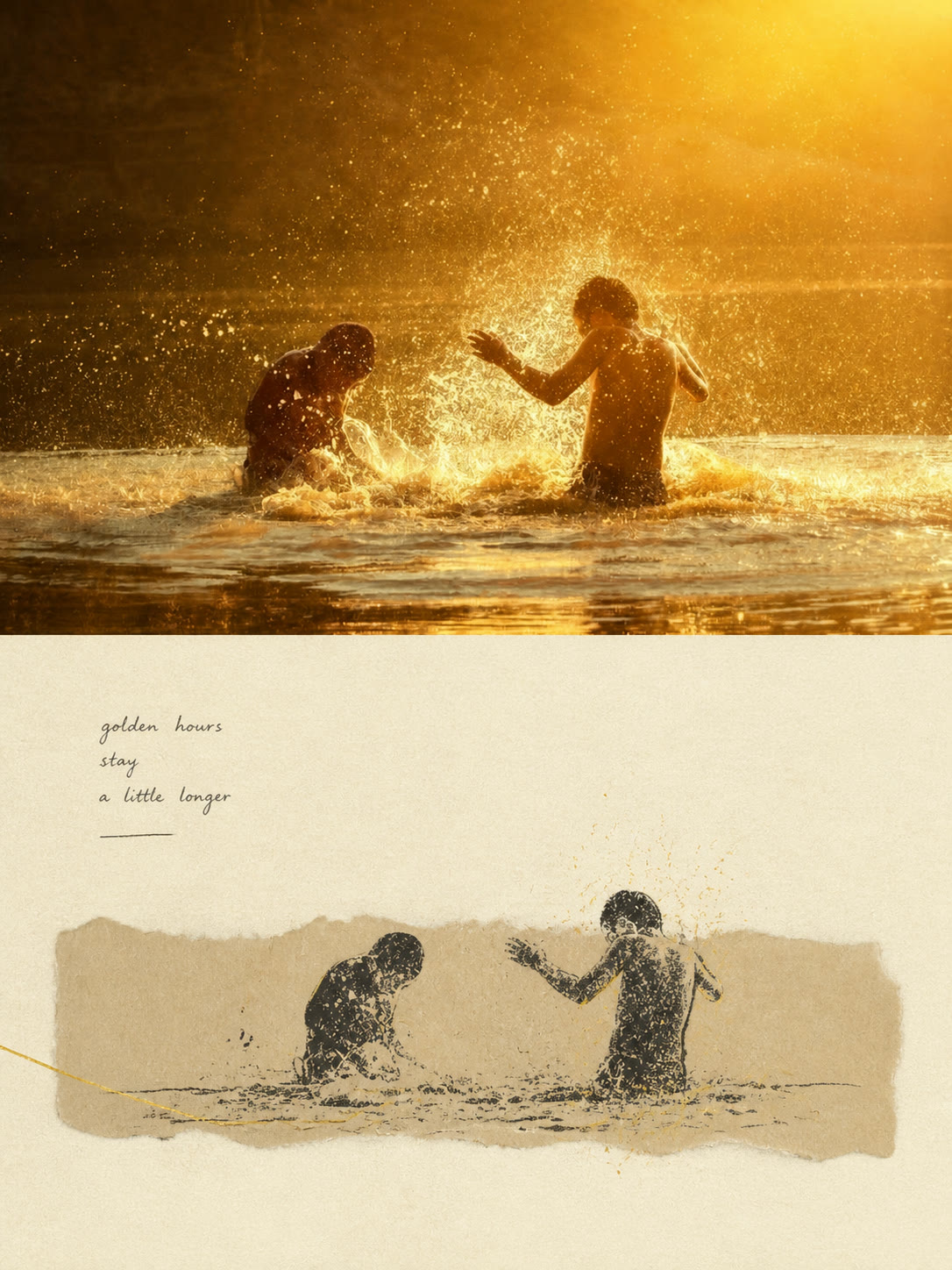
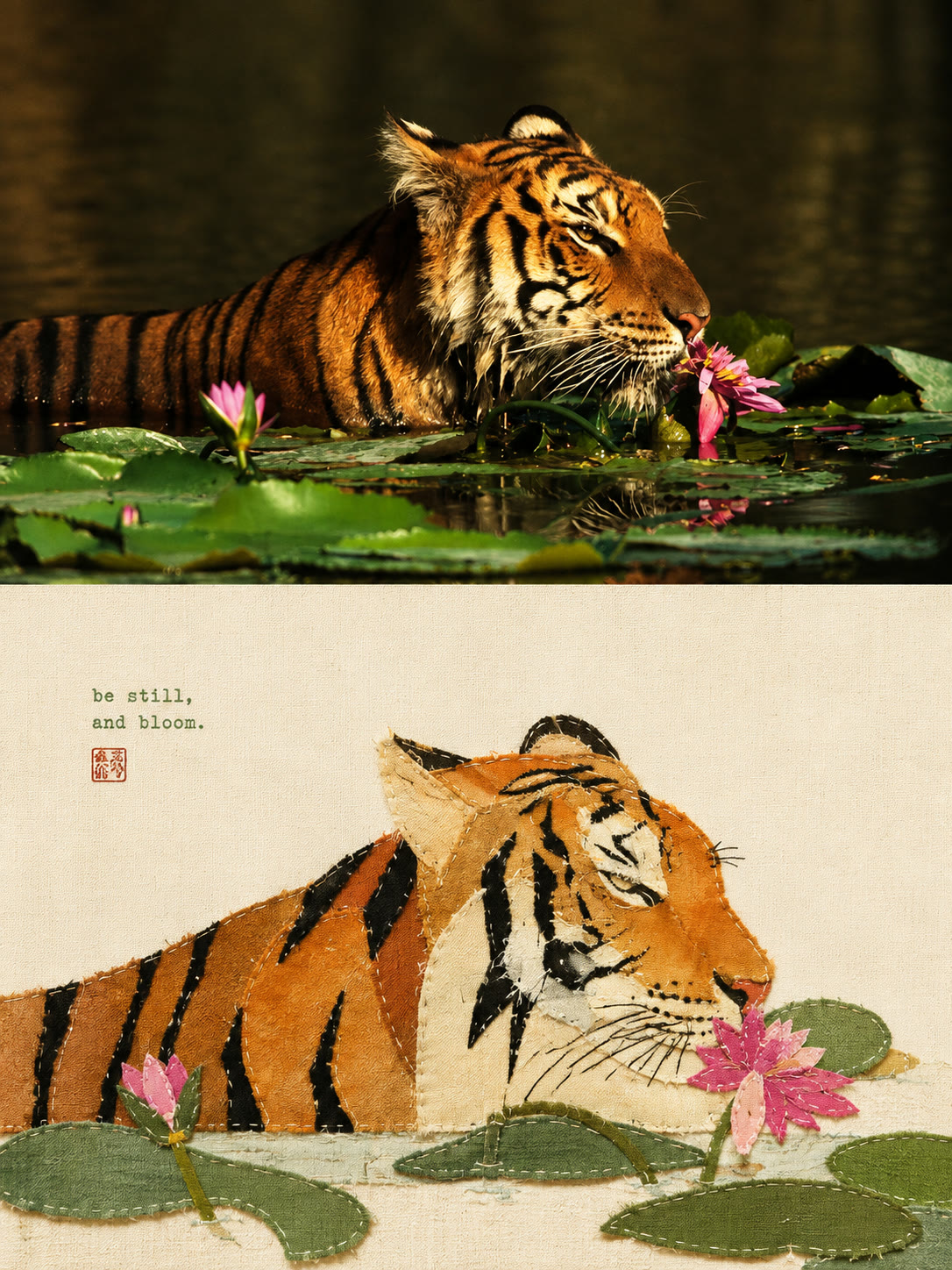
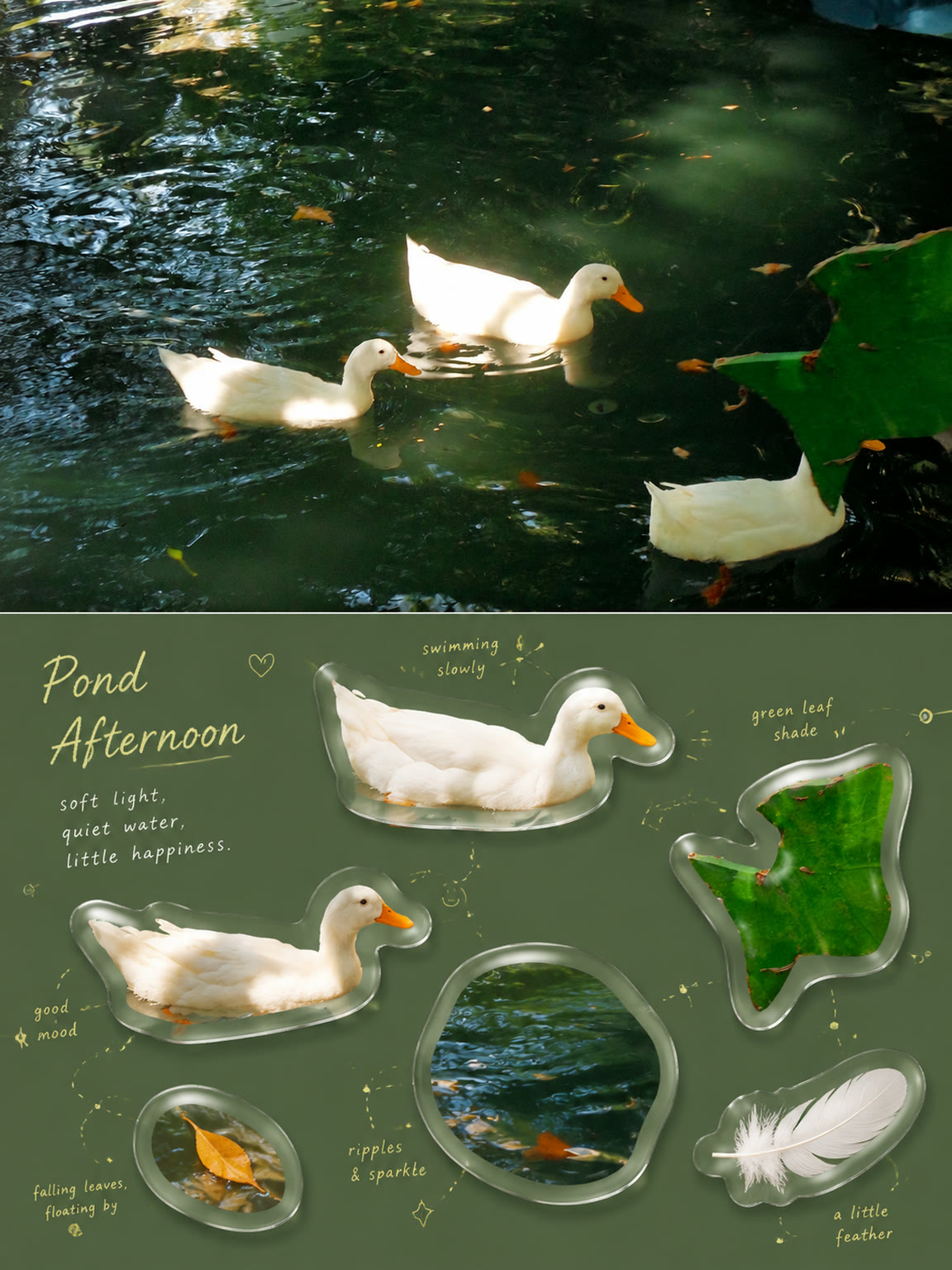
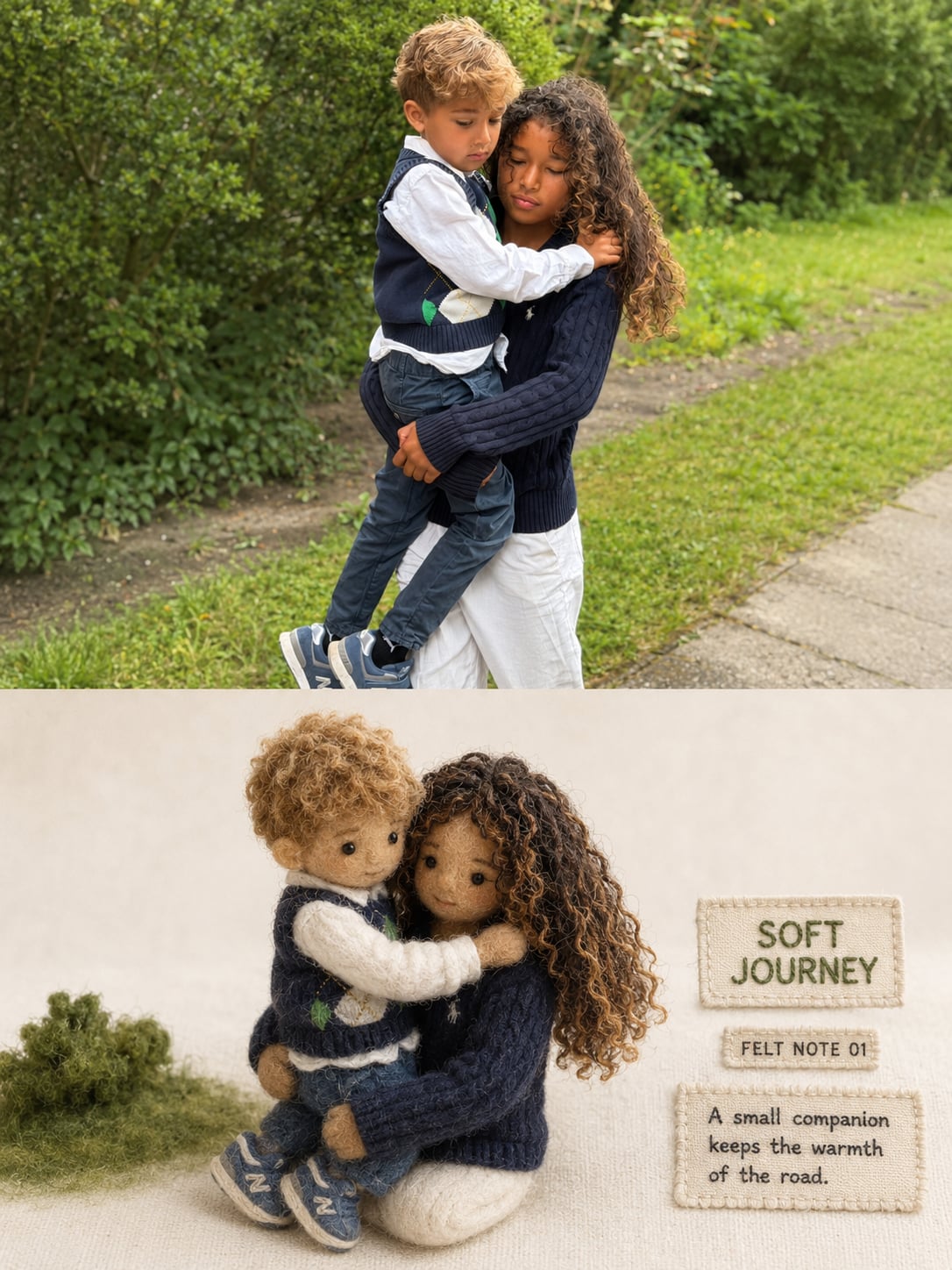
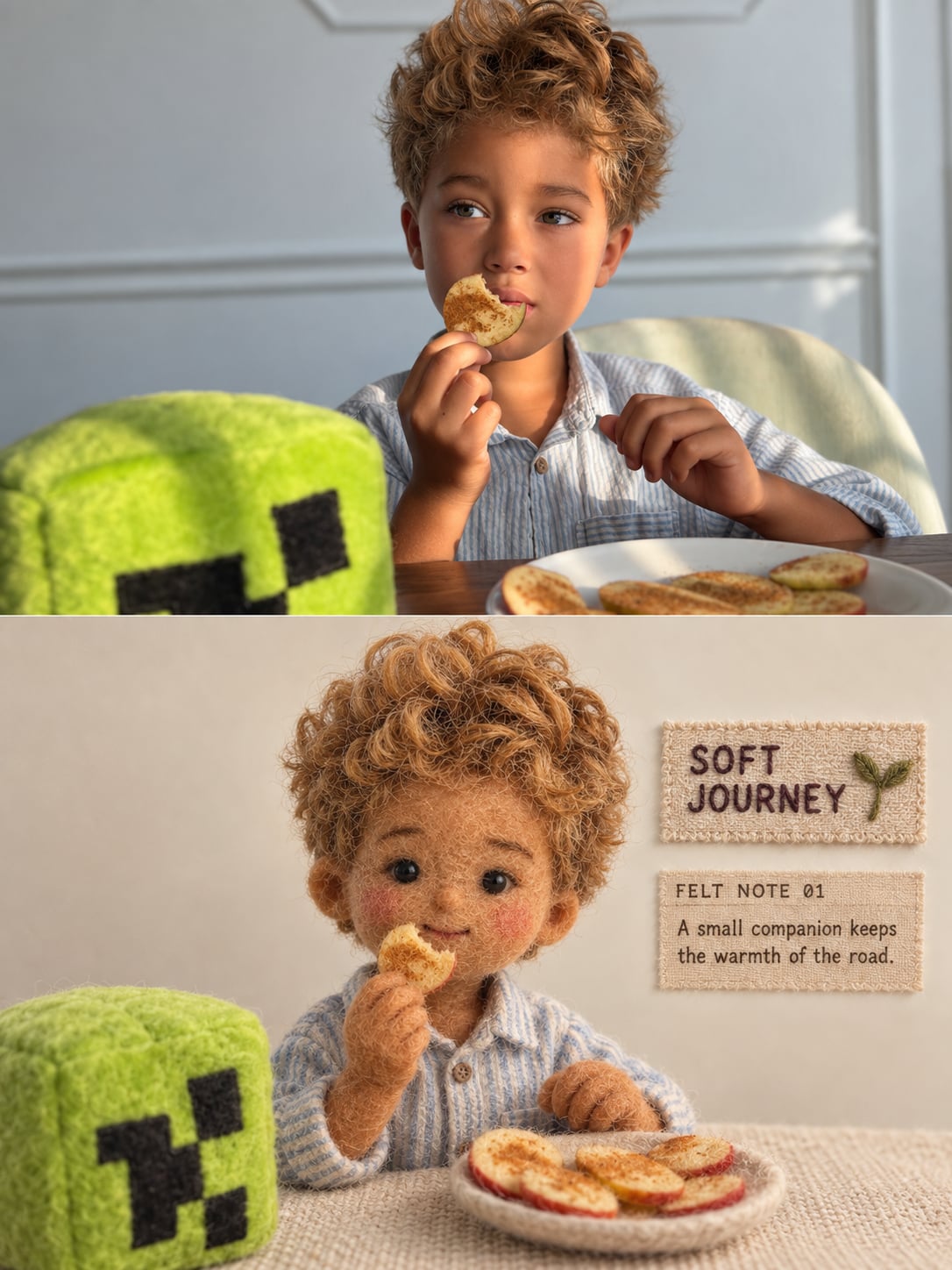
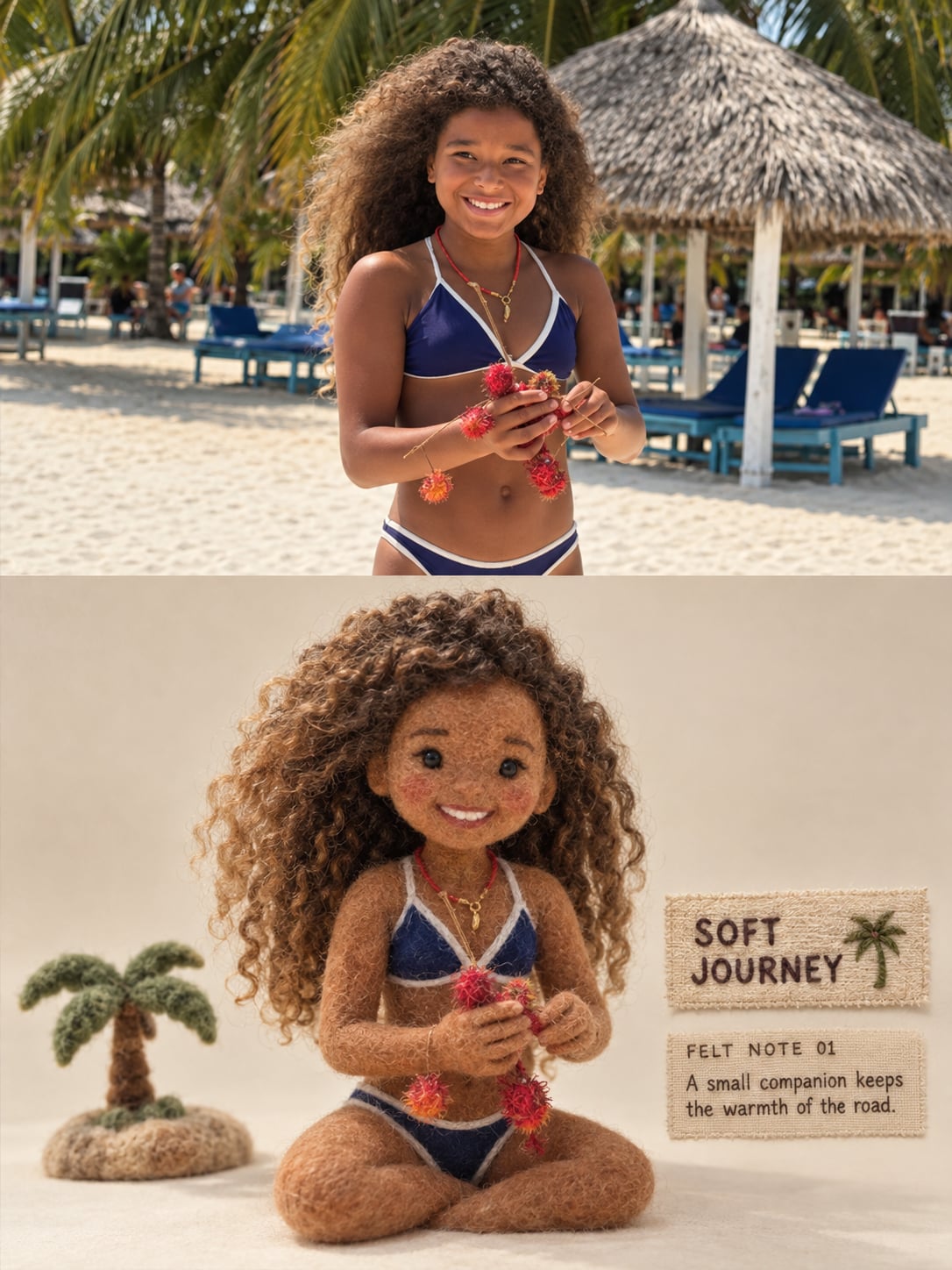
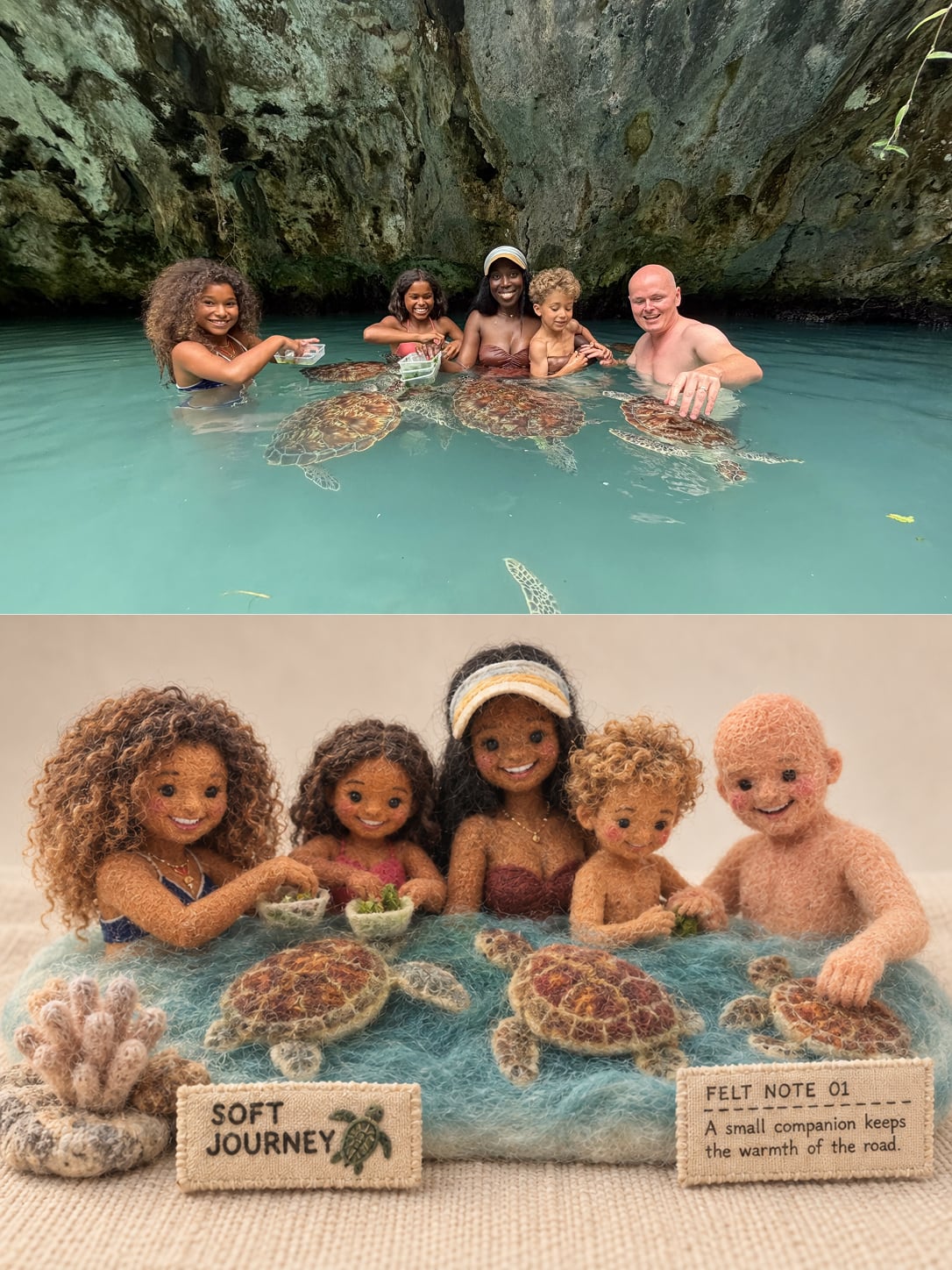
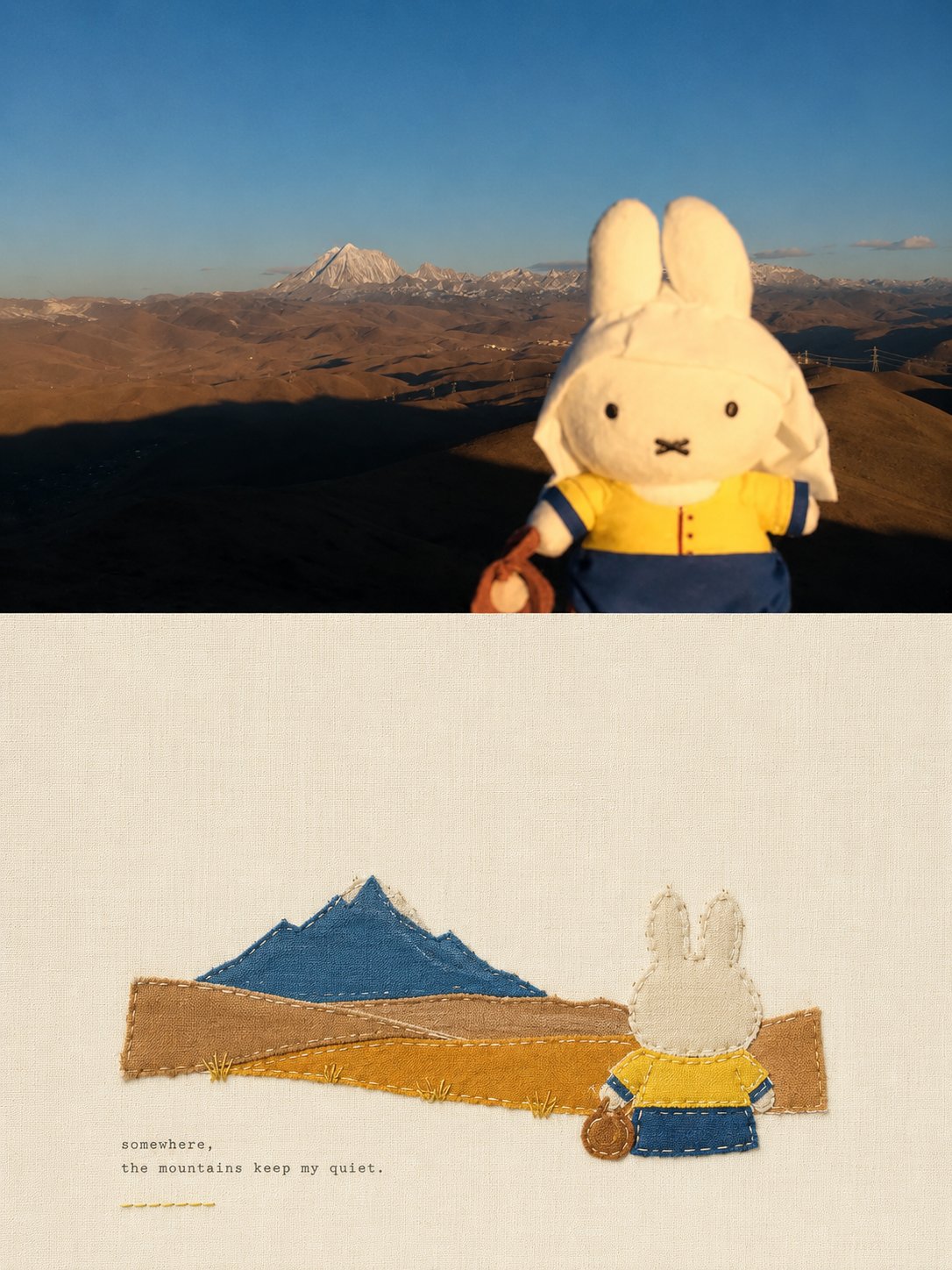
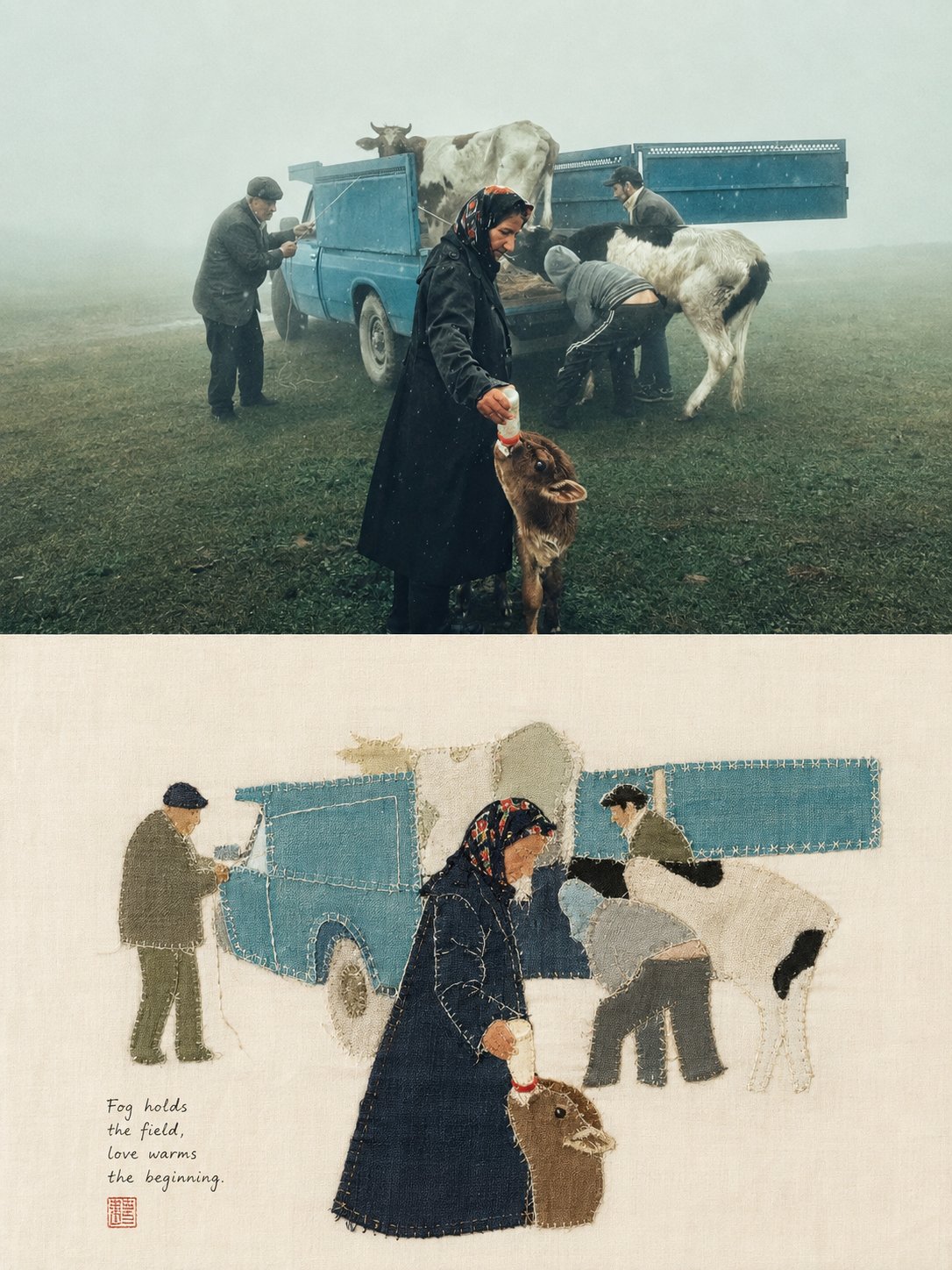
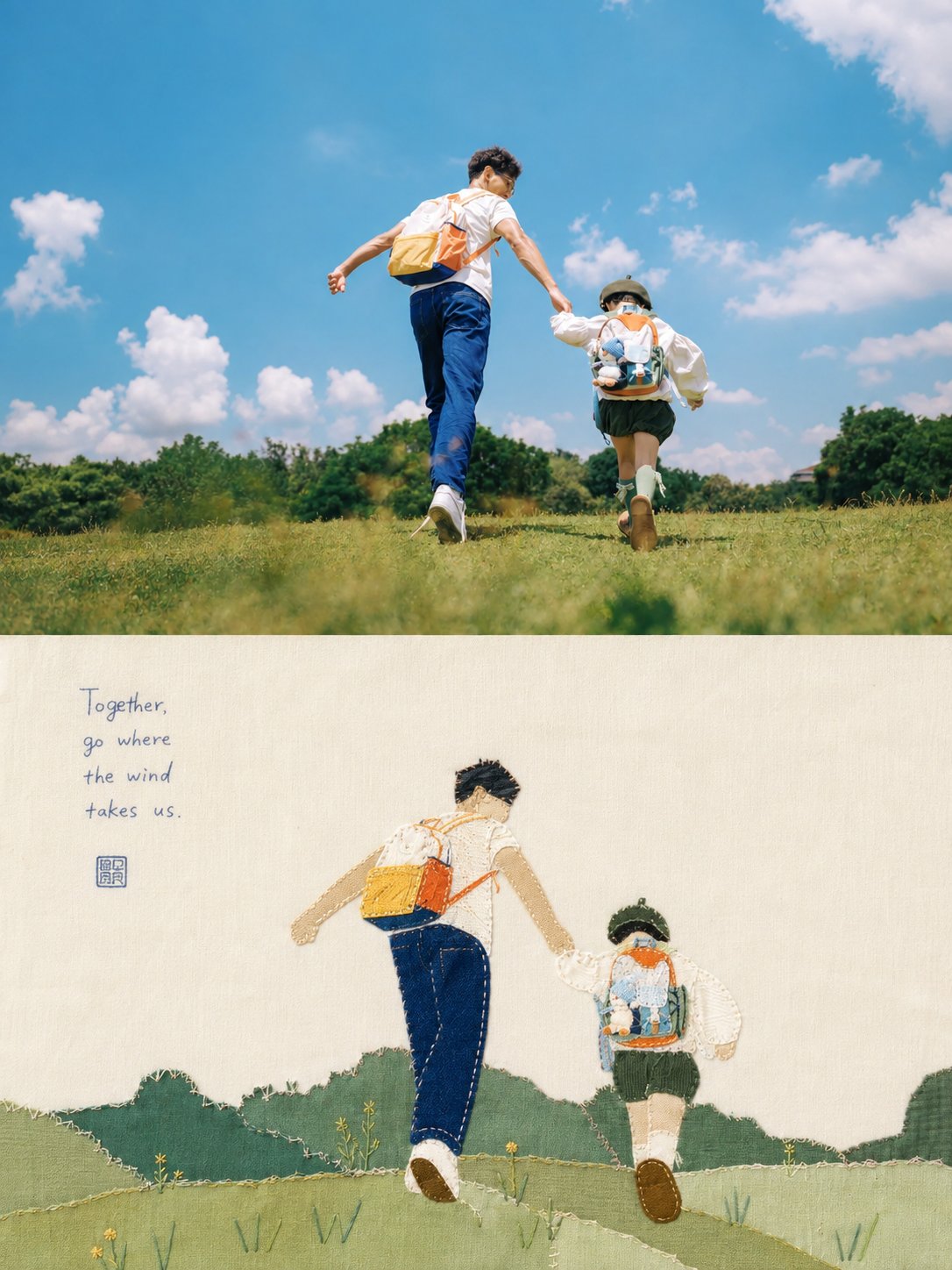
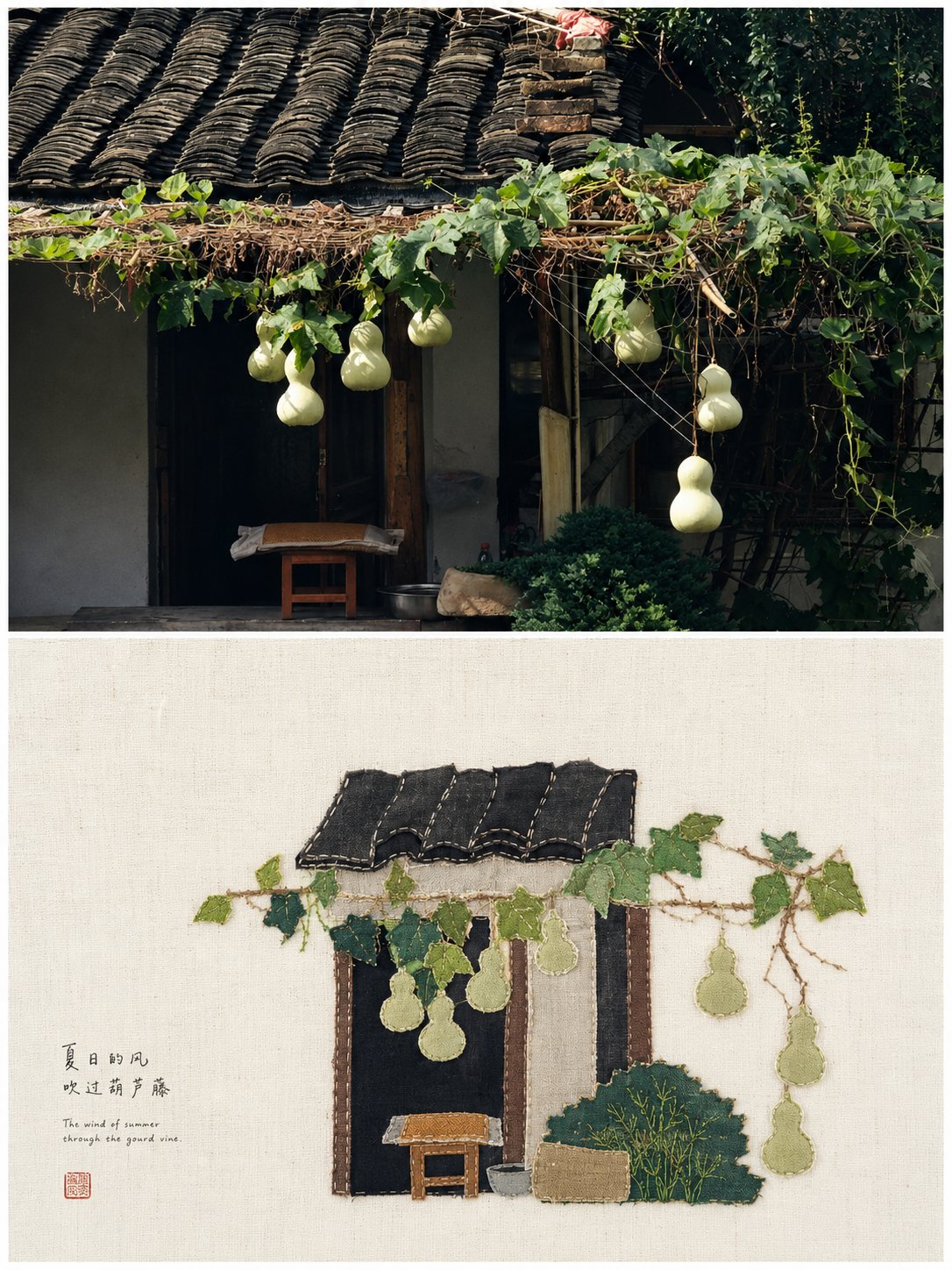
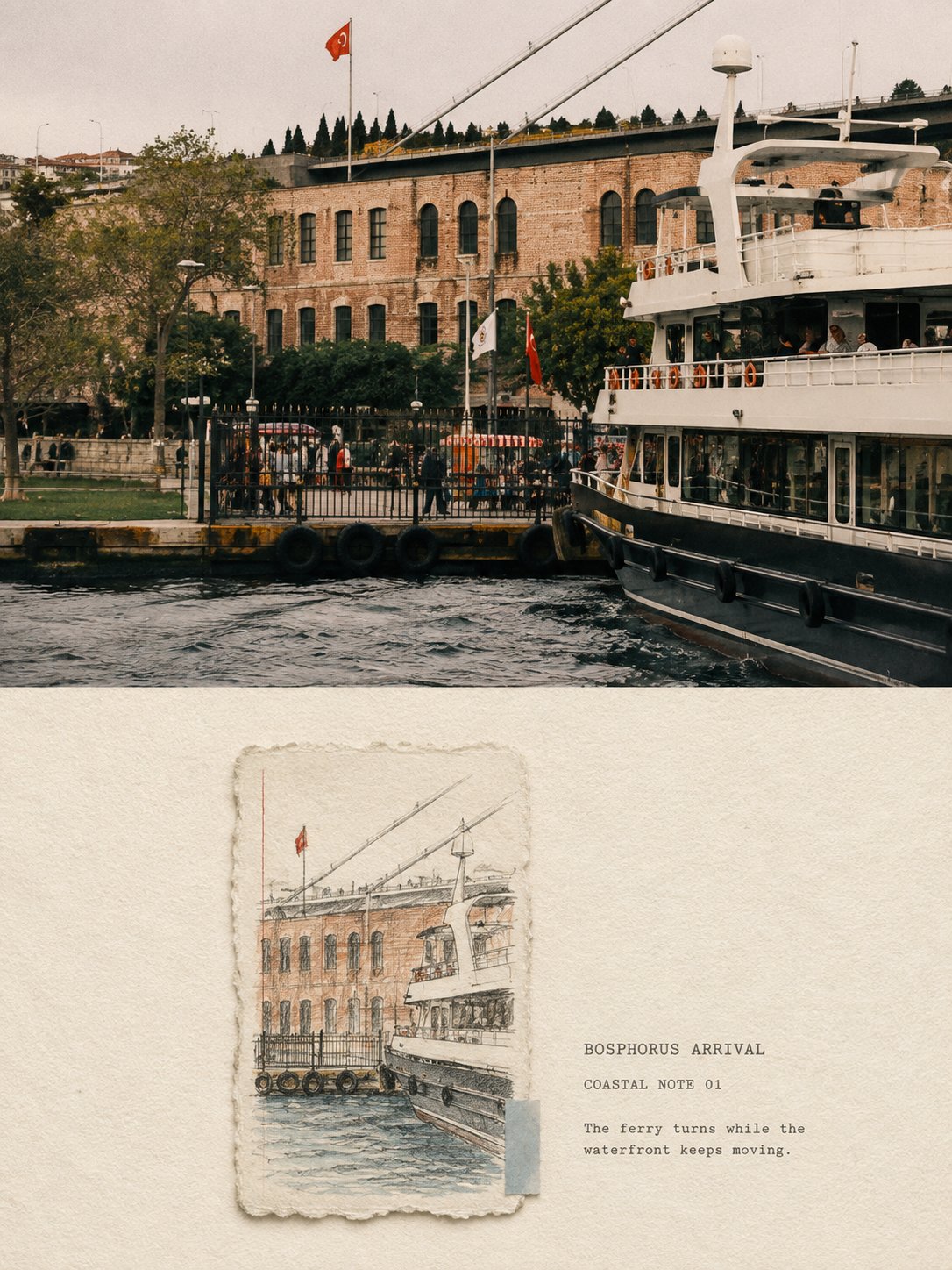
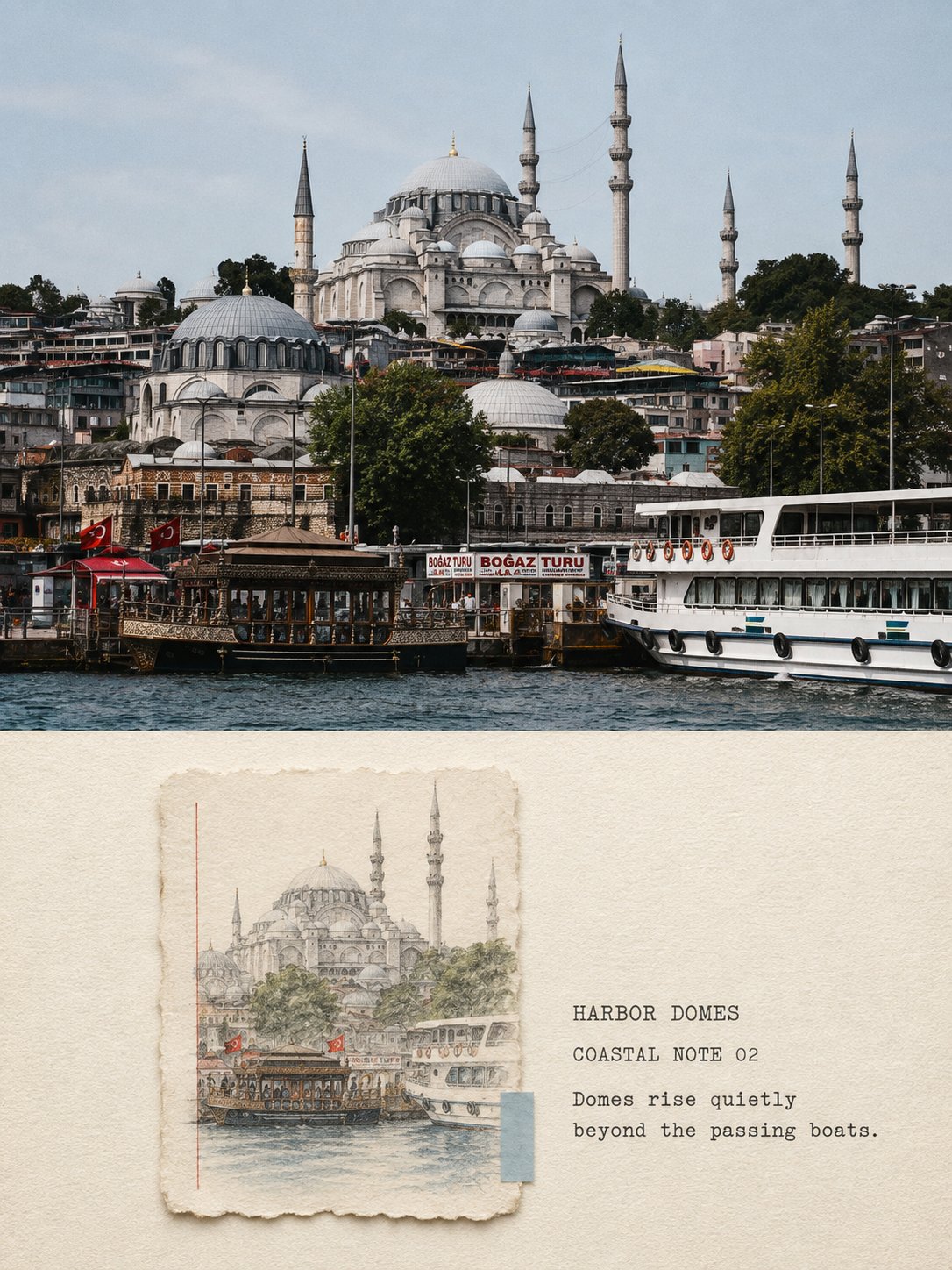
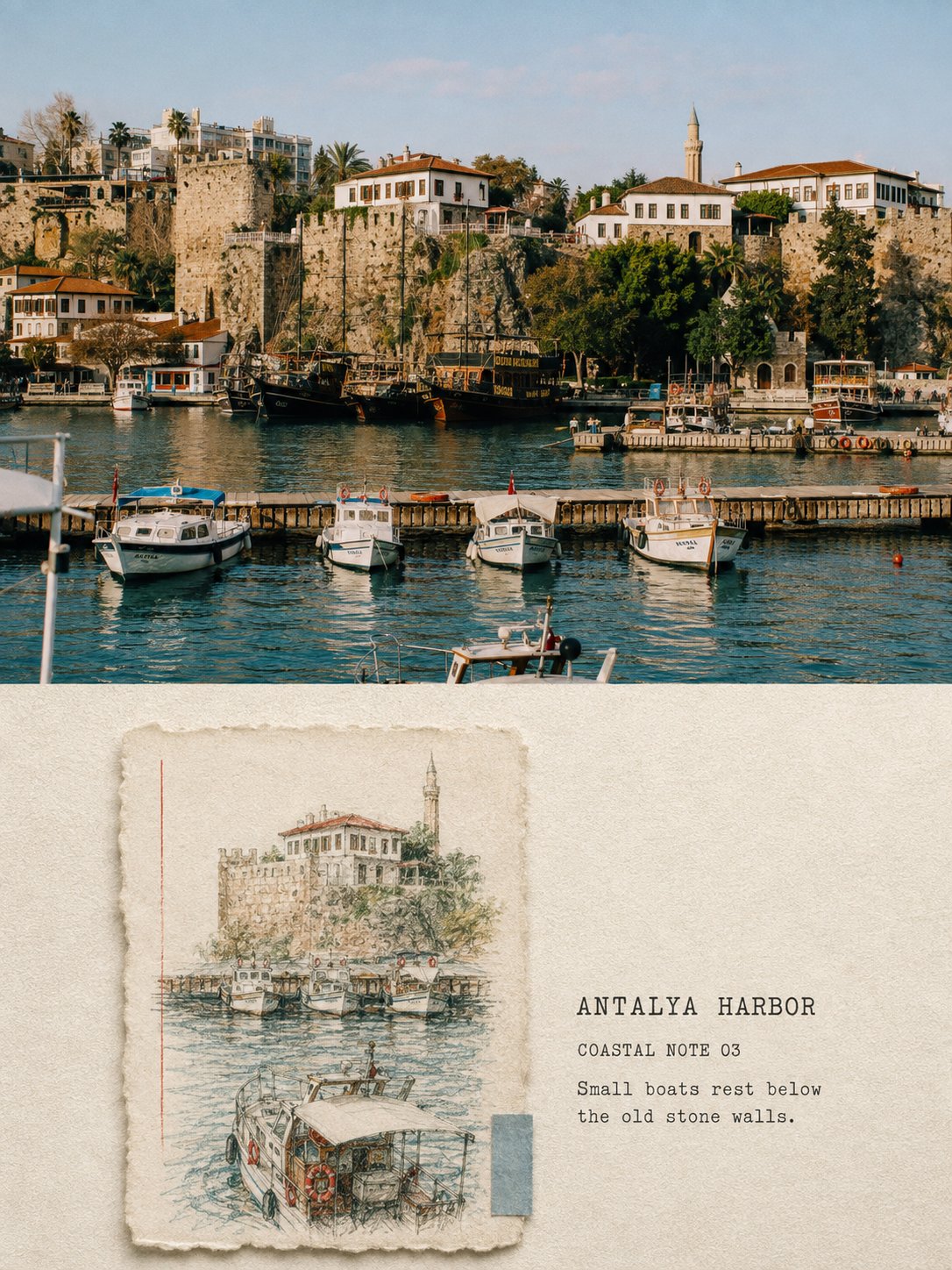
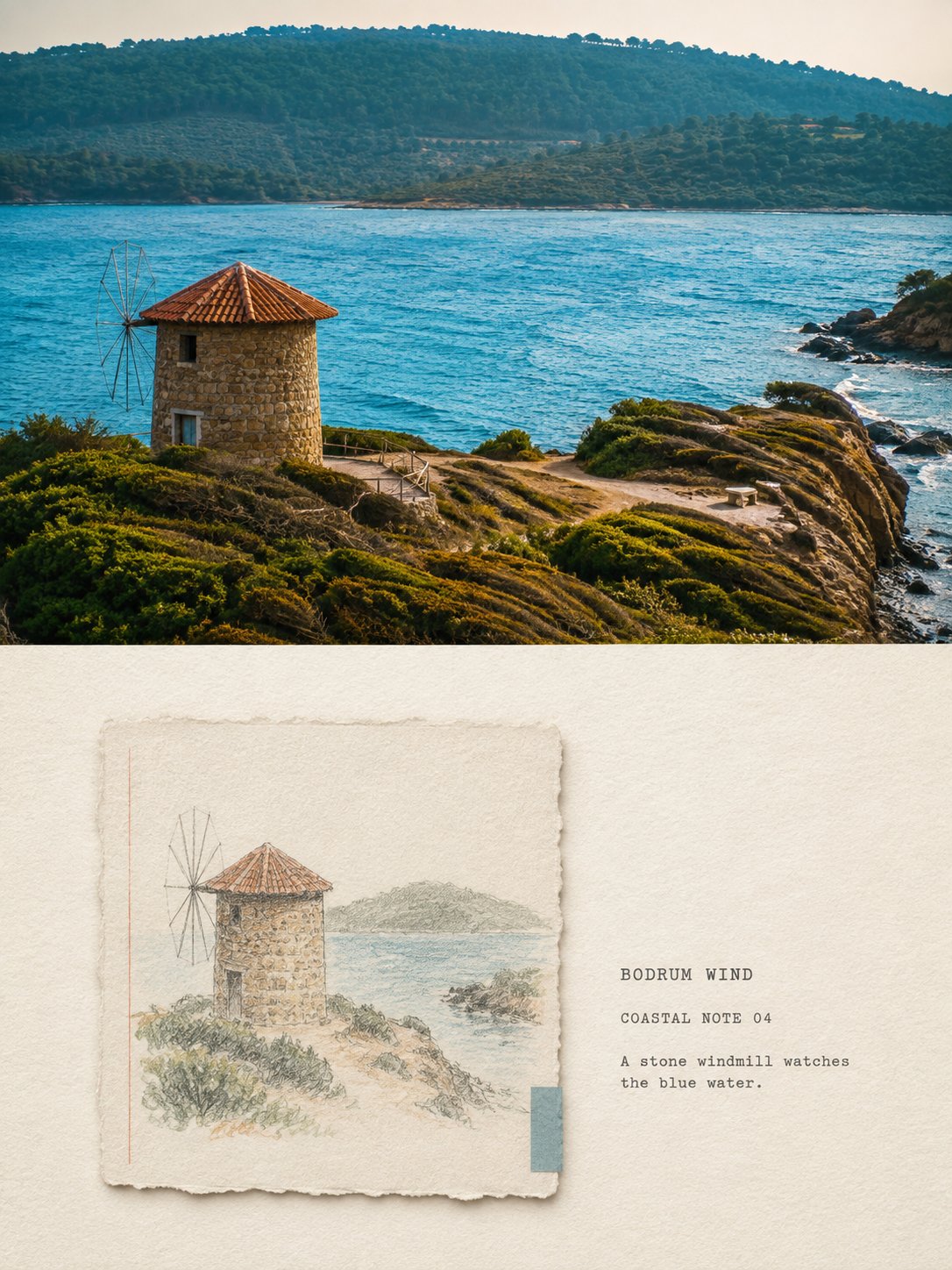
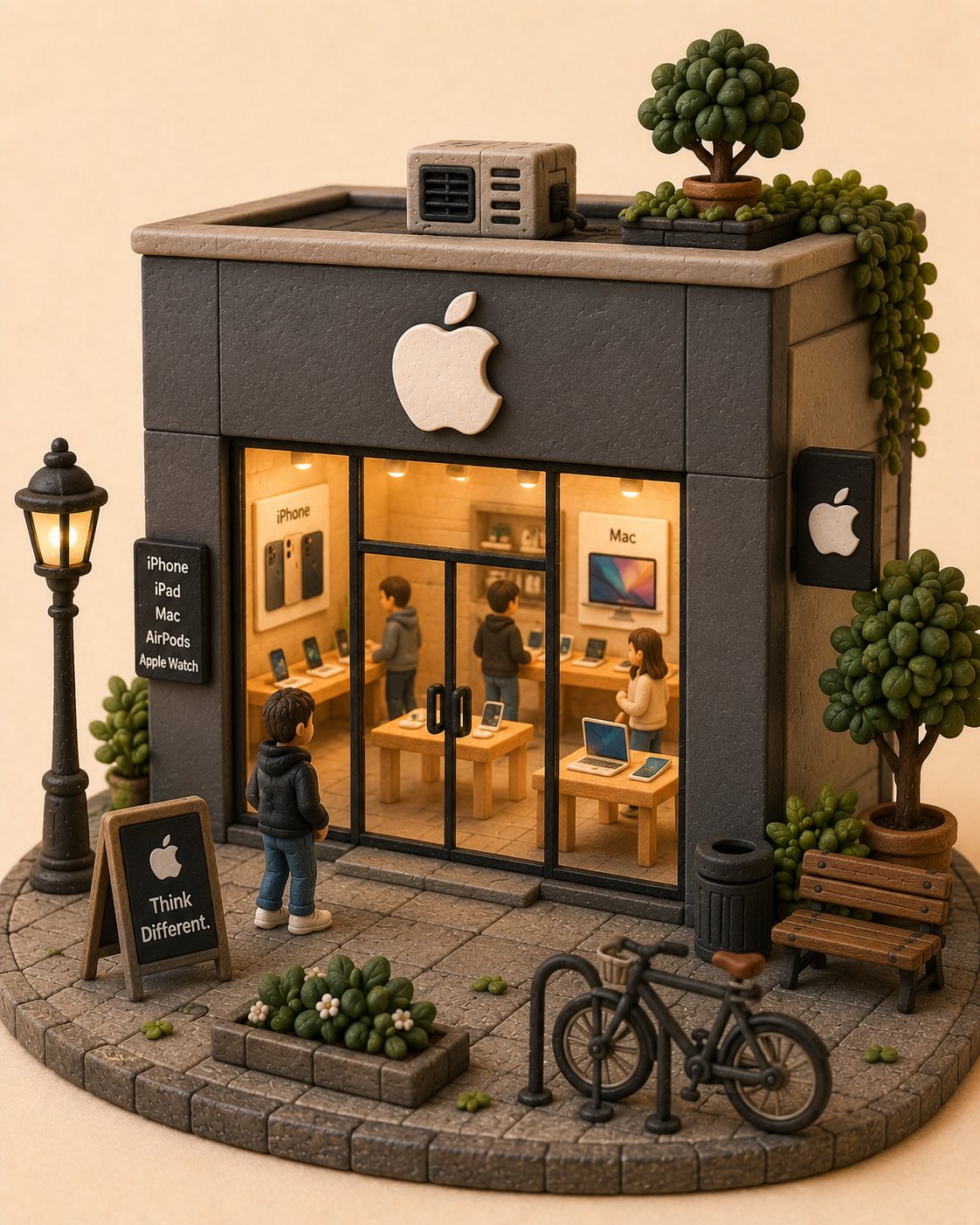
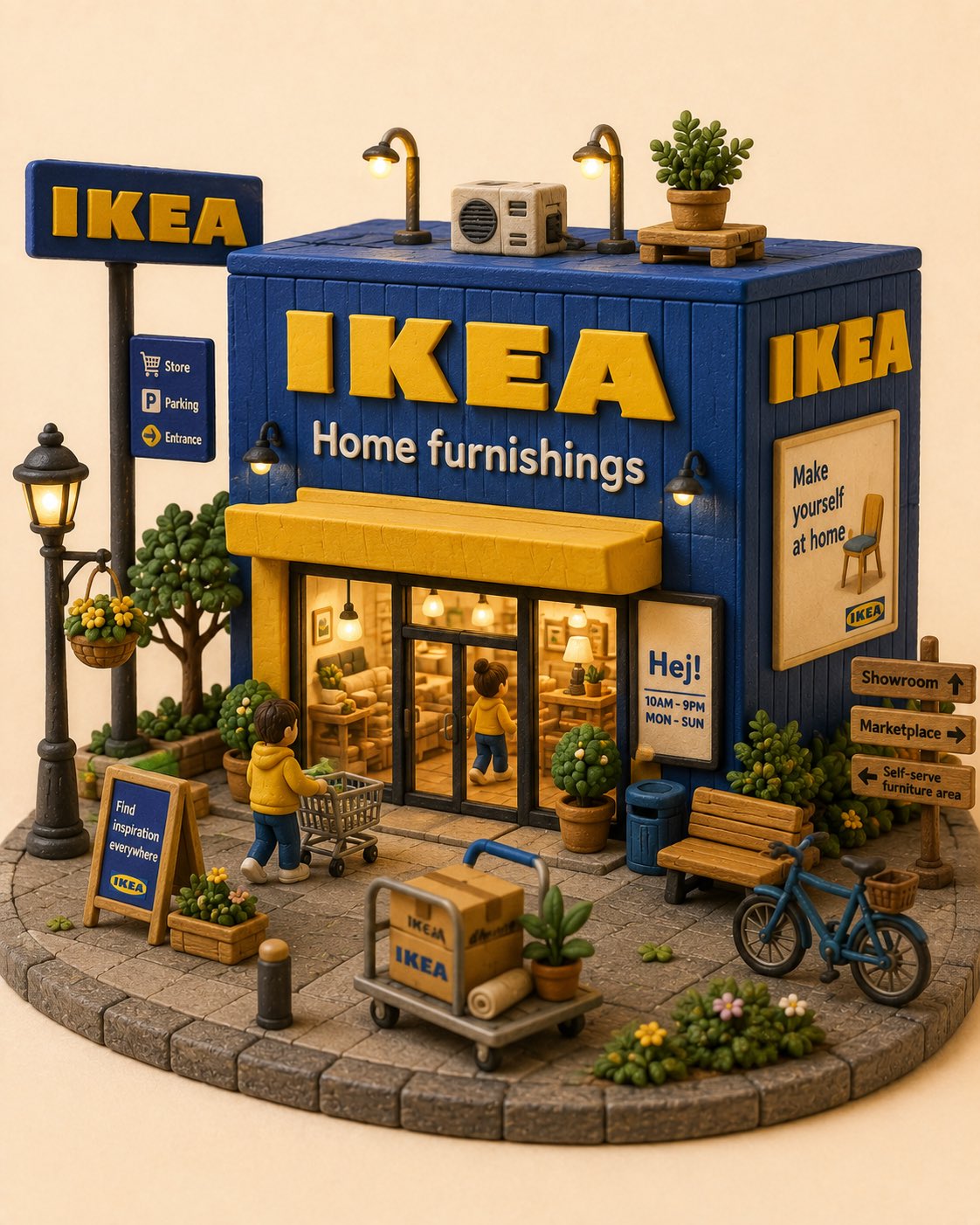
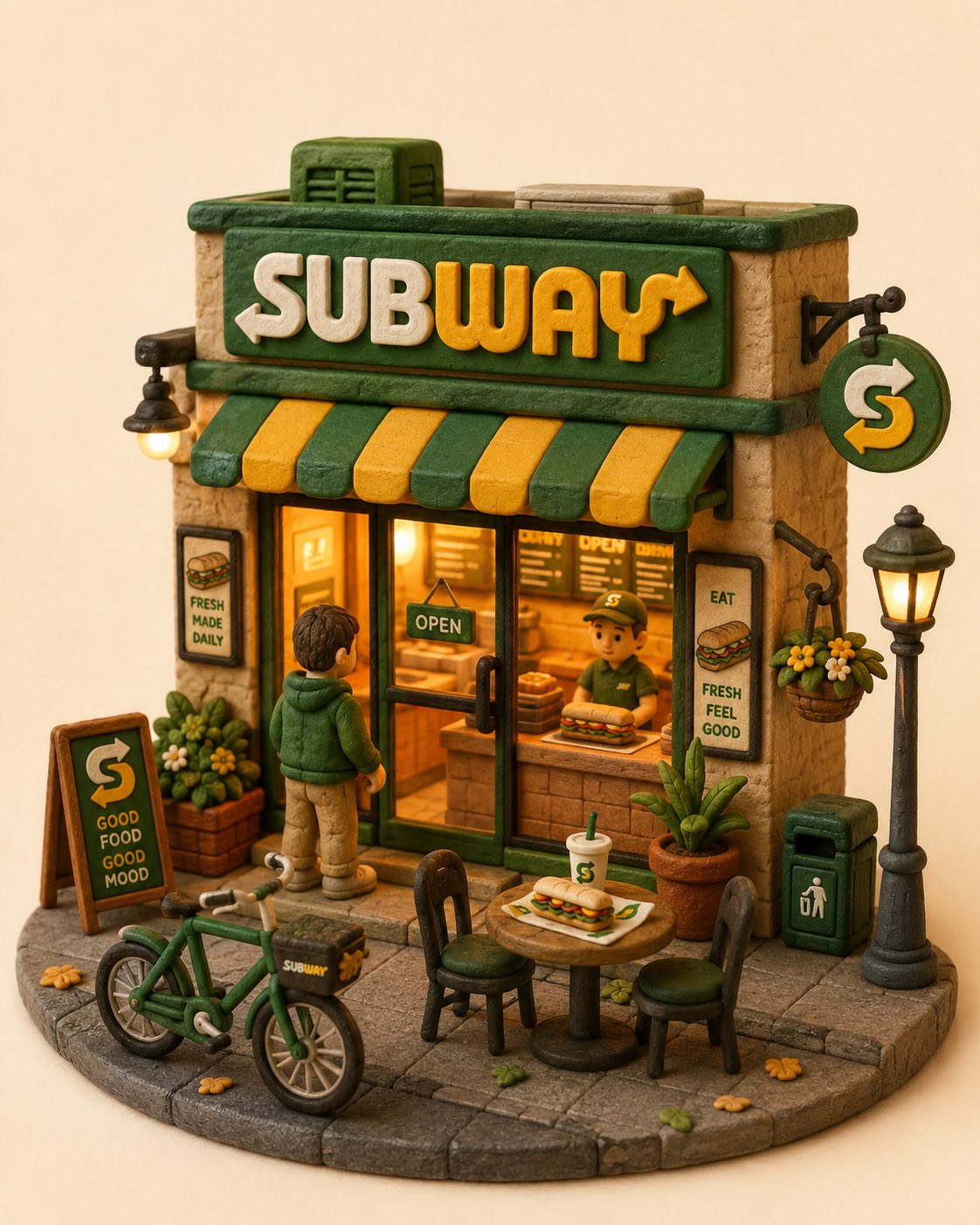
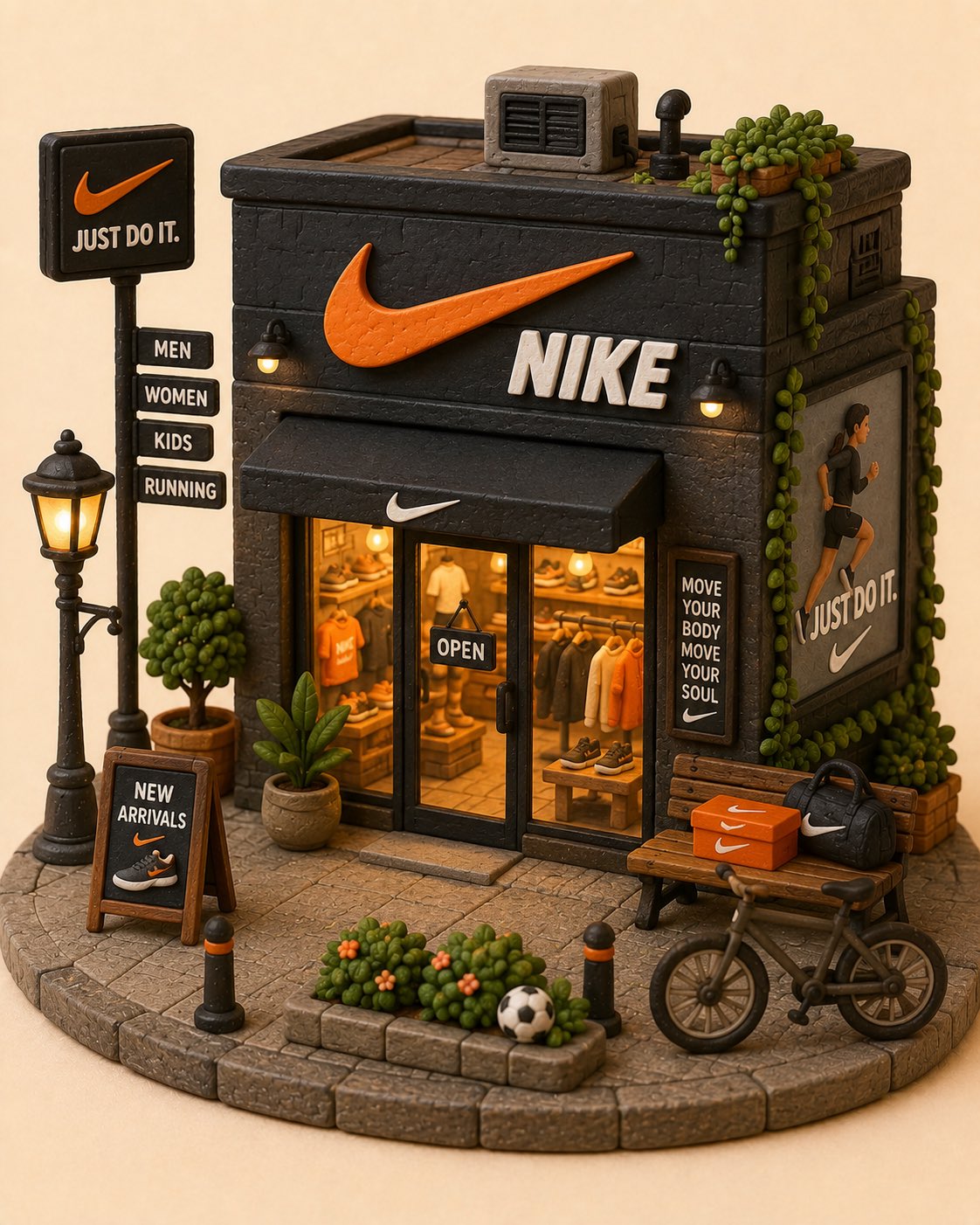
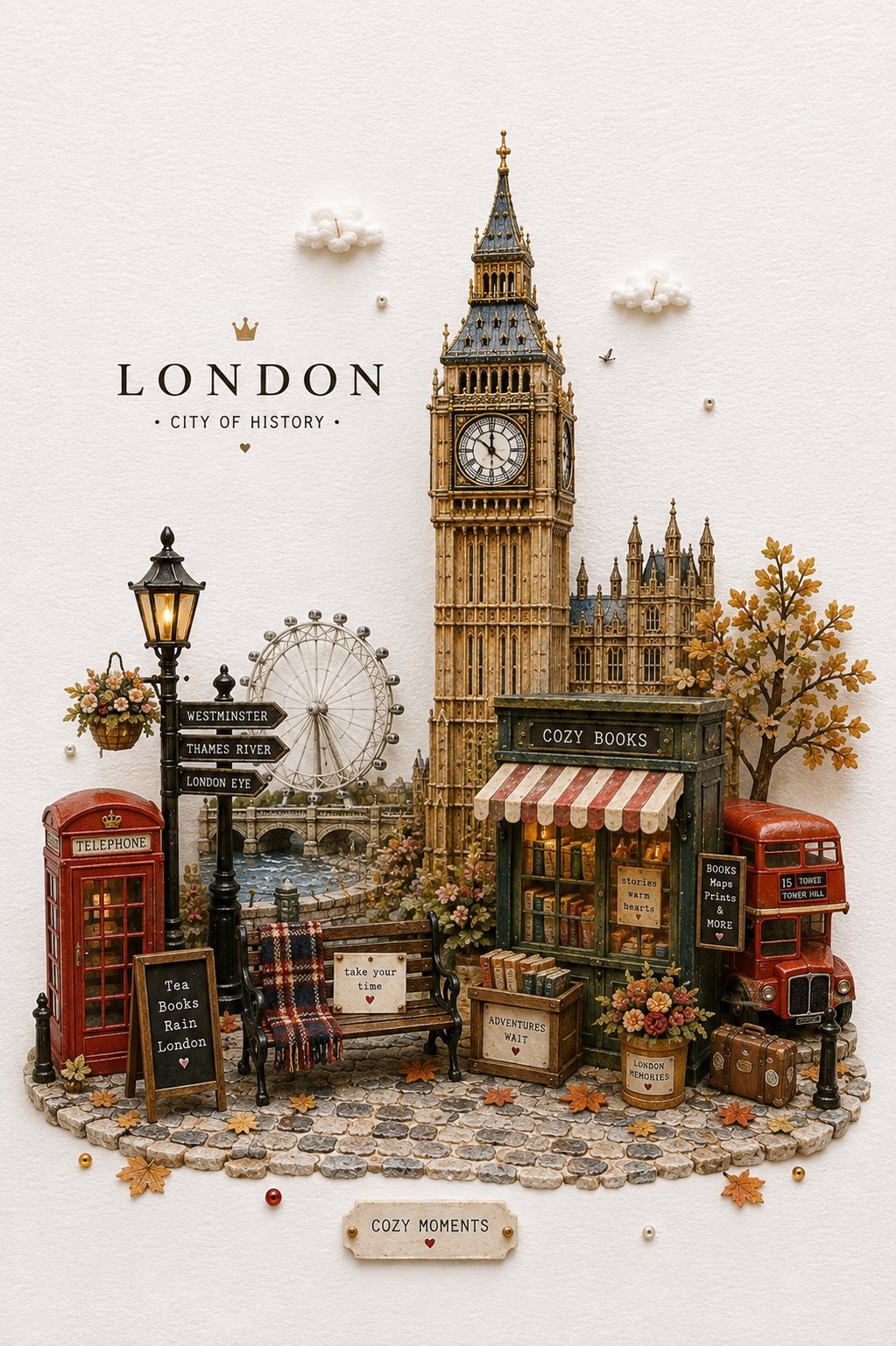
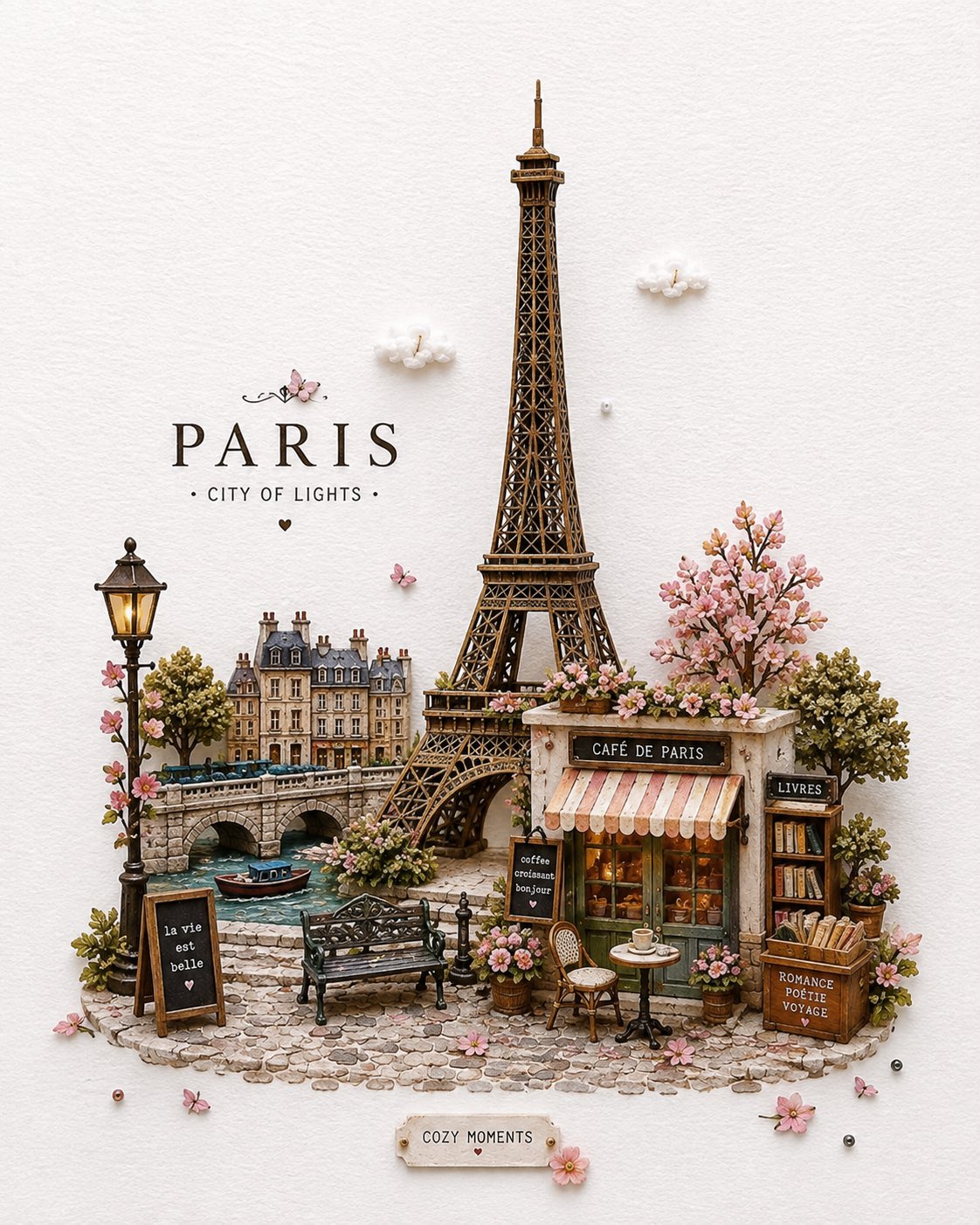
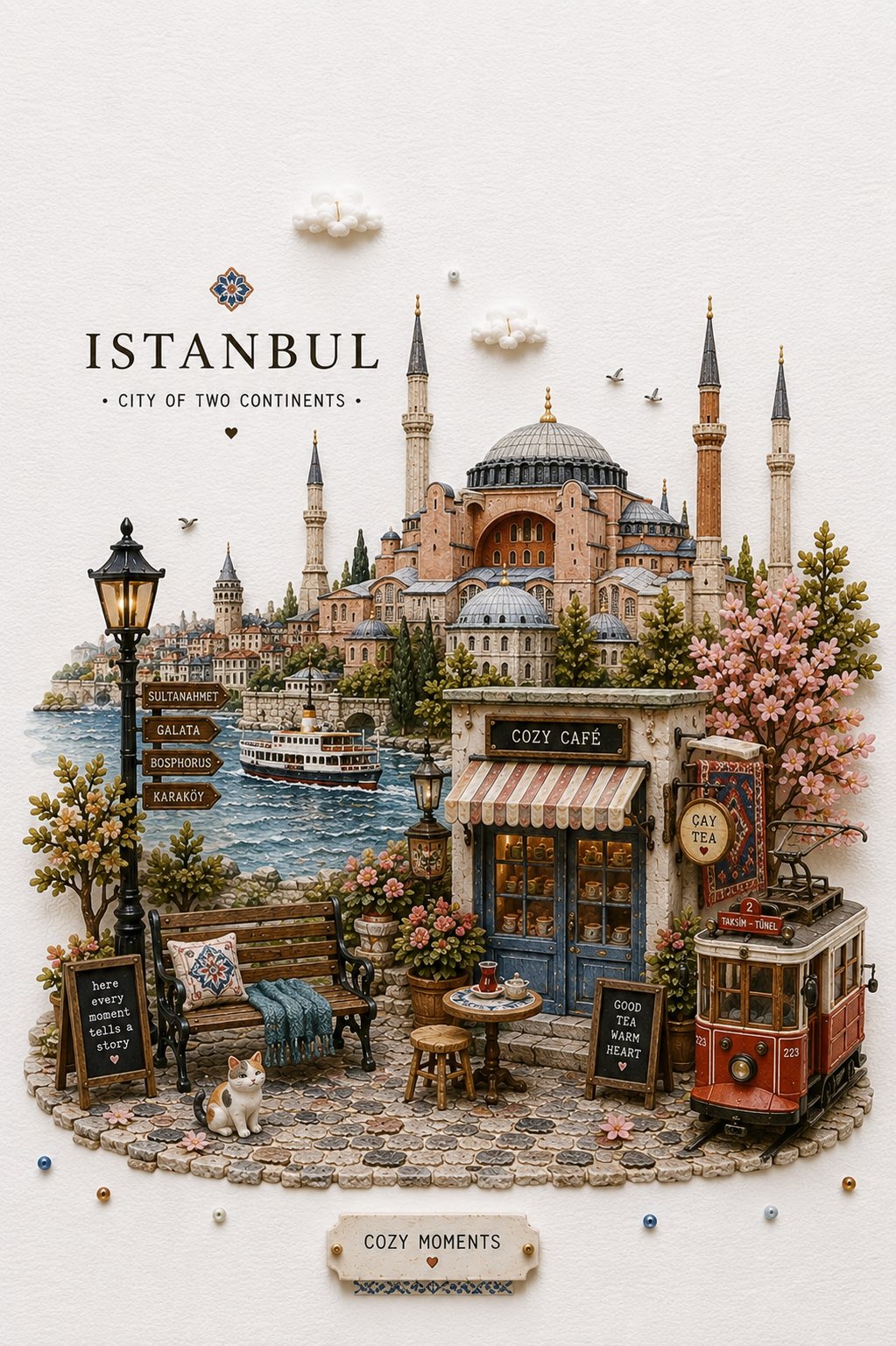
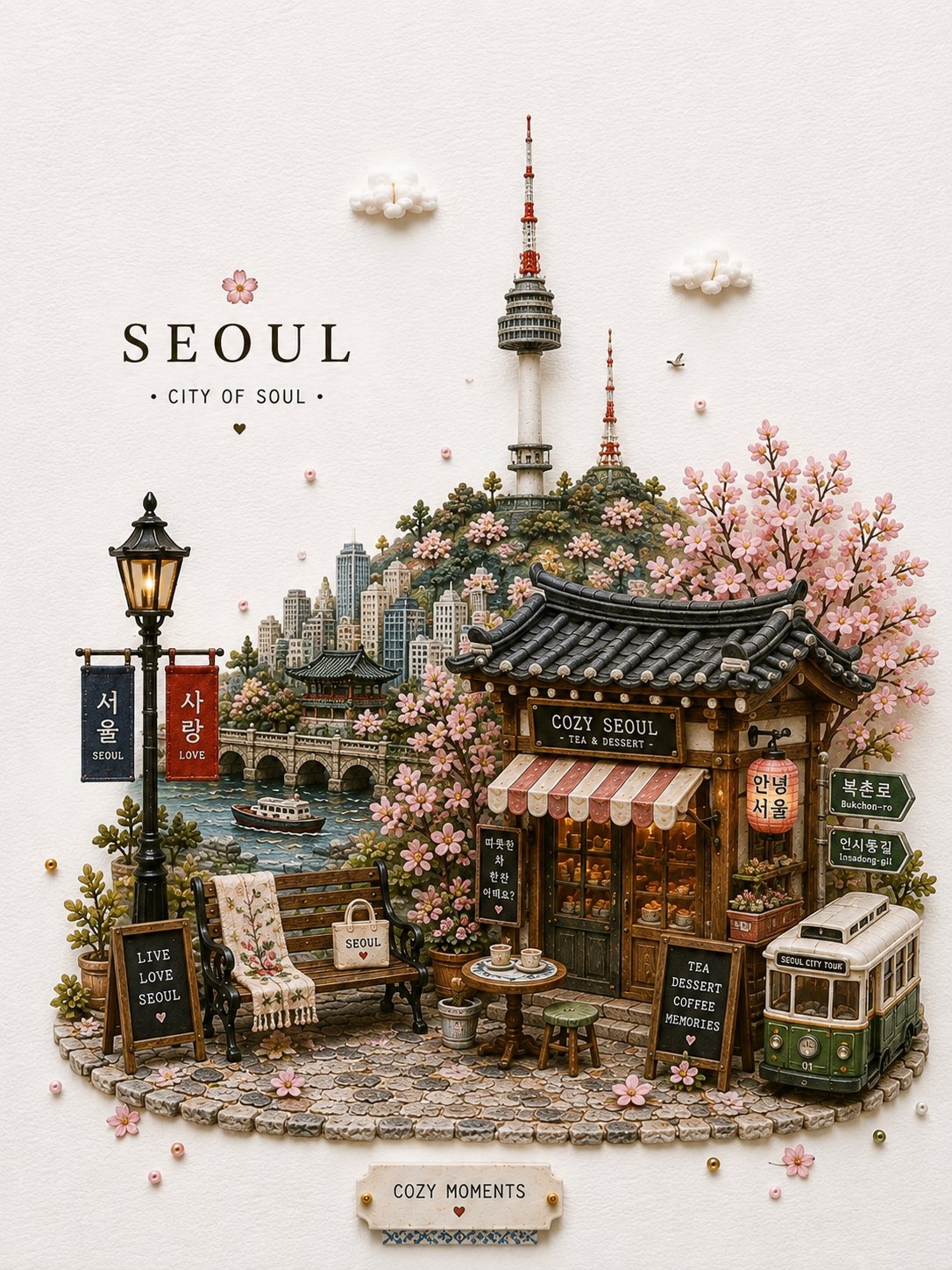
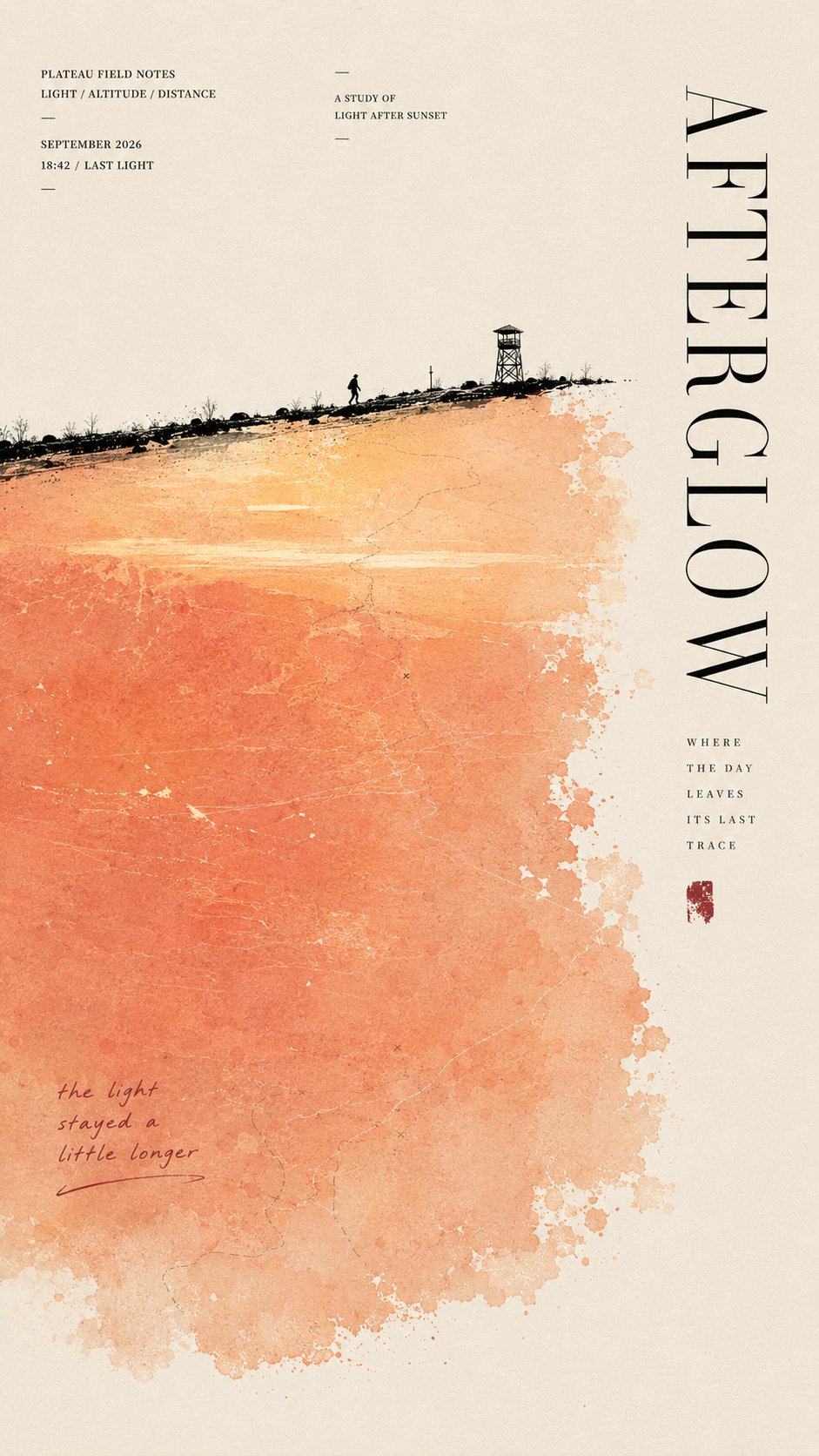
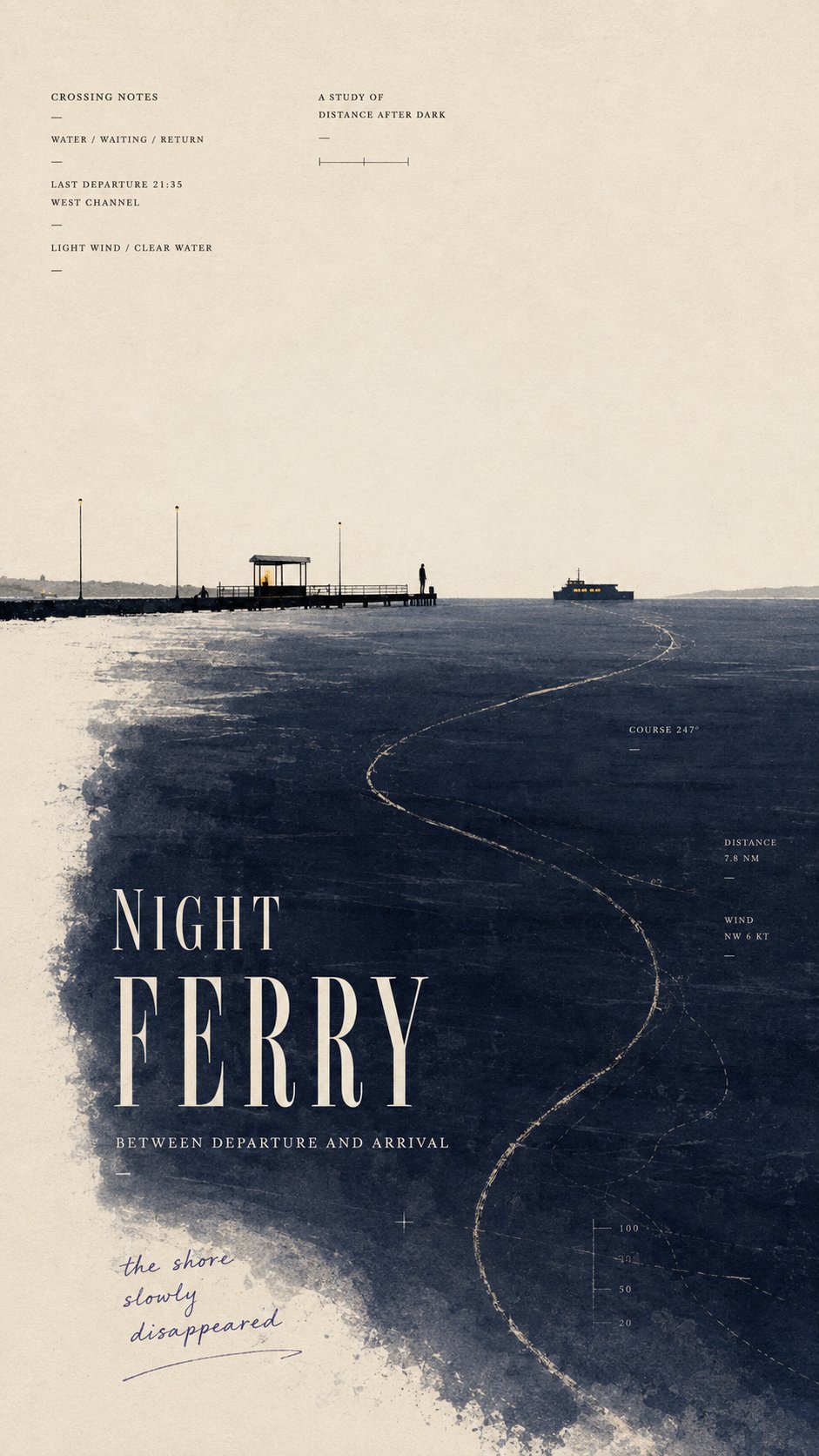
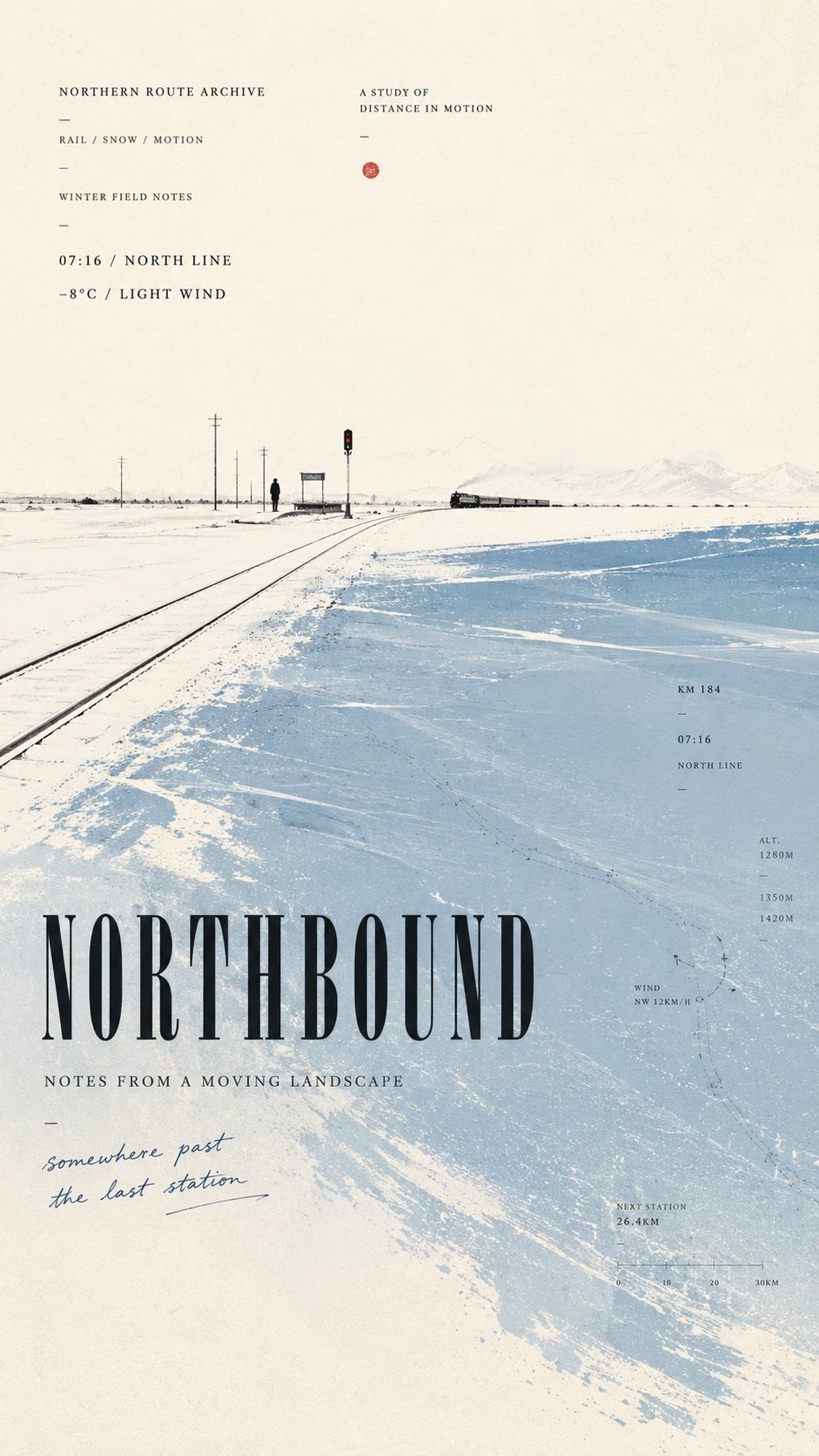
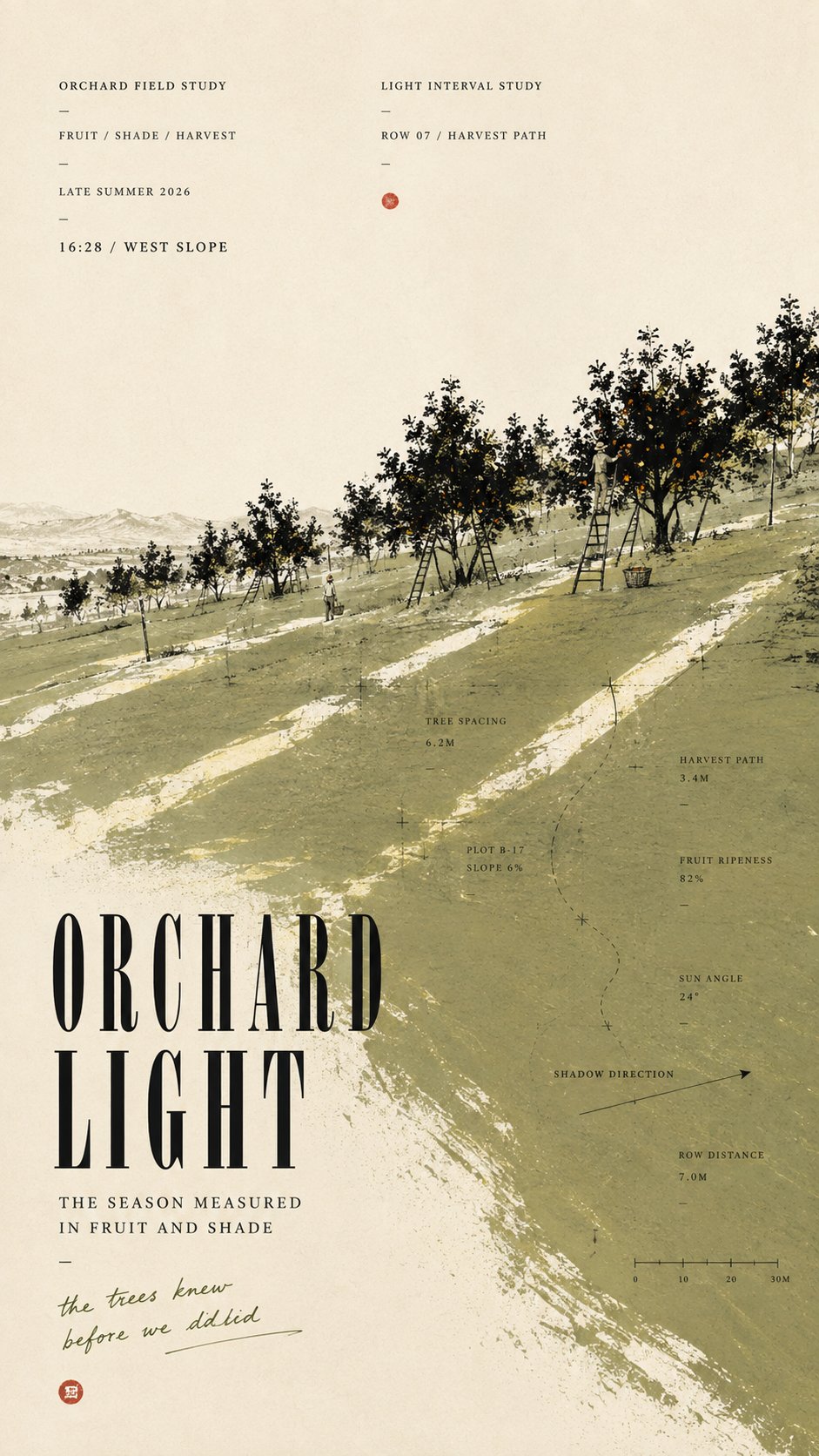
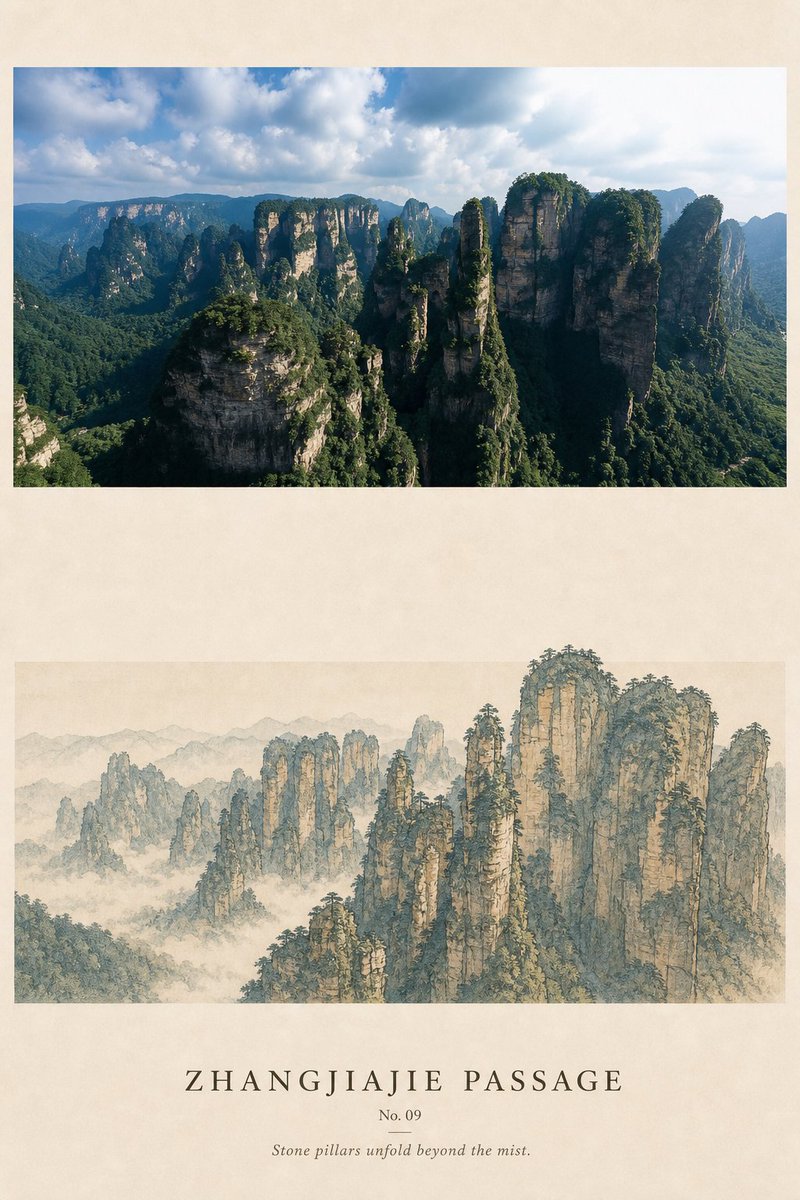
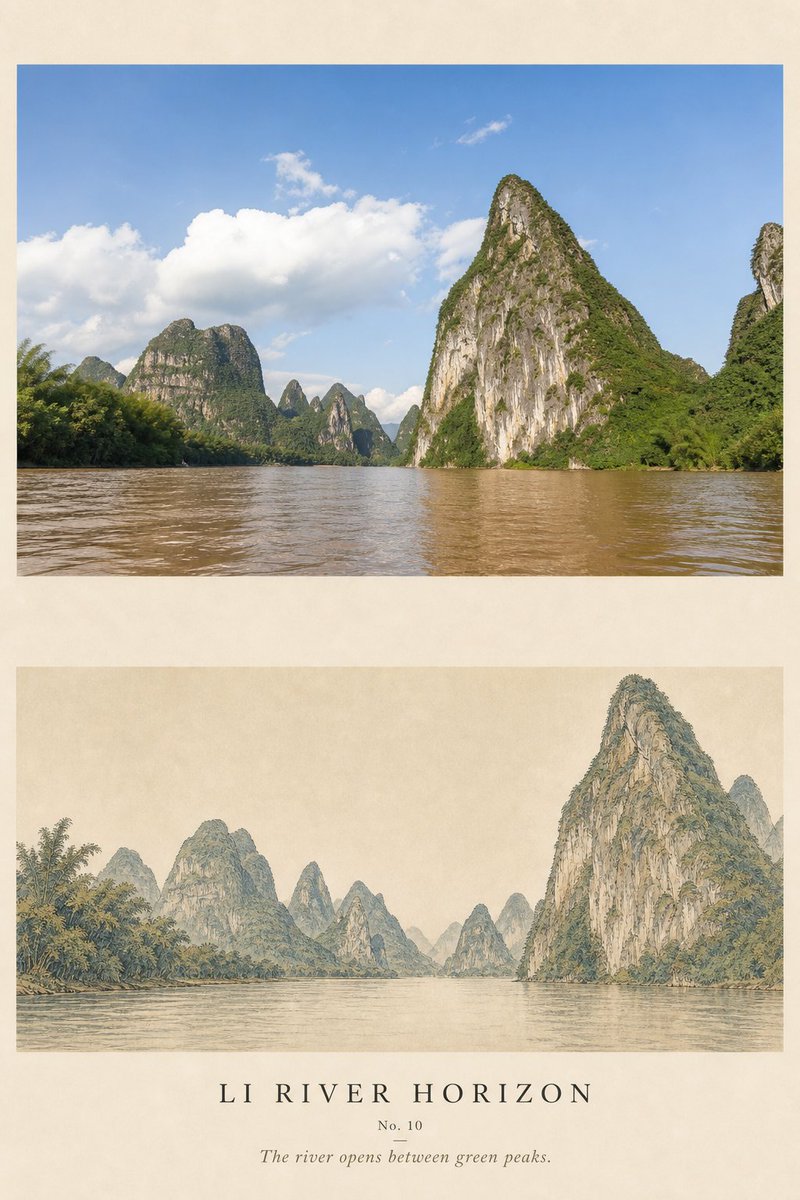
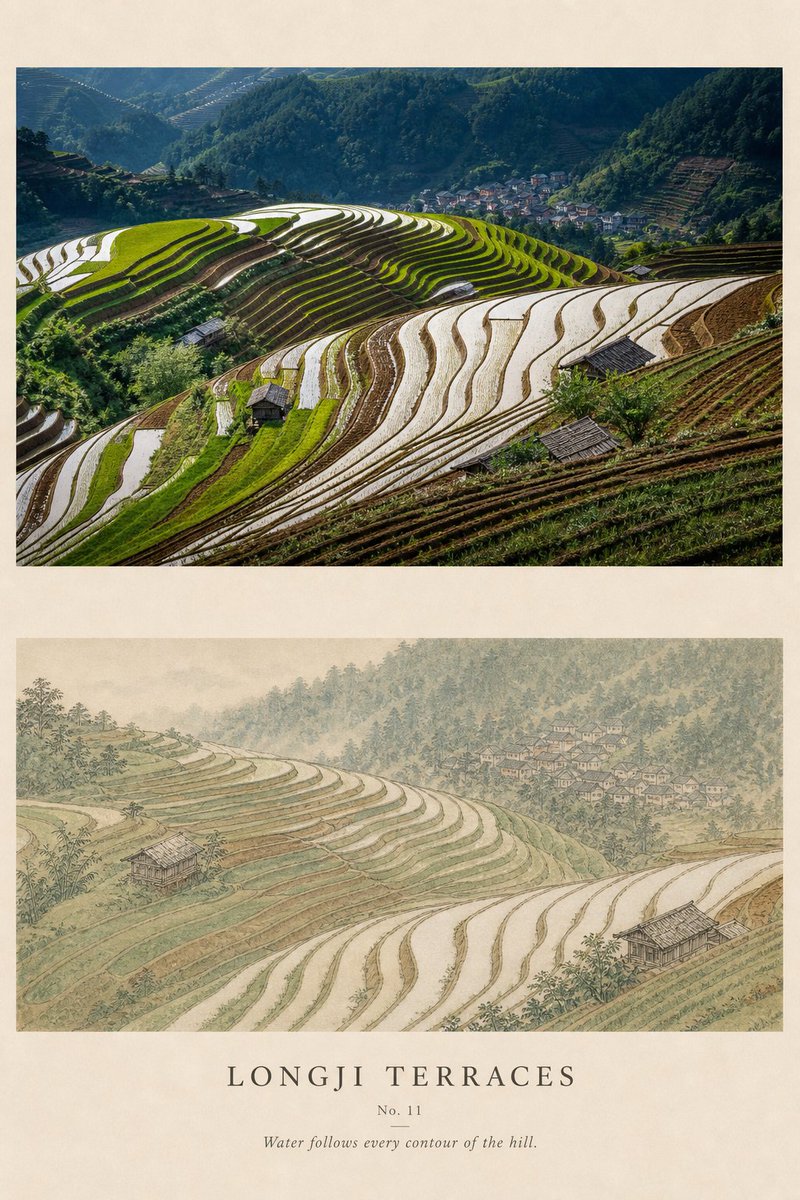
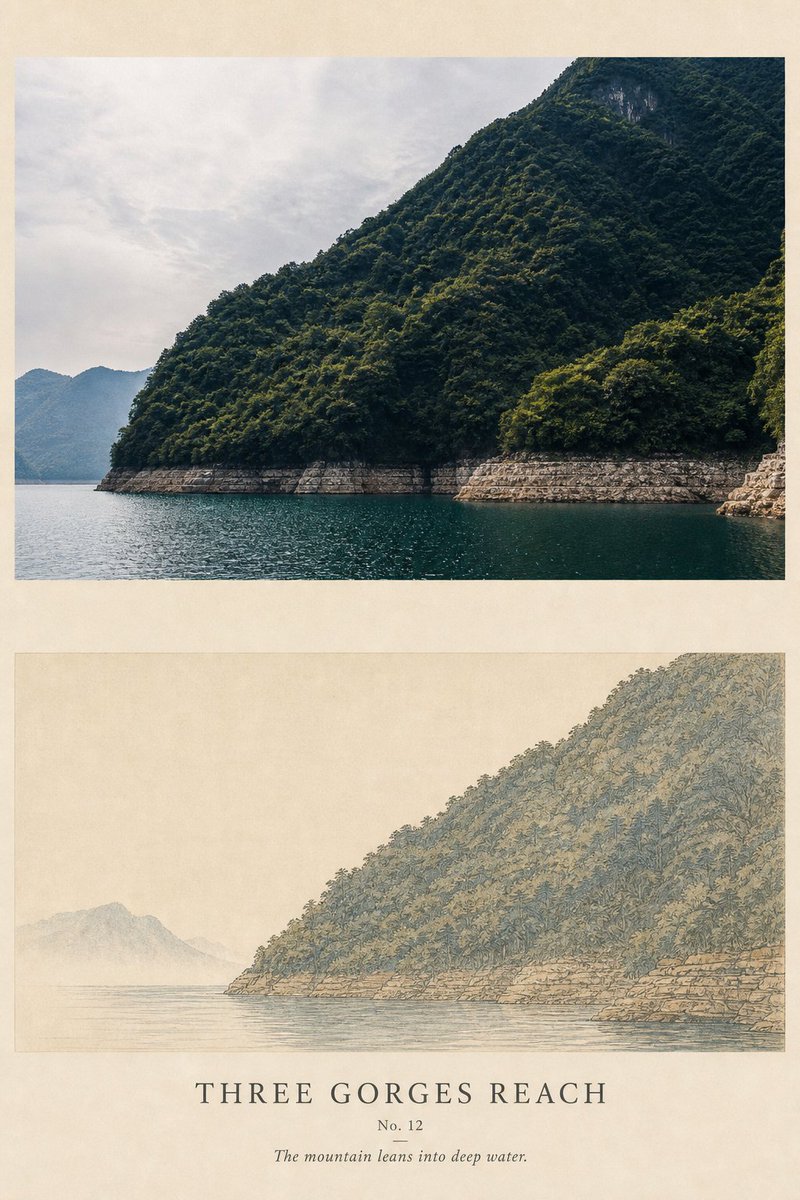
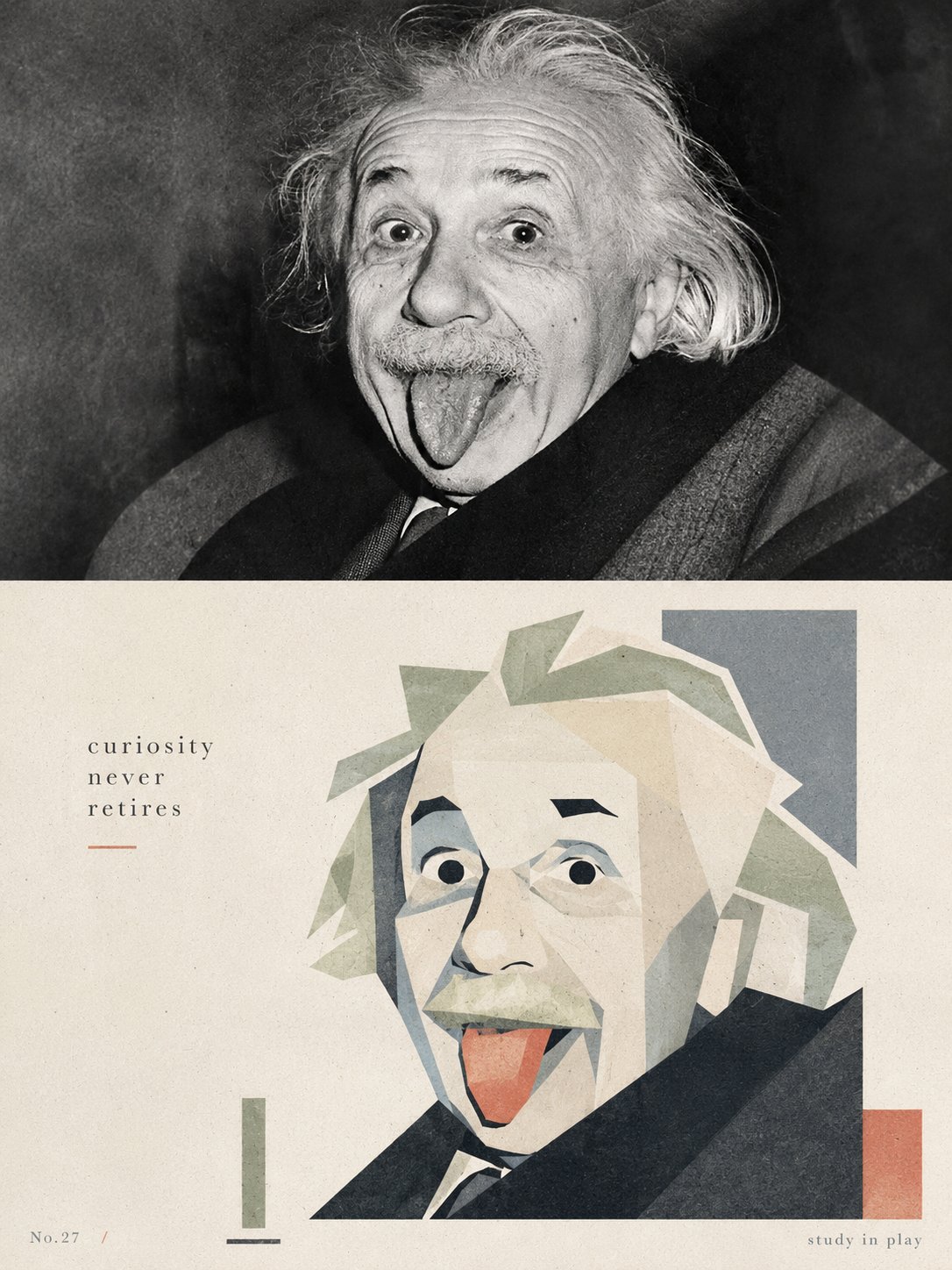
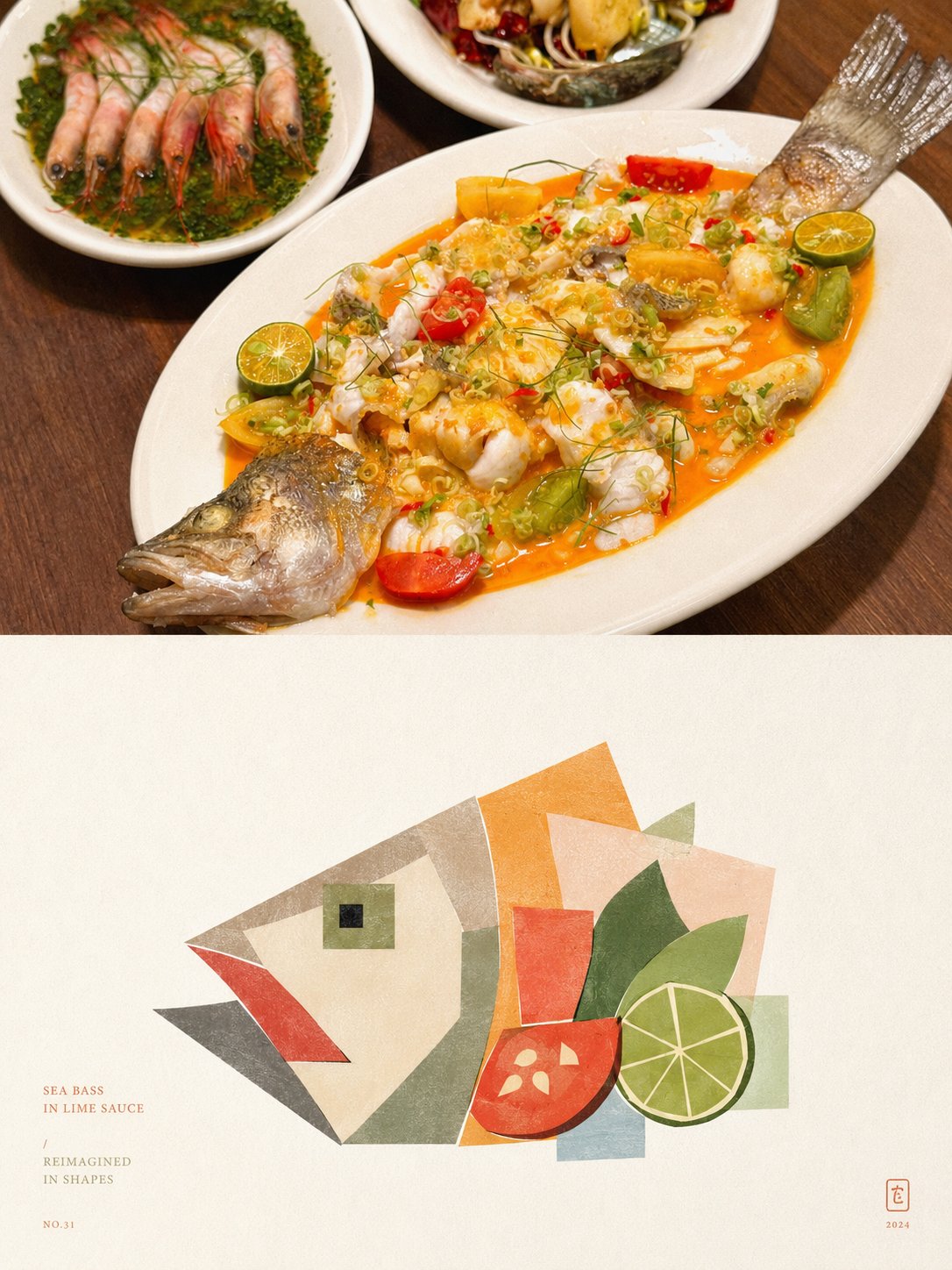
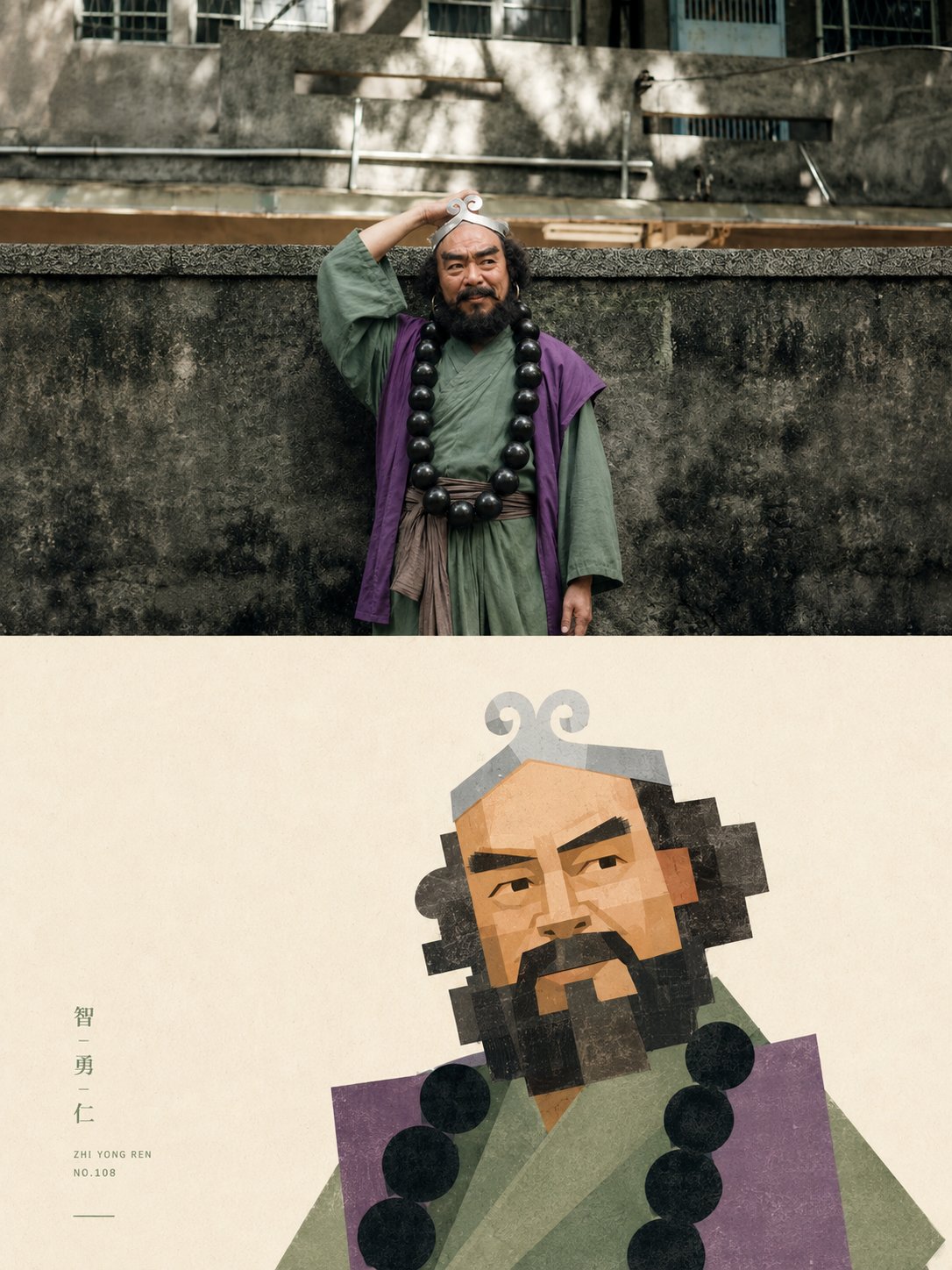
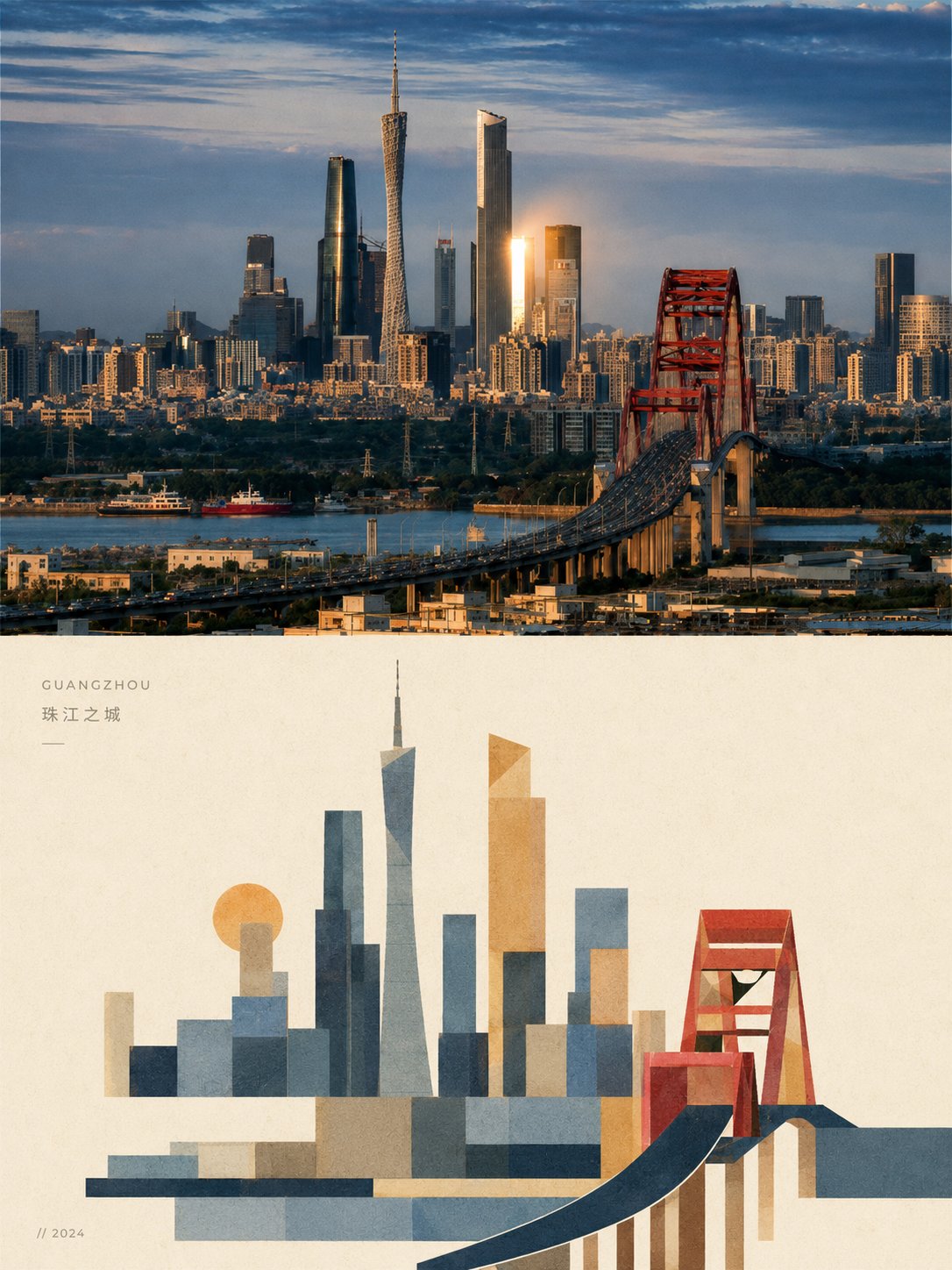
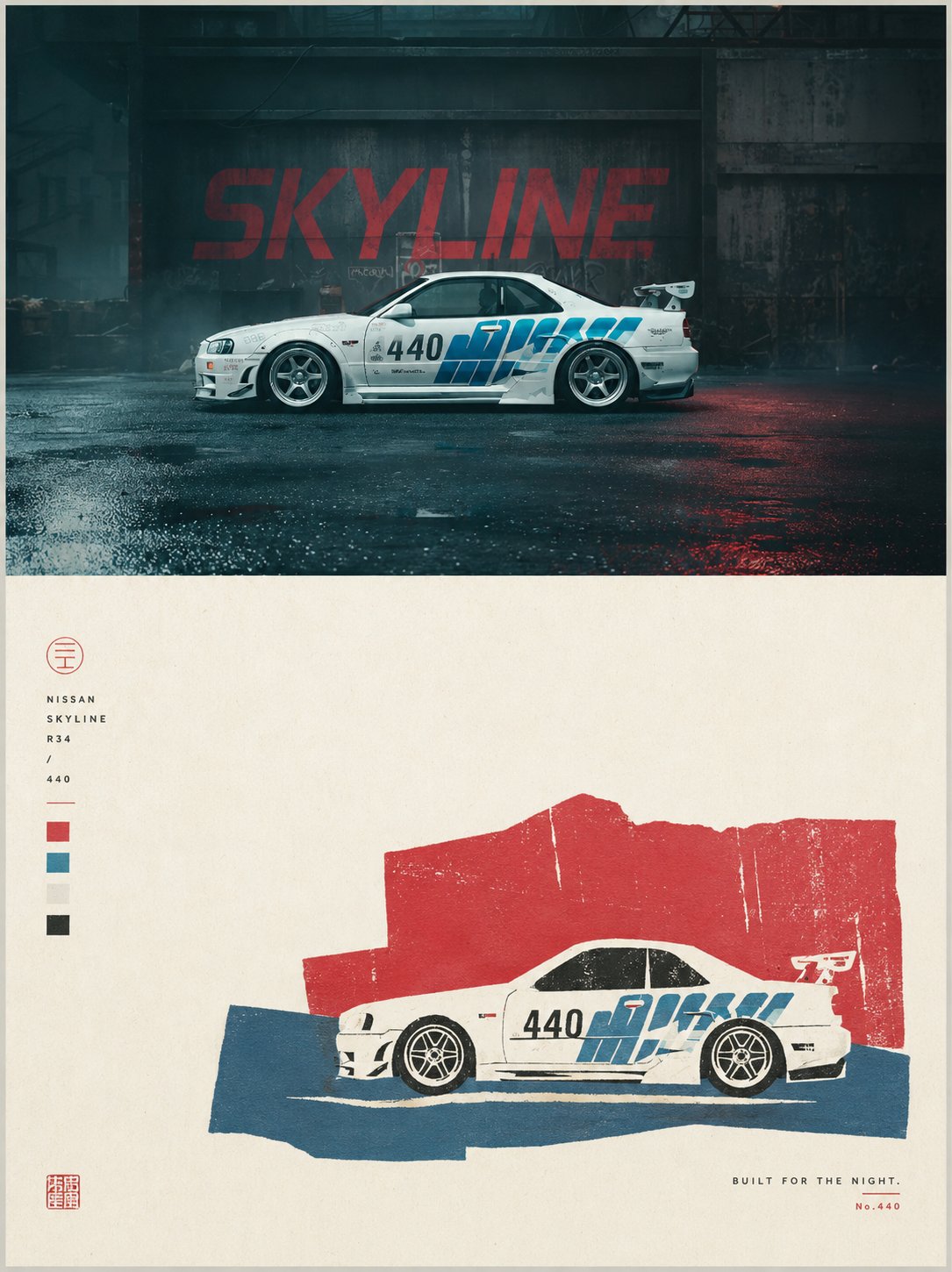
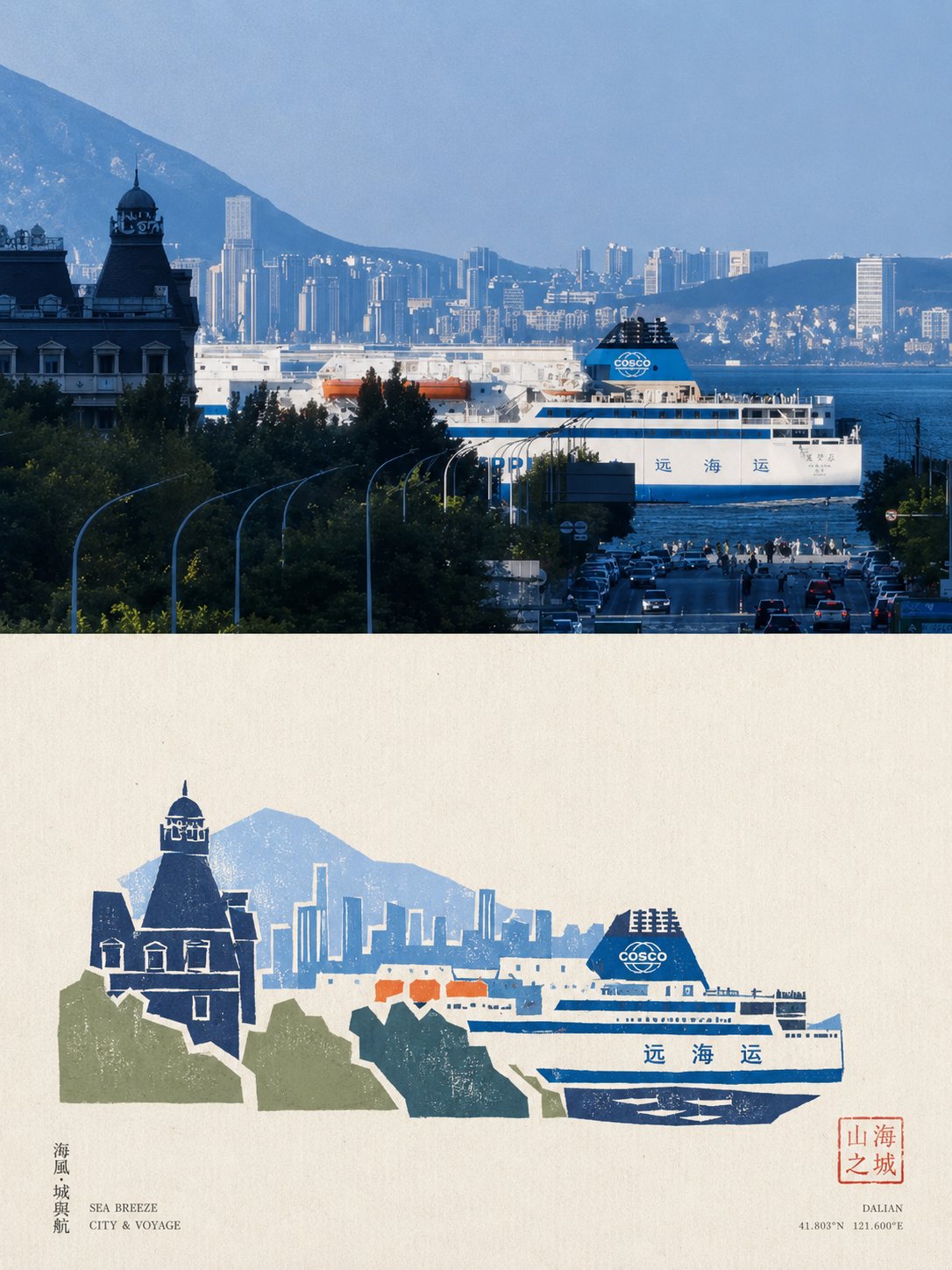
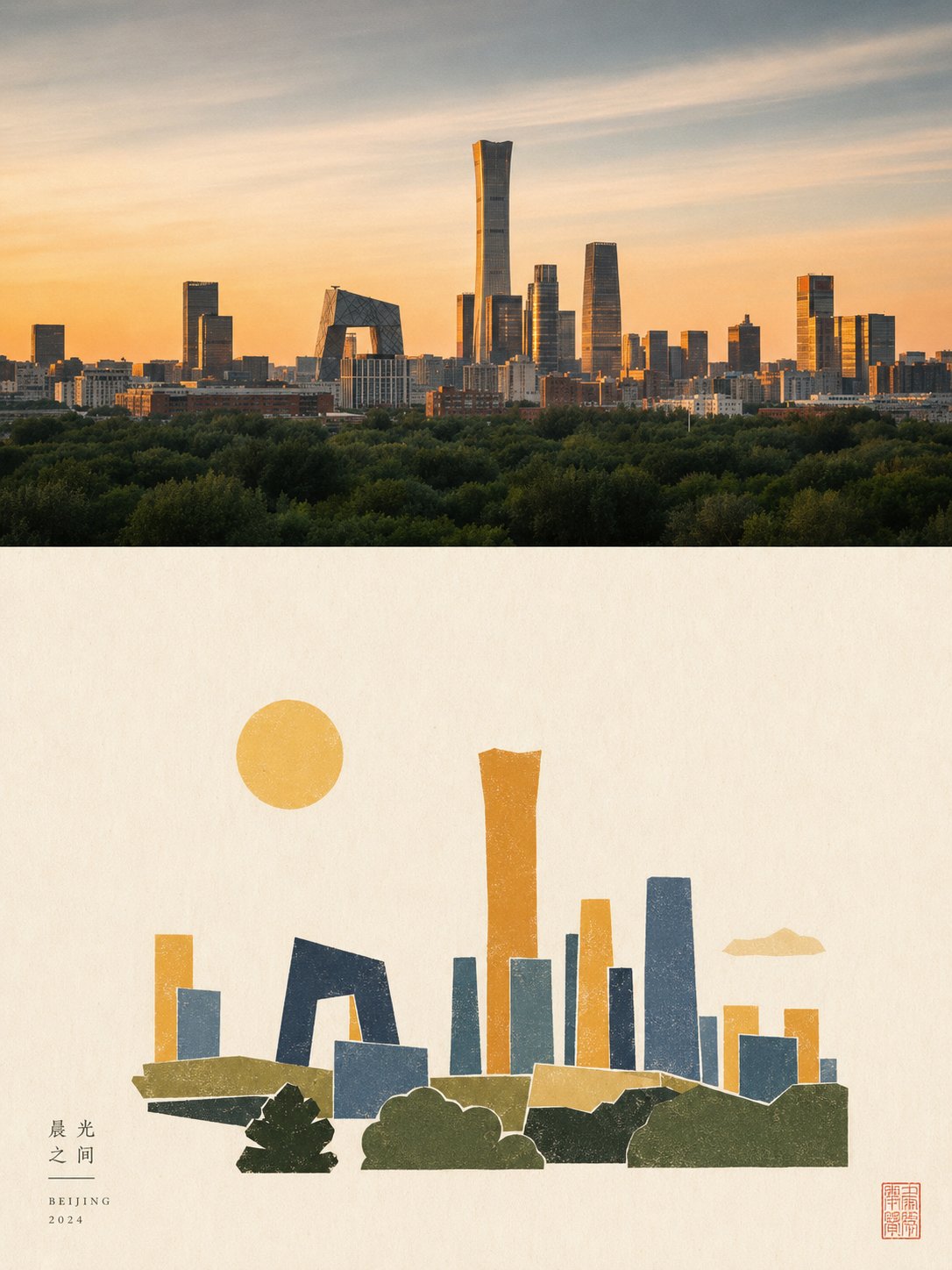
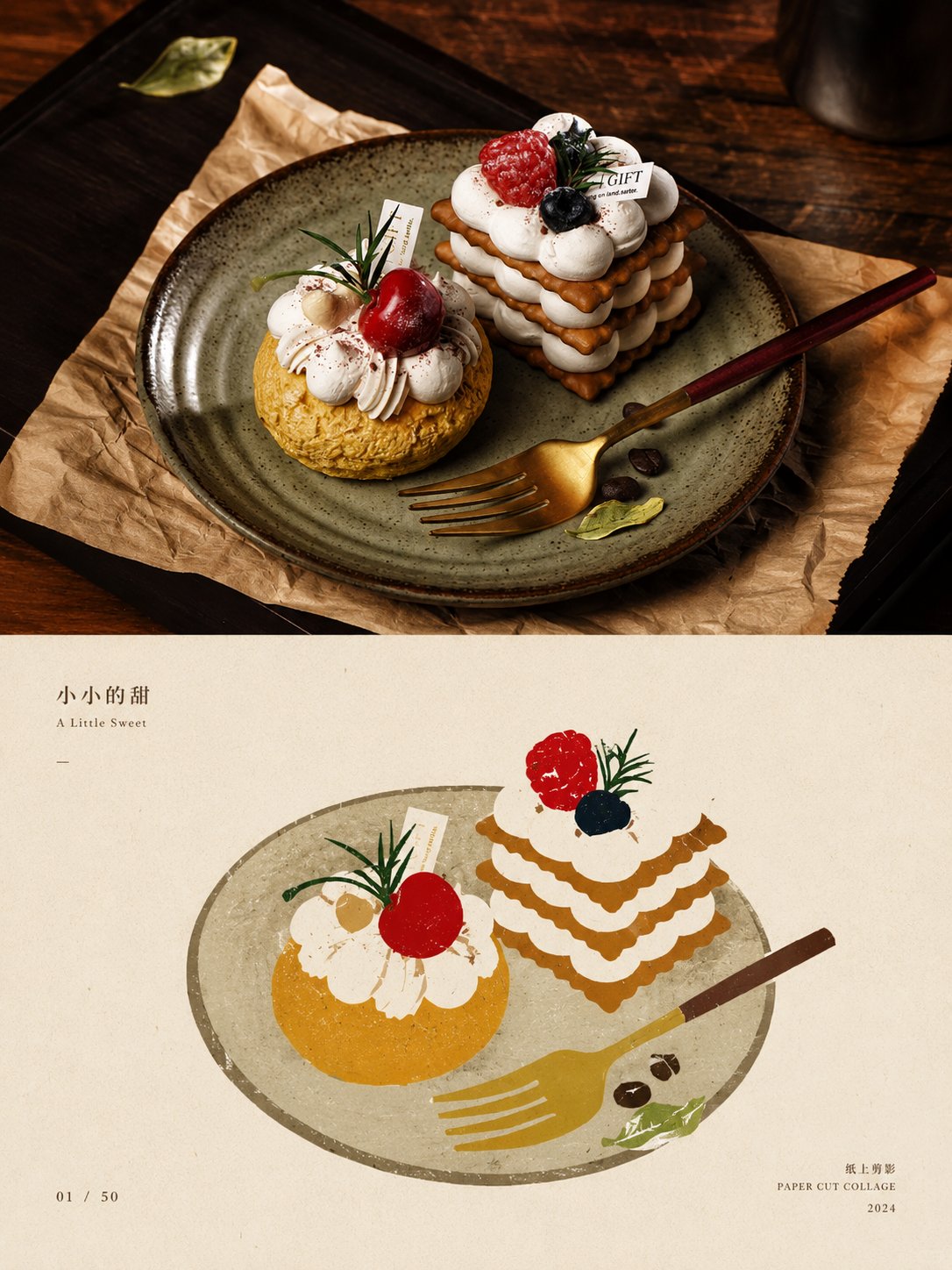
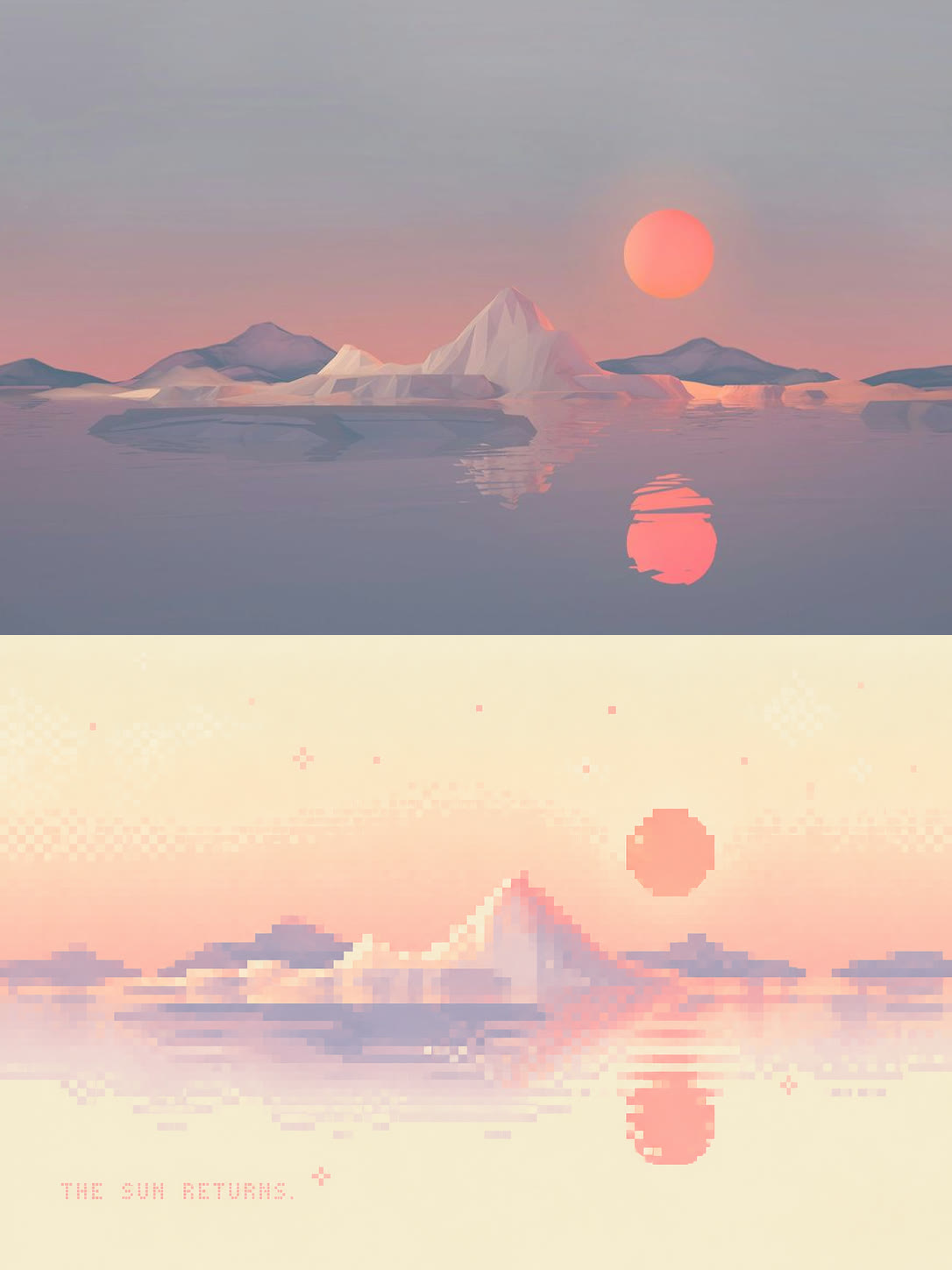
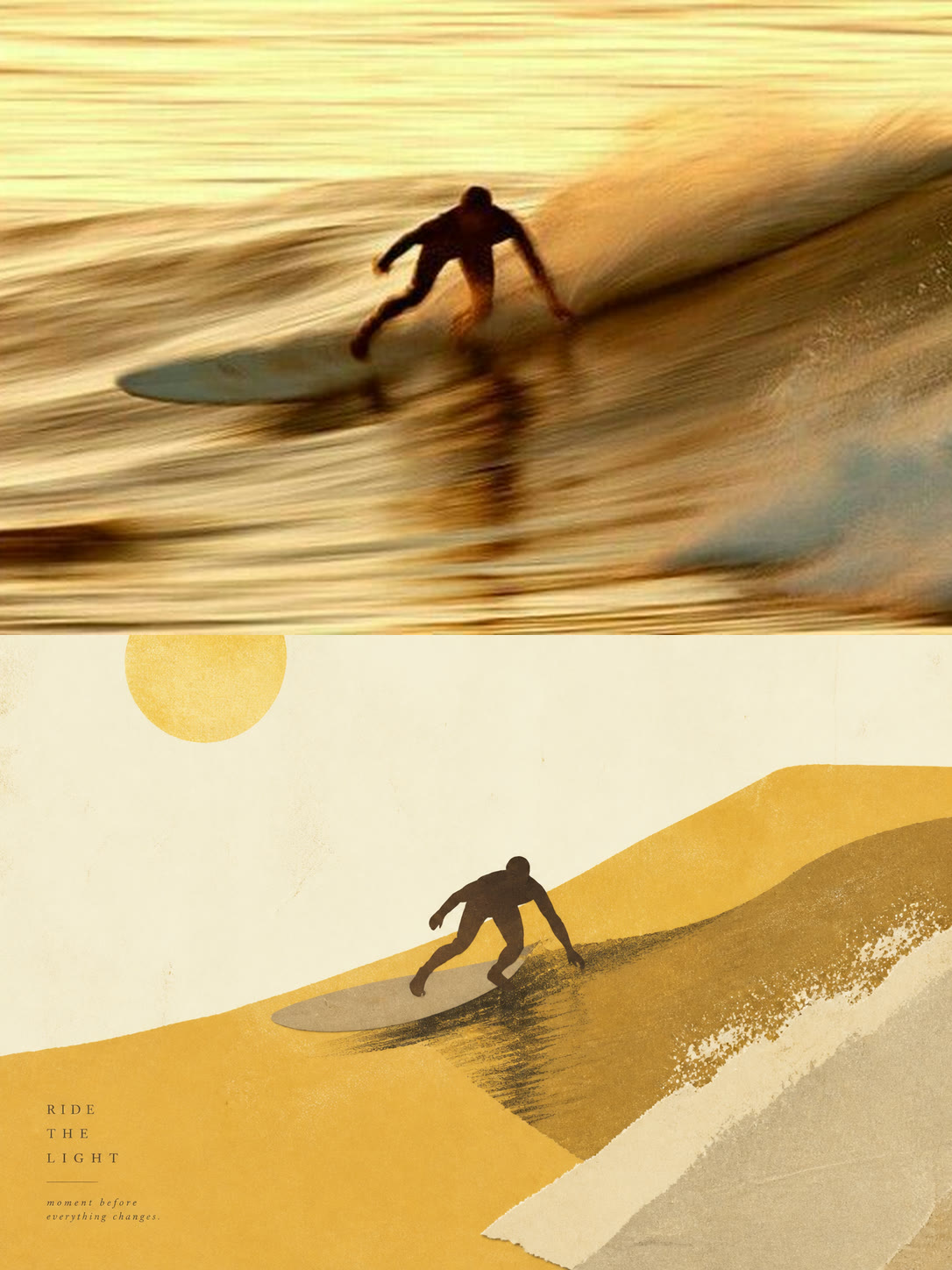
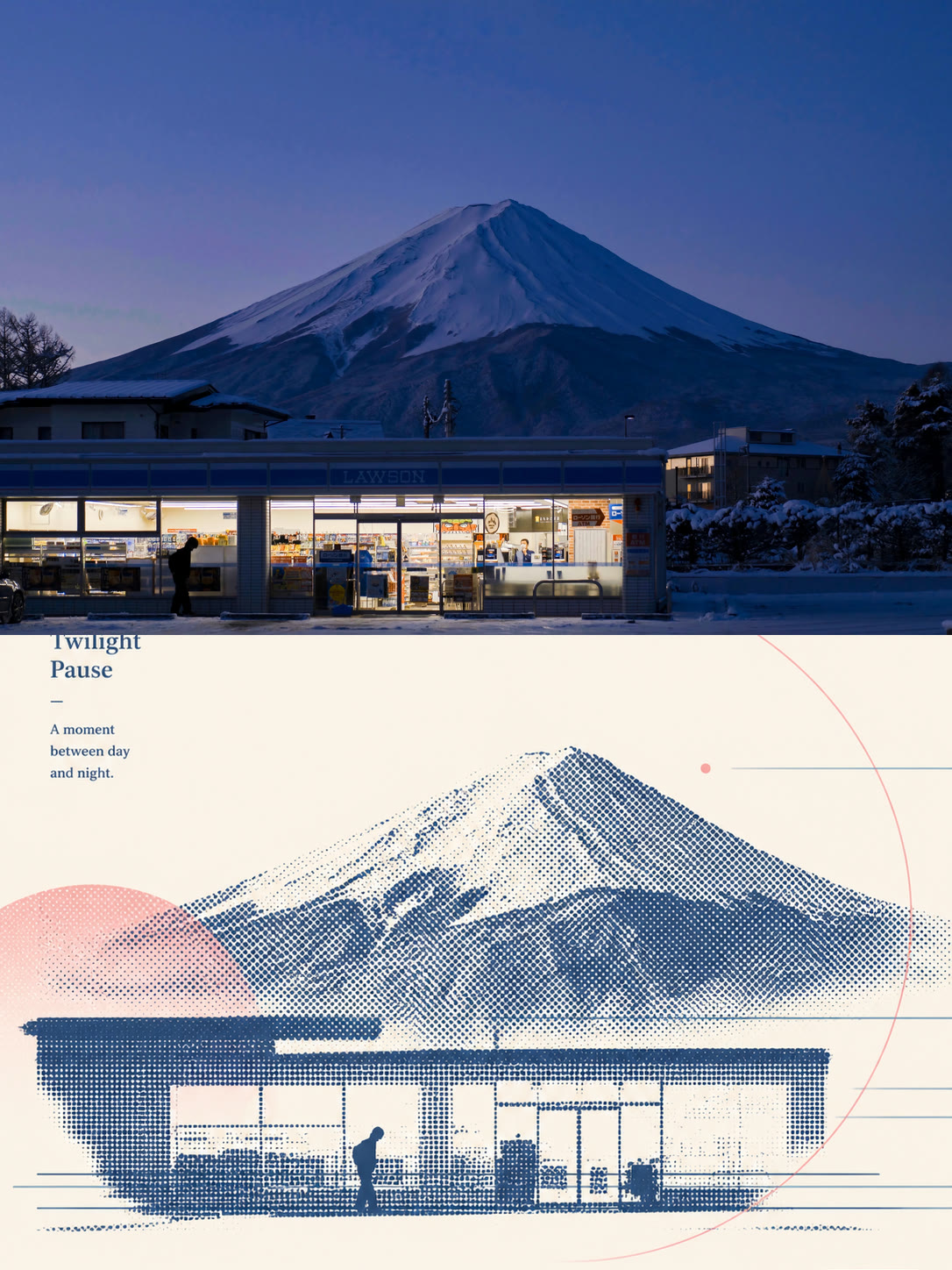
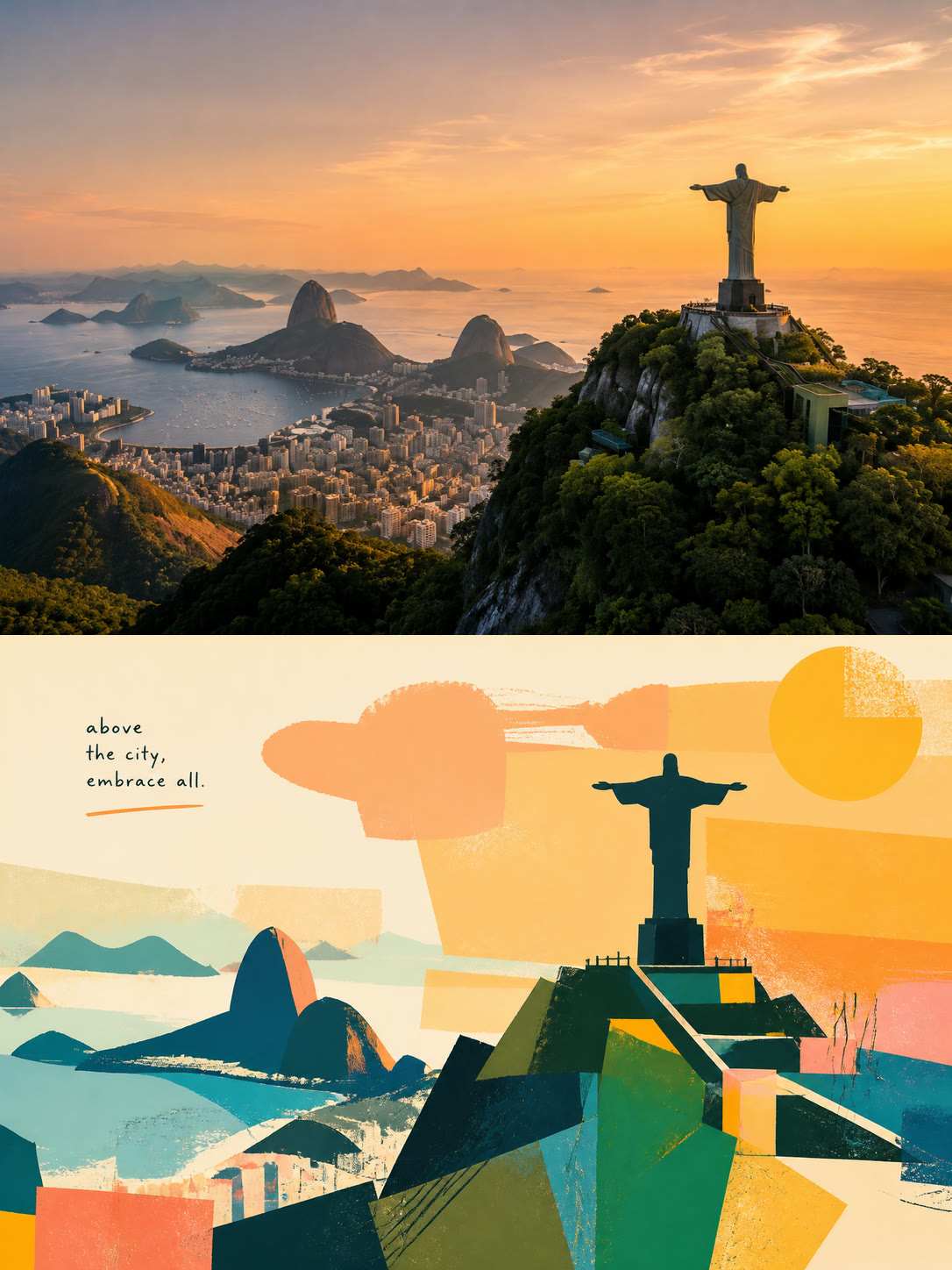
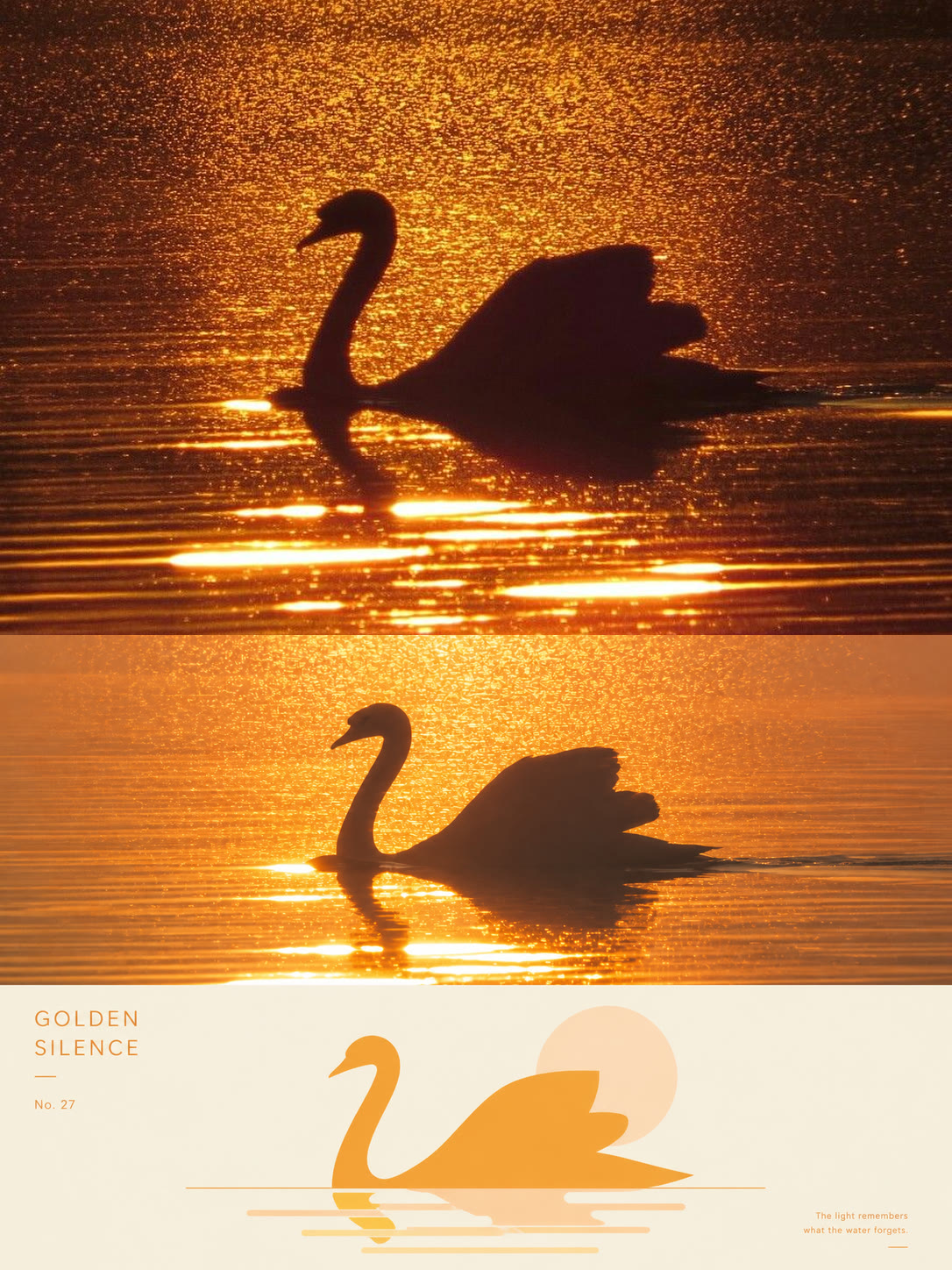
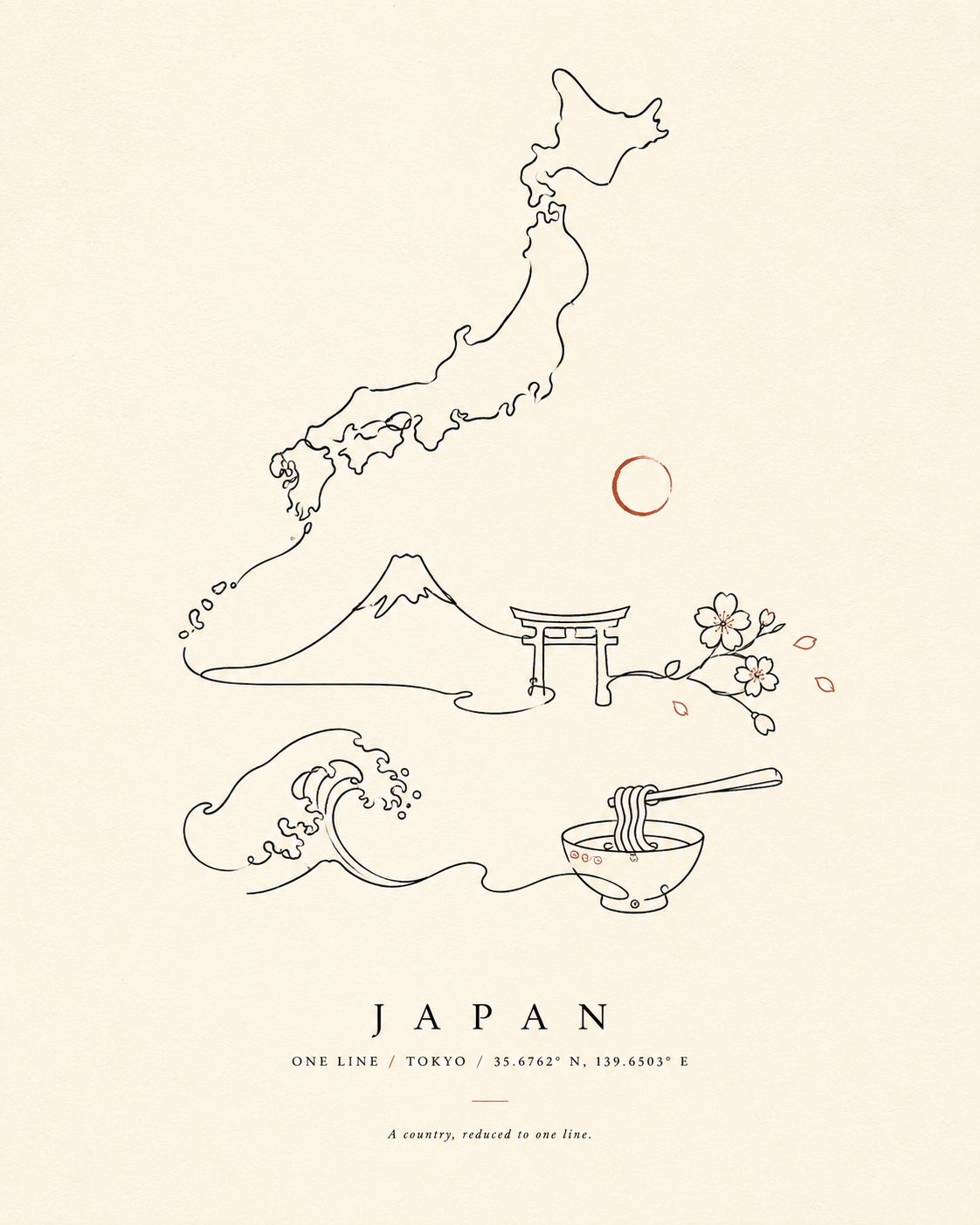
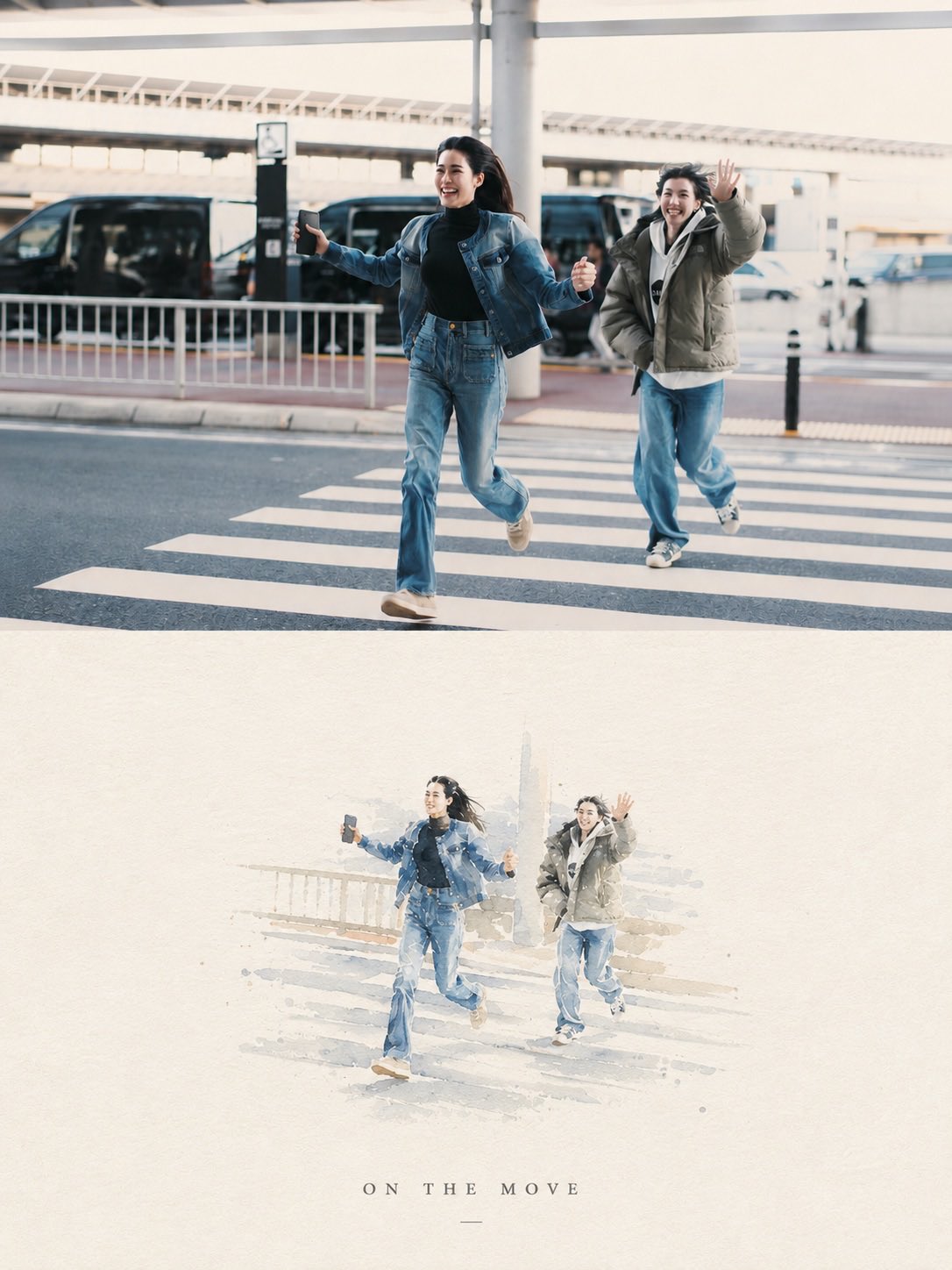
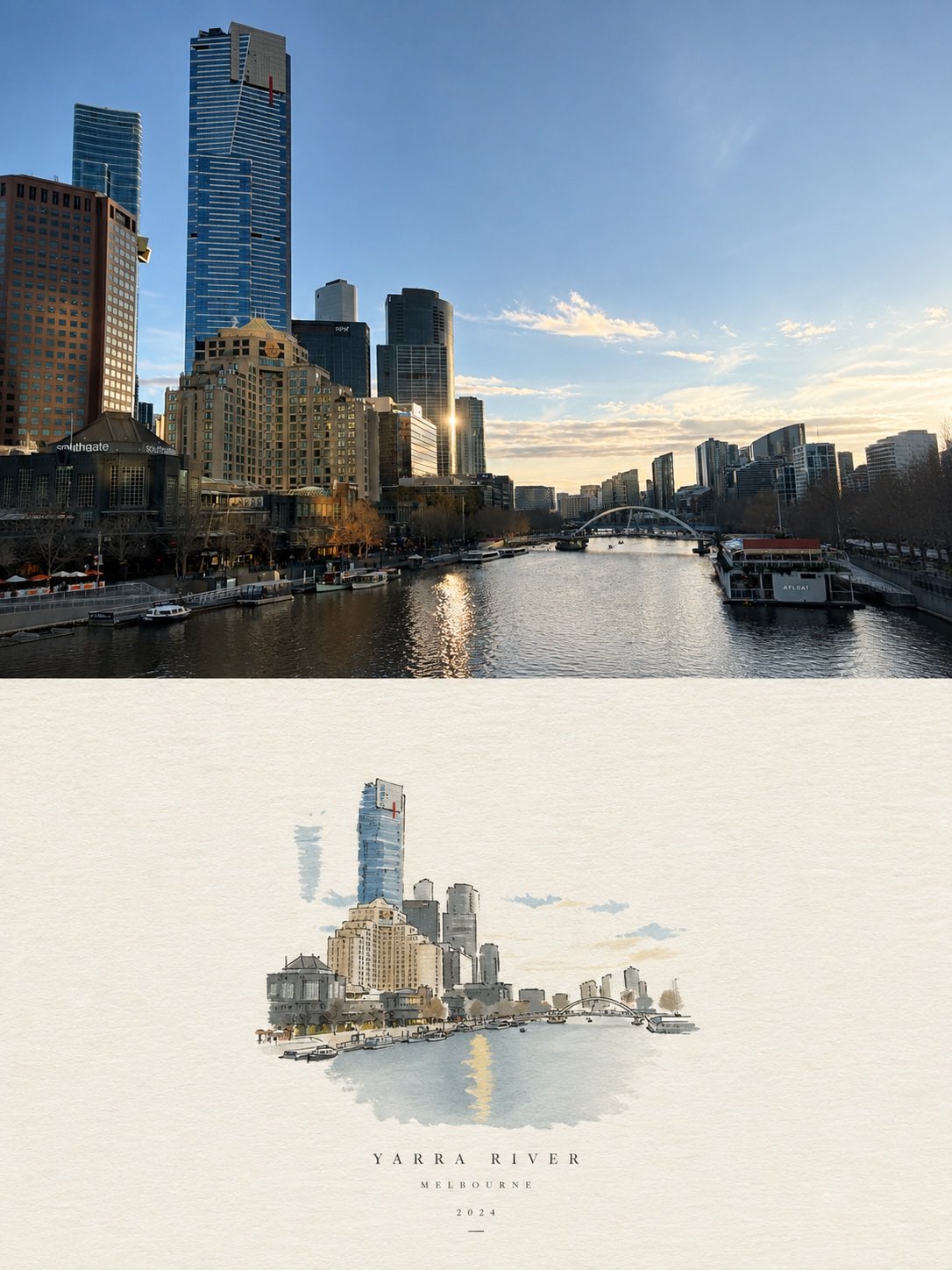
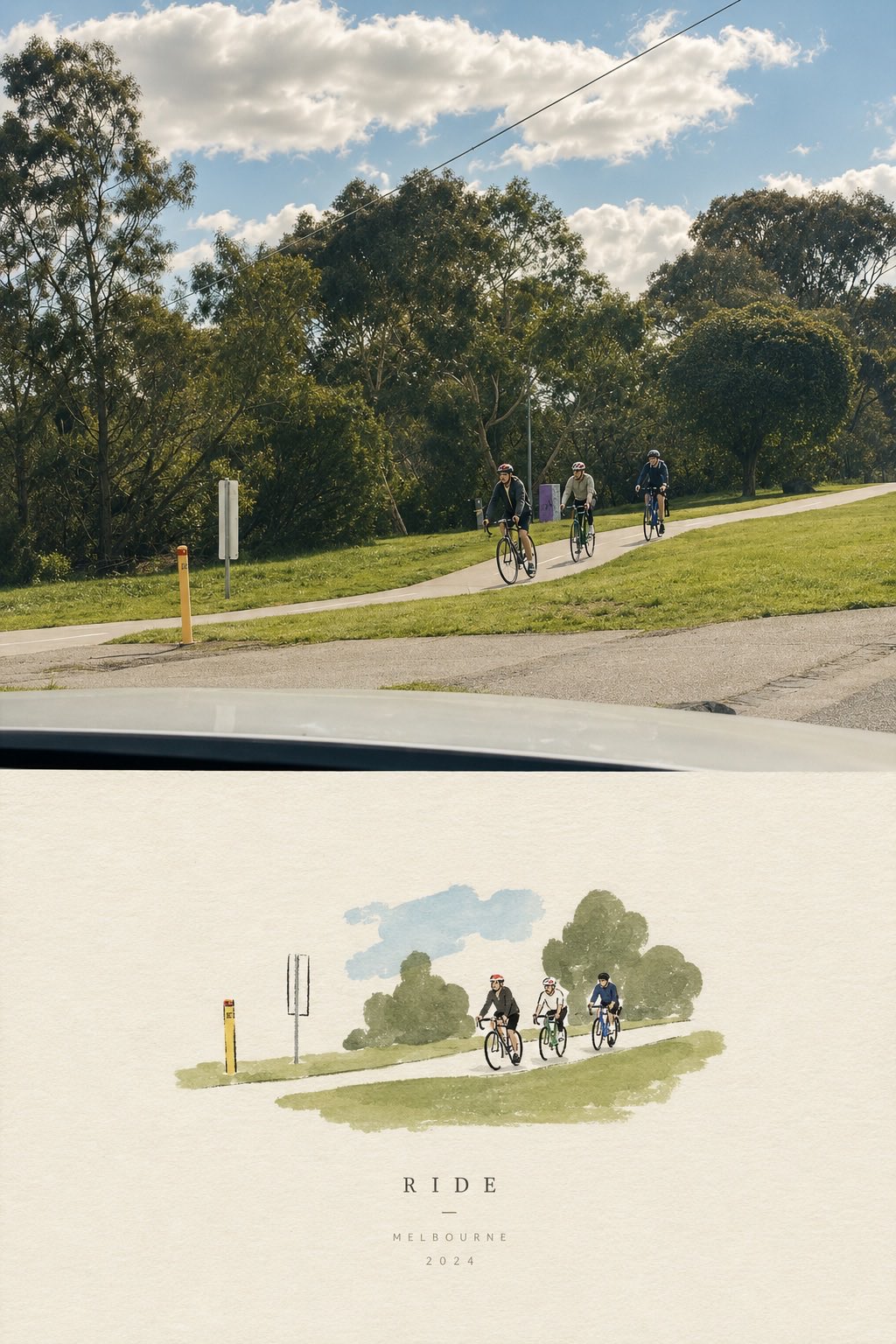
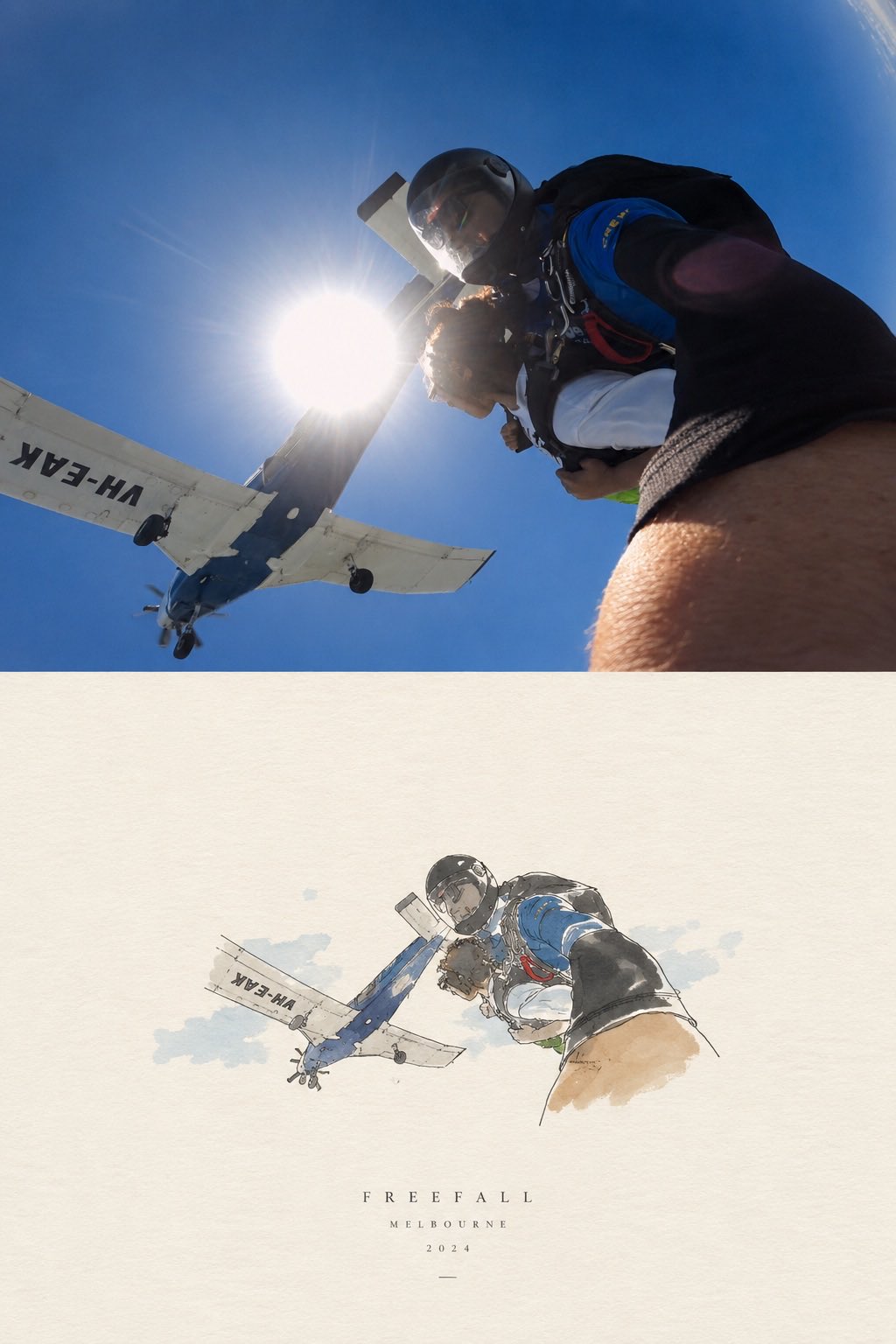
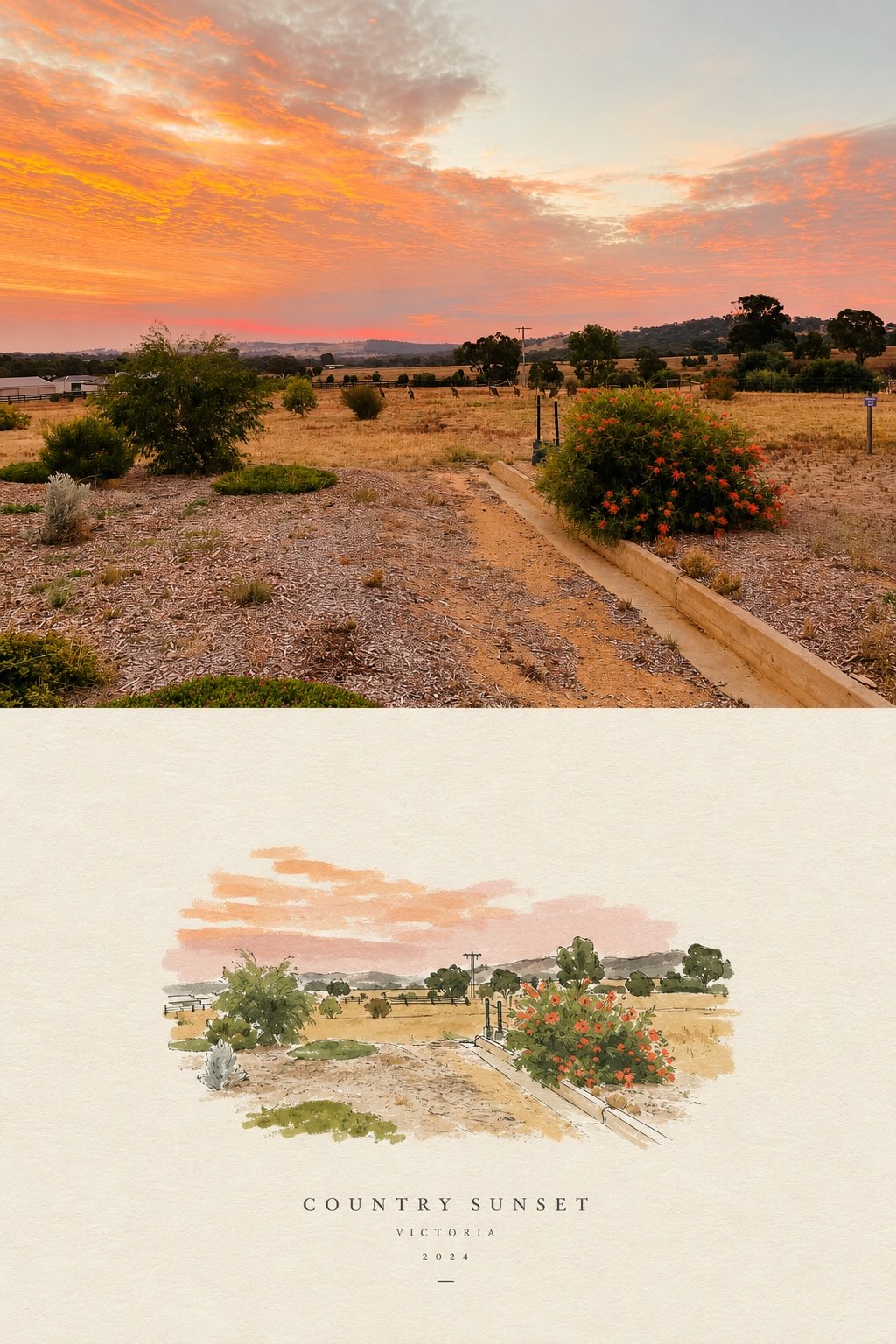
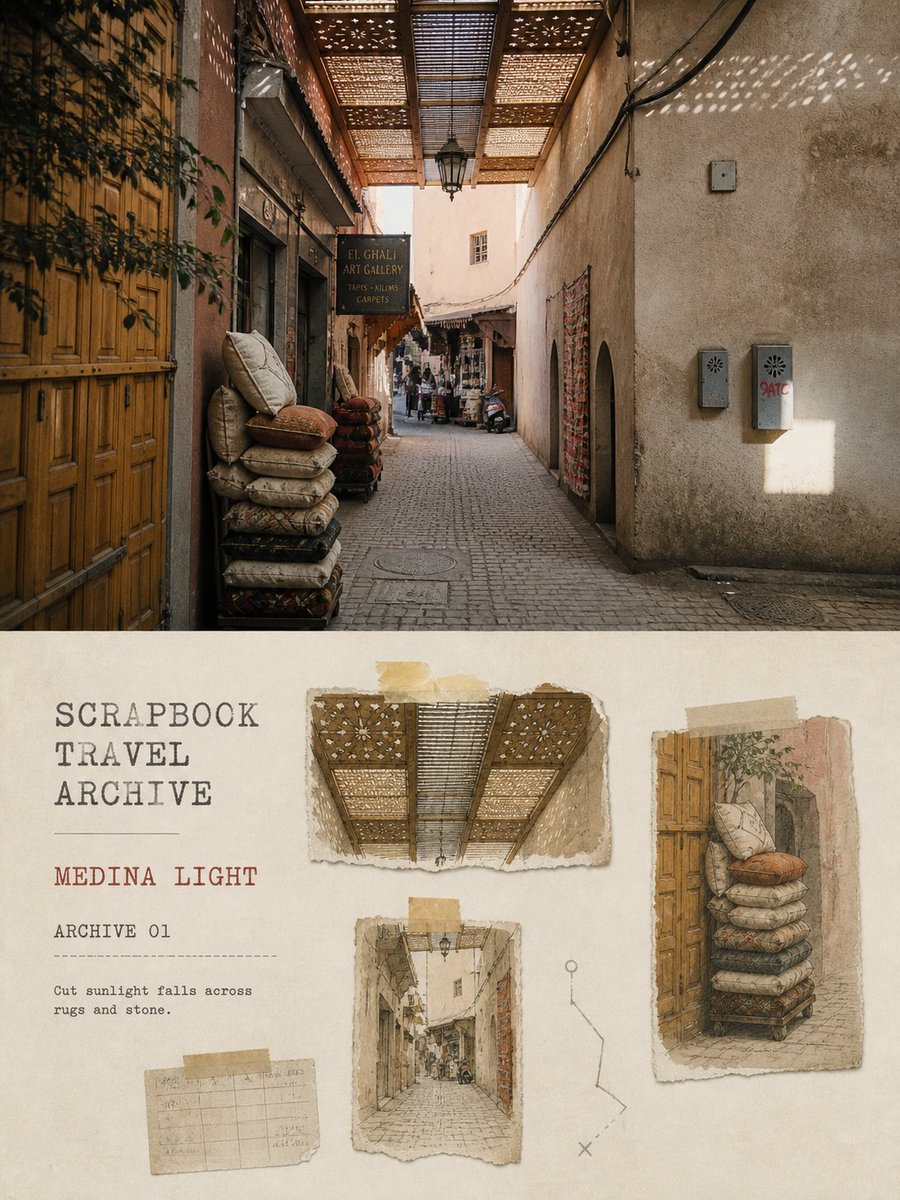
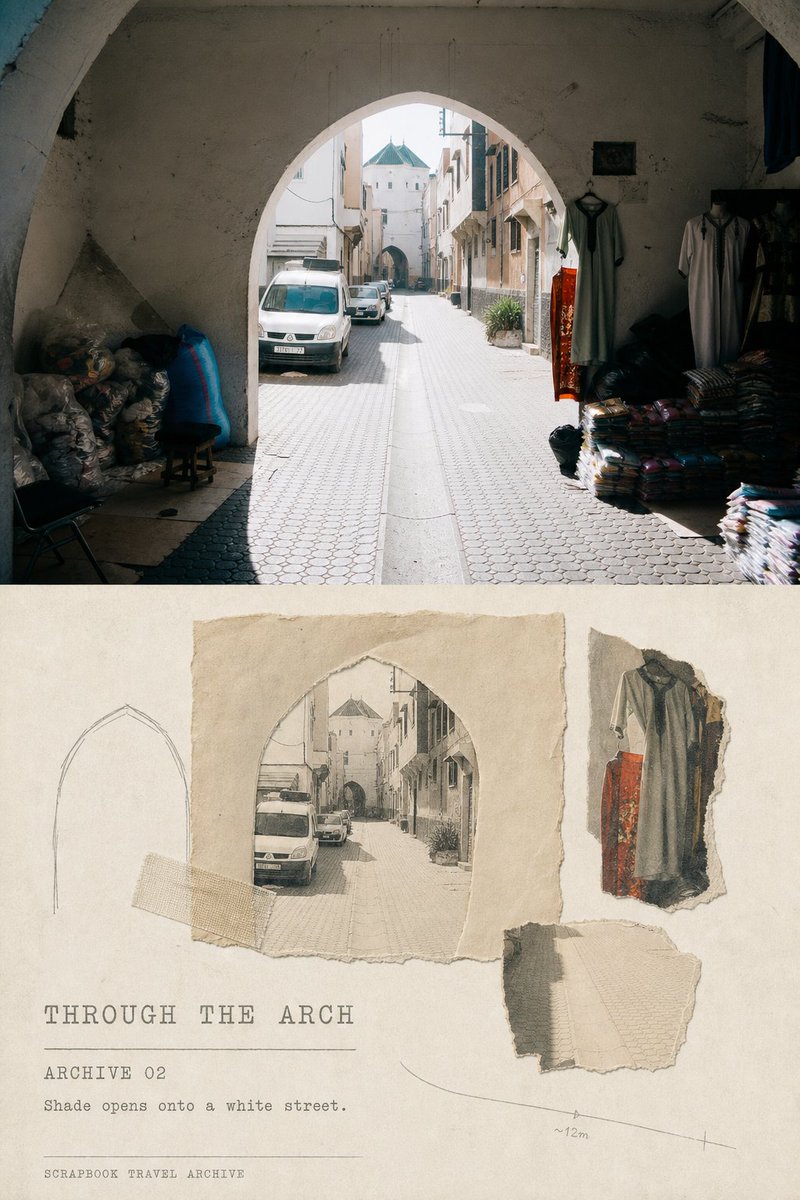
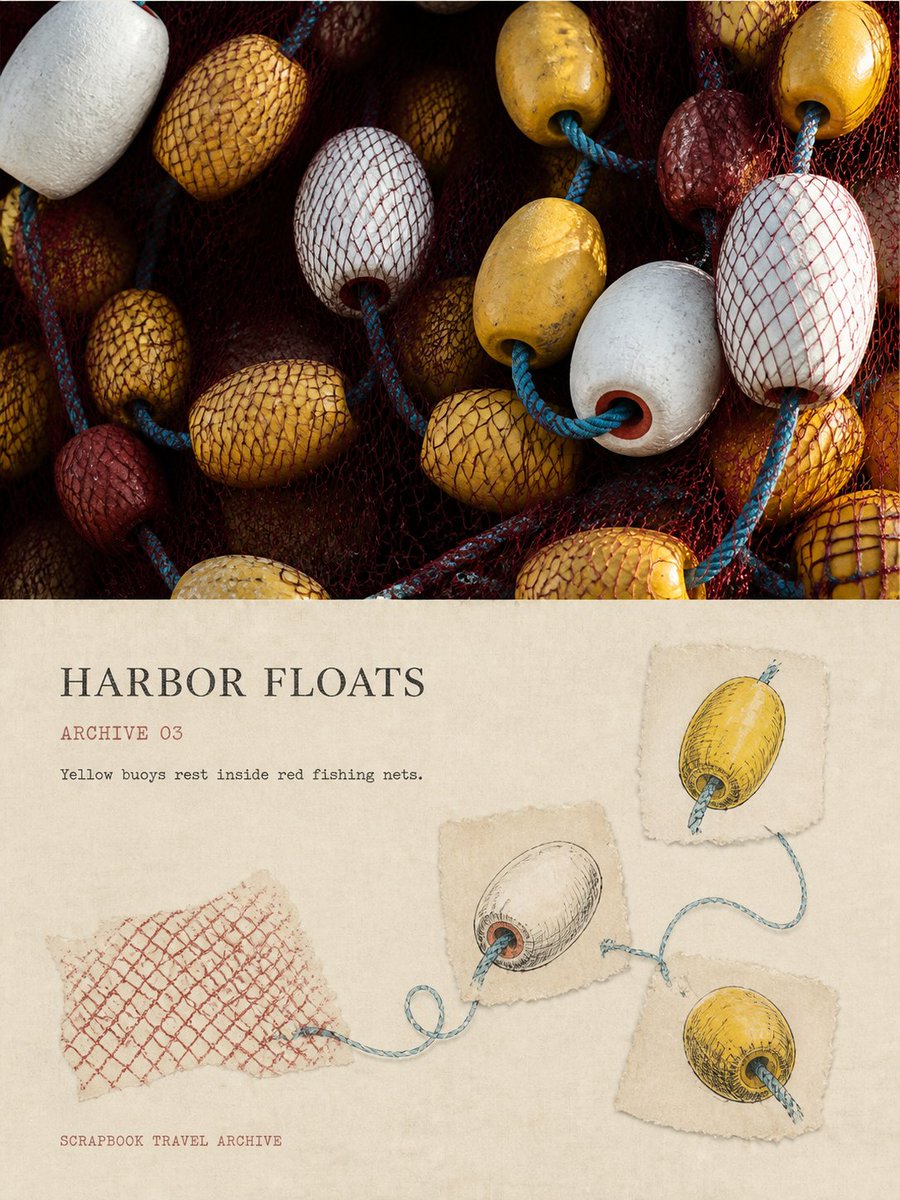
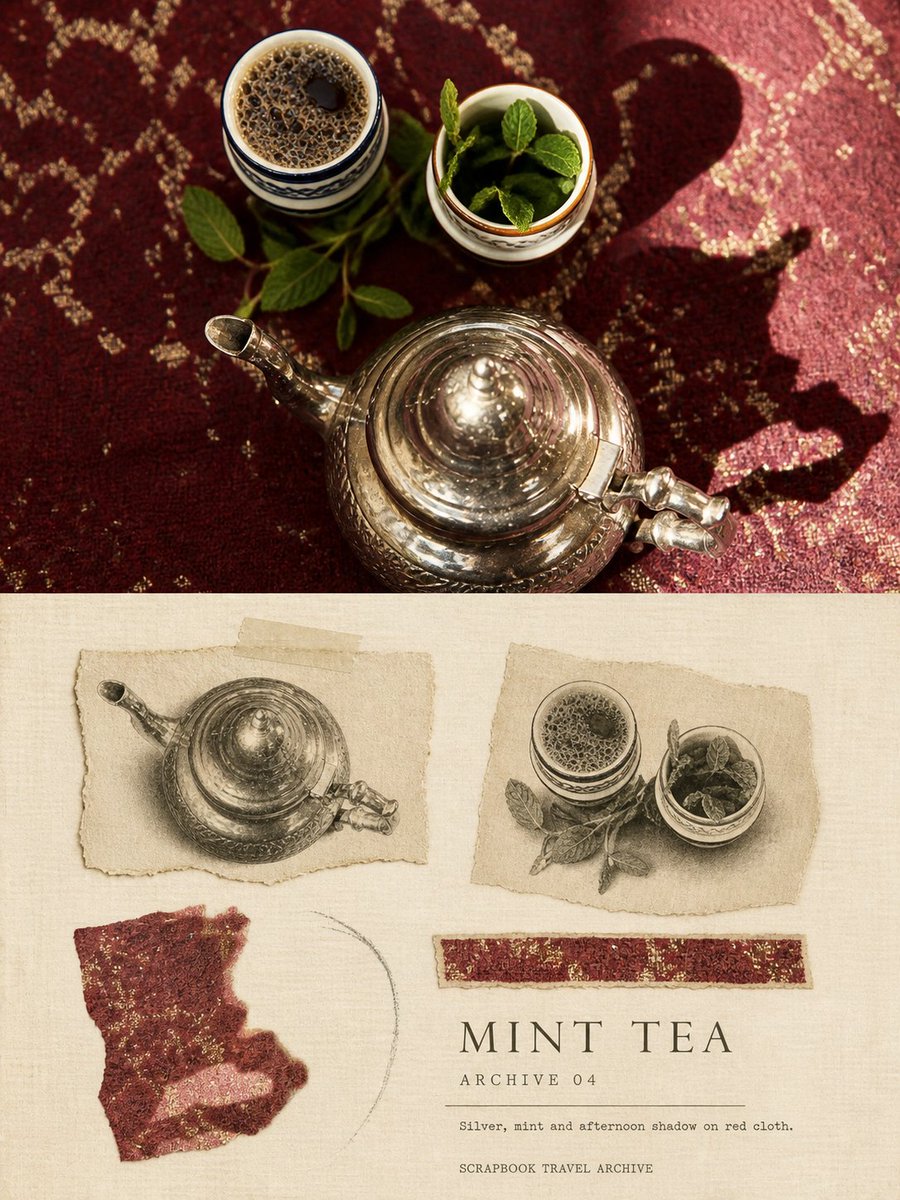
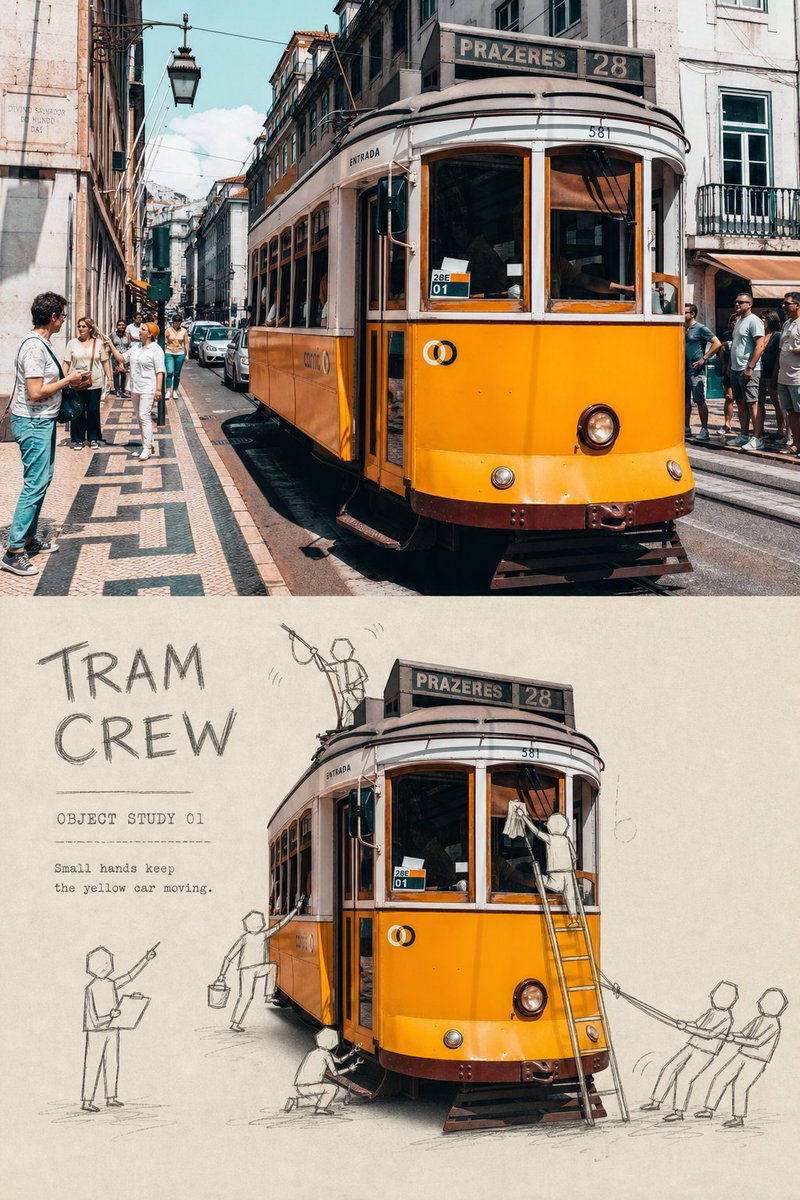
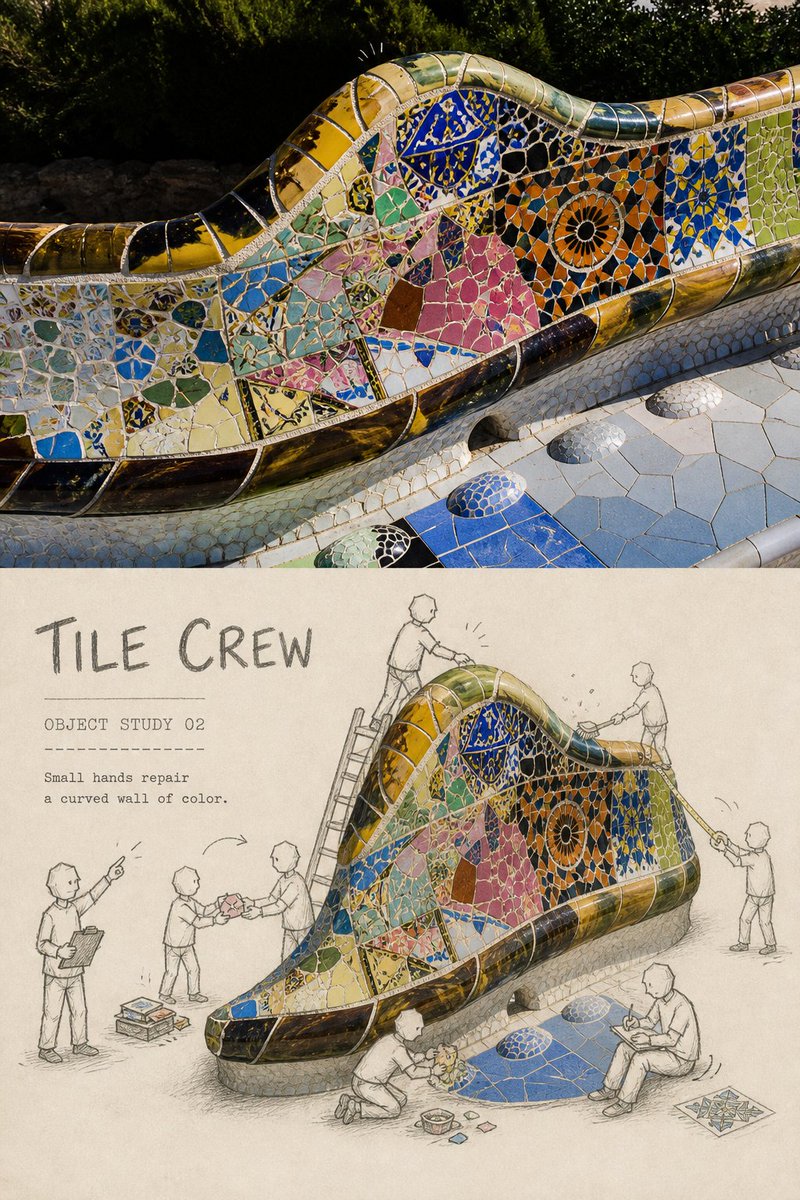
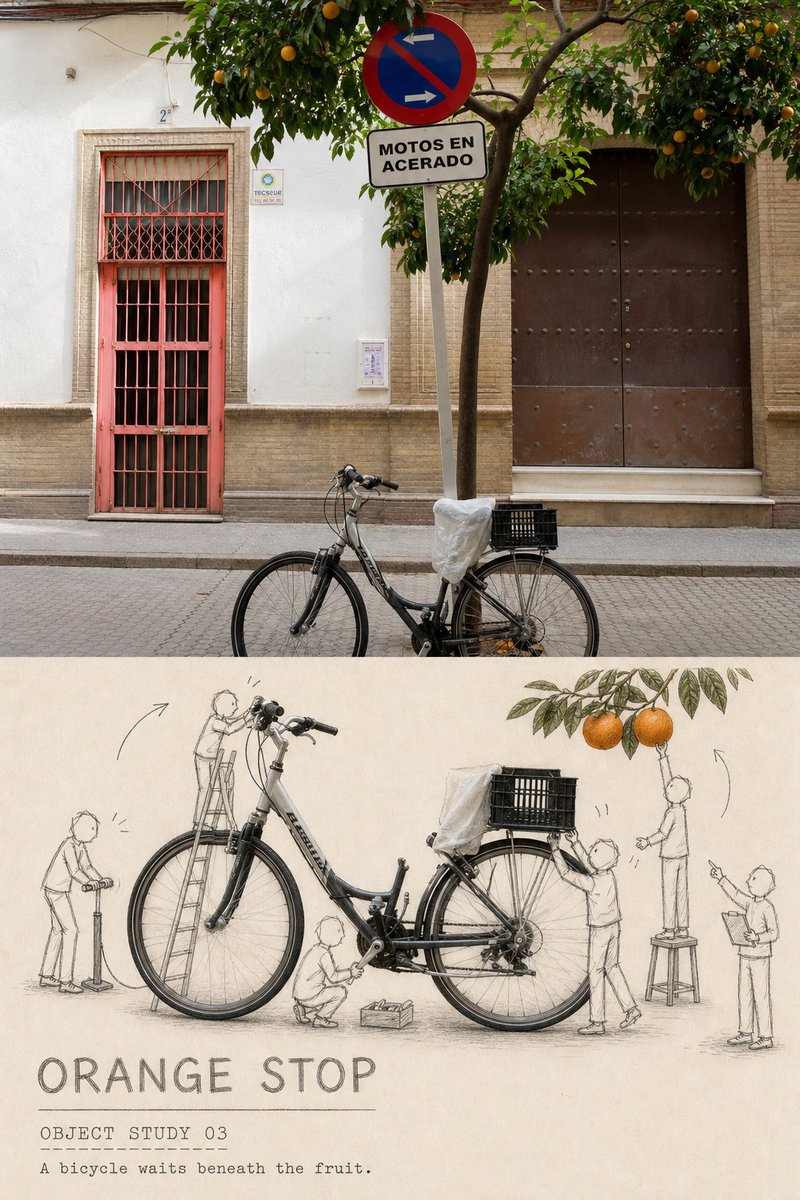
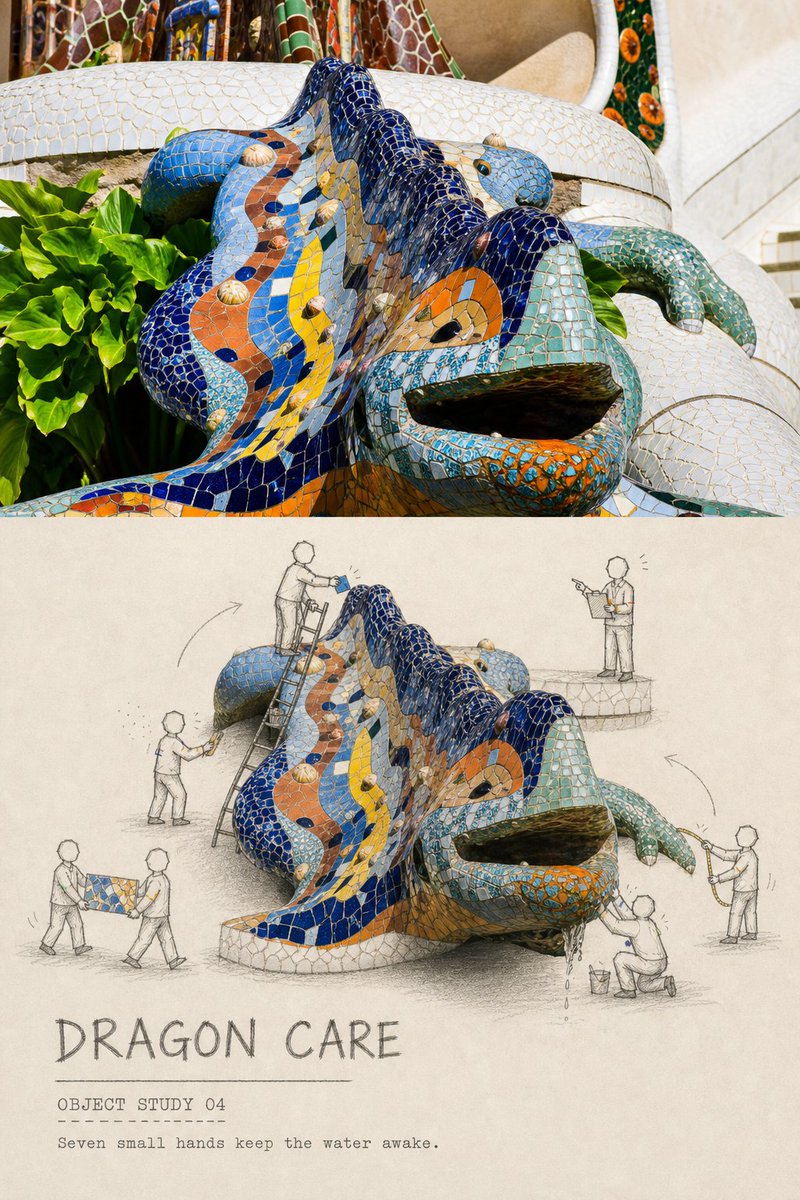
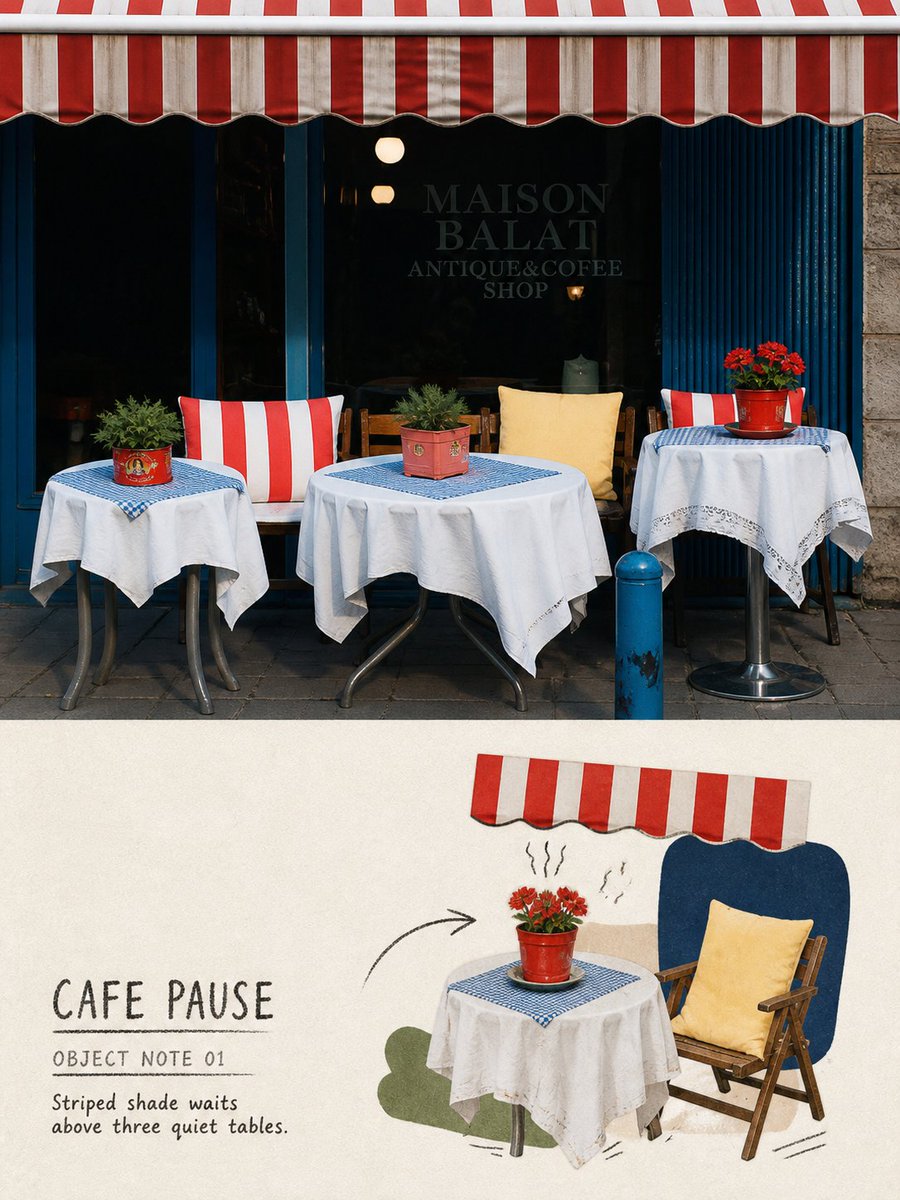
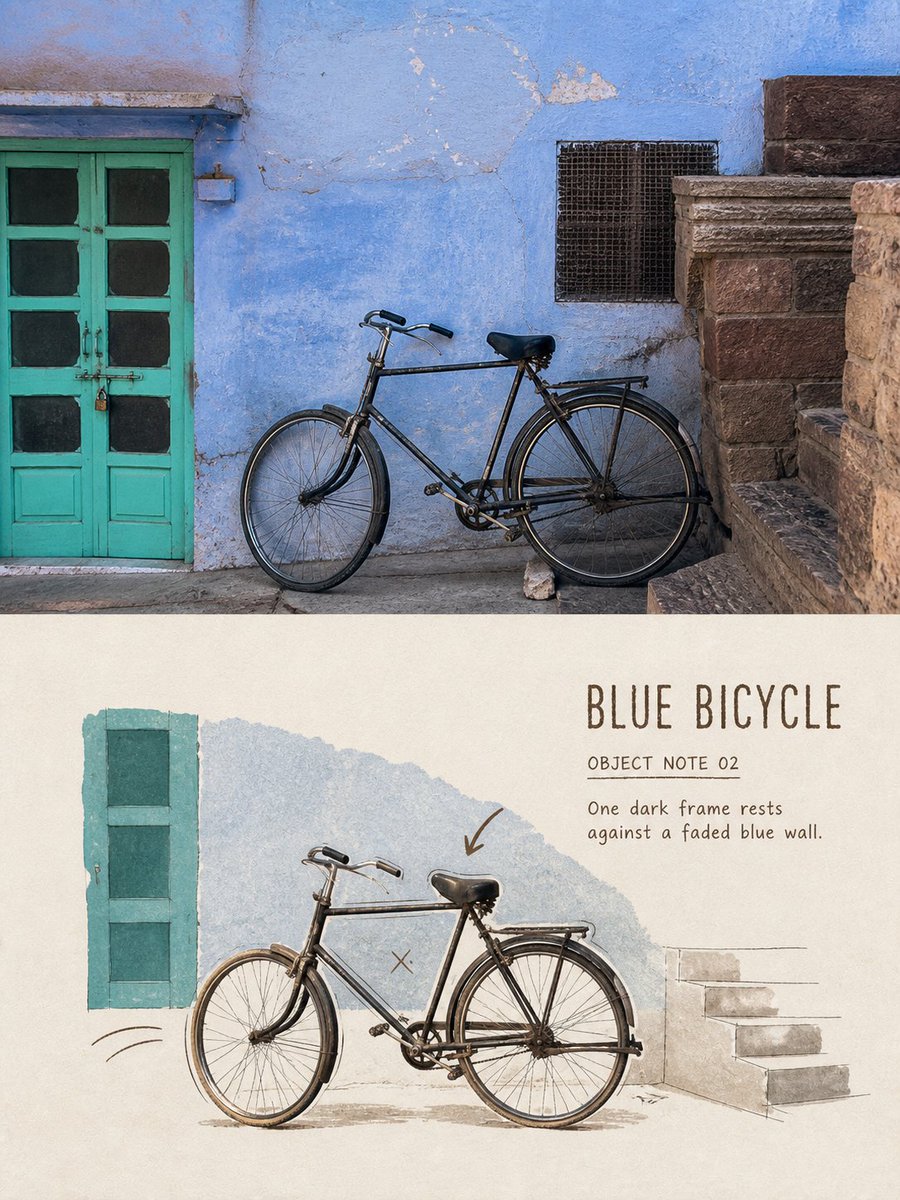
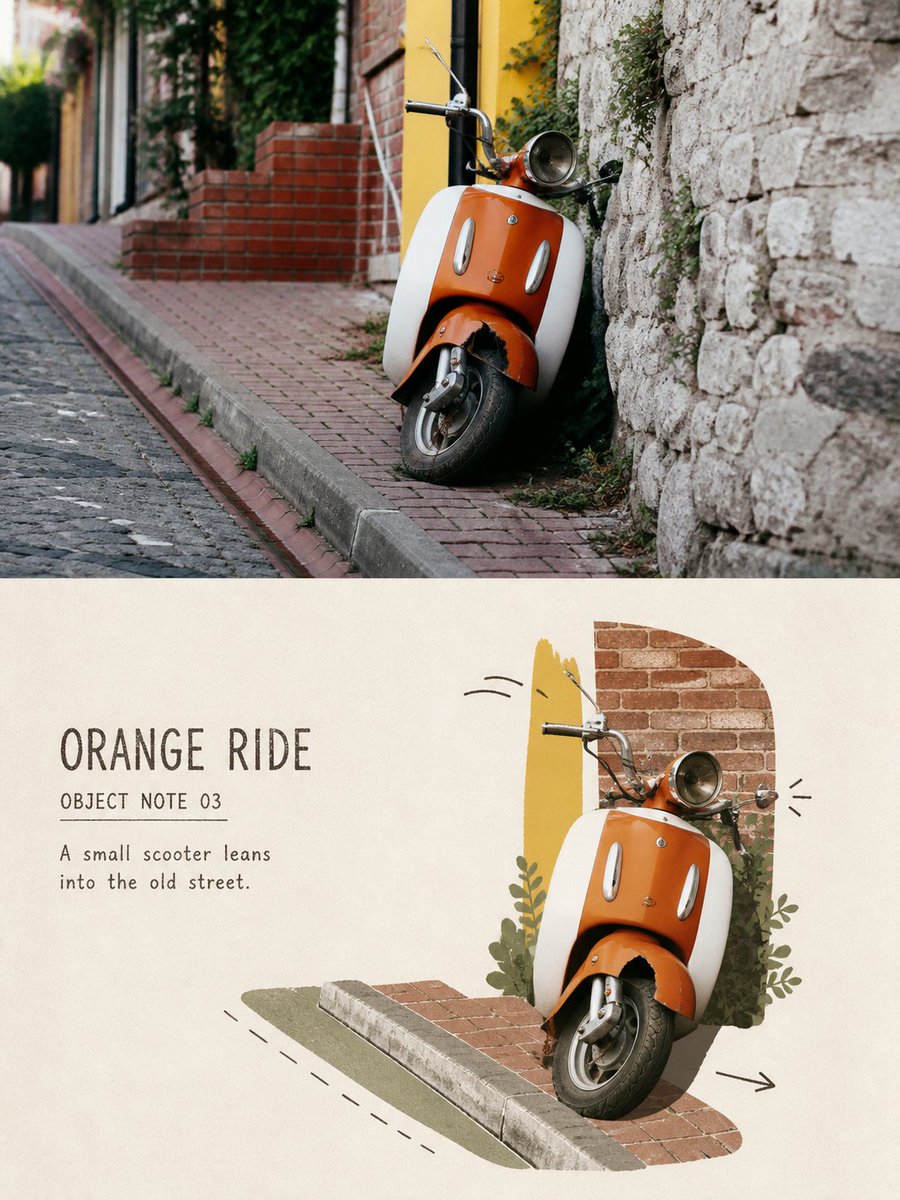
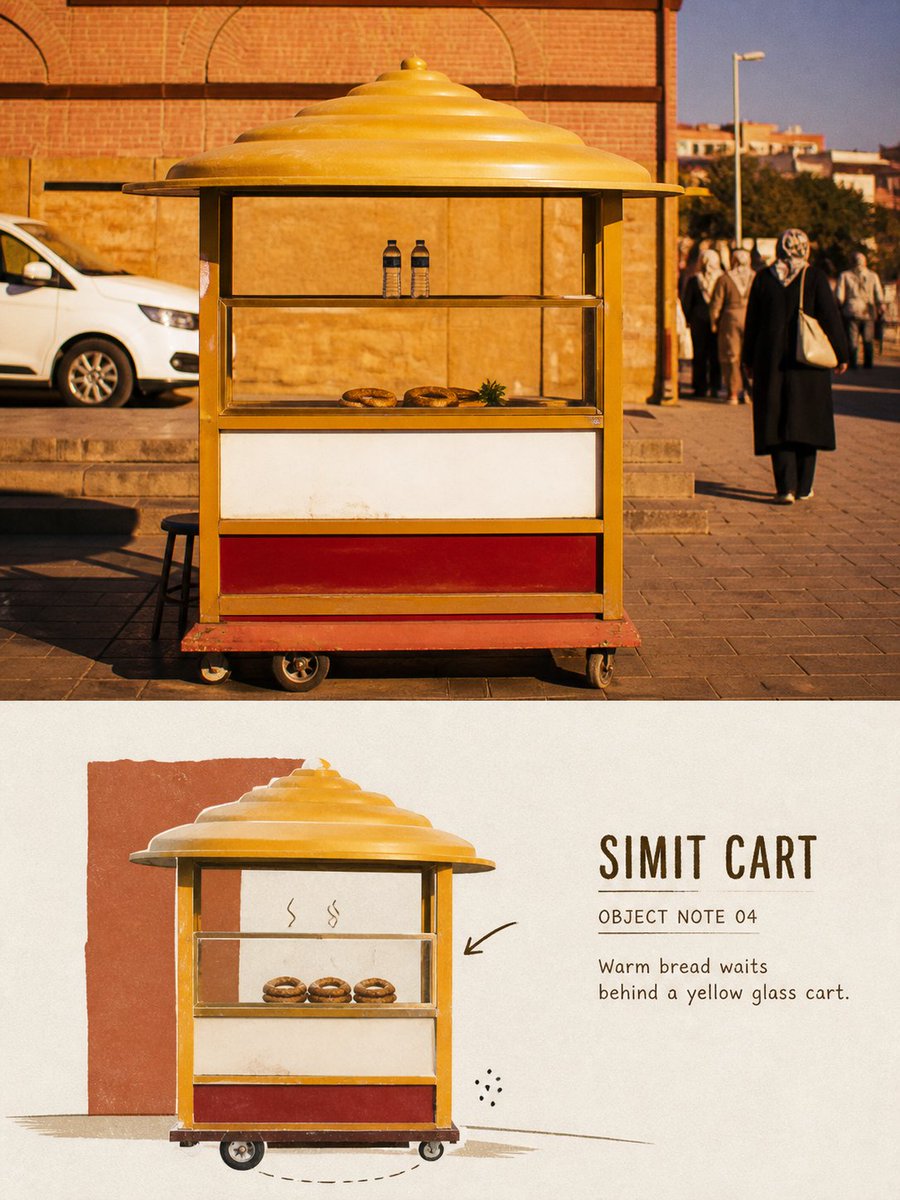
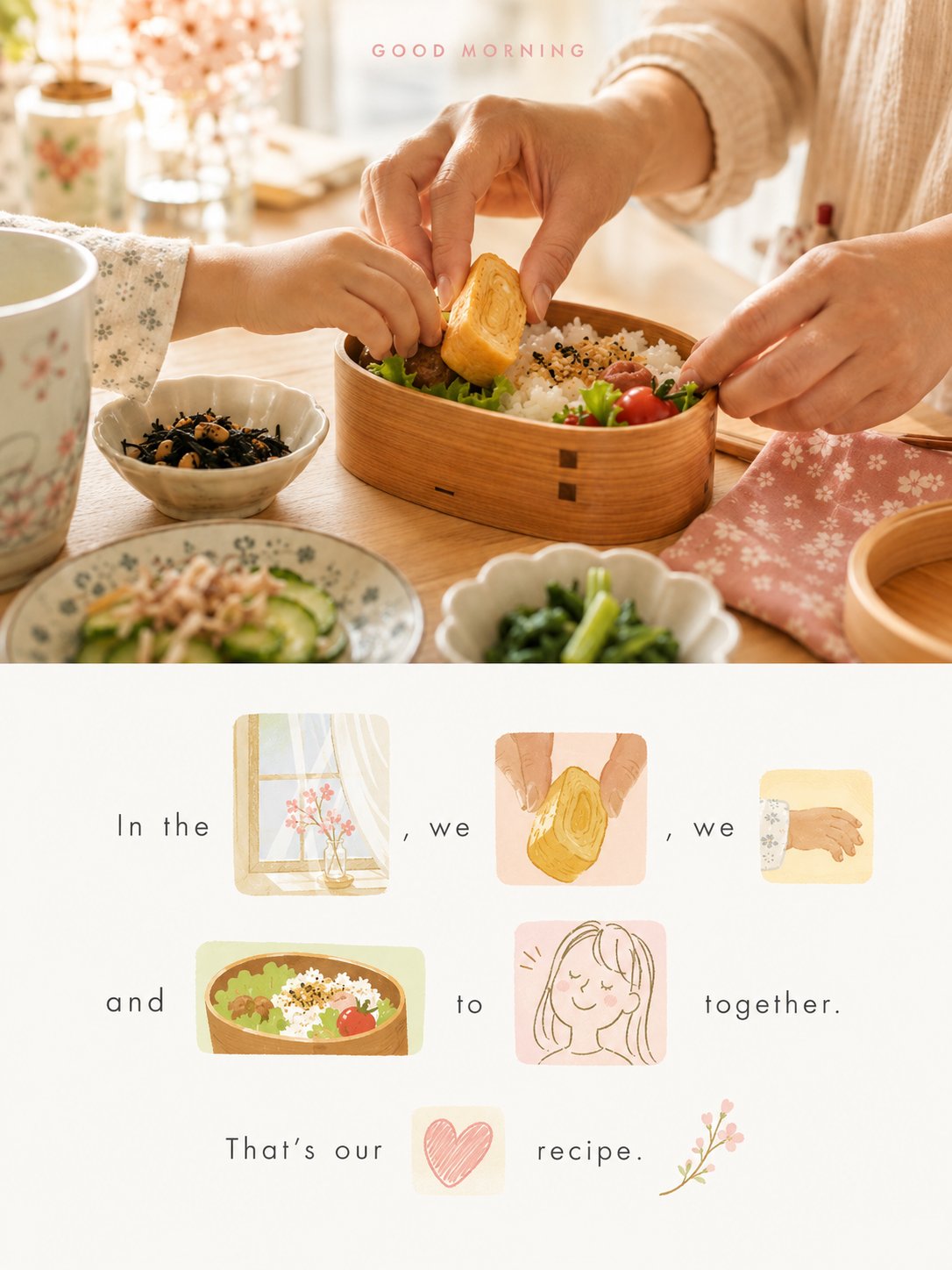
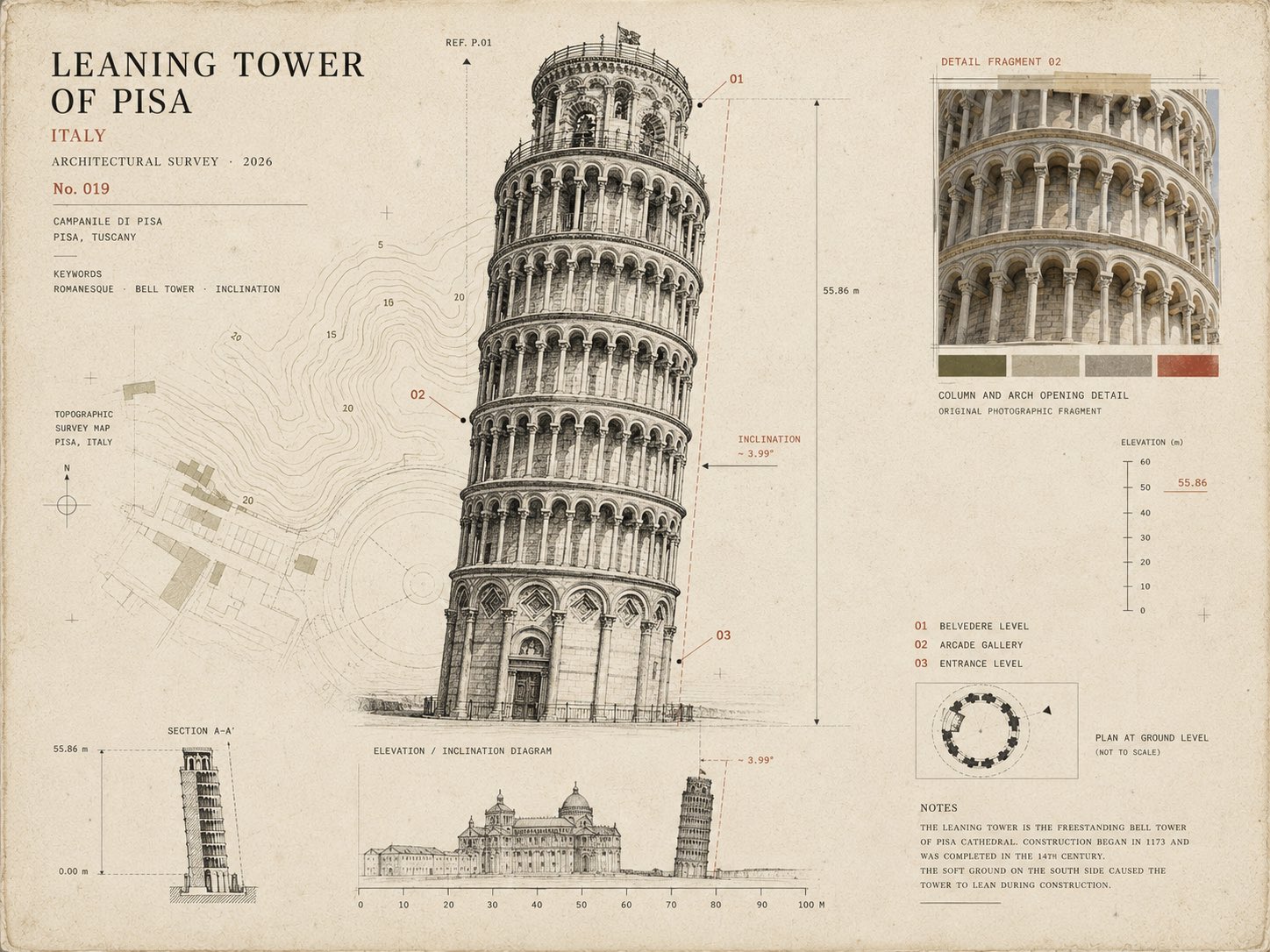
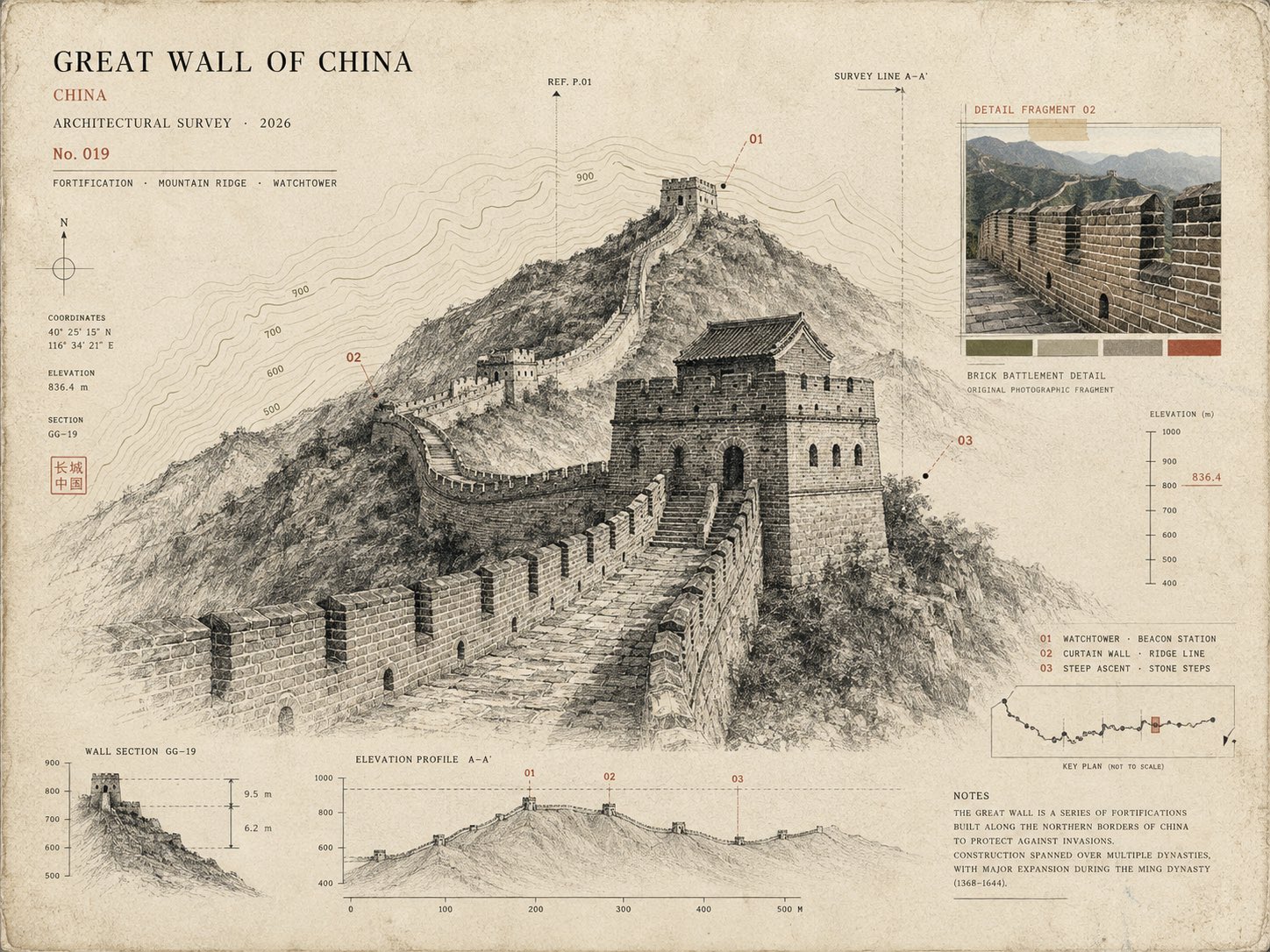
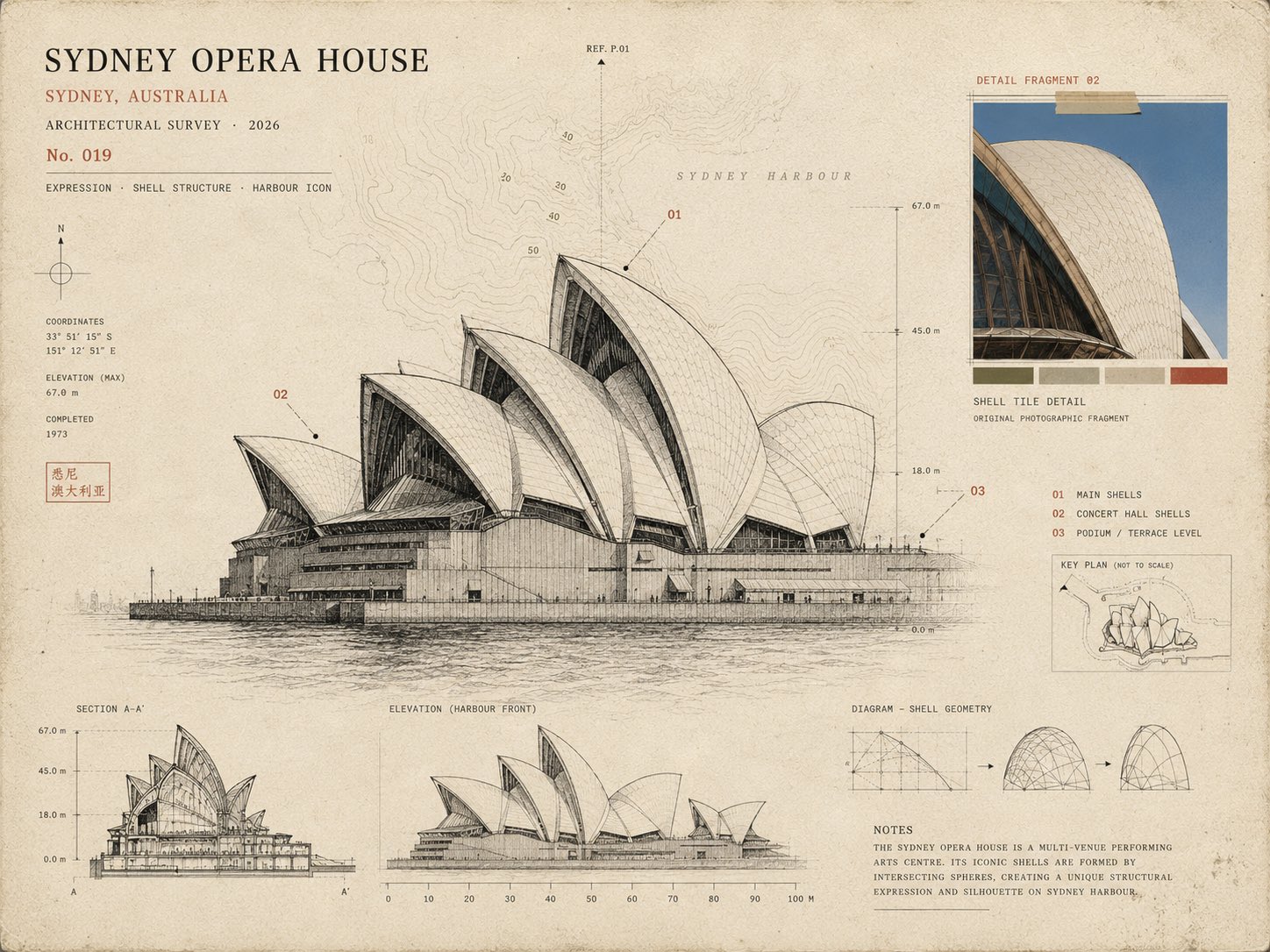
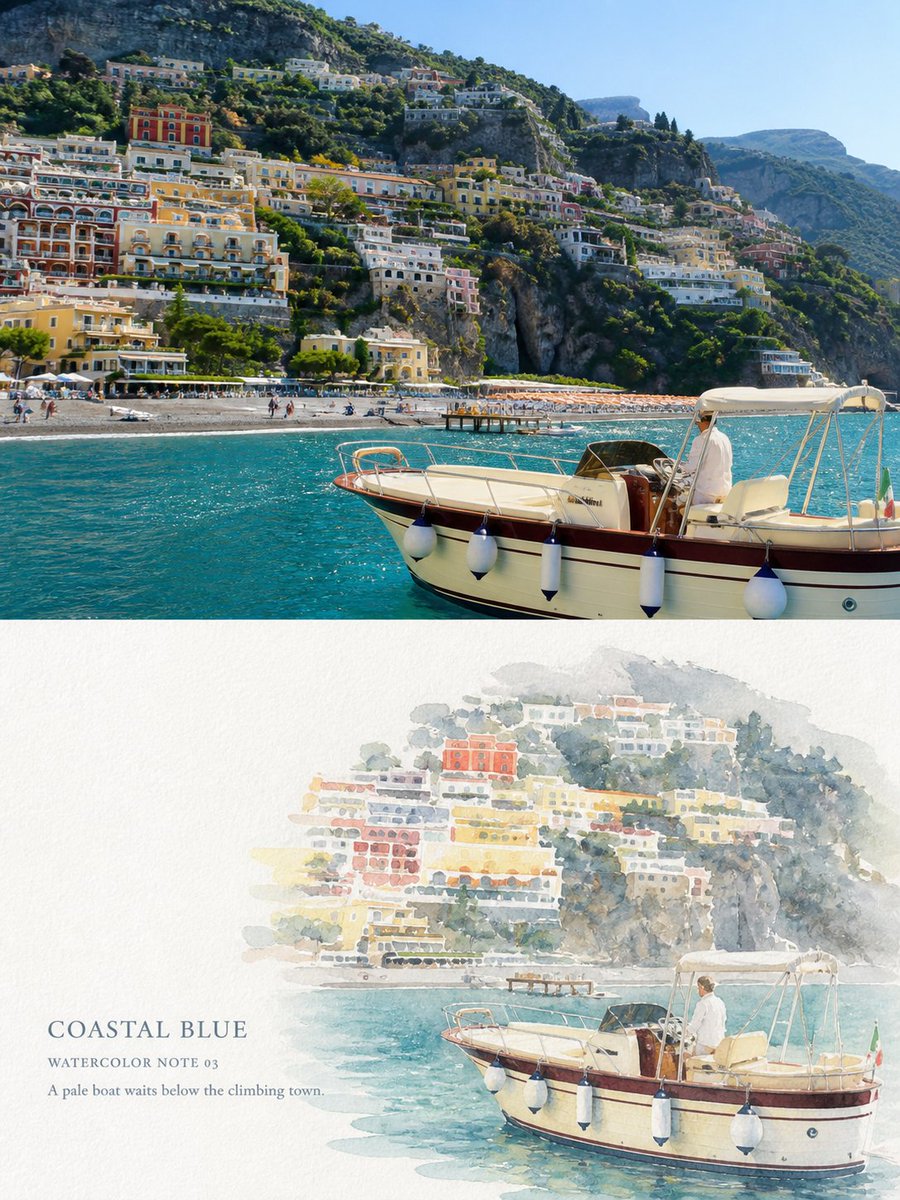
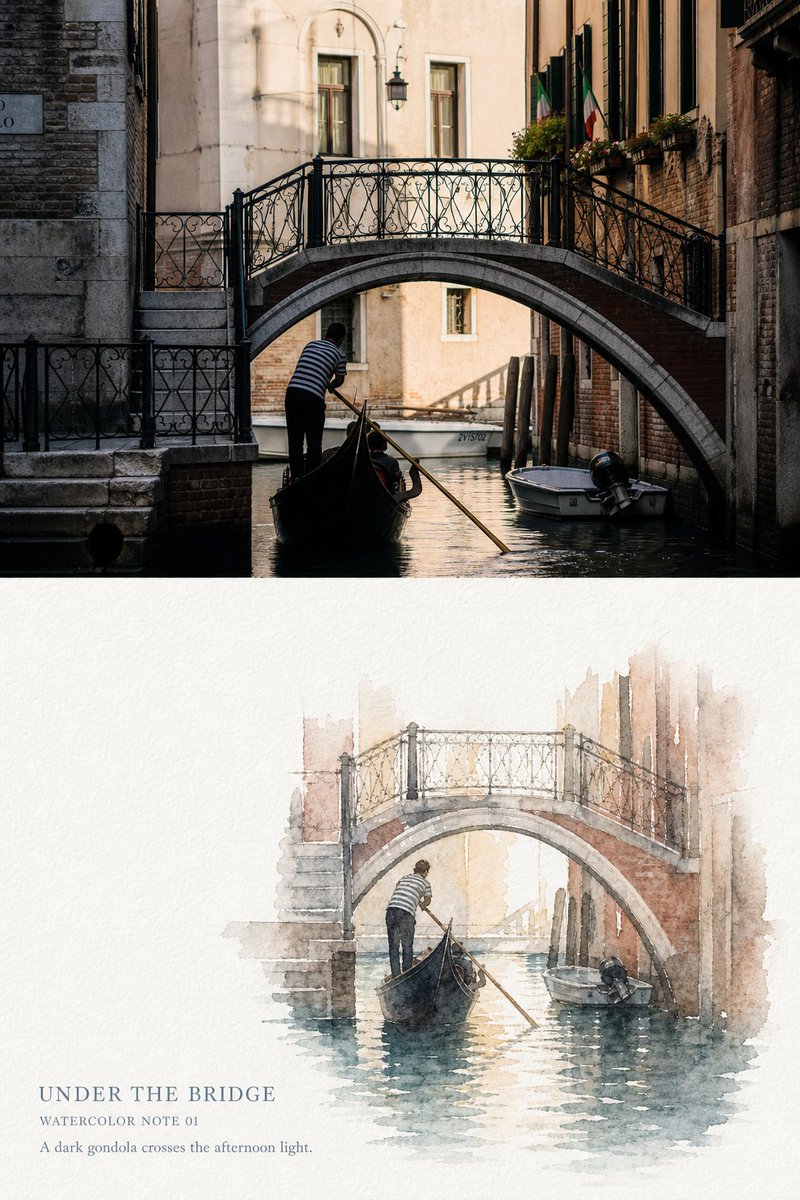
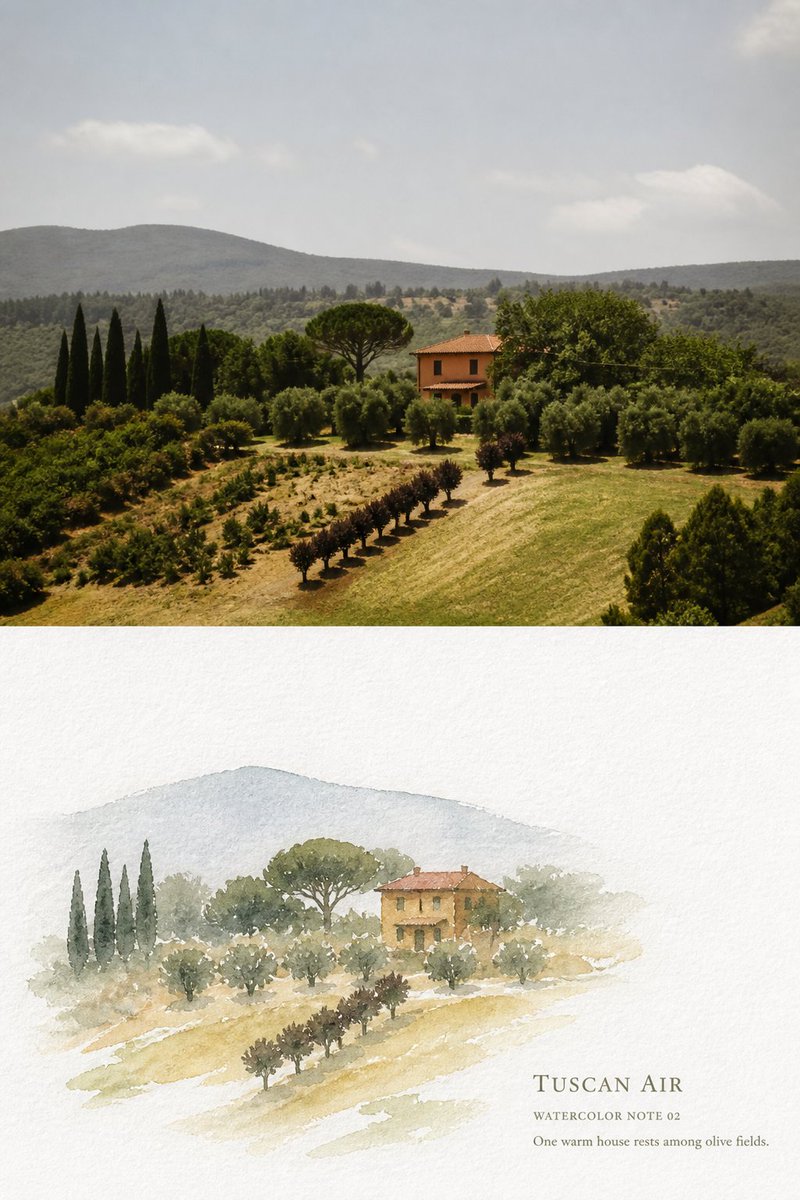
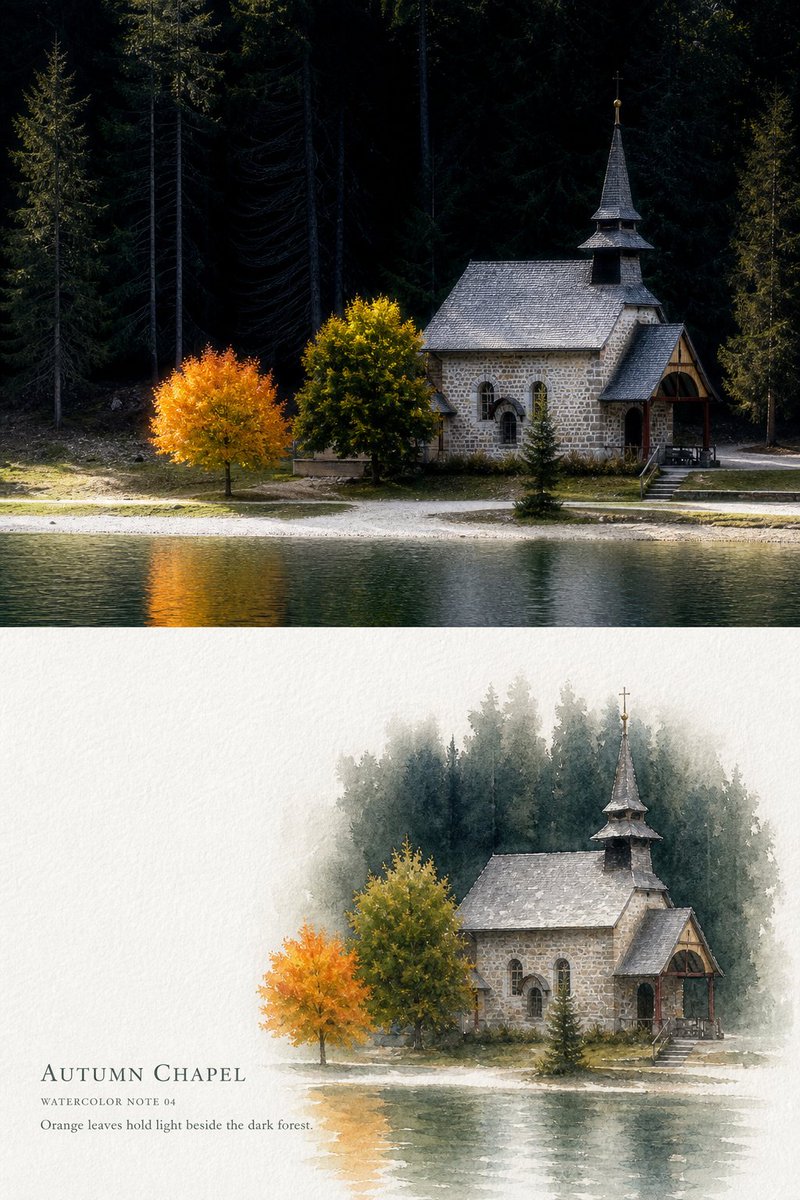
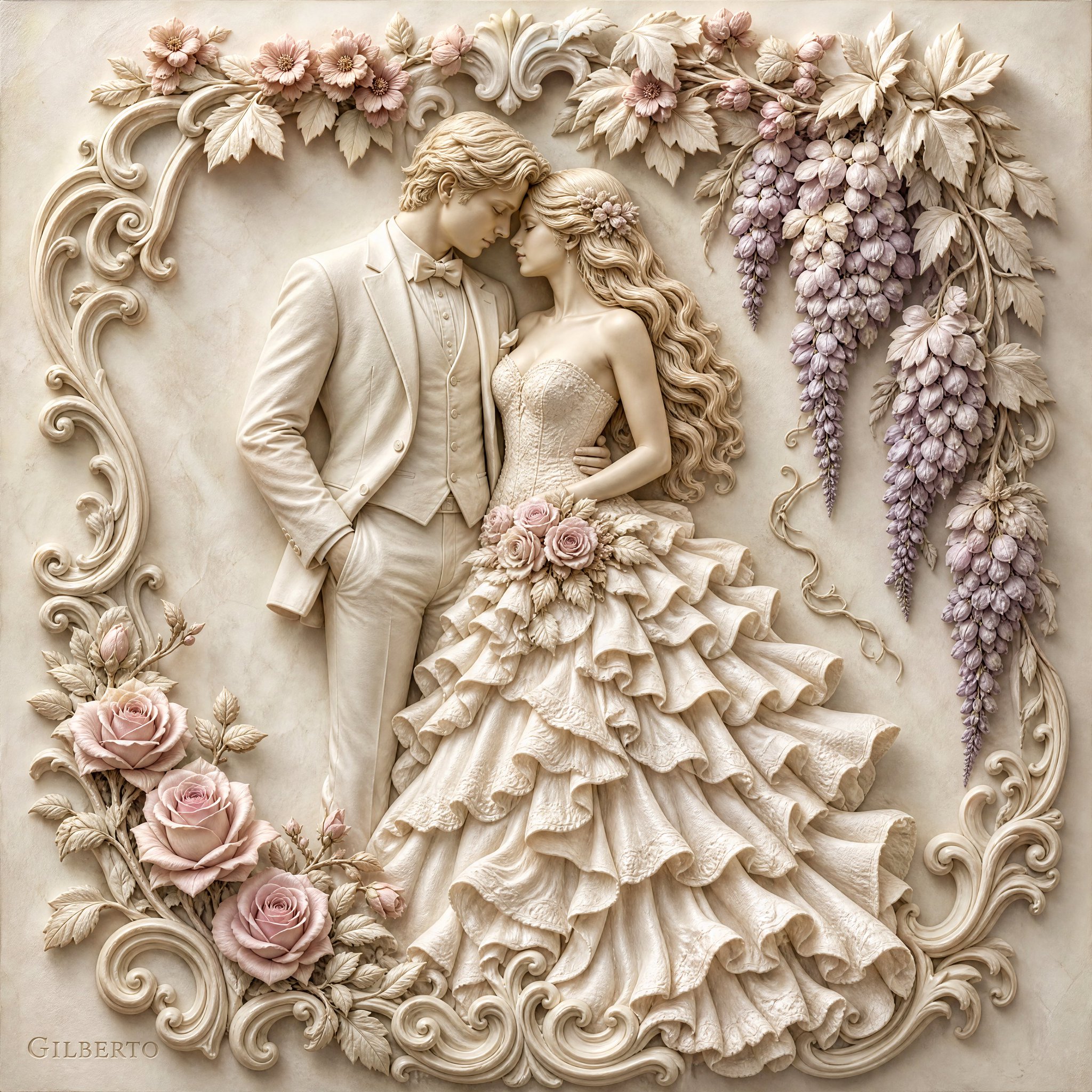
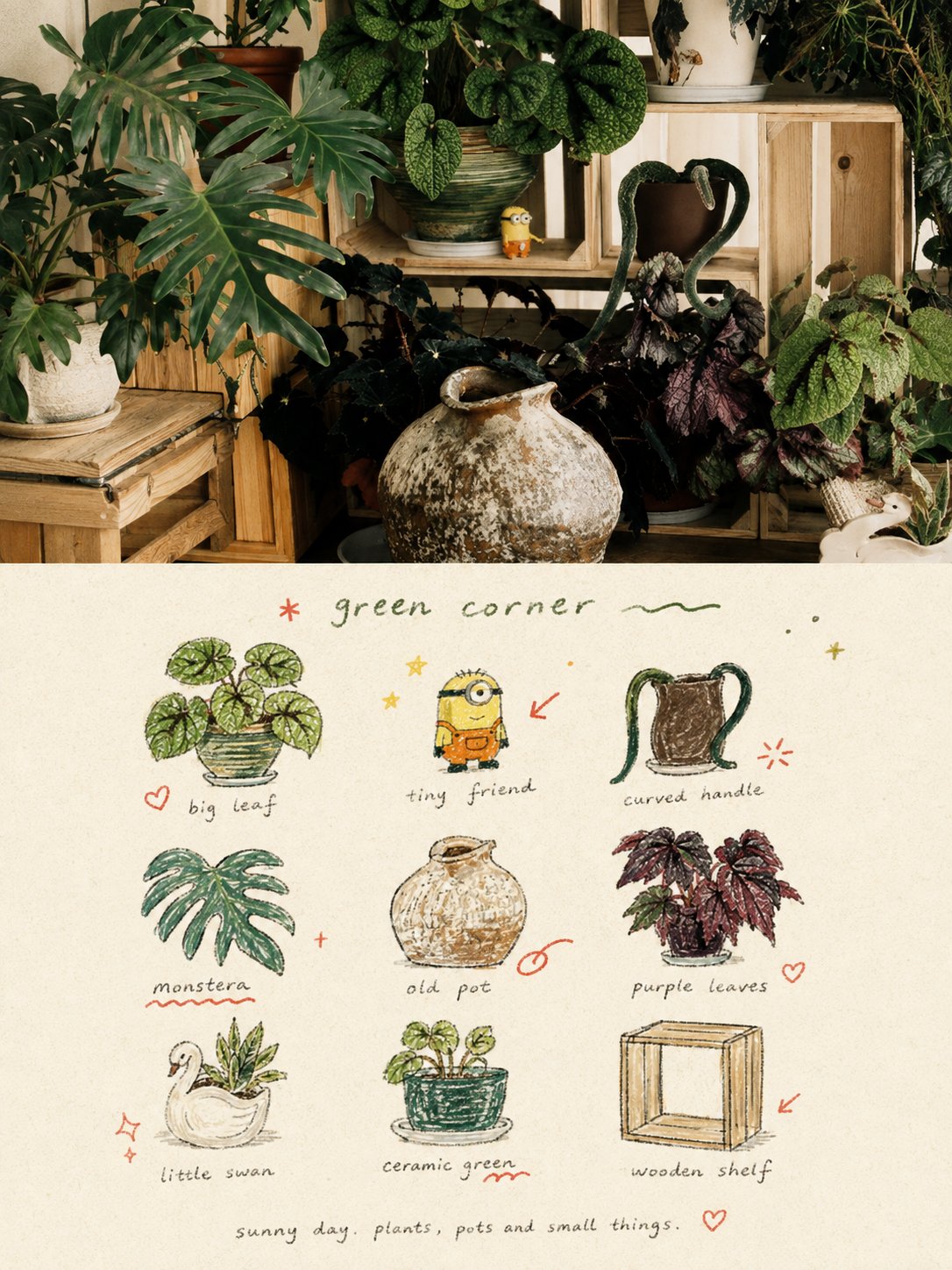
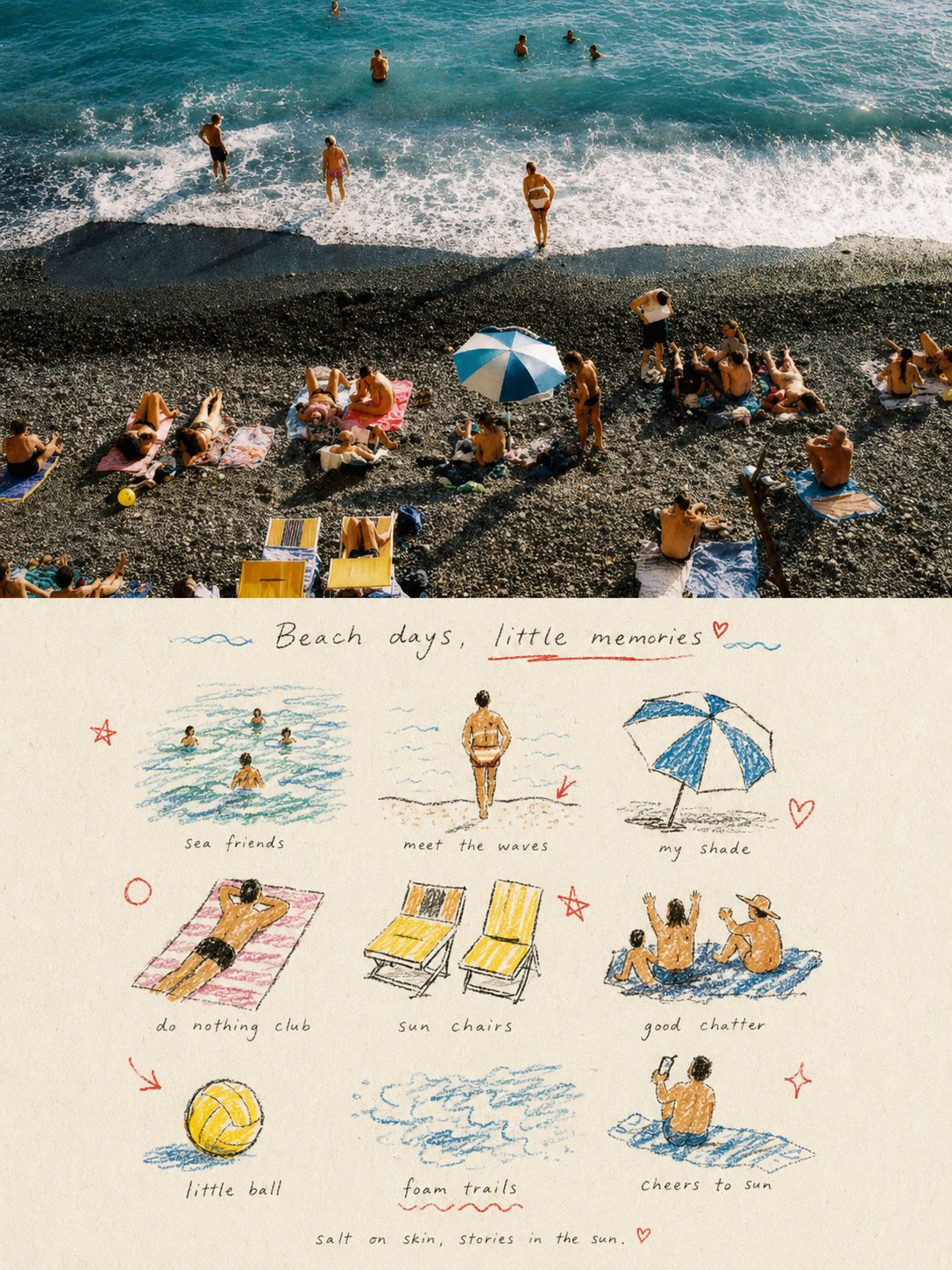
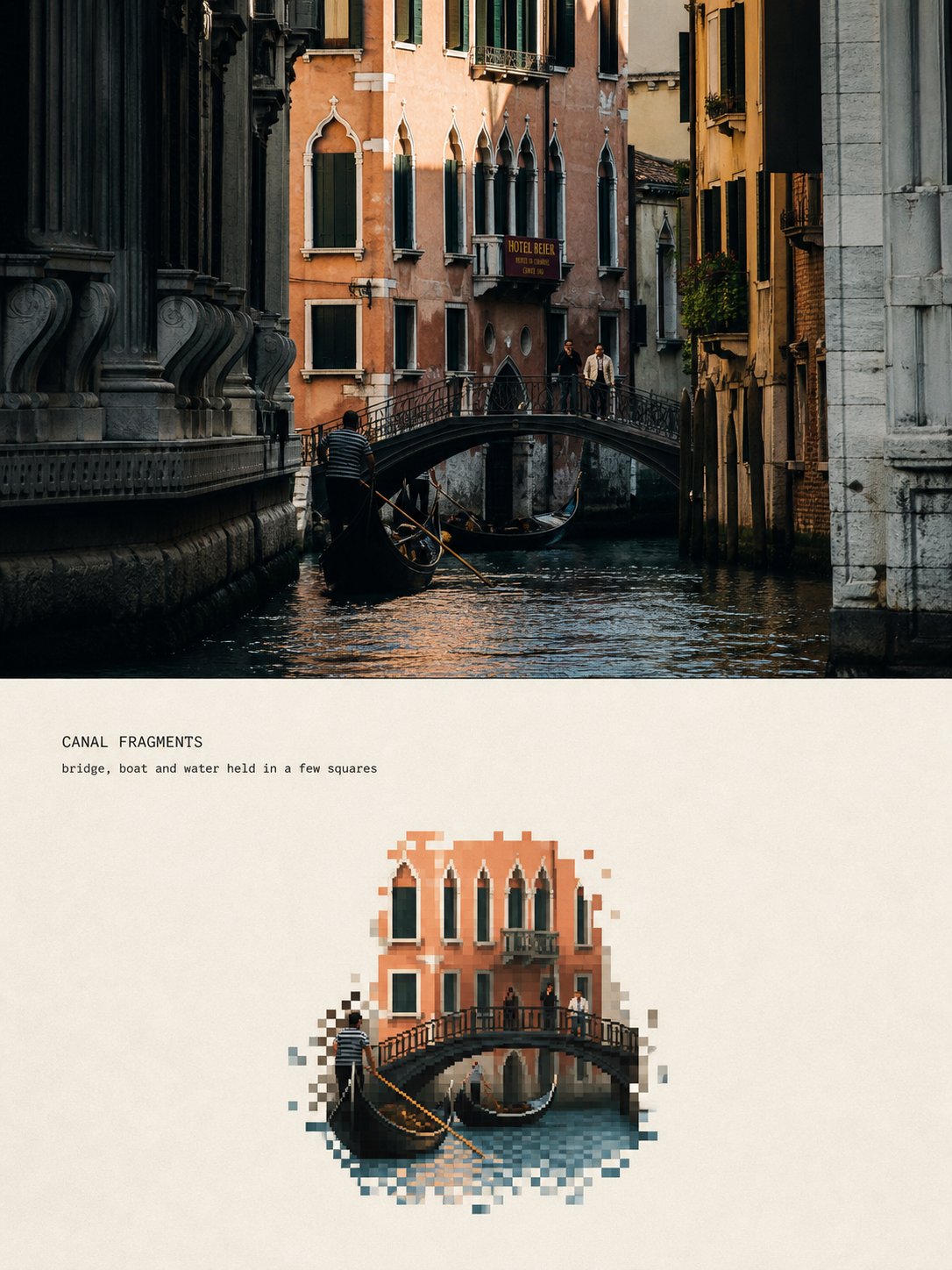
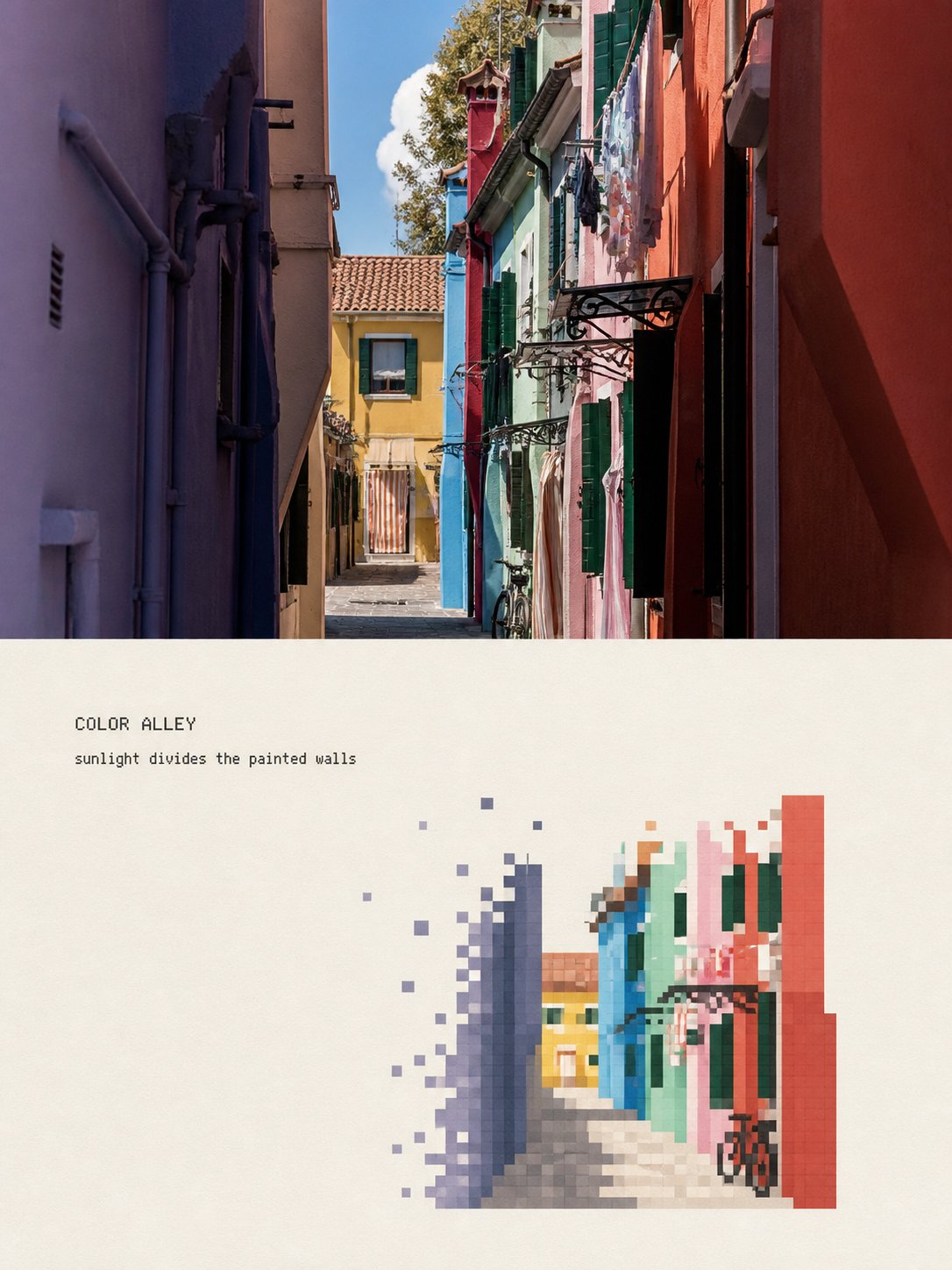
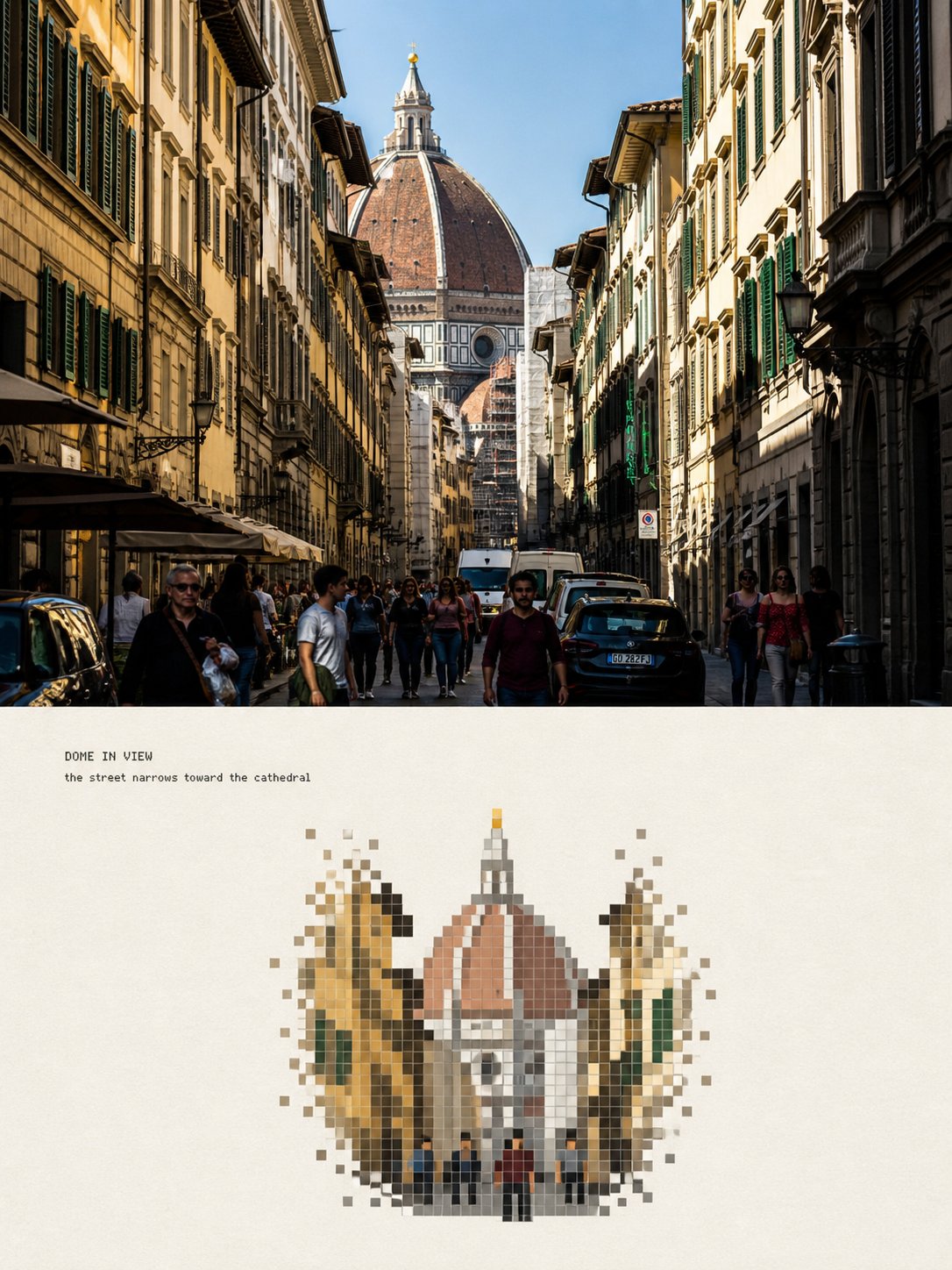
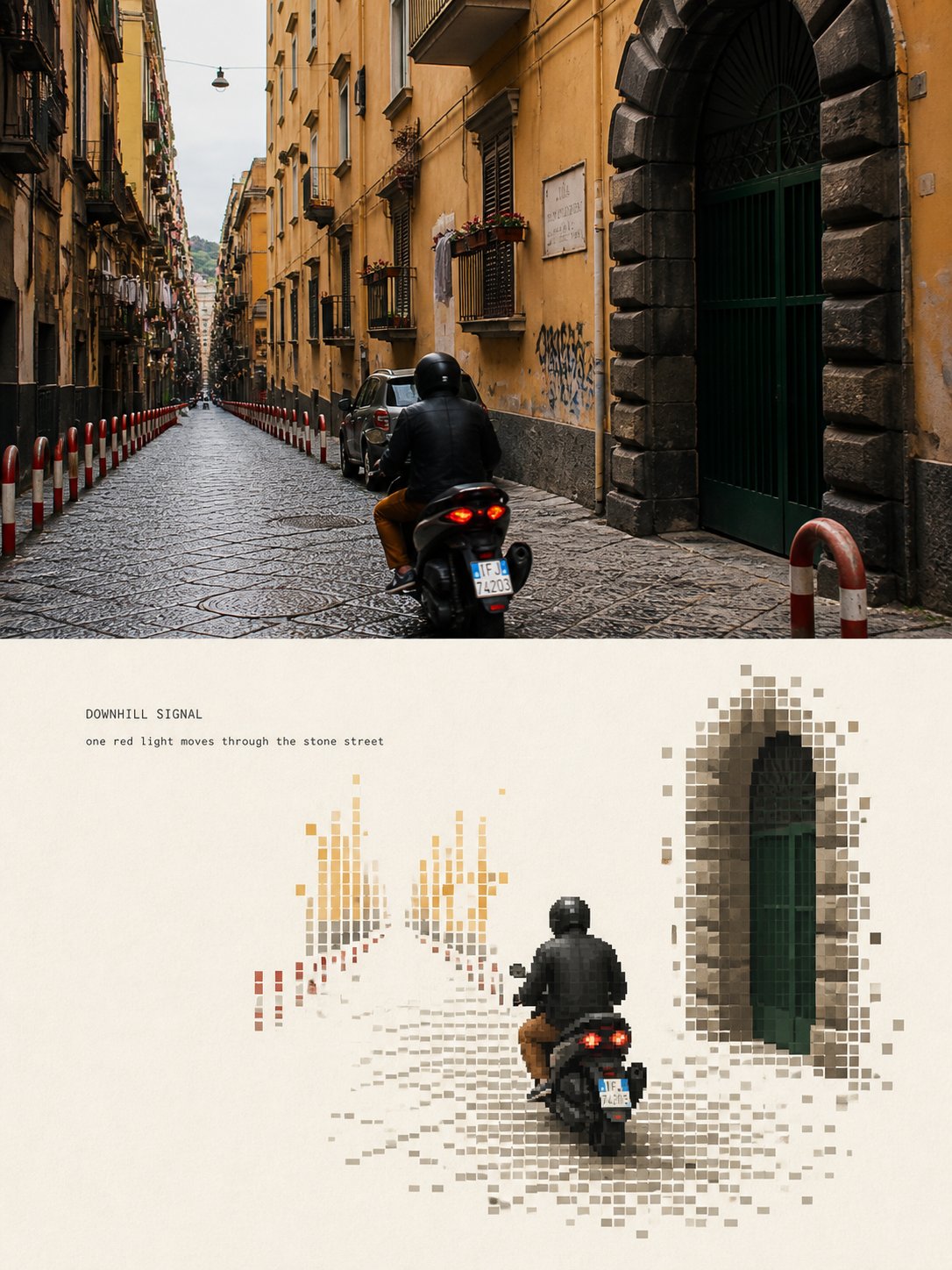
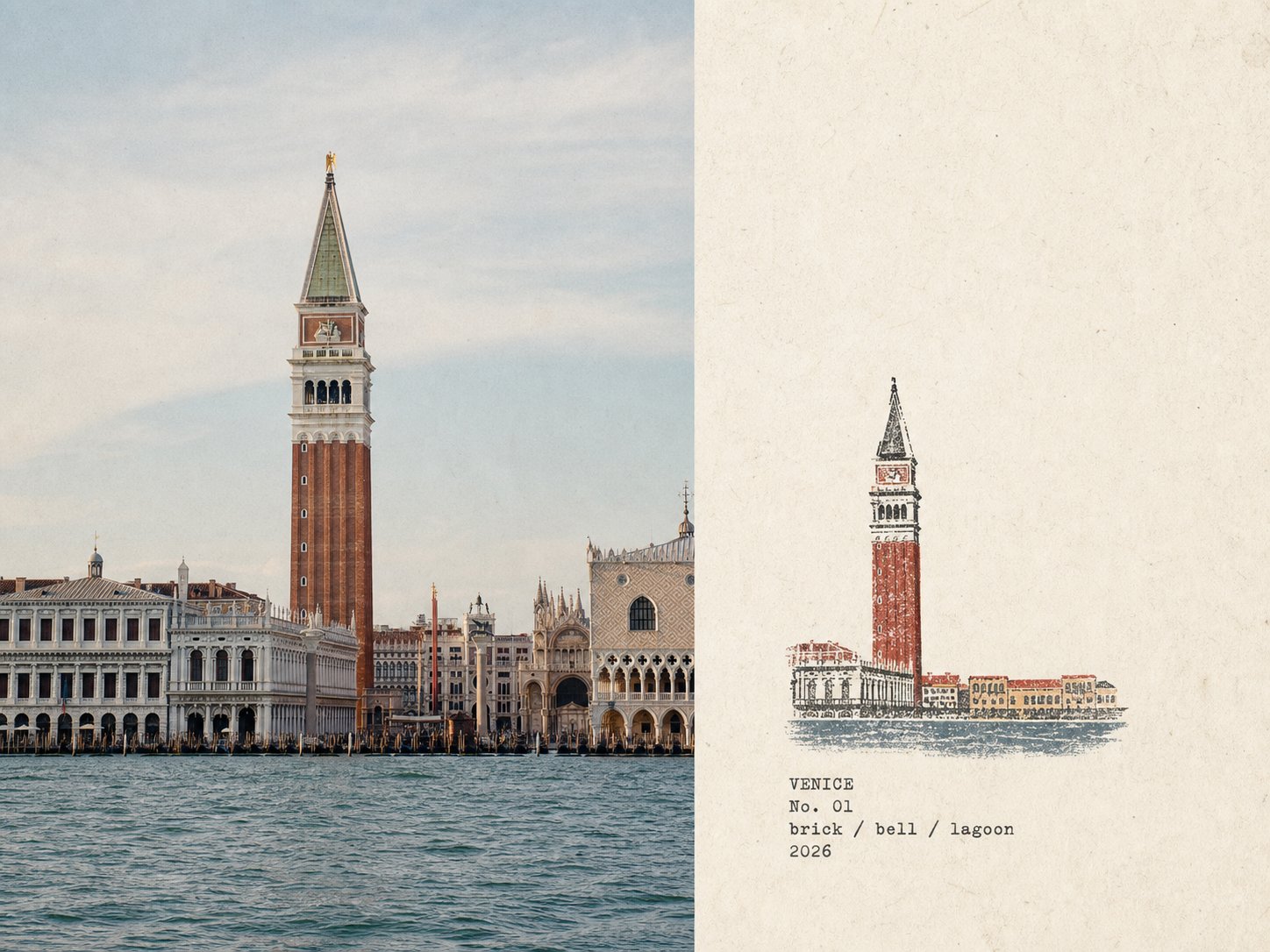
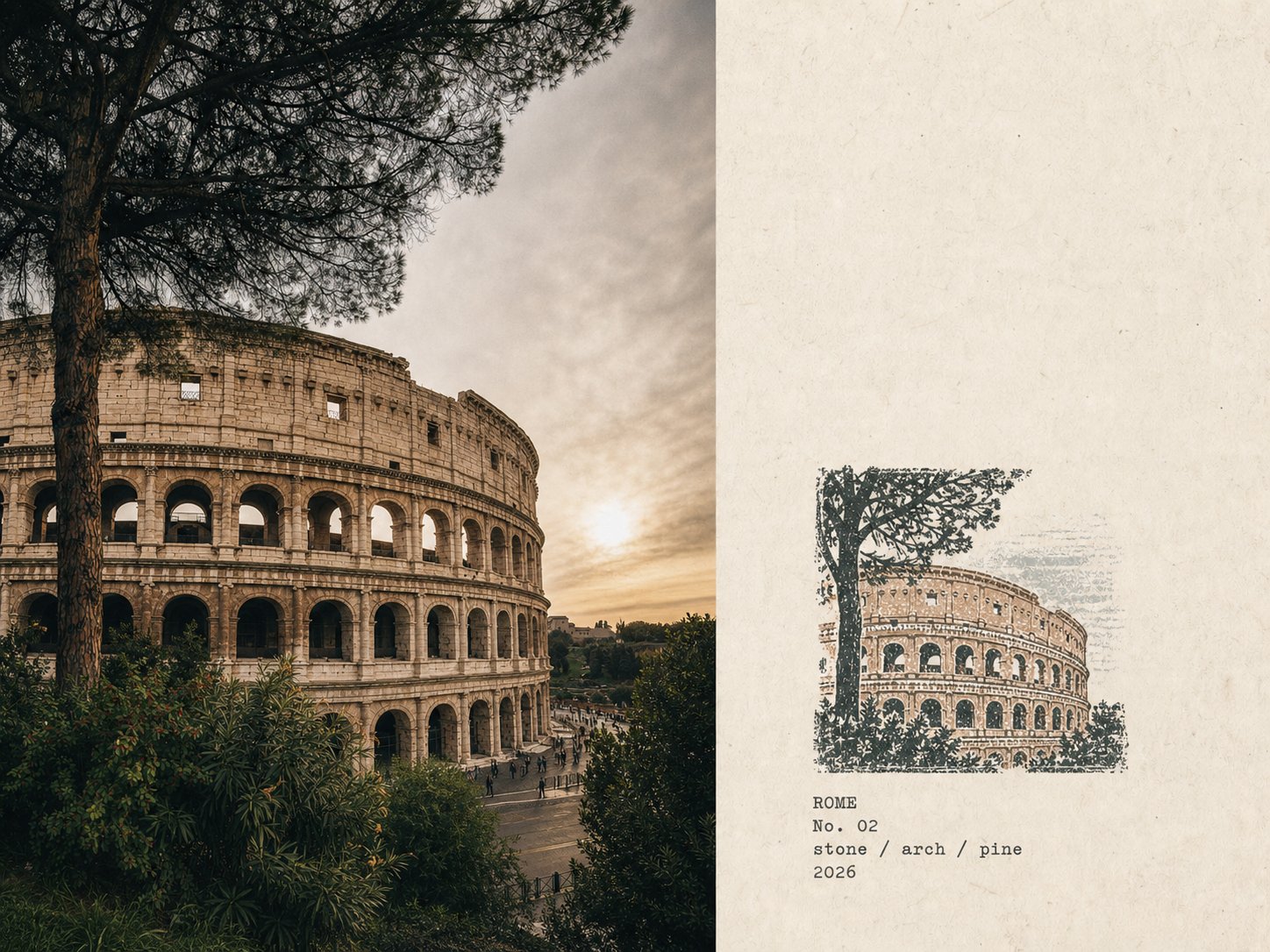
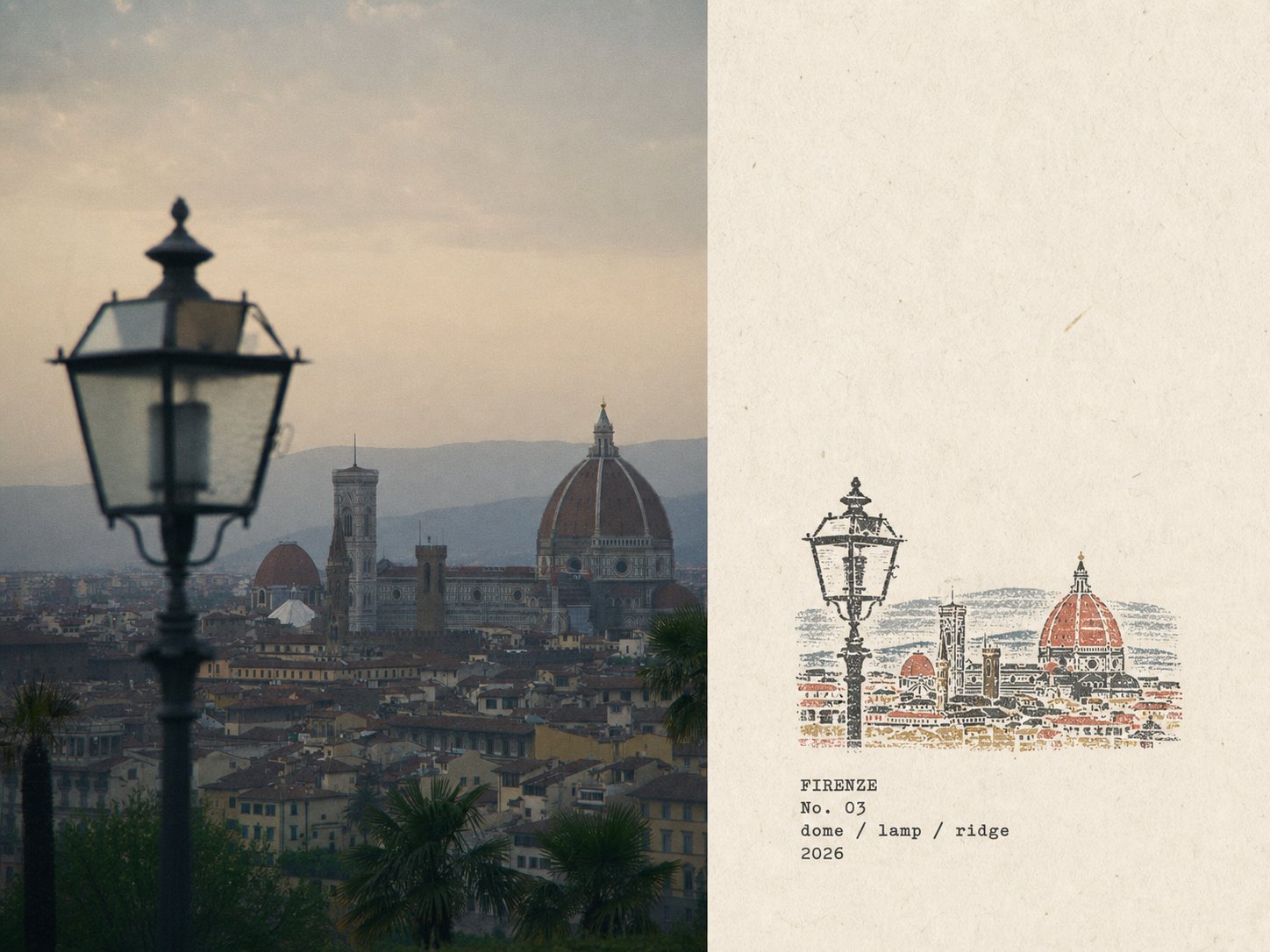
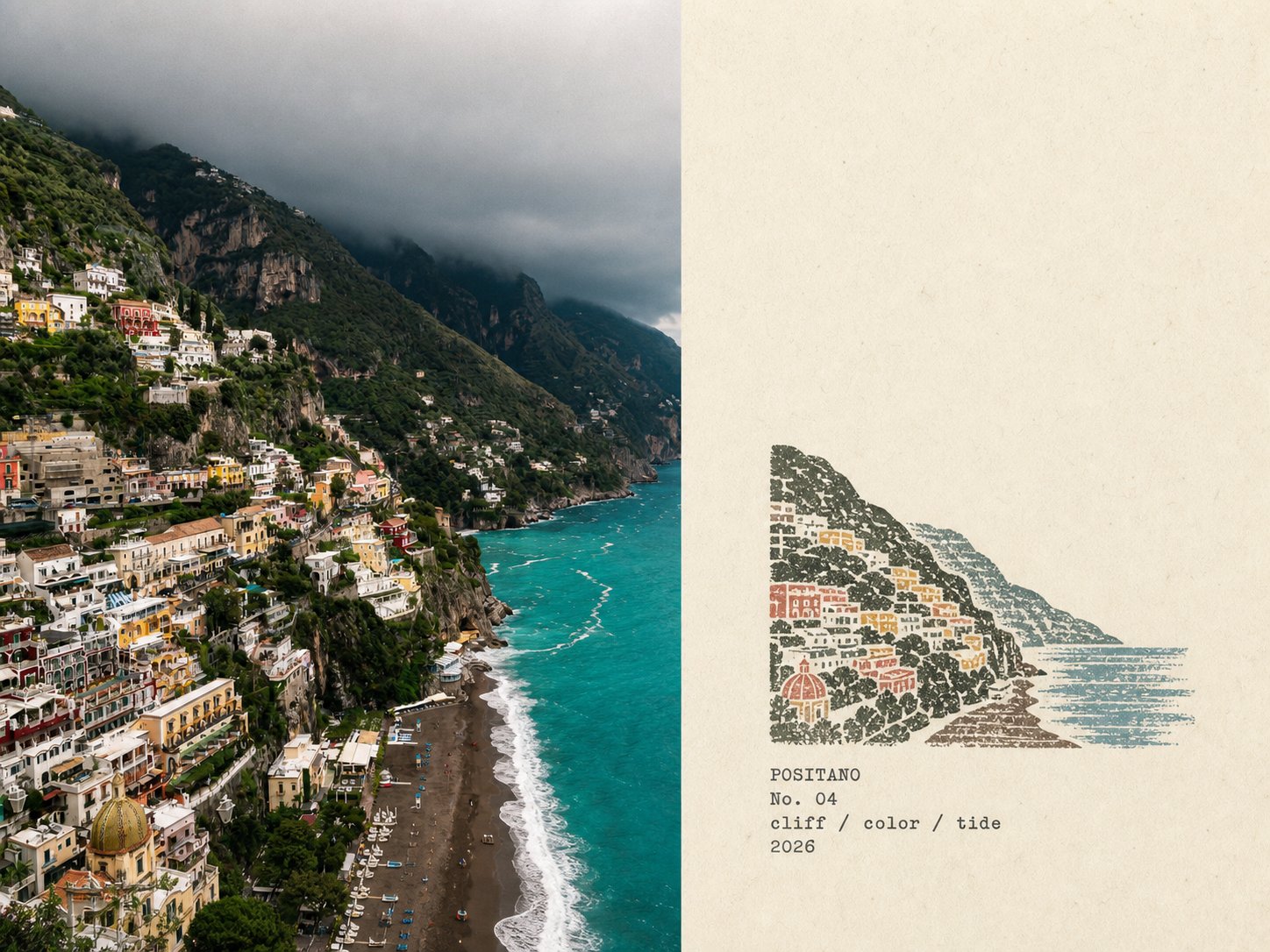
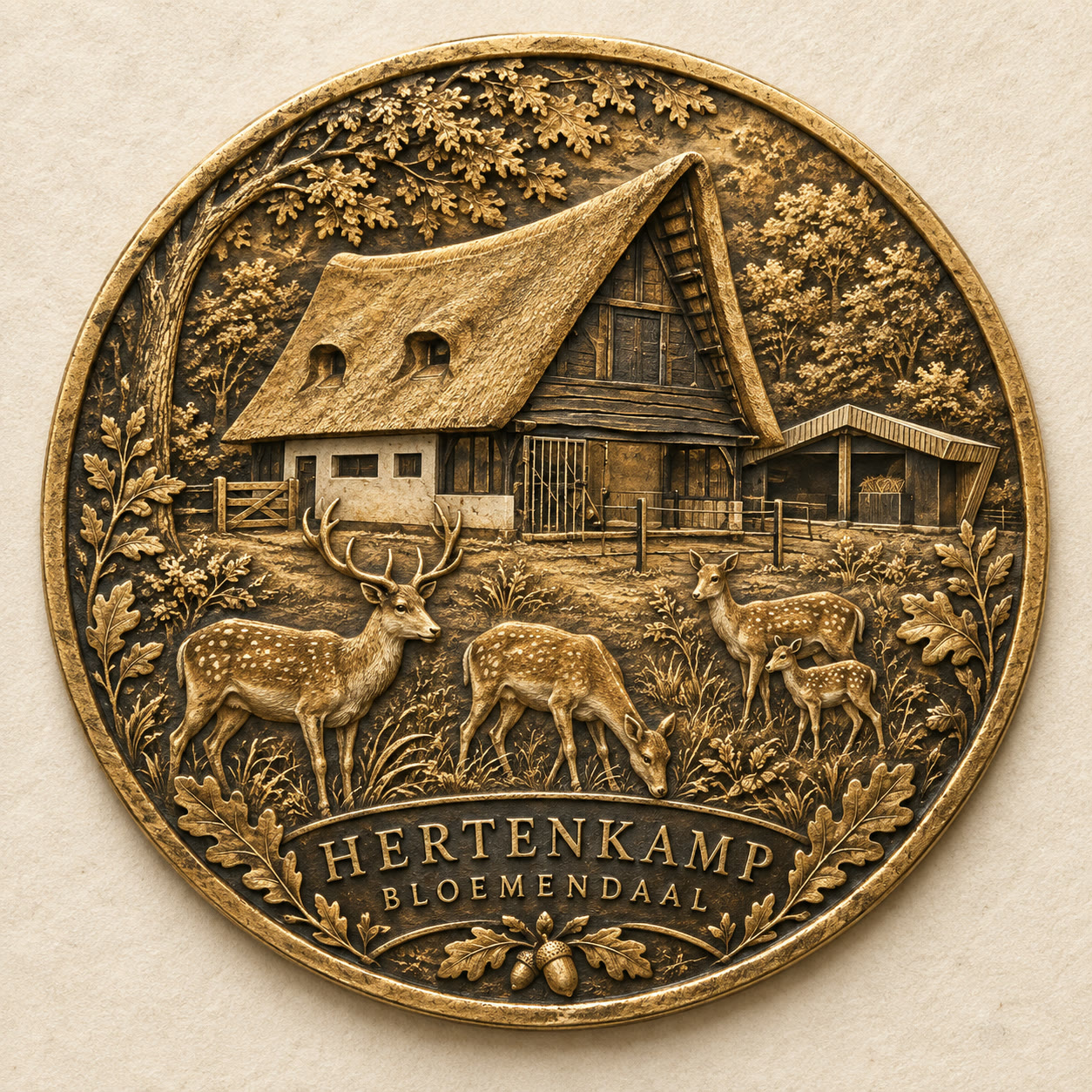
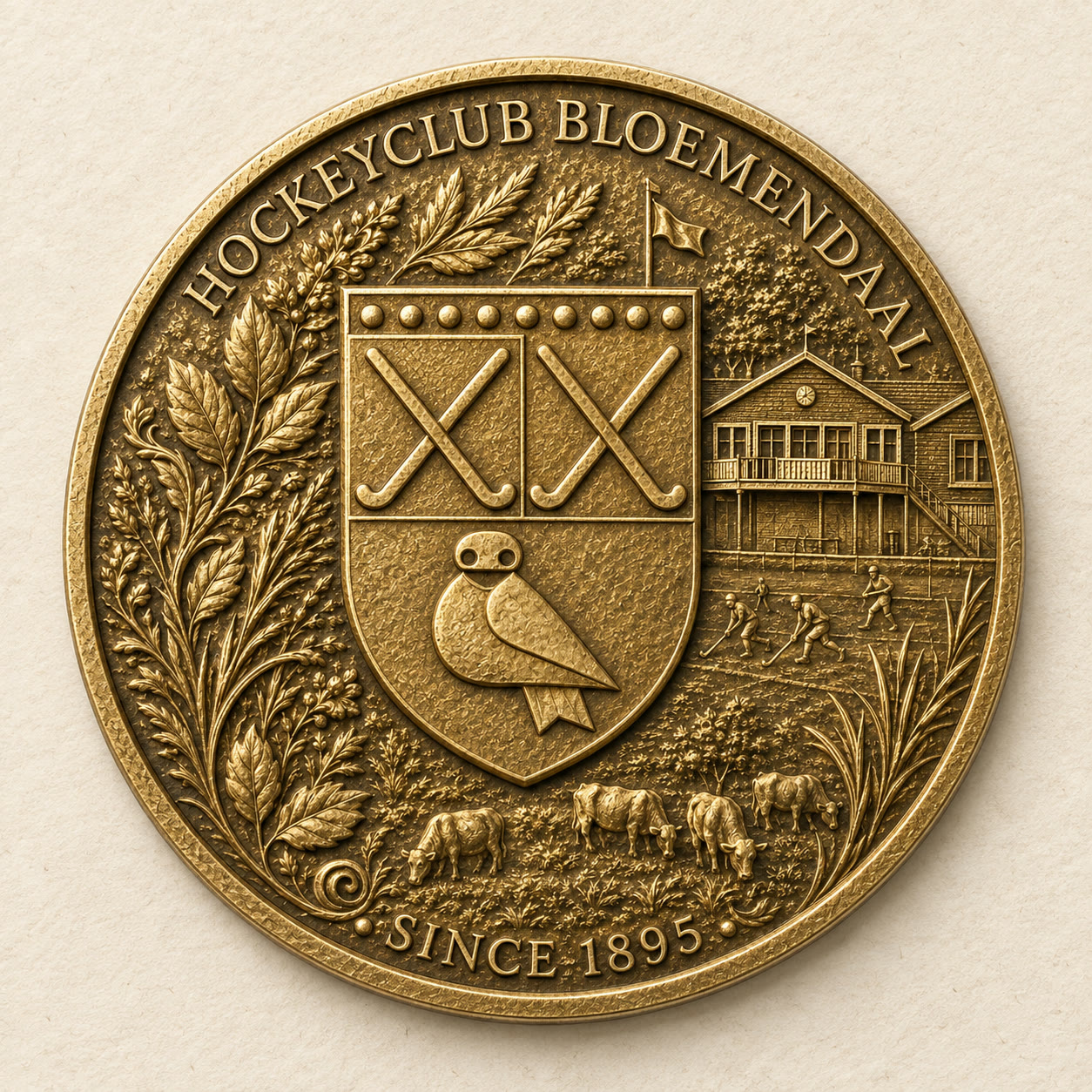
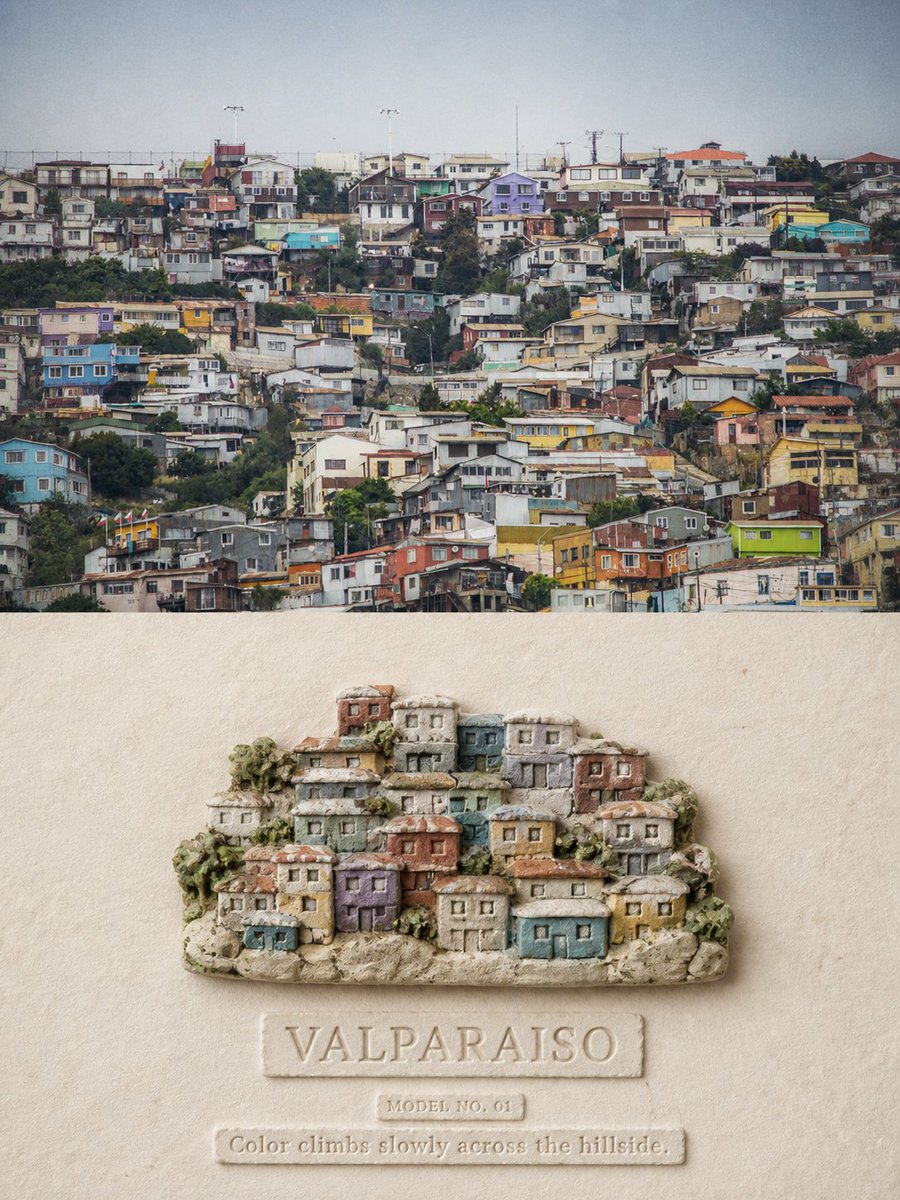
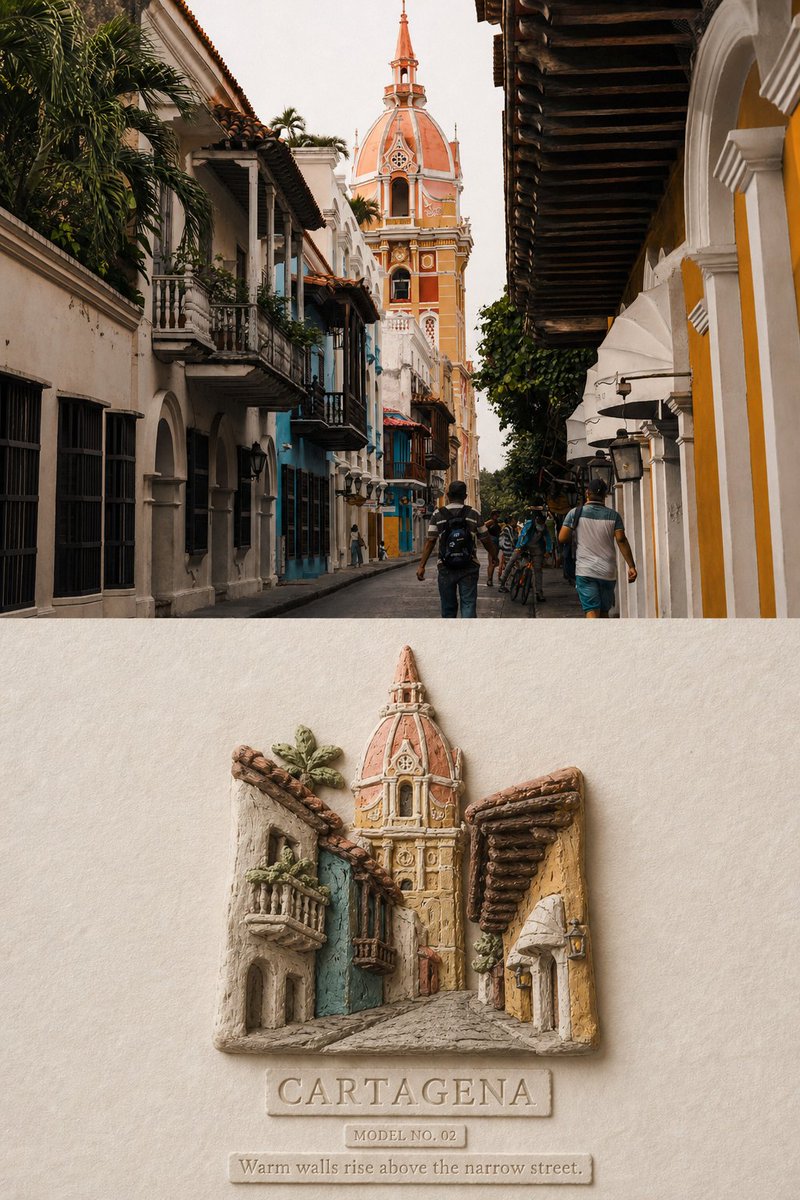
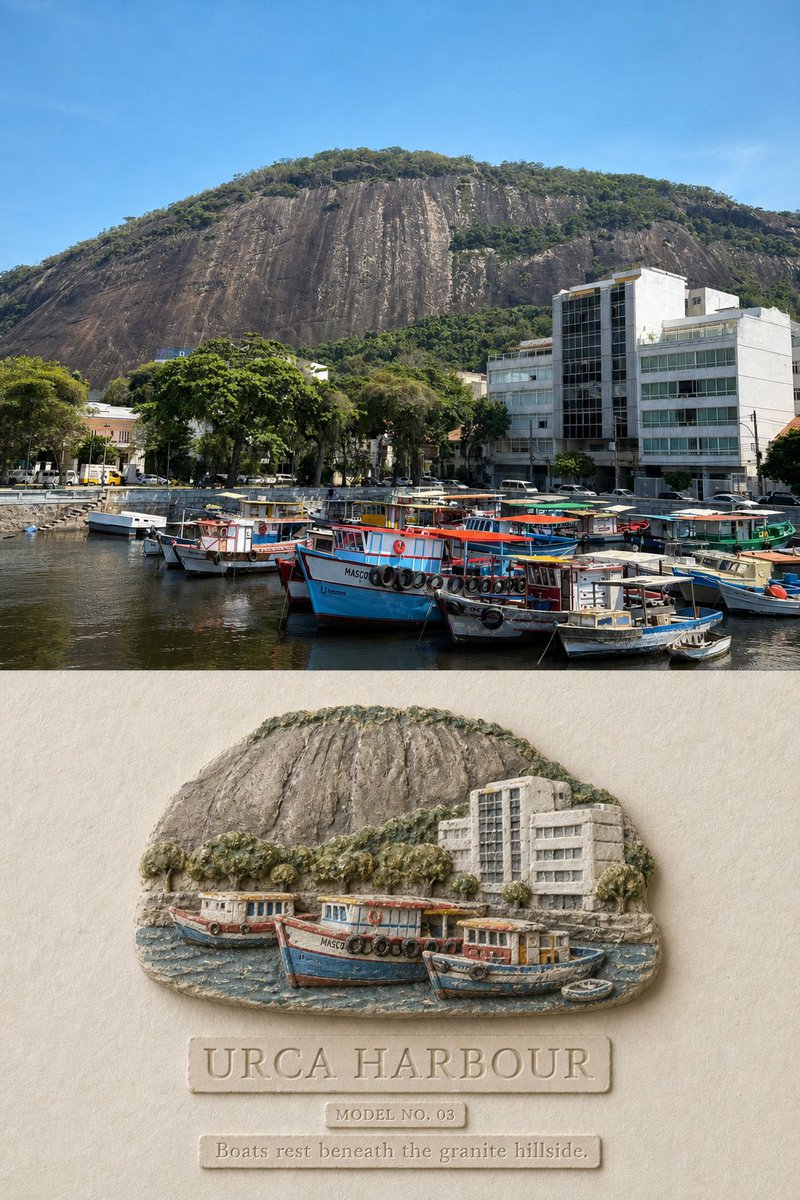
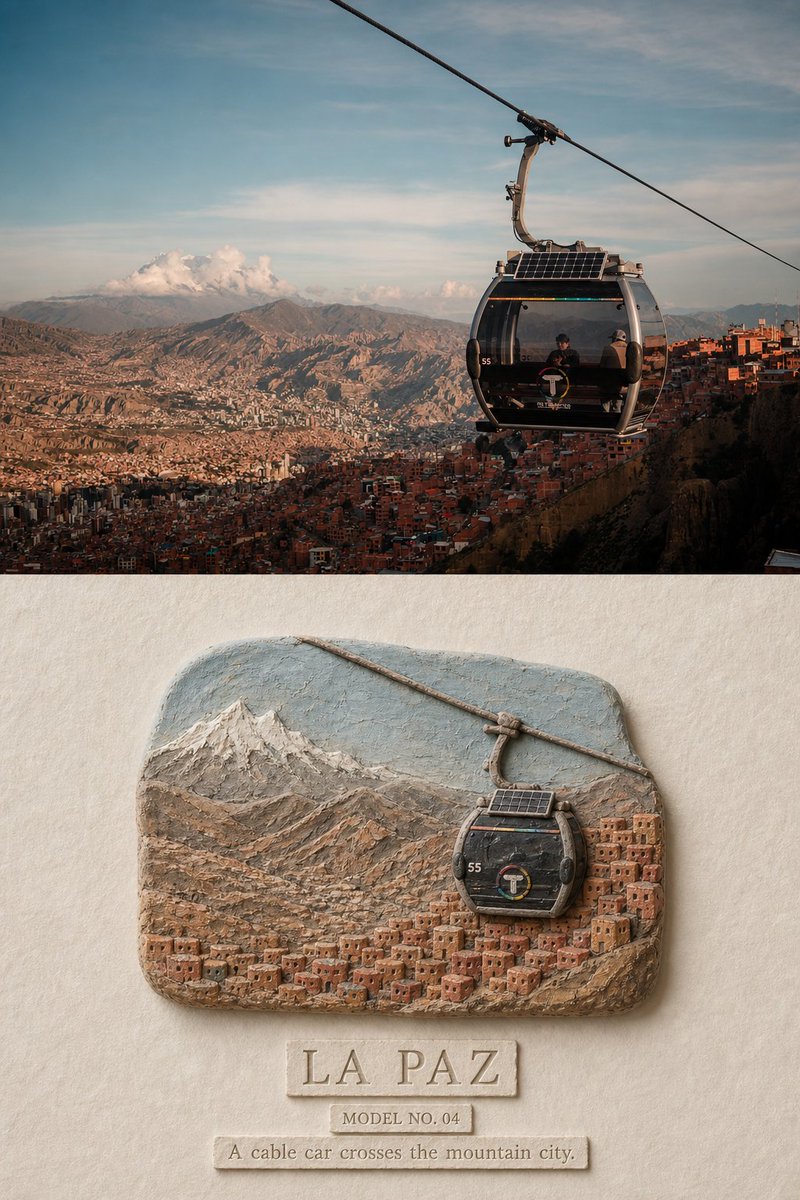
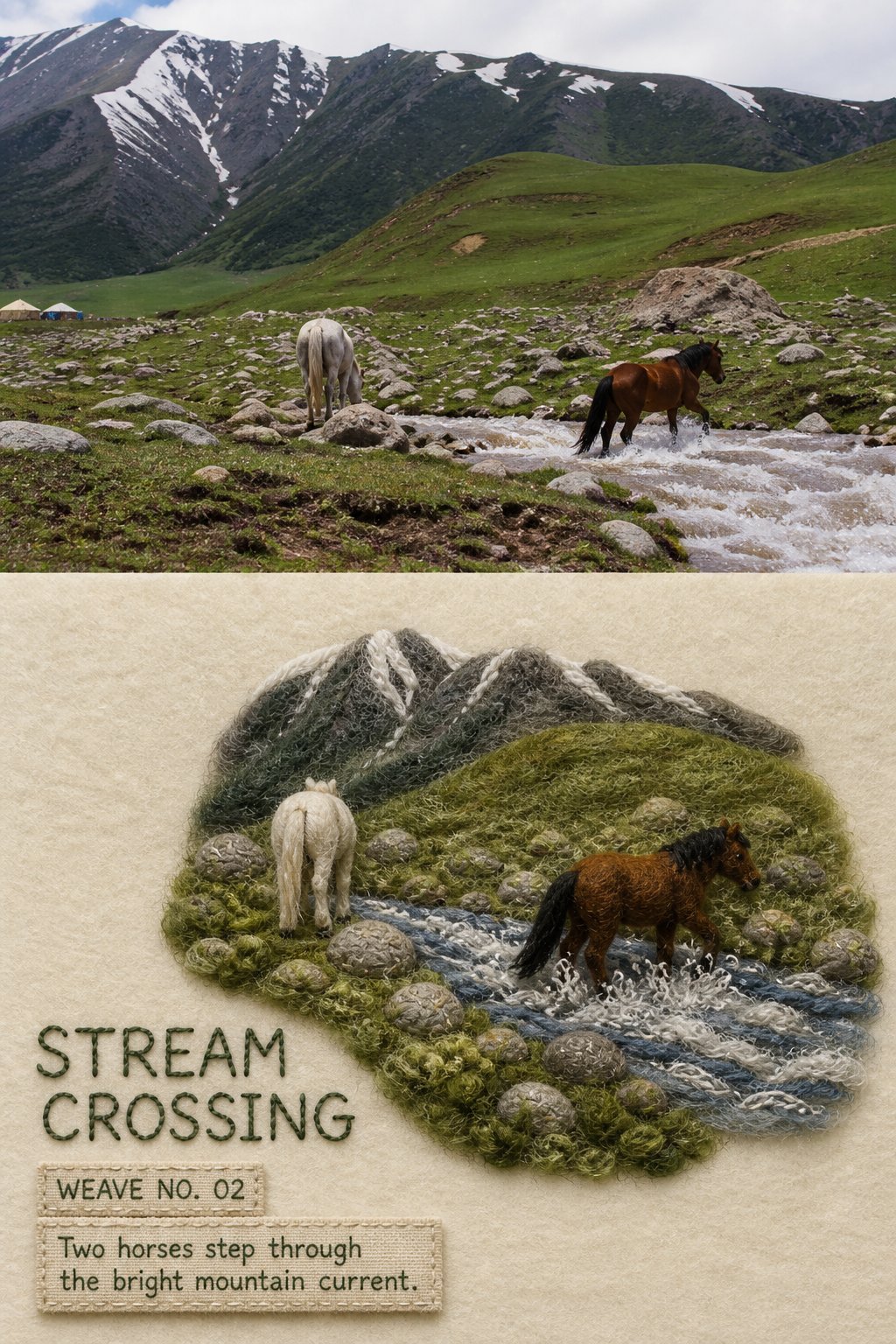
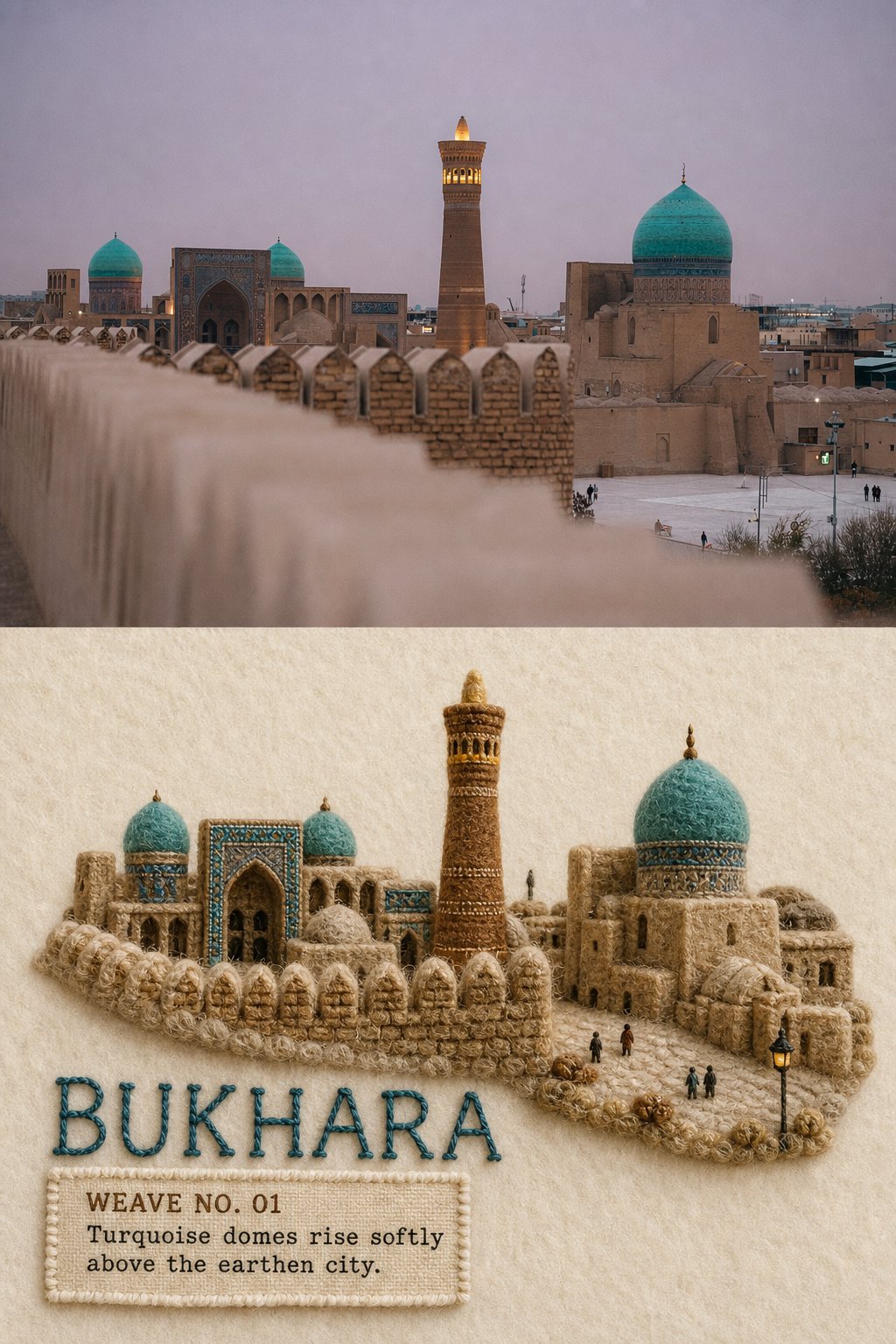
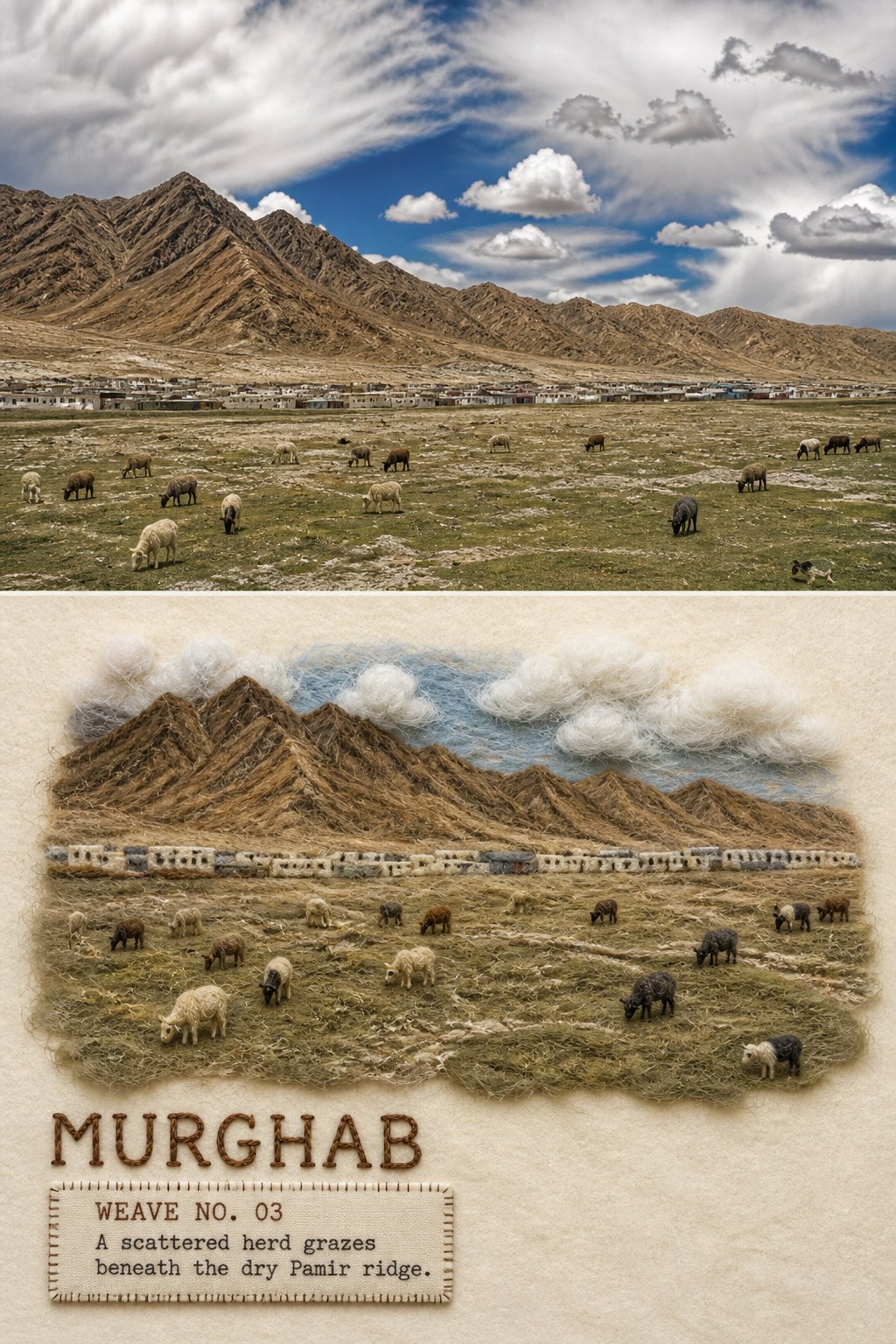
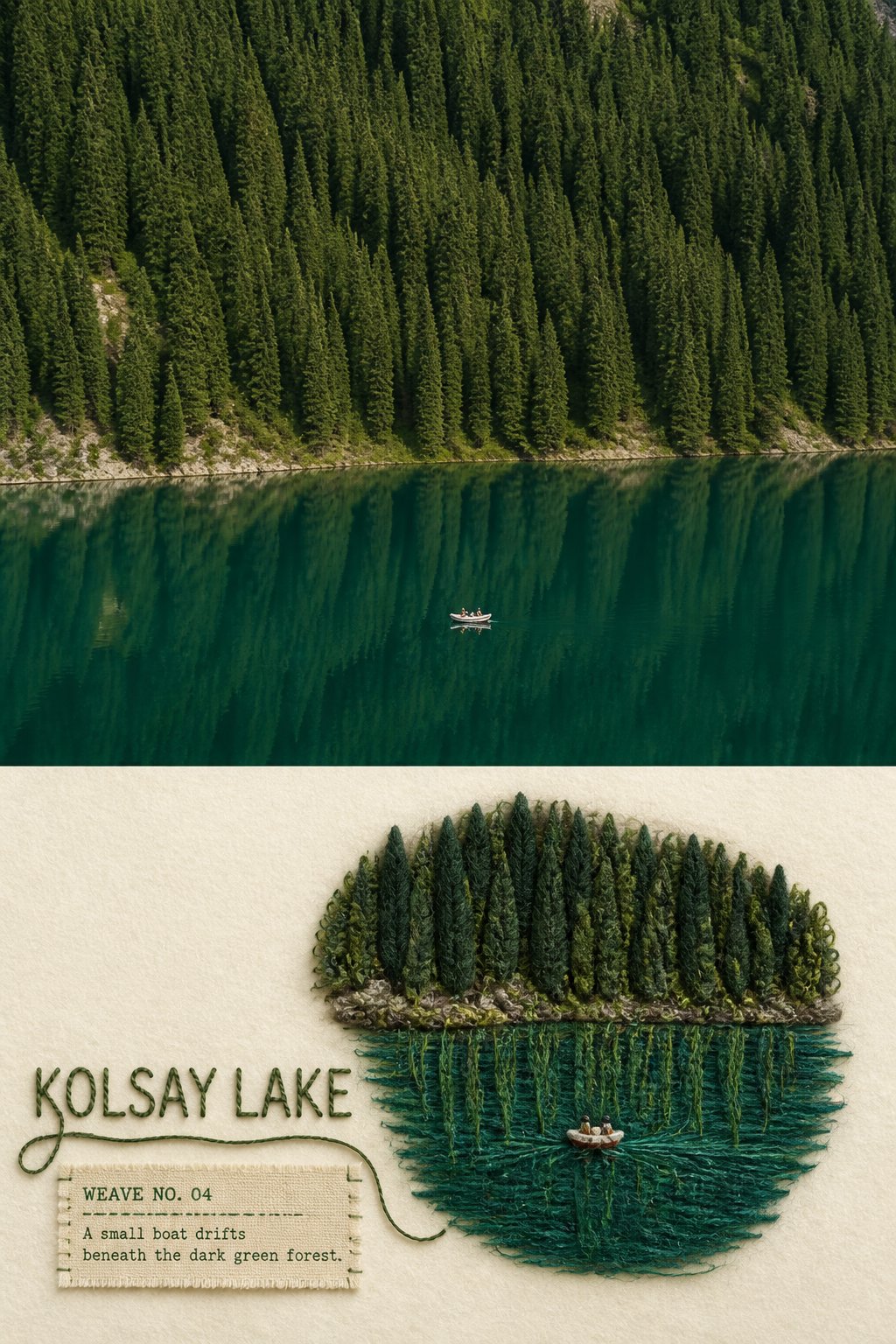
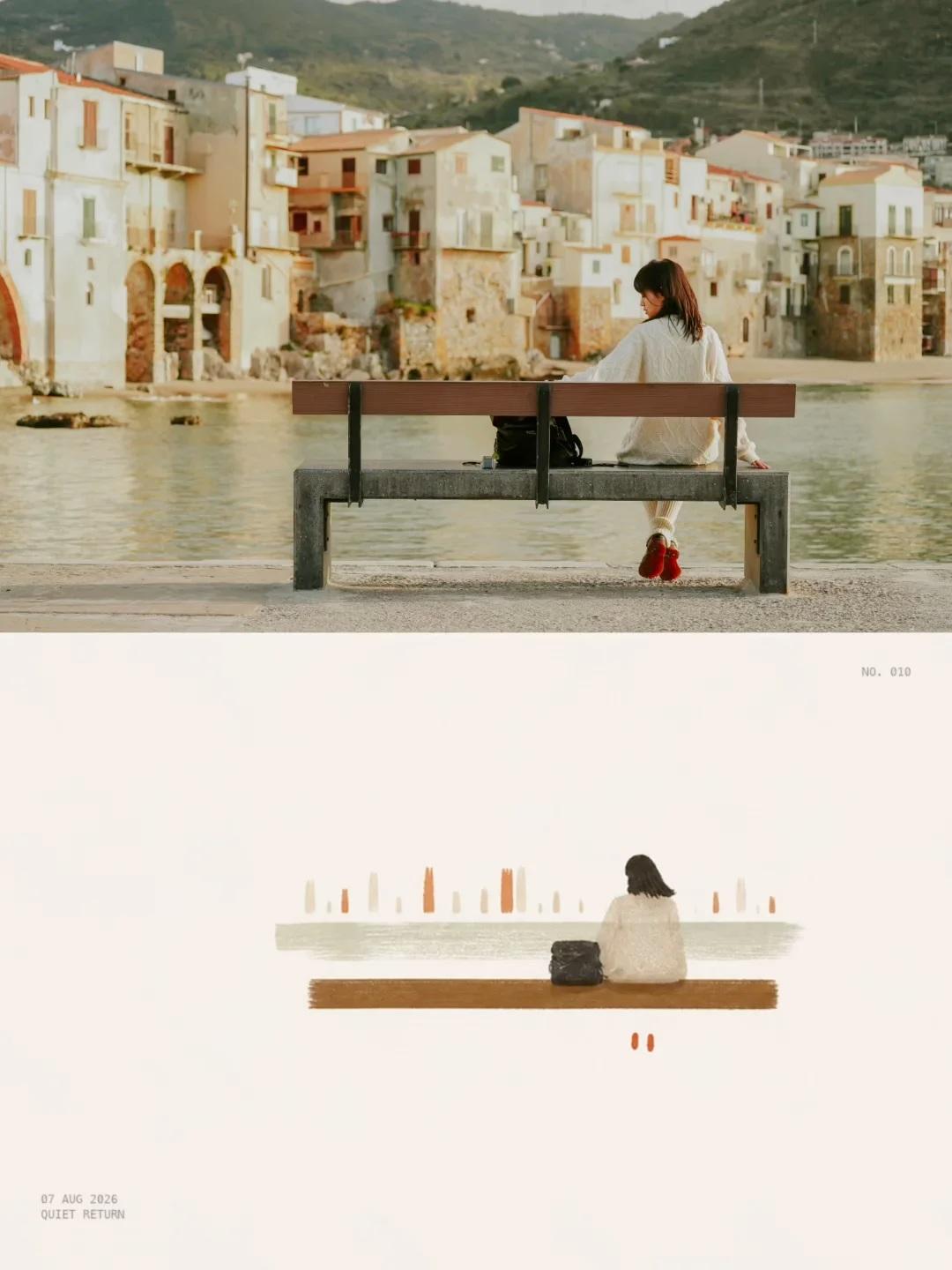
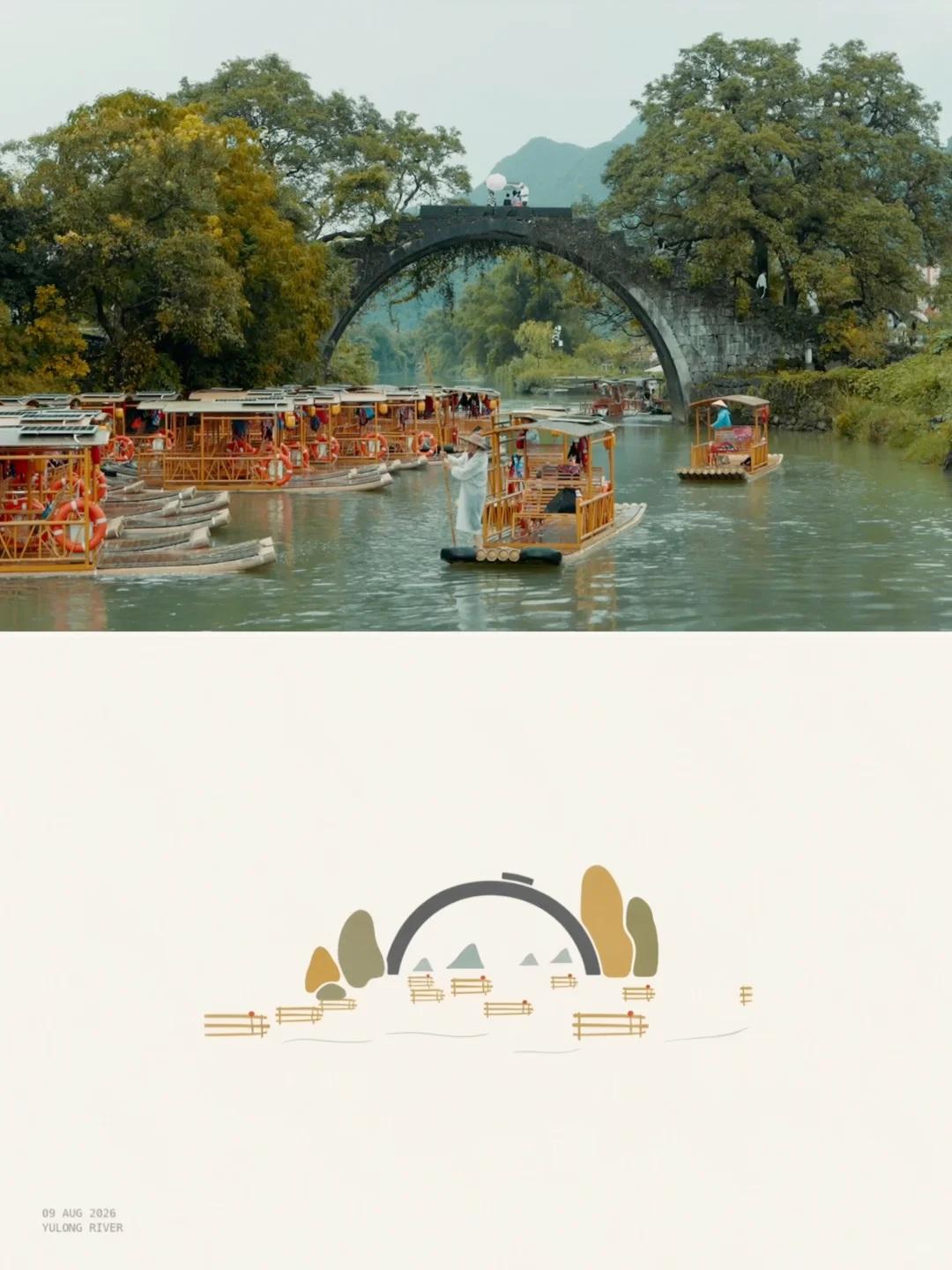
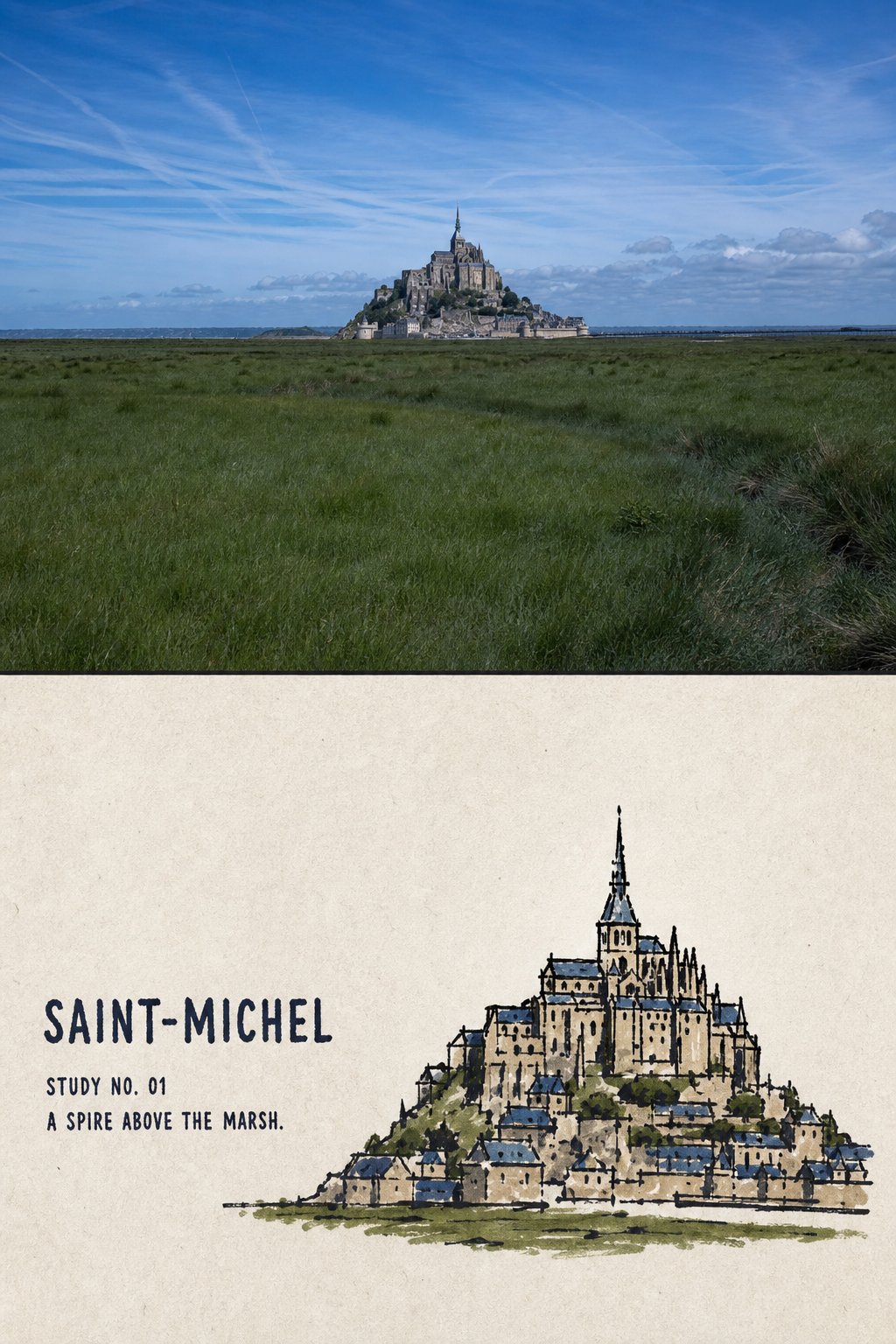
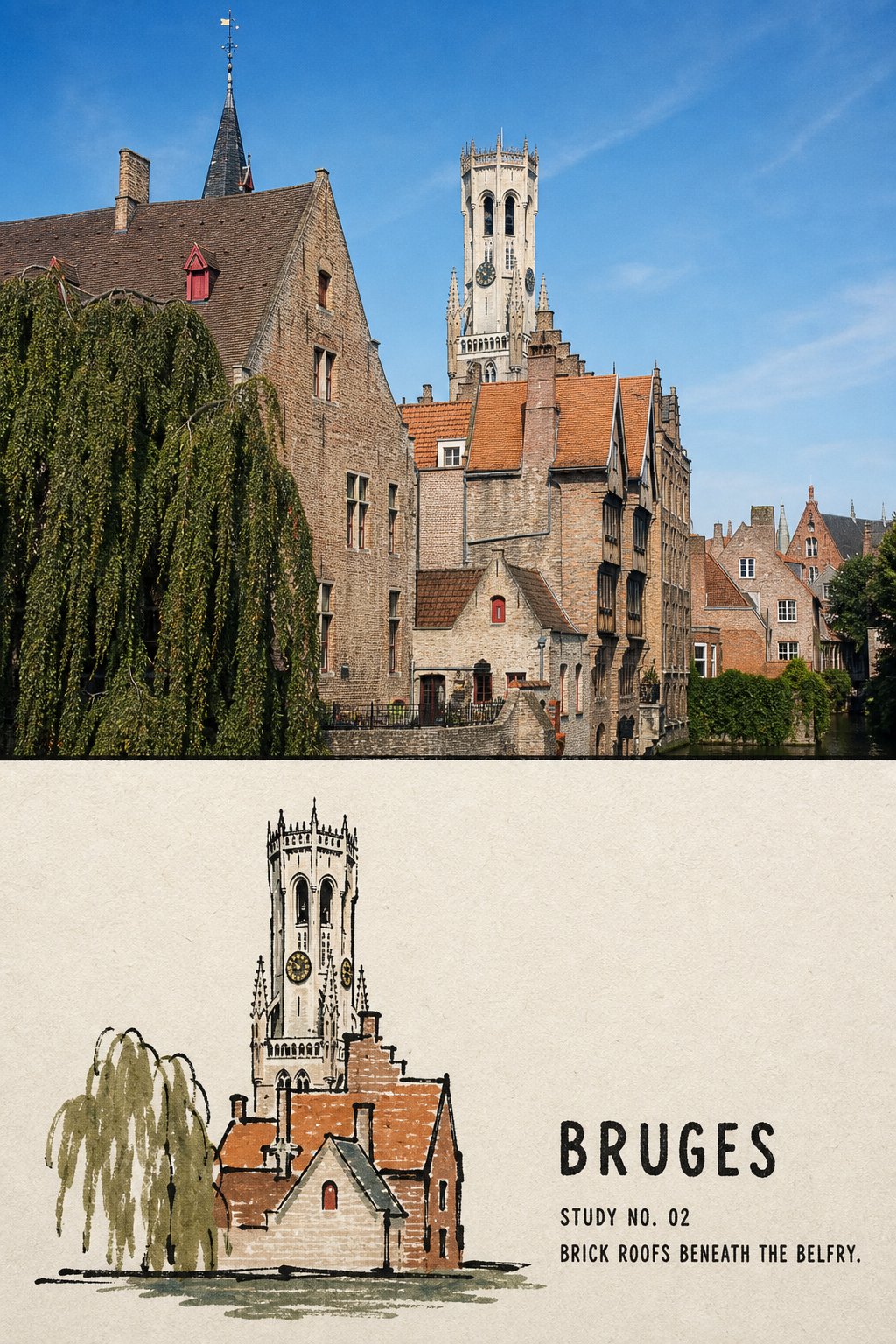
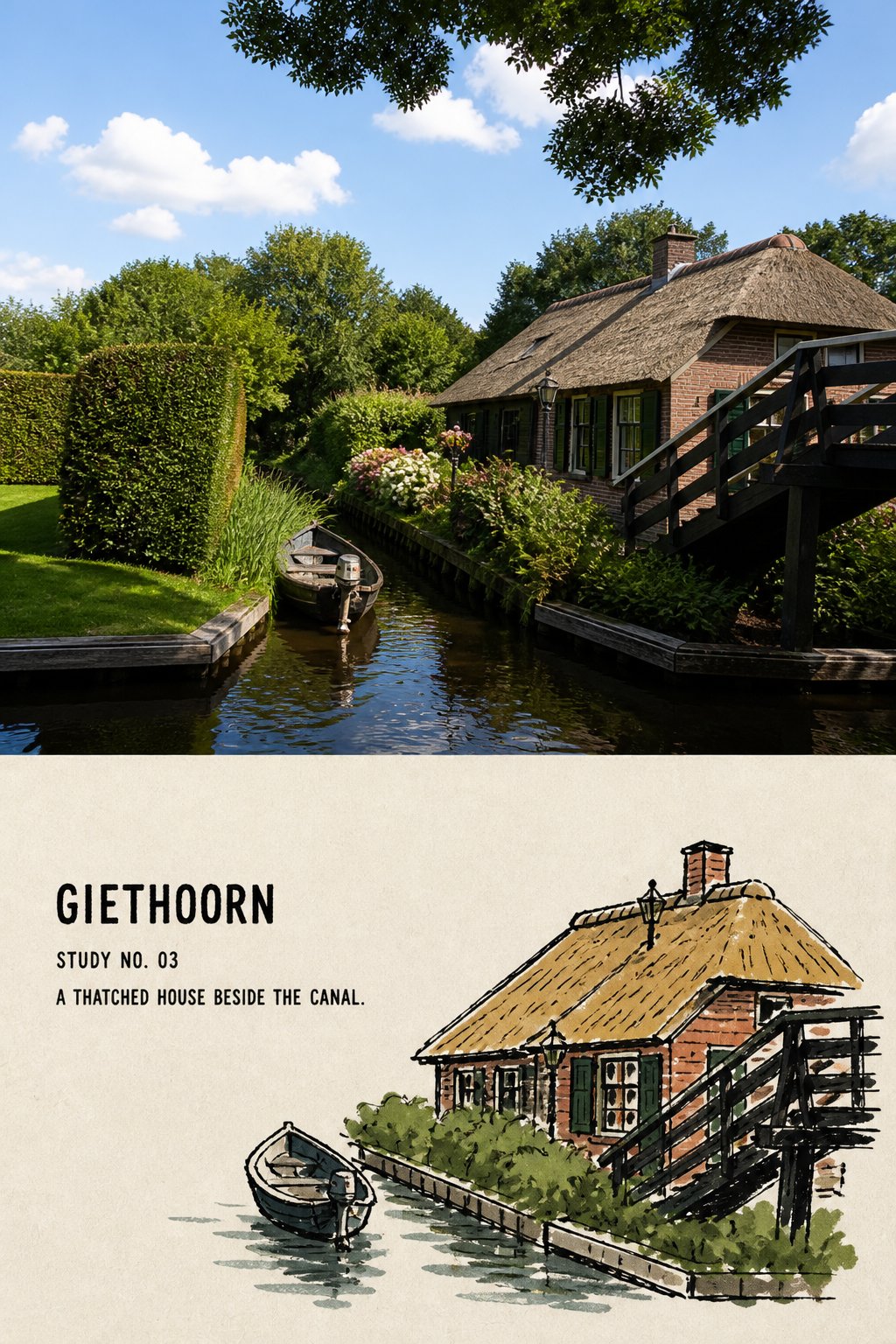
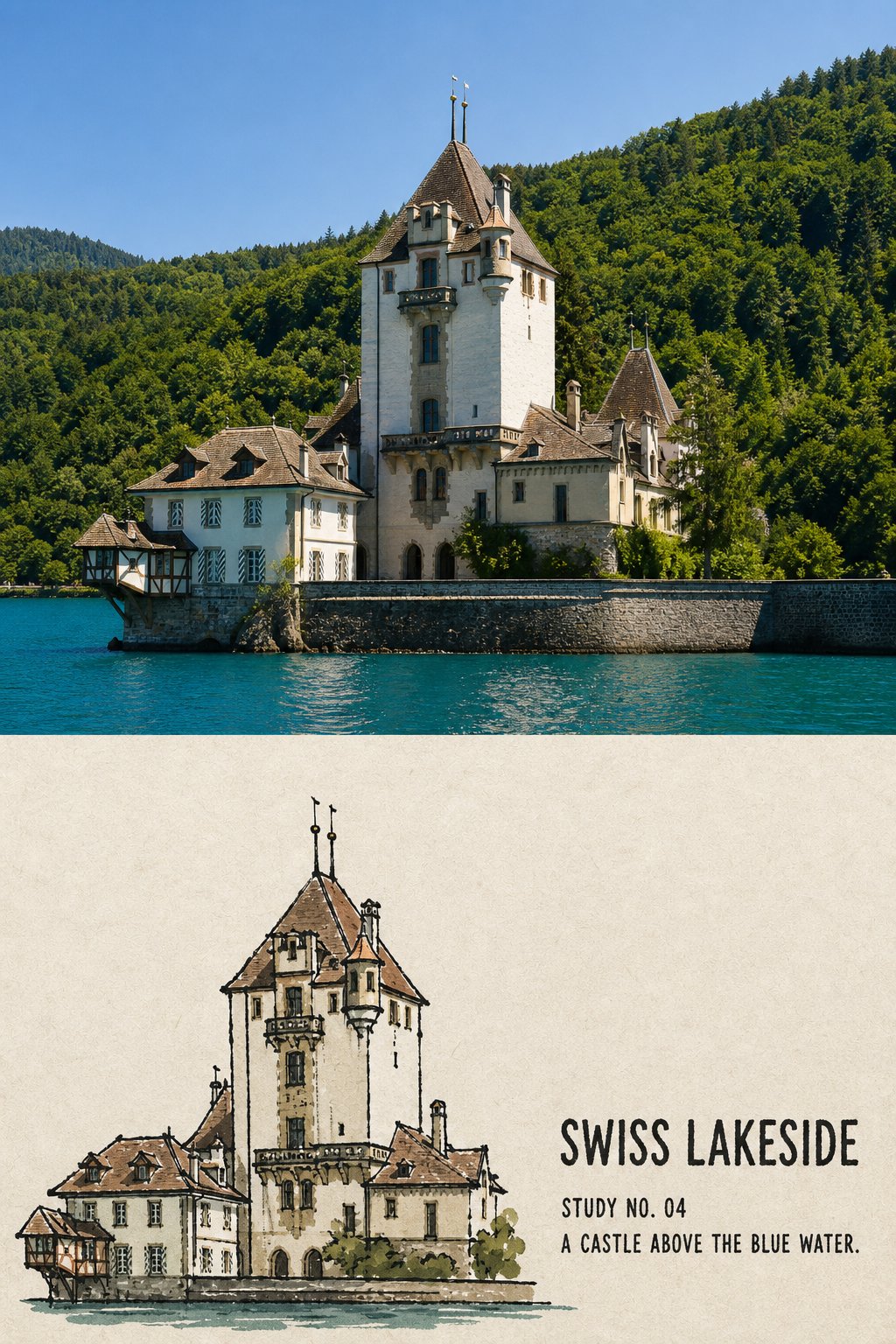
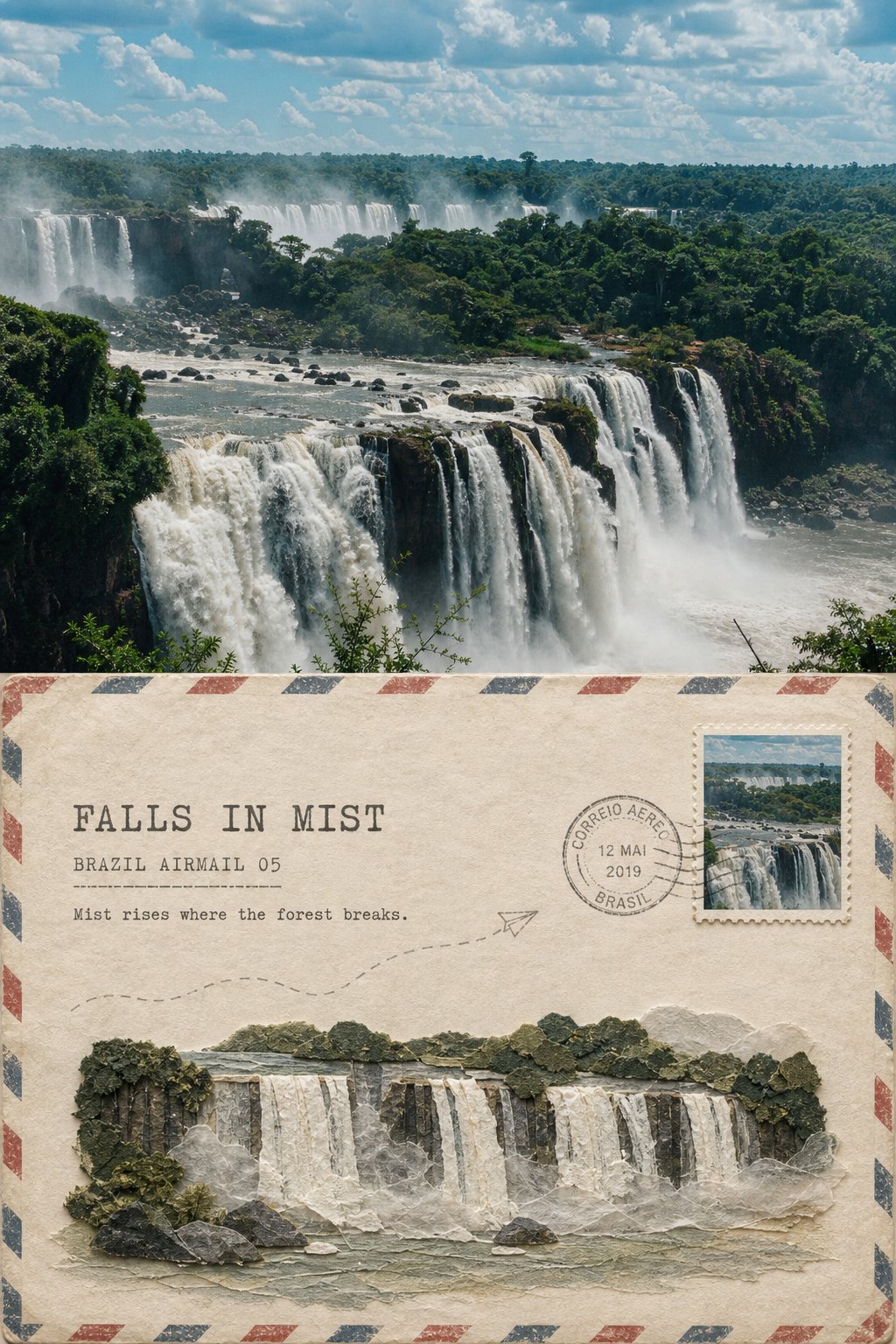
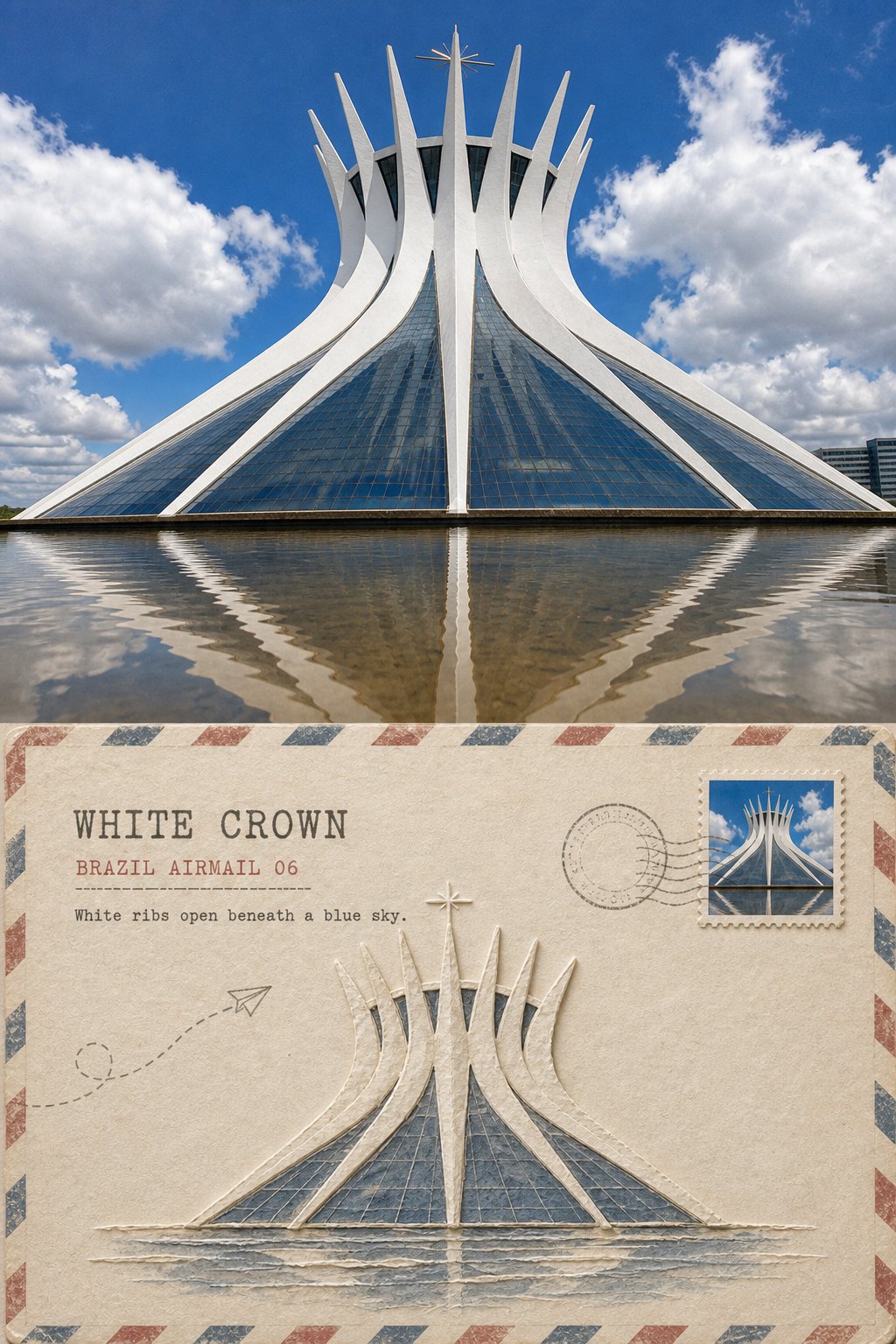
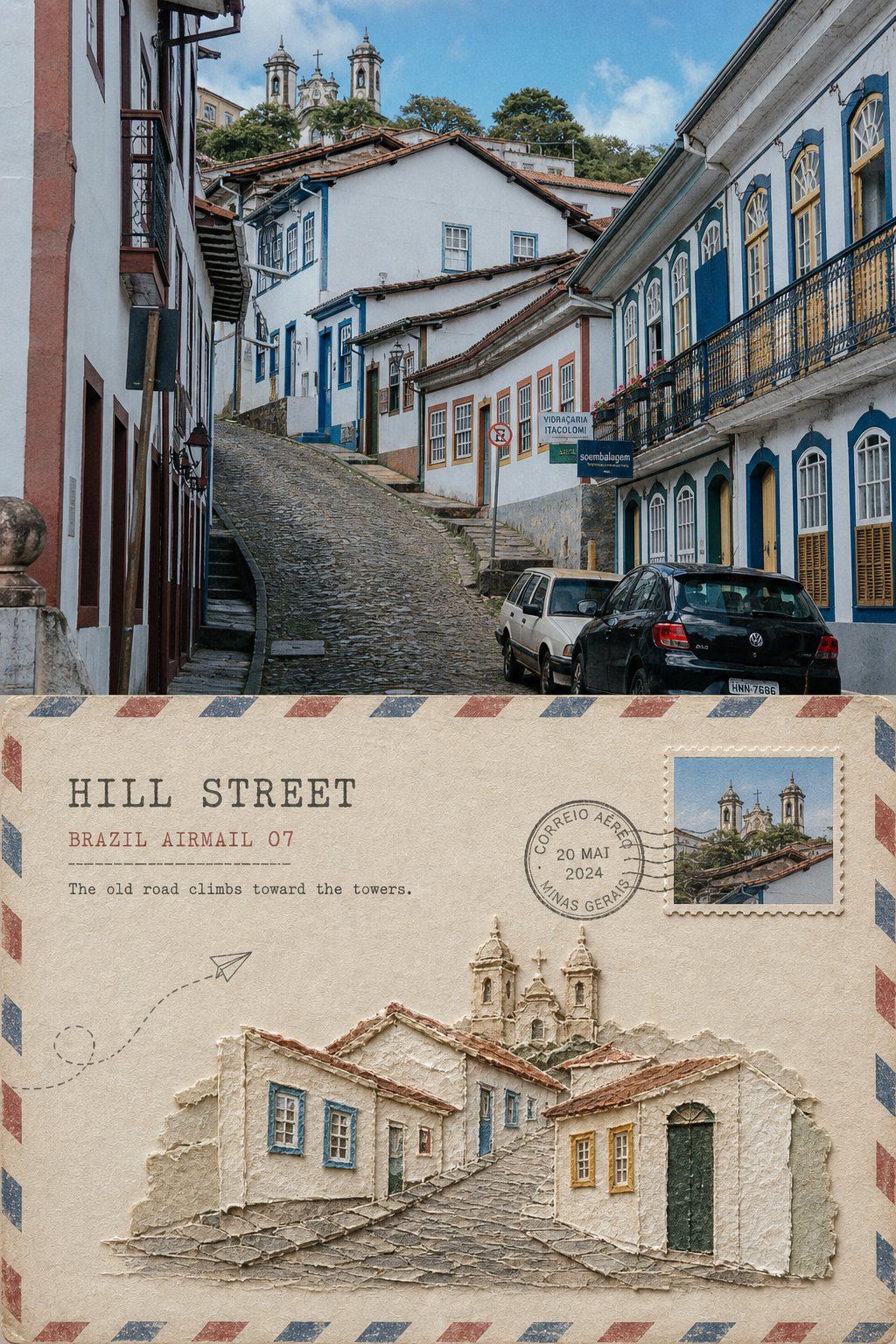
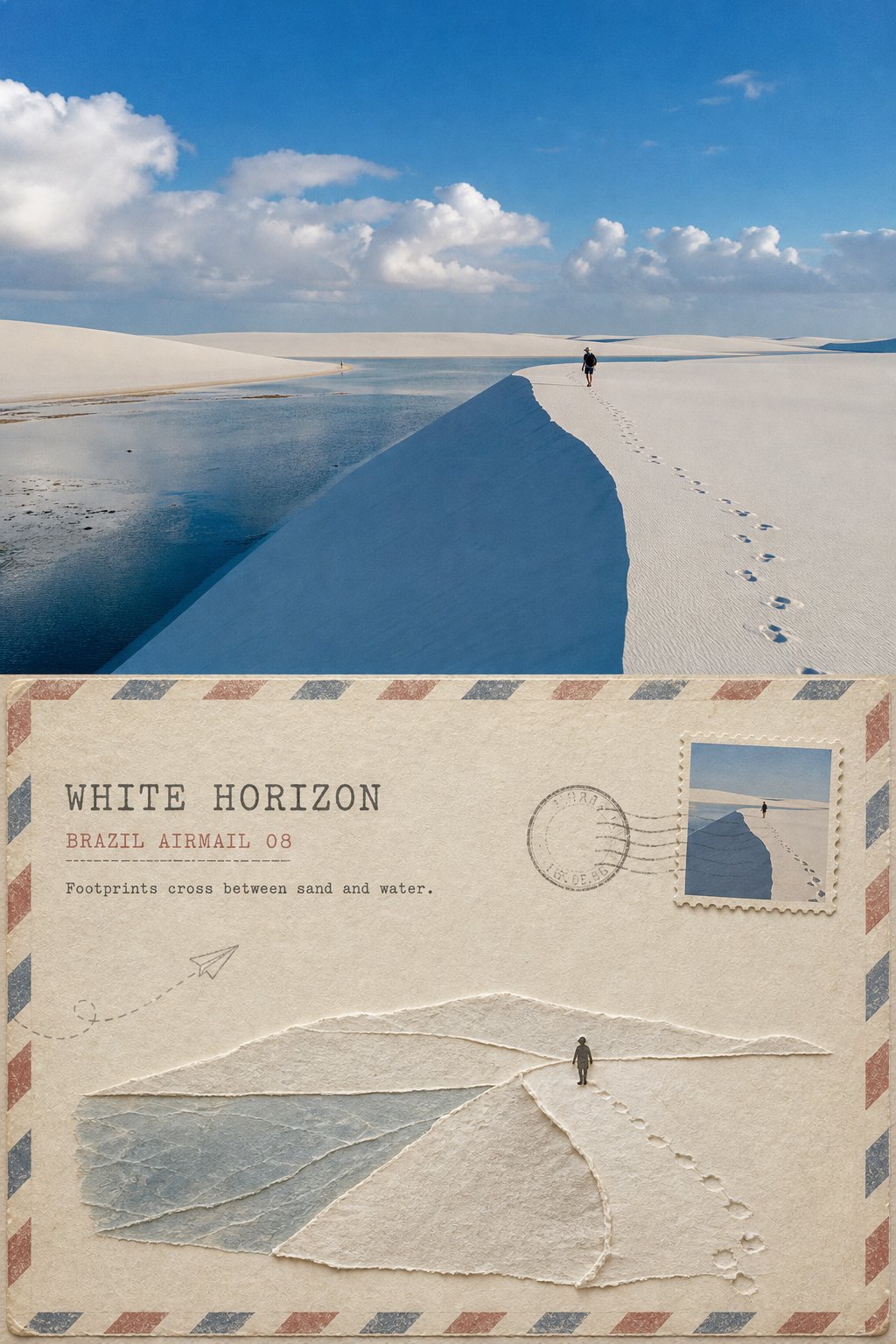
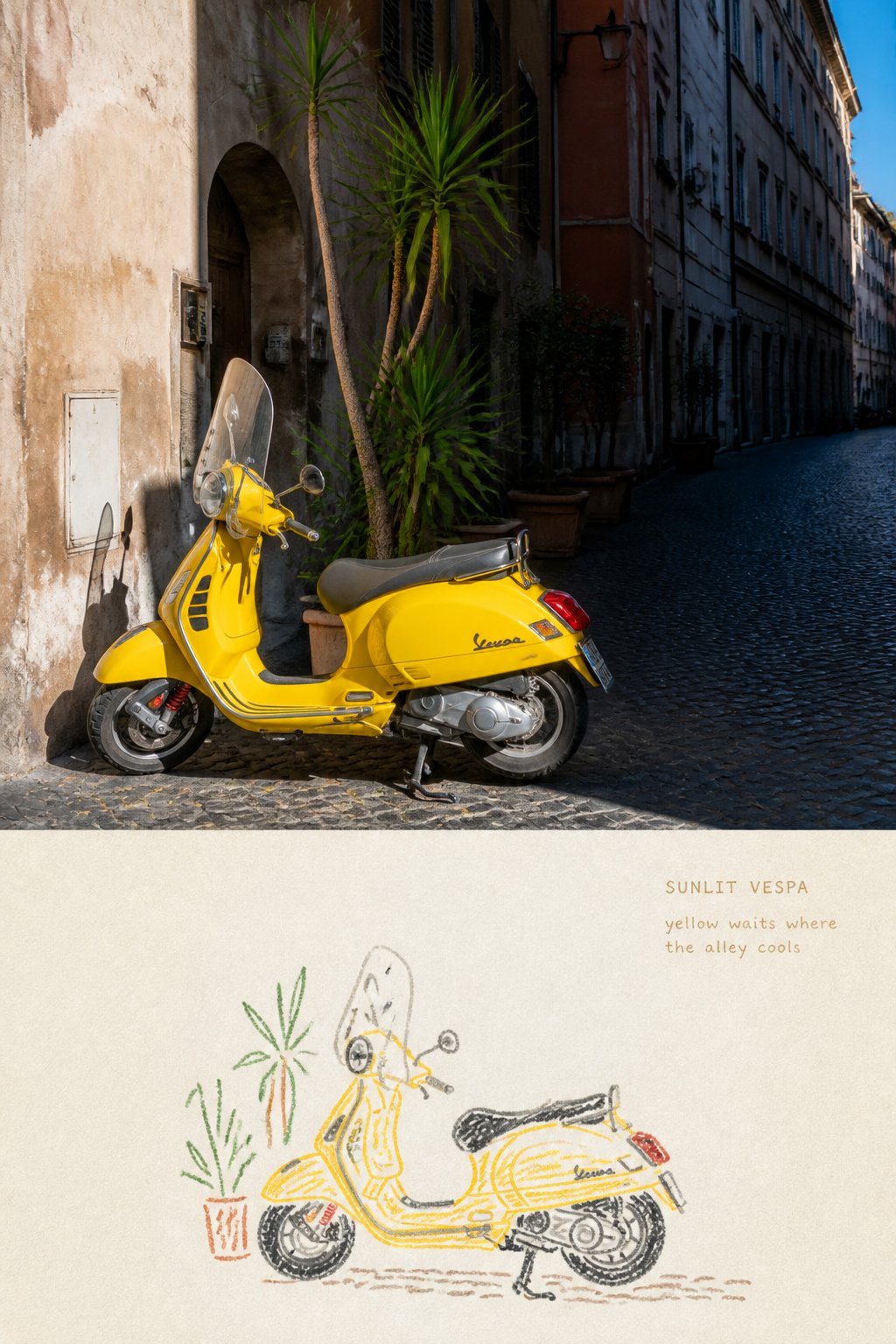
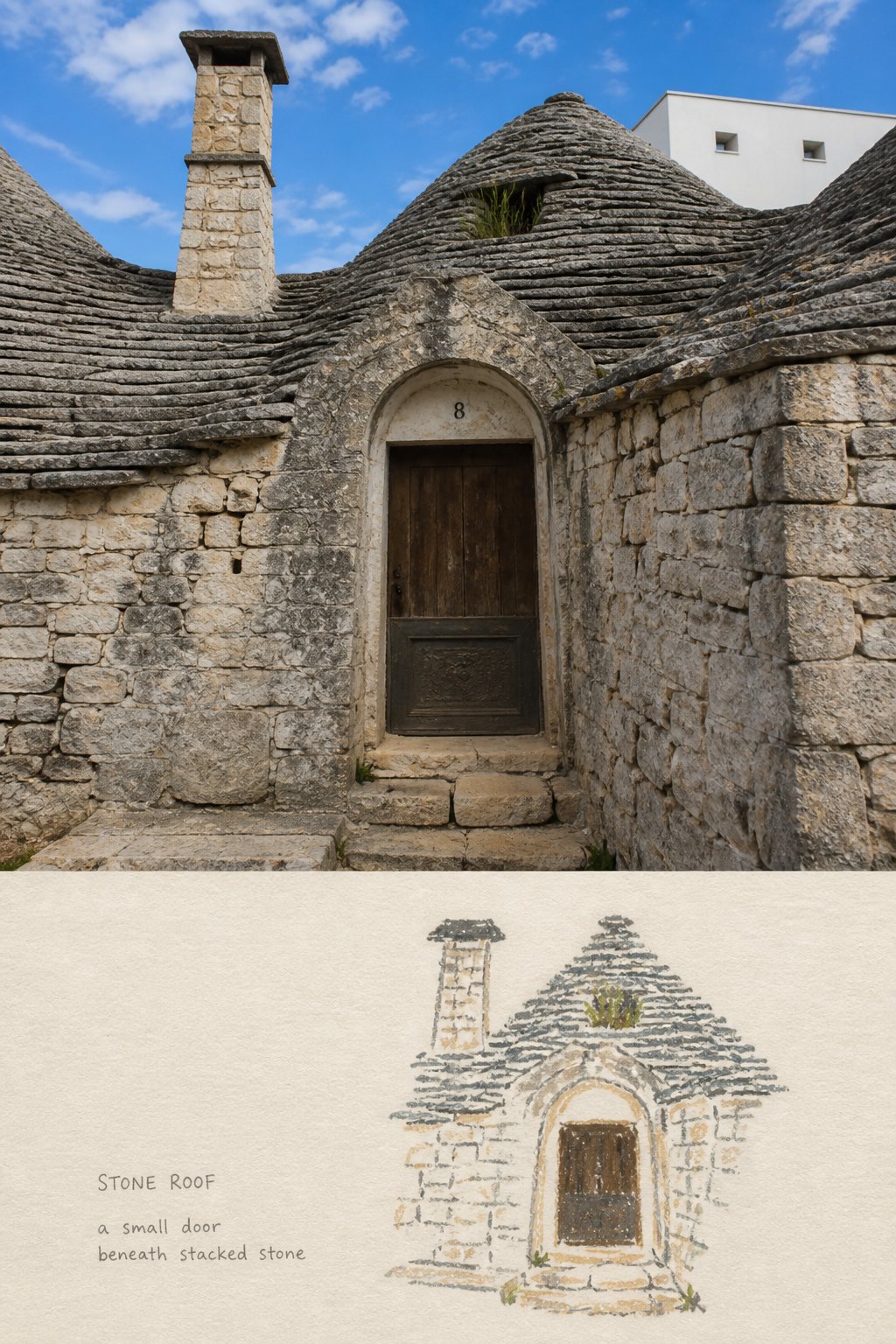
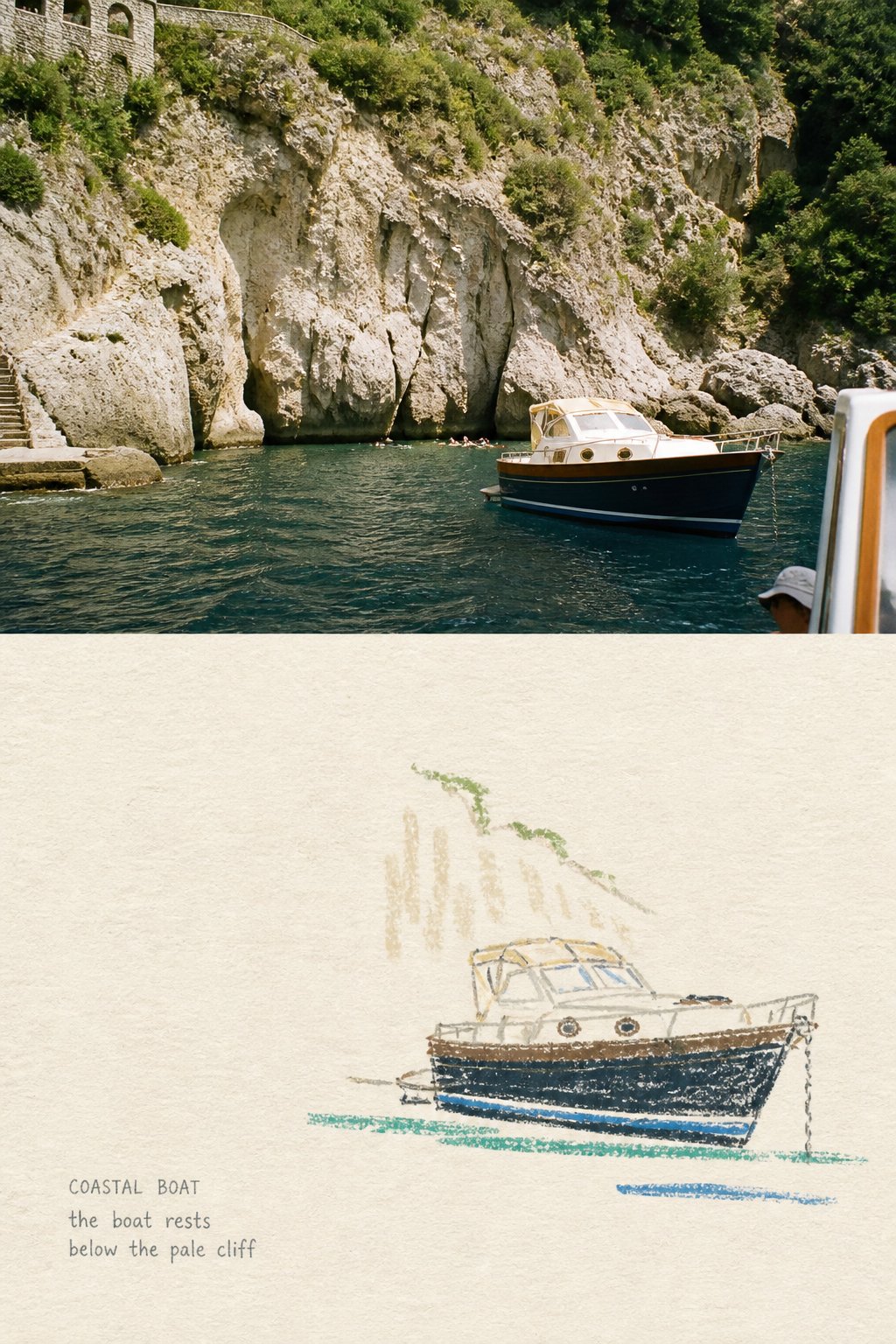
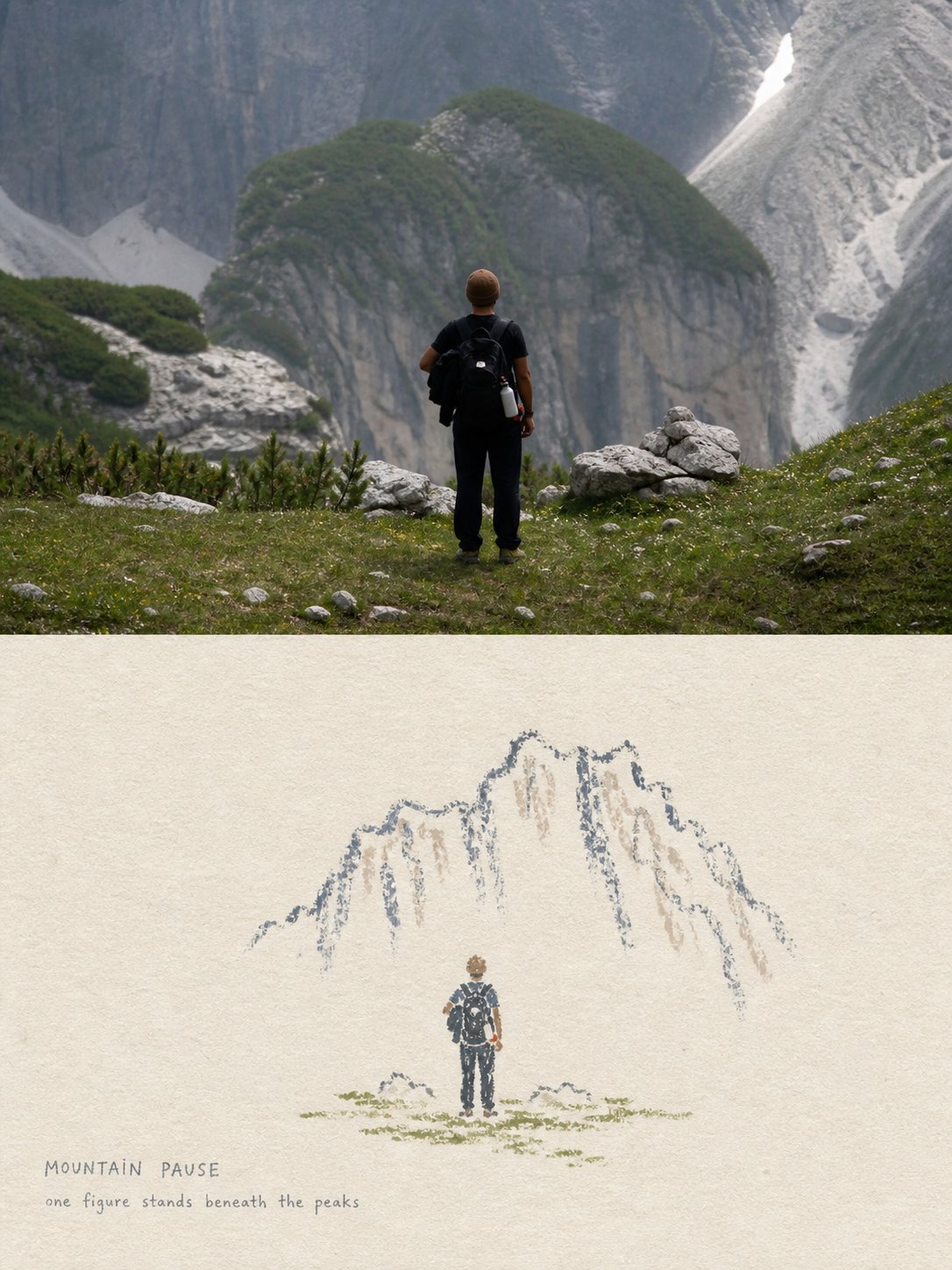
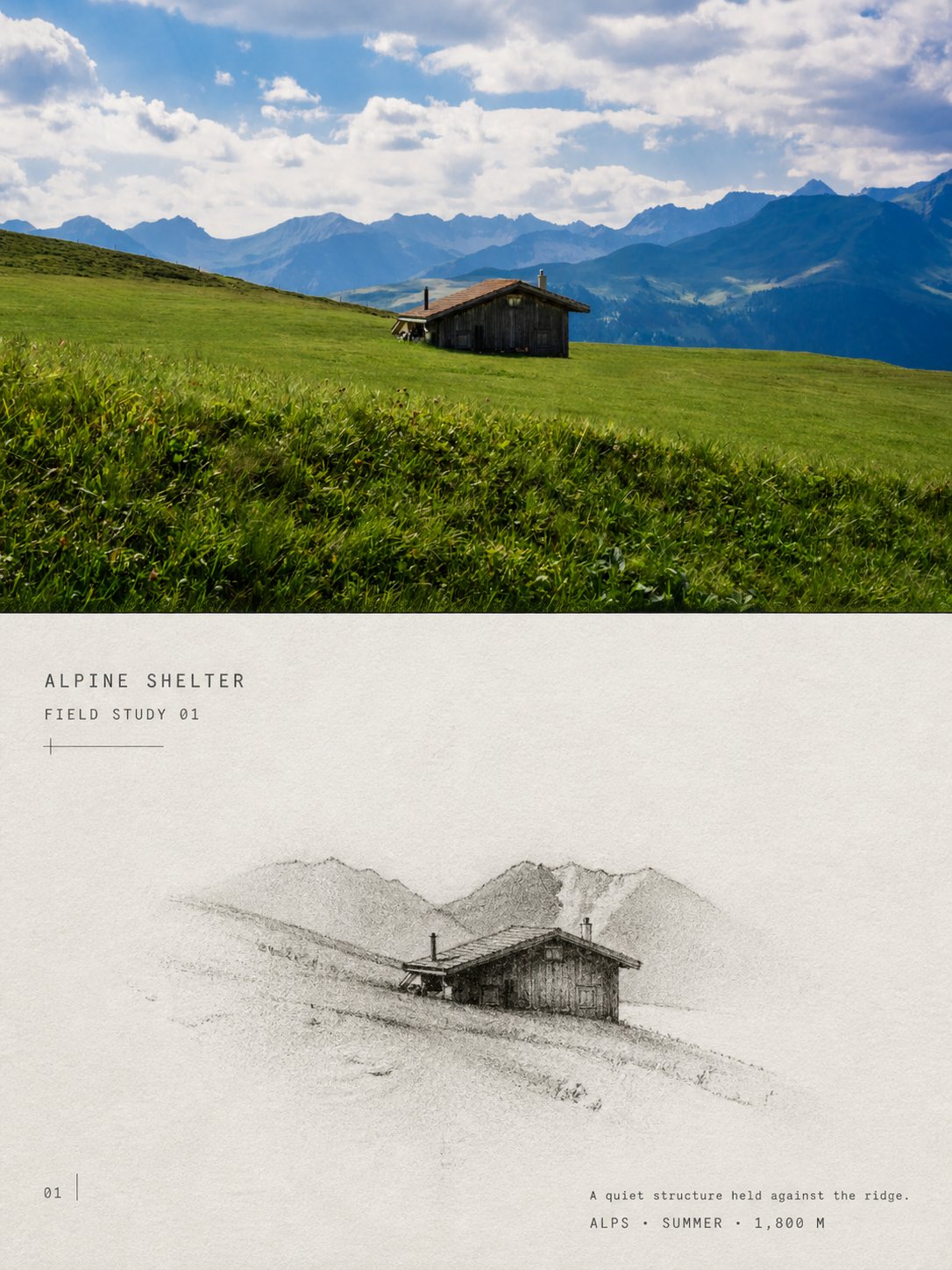
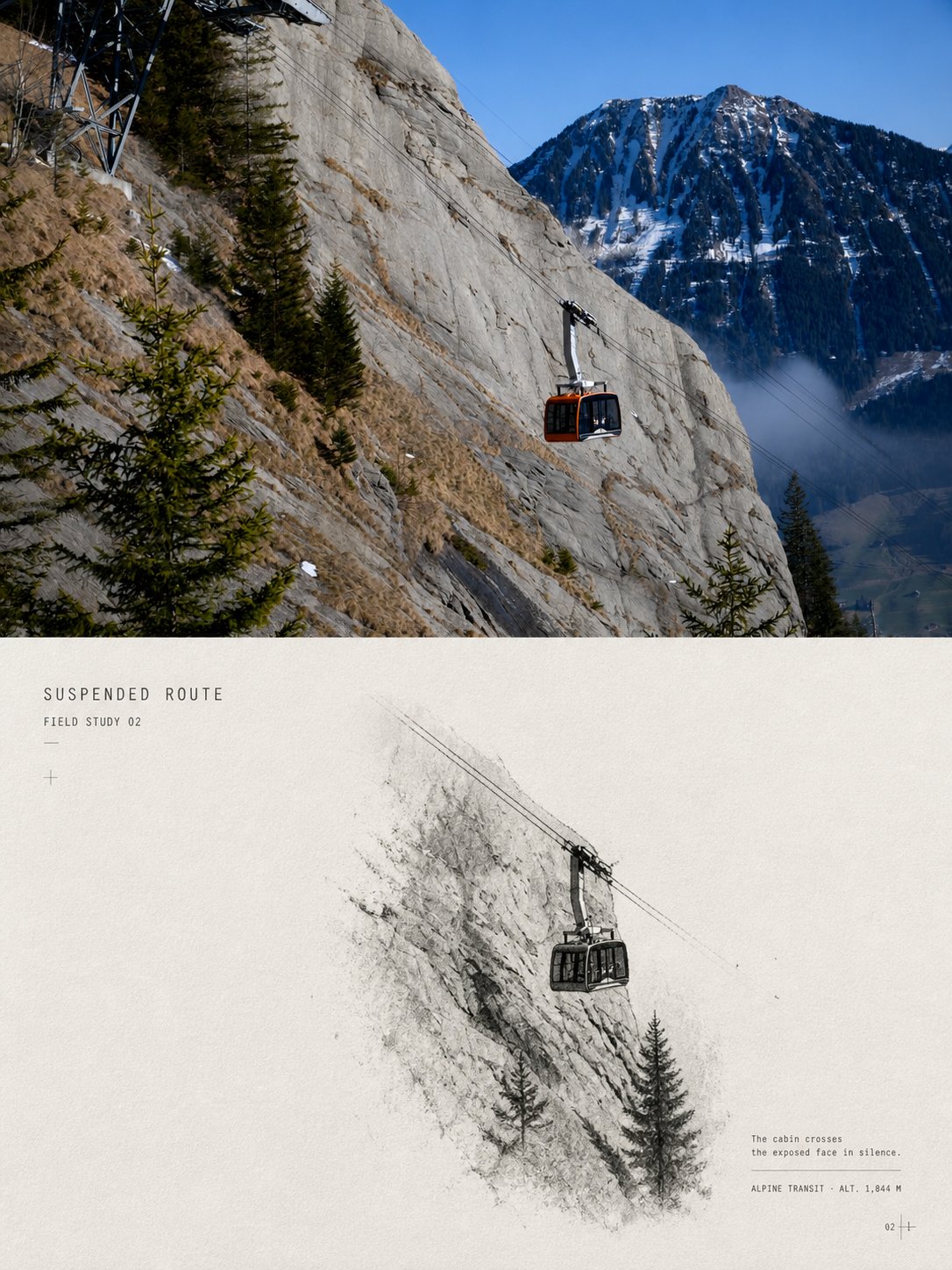
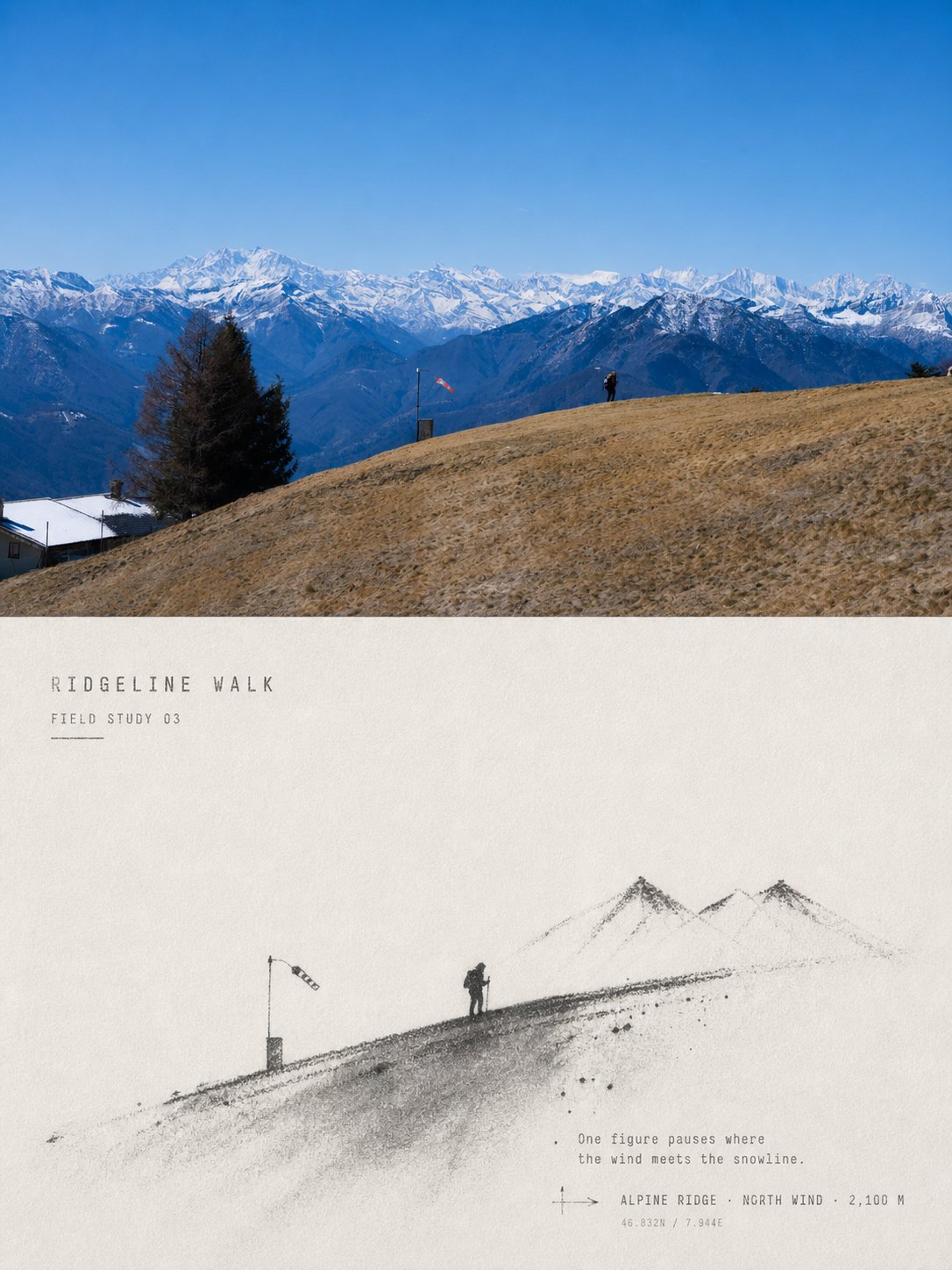
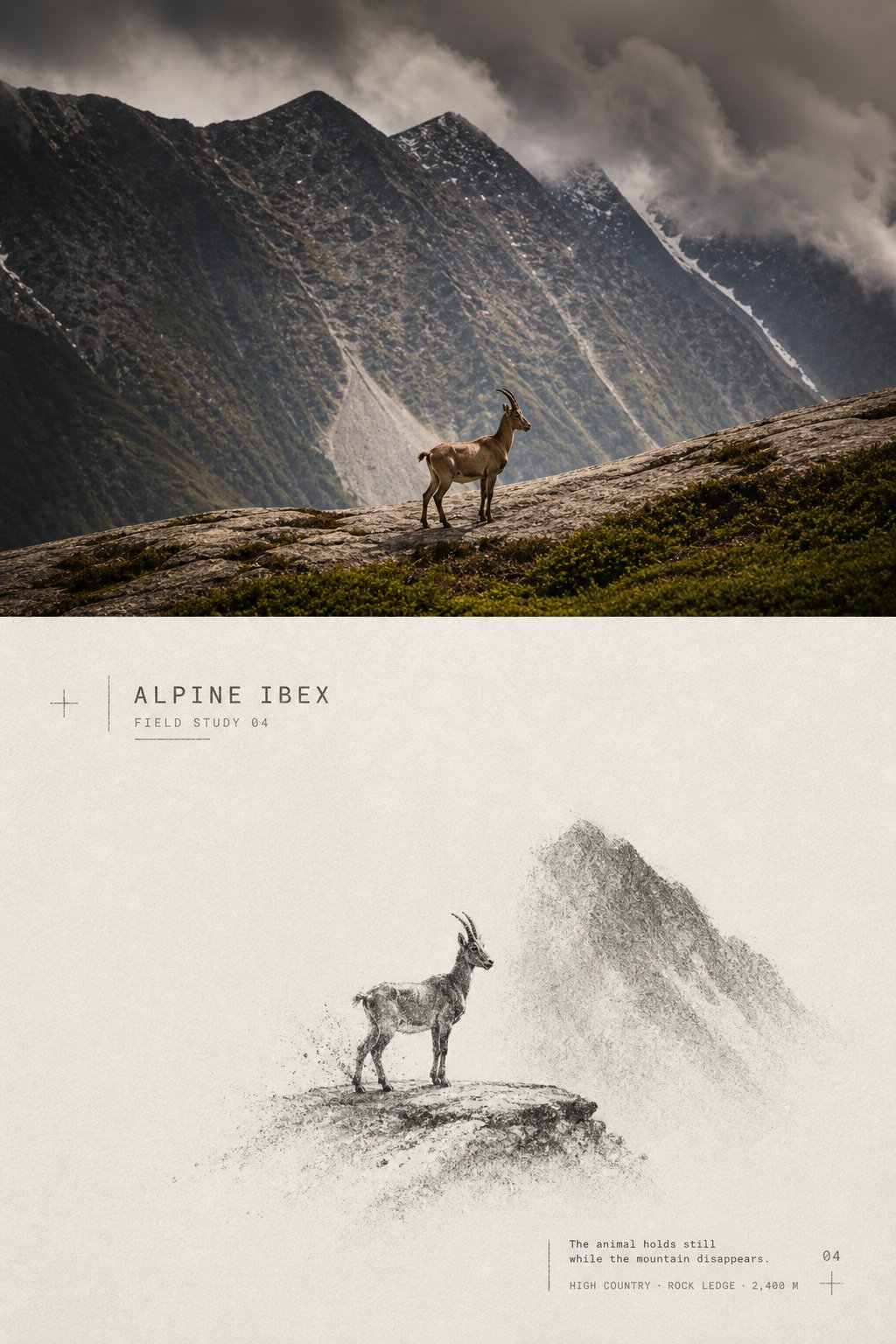
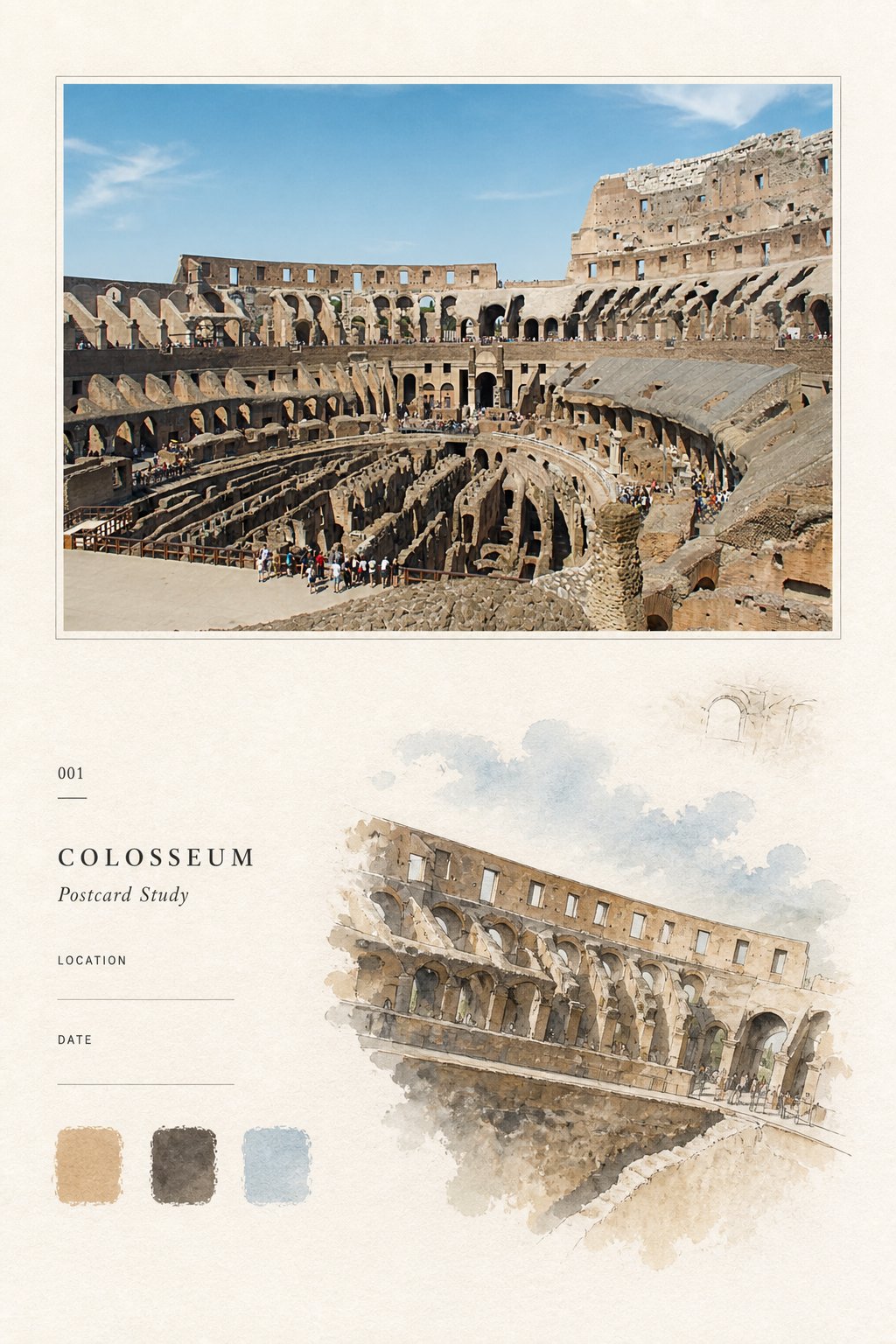
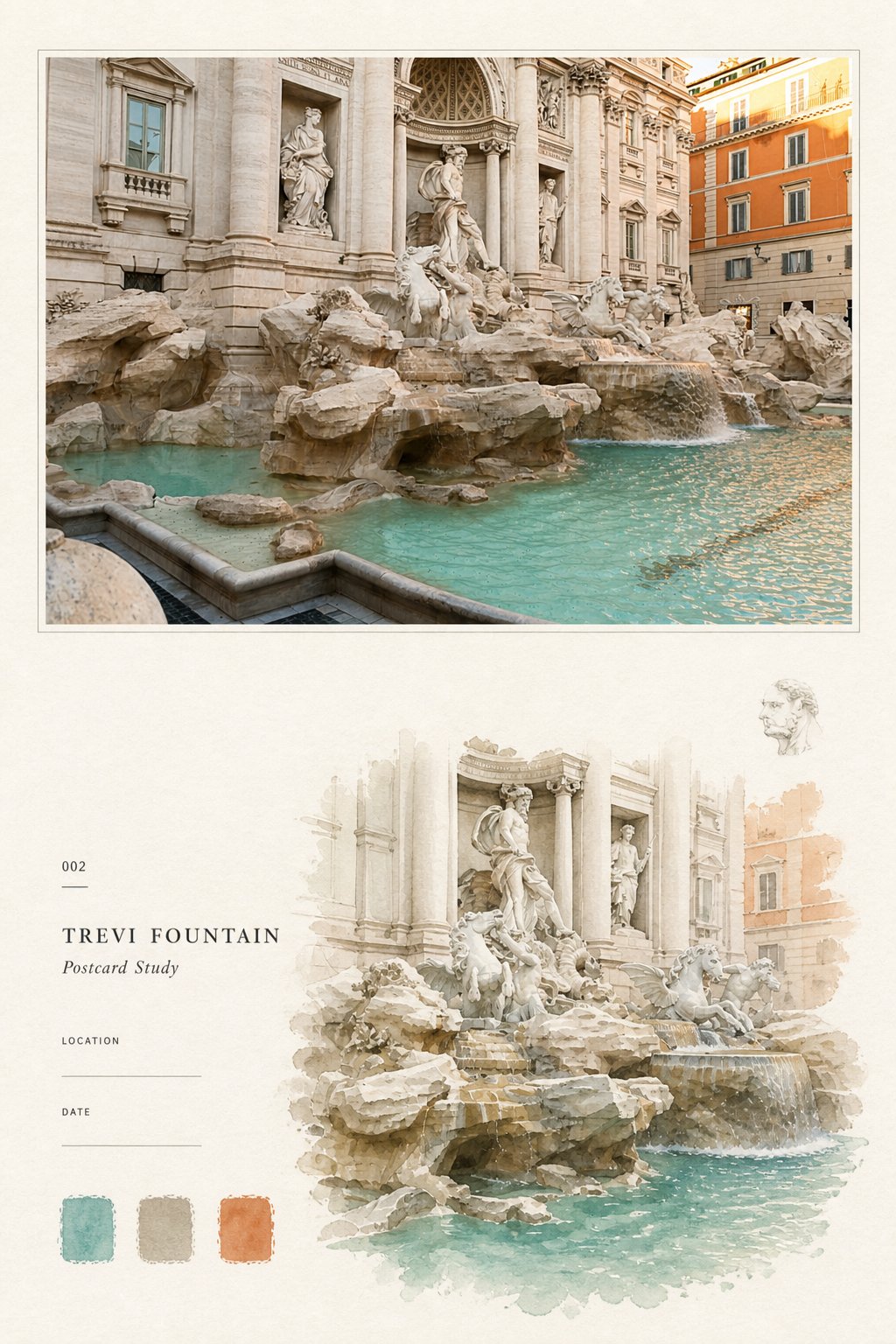
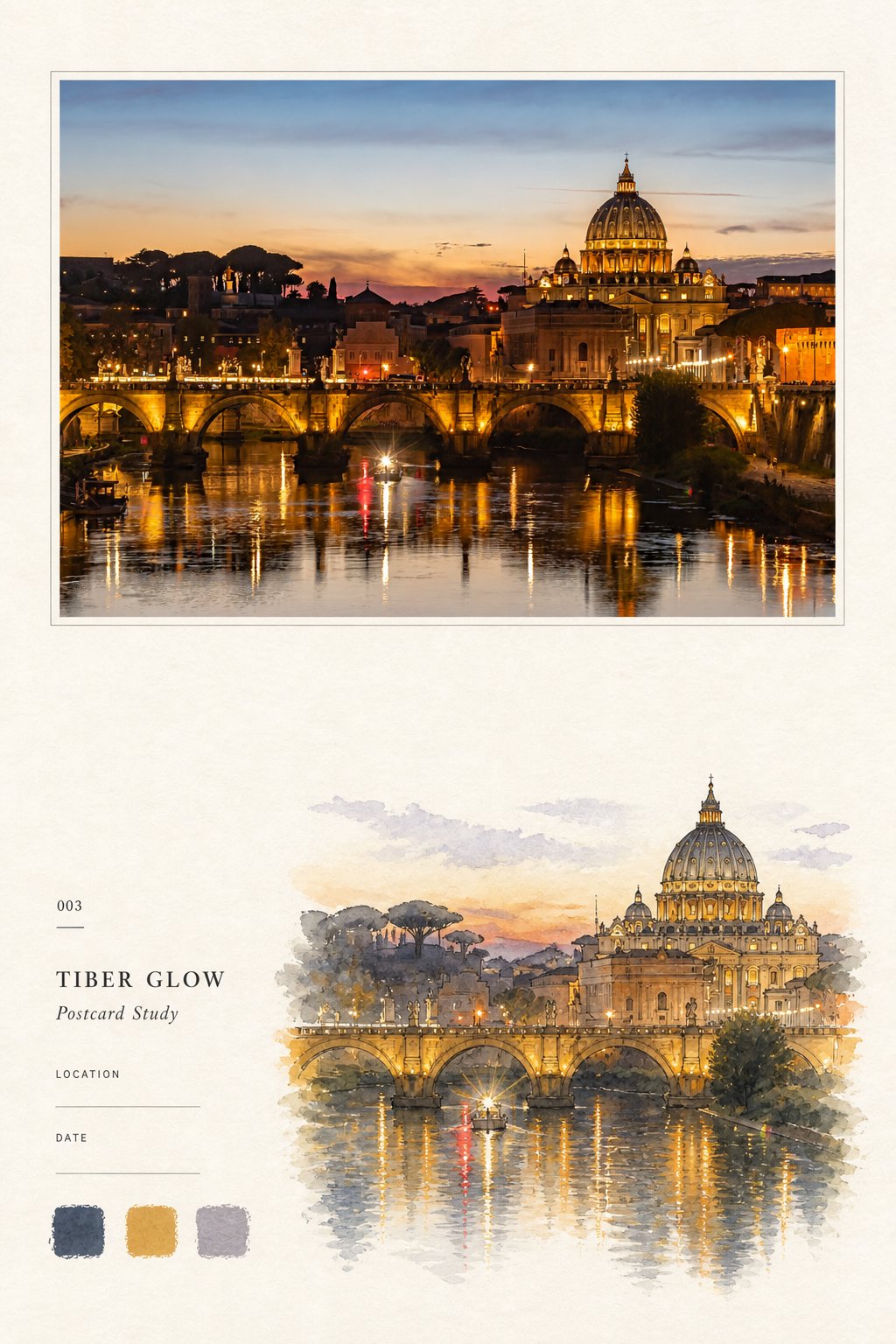
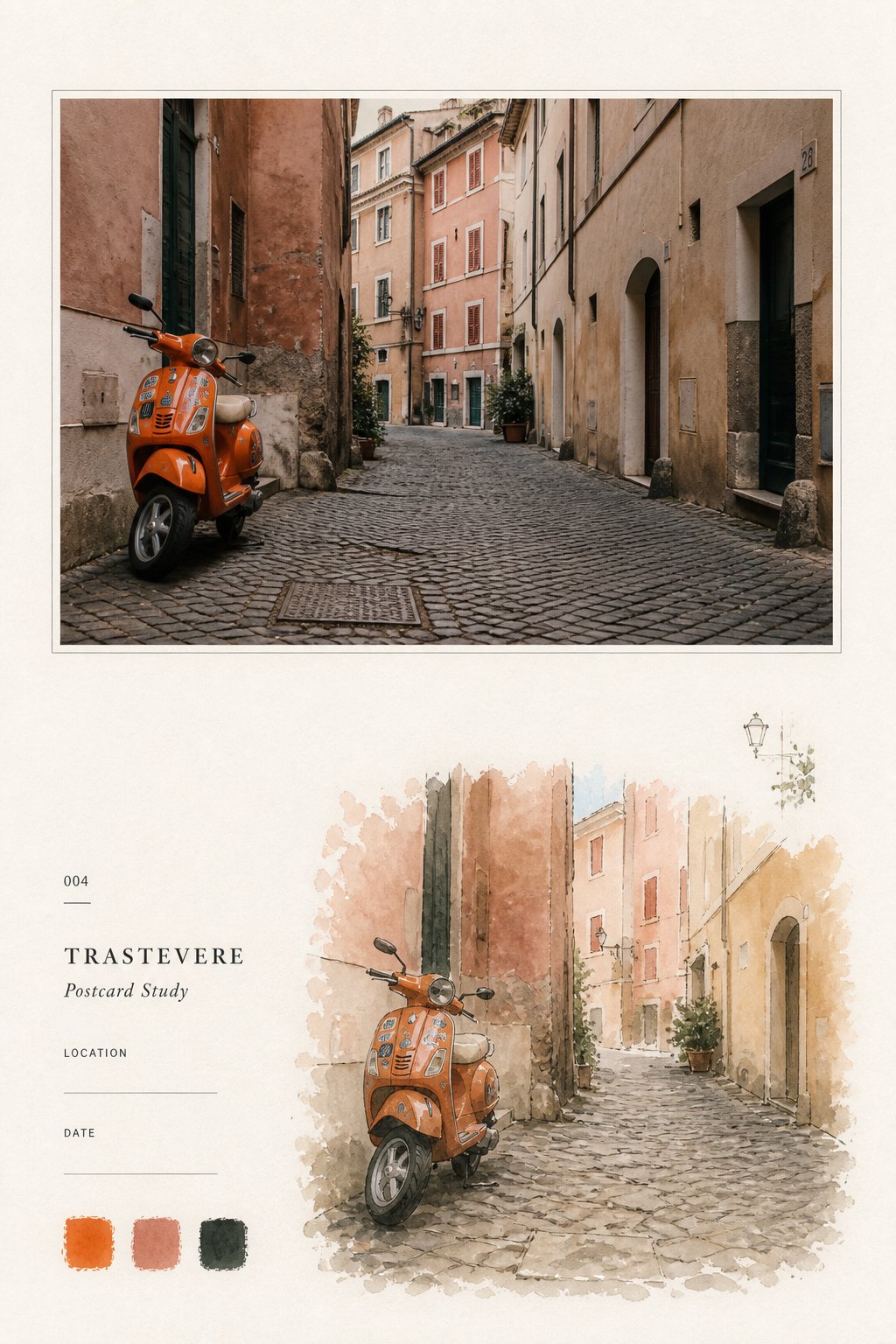
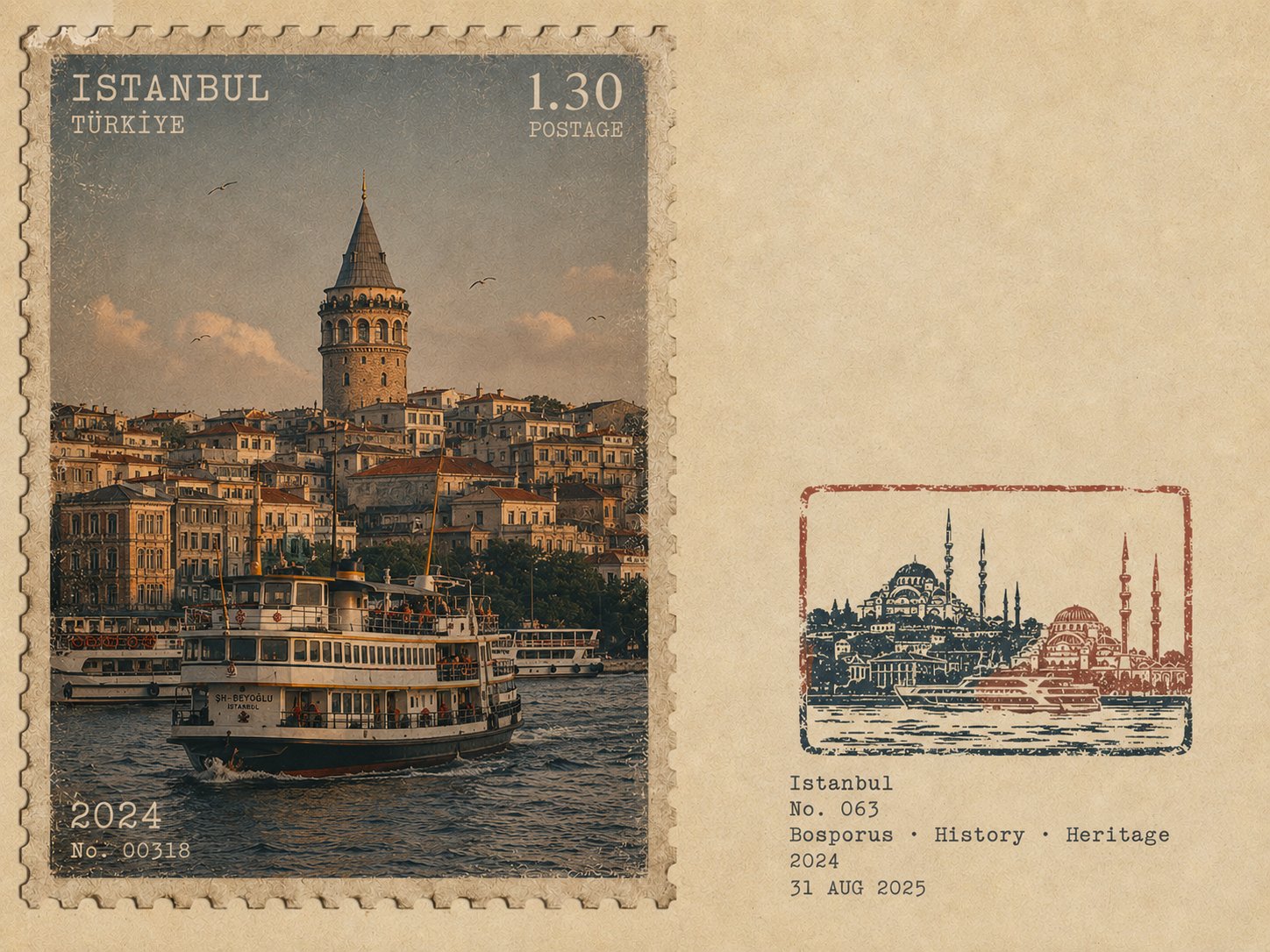
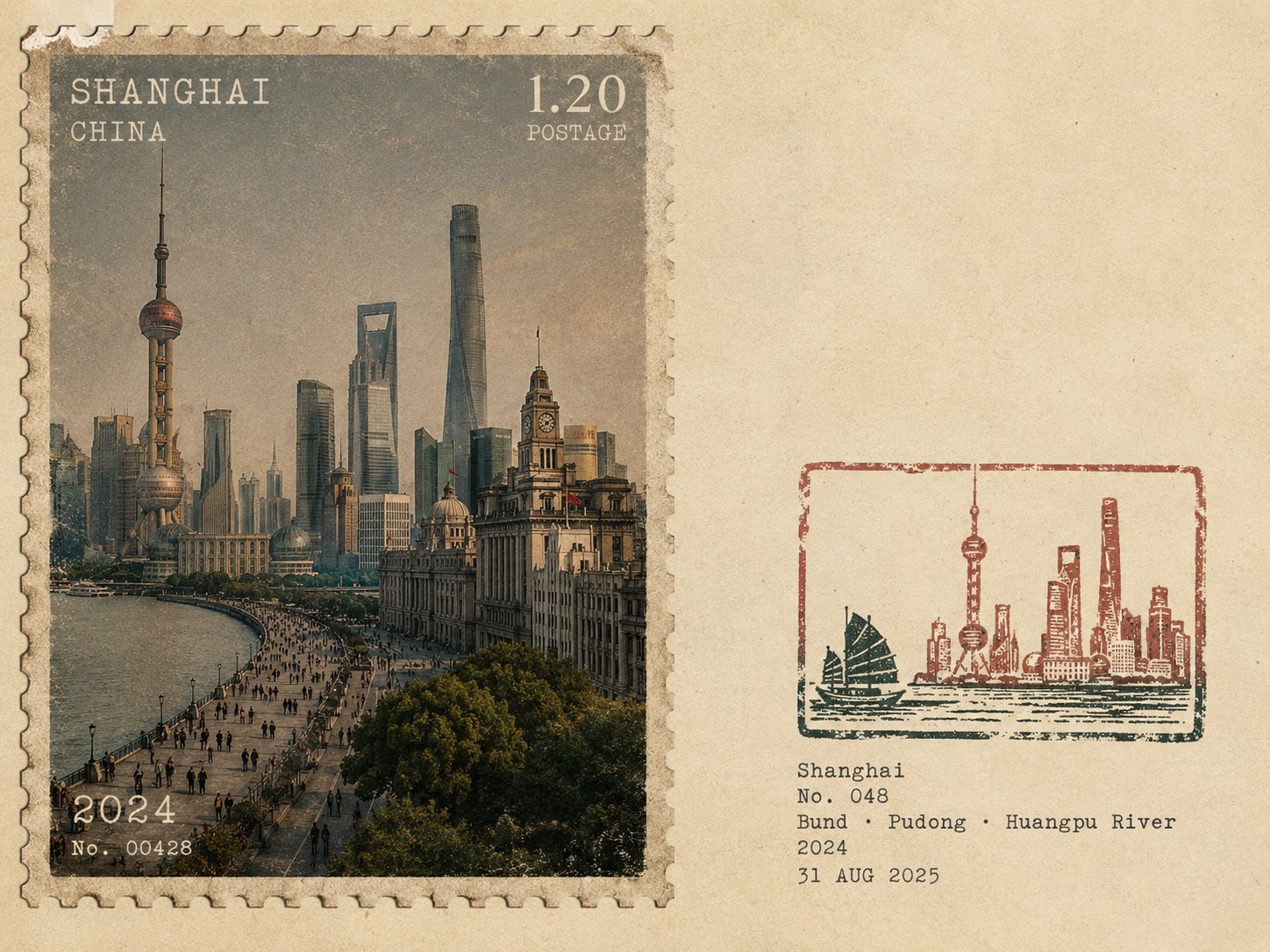
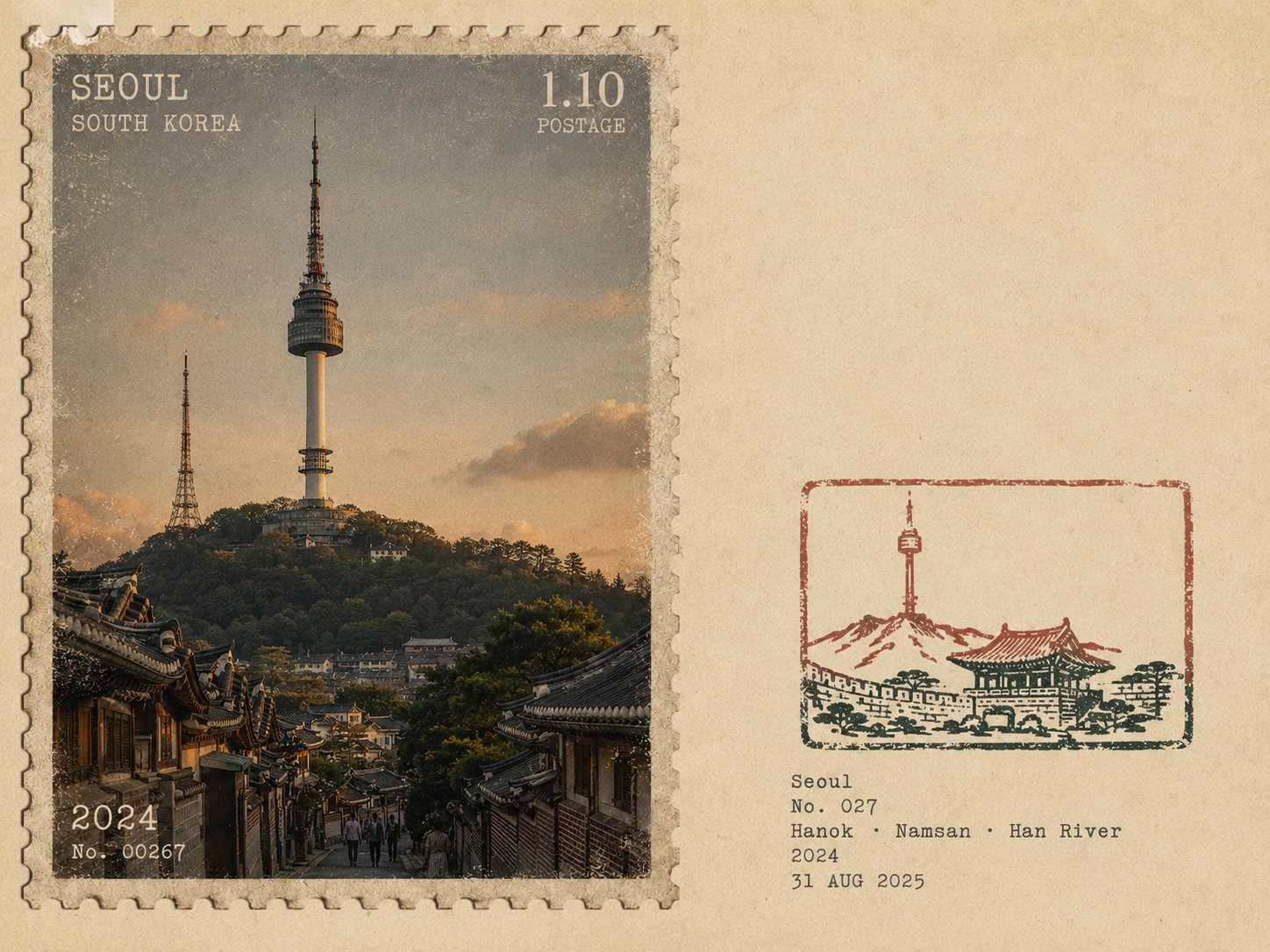
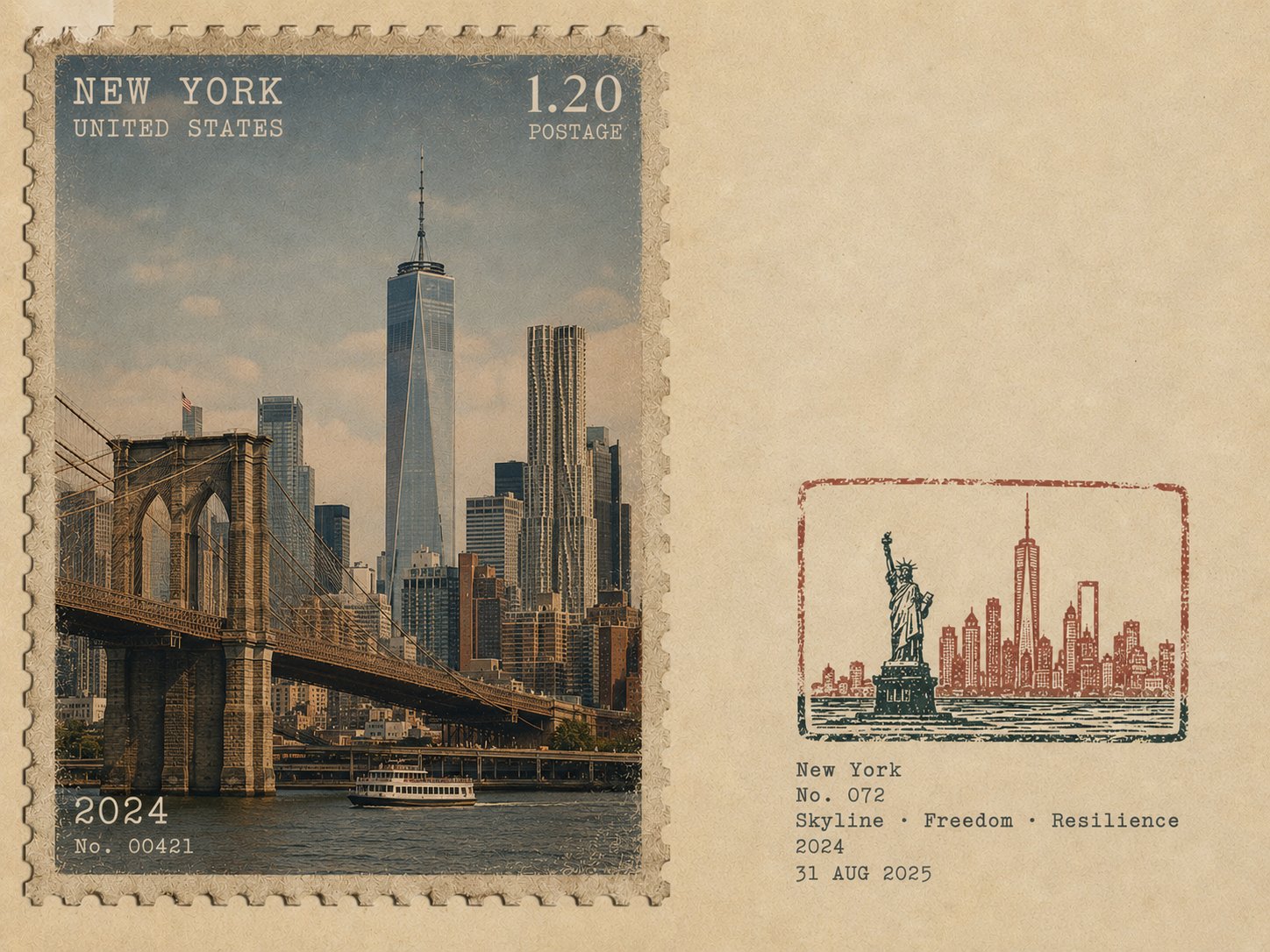
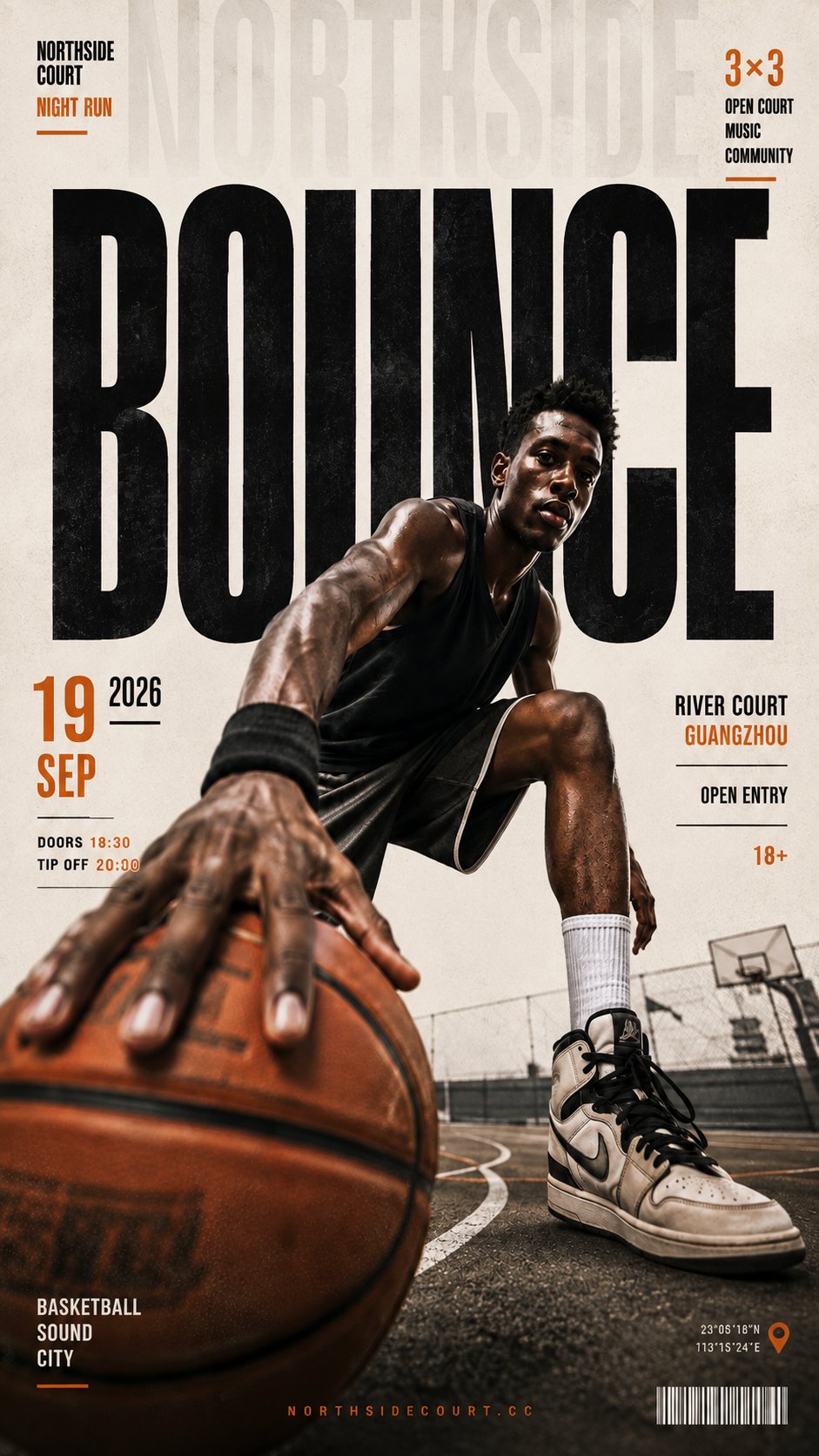
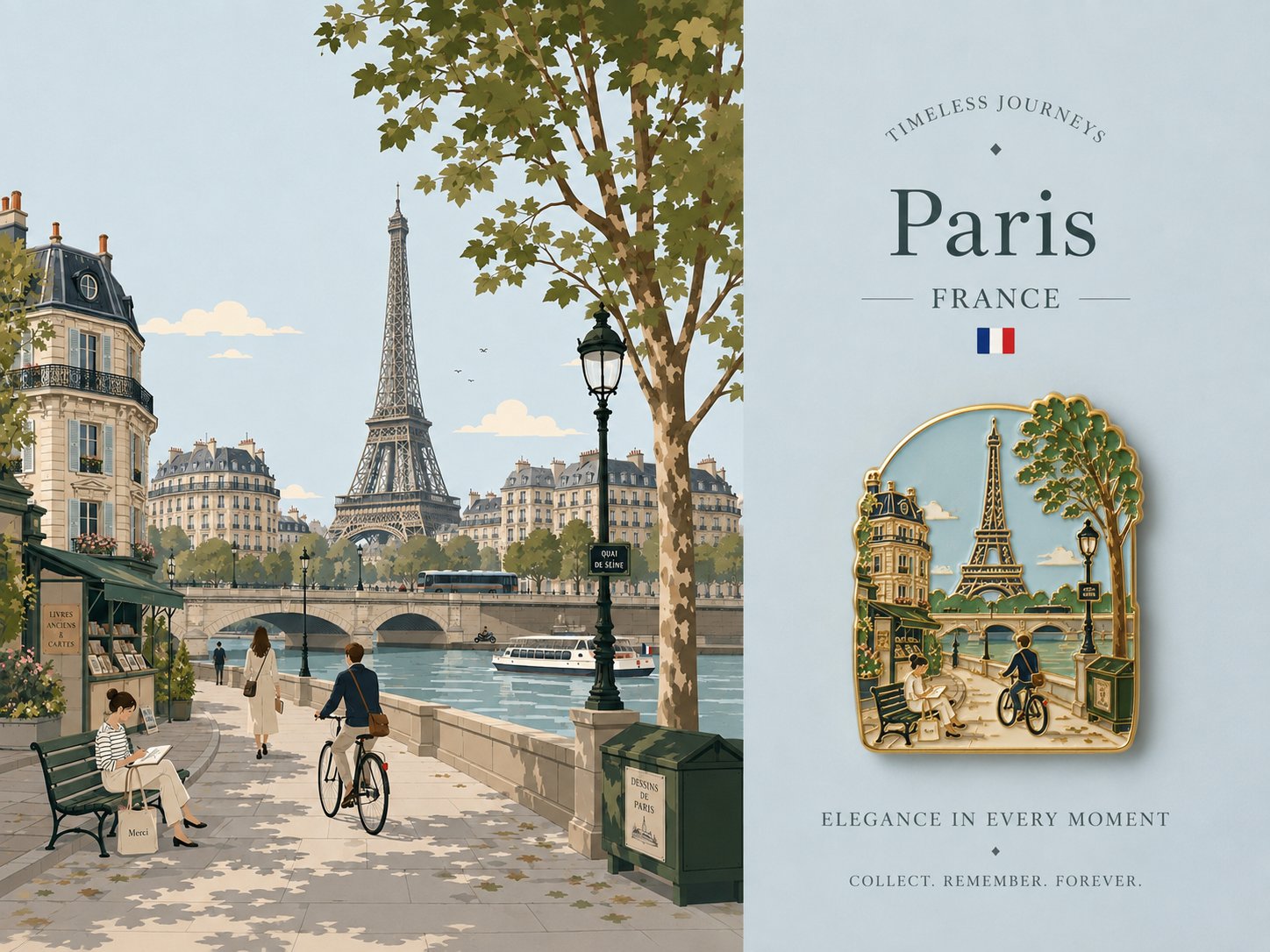
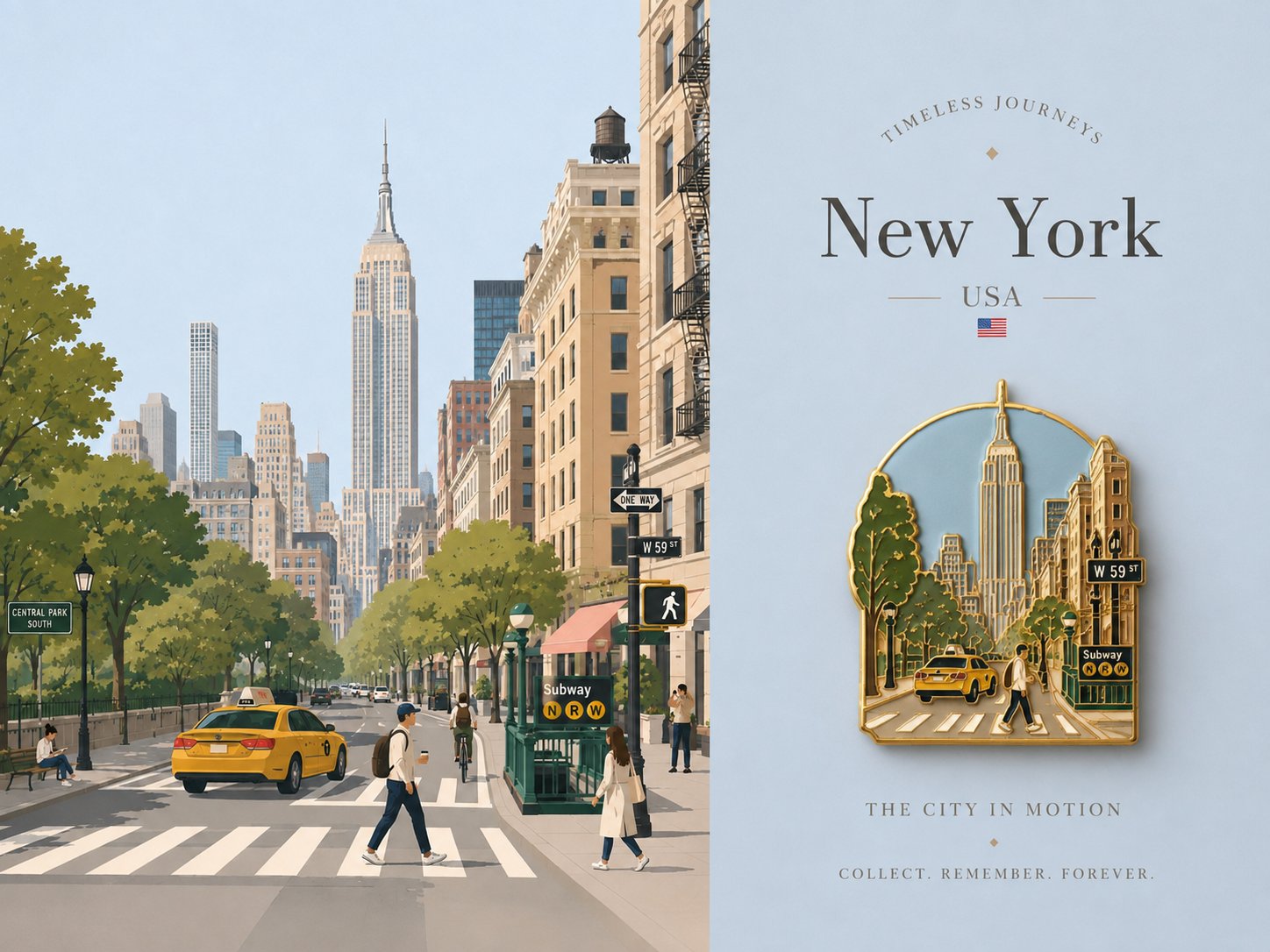
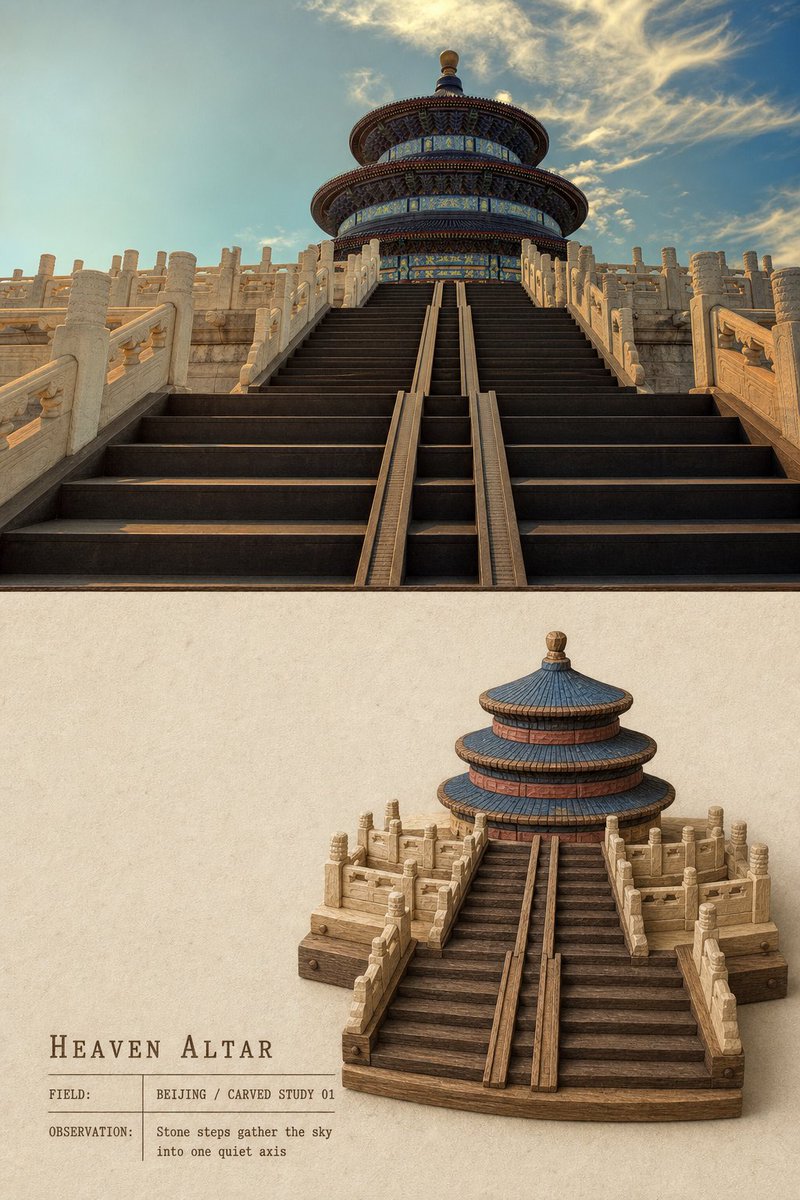
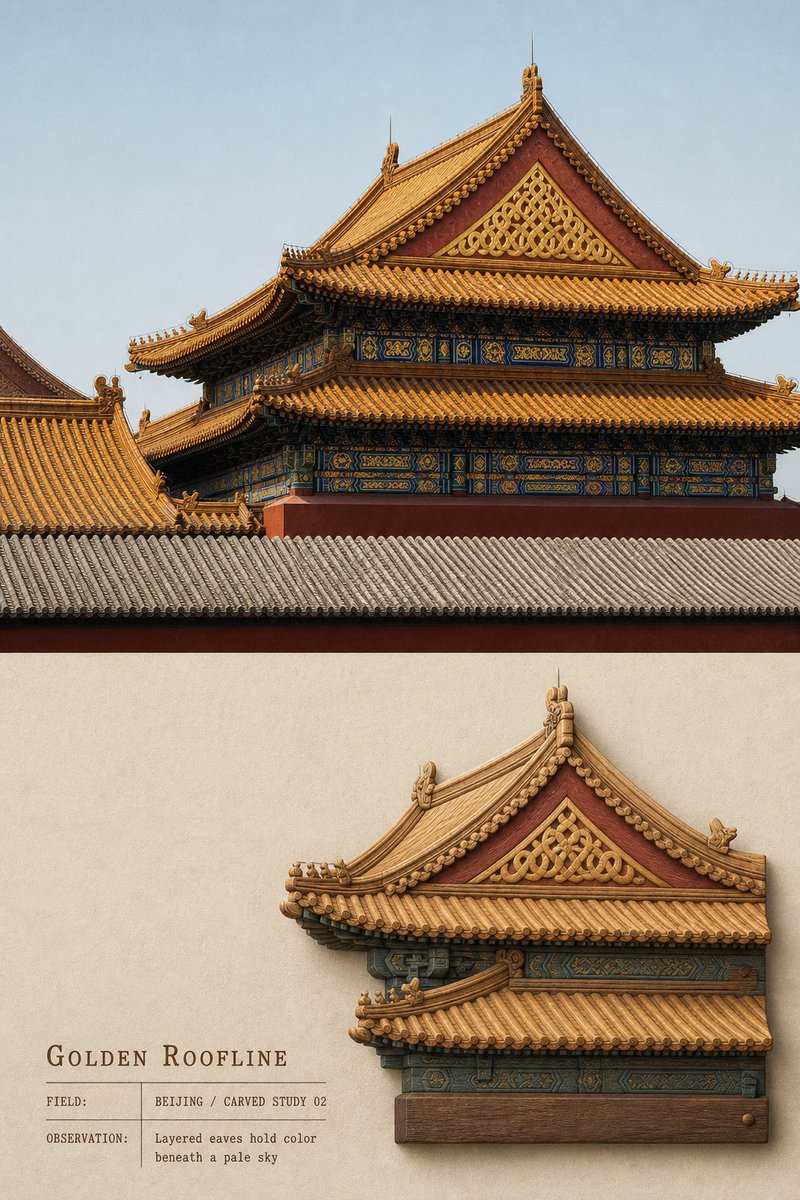
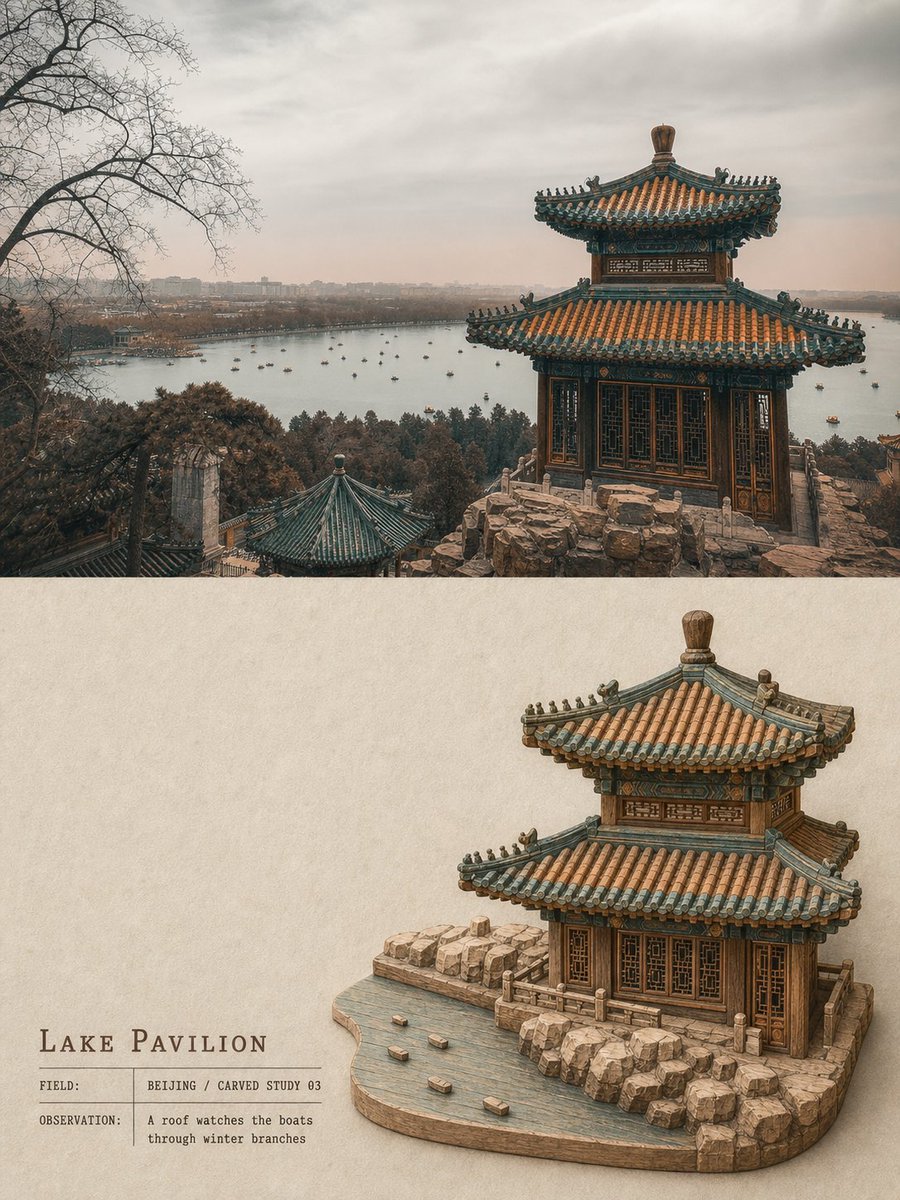
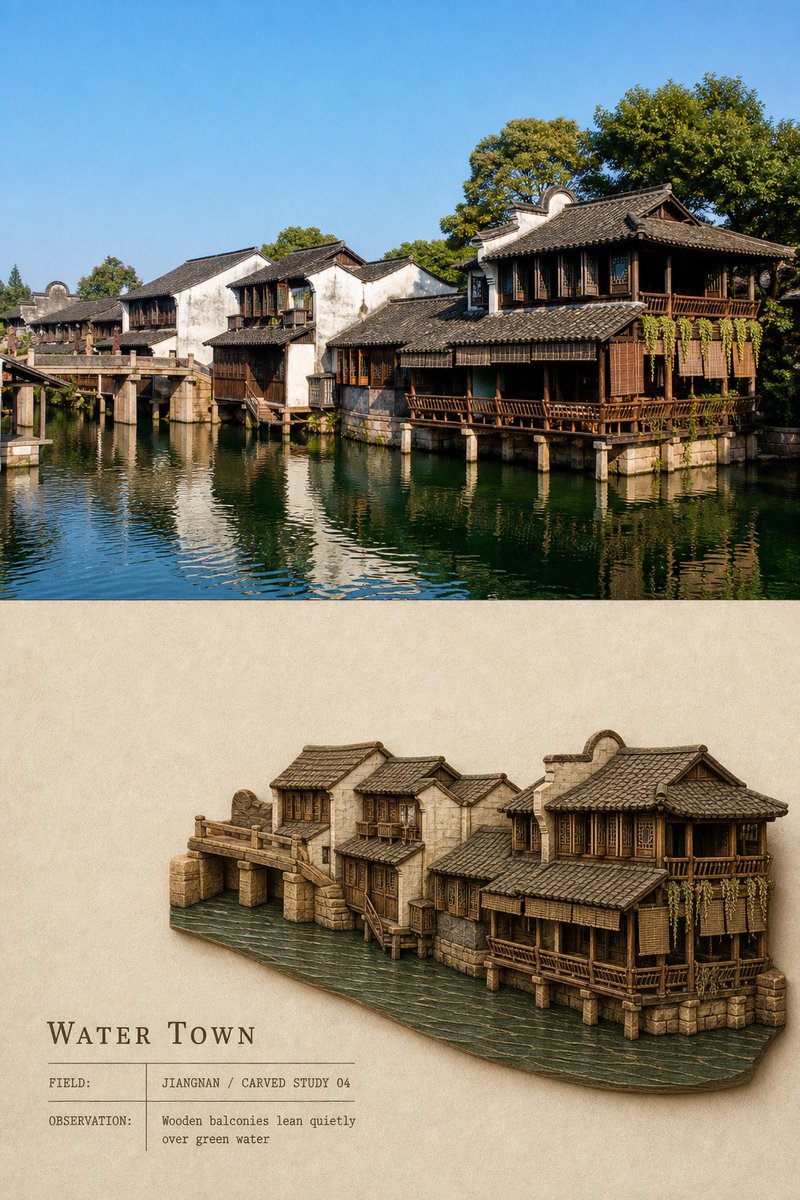
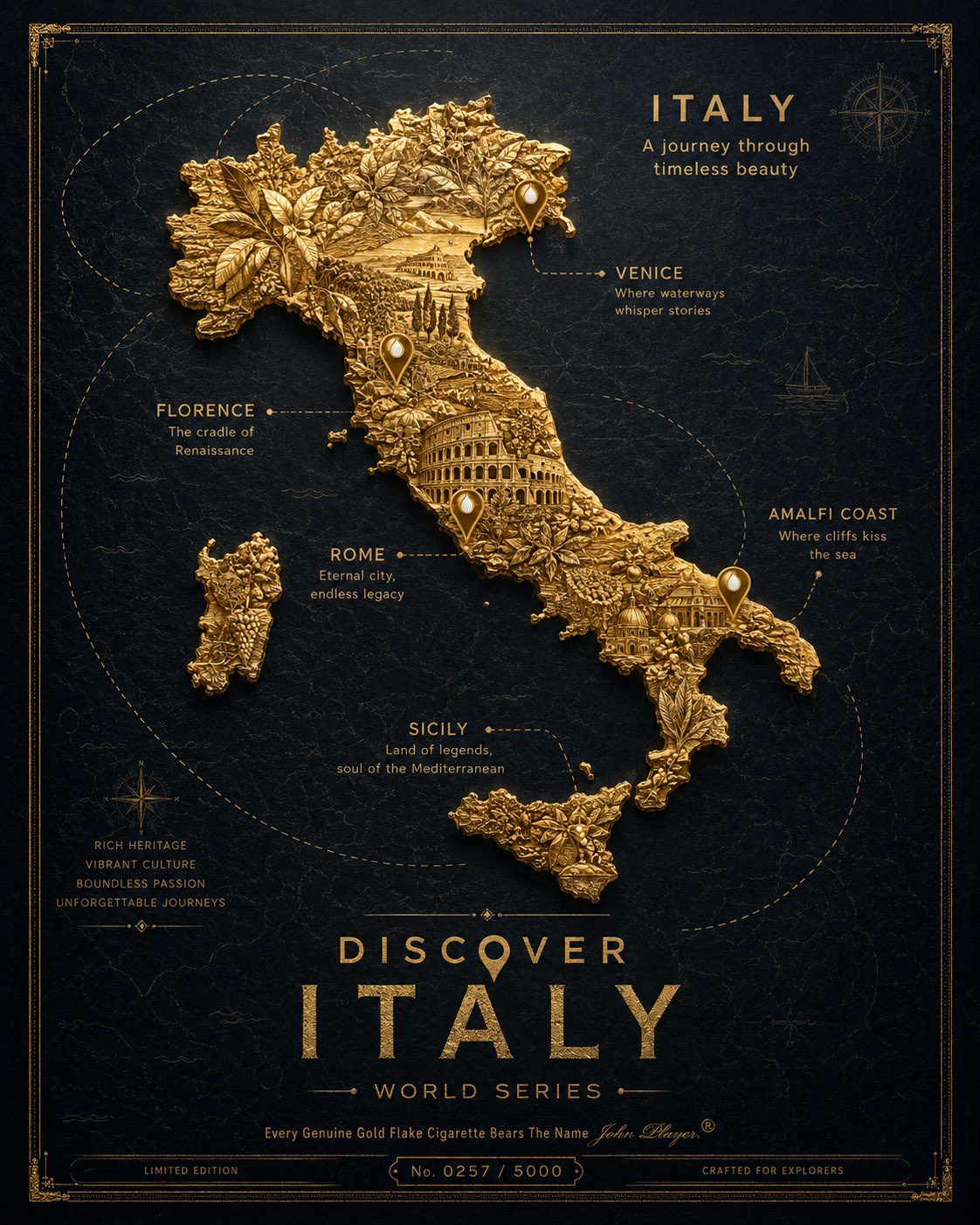
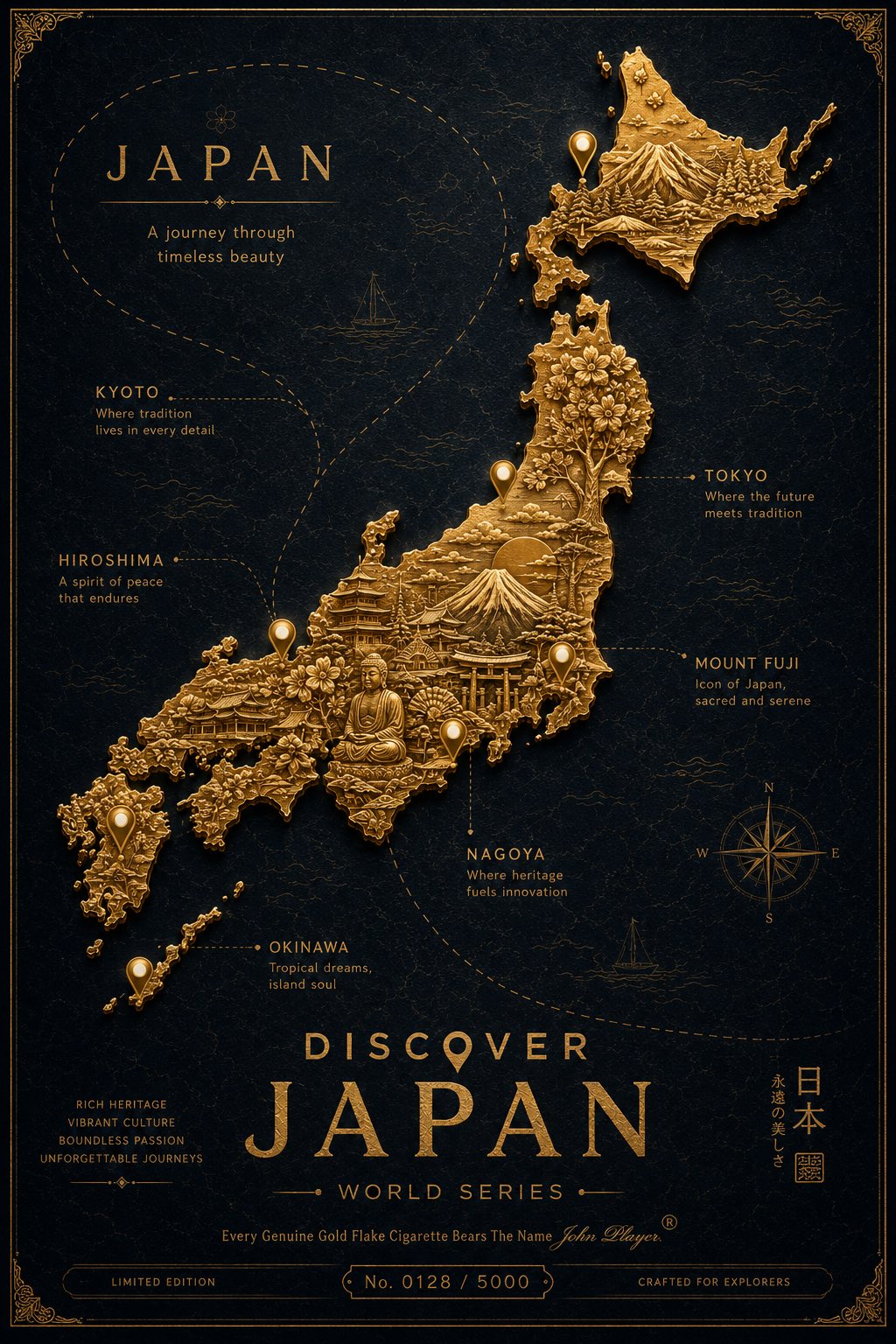
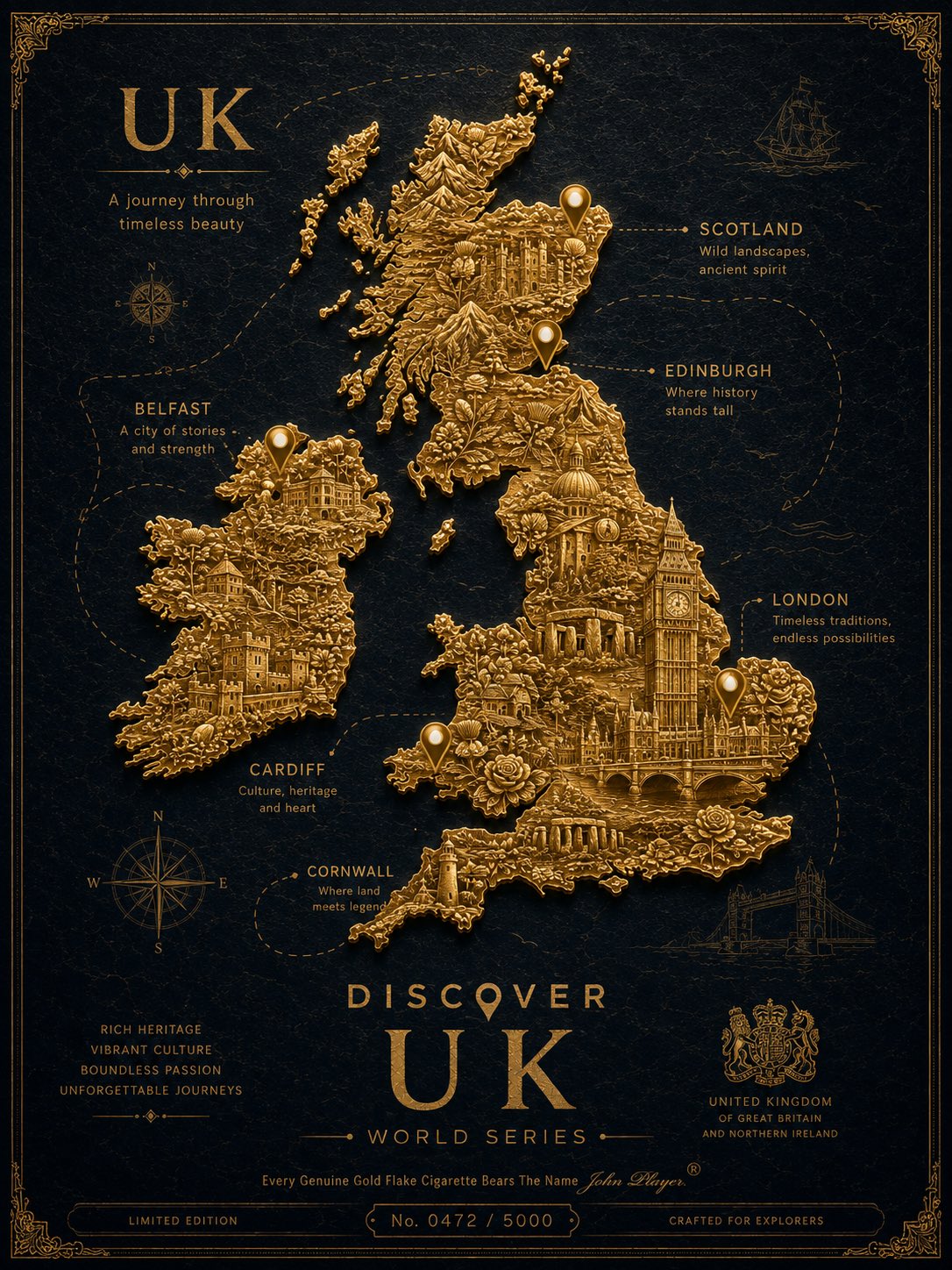
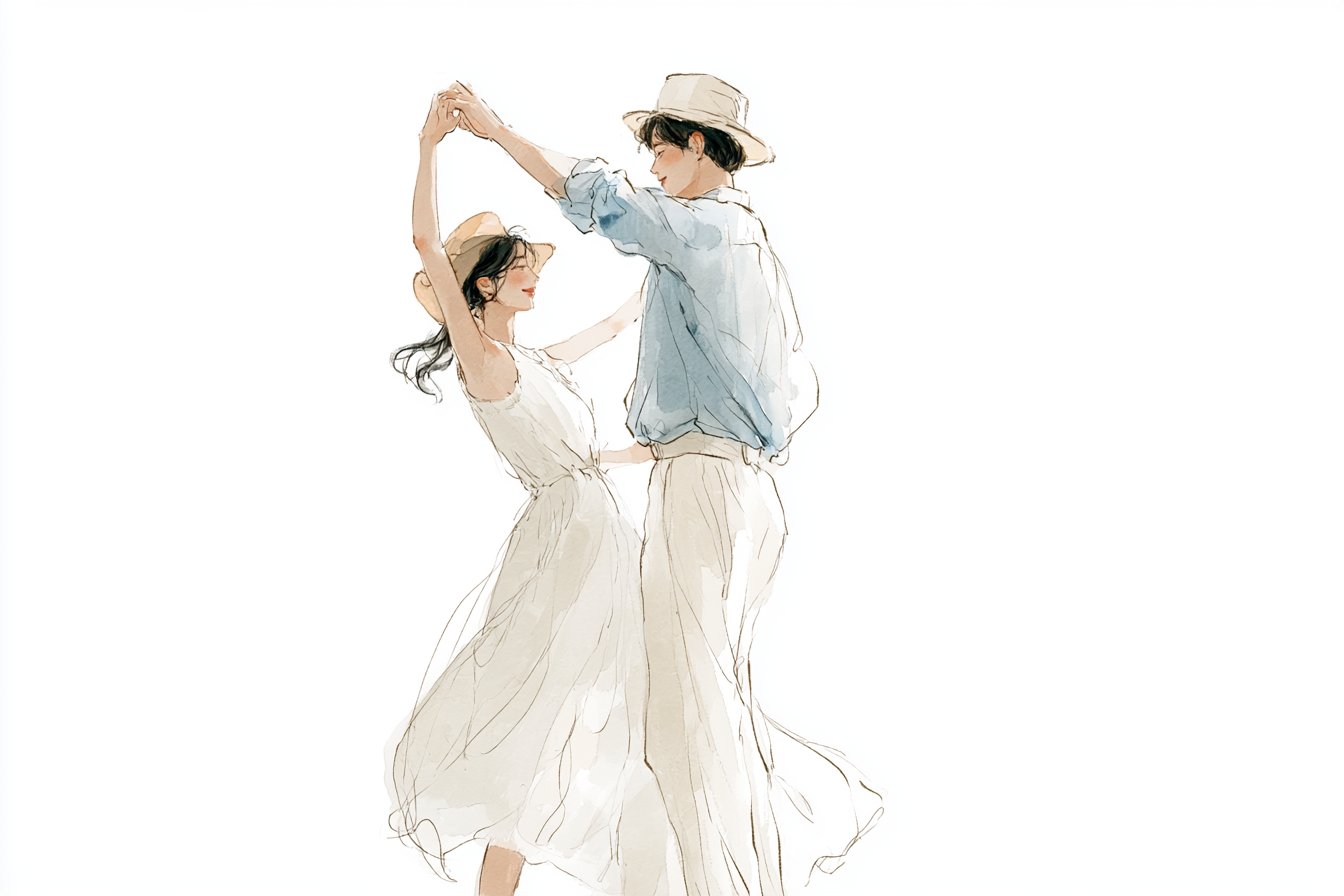
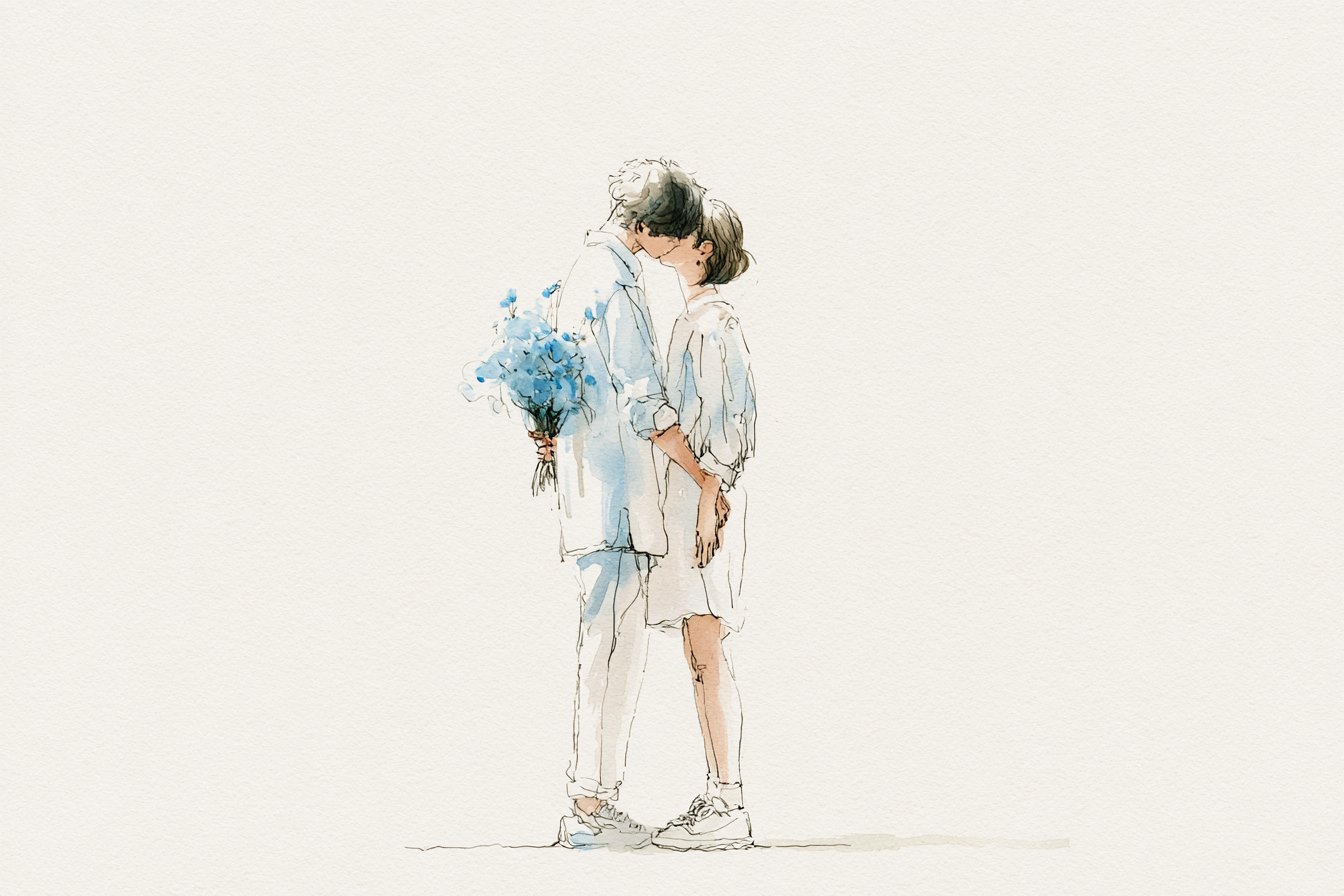
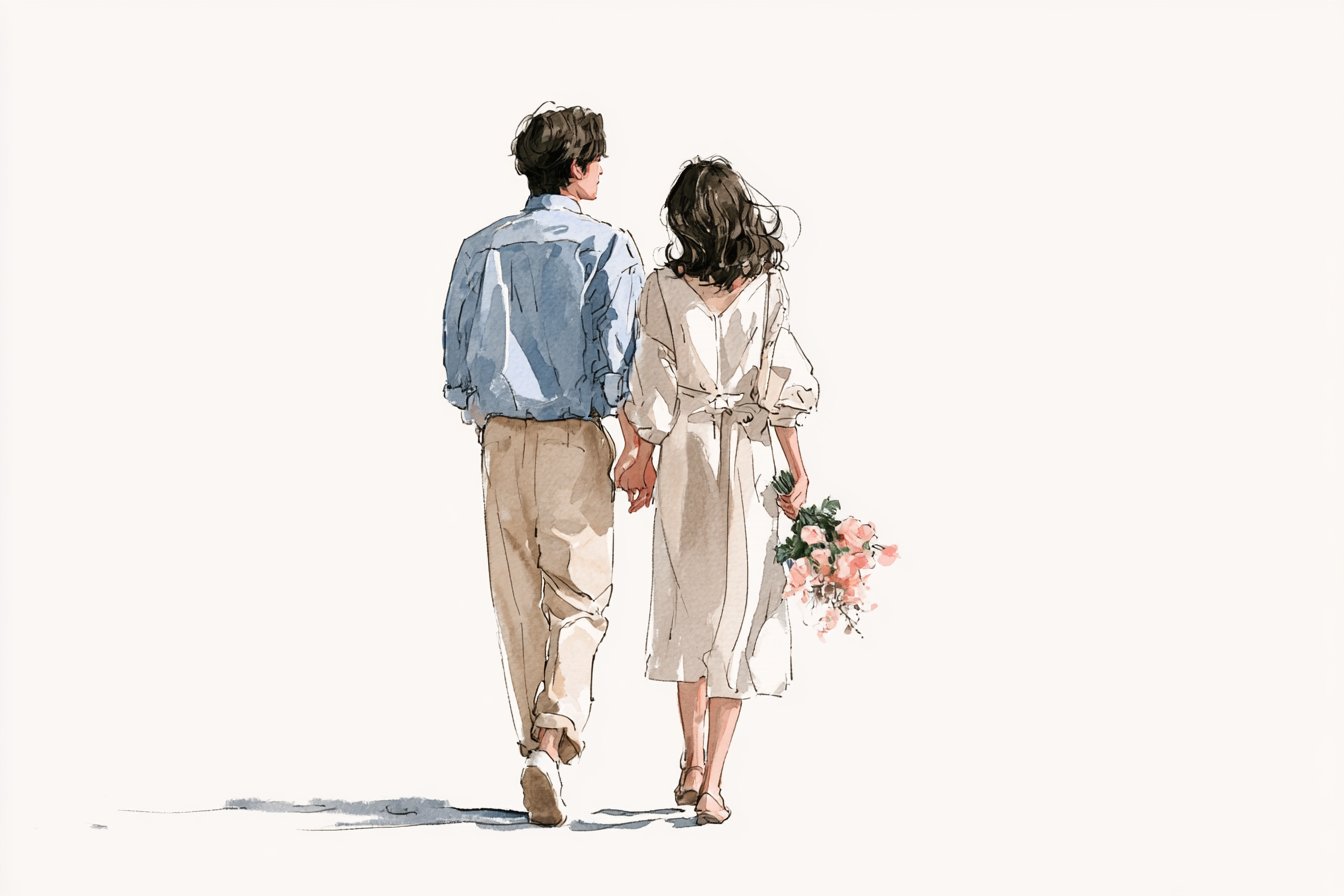
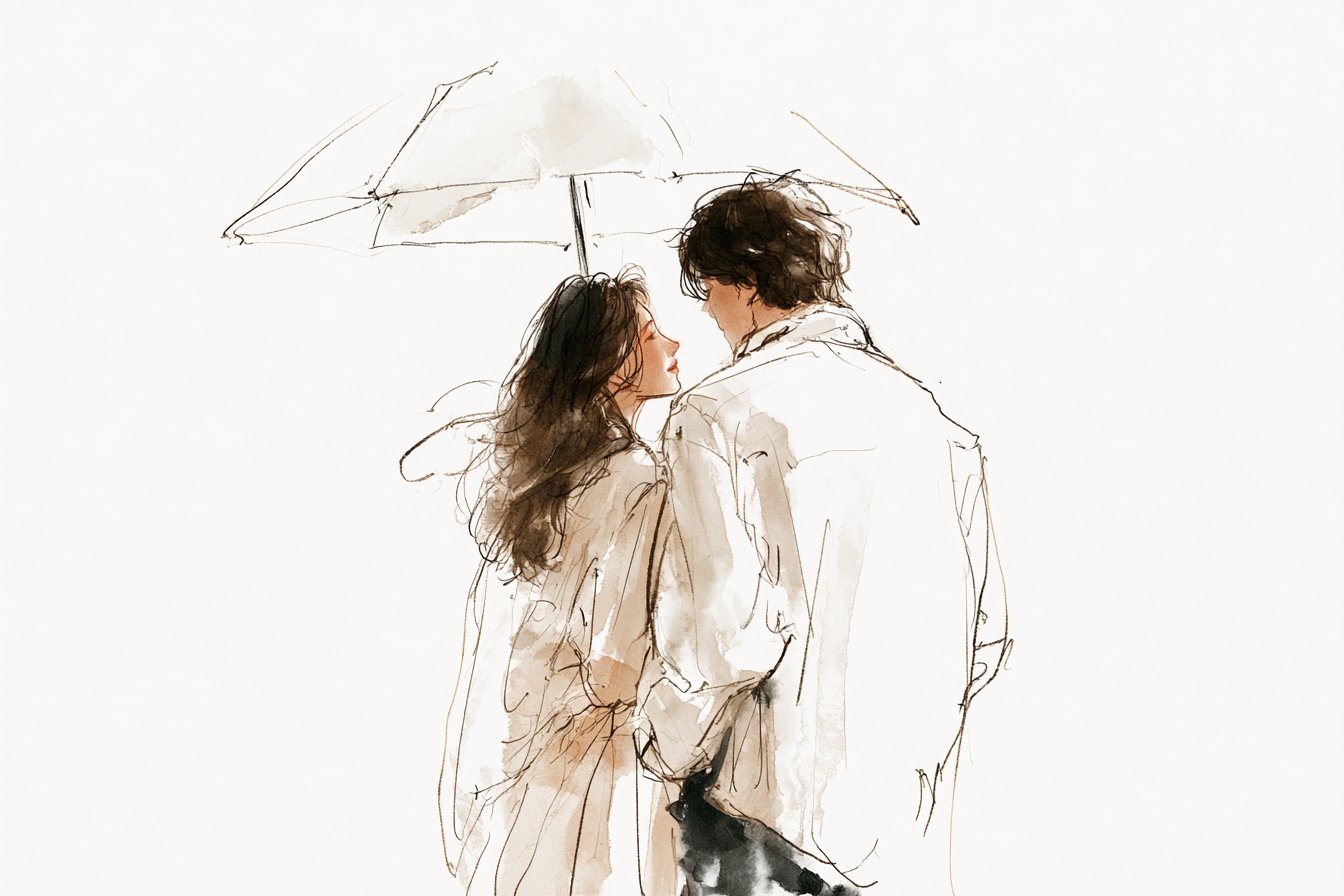
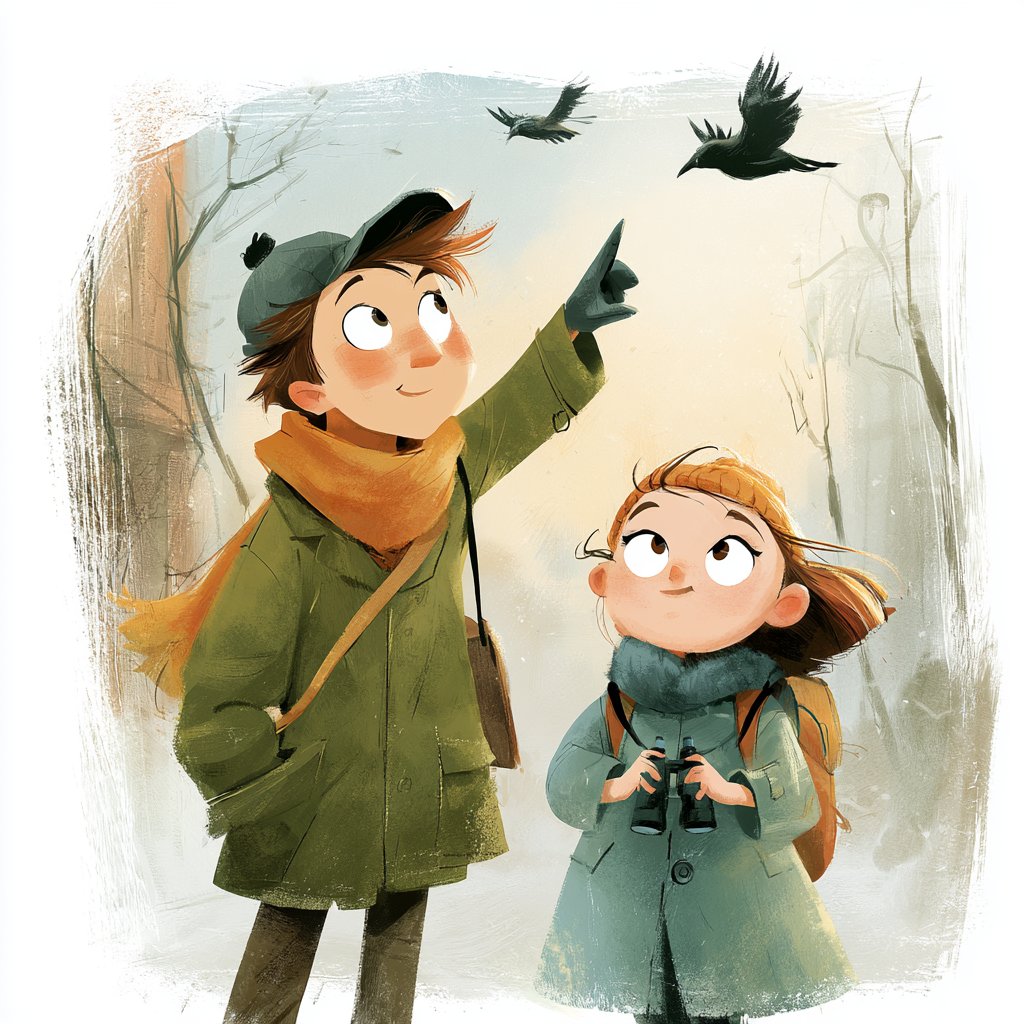
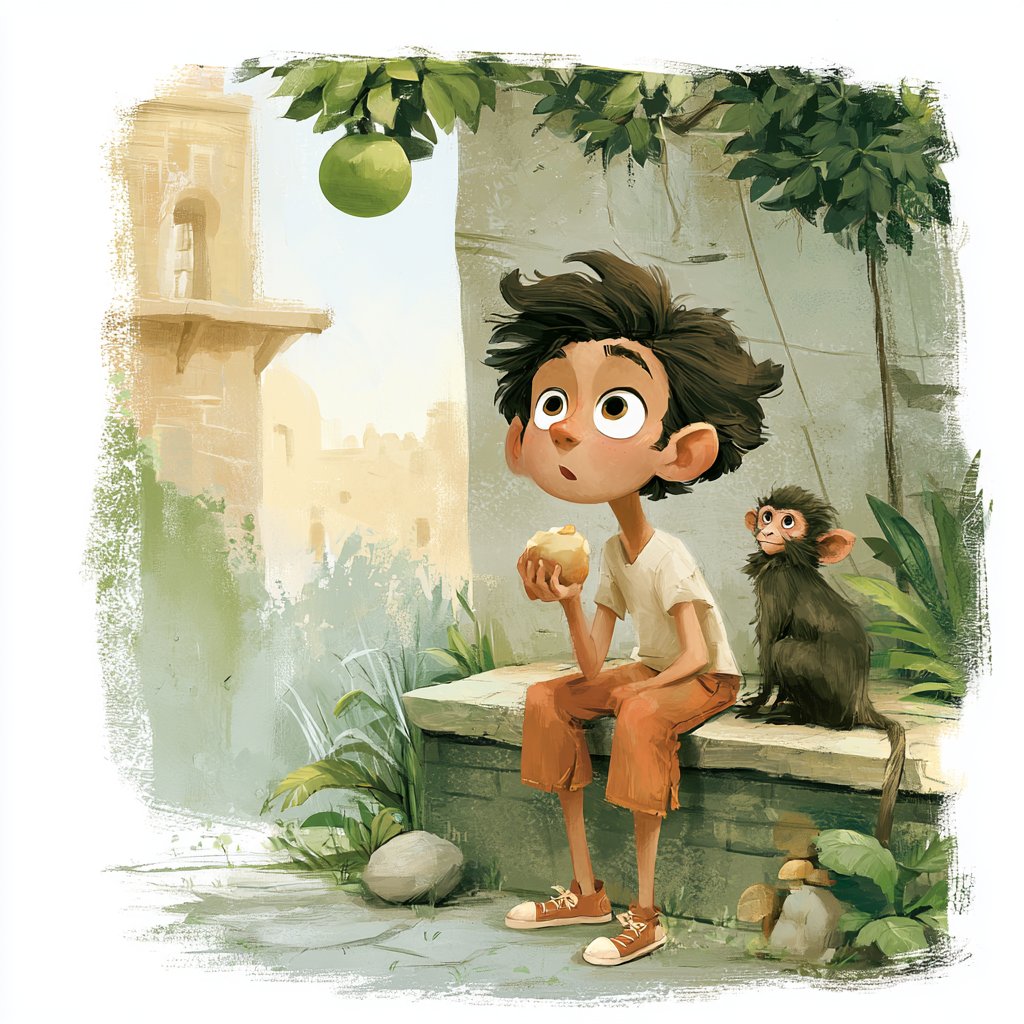
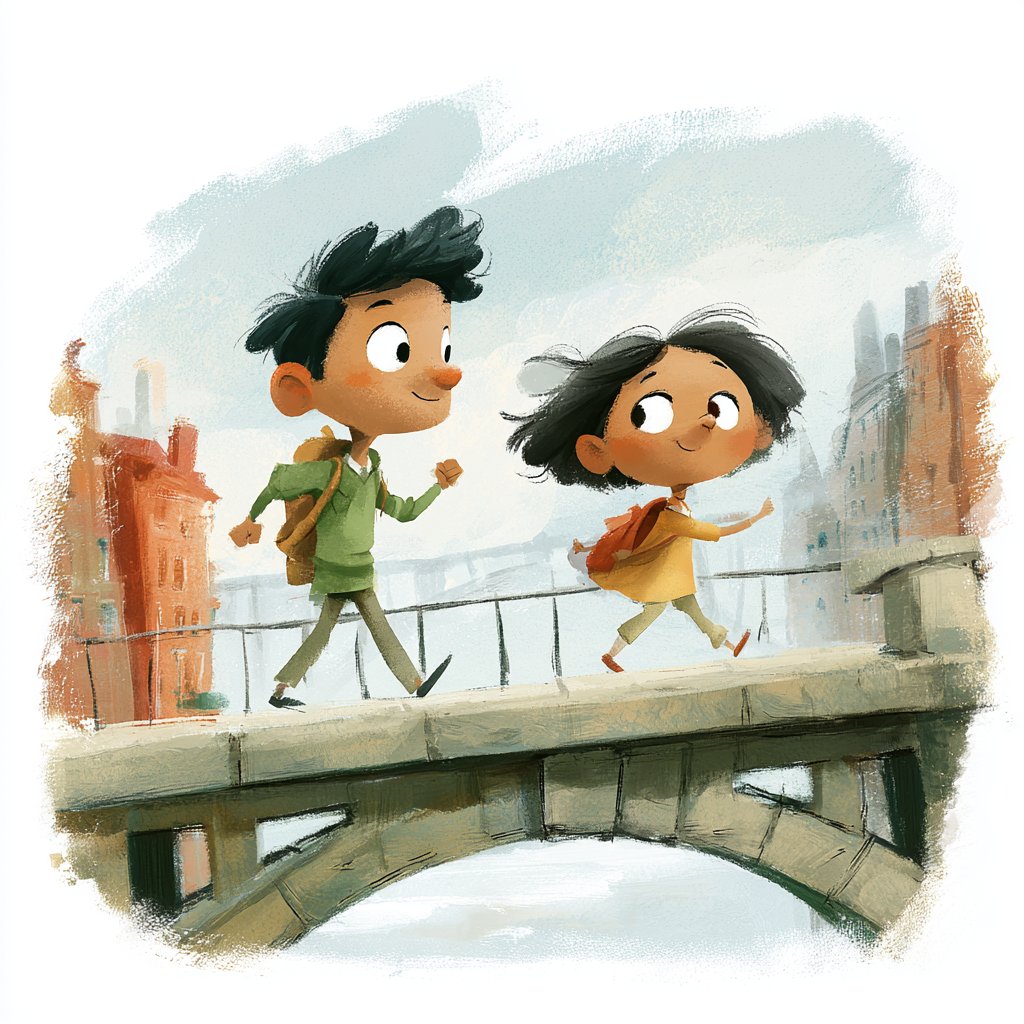
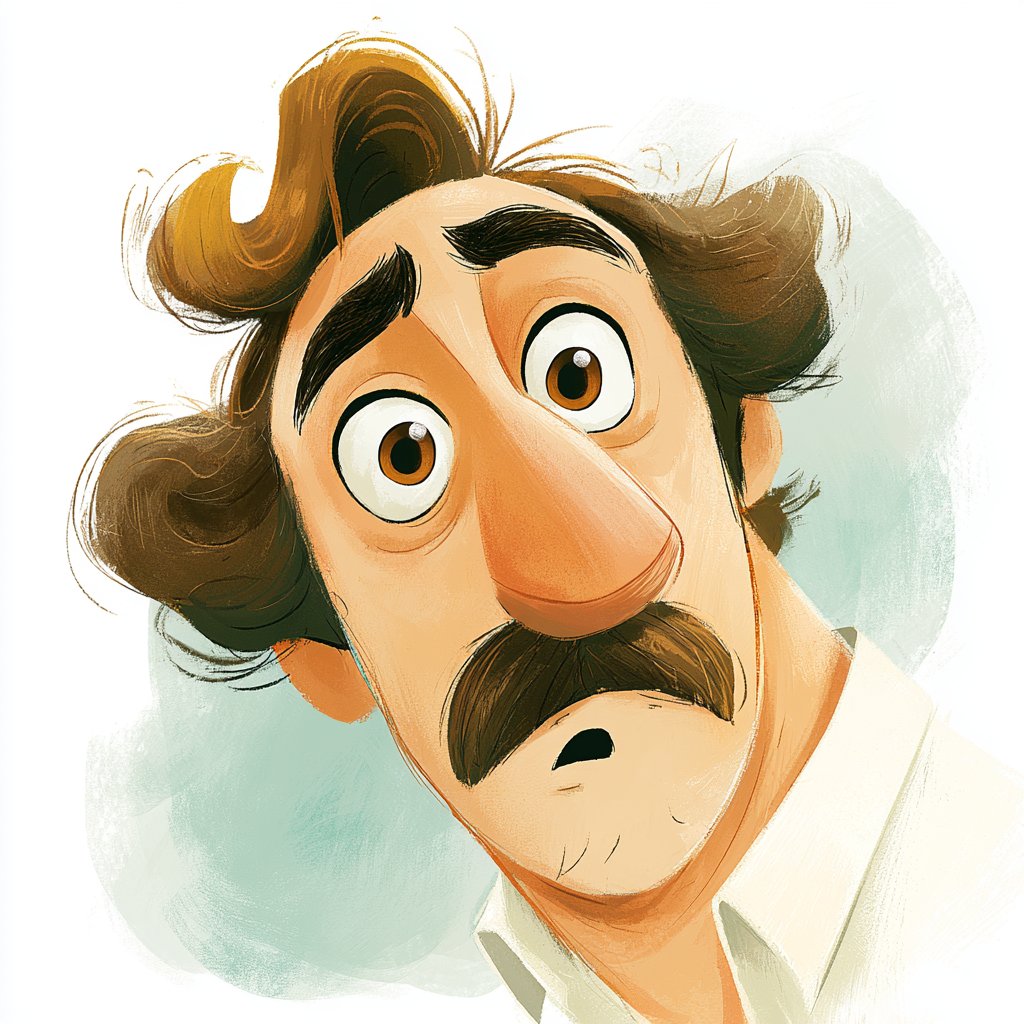
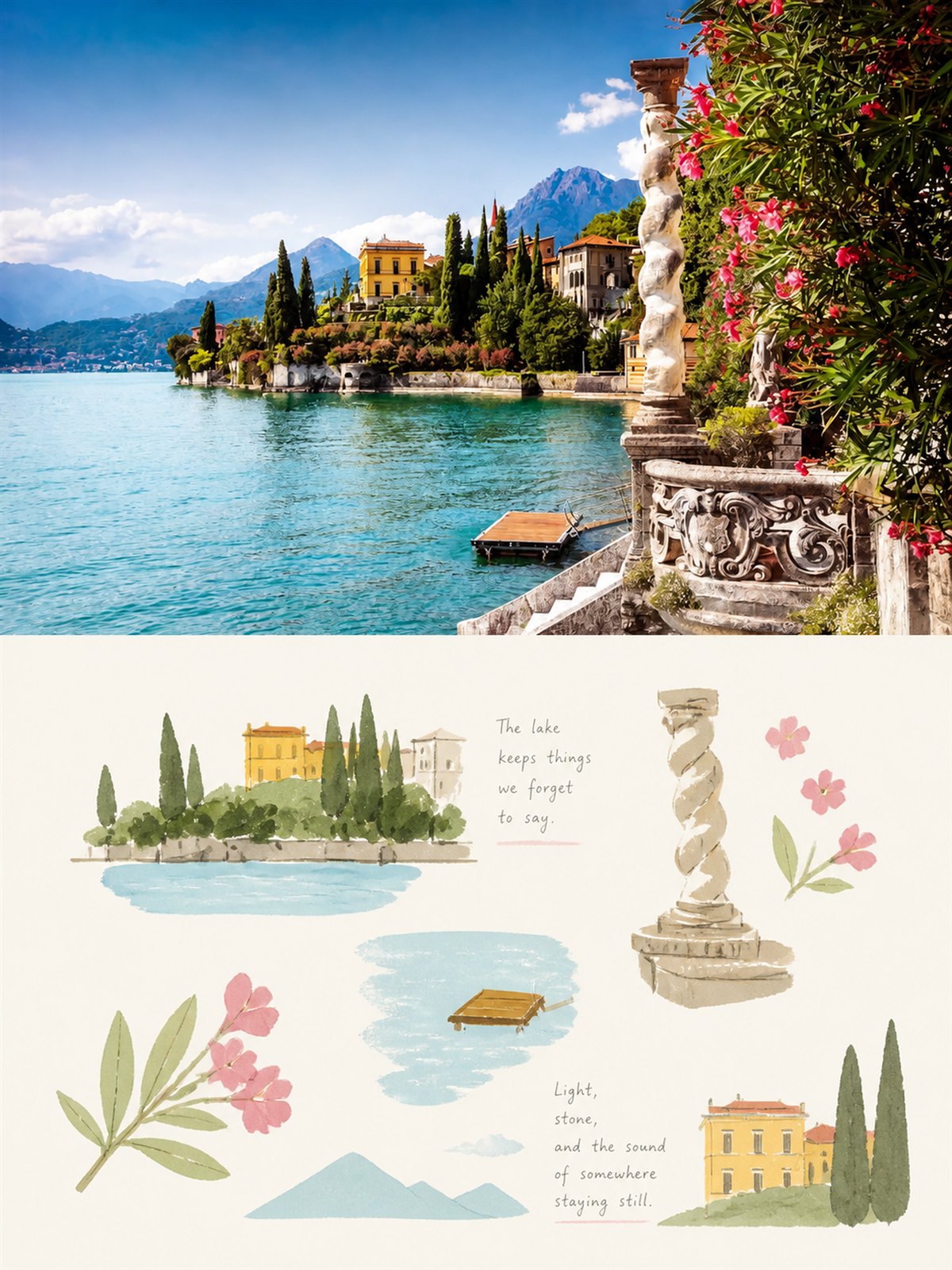
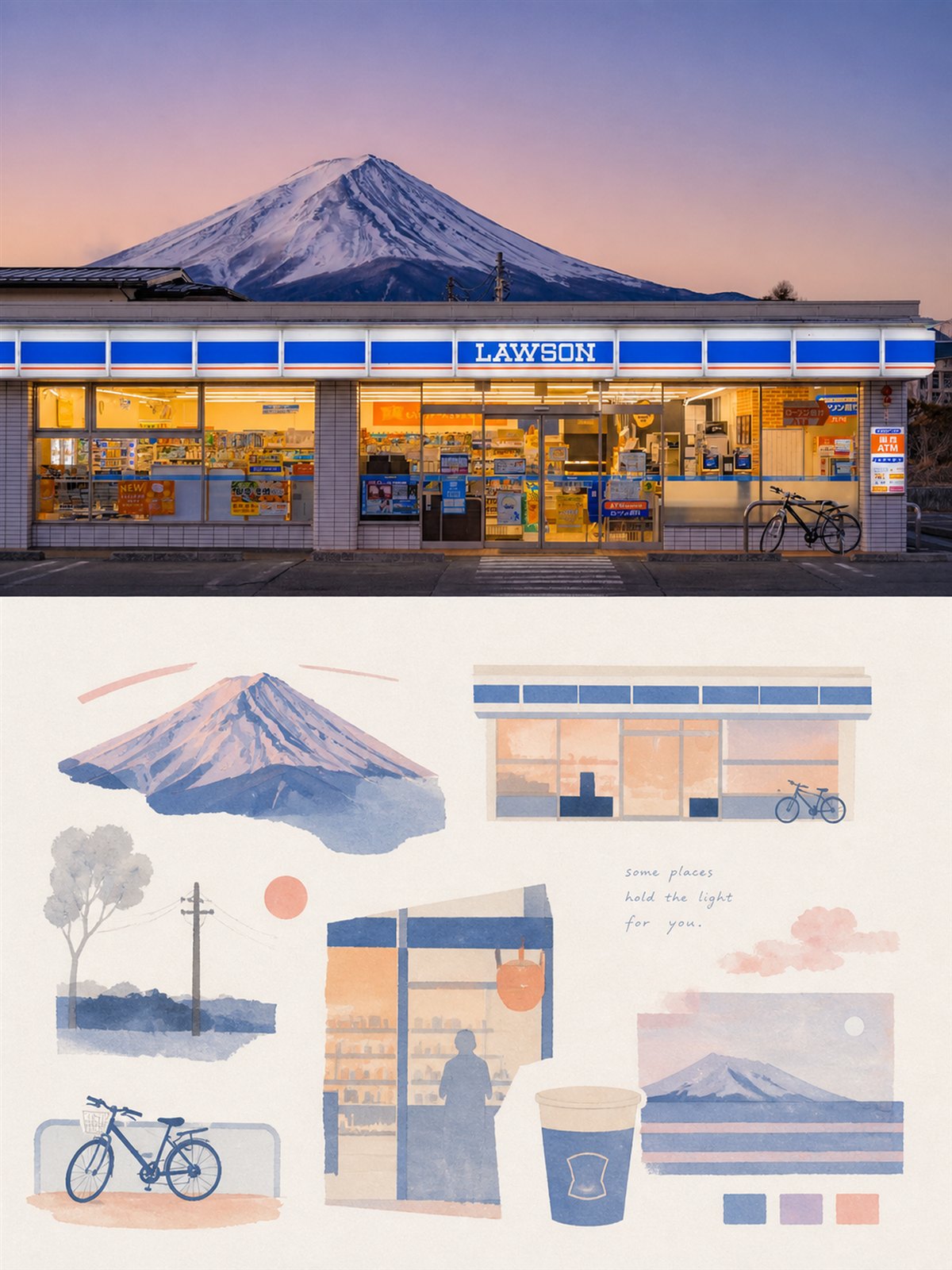
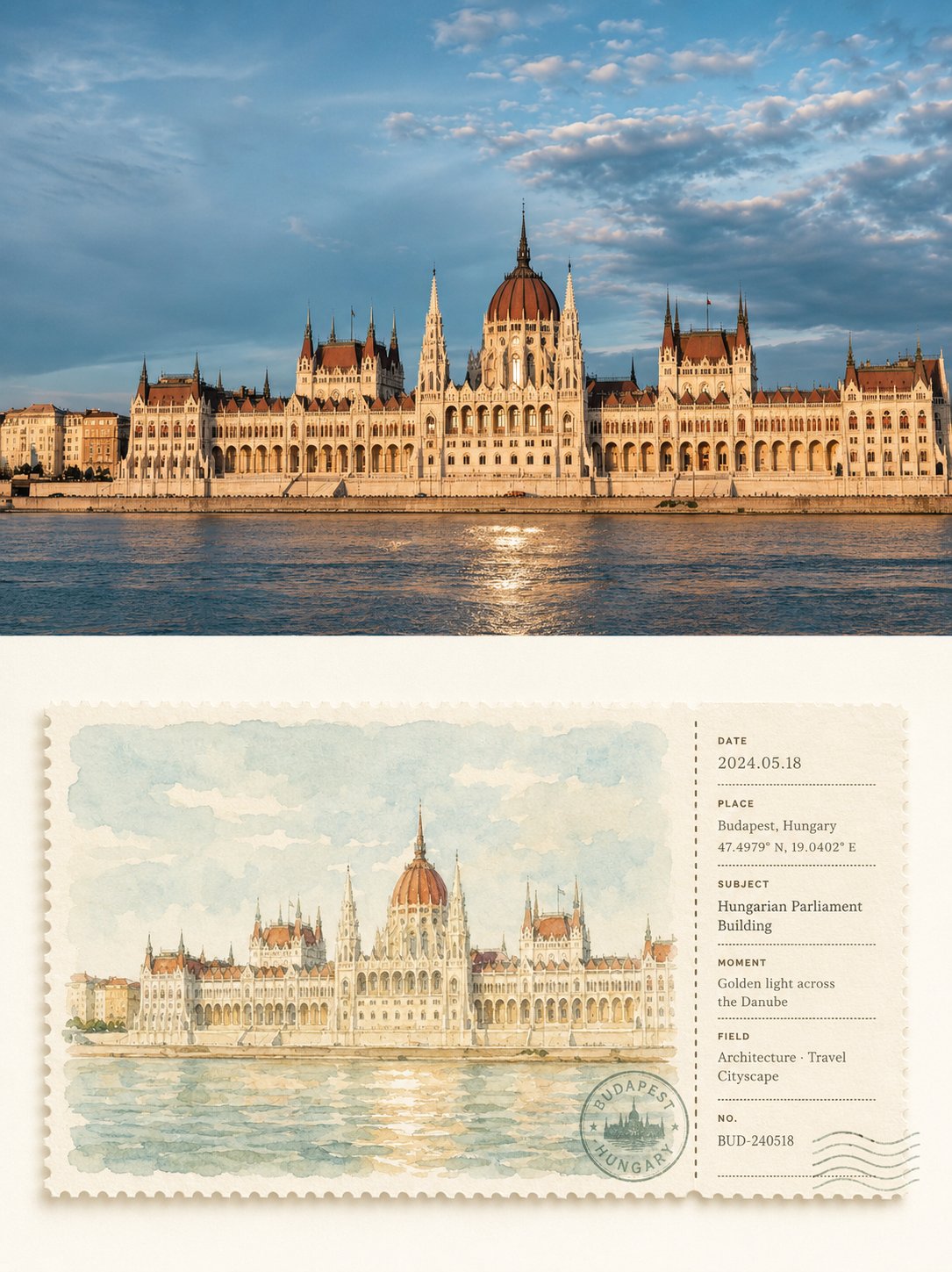
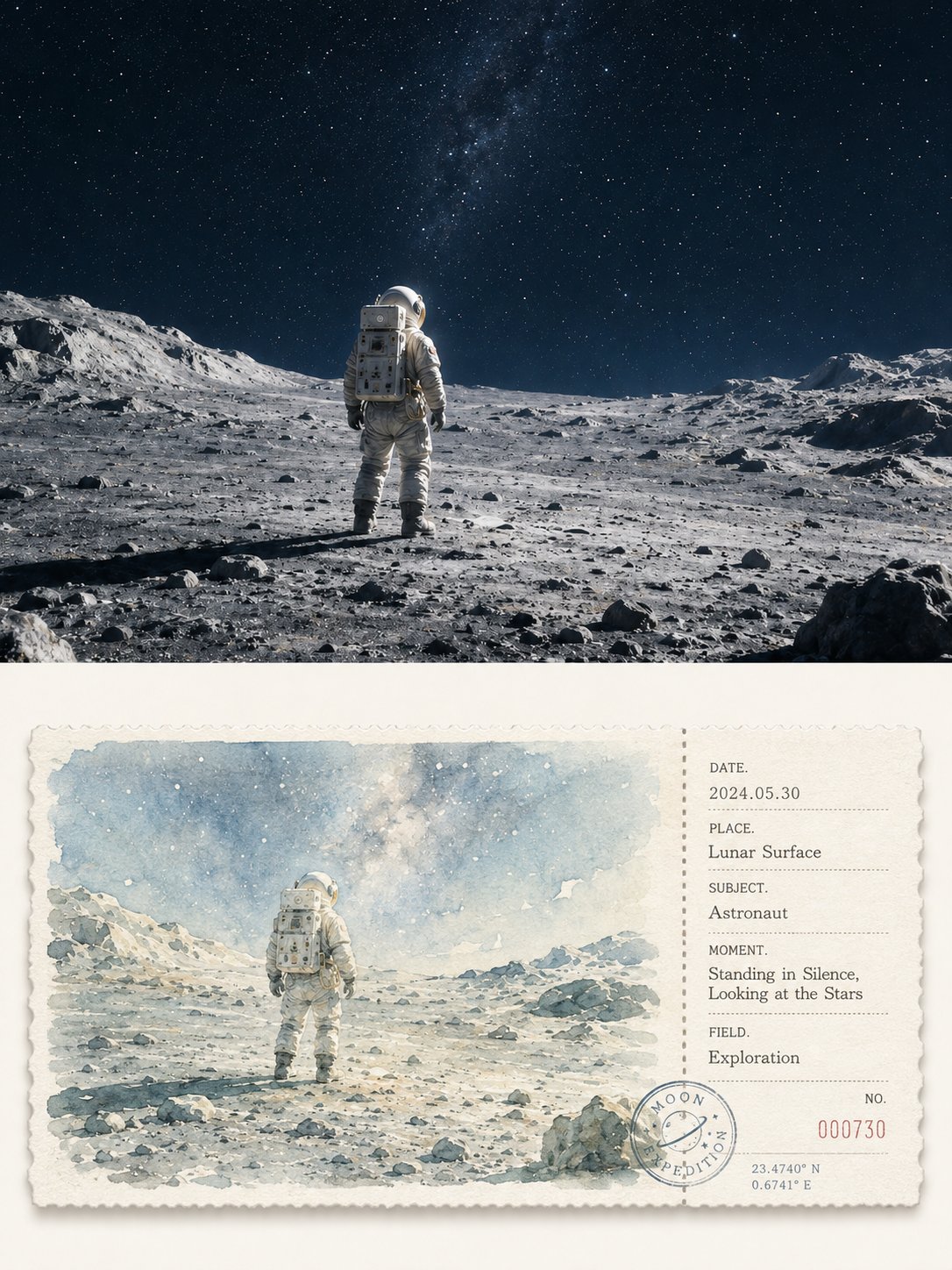
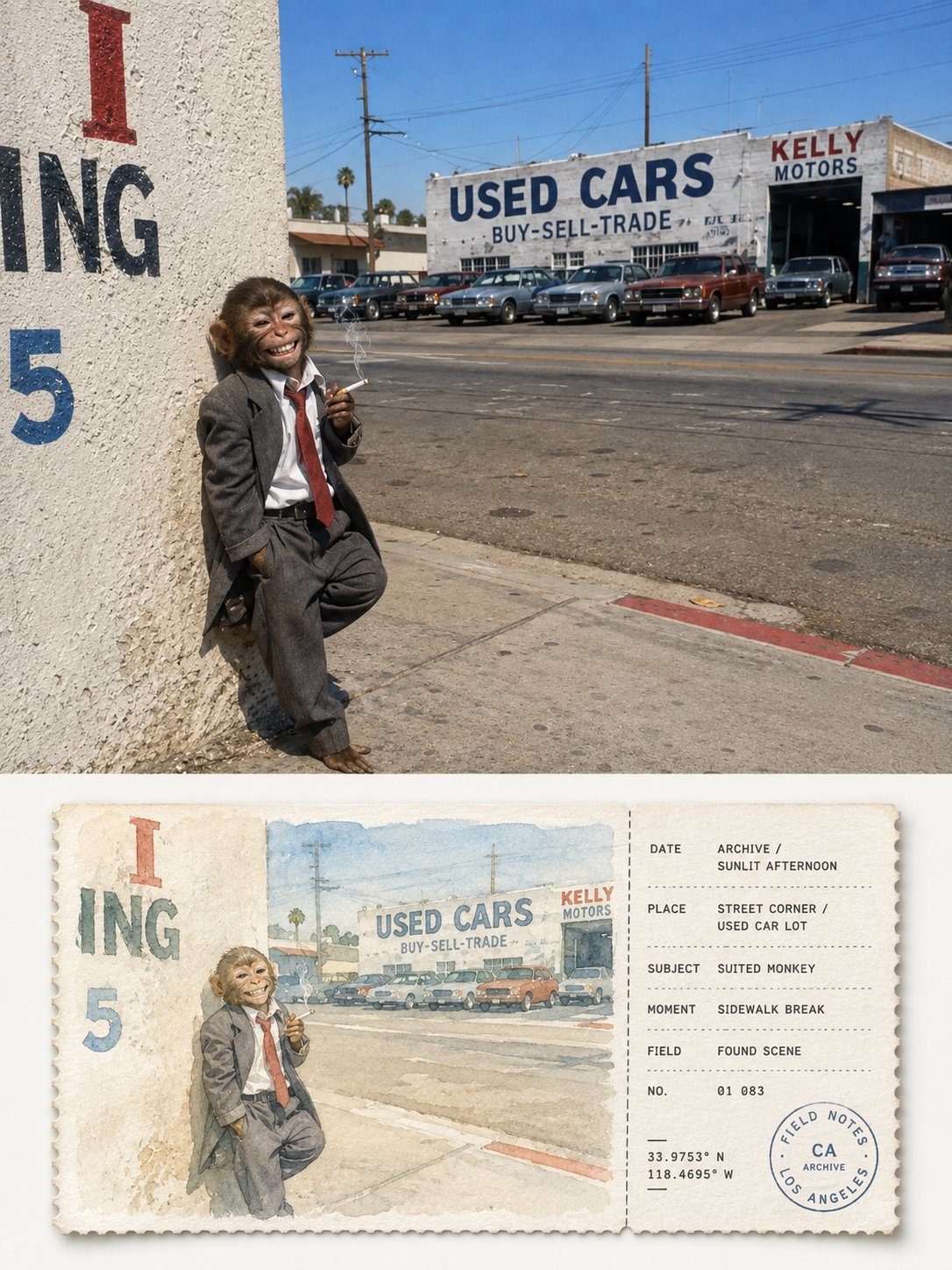
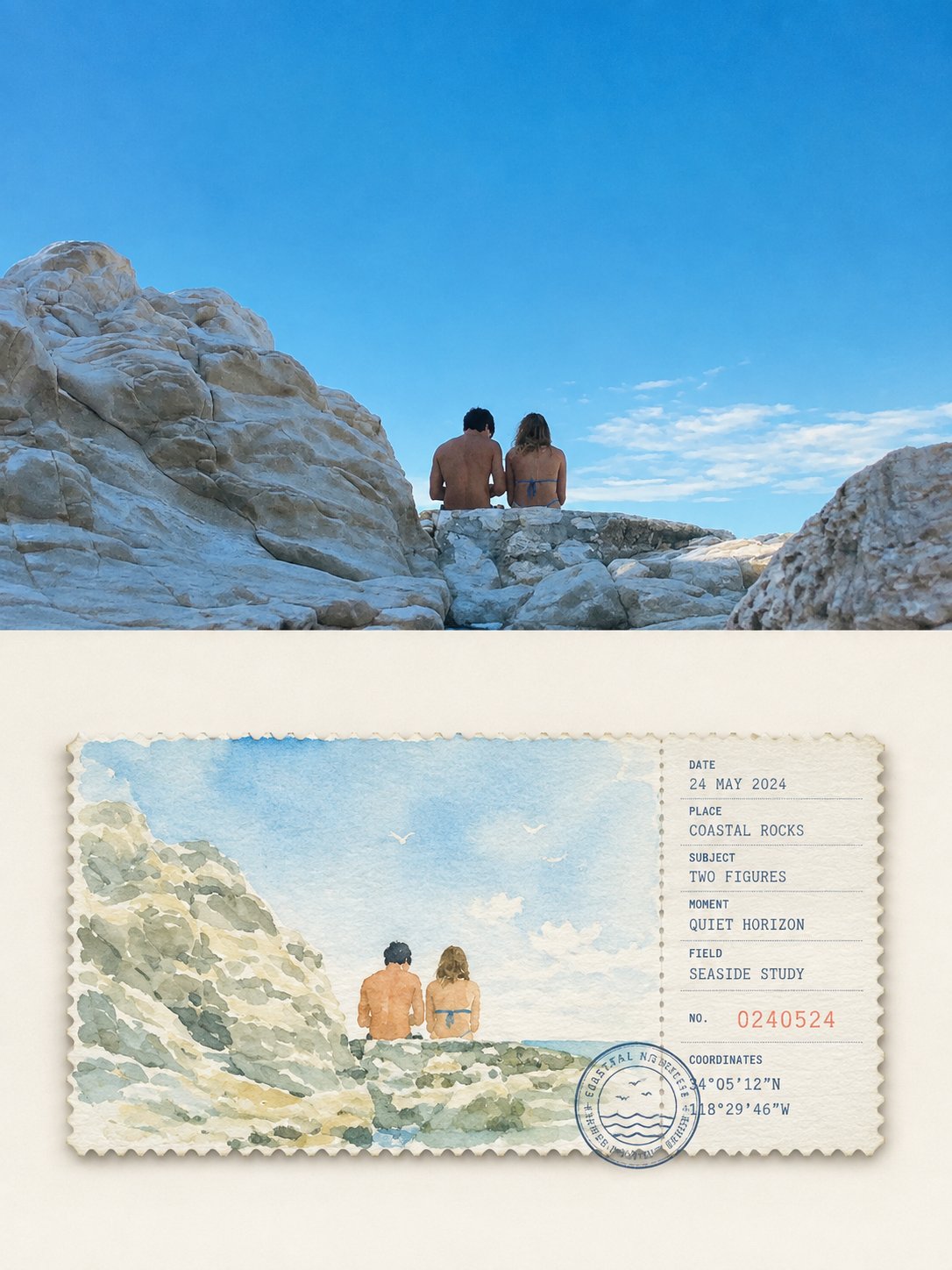
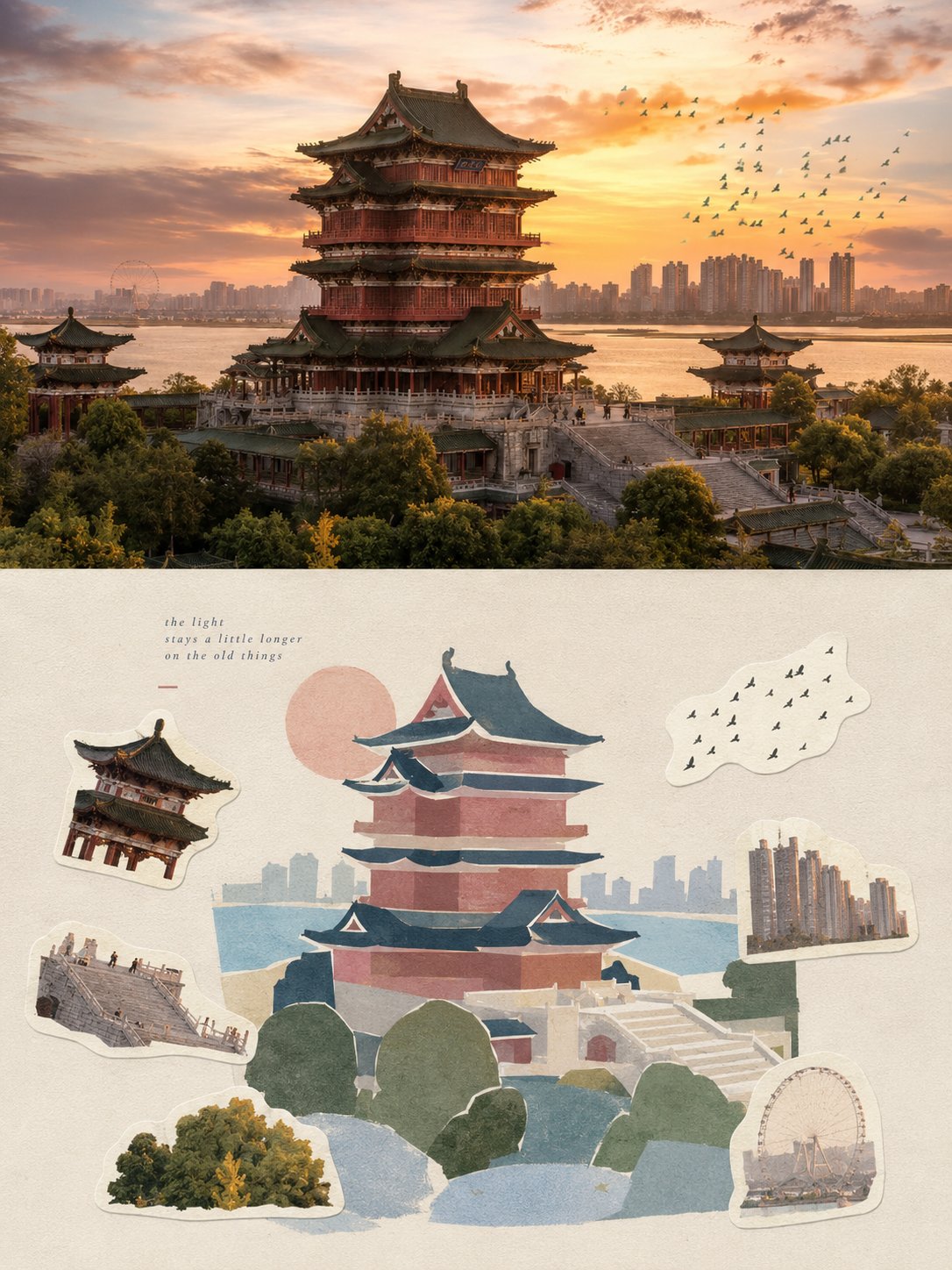
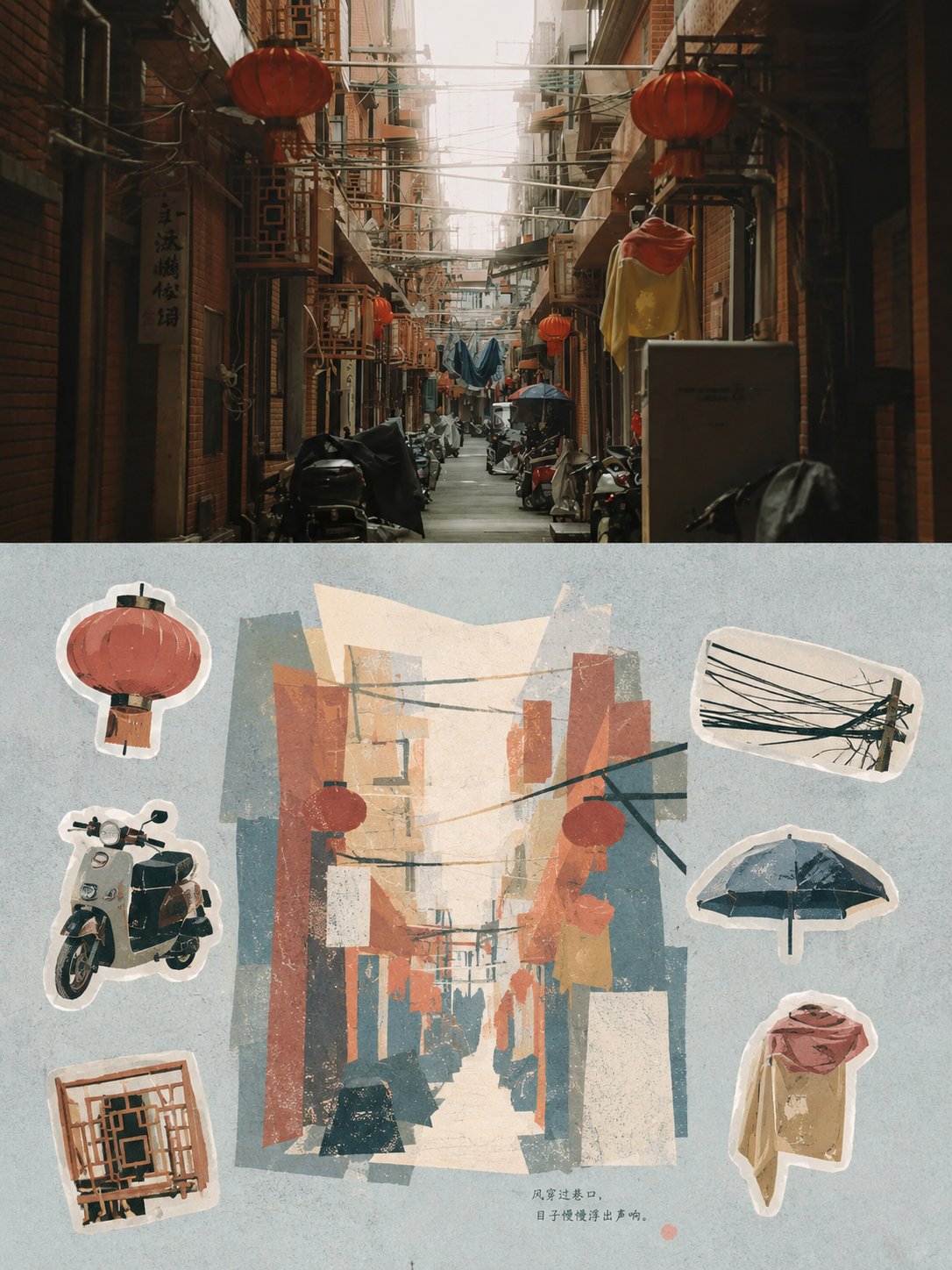
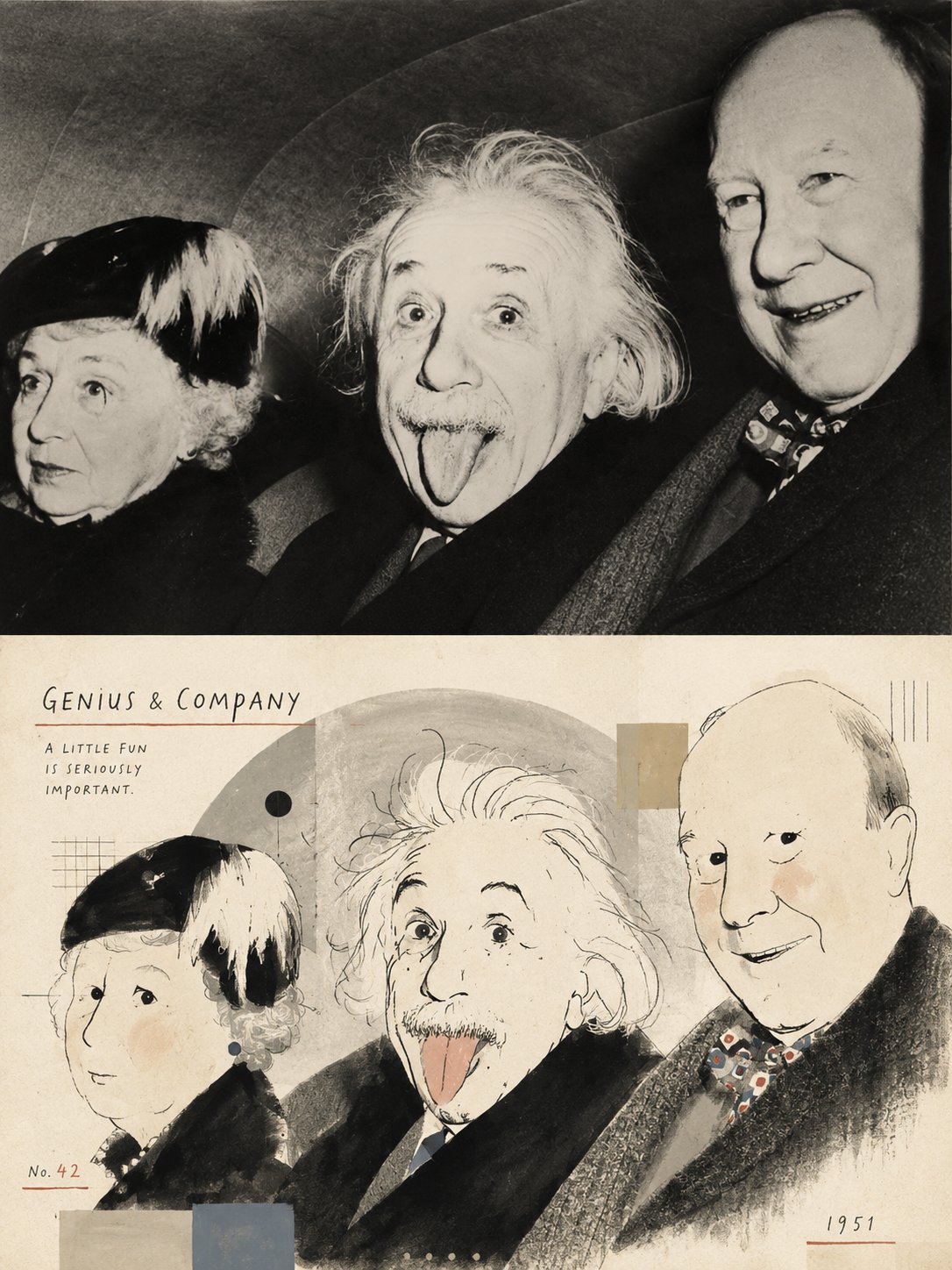
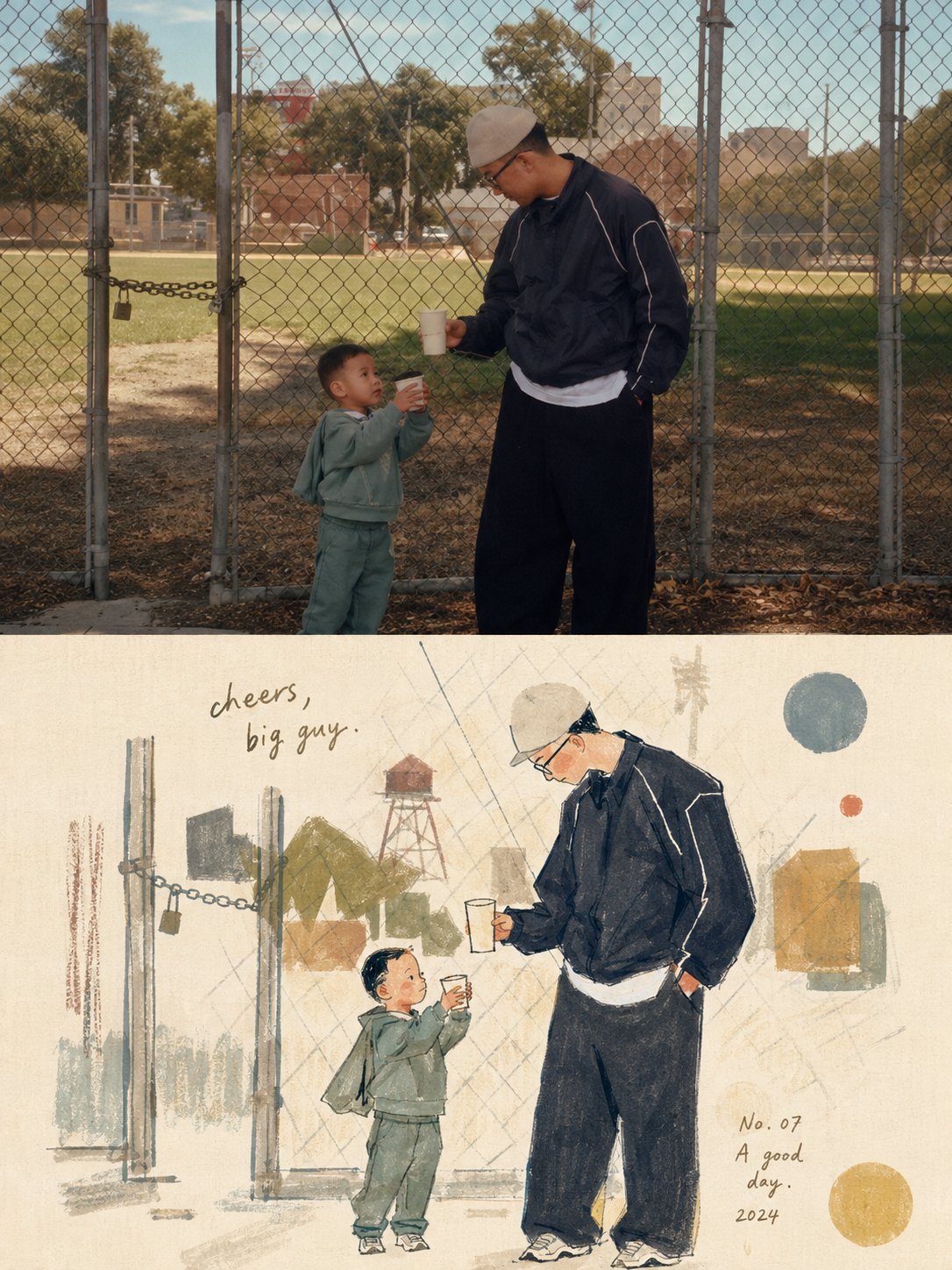
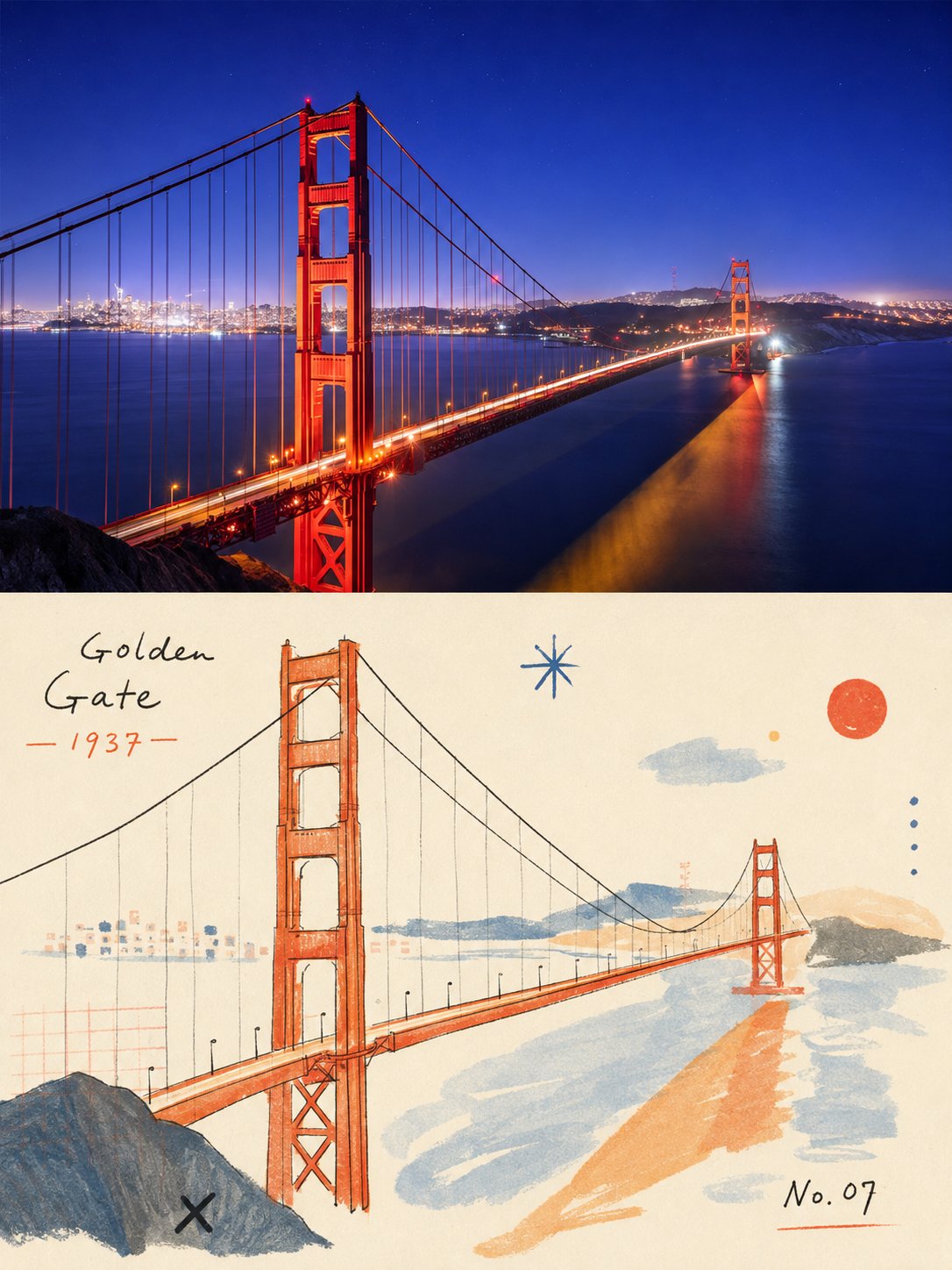
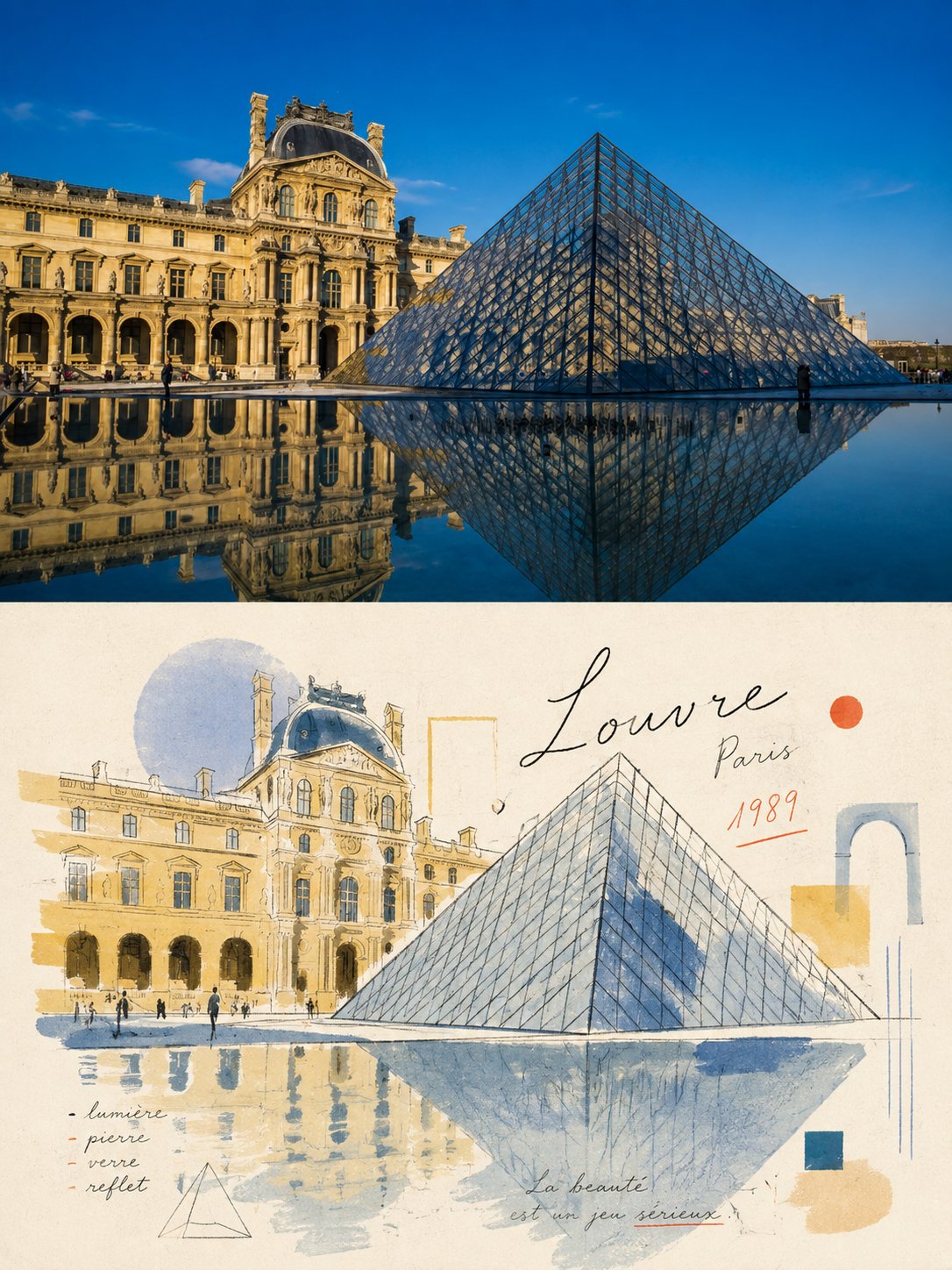
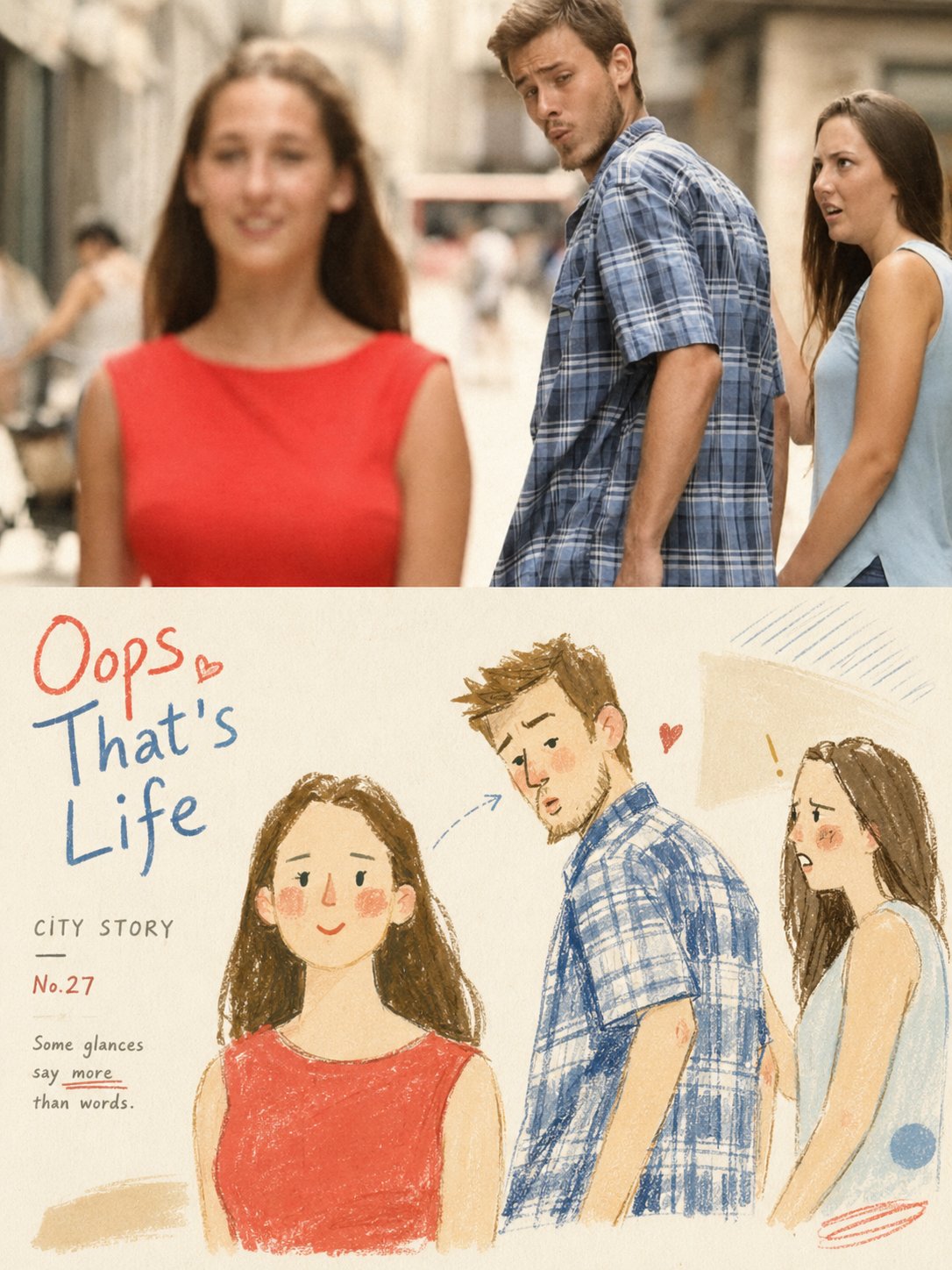
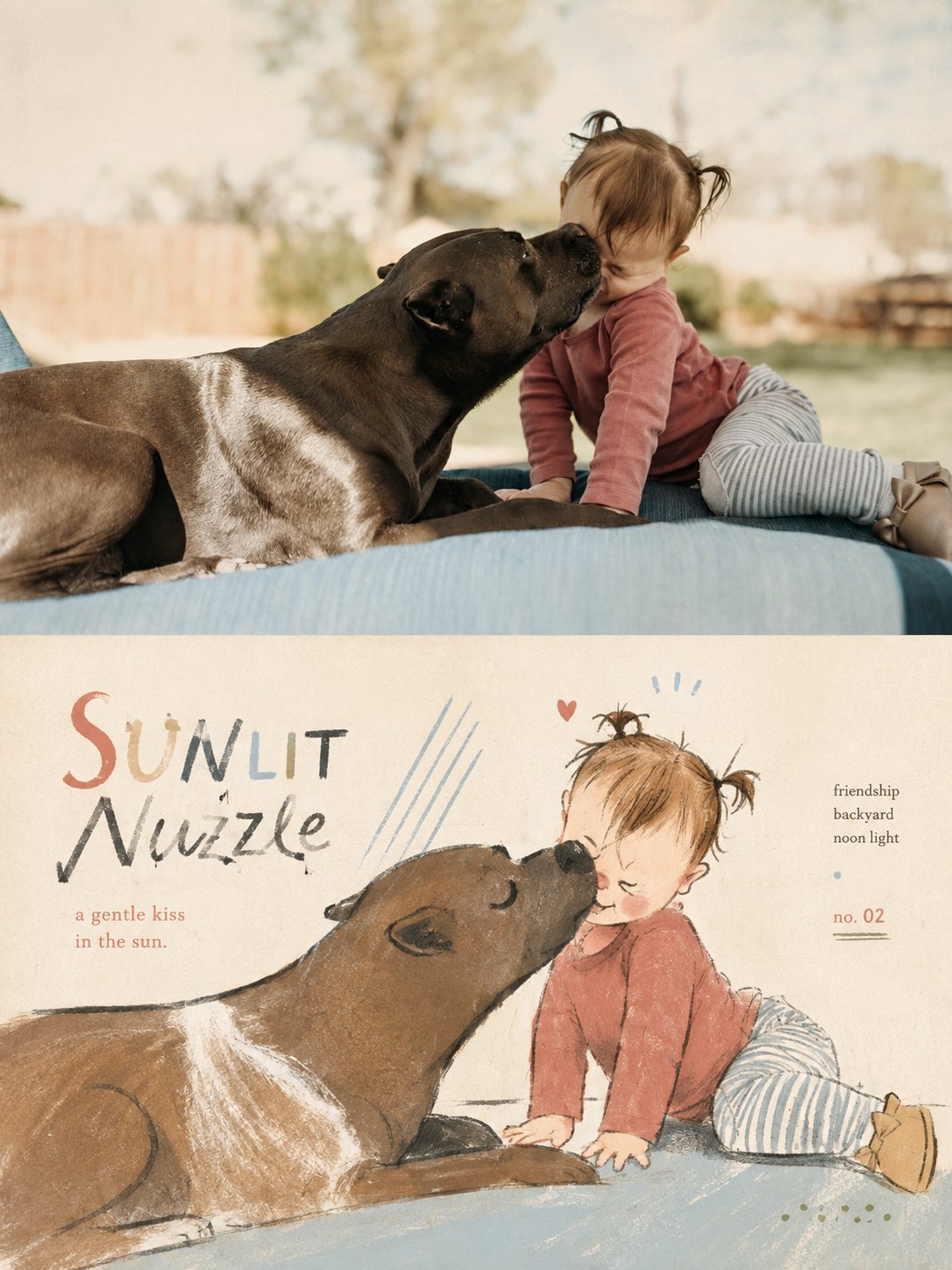
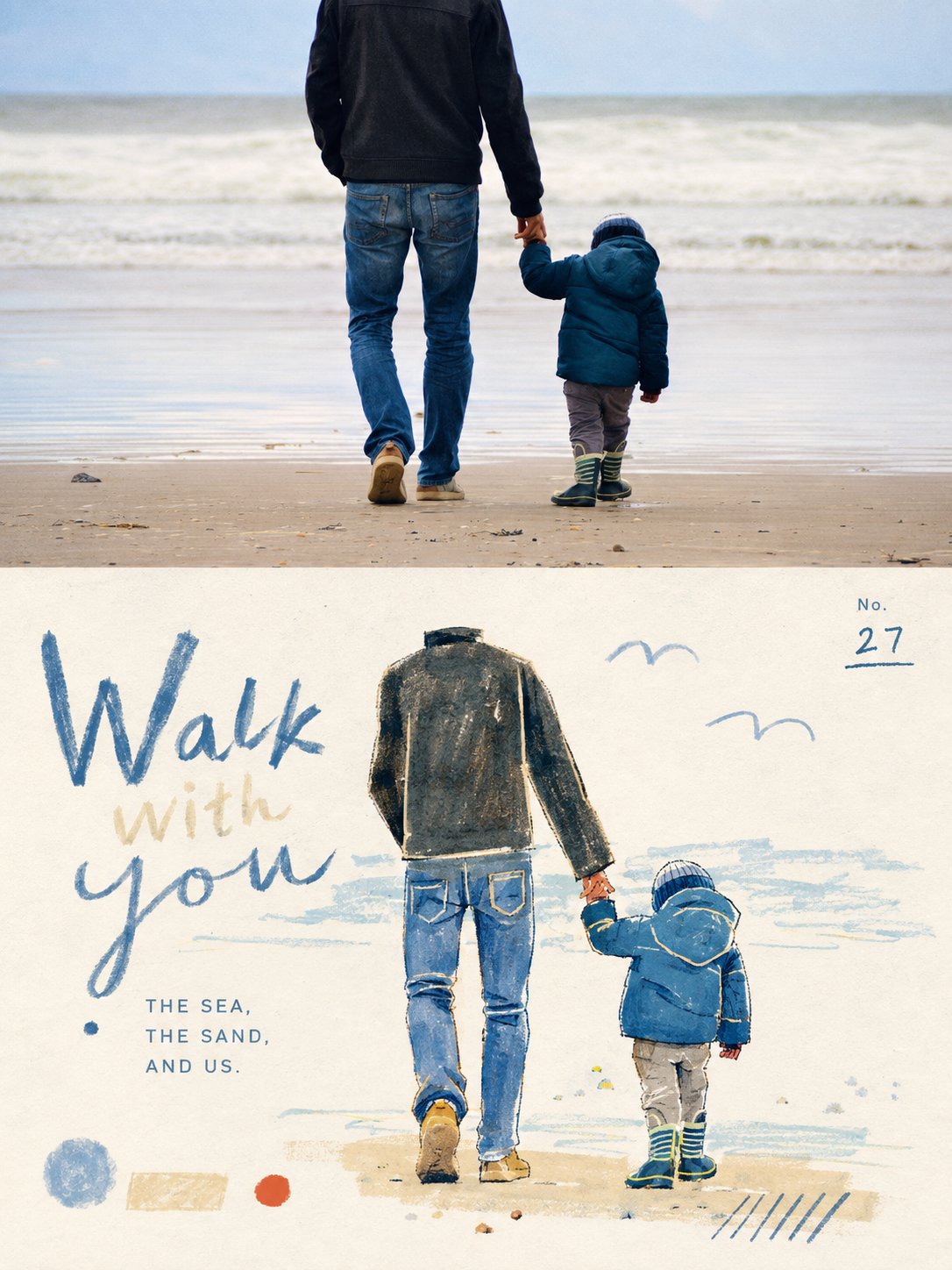
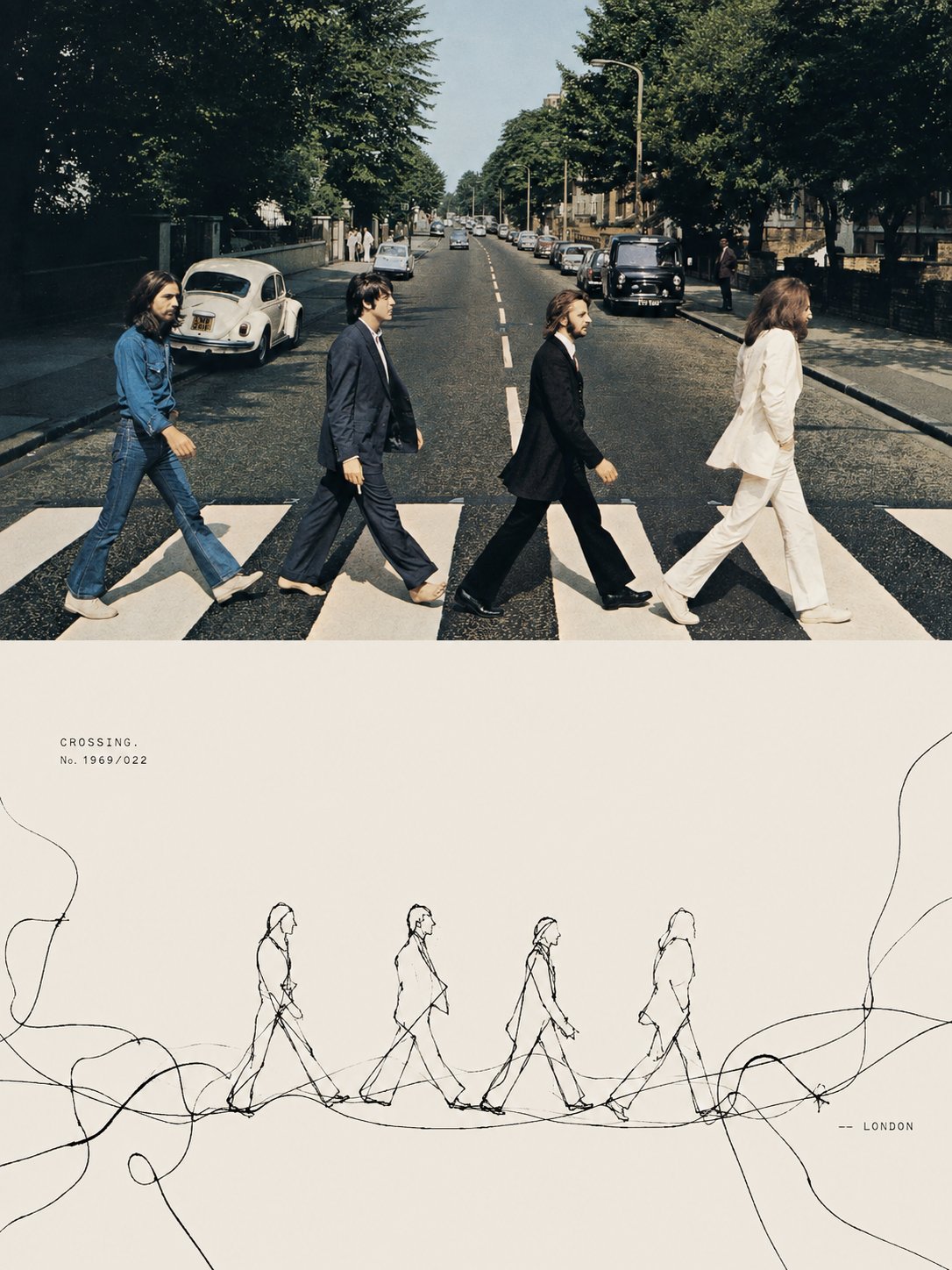
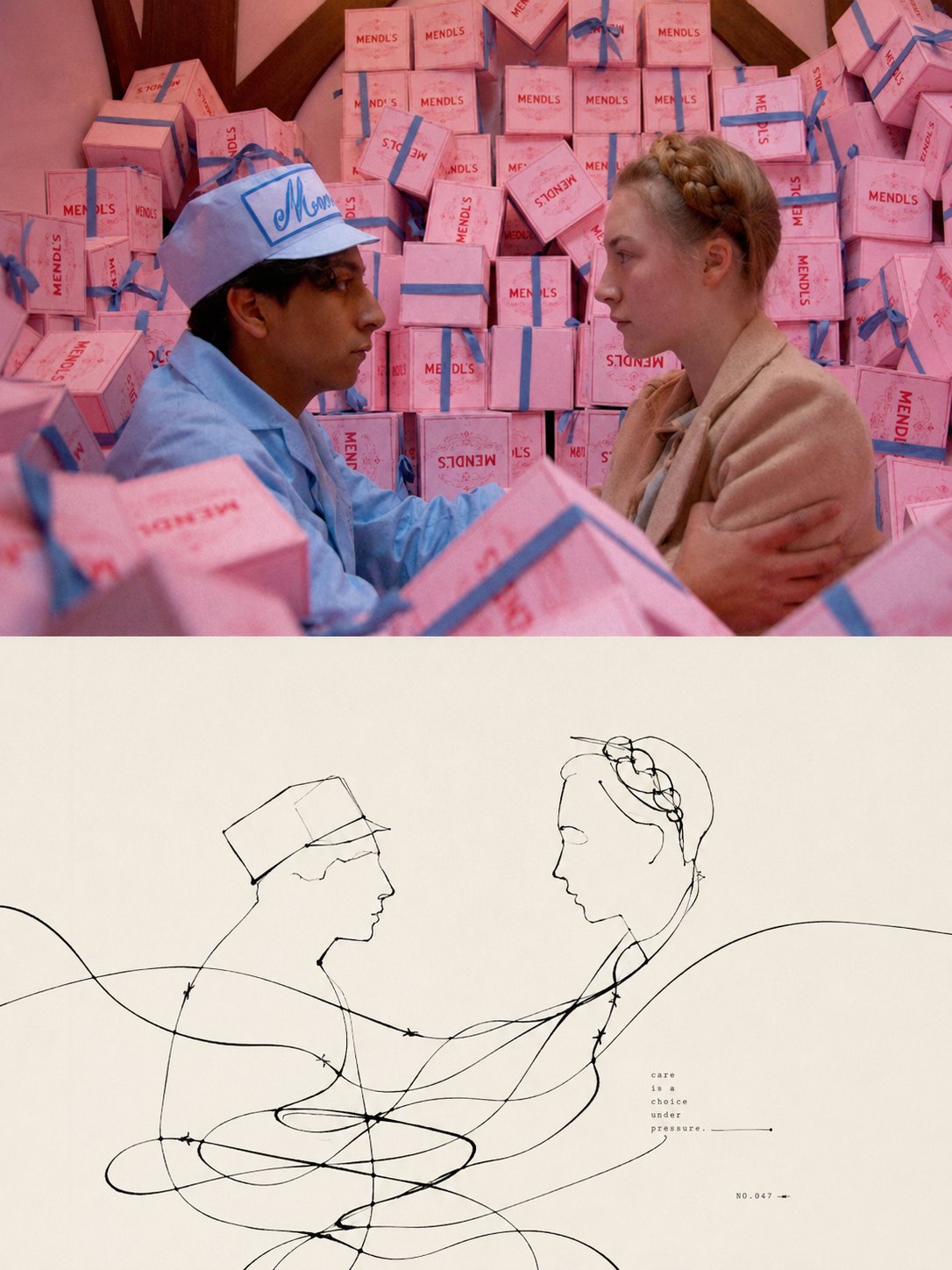
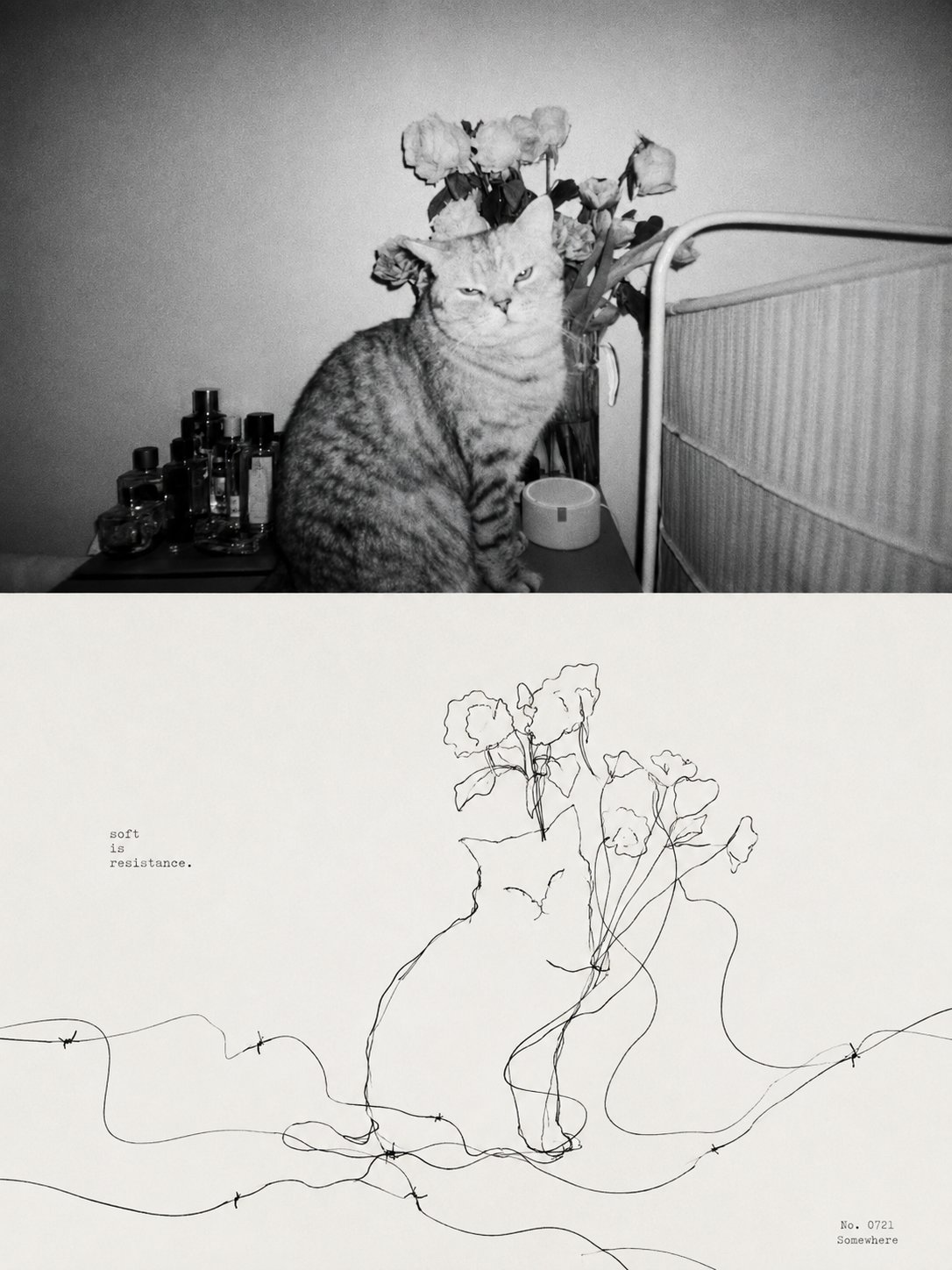
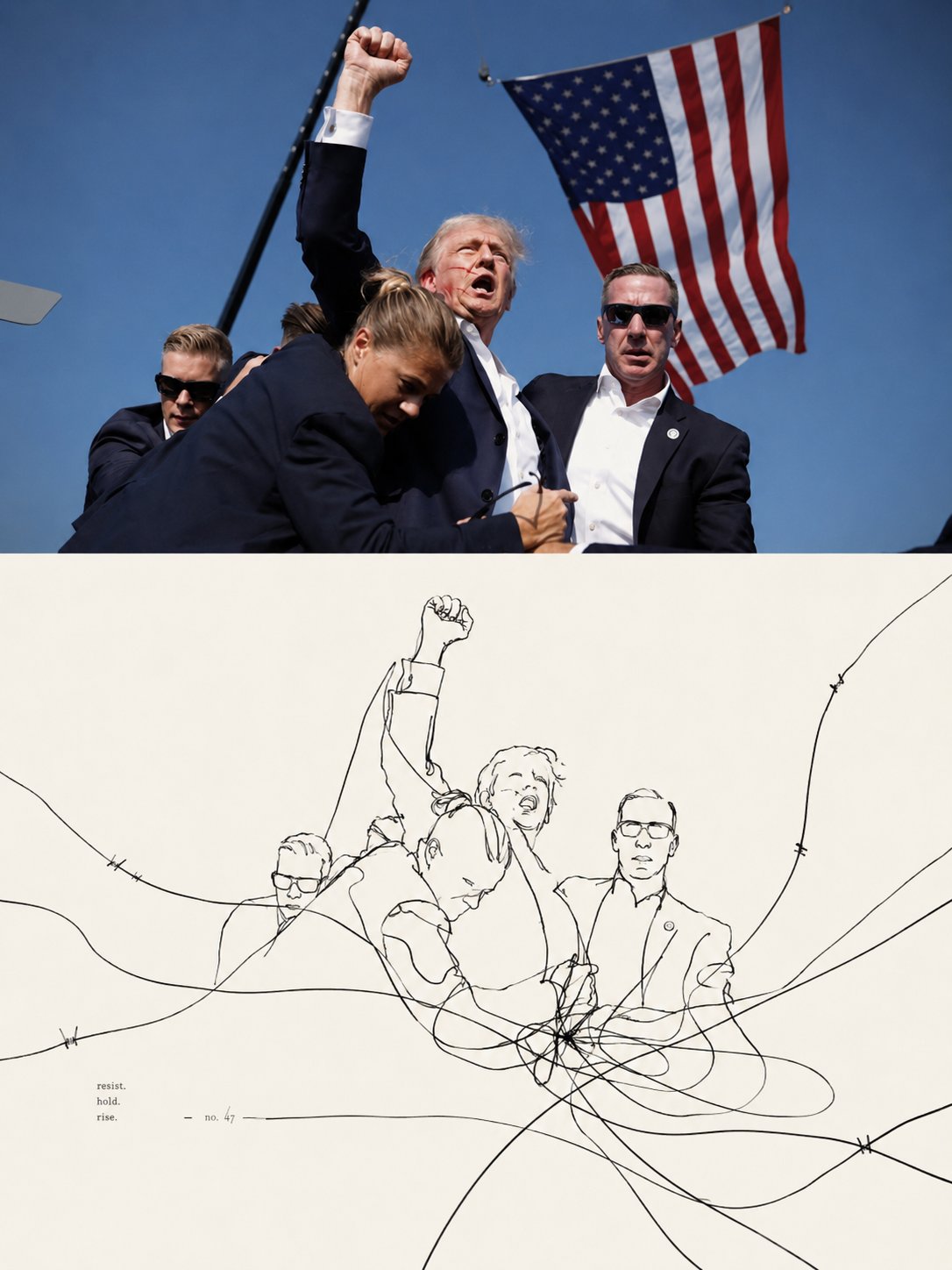
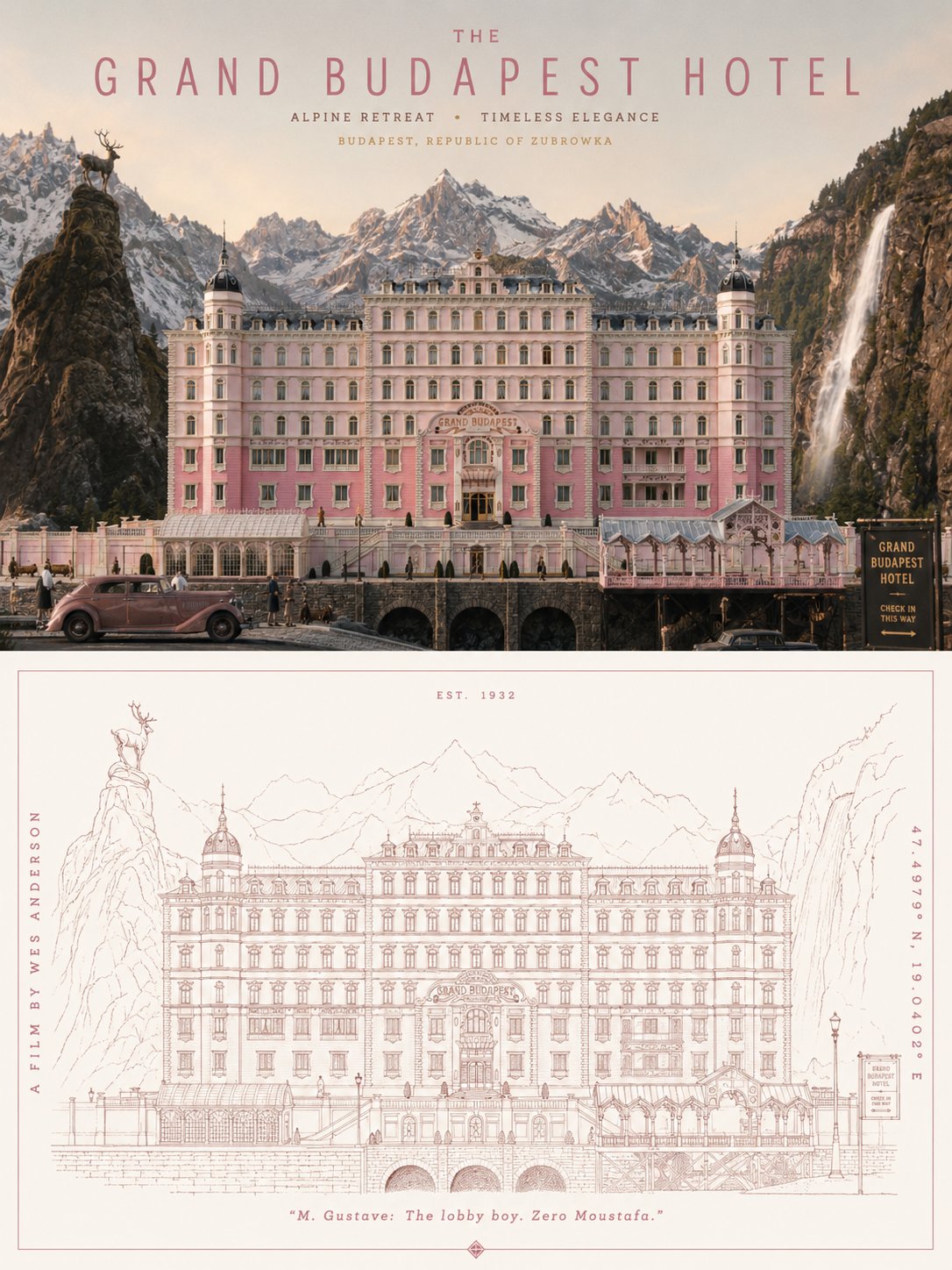
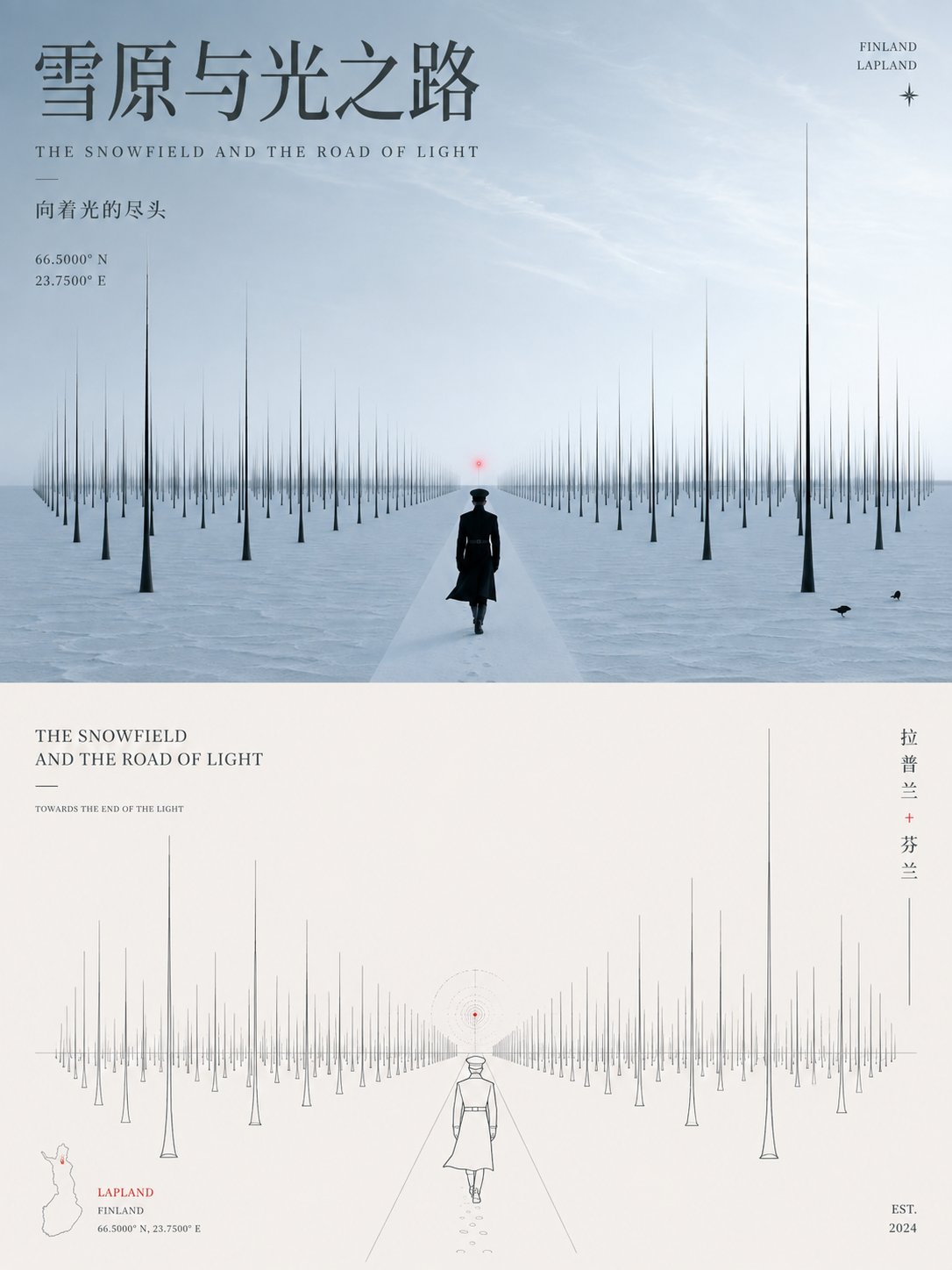
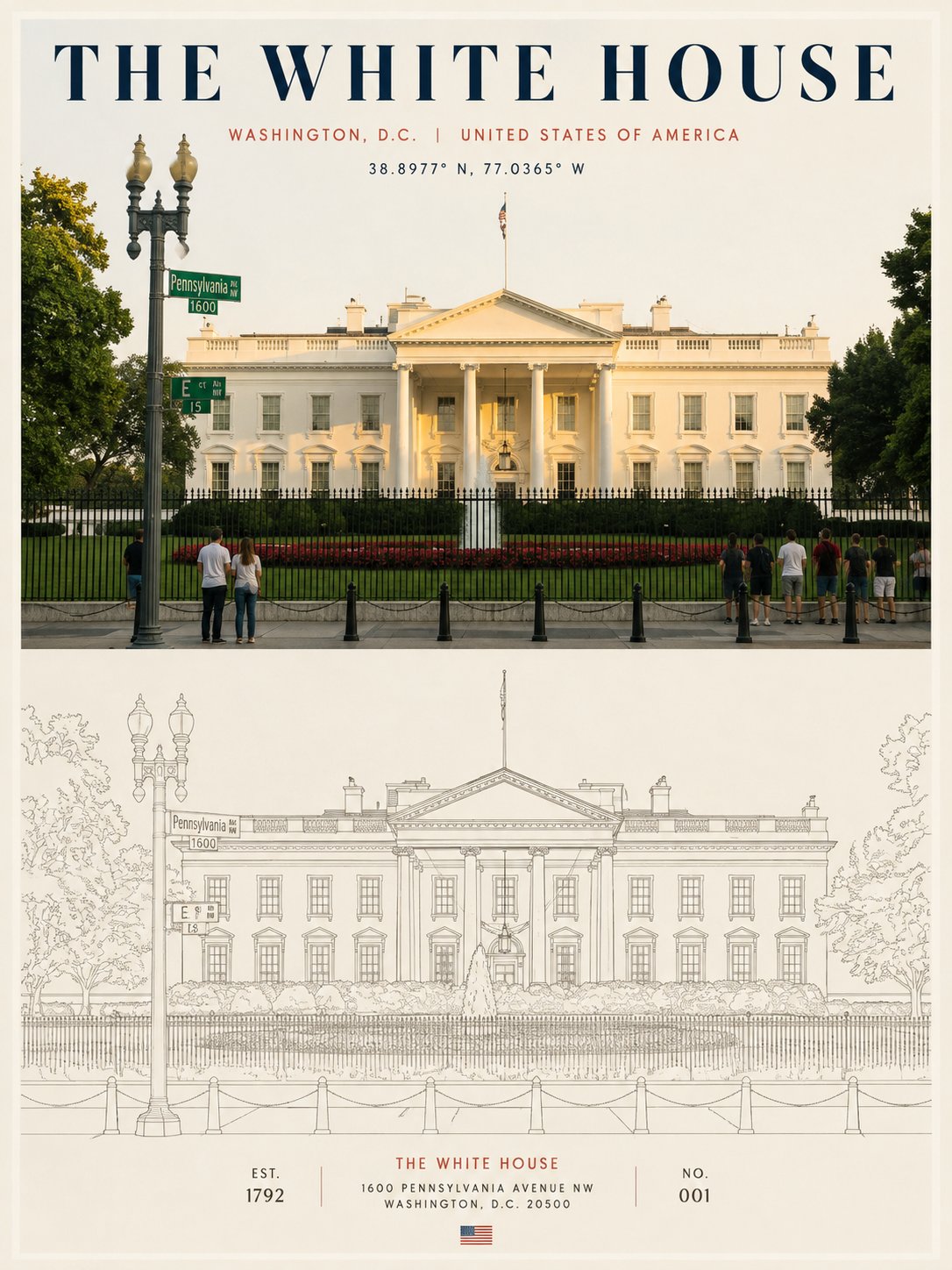
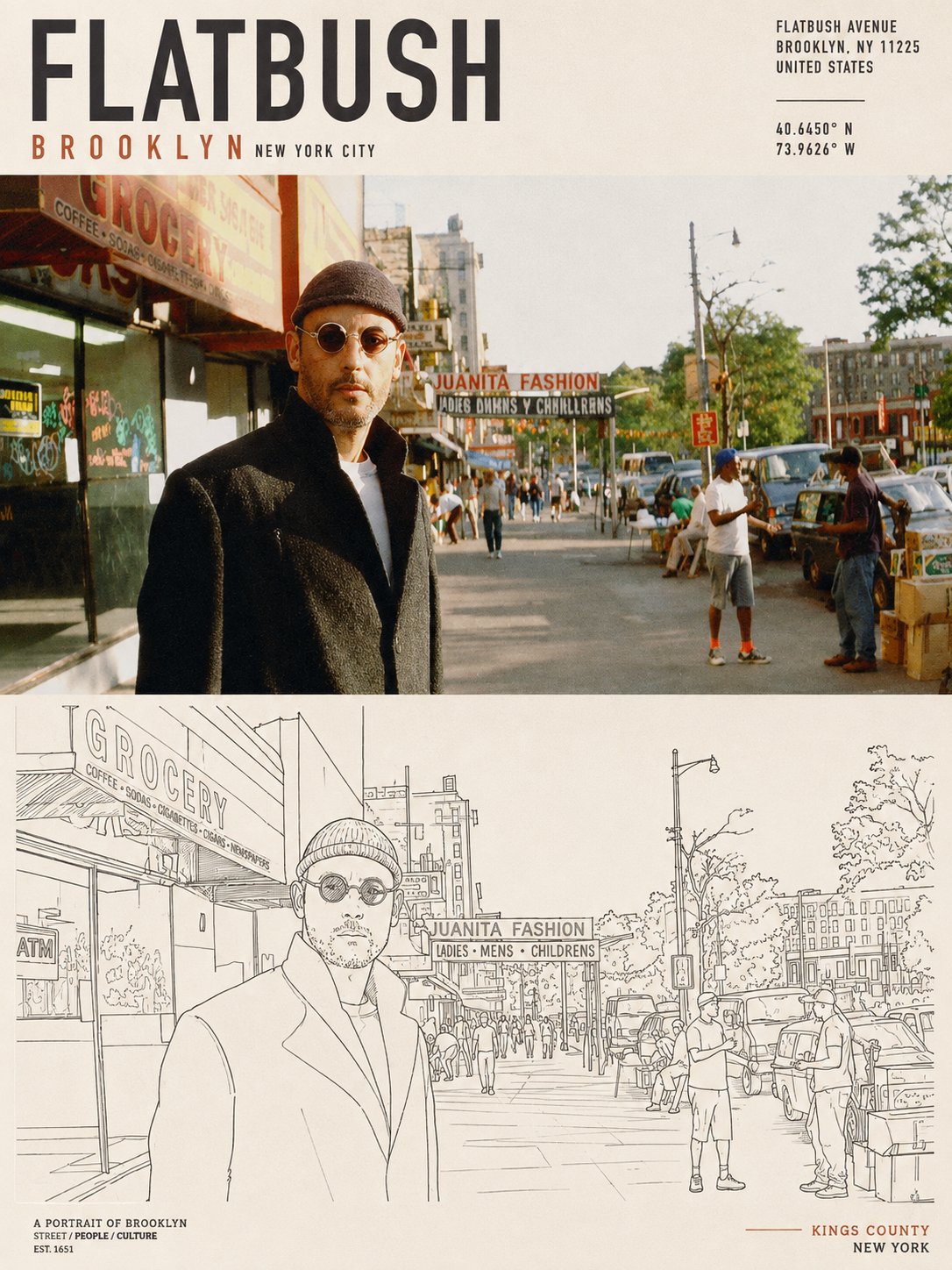
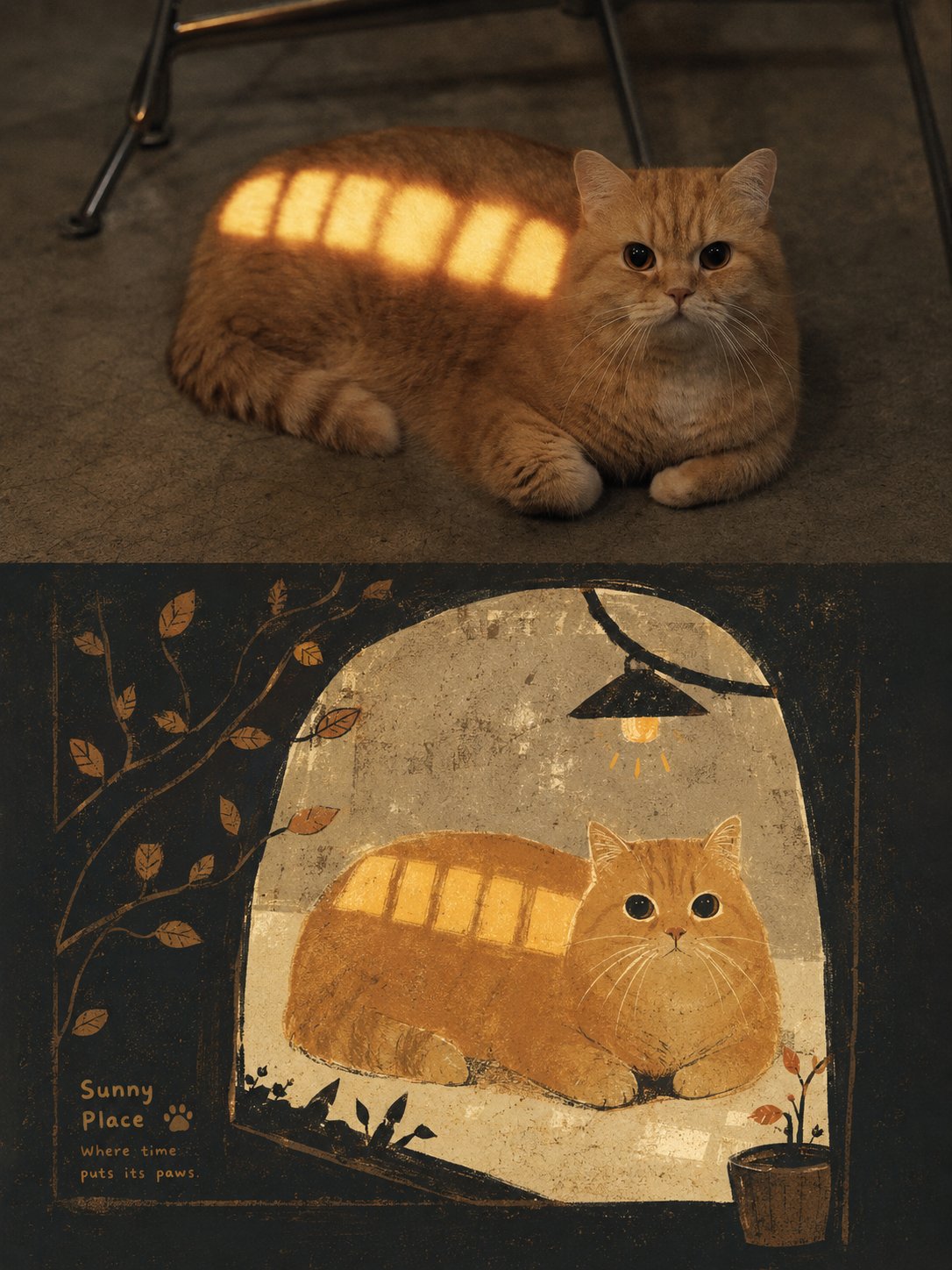
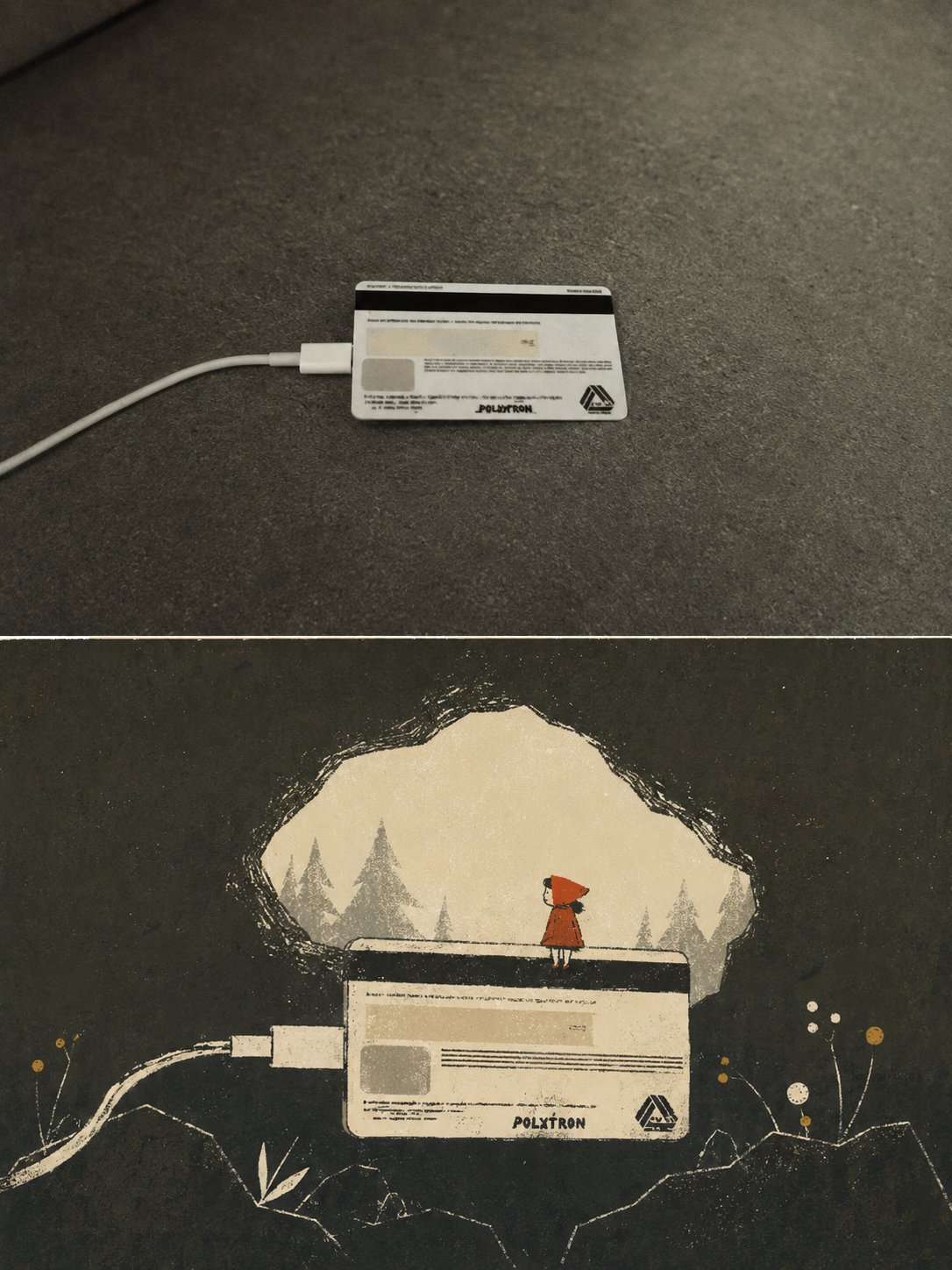
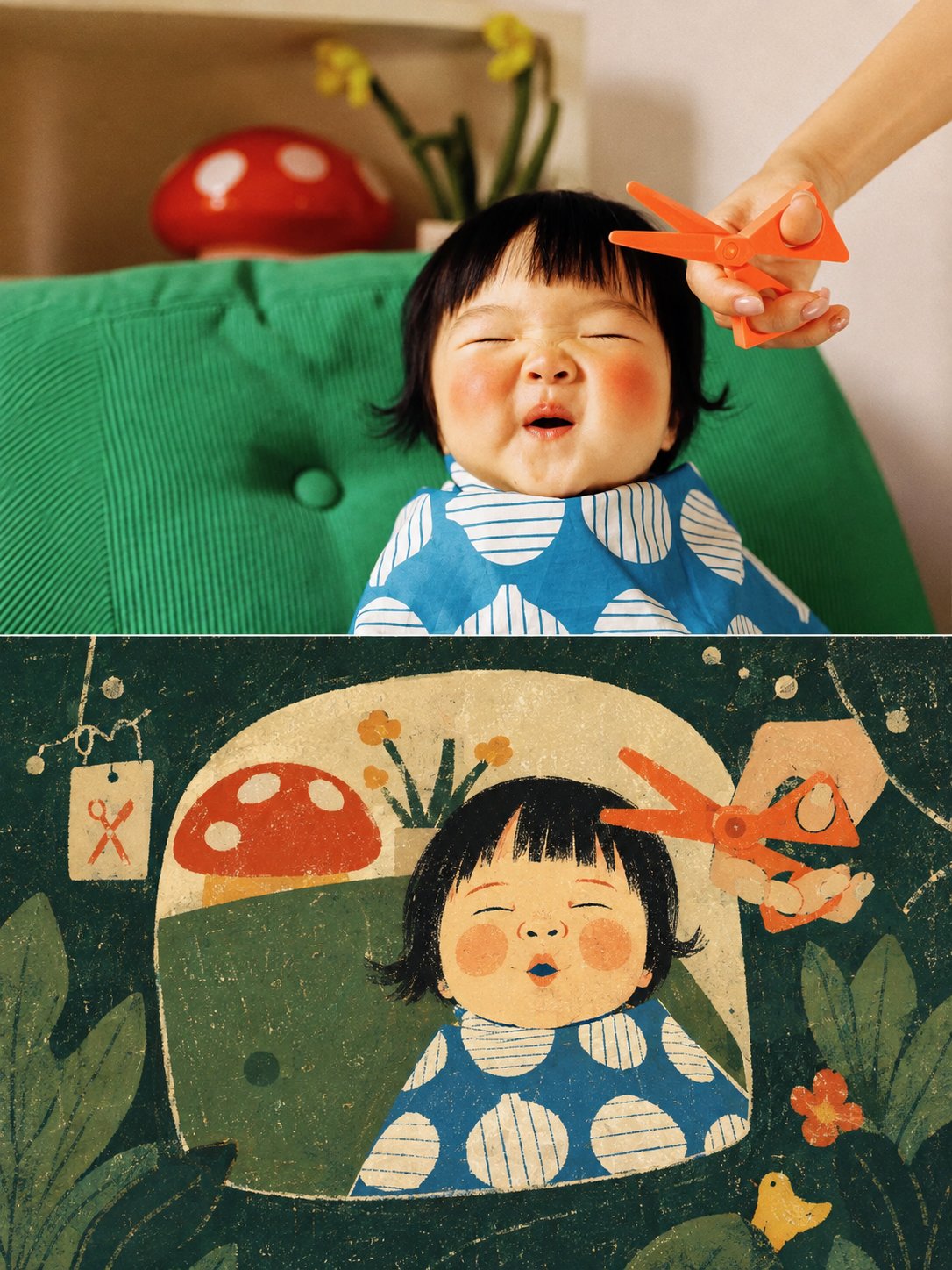
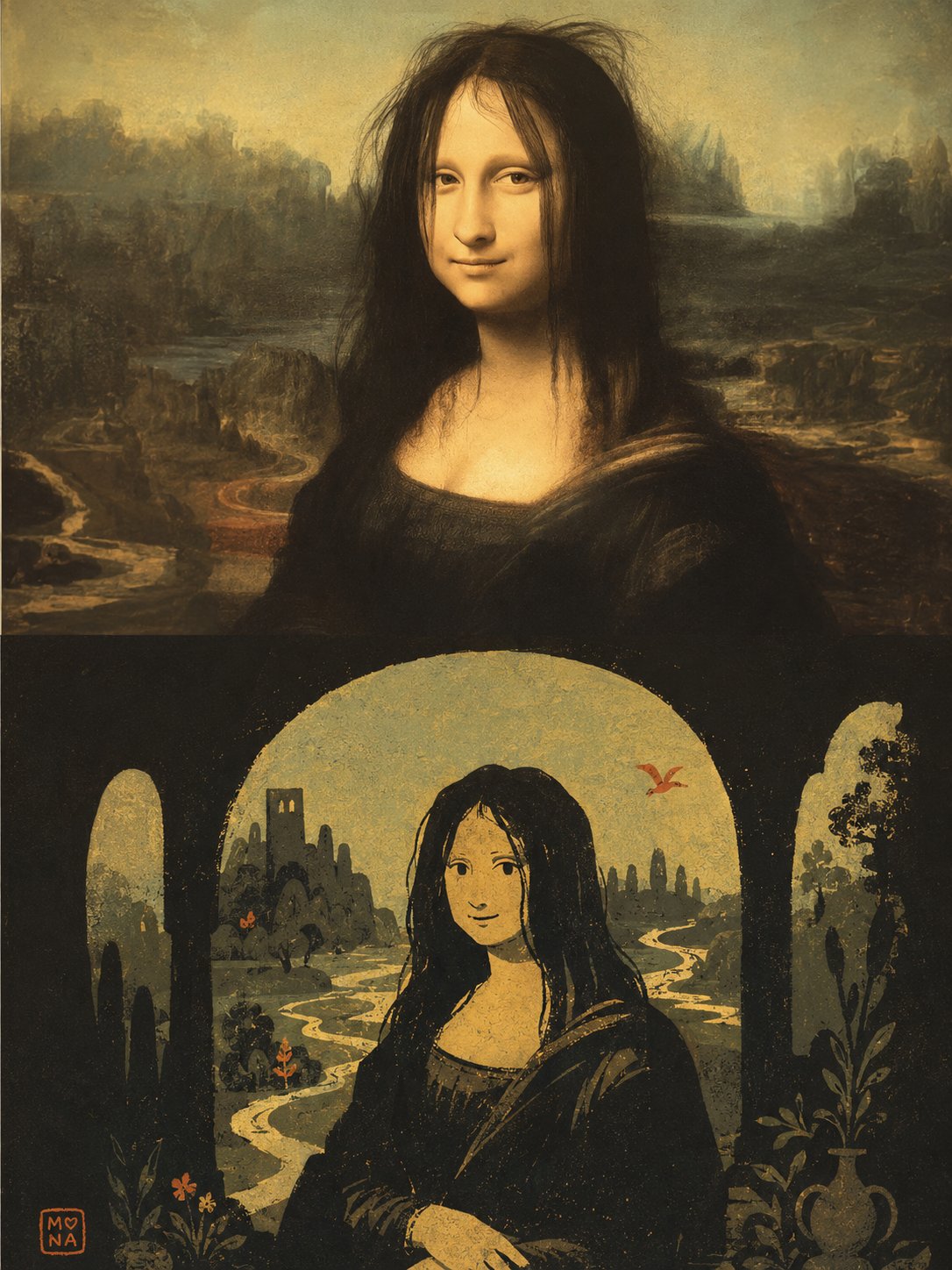
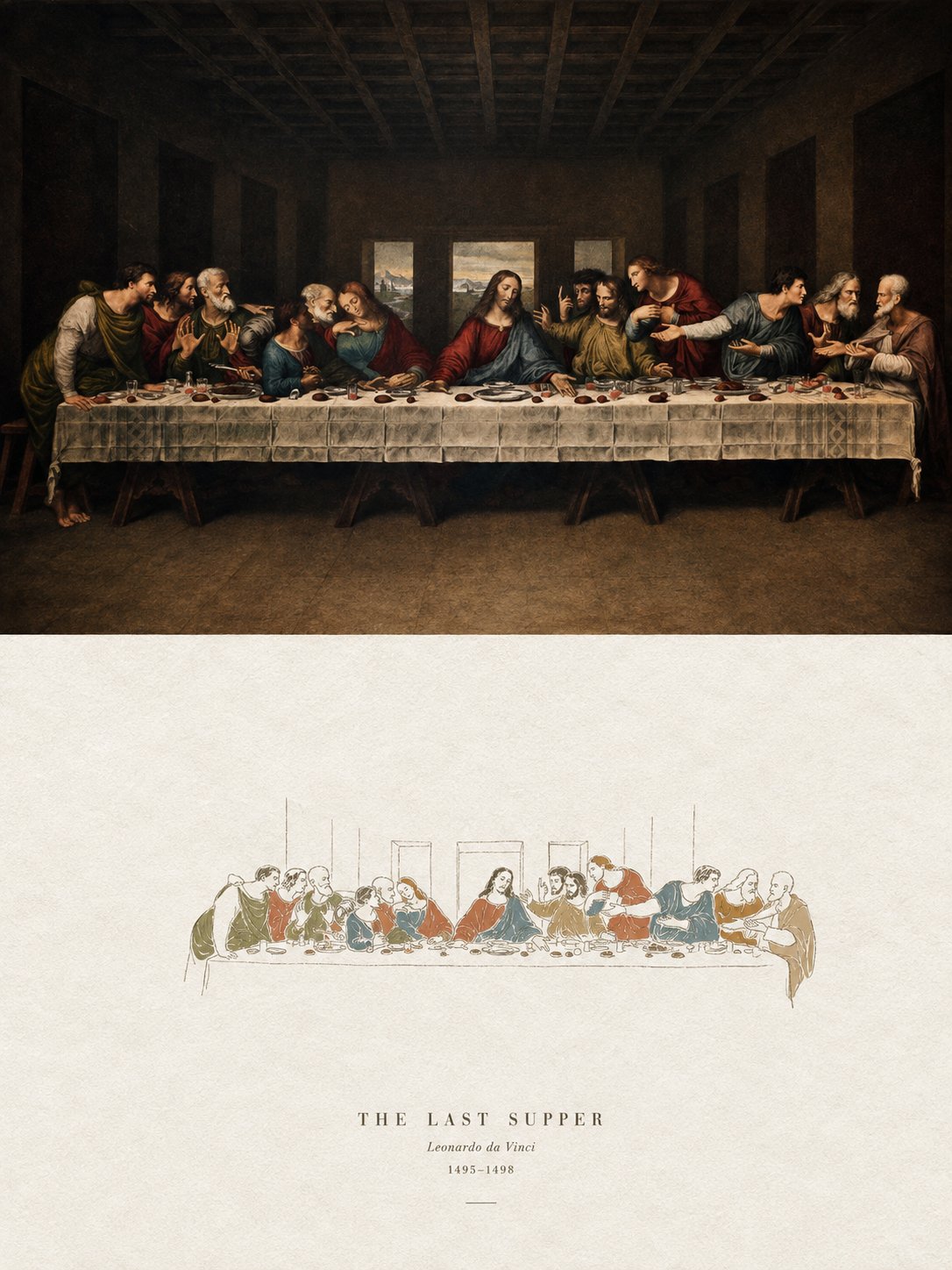
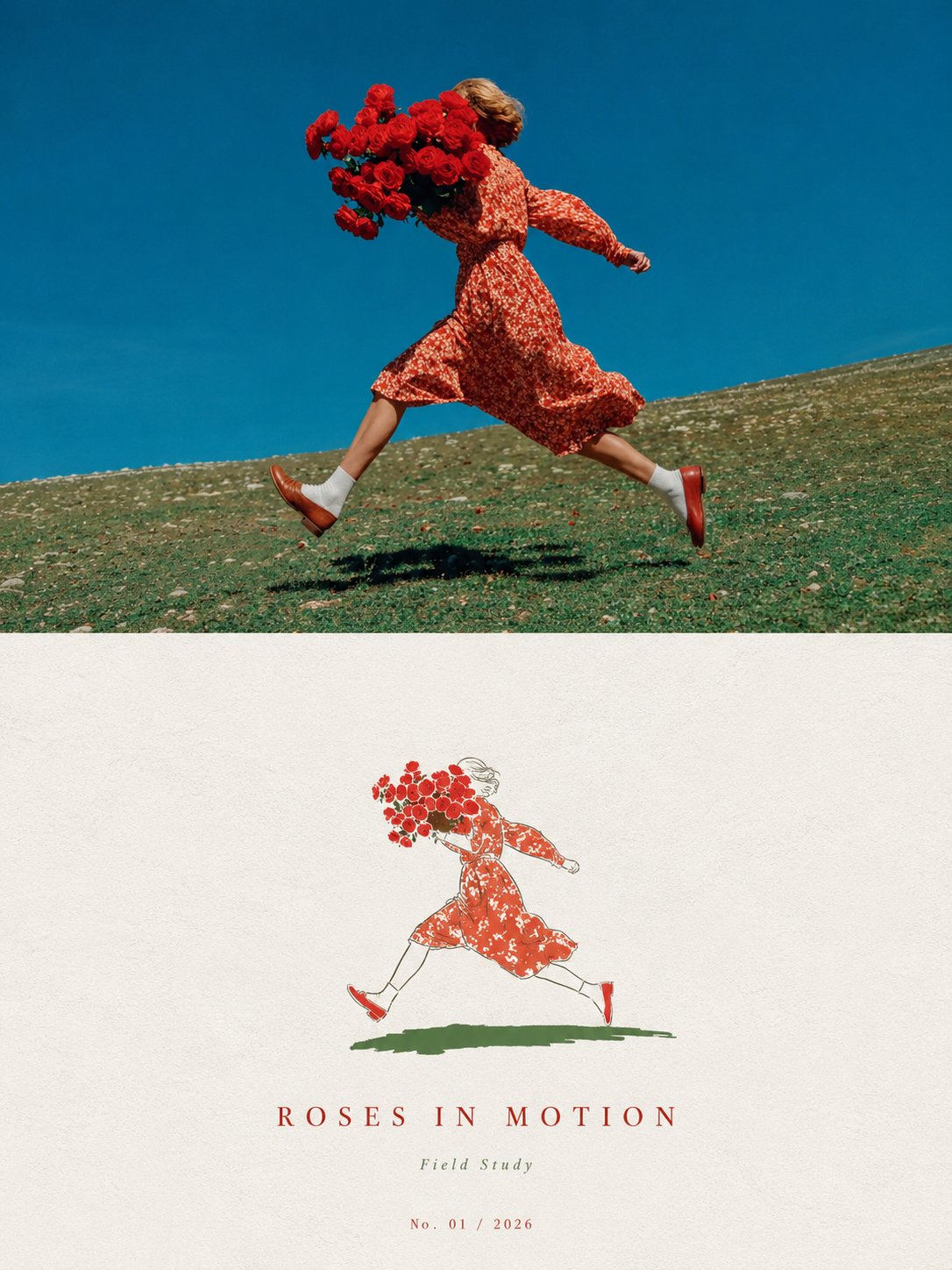
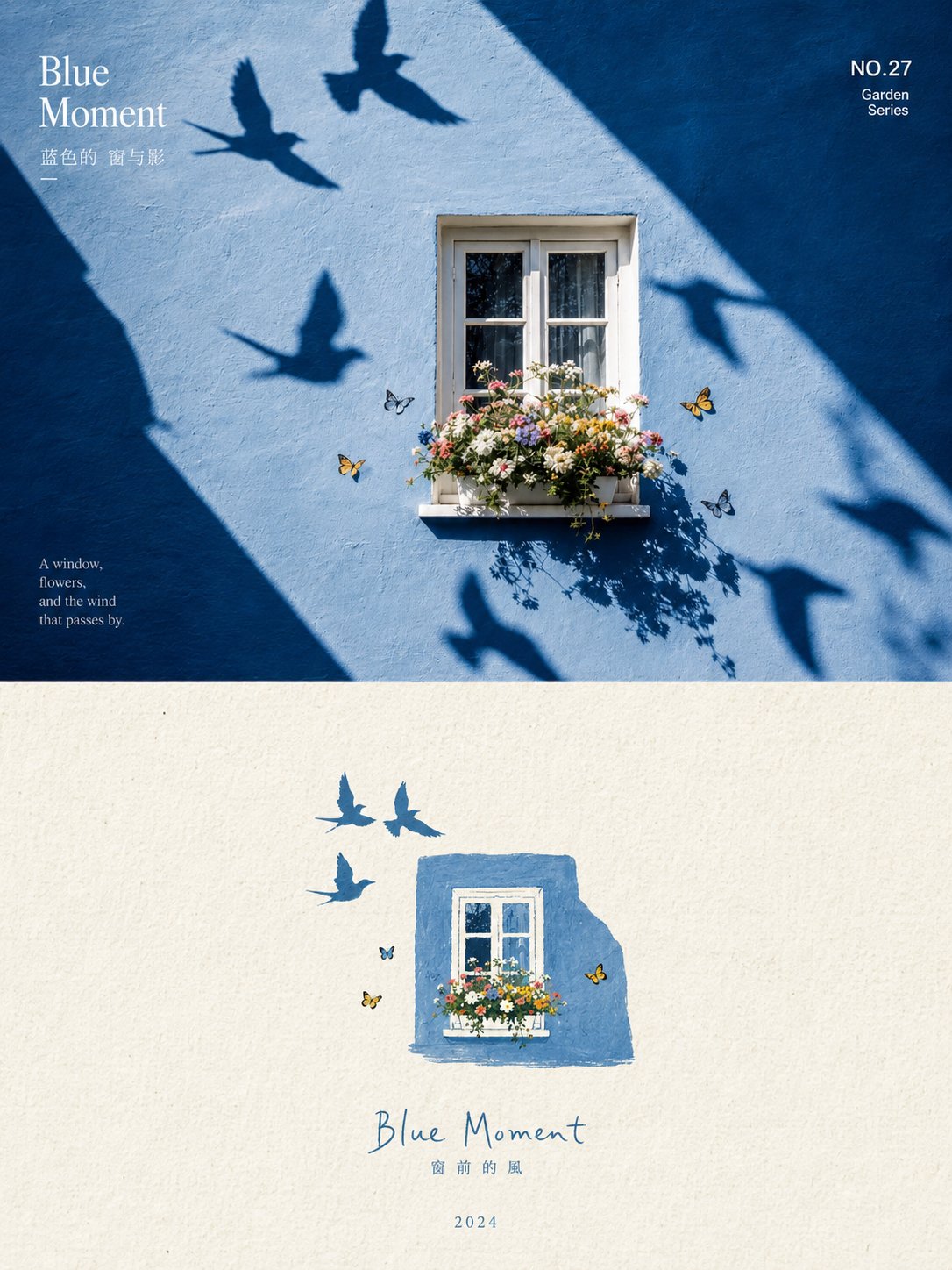
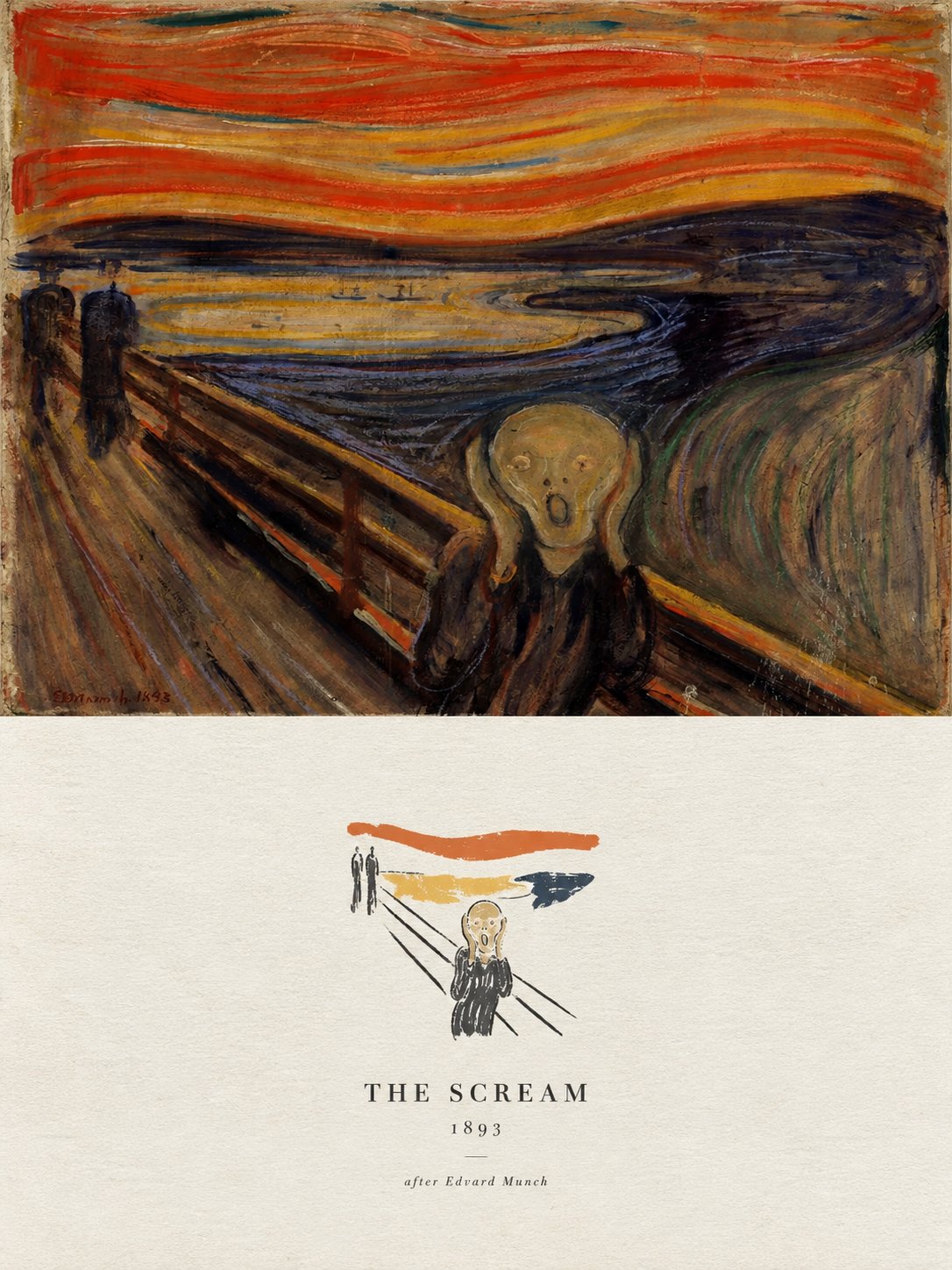
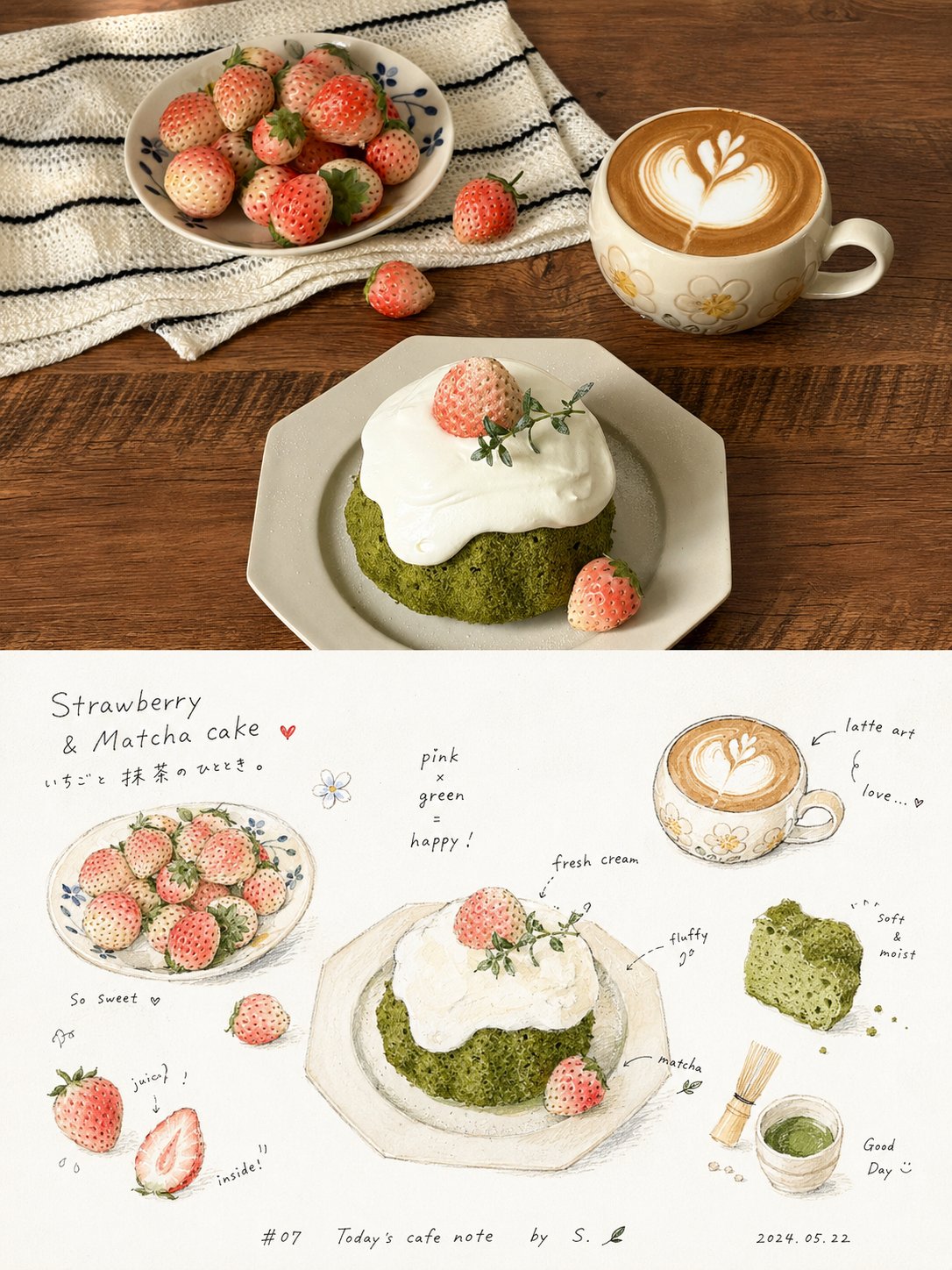
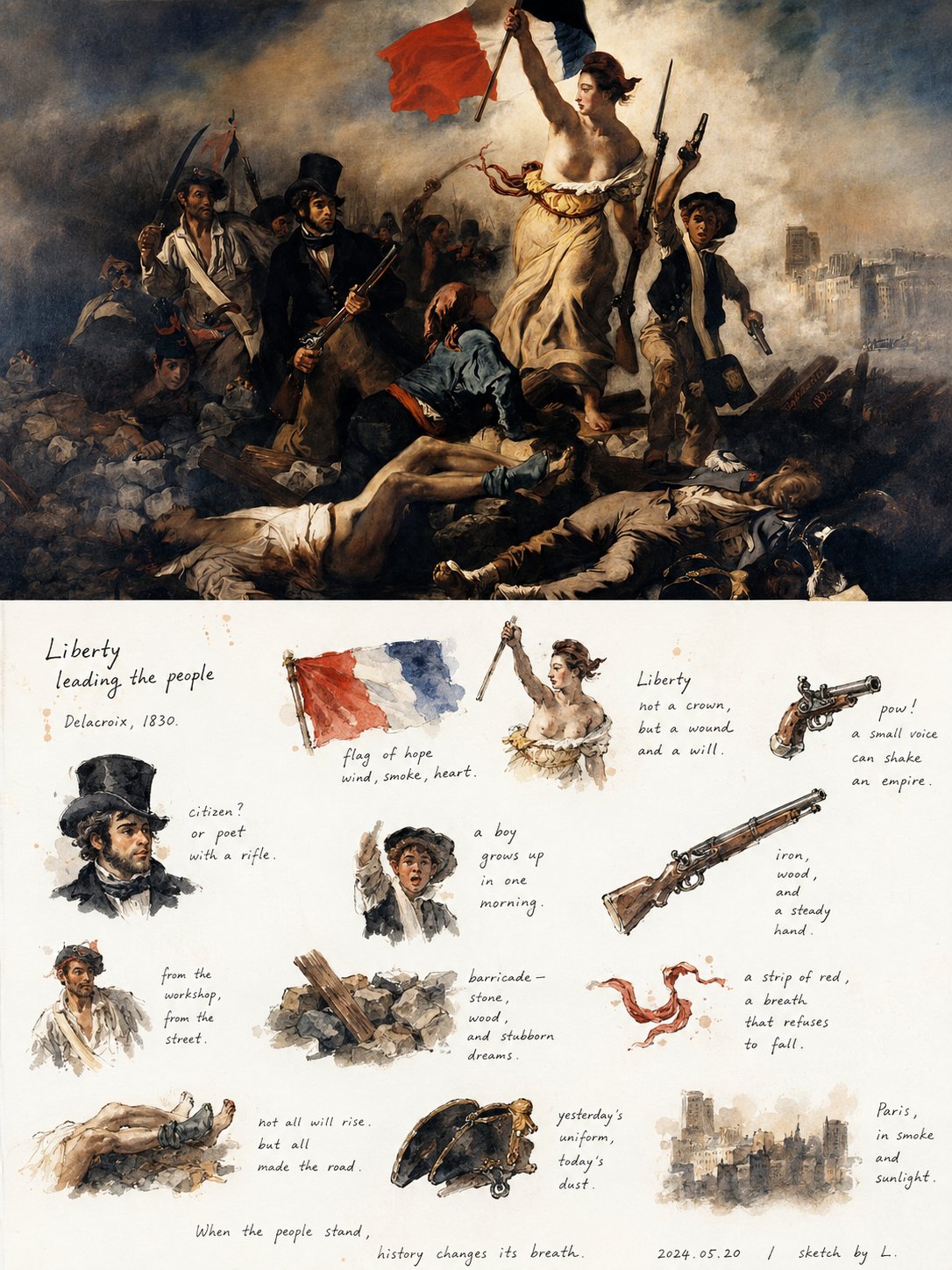
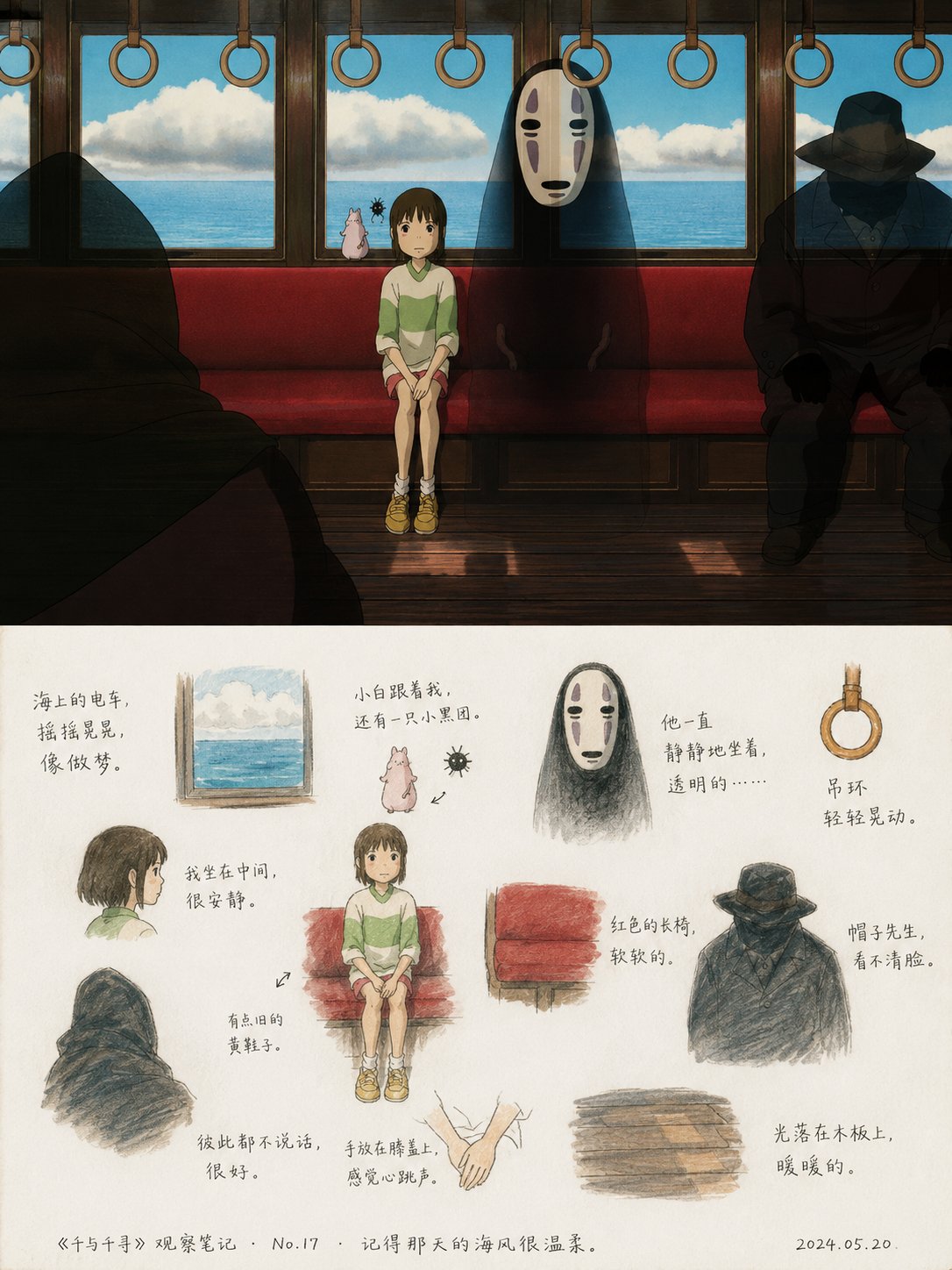
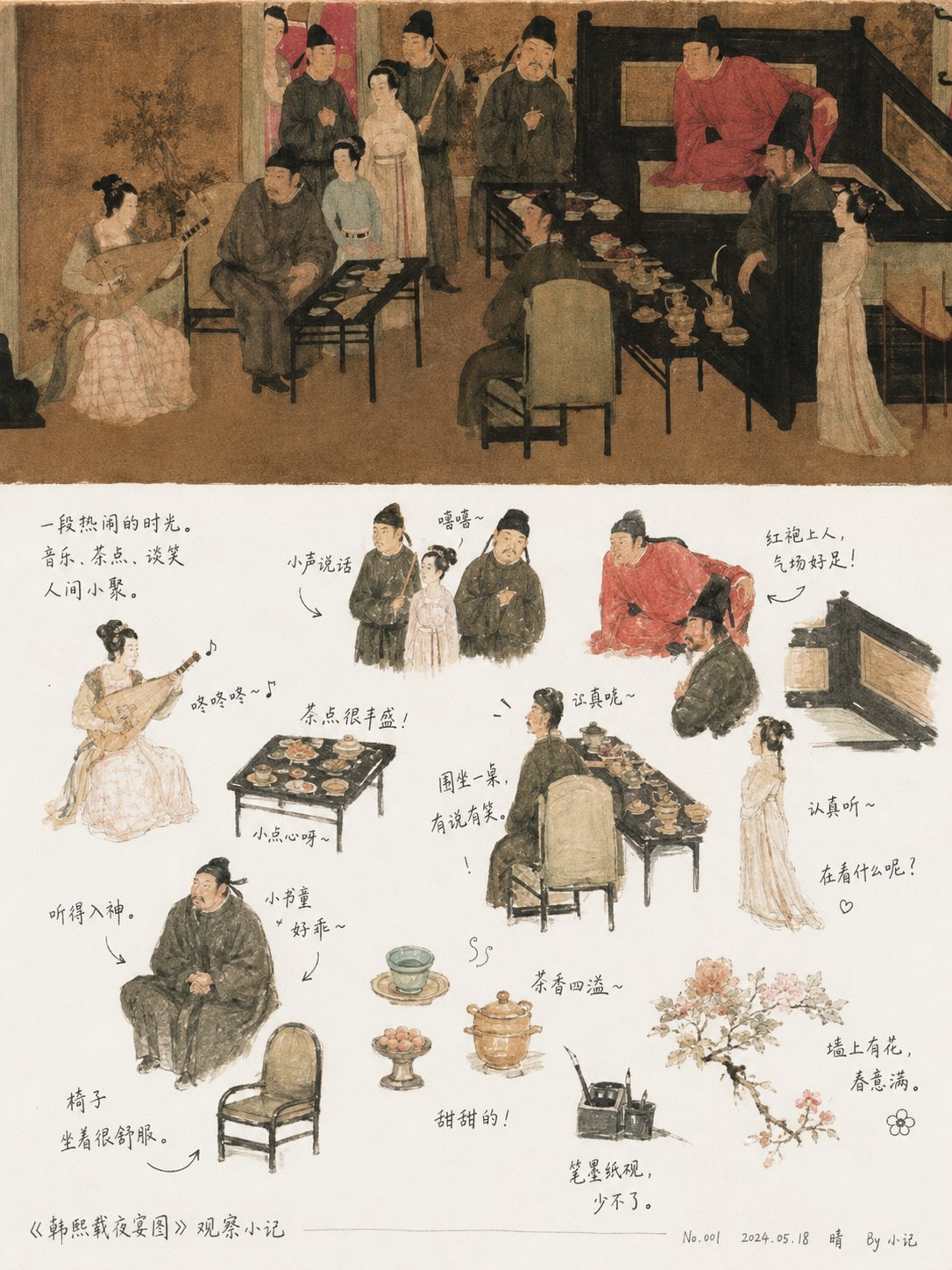
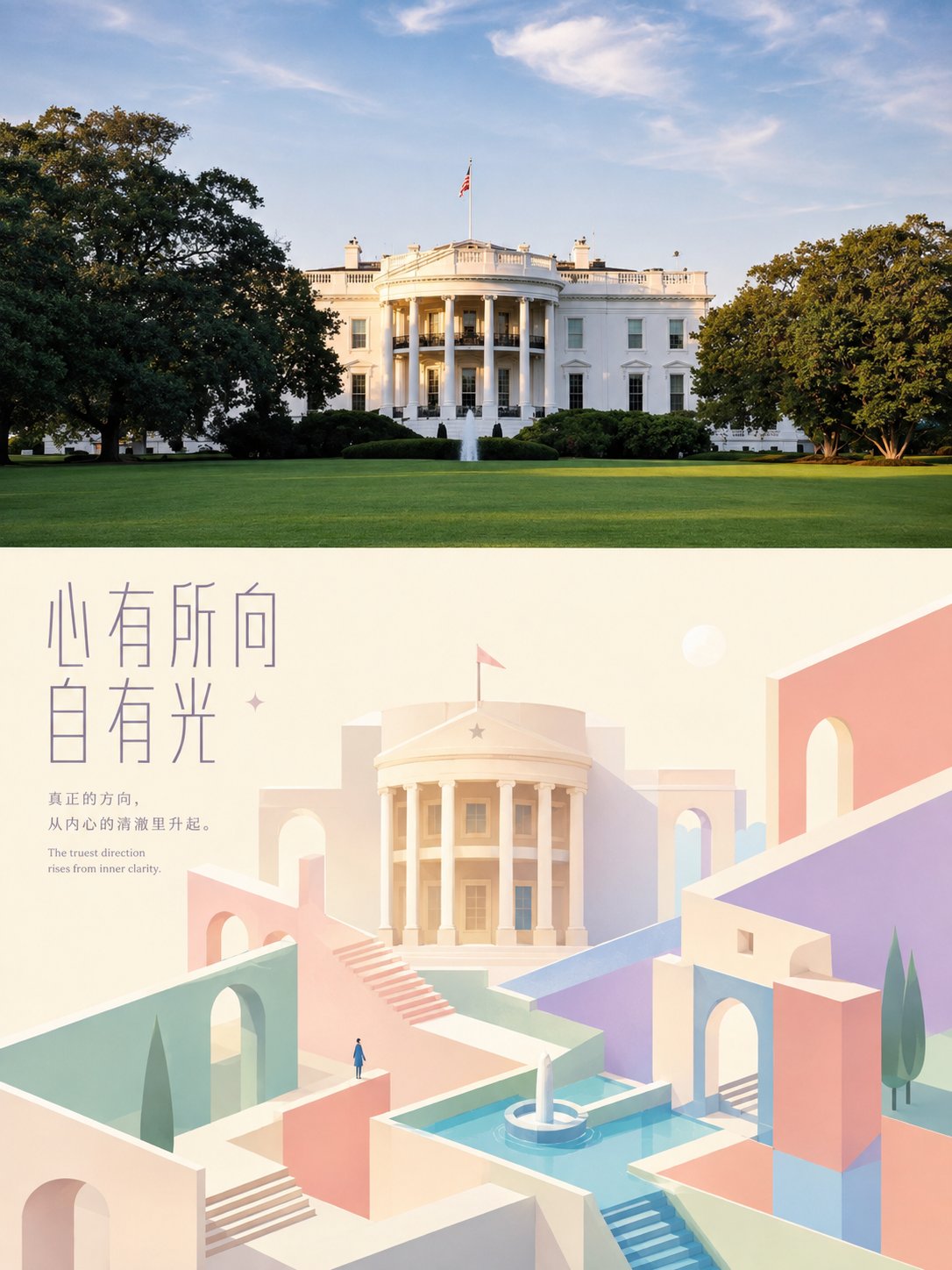
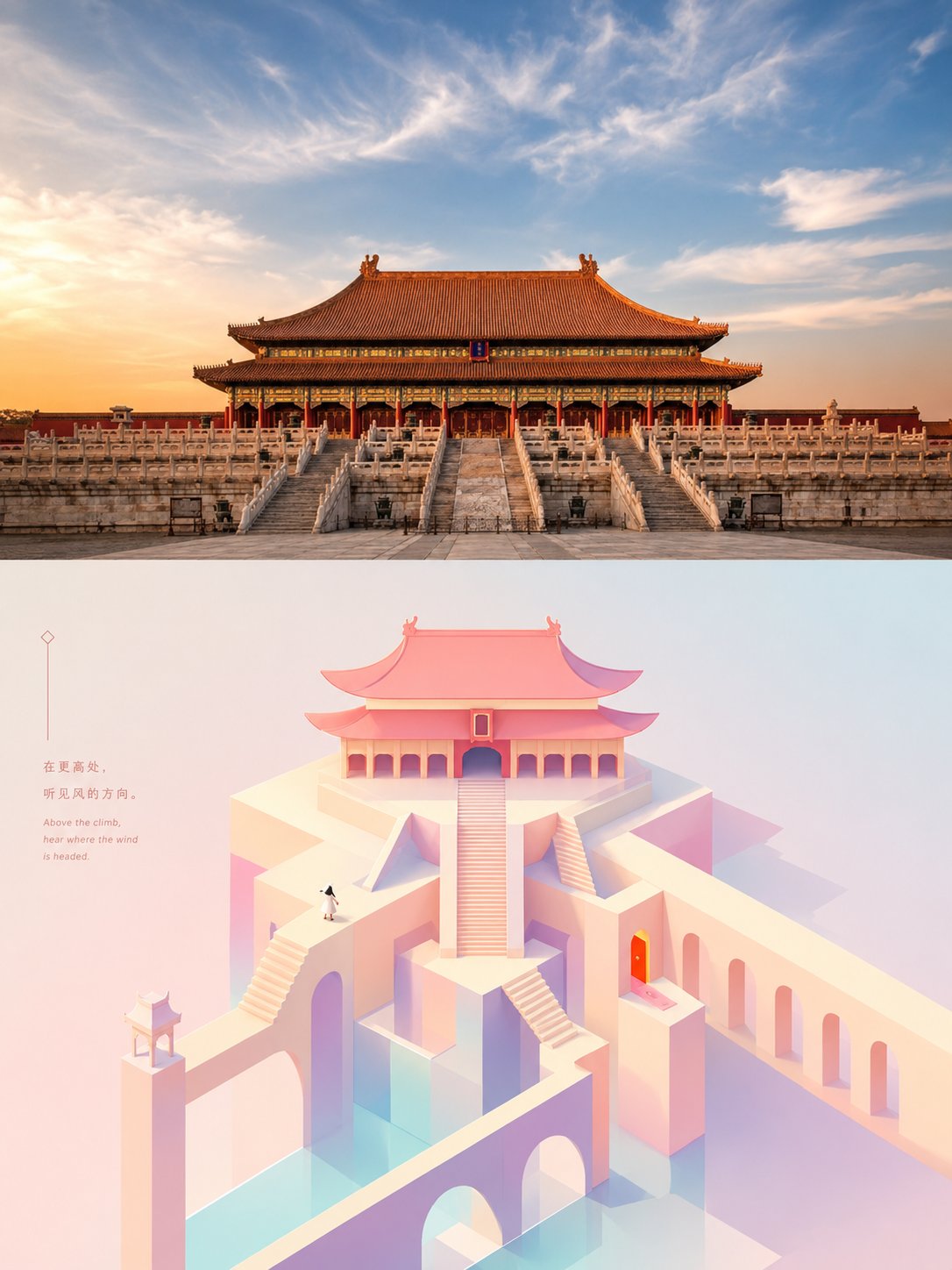
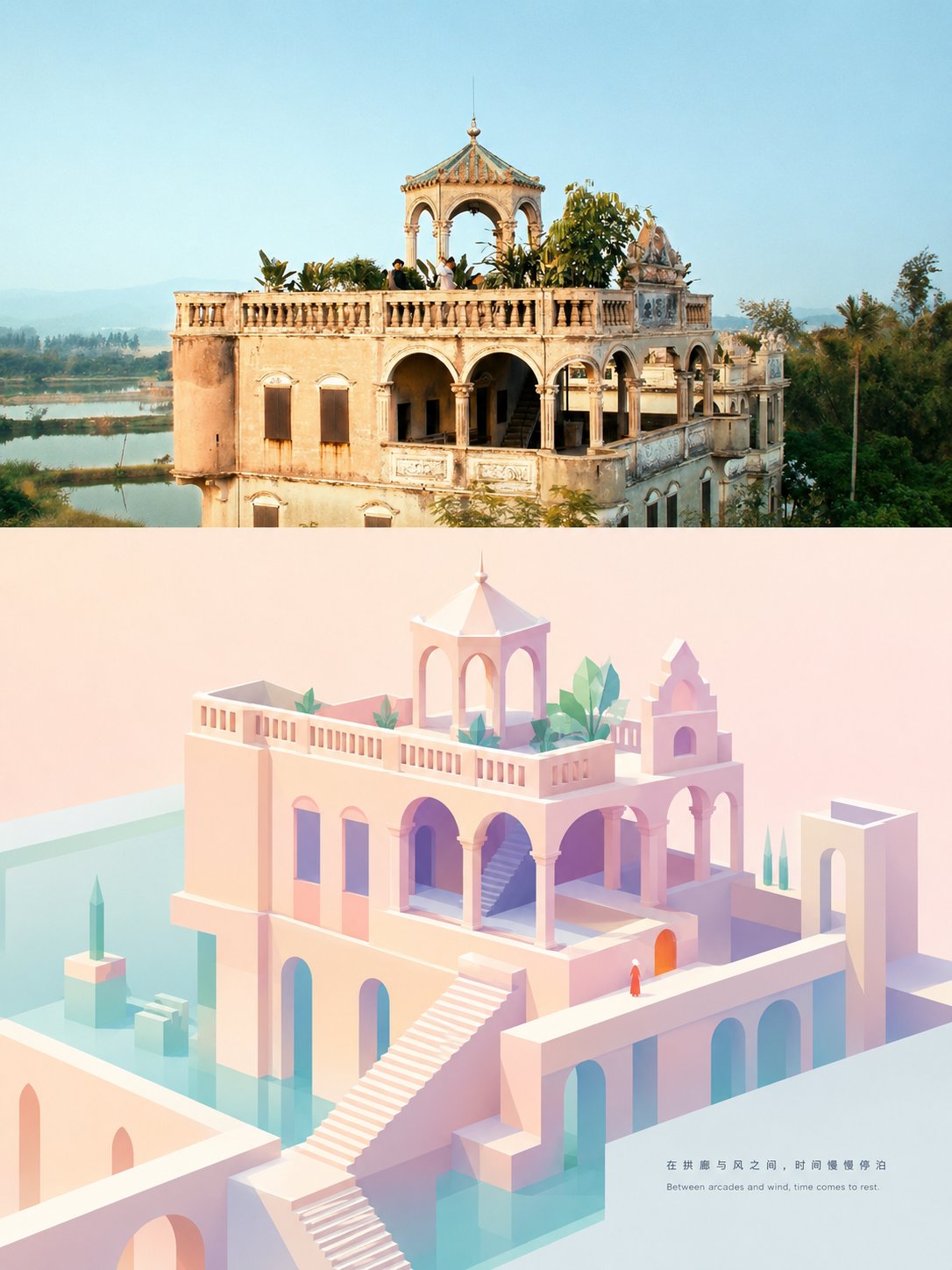
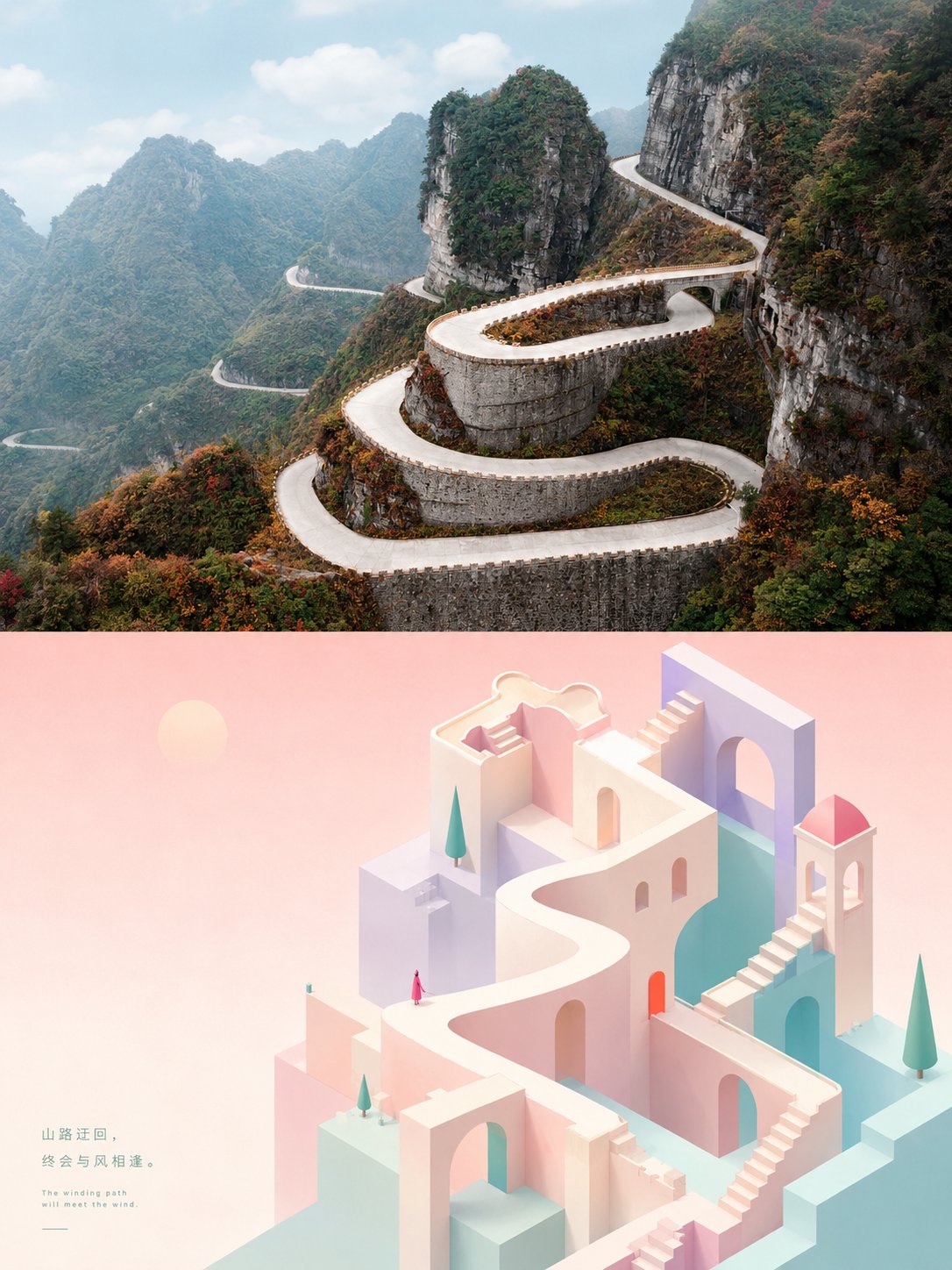
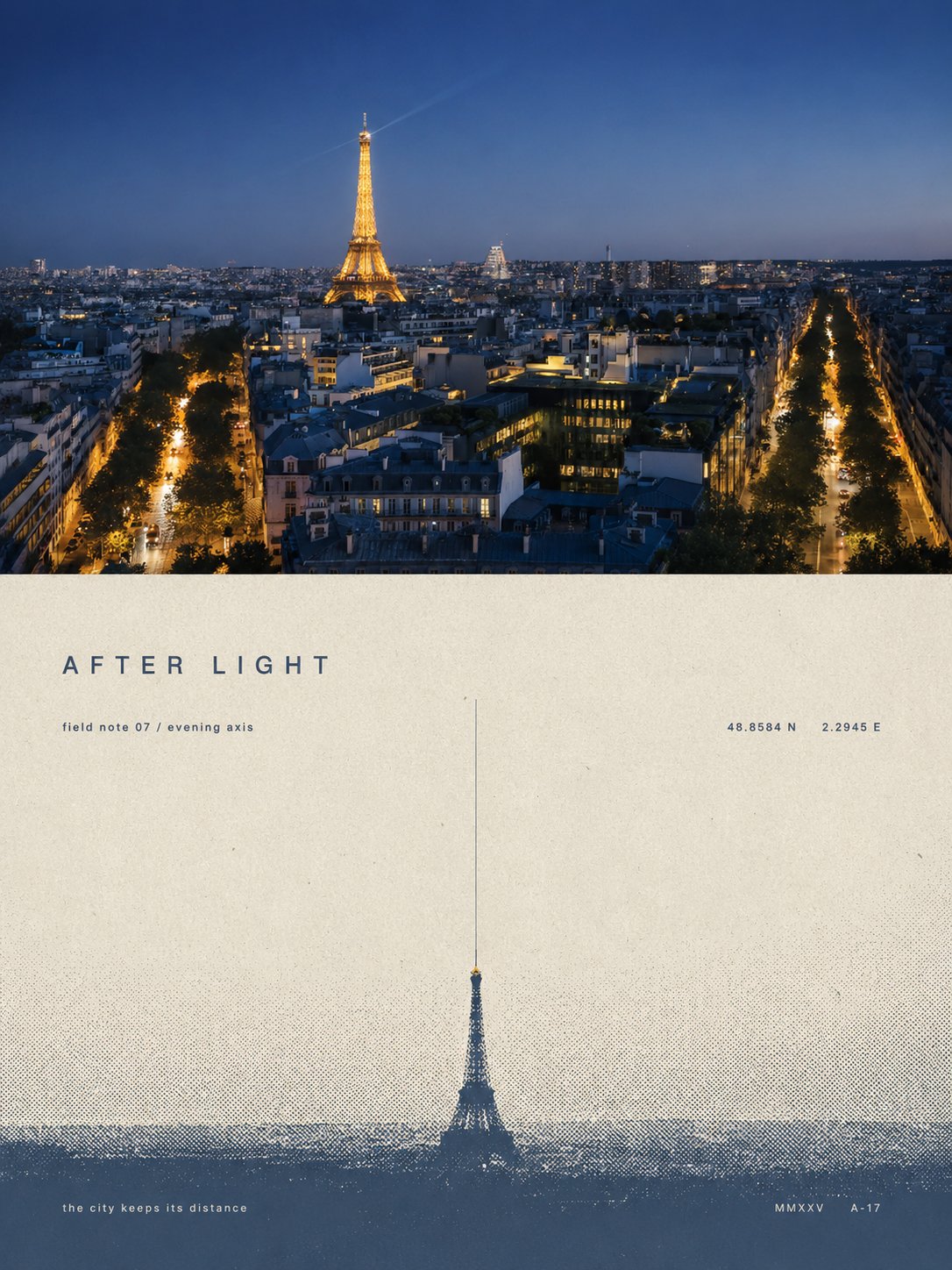
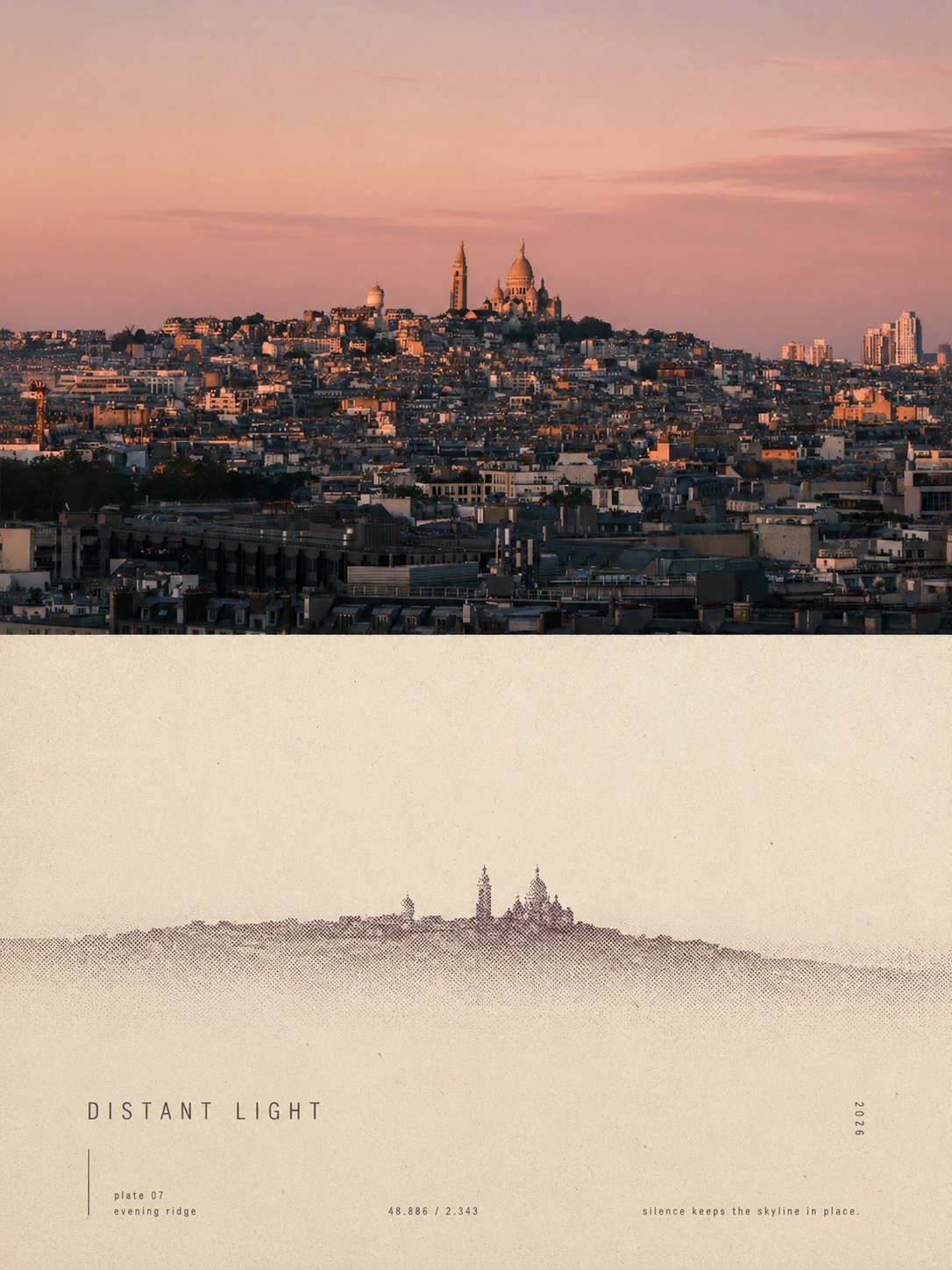
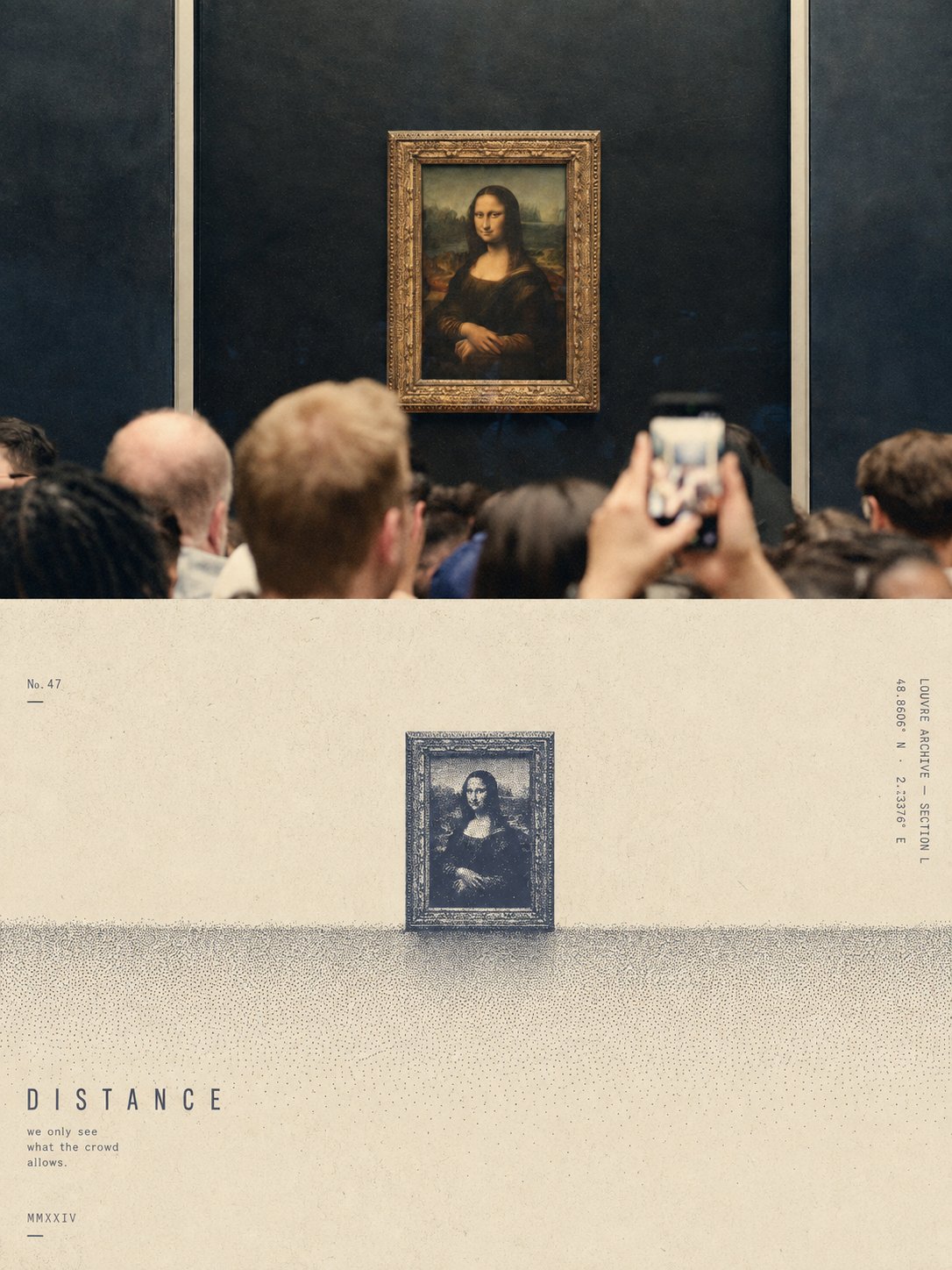
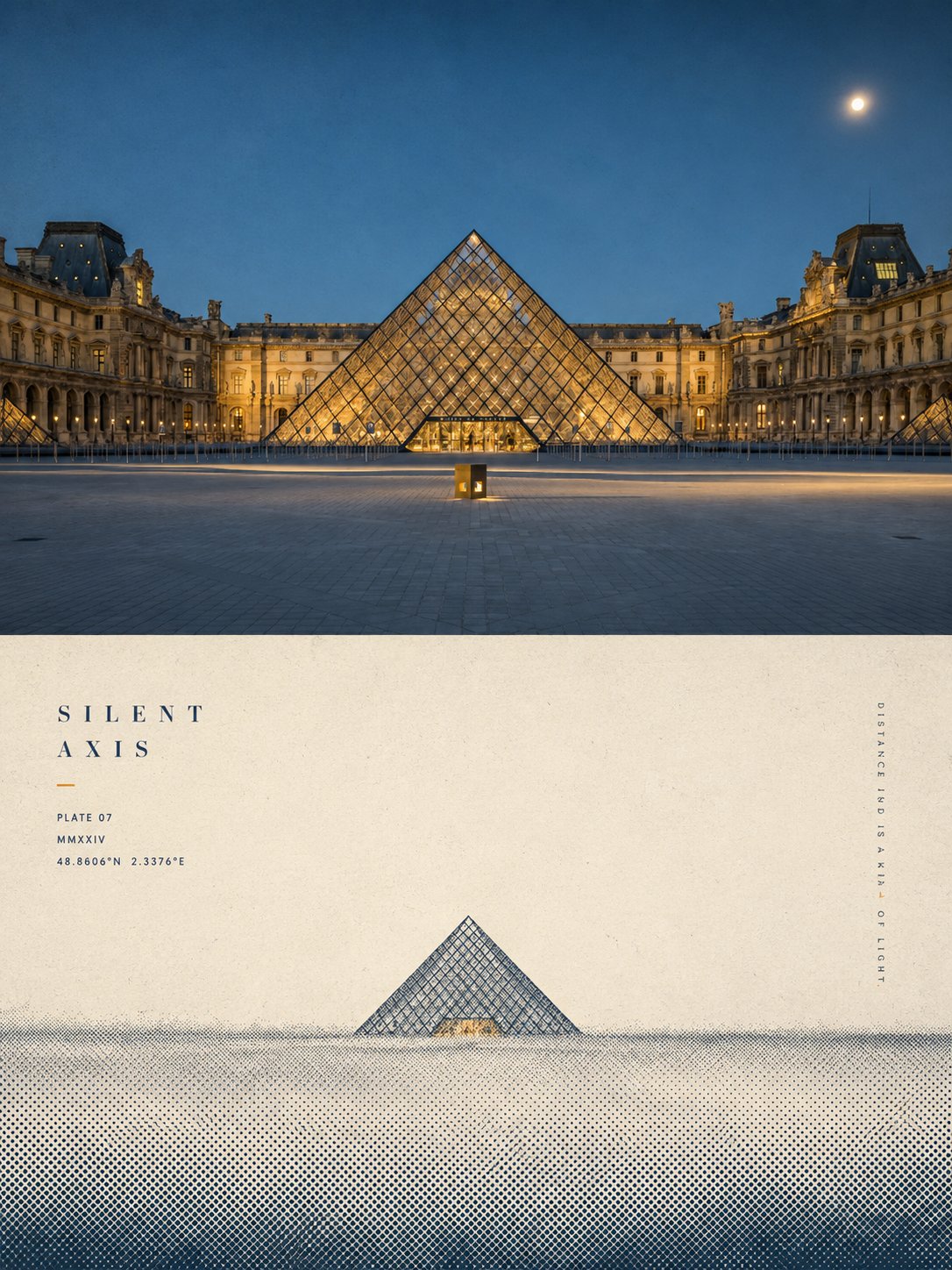
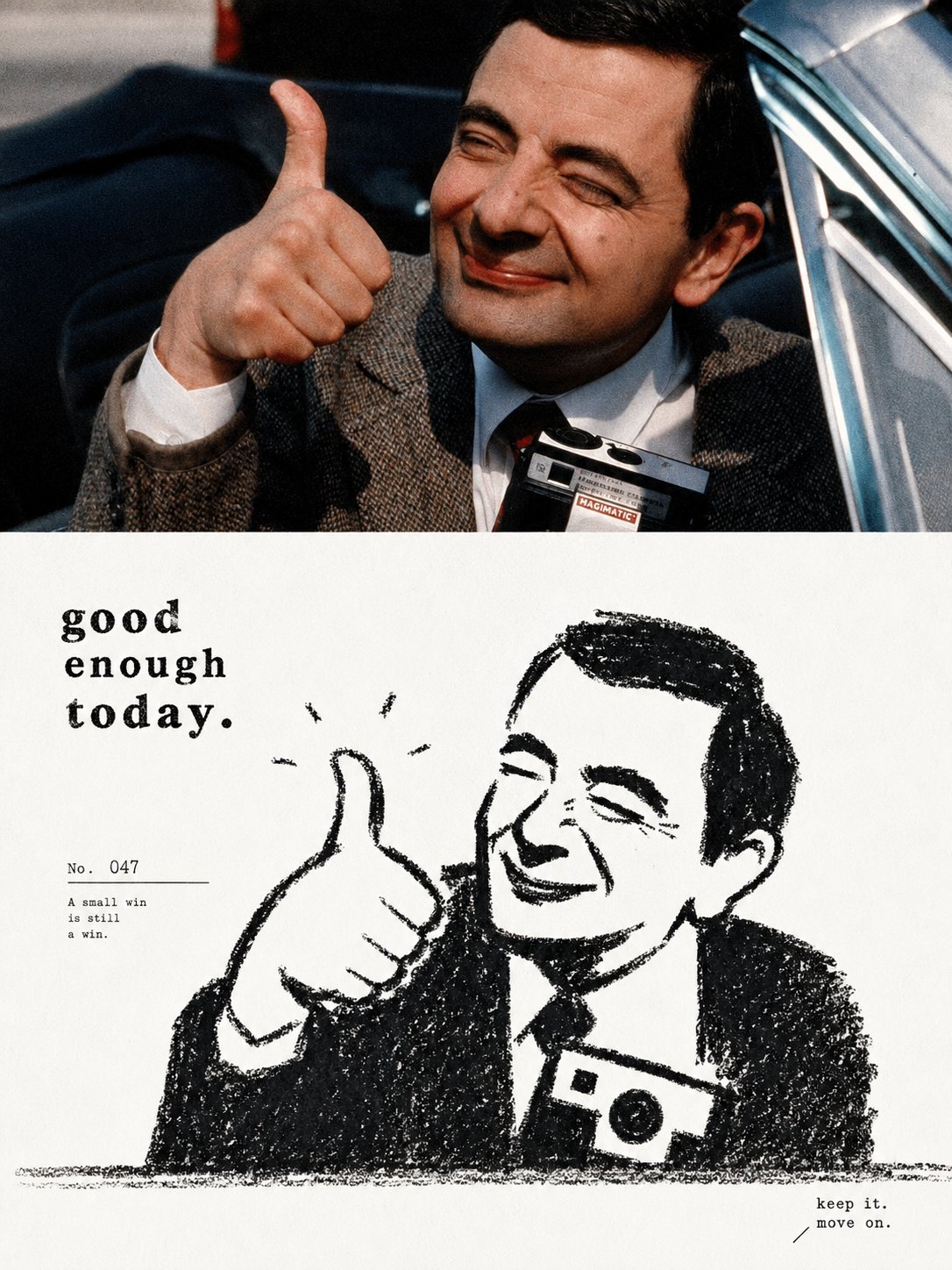
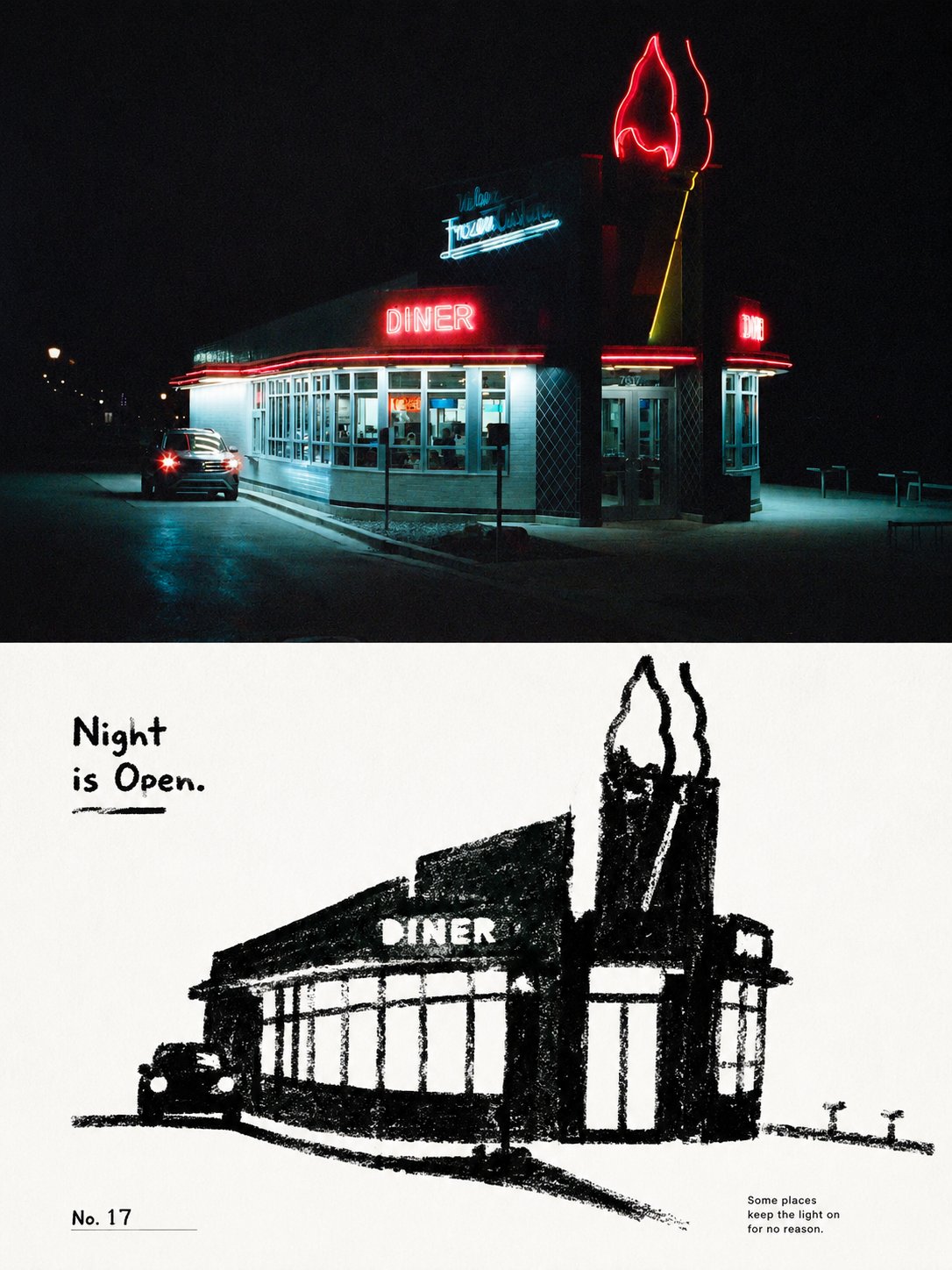
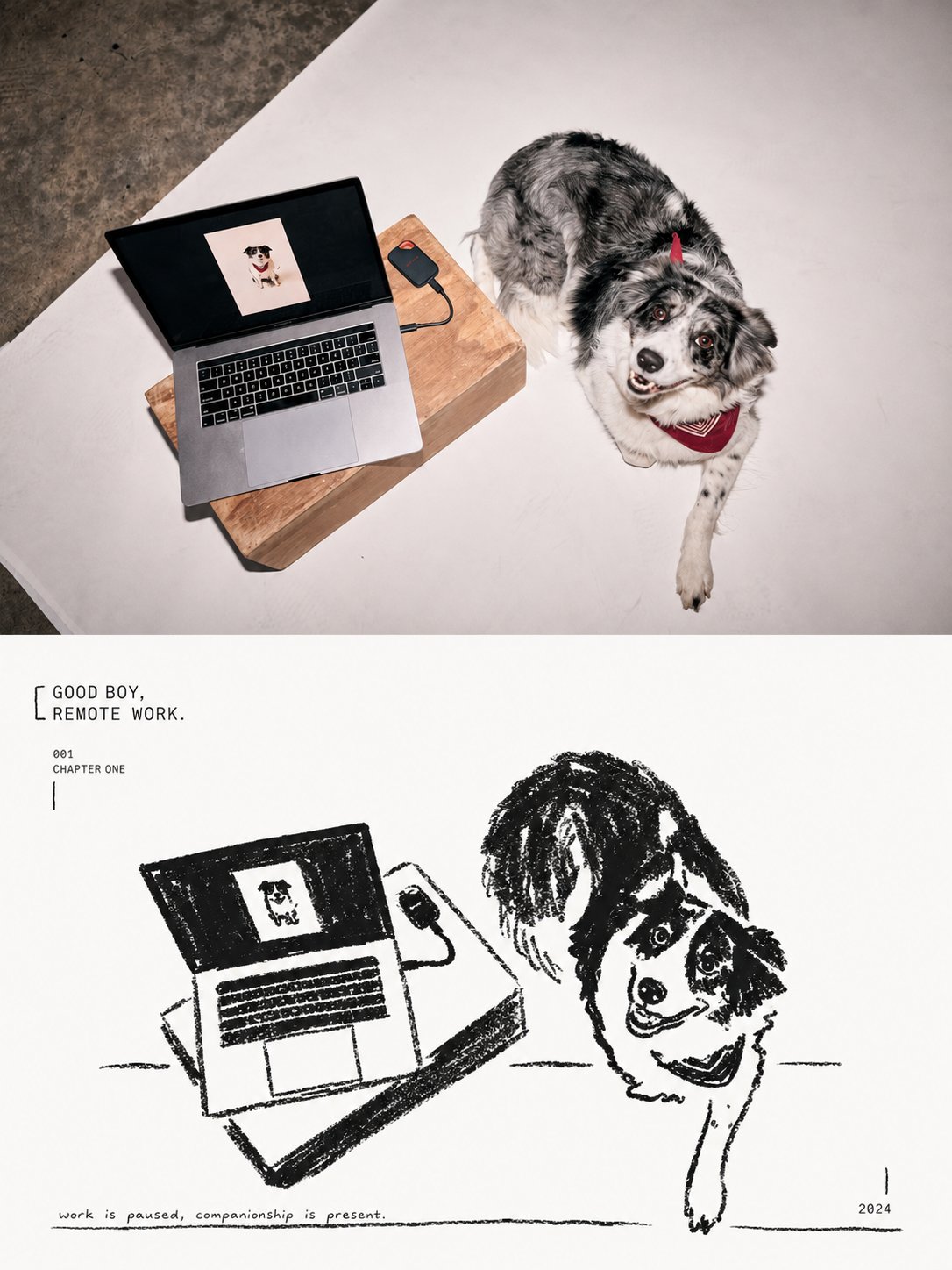
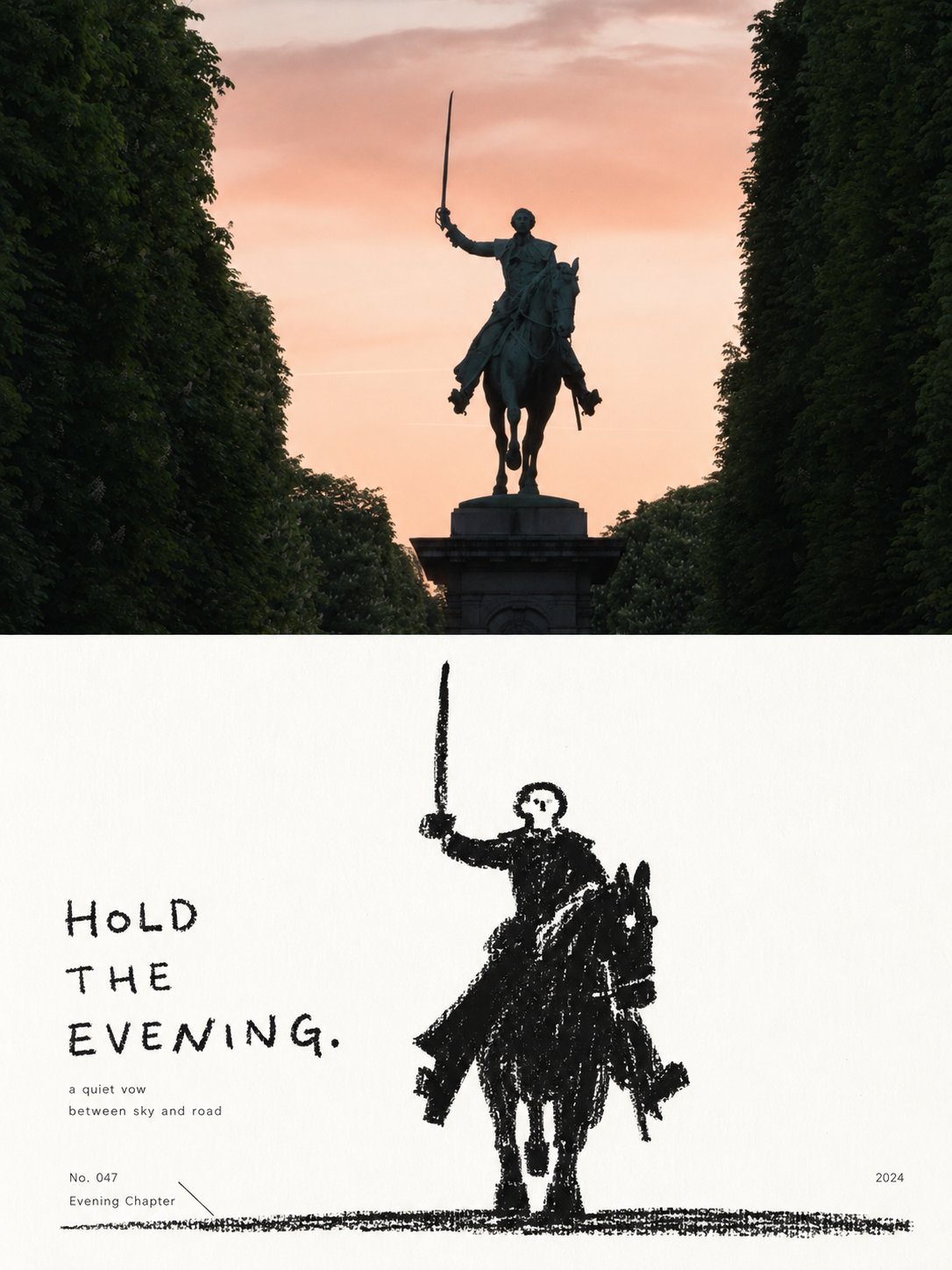
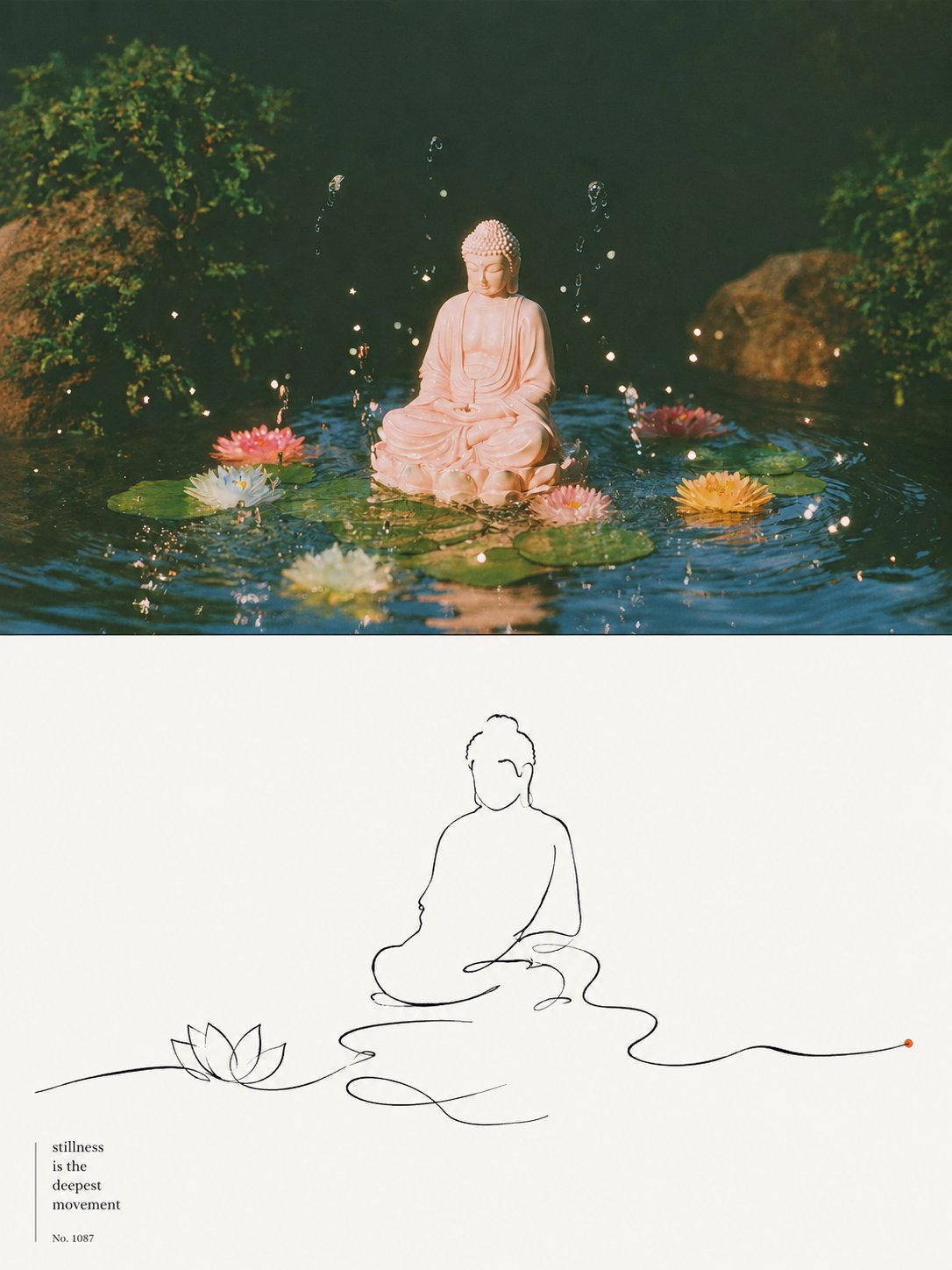
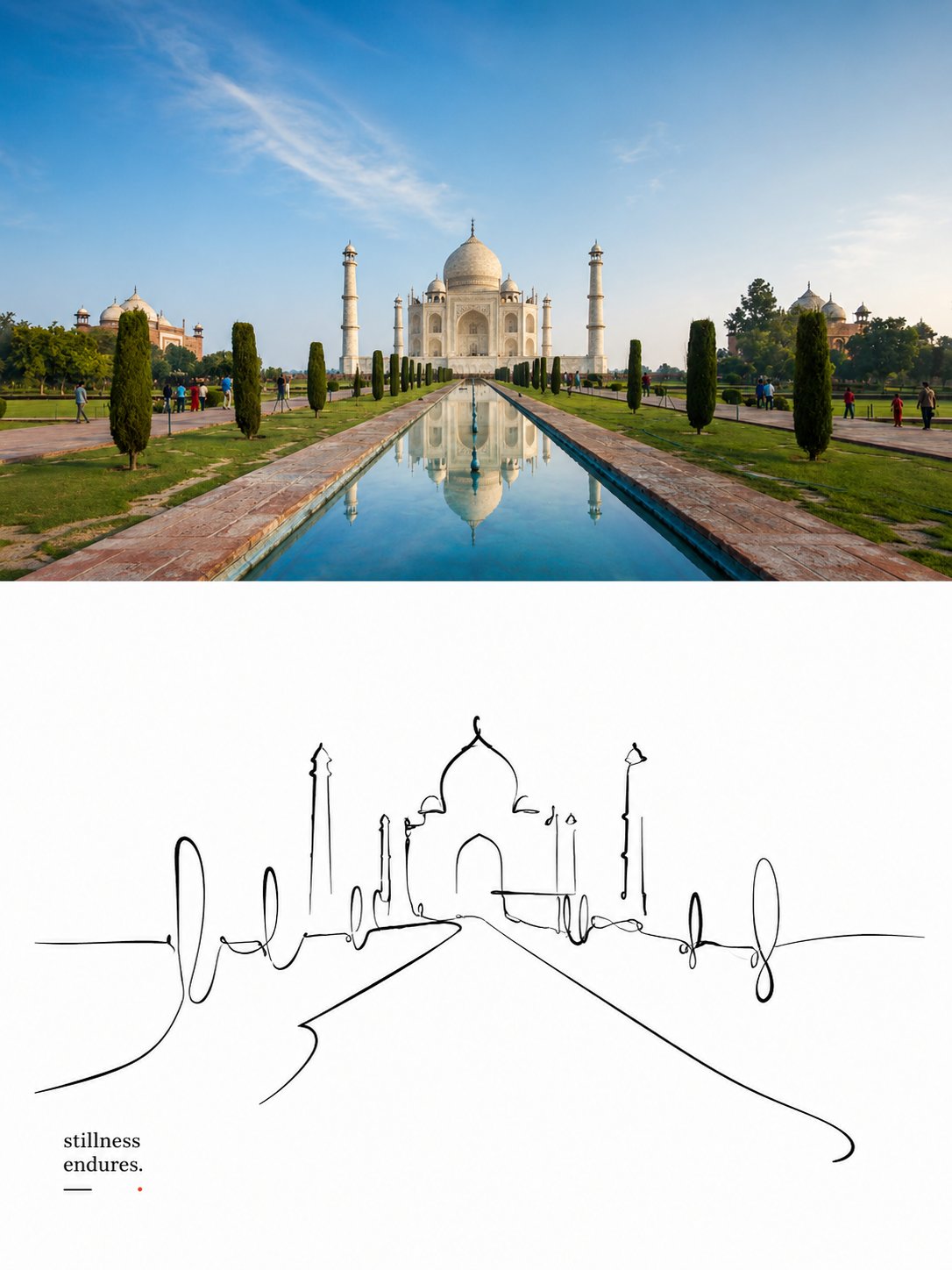
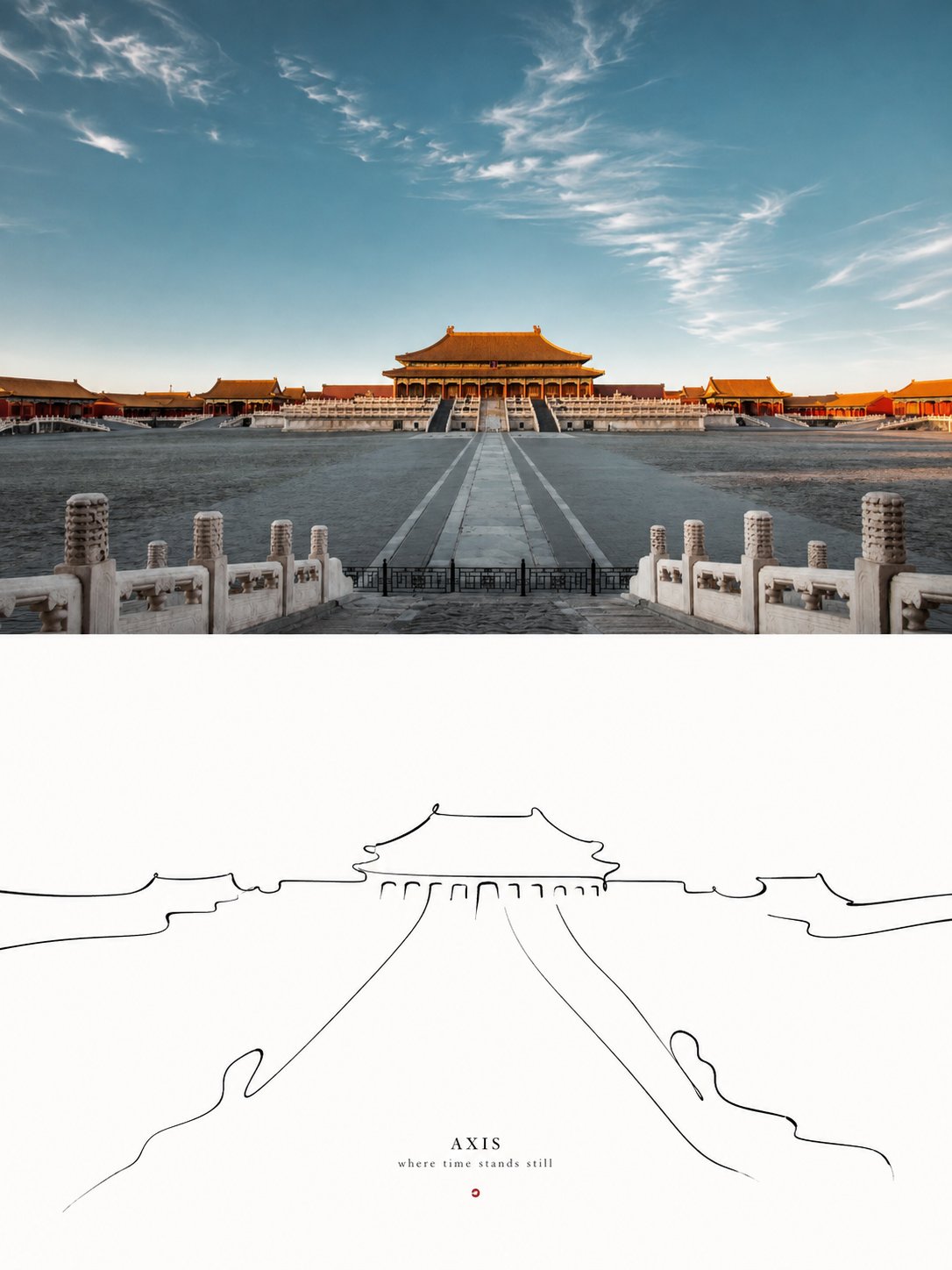
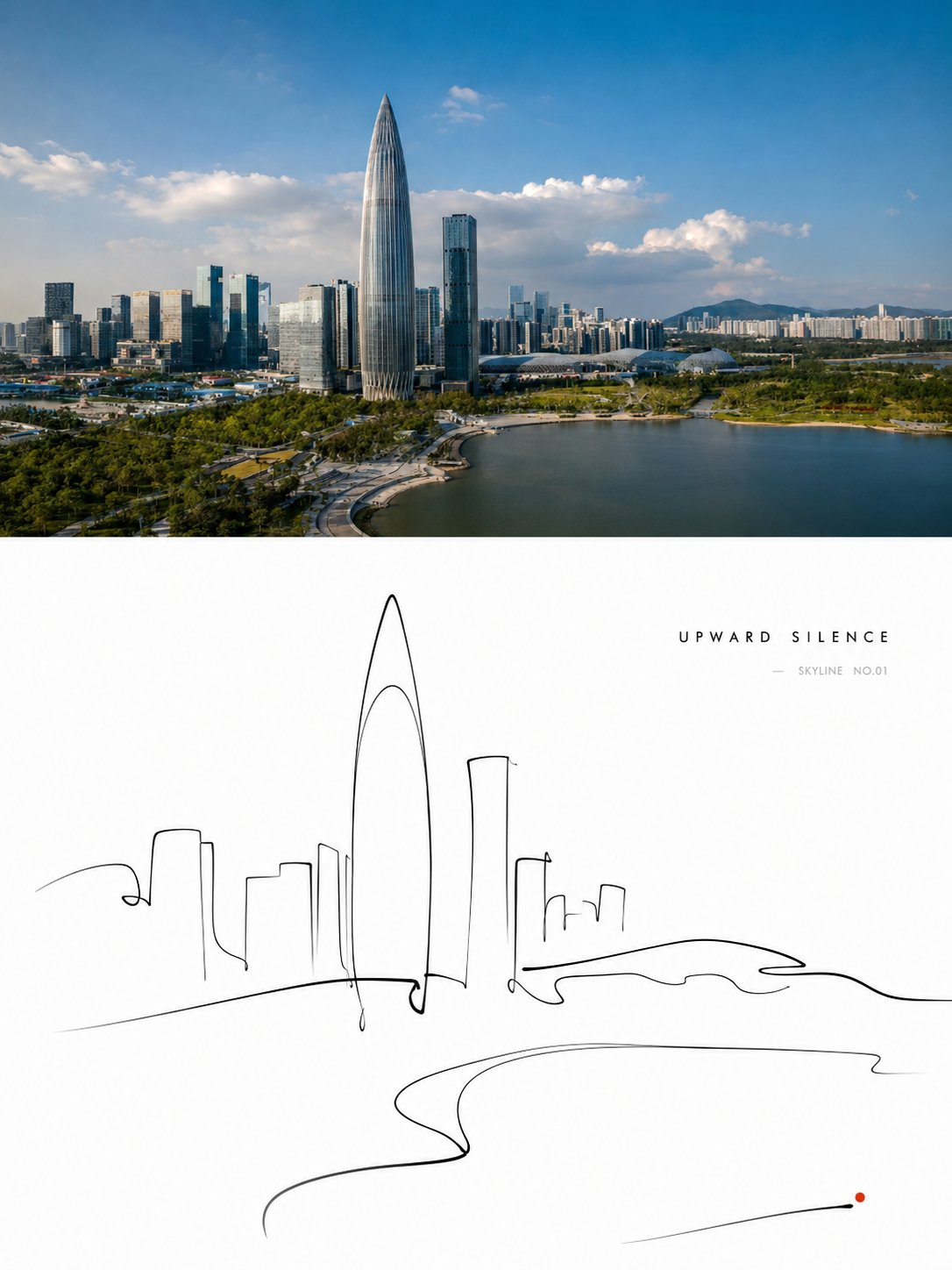
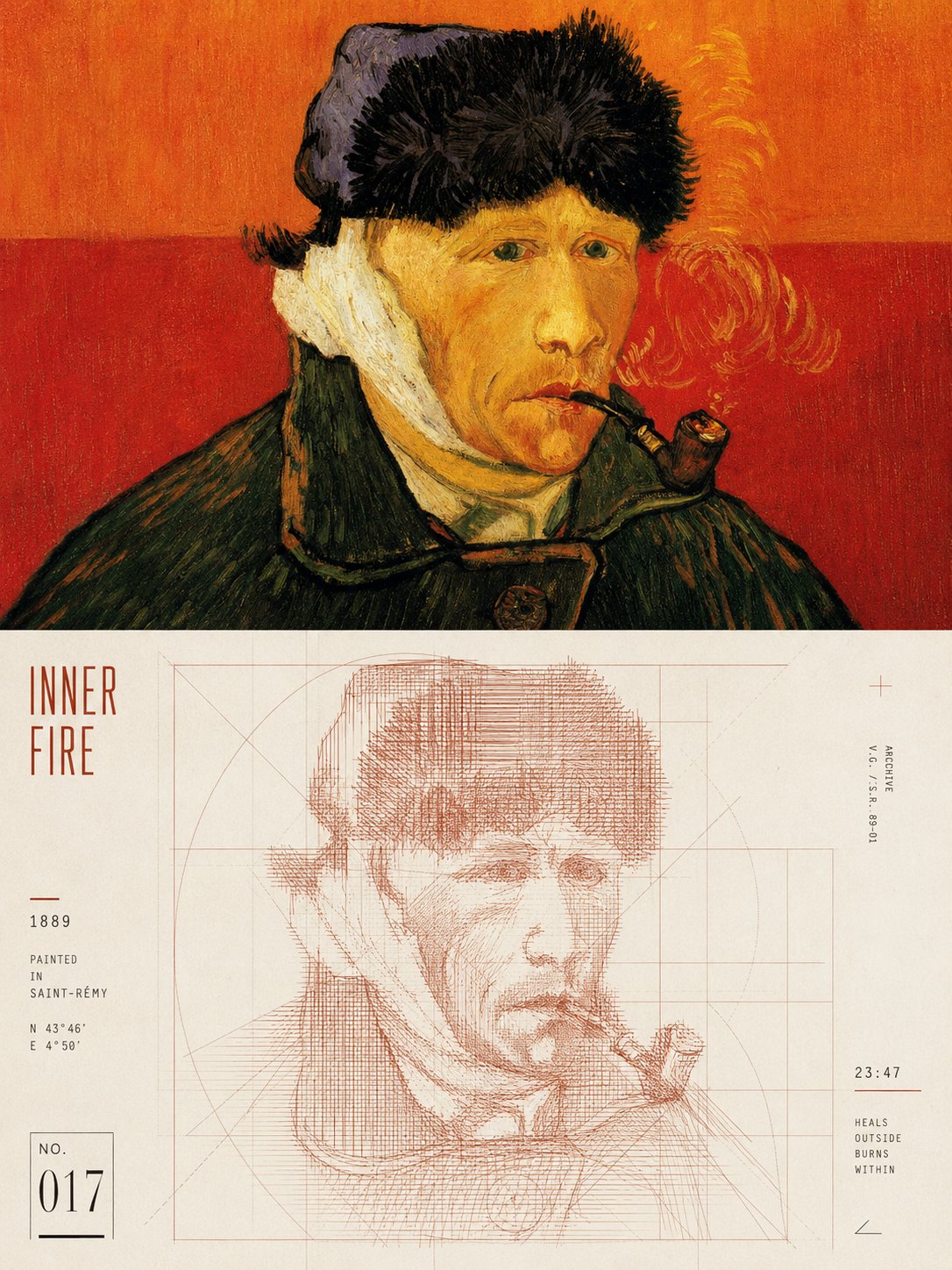
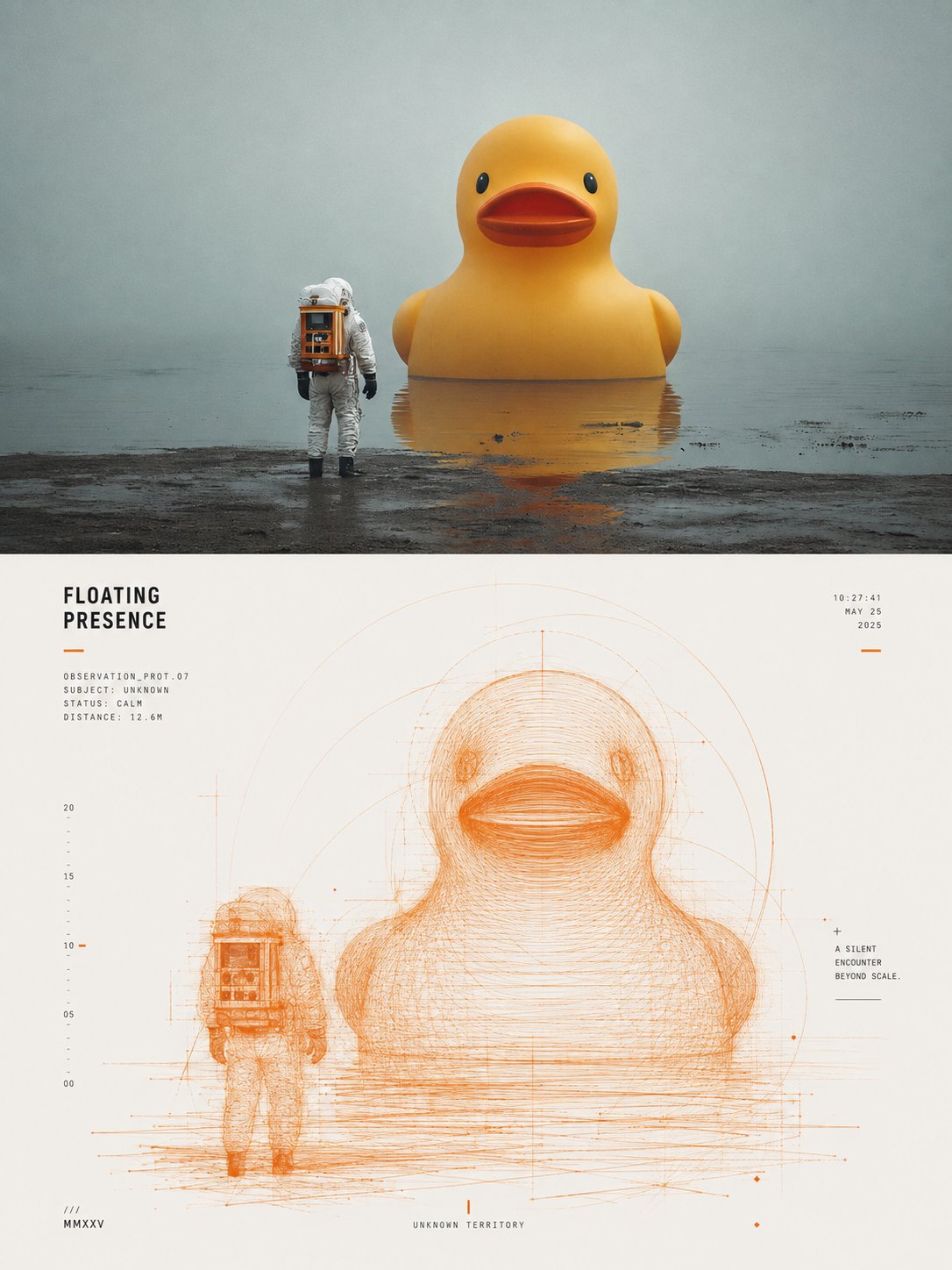
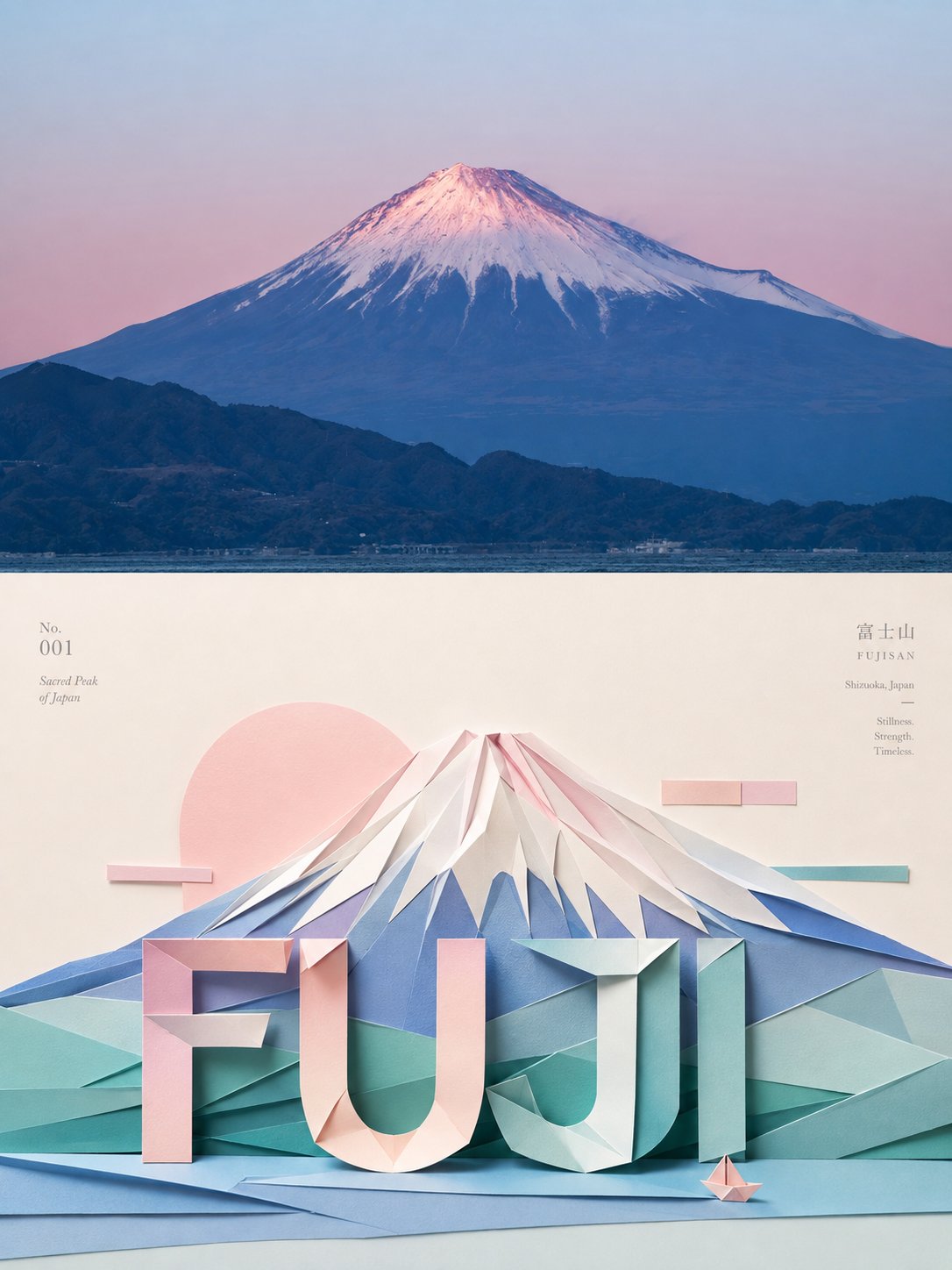
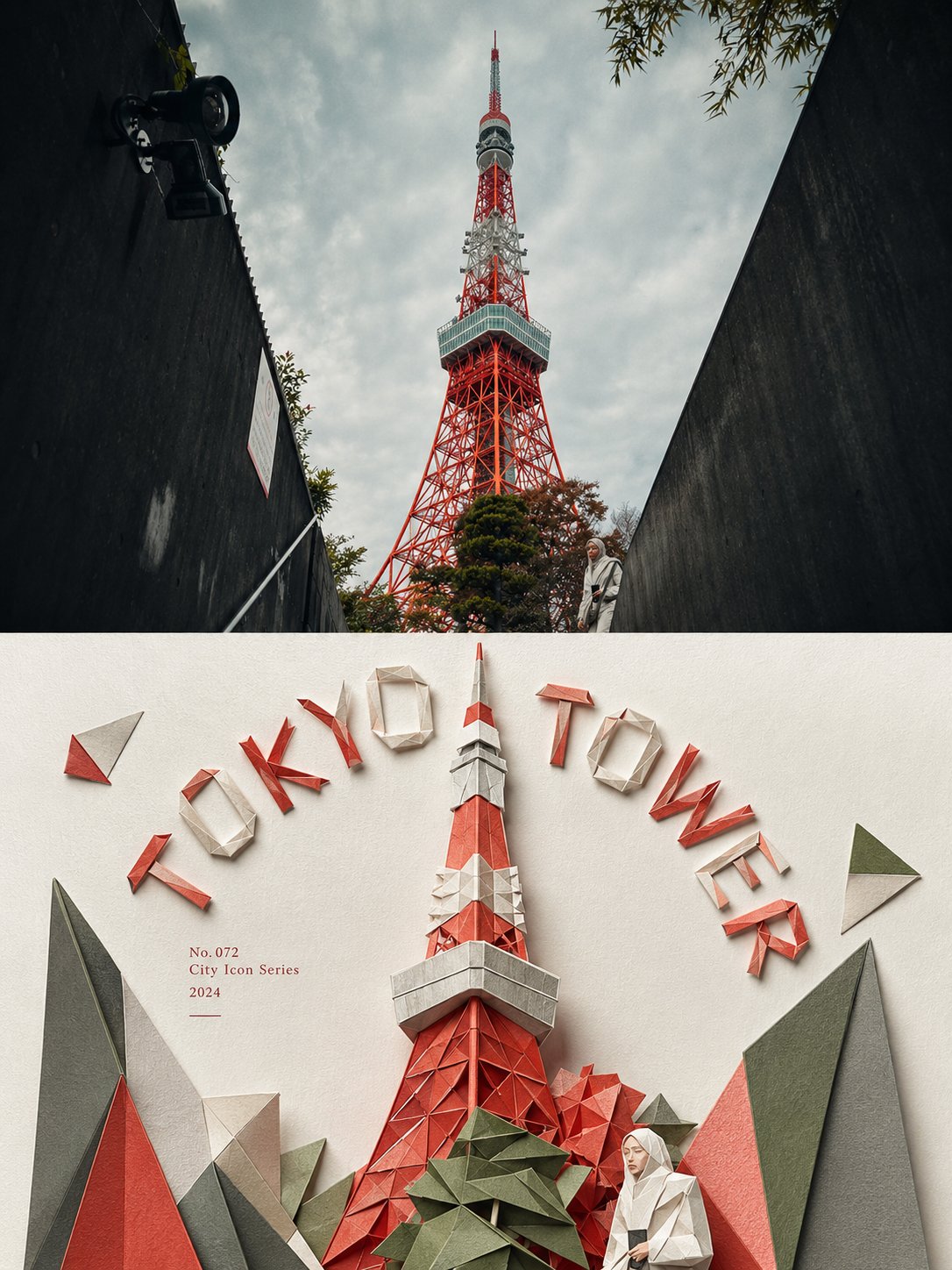
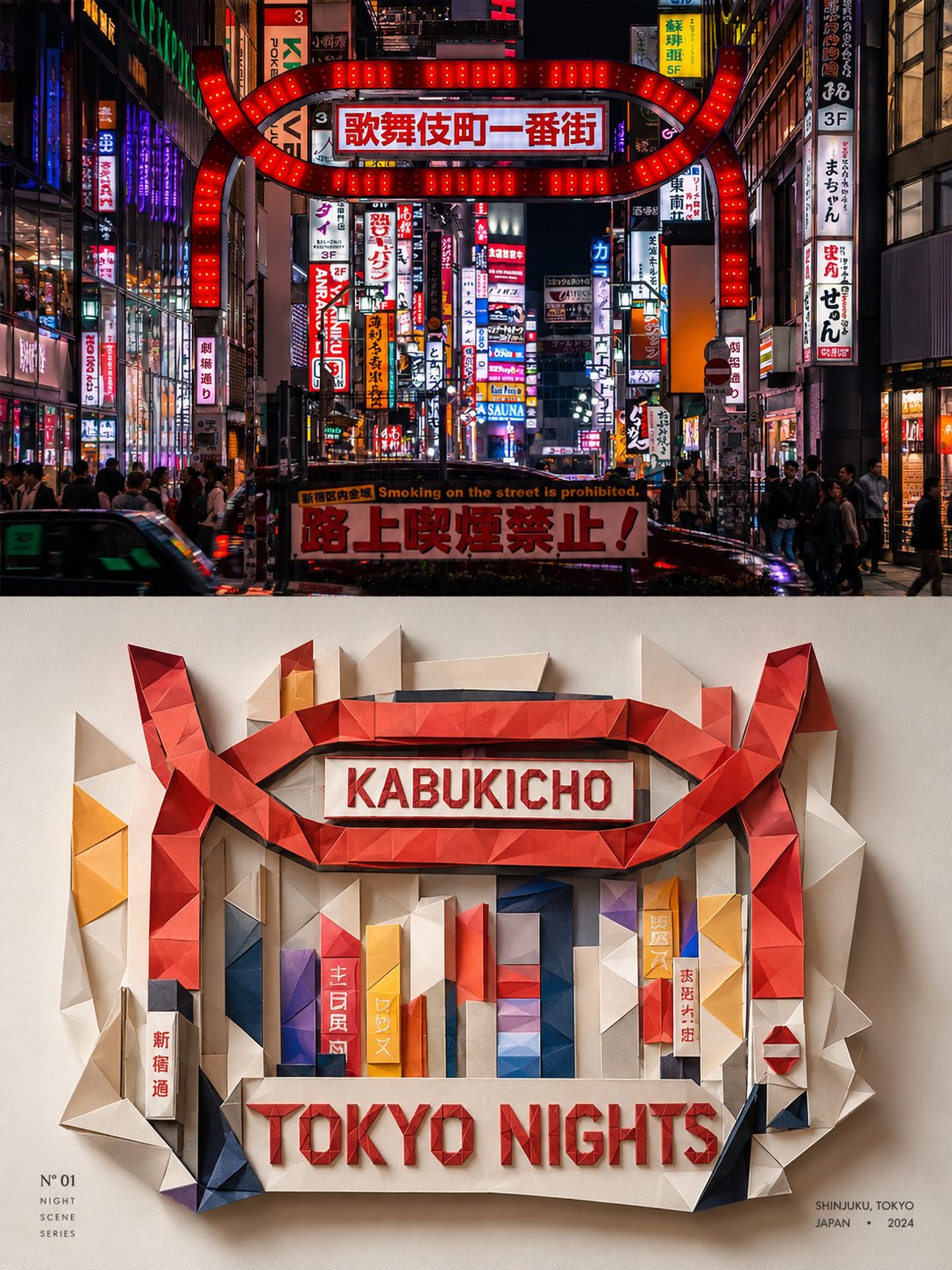
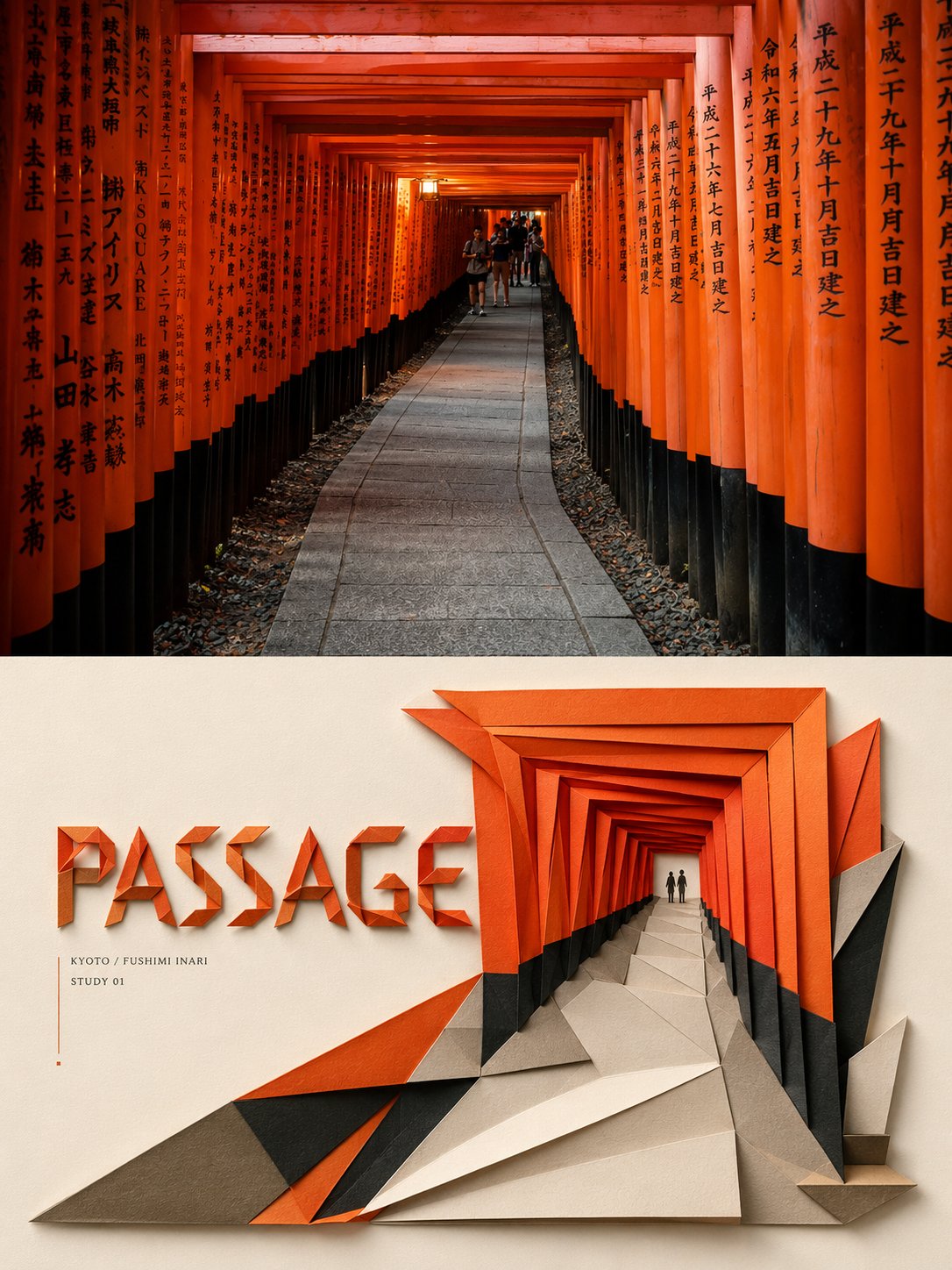
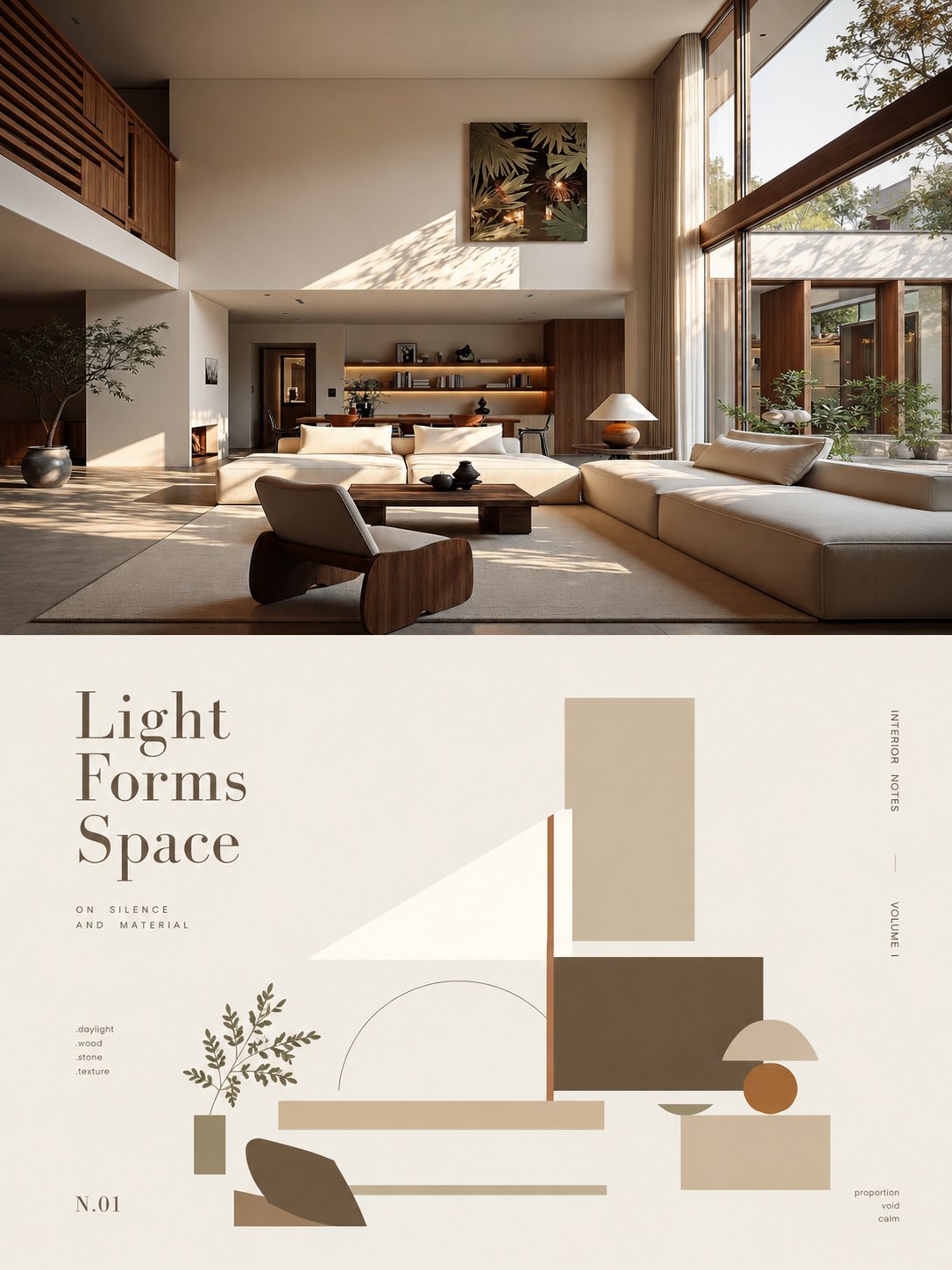
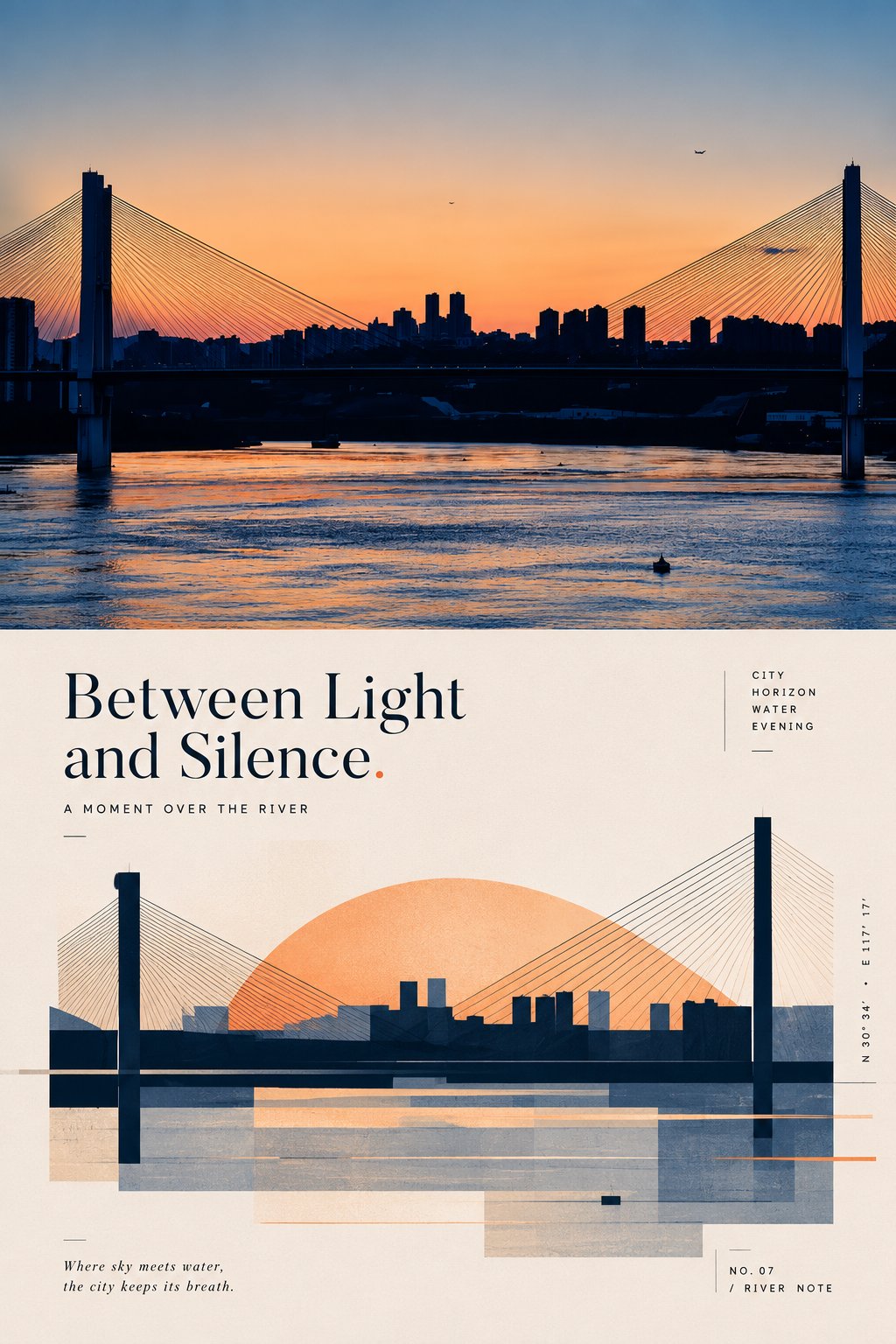
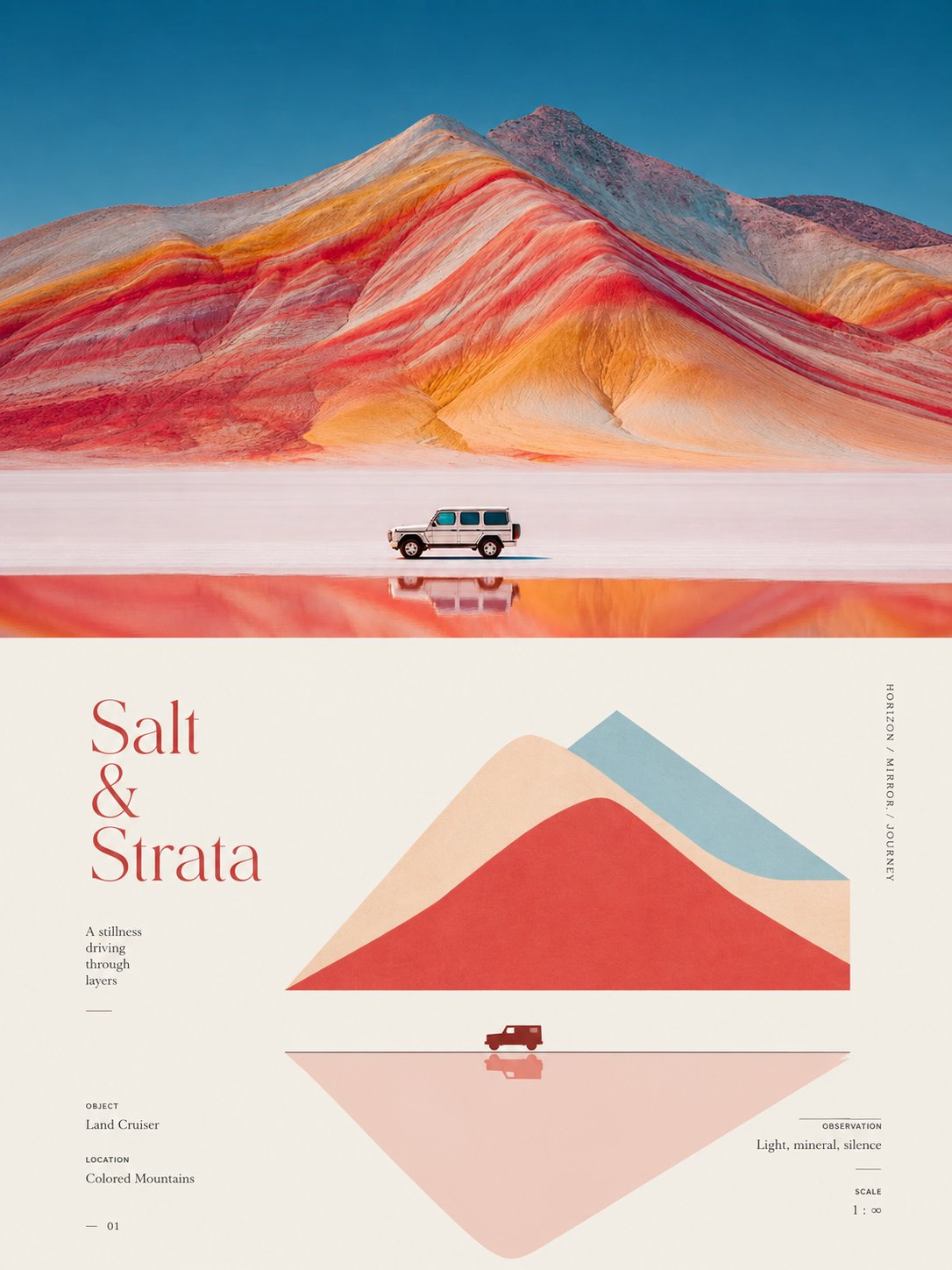
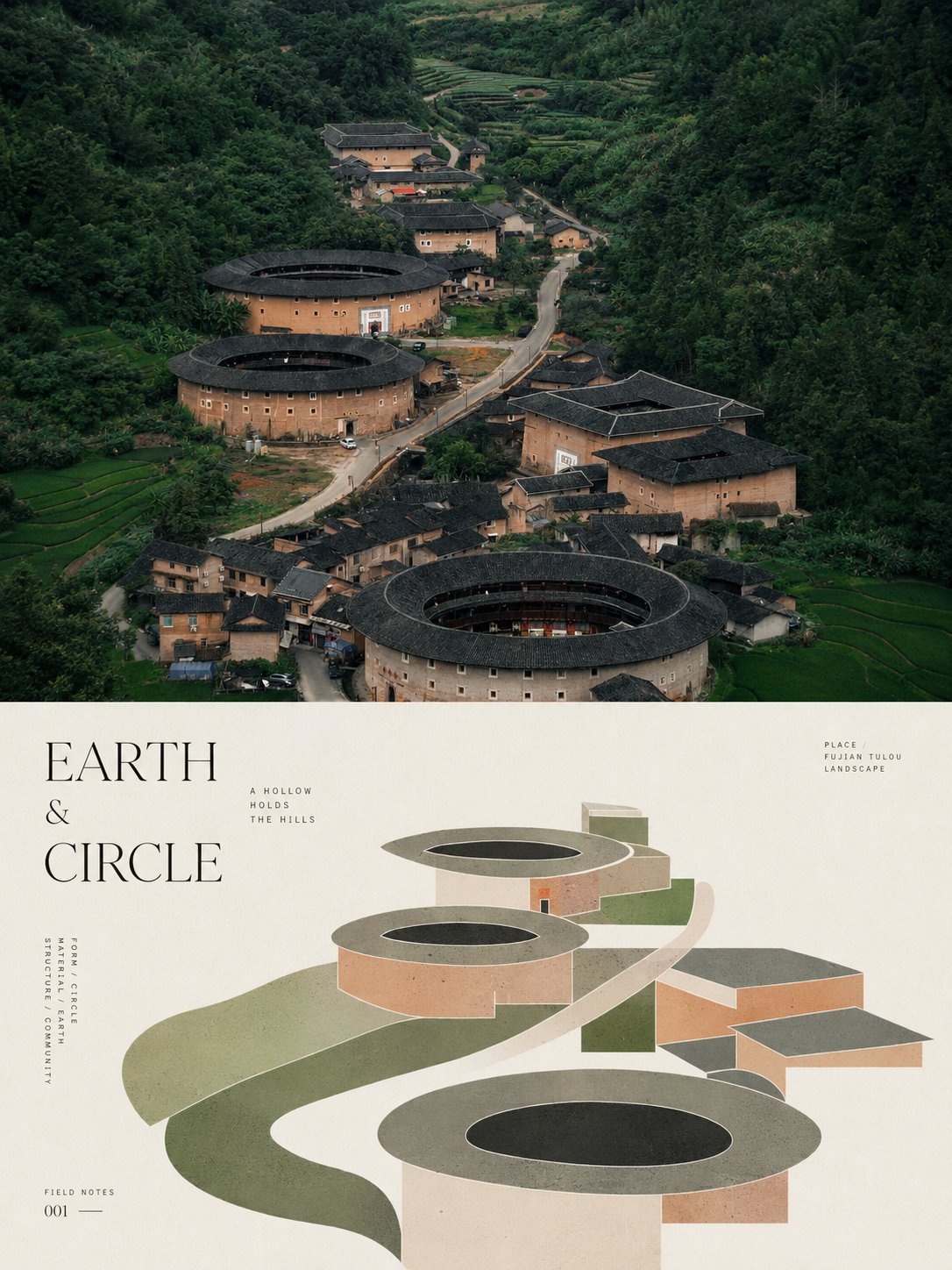
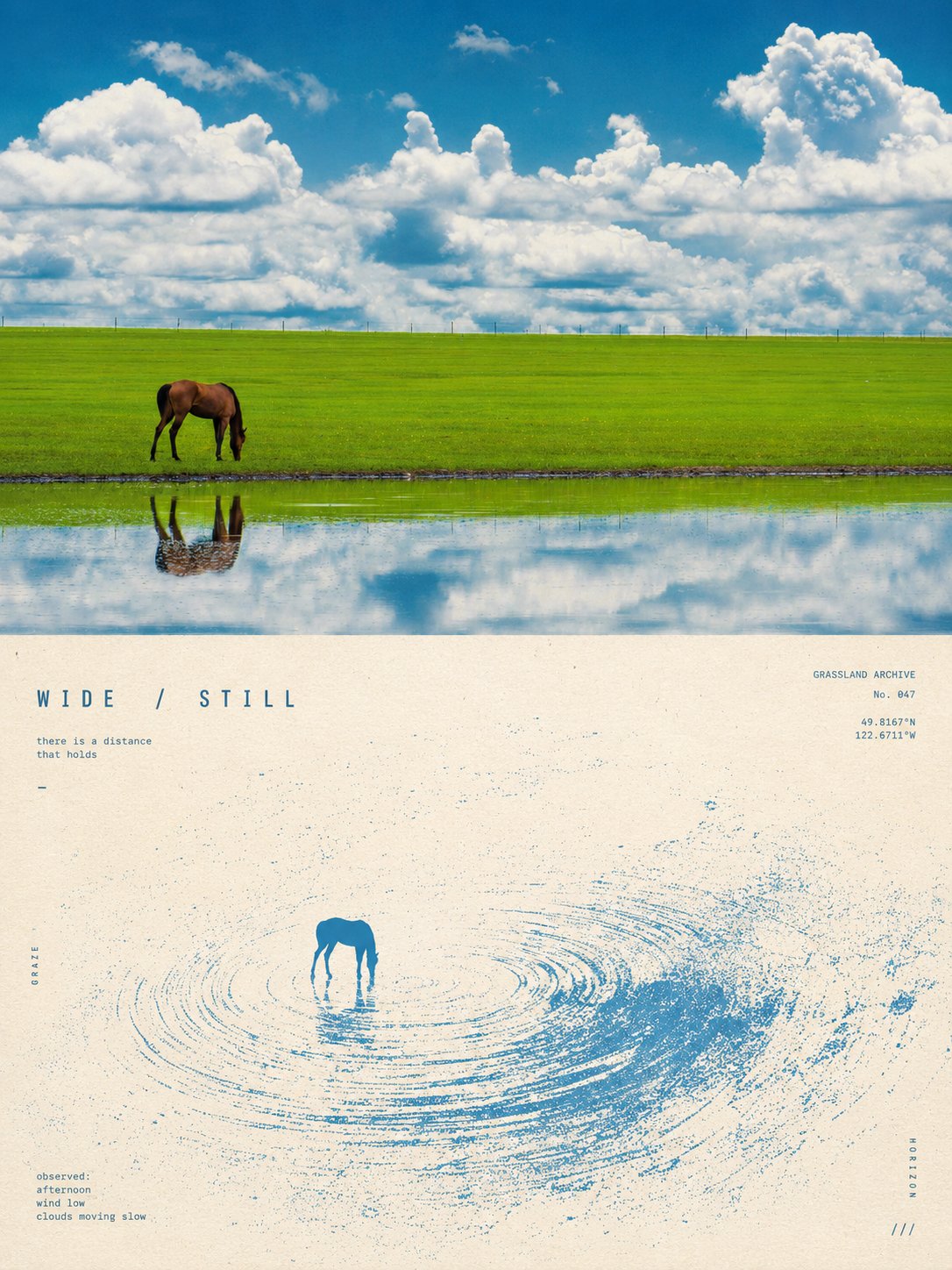
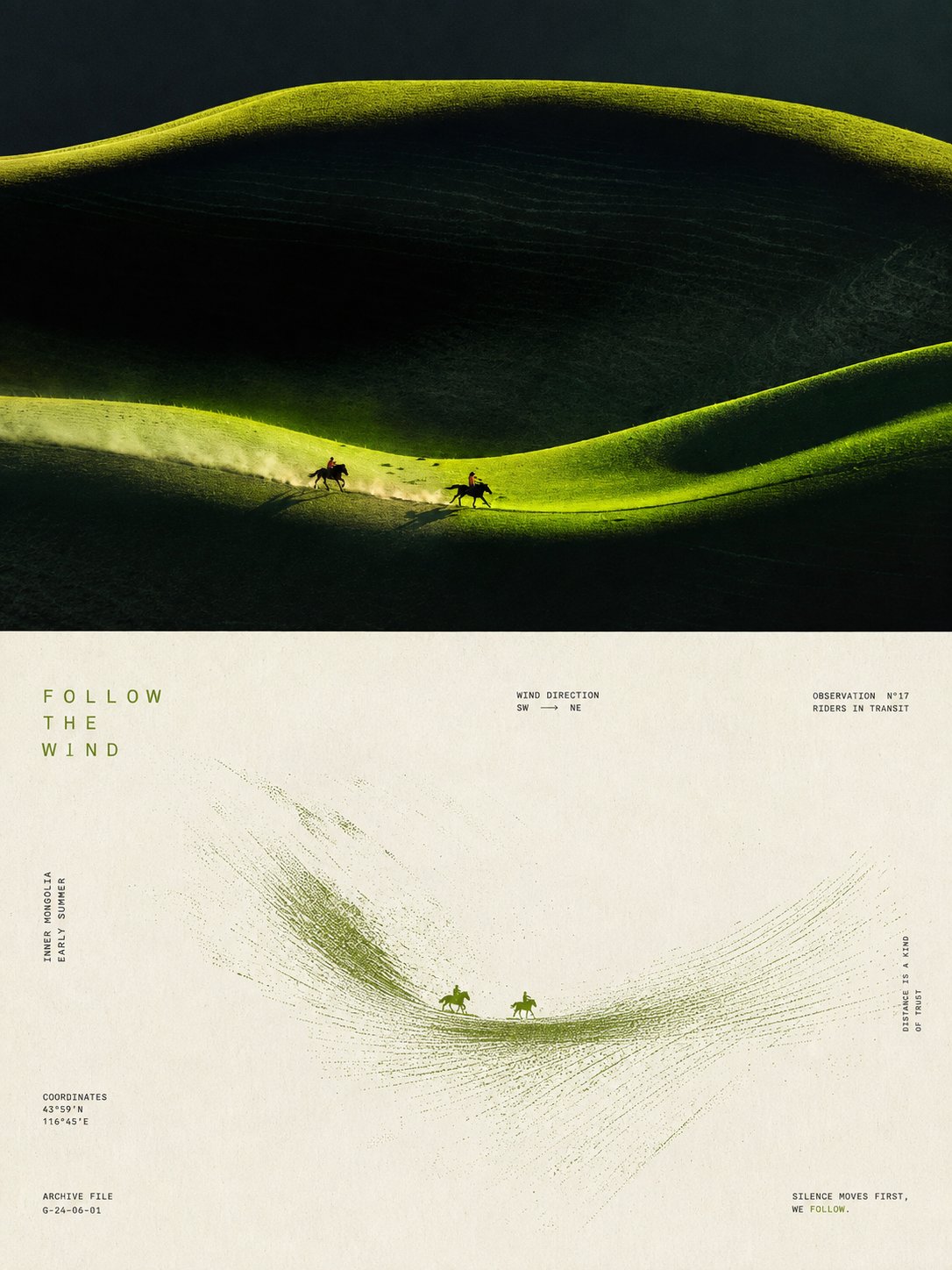
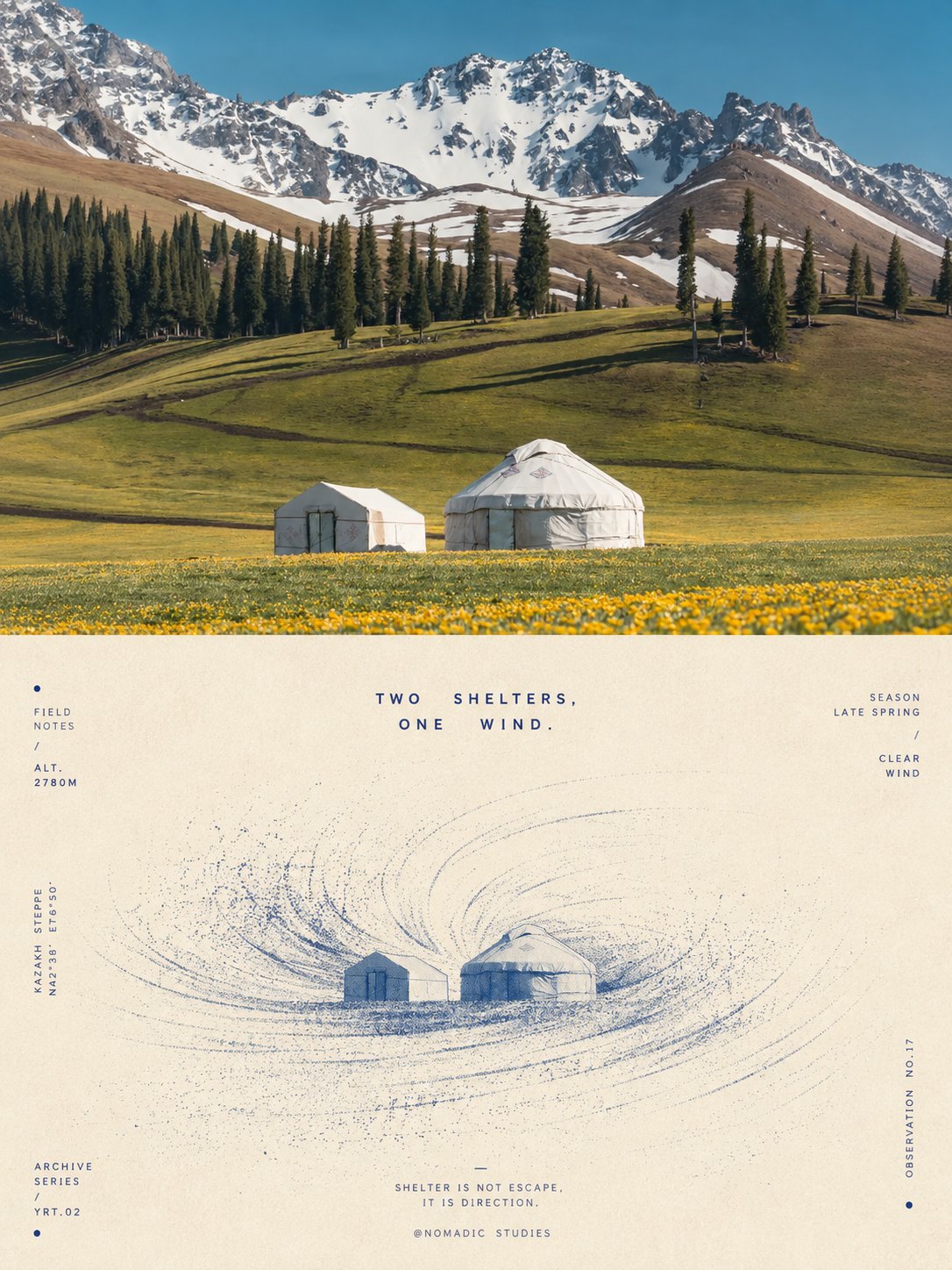
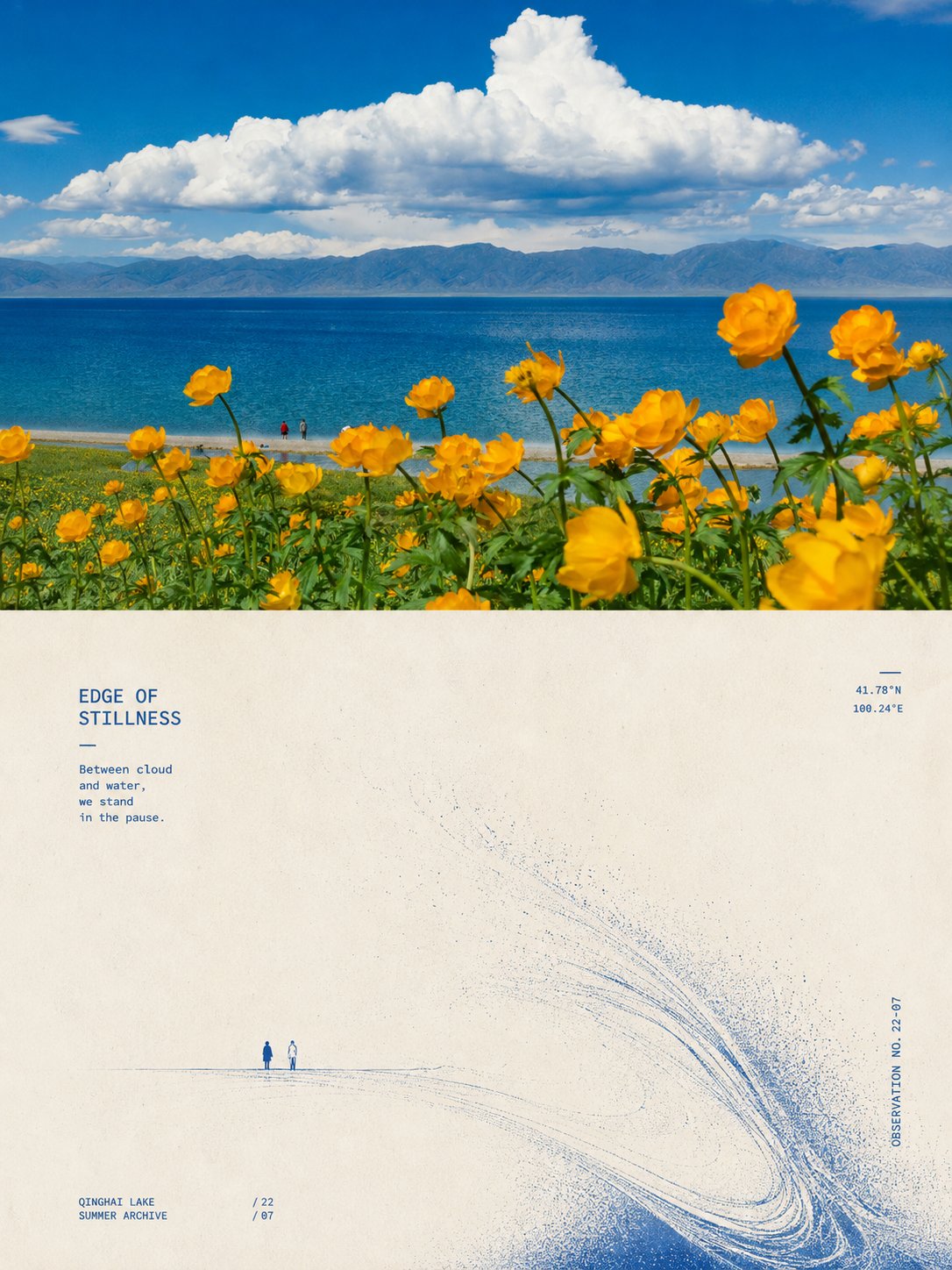
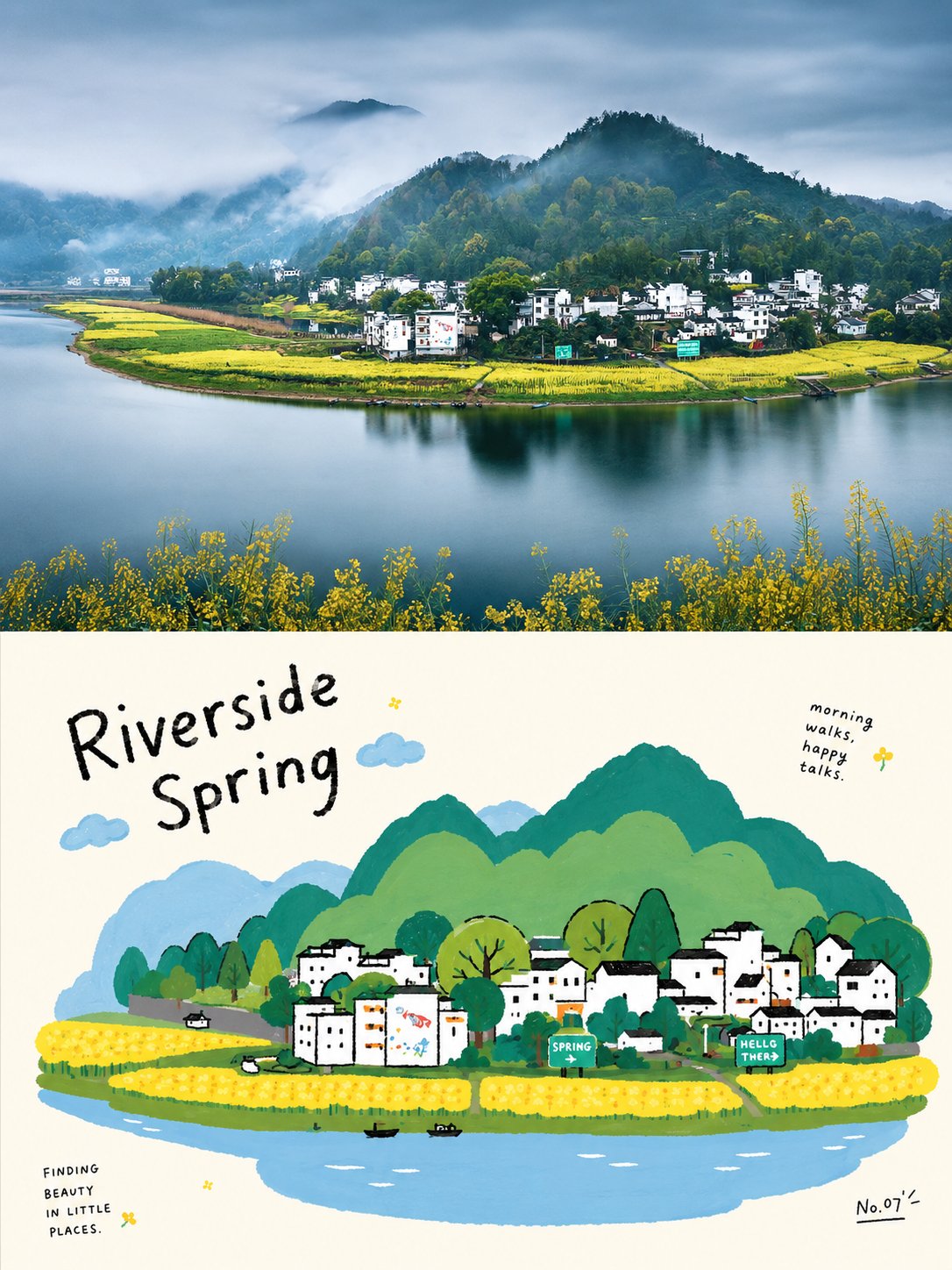
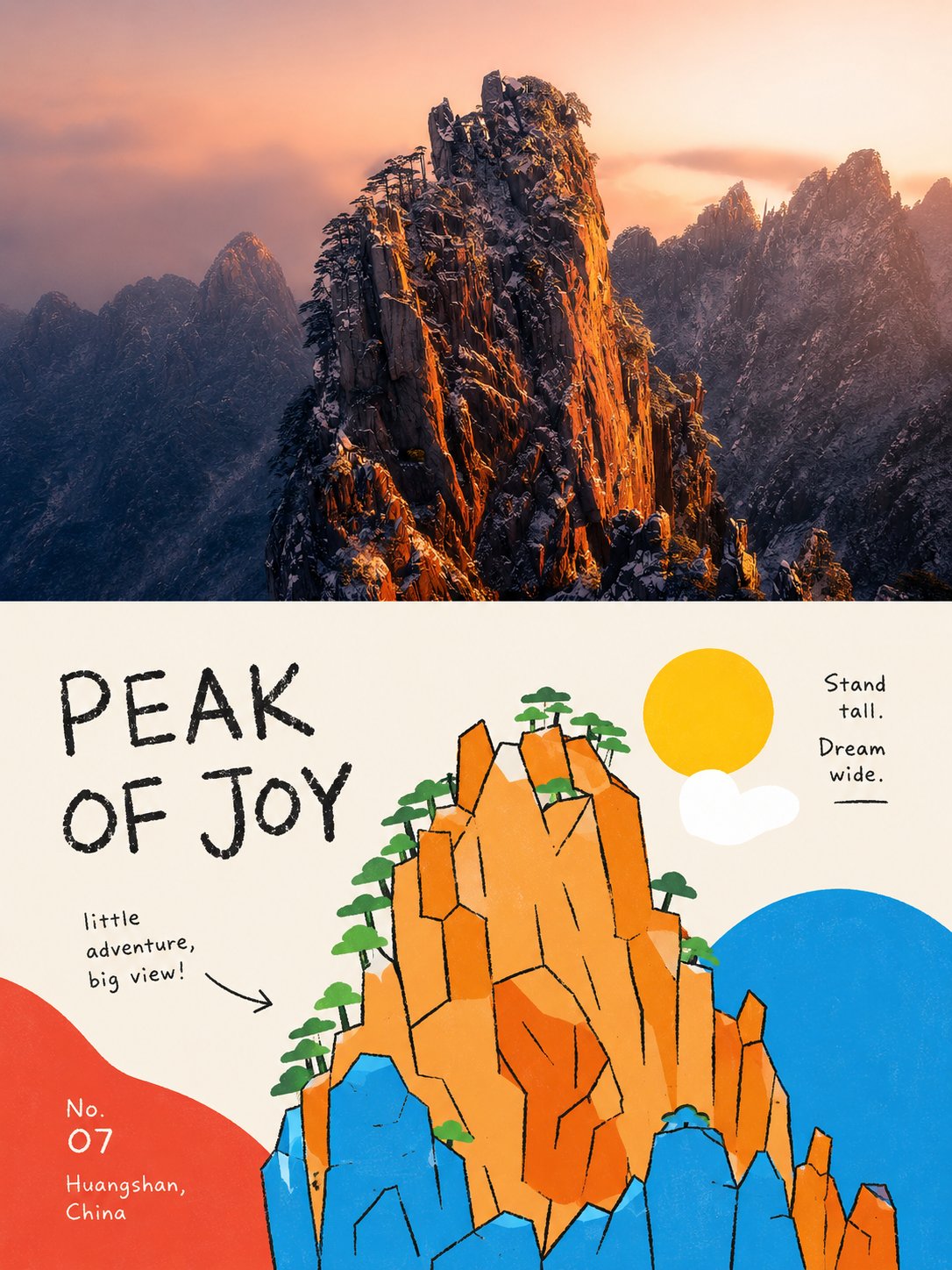
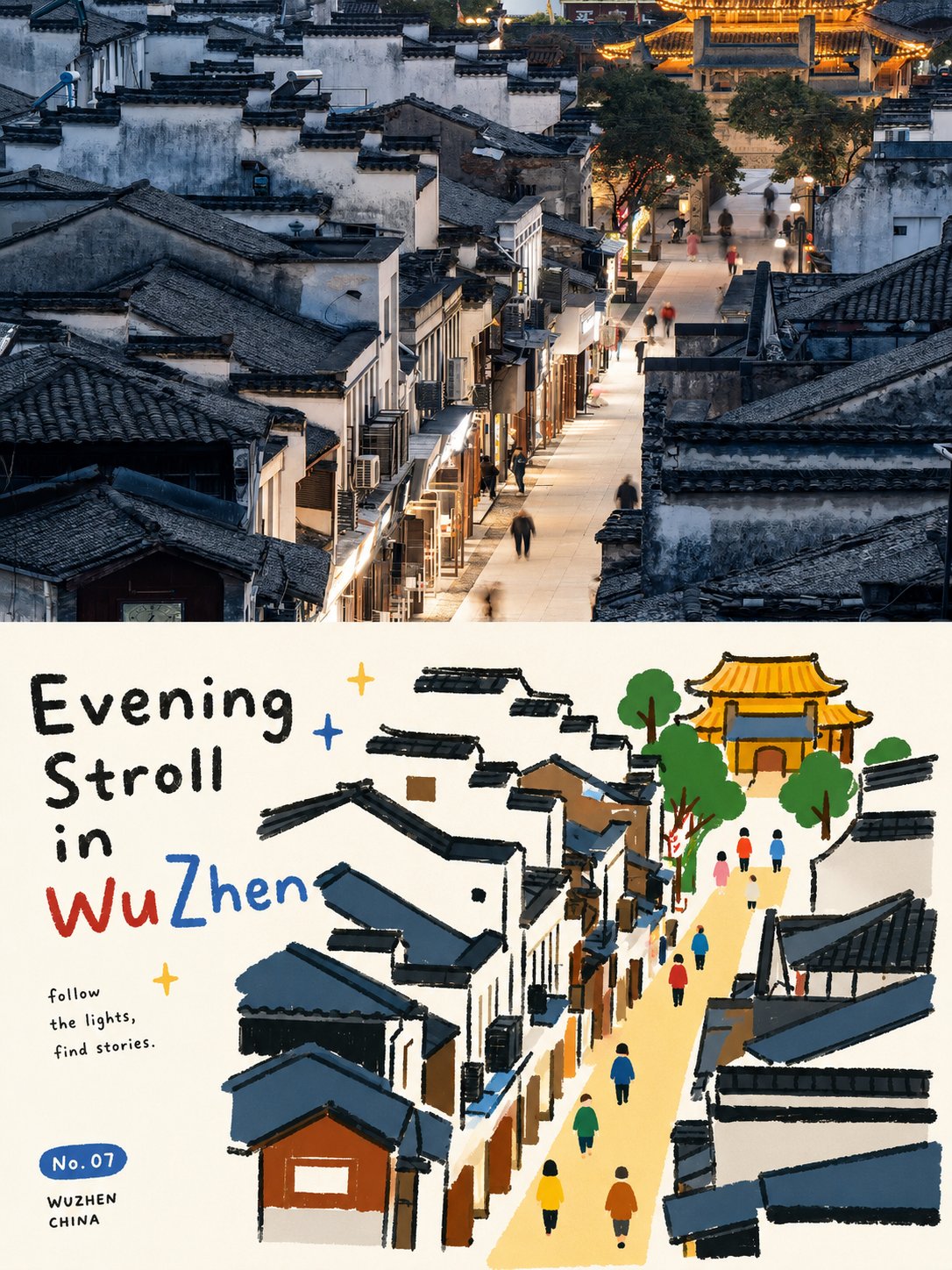
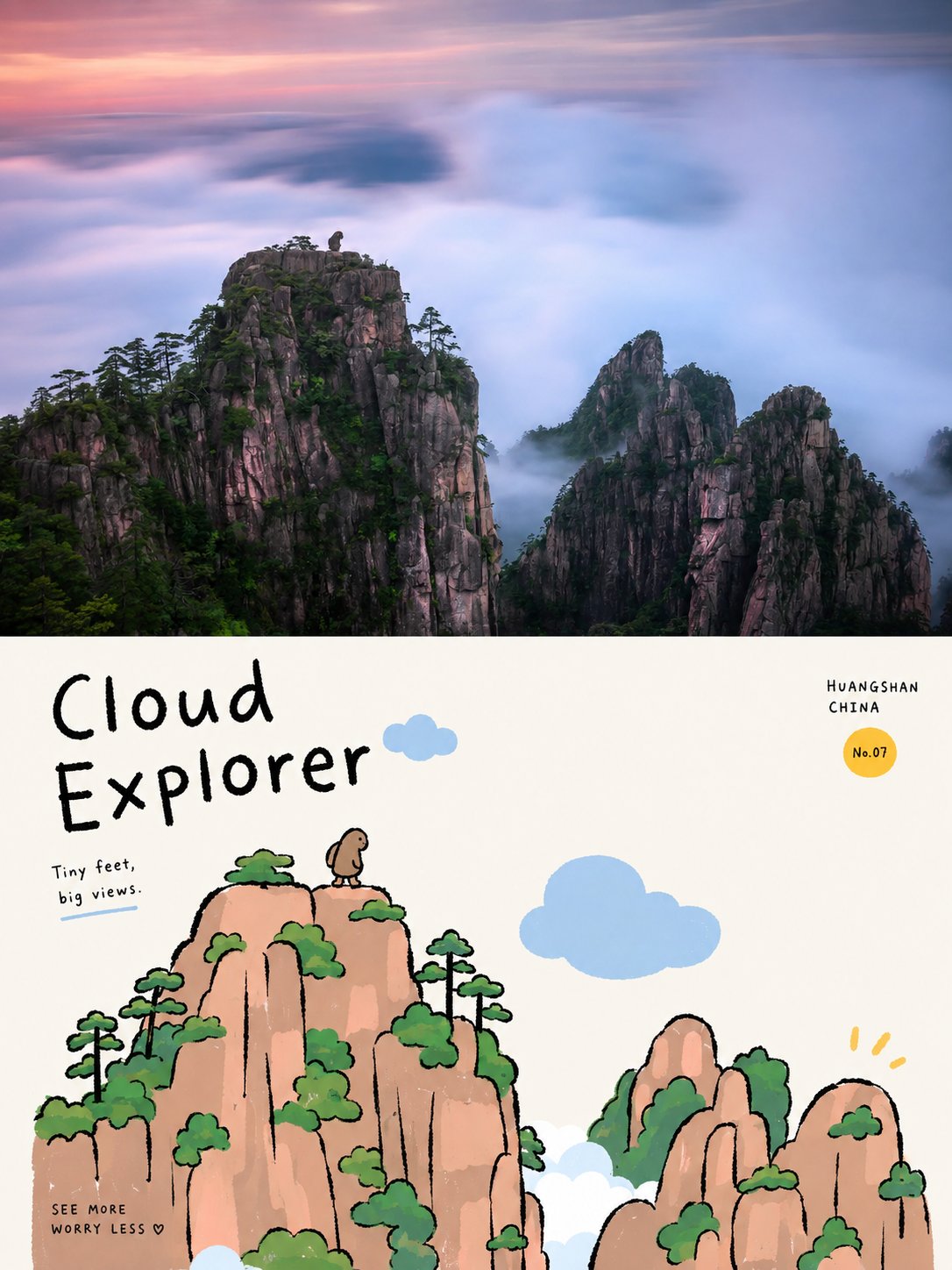
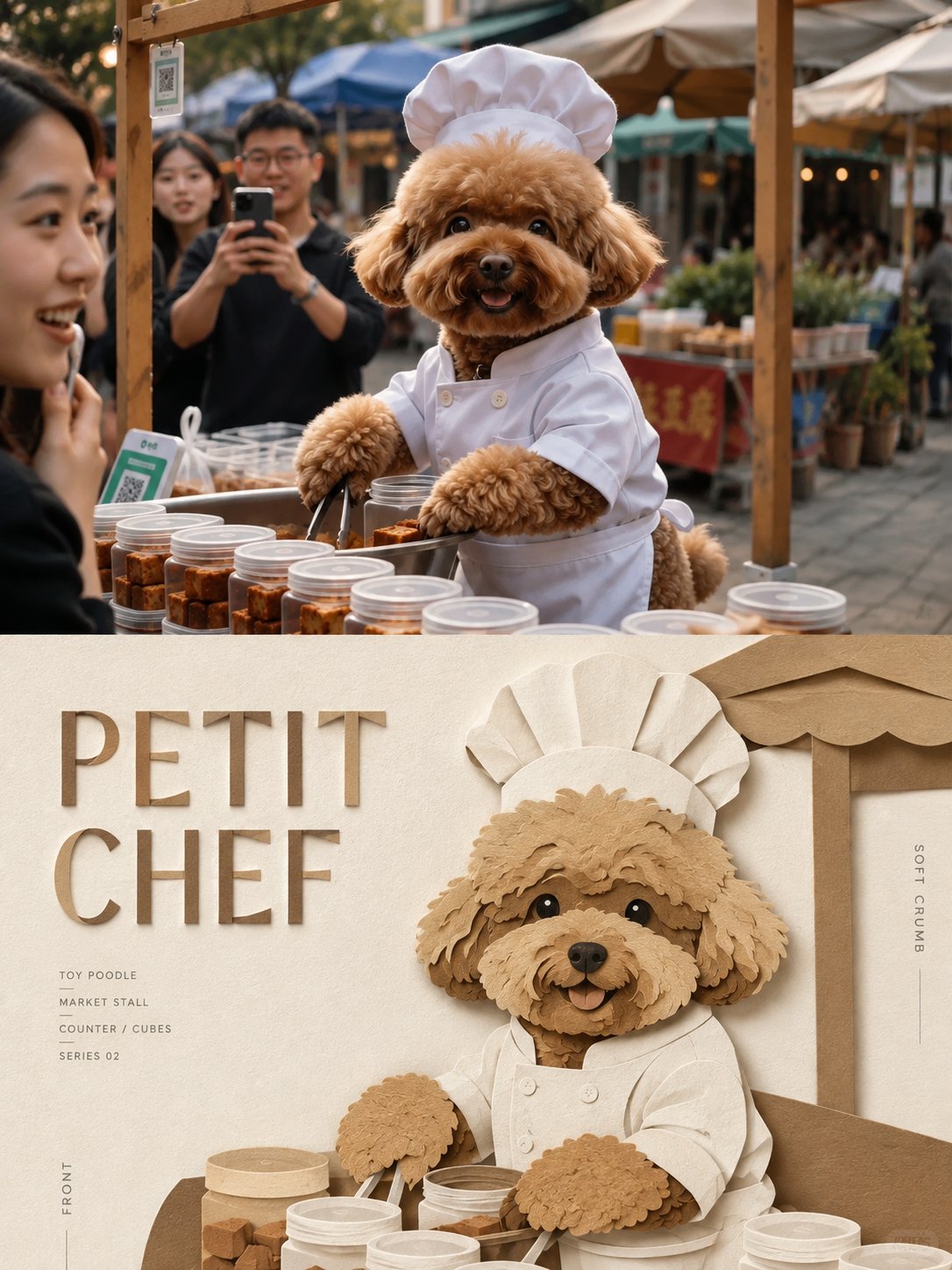
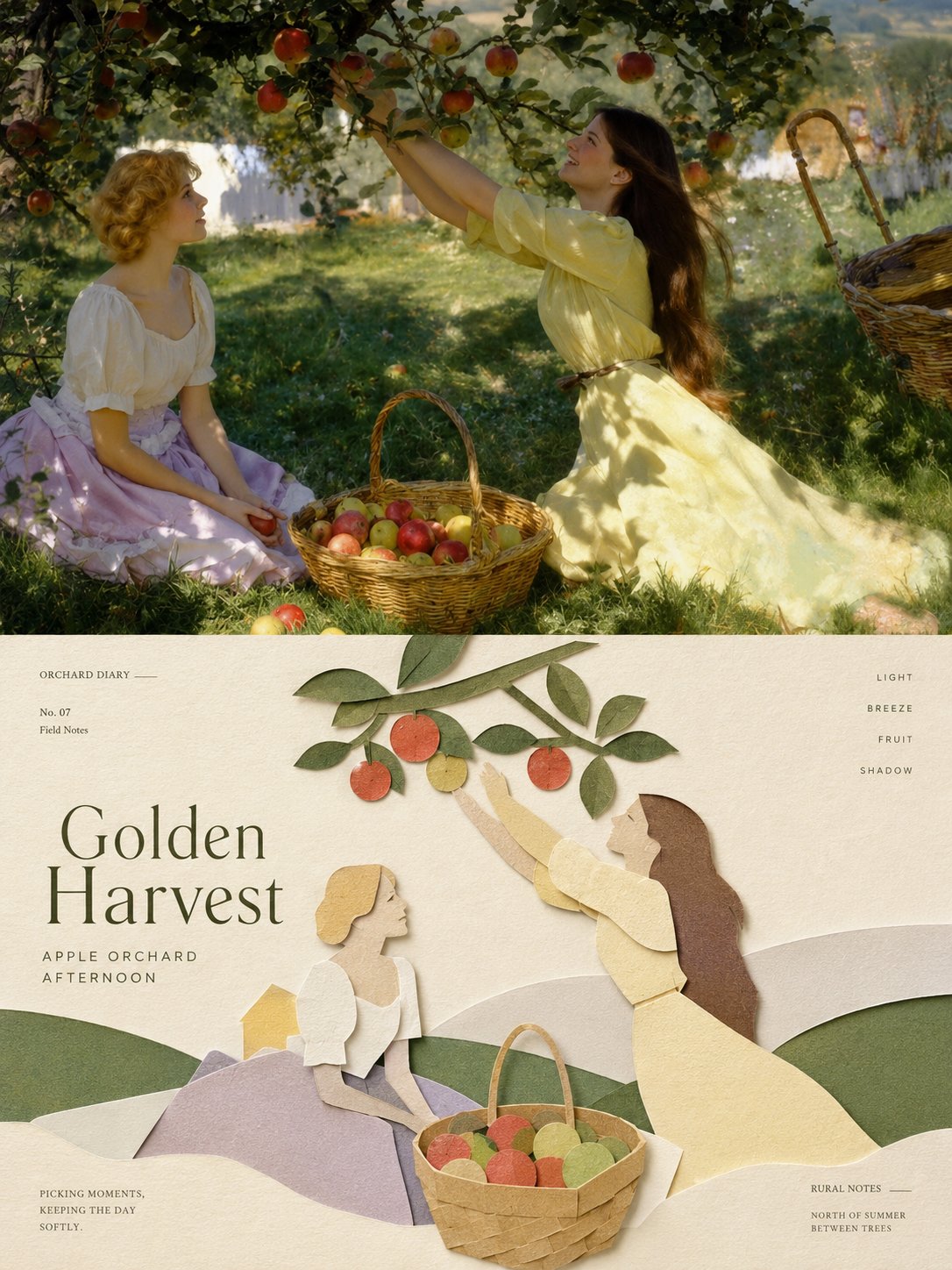
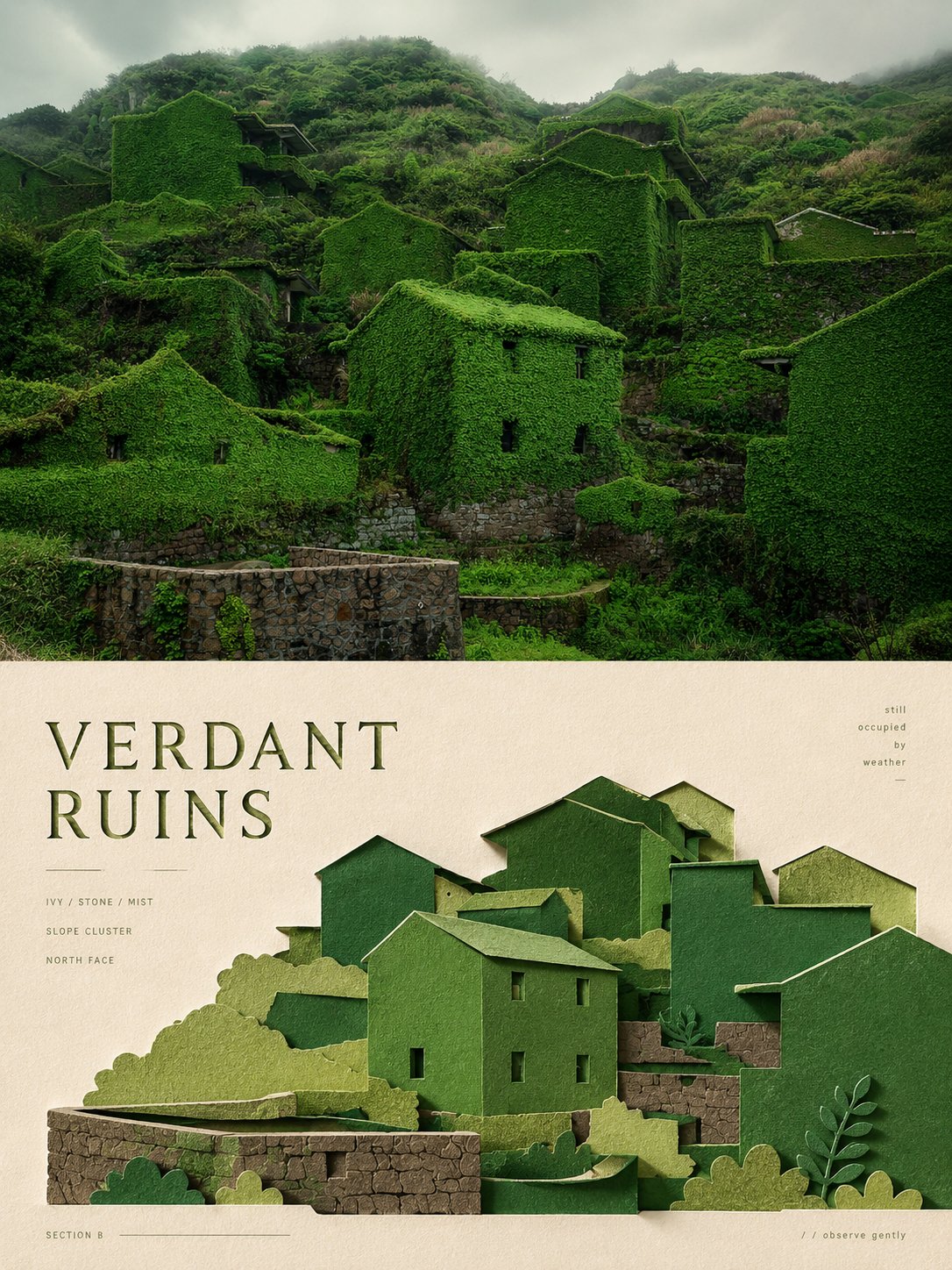
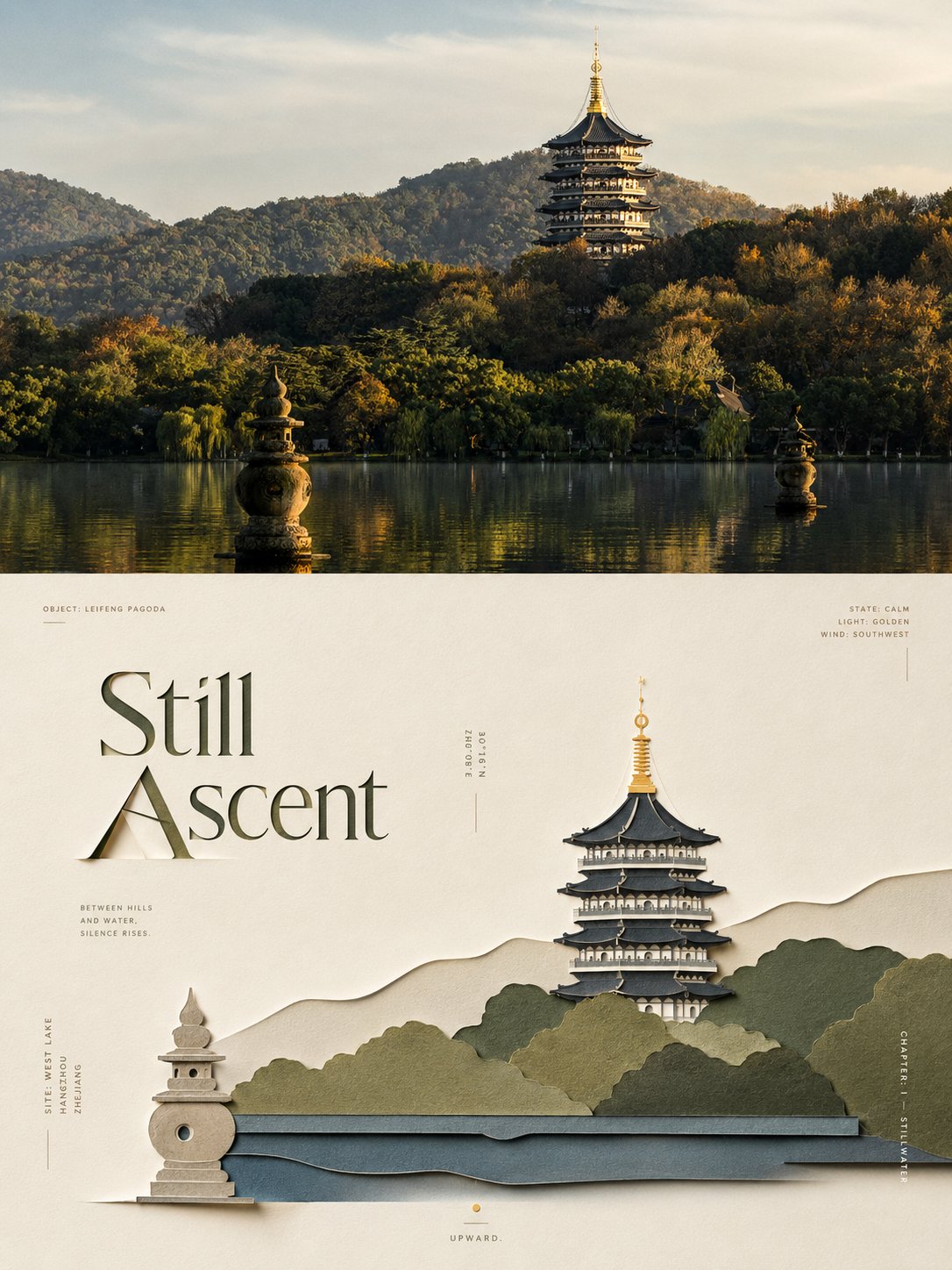
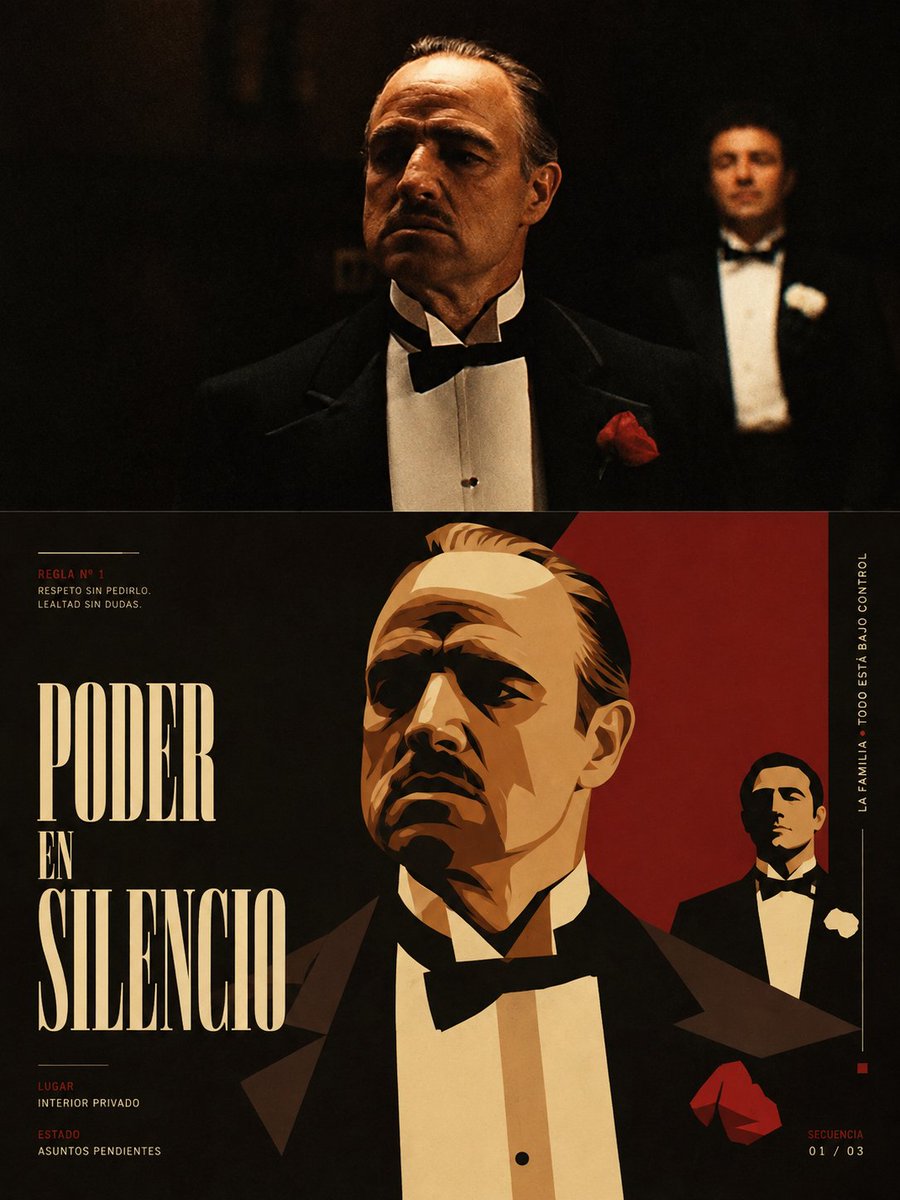
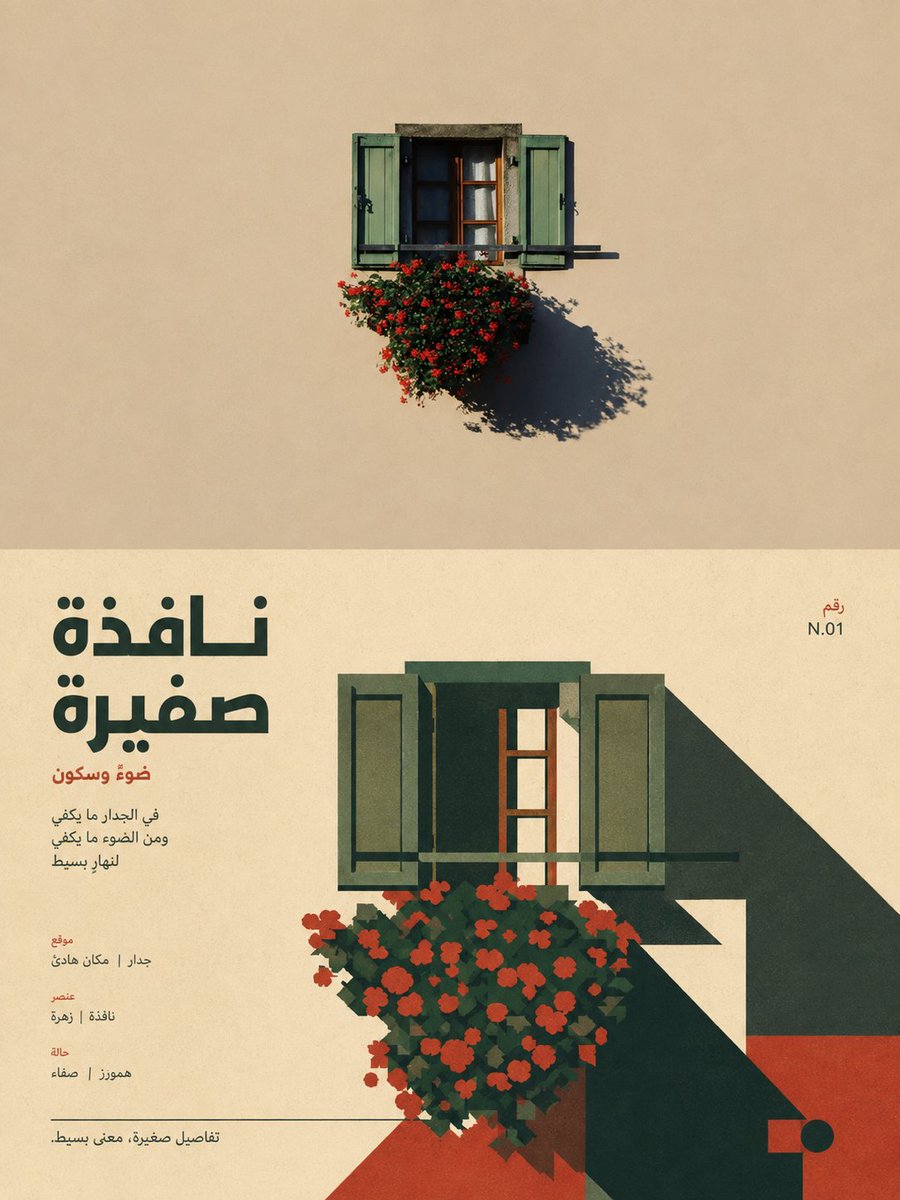
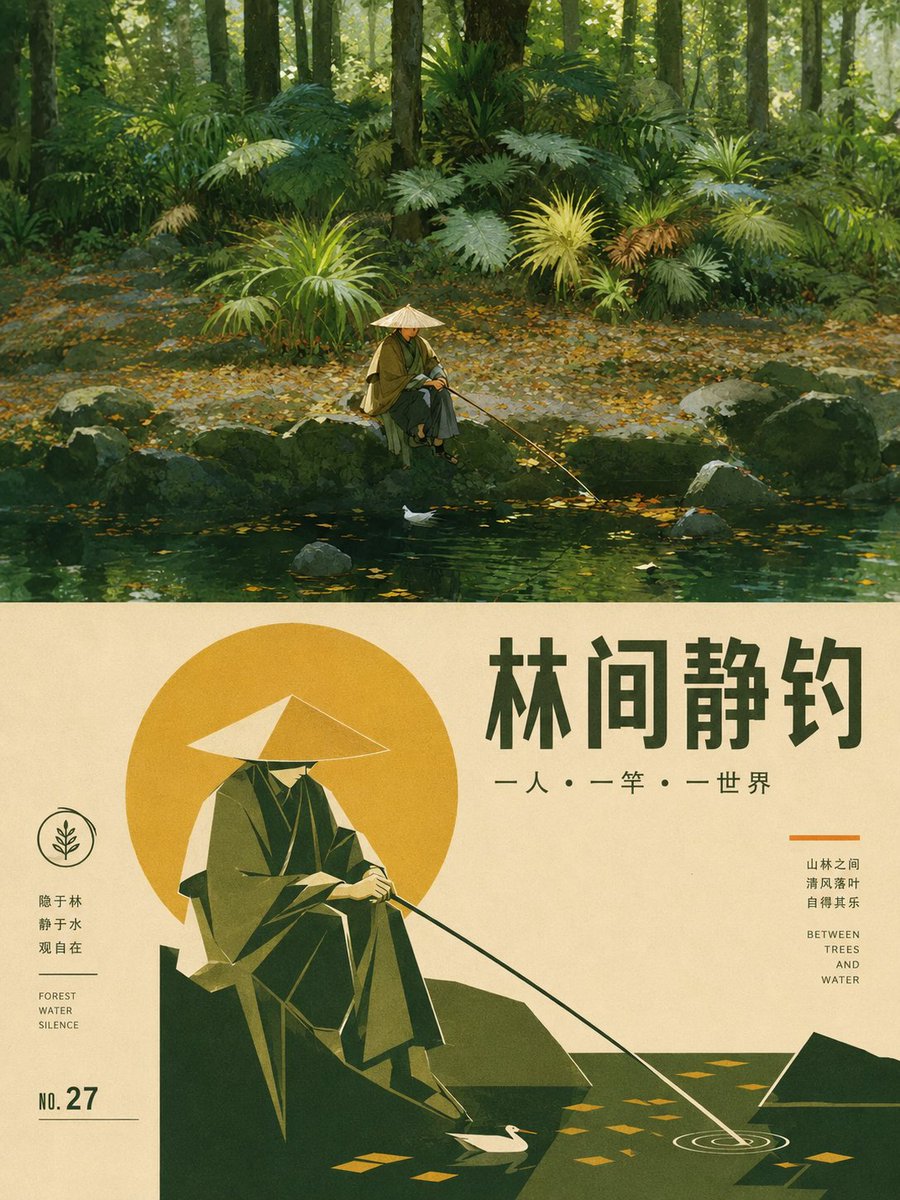
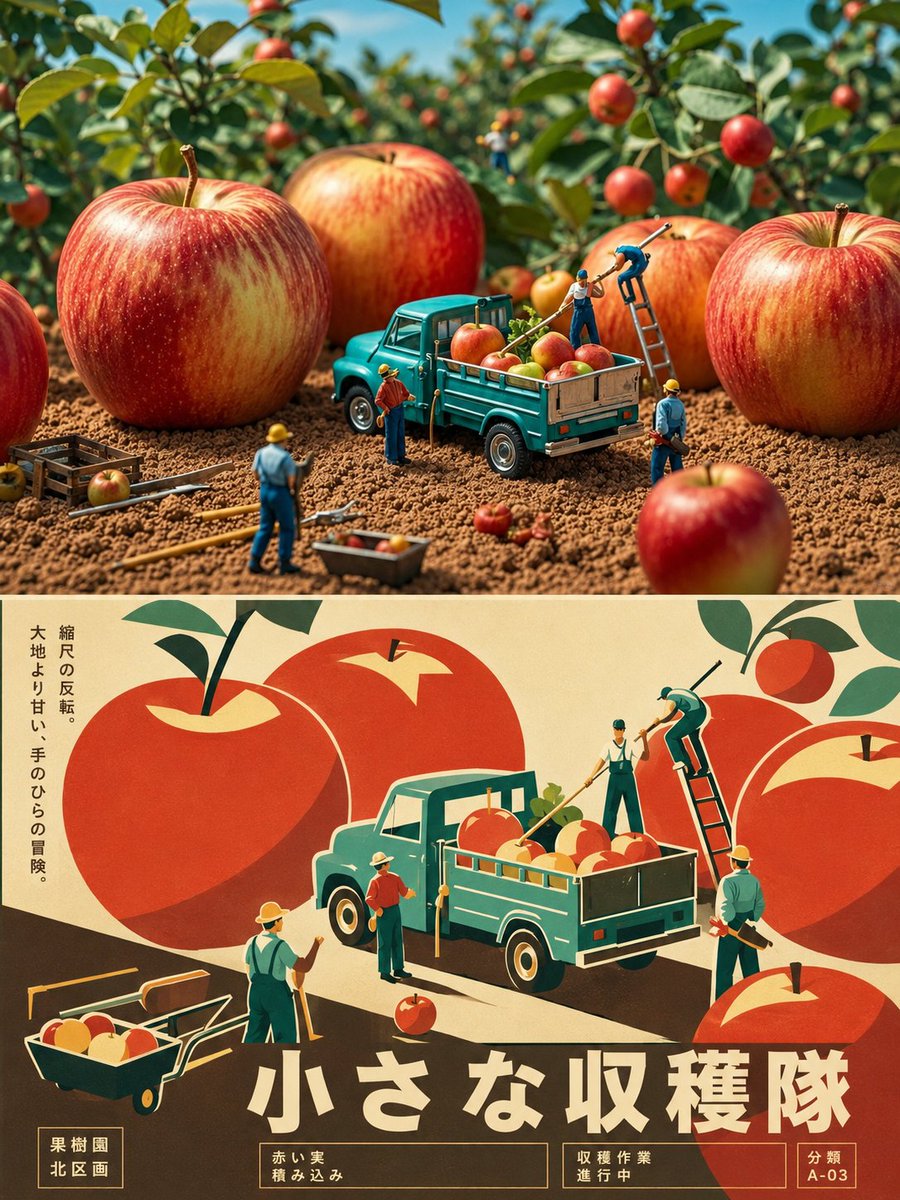
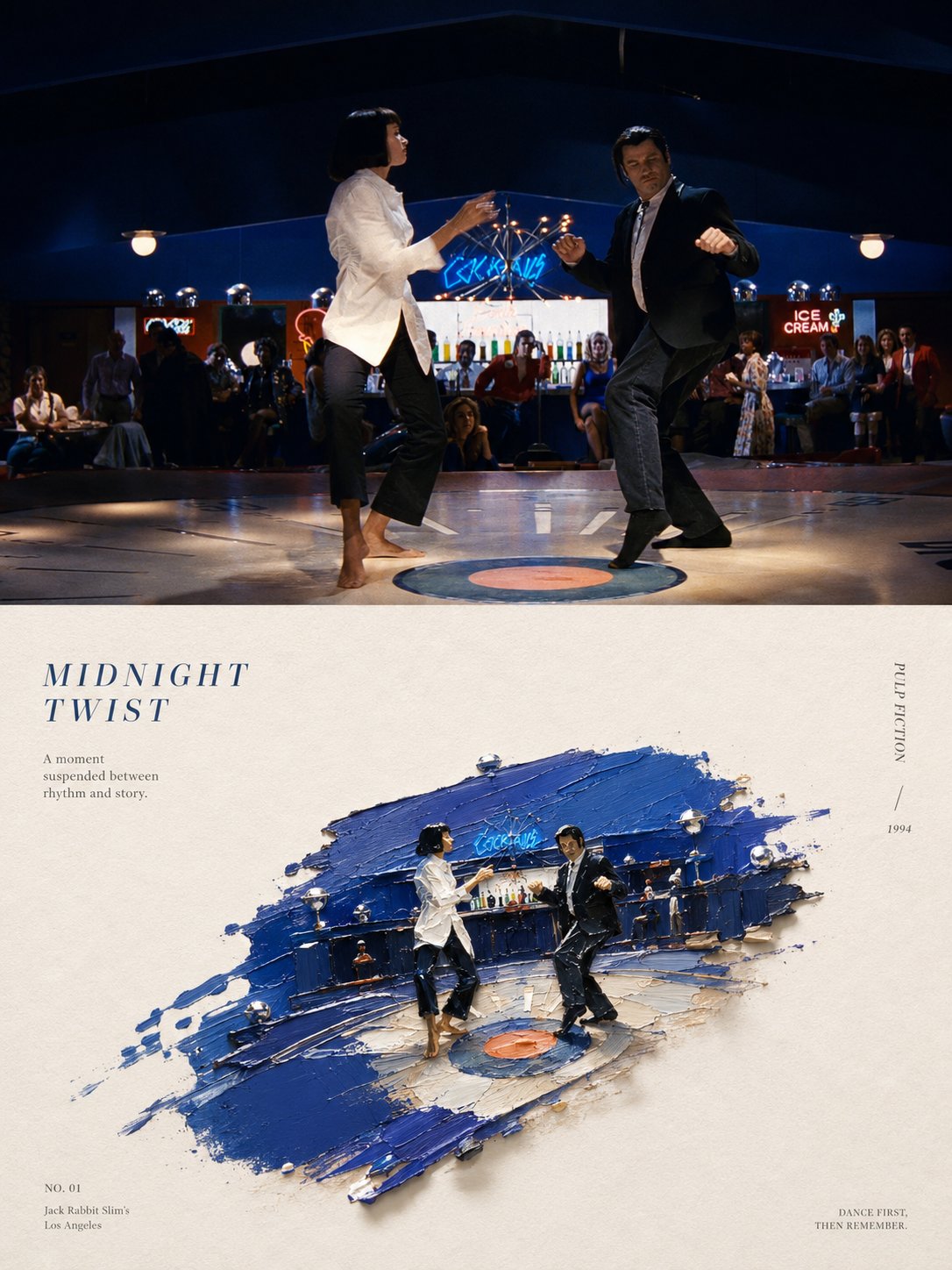
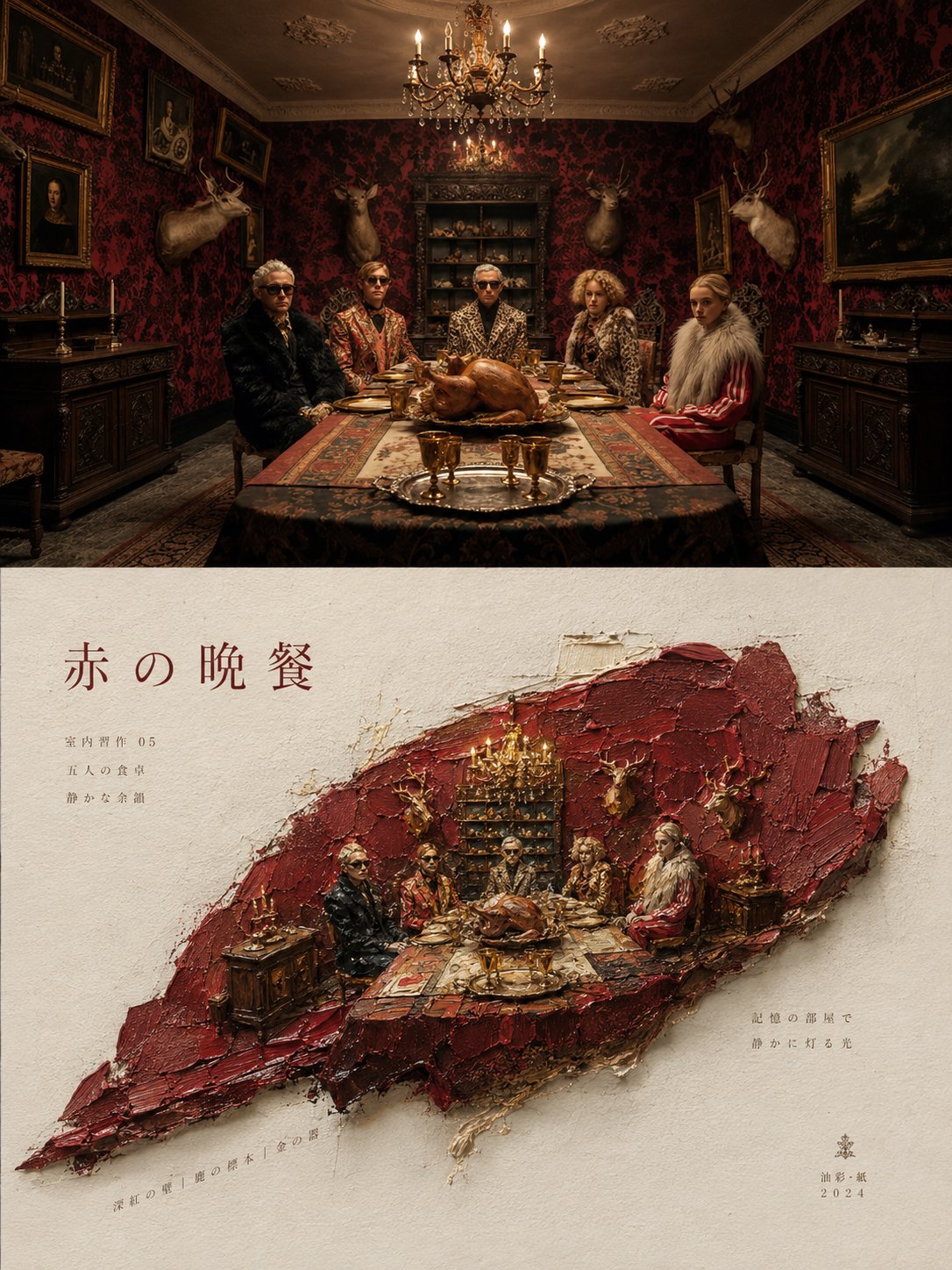
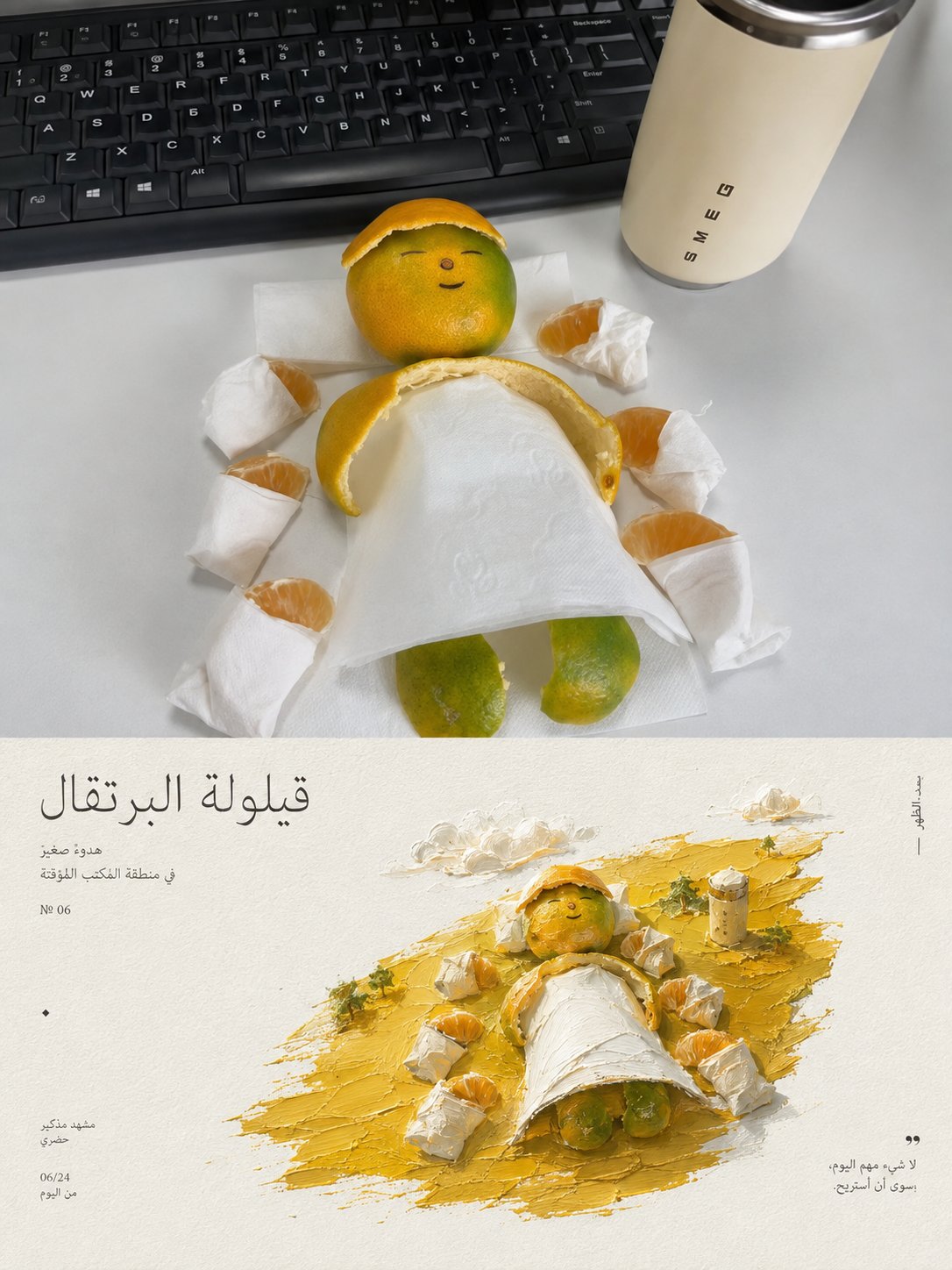
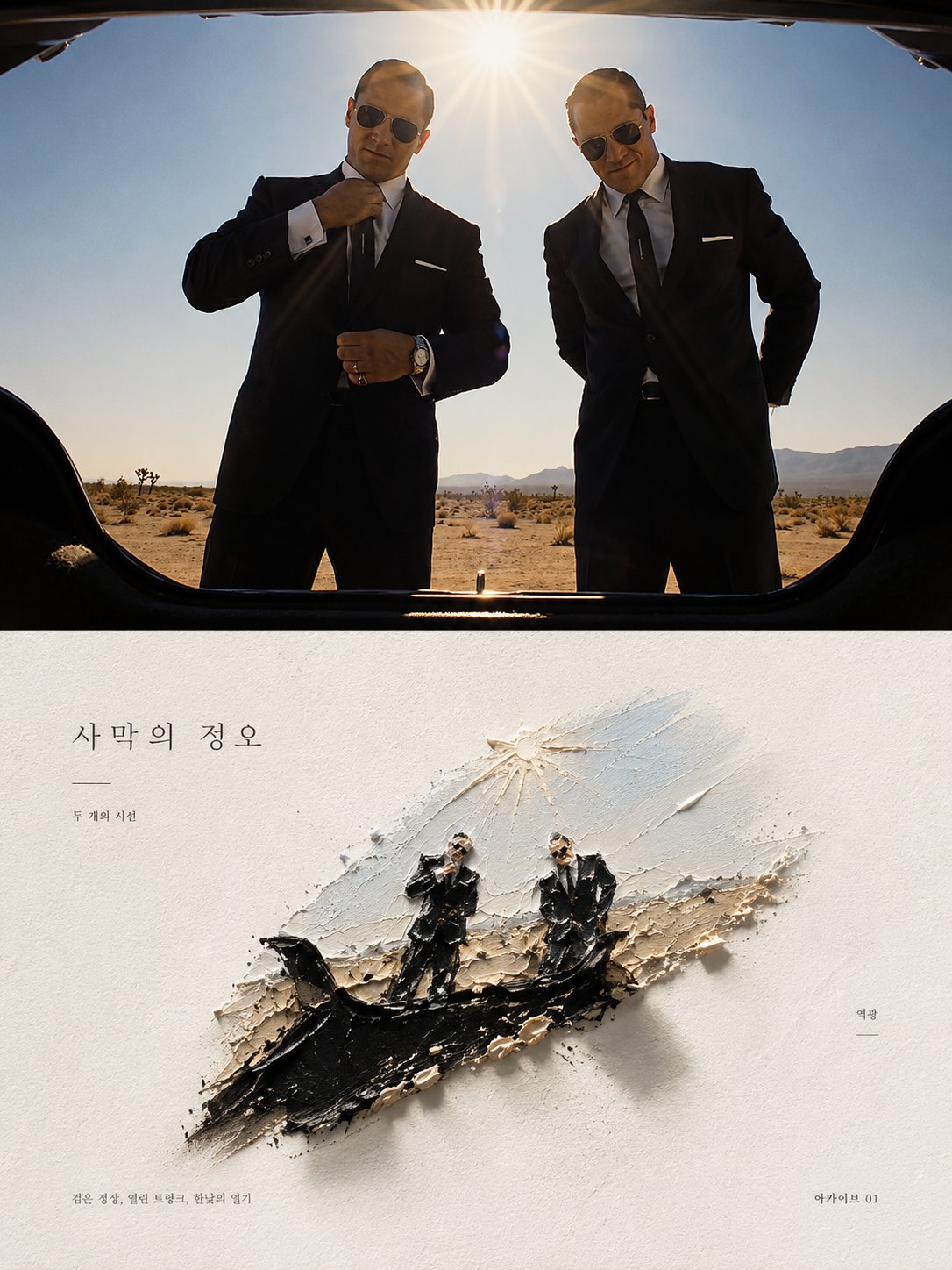
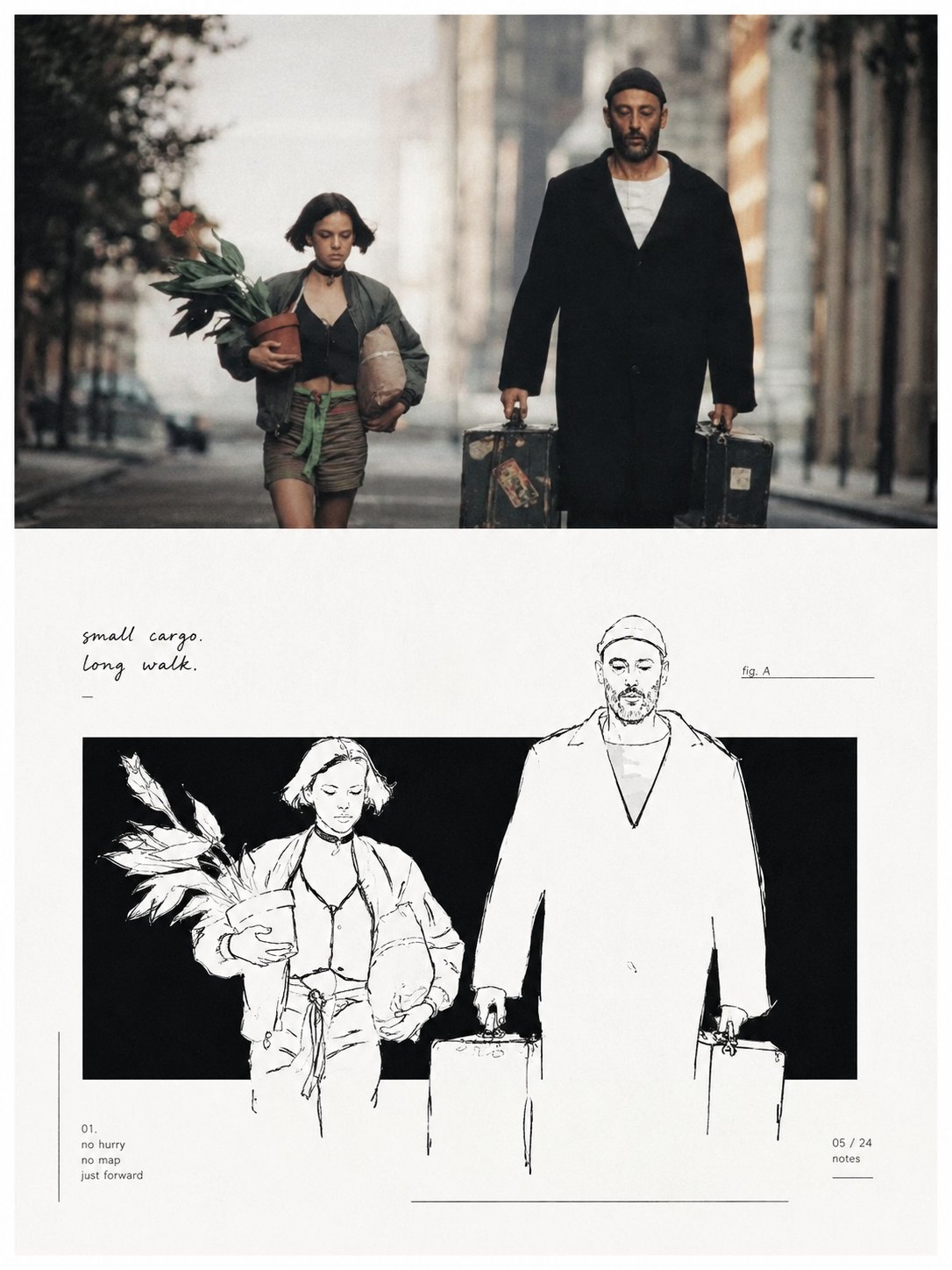
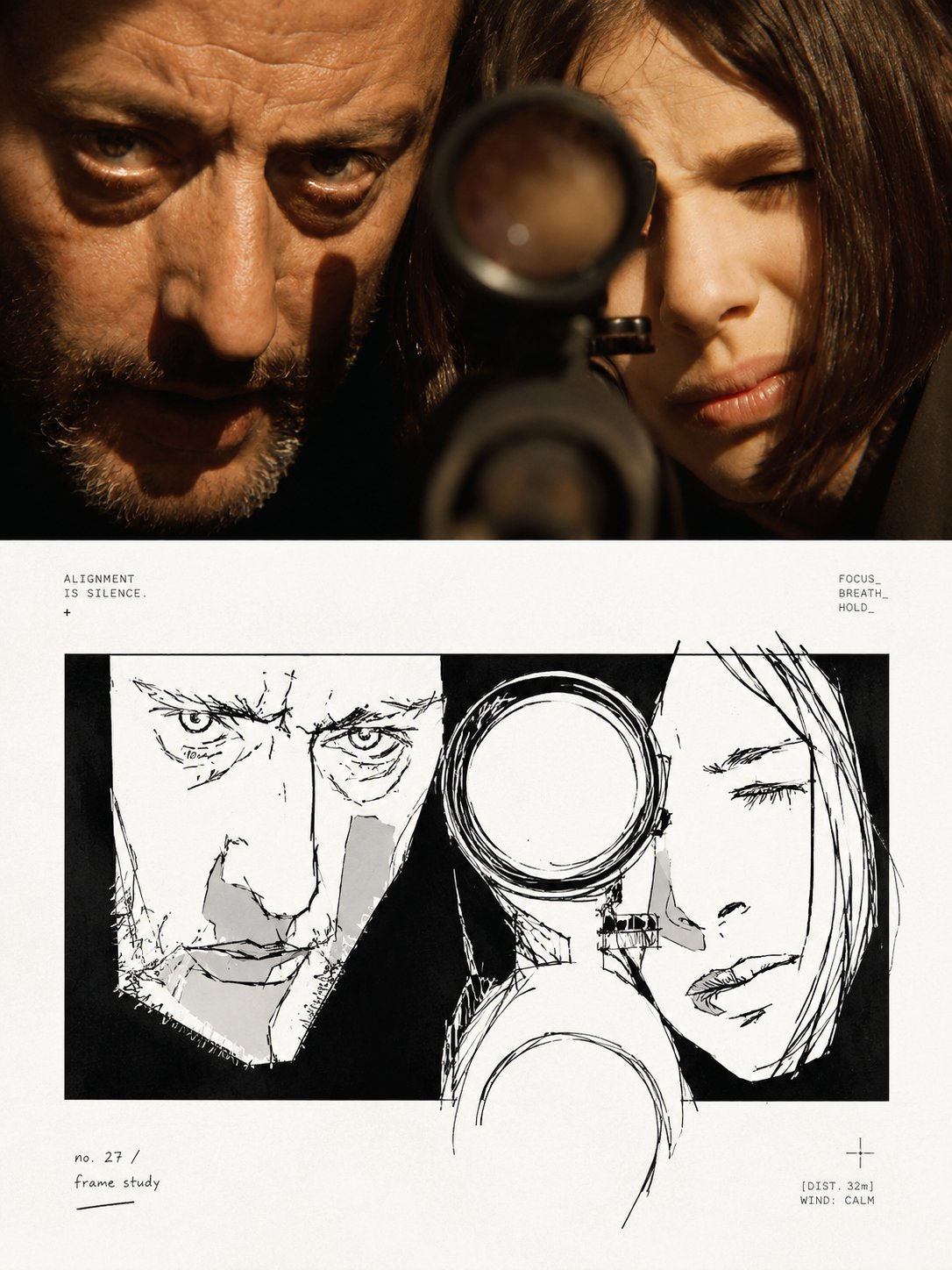
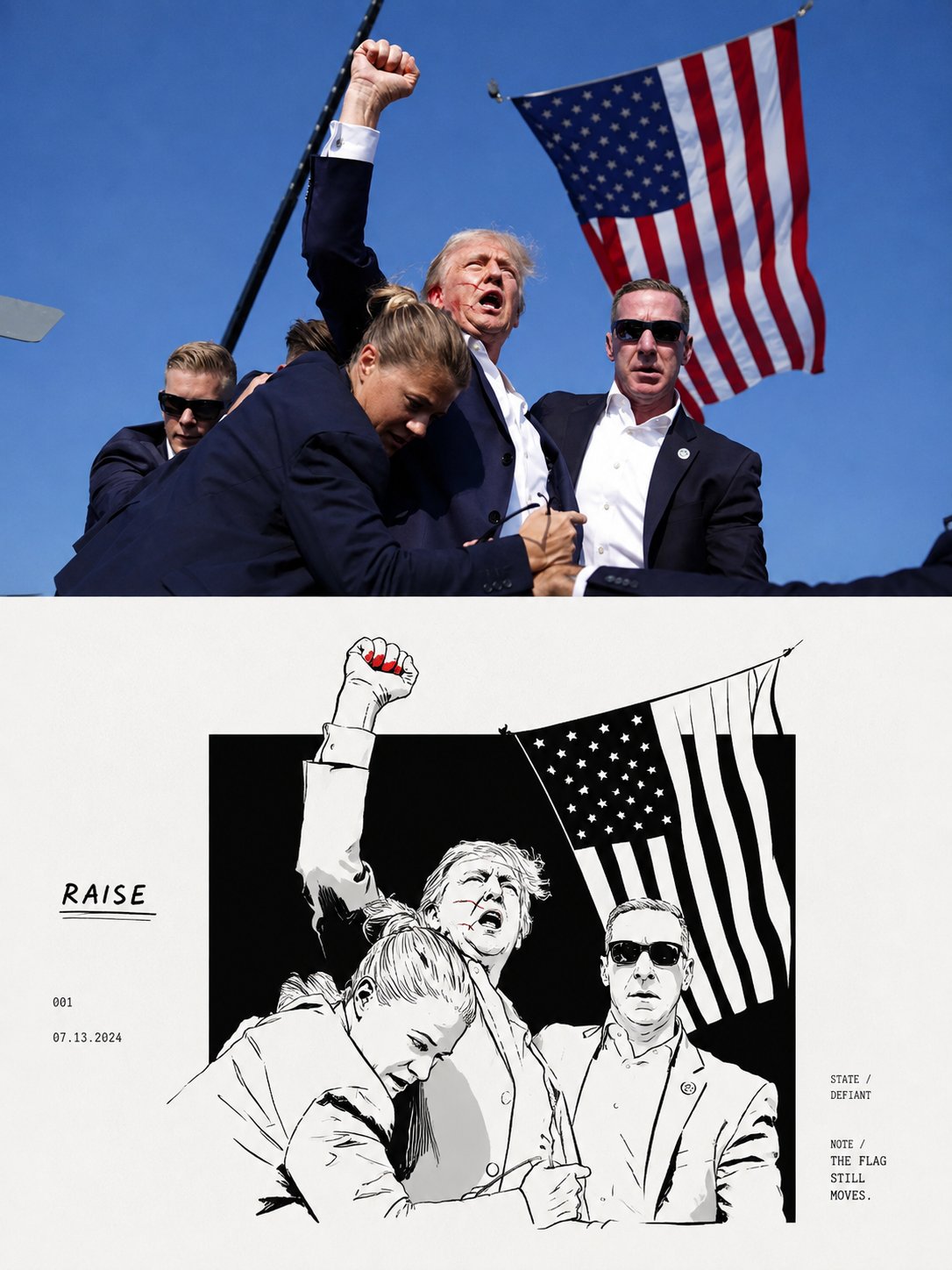
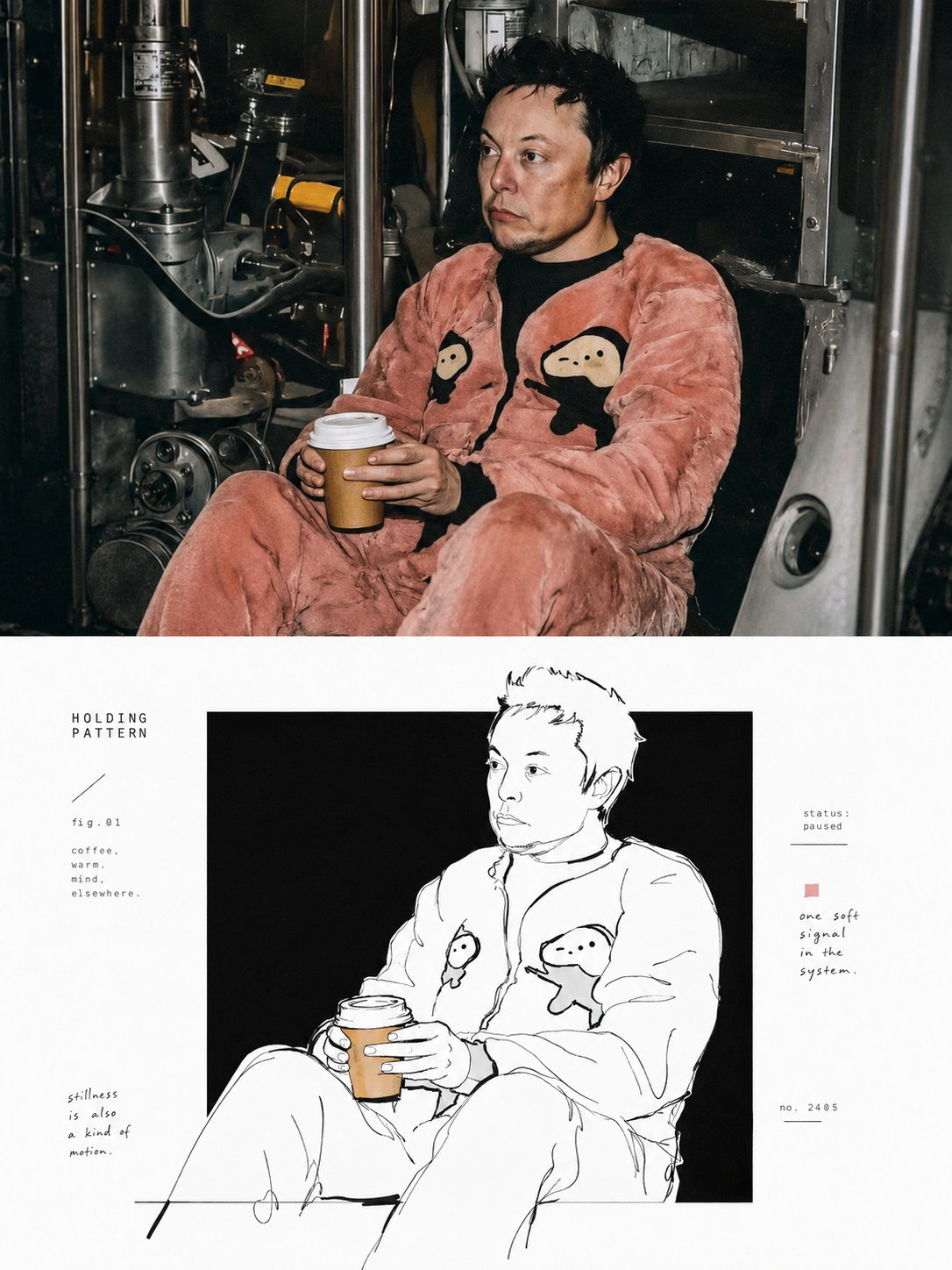
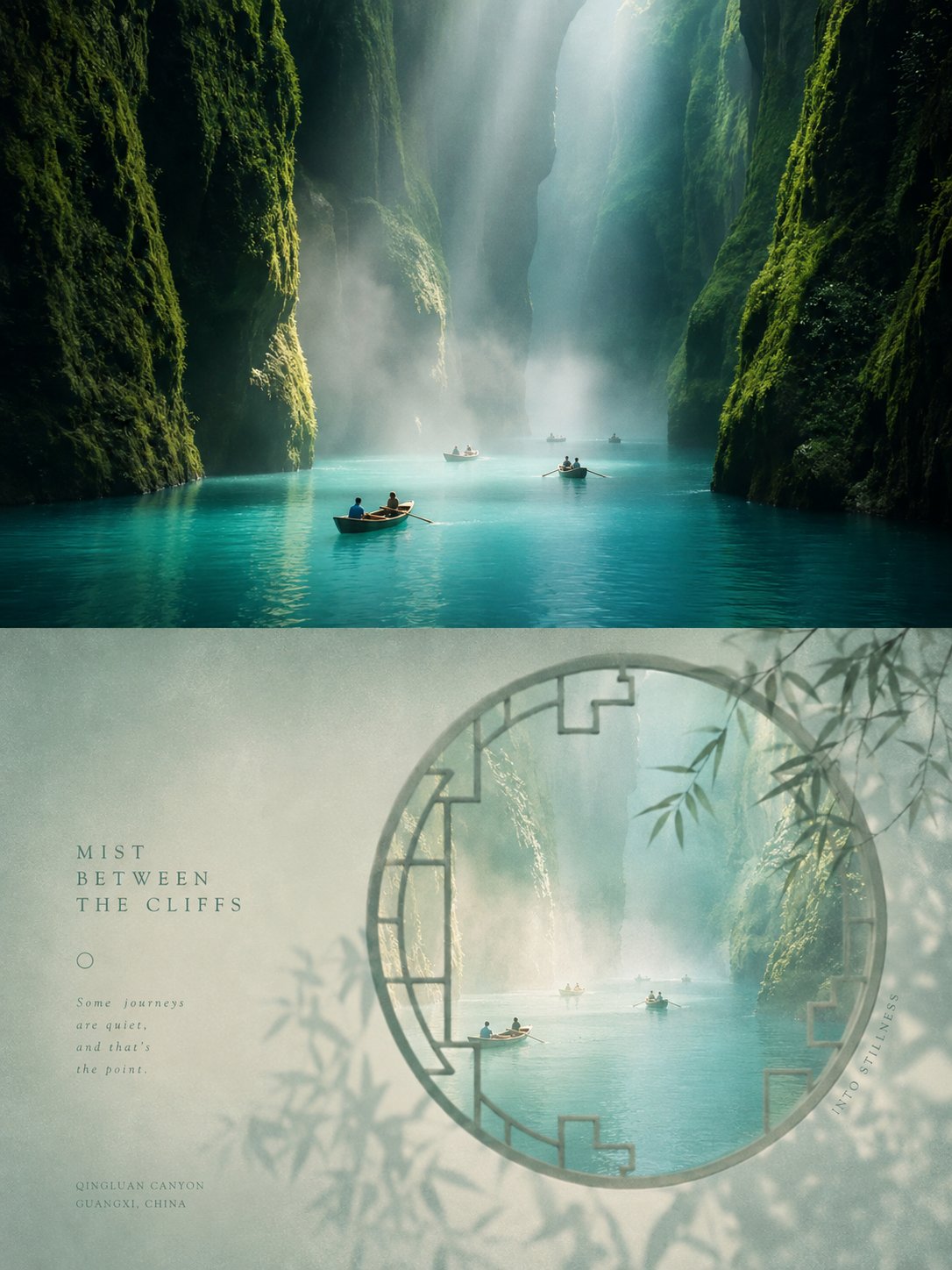
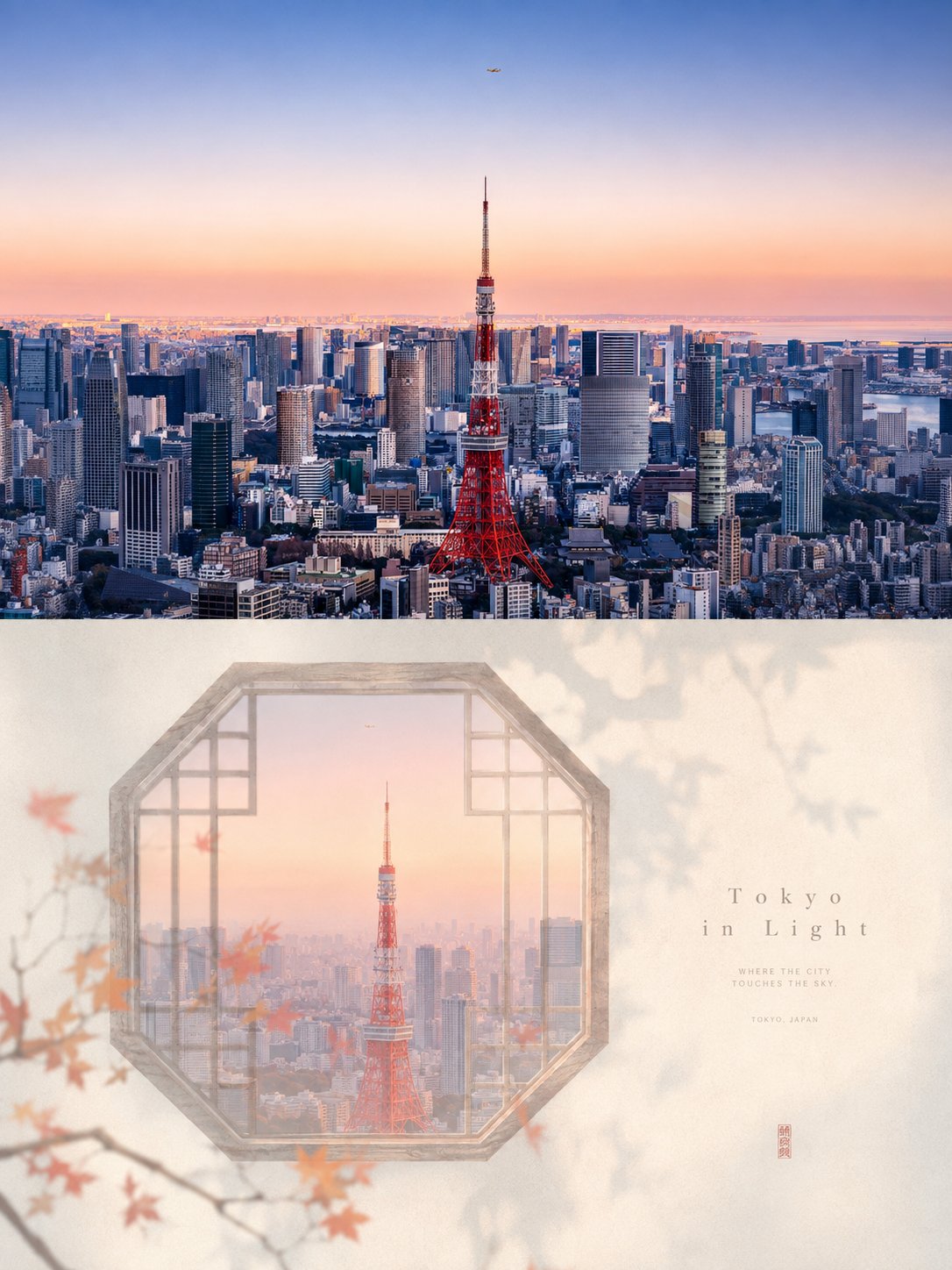
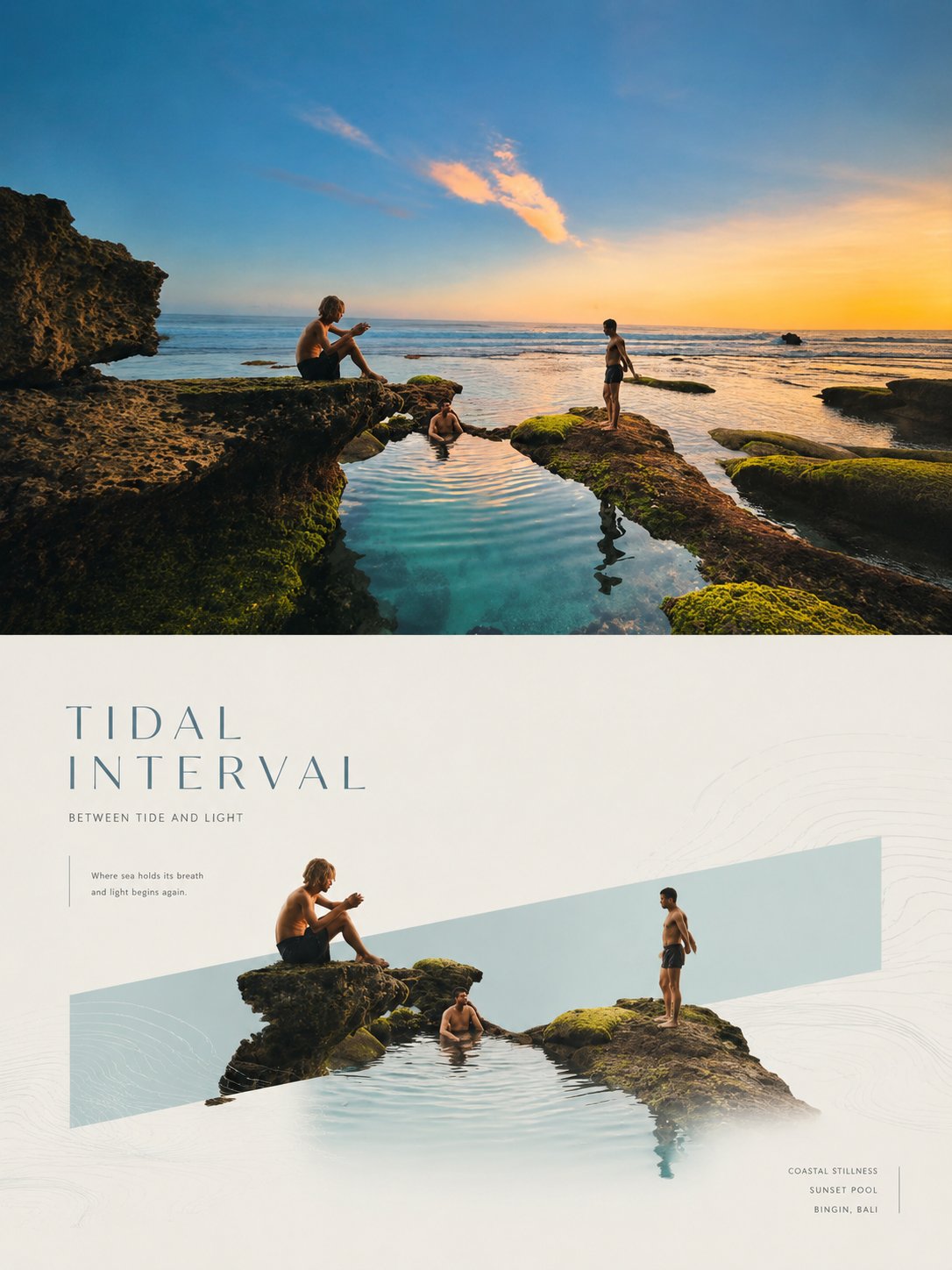
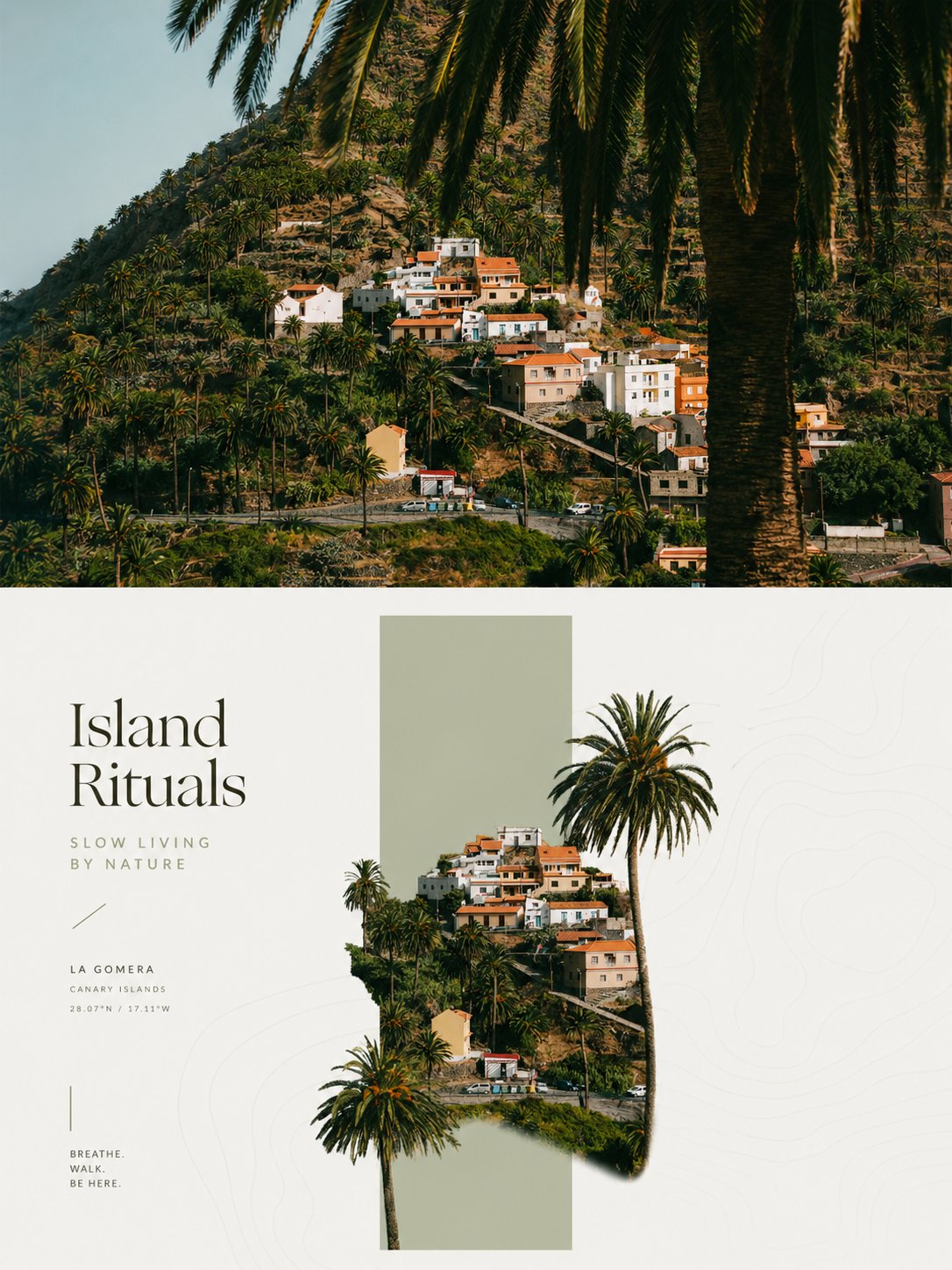
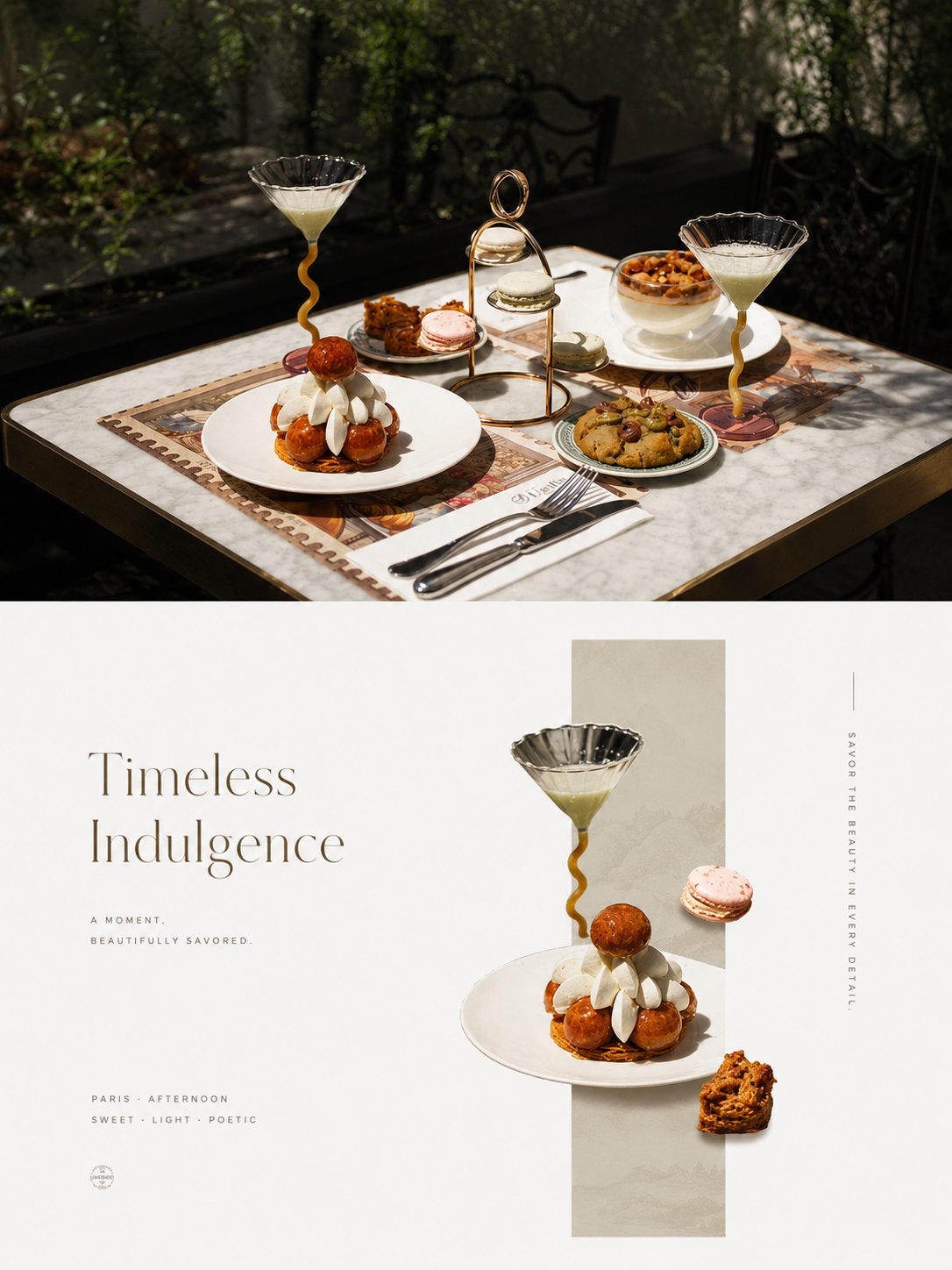
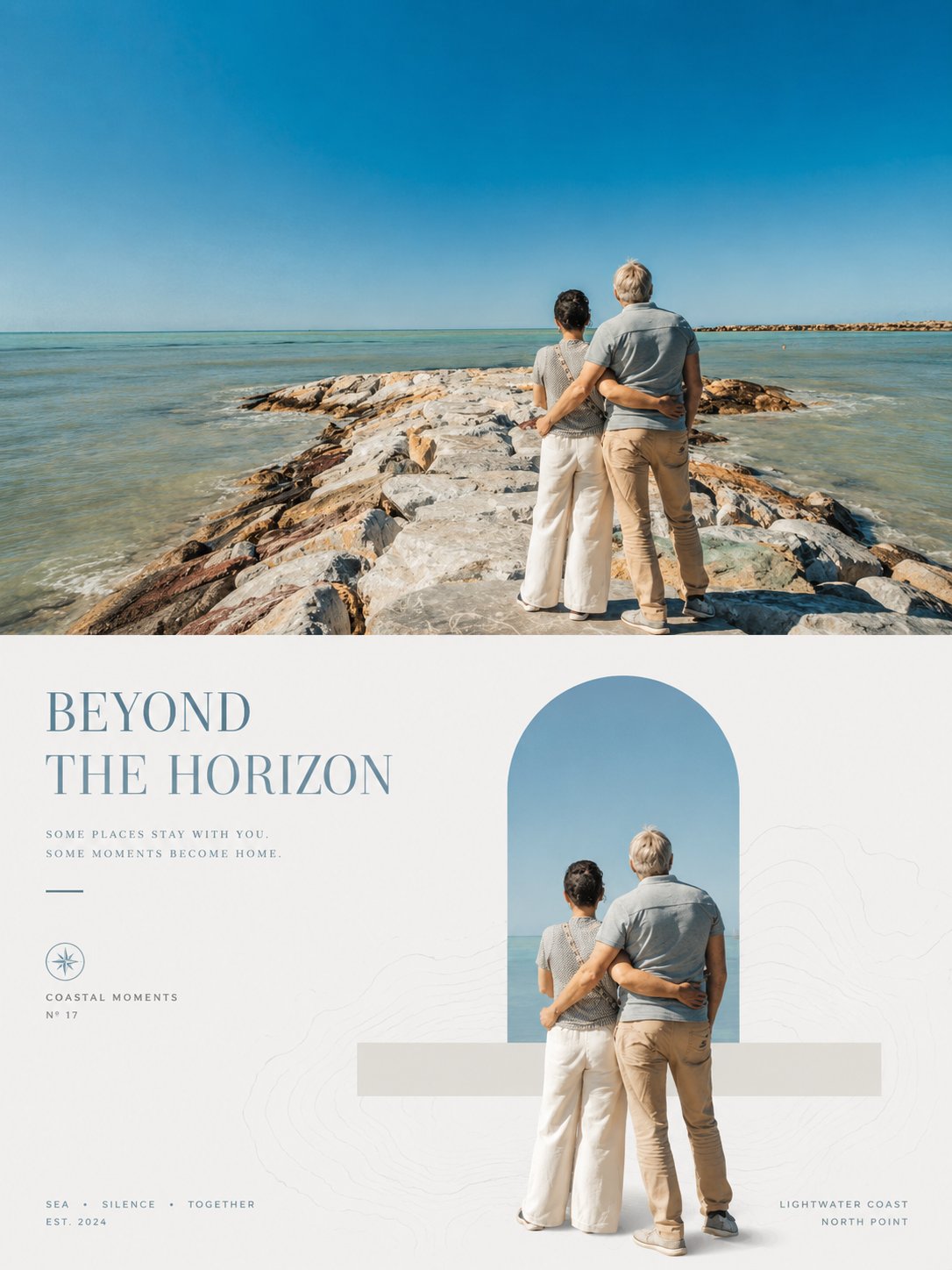
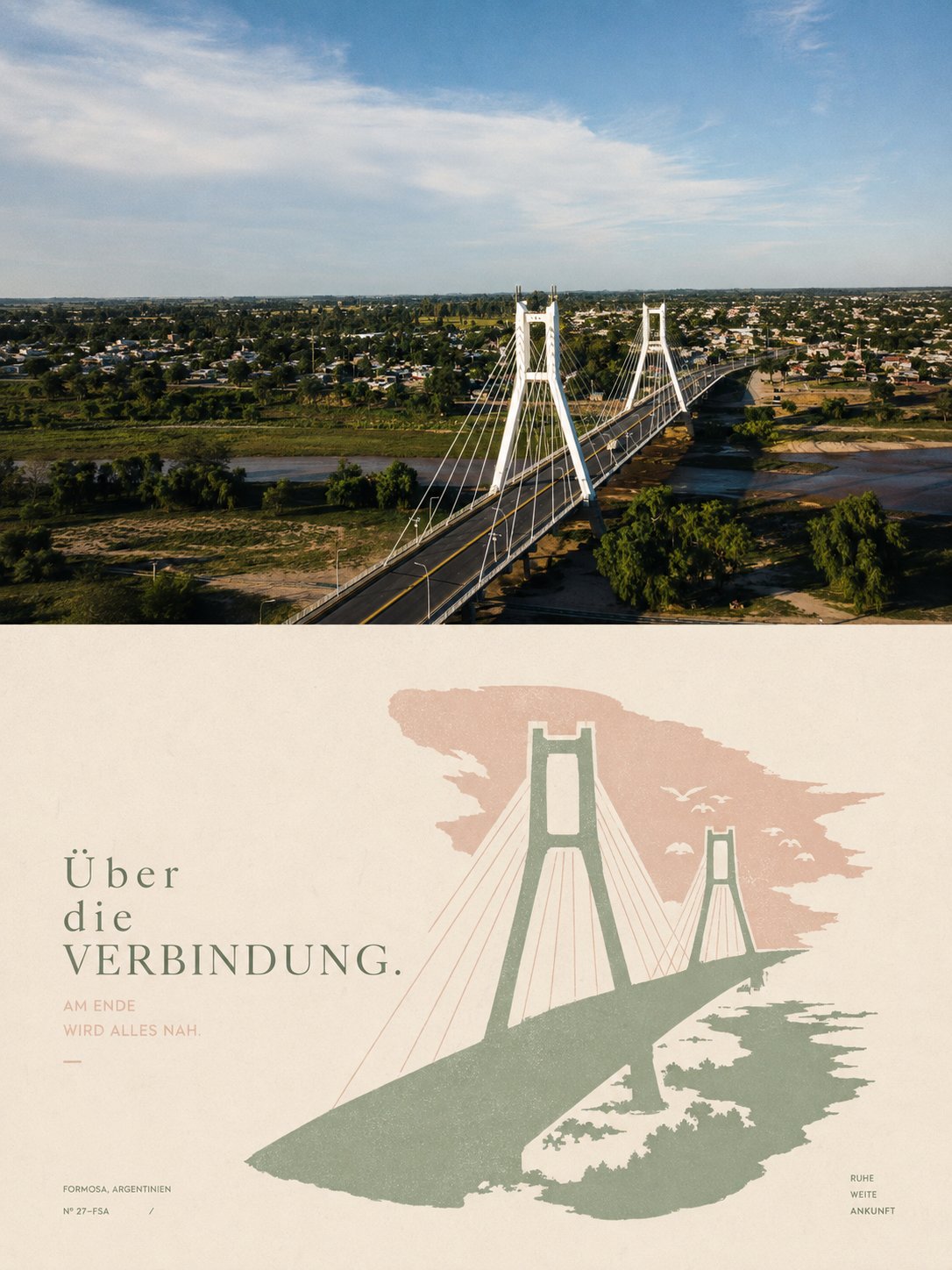
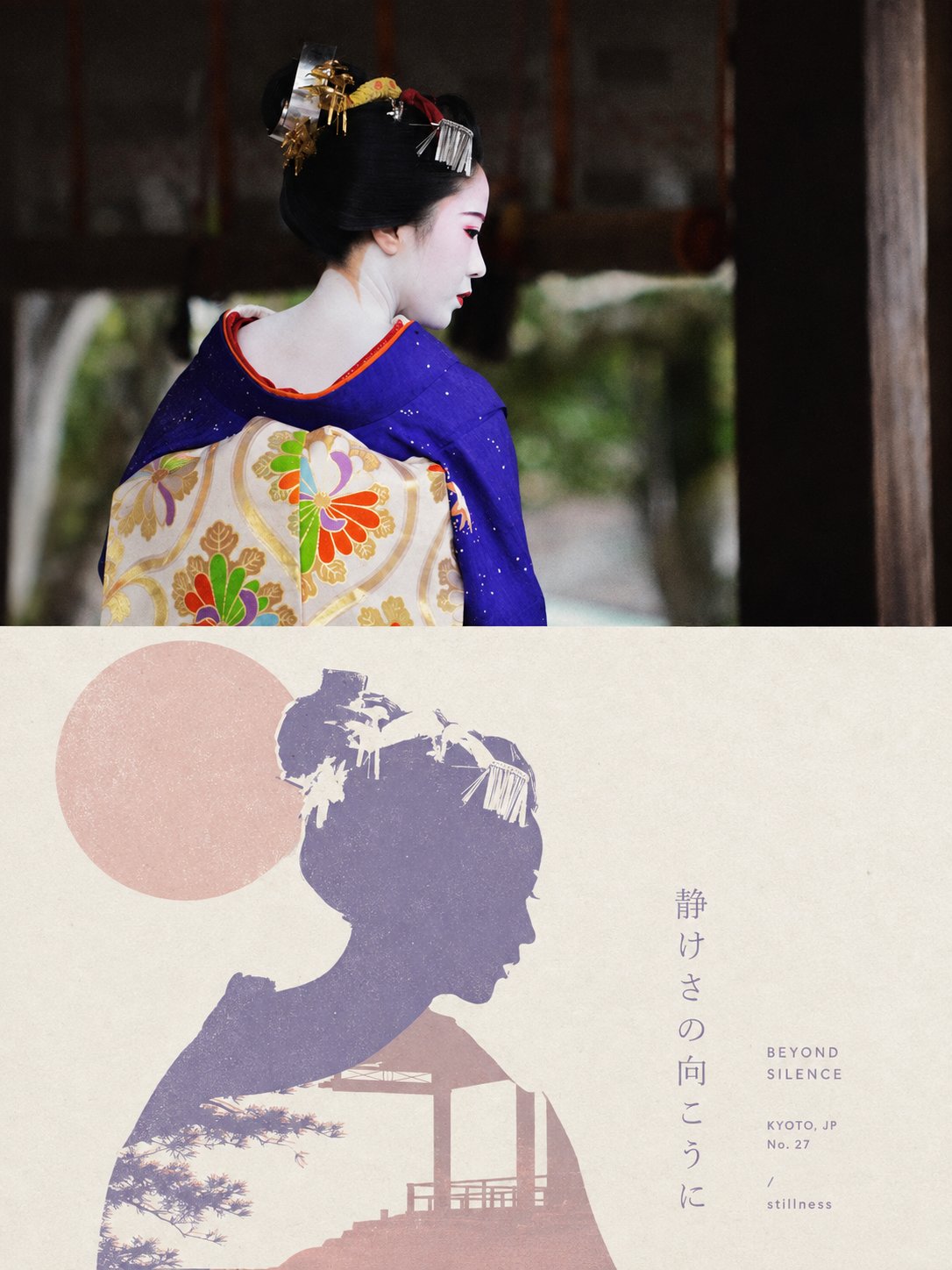
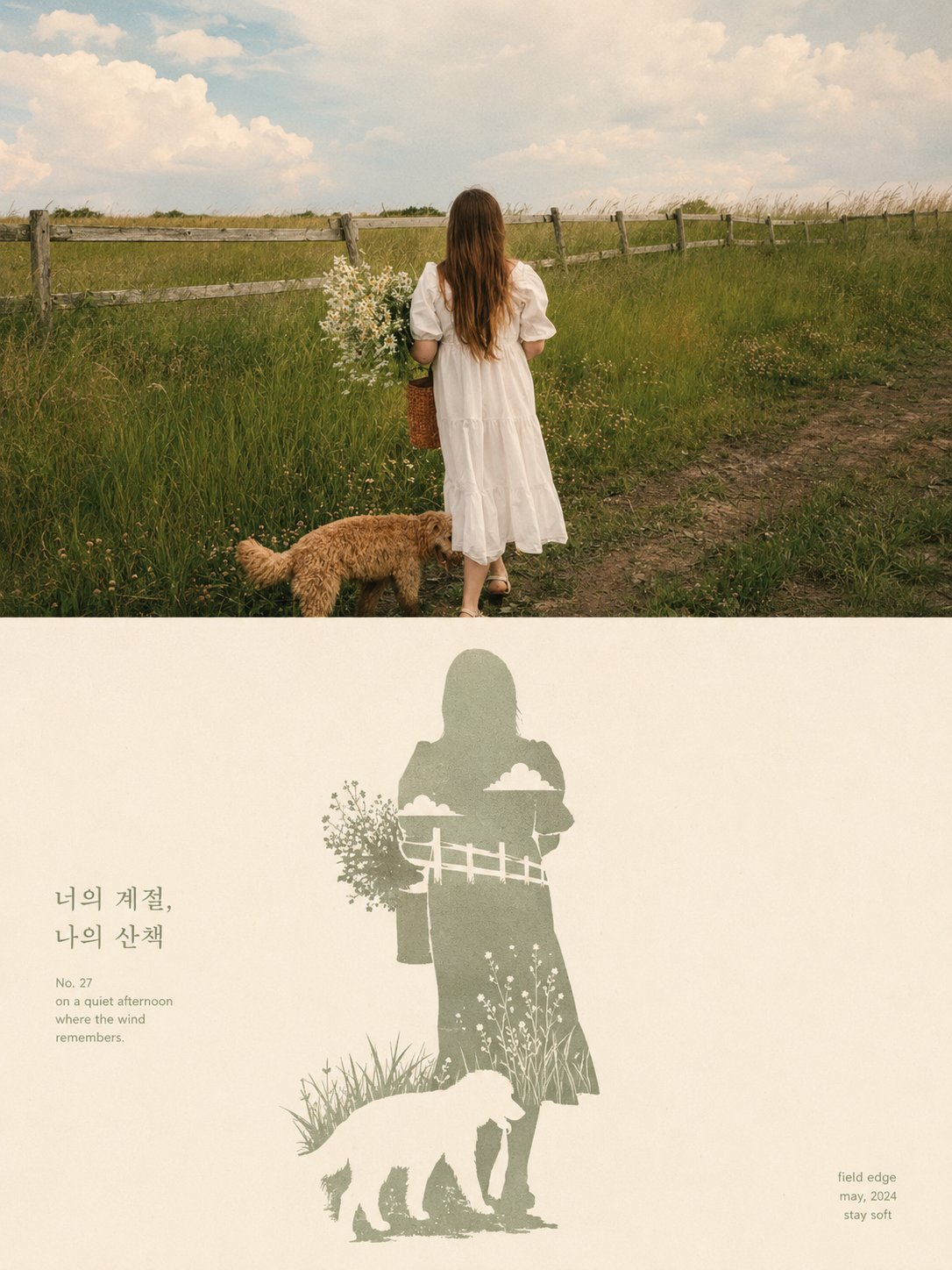
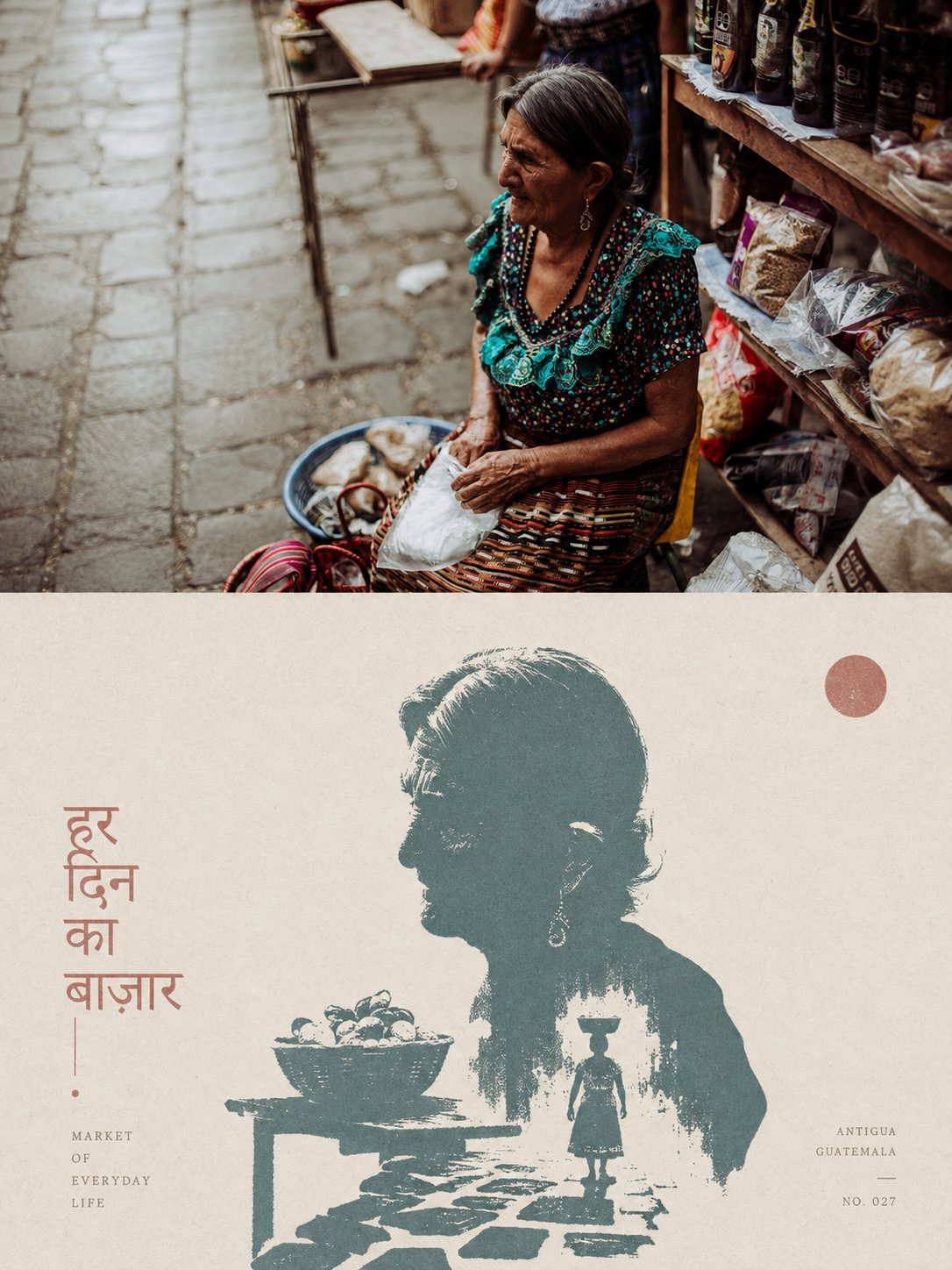
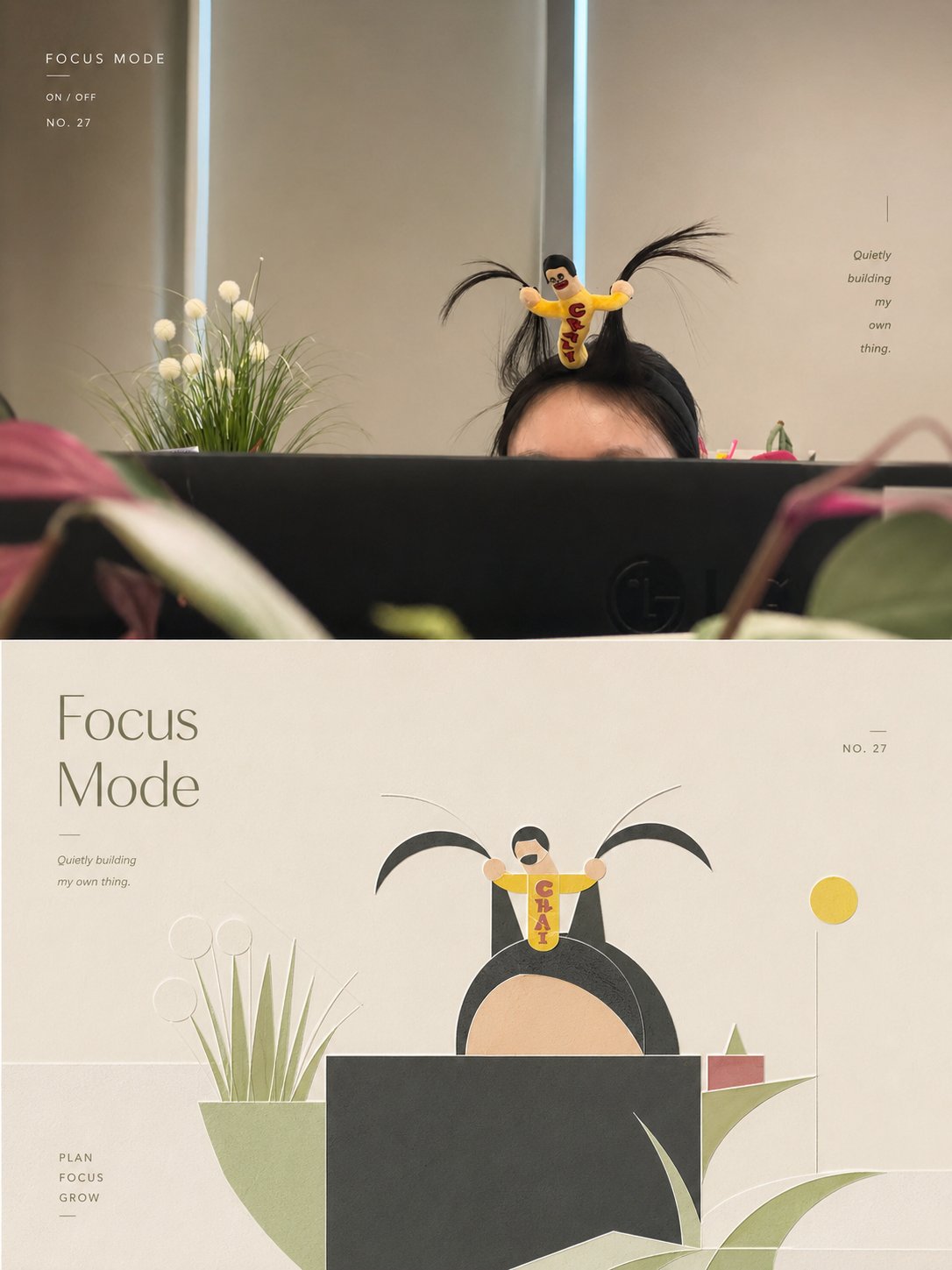
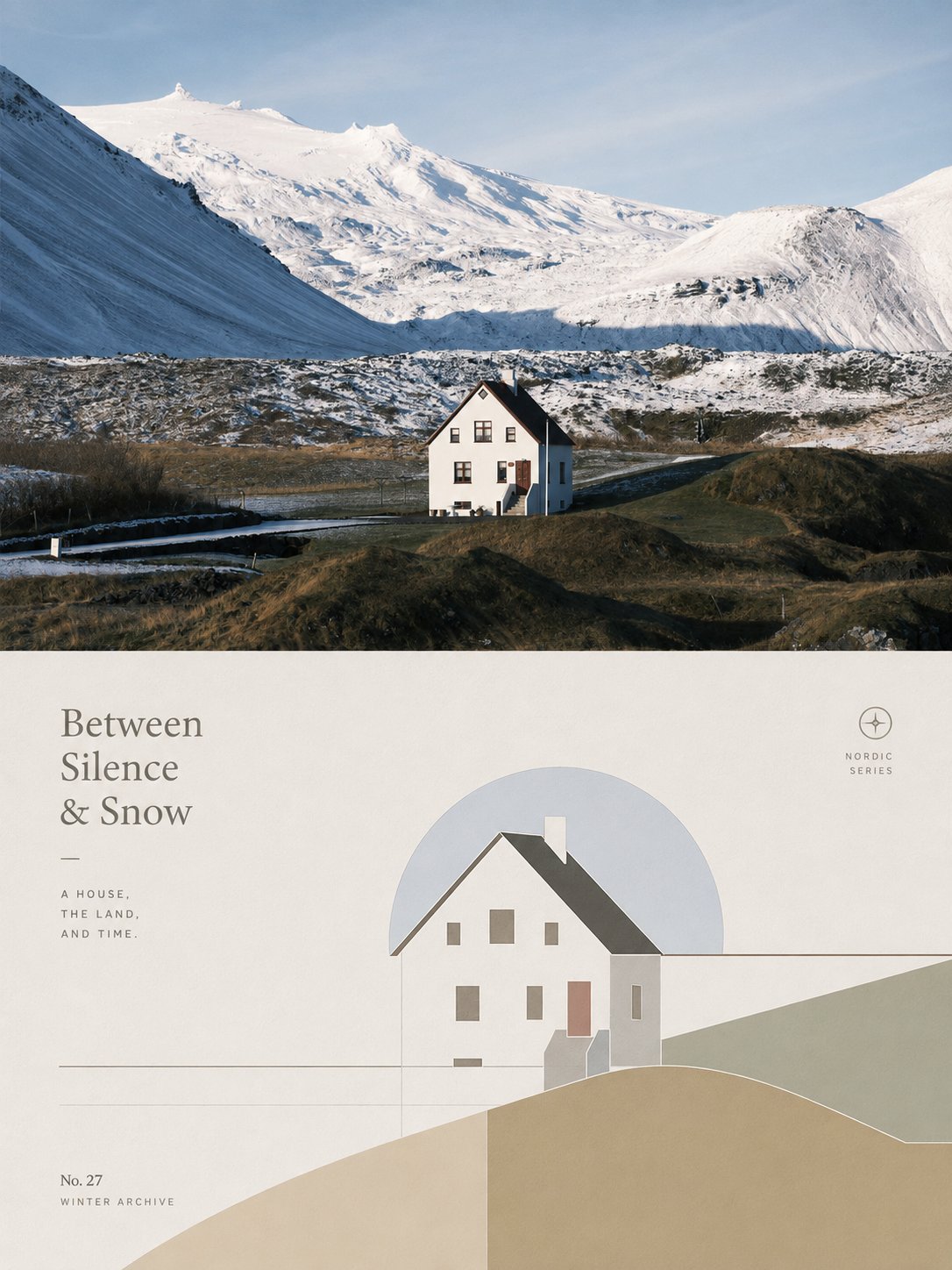
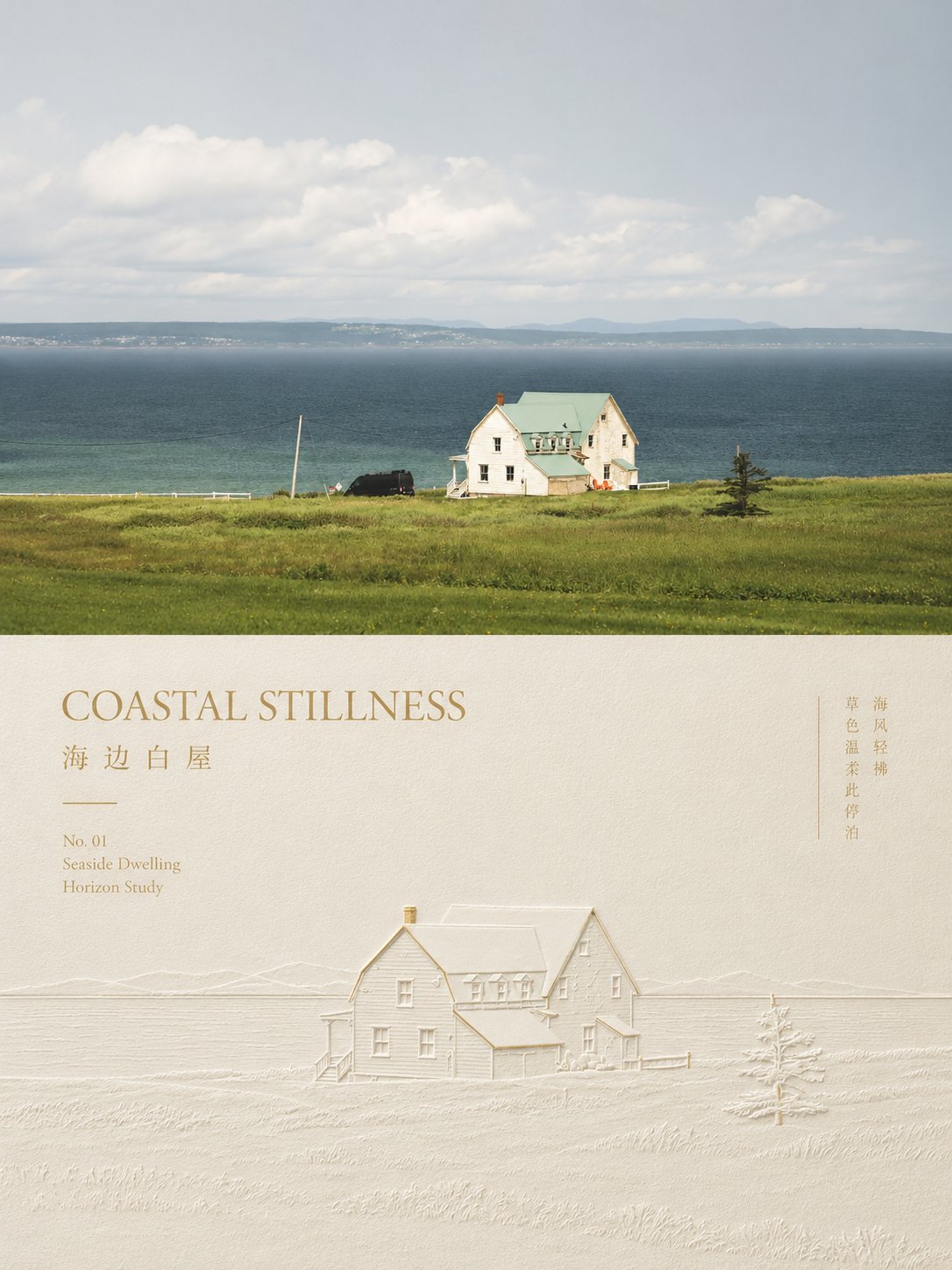
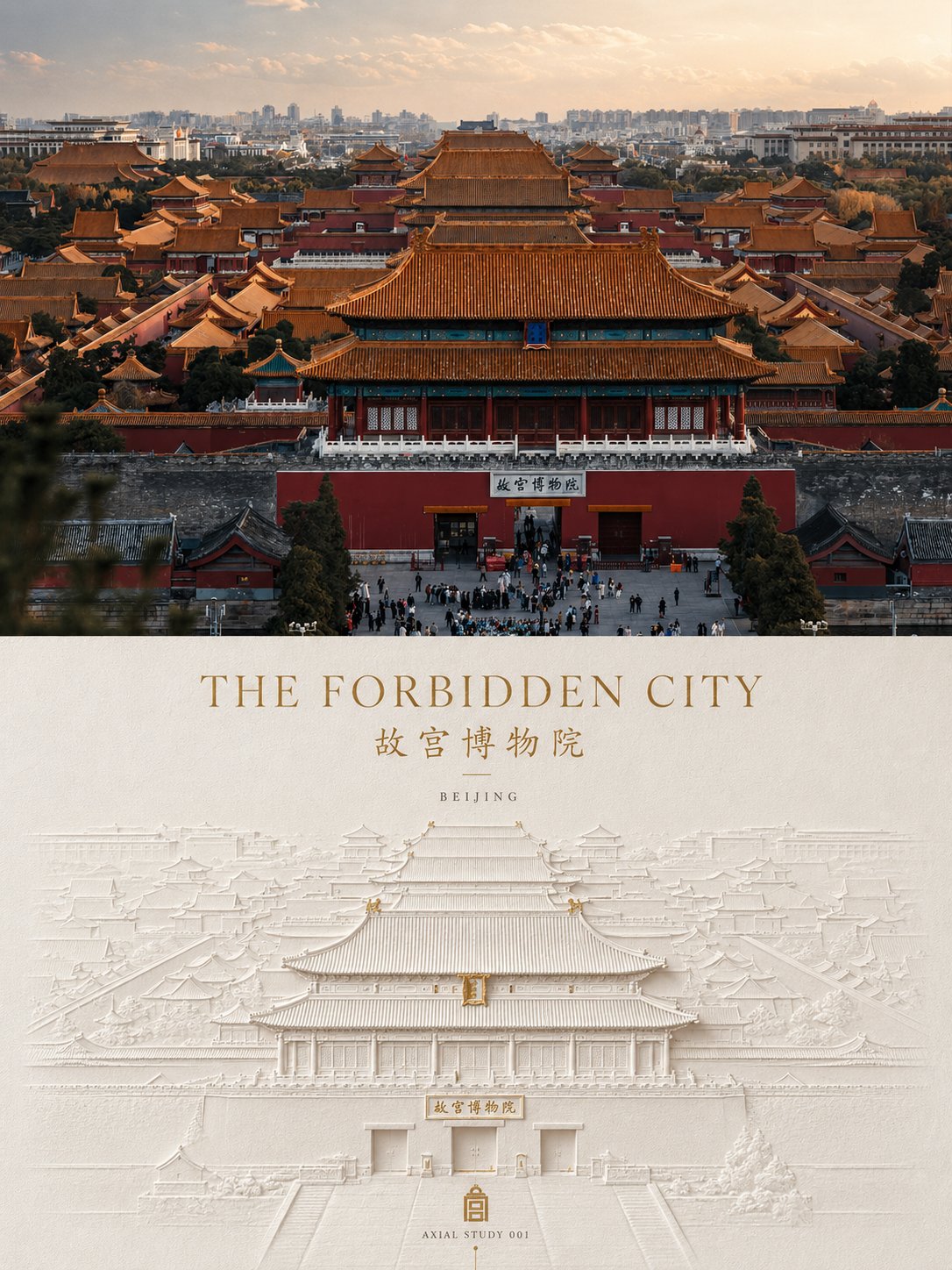
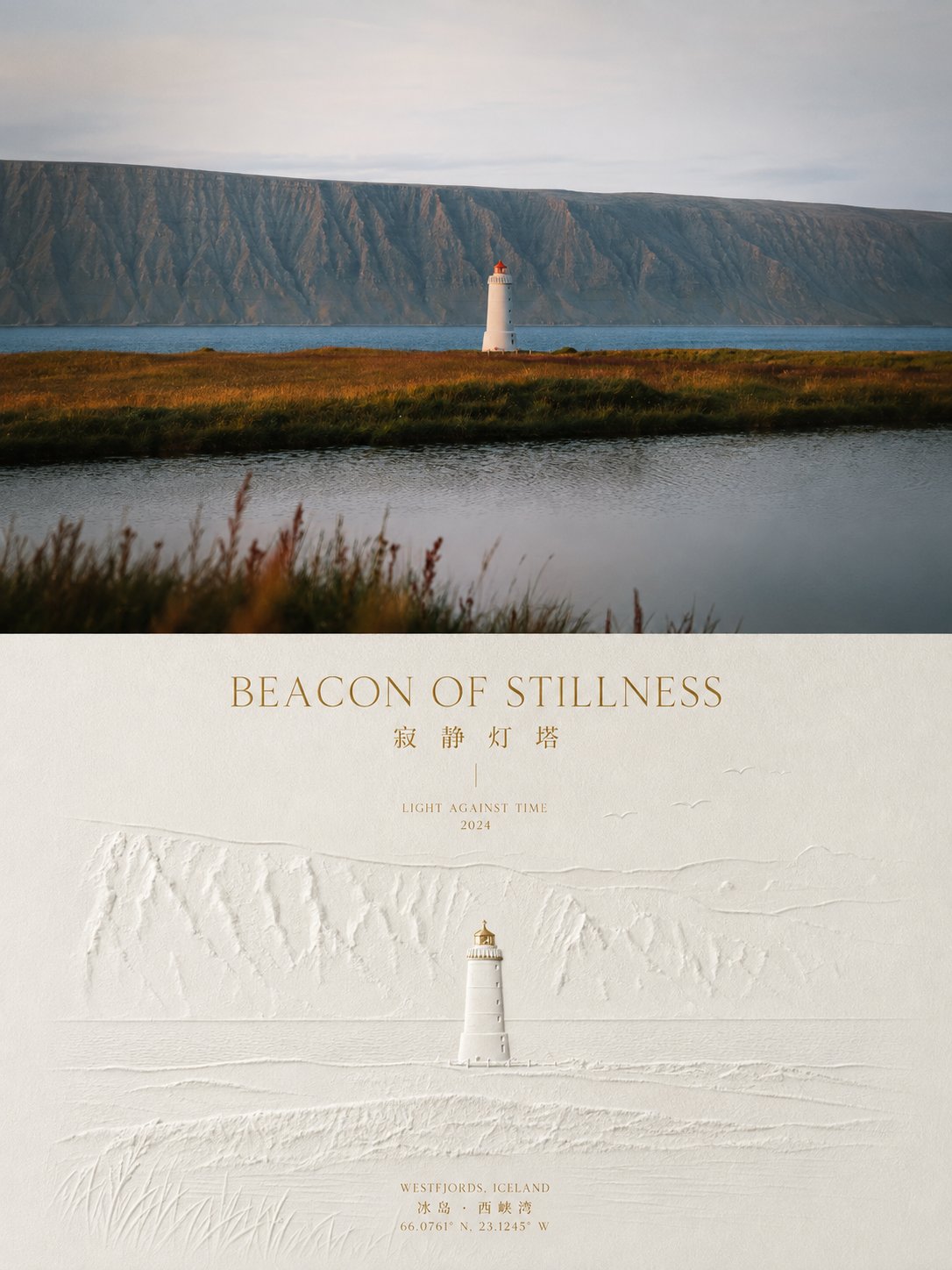
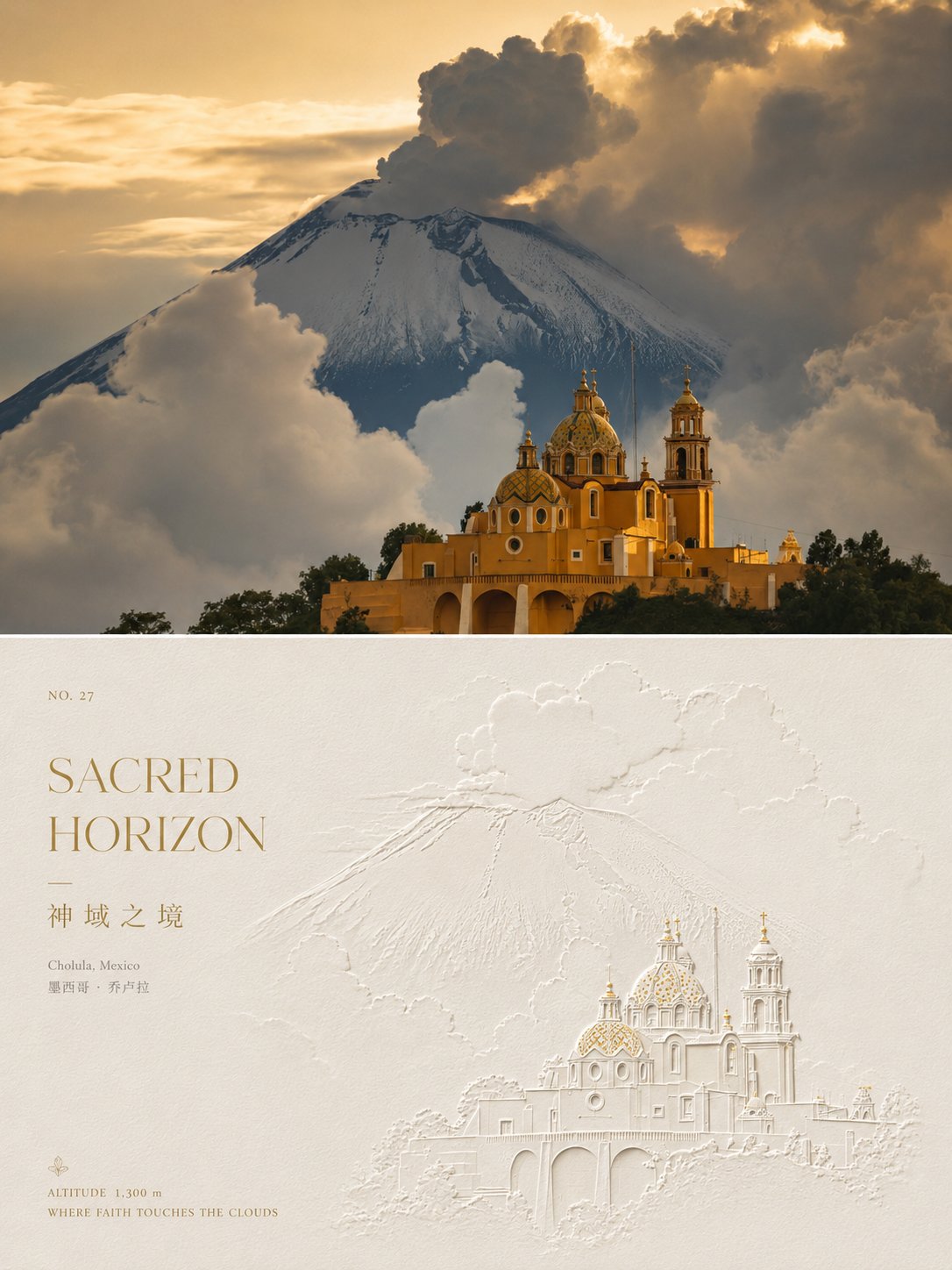
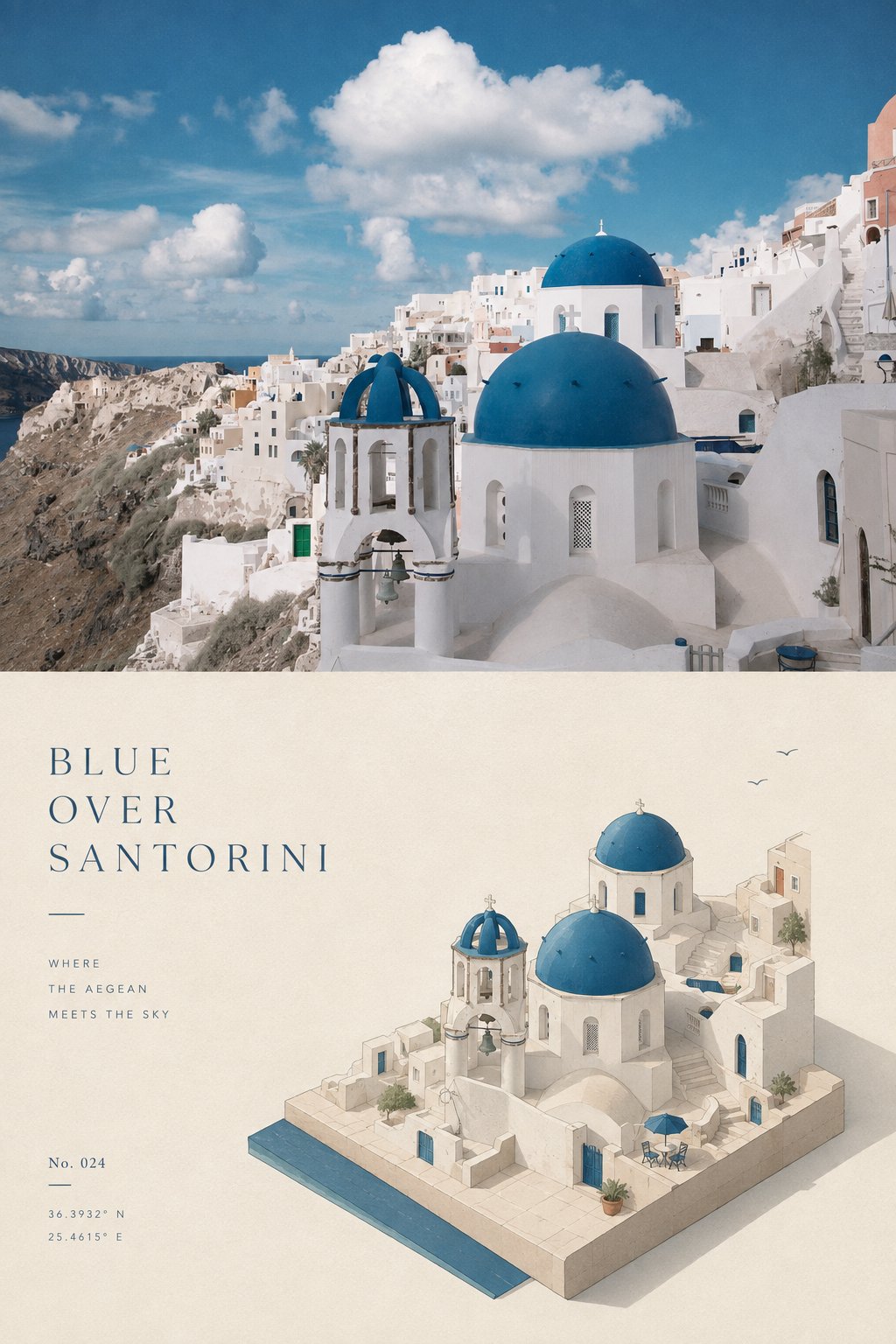
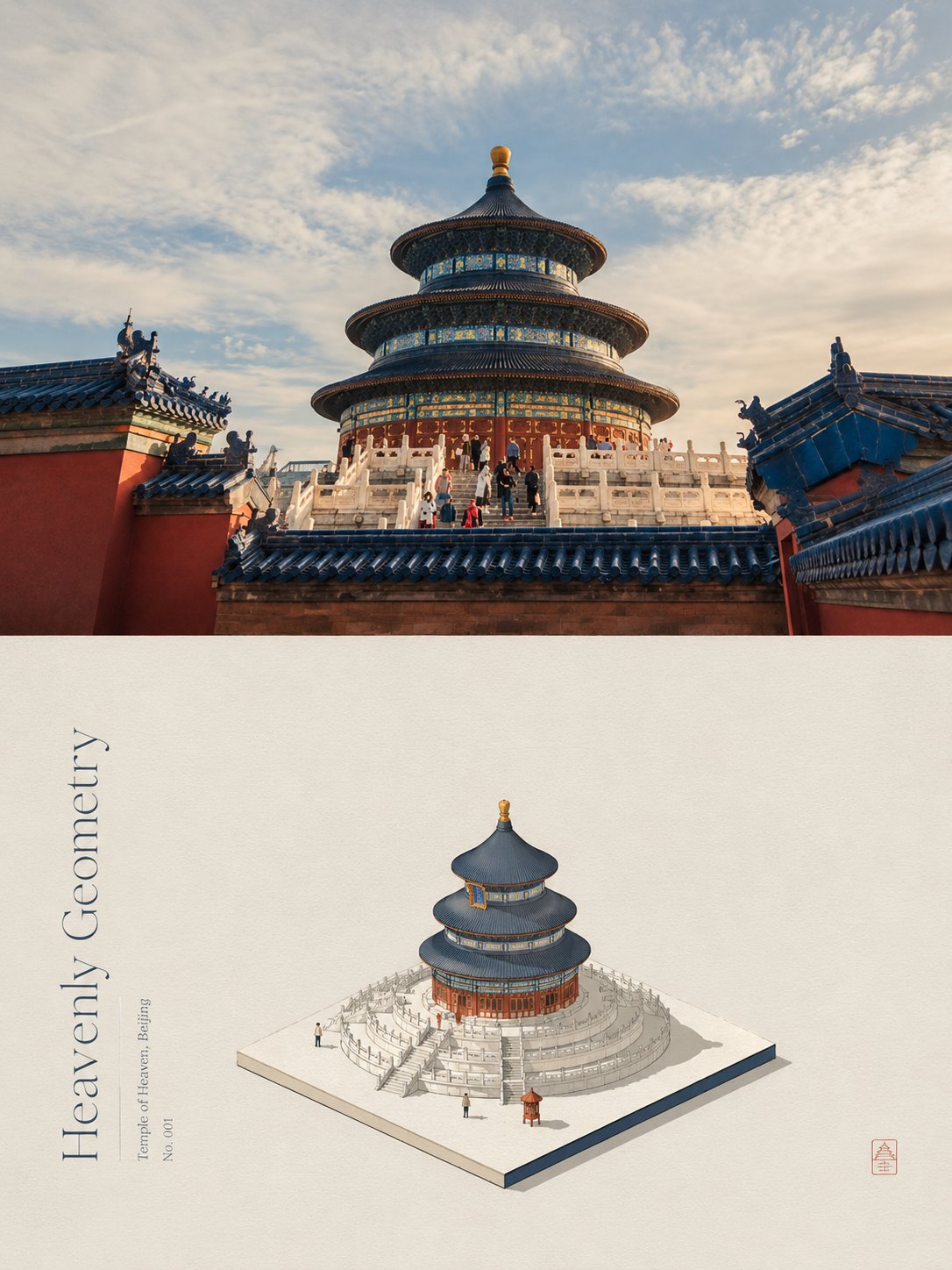
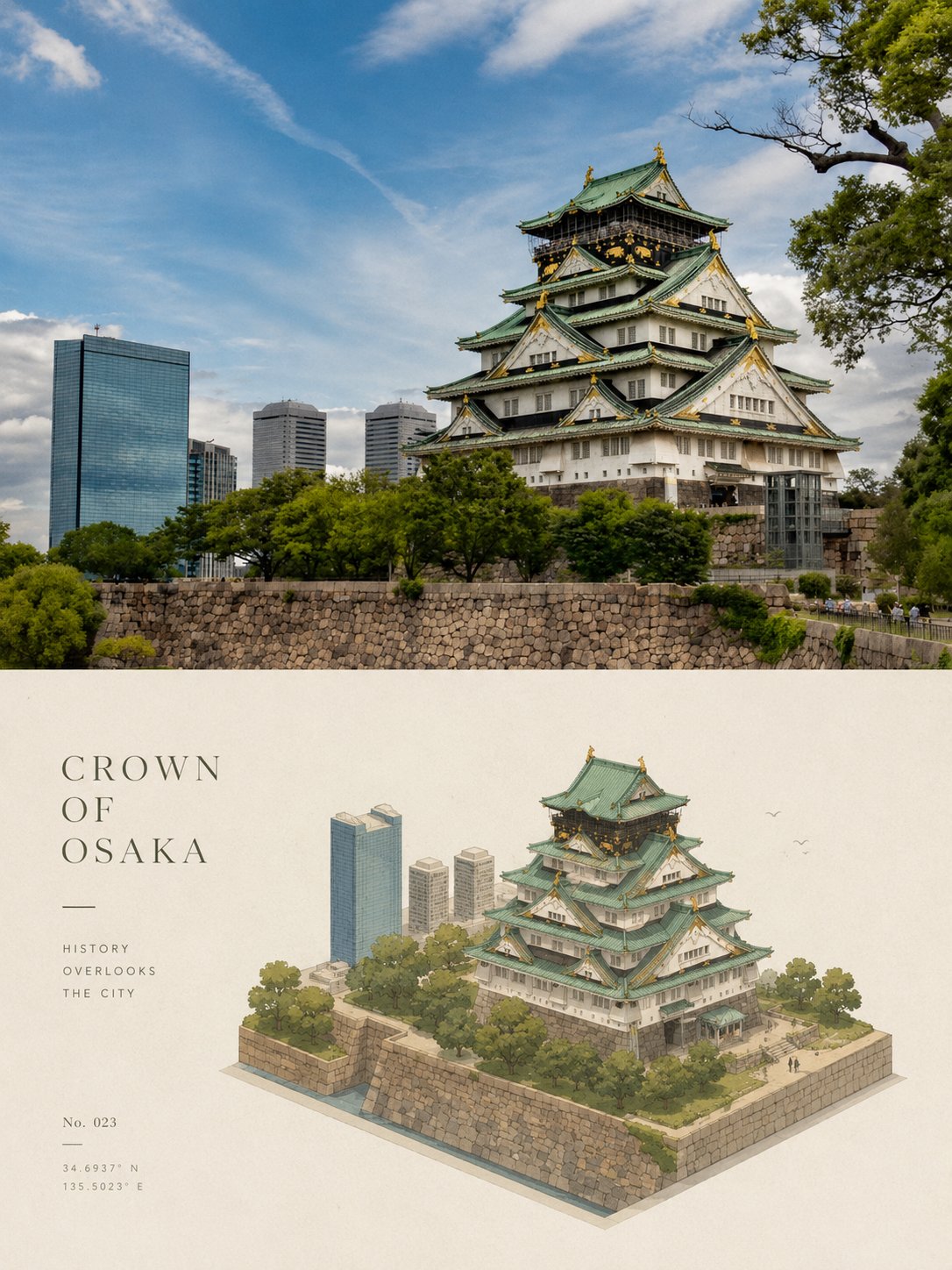
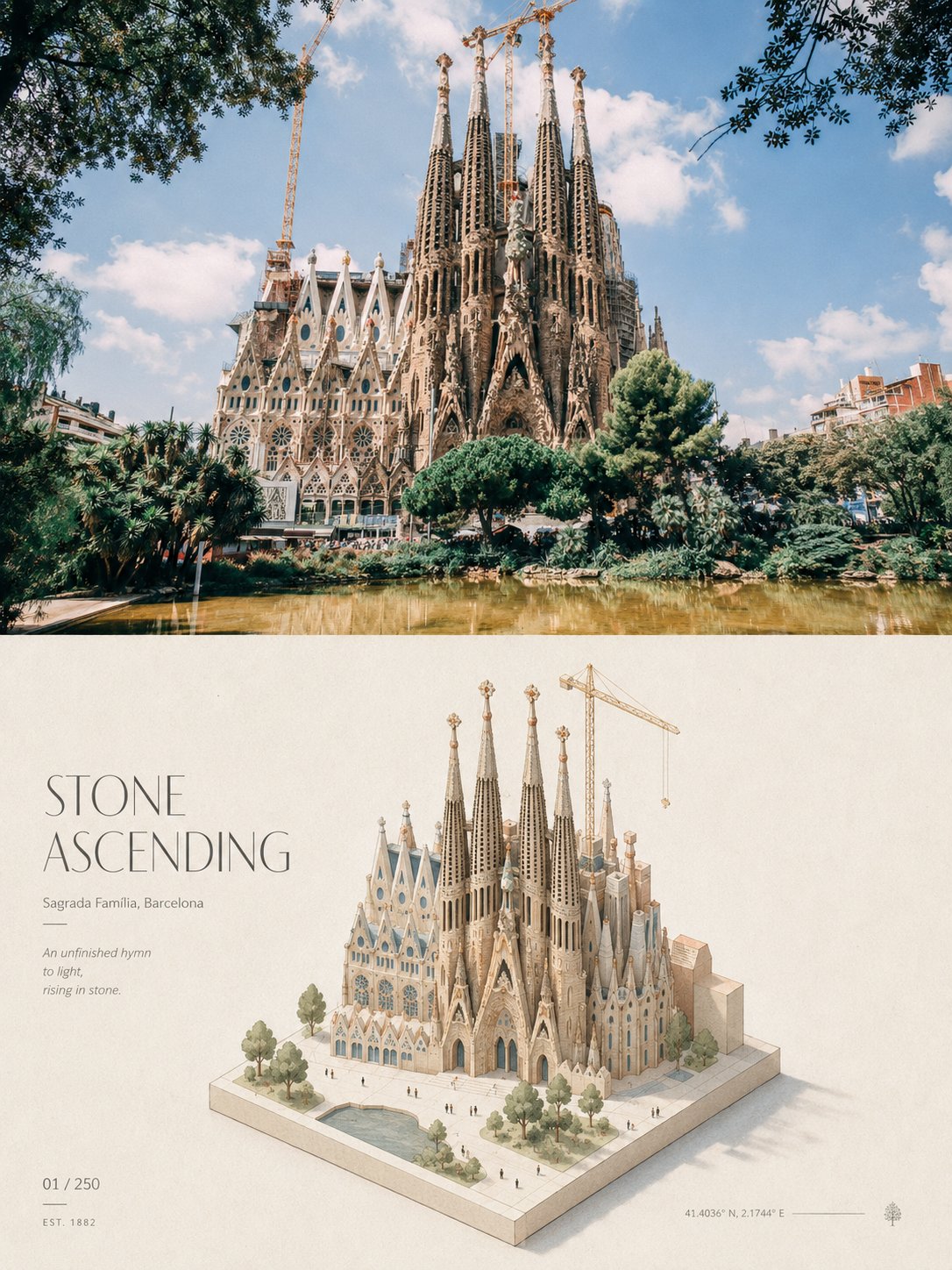
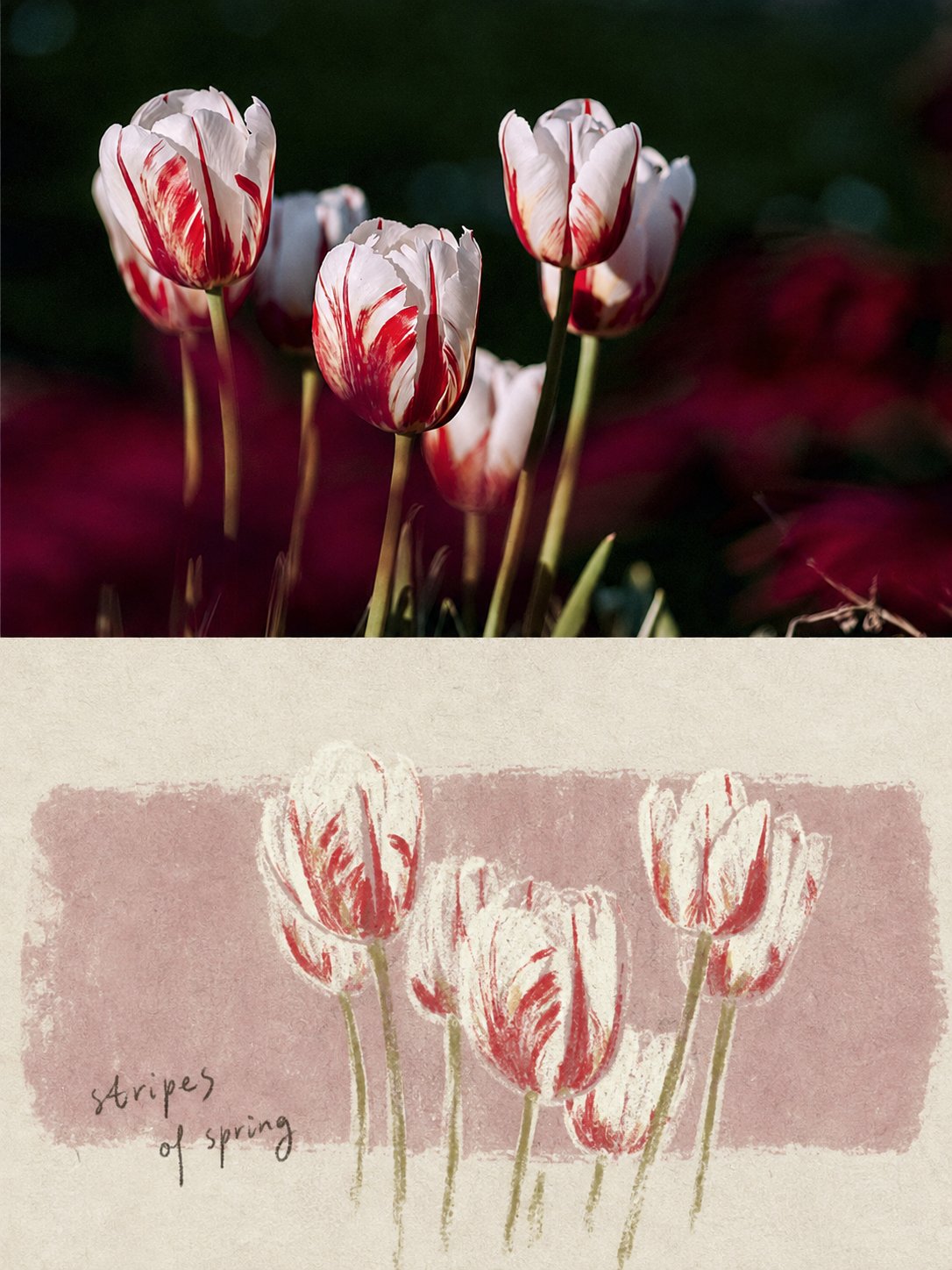
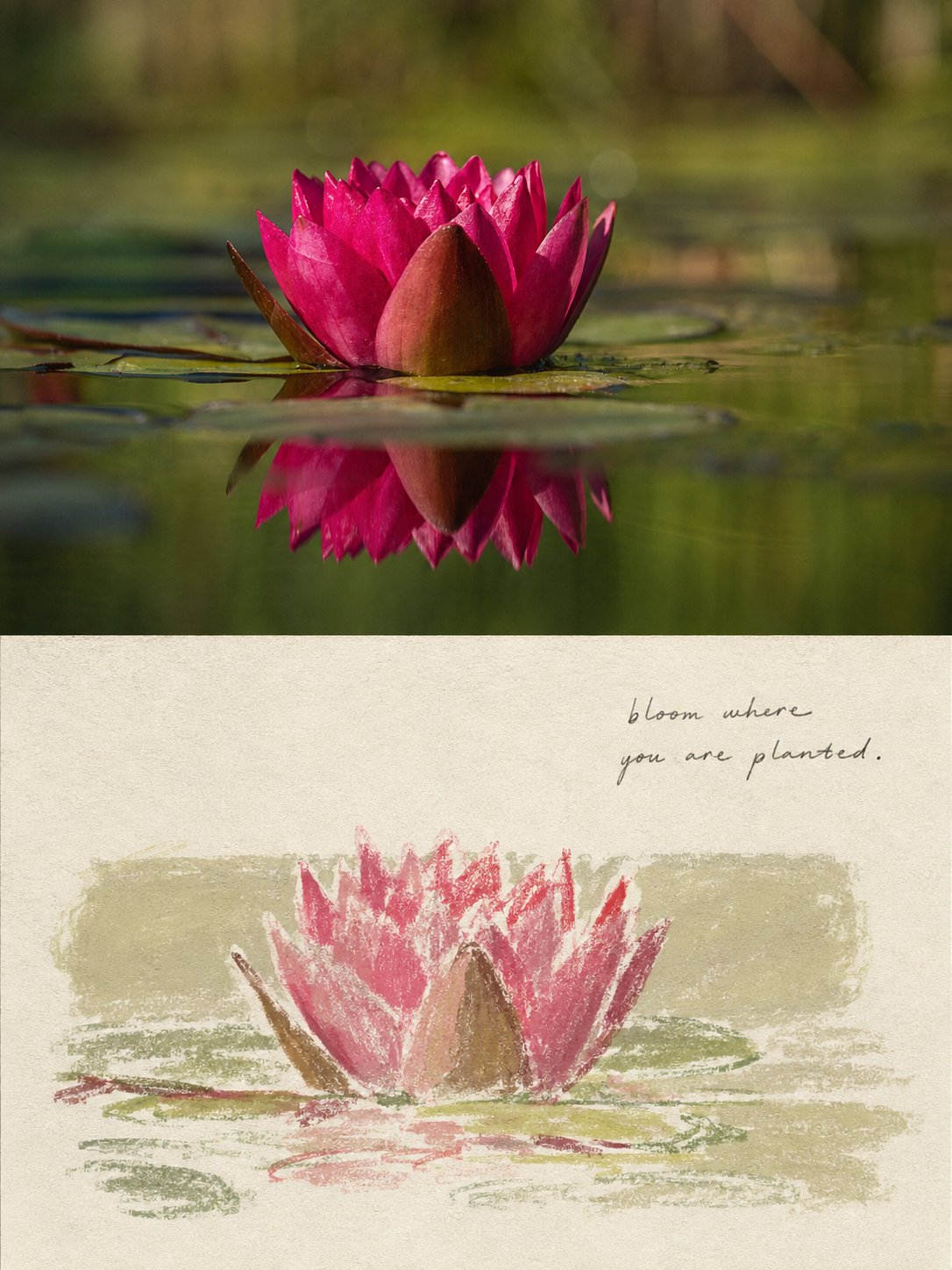
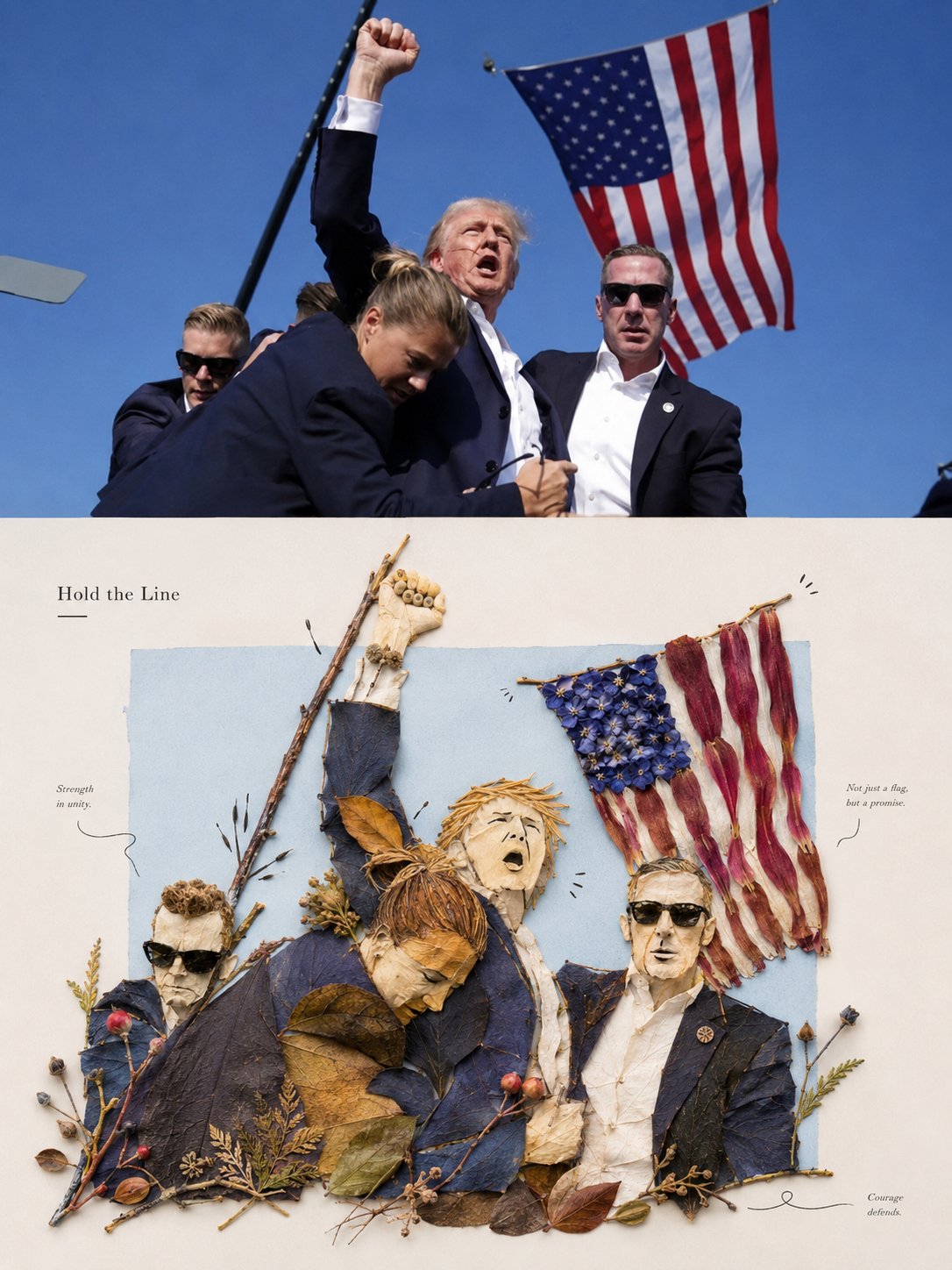
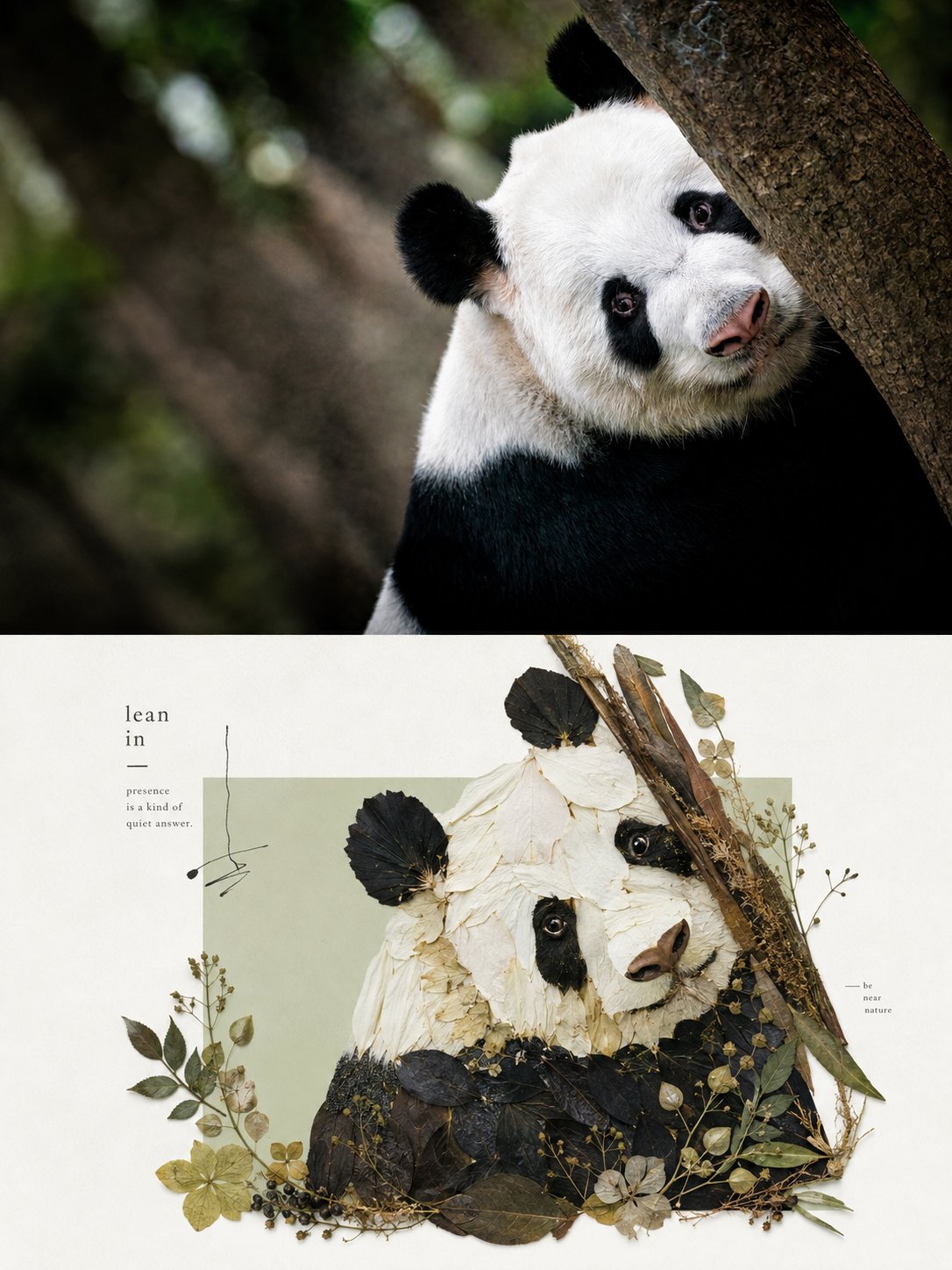
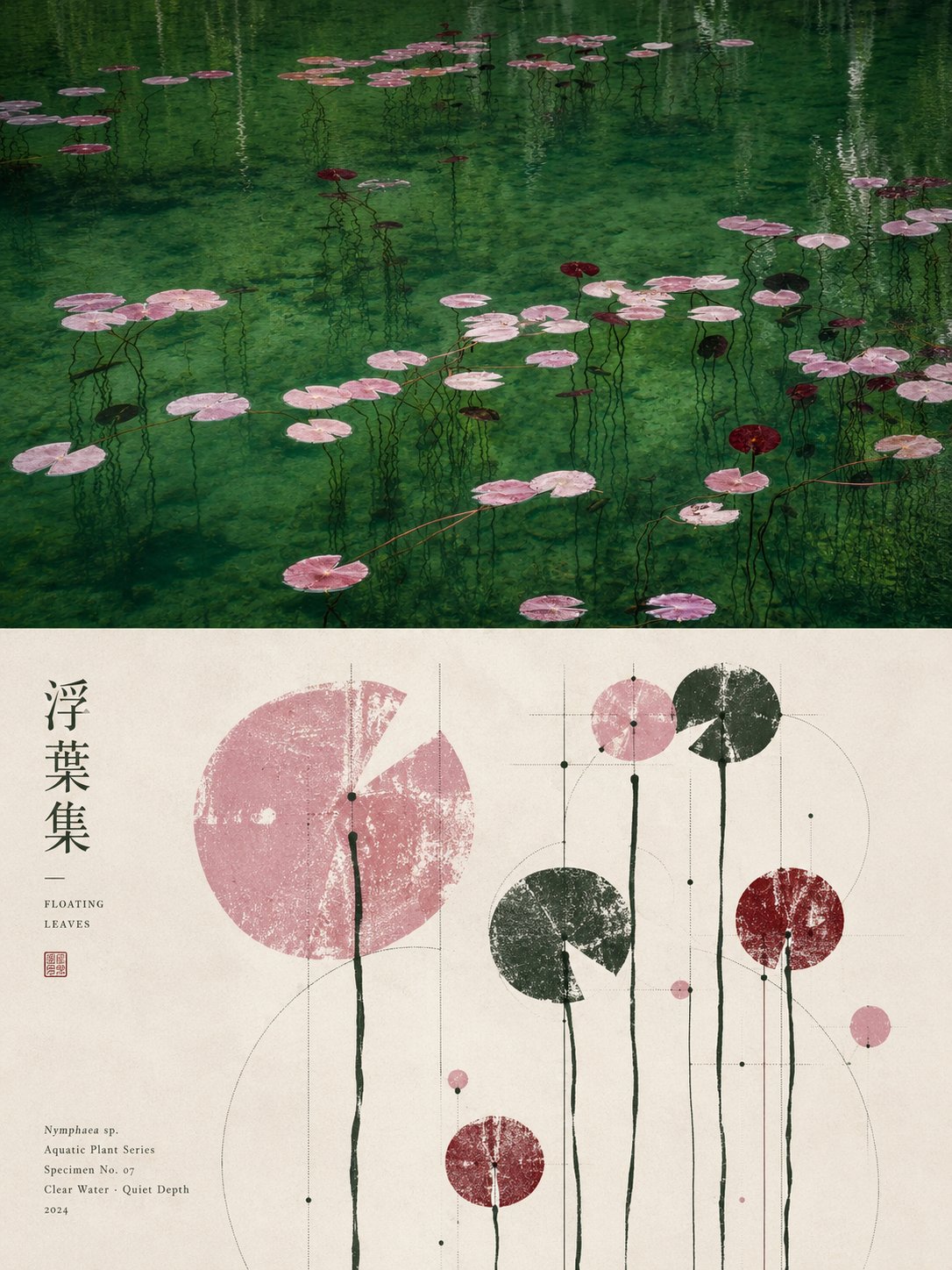
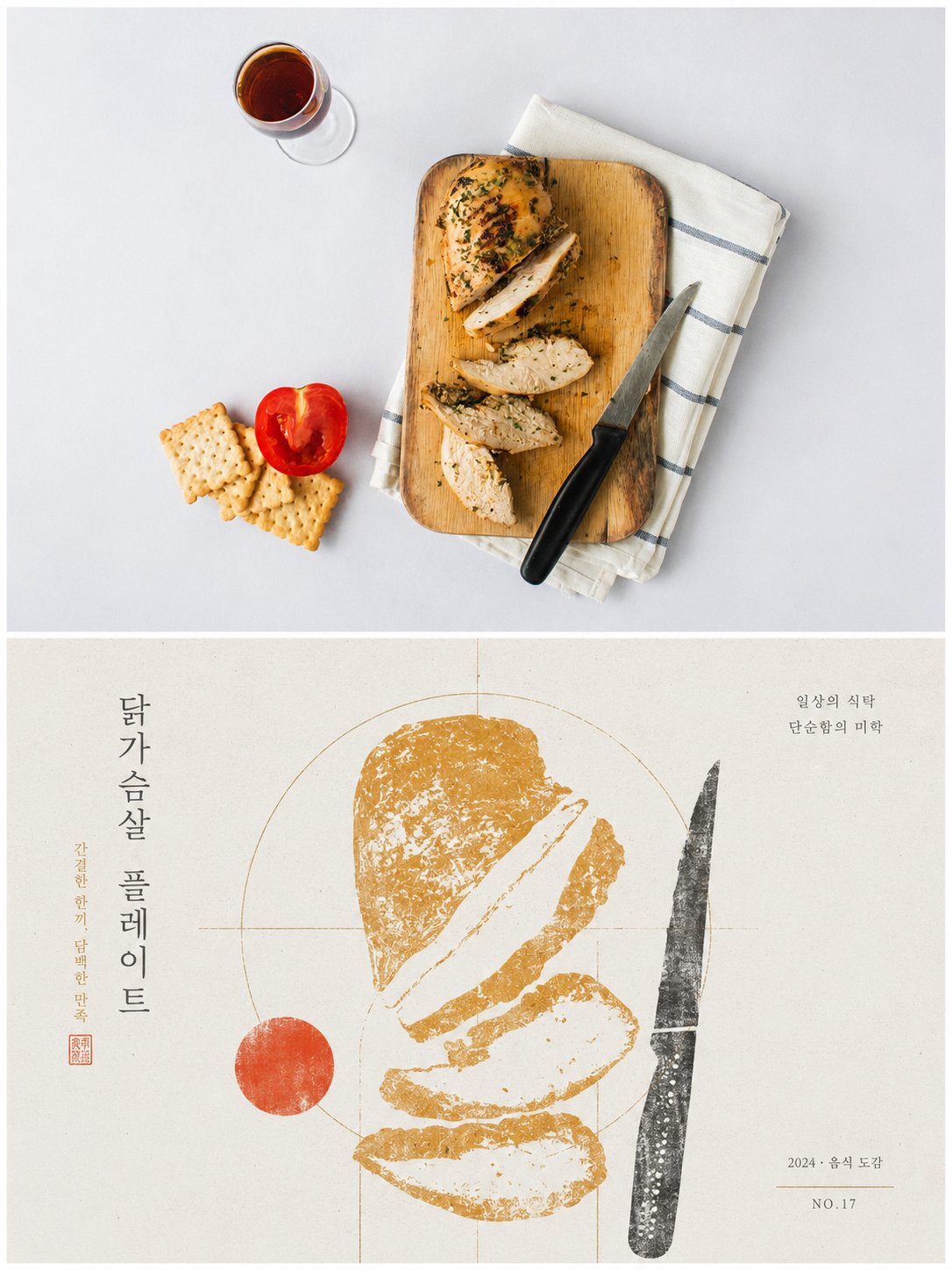
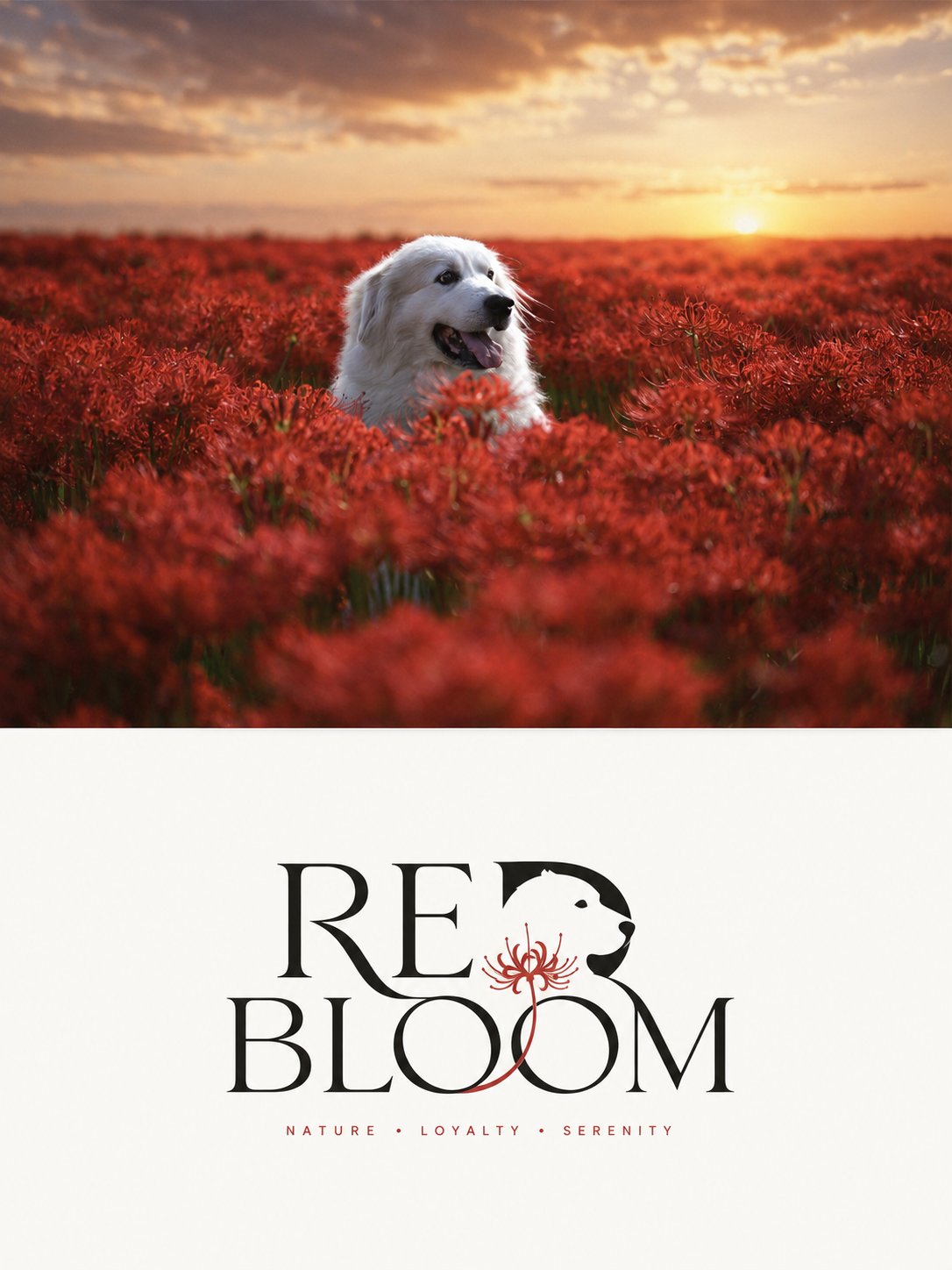
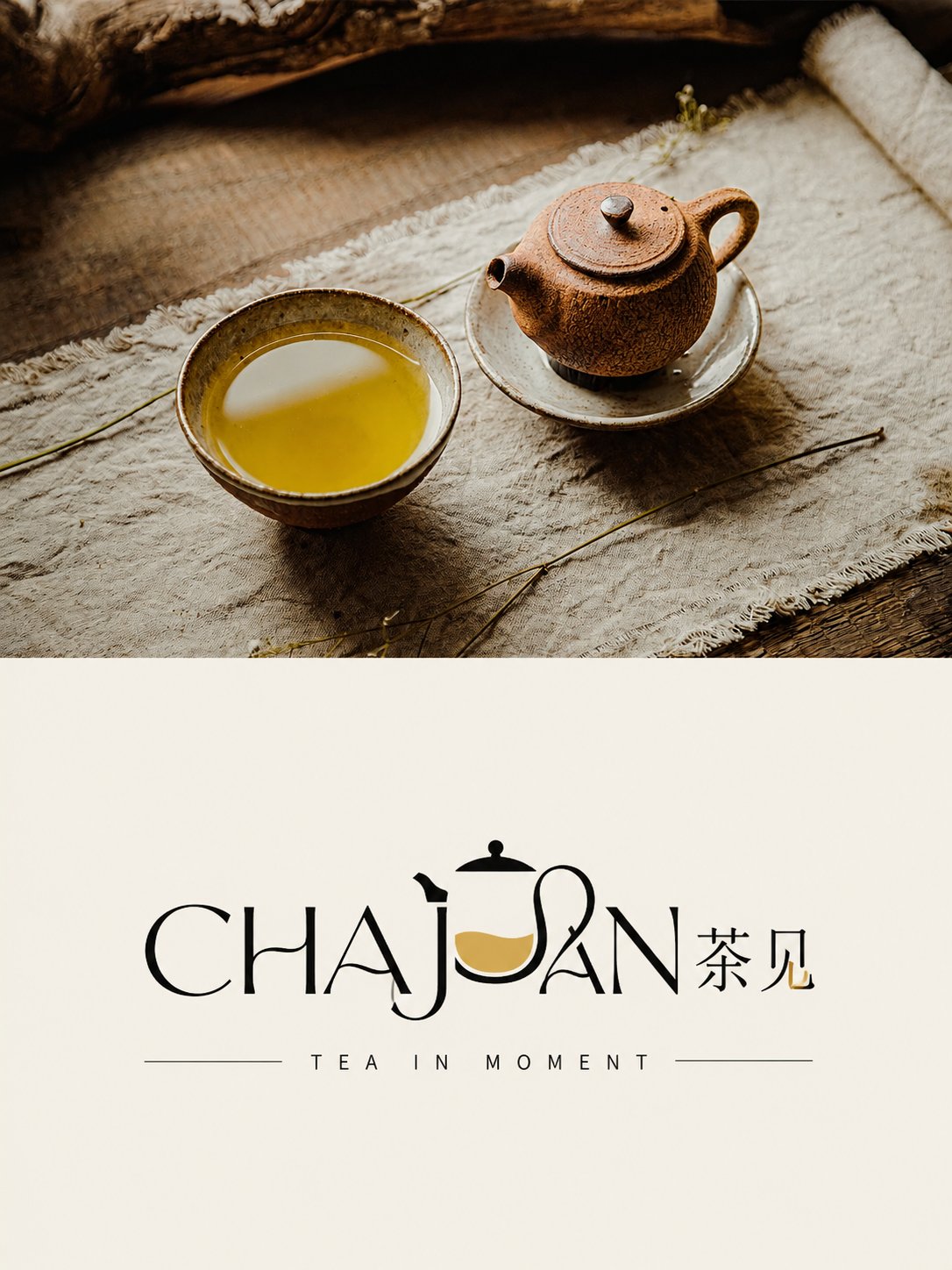
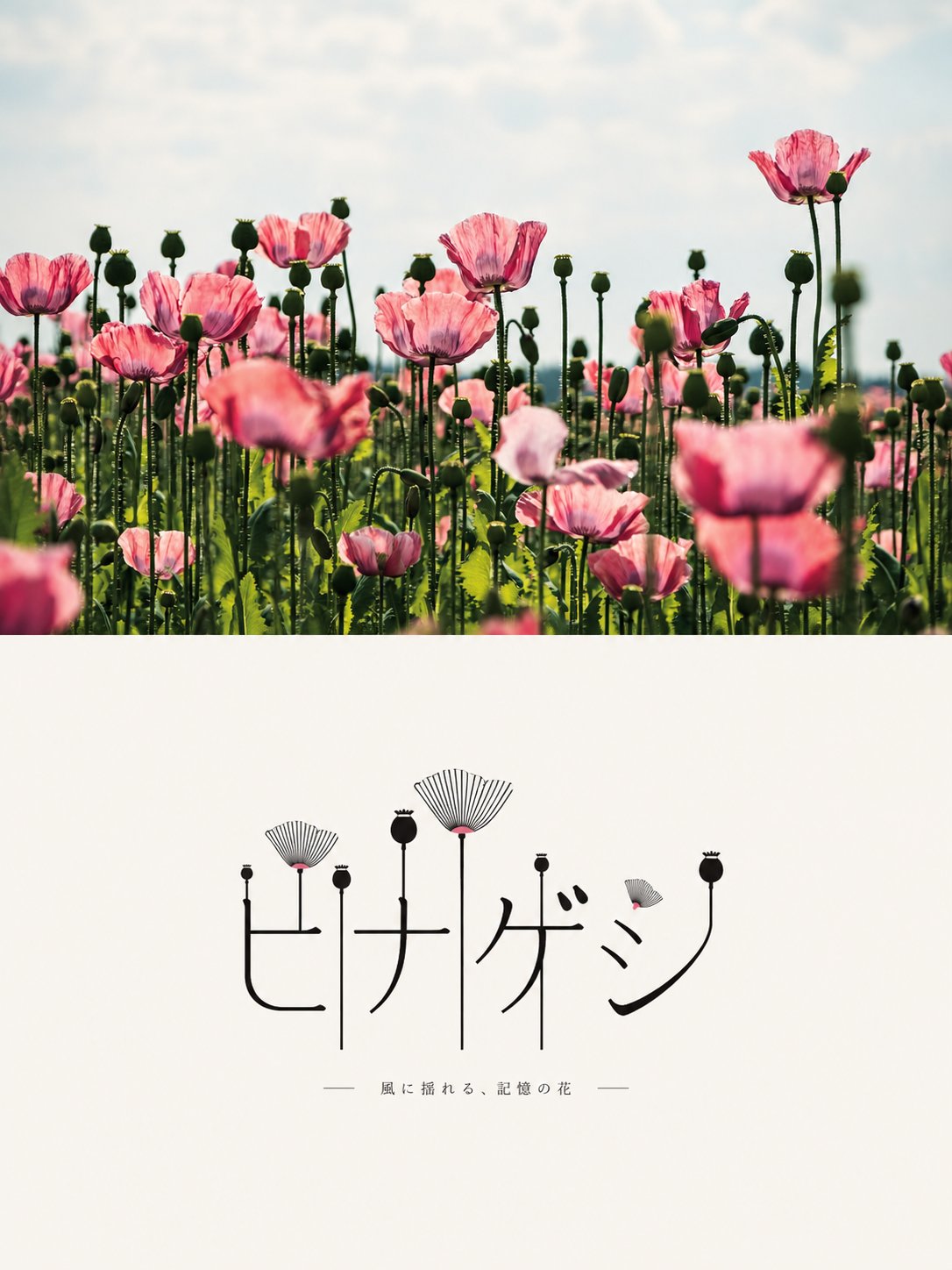
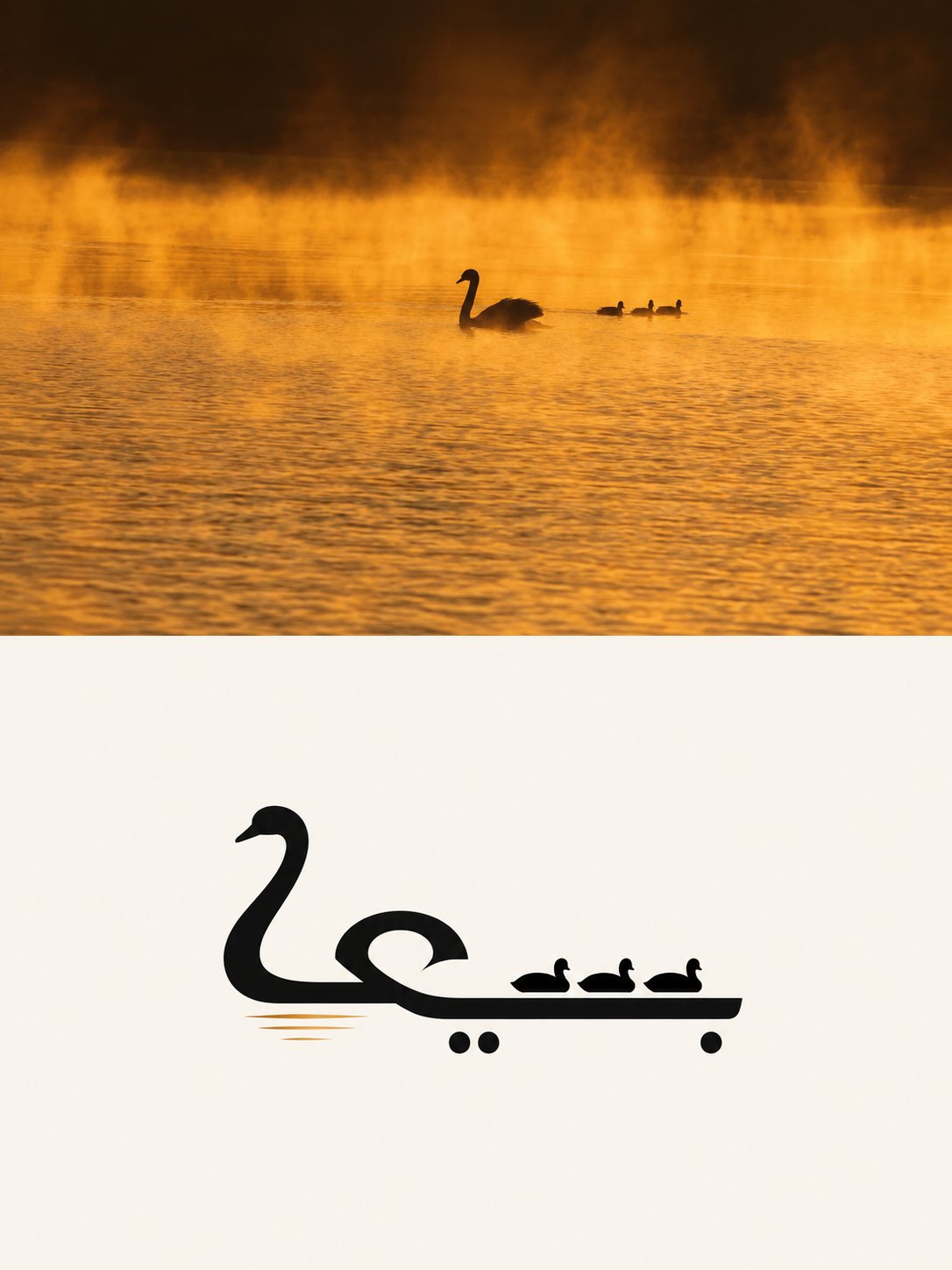
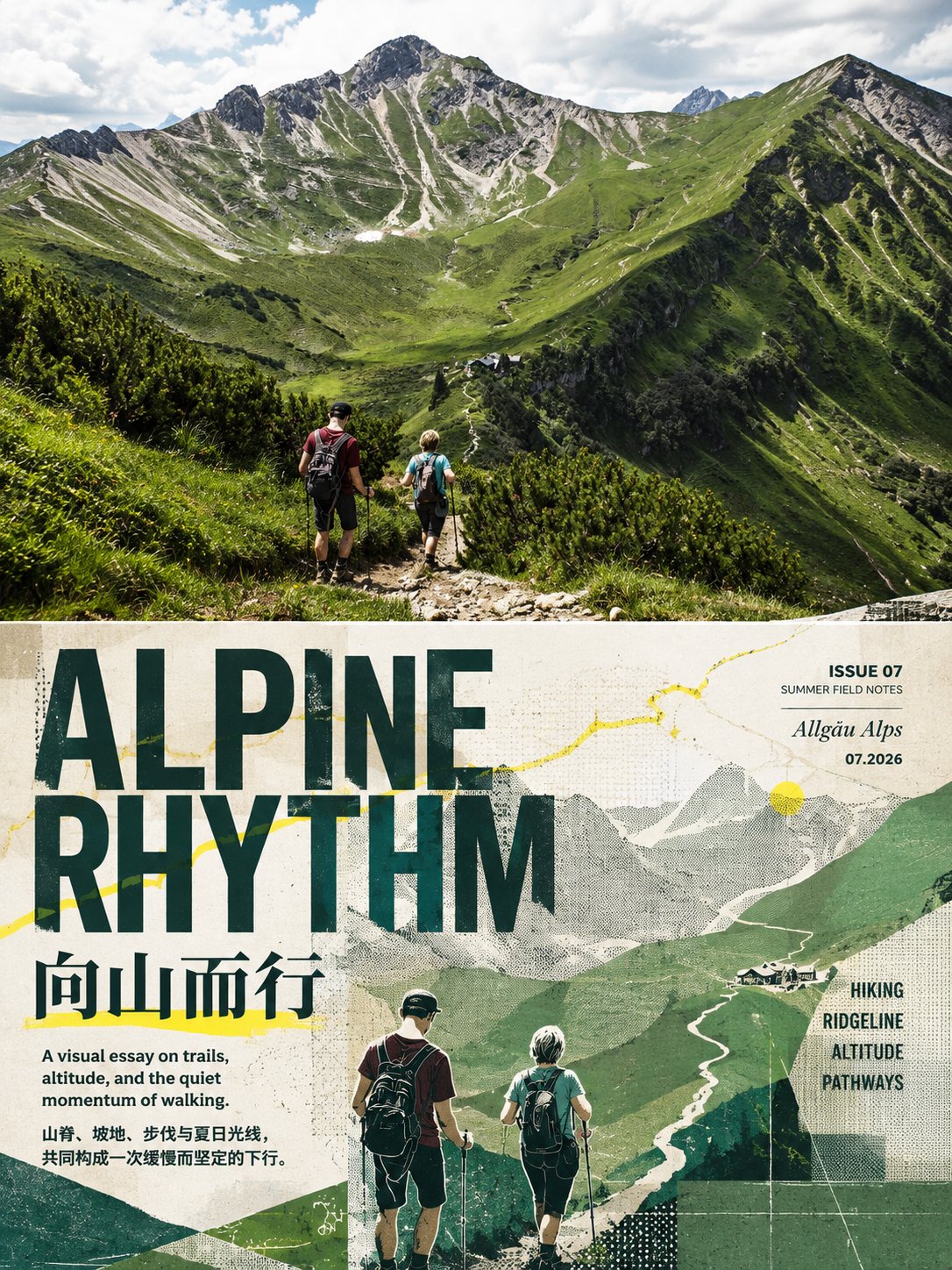
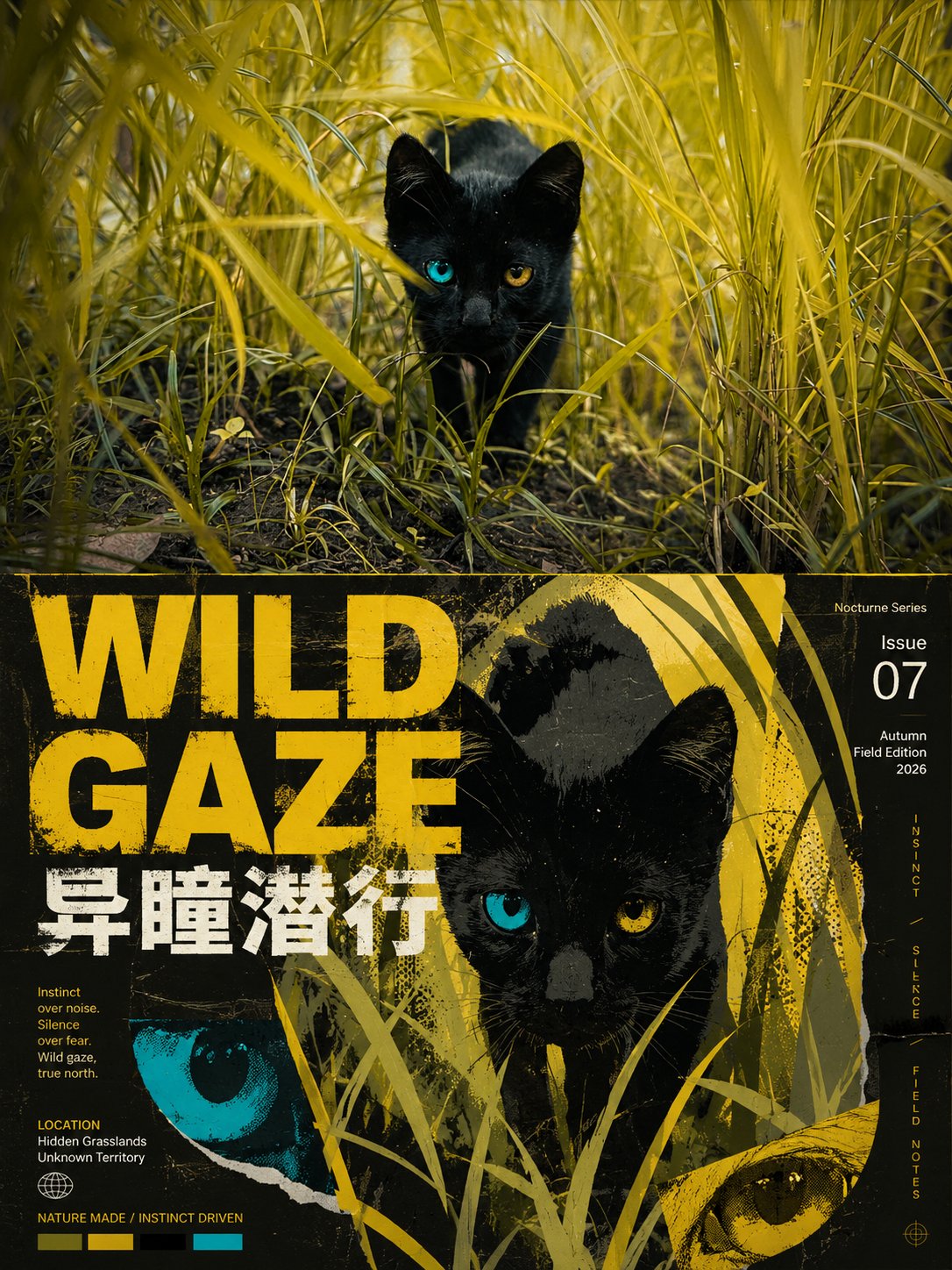
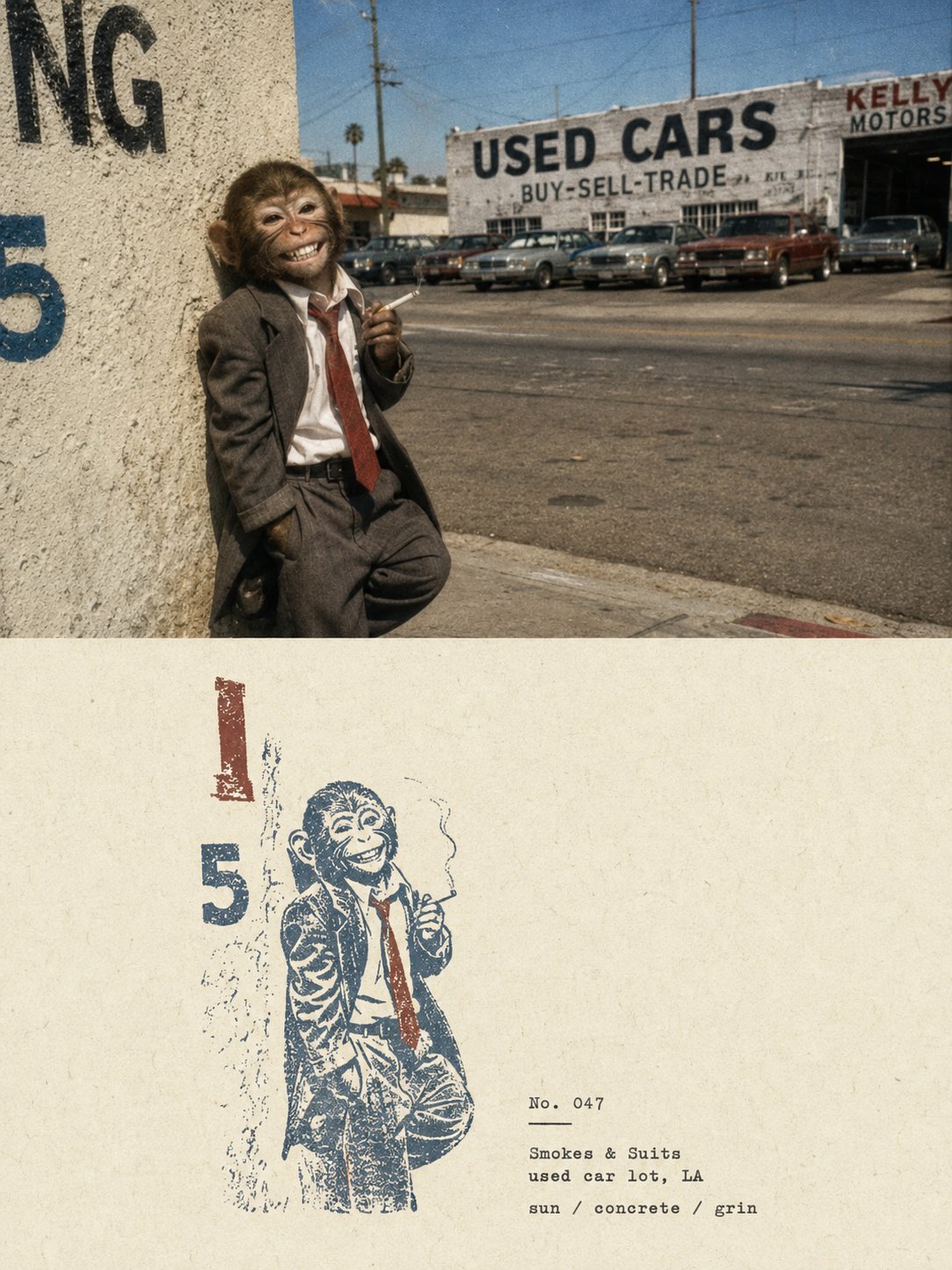
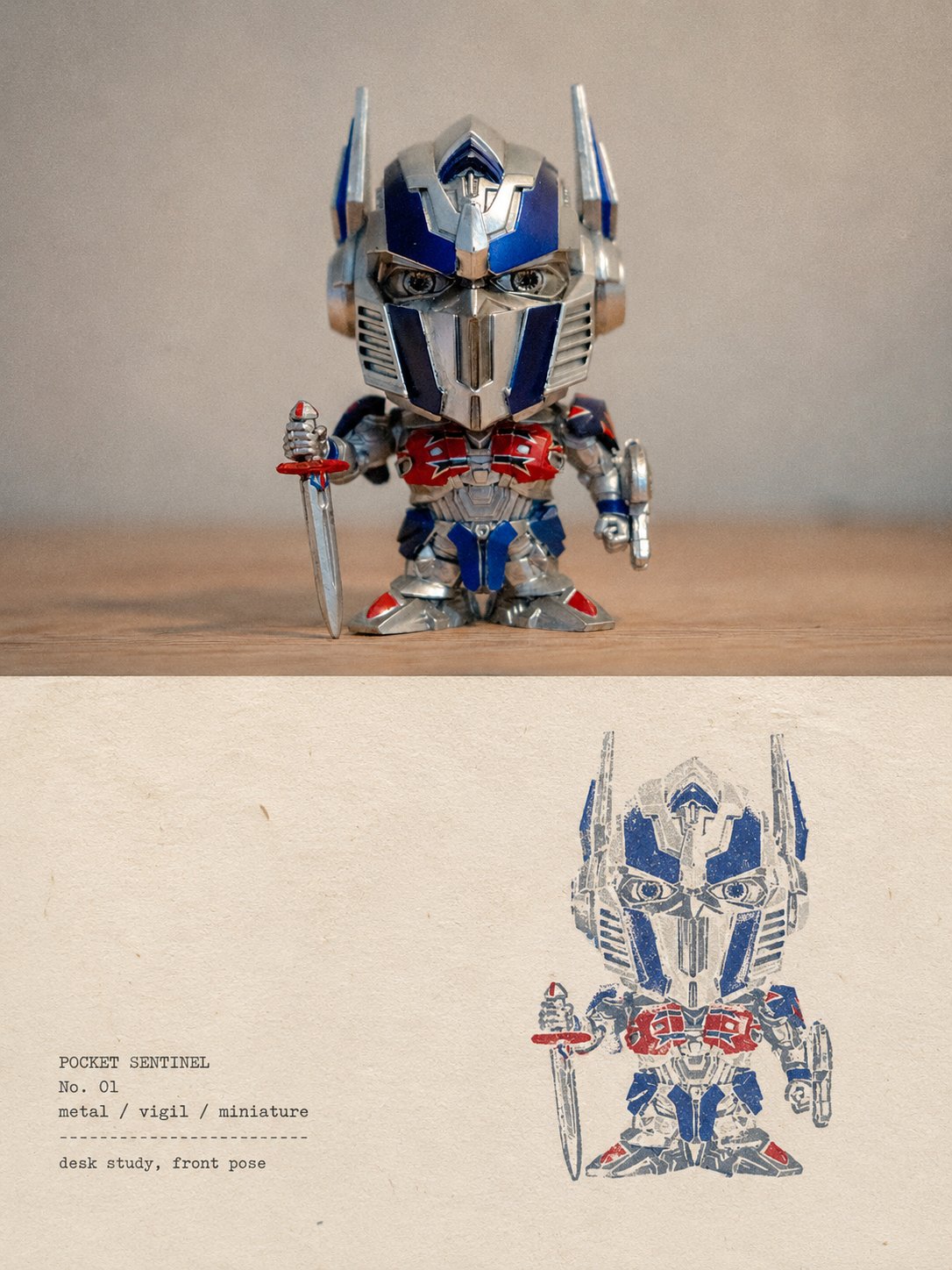
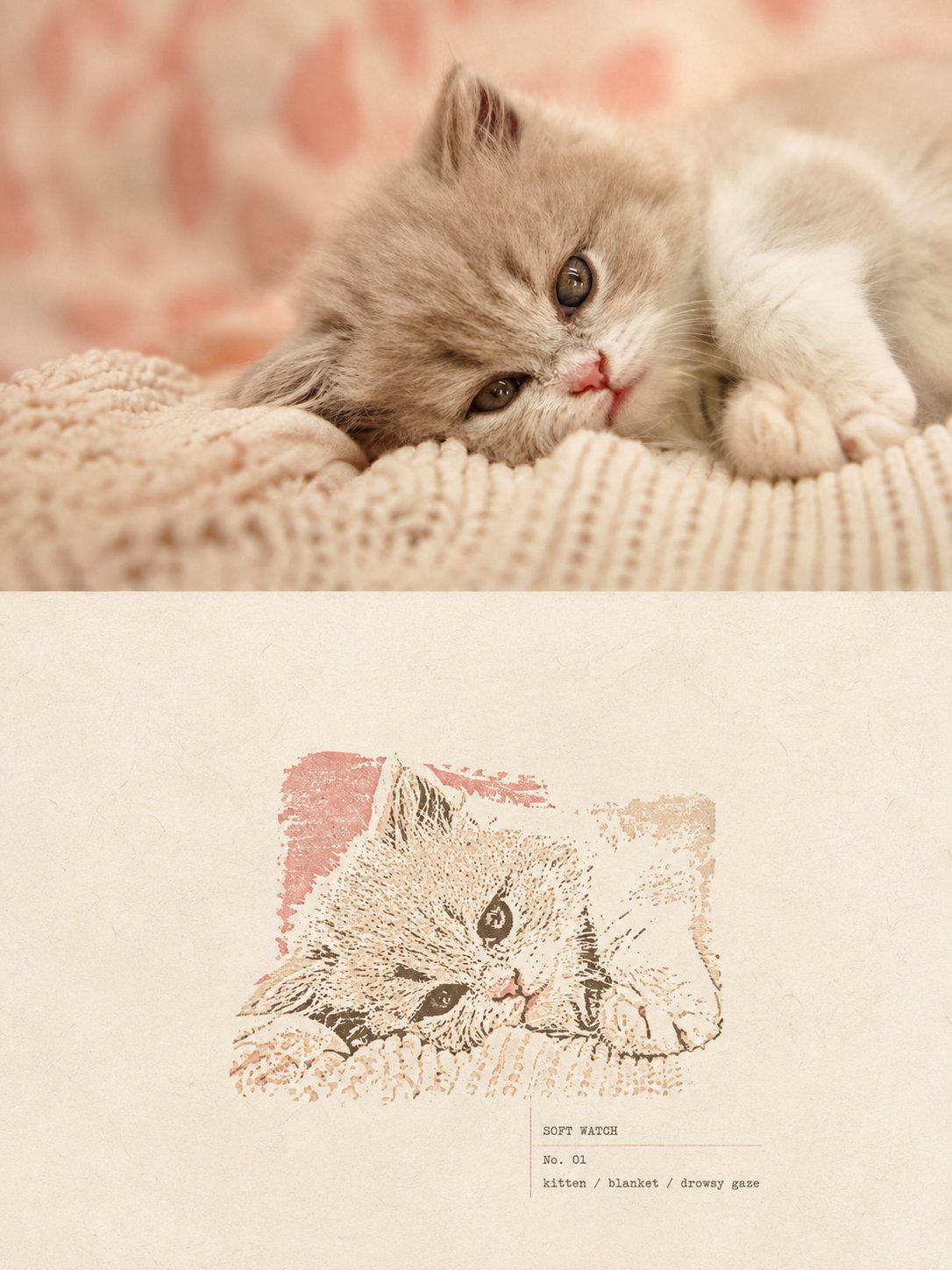
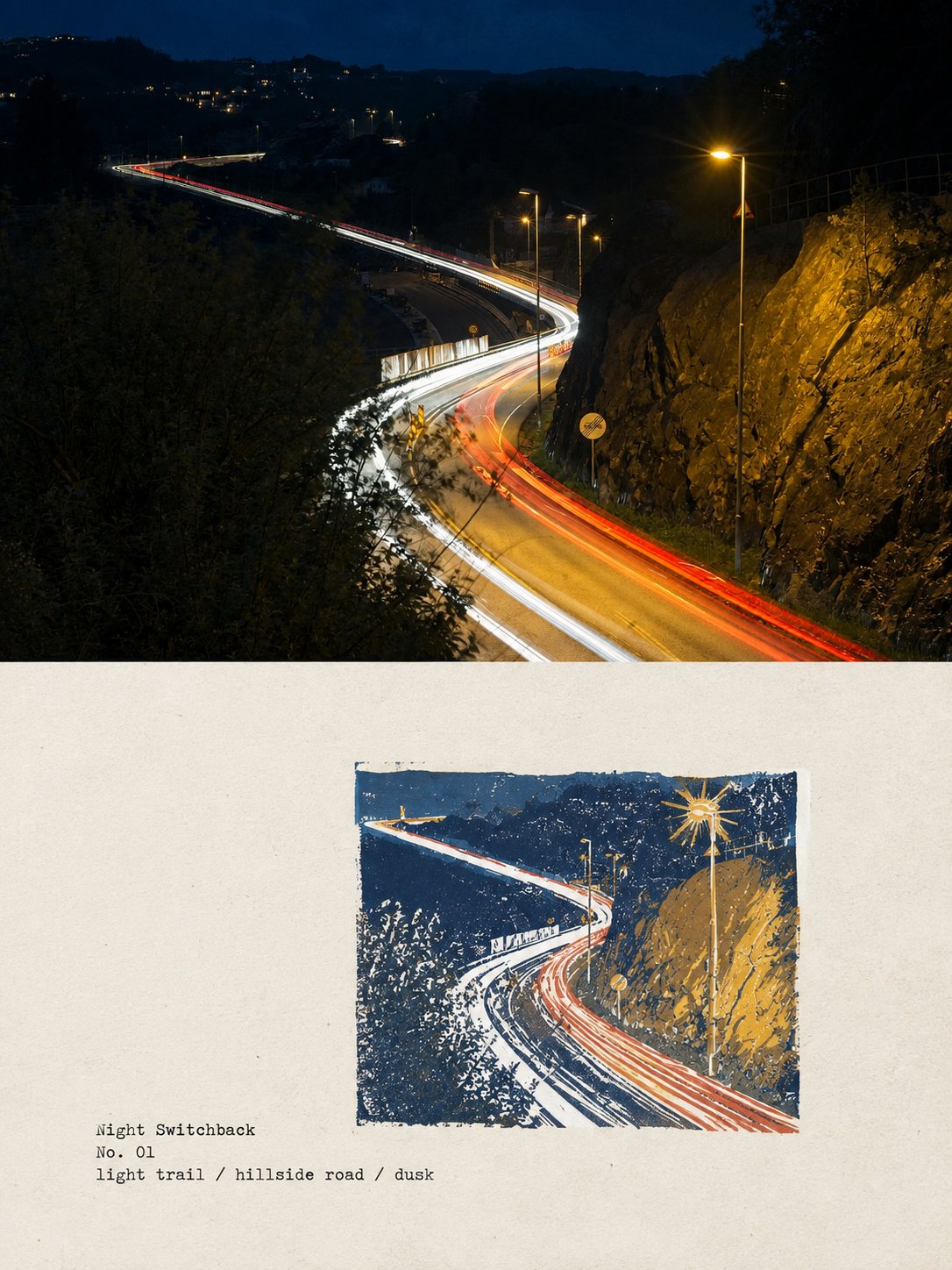
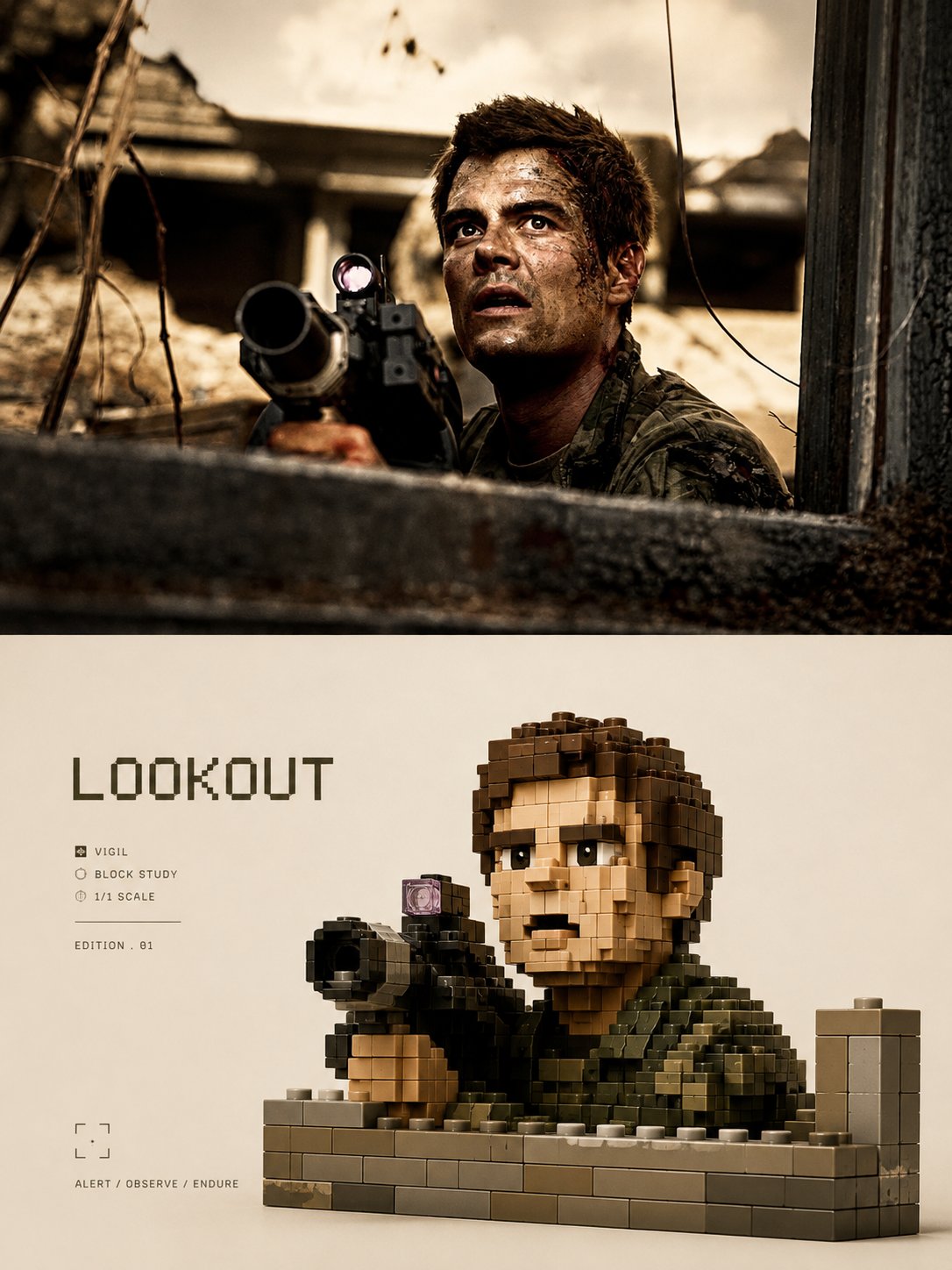
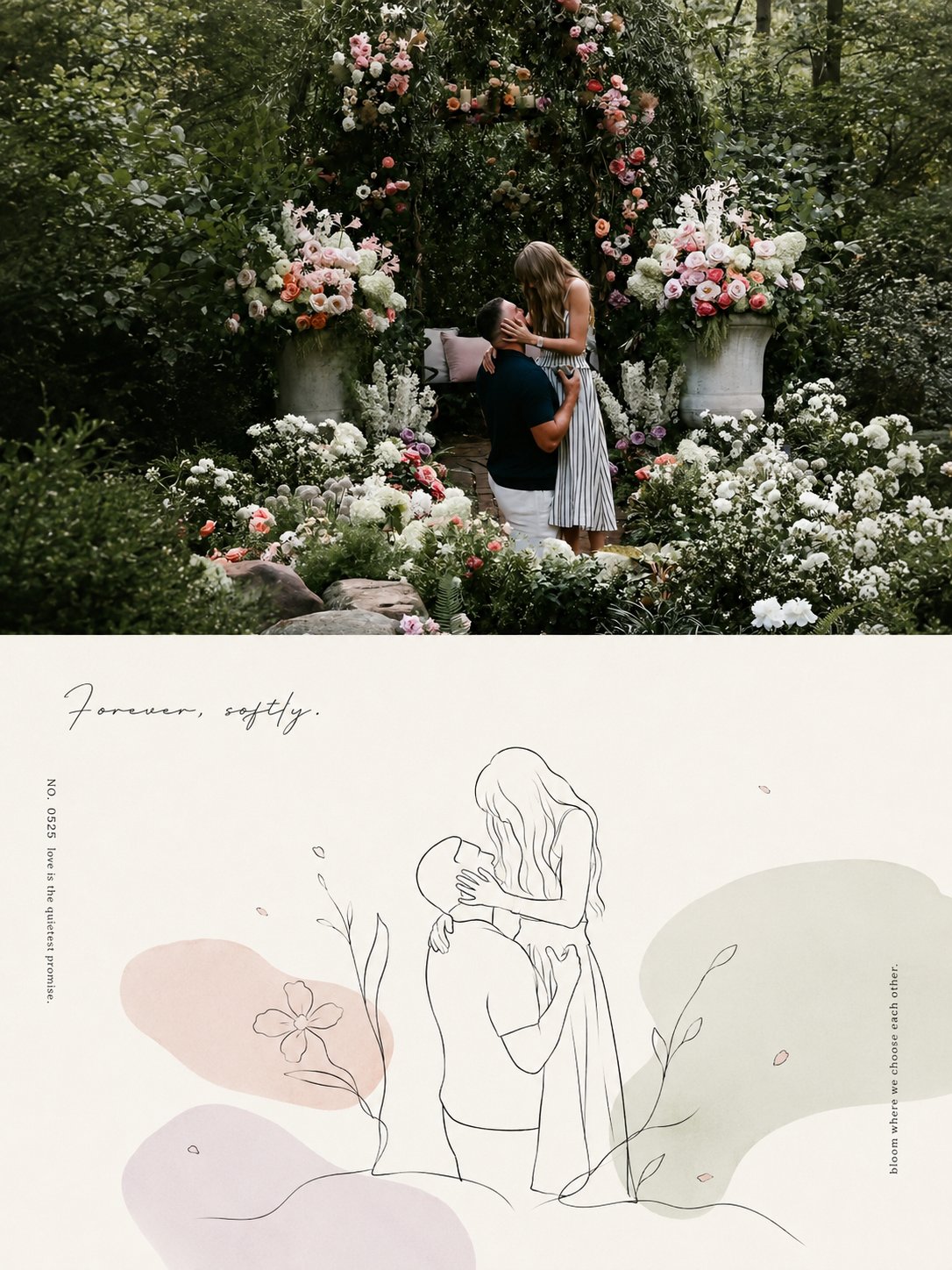
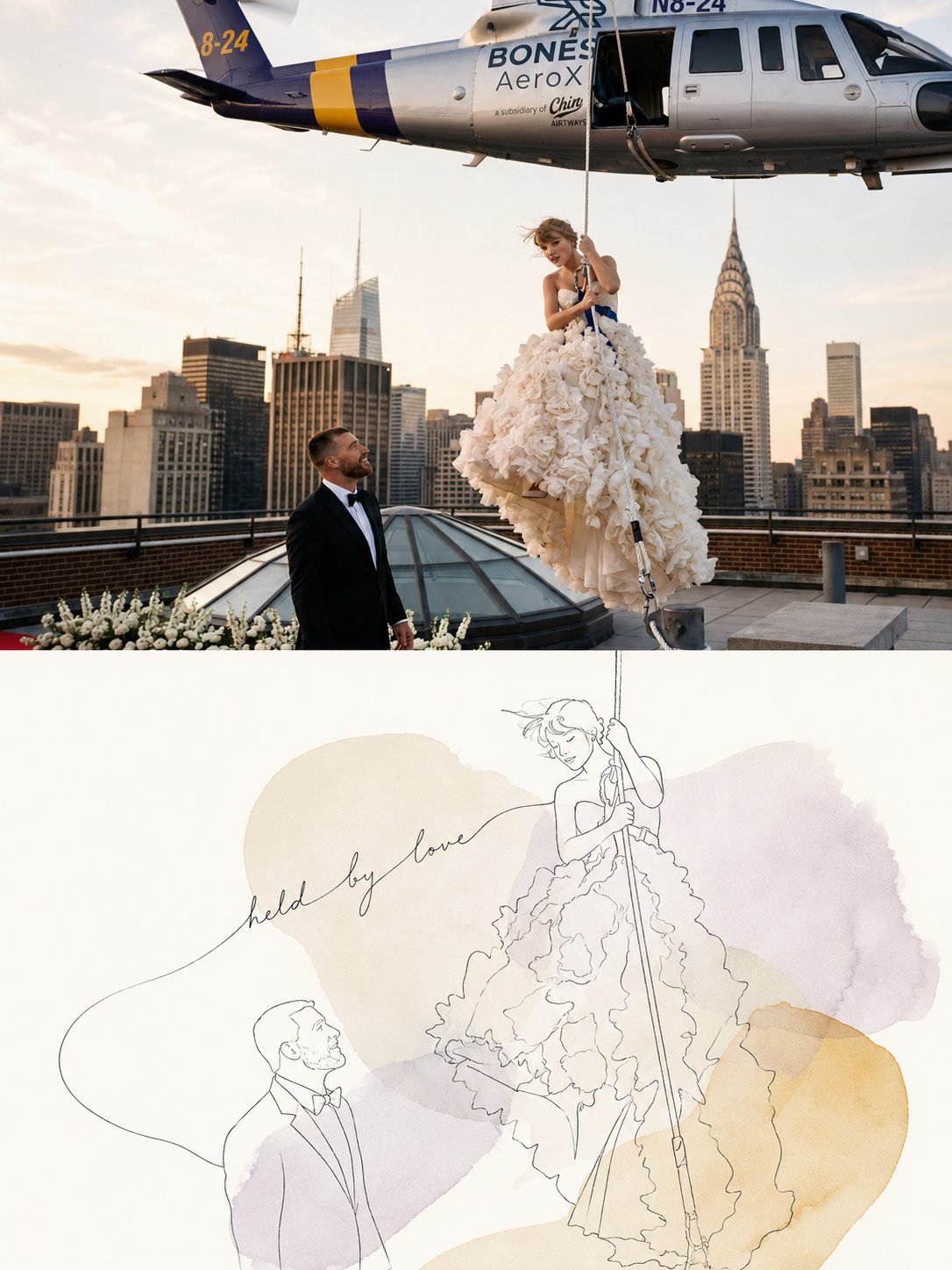
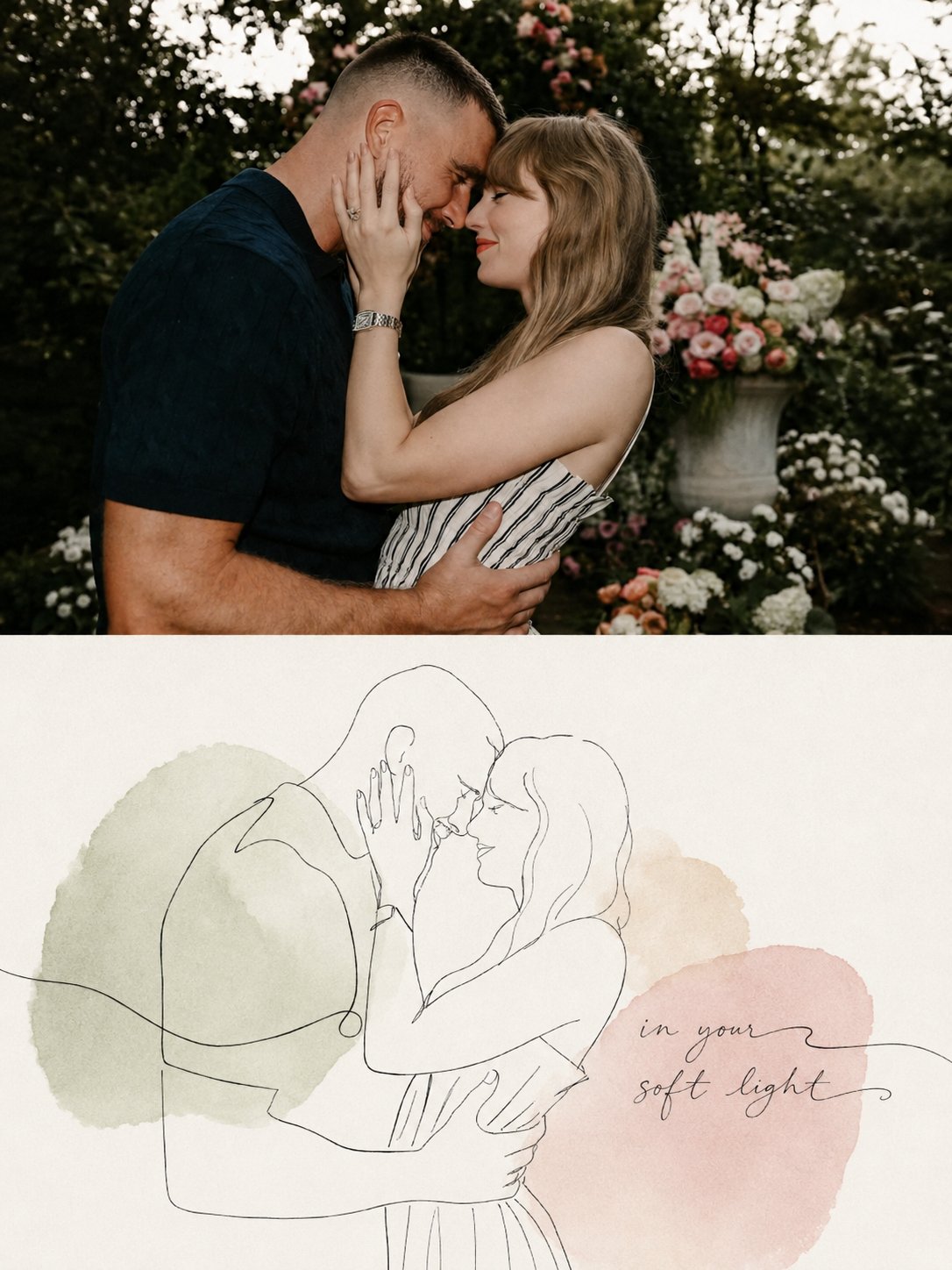
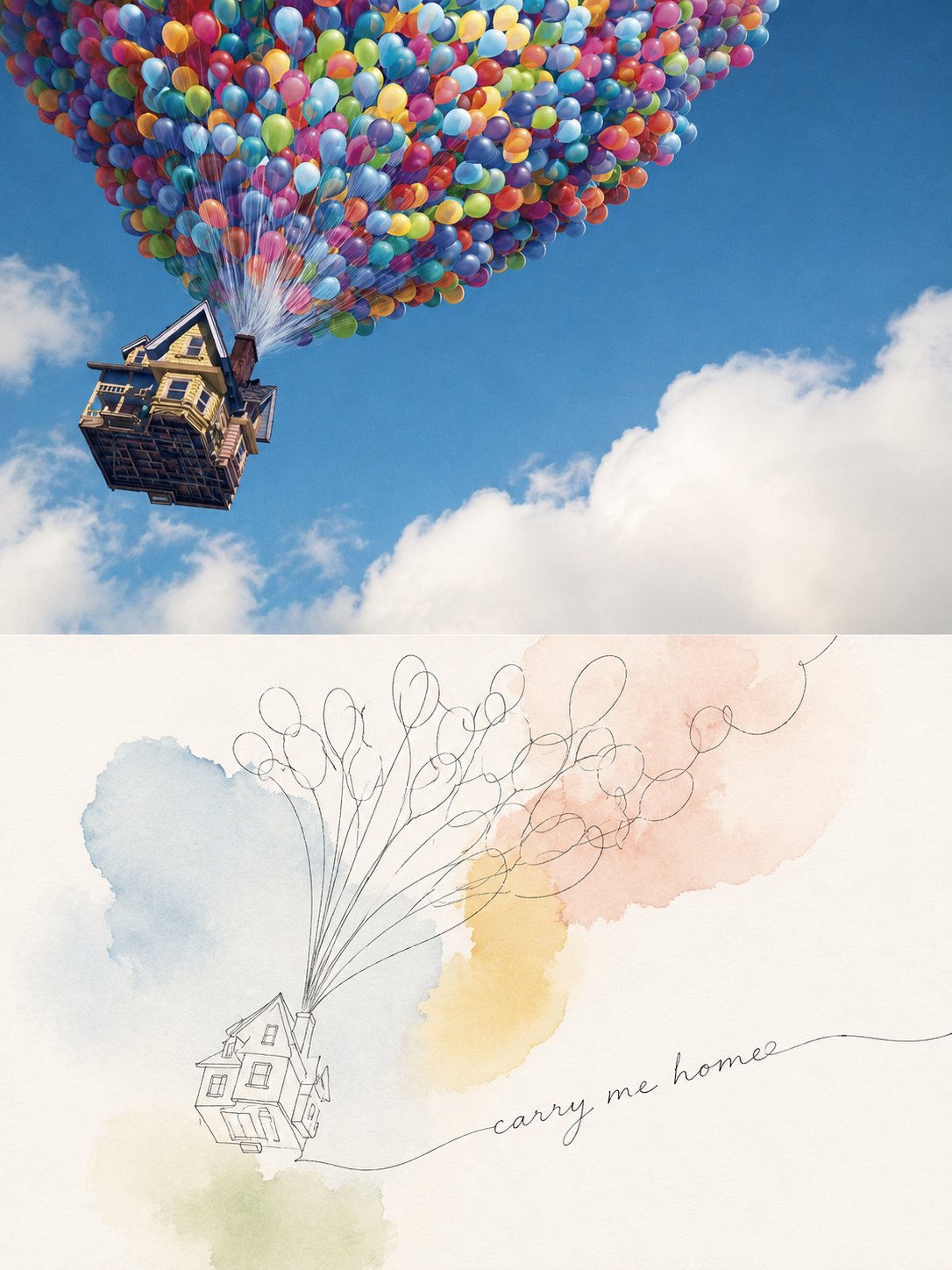
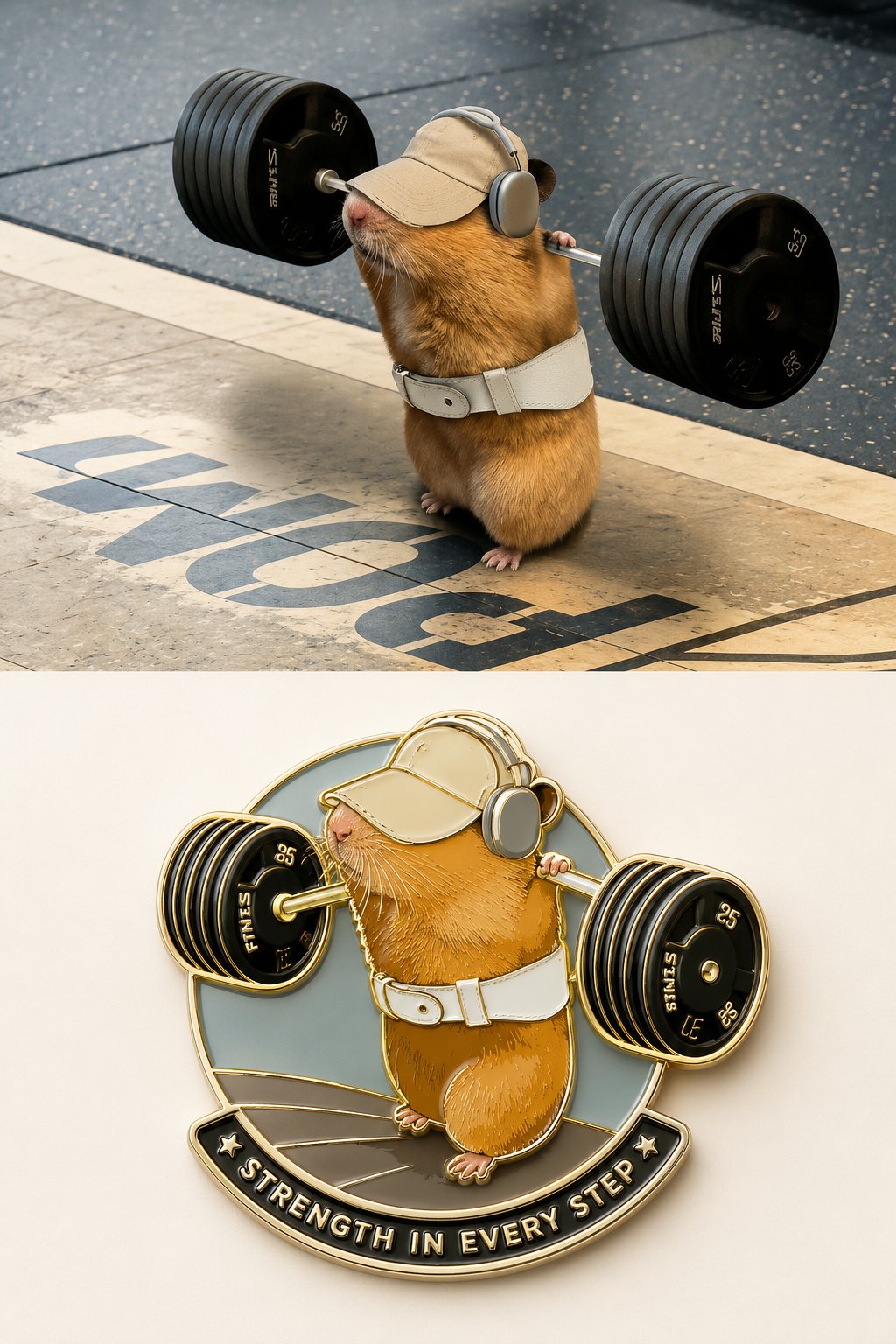
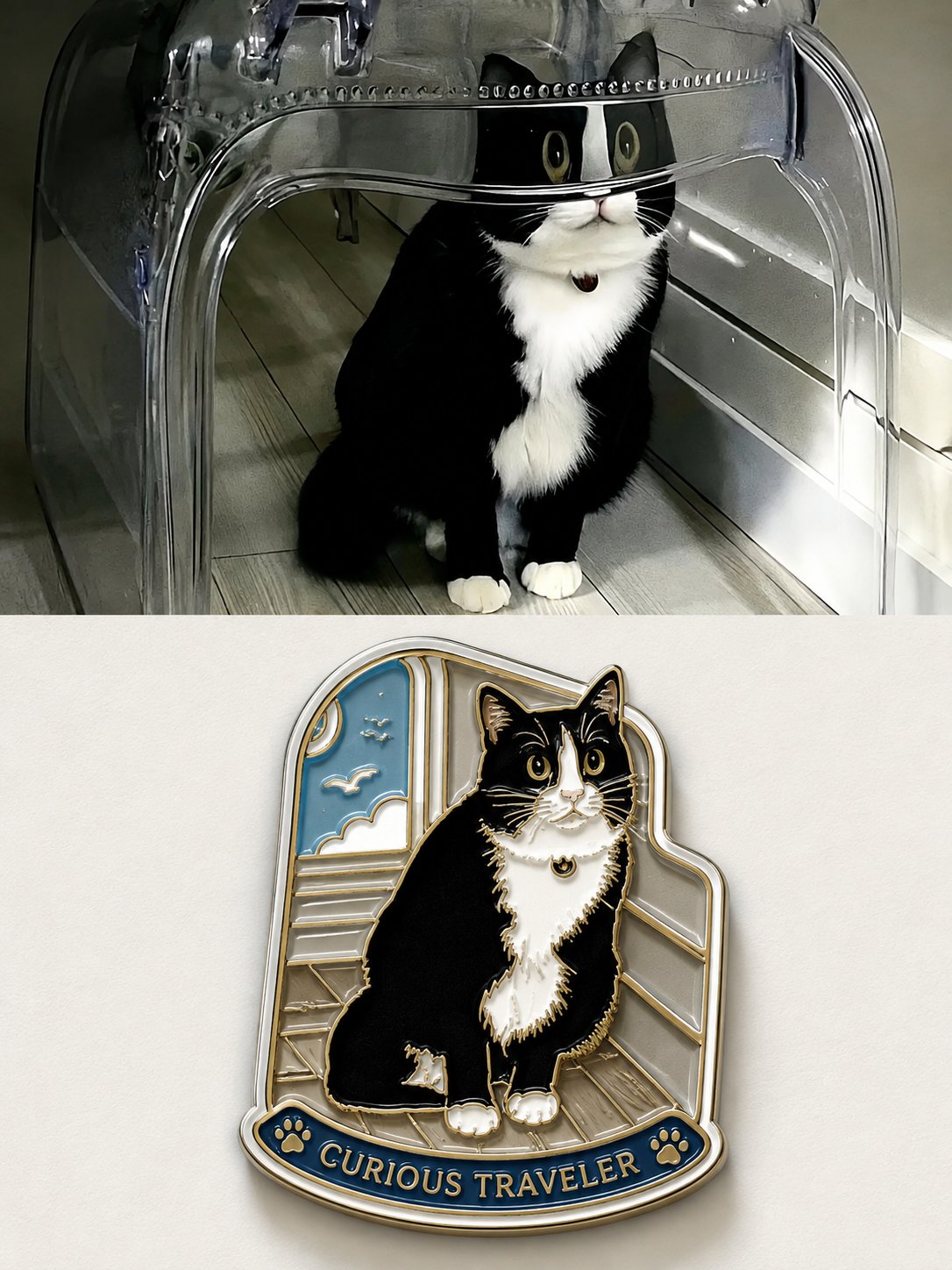
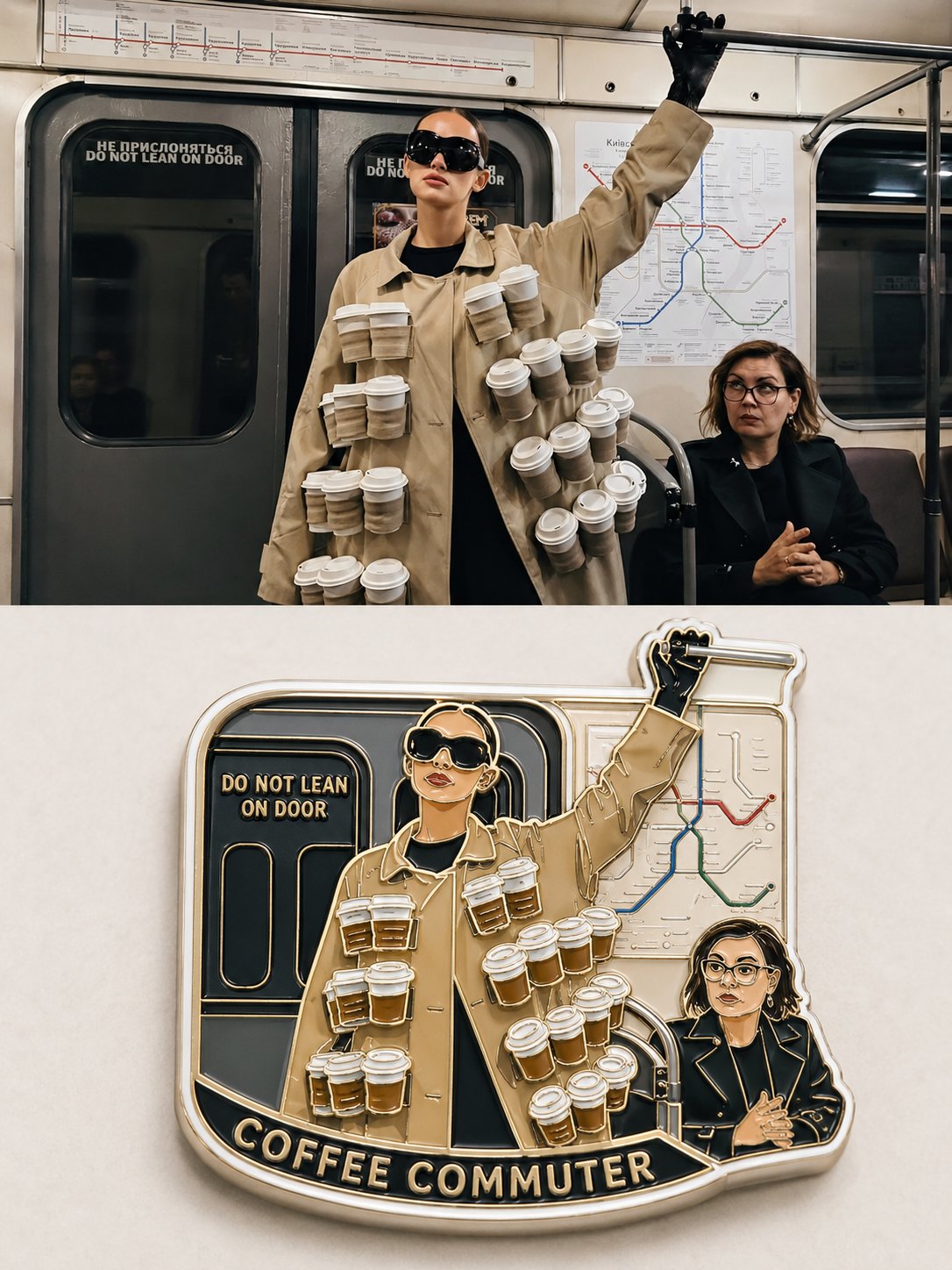
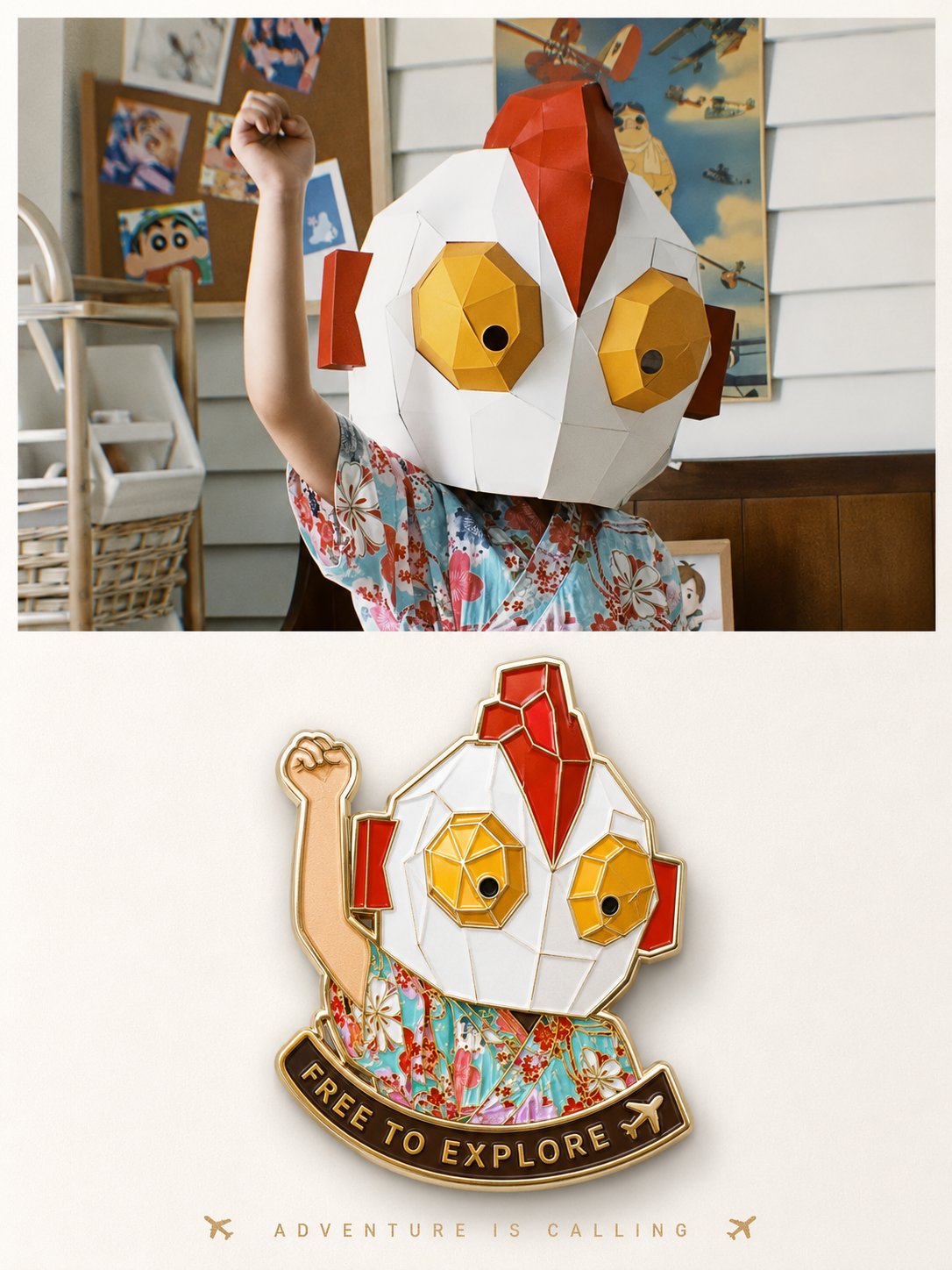
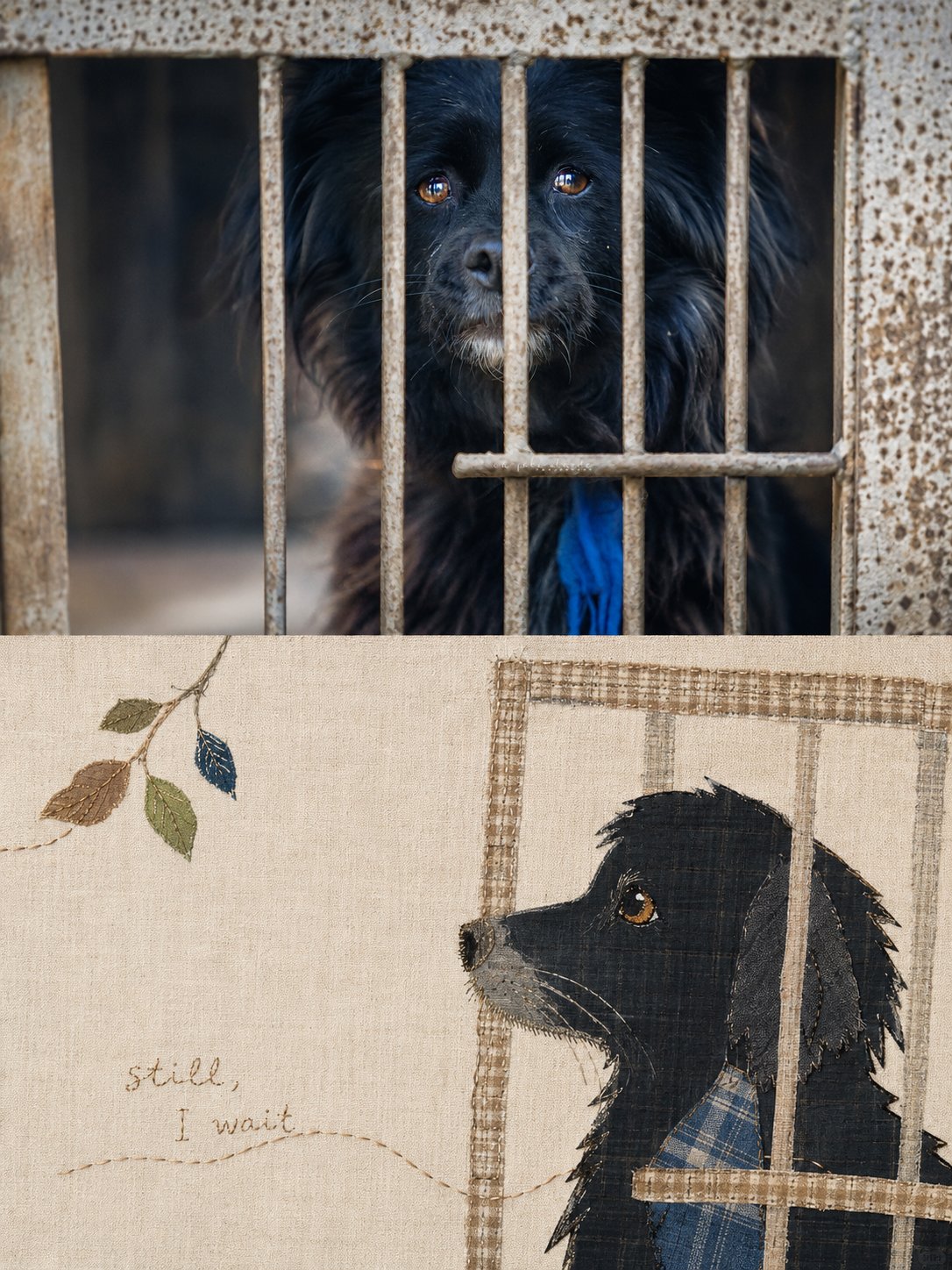
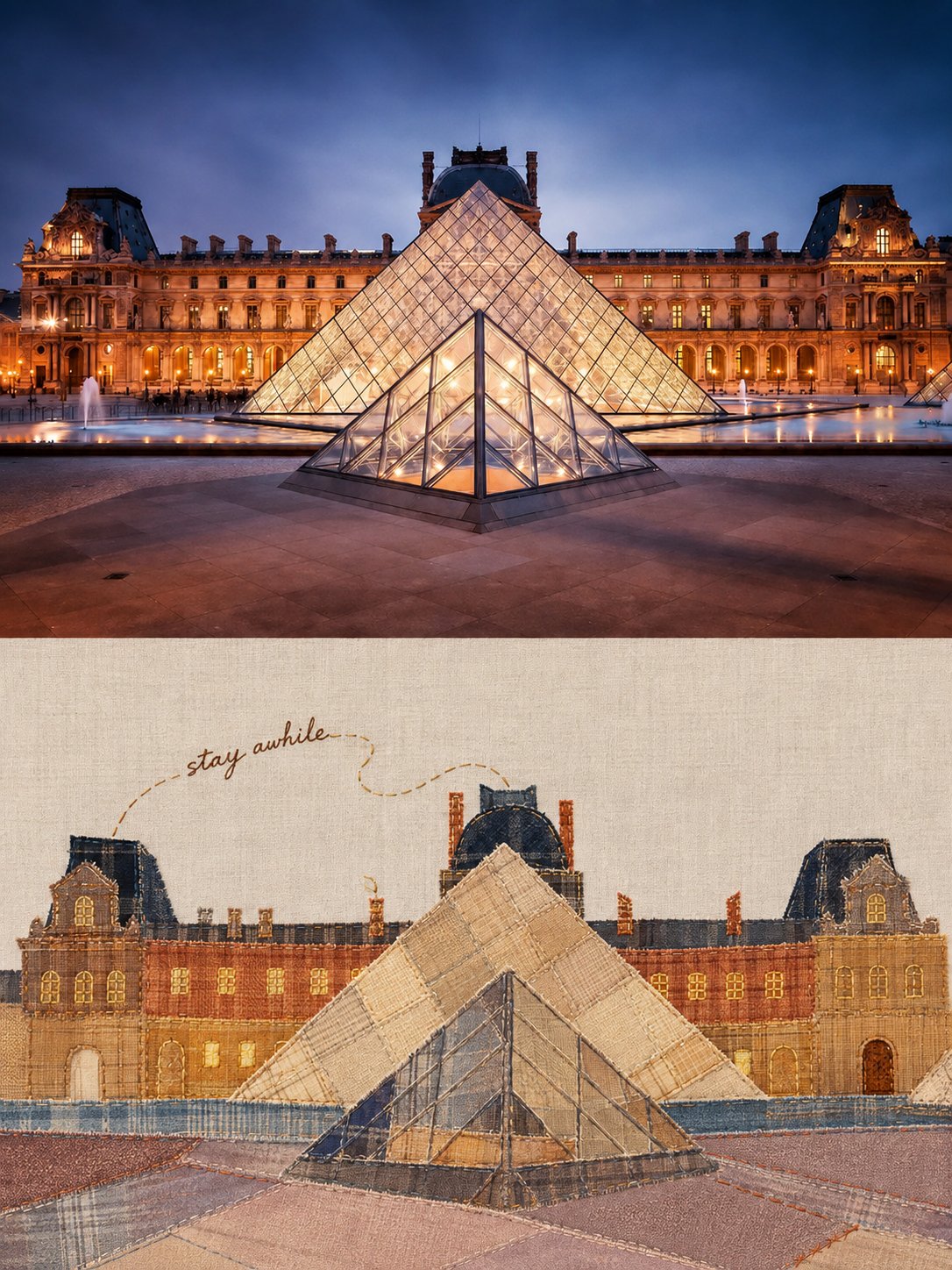
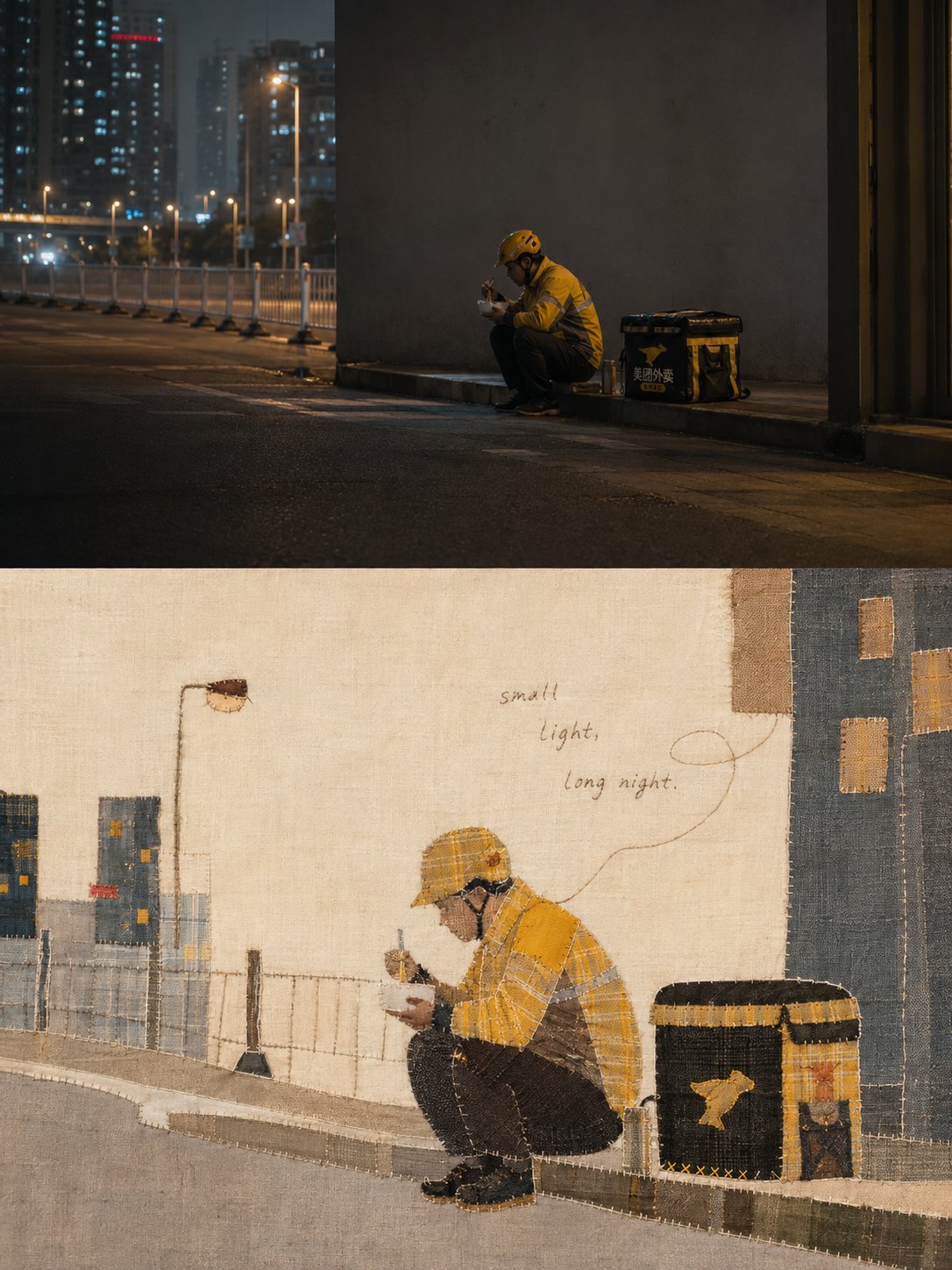
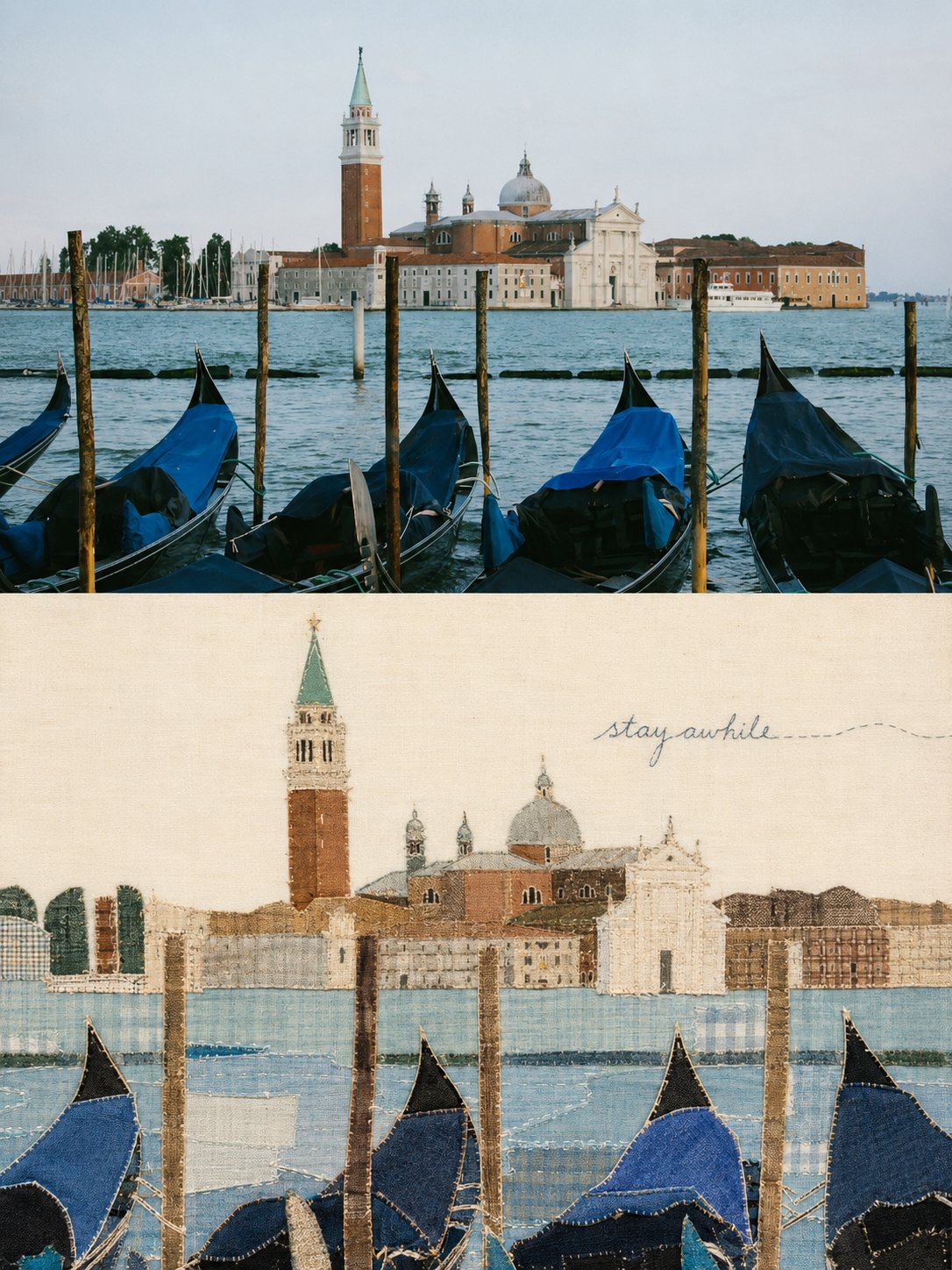
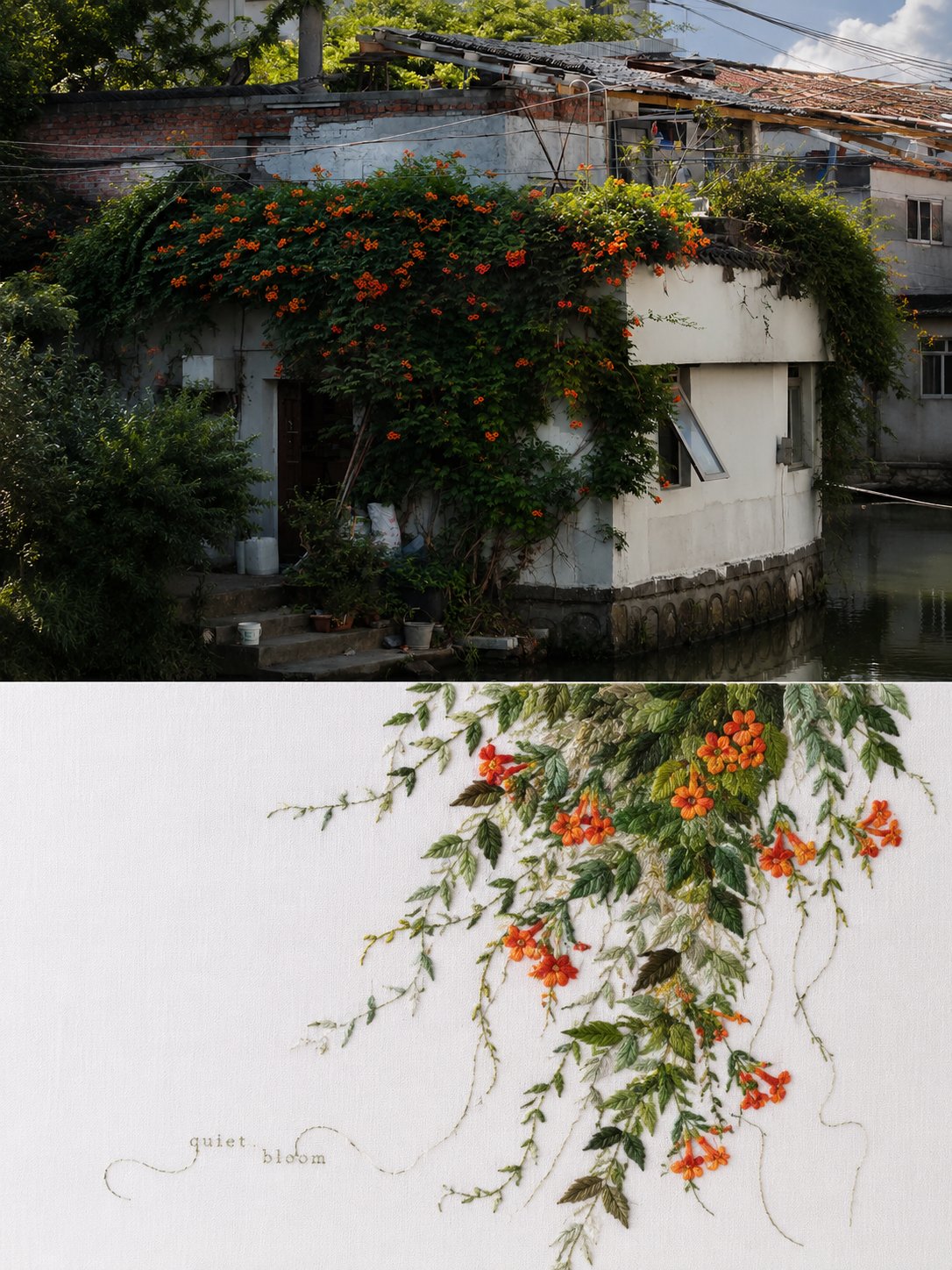
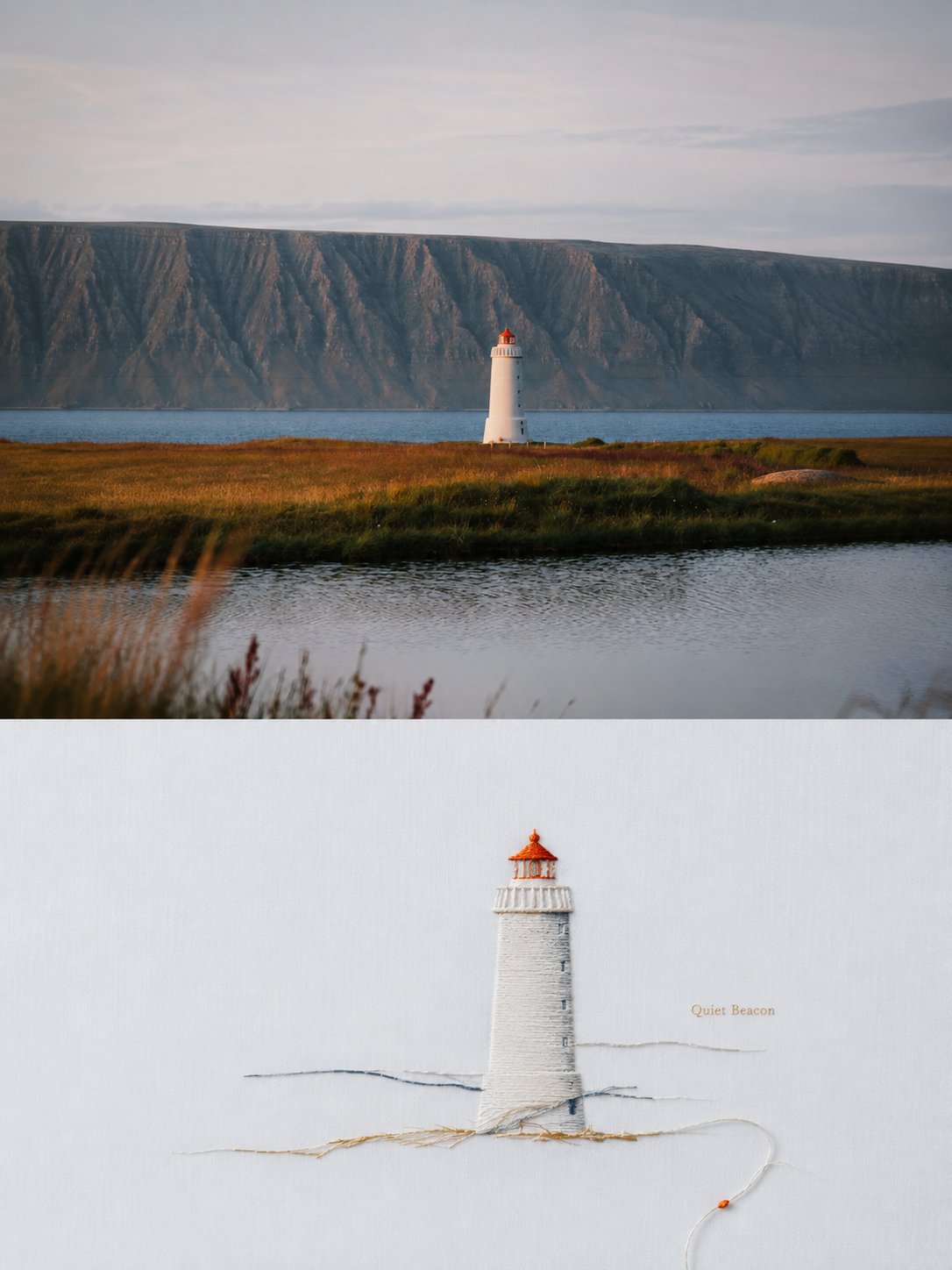
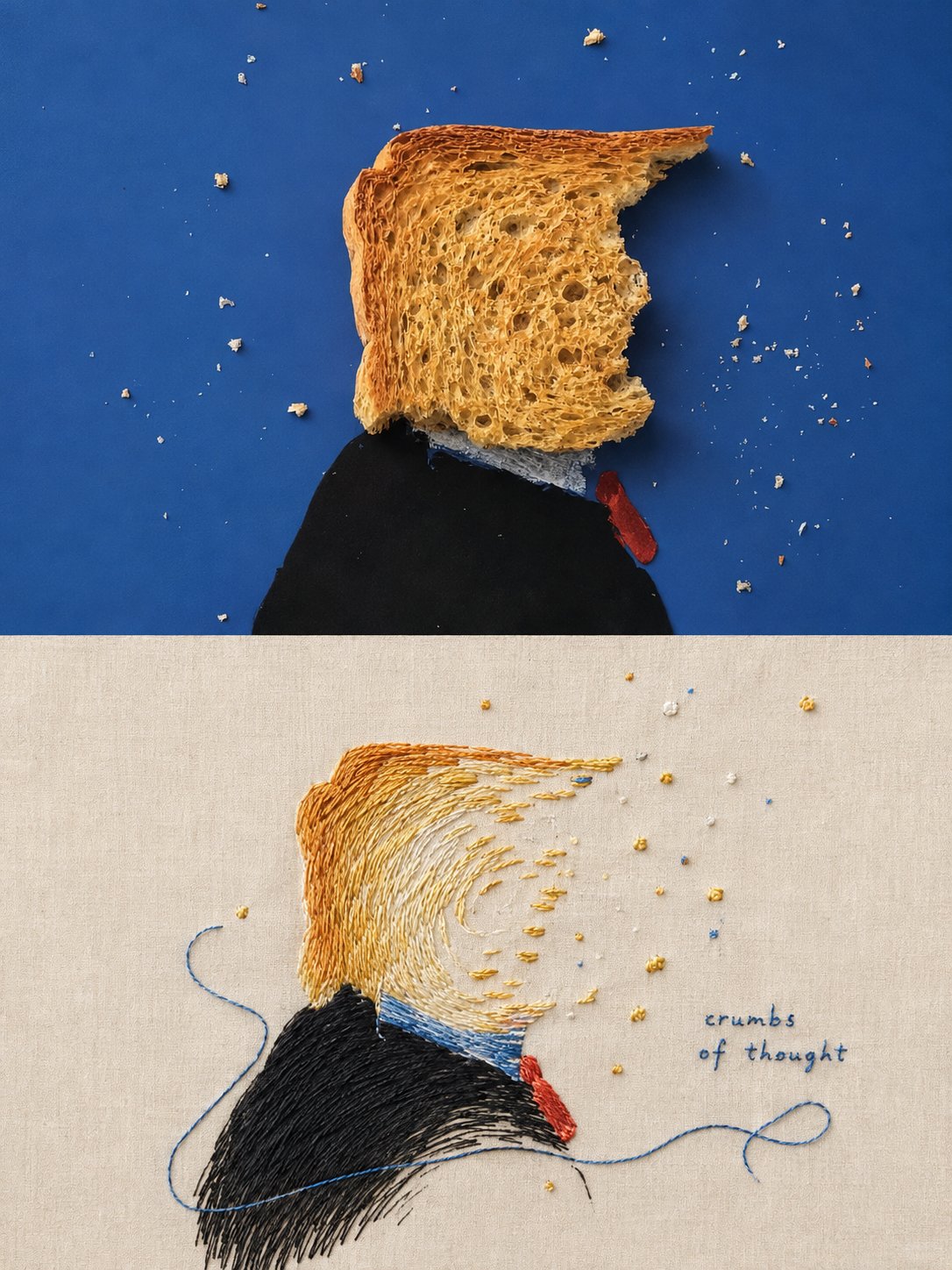
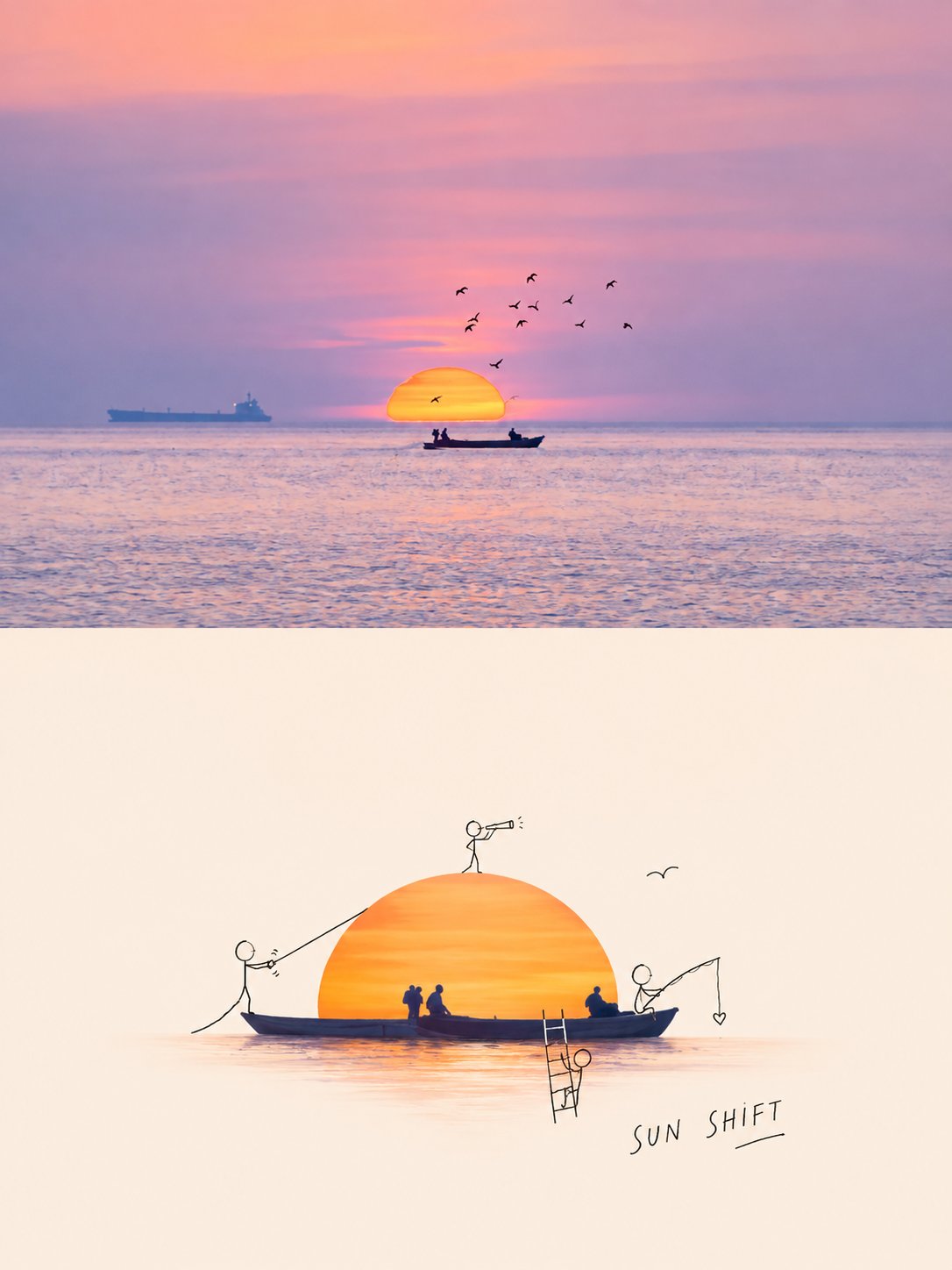
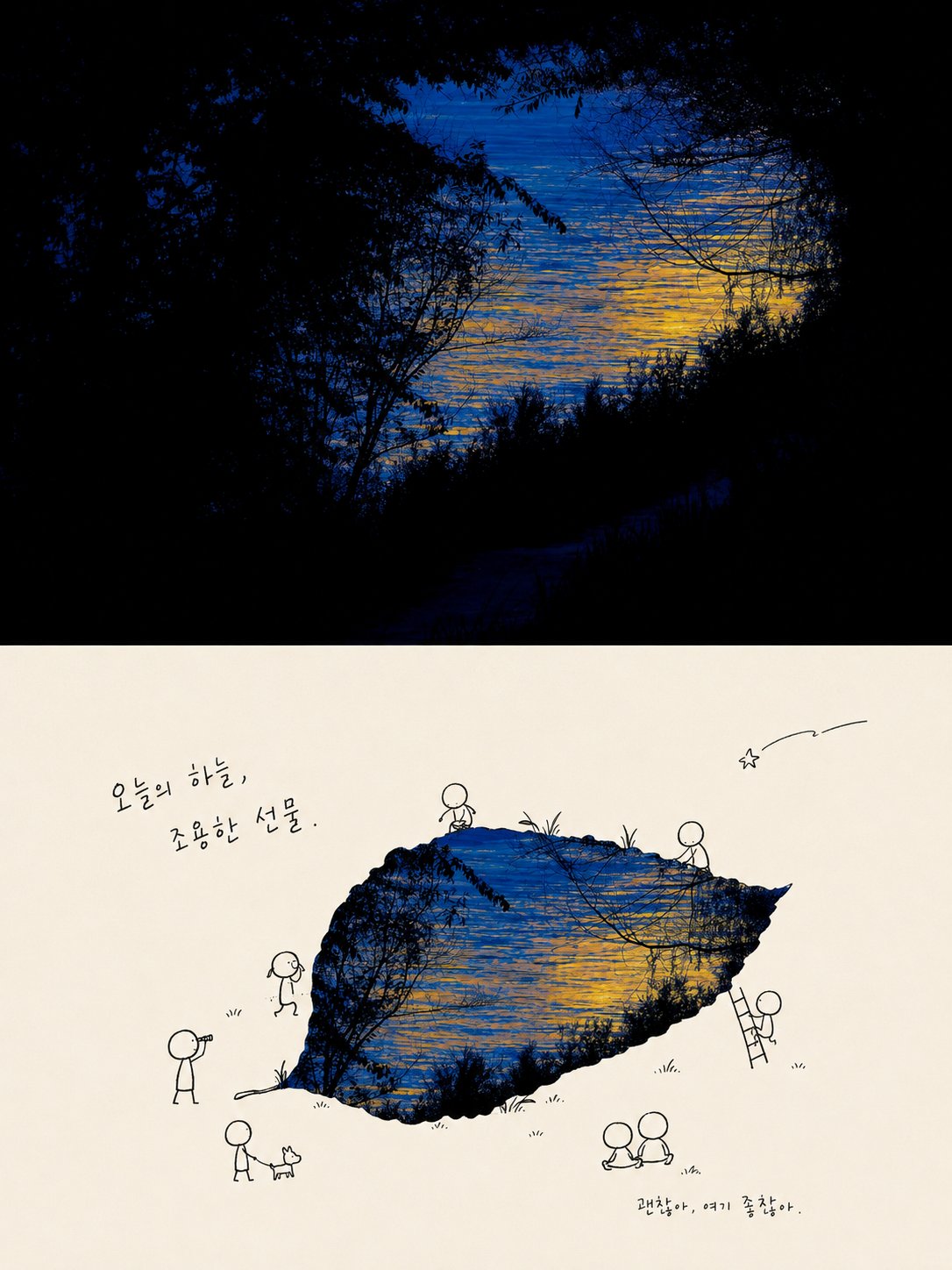
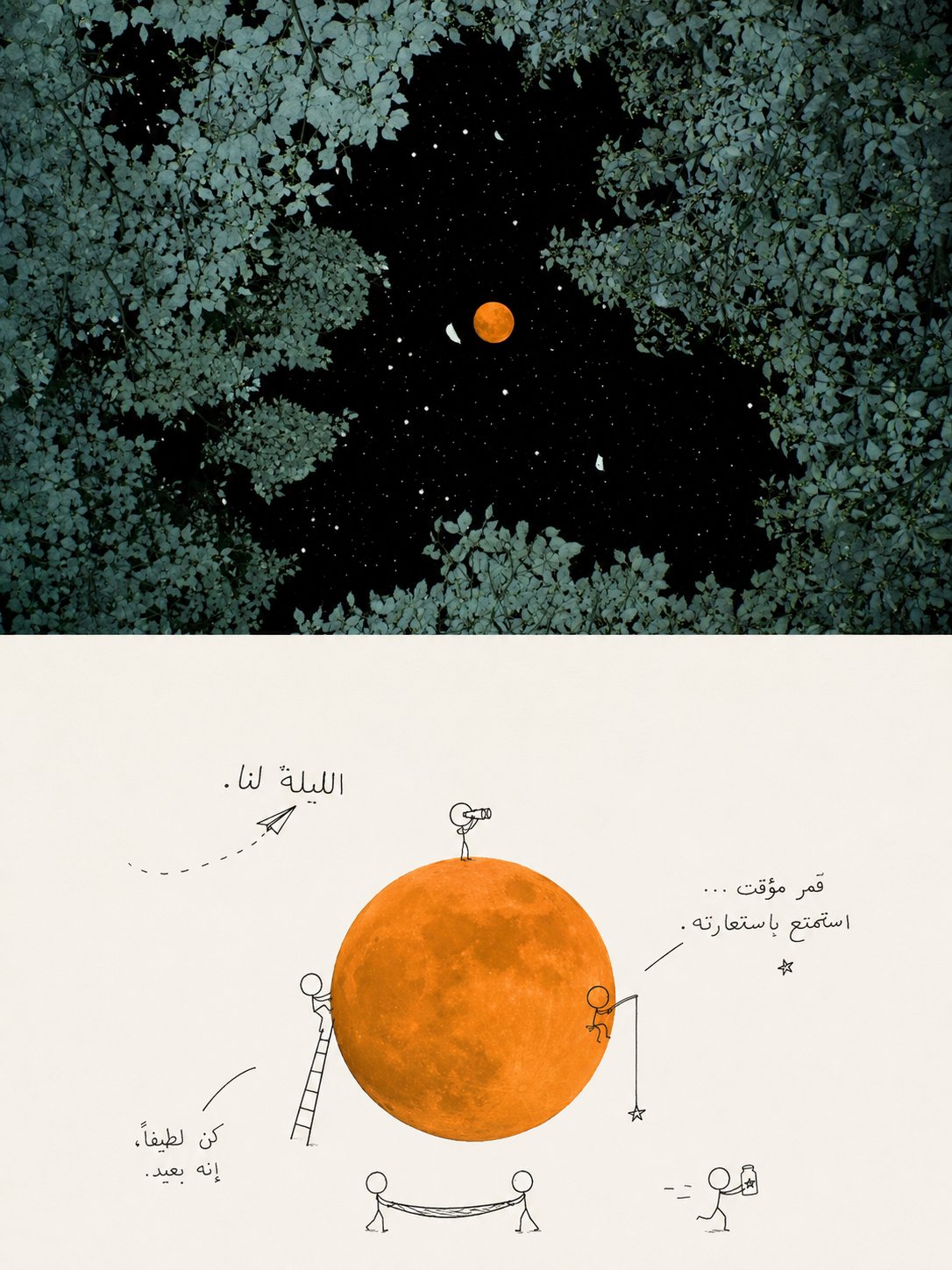
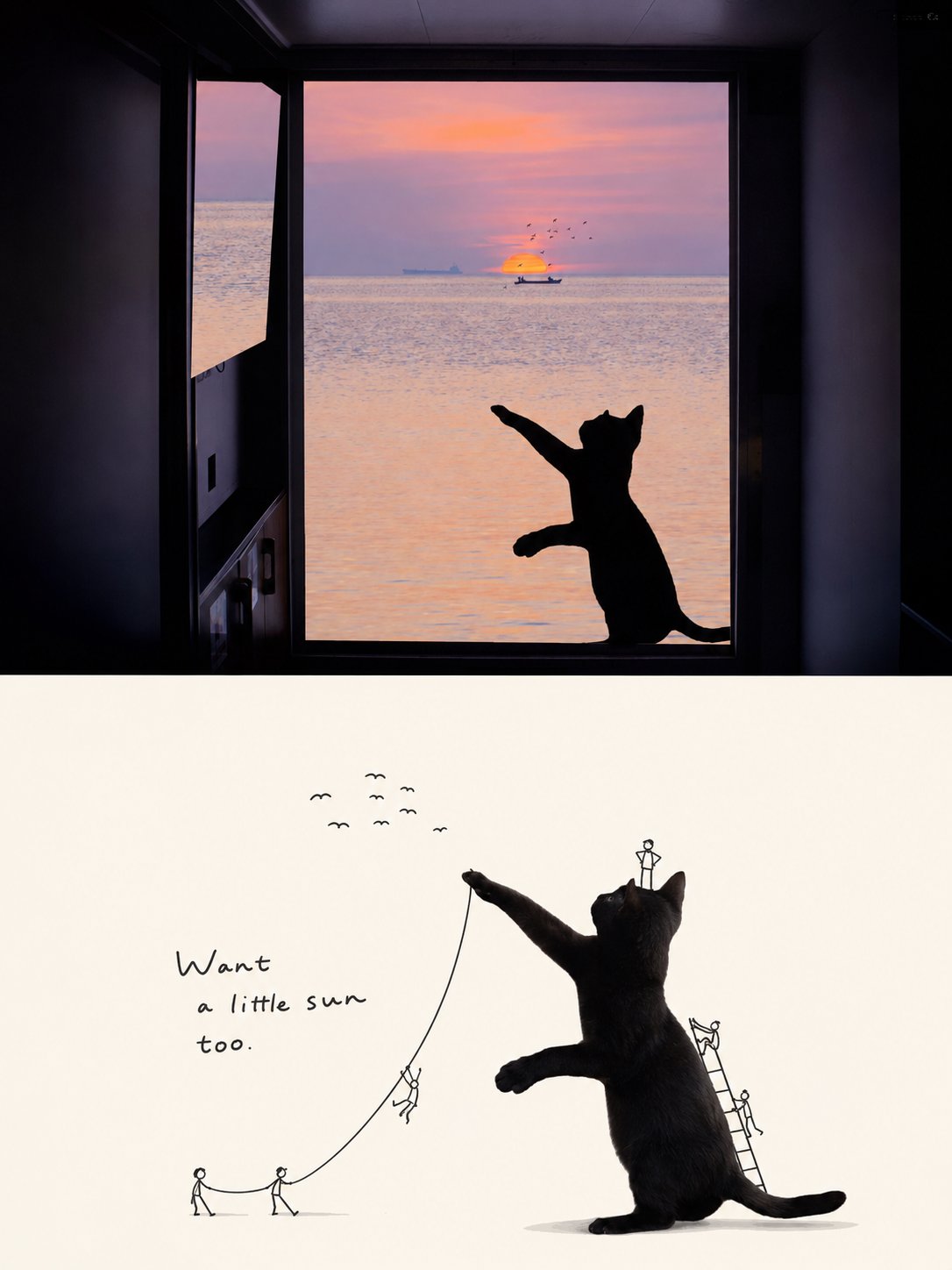
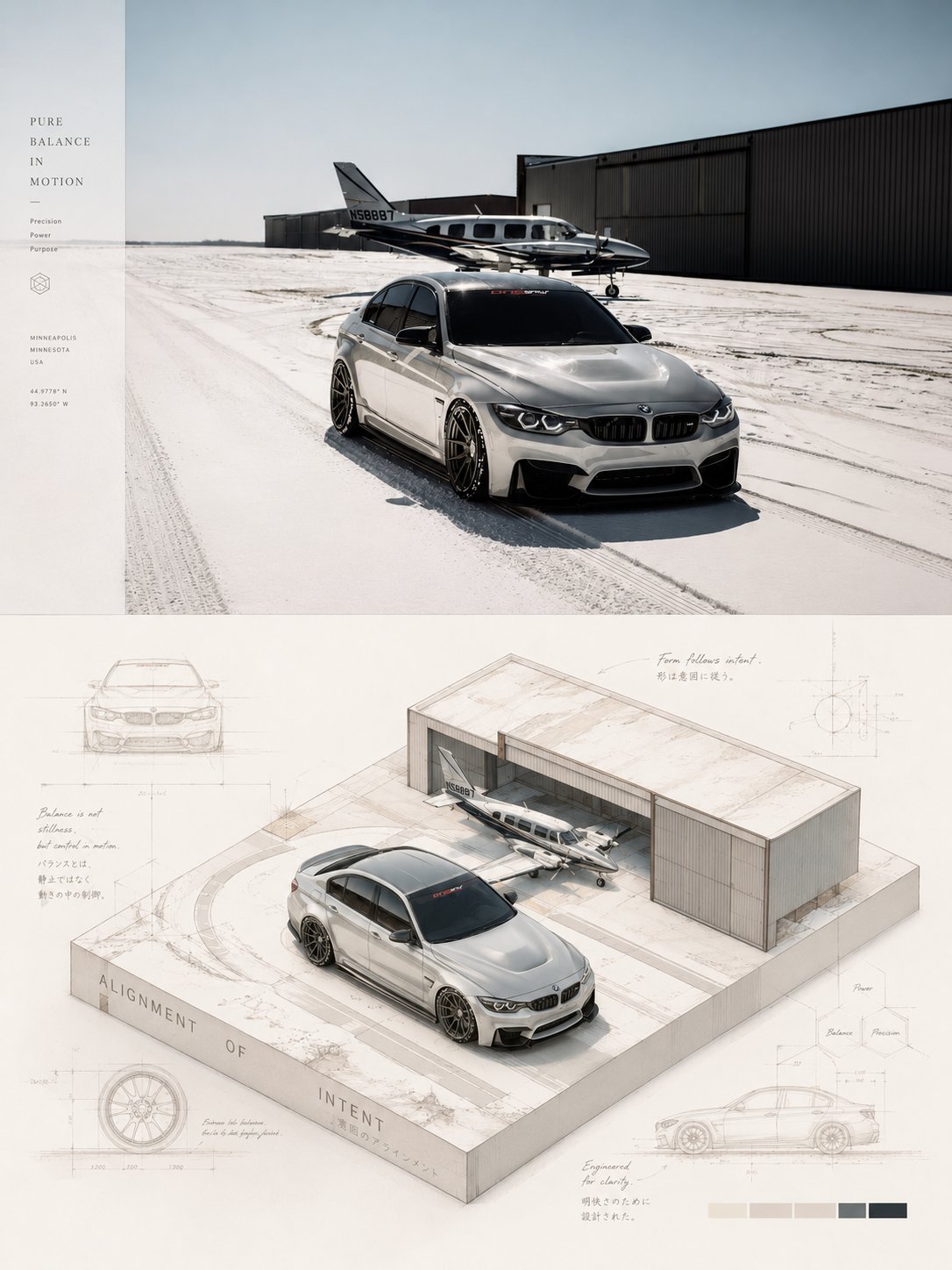
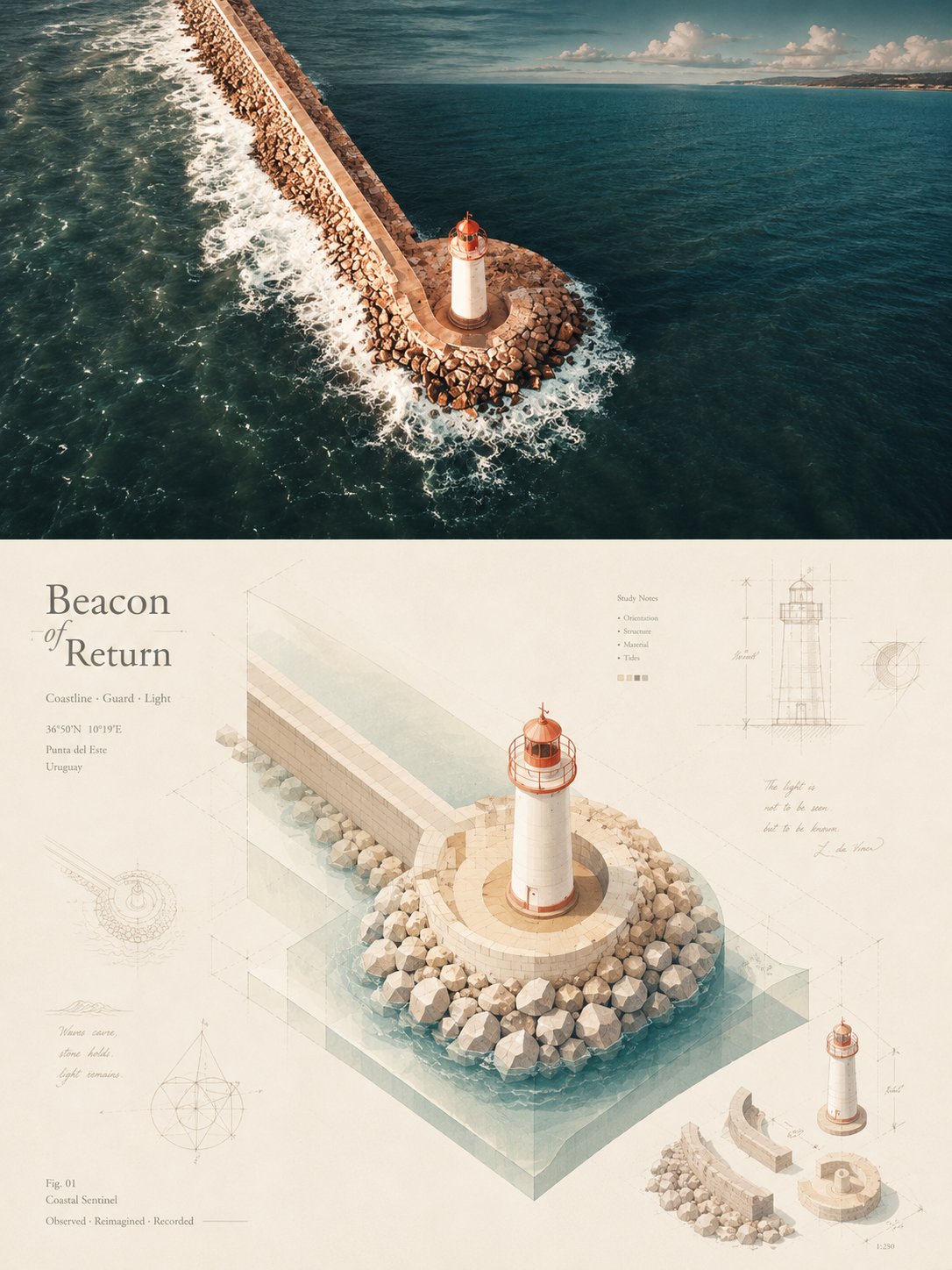
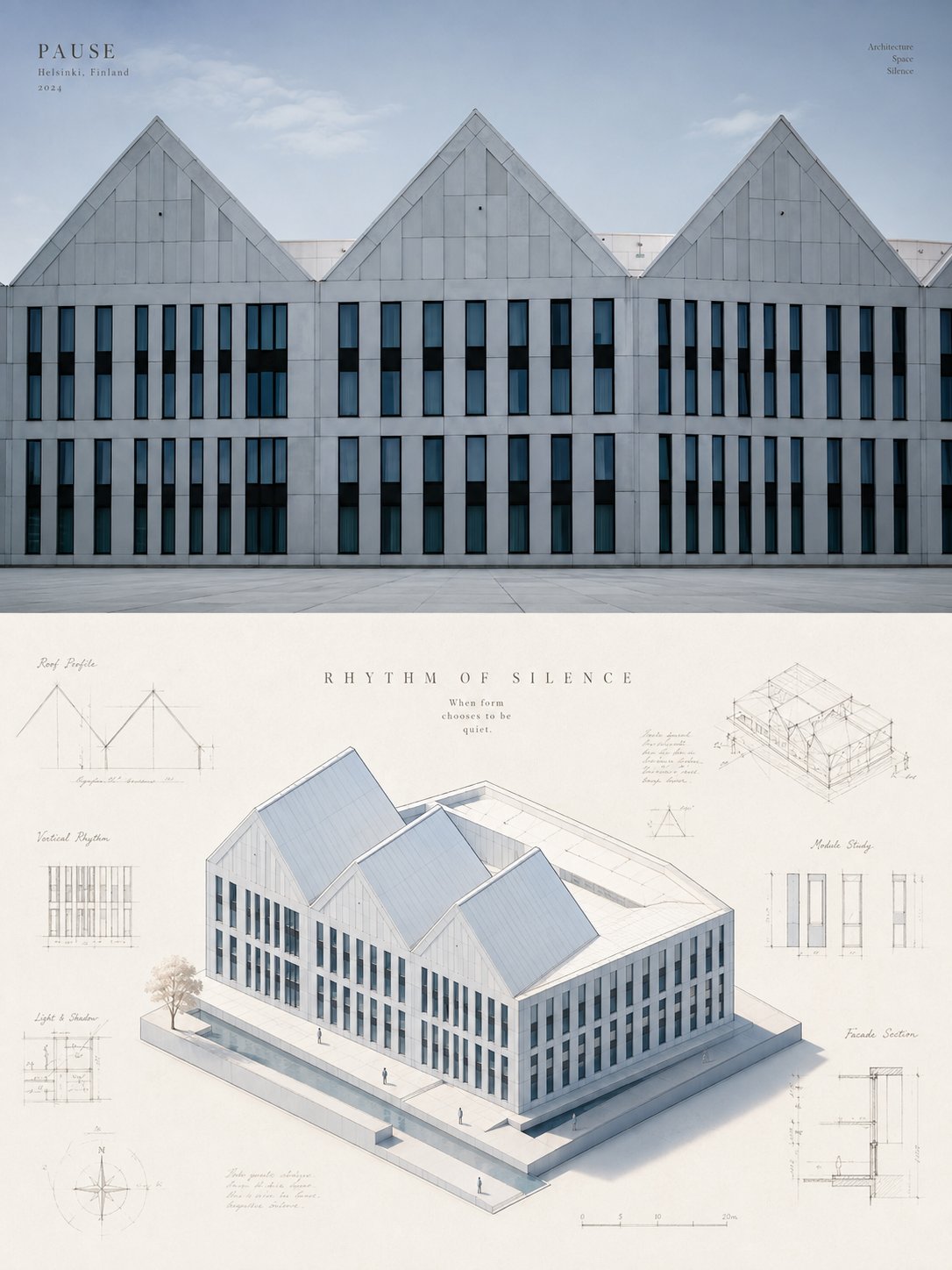
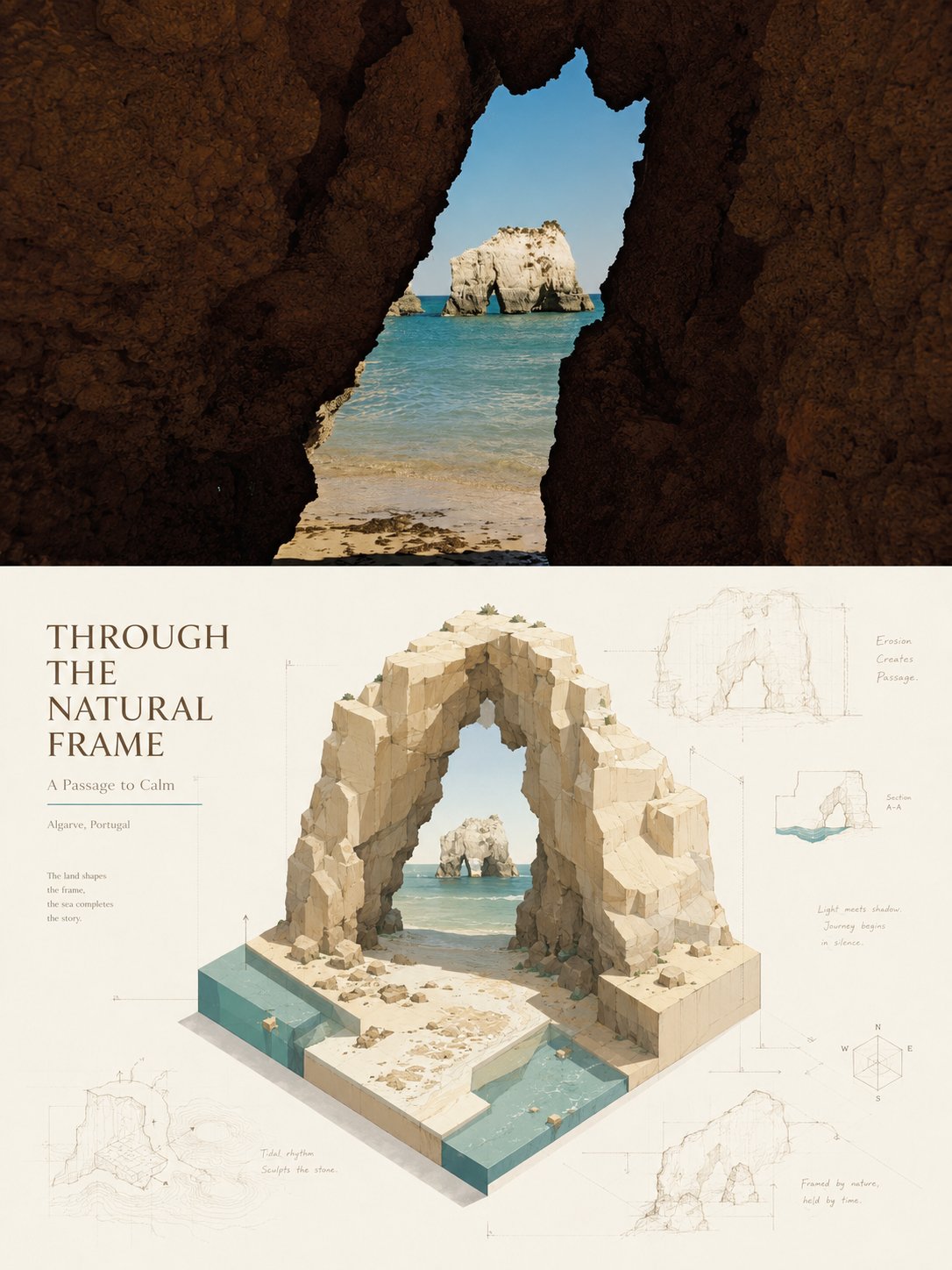
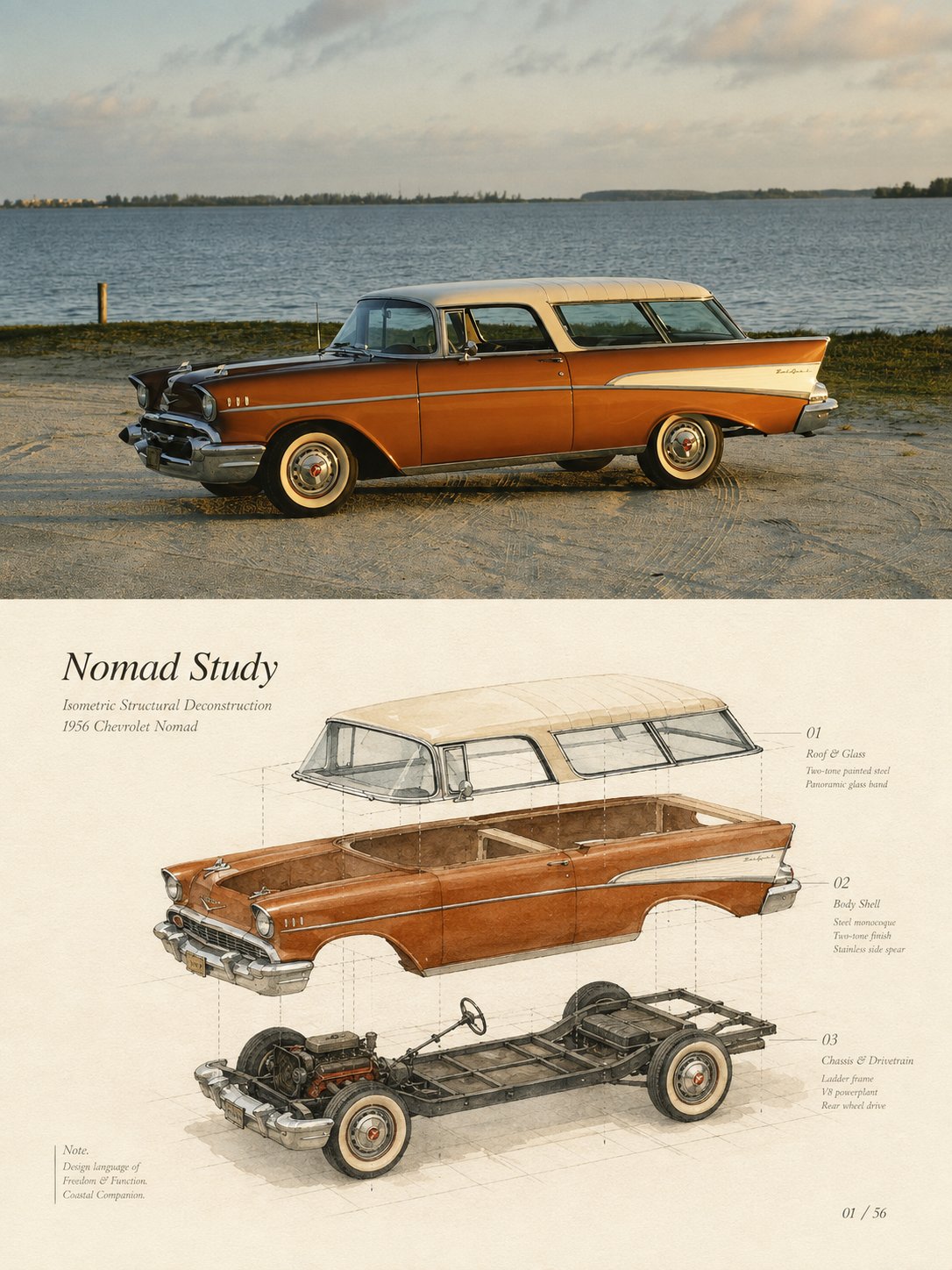
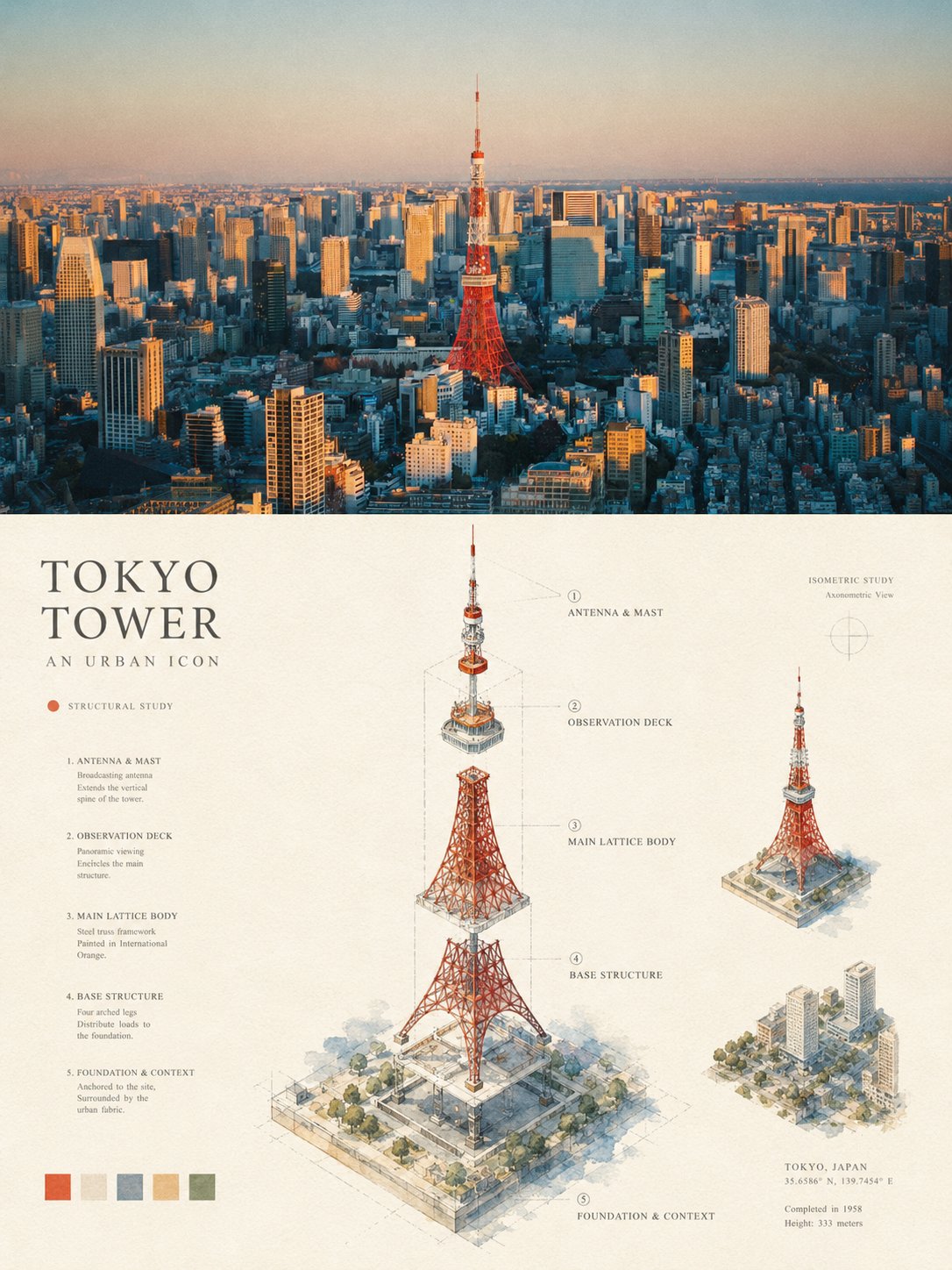
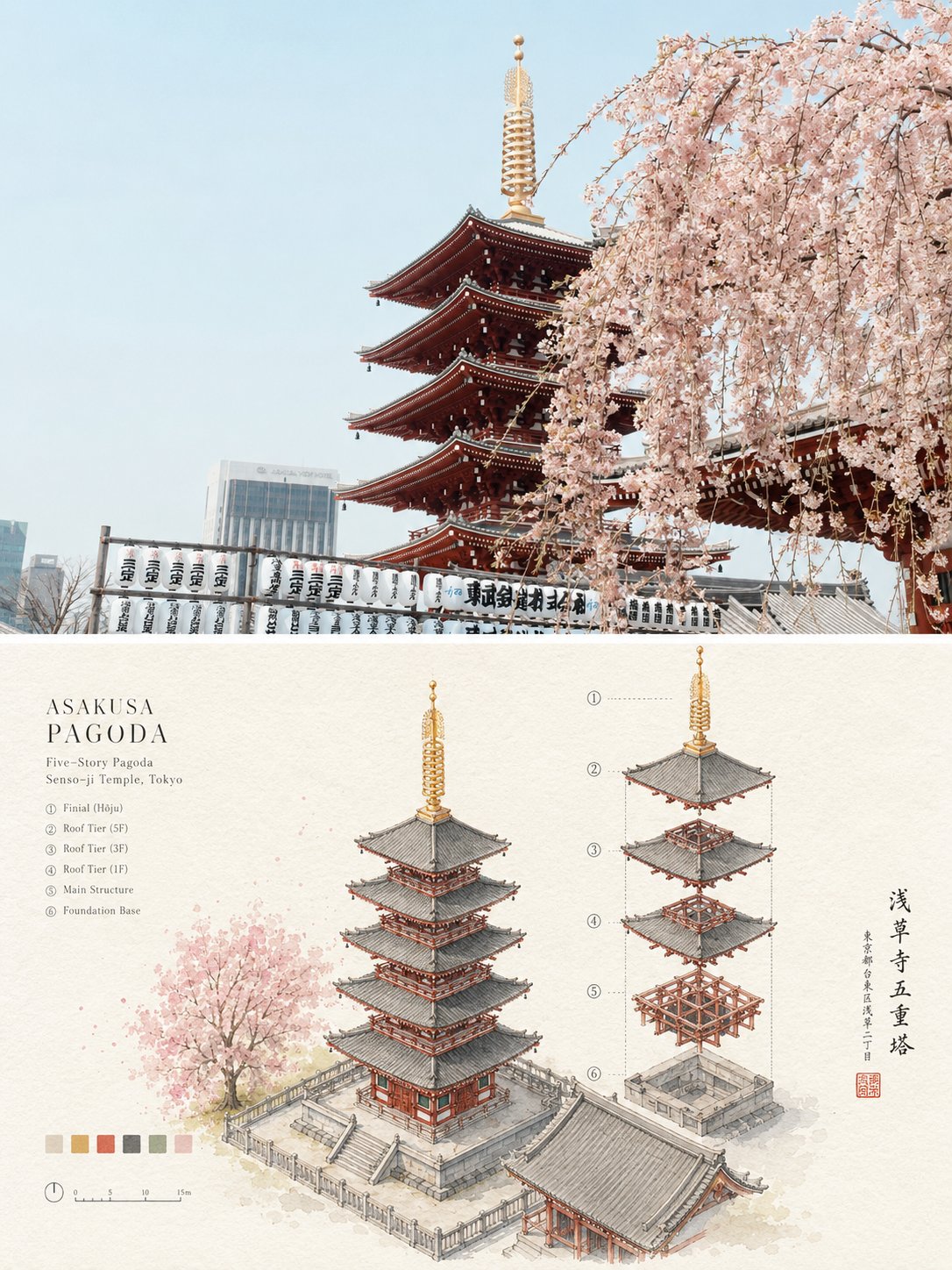
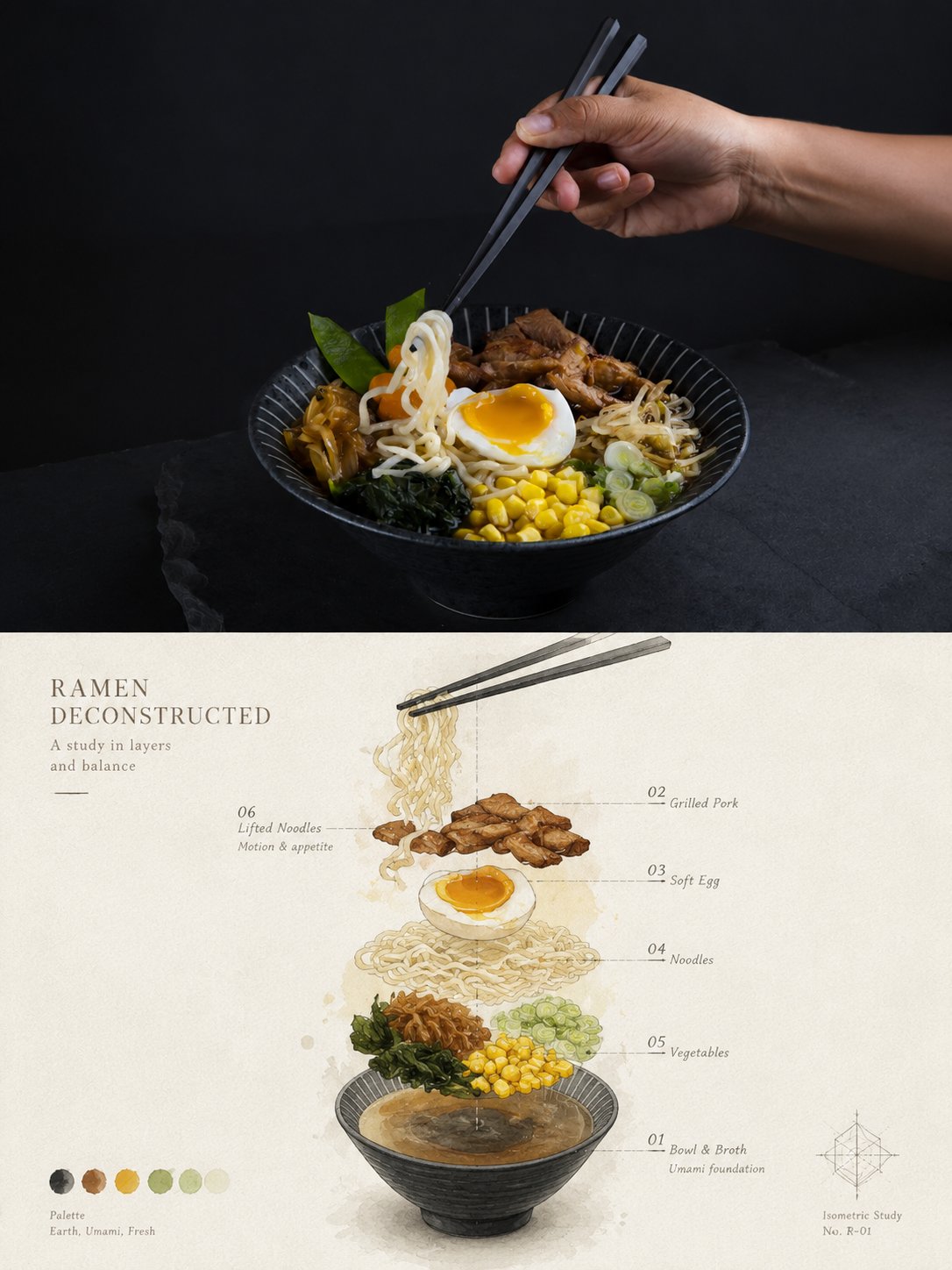
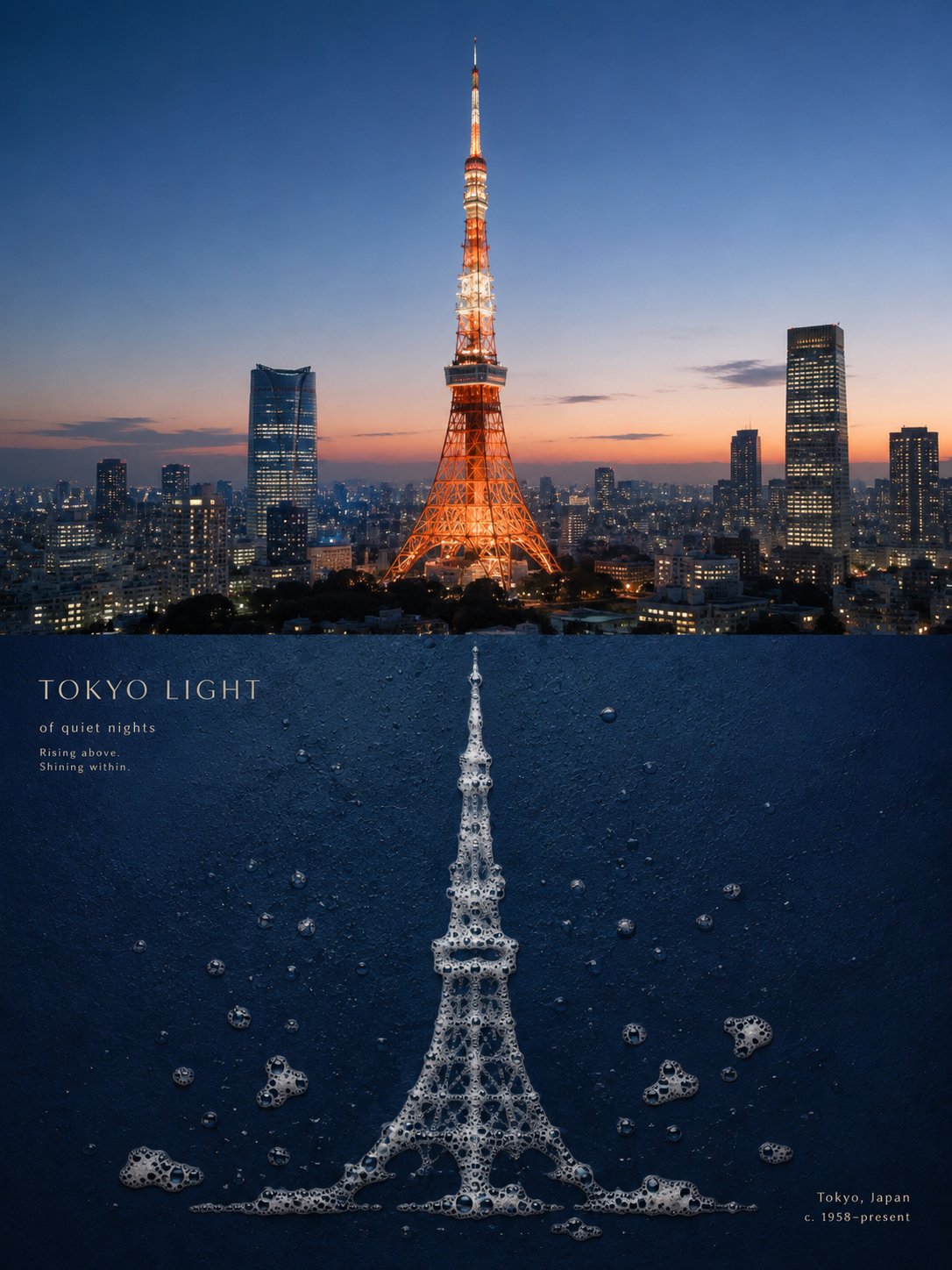
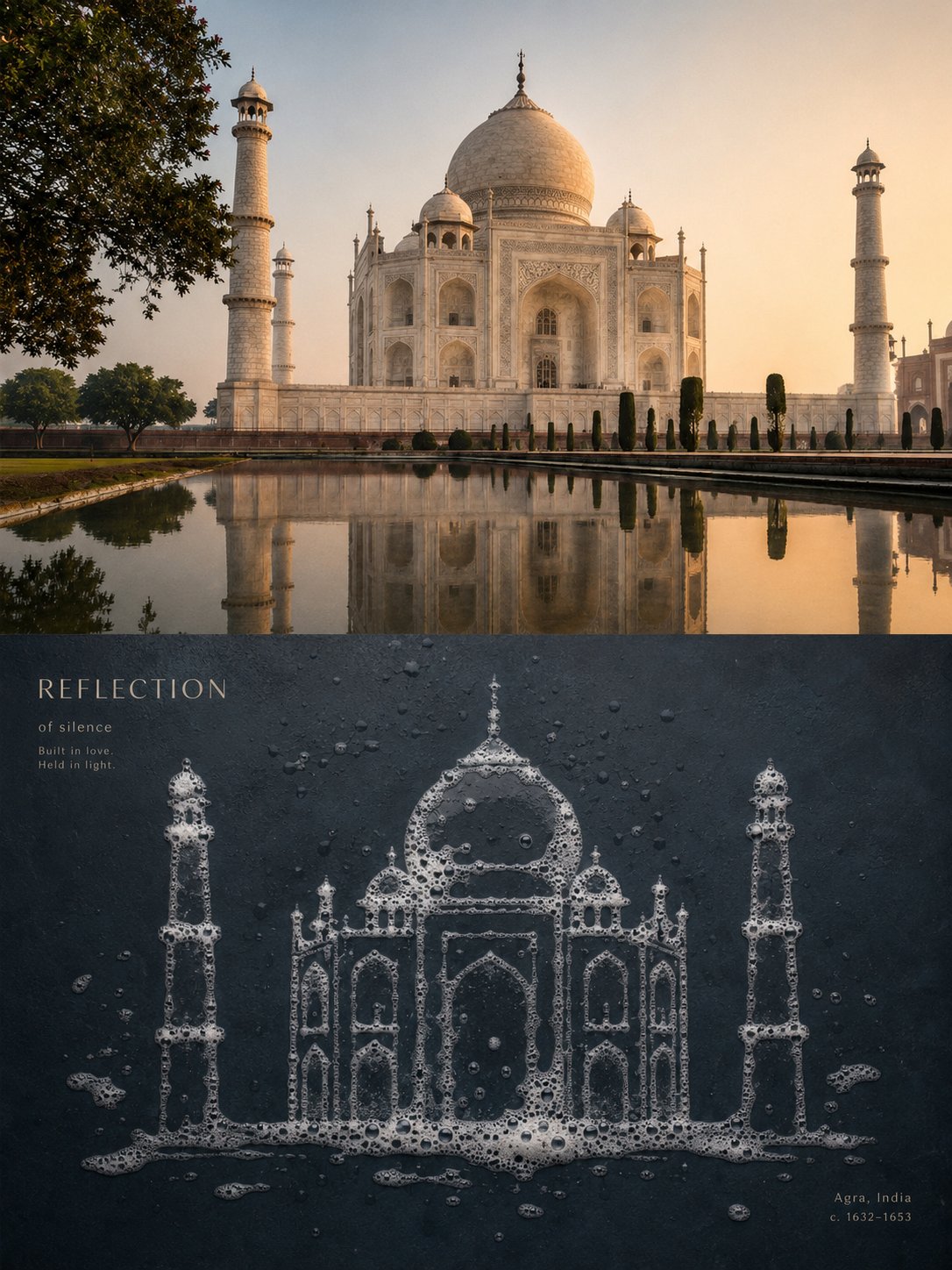
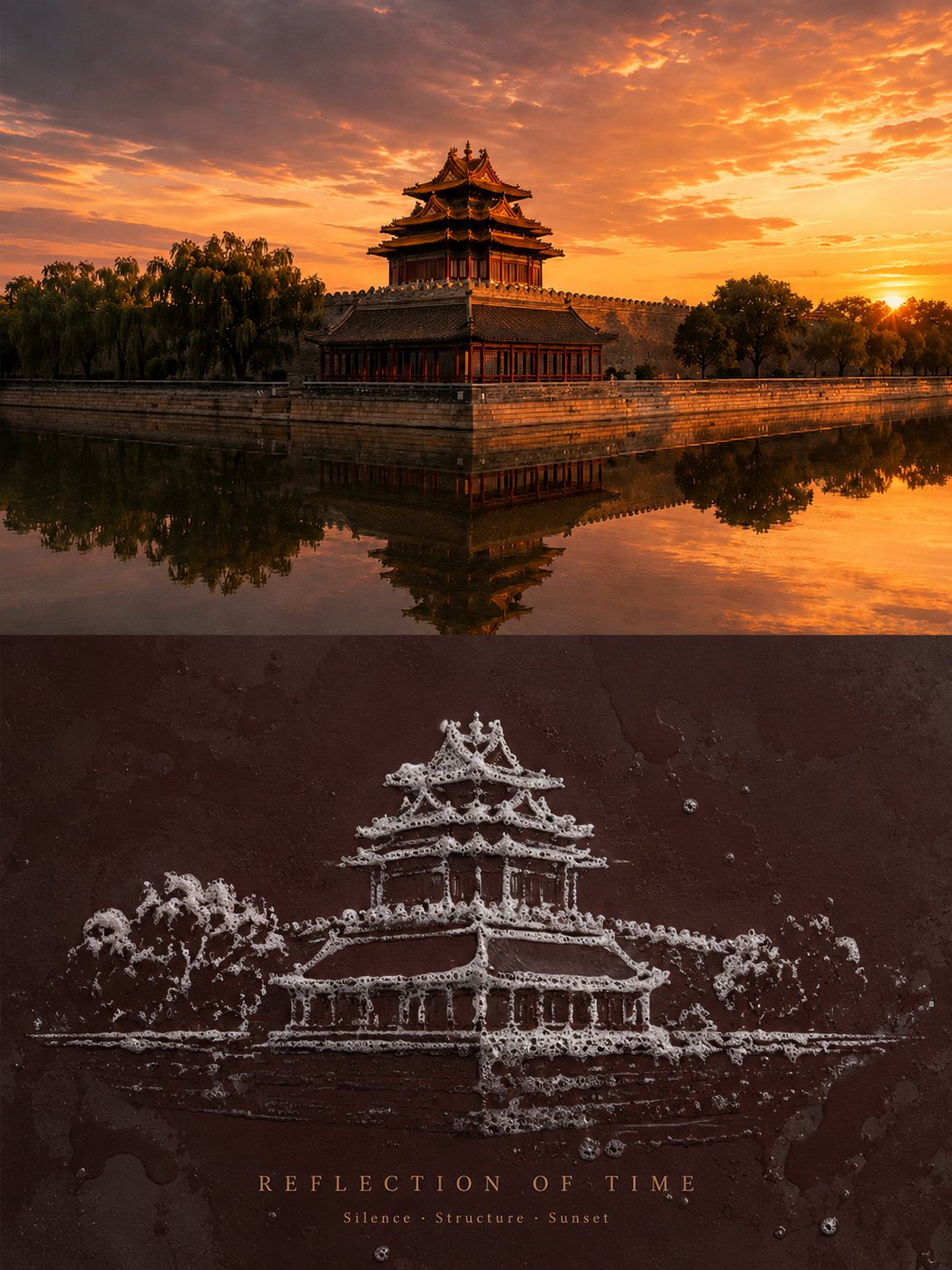
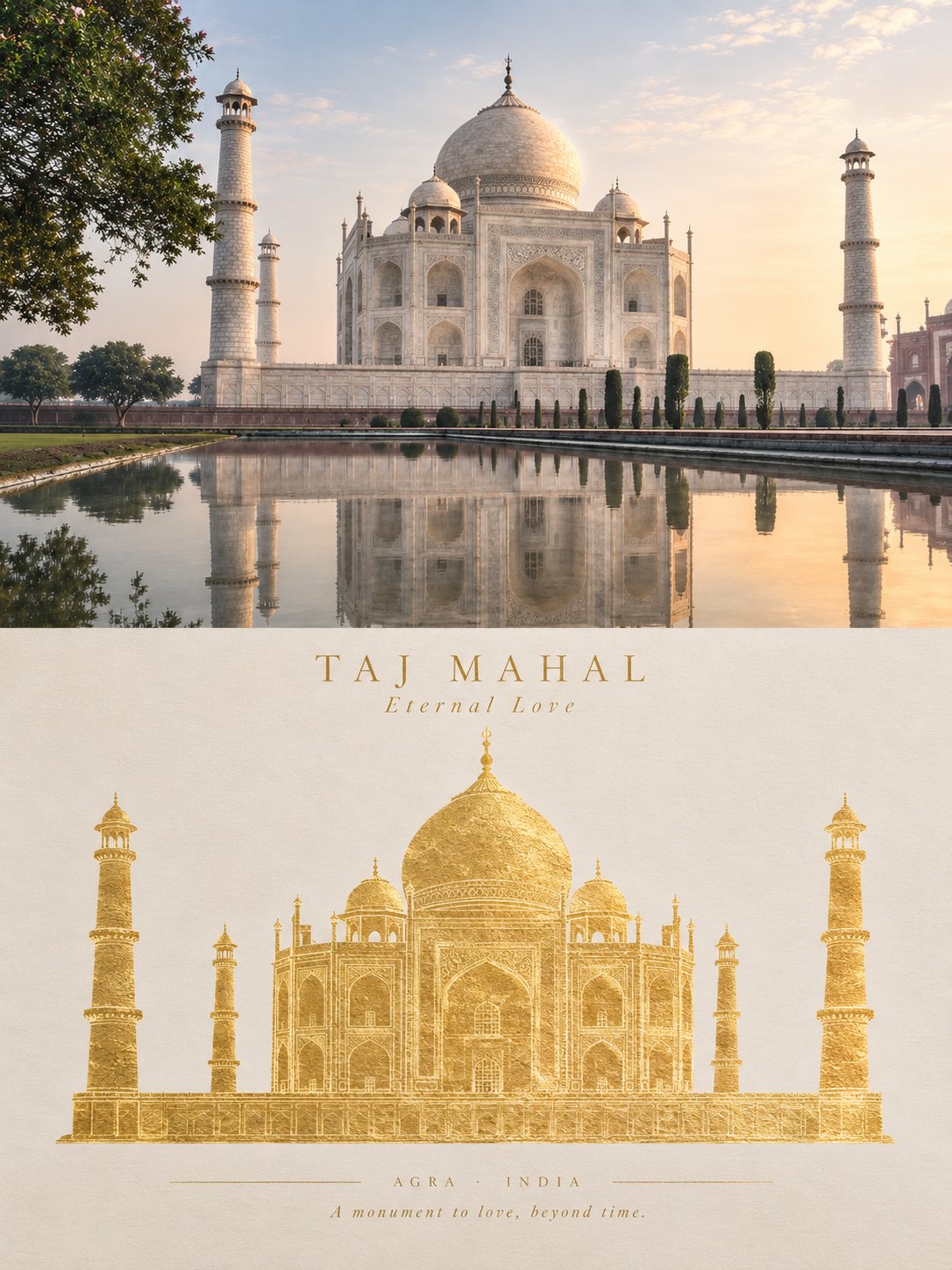
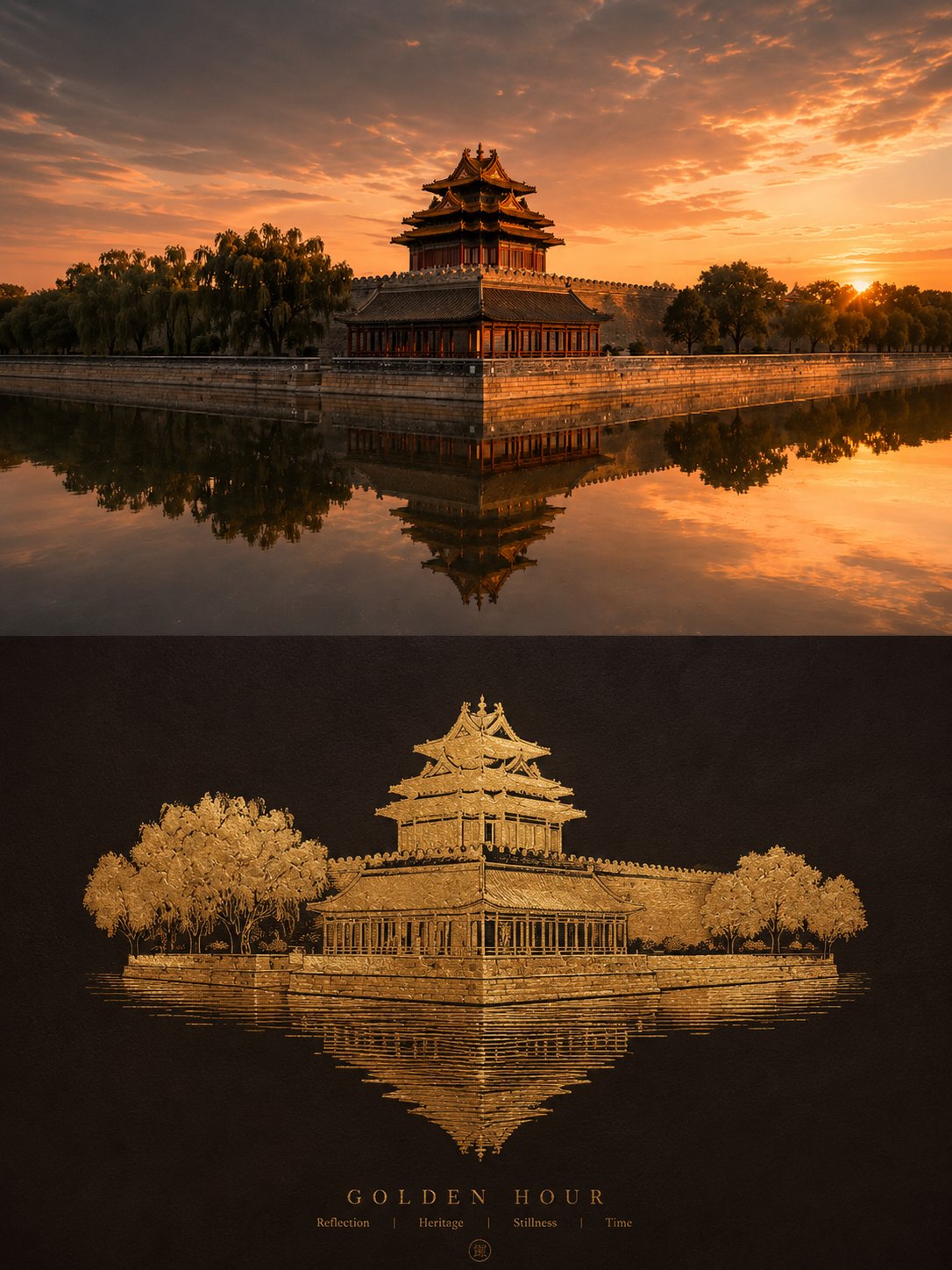
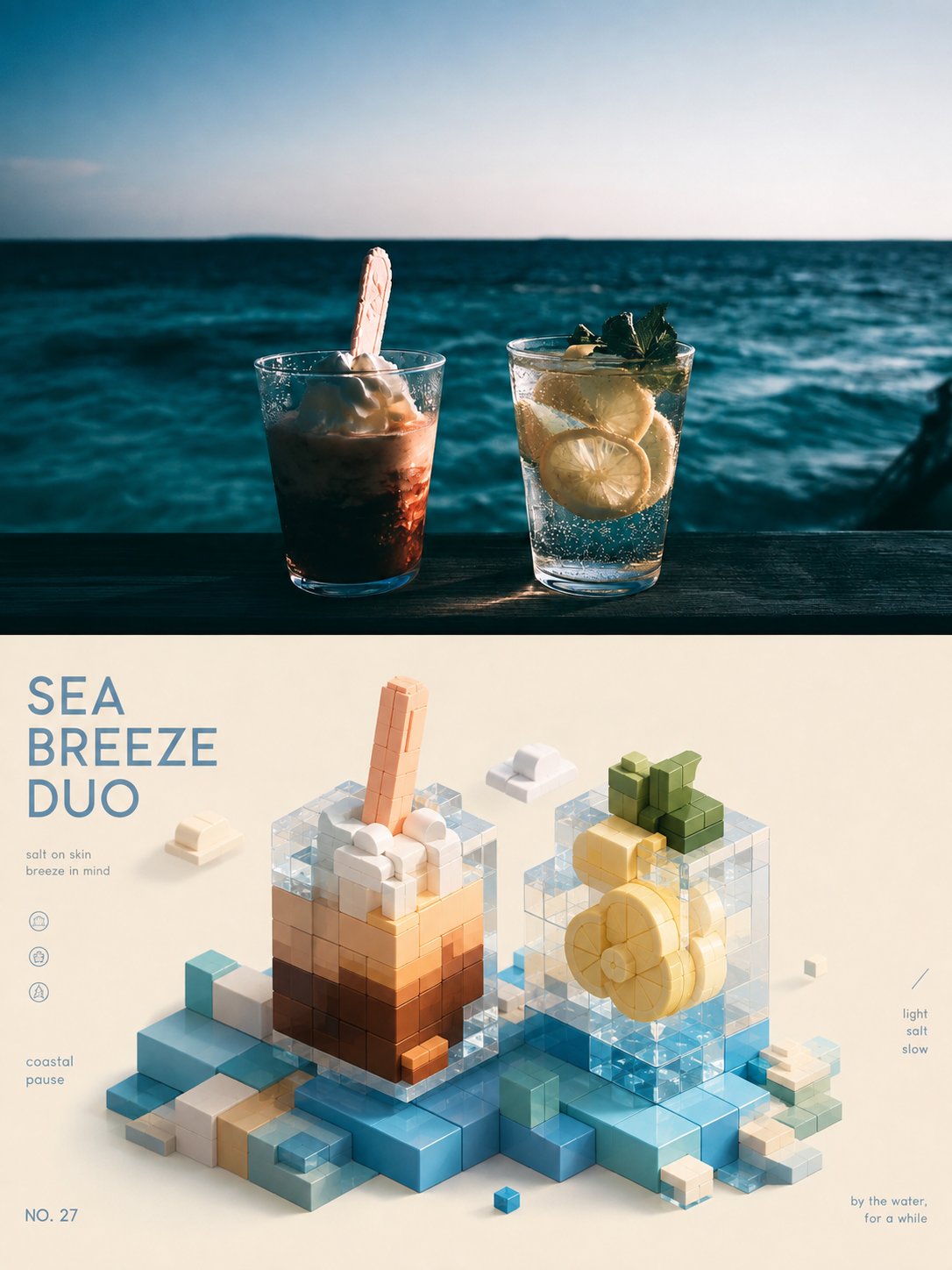
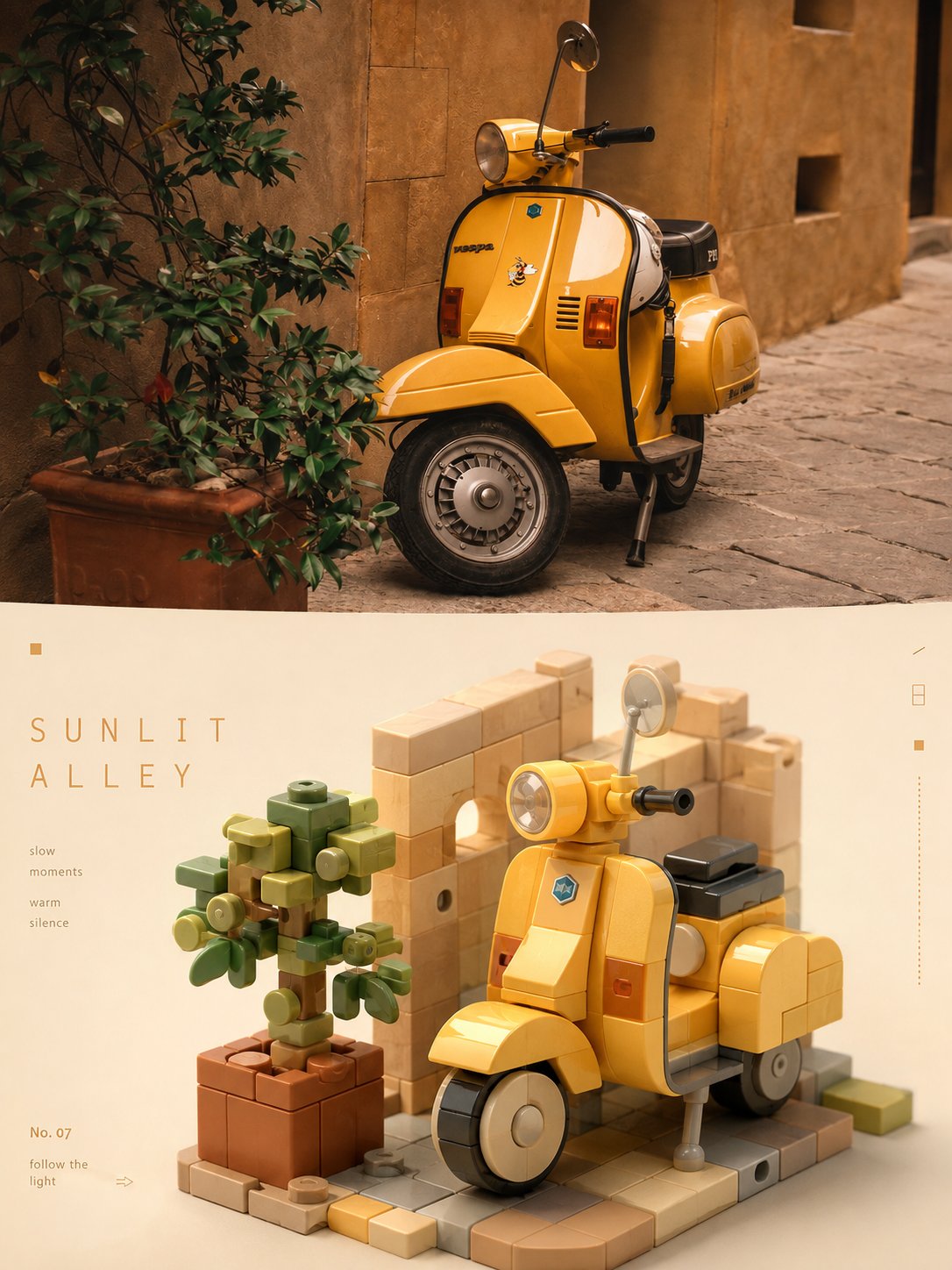
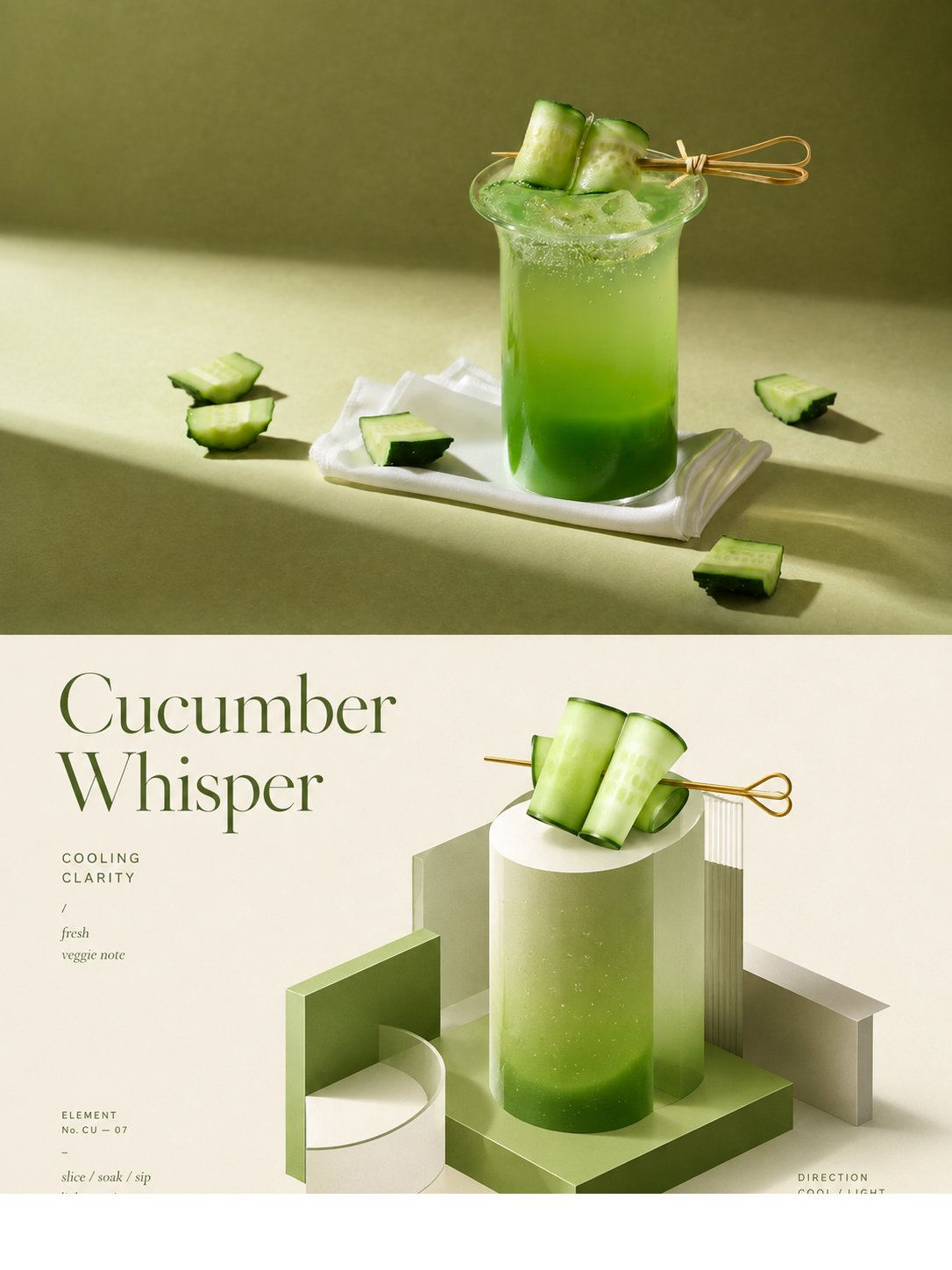
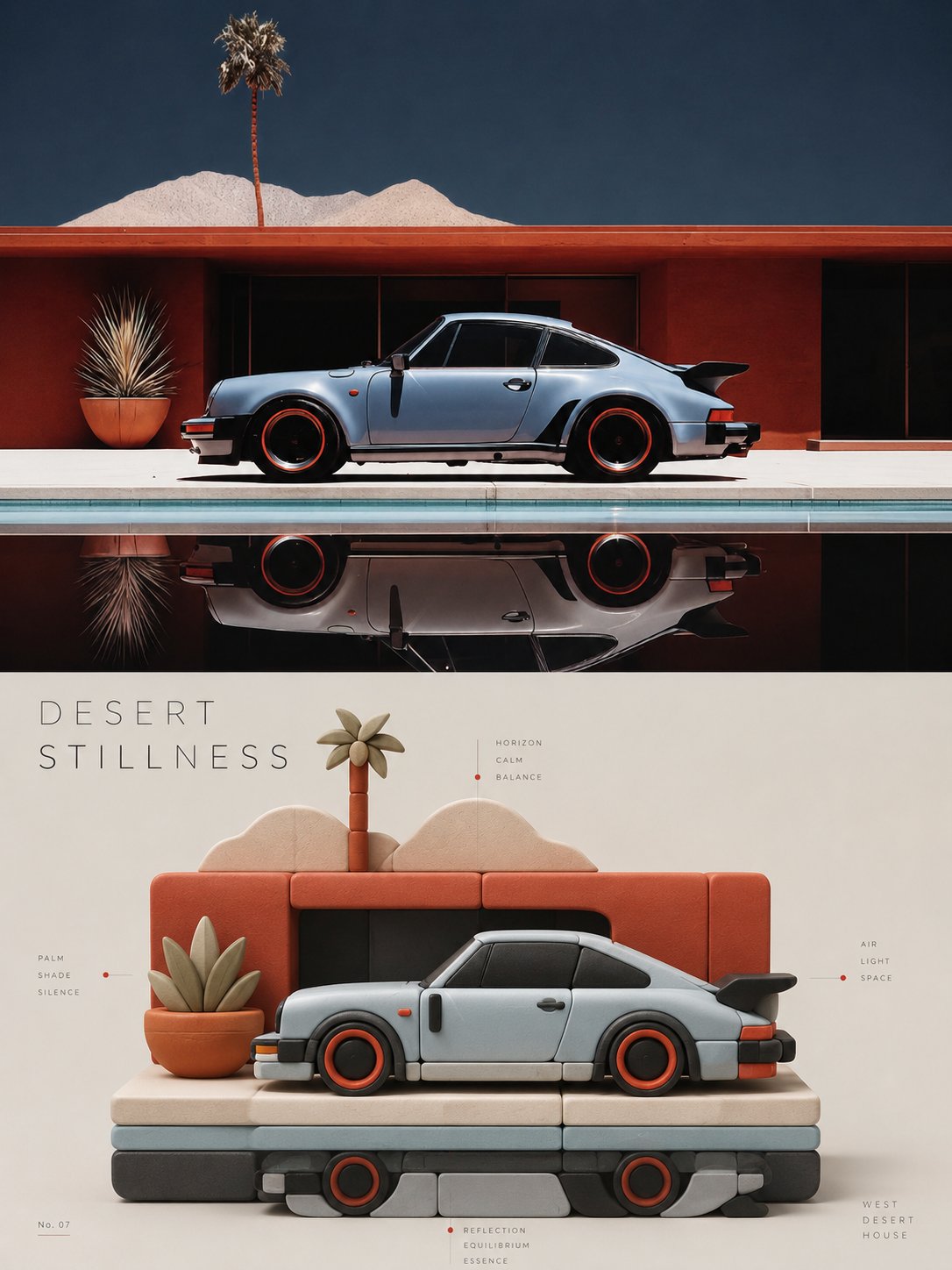
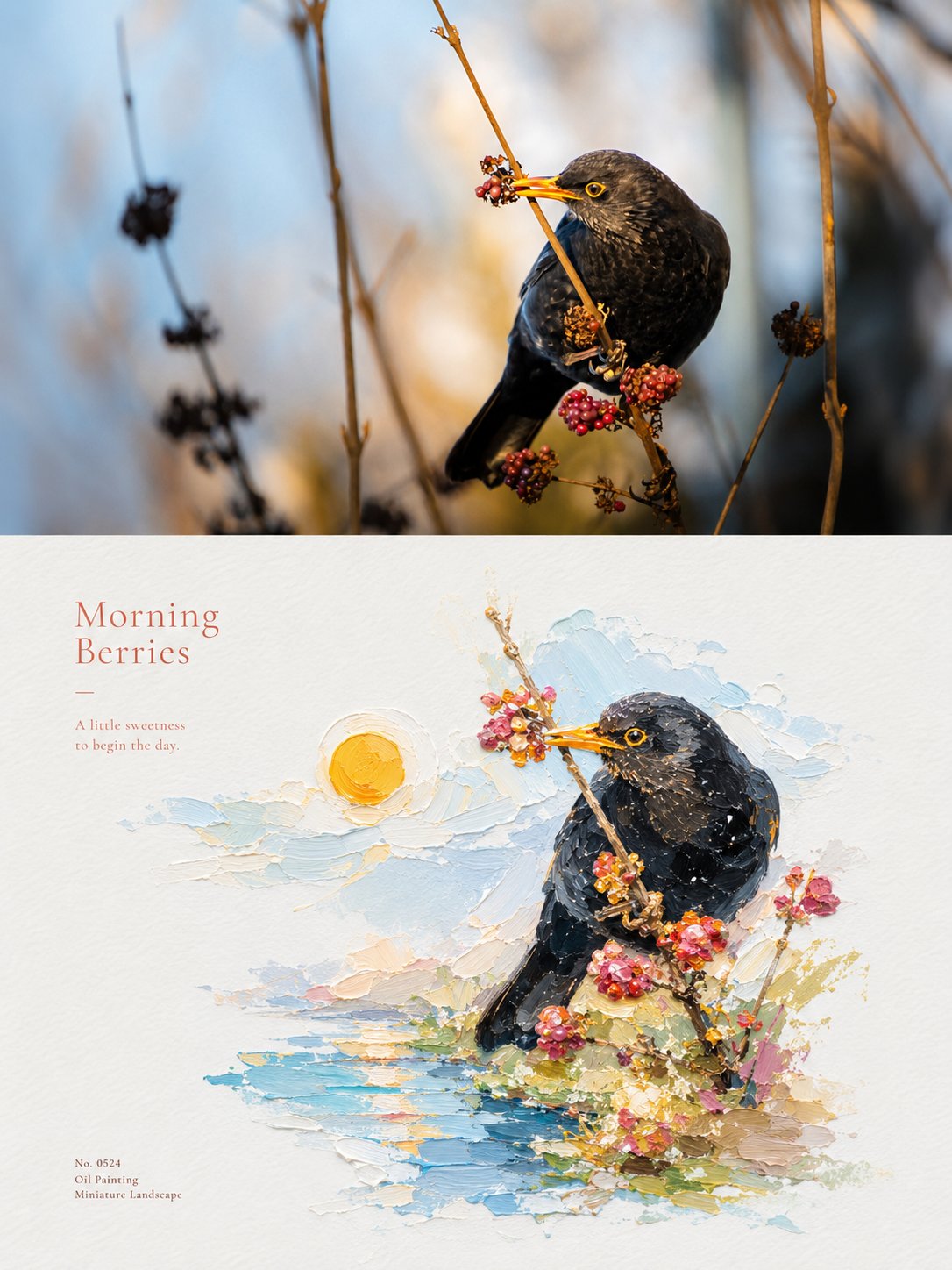
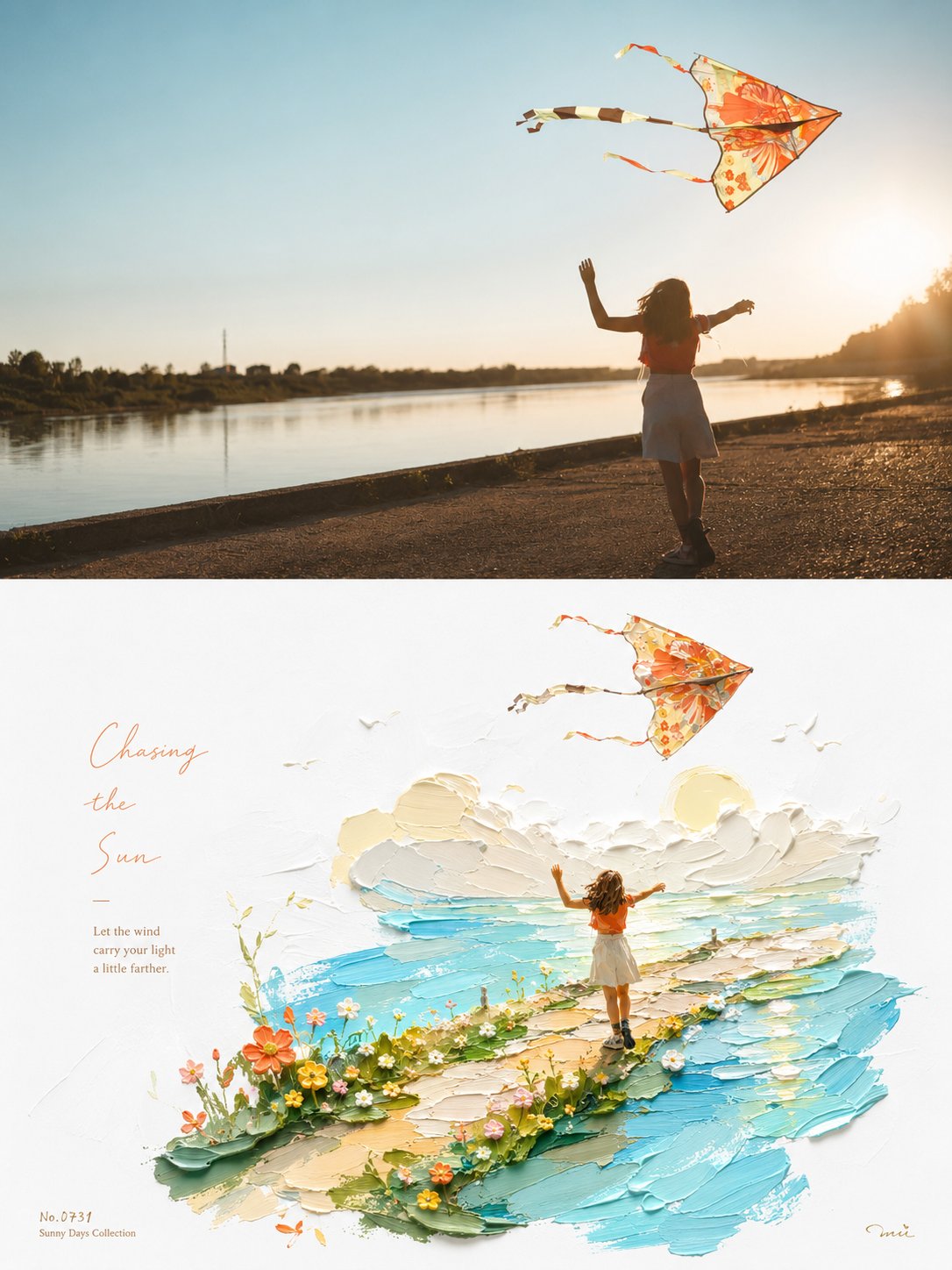
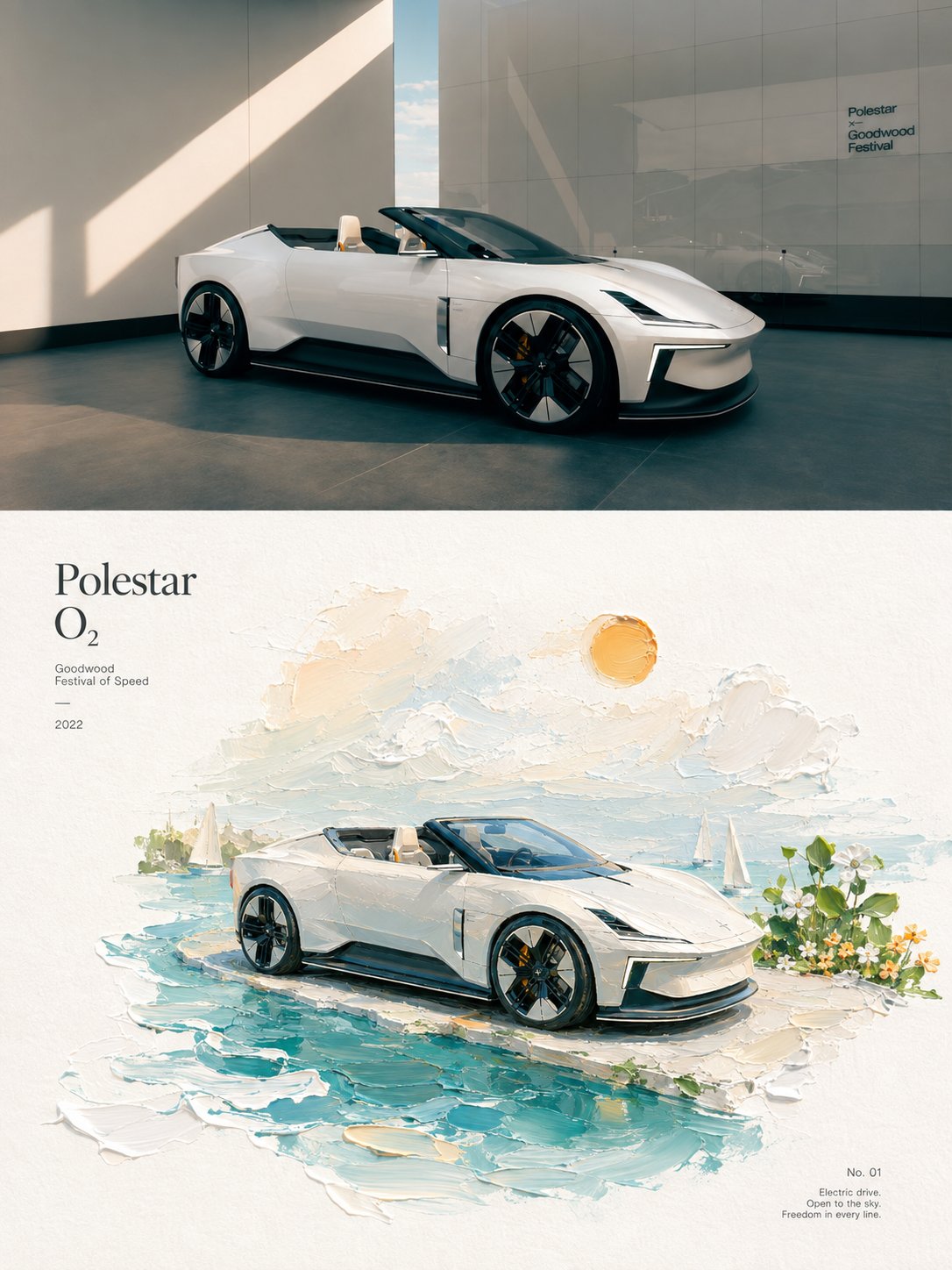
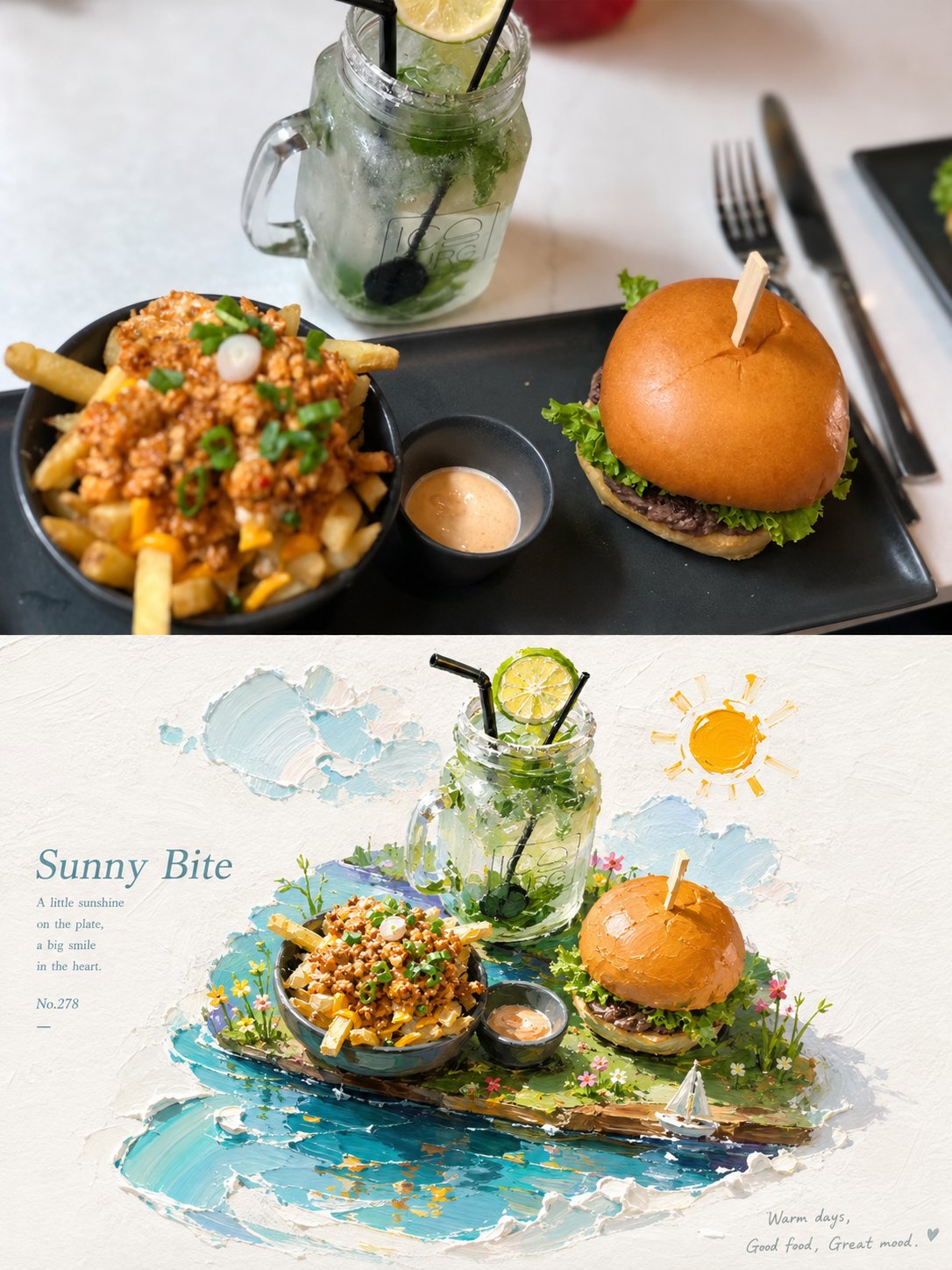
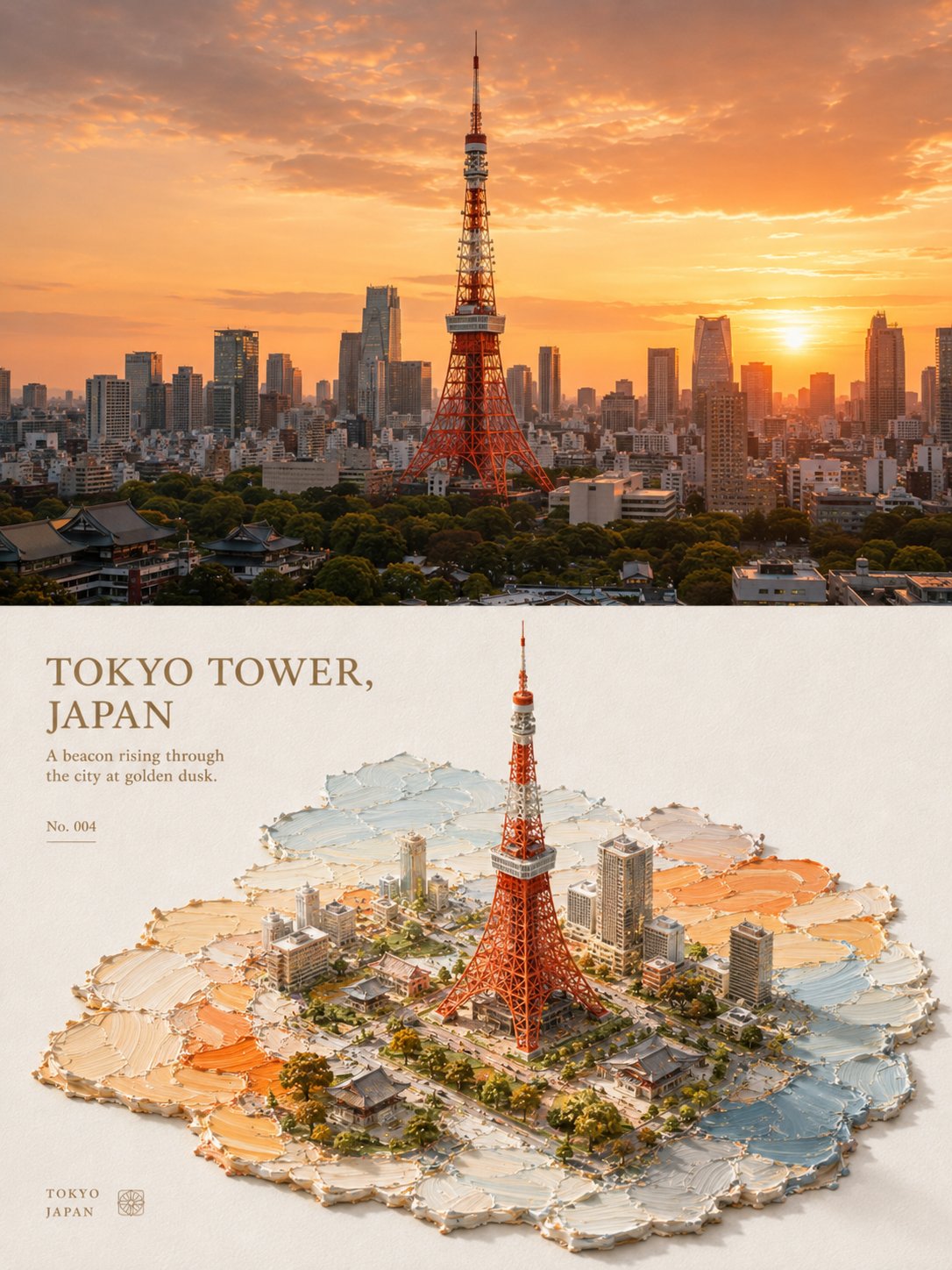
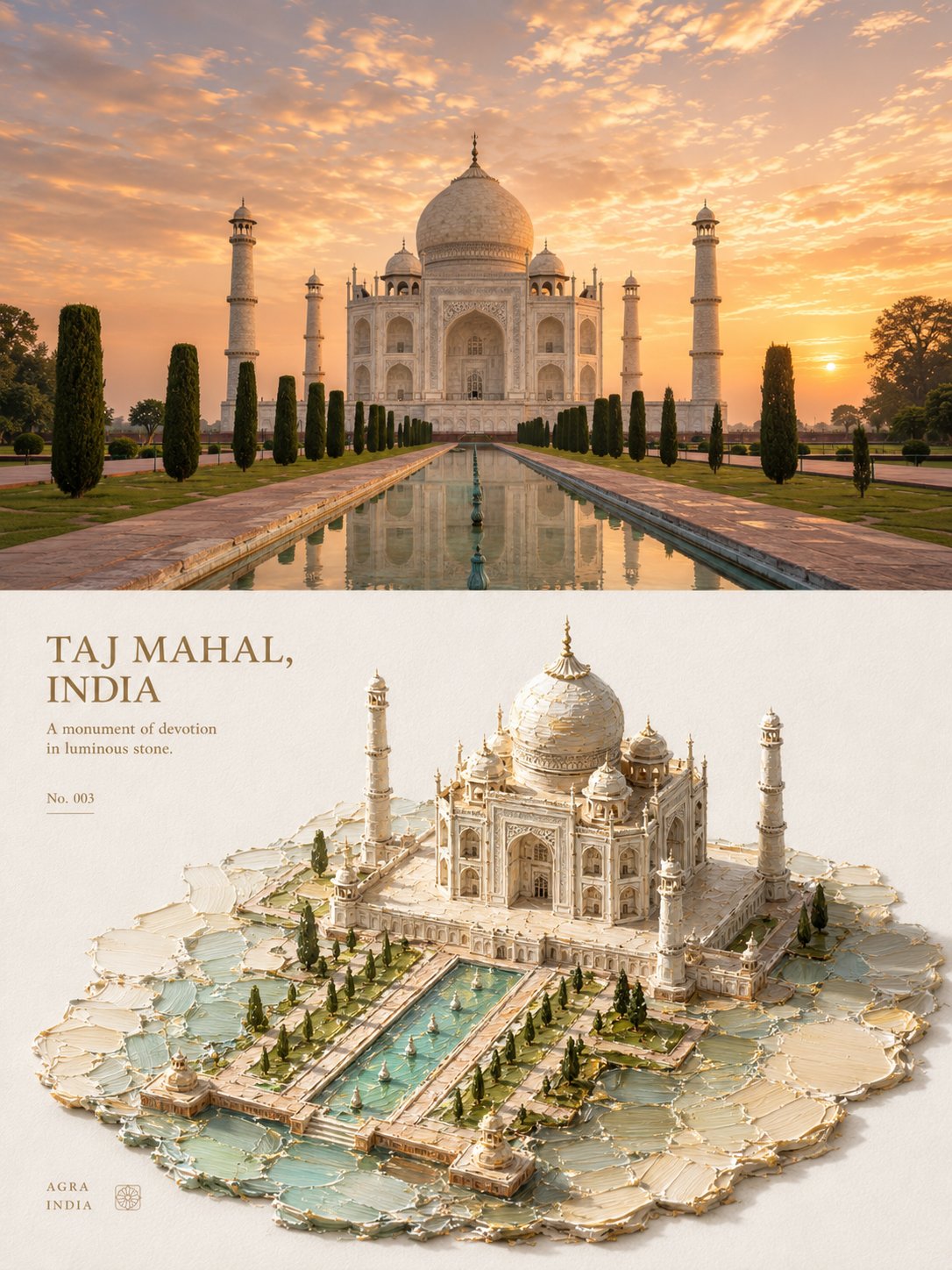
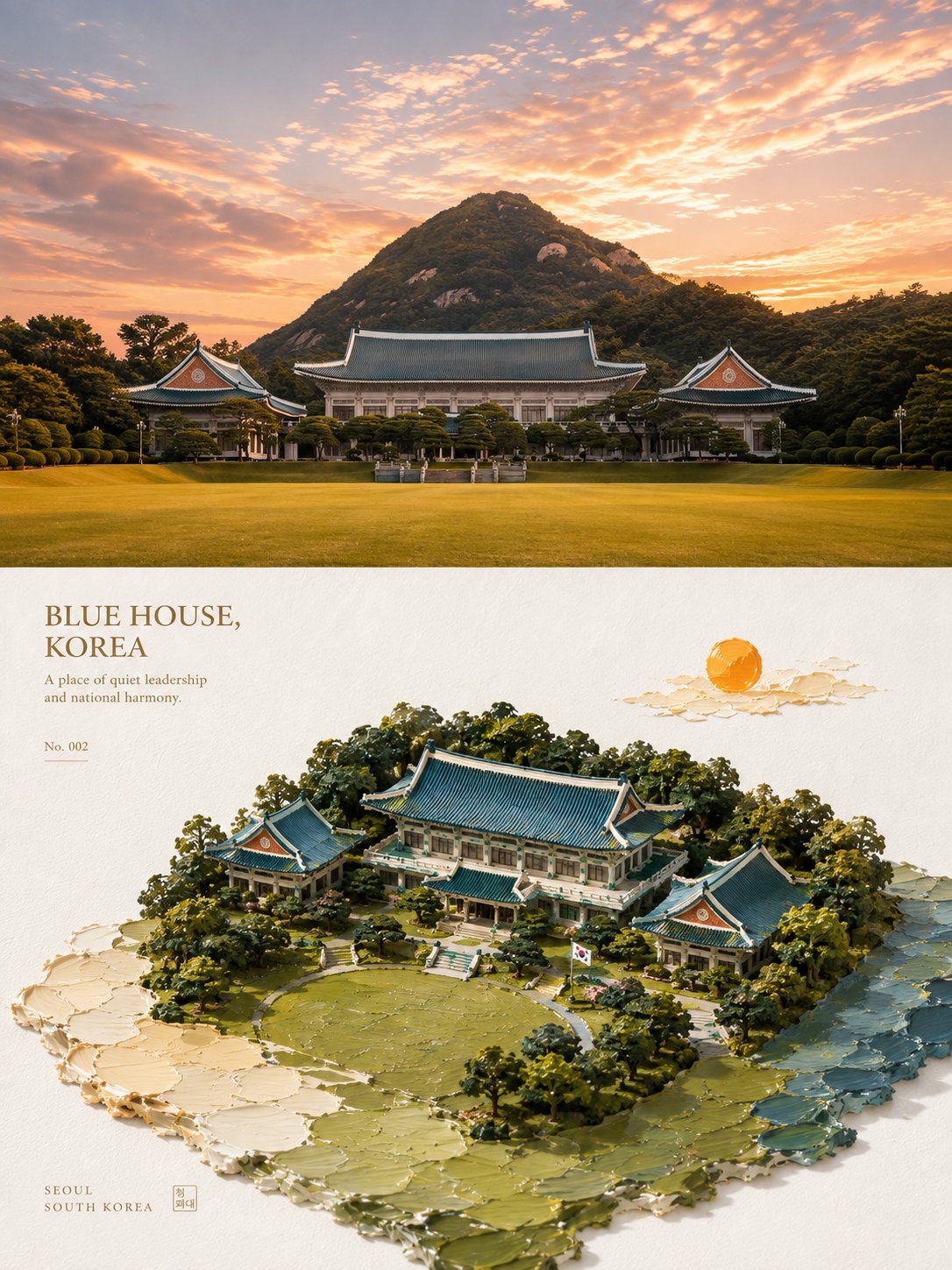
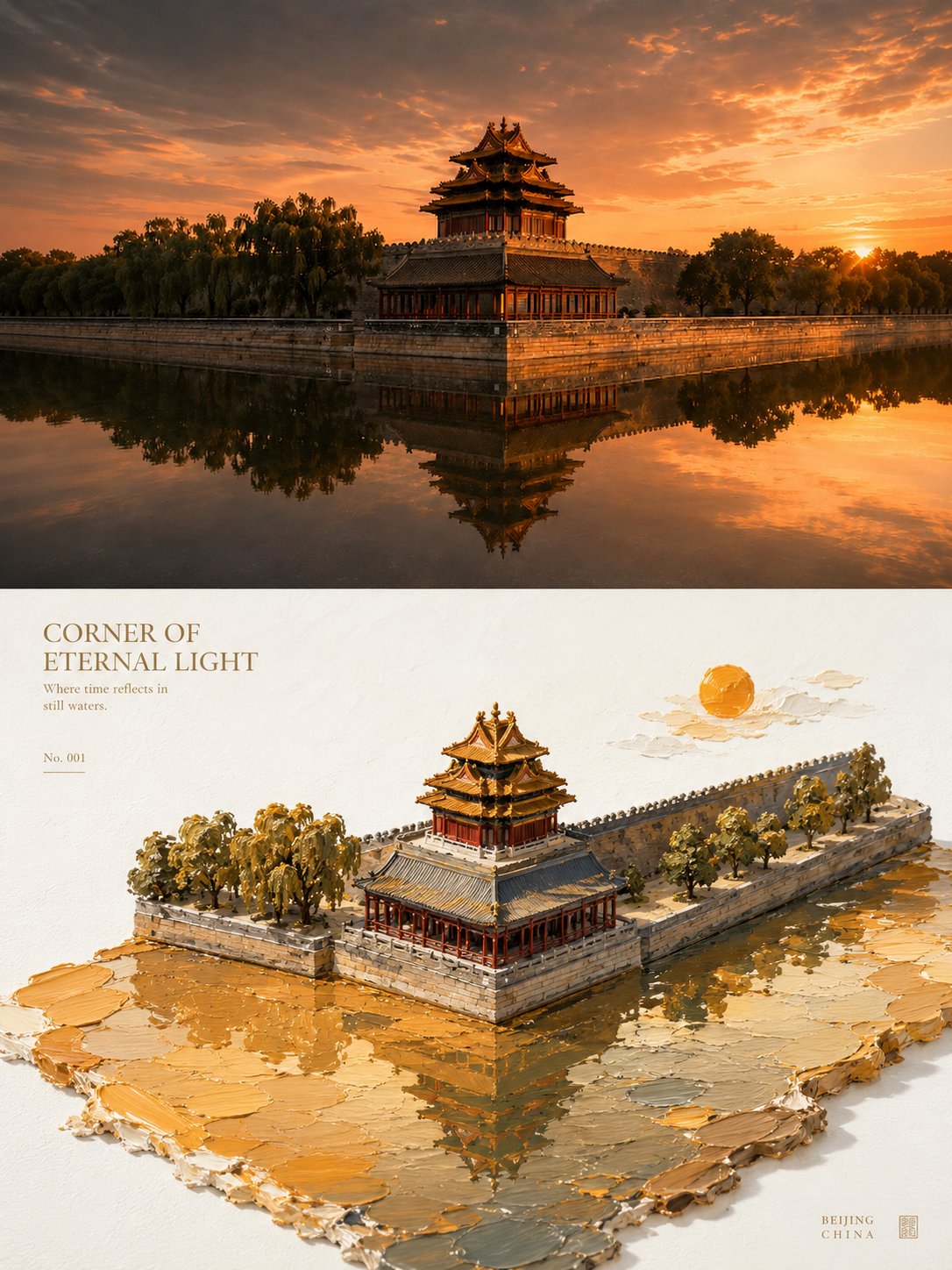
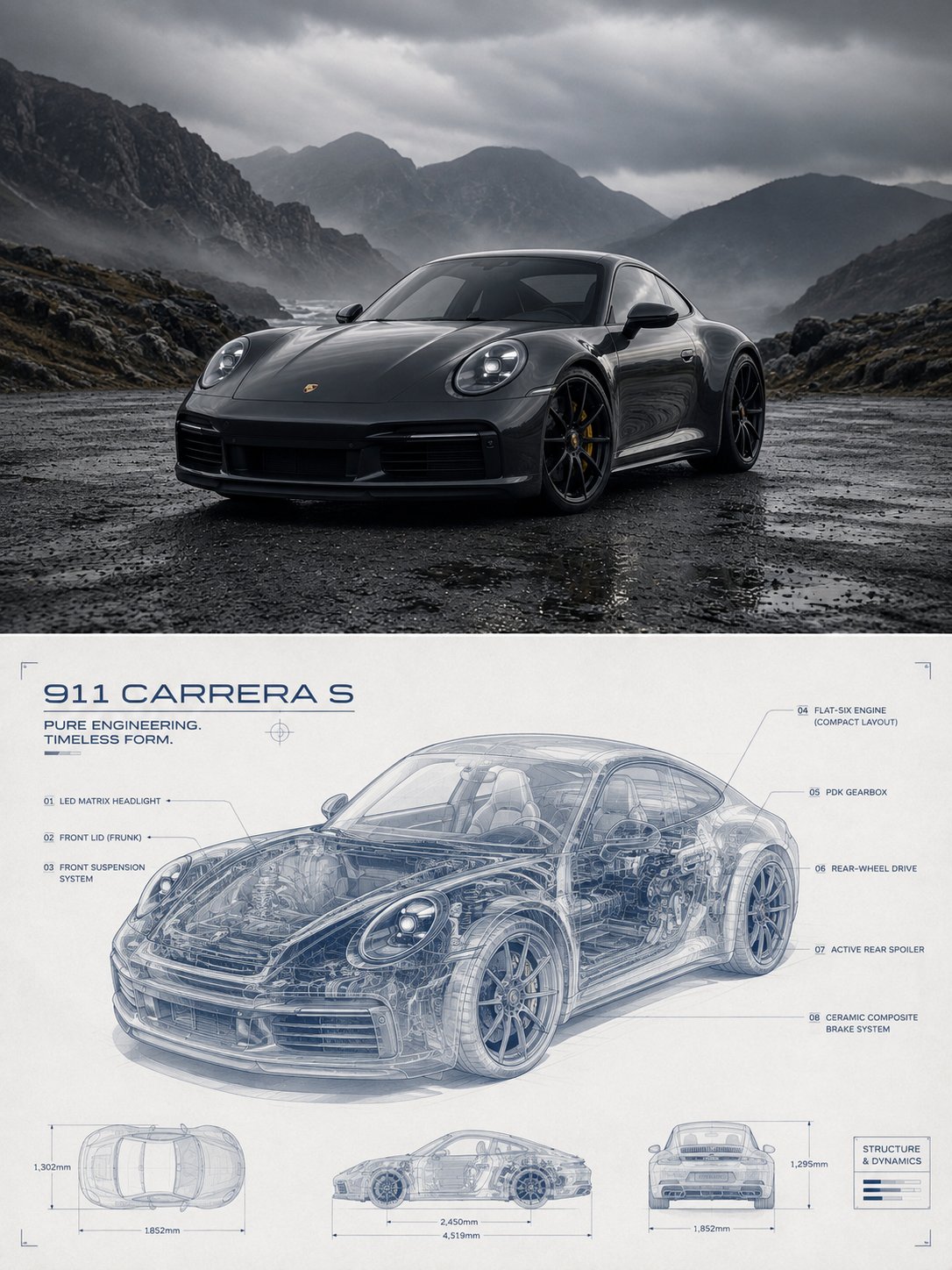
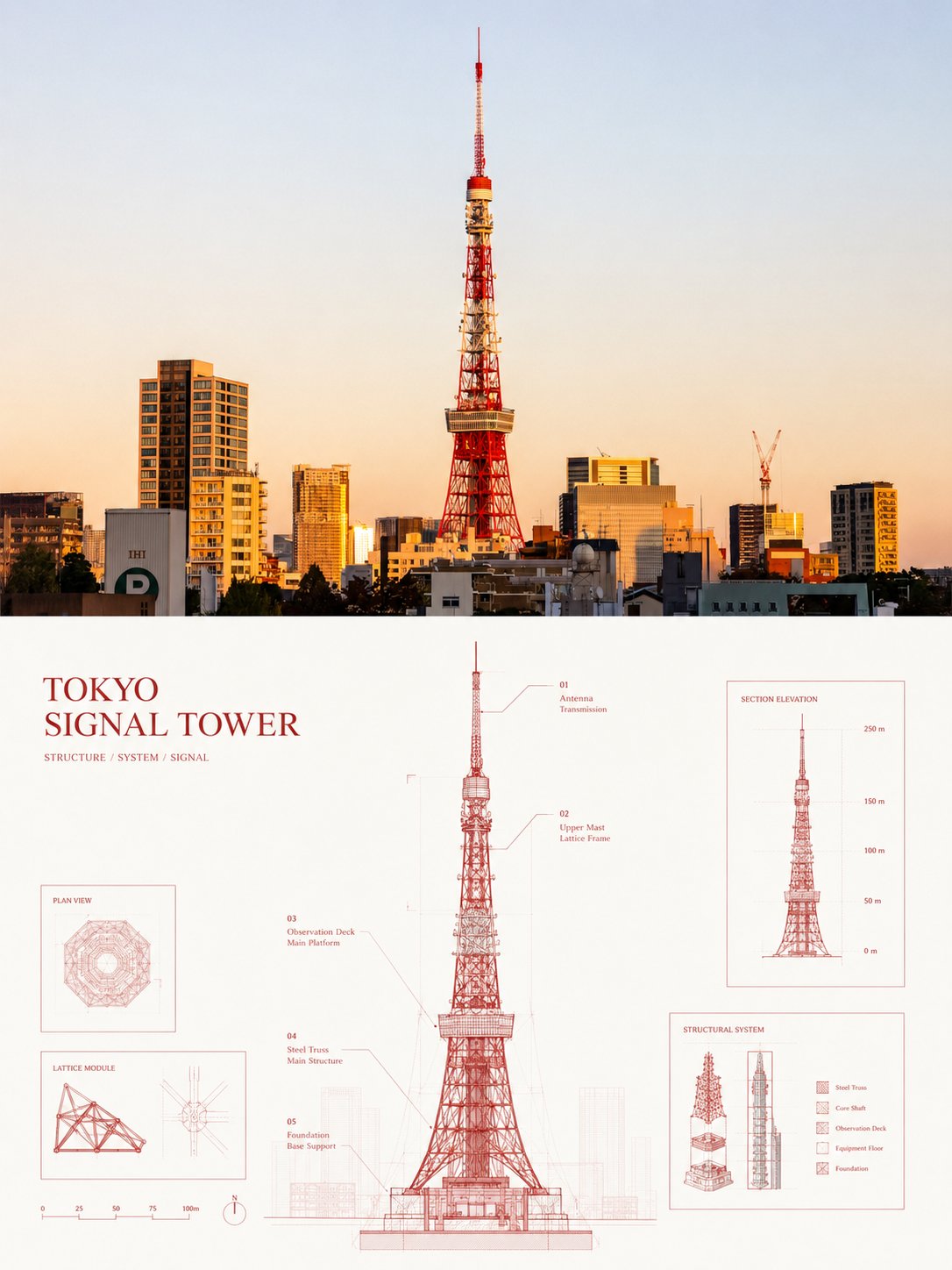
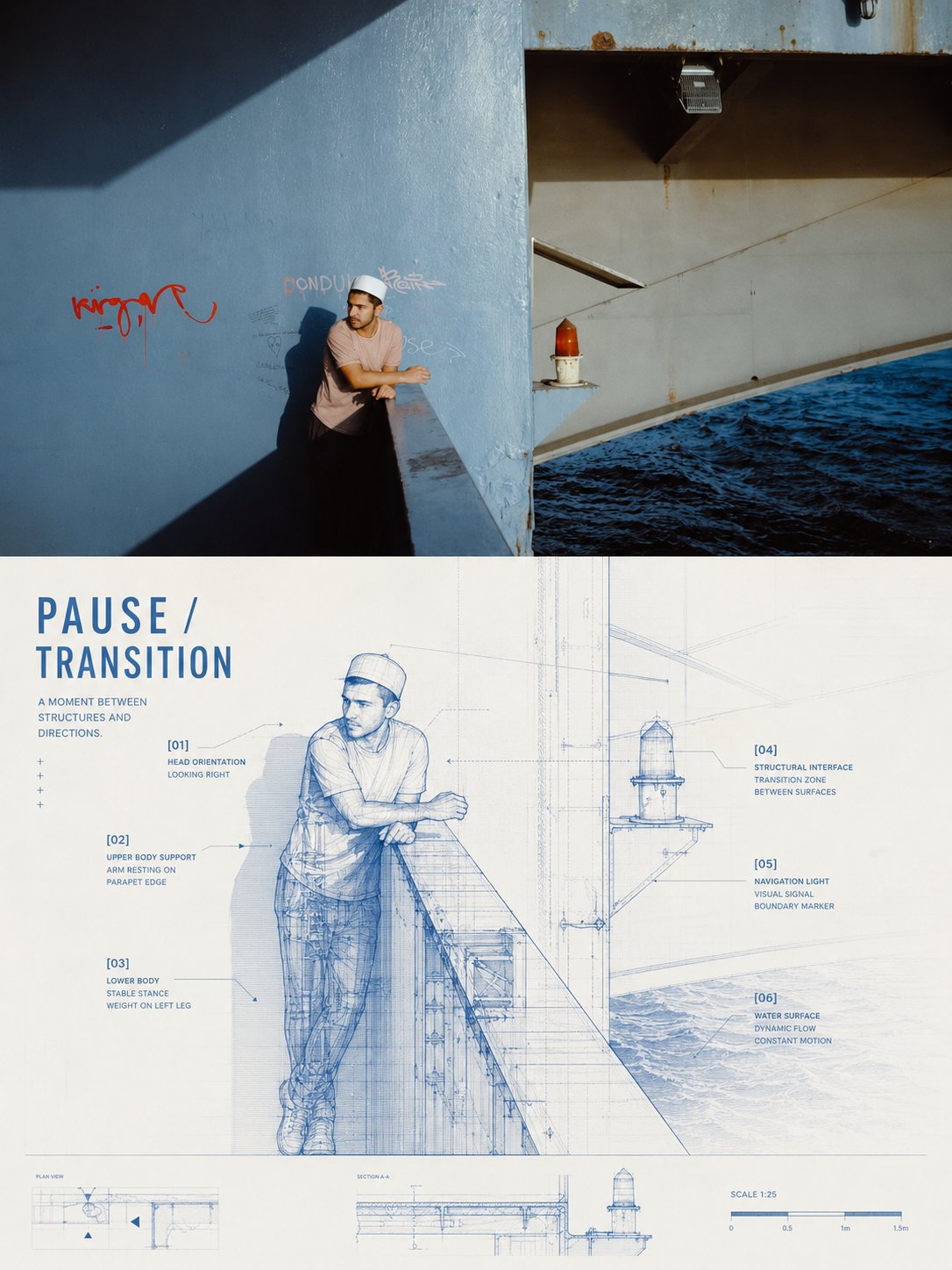
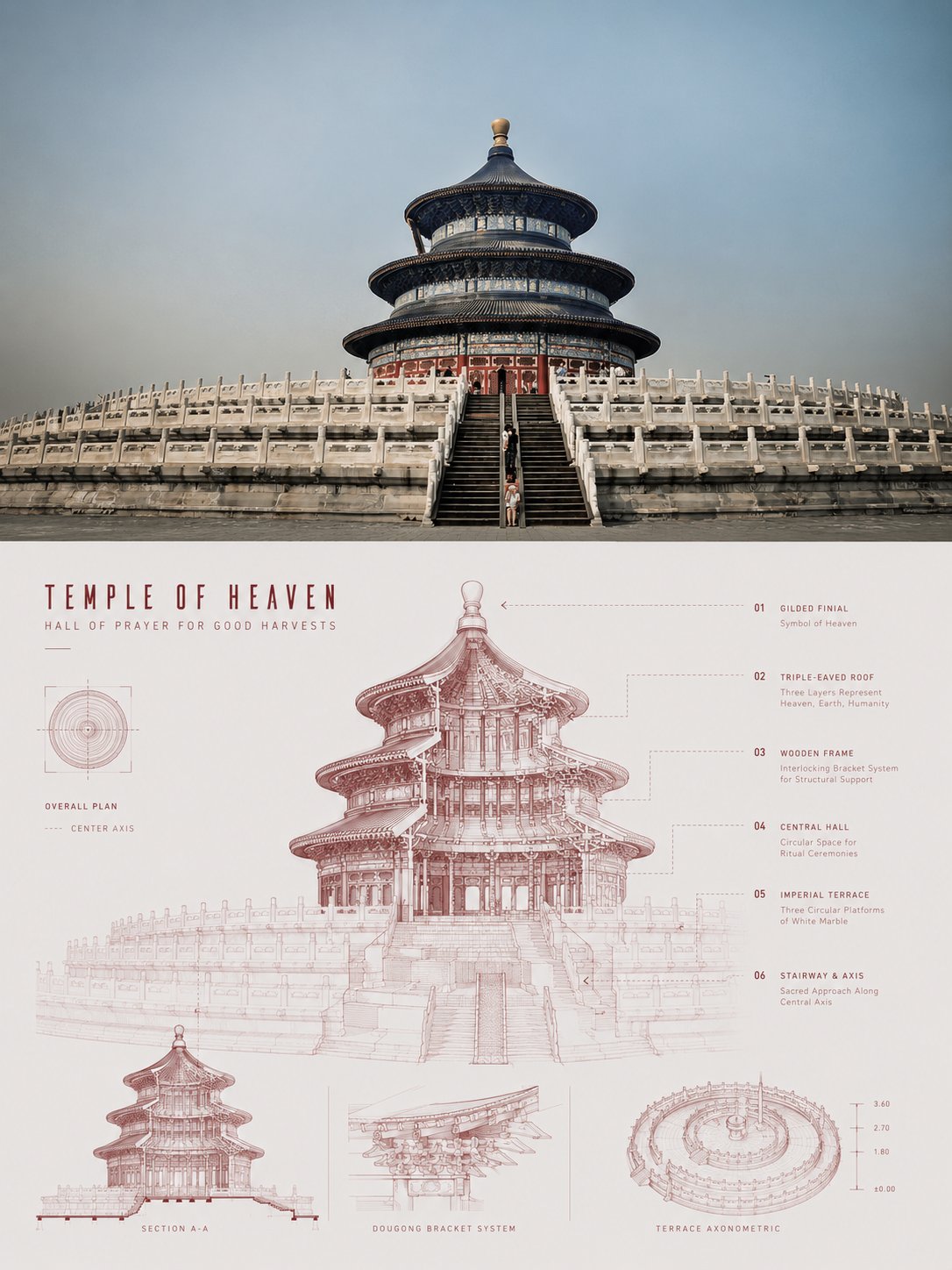
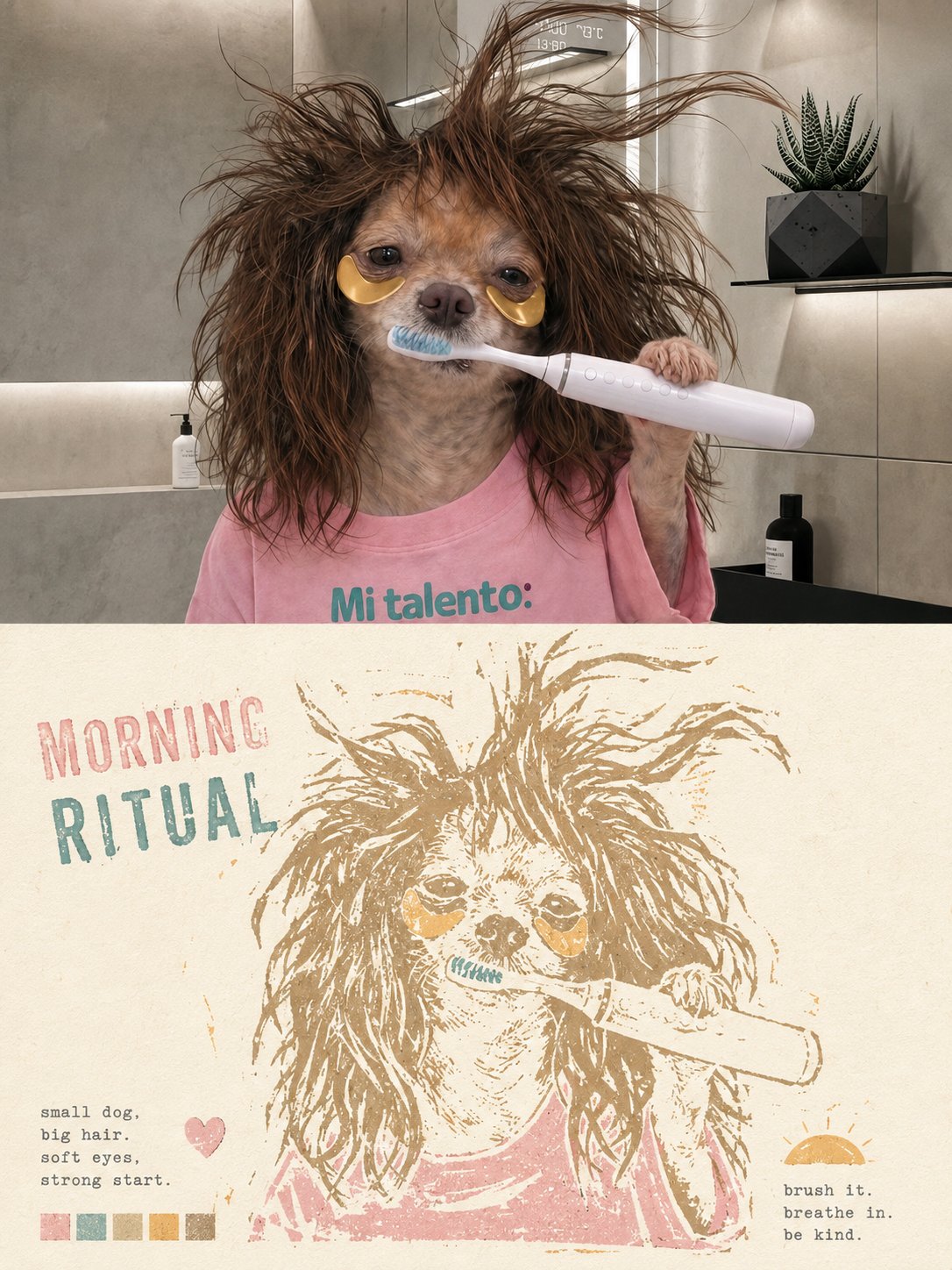
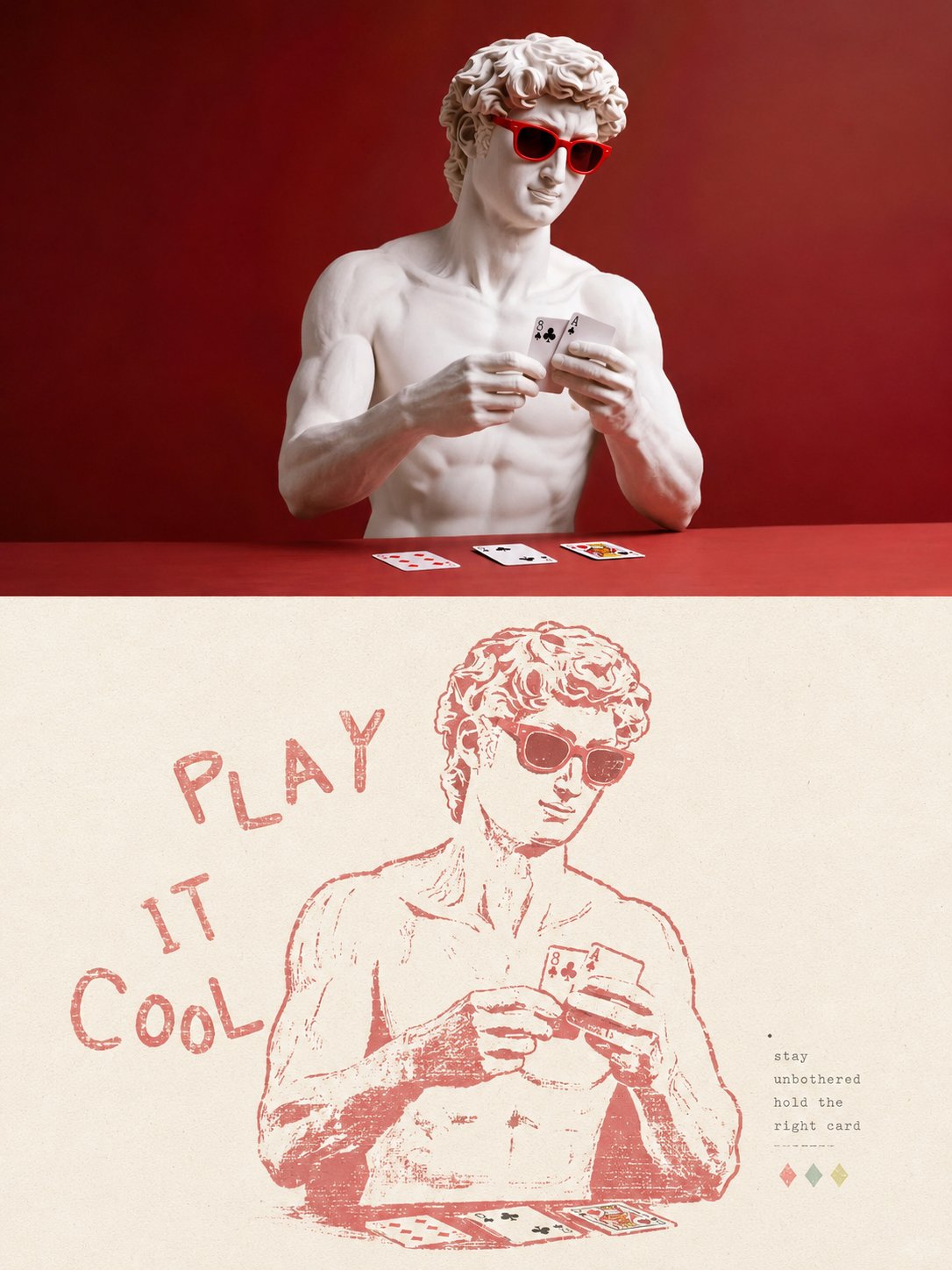
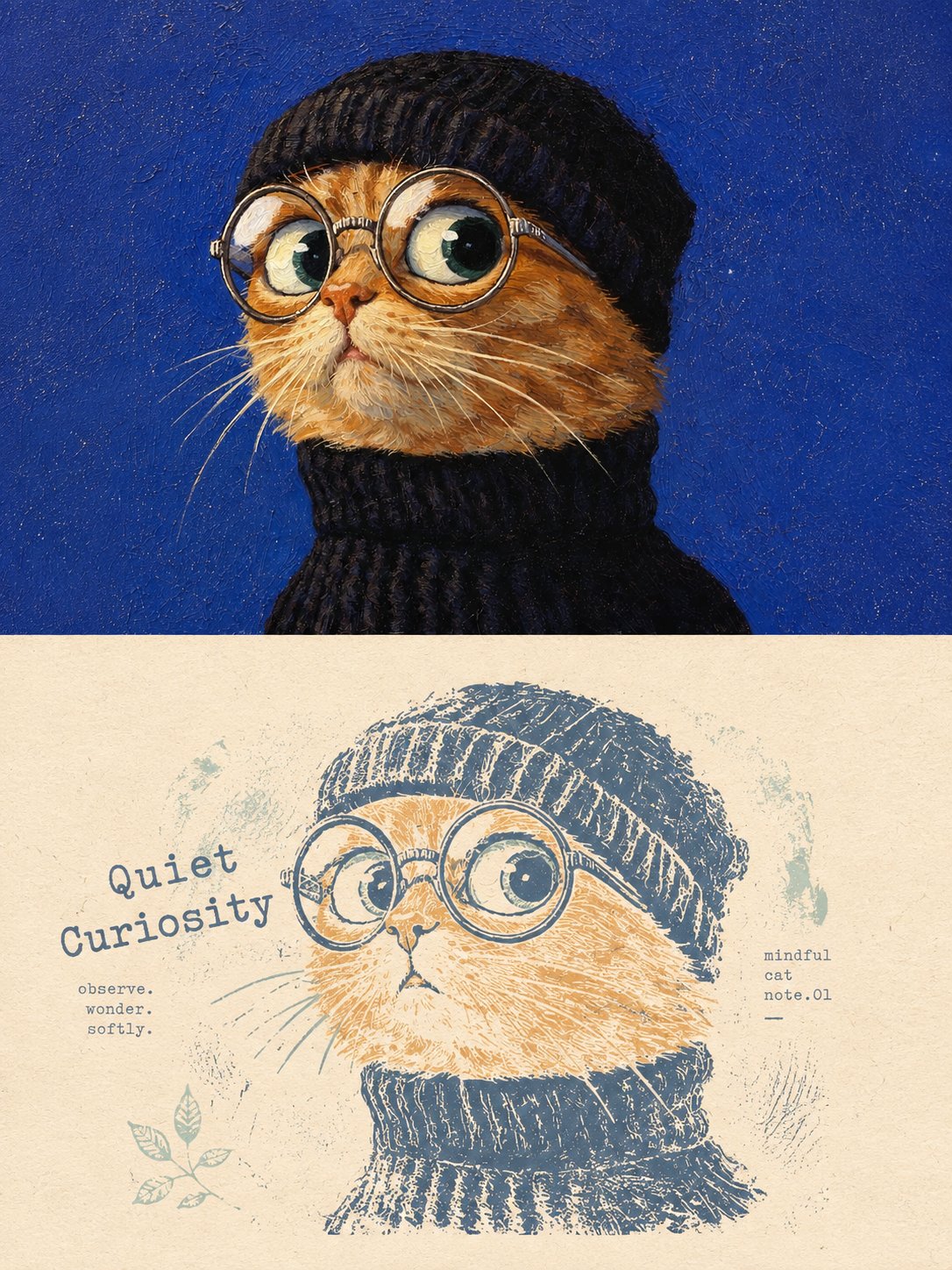
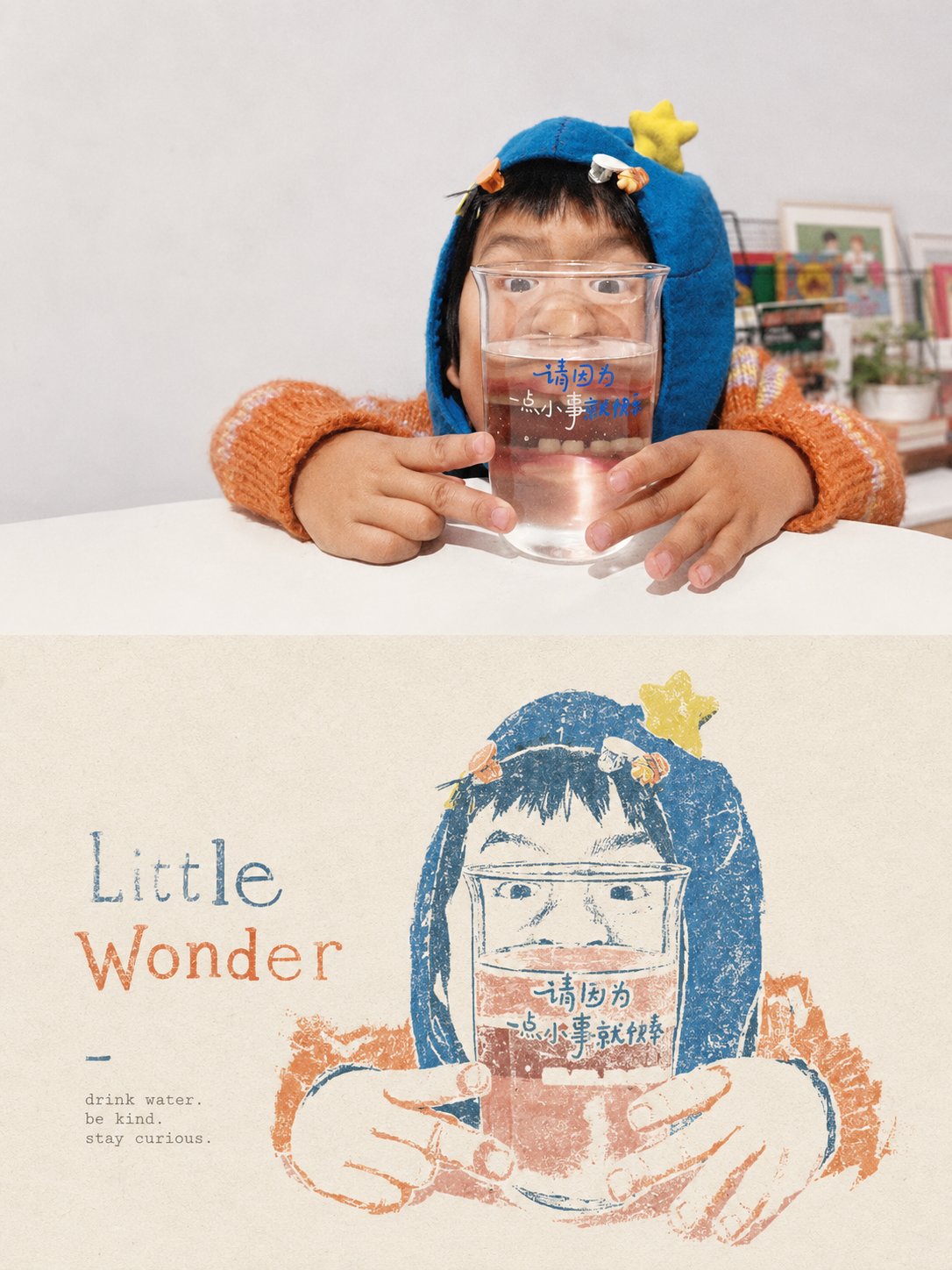
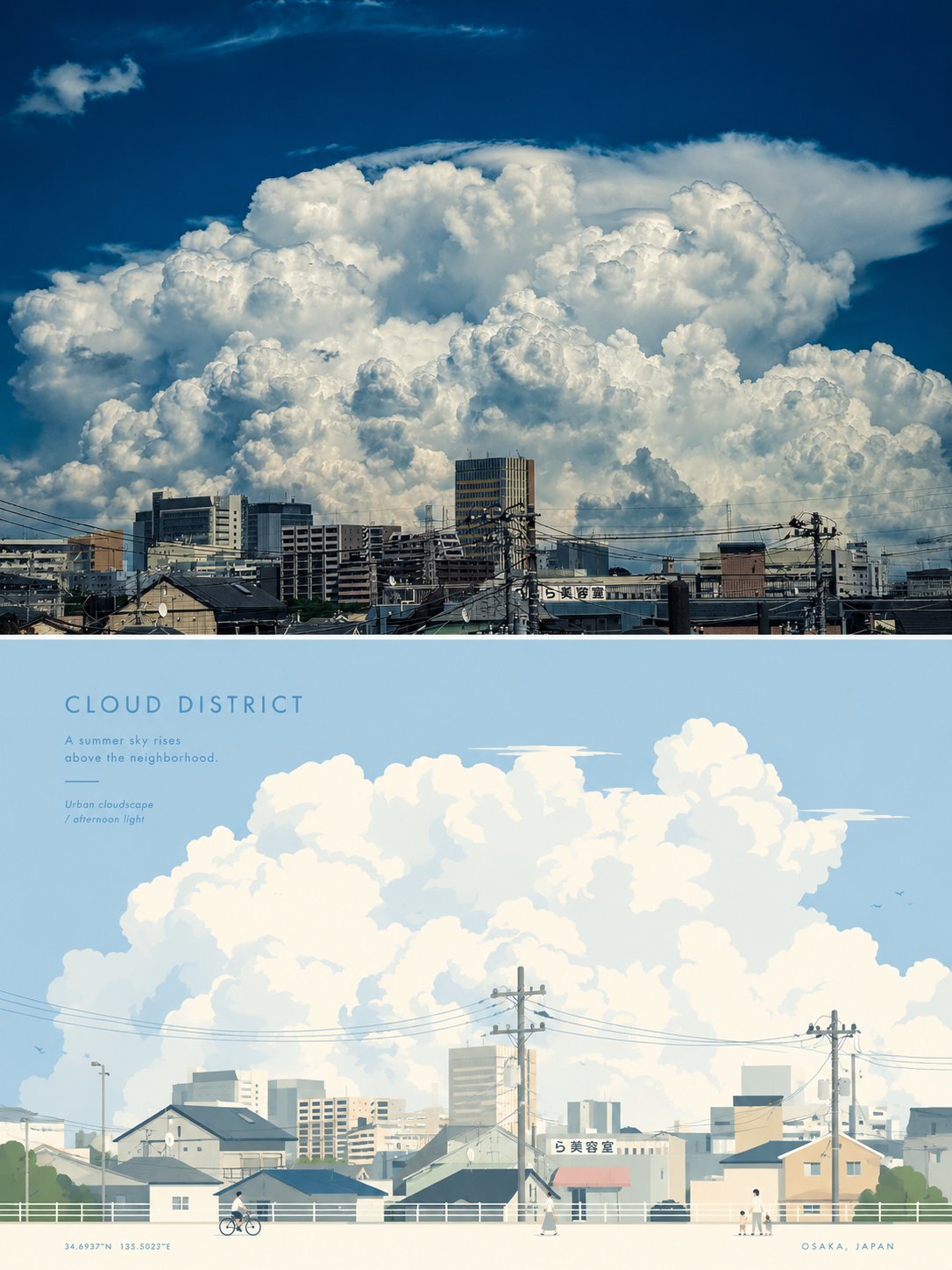
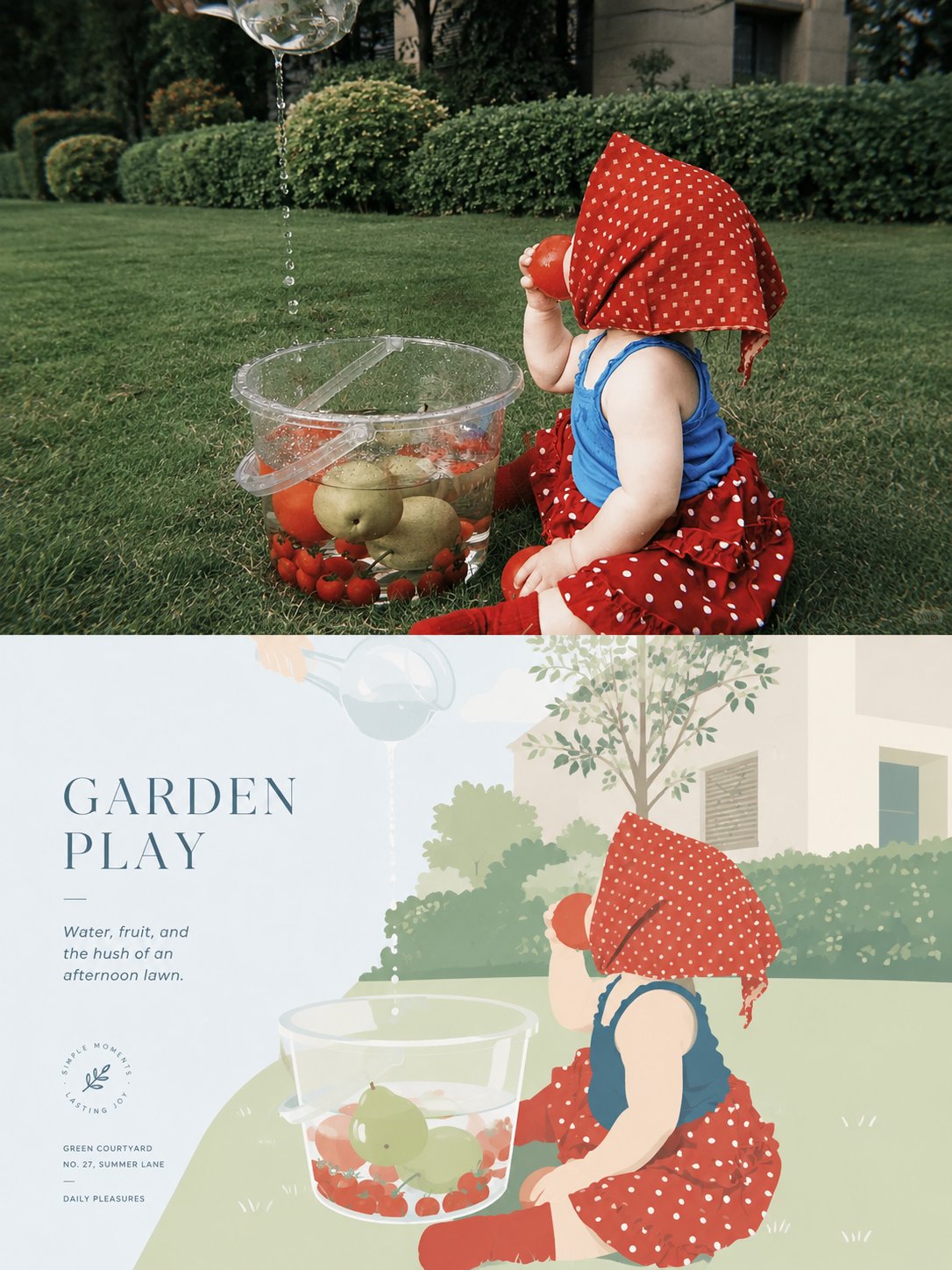
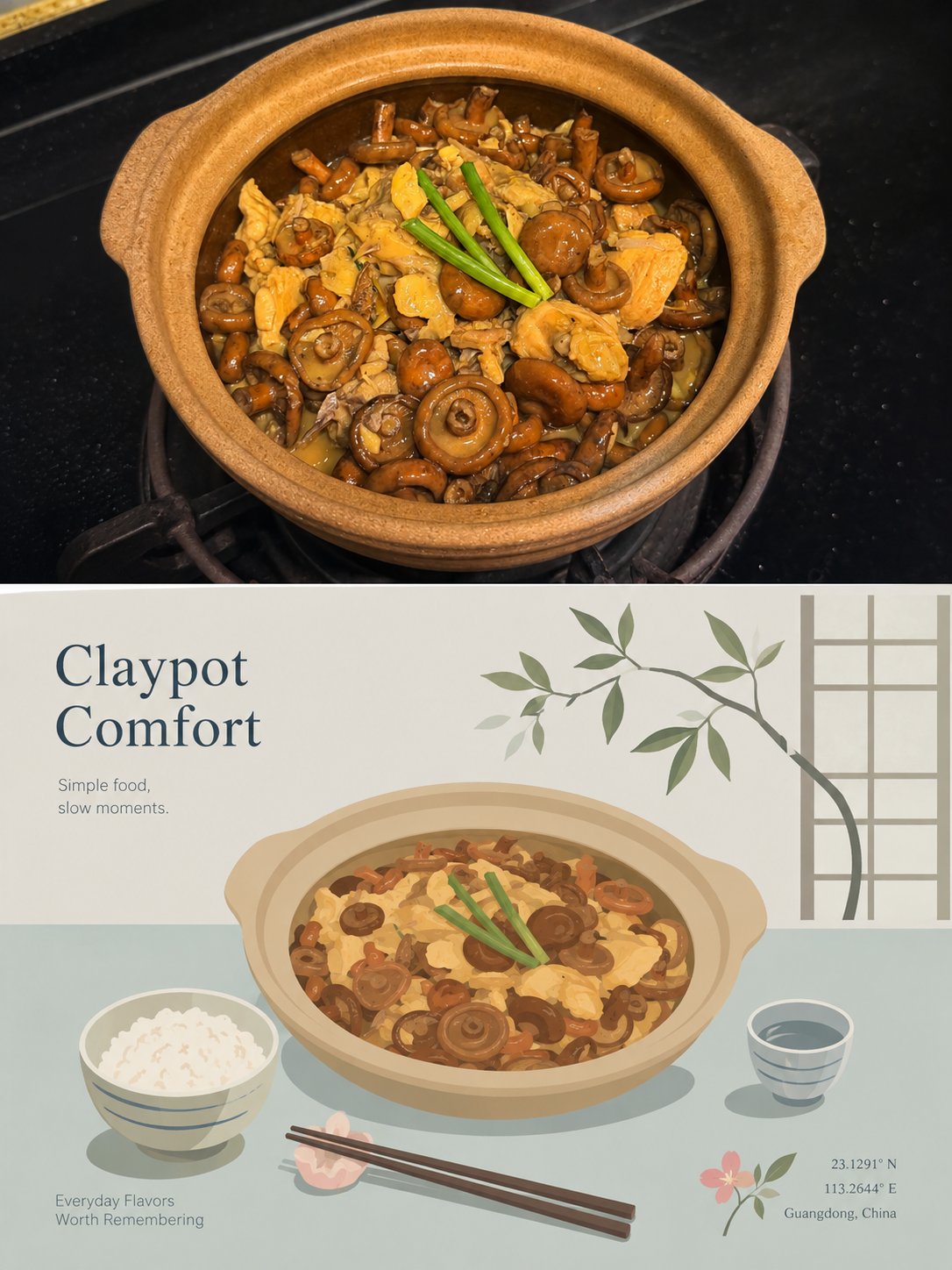
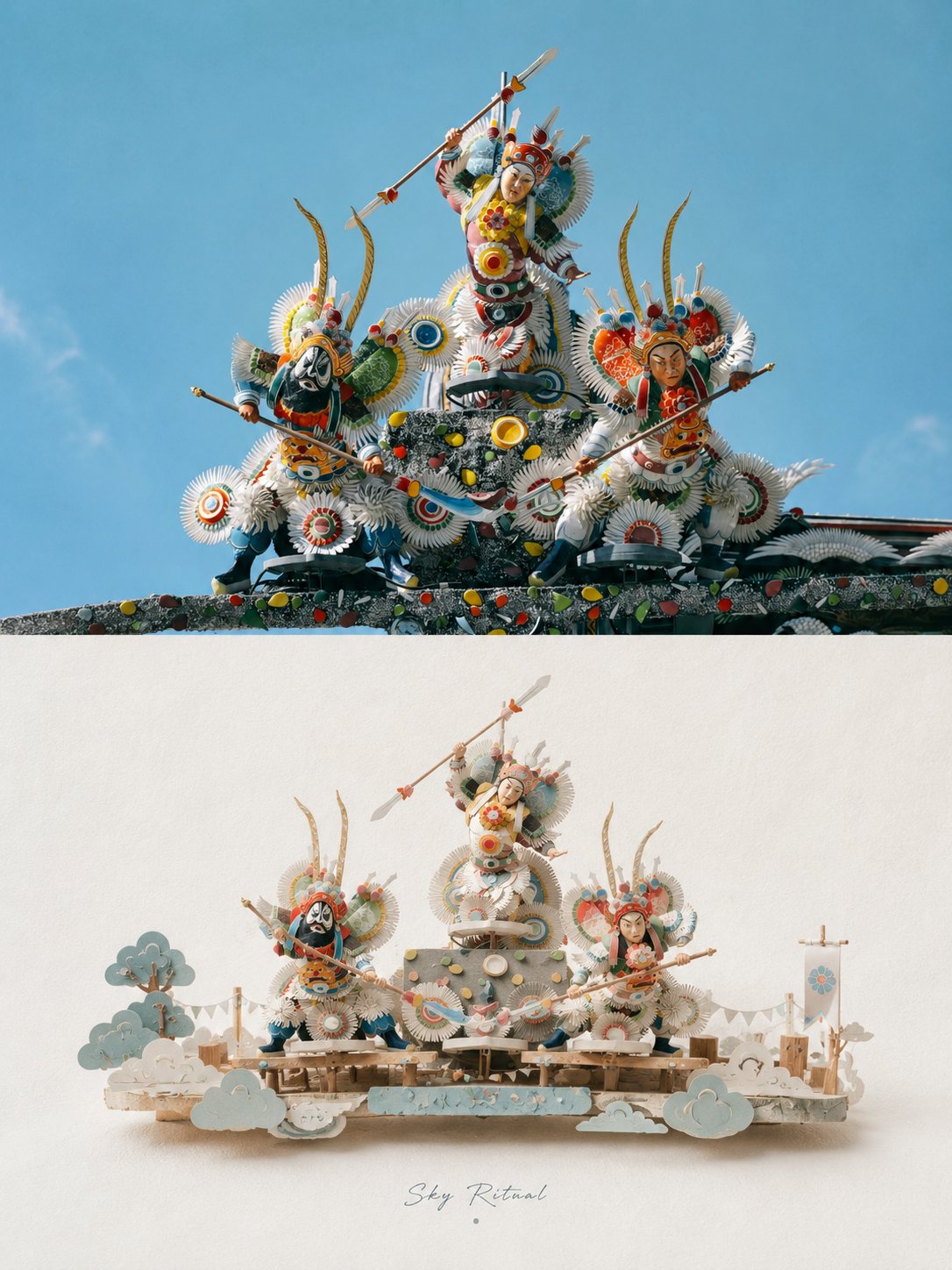
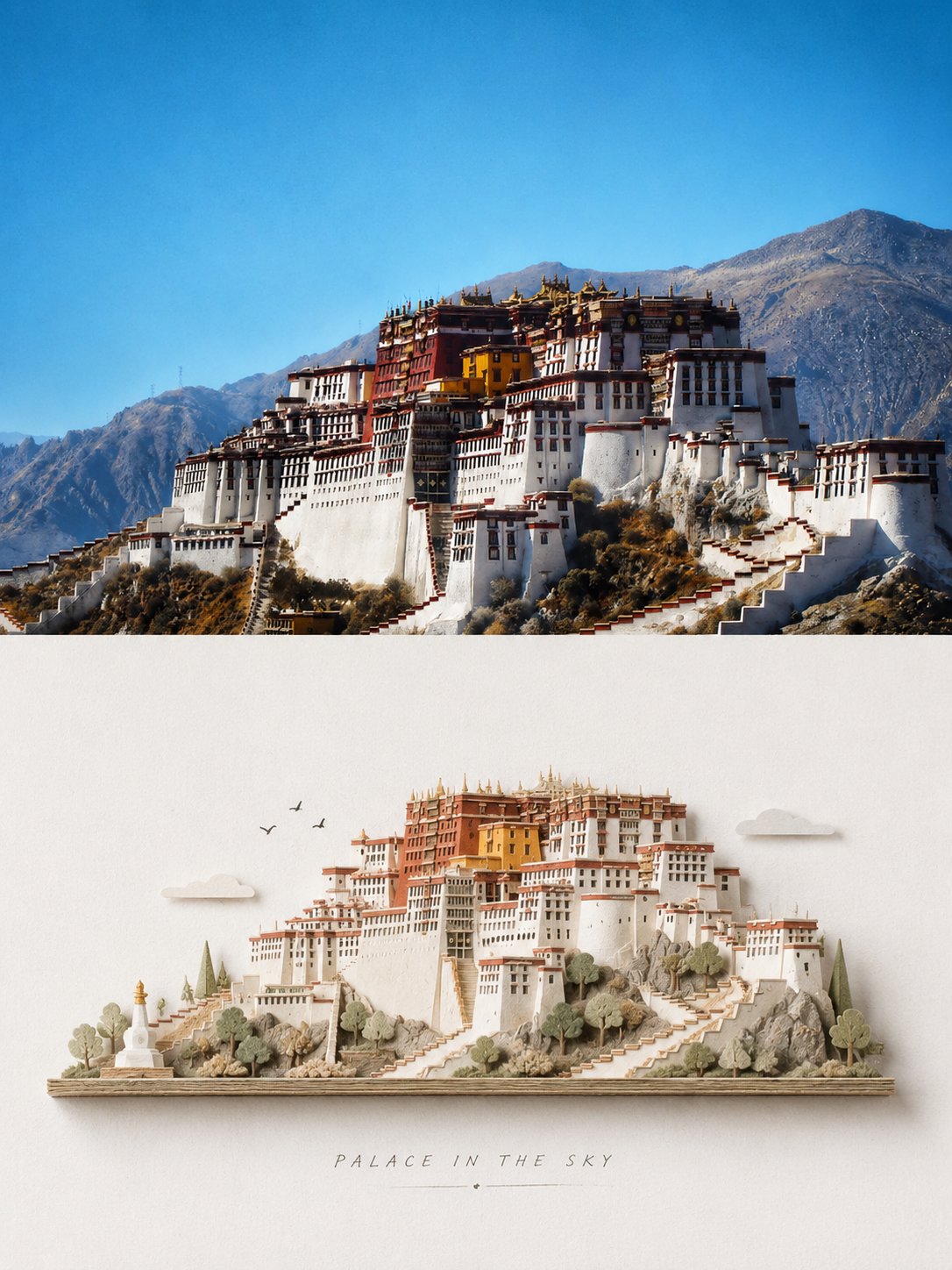
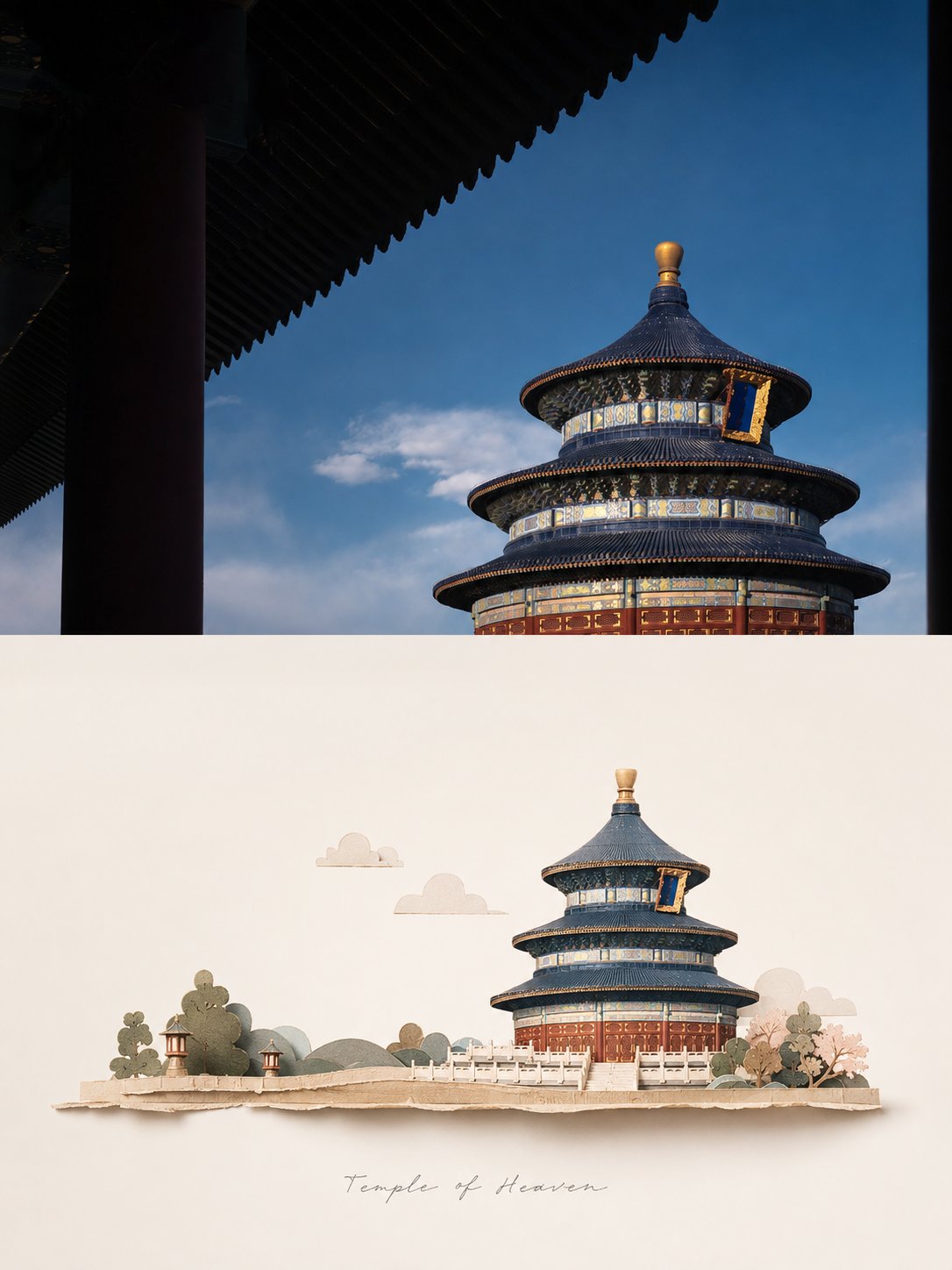
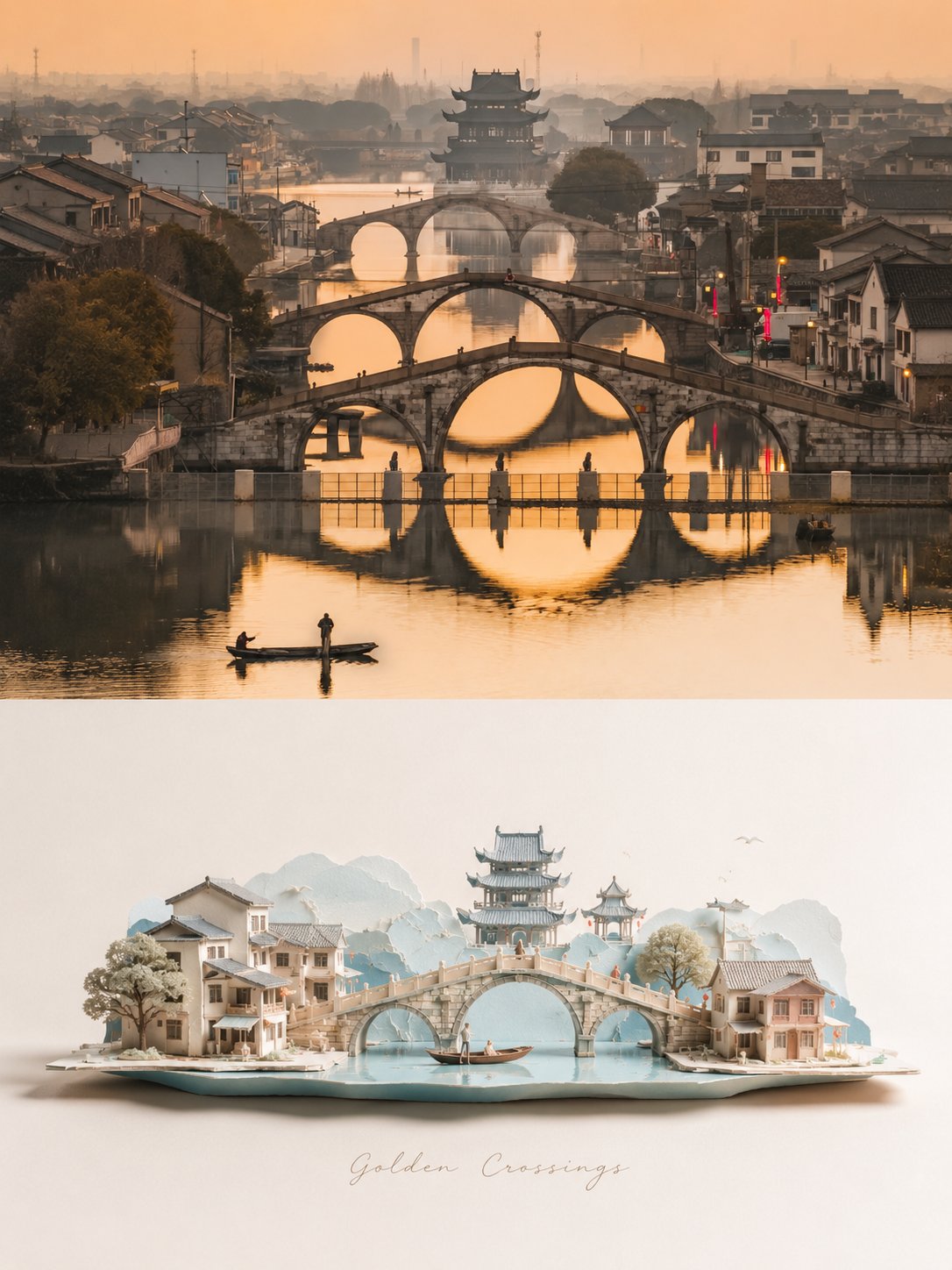
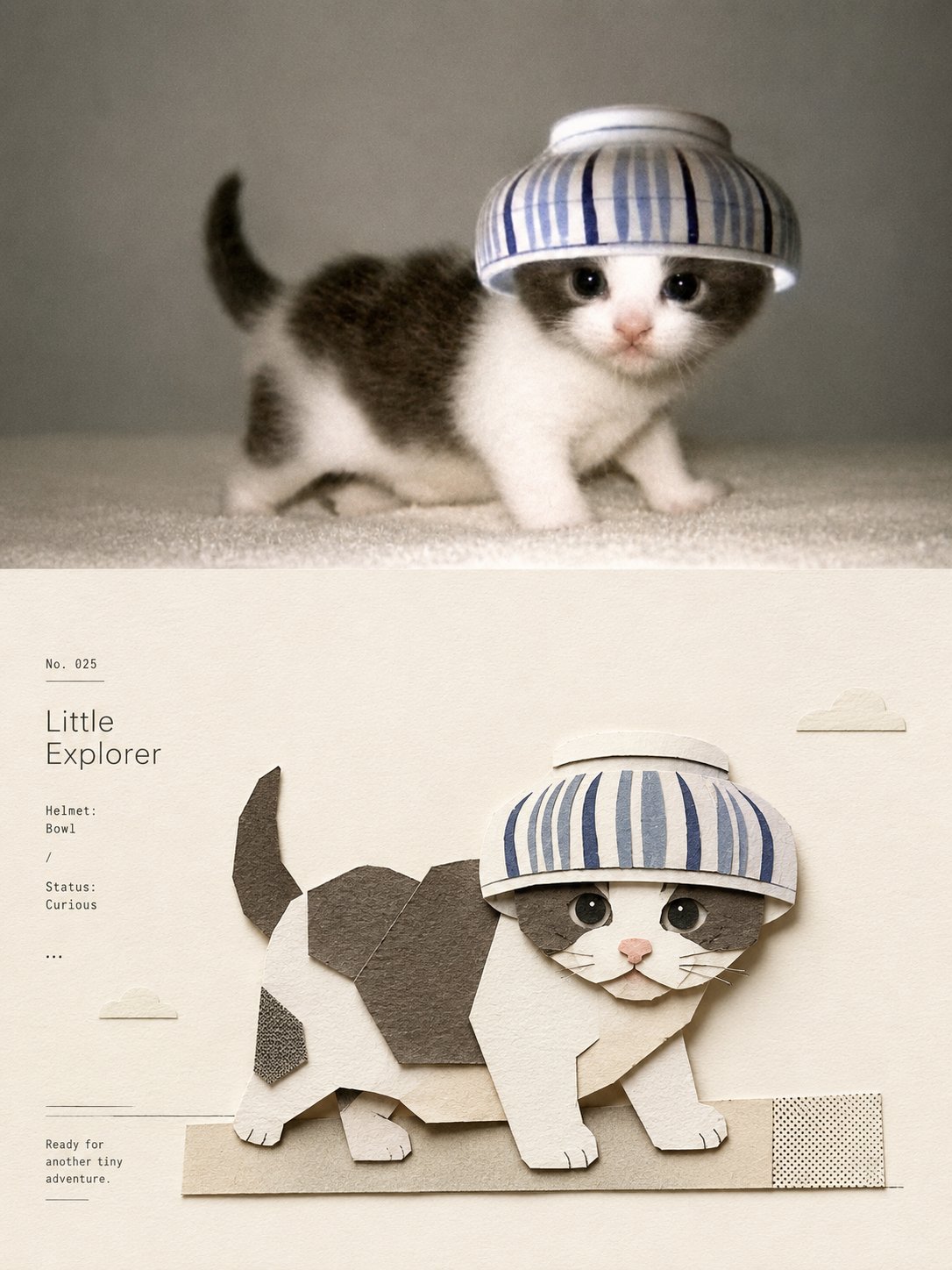
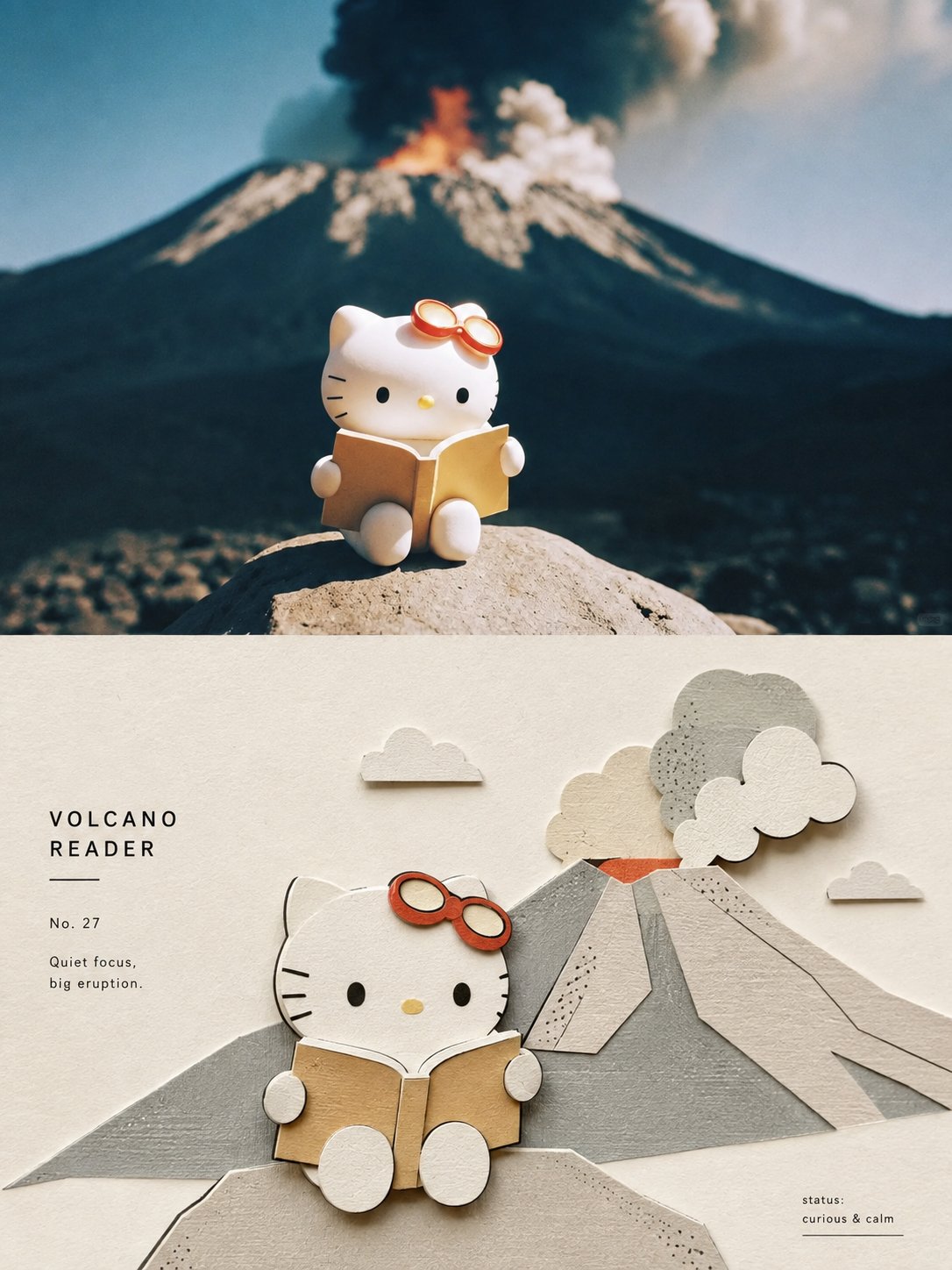
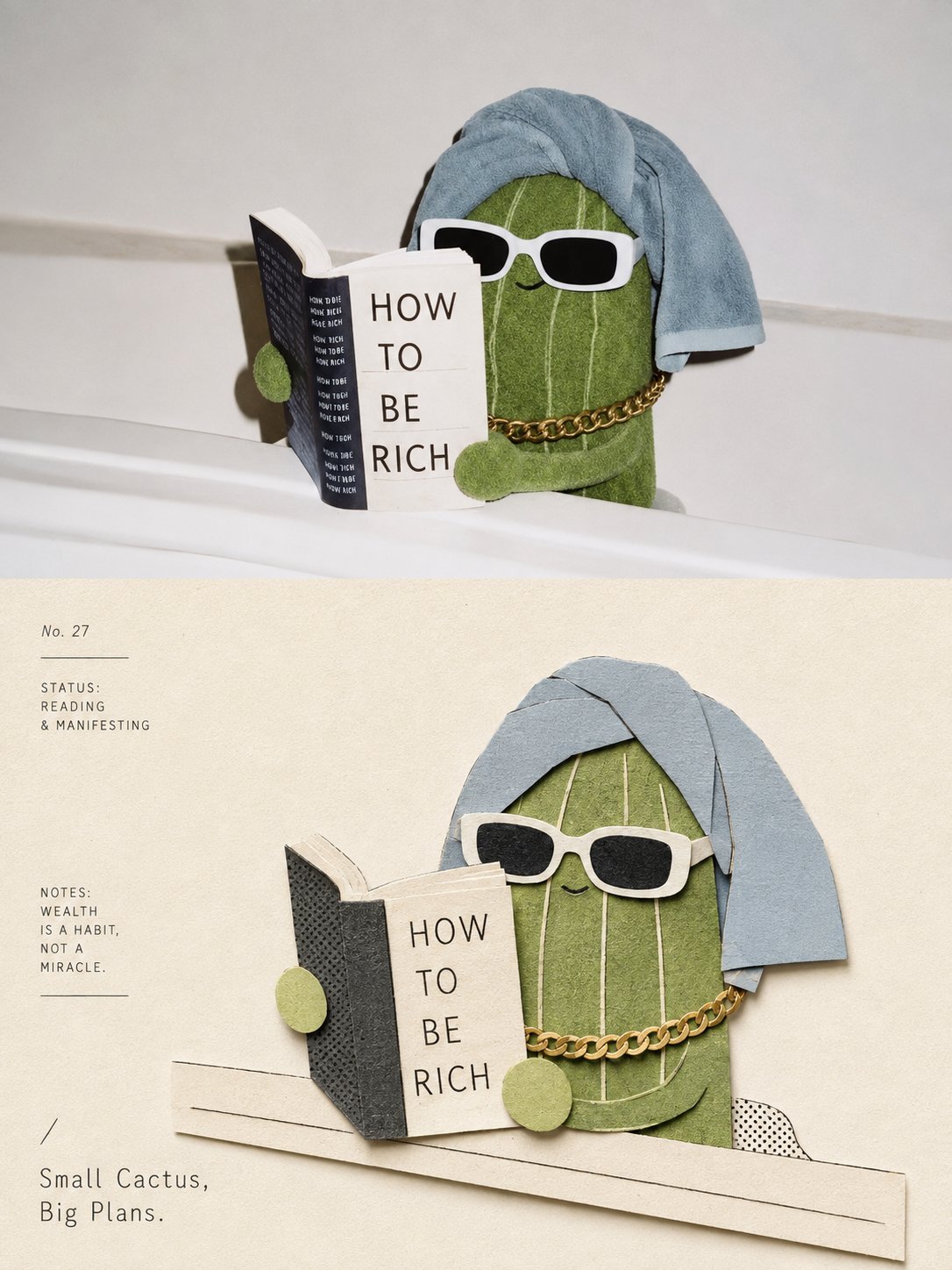
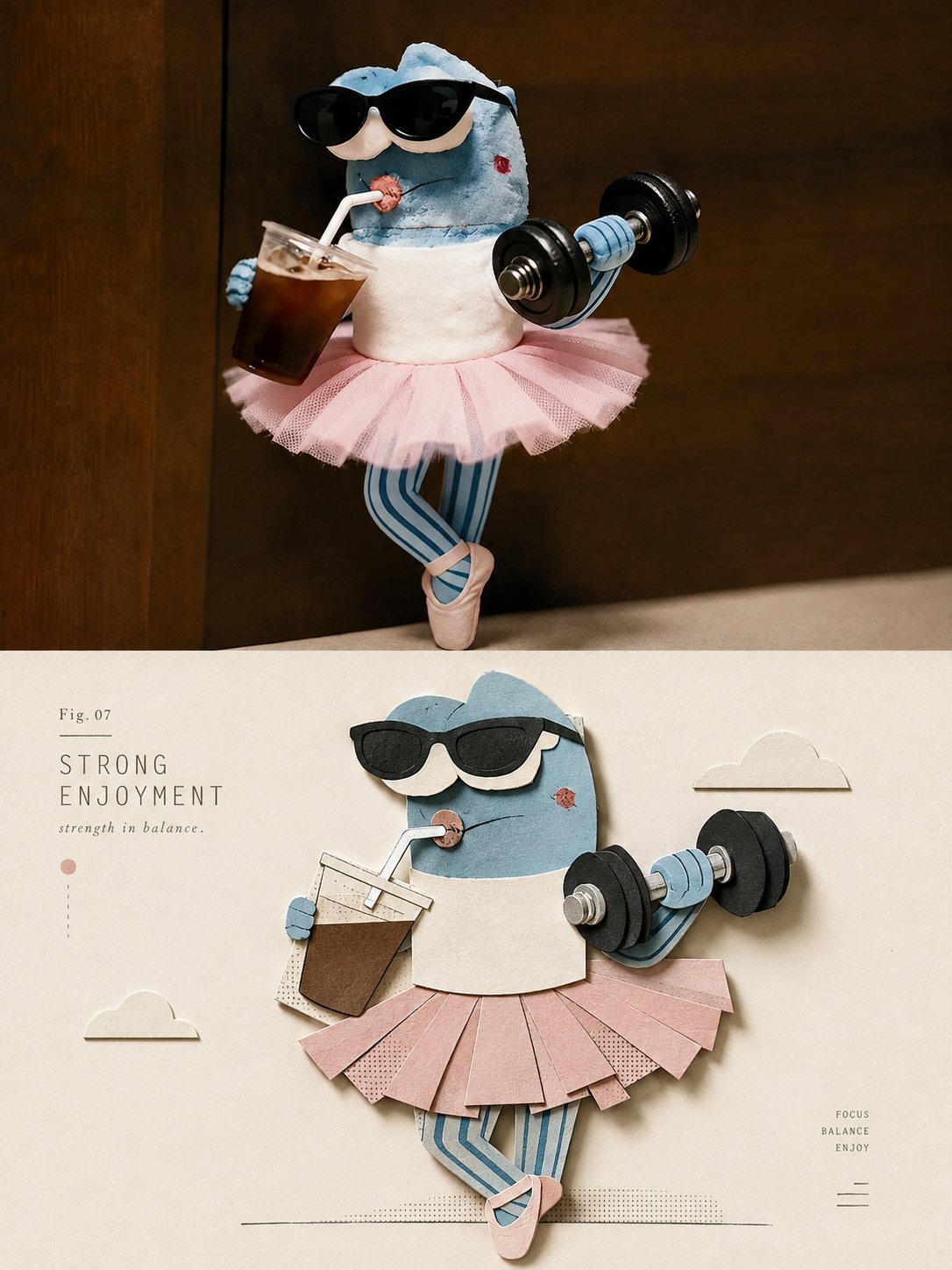
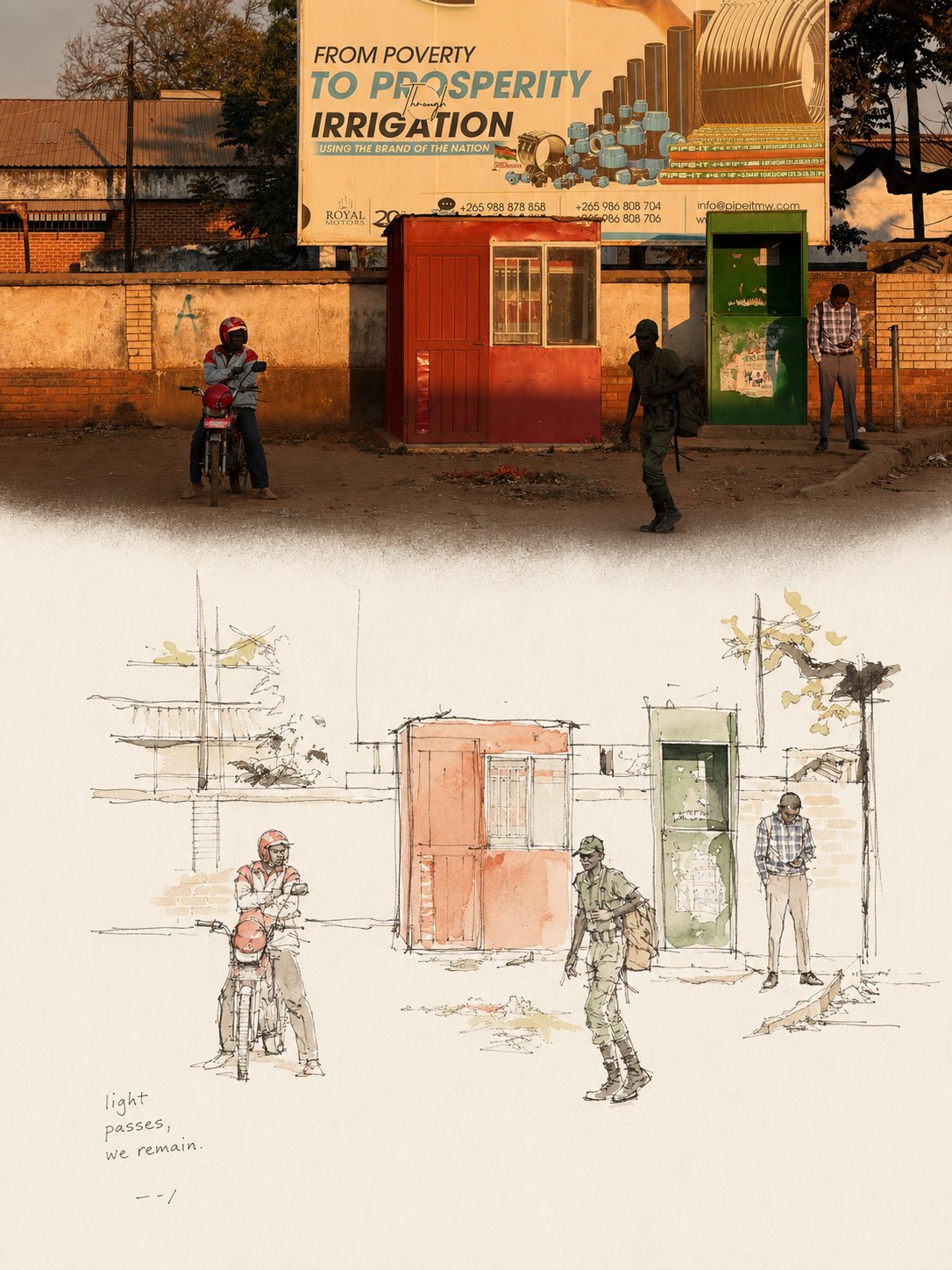
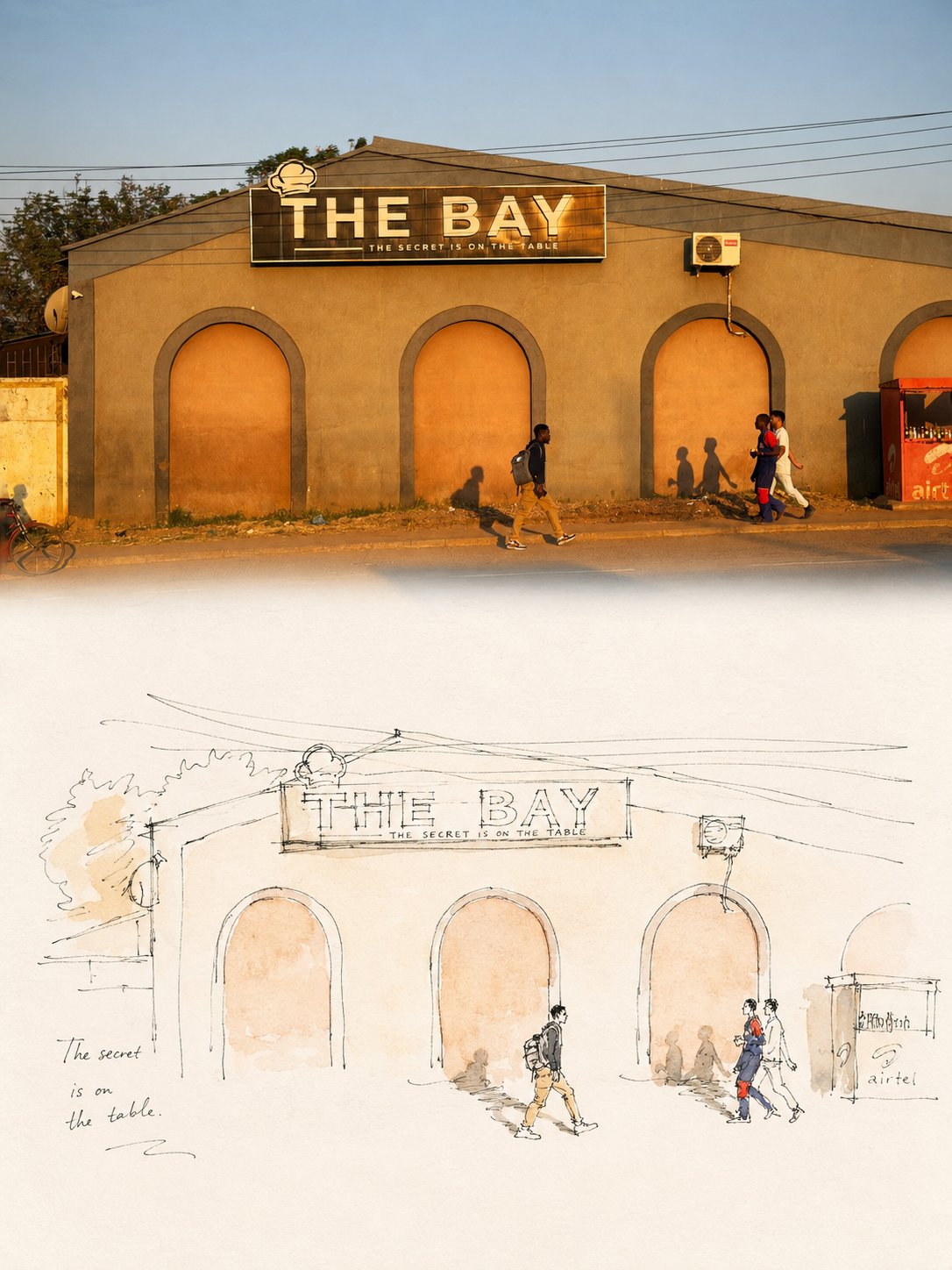
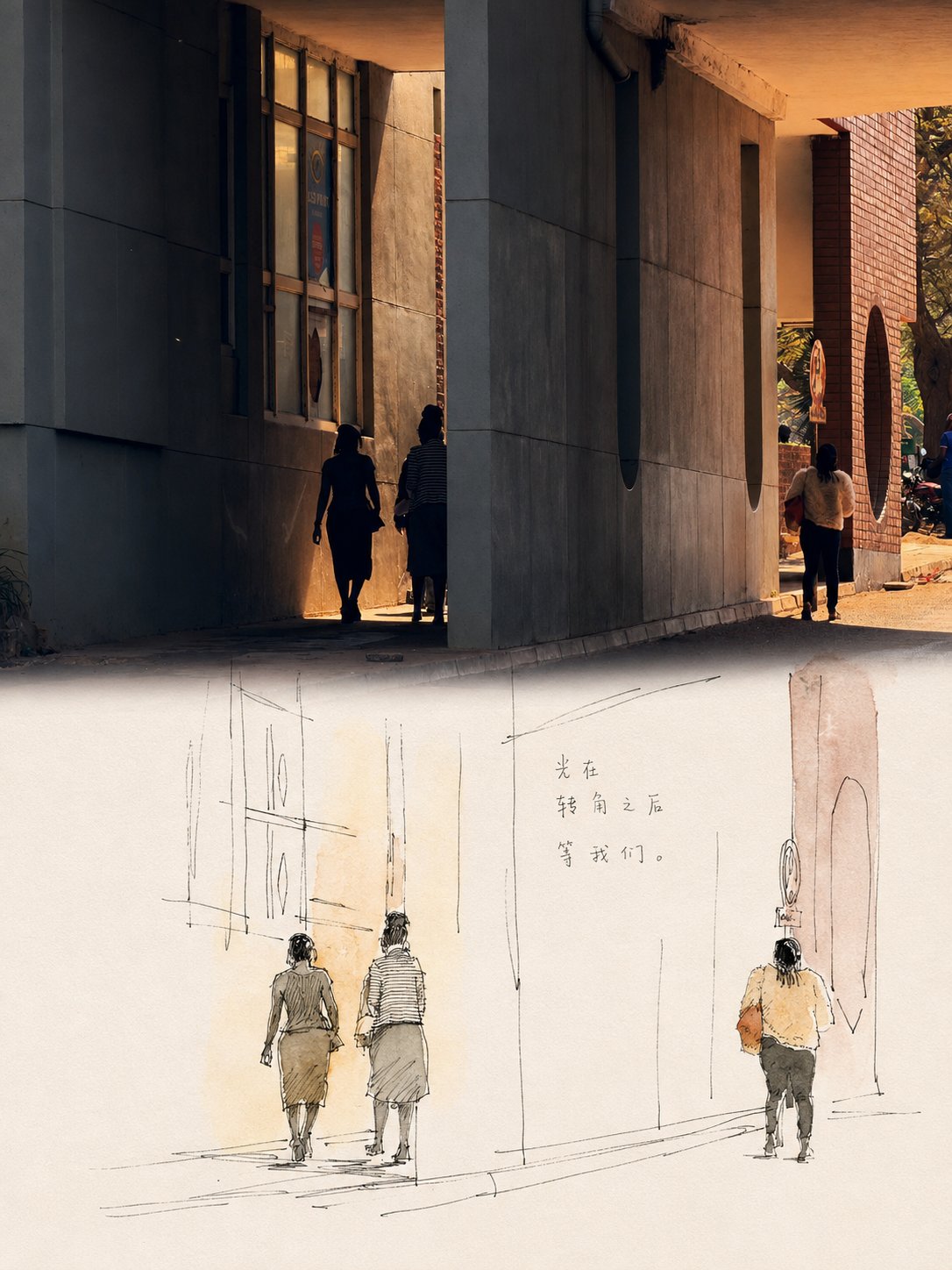
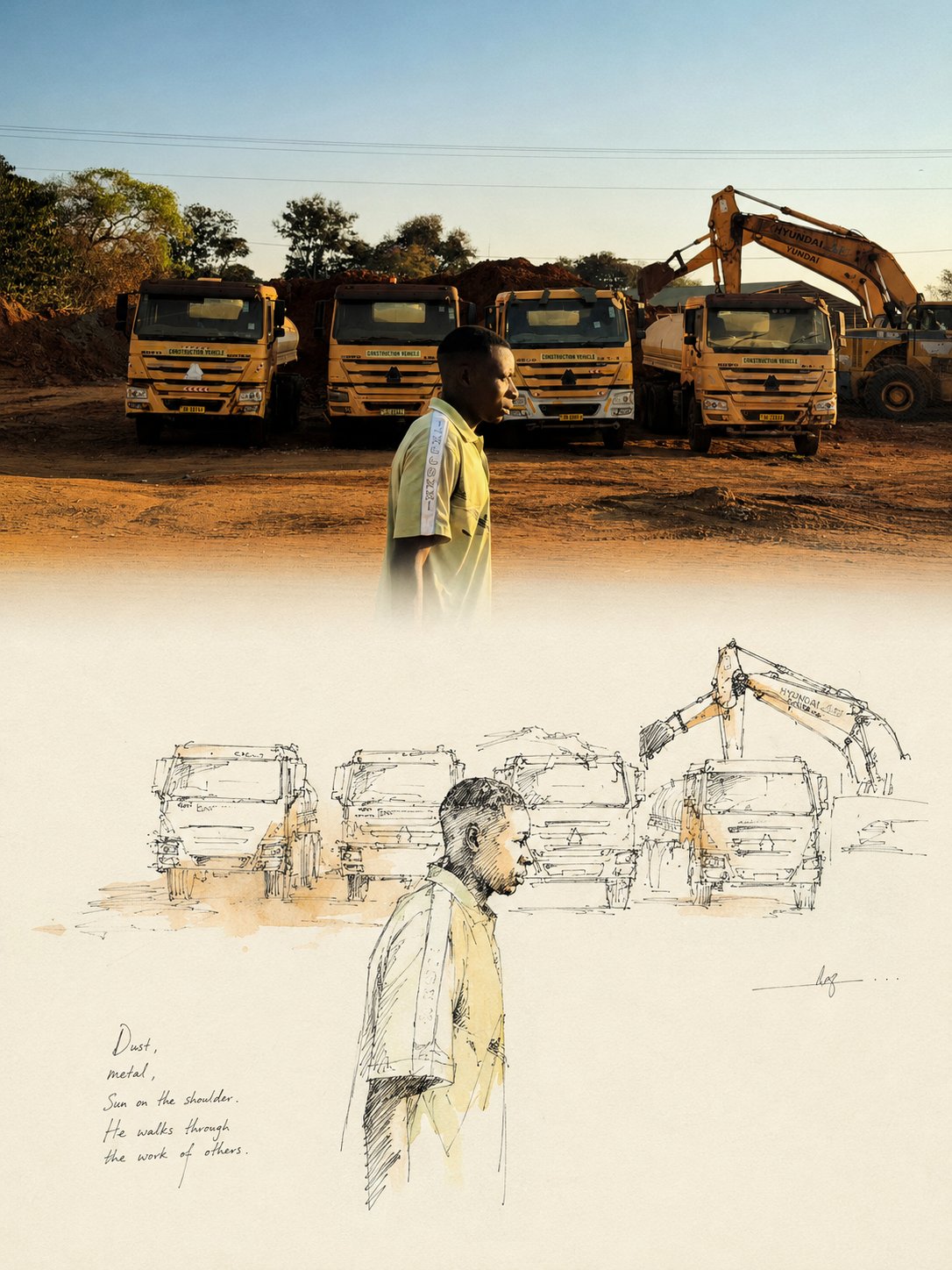
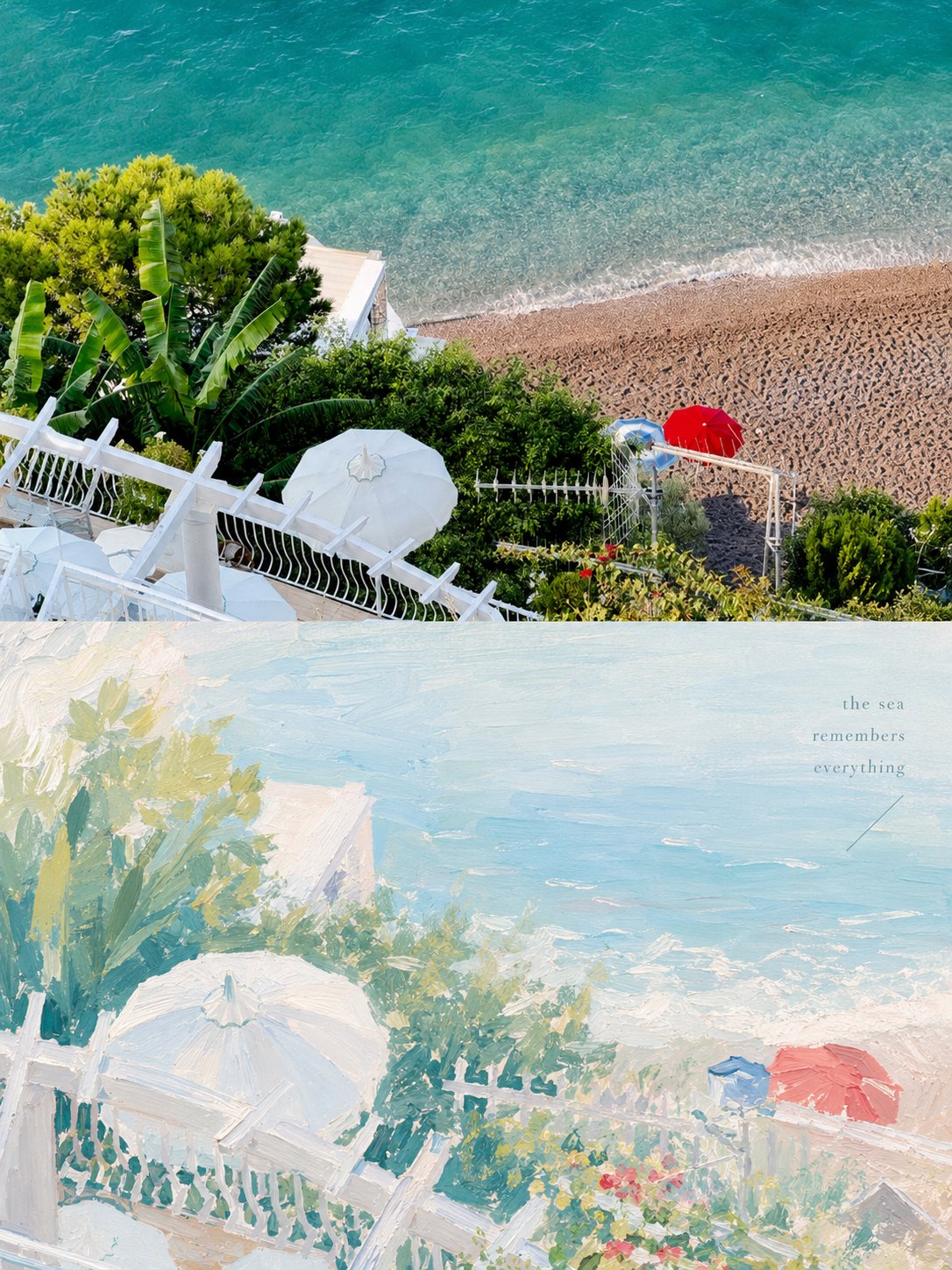
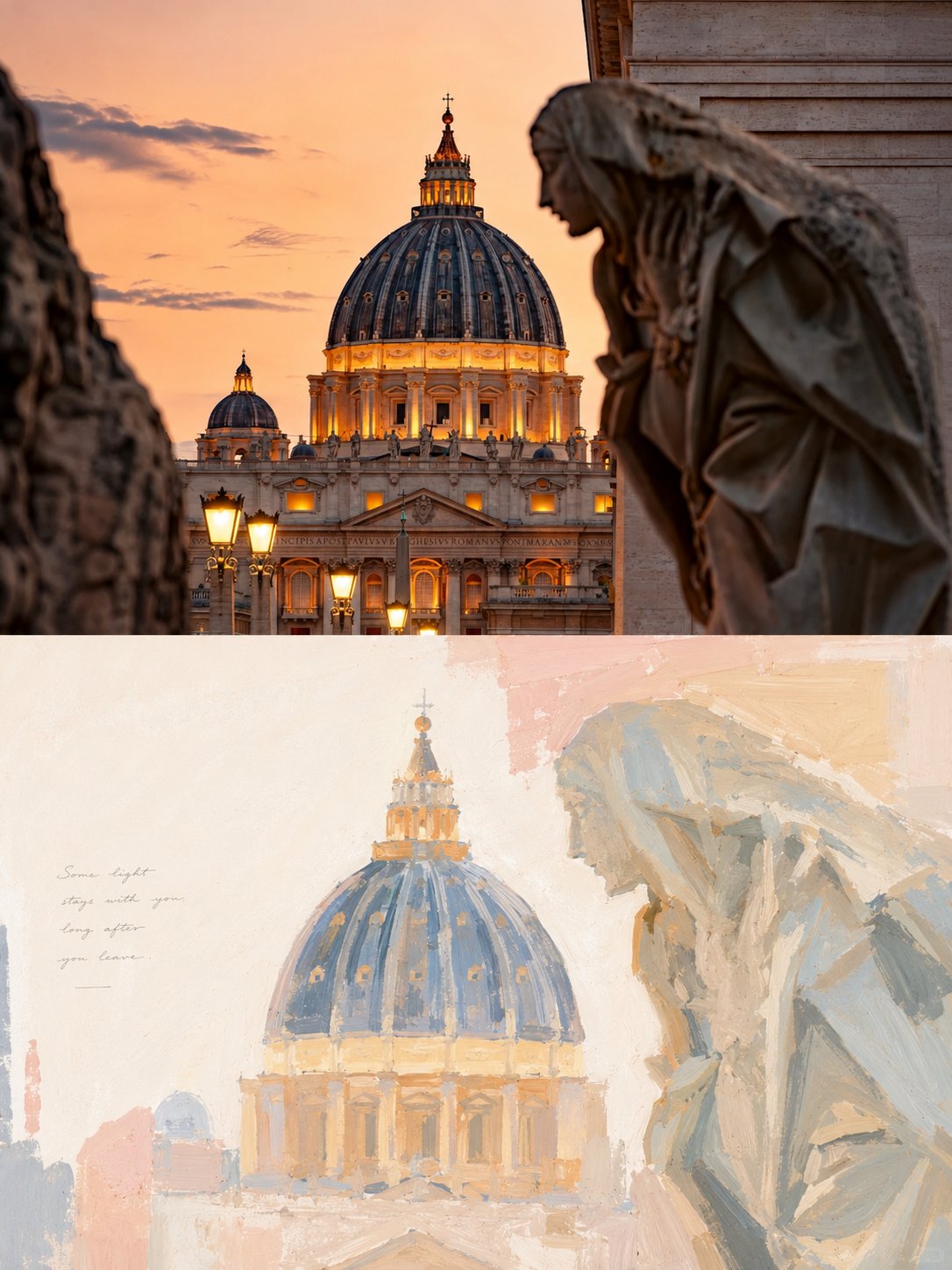
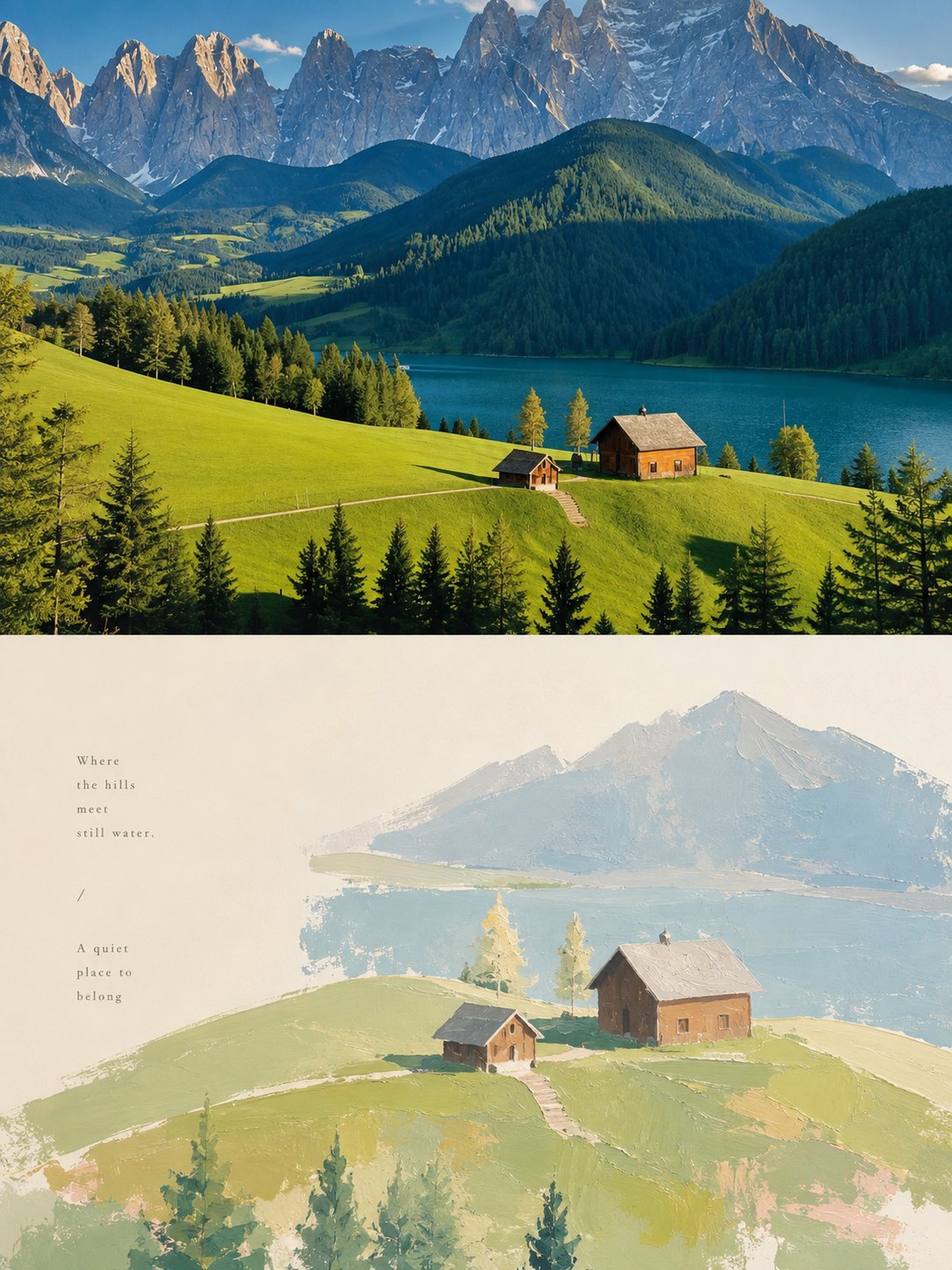
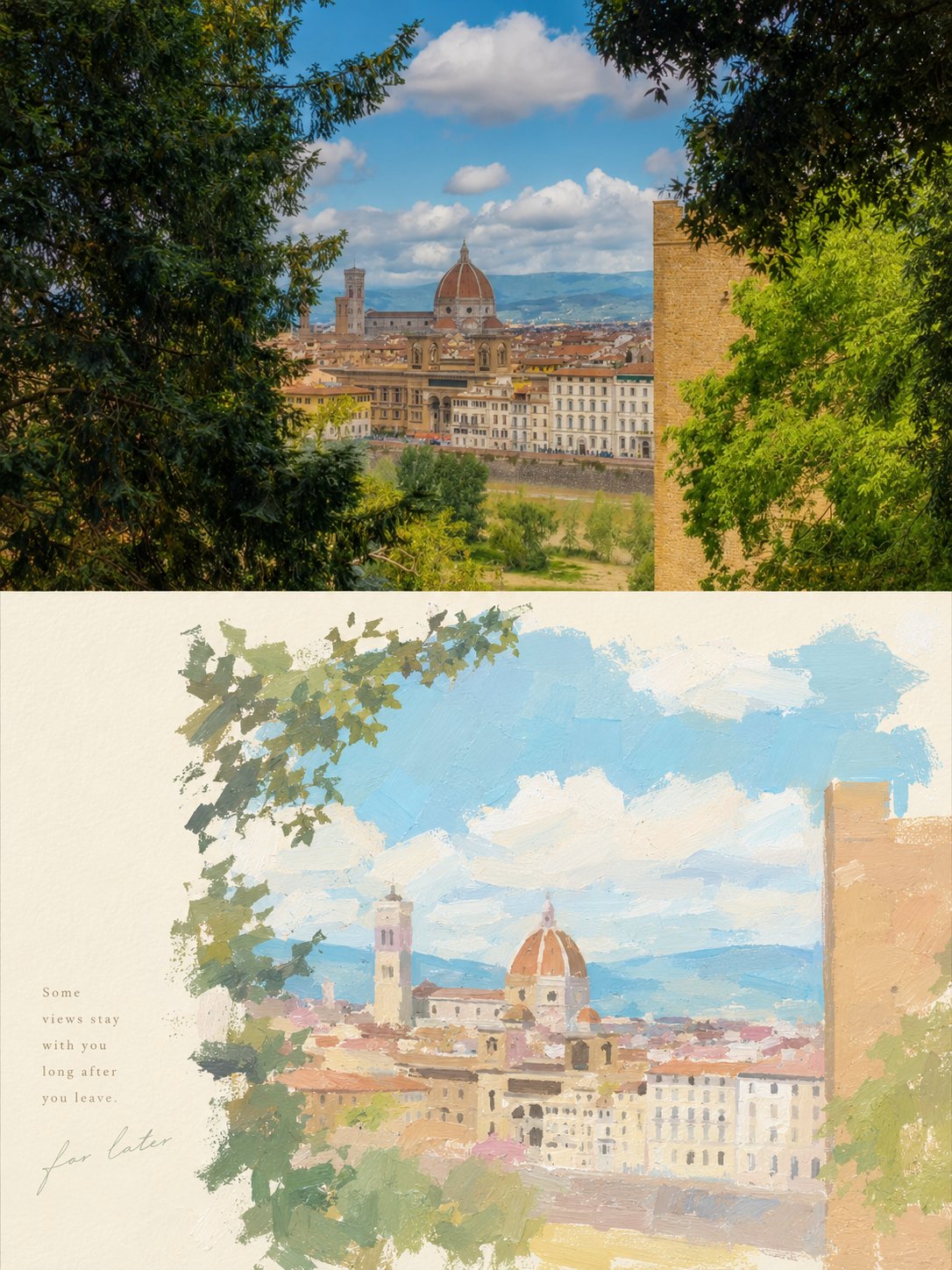
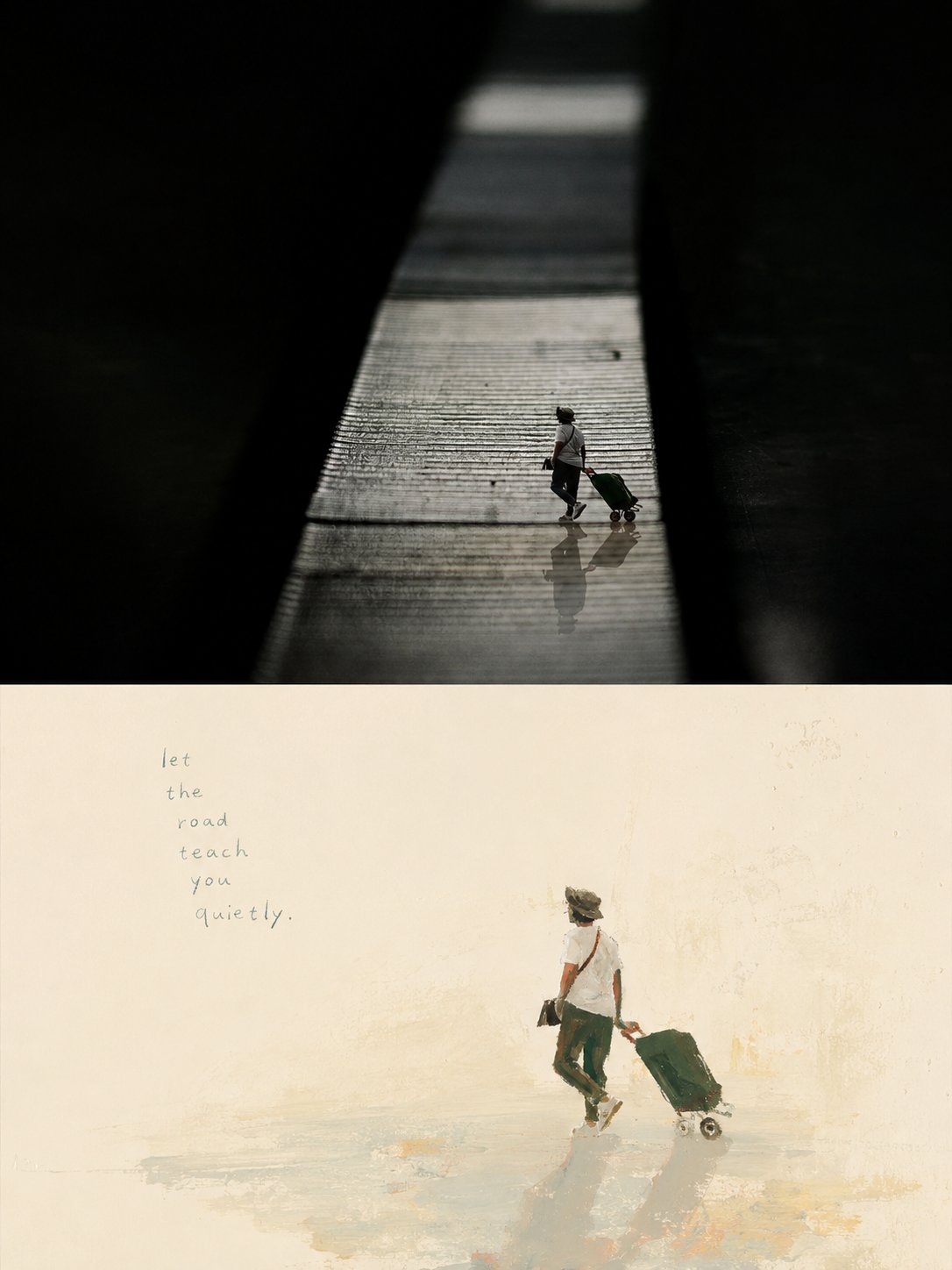
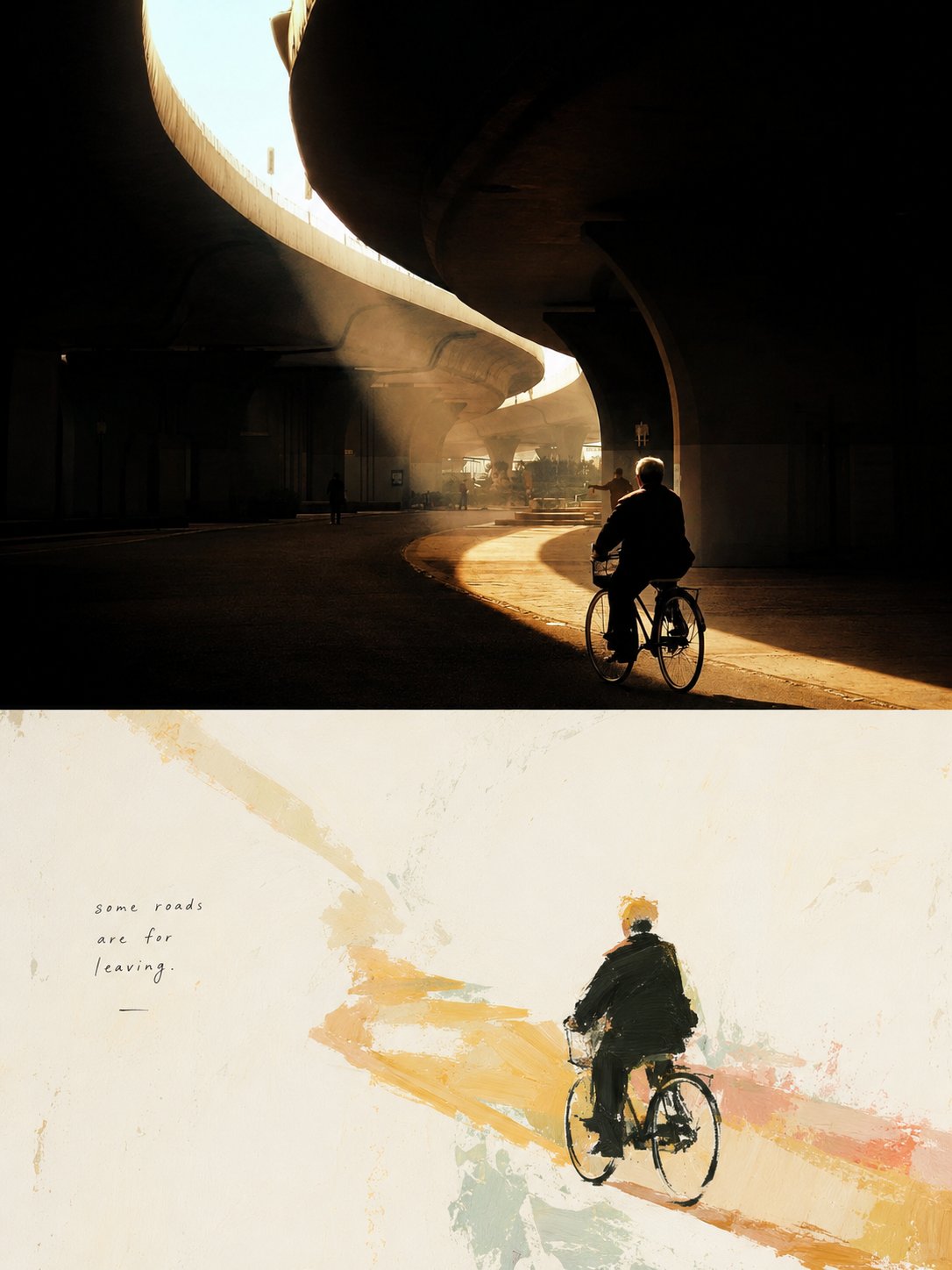
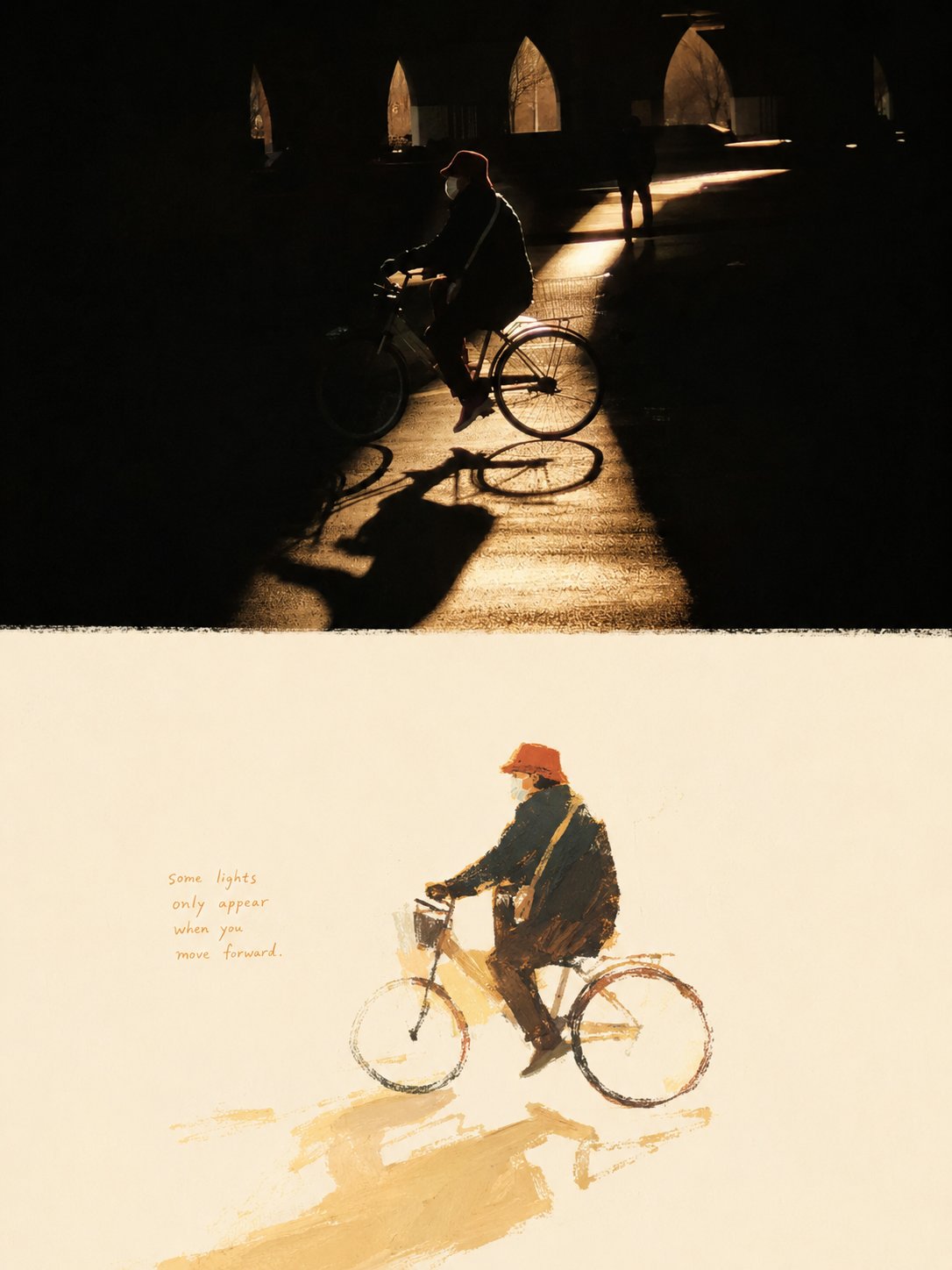
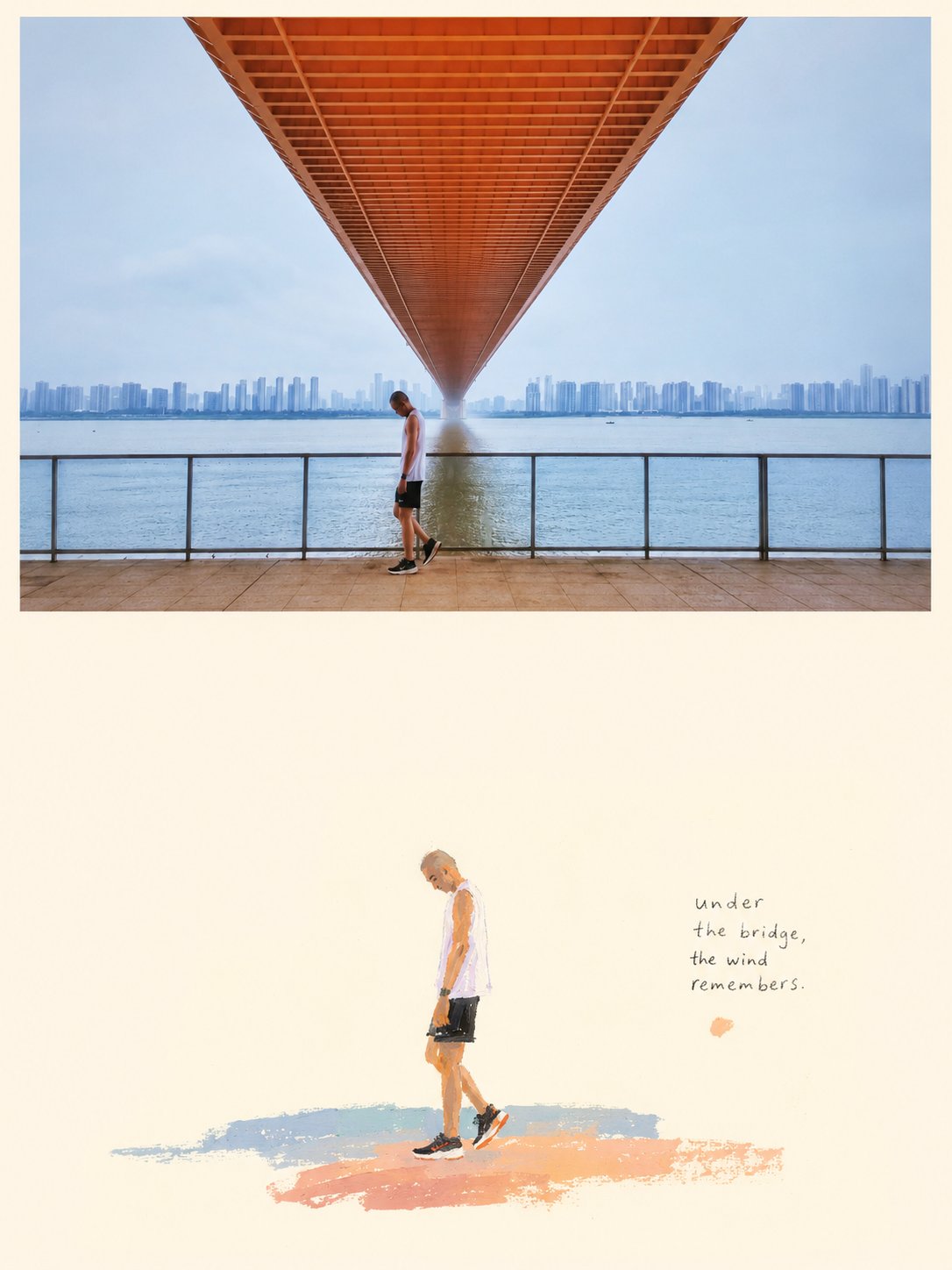
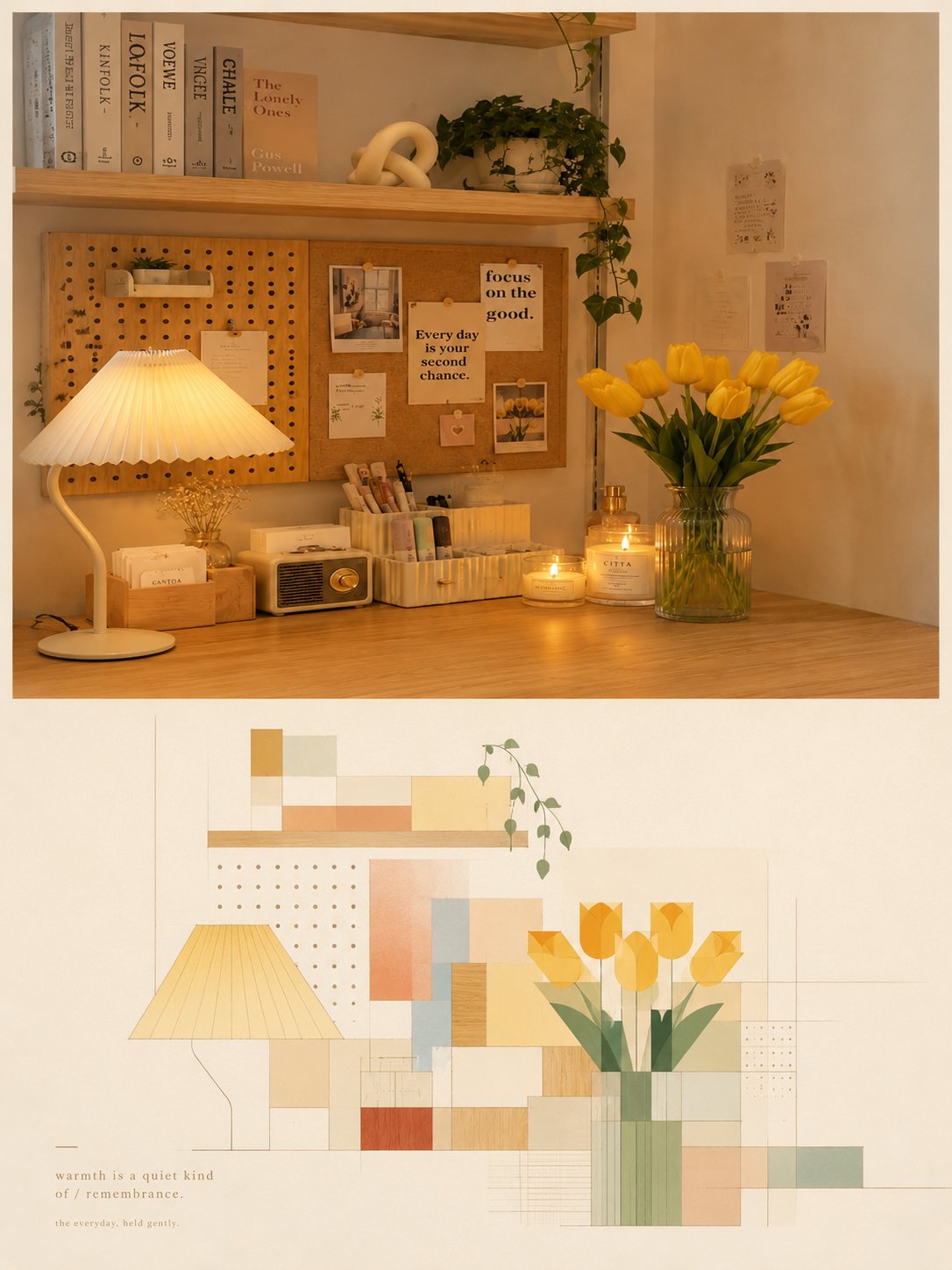
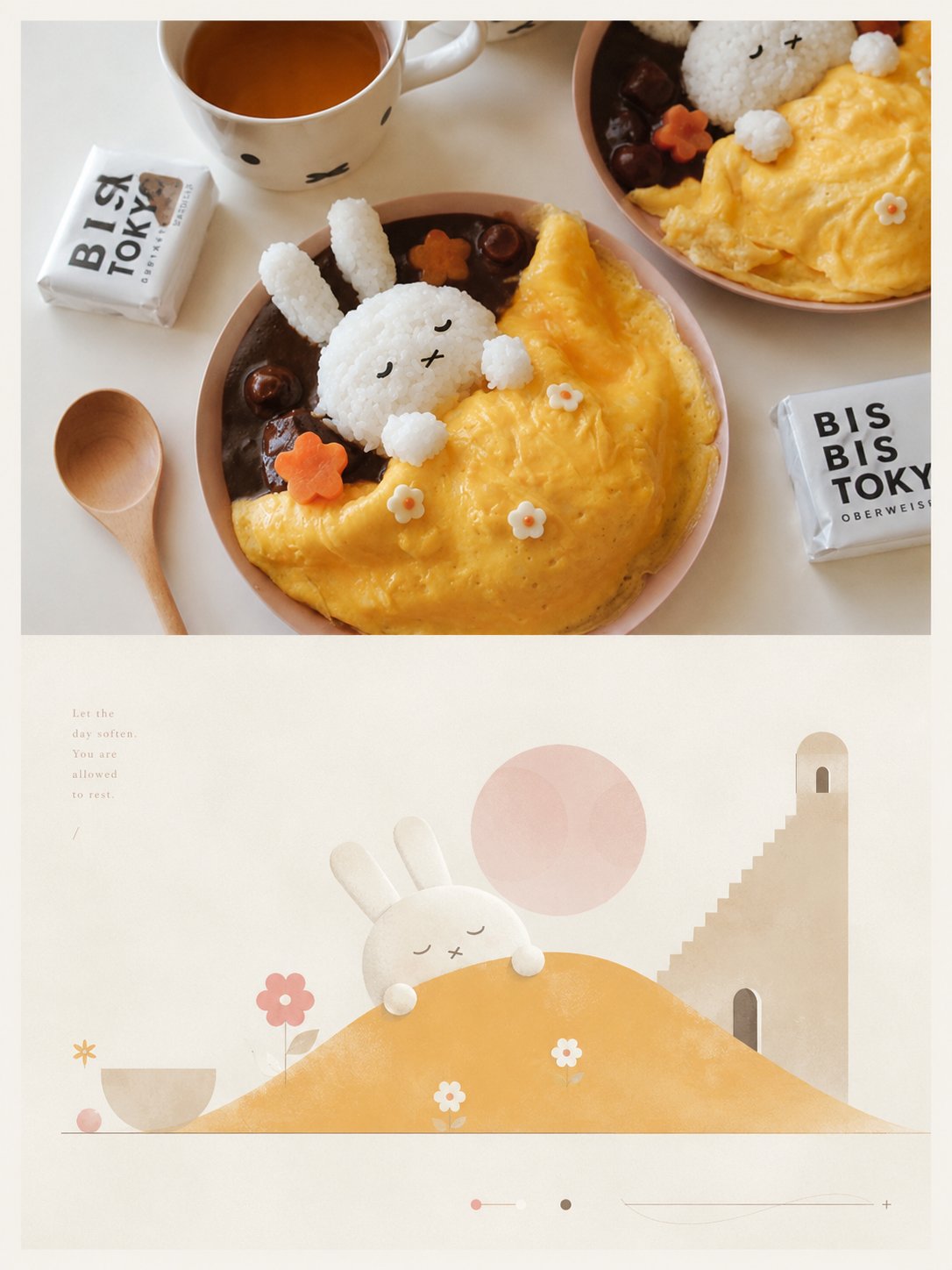
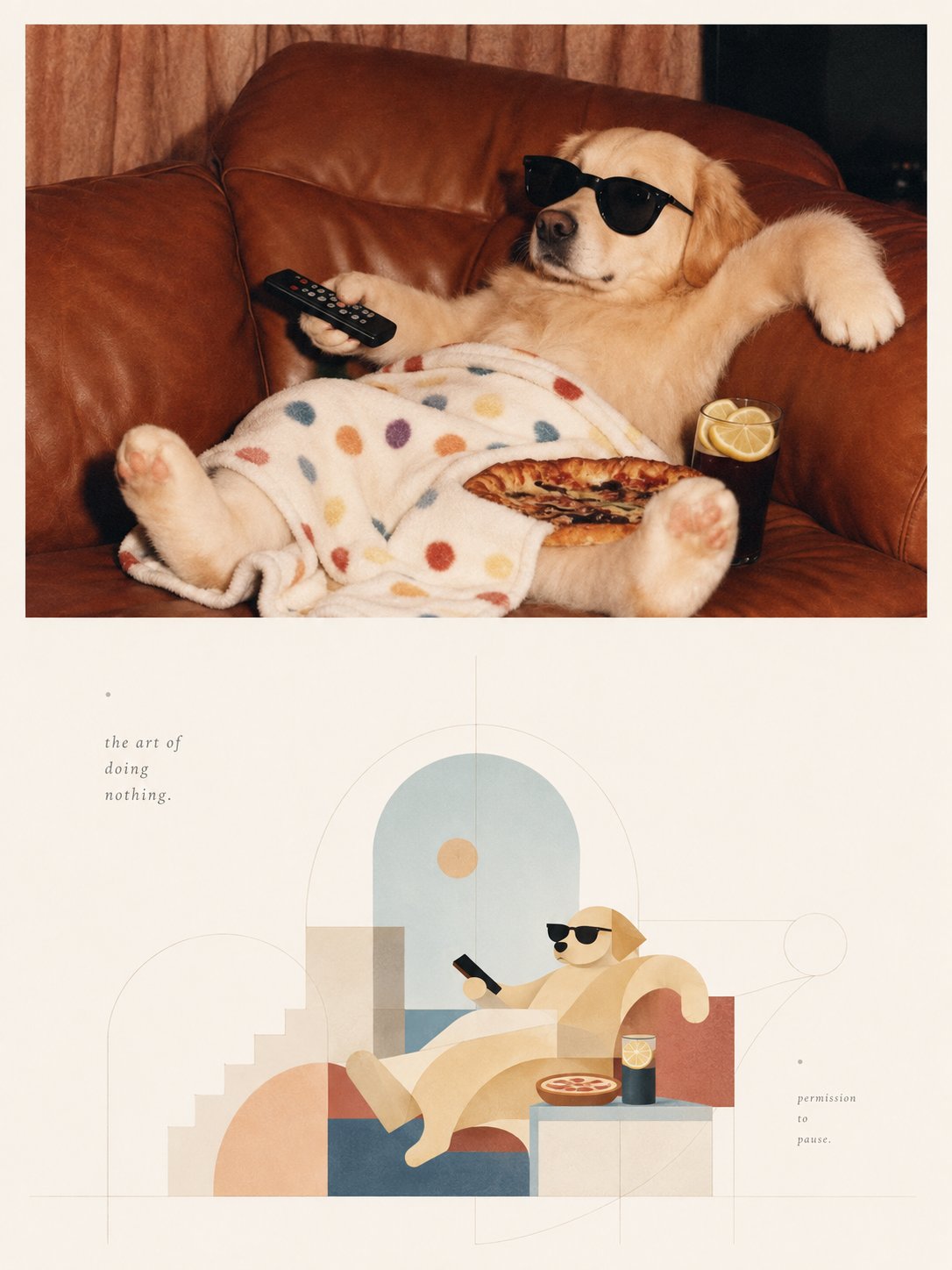
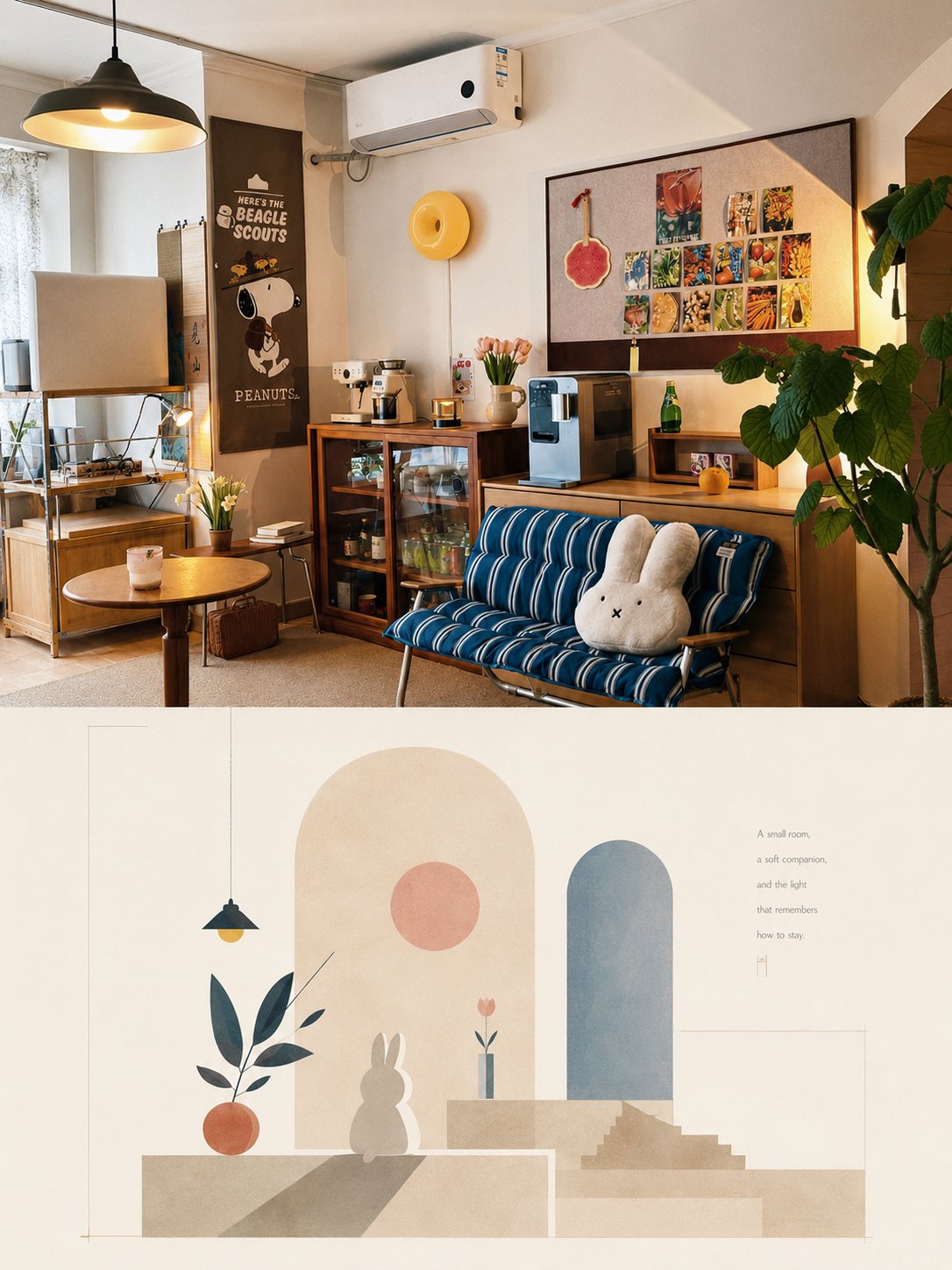
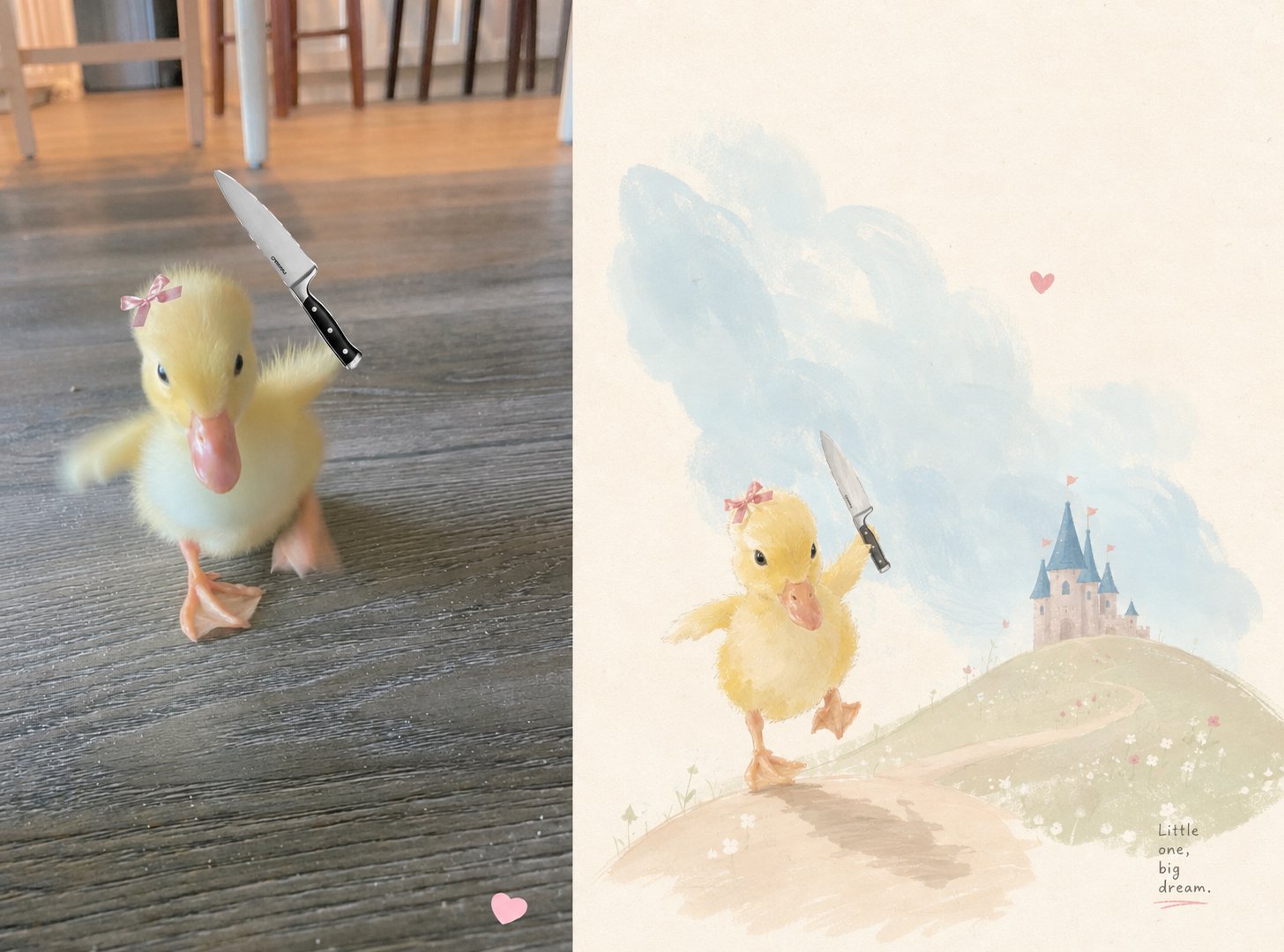
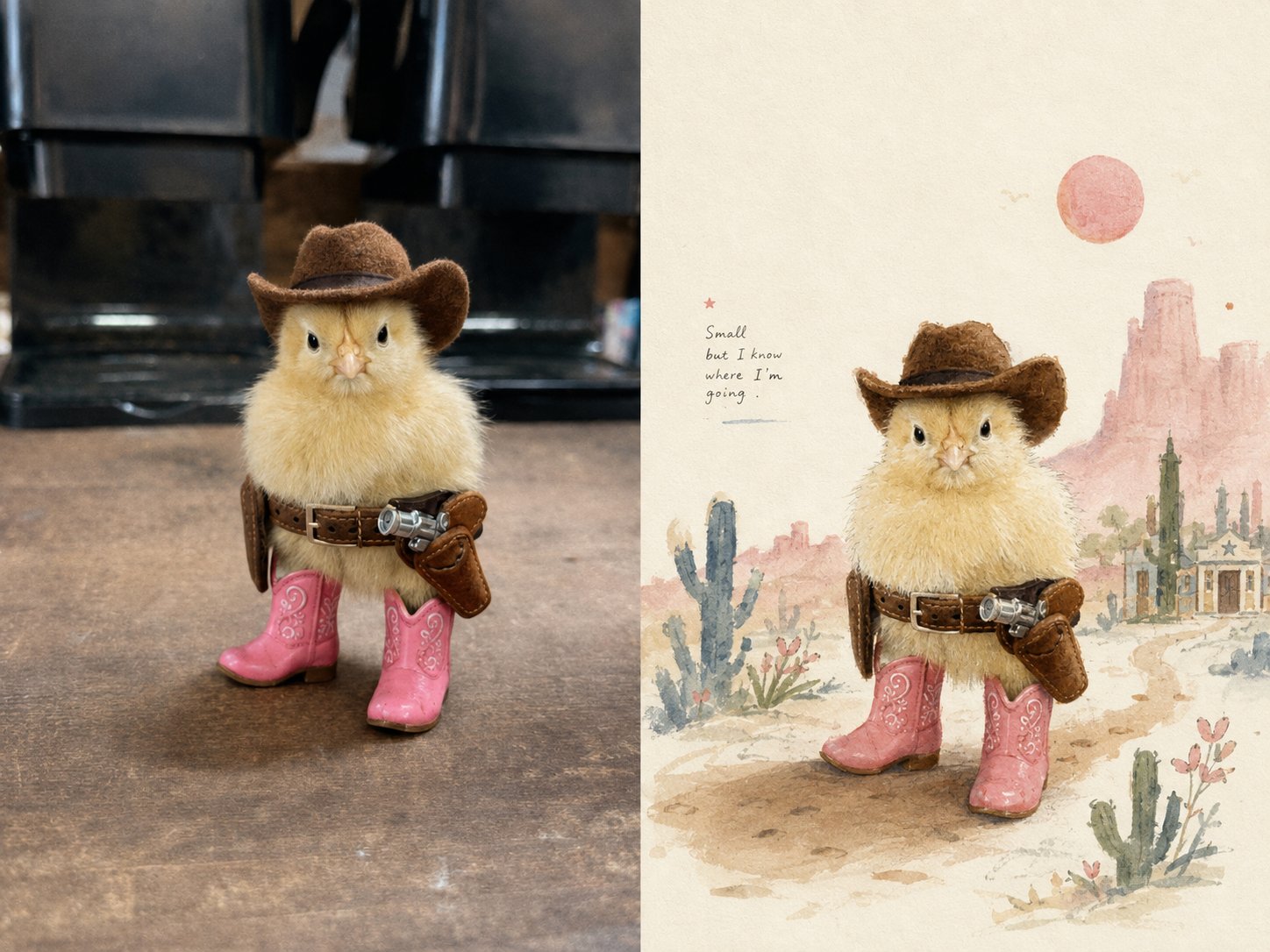
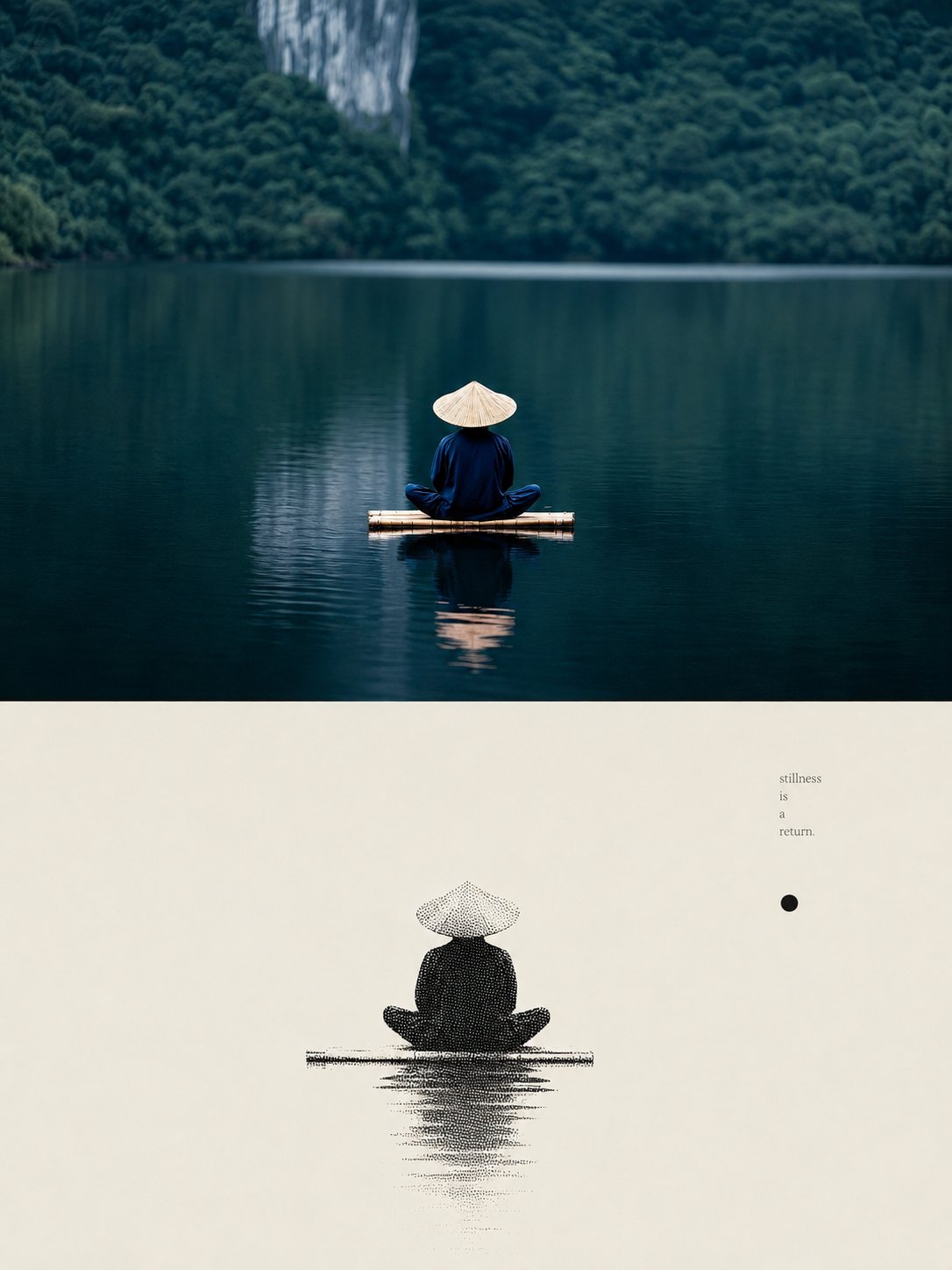
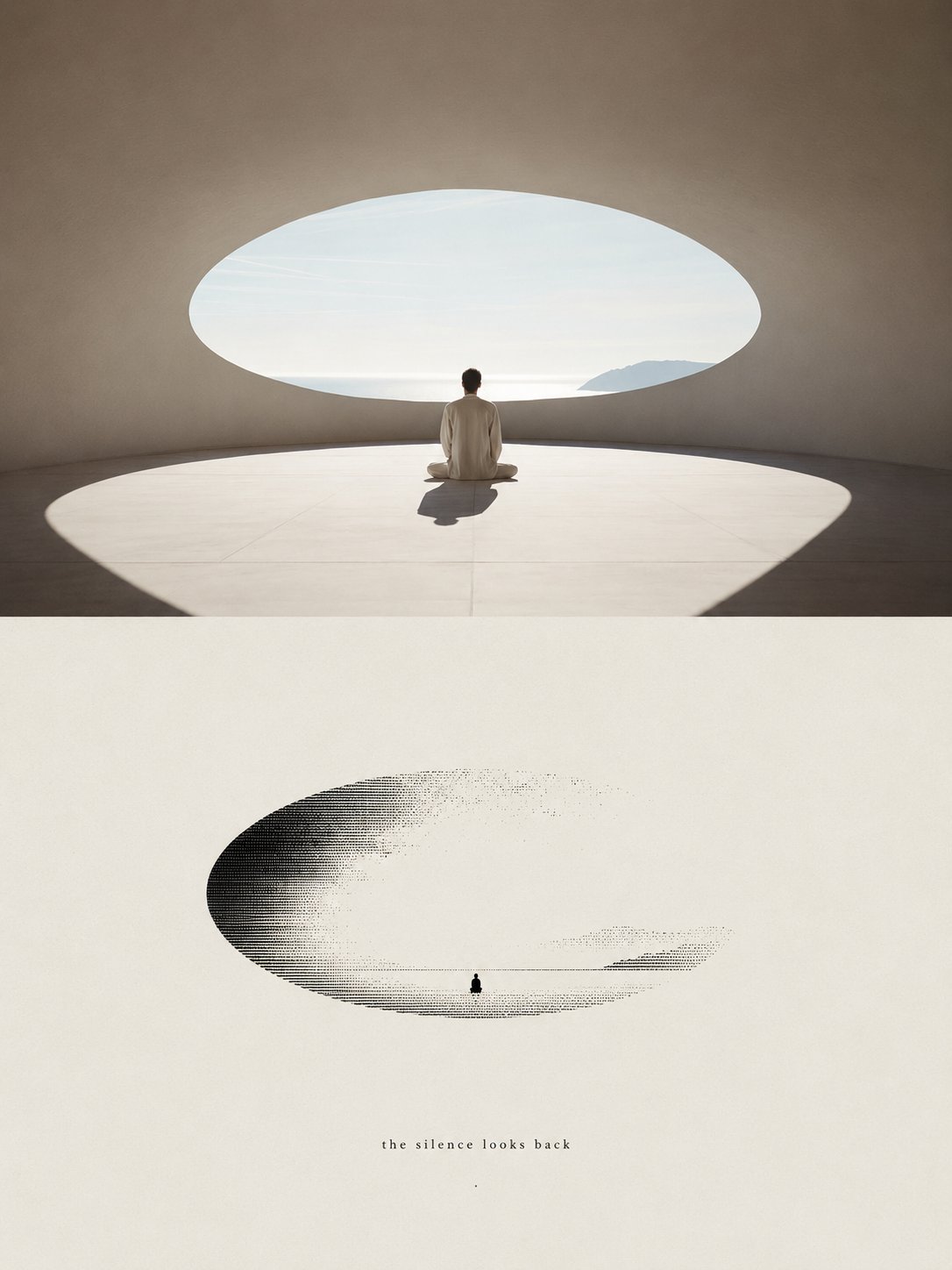
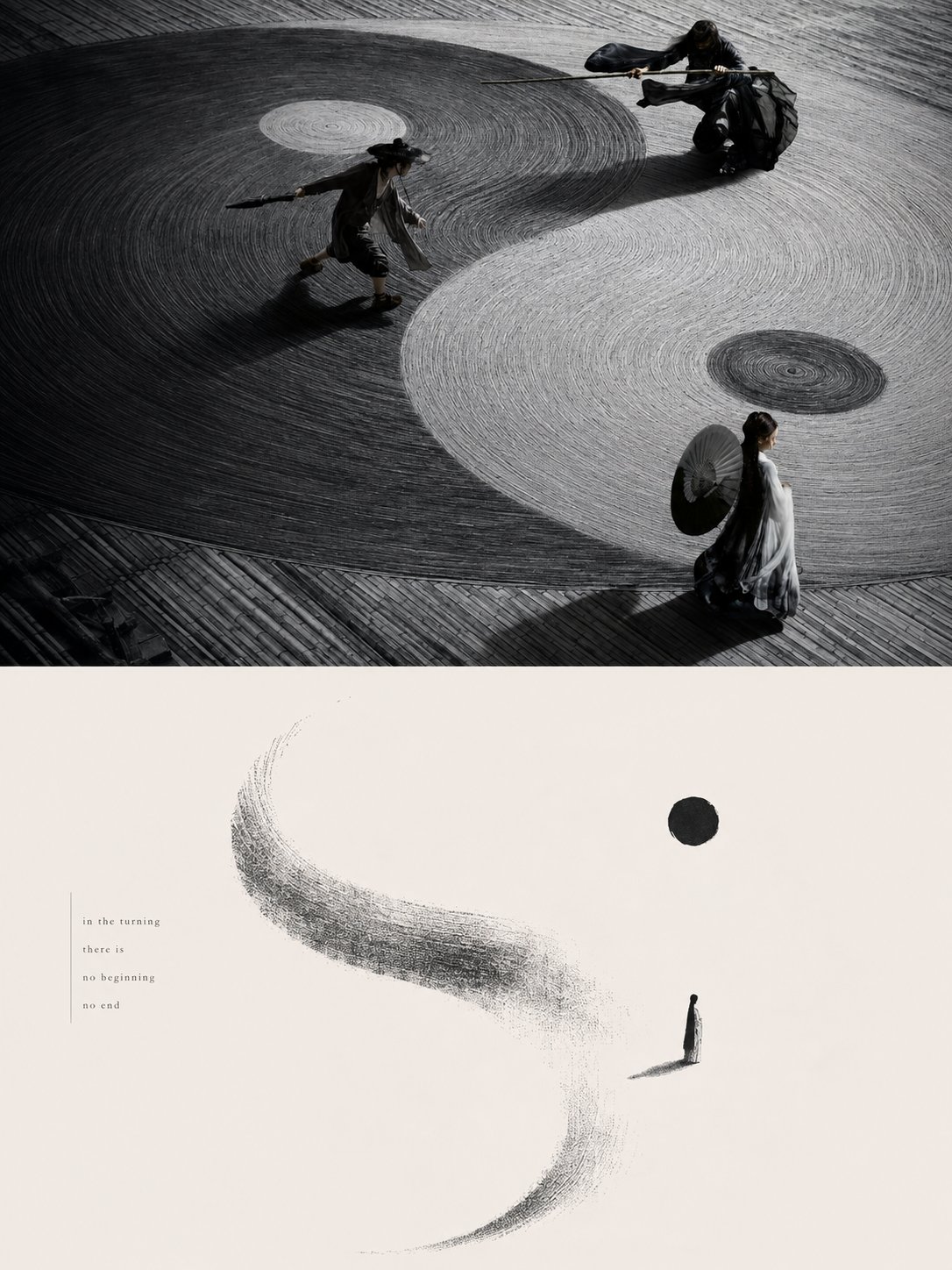
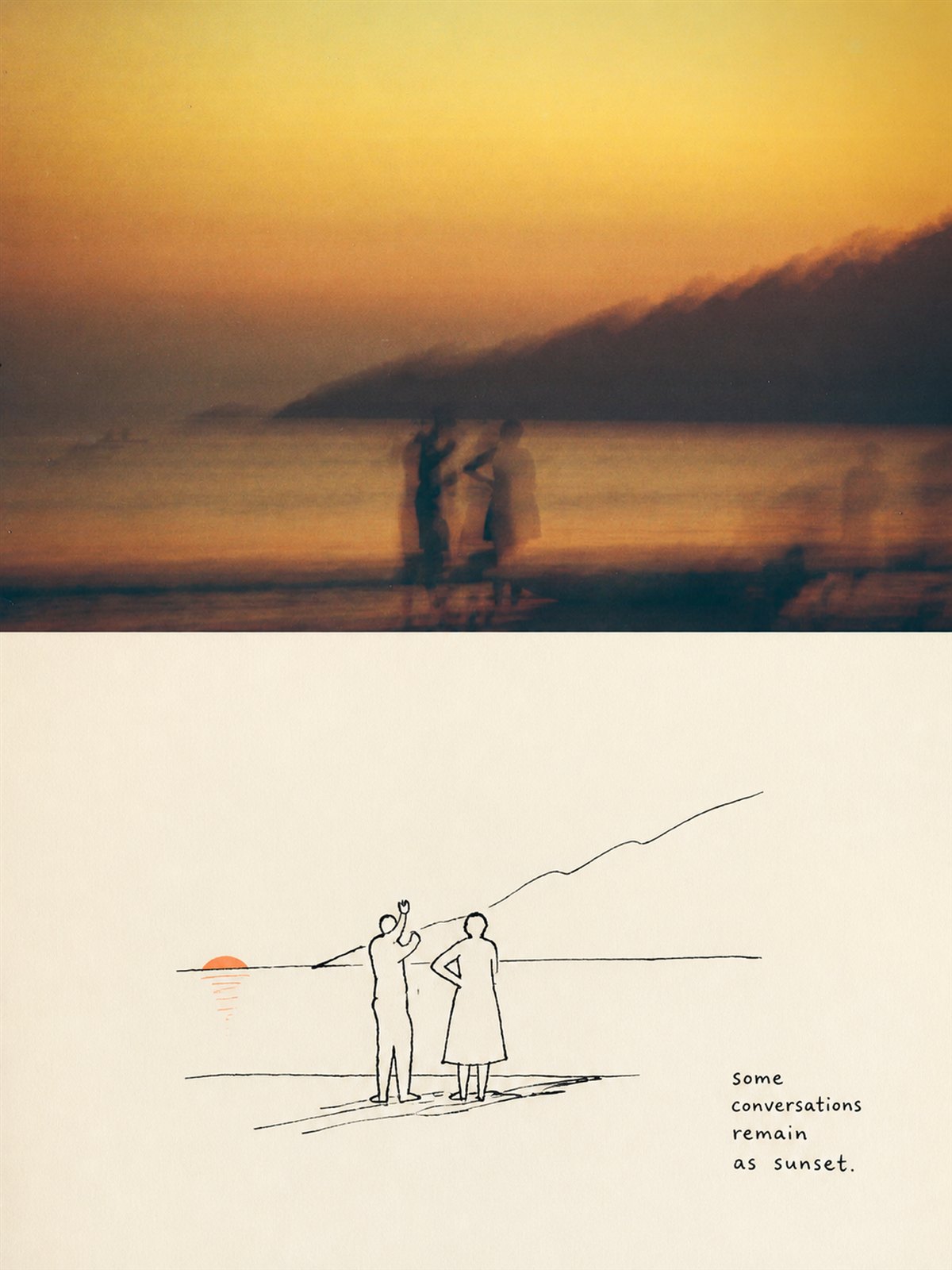
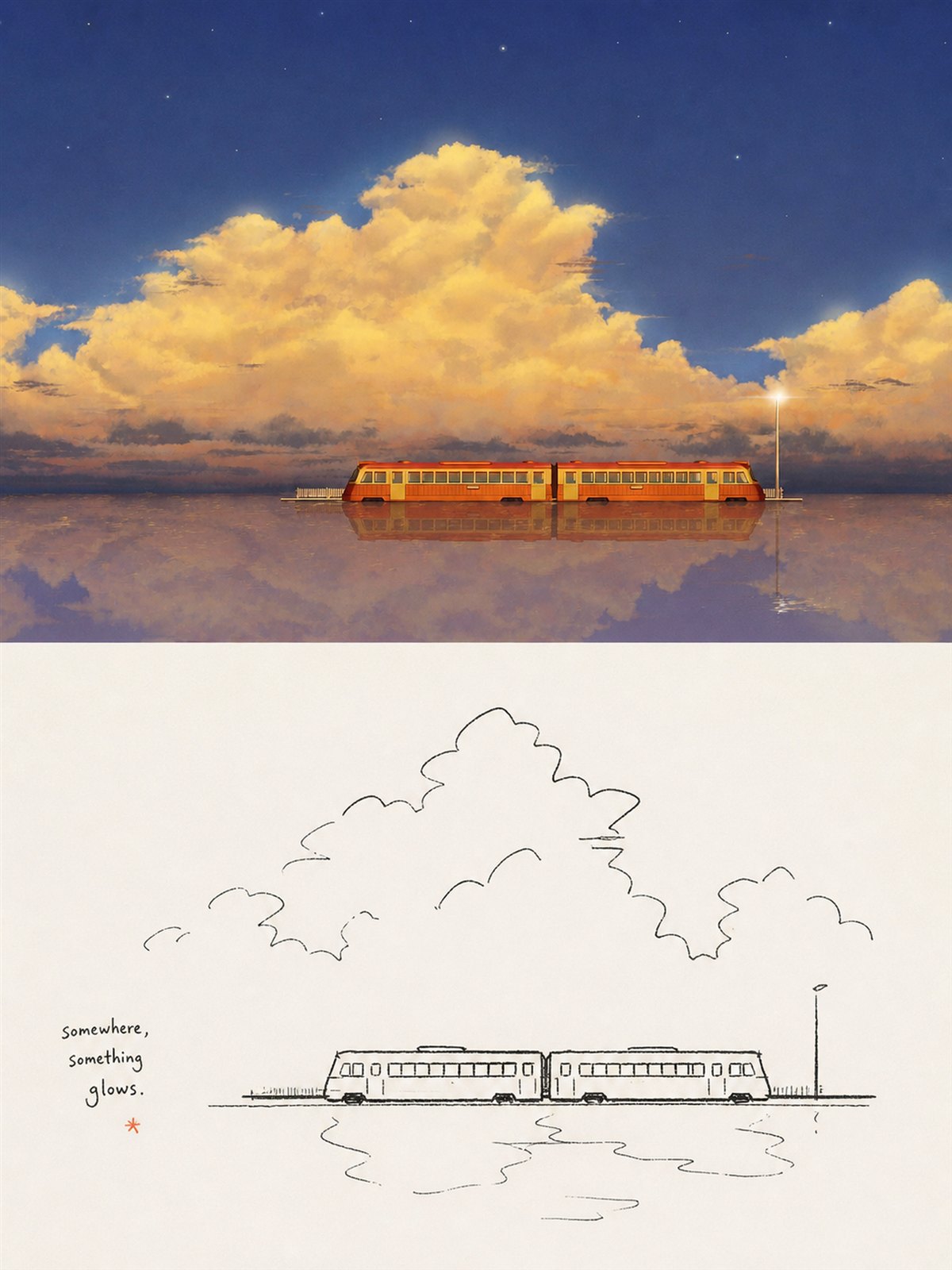
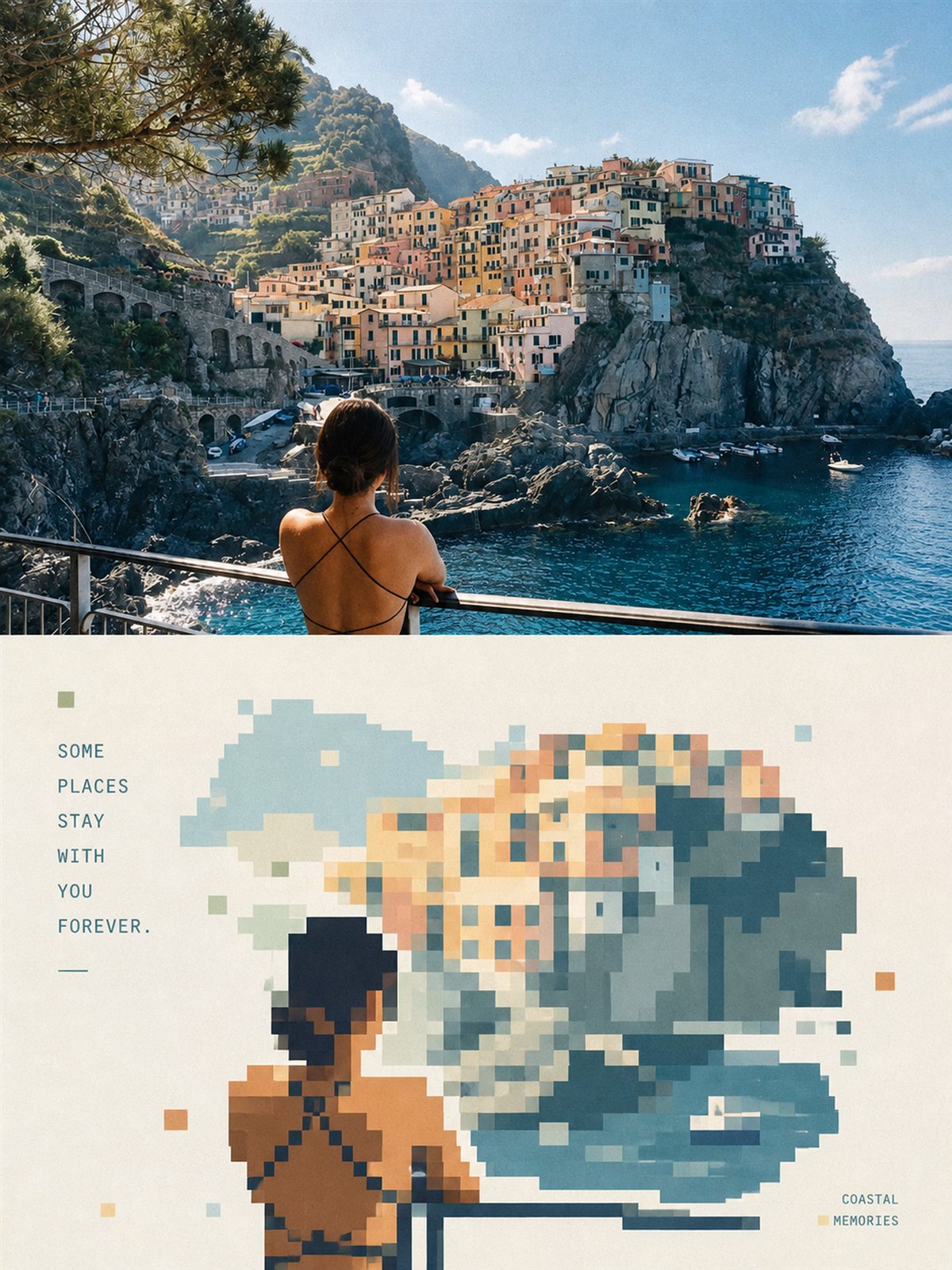
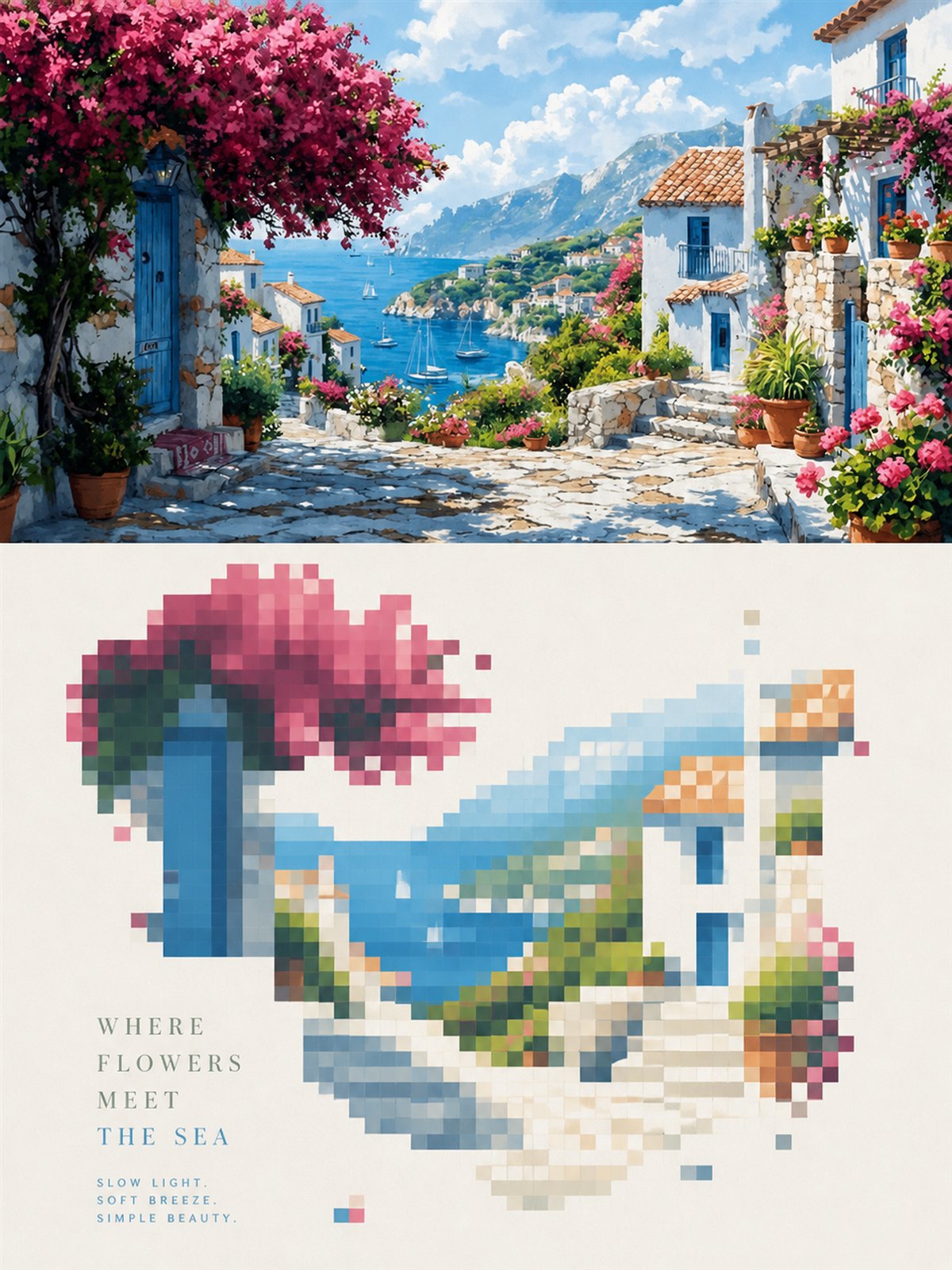
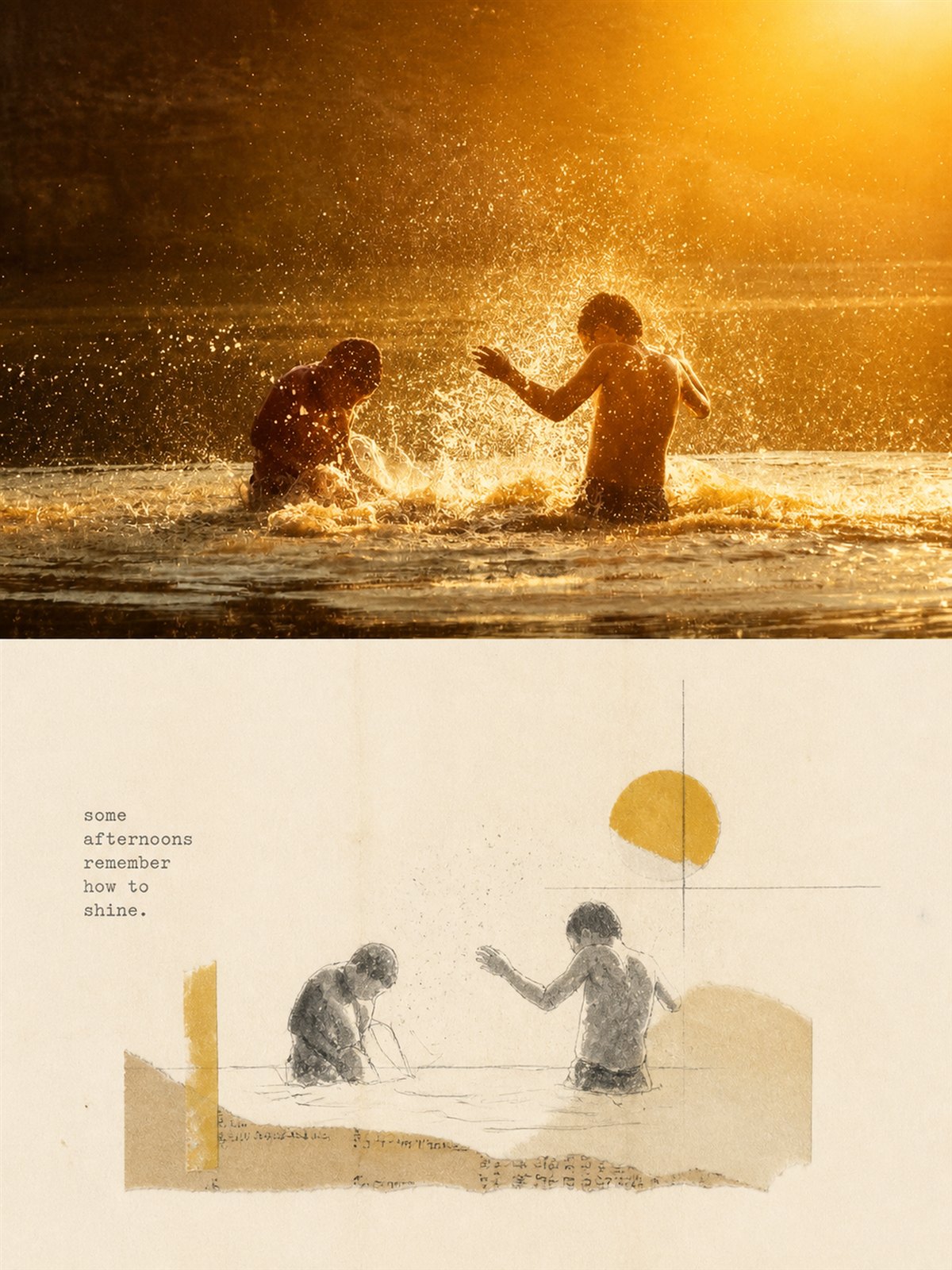
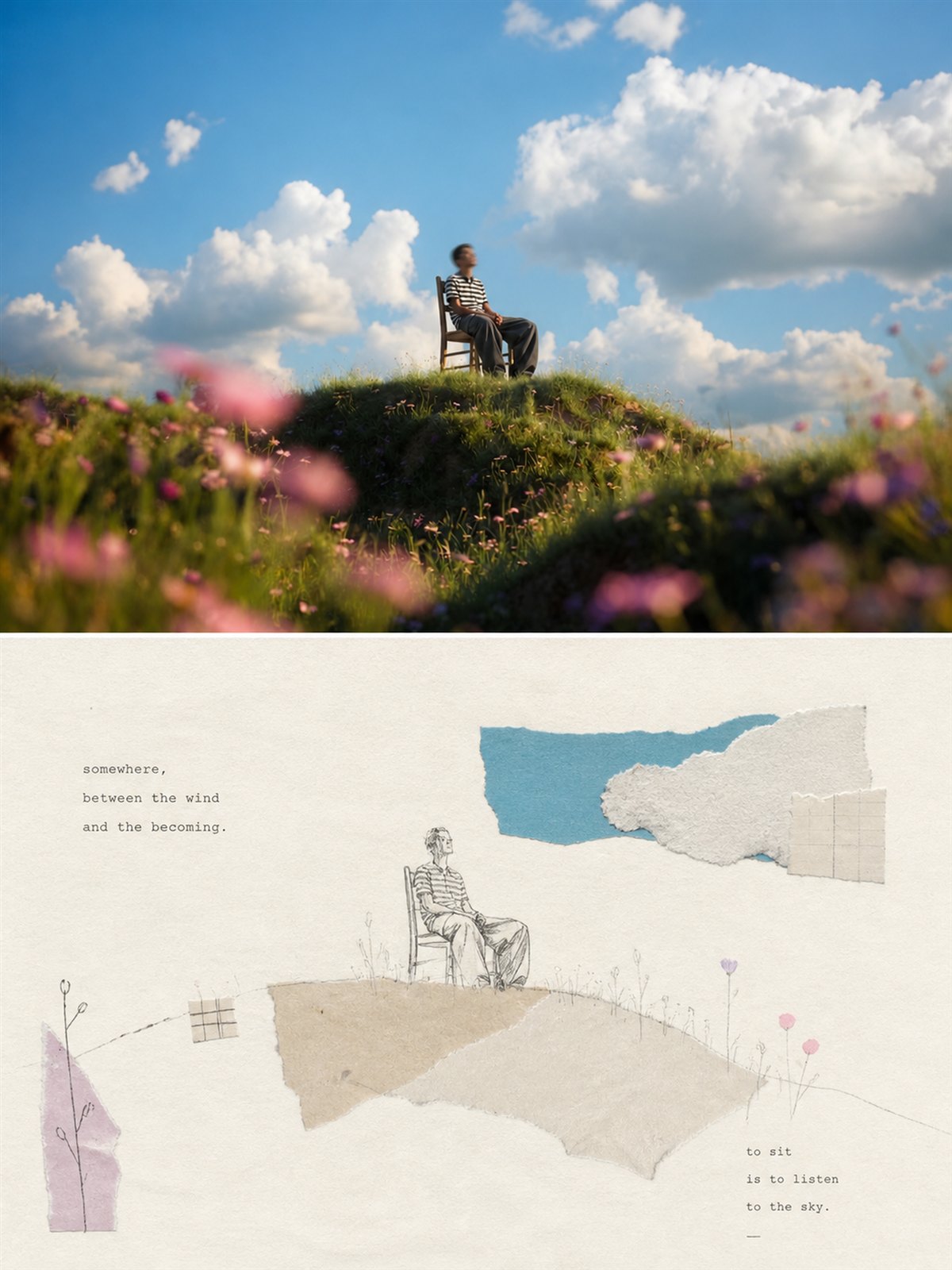
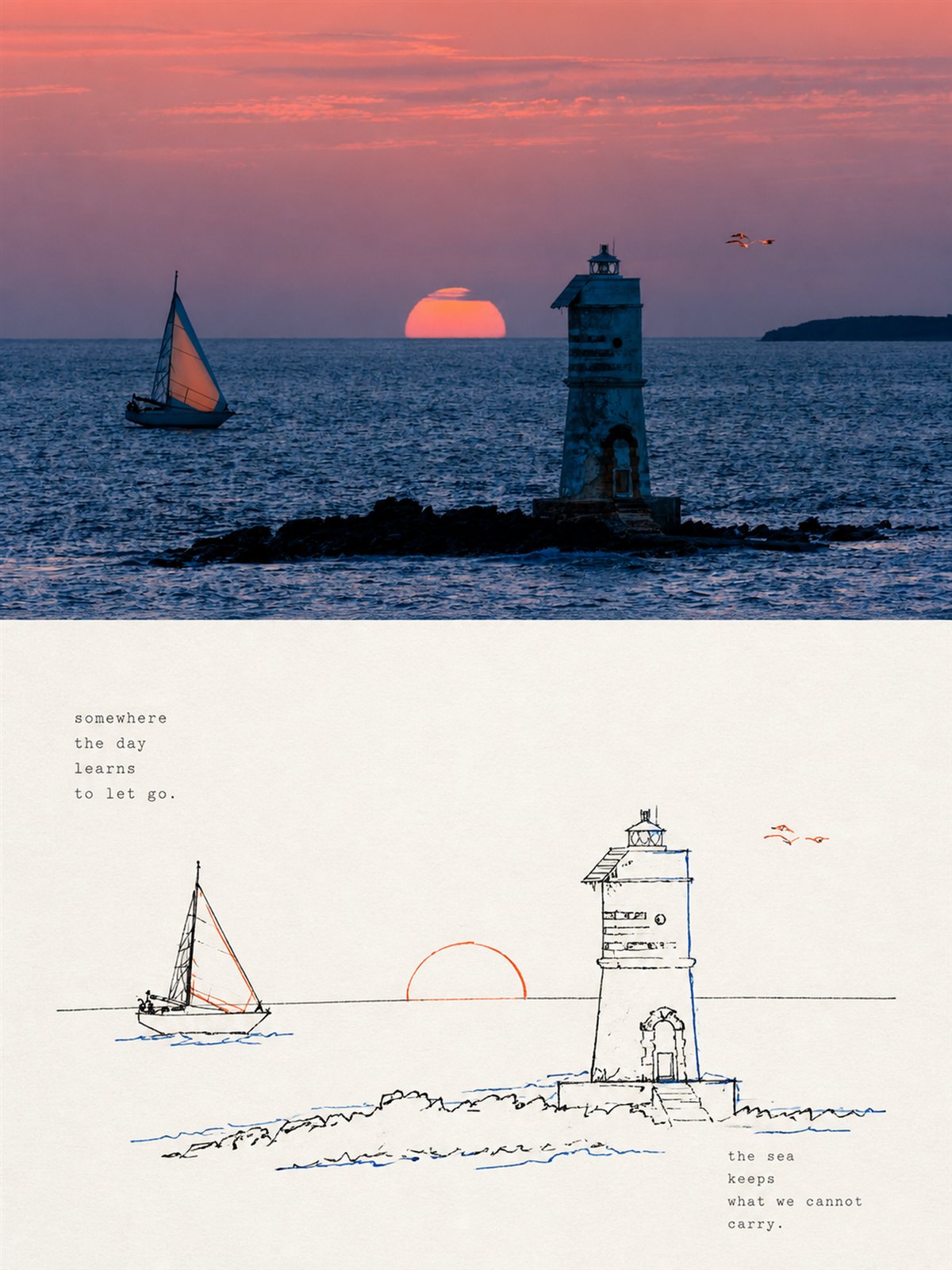
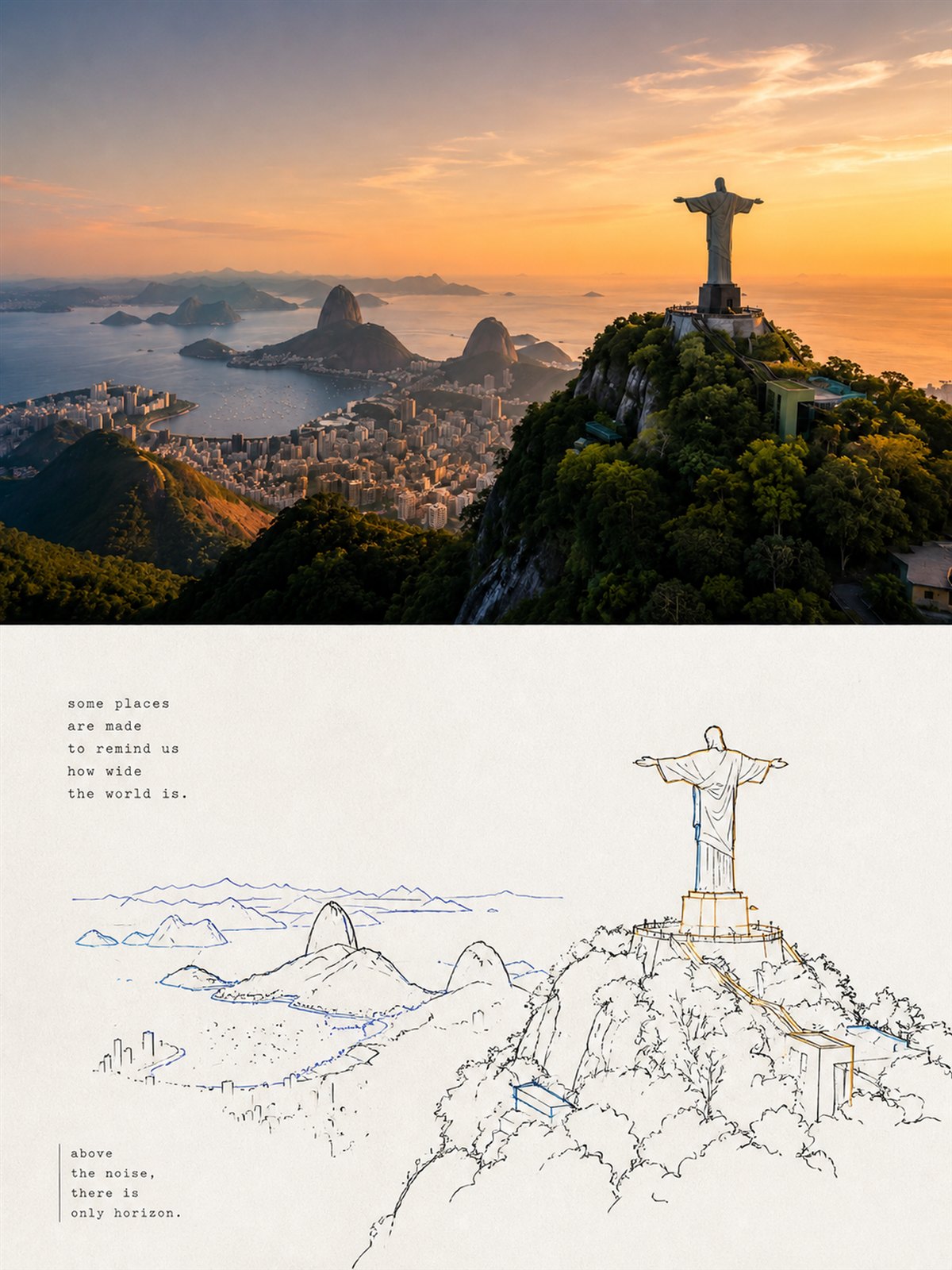
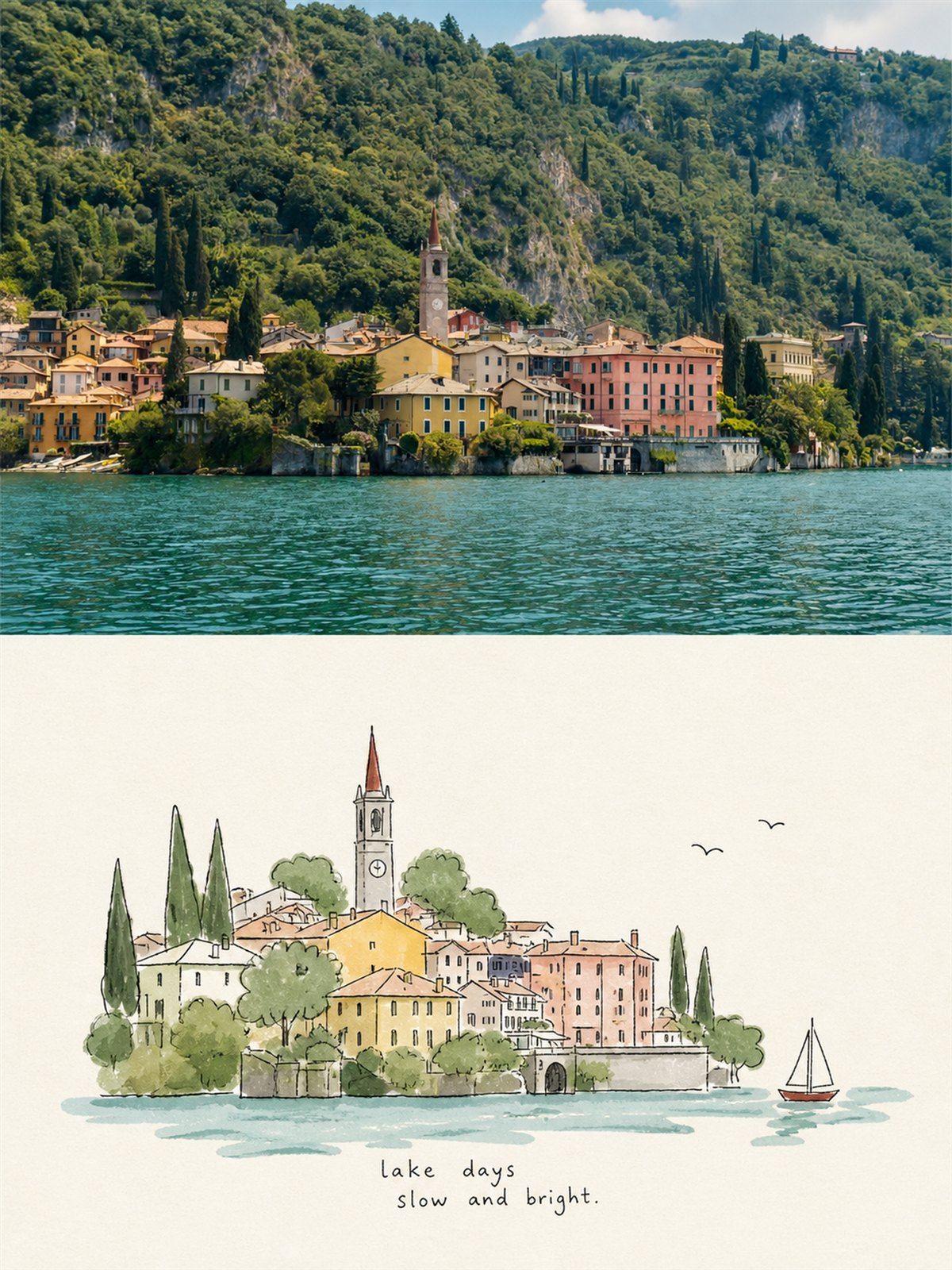
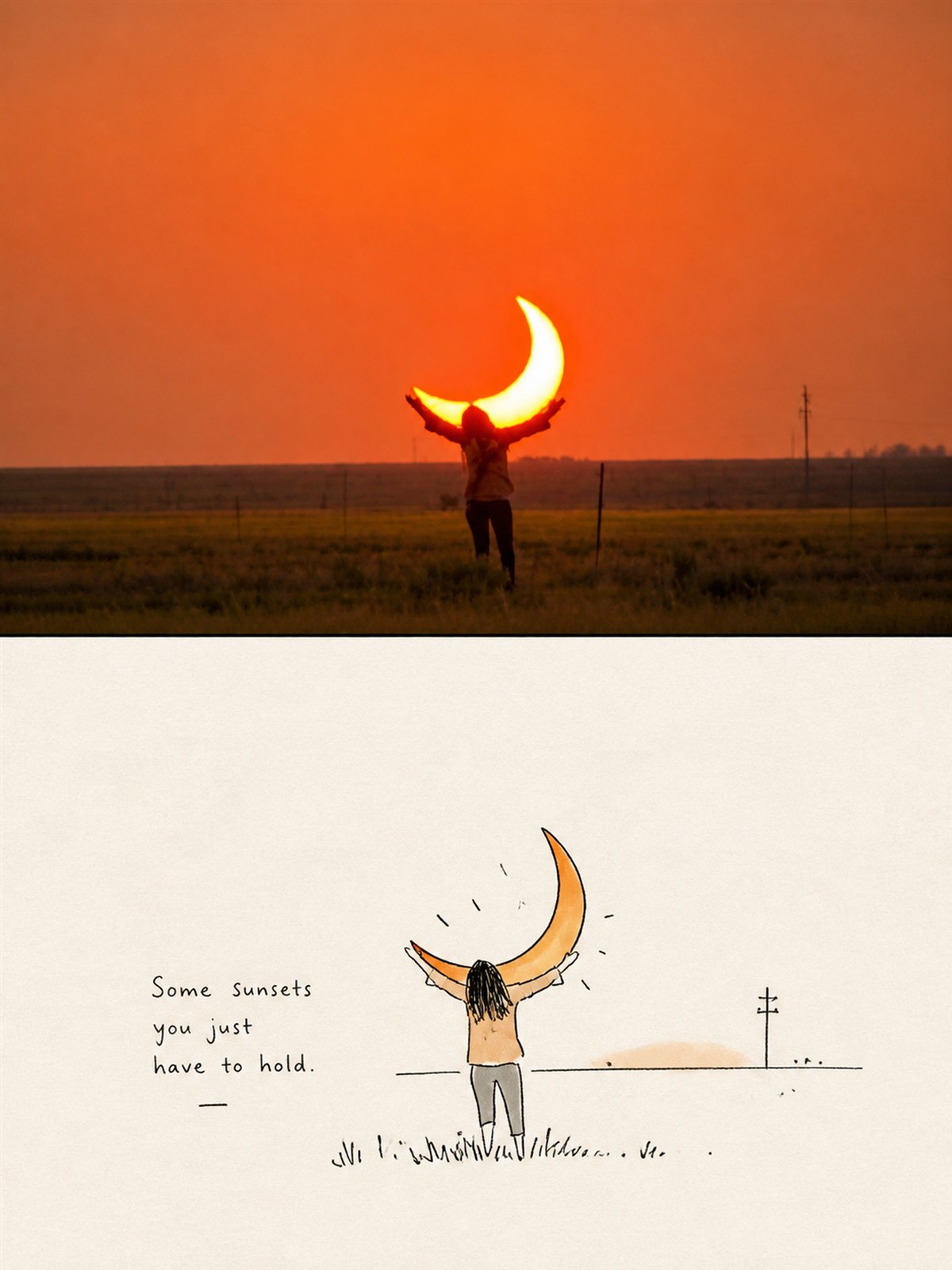
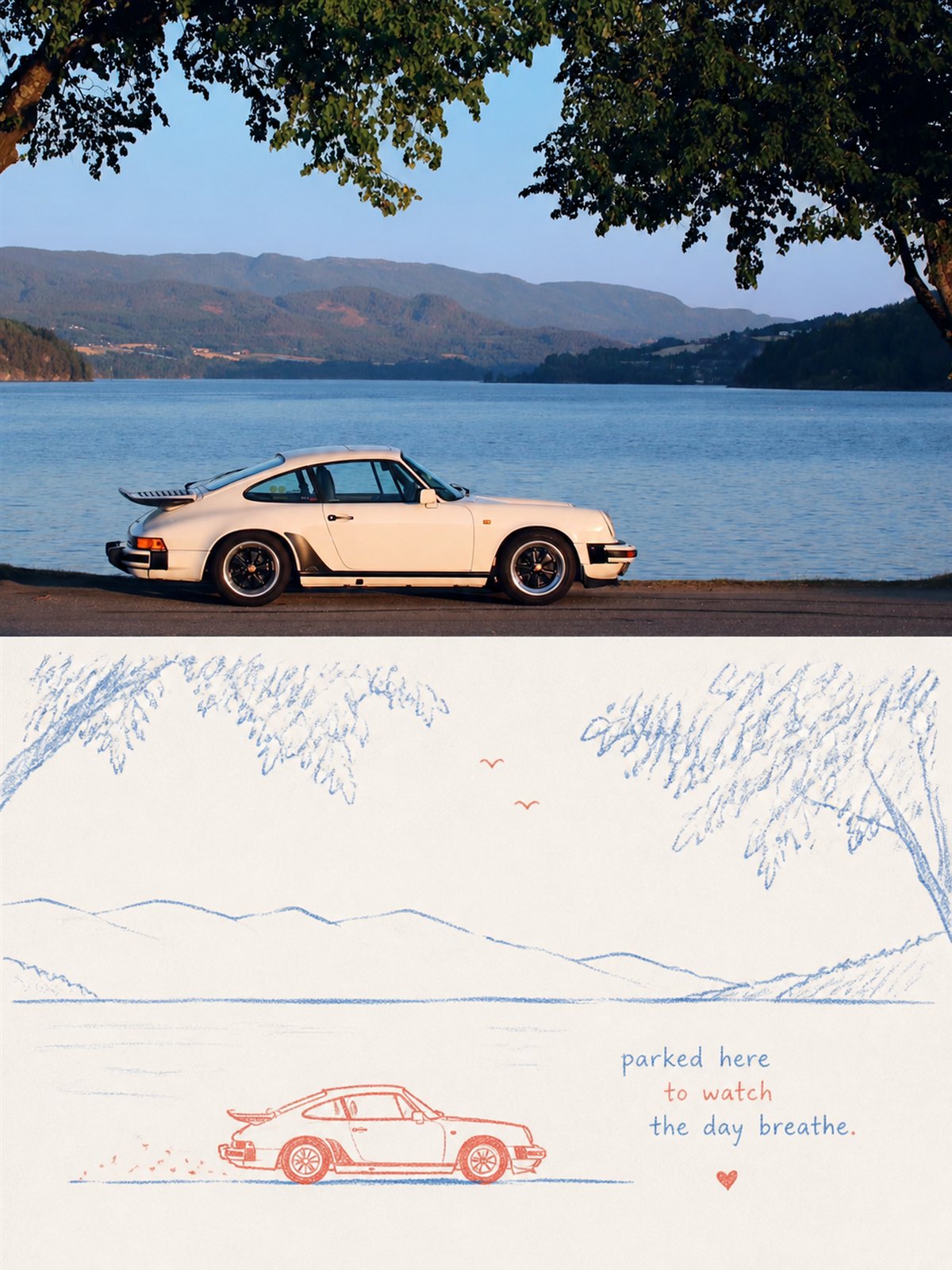
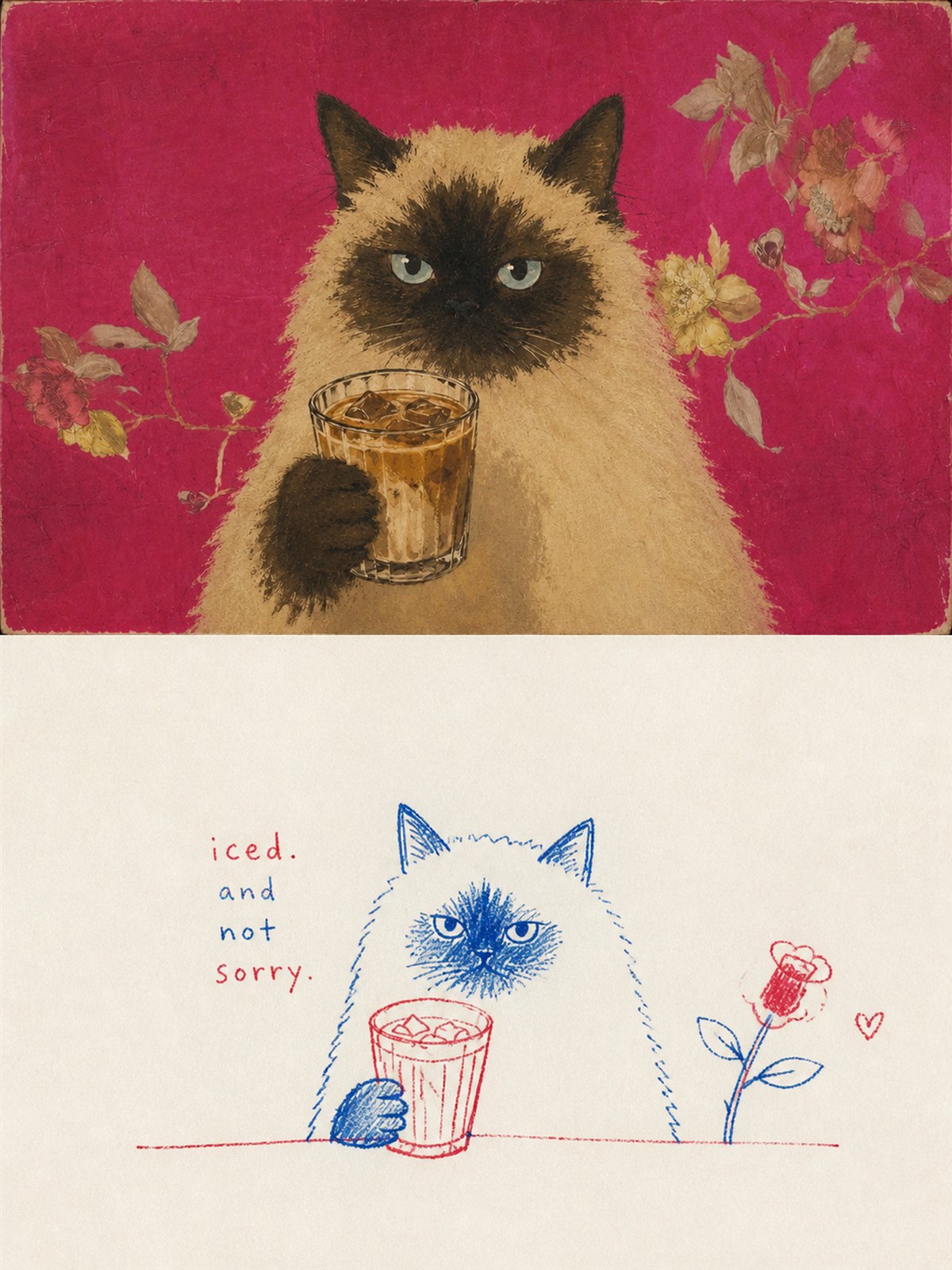
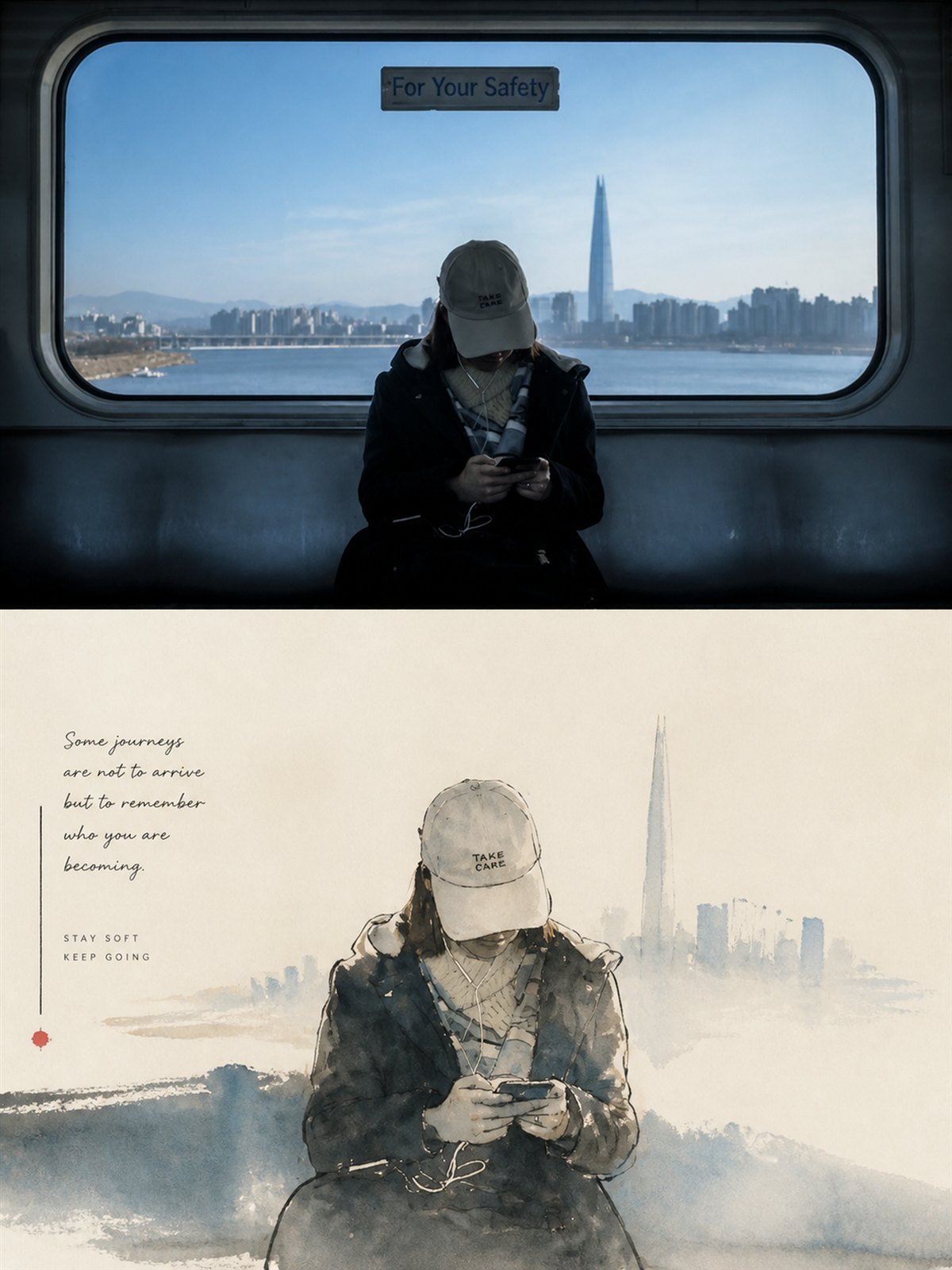
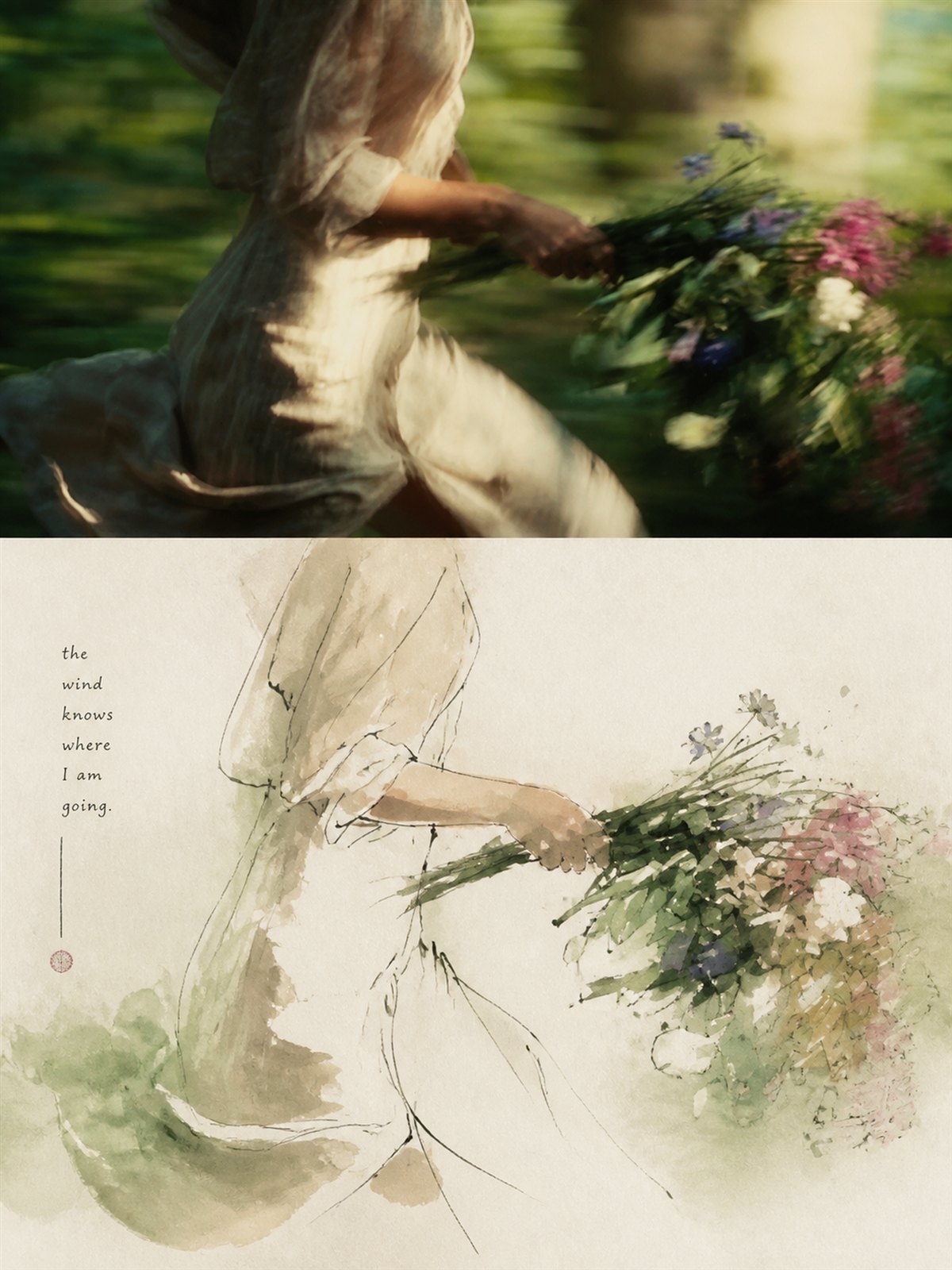
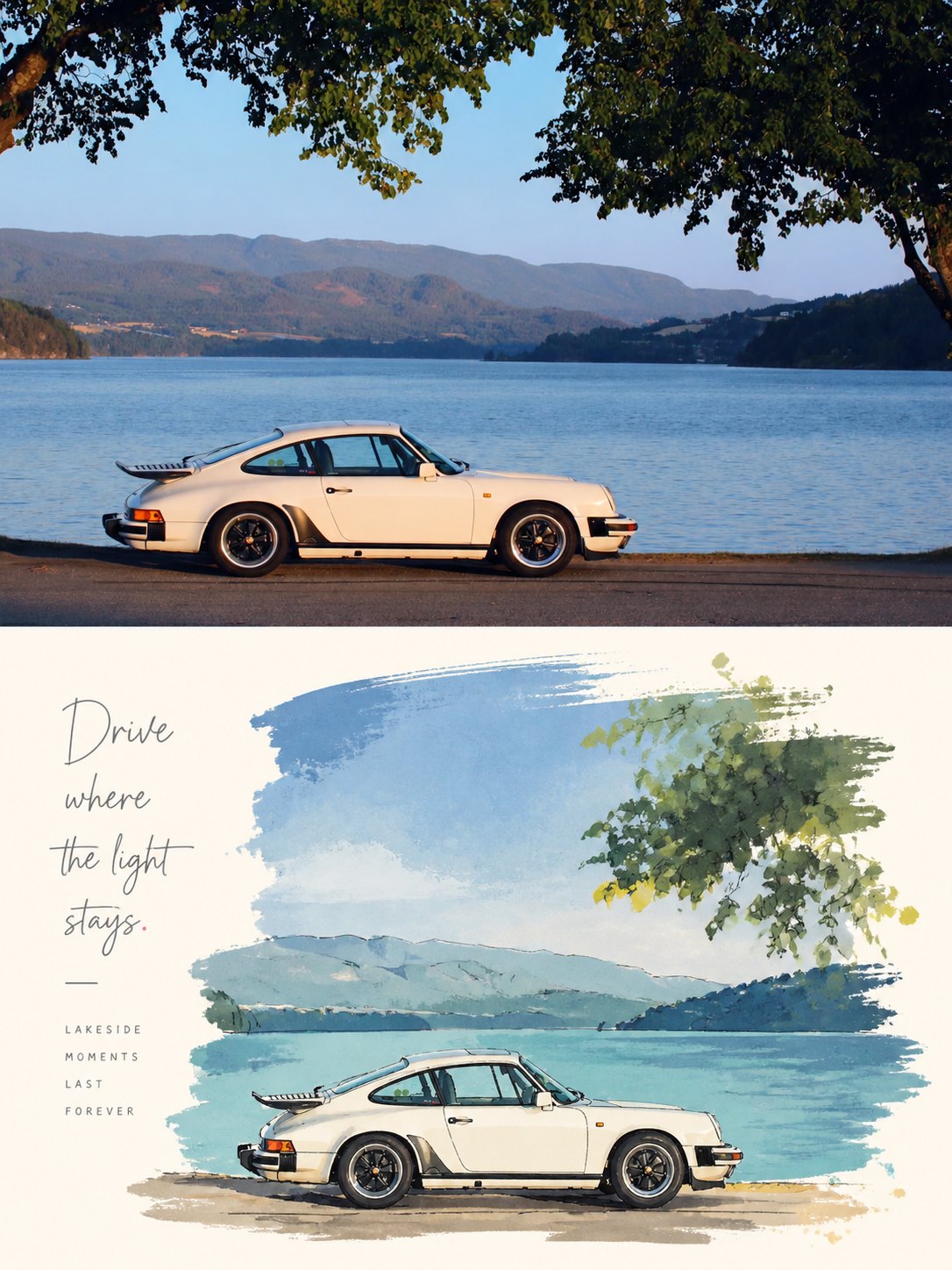
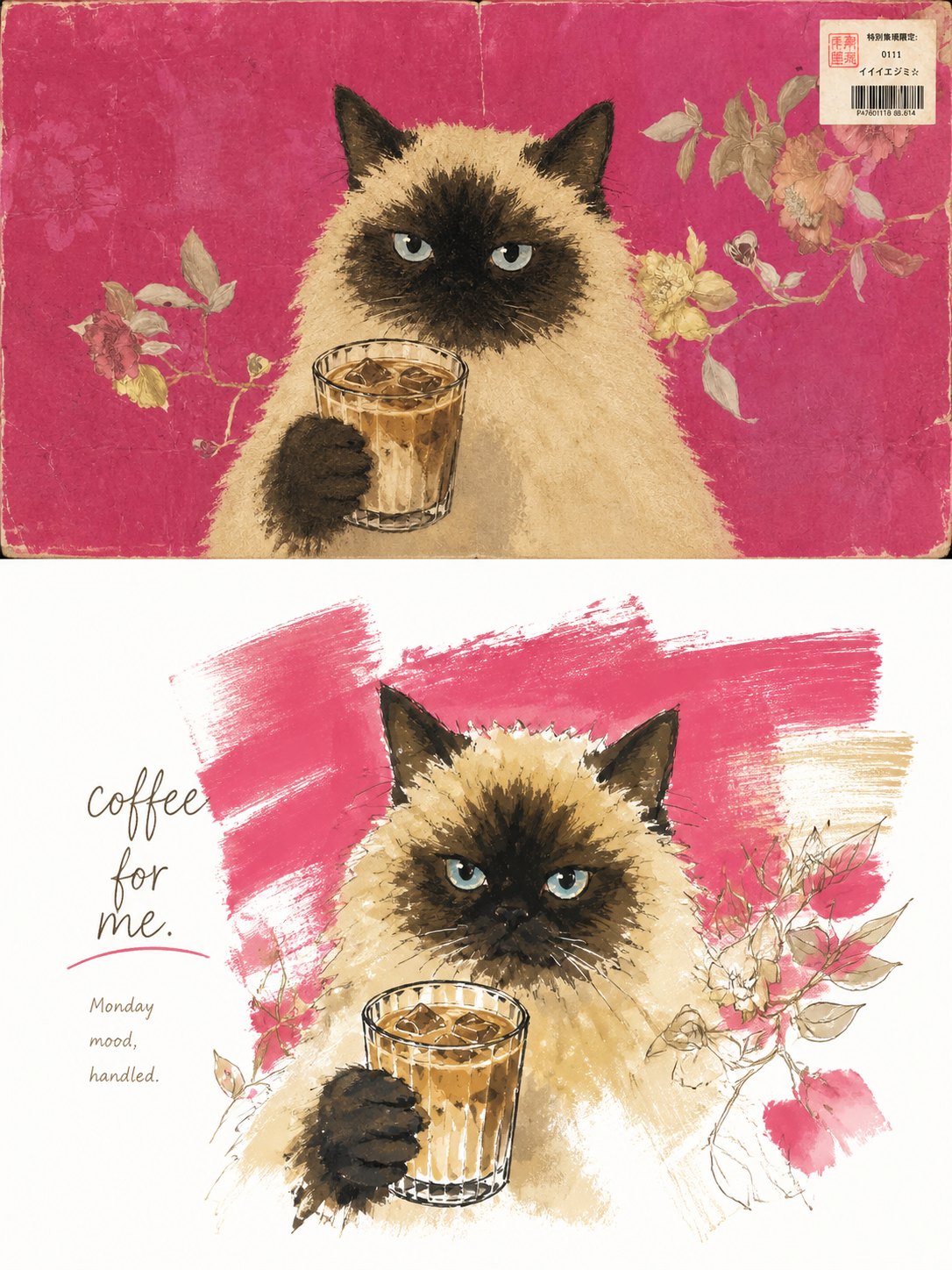
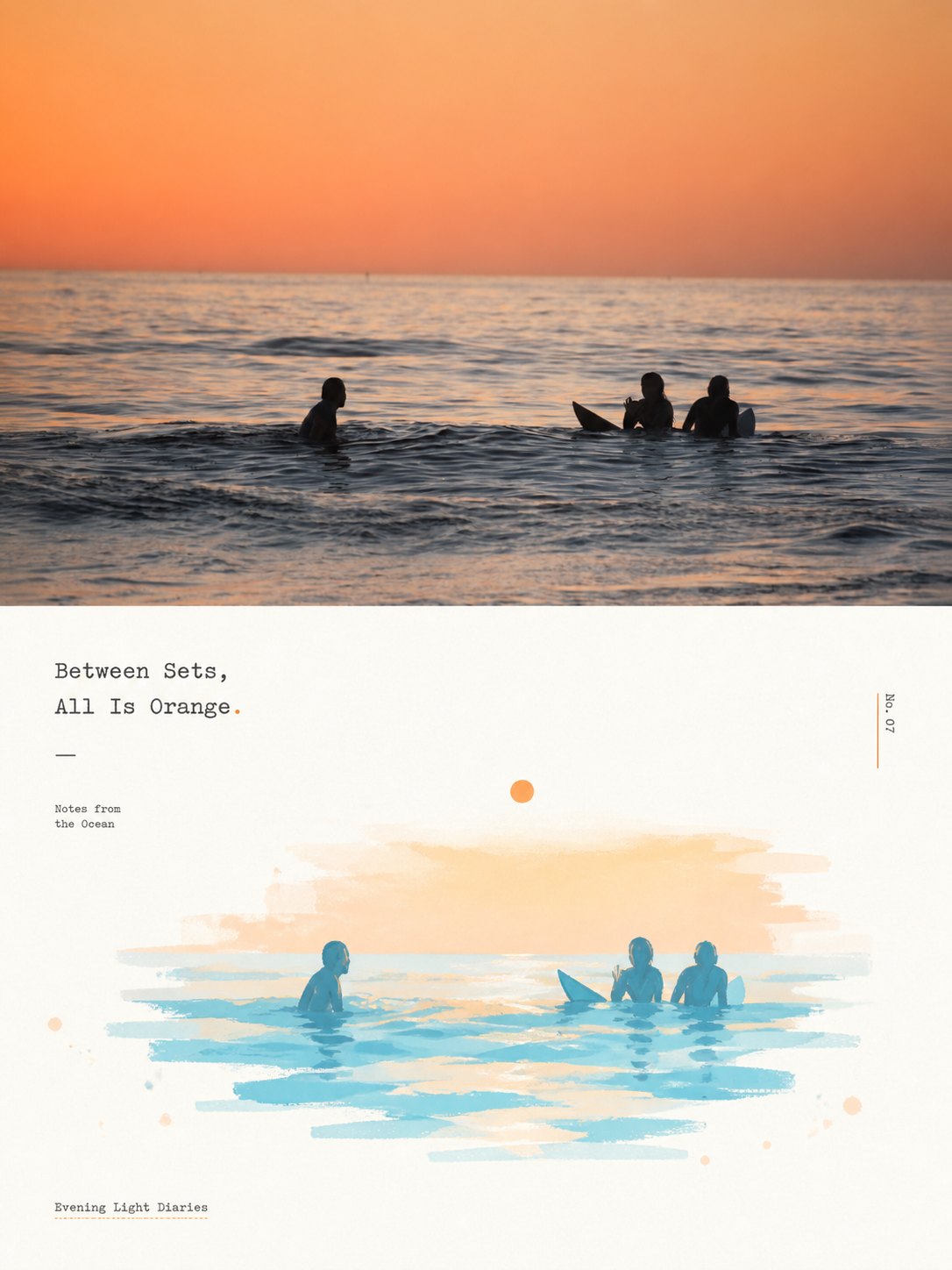
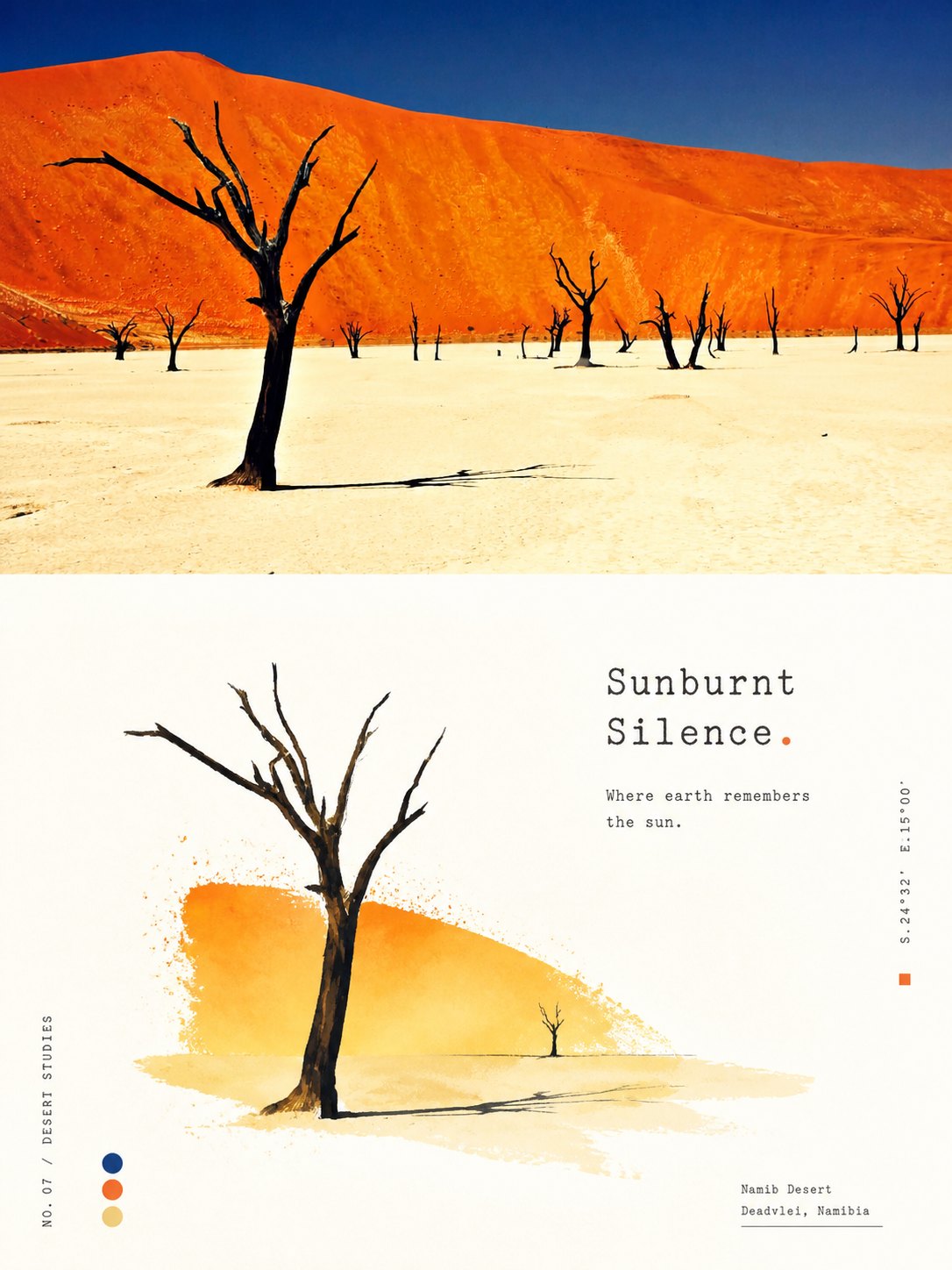
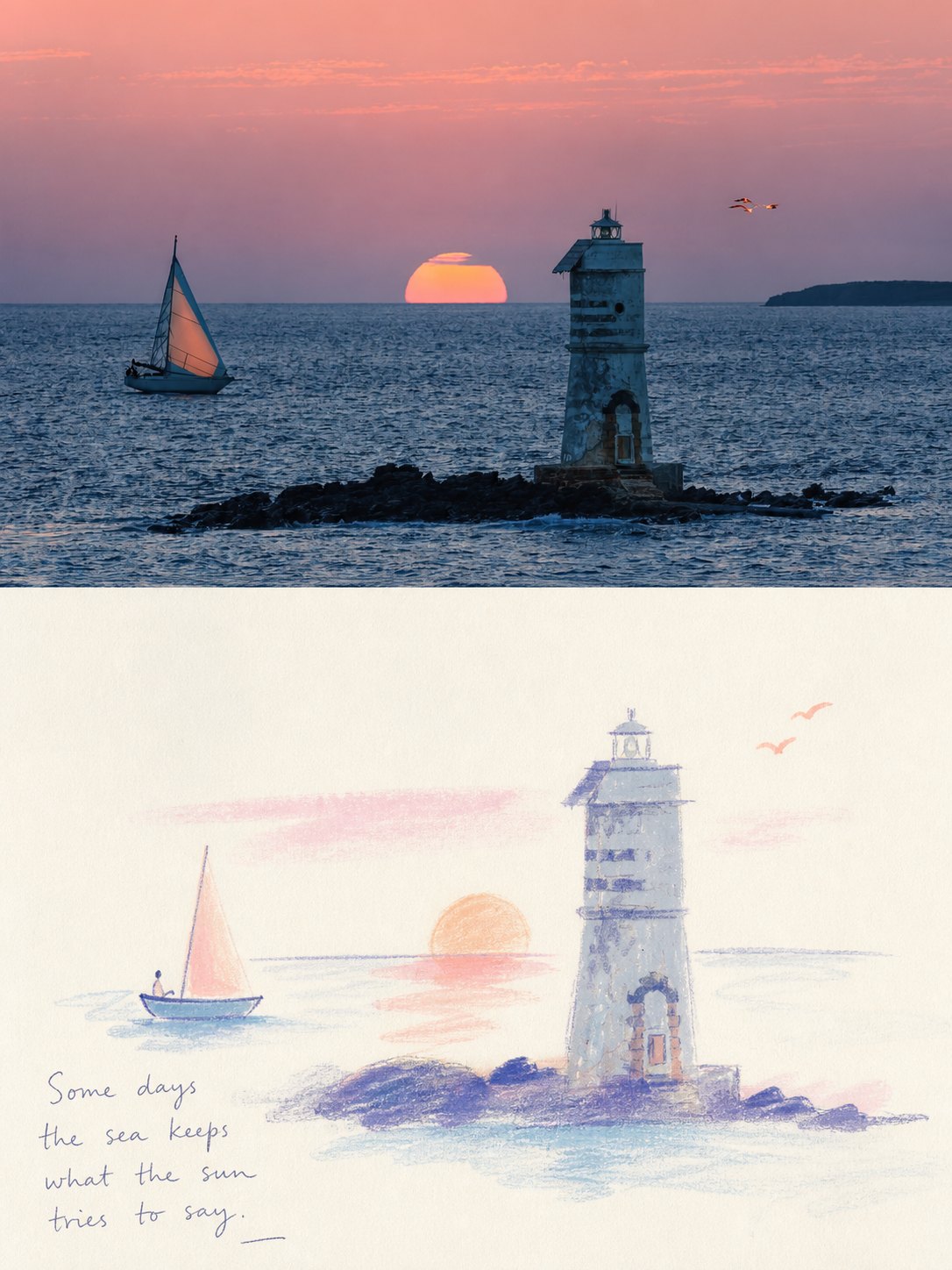
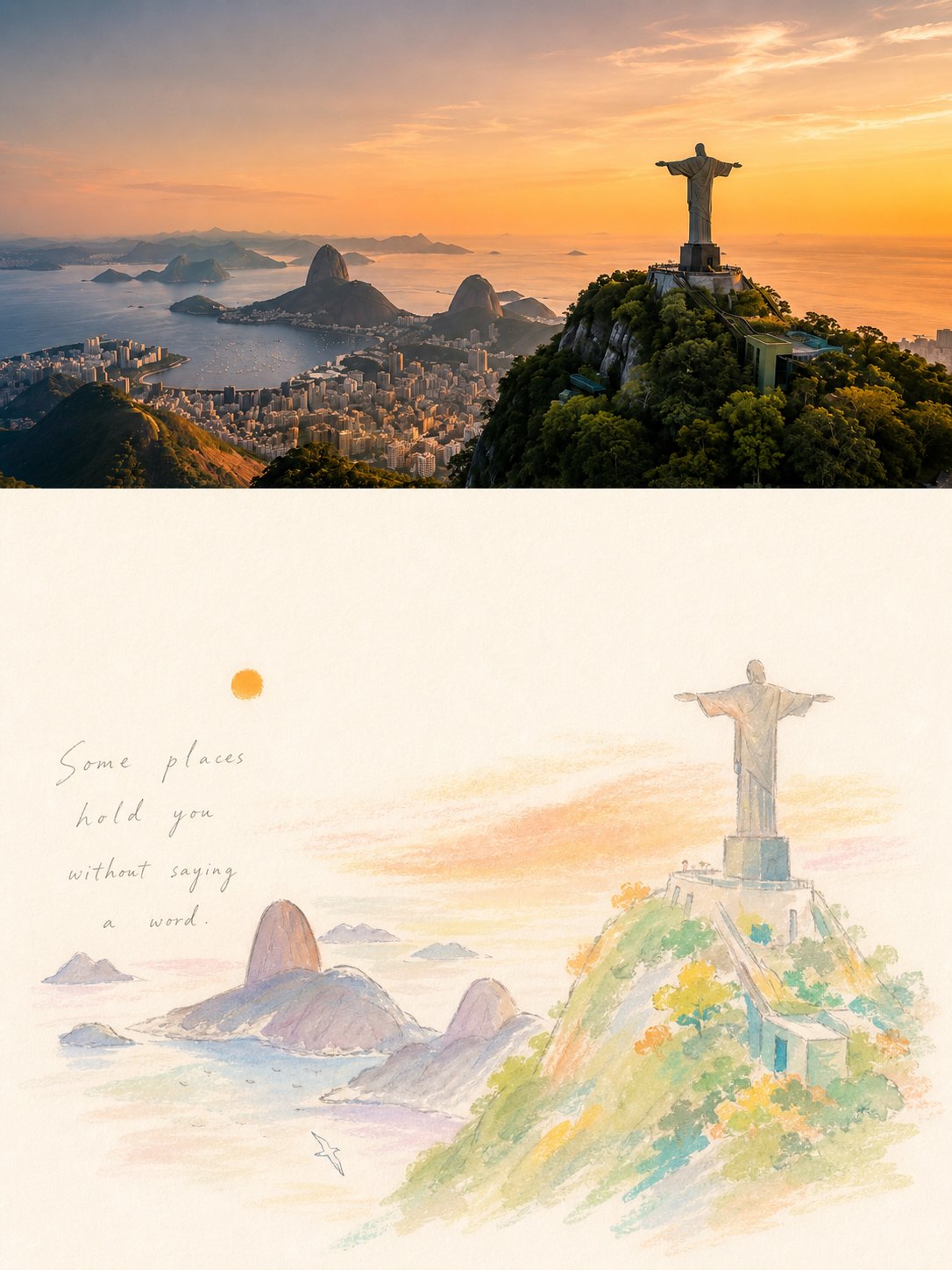
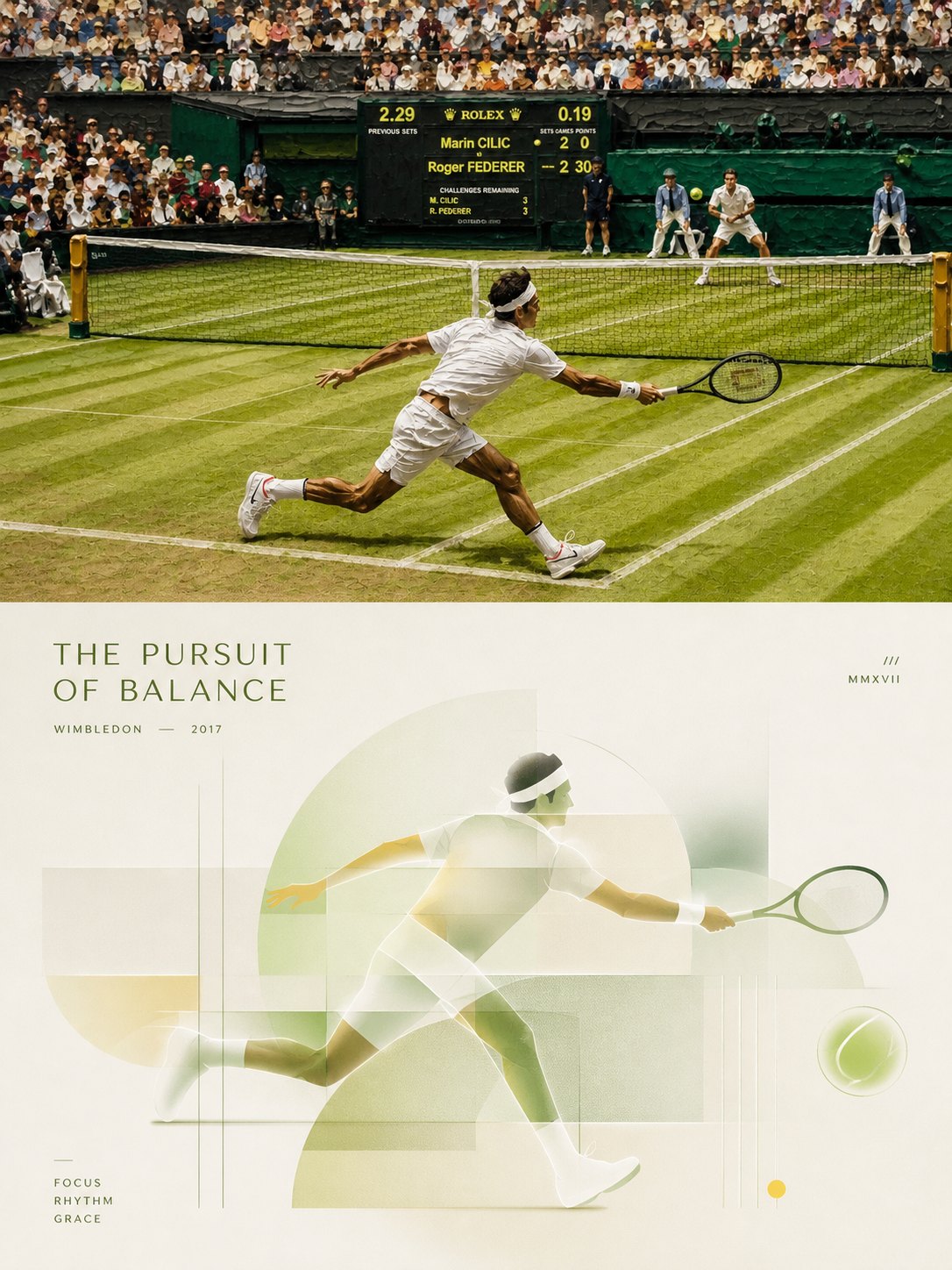
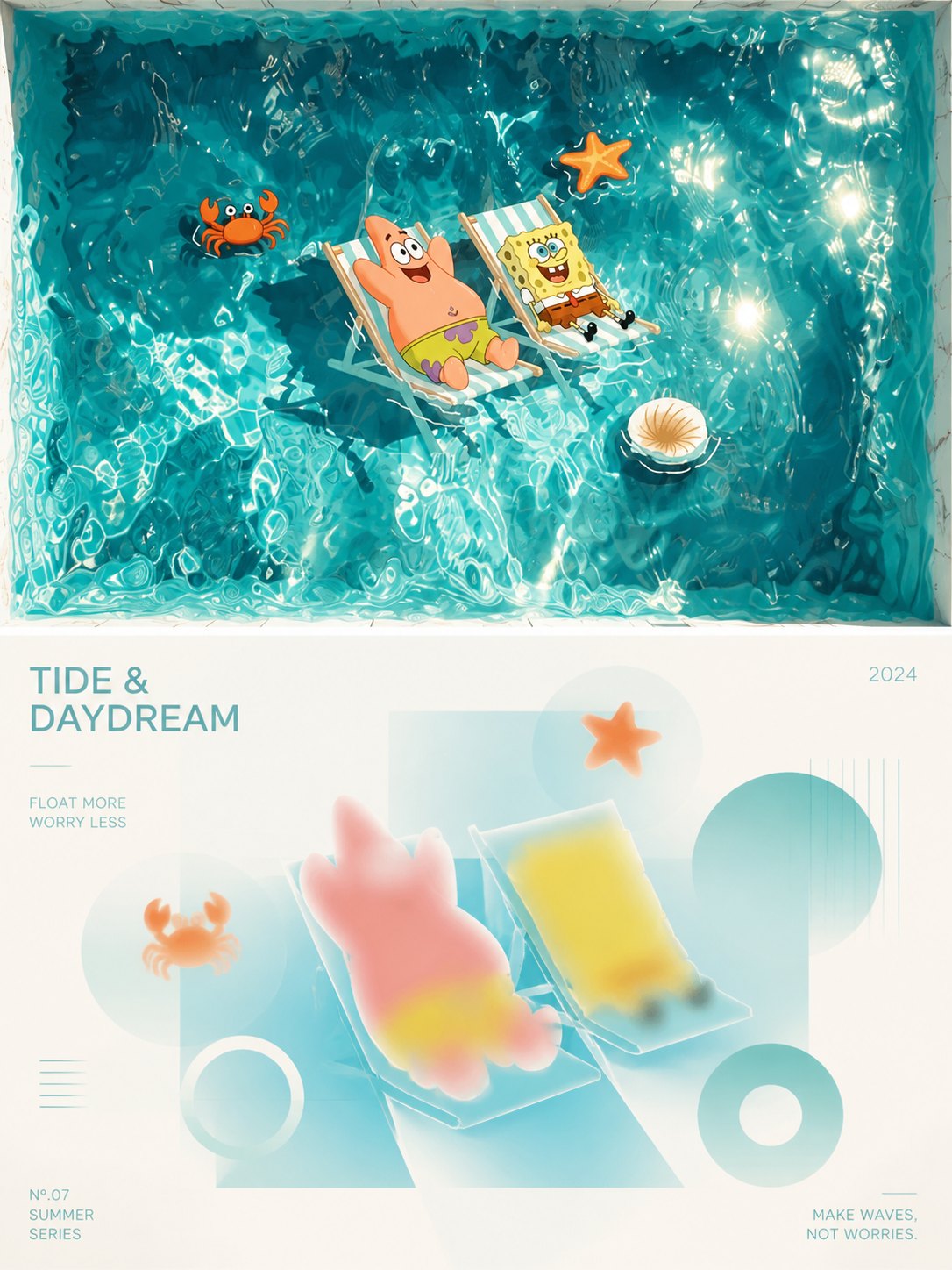
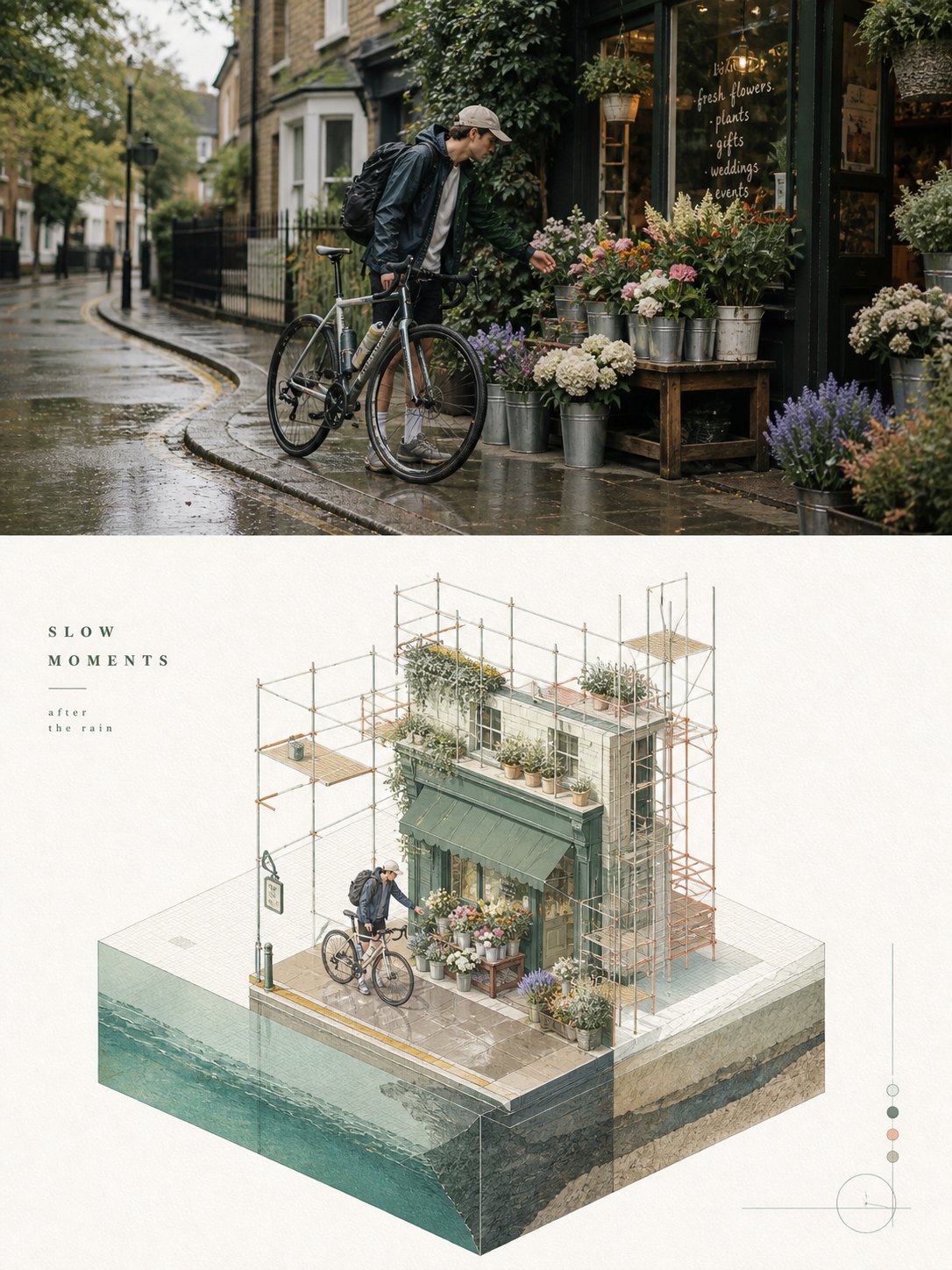
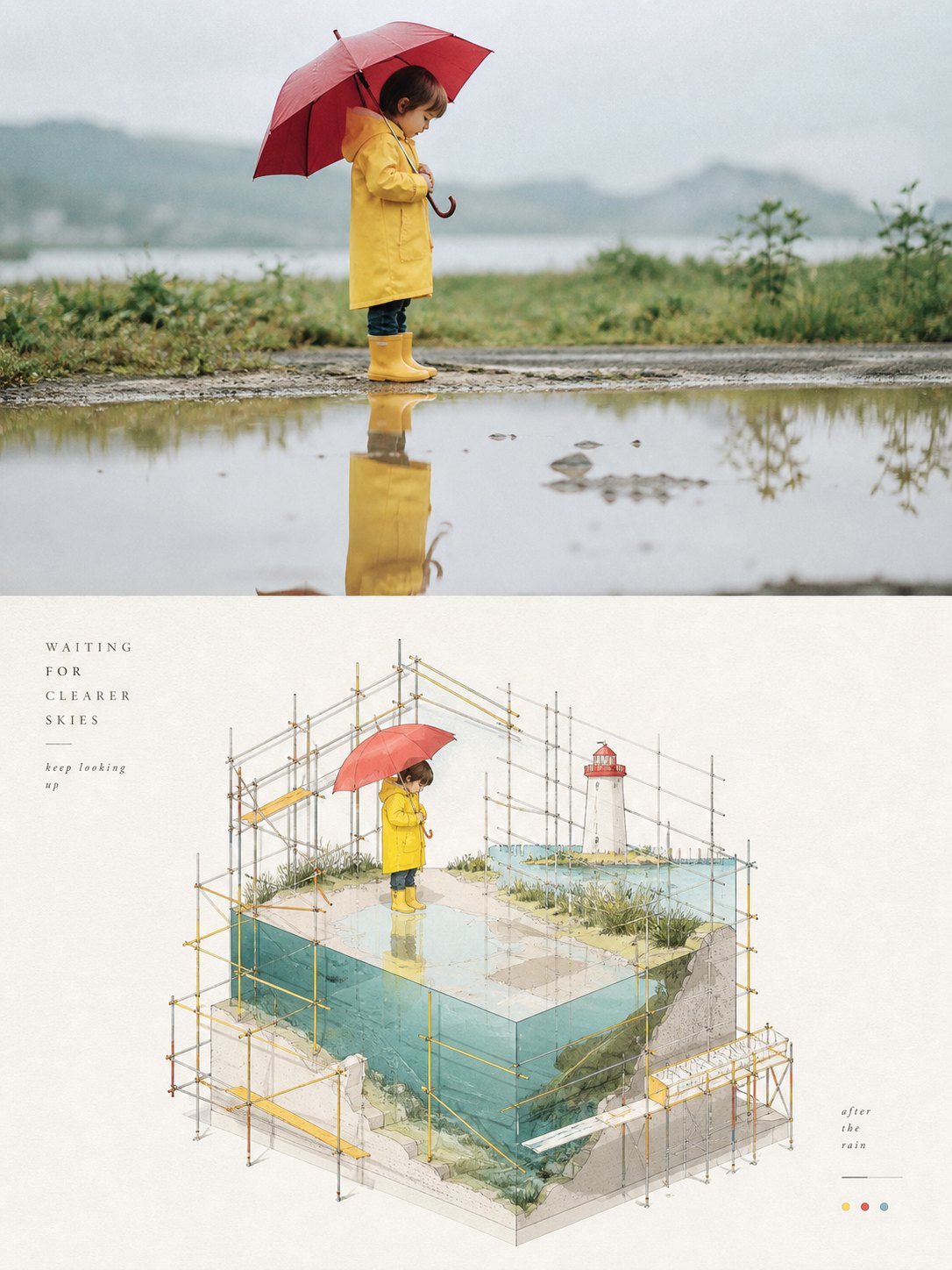
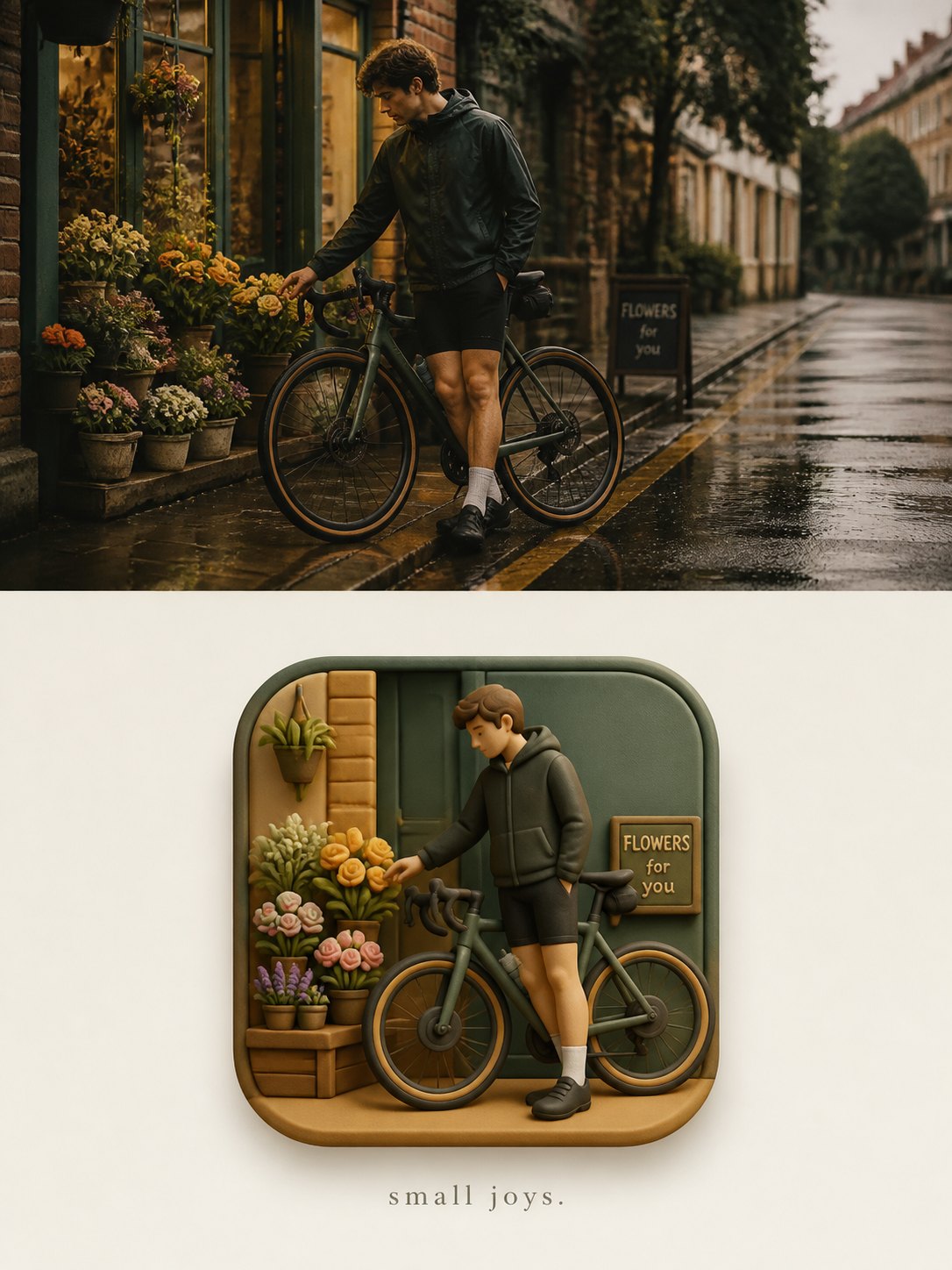
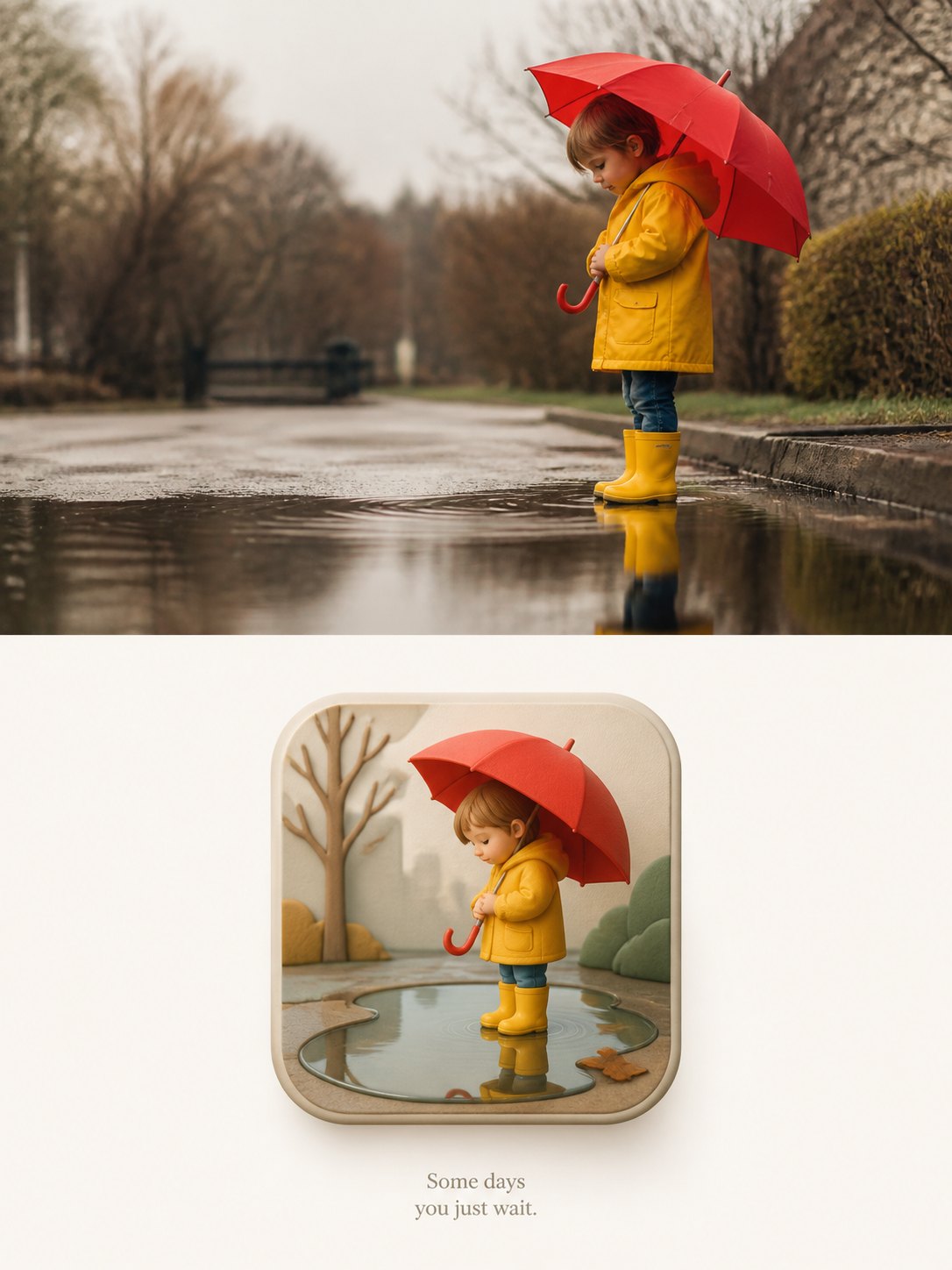
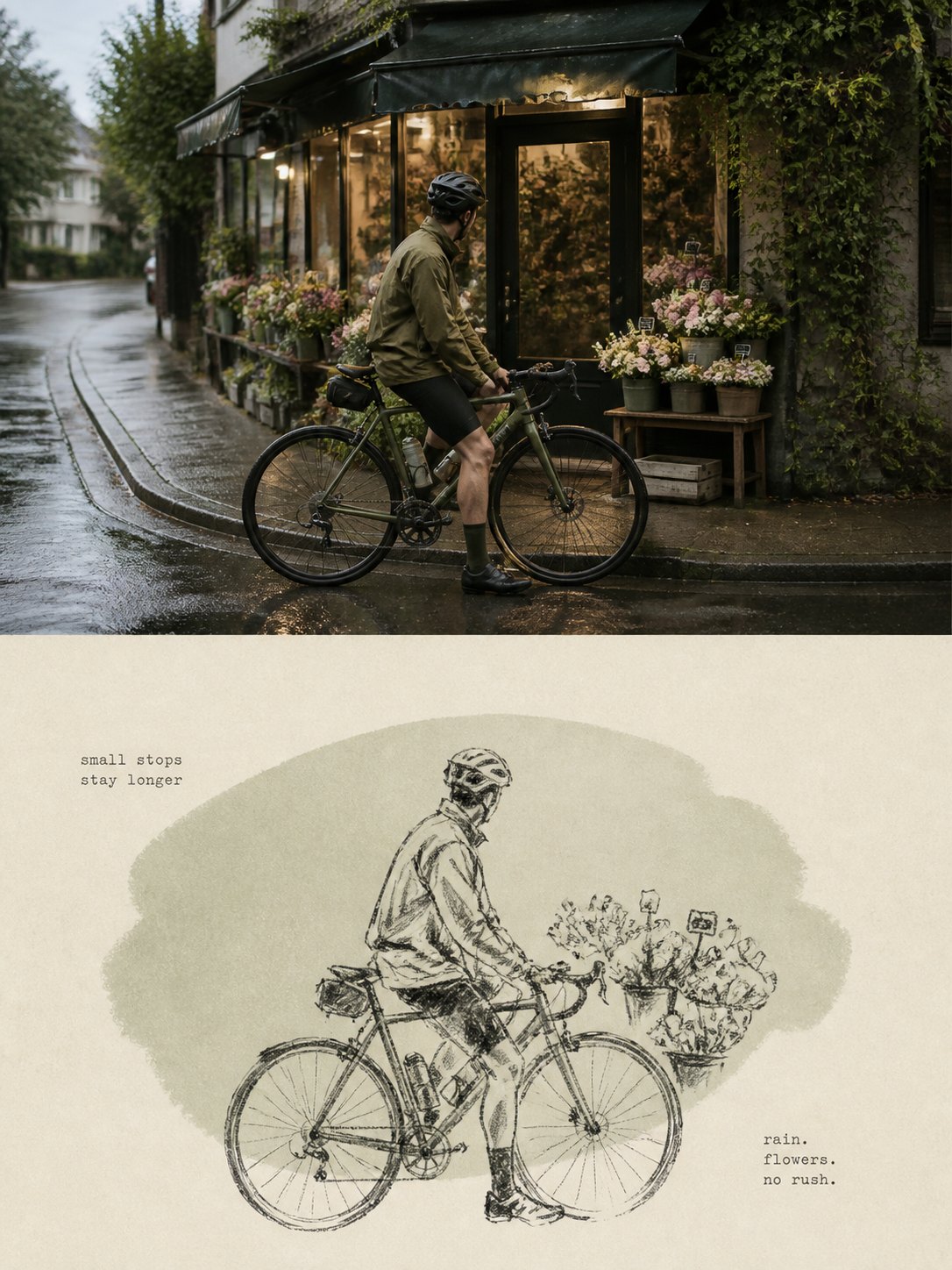
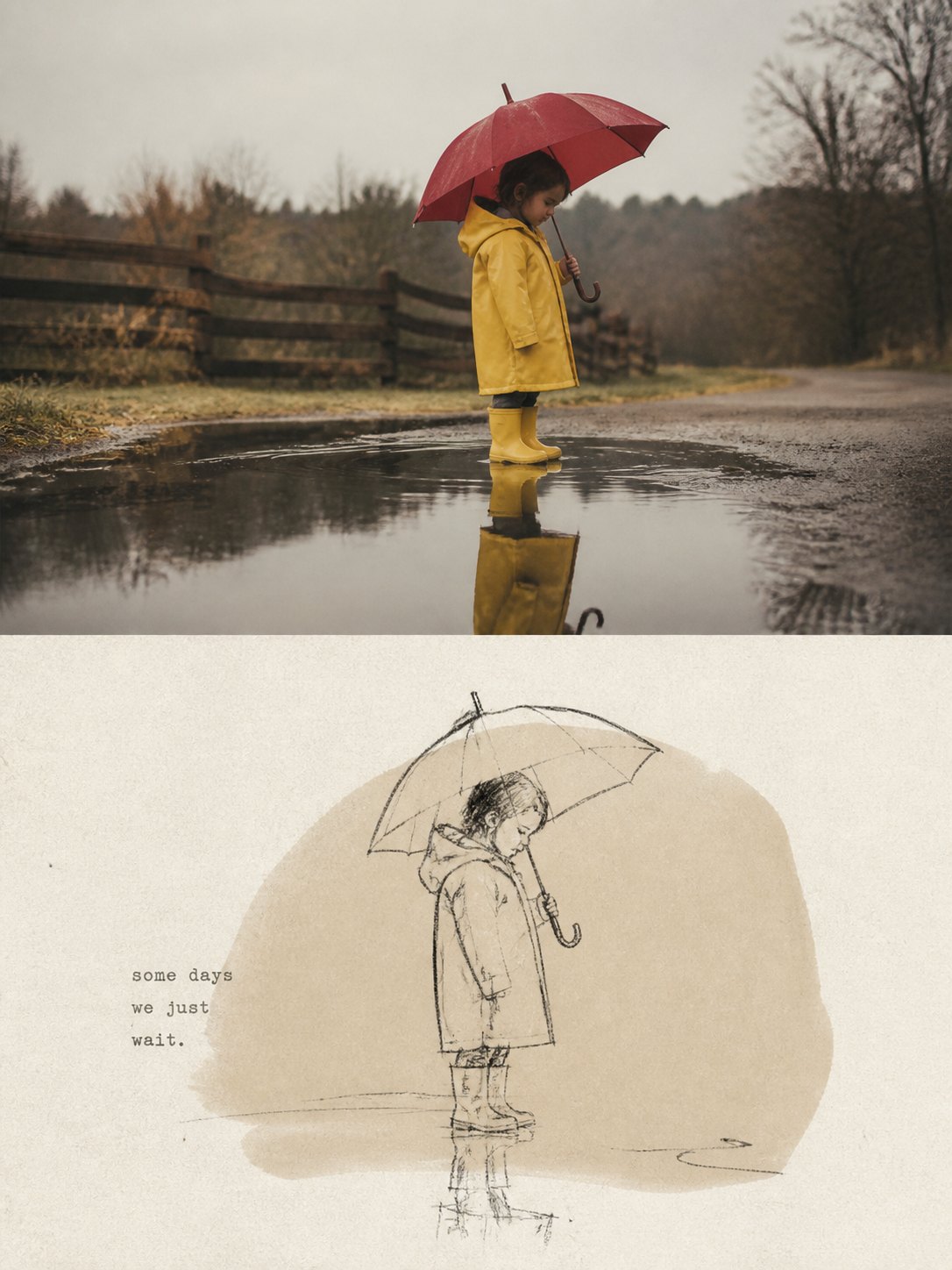
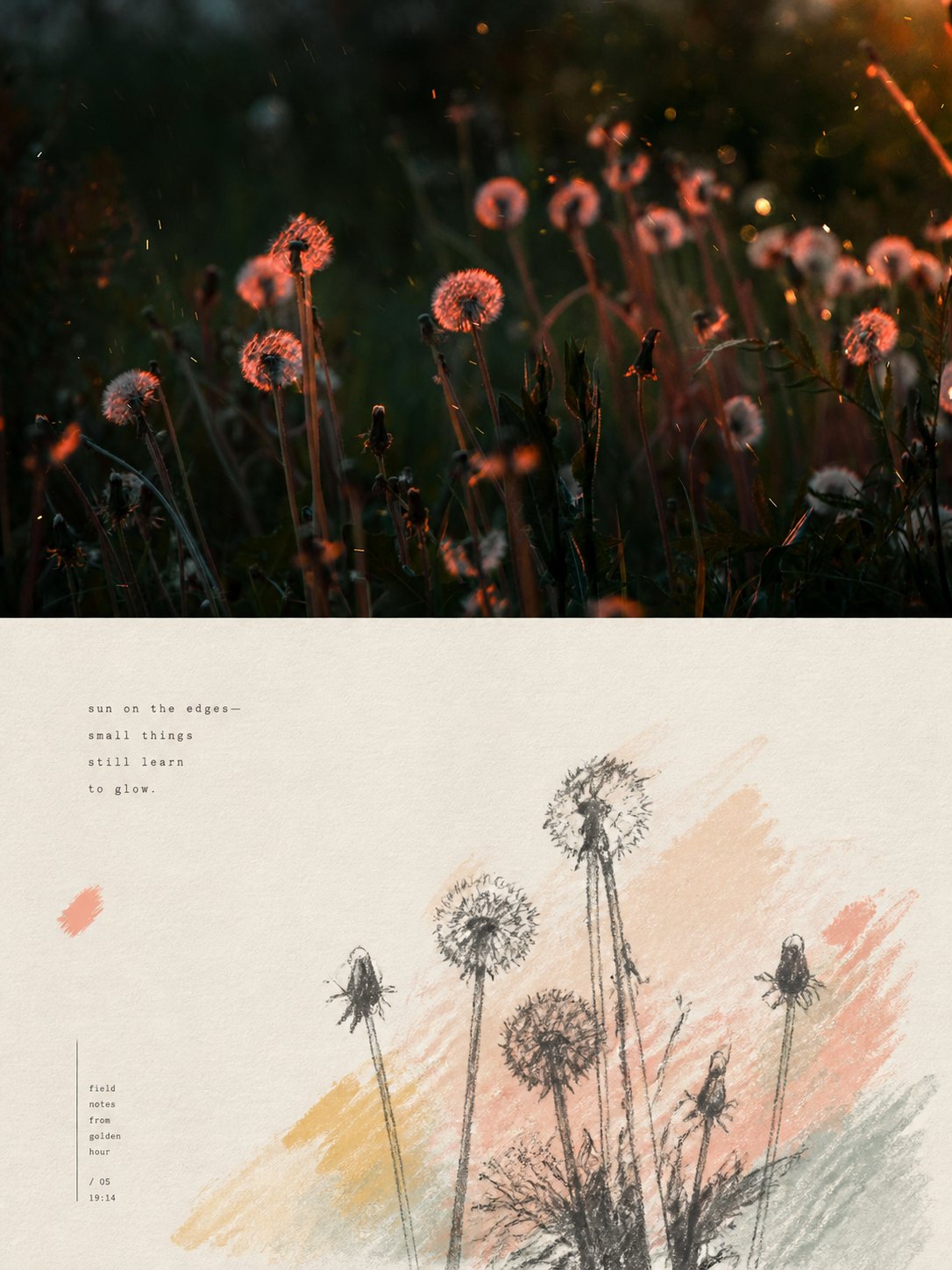
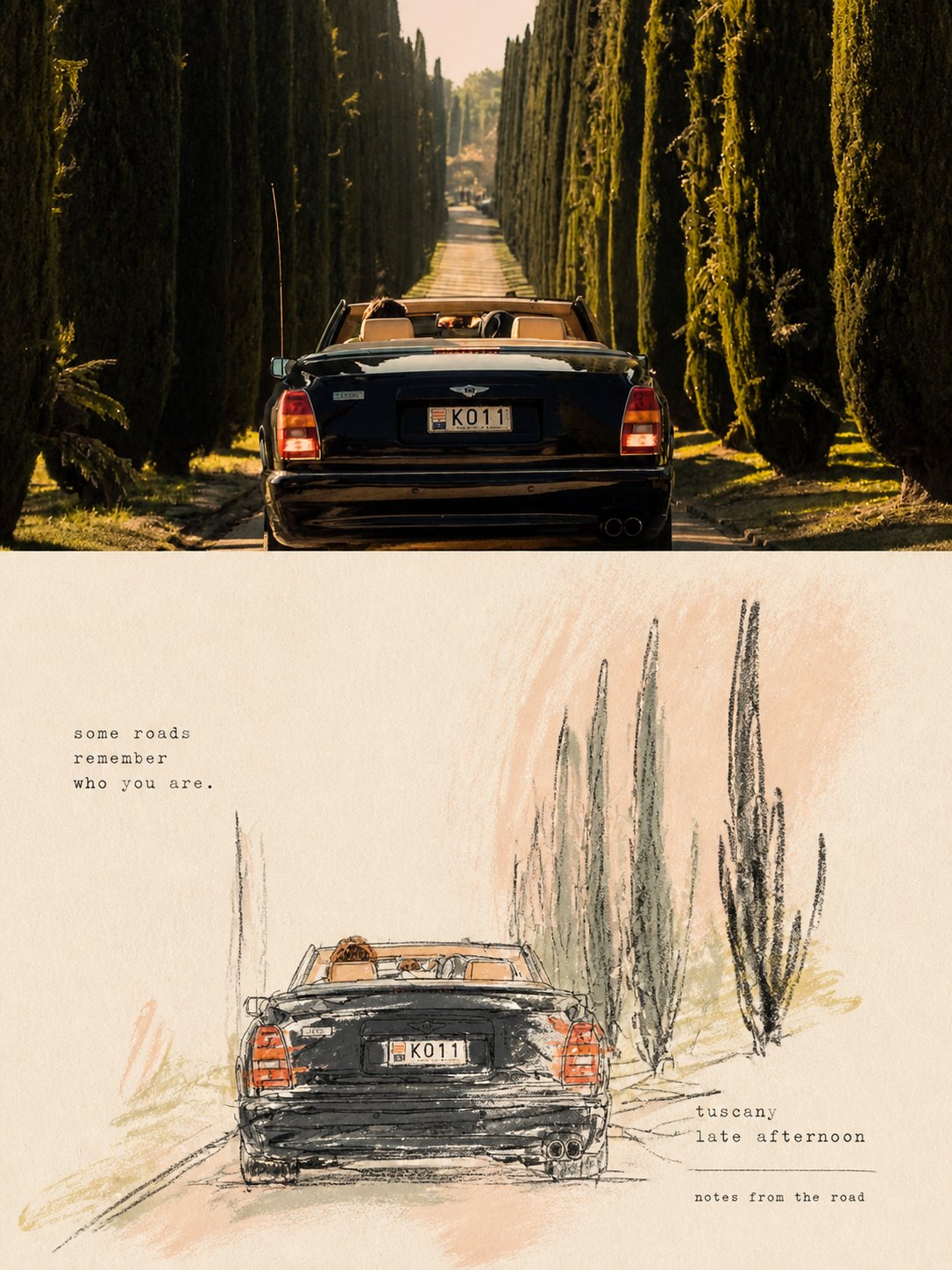
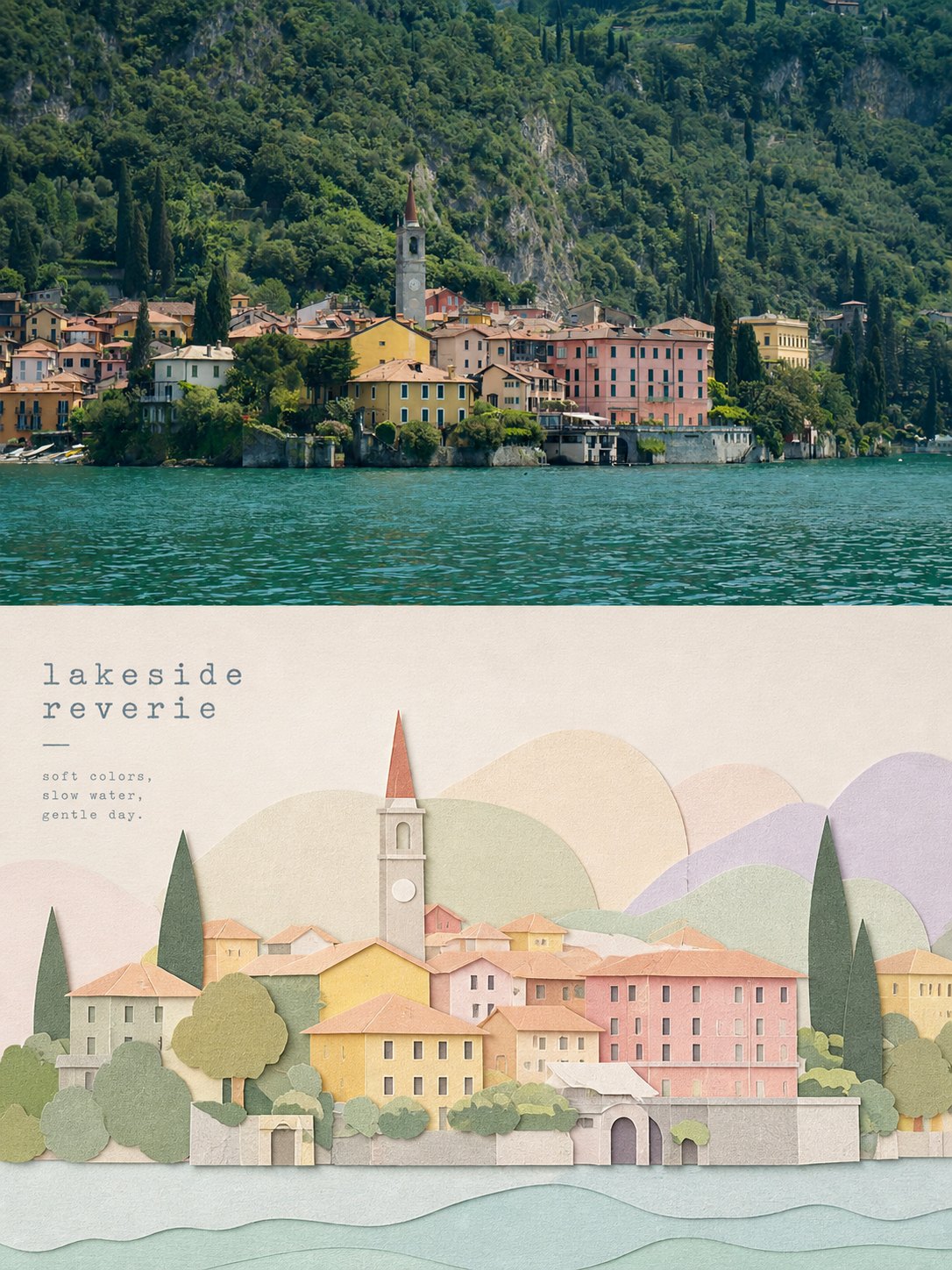
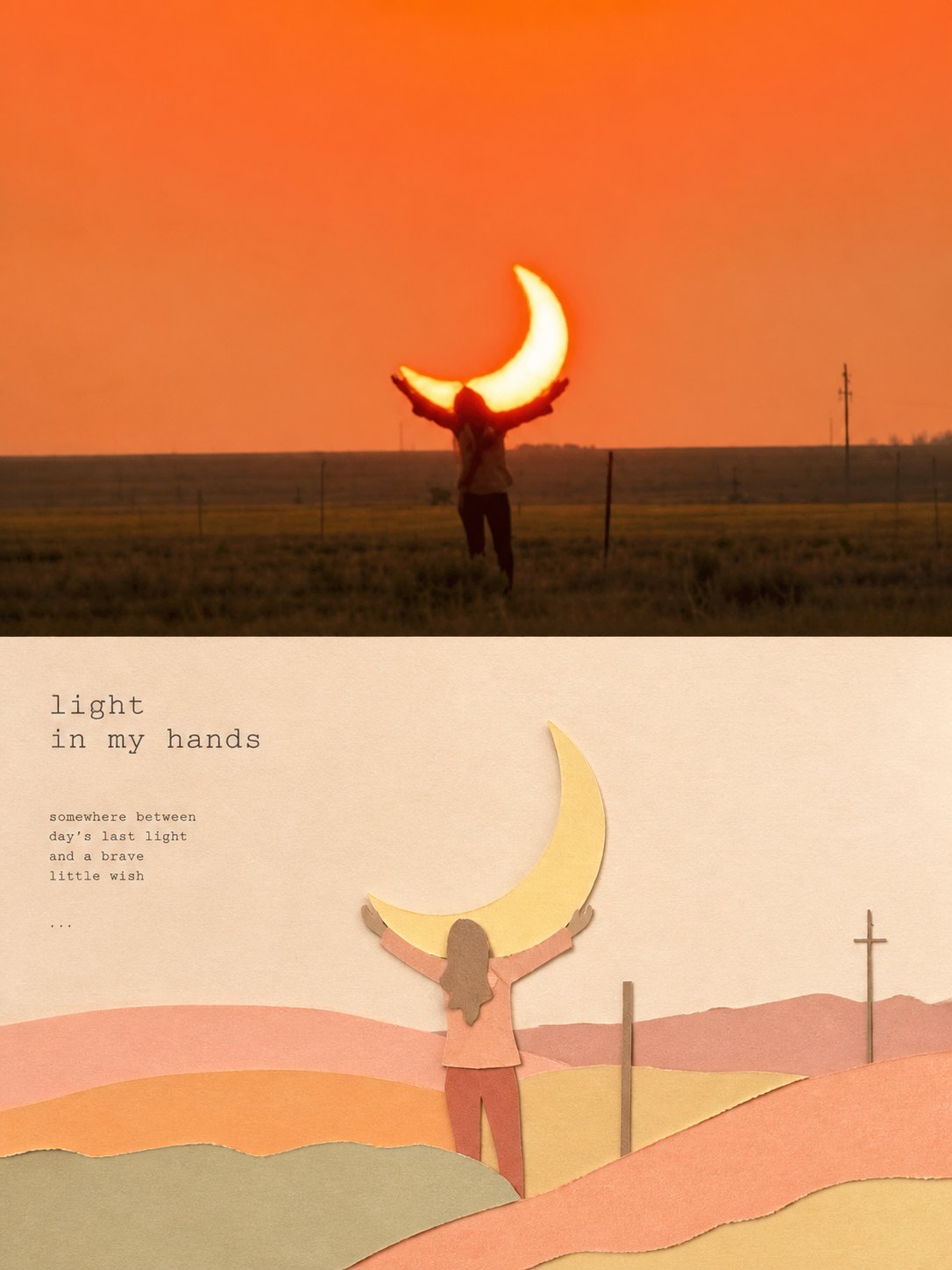
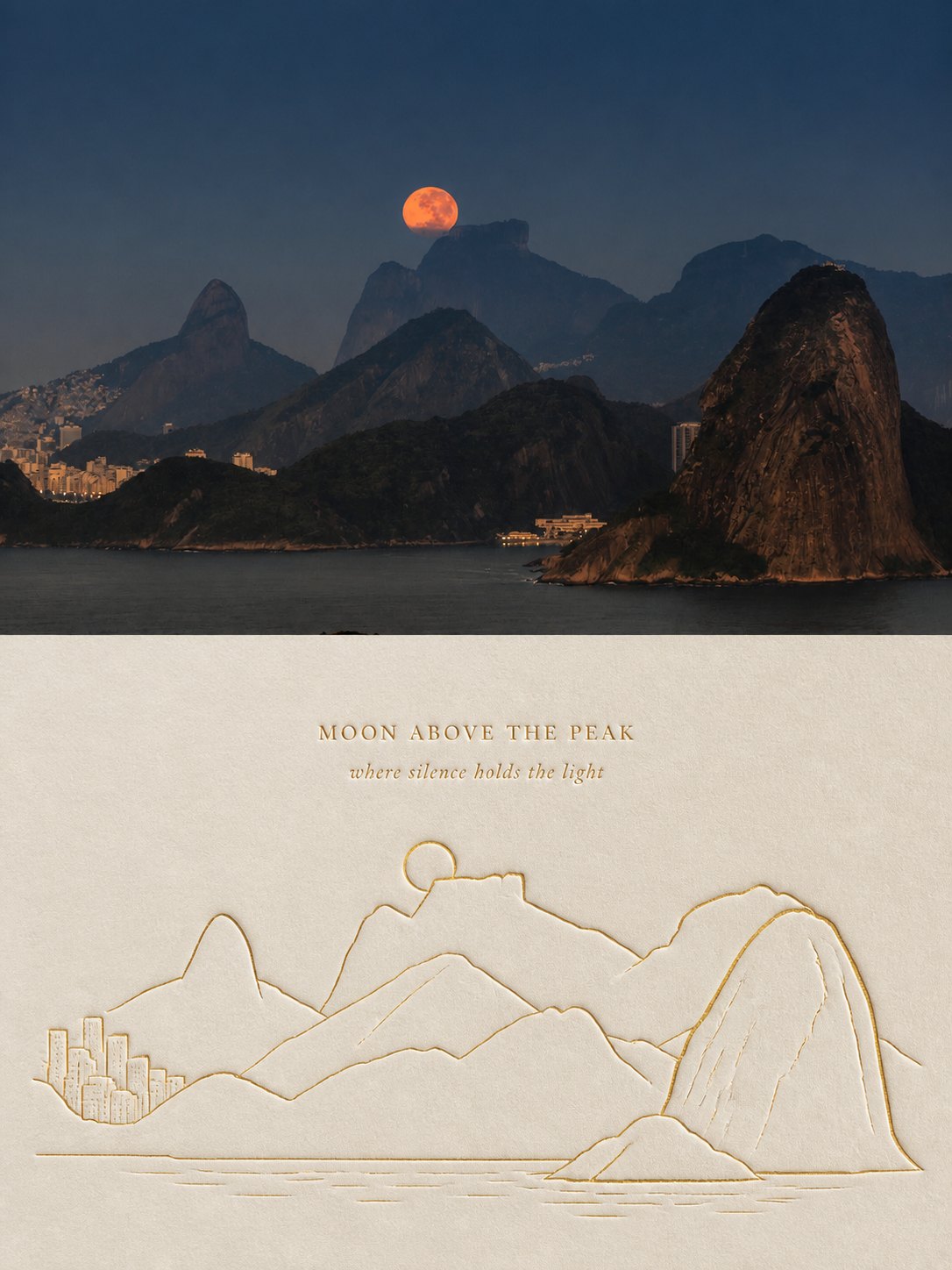
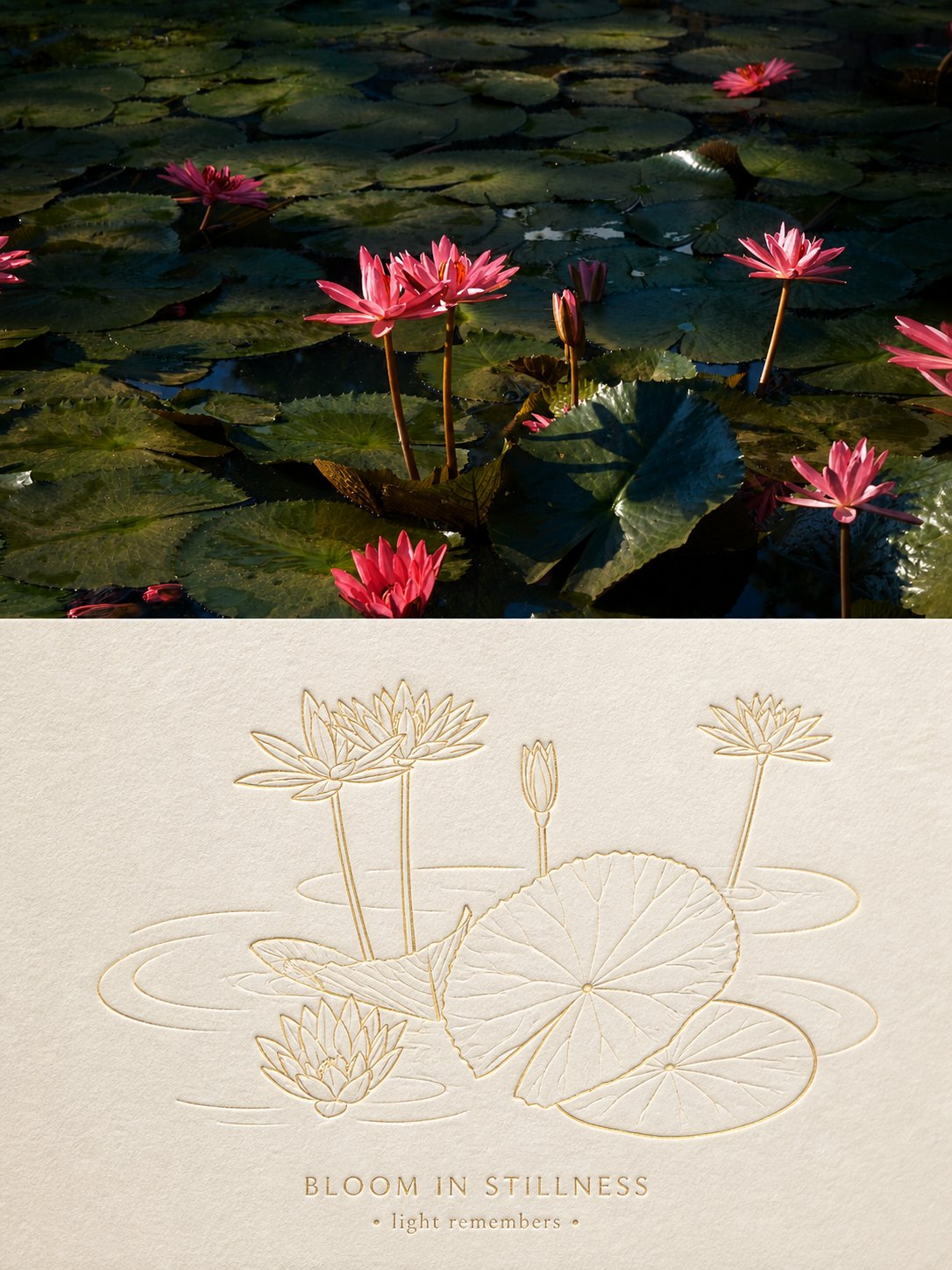
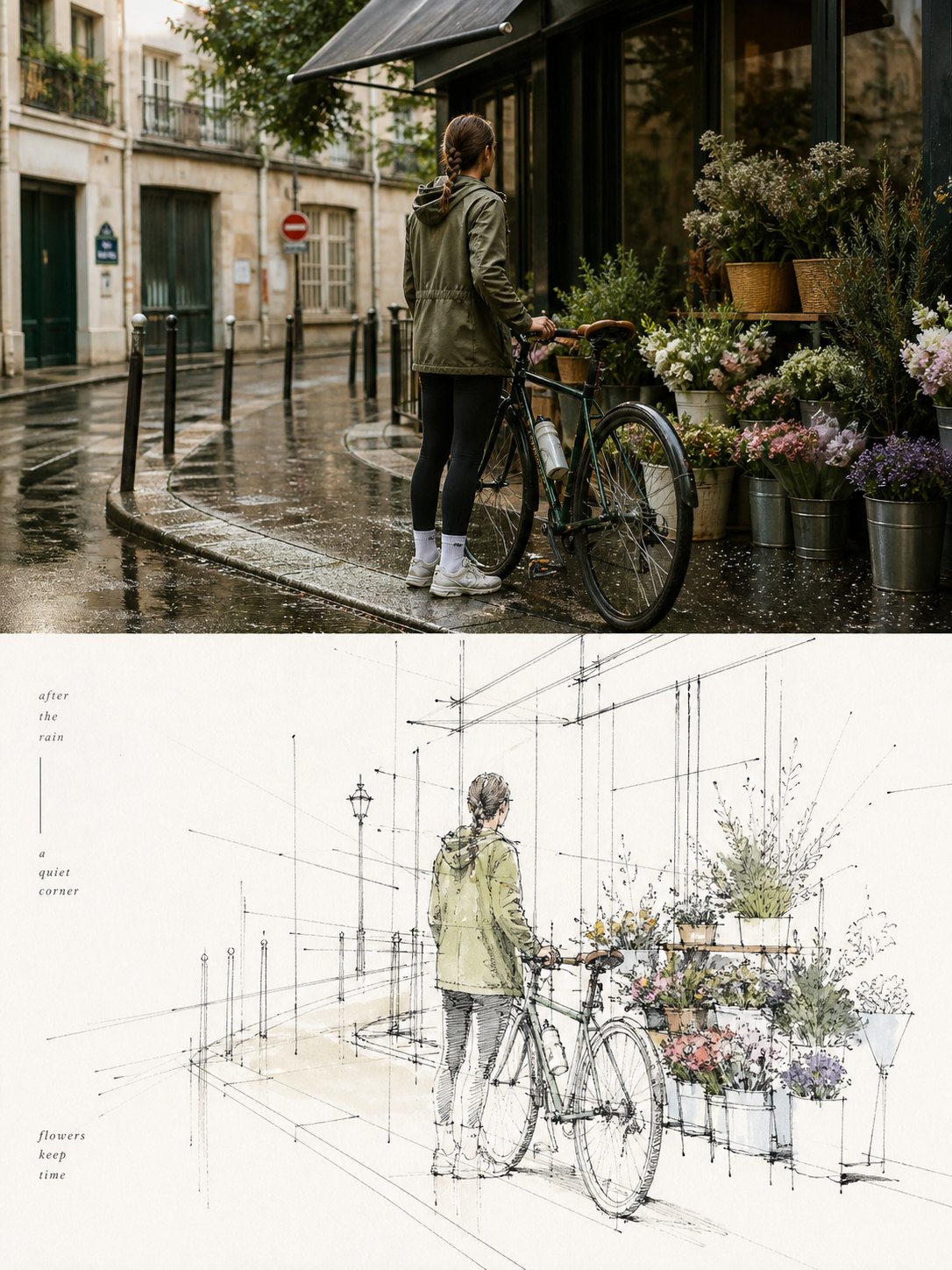
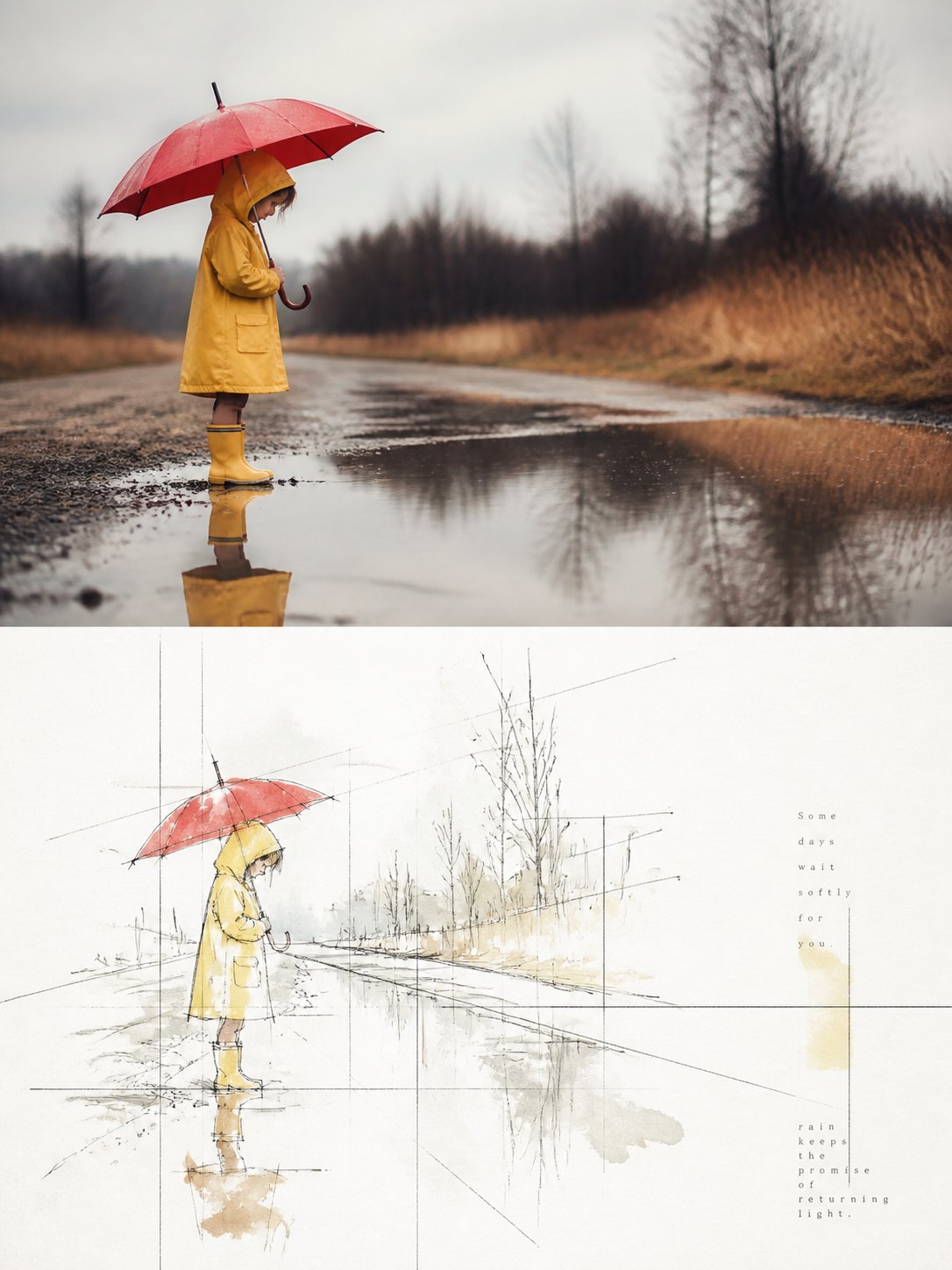
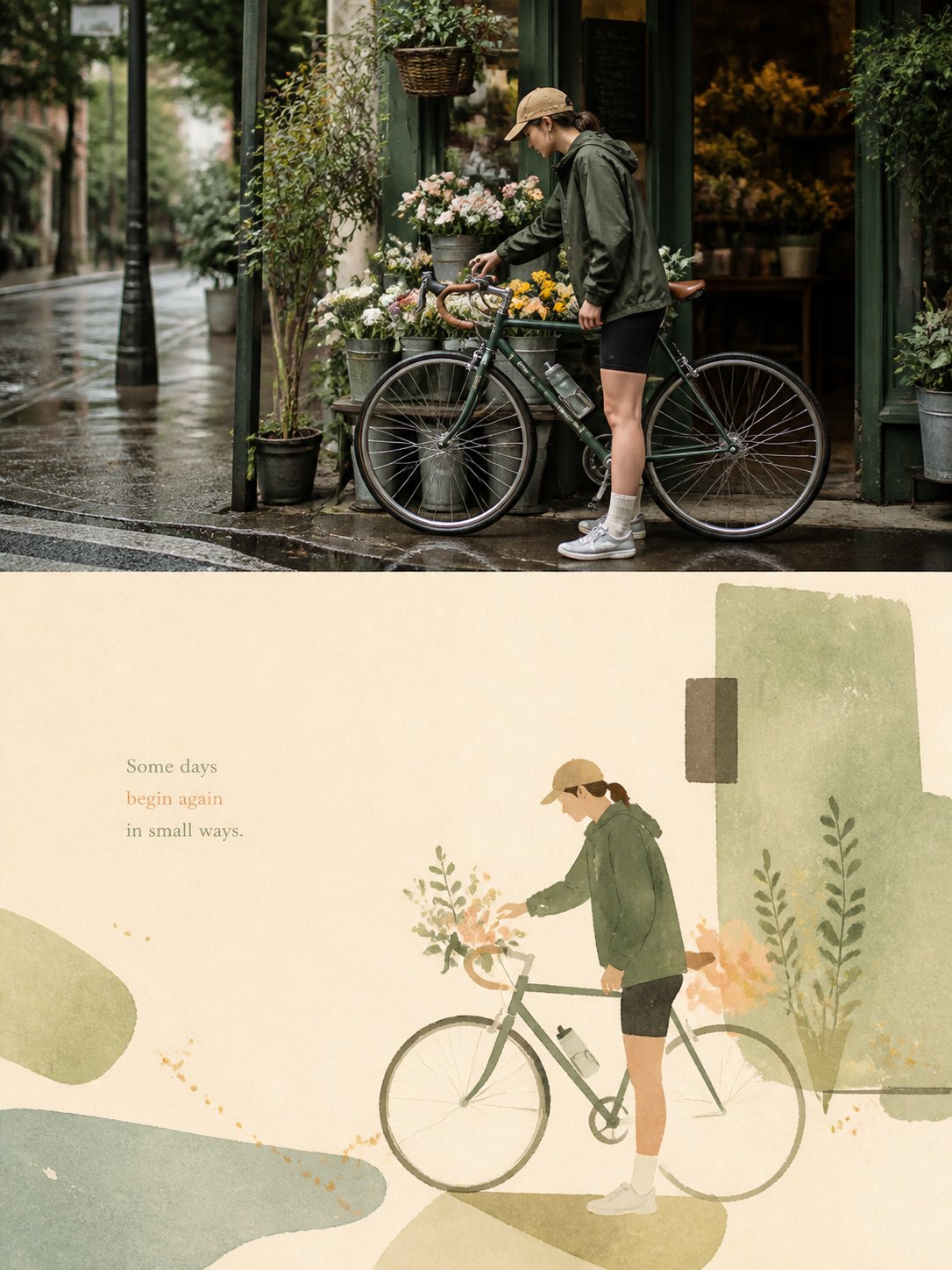
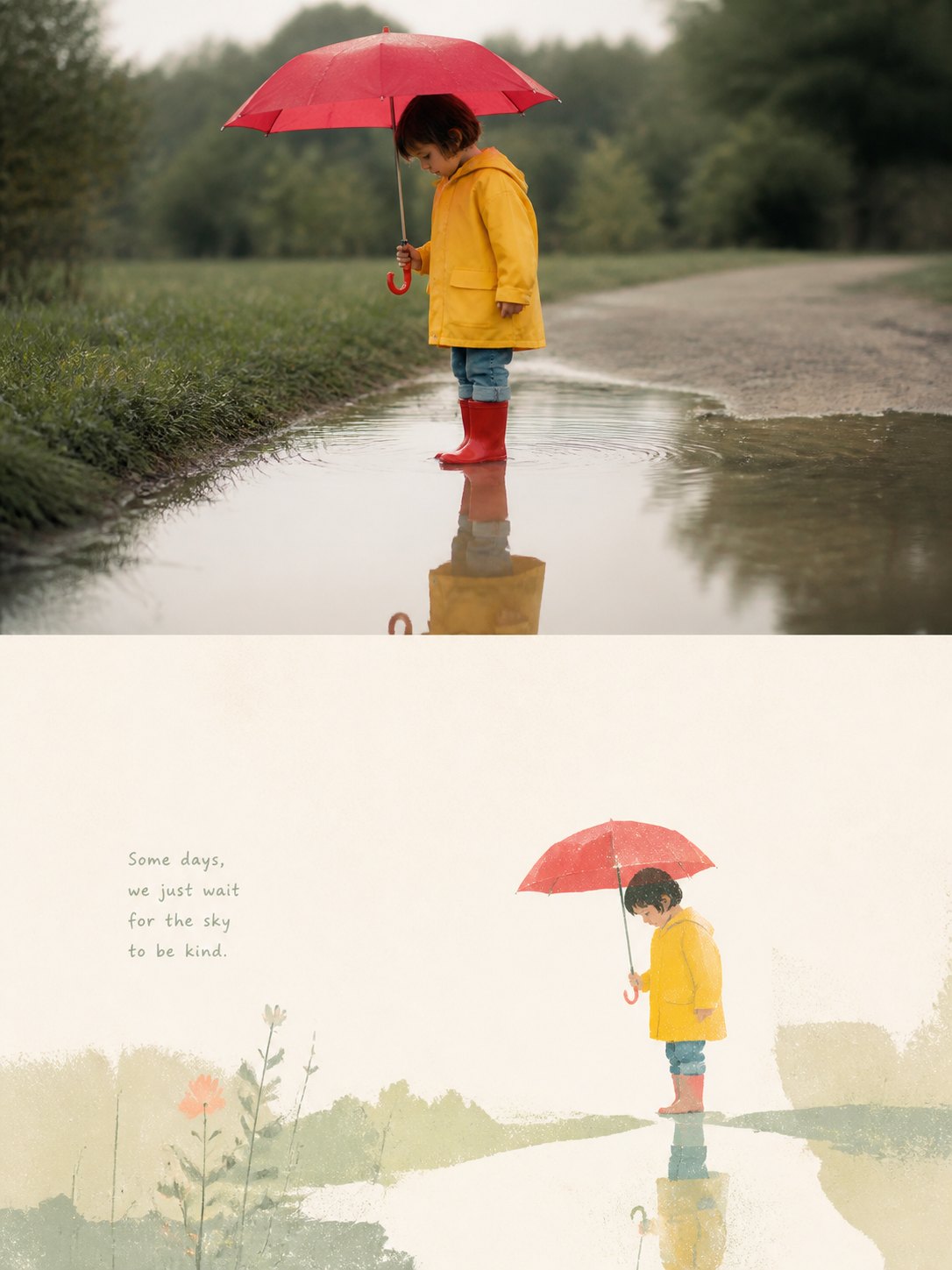
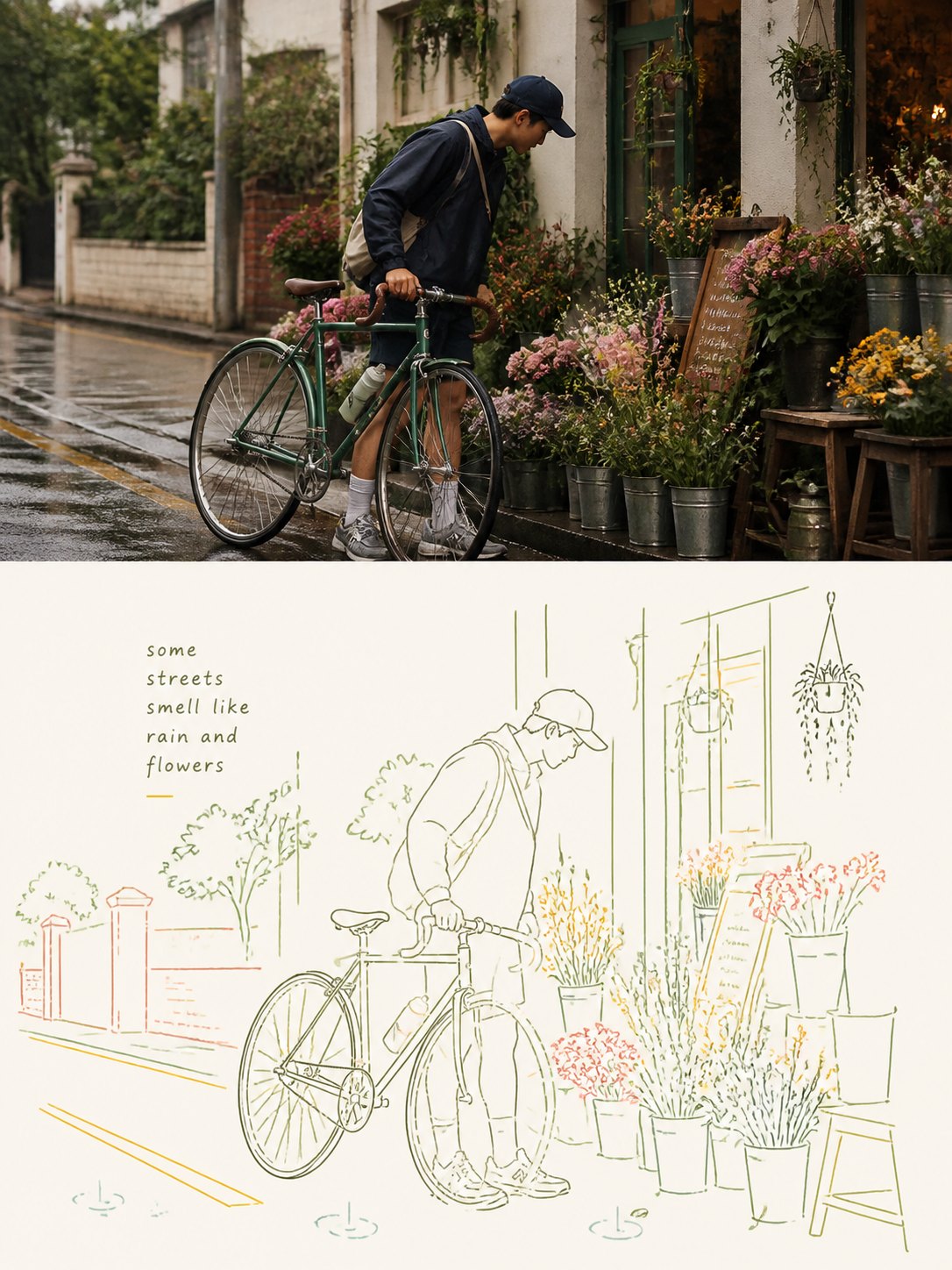
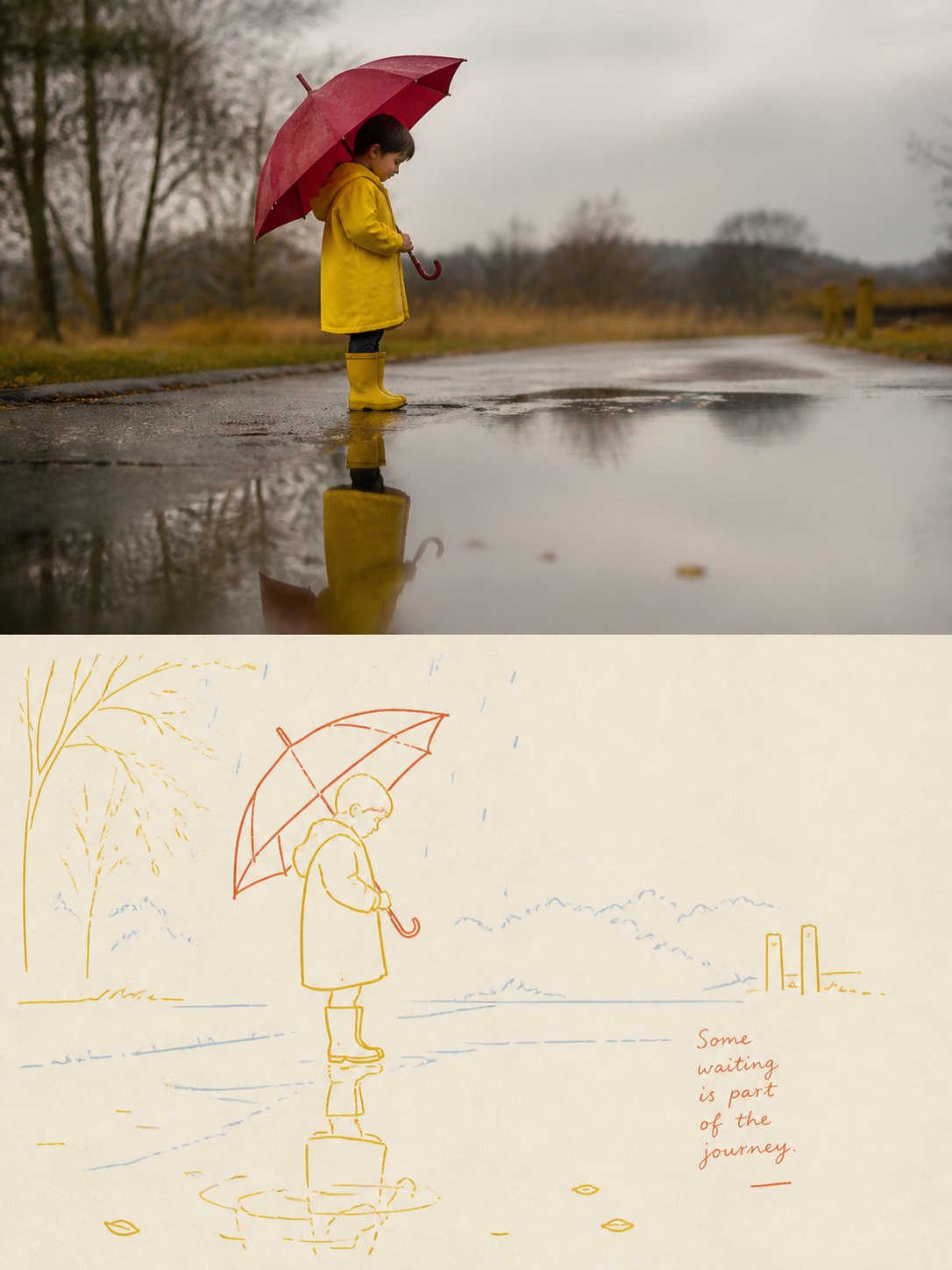
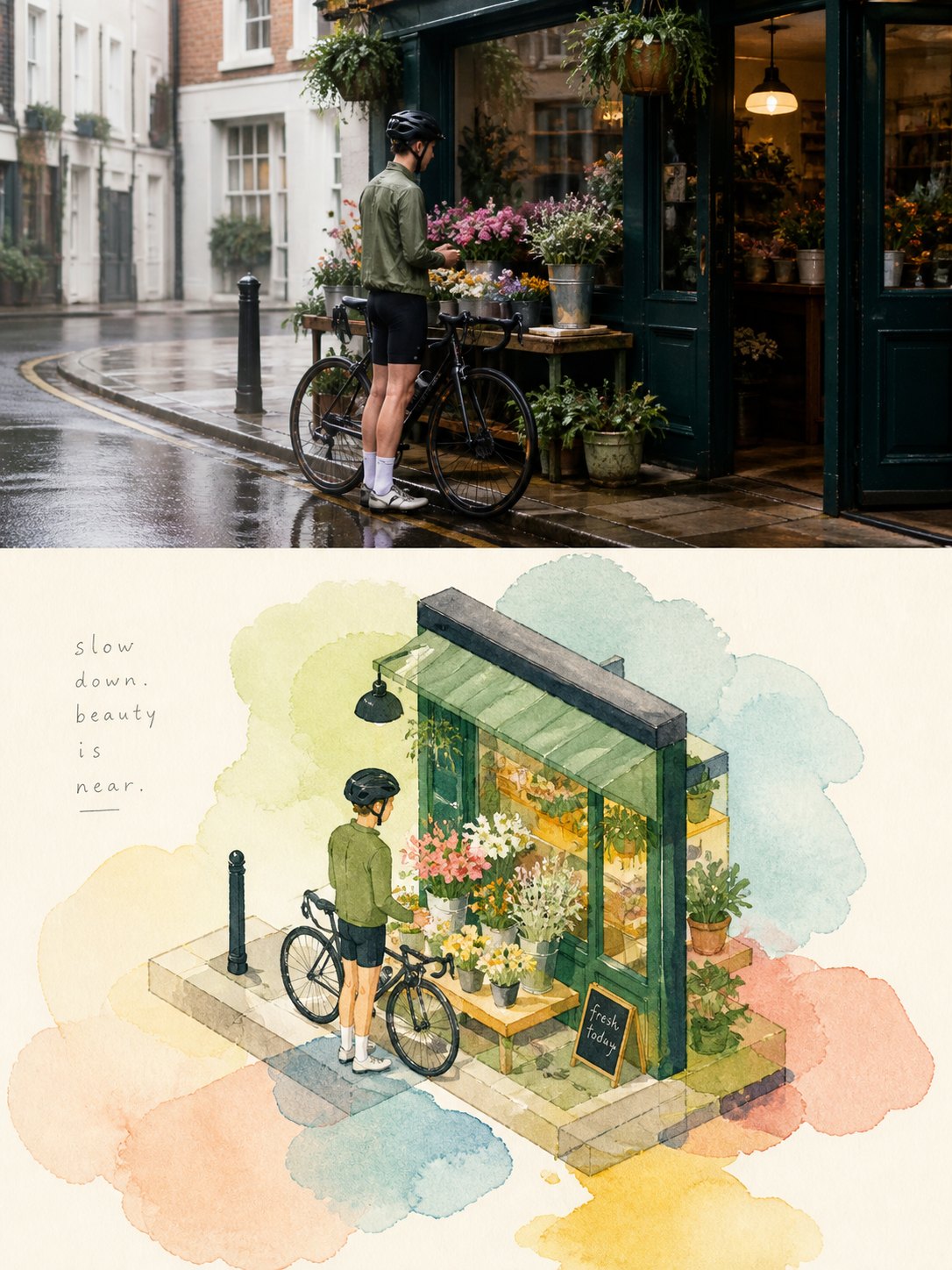
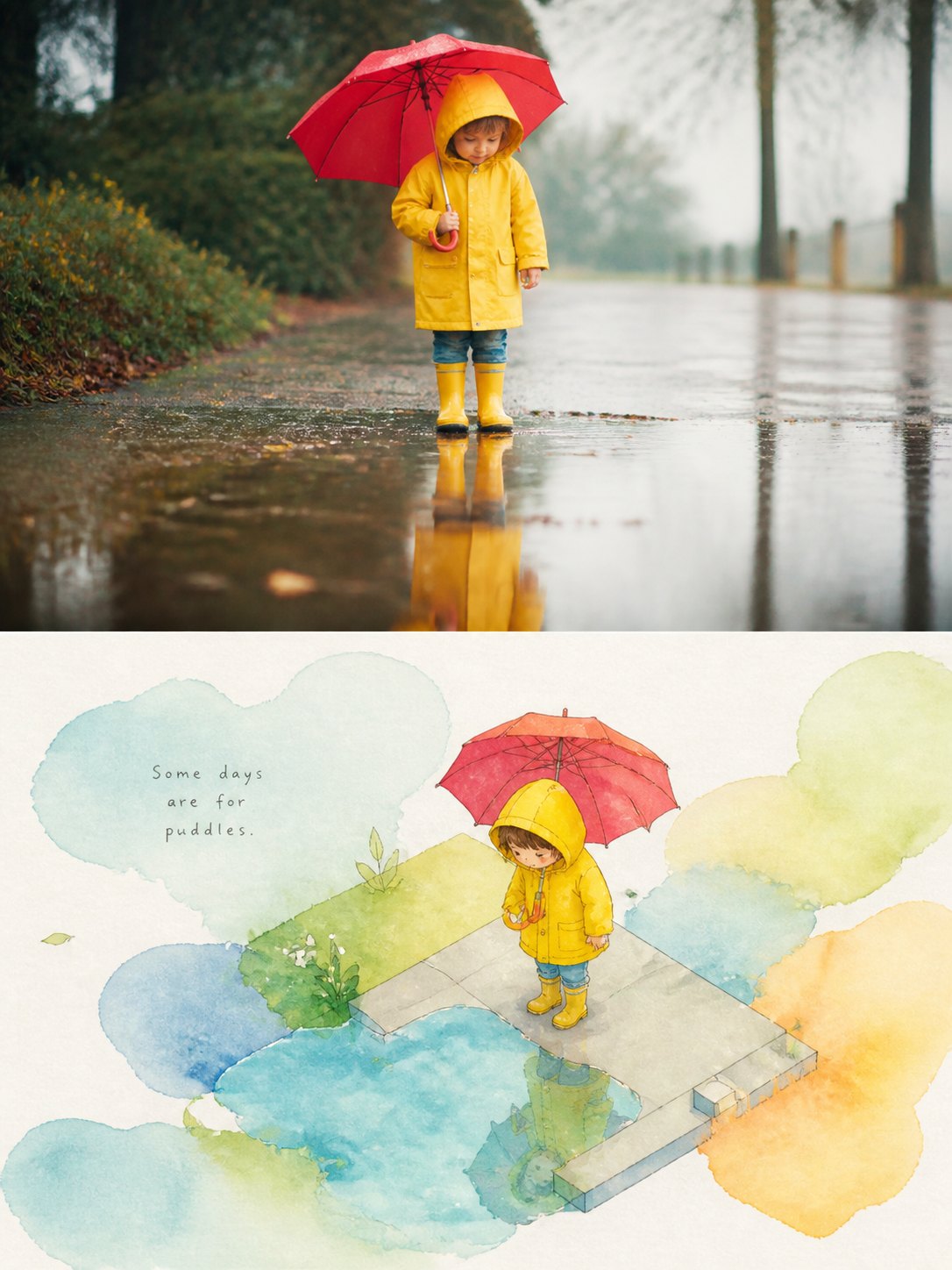
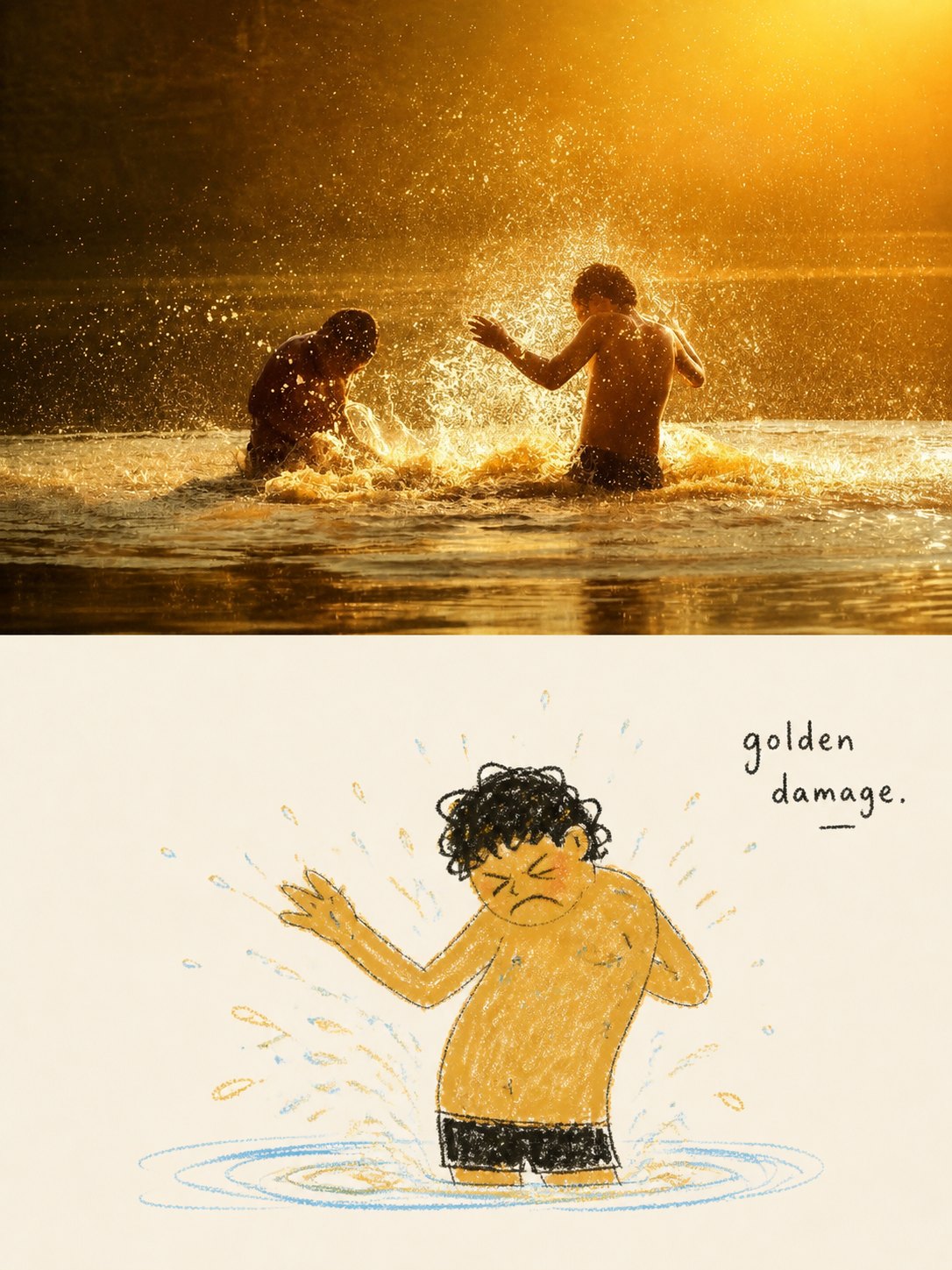
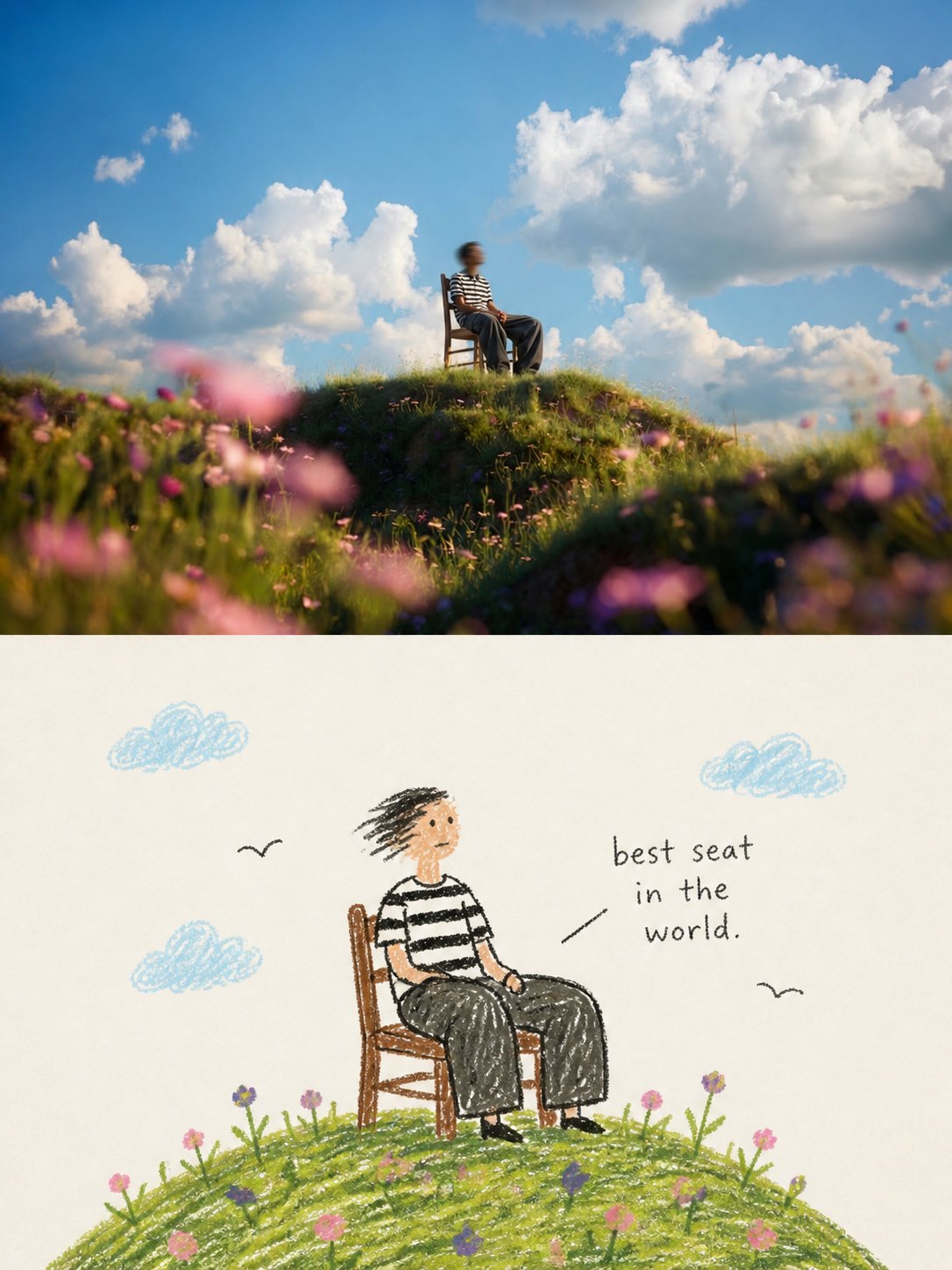
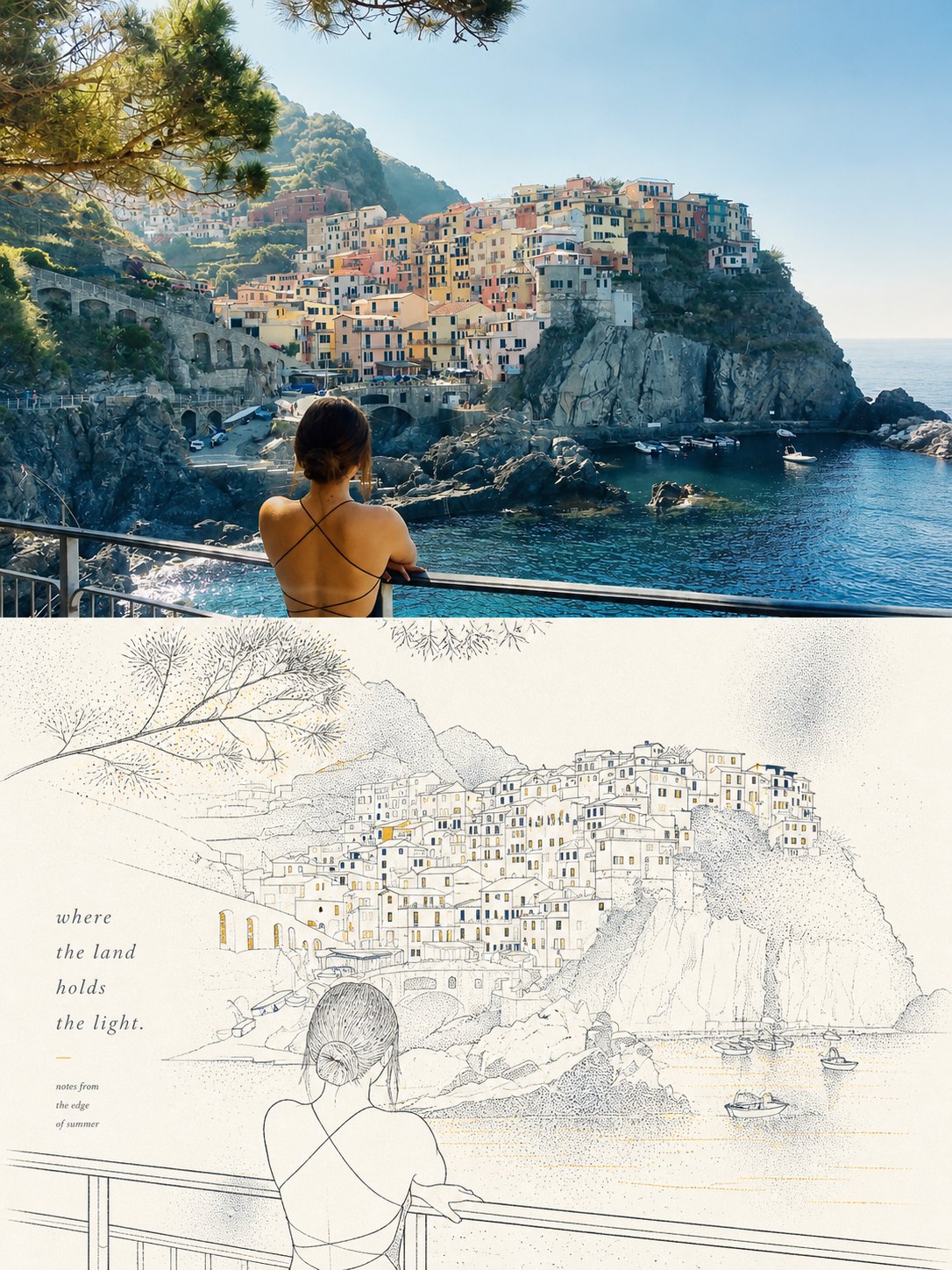
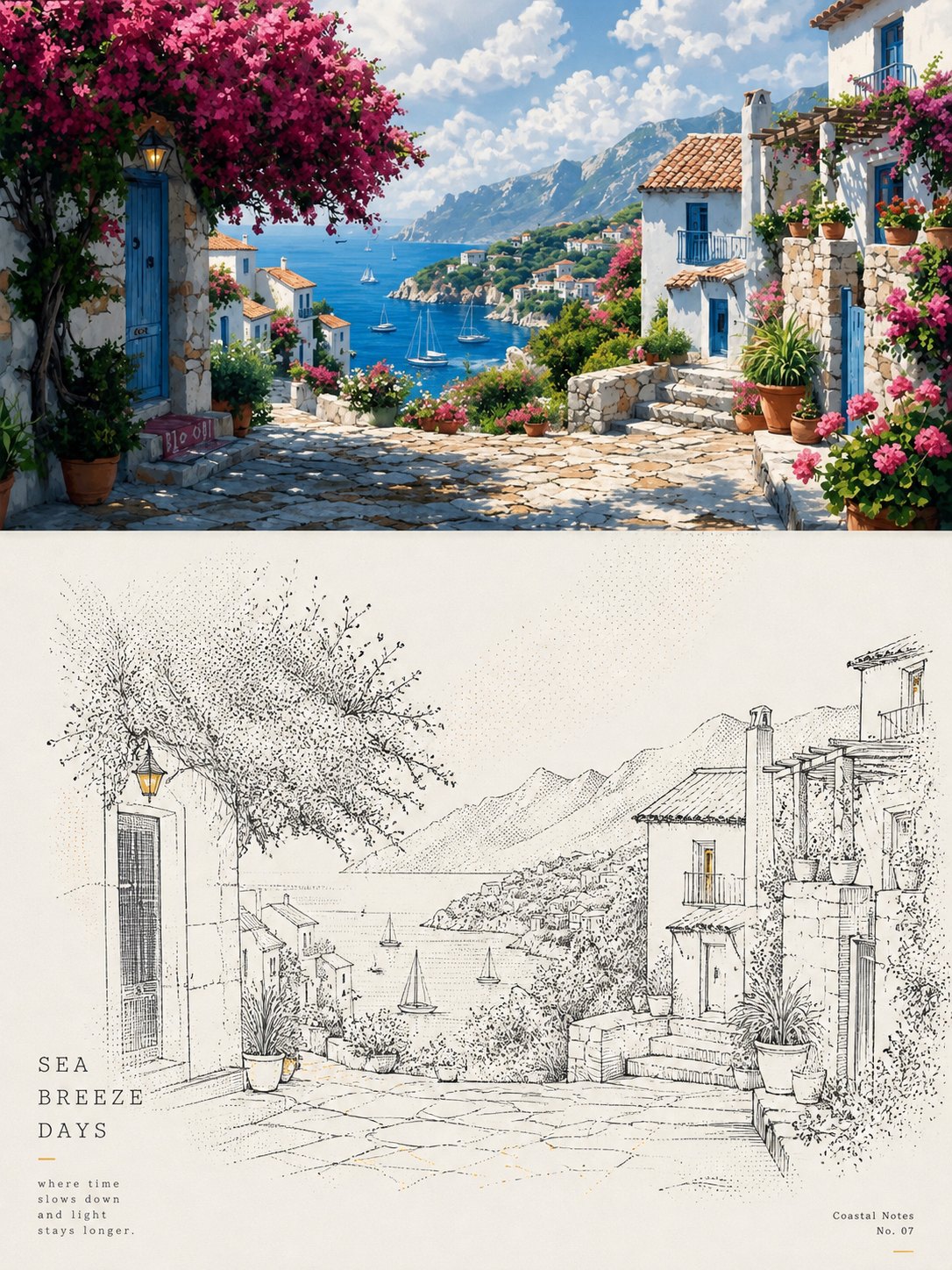
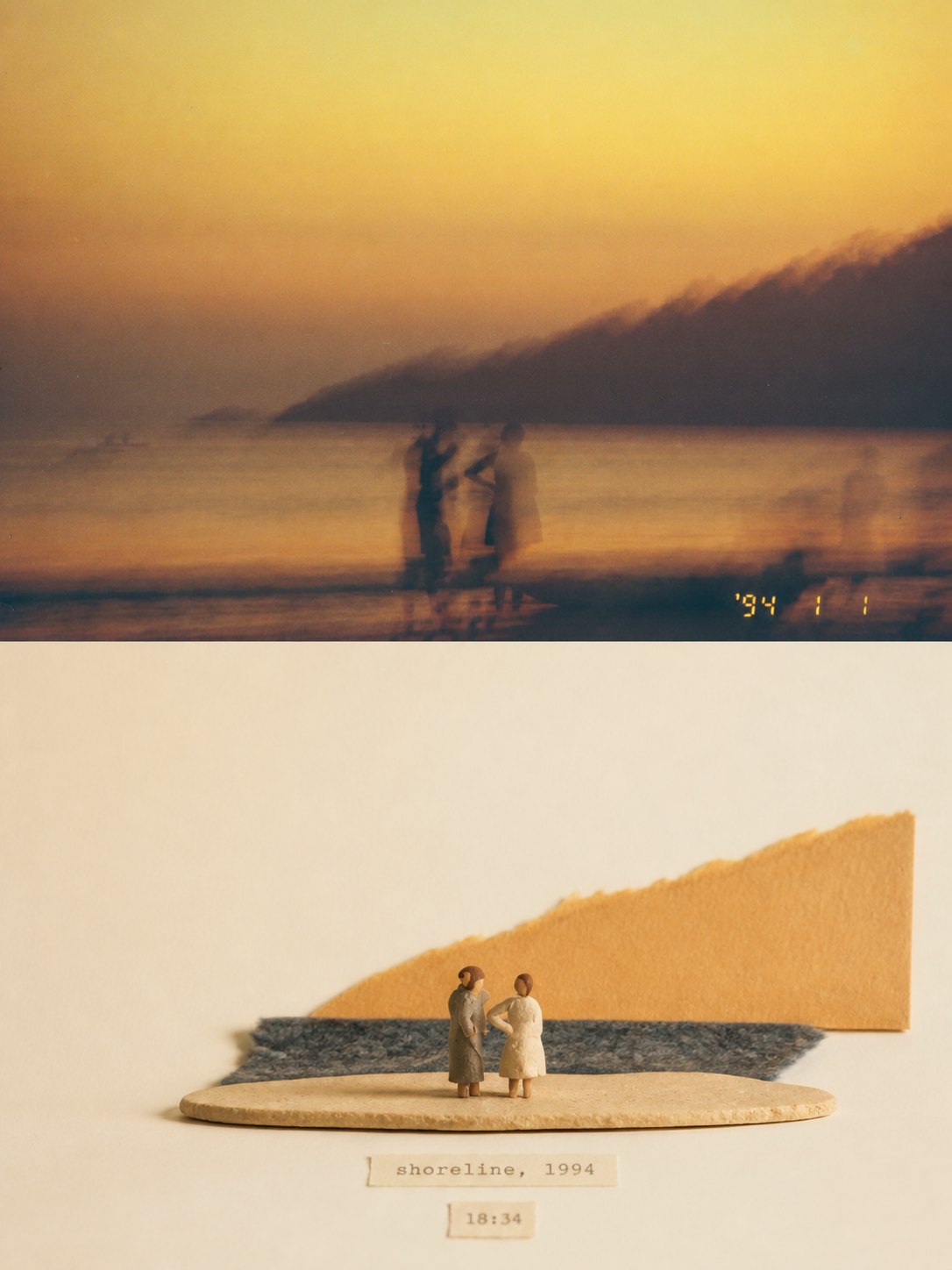
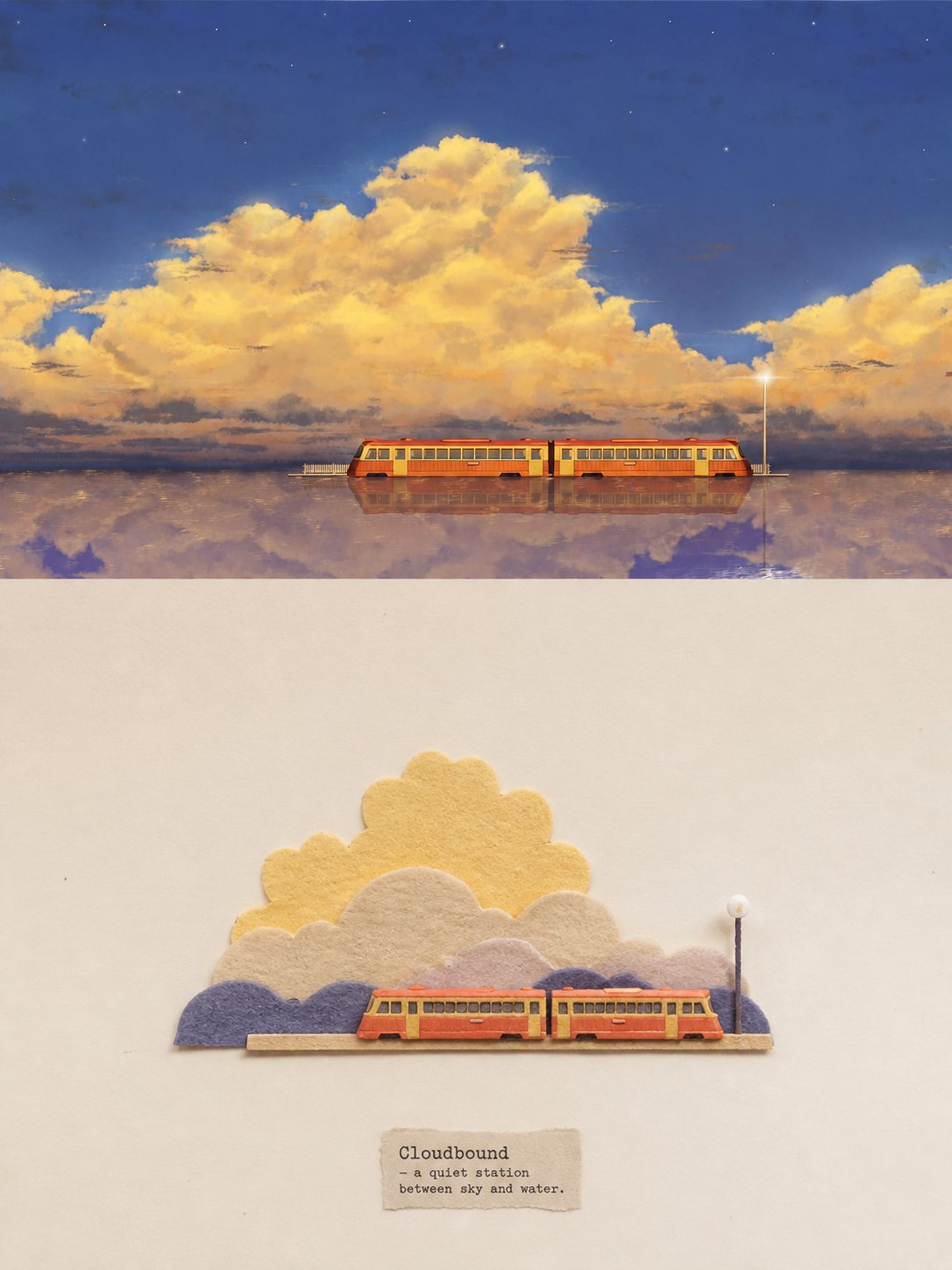
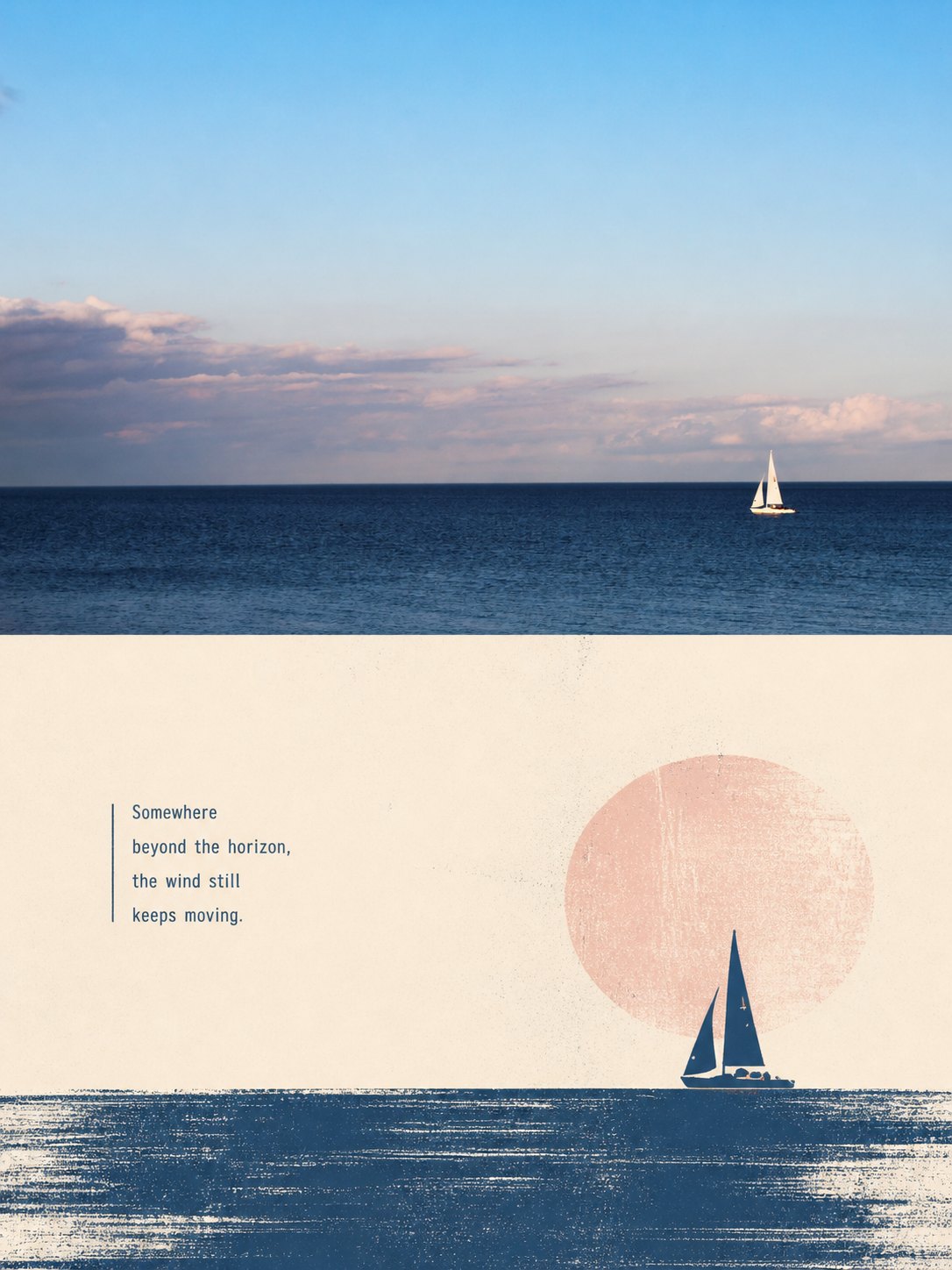
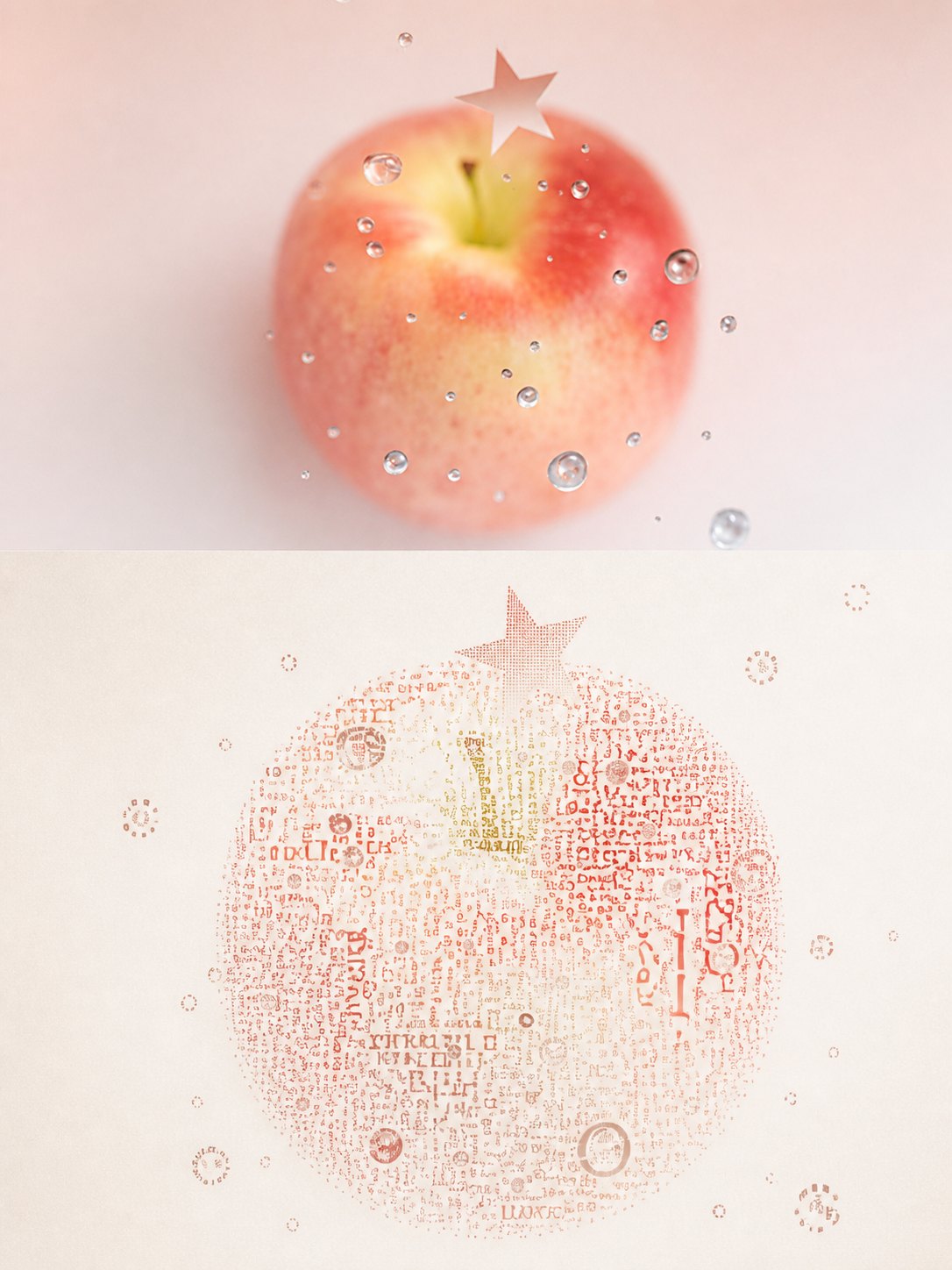
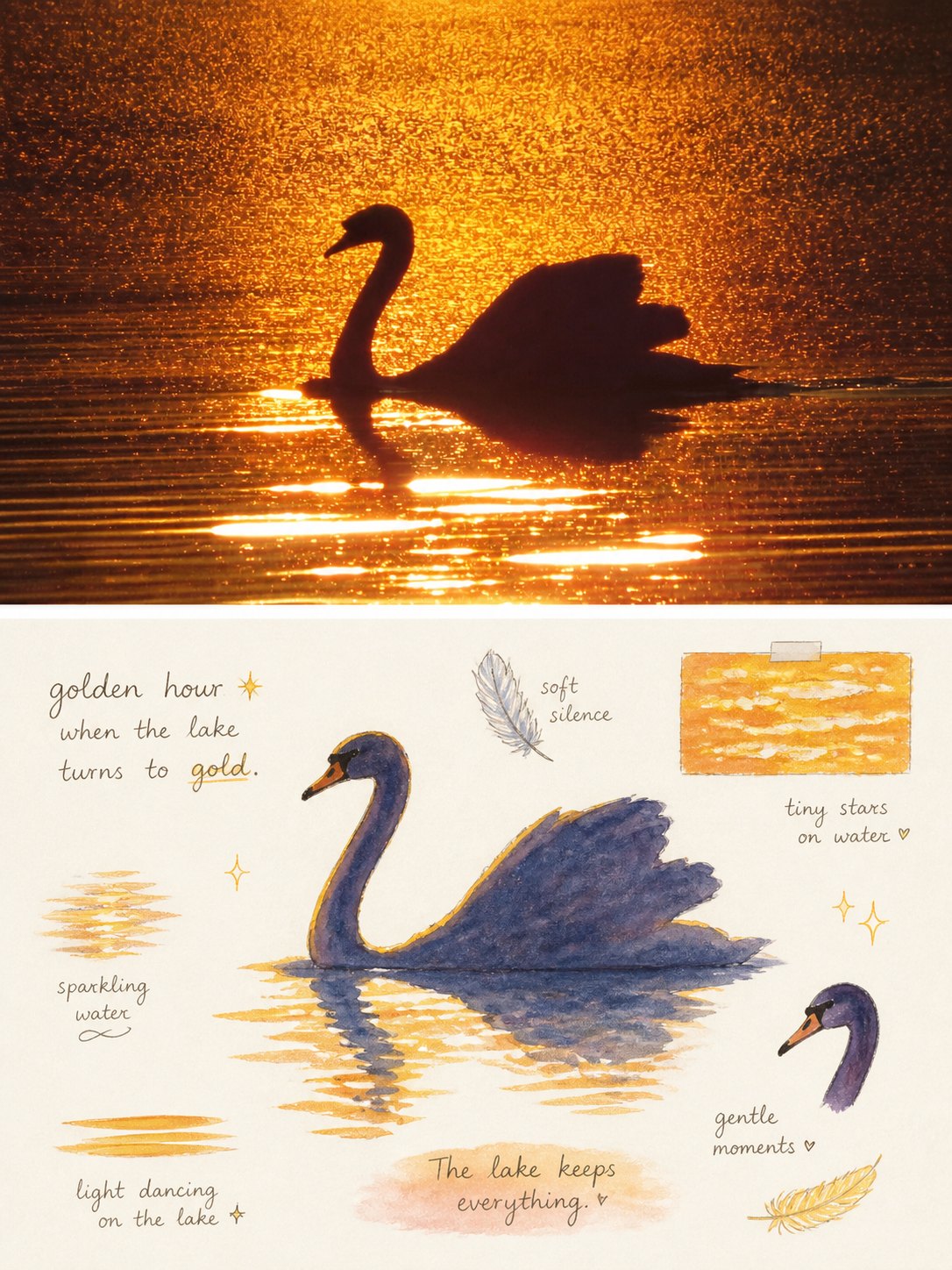
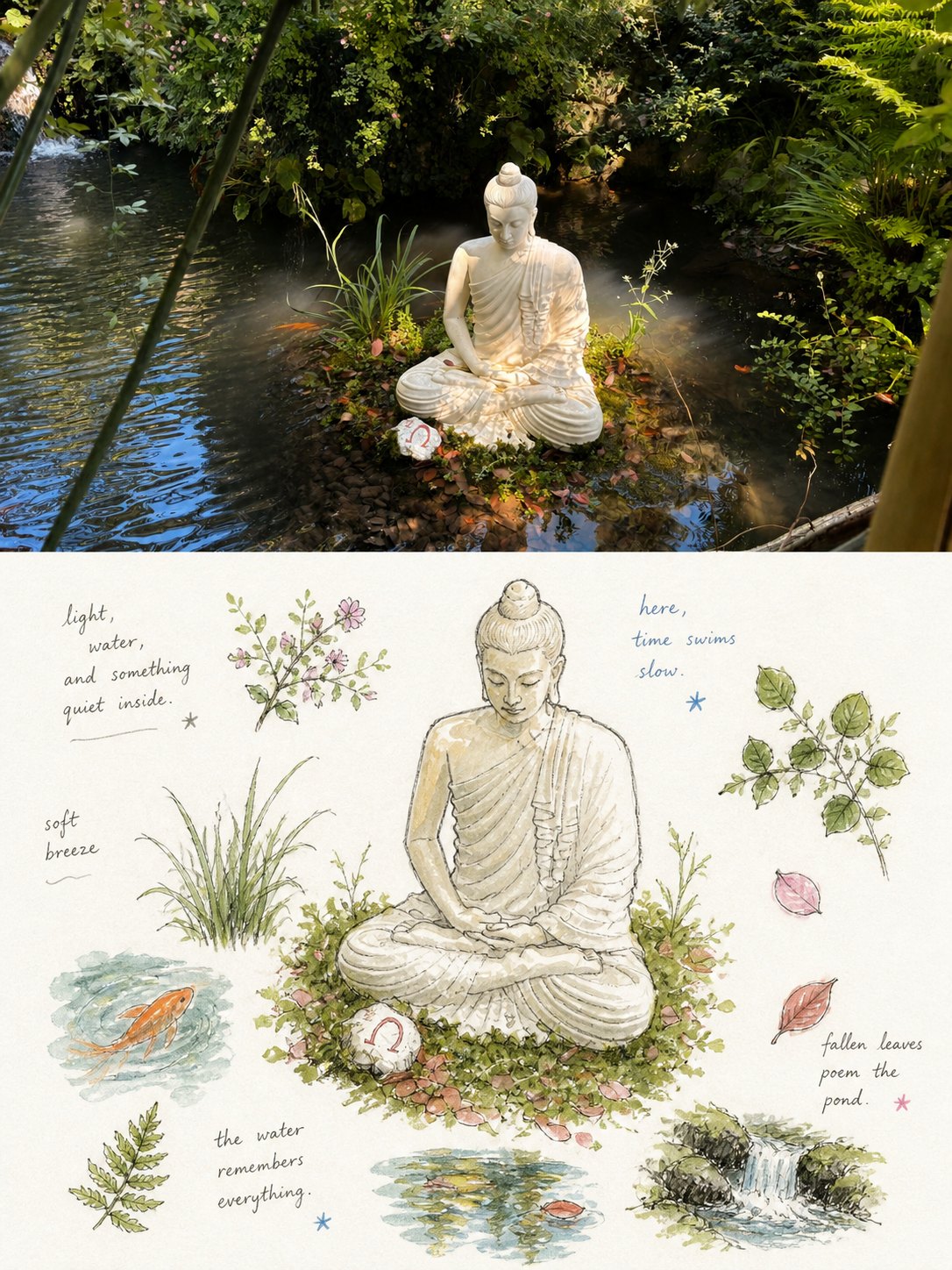
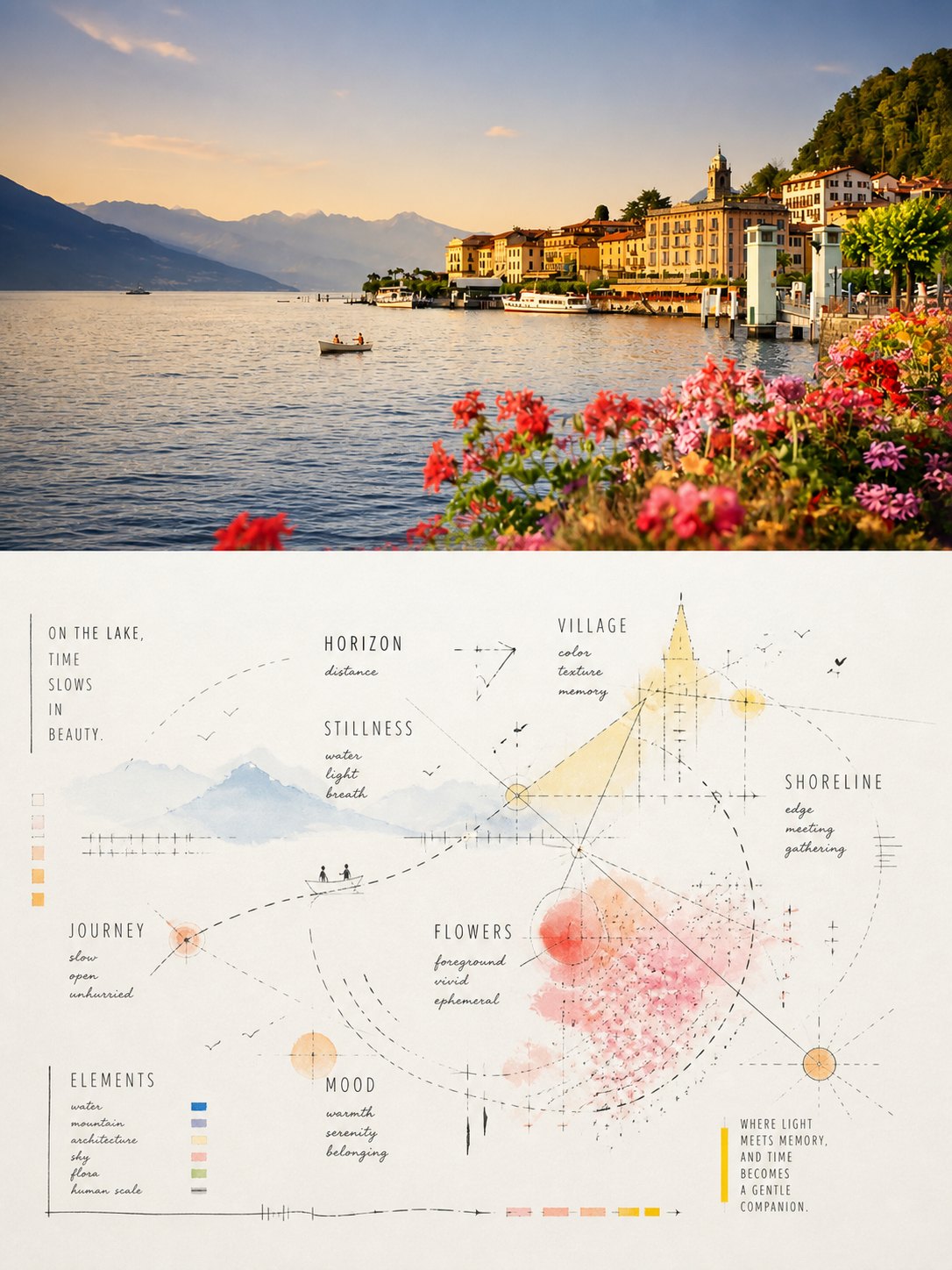
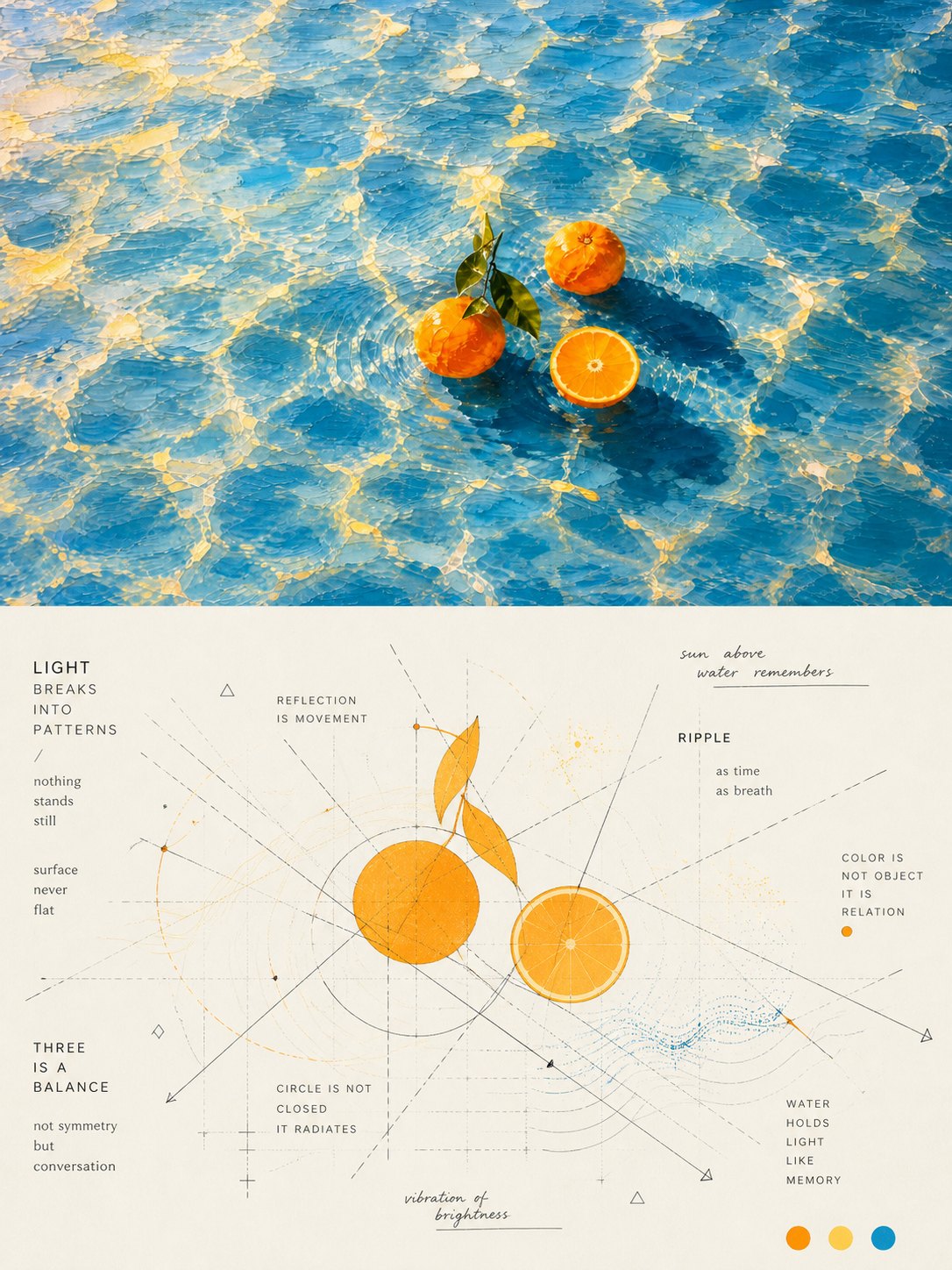
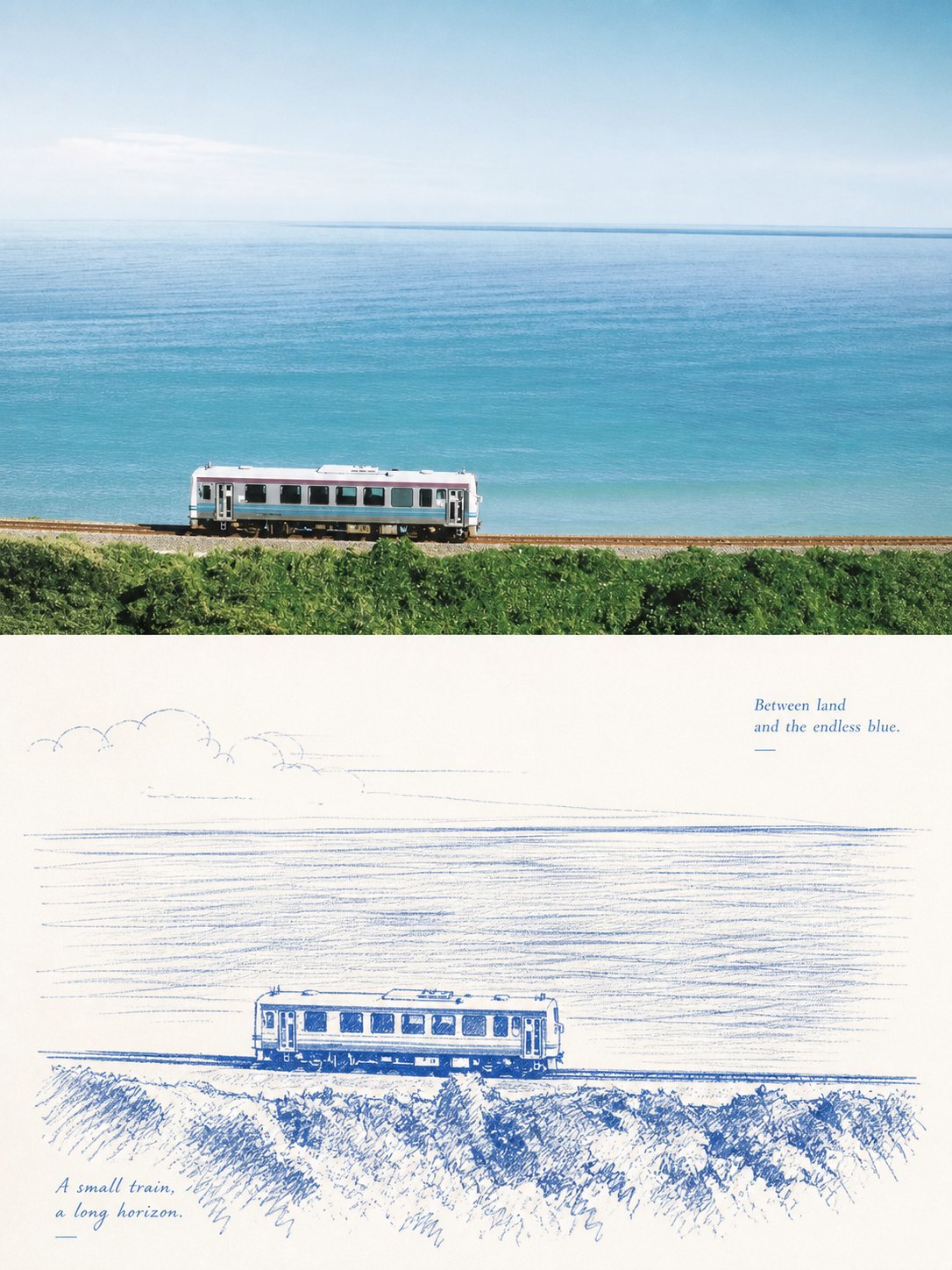
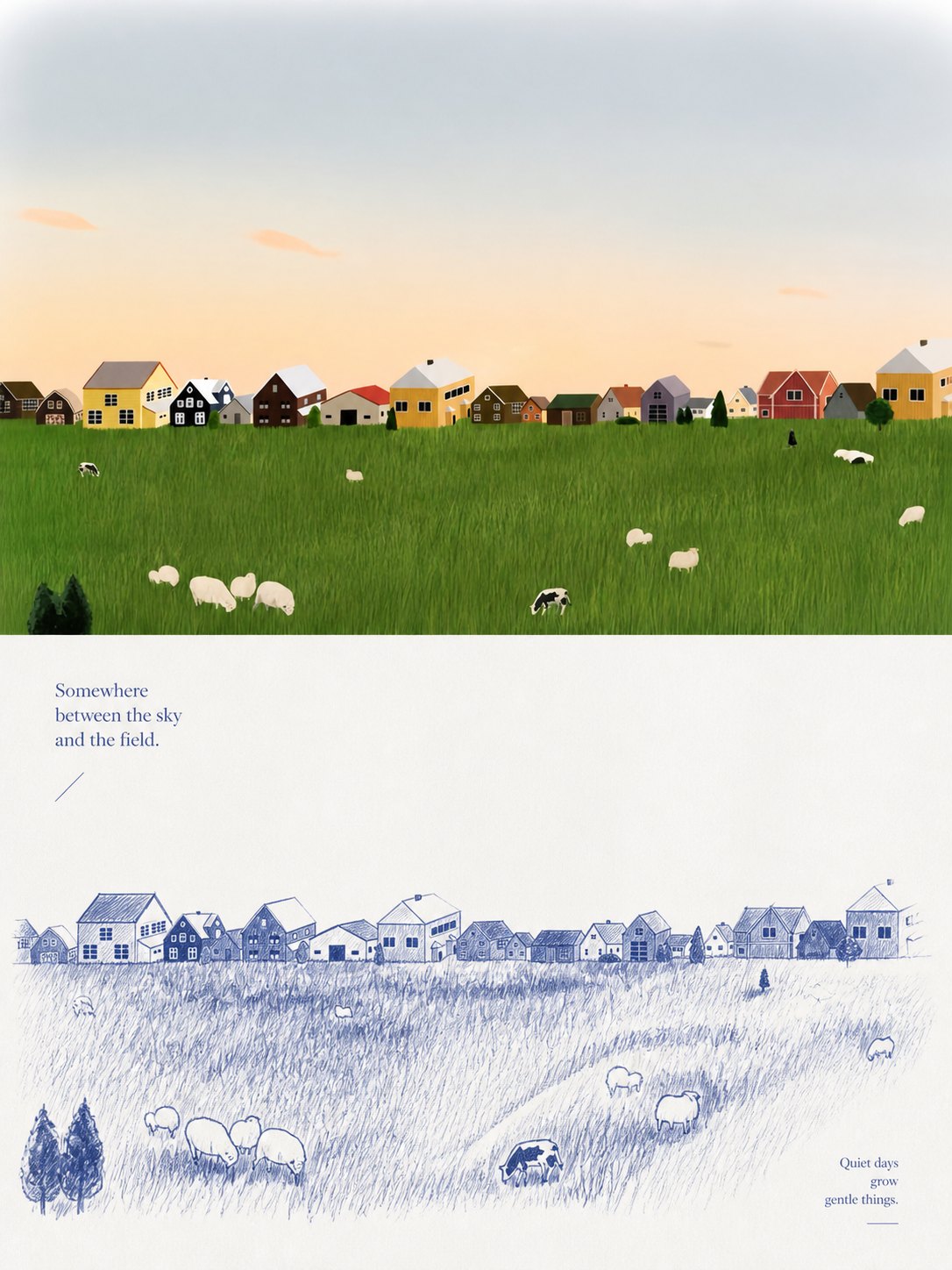
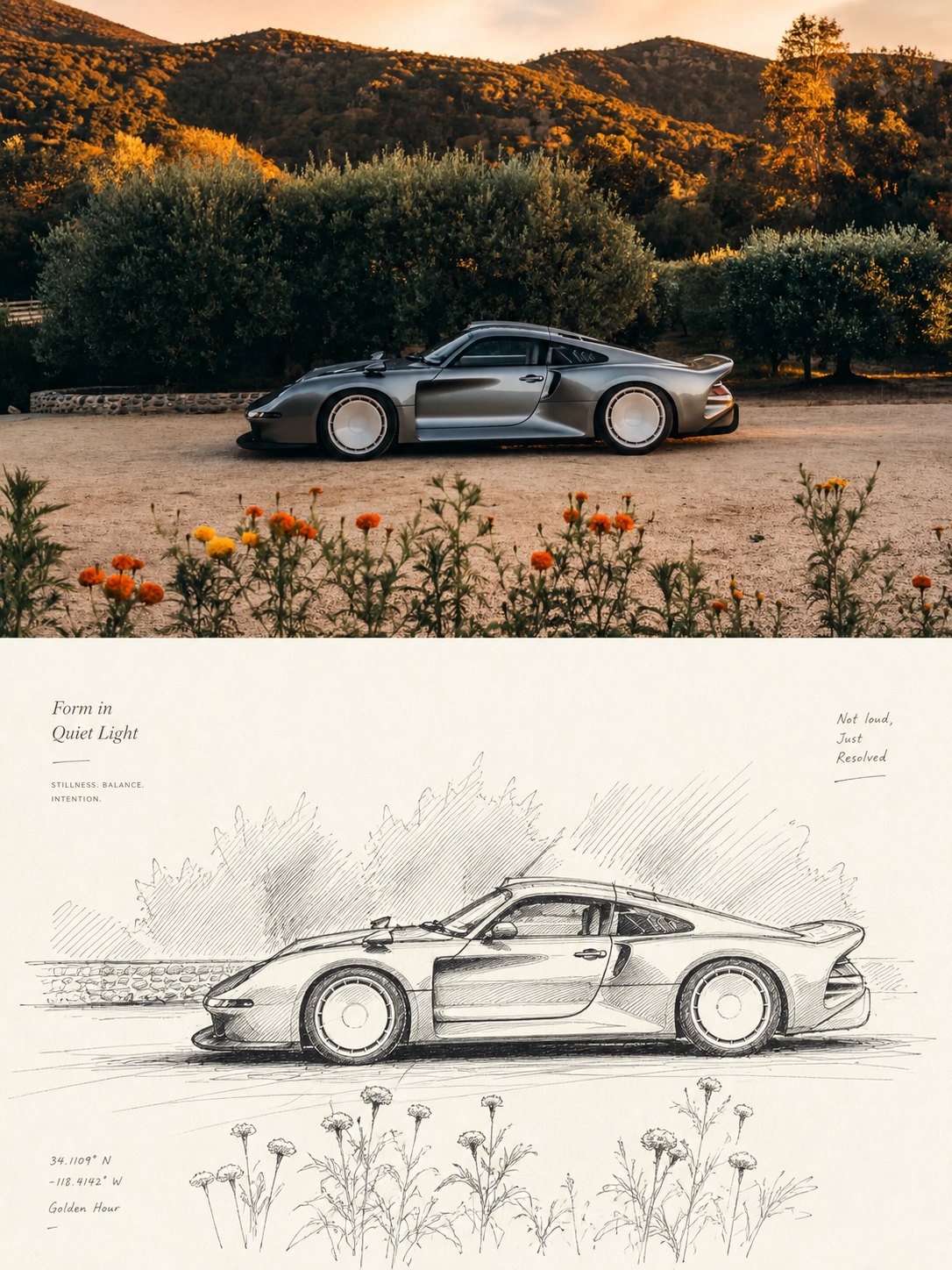
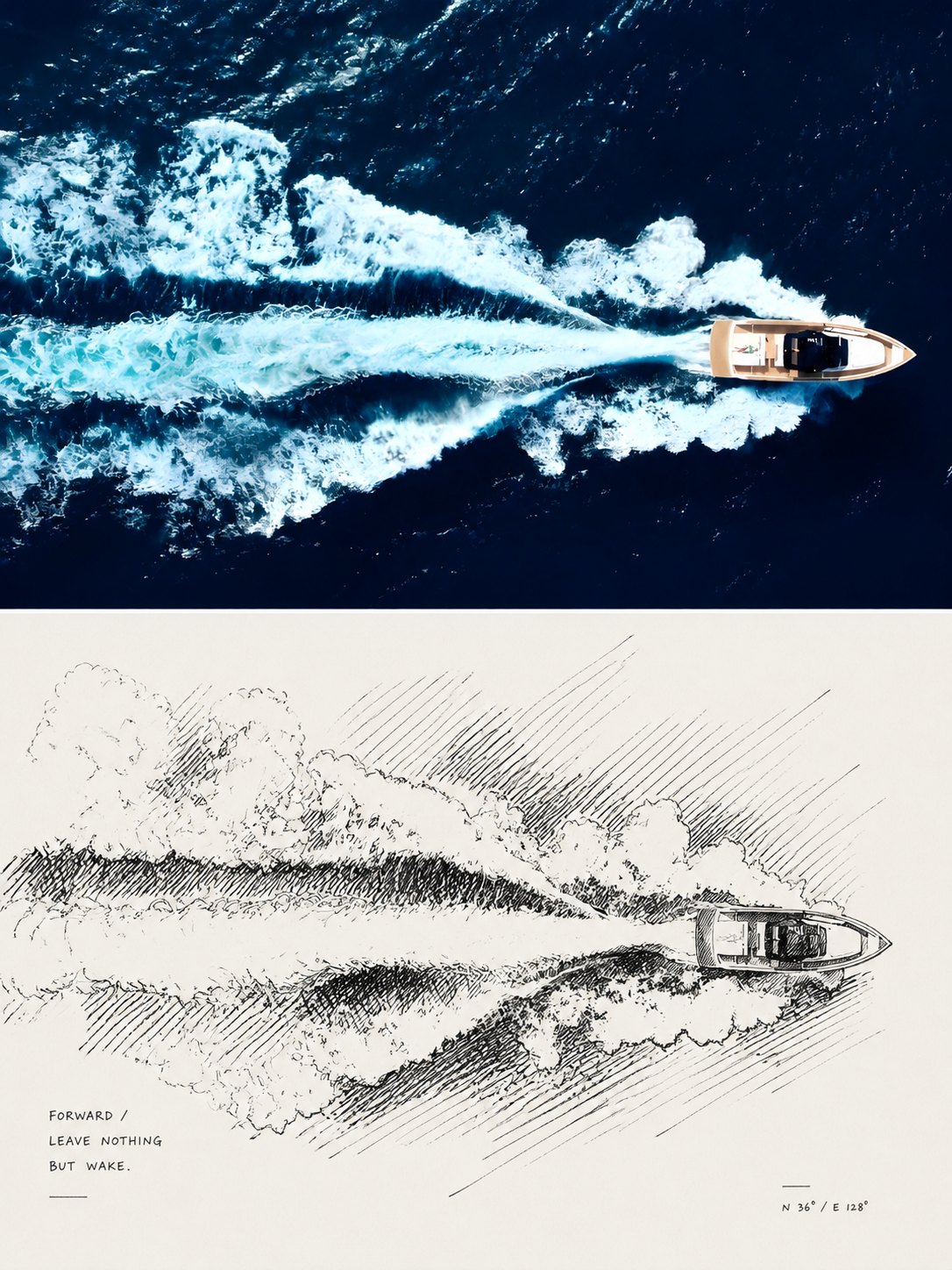
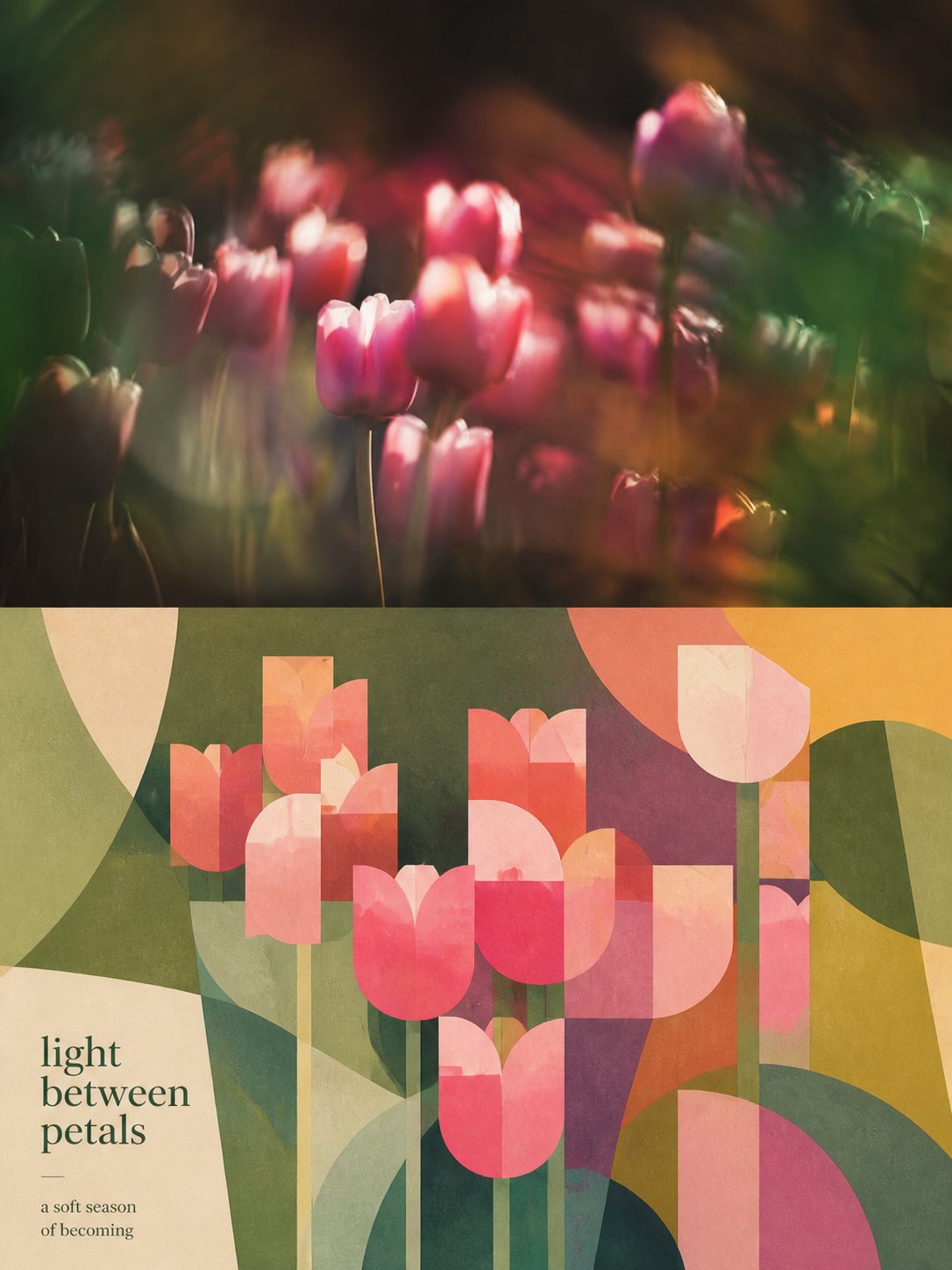
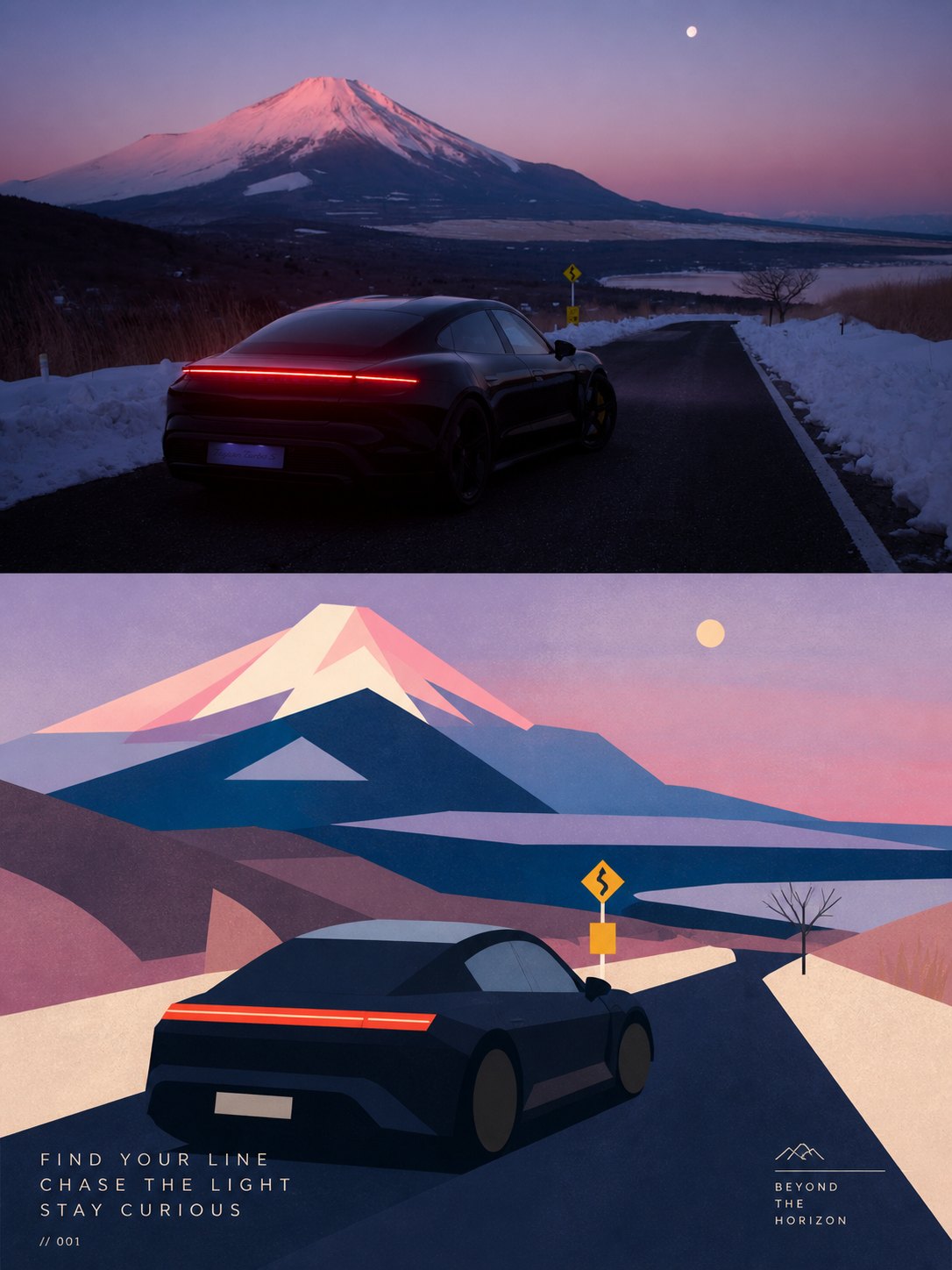
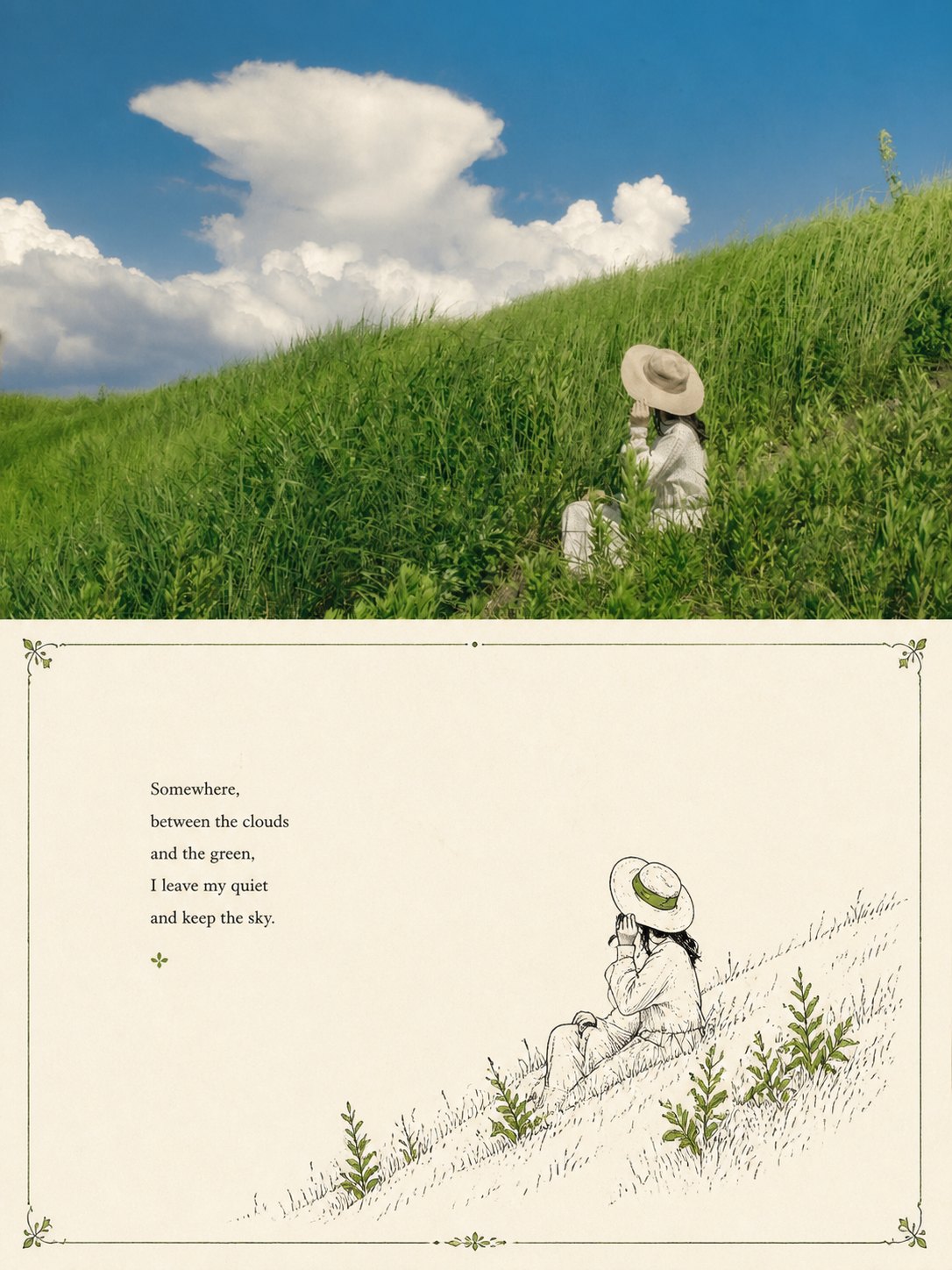
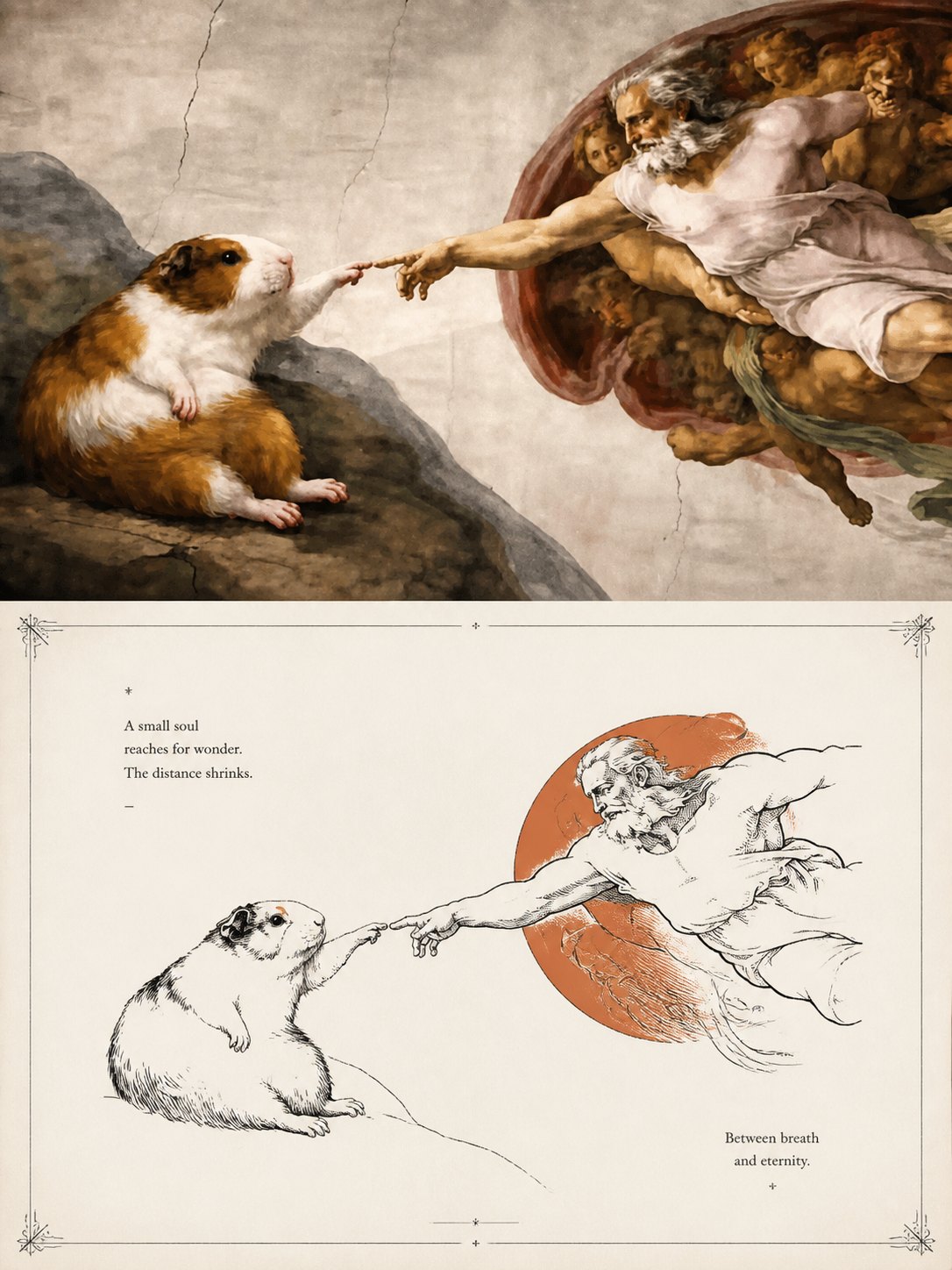
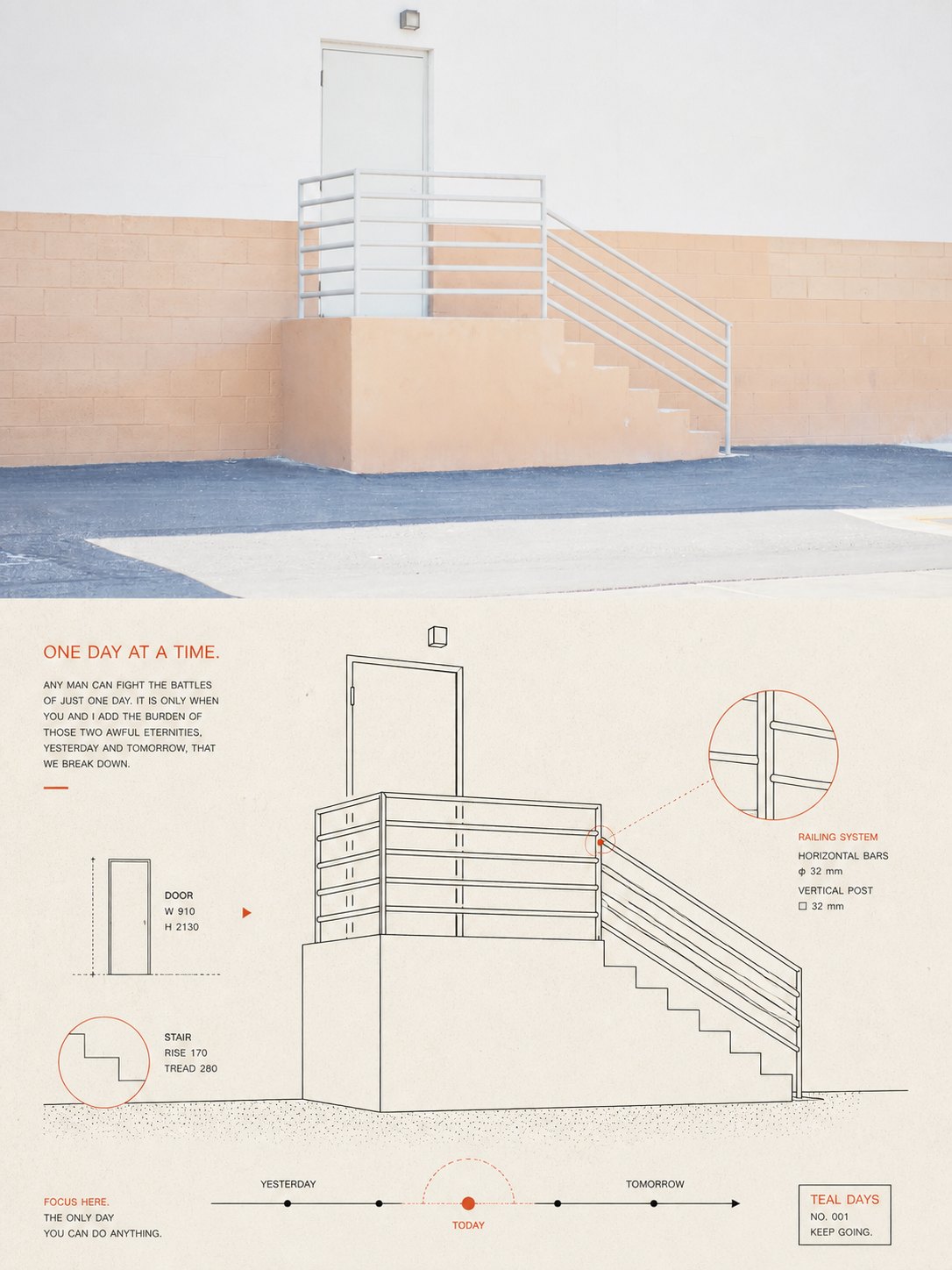
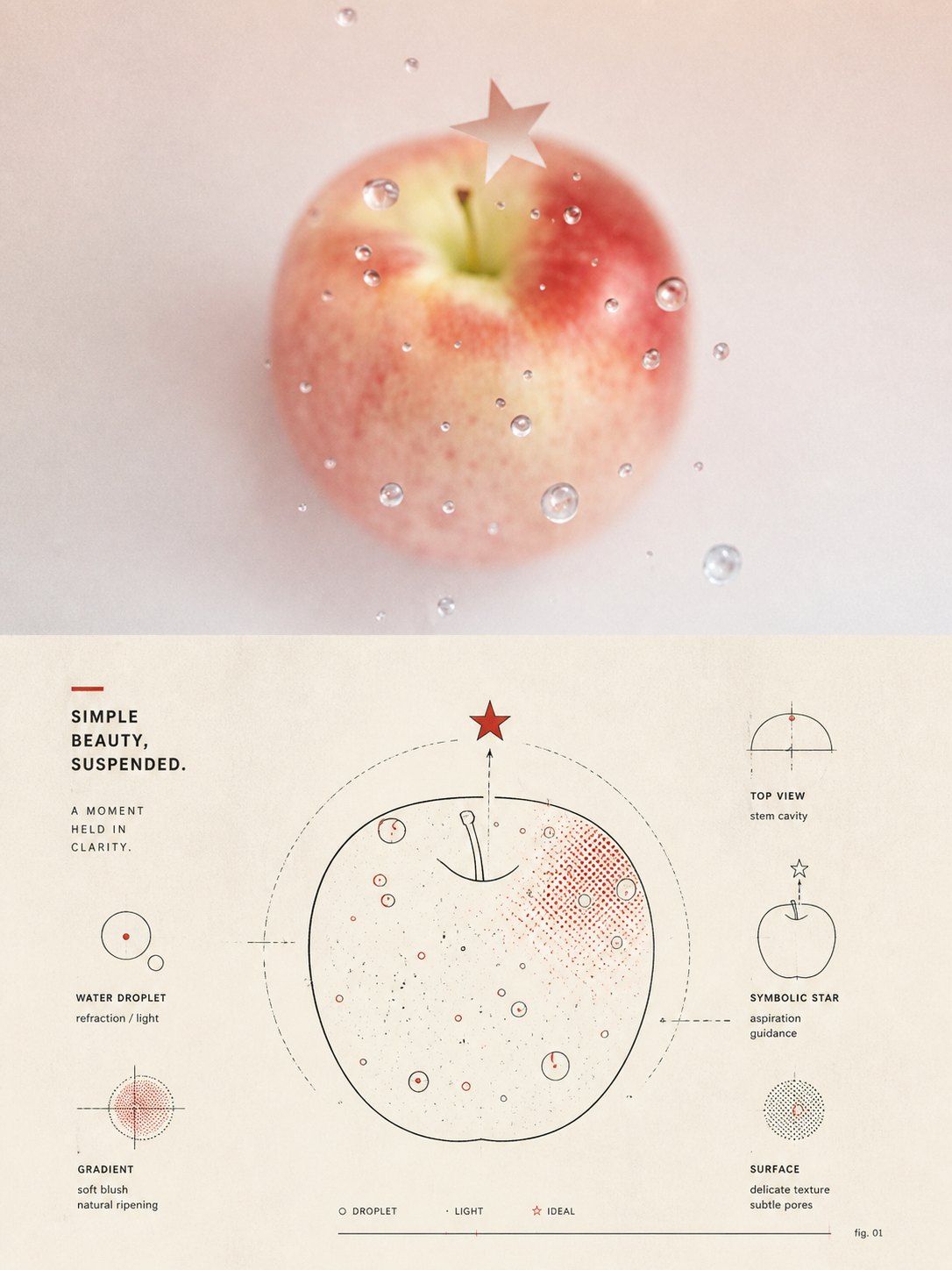
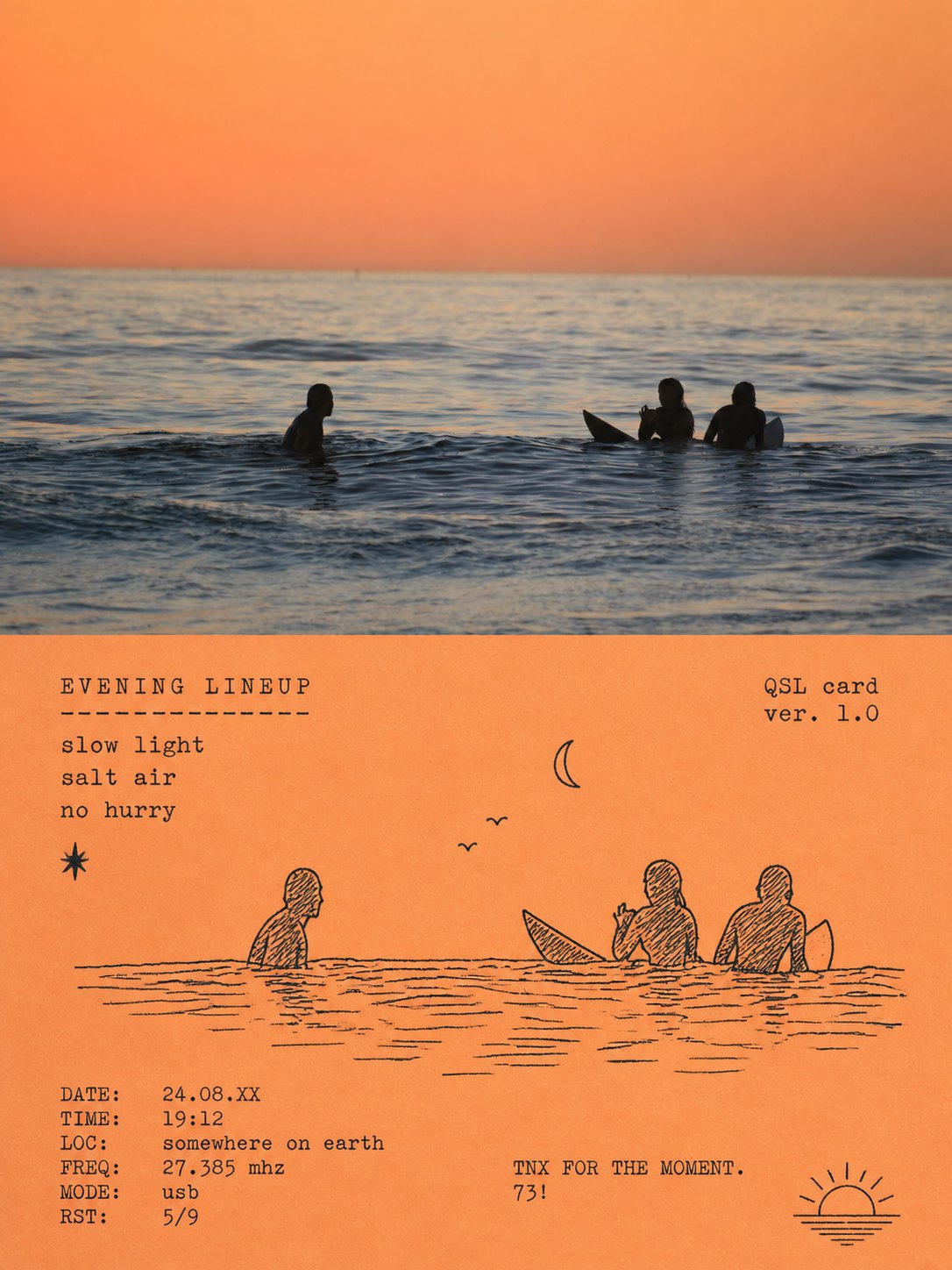
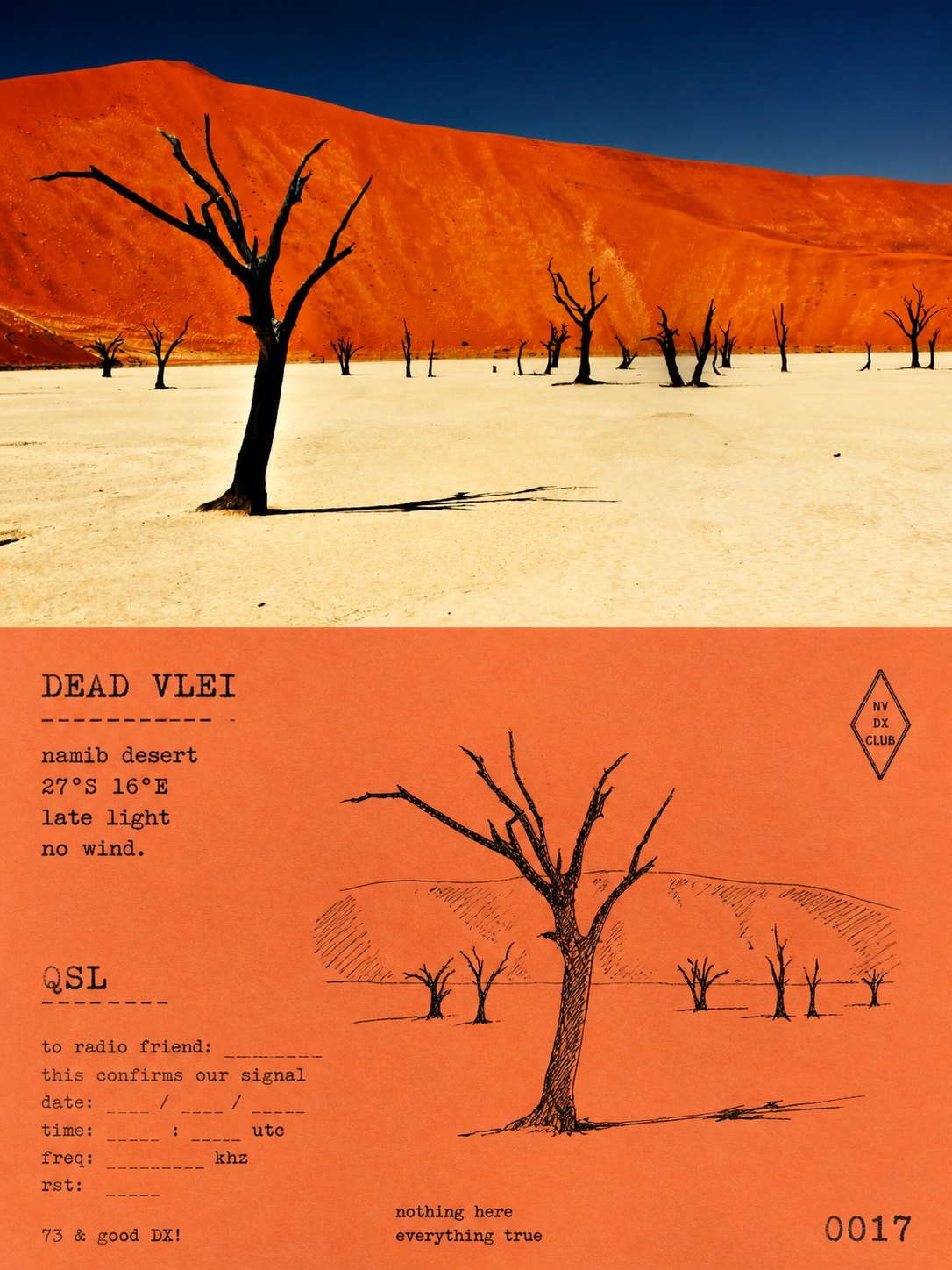
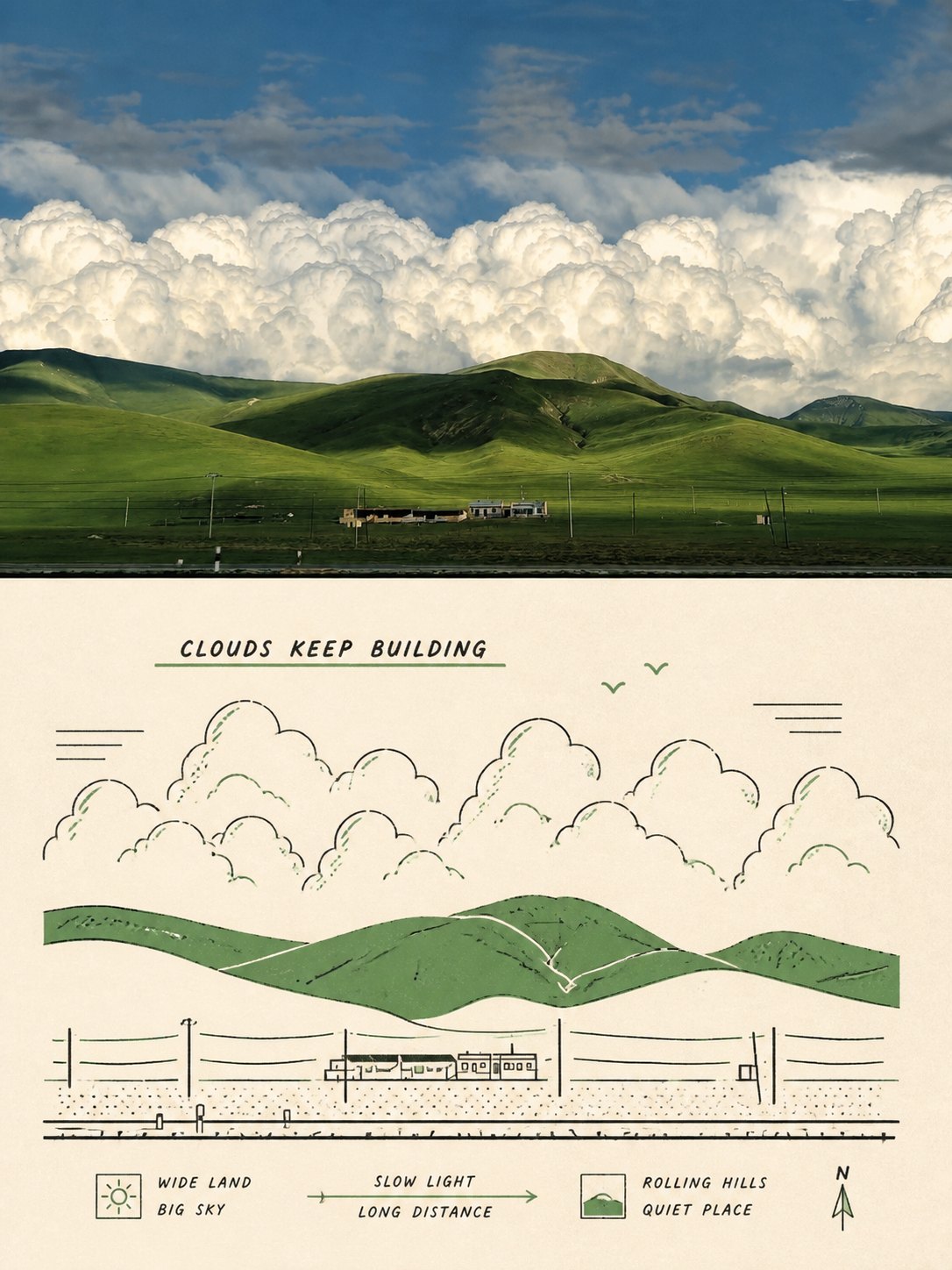
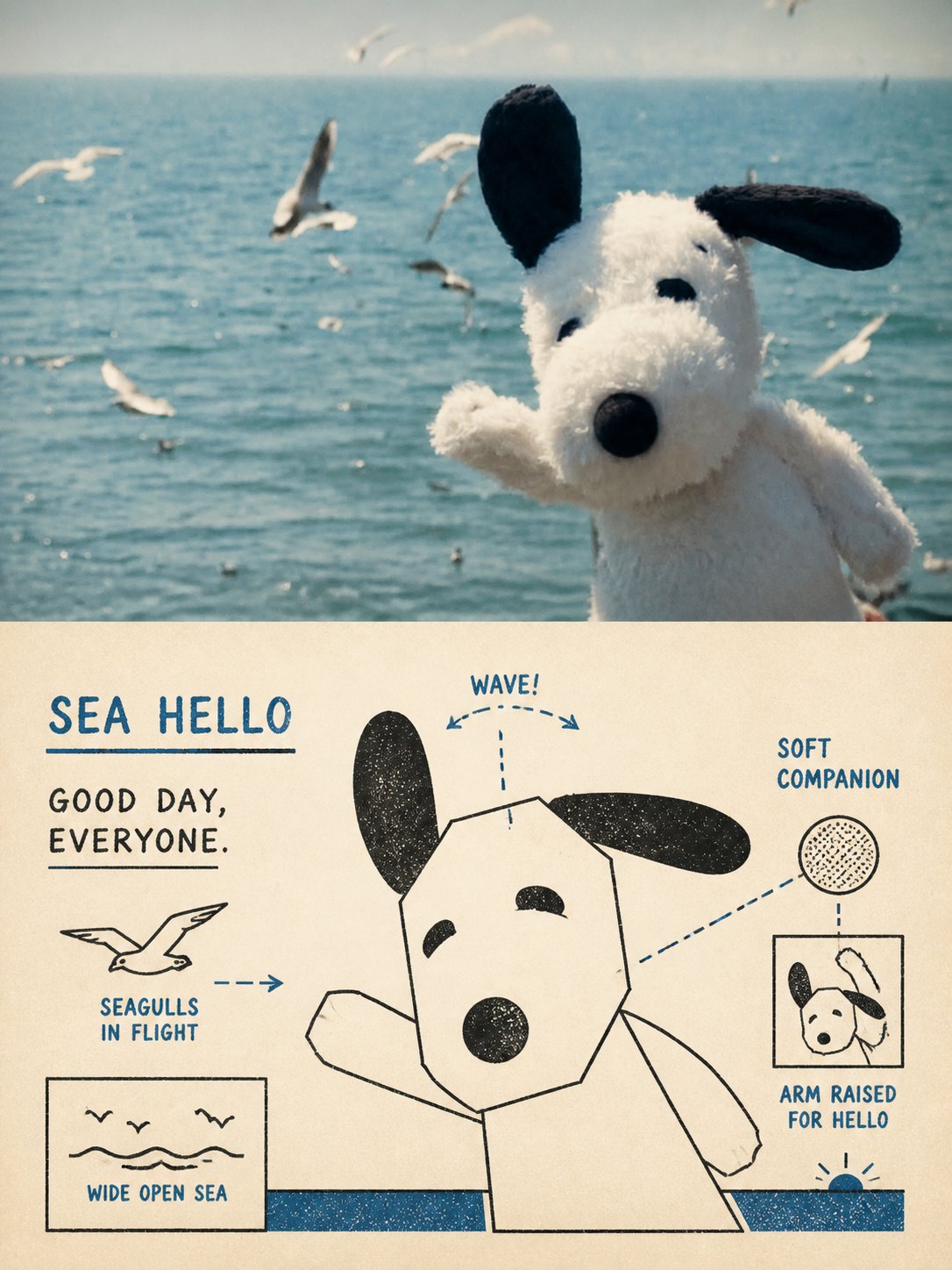
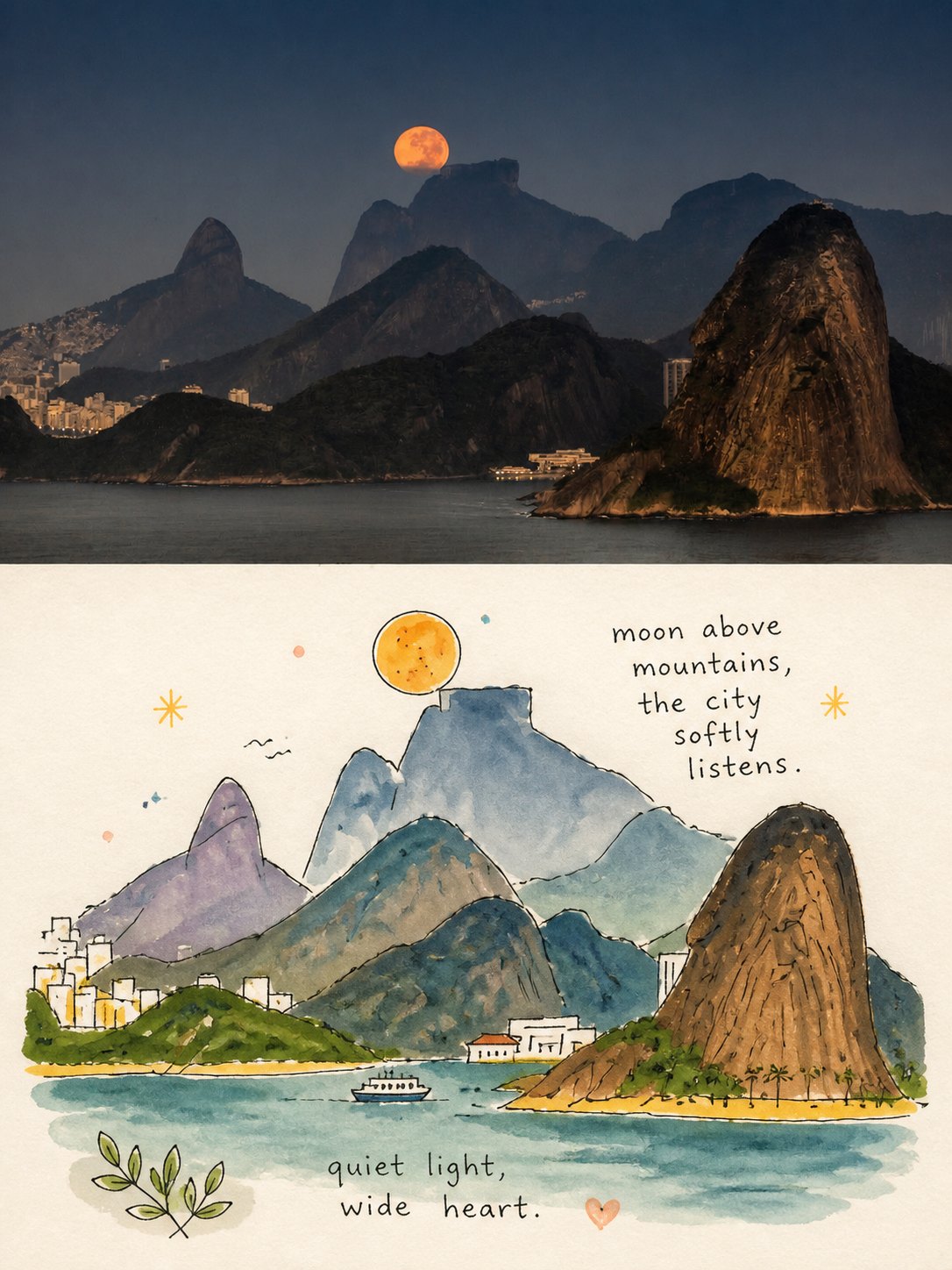
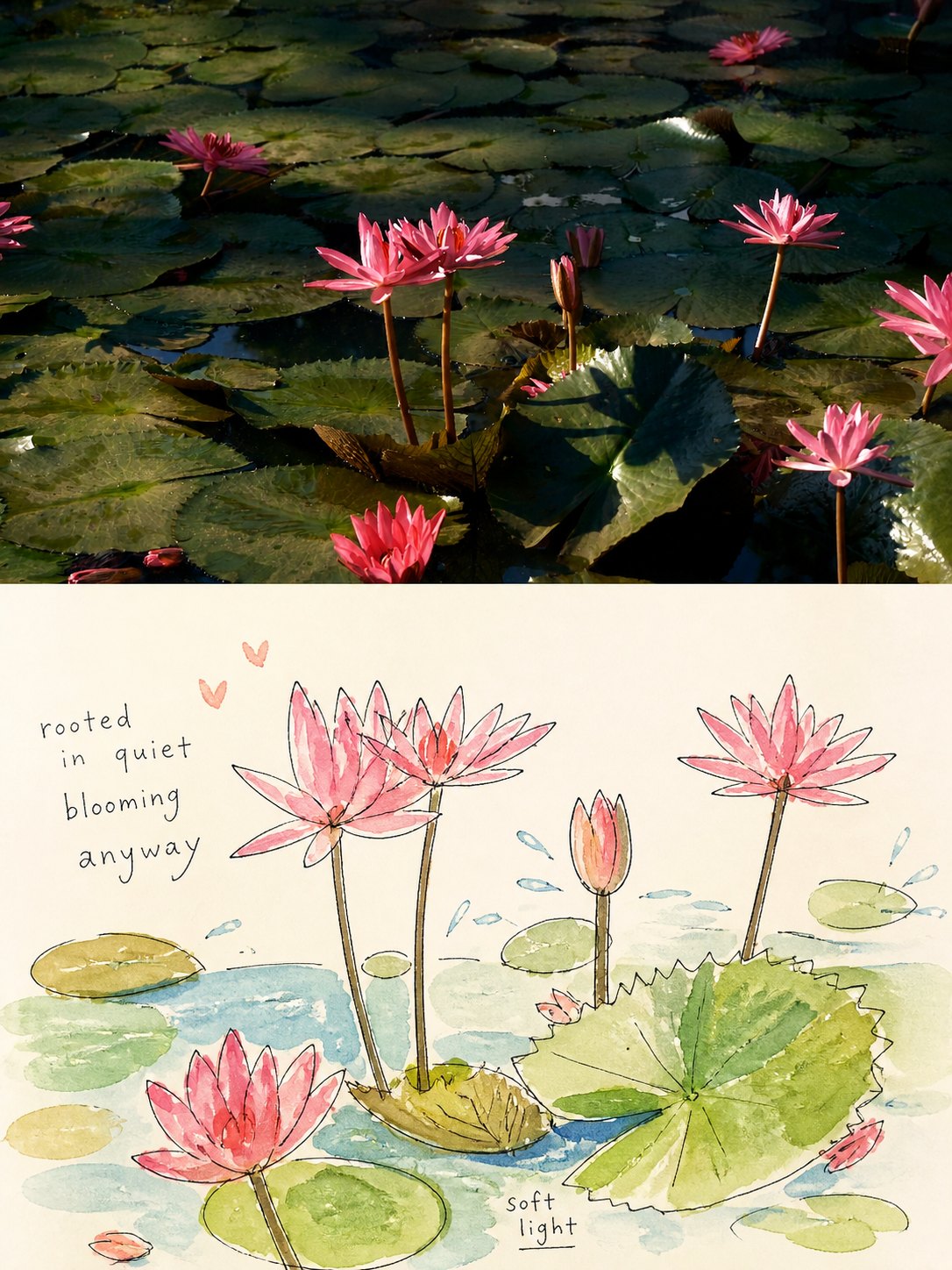
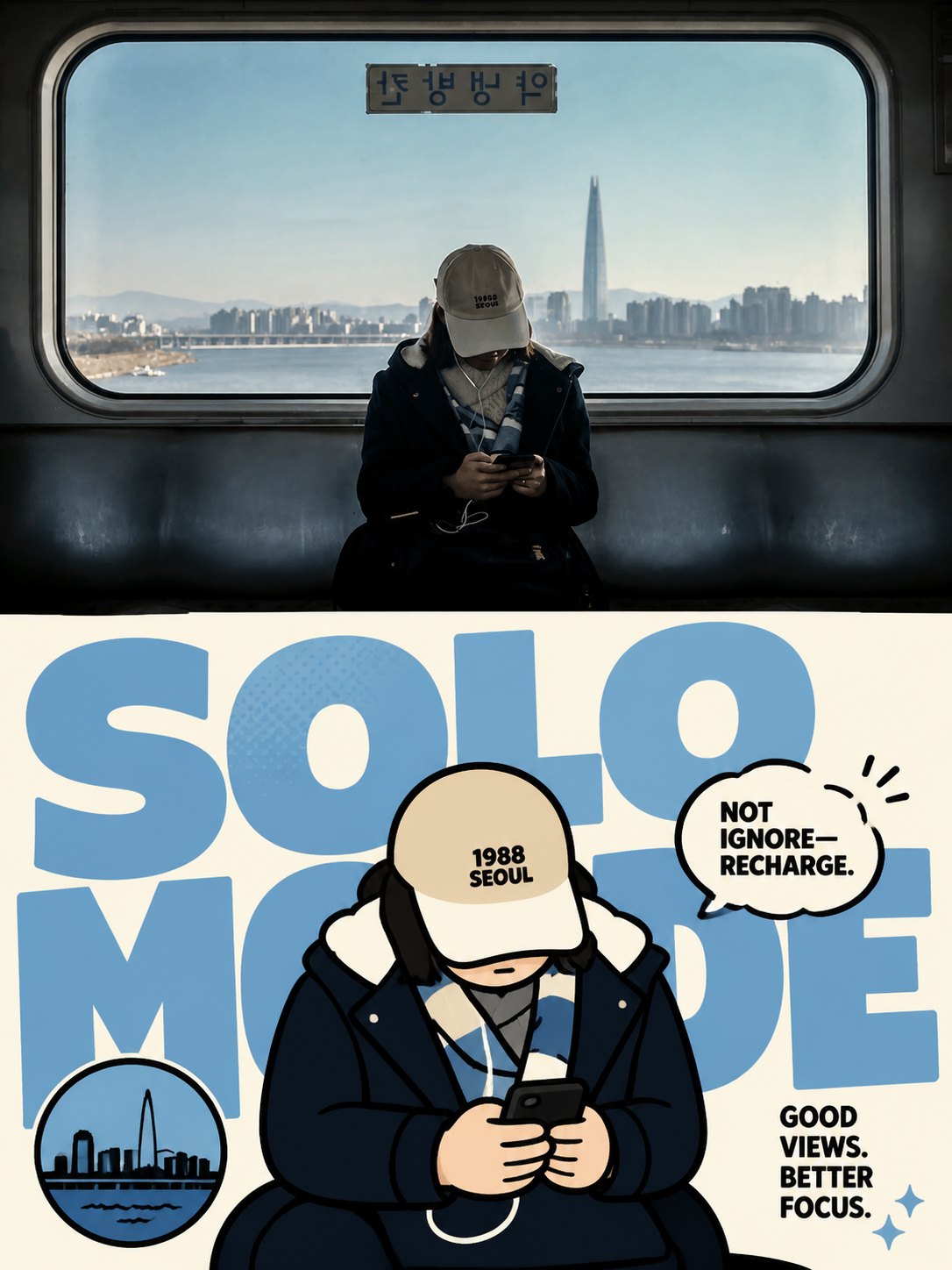
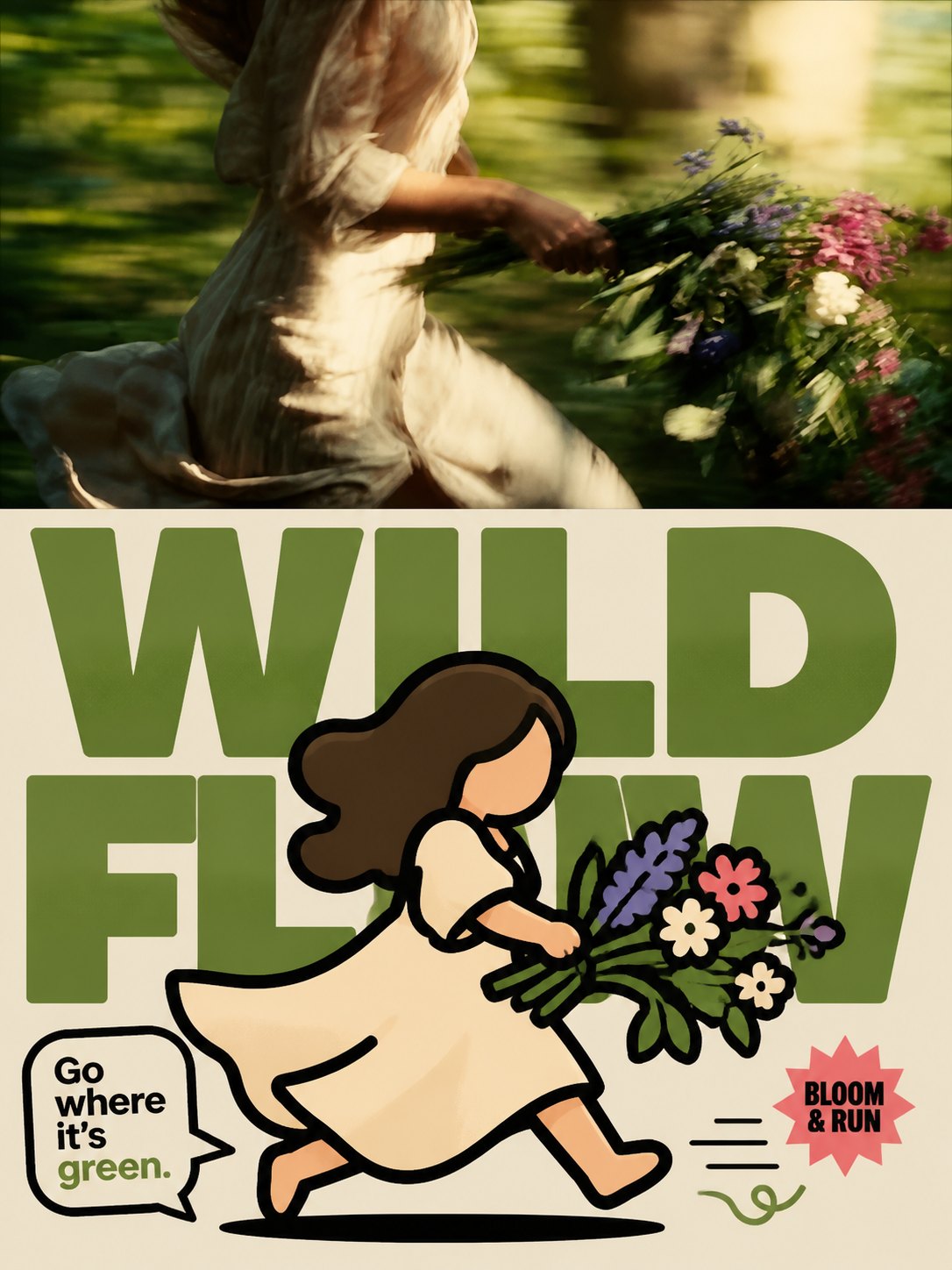
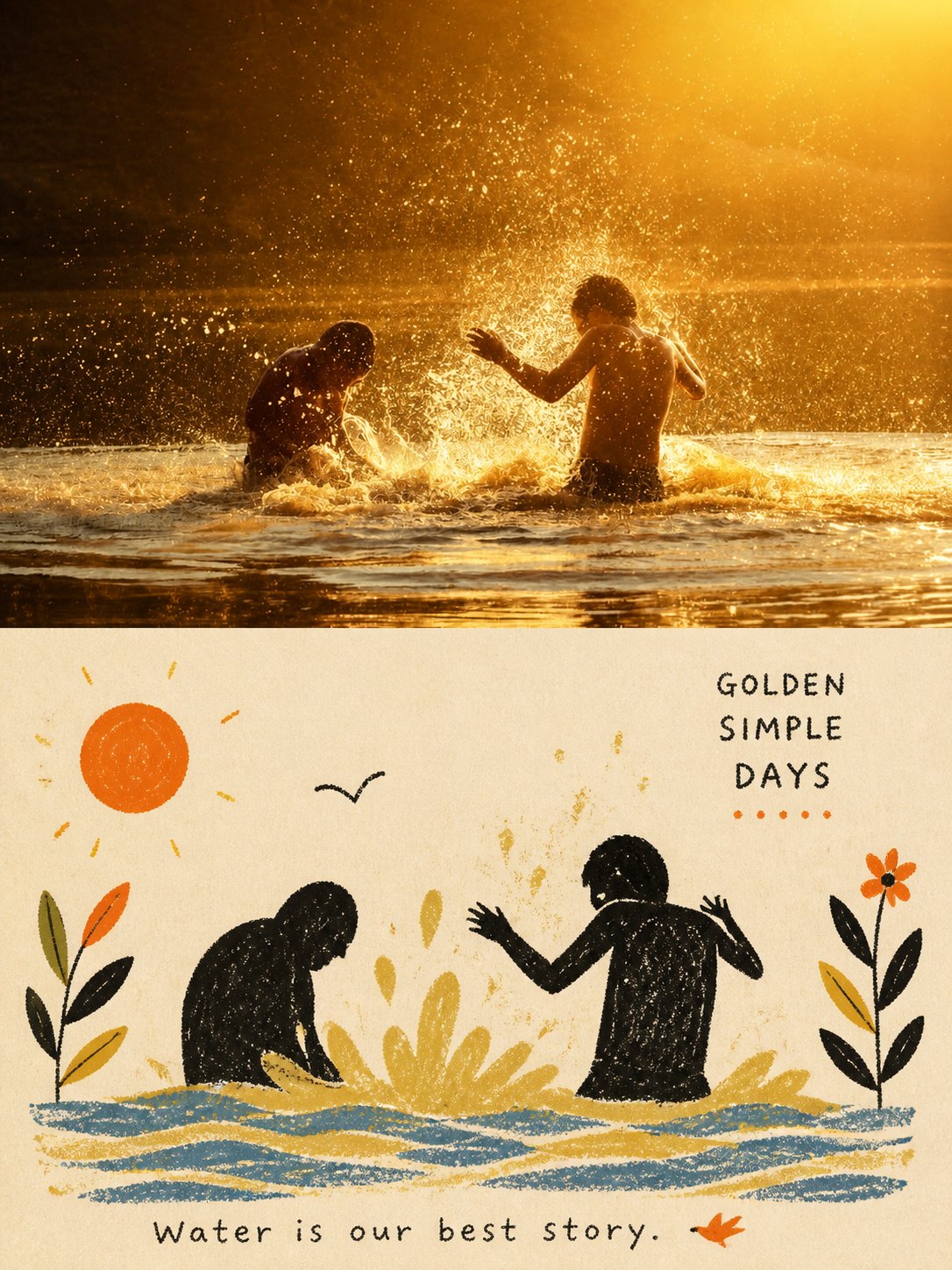
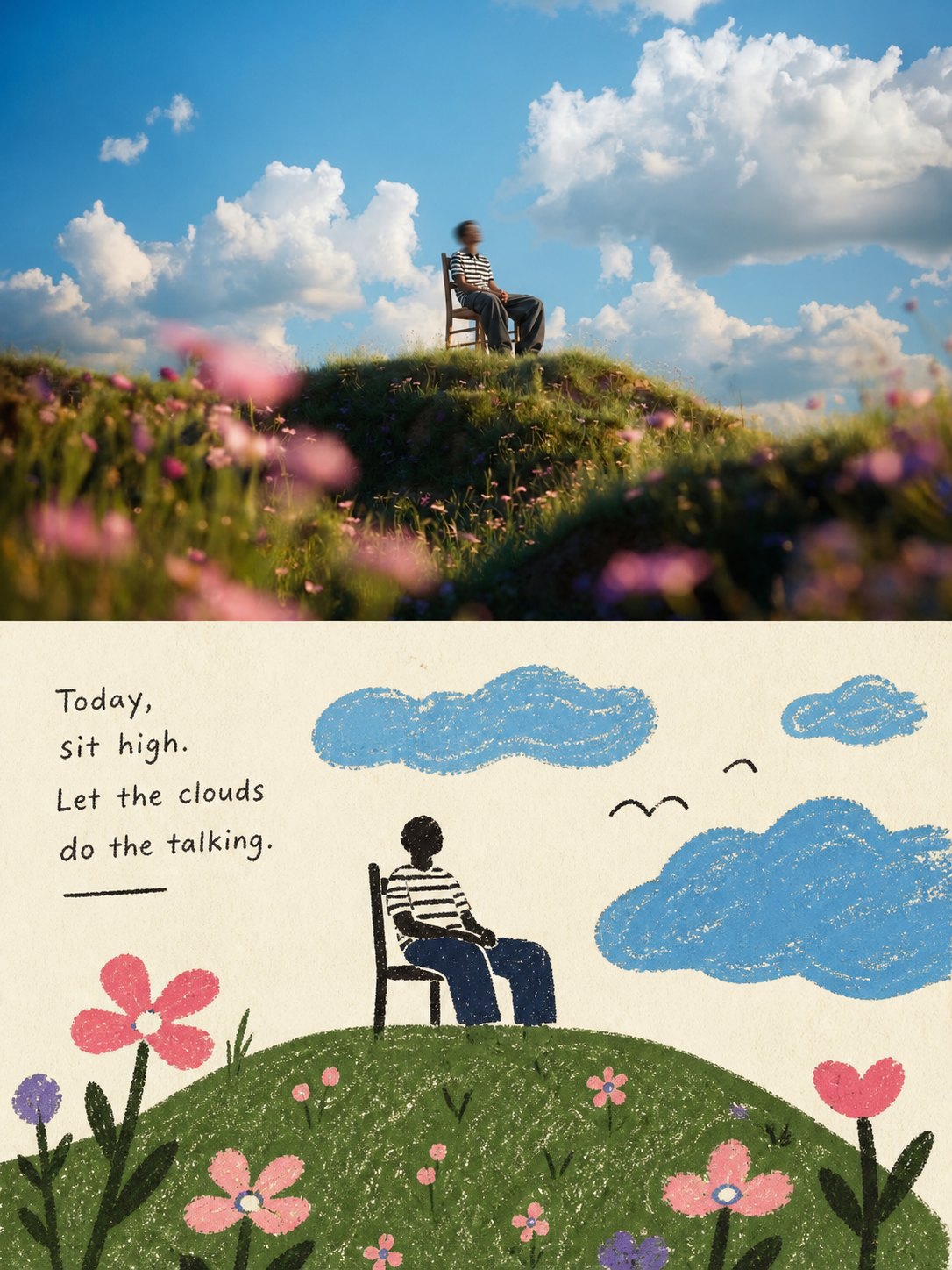
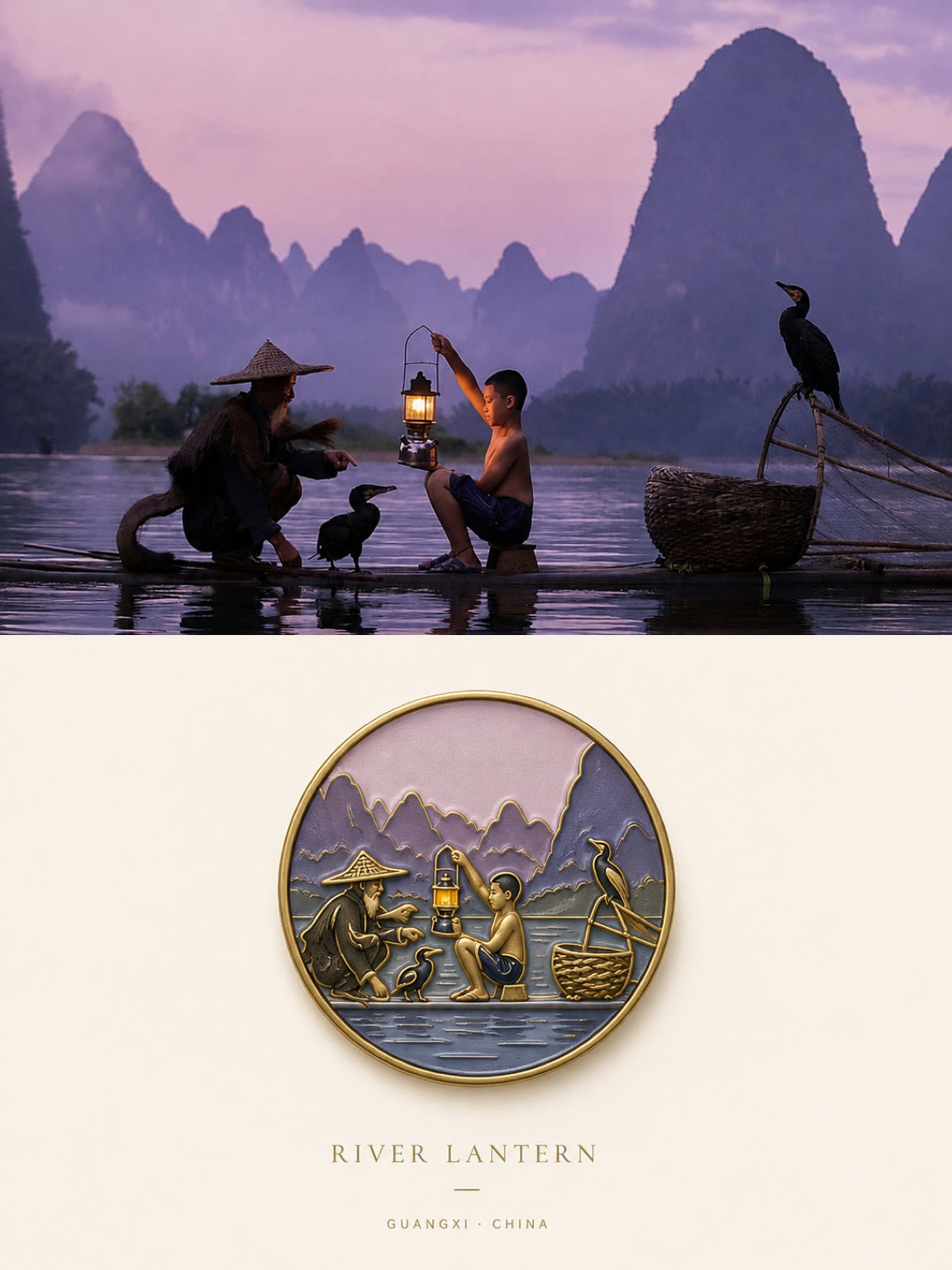
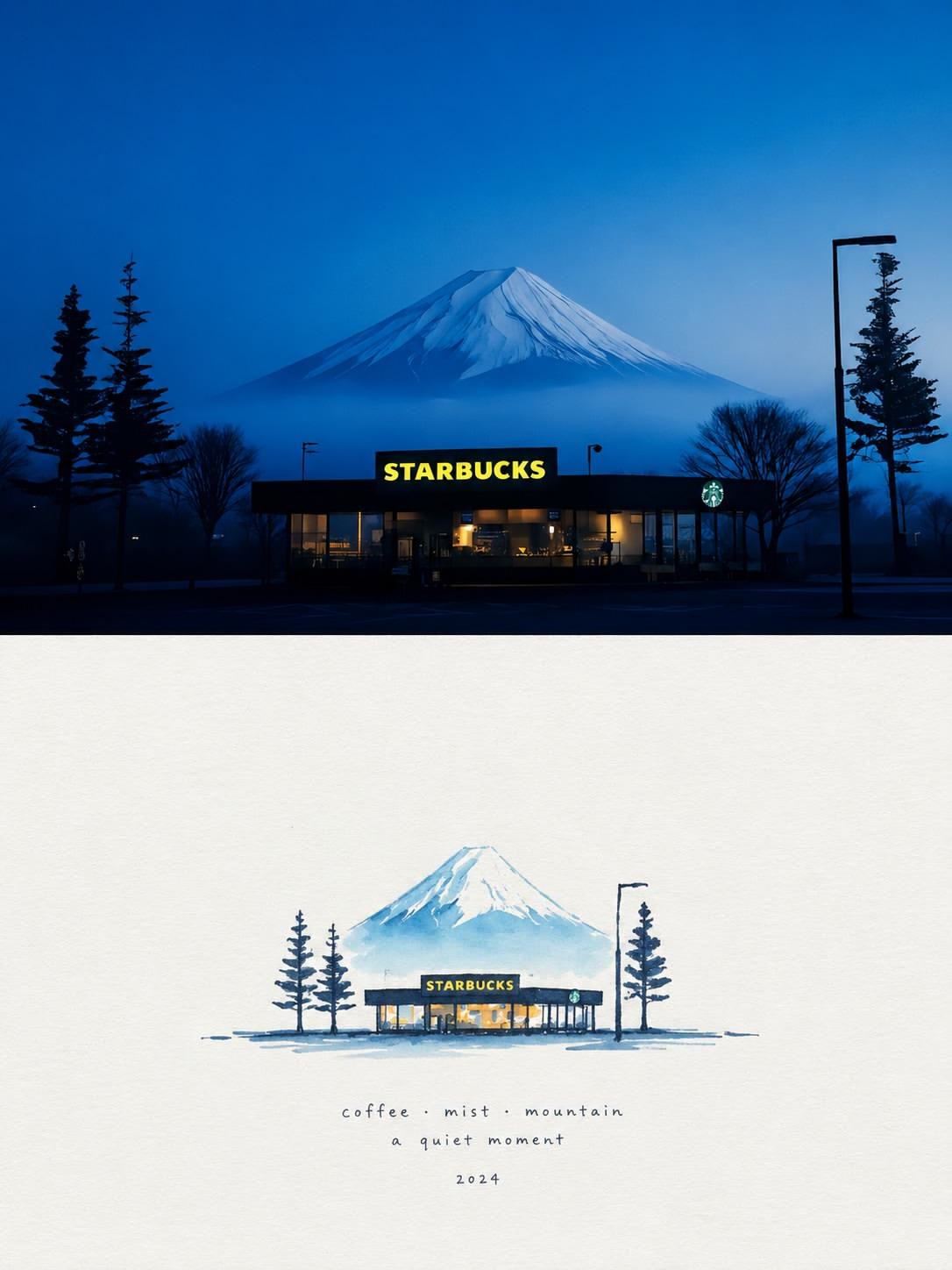
Enamel travel medallion
GPT Image 2printillustration
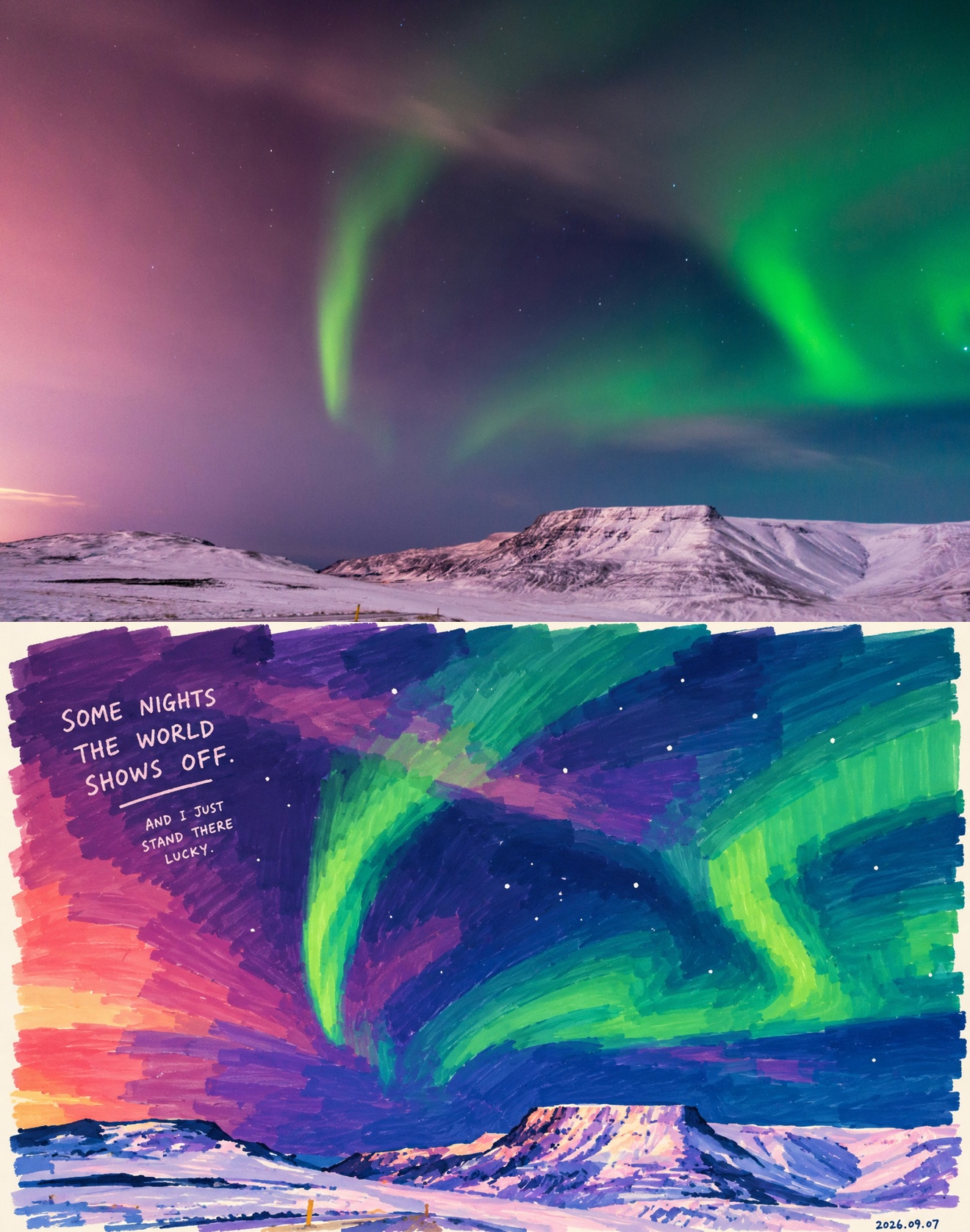
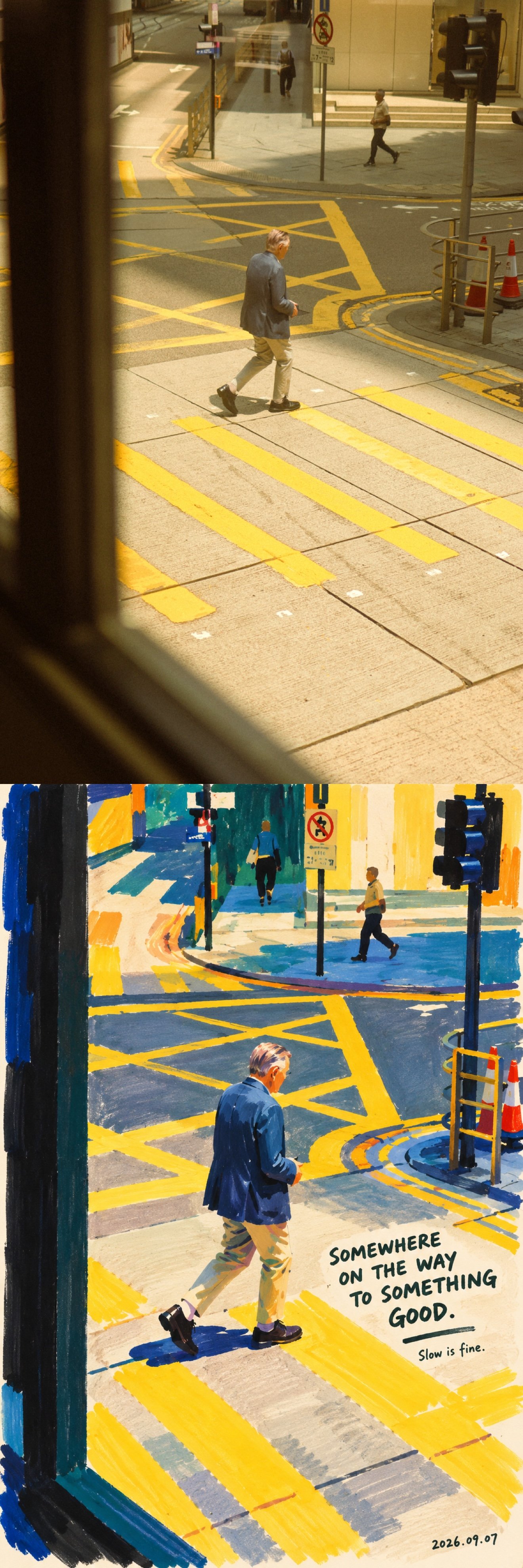
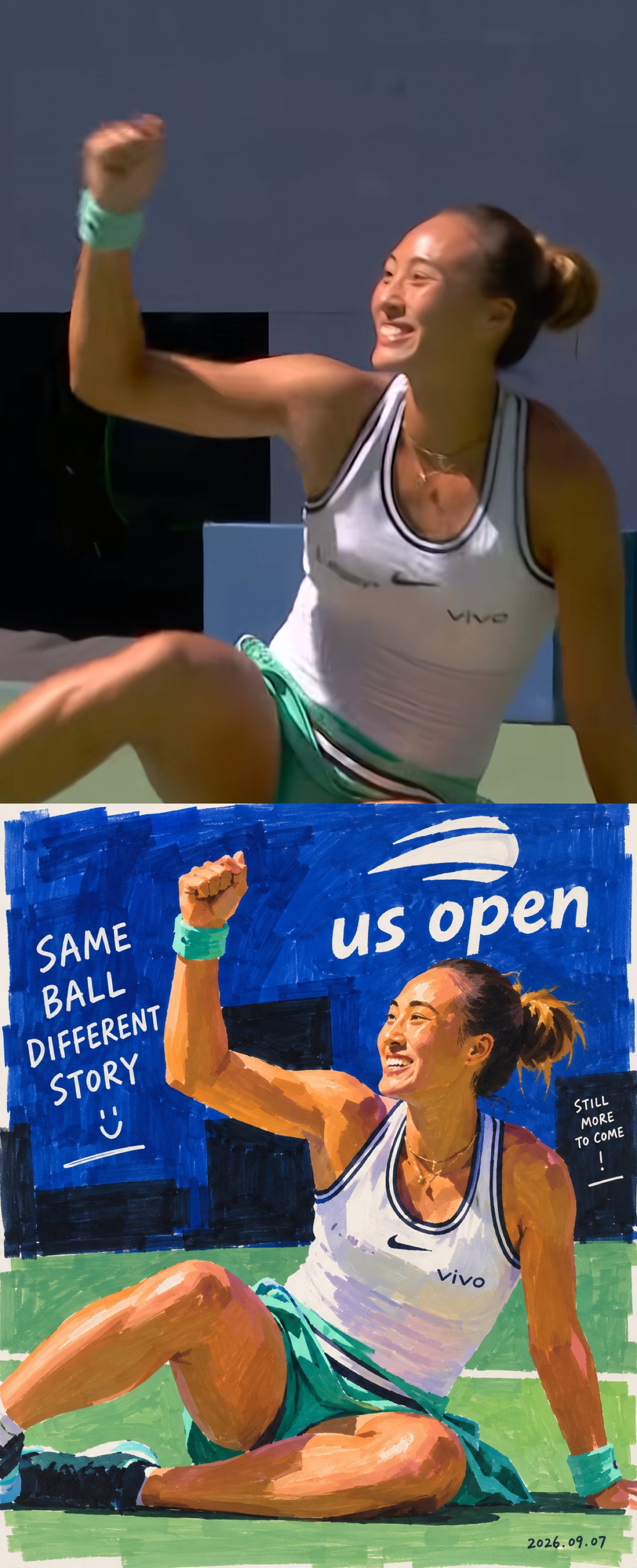
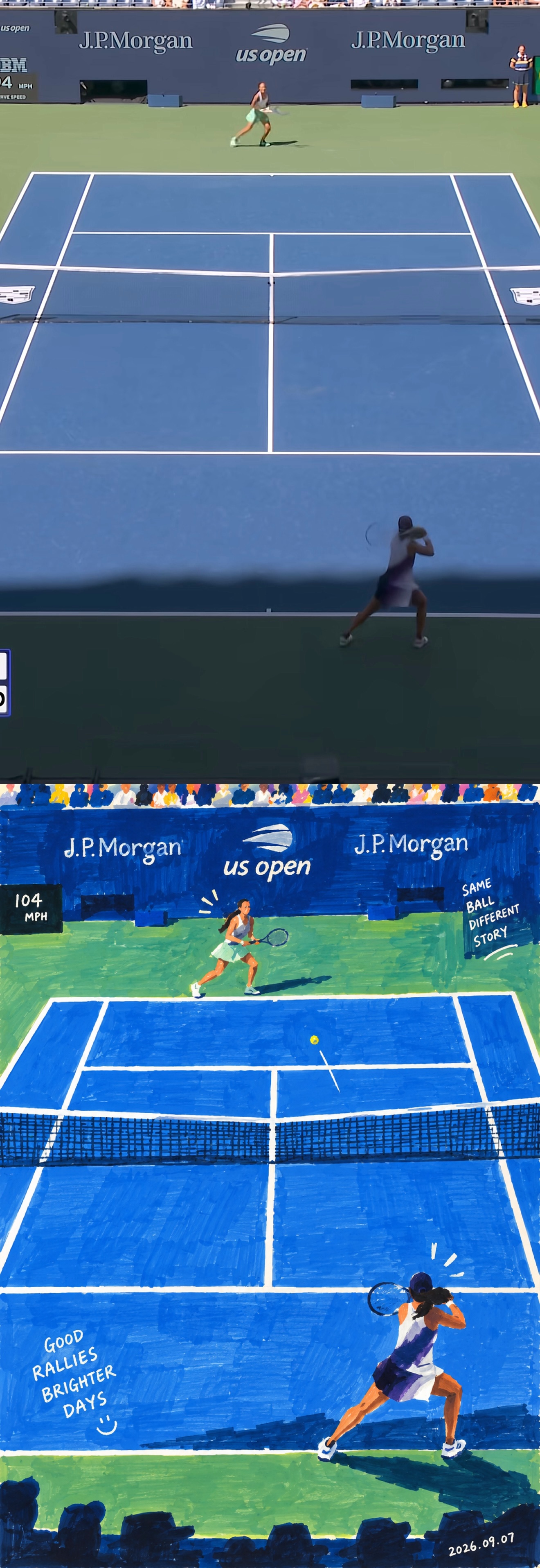
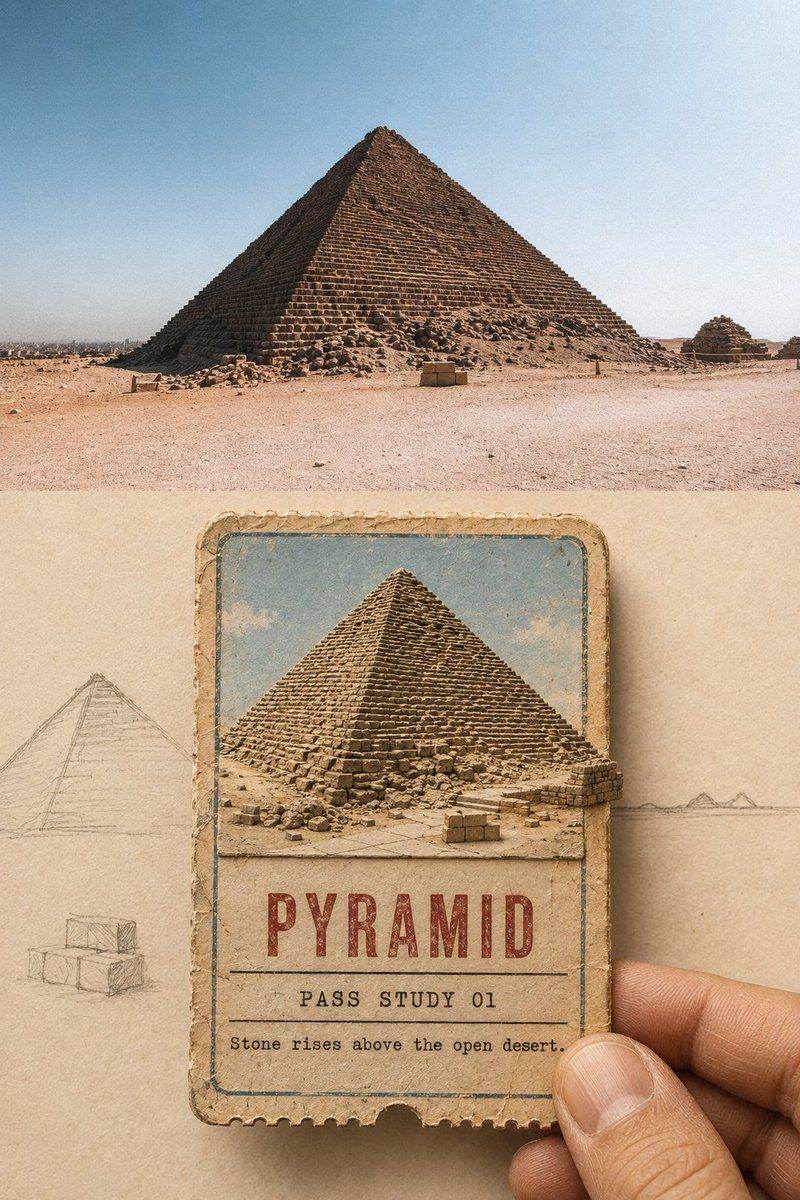
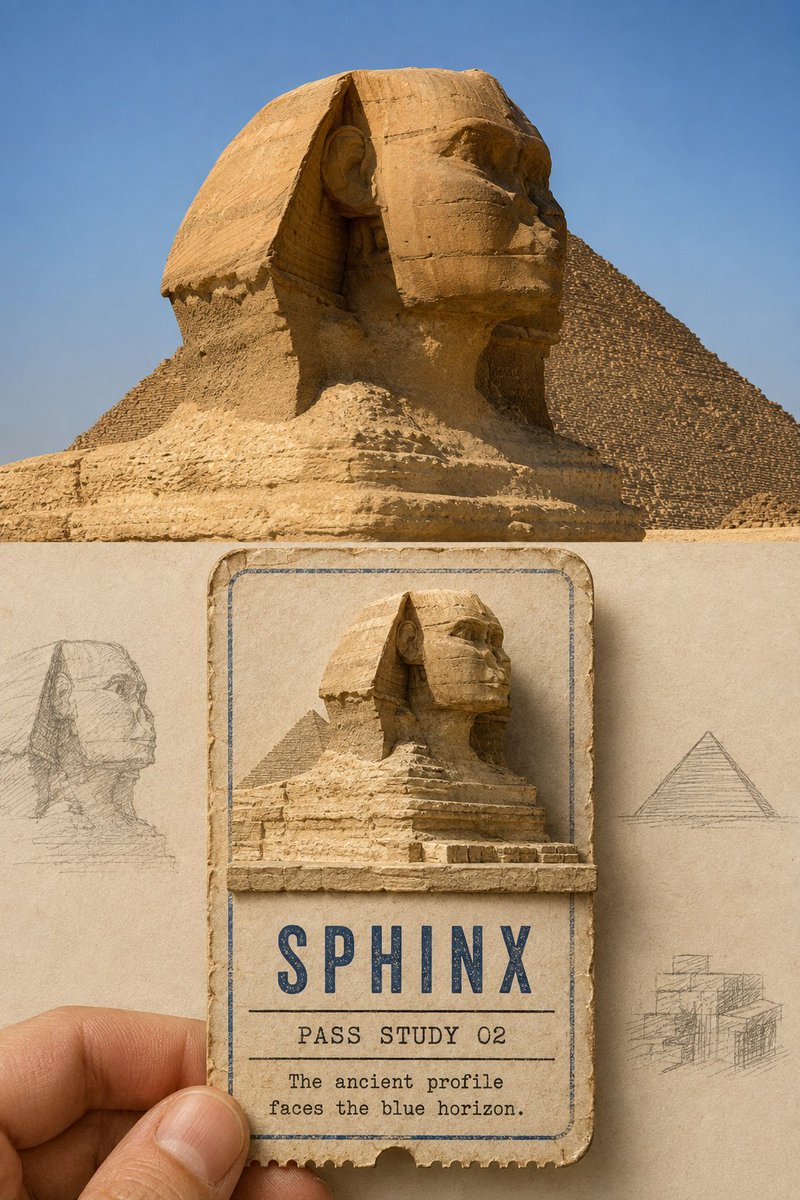
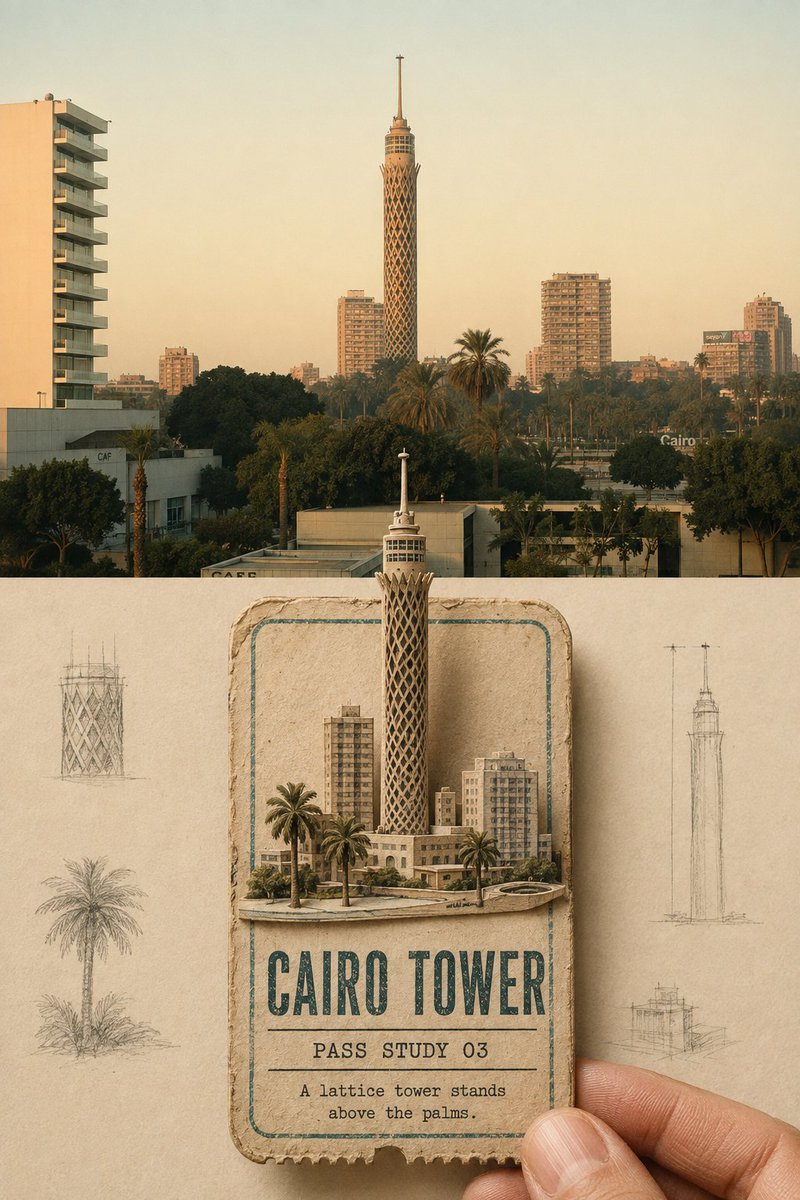
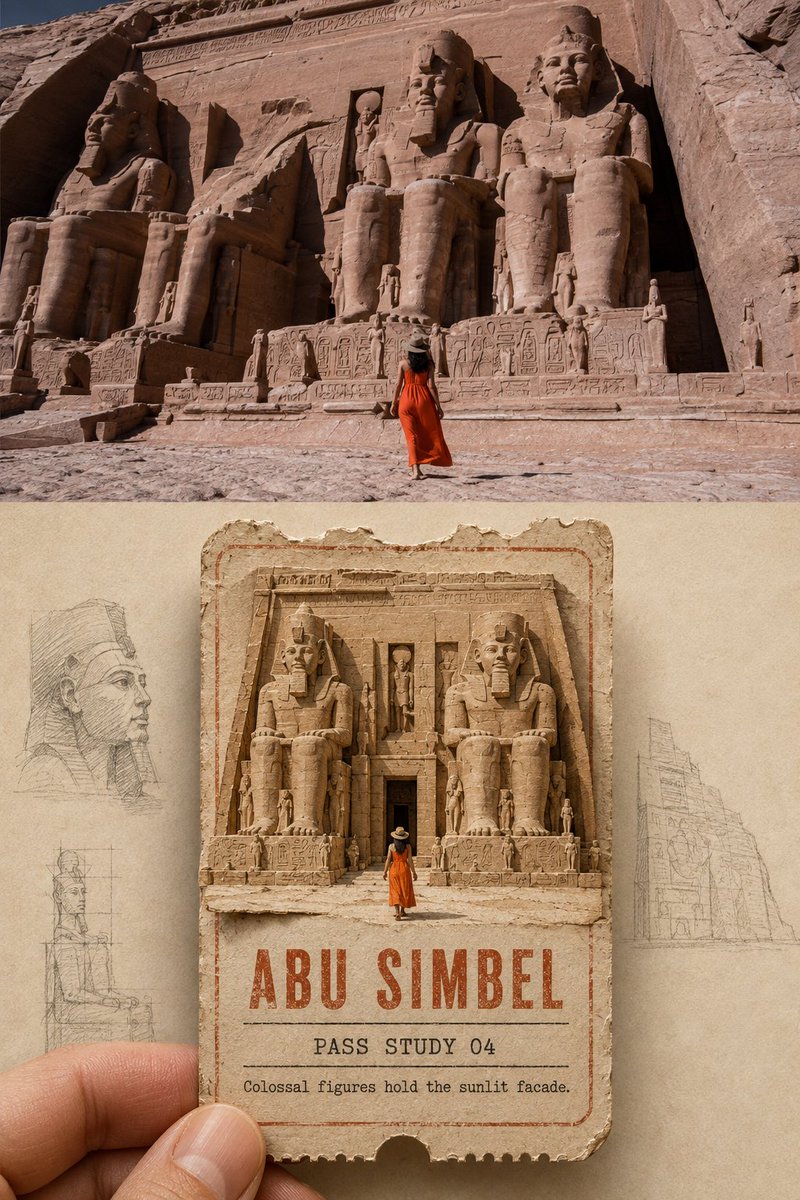
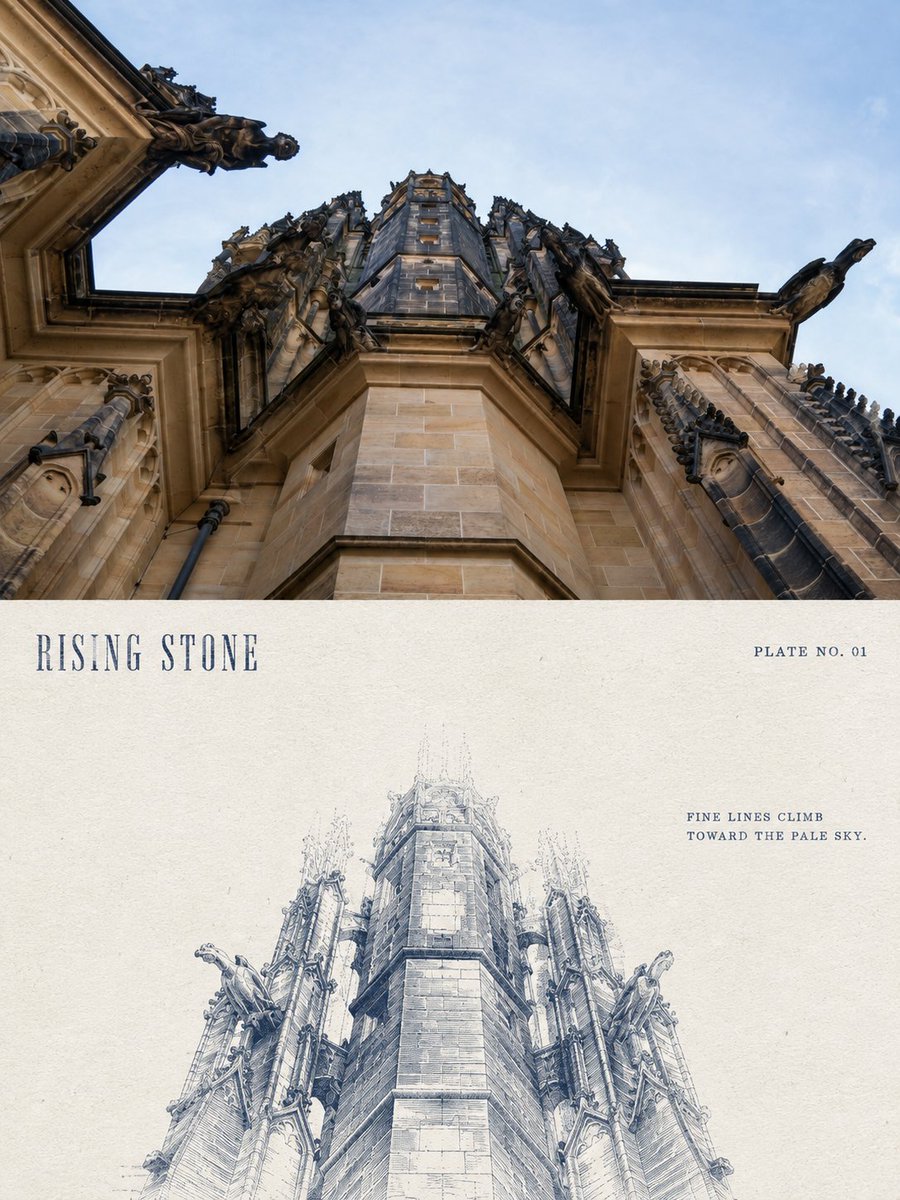
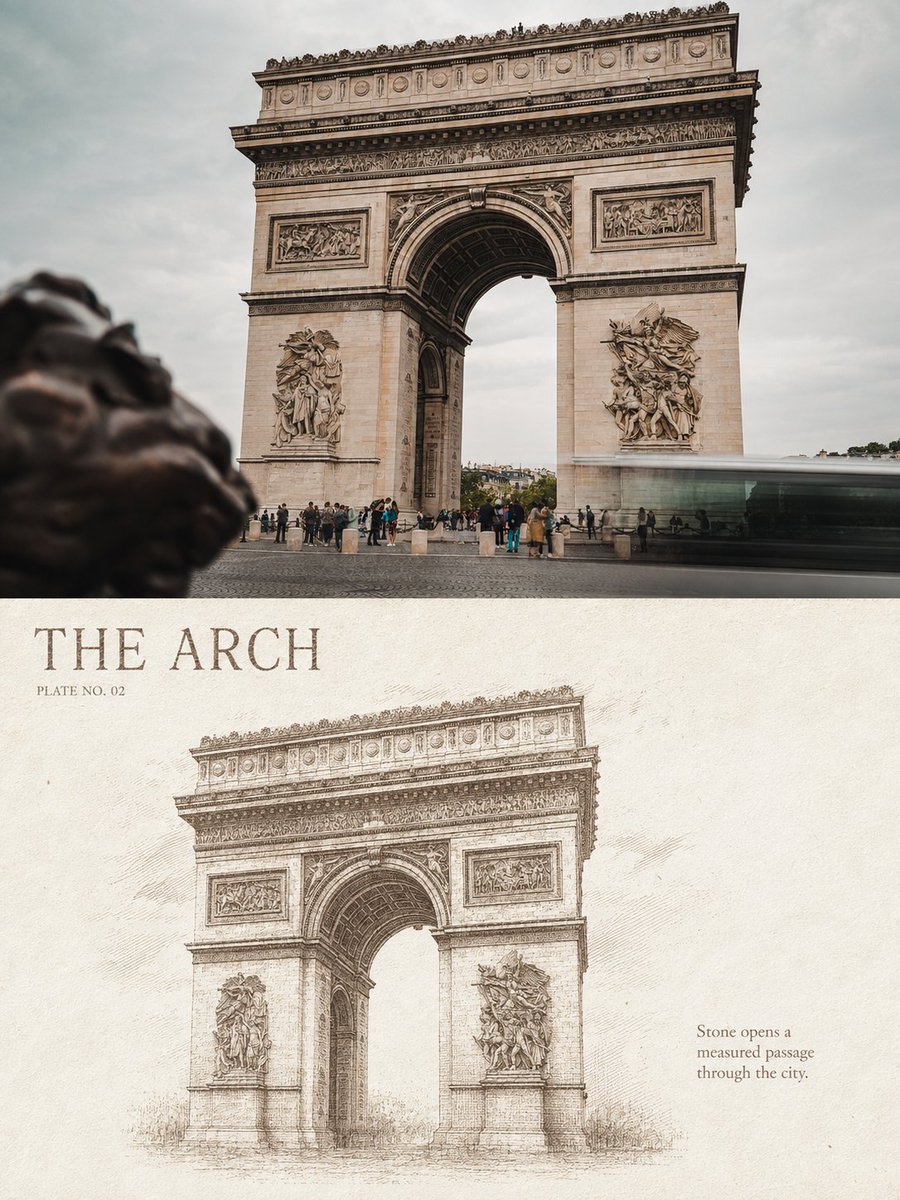
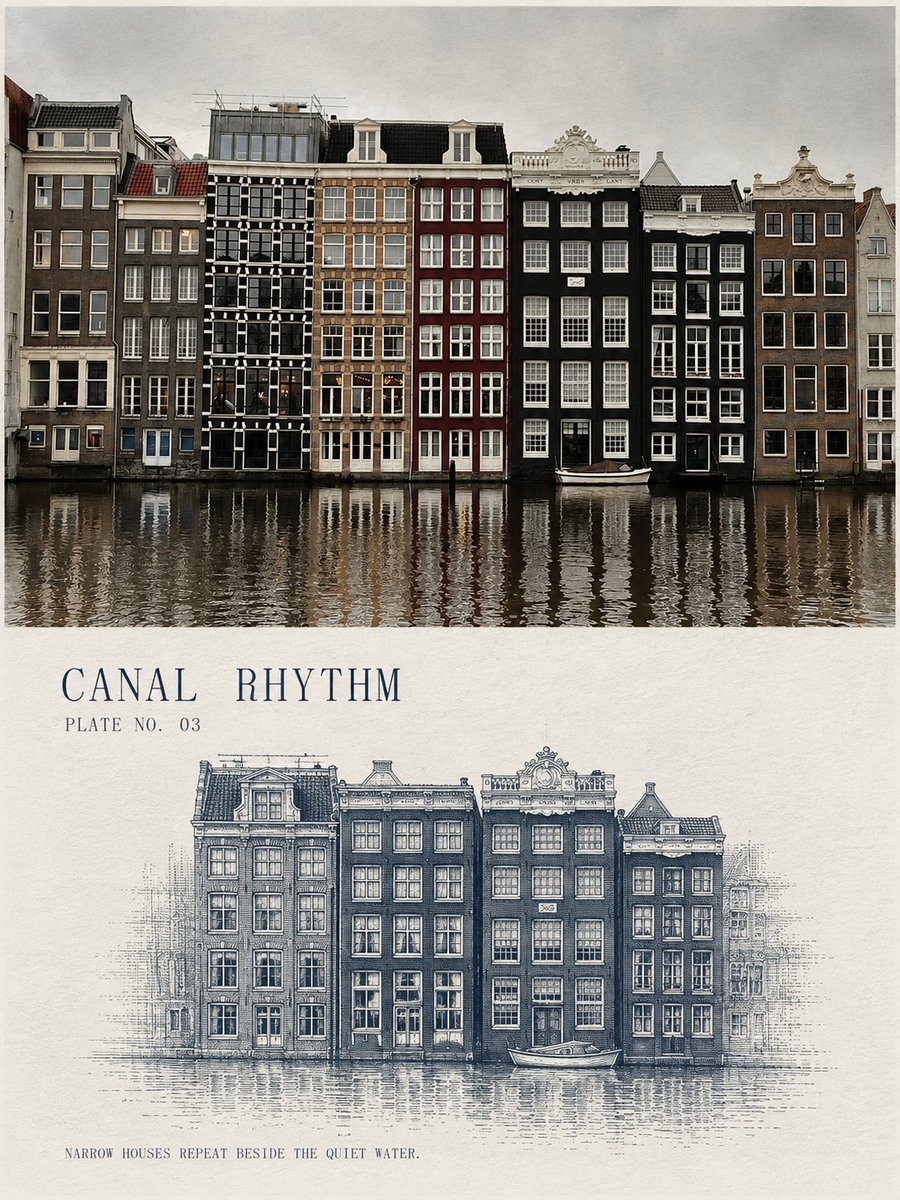
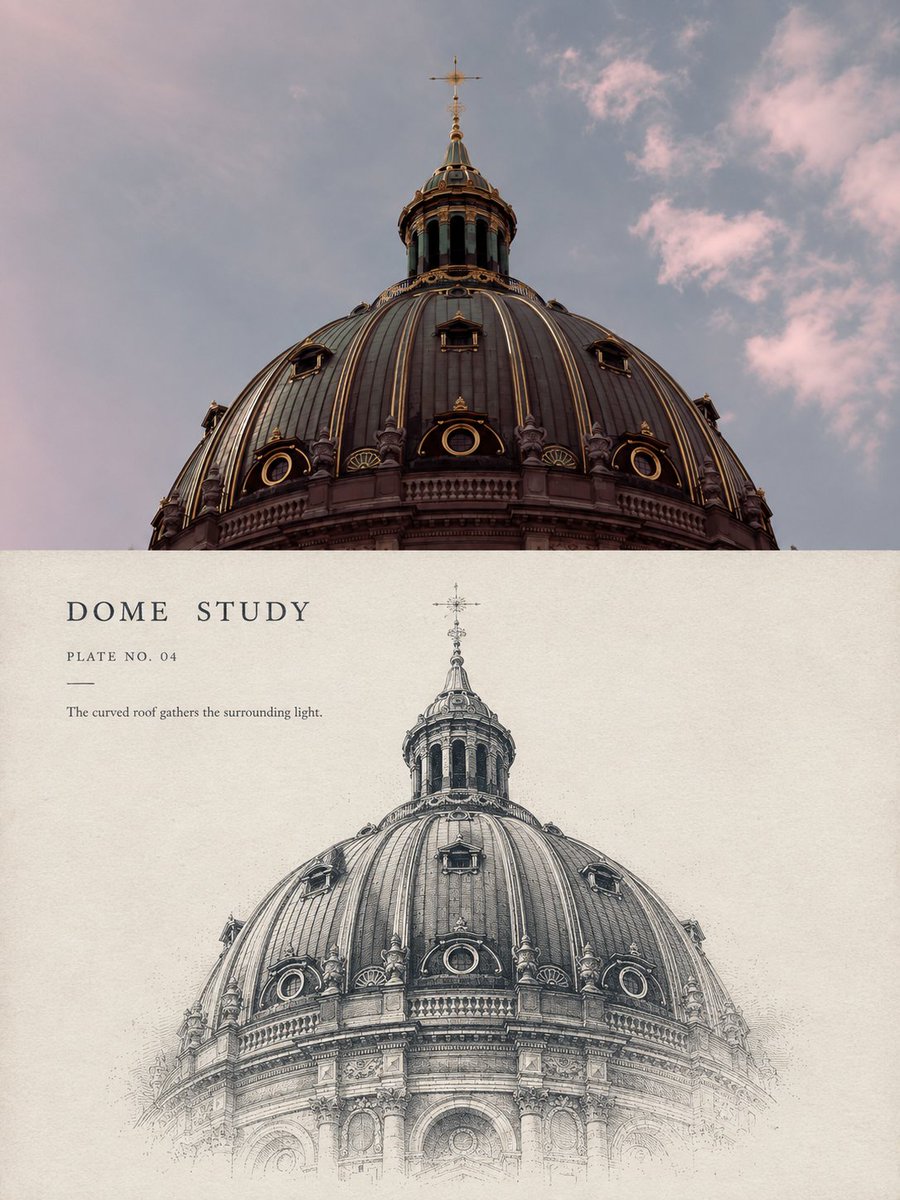
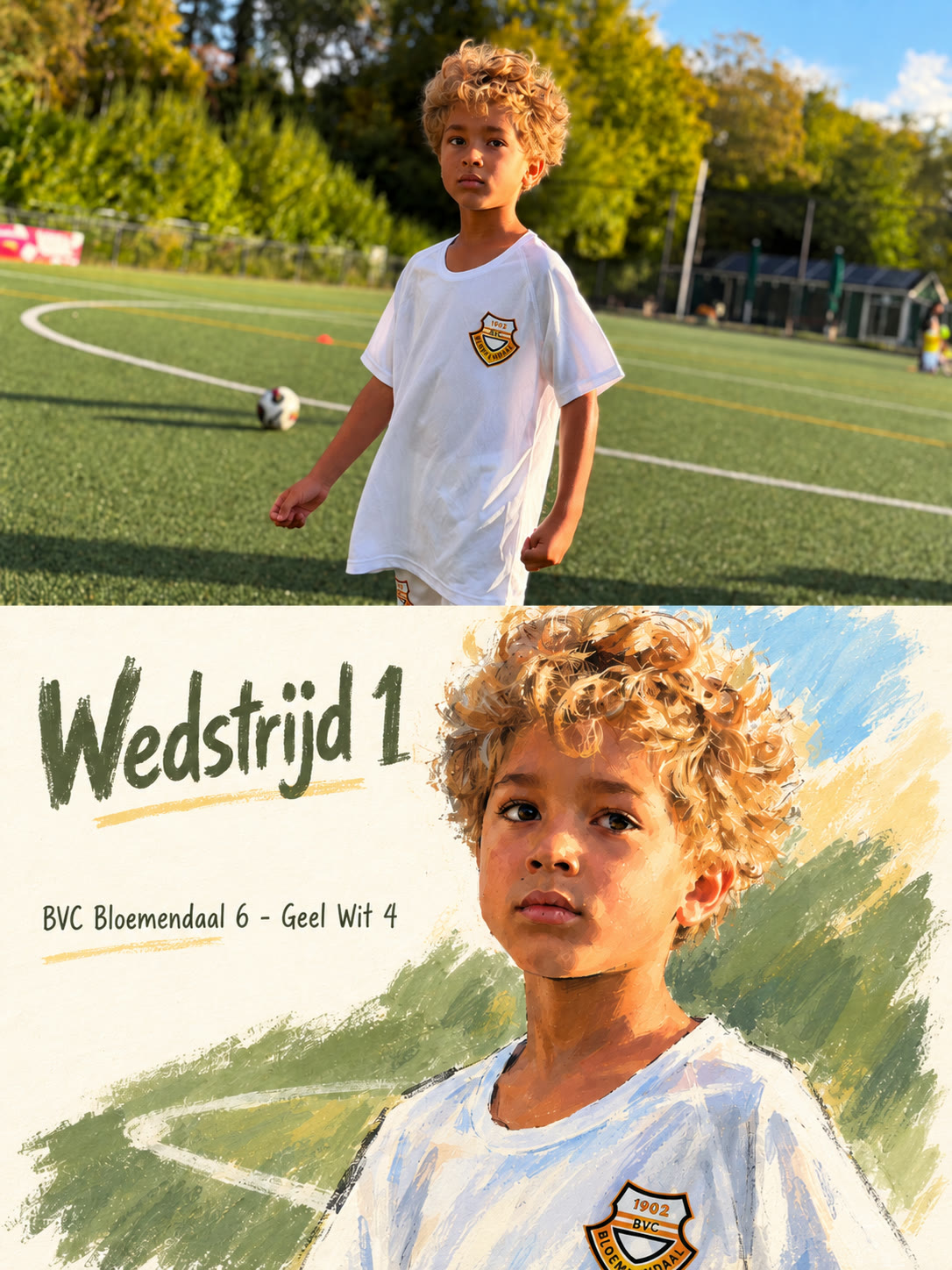
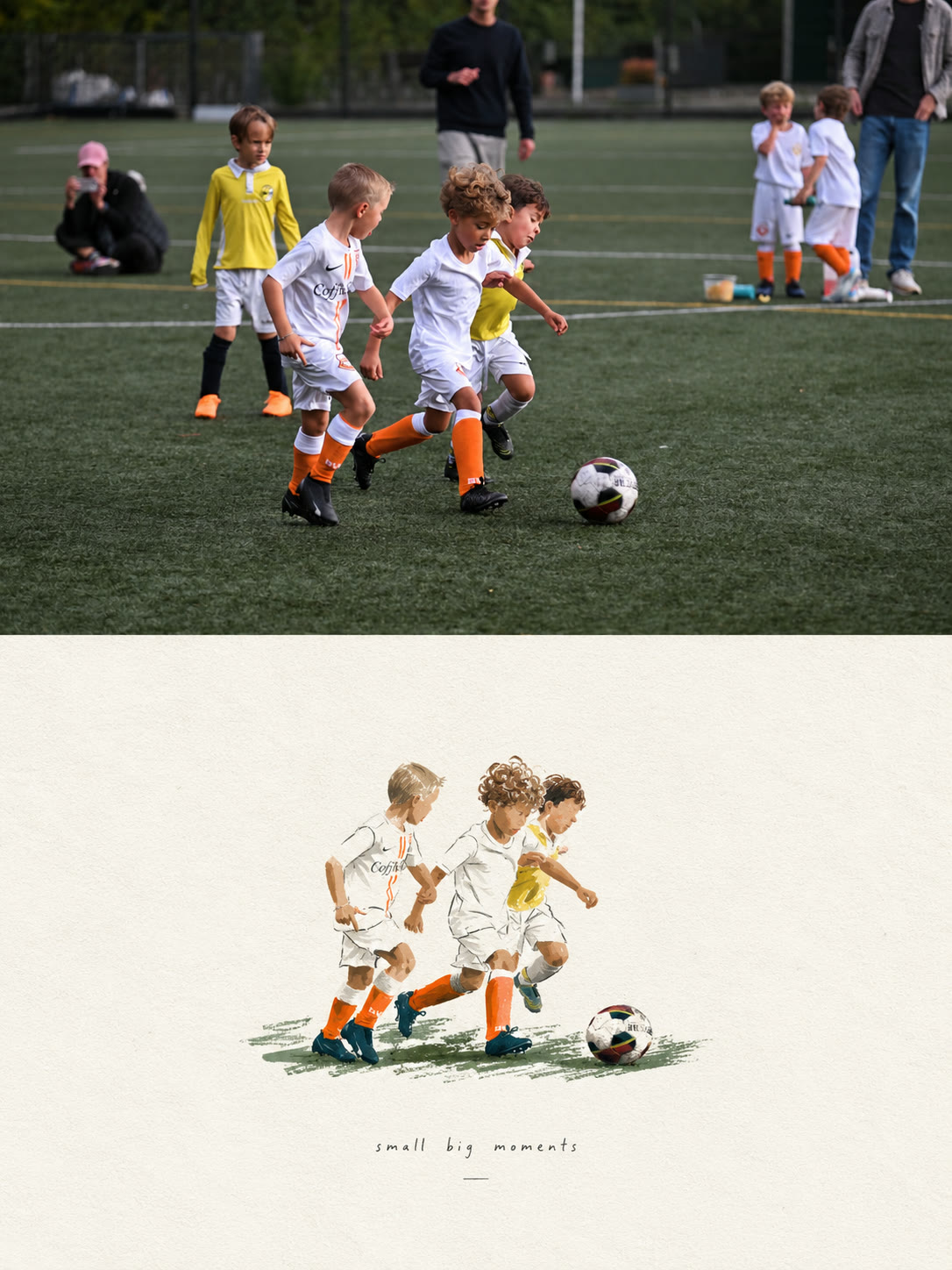
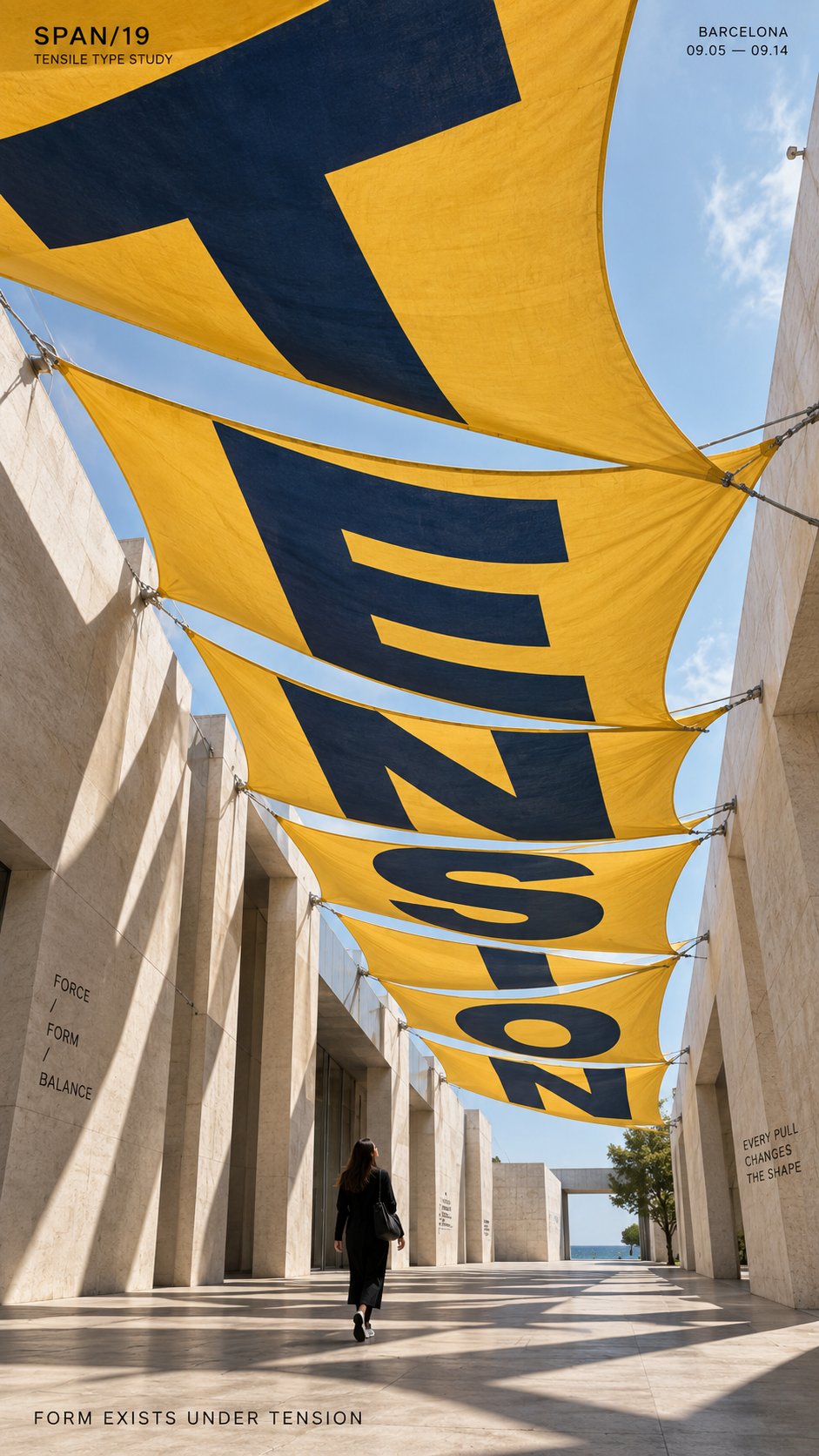
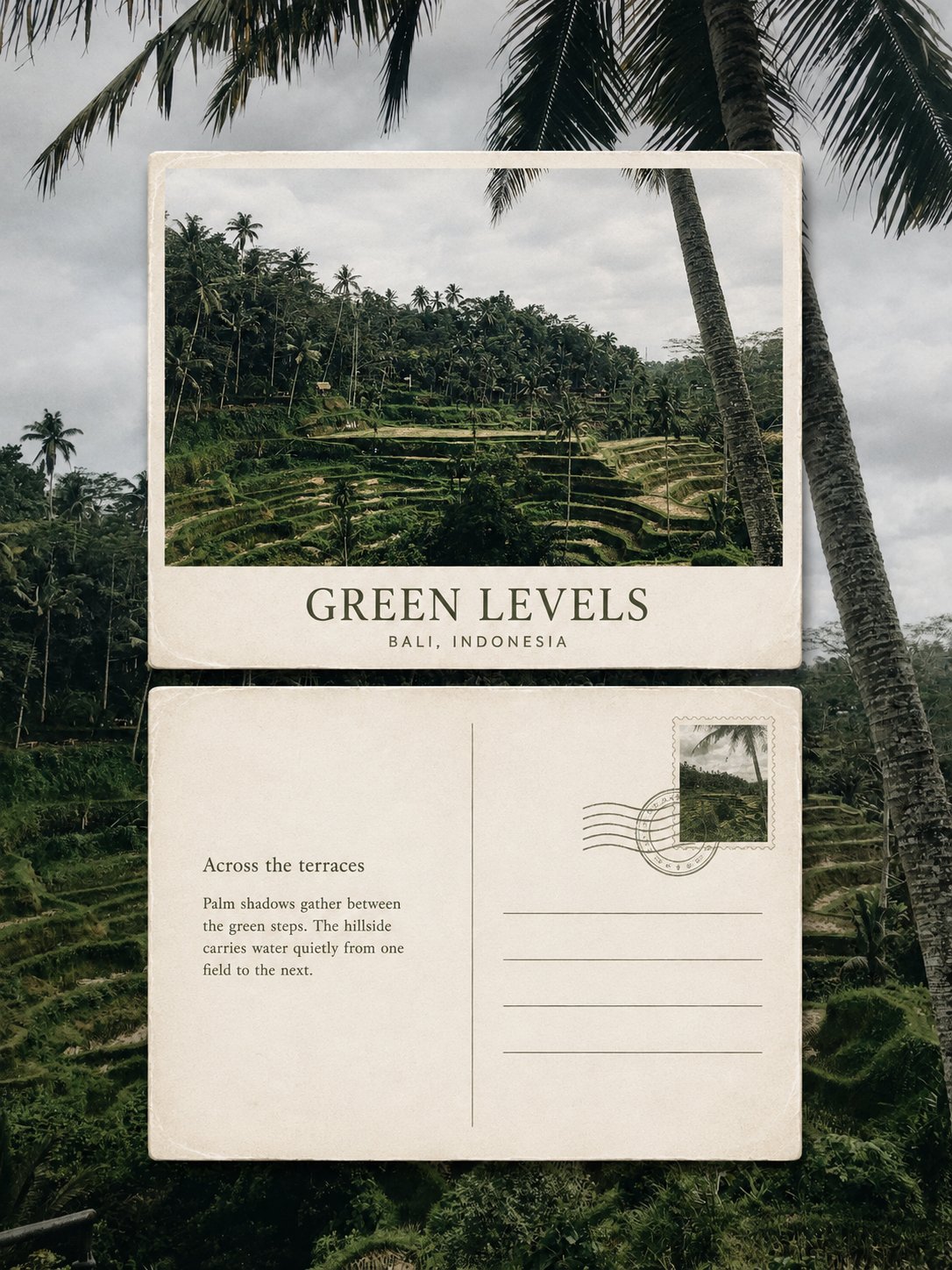
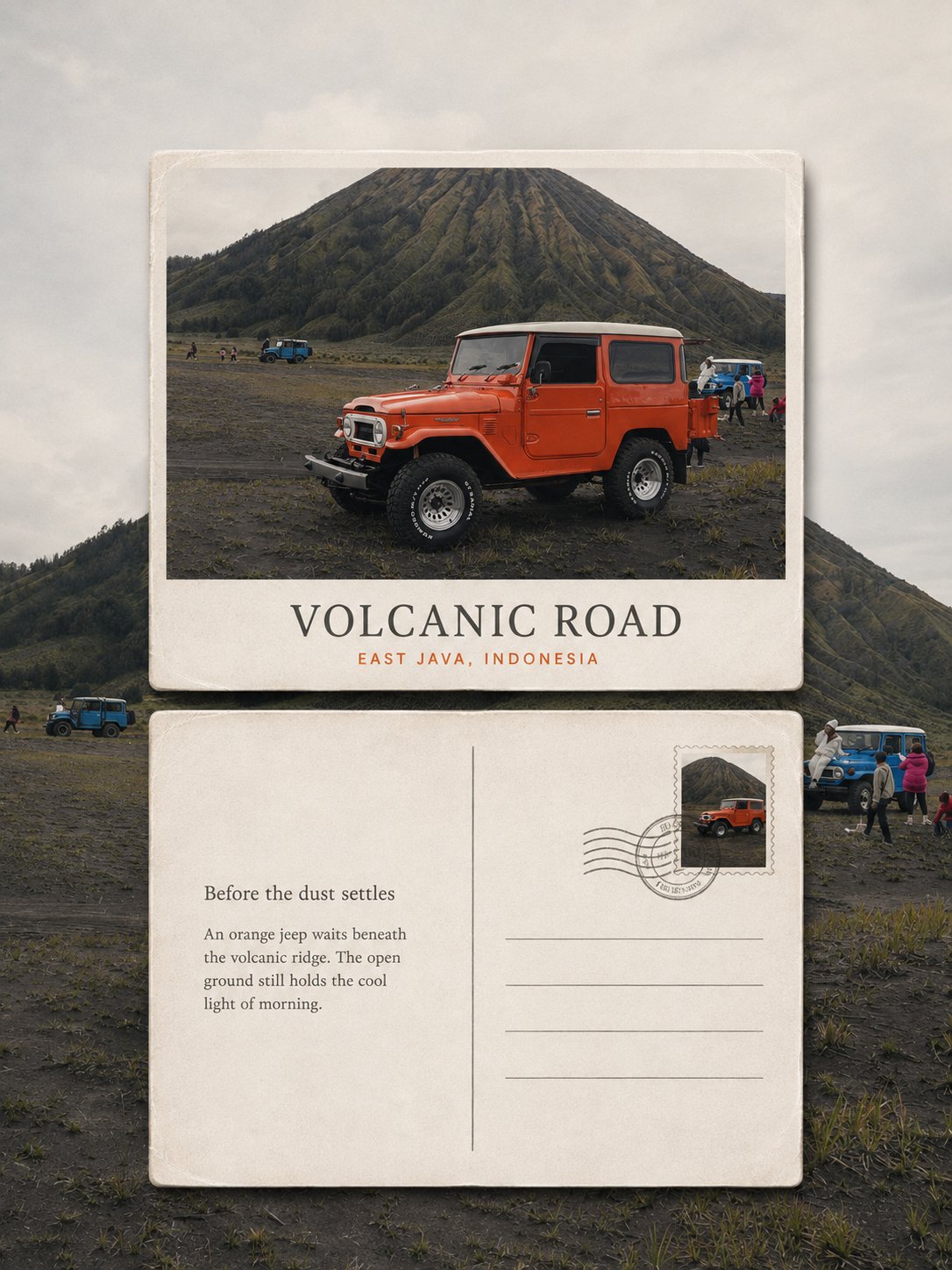
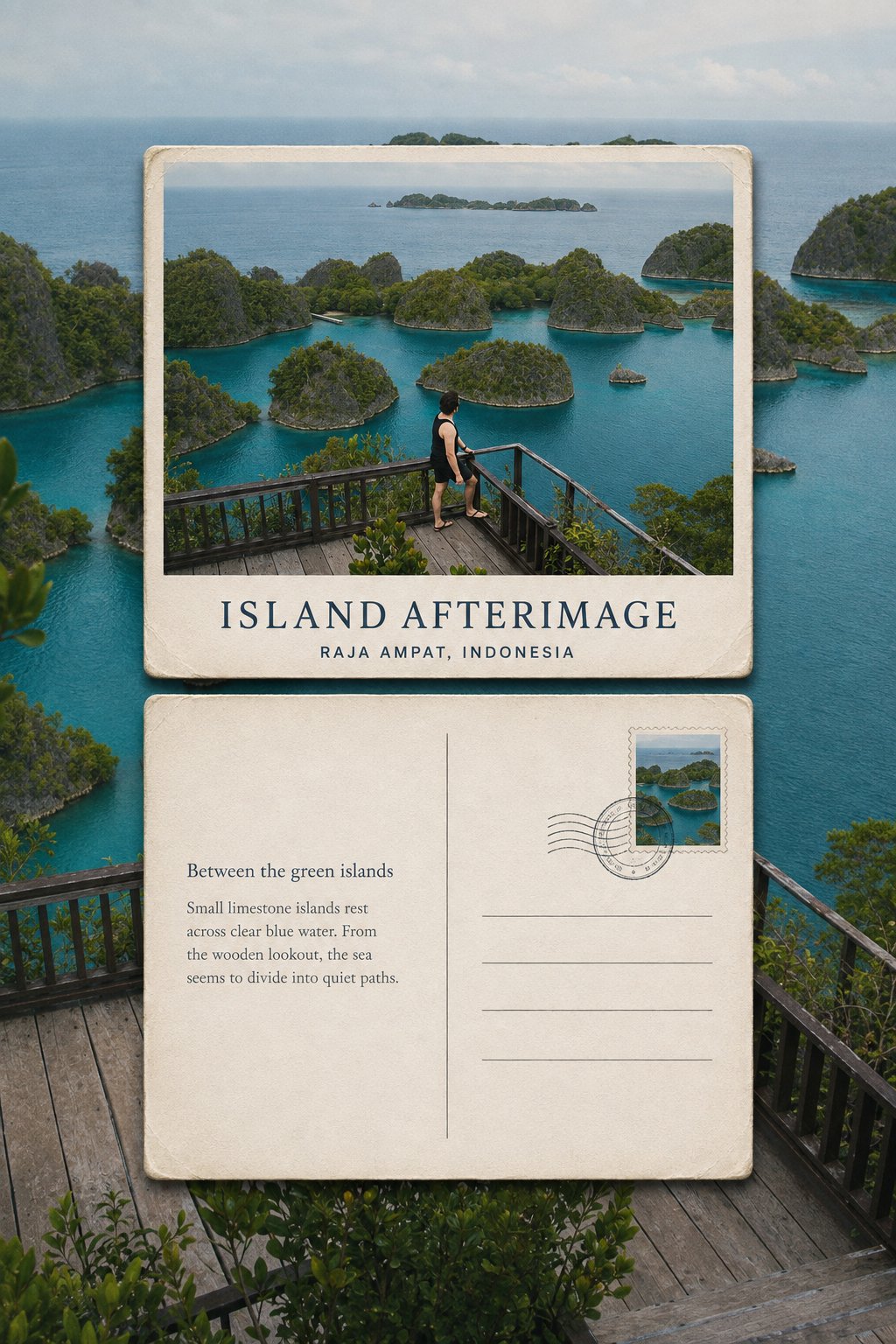
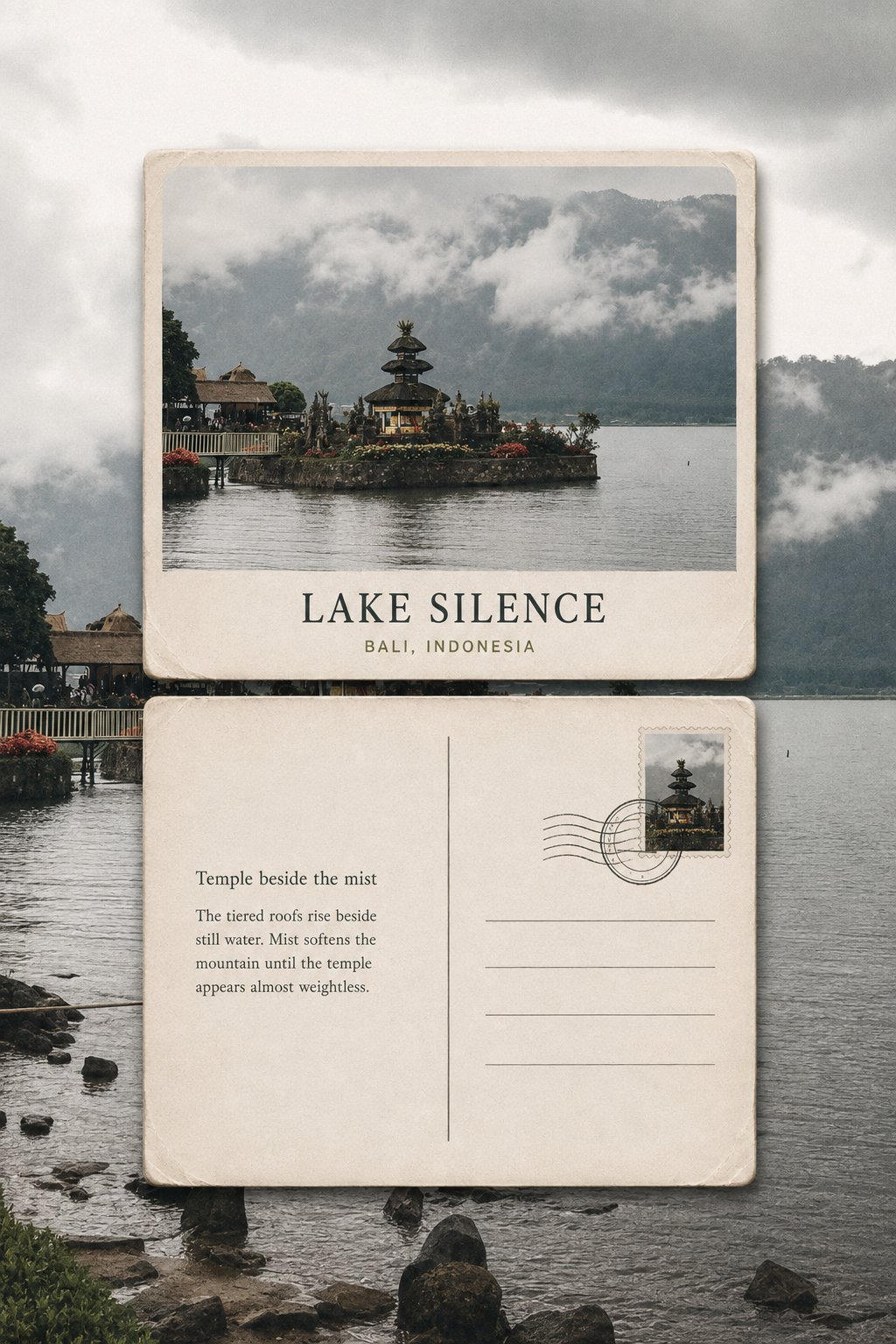
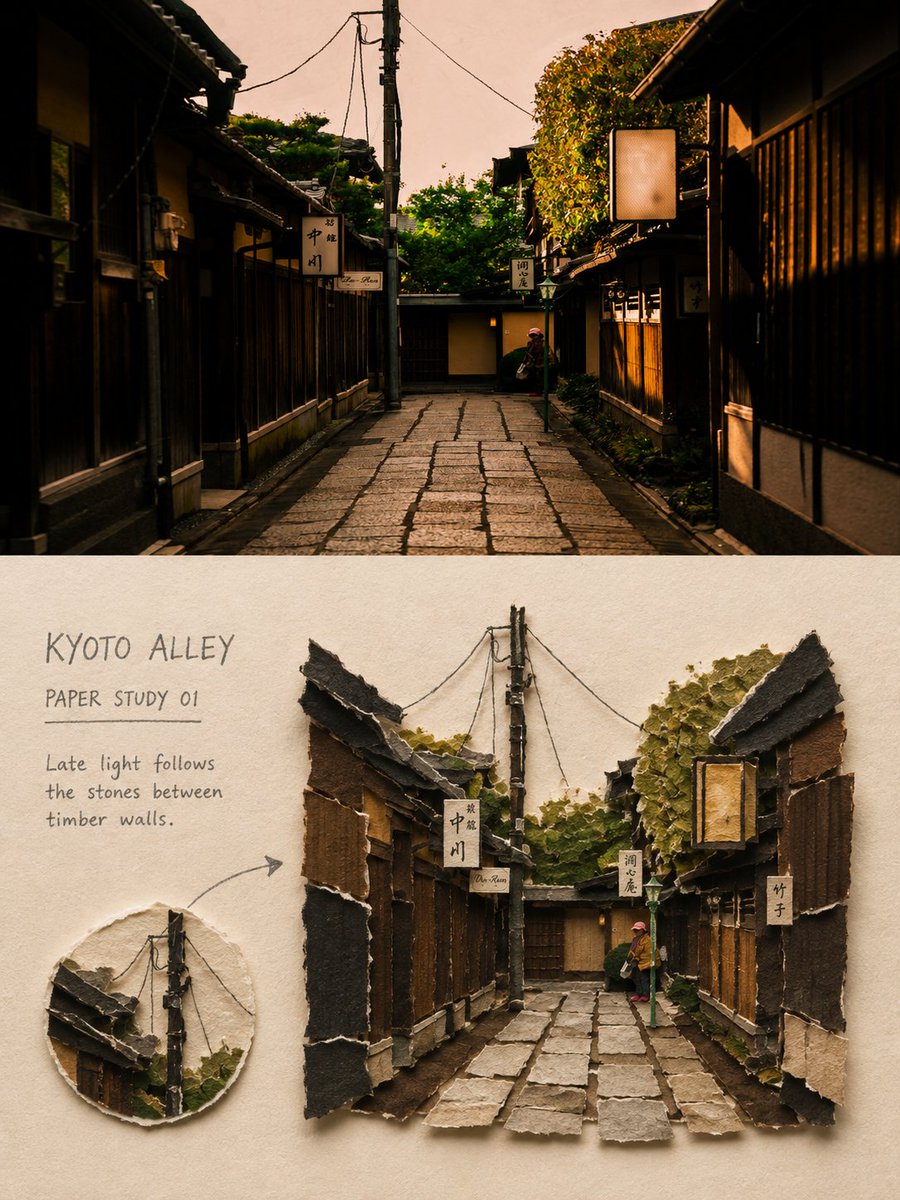
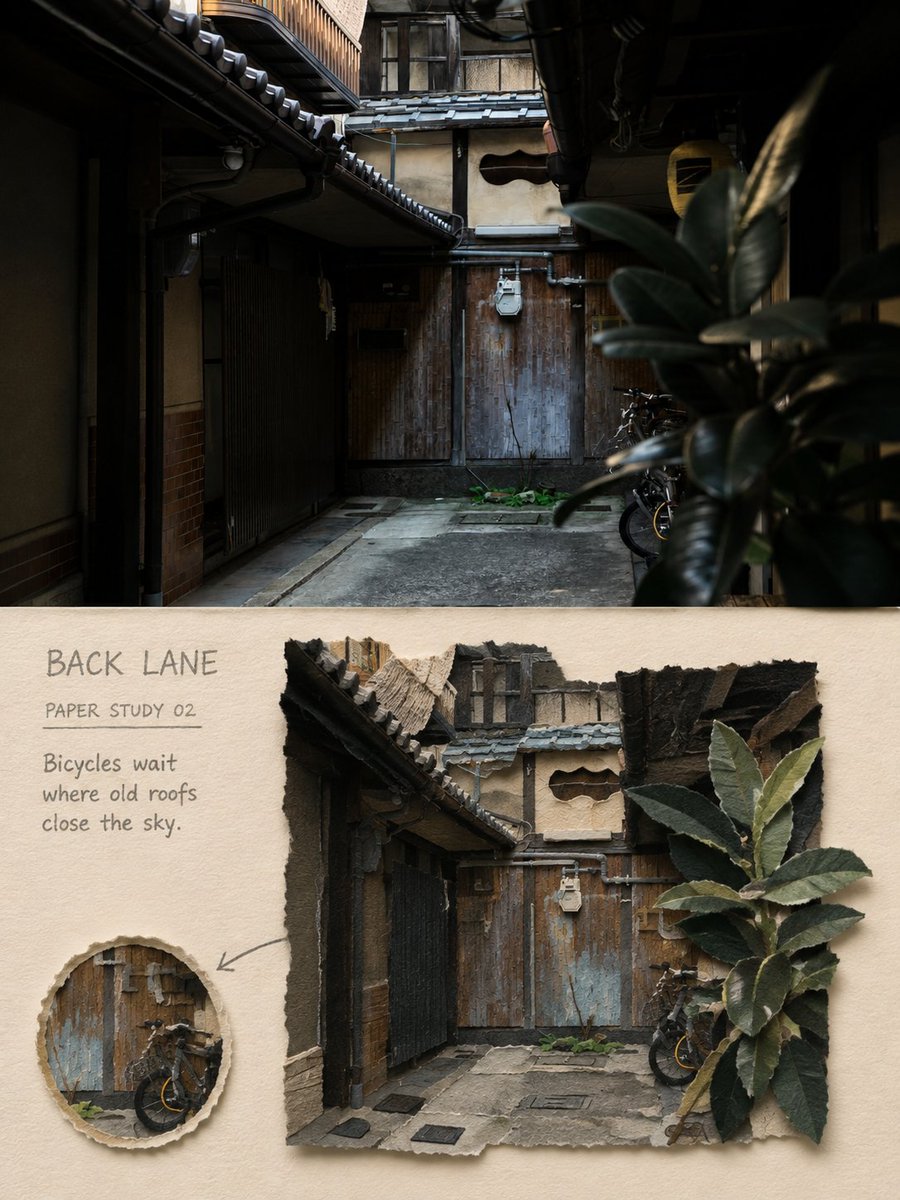
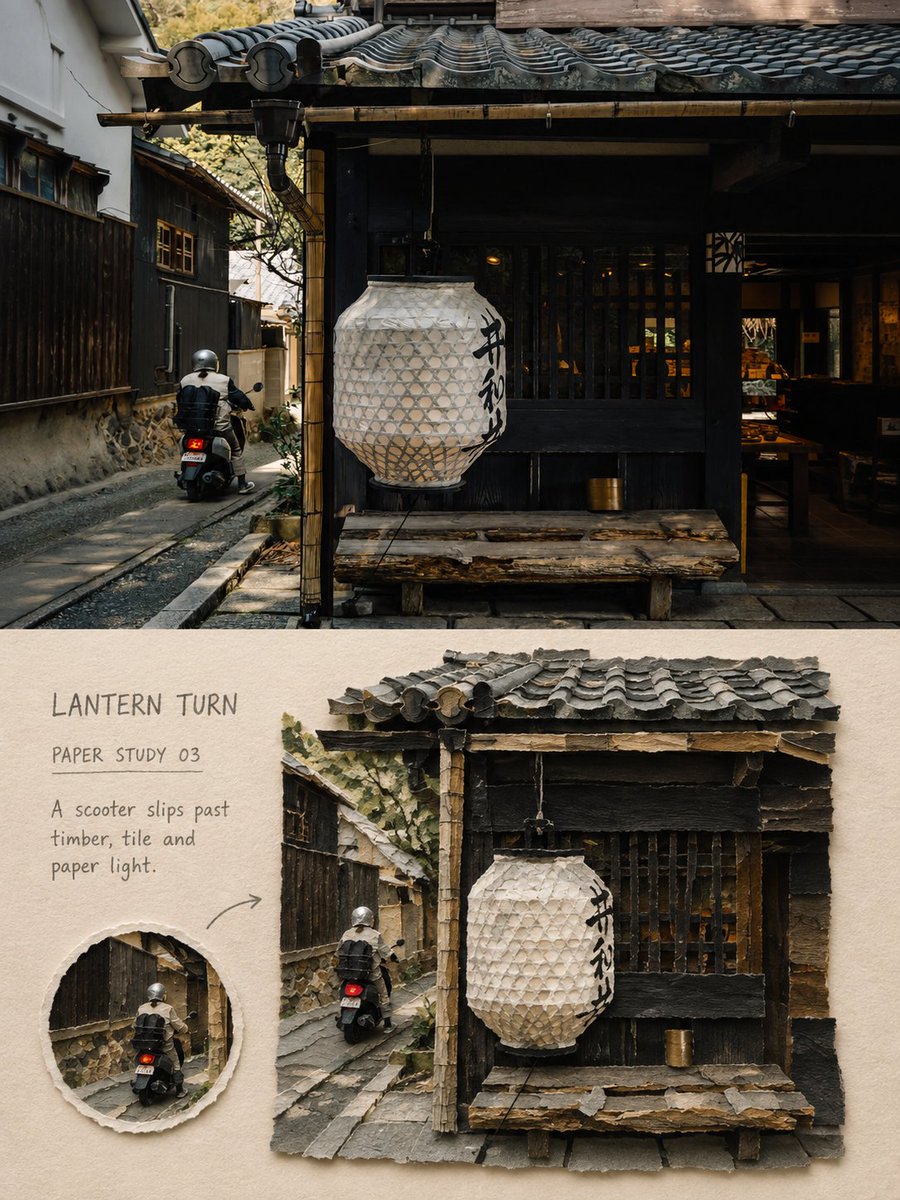
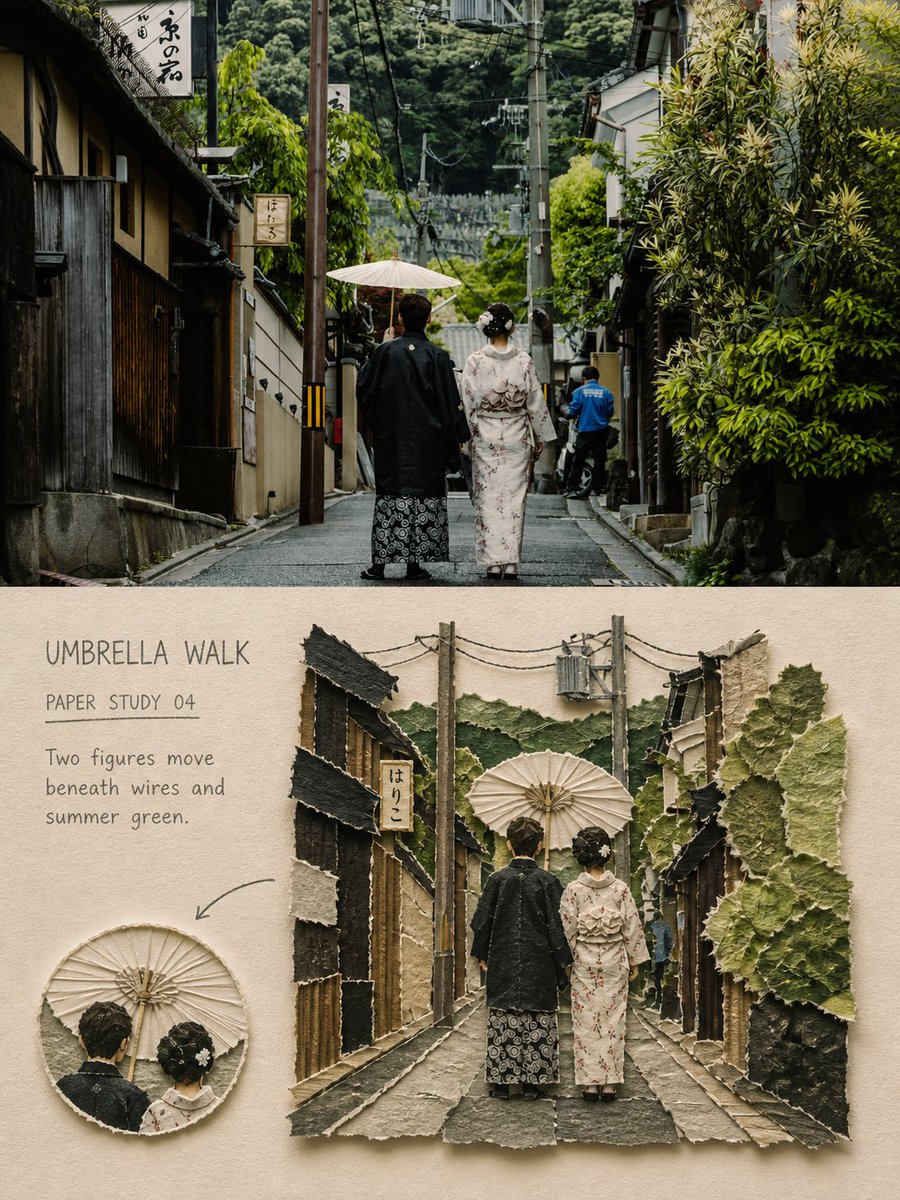
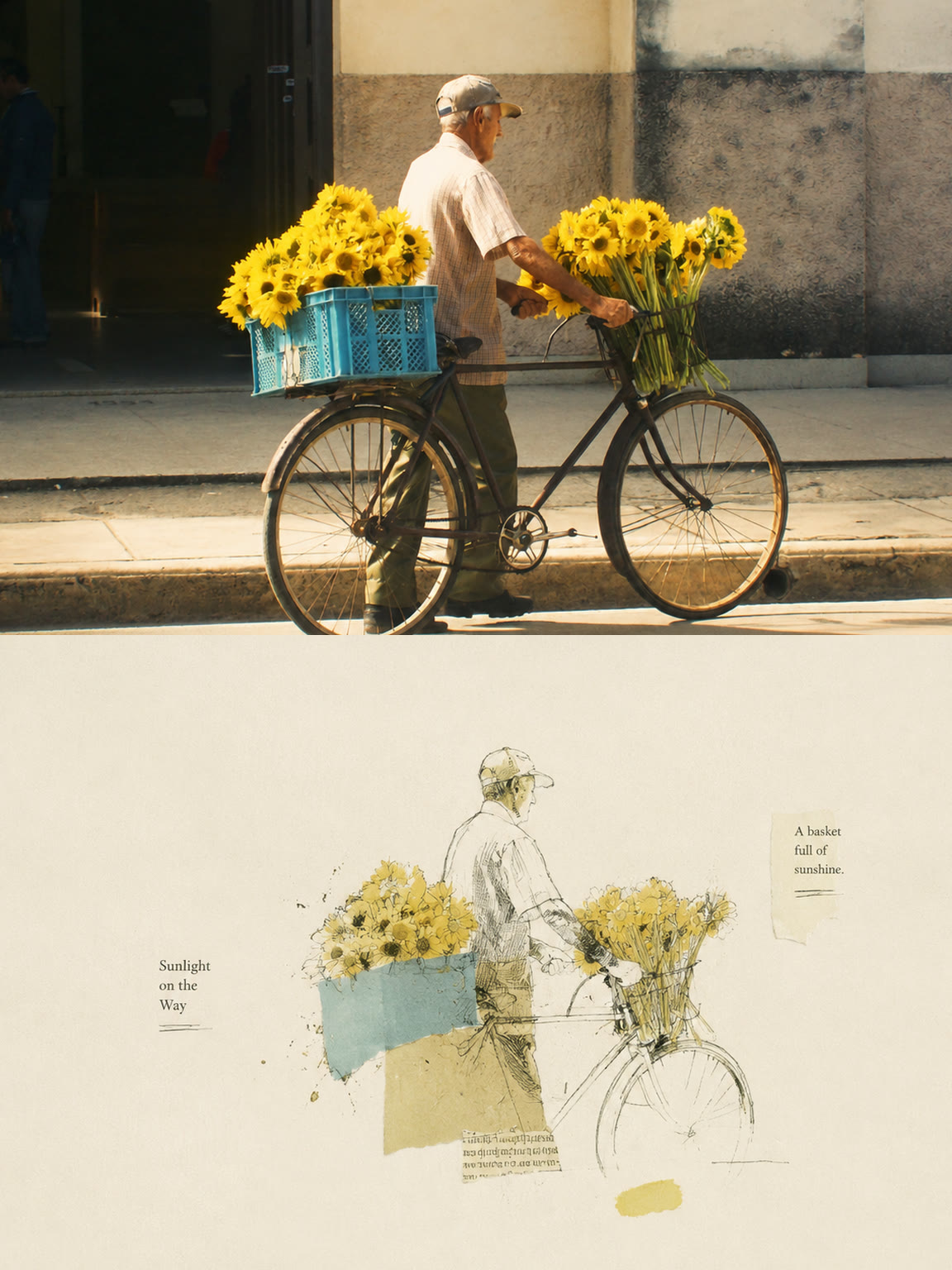
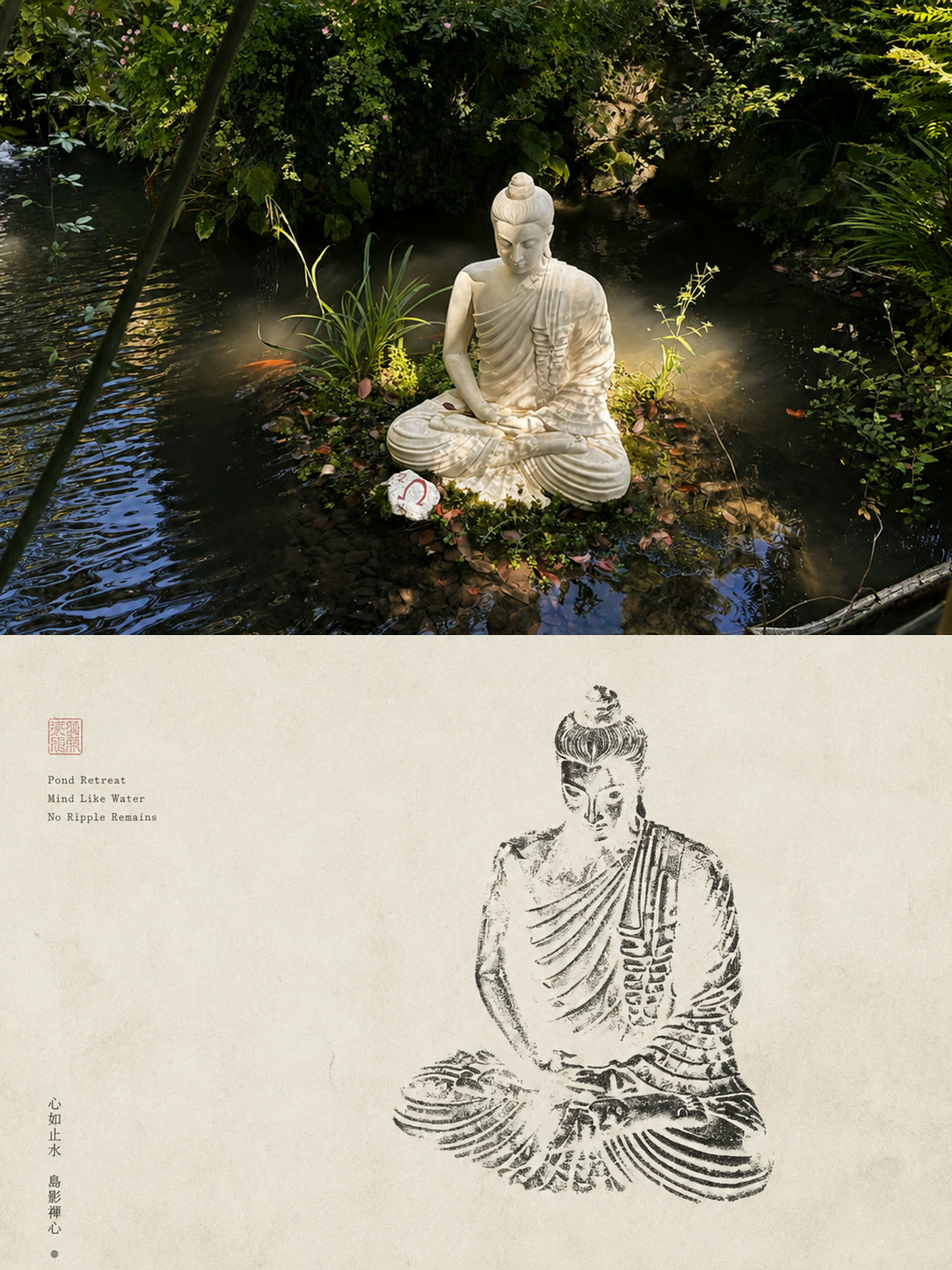
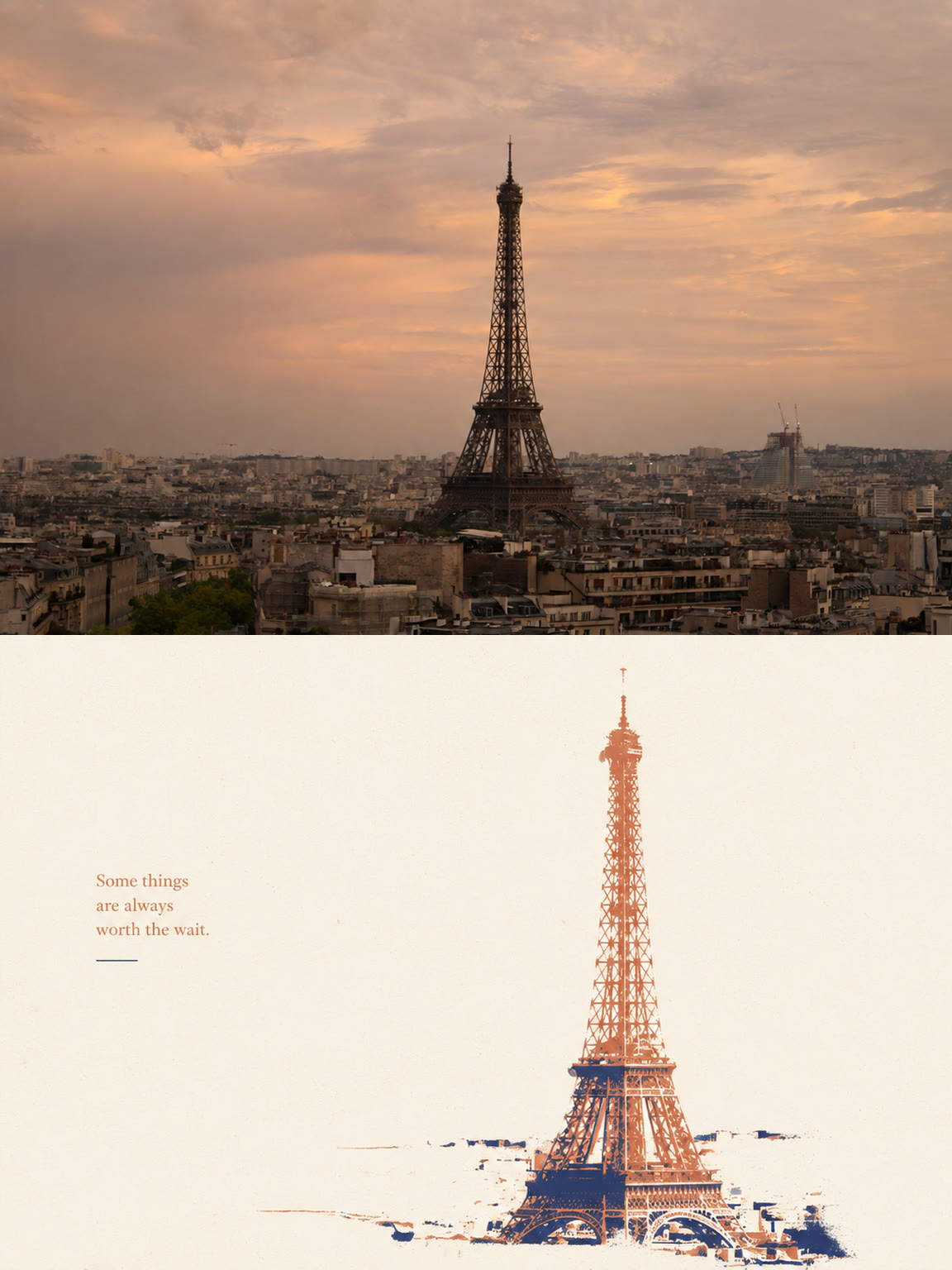
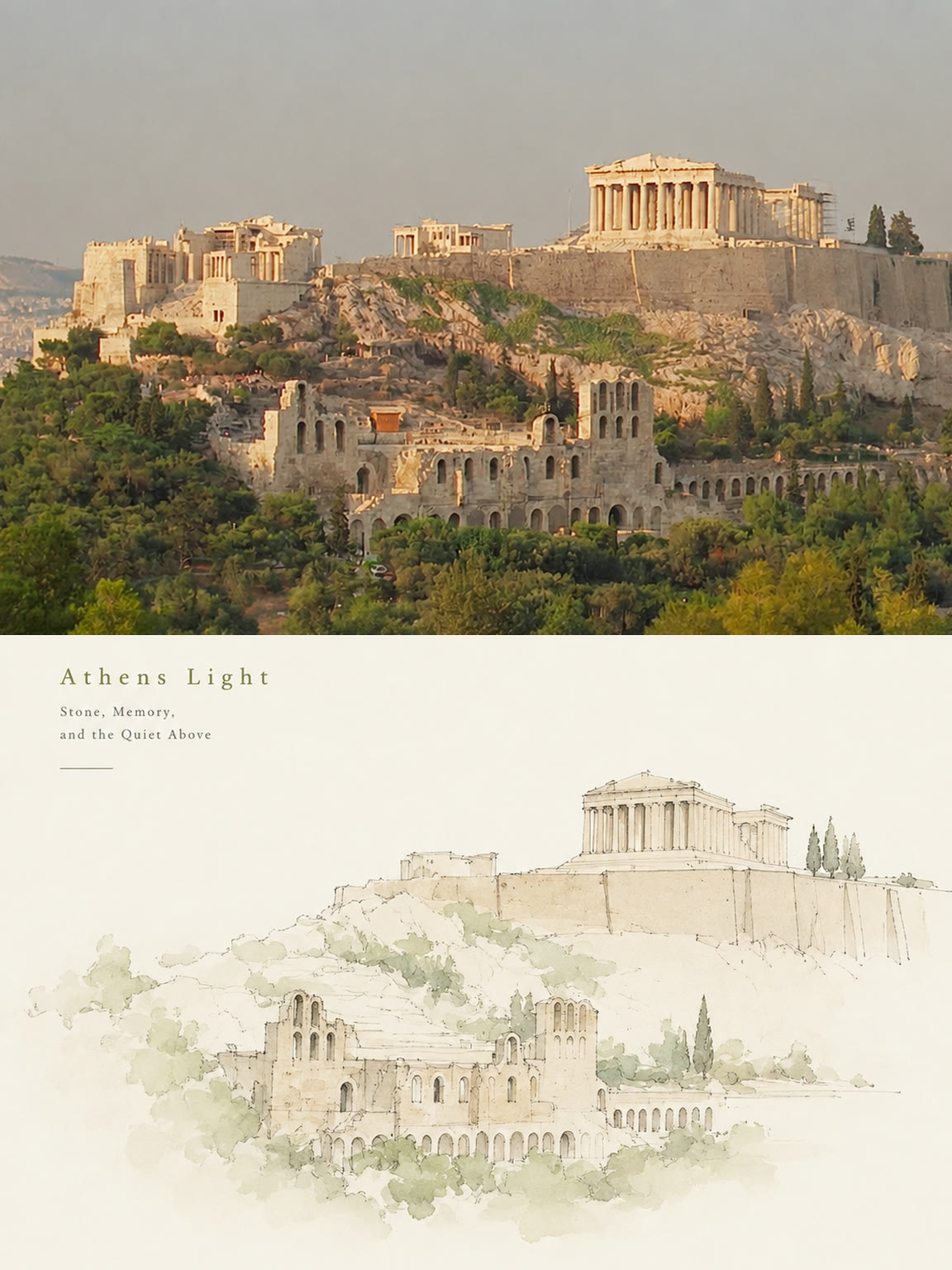
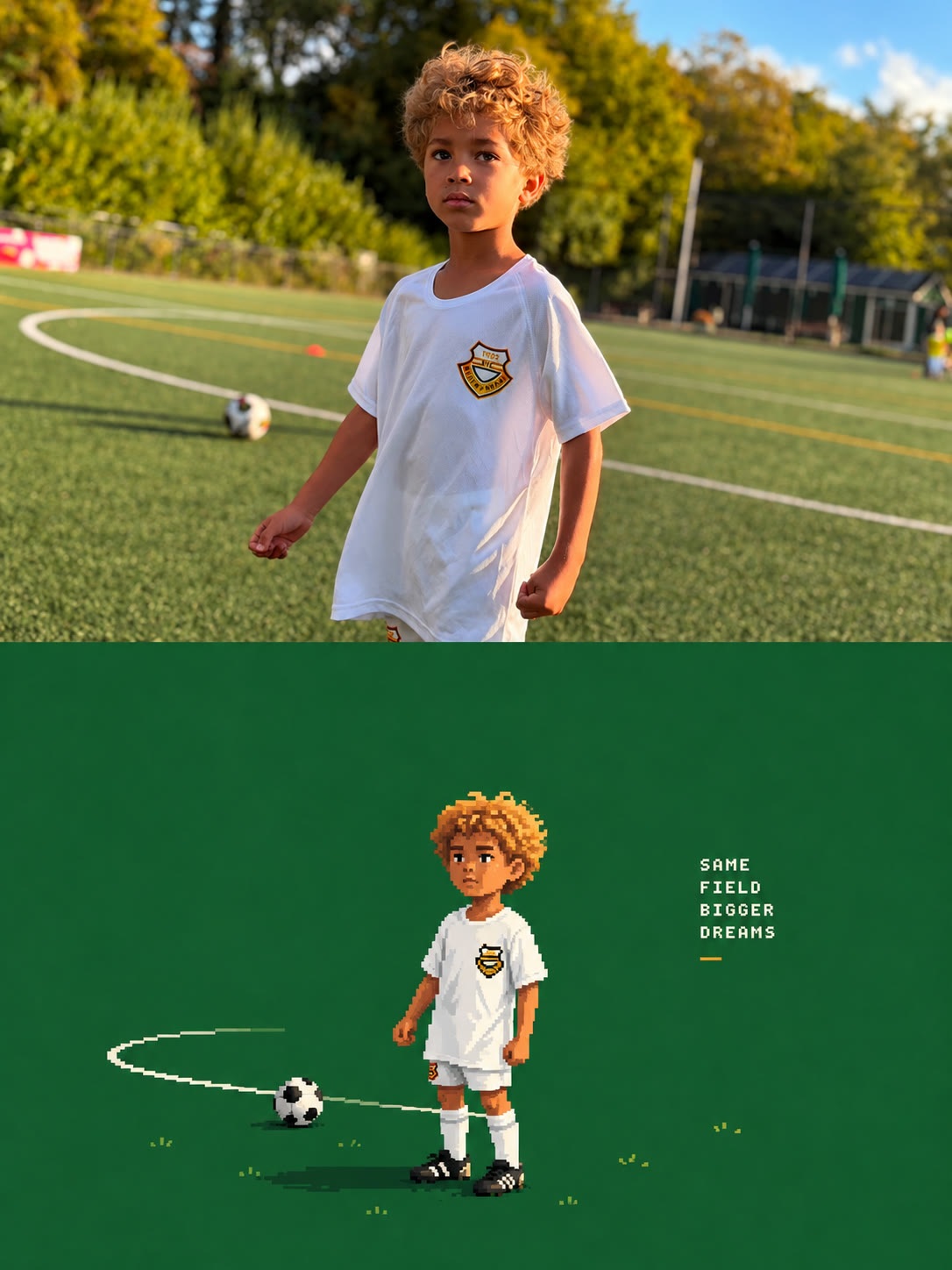
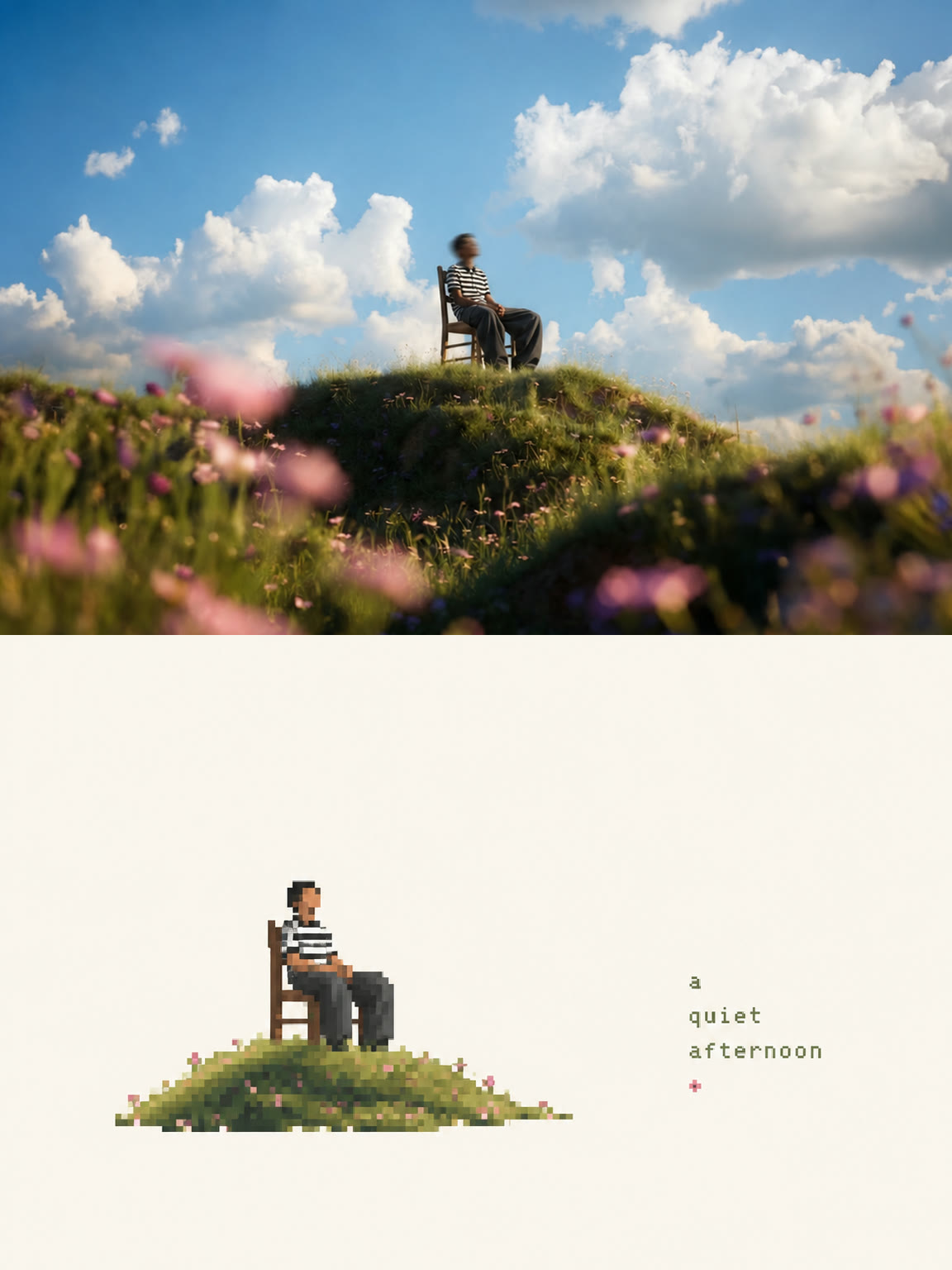
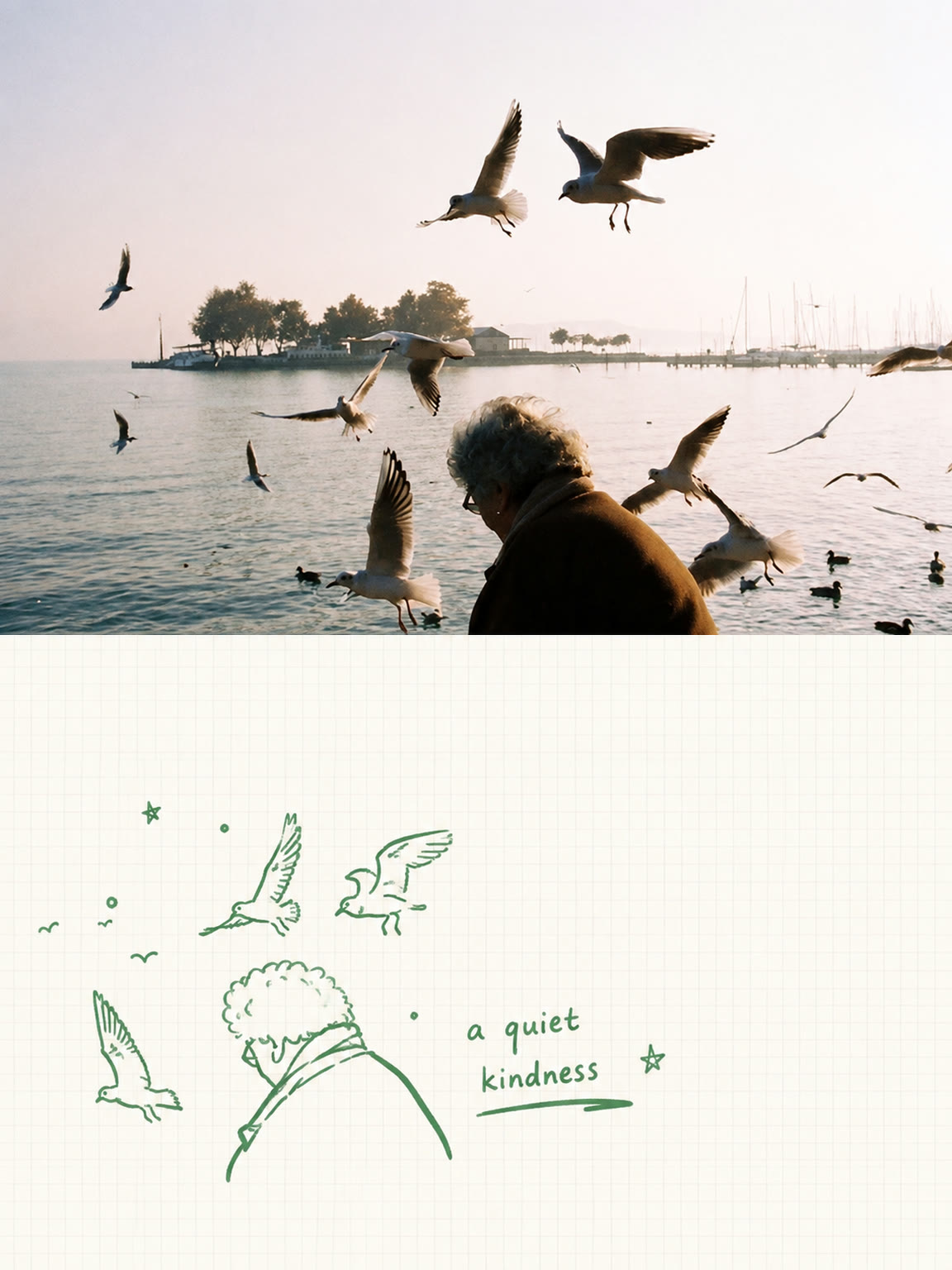
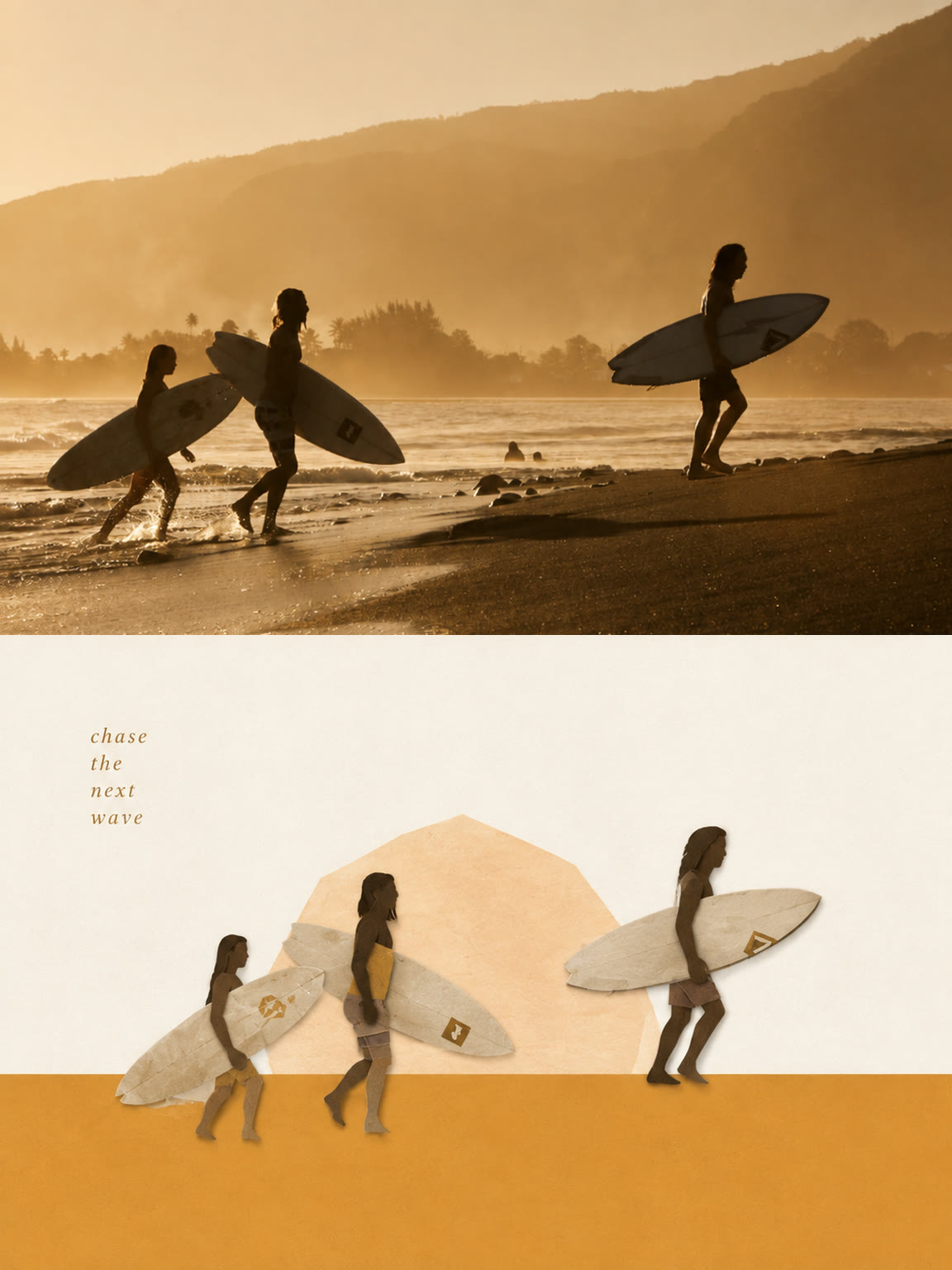
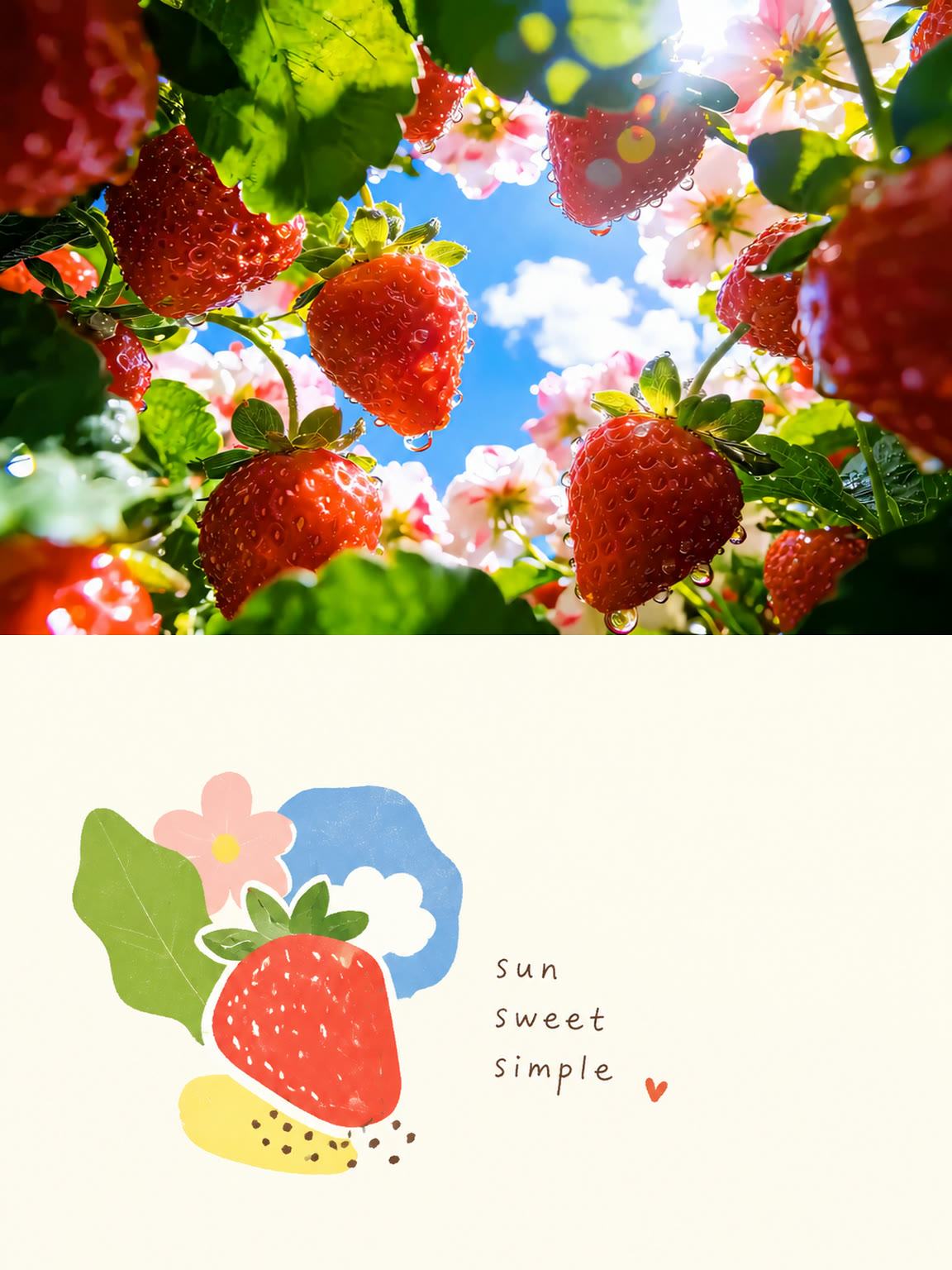
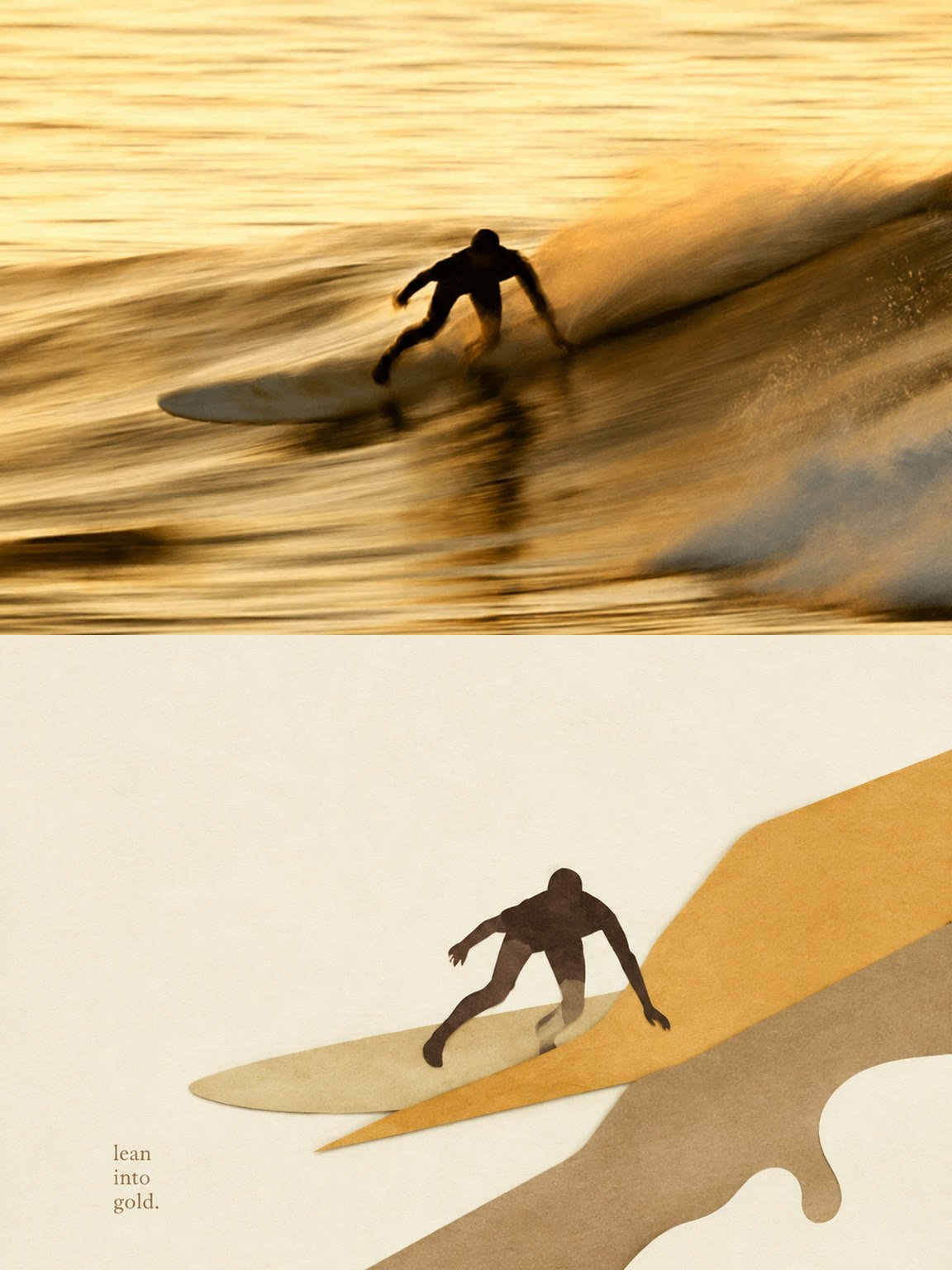
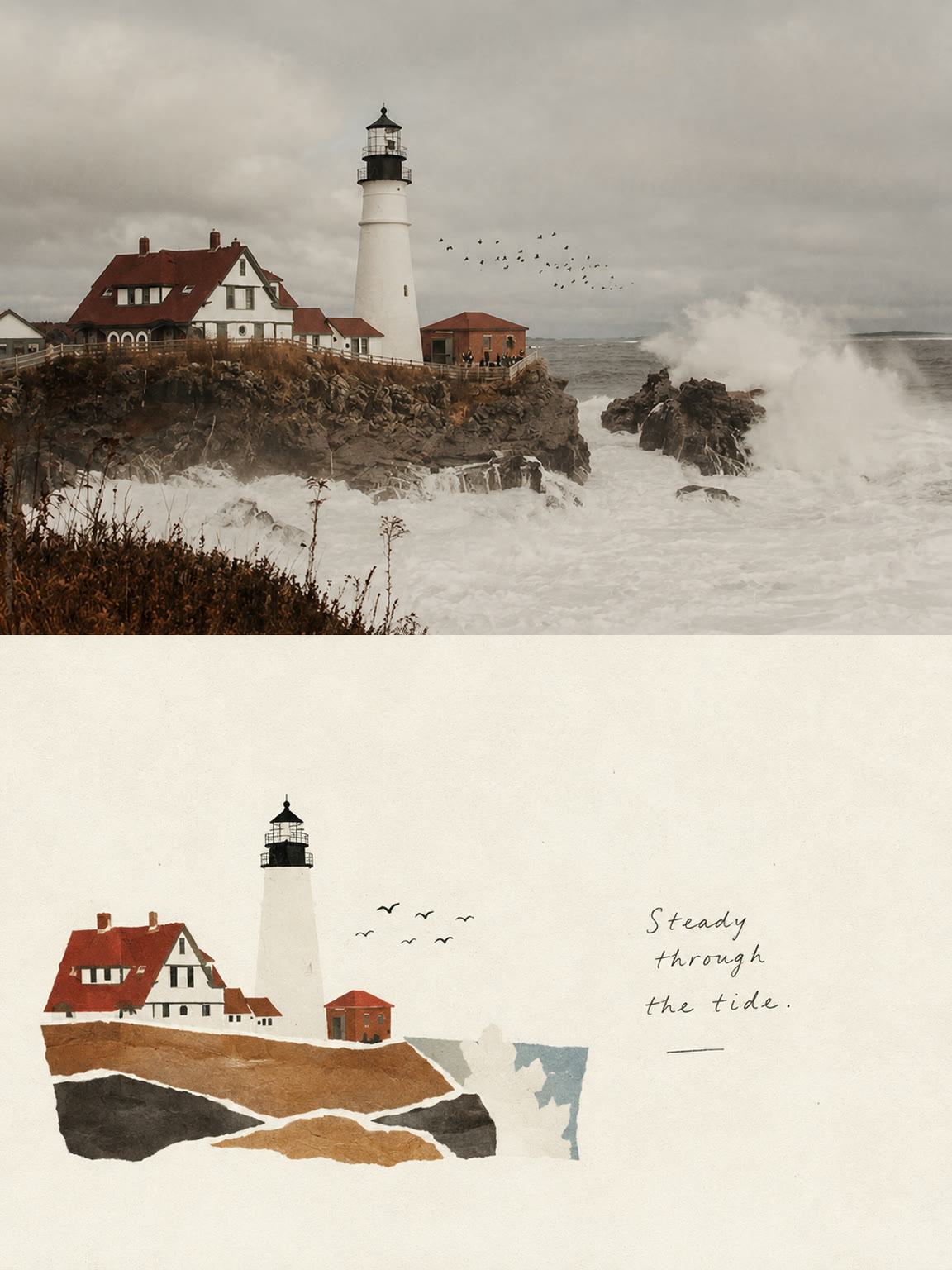
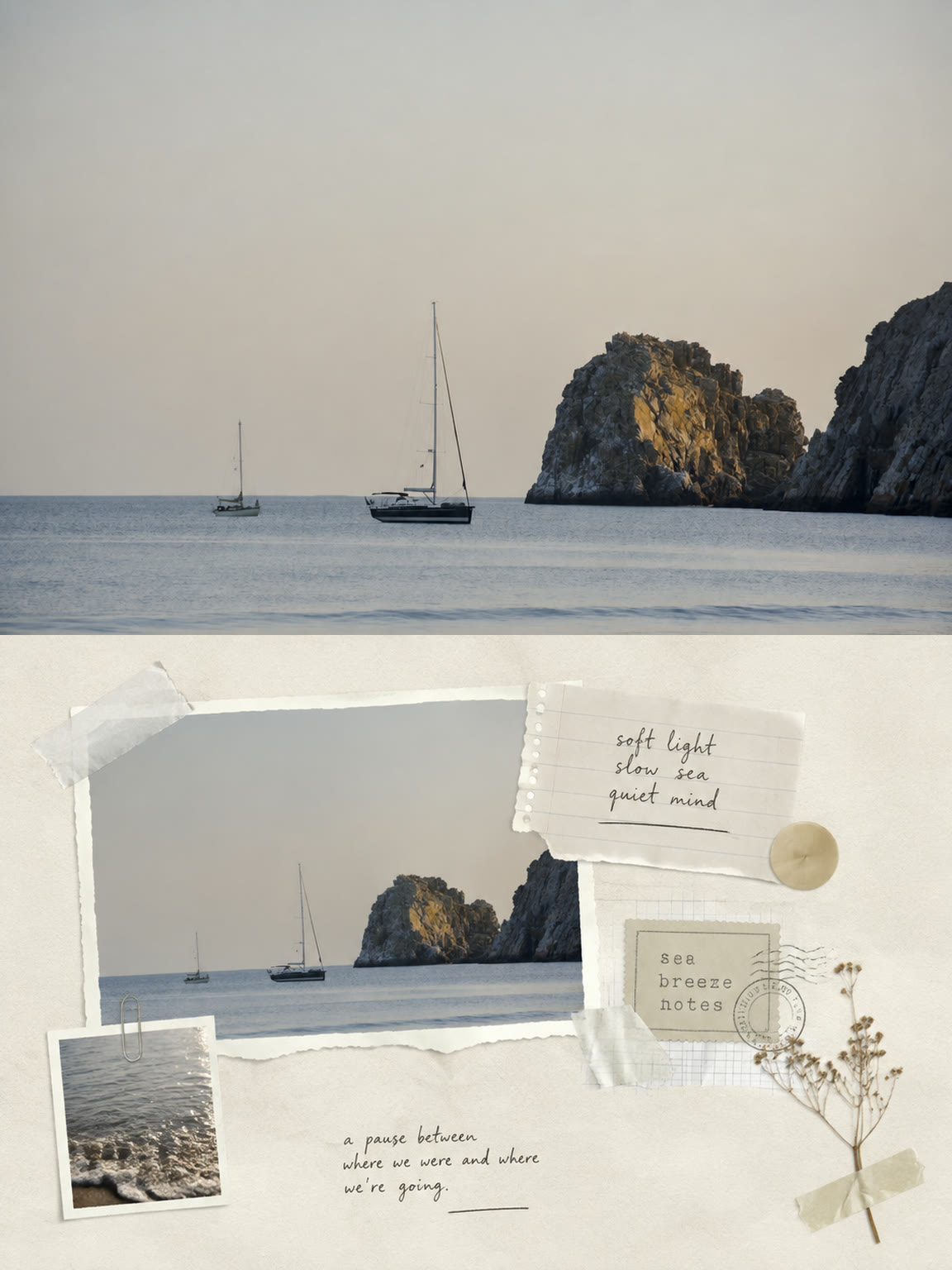
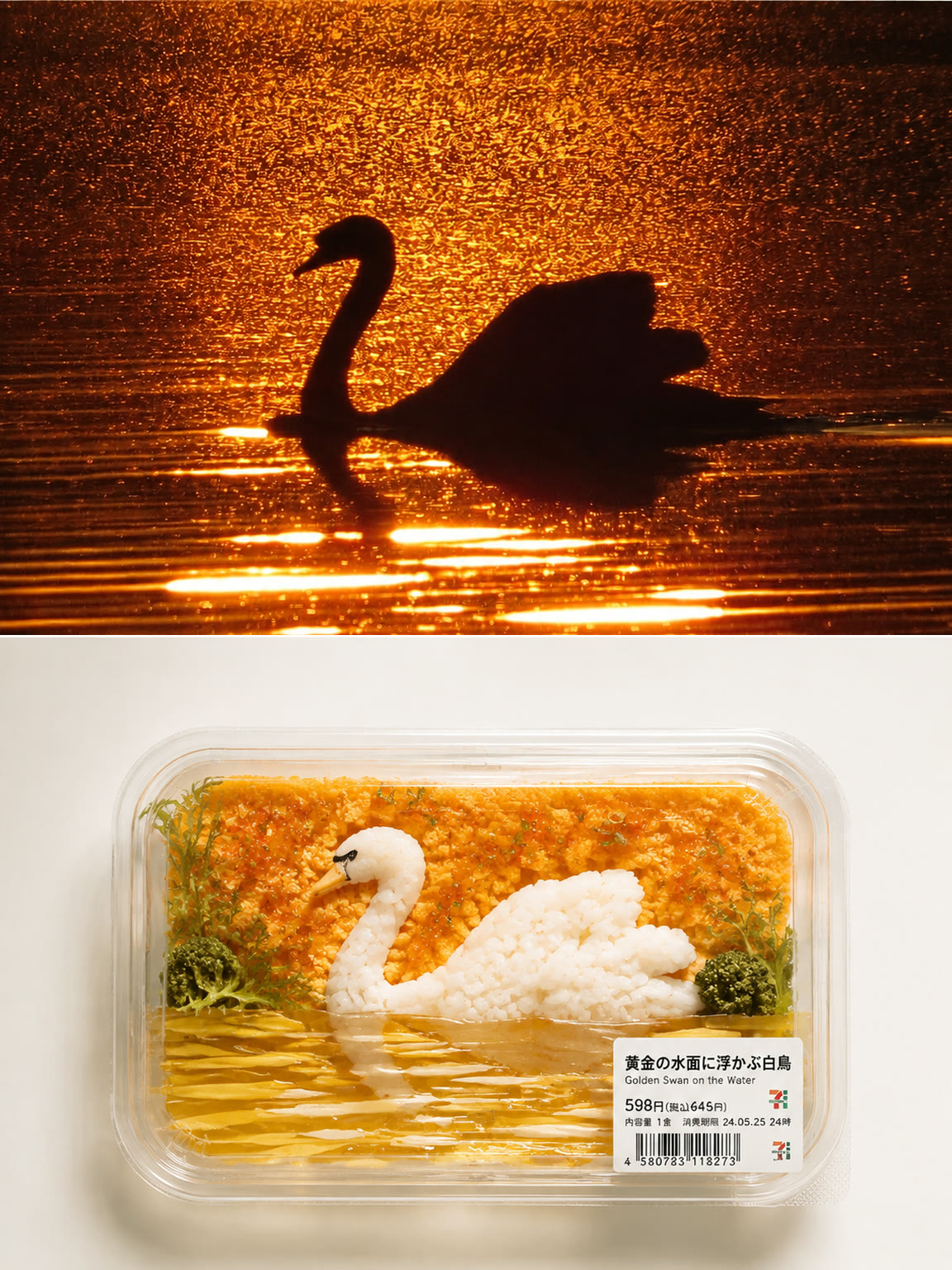
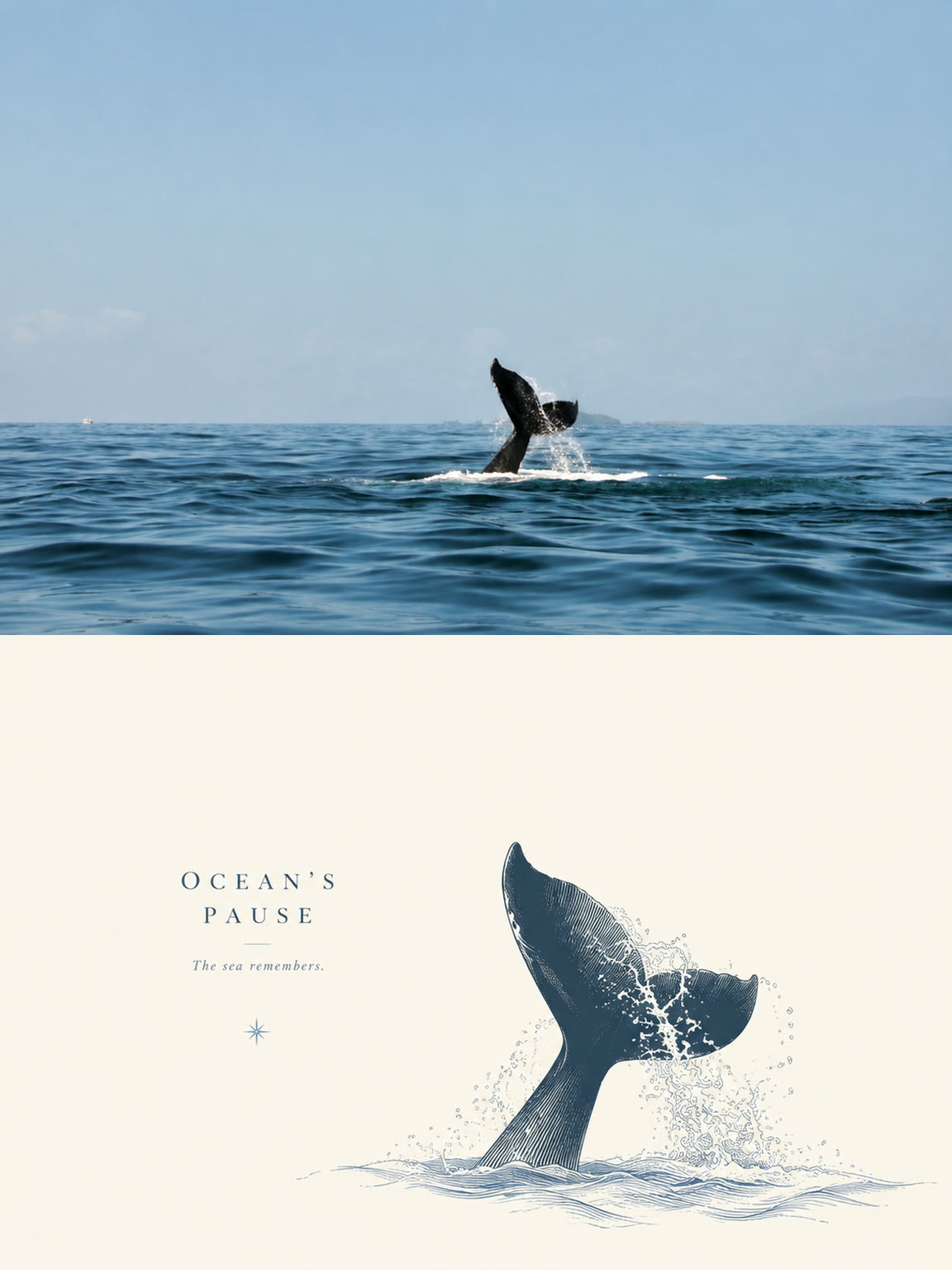
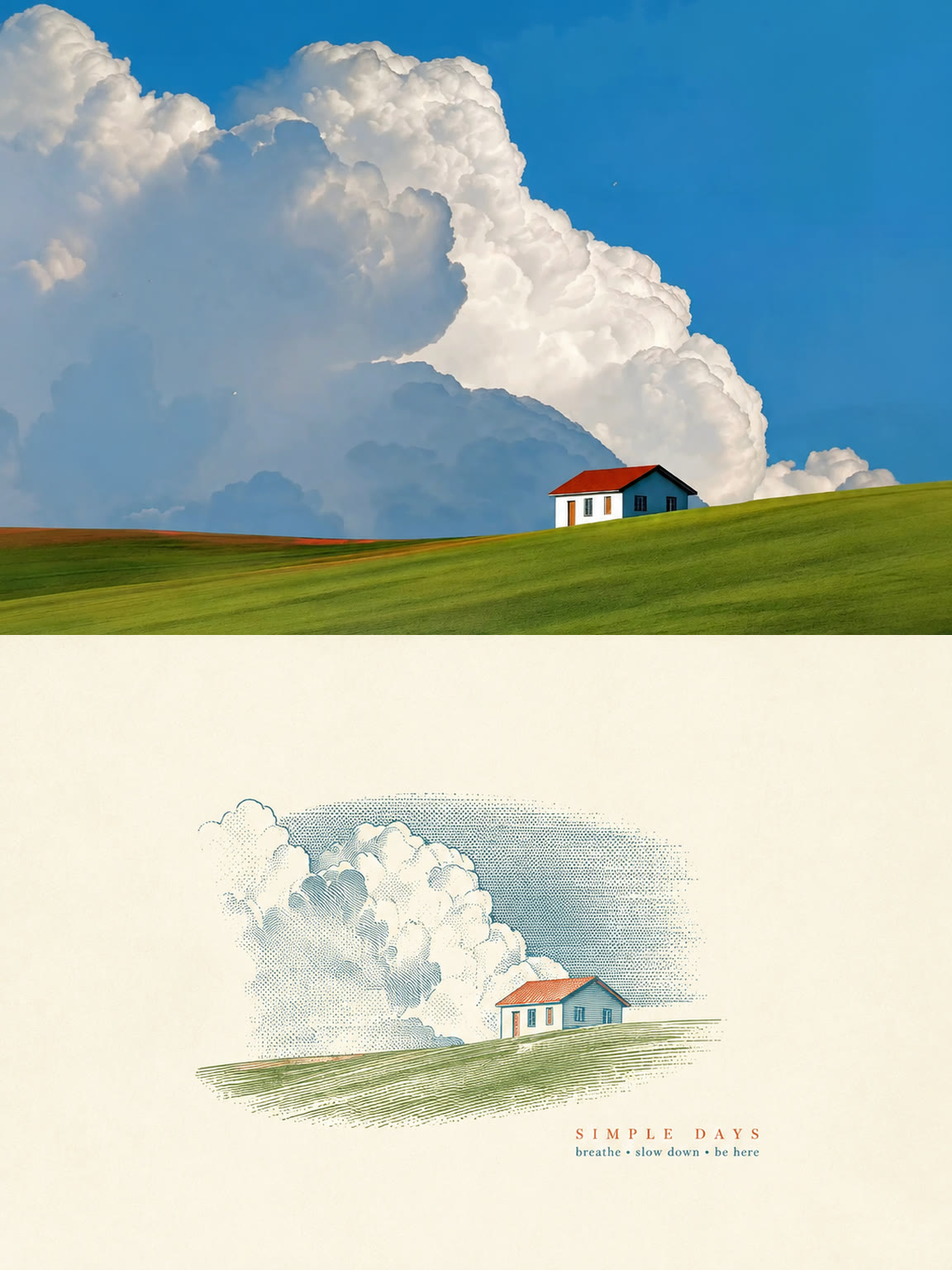
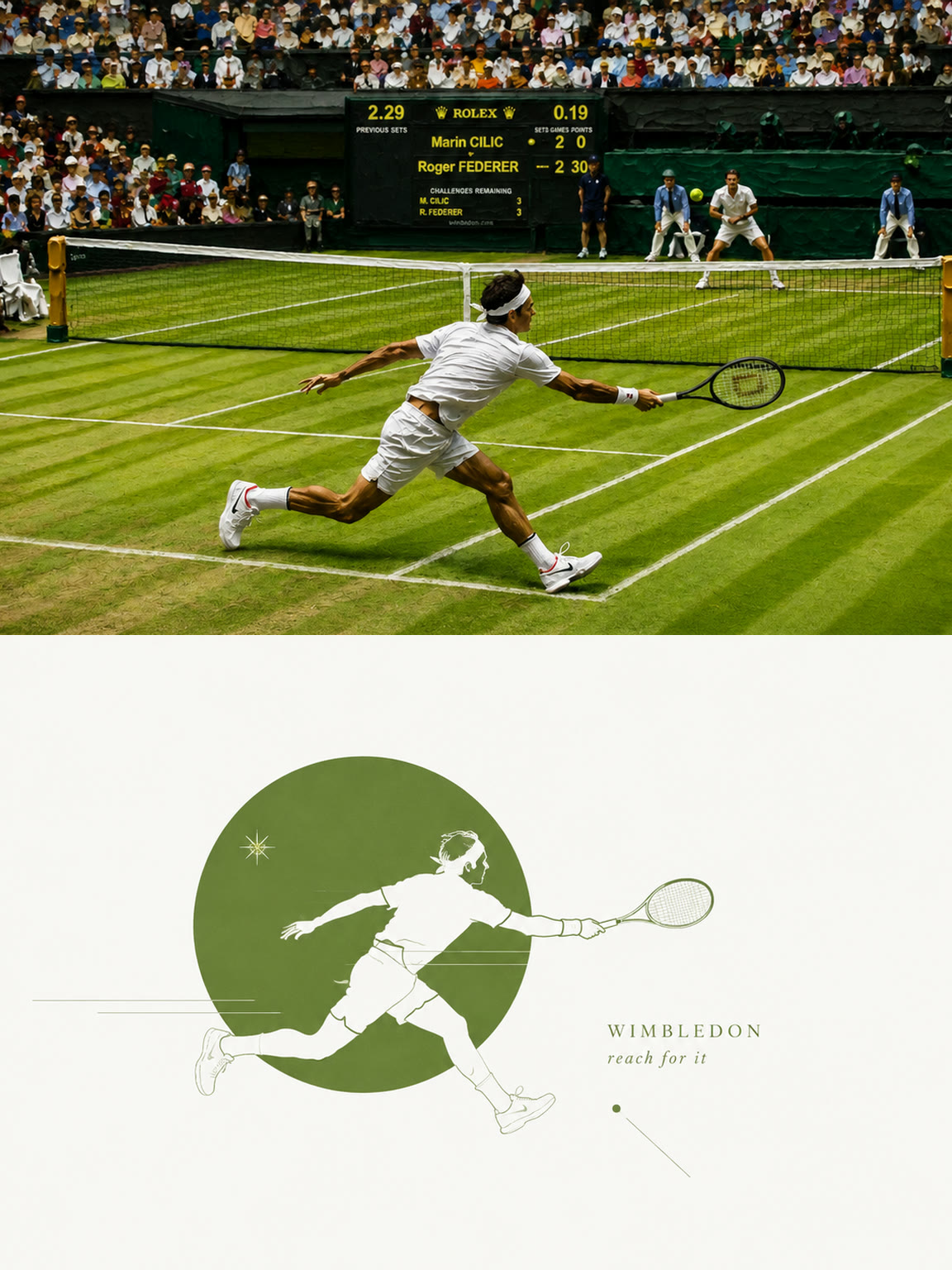
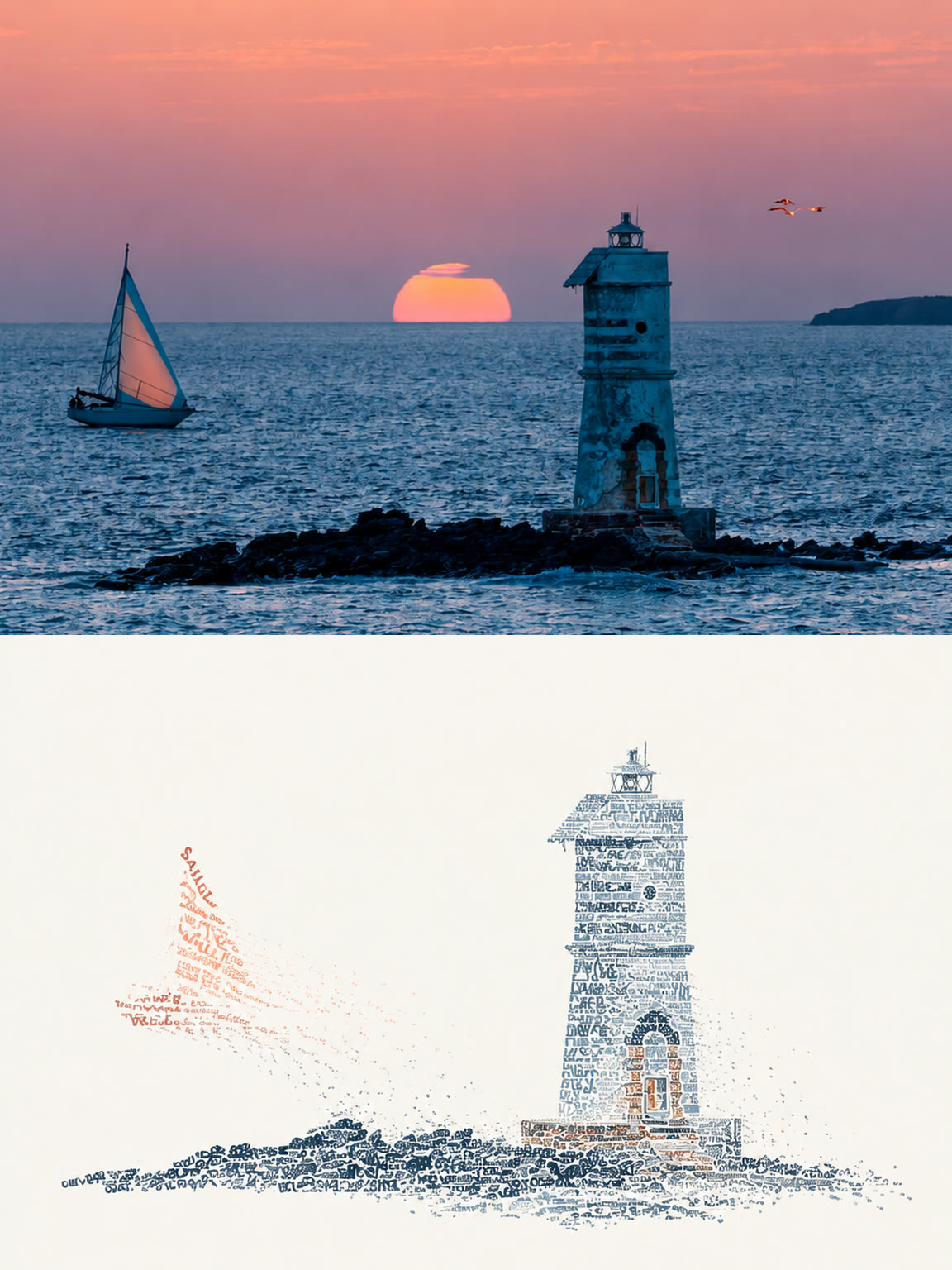
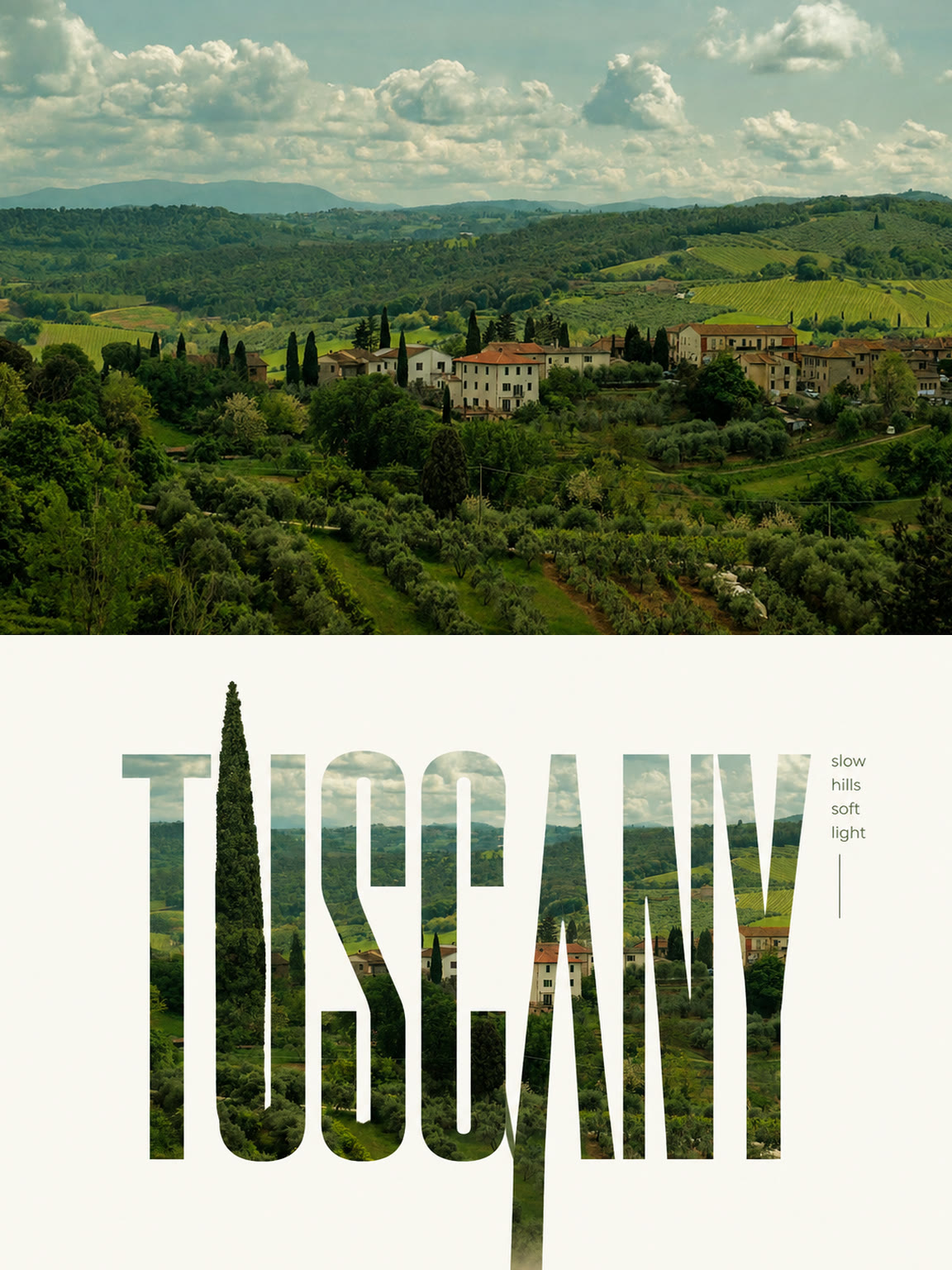
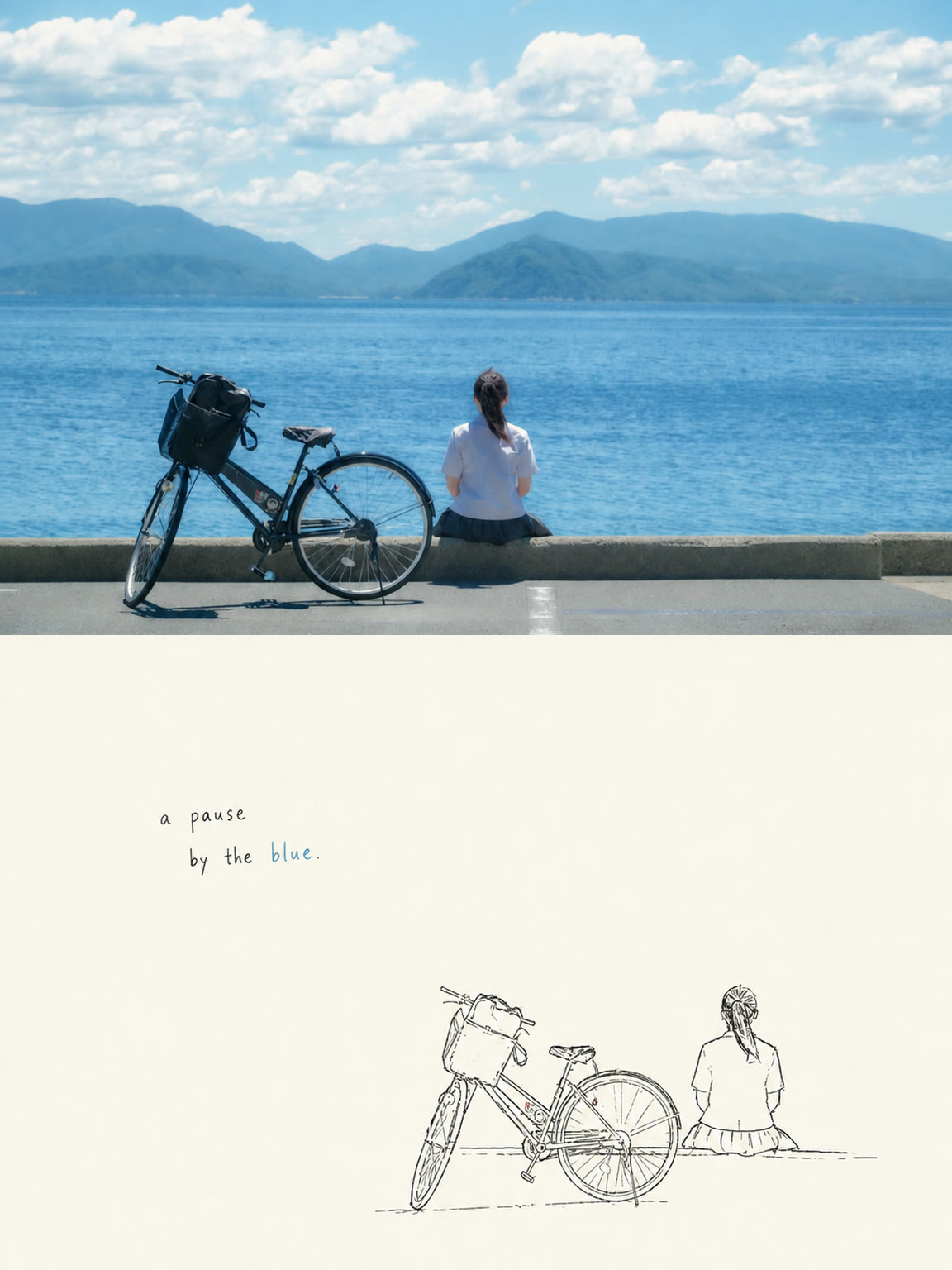
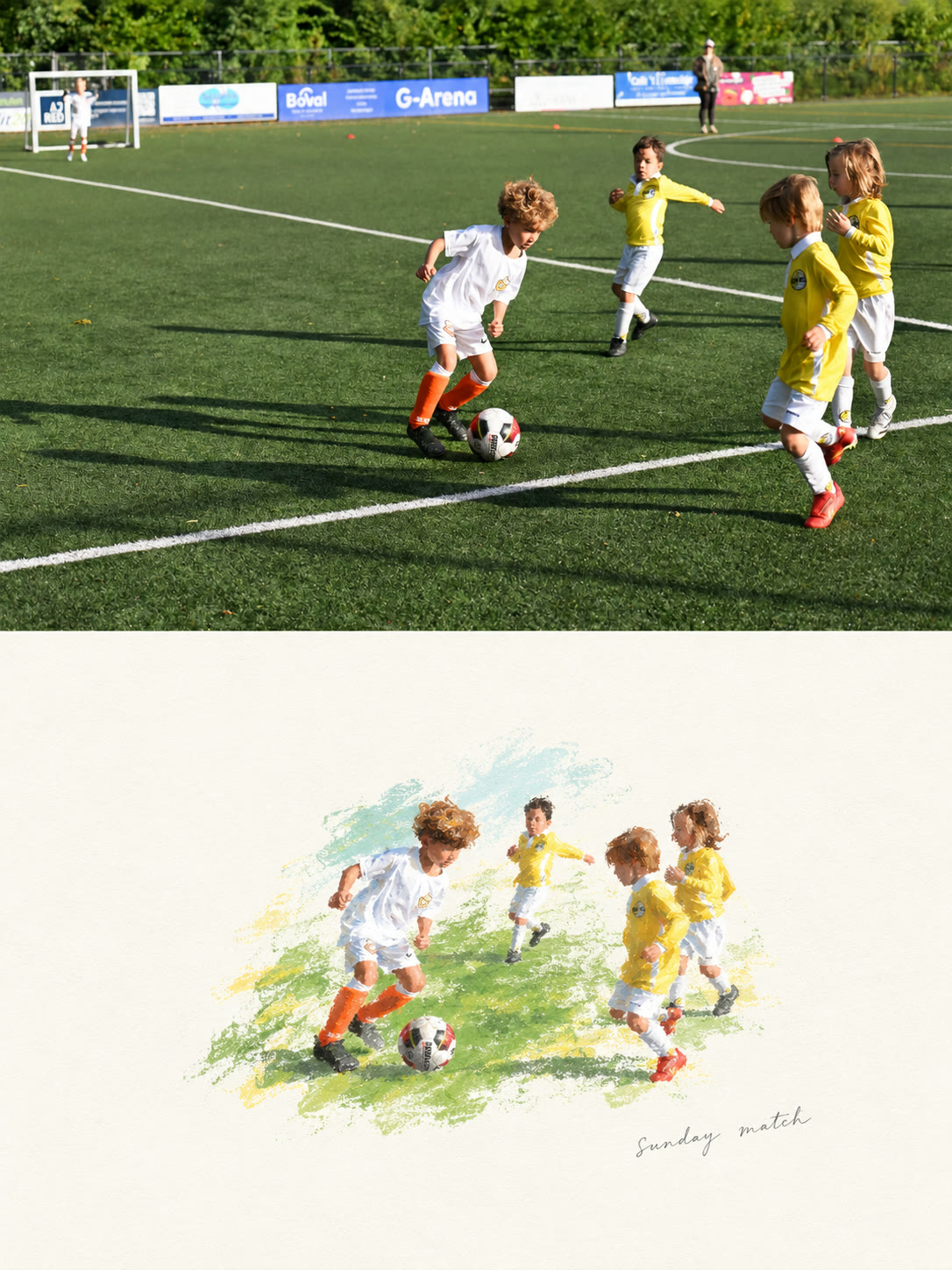
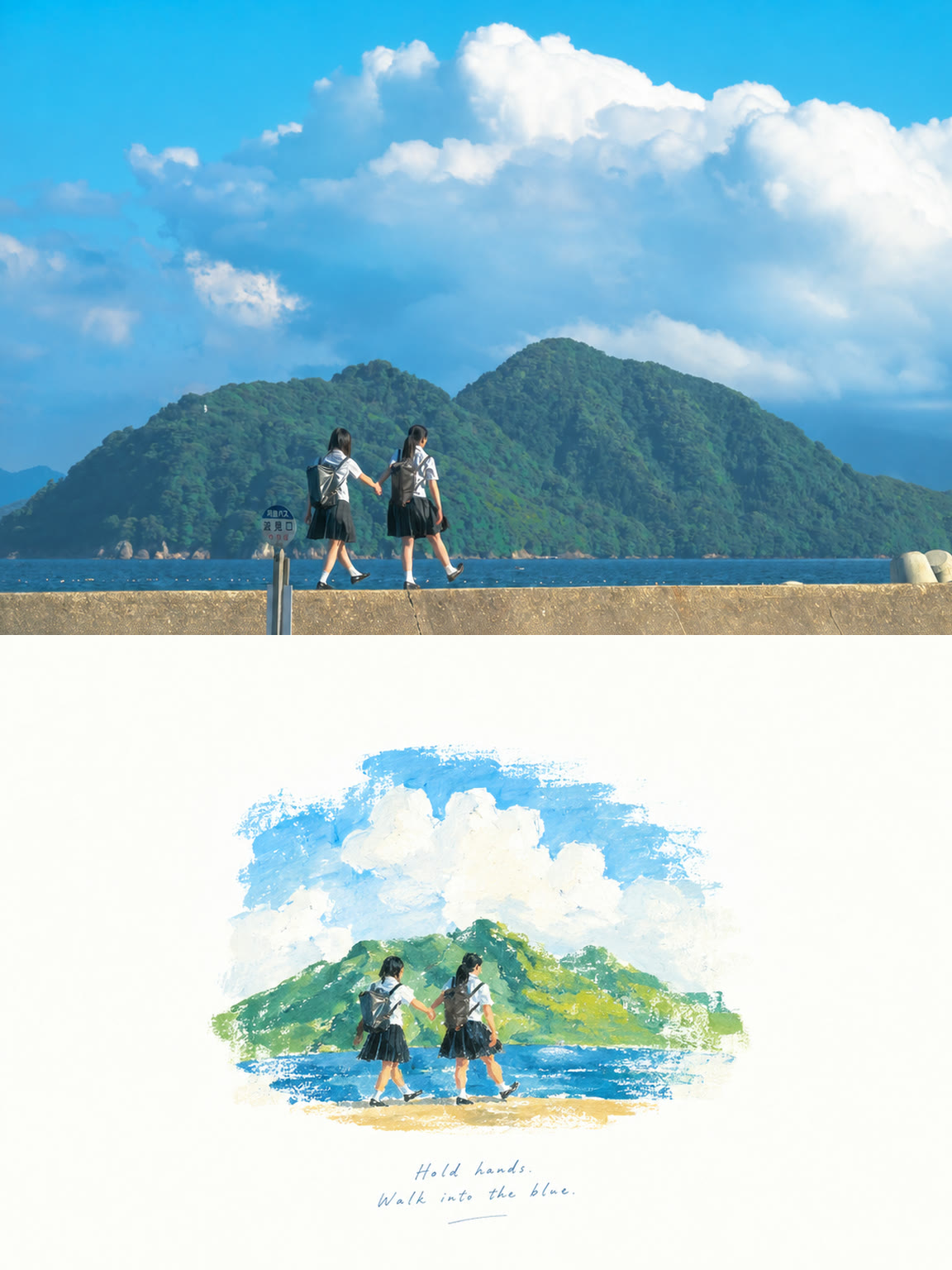
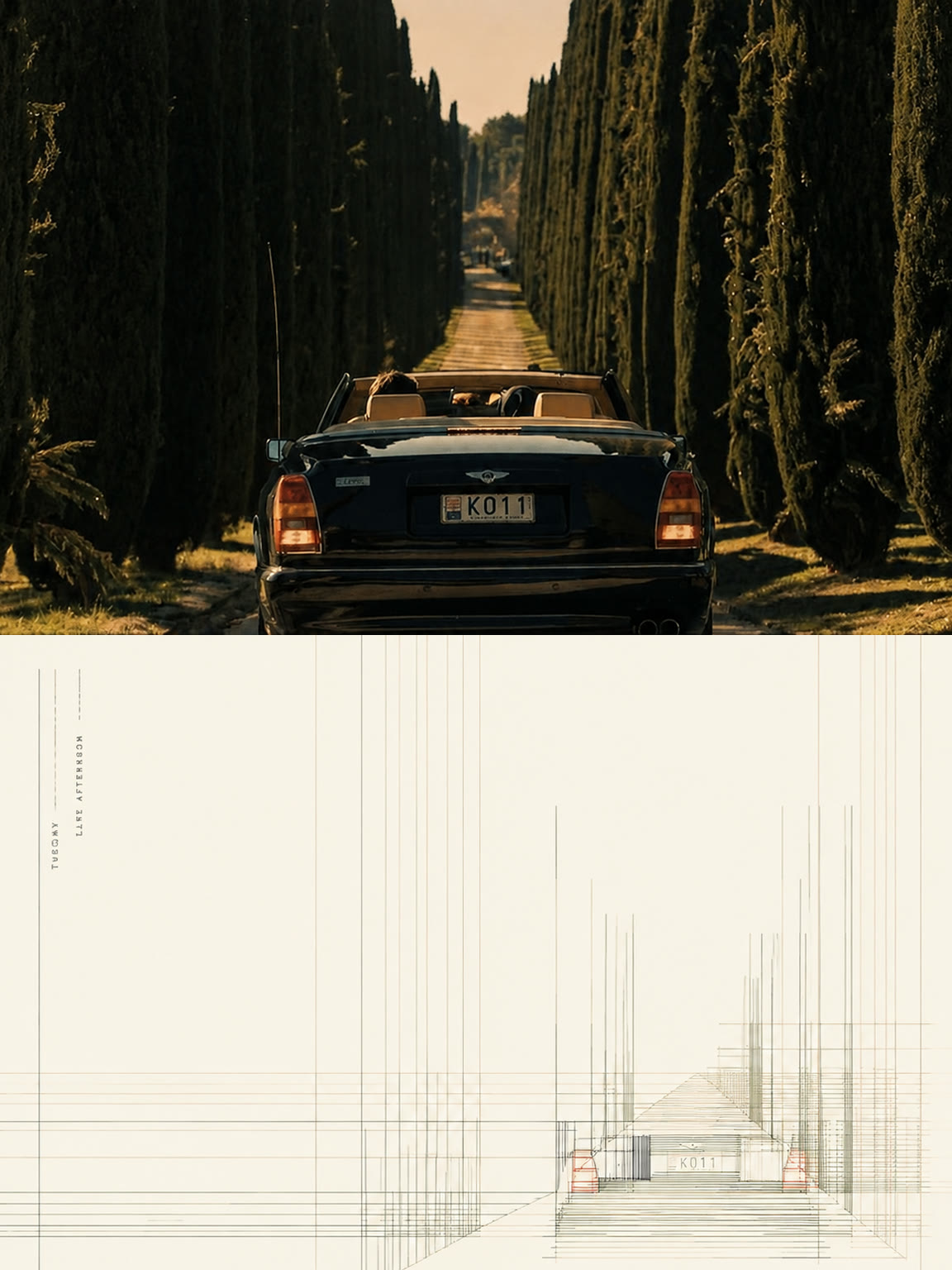
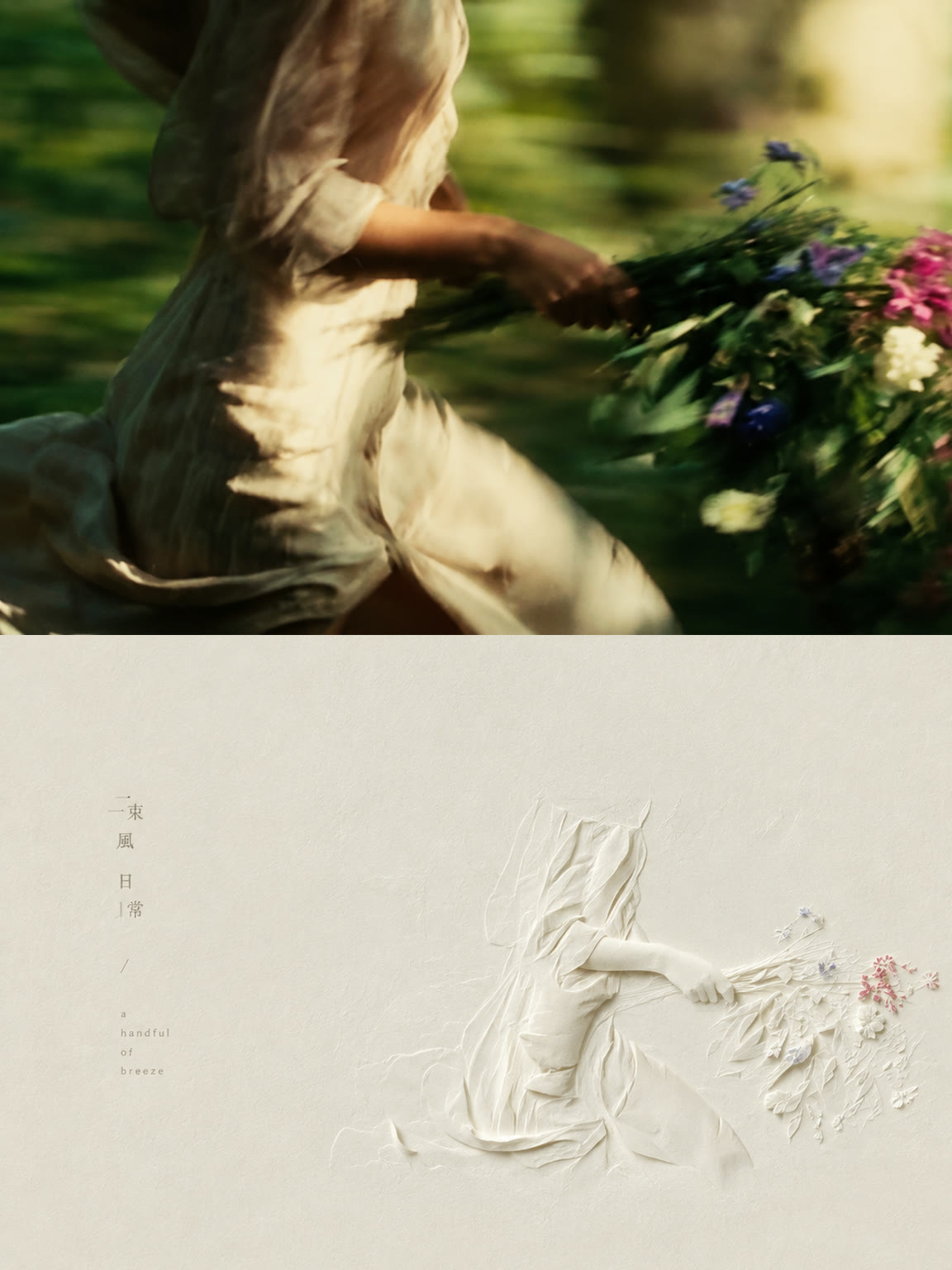
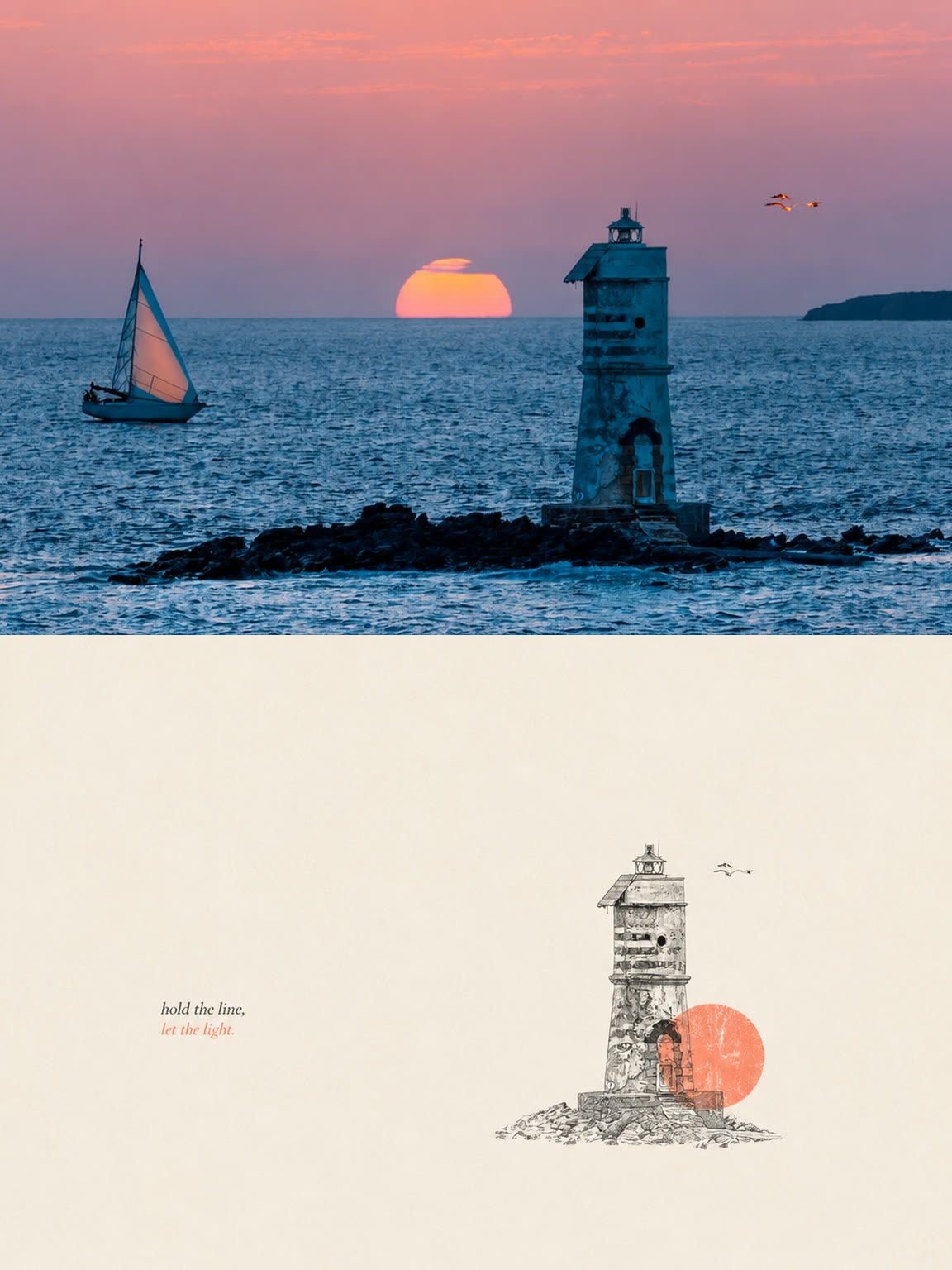
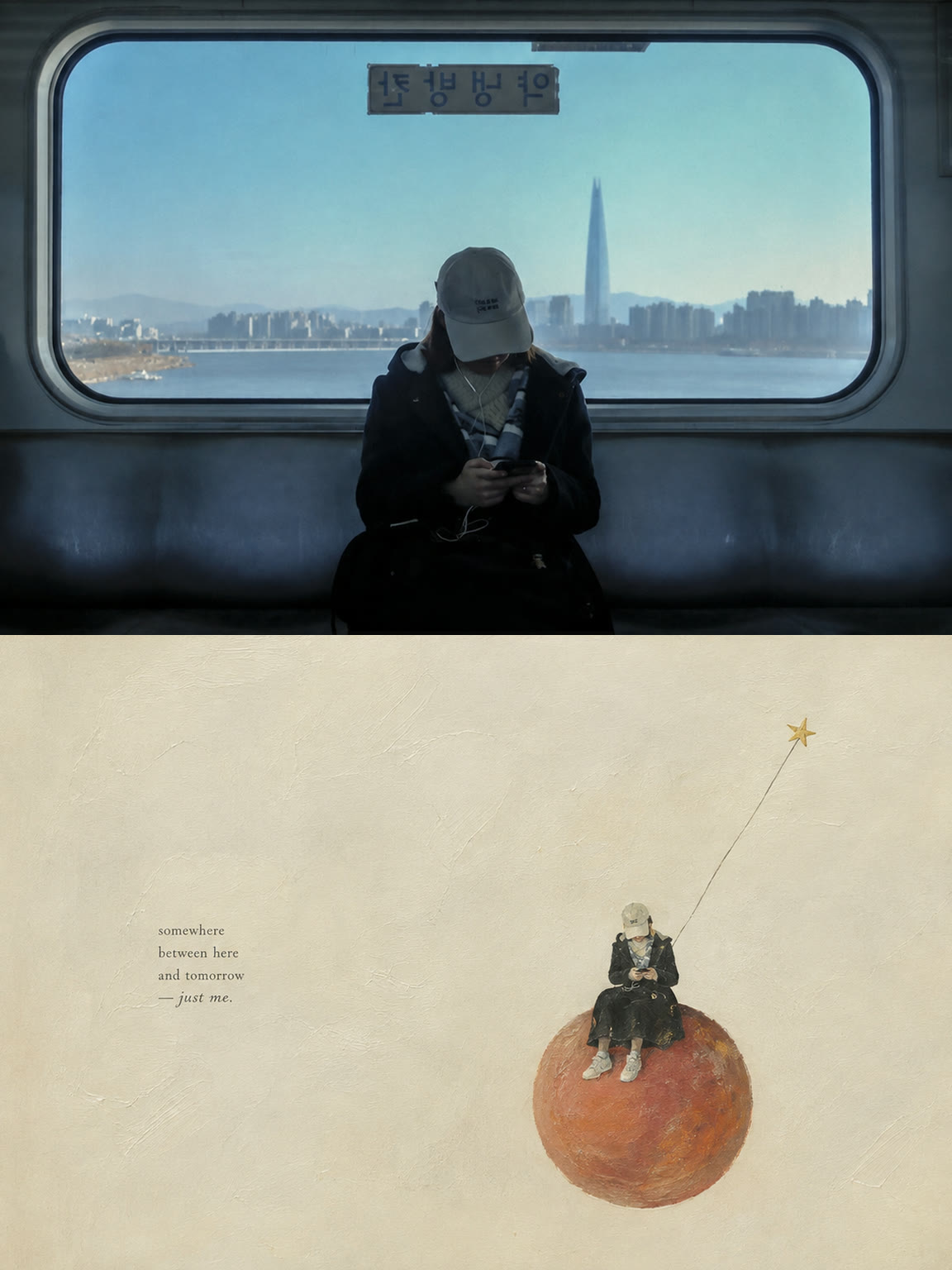
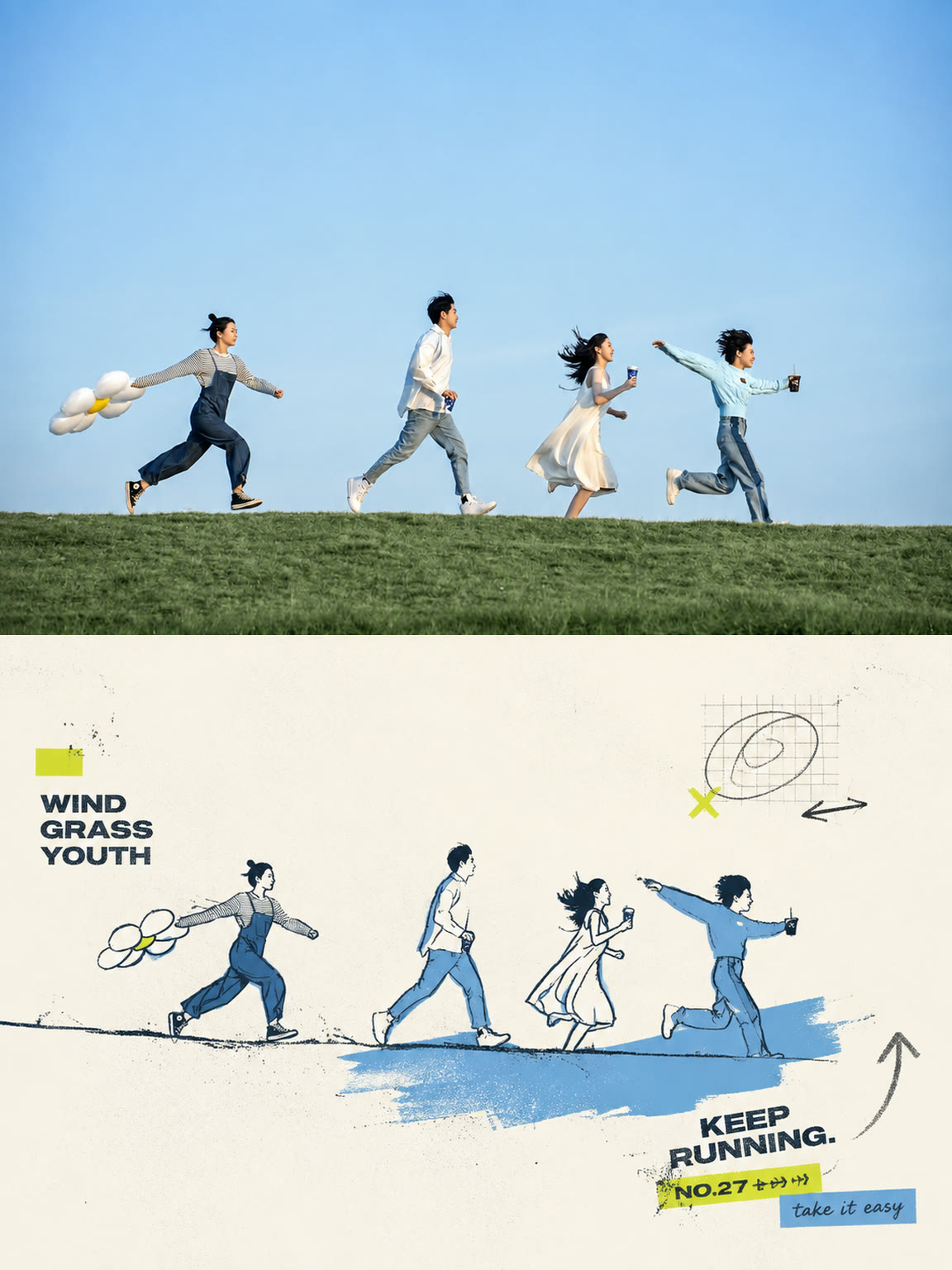
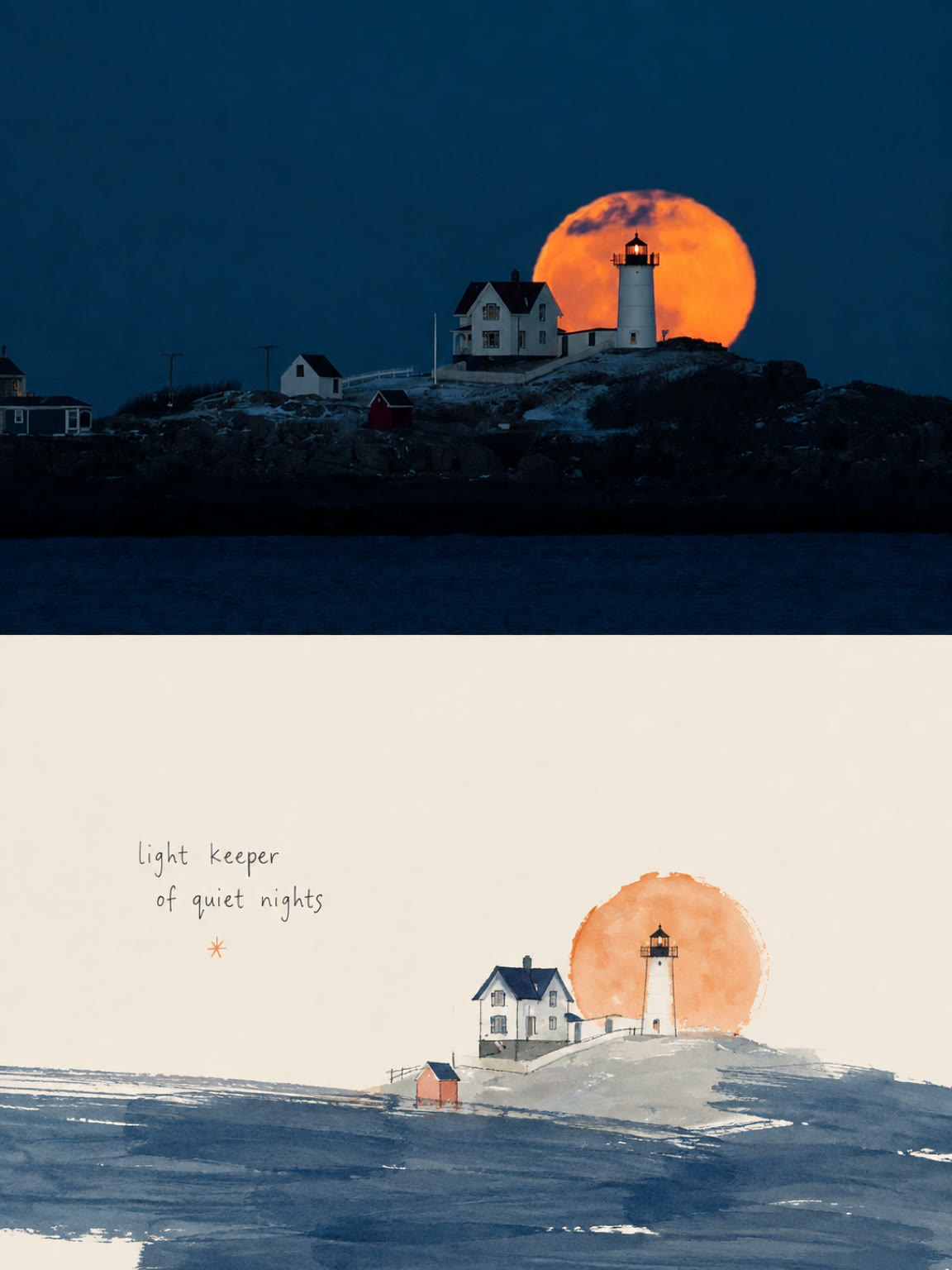
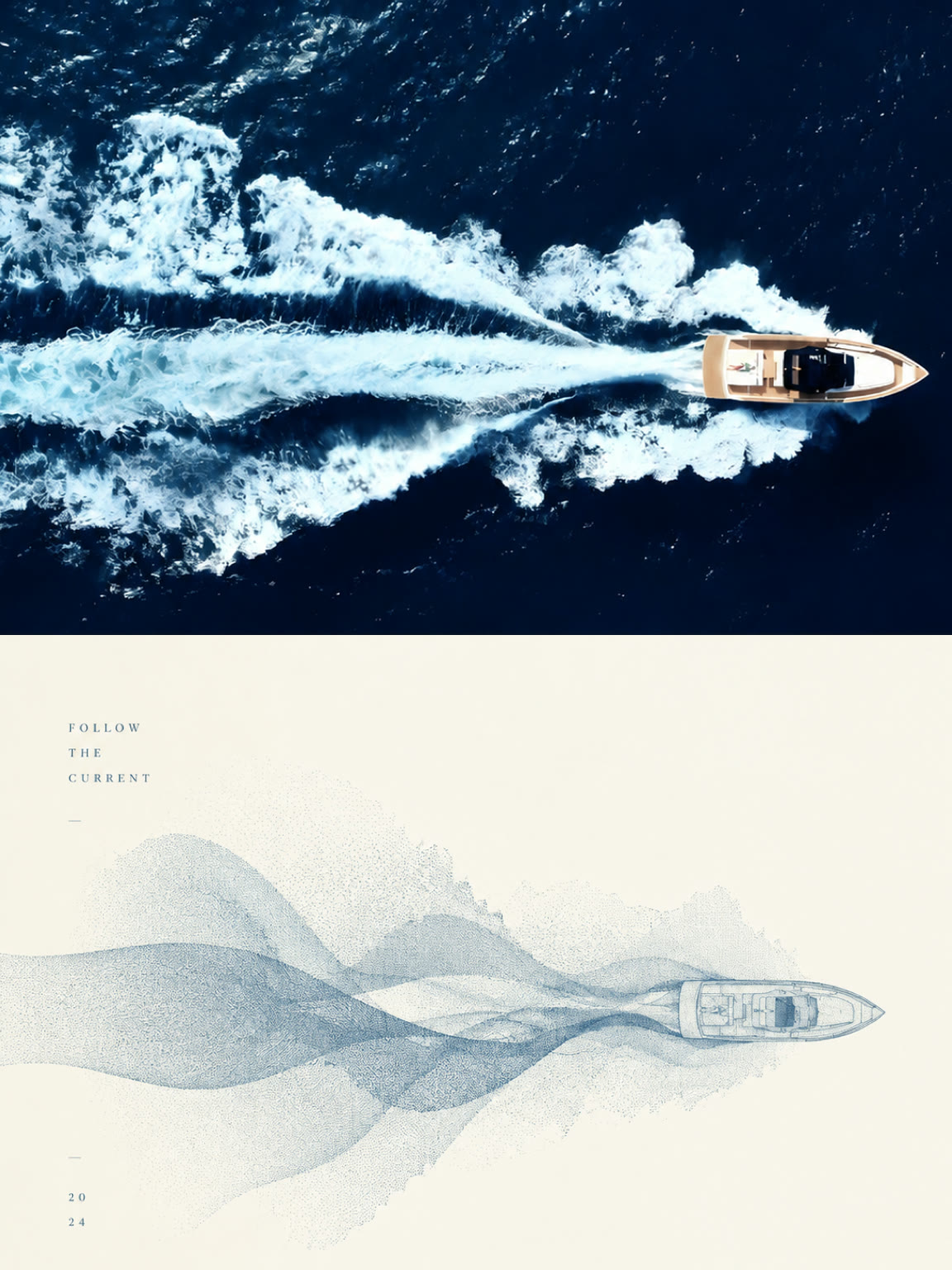
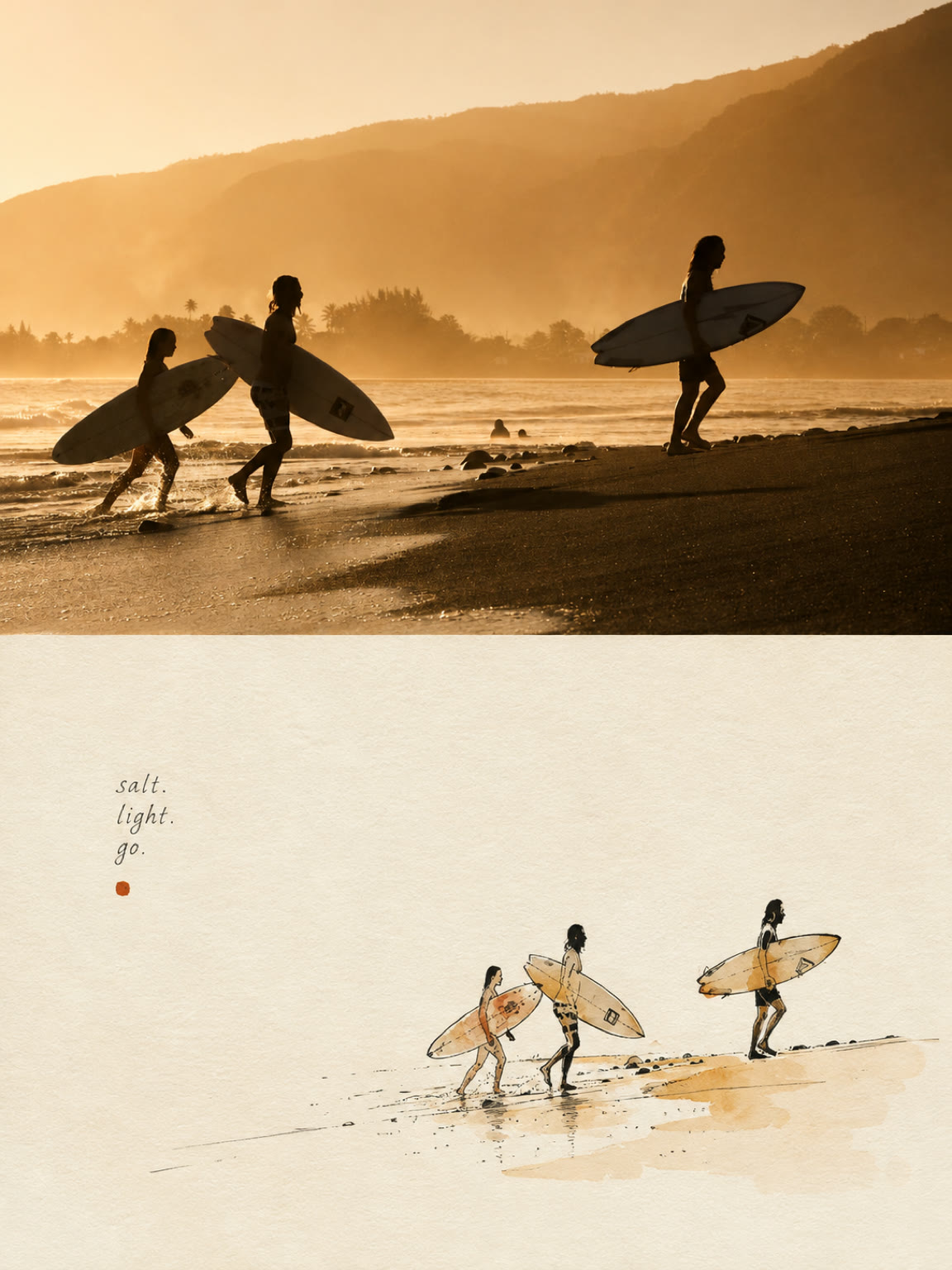
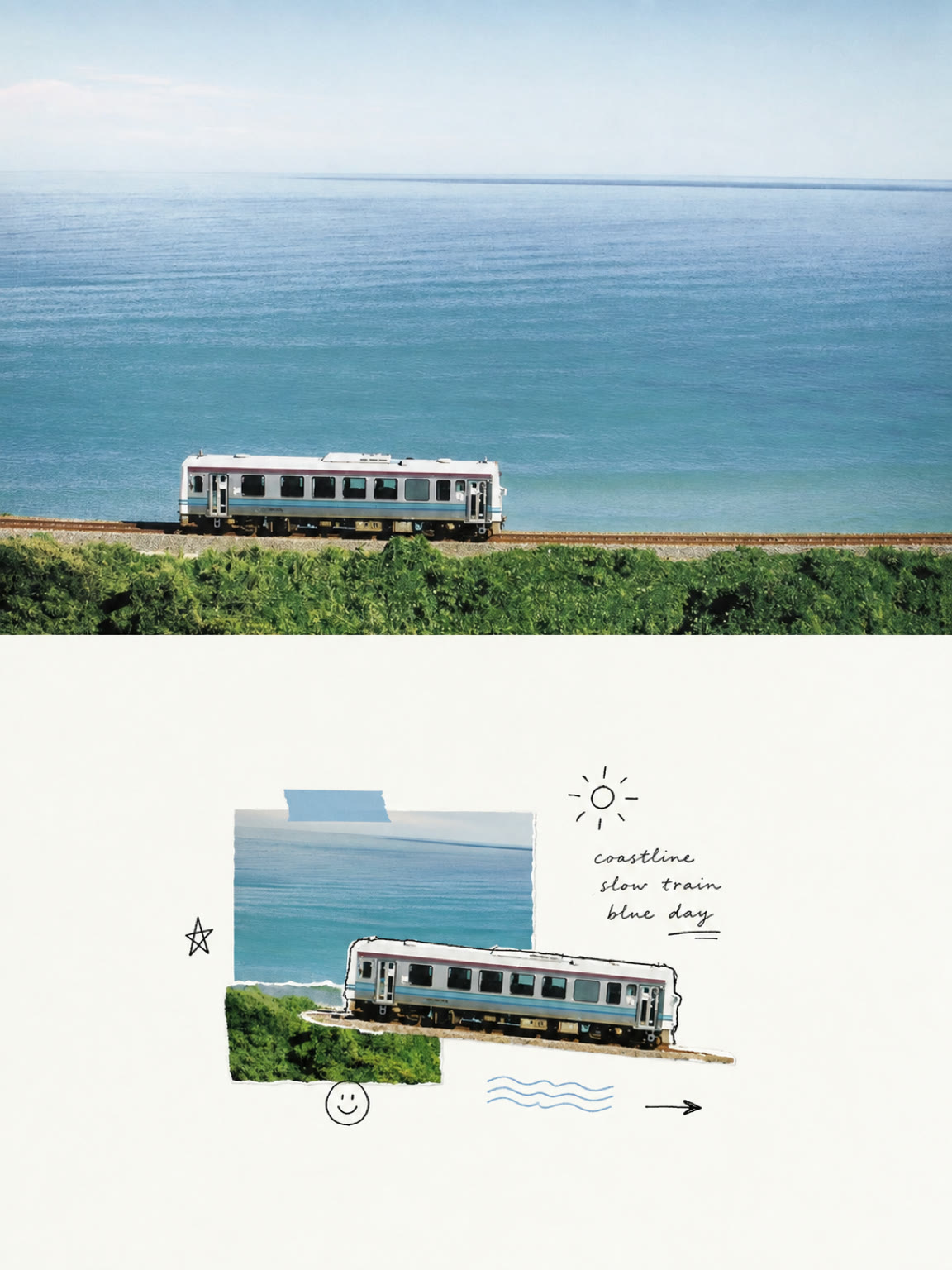
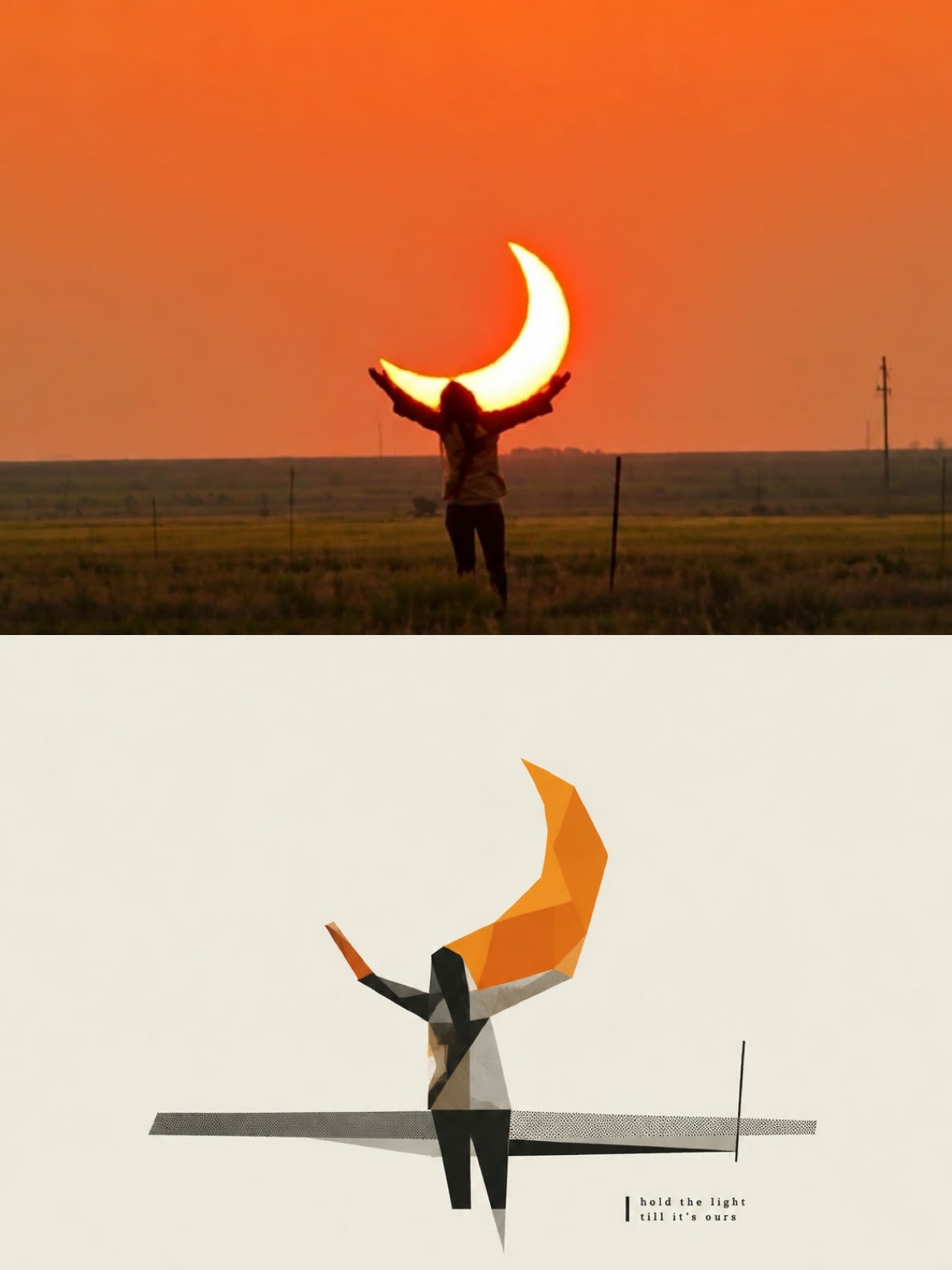
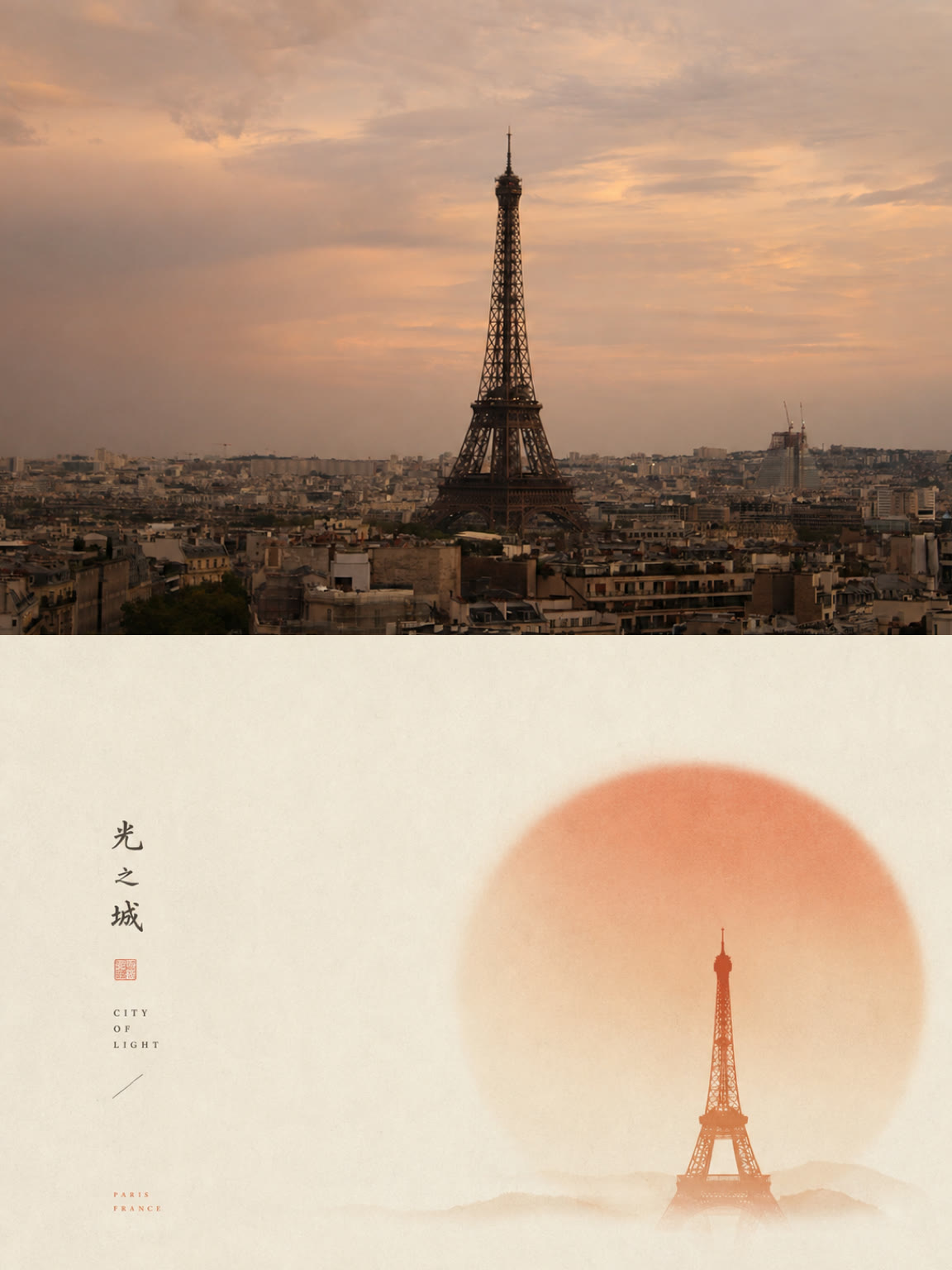
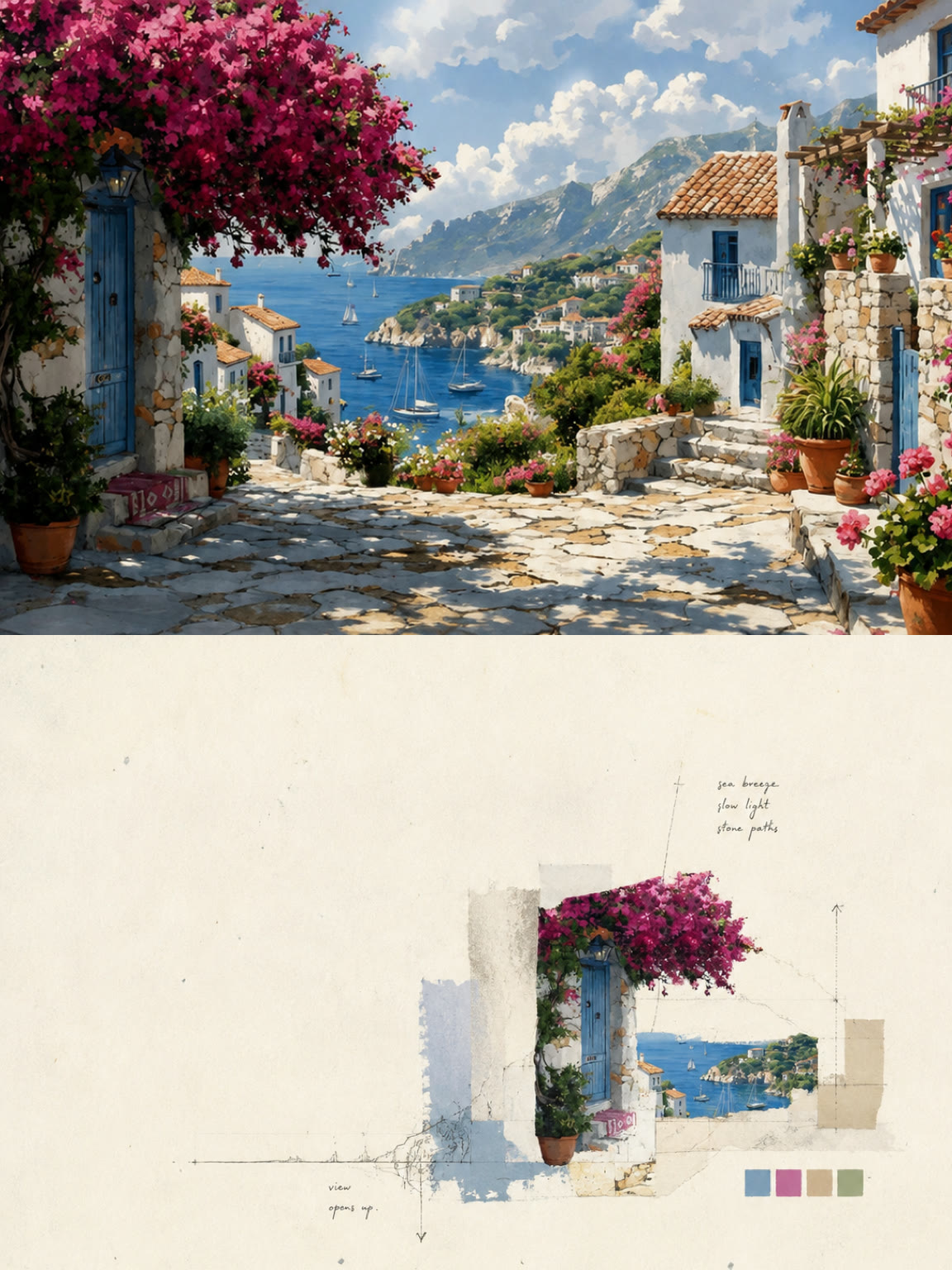
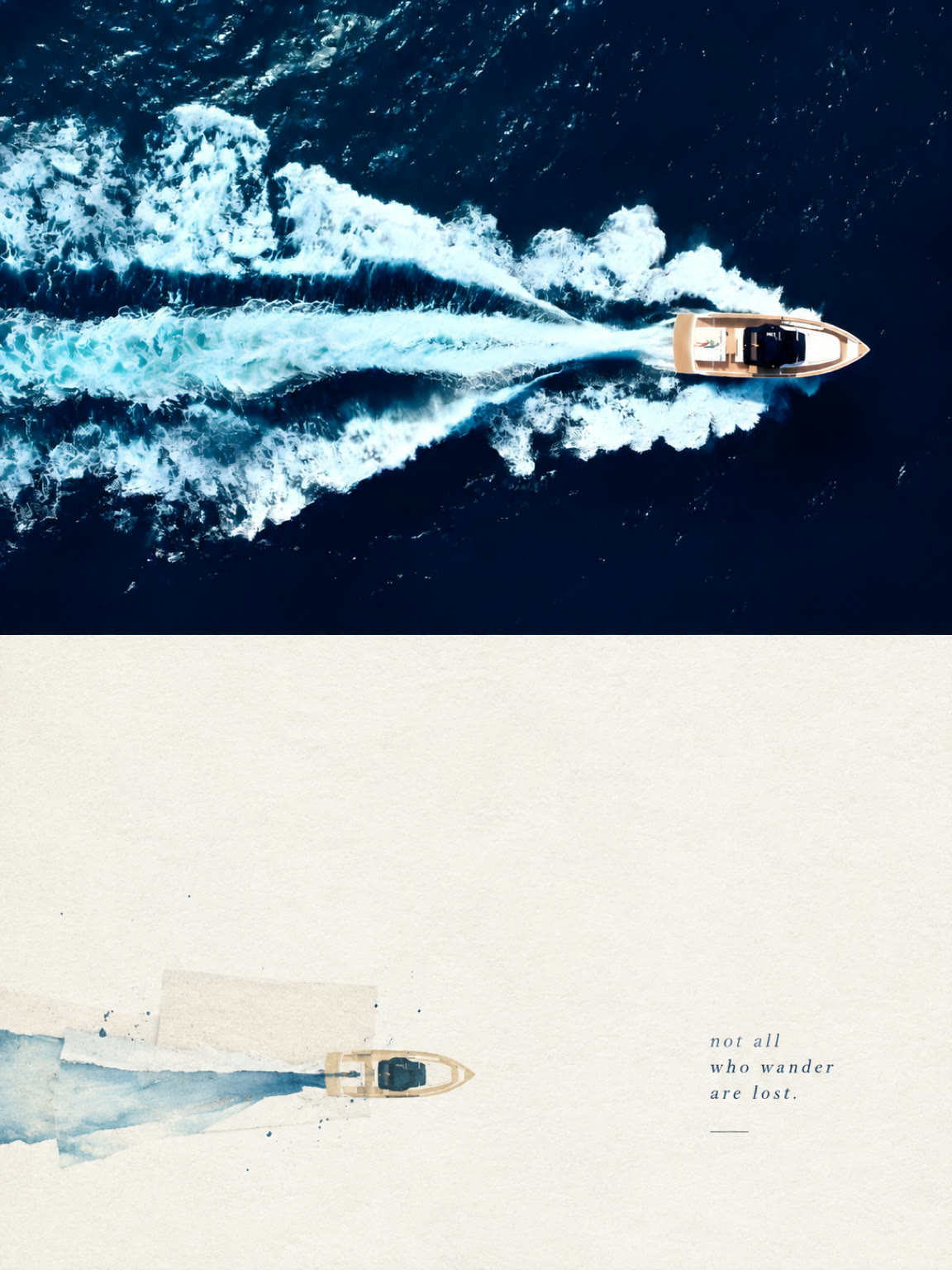
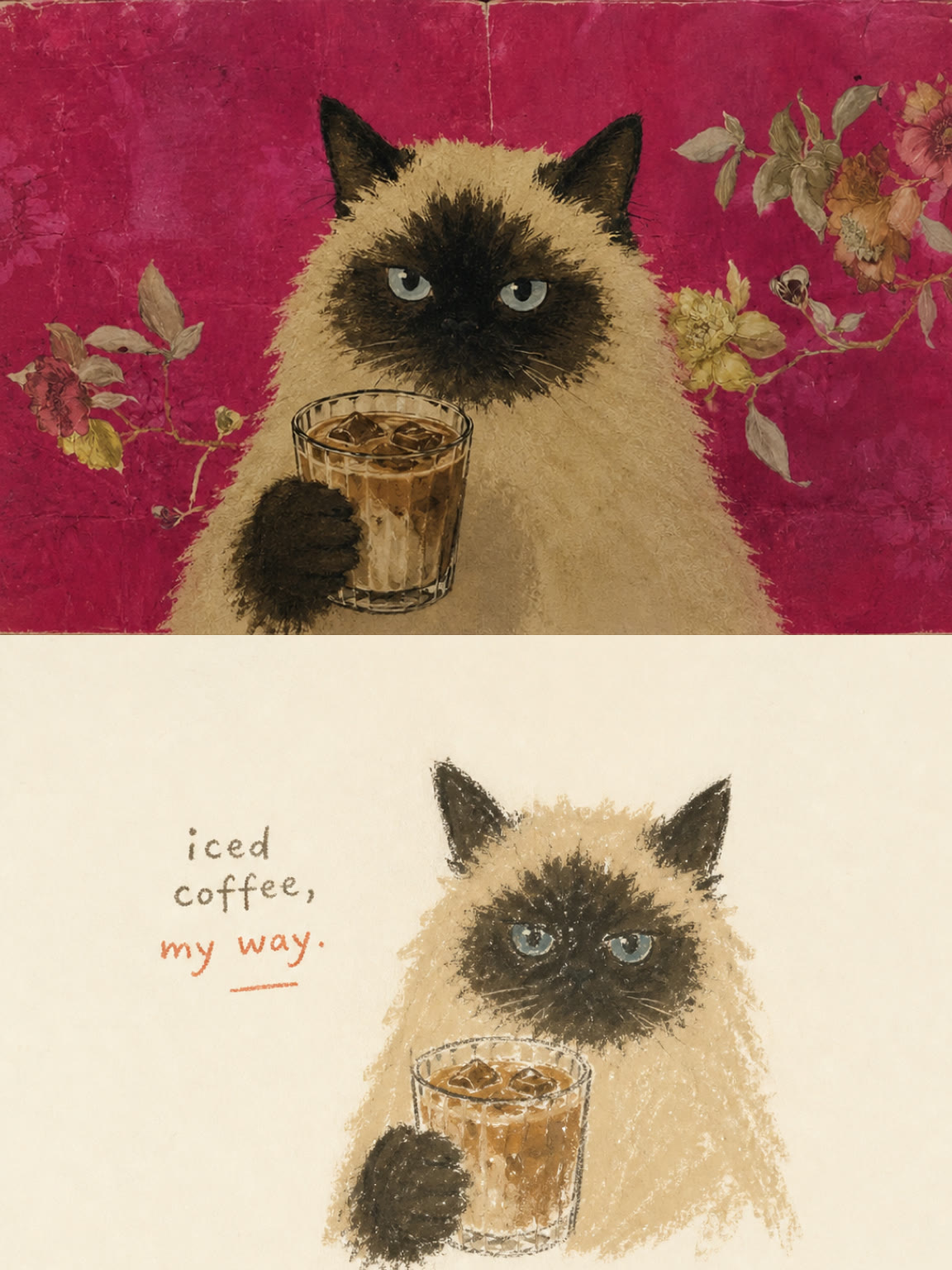
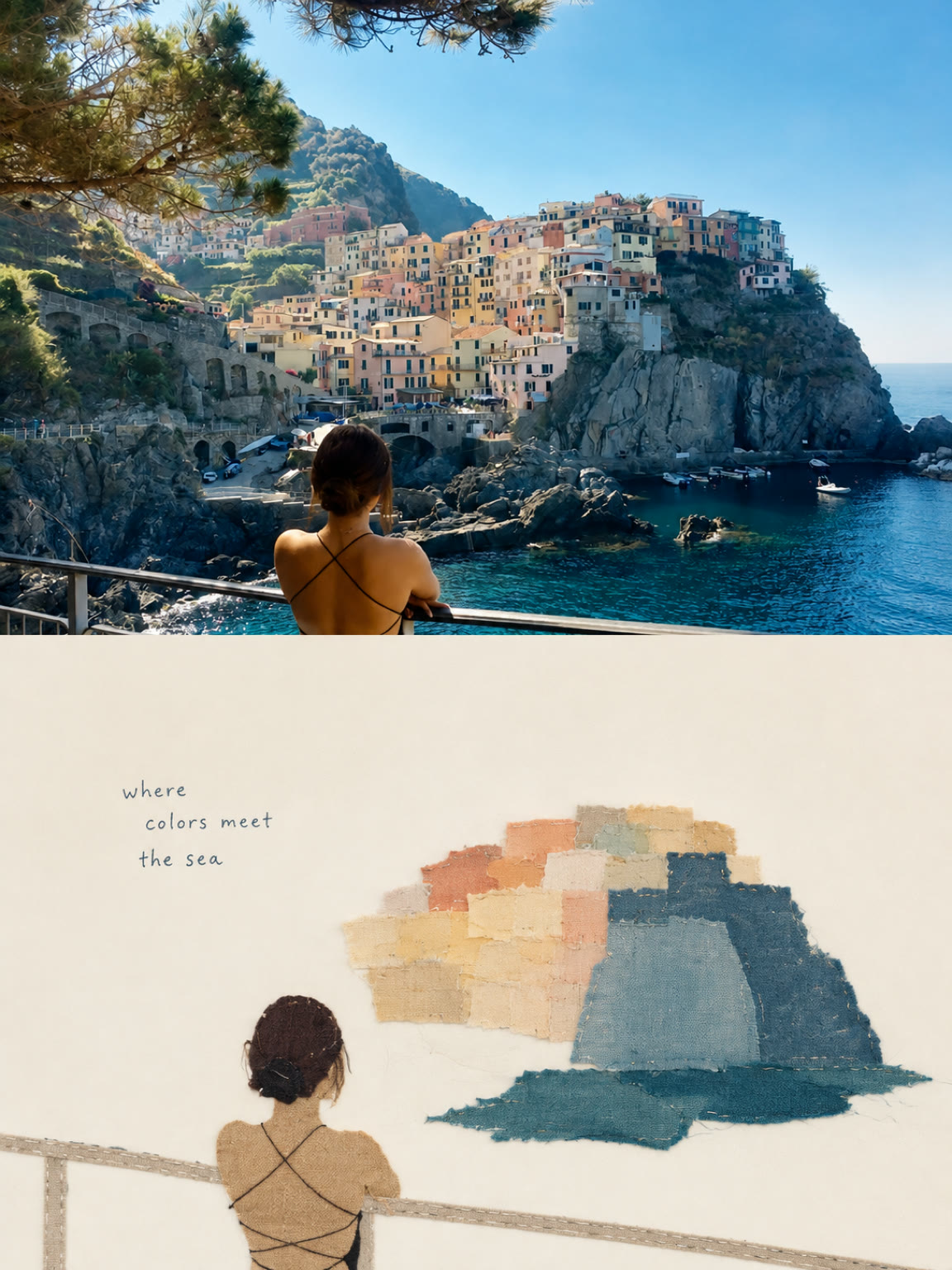
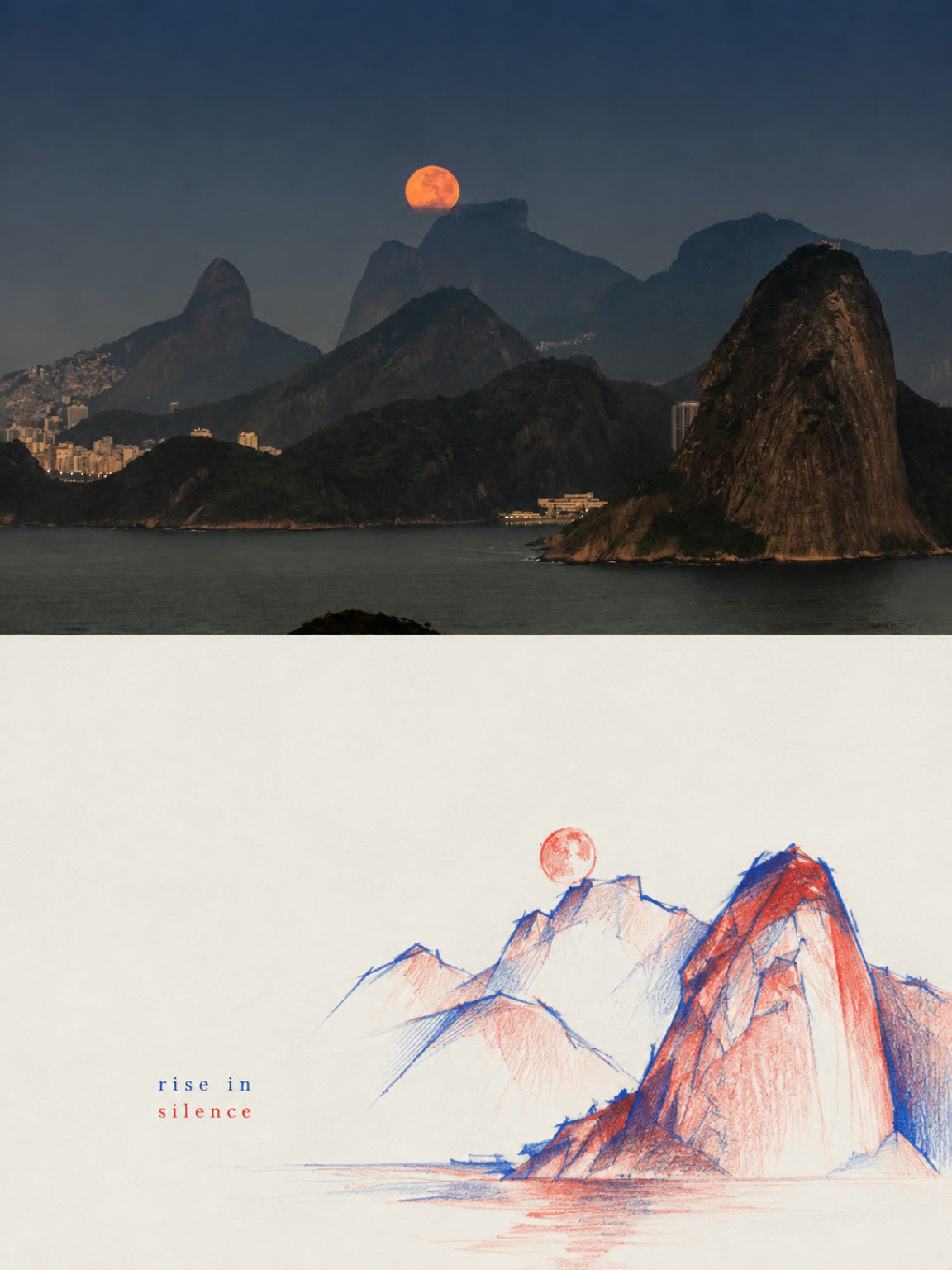
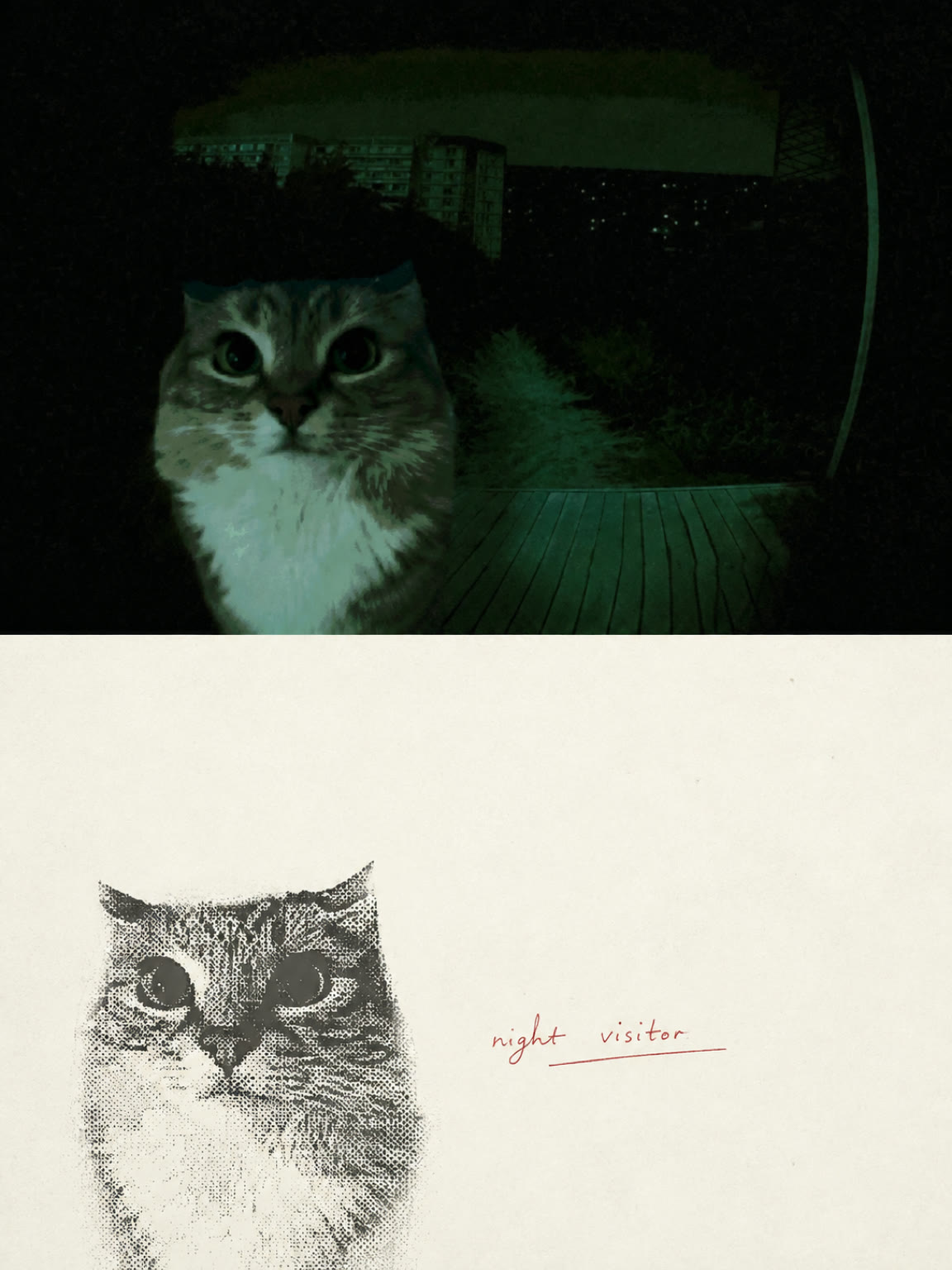
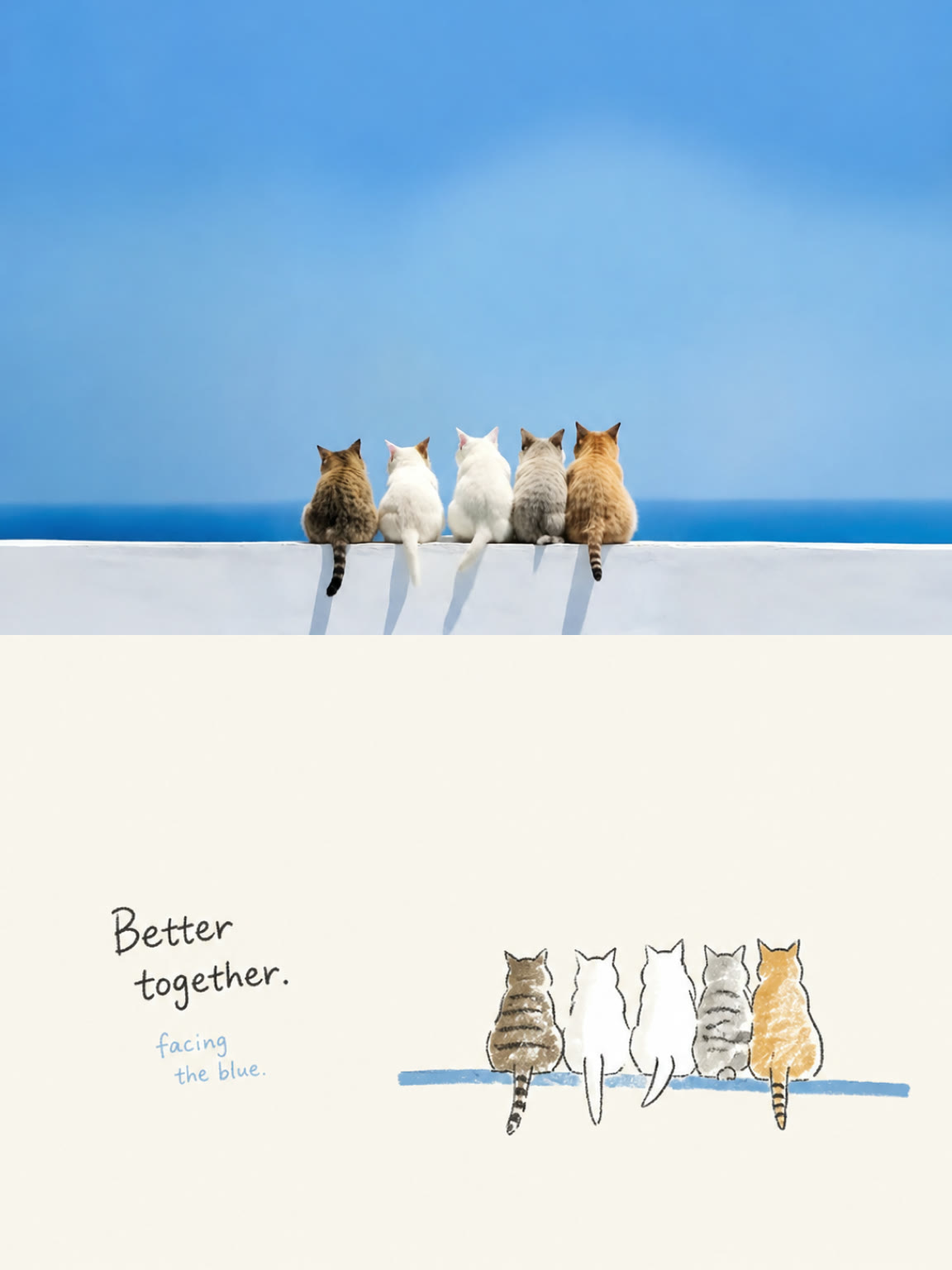
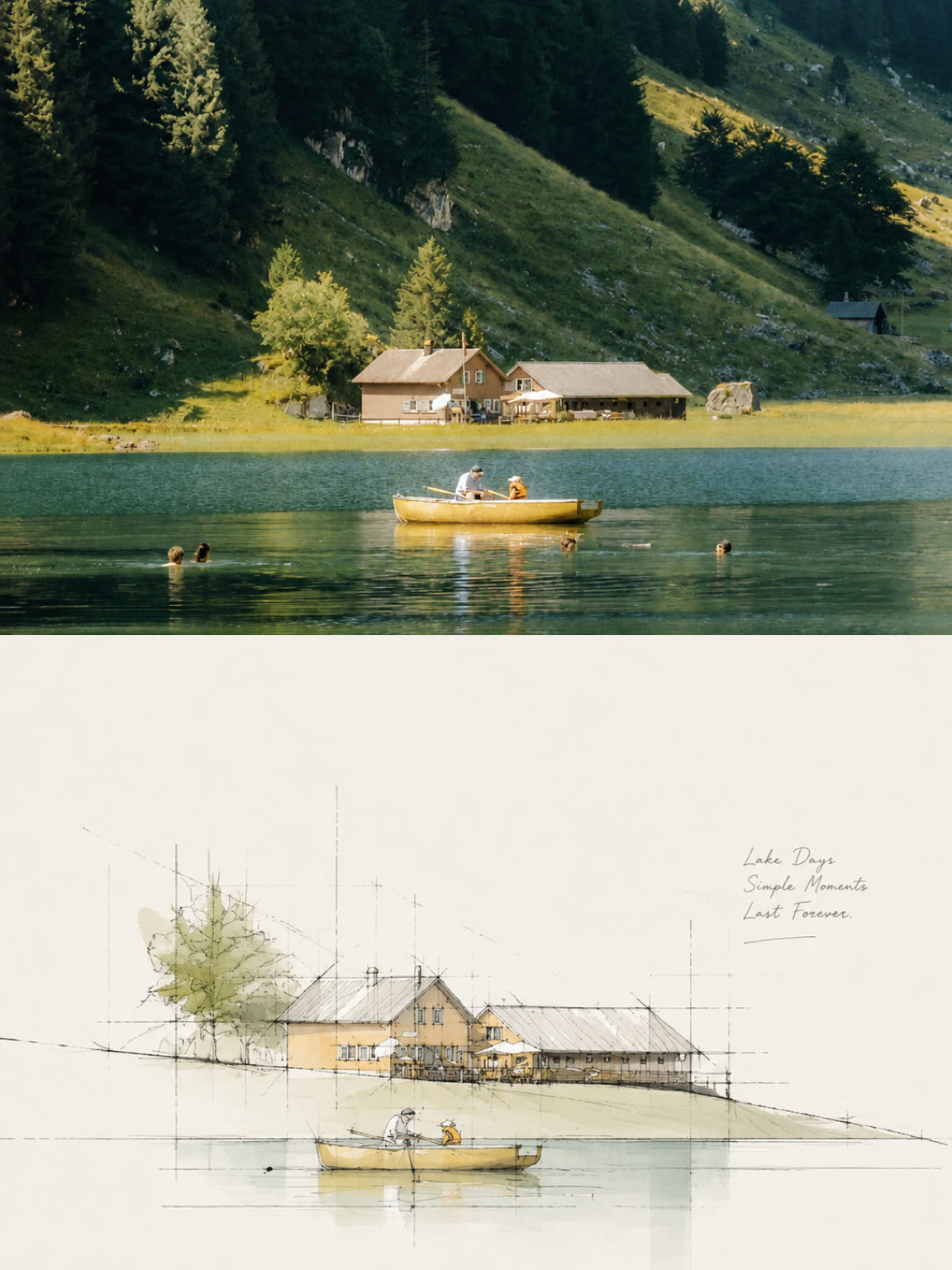
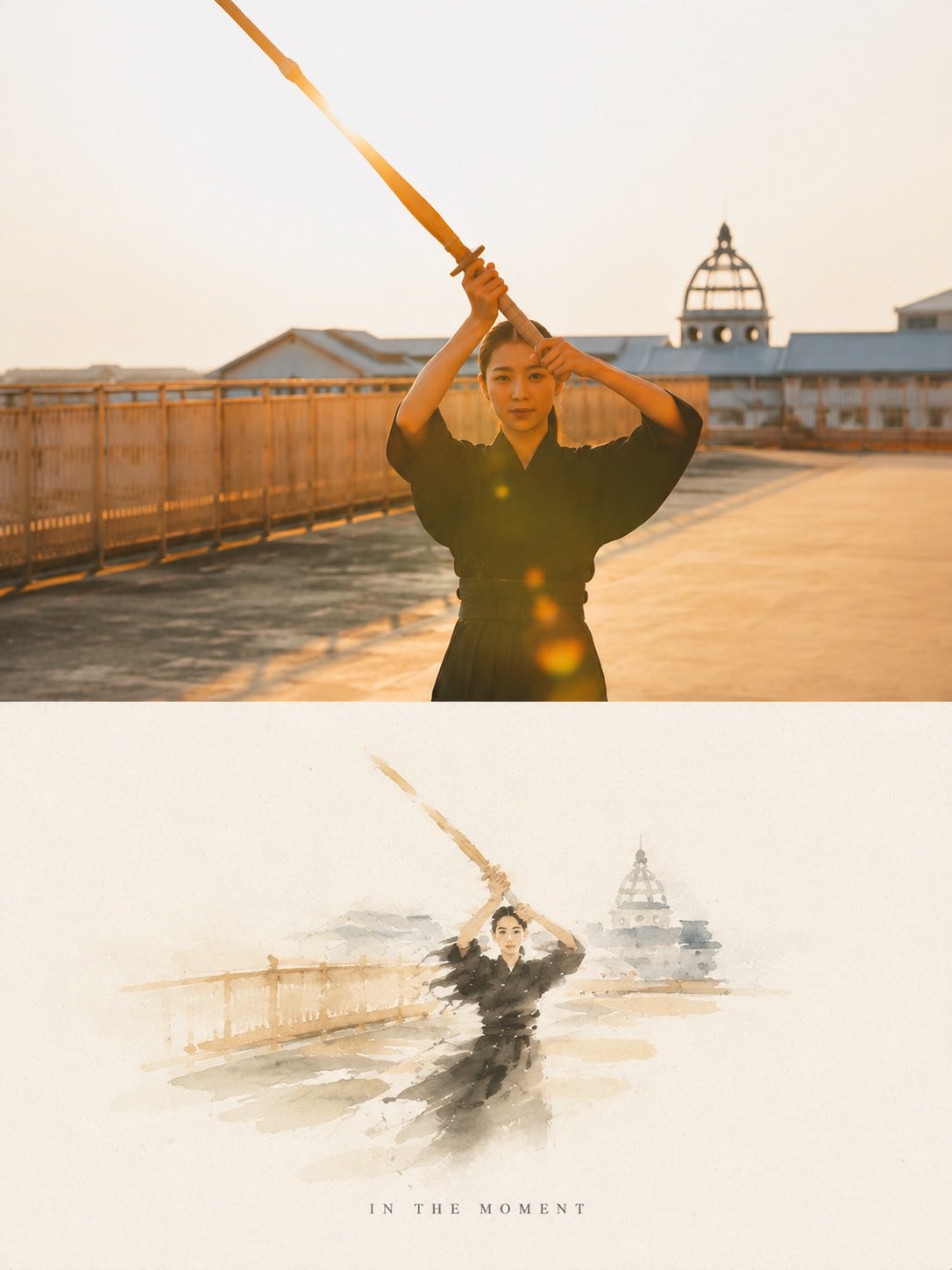
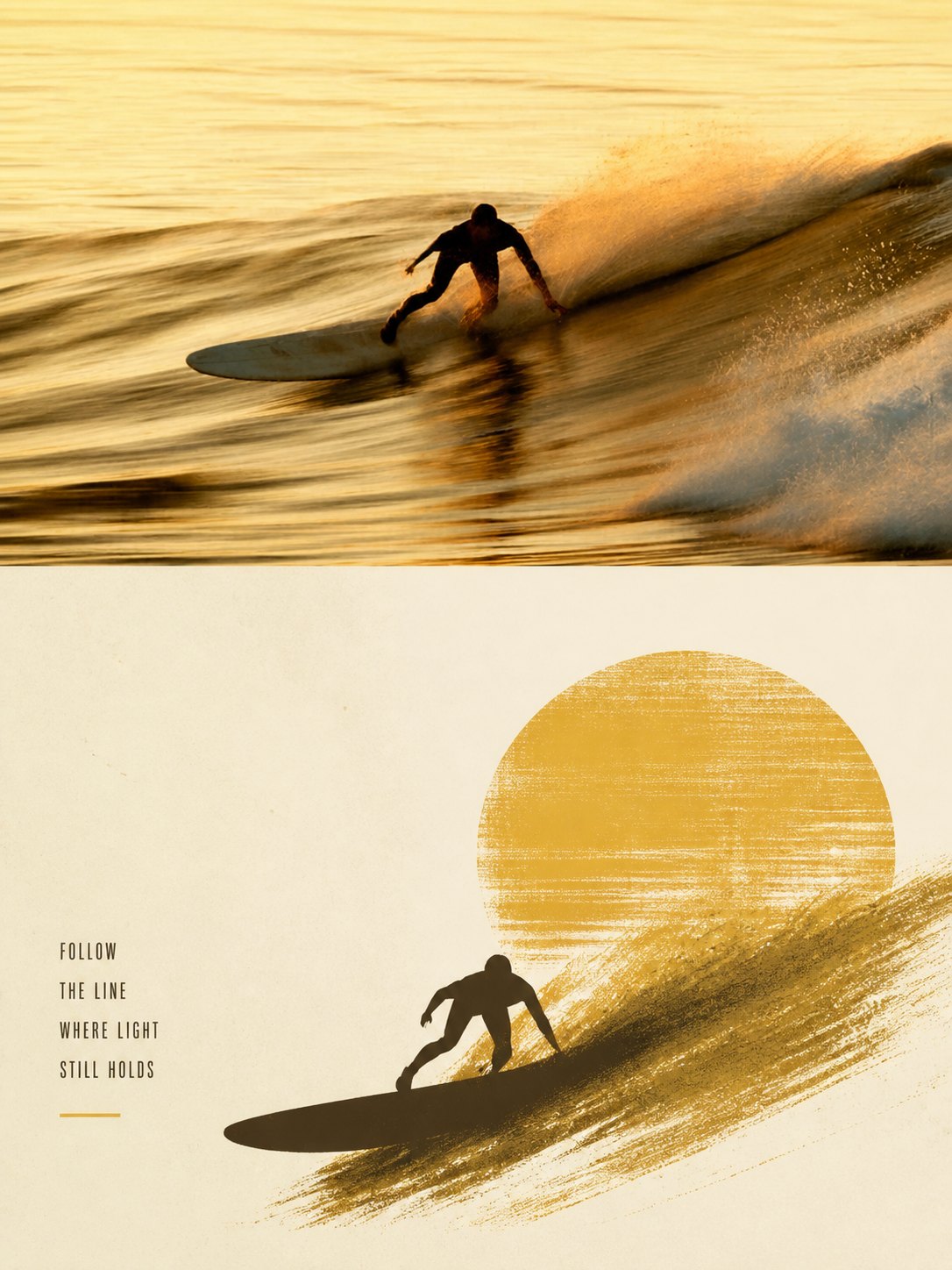
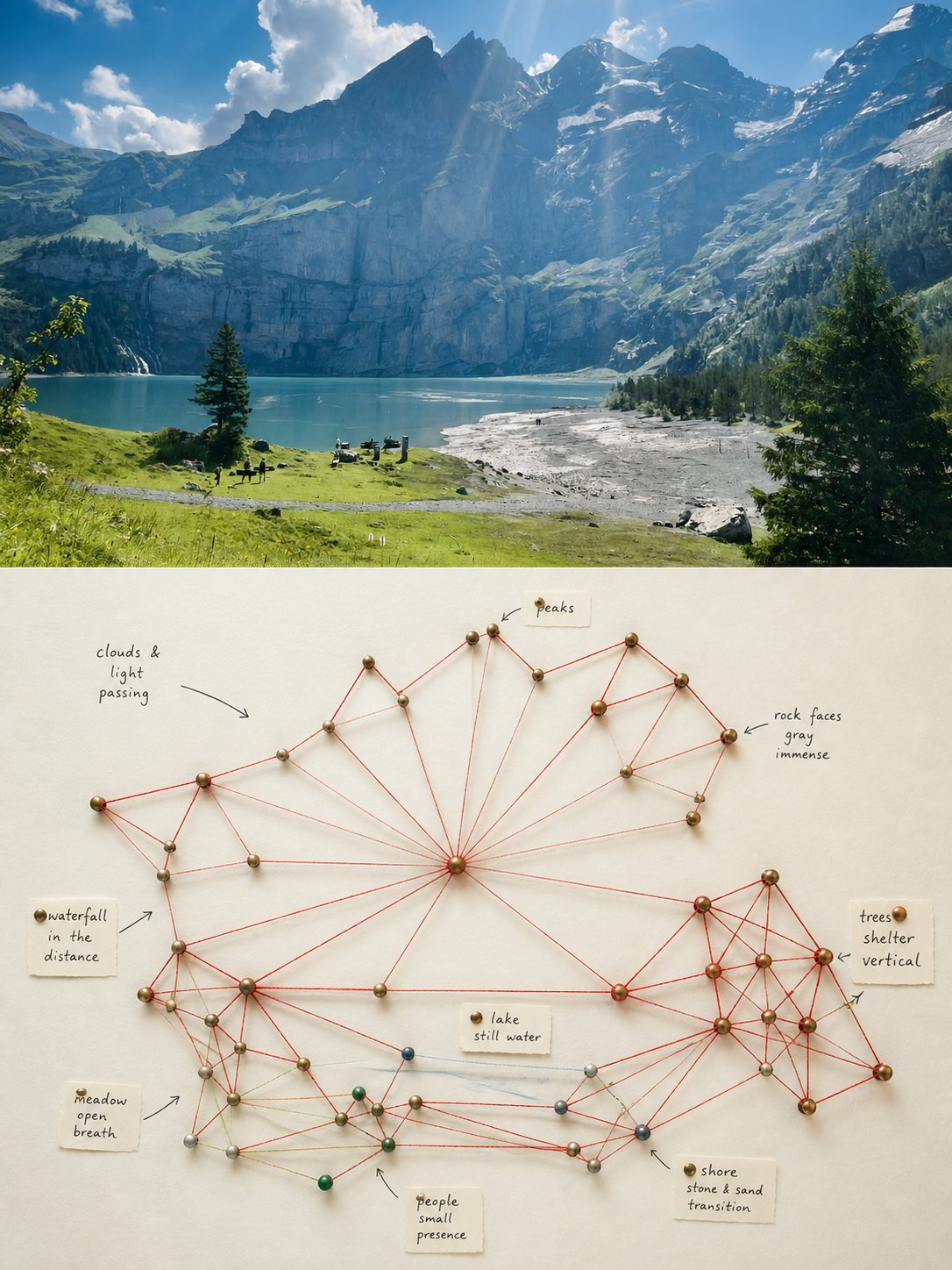
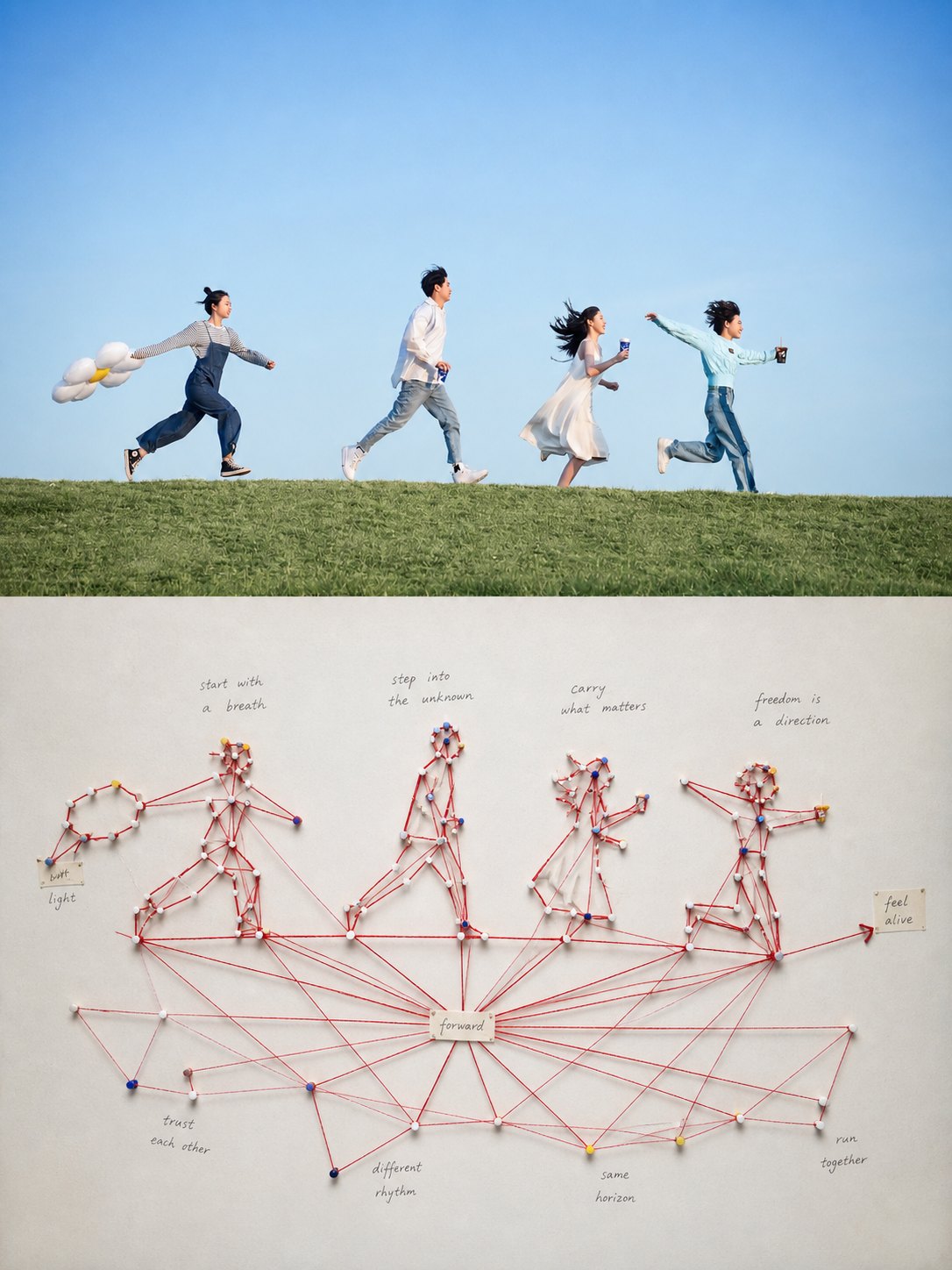
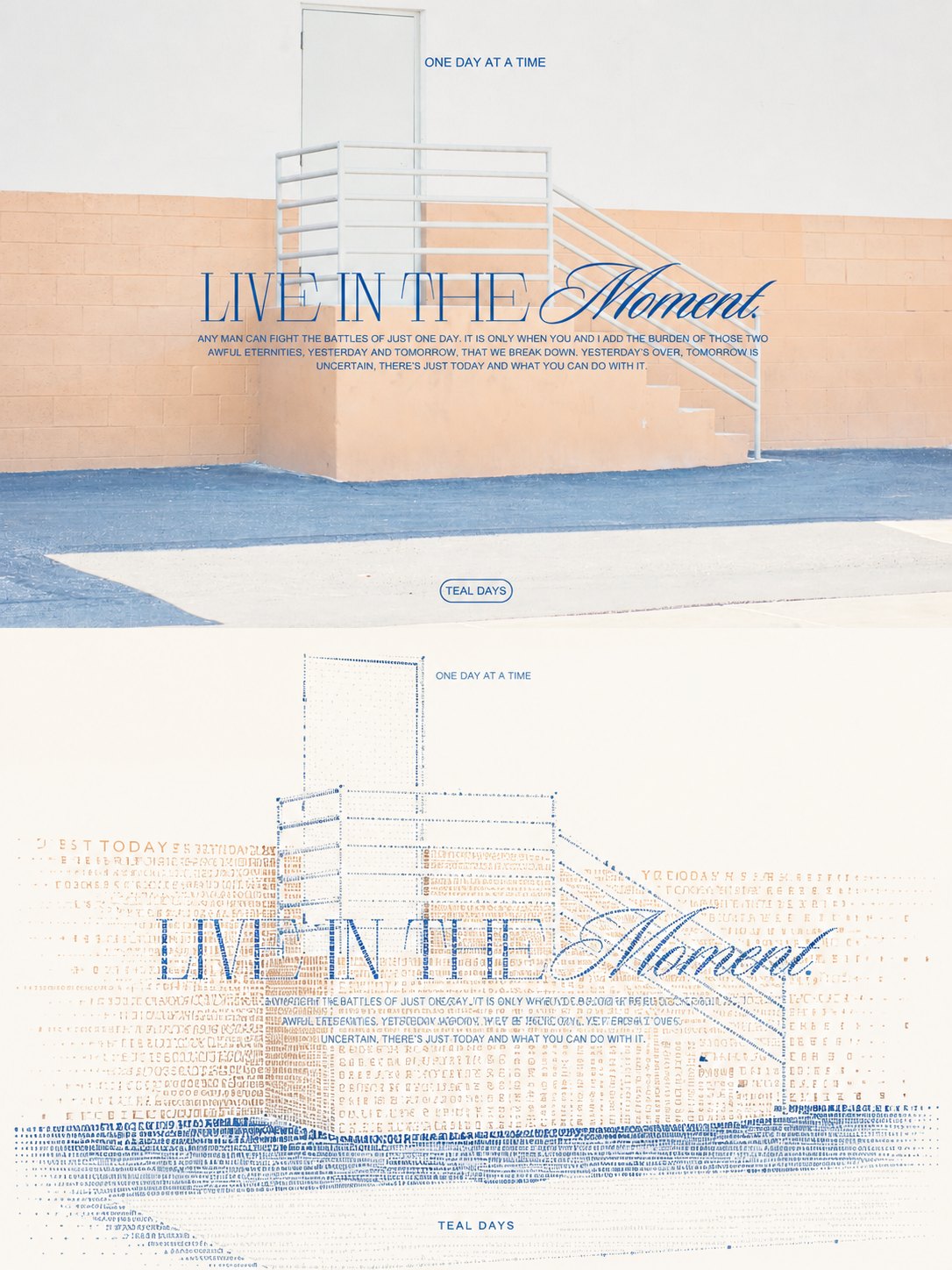
Turn each uploaded photograph into its own independent, refined design poster. Do not combine multiple photographs; output each separately. Use a 3:4 portrait composition with two vertically stacked regions of strictly equal height, each occupying 50% of the canvas.
Preserve the original photograph in the upper half, maintaining the subject’s identity, structure, pose, authentic texture, natural lighting and original colour atmosphere. Apply only subtle, refined colour grading for an art-magazine or exhibition-image quality. The surrounding environment may be extended naturally to fit the format, but never stretch, distort or alter the subject.
Extract only the photograph’s most recognisable **subject, silhouette, structure, pose and narrative relationships** for the lower half, reconstructing them as **enamel-badge-like 3D bas-relief illustration plus minimalist travel-poster design**. Do not copy the entire photograph, redraw every object or retain all objects and backgrounds. Remove irrelevant details, keeping only the structure, directional flow and visual memories that best represent the original, and compress them into an exquisite **circular badge or commemorative medallion** so that their correspondence with the photograph above is immediately apparent.
Use a **circular medallion / badge composition** for the lower-half subject. It should resemble a carefully placed travel souvenir medal, brooch or enamel badge containing a miniature scene distilled from the original. Buildings, people, animals, plants, objects or landscapes can become small worlds, but retain only the essential identifying elements, not a complete scene replica.
Use **3D bas-relief materials inspired by enamel, shippō and cloisonné**: metal edging, coloured enamel fills, subtle highlights, shallow relief layers and delicate thickness, producing an **enamel medallion / bas-relief / miniature diorama** effect. Internal elements may have slight depth, raised relationships and soft shadows, while remaining refined, restrained and elegant. Avoid cheap 3D, plastic surfaces and excessive realism.
Keep **extensive open space** in the lower-half composition. The transformed badge is only a small, carefully placed visual core surrounded by generous, intentional whitespace. It may be centred, slightly off-centre, near an edge or suspended, but the whole must remain quiet, balanced and breathable. Whitespace is not merely an empty background: together with the badge, minimal text and layout, it creates spatial depth and refined editorial order. Even when the original composition is weak, the background cluttered or the subject small, redirect it into a convincing work through subtraction, rearrangement, cropping, scale changes and whitespace.
Extract 2–4 of the photograph’s most distinctive and emotionally meaningful colours and reorganise them into a **soft, restrained, elegant enamel palette**. Moderate brightening, purification and unification may retain the original mood while making it suitable for a badge. Use off-white, warm white or pale ivory for the open field; the badge’s internal colours should be refined and enduring, never muddy, chaotic or cheap.
Text should be a minimal editorial intervention, with no language restriction. Generate a few titles, small annotations or numbers from the subject, place, emotion or metaphor. Use **delicate, elegant, restrained editorial serifs or sophisticated publication type**, quietly placed in the whitespace to form a refined travel-poster / editorial-typography relationship with the badge. Do not pile up commercial information.
The overall effect combines **enamel, badges, bas-relief, miniature landscapes, minimalist travel posters, extensive whitespace and refined typography**. Avoid complete photographic replication, packed scenes, complex backgrounds, cheap souvenir styling, heavy shadows, cartoon effects, crude 3D, formulaic travel-poster templates and excessive decoration.
2026-09-07via @xiaoxiaodong01