Visuele inspiratie
Promptbibliotheek
Sterke AI-resultaten uit het wild, mét de prompt erbij. Klik op een beeld, kopieer de prompt en maak er iets eigens van.
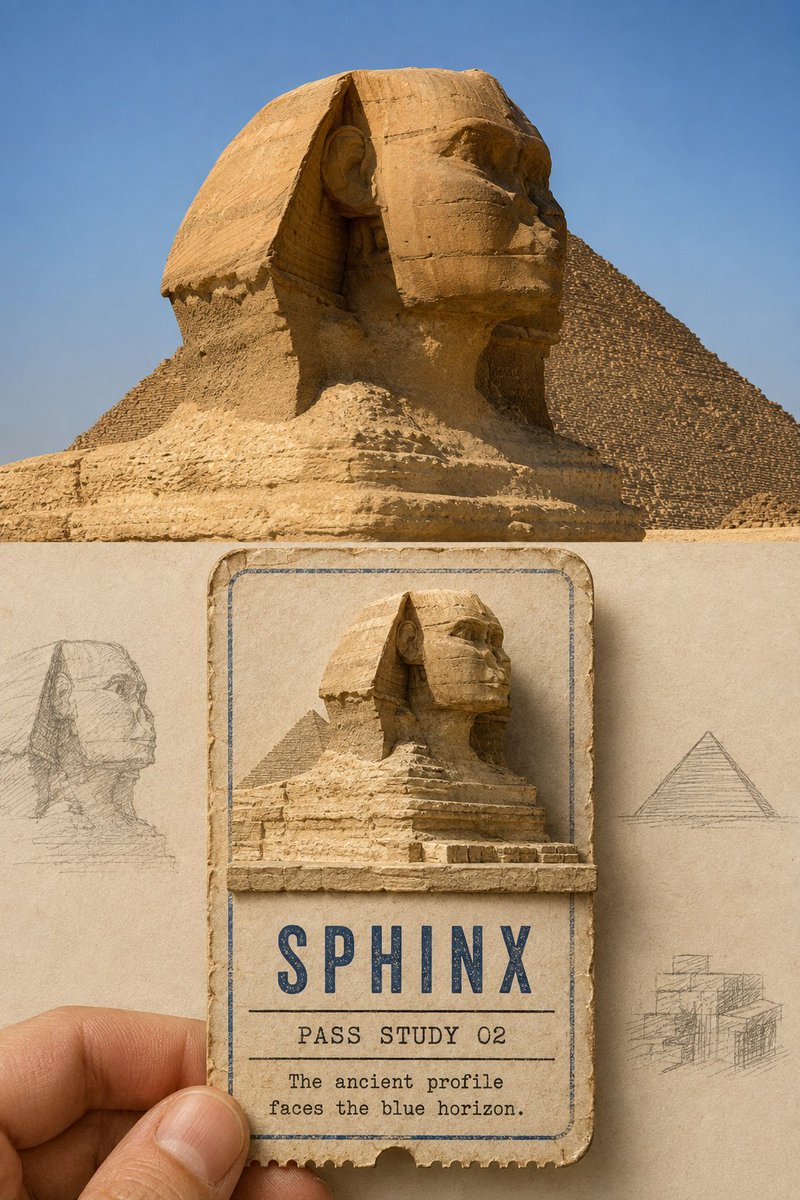
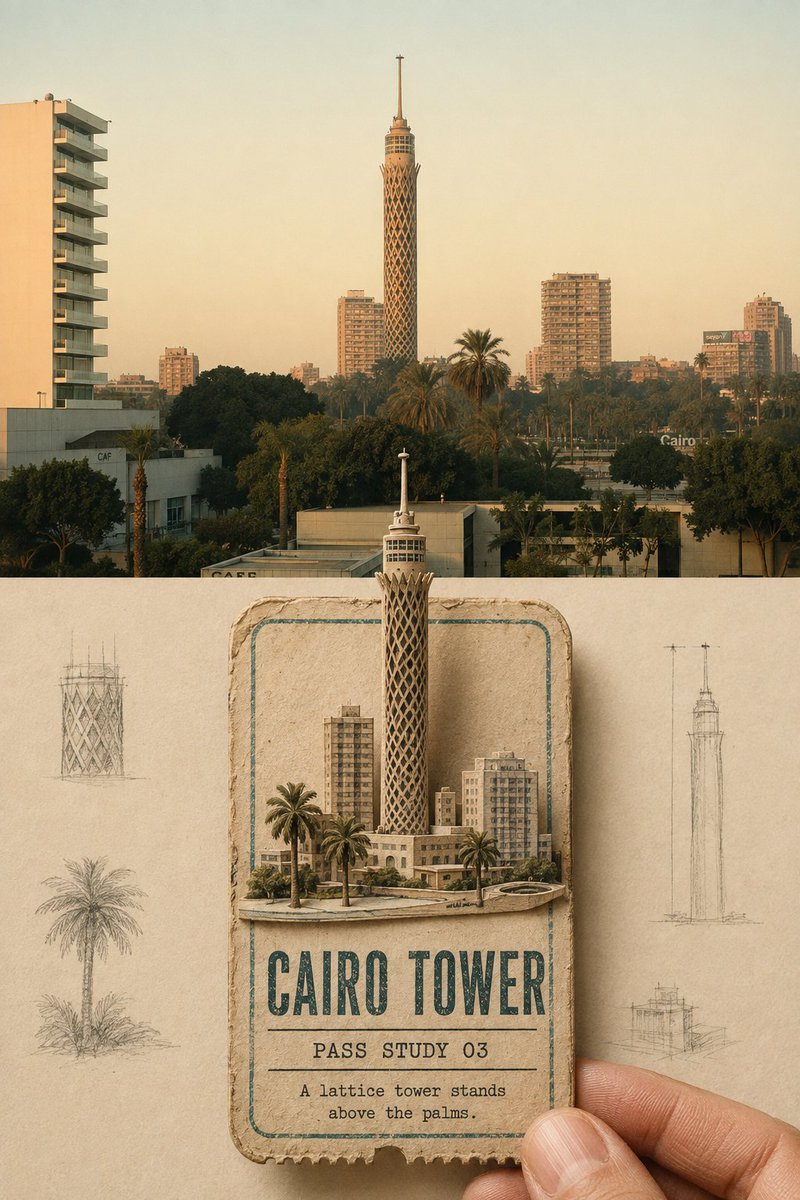
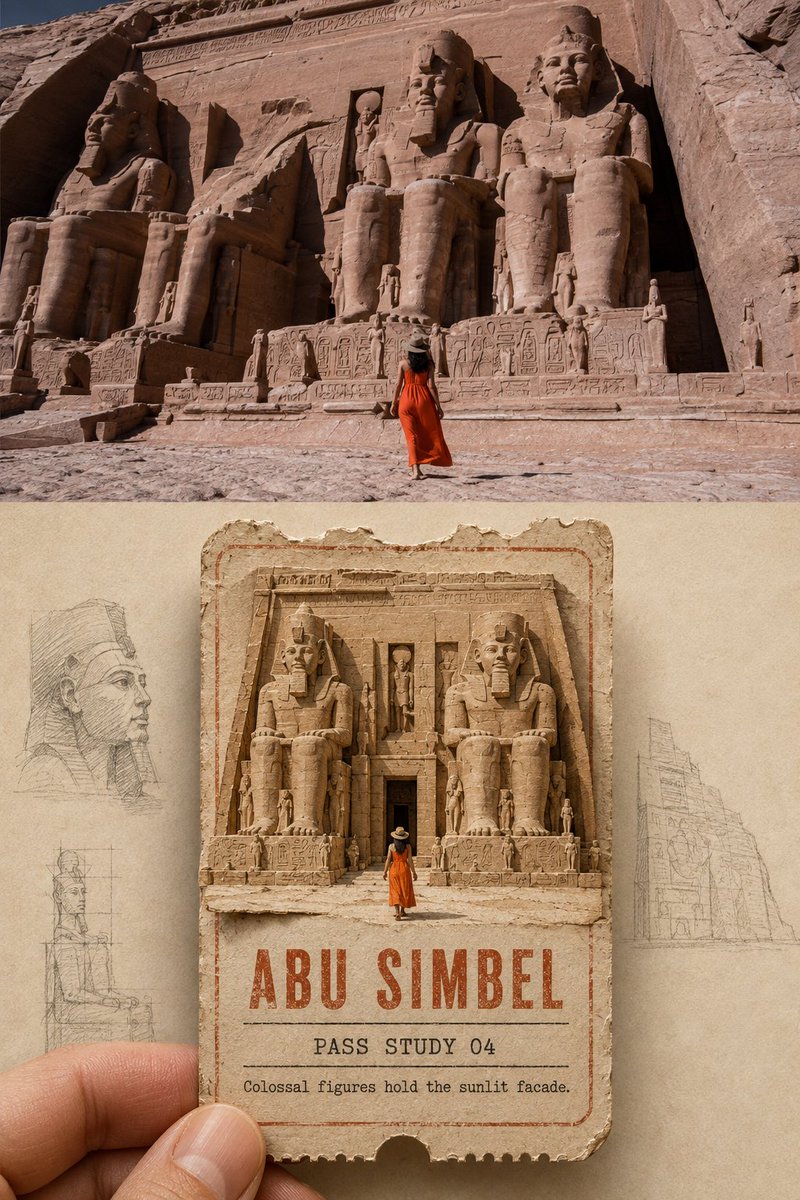
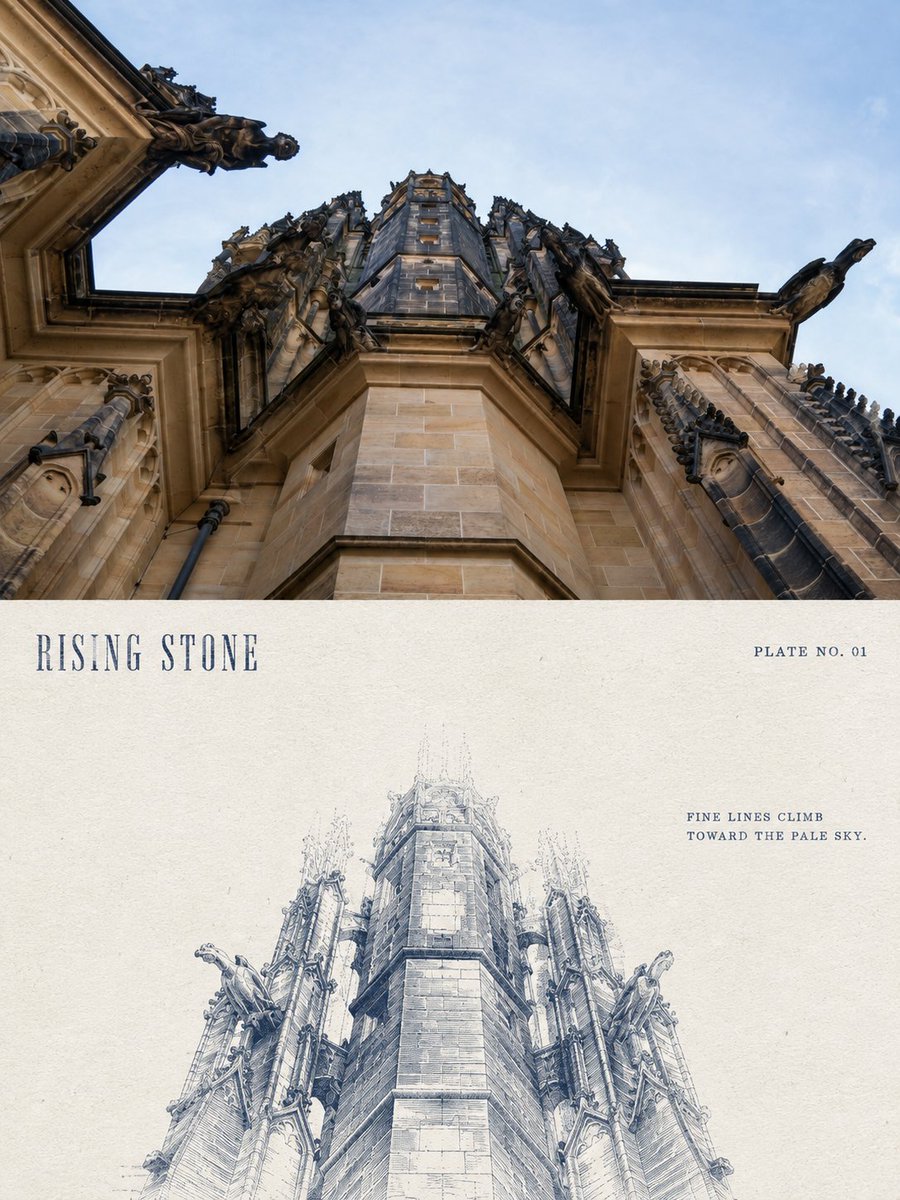
Krijg de prompts die indruk maken
Krijg de prompts die indruk maken
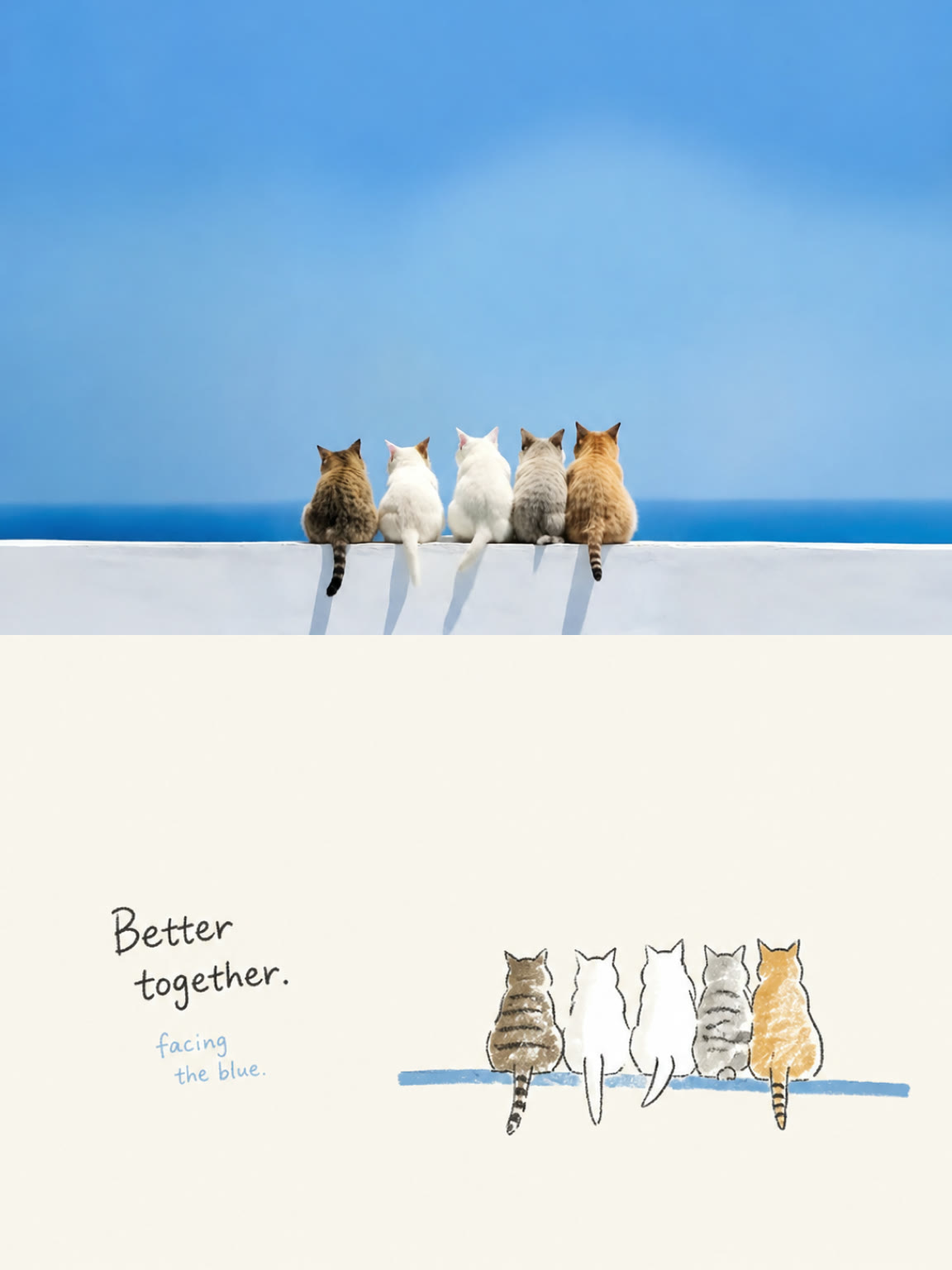
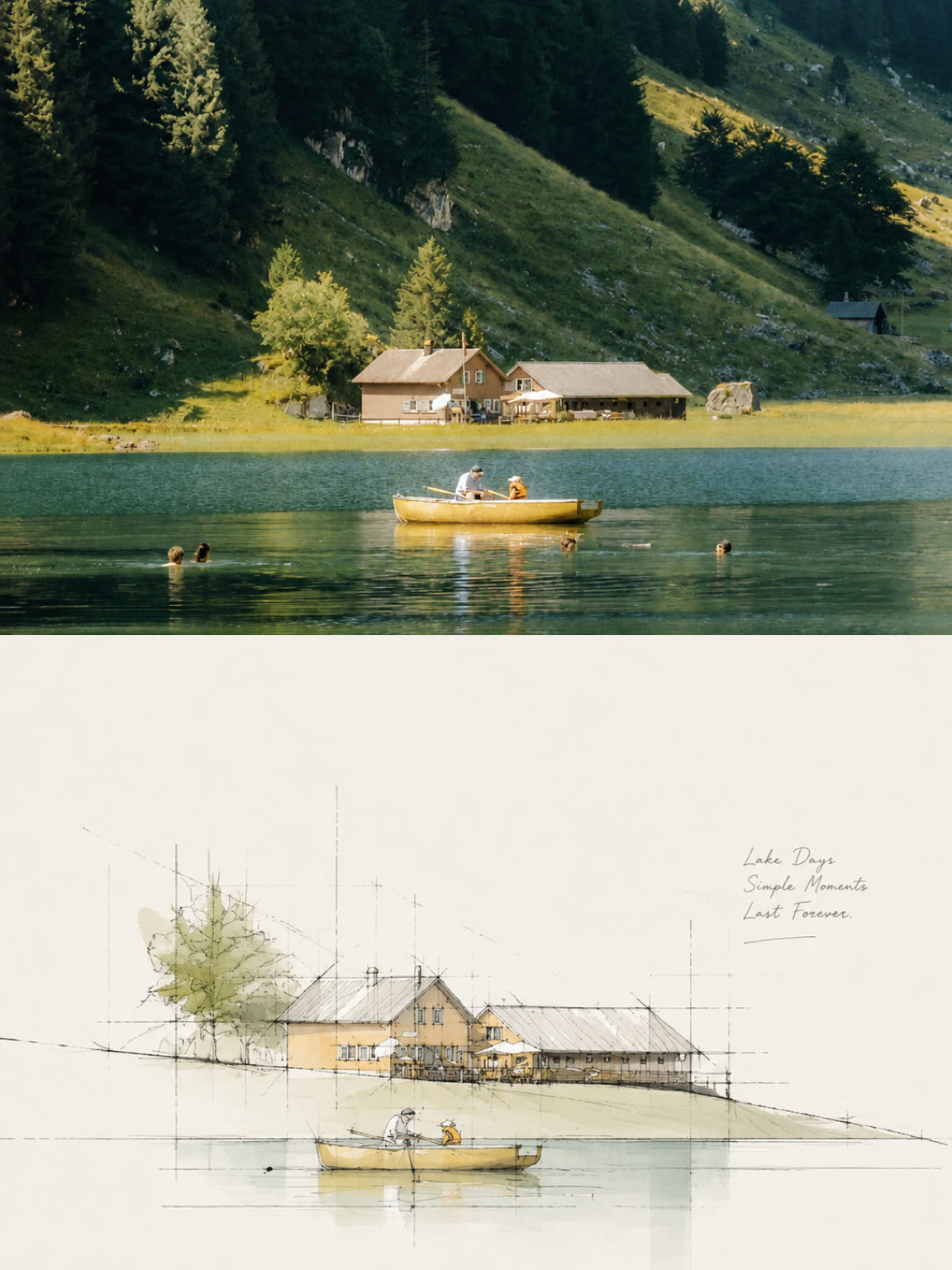
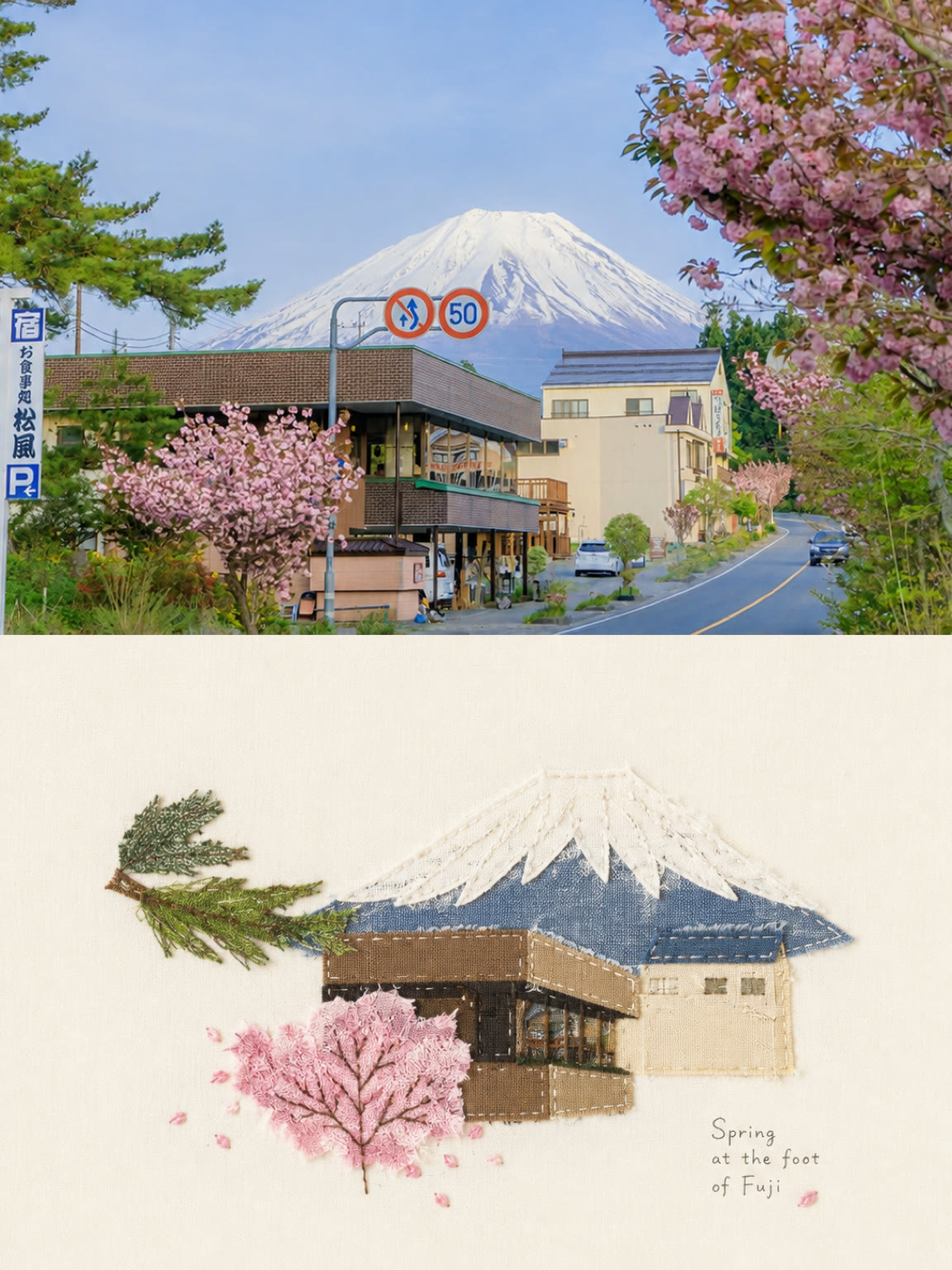
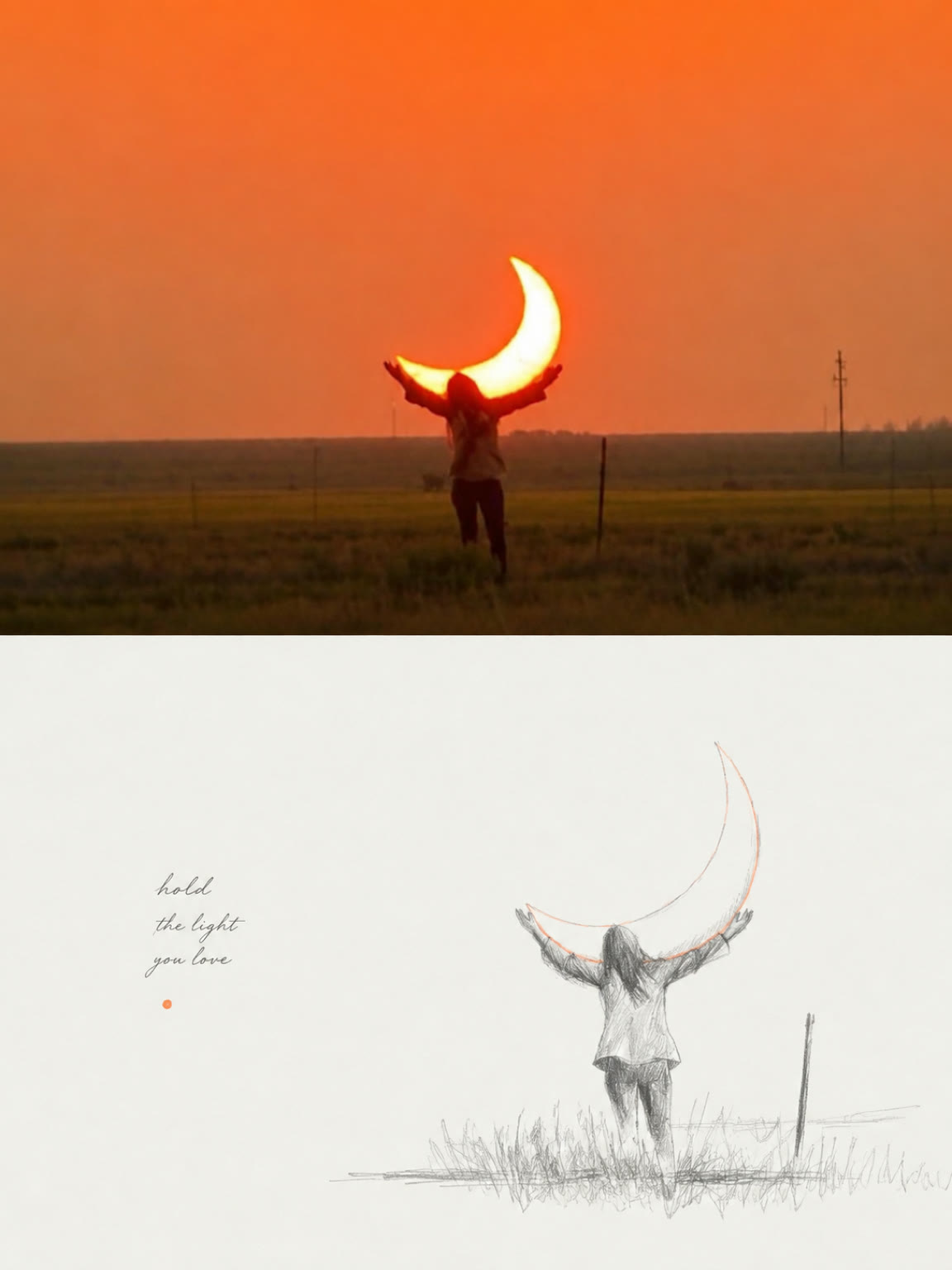
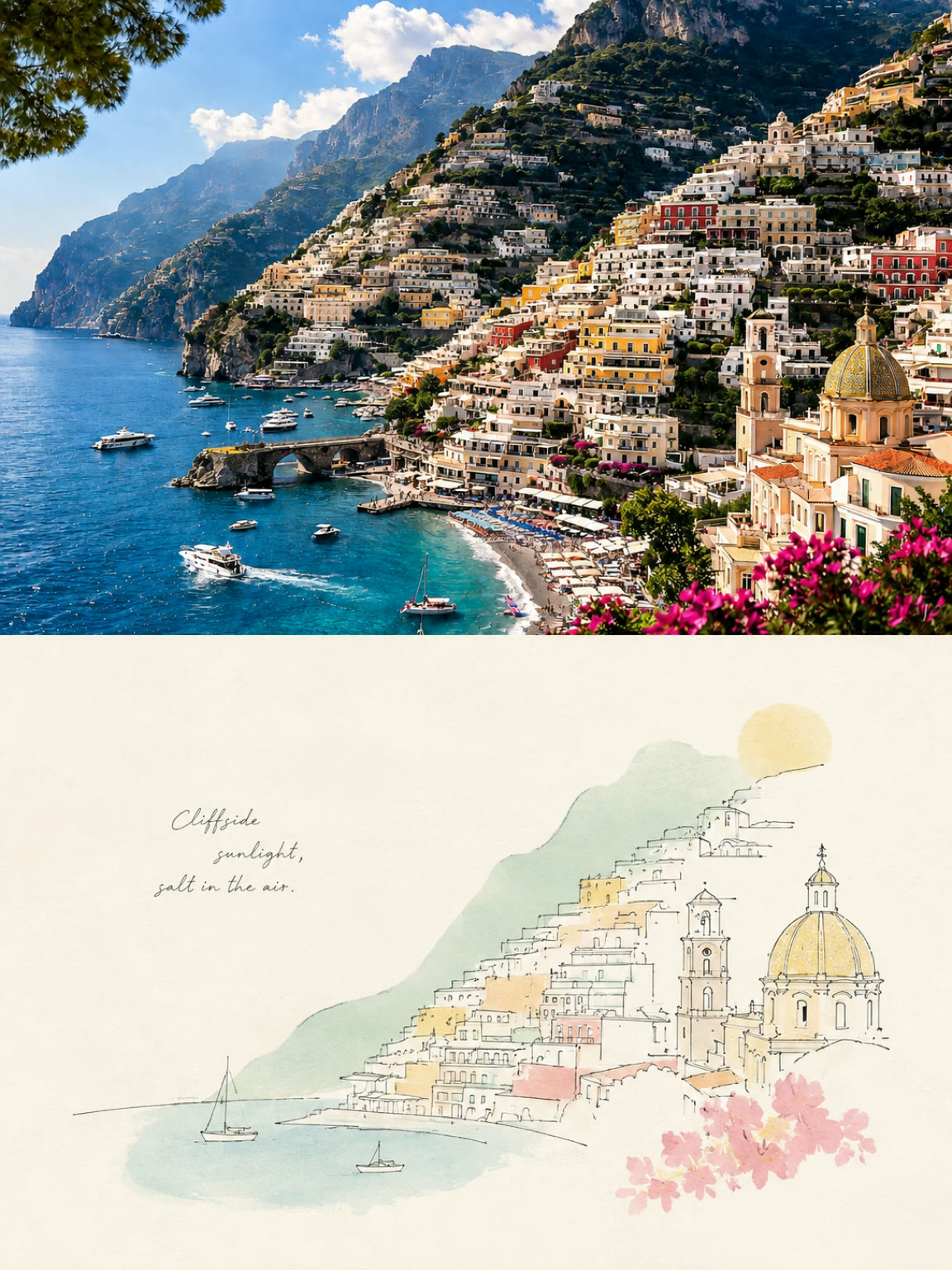
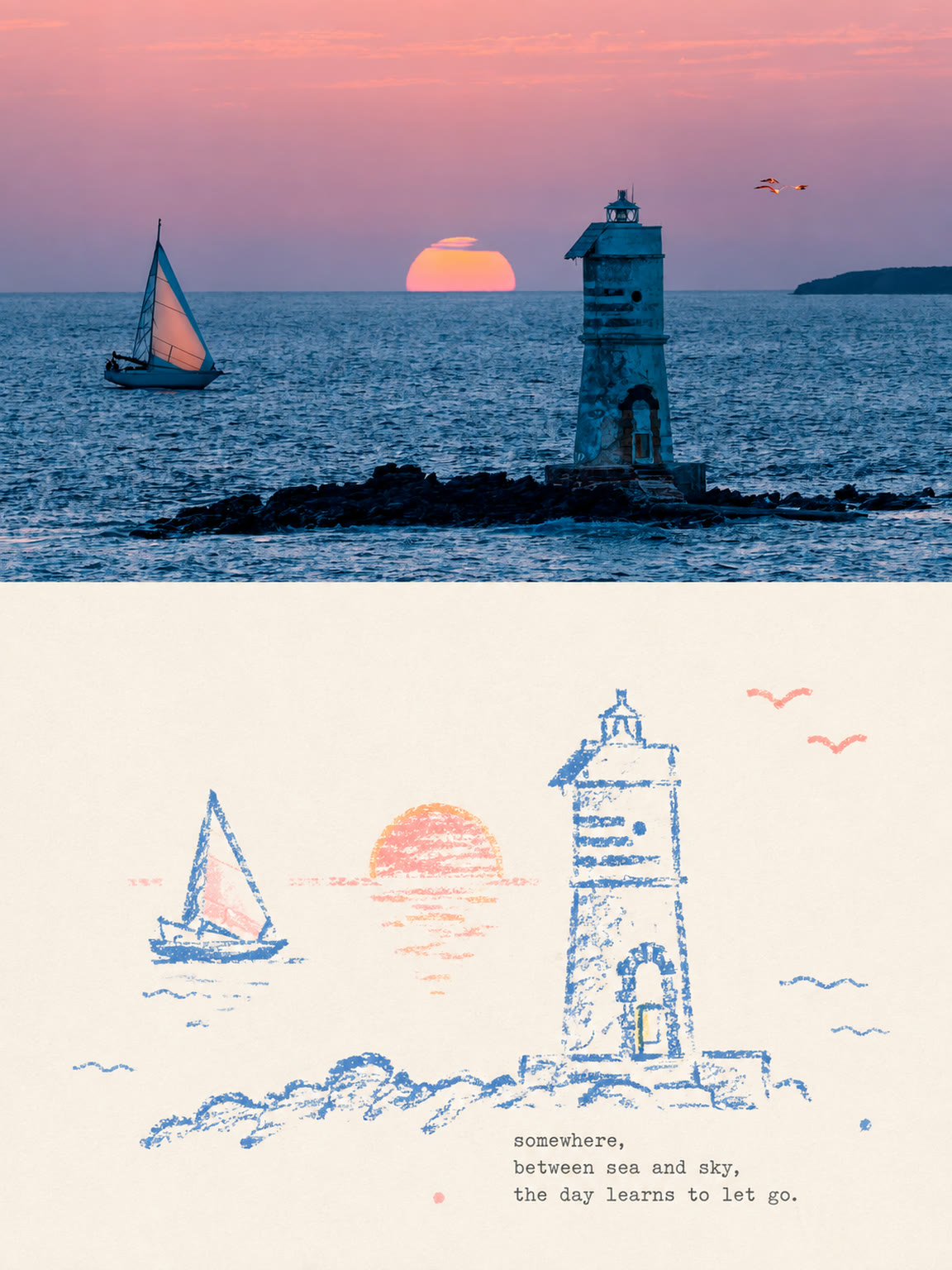
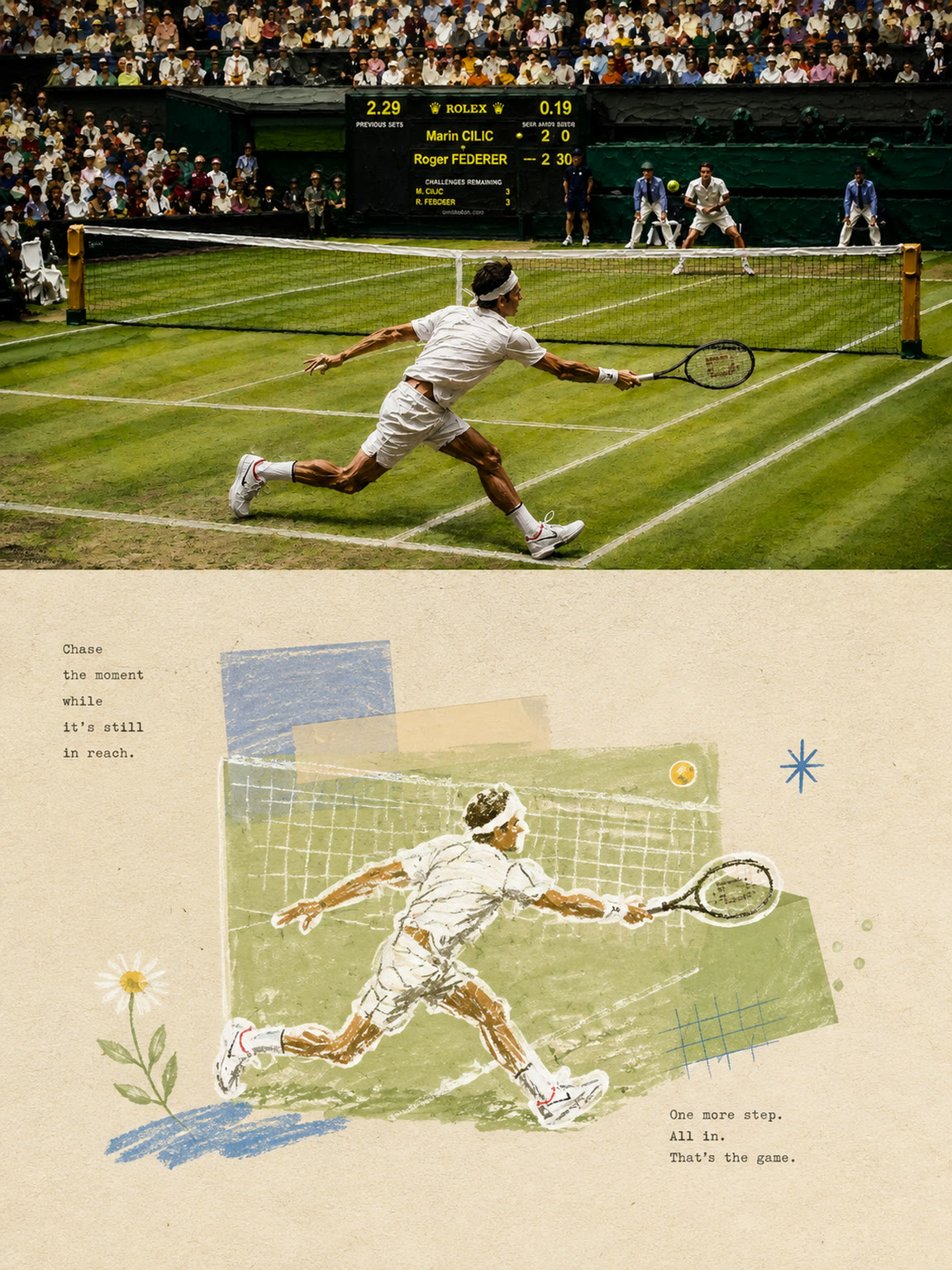
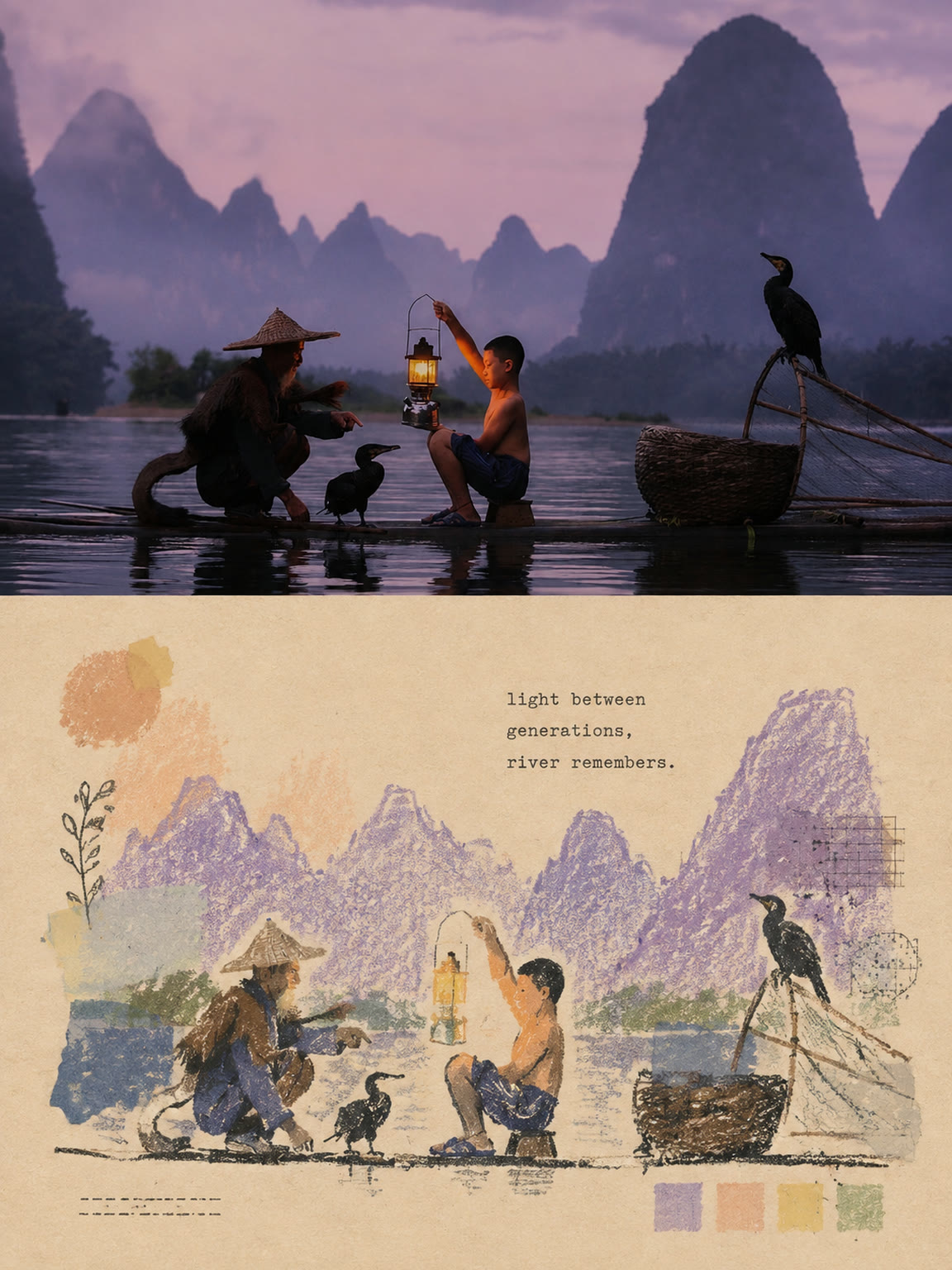
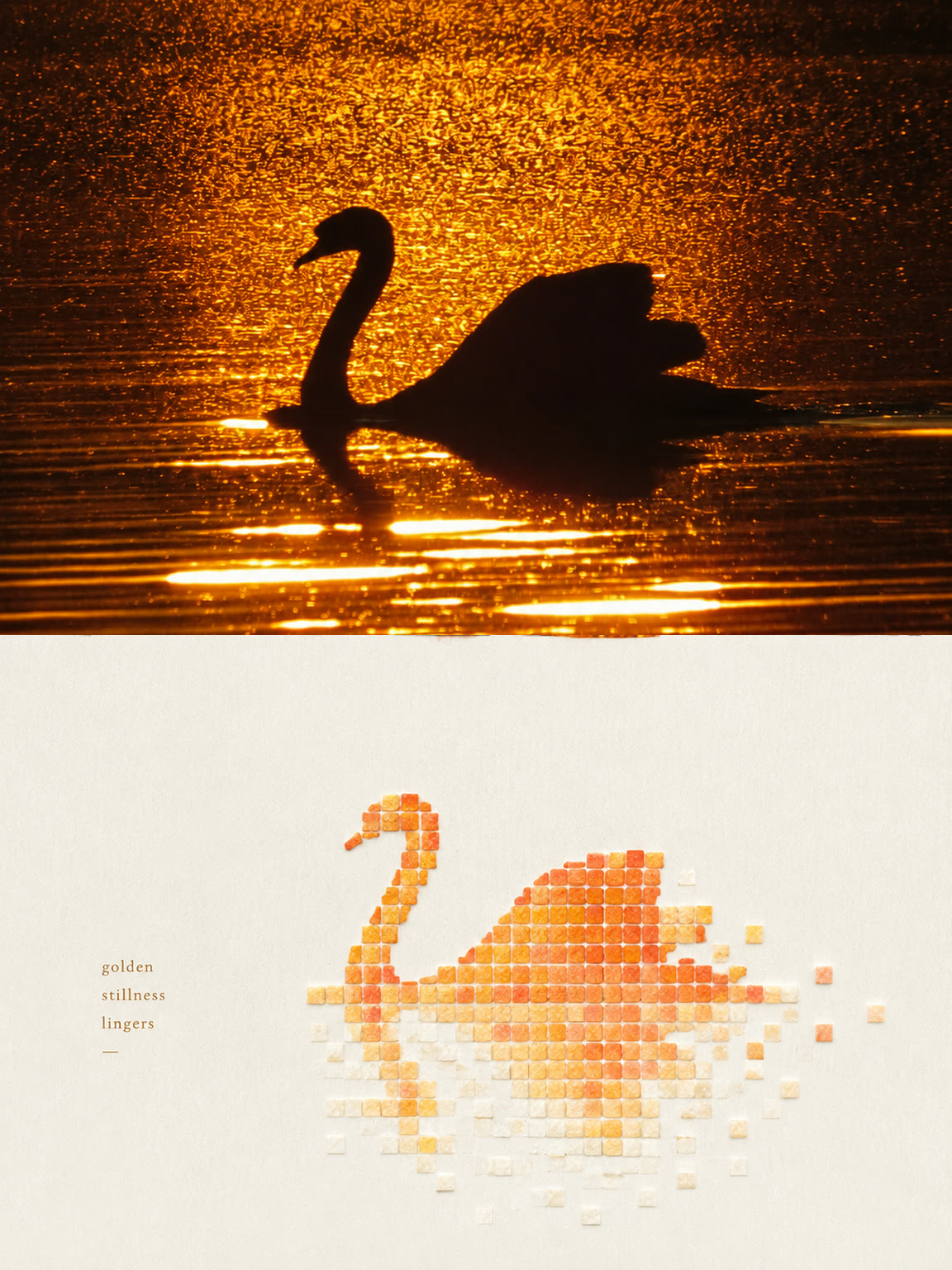
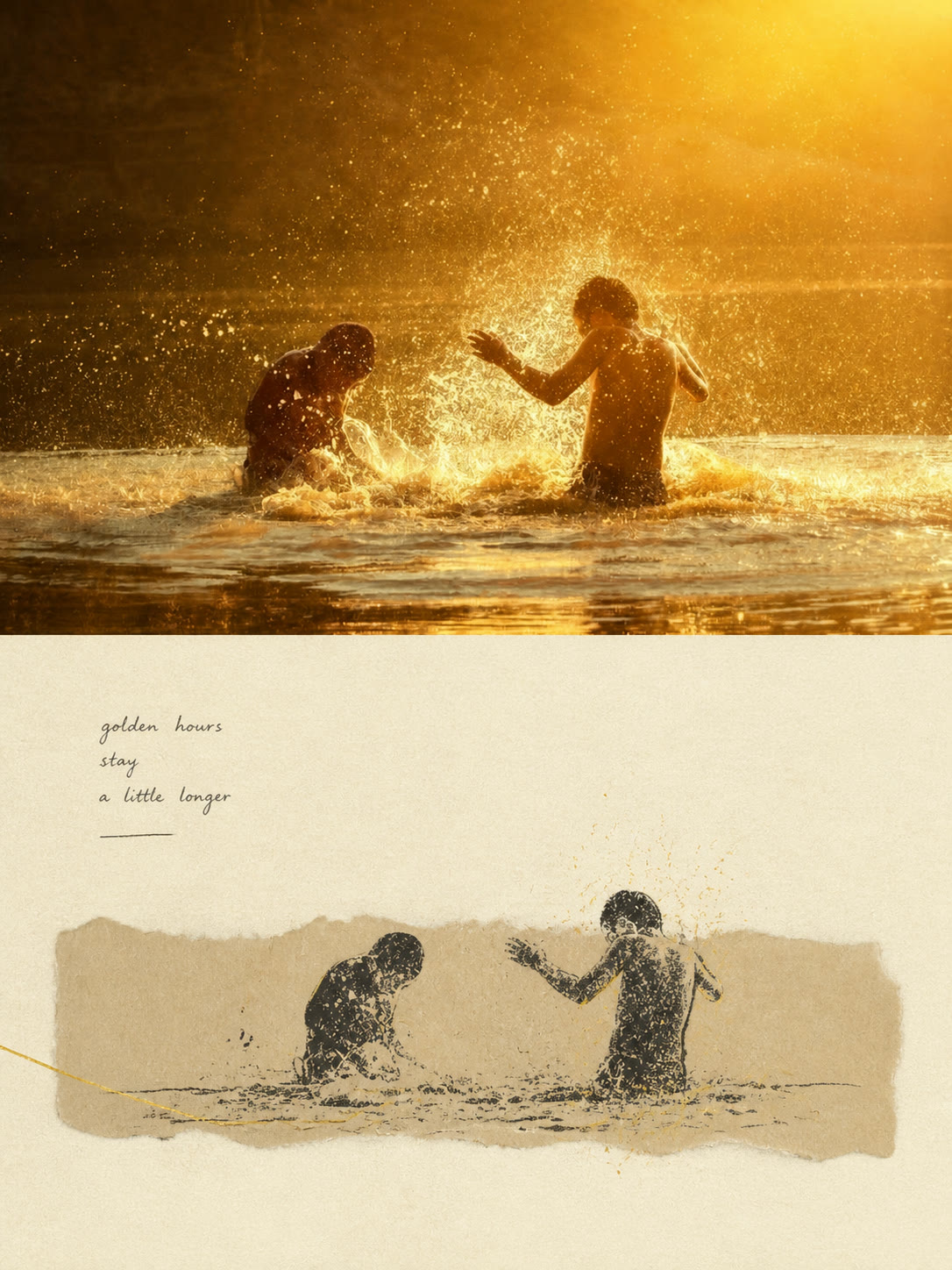
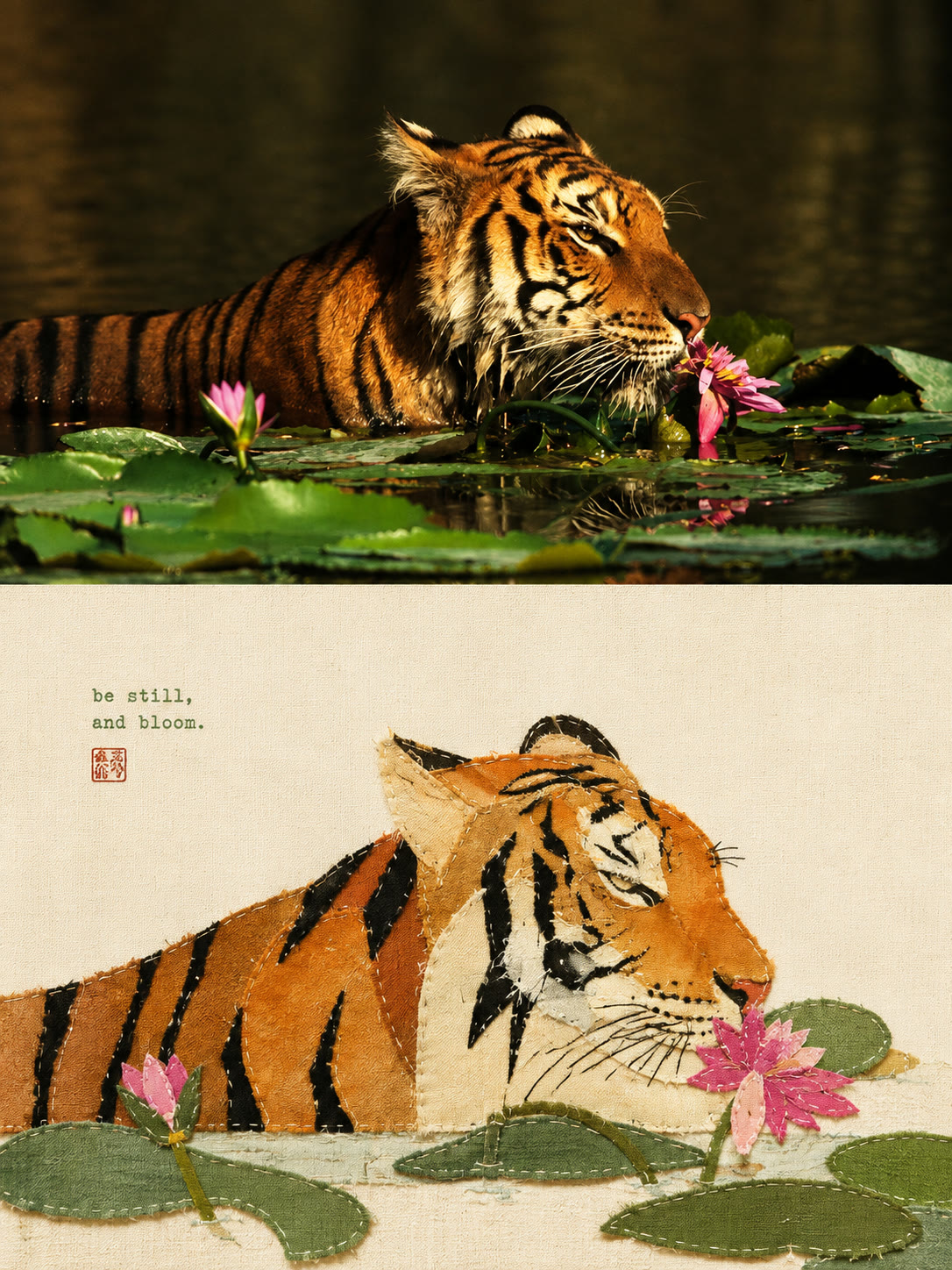
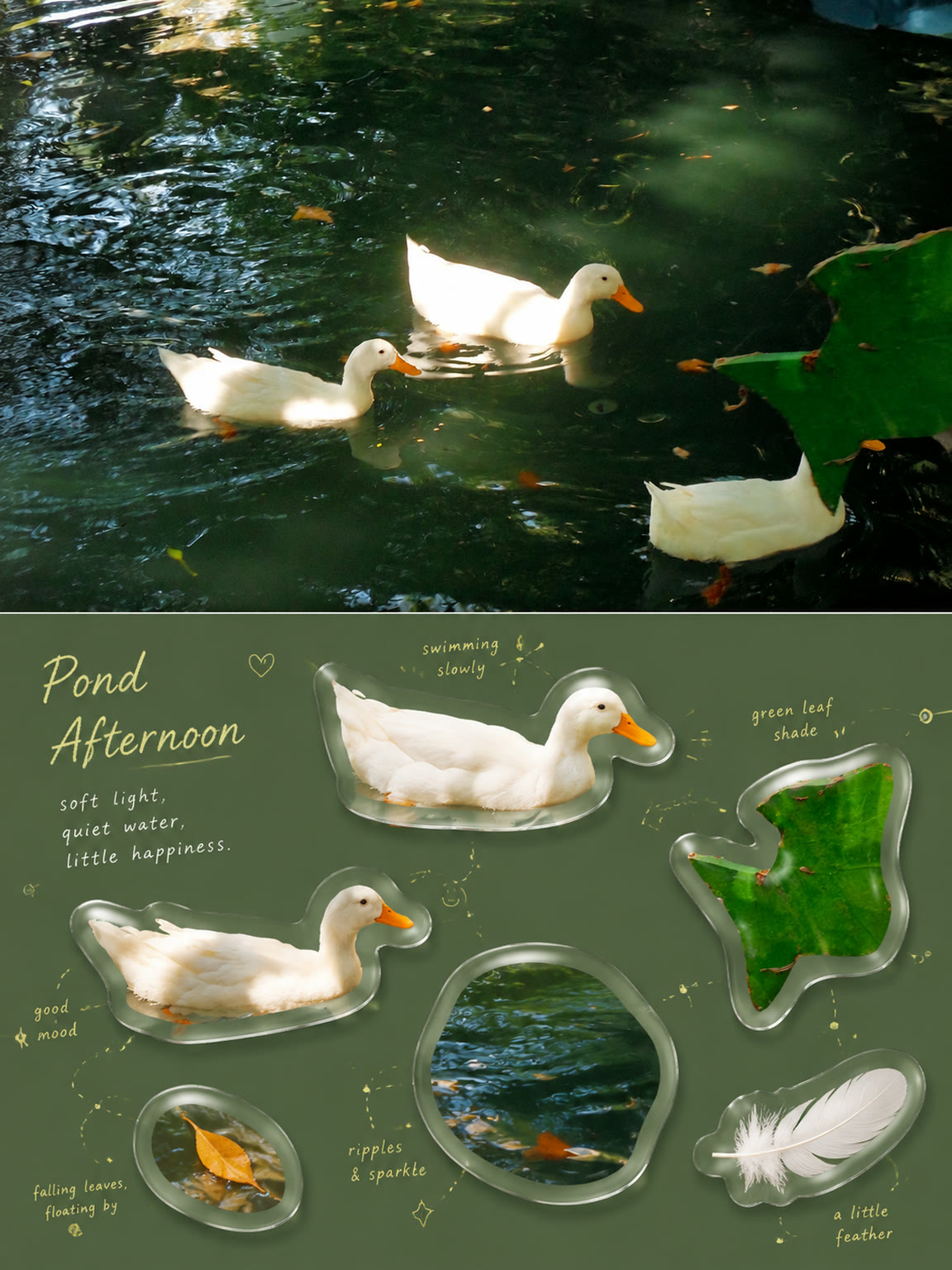
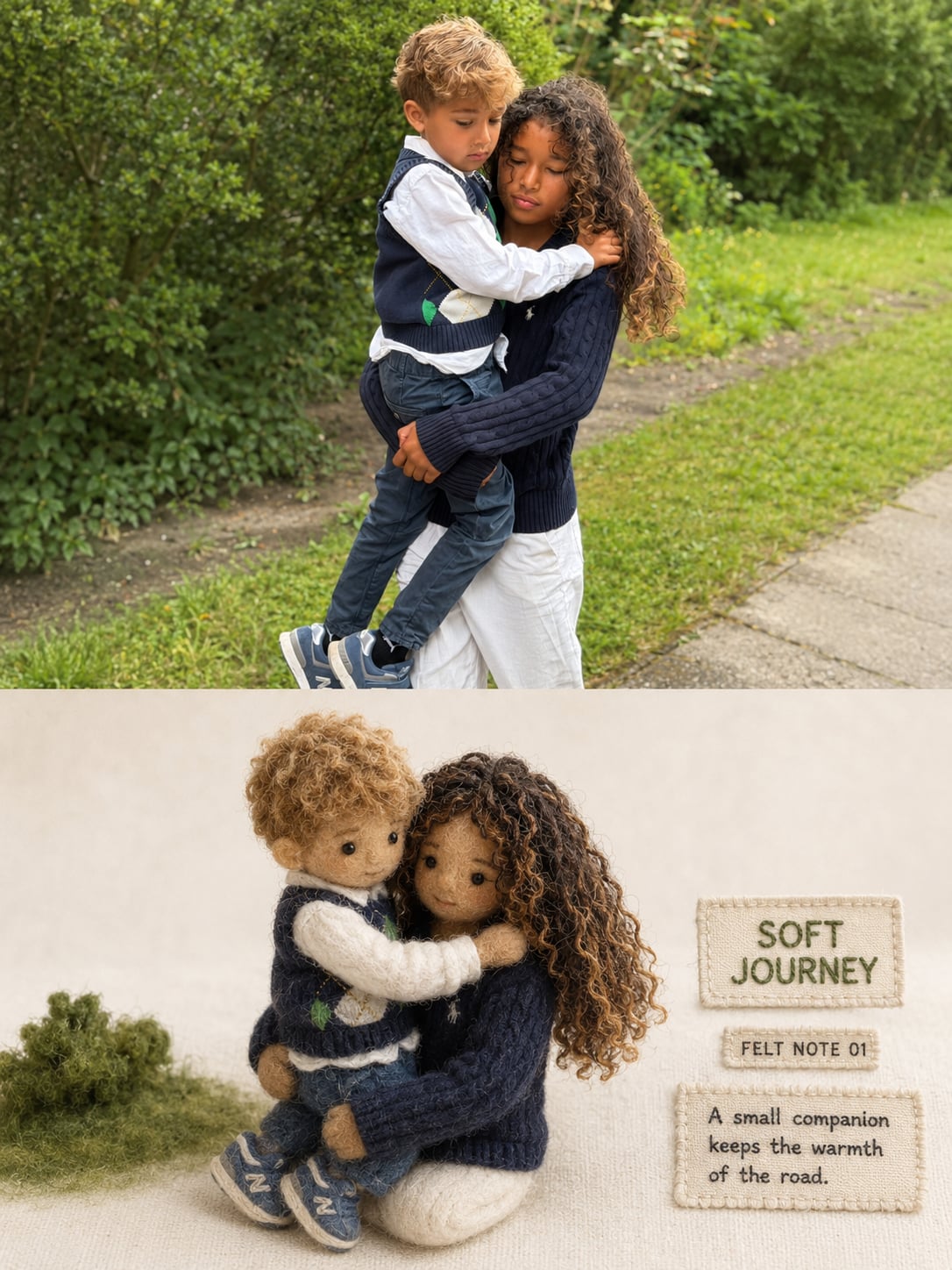
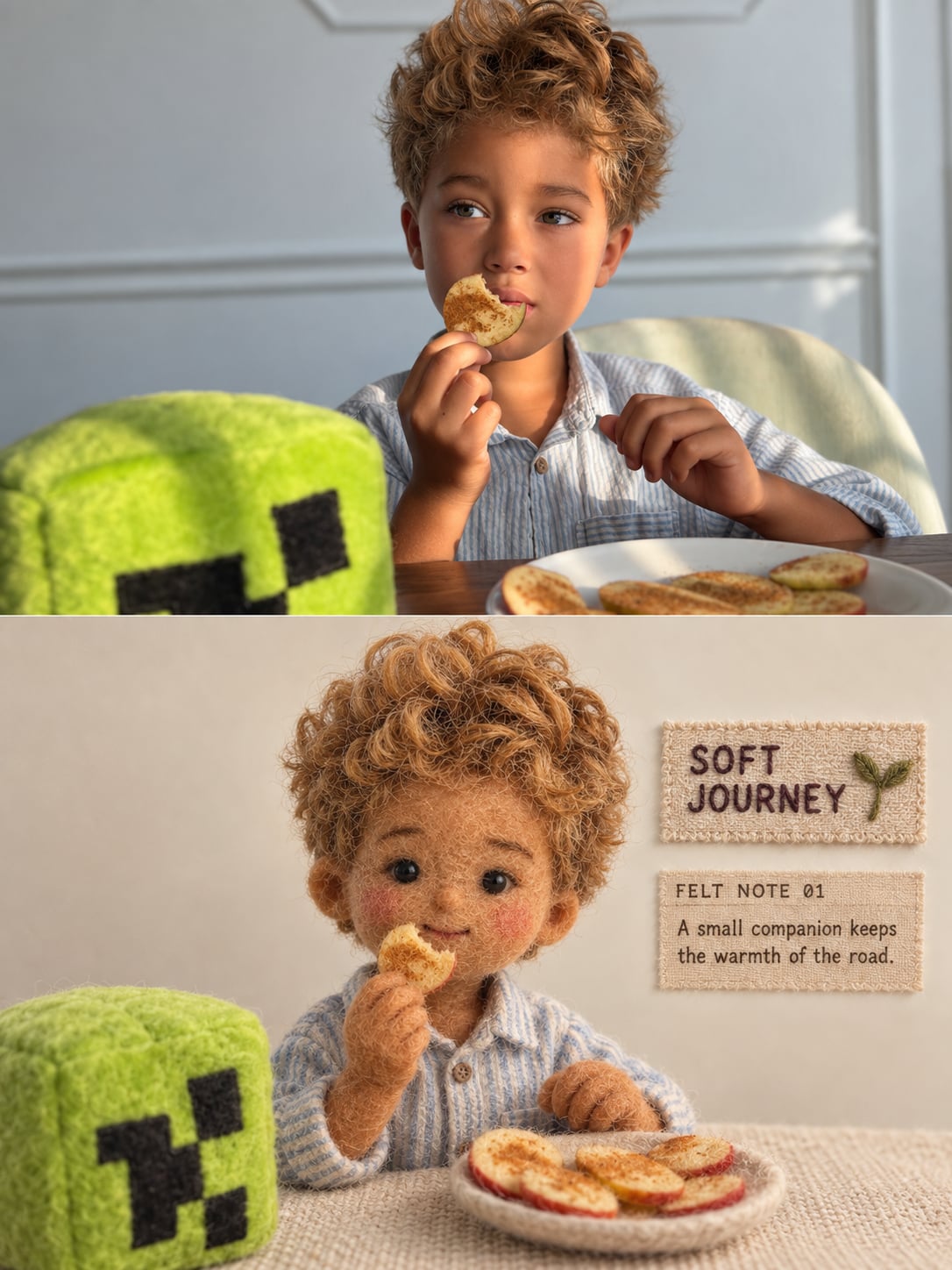
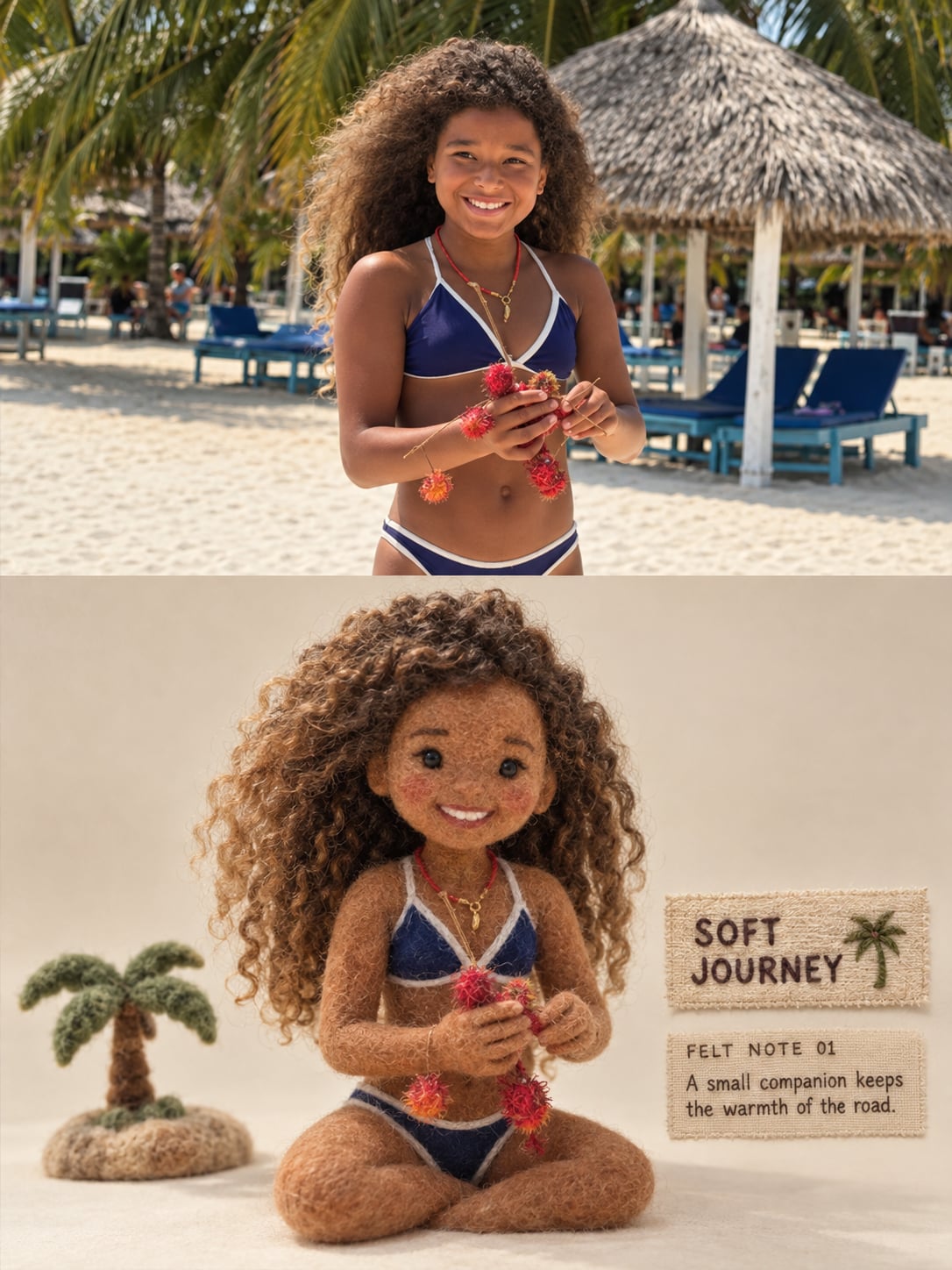
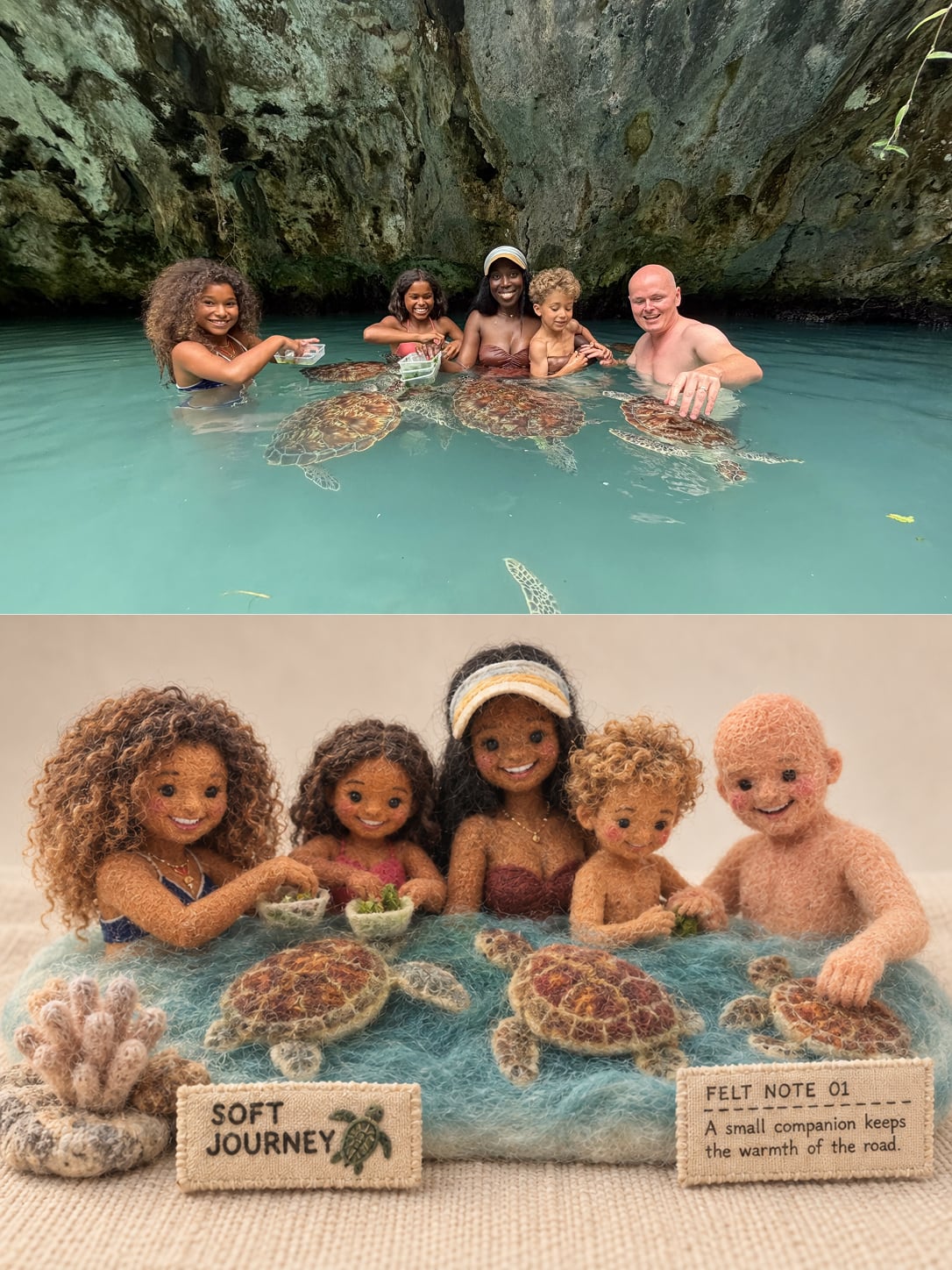
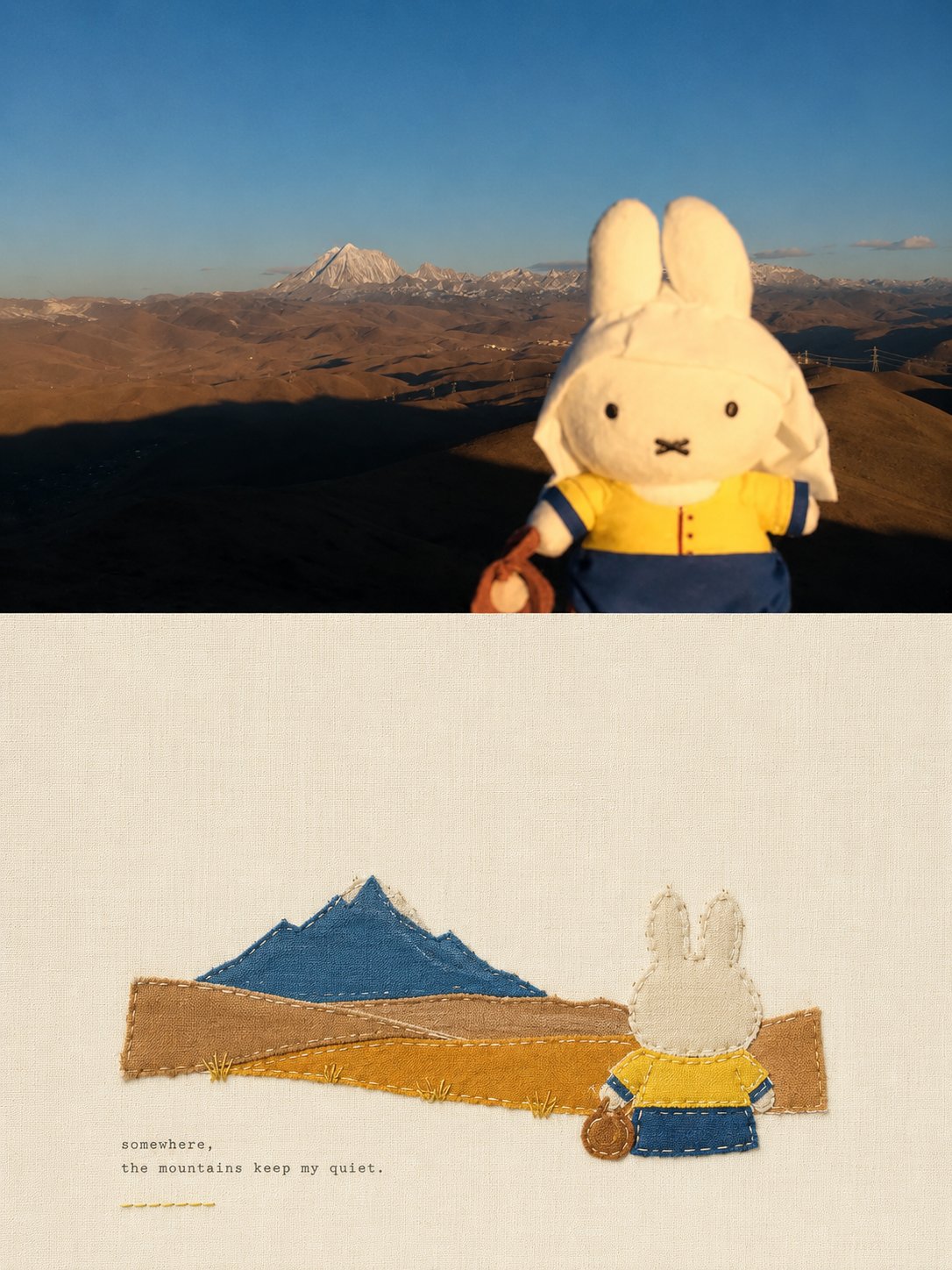
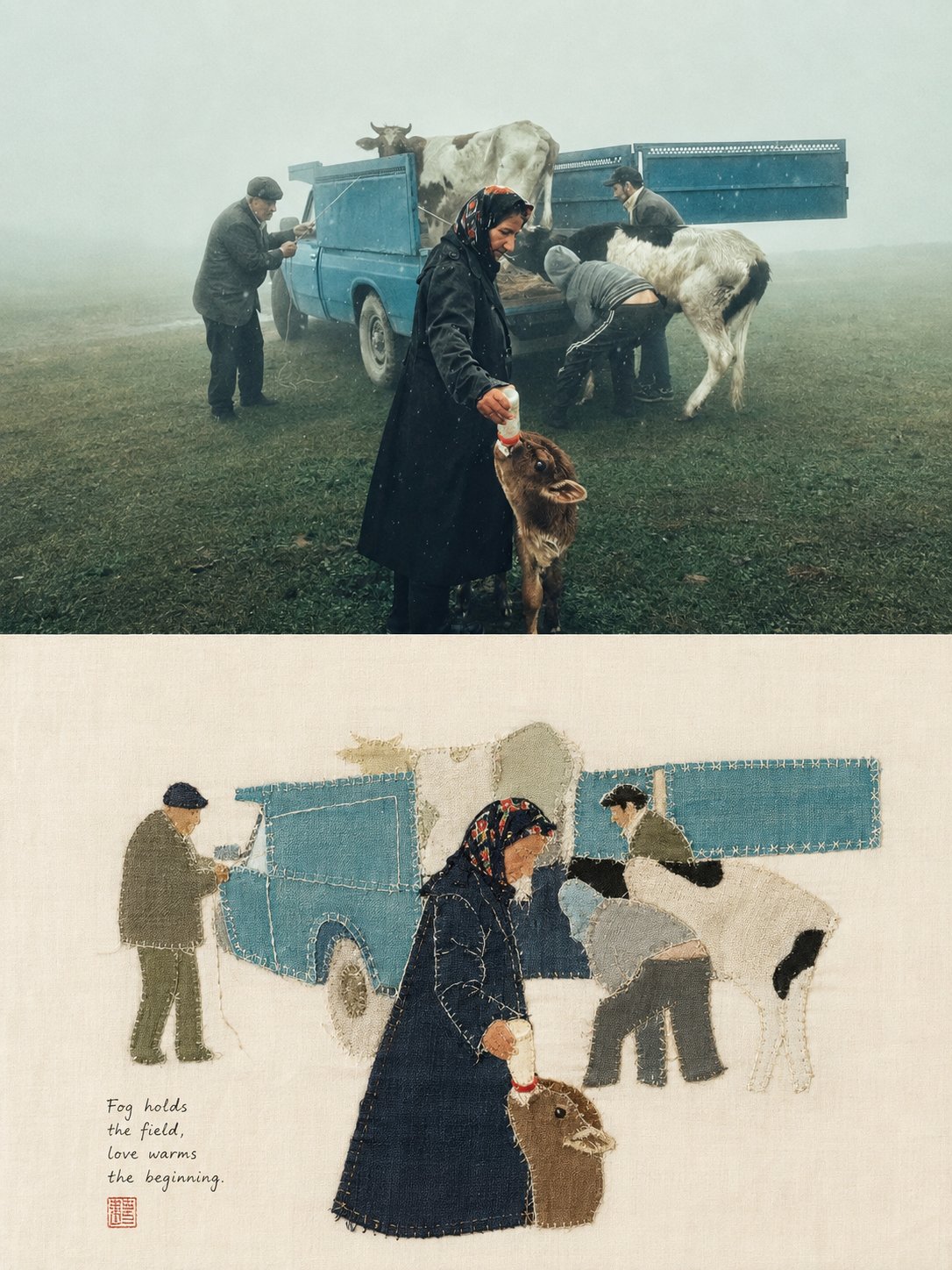
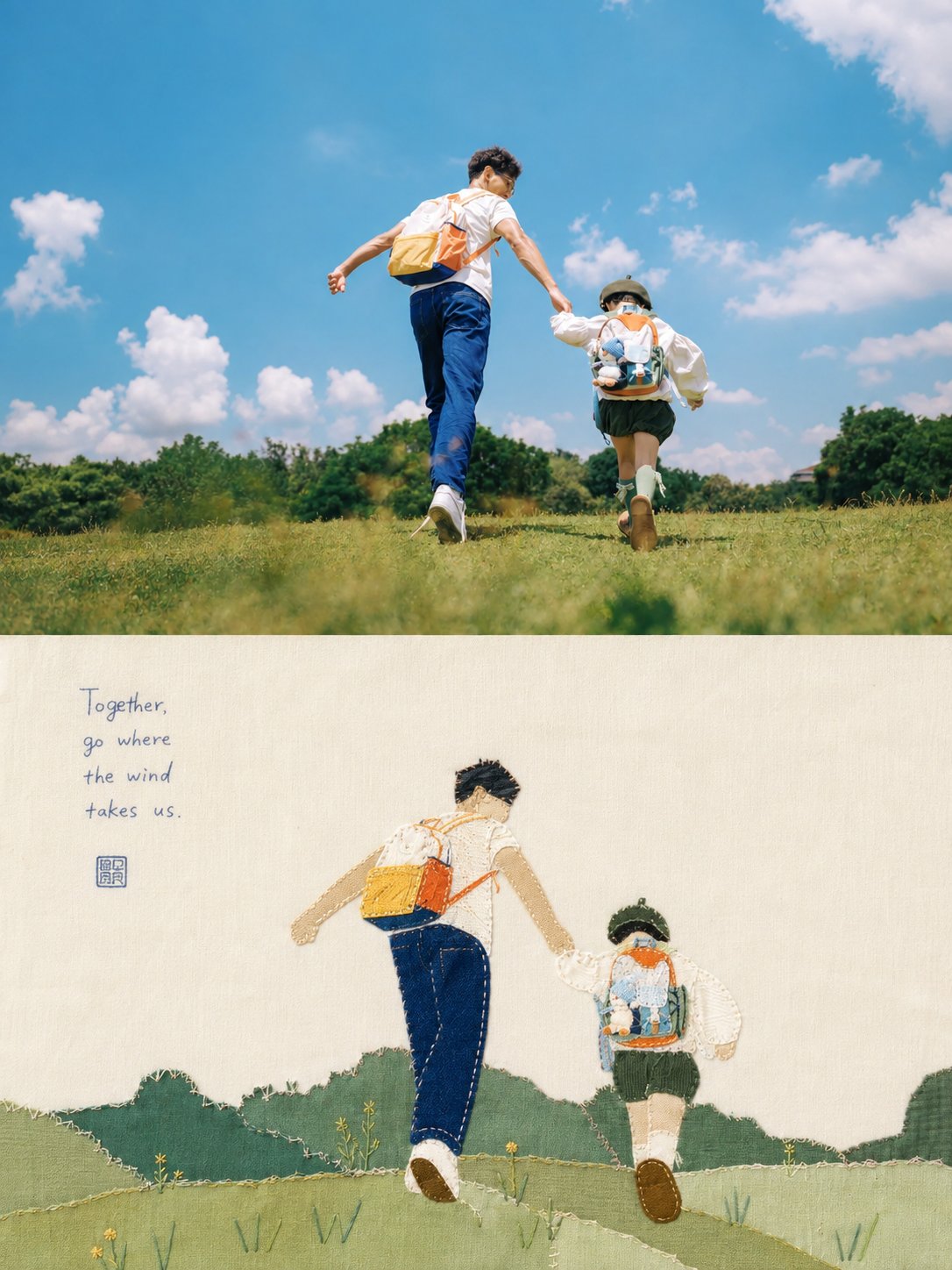
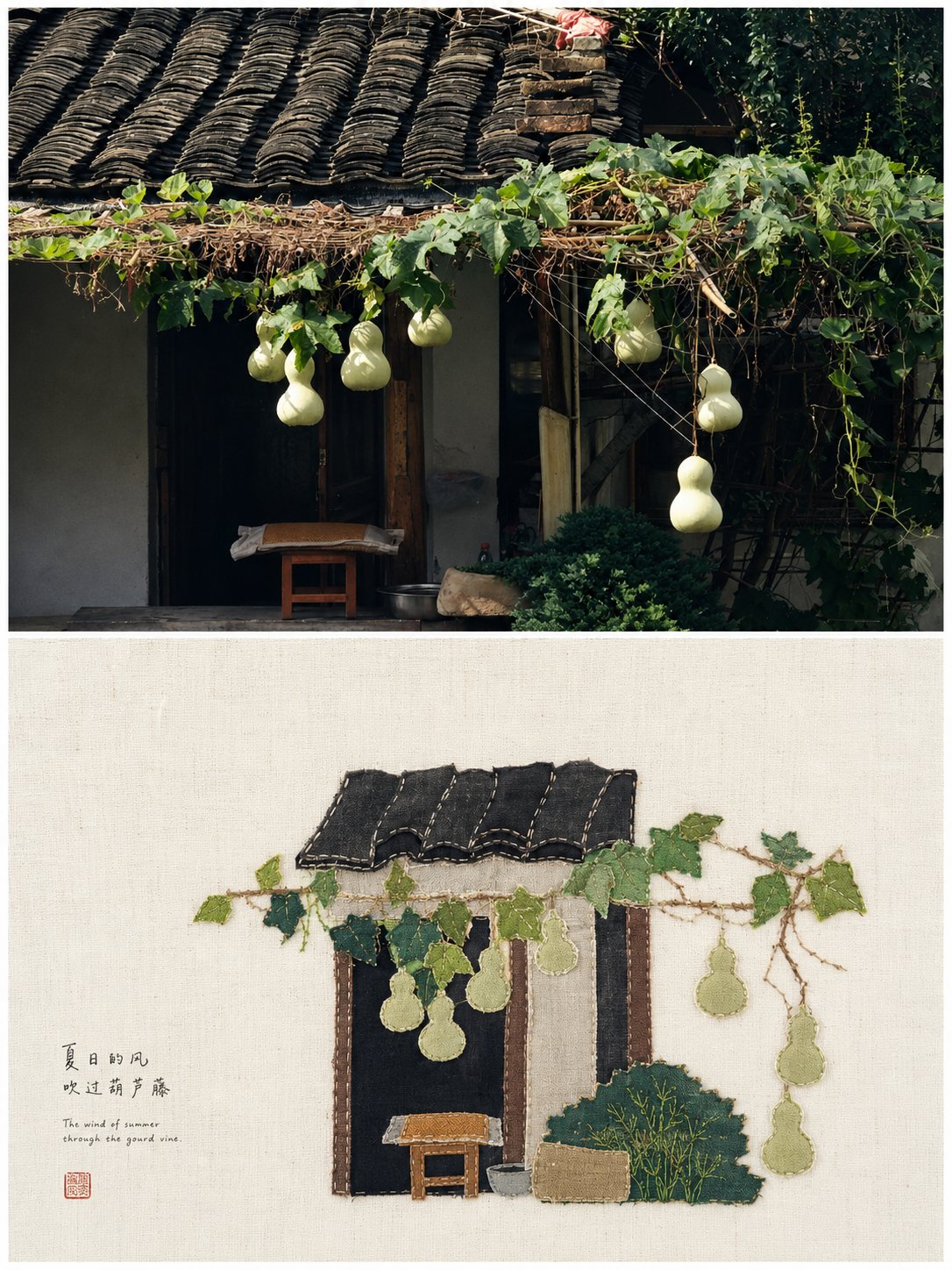
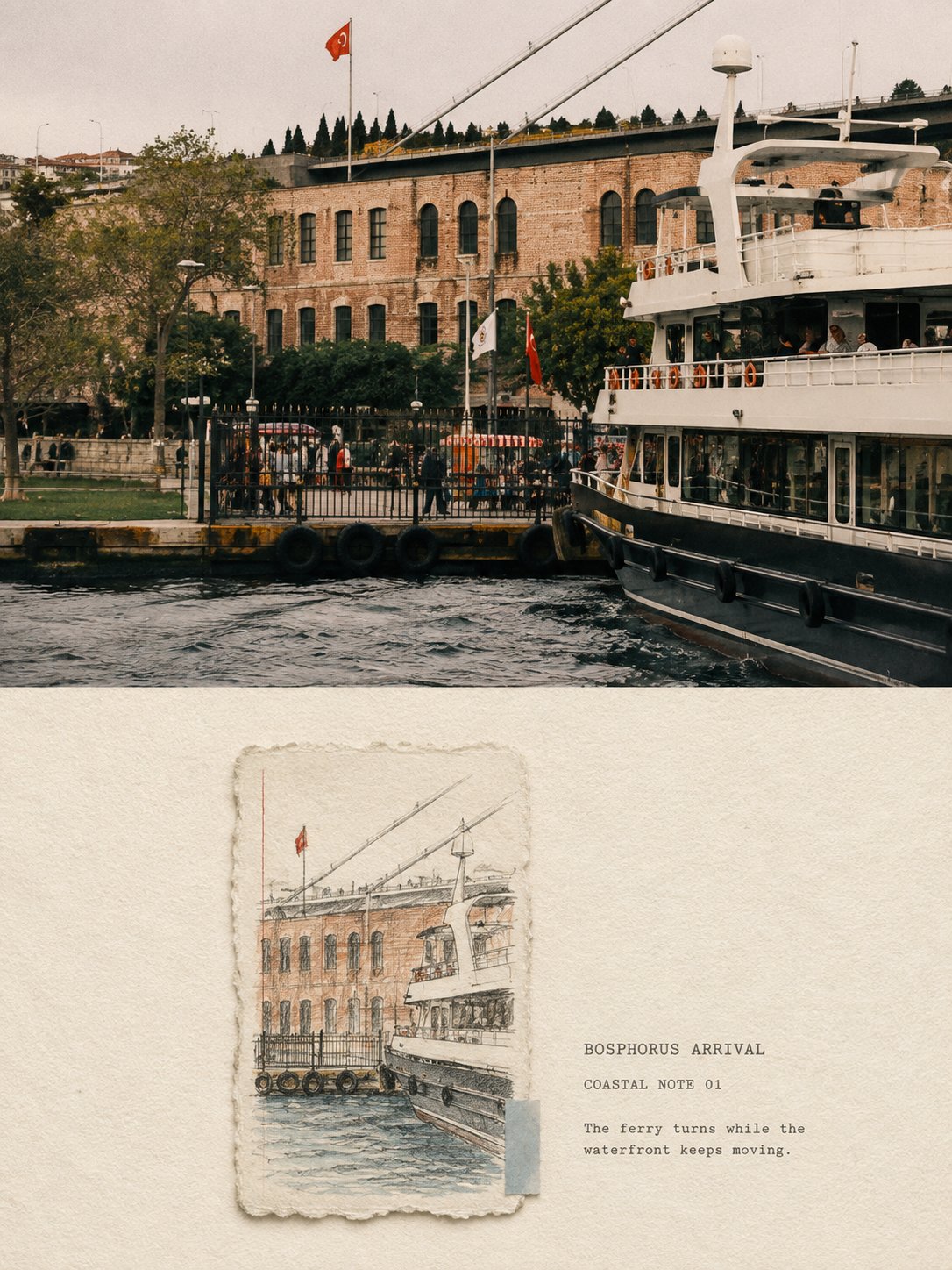
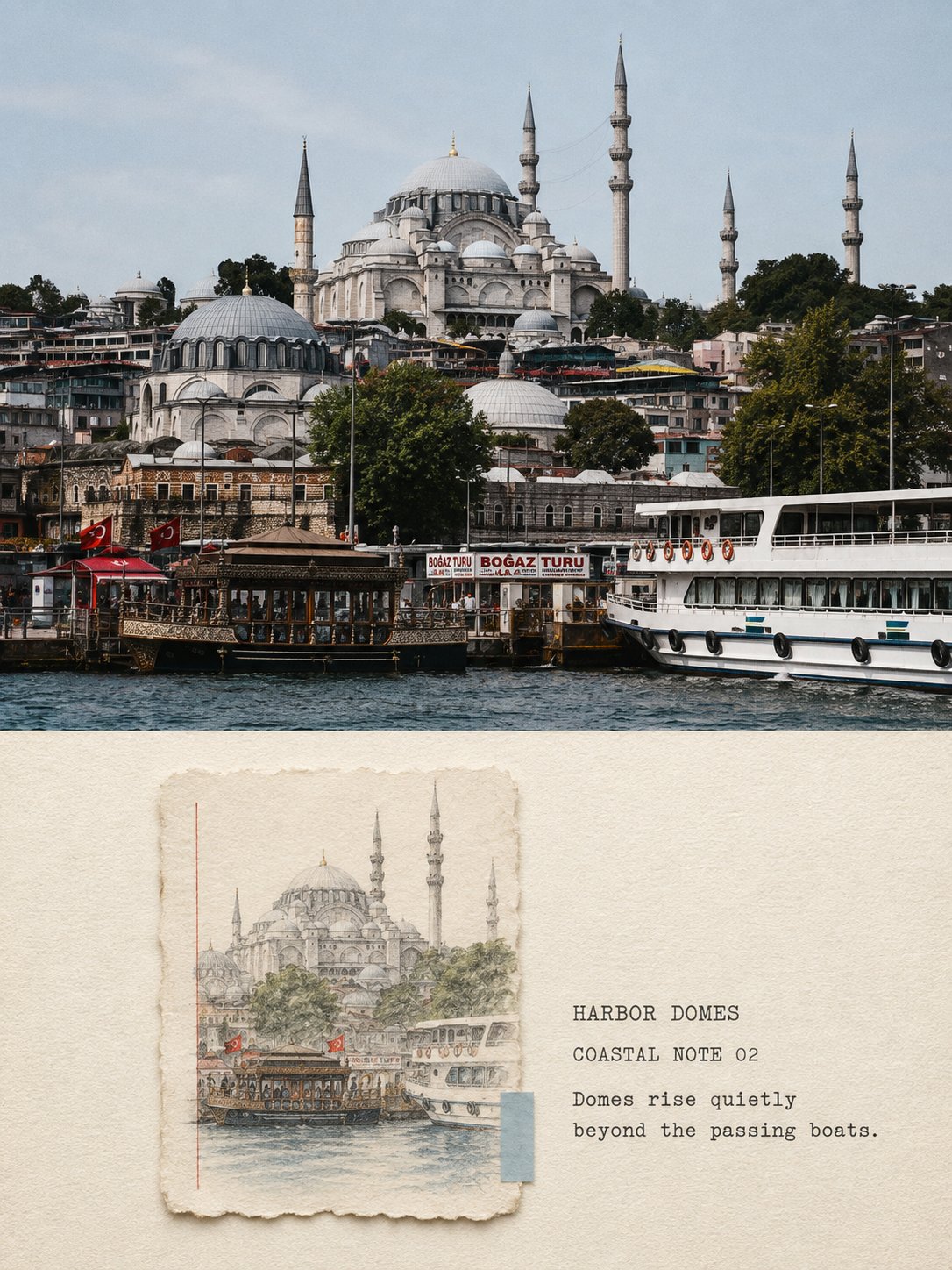
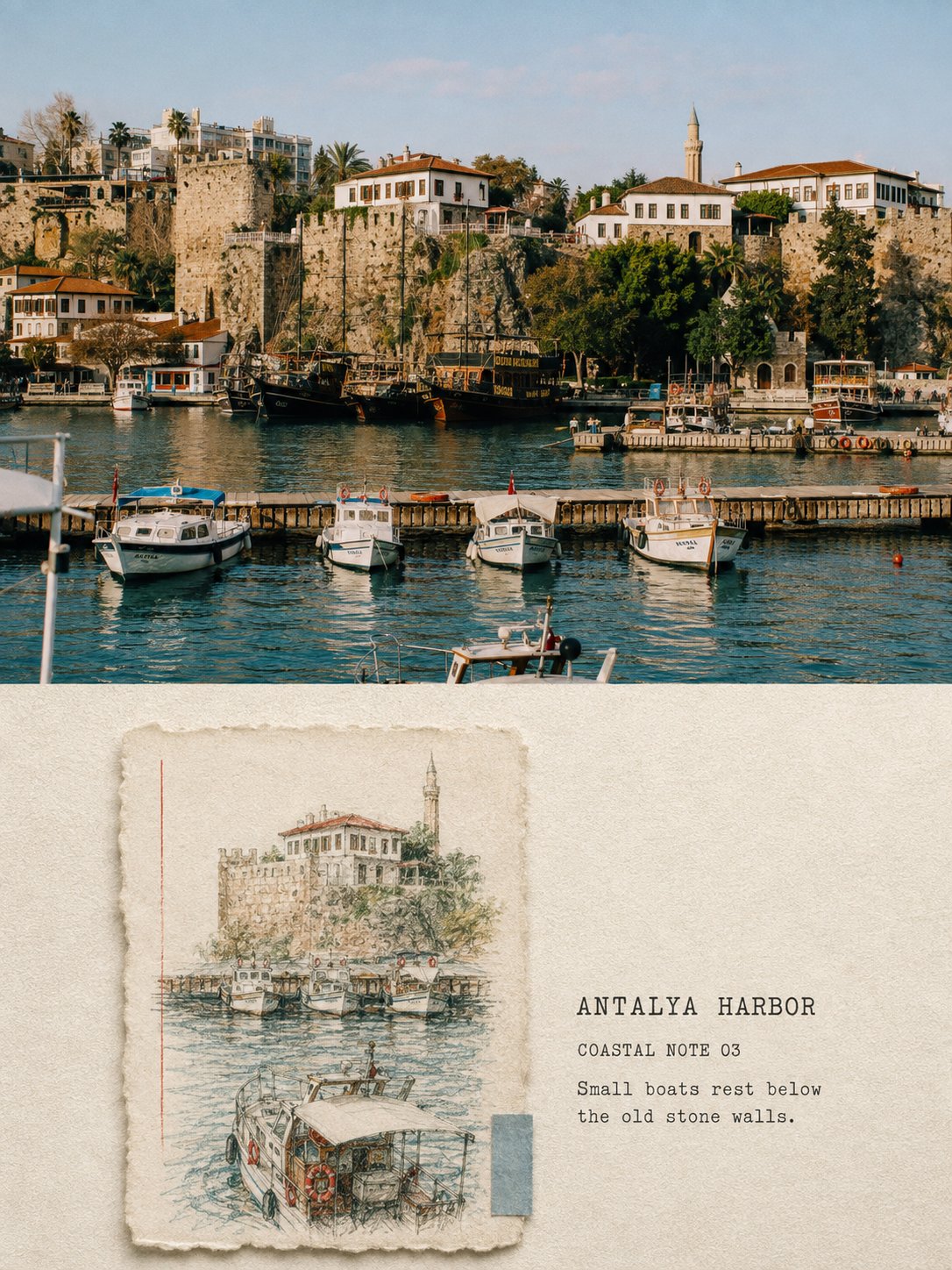
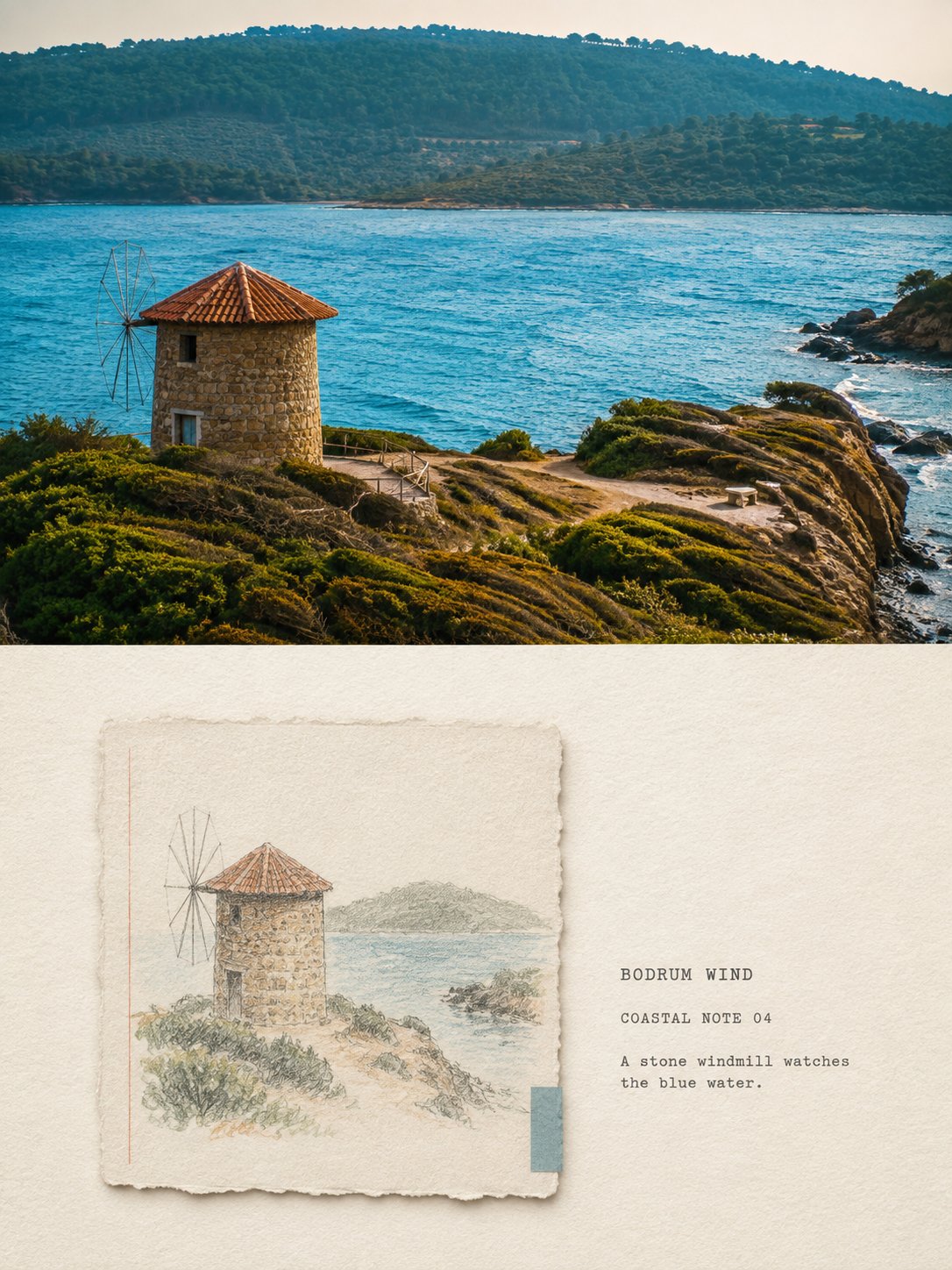
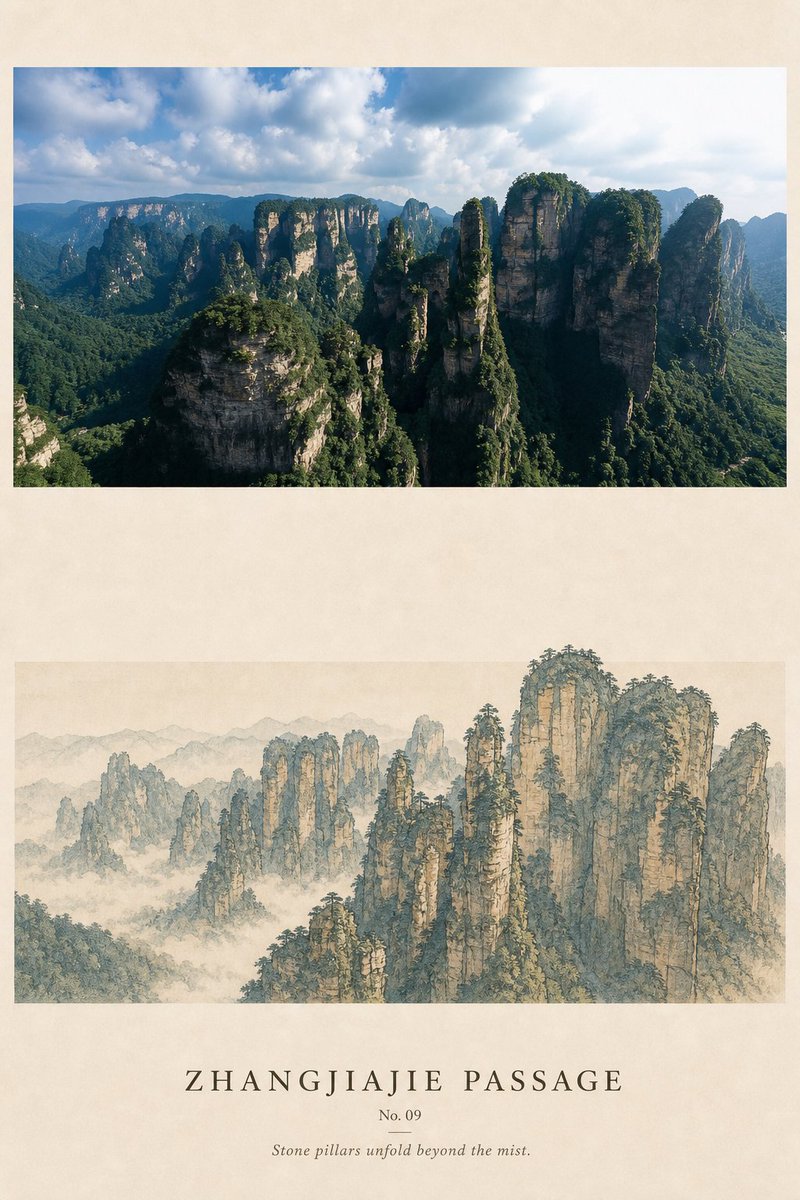
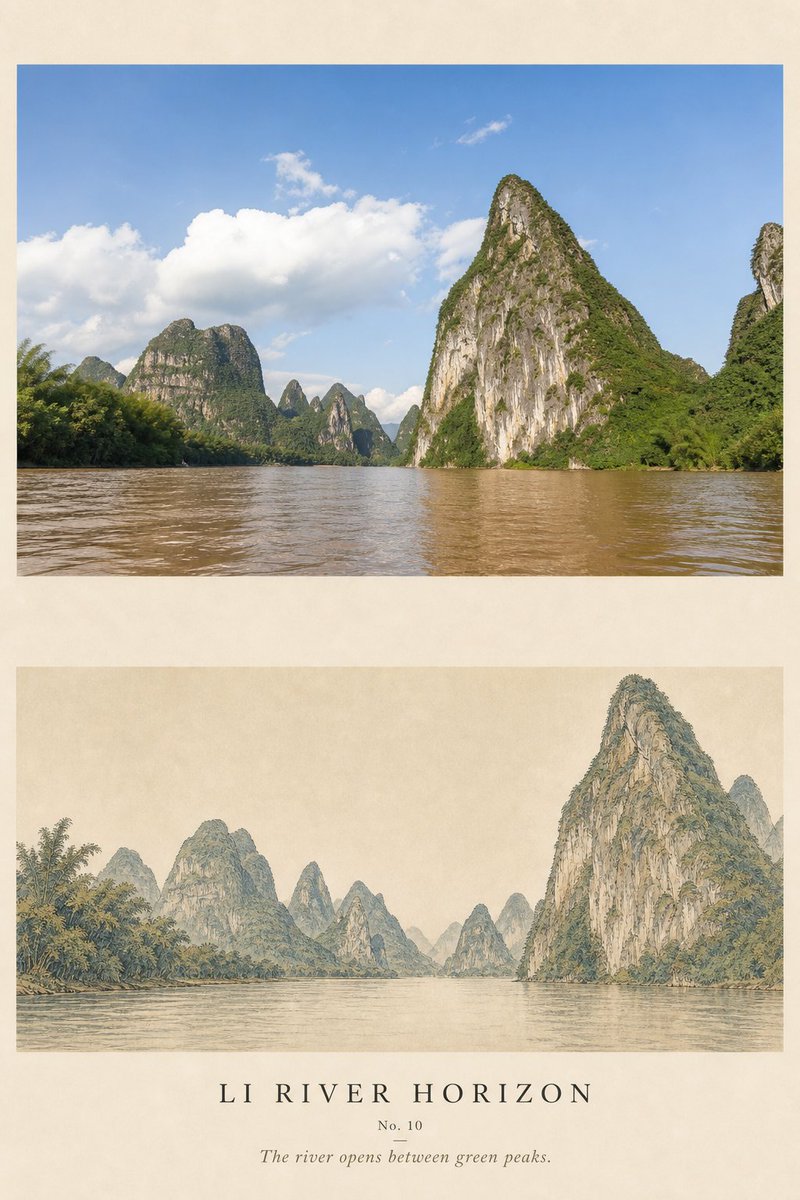
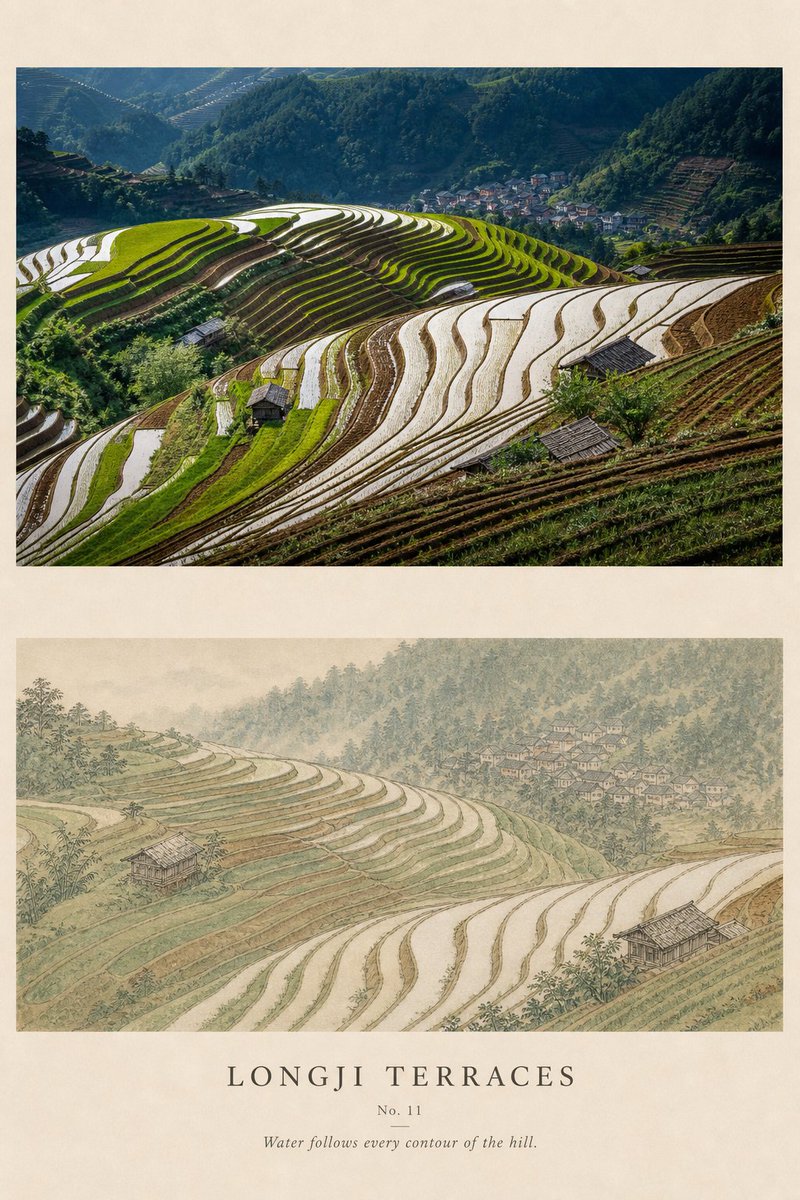
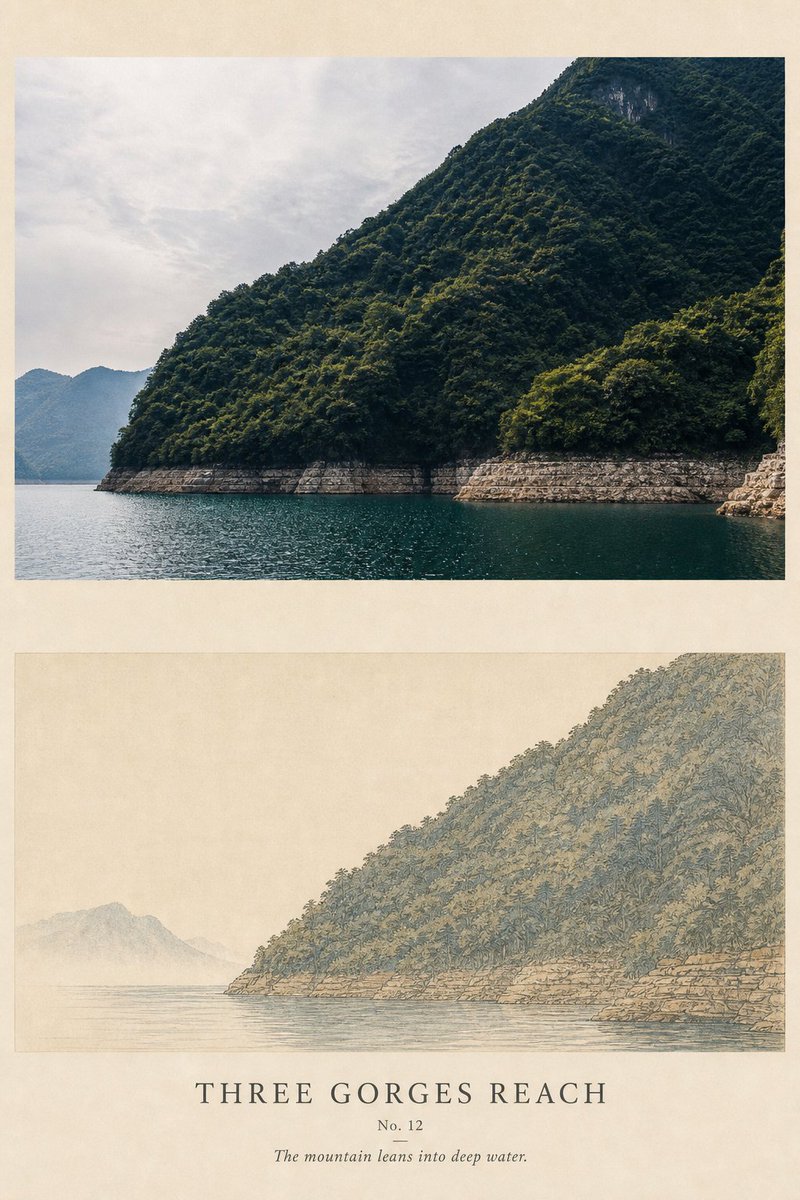
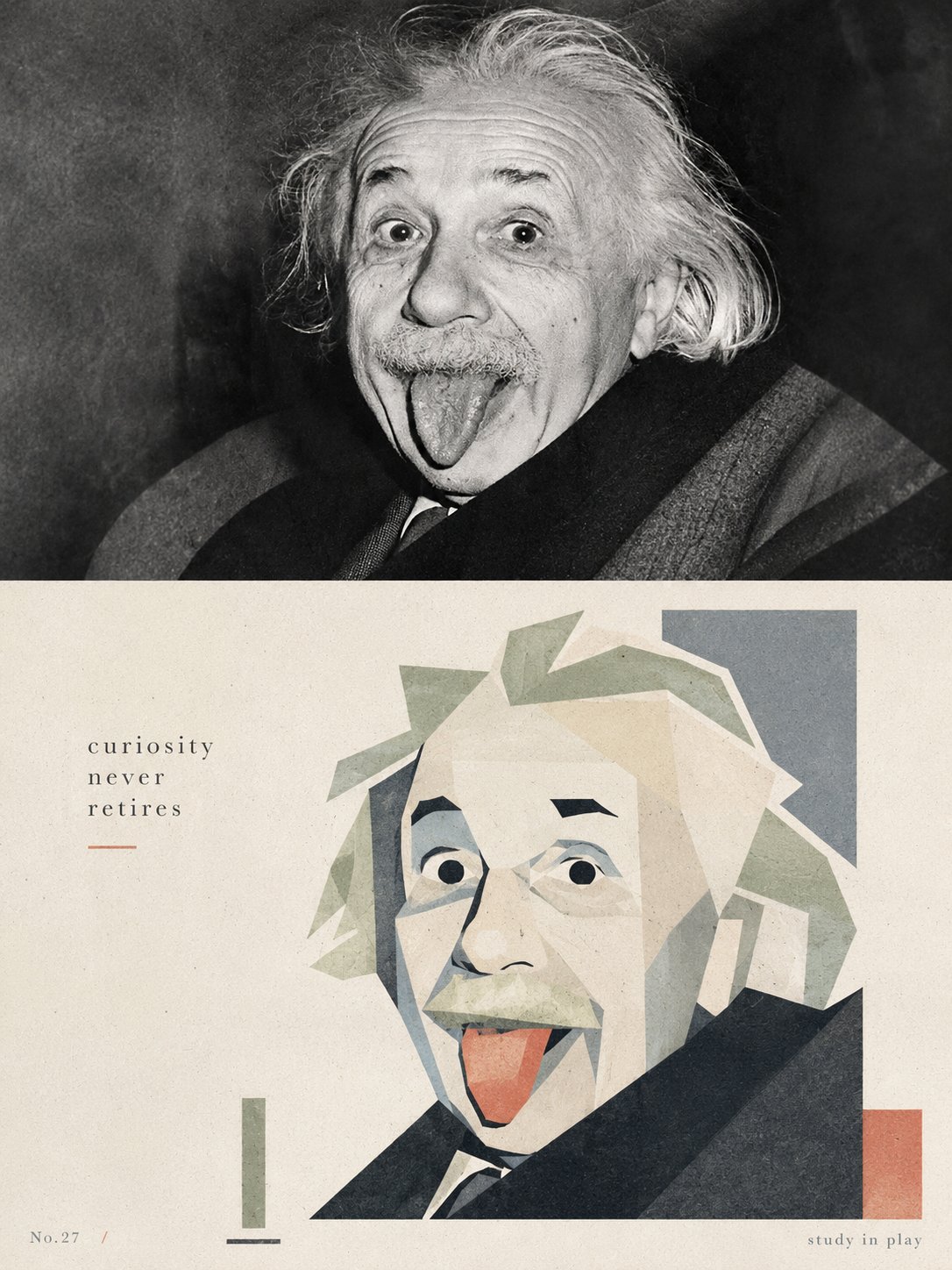
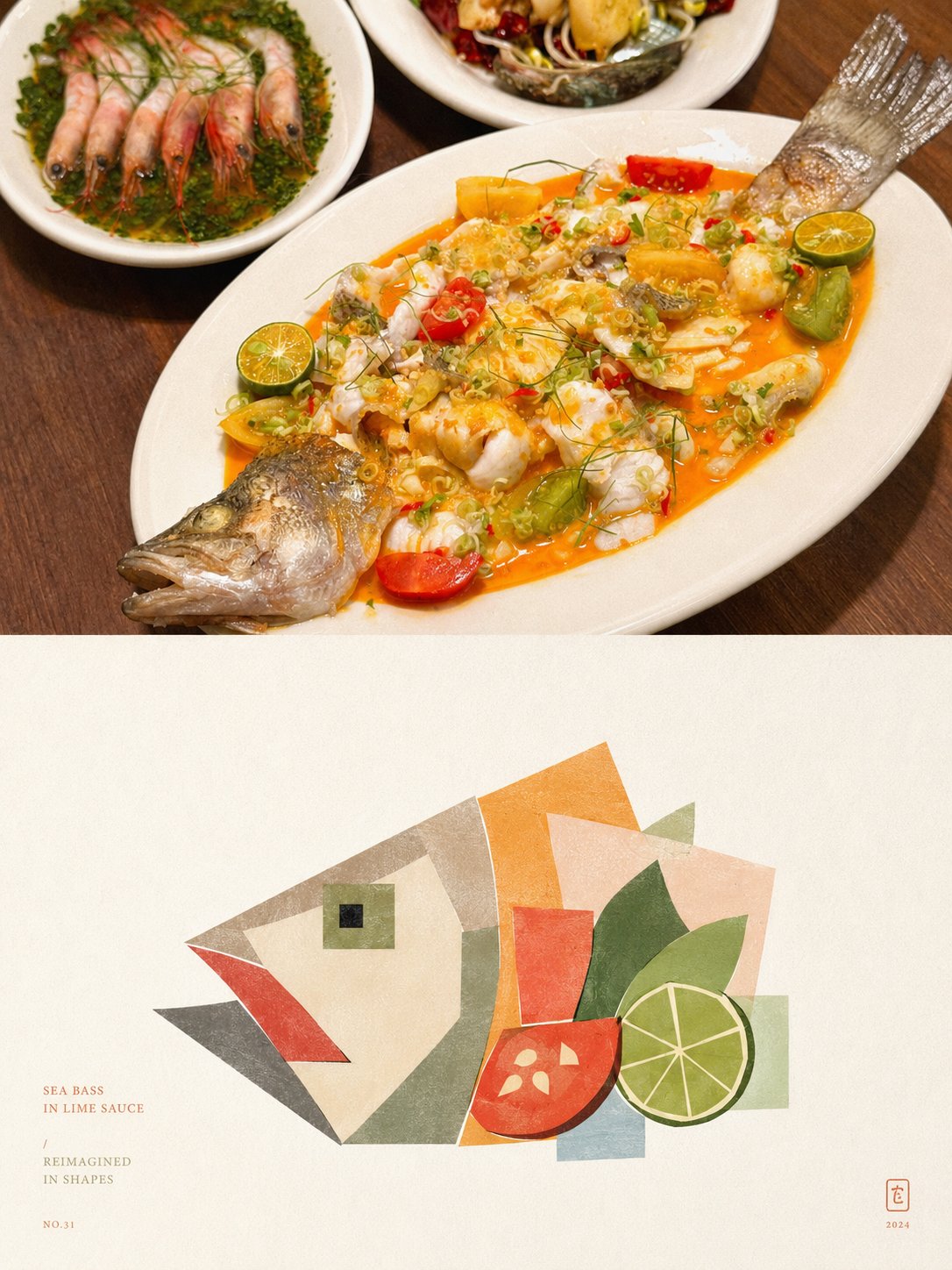
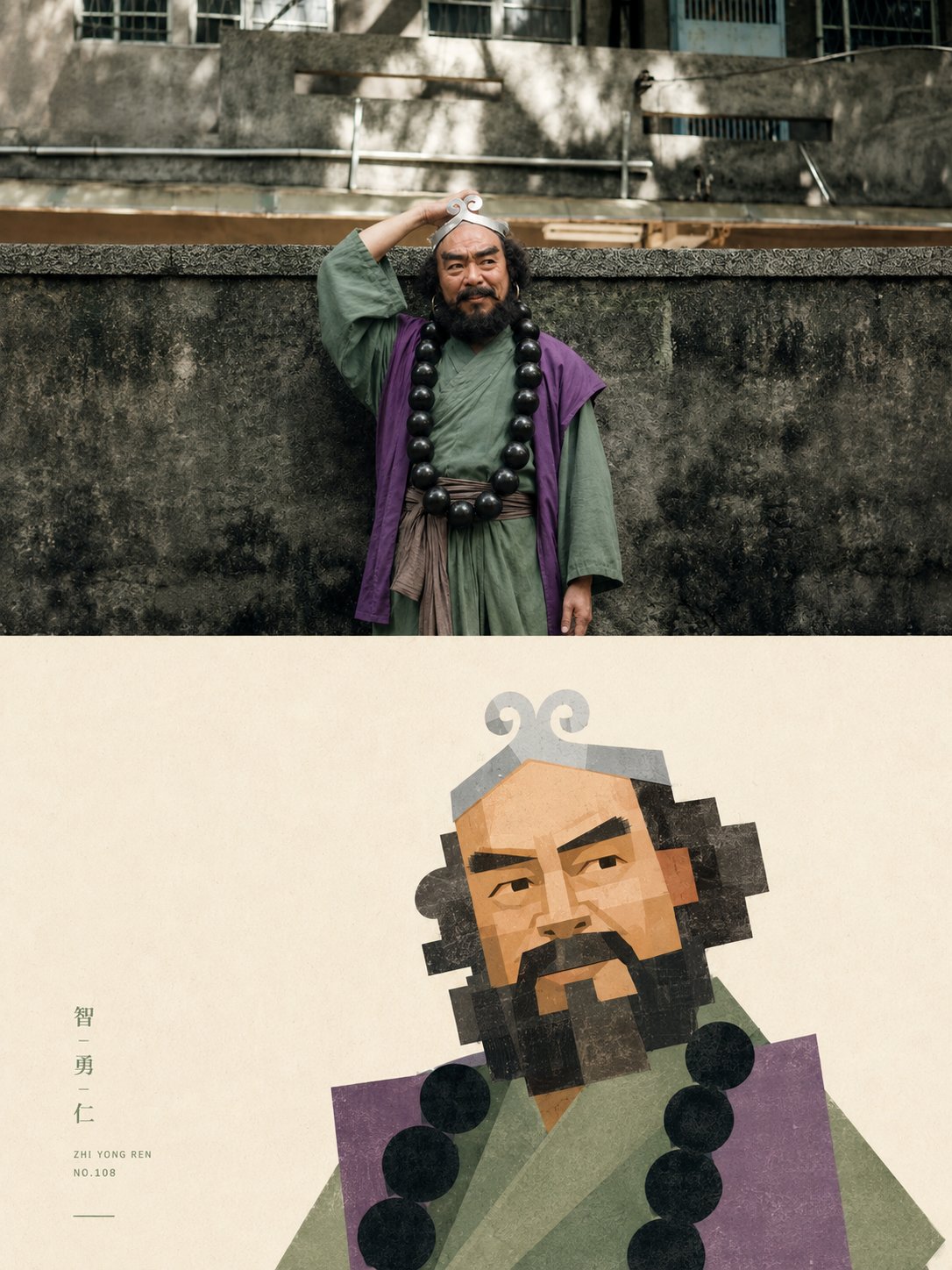
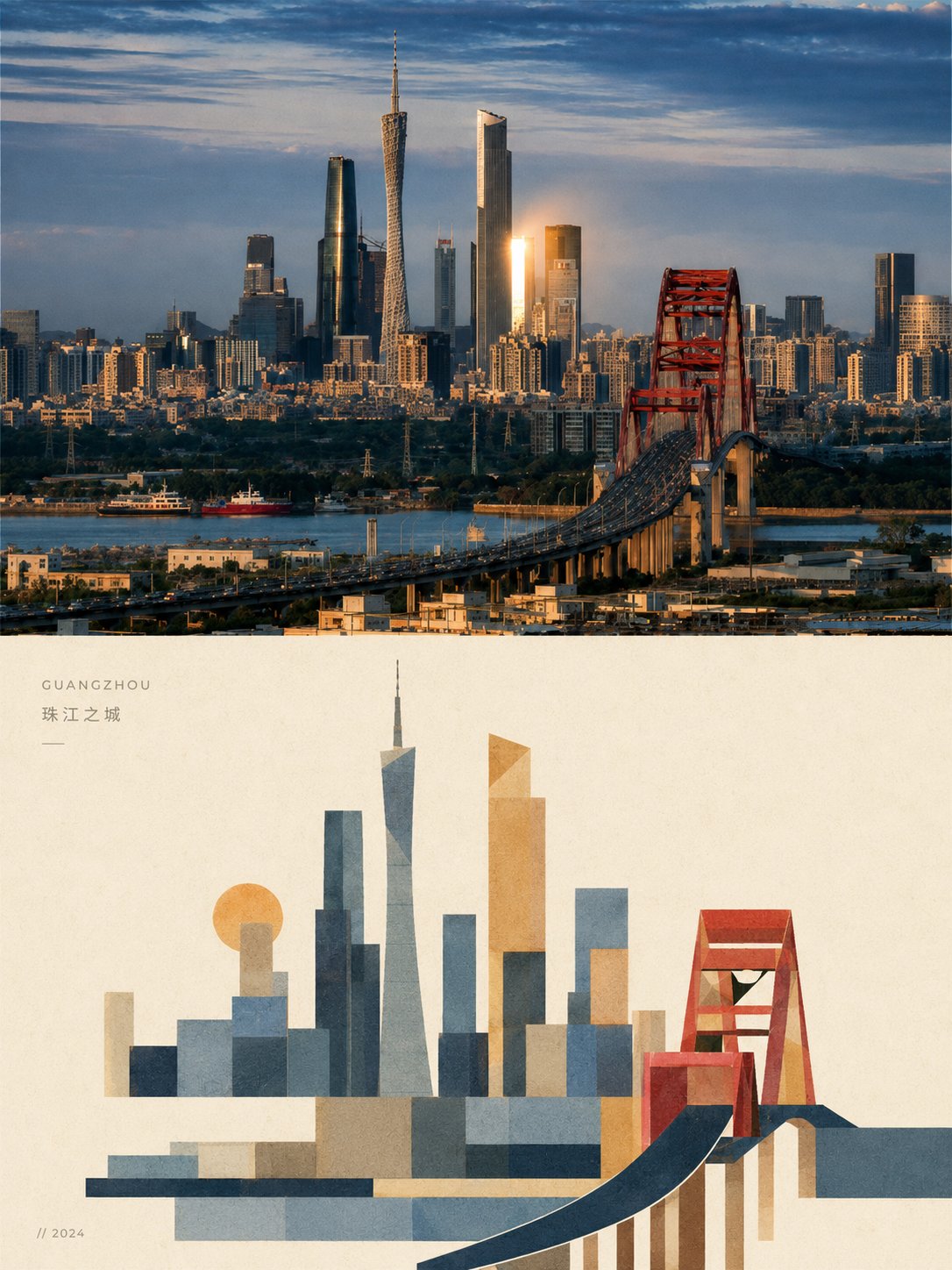
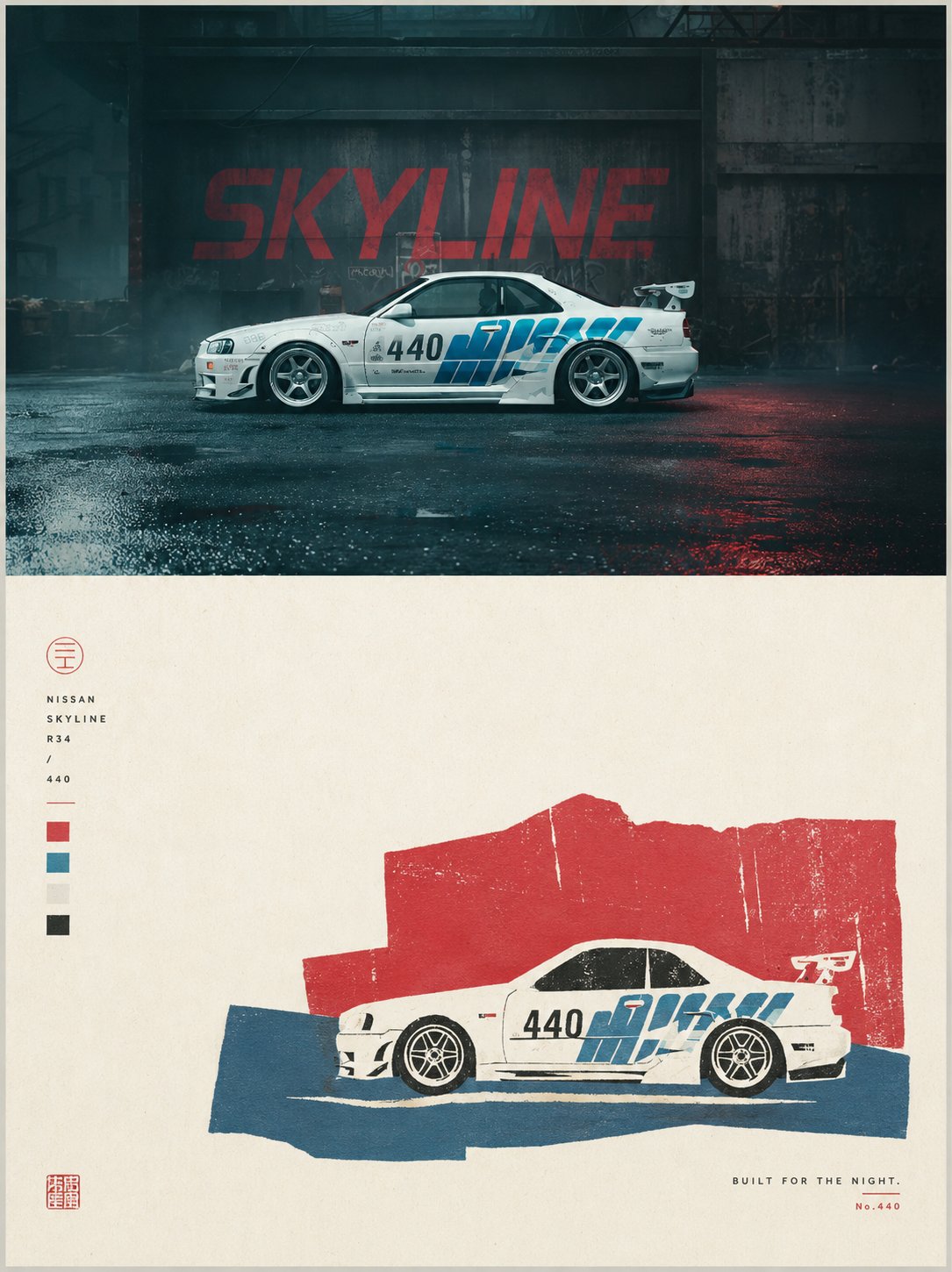
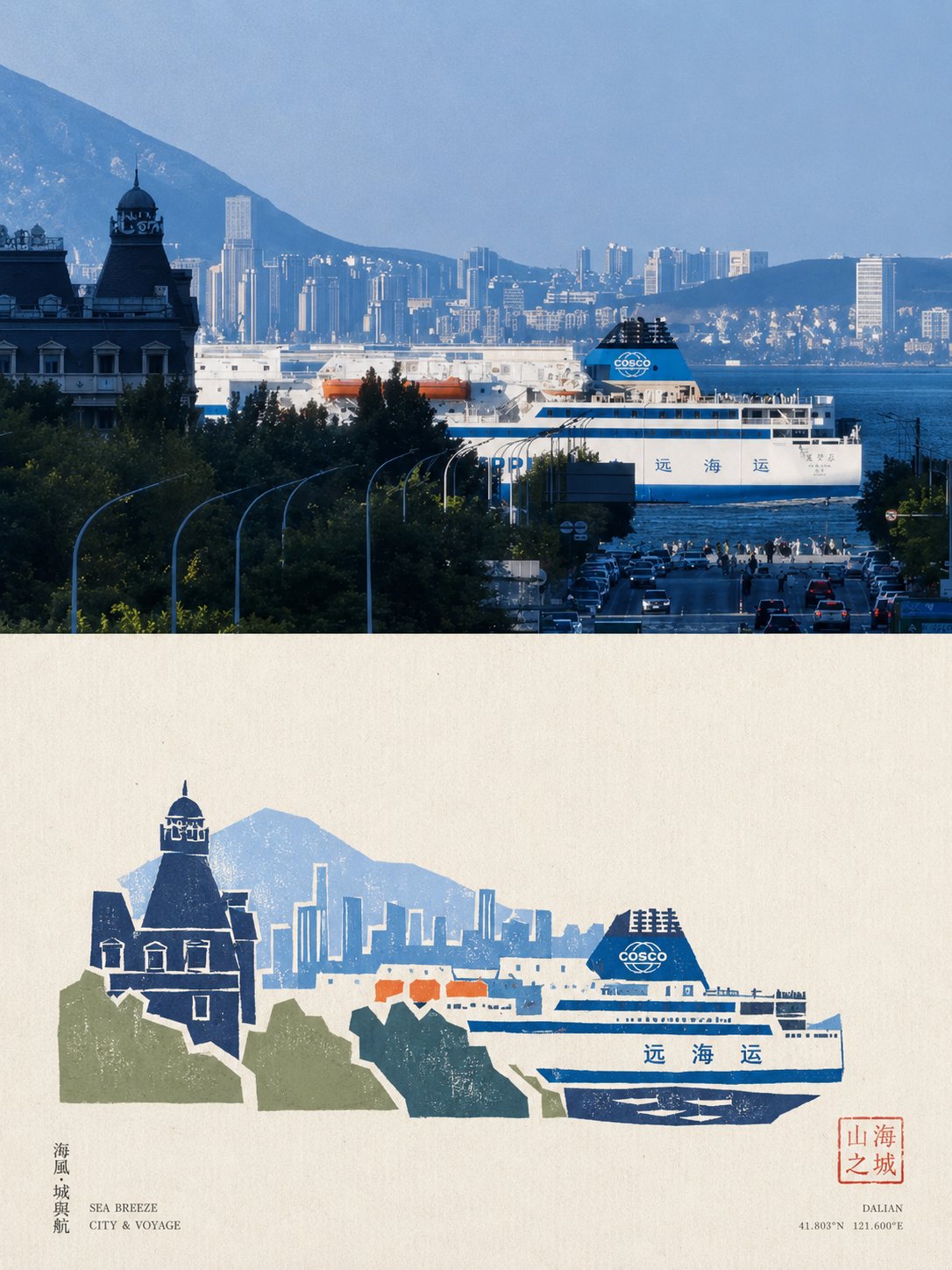
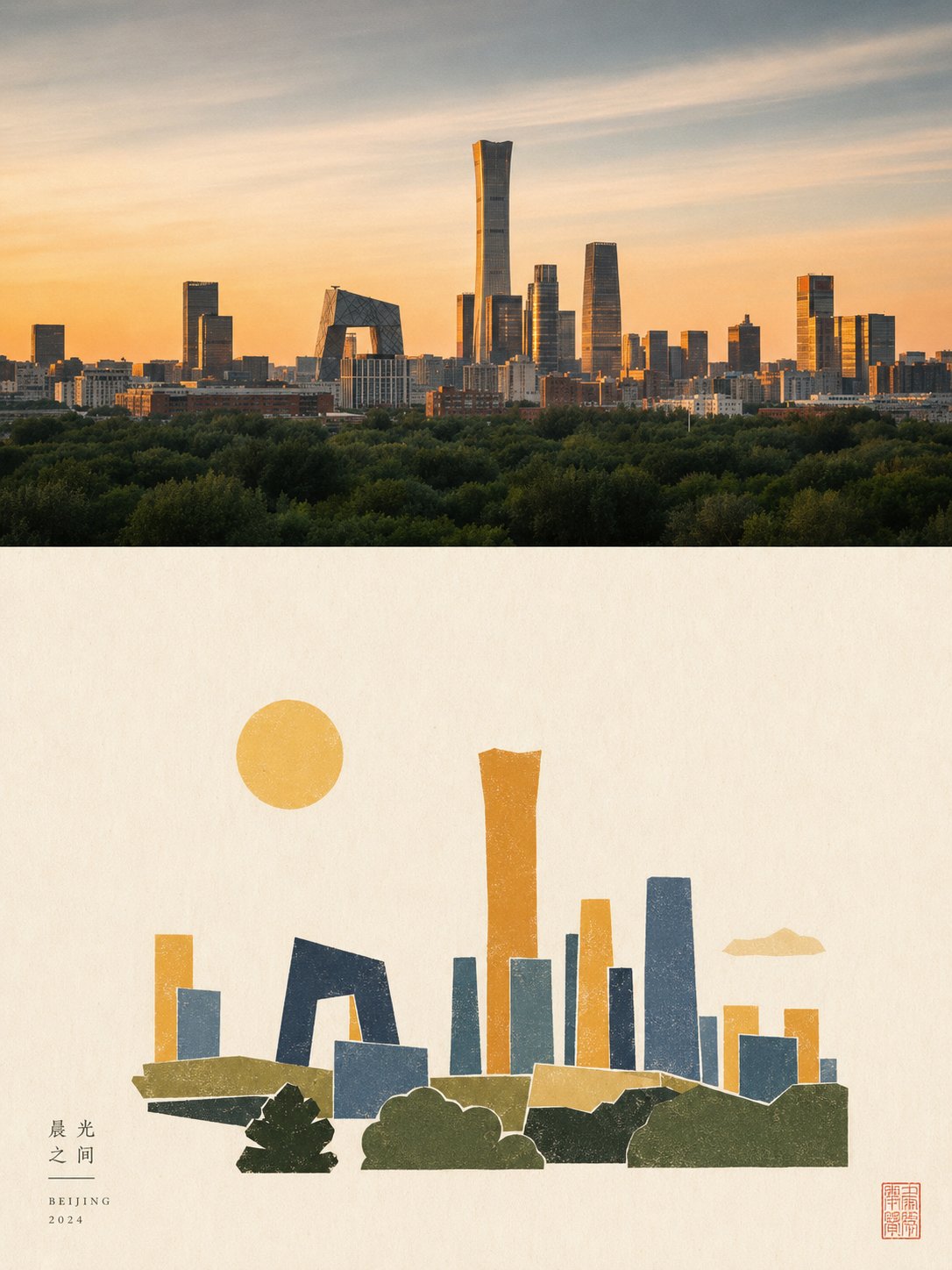
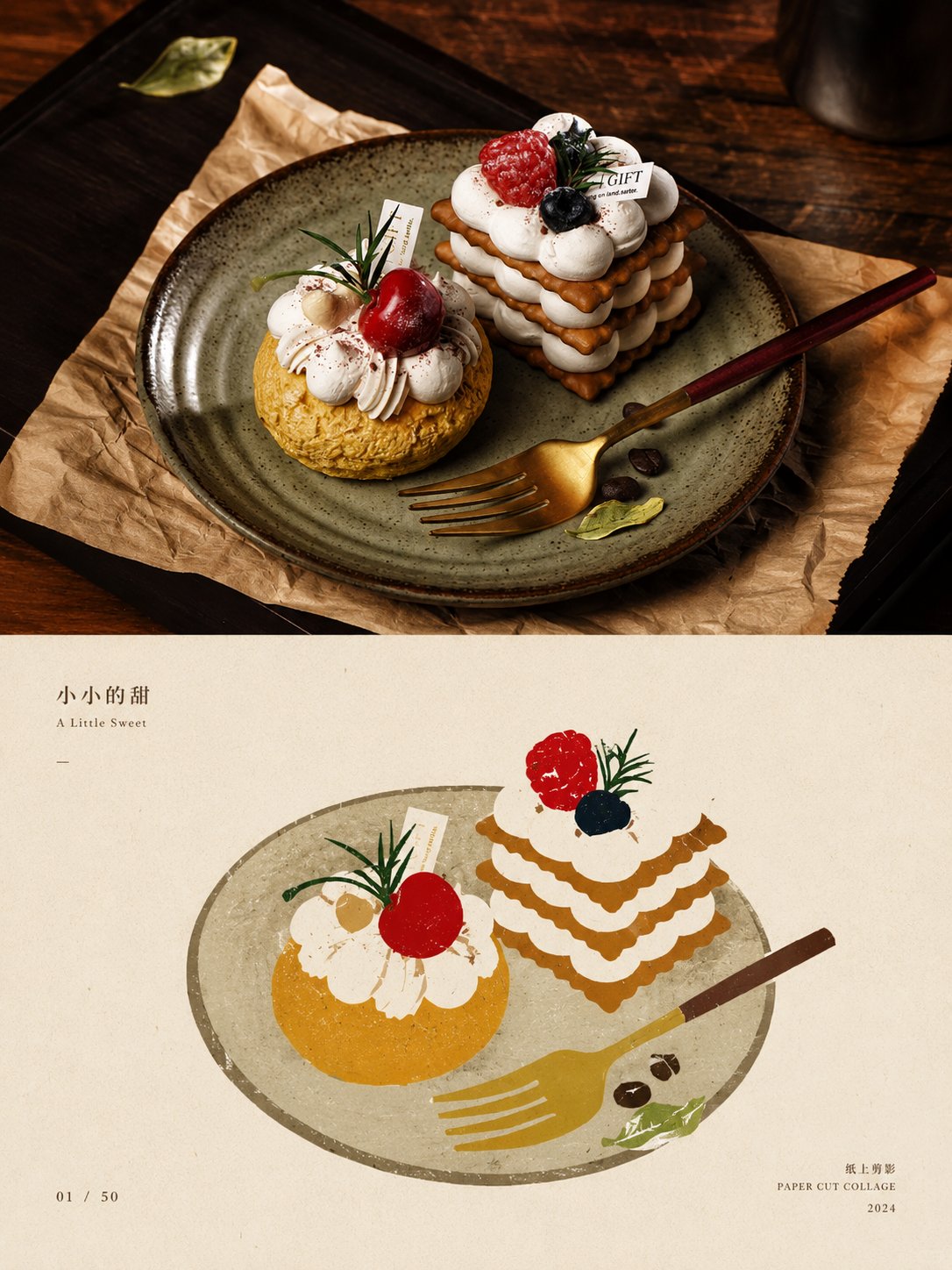
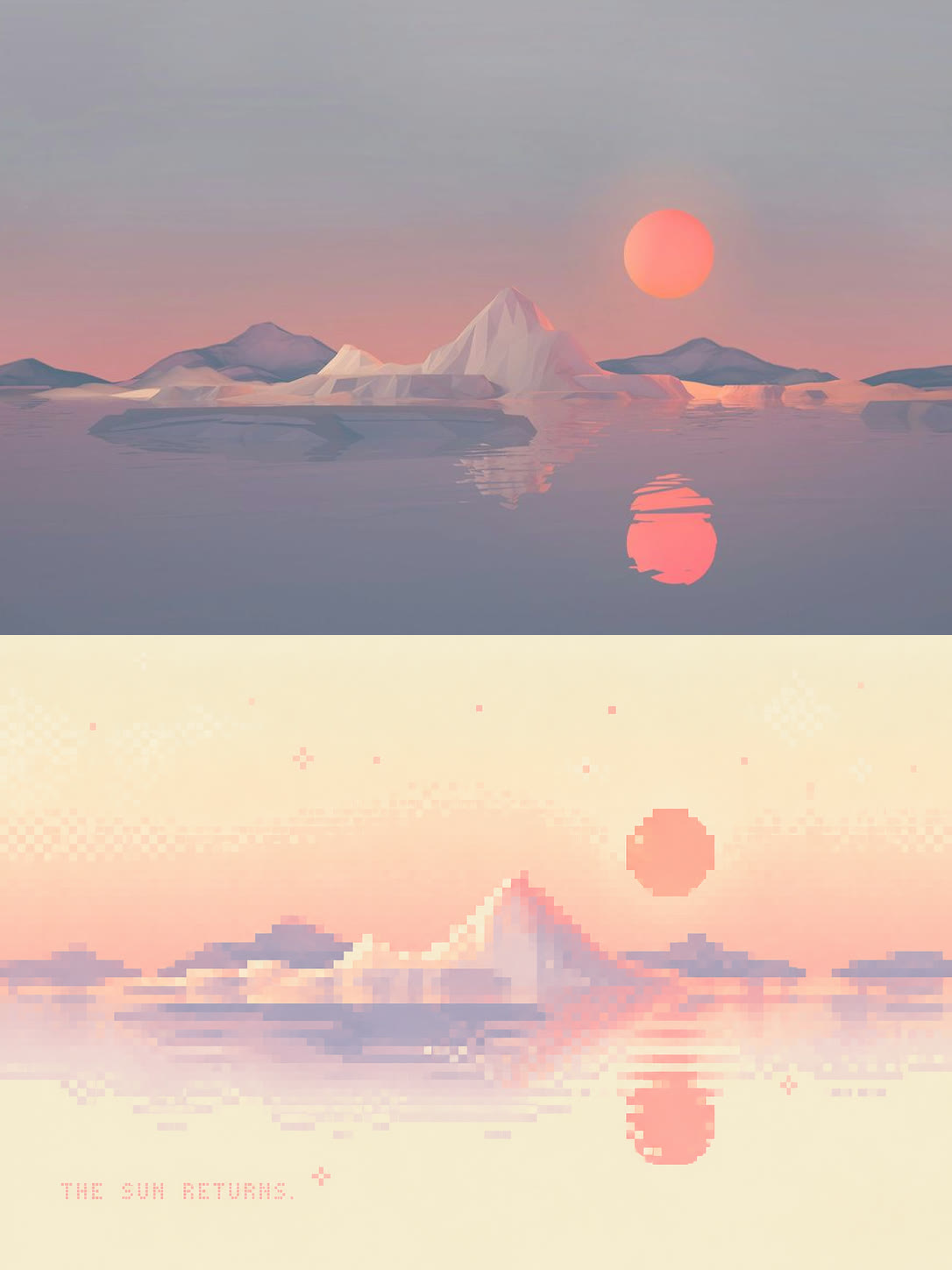
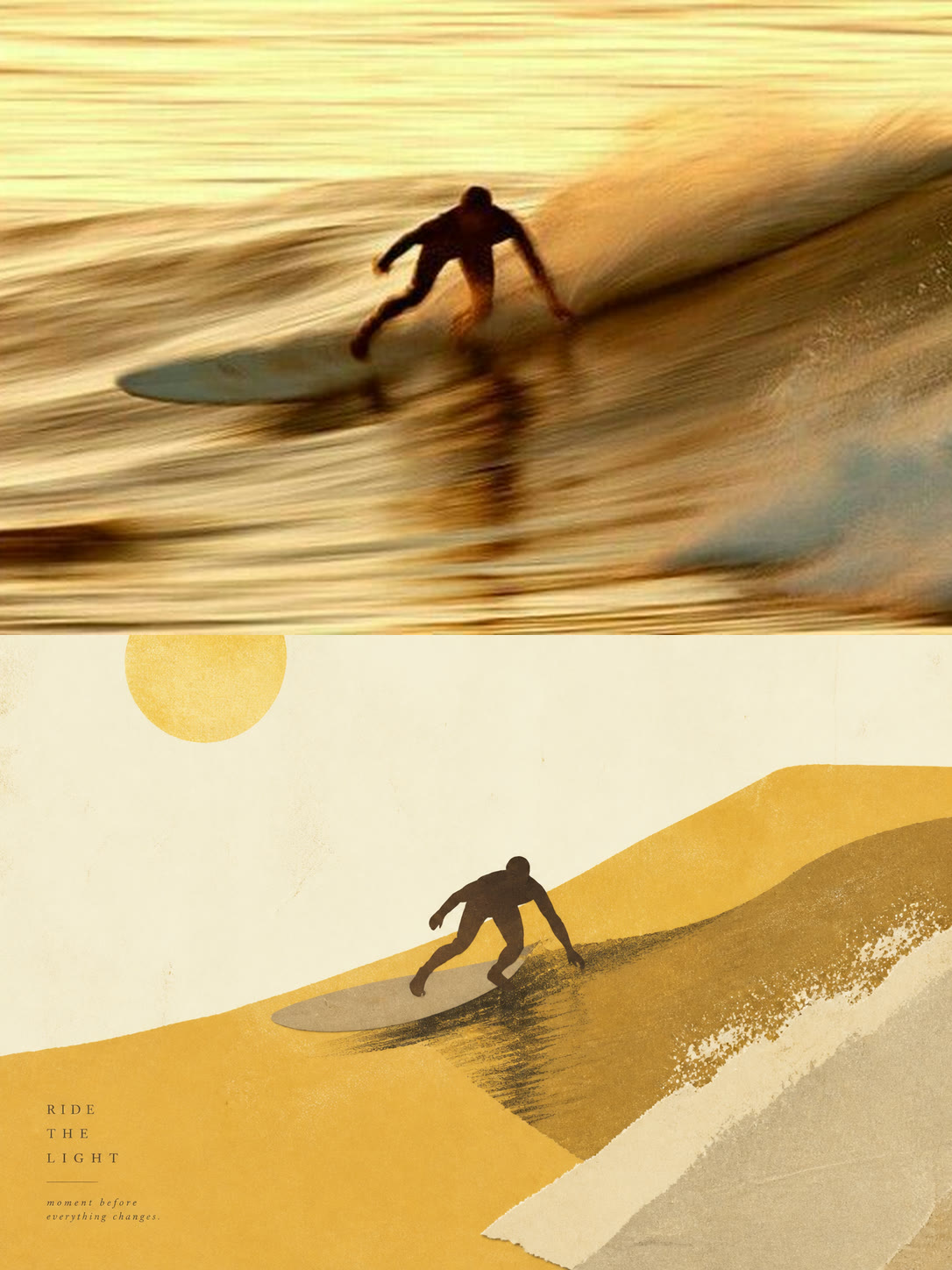
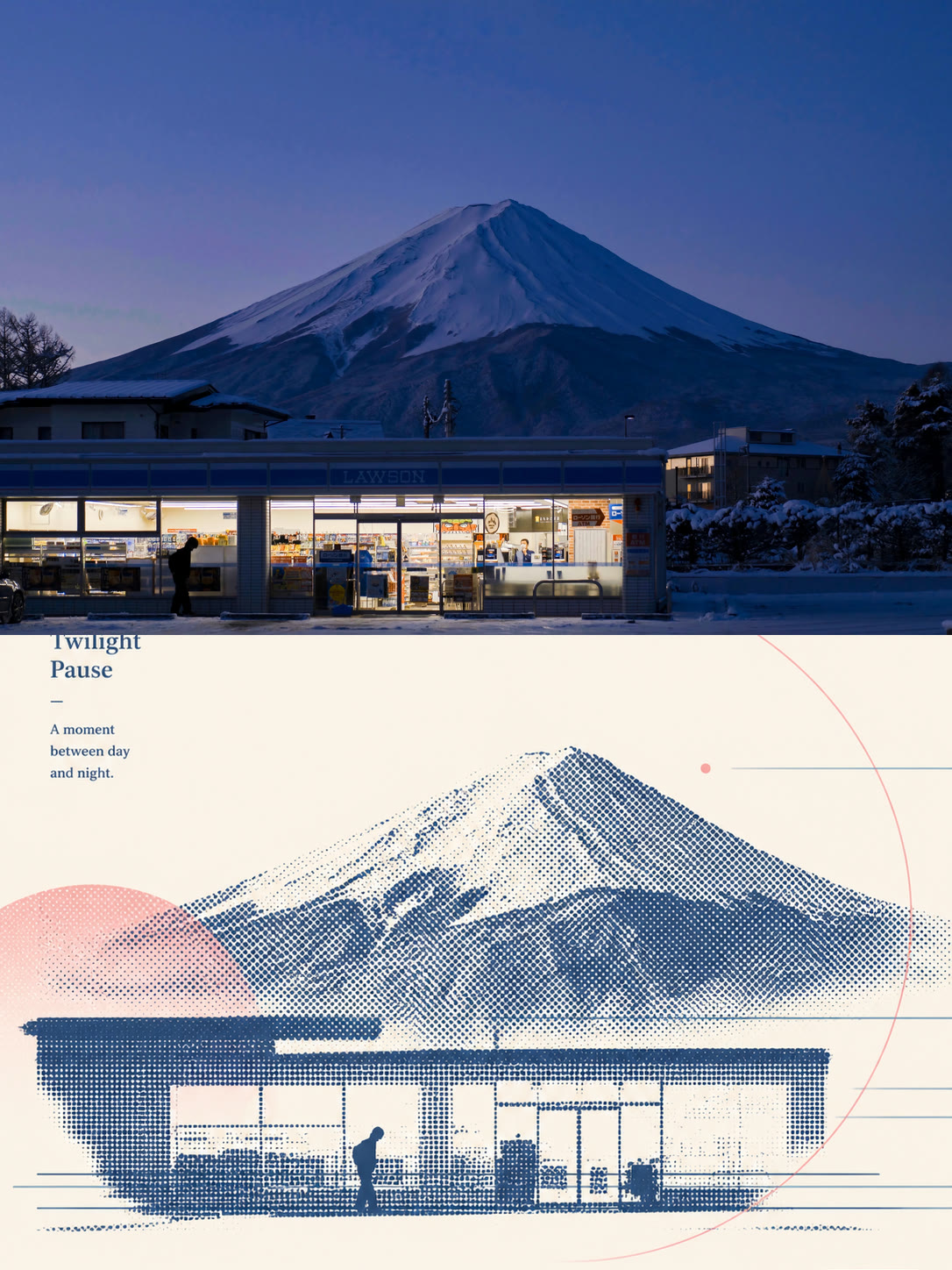
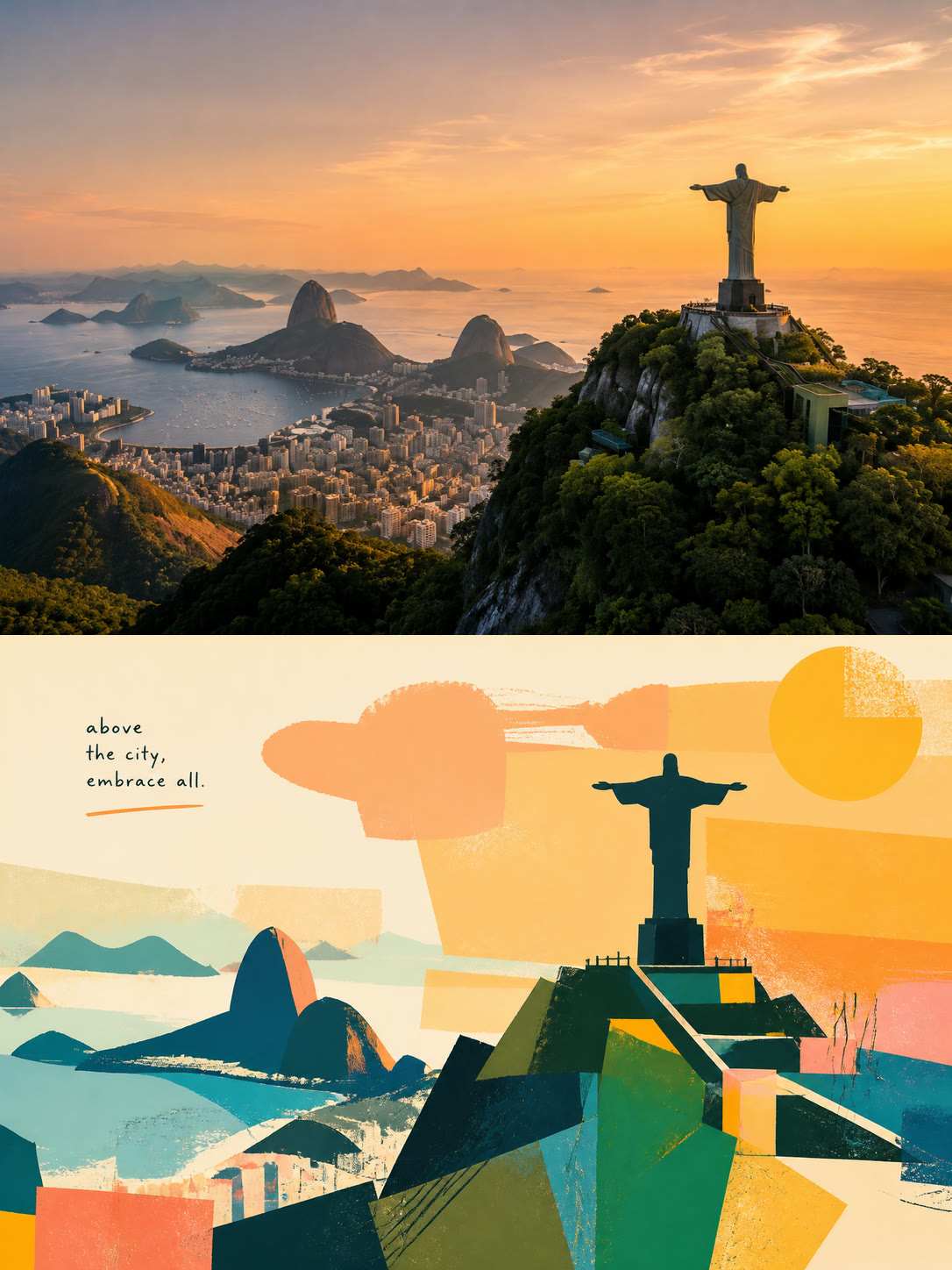
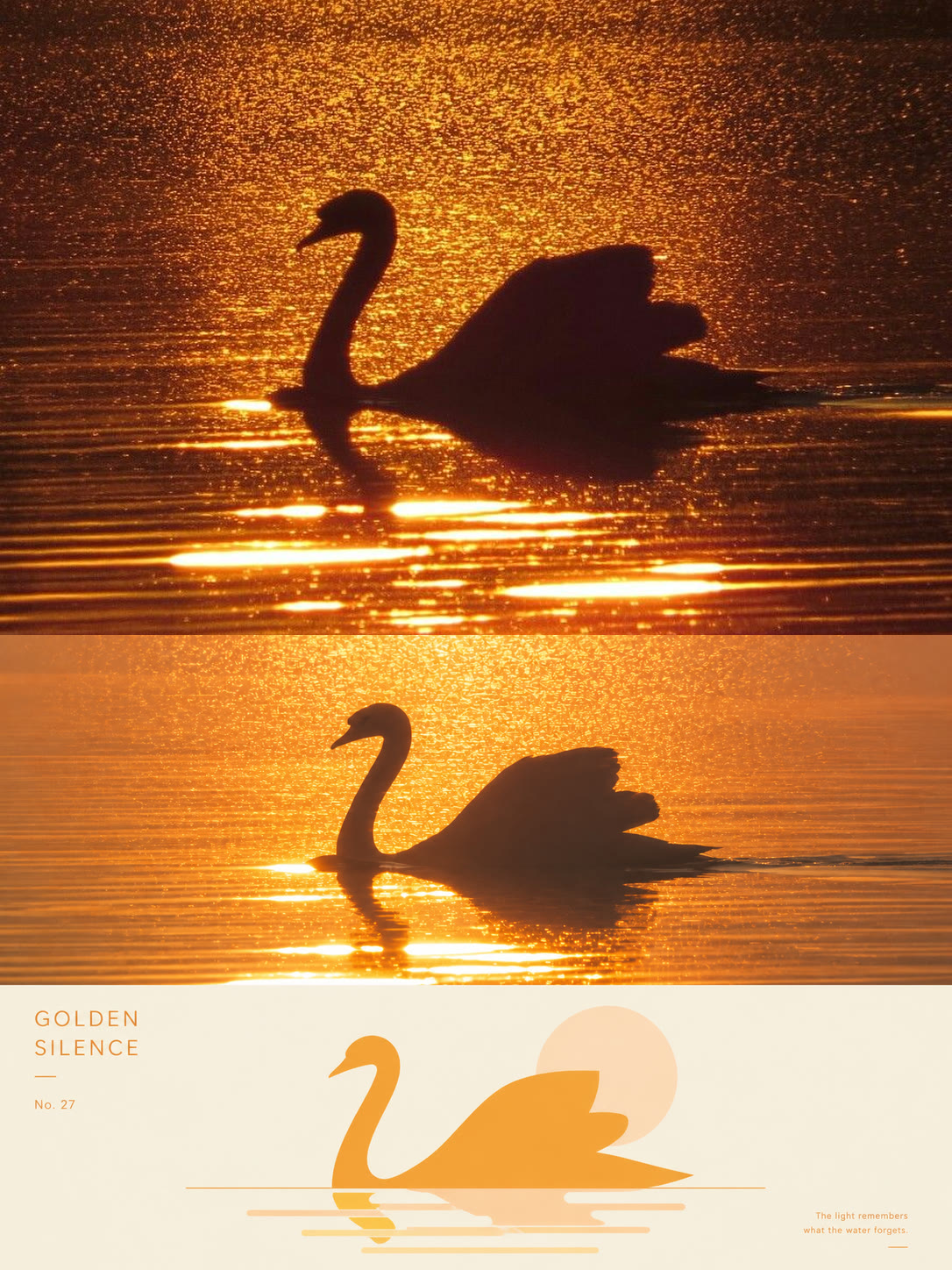
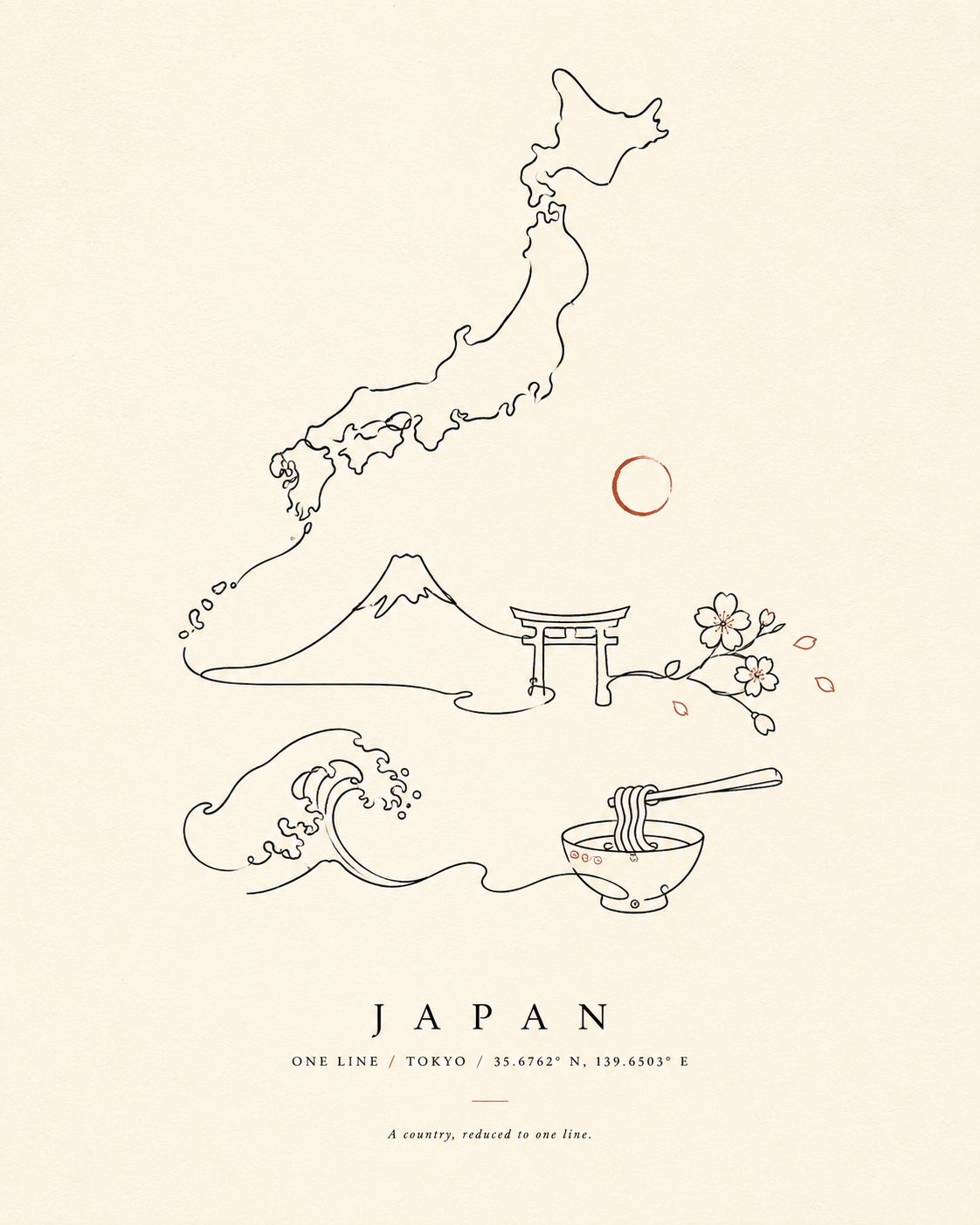
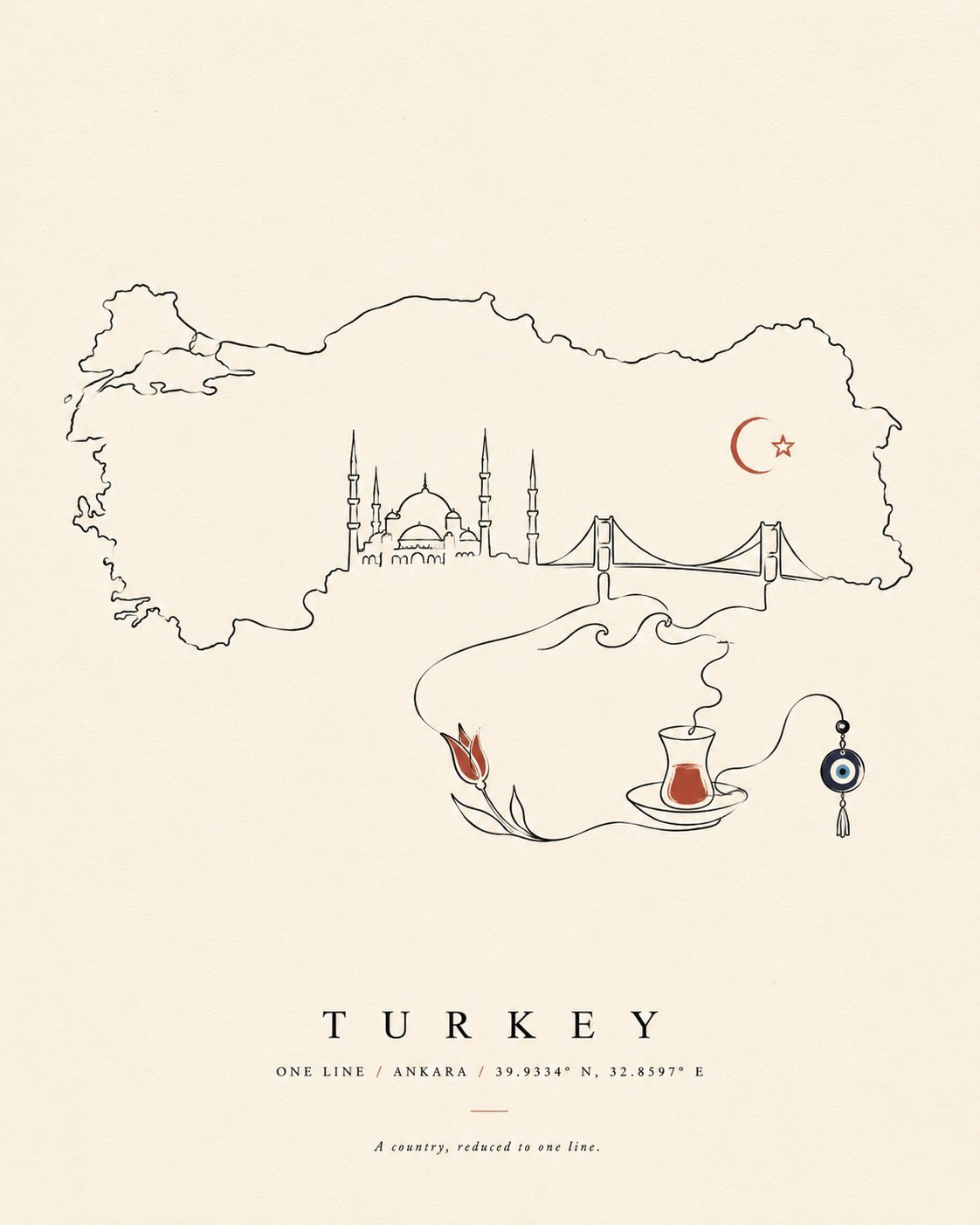
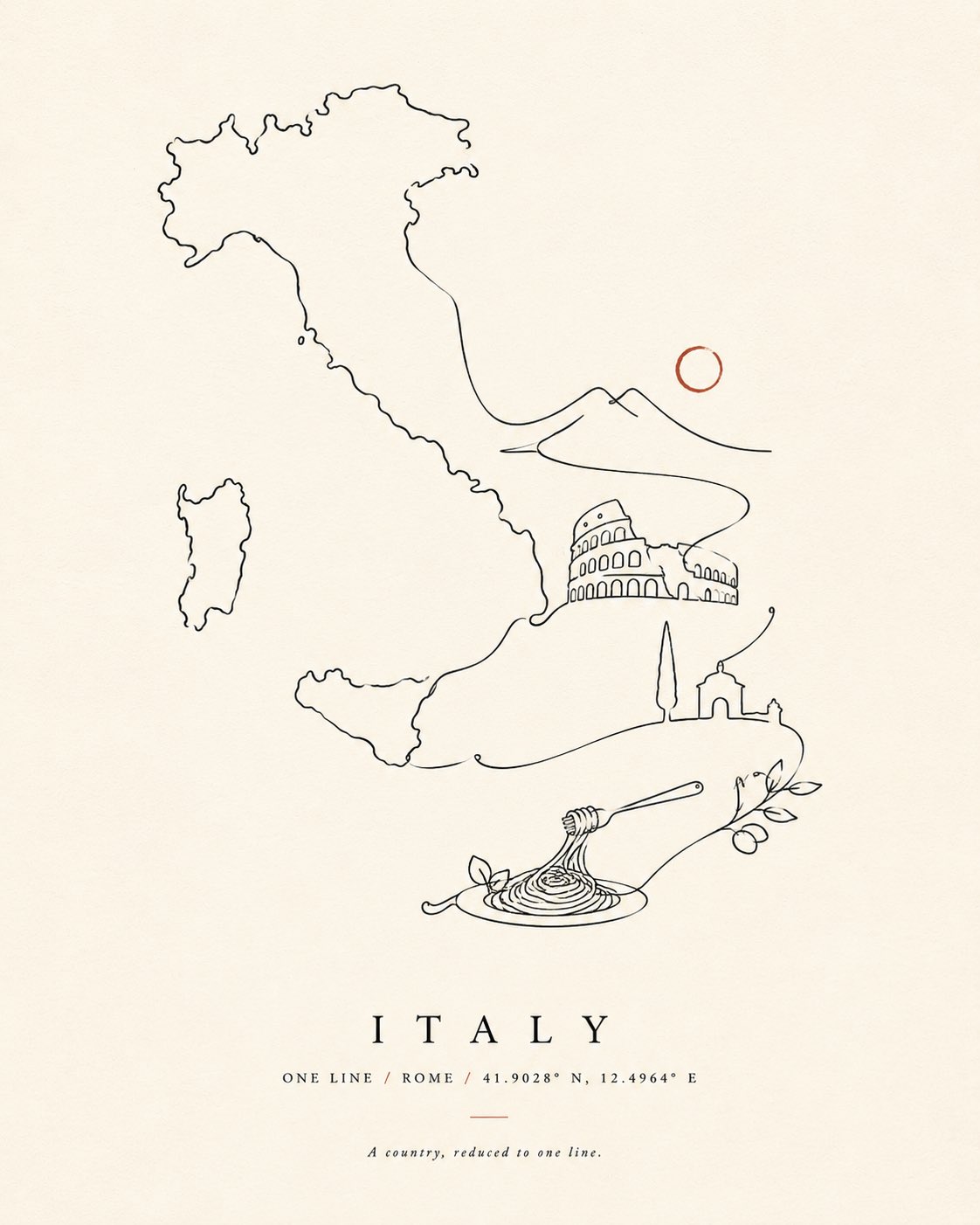
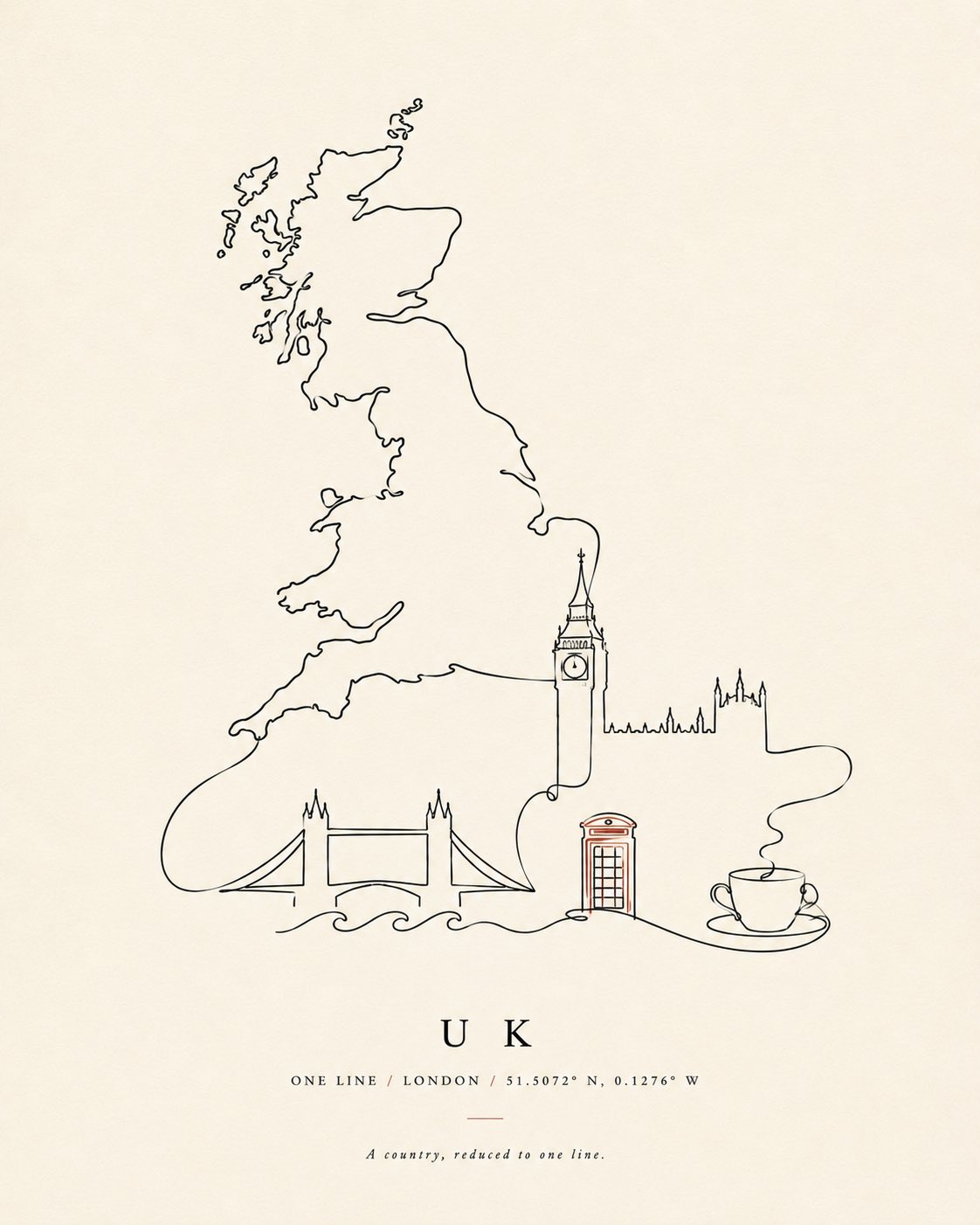
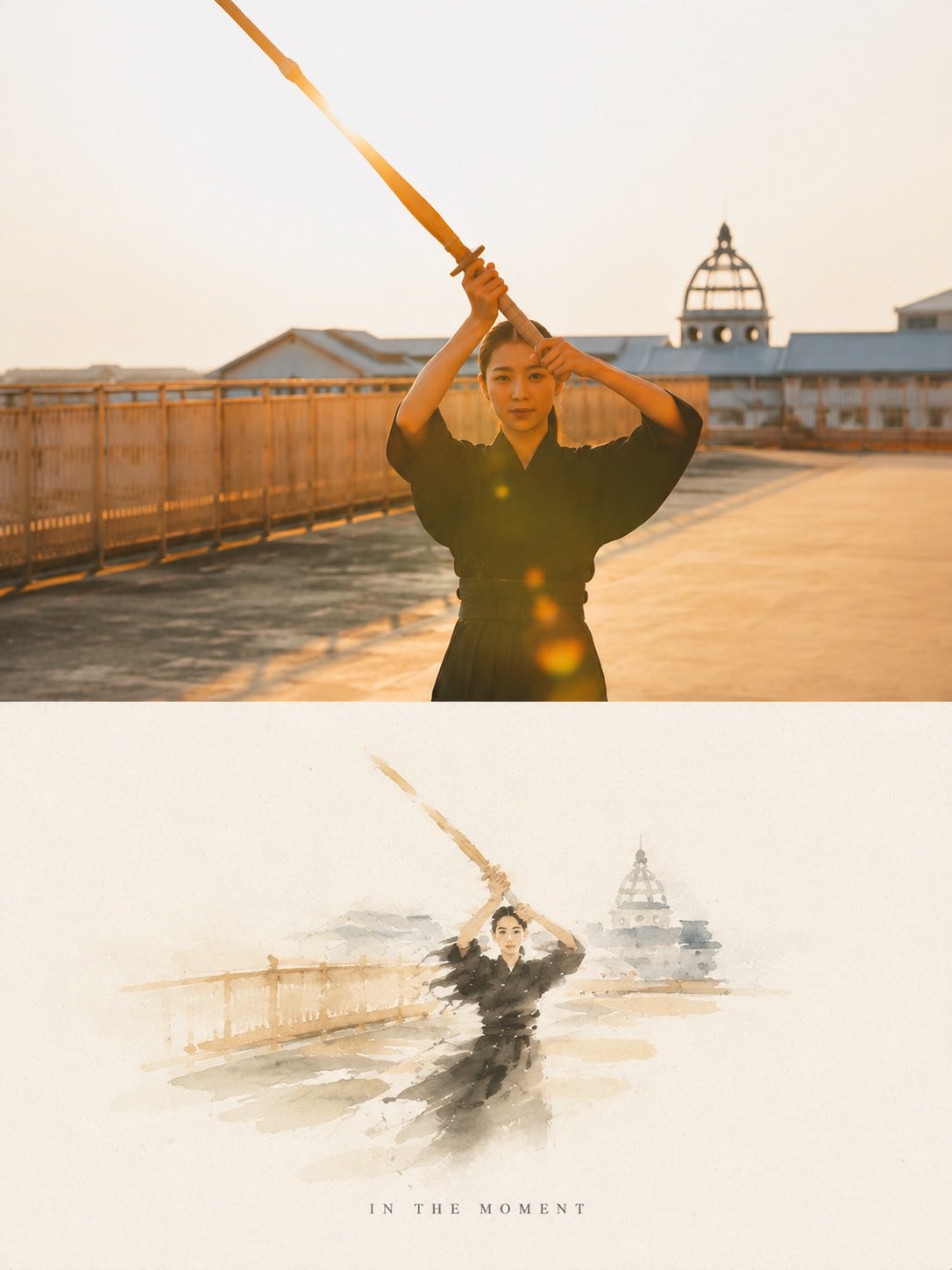
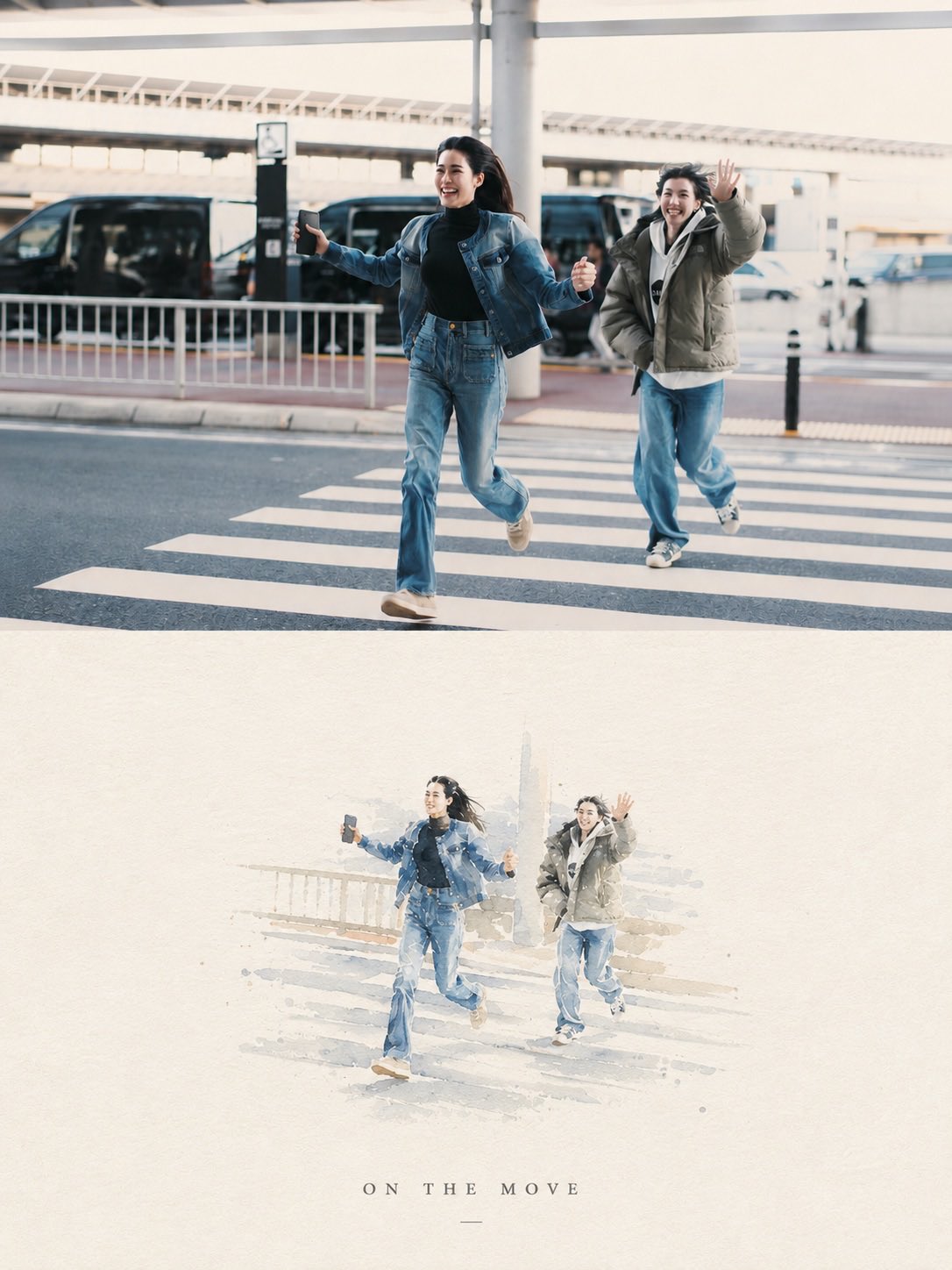
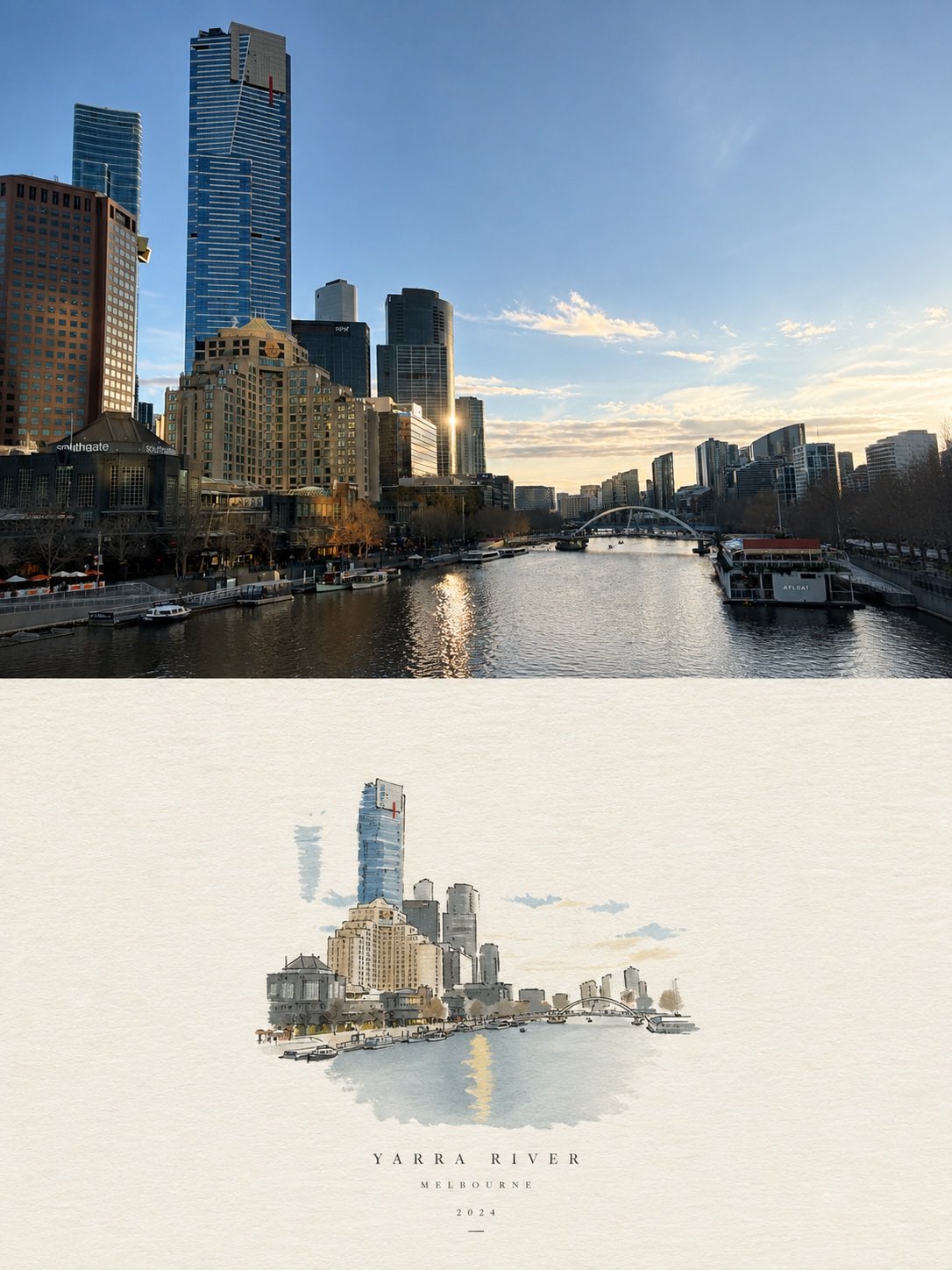
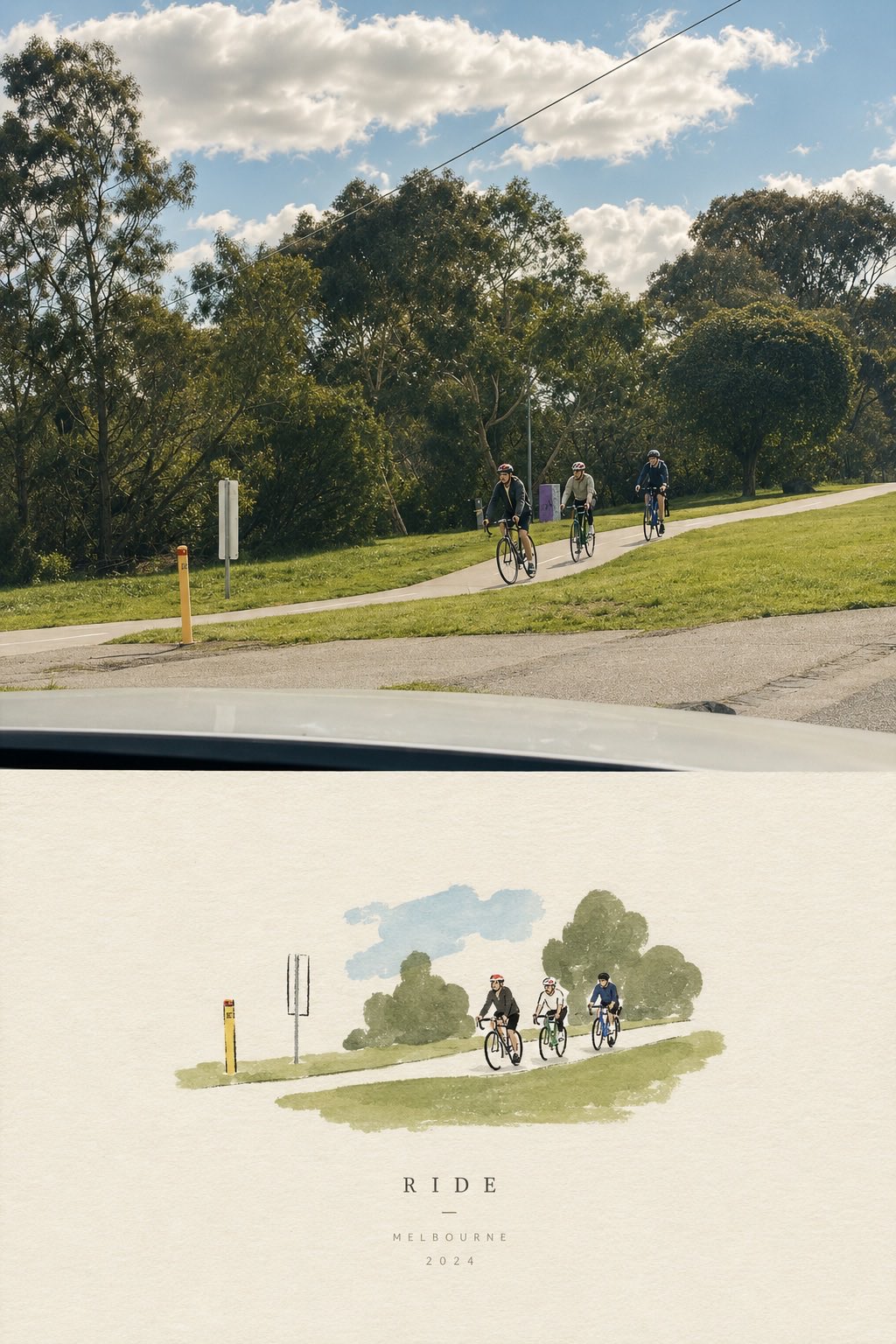
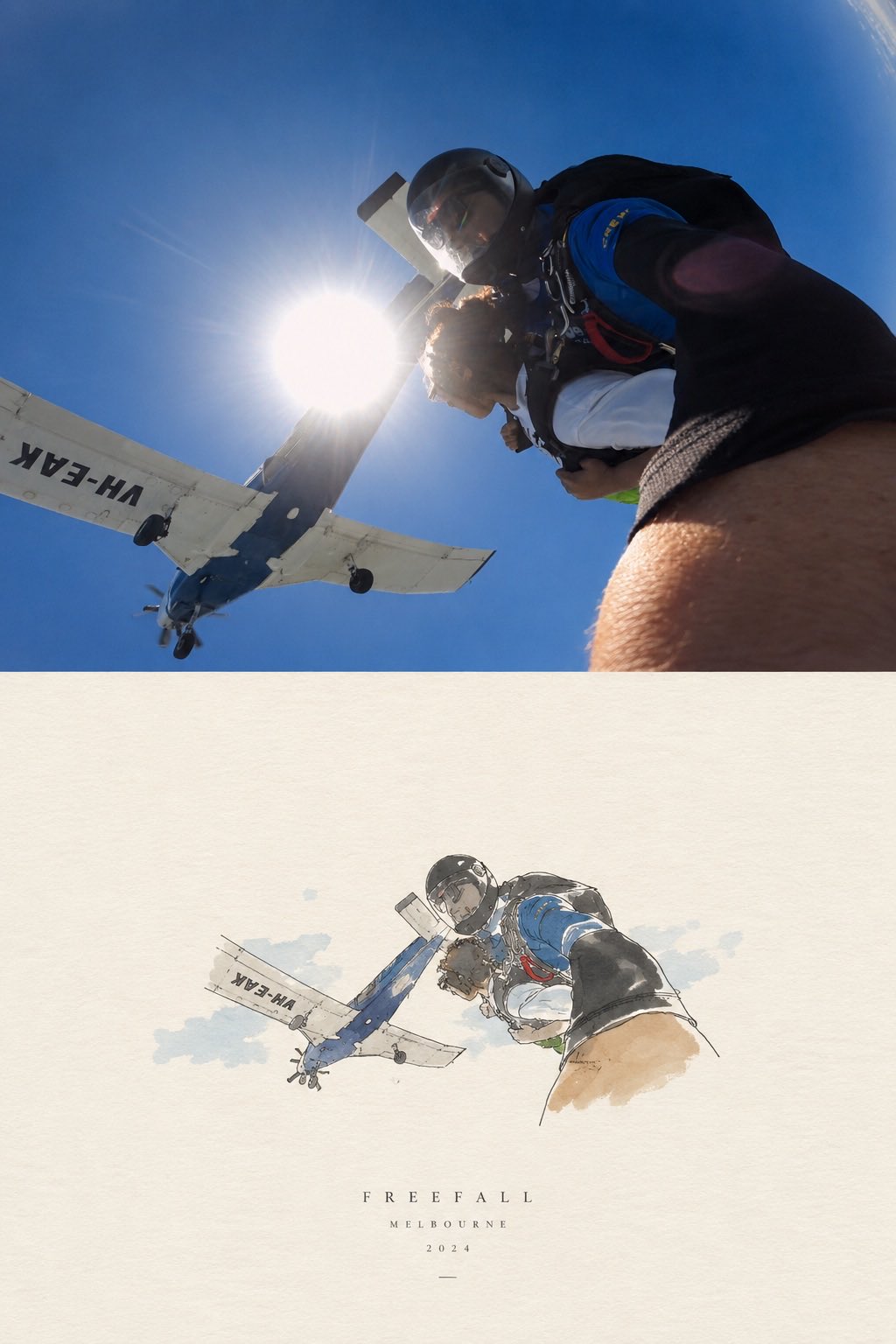
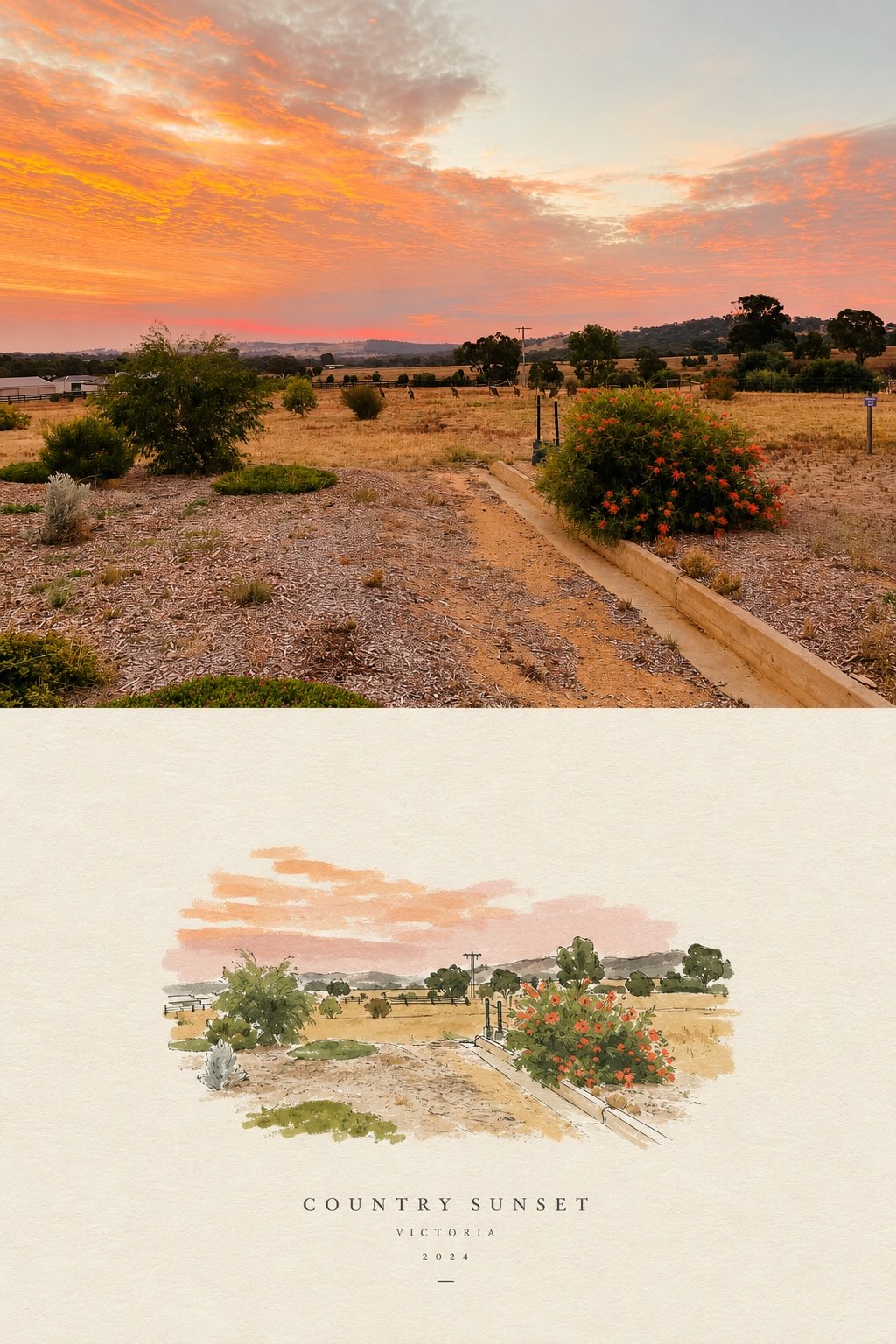
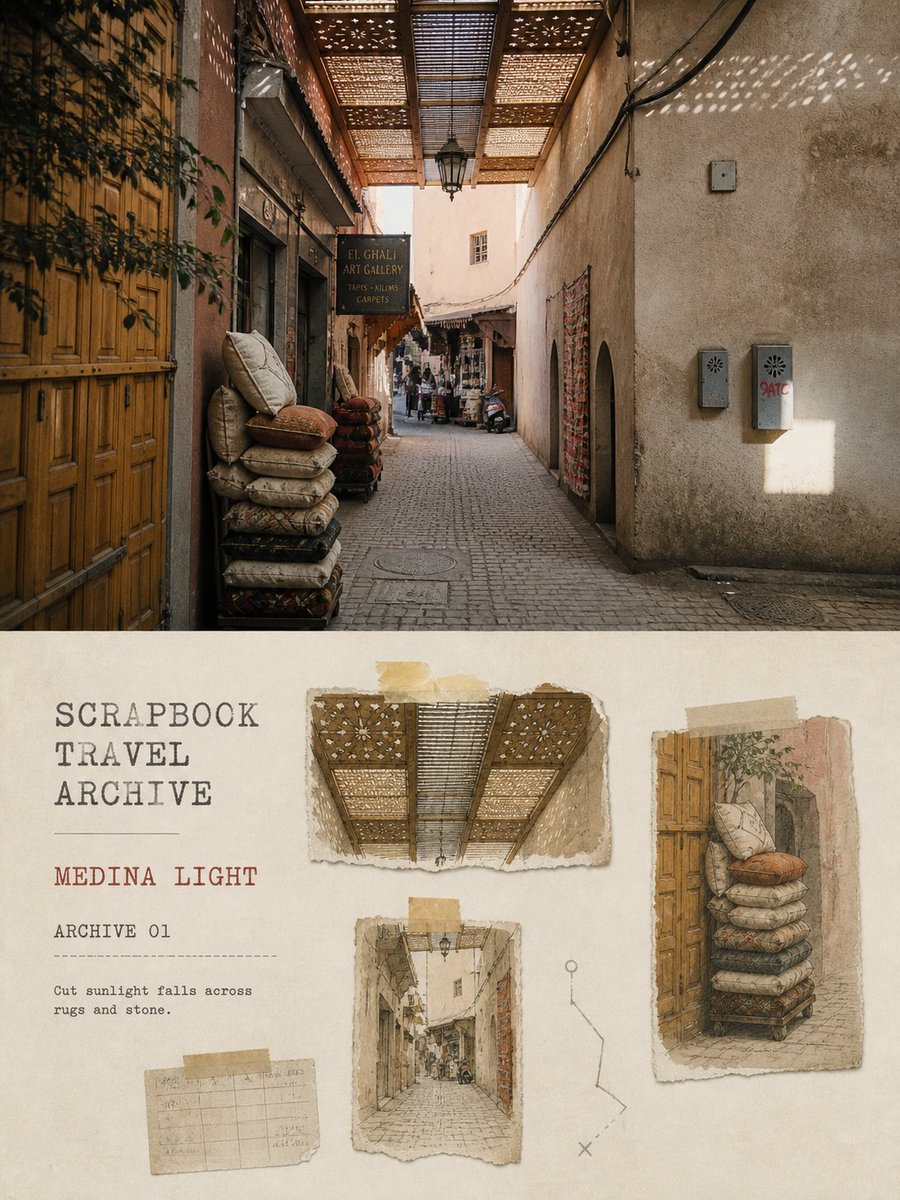
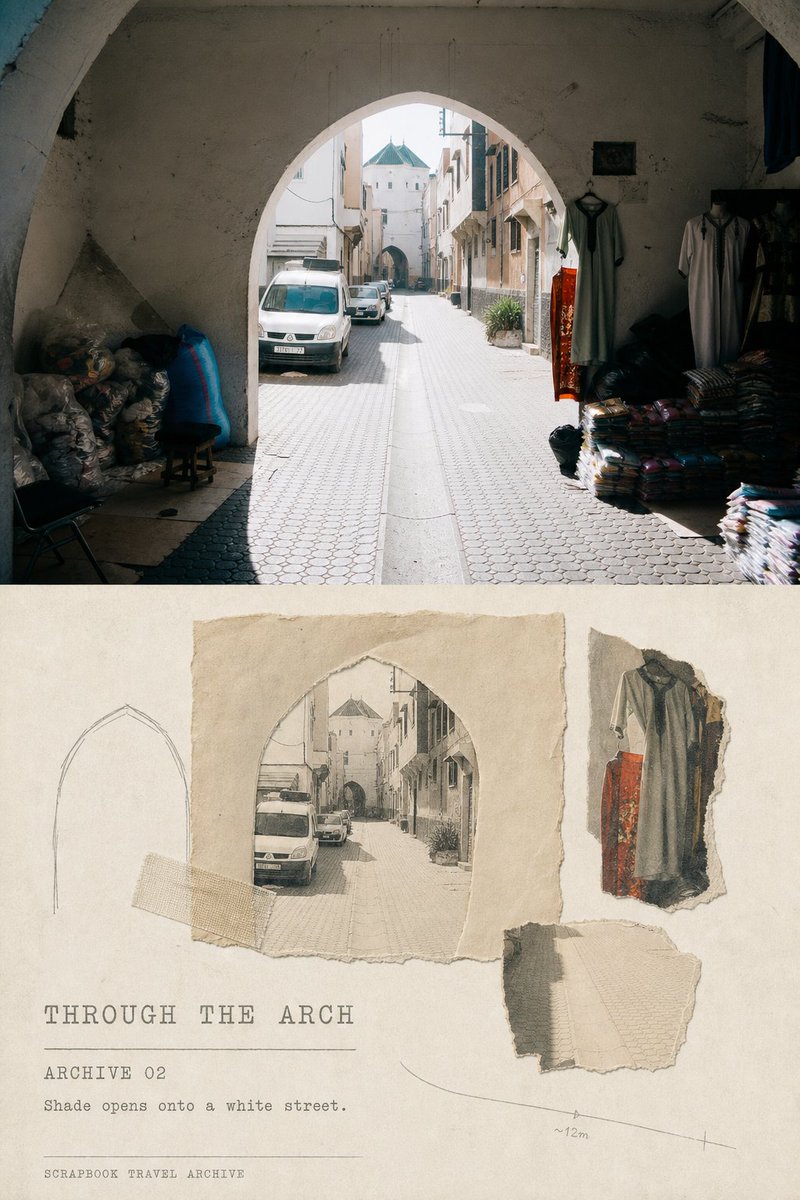
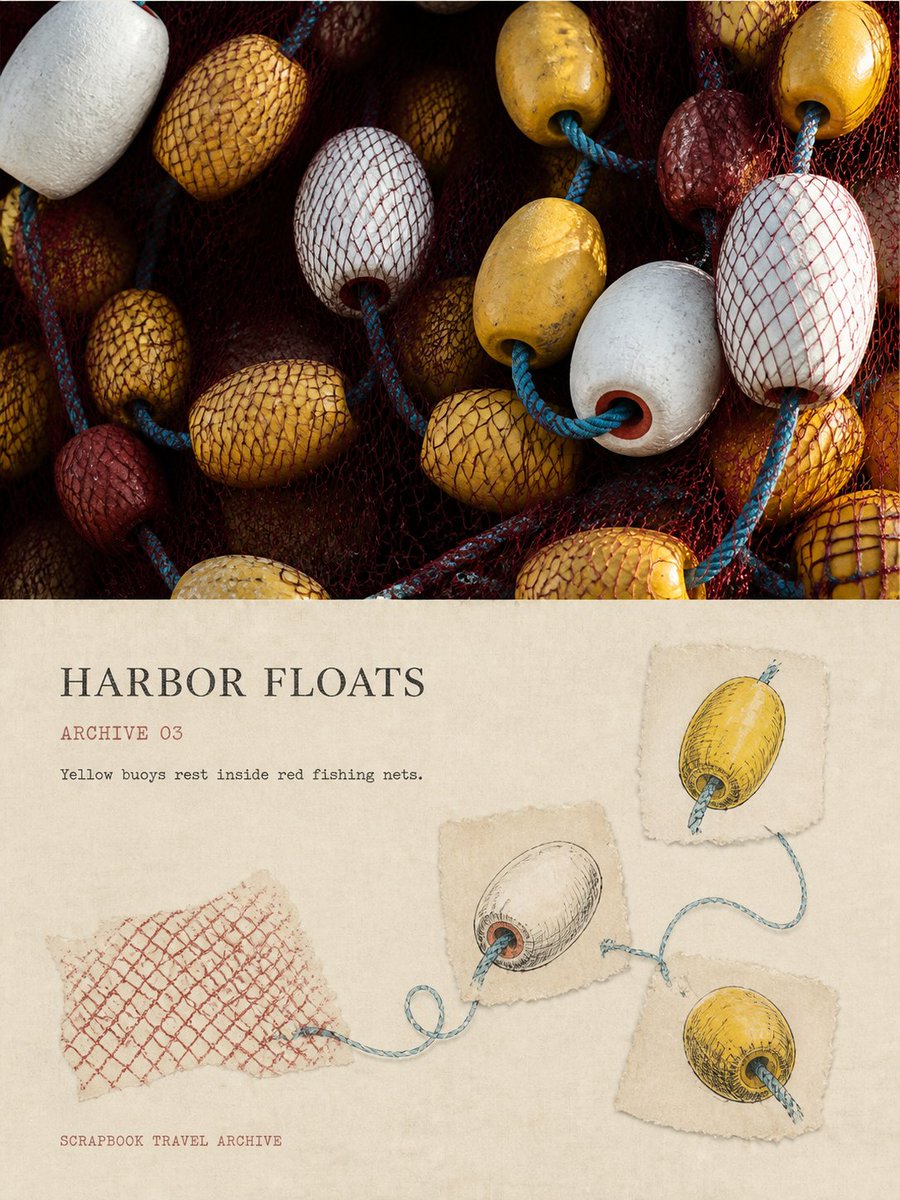
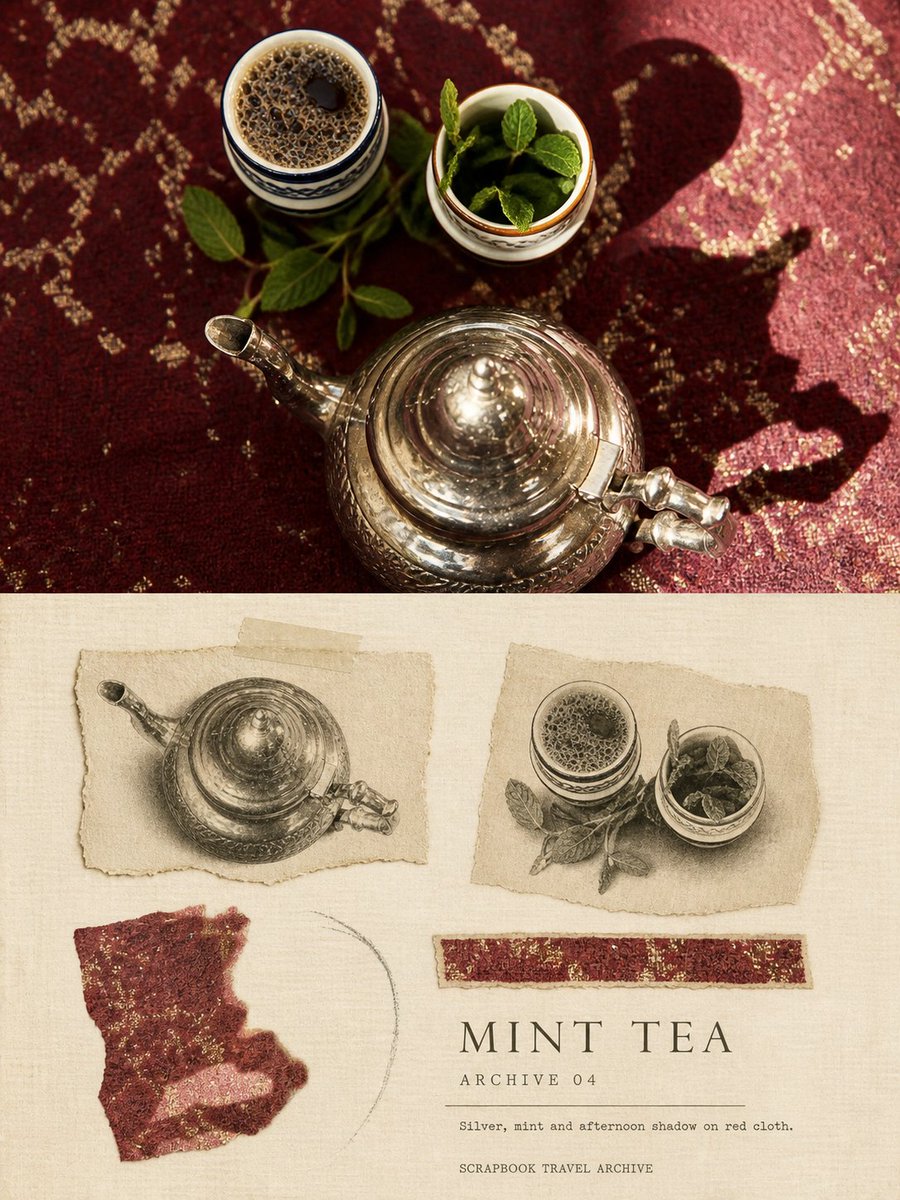
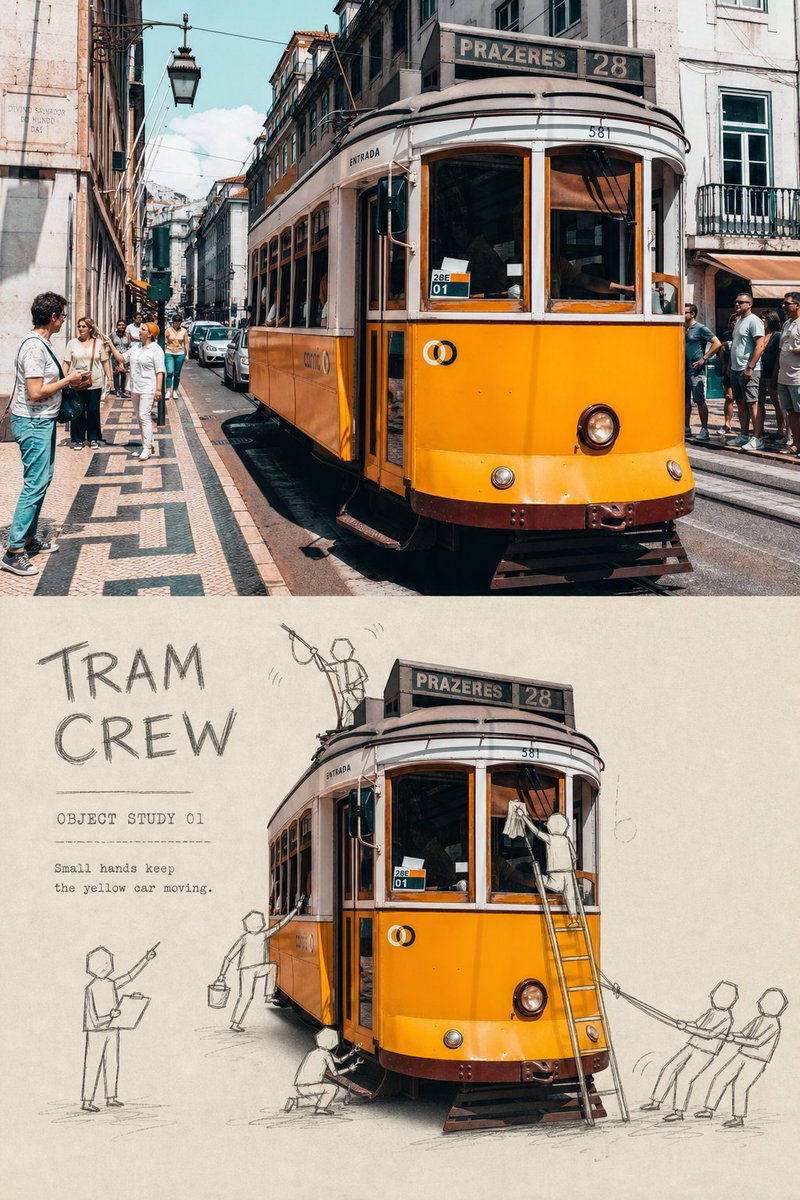
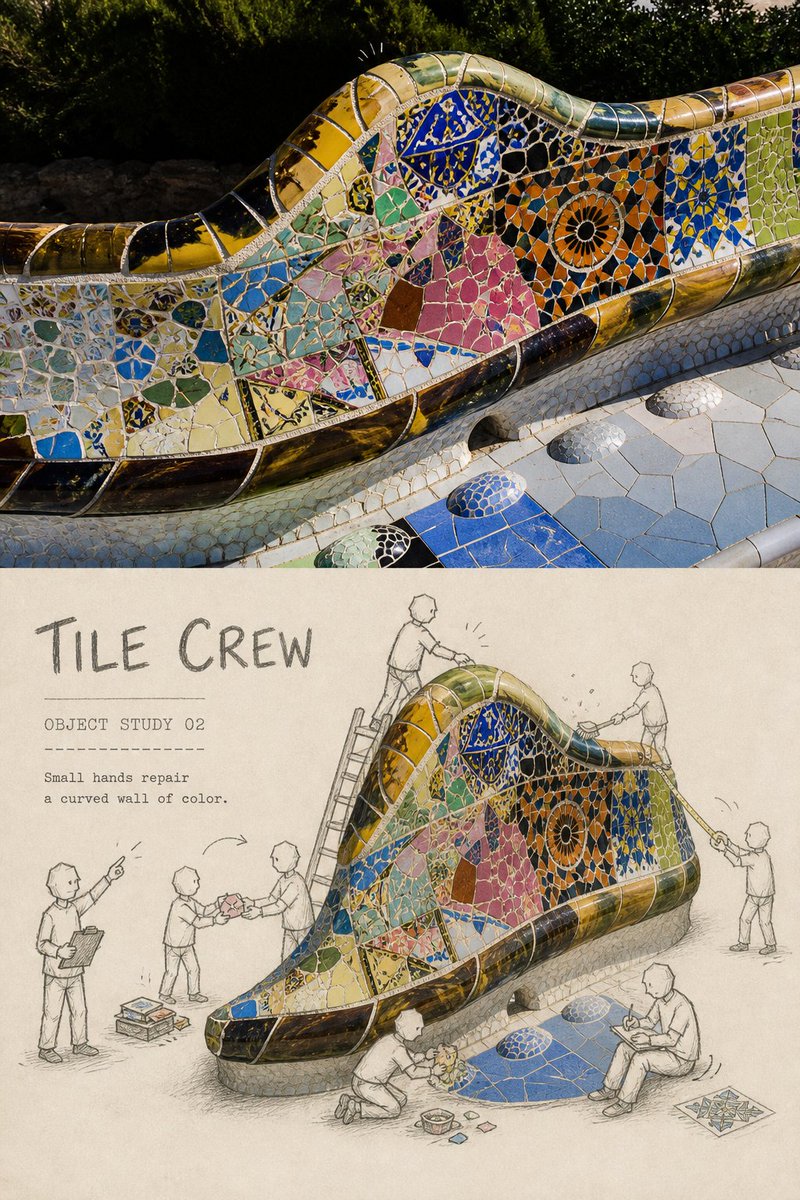
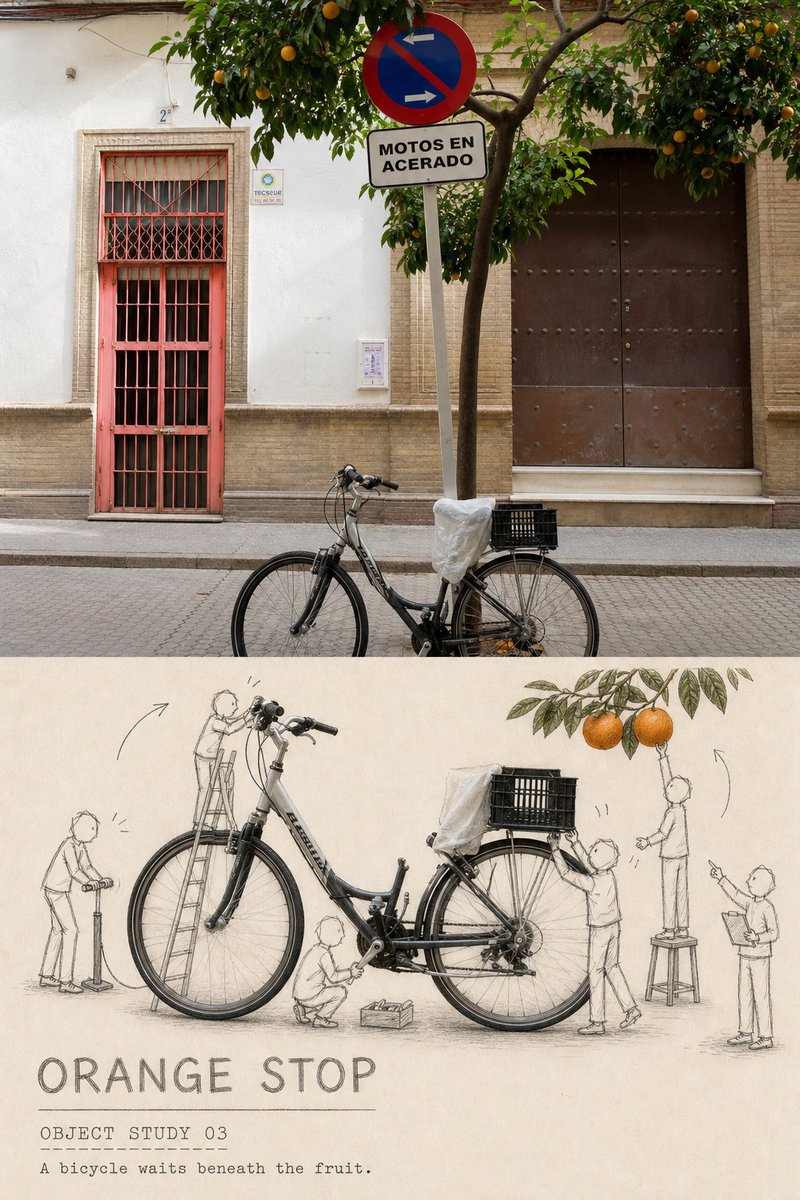
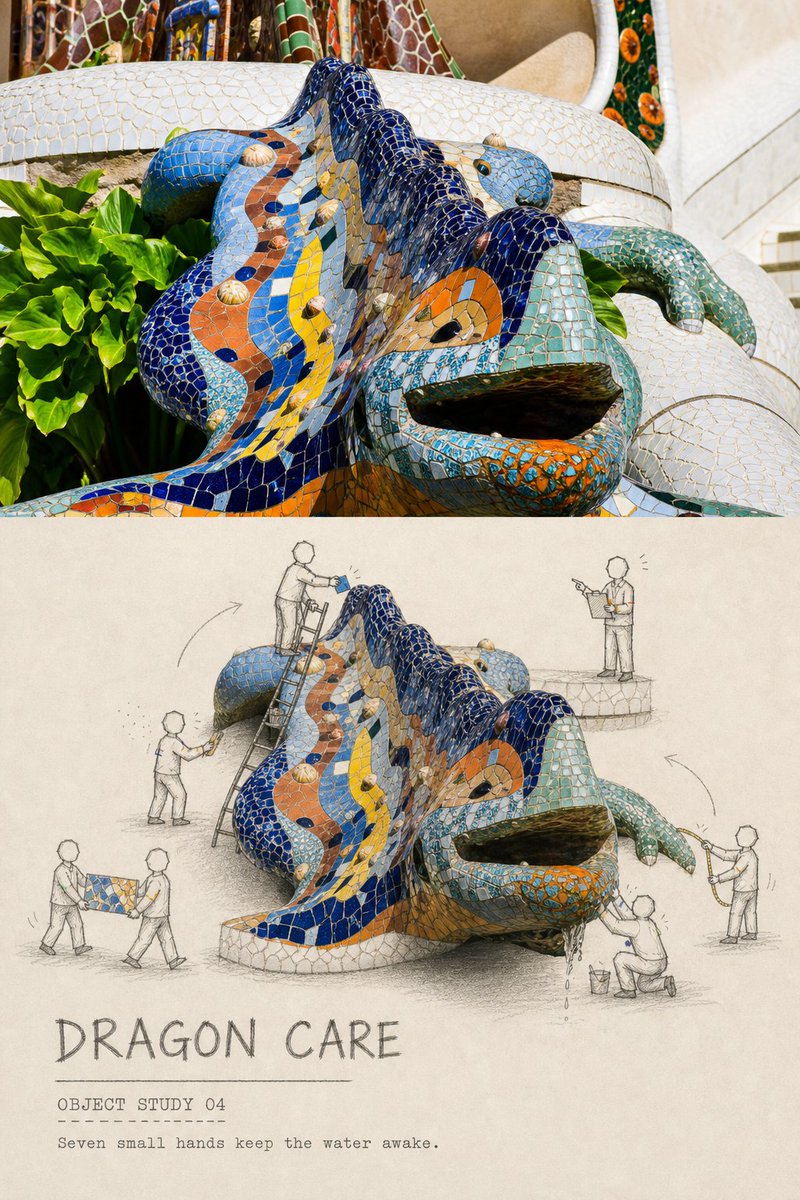
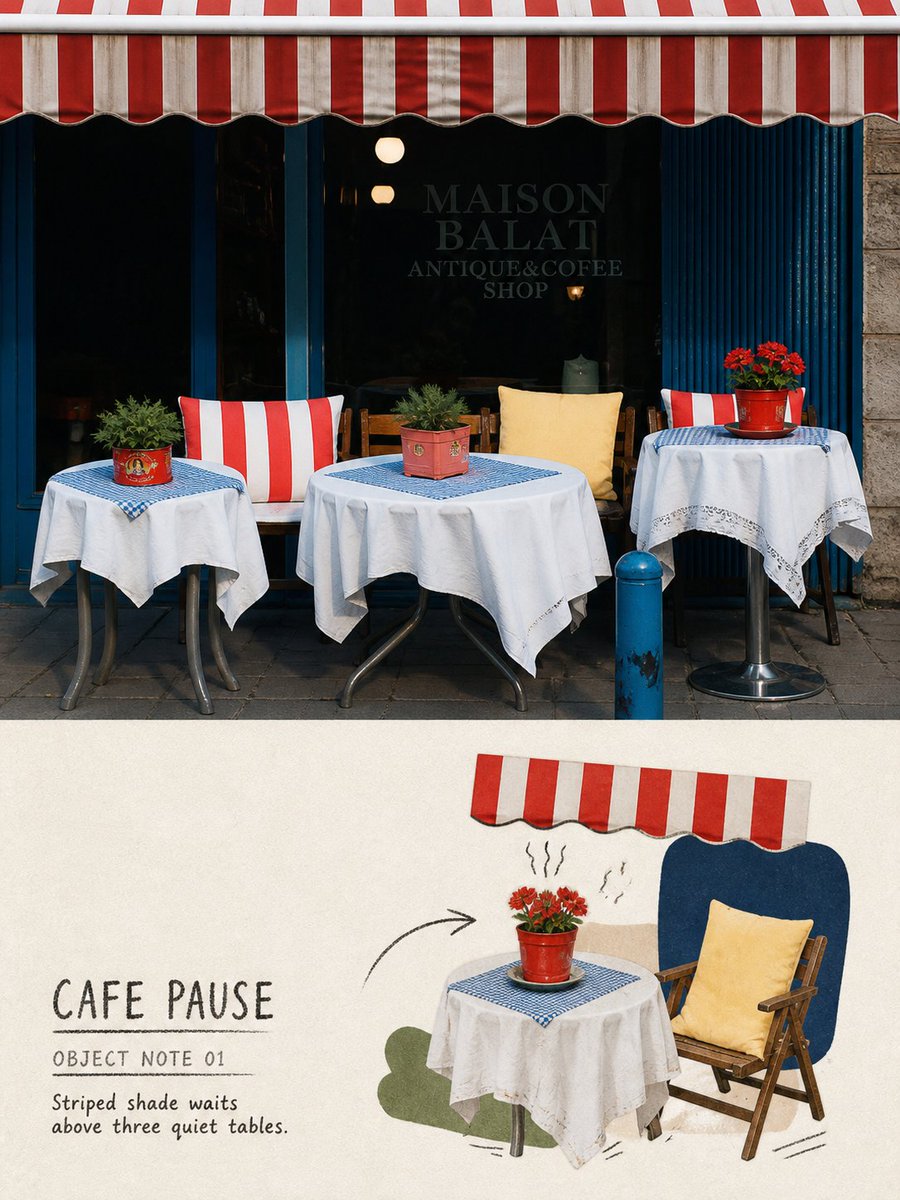
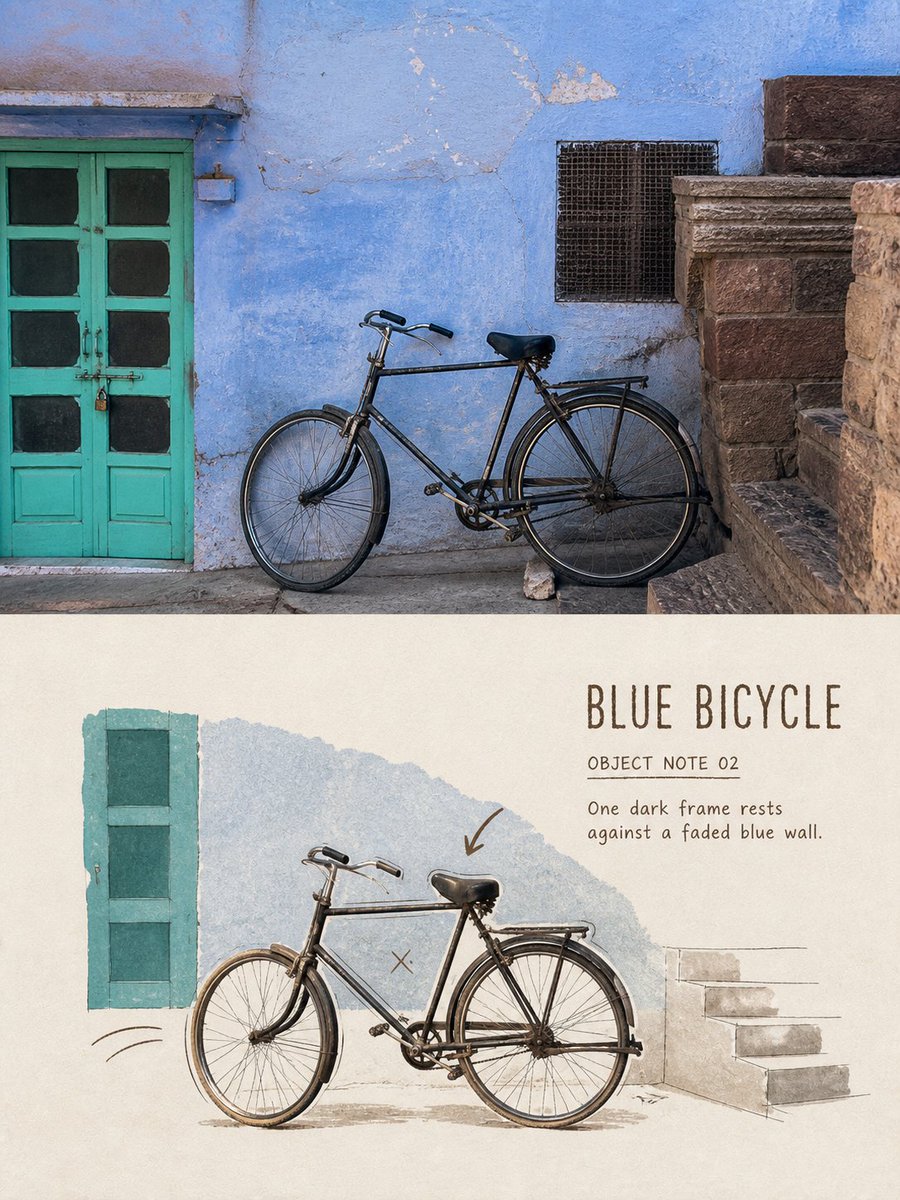
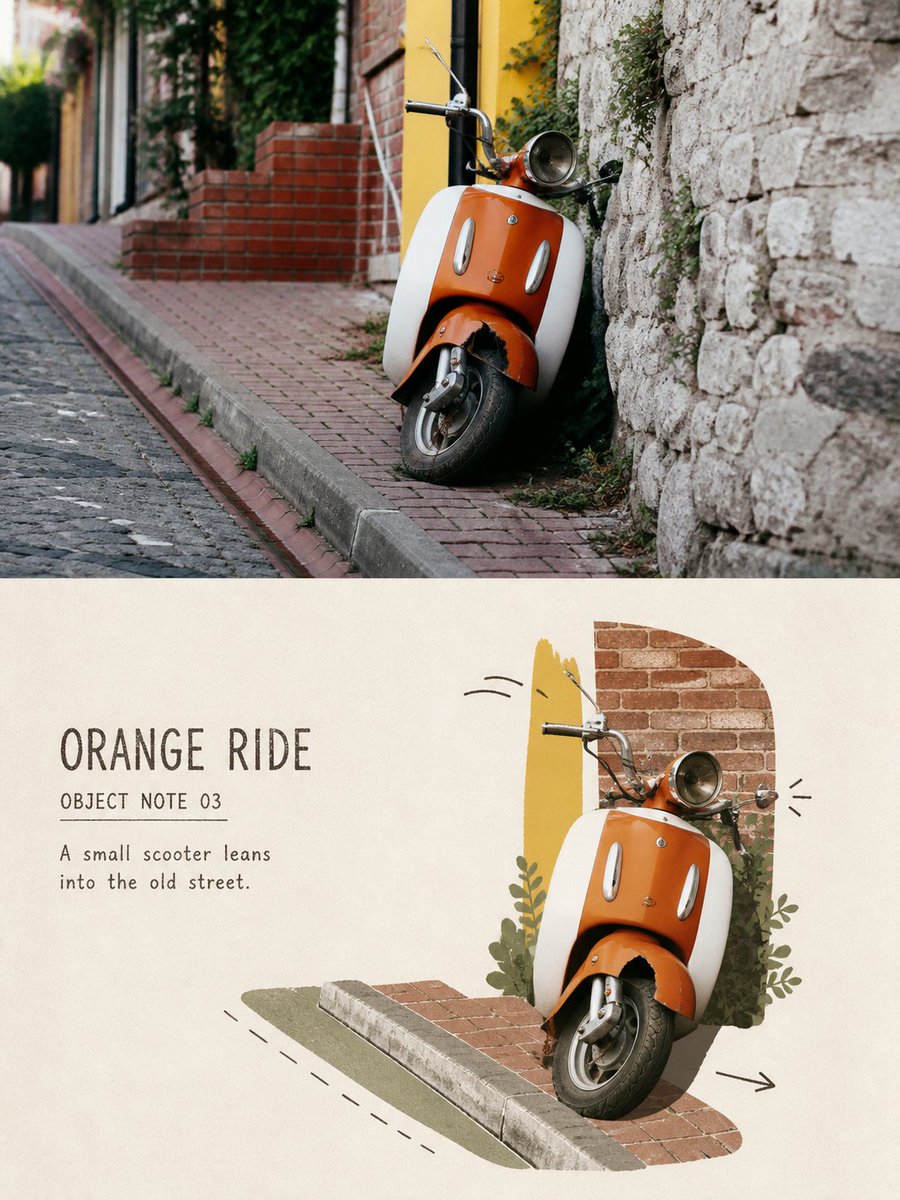
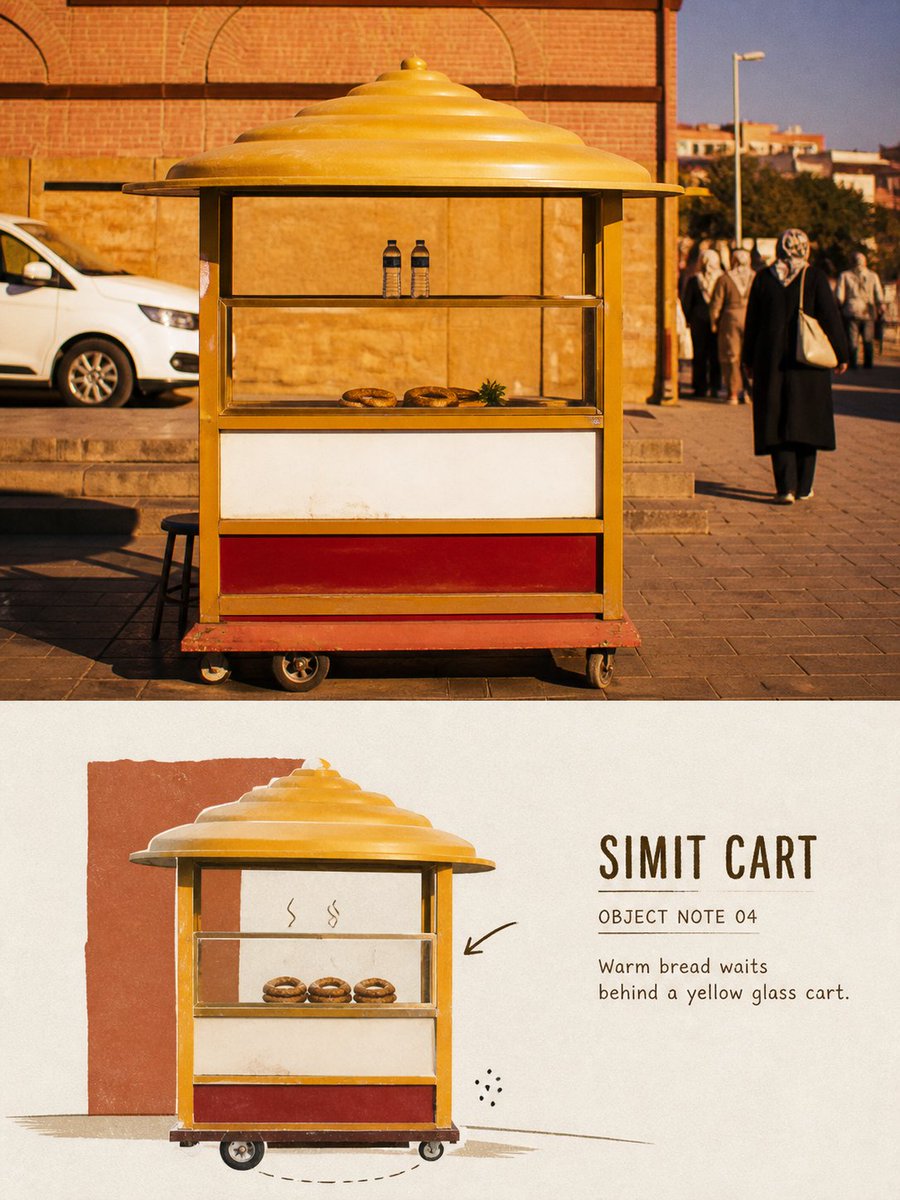
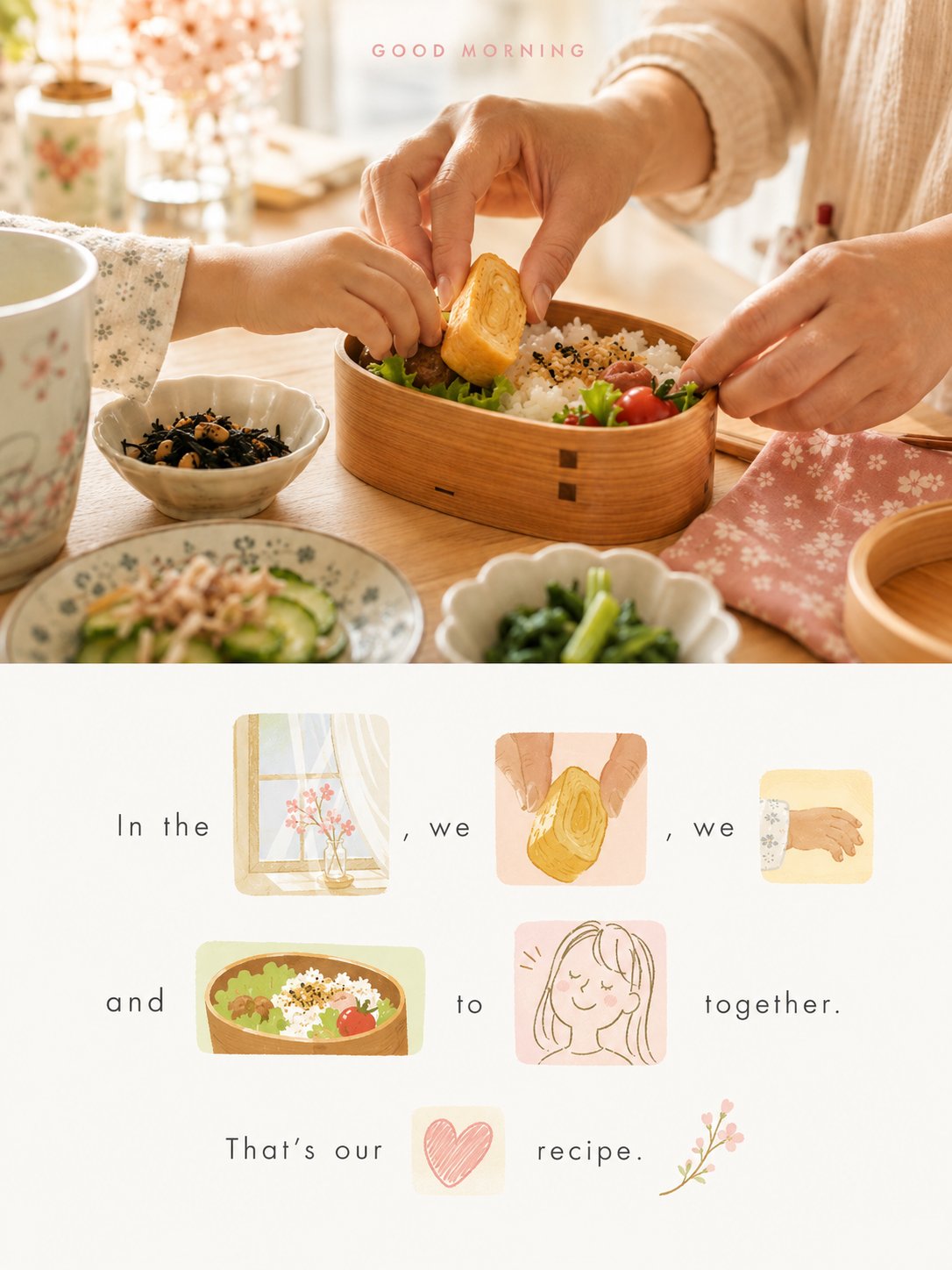
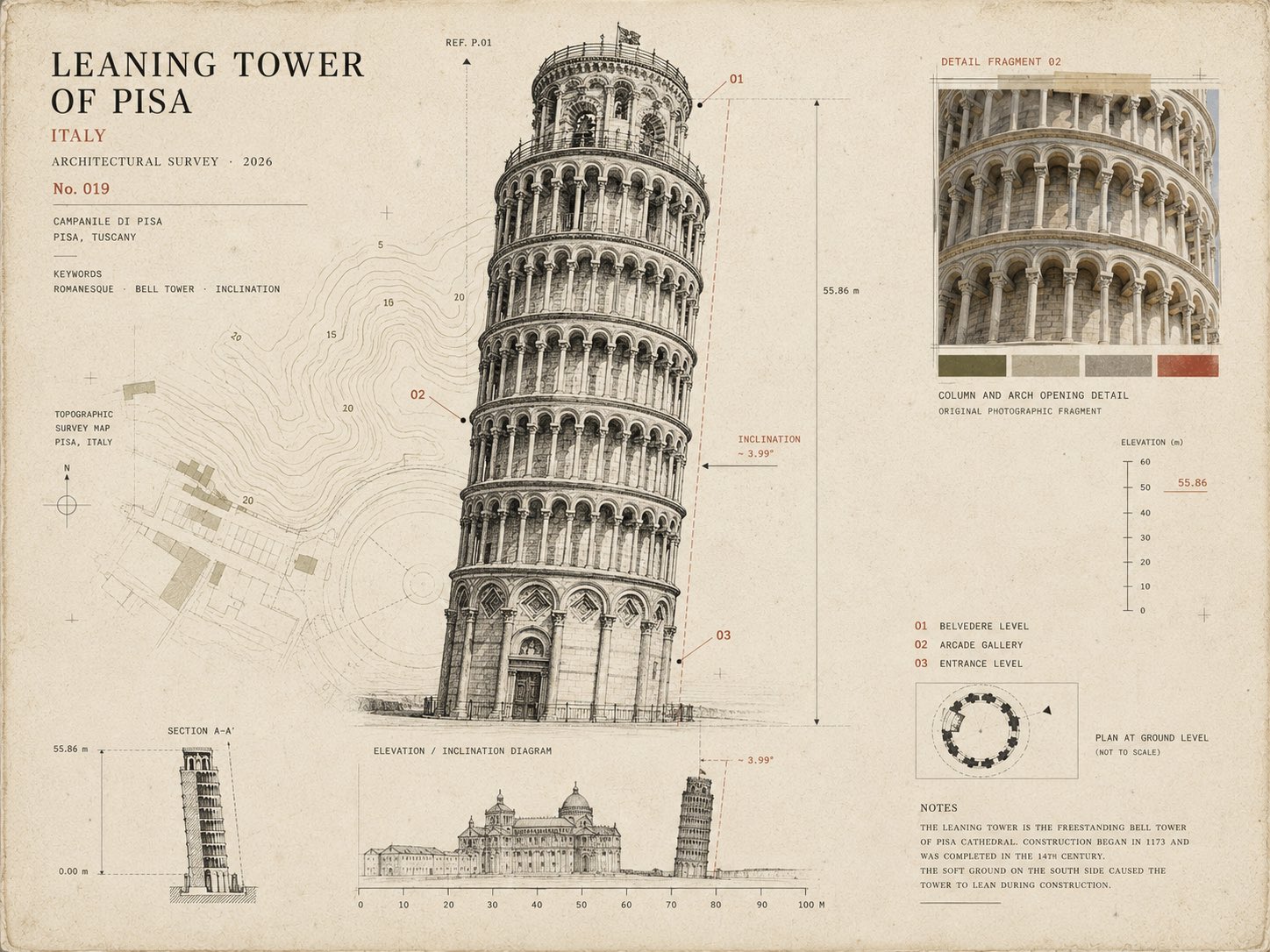
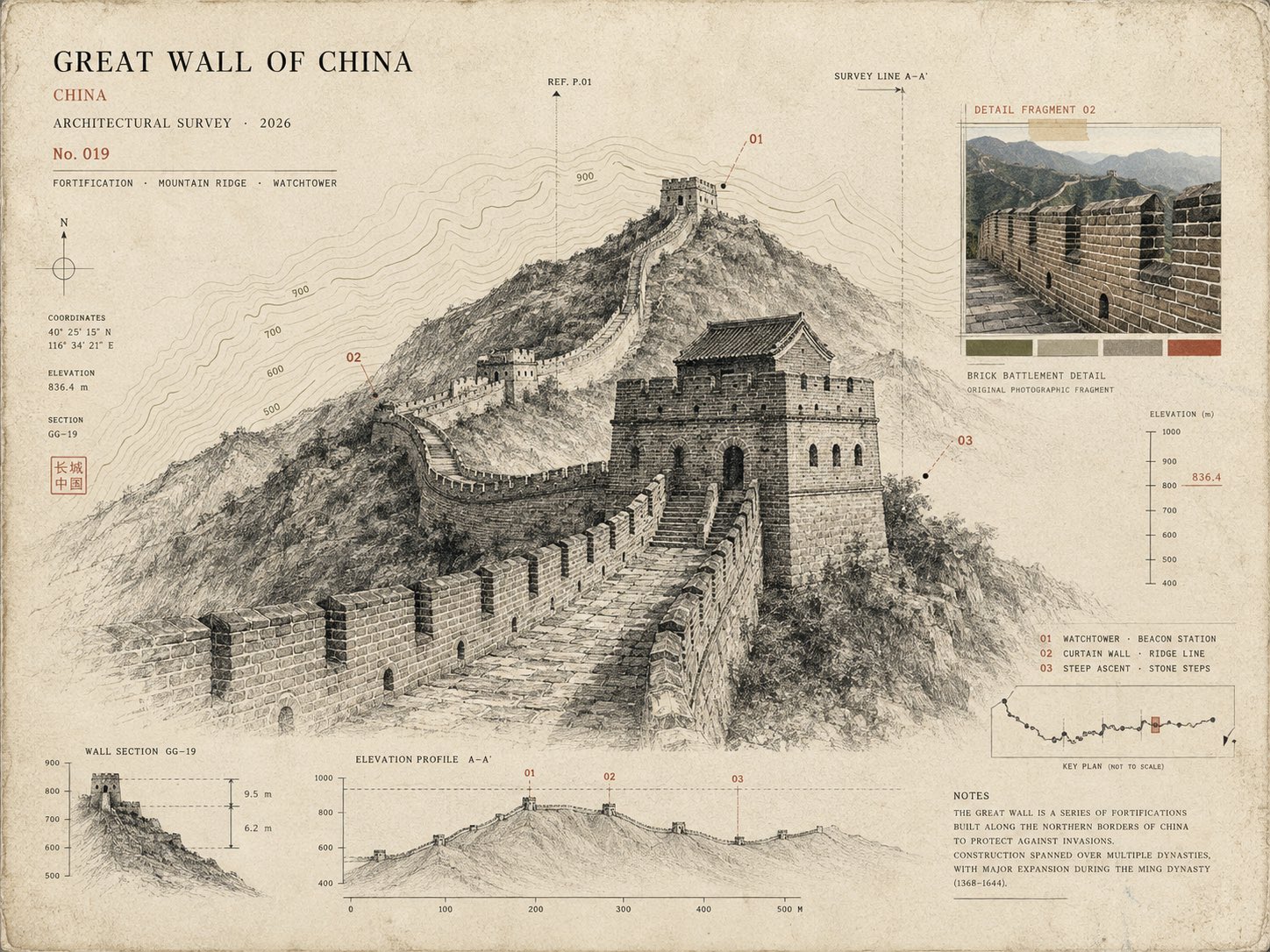
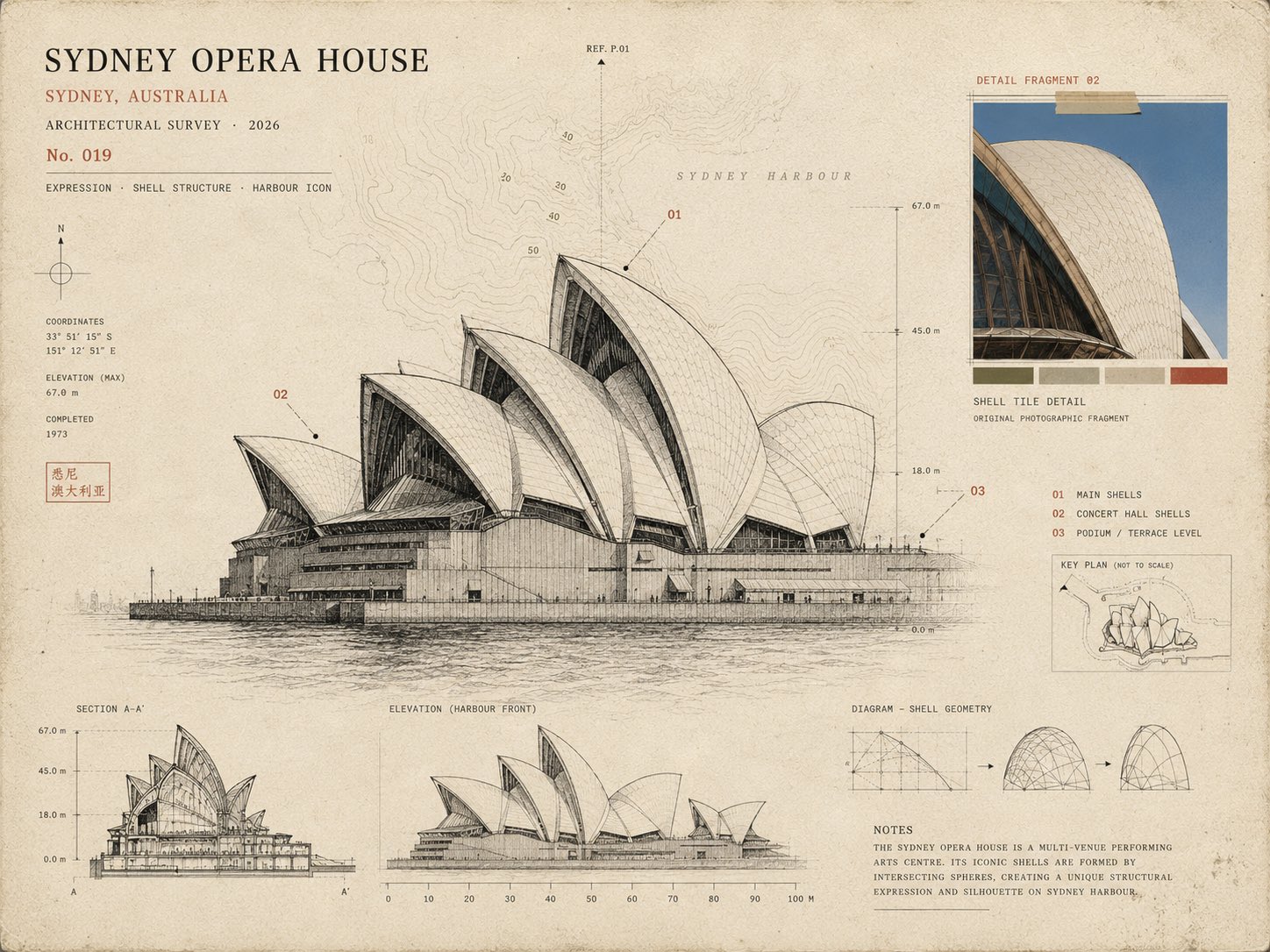
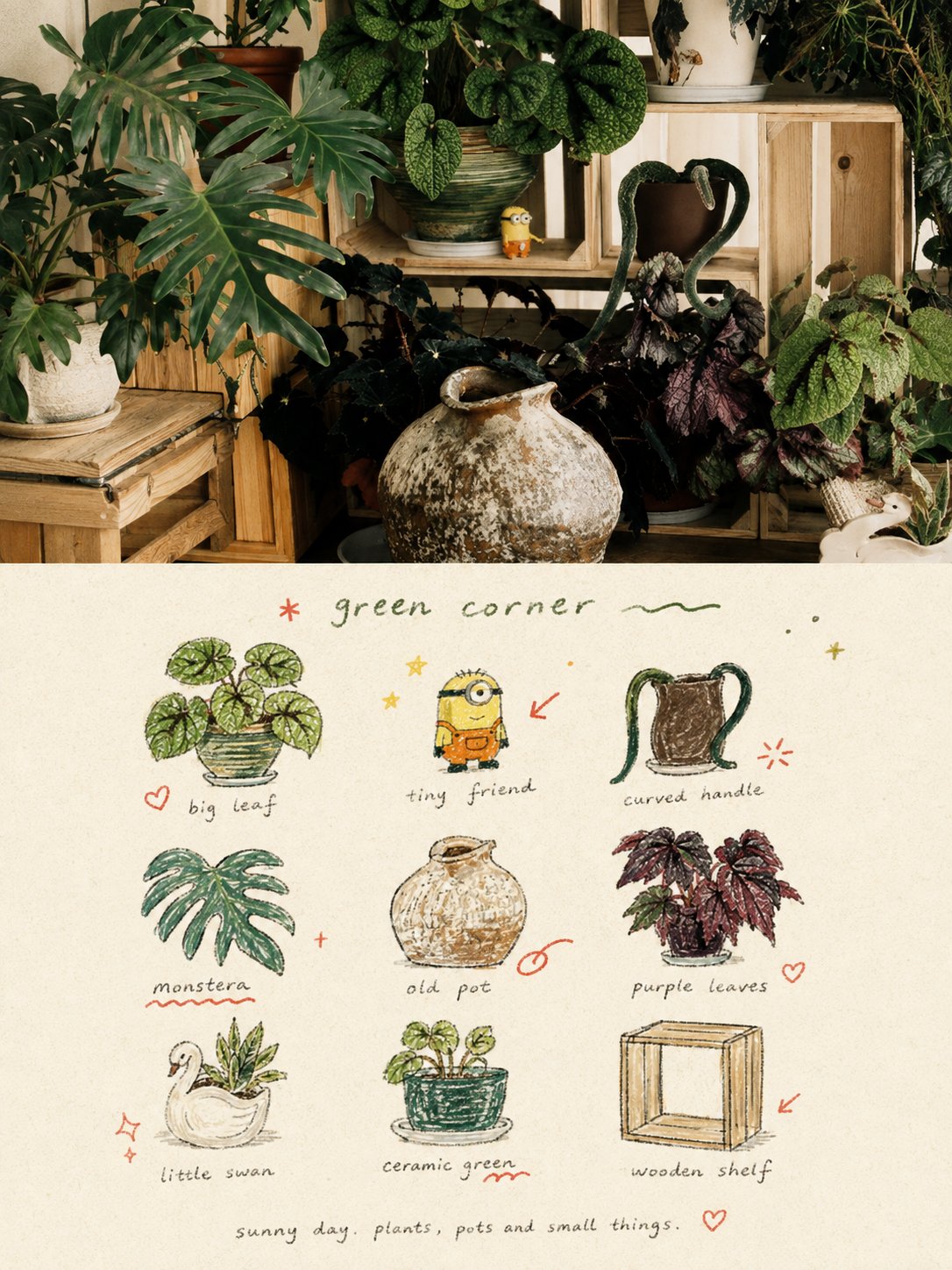
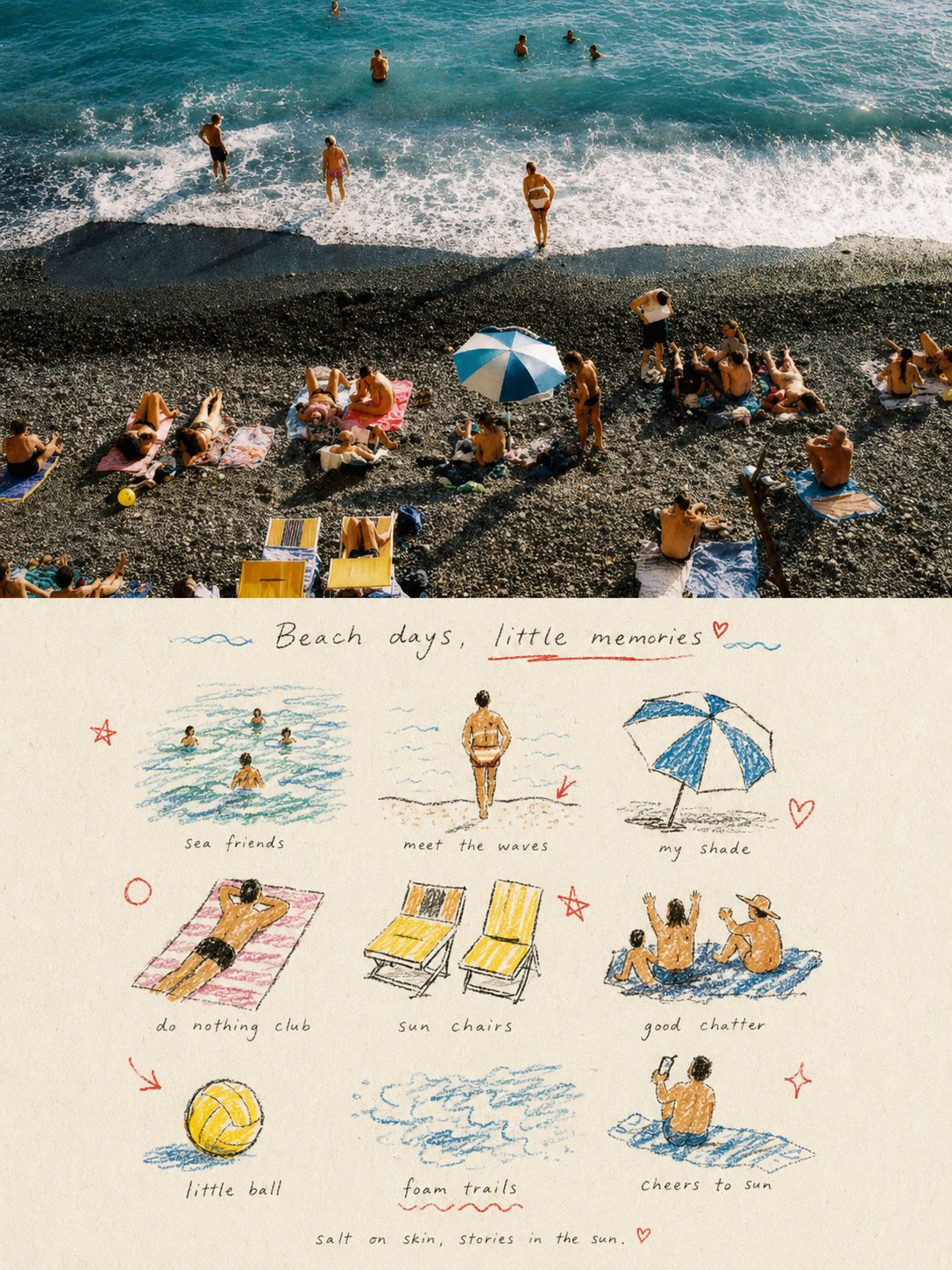
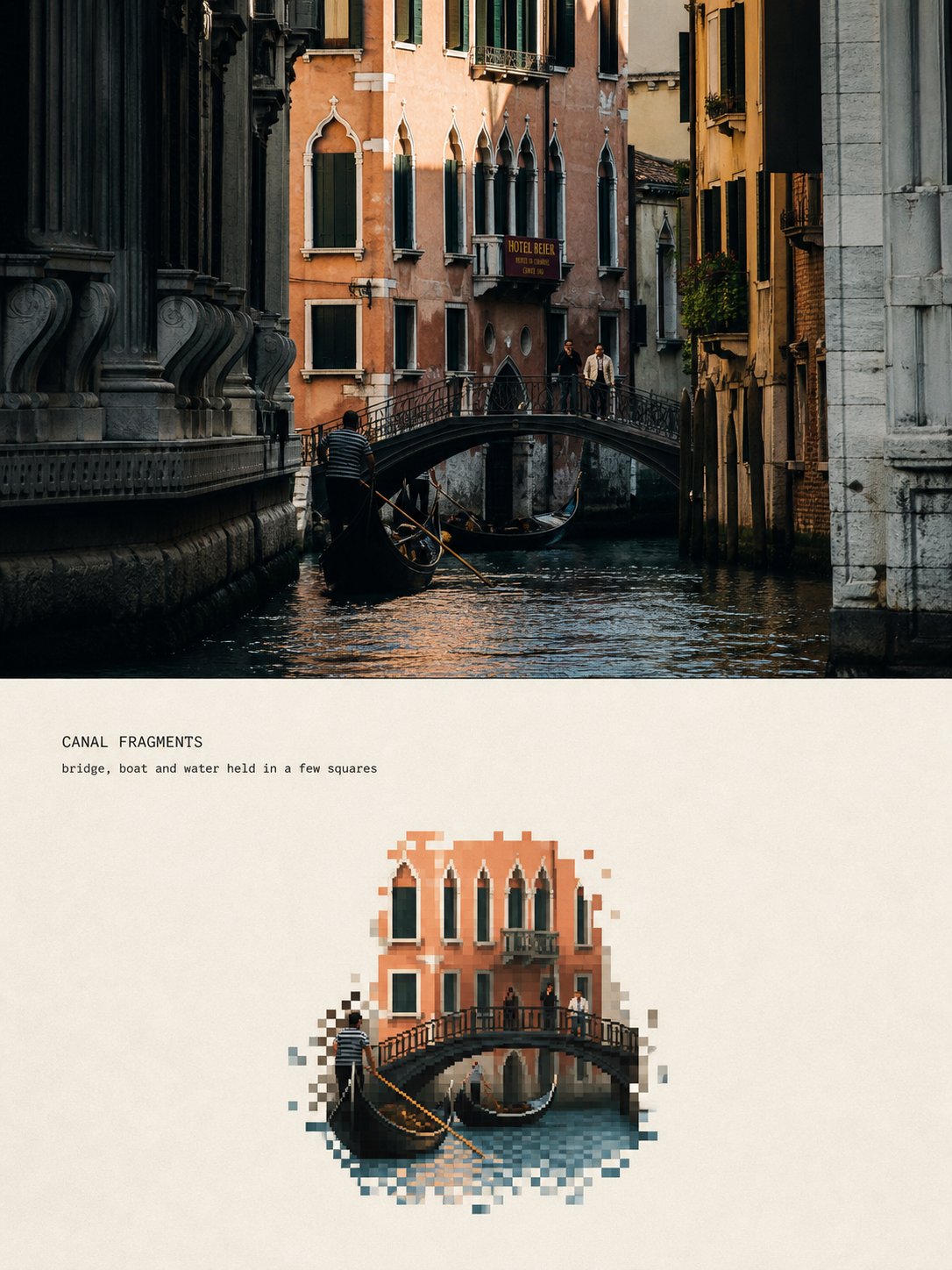
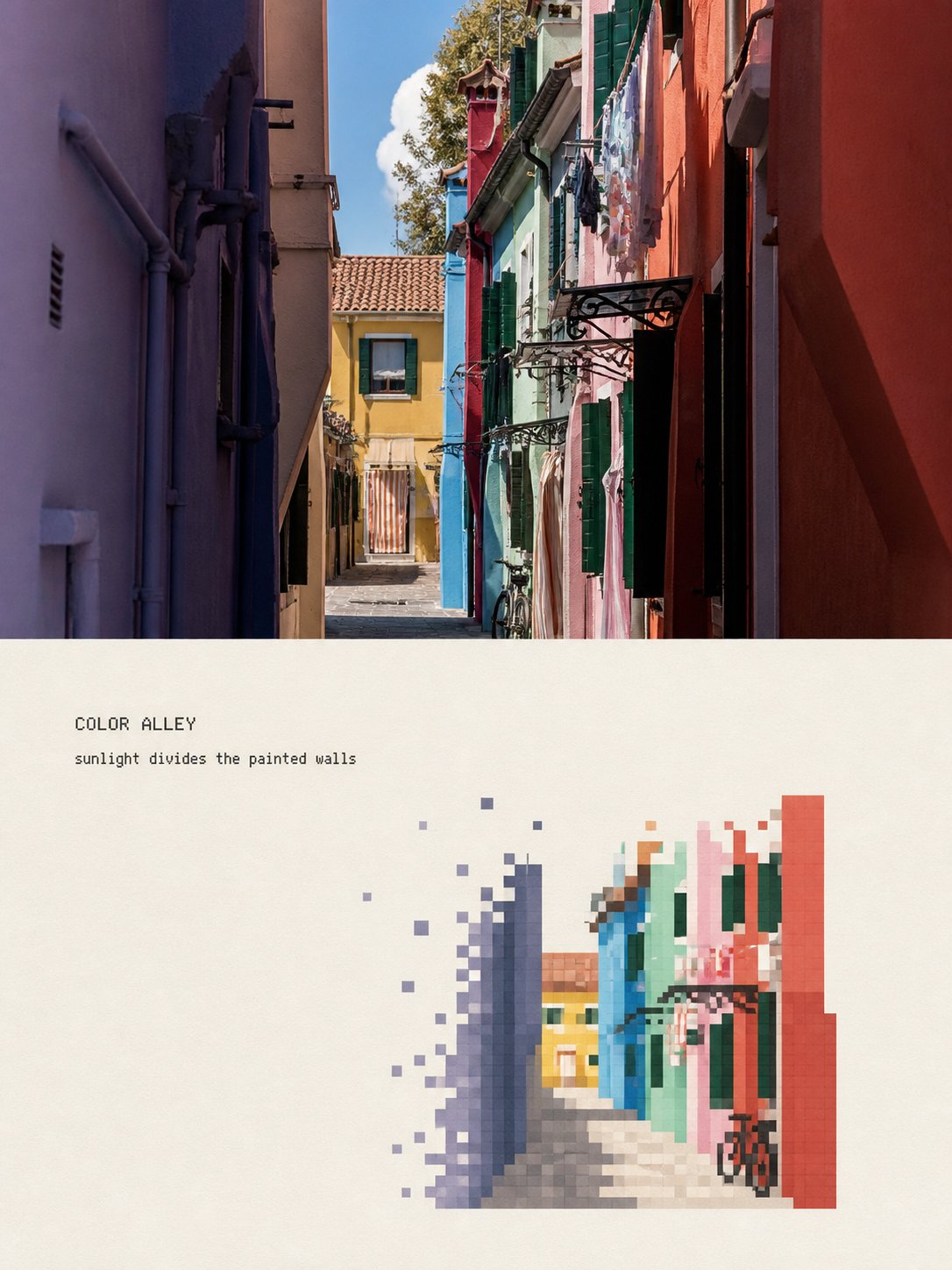
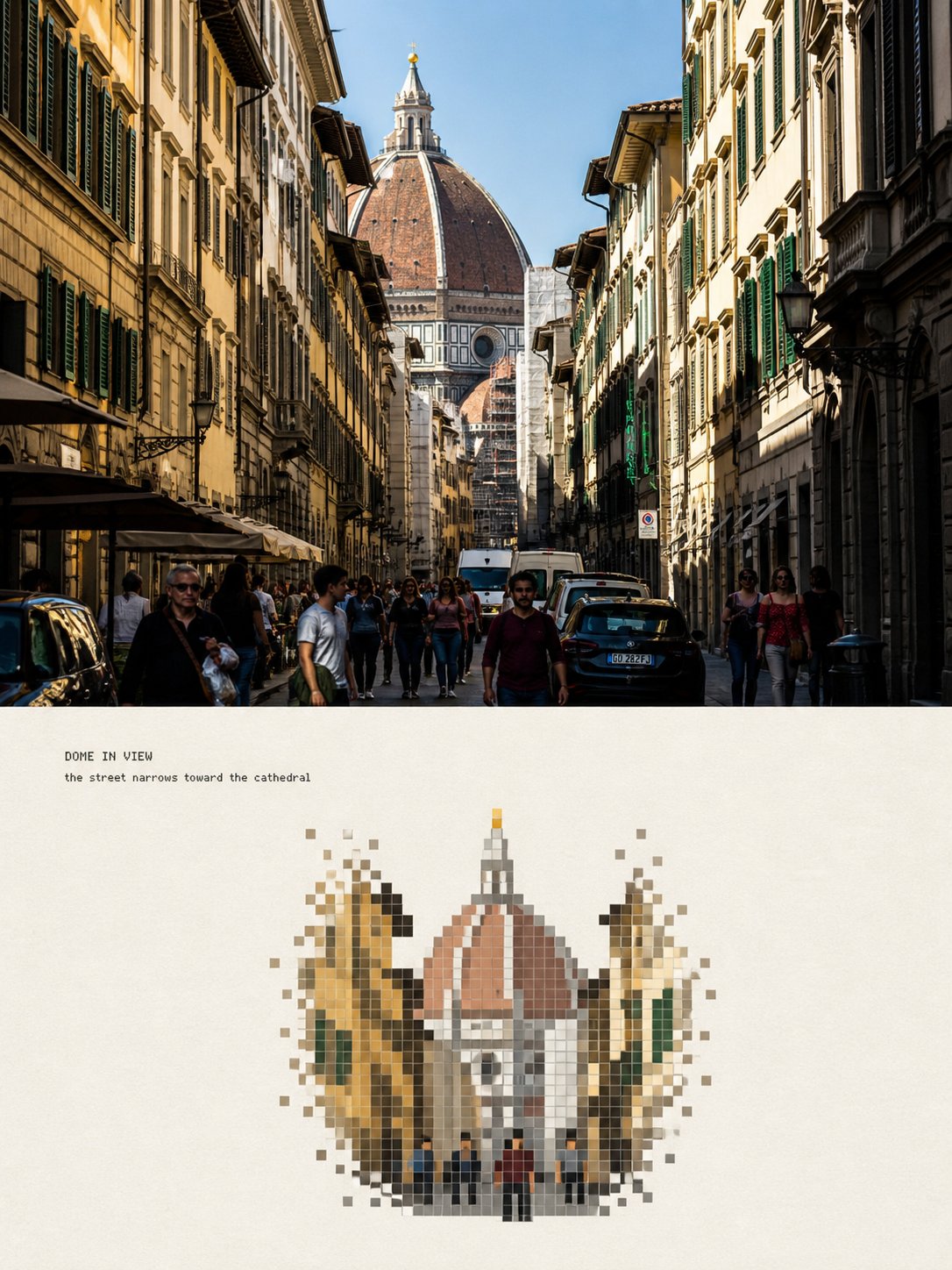
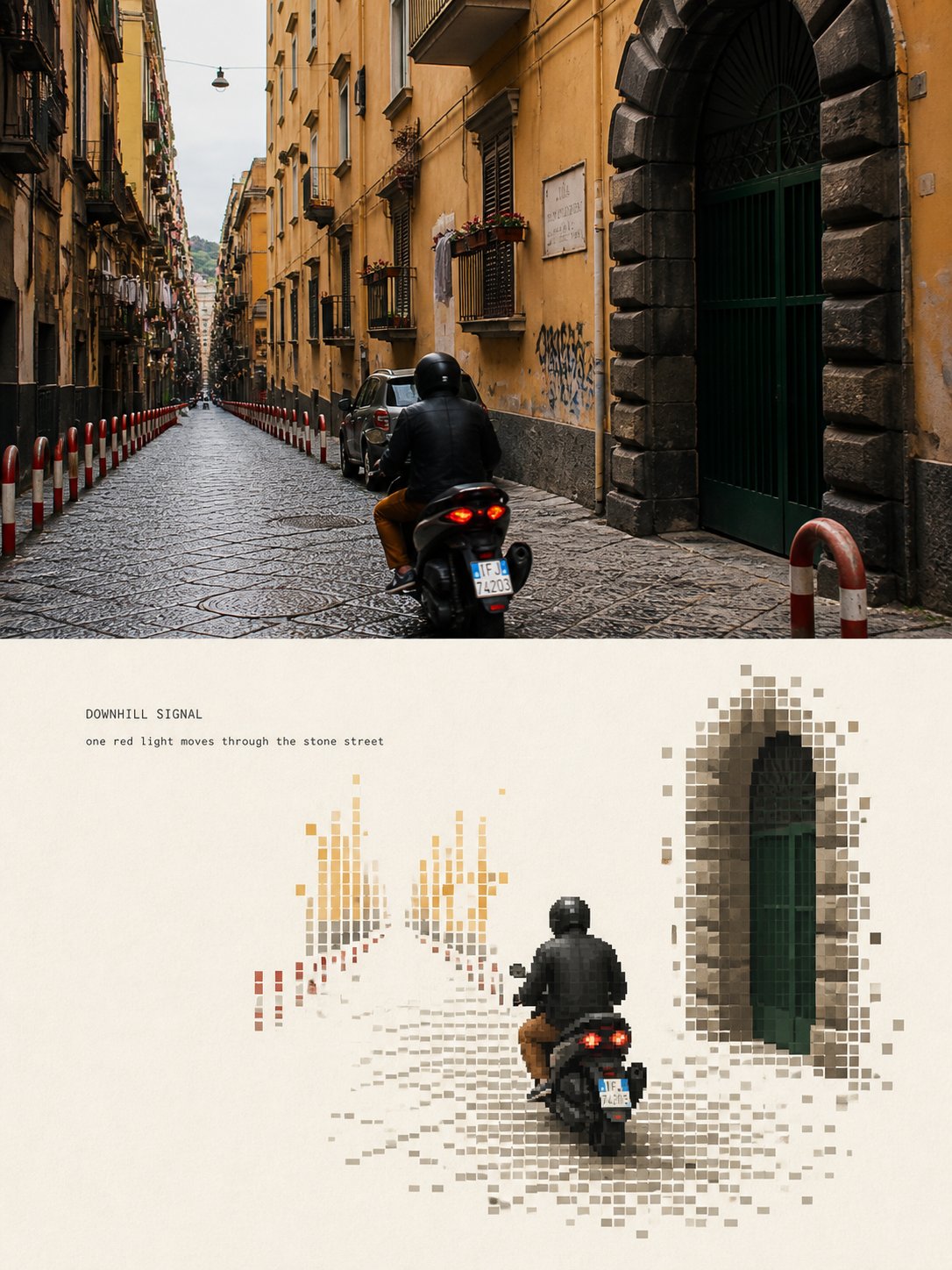
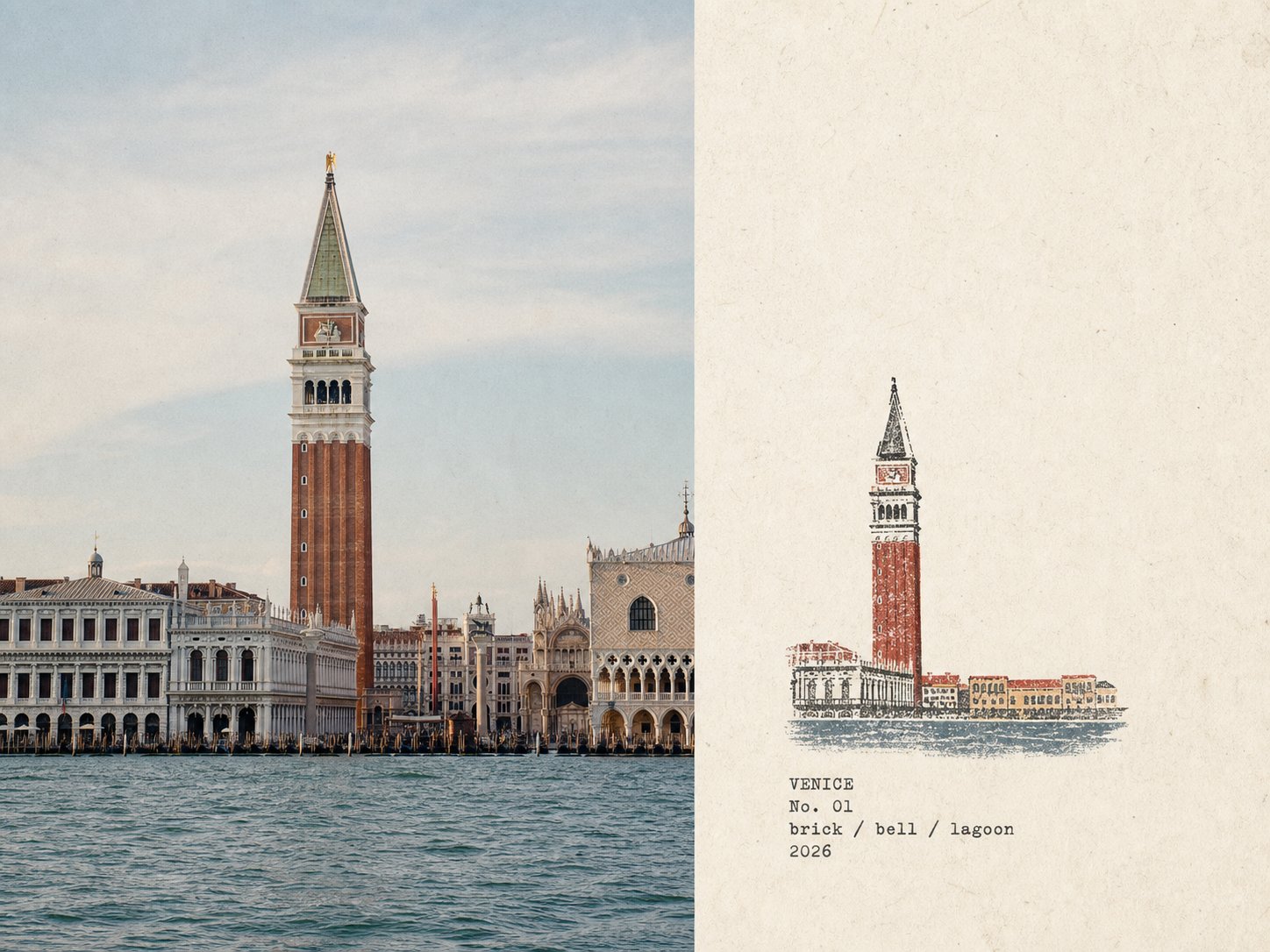
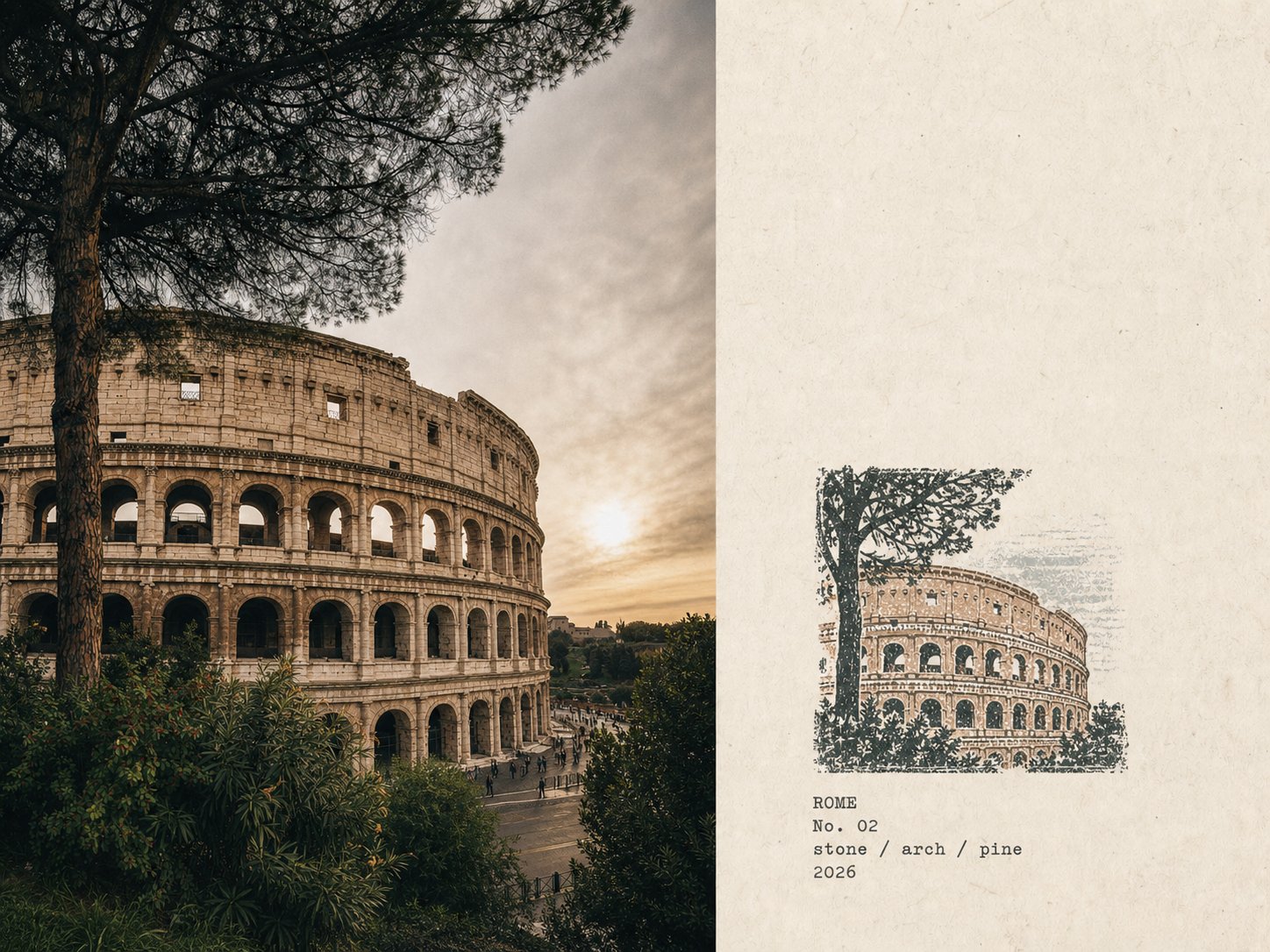
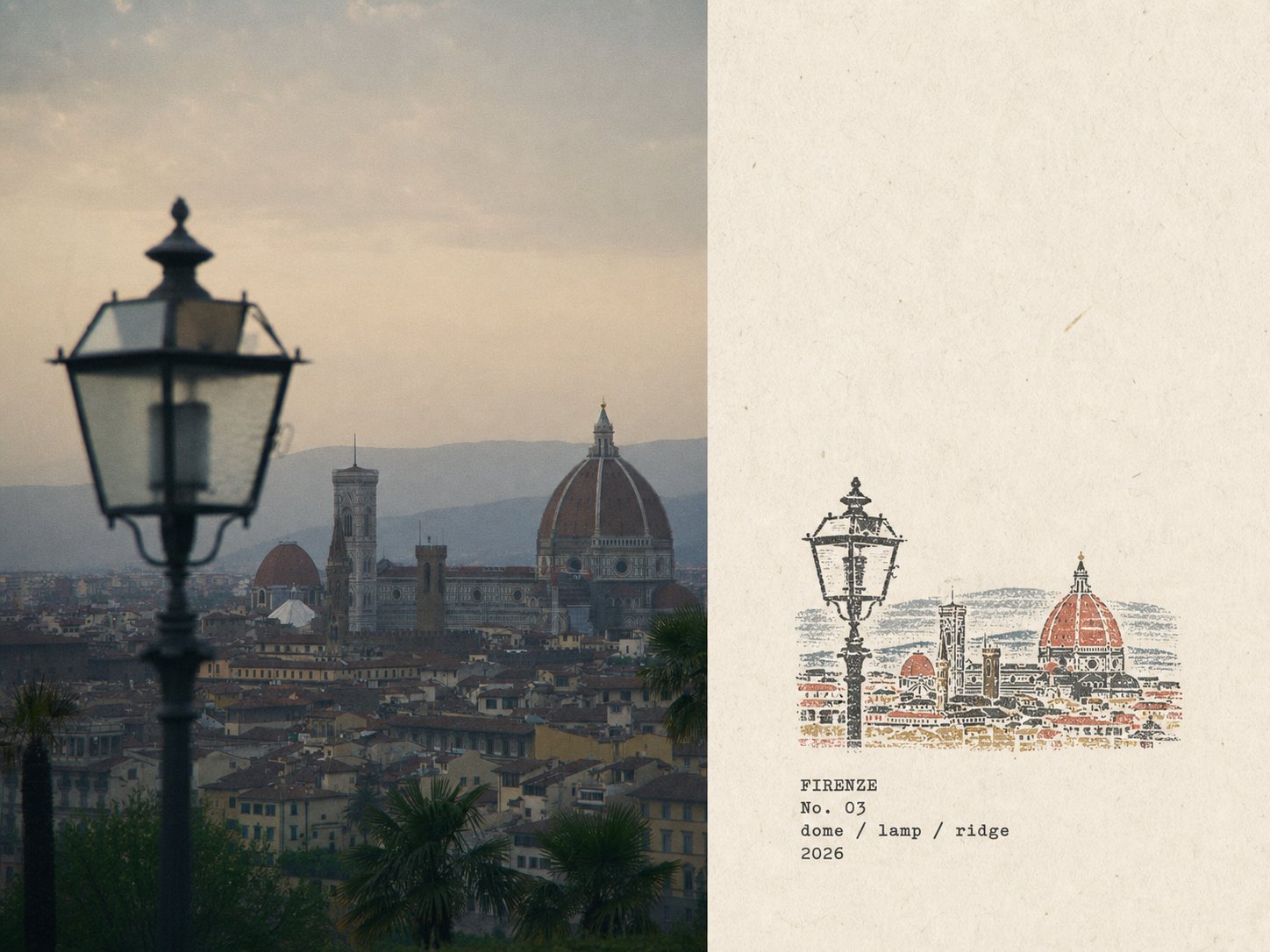
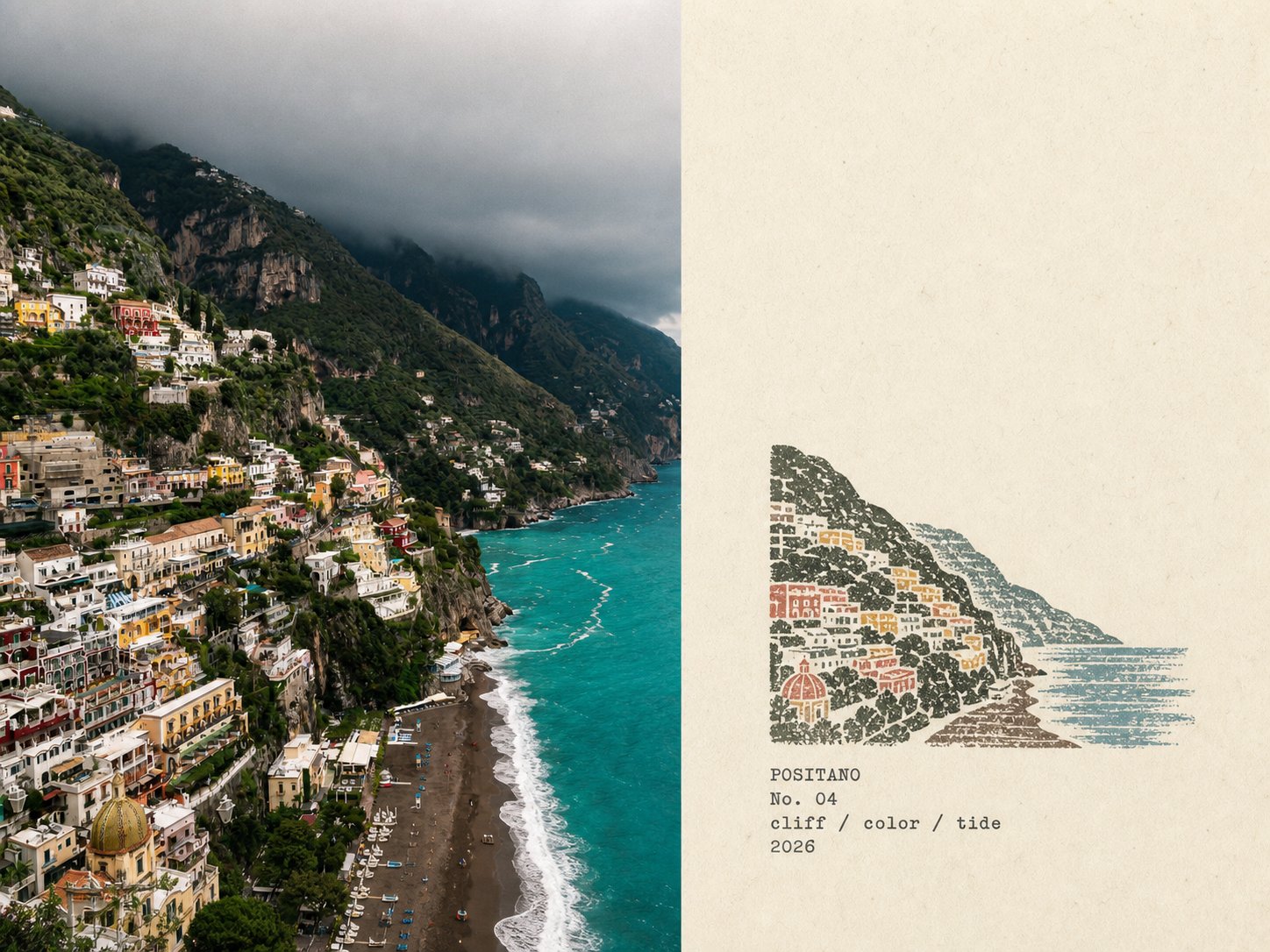
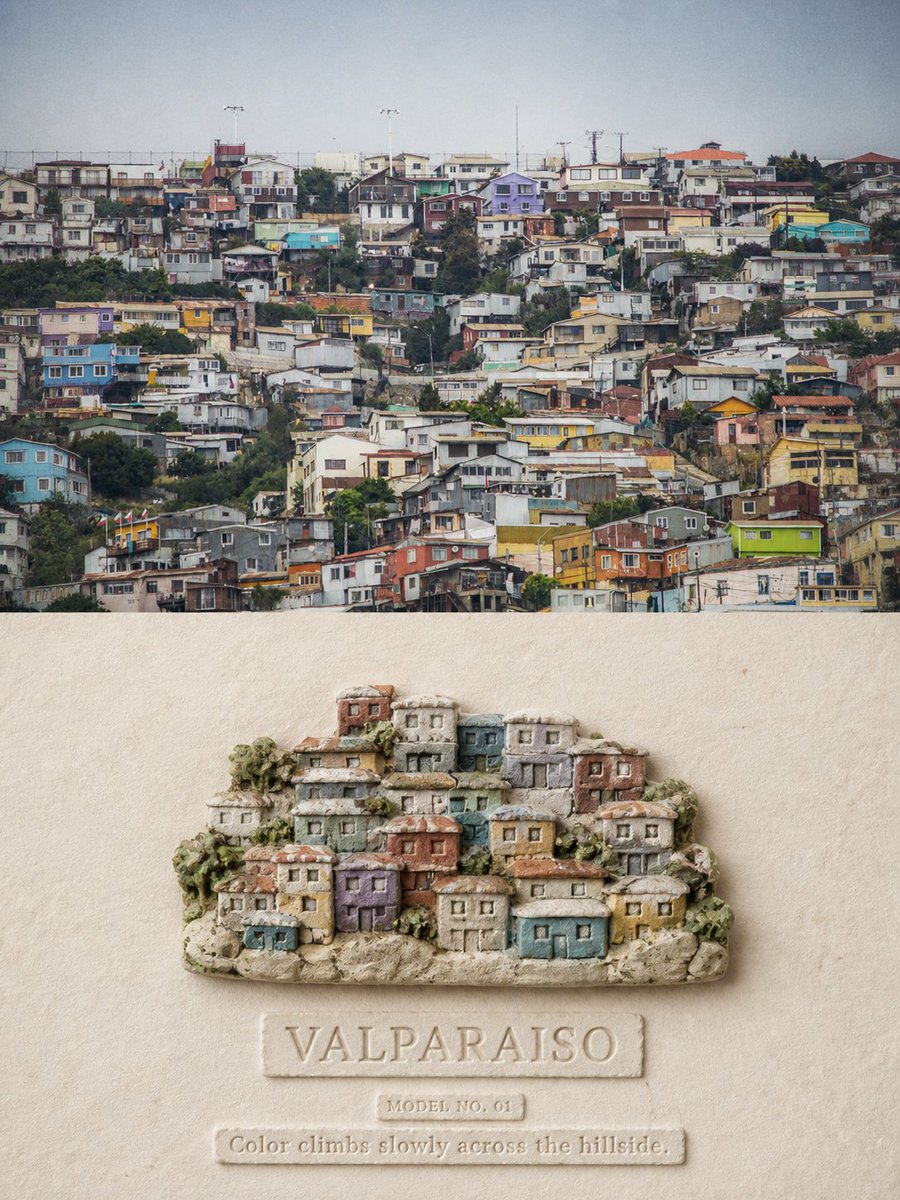
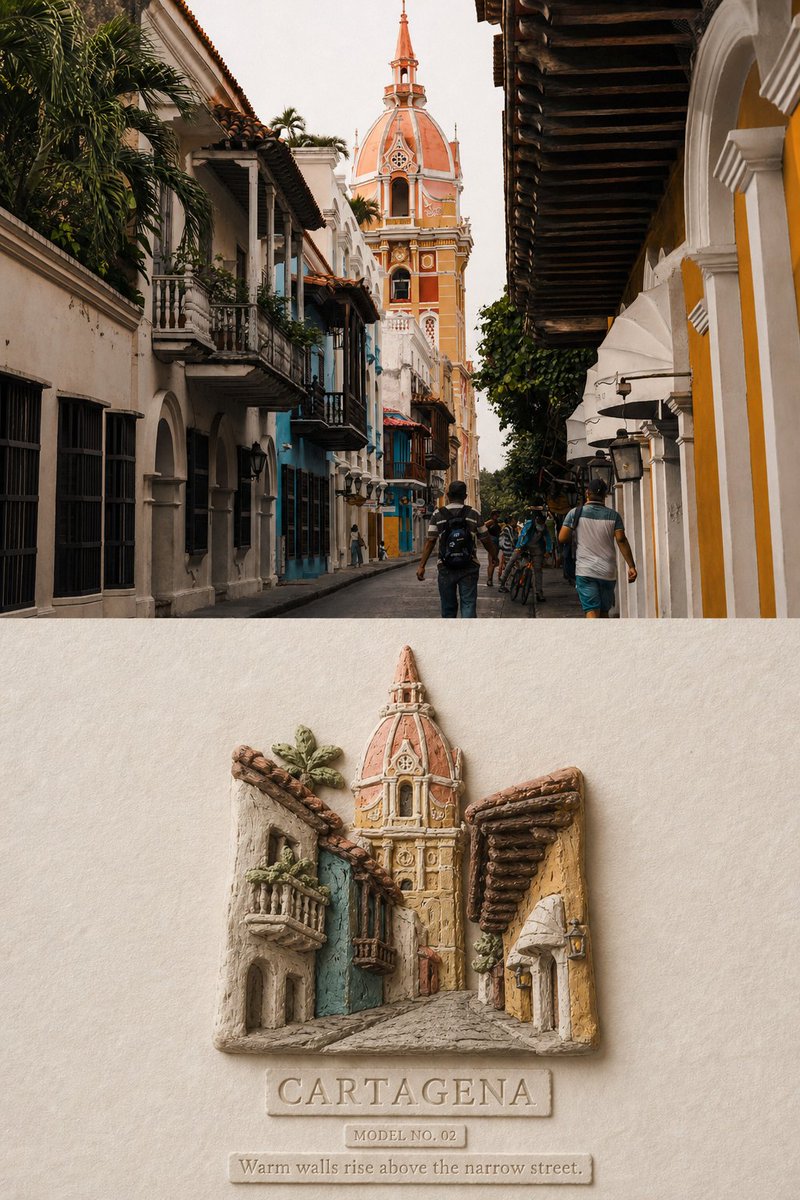
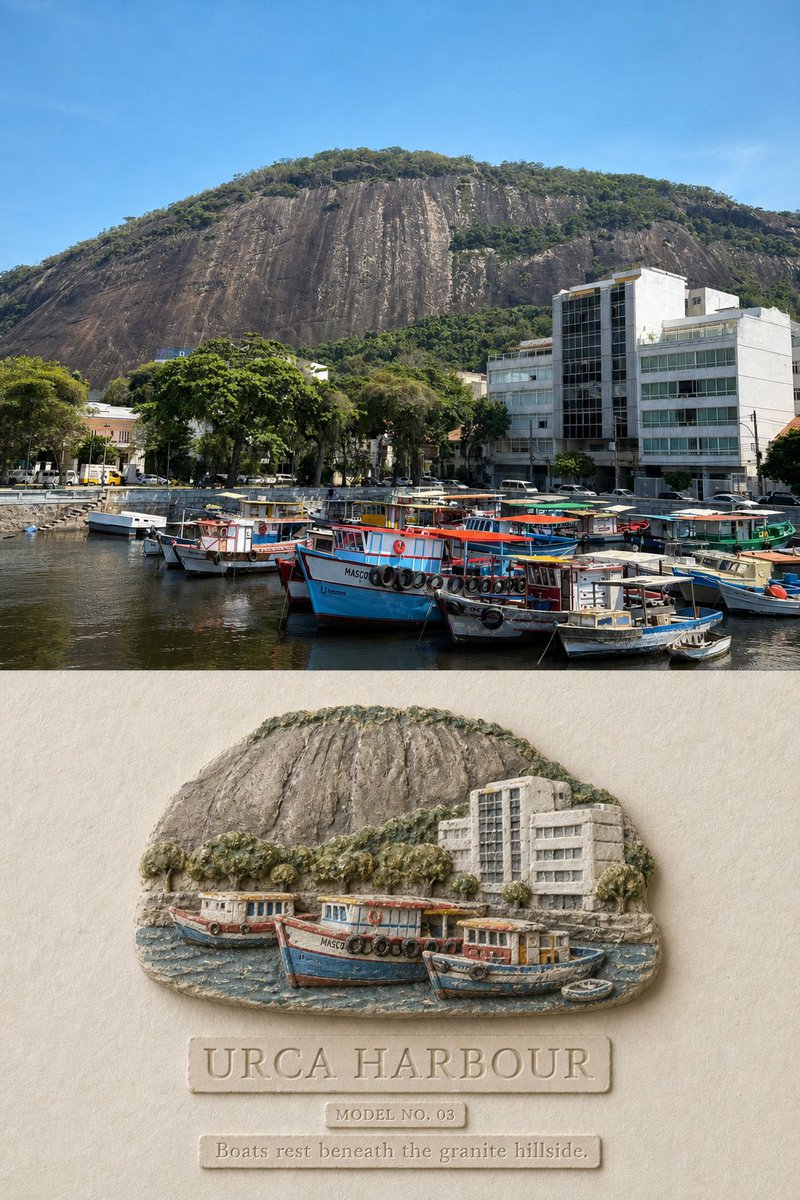
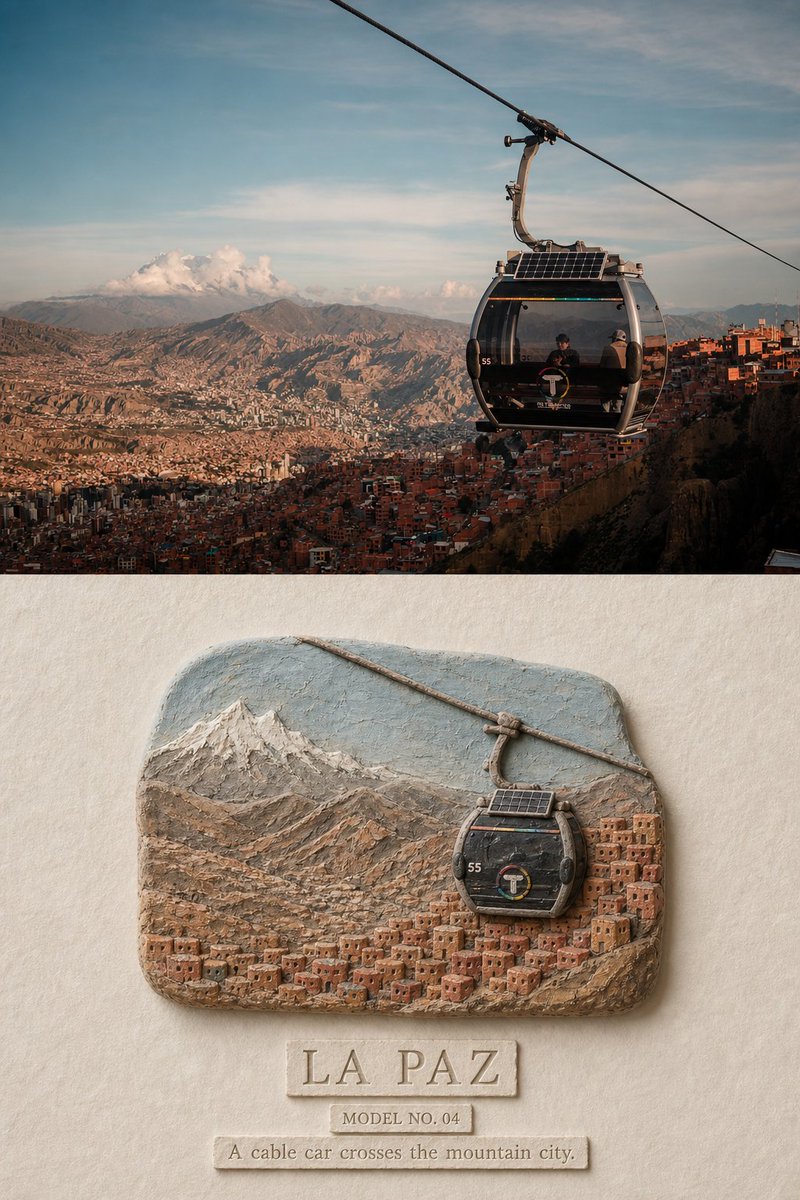
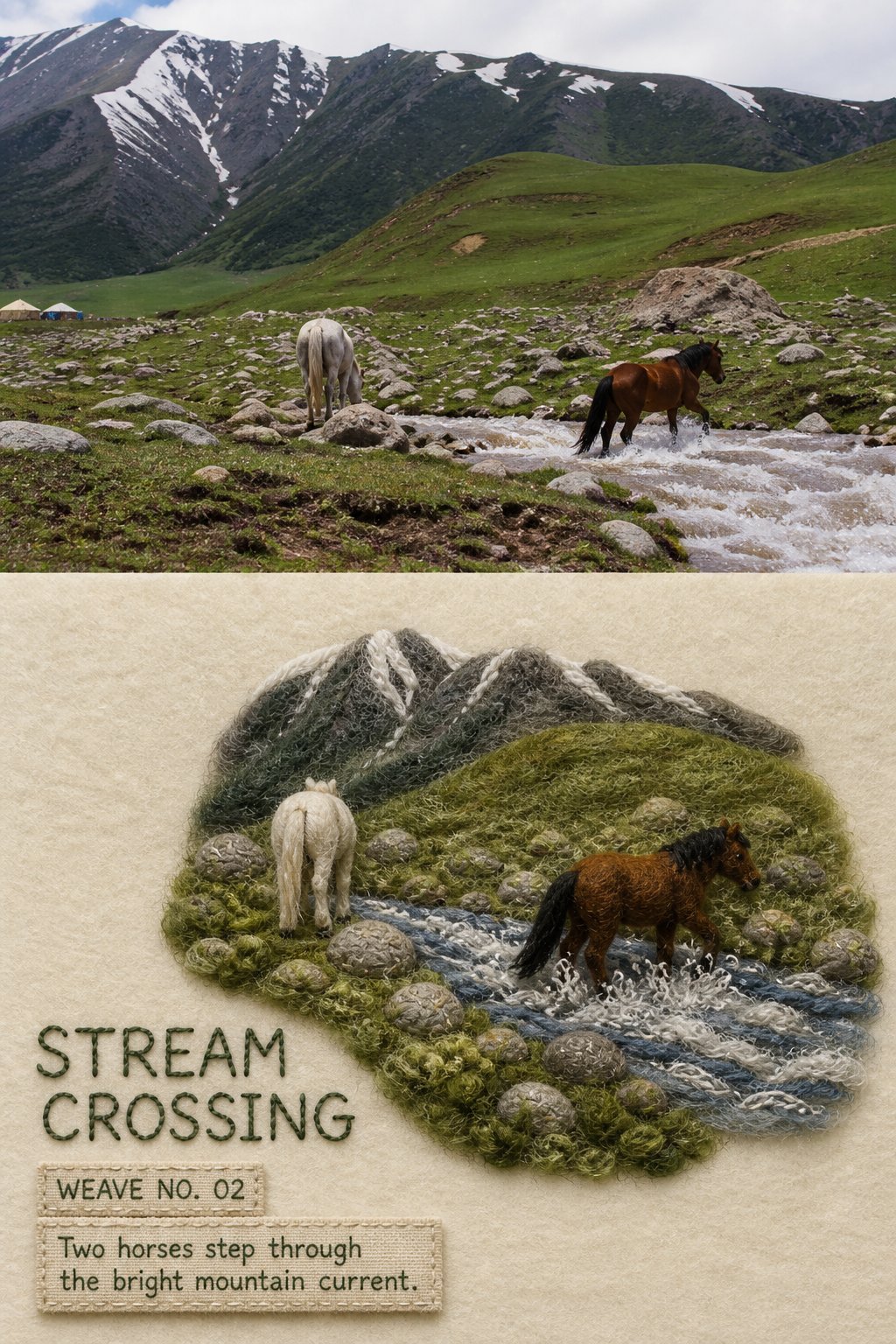
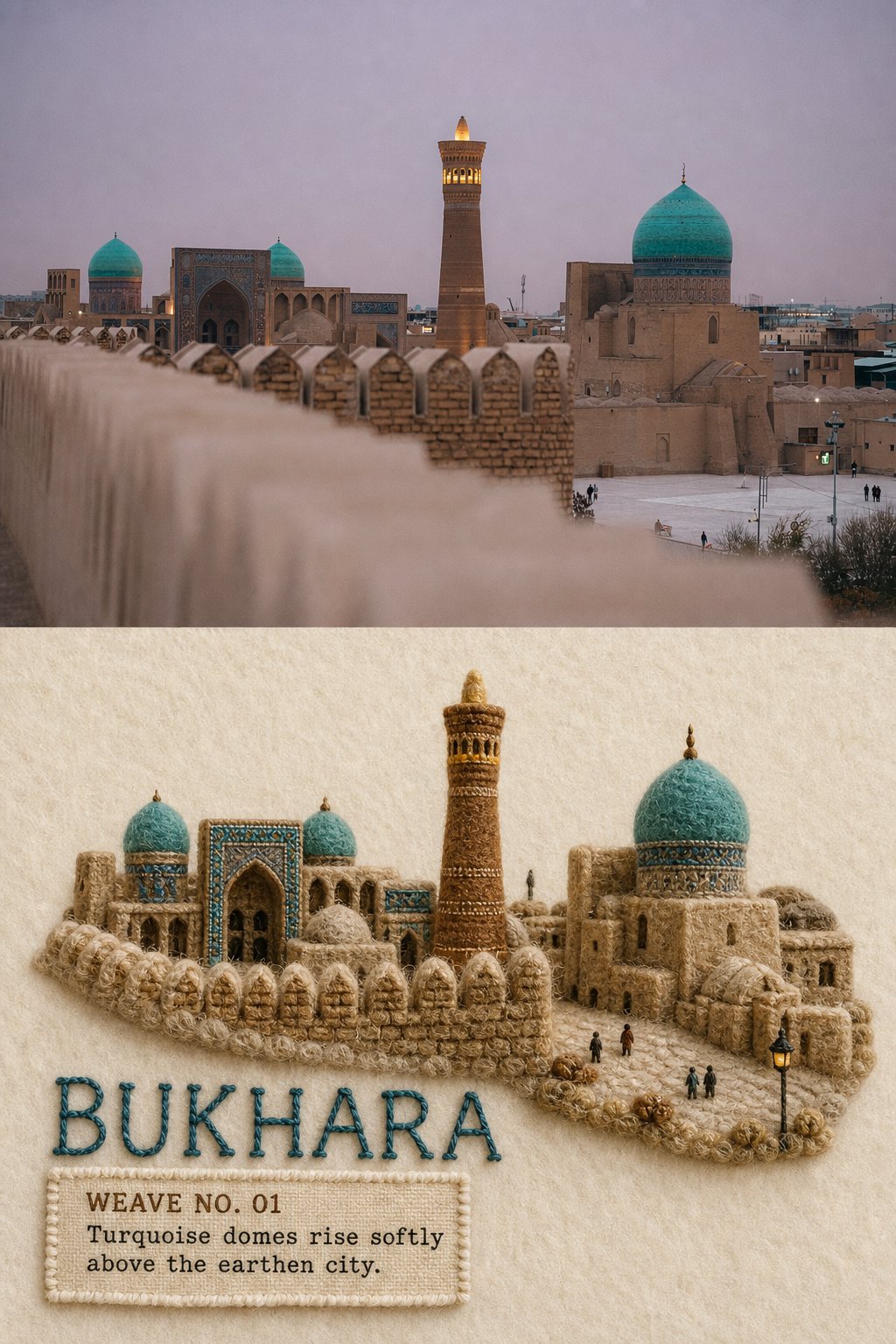
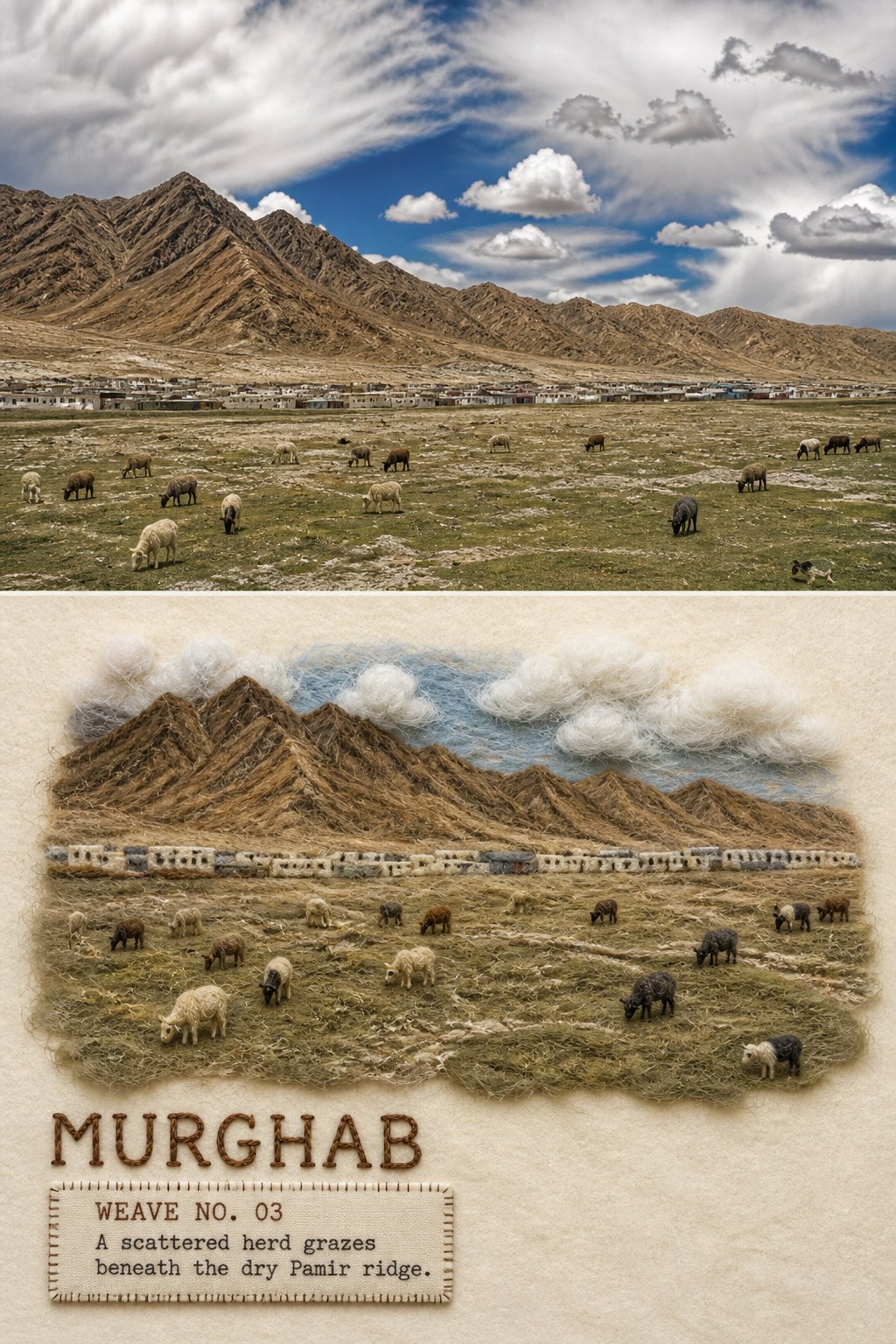
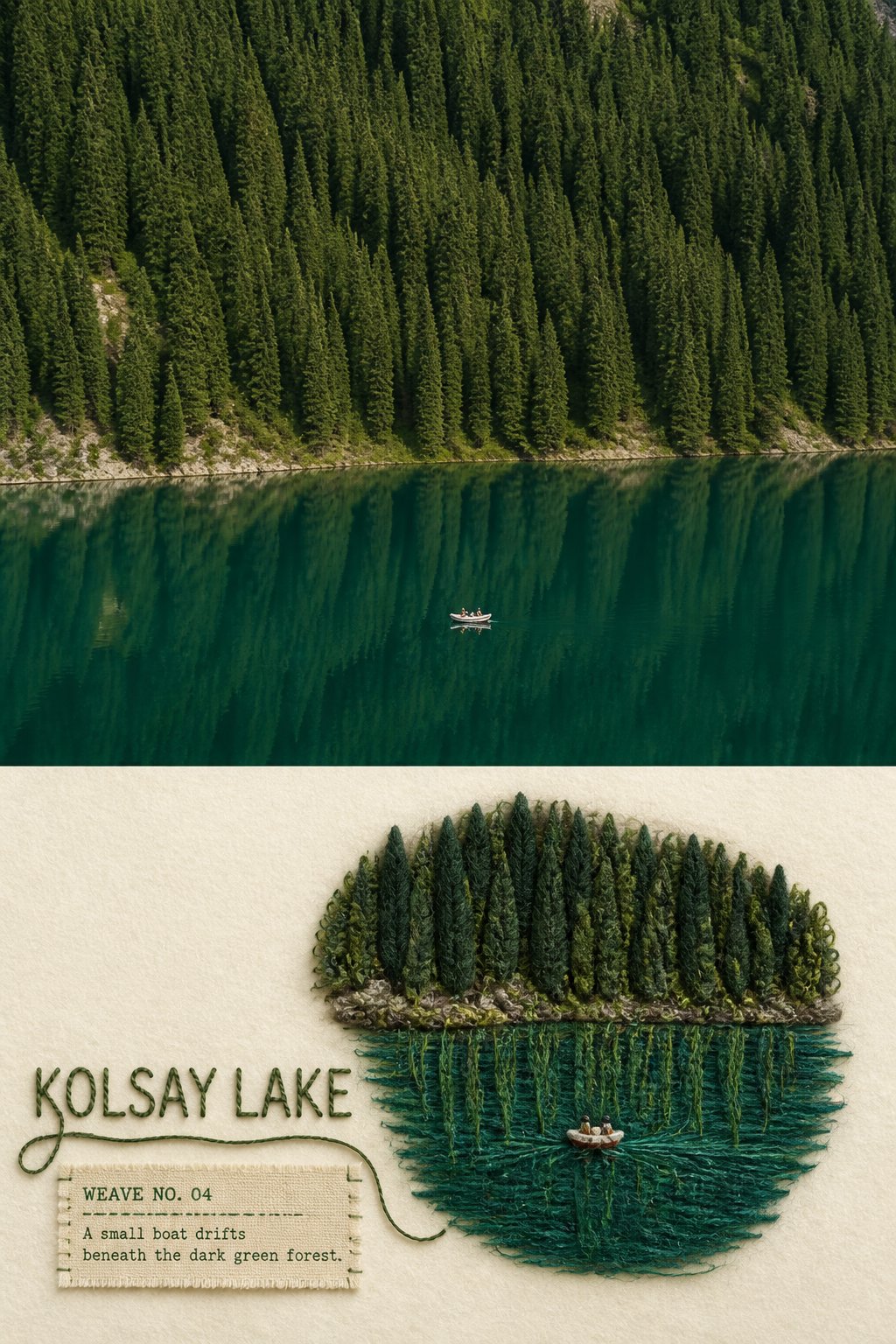
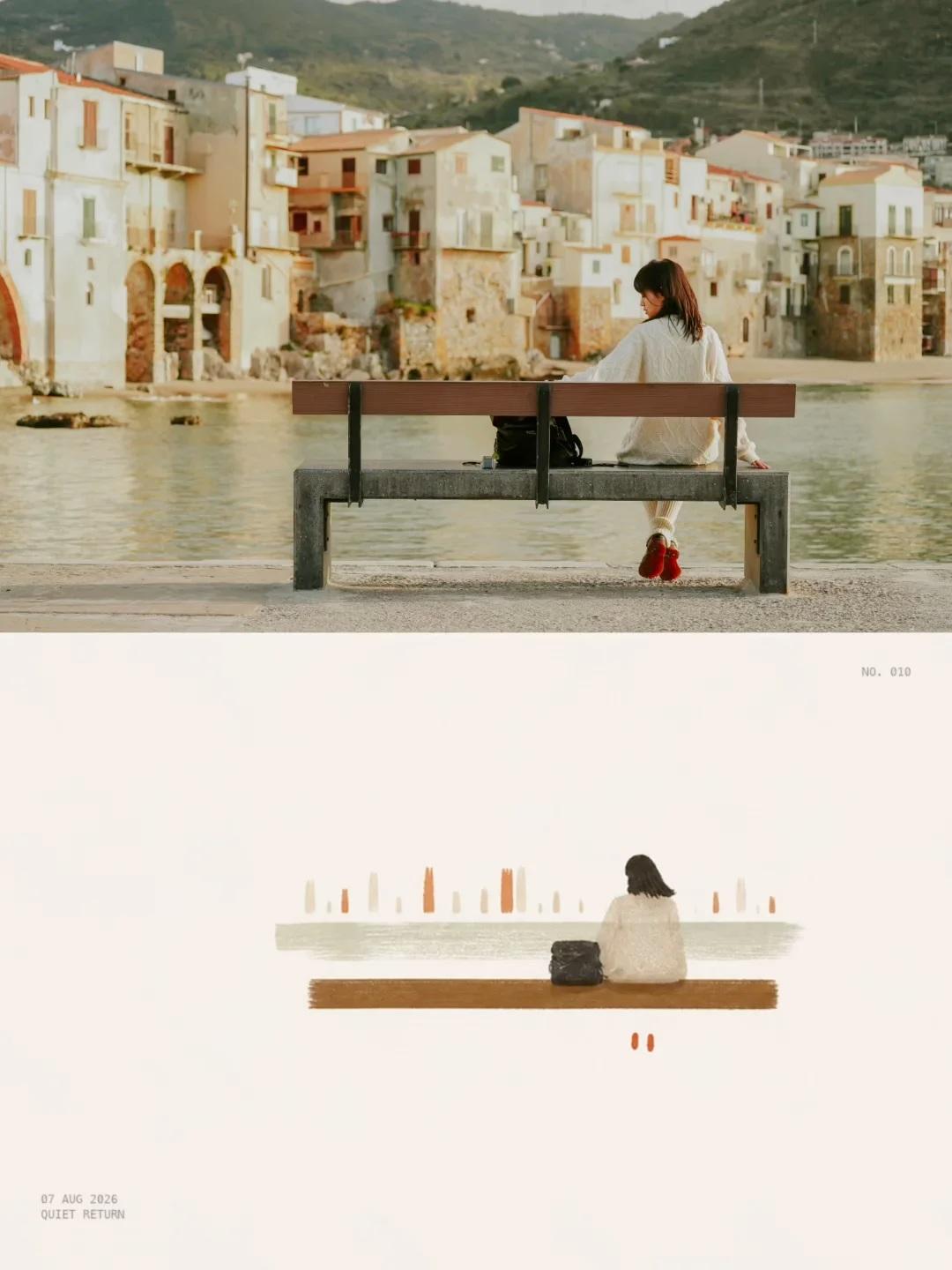
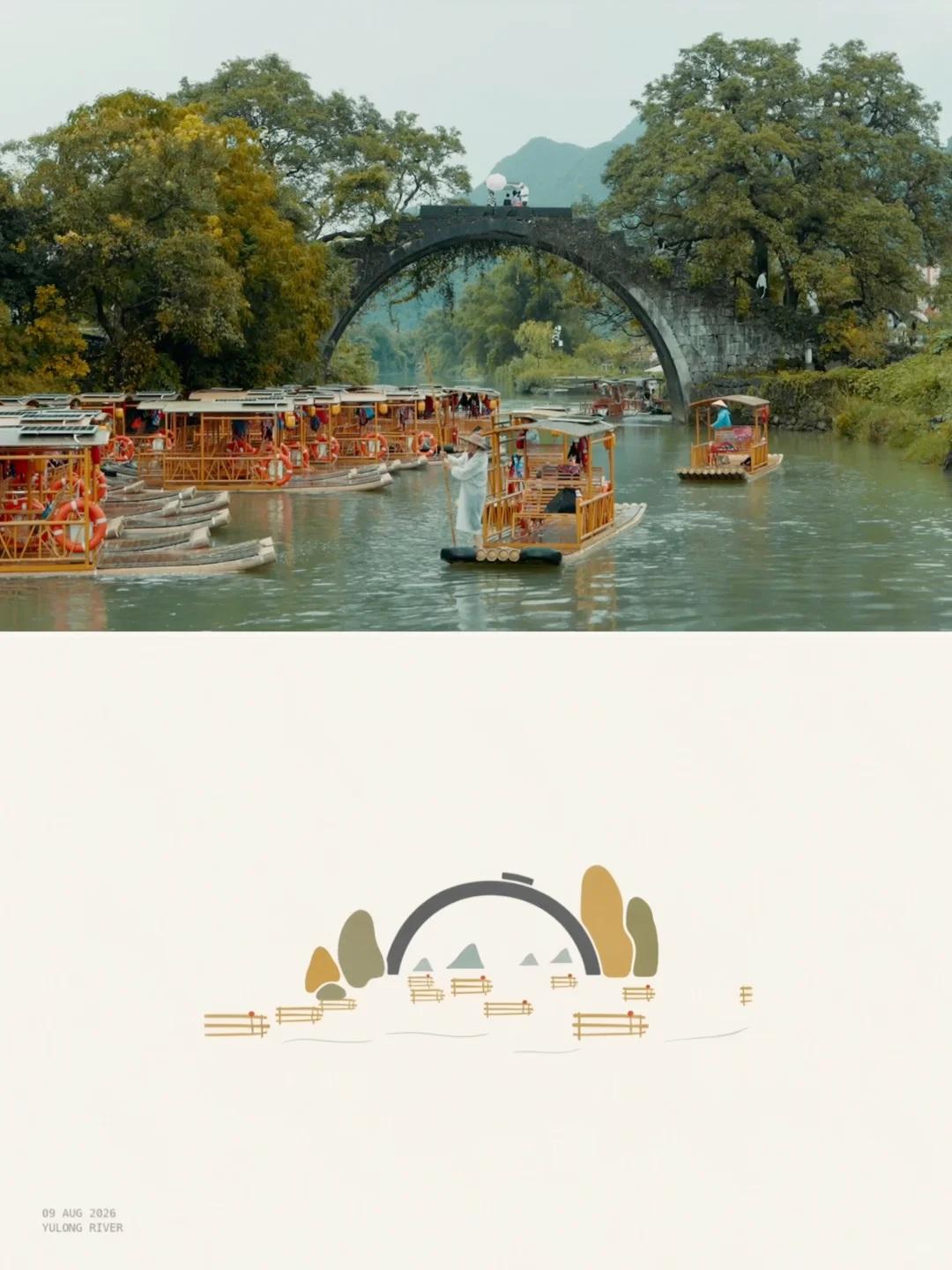
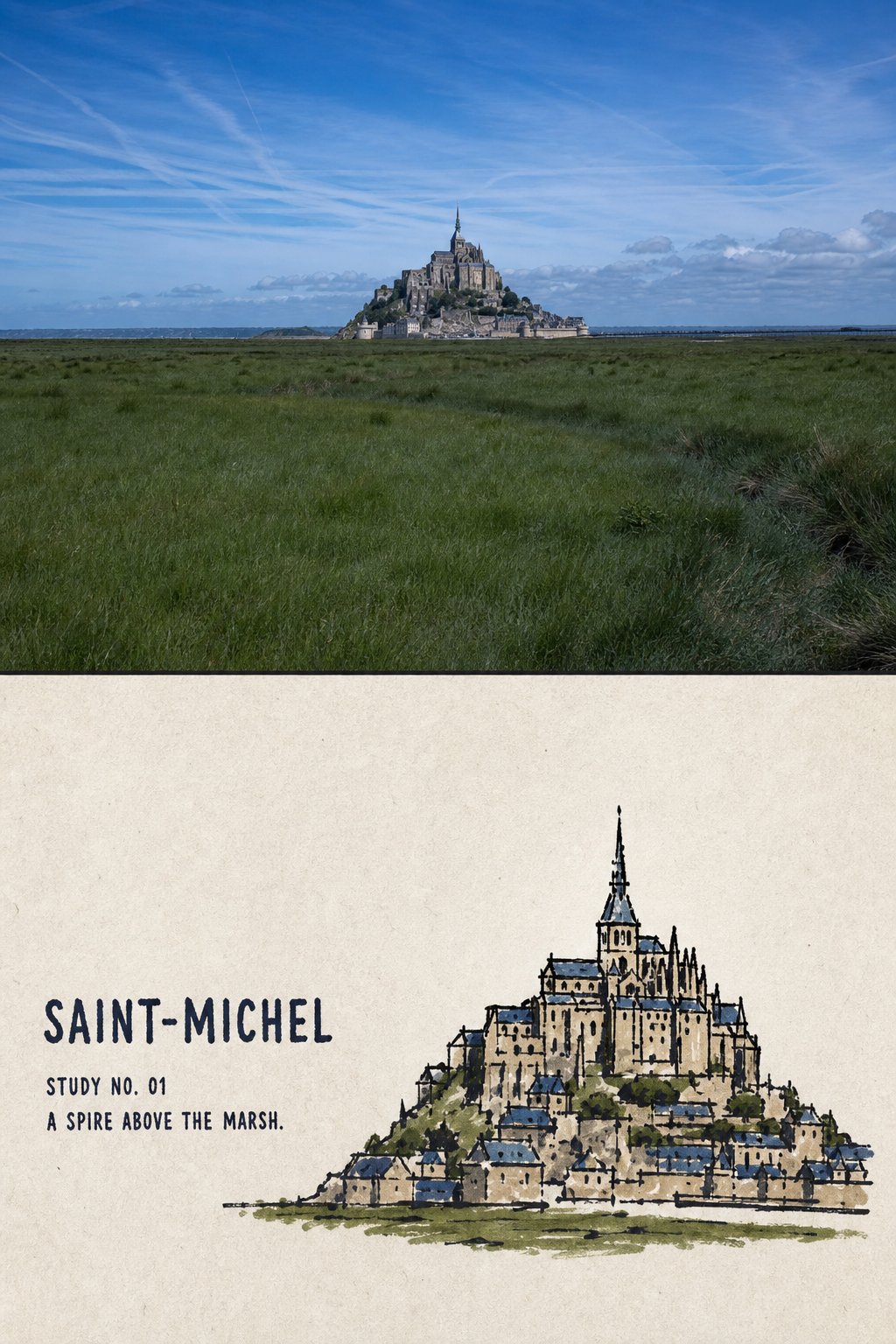
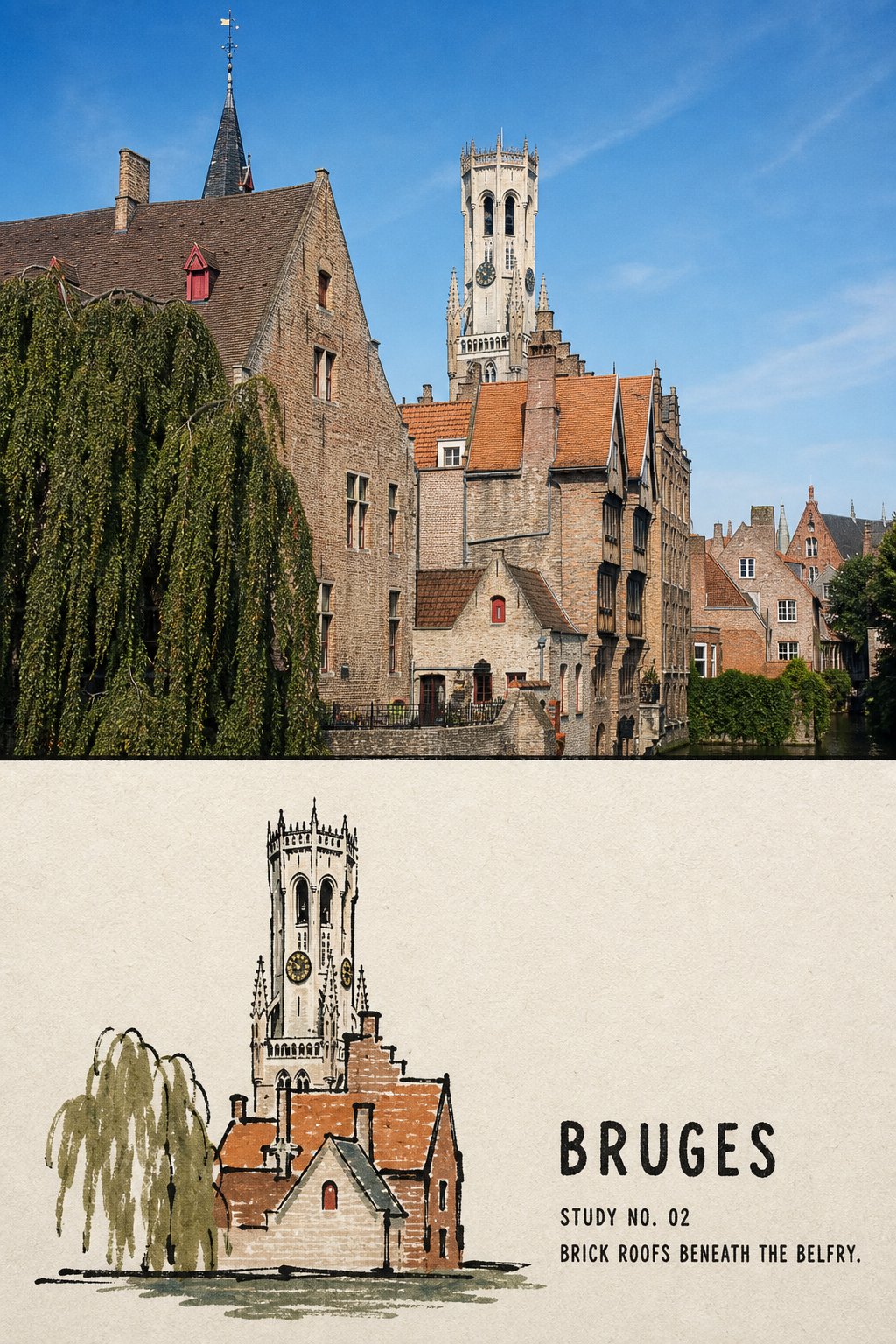
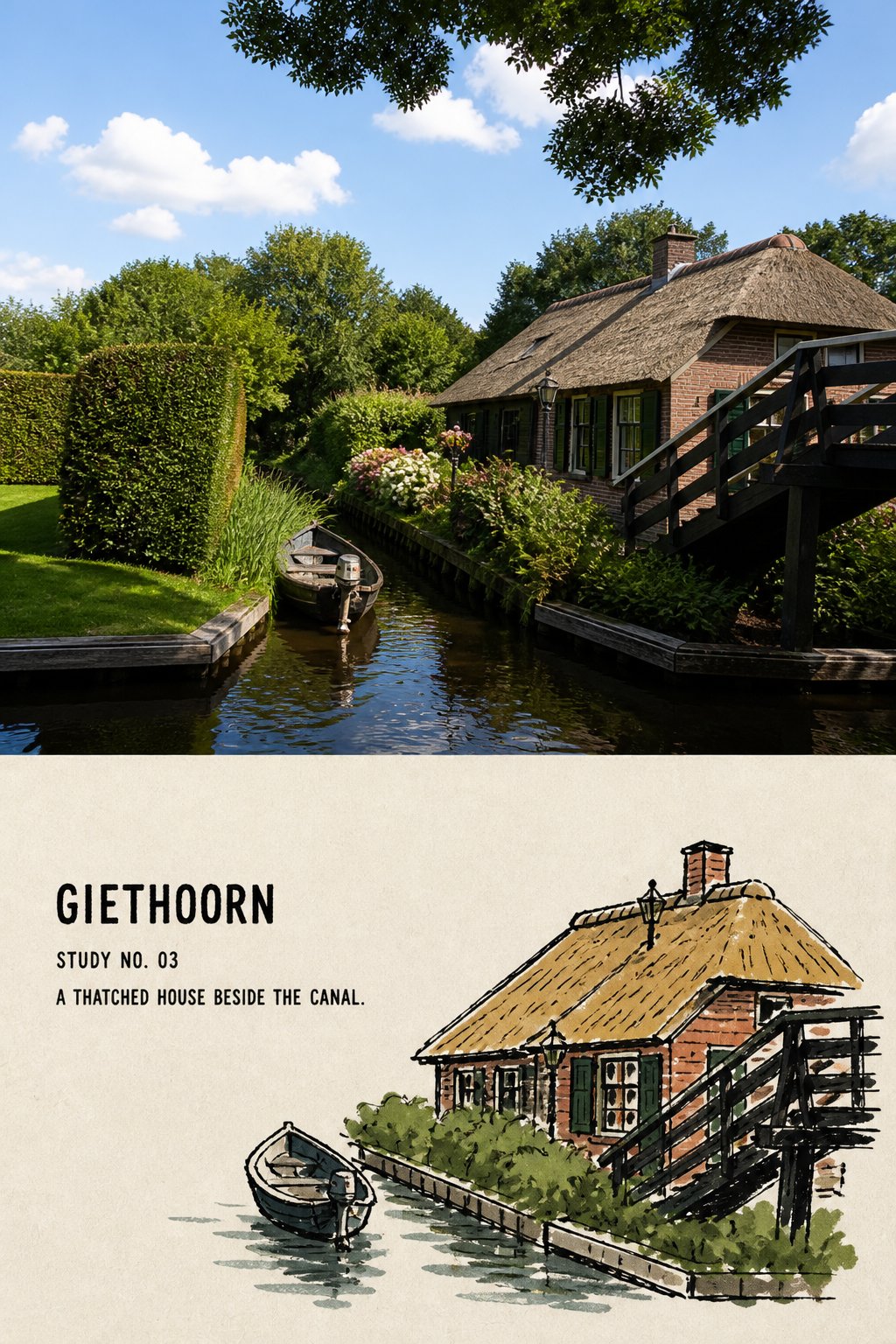
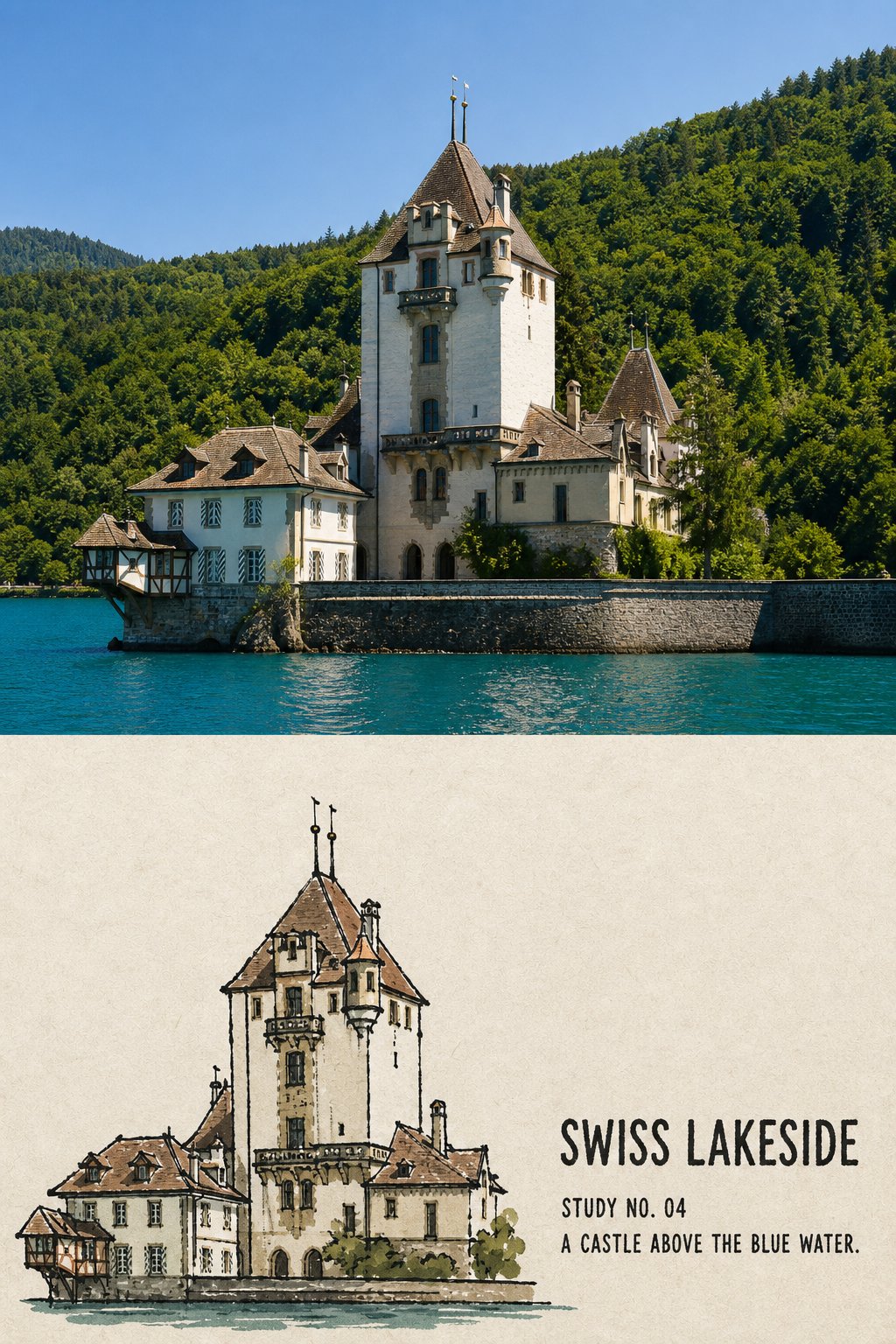
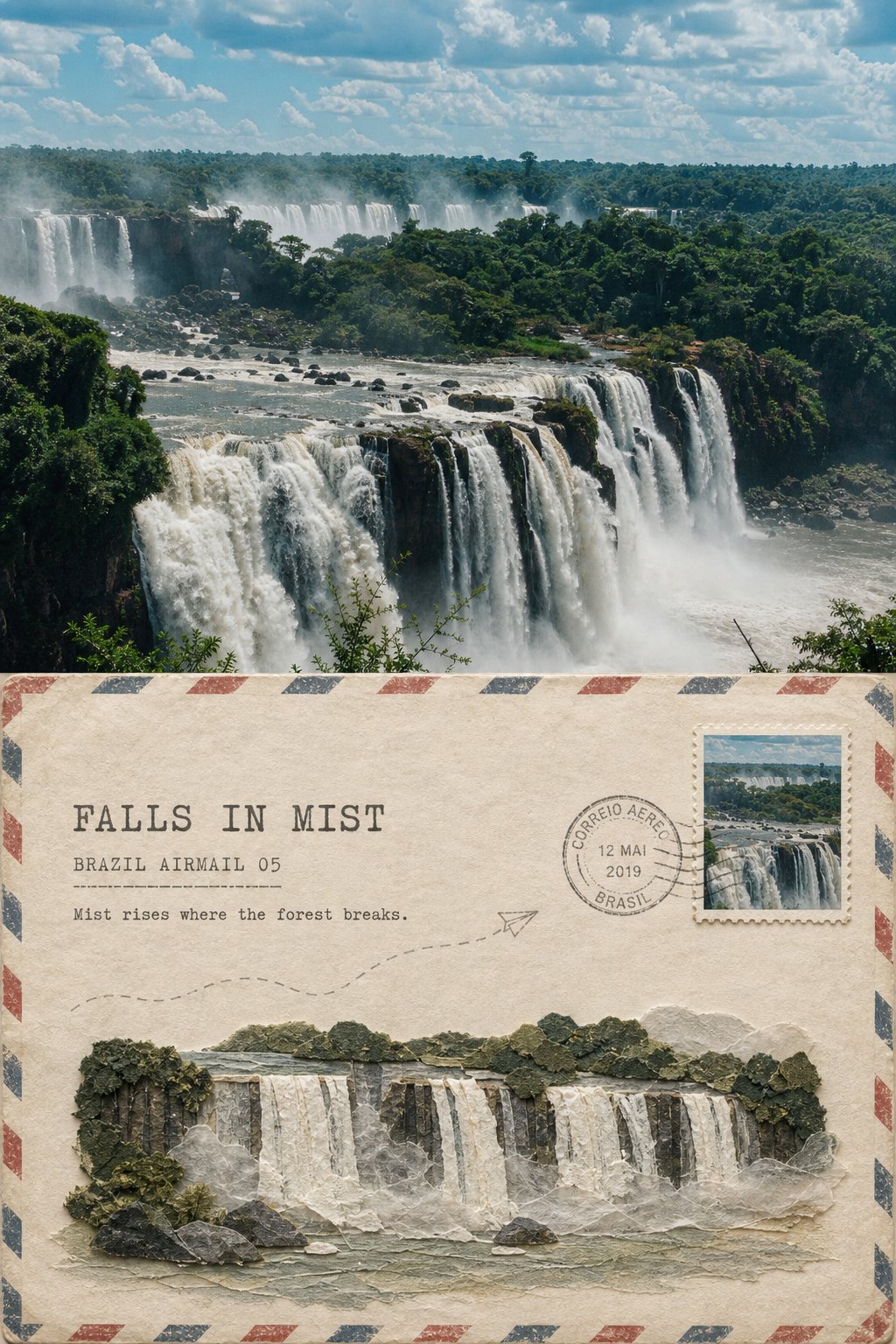
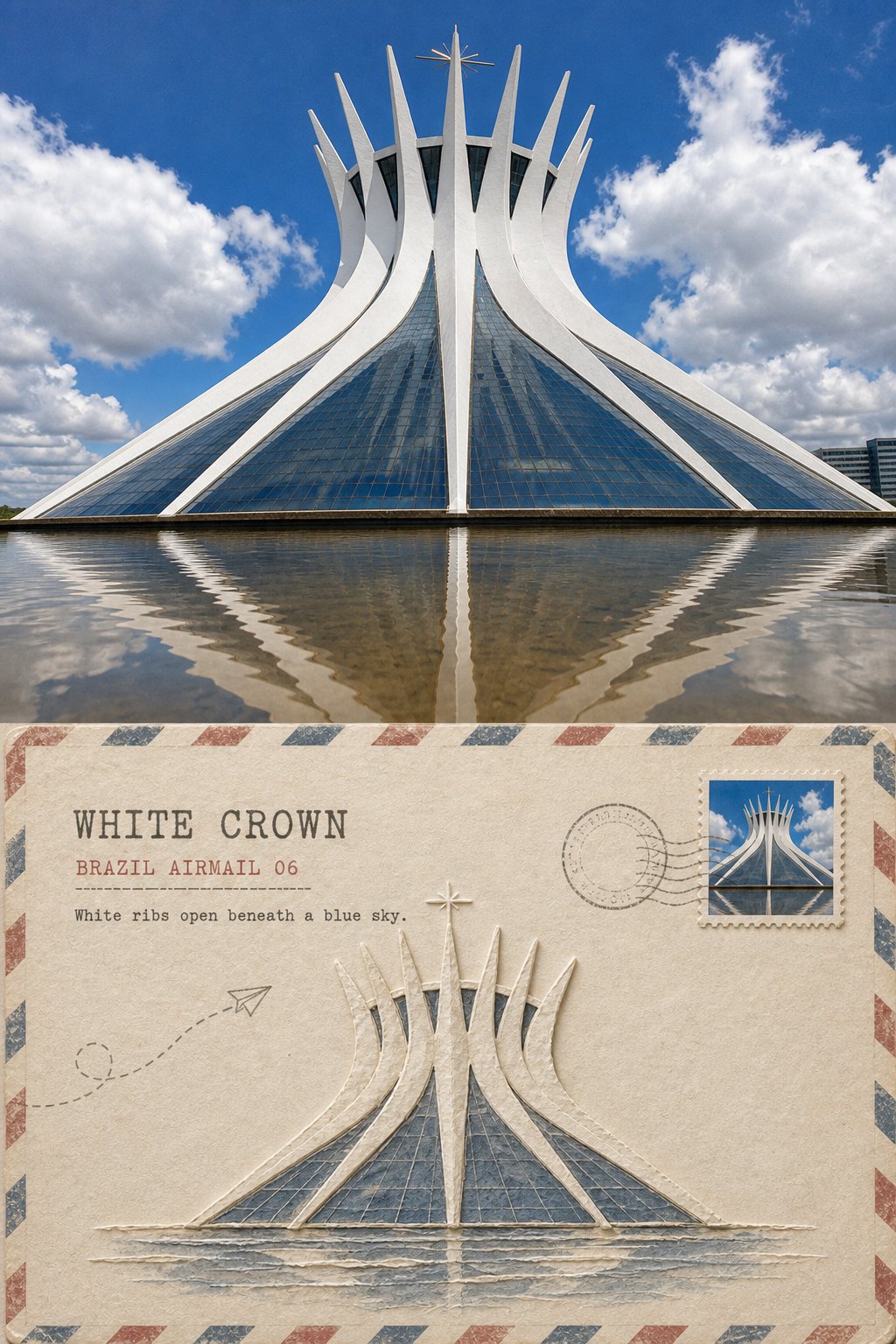
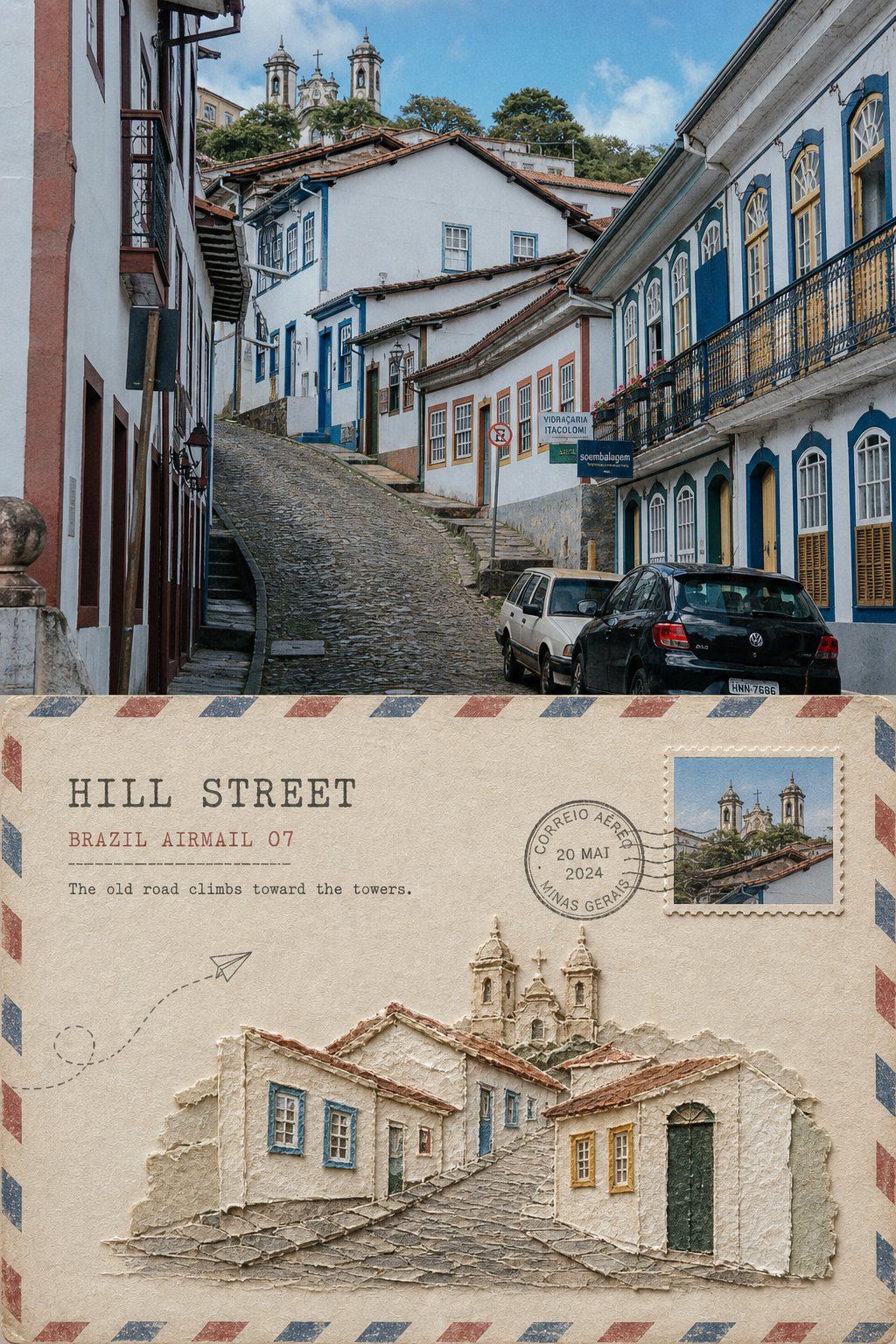
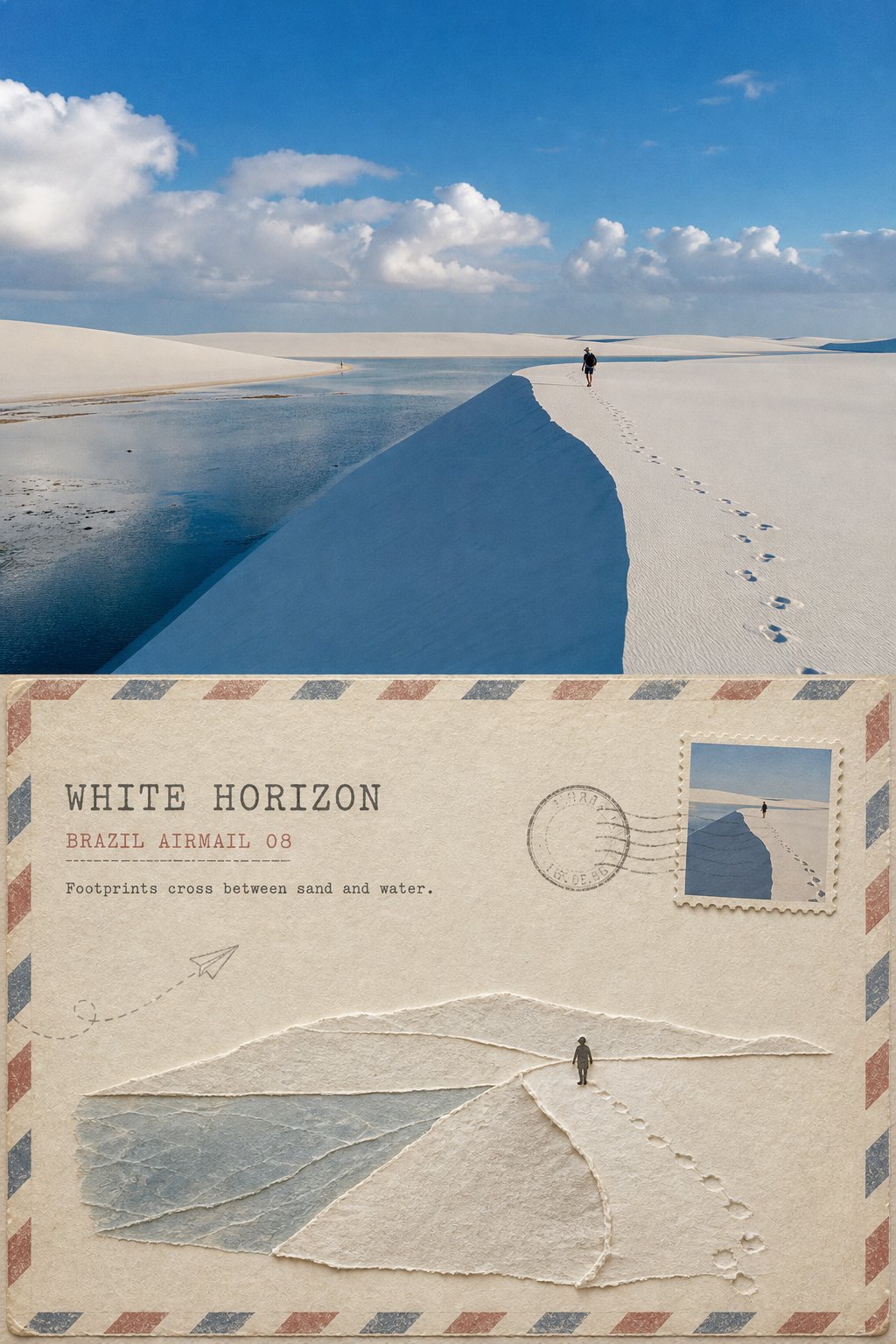
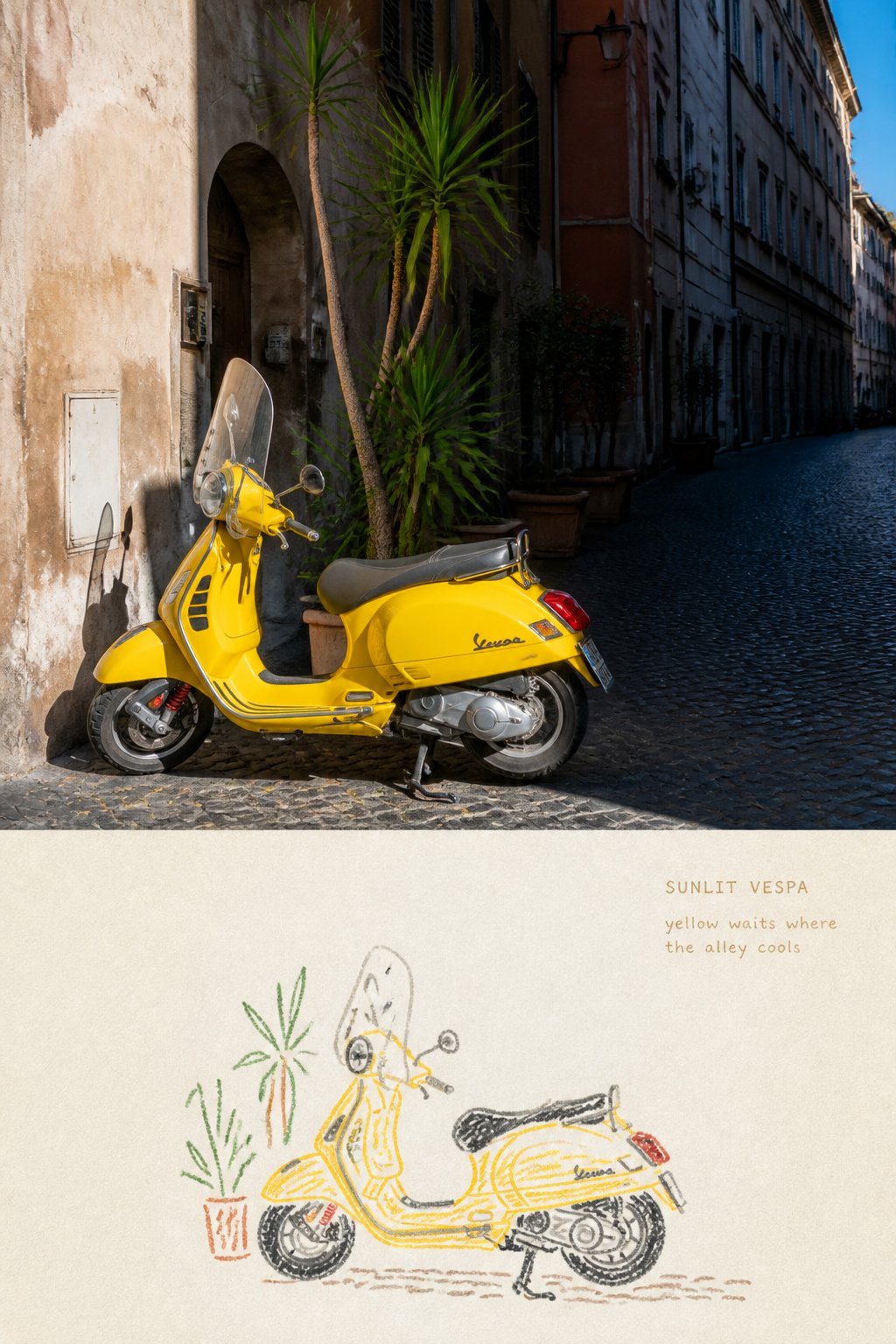
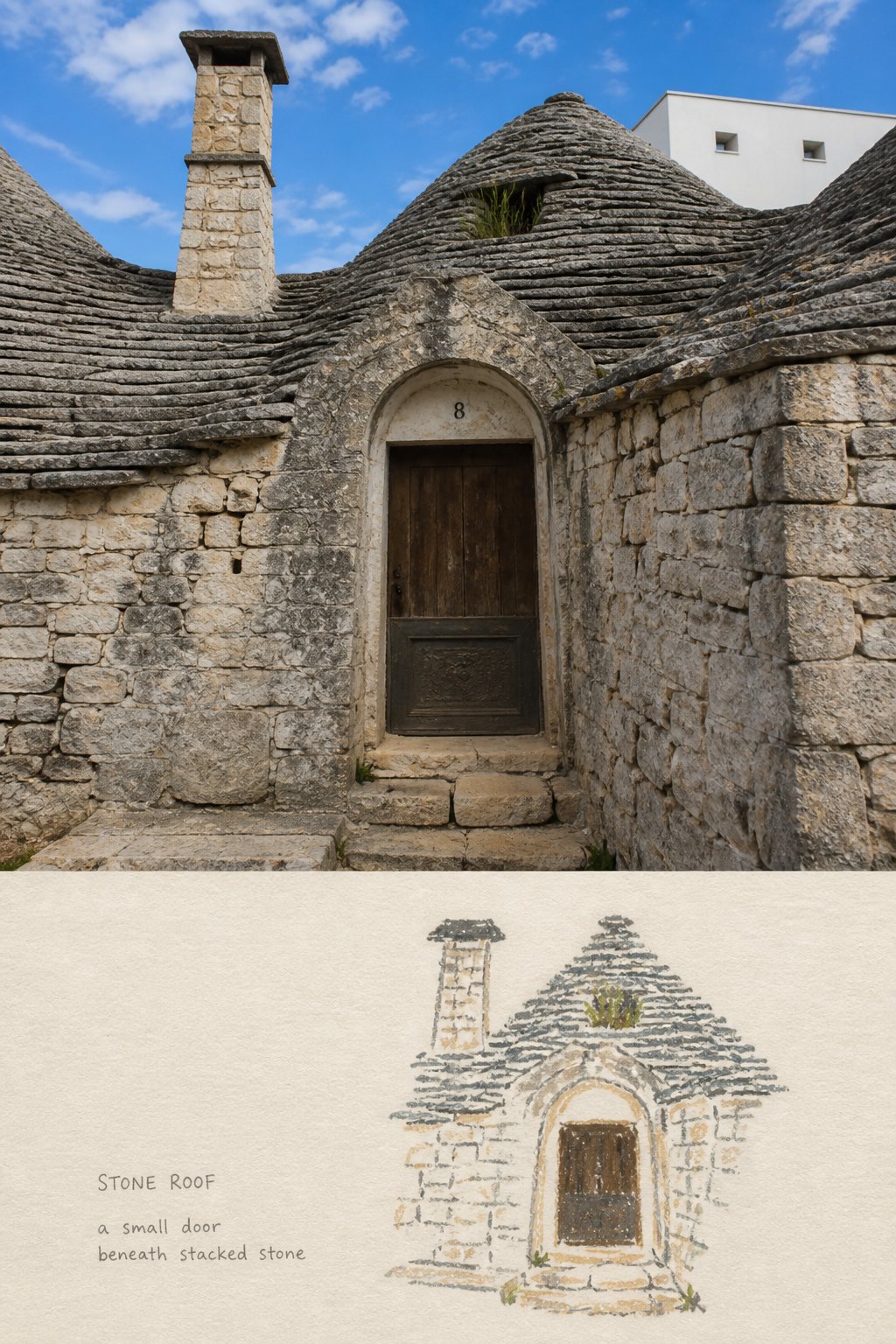
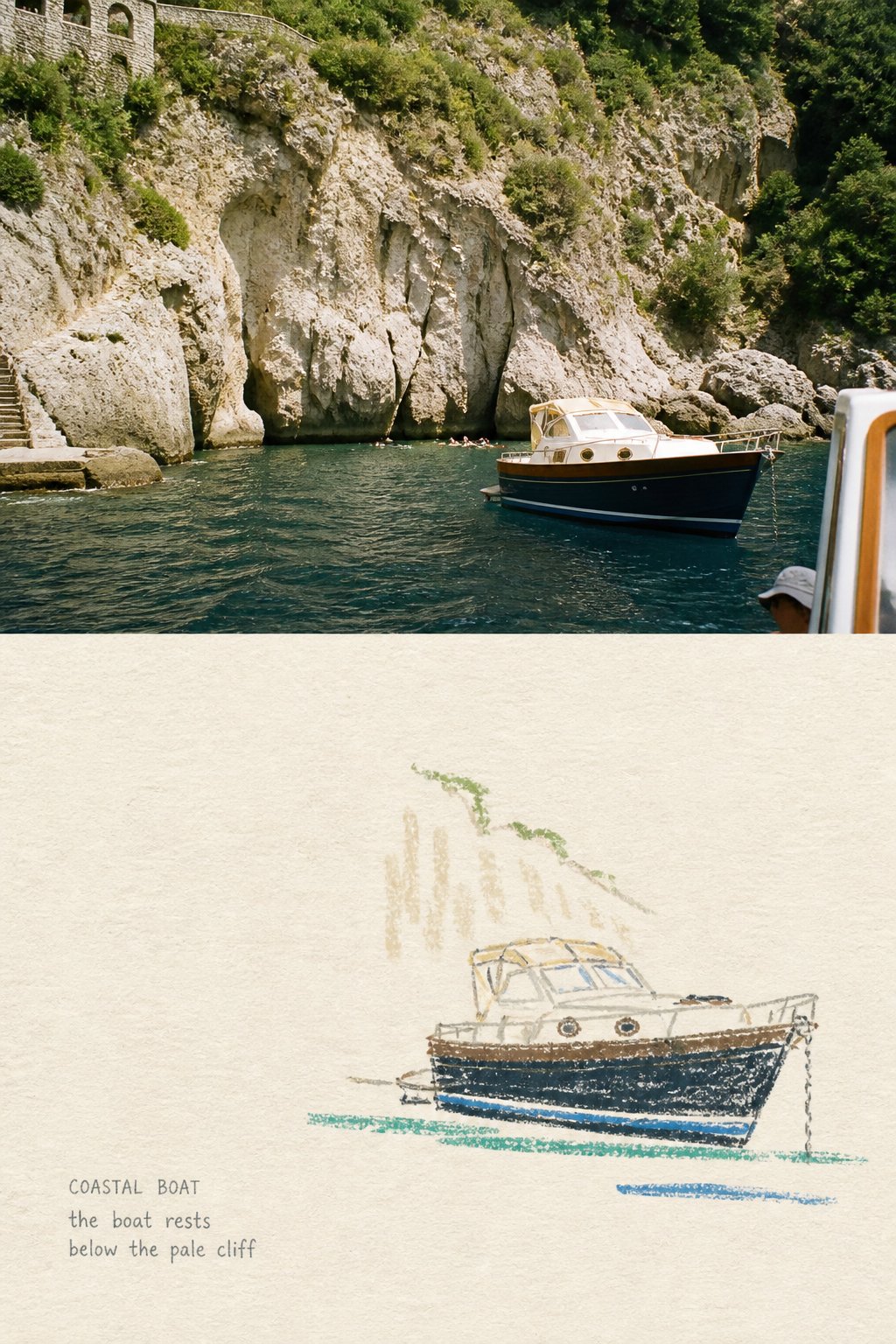
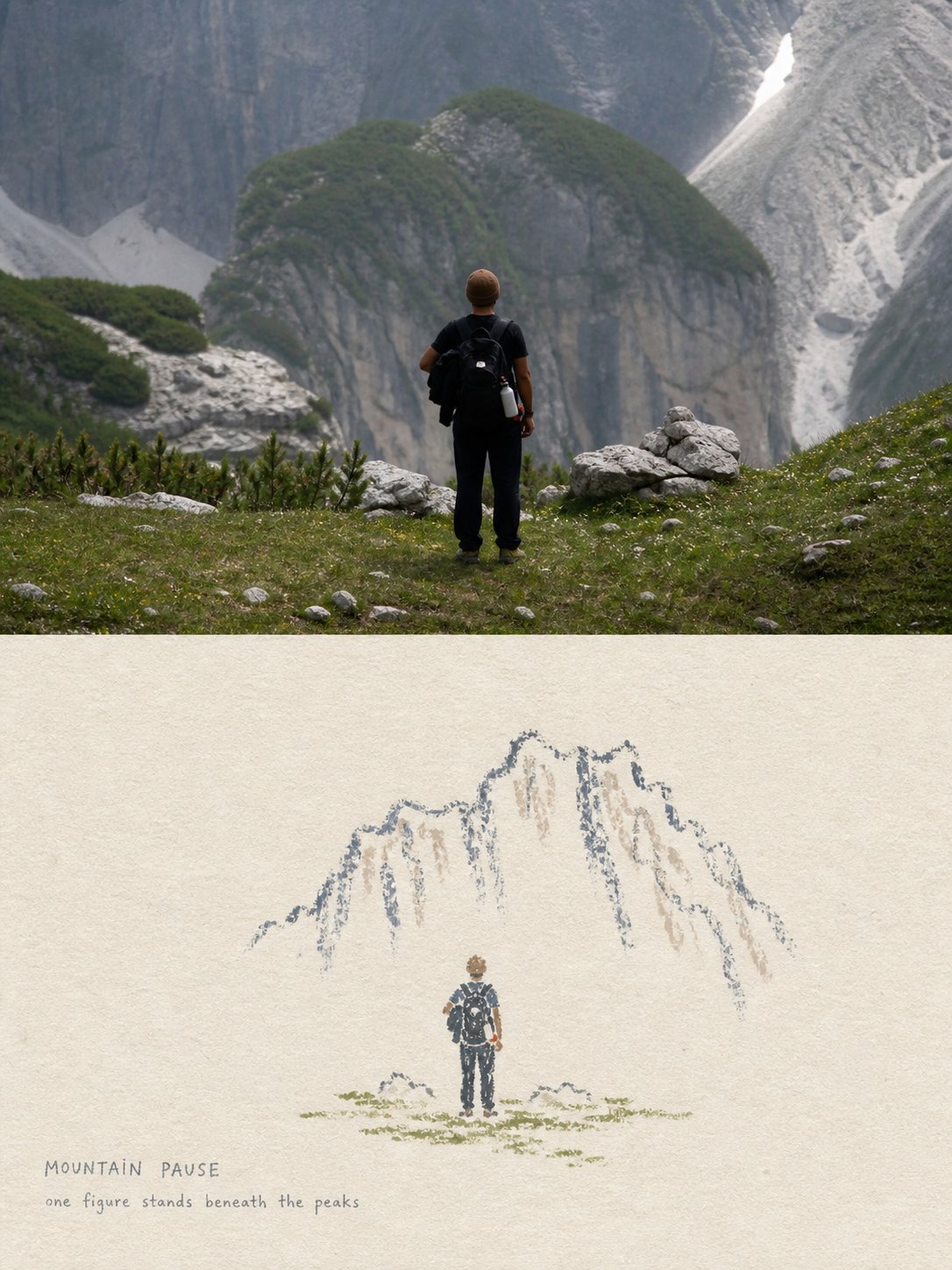
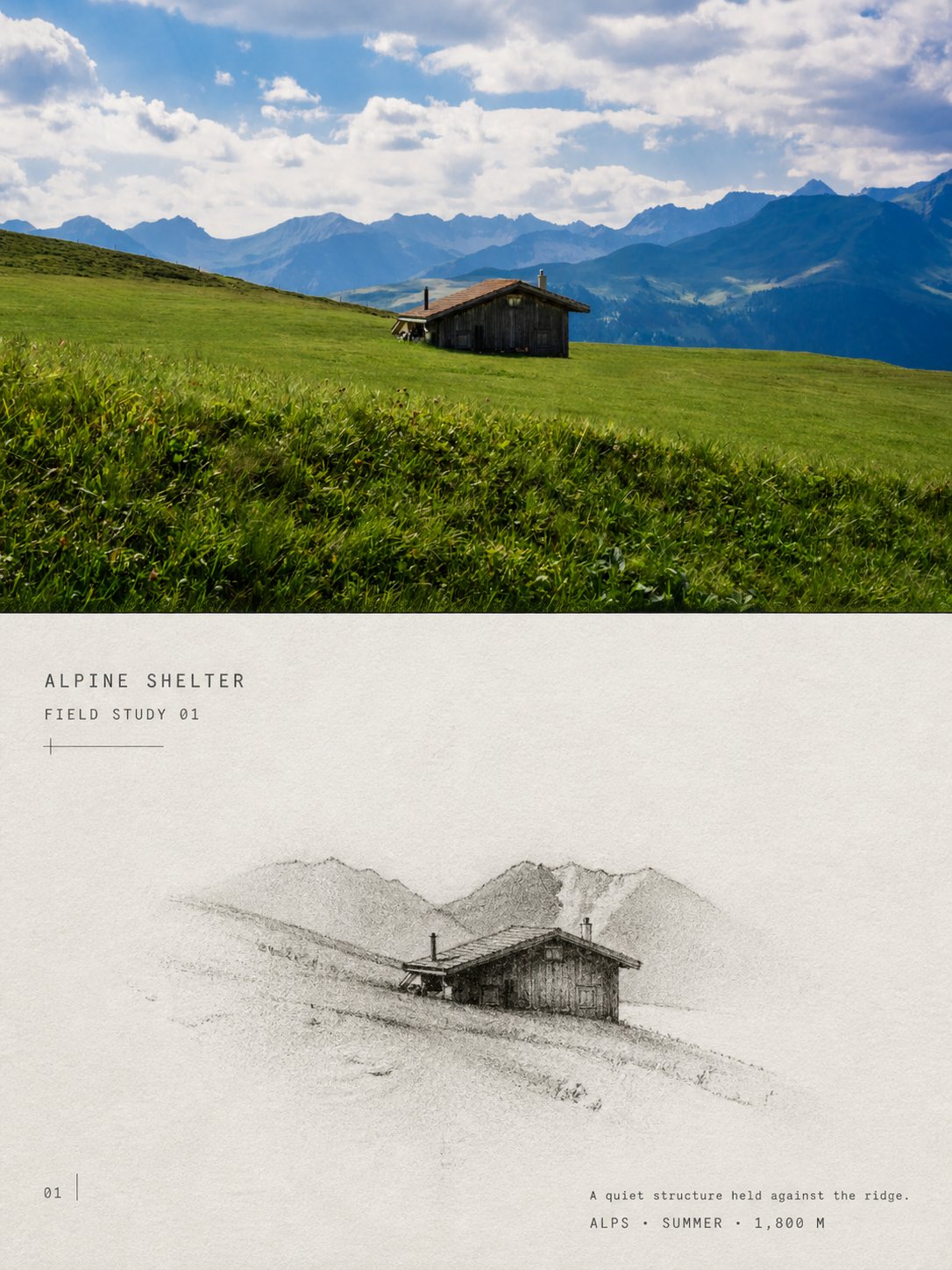
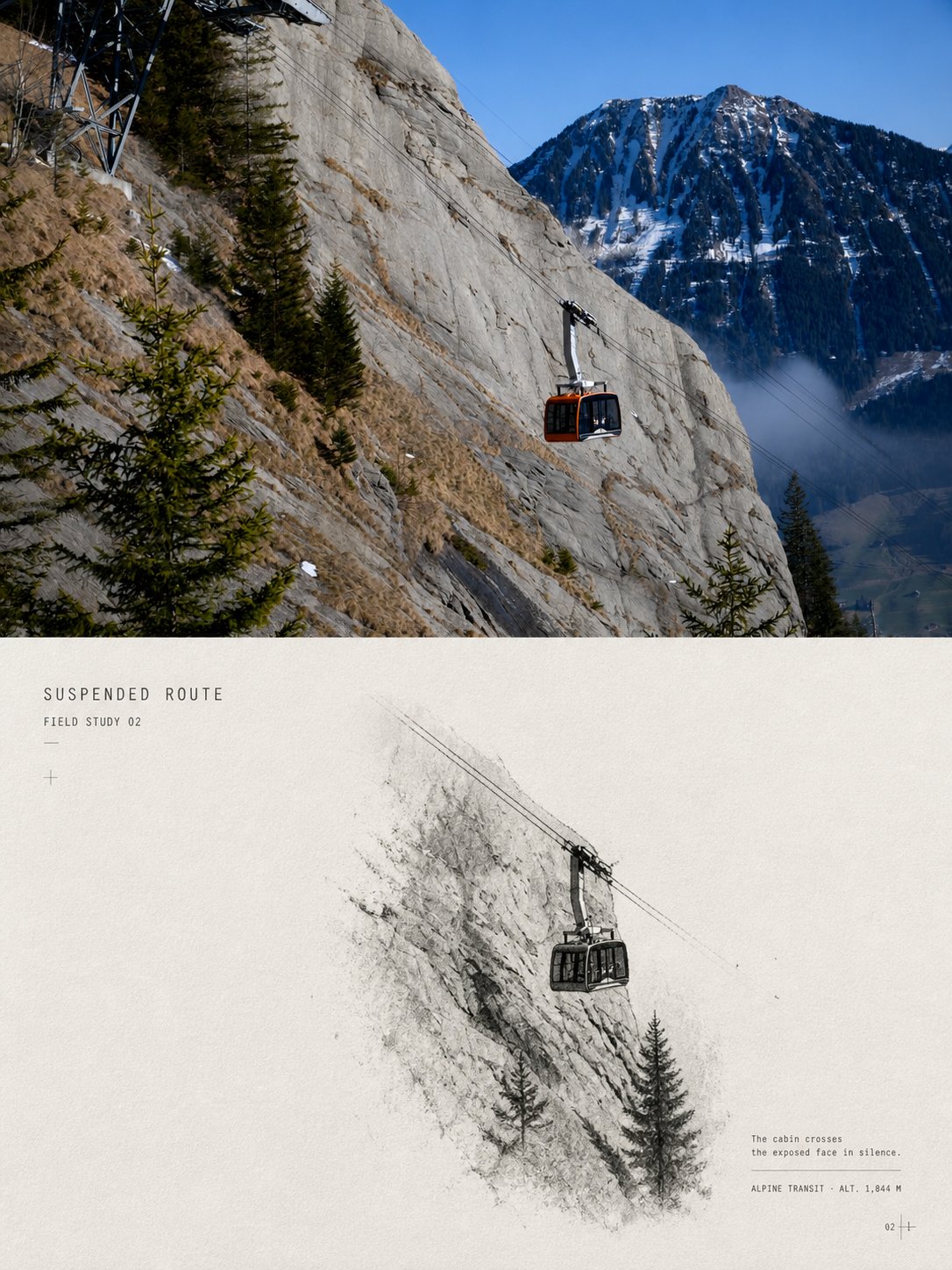
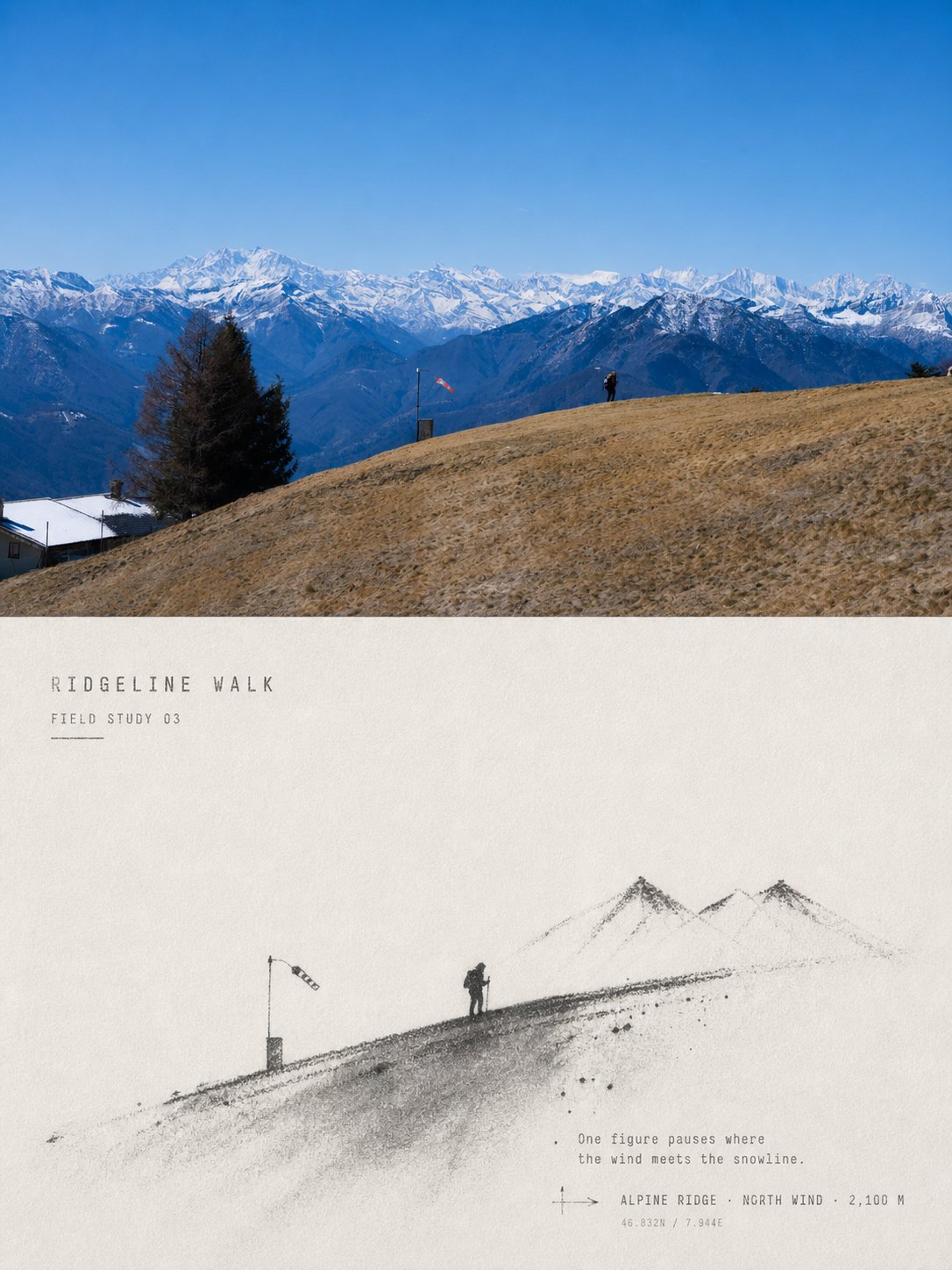
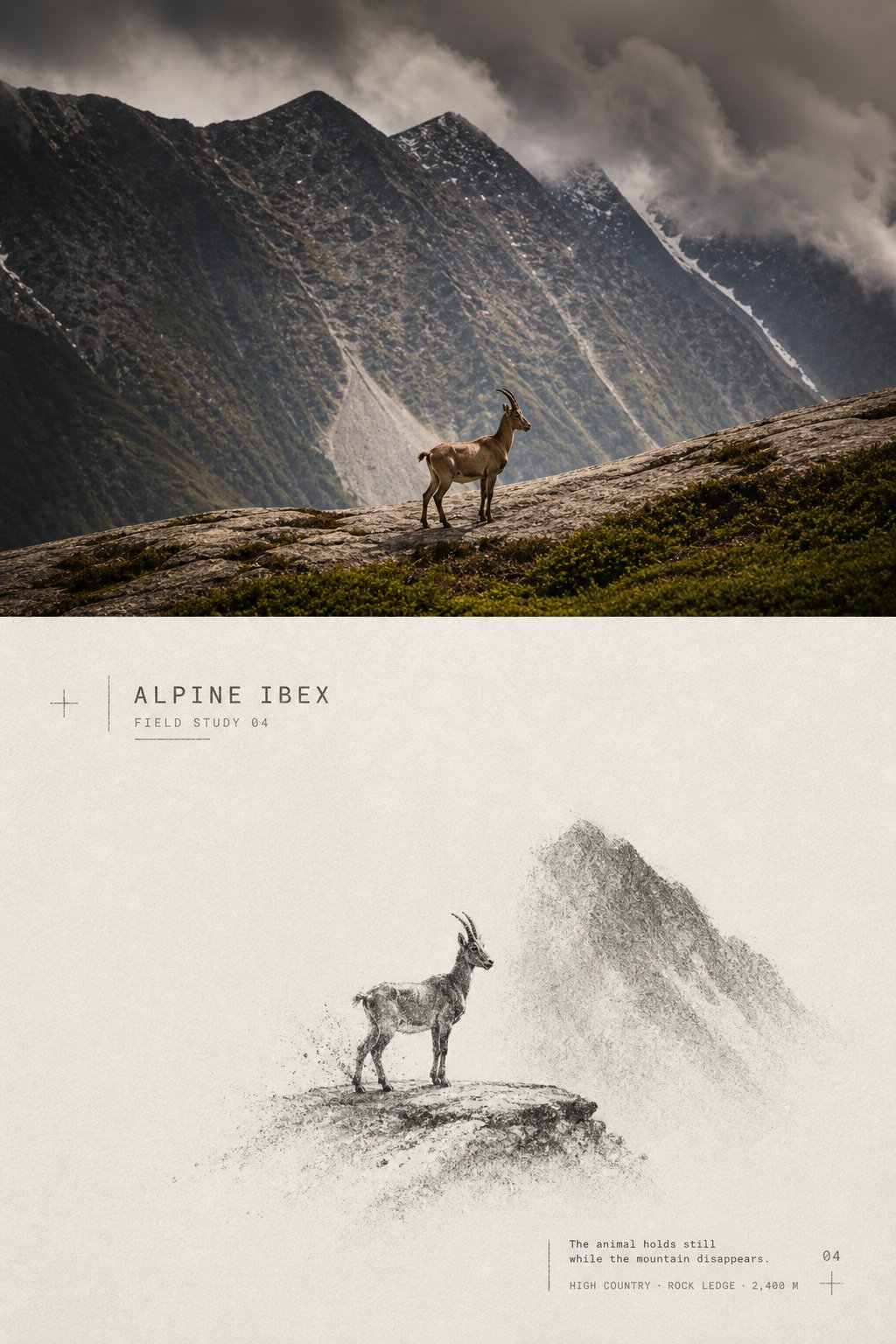
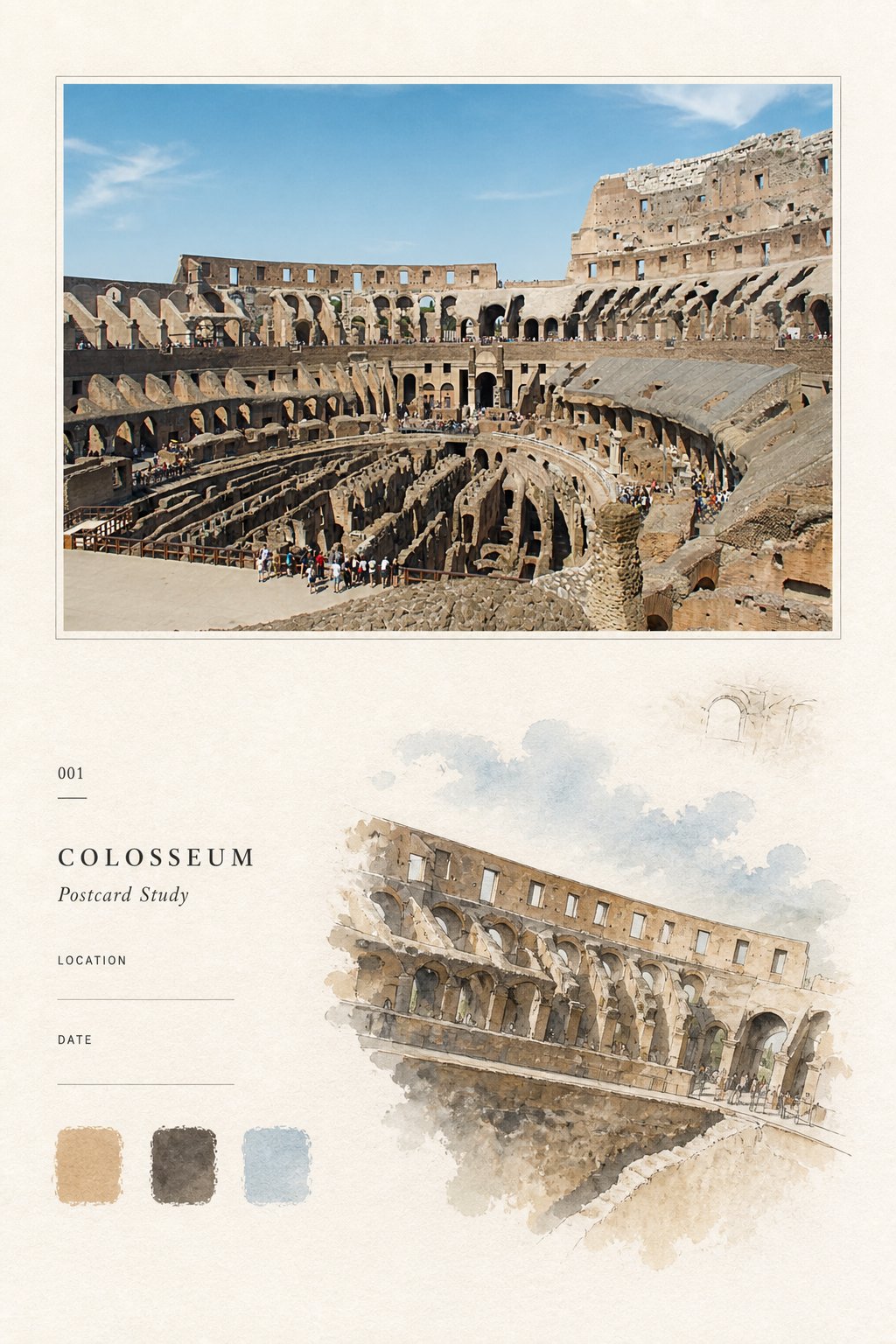
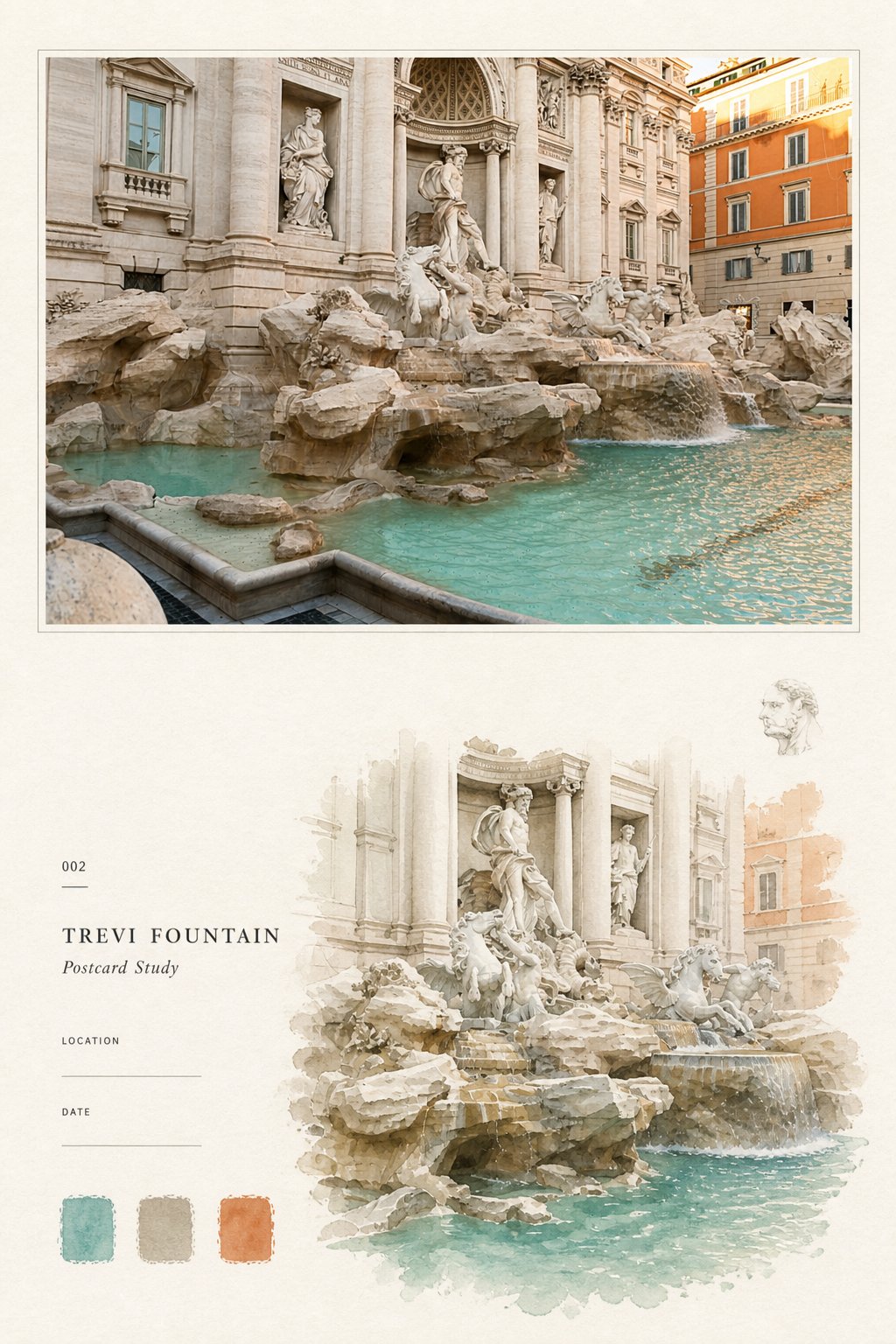
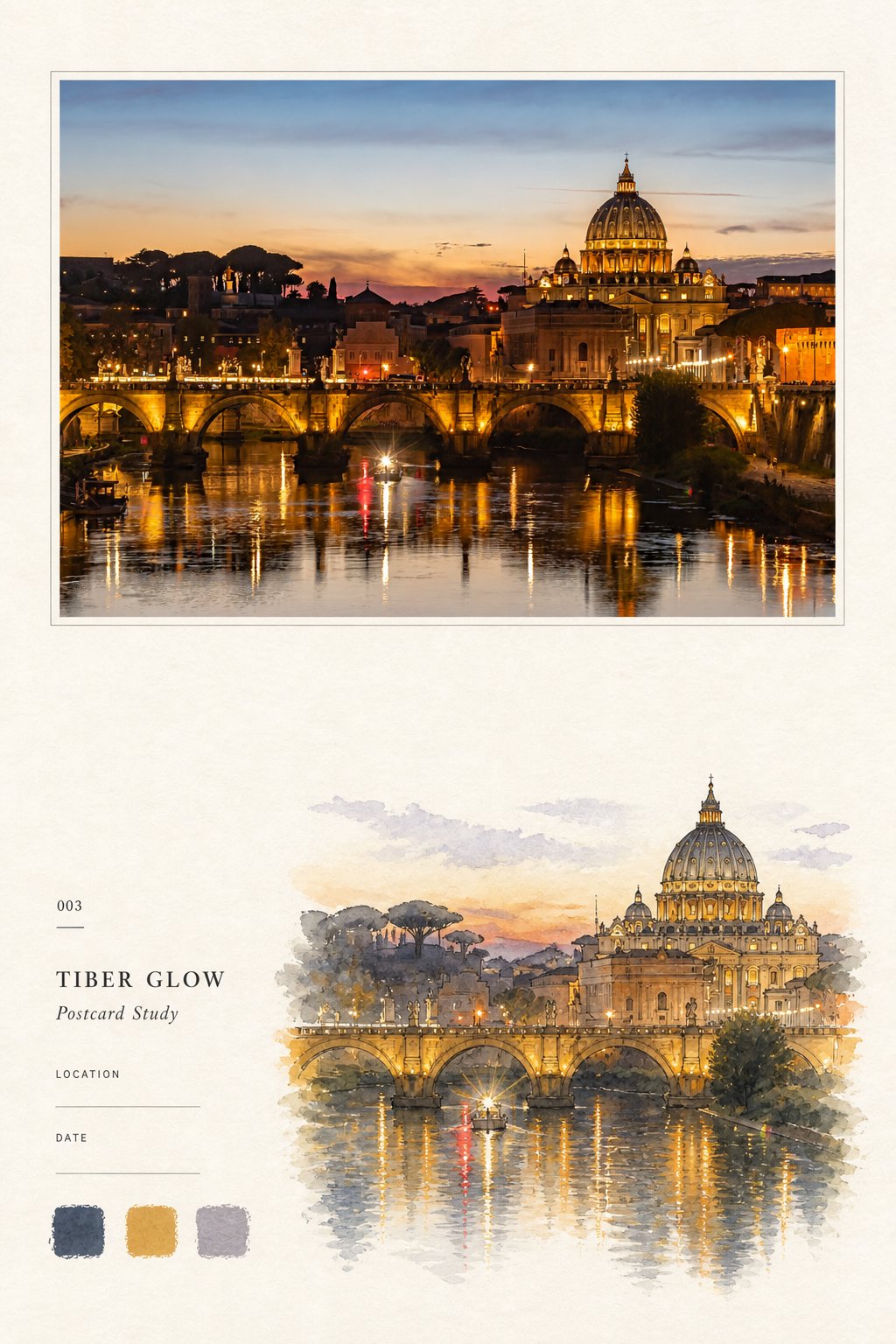
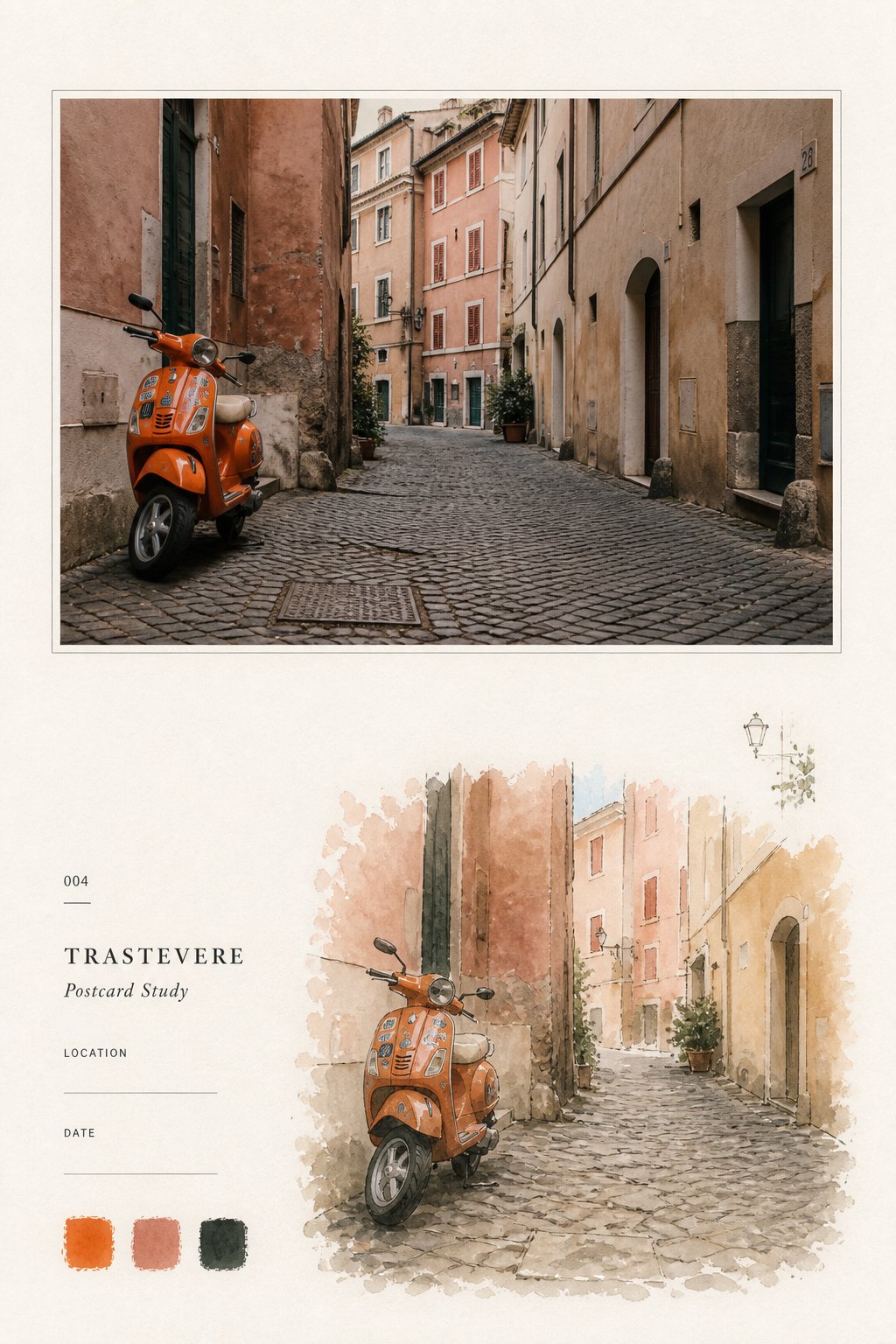
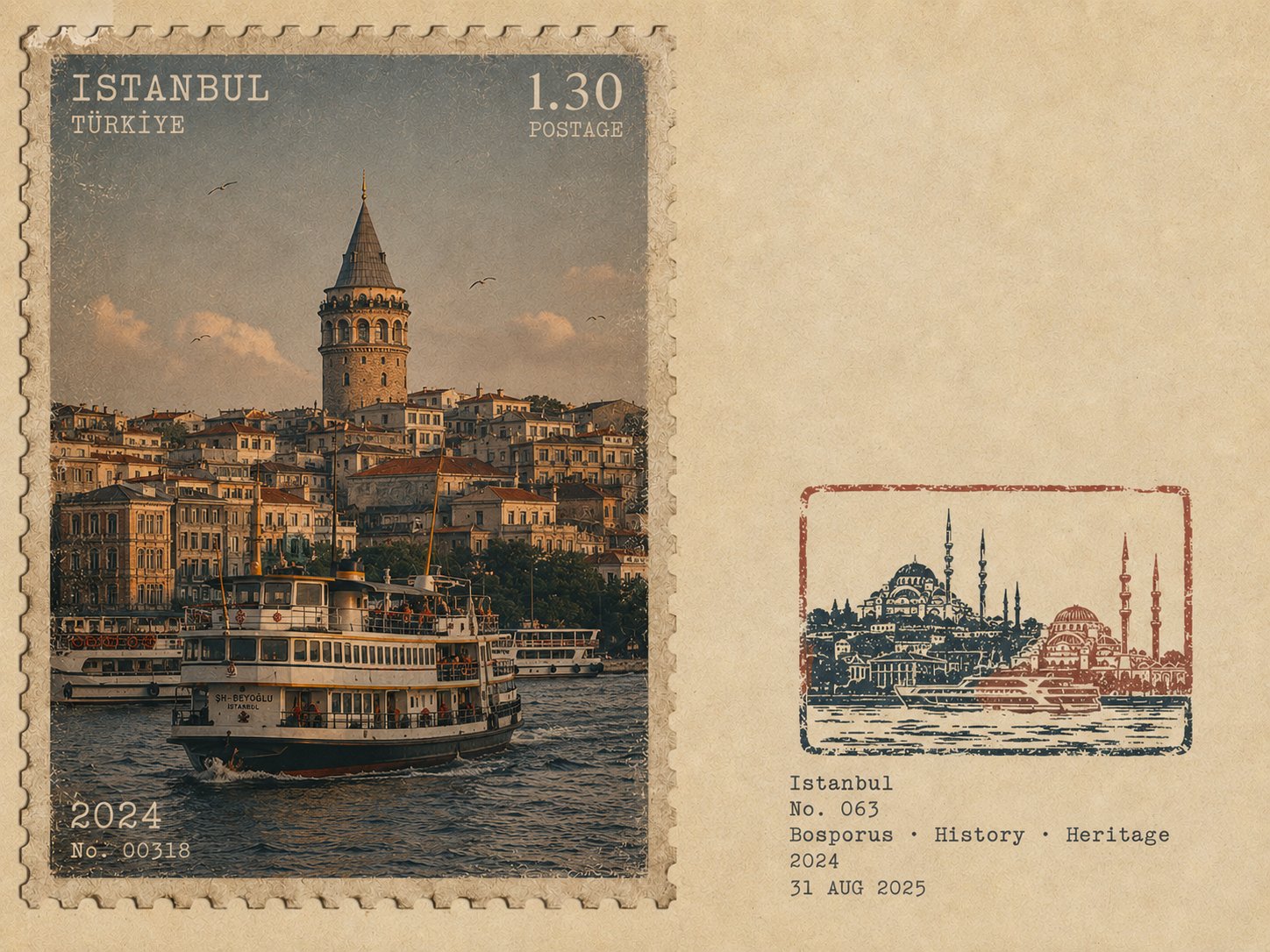
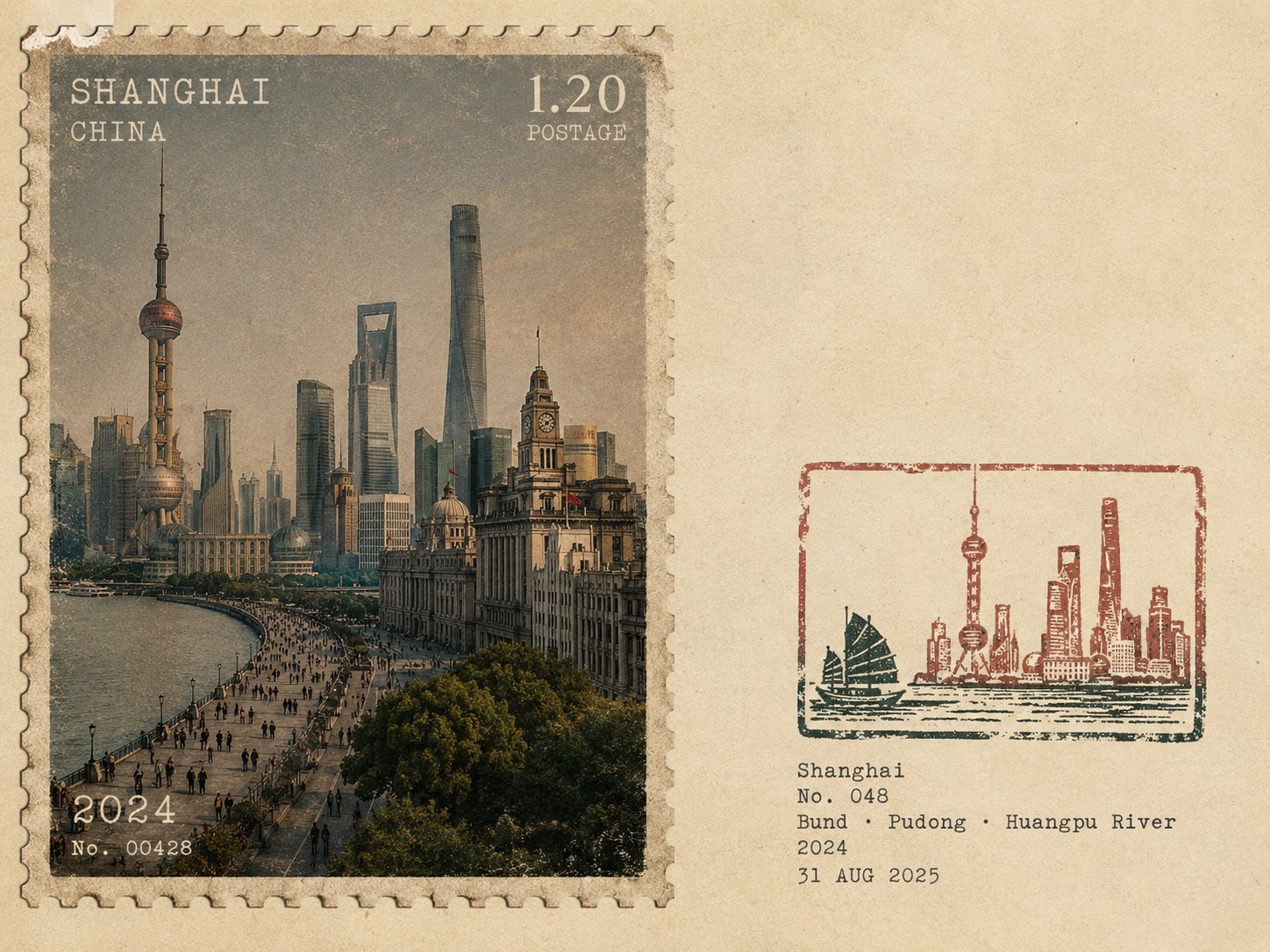
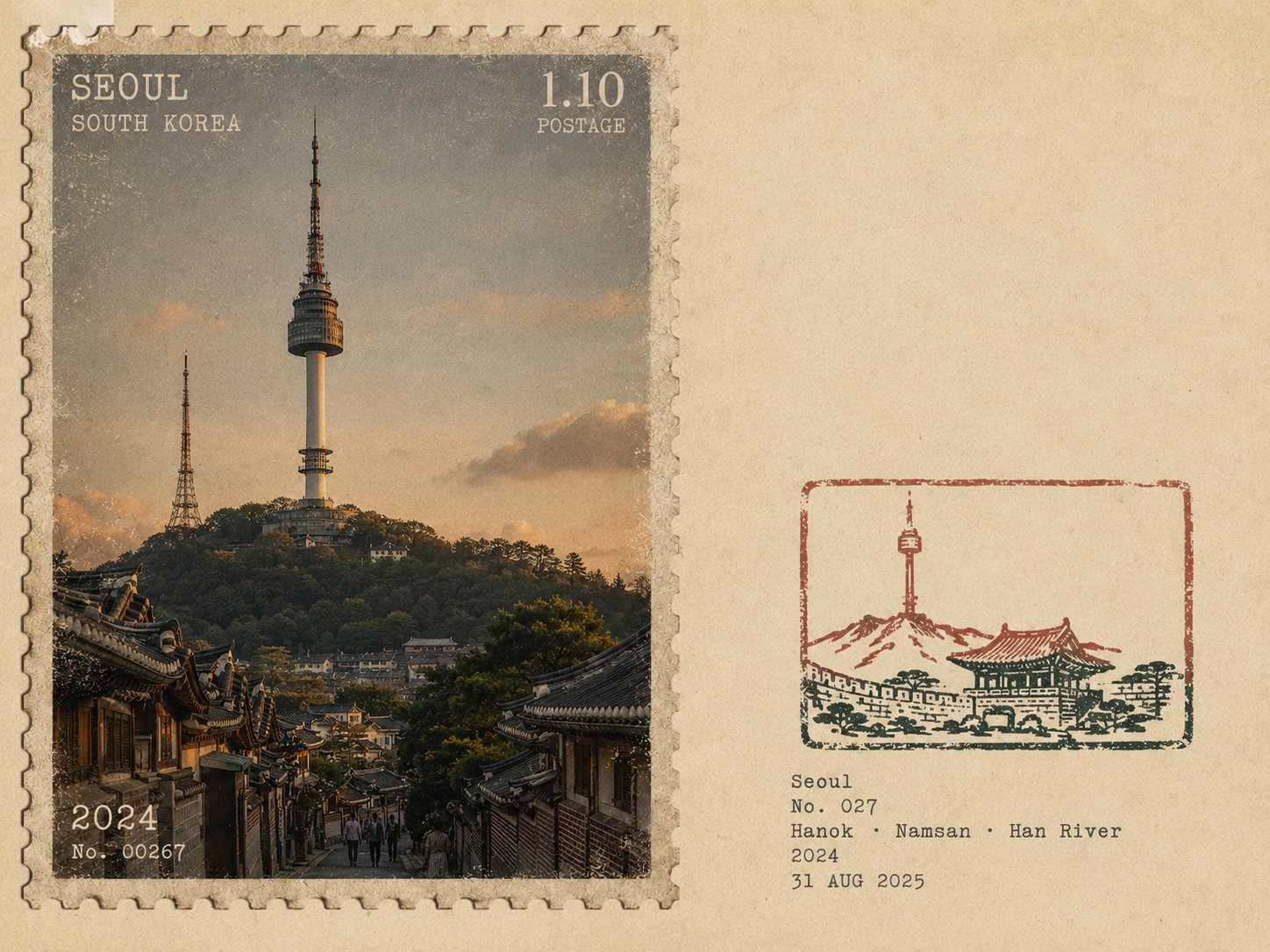
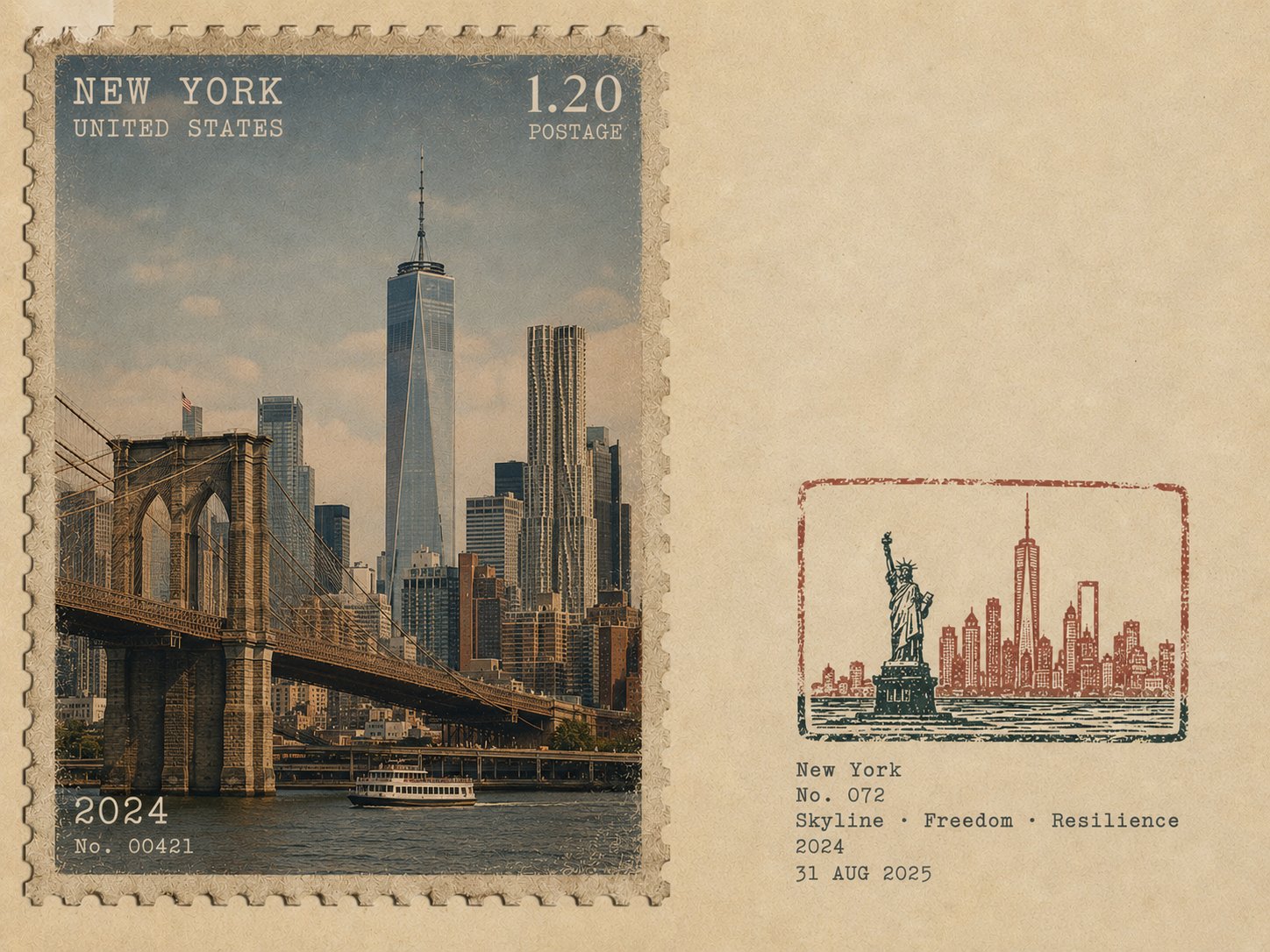
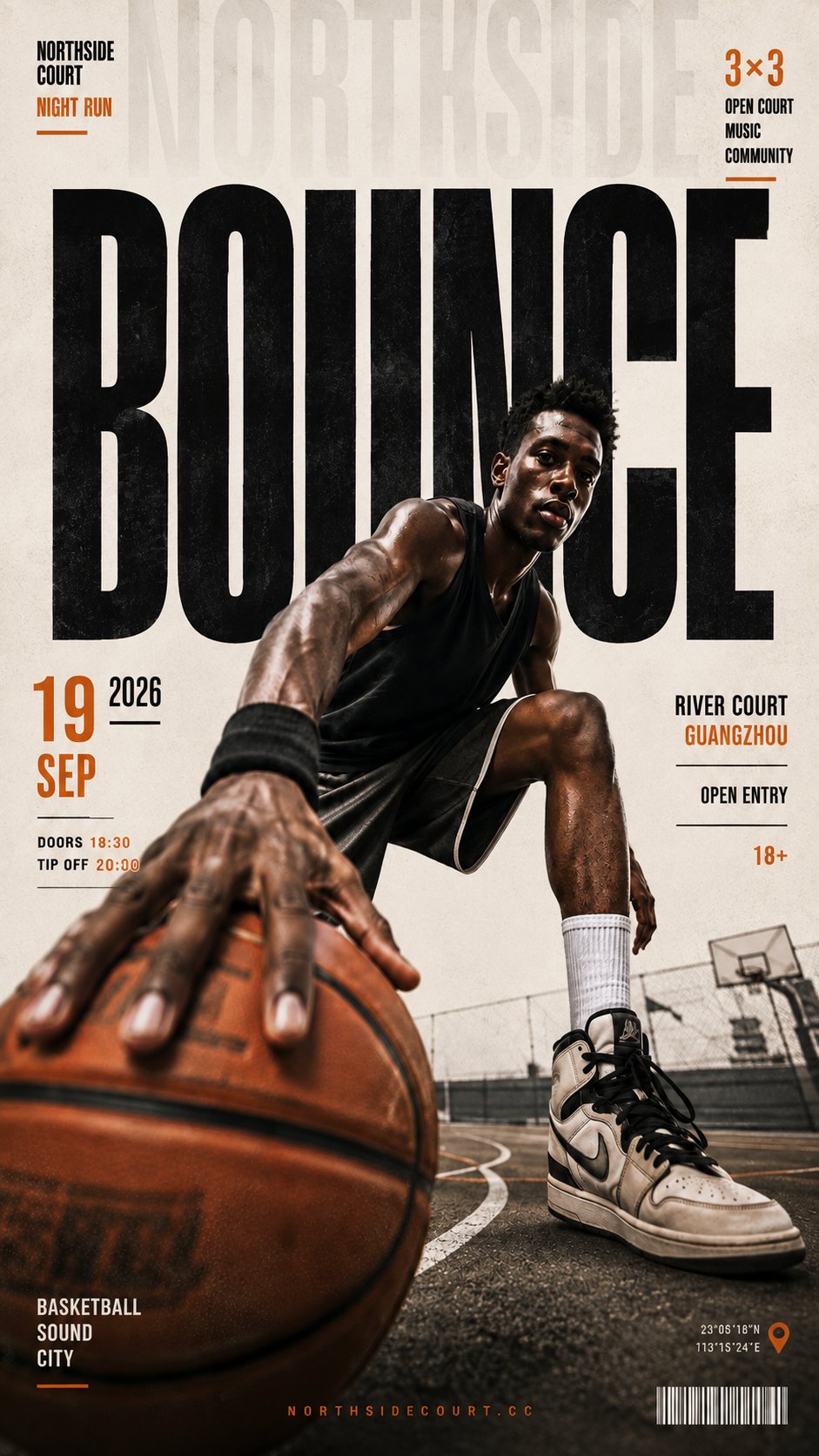
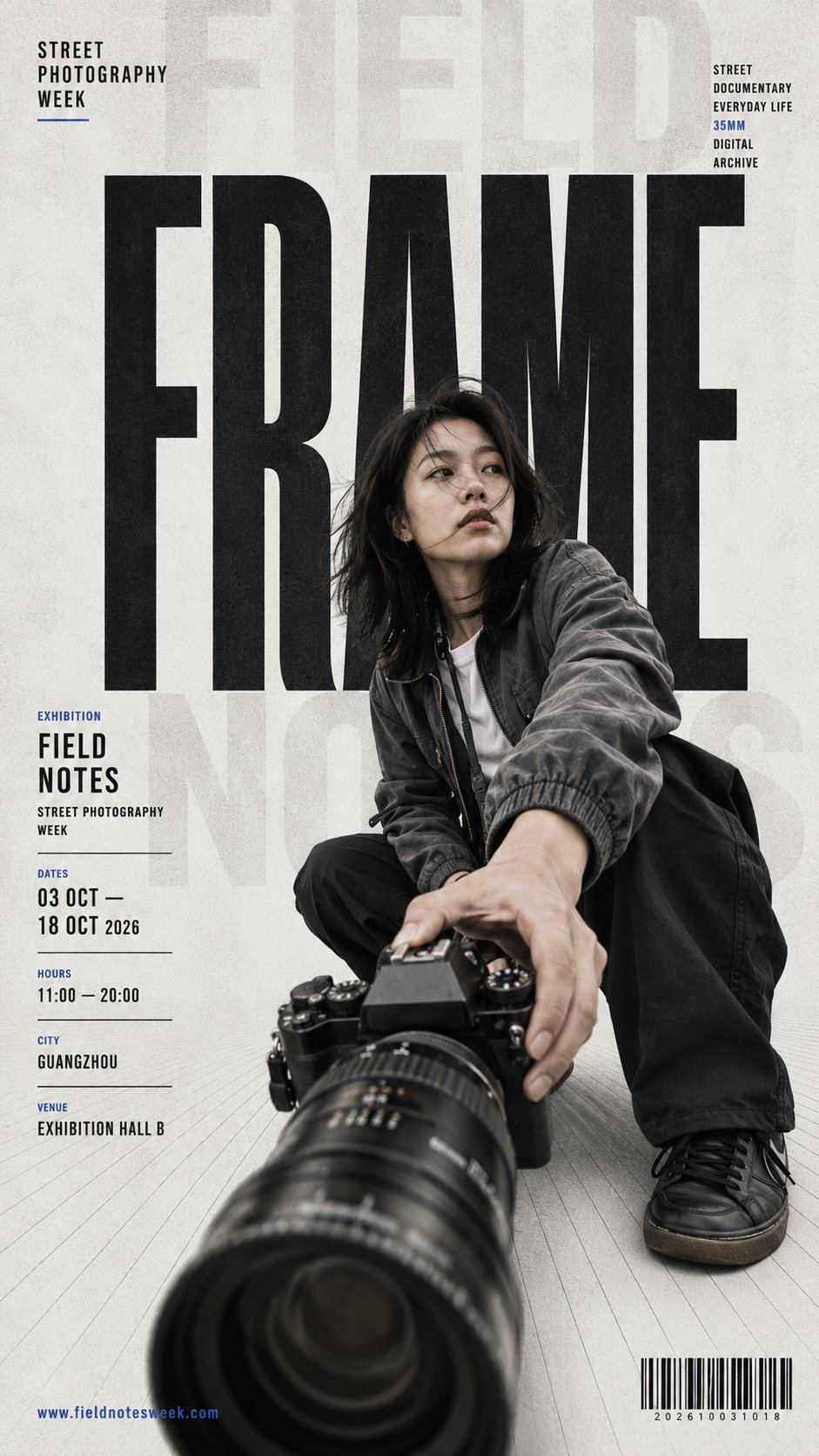
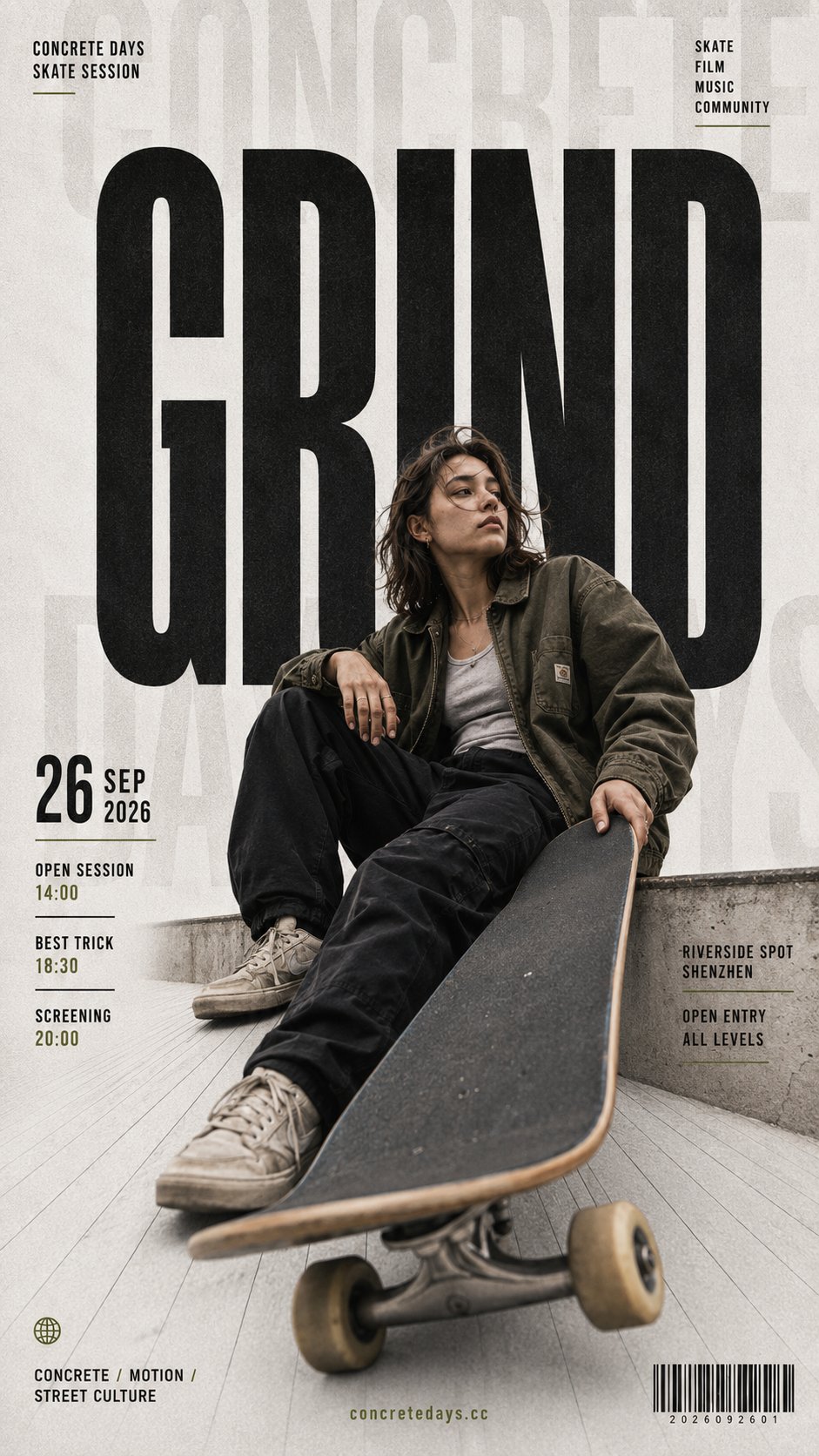
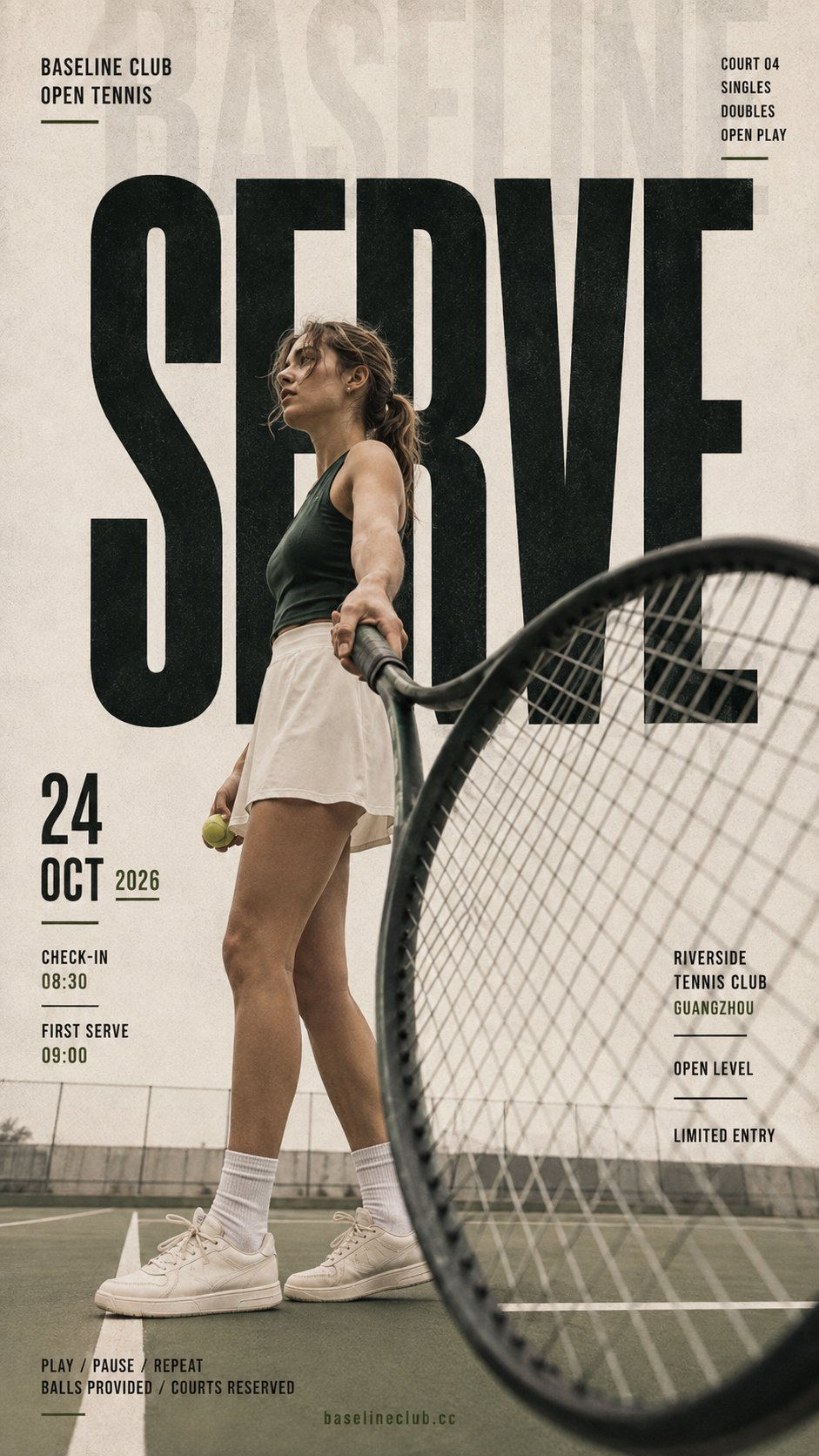
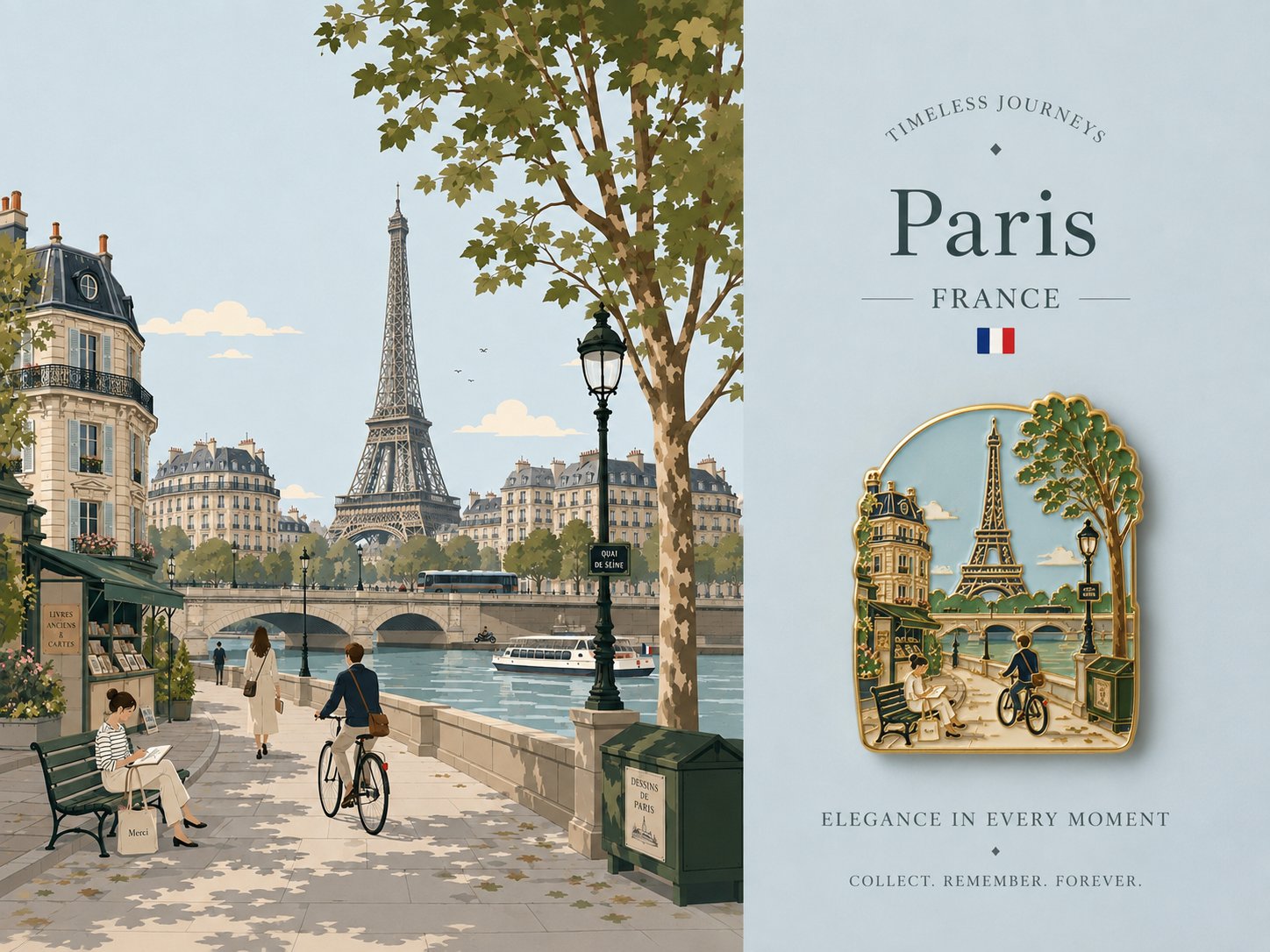
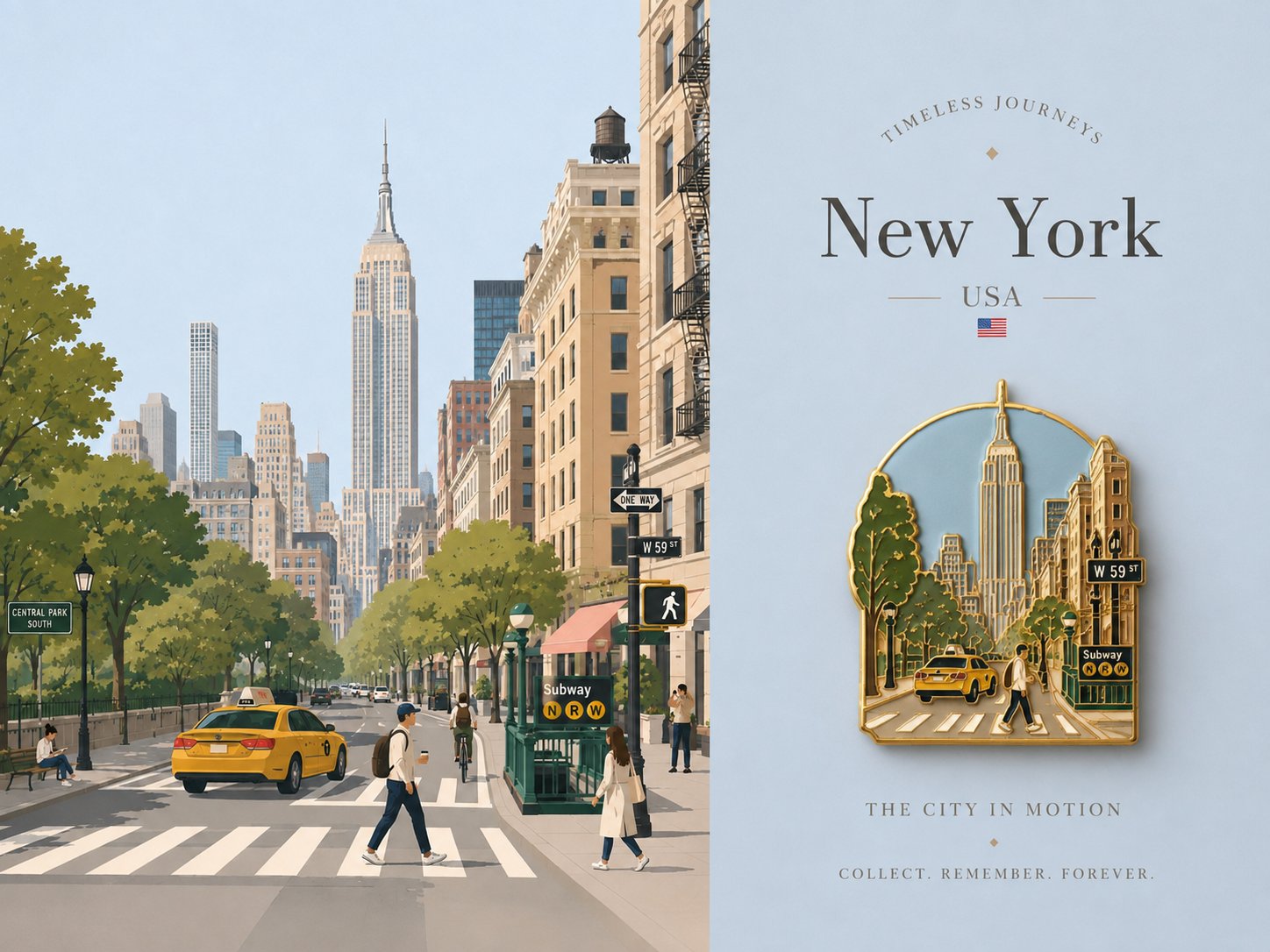
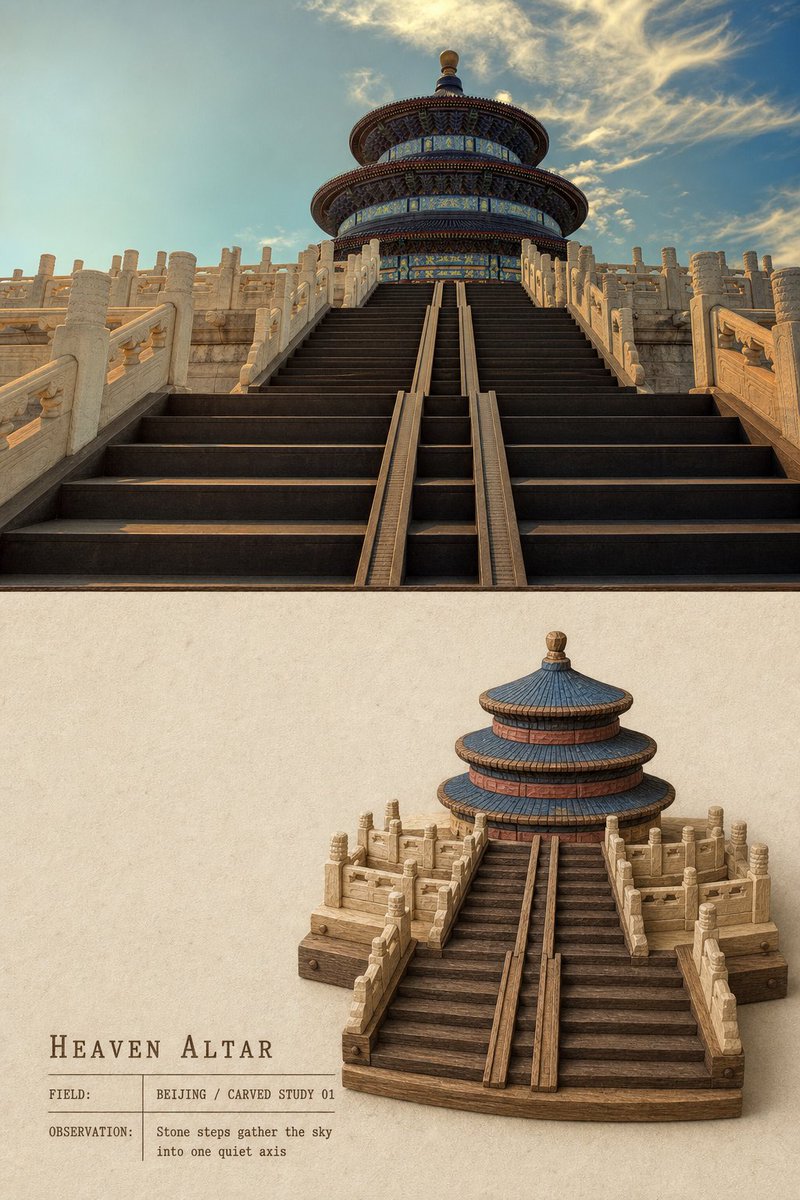
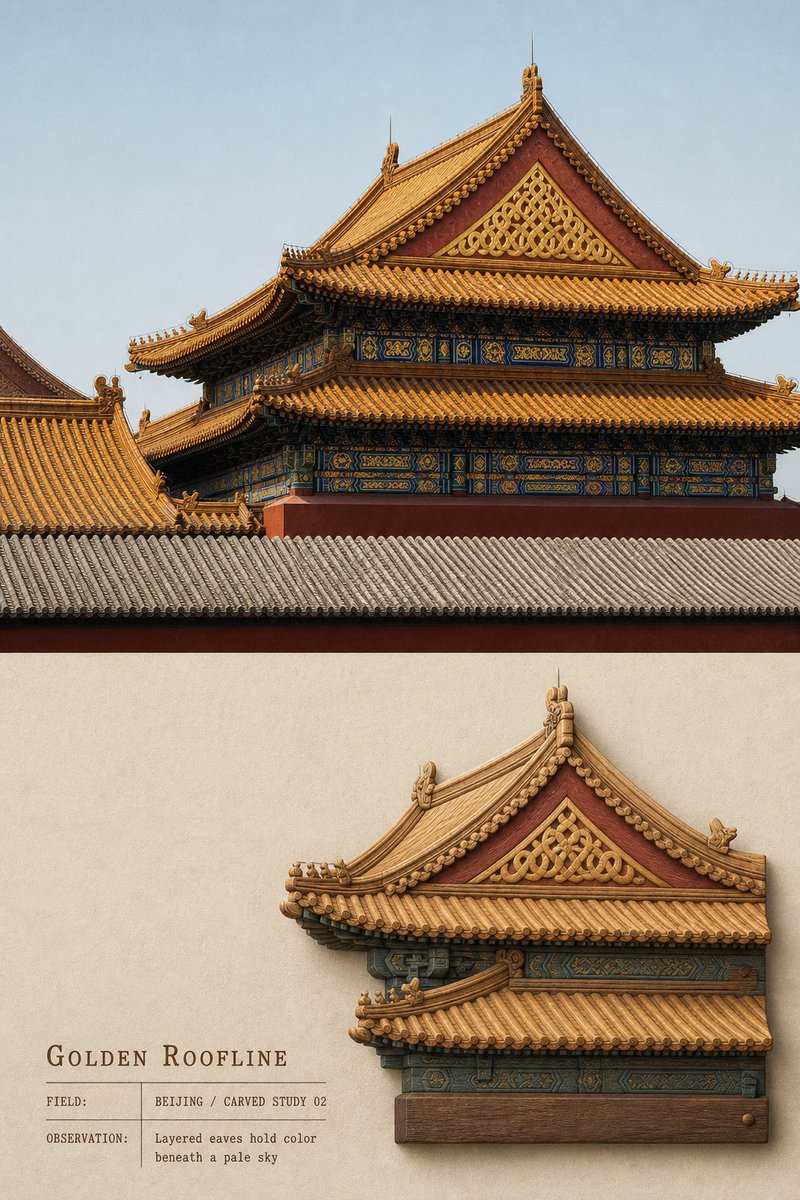
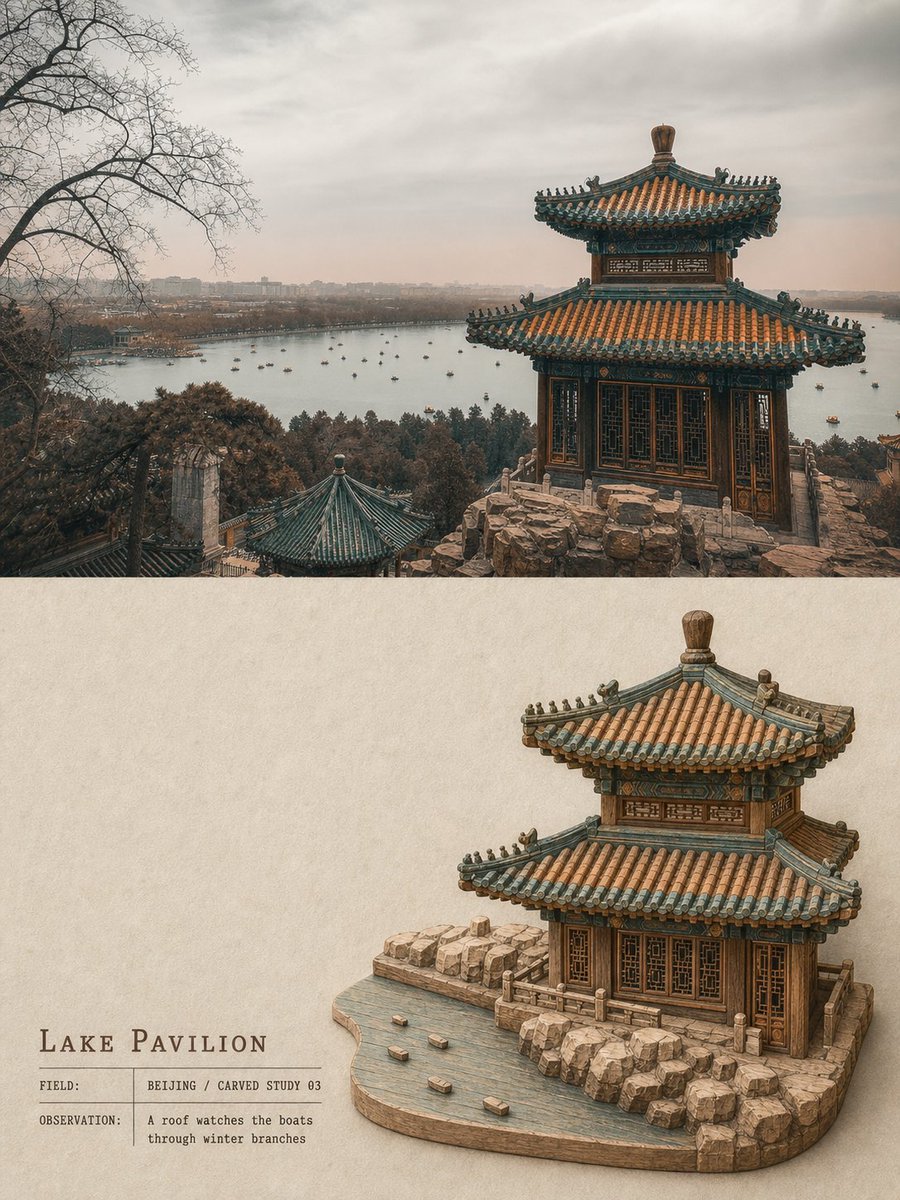
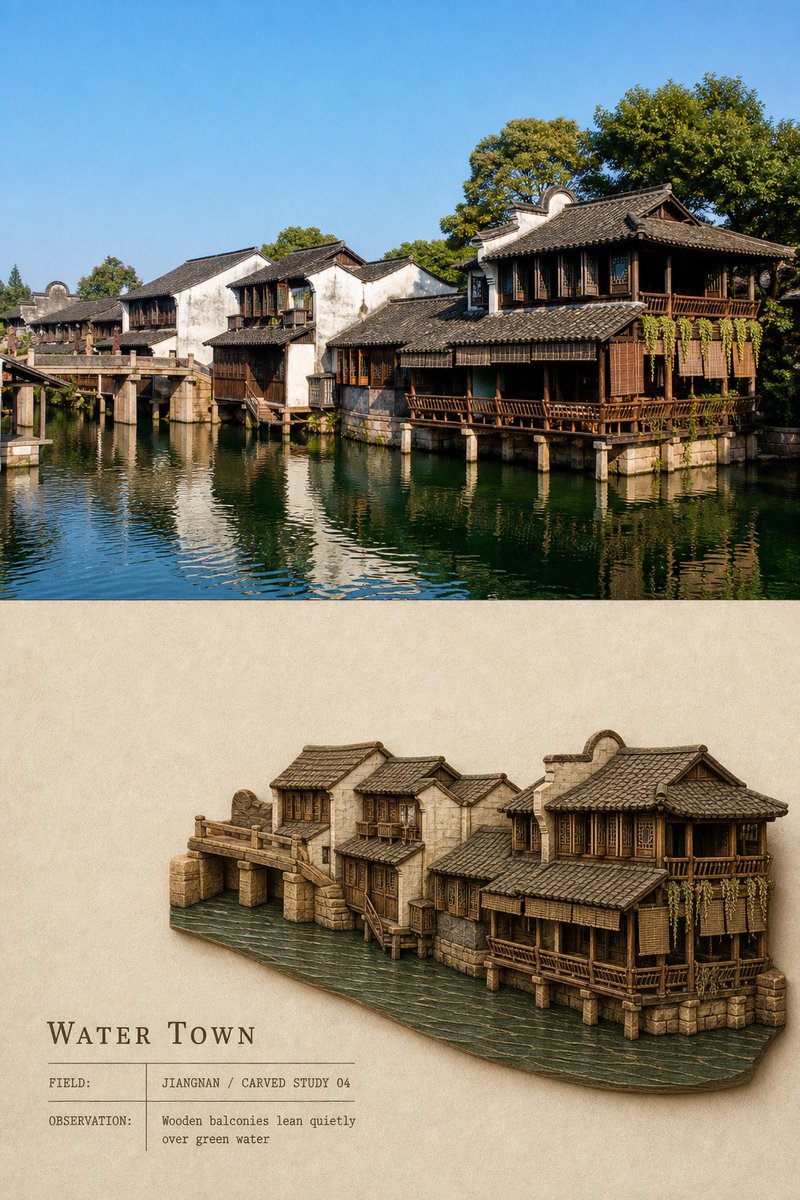
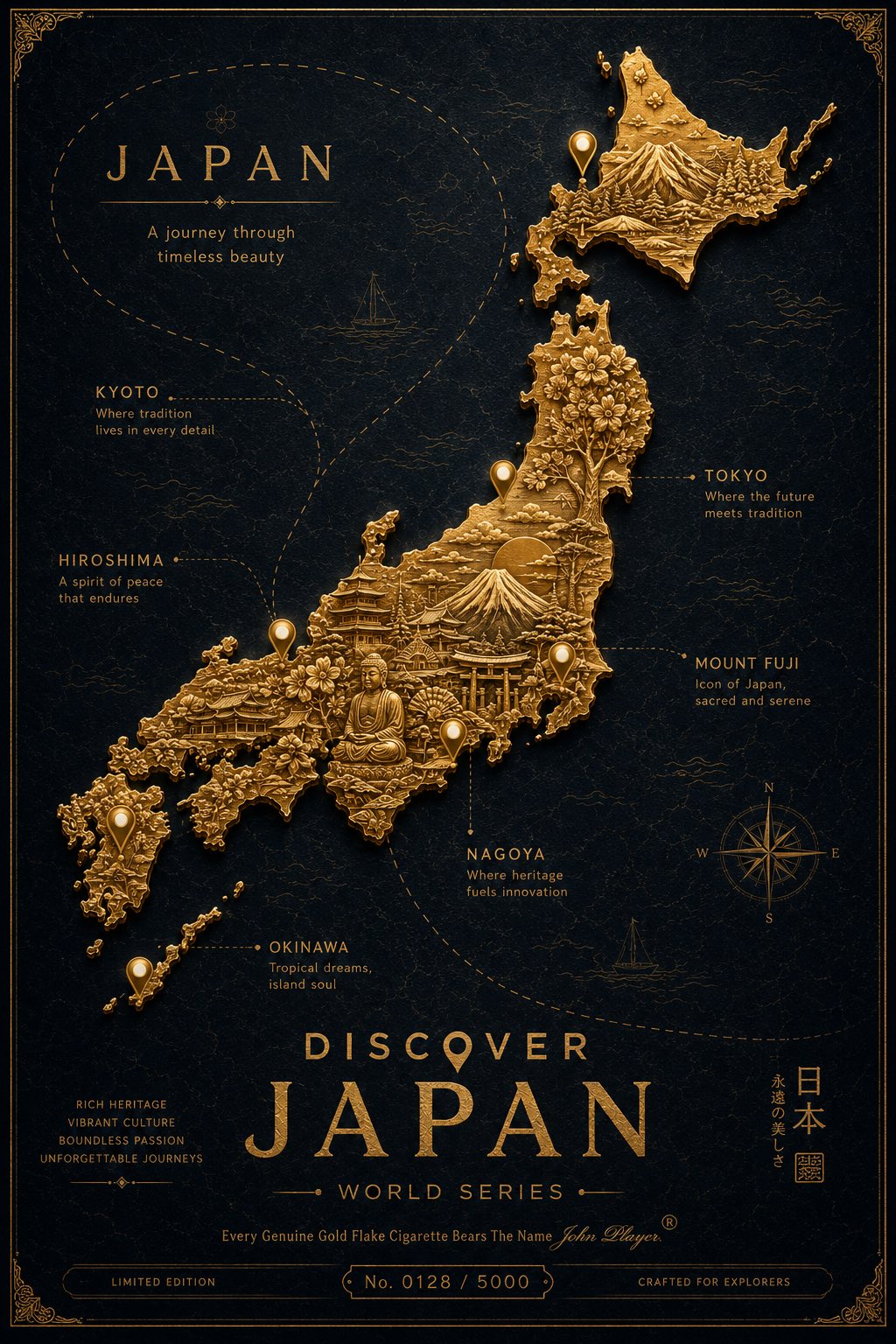
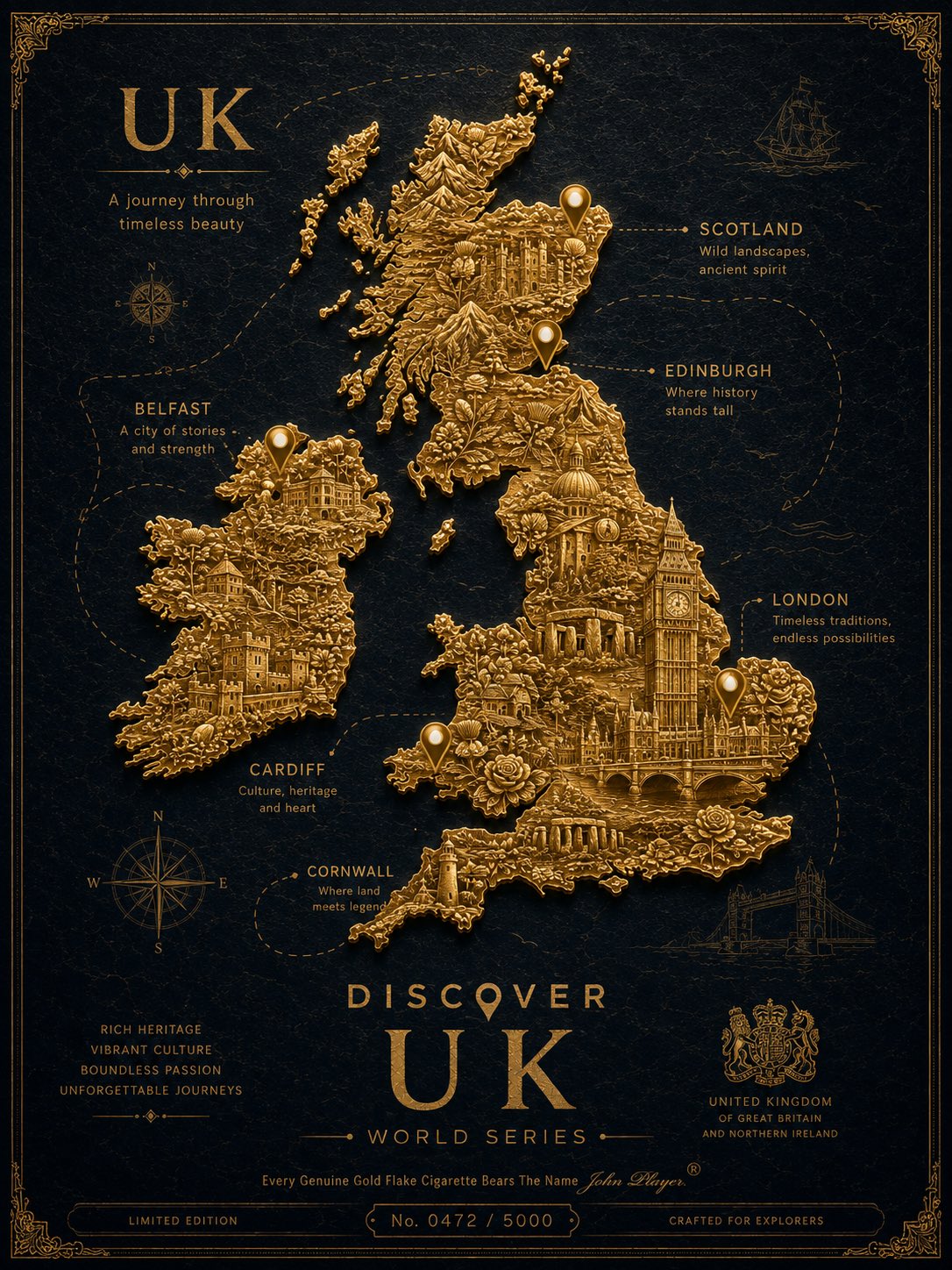
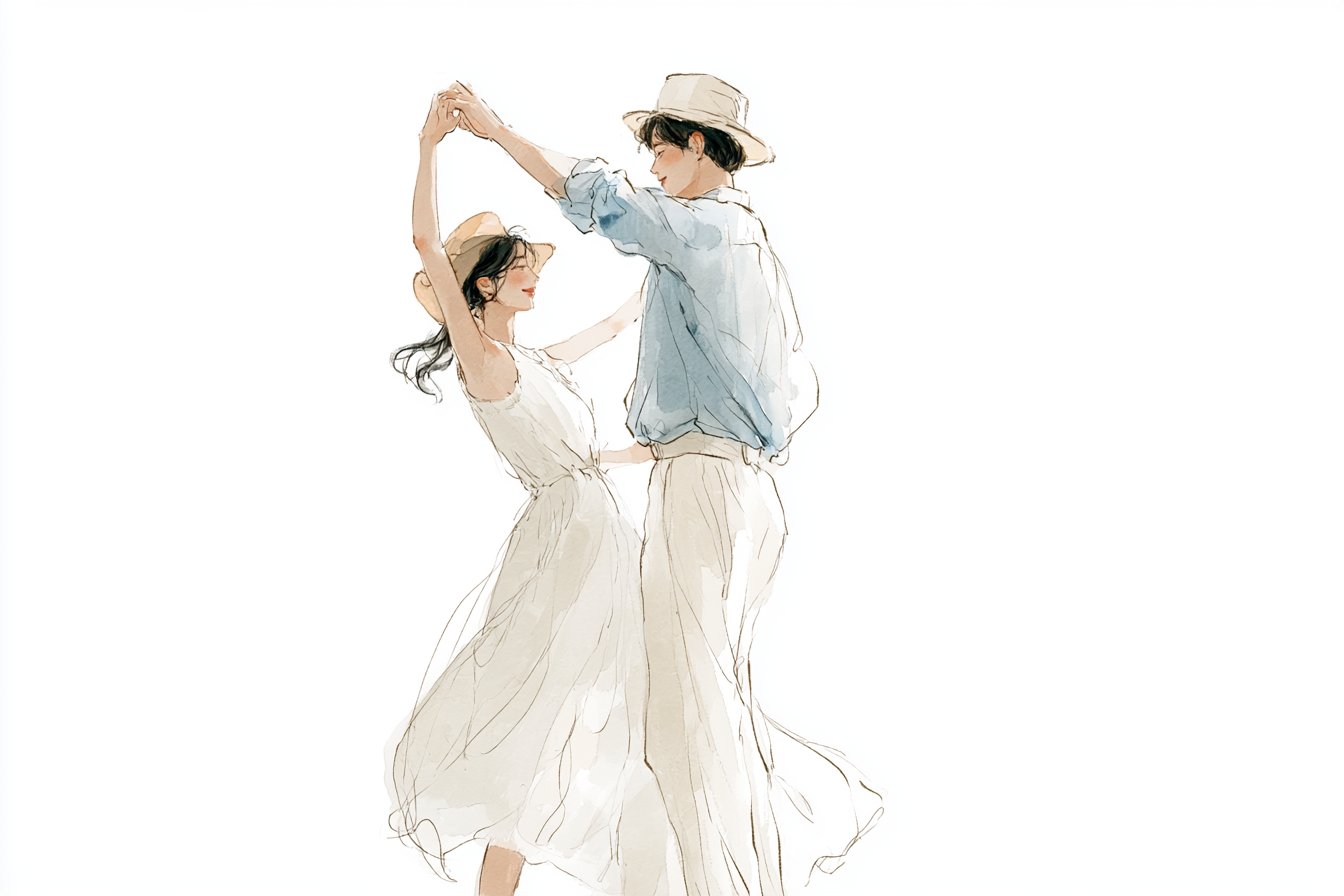
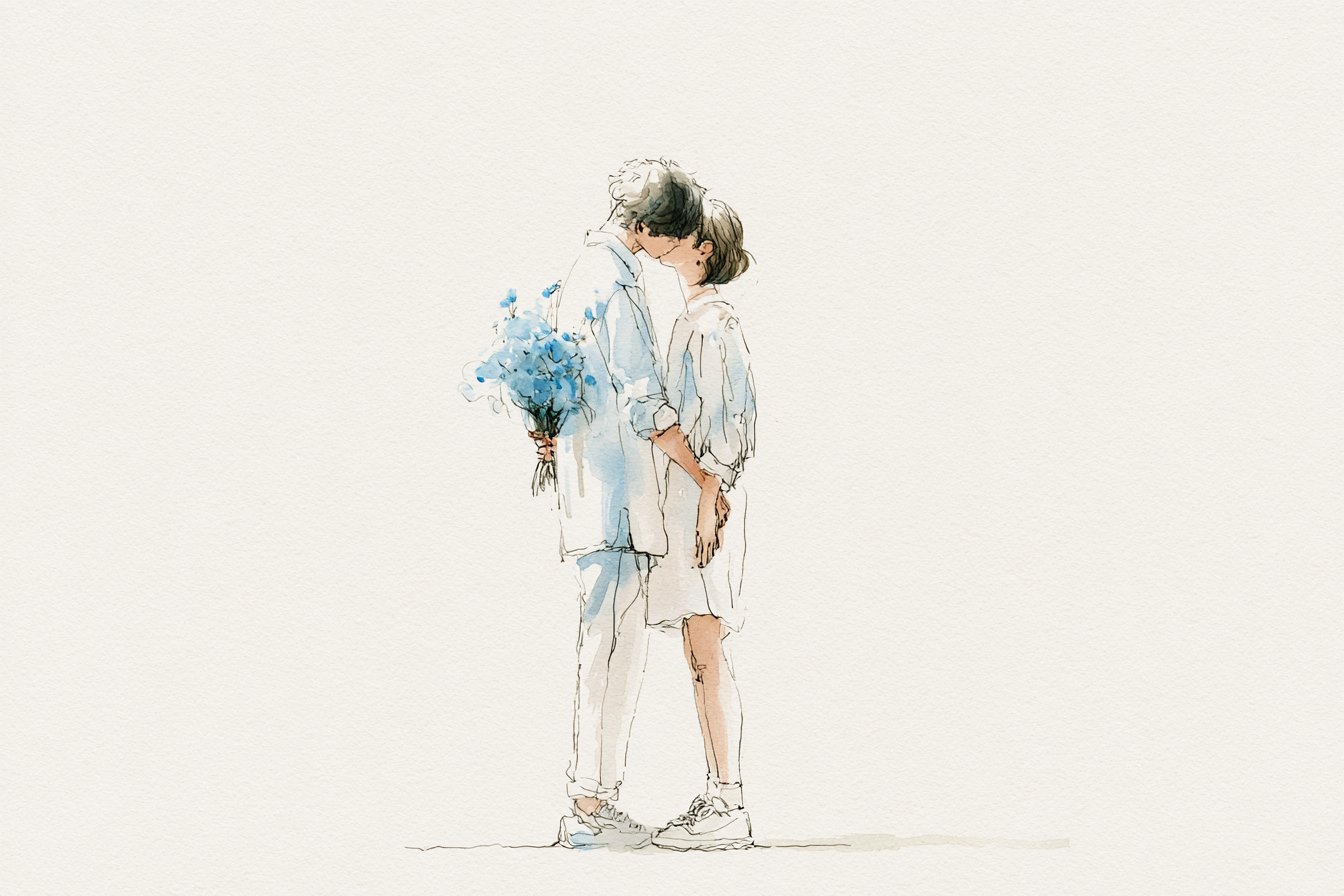
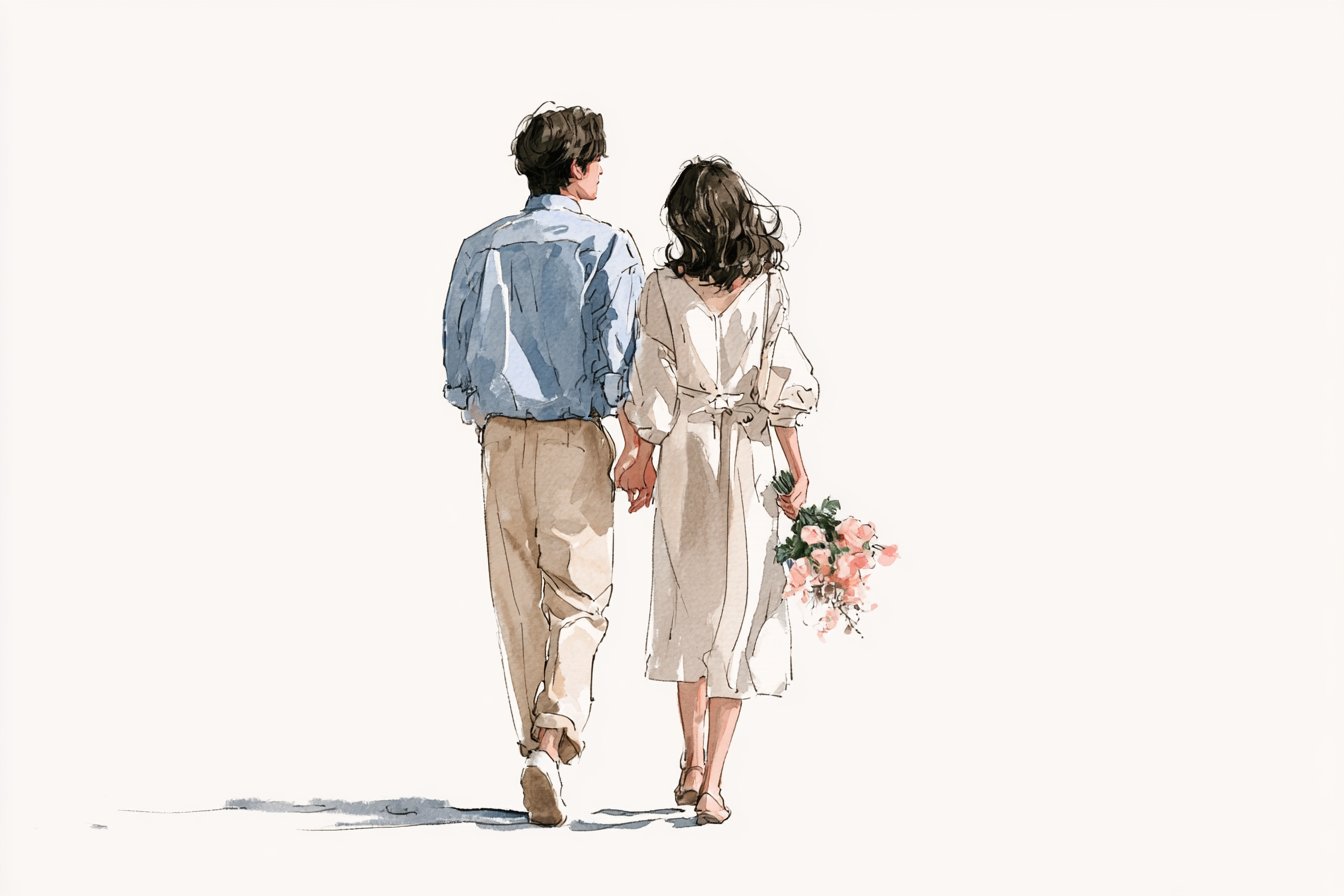
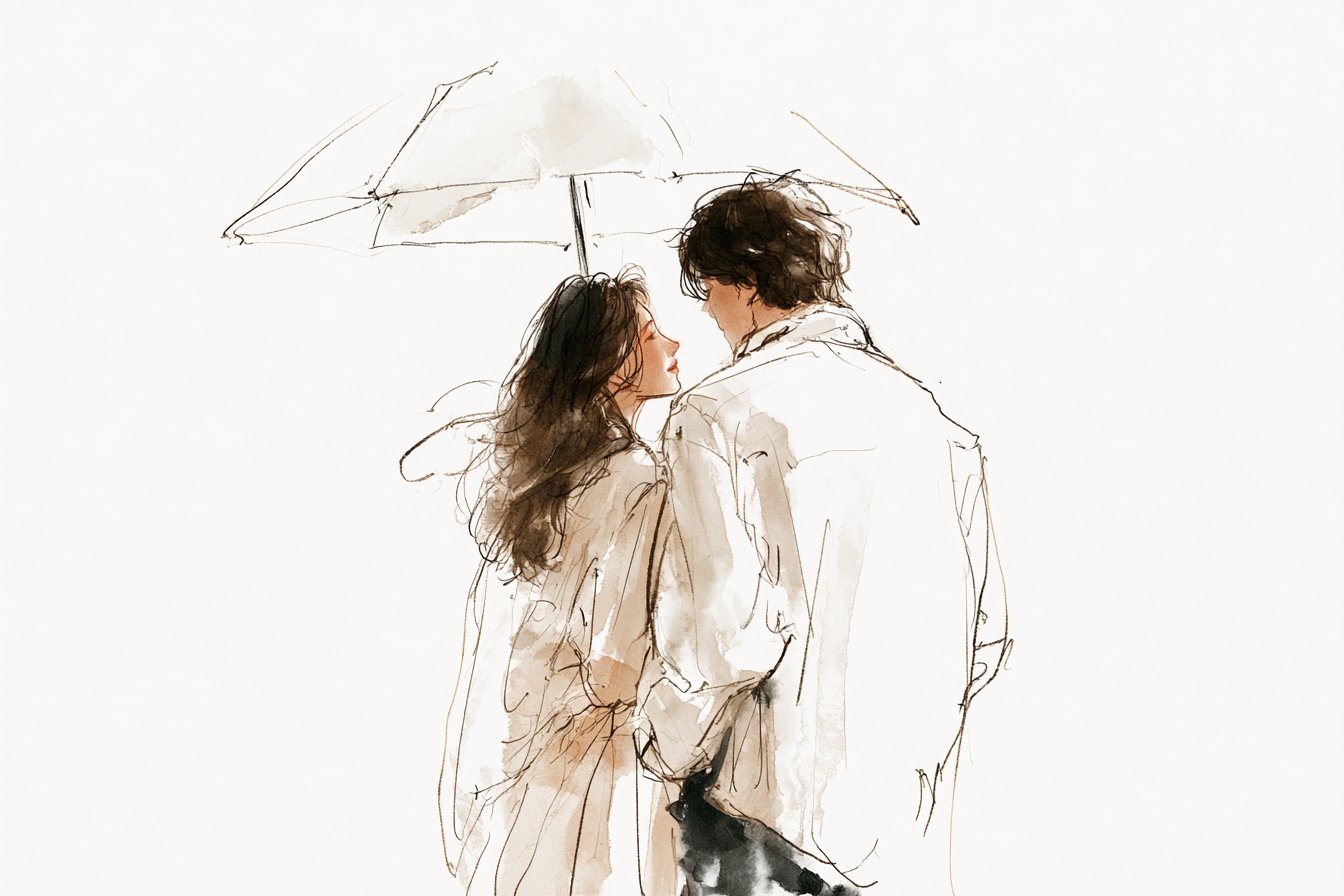
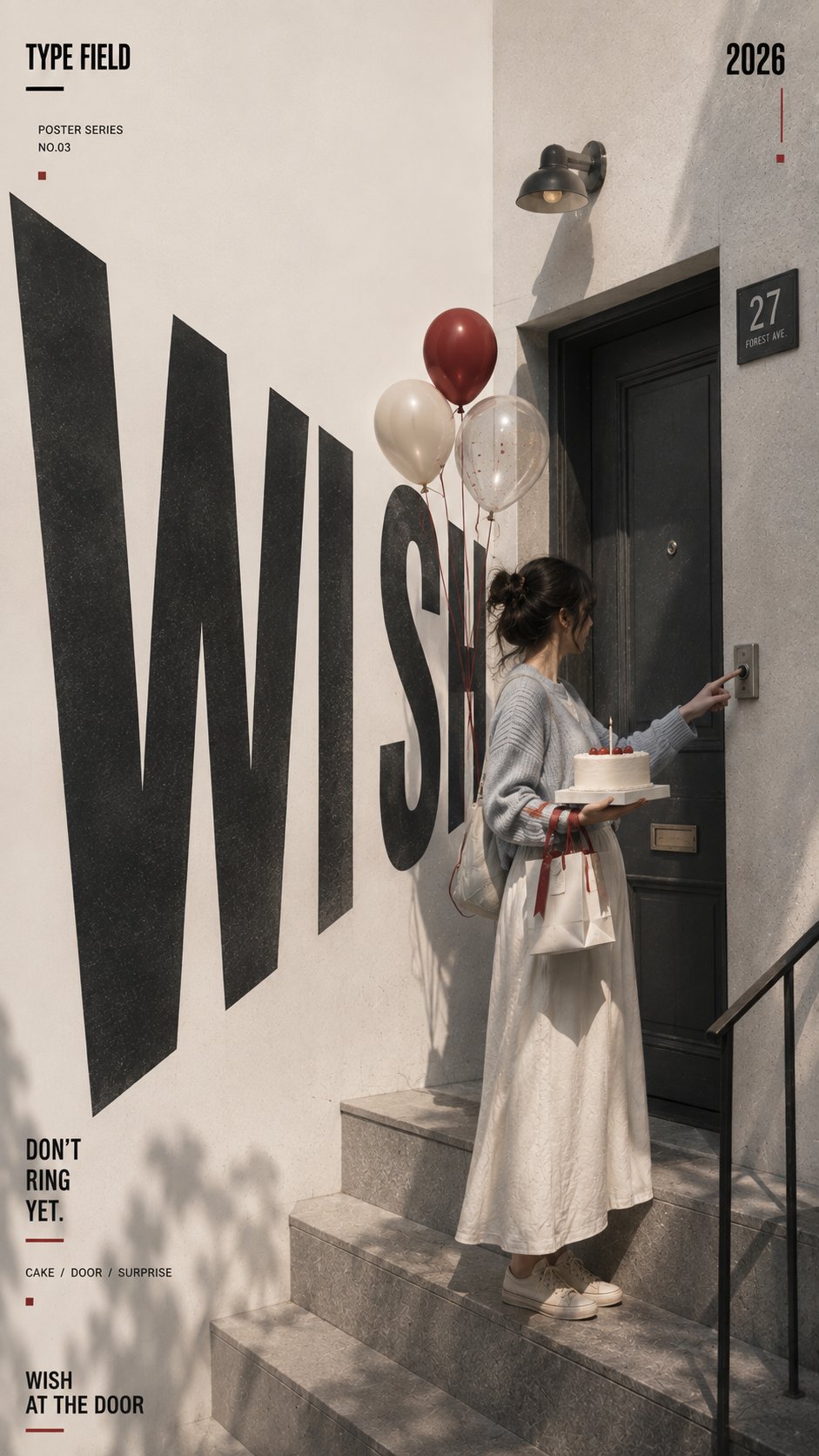
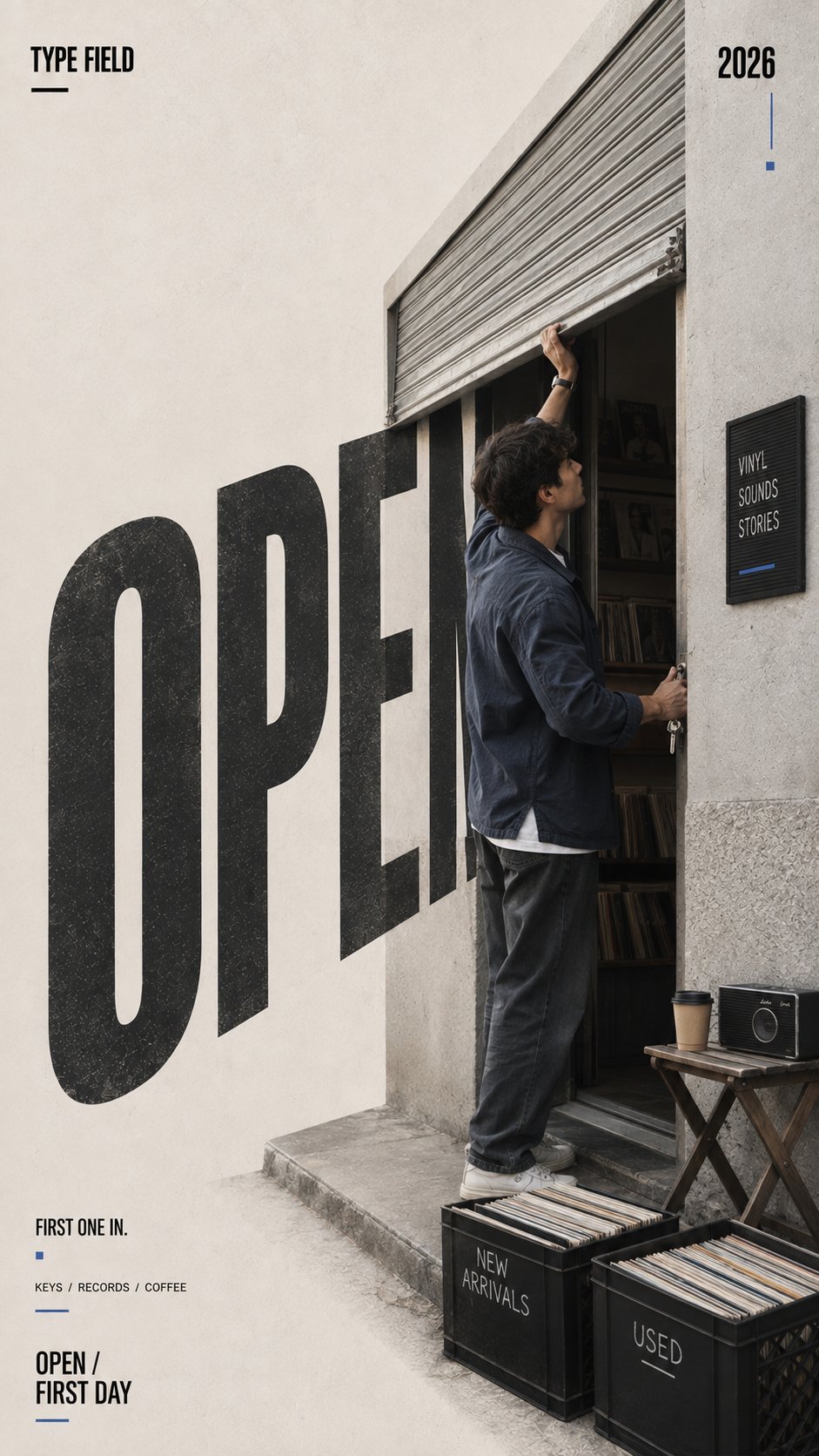
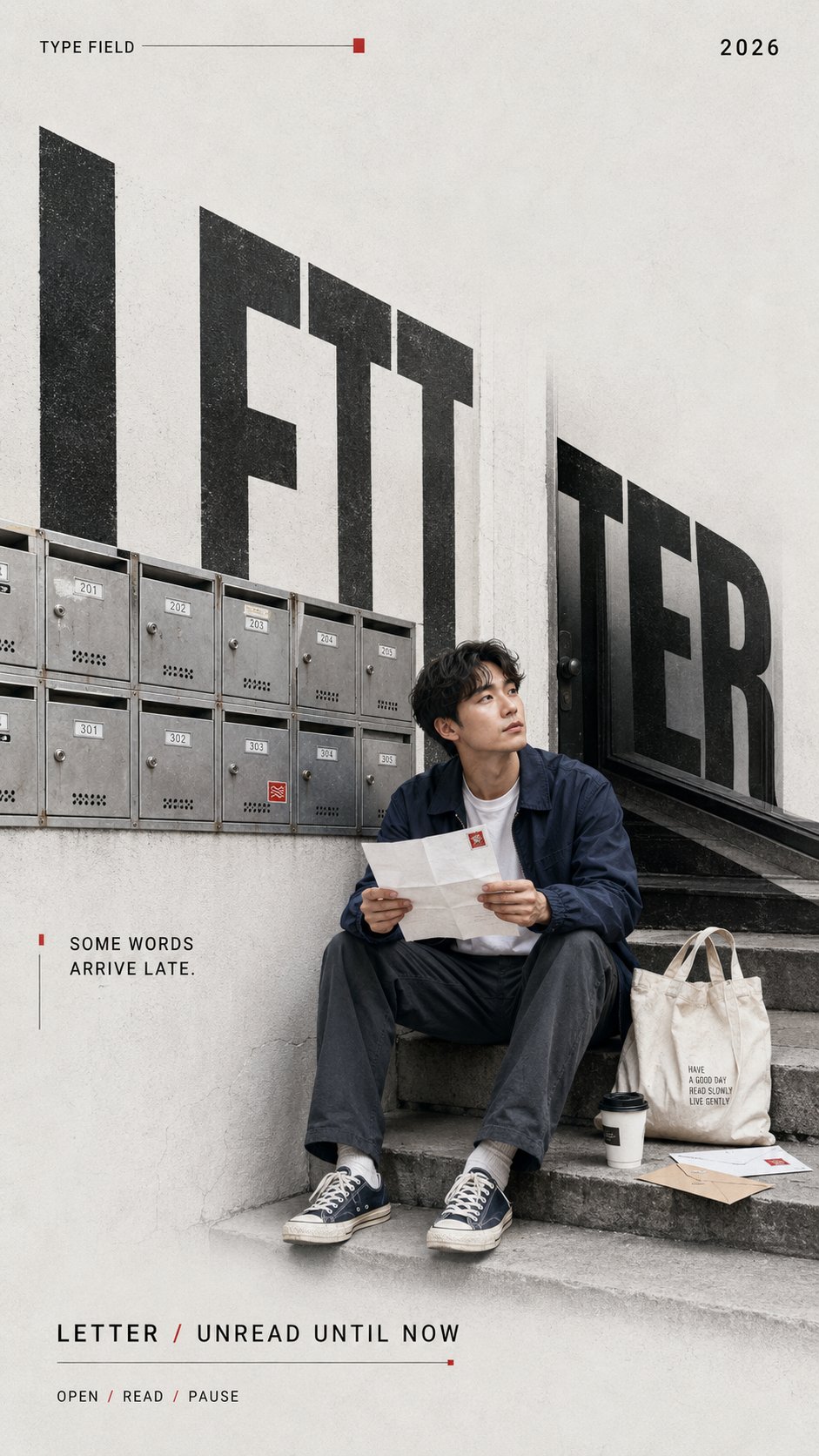
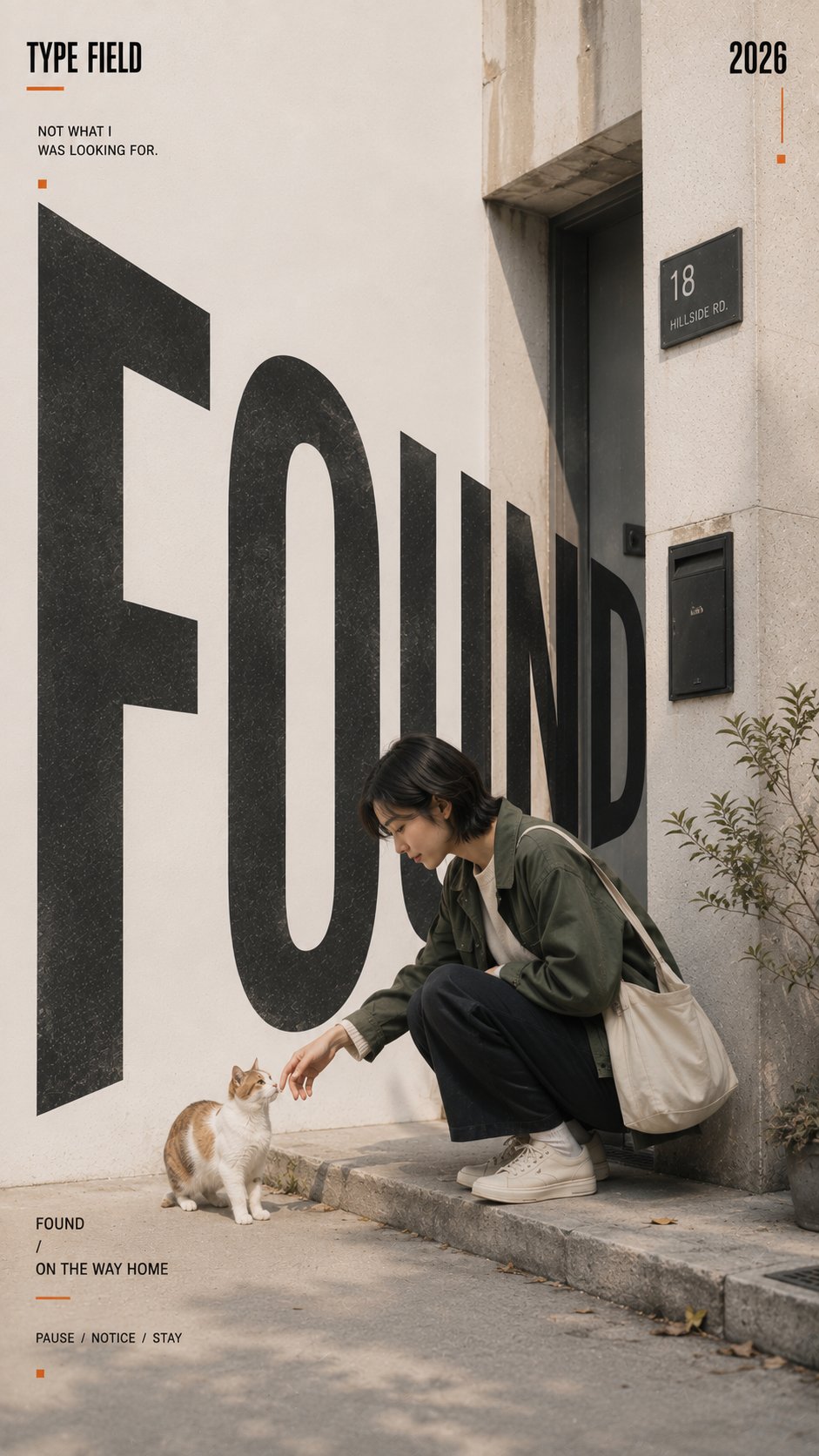
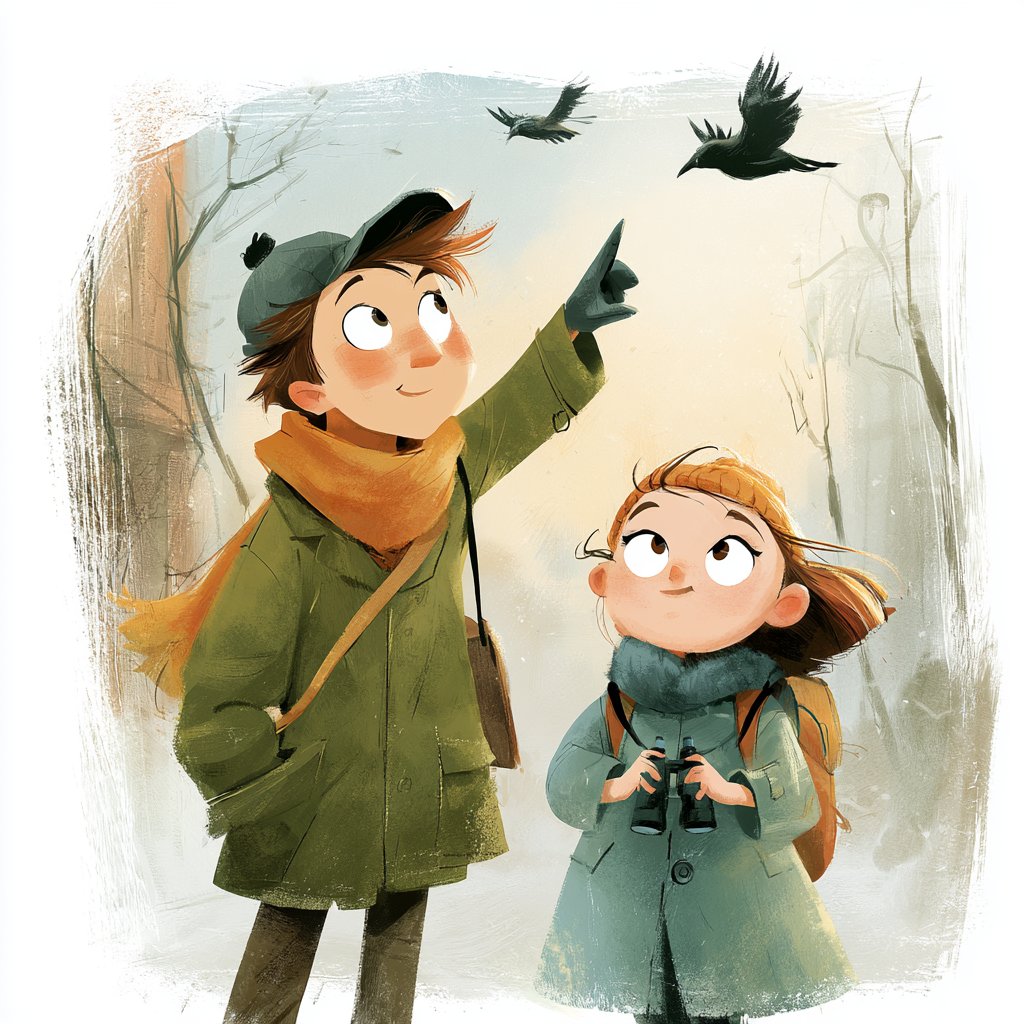
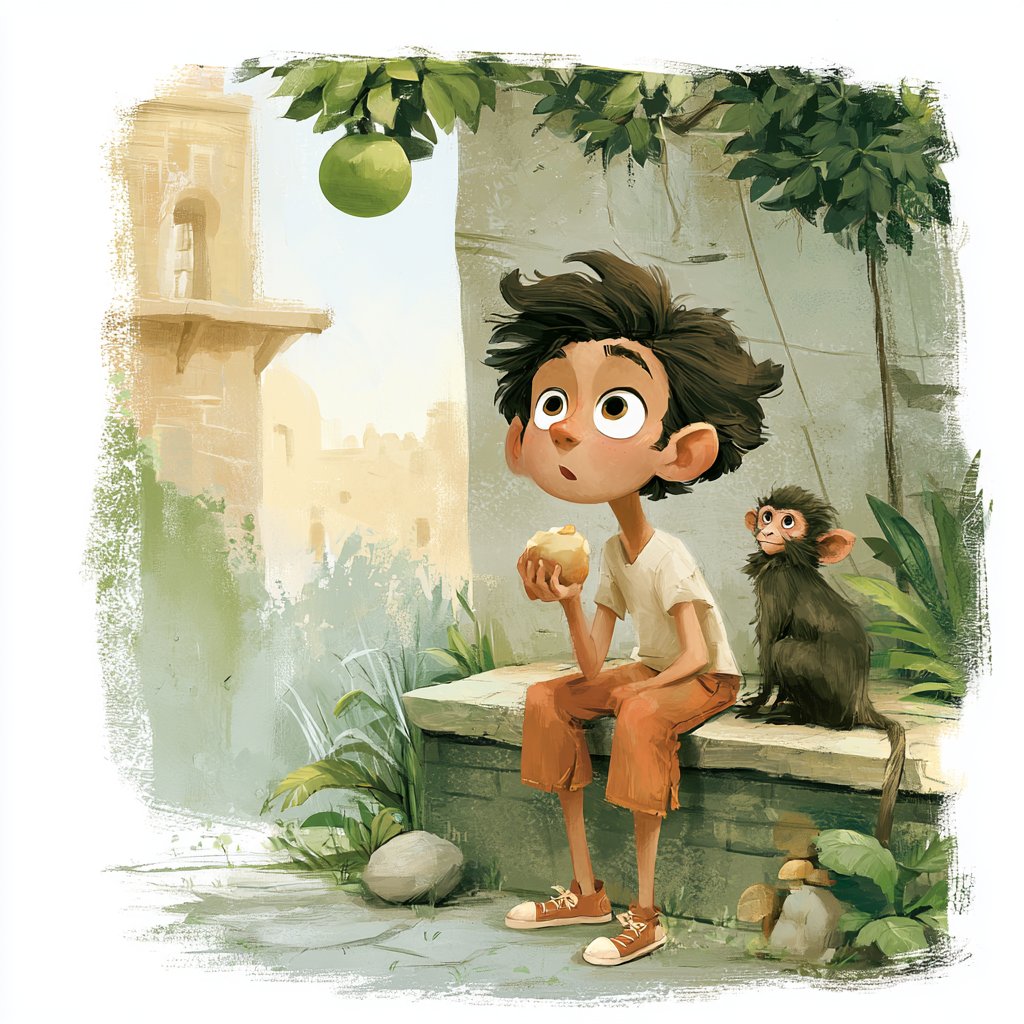
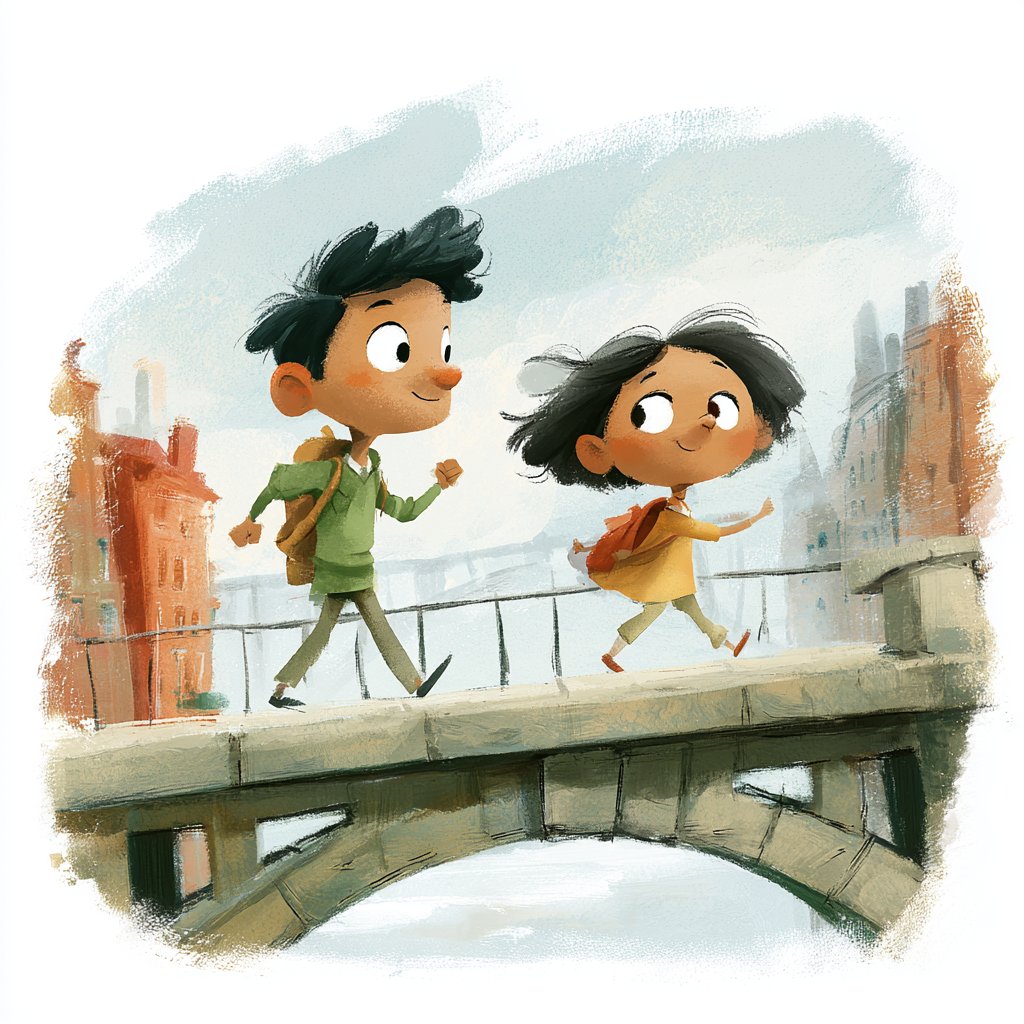
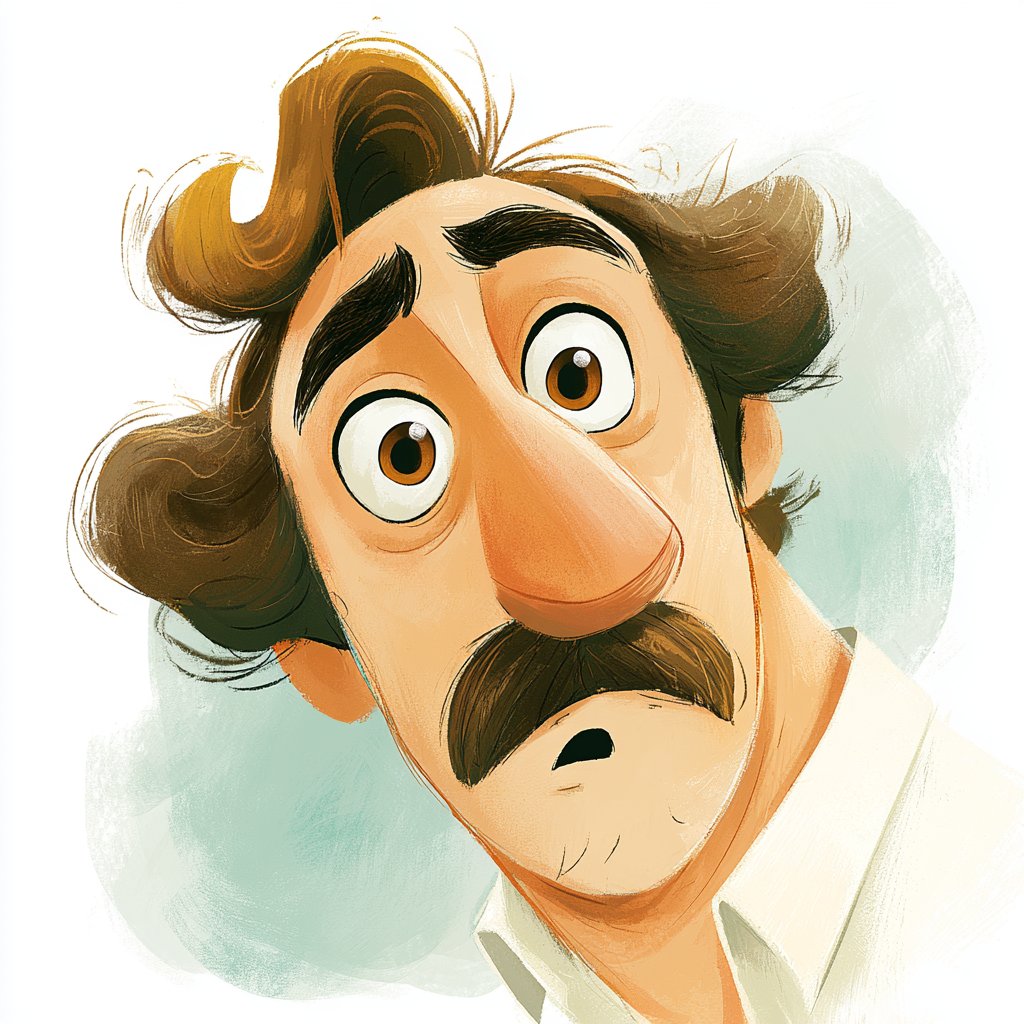
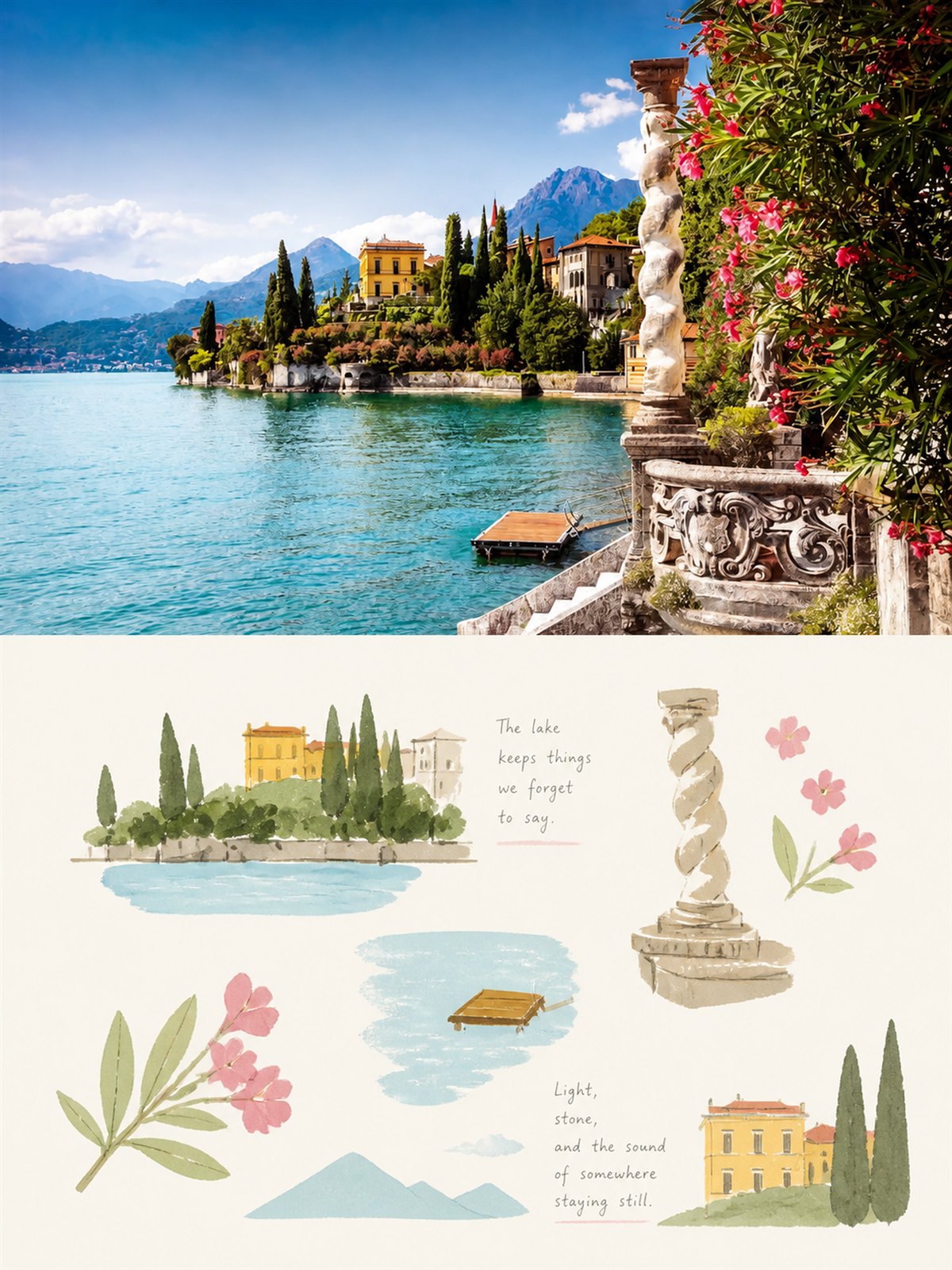
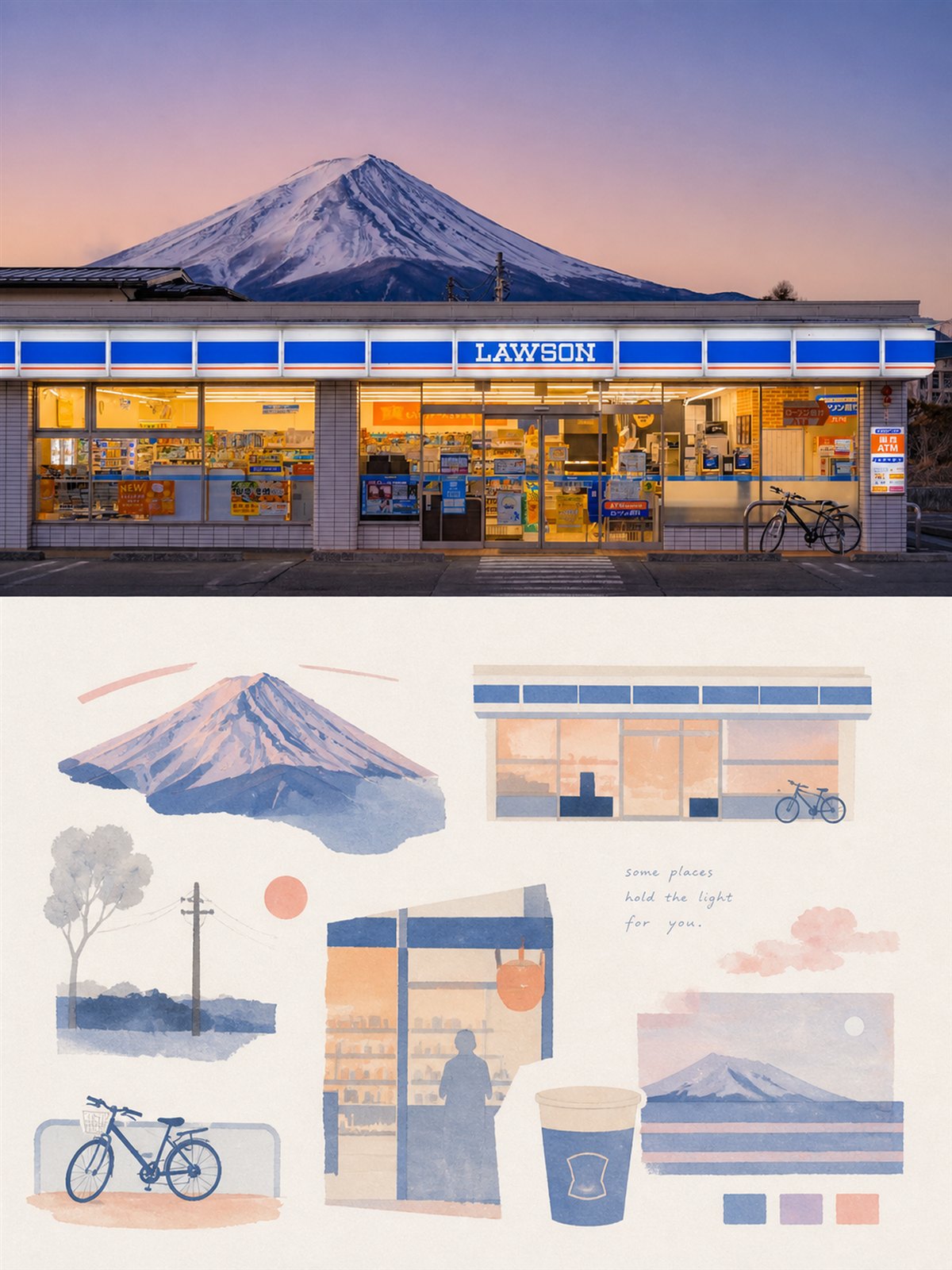
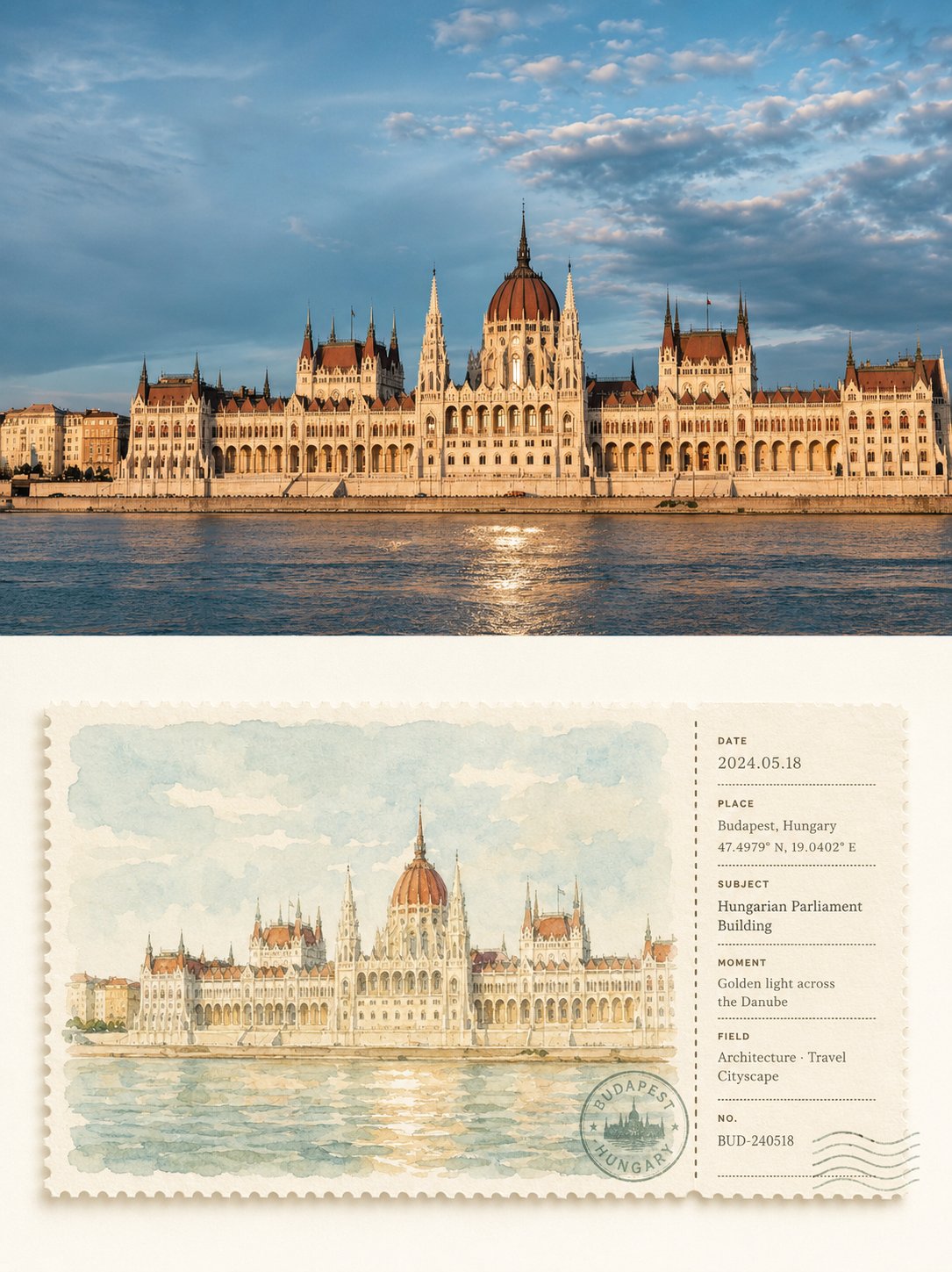
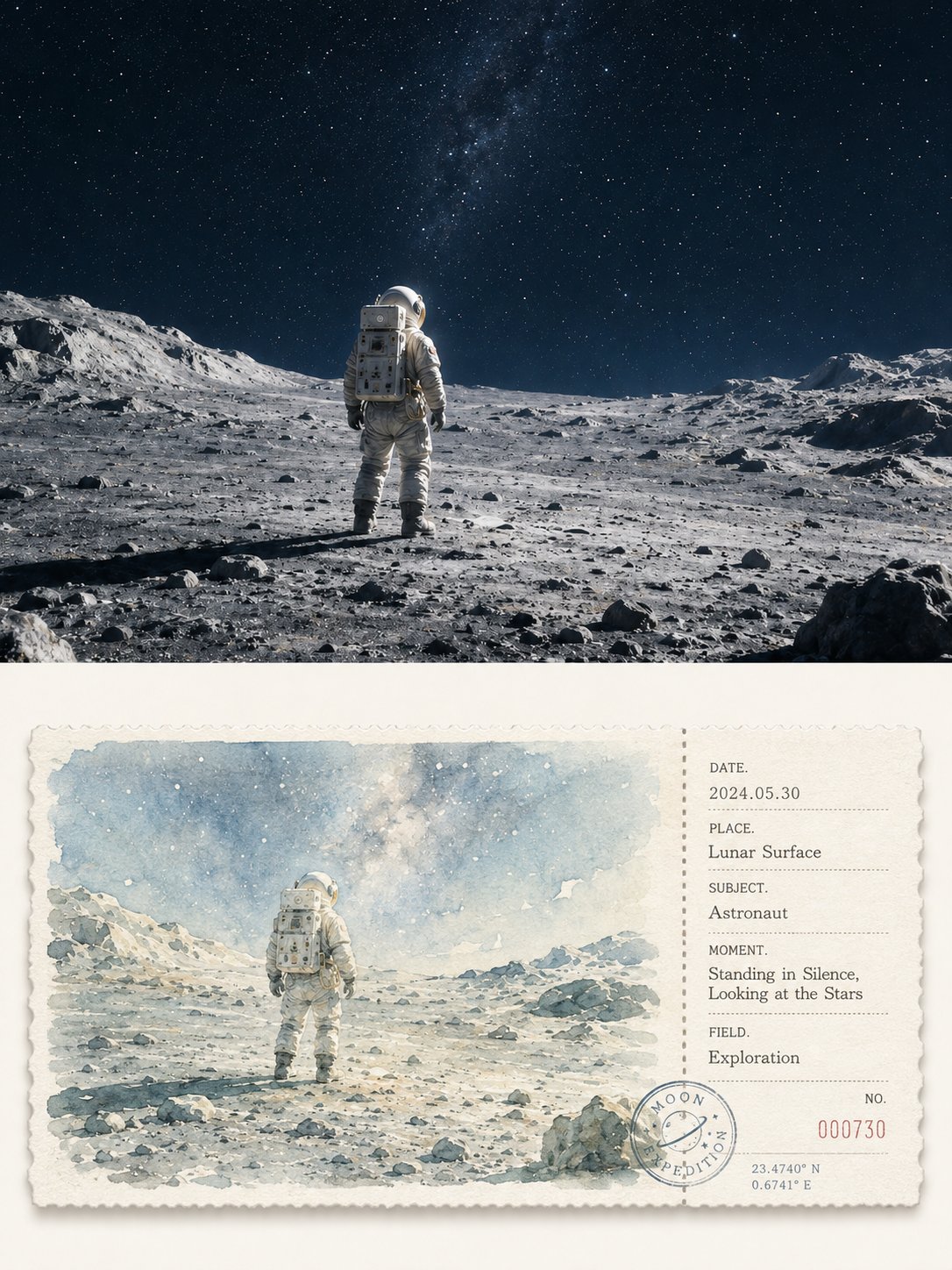
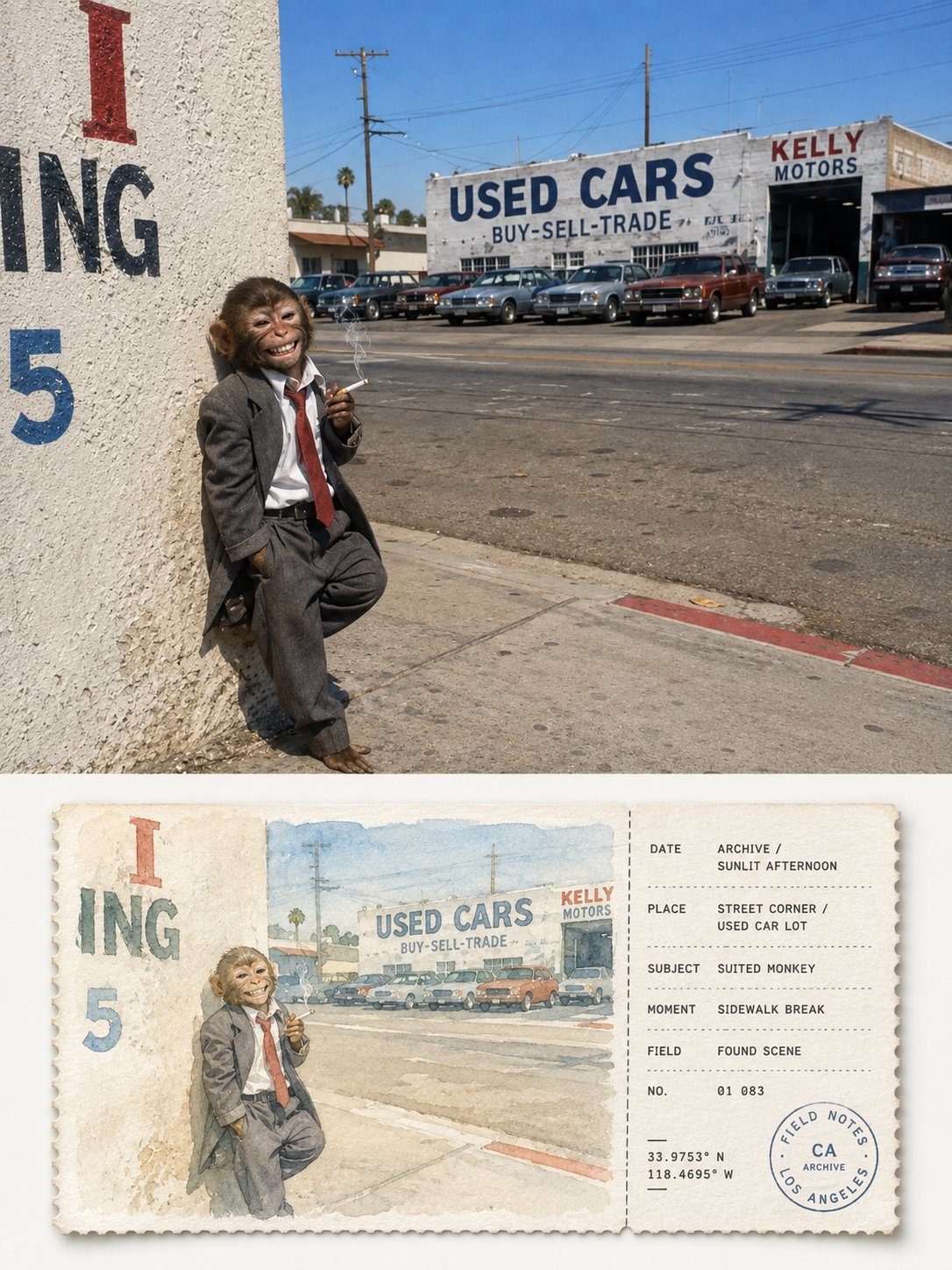
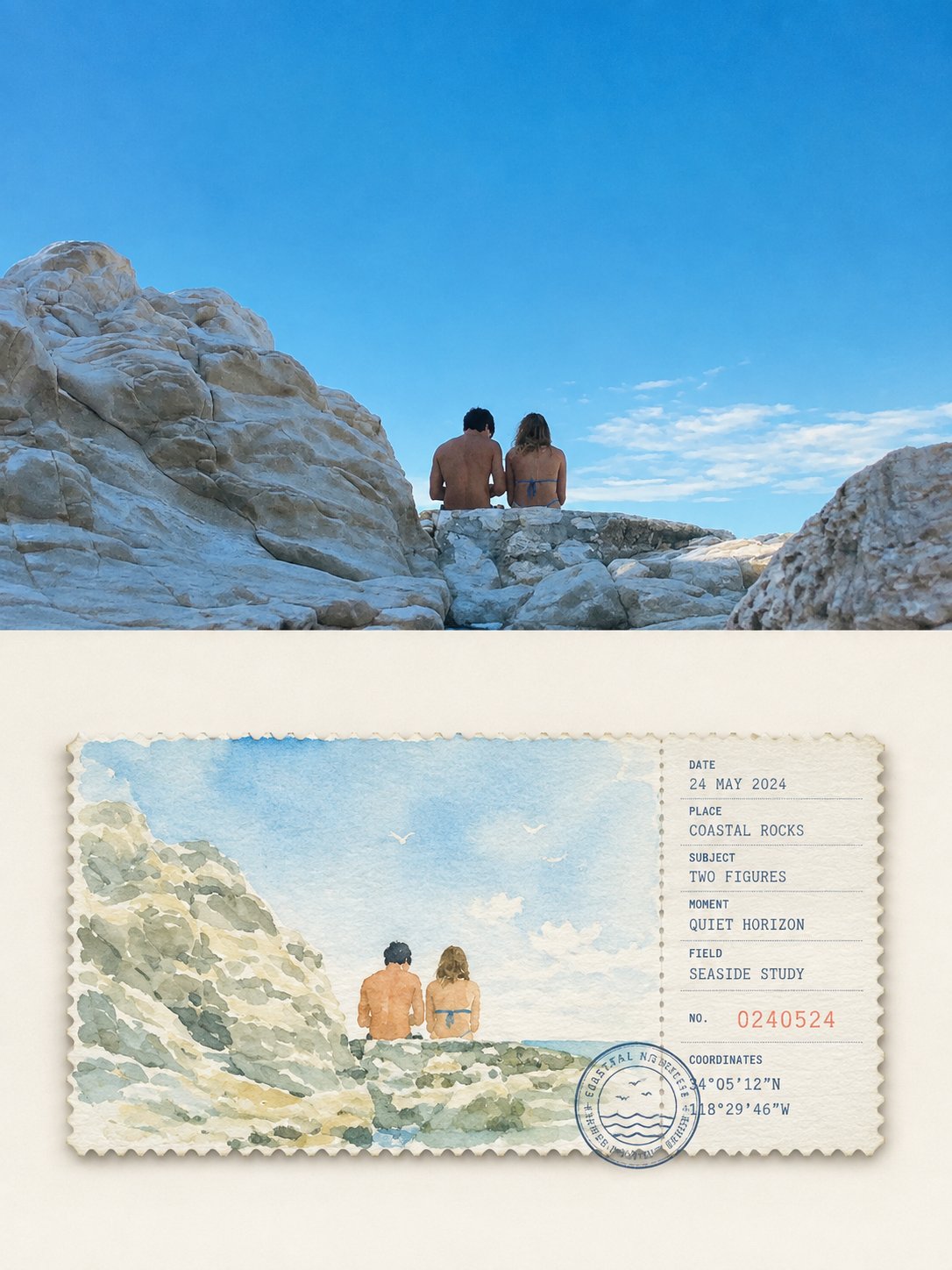
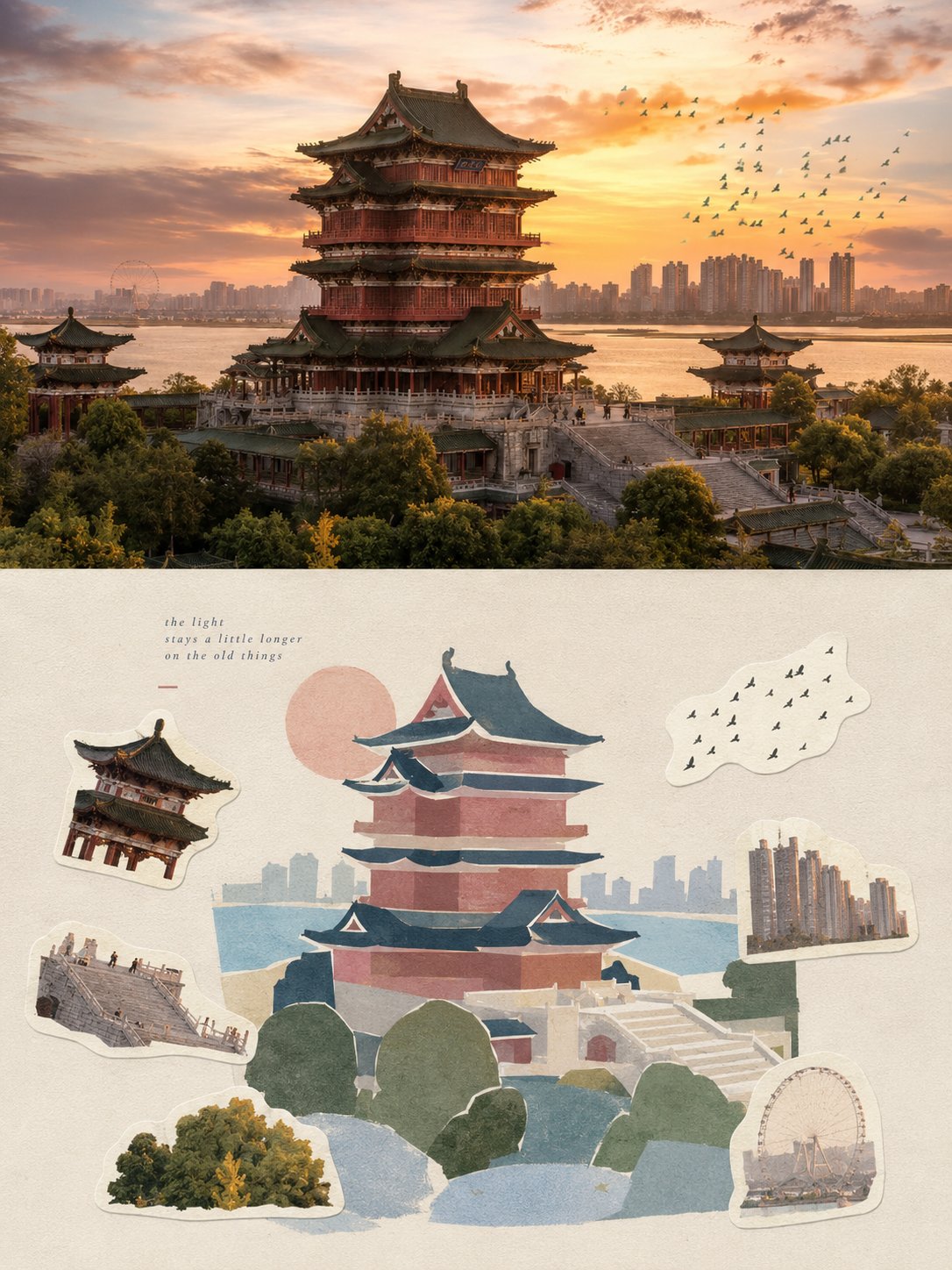
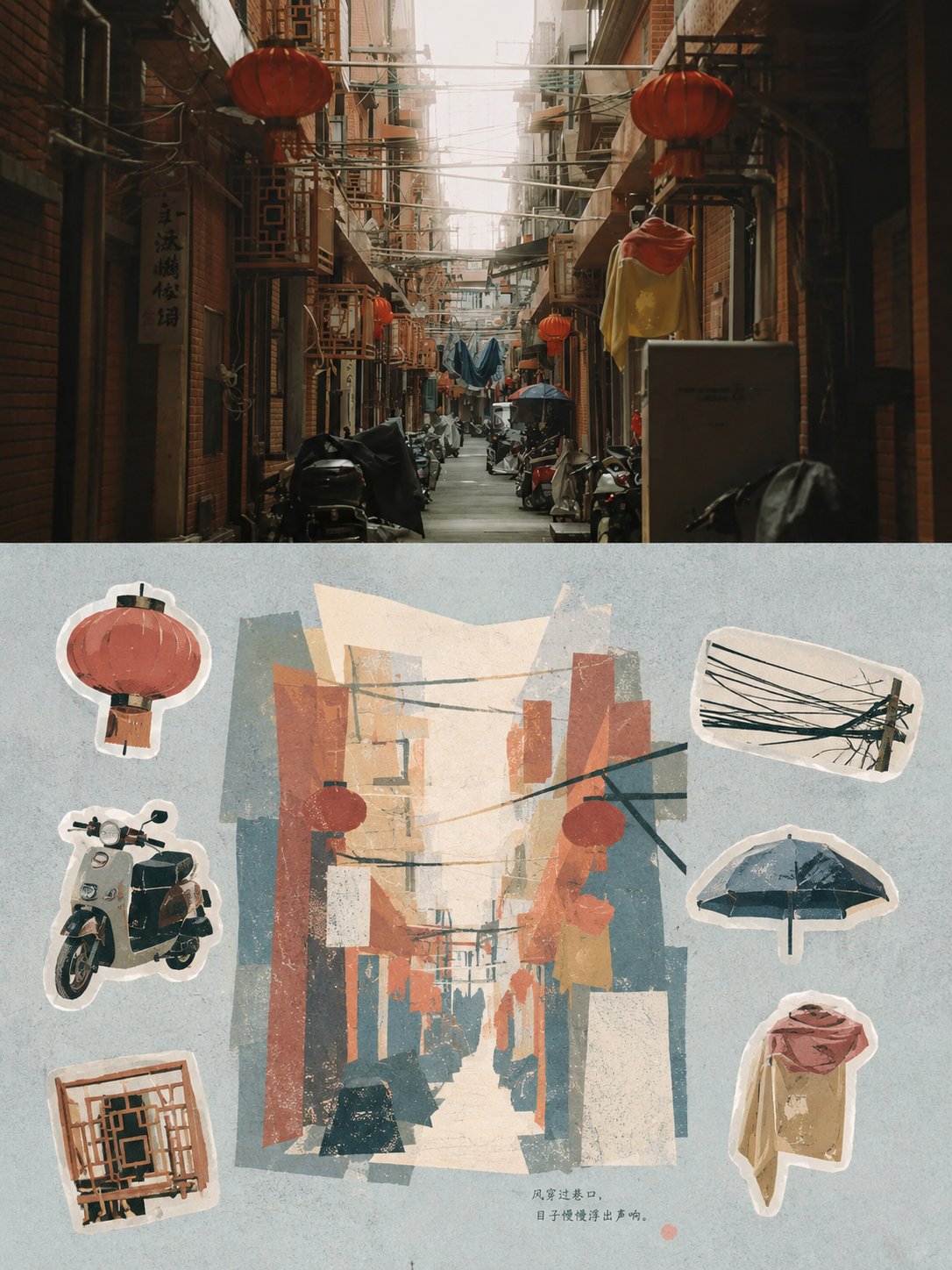
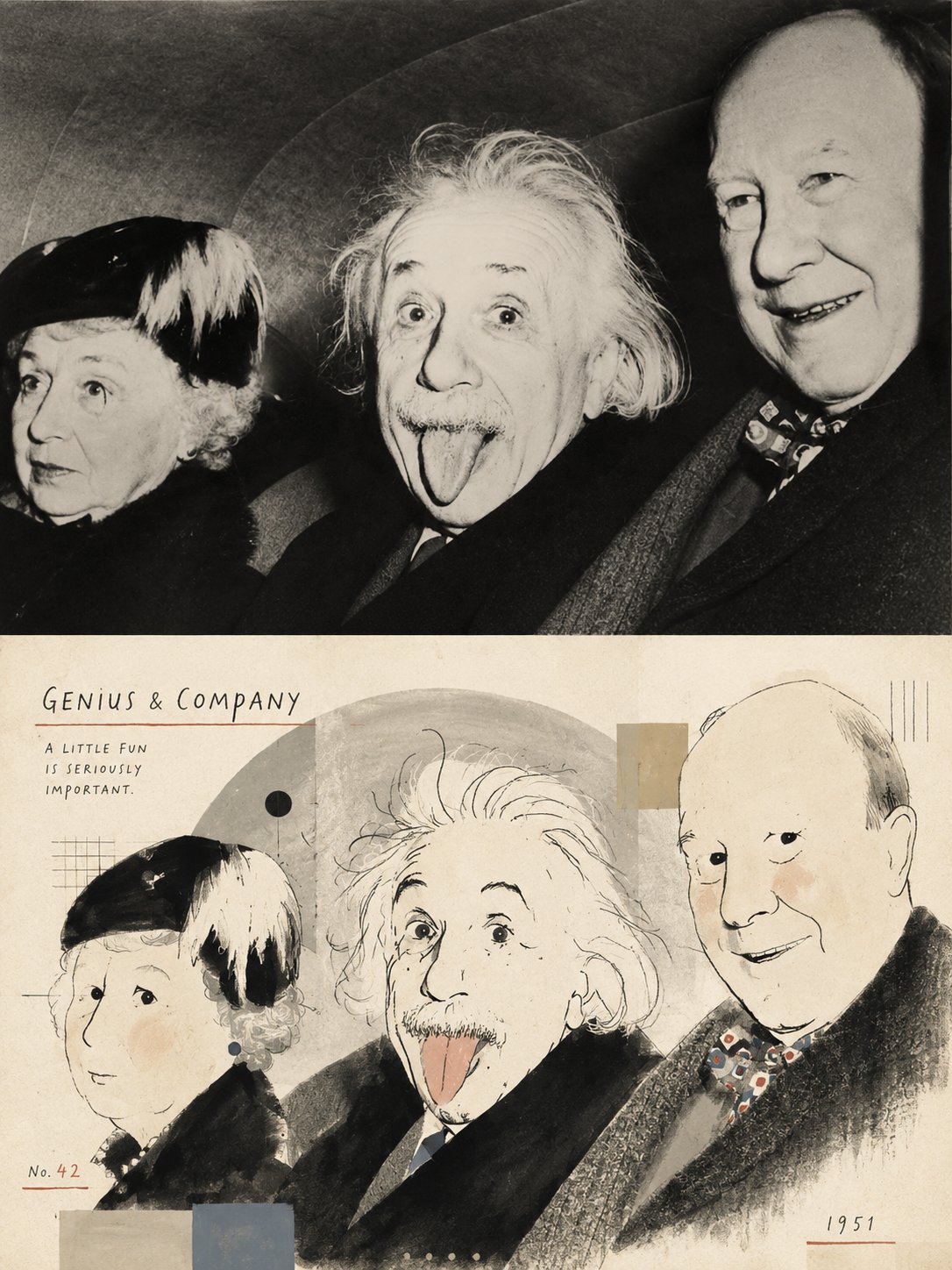
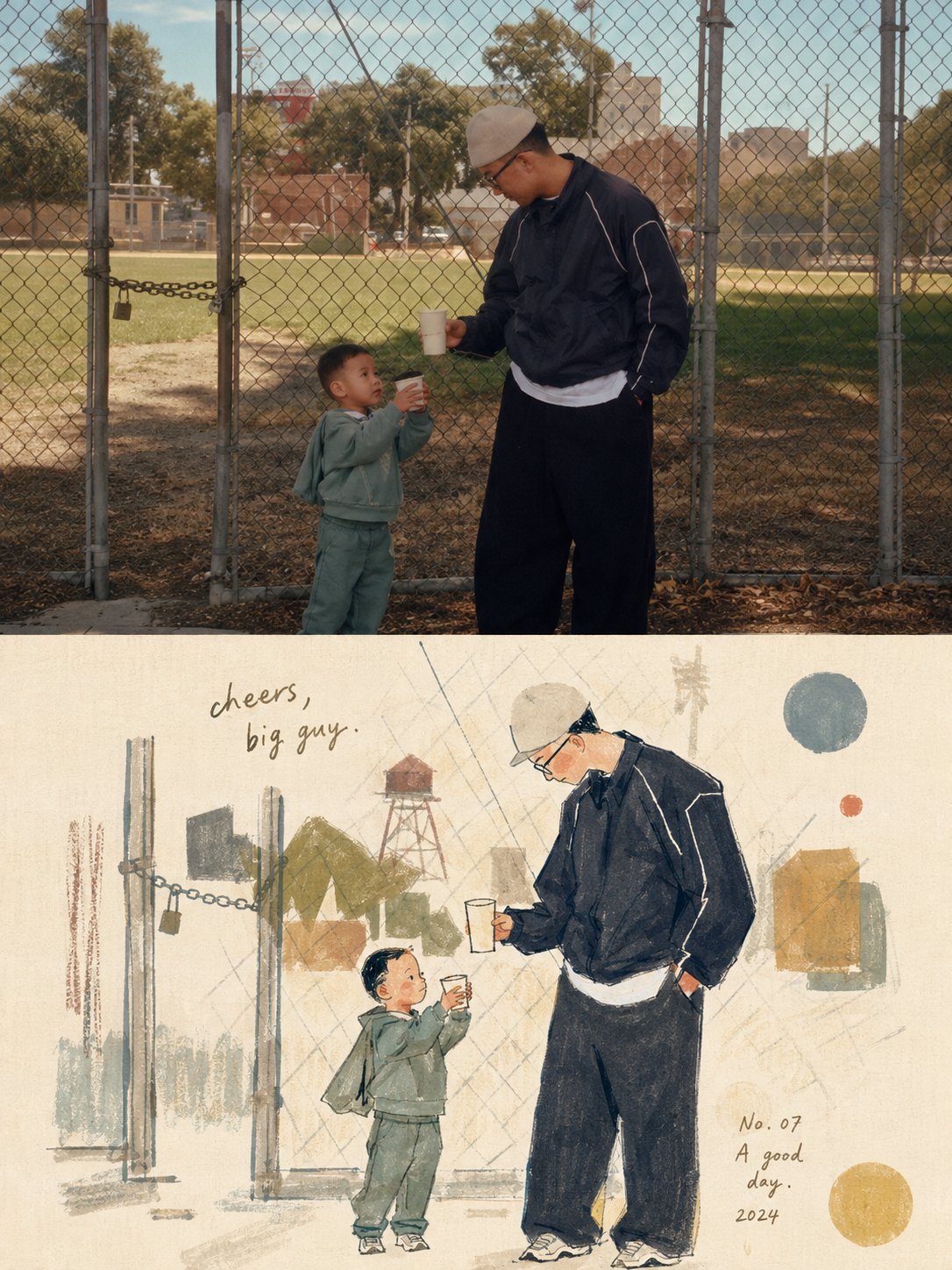
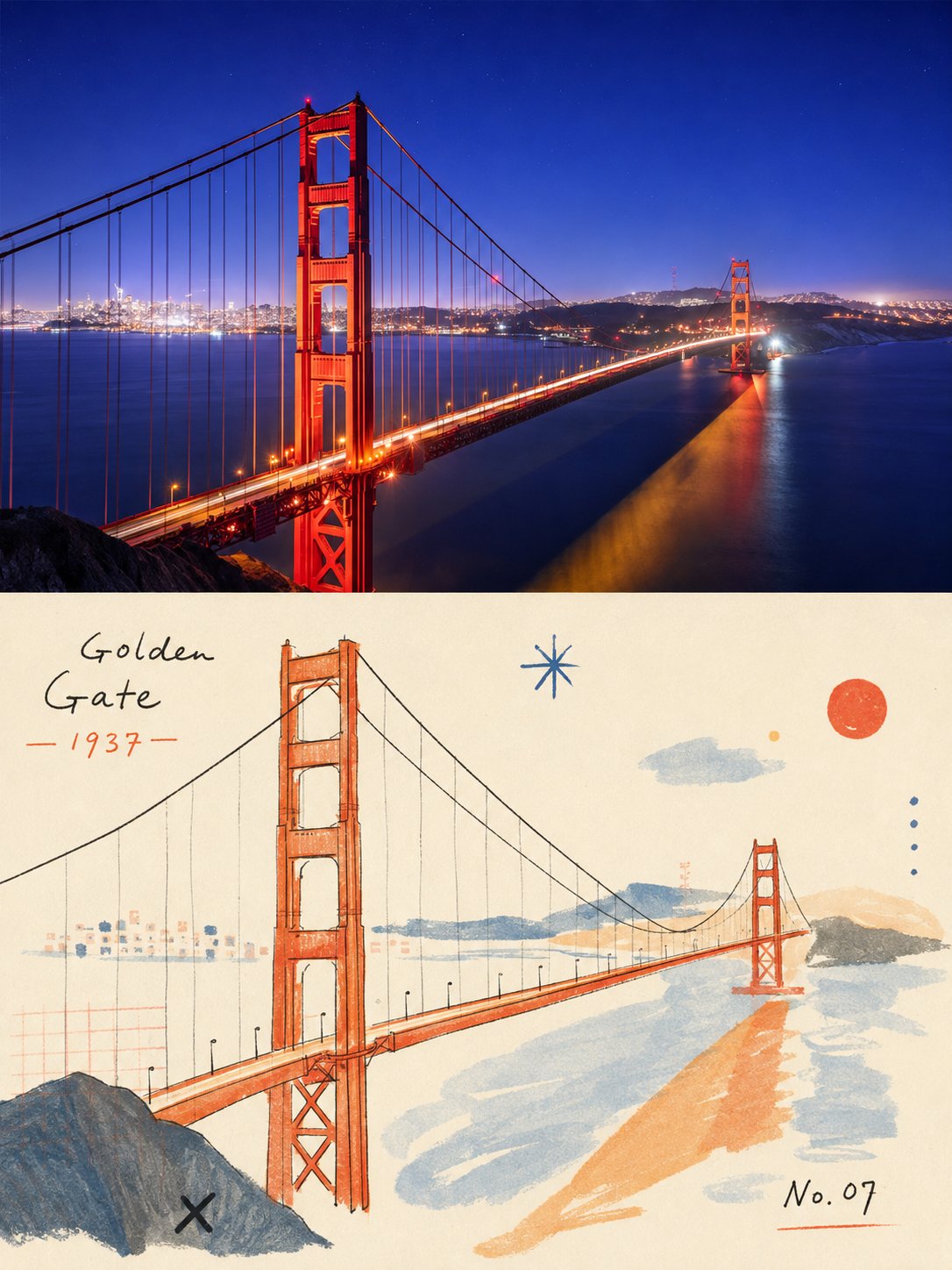
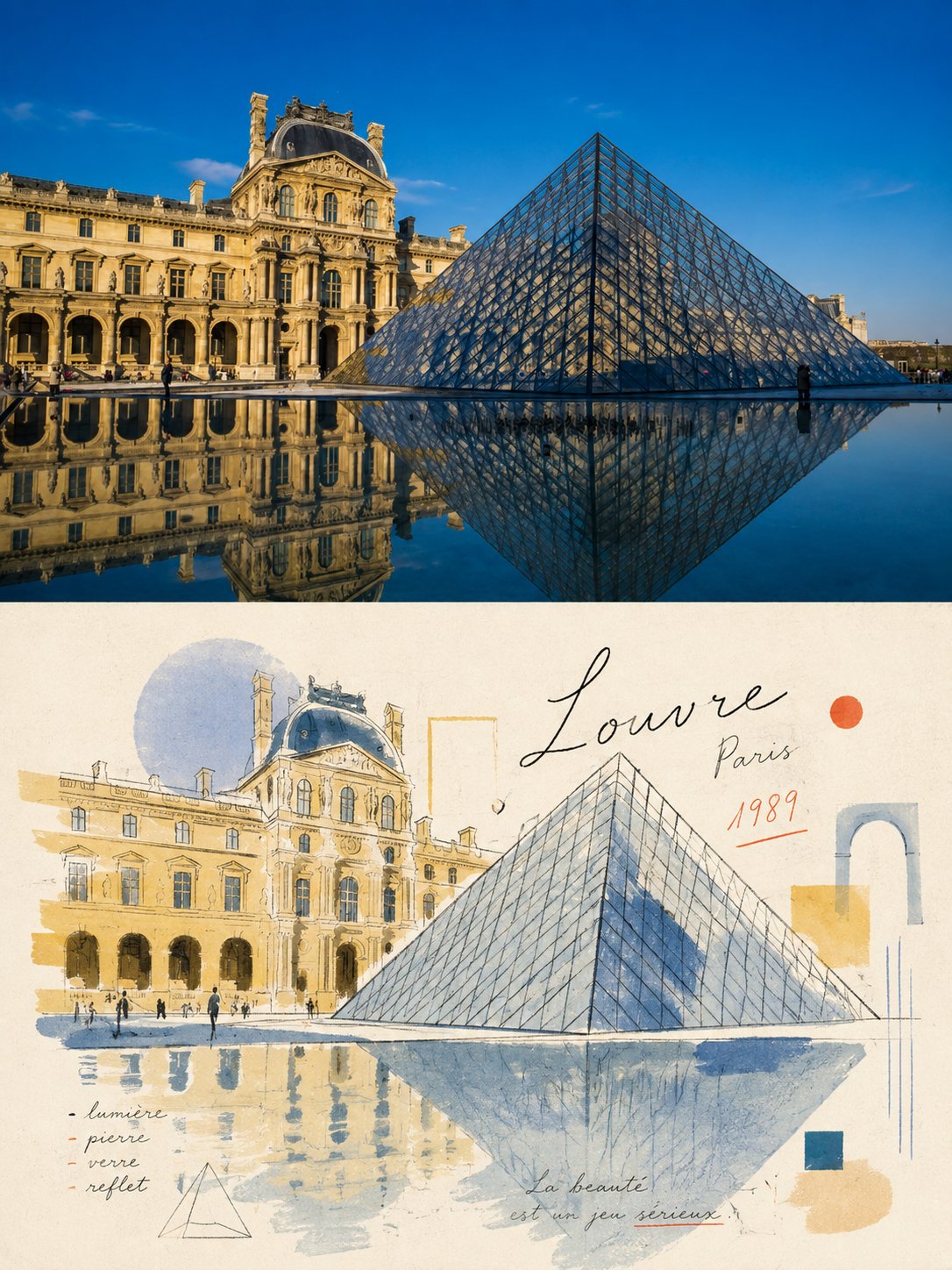
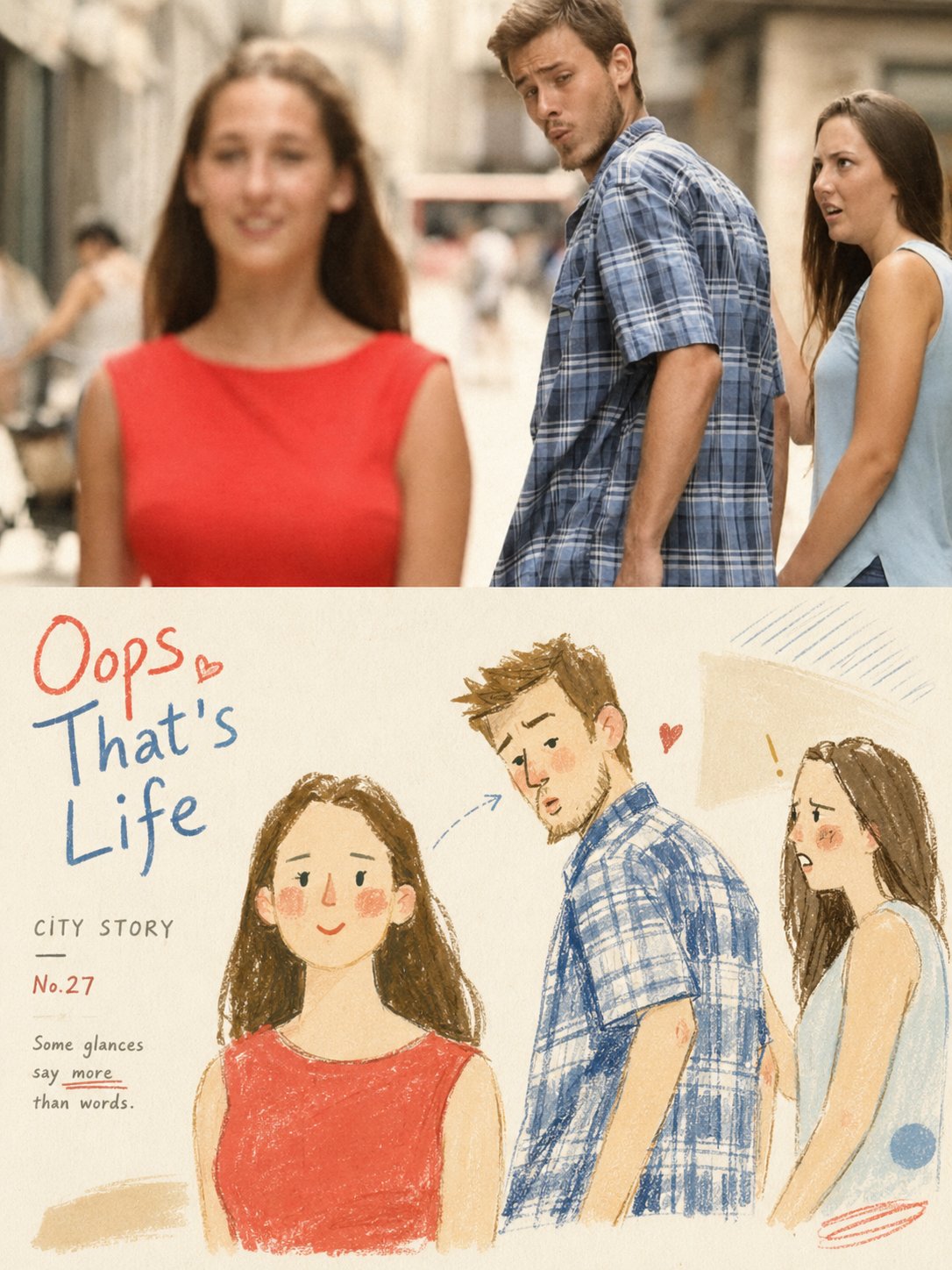
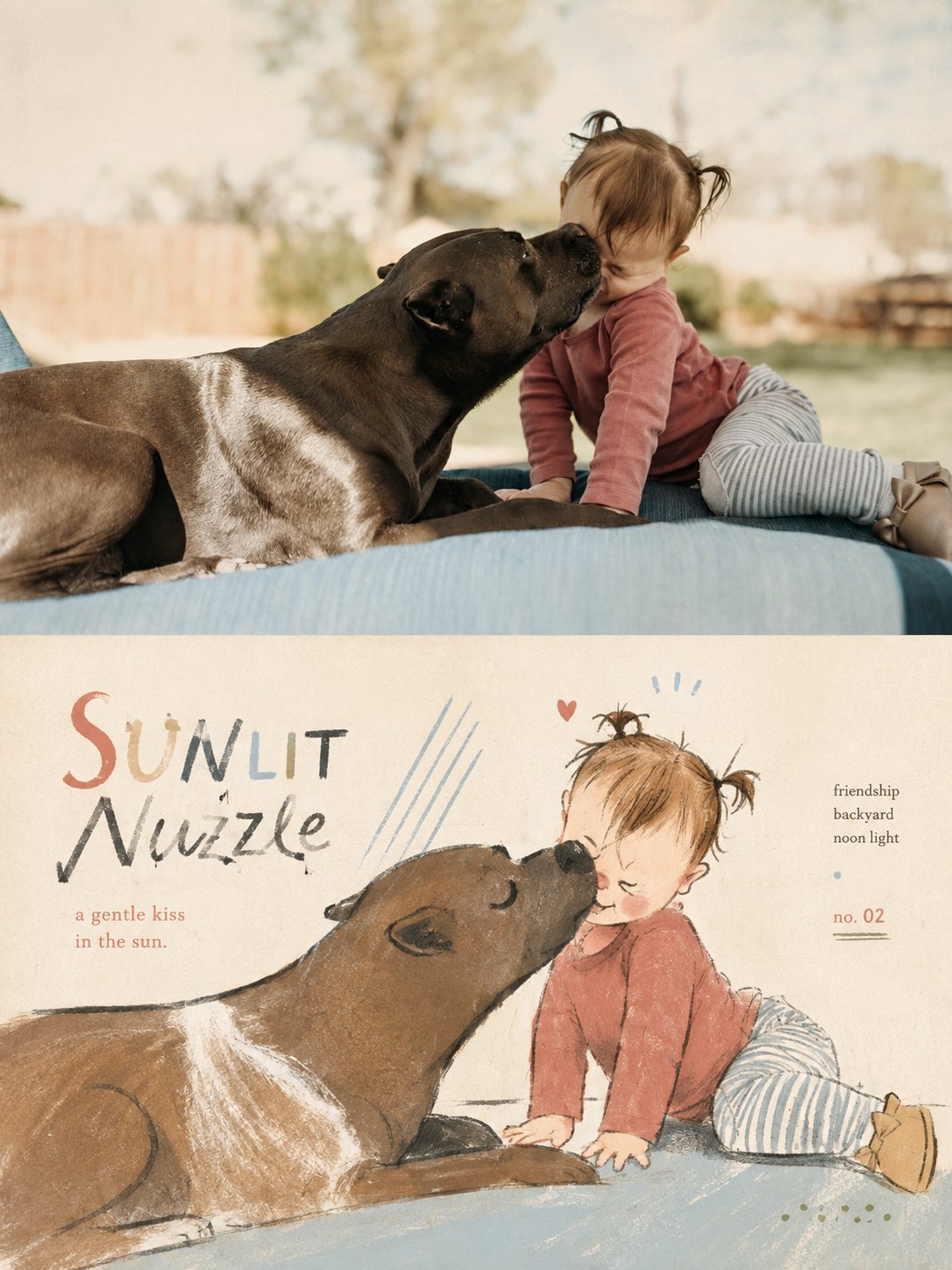
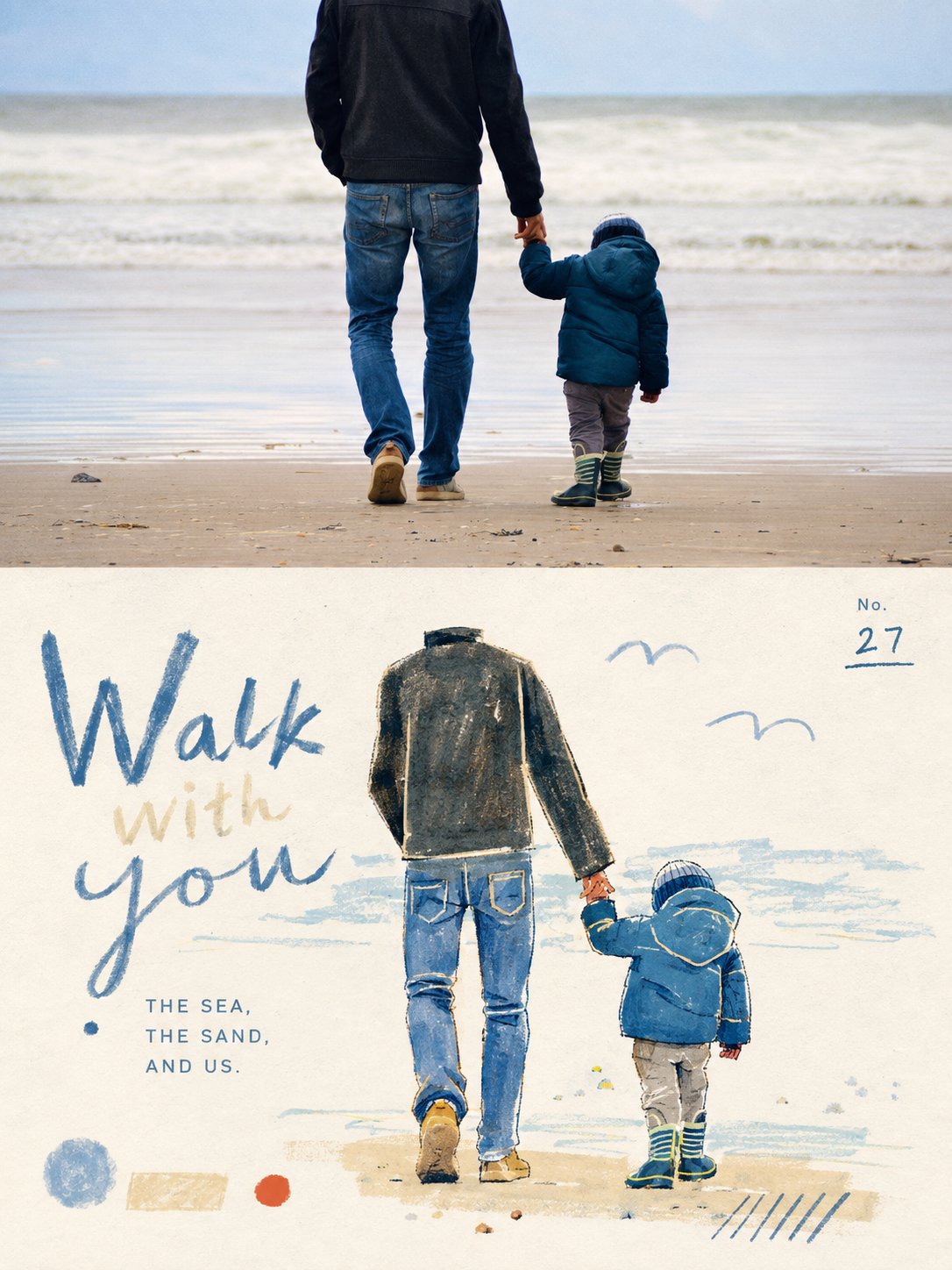
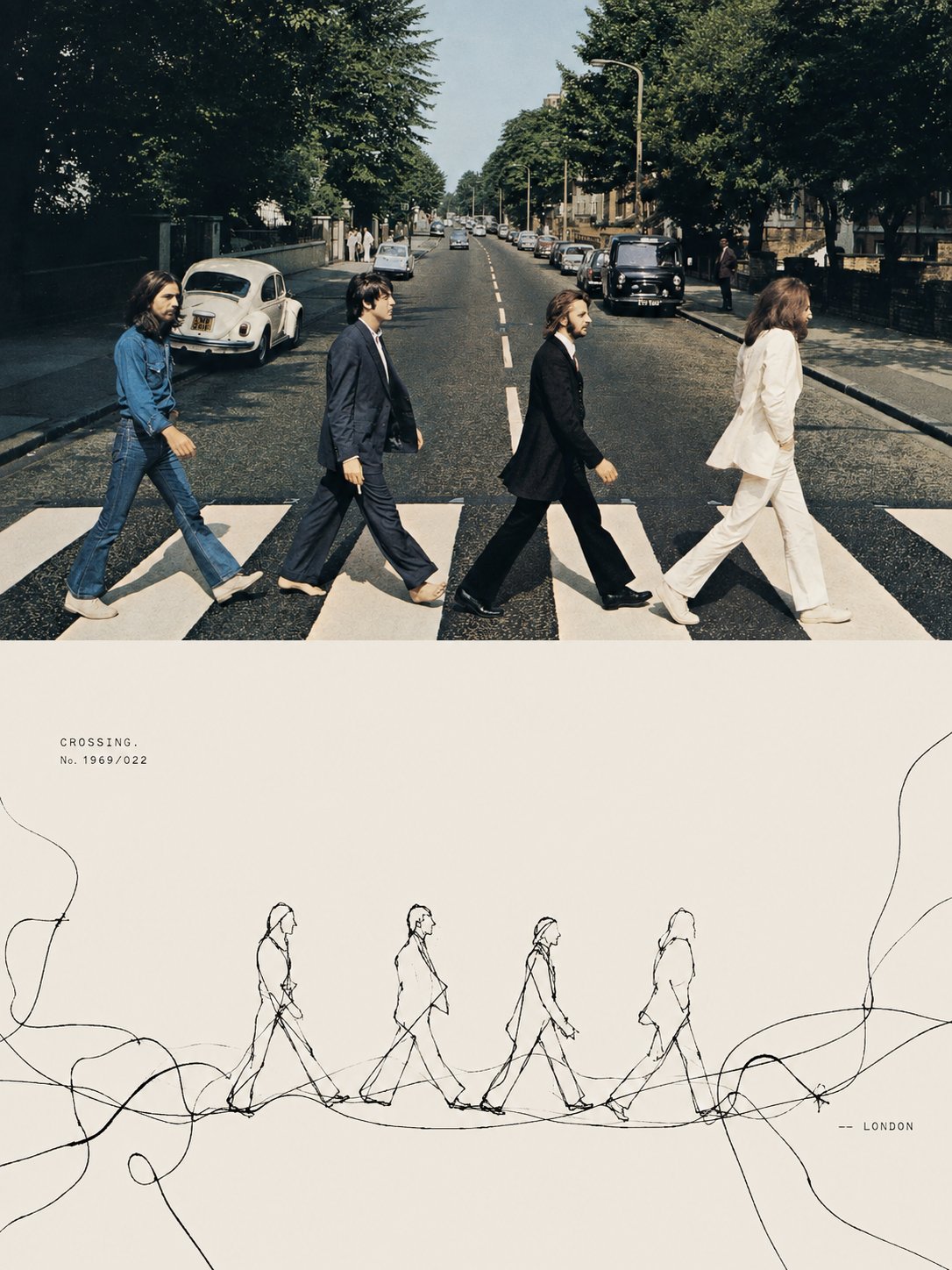
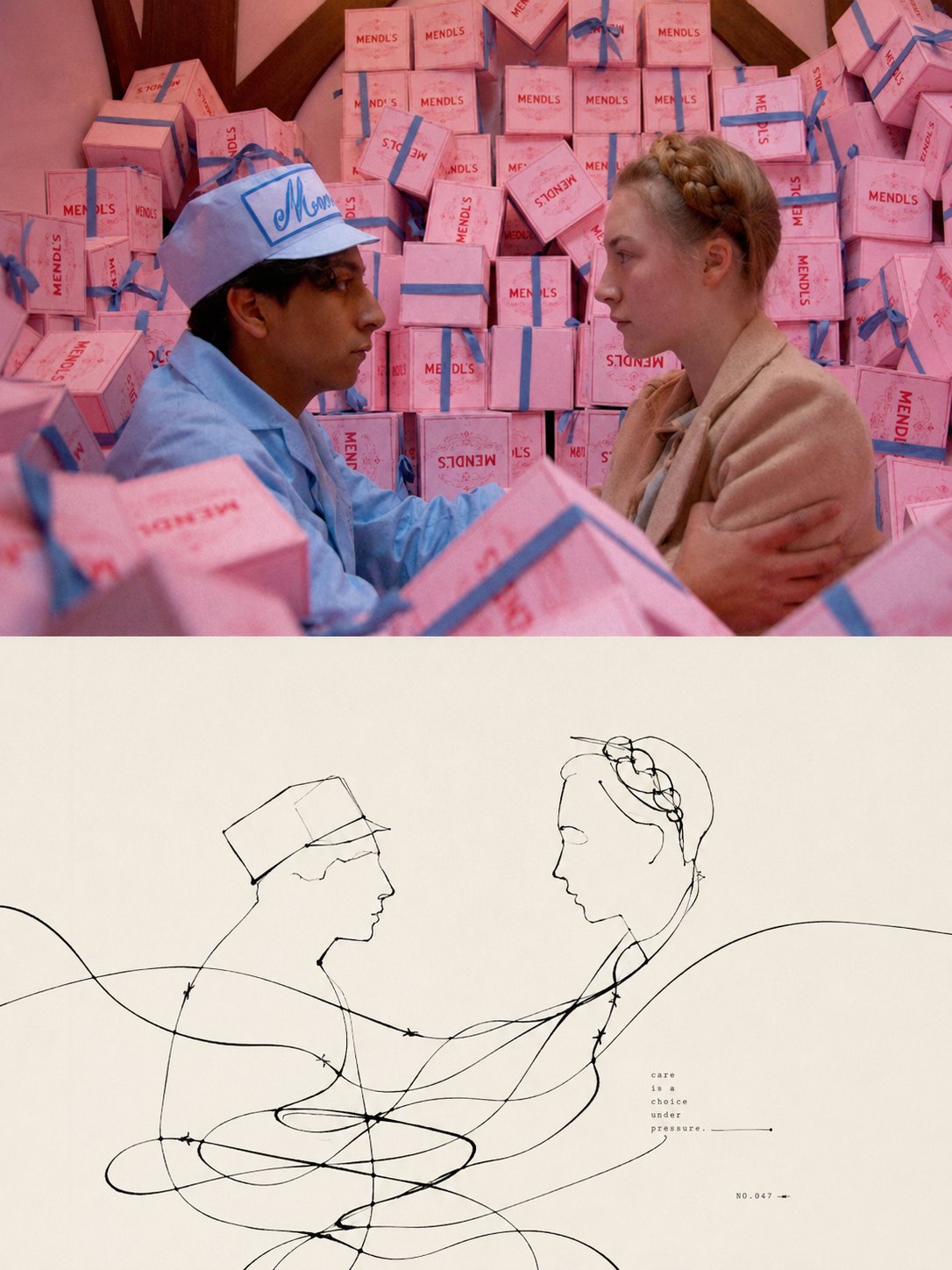
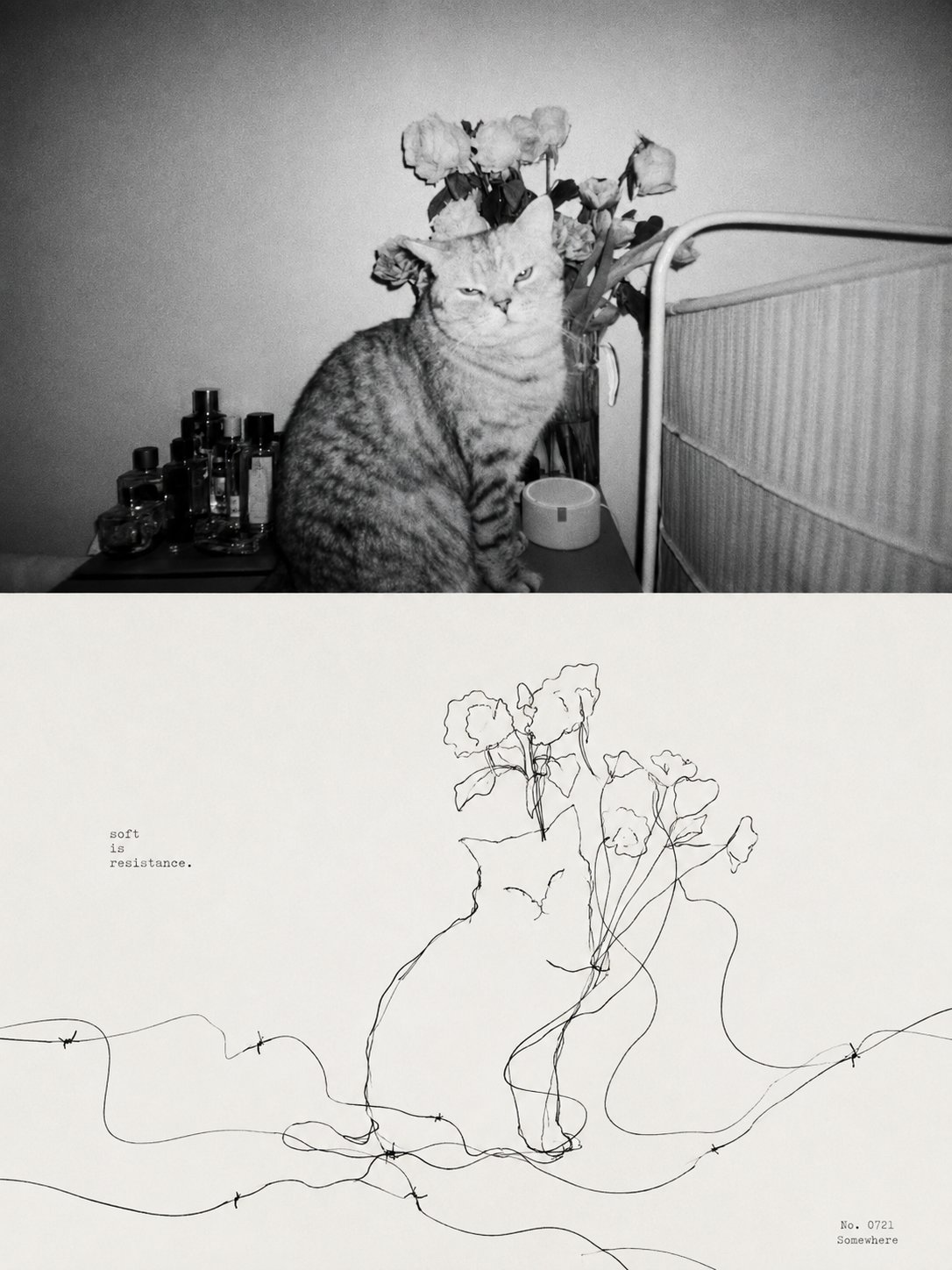
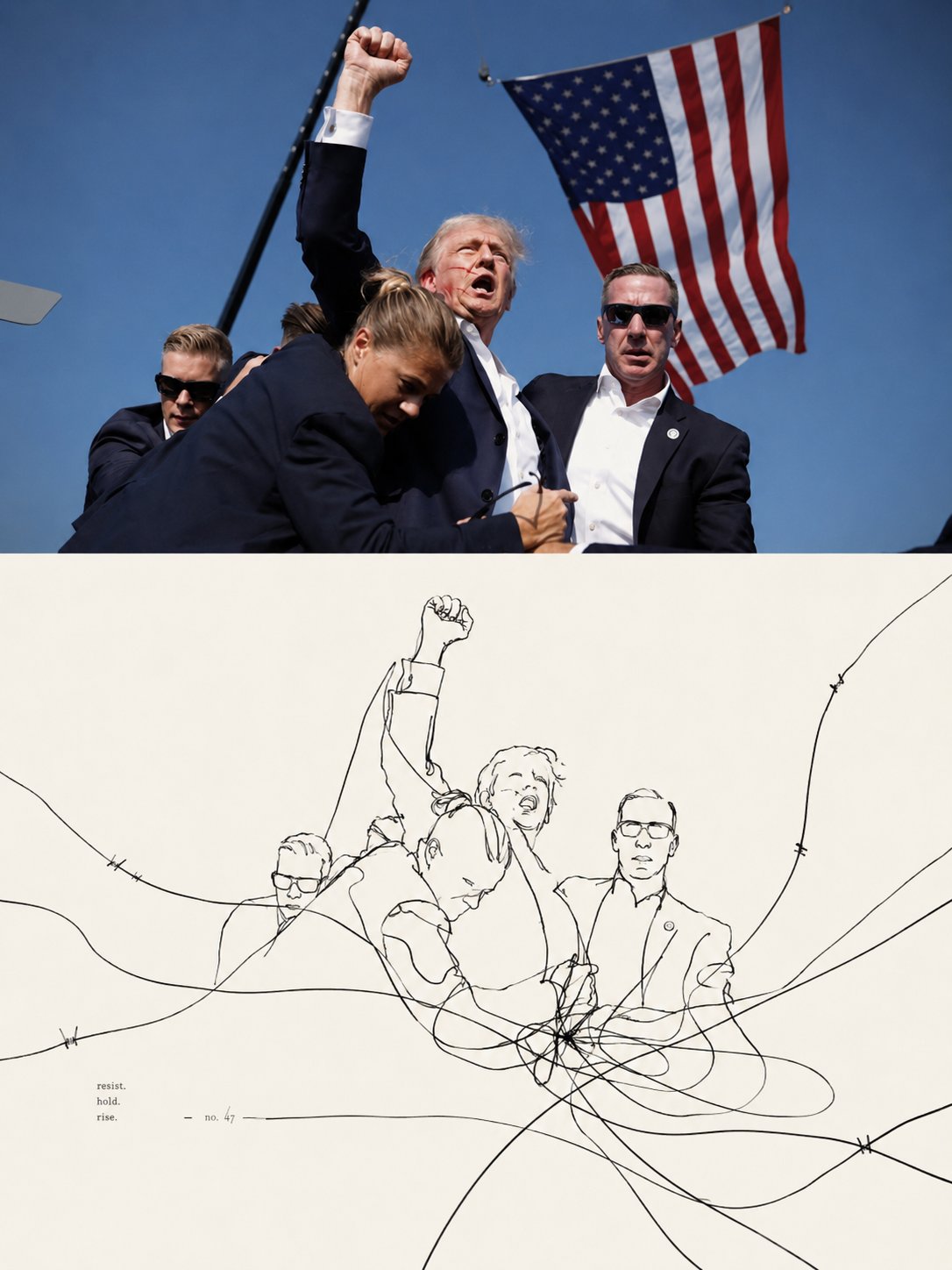
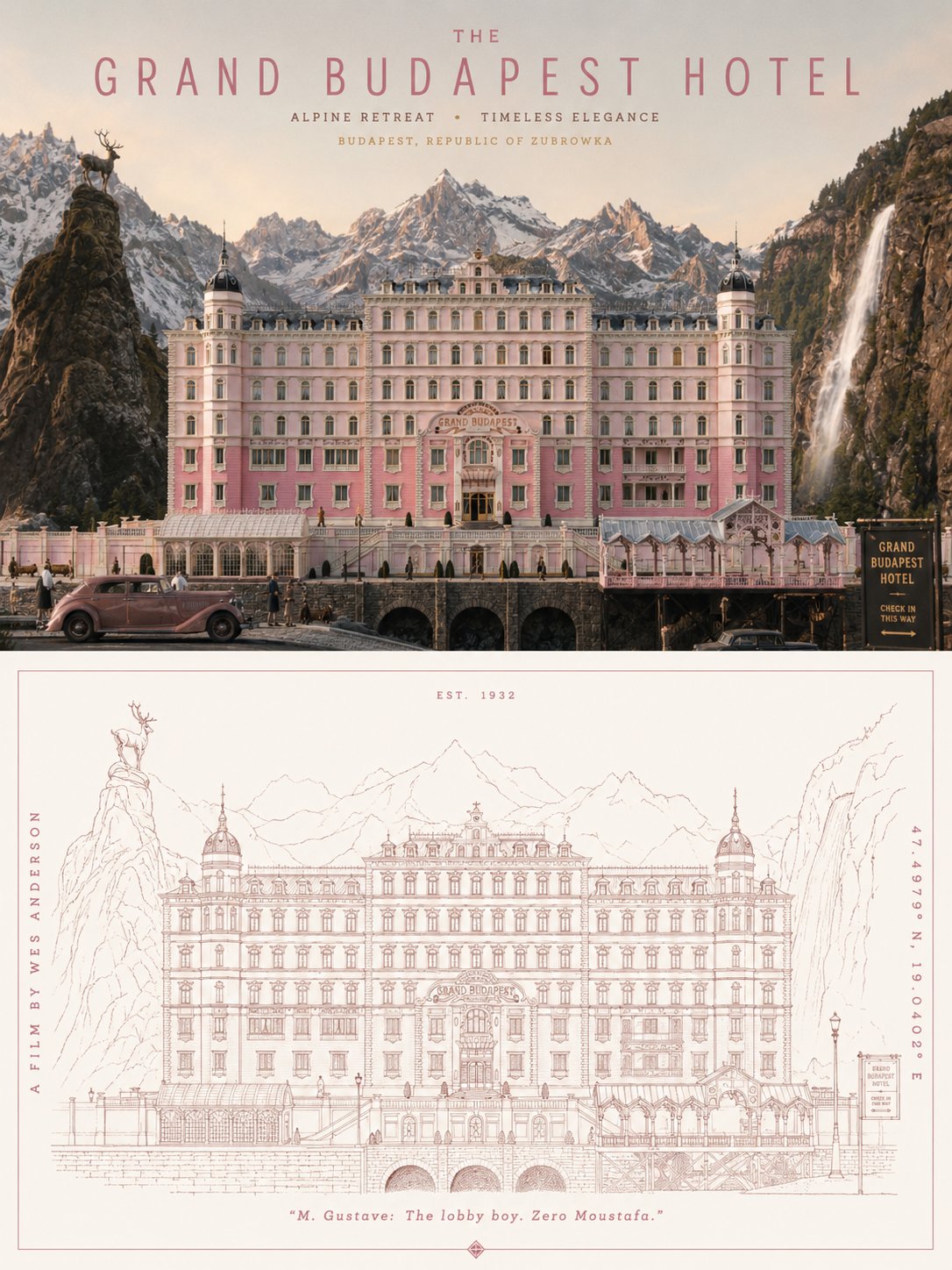
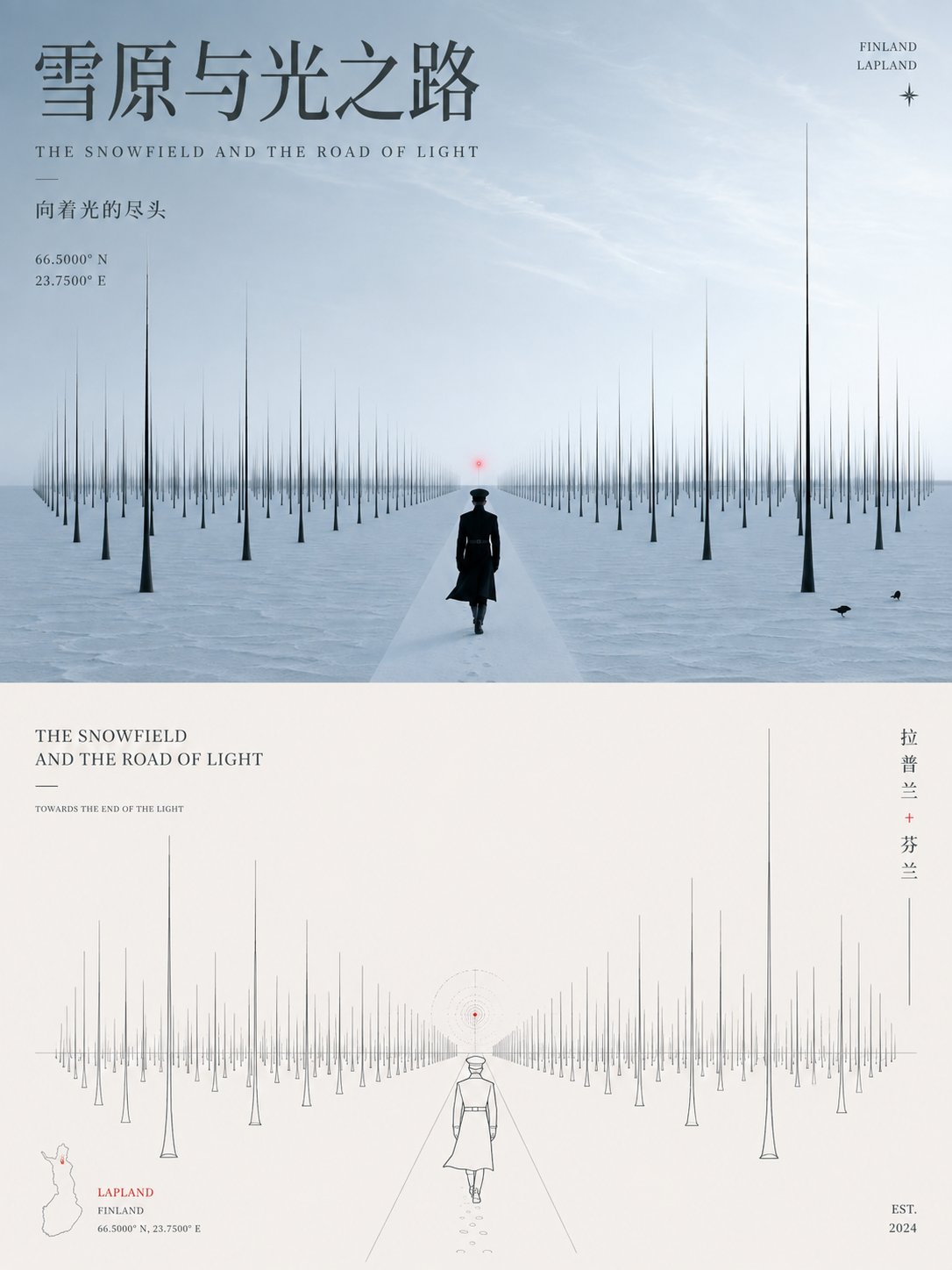
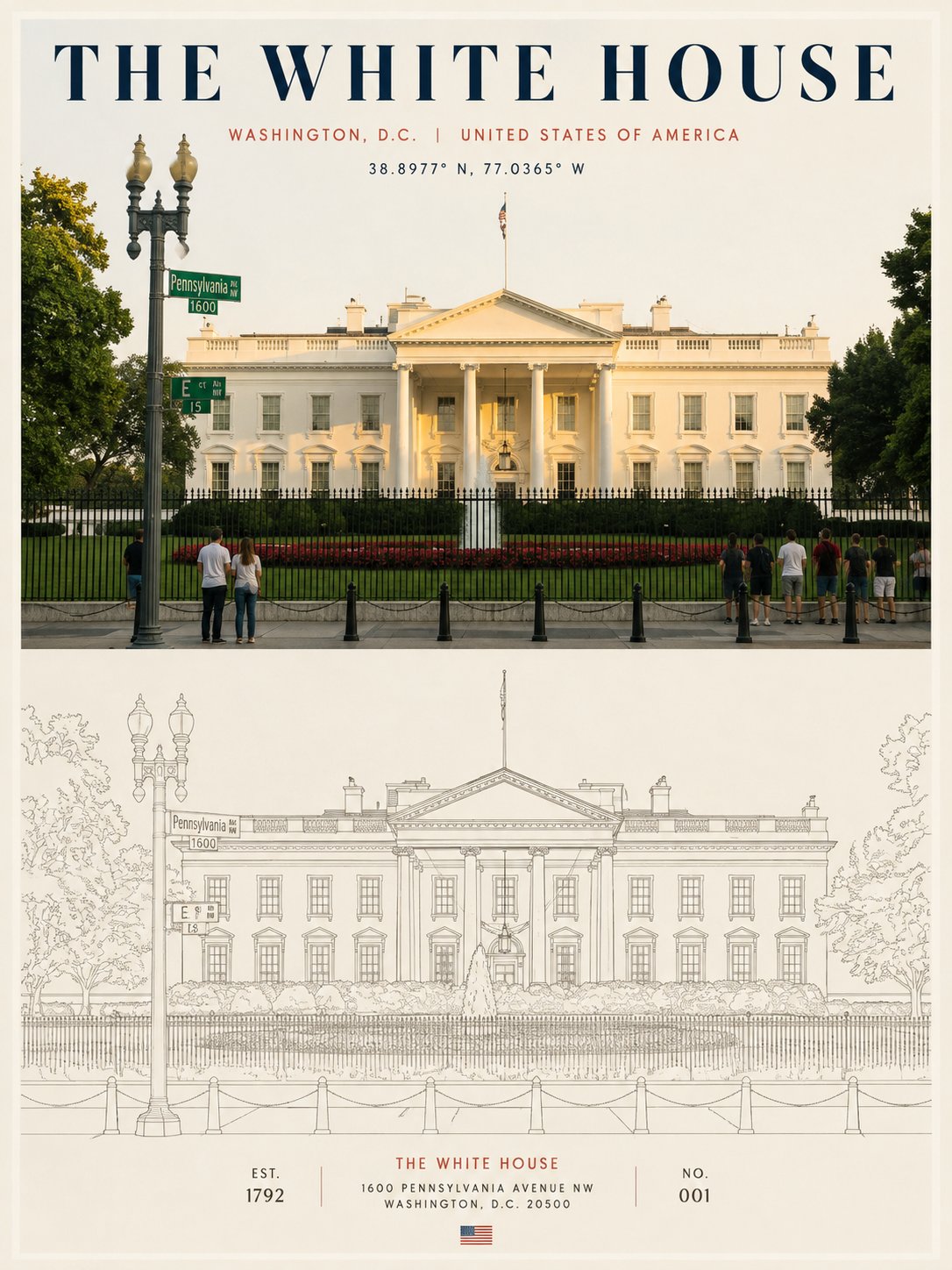
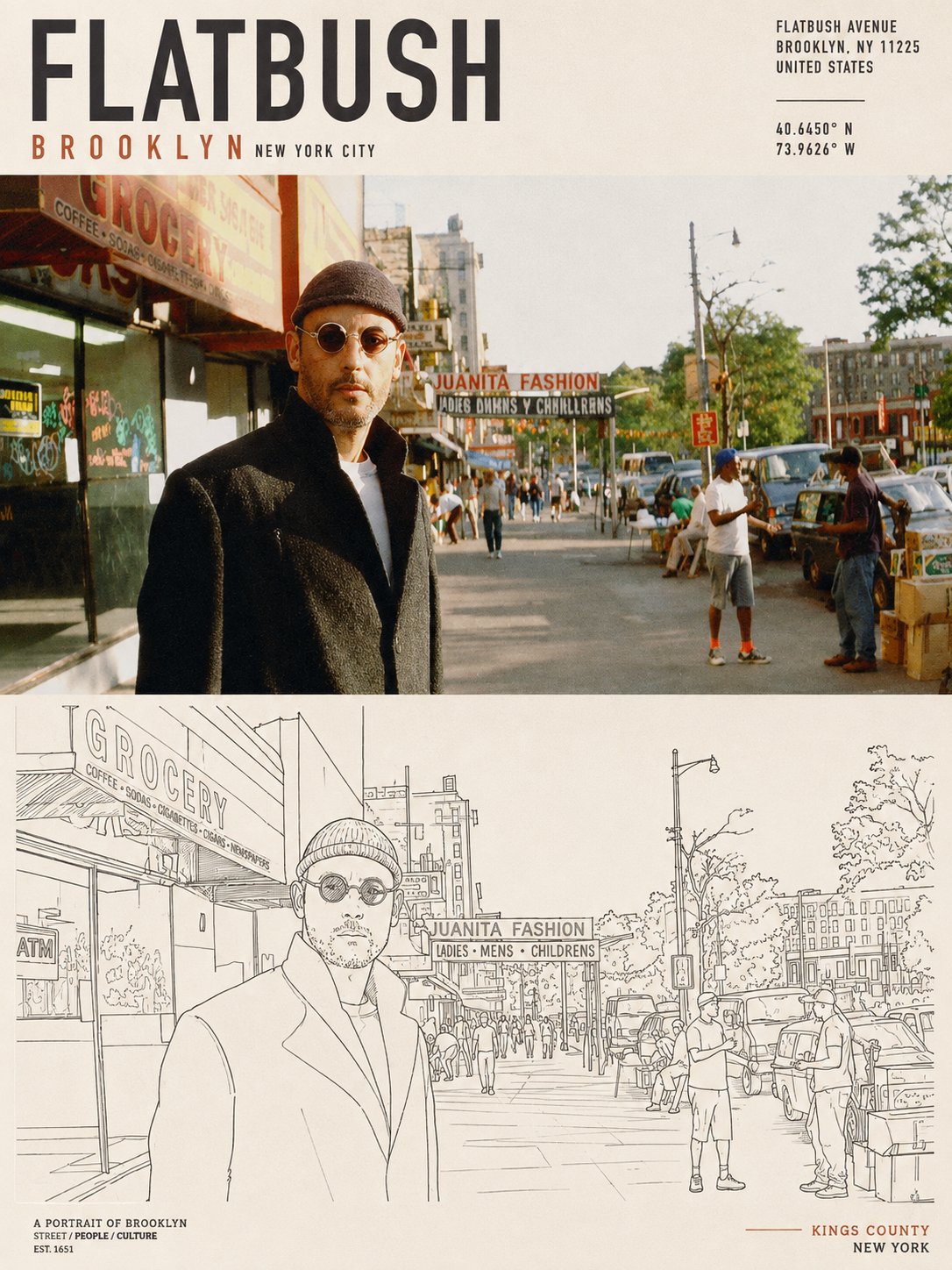
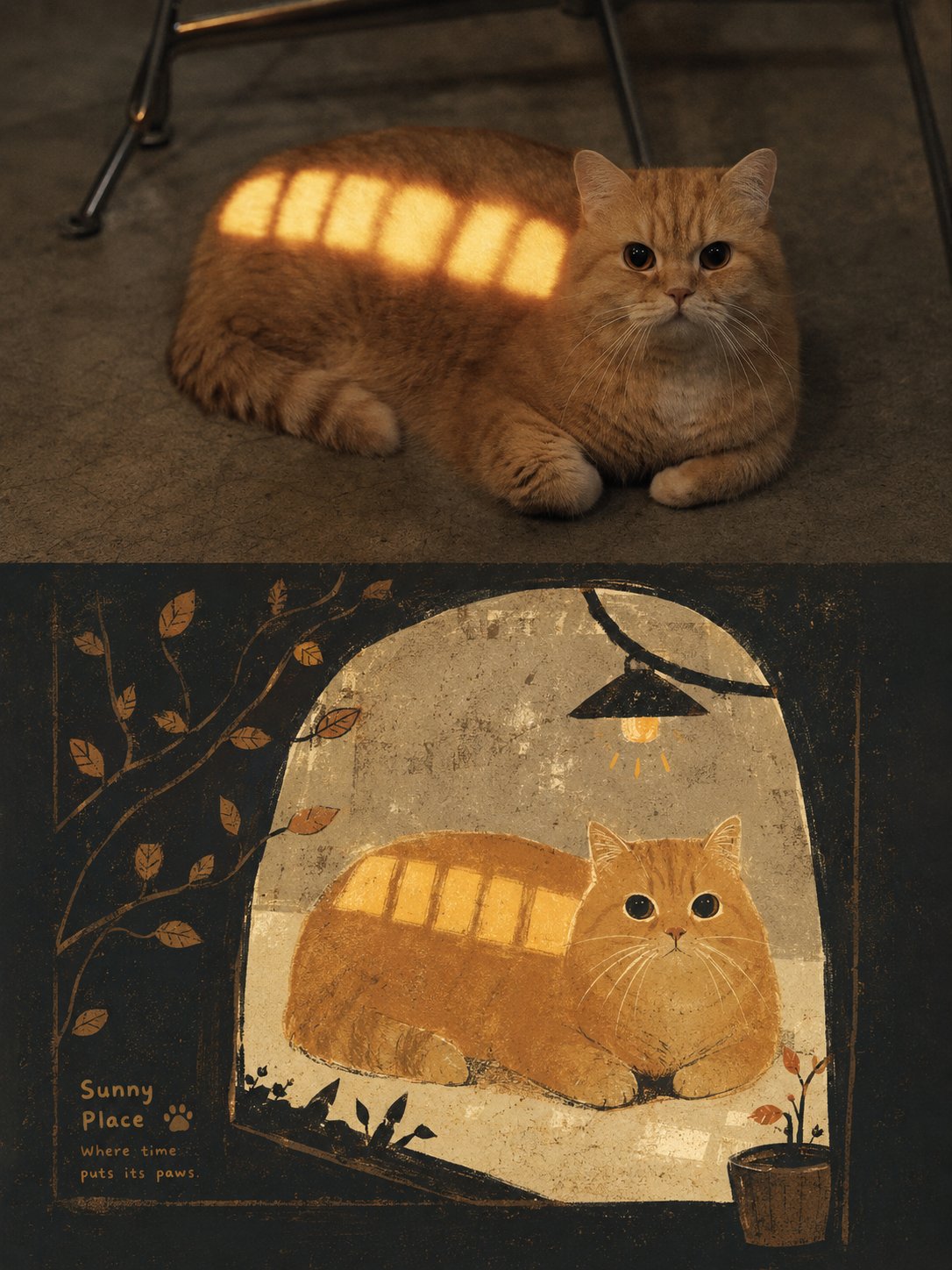
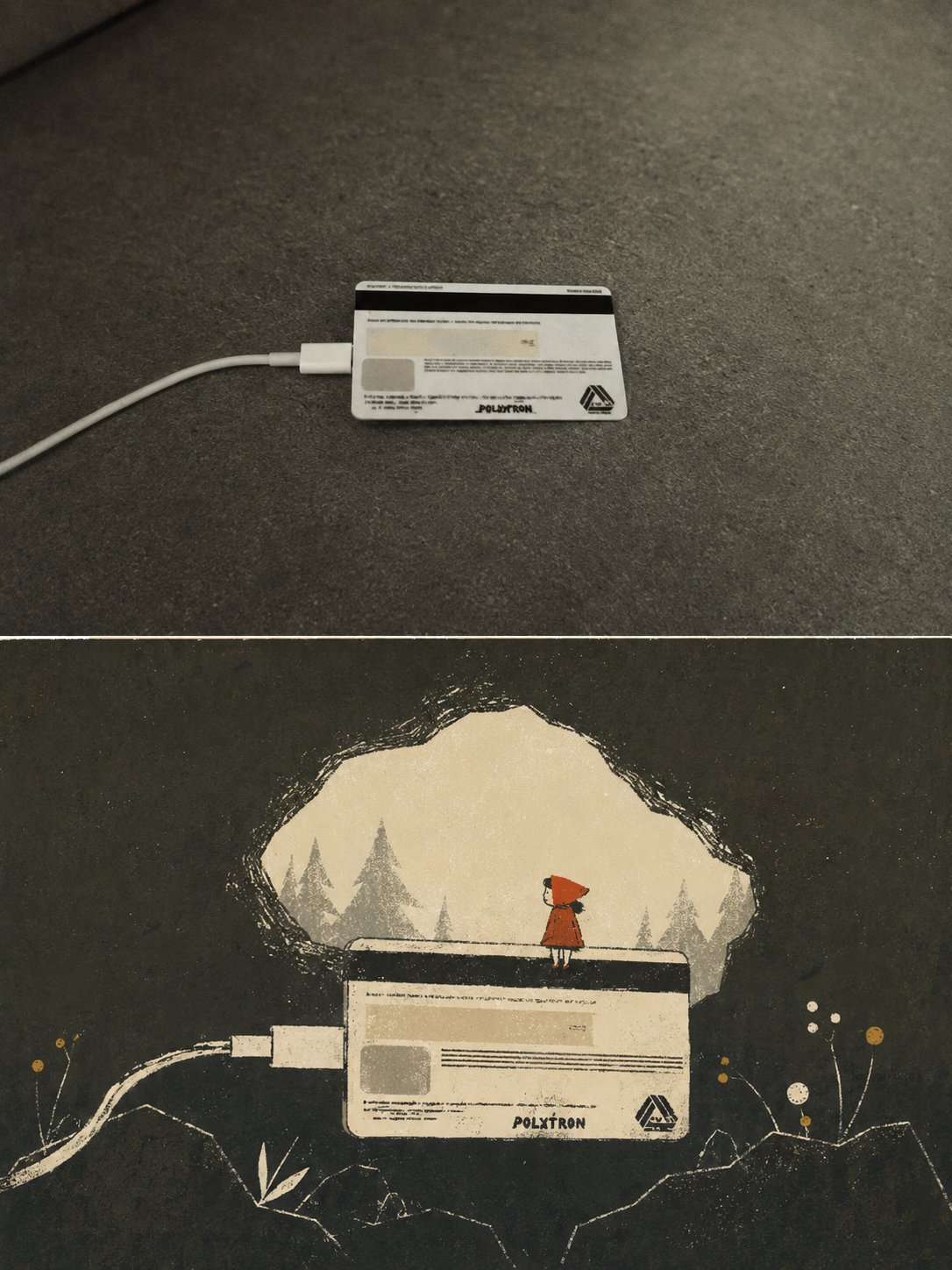
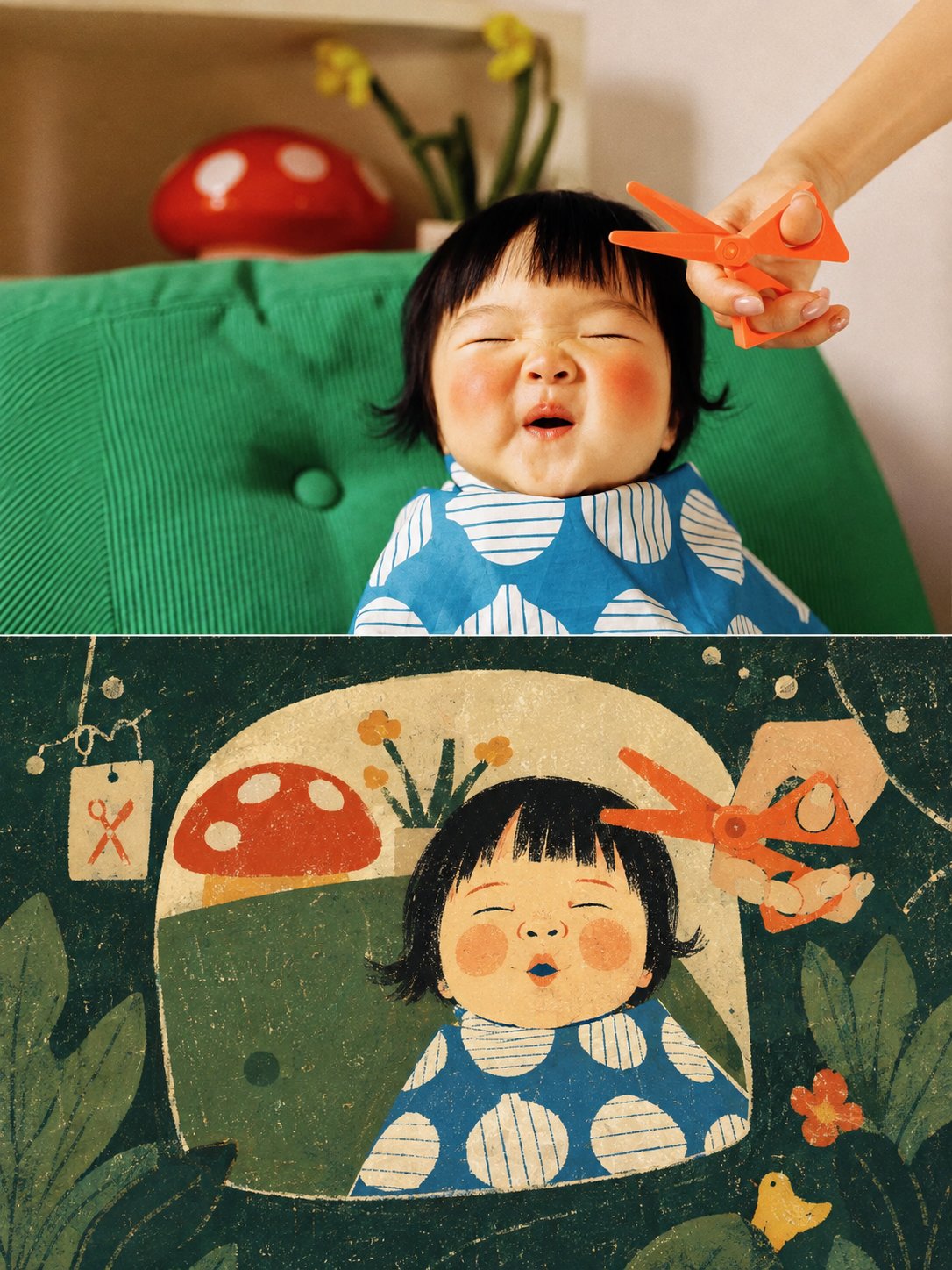
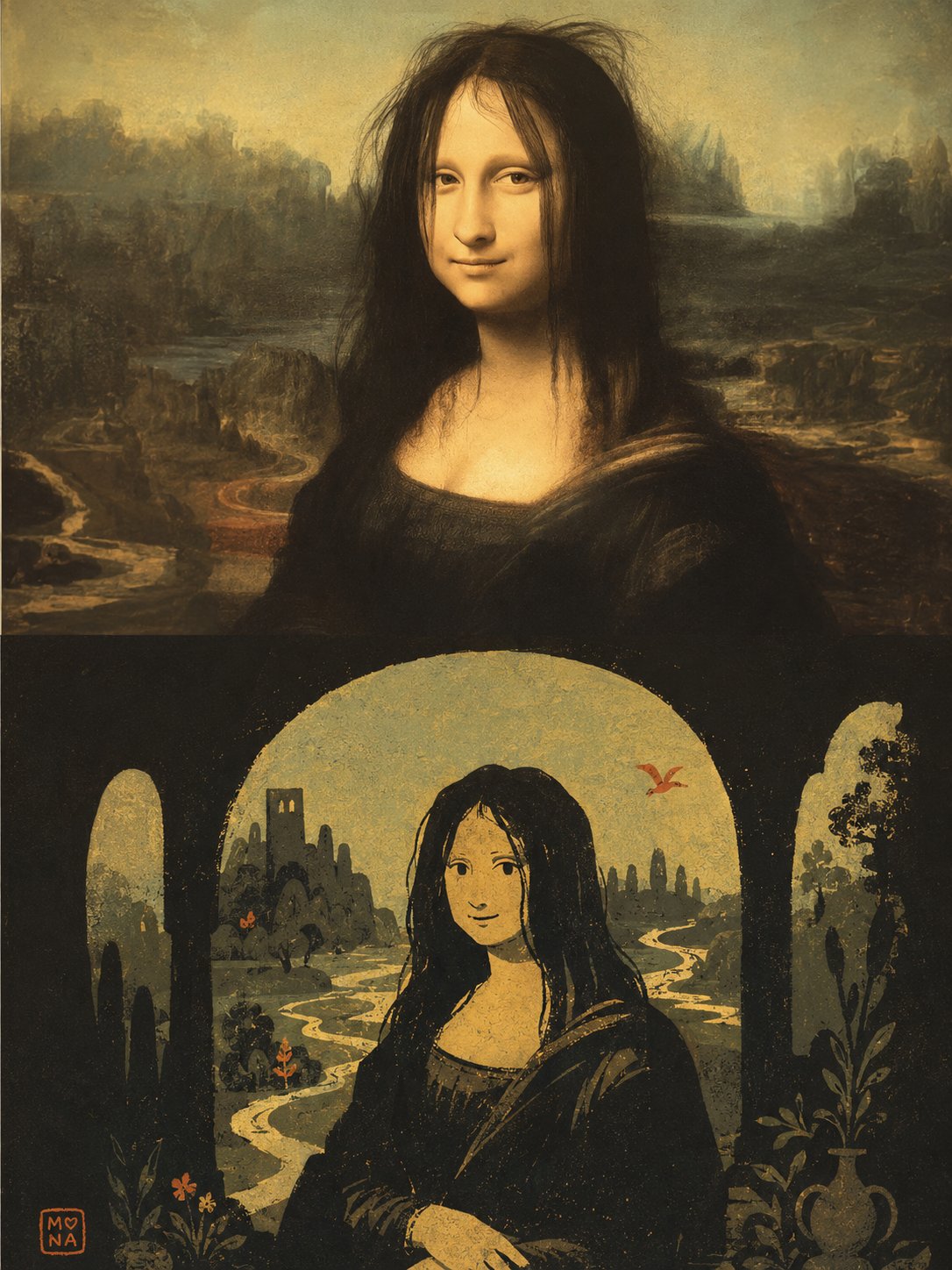
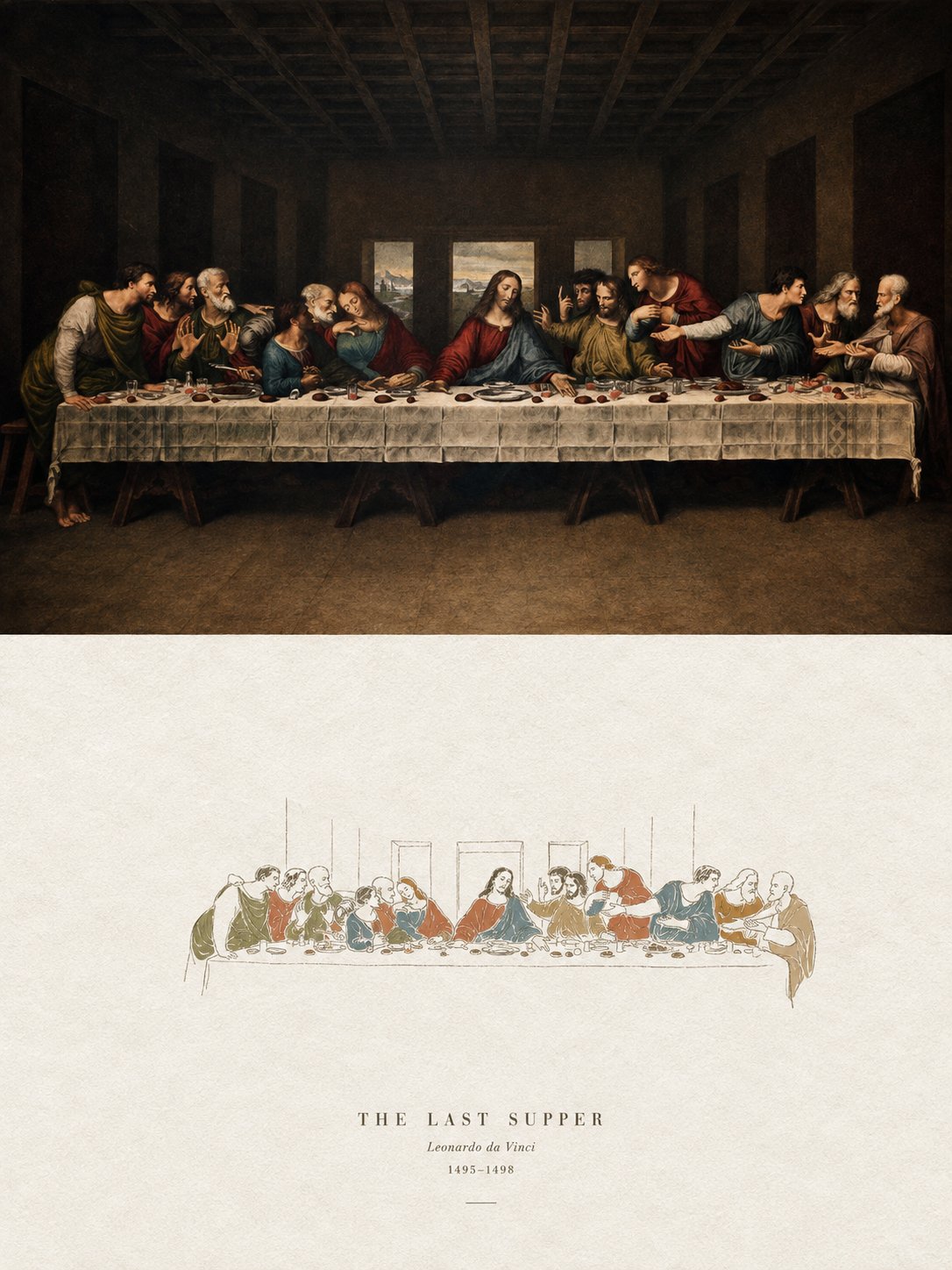
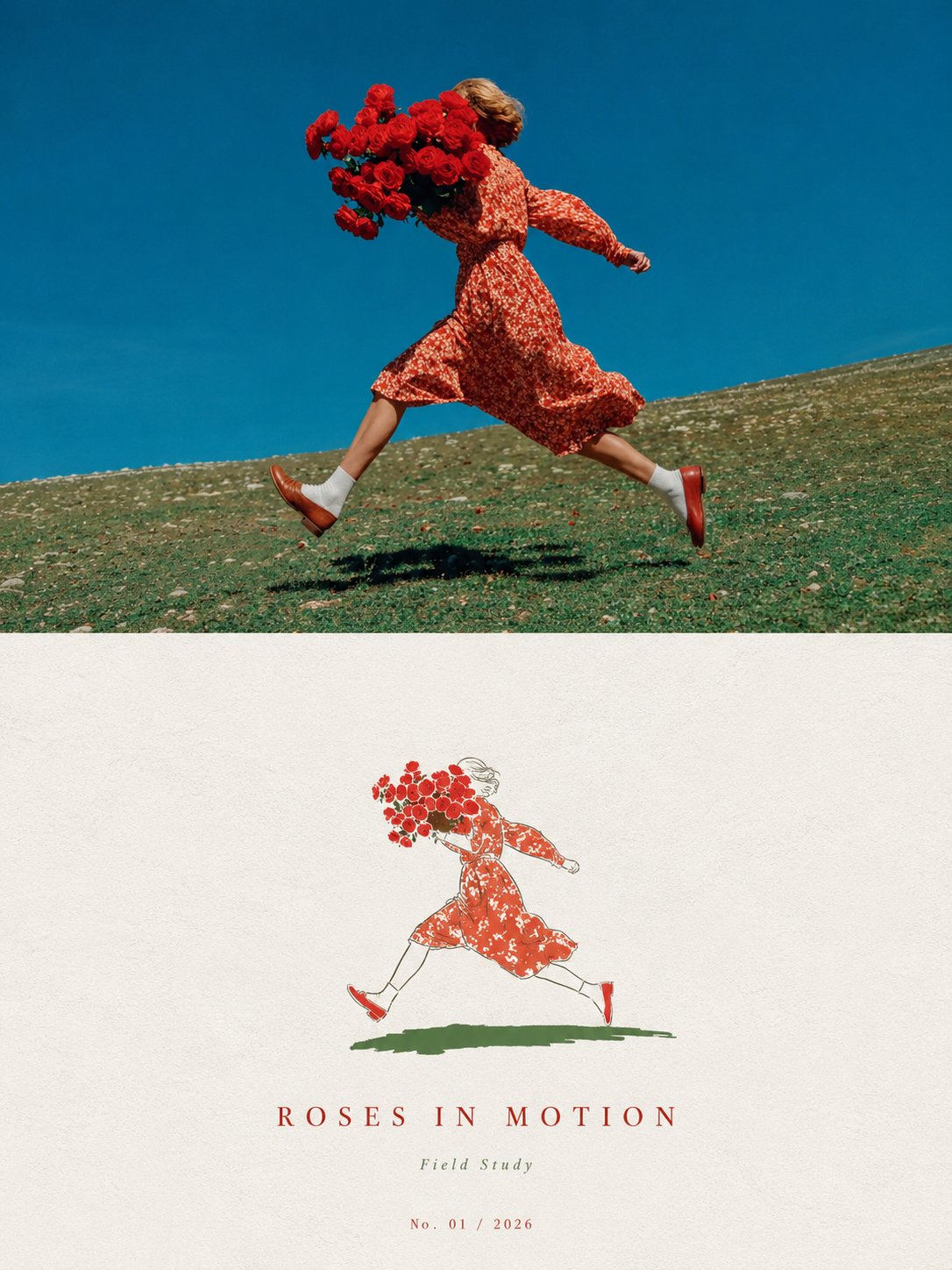
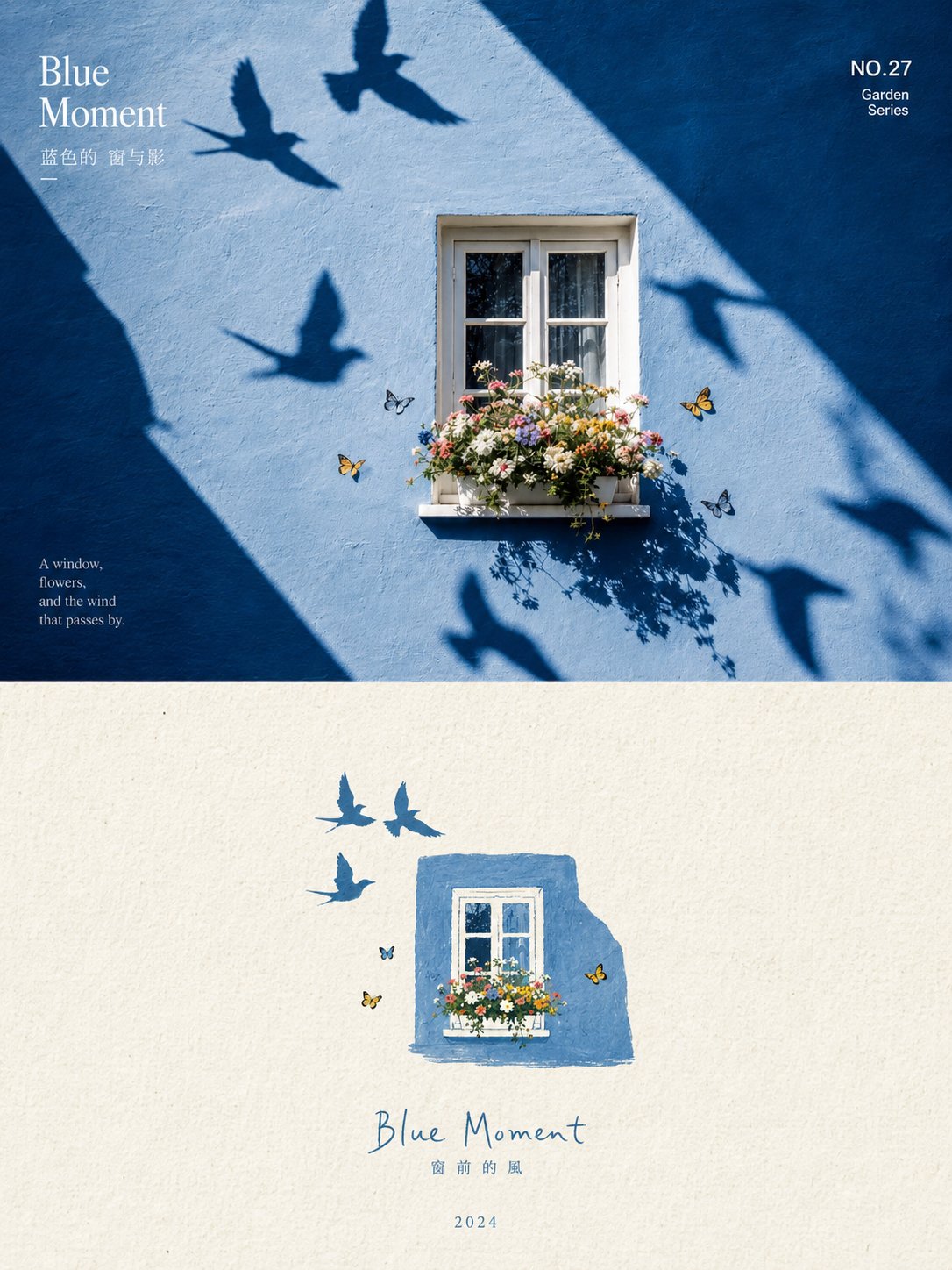
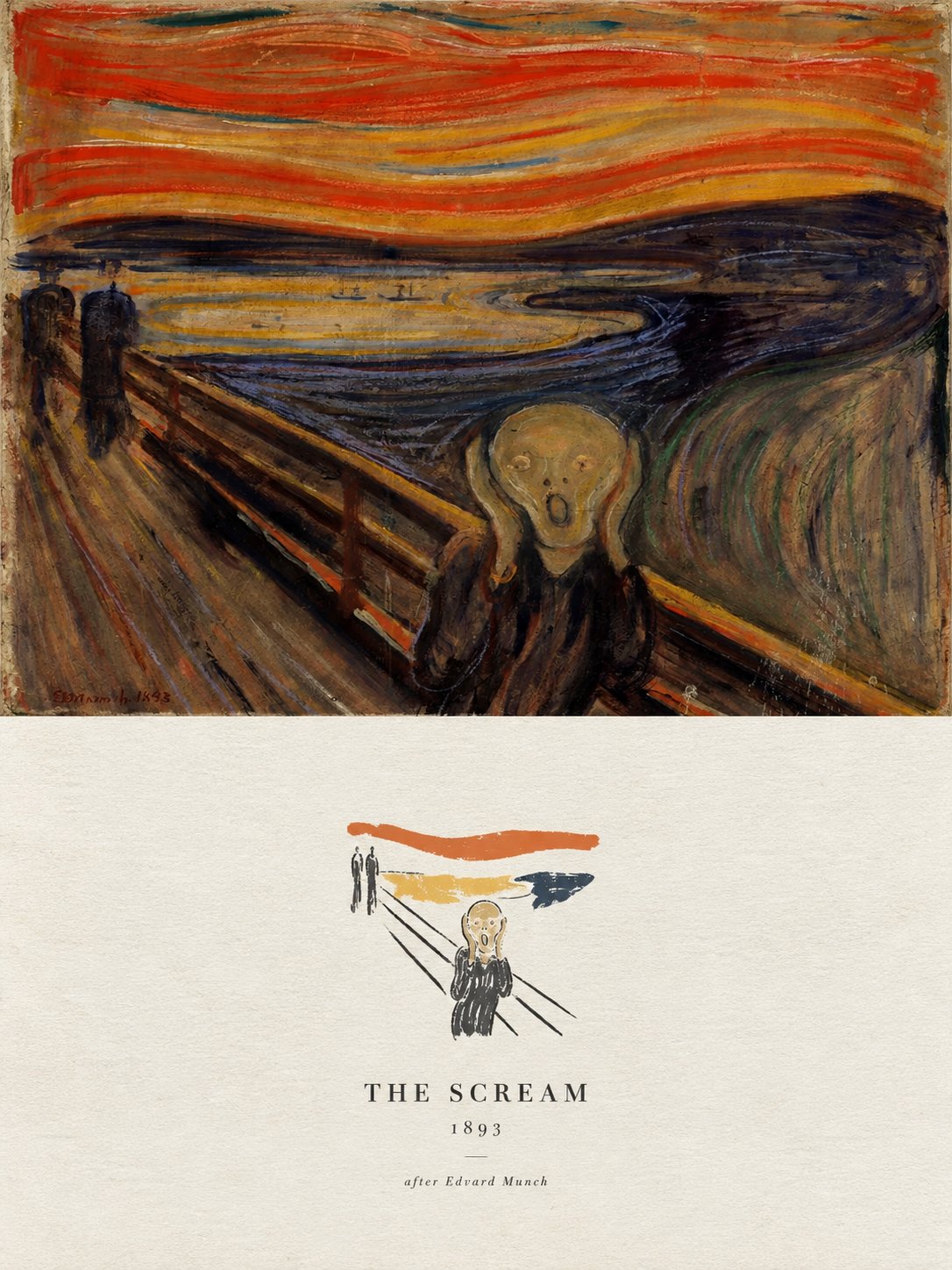
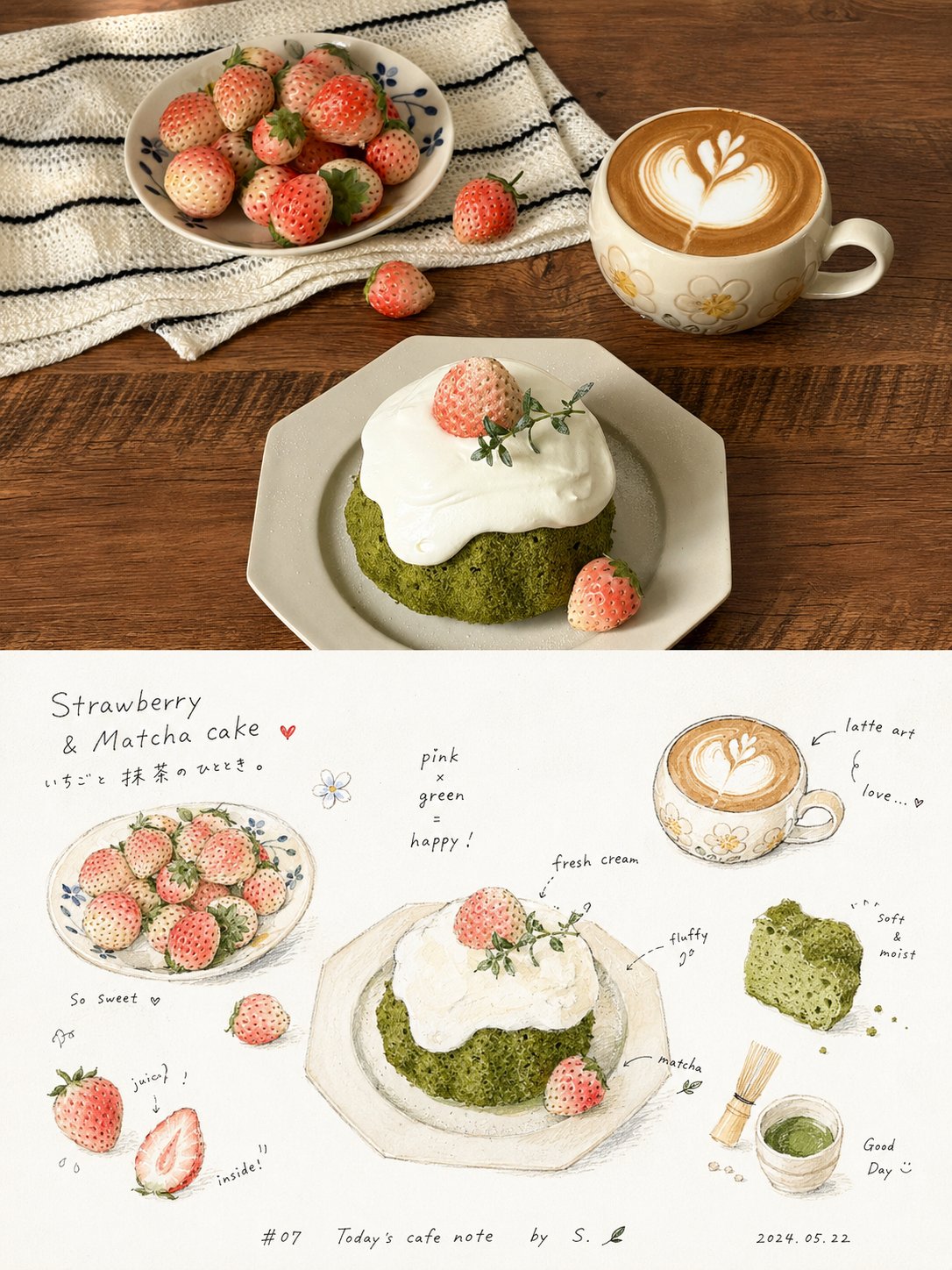
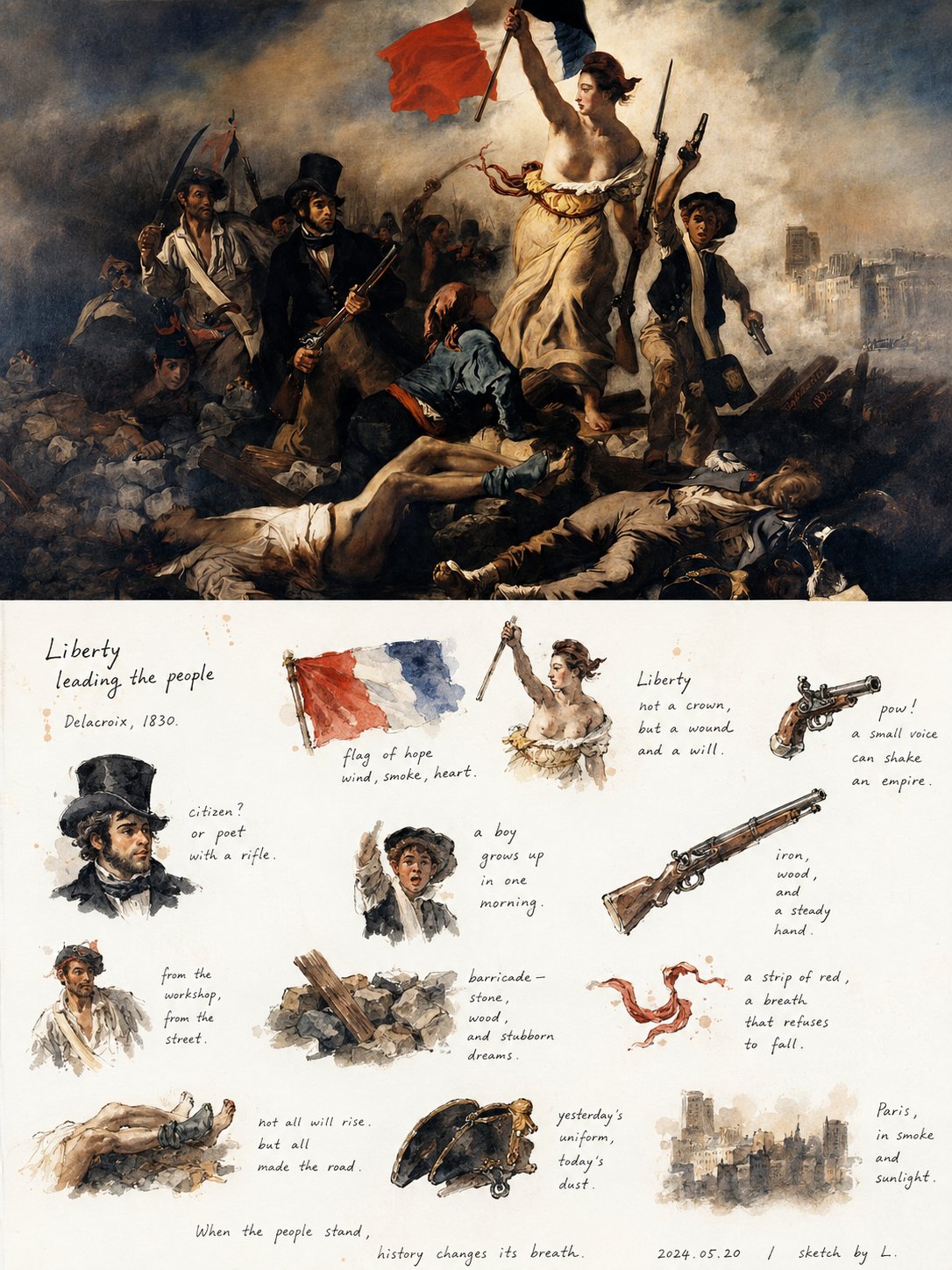
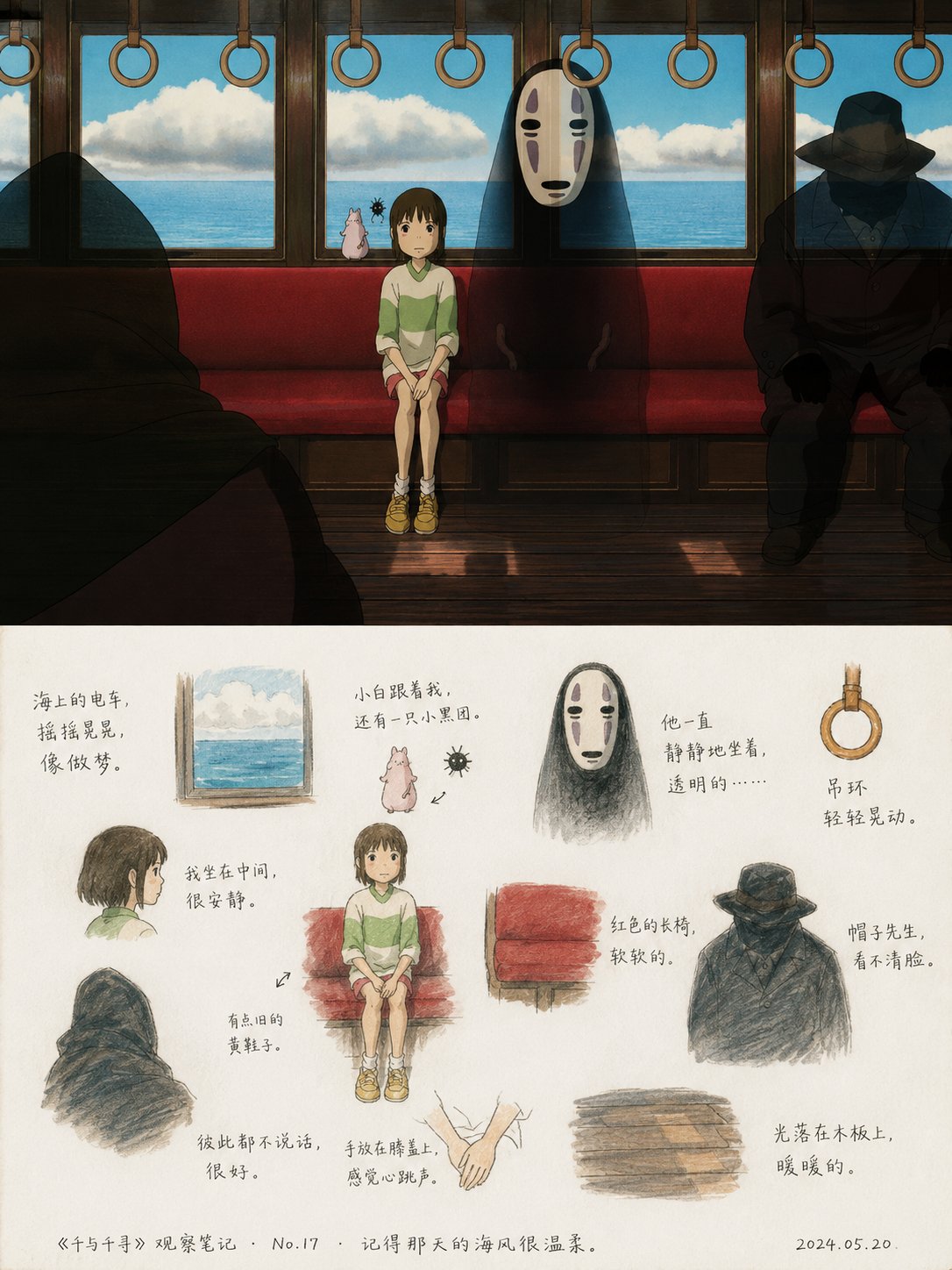
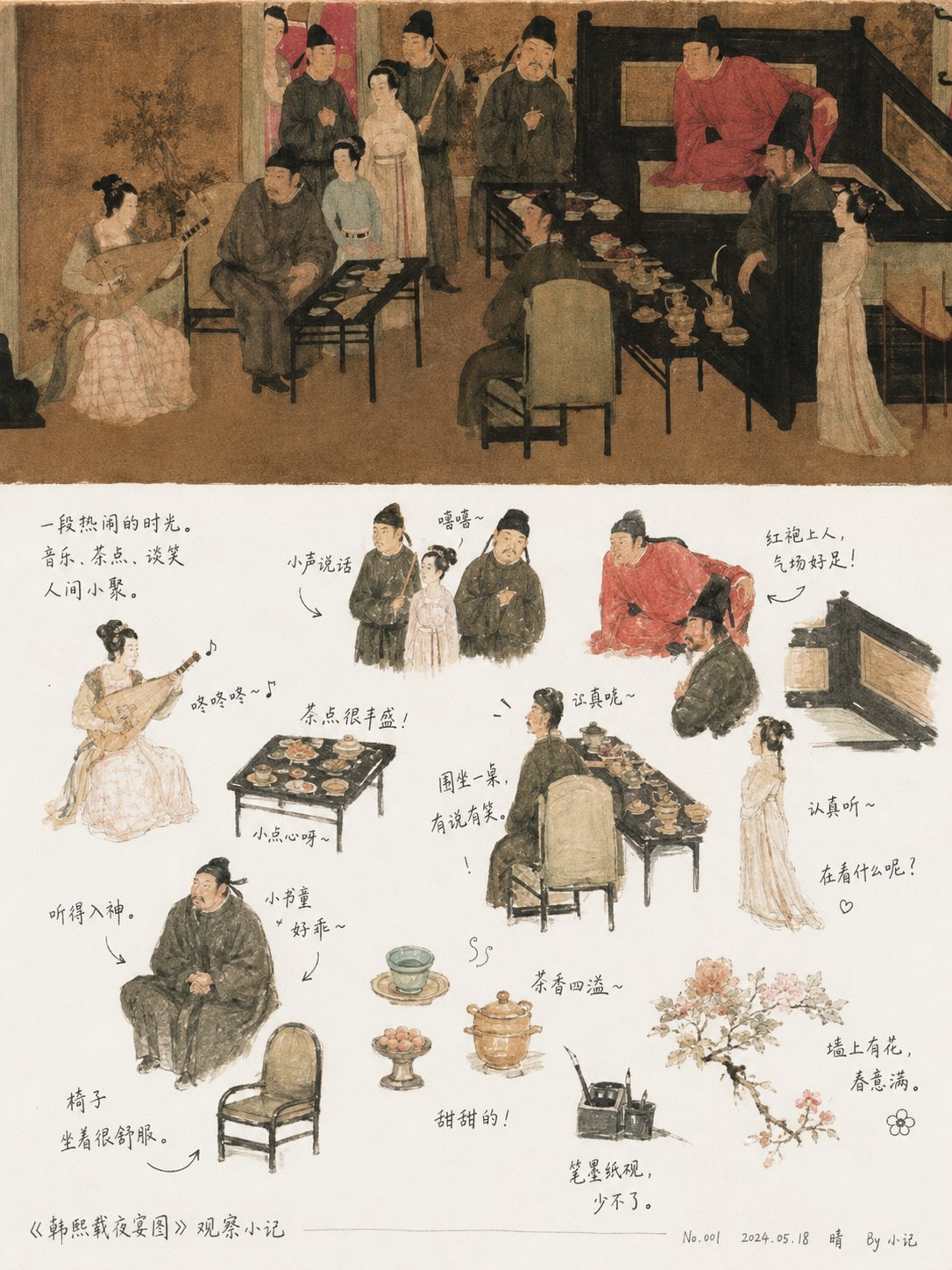
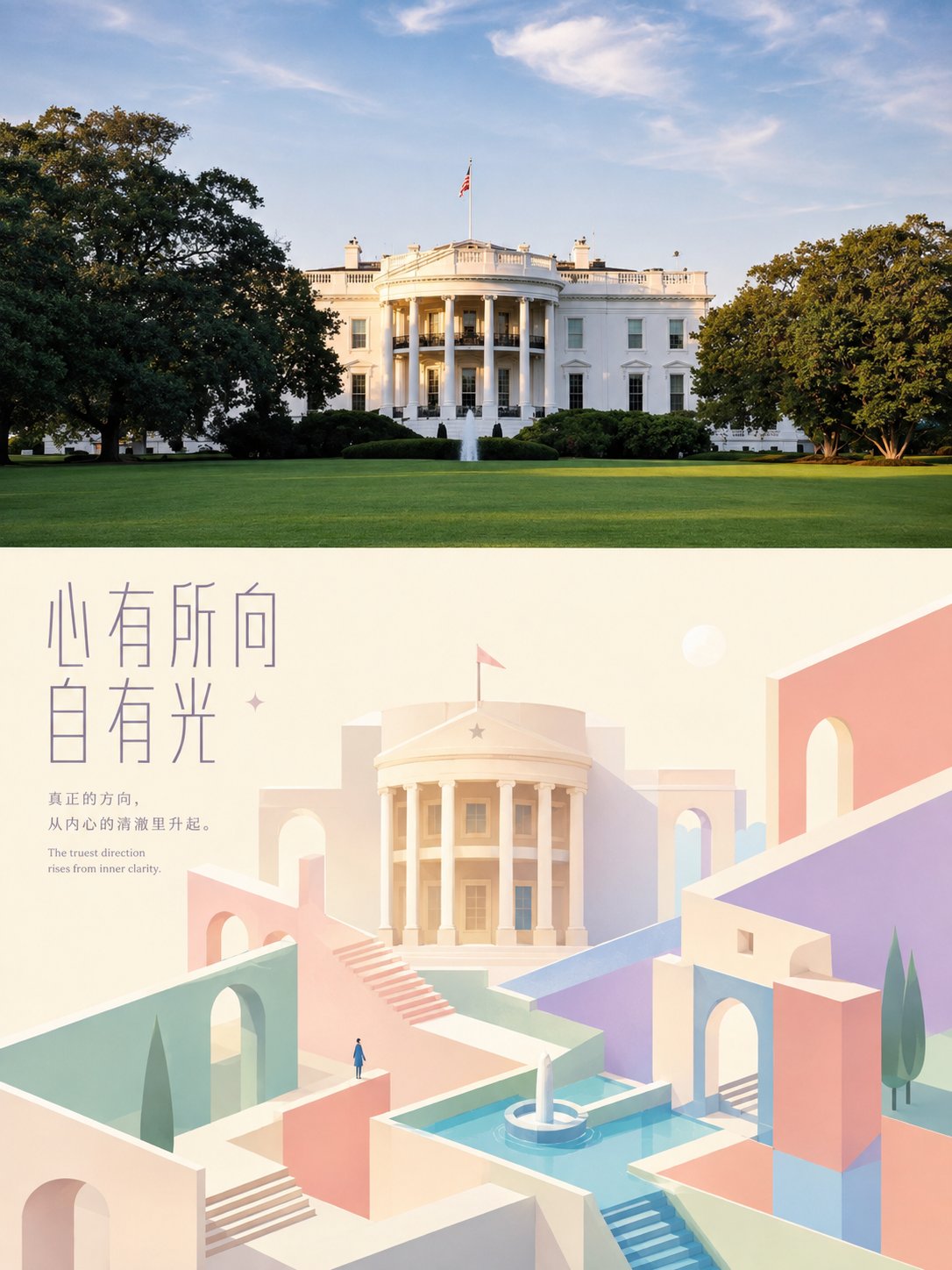
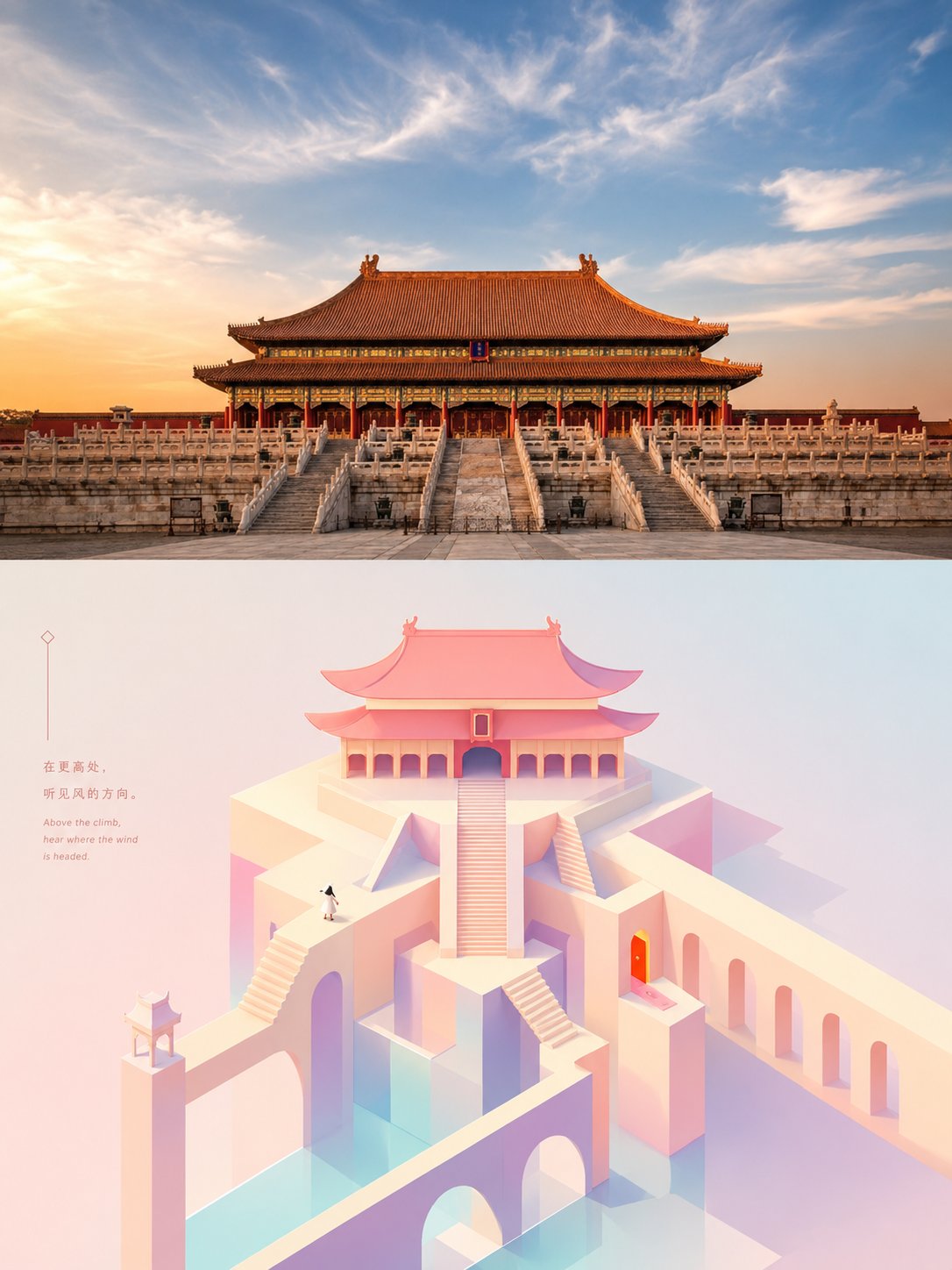
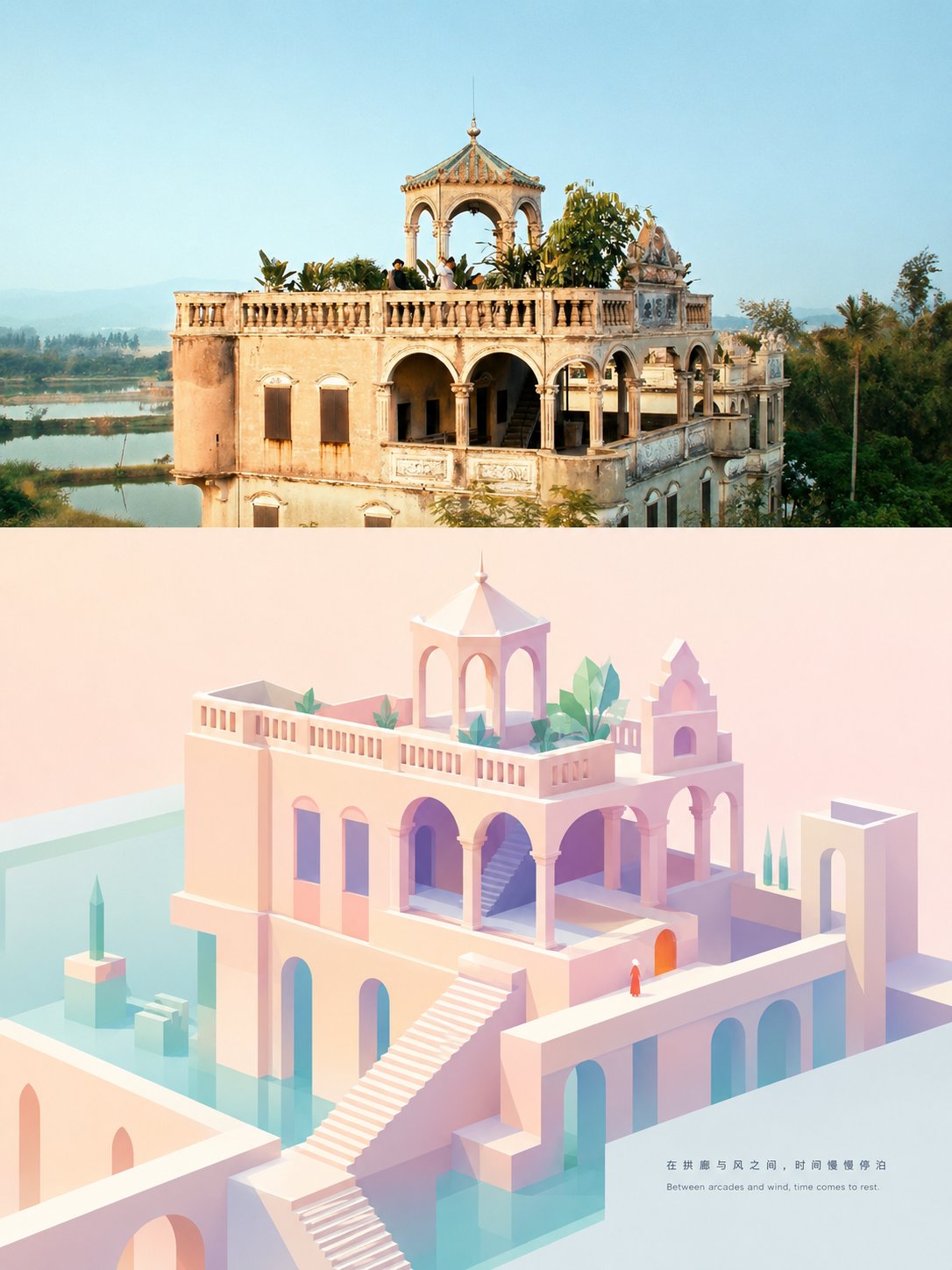
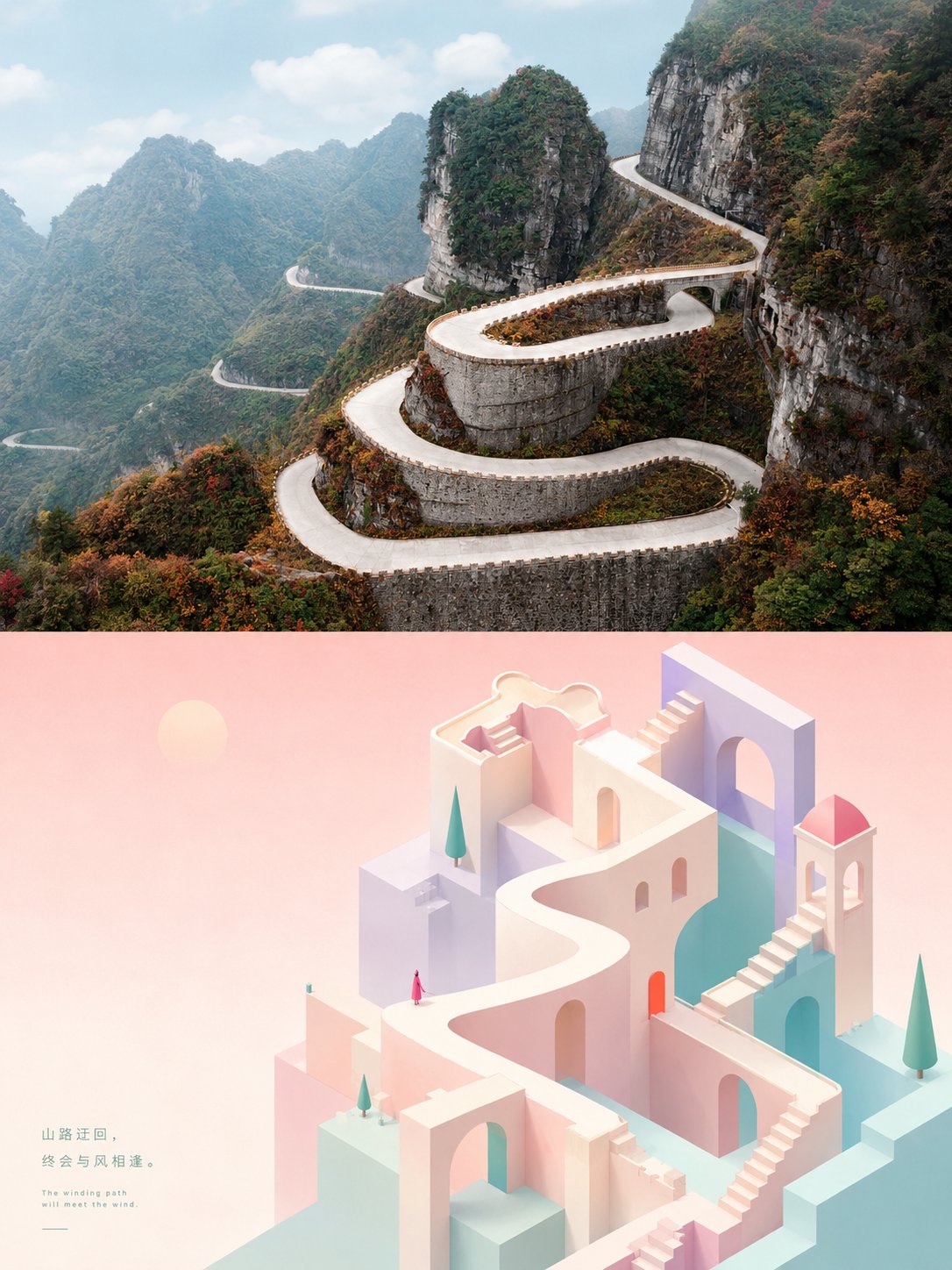
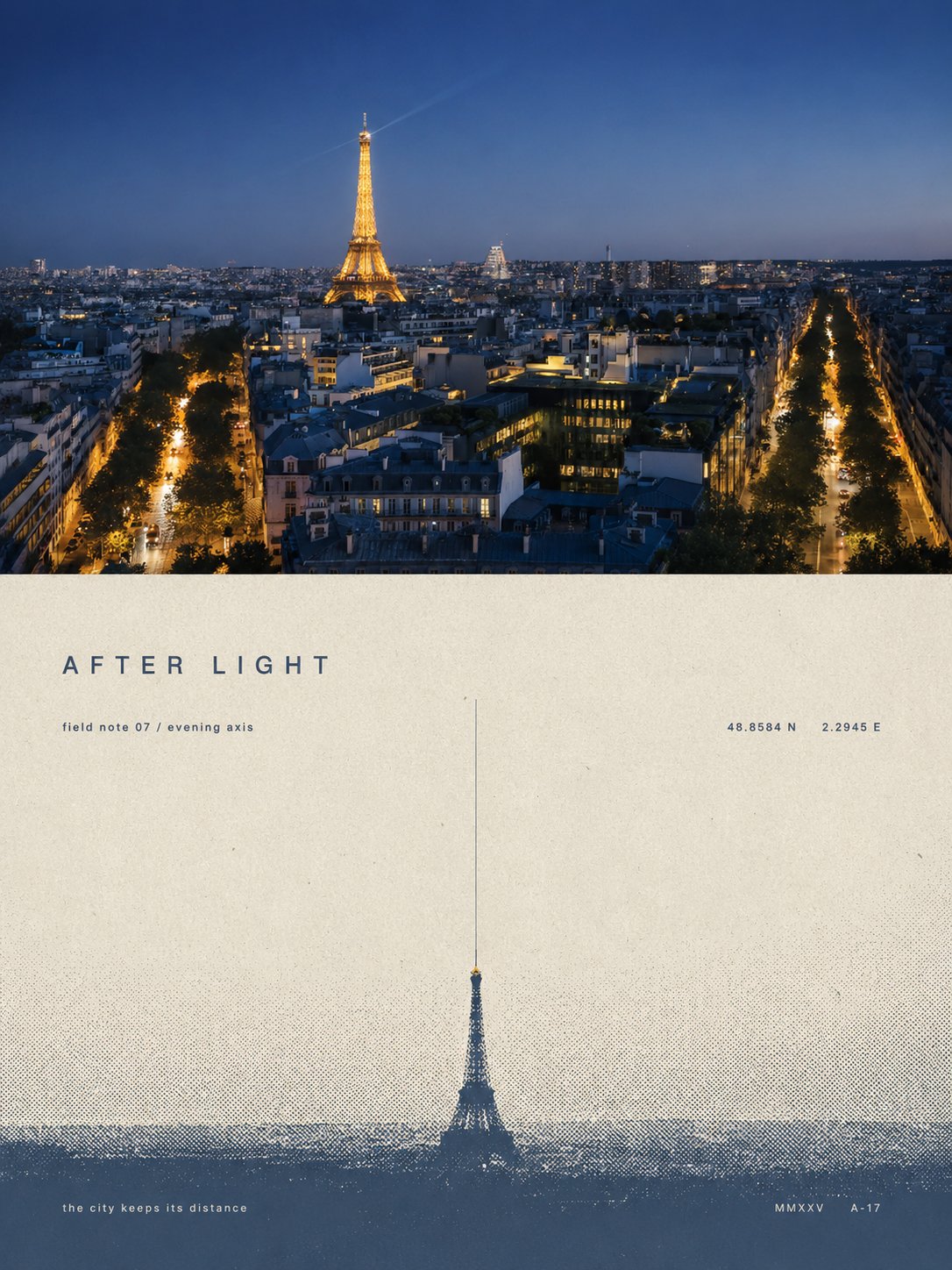
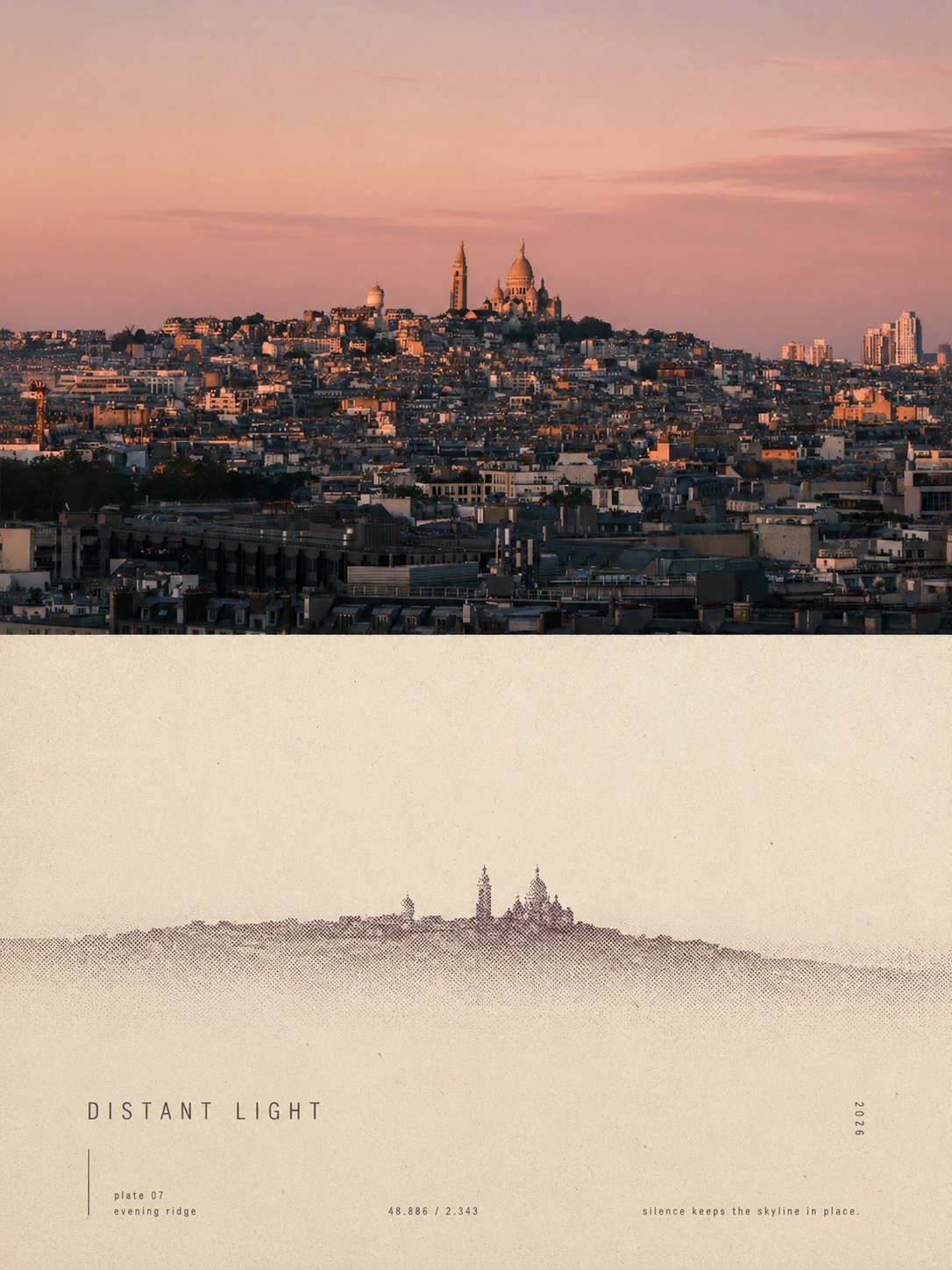
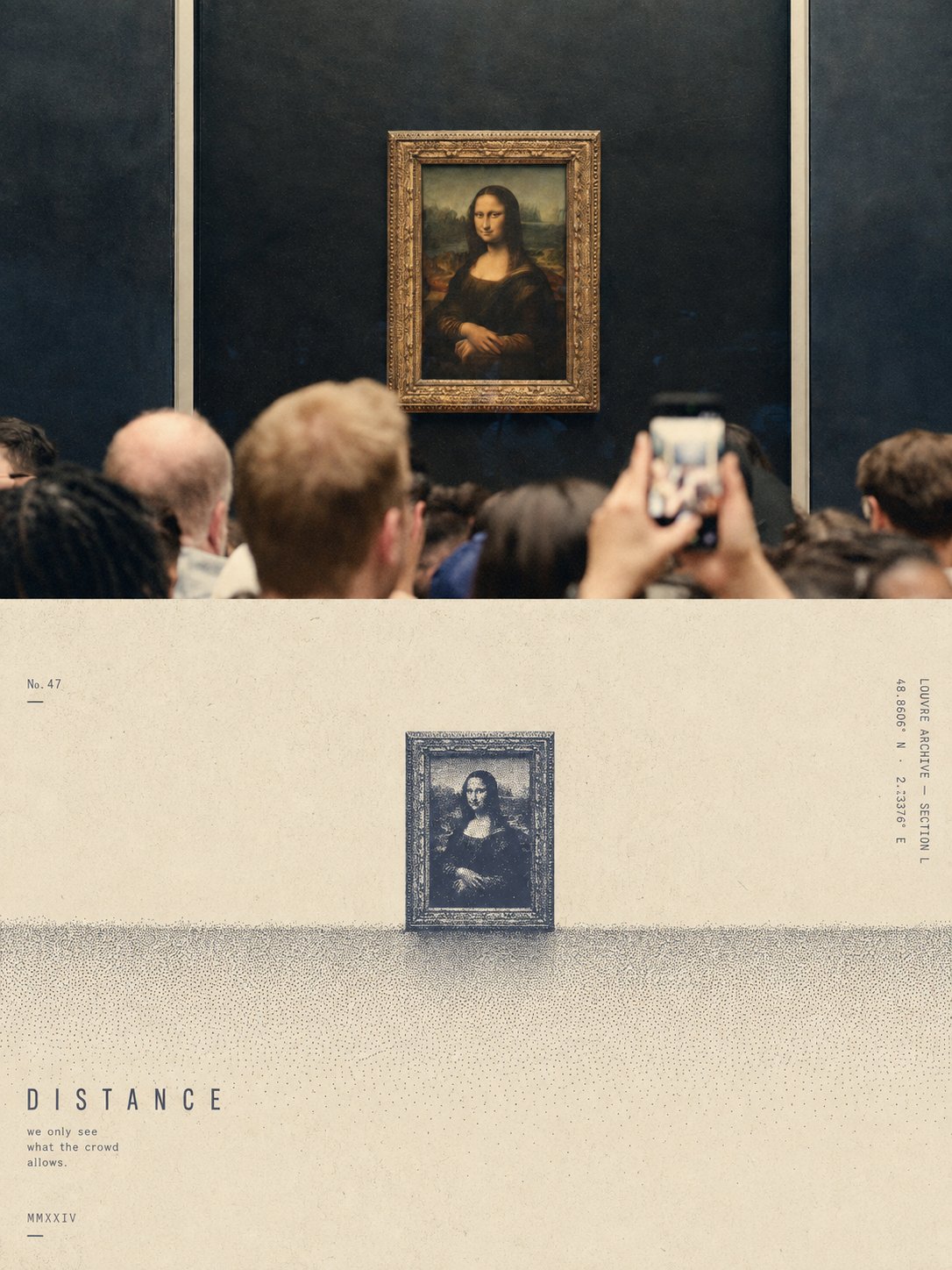
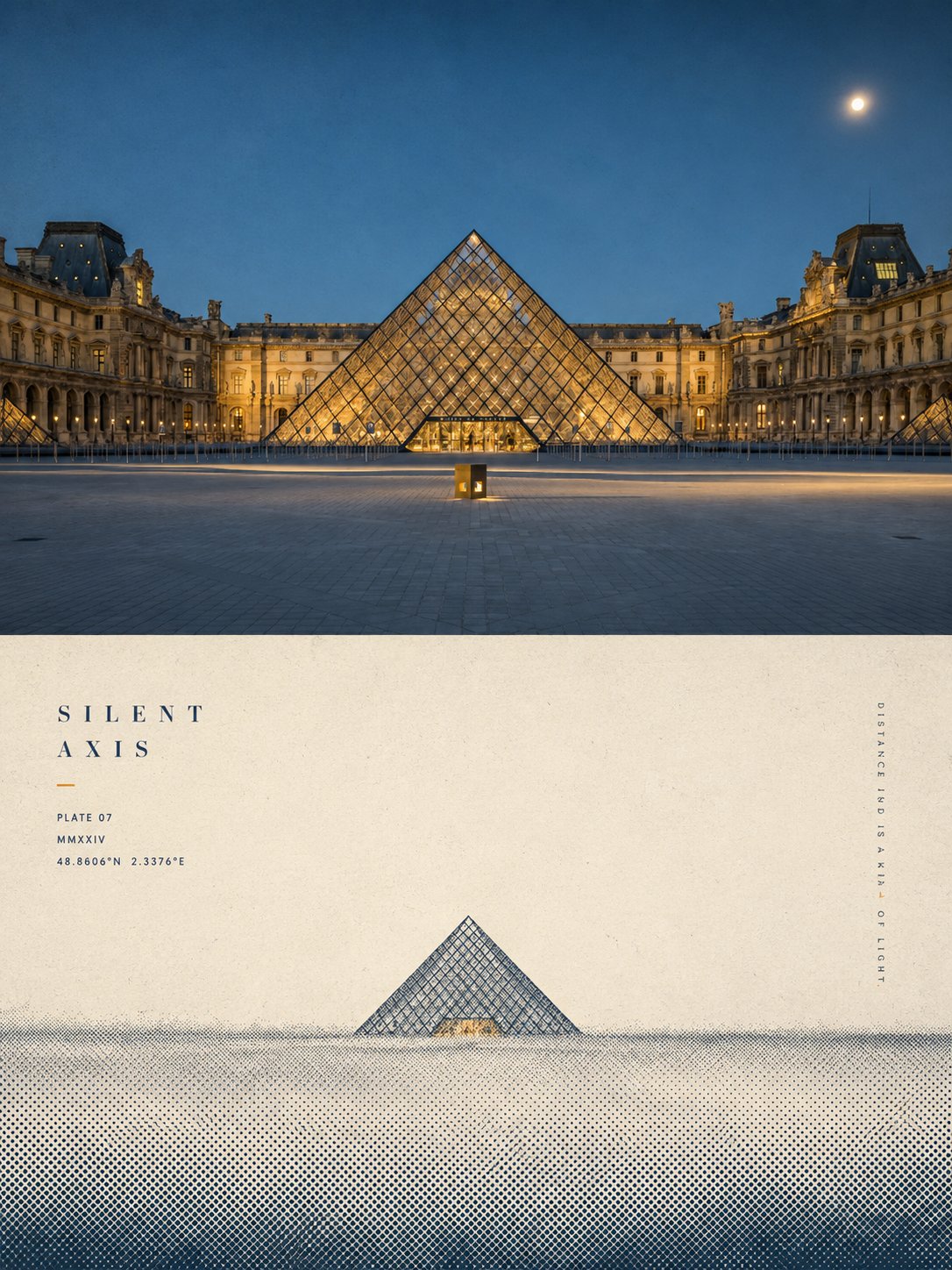
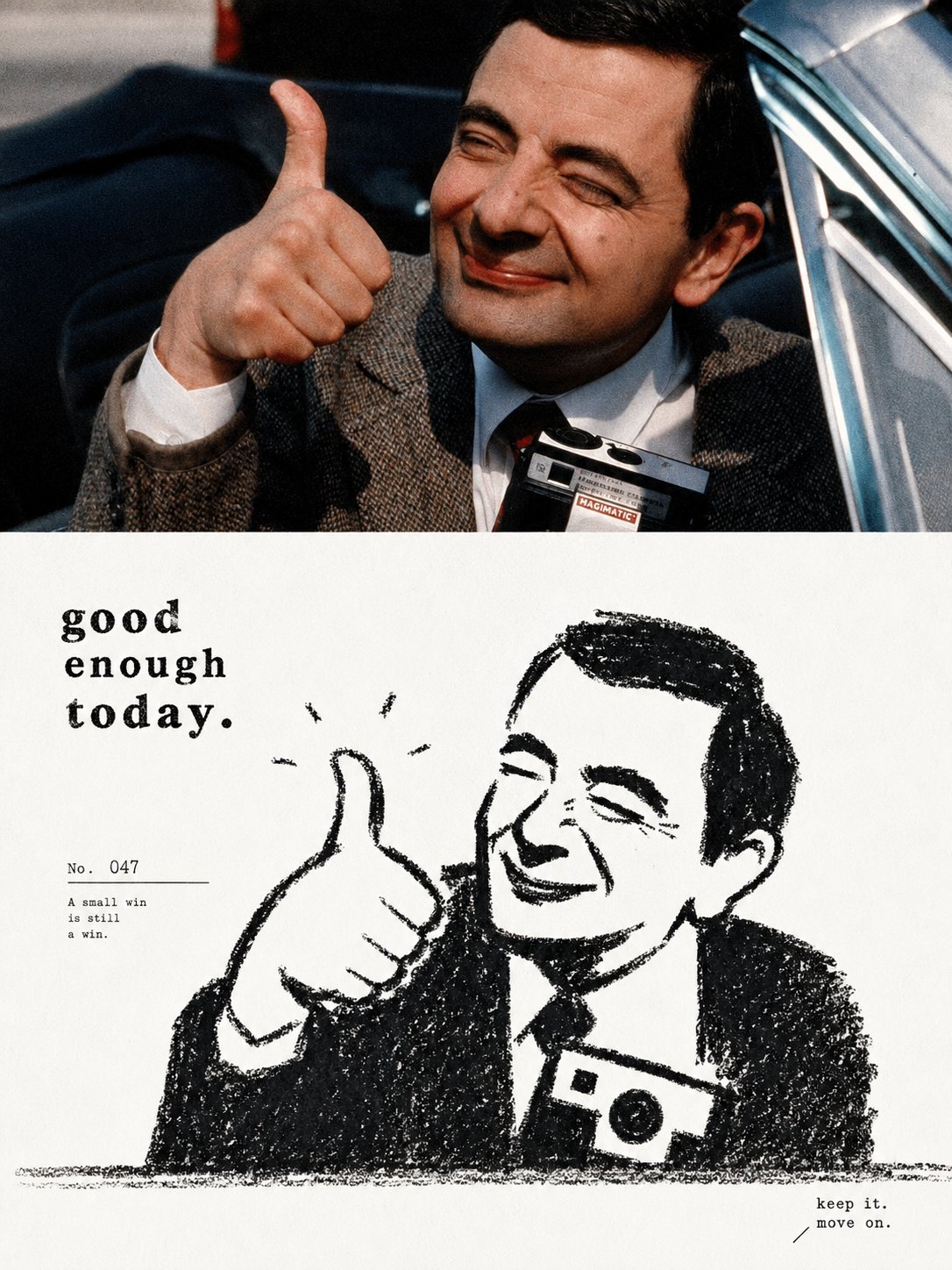
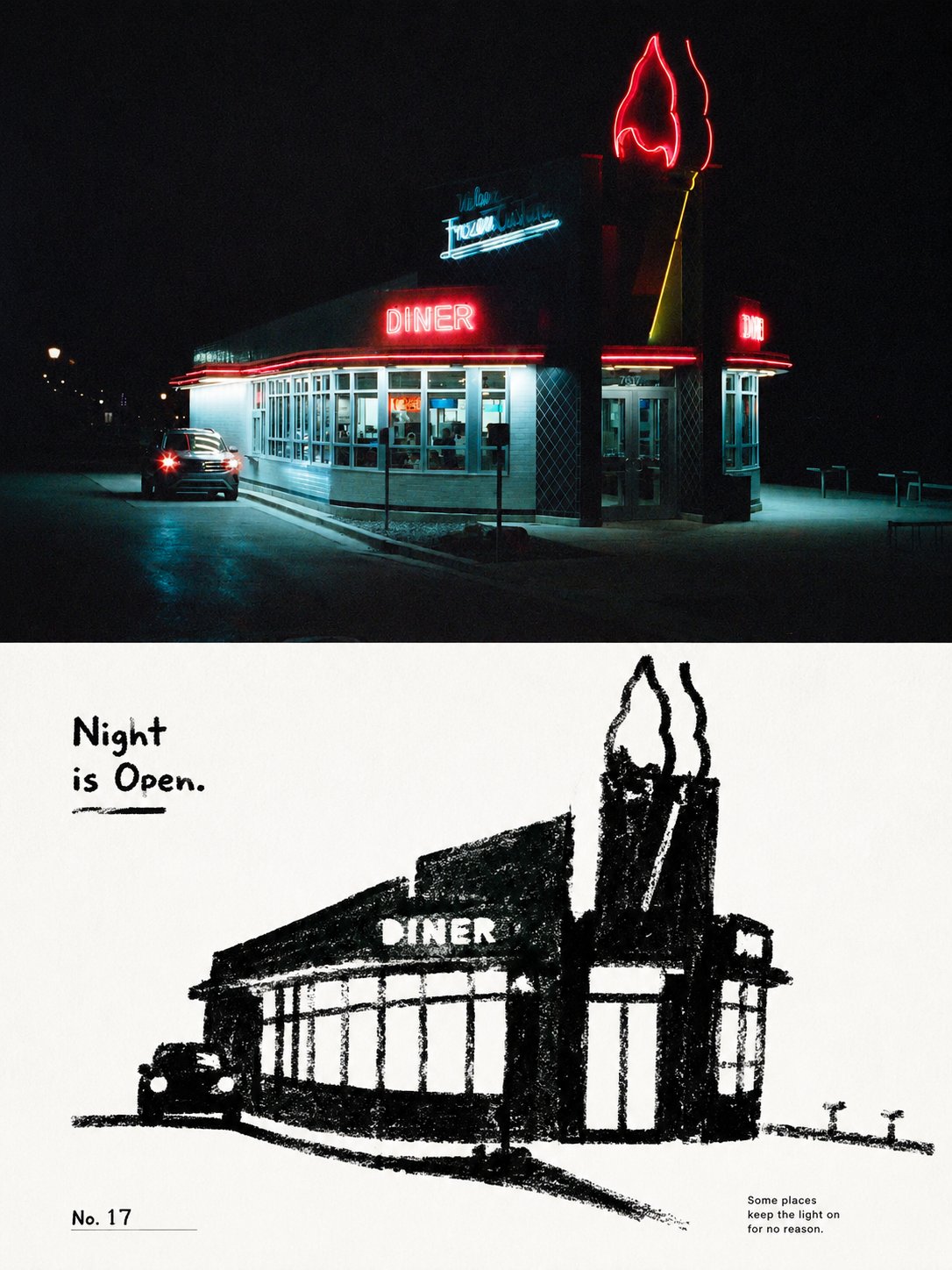
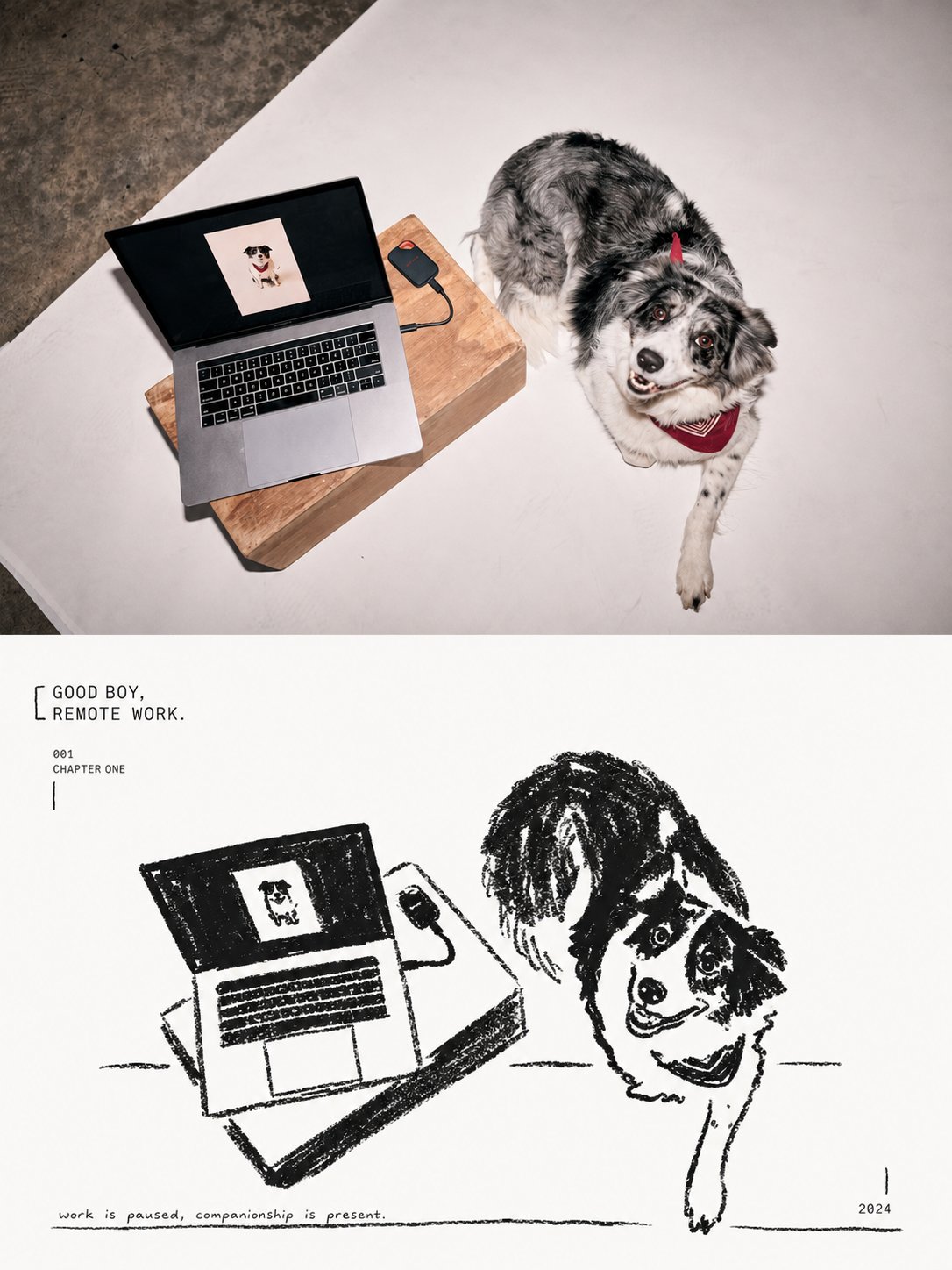
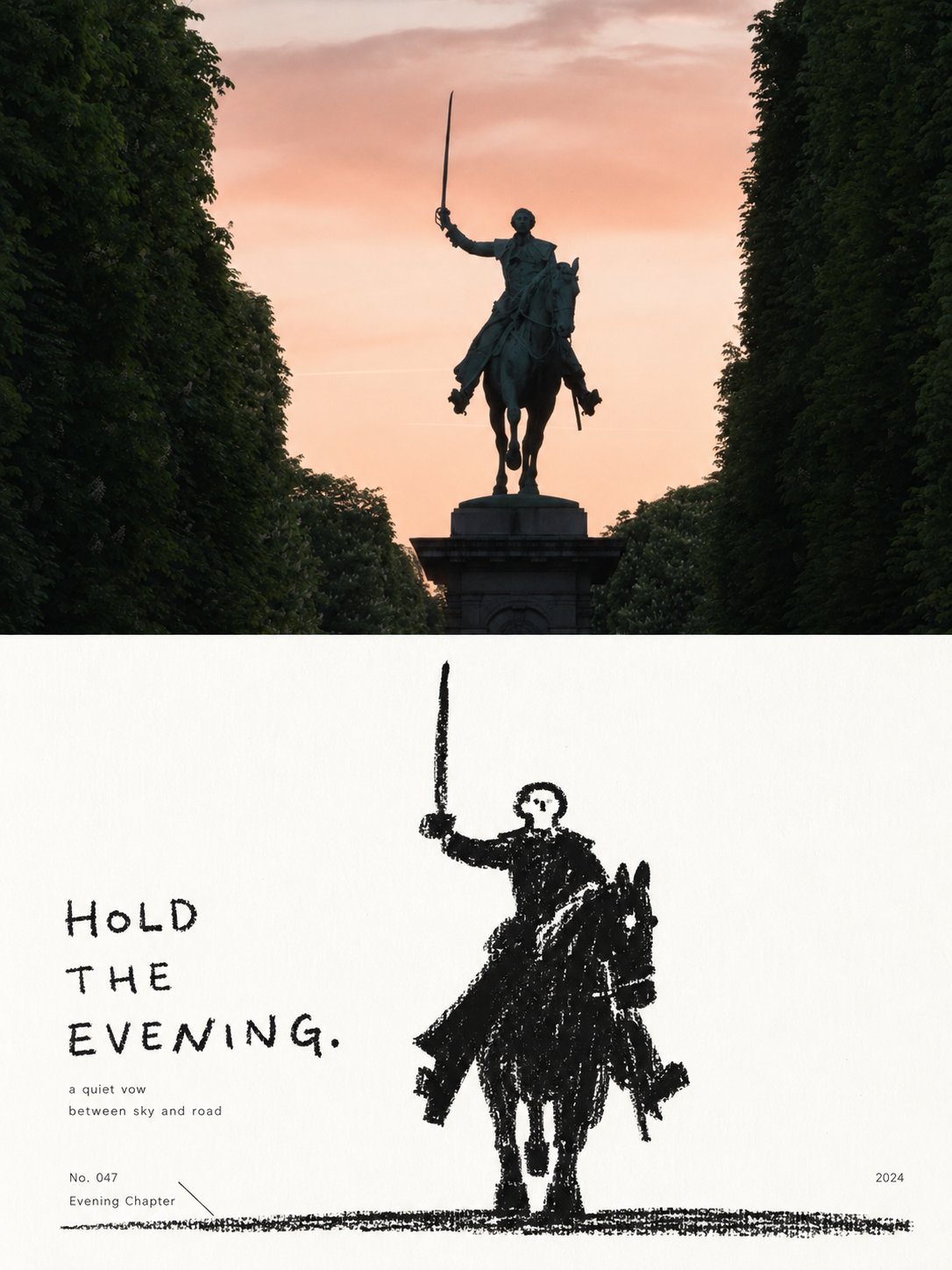
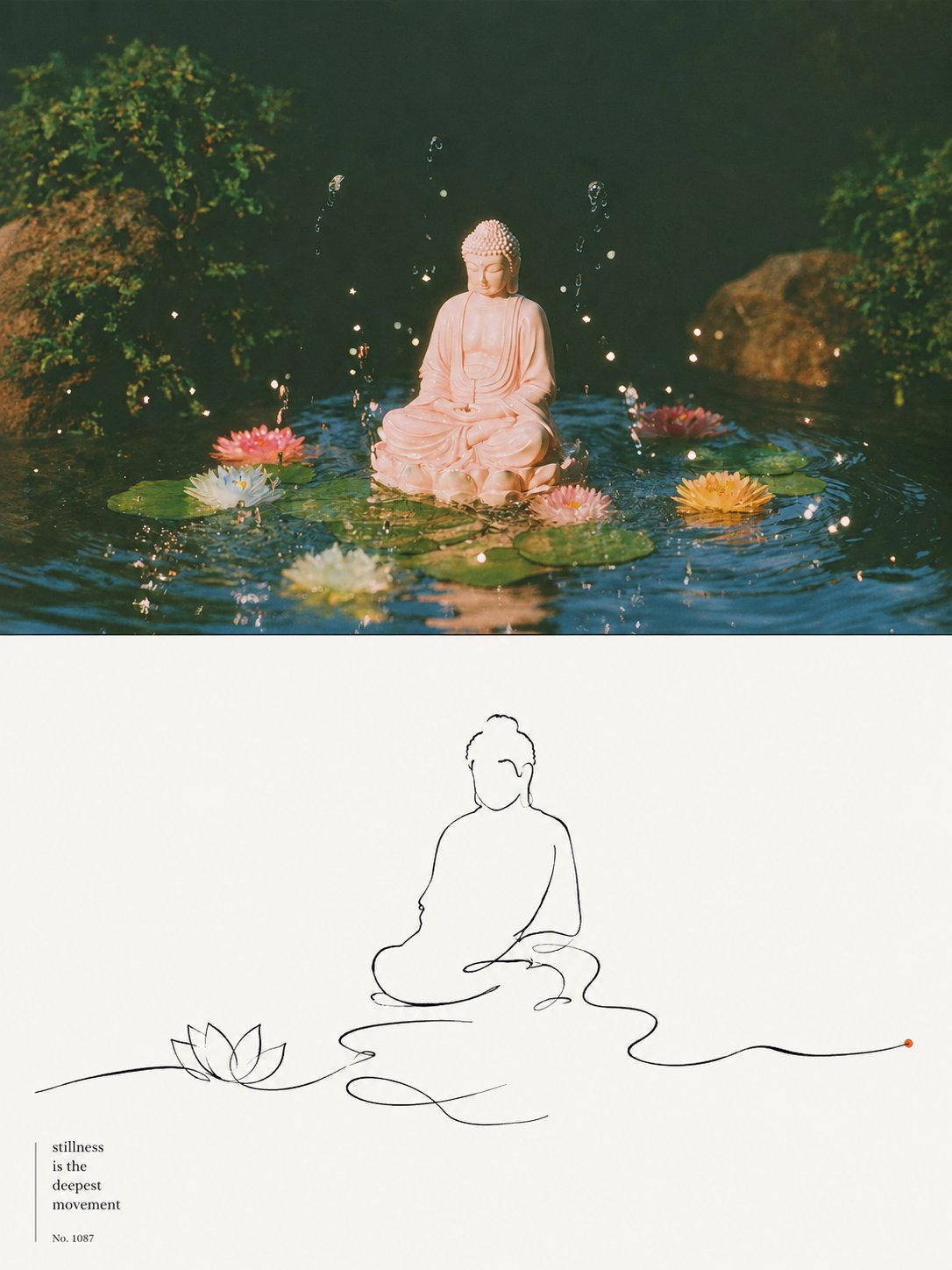
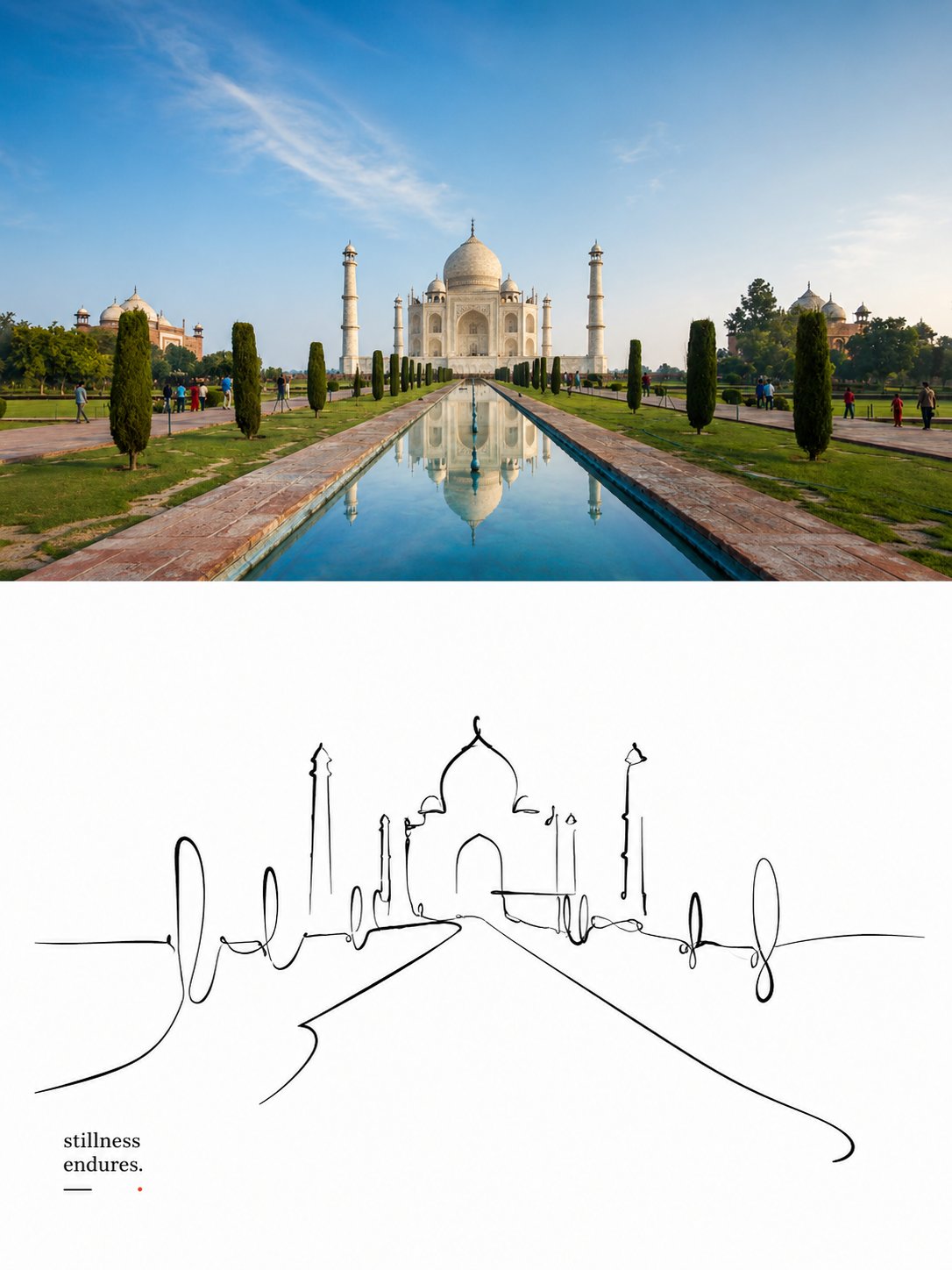
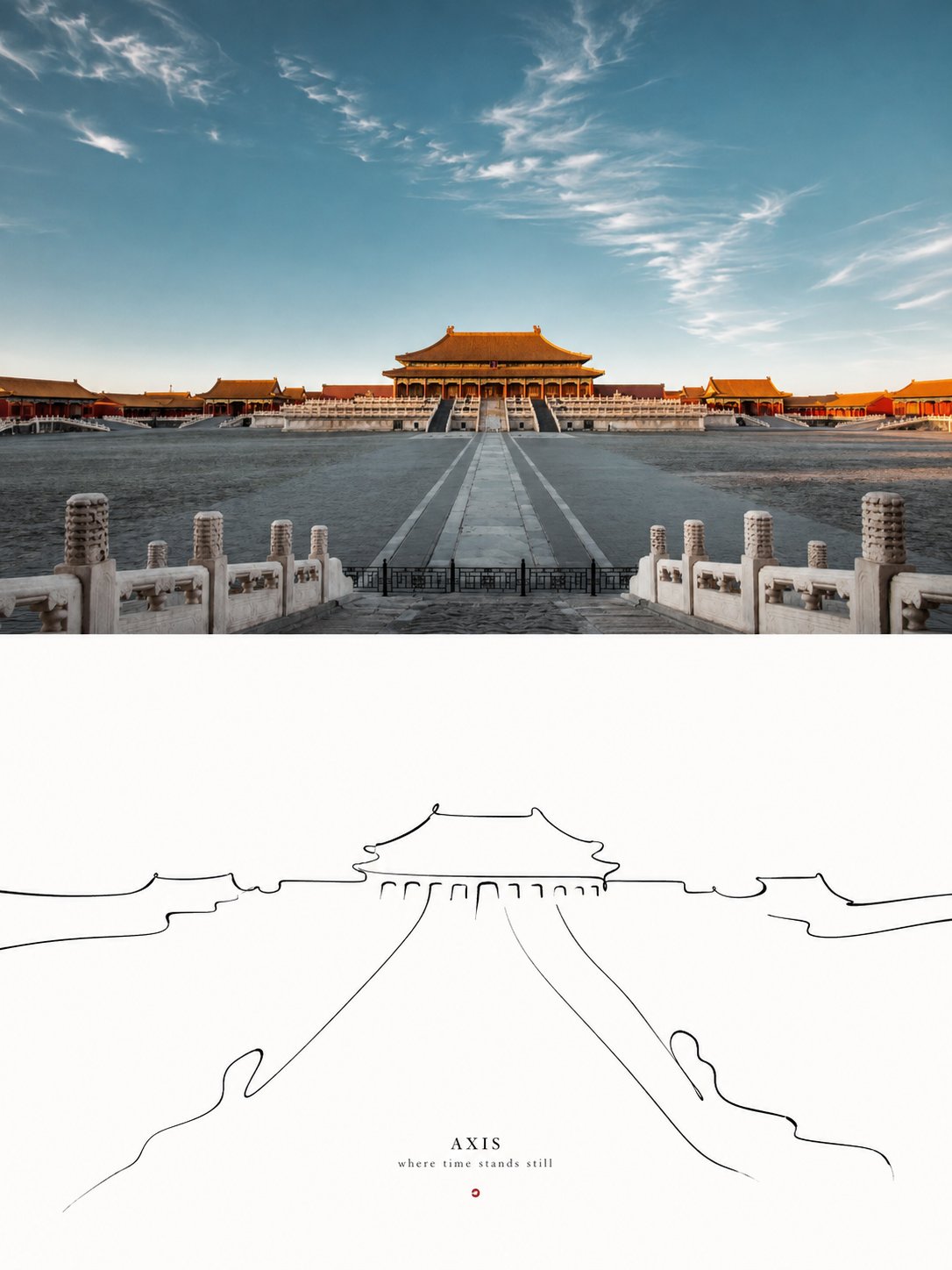
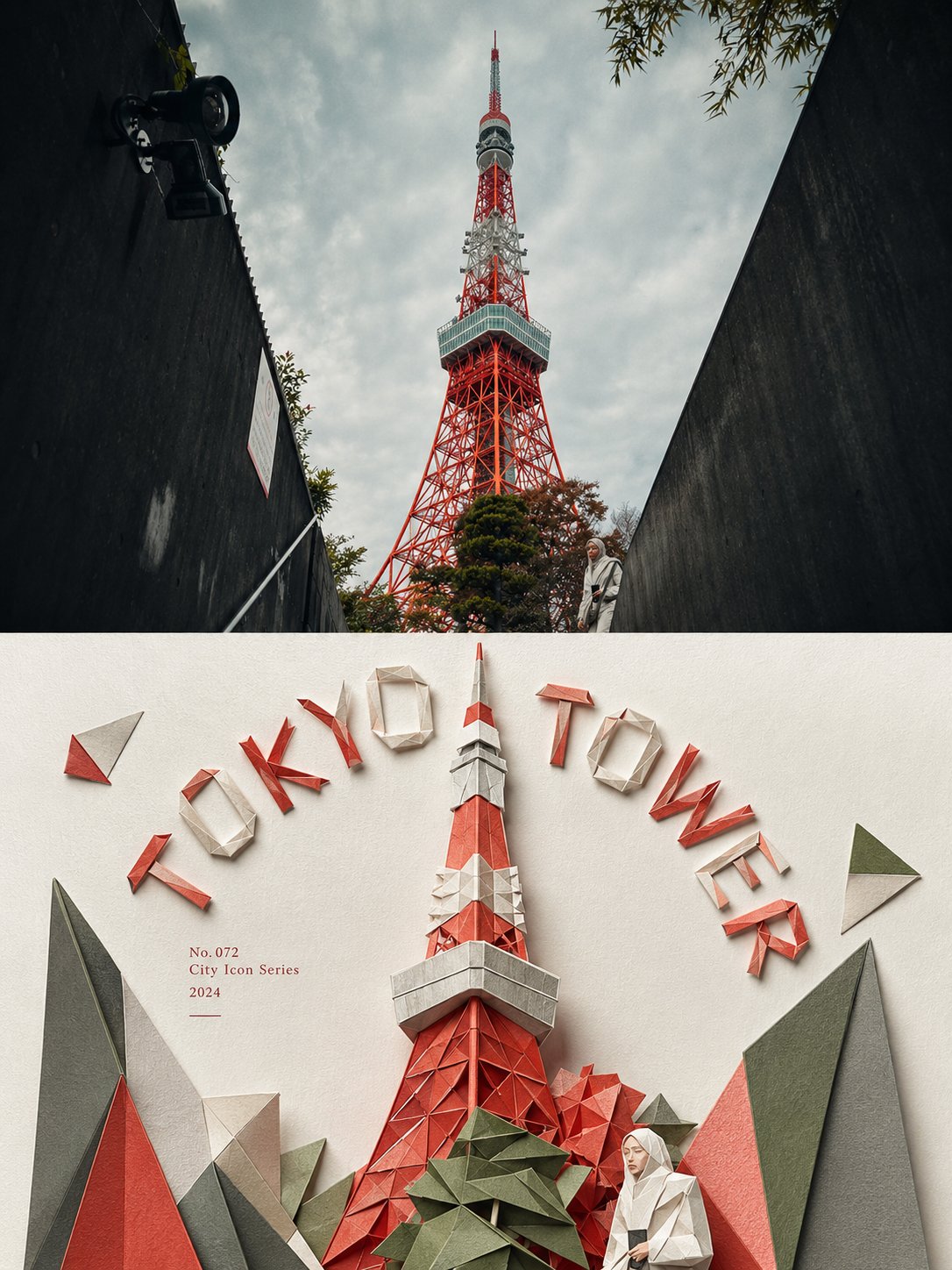
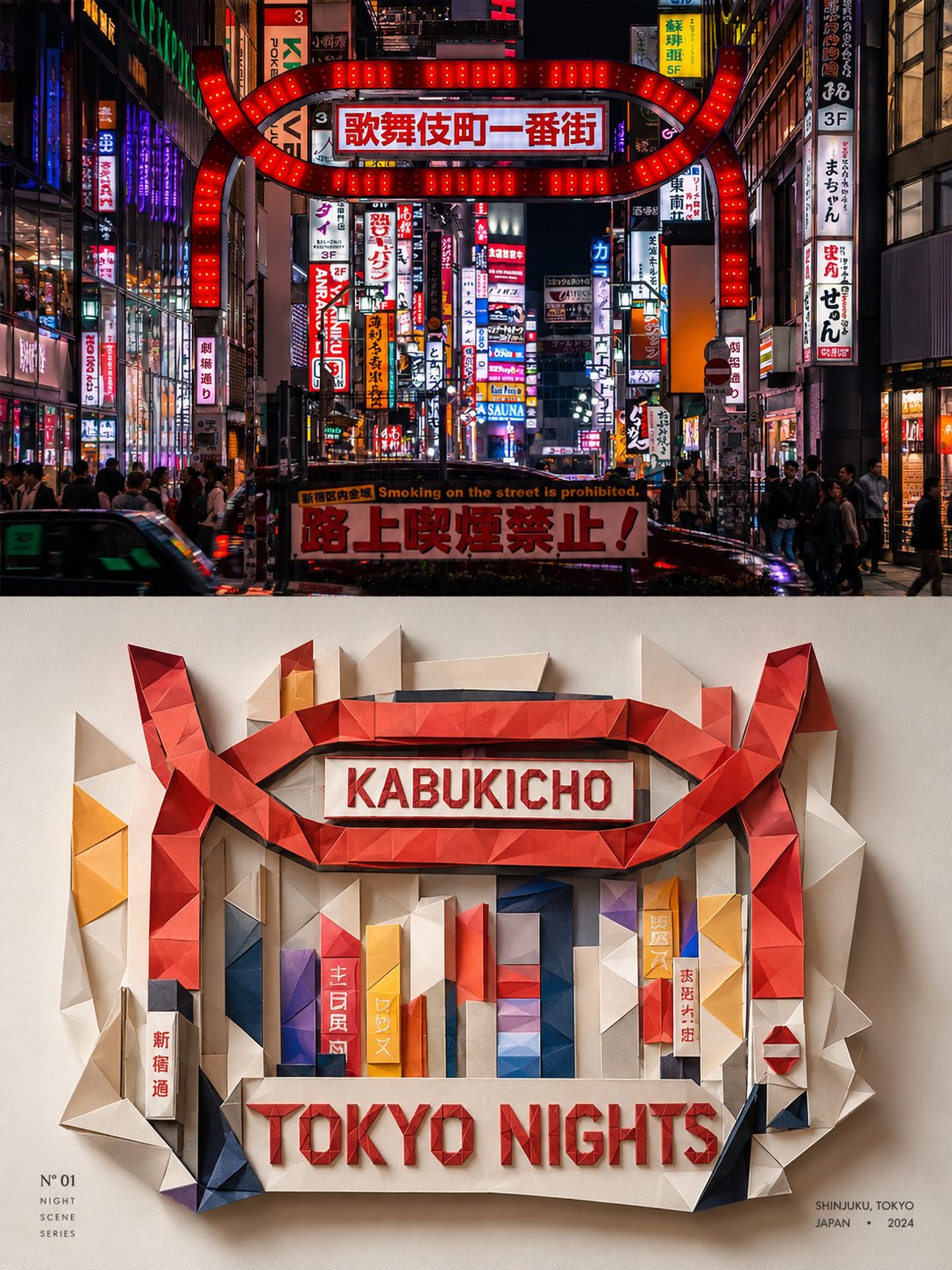
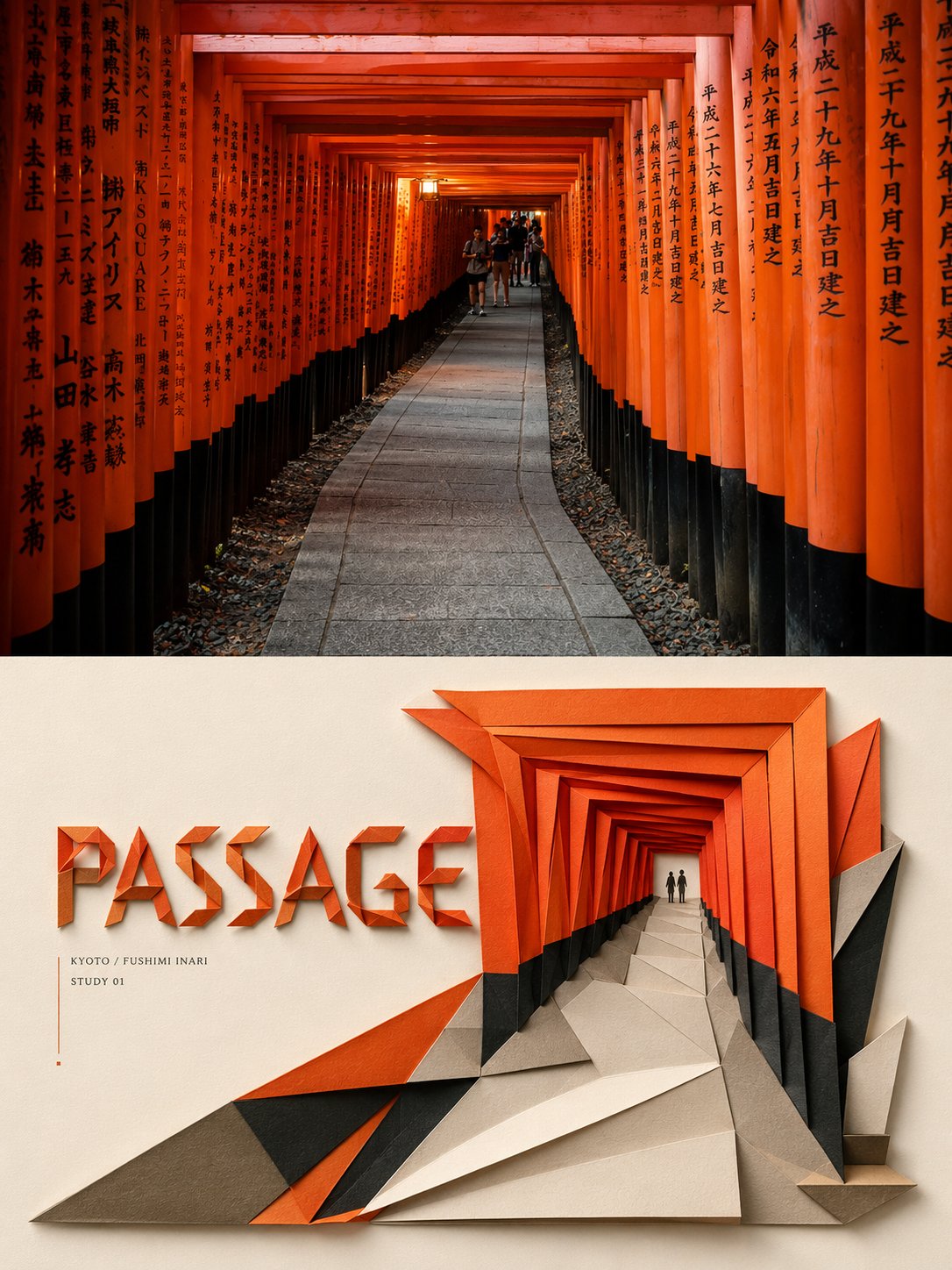
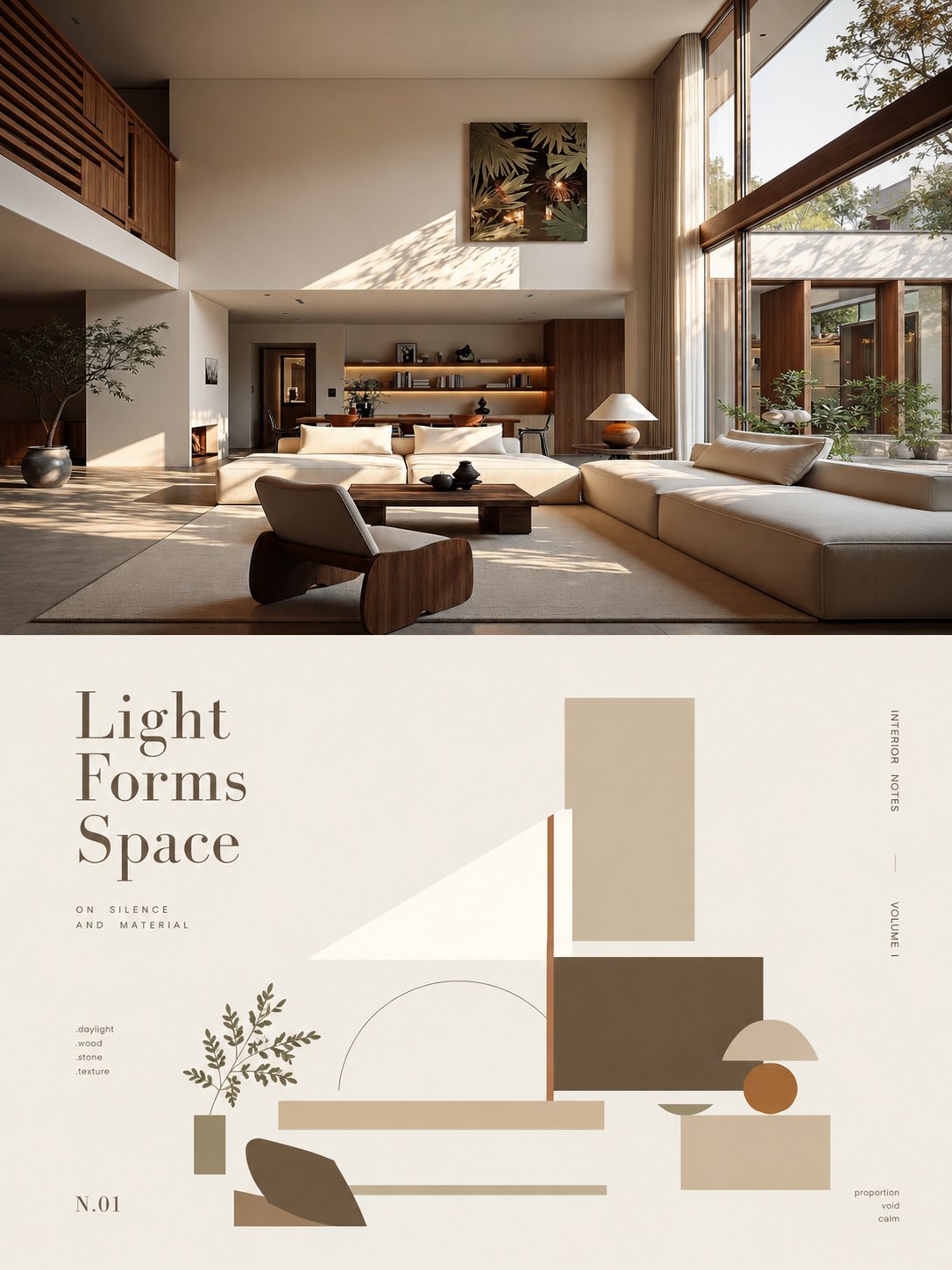
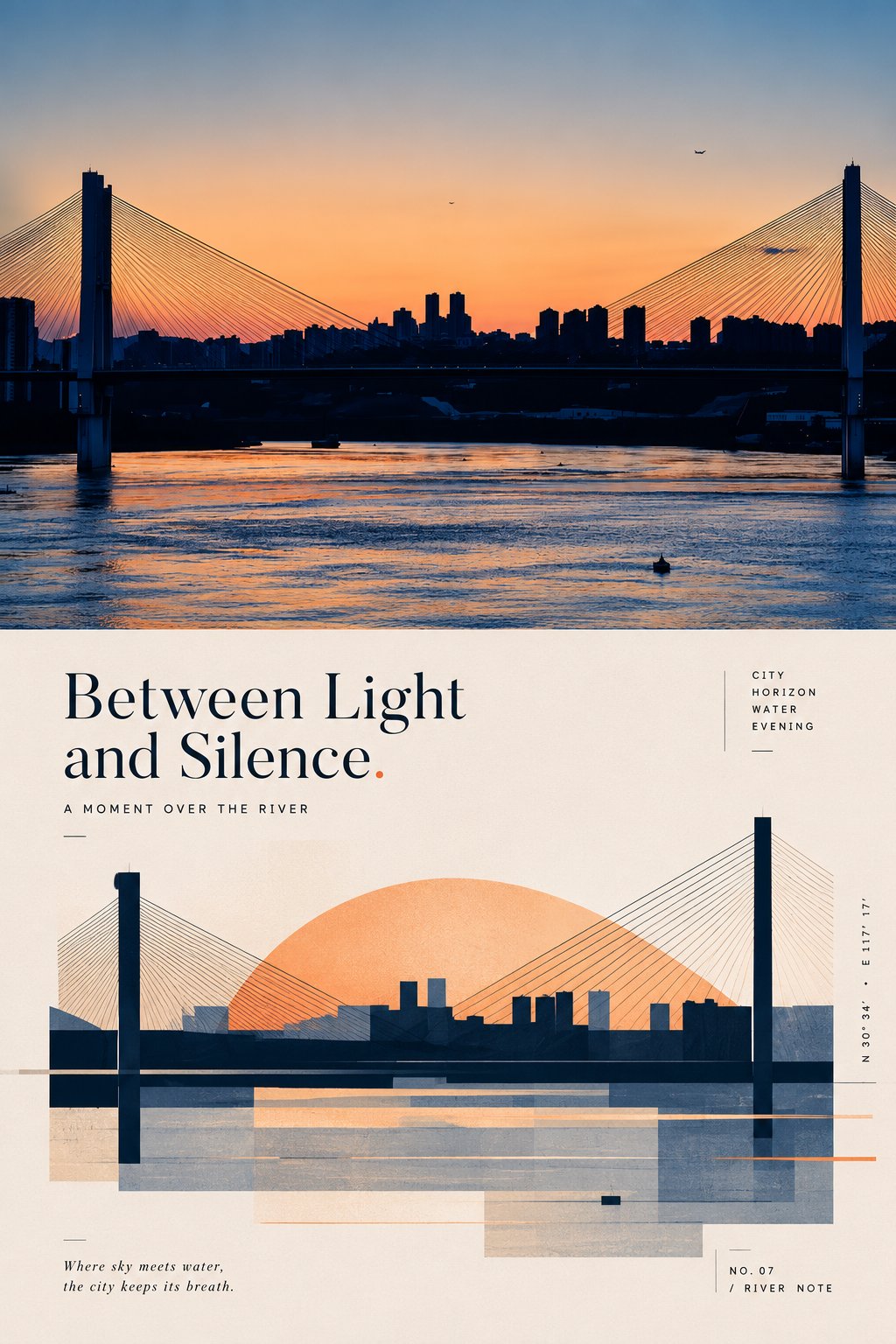
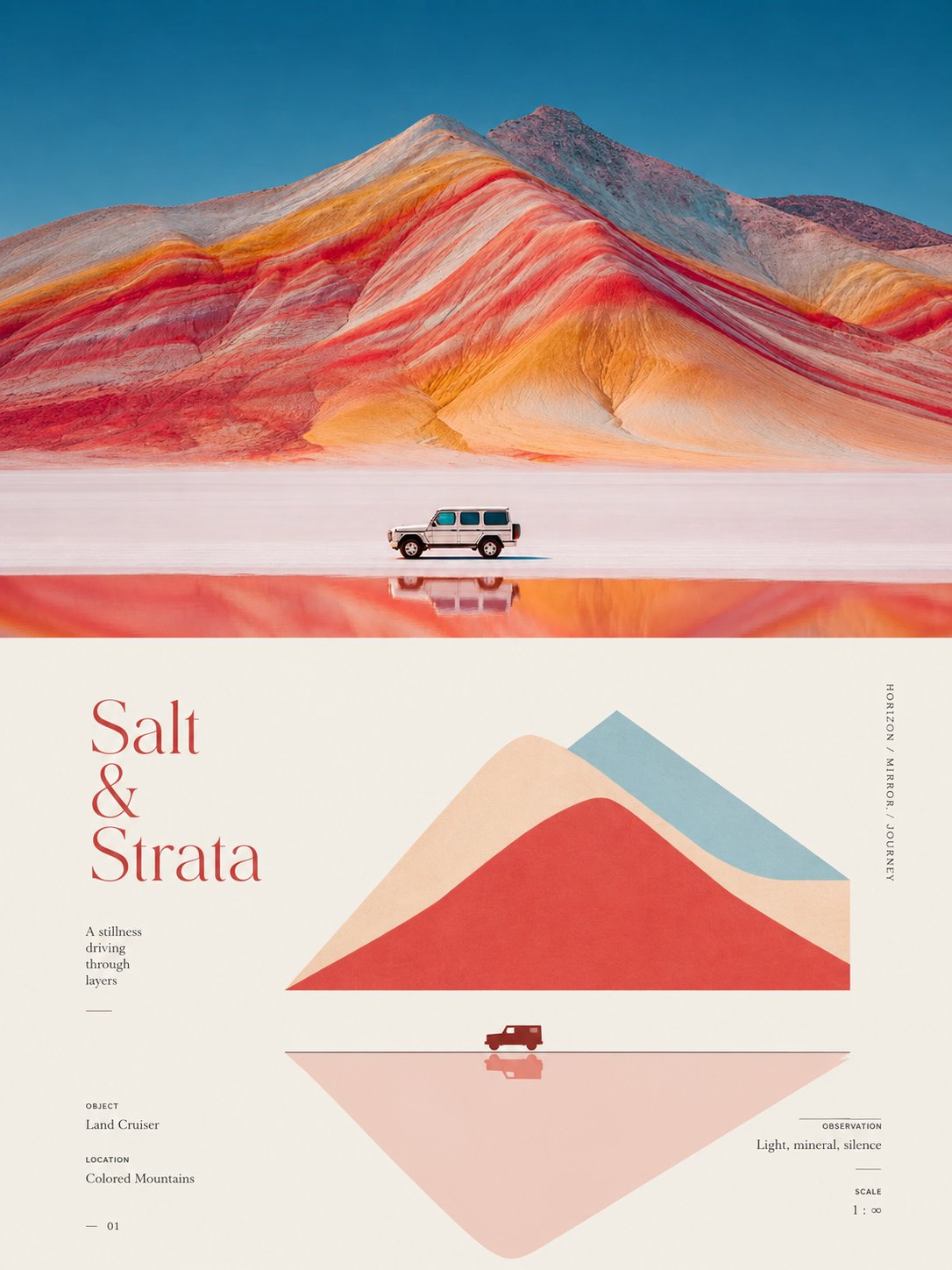
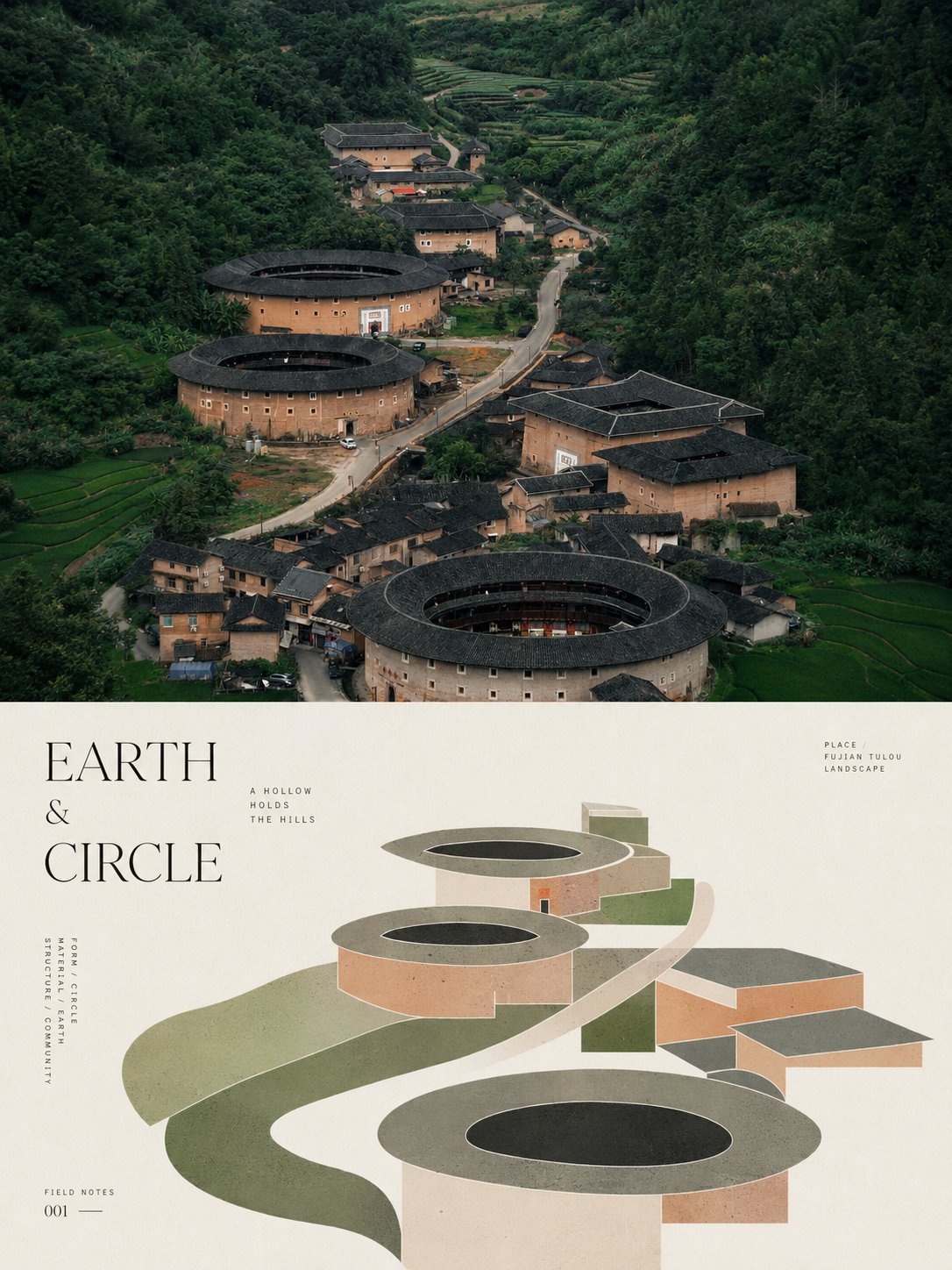
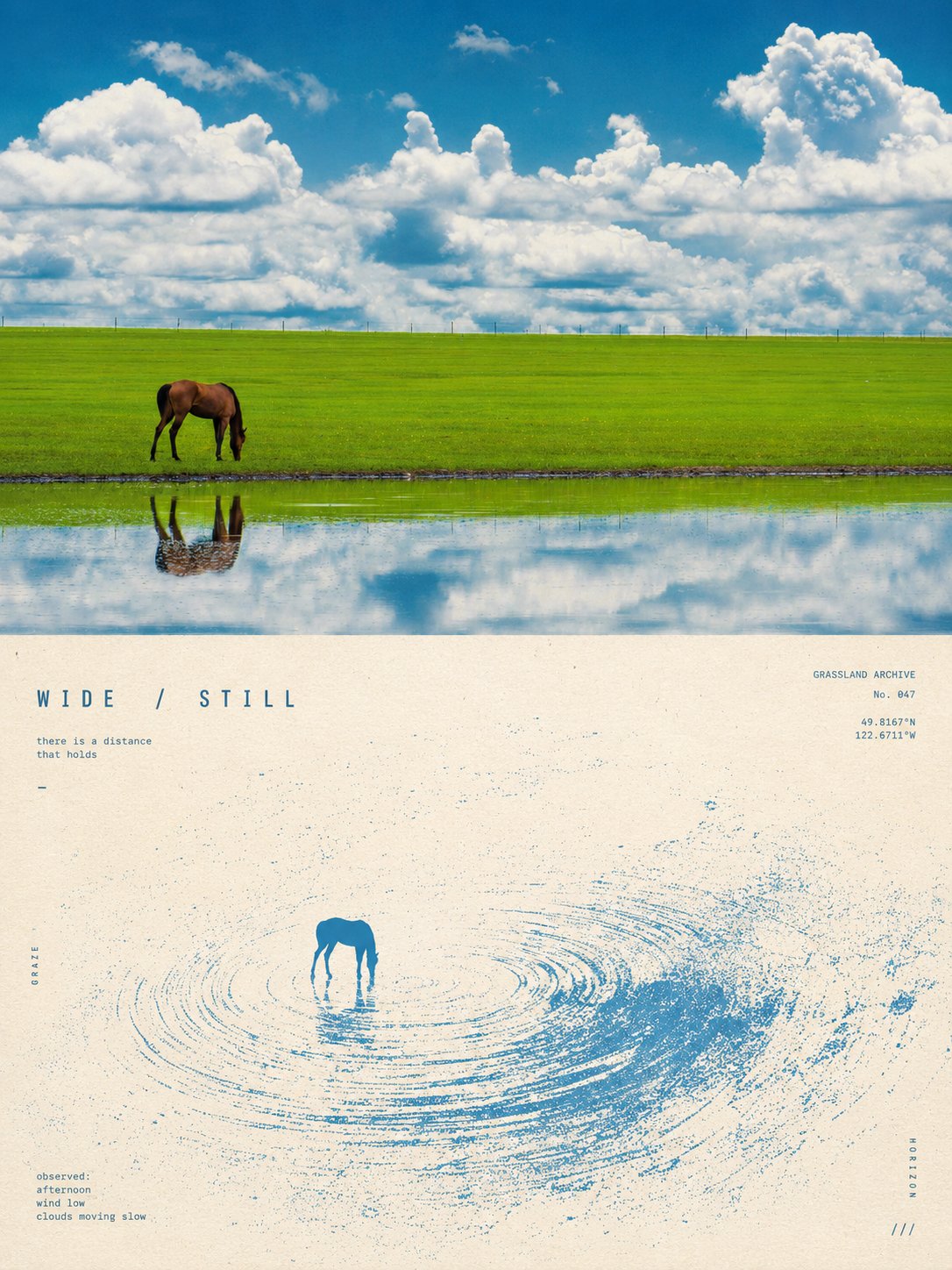
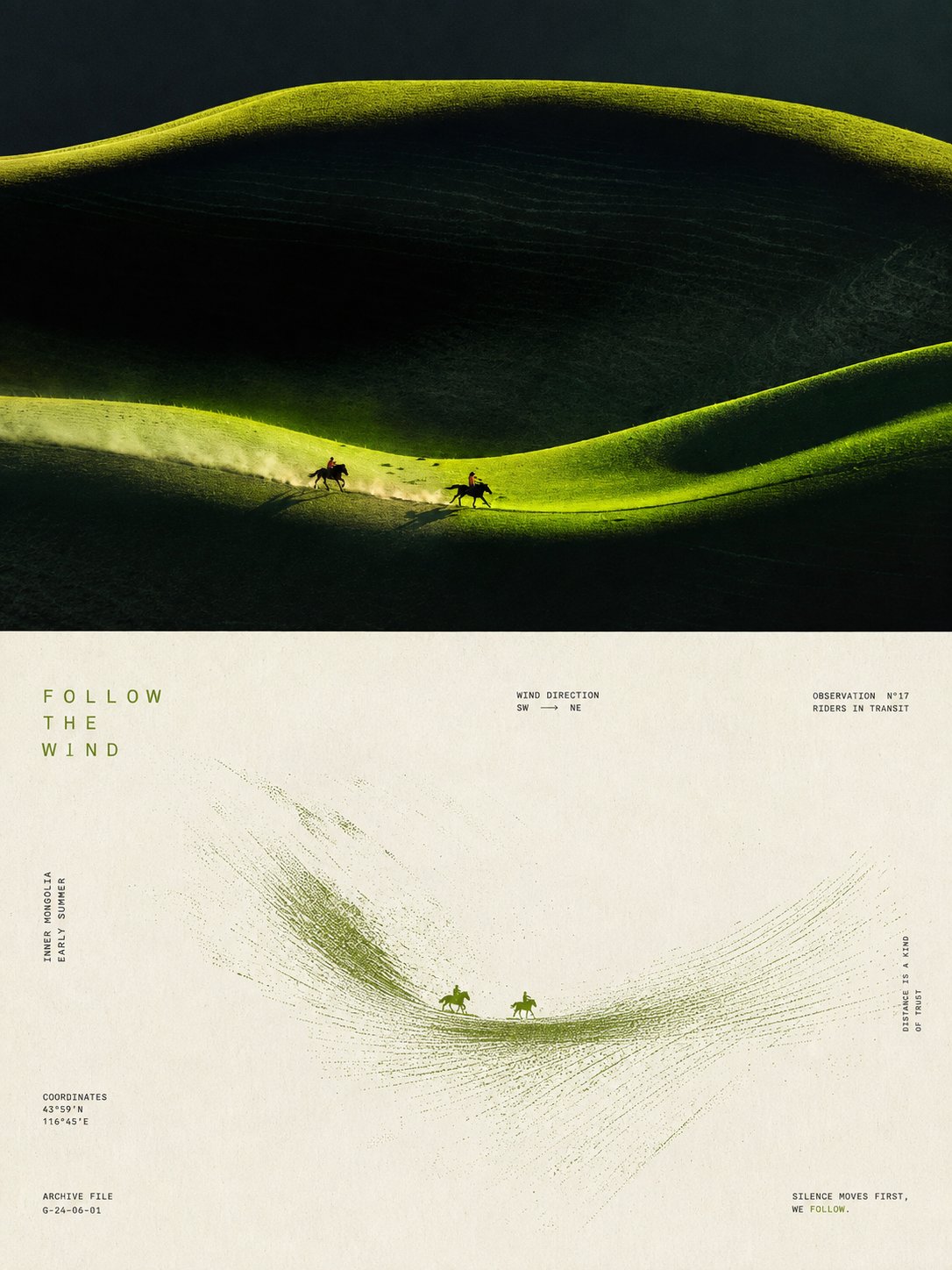
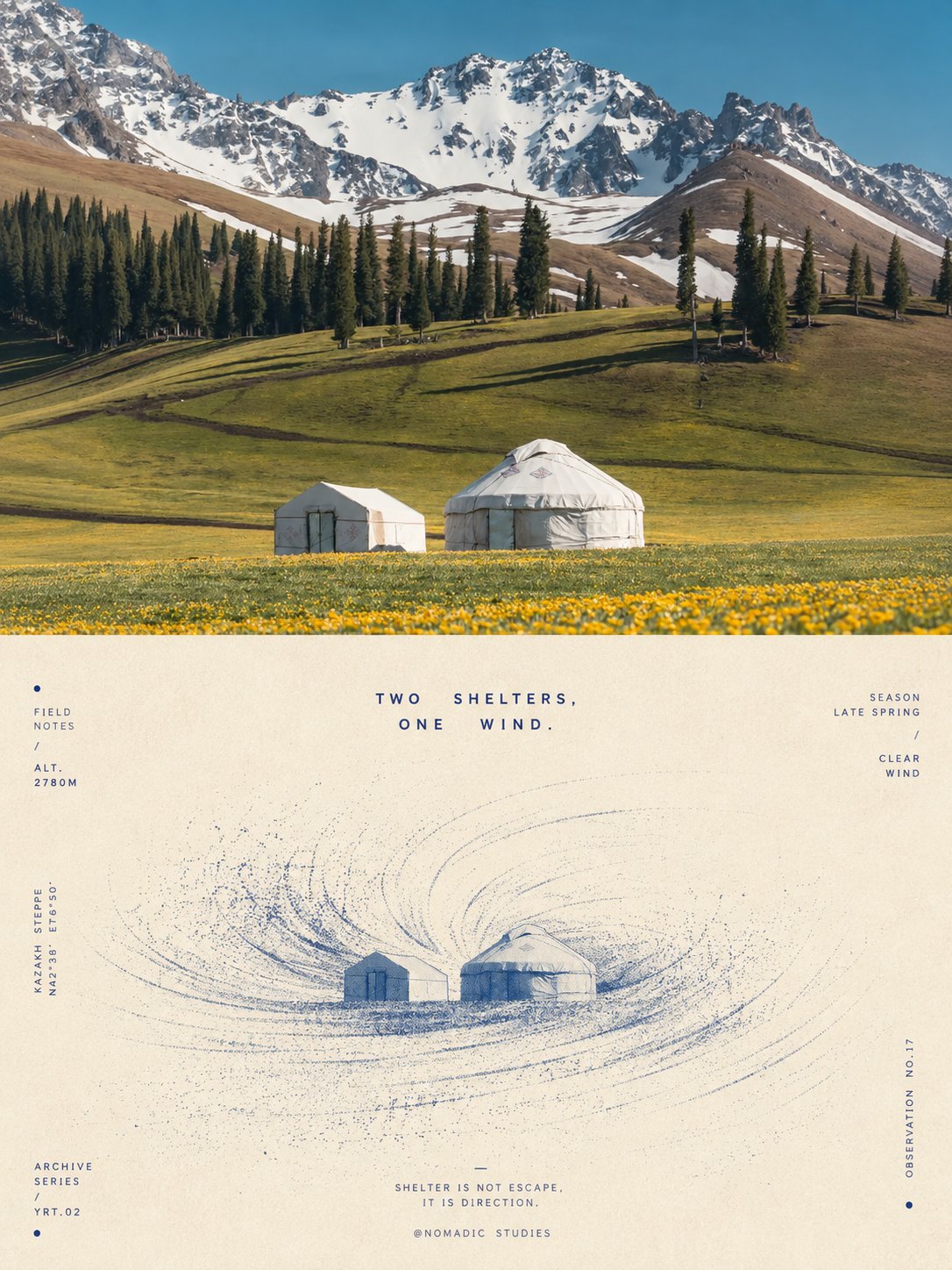
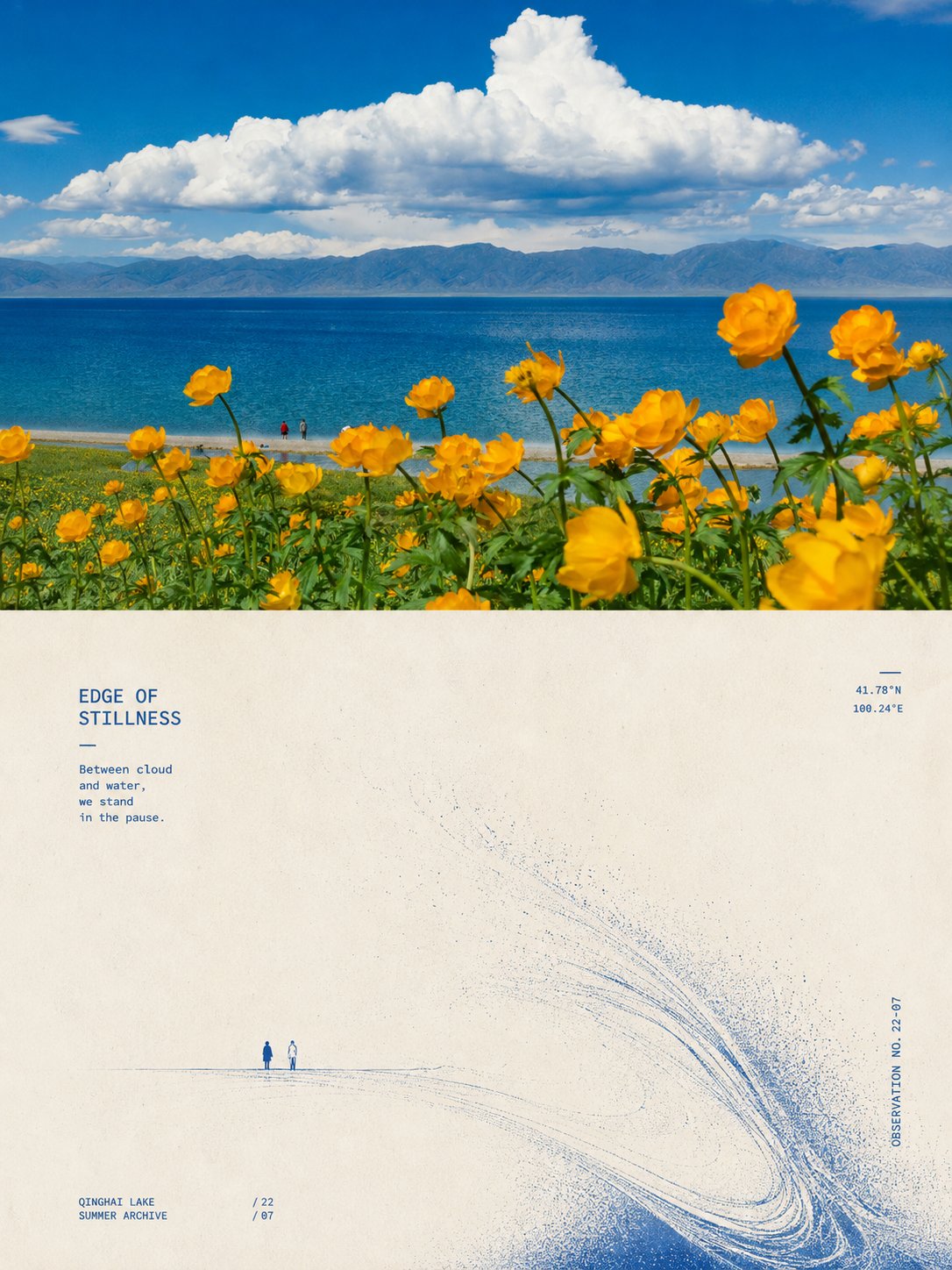
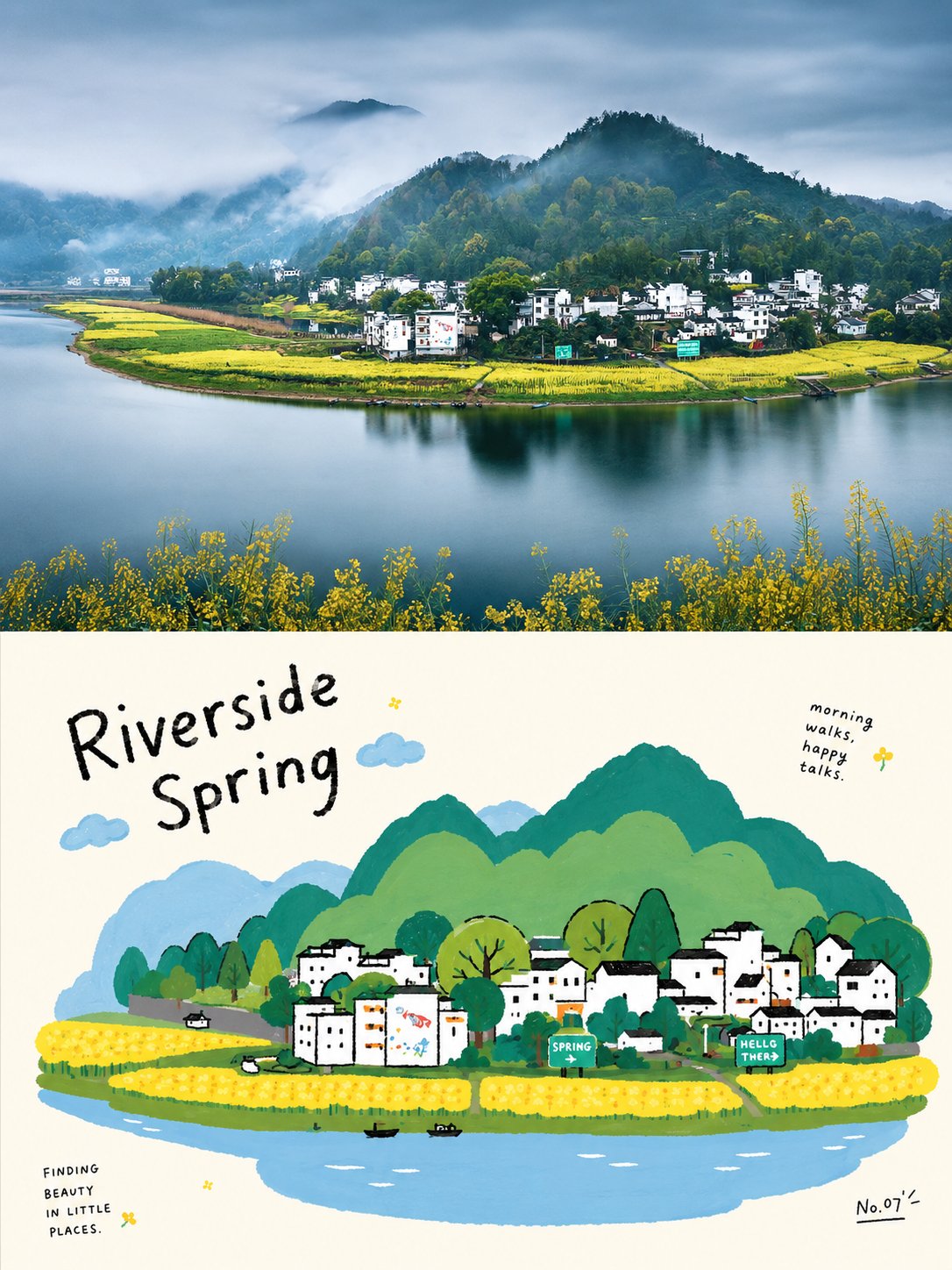
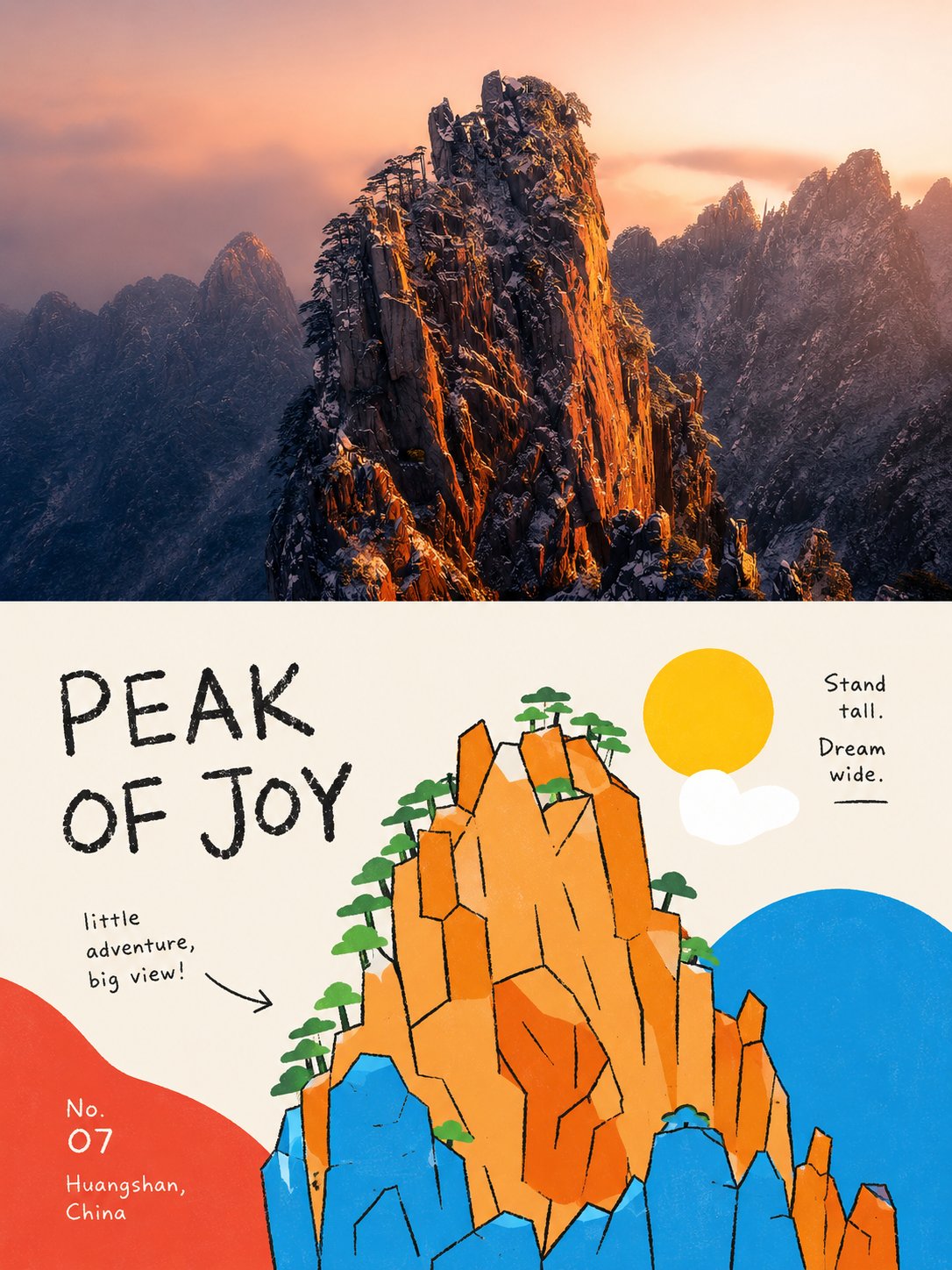
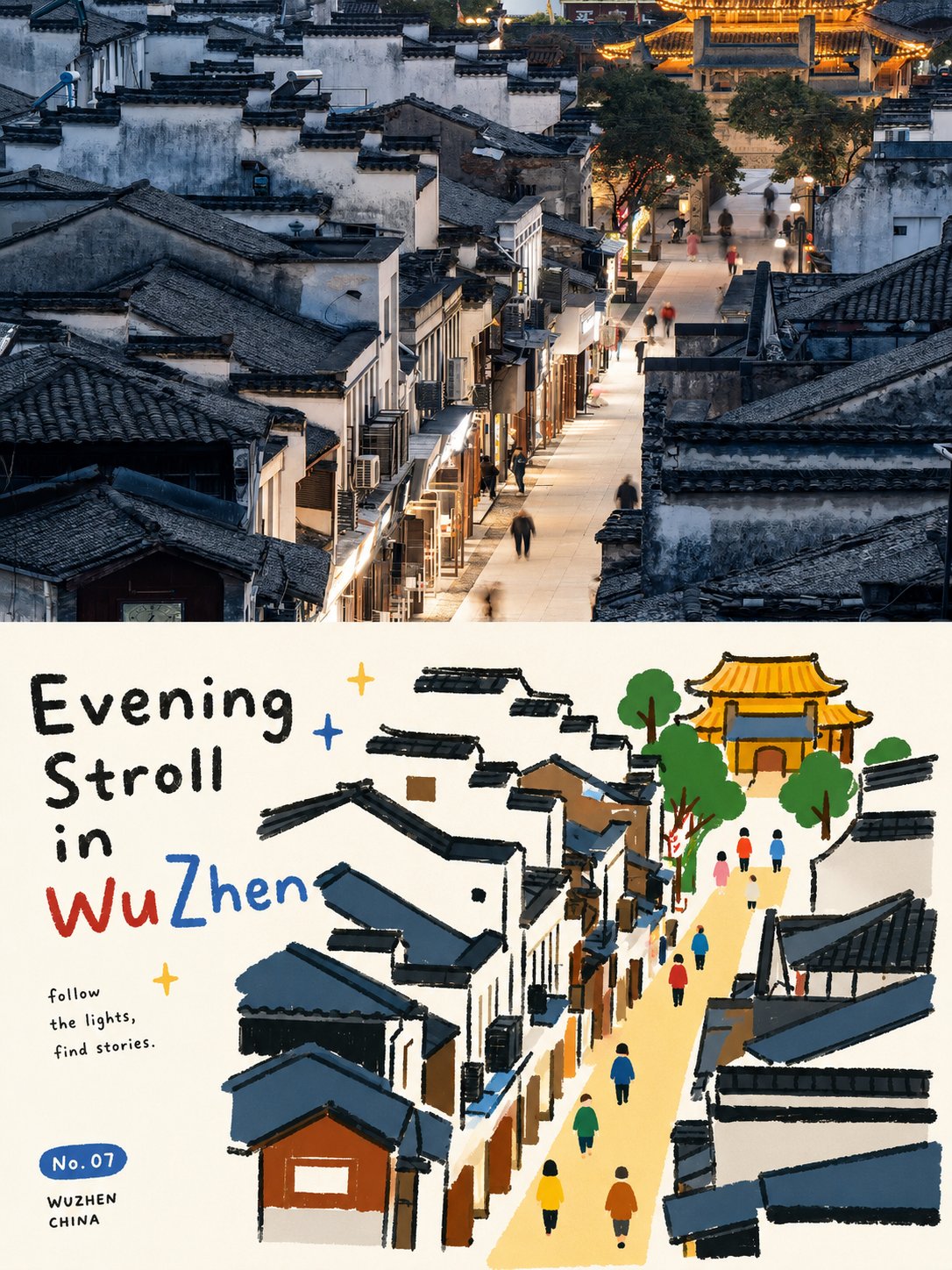
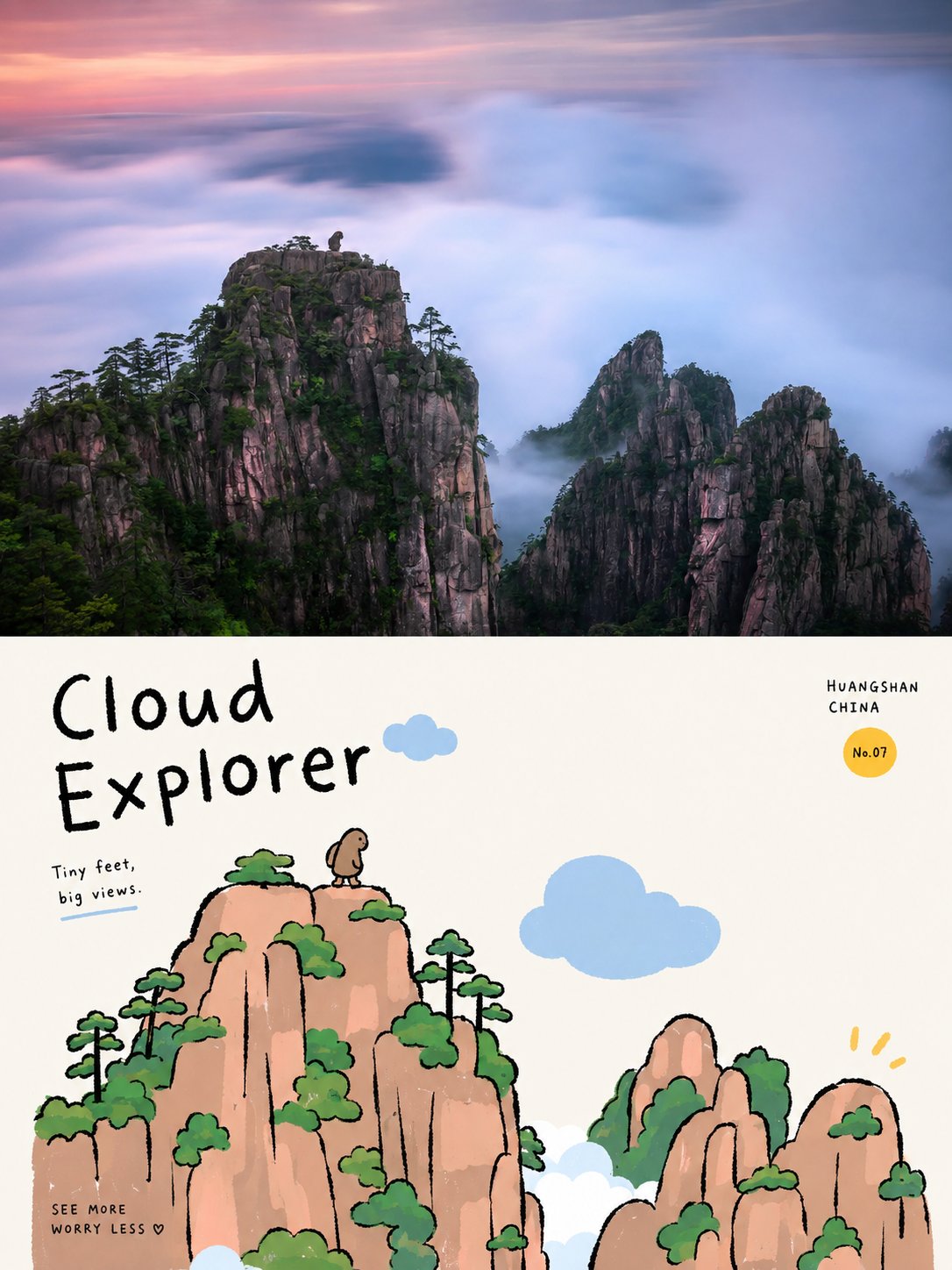
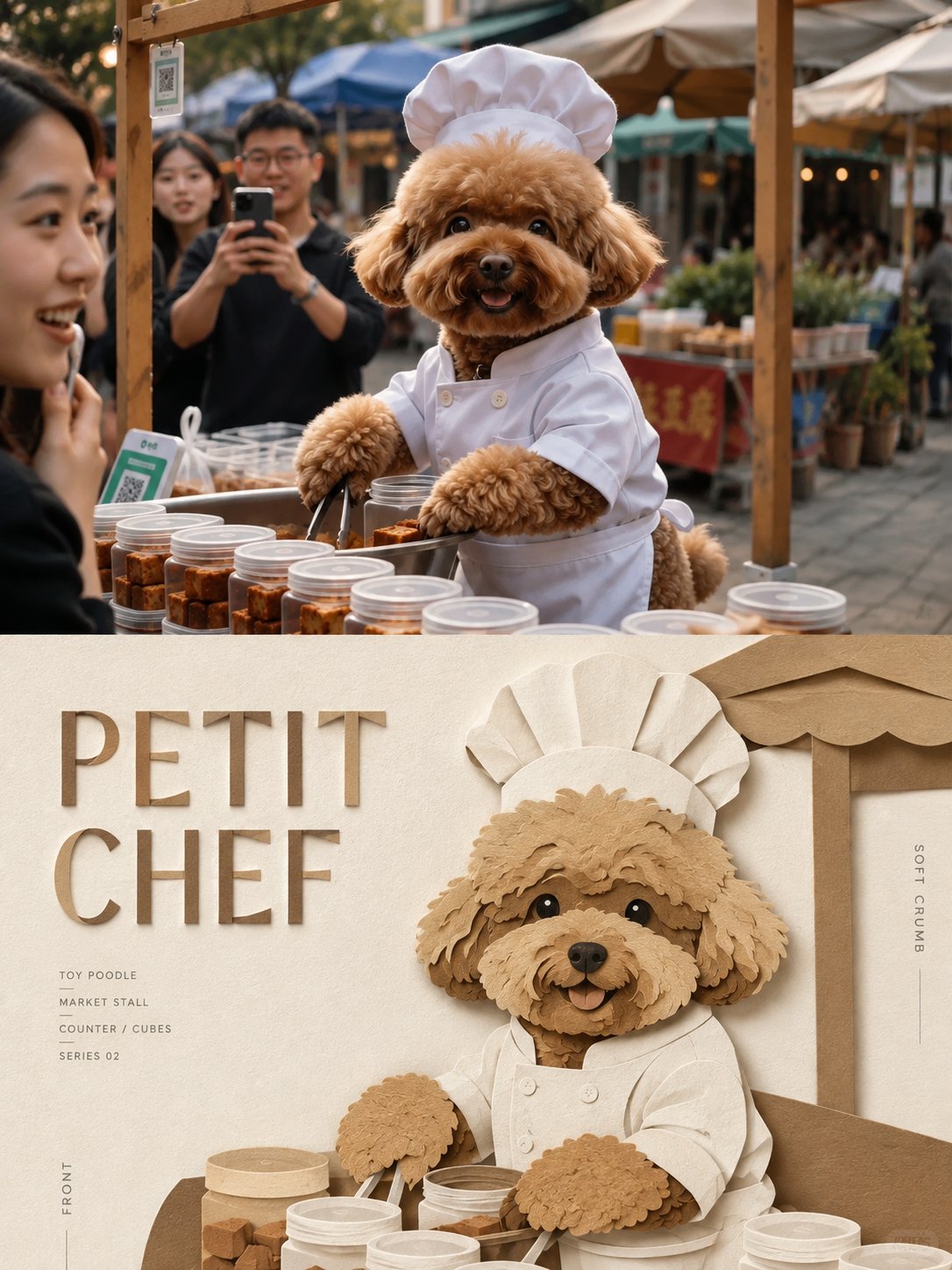
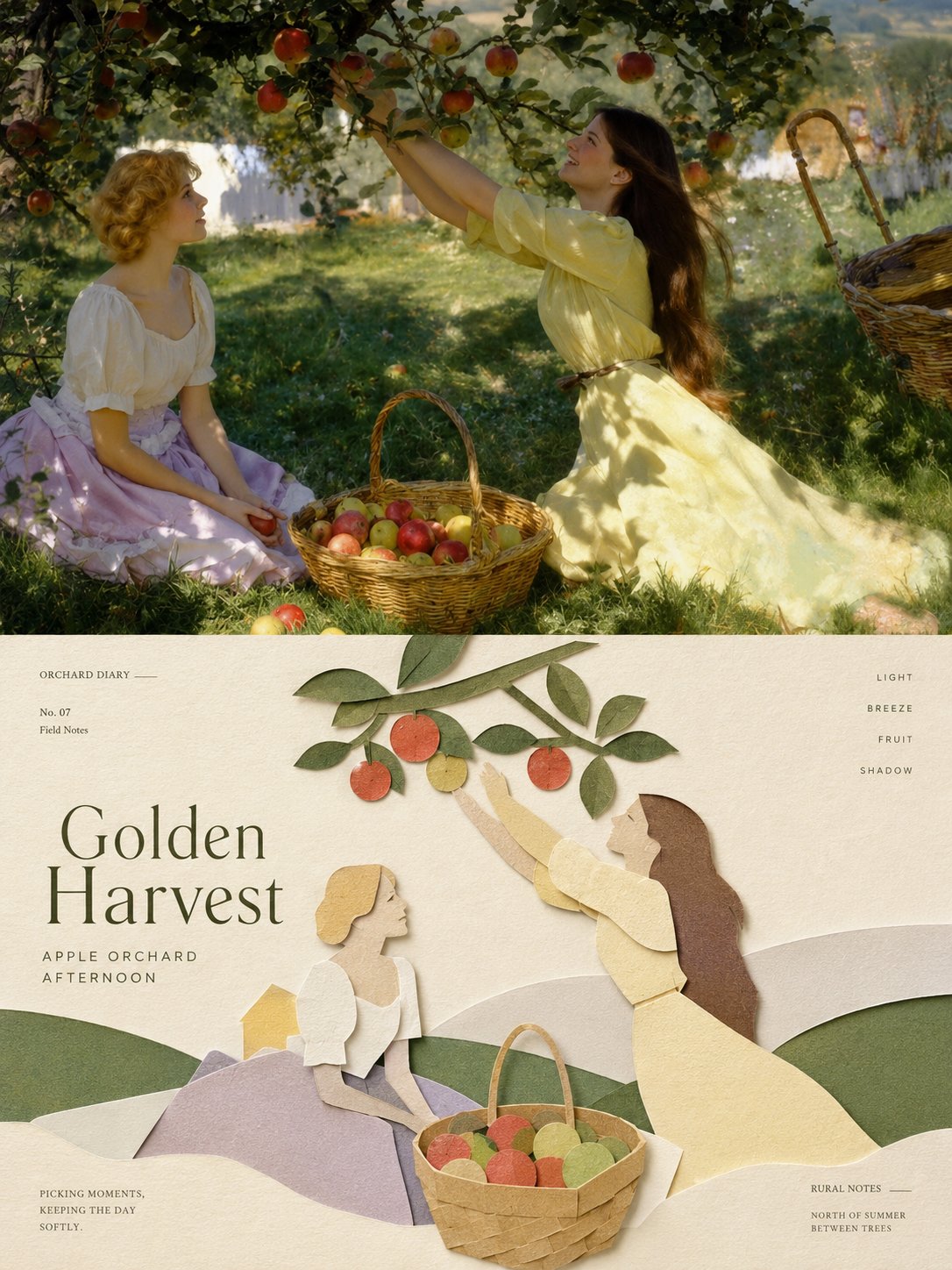
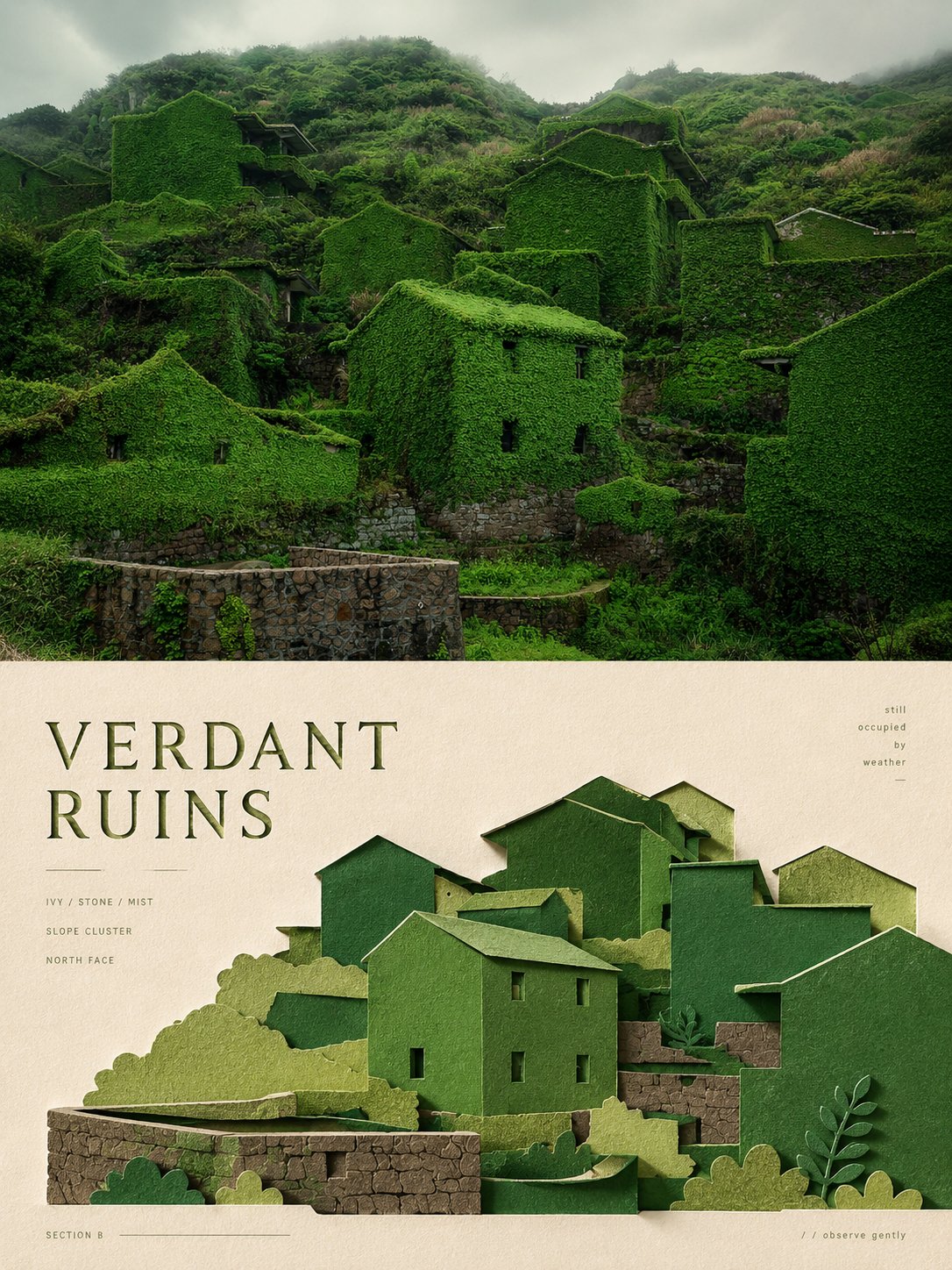
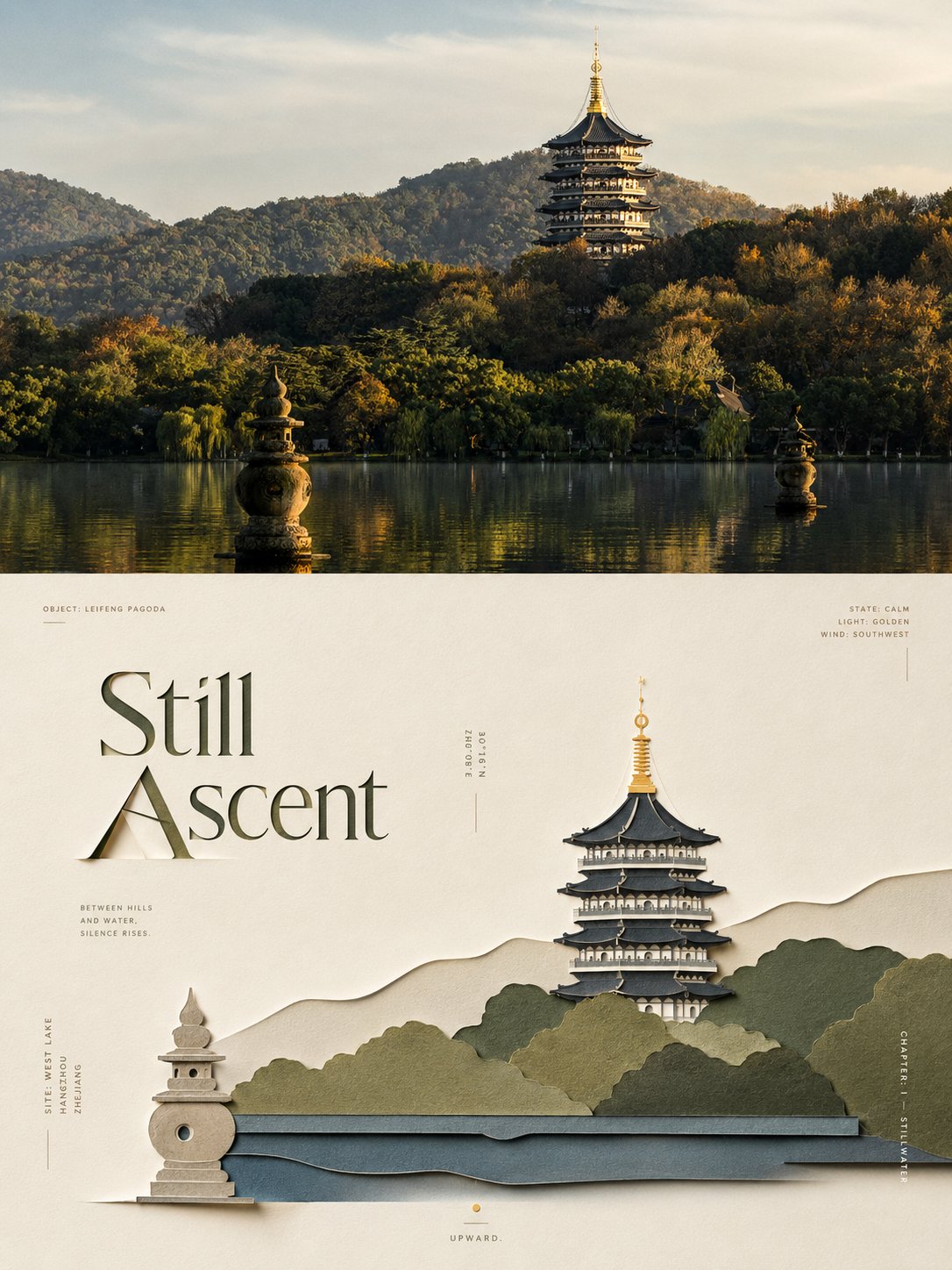
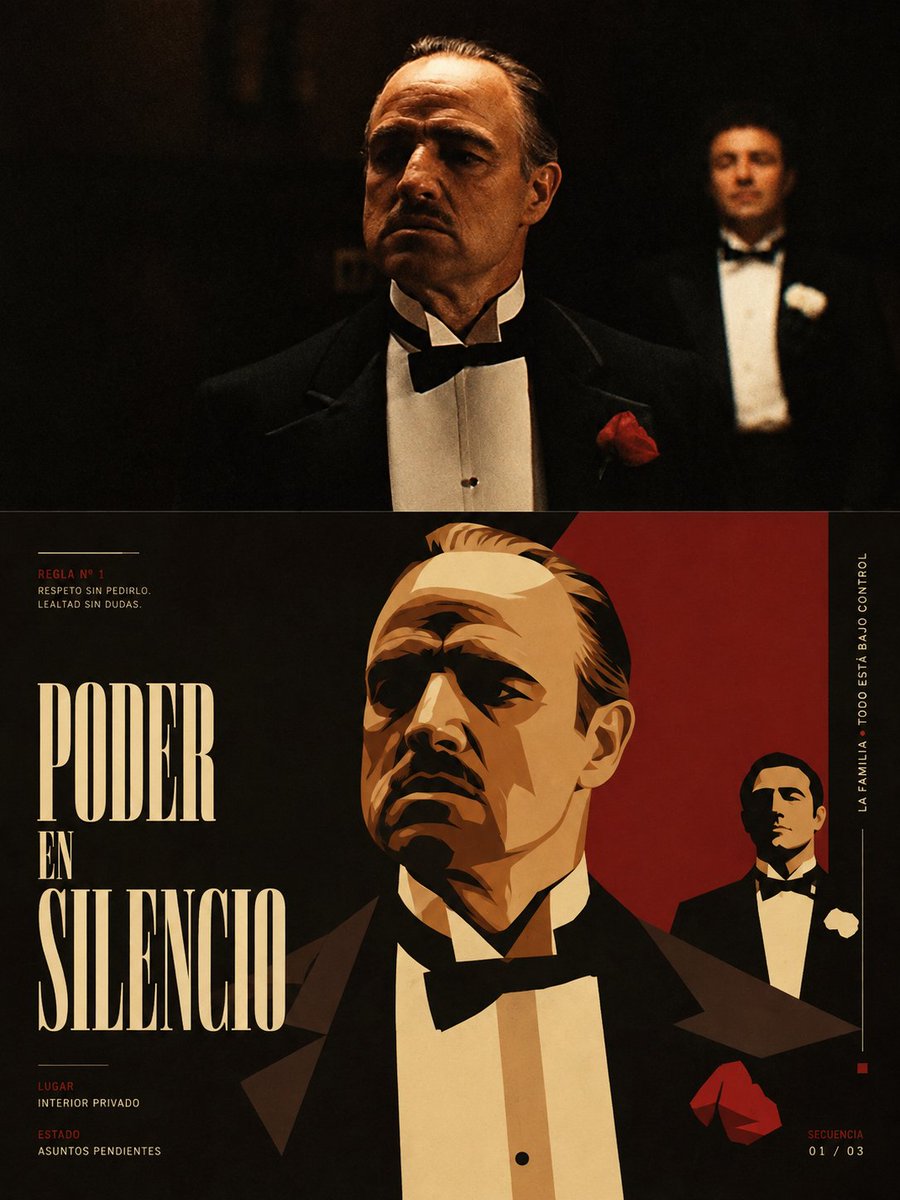
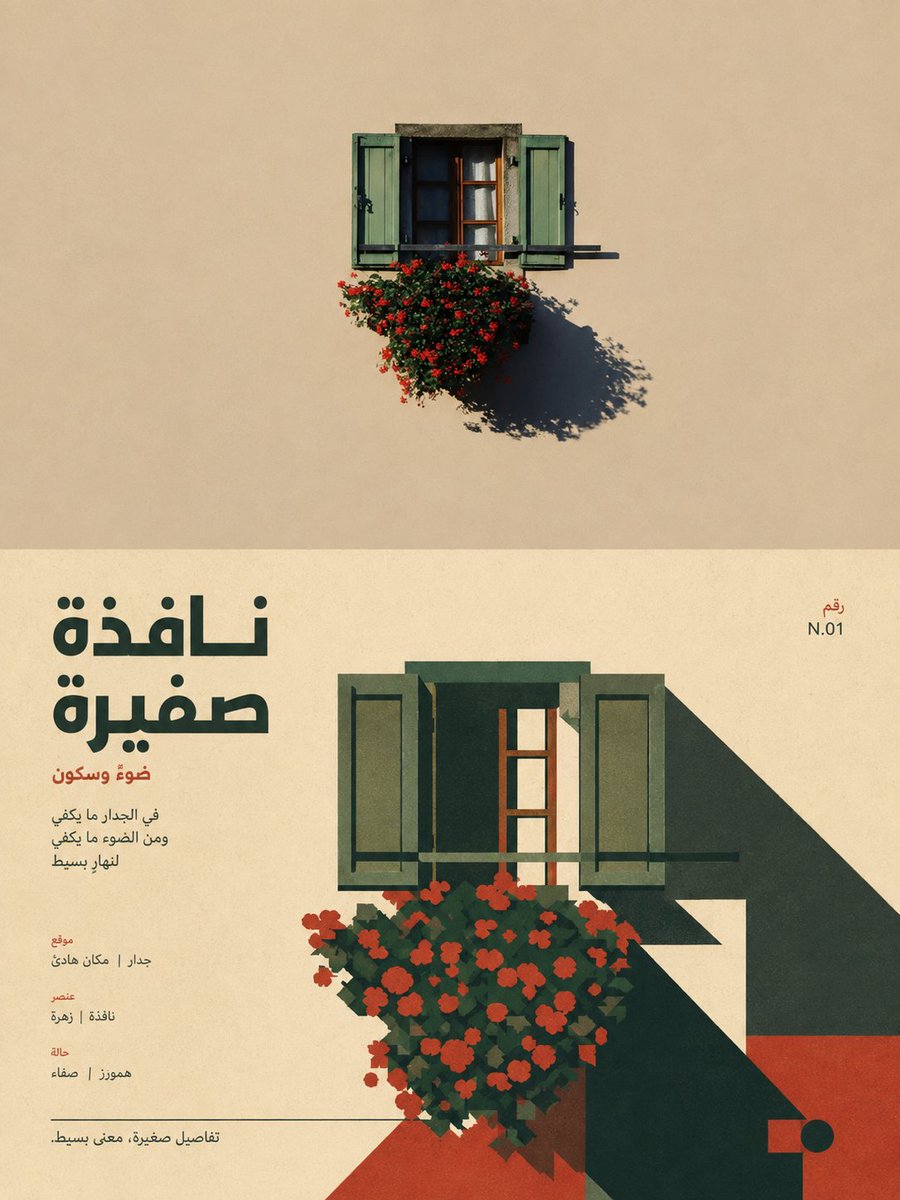
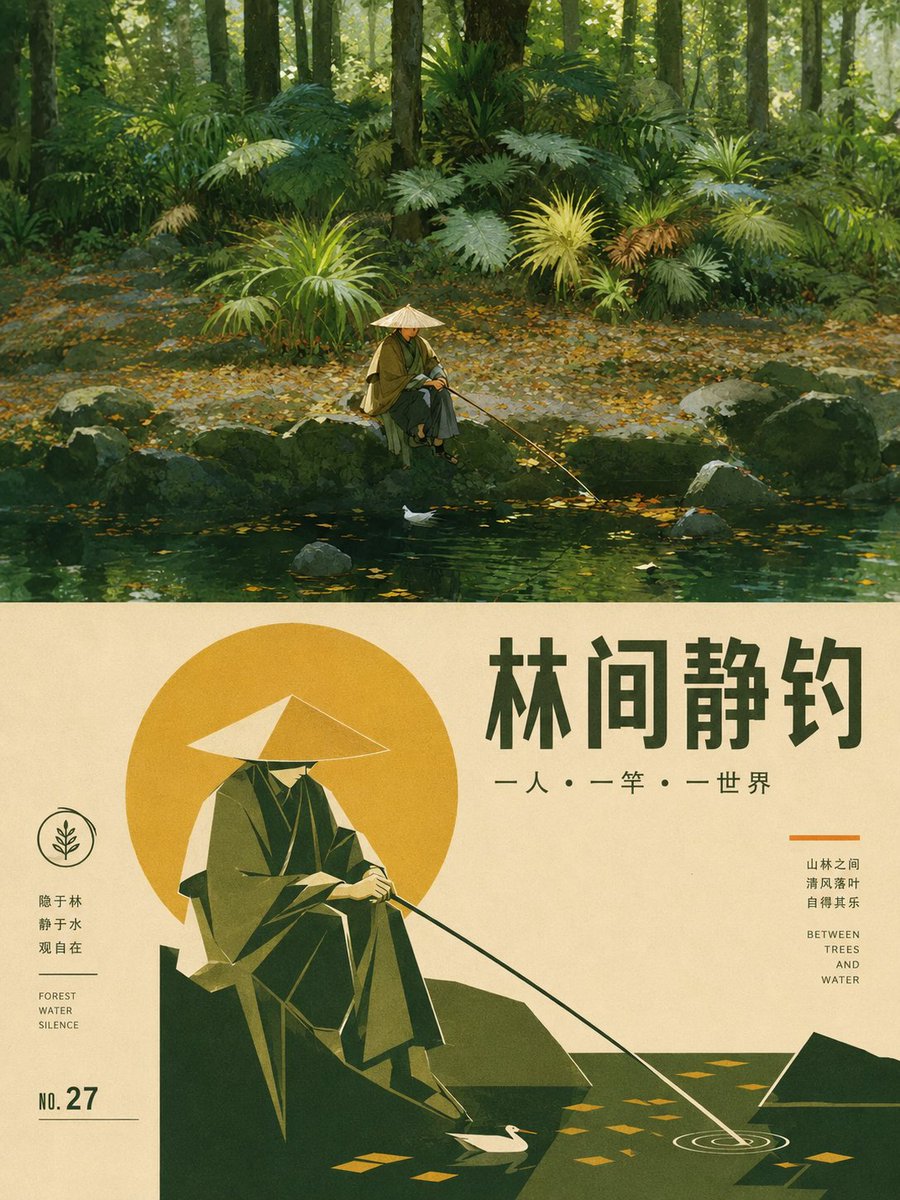
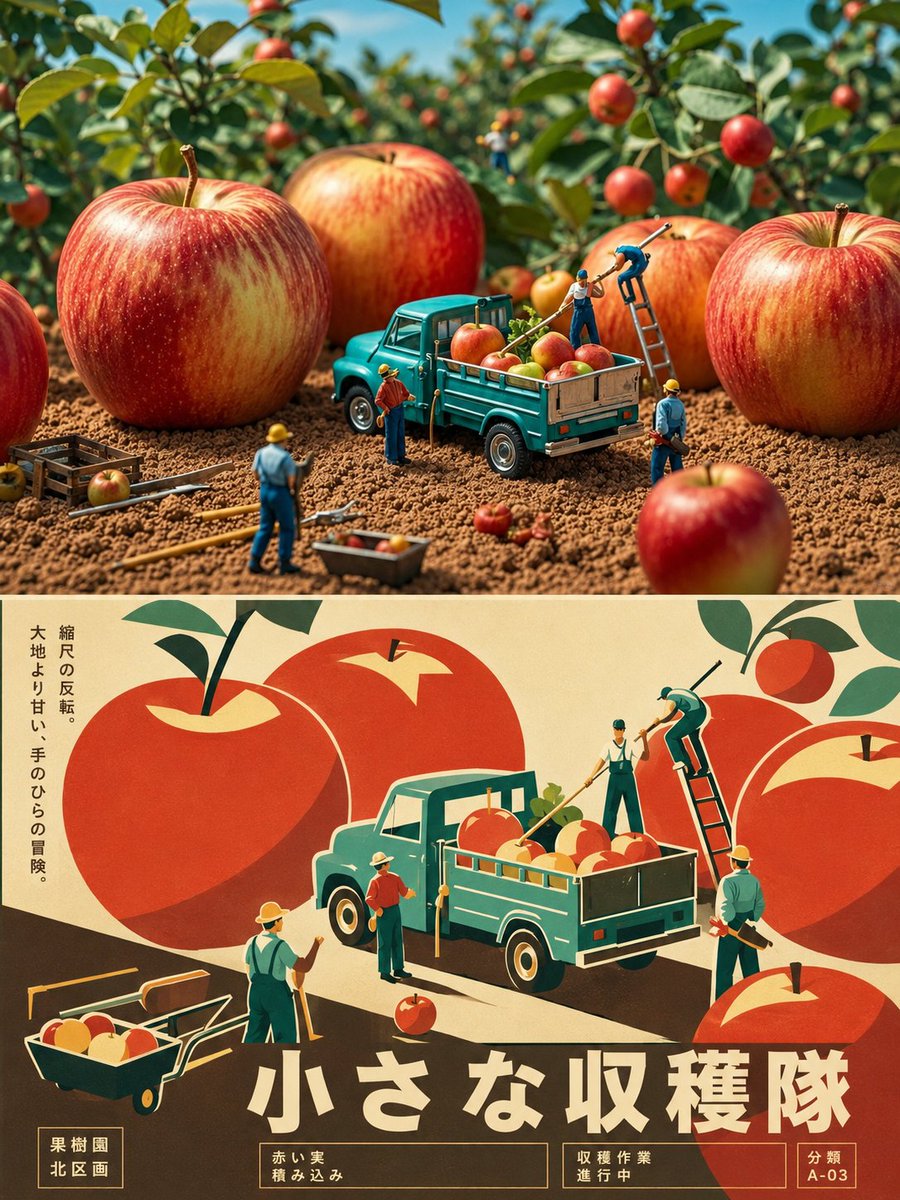
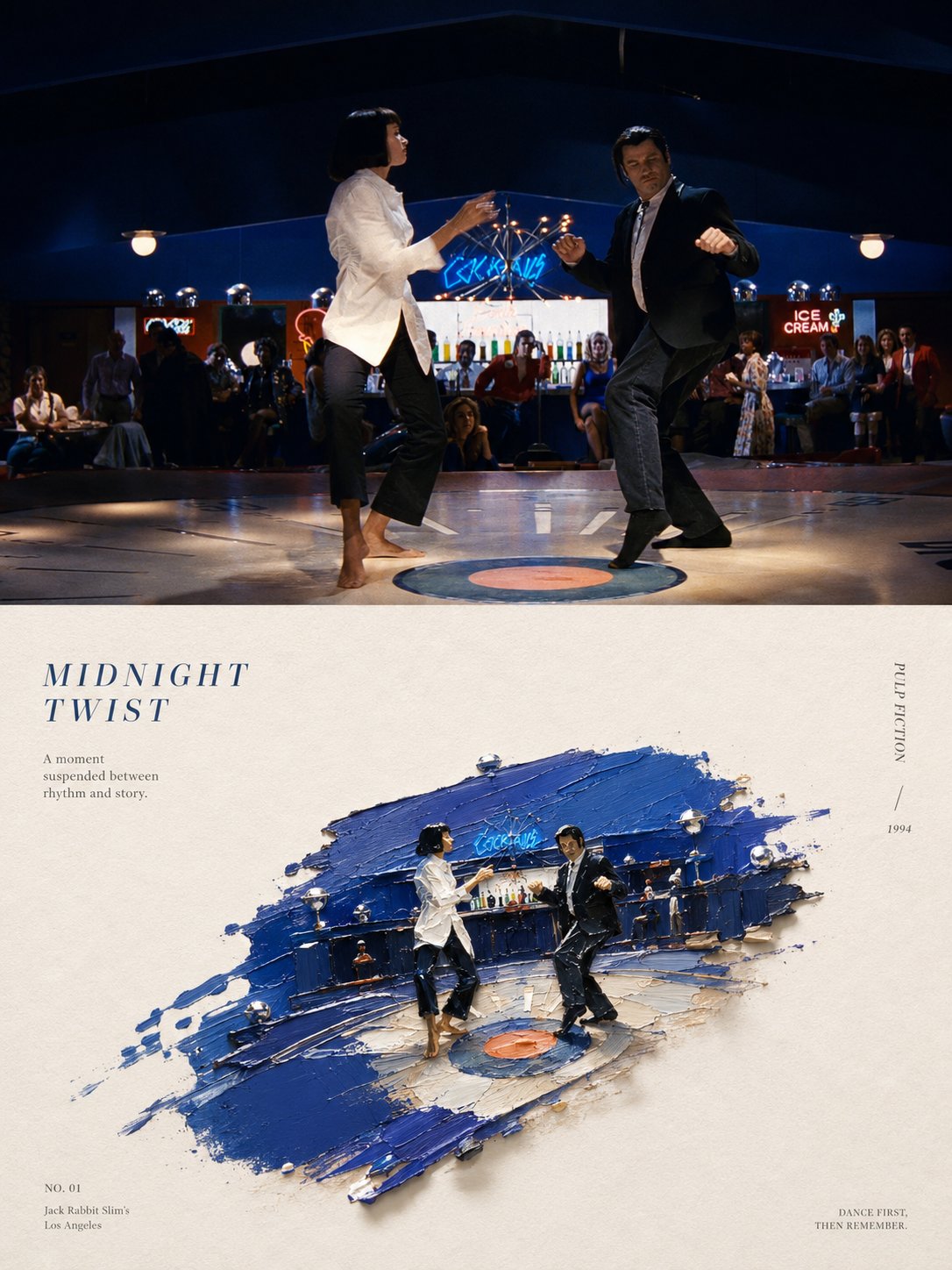
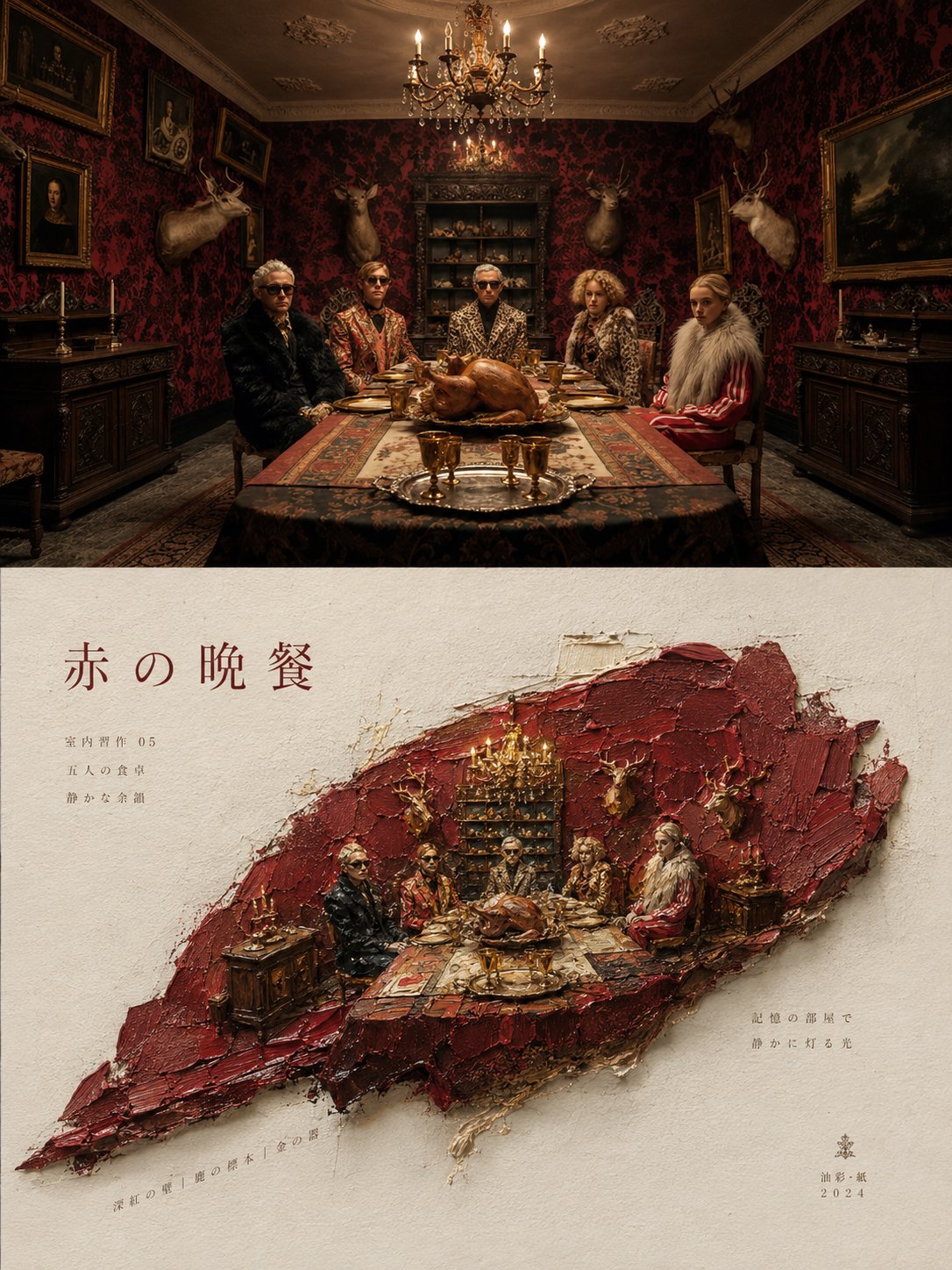
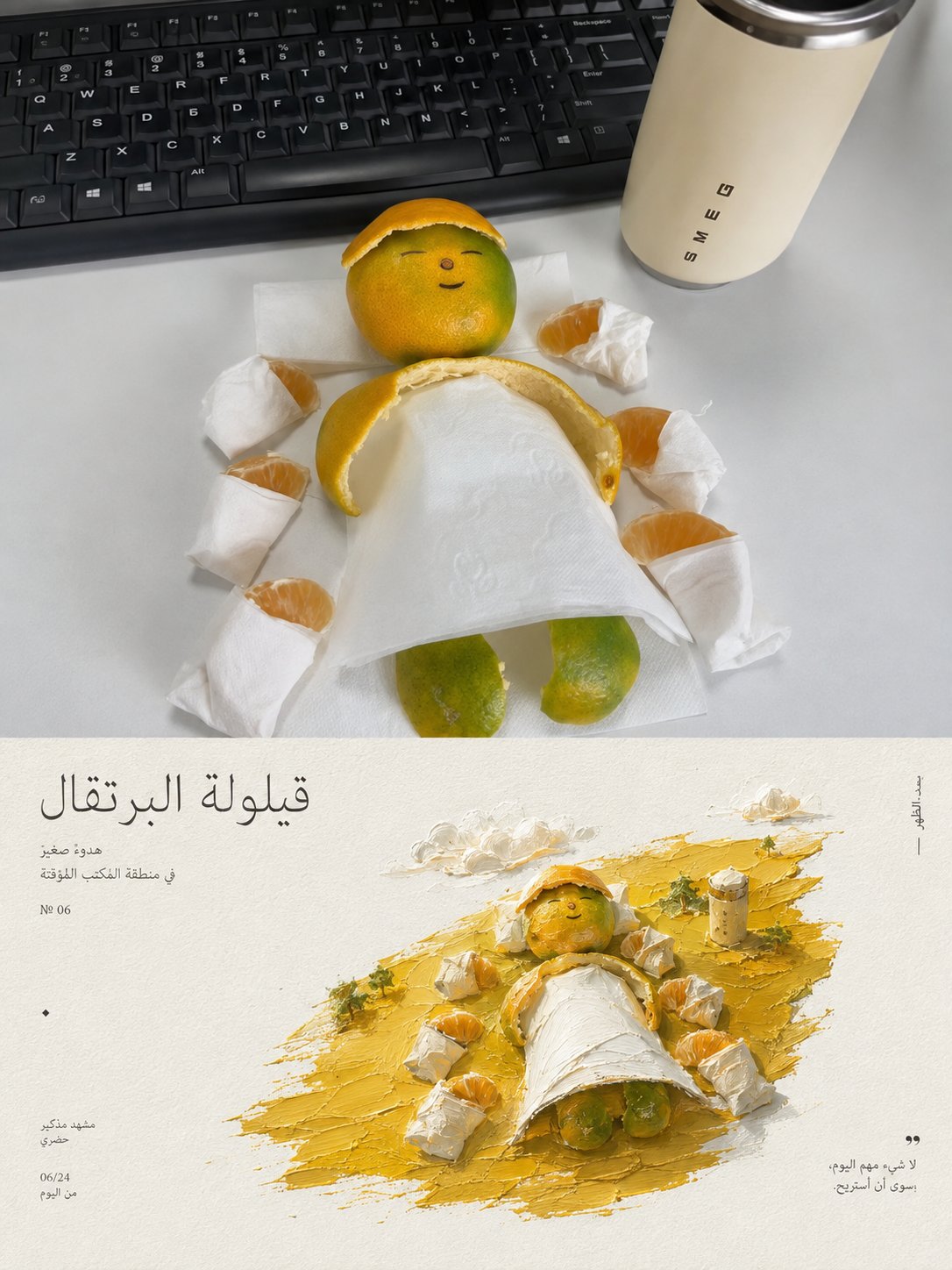
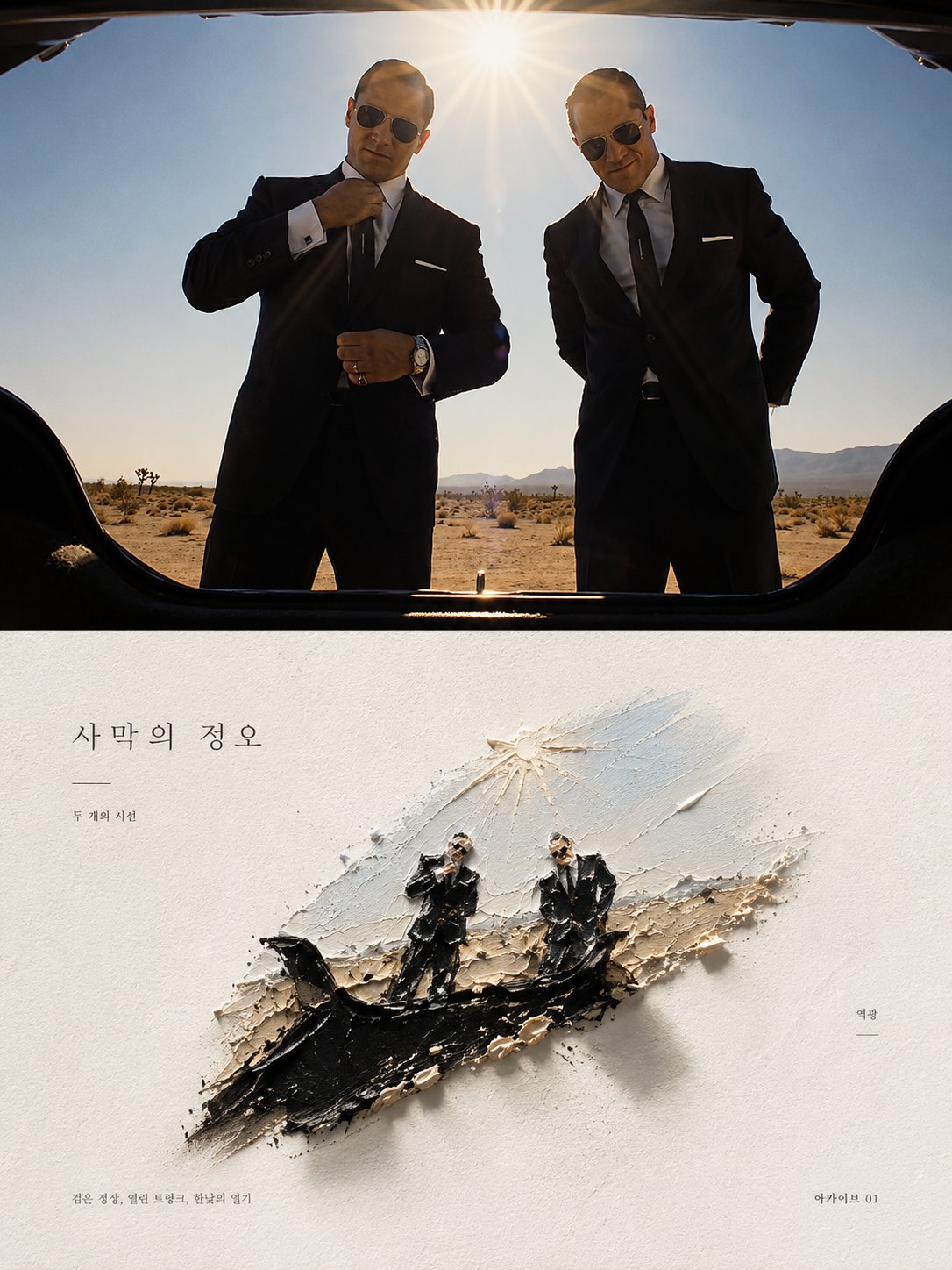
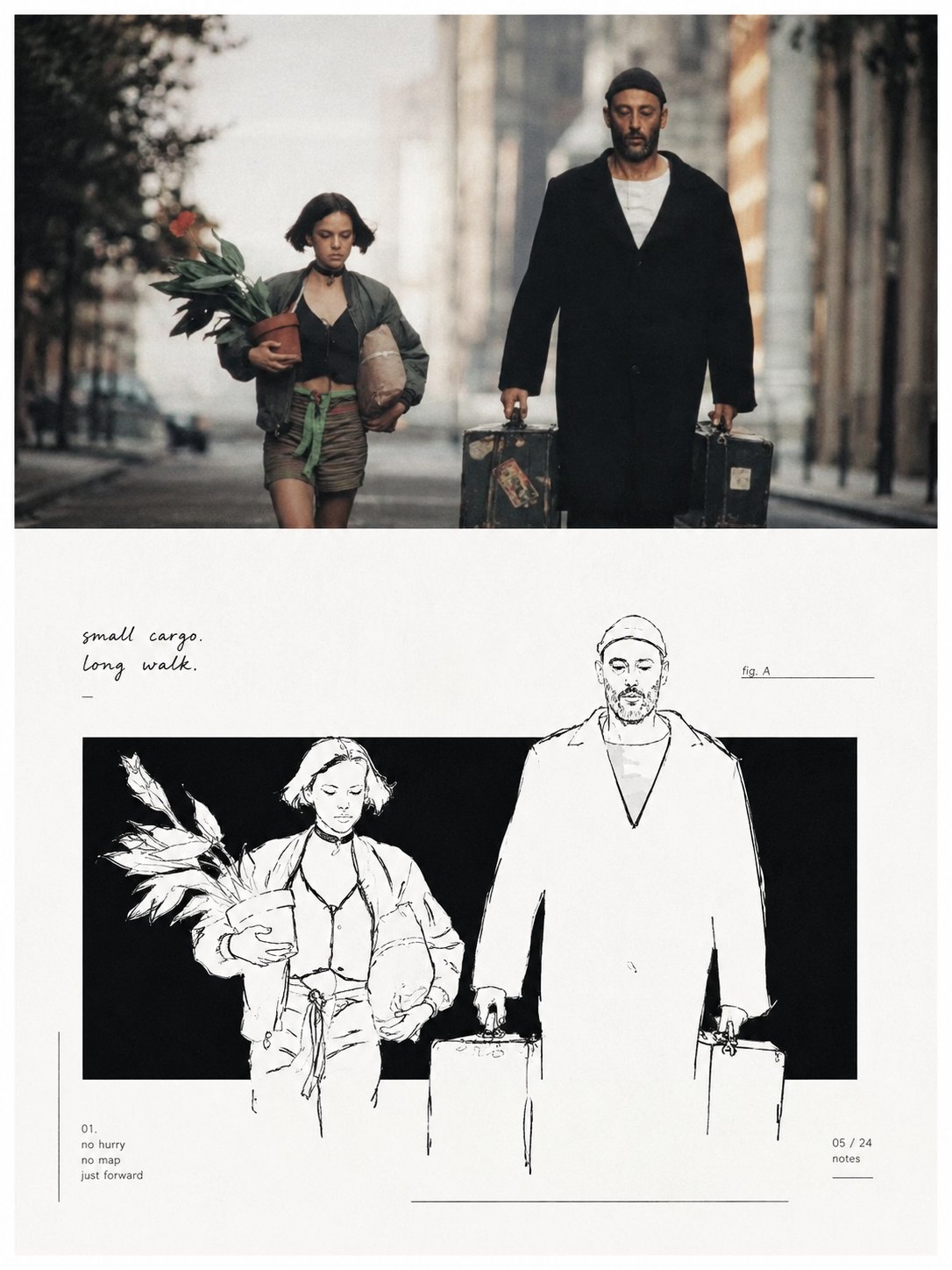
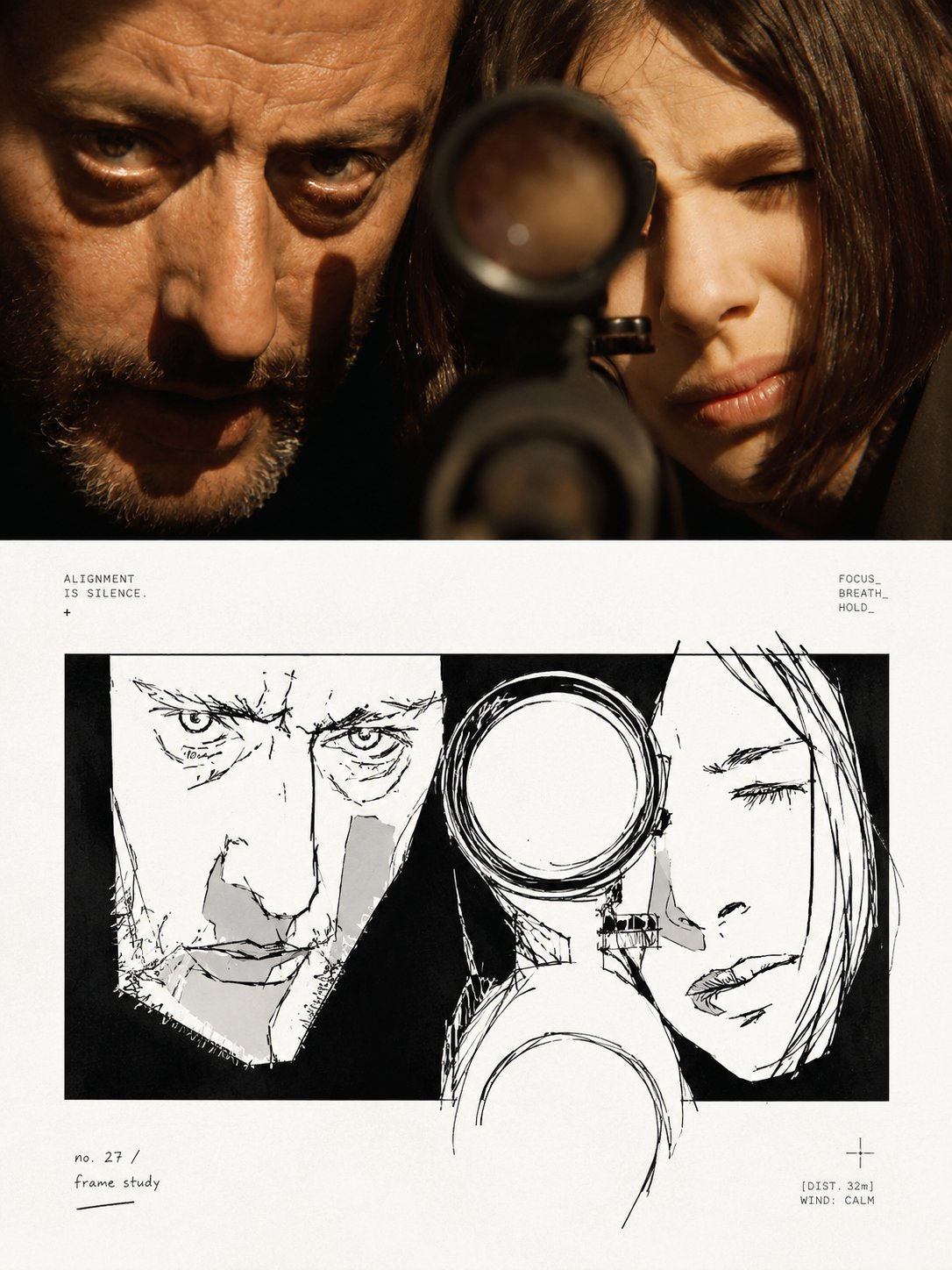
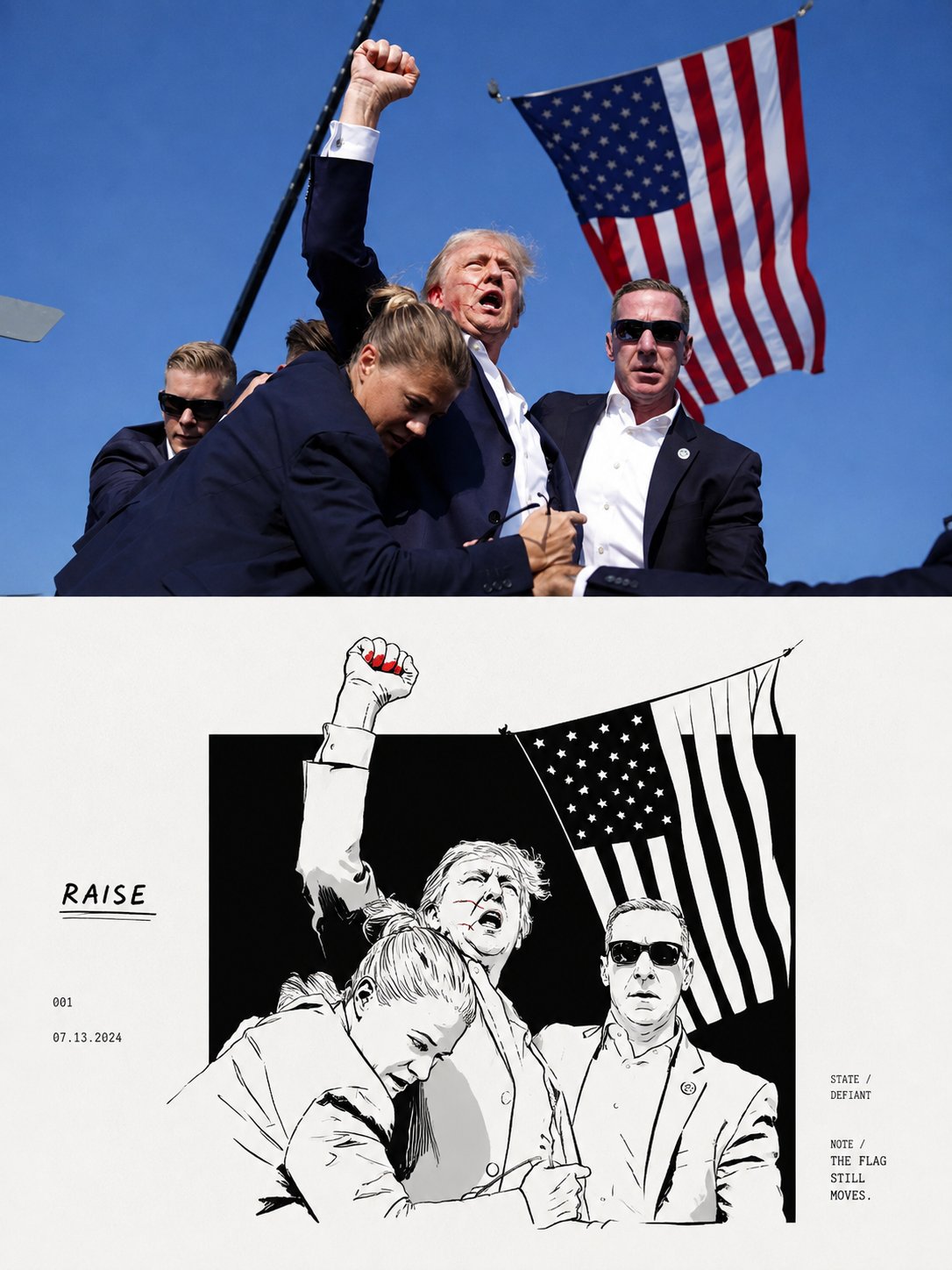
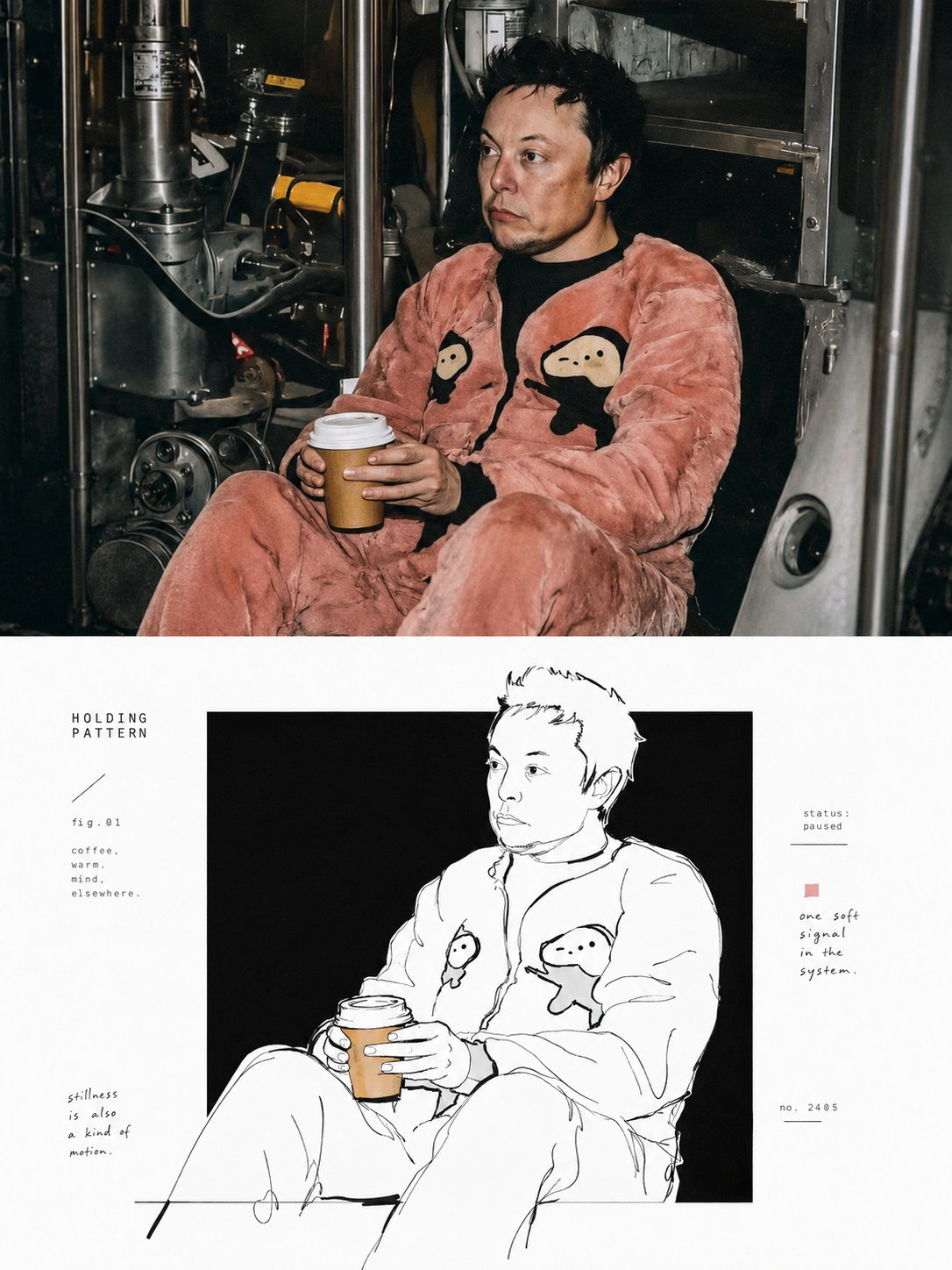
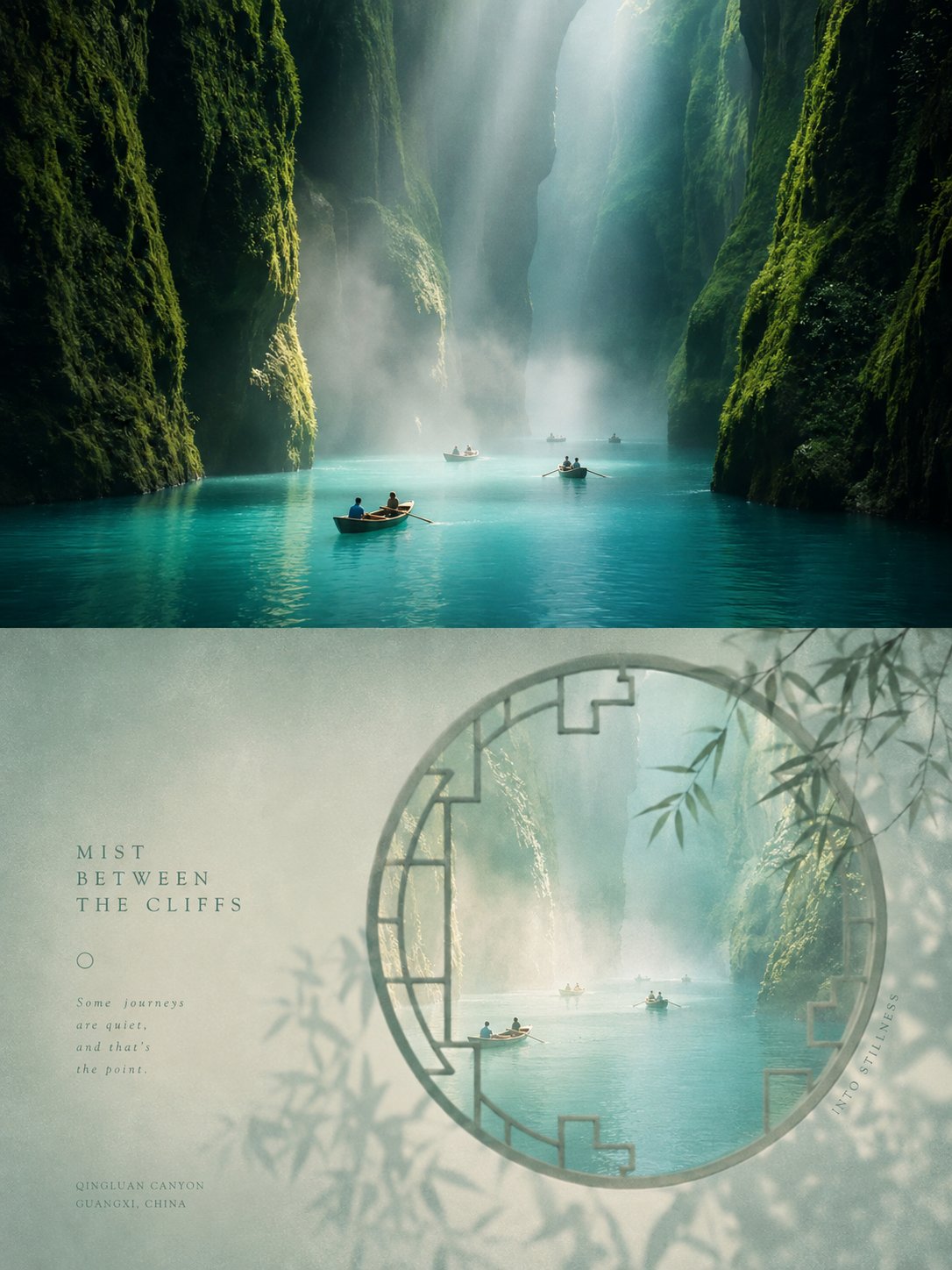
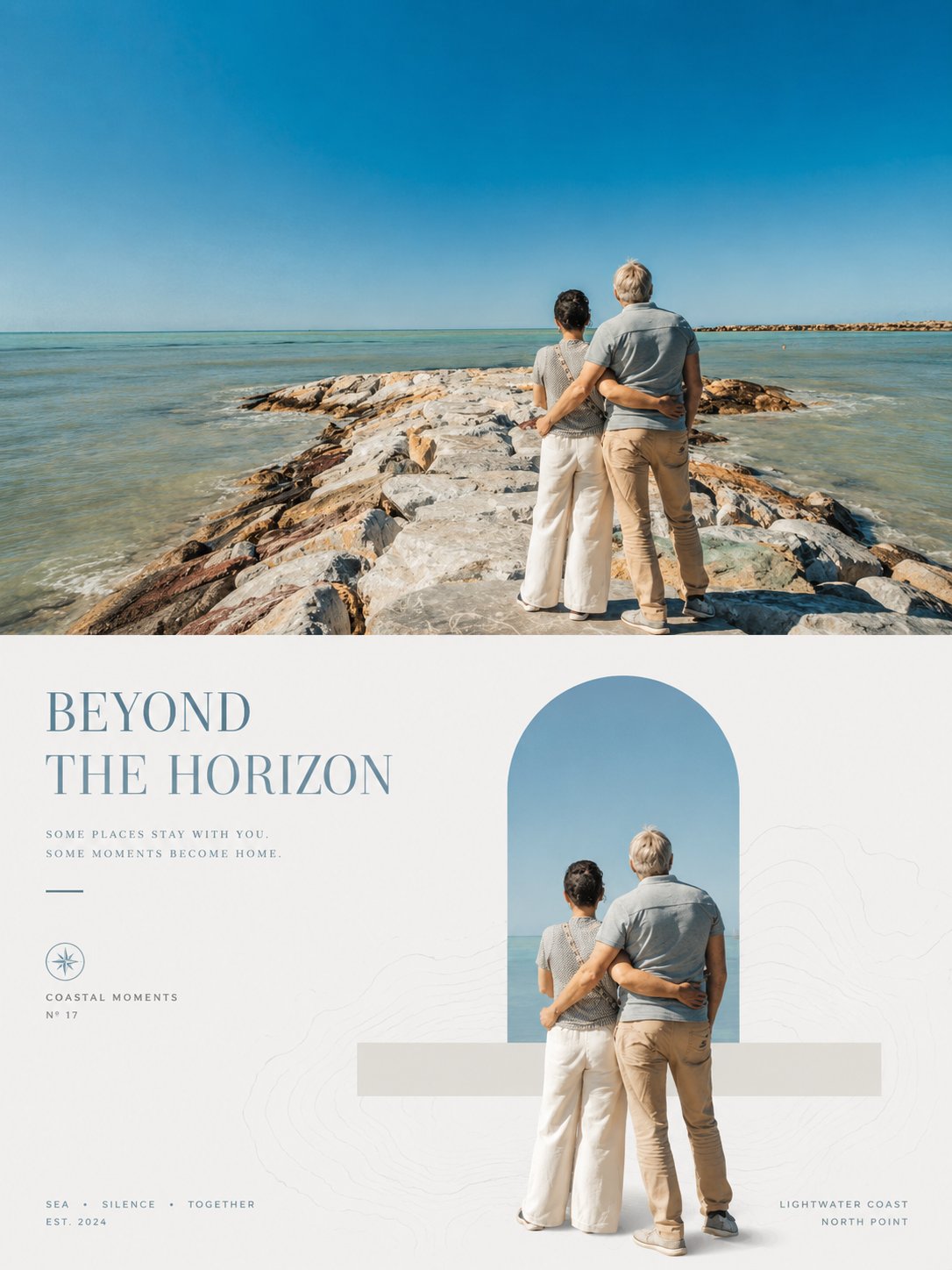
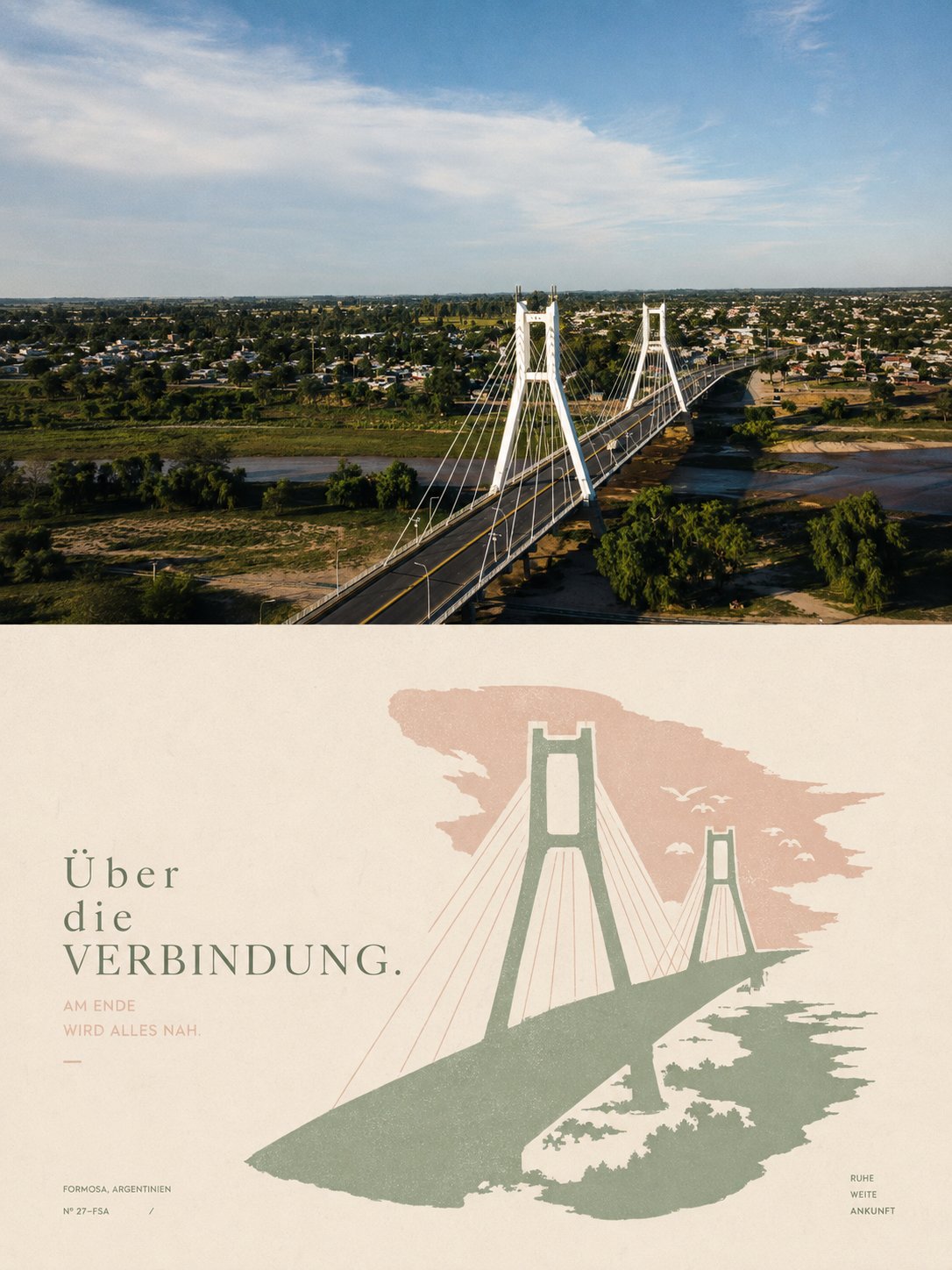
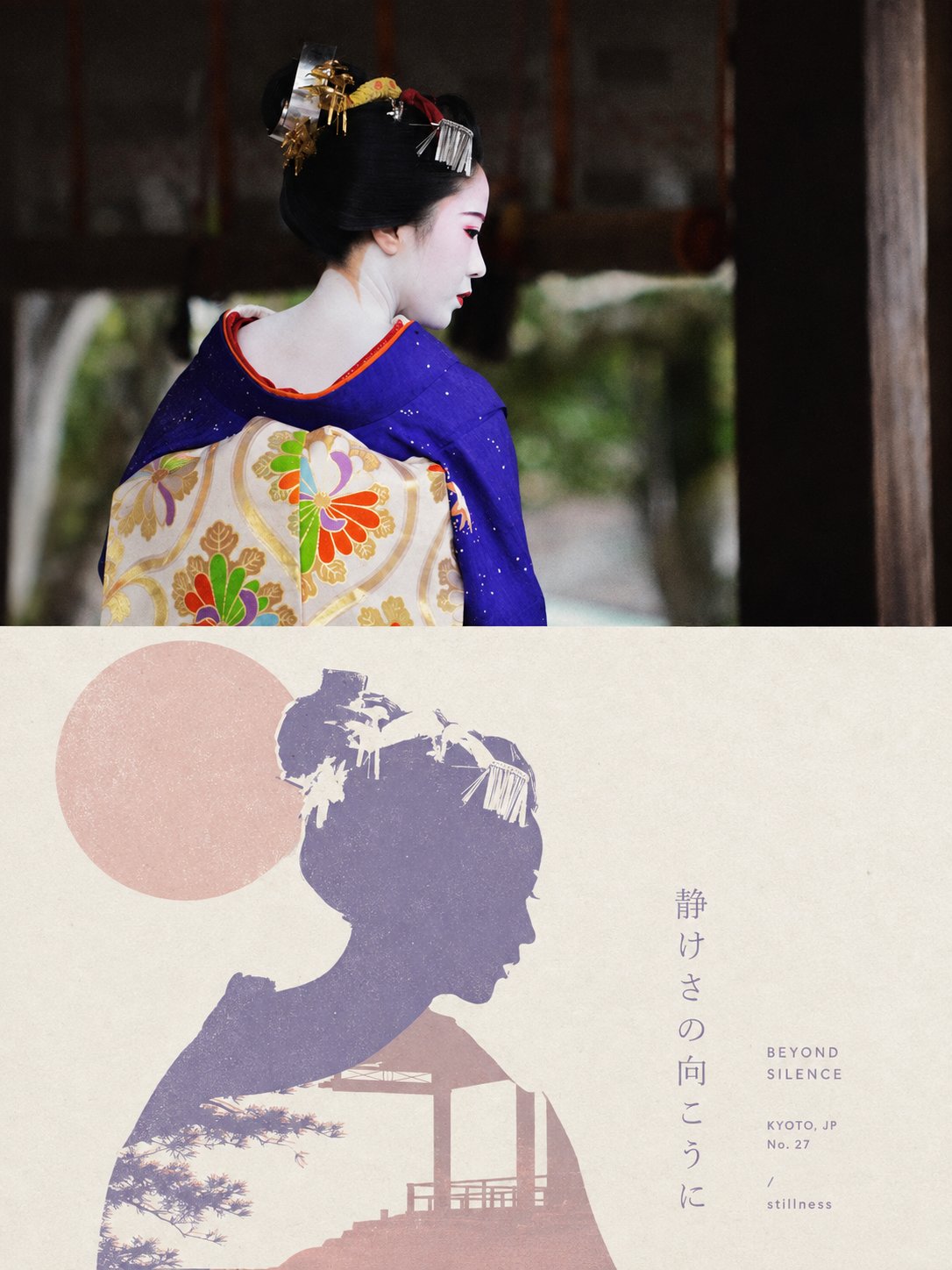
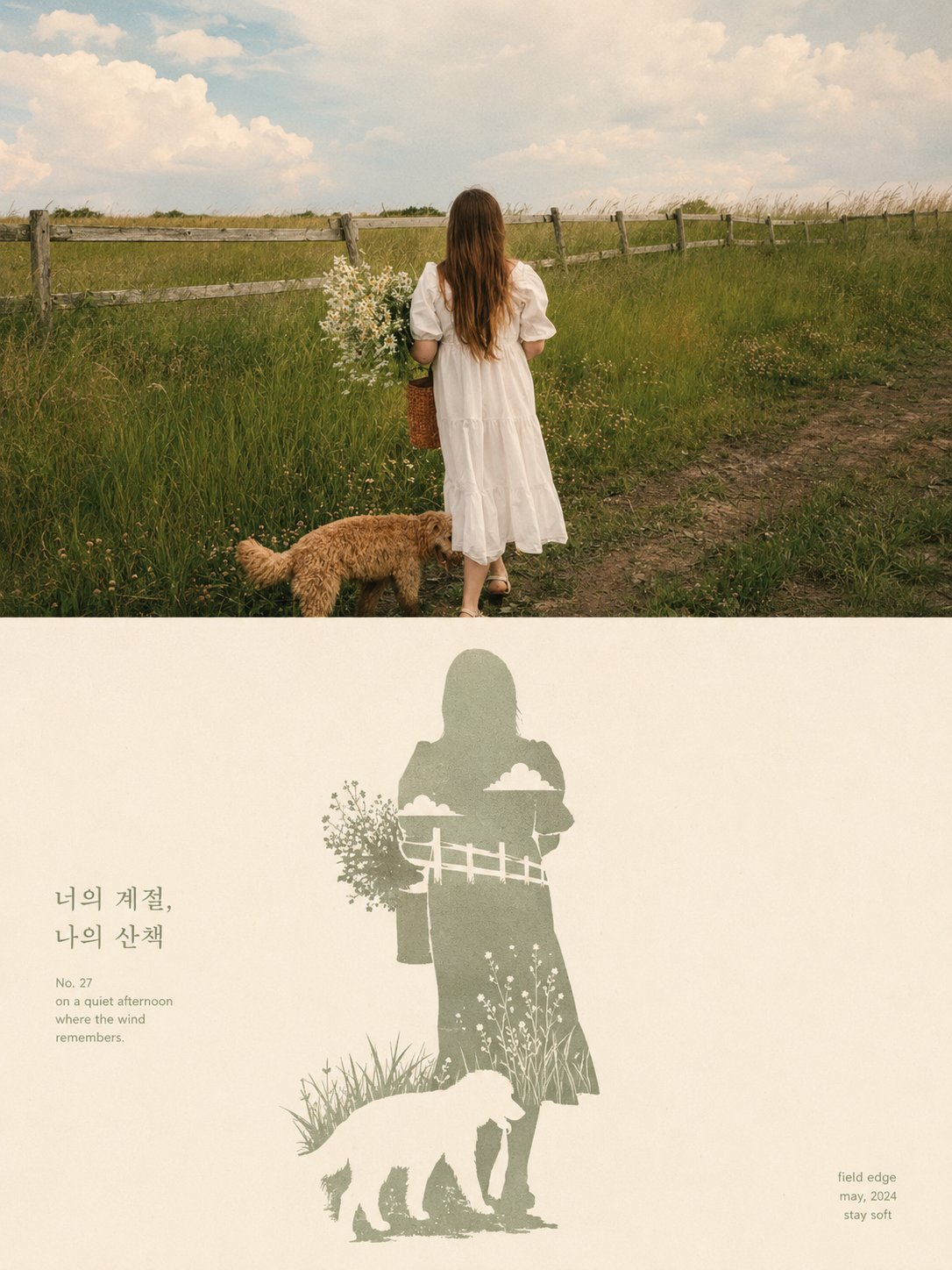
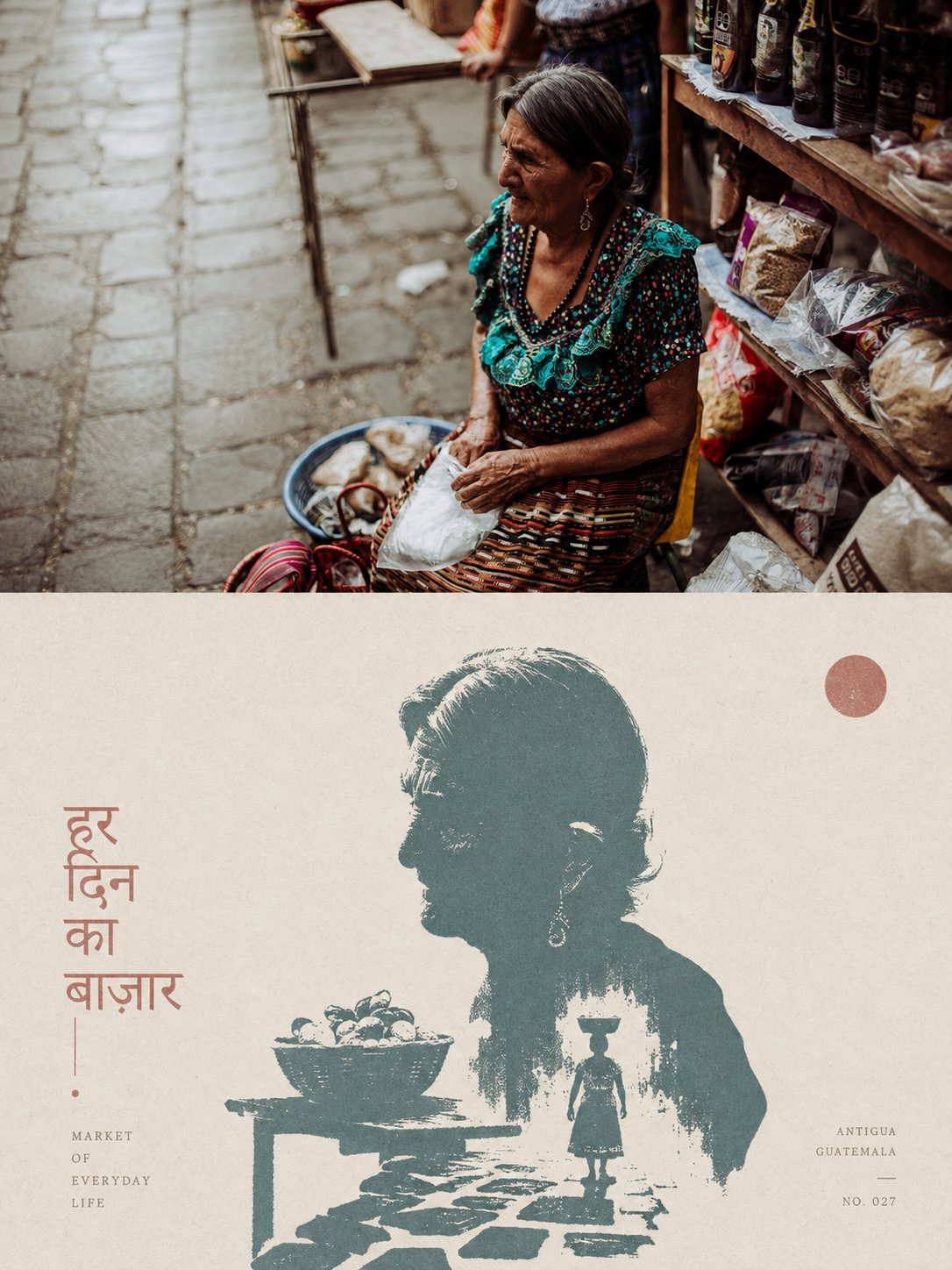
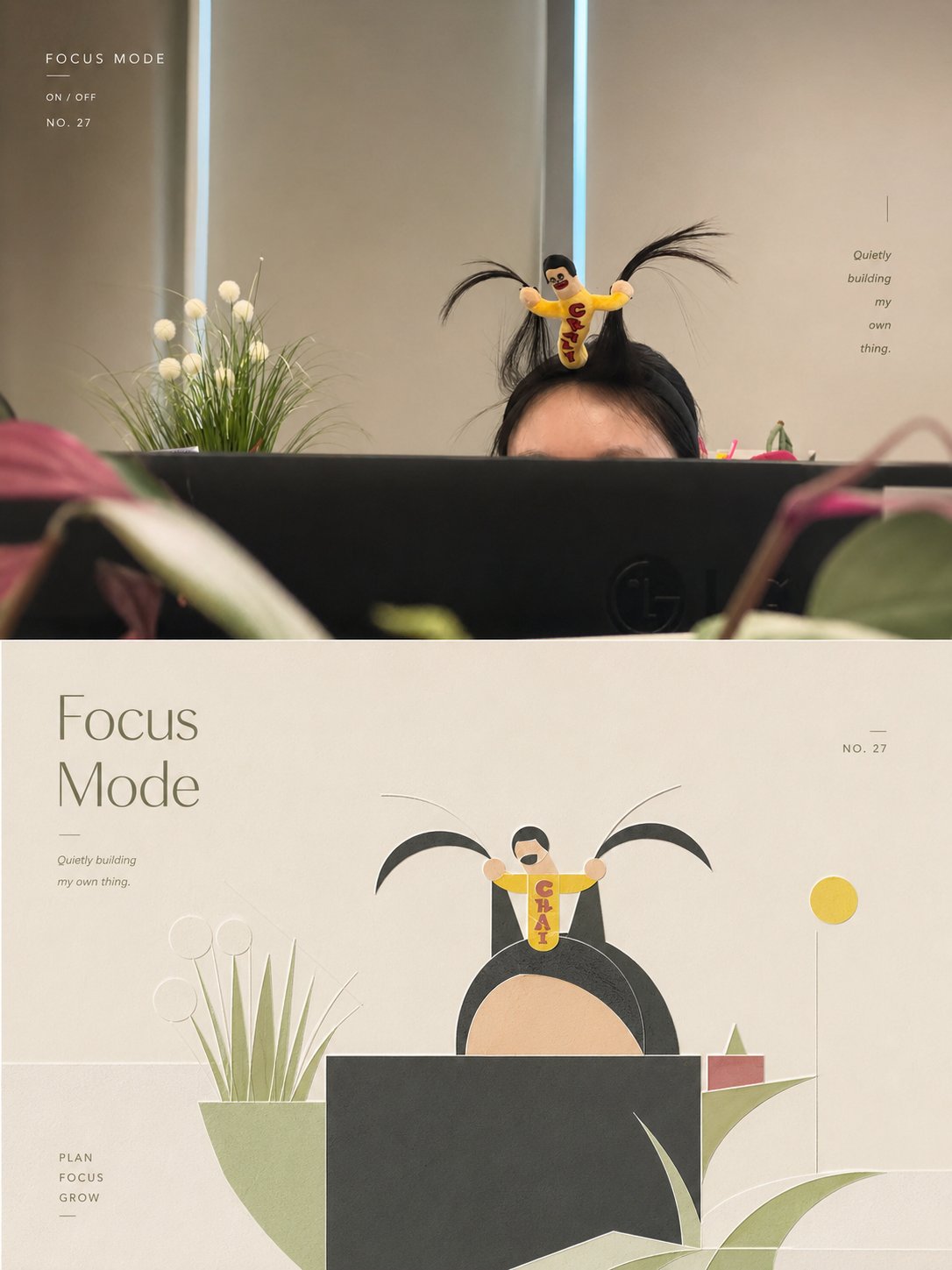
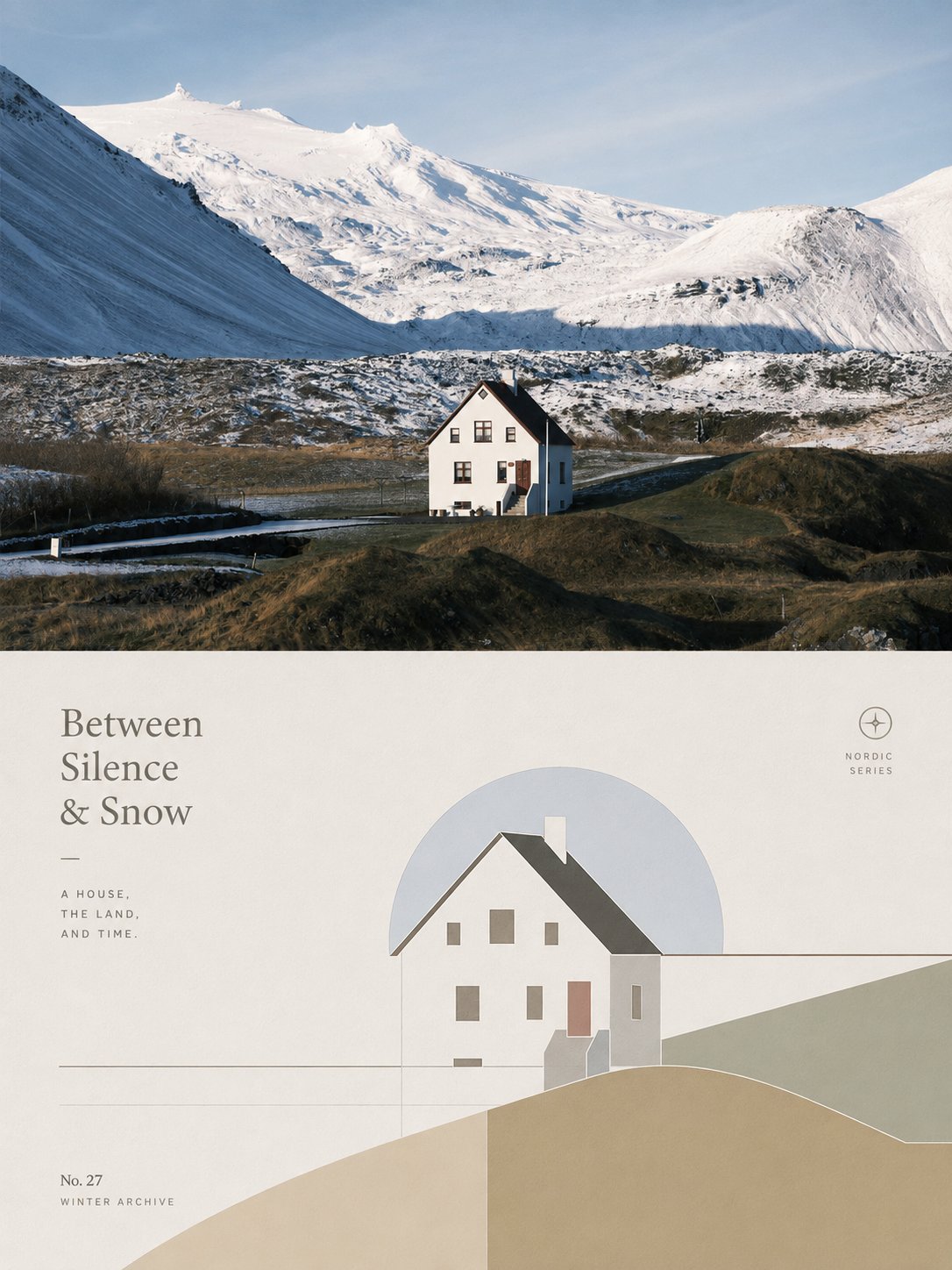
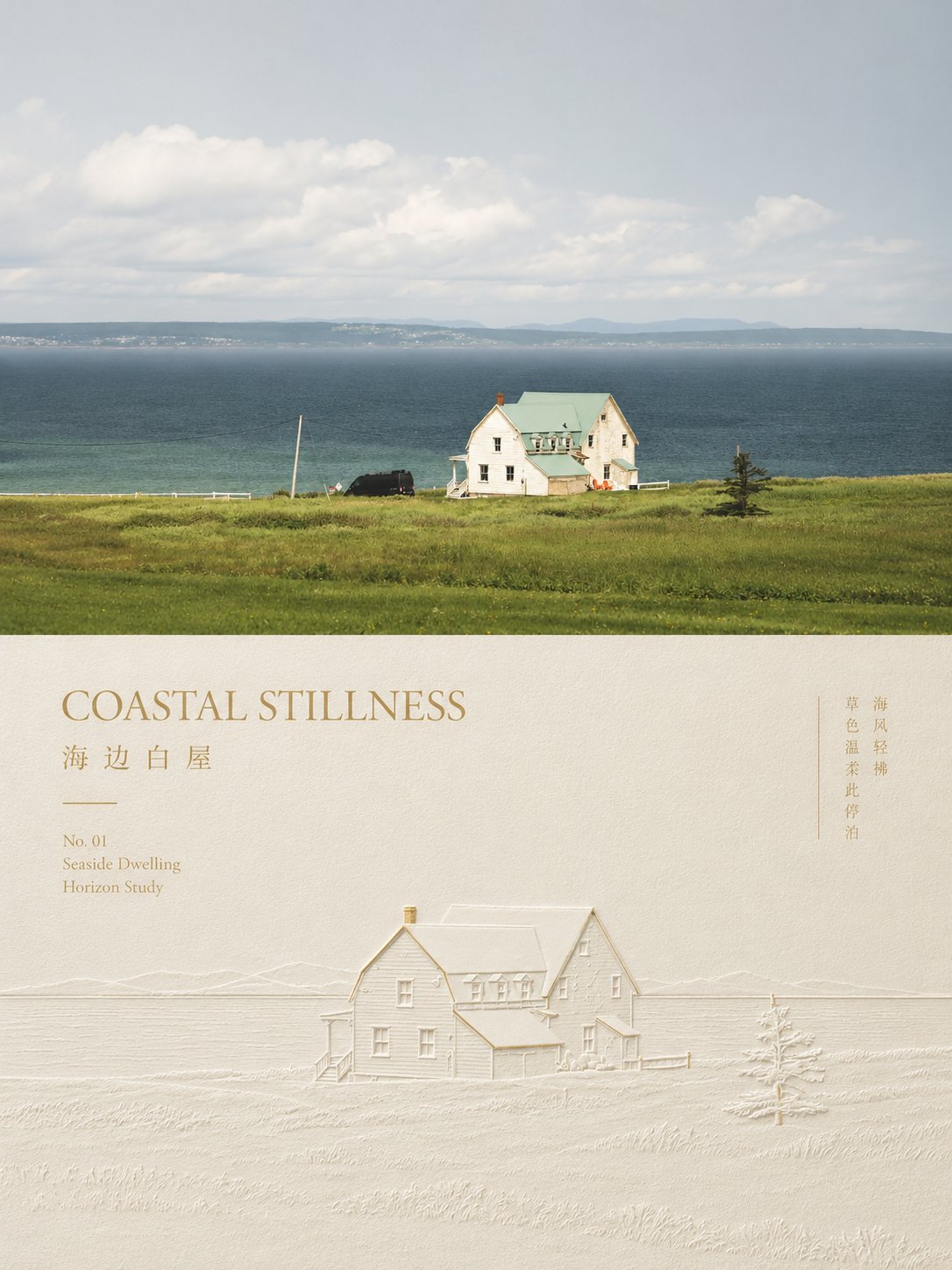
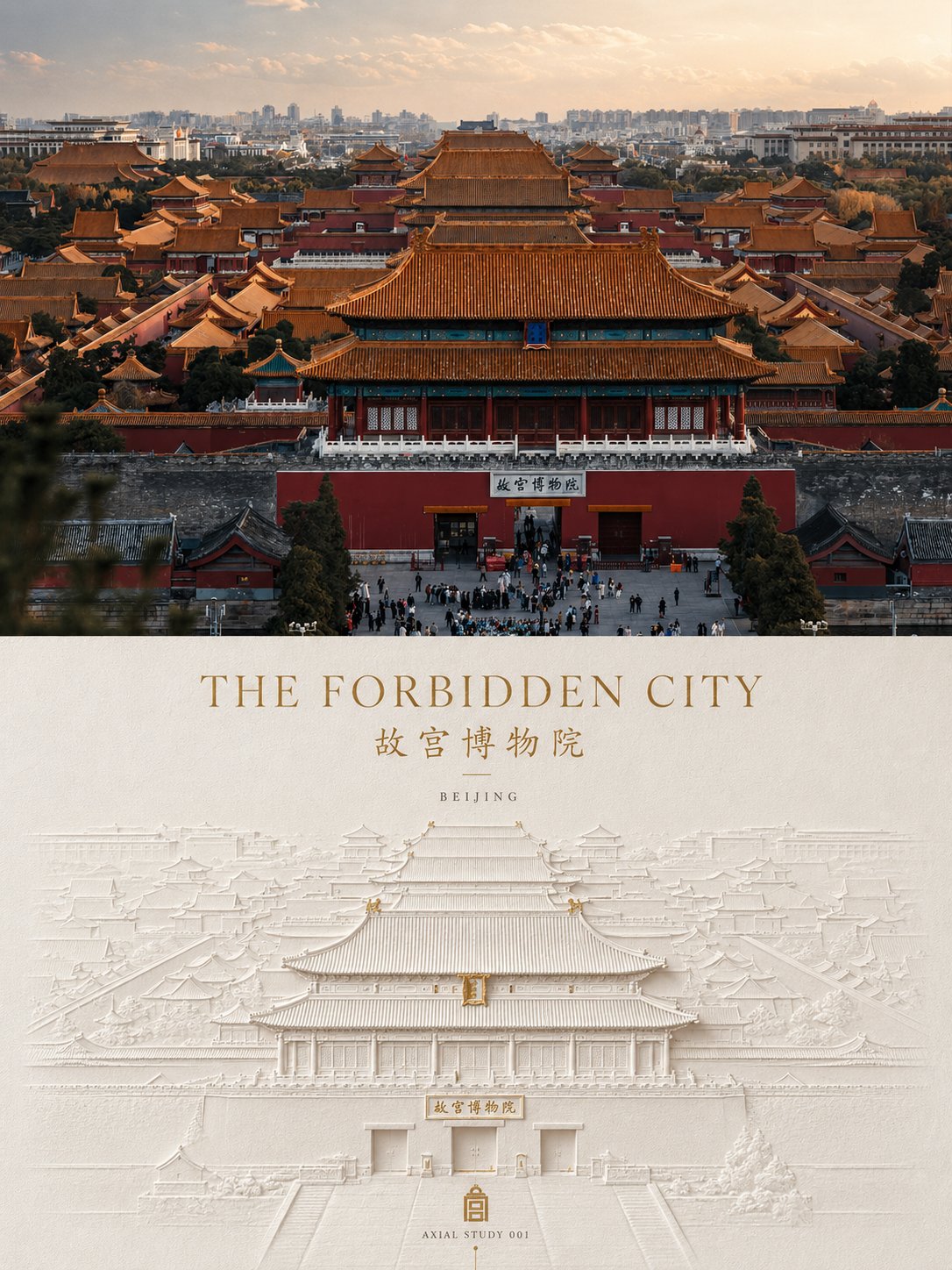
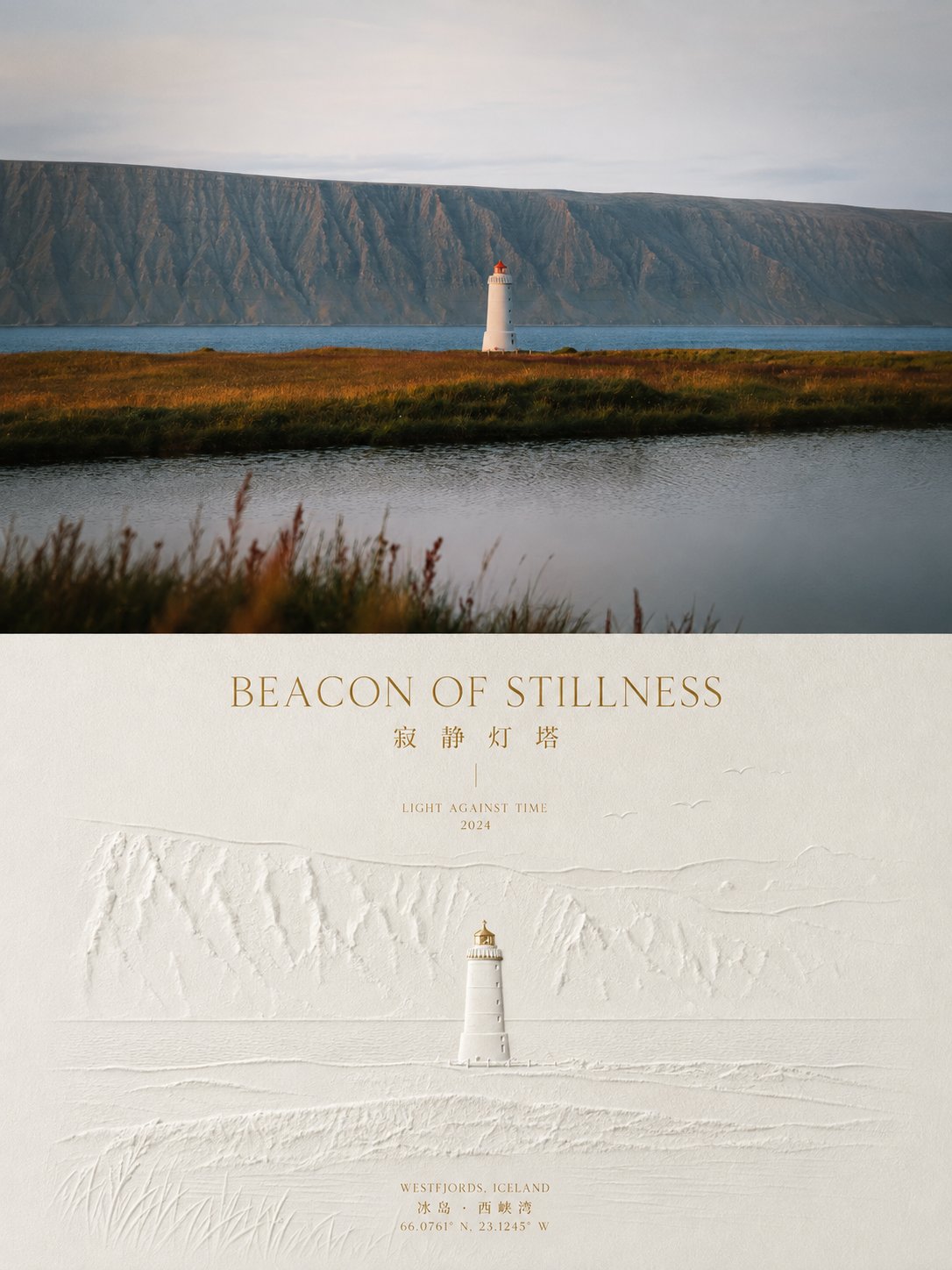
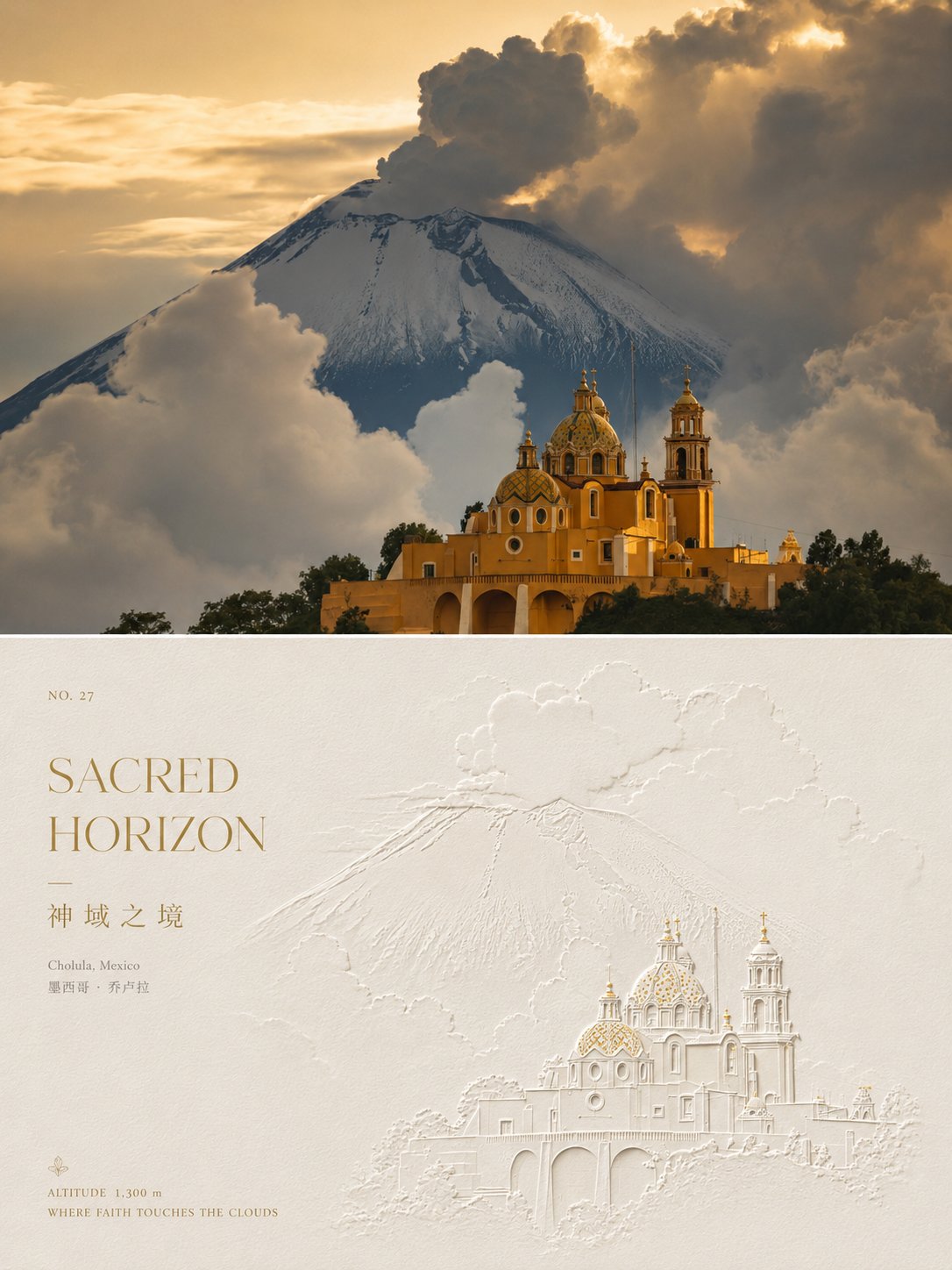
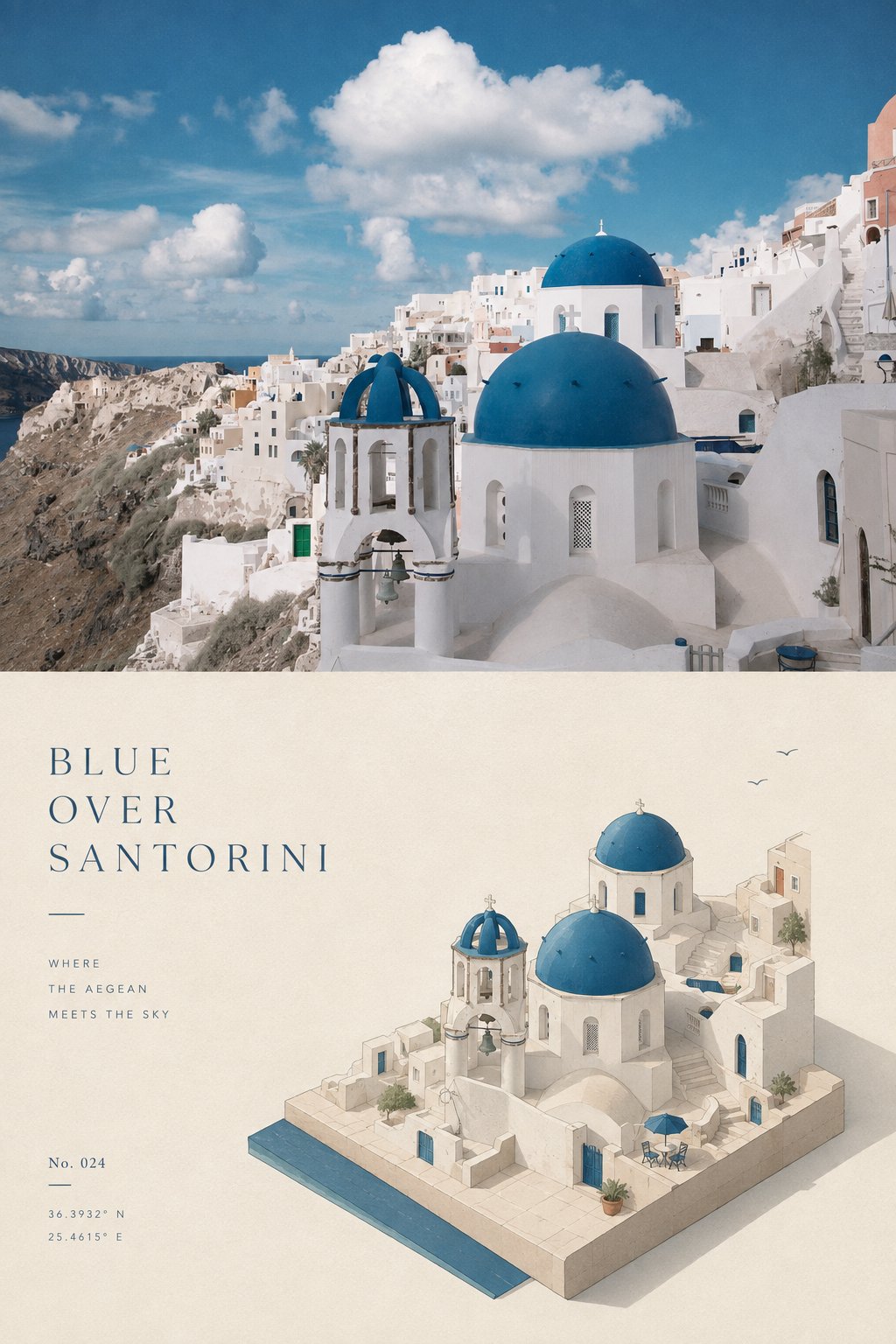
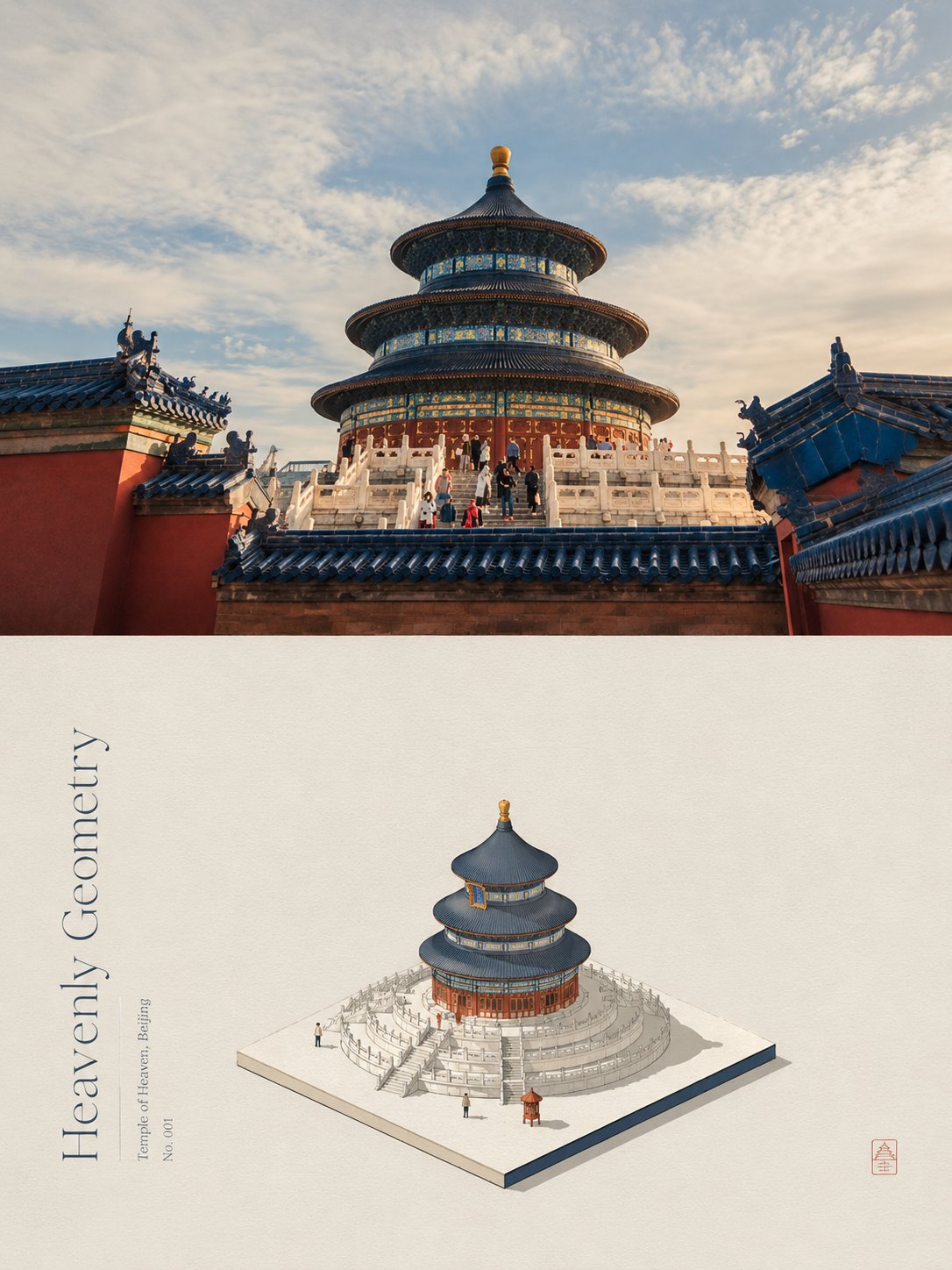
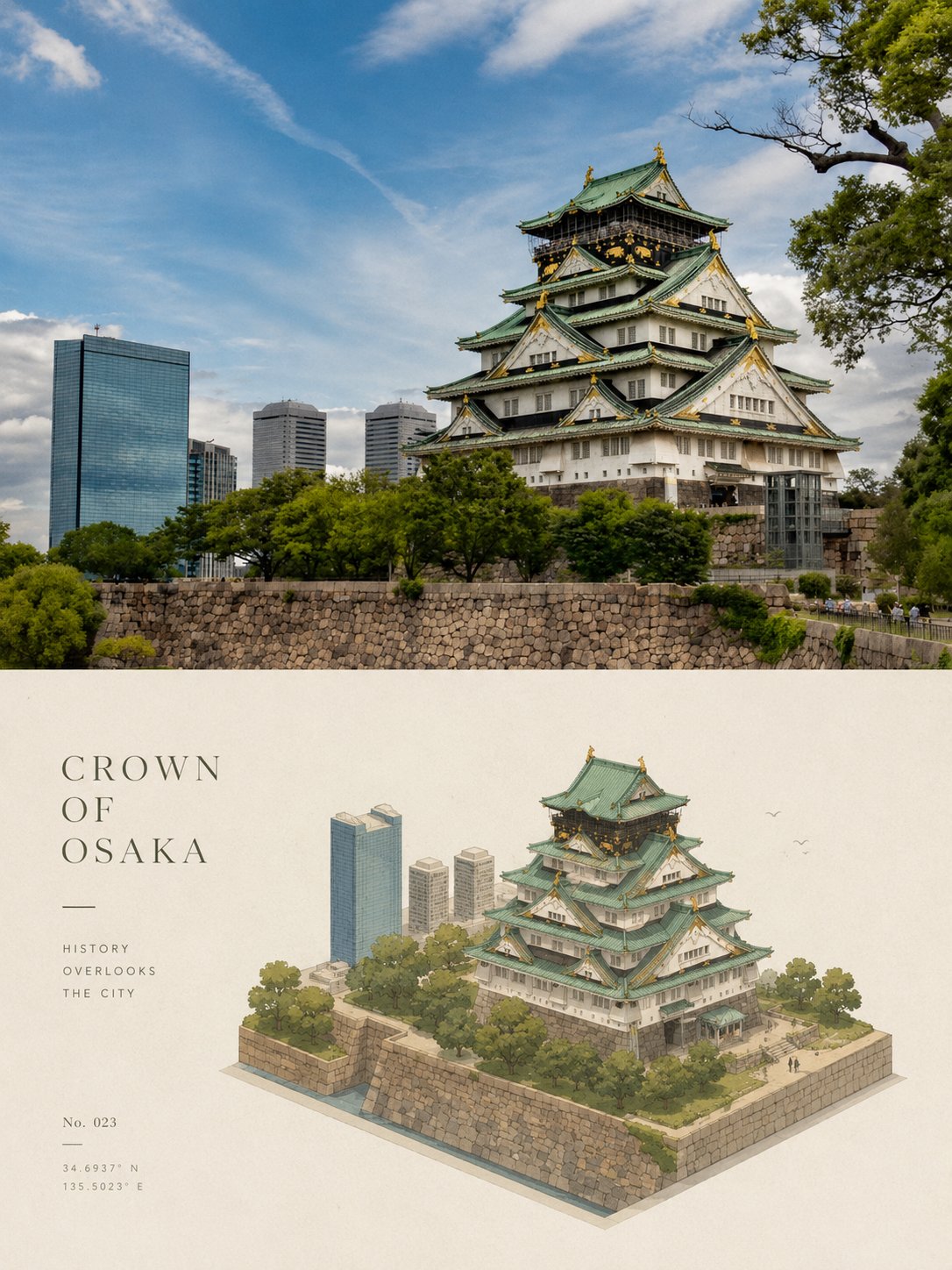
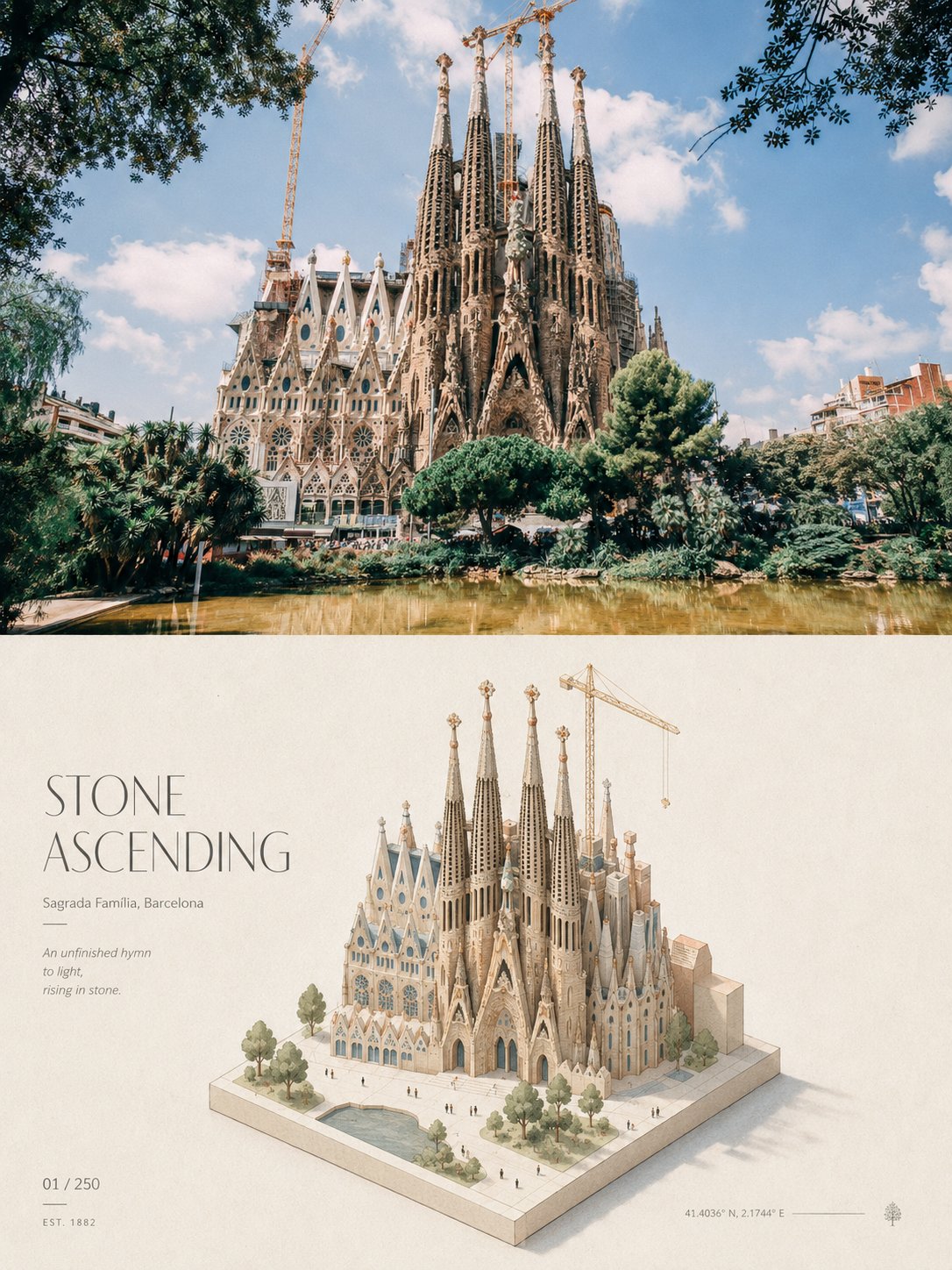
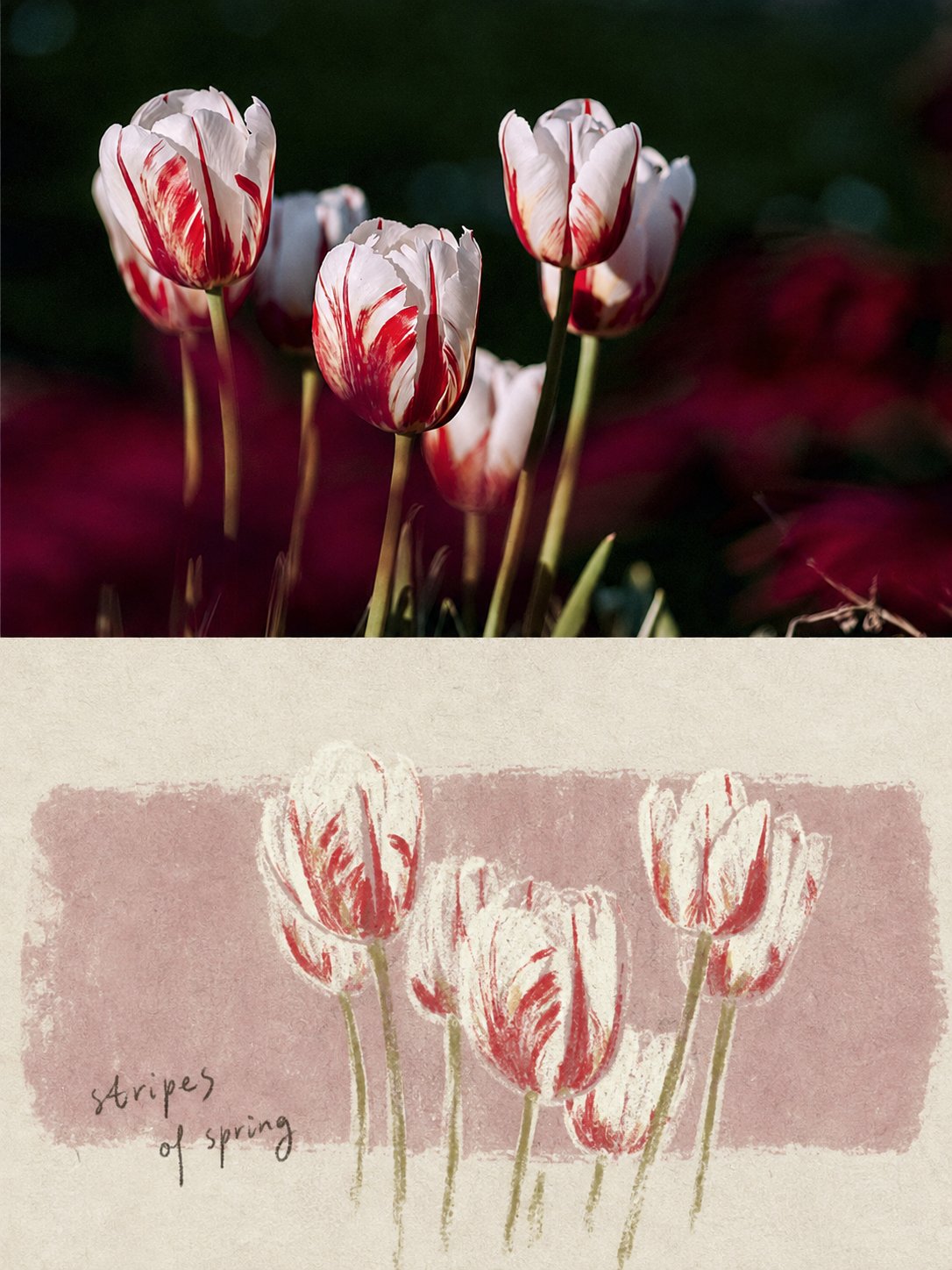
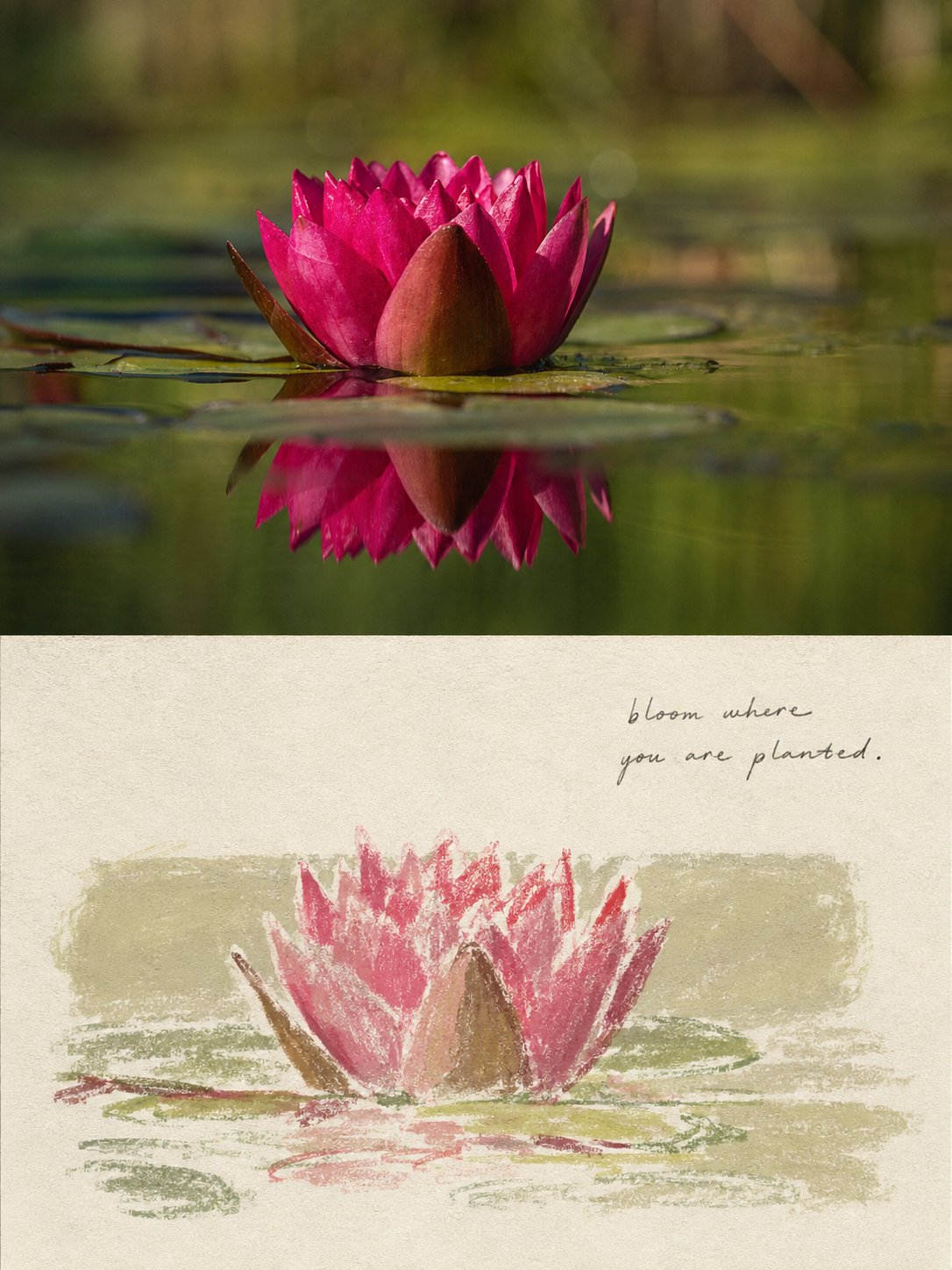
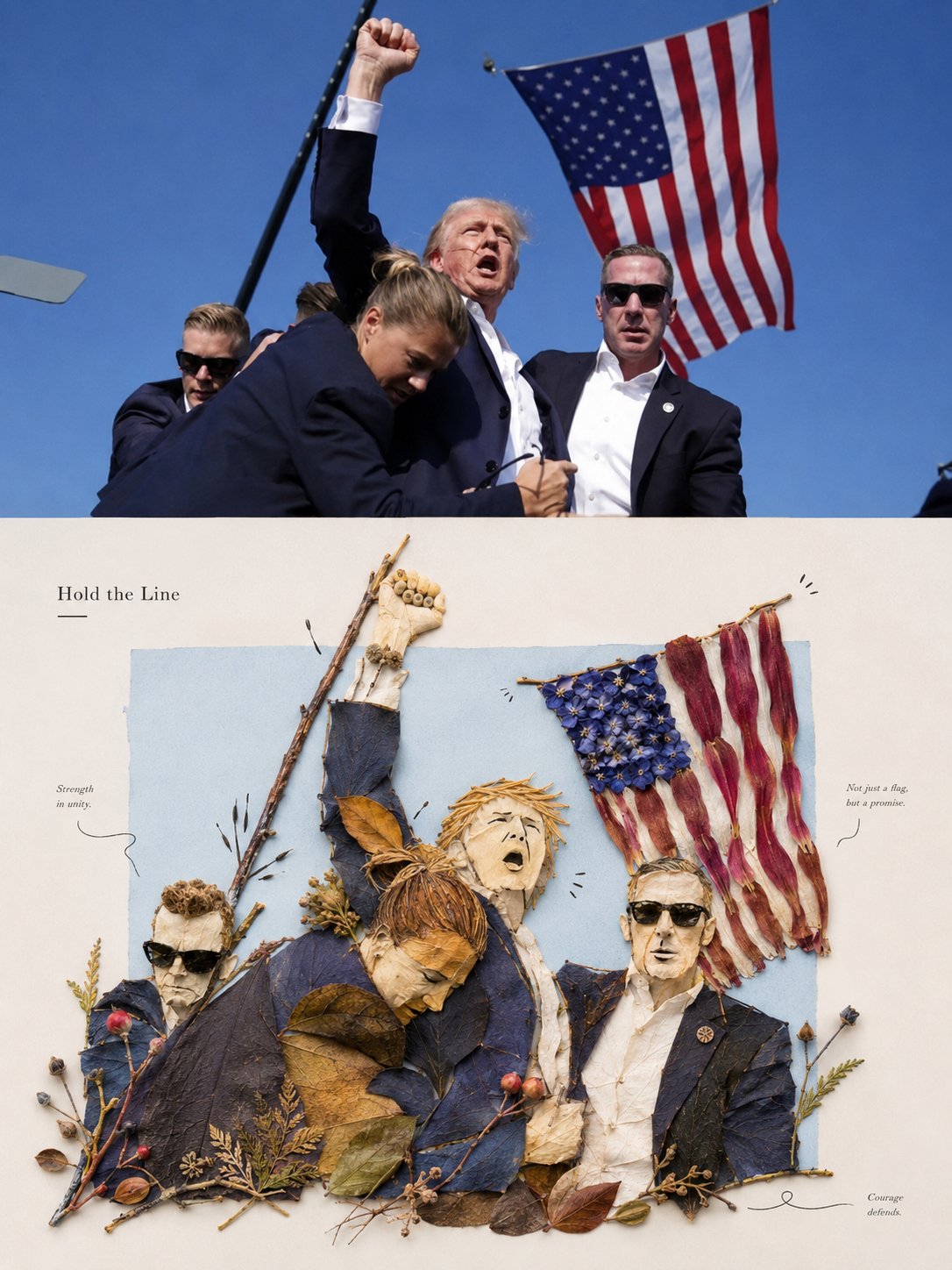
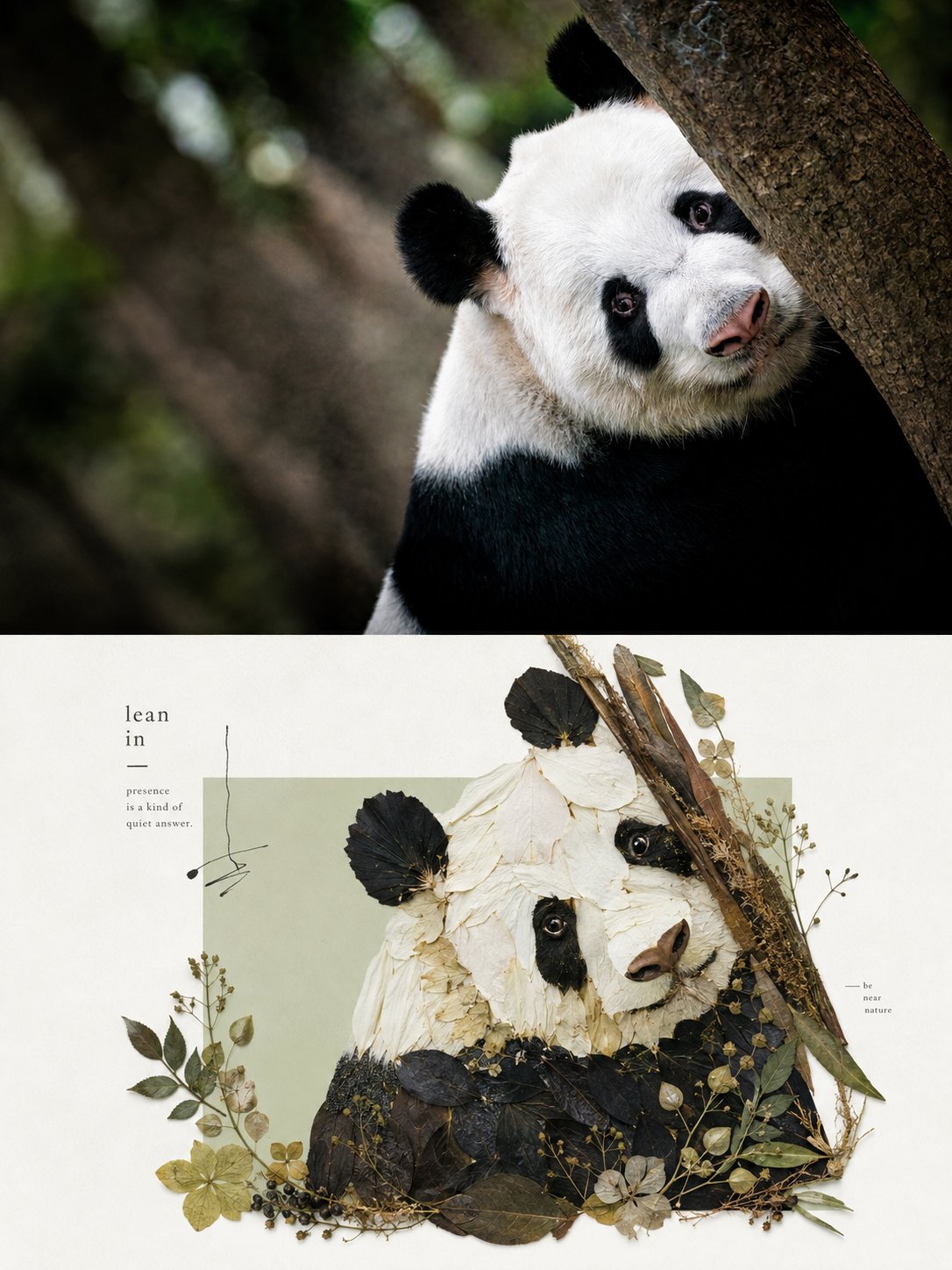
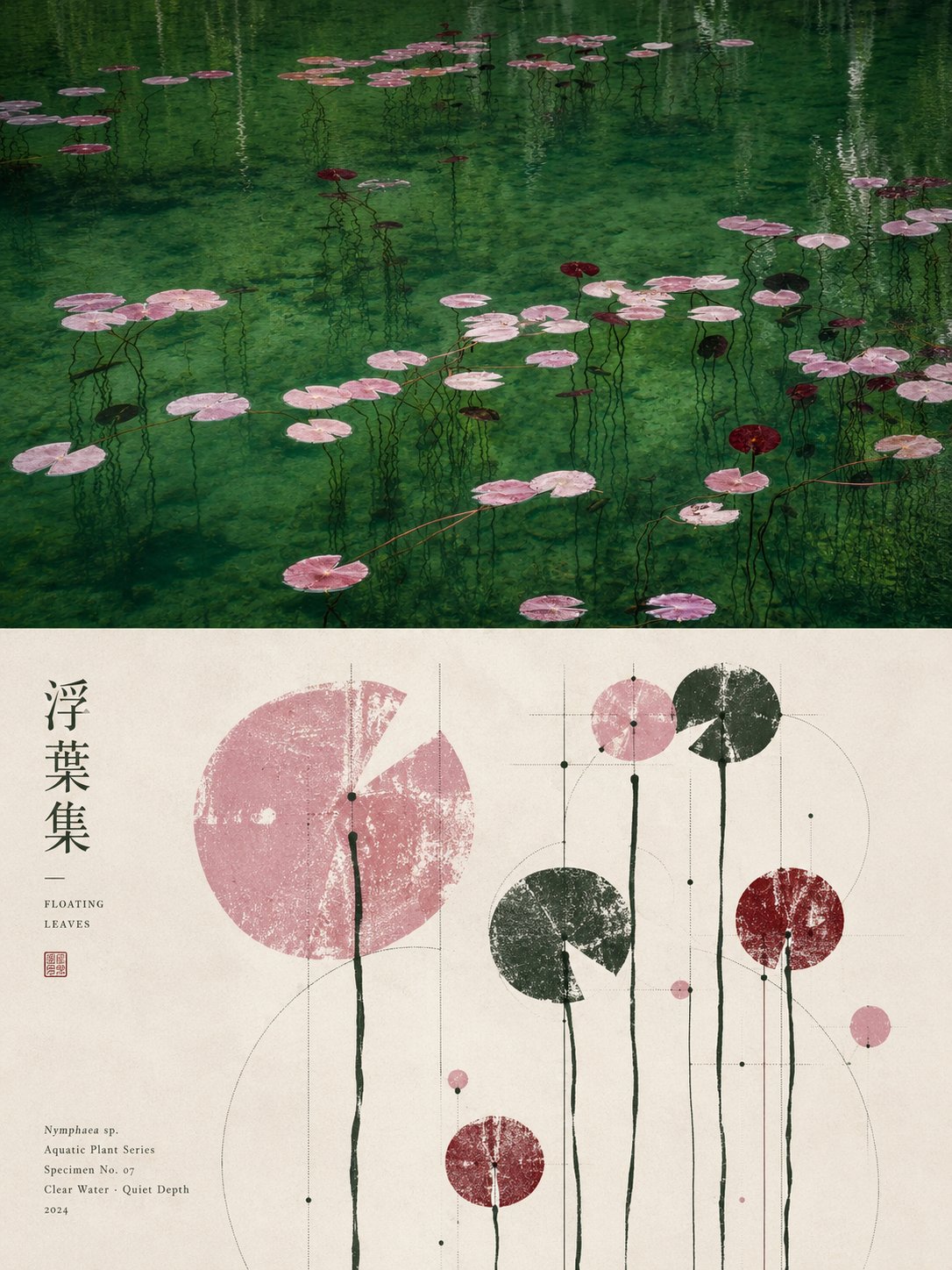
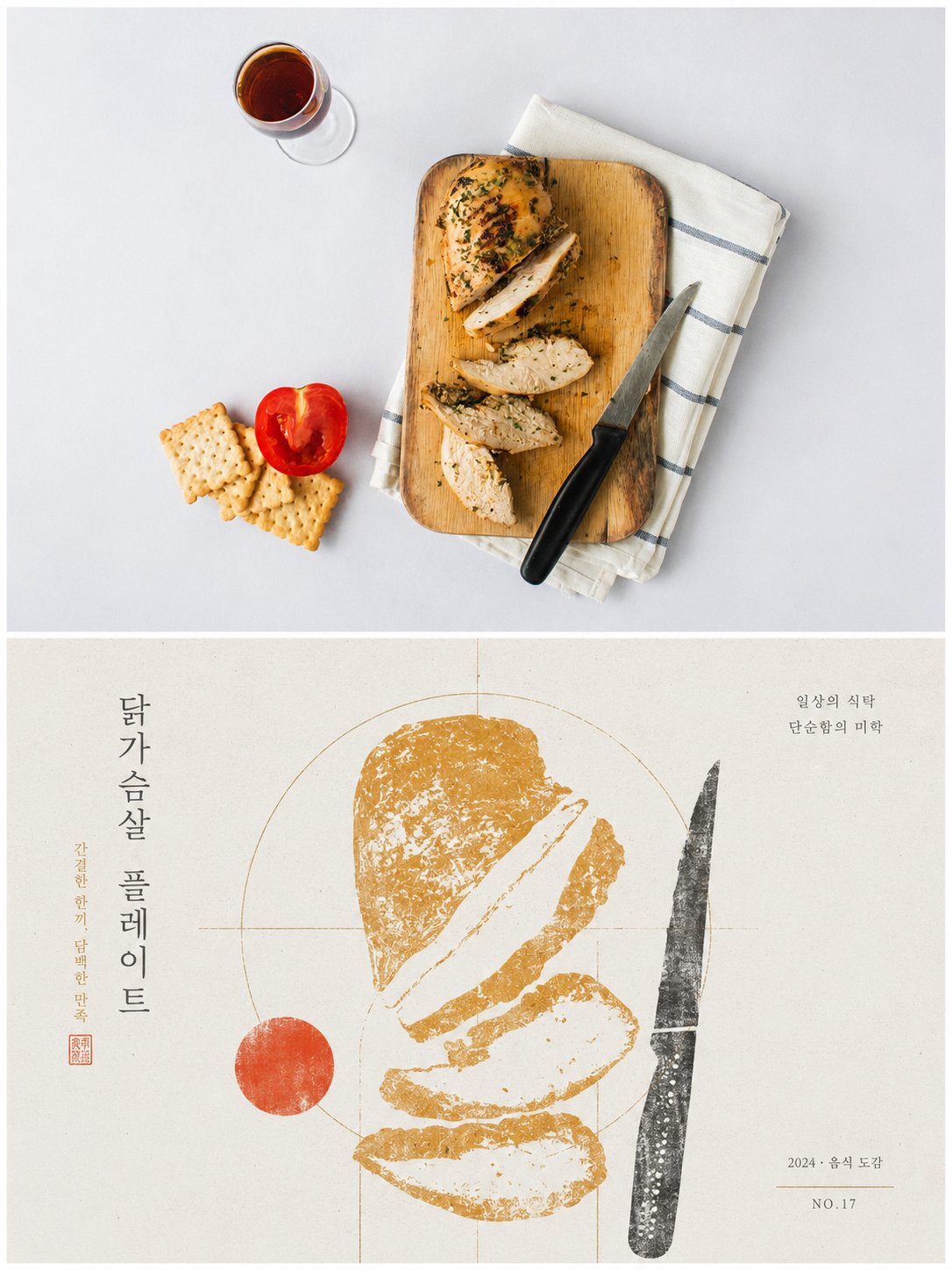
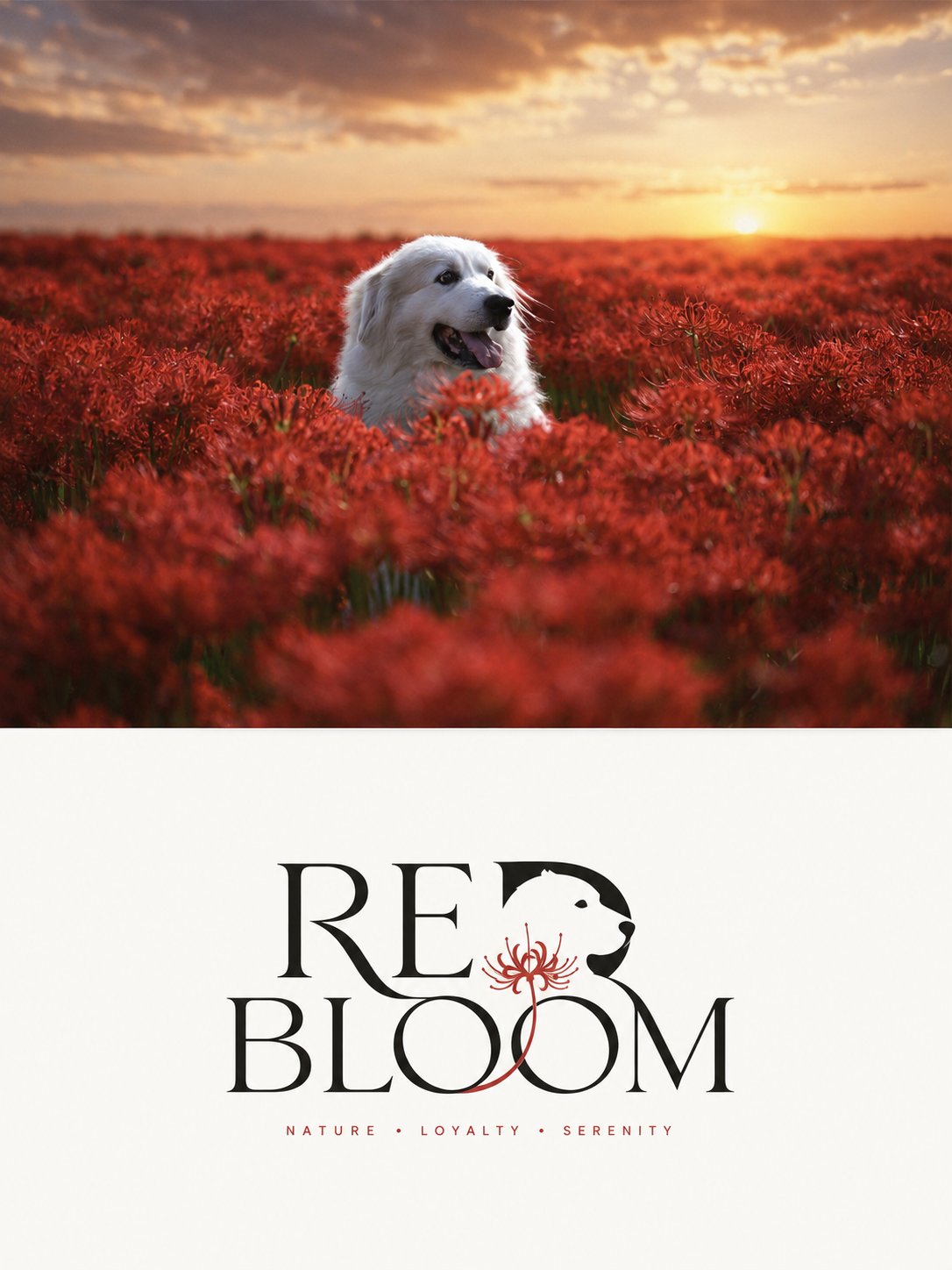
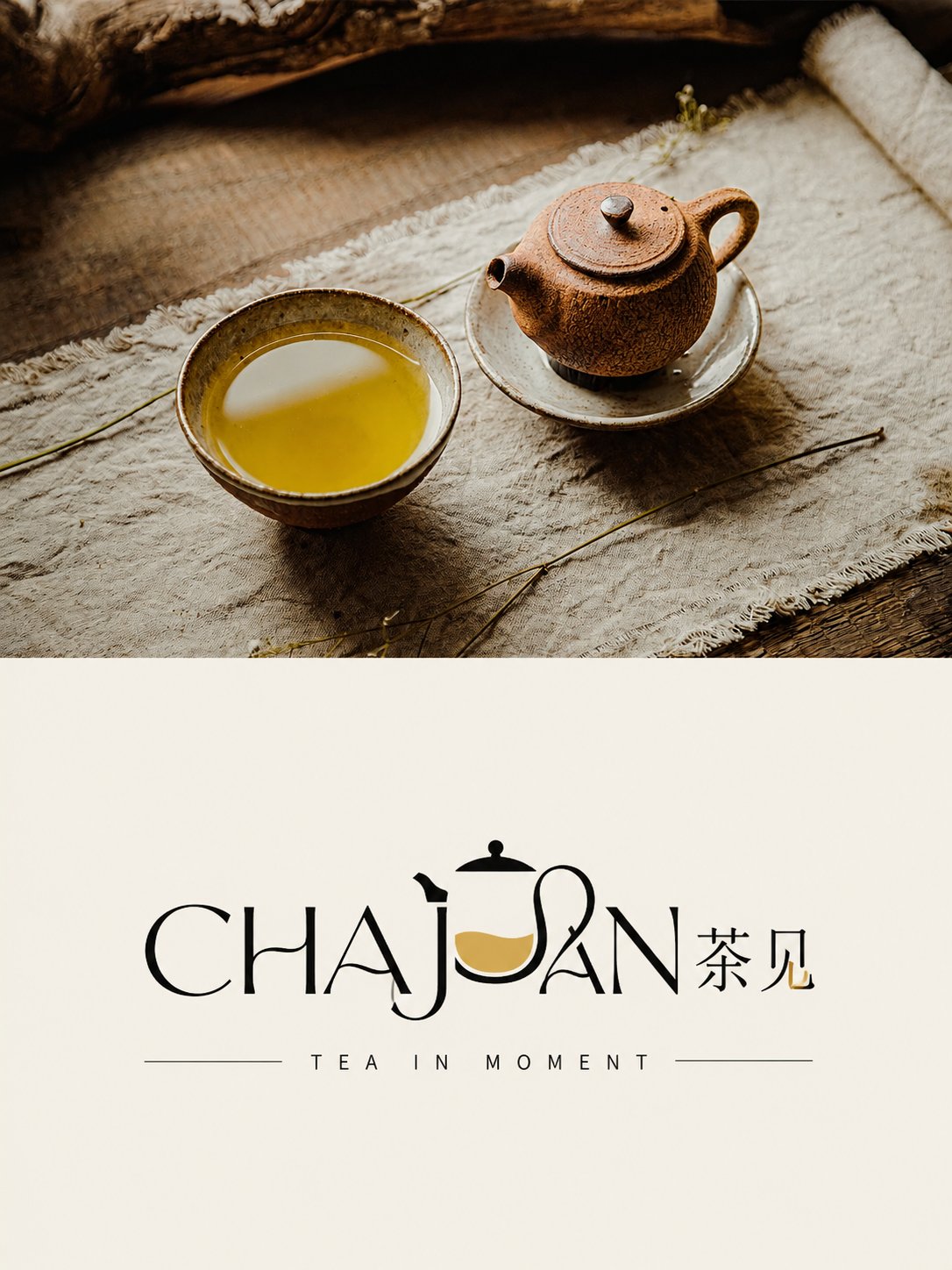
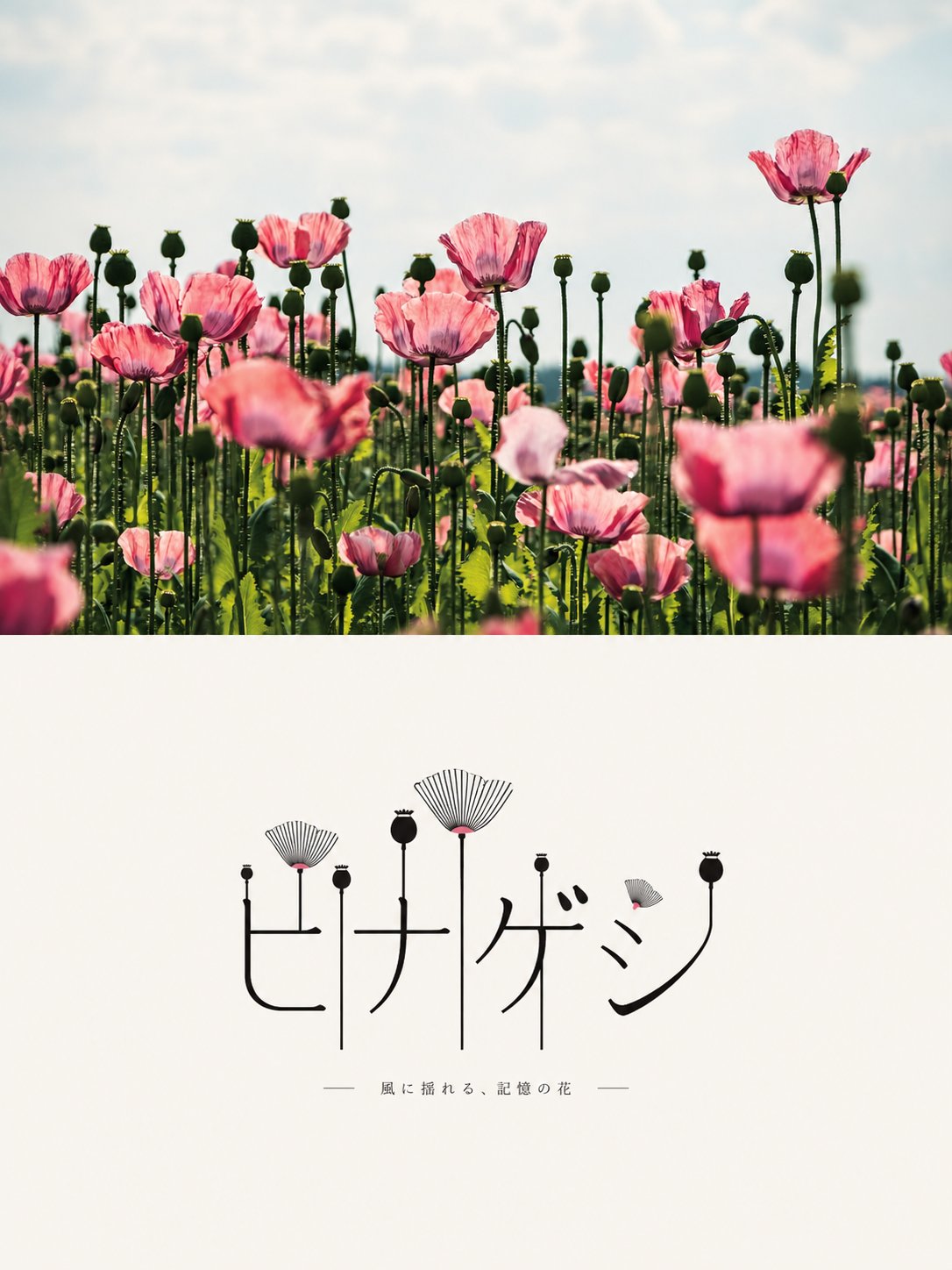
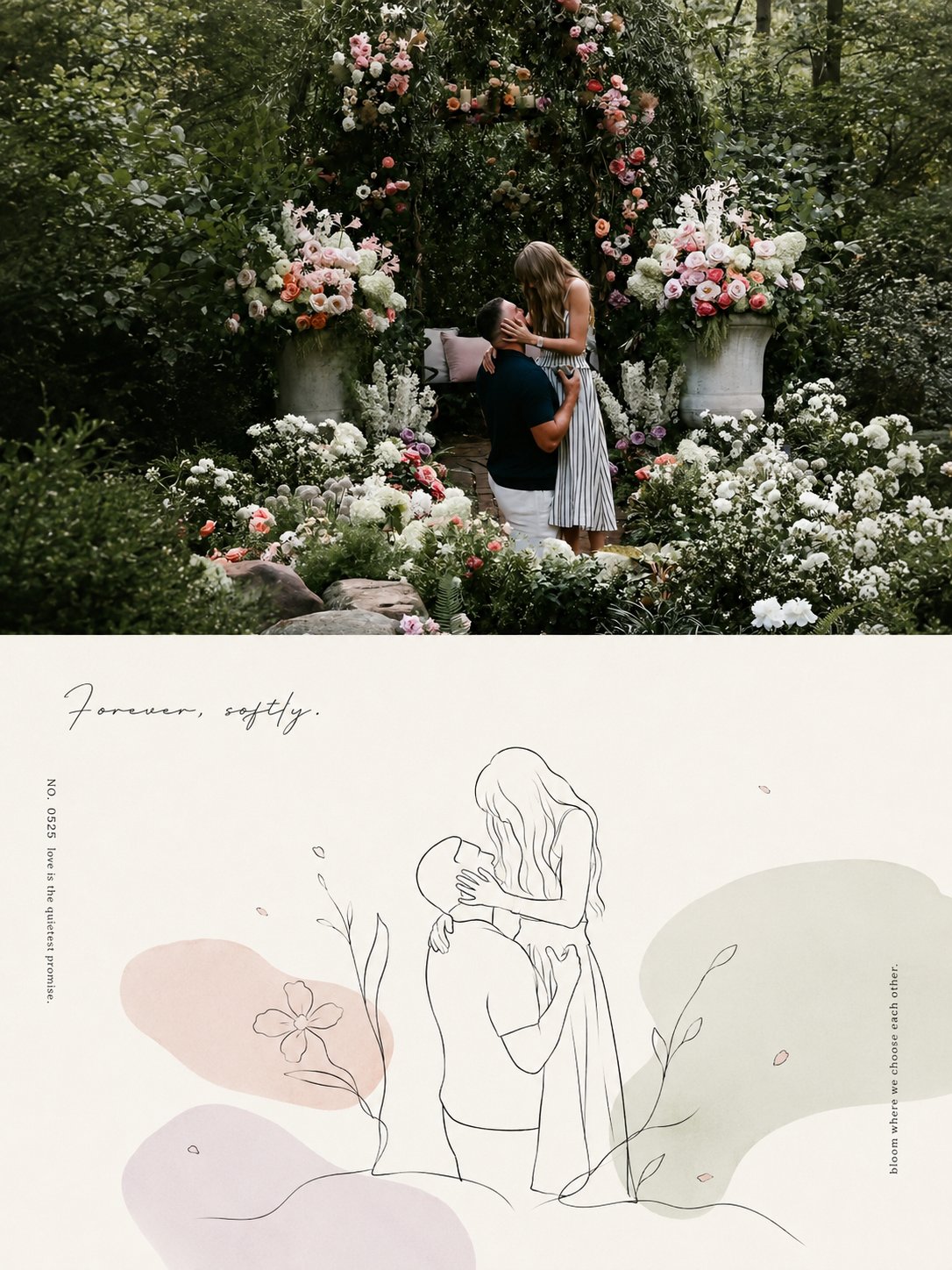
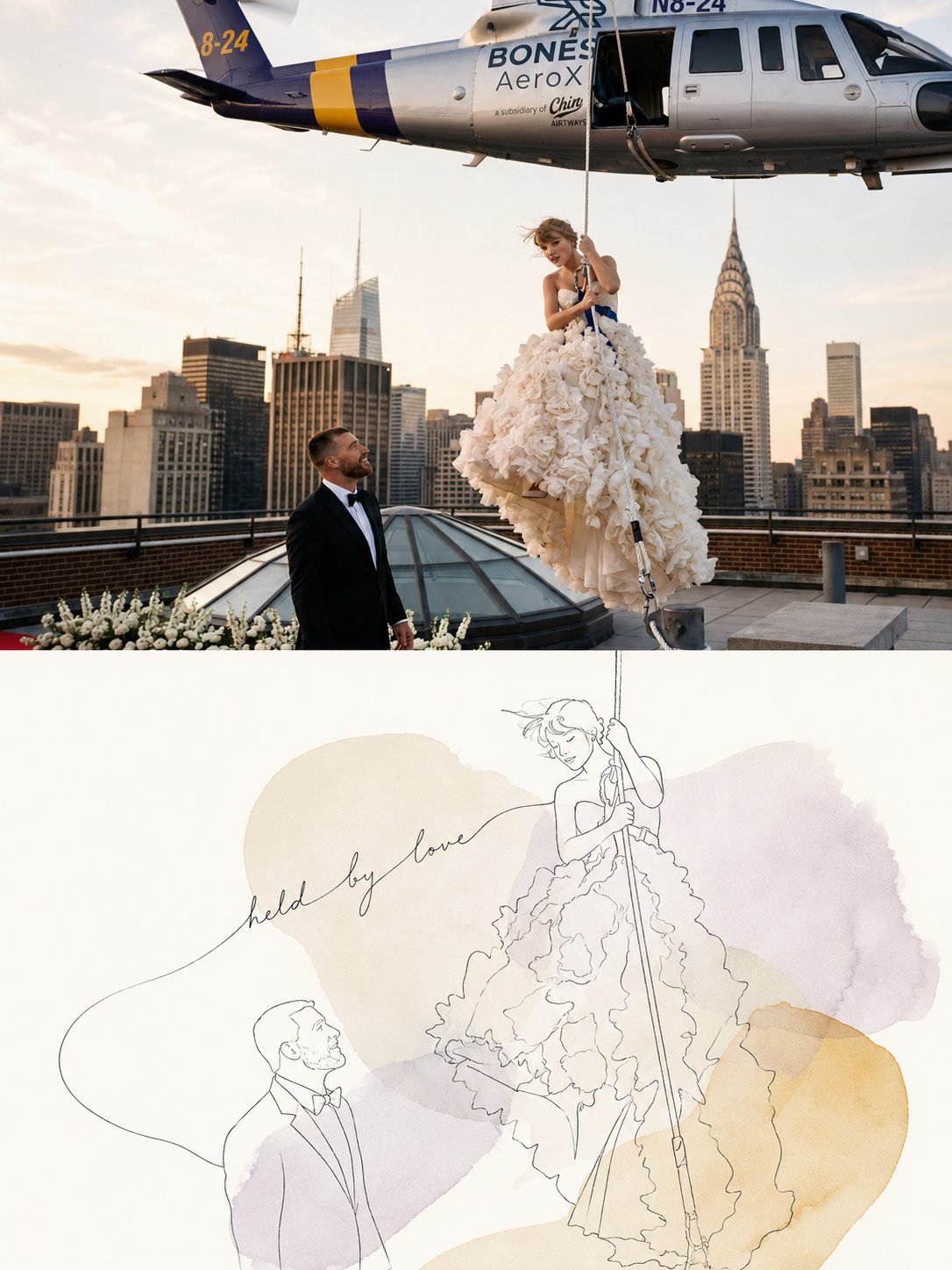
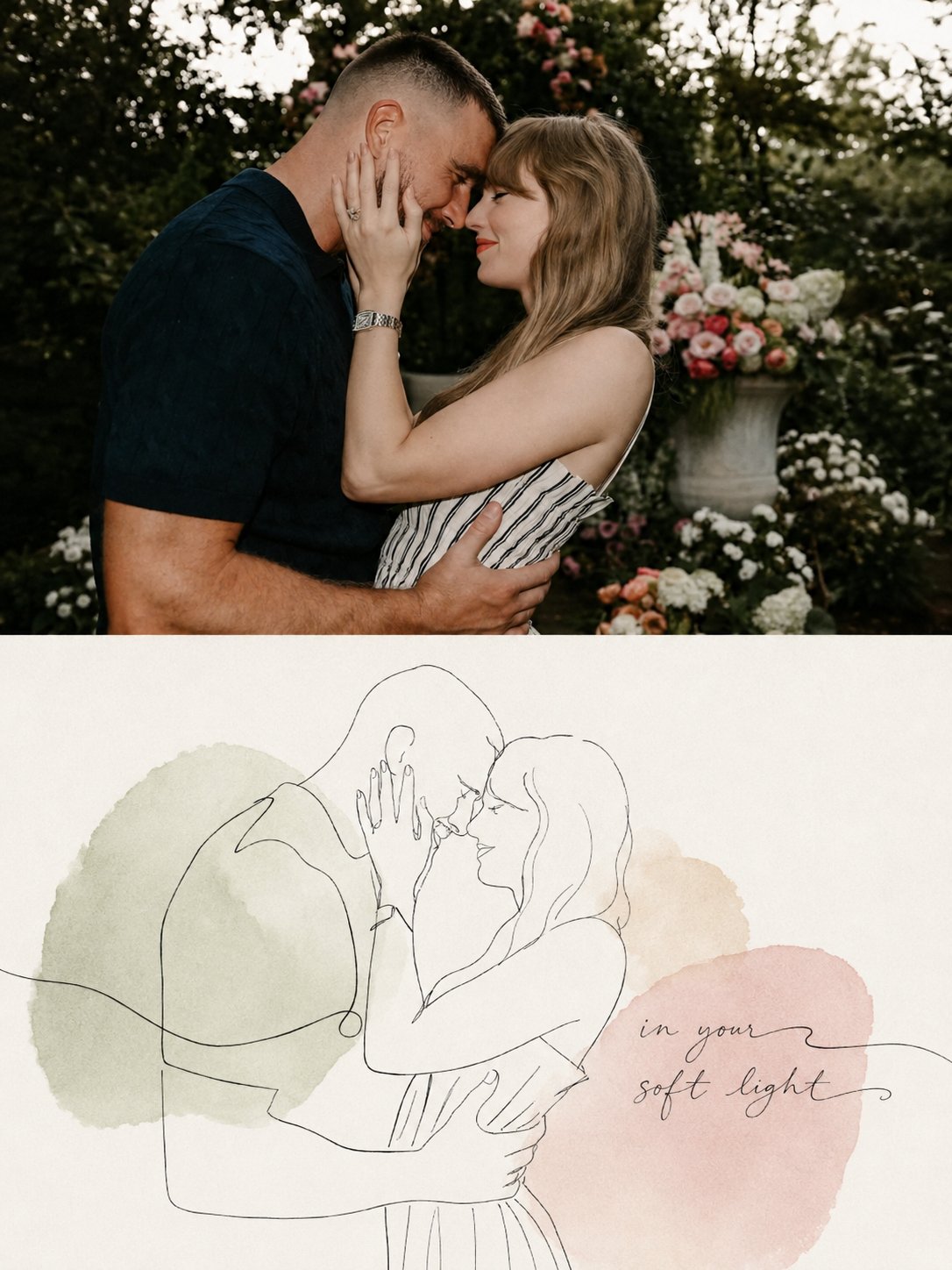
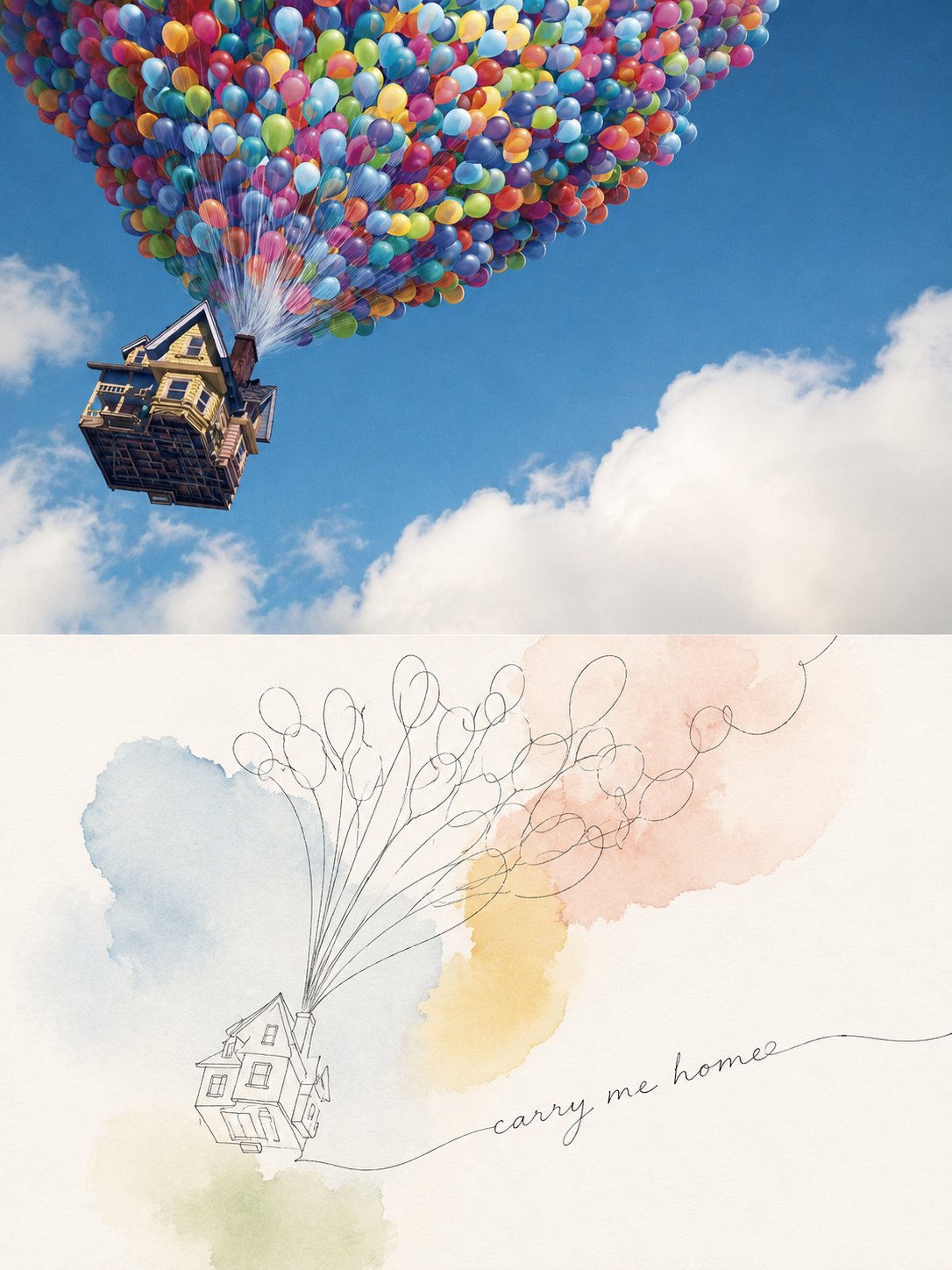
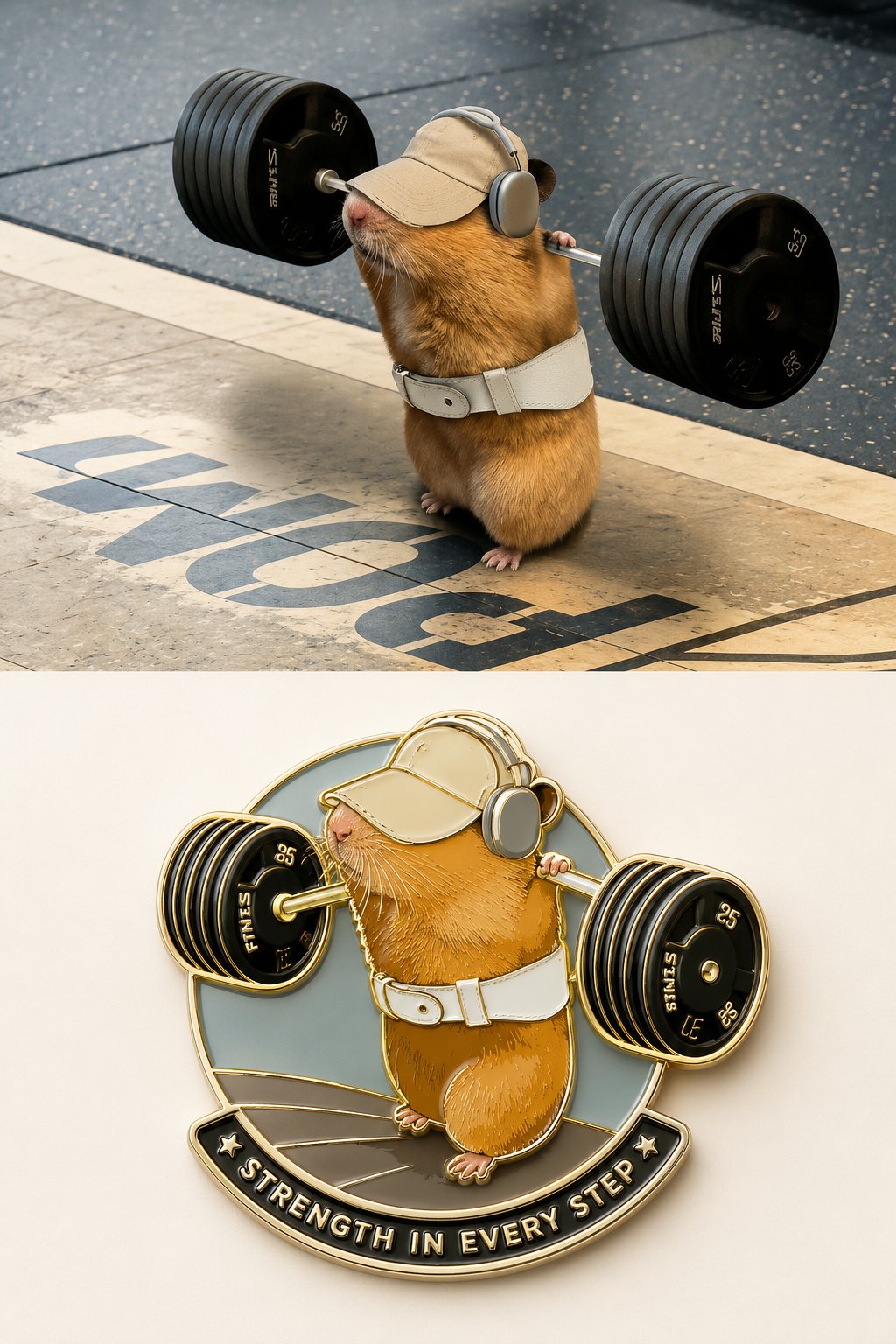
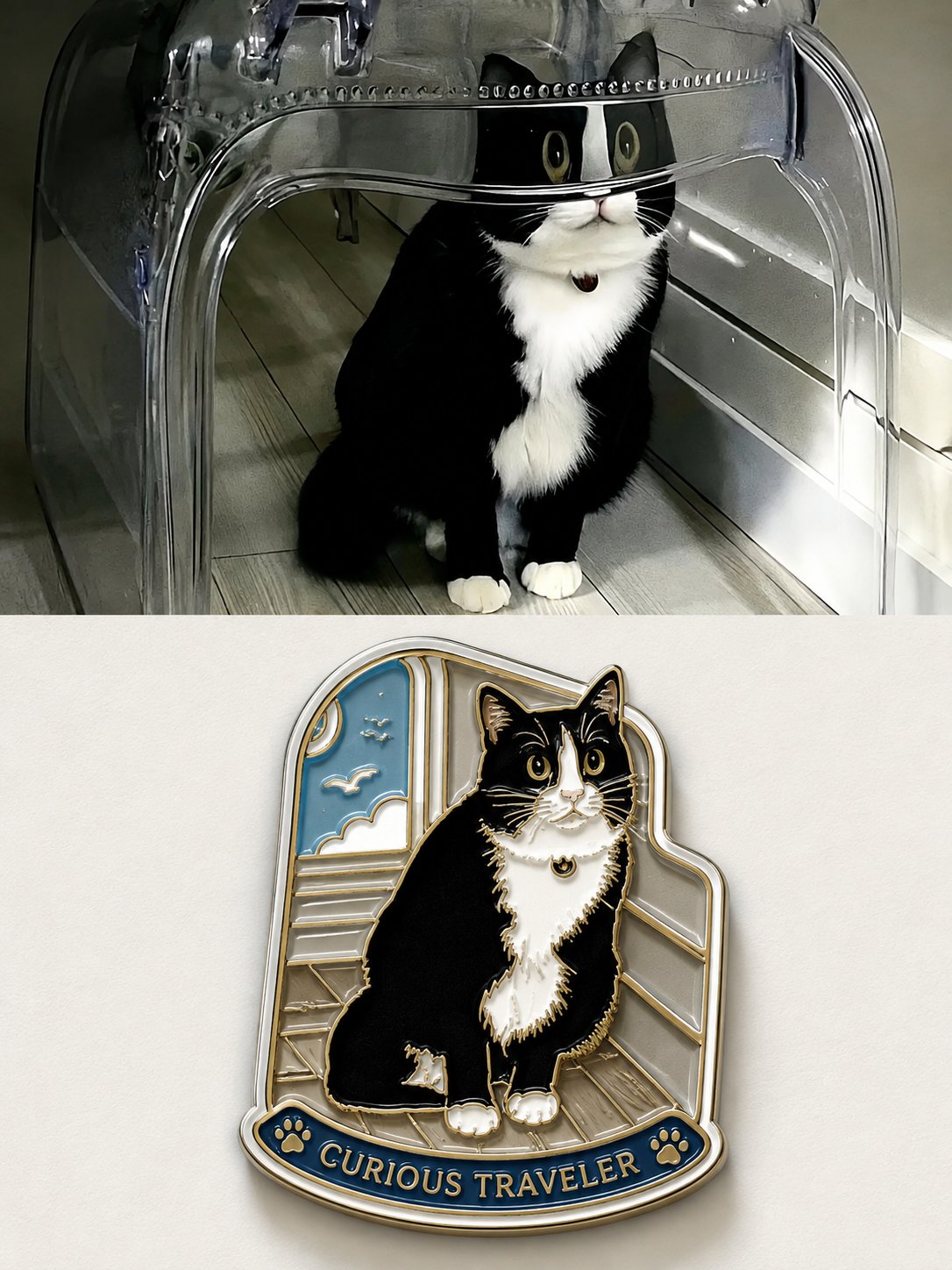
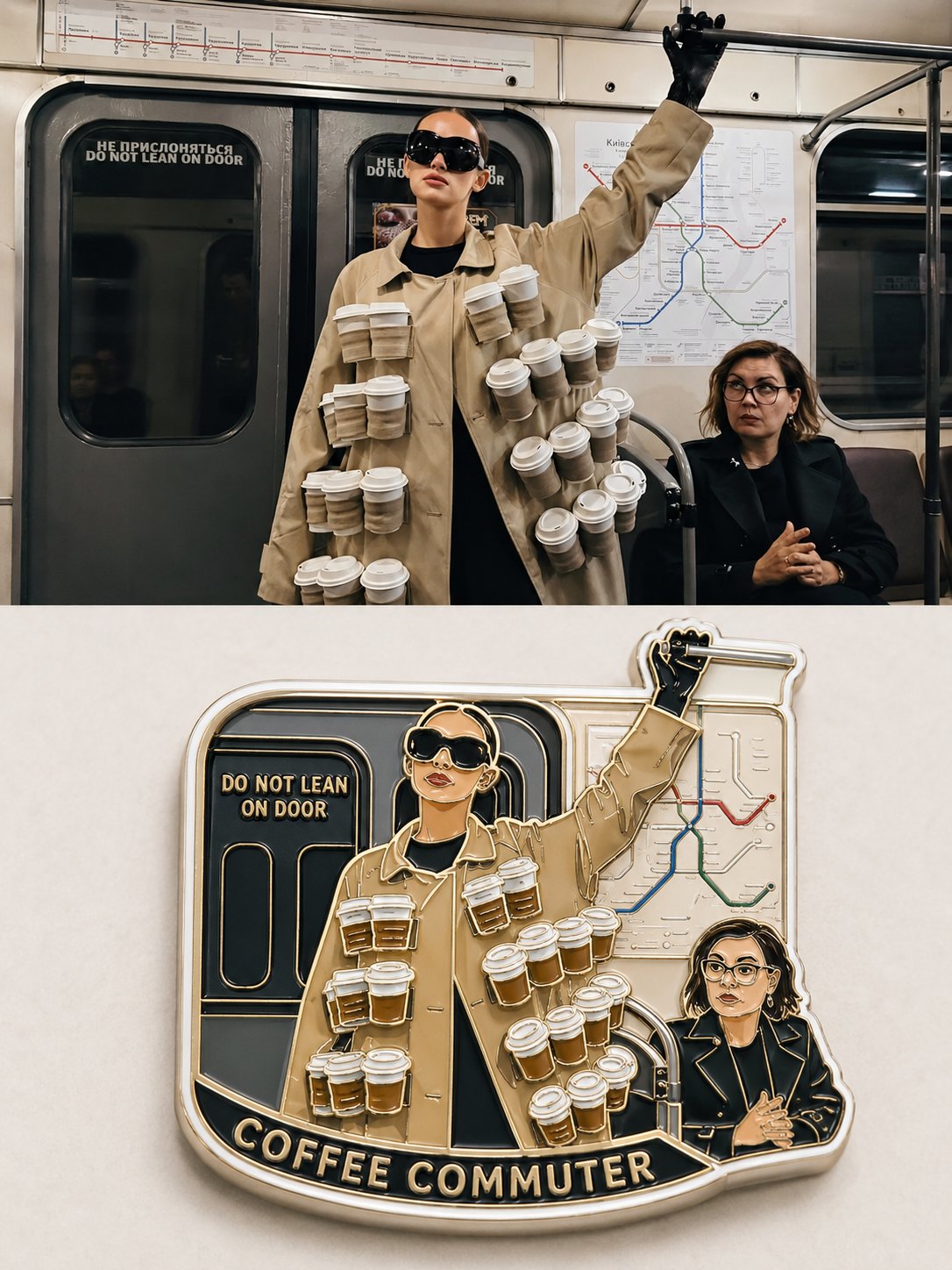
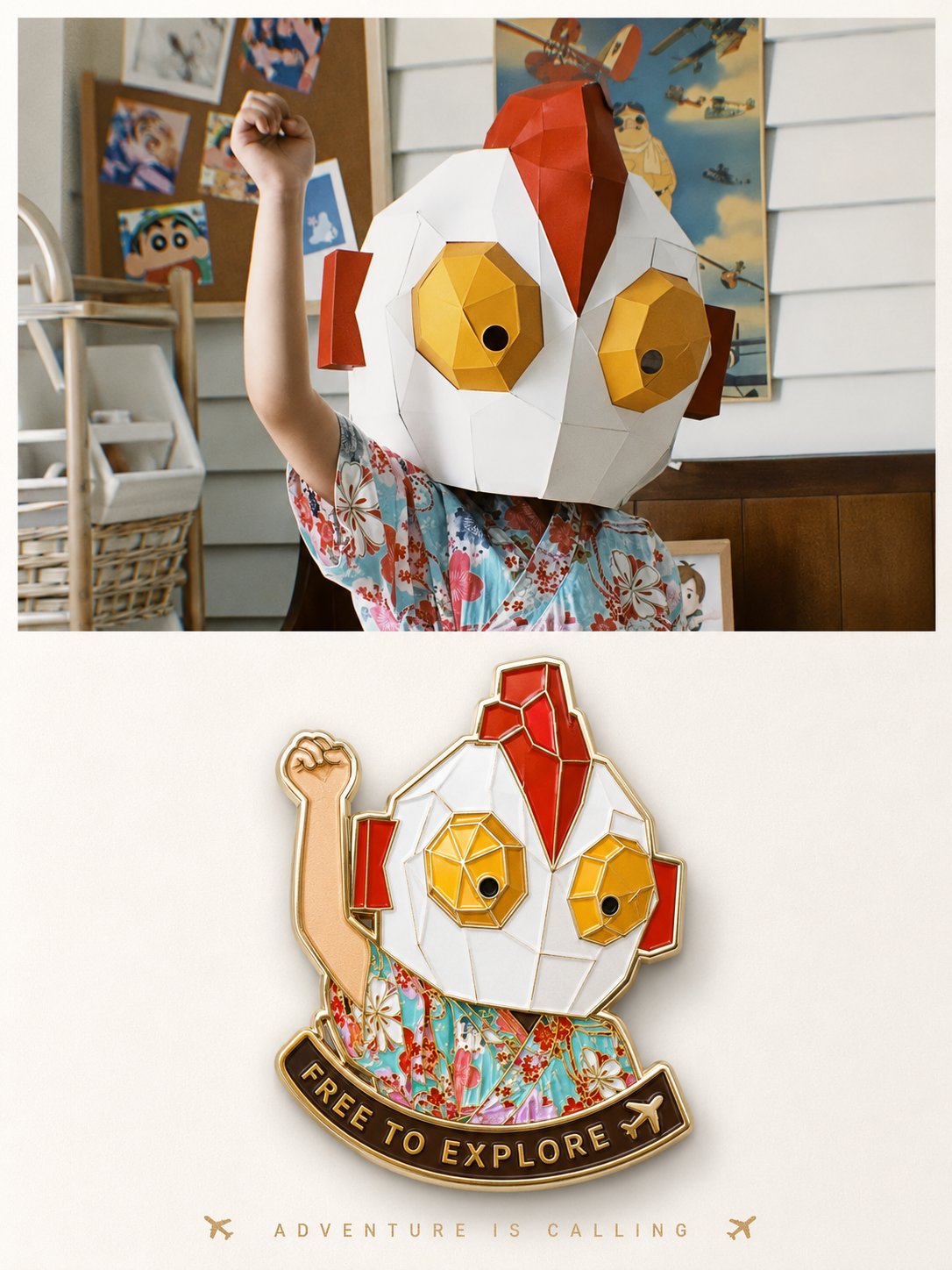
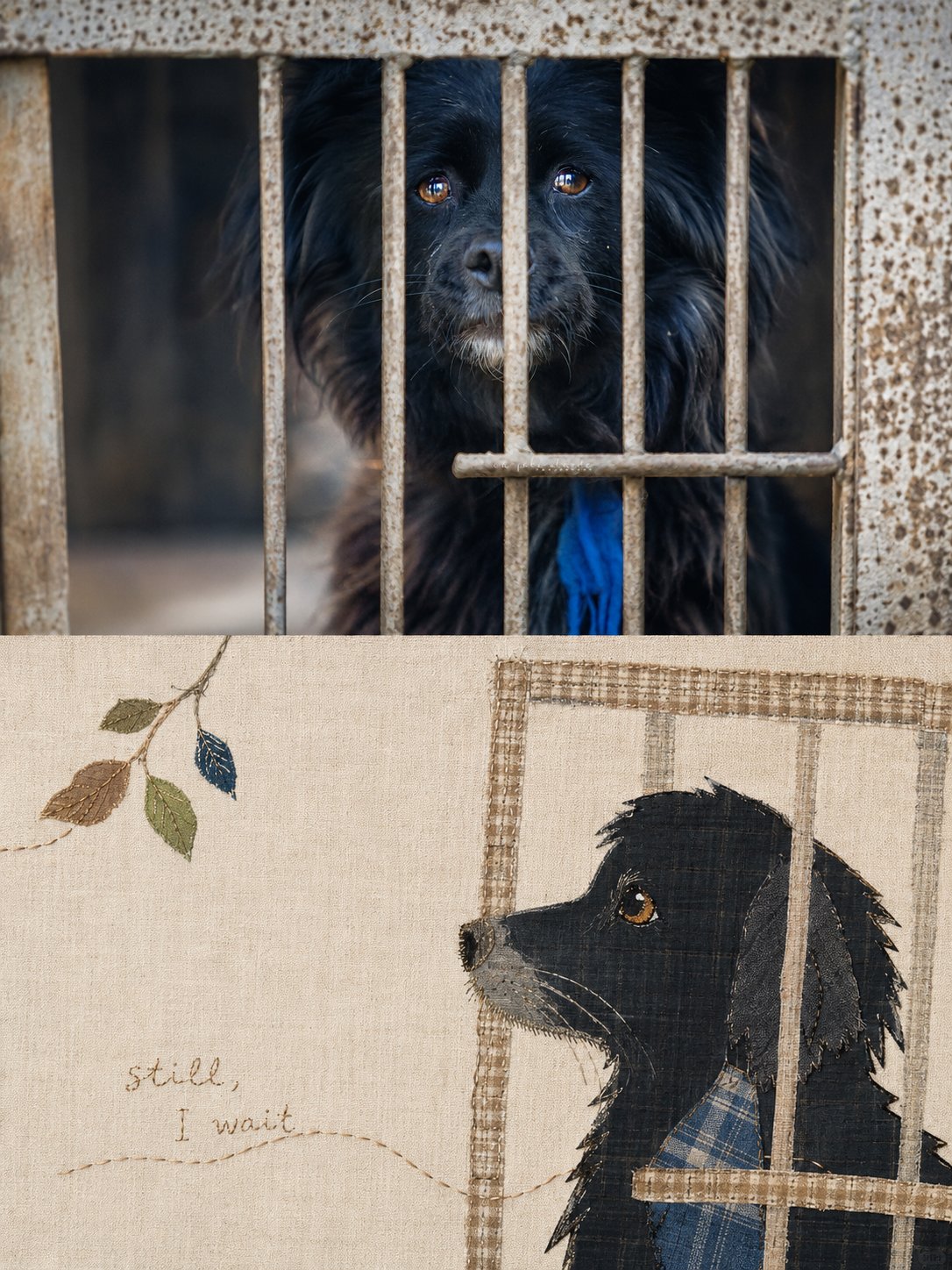
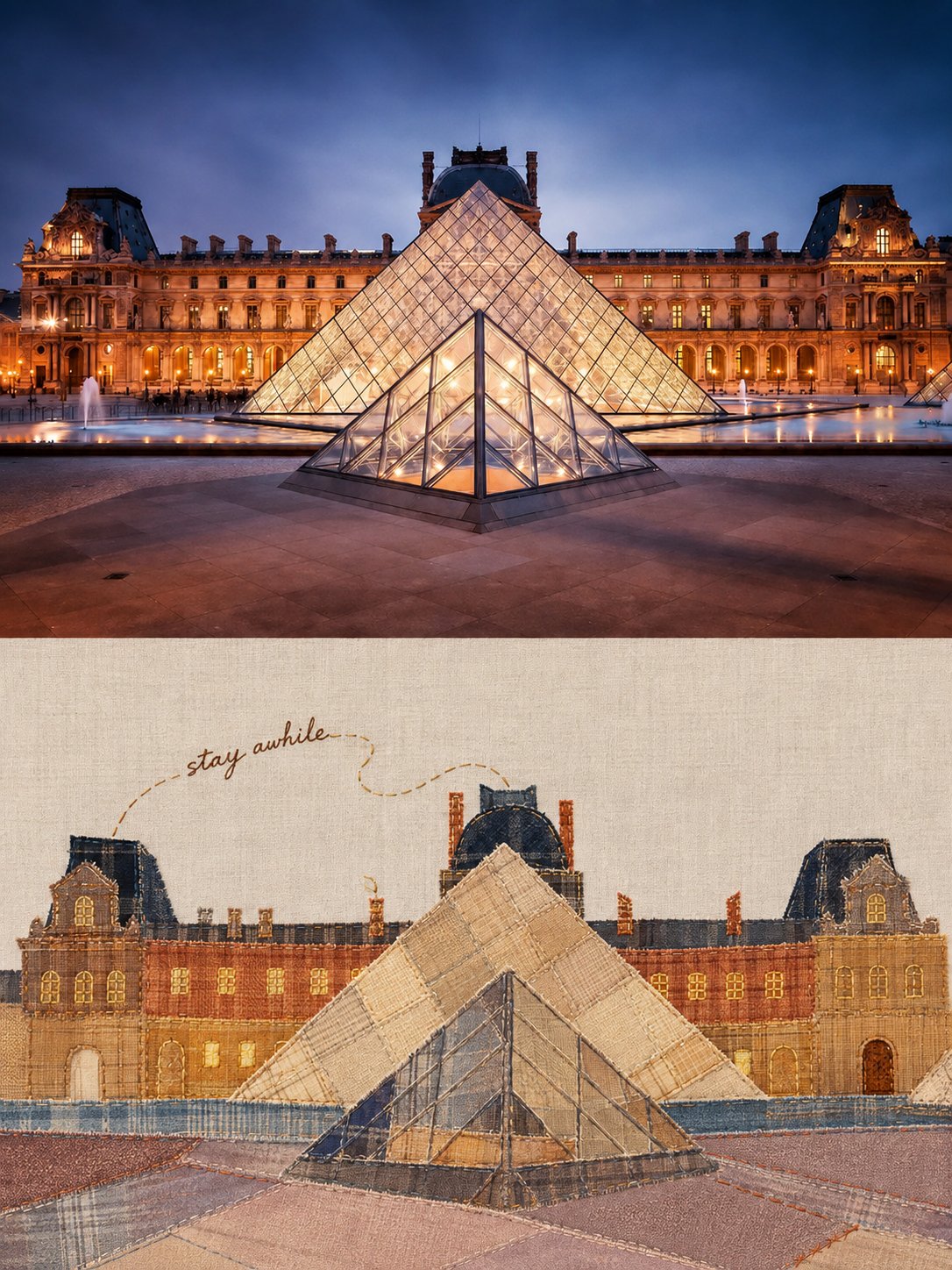
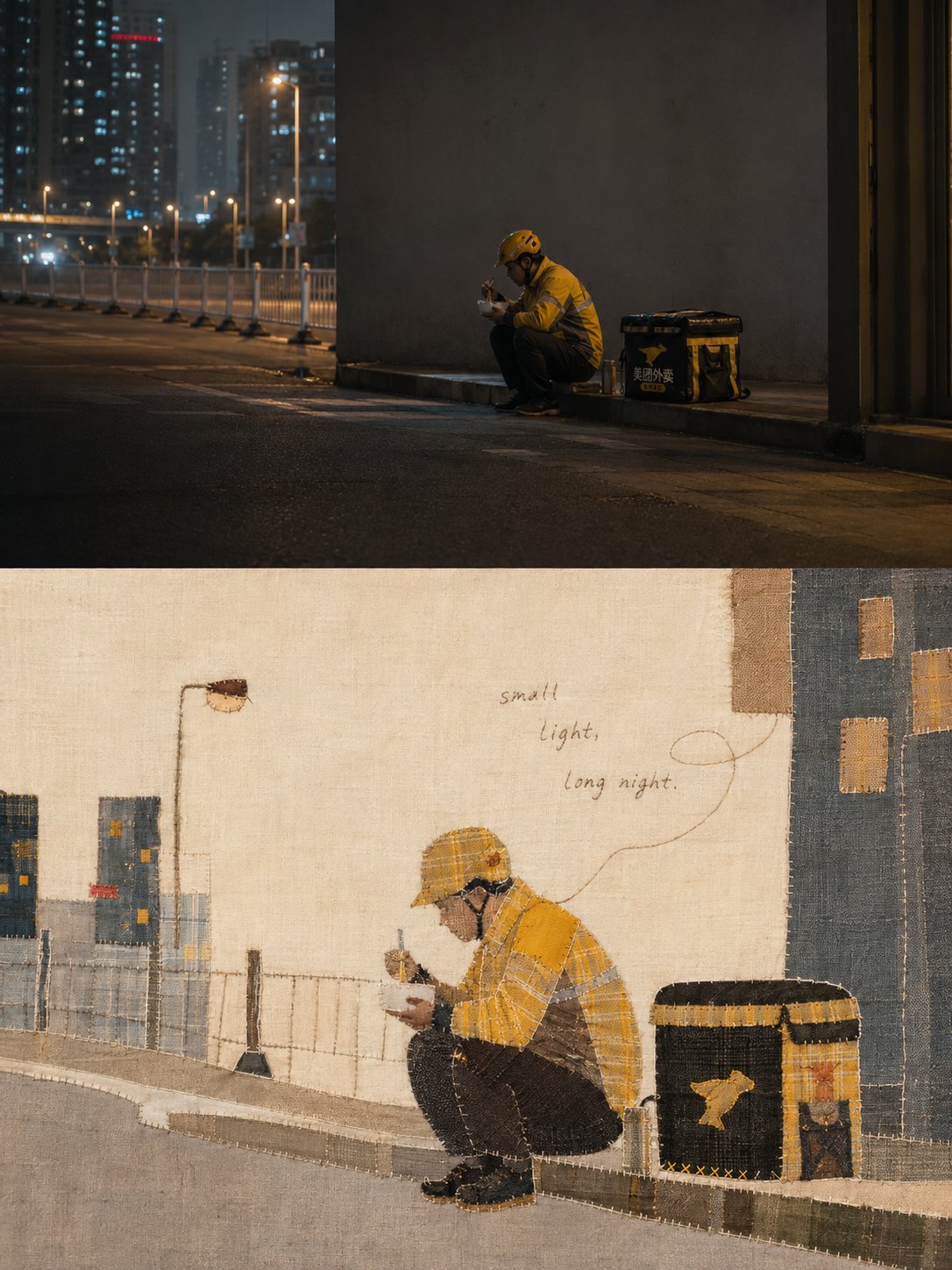
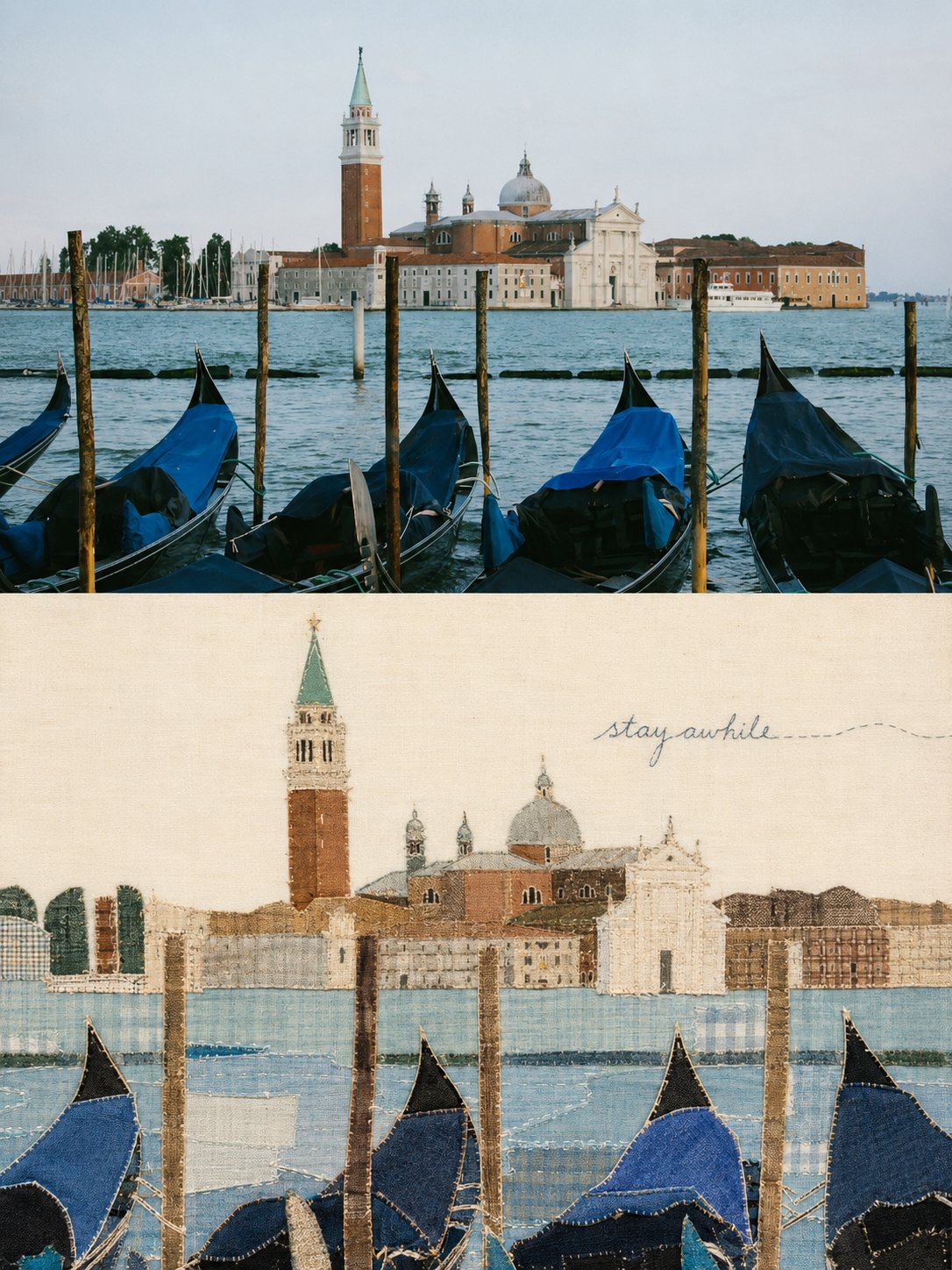
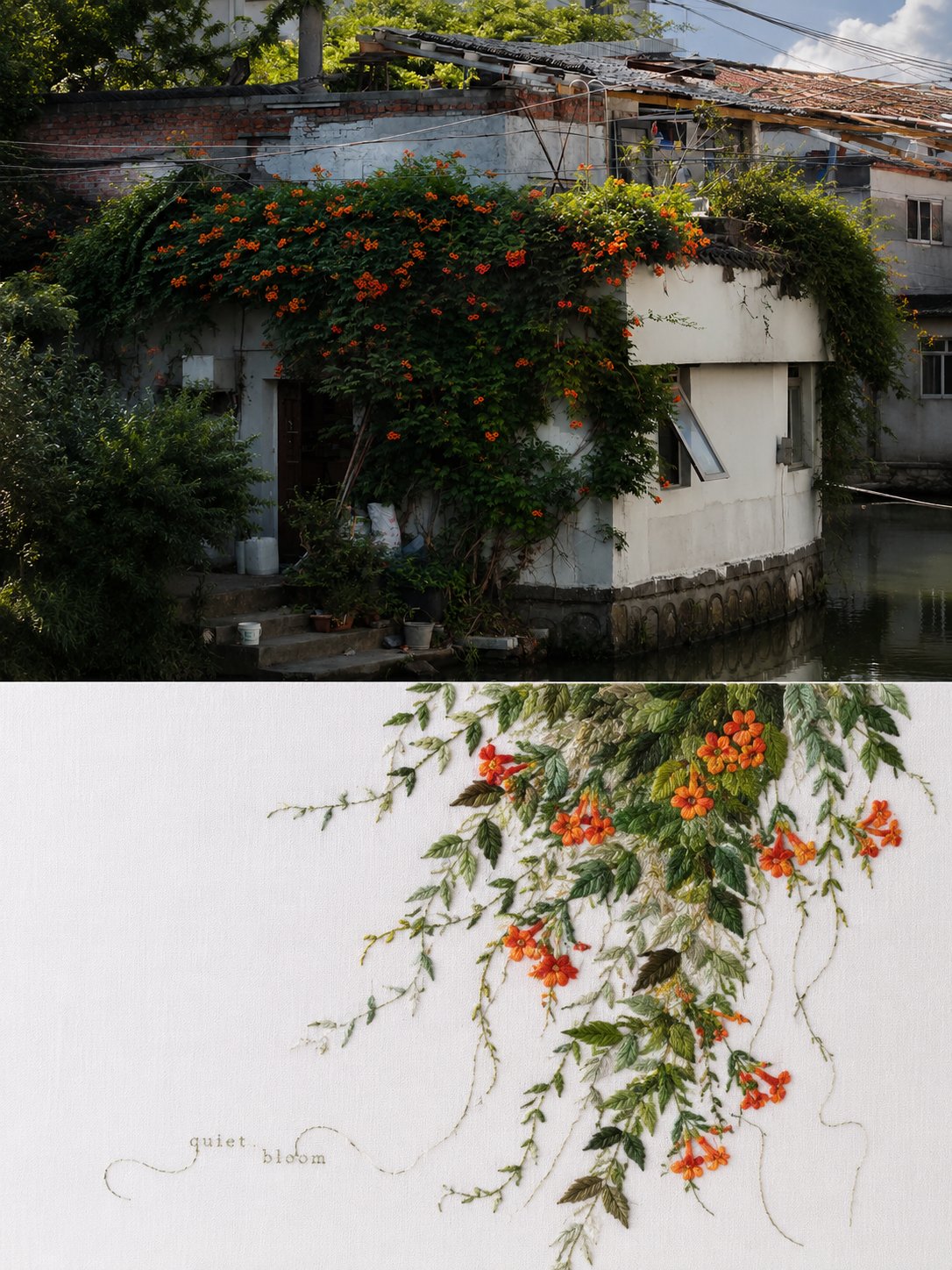
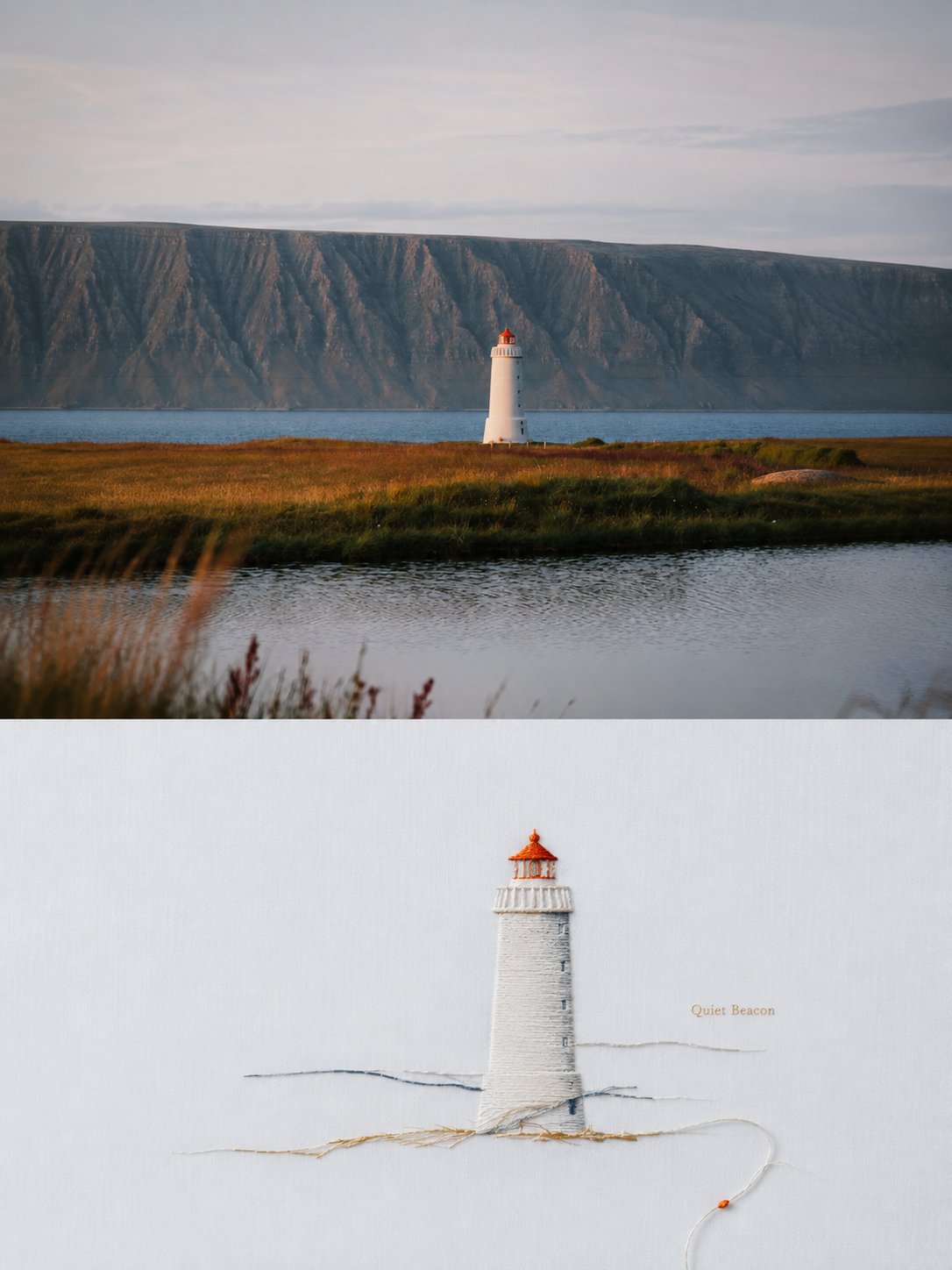
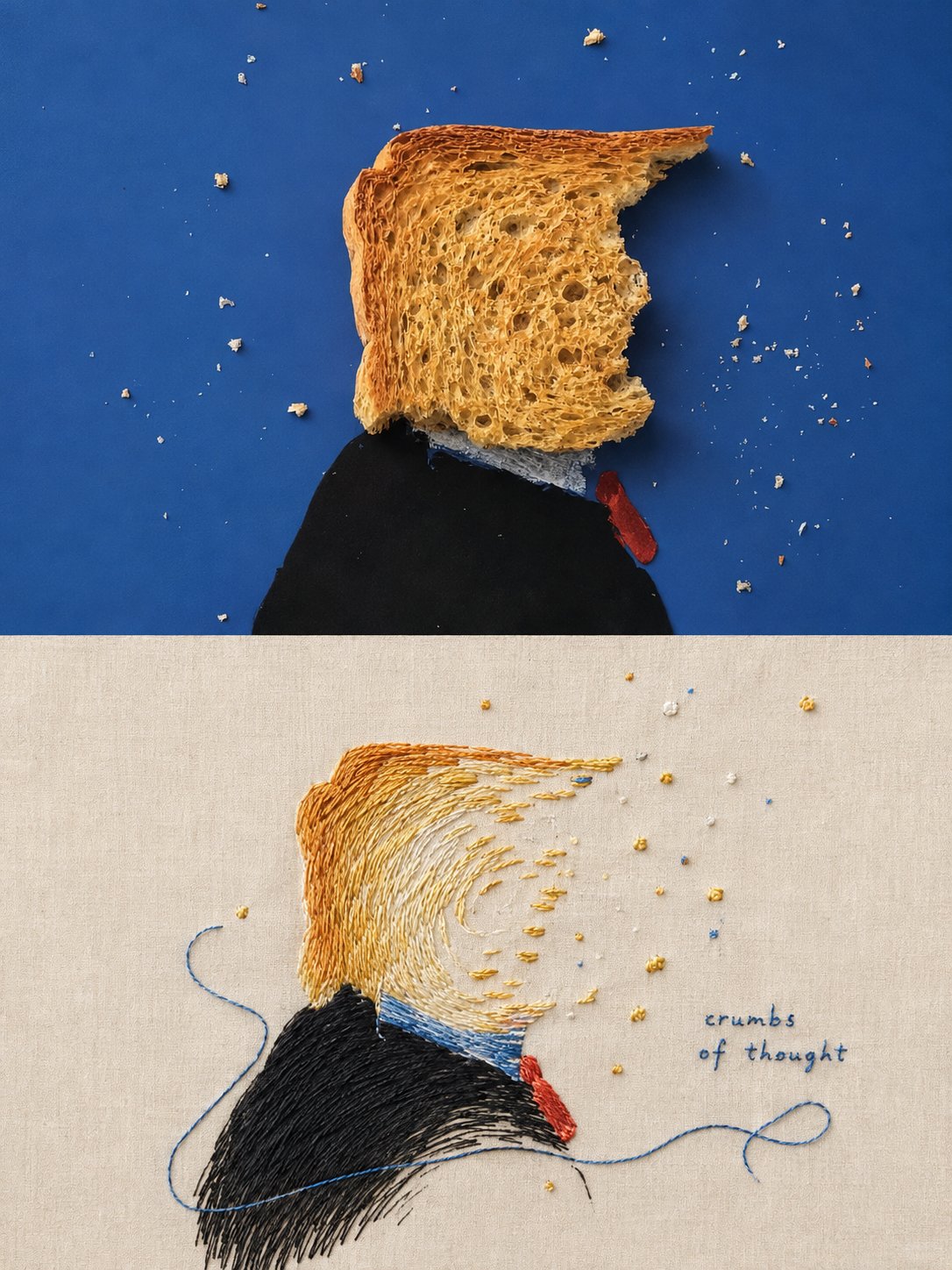
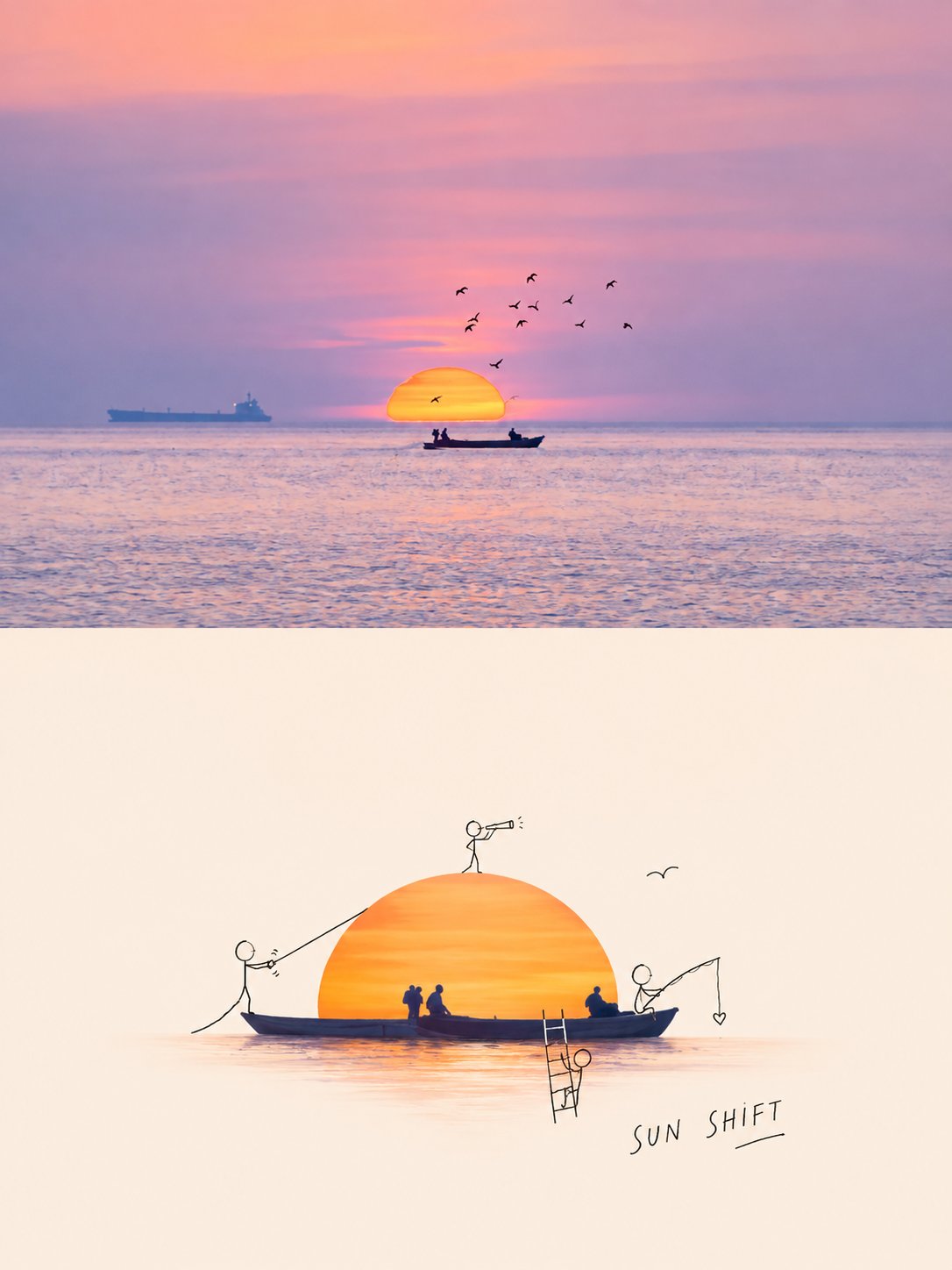
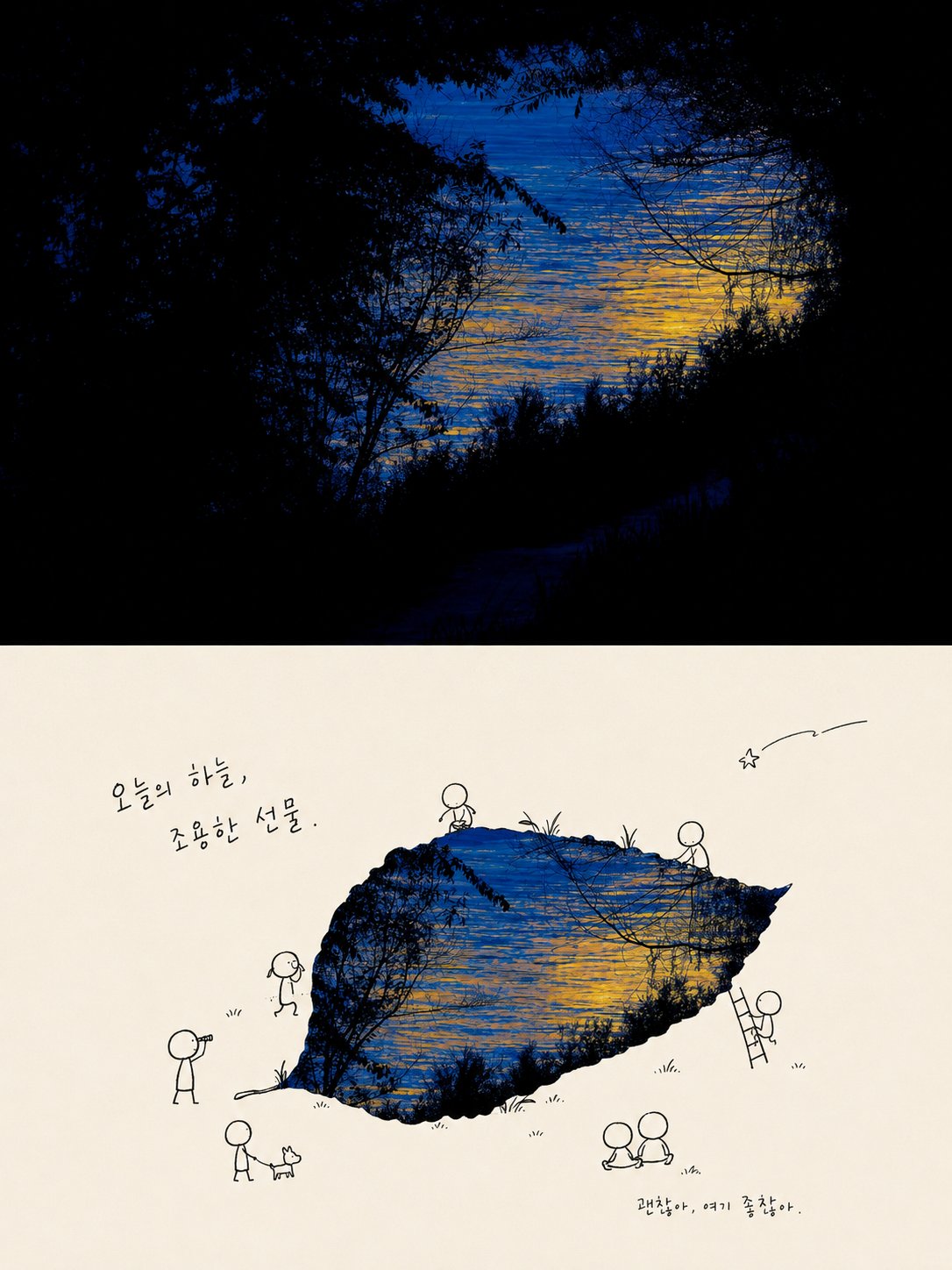
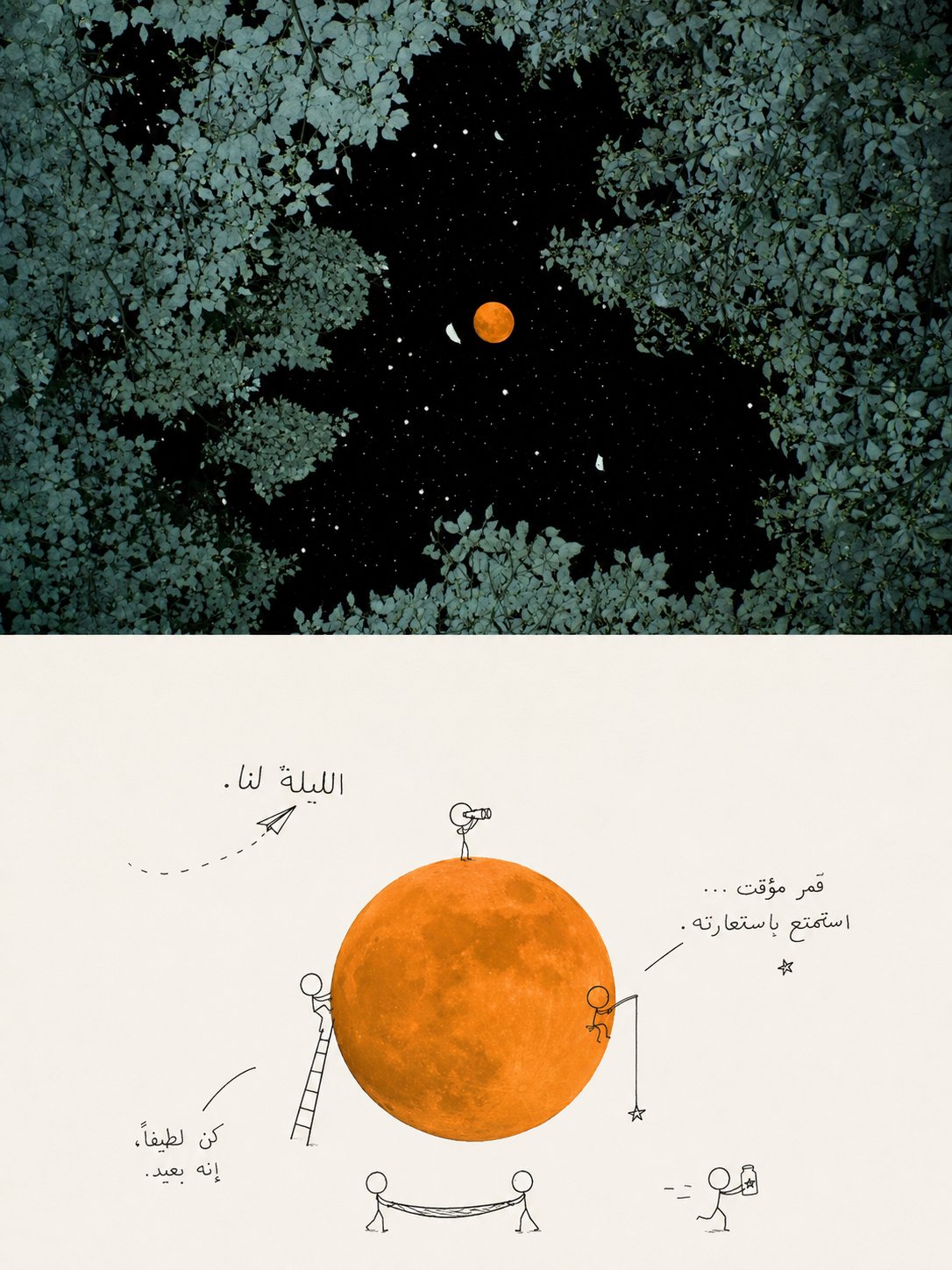
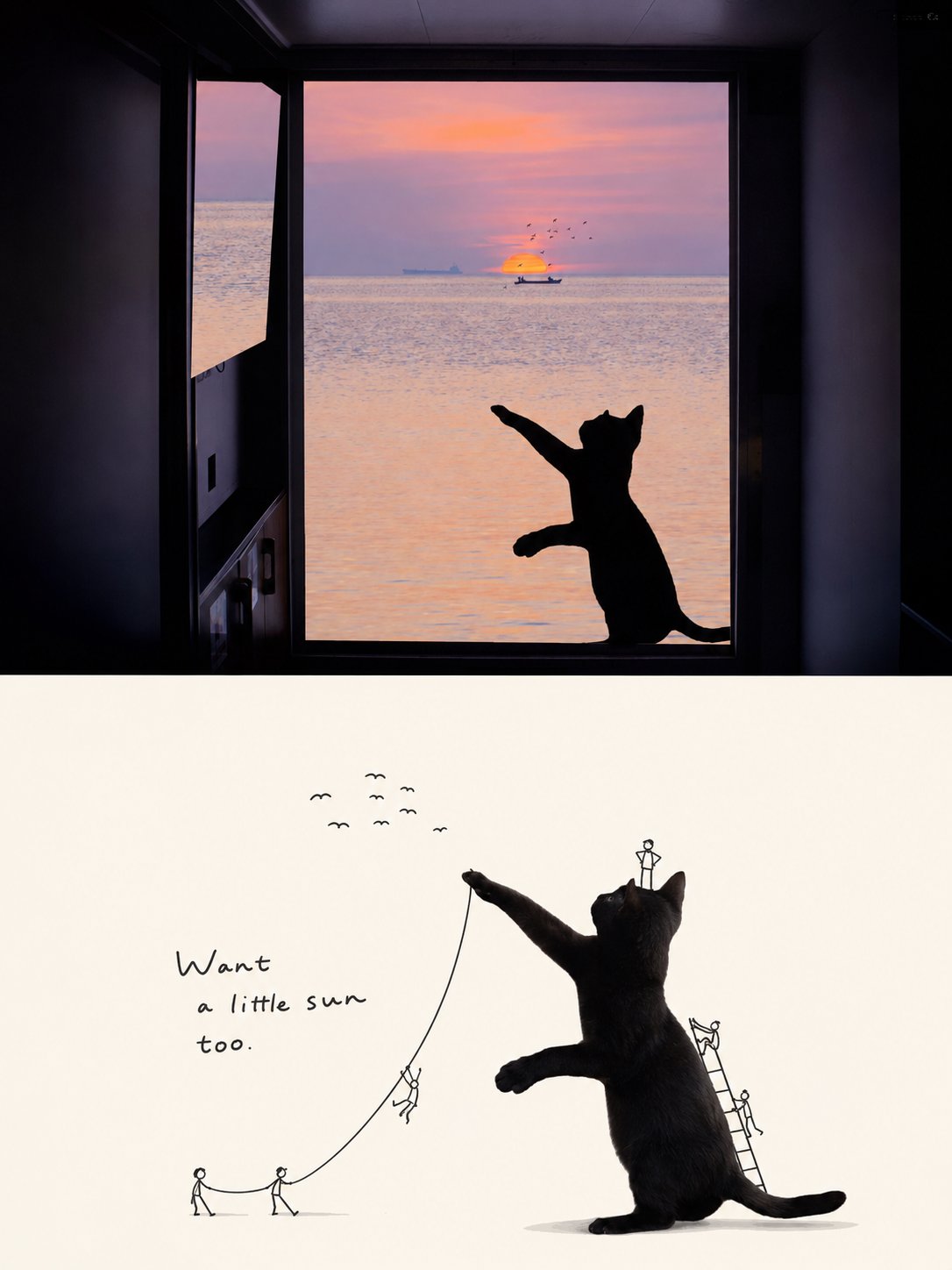
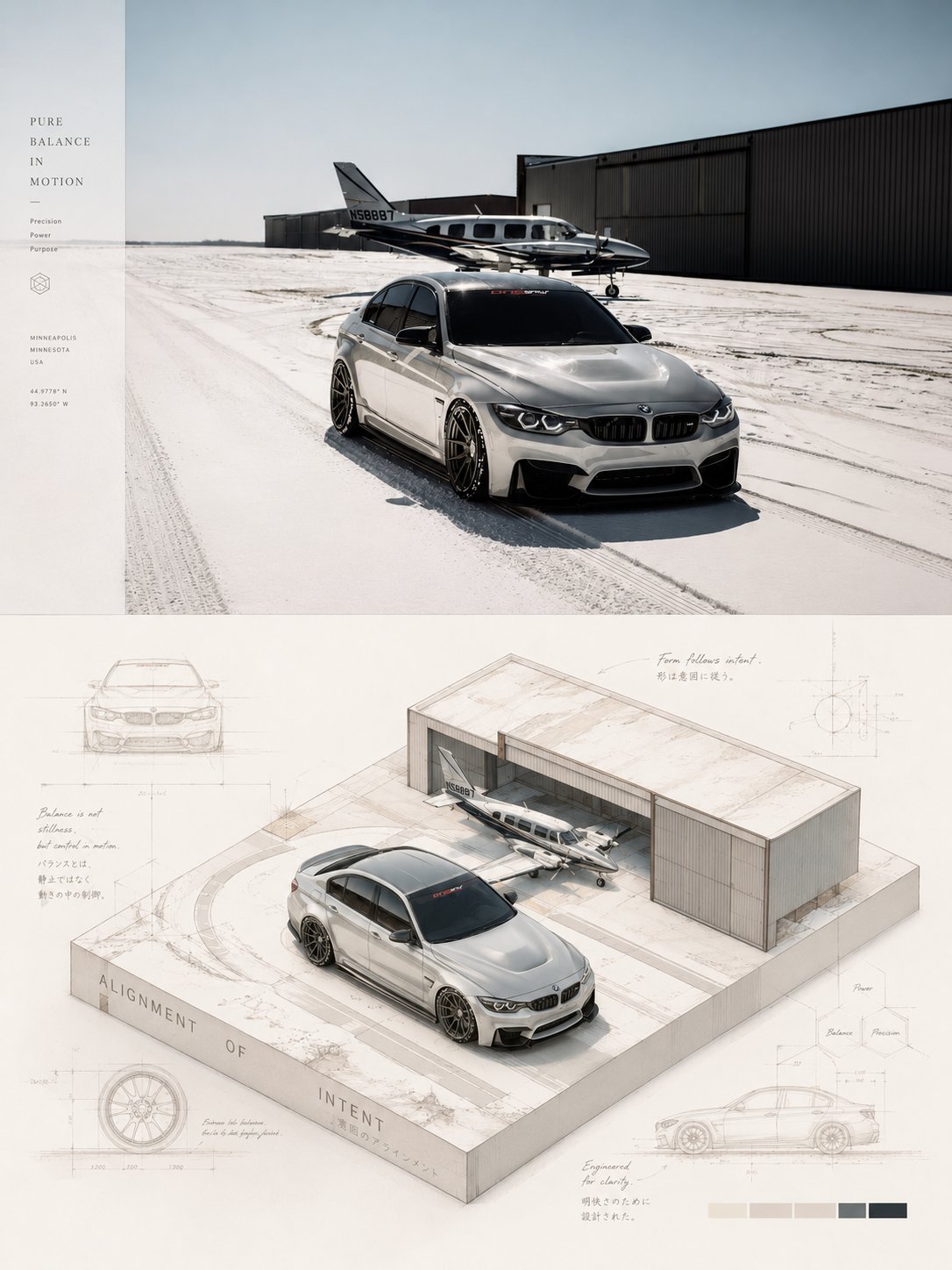
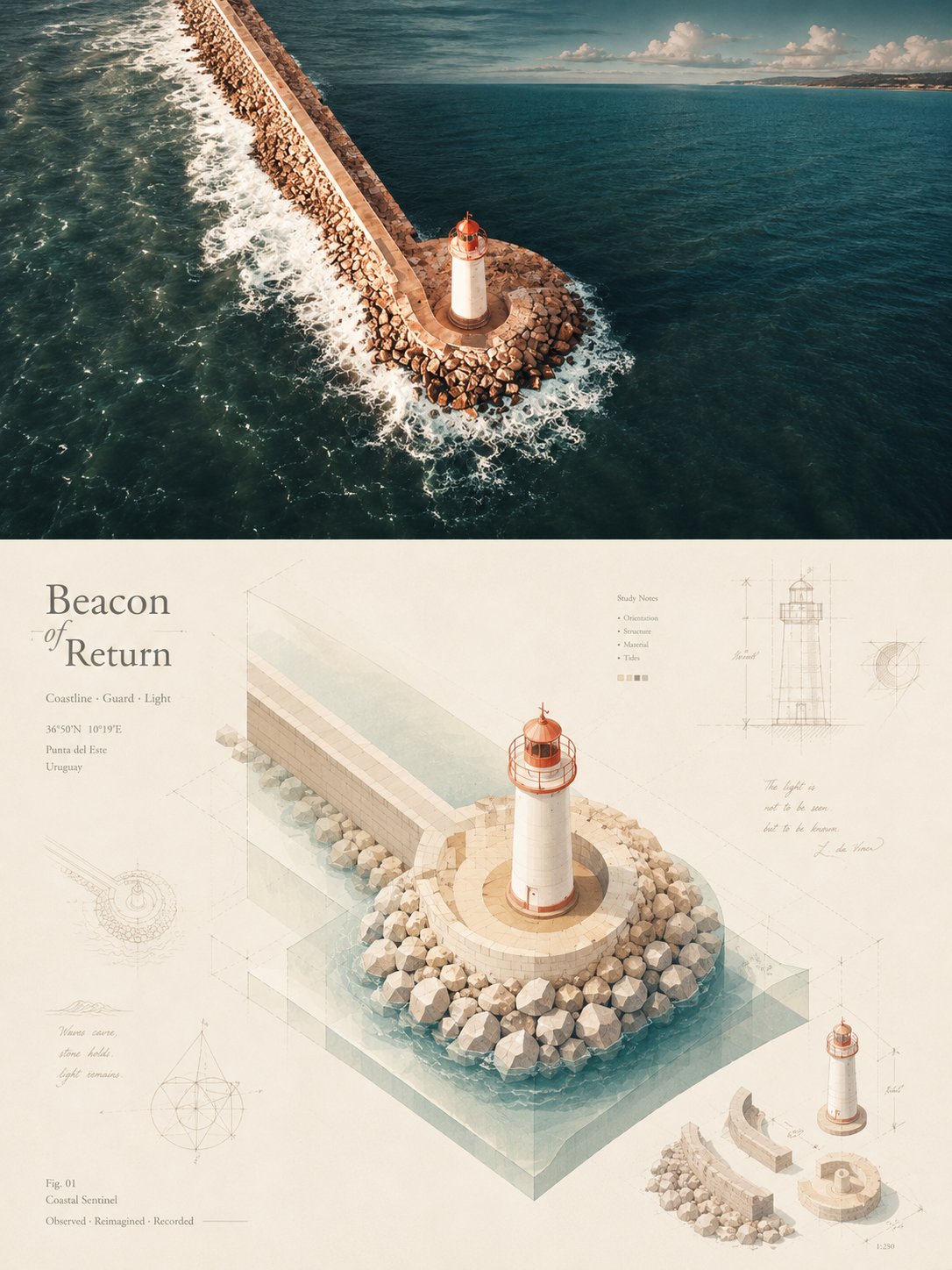
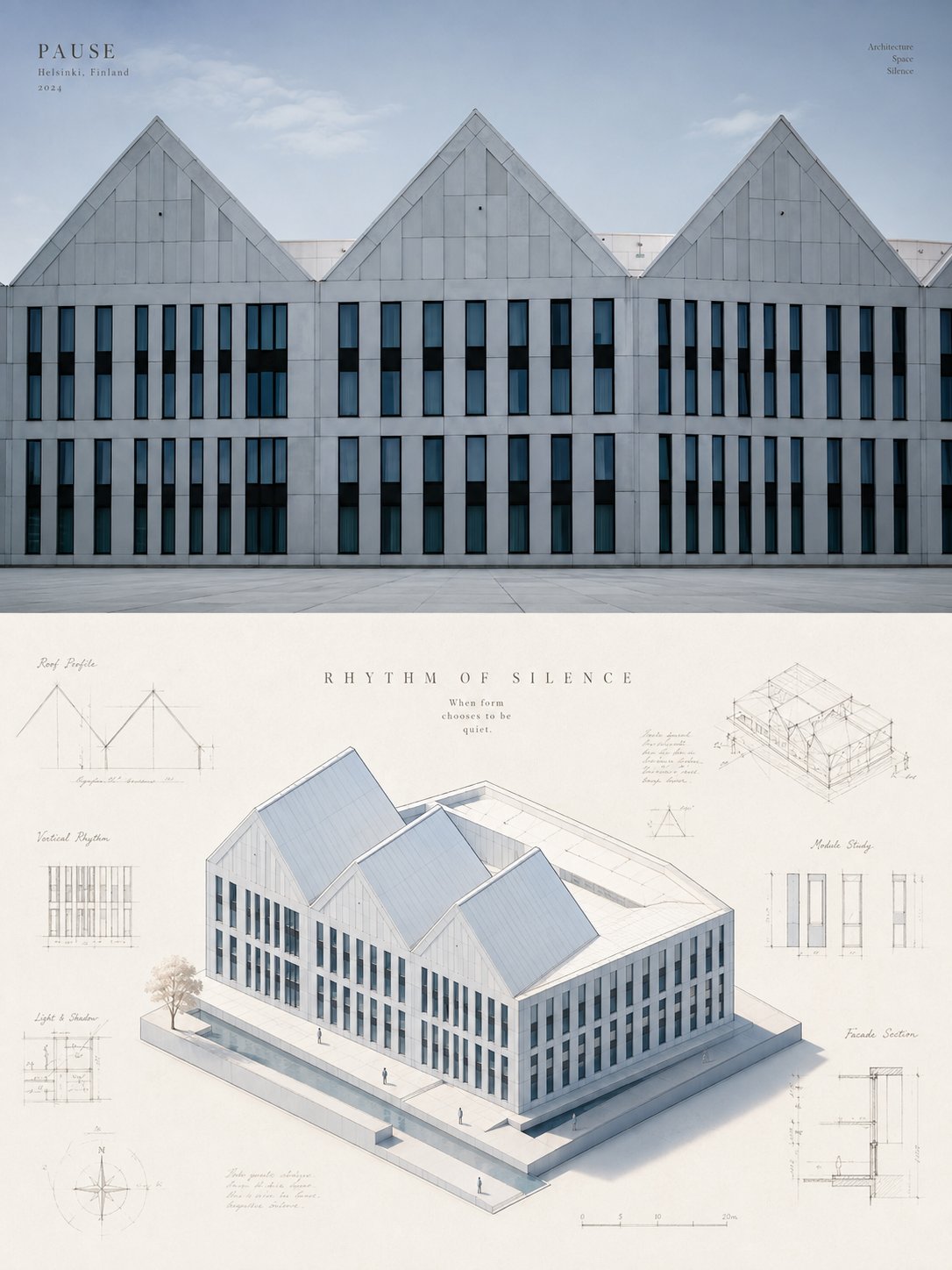
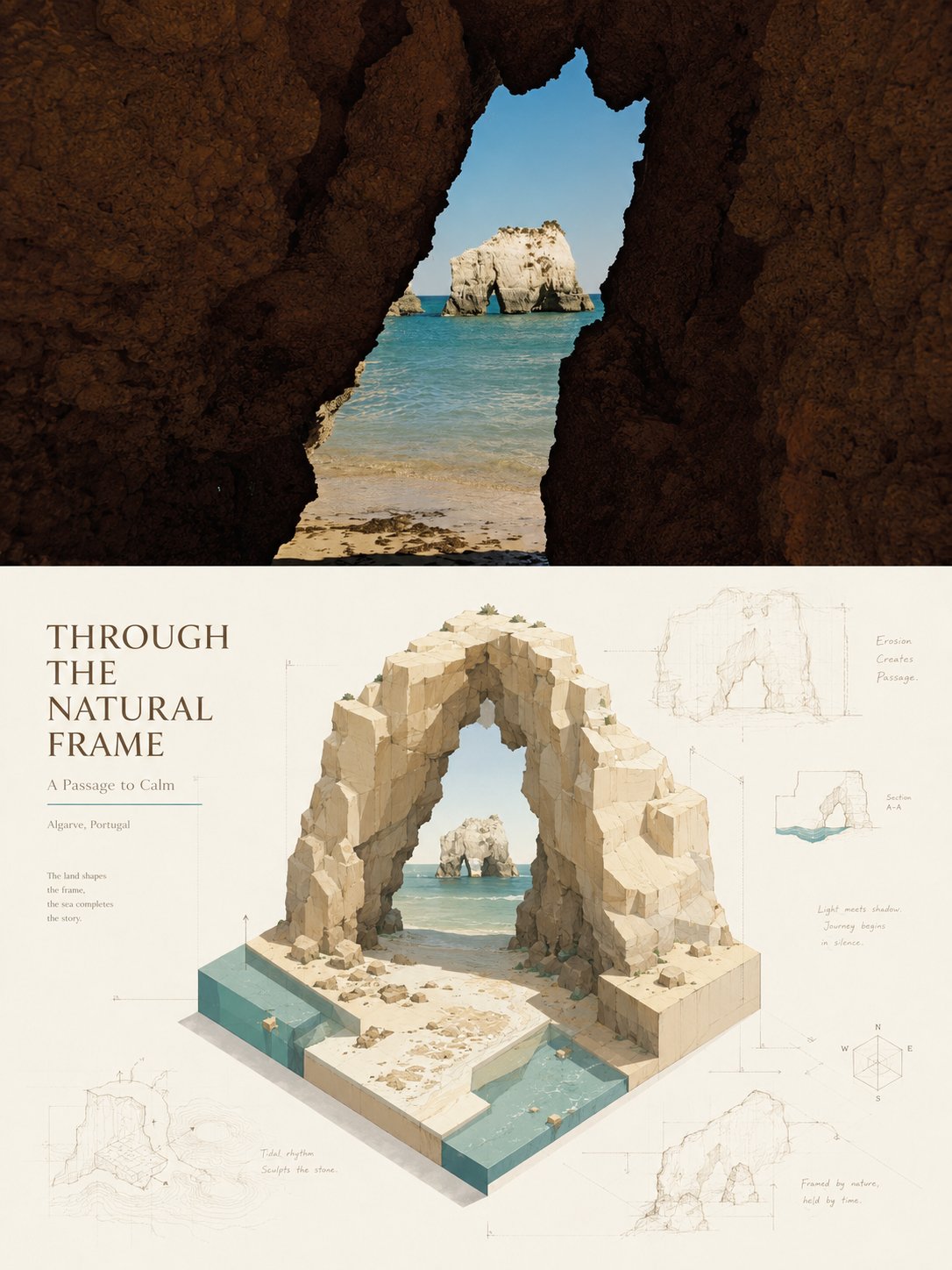
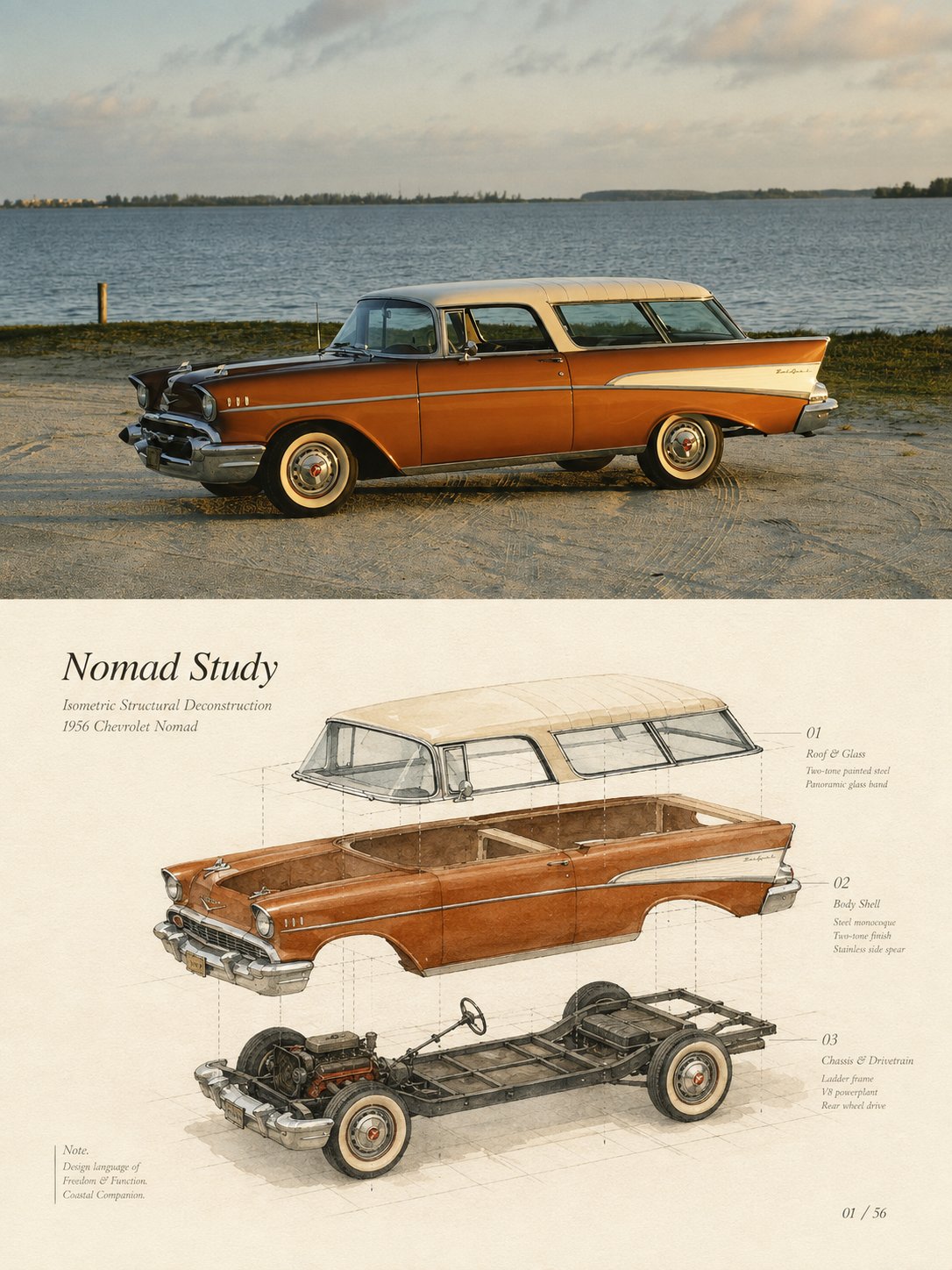
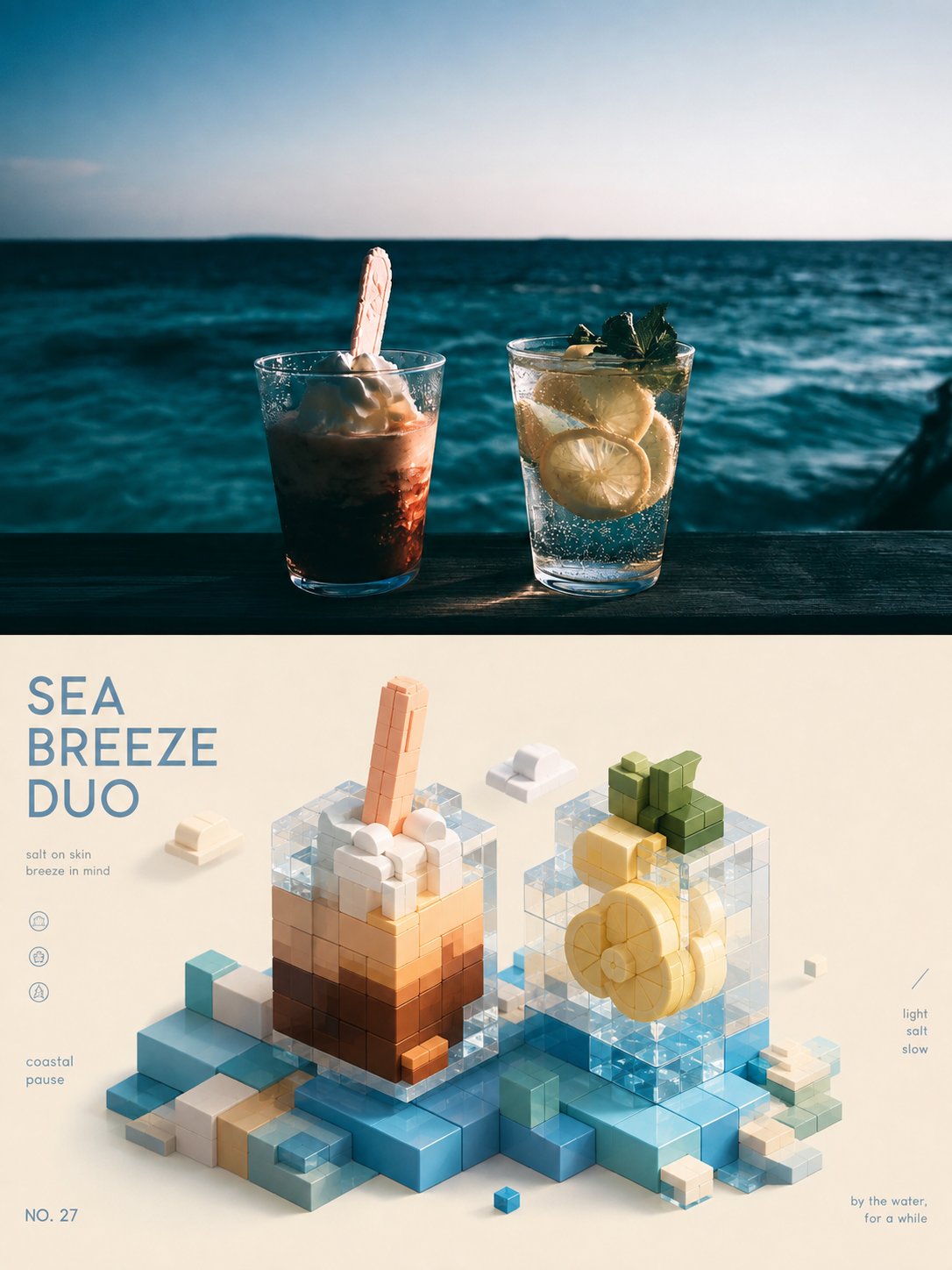
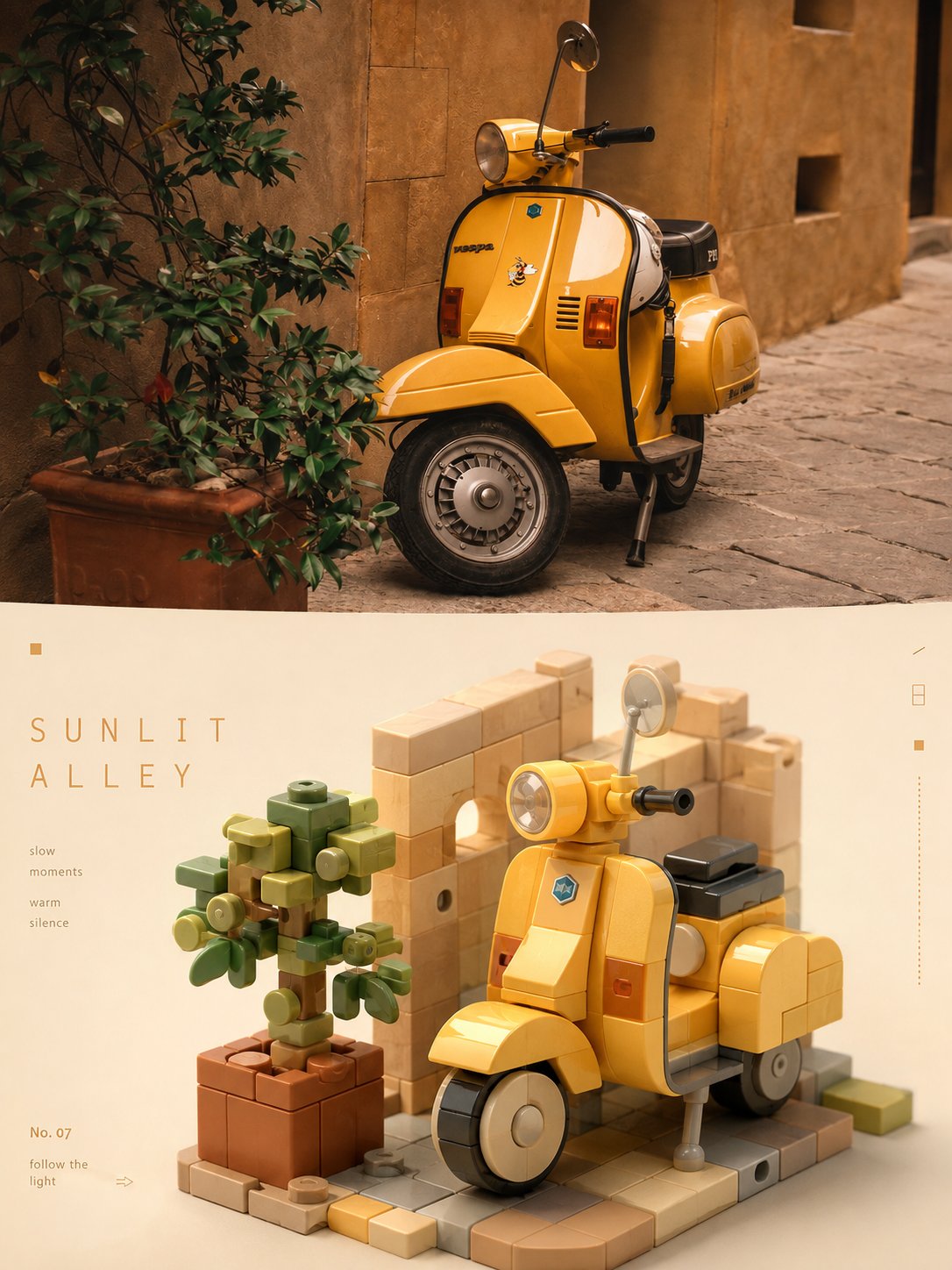
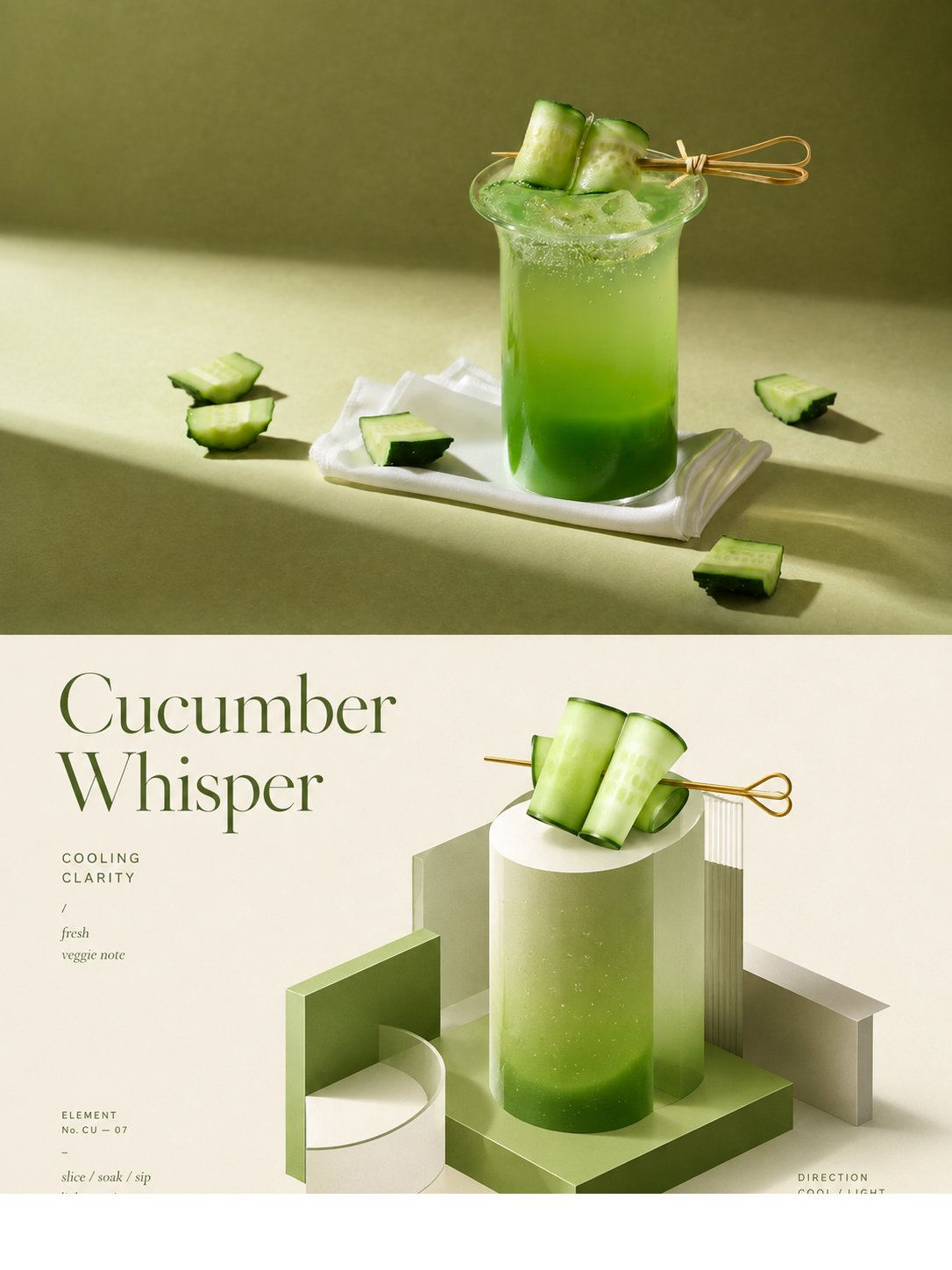
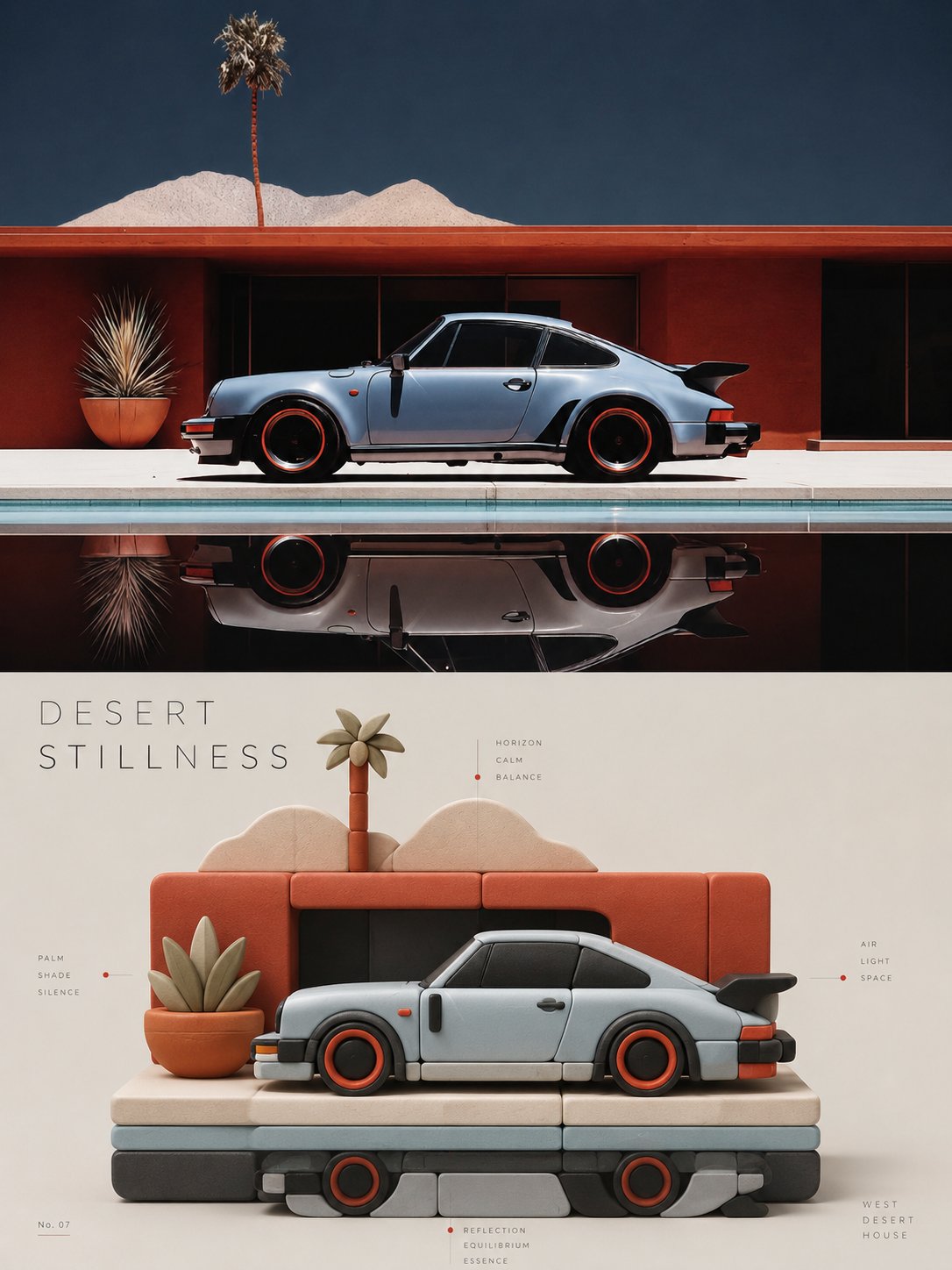
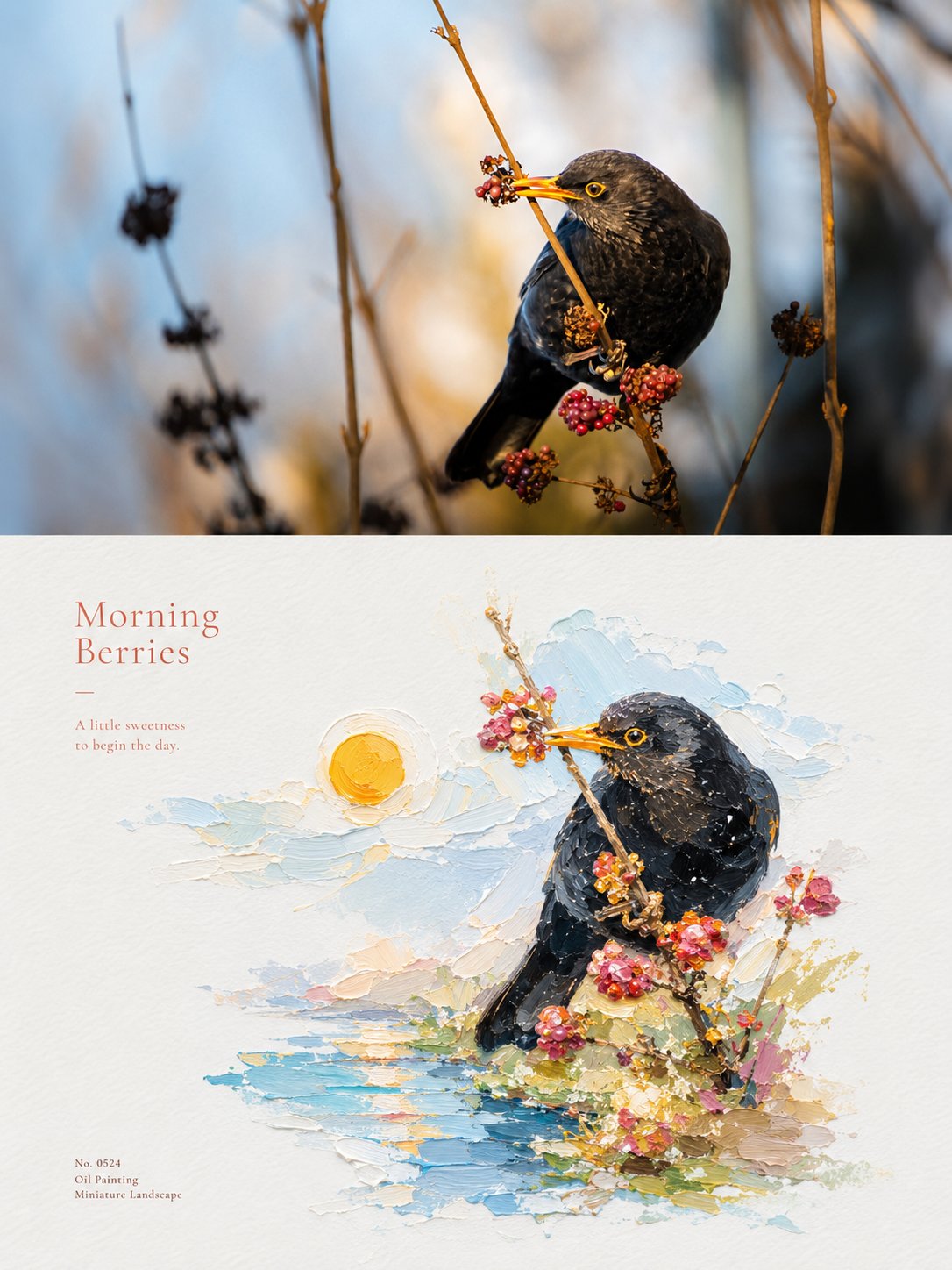
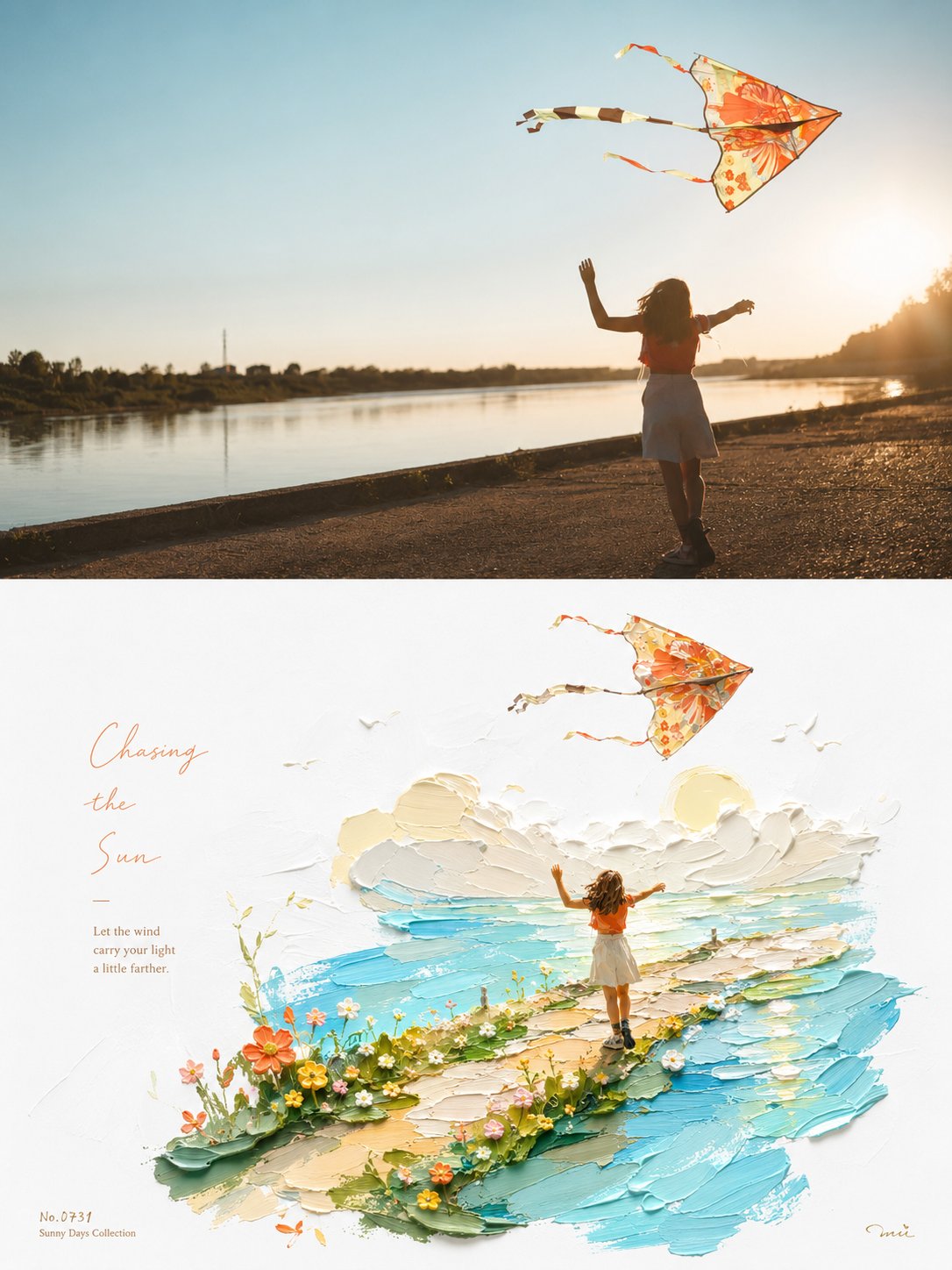
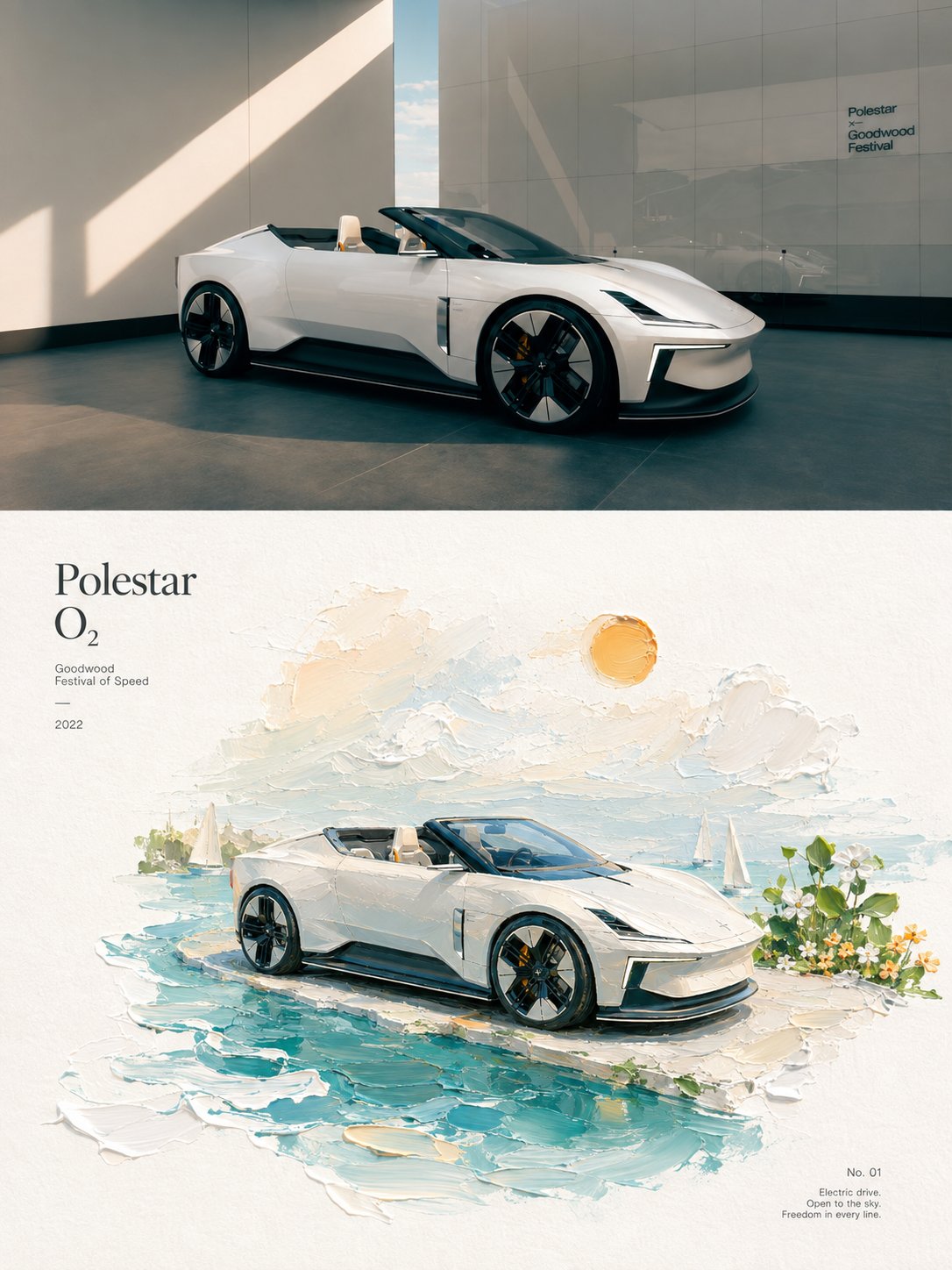
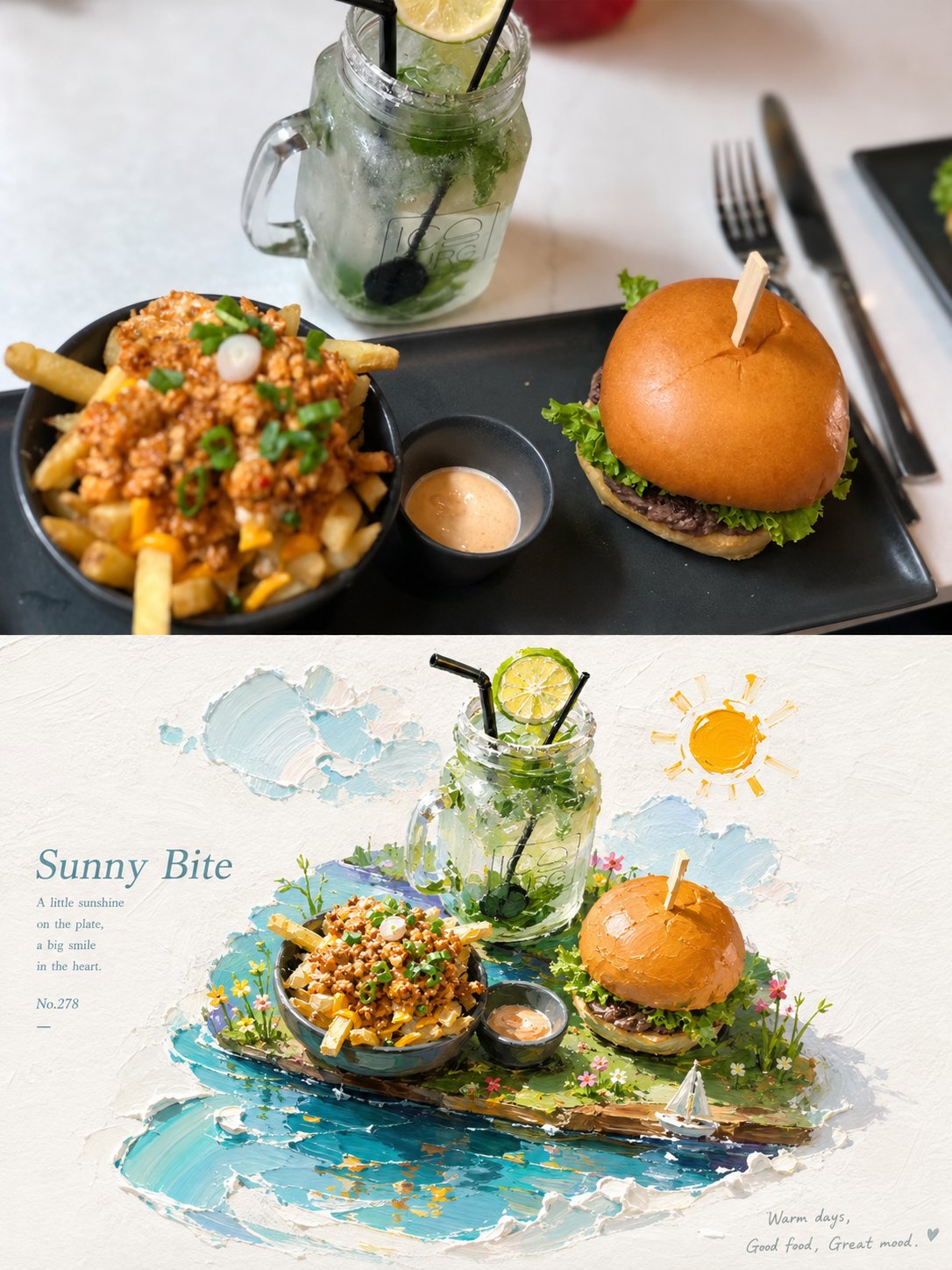
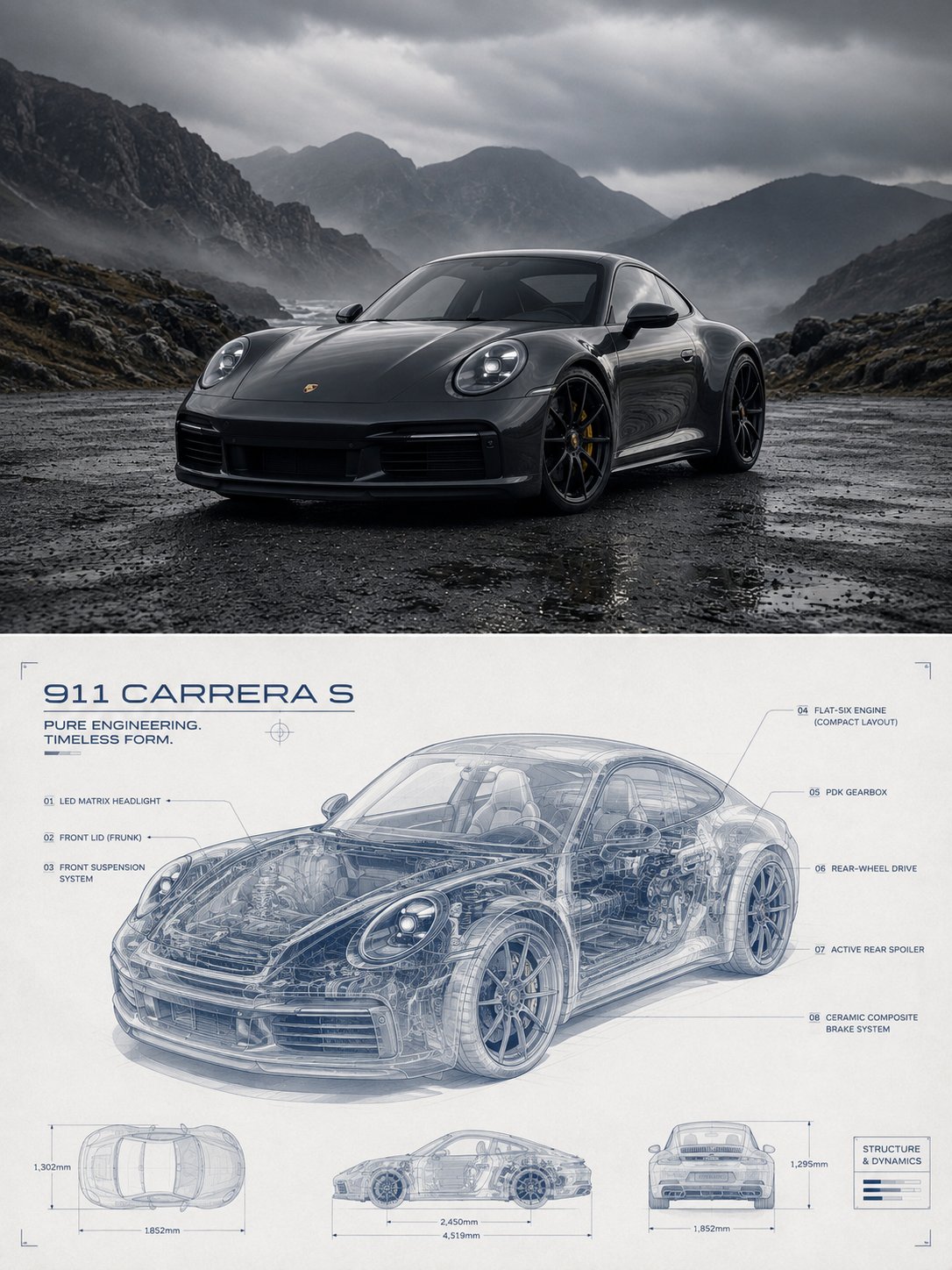
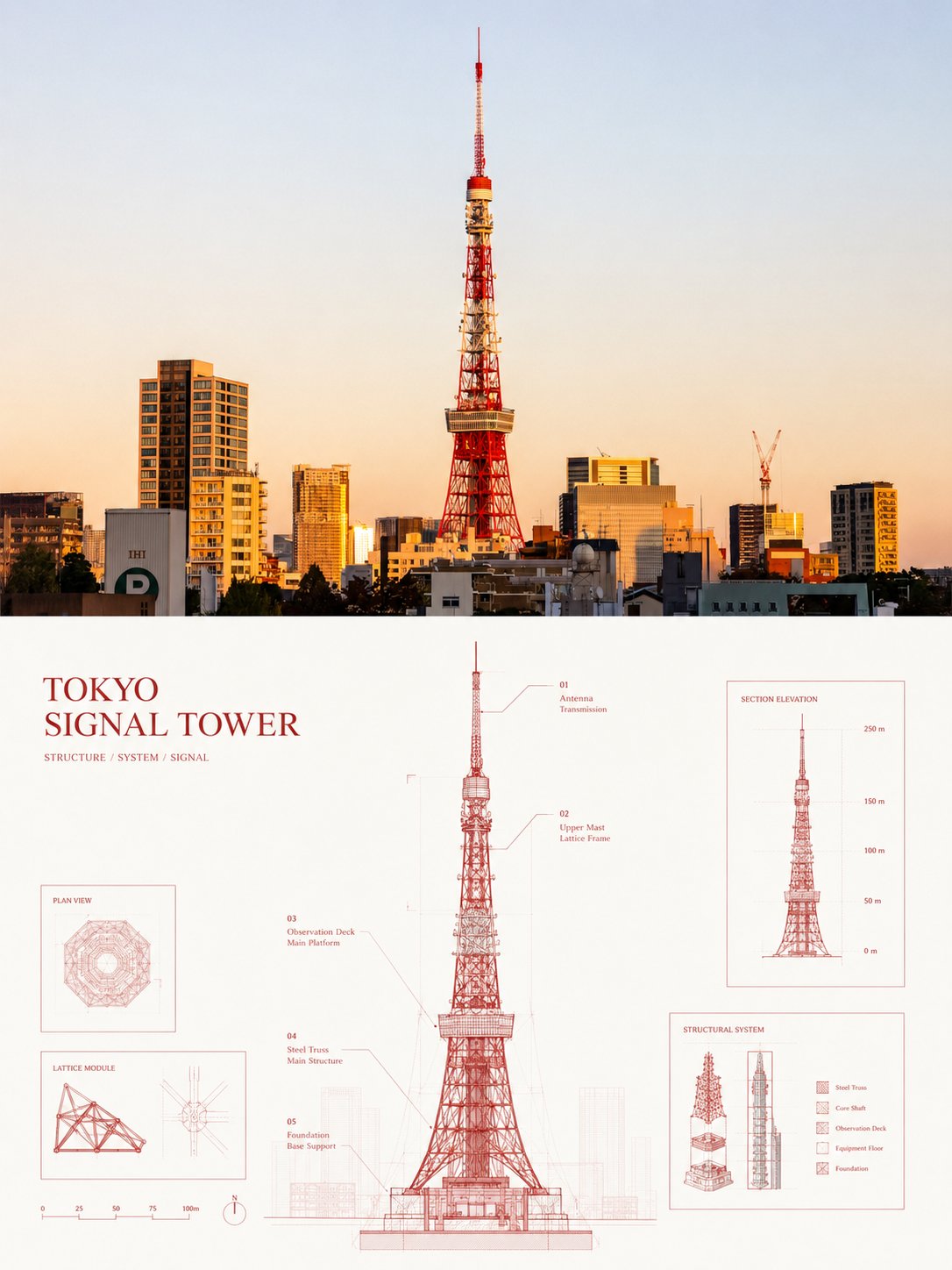
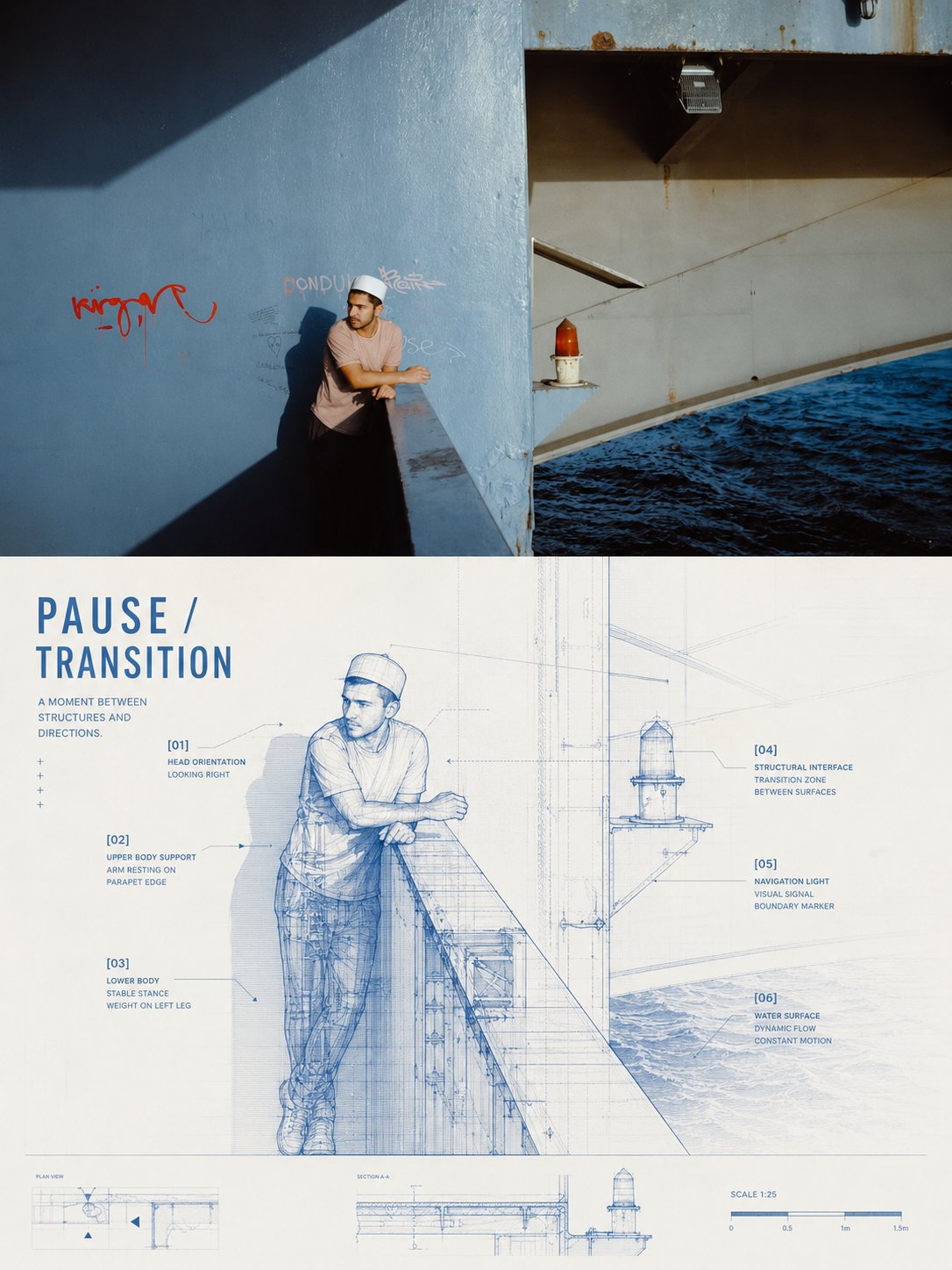
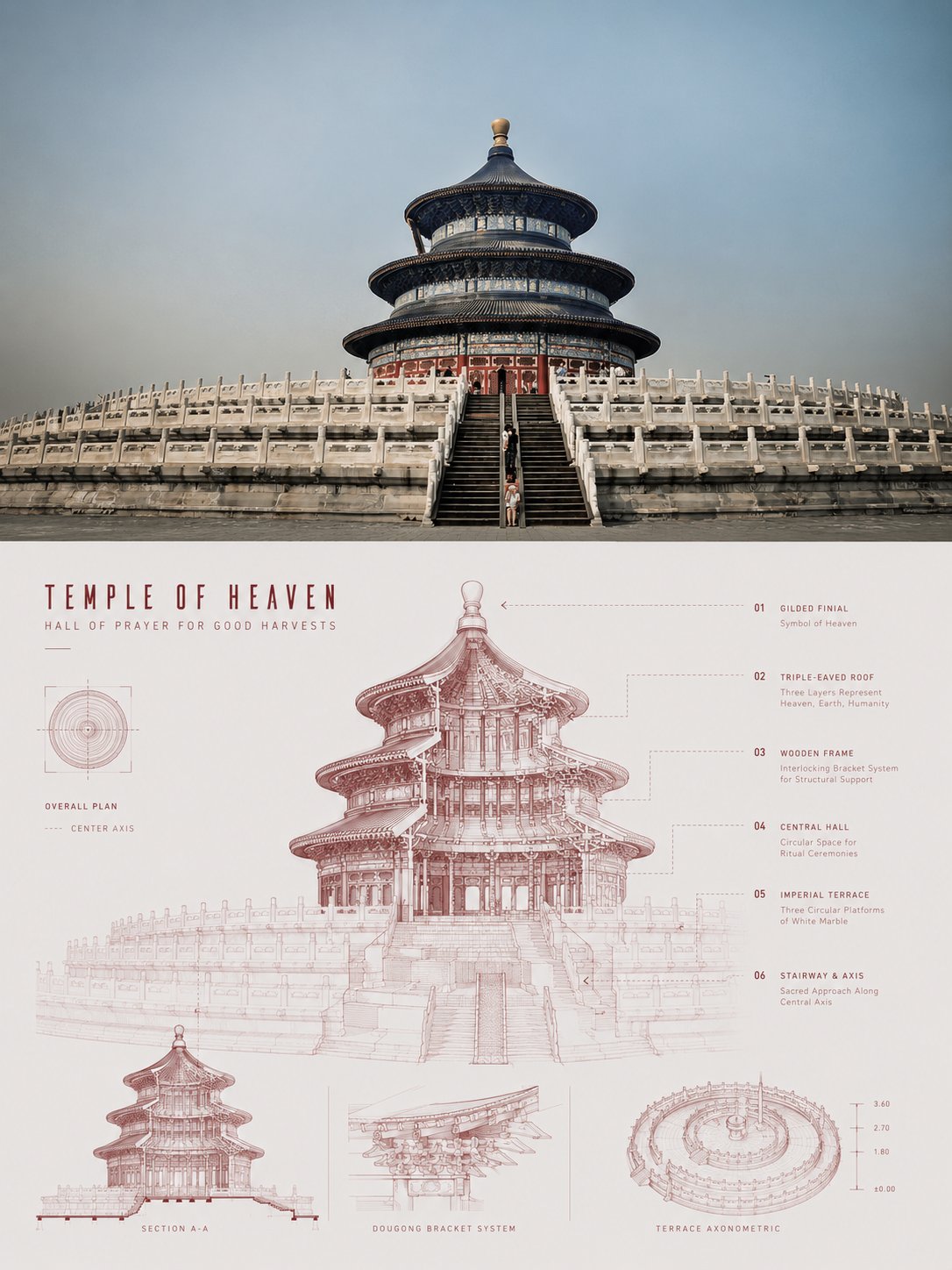
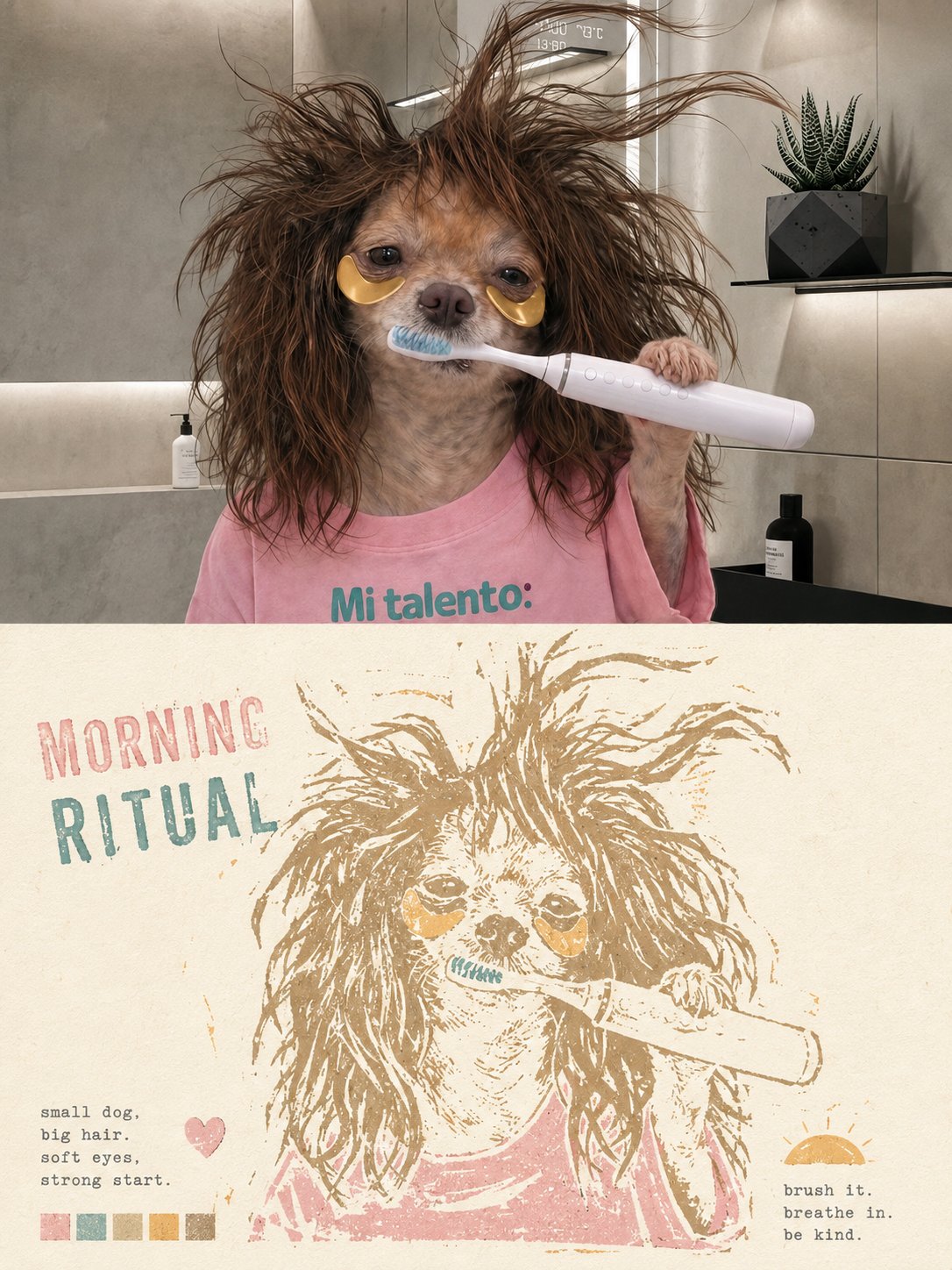
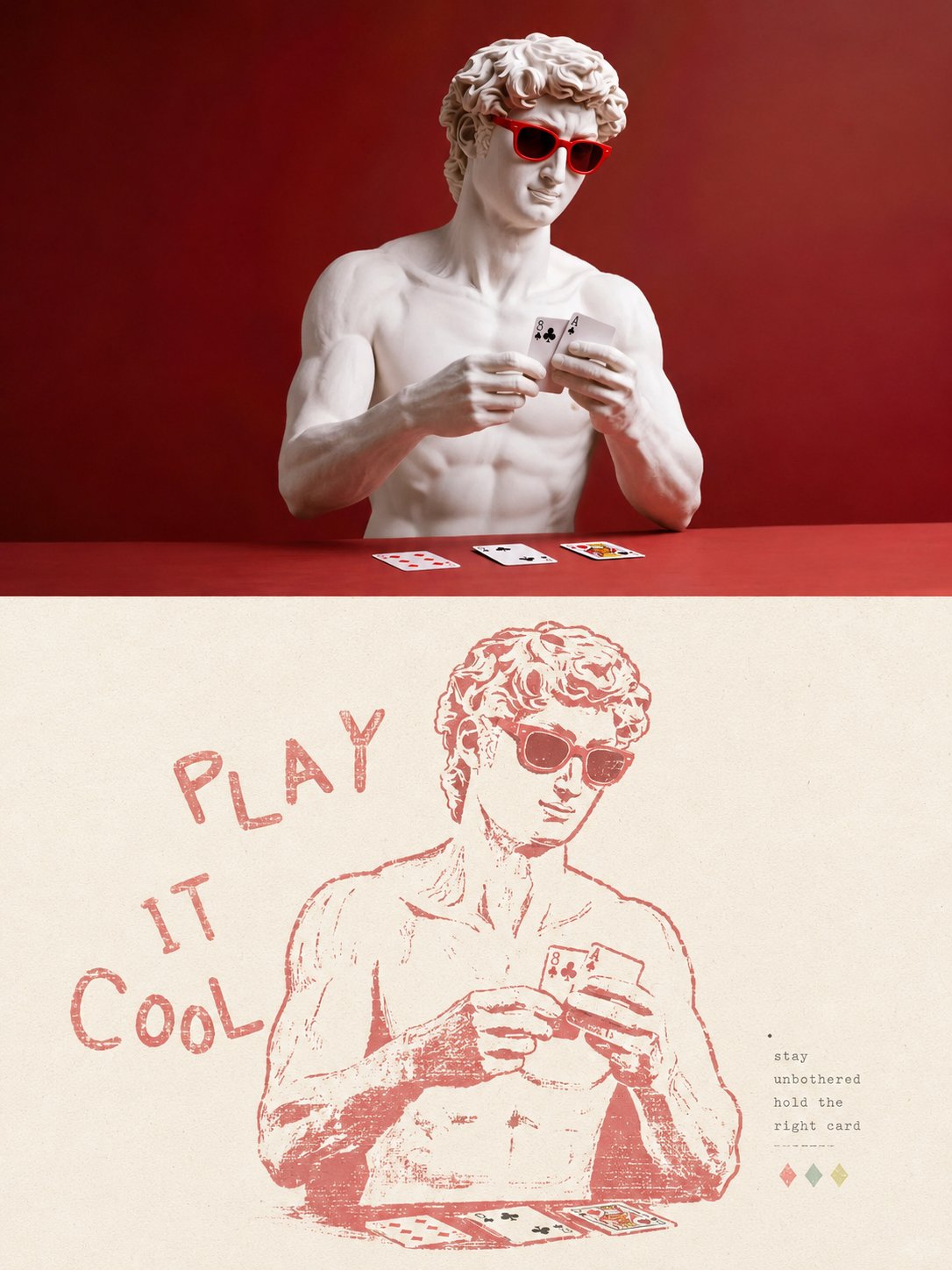
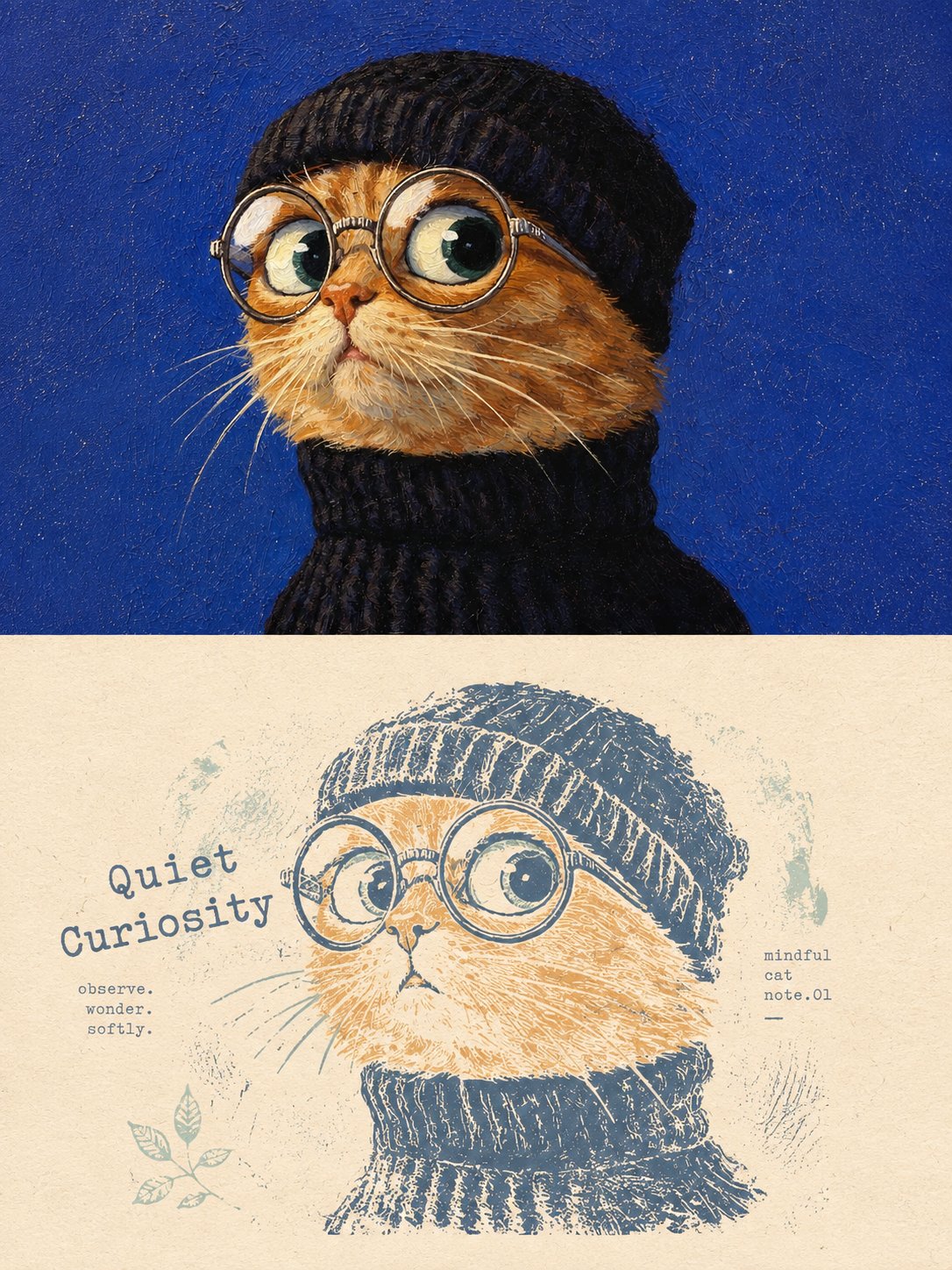
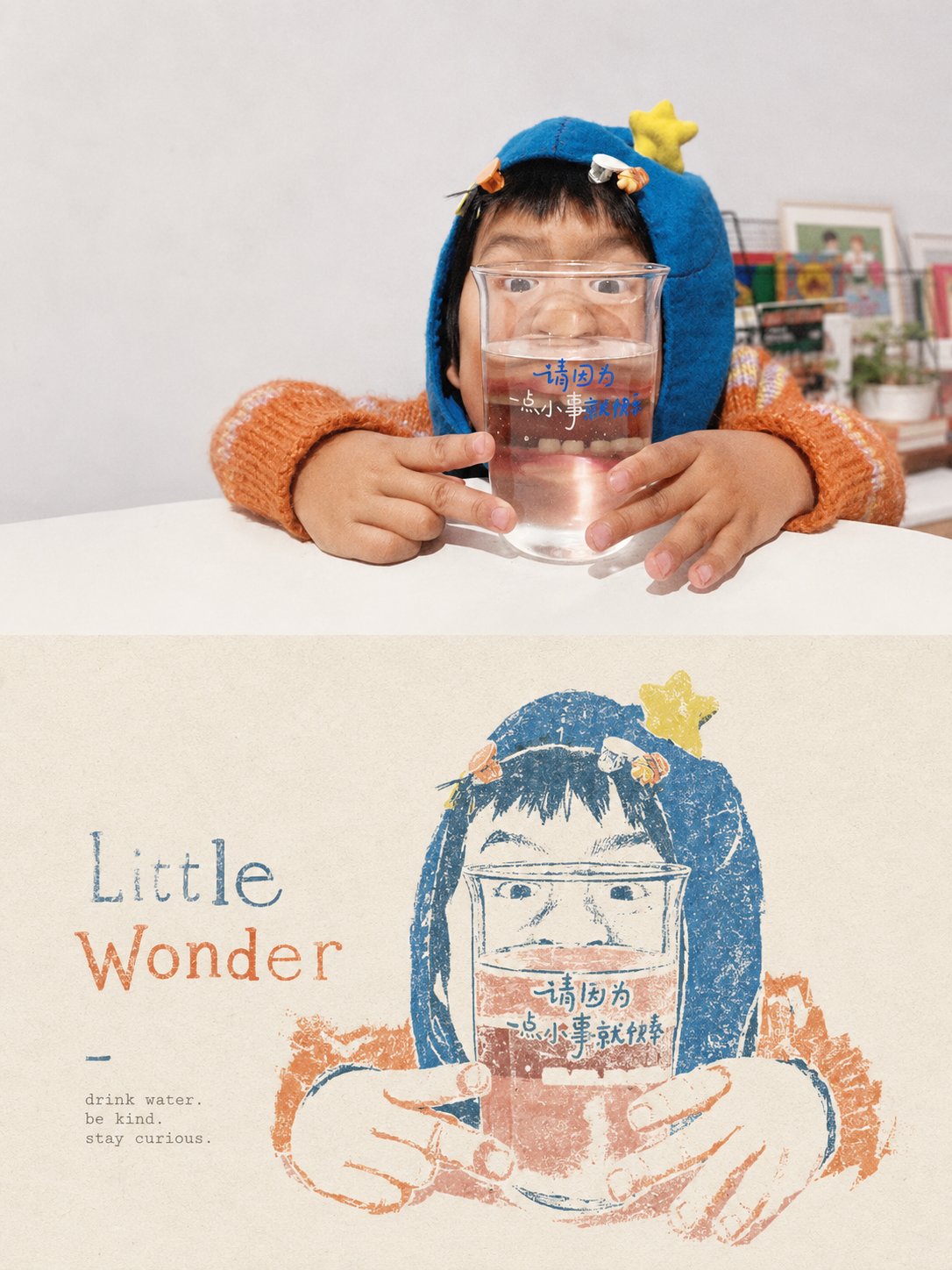
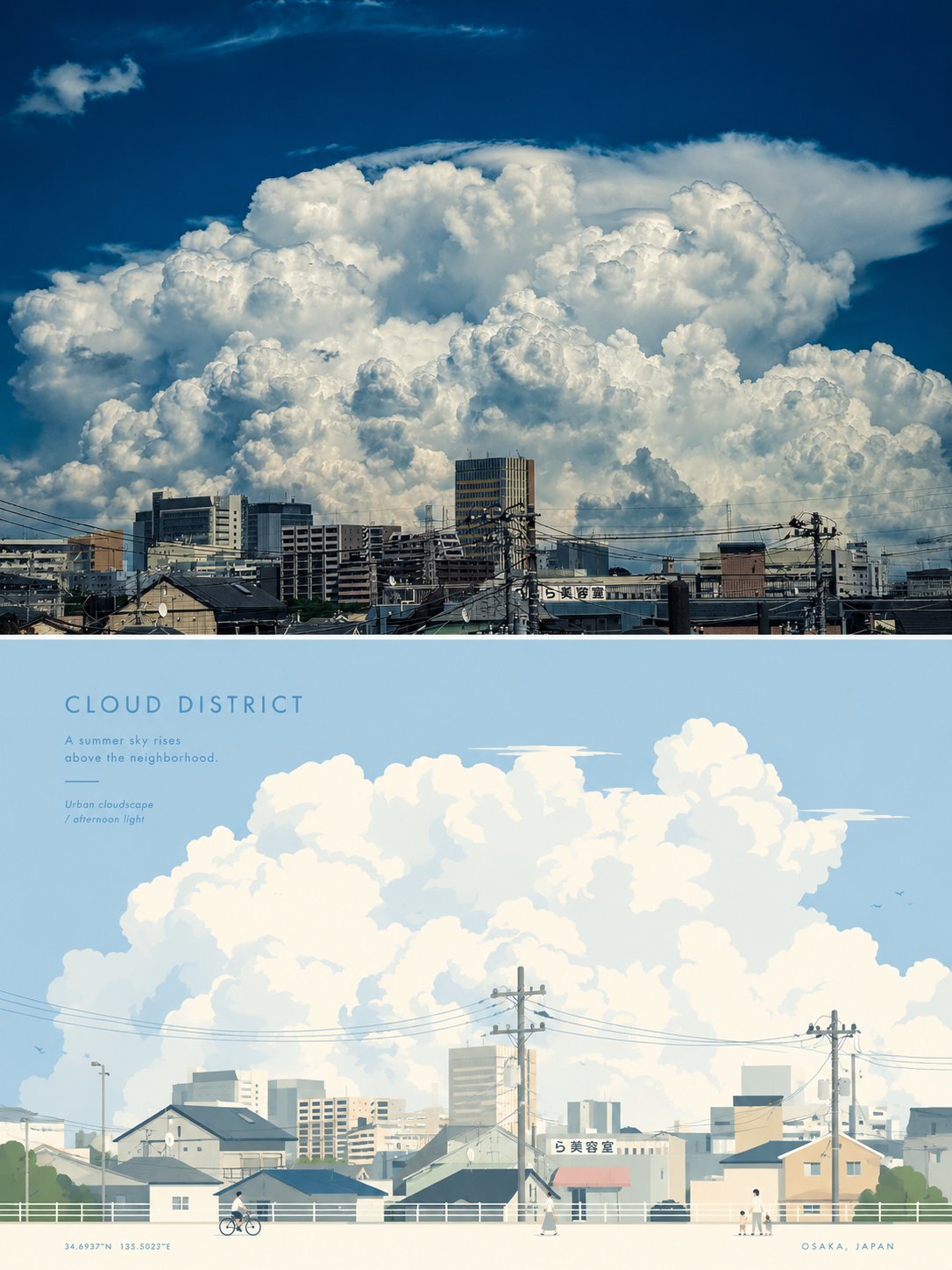
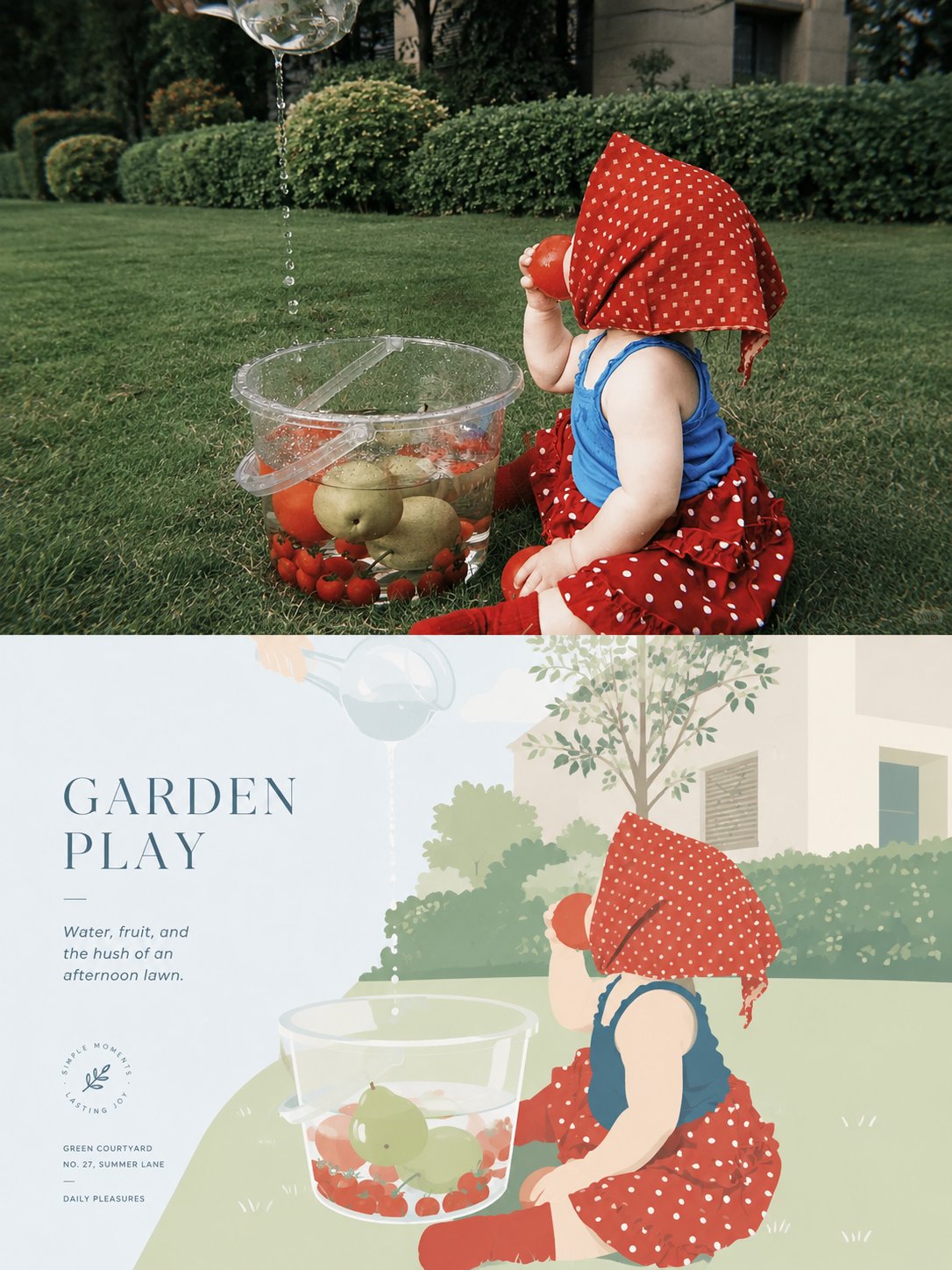
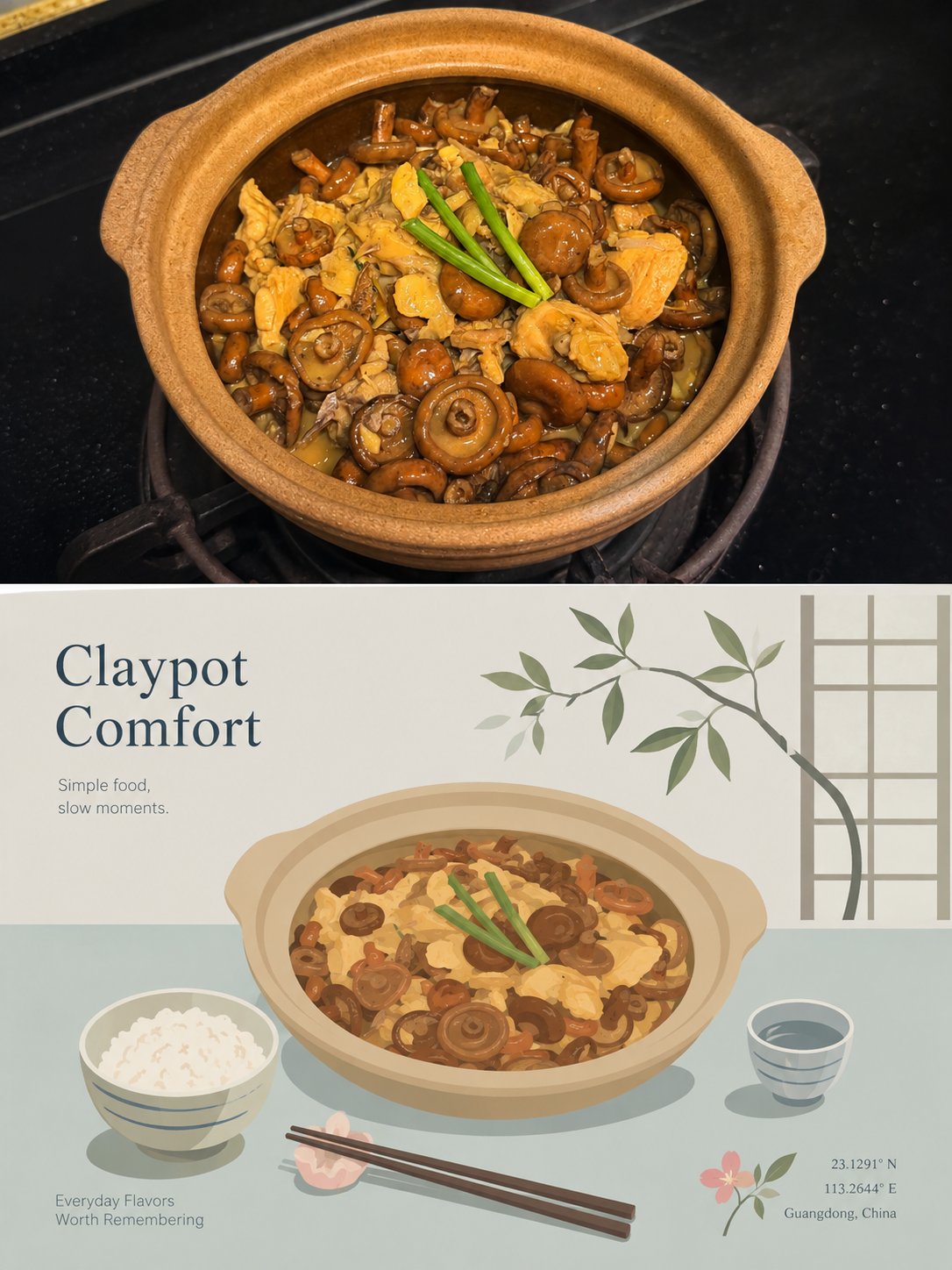
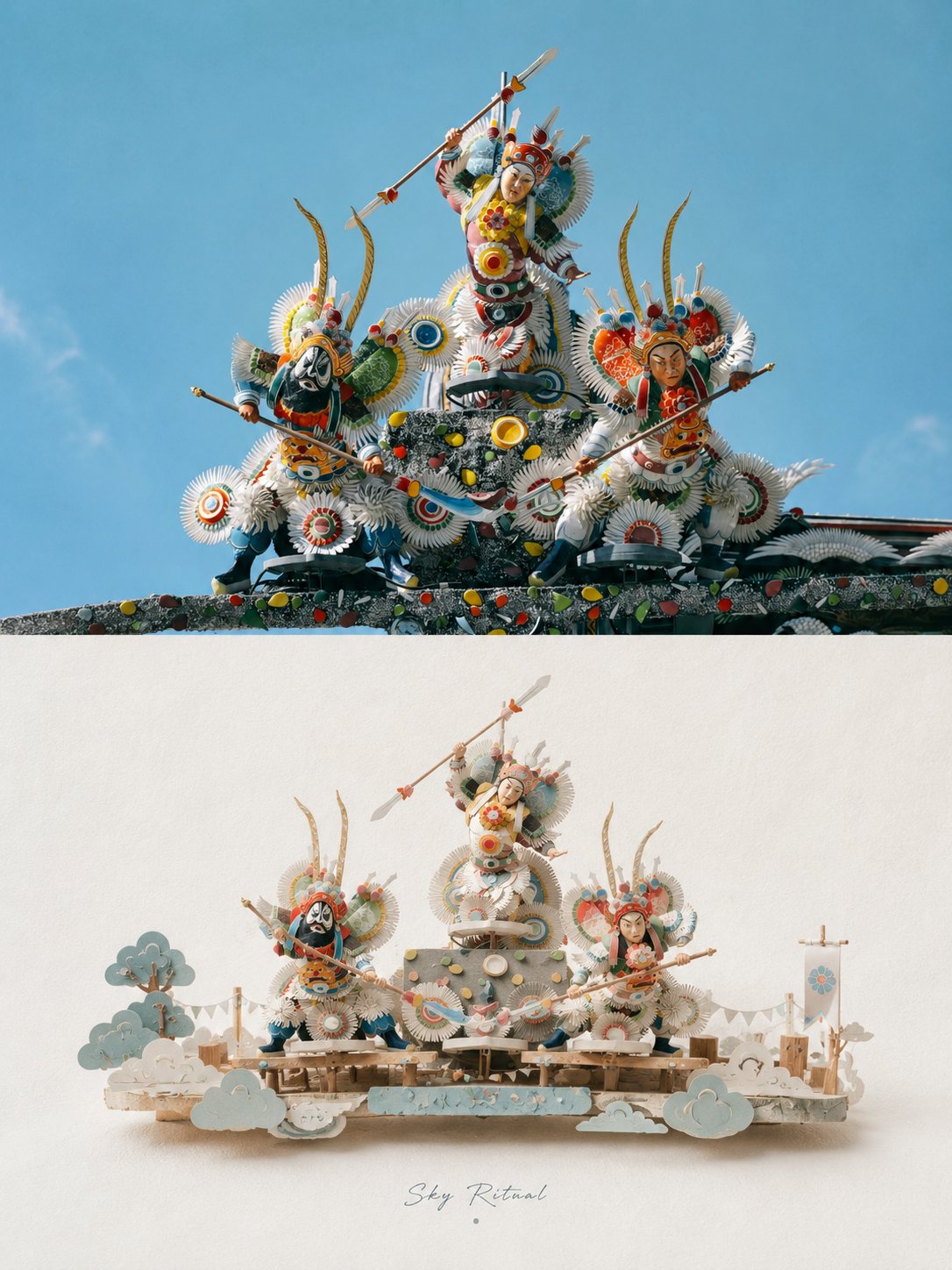
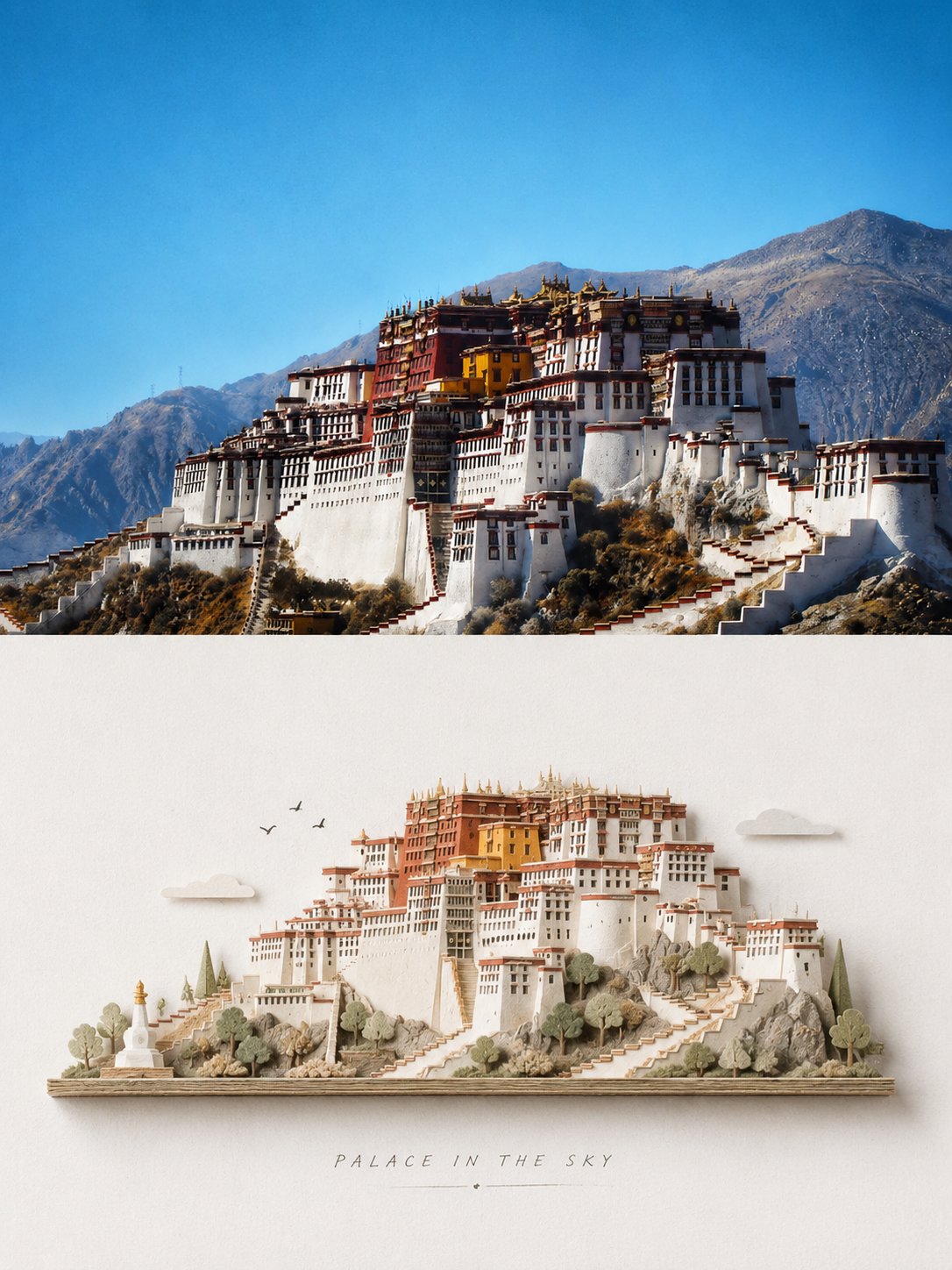
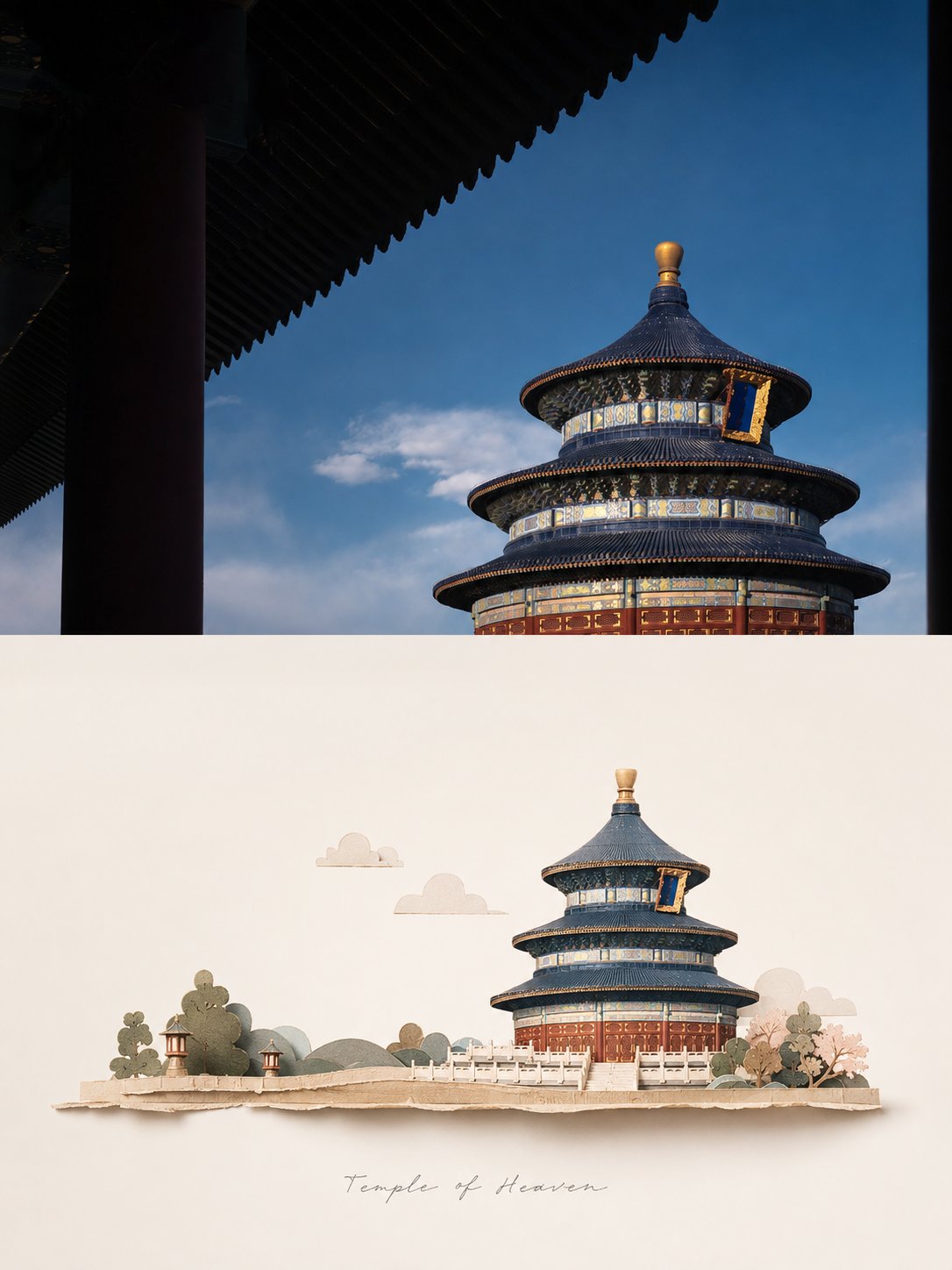
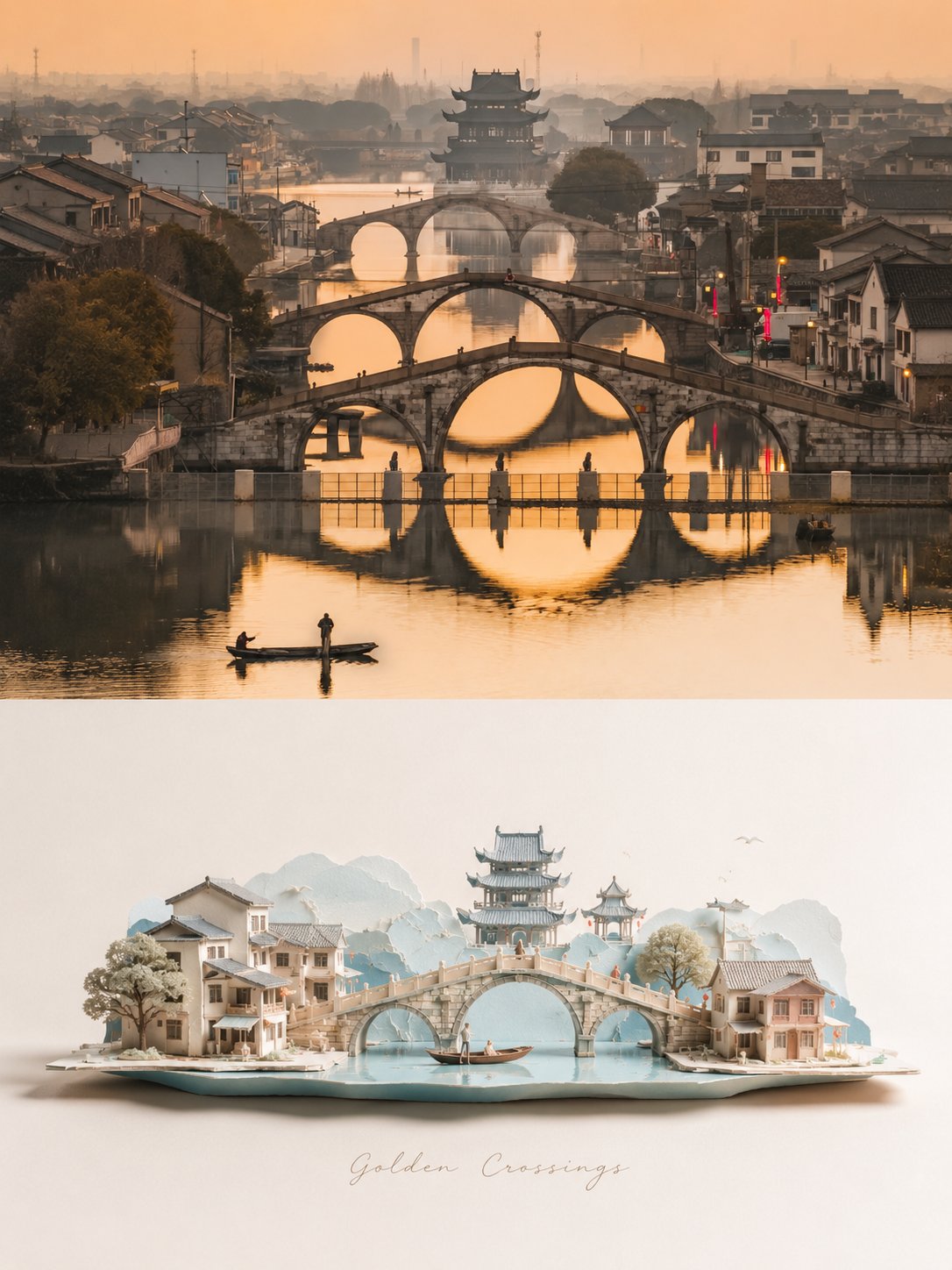
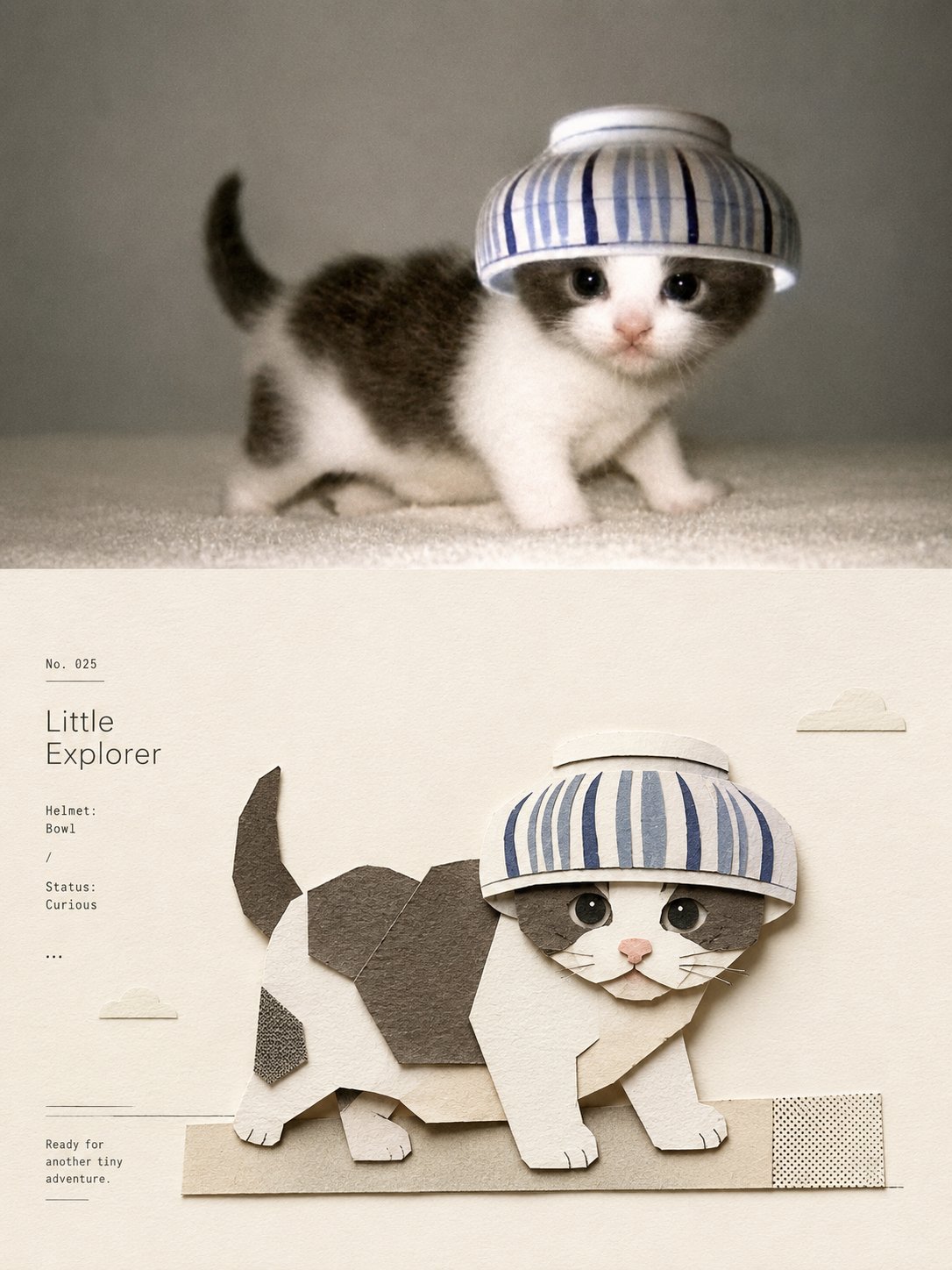
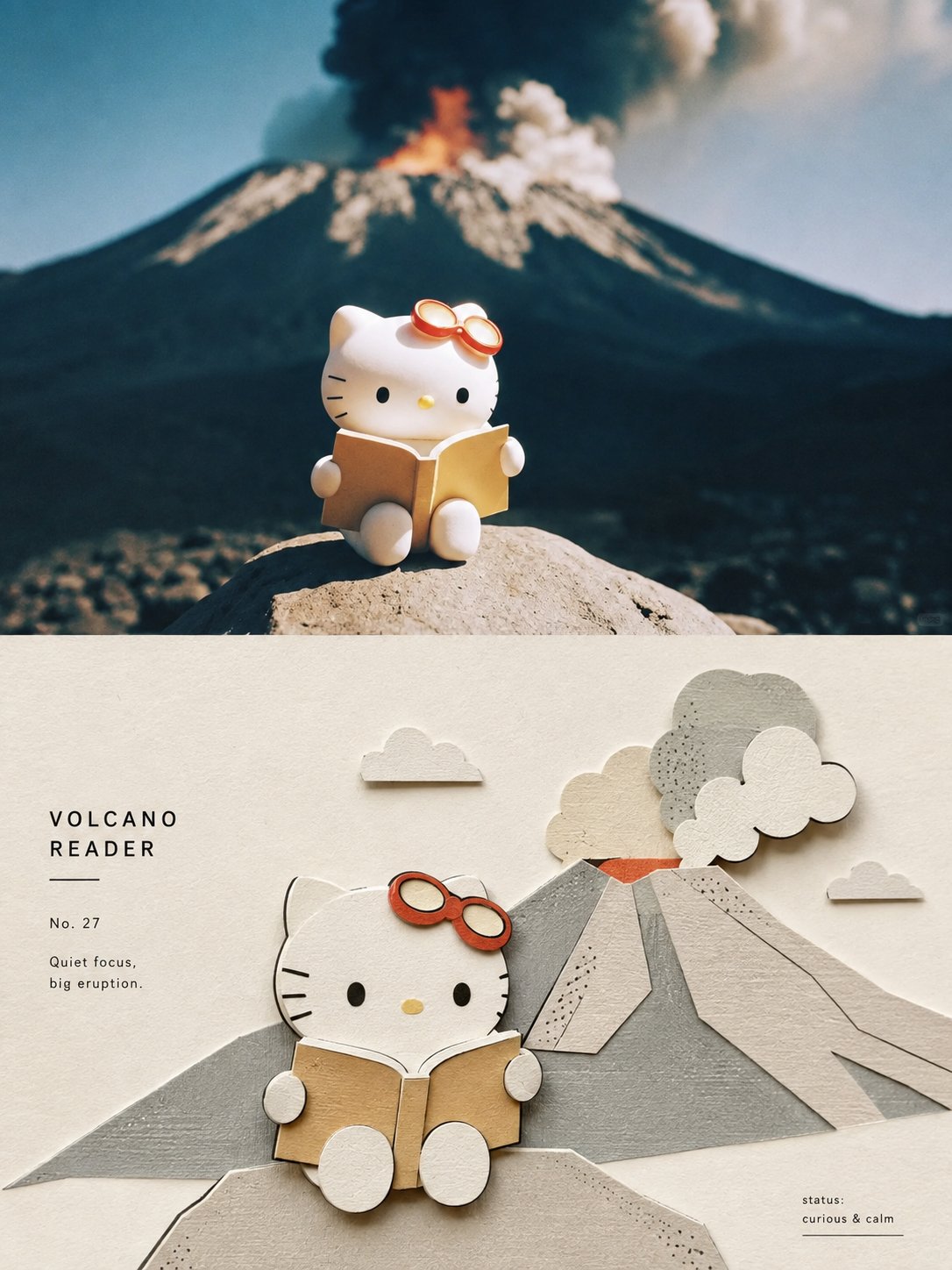
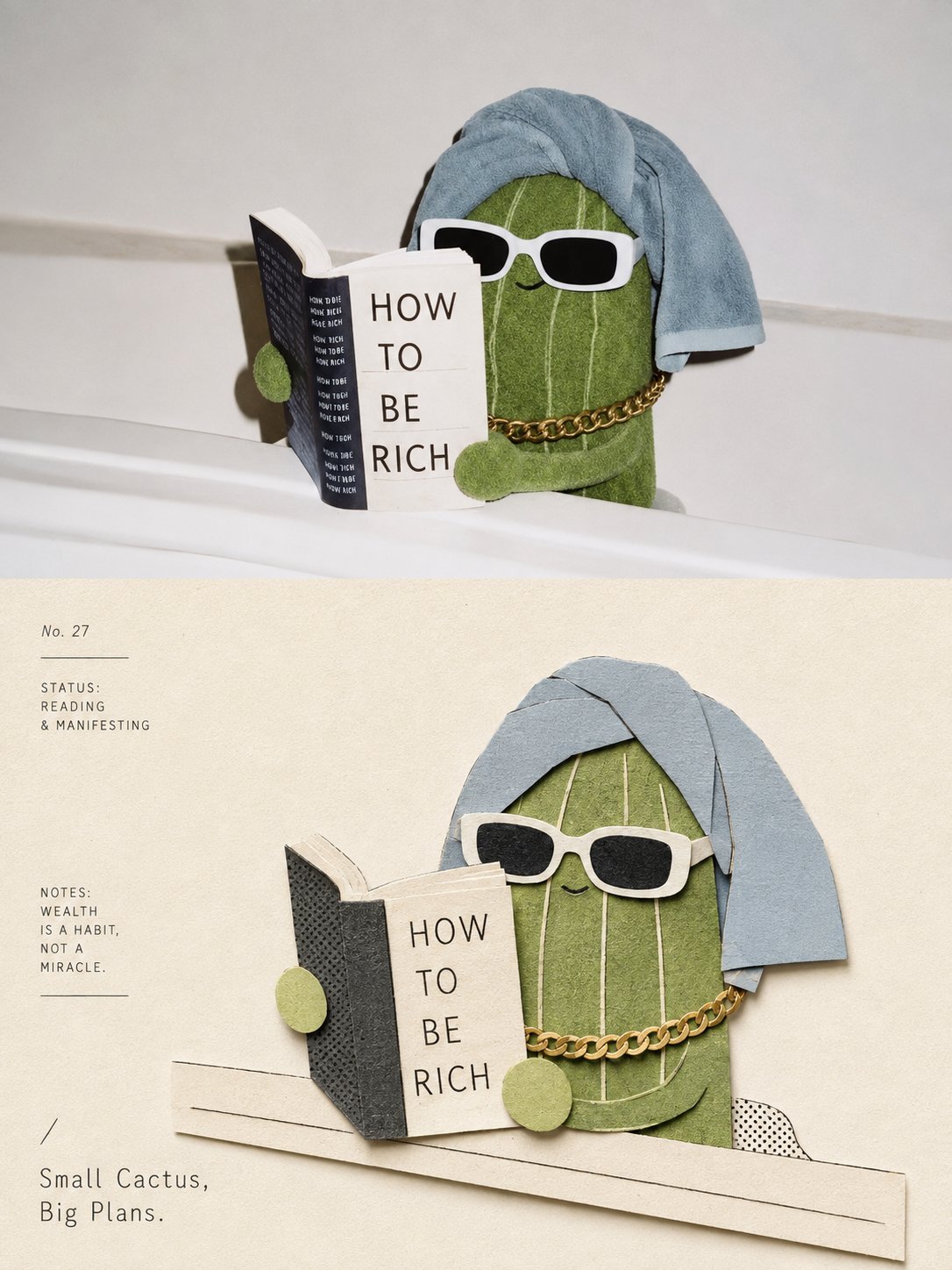
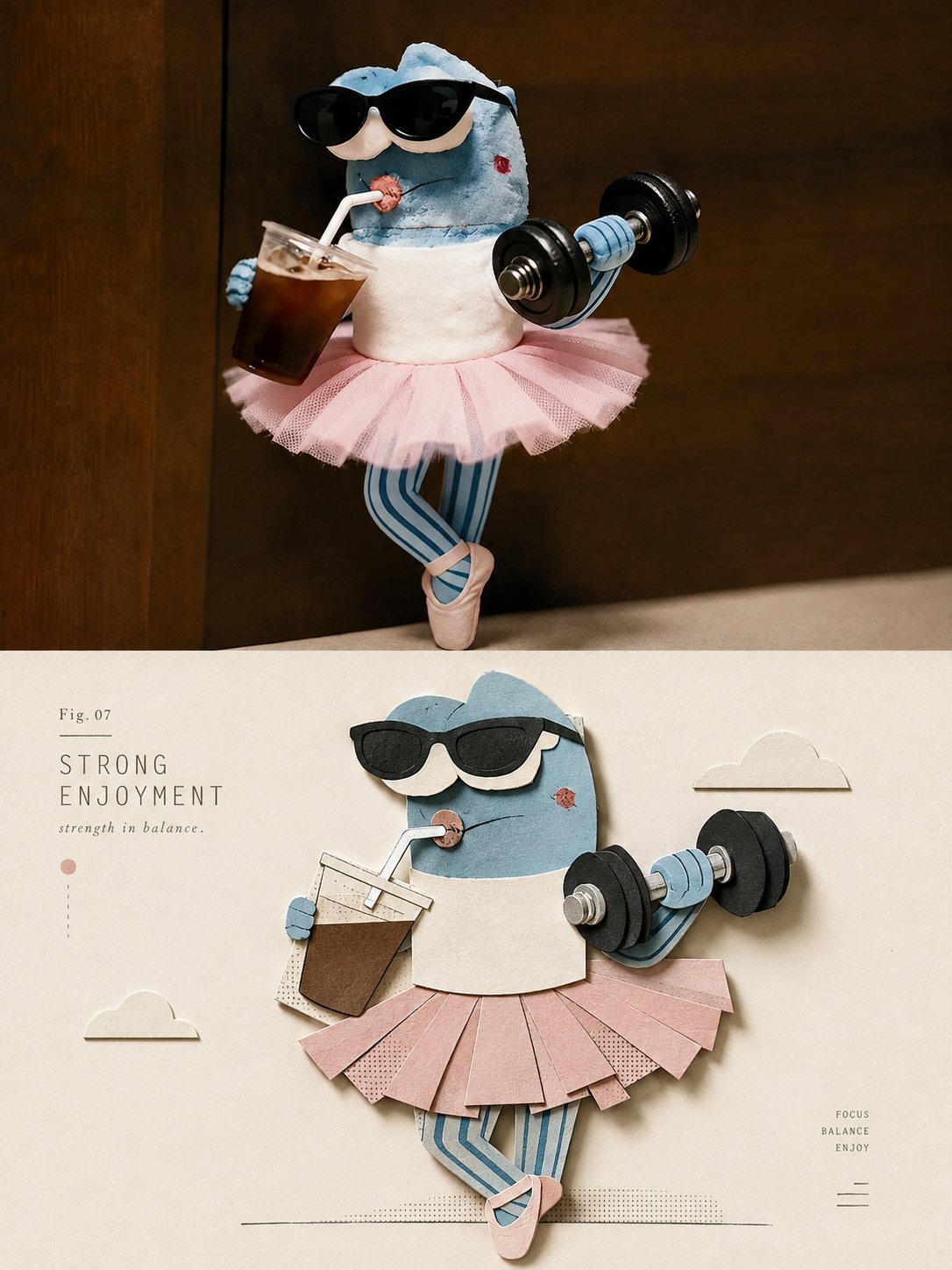
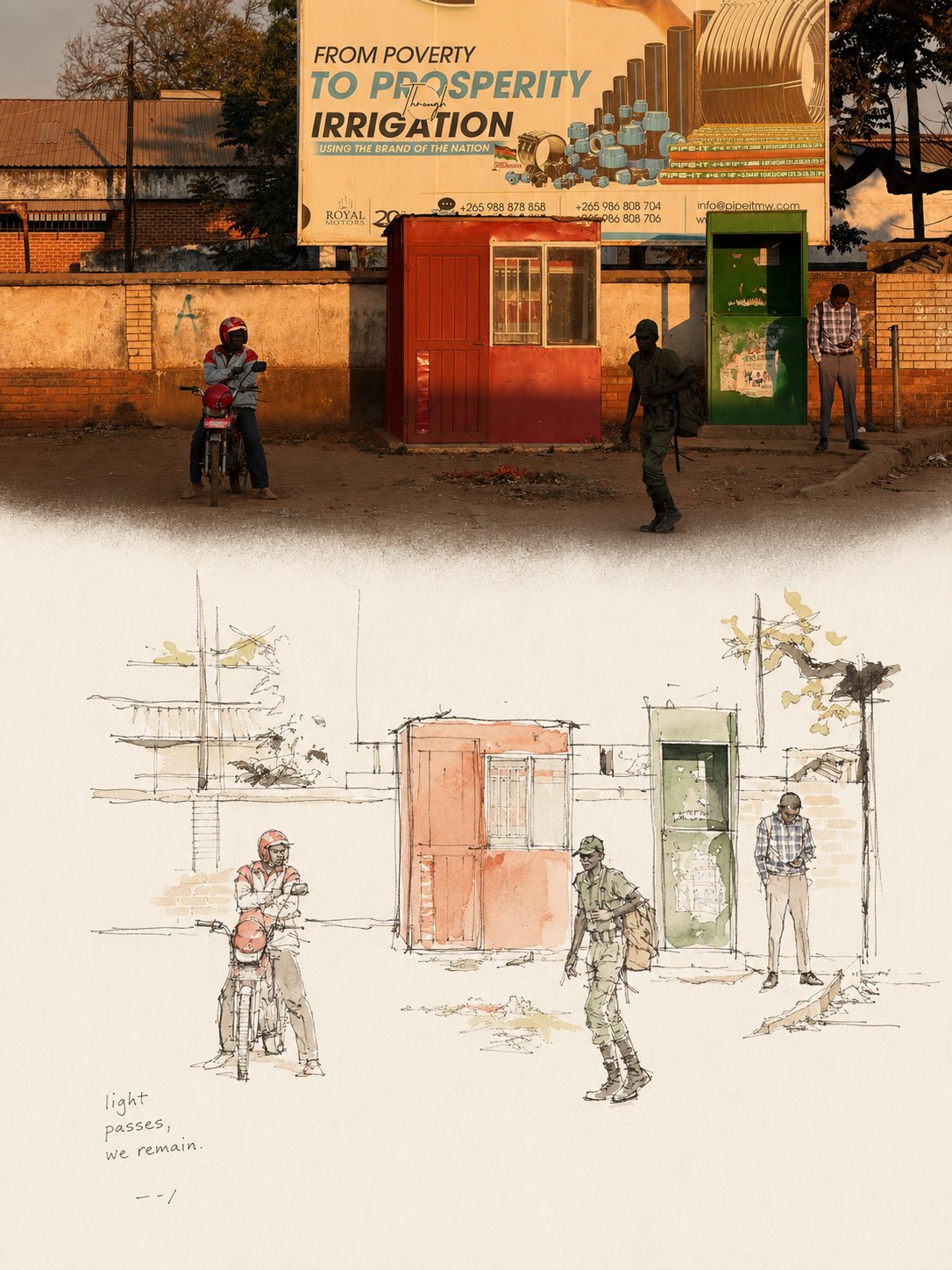
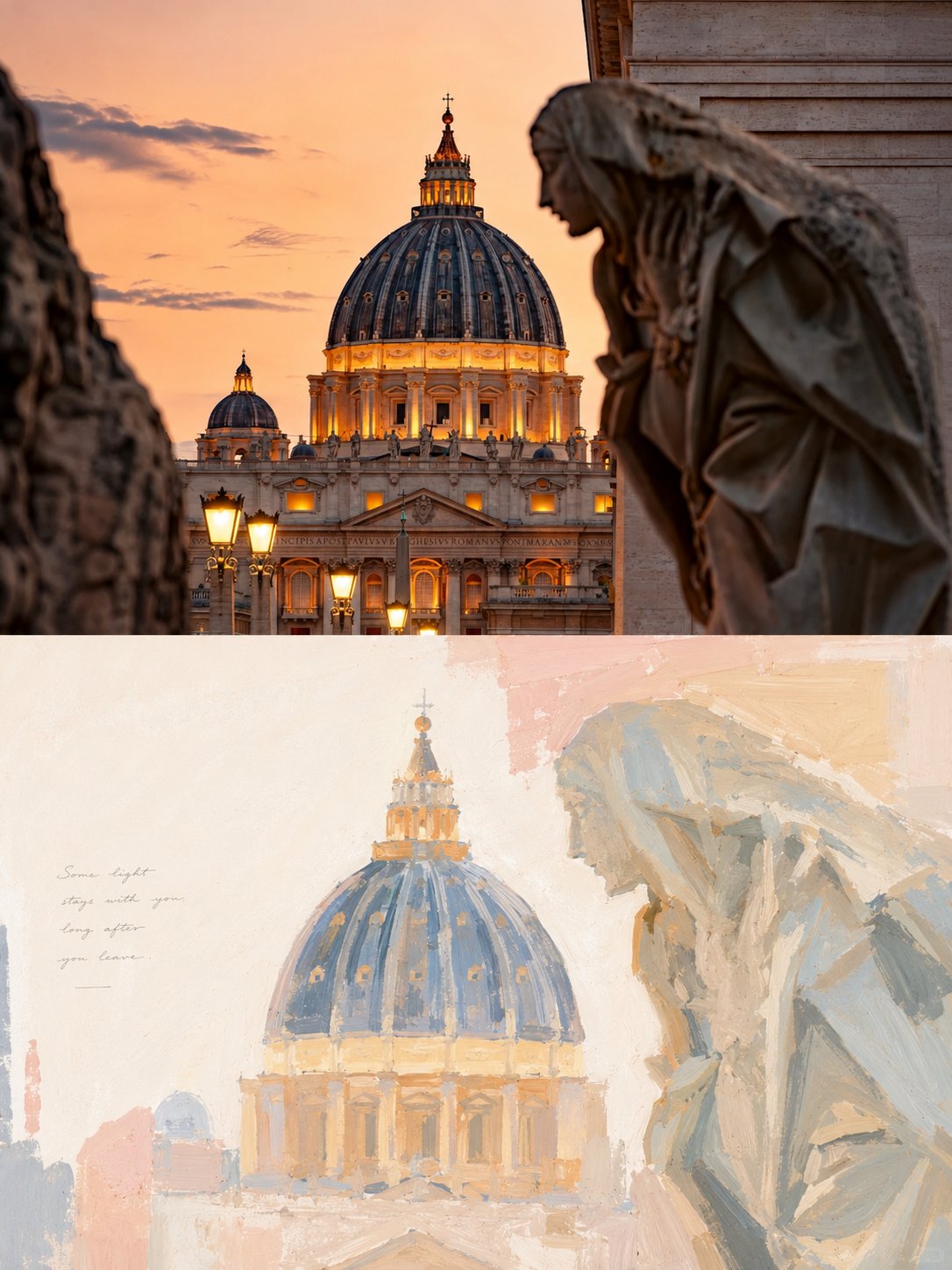
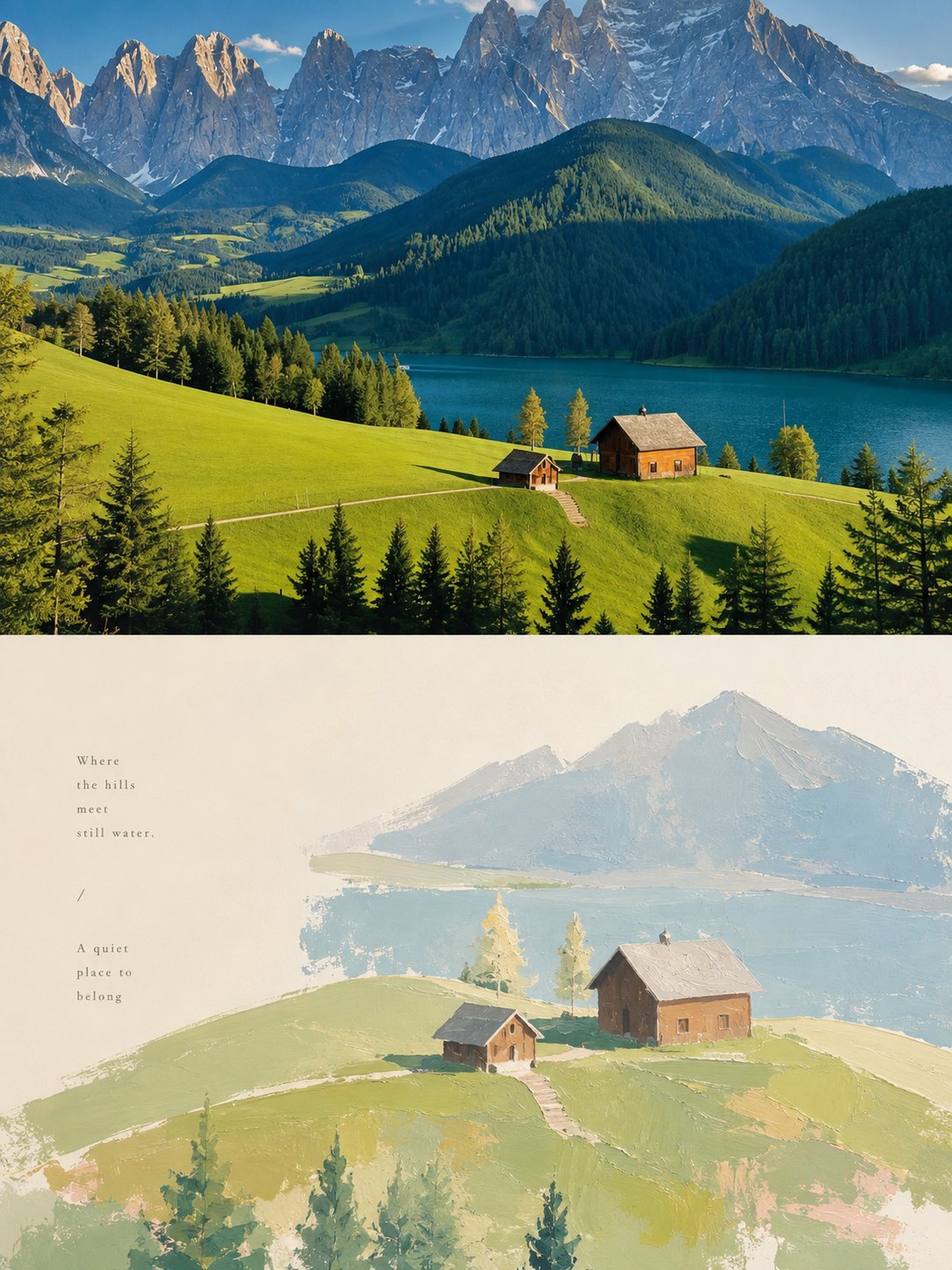
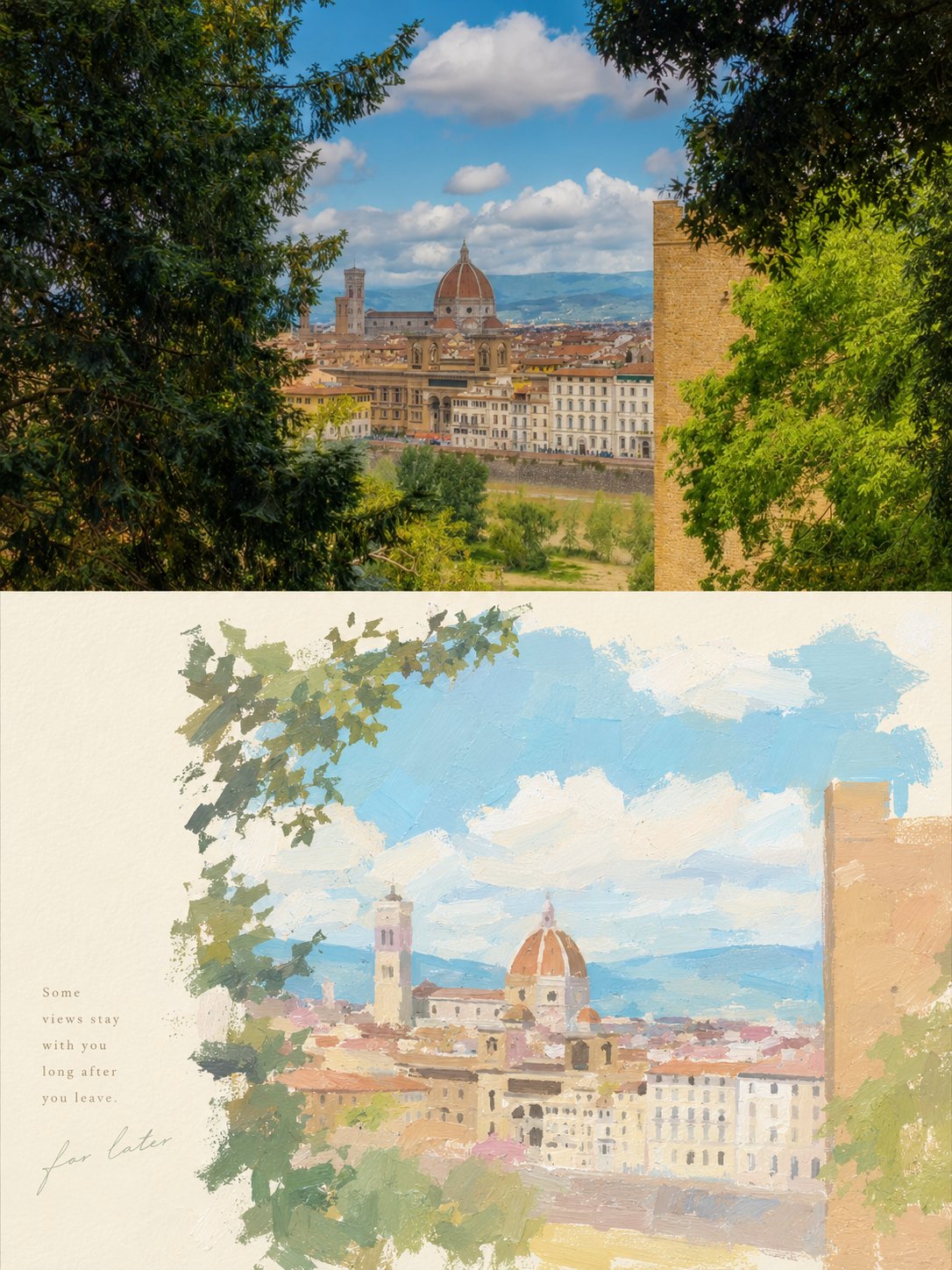
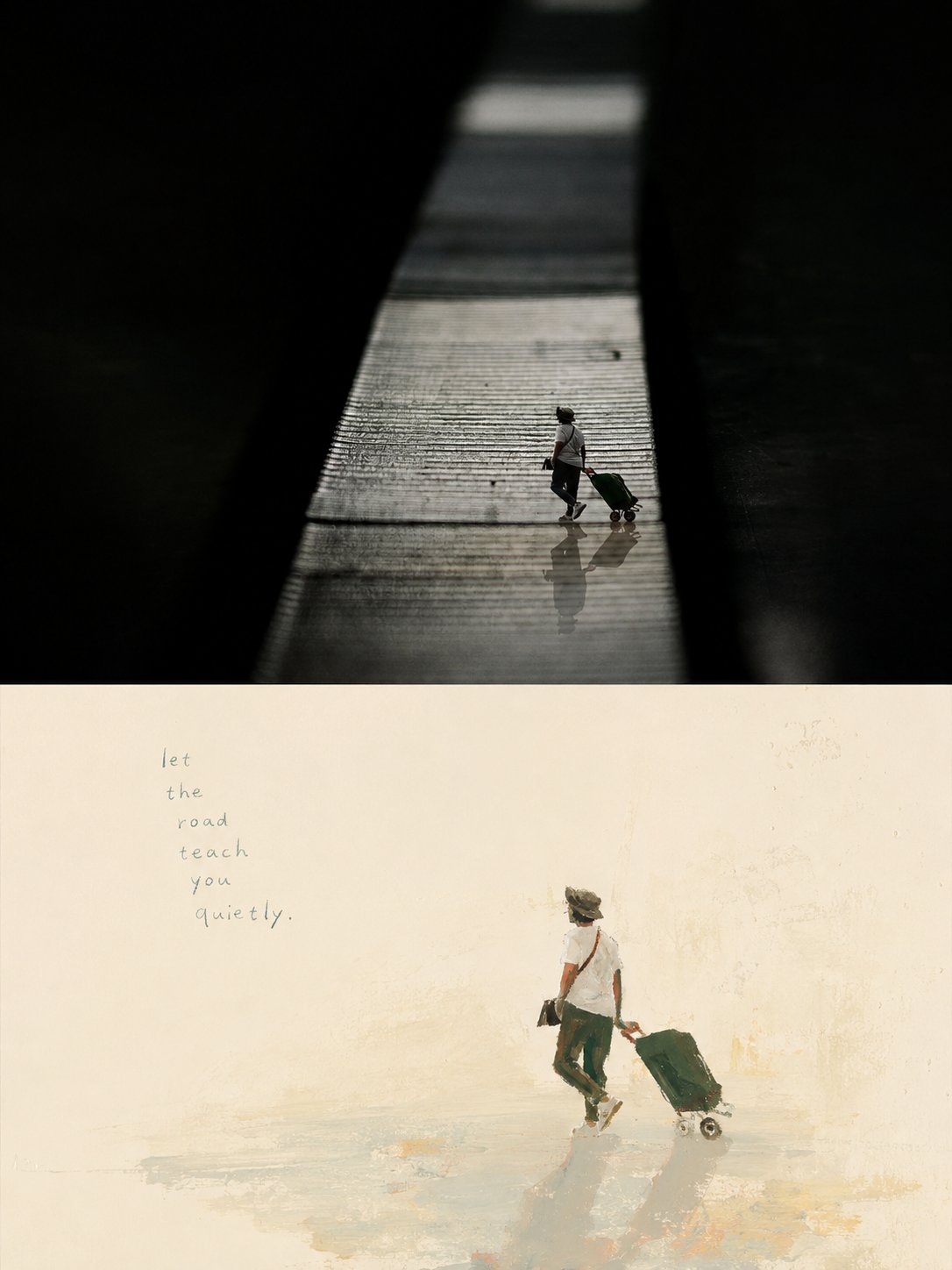
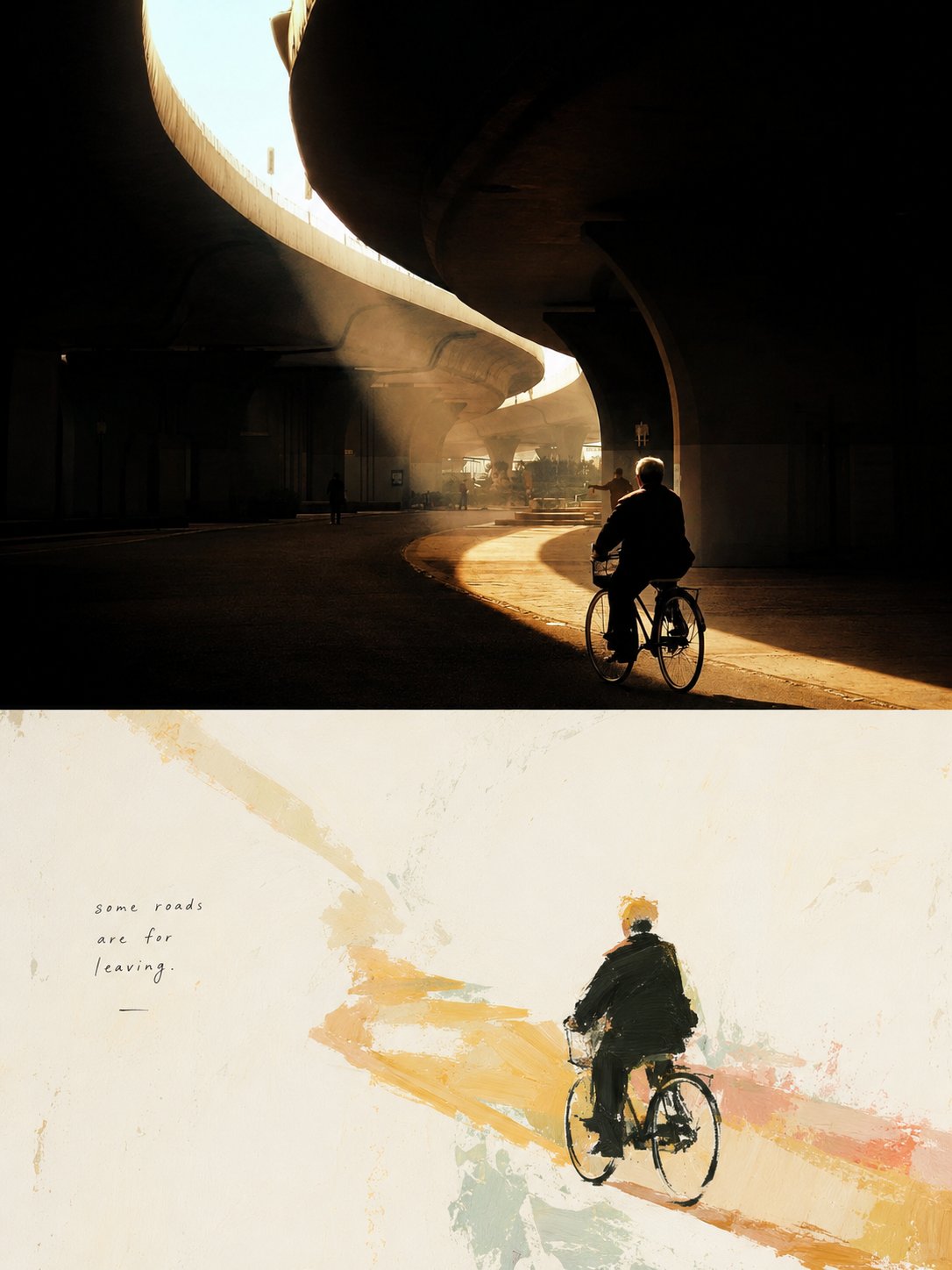
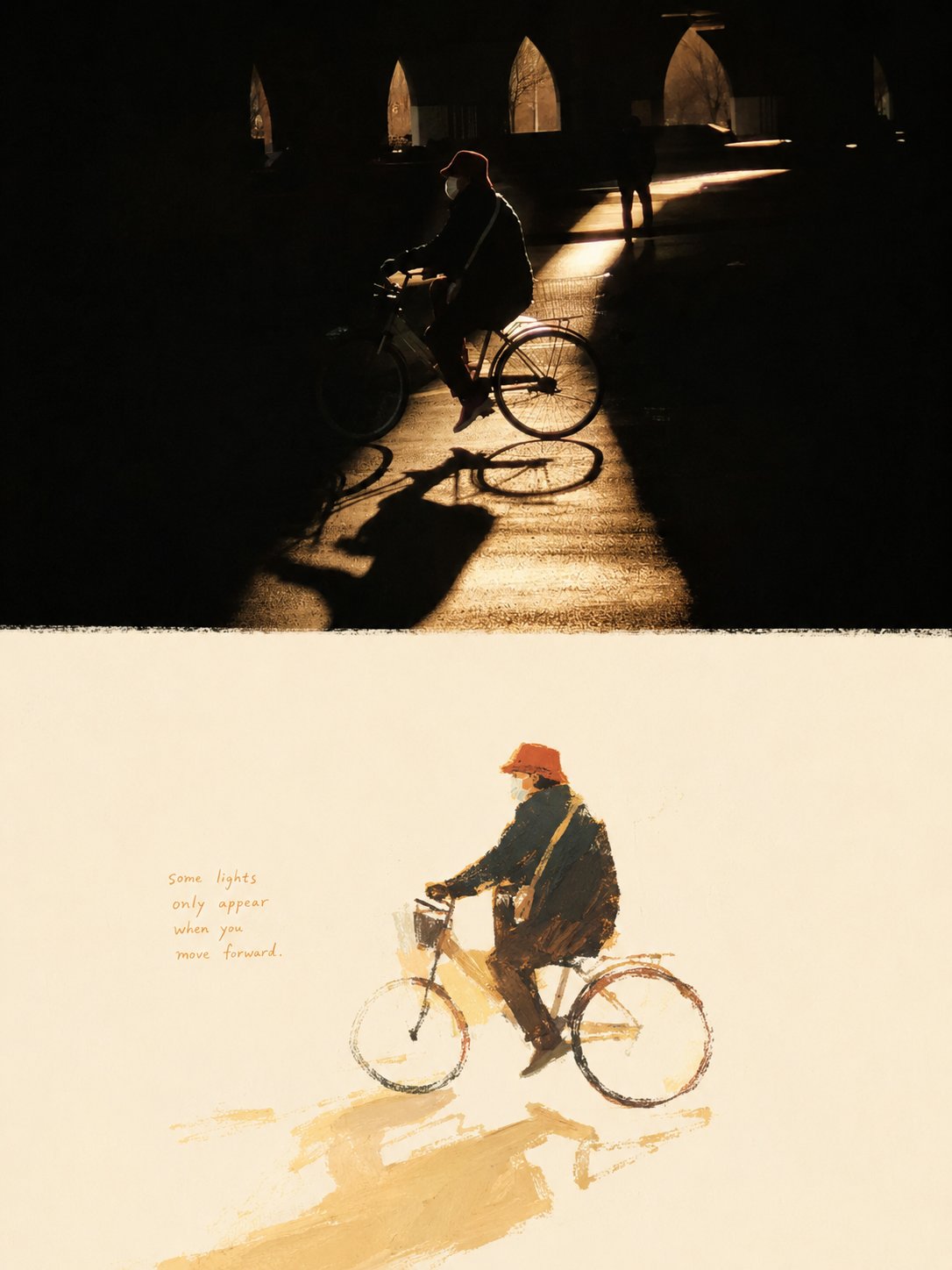
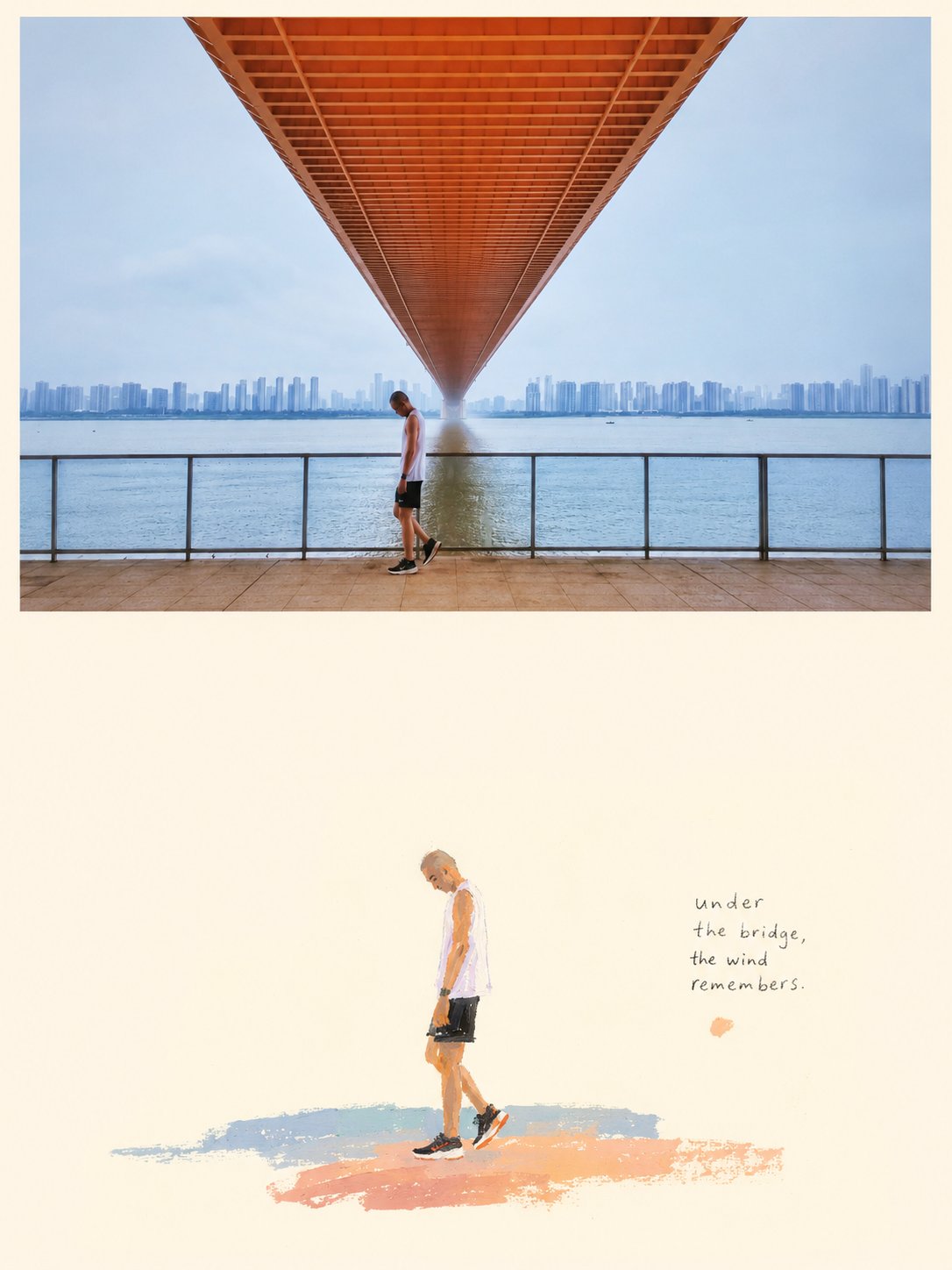
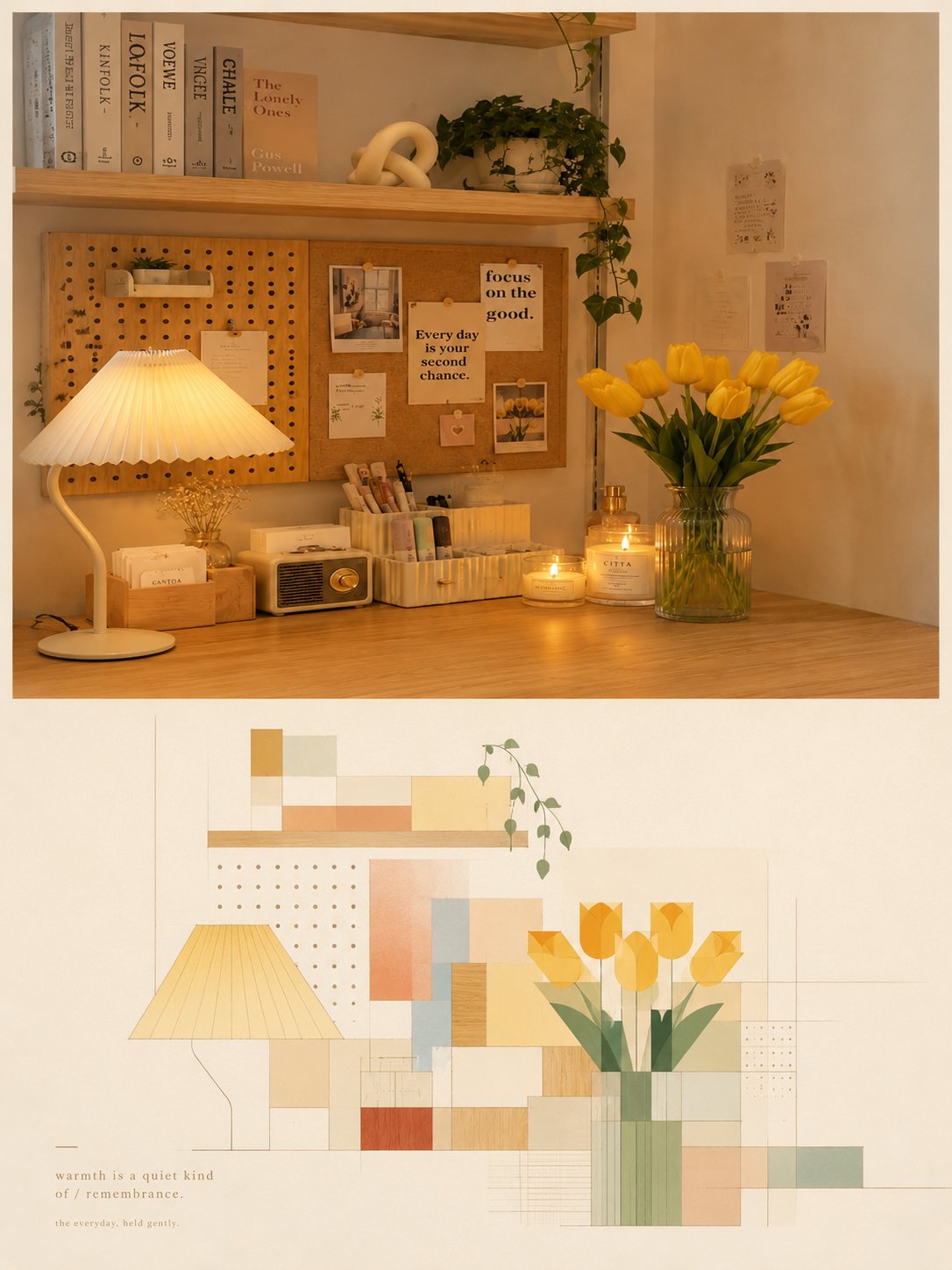
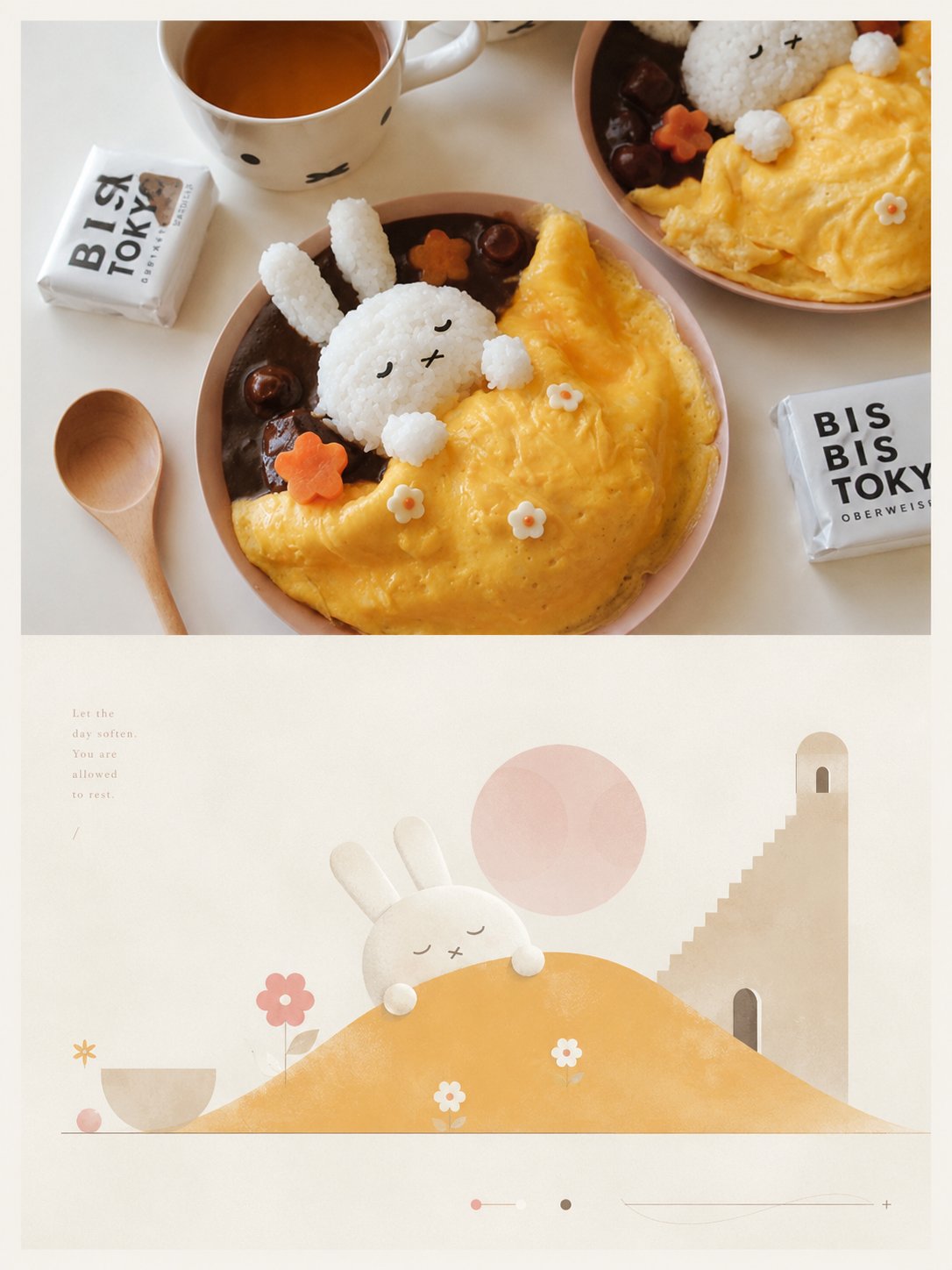
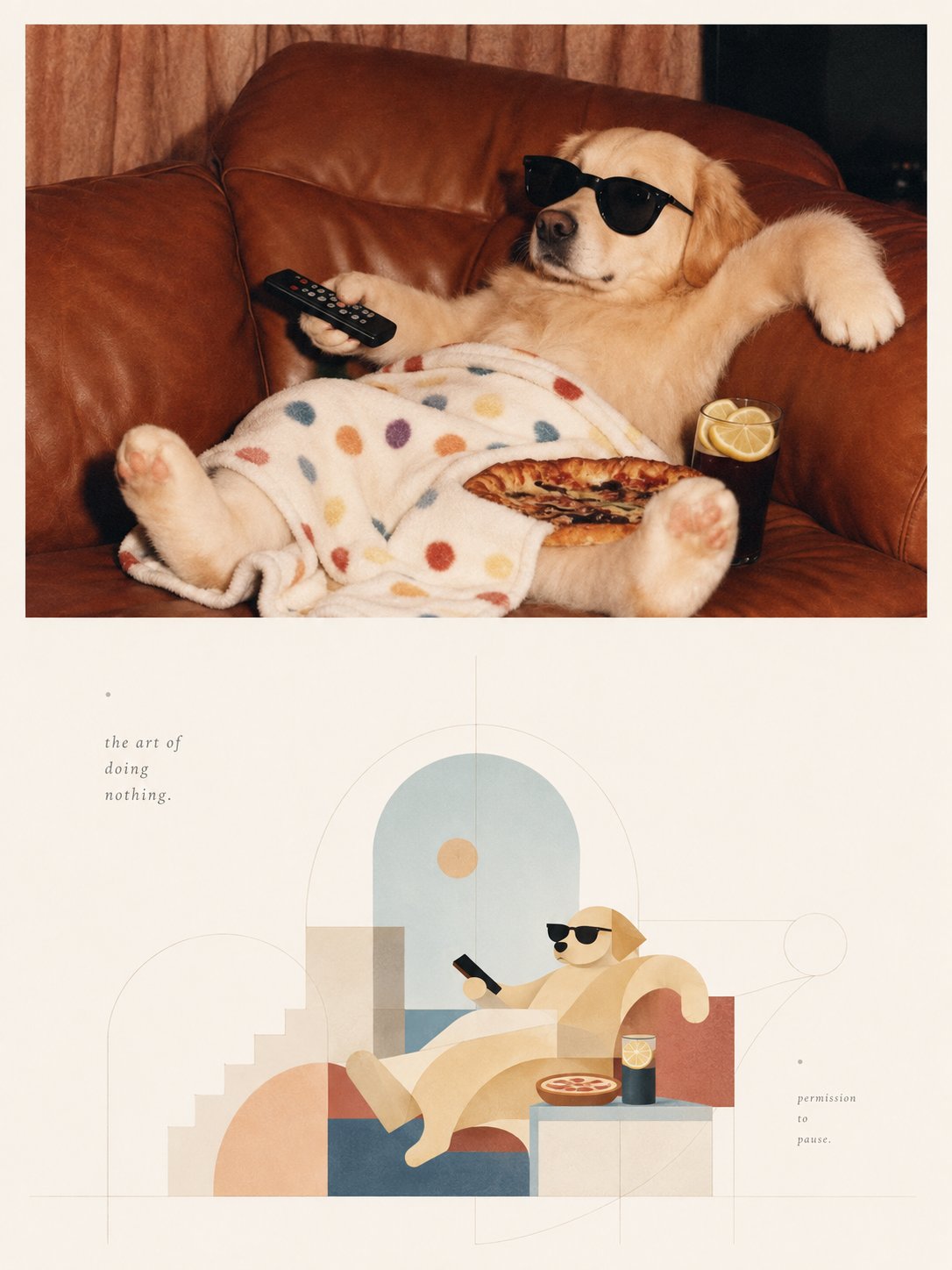
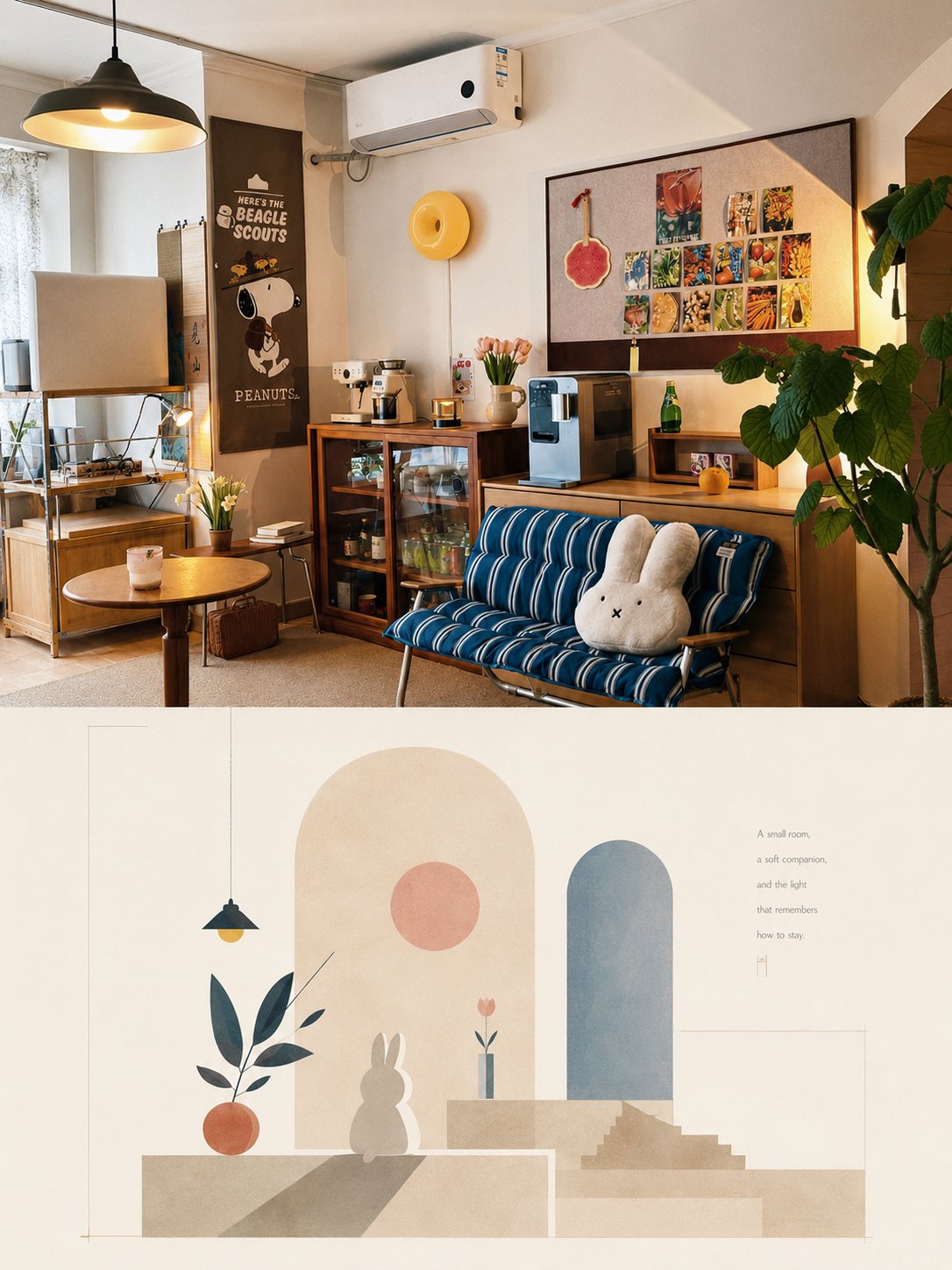
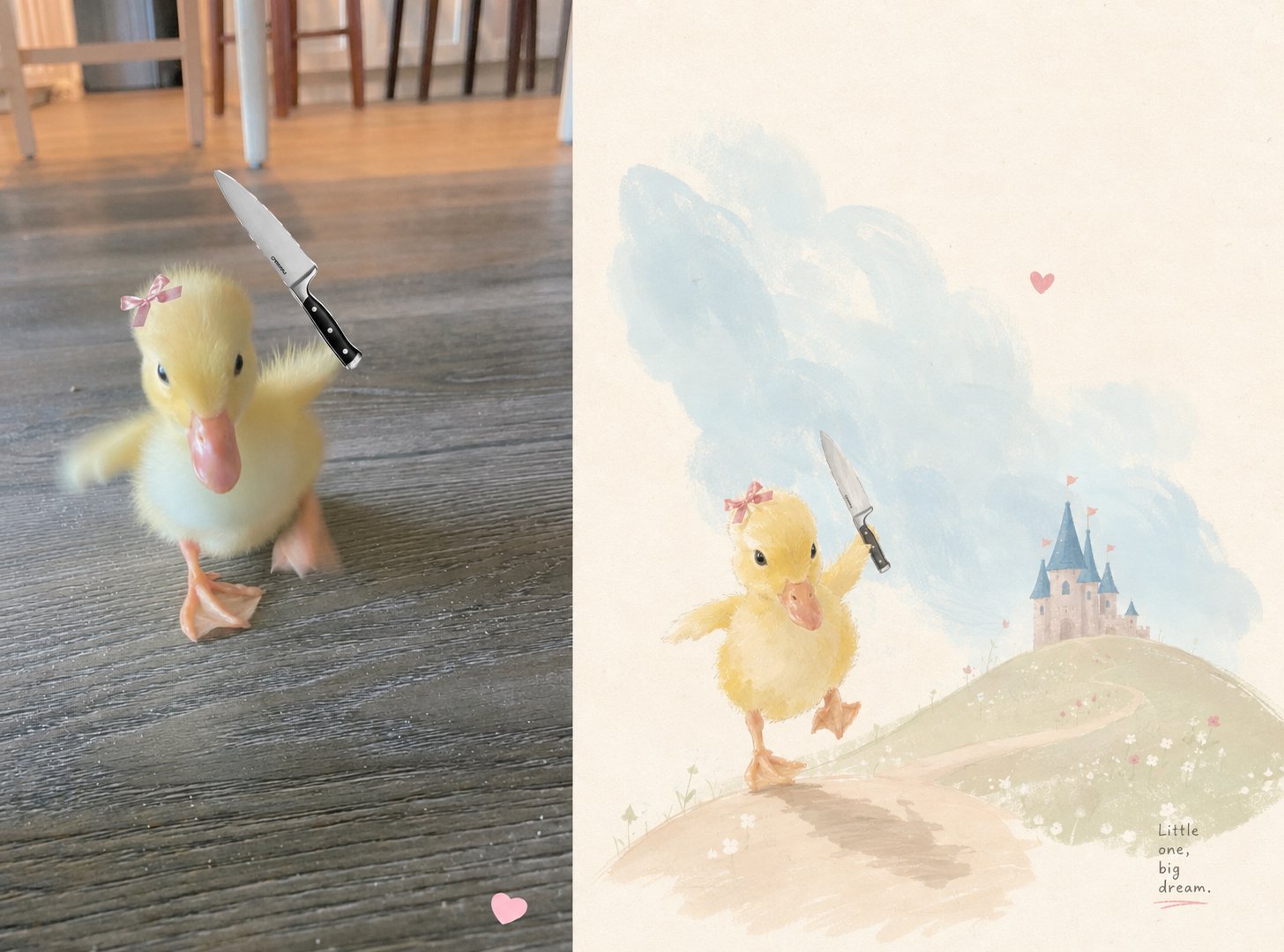
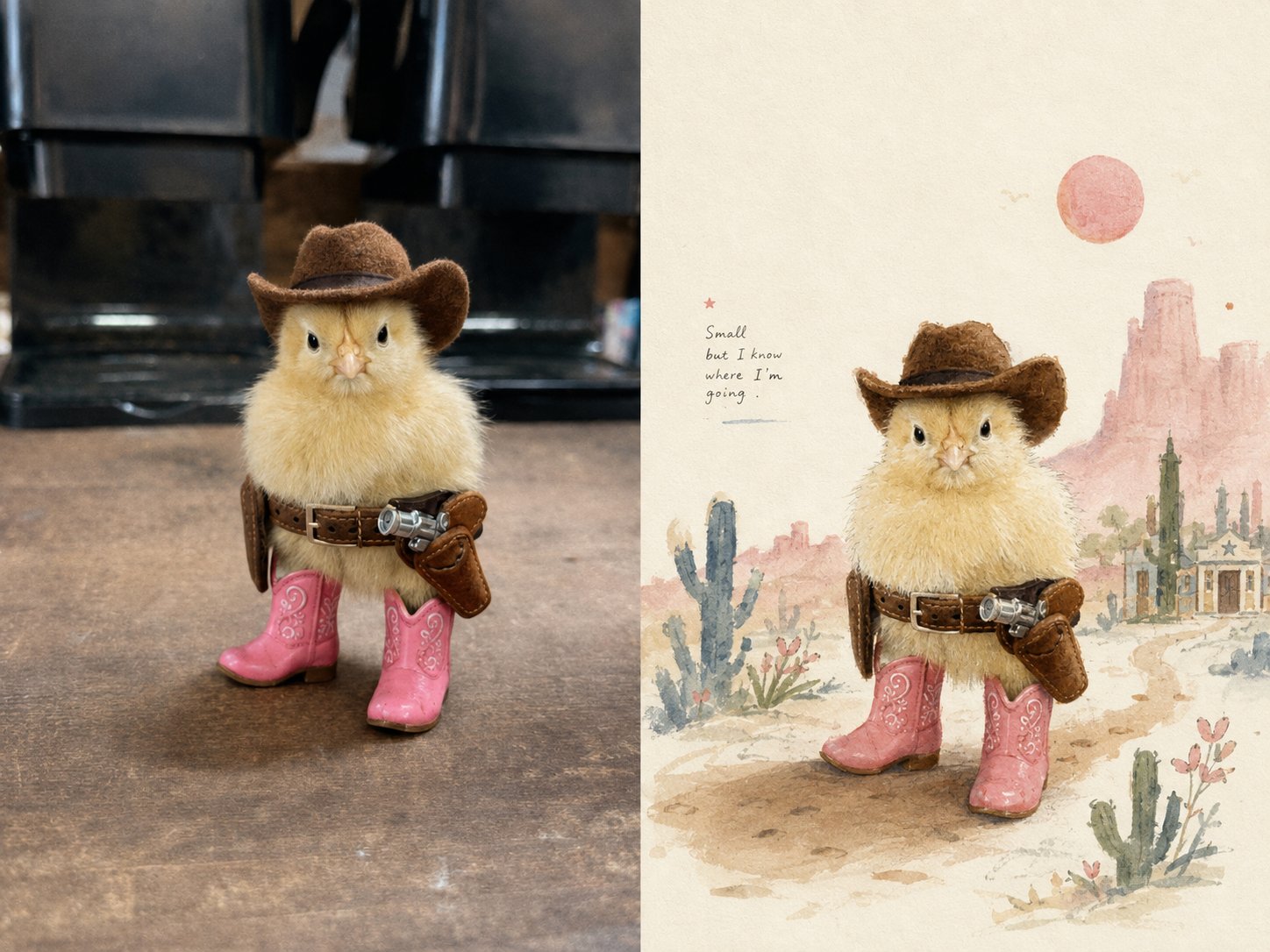
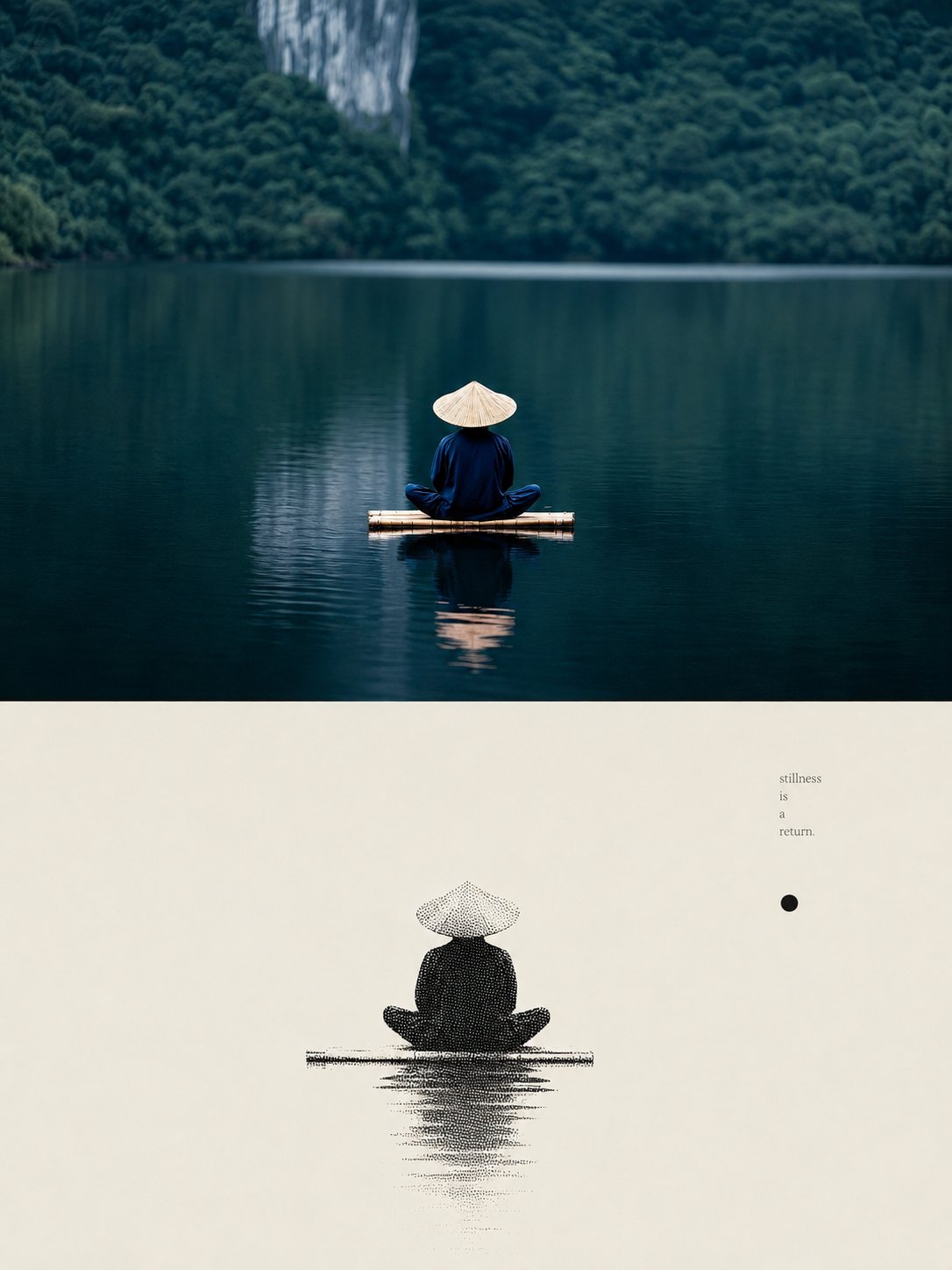
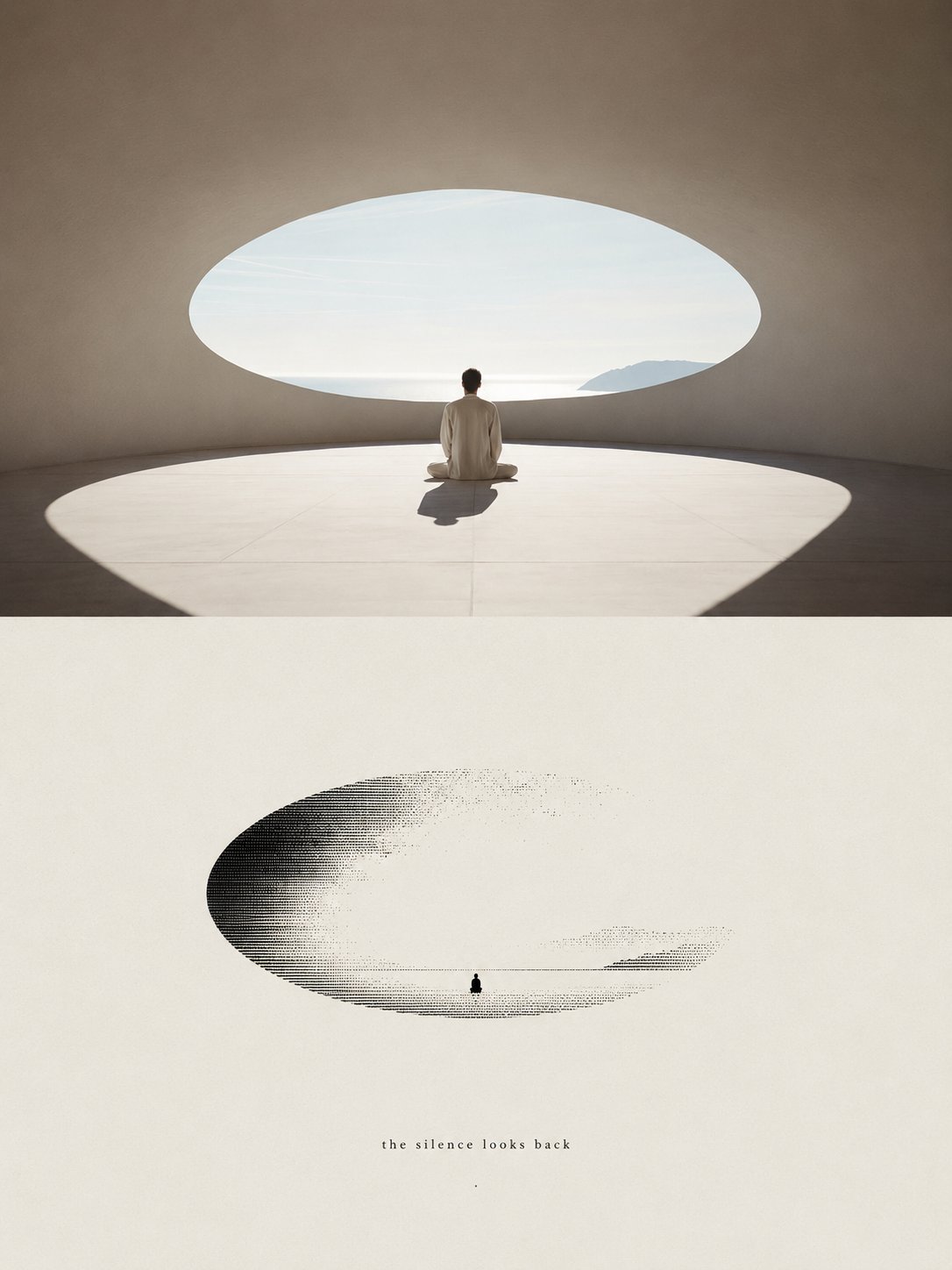
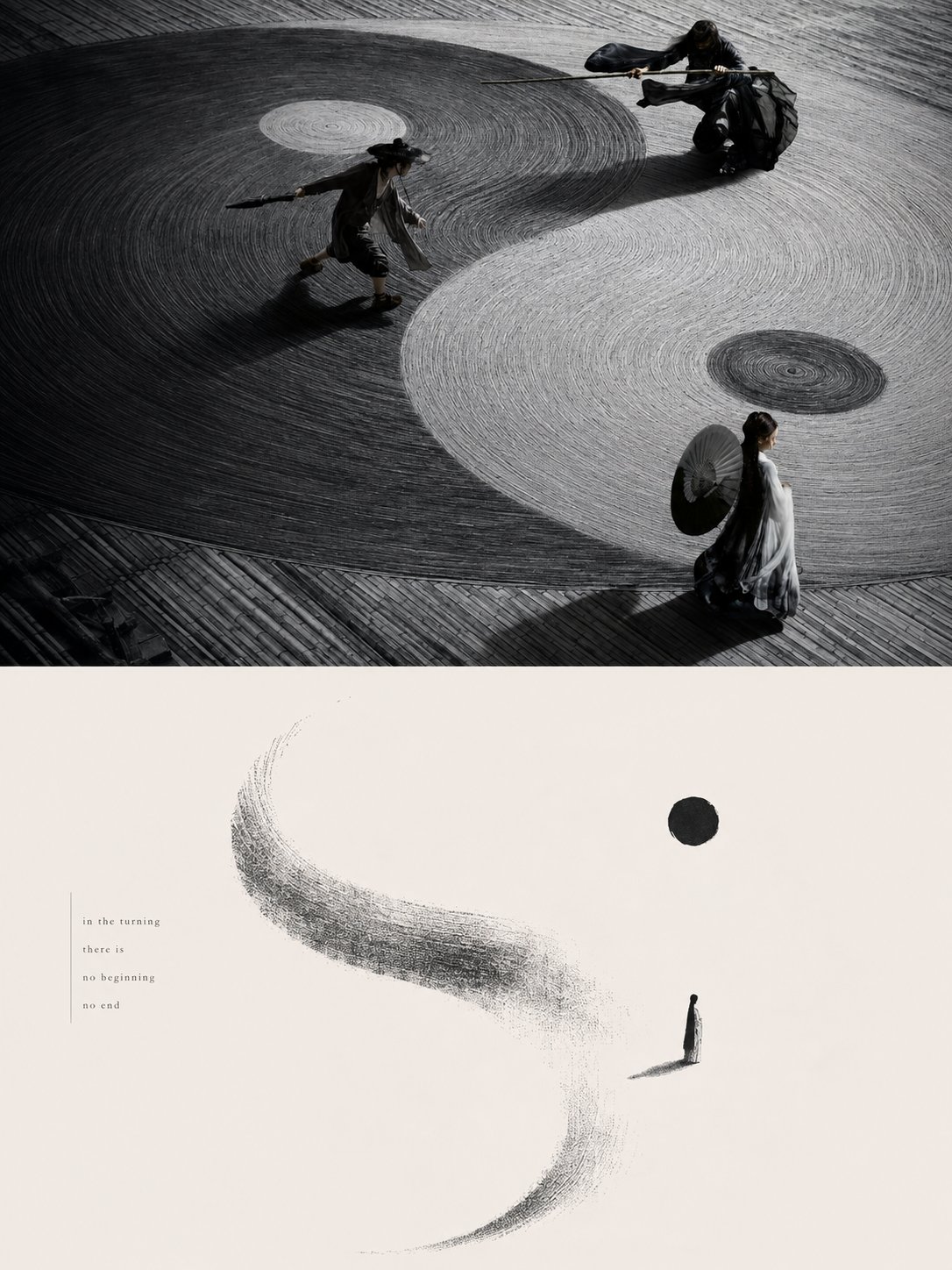
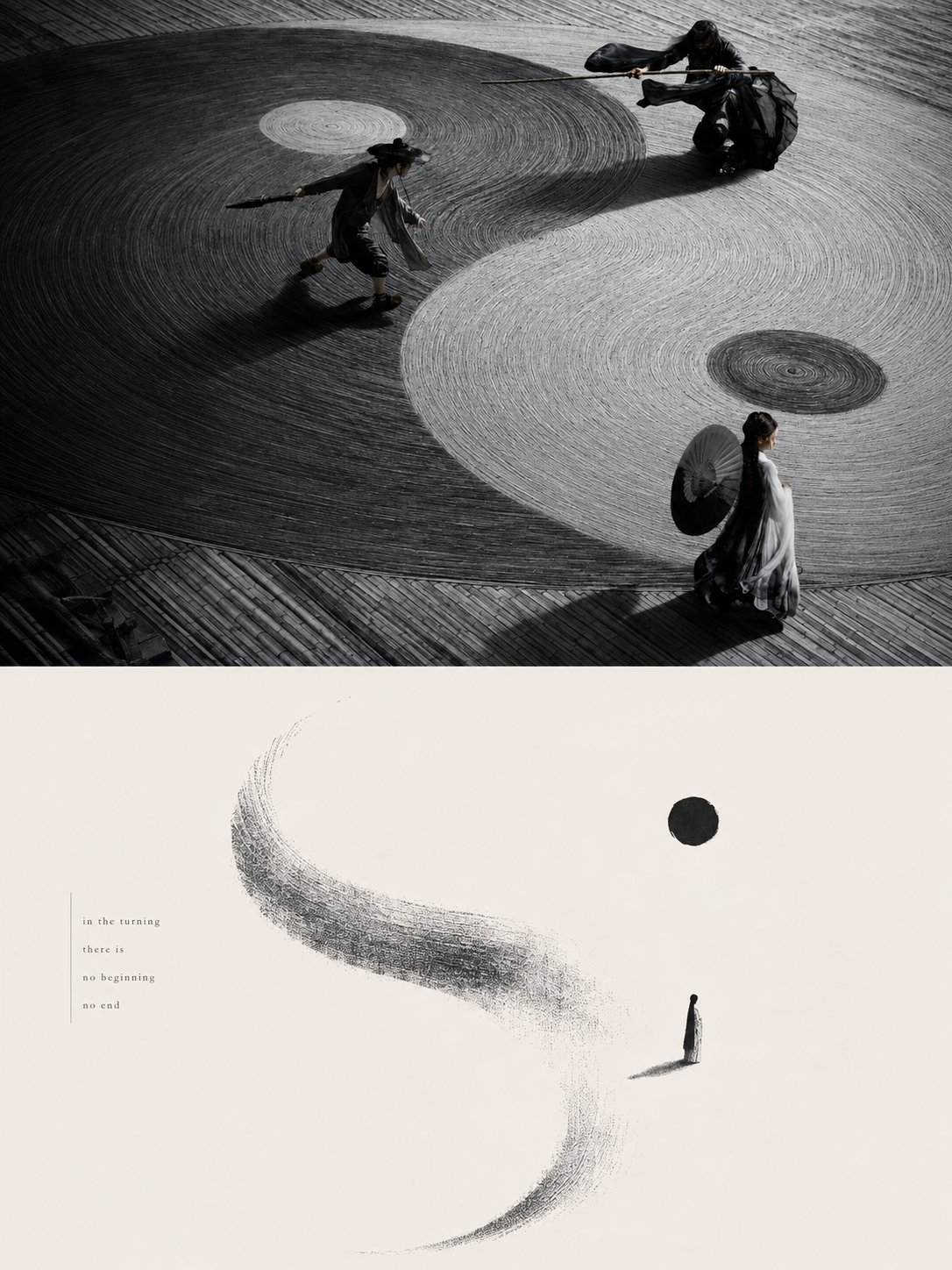
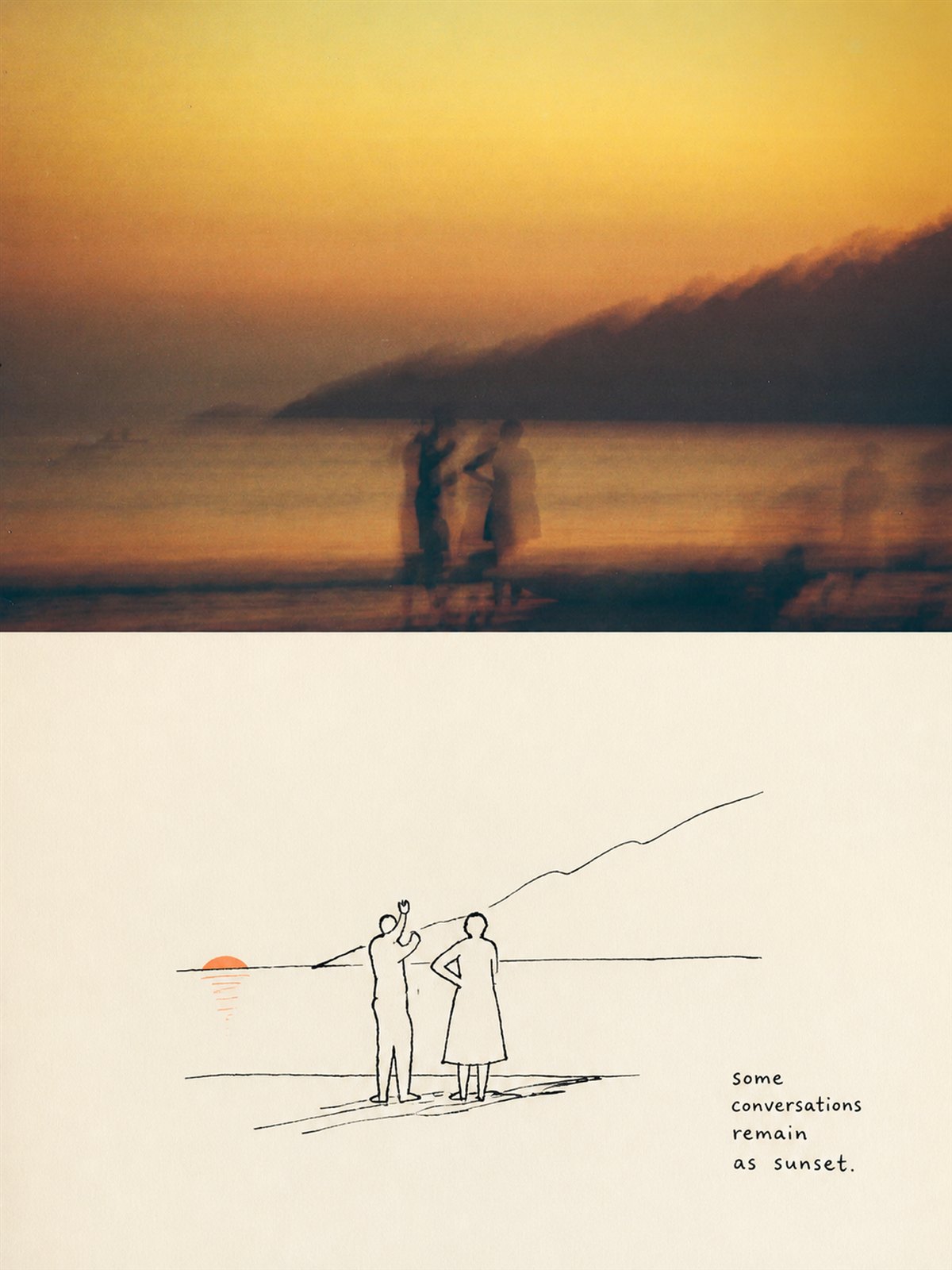
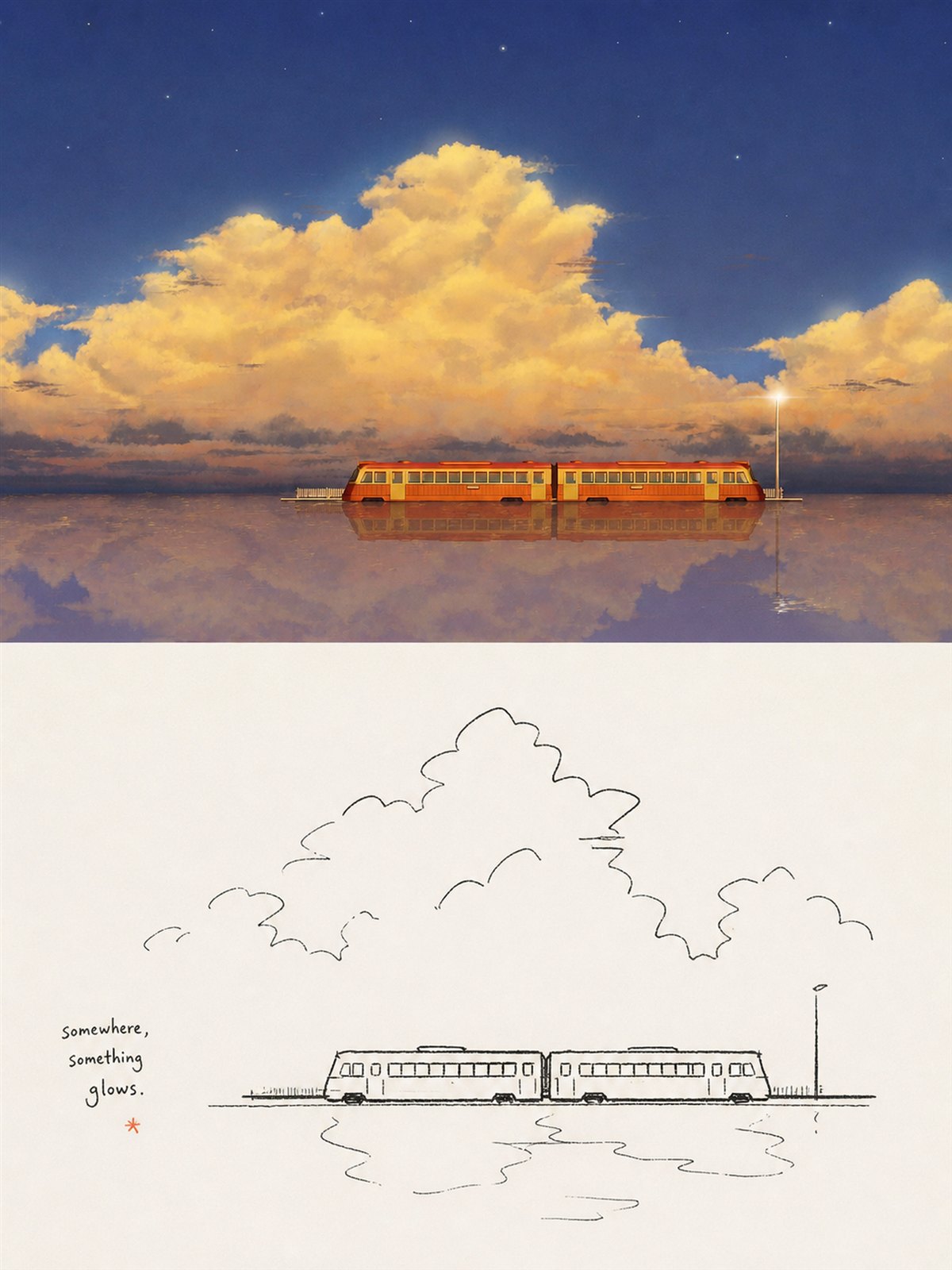
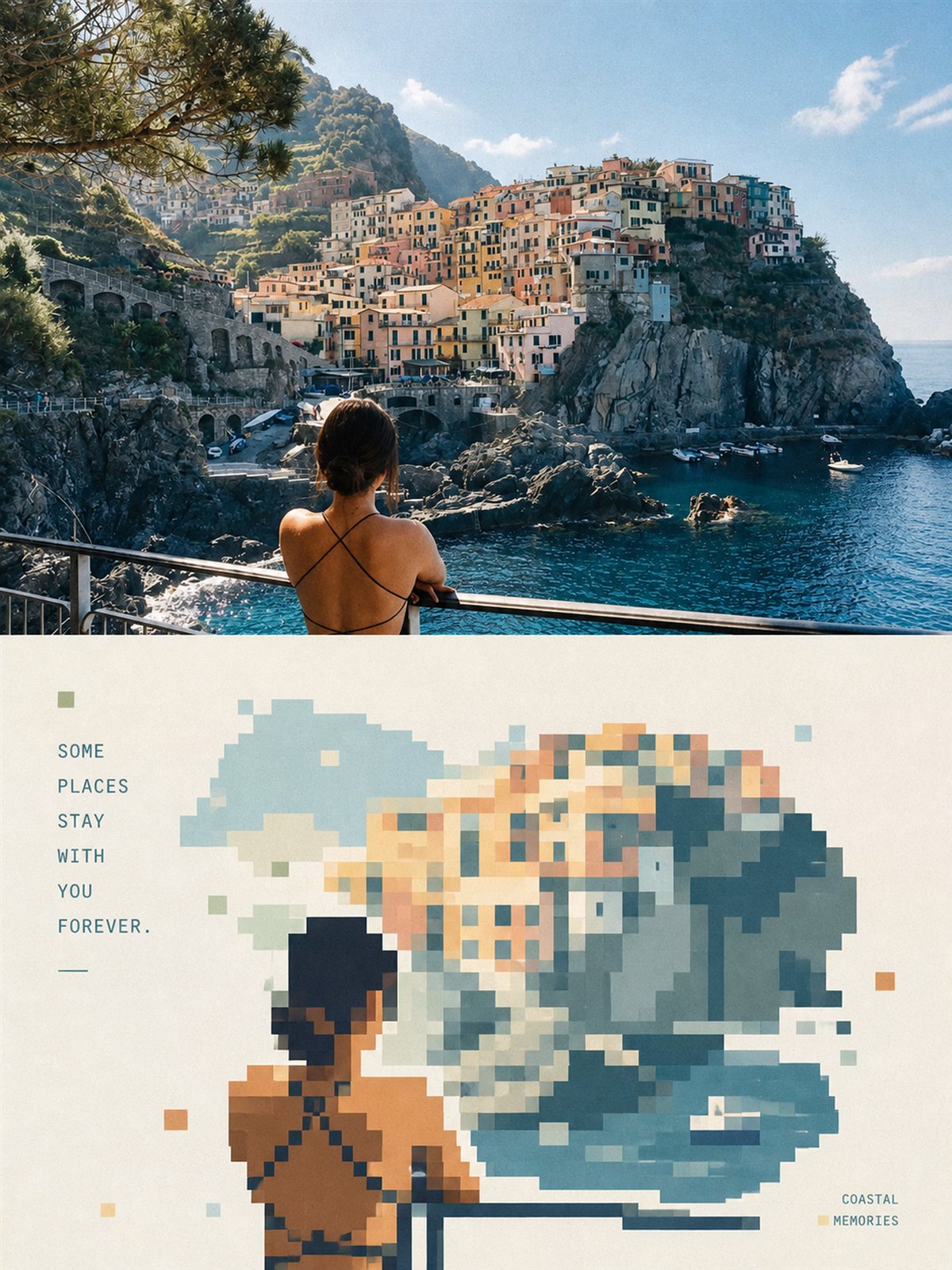
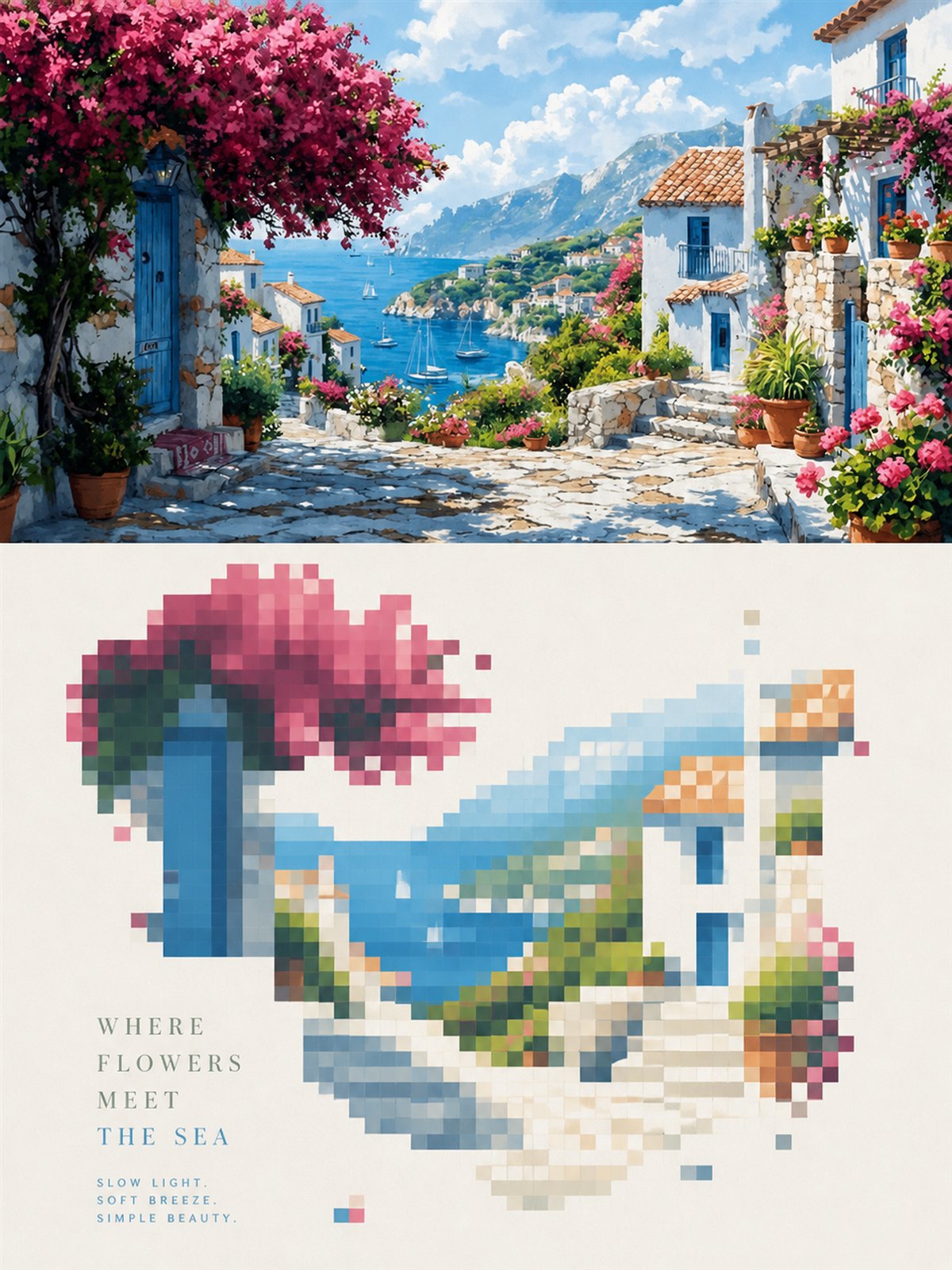
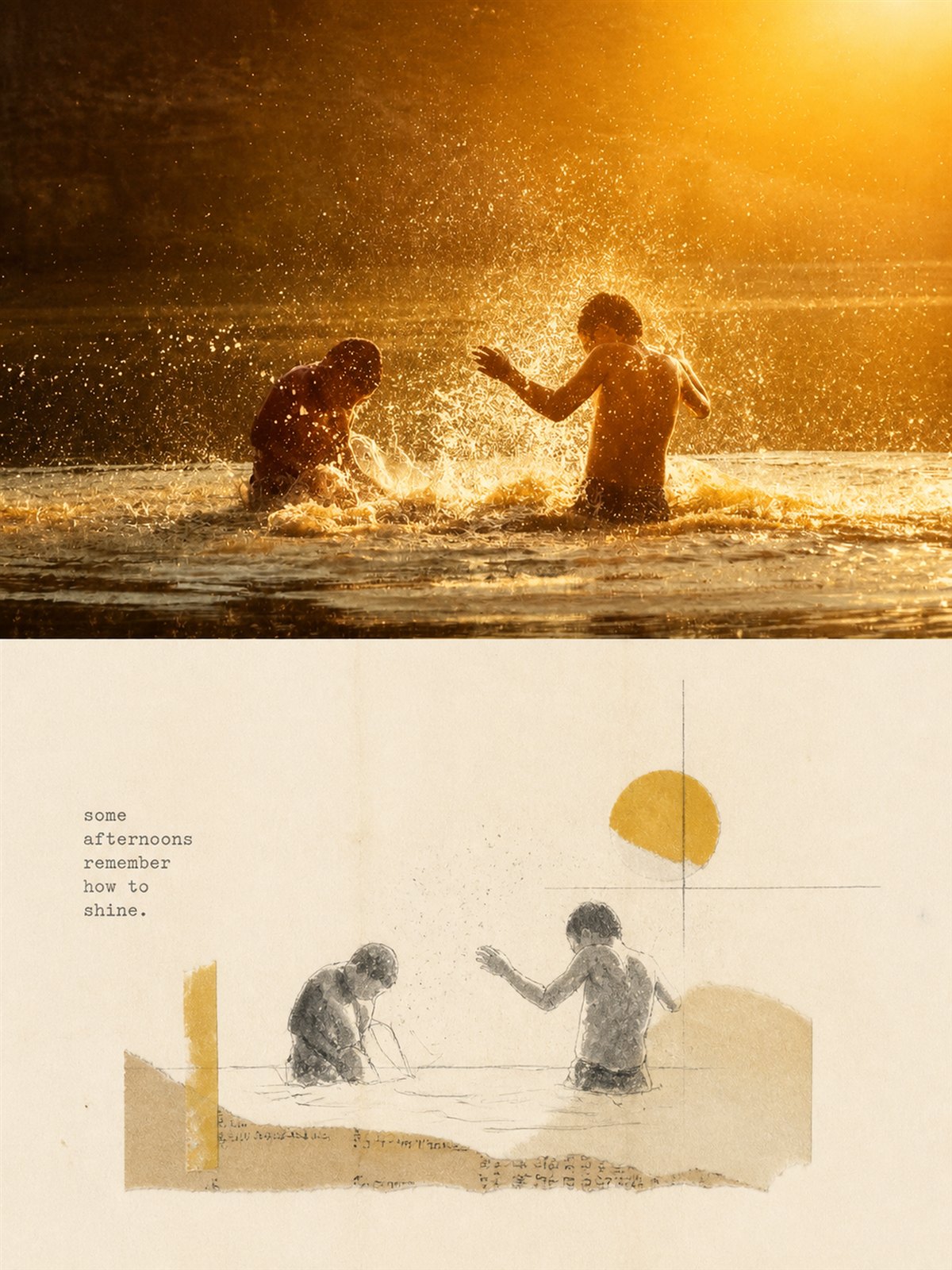
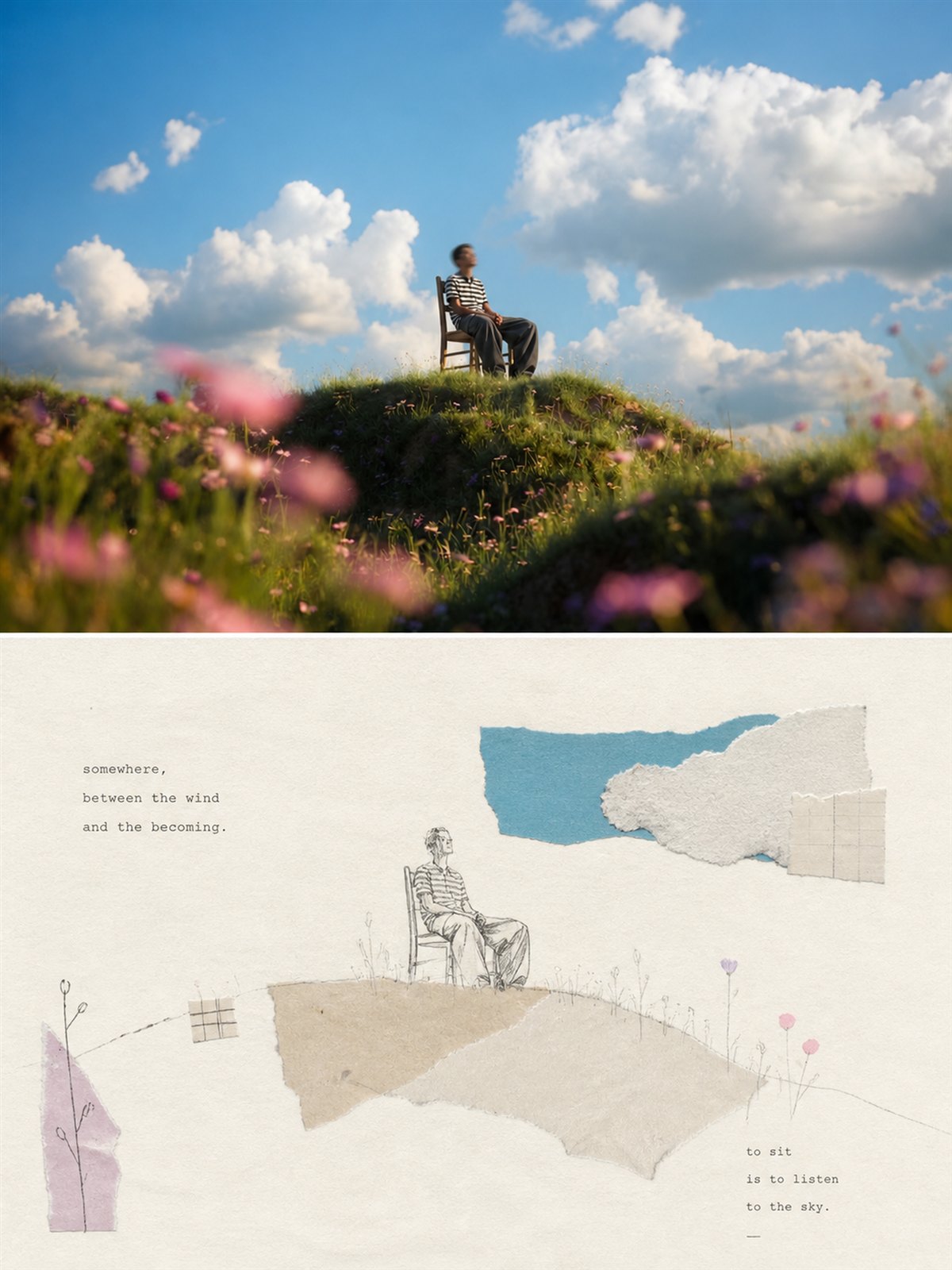
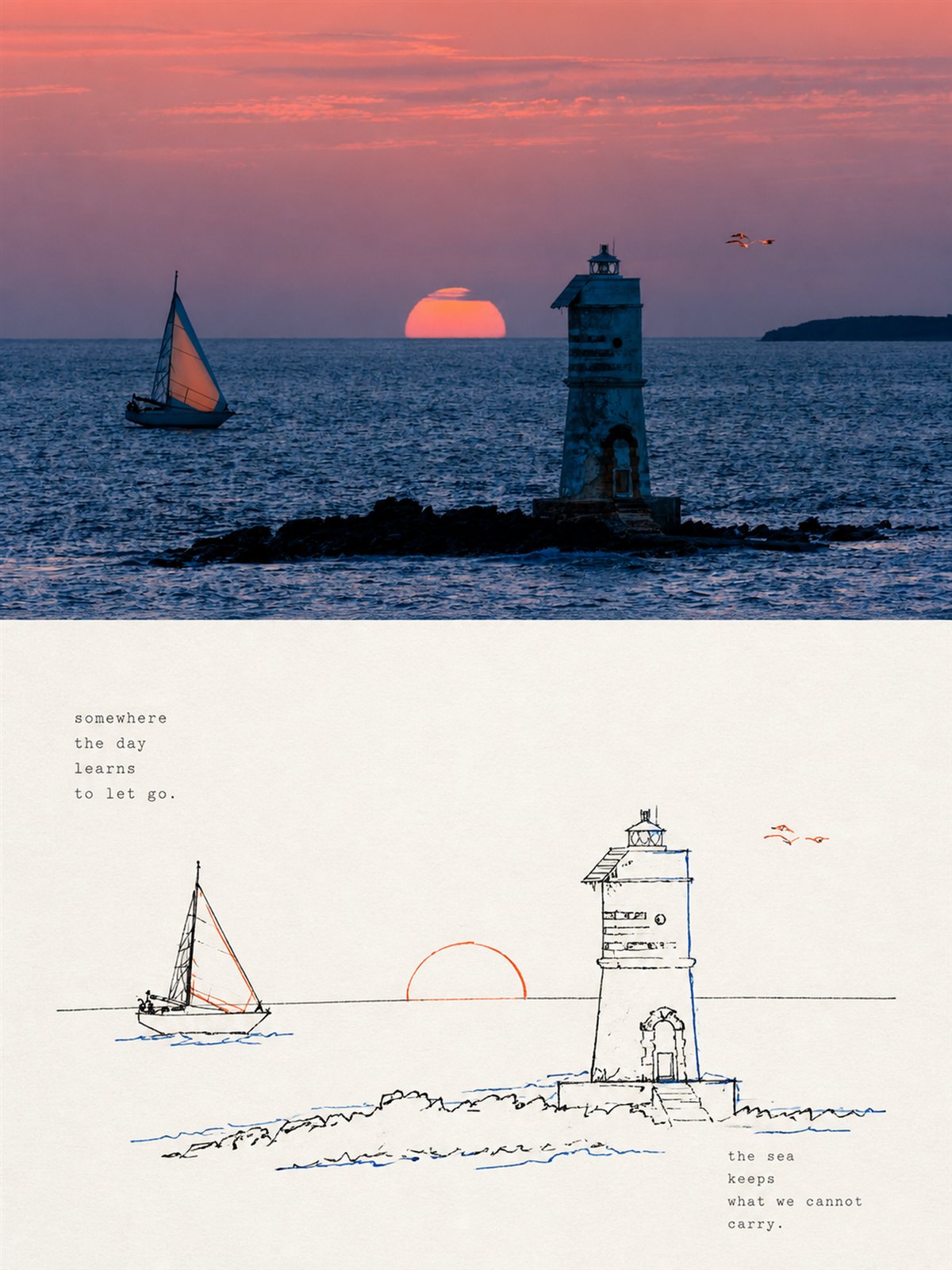
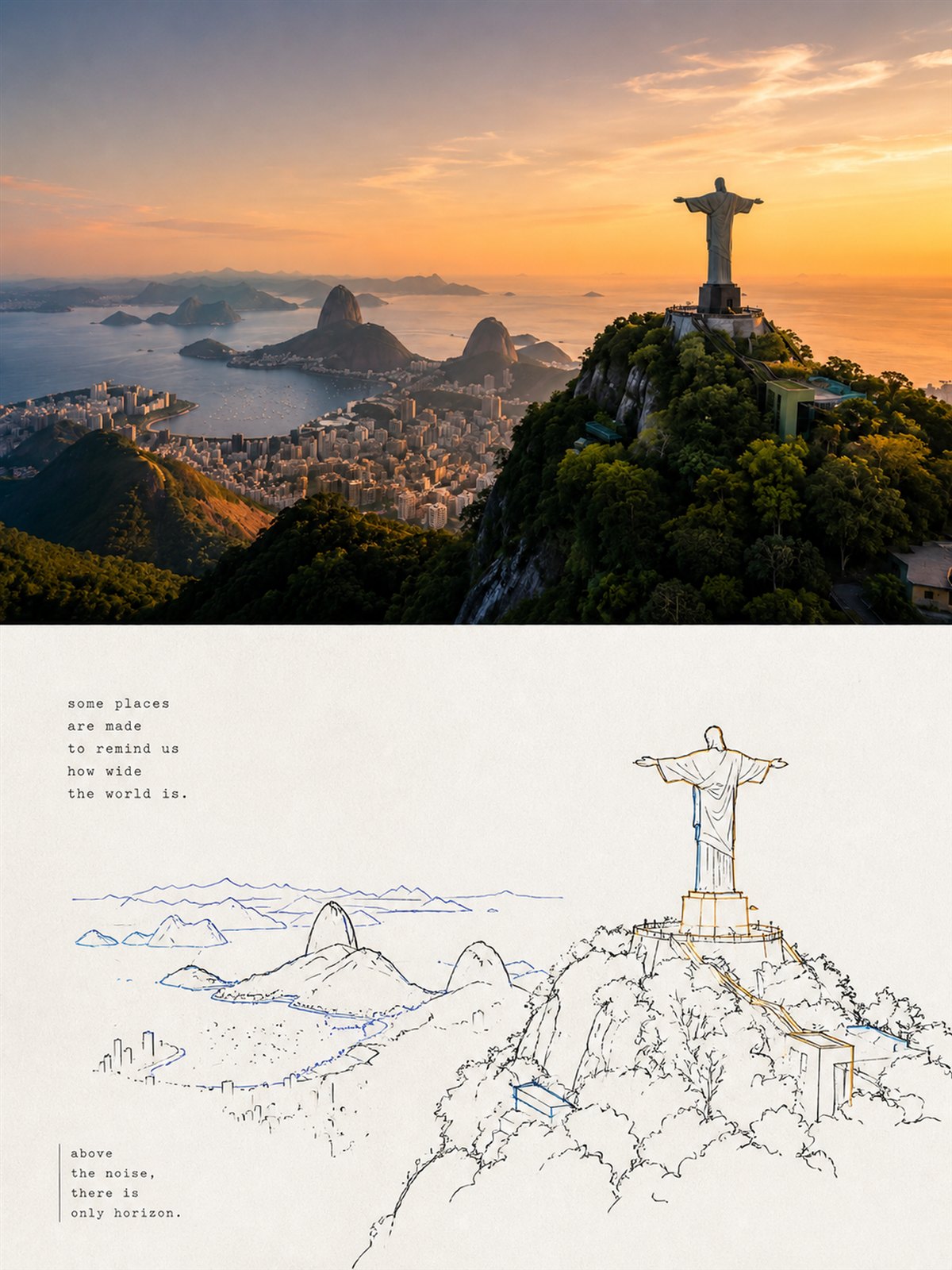
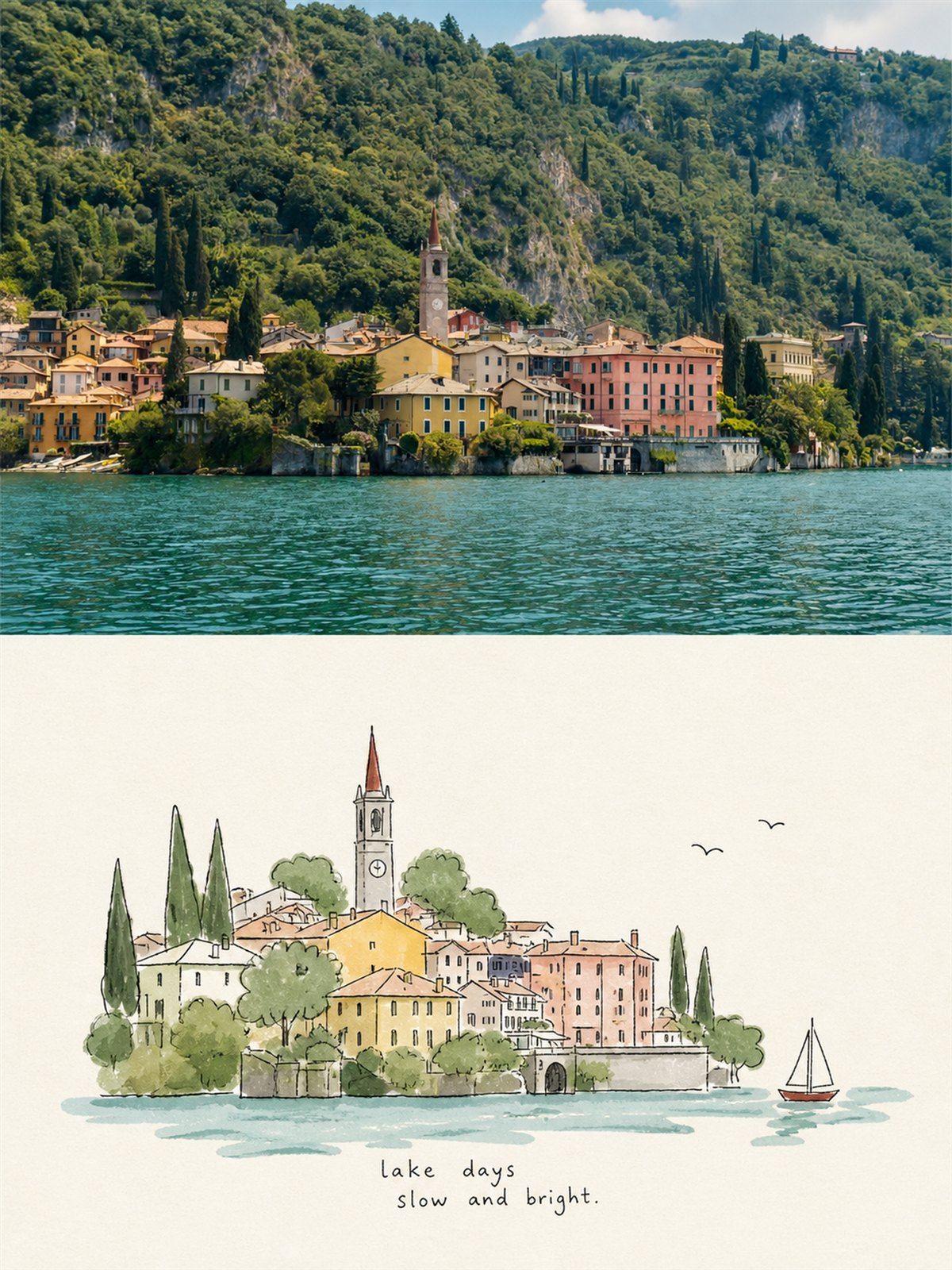
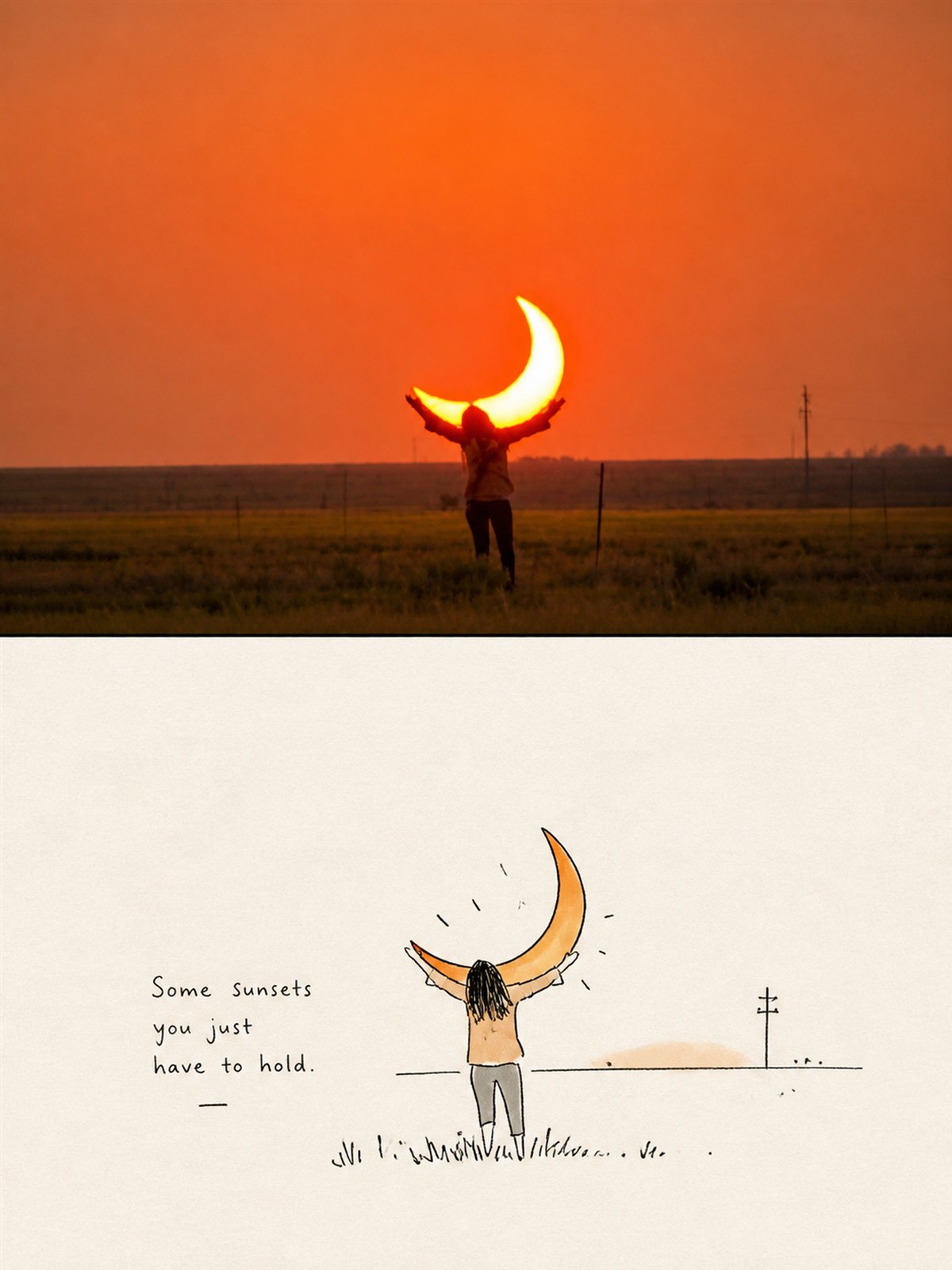
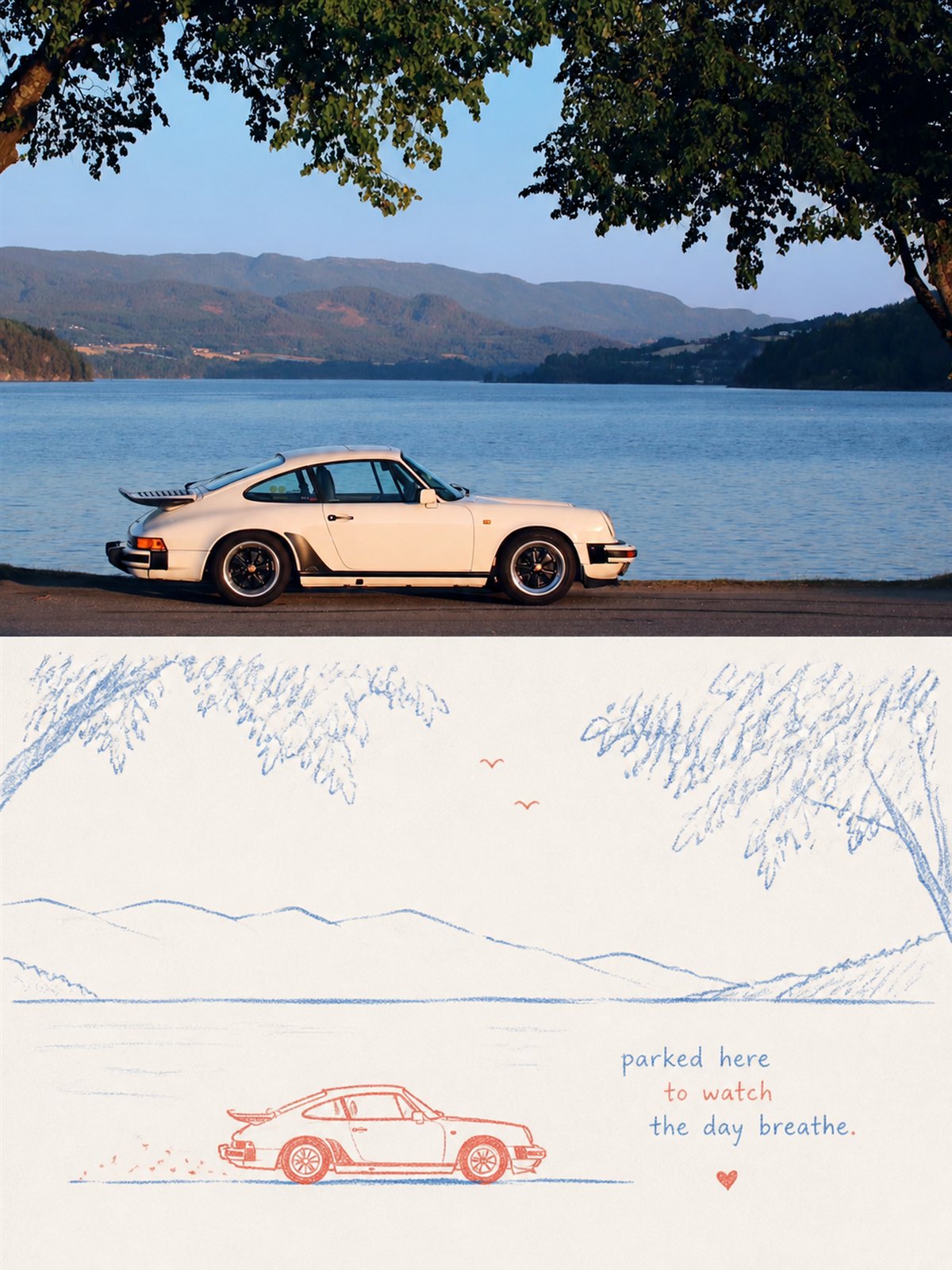
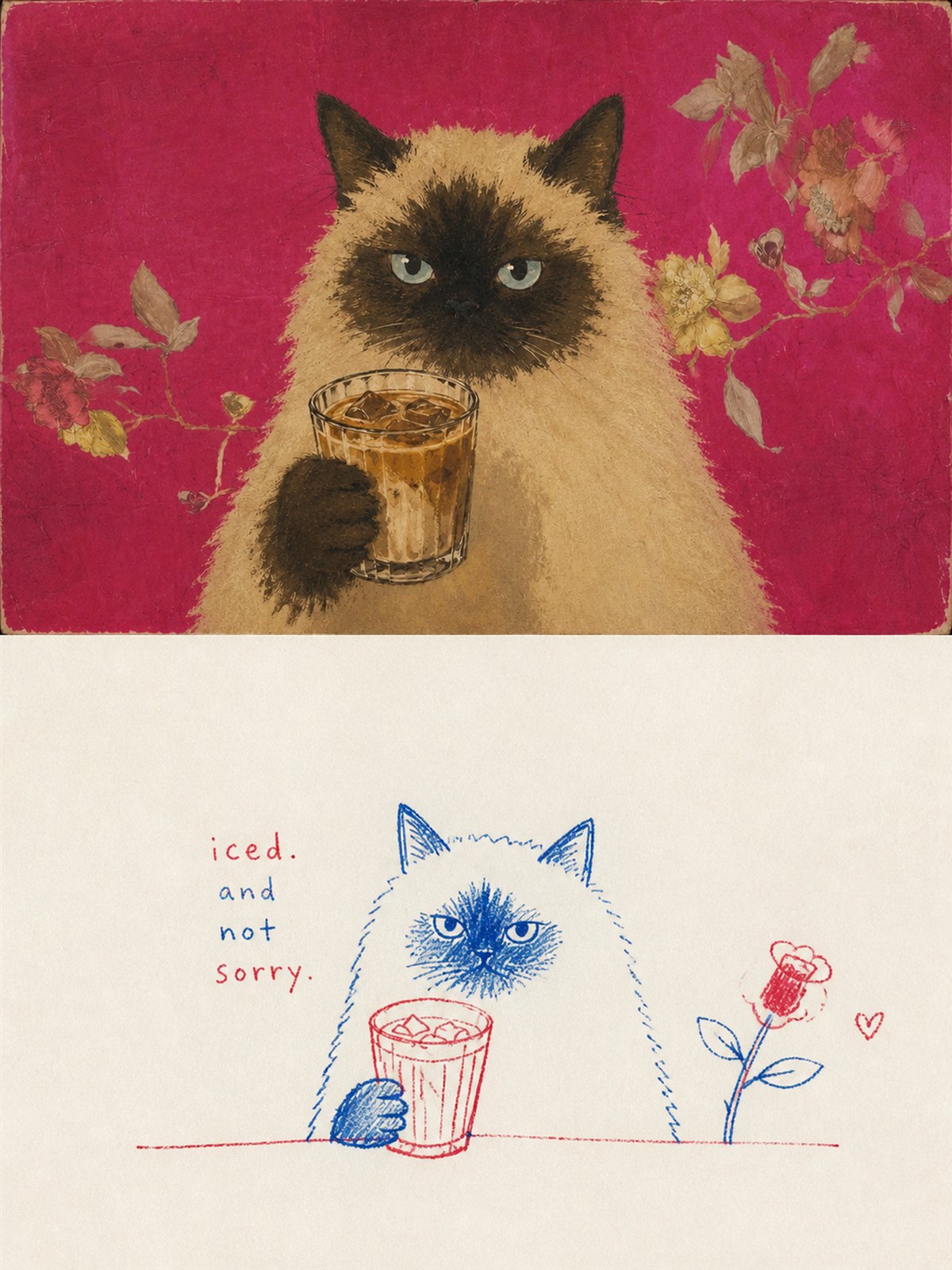
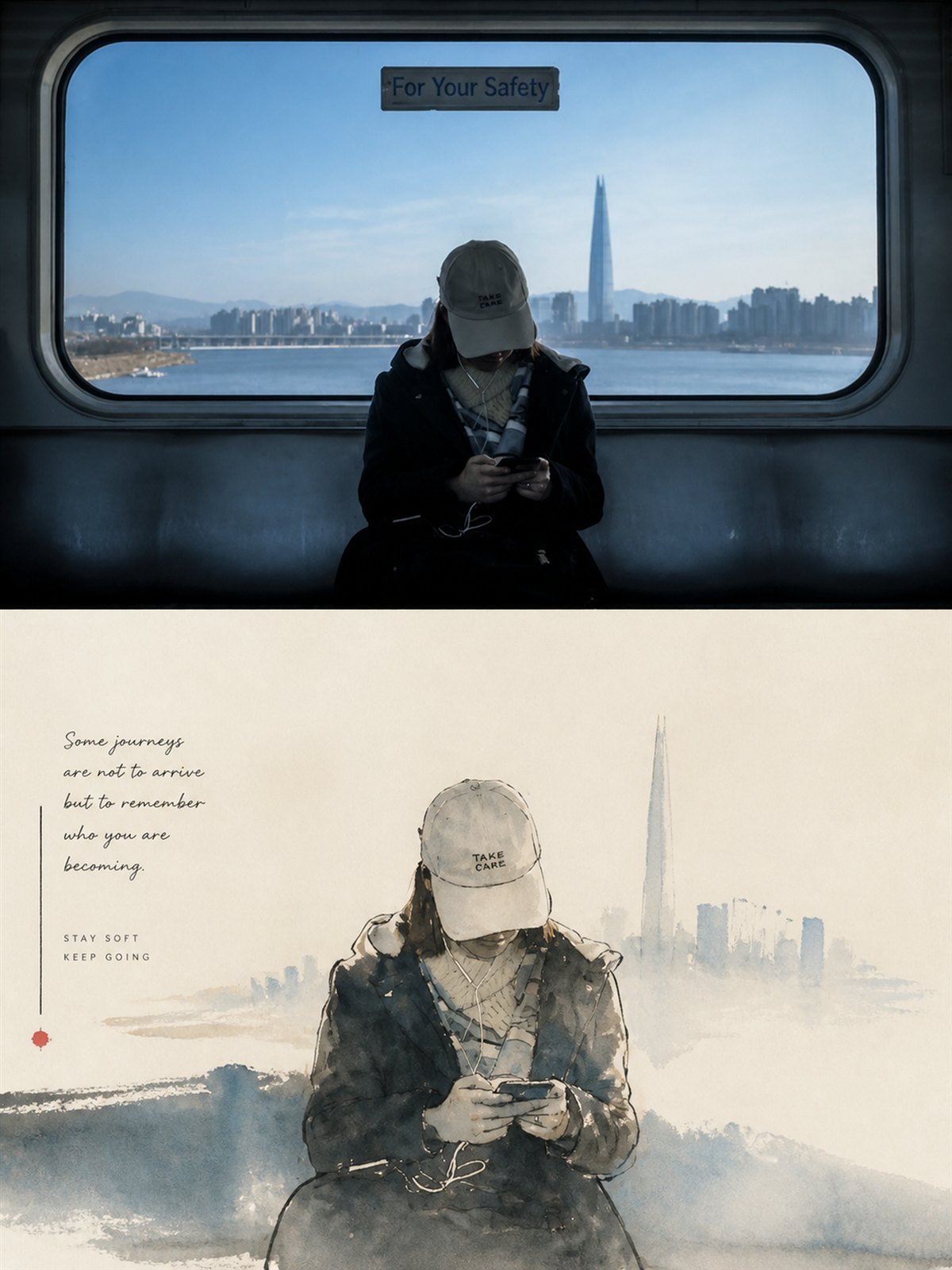
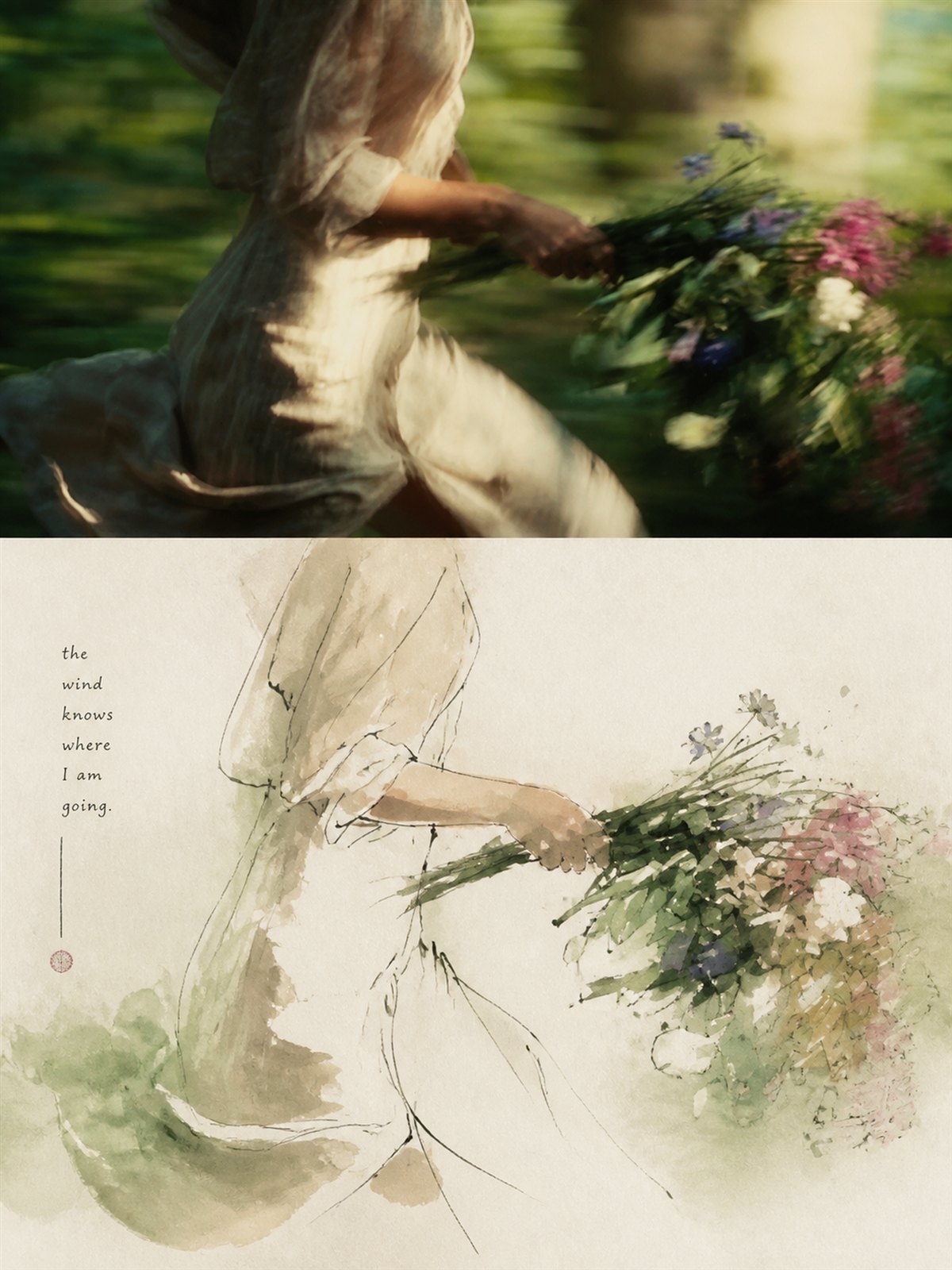
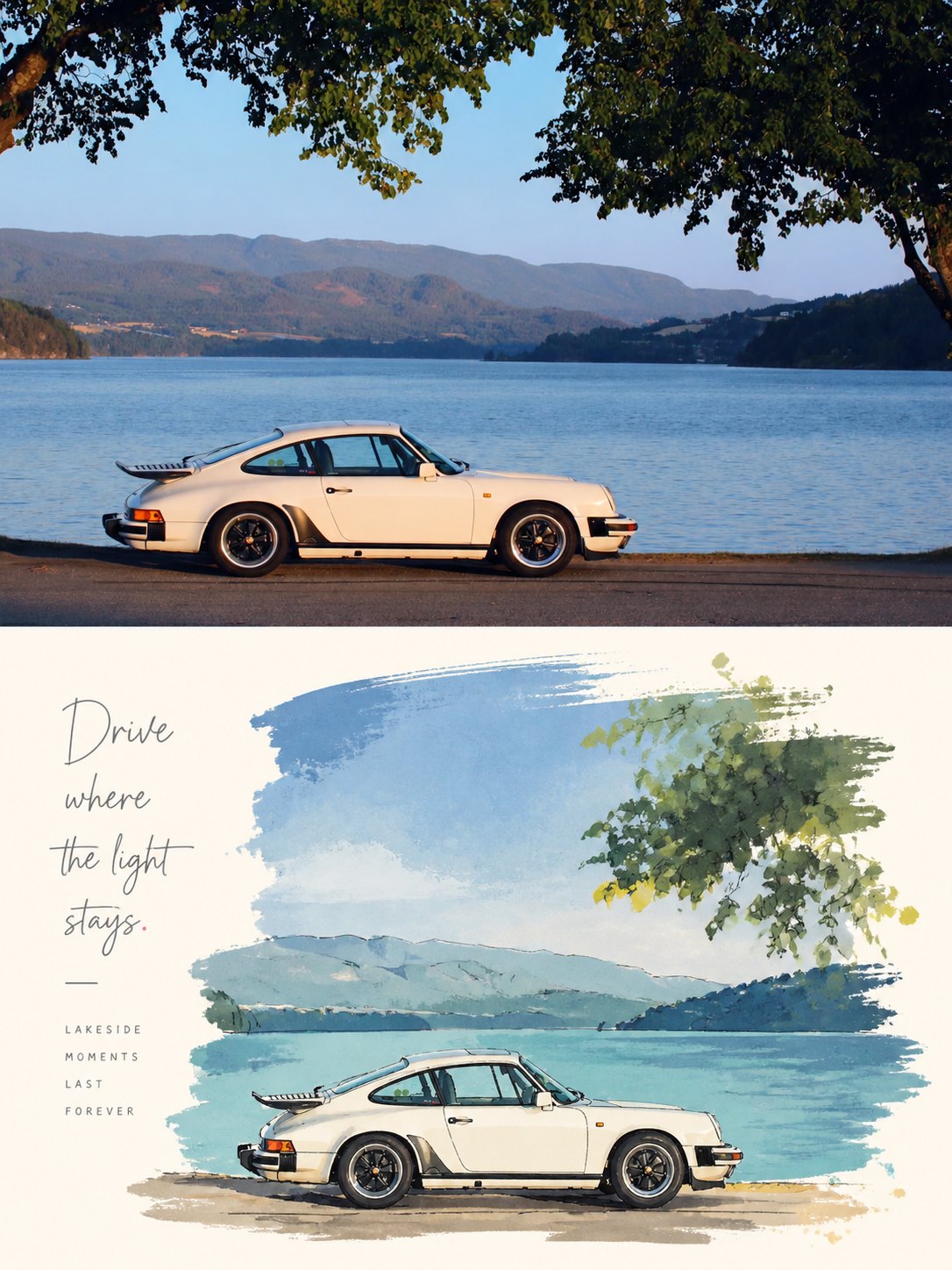
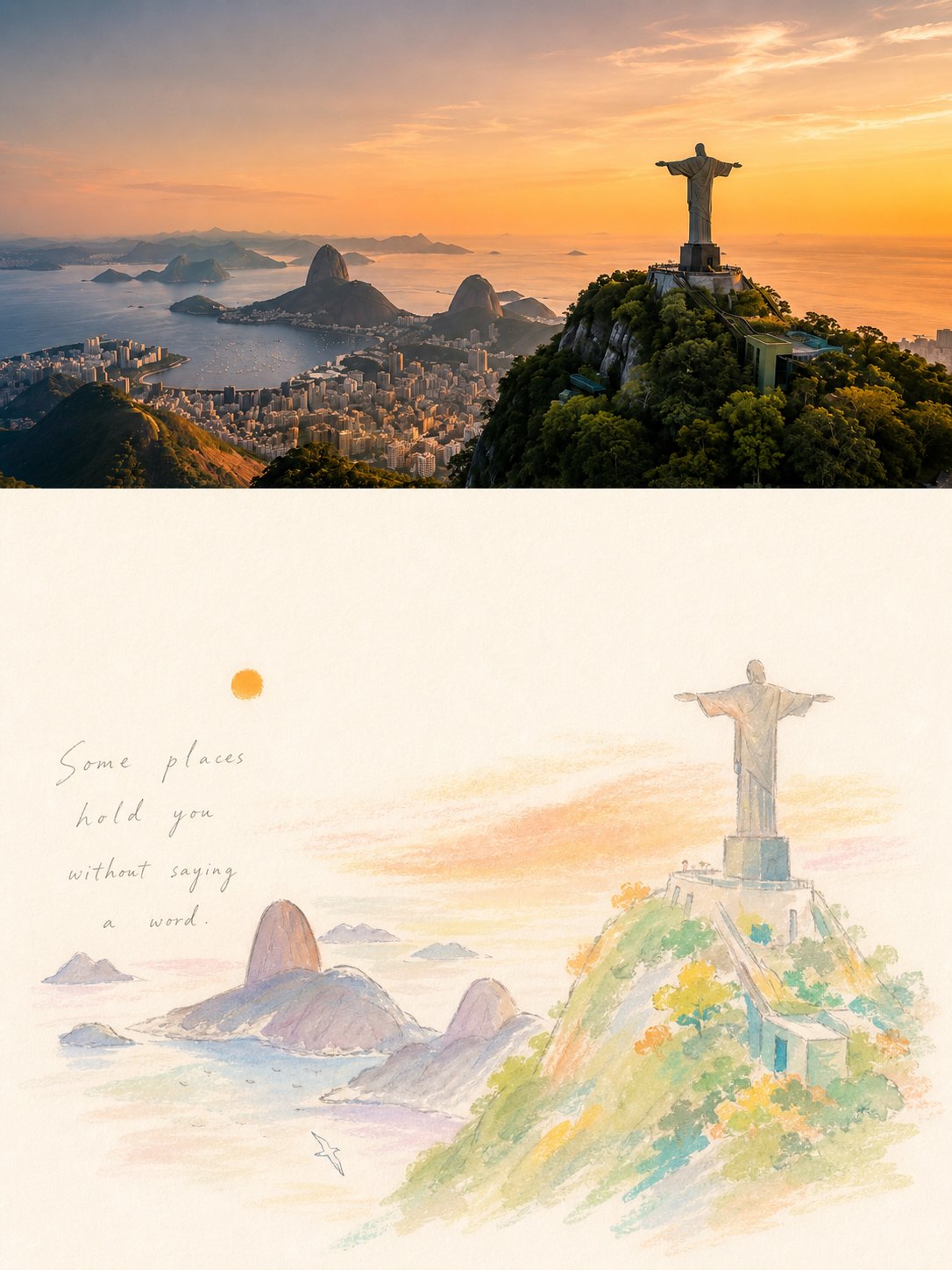
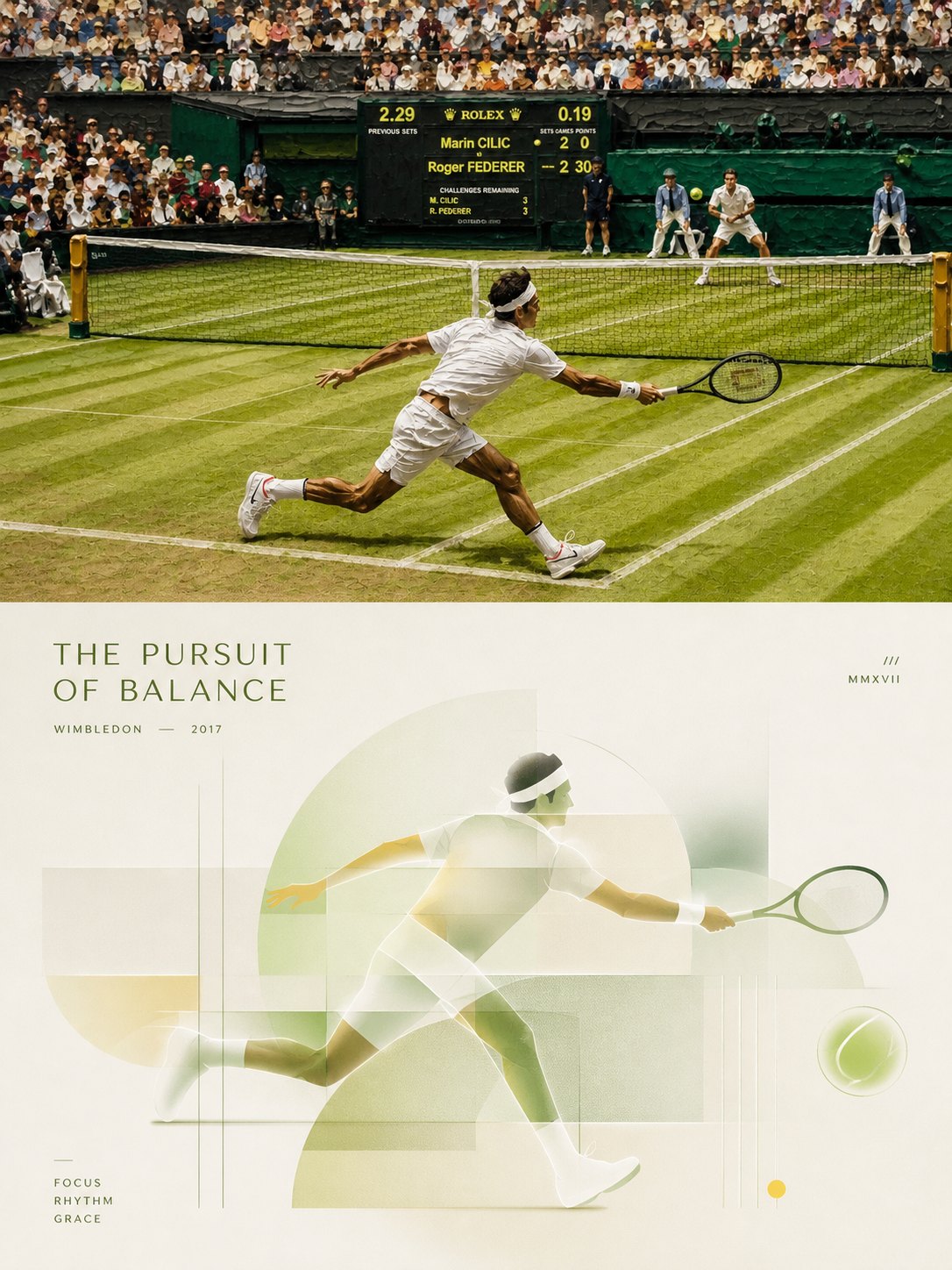
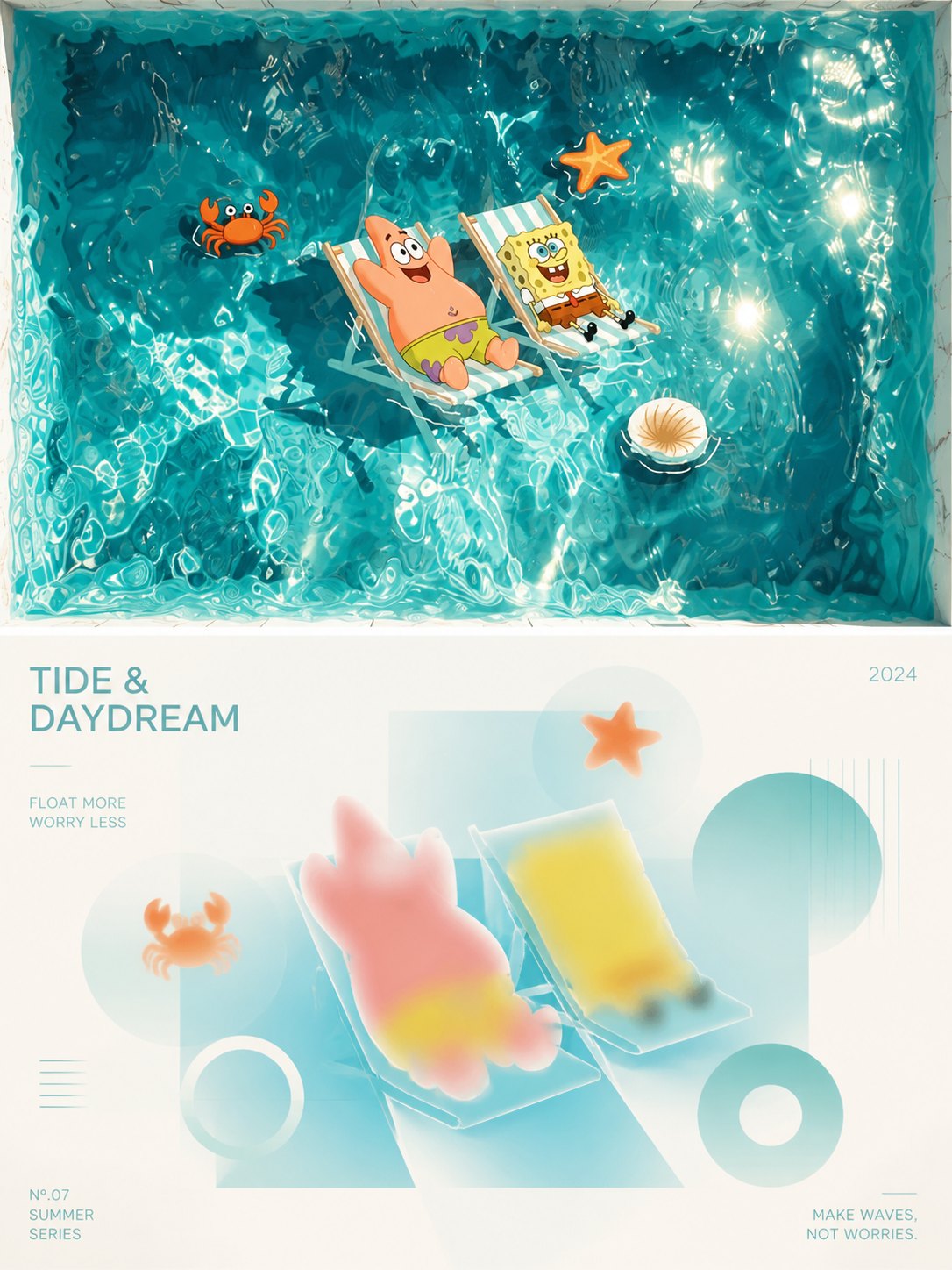
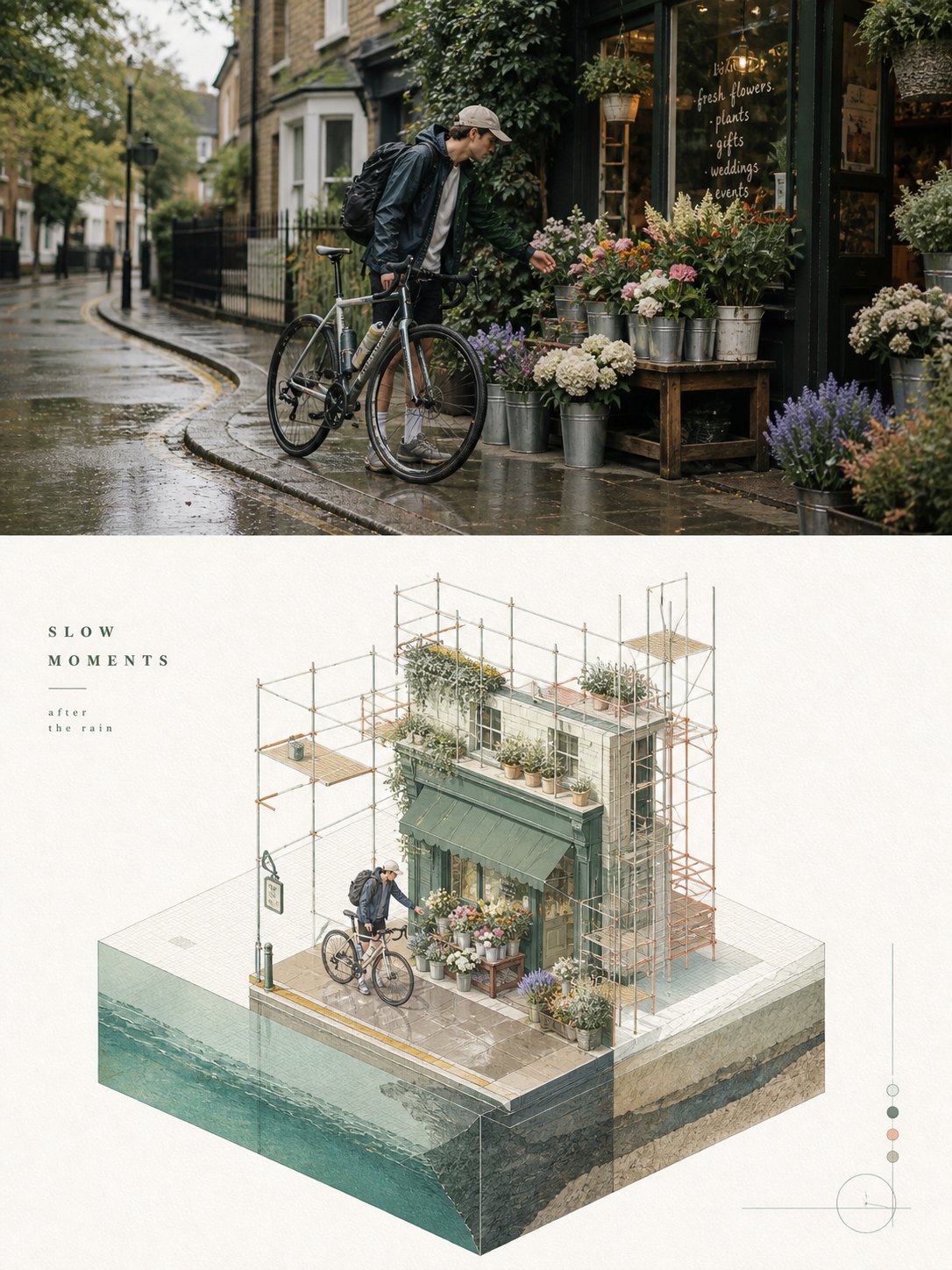
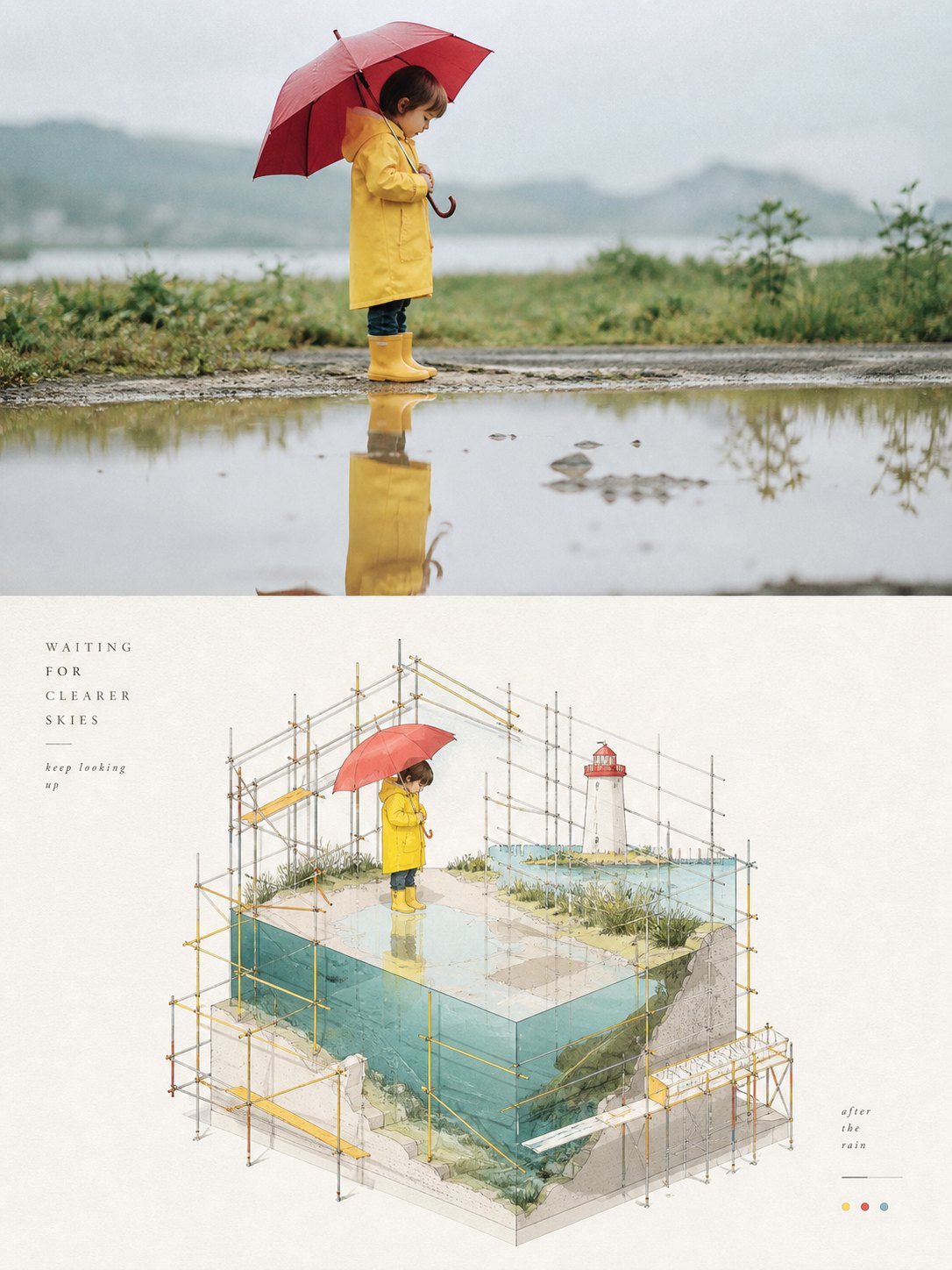
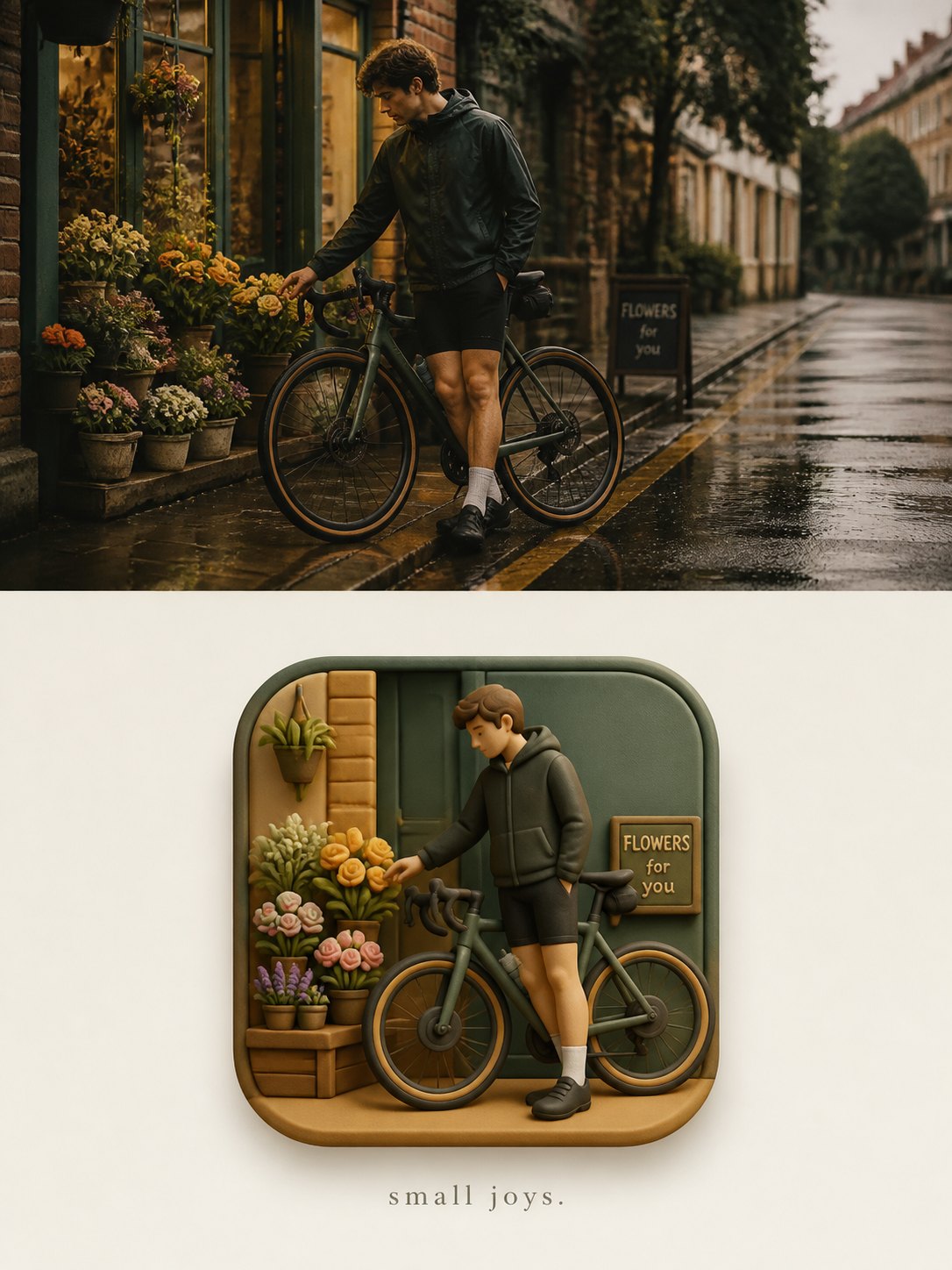
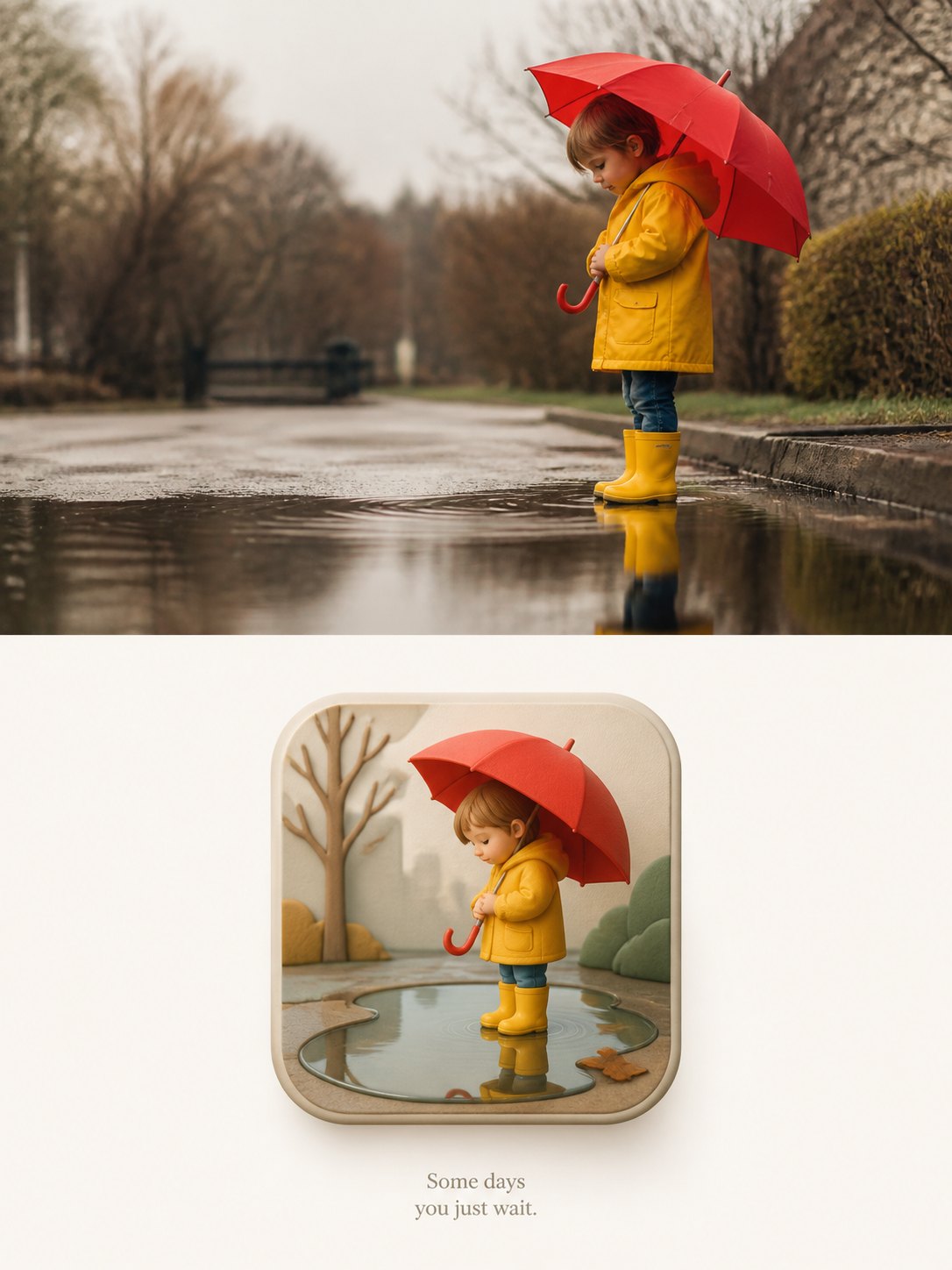
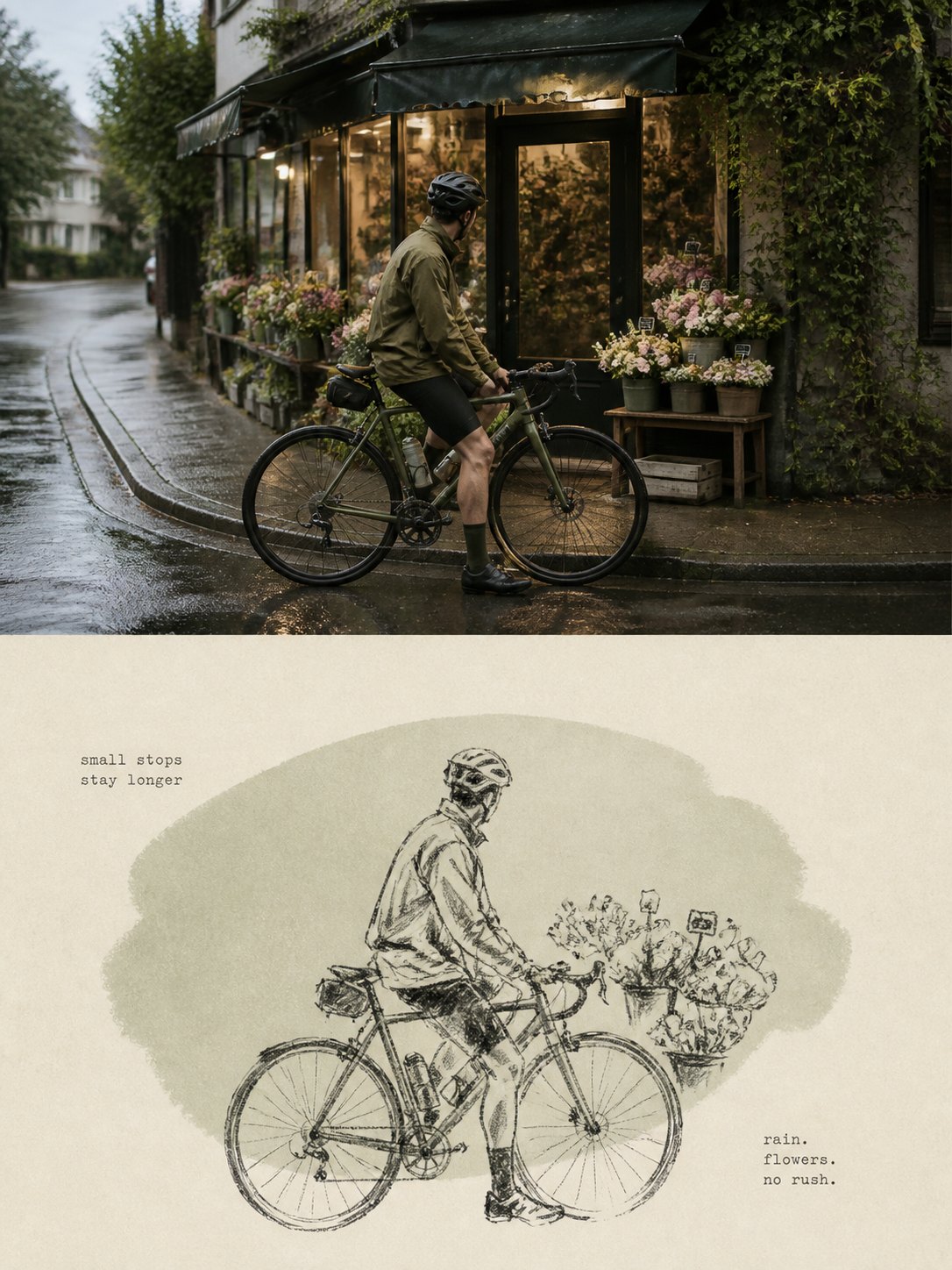
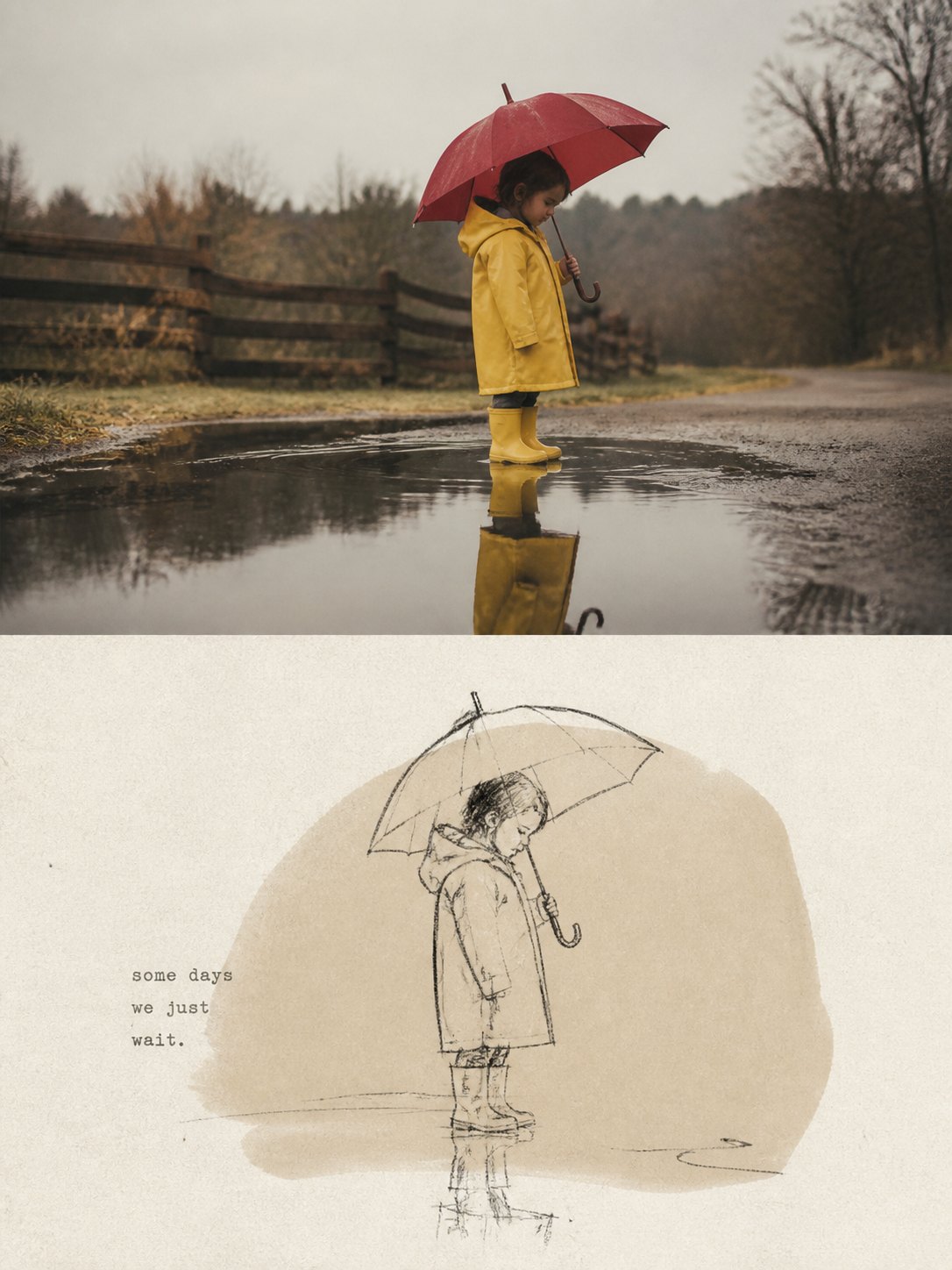
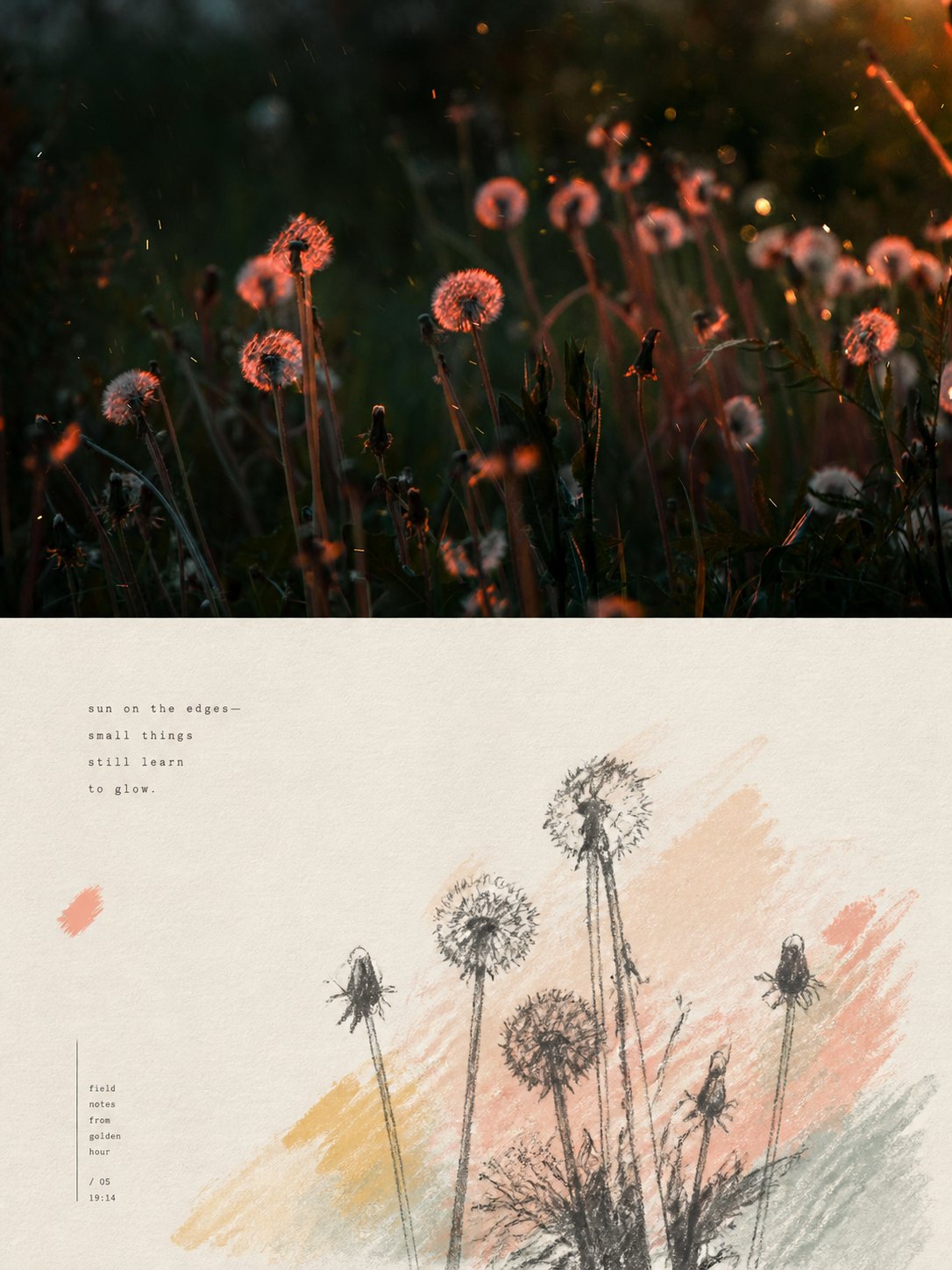
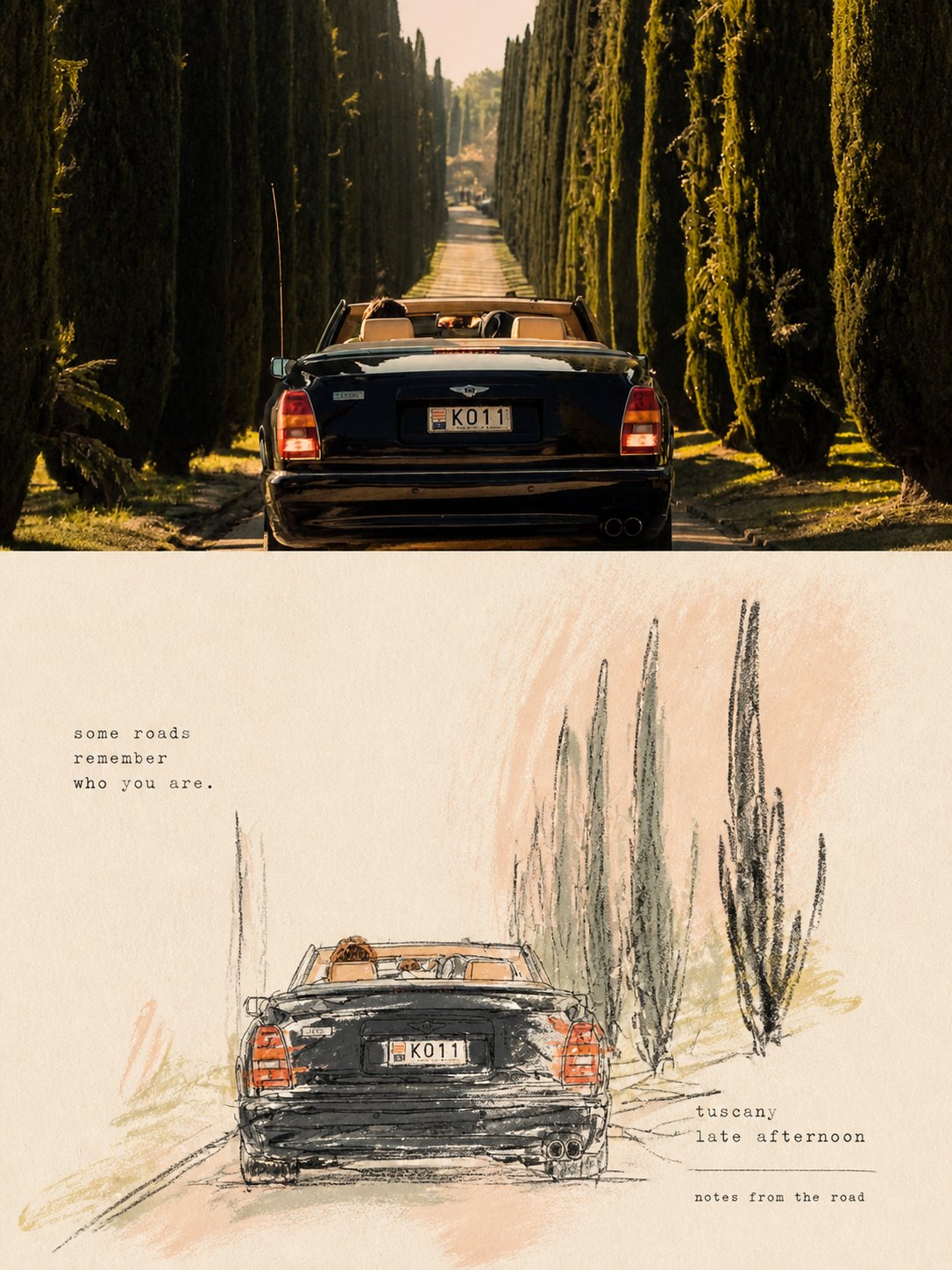
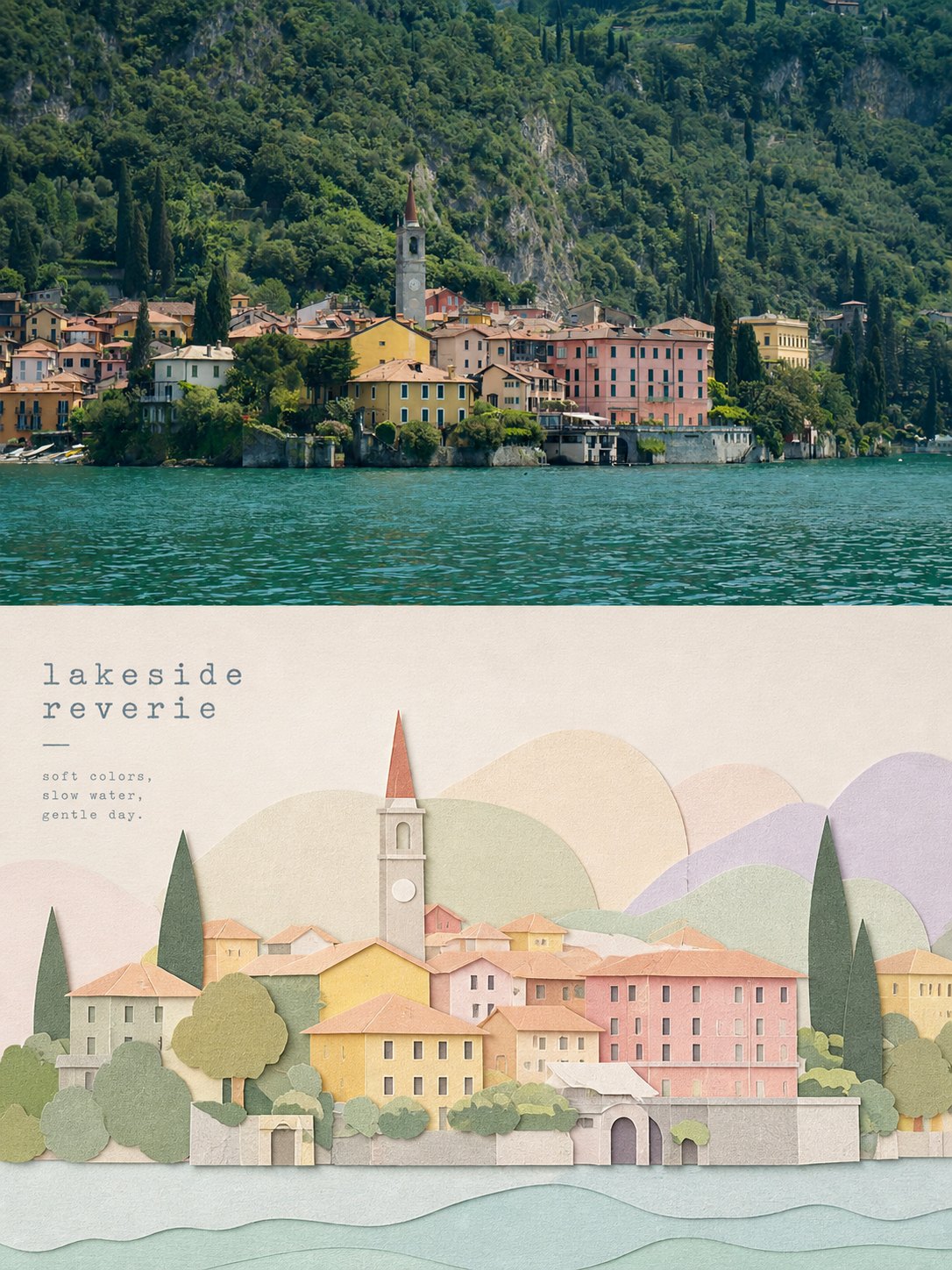
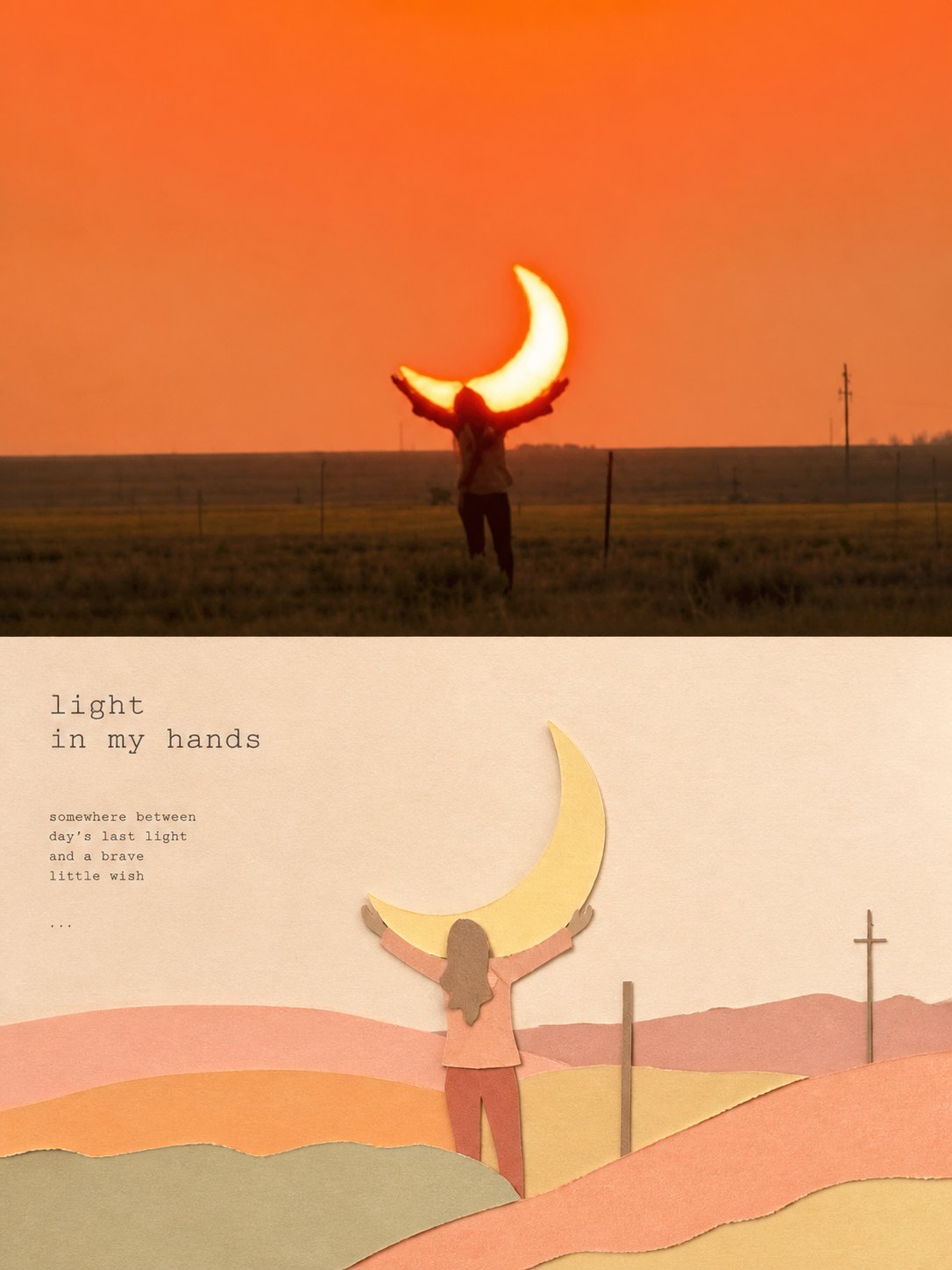
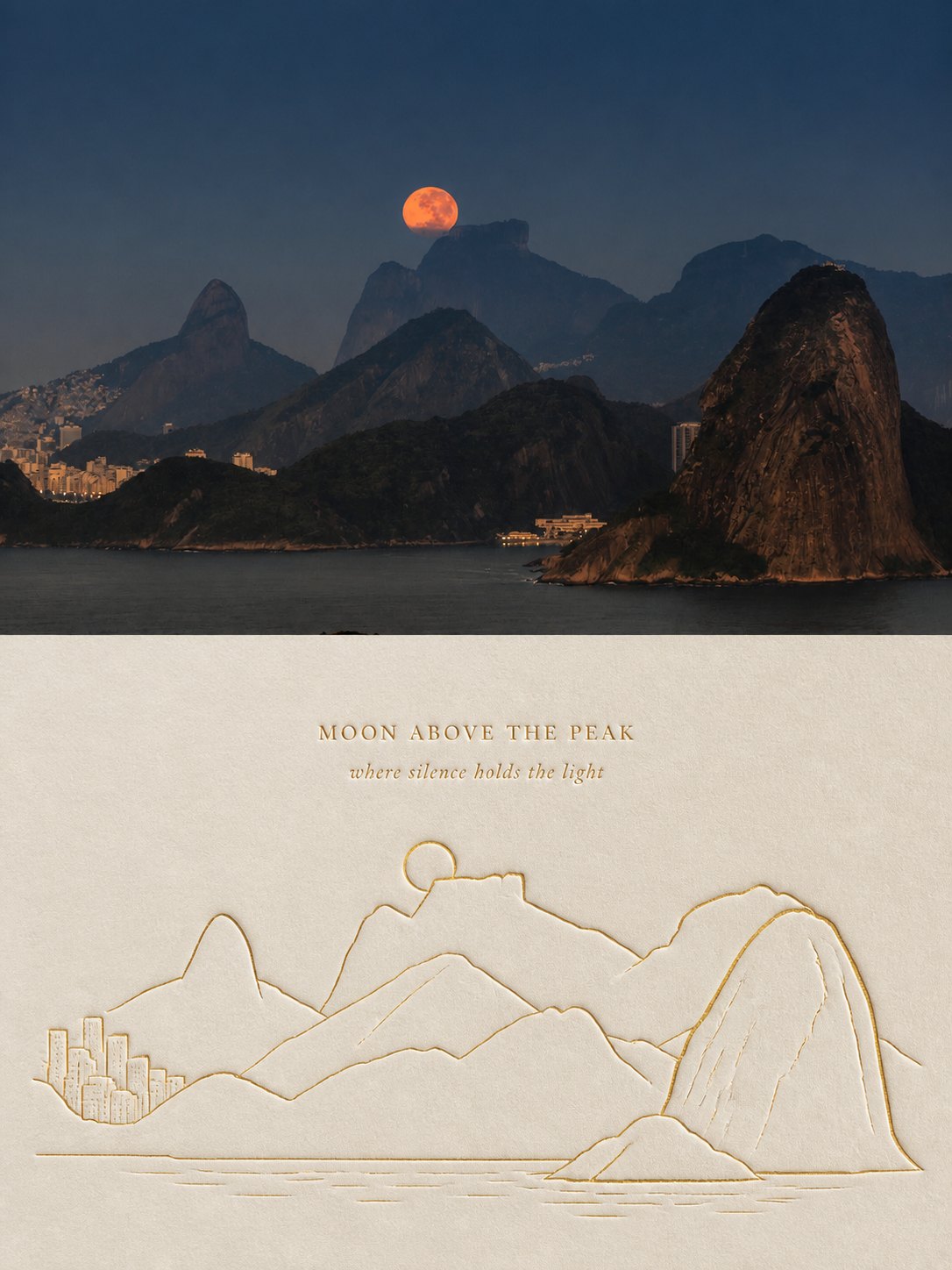
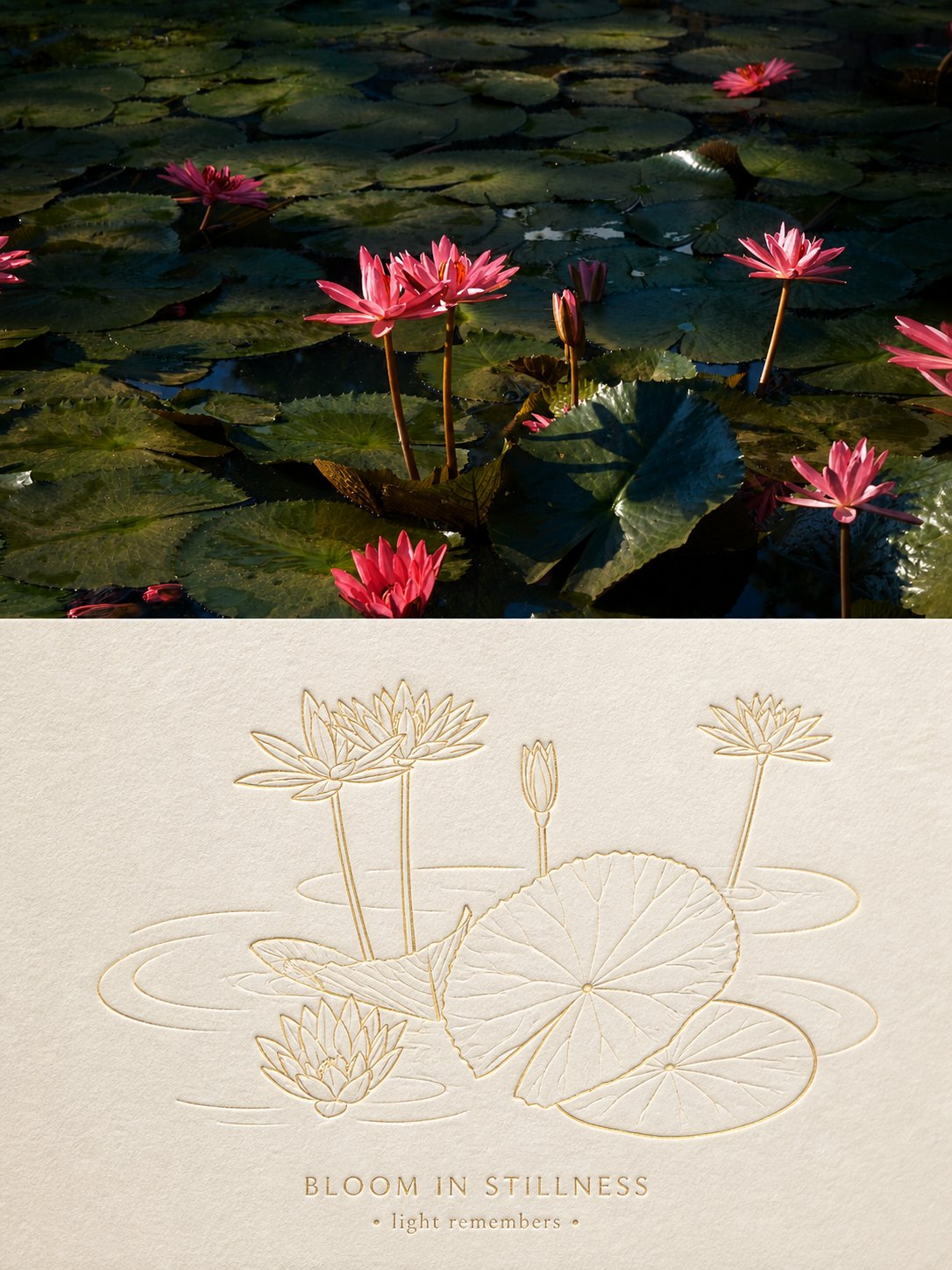
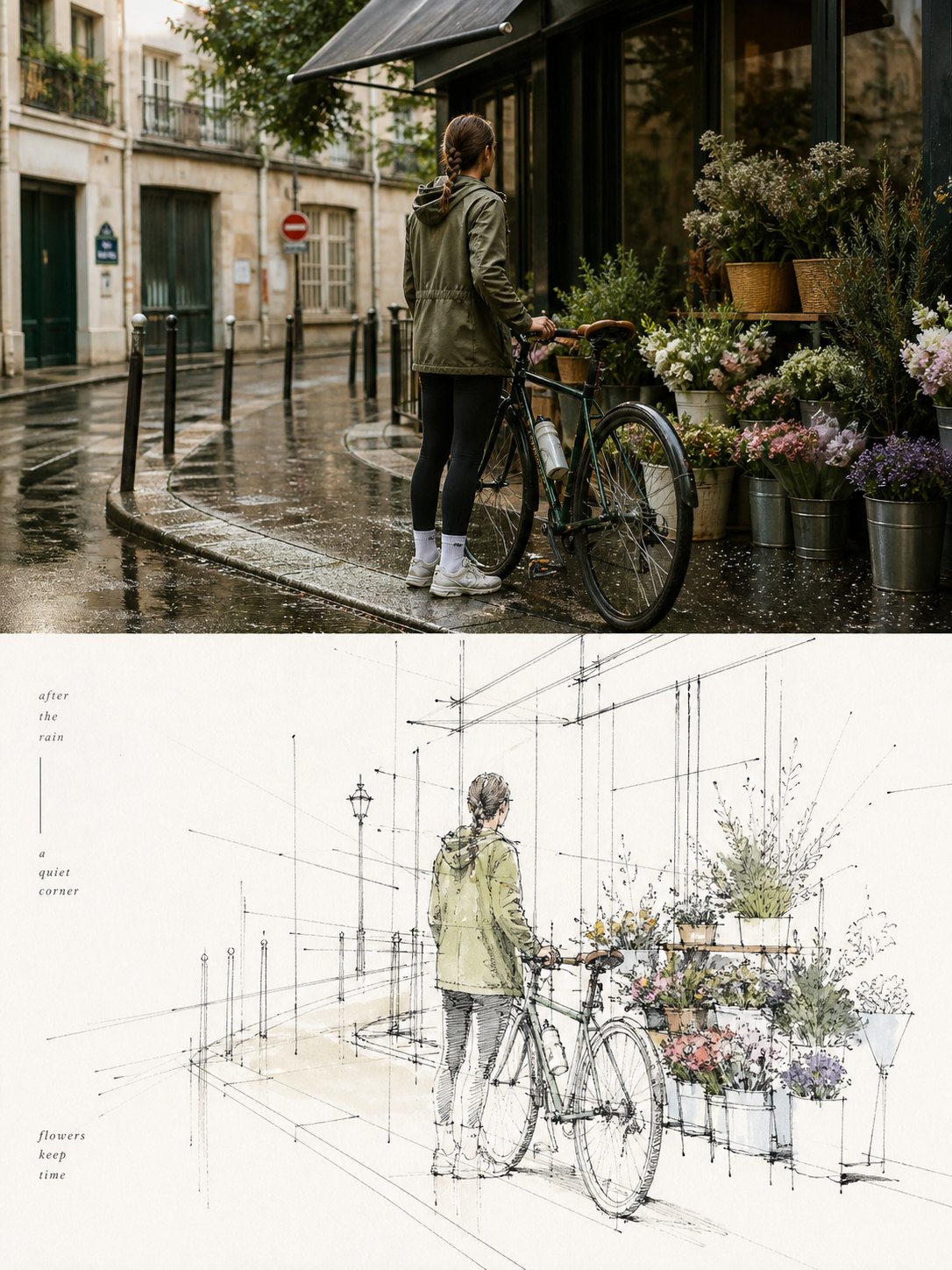
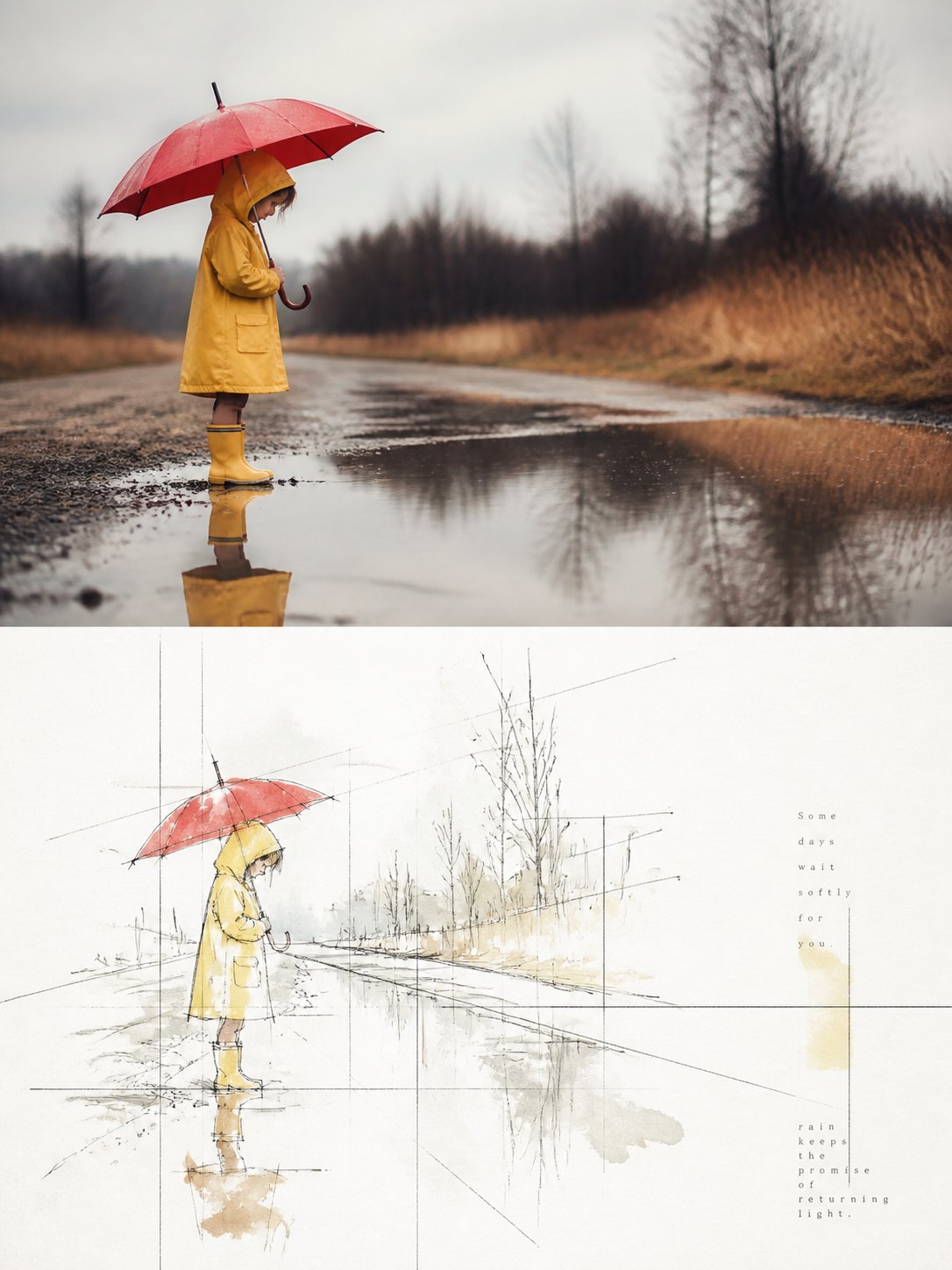
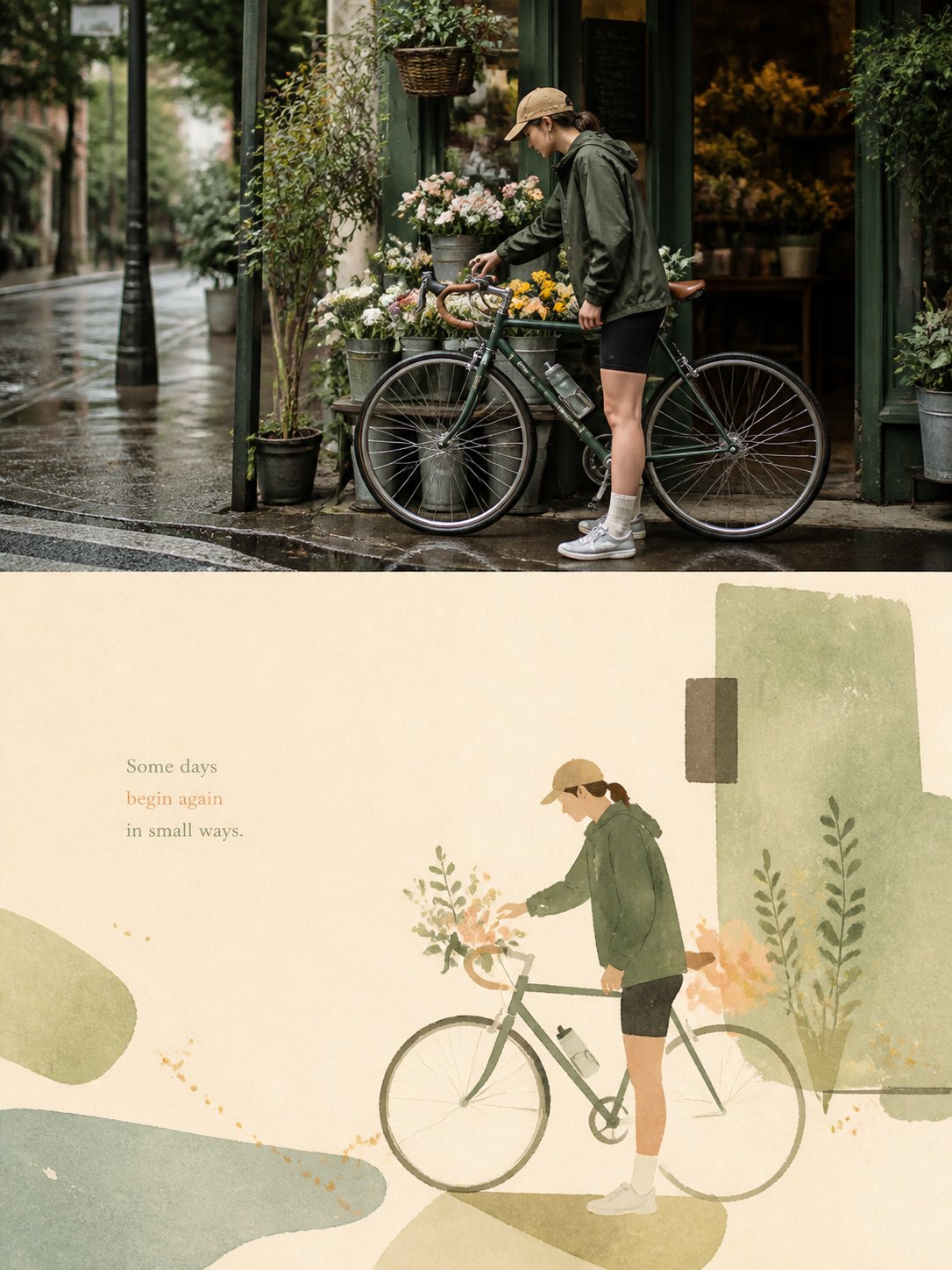
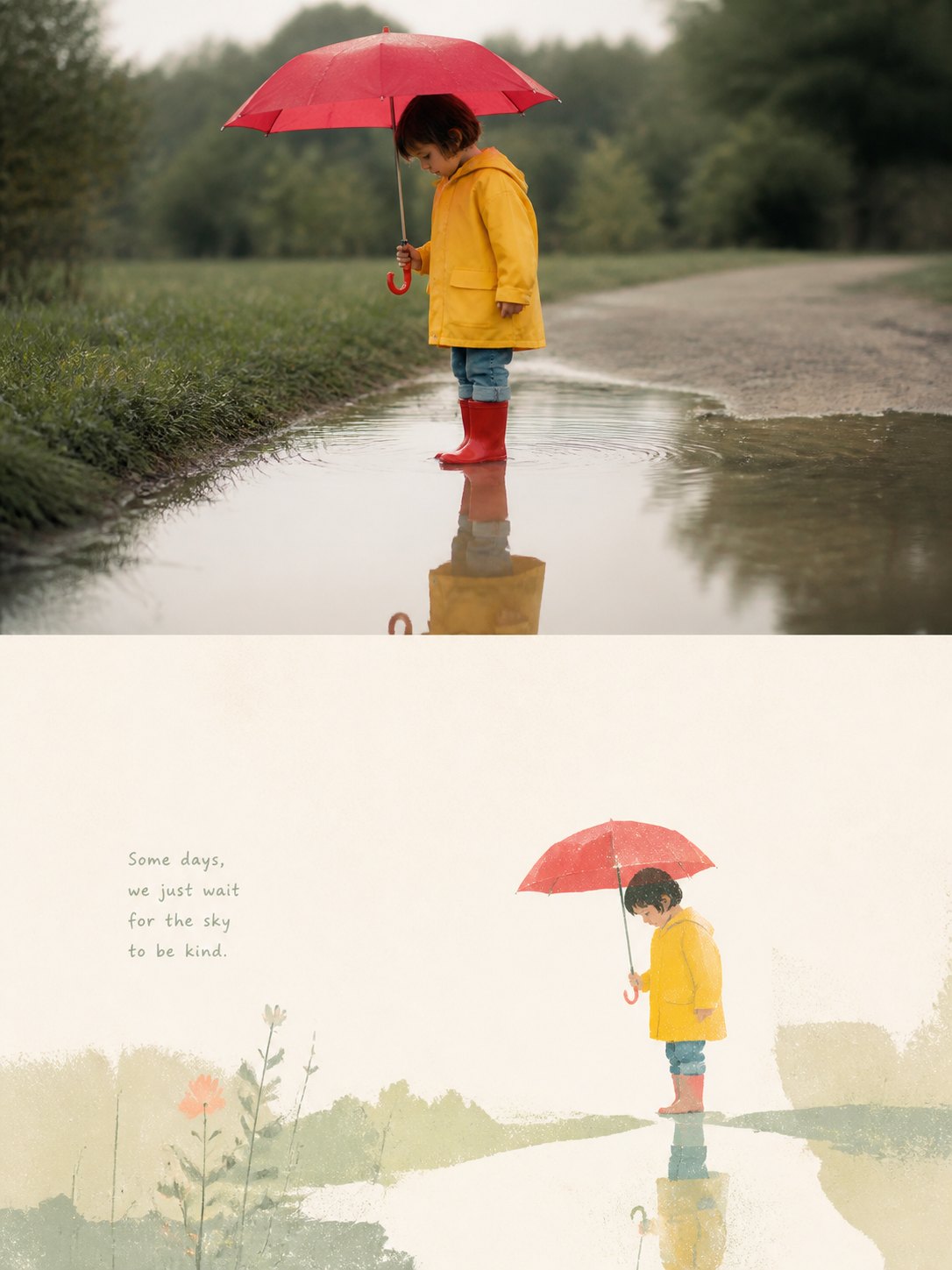
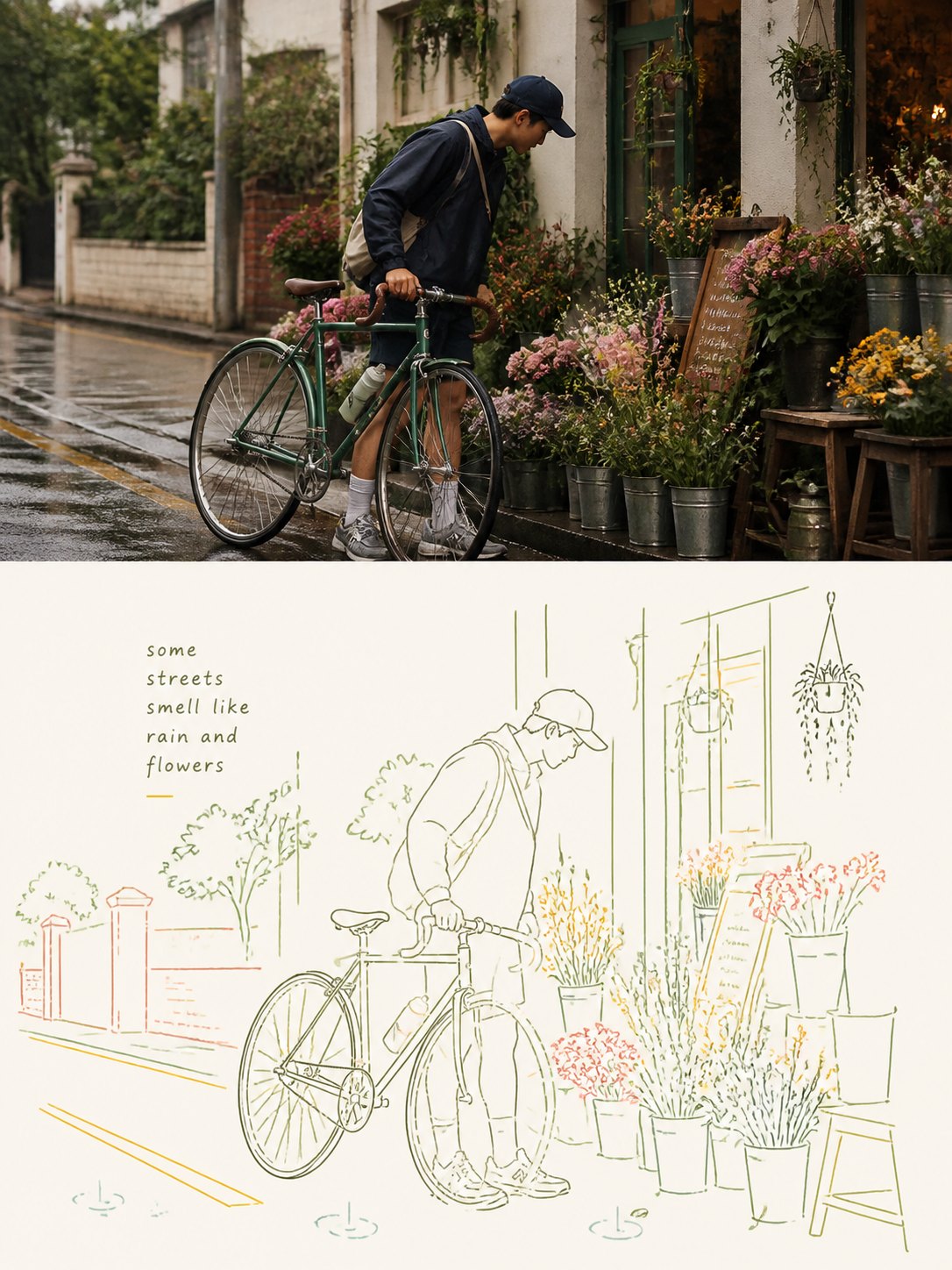
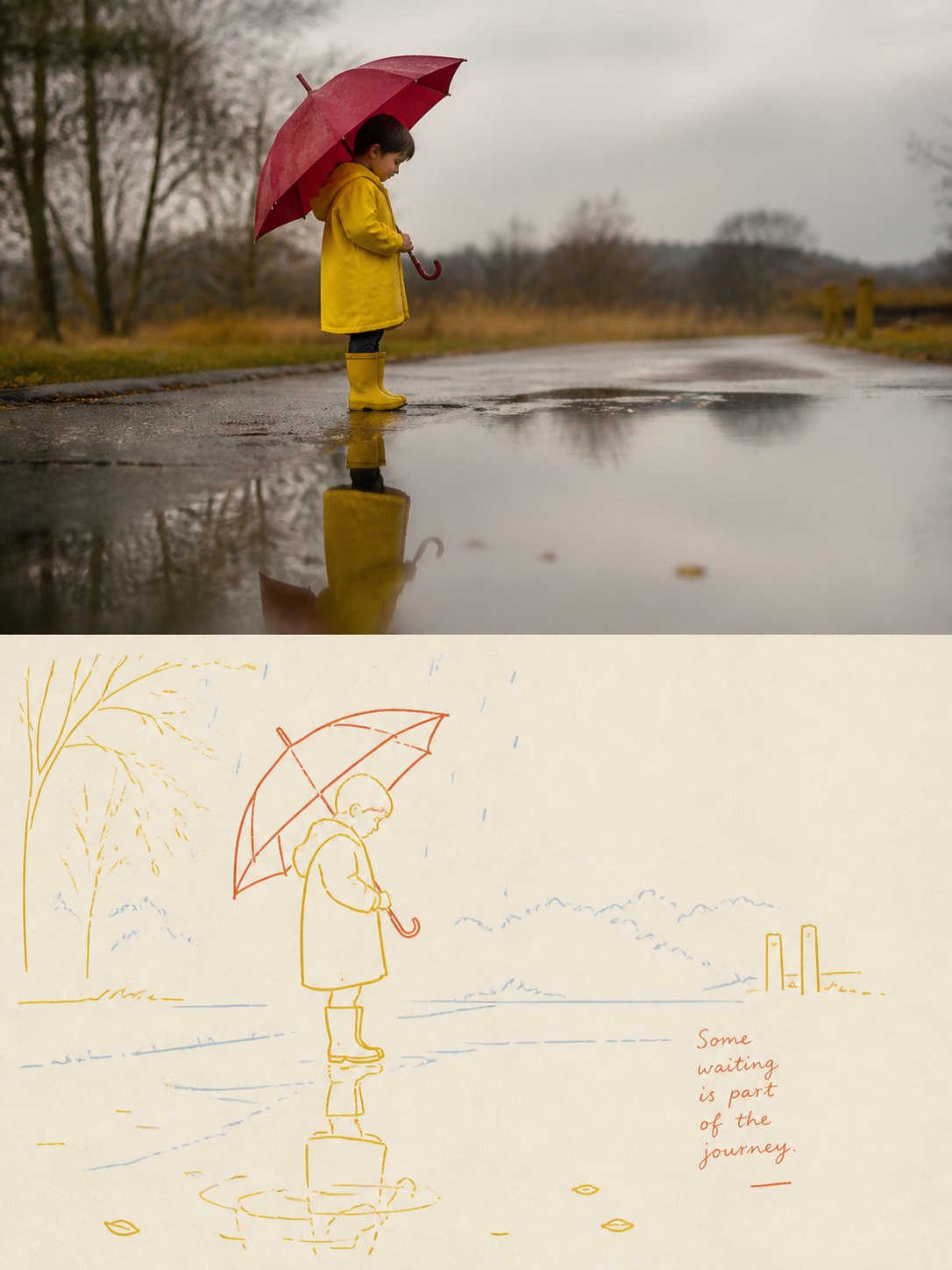
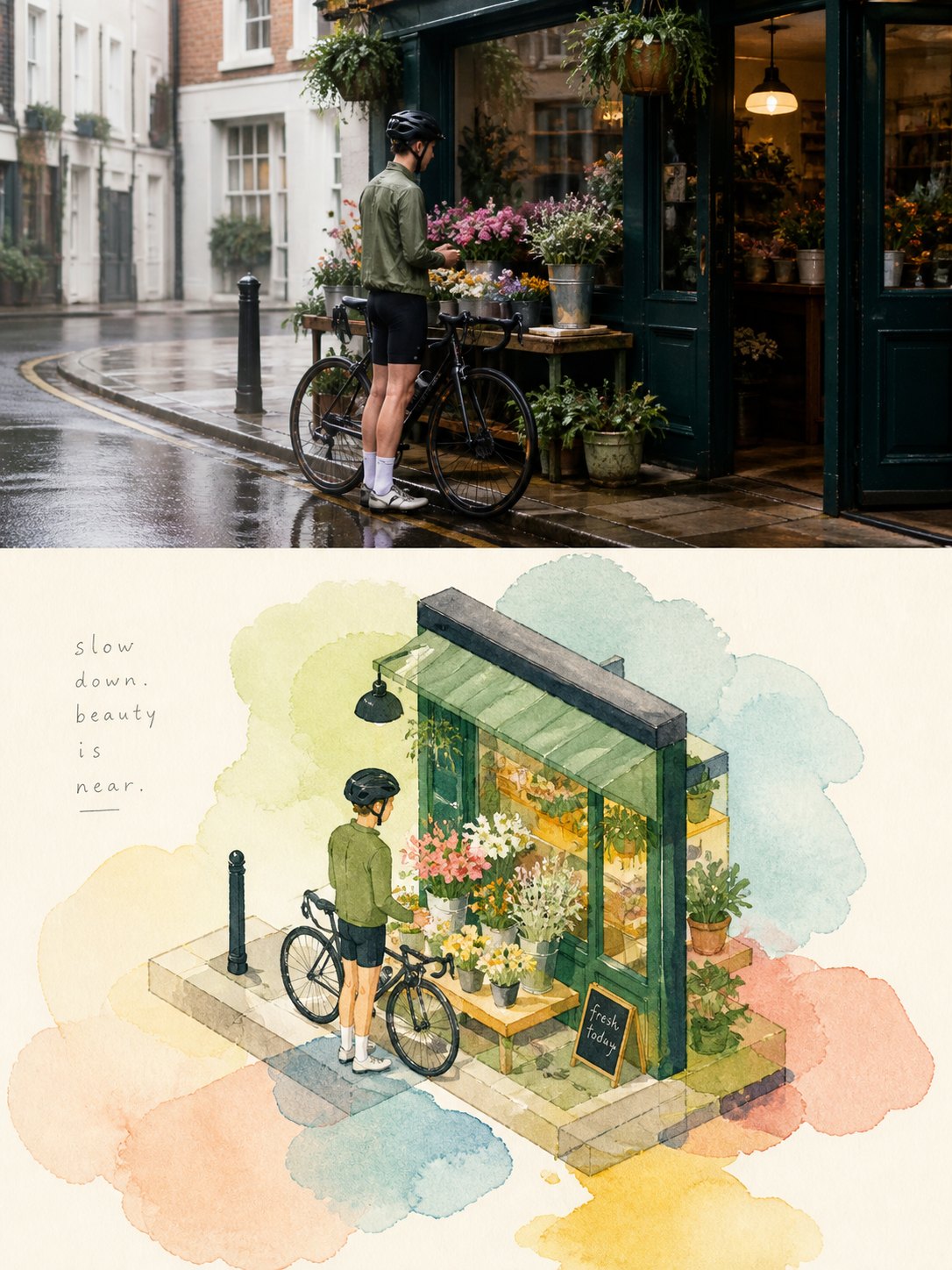
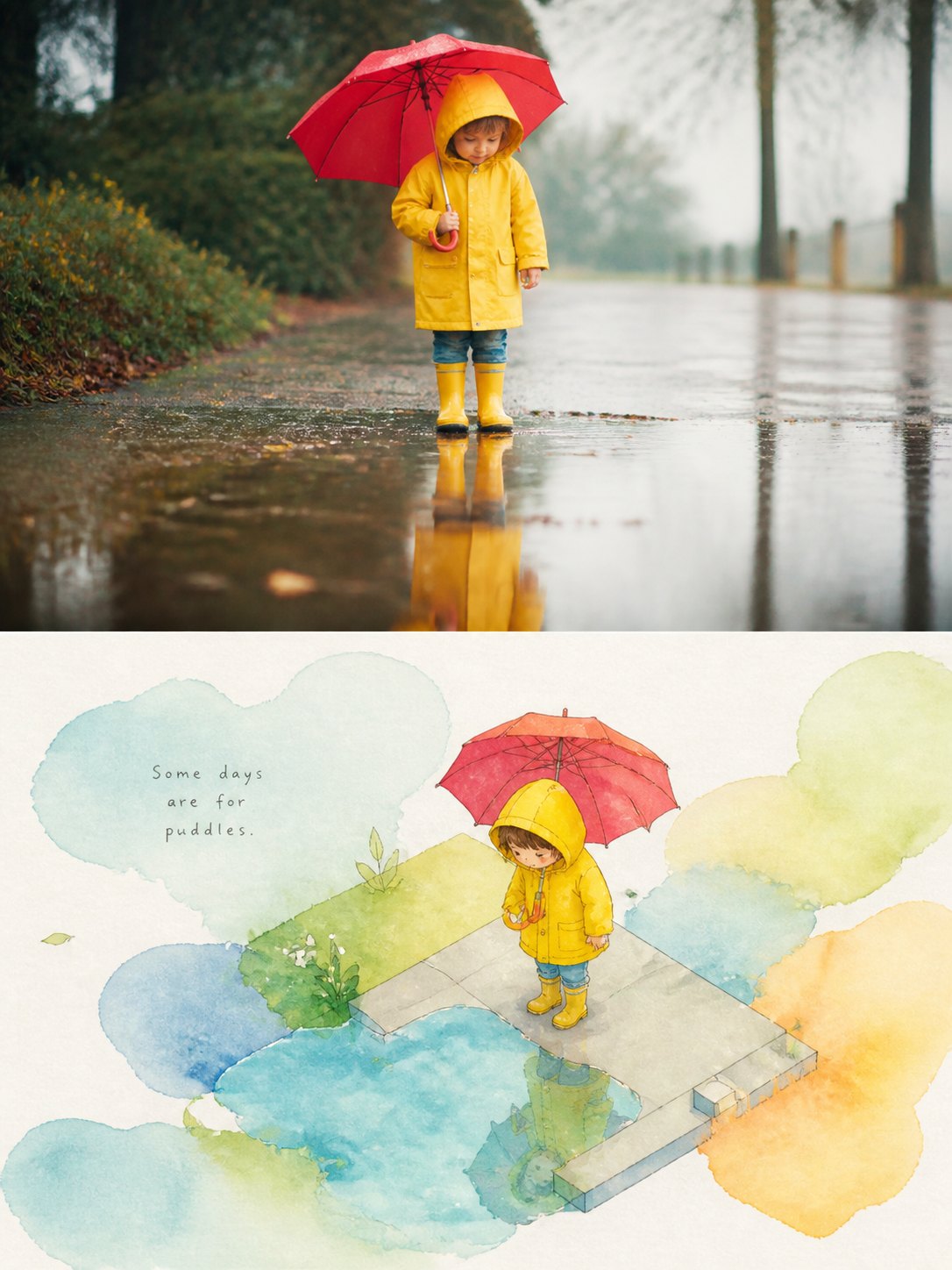
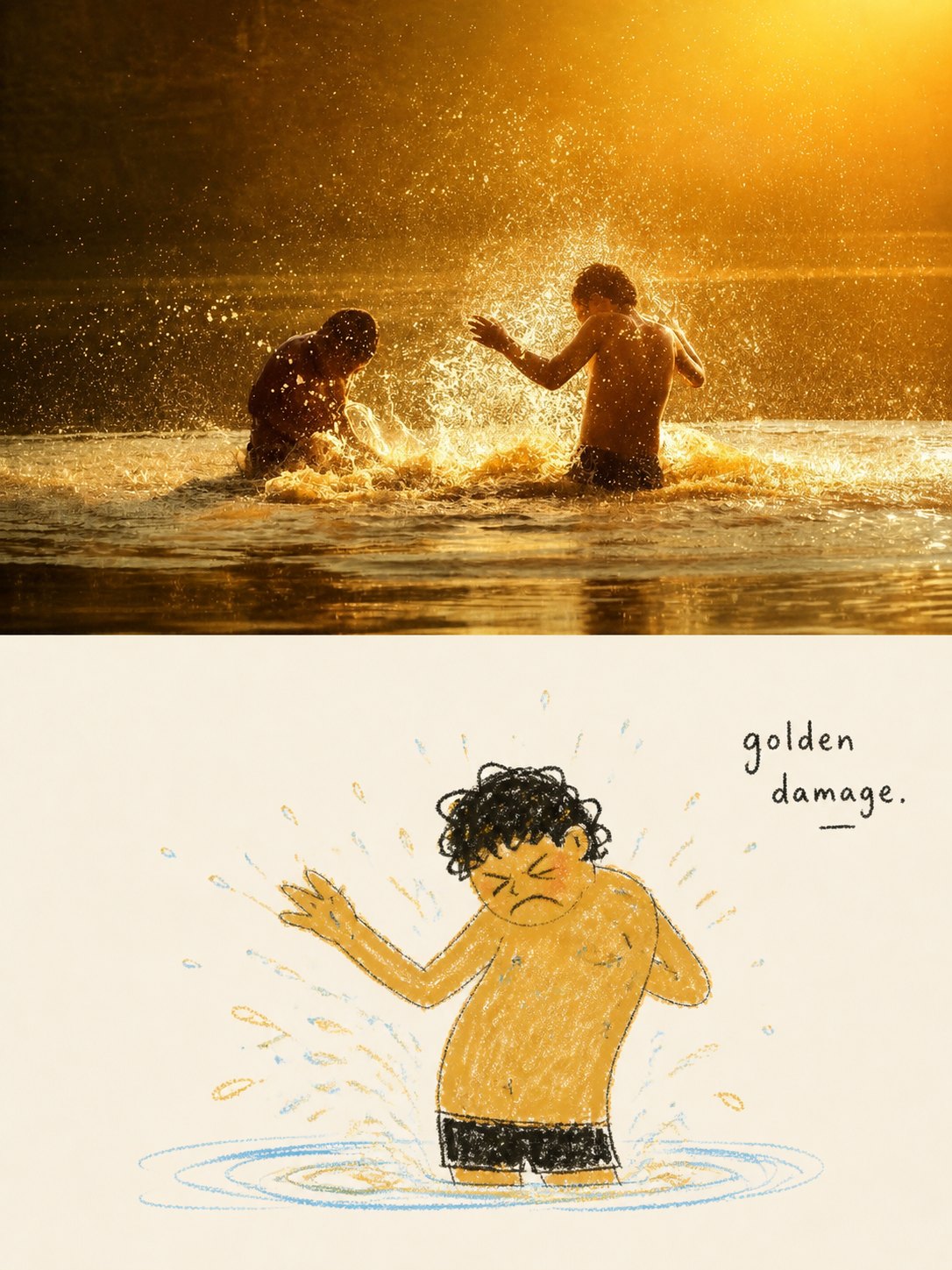
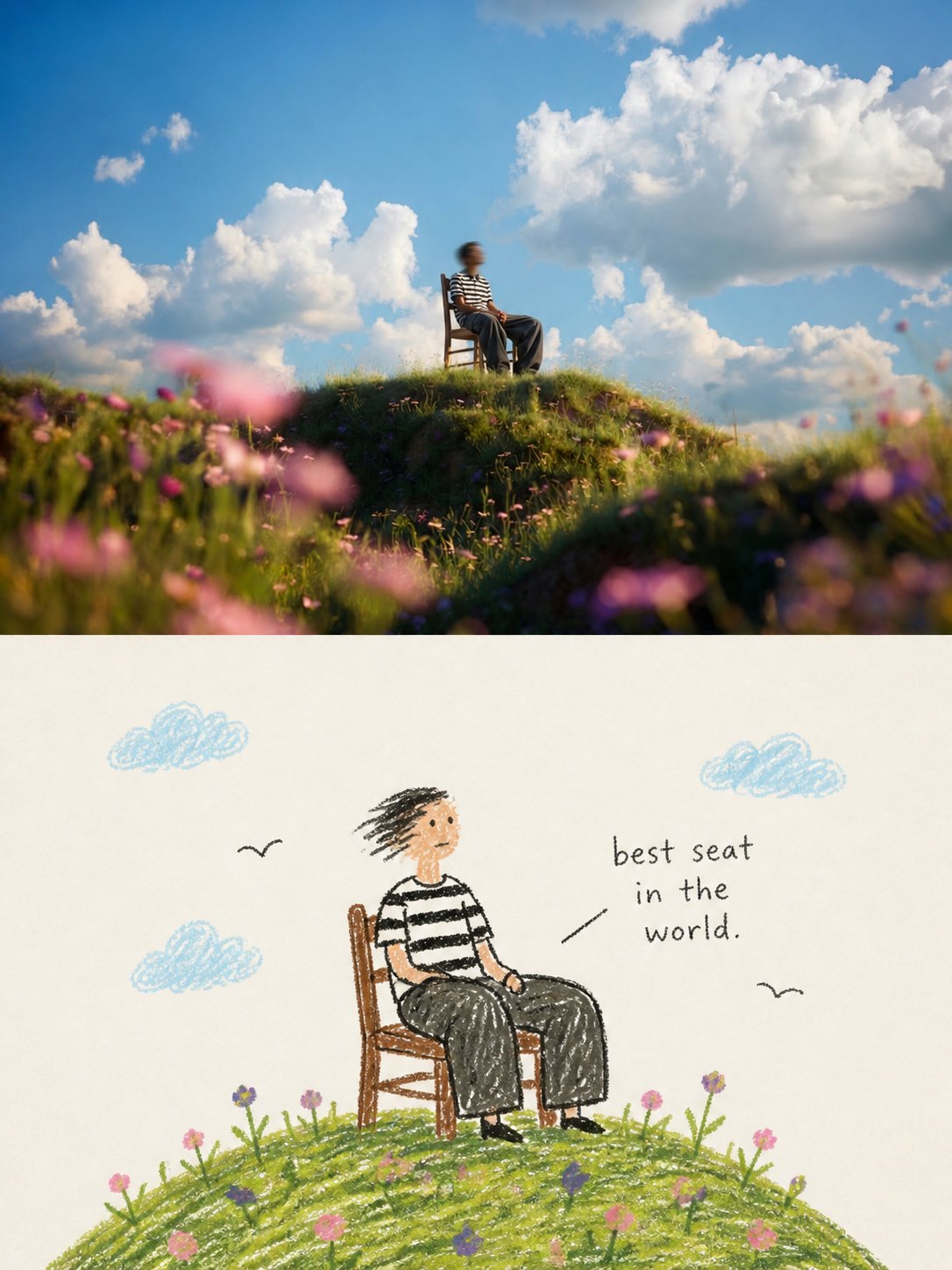
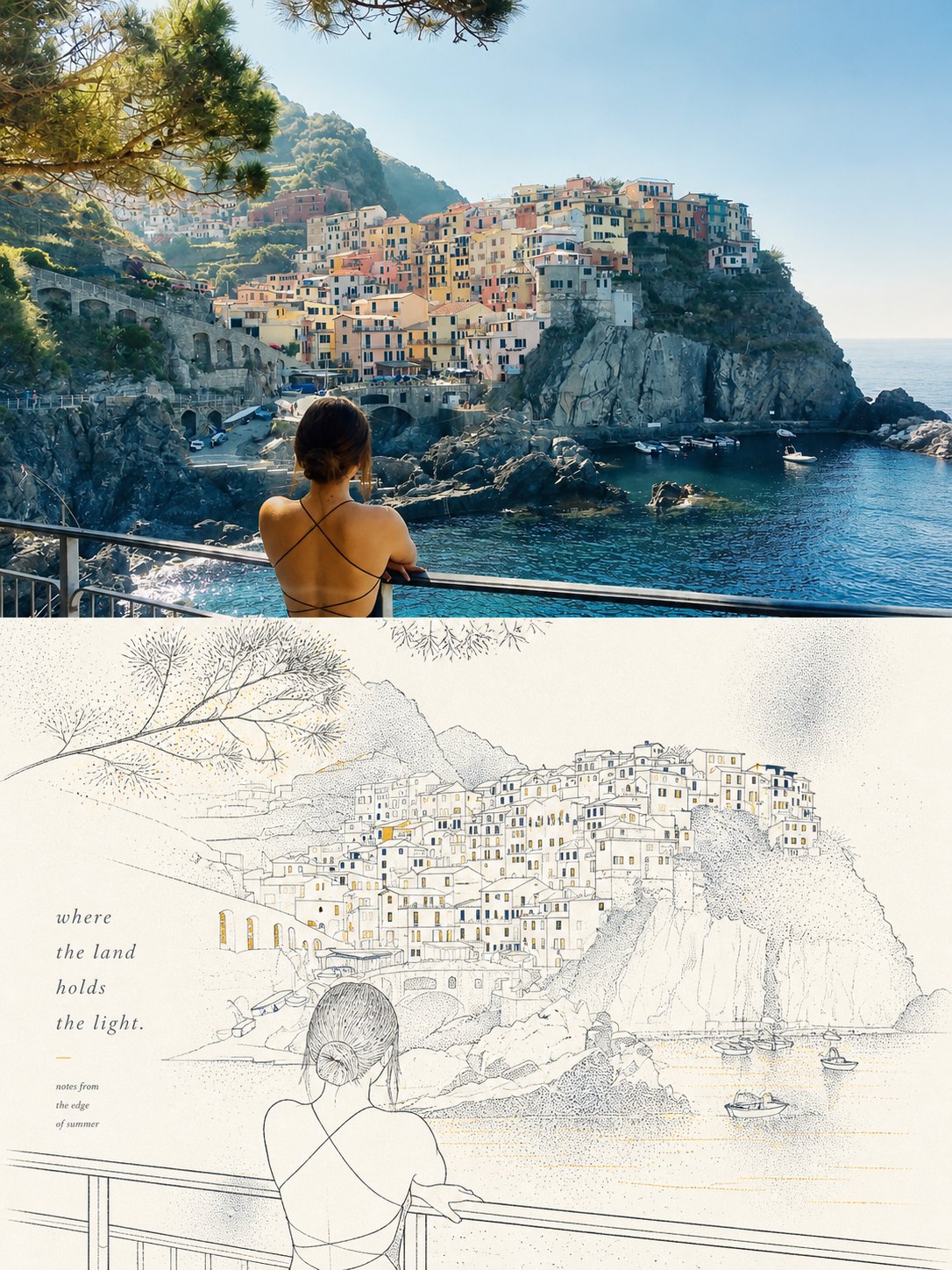
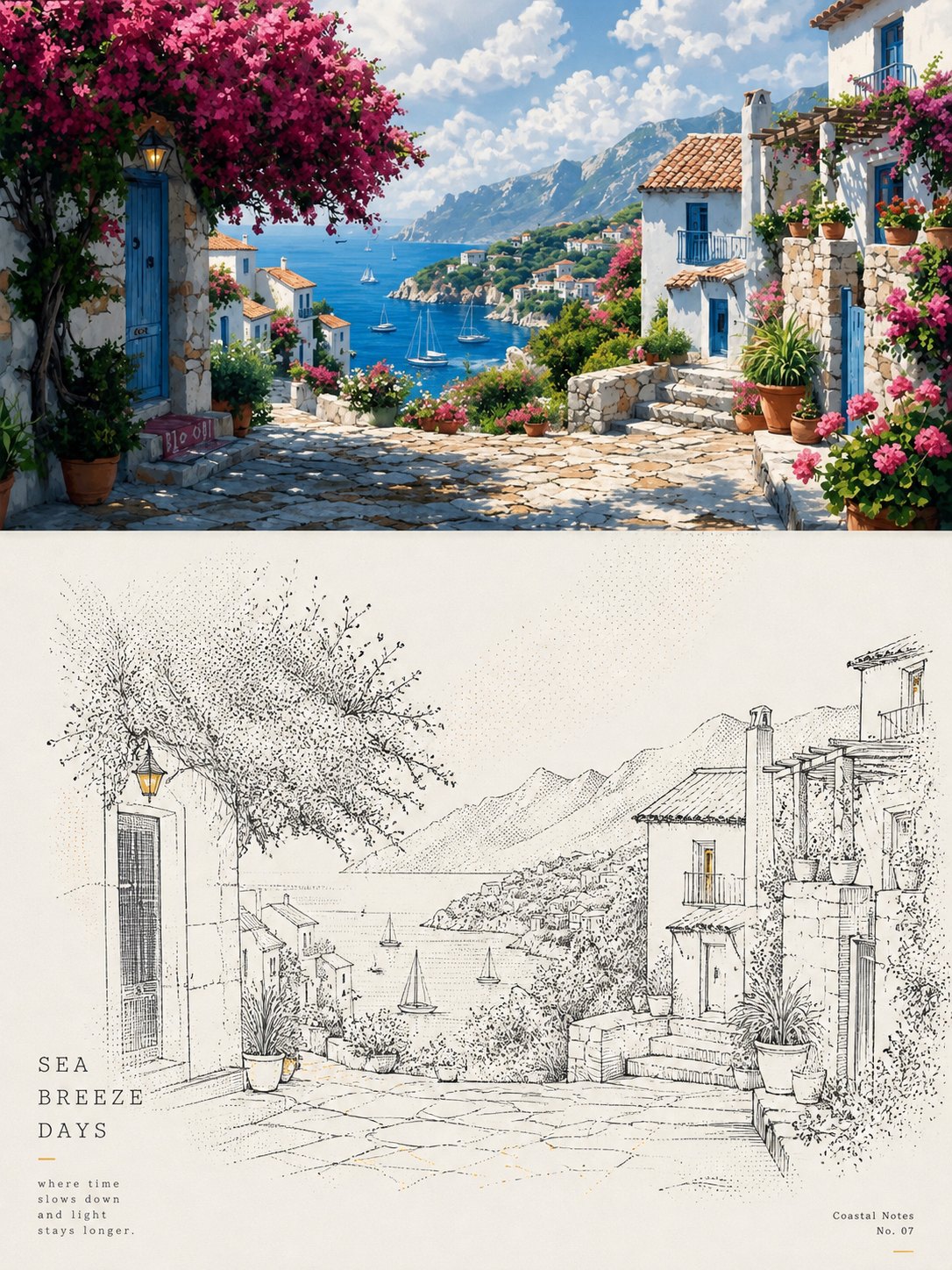
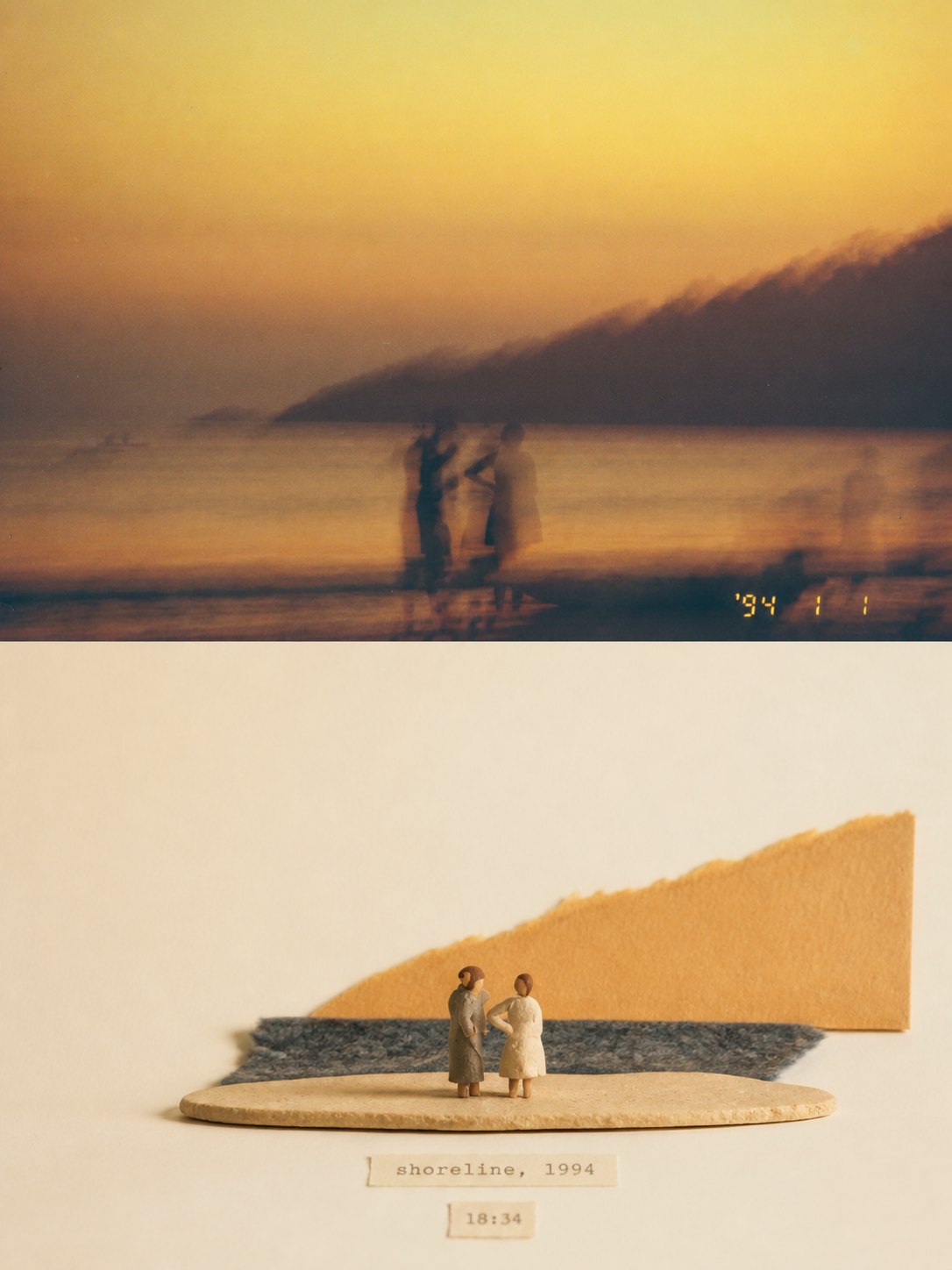
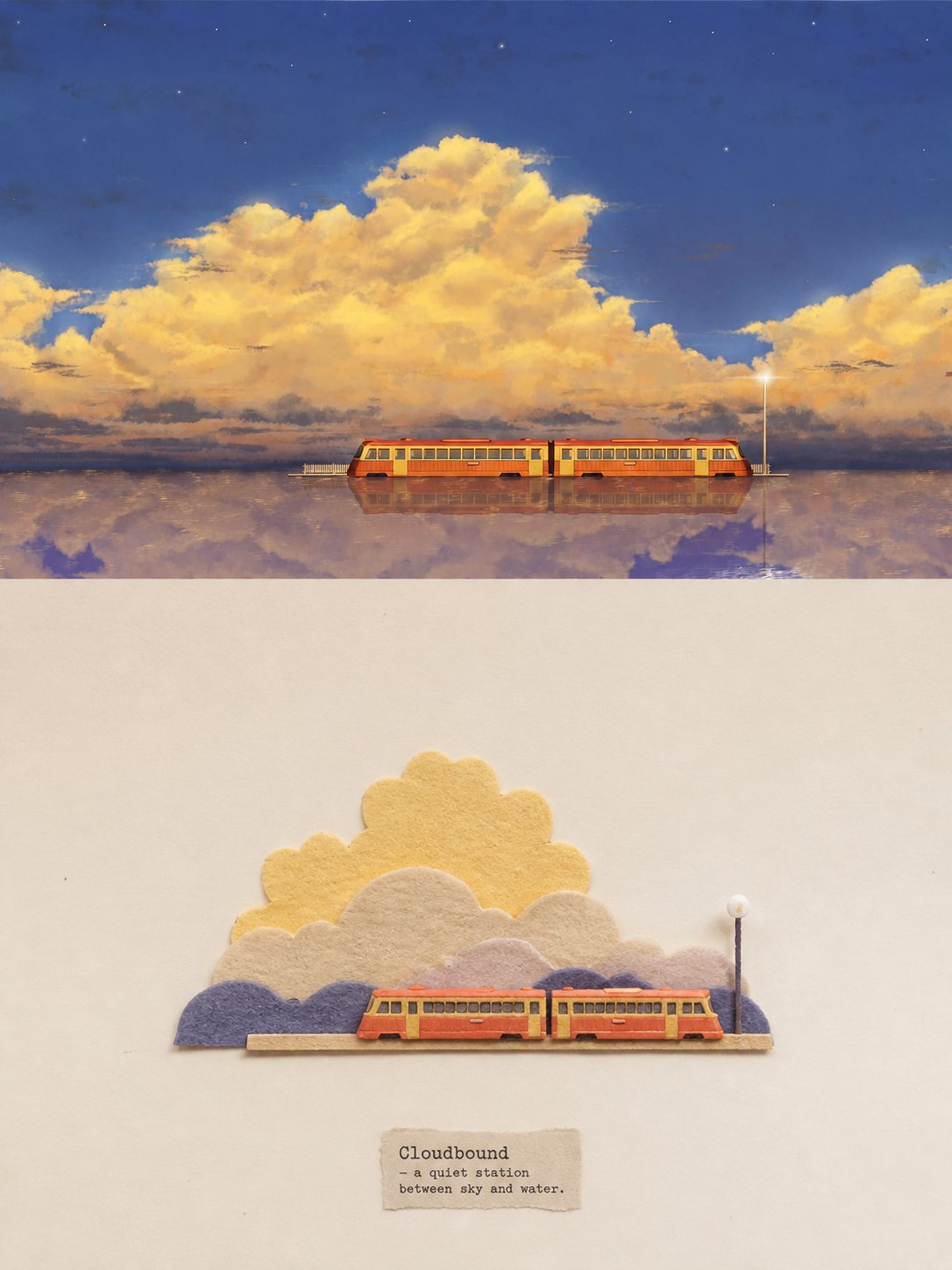
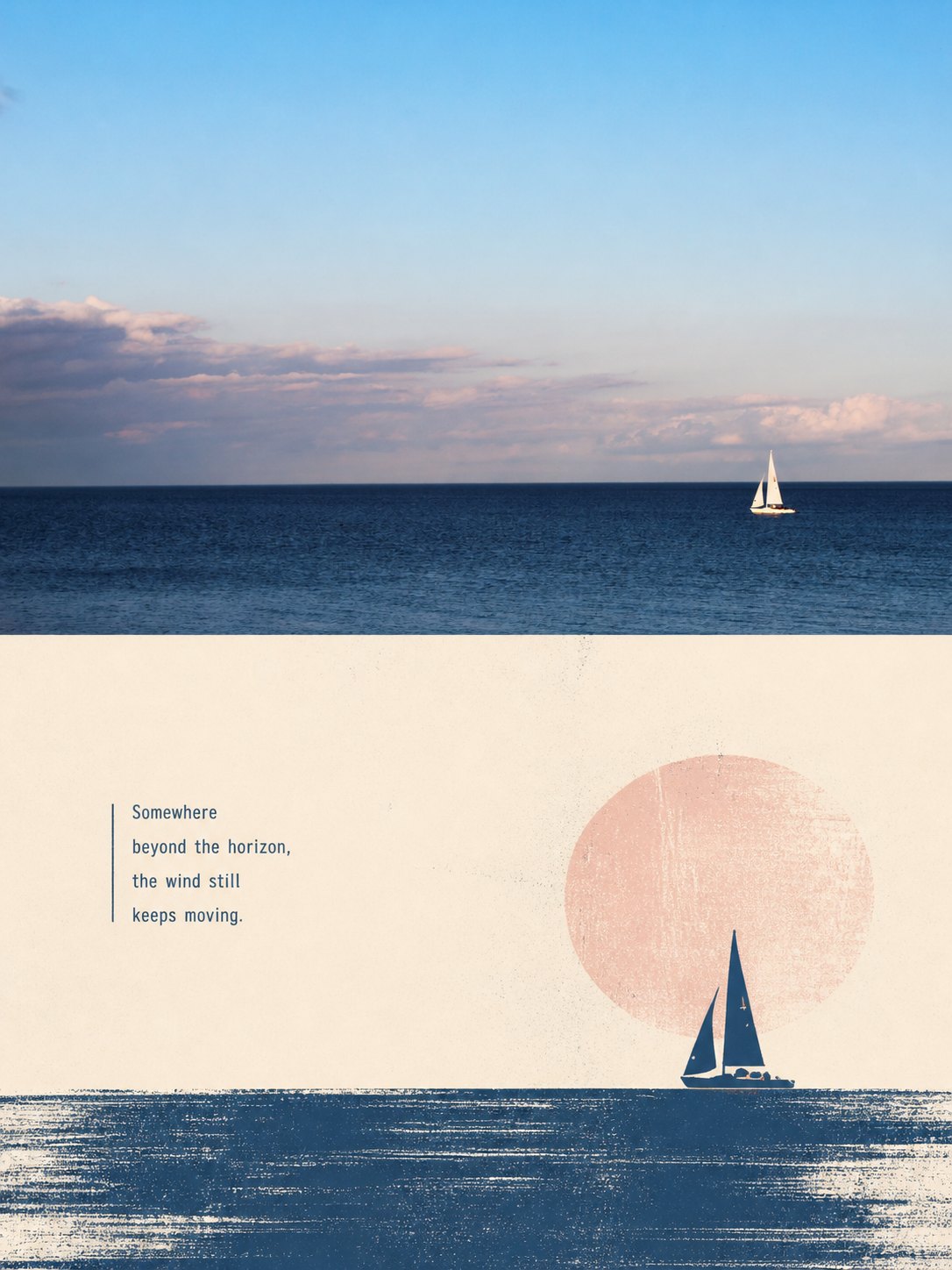
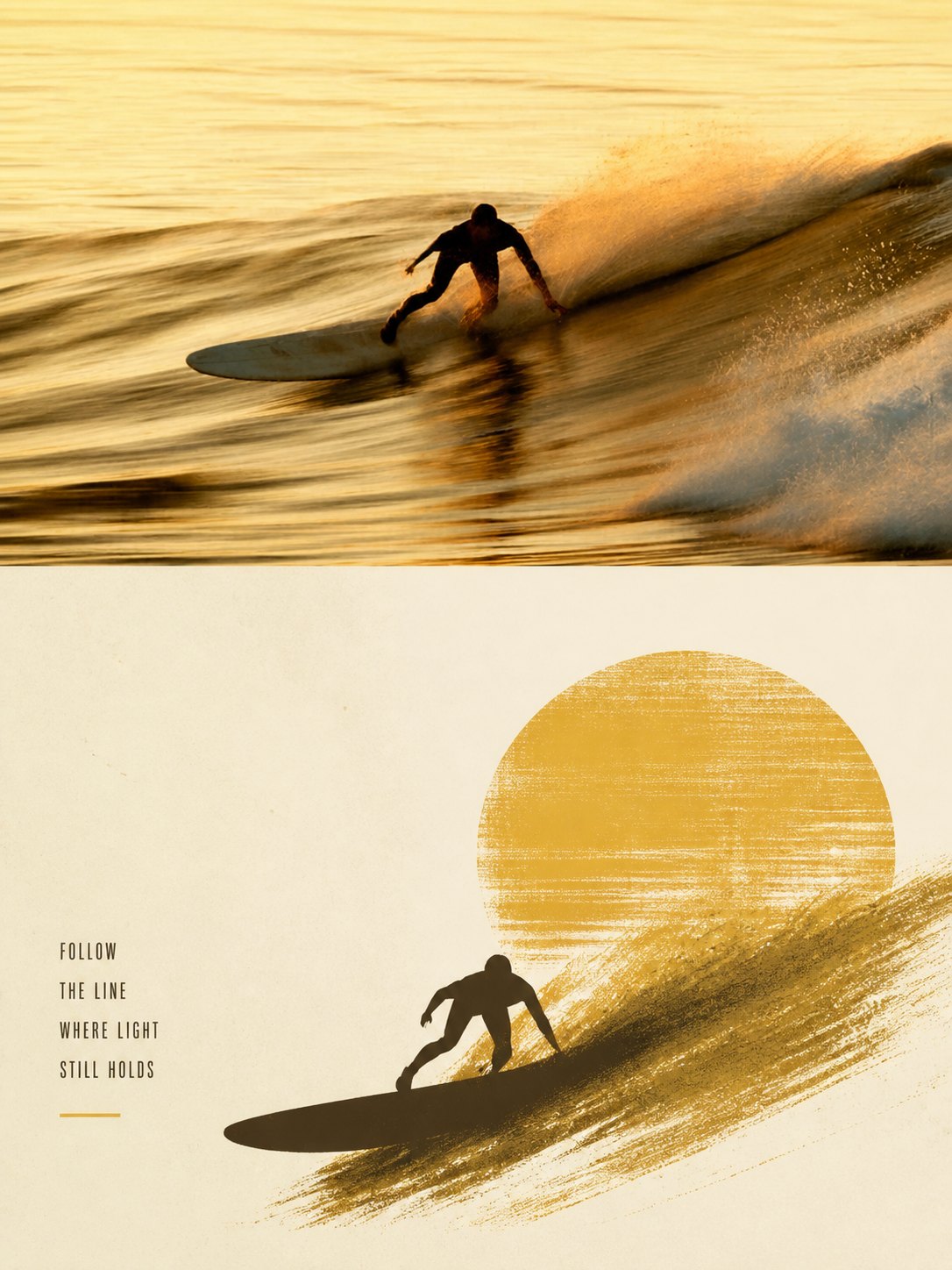
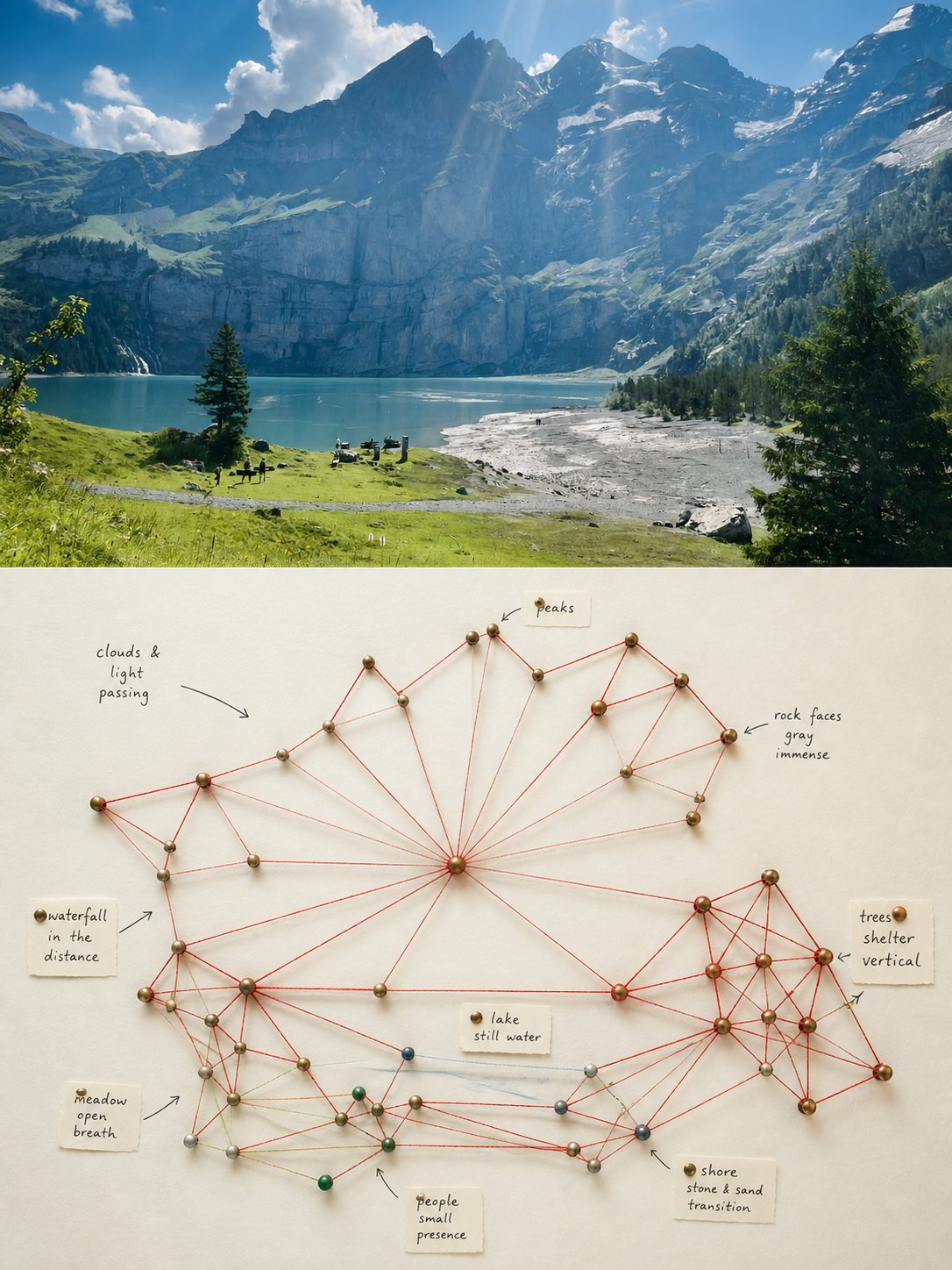
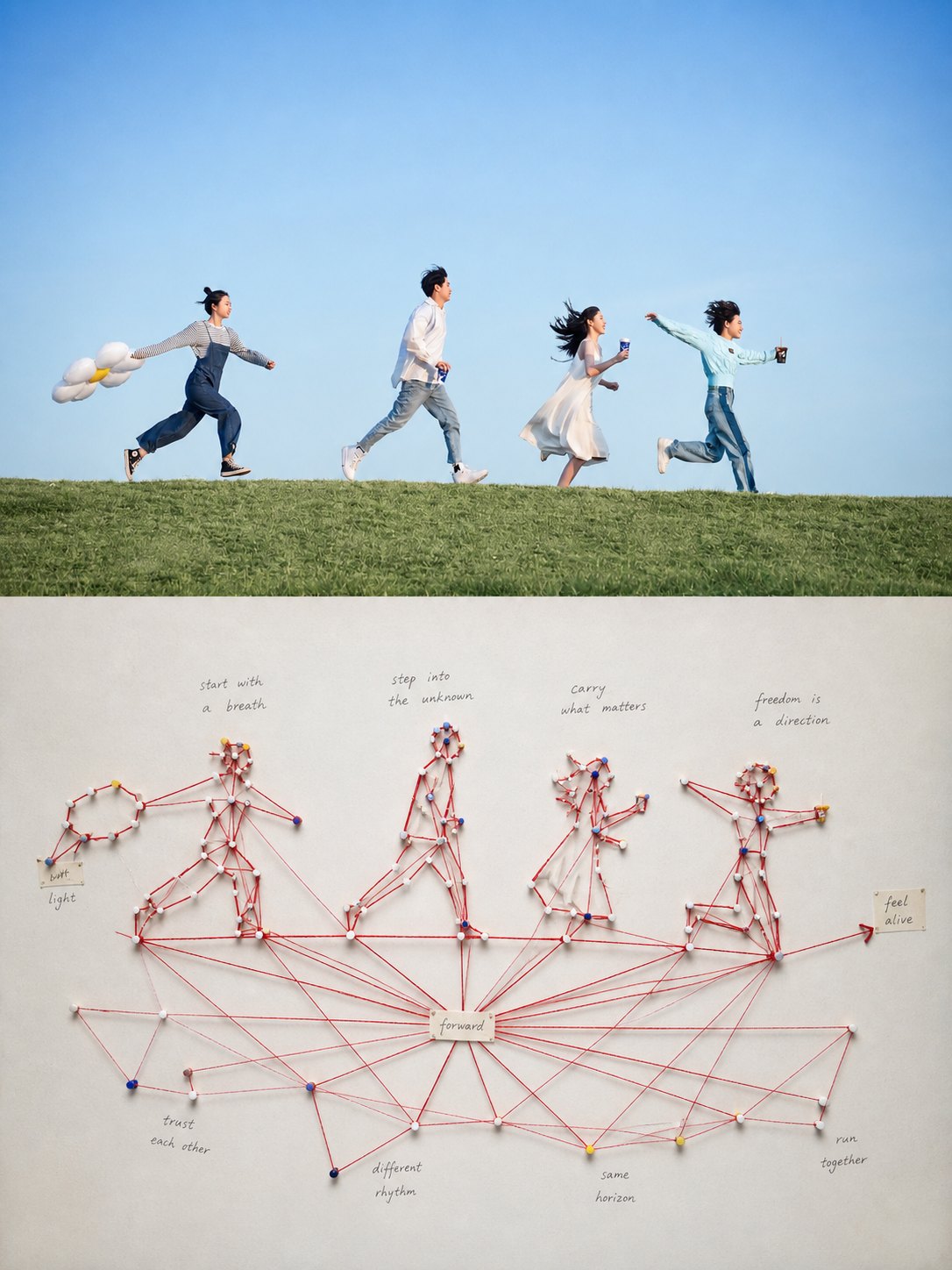
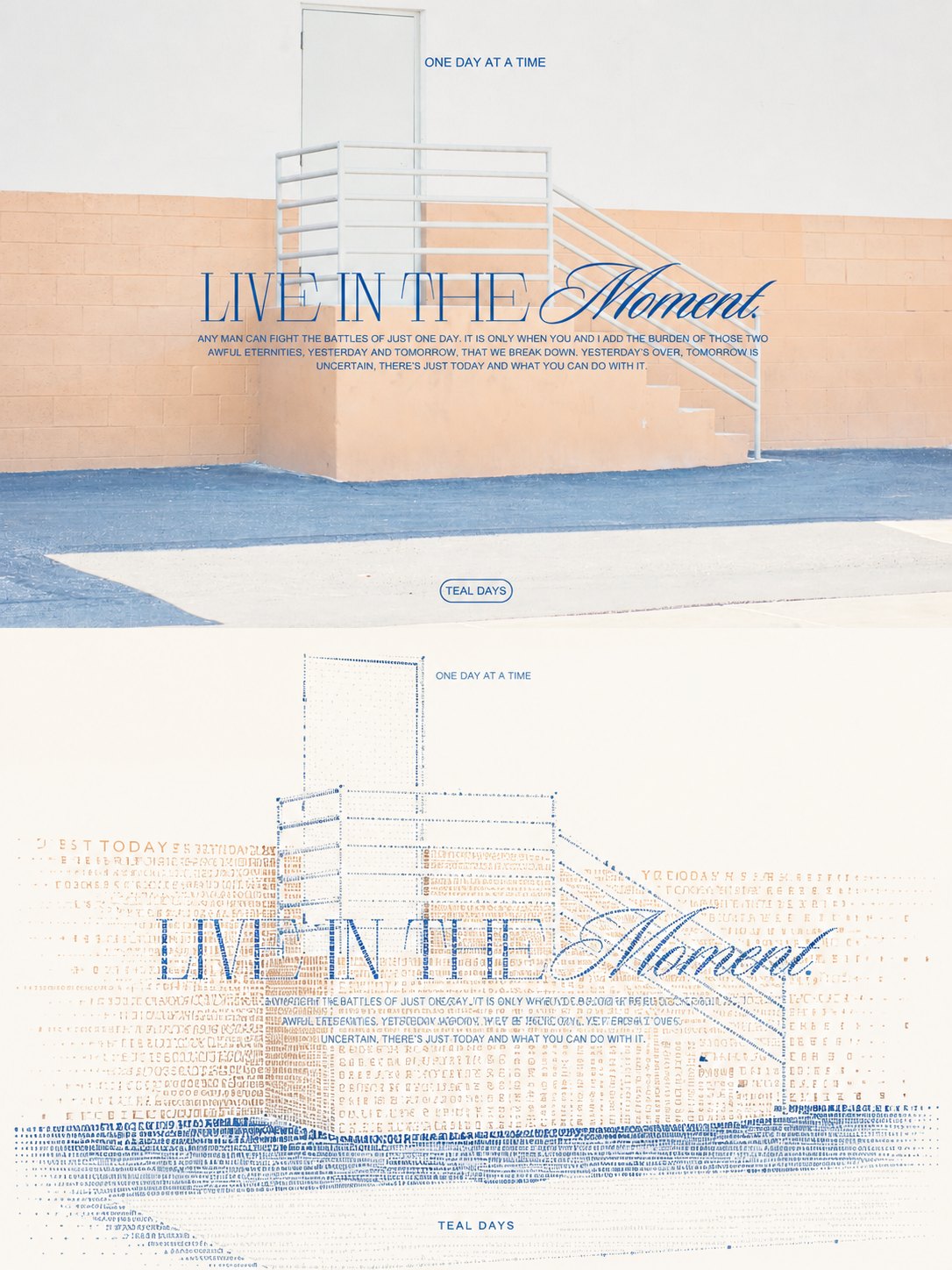
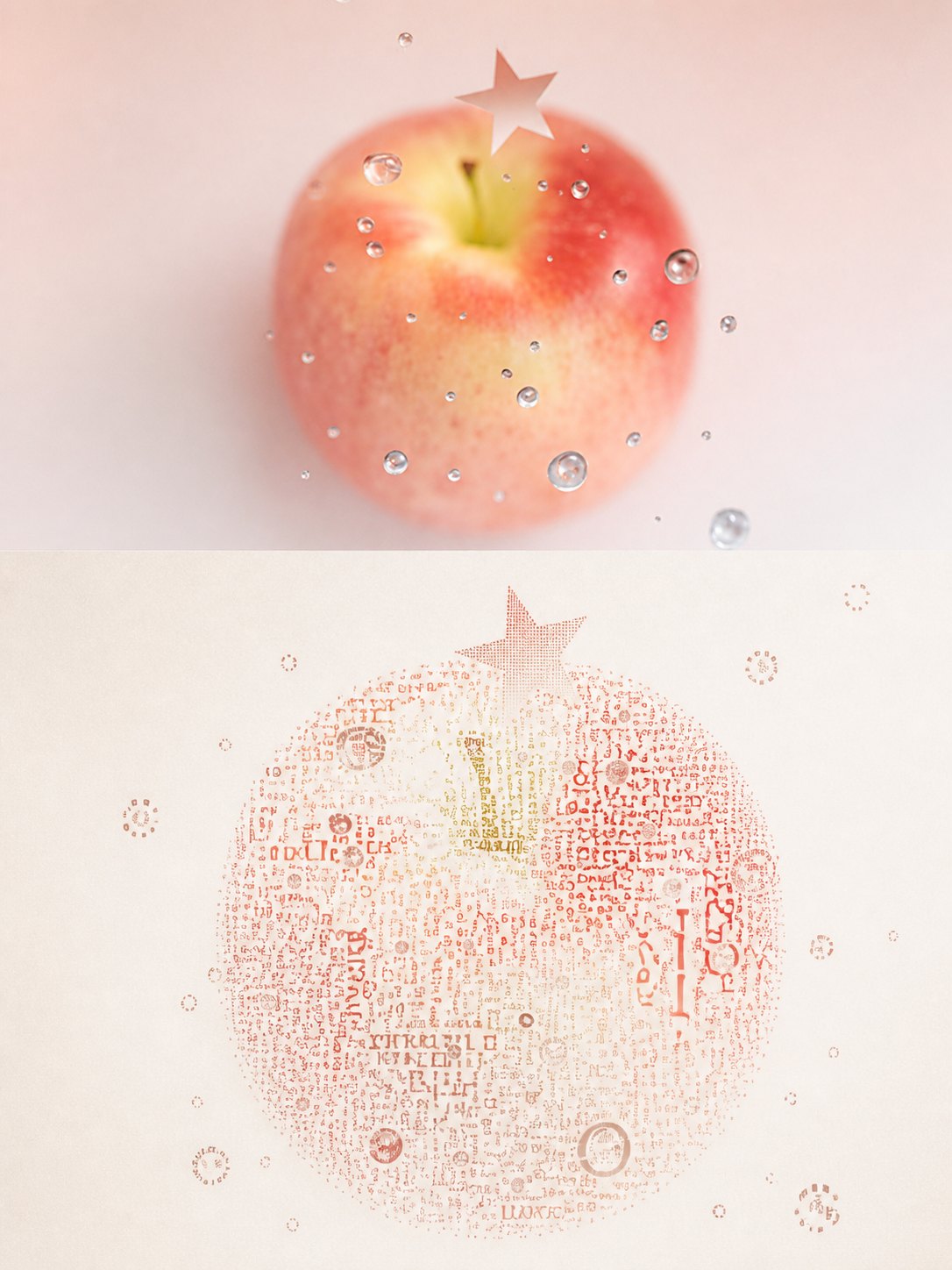
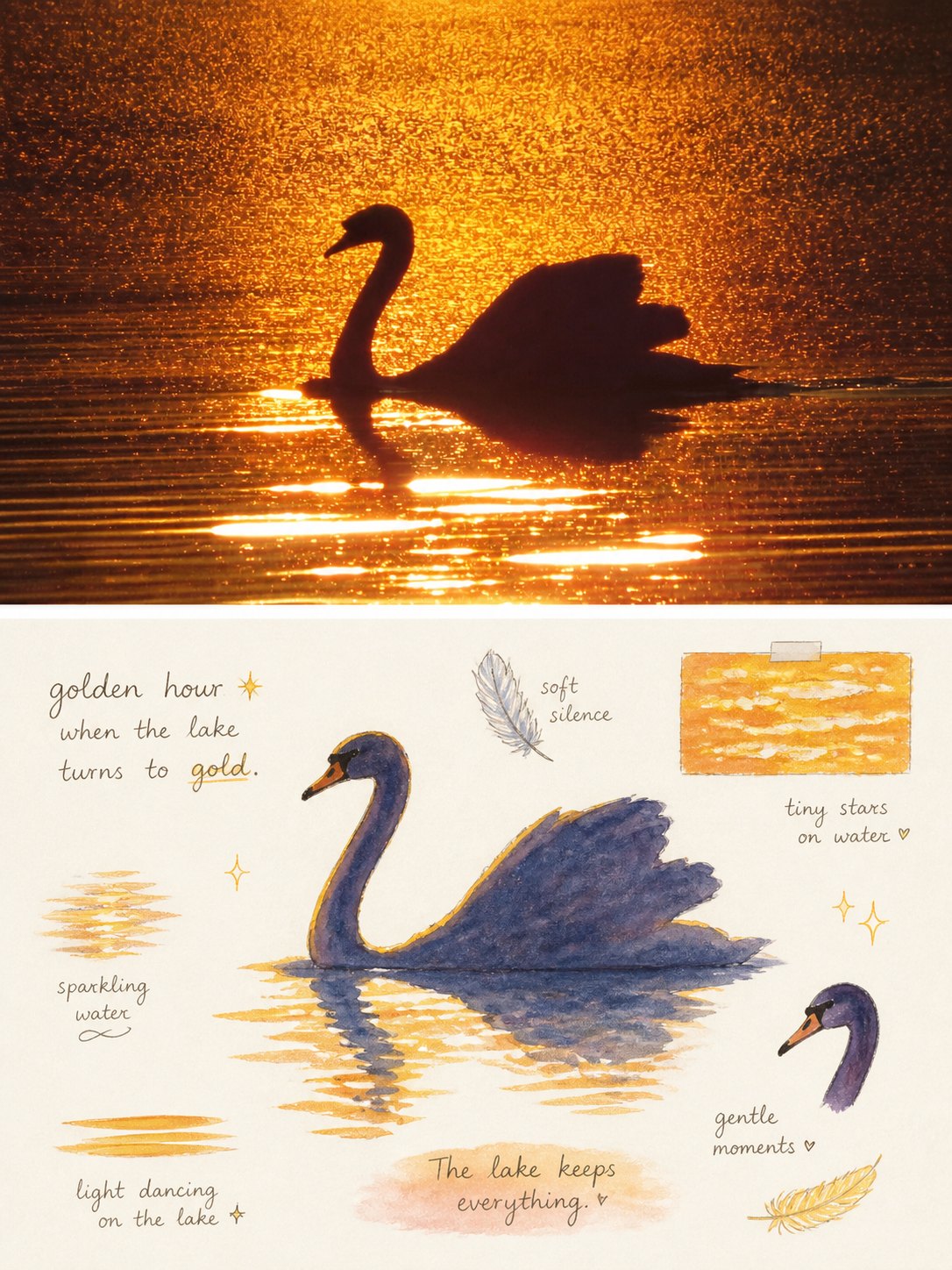
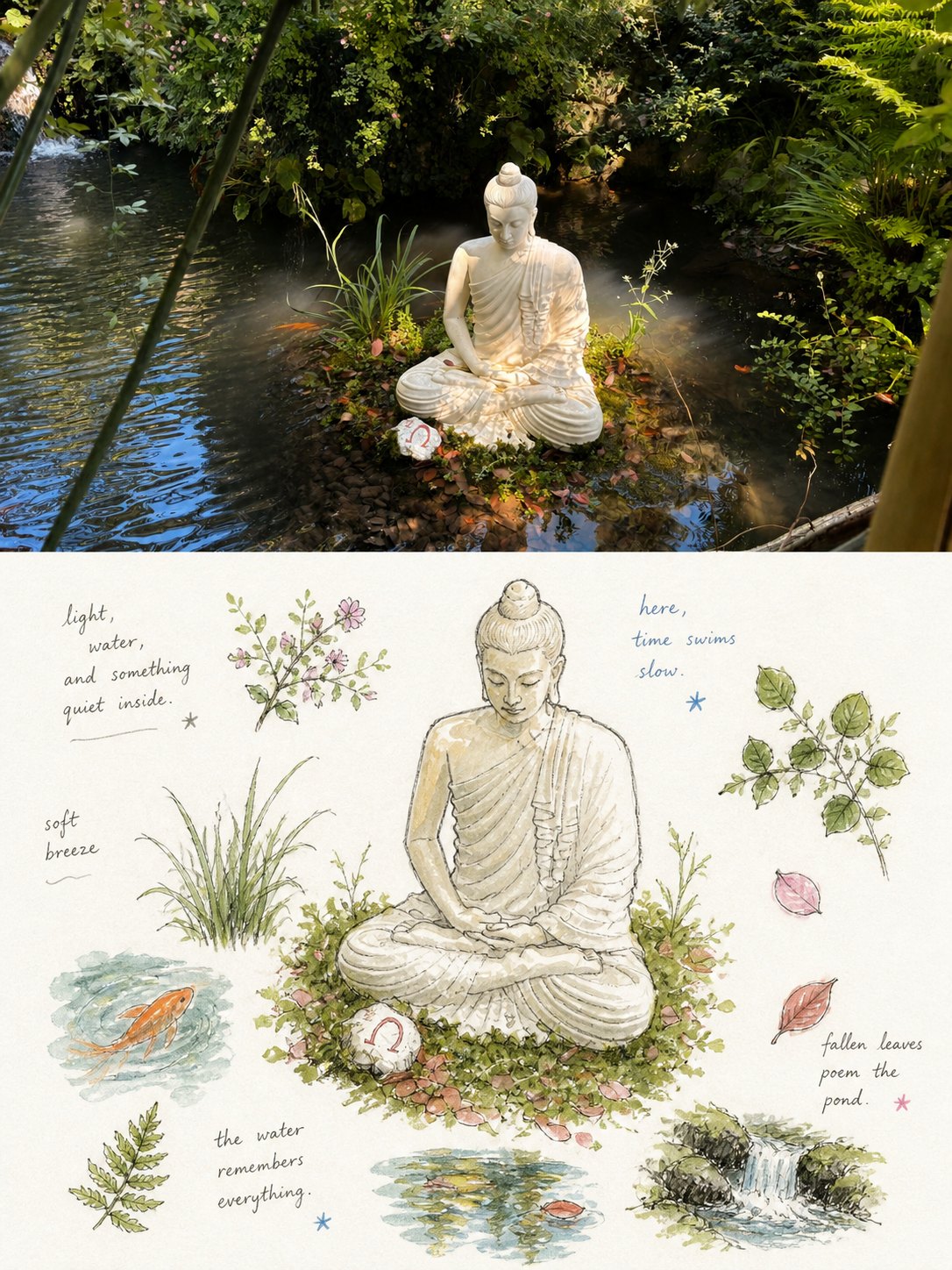
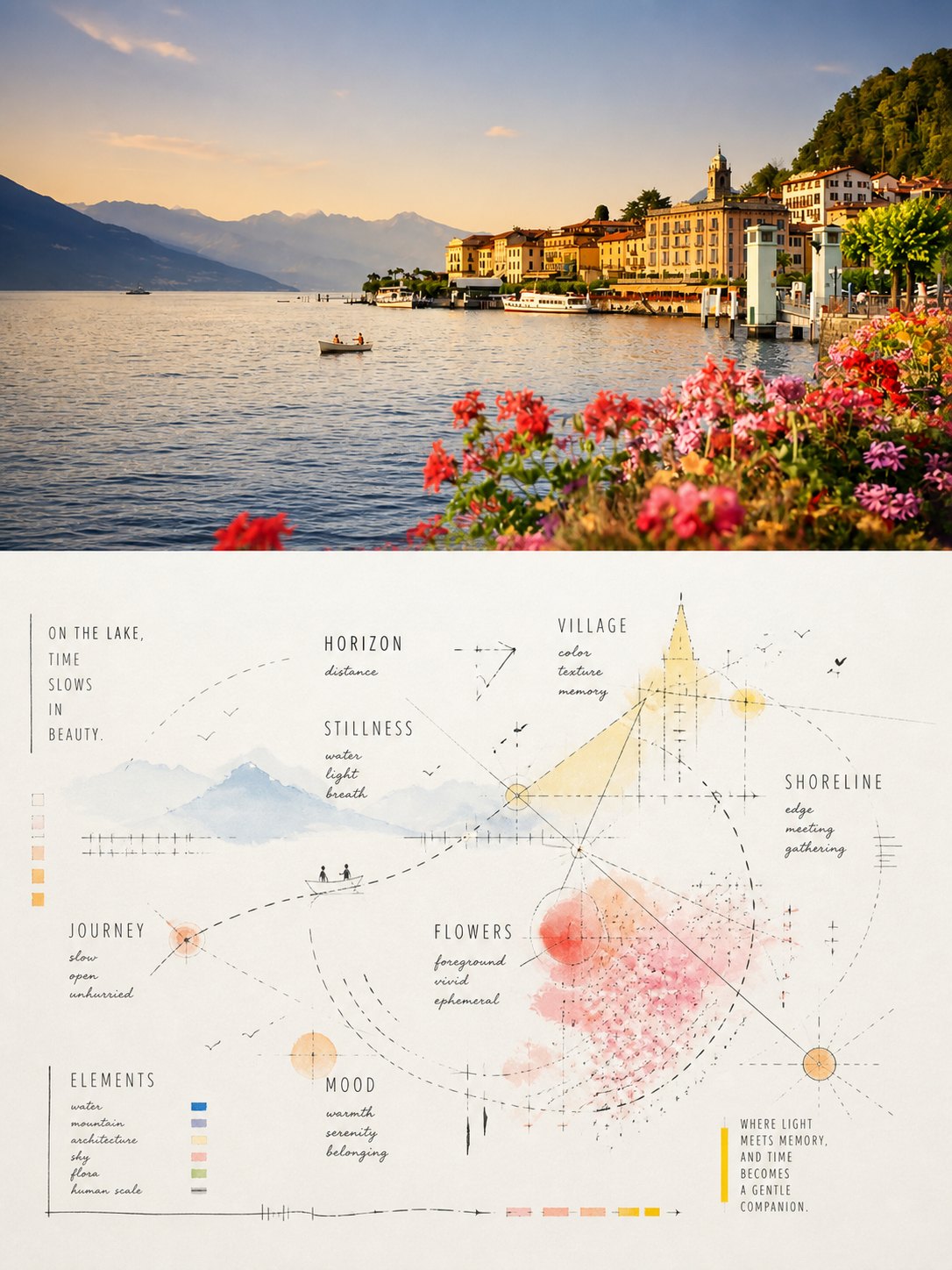
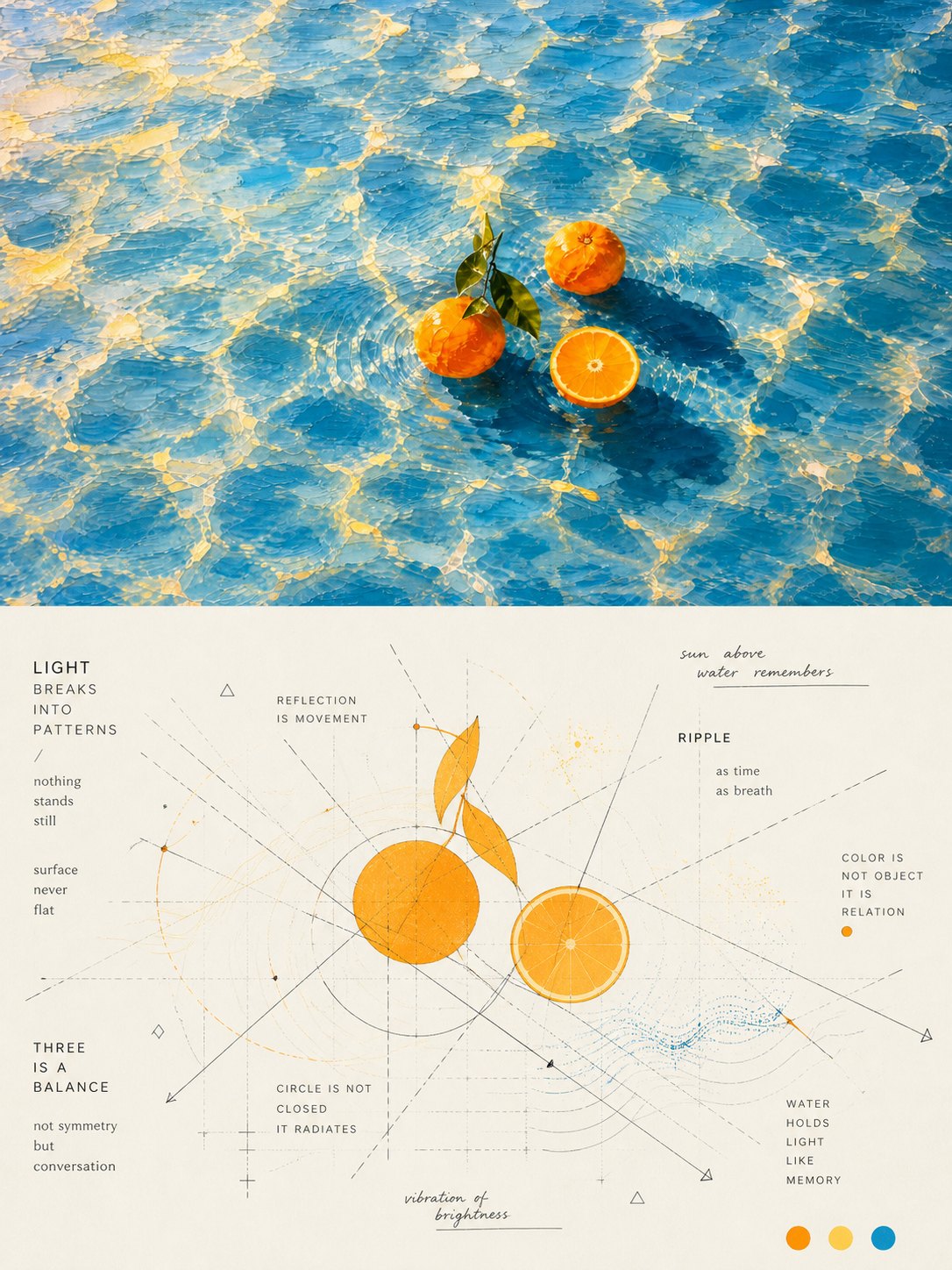
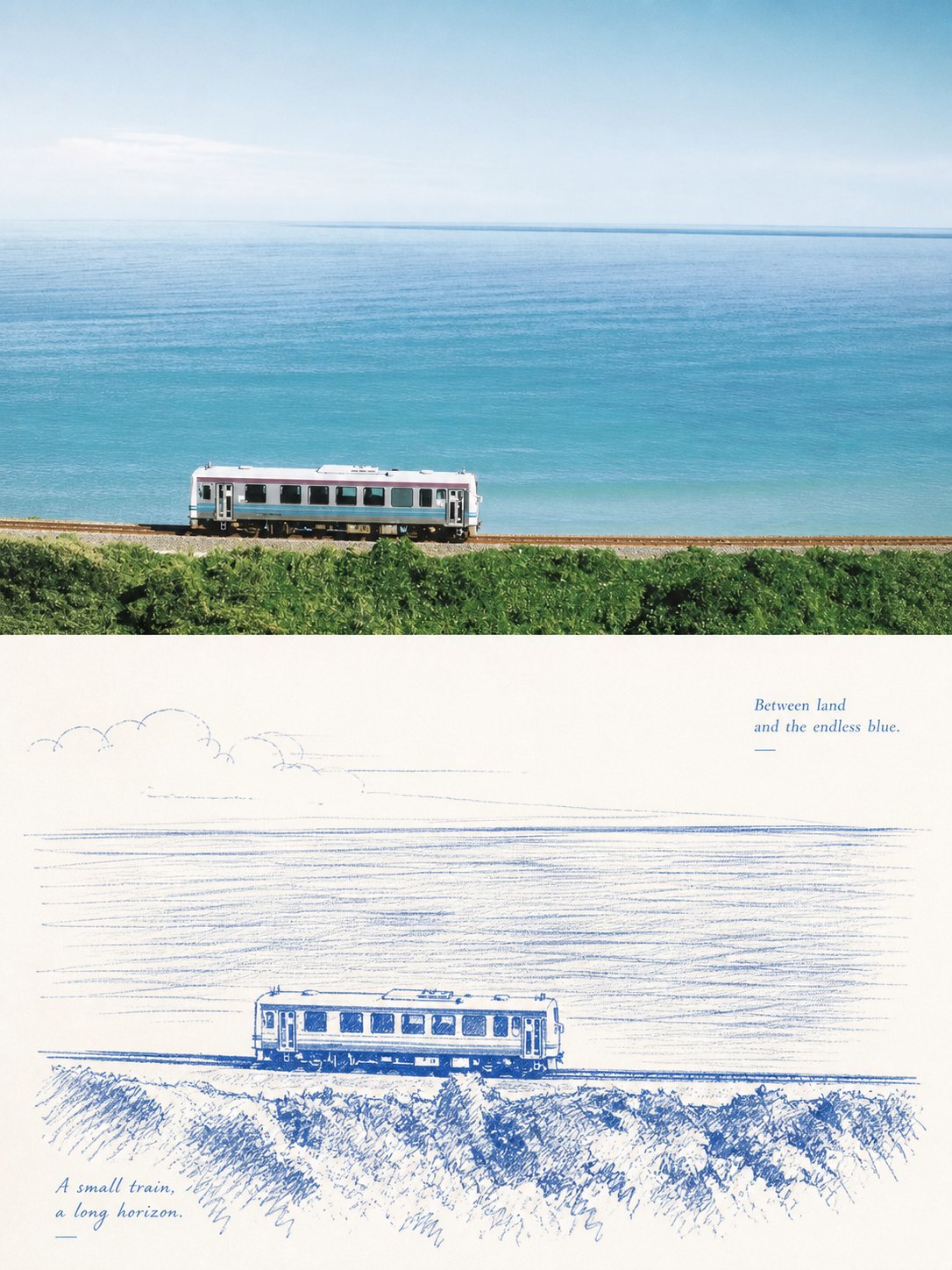
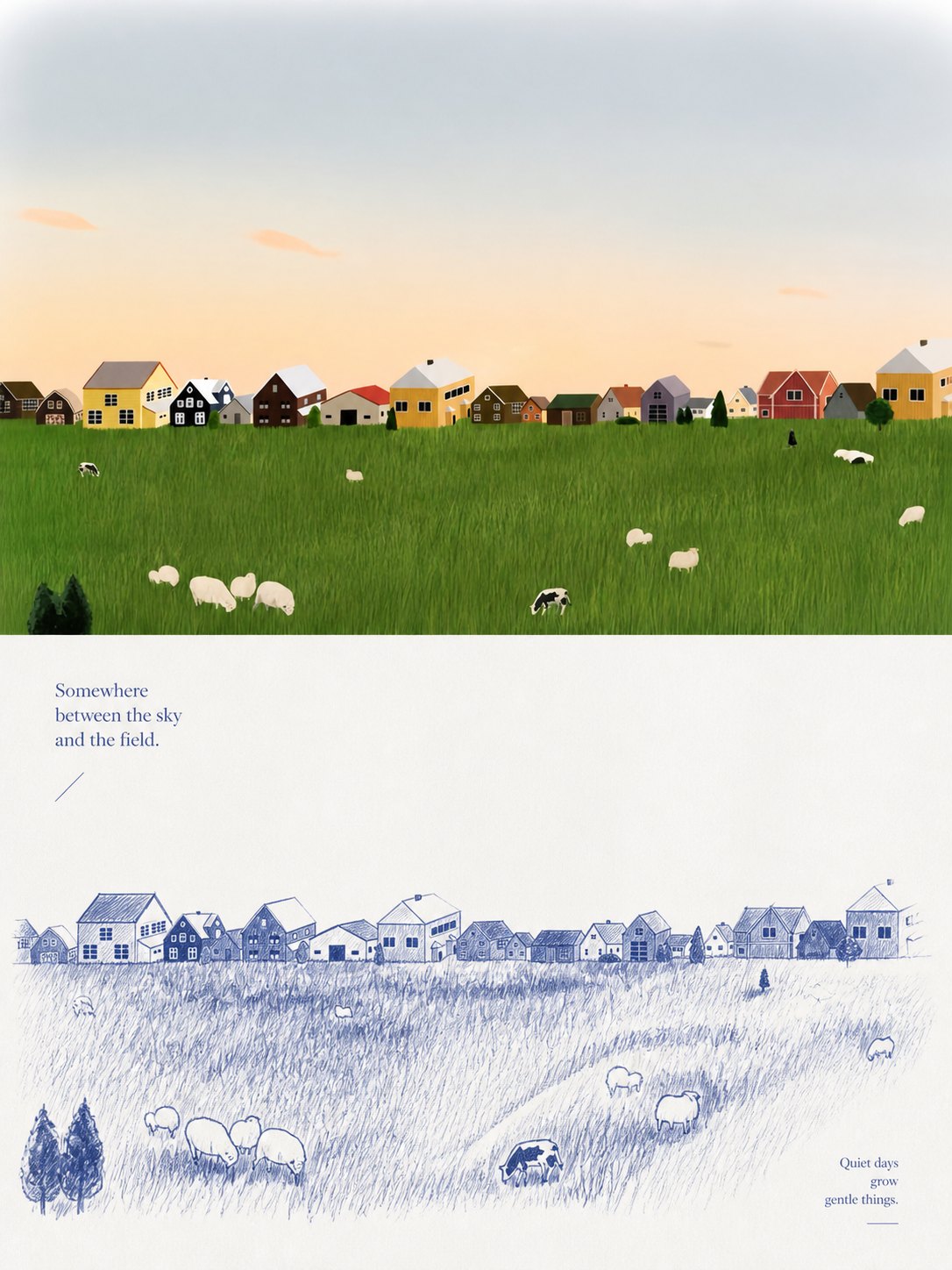
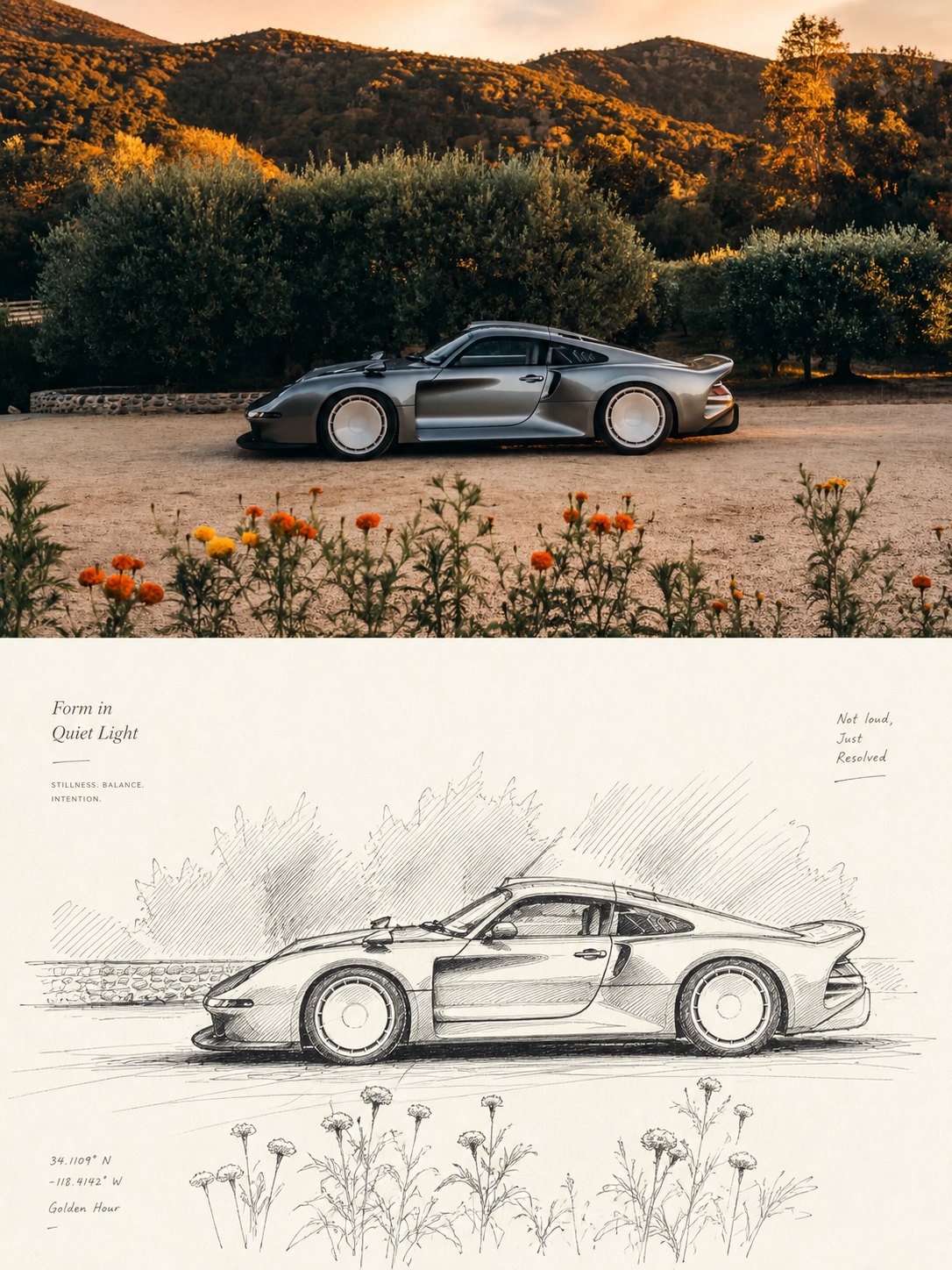
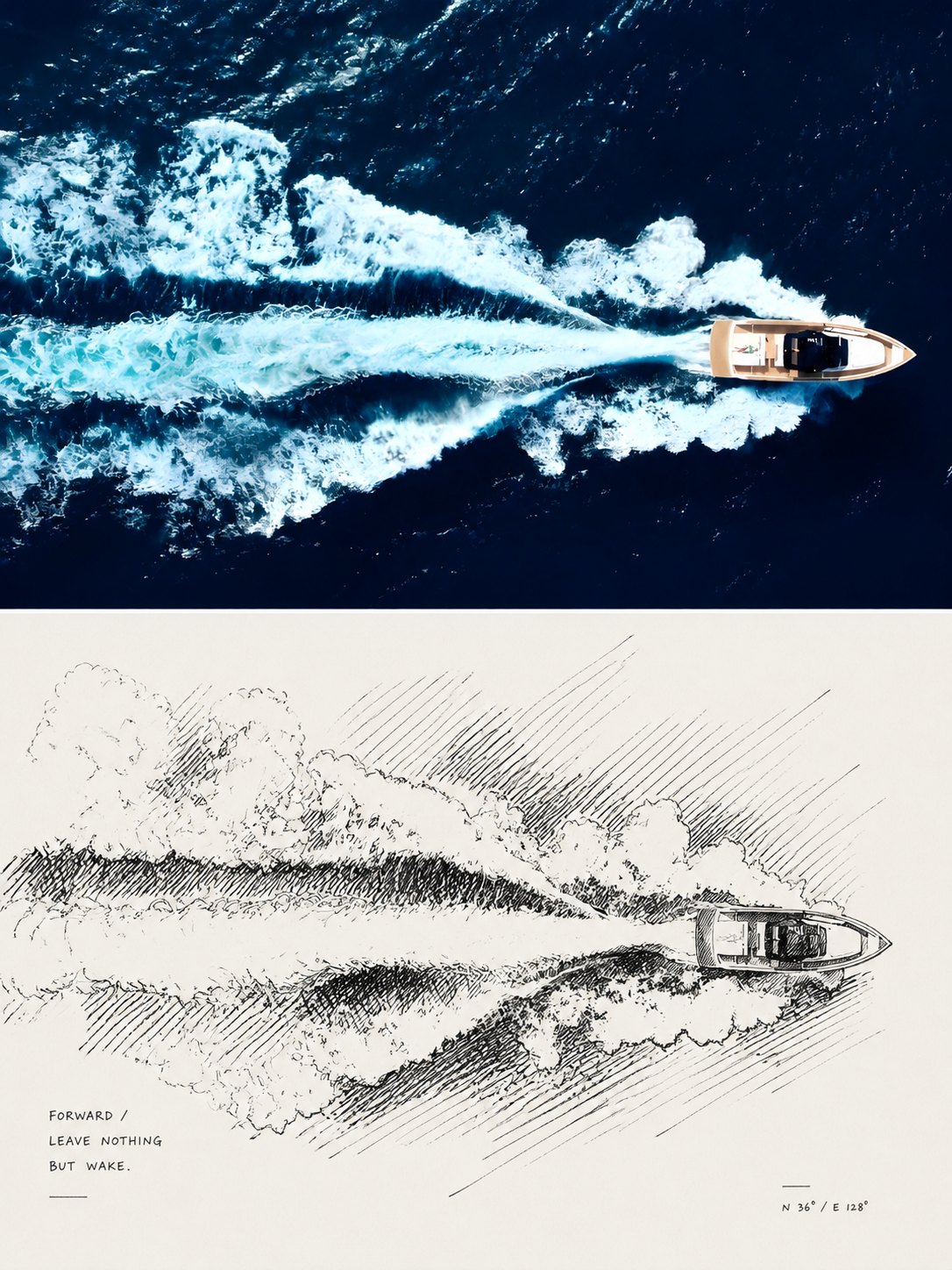
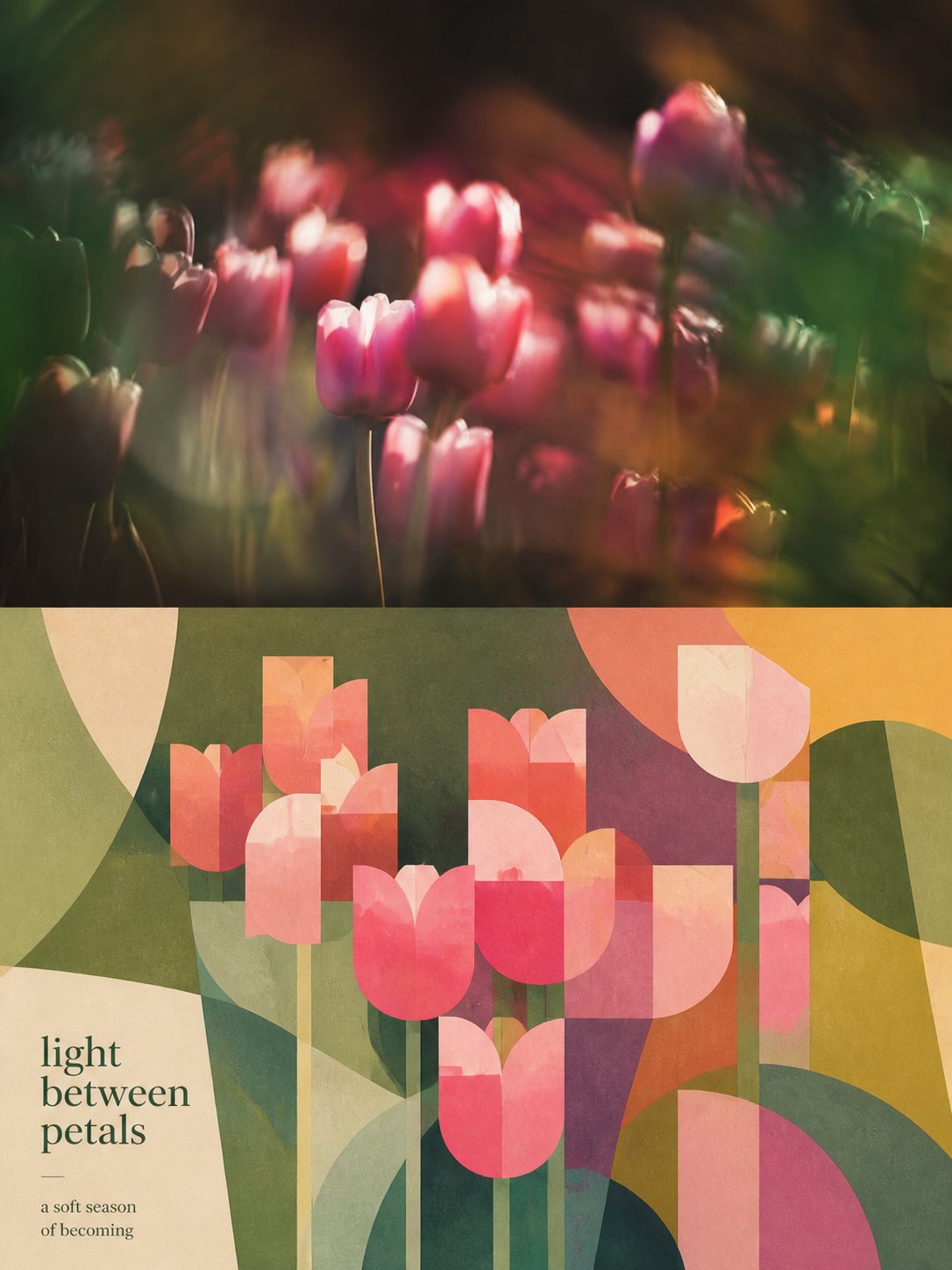
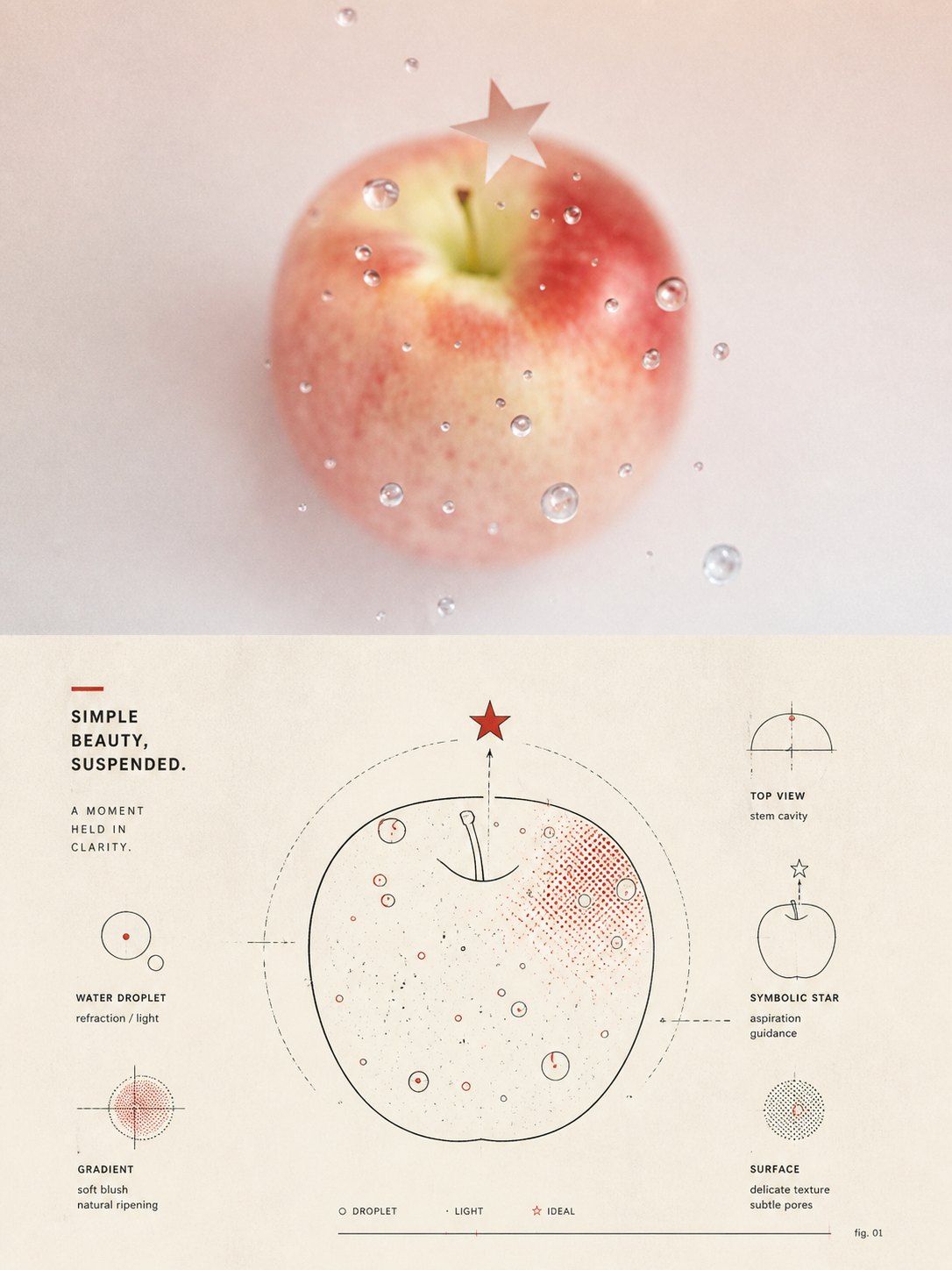
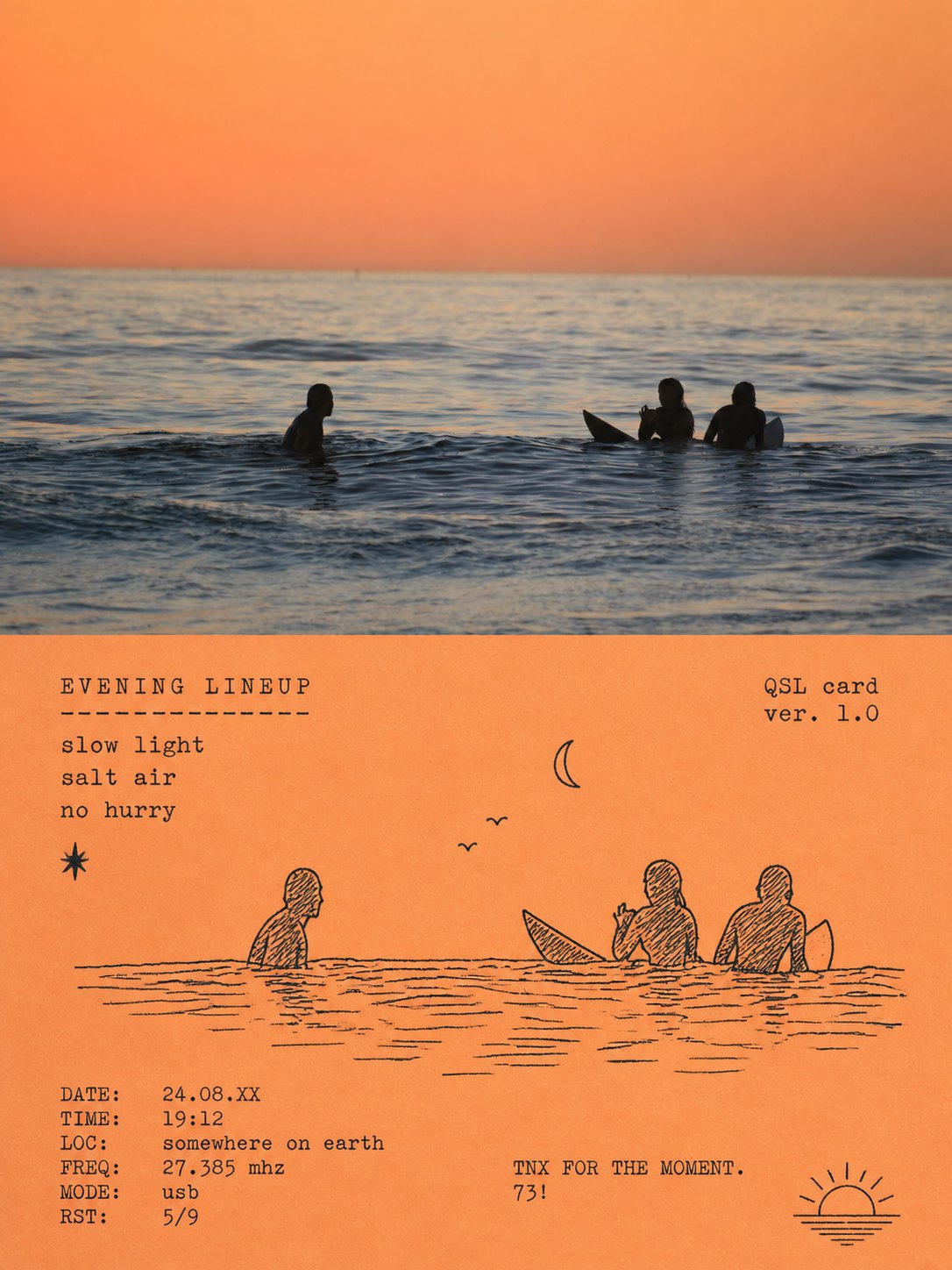
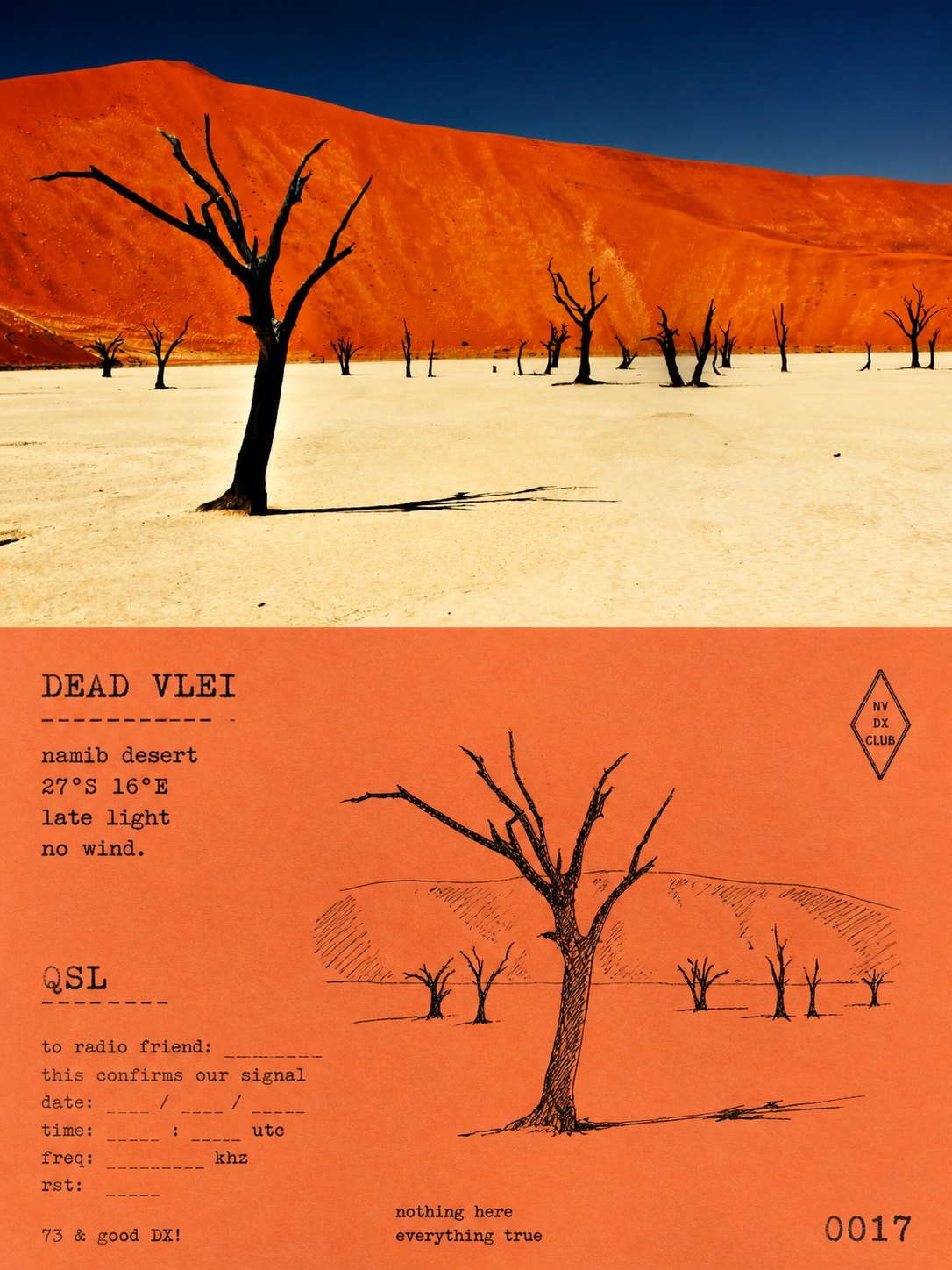
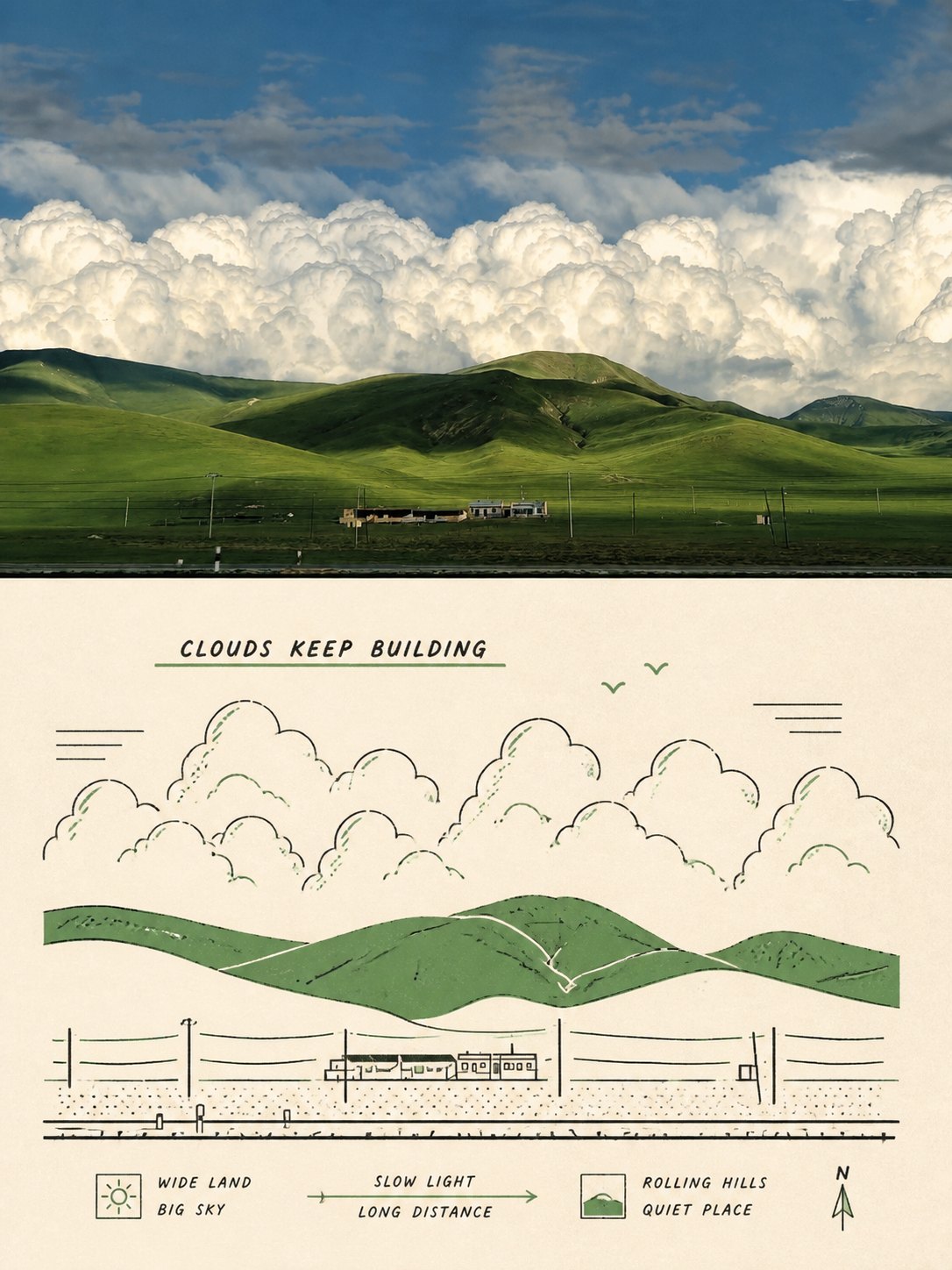
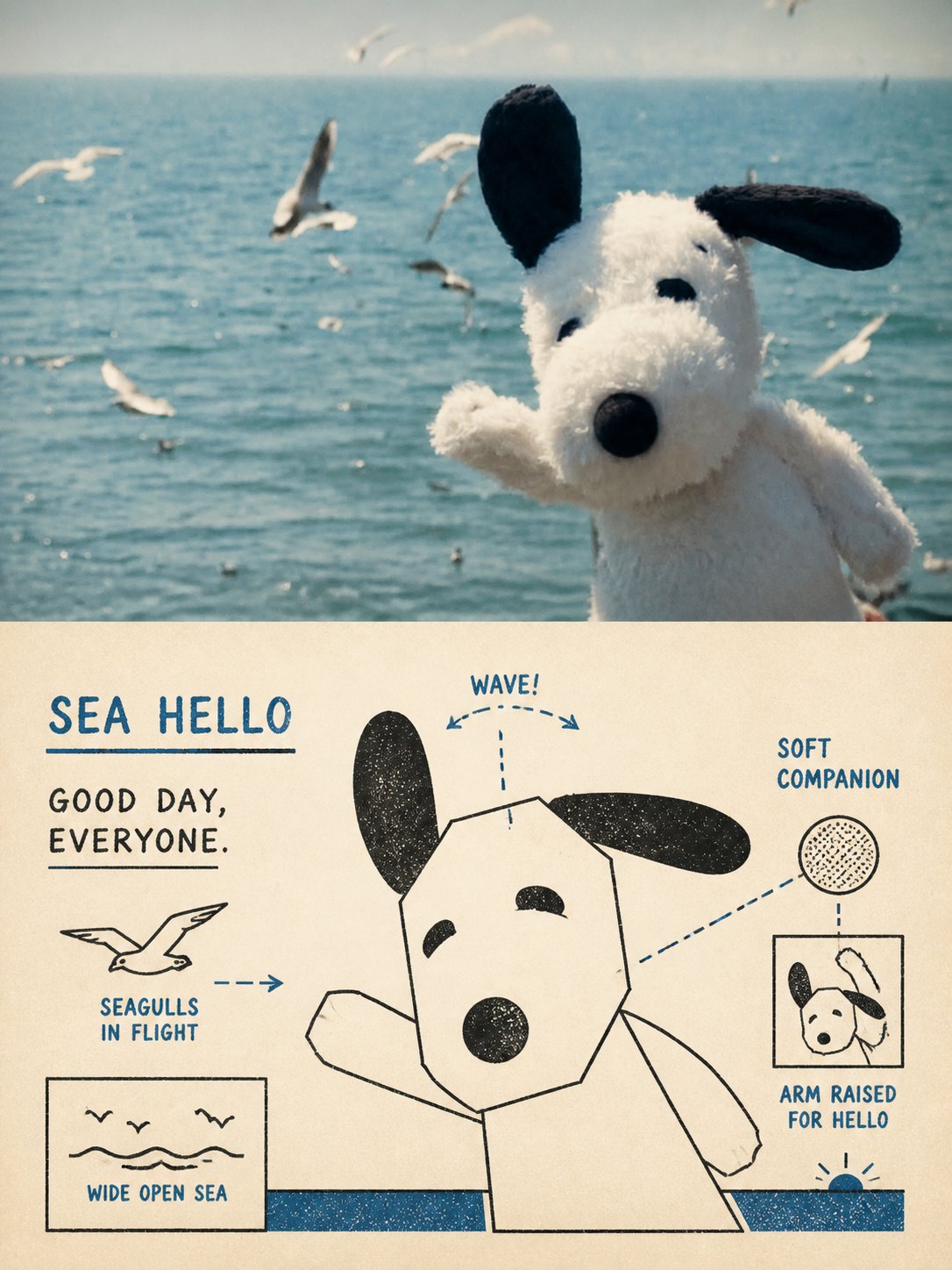
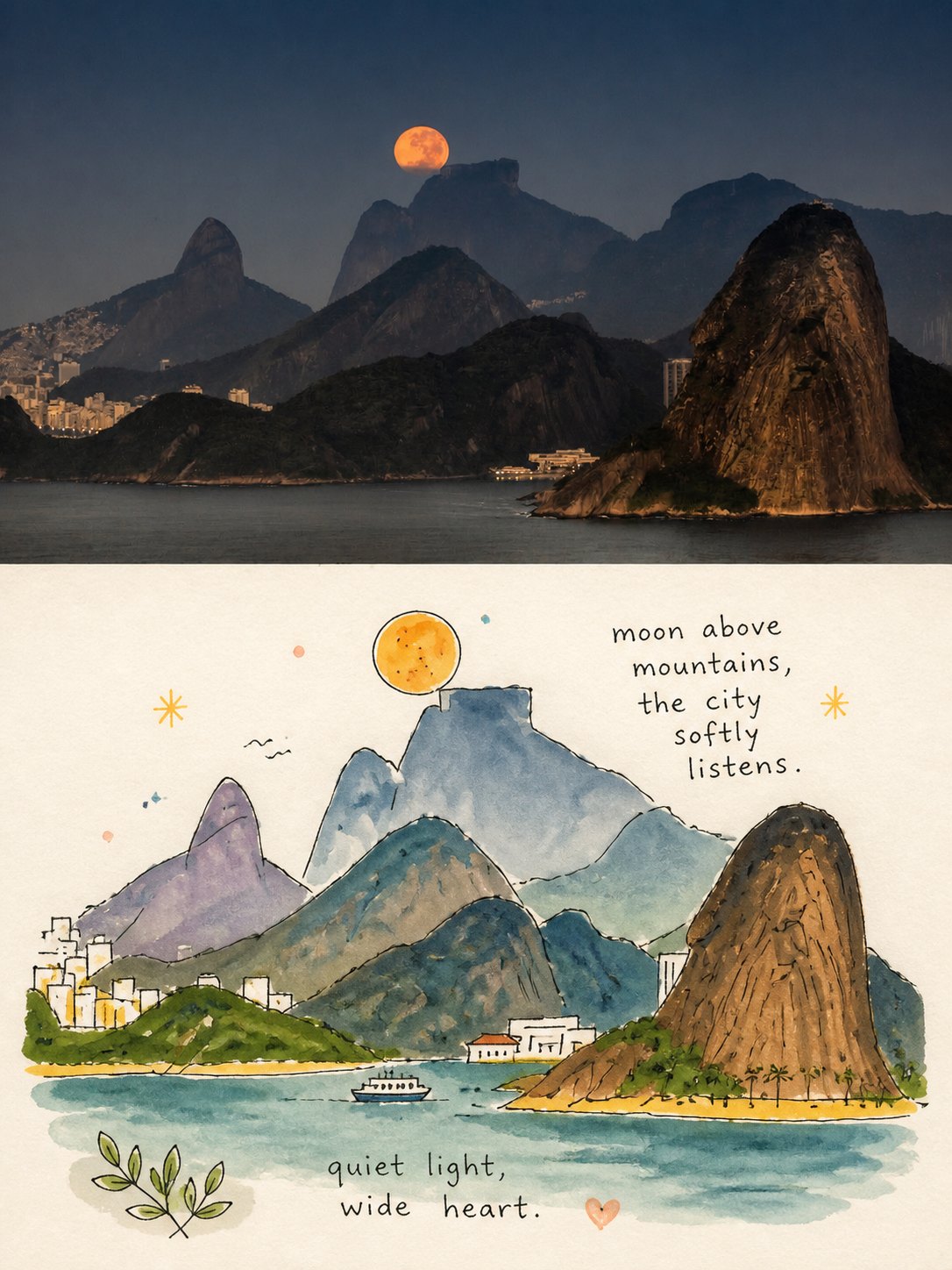
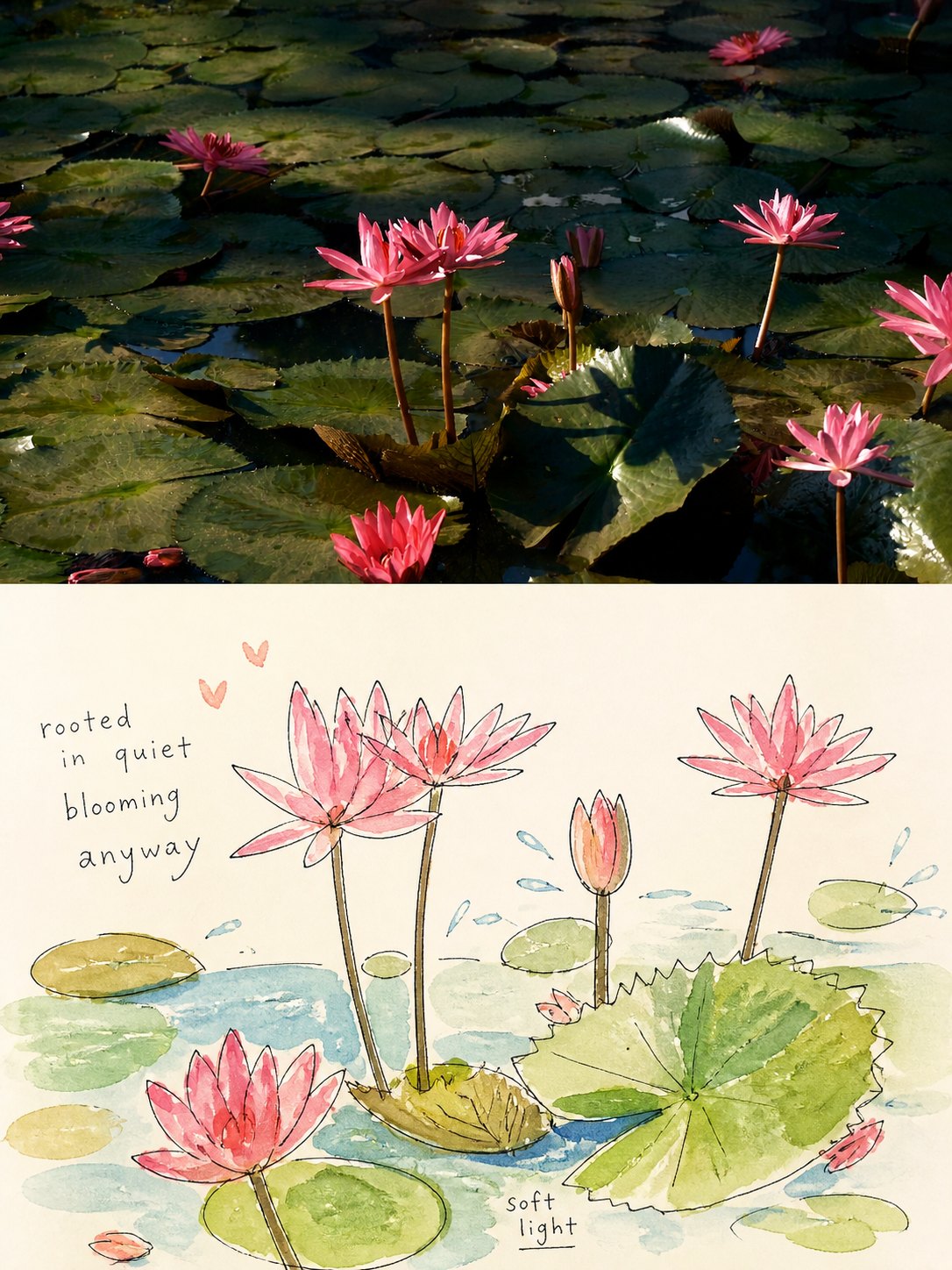
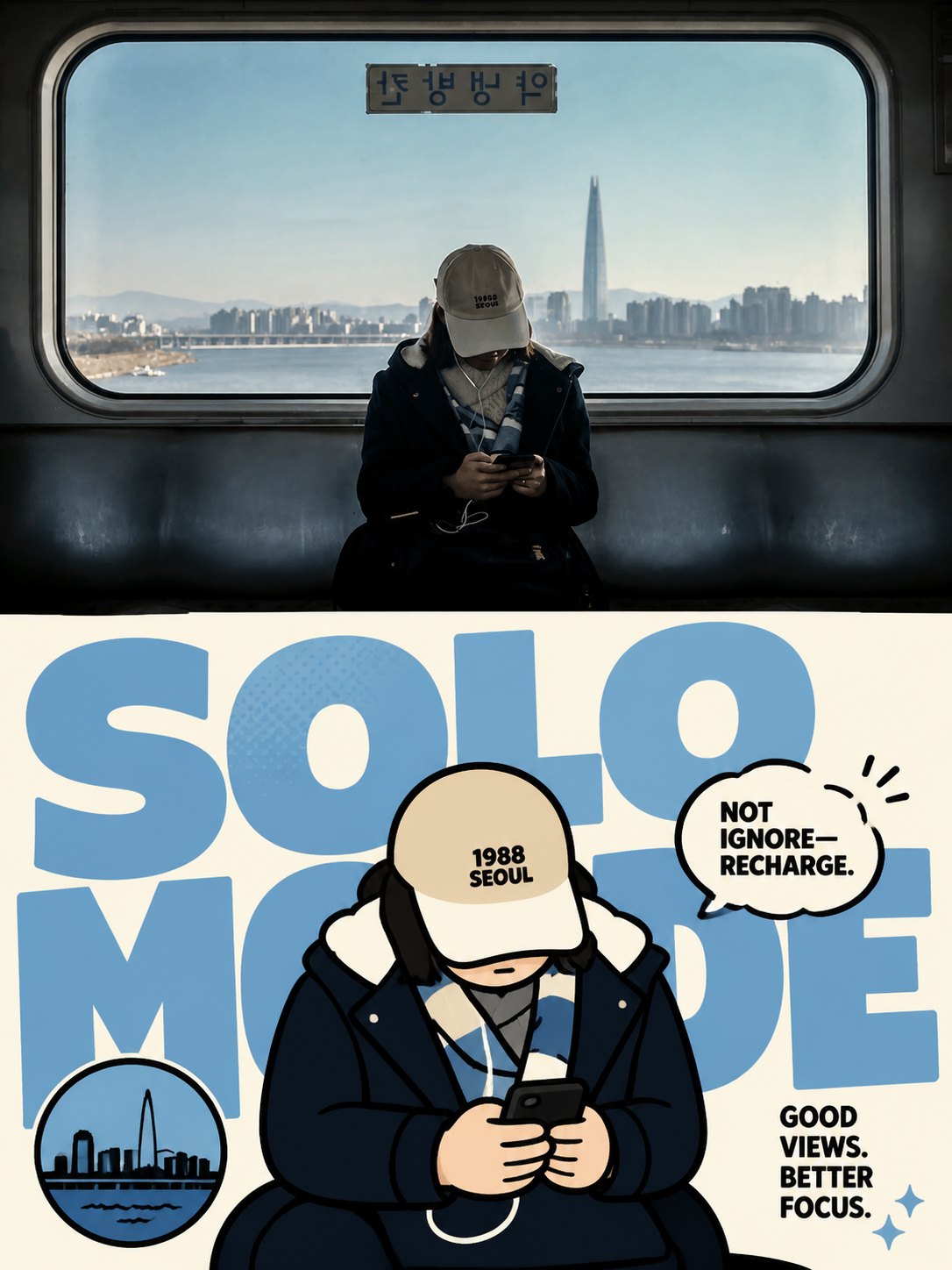
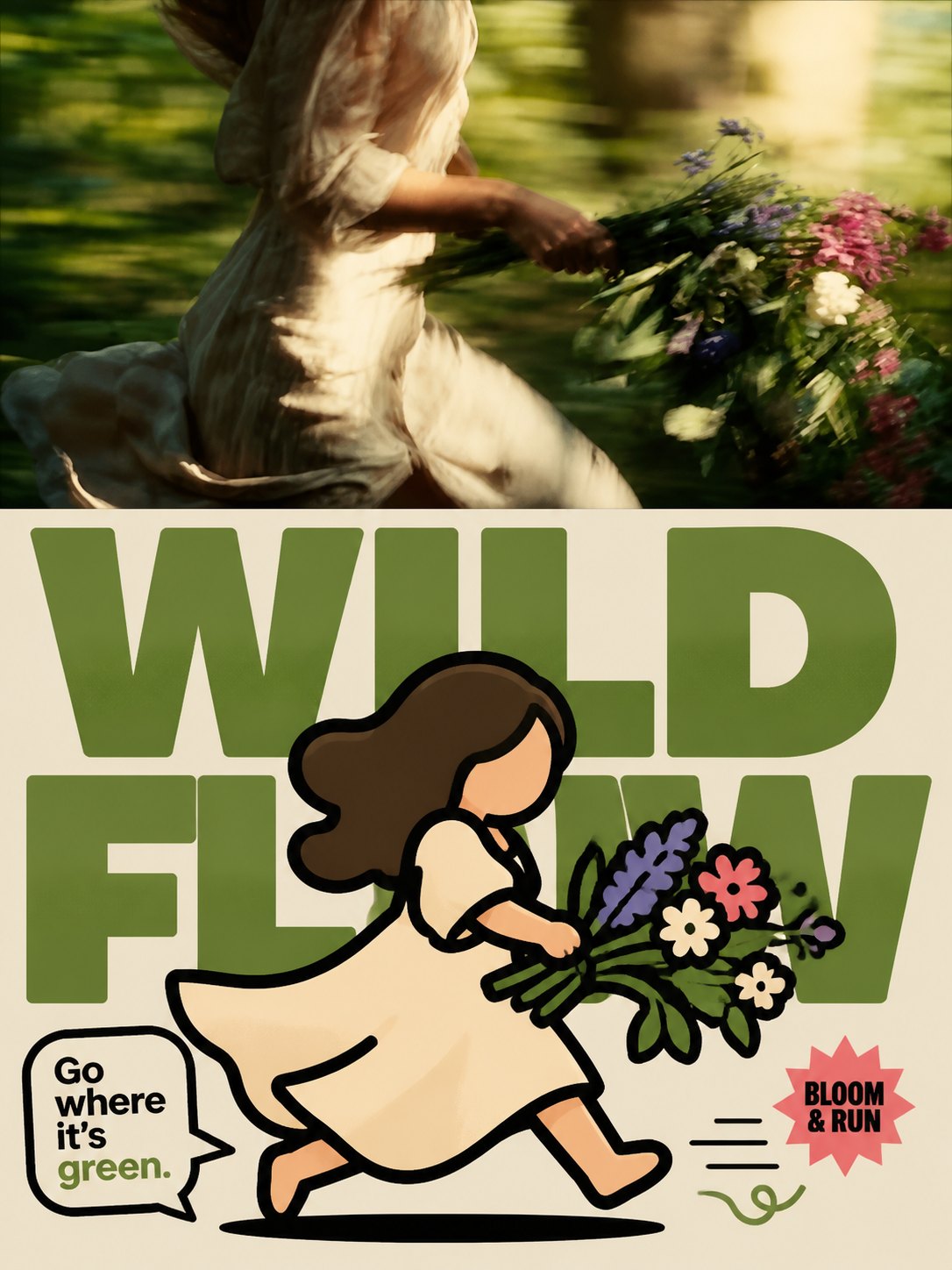
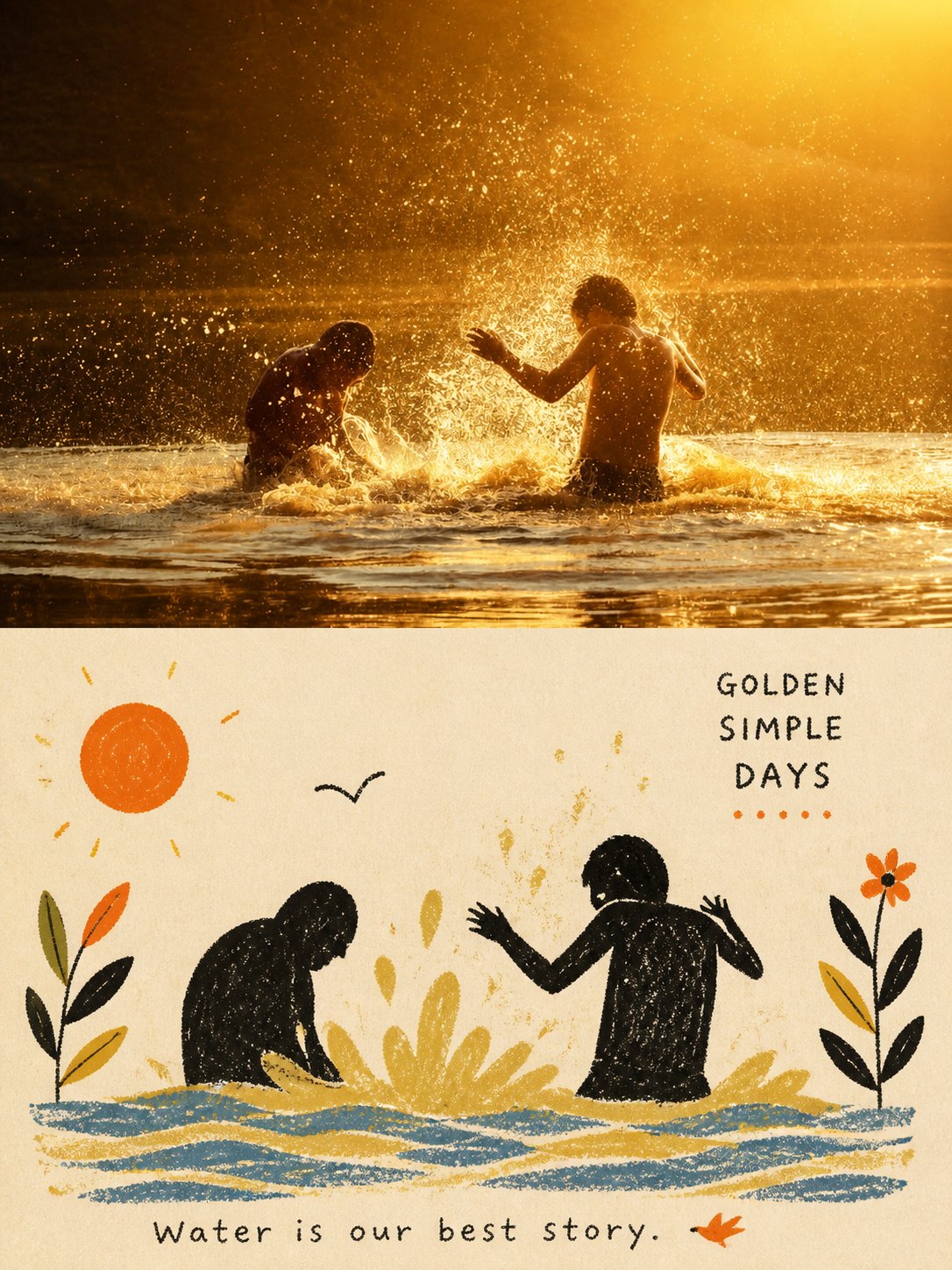
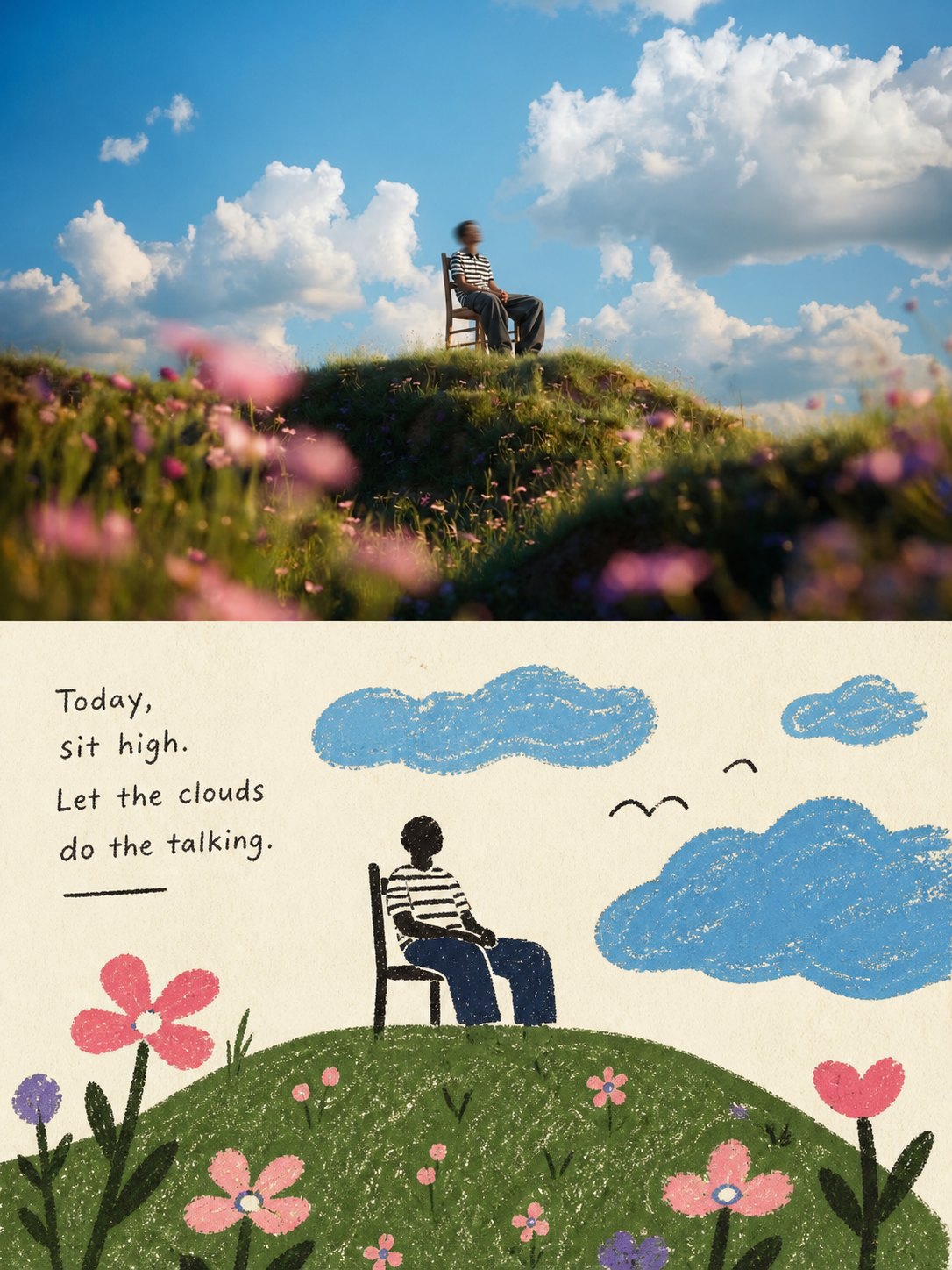
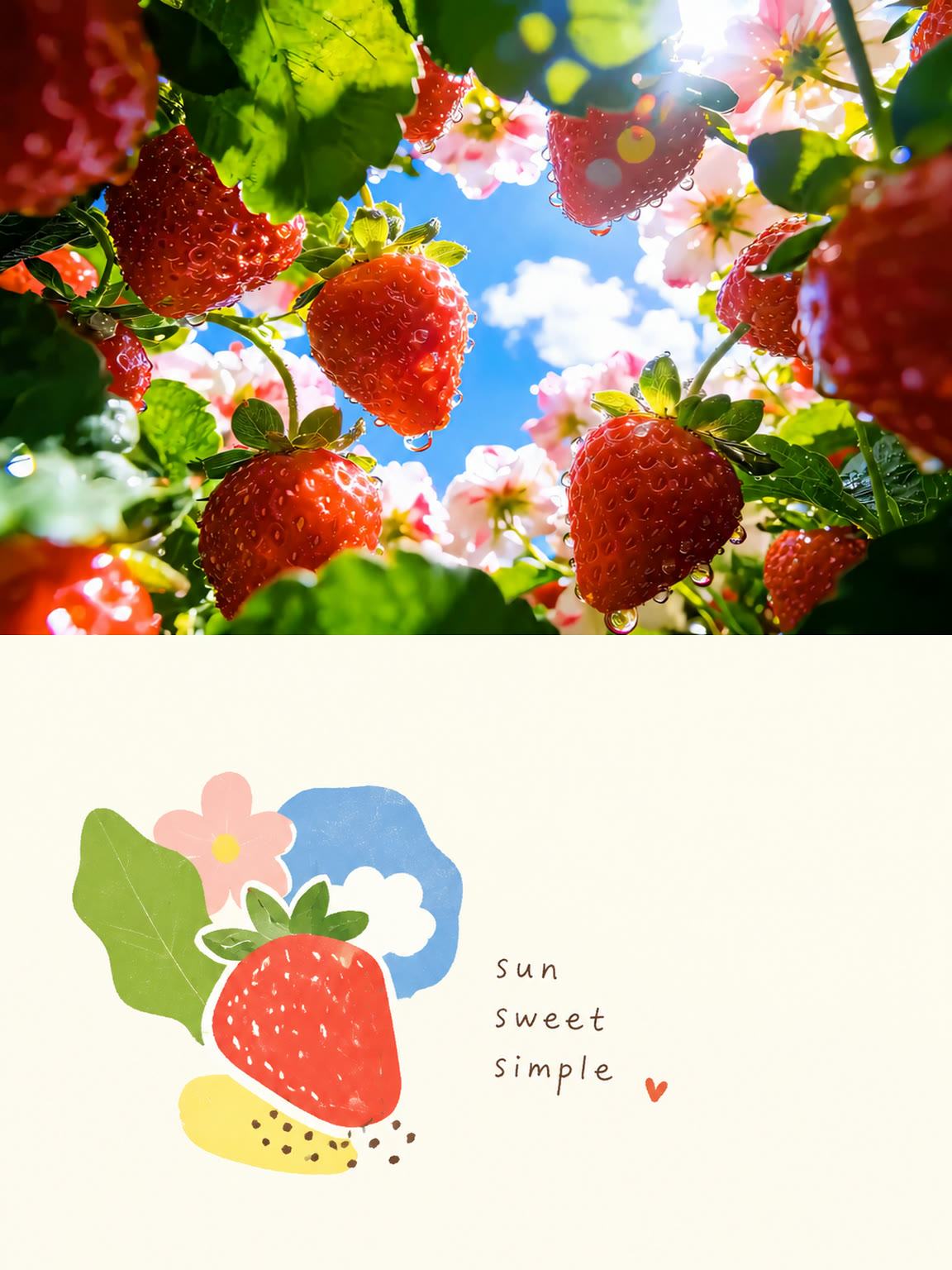
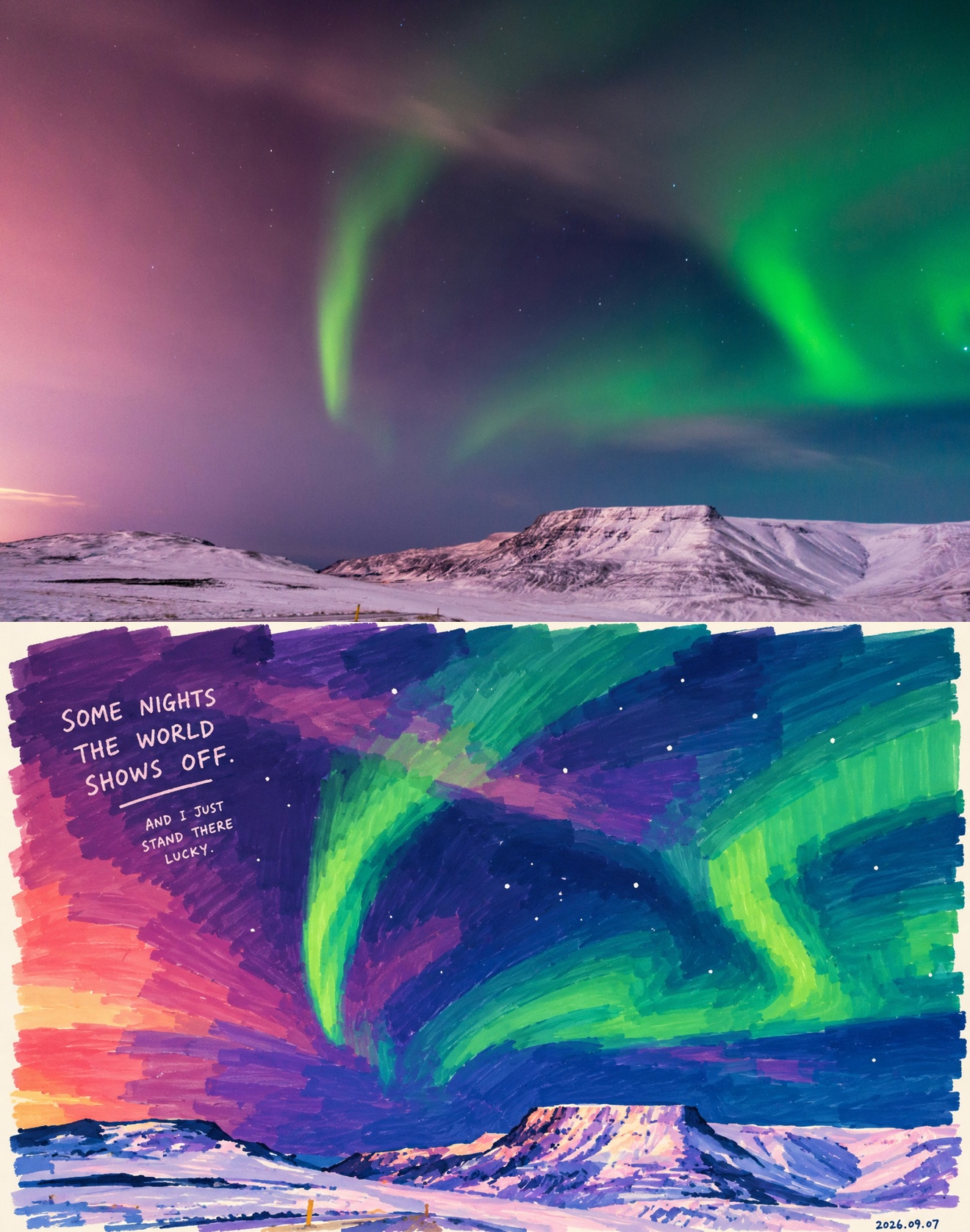
Naive flat drawing
GPT Image 2illustrationminimal
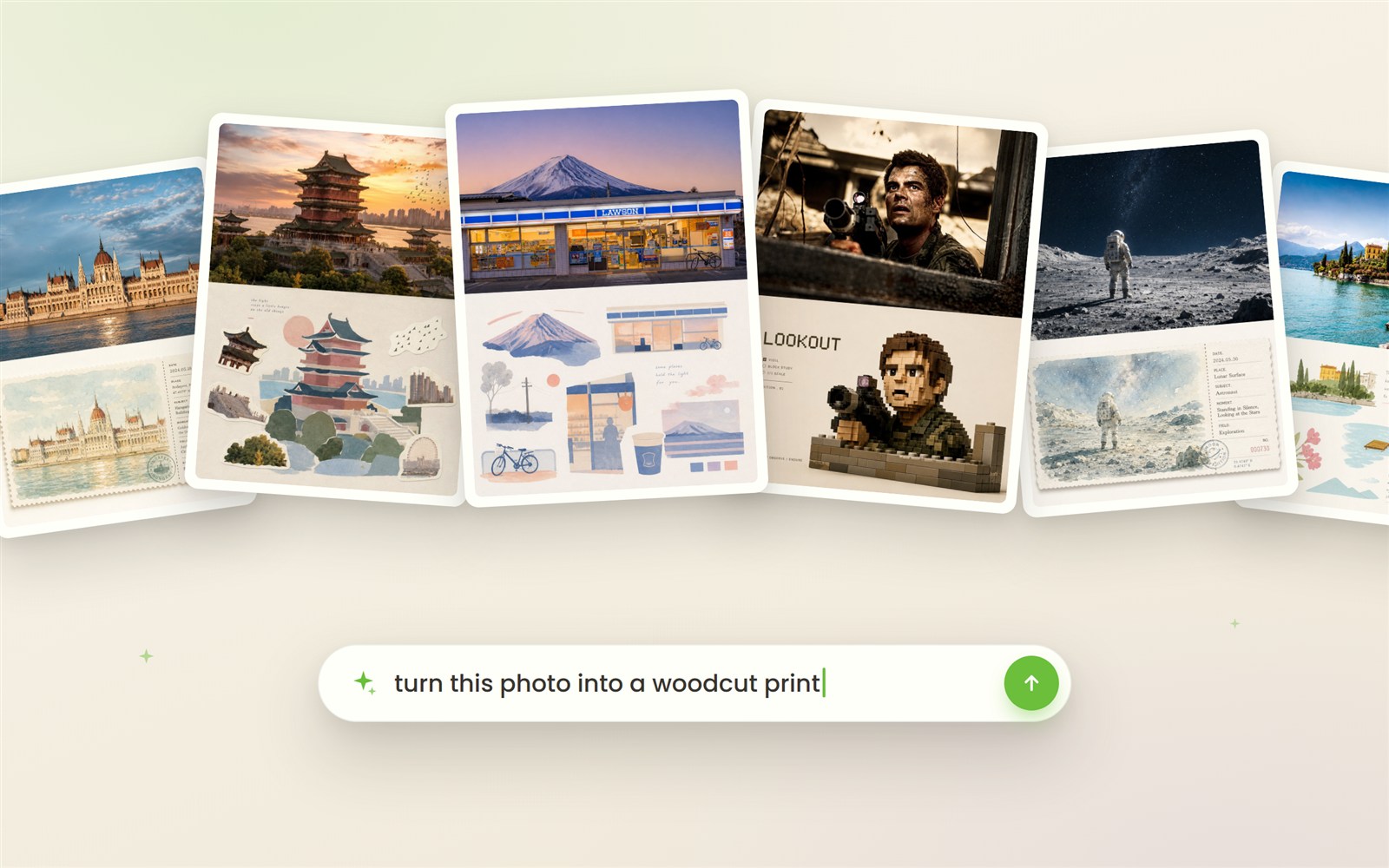
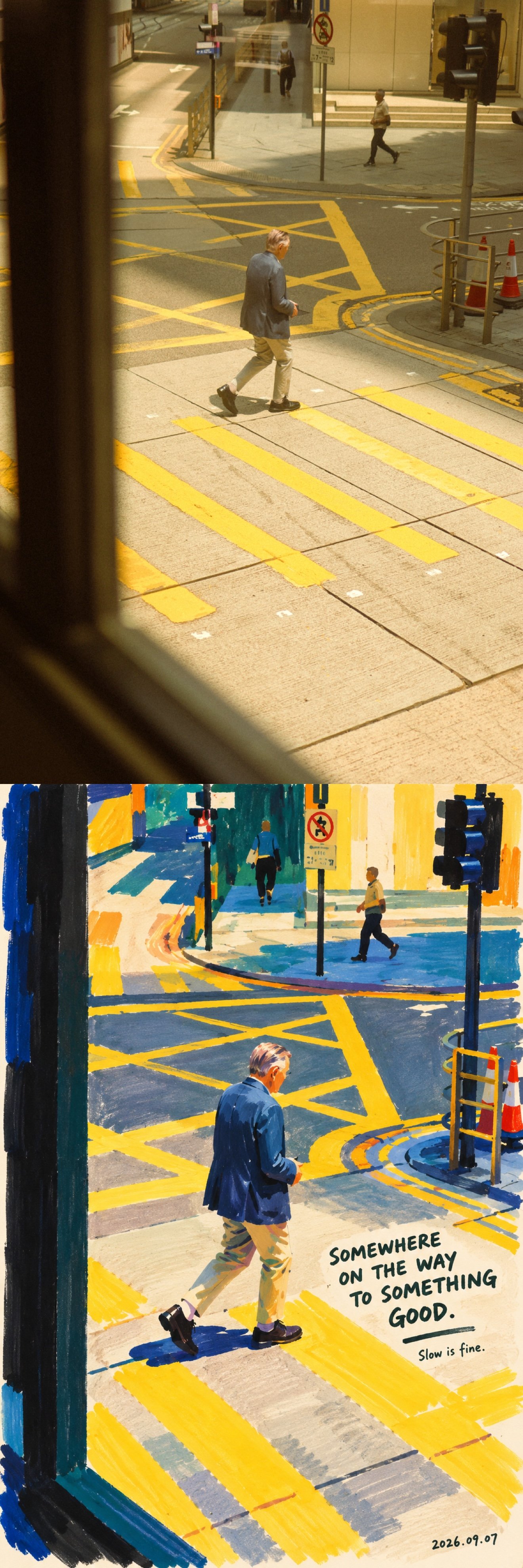
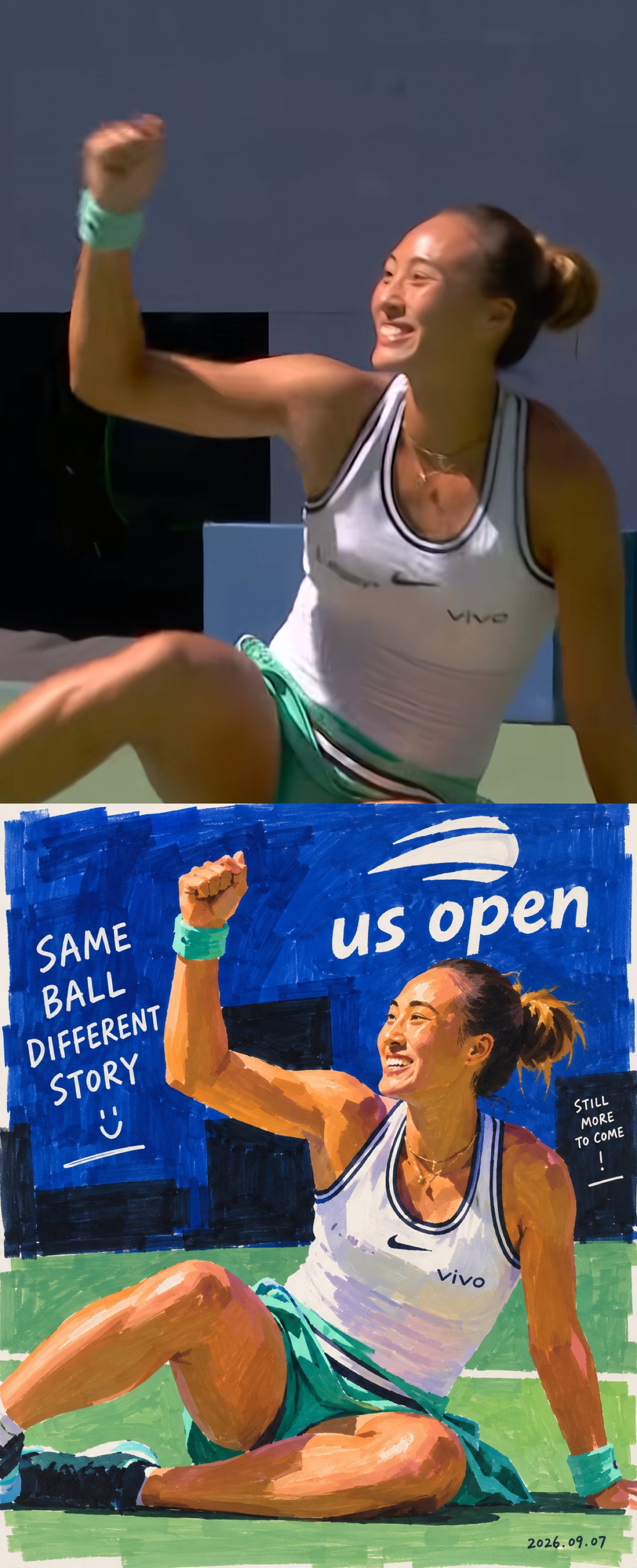
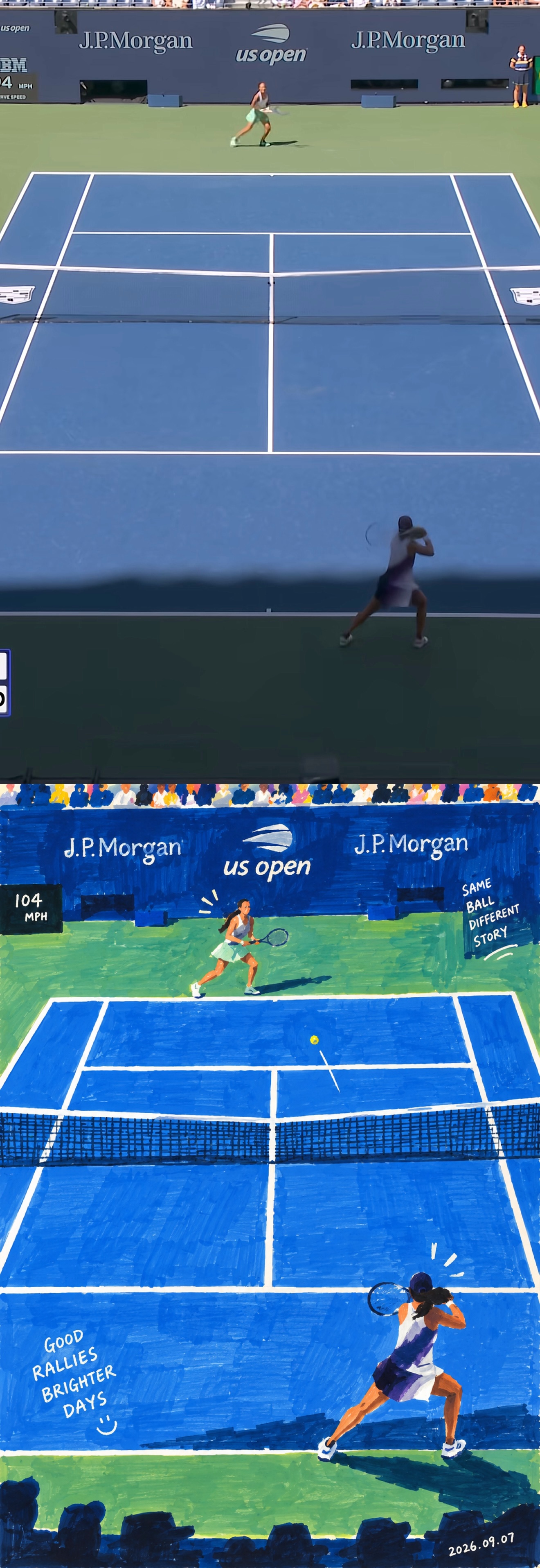
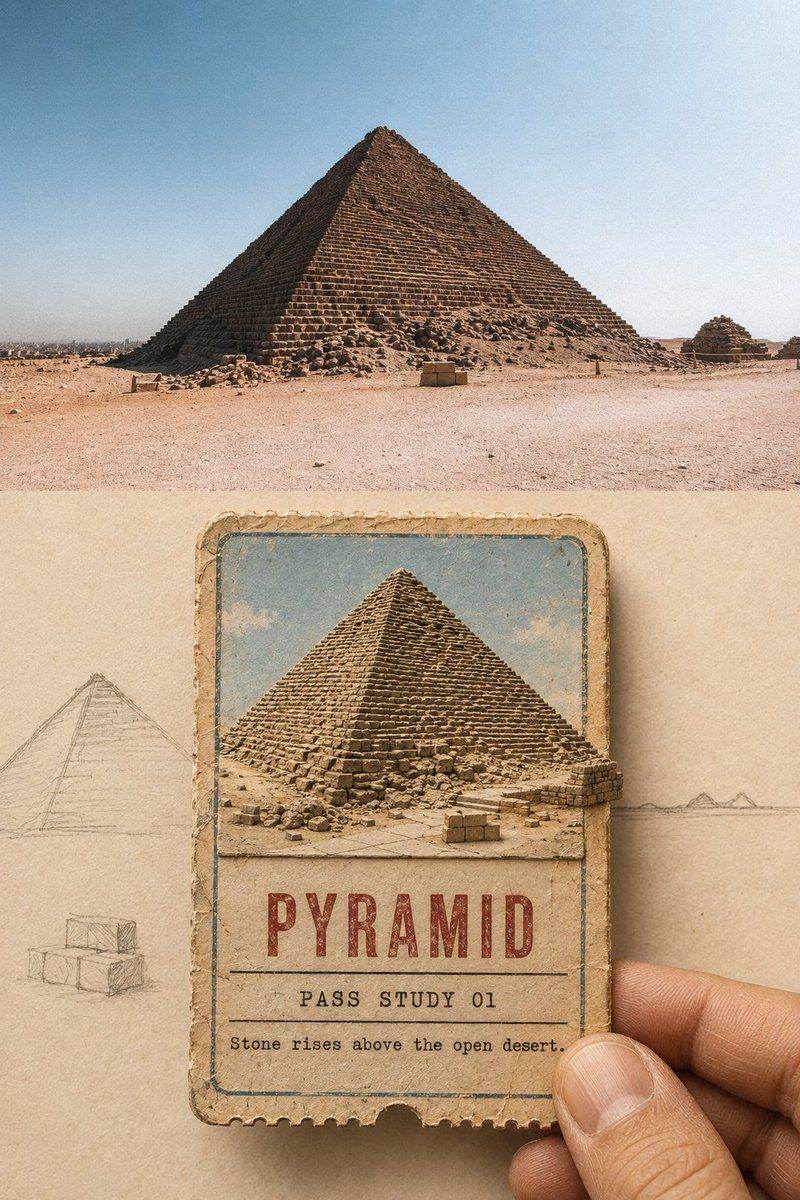
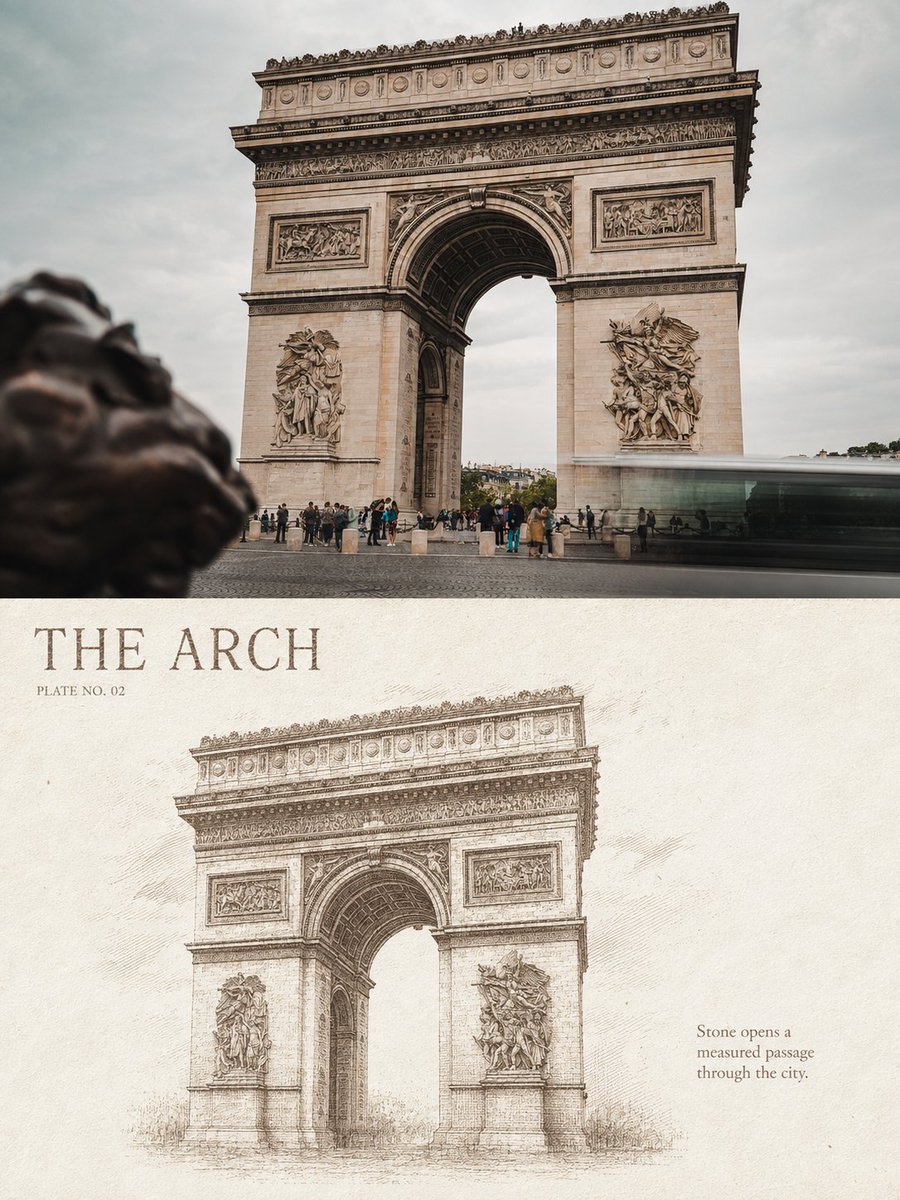
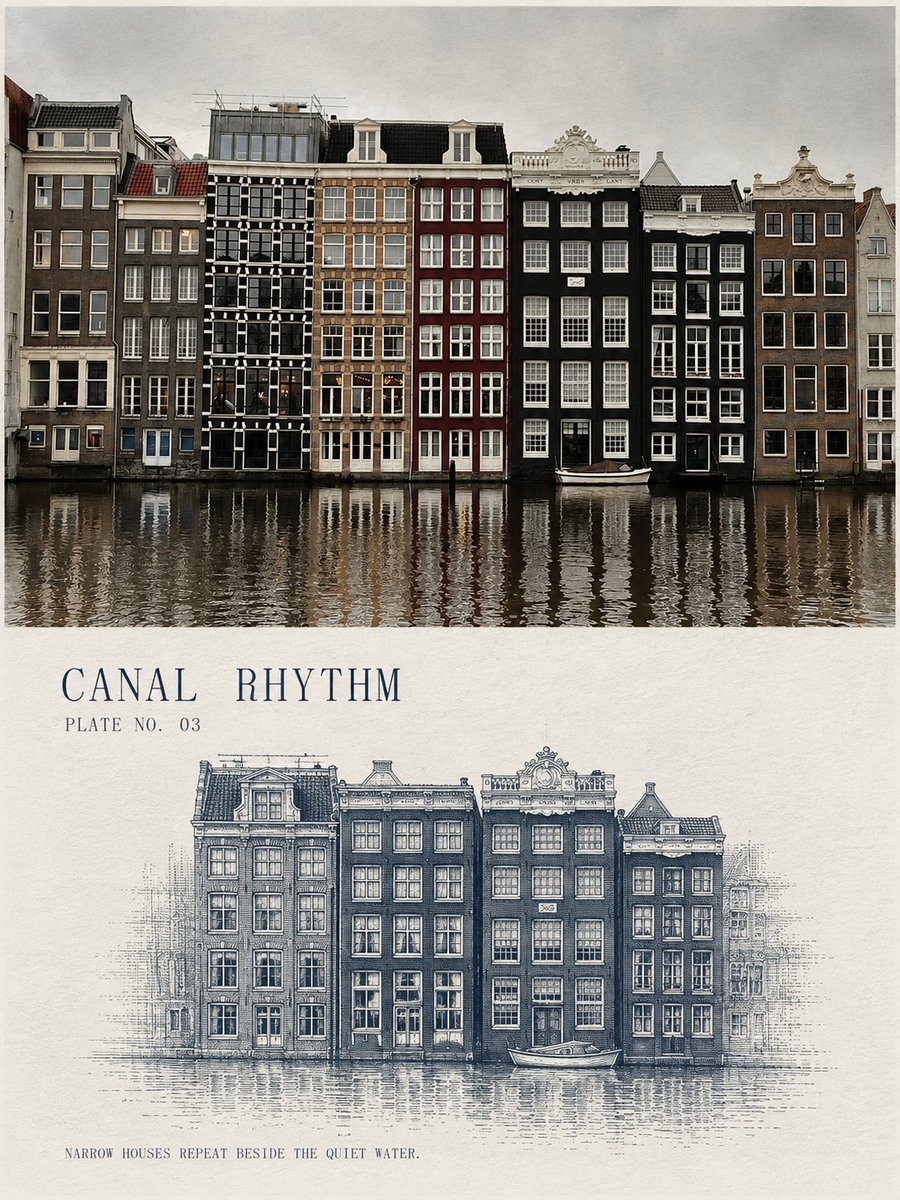
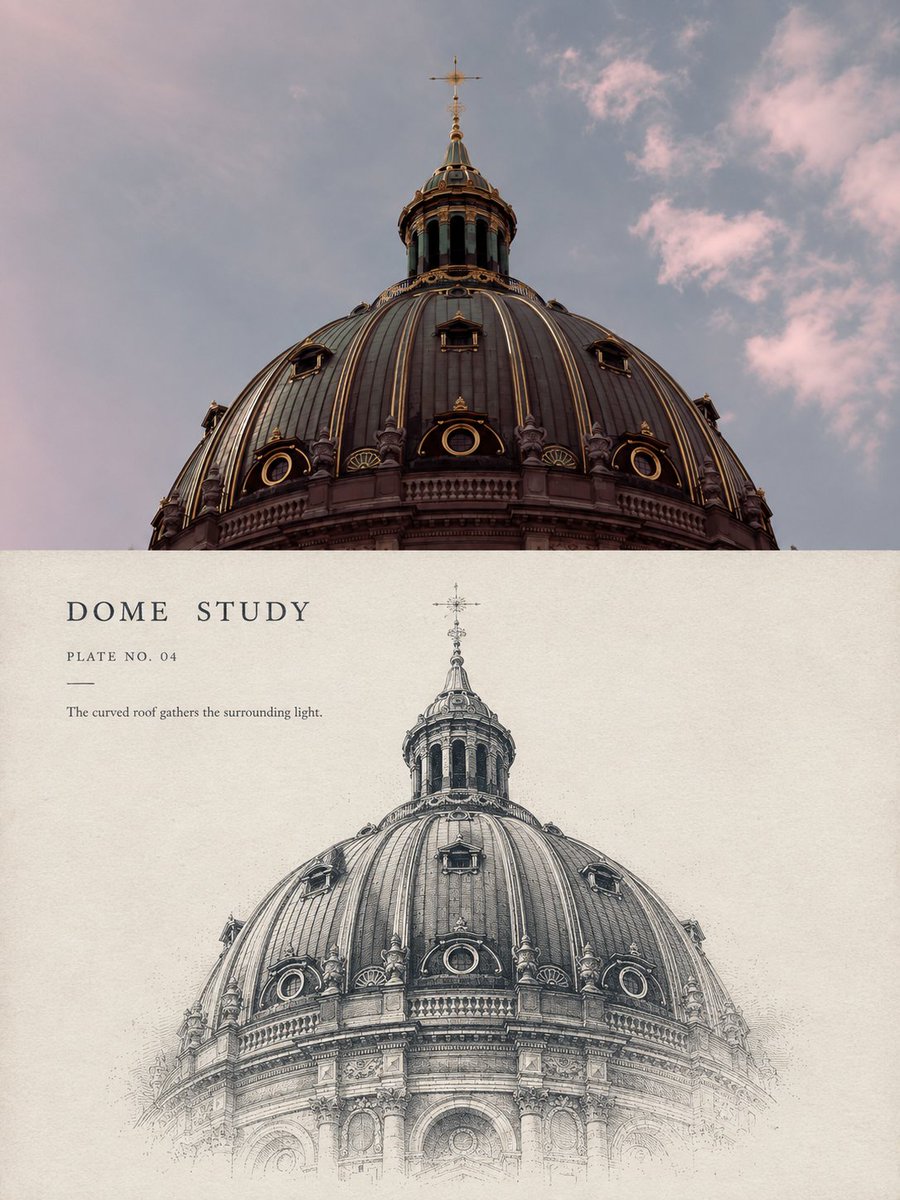
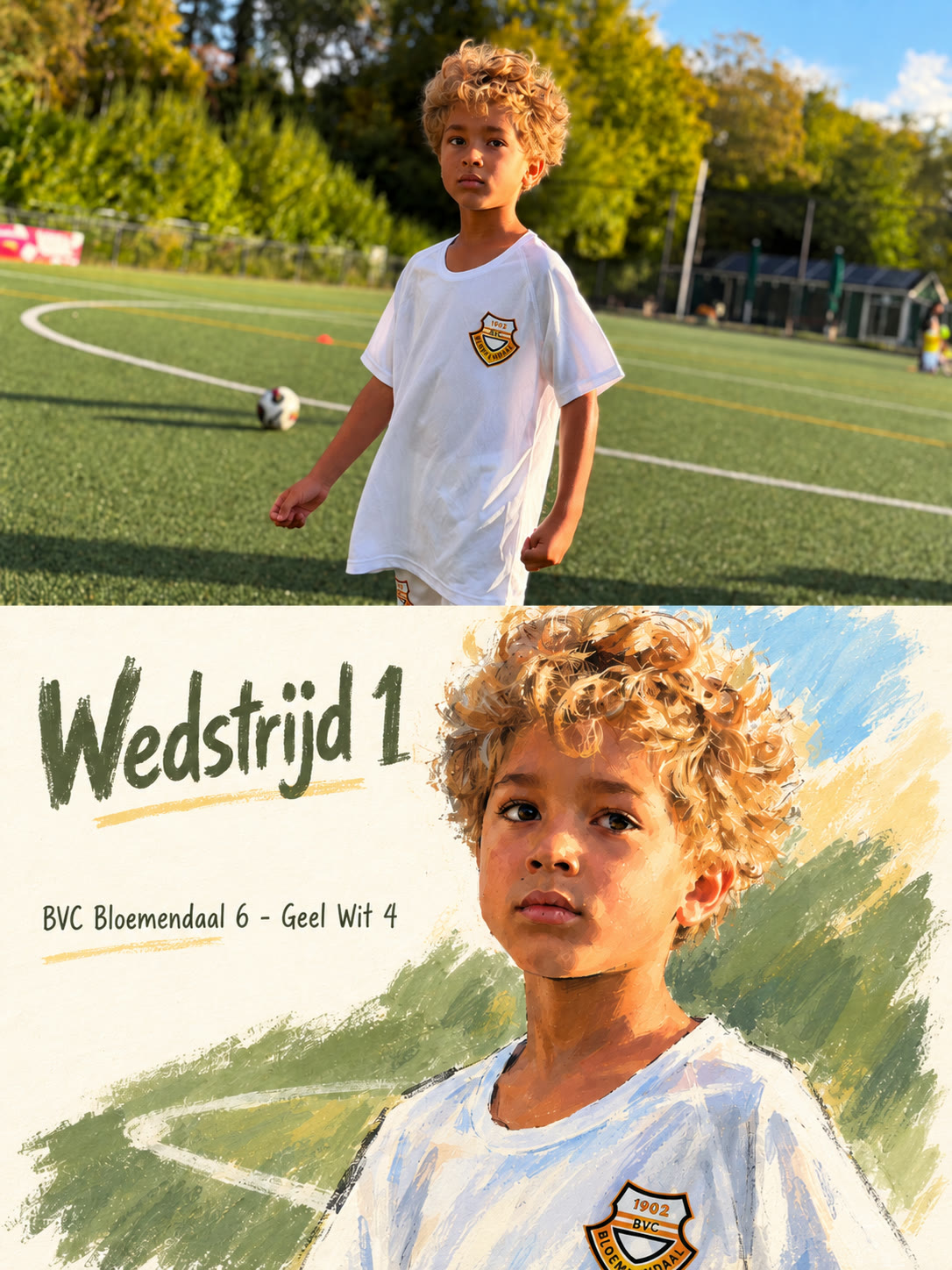
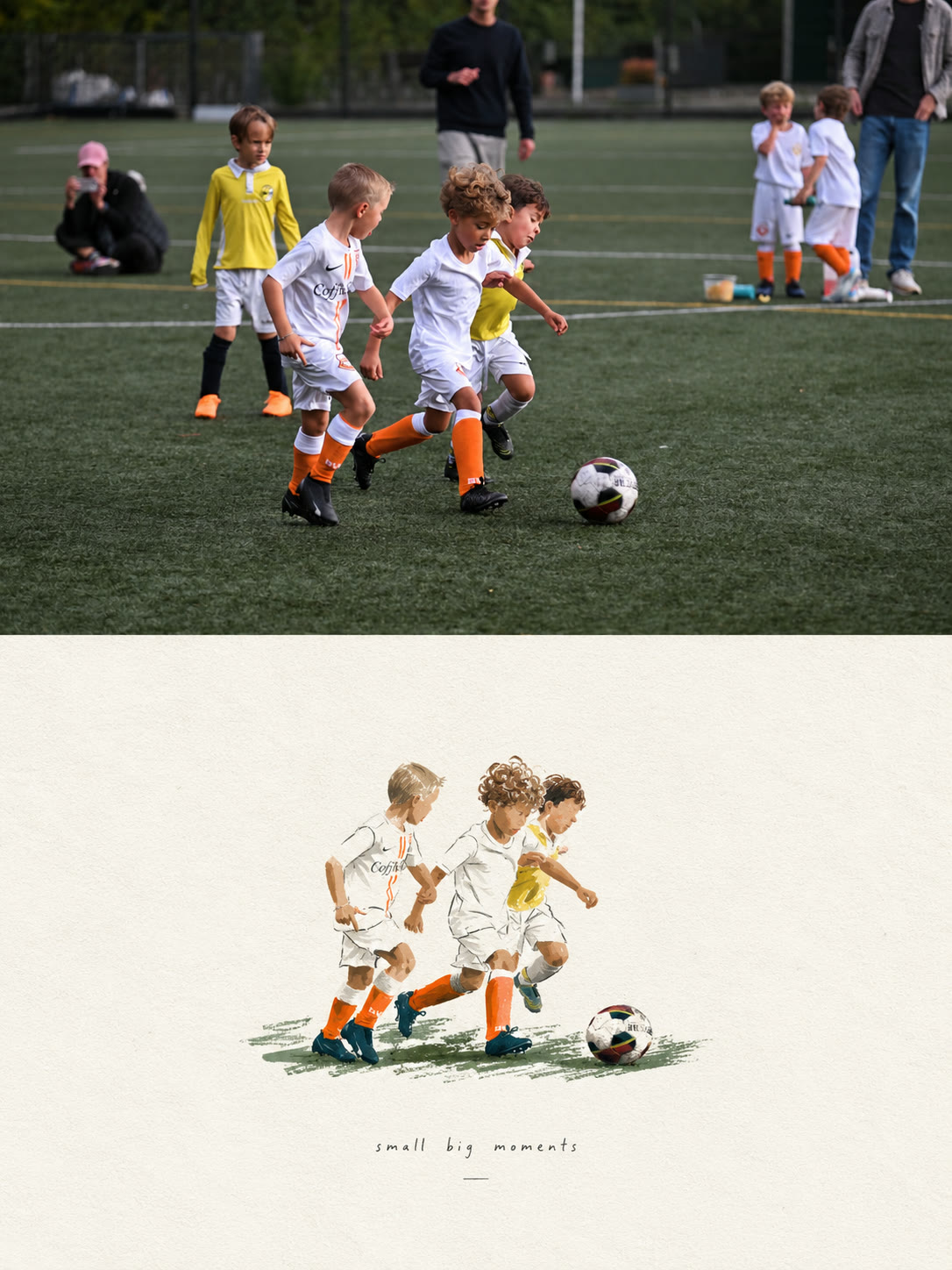
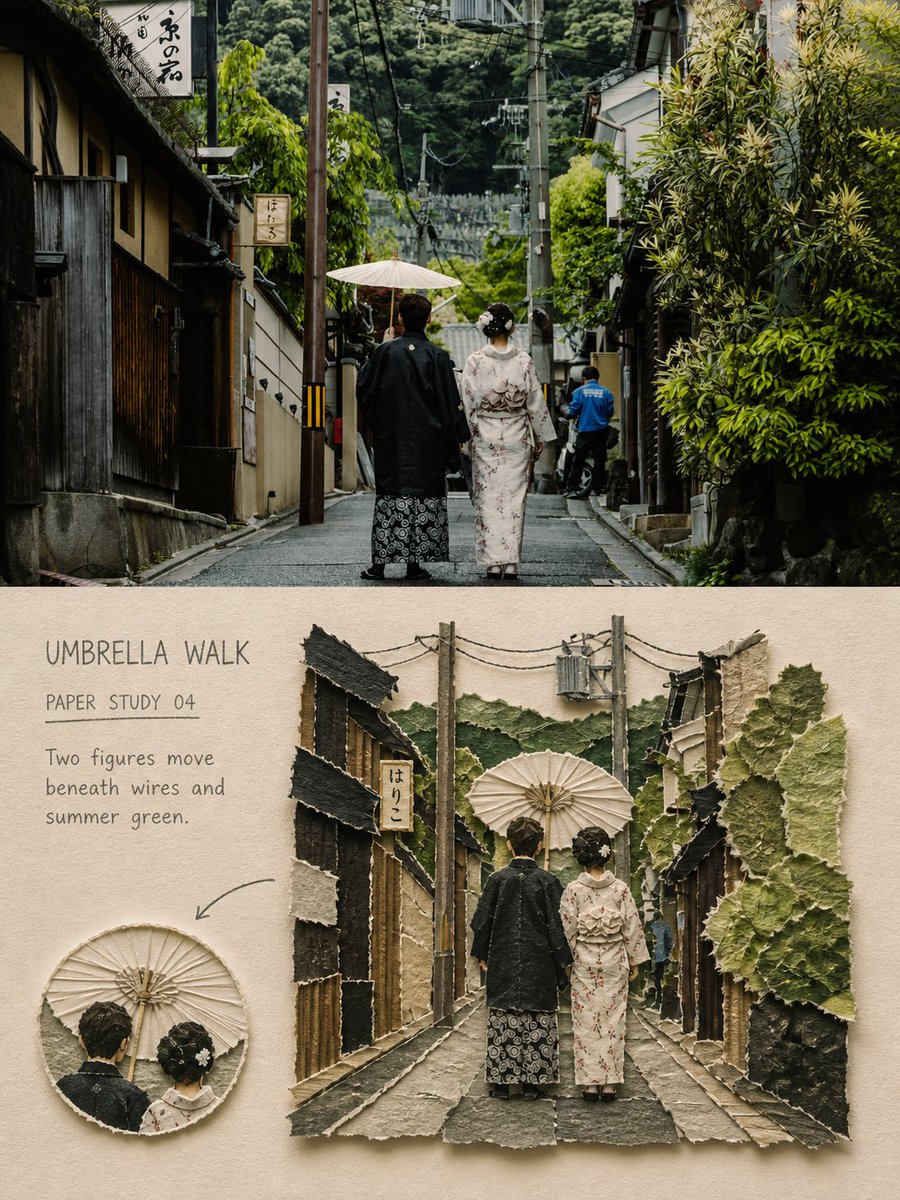
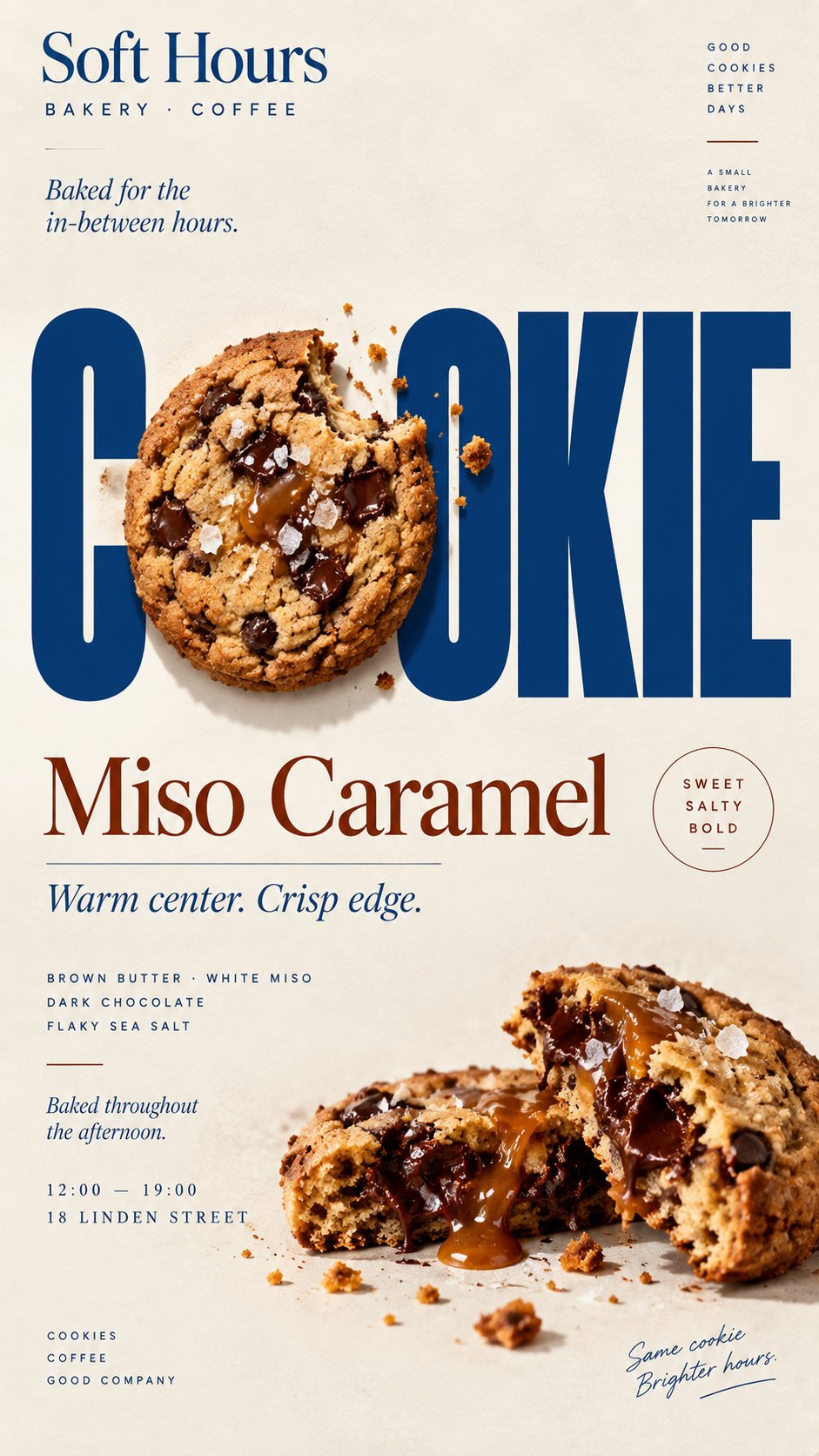
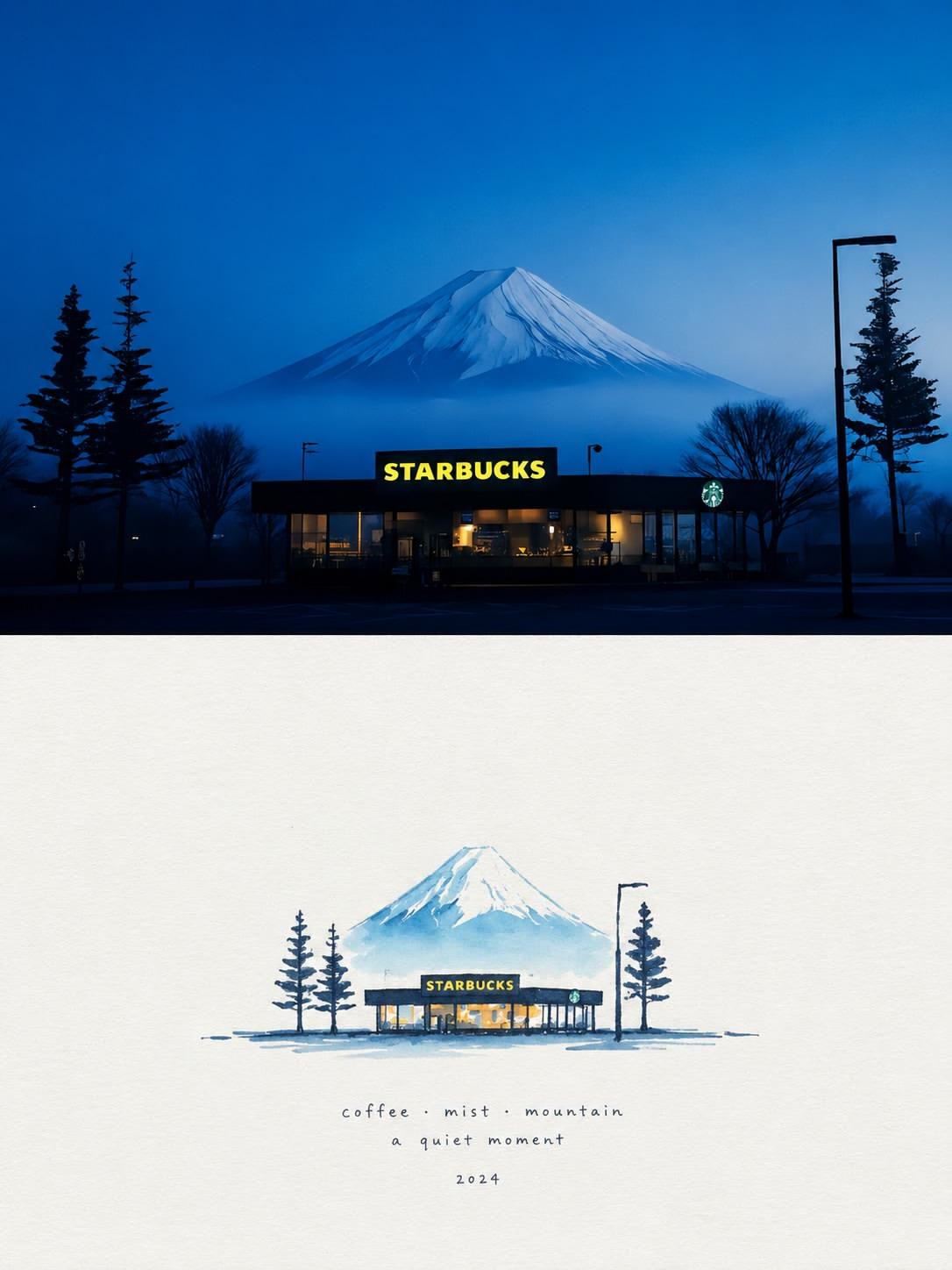
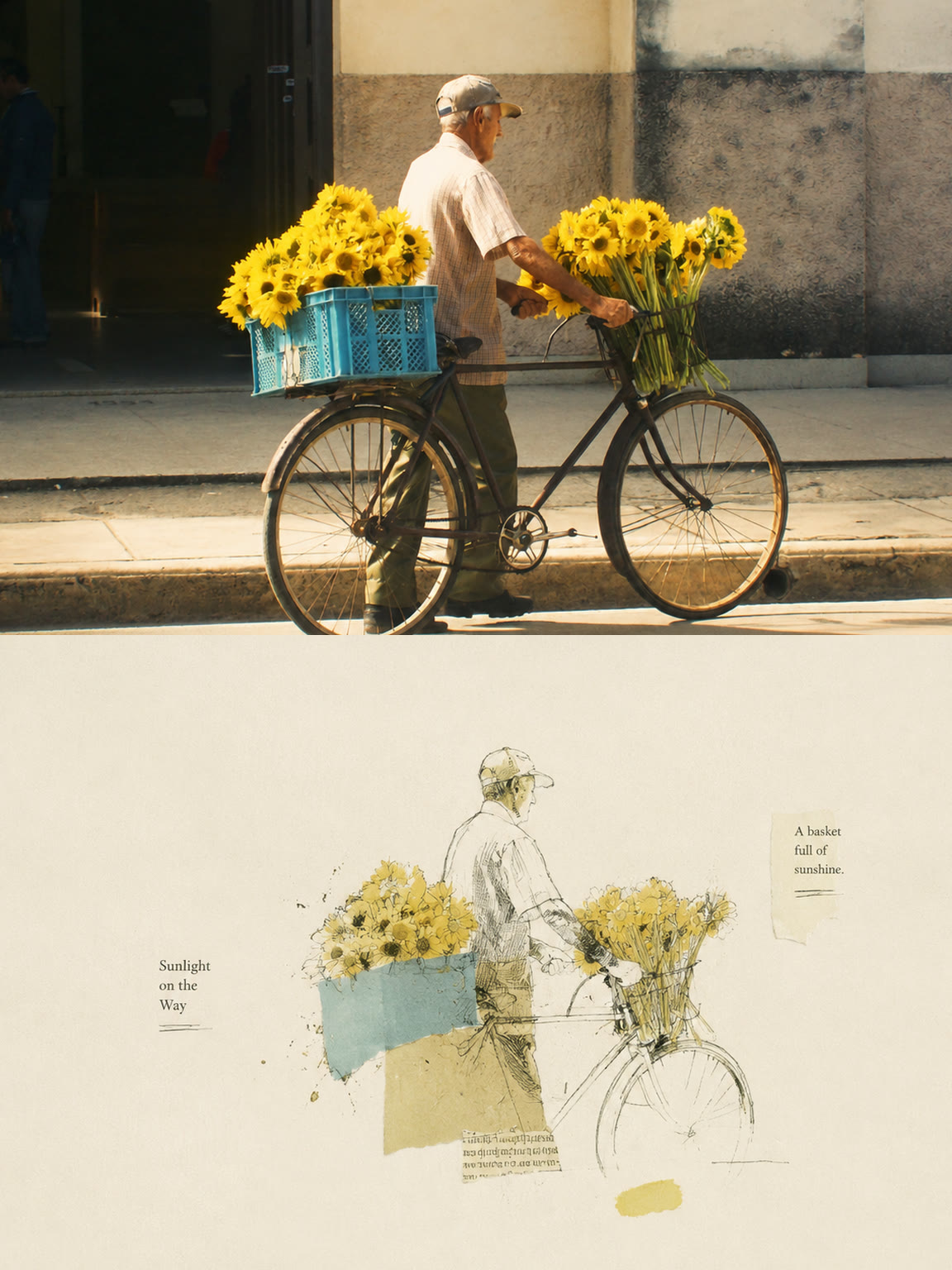
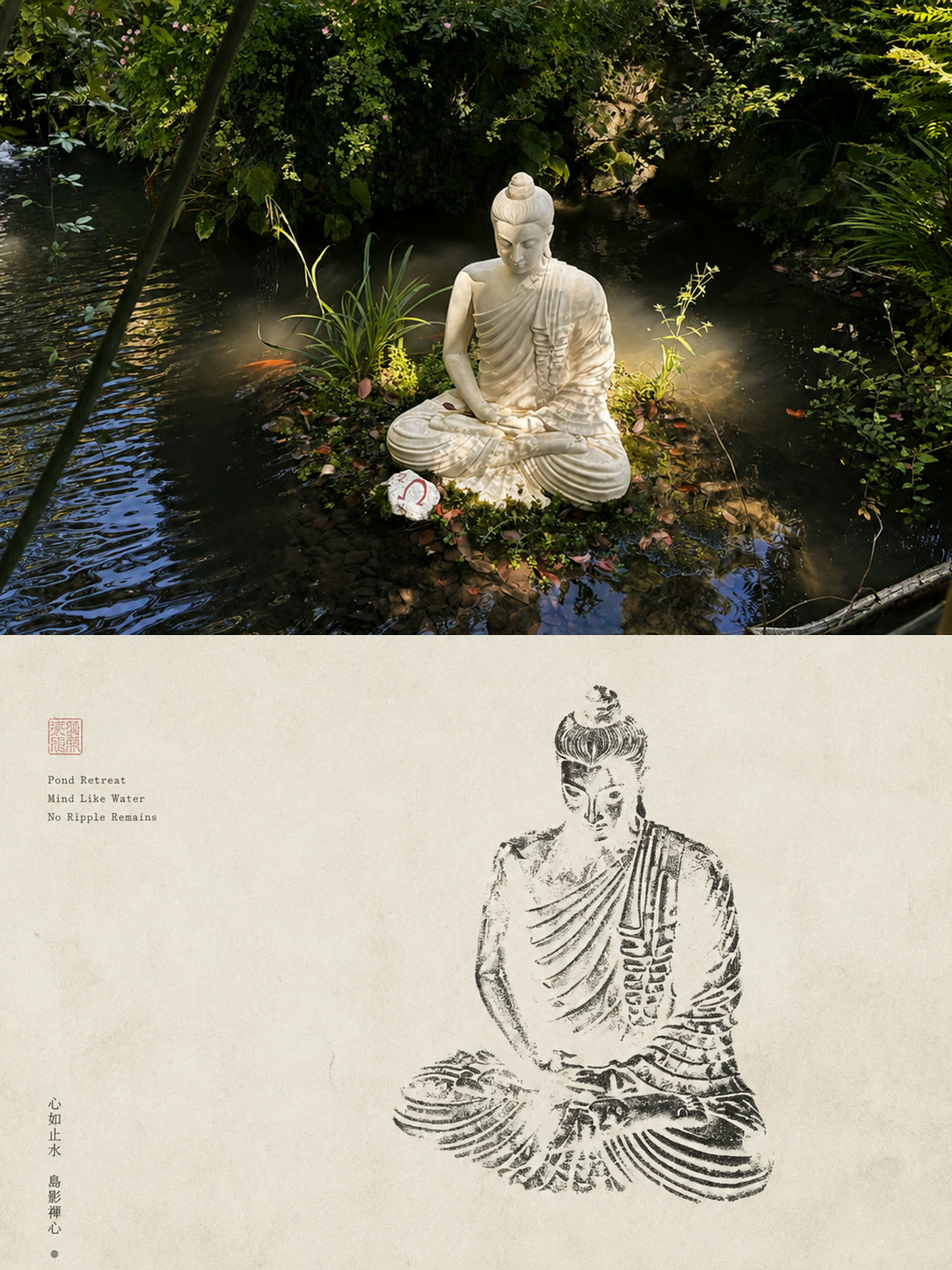
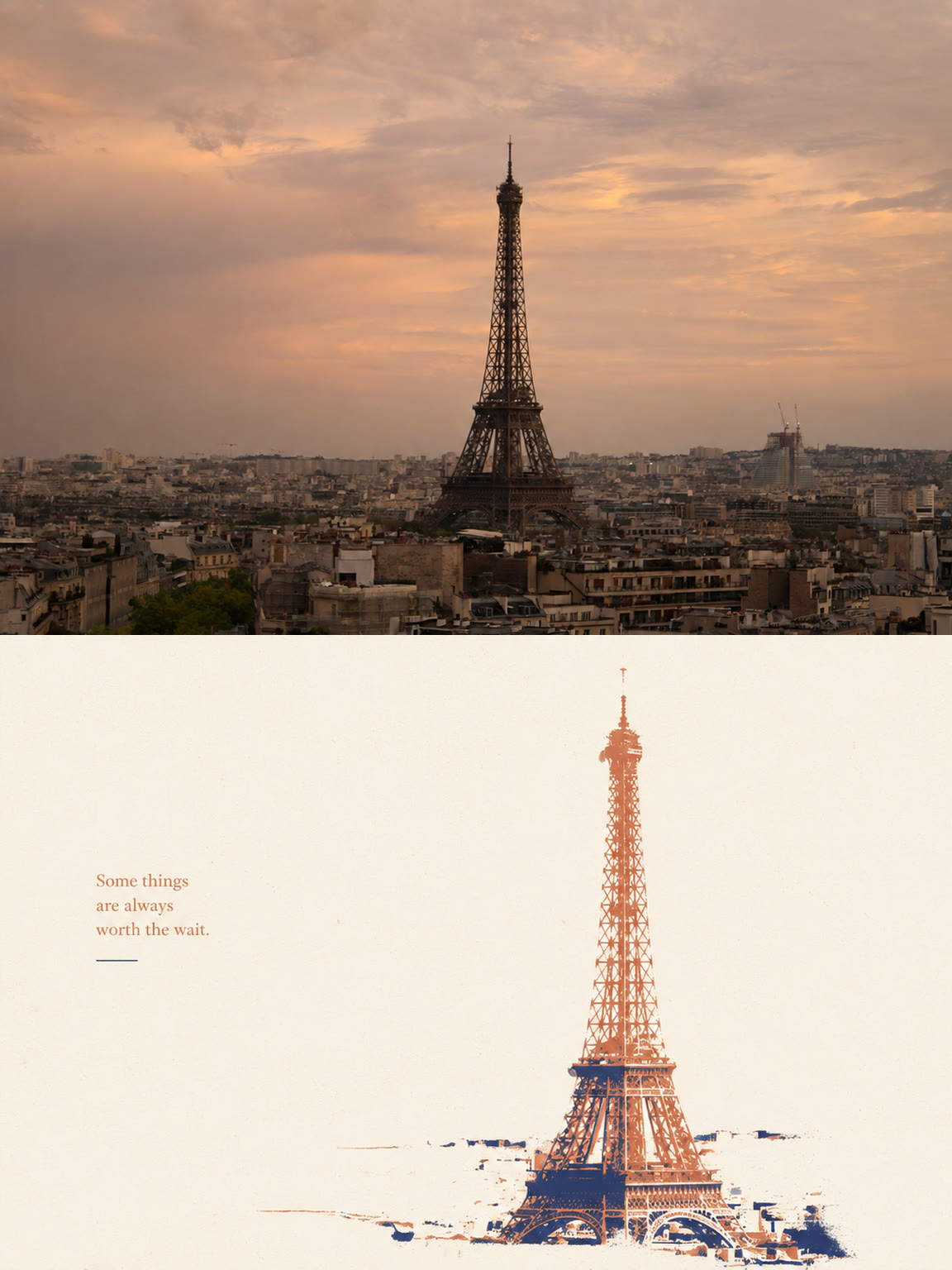
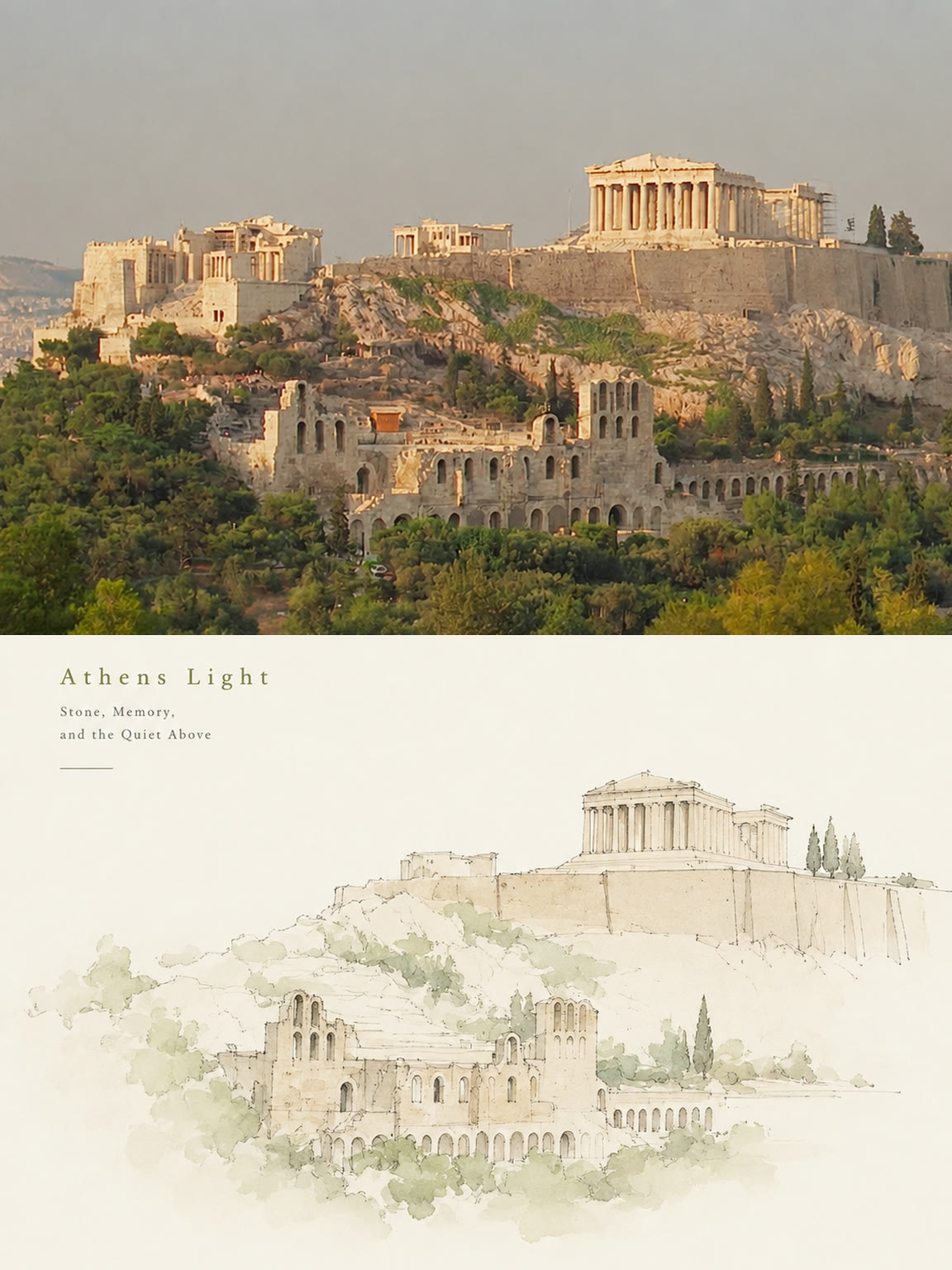
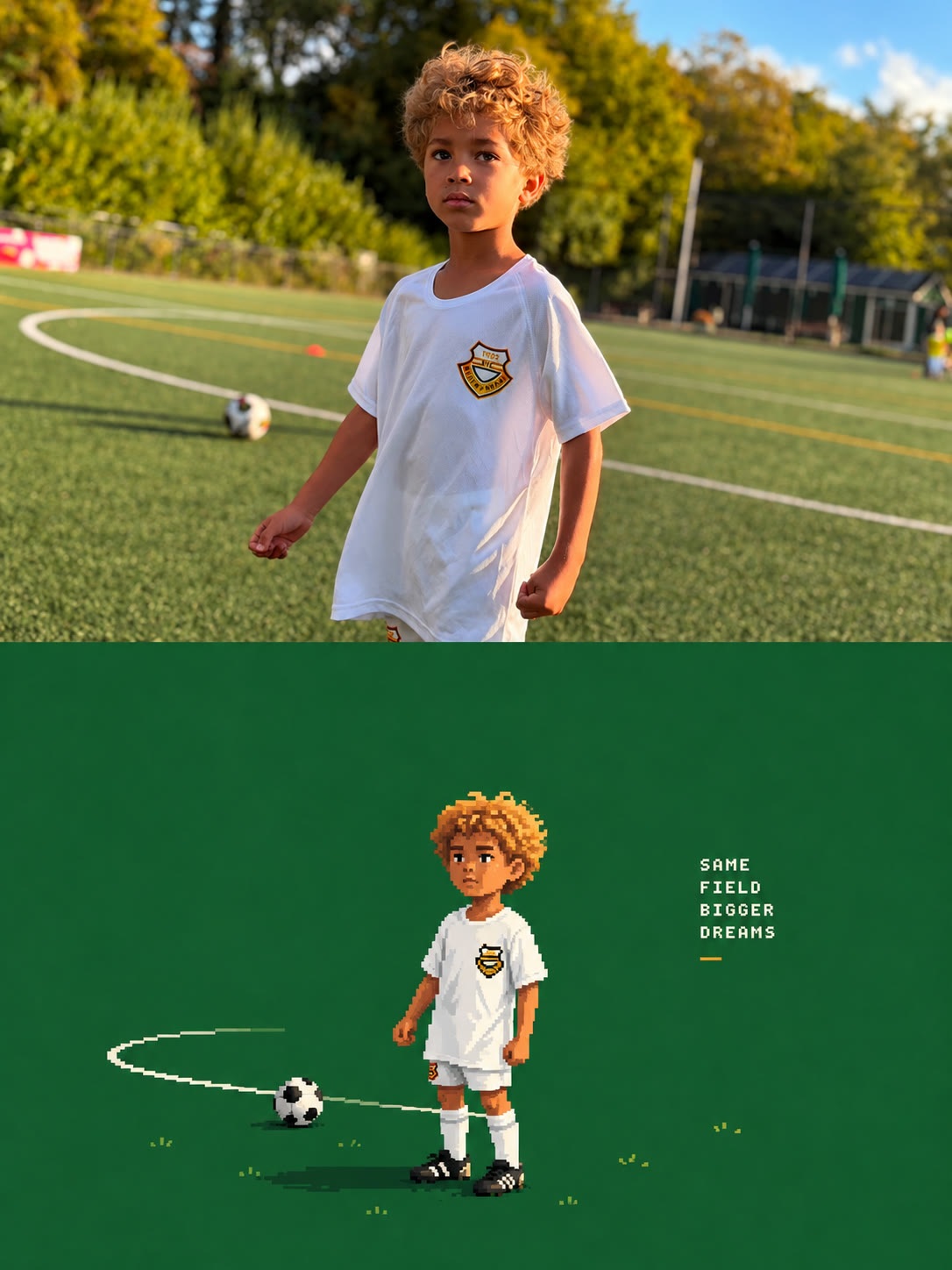
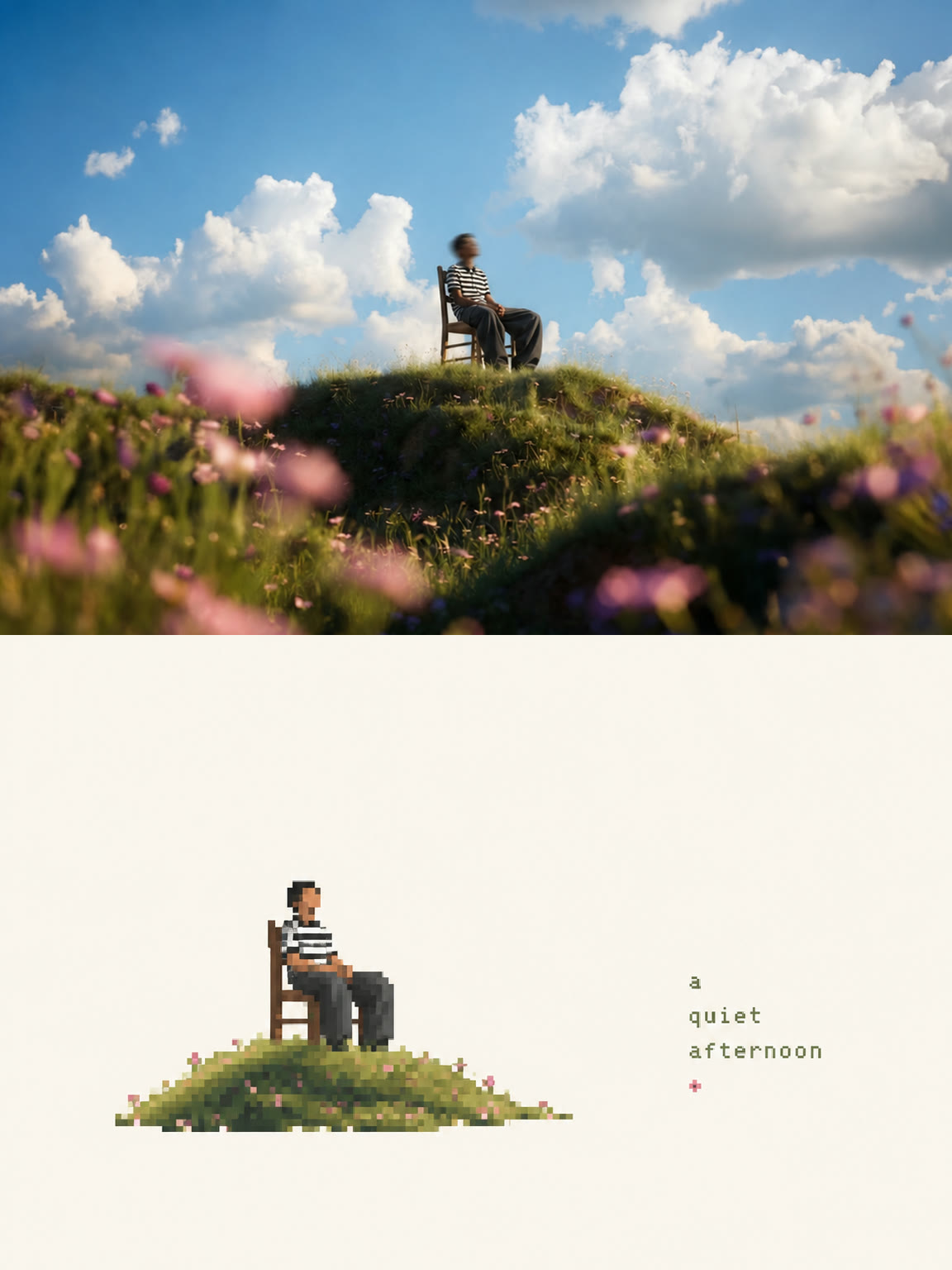
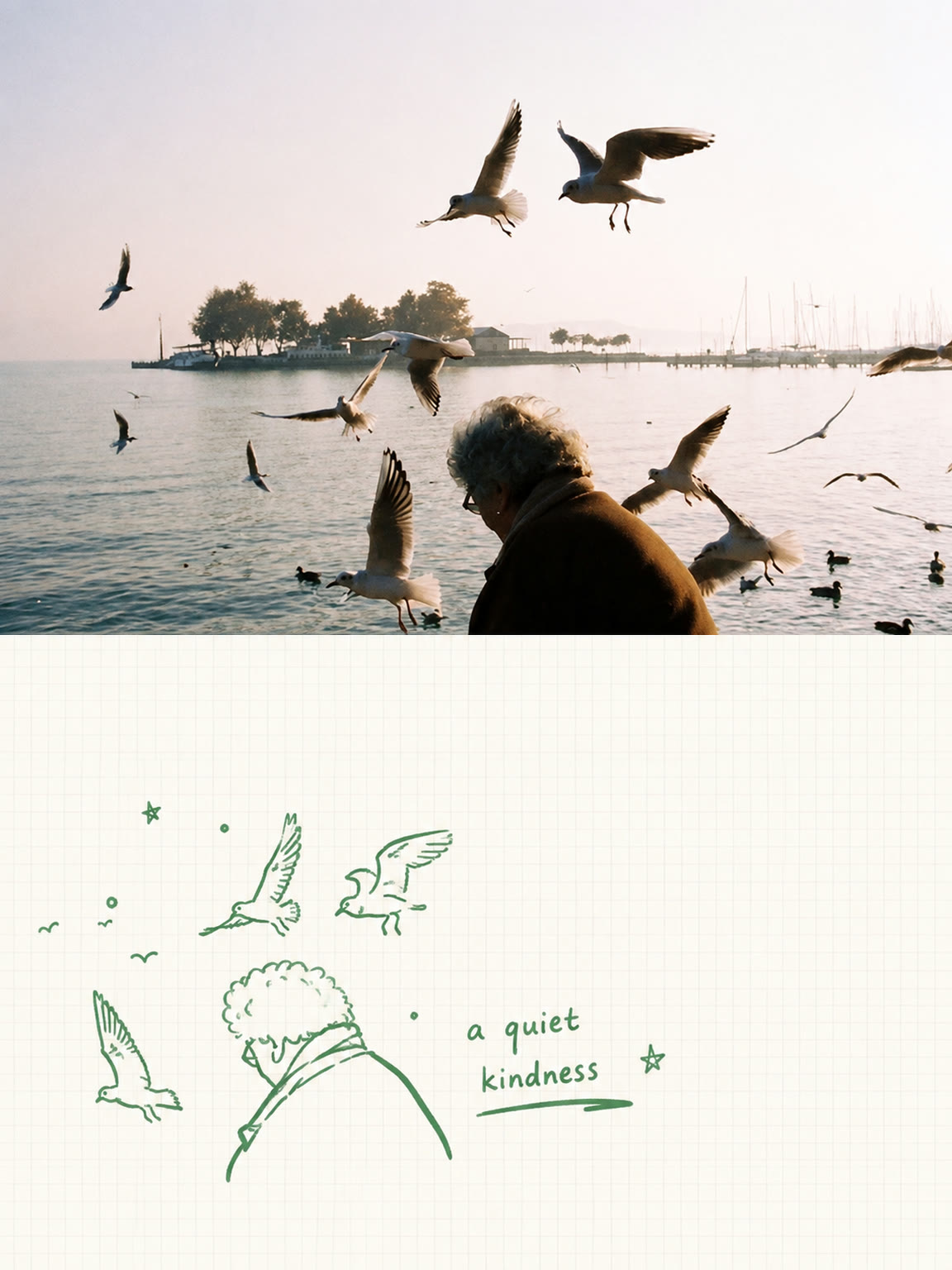
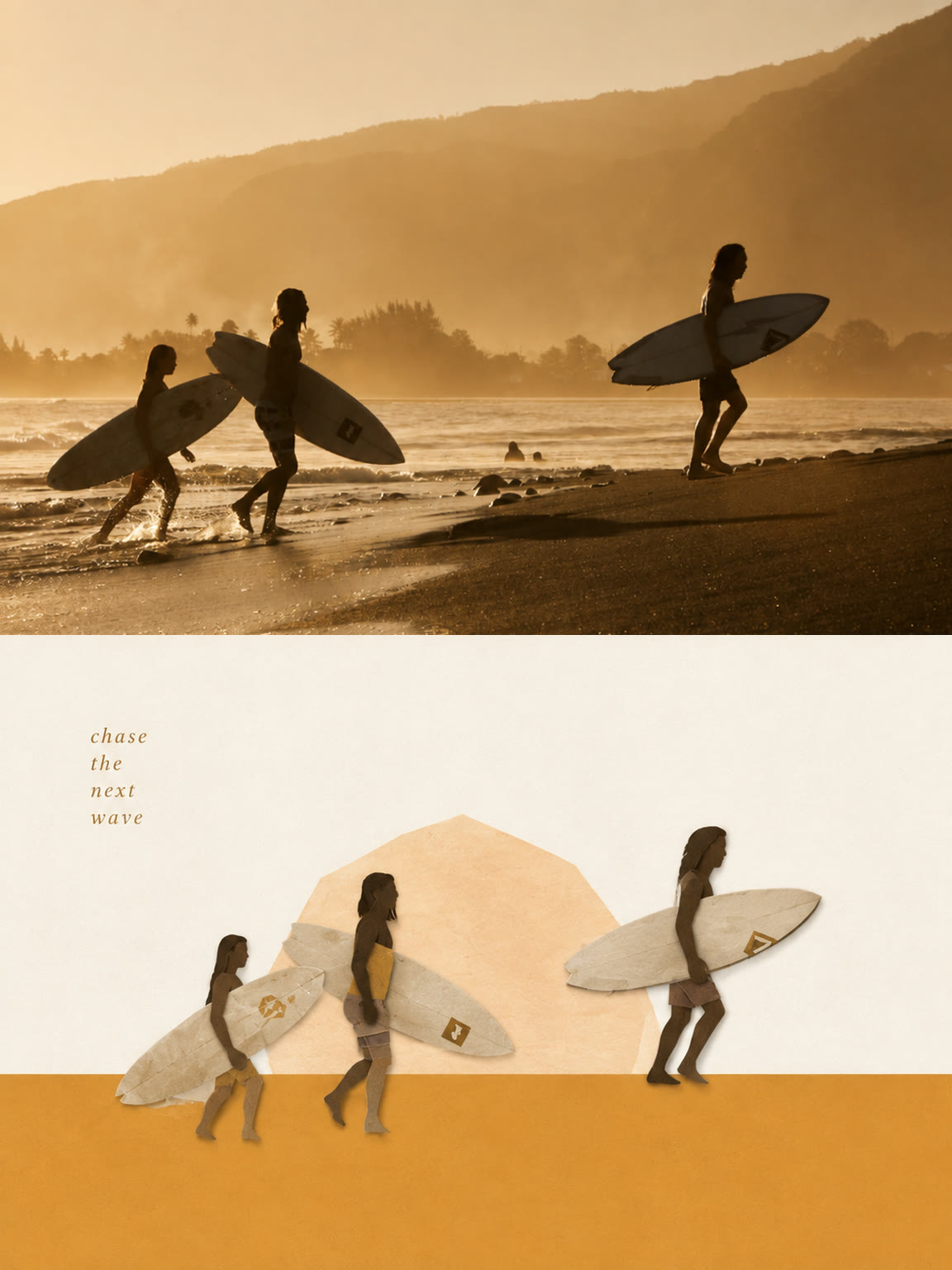
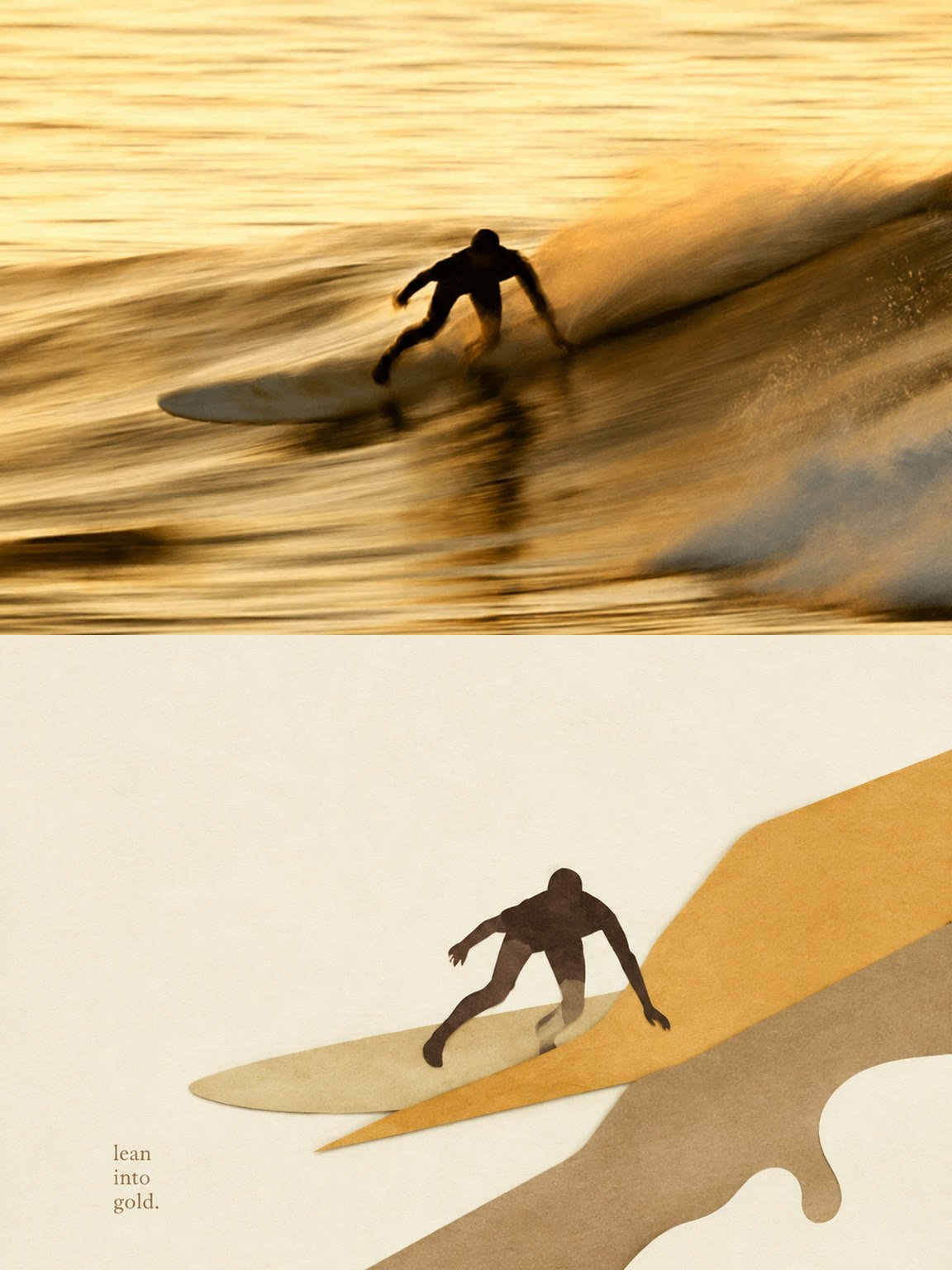
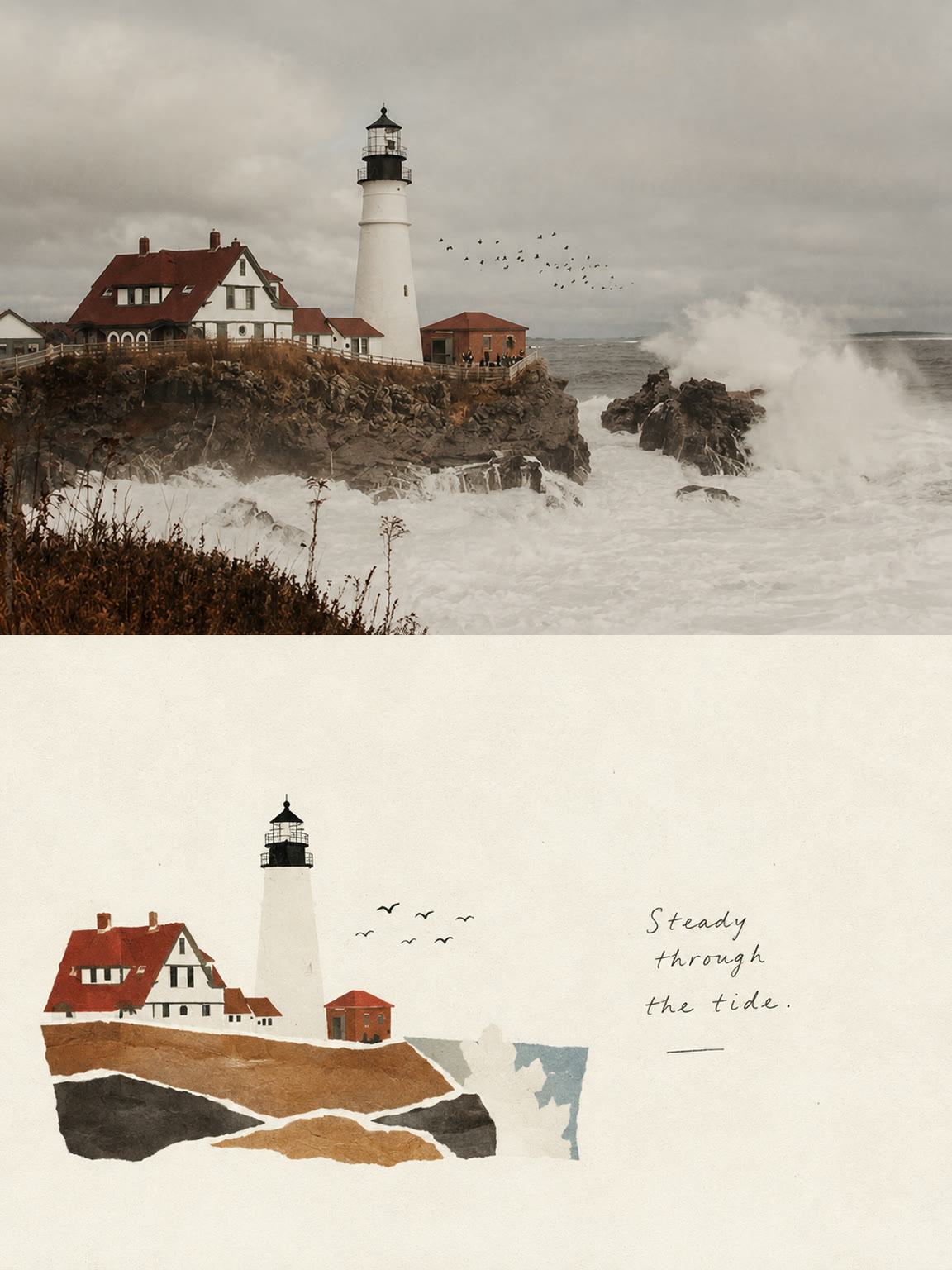
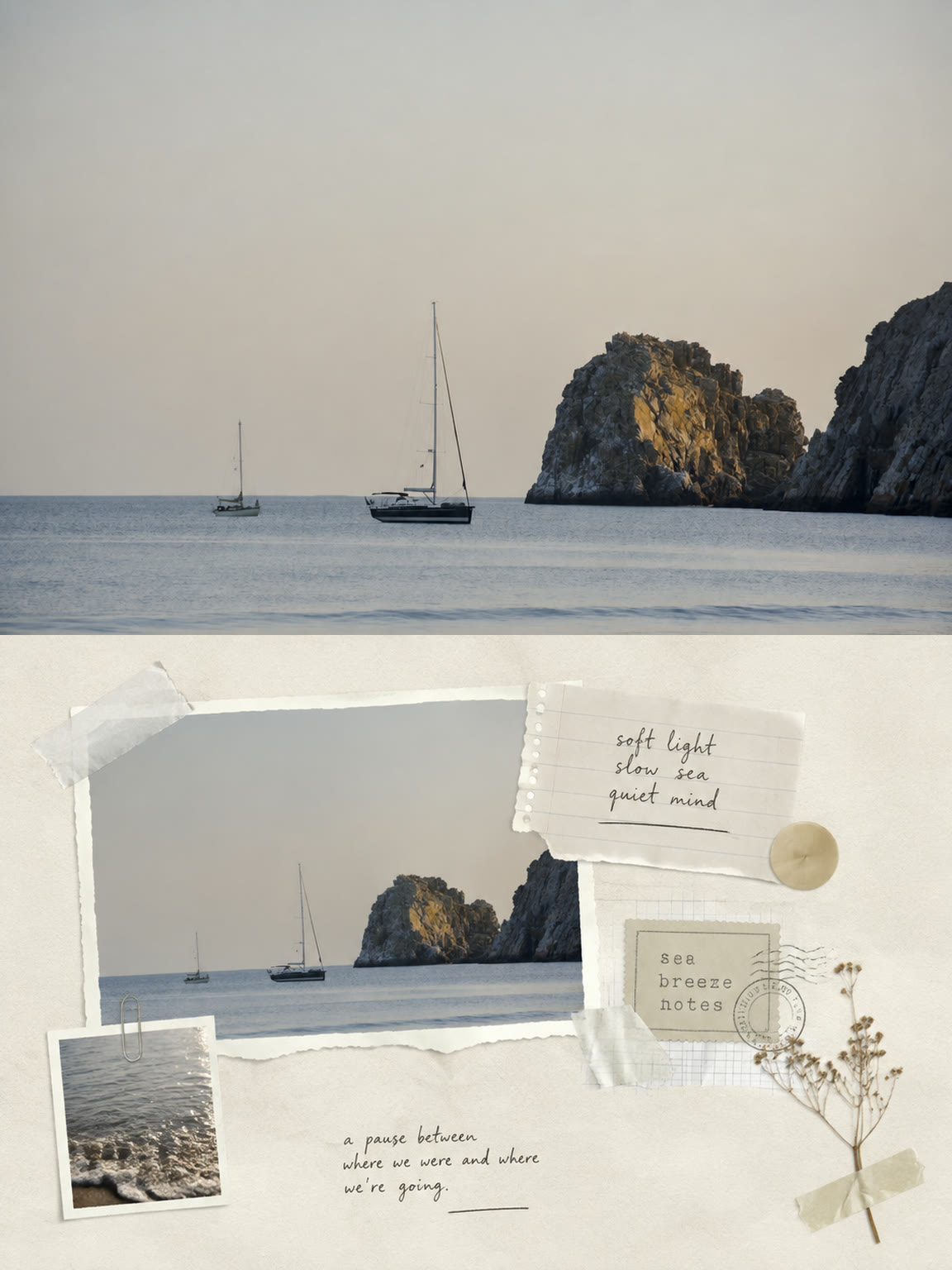
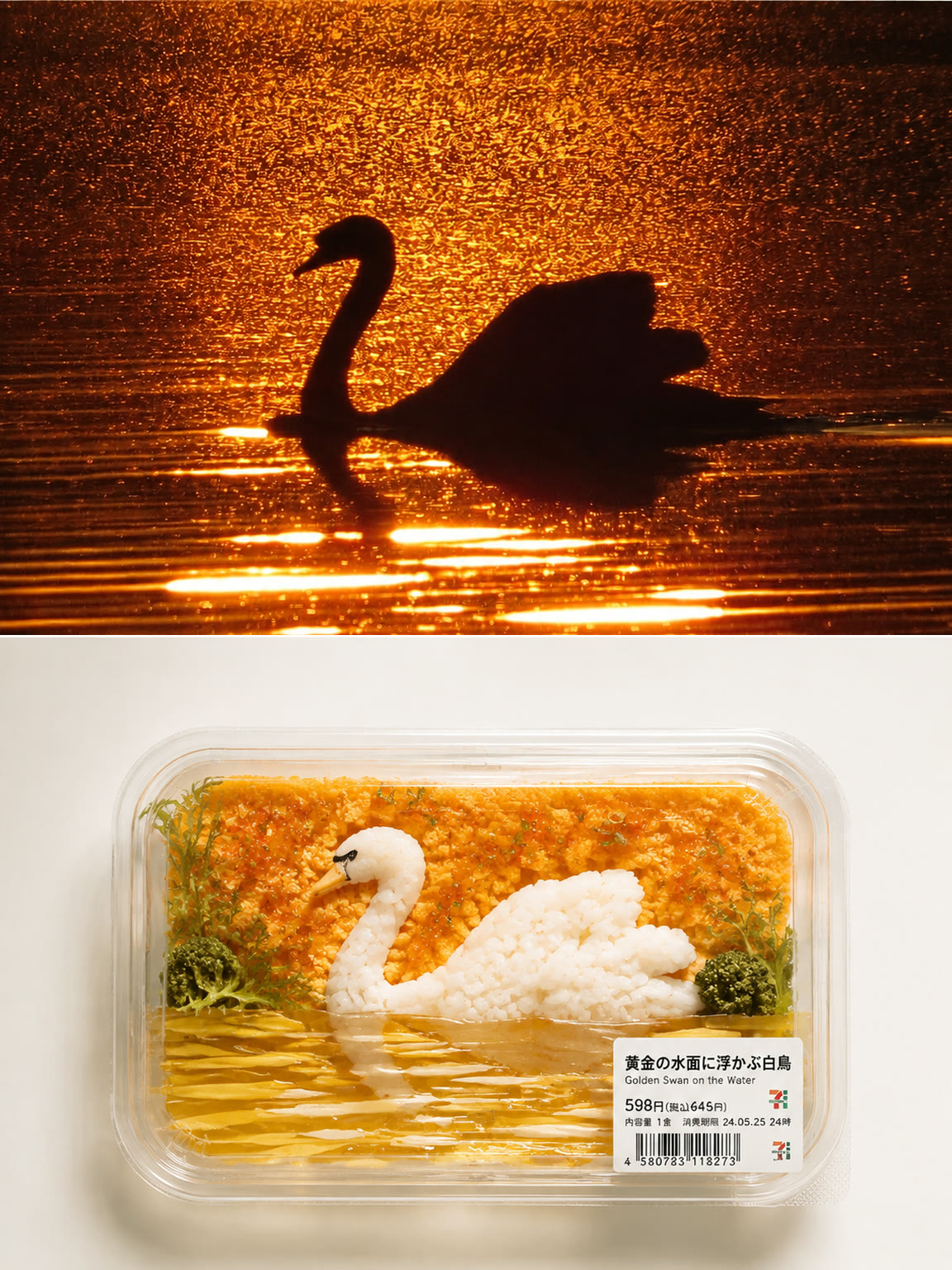
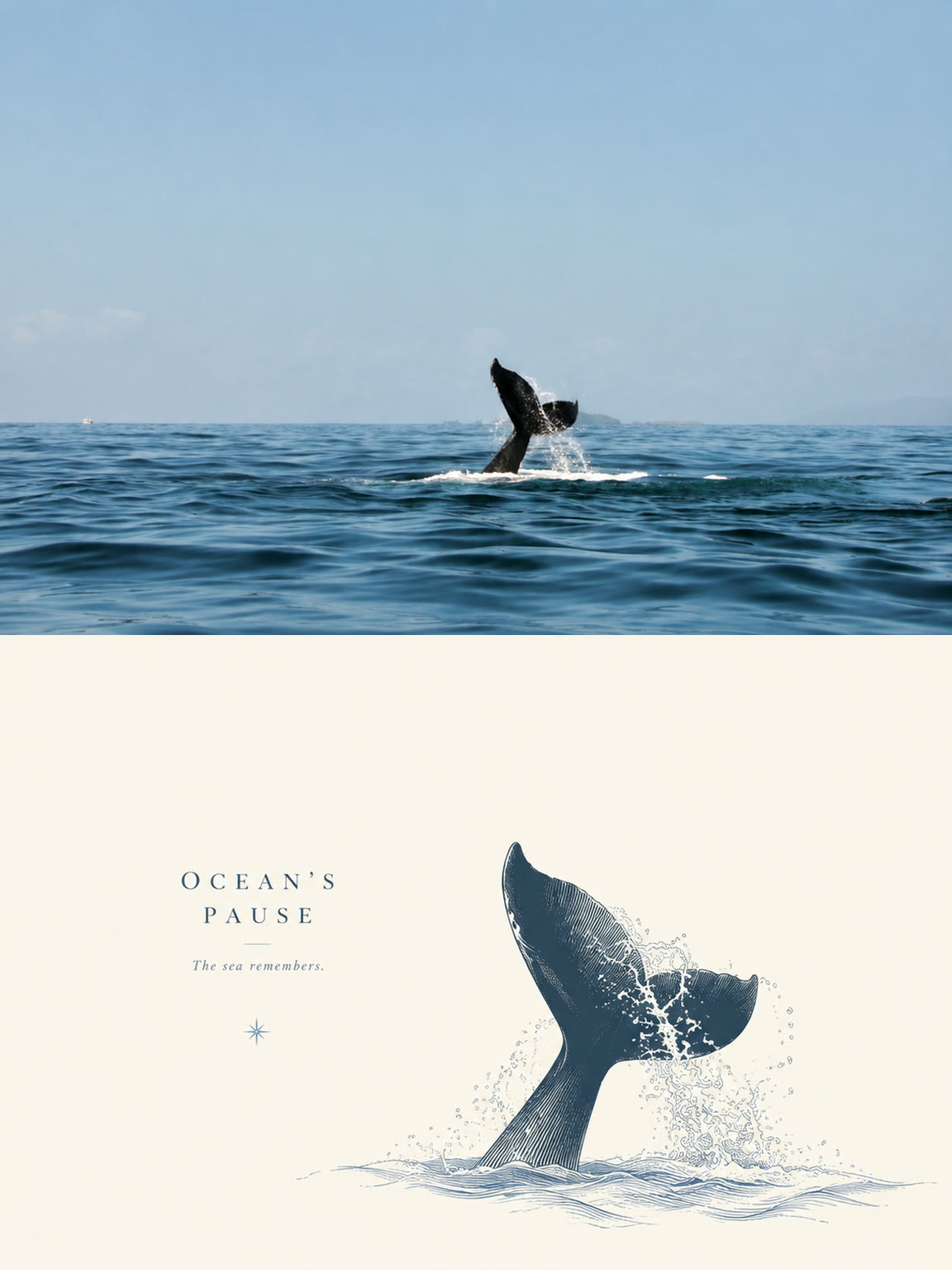
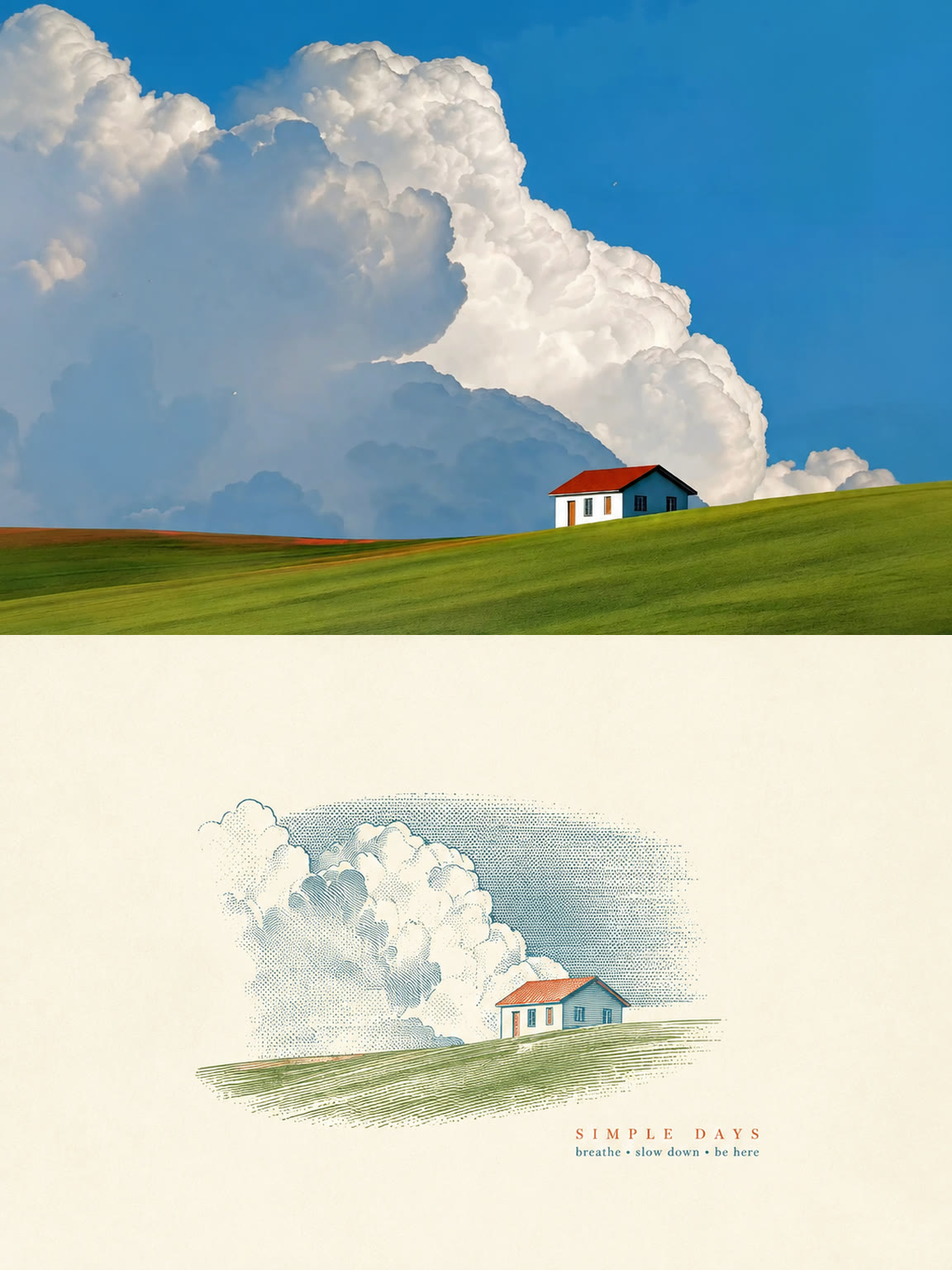
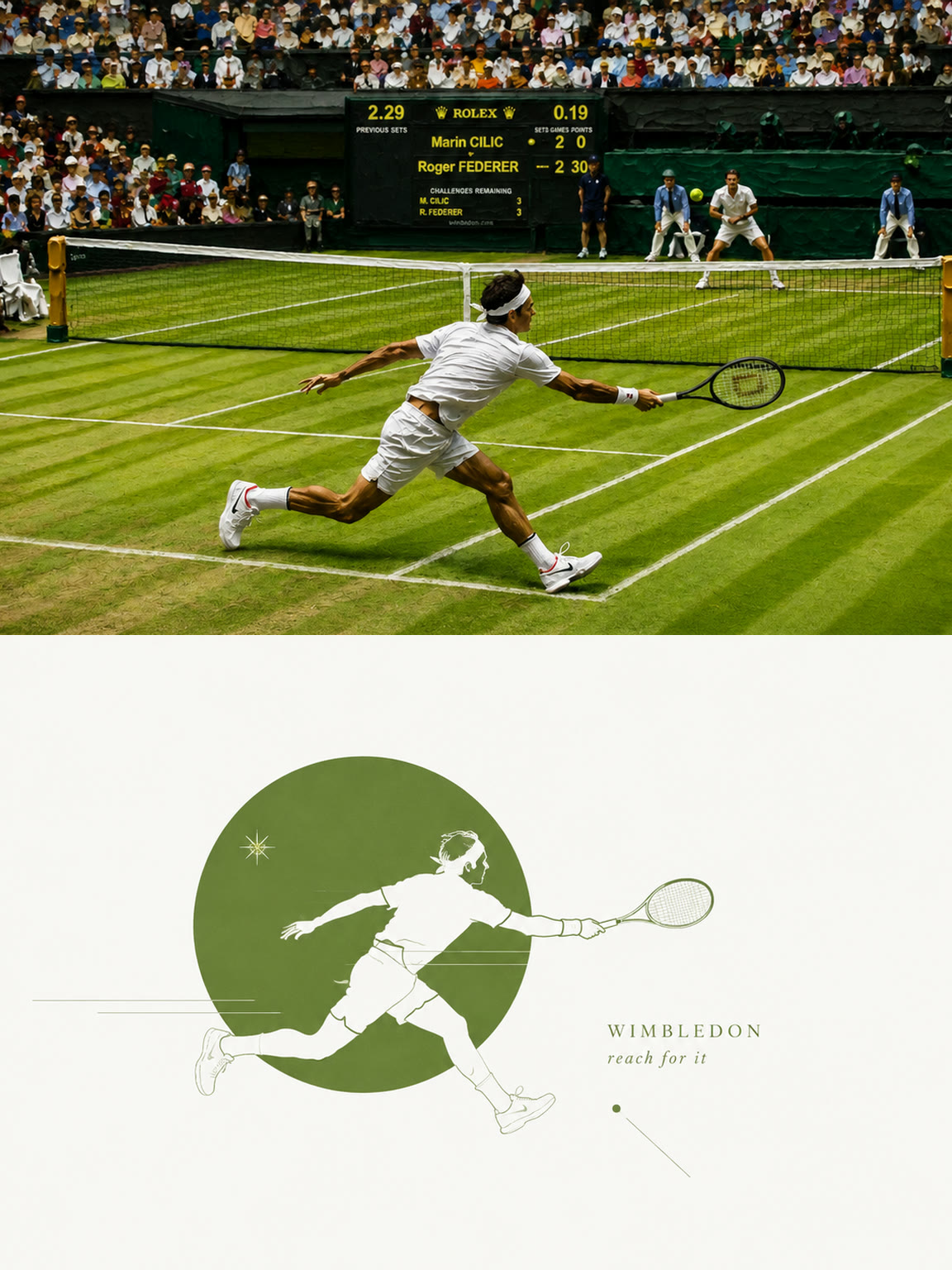
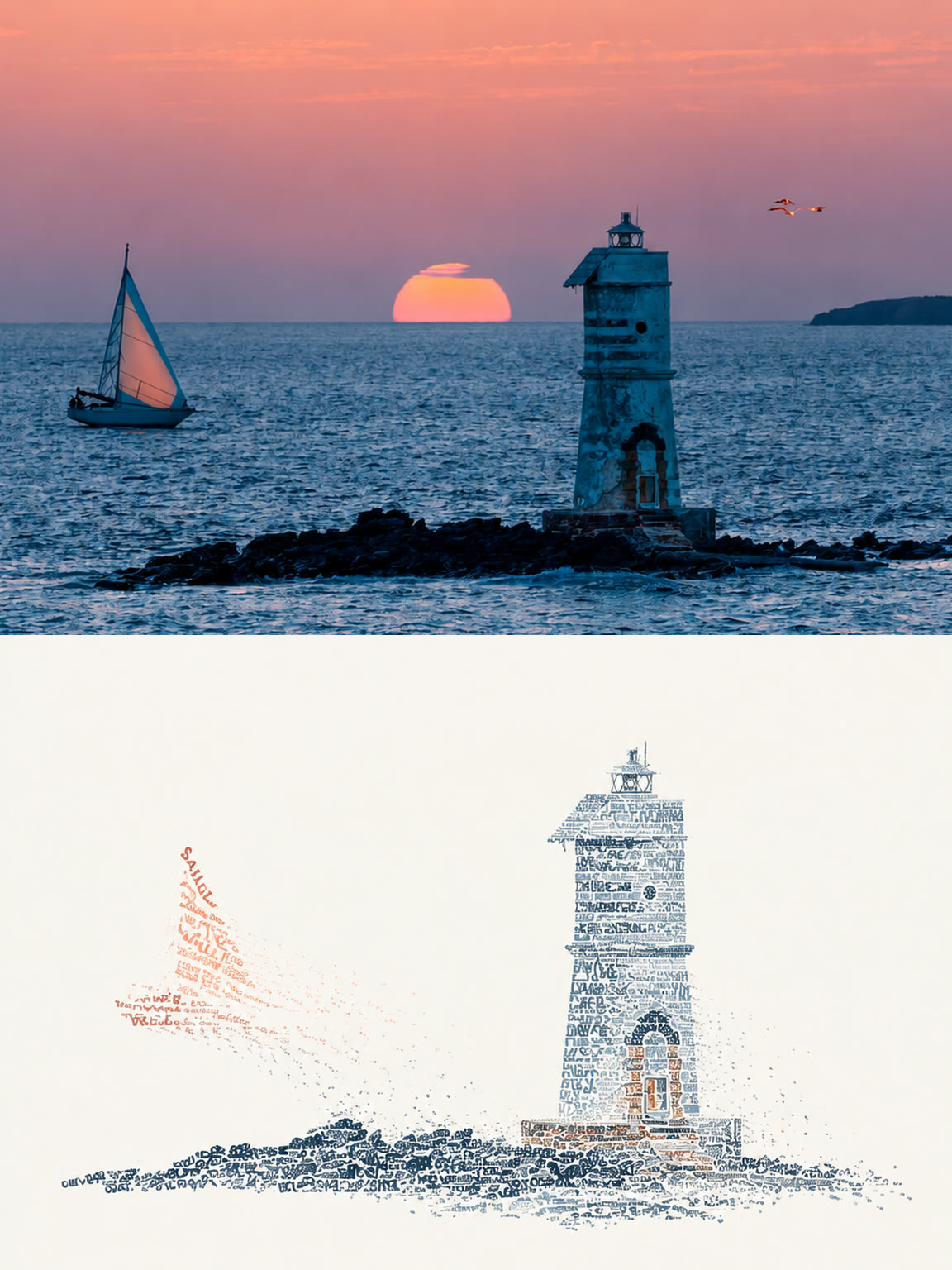
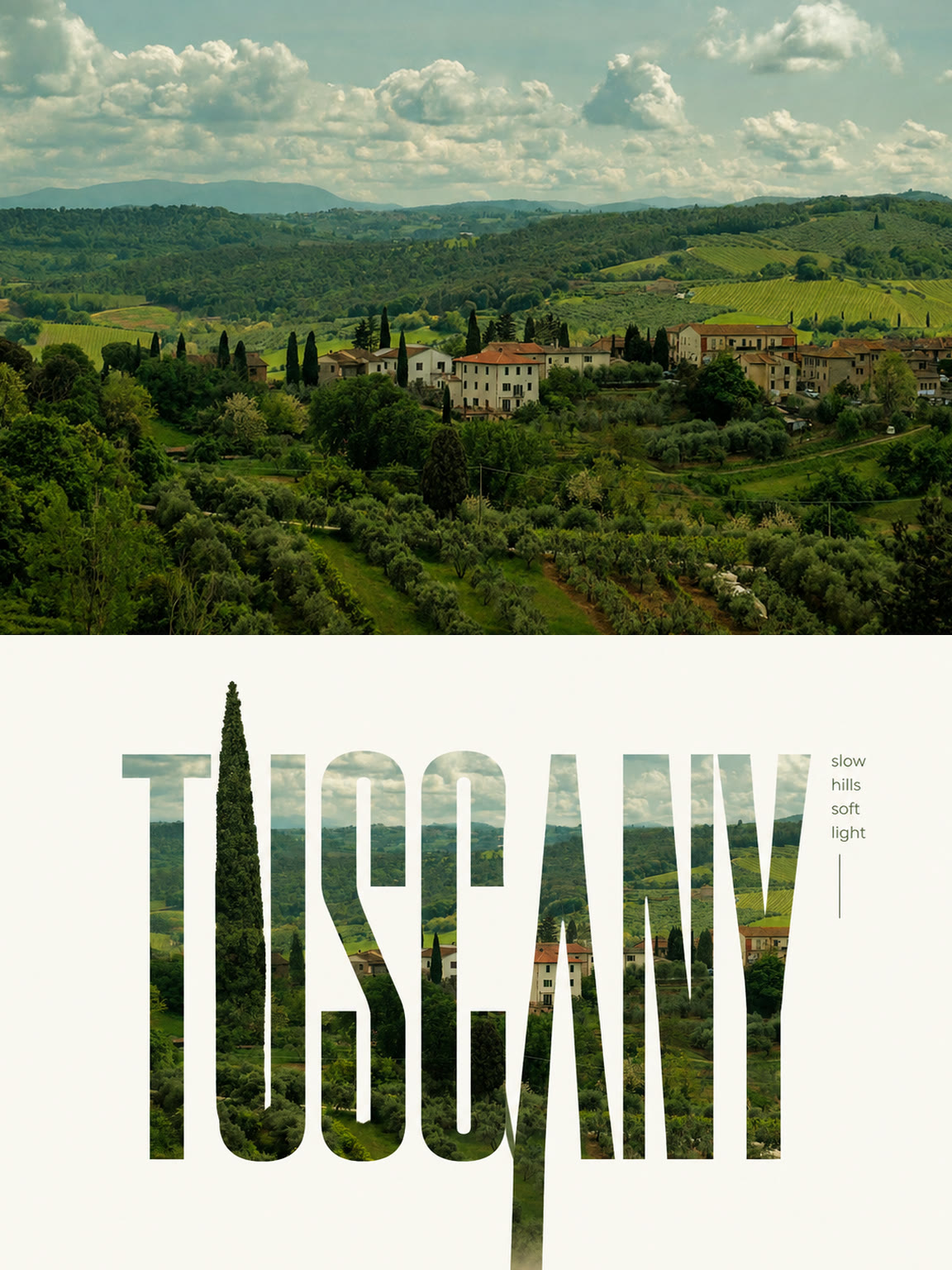
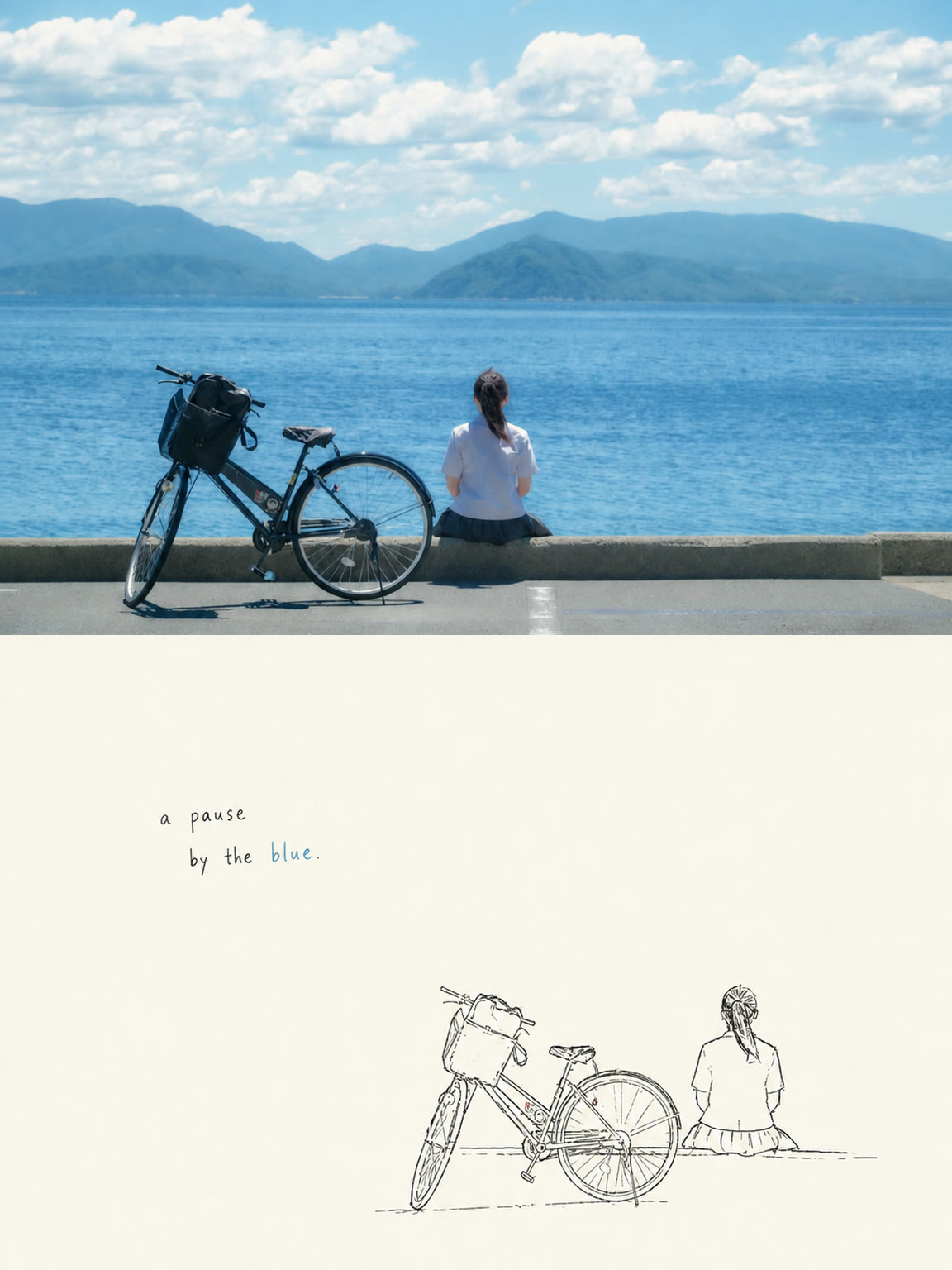
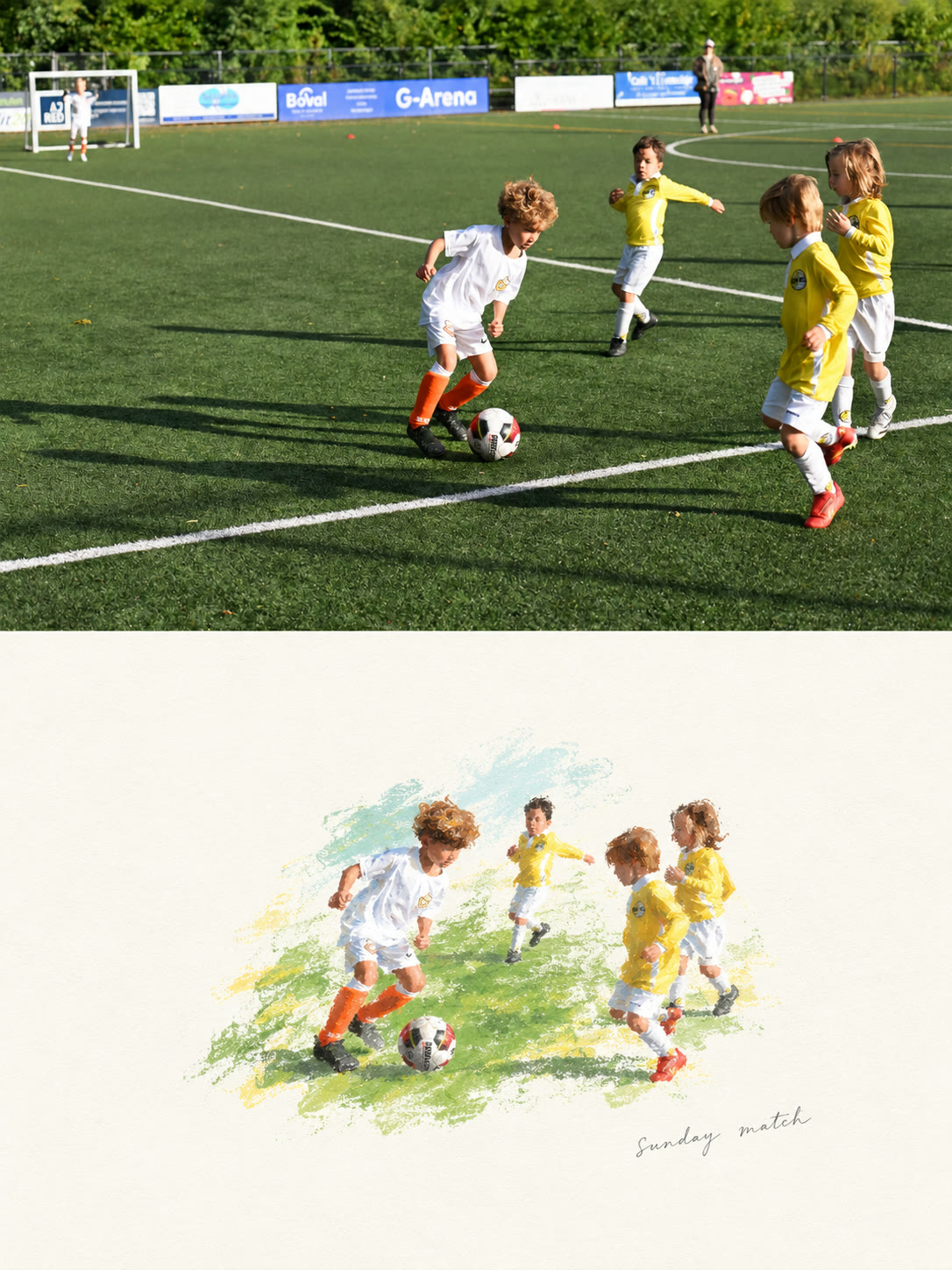
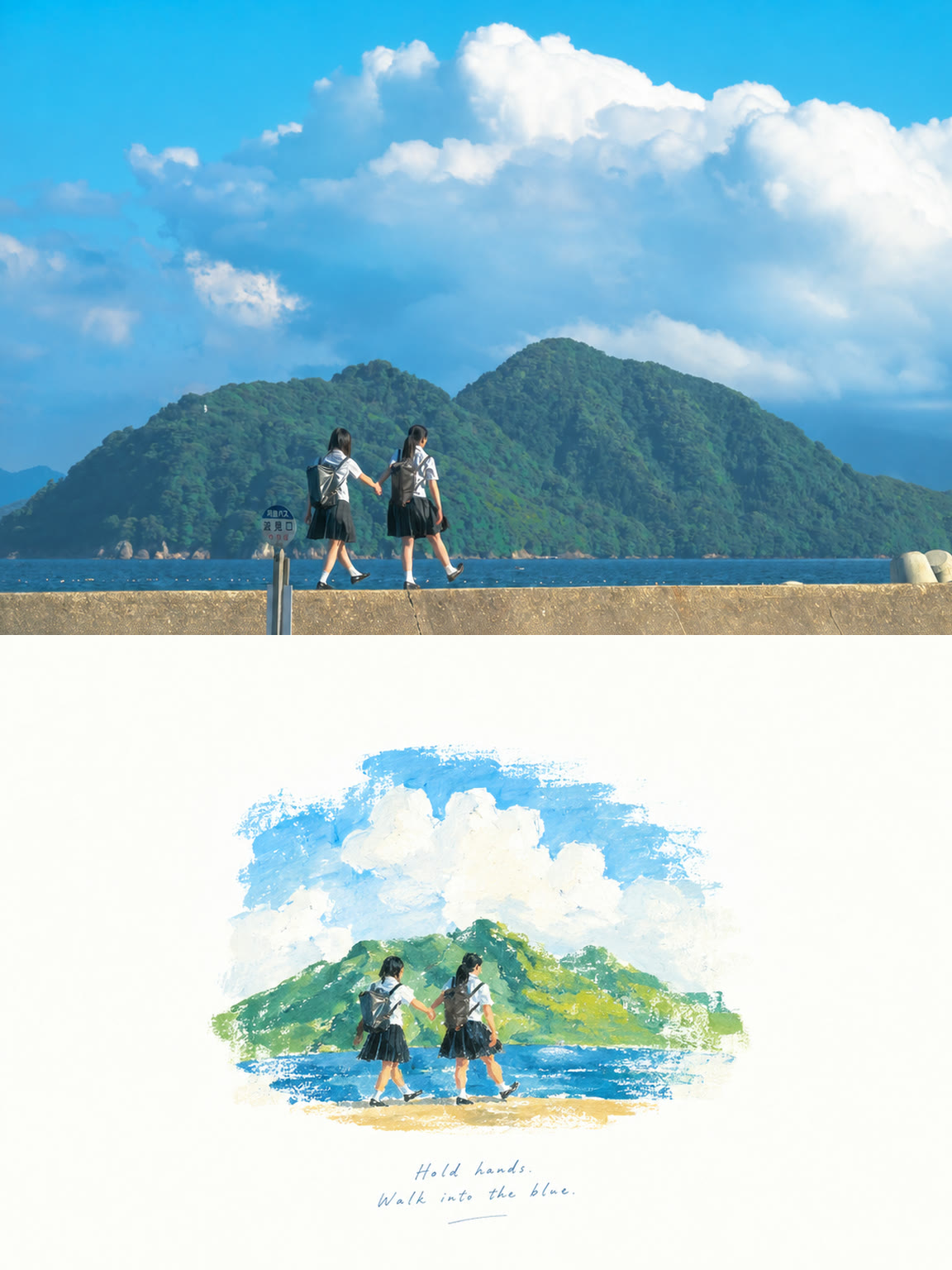
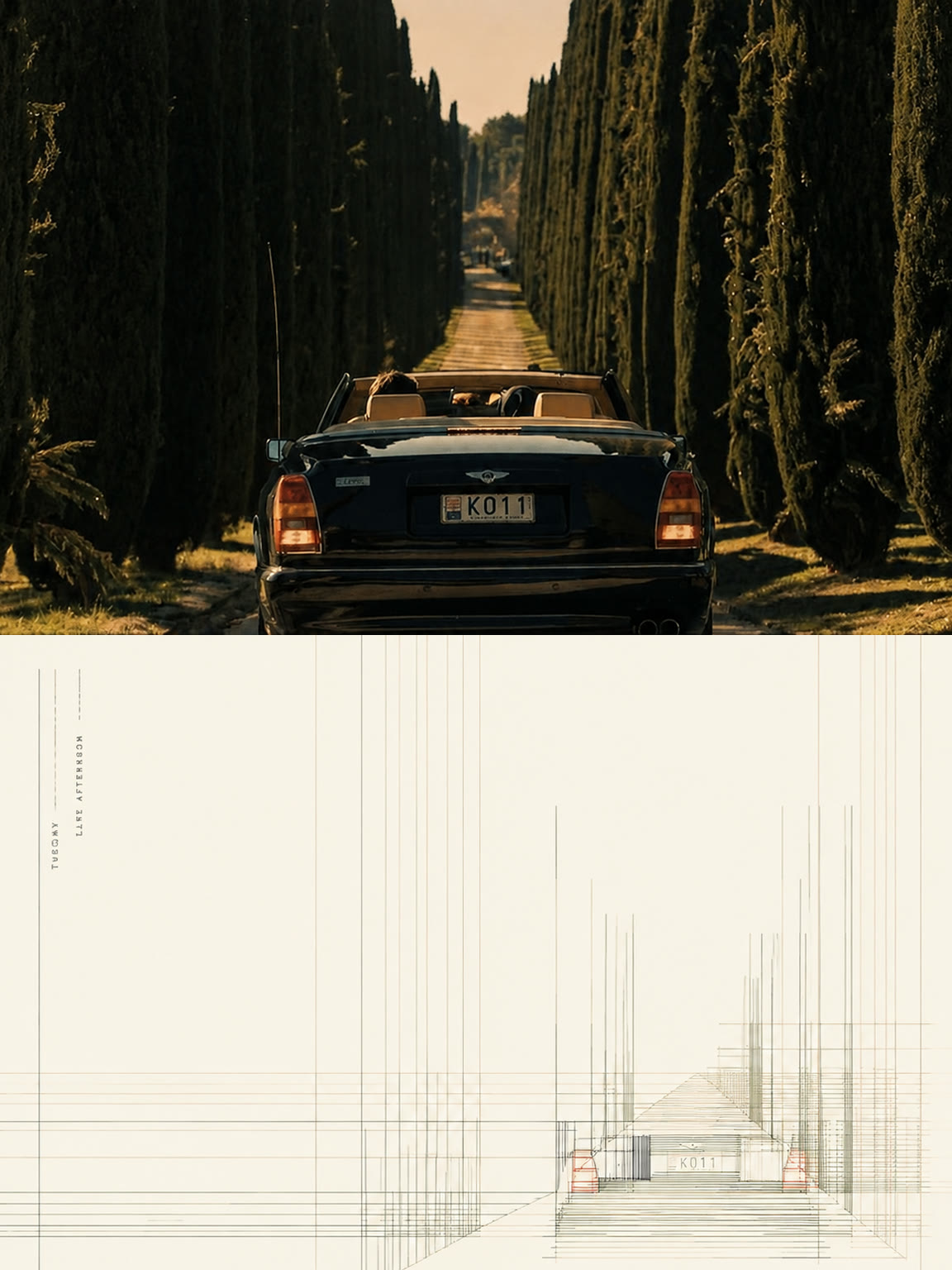
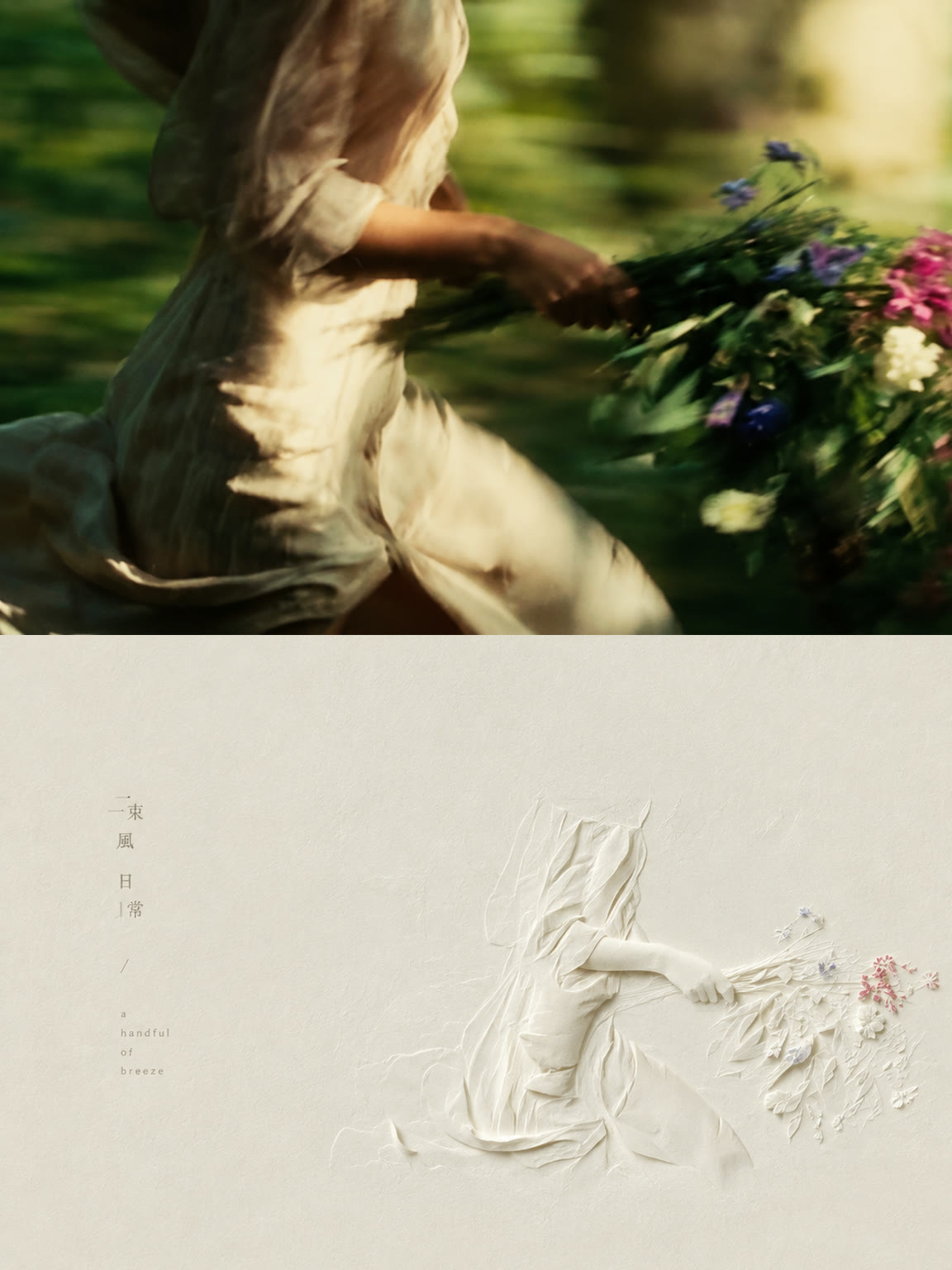
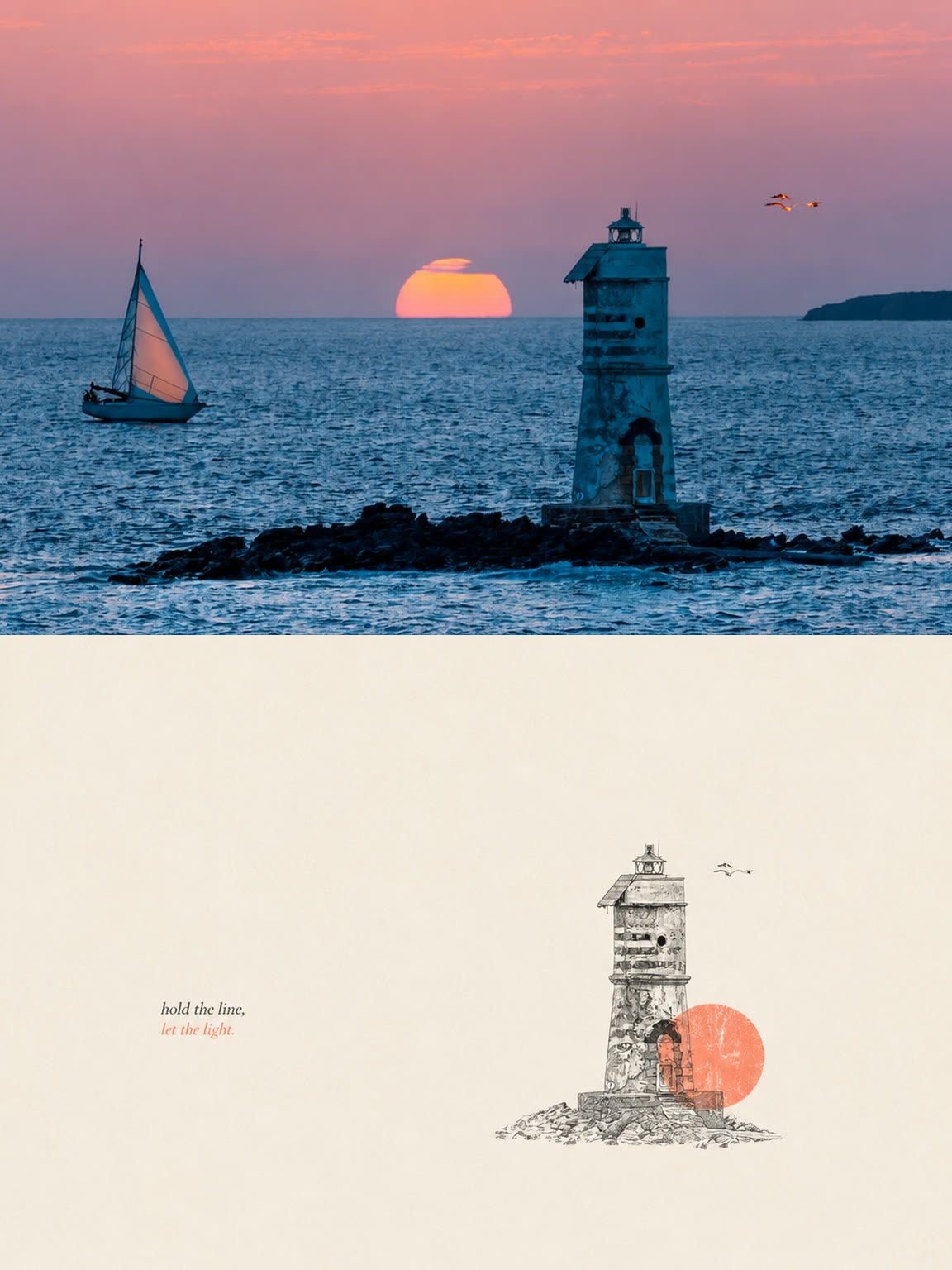
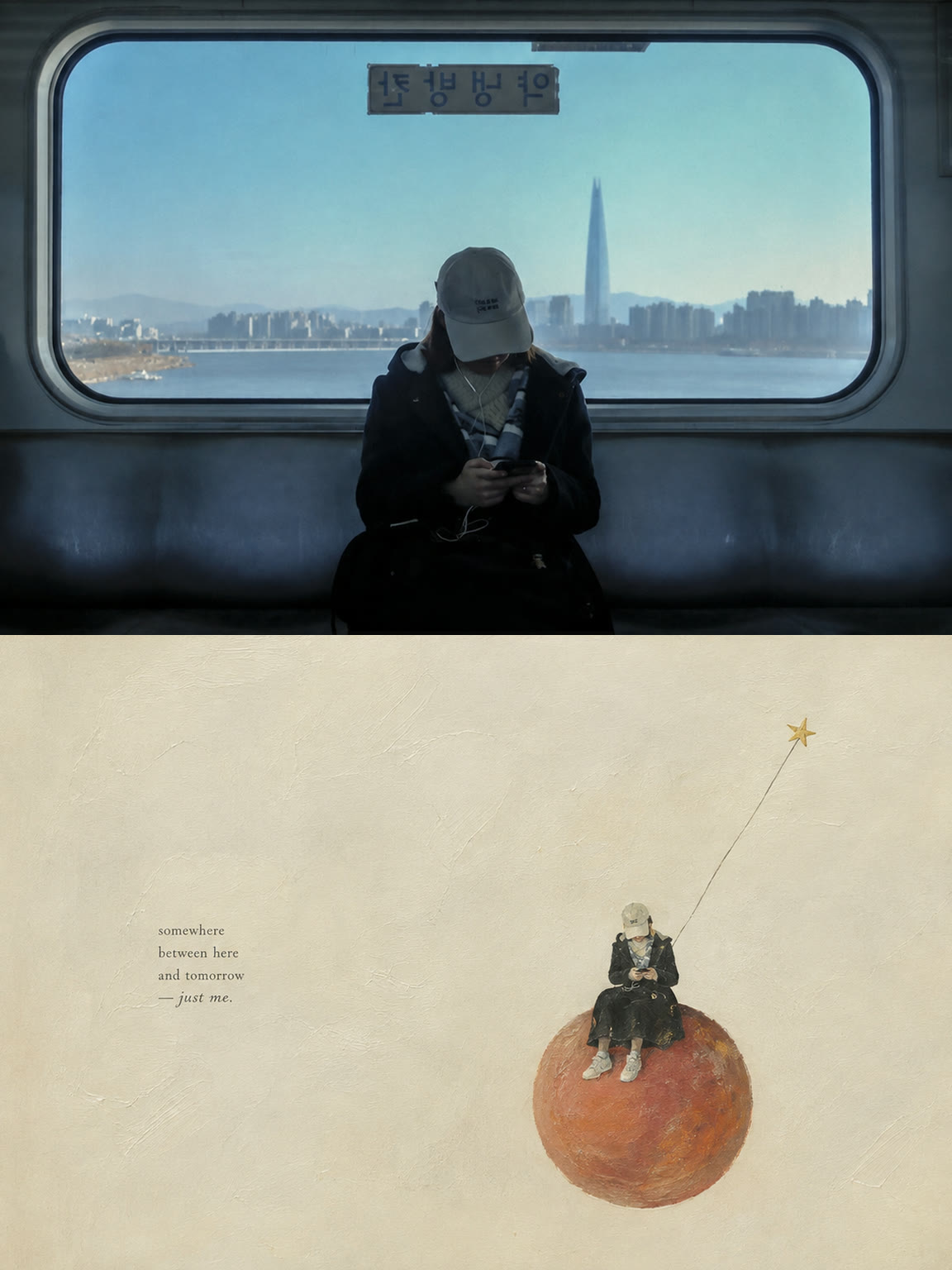
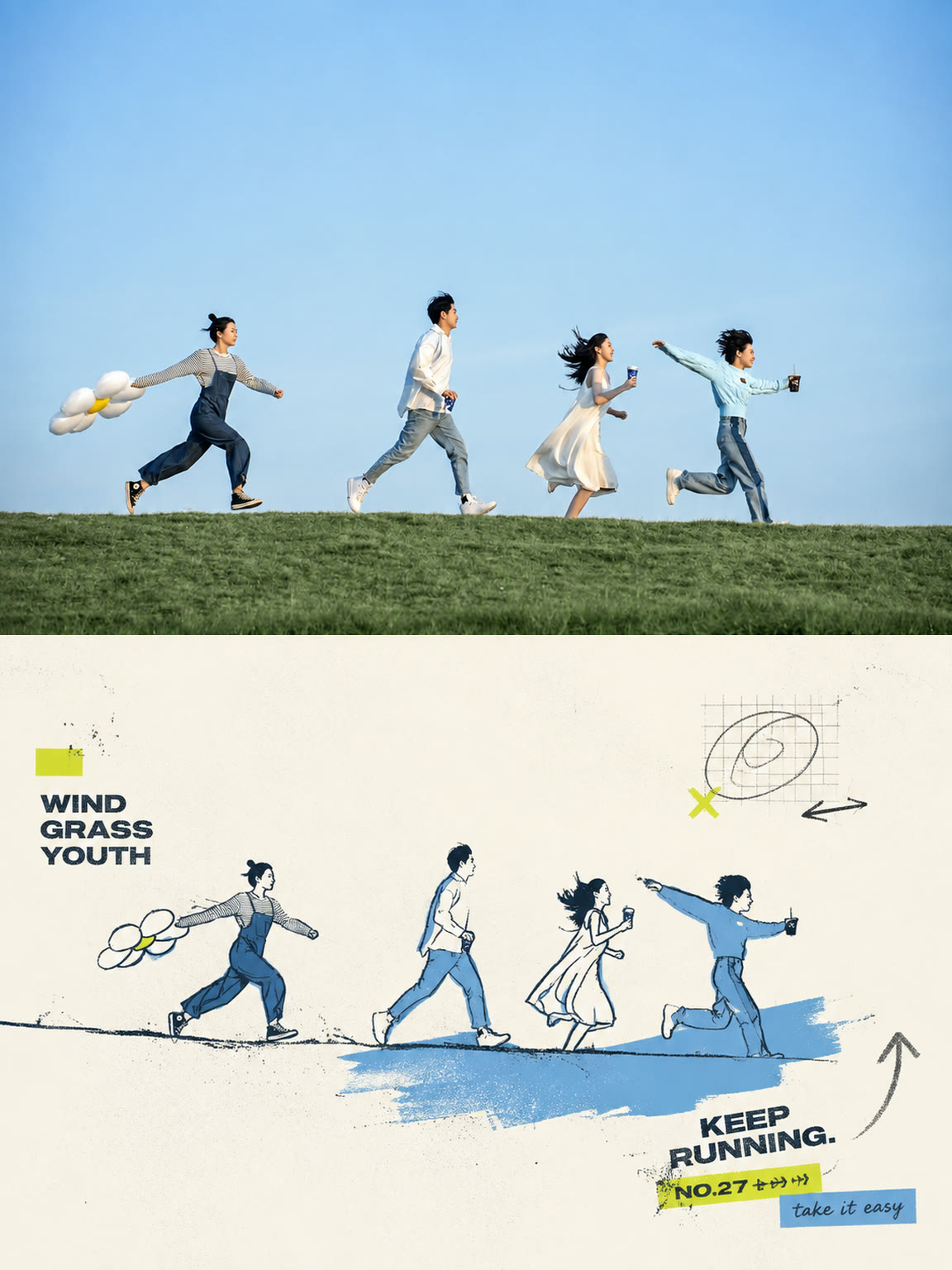
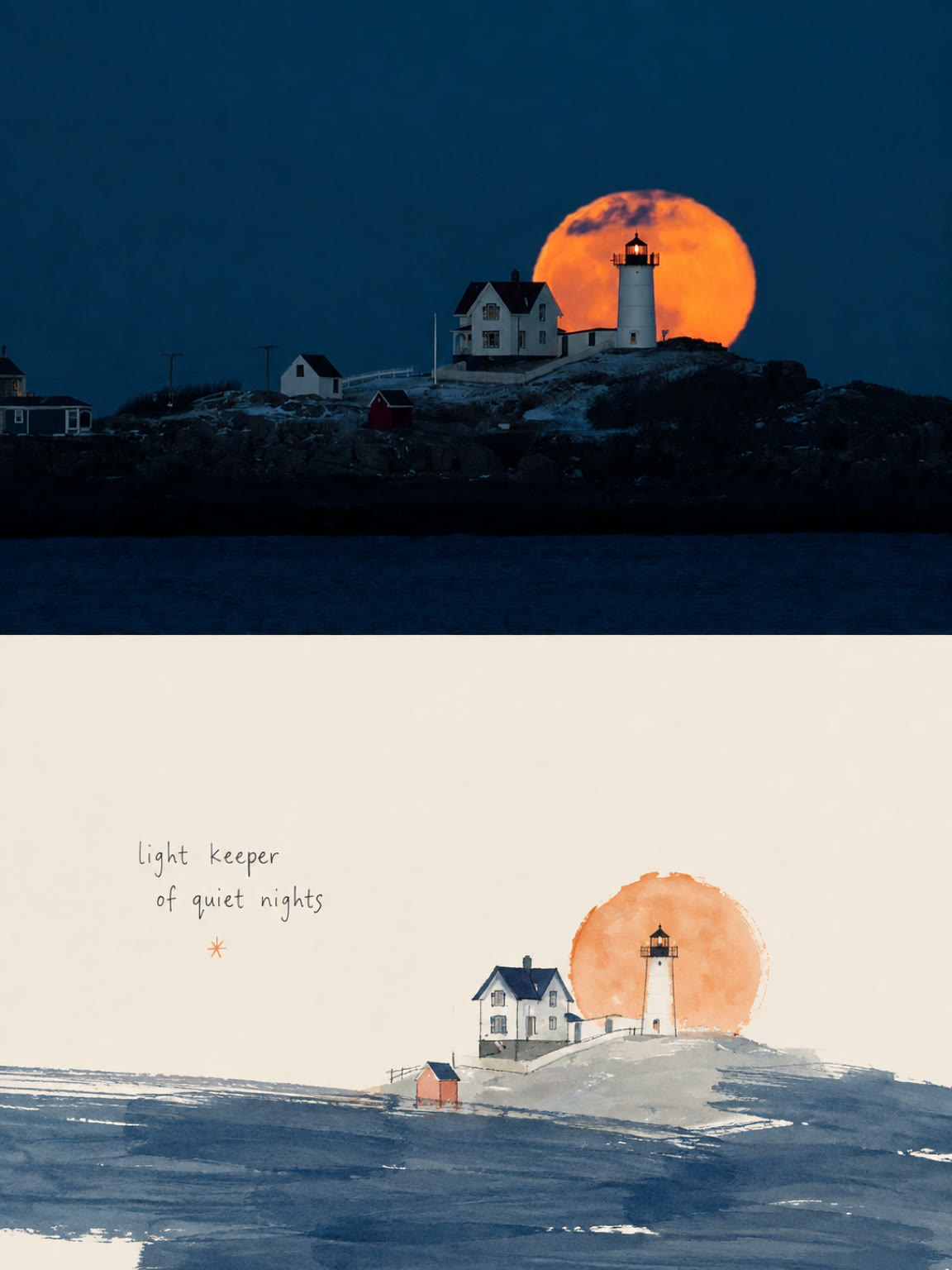
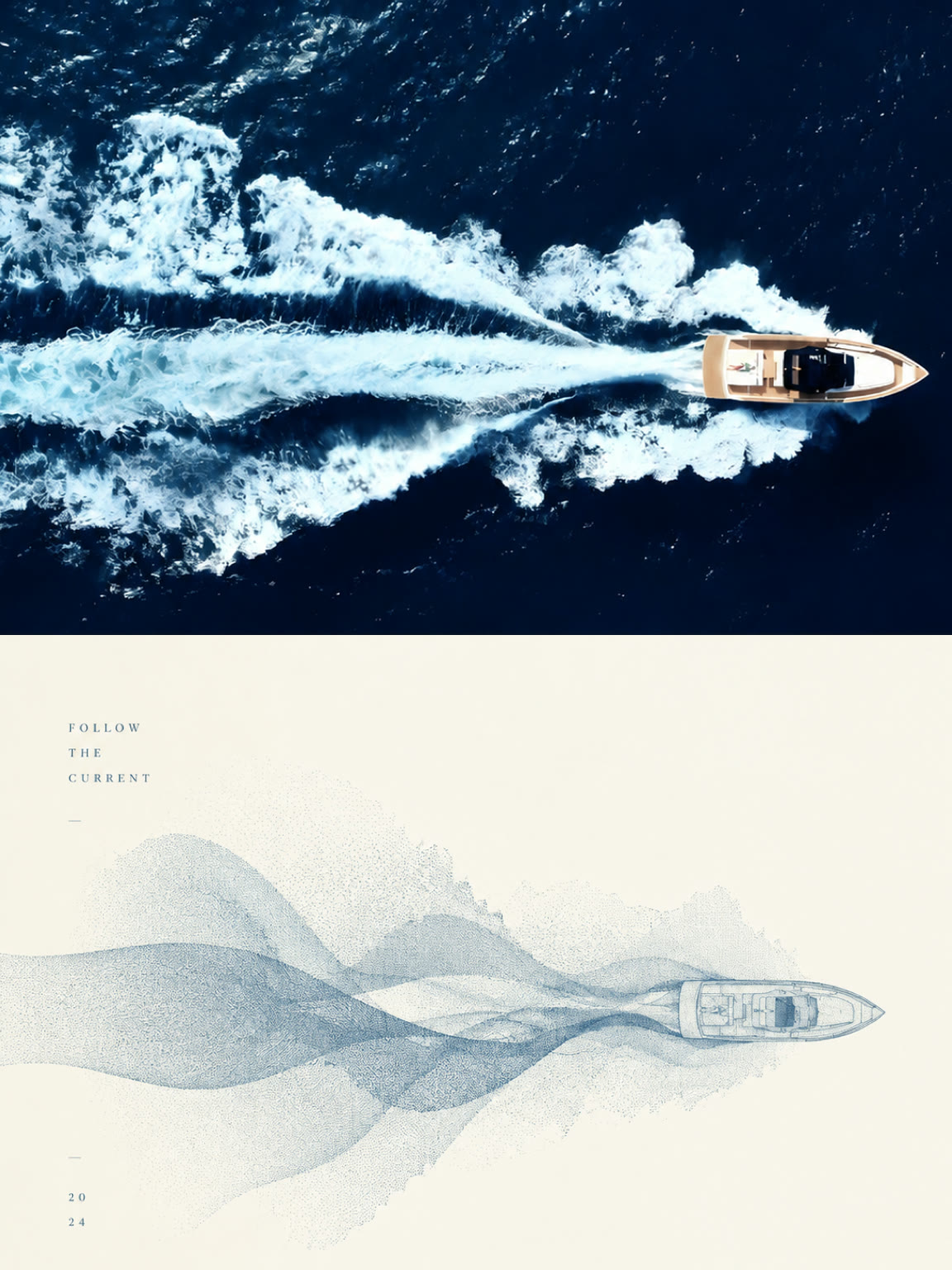
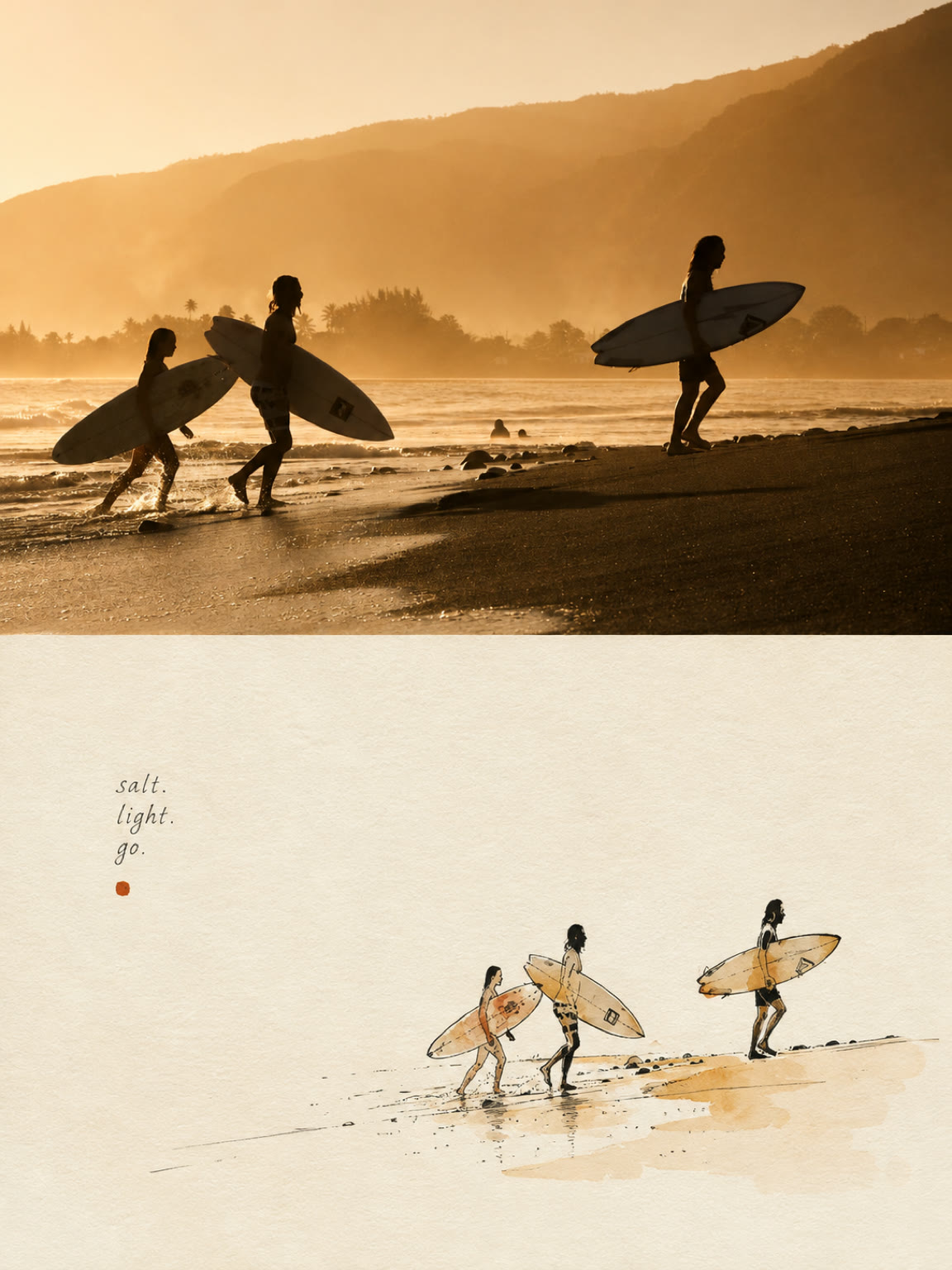
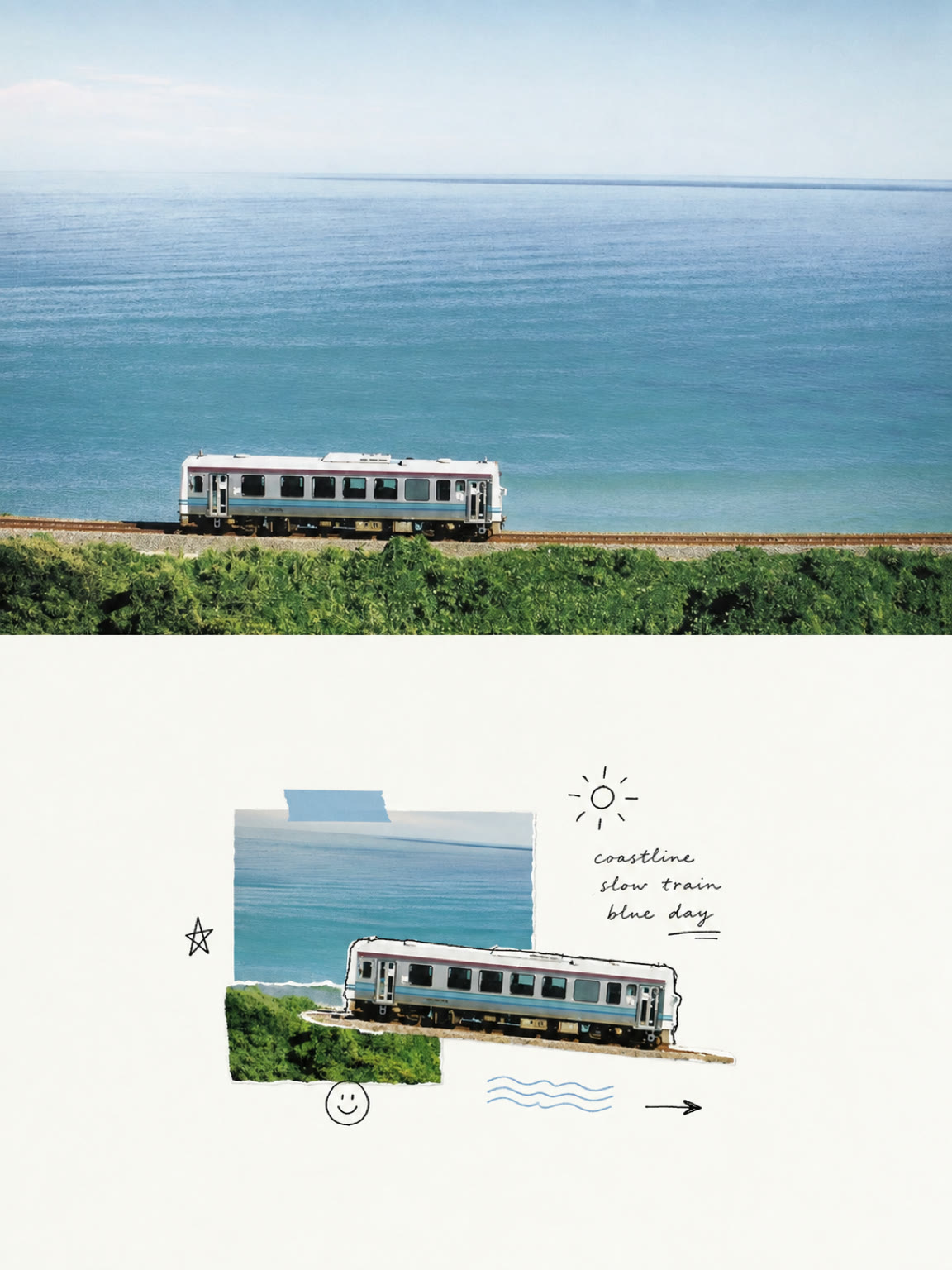
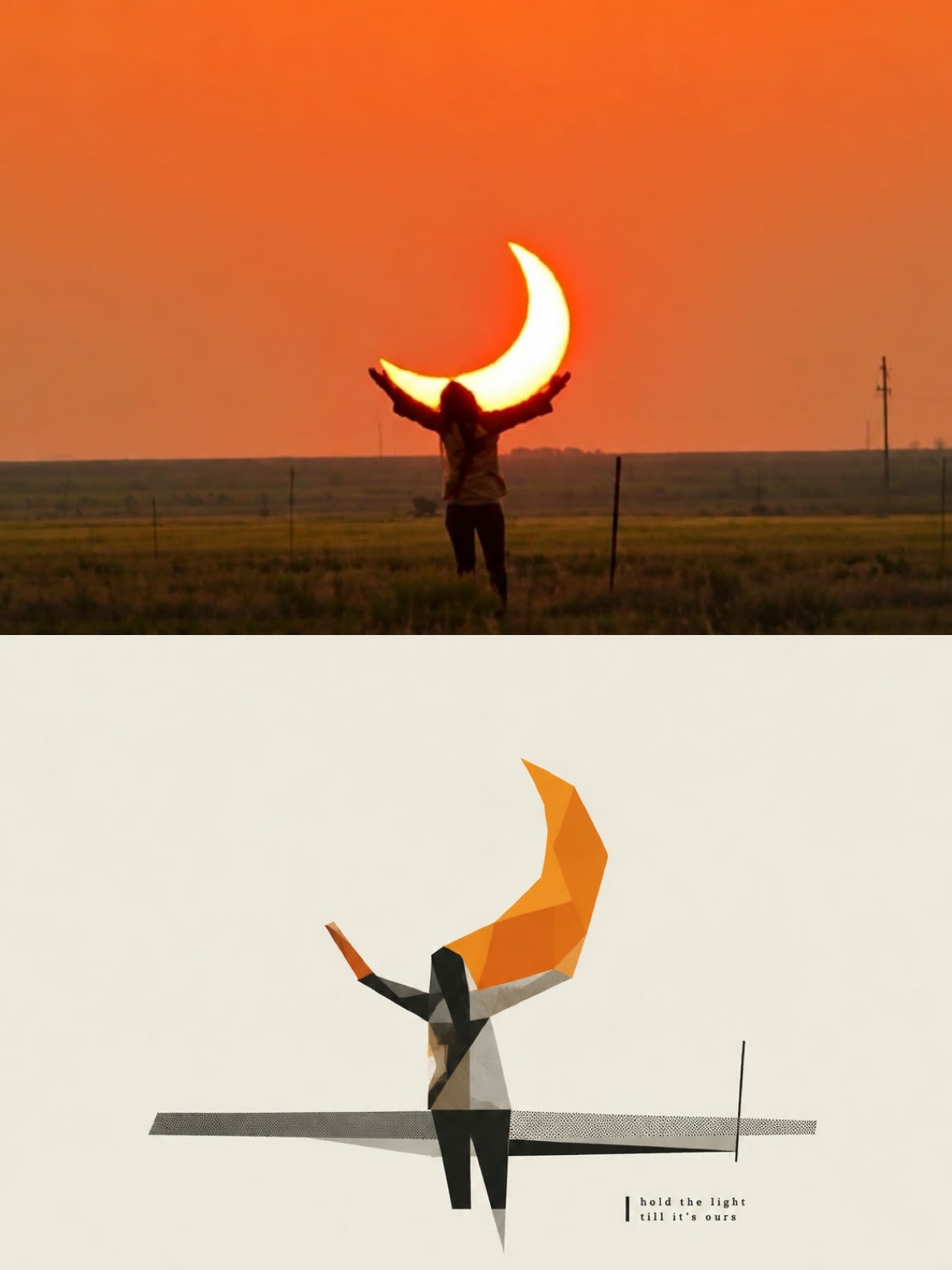
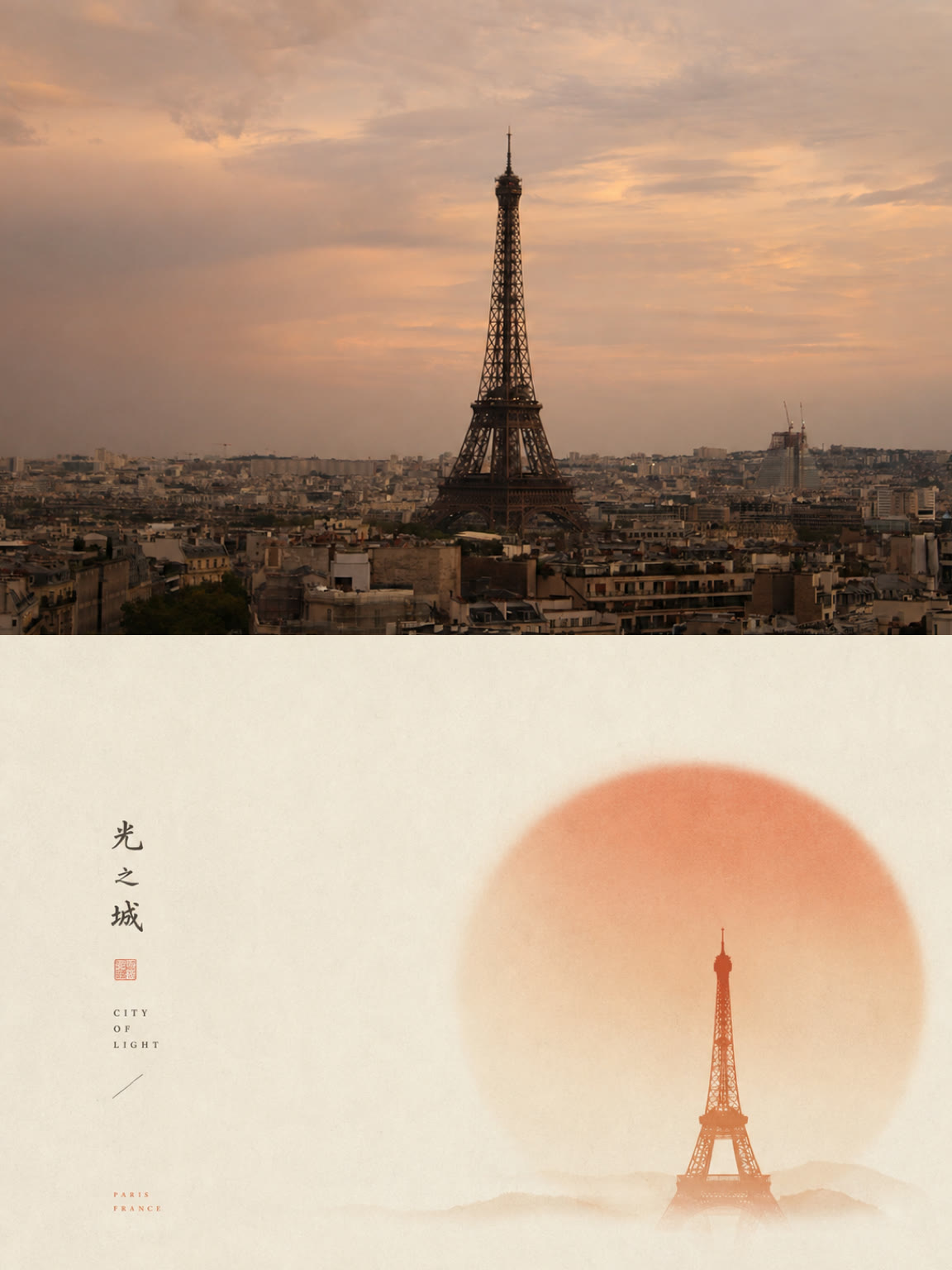
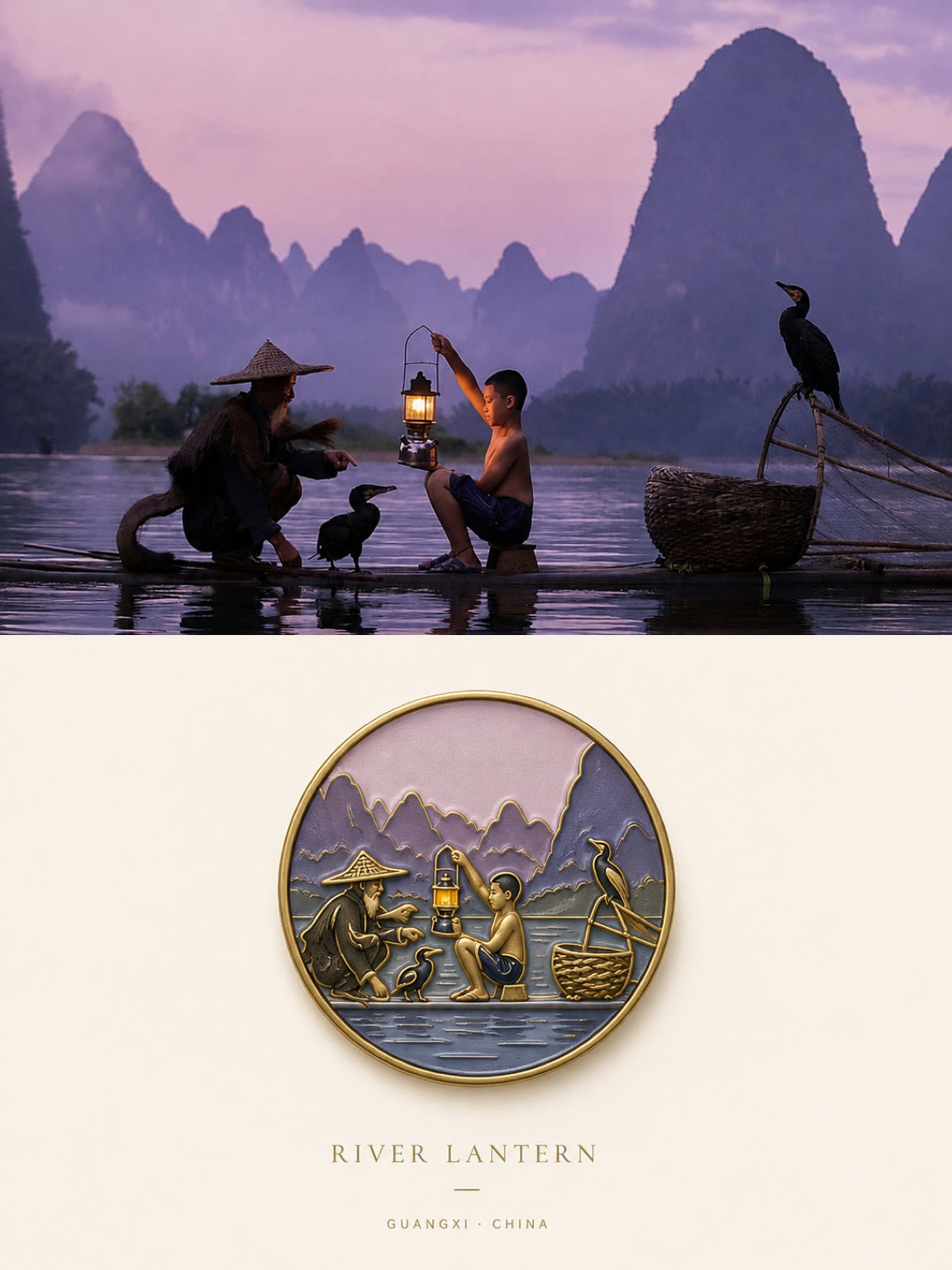
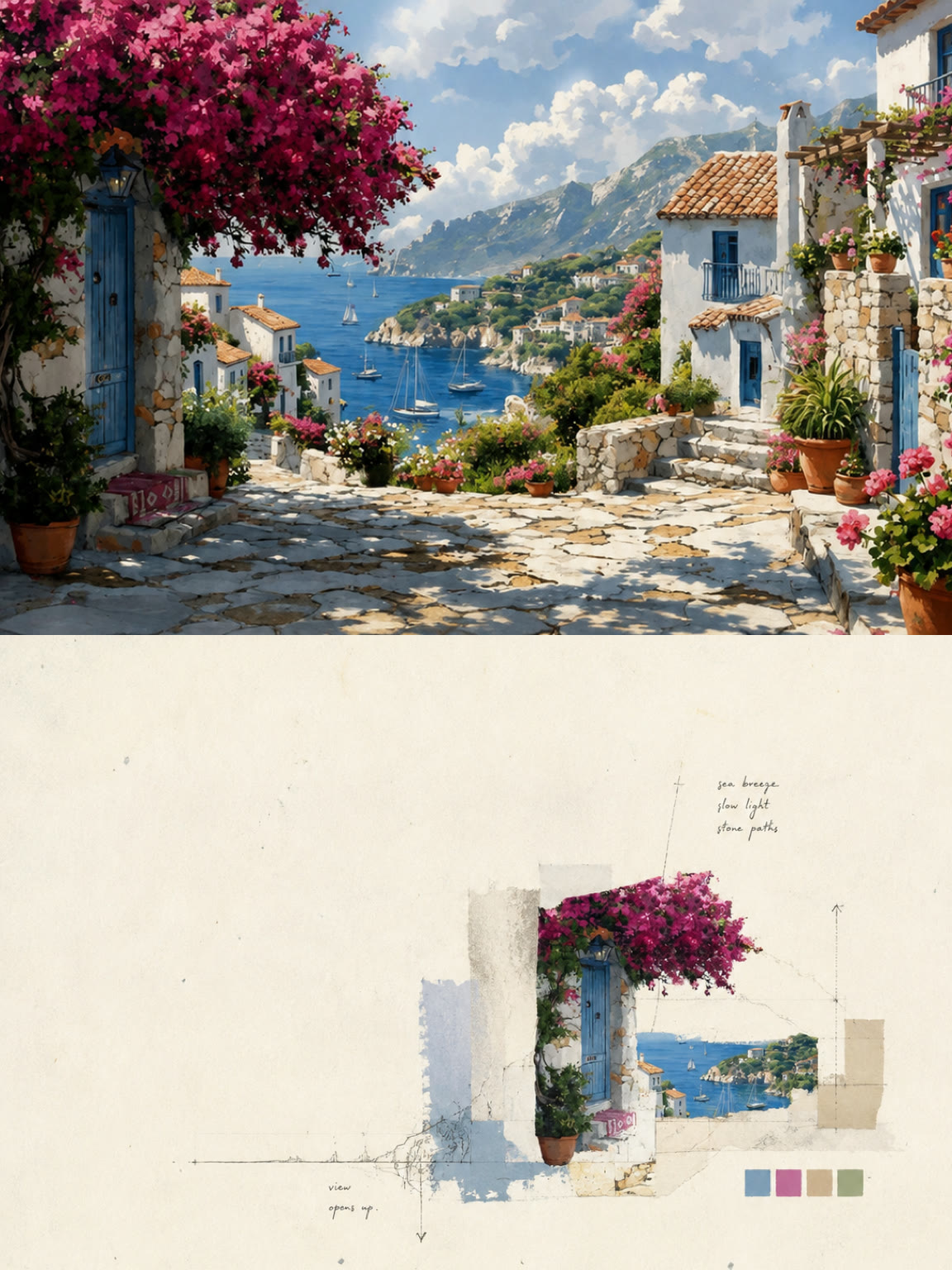
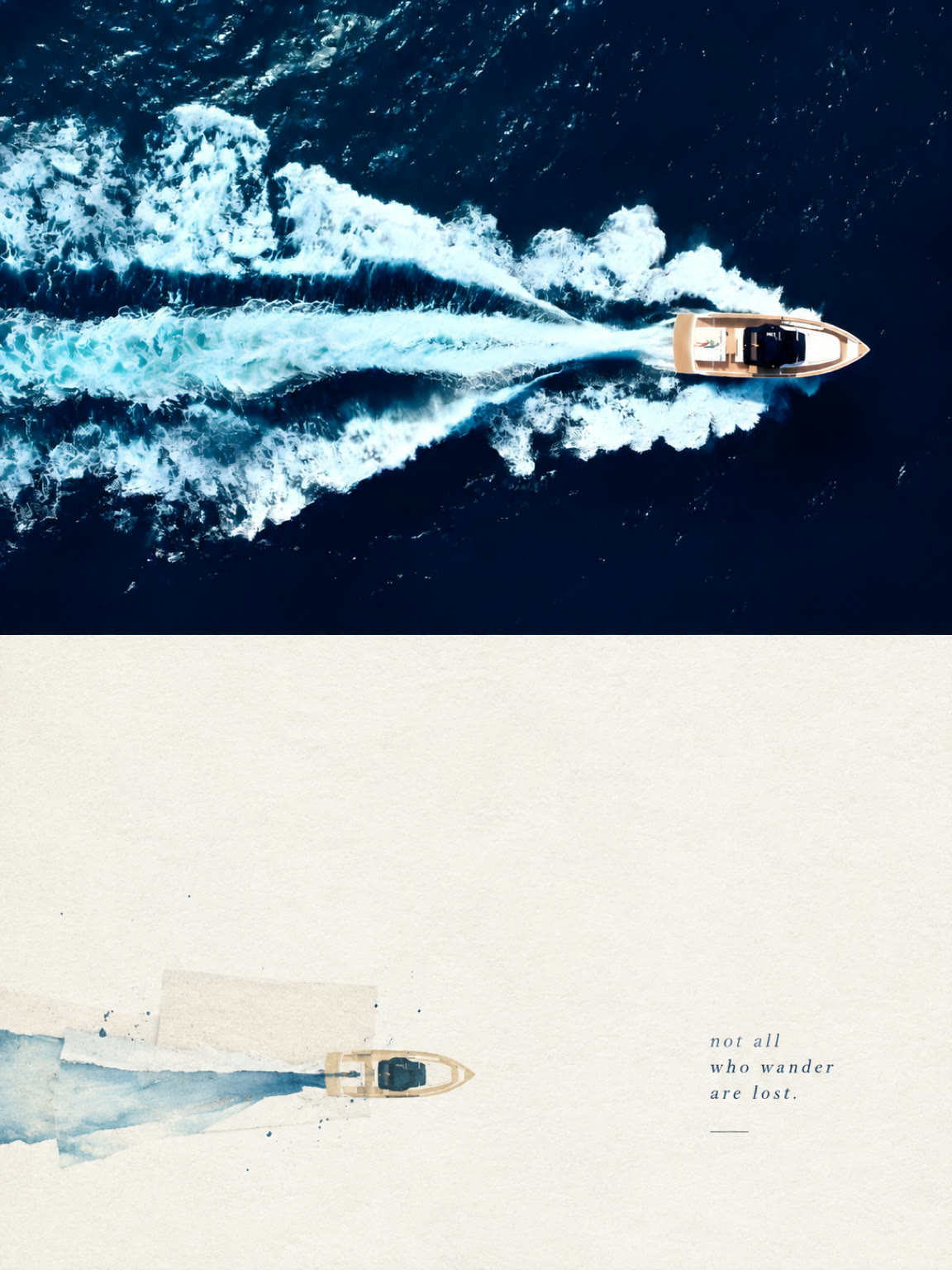
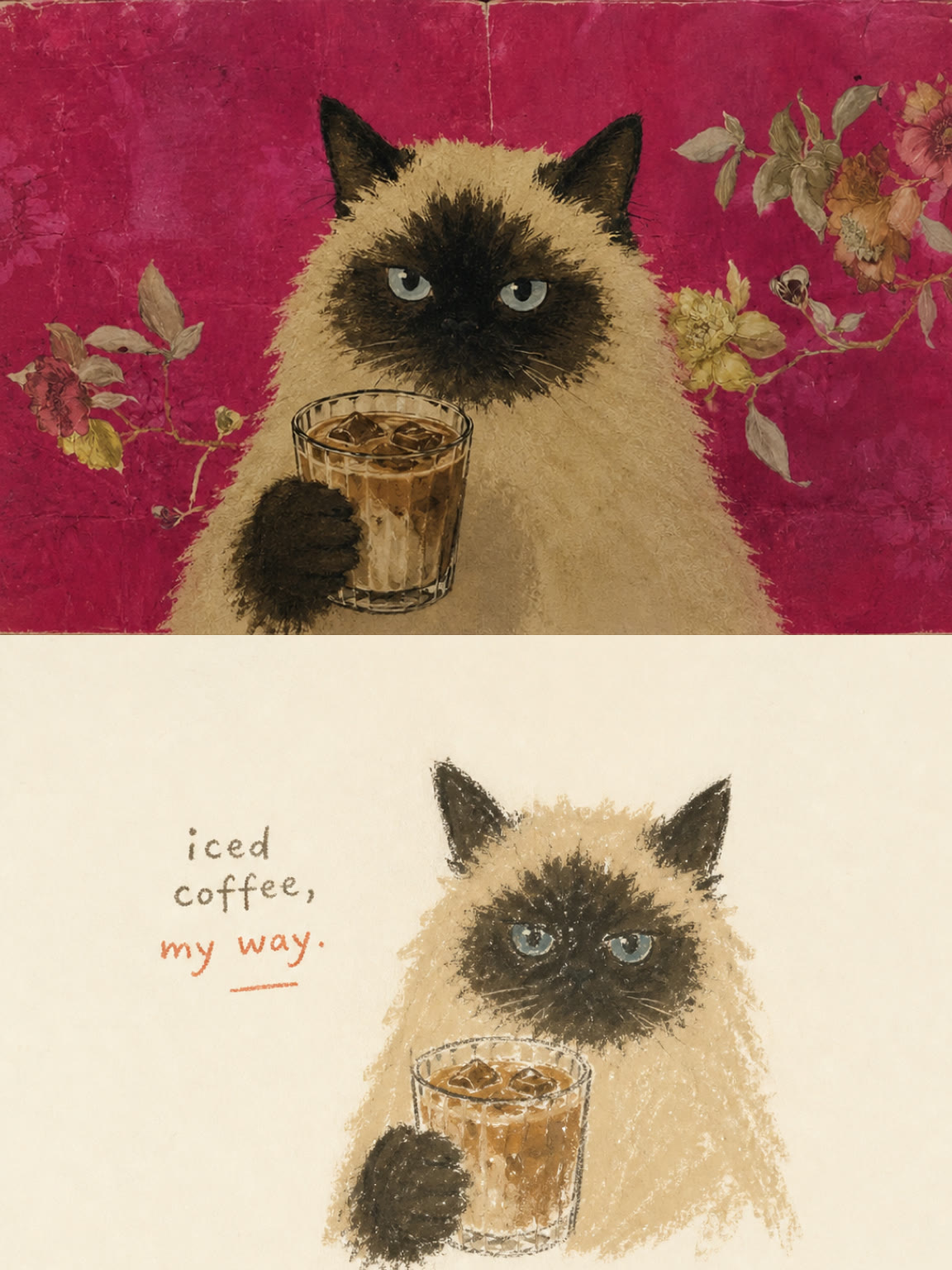
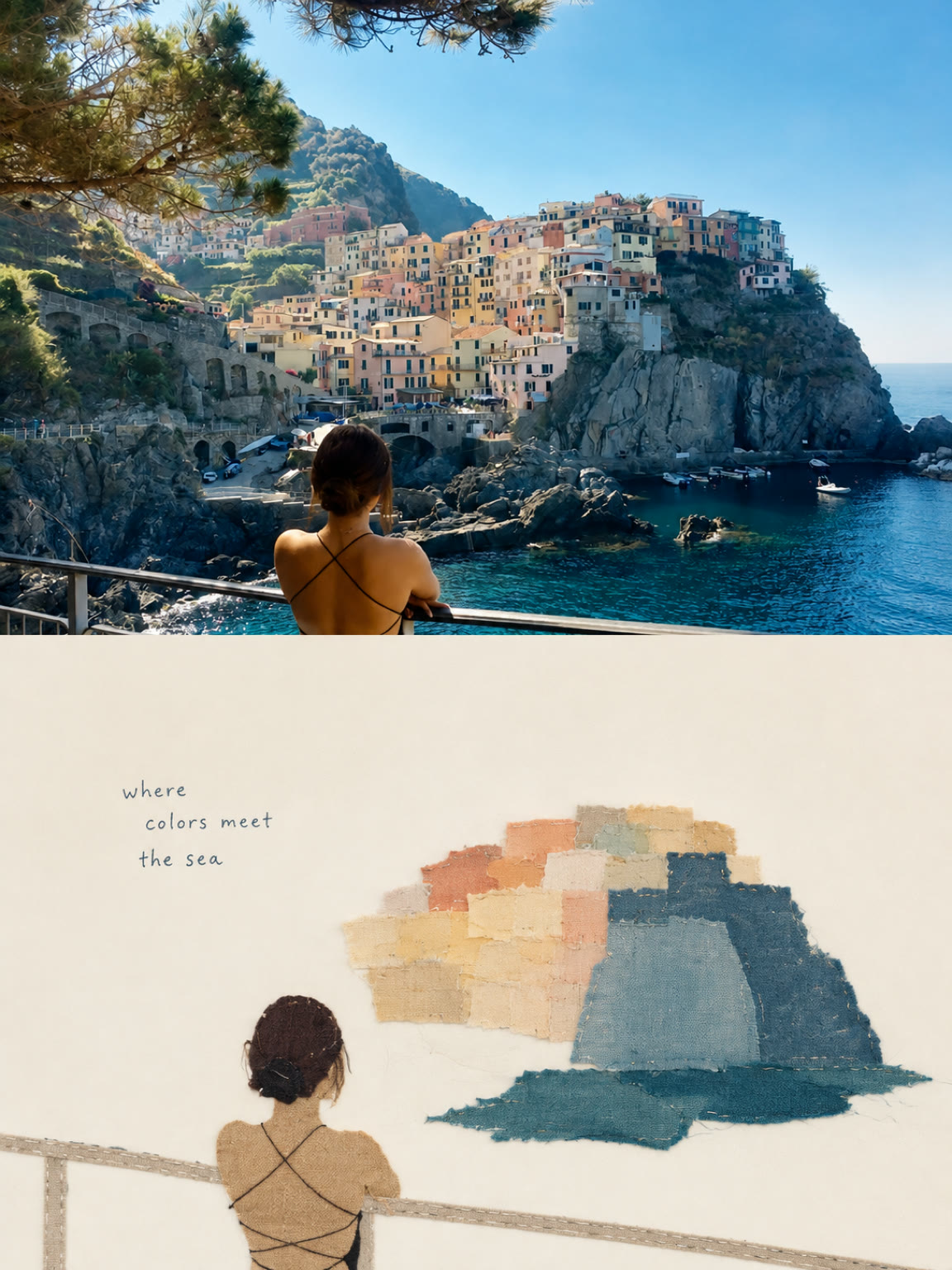
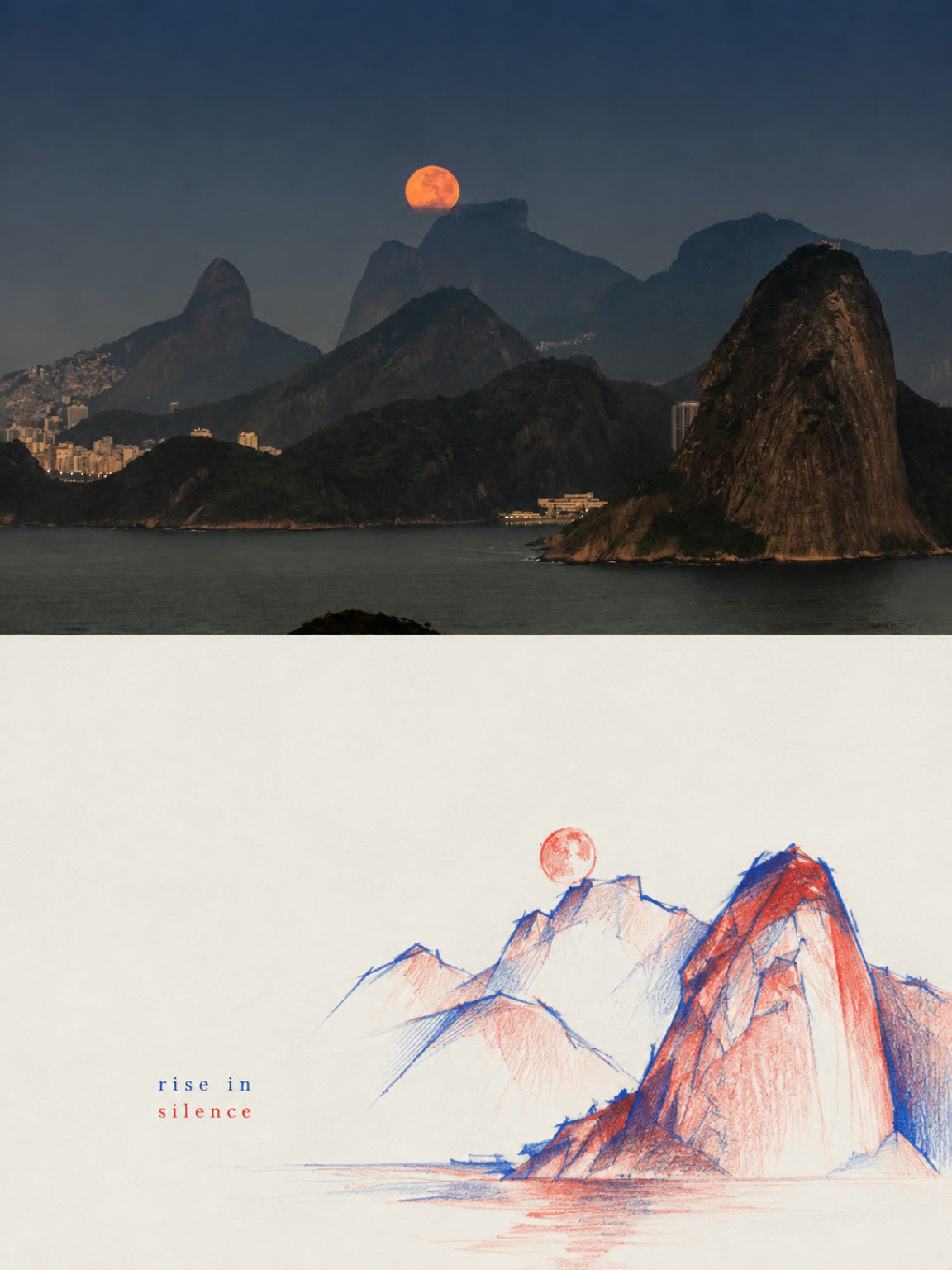
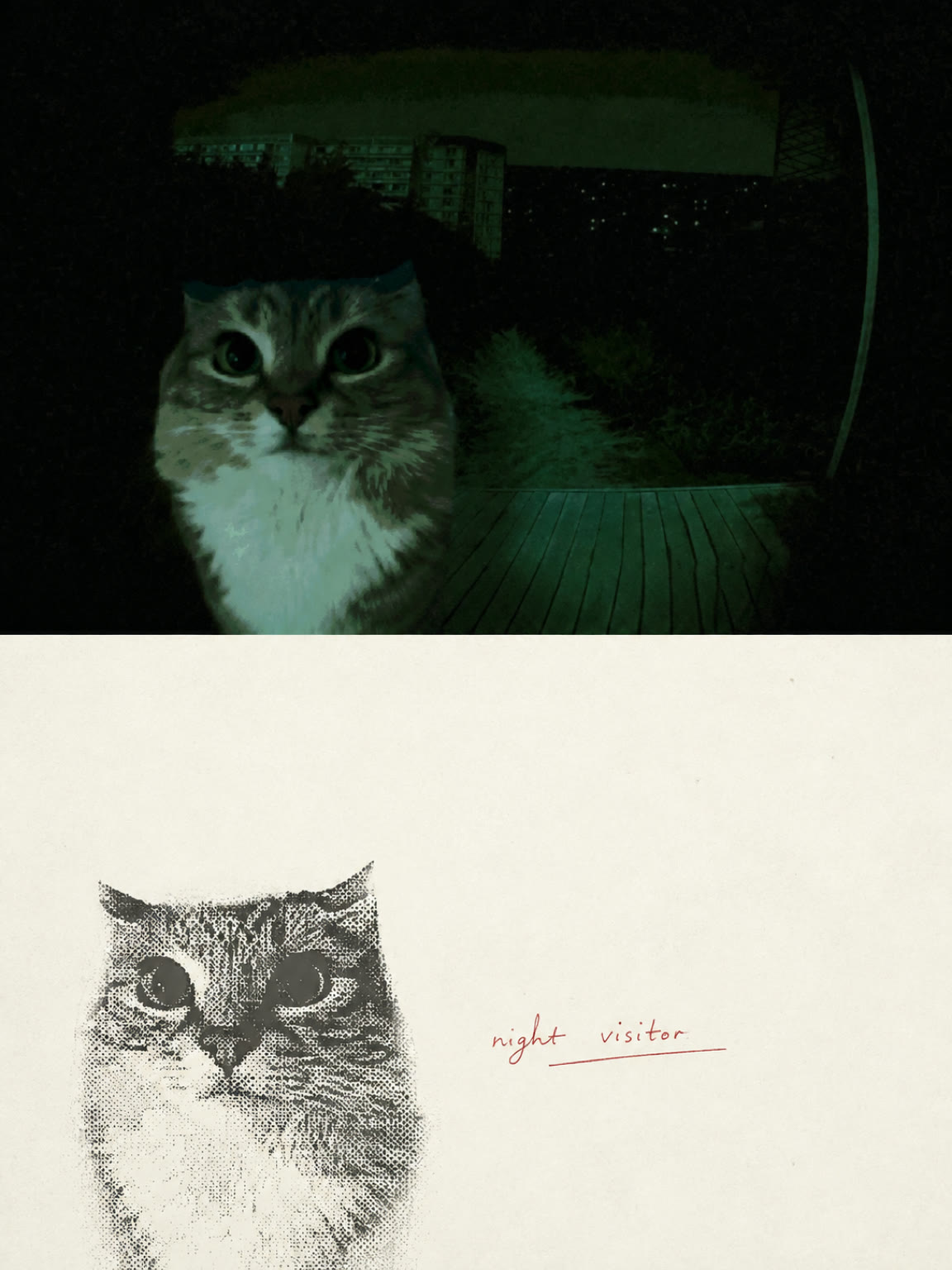
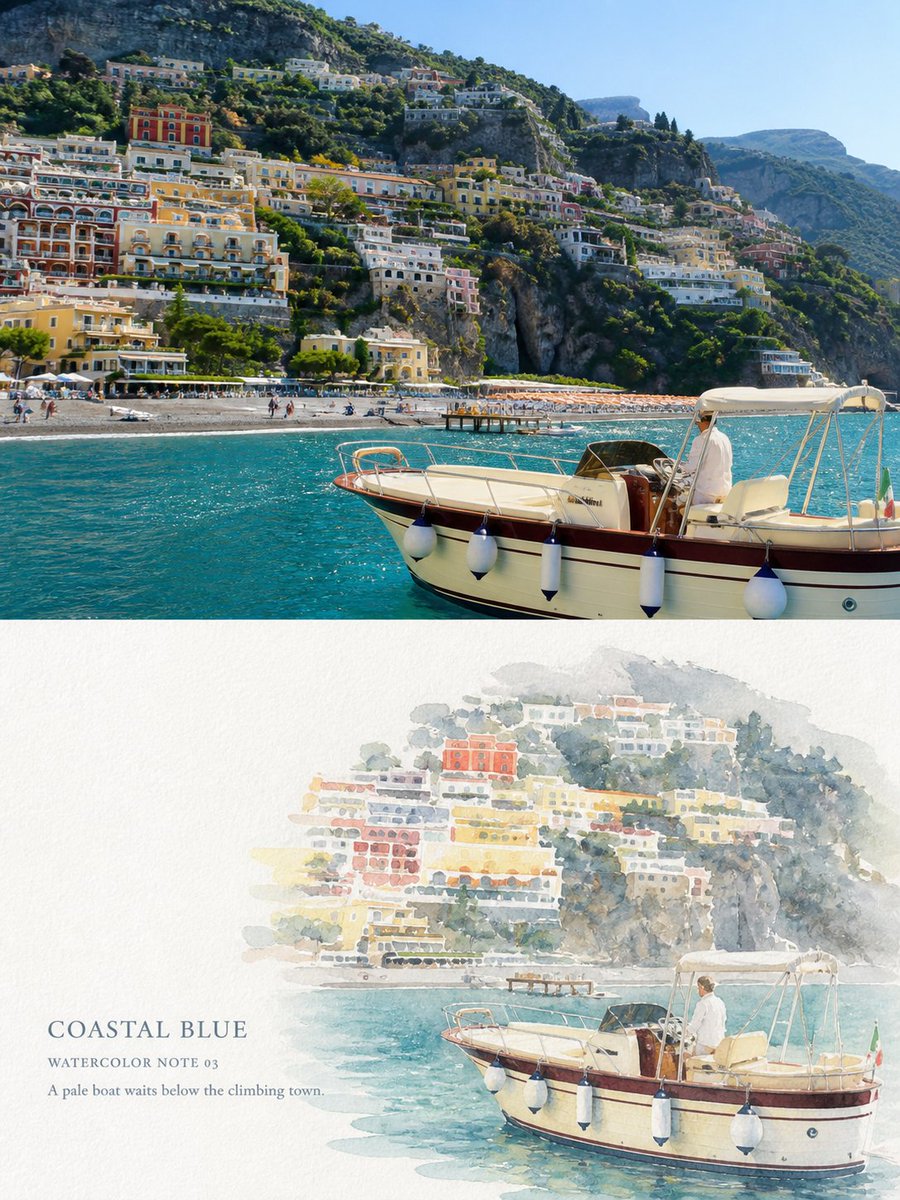
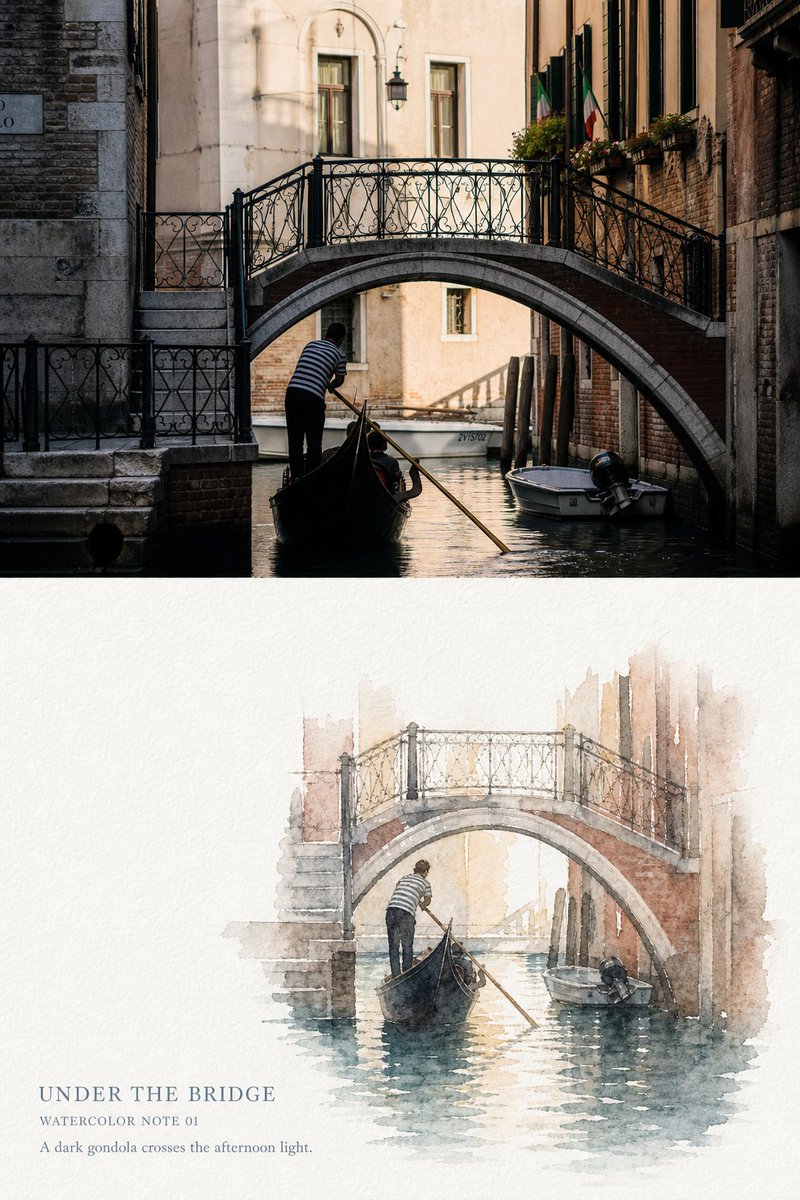
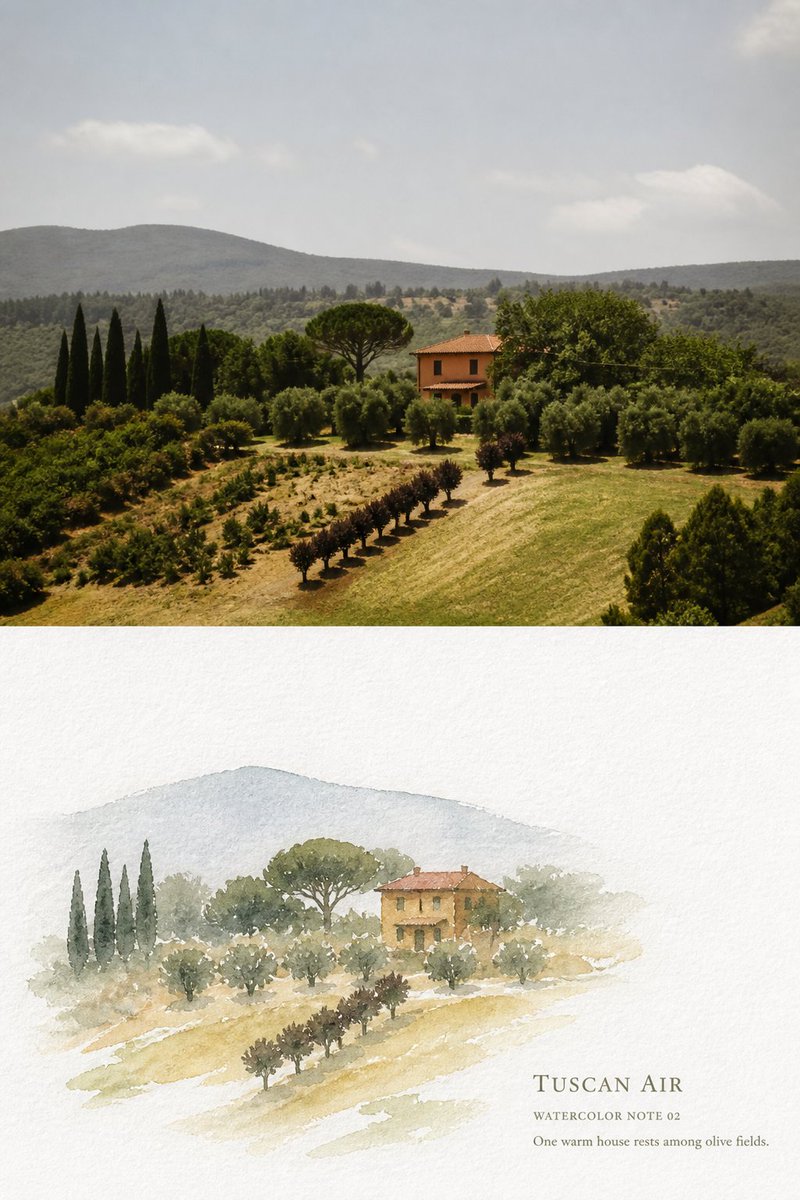
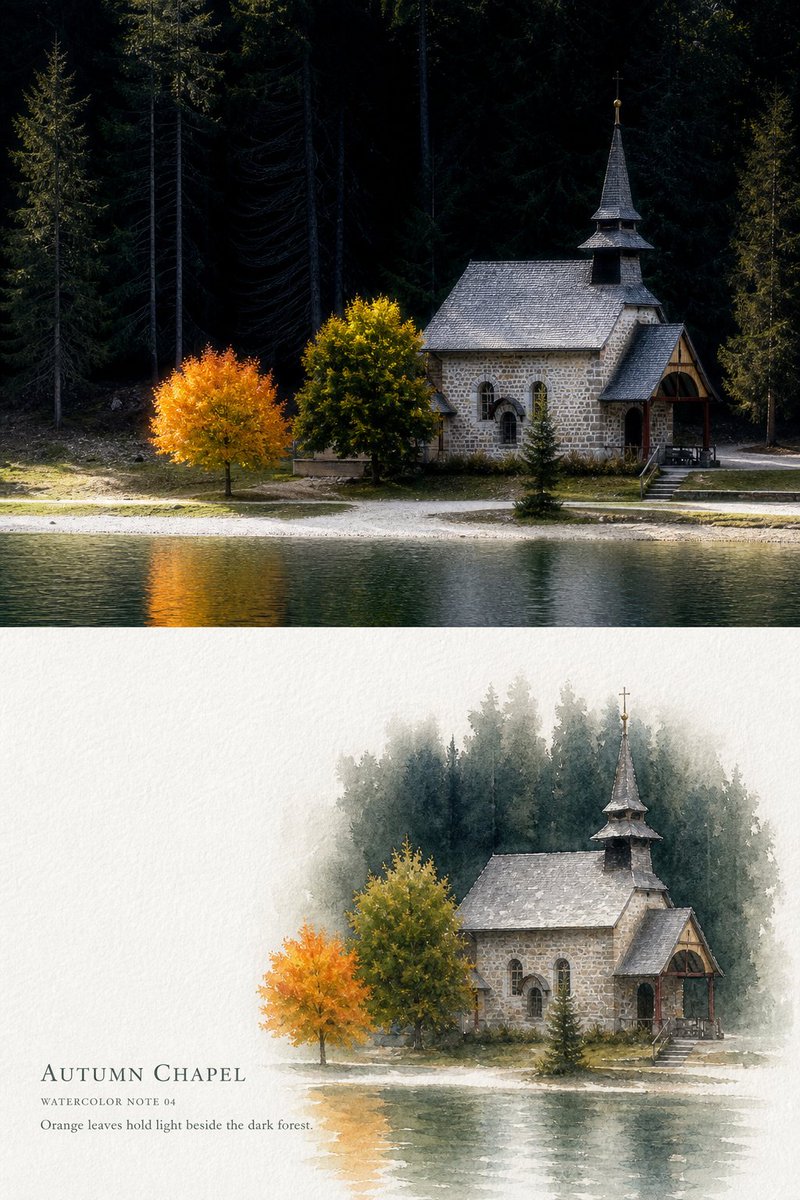
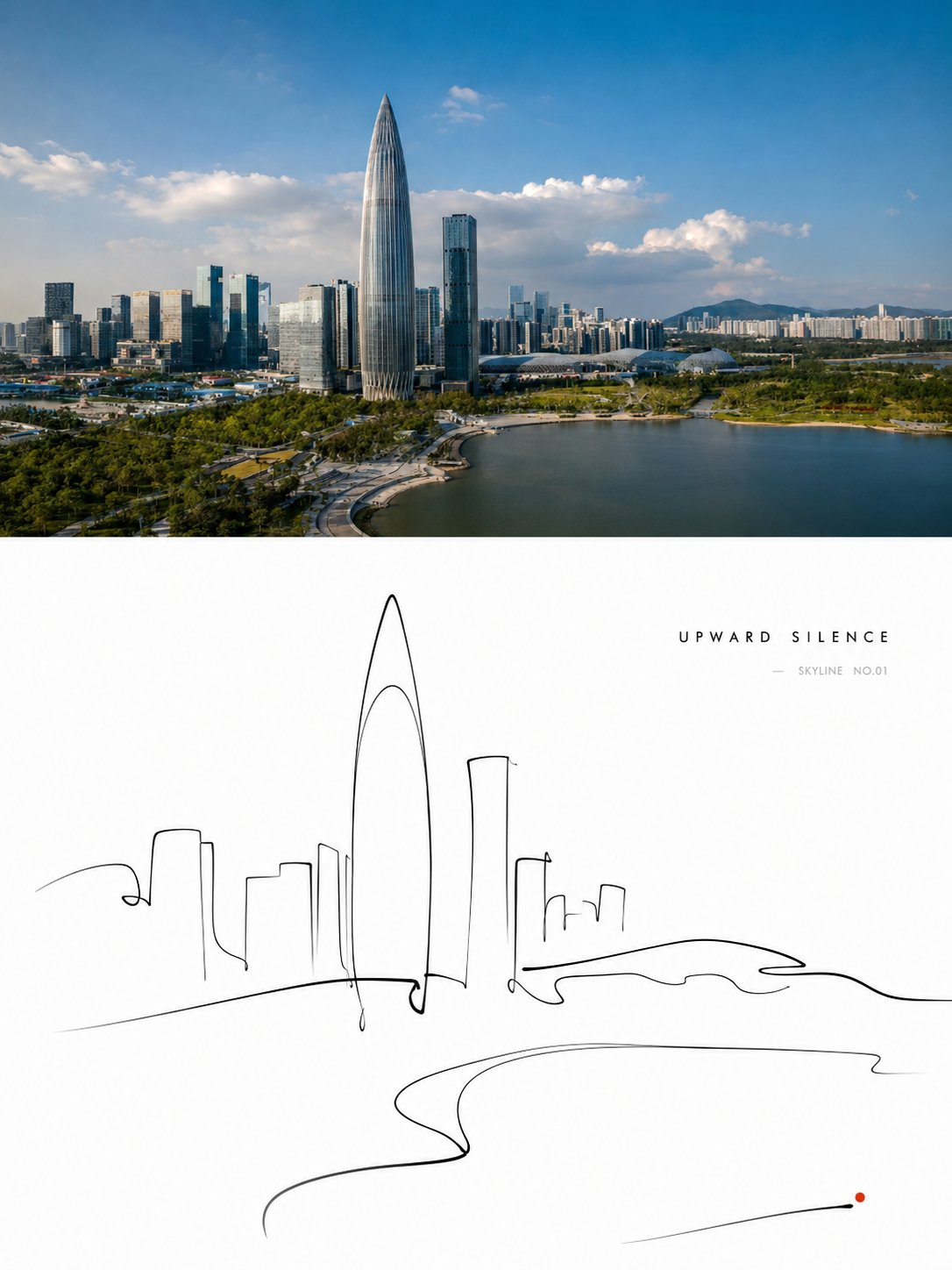
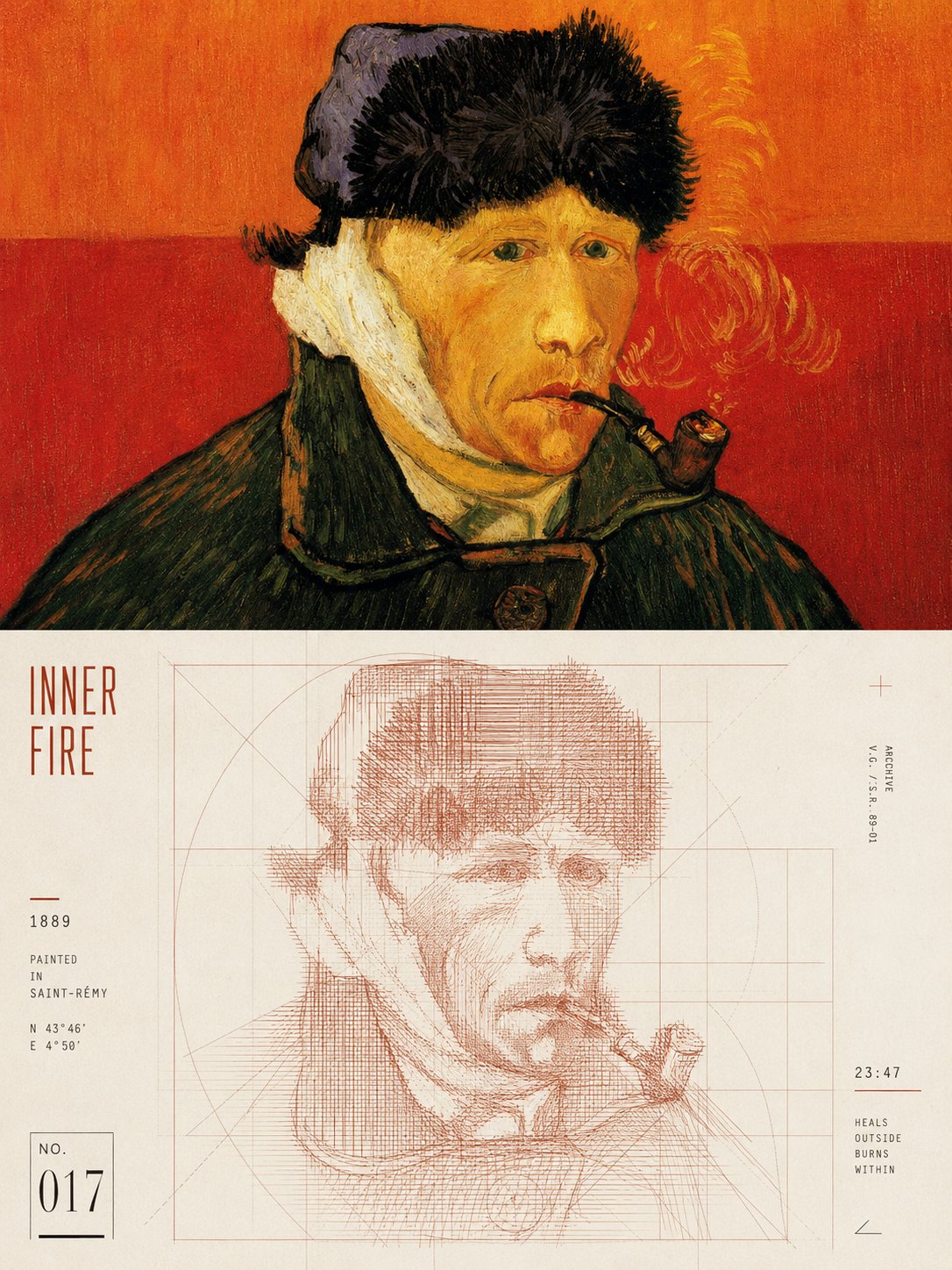
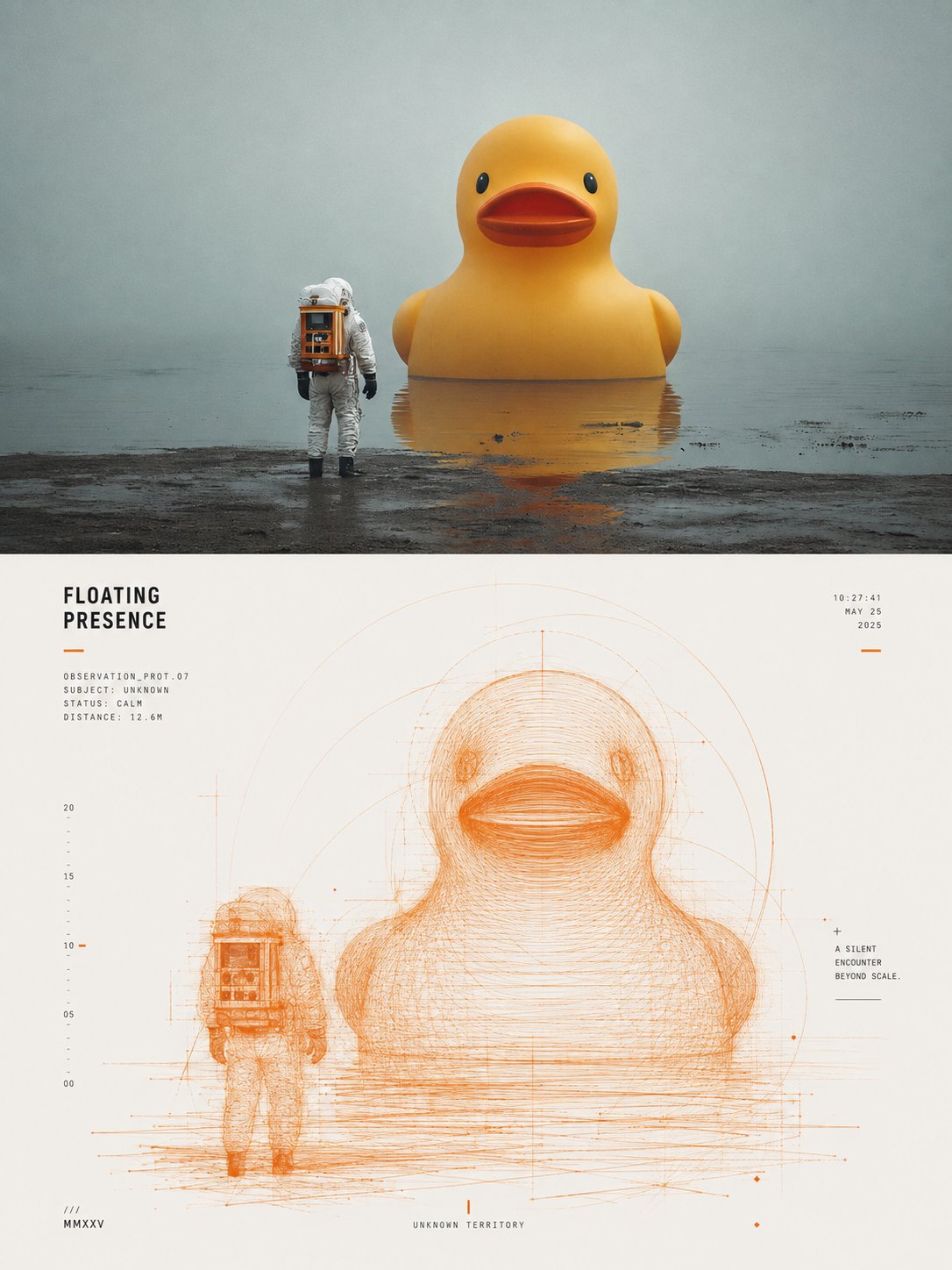
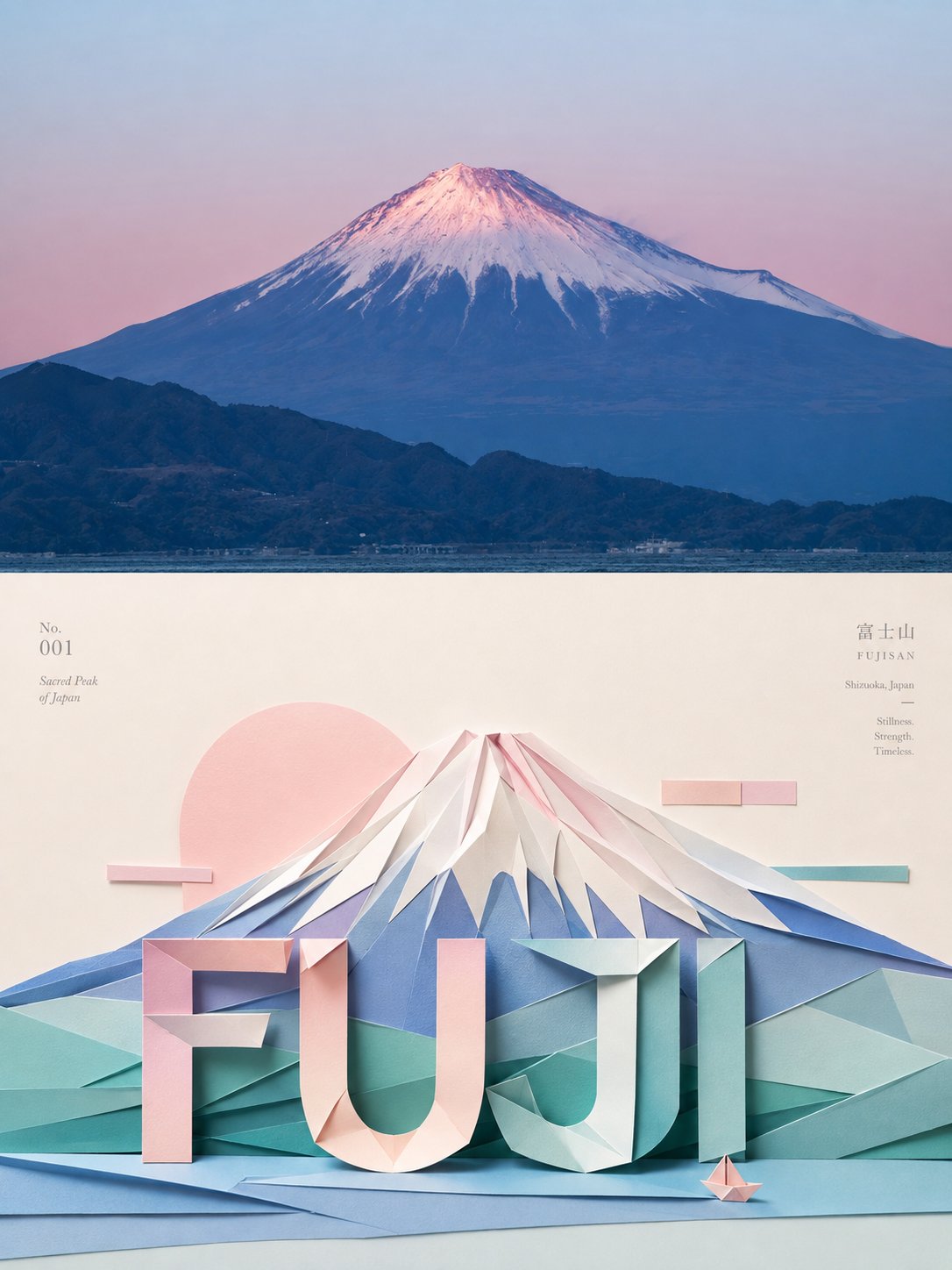
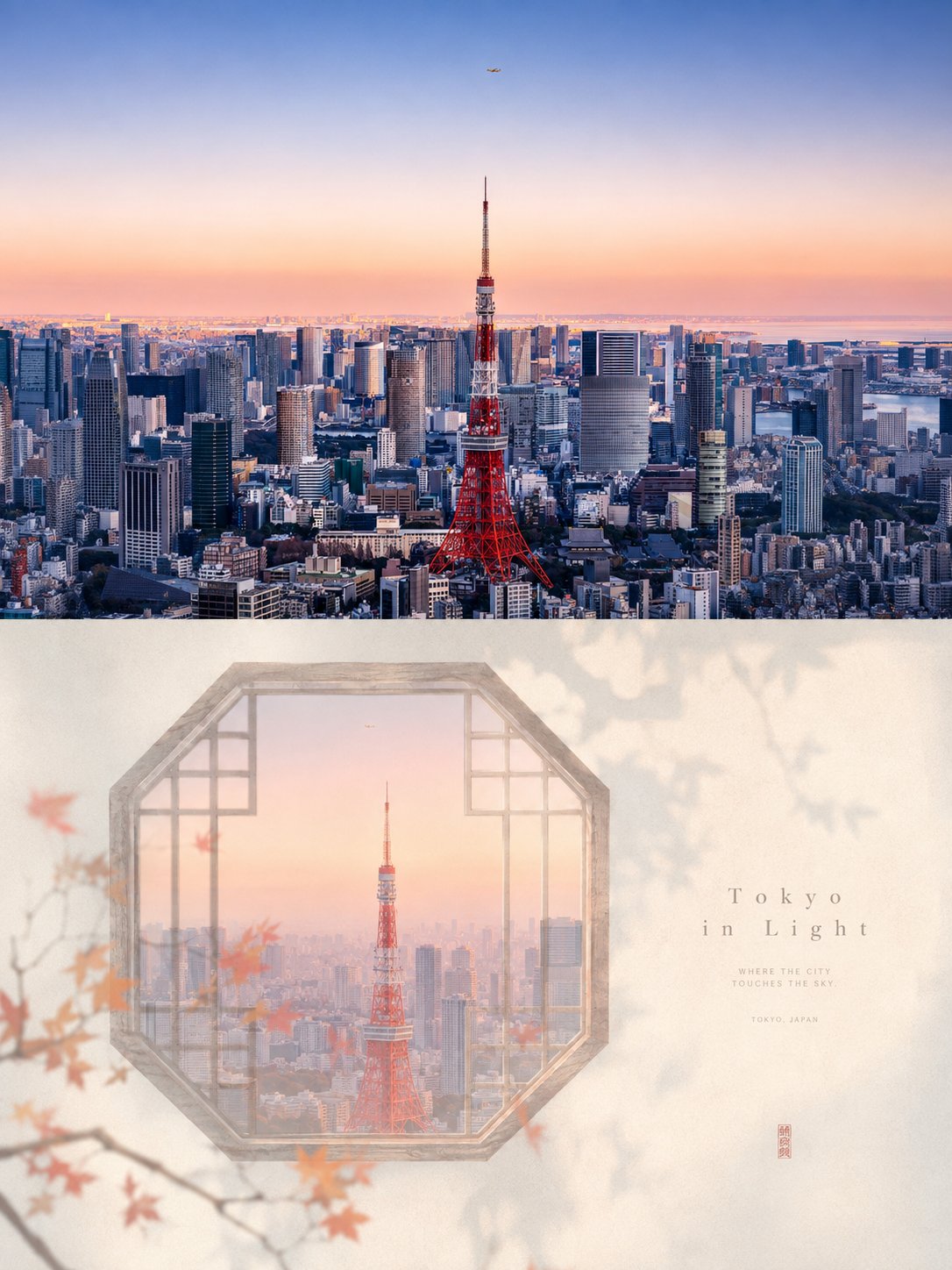
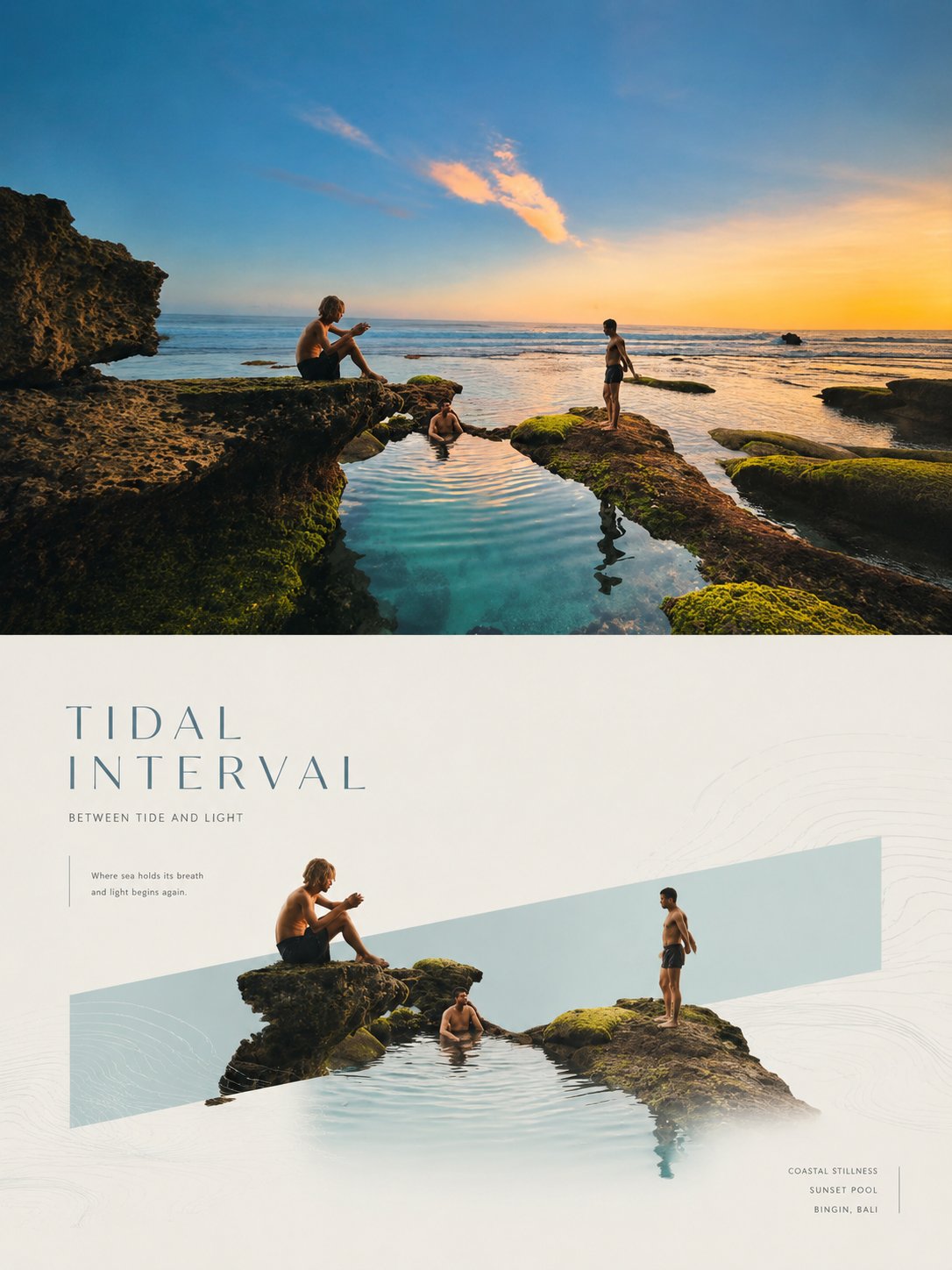
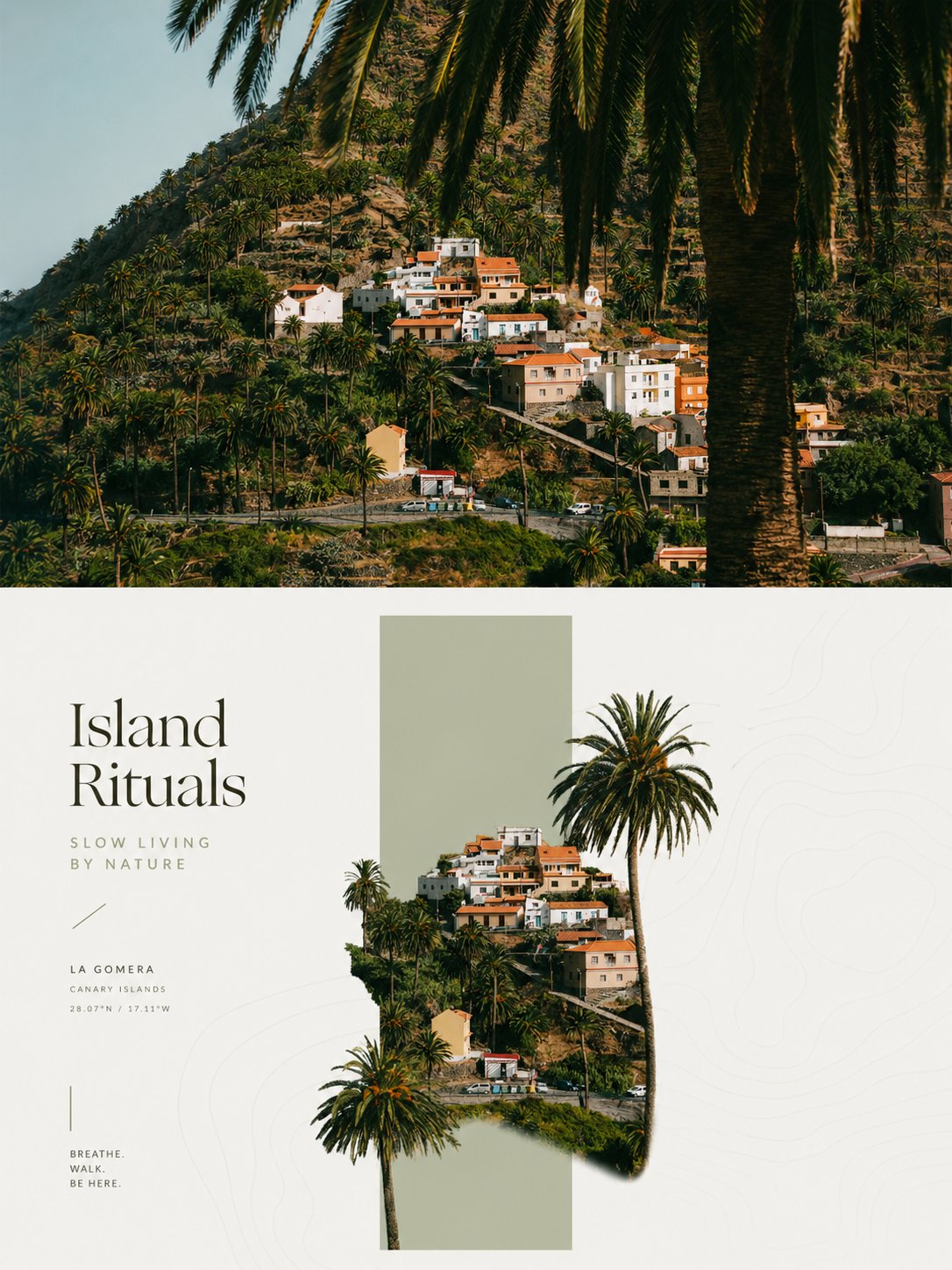
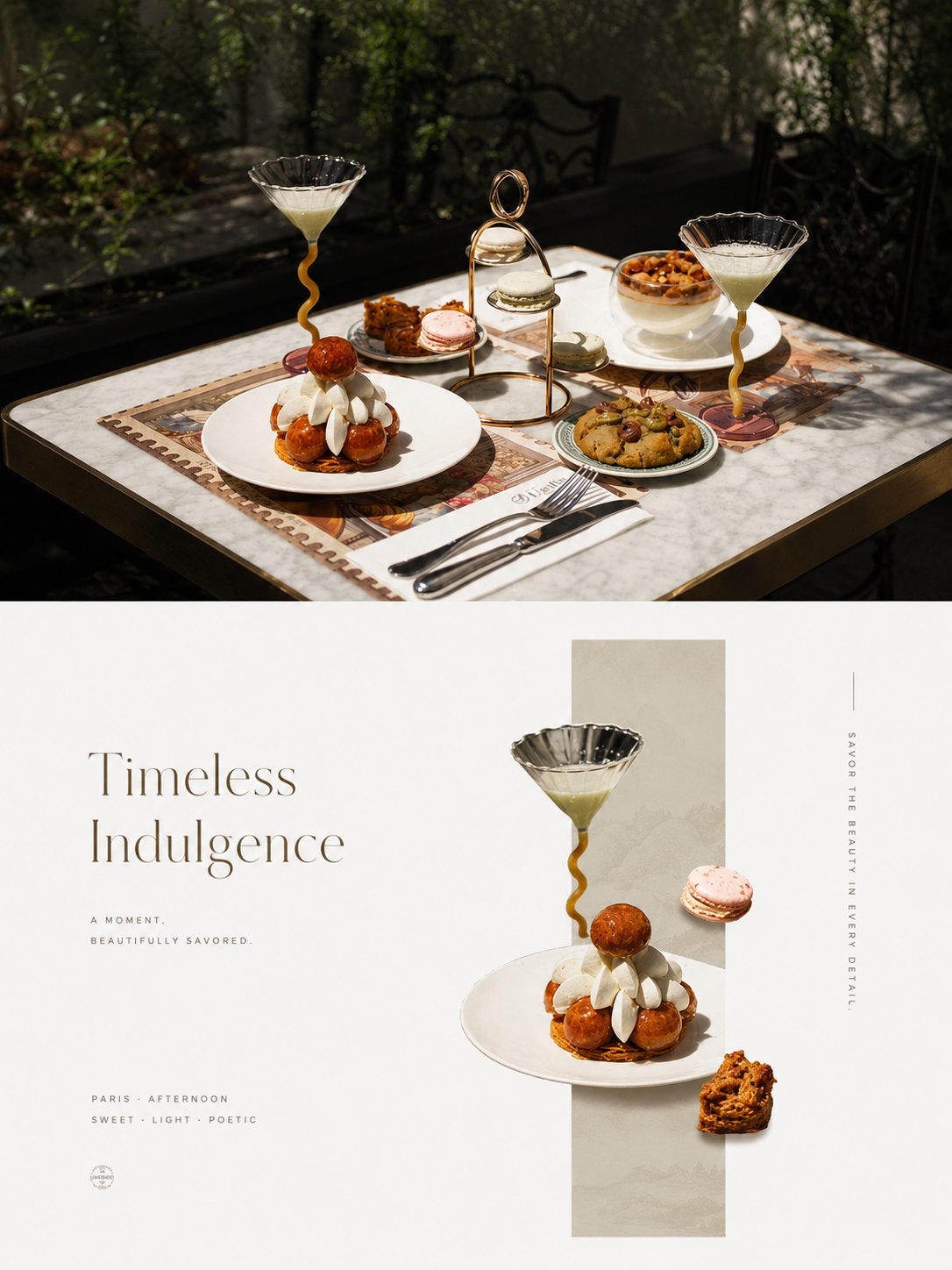
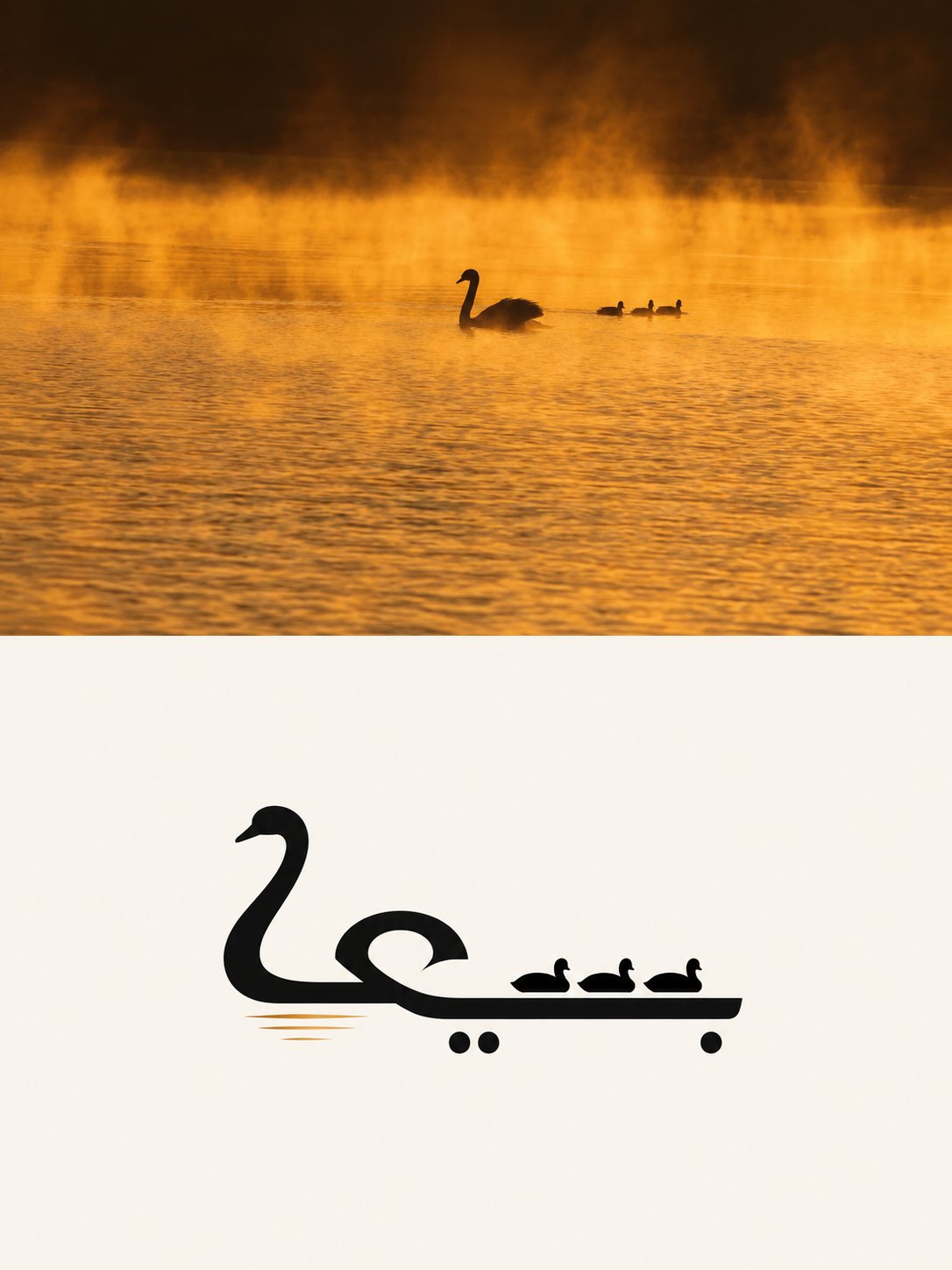
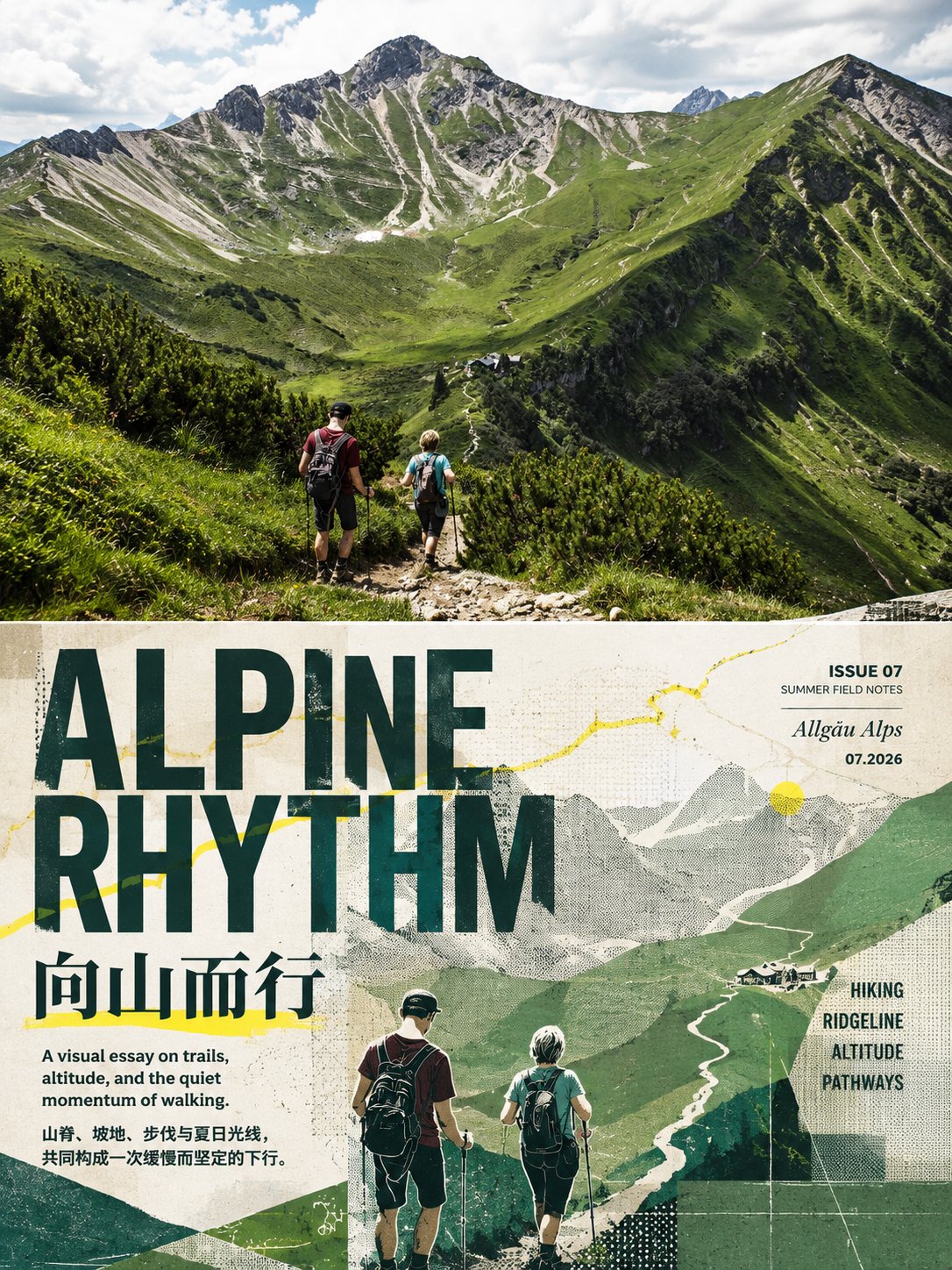
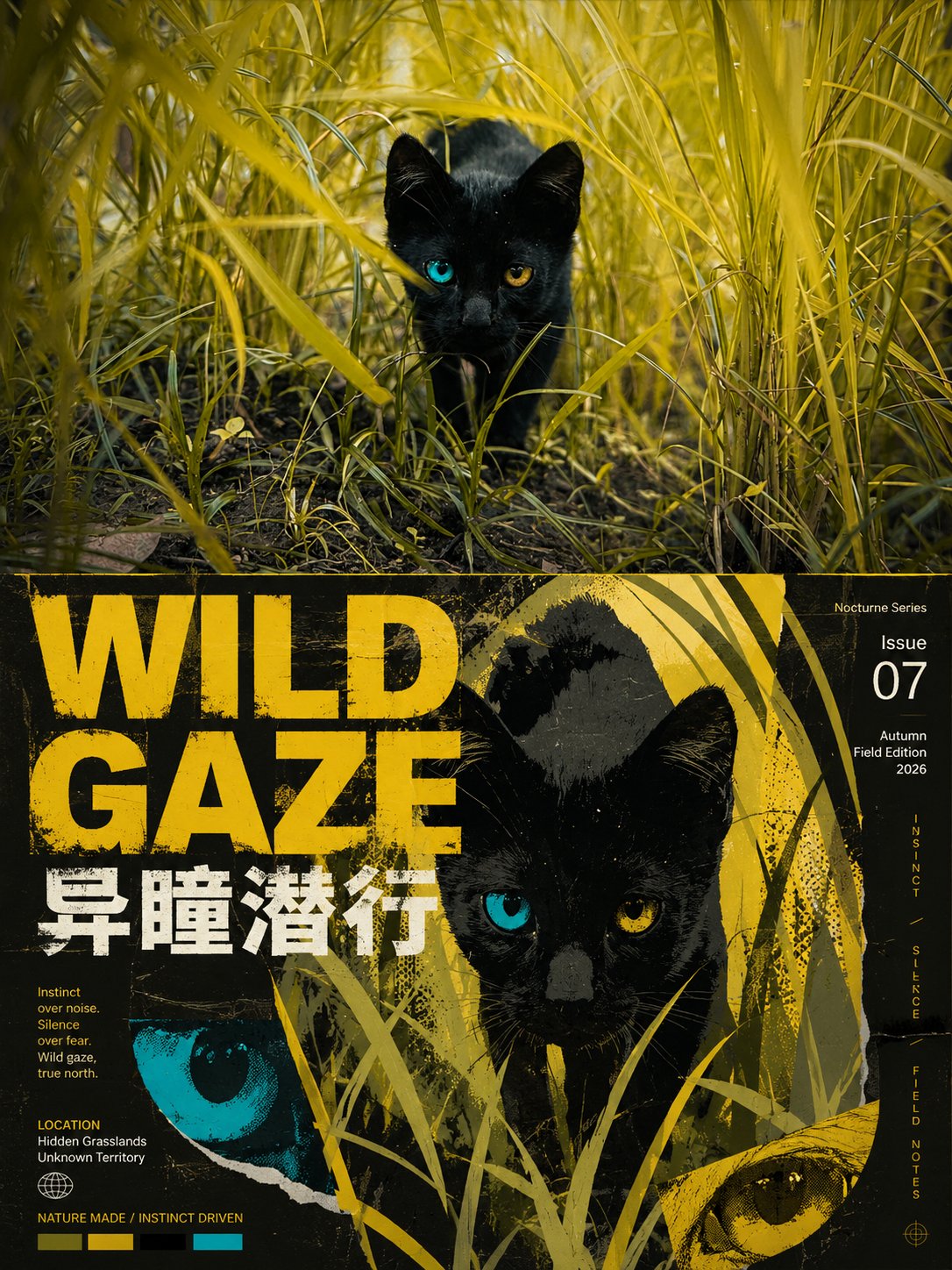
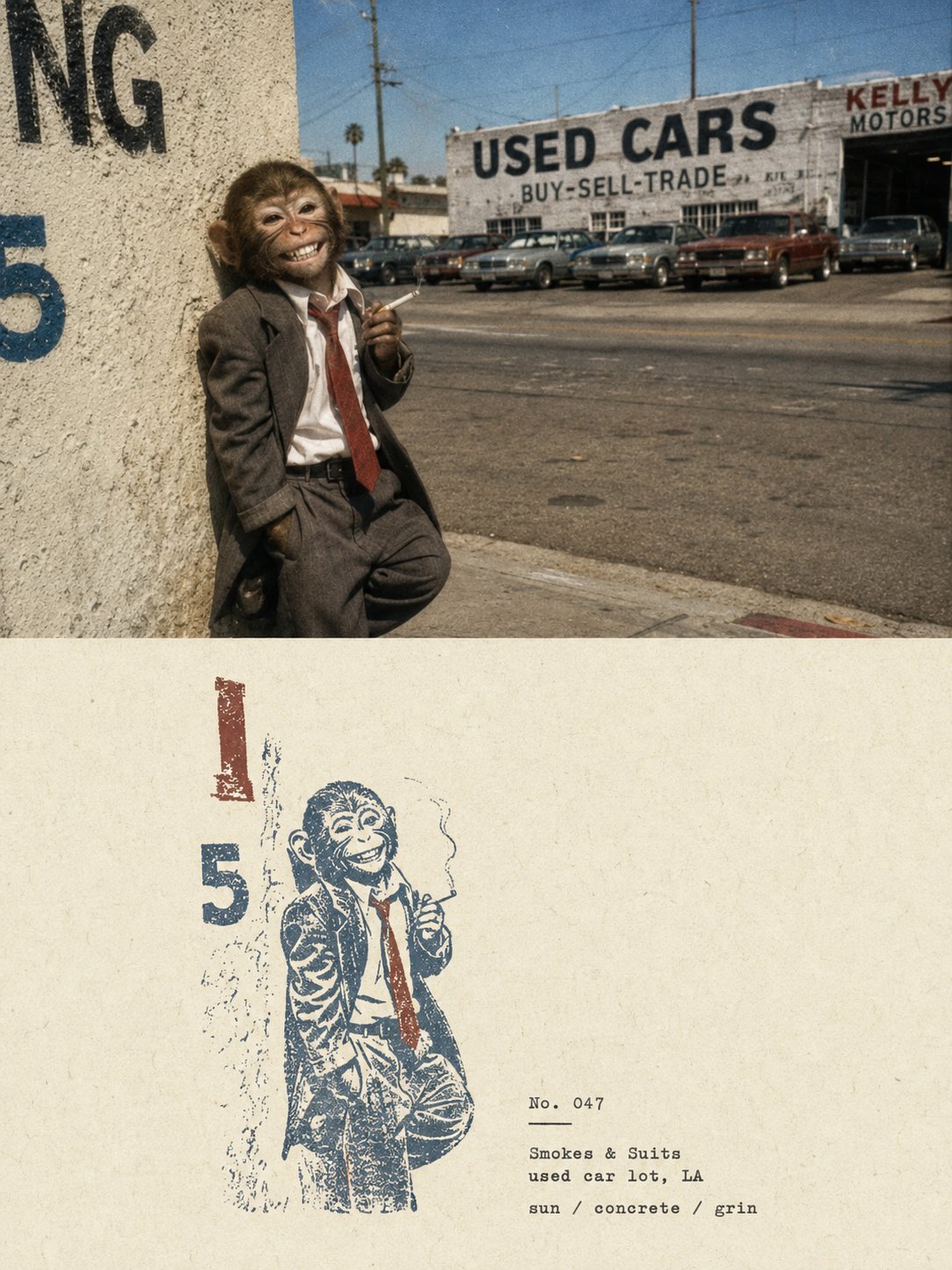
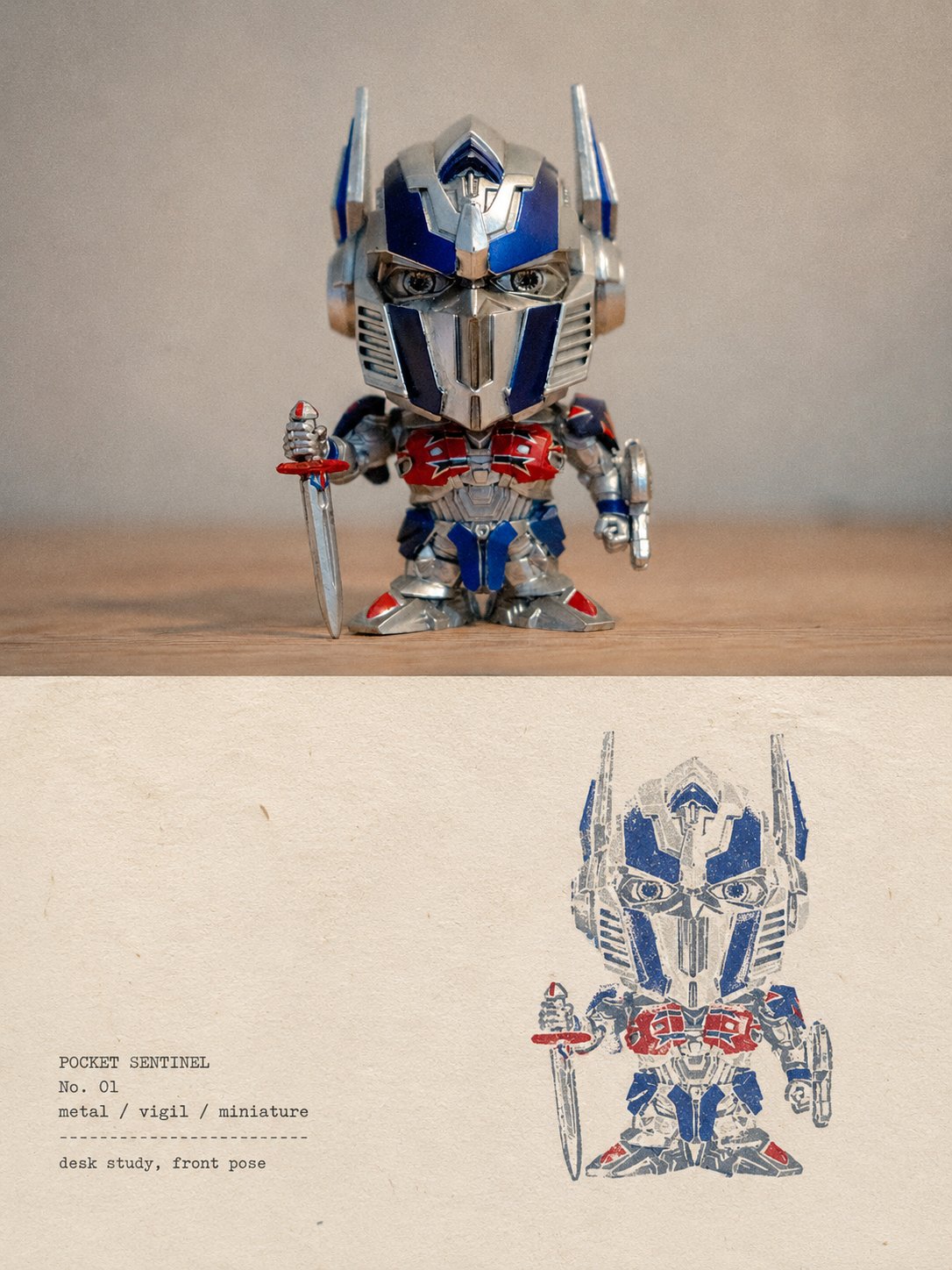
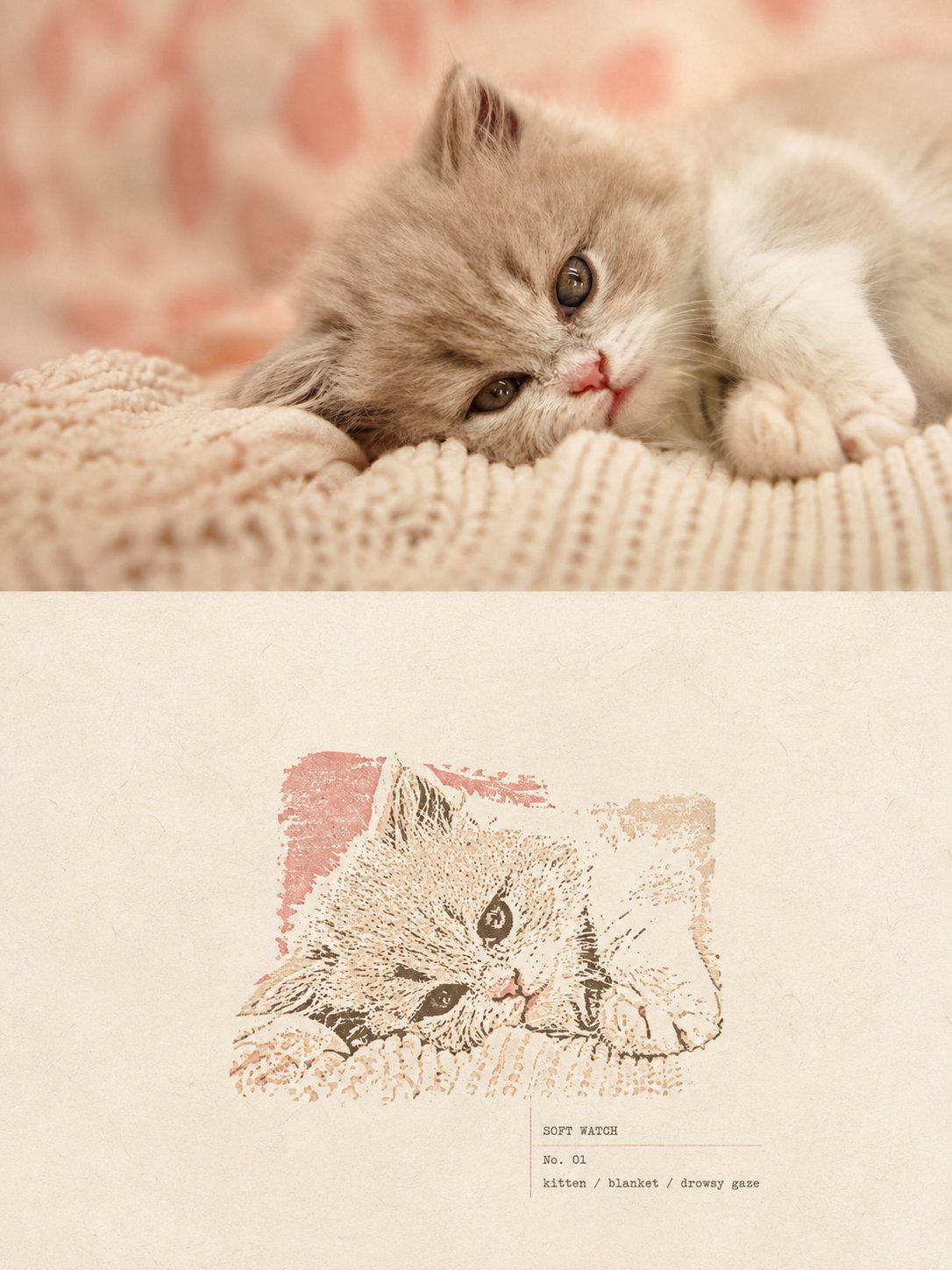
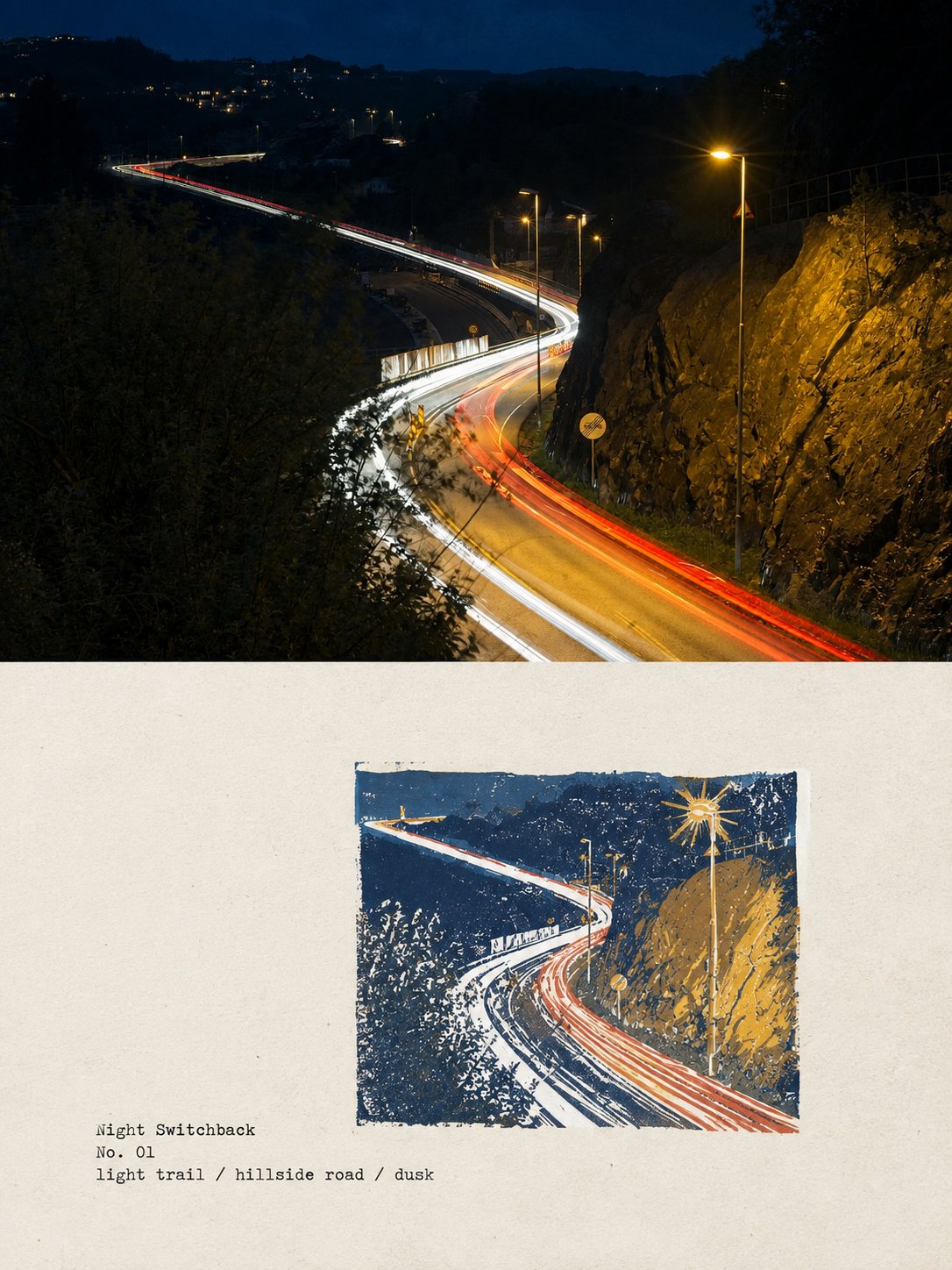
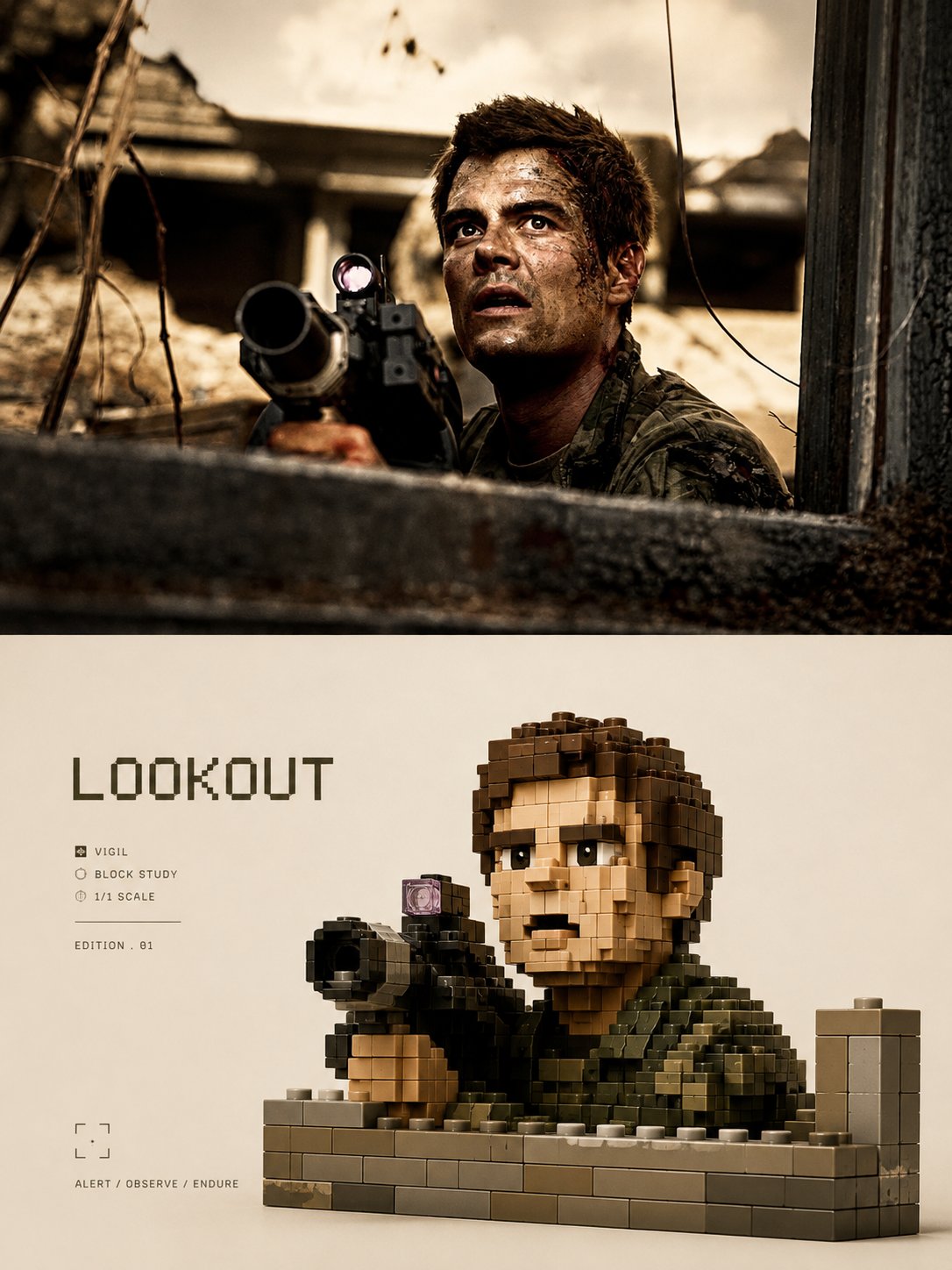
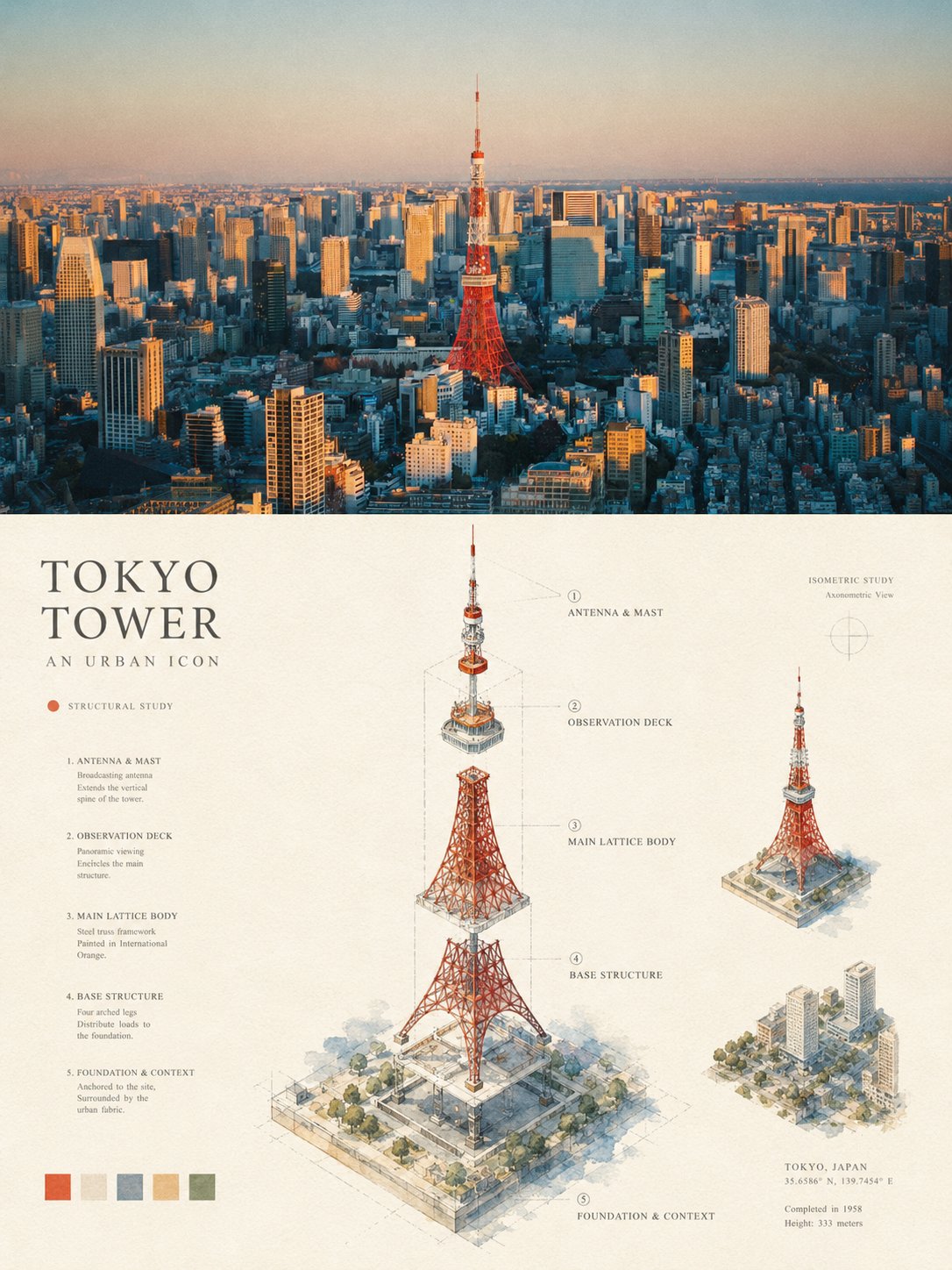
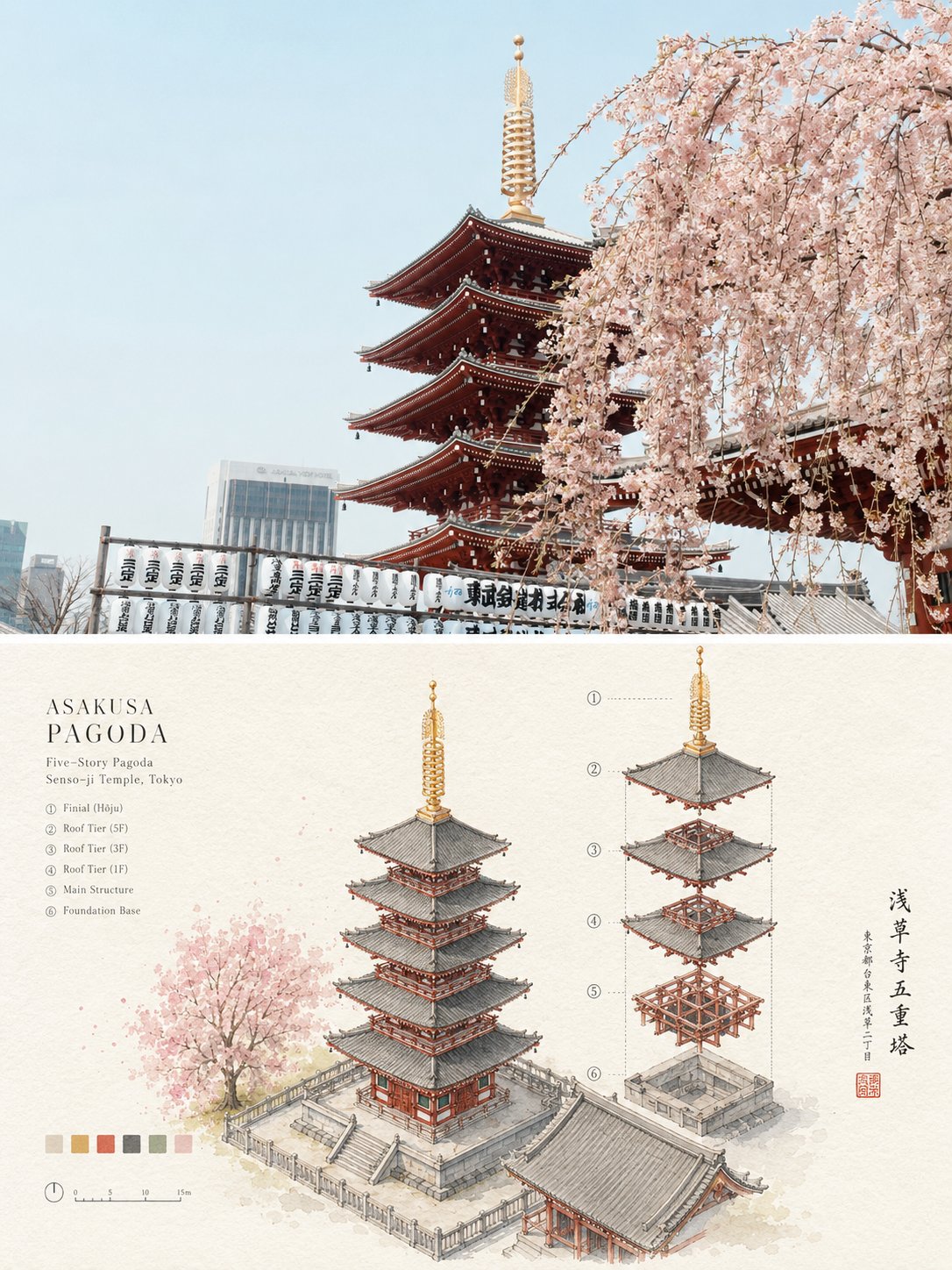
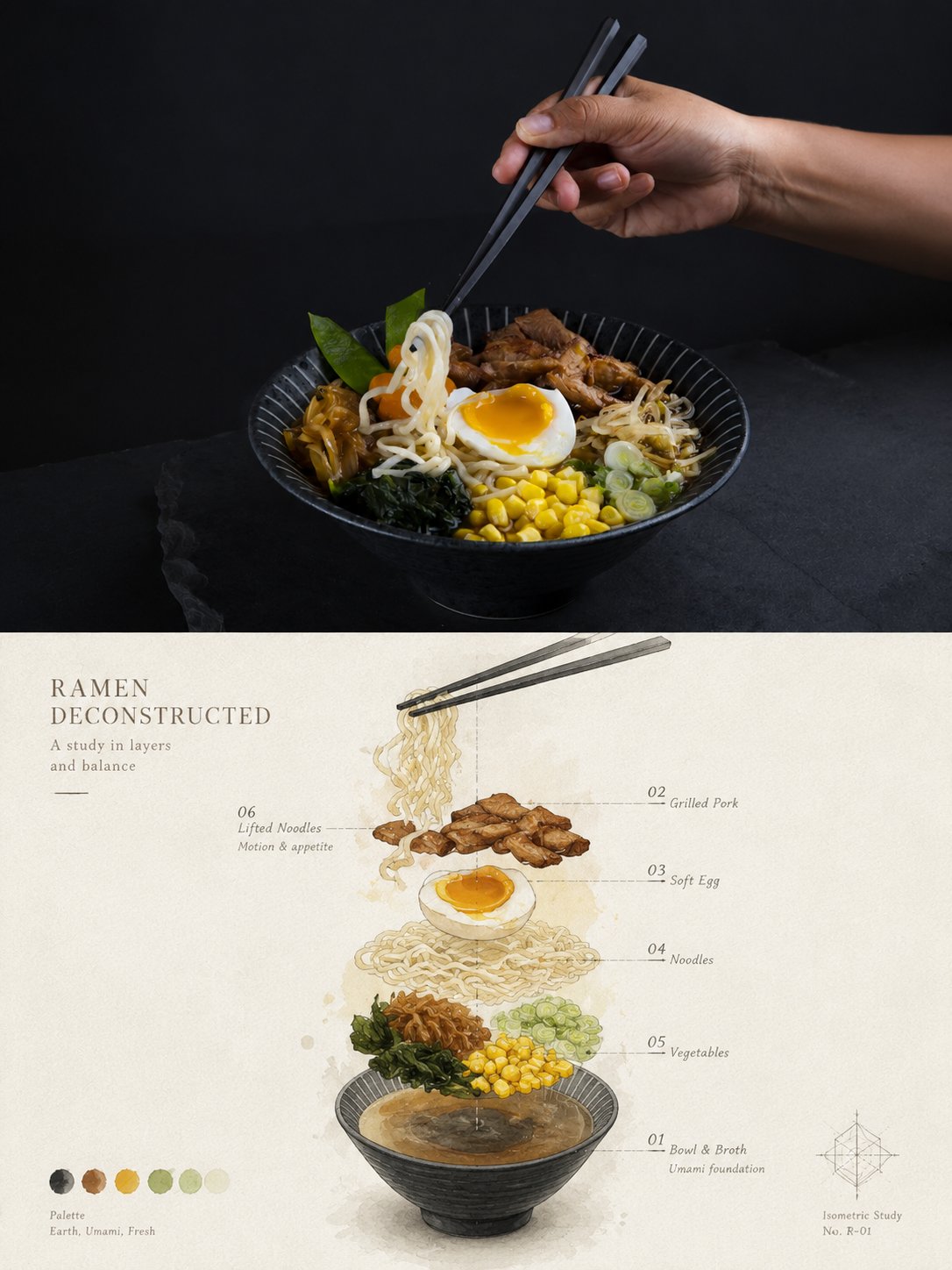
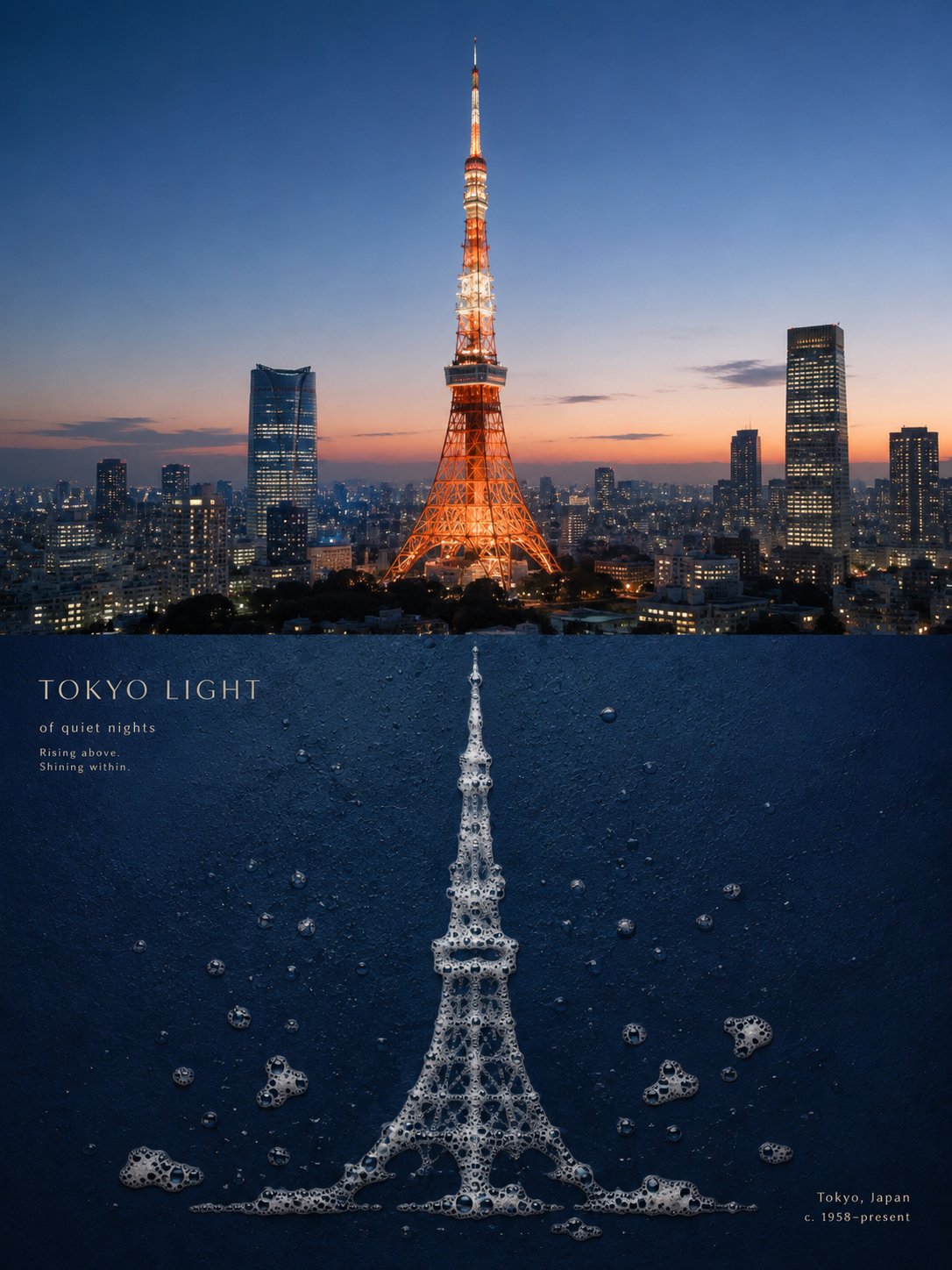
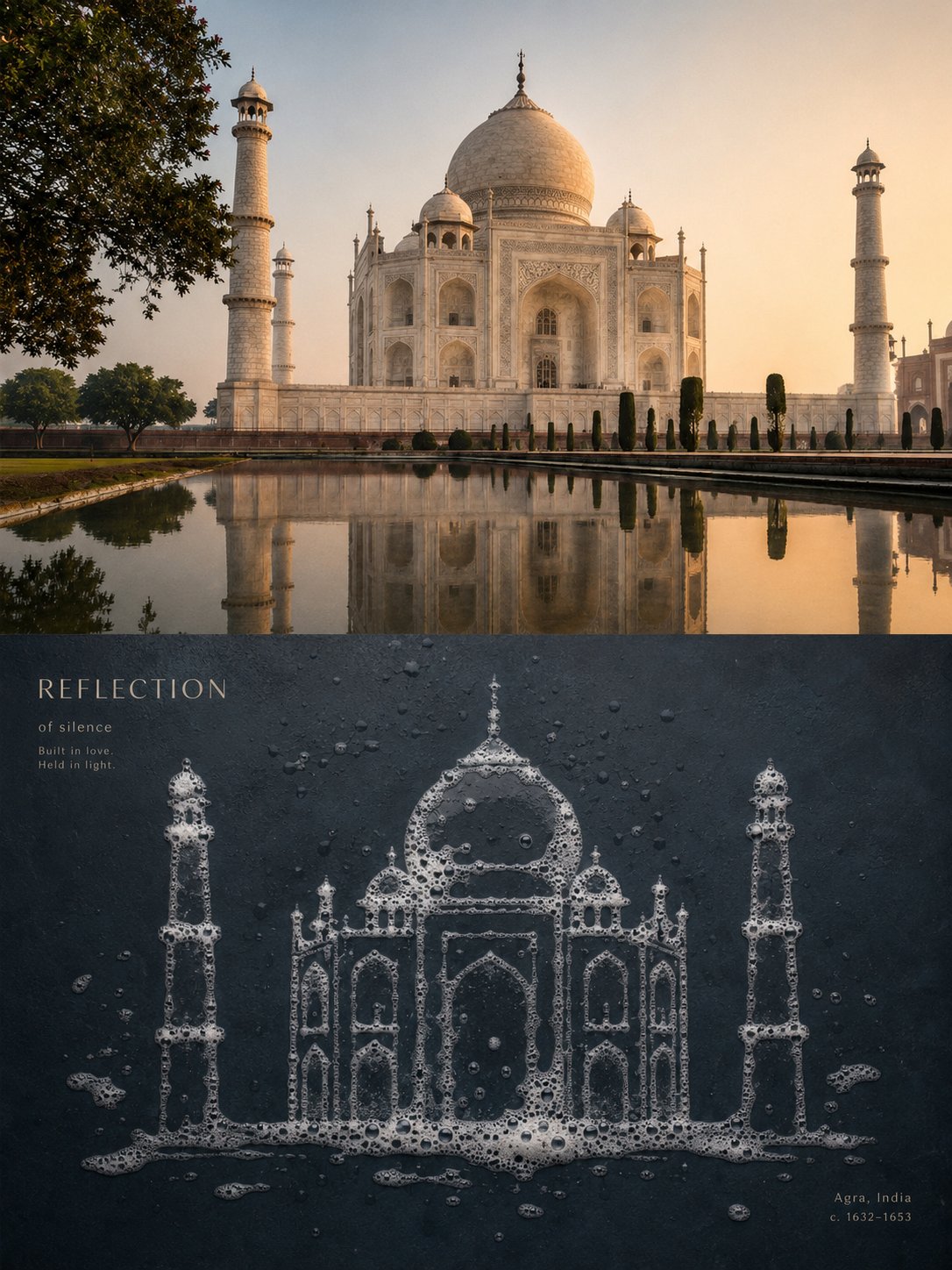
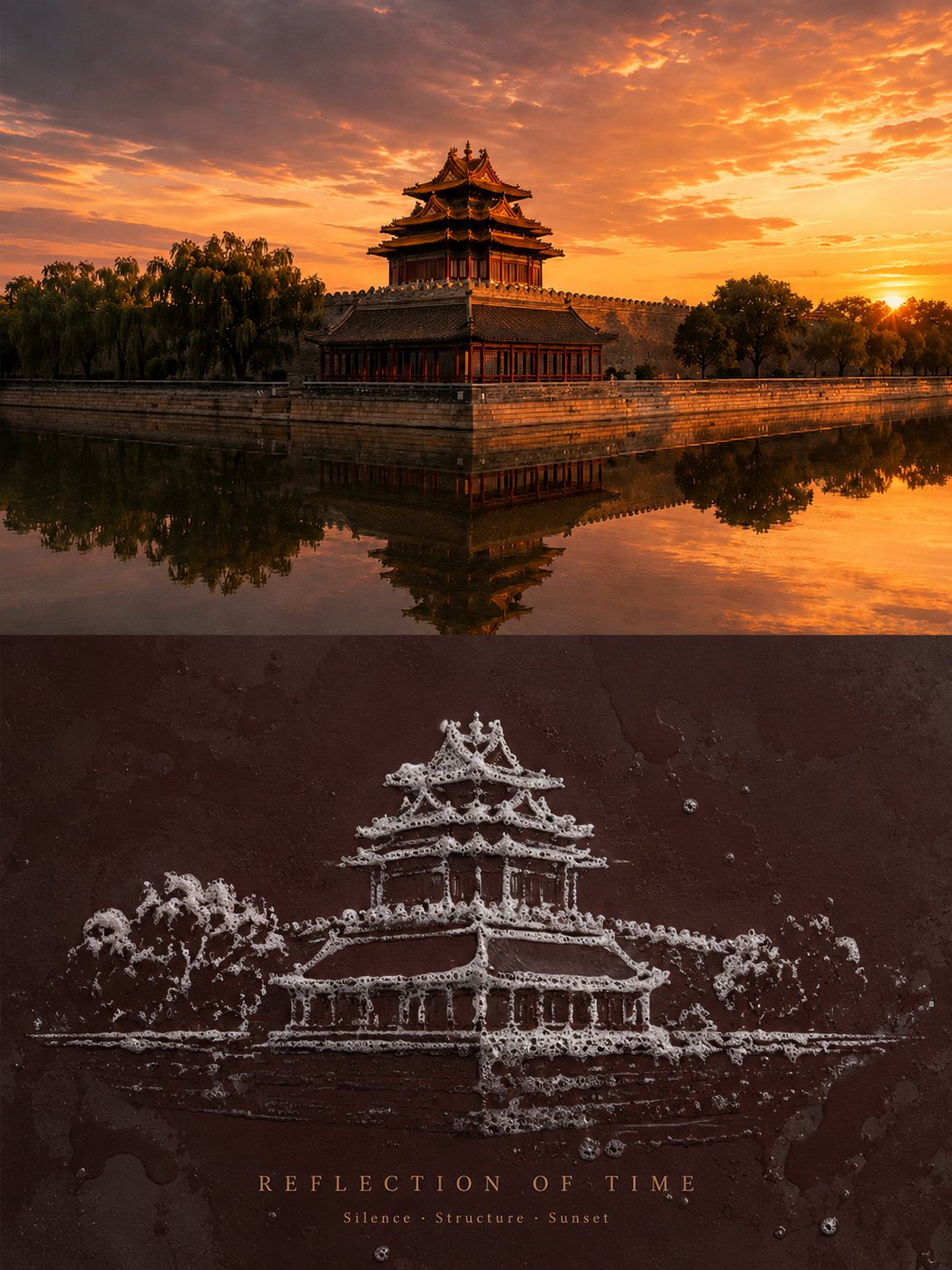
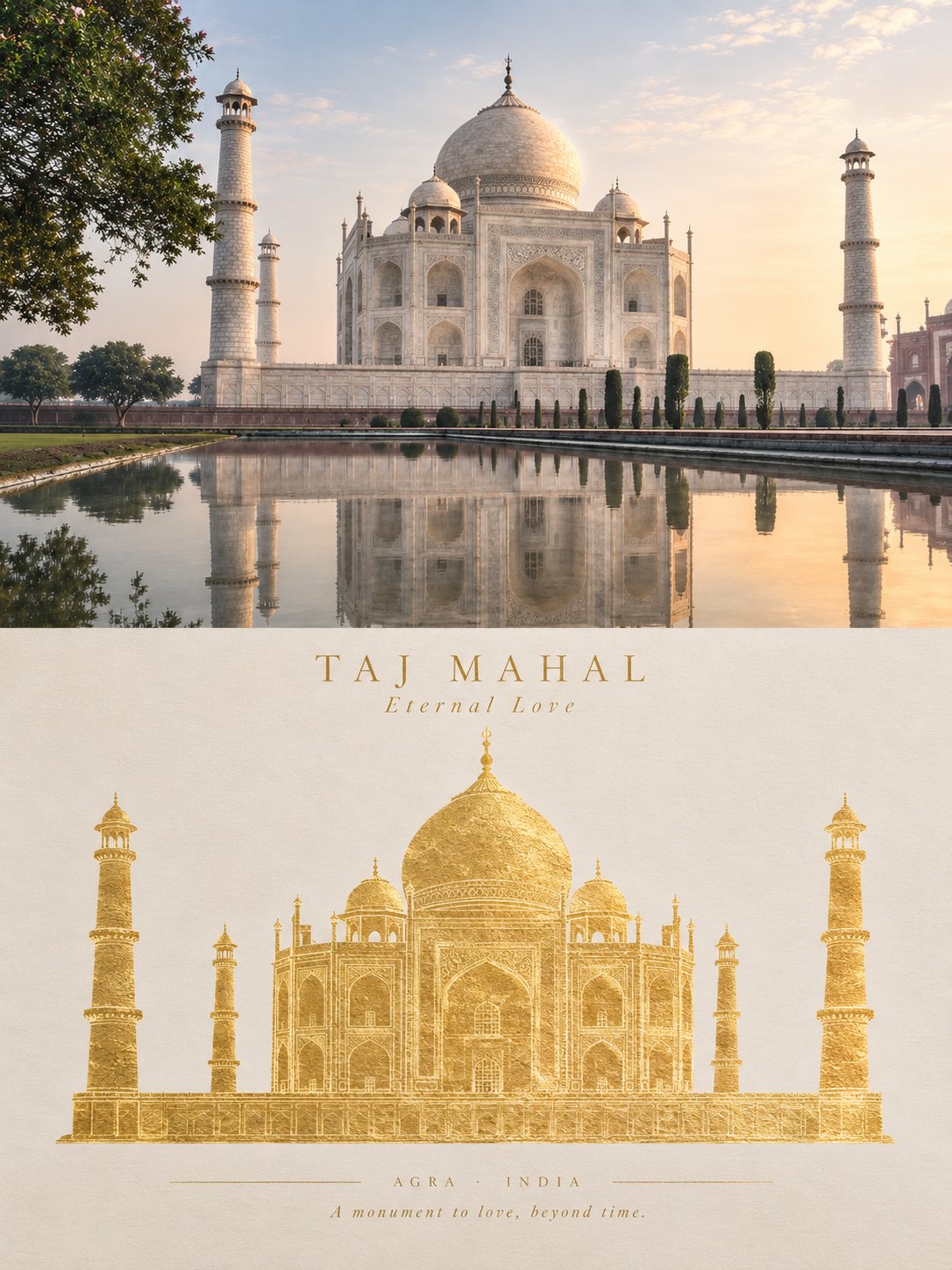
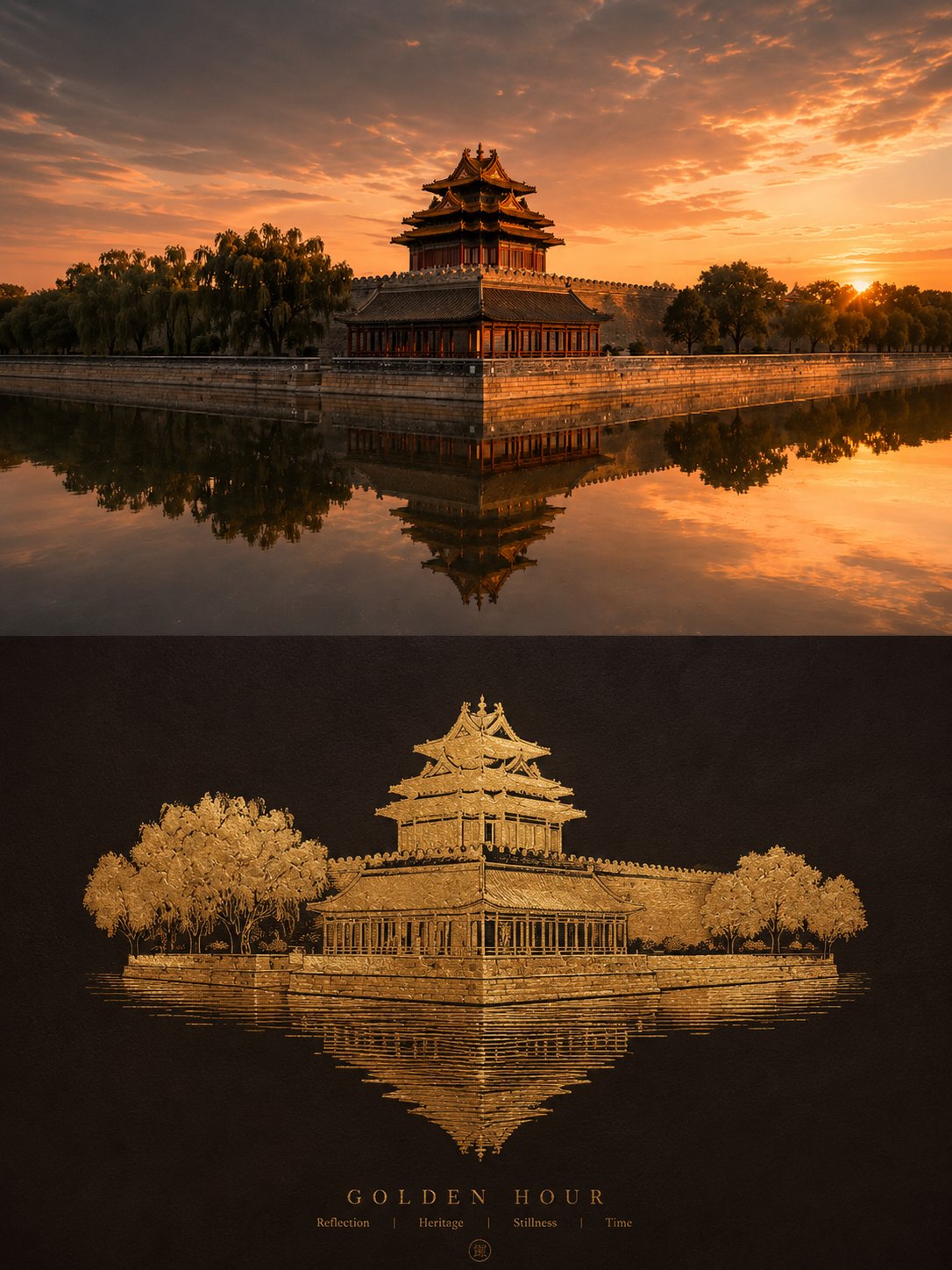
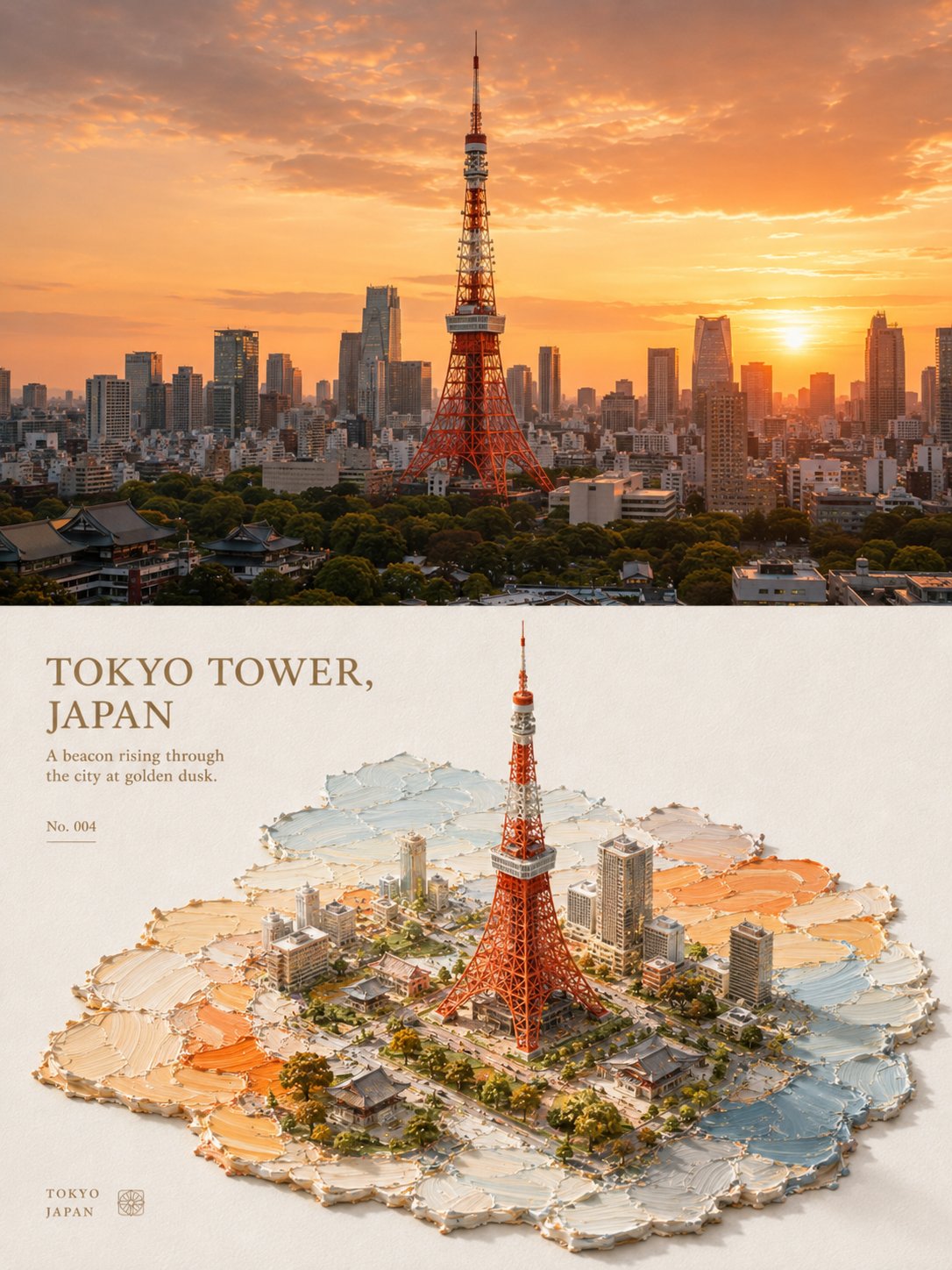
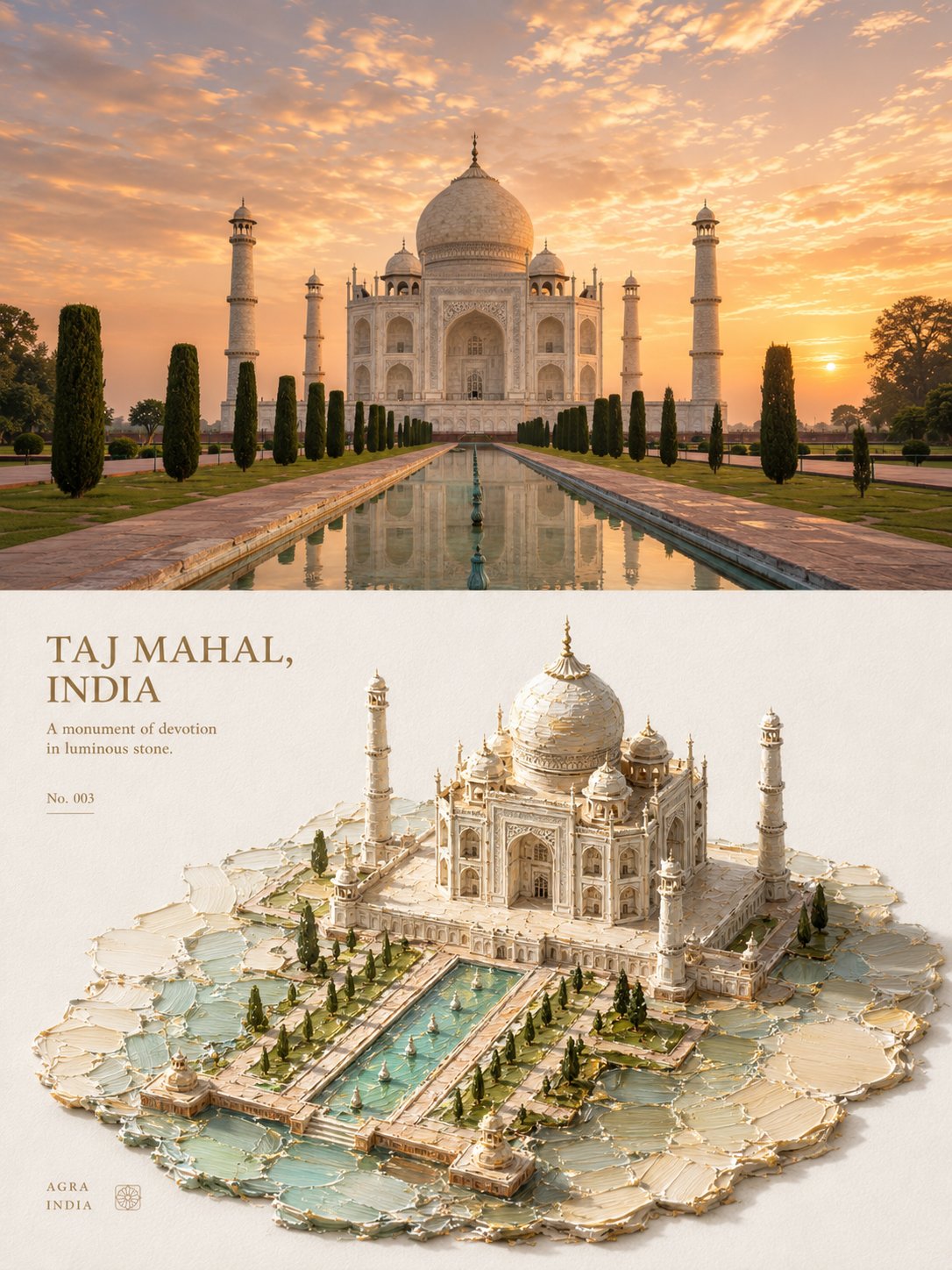
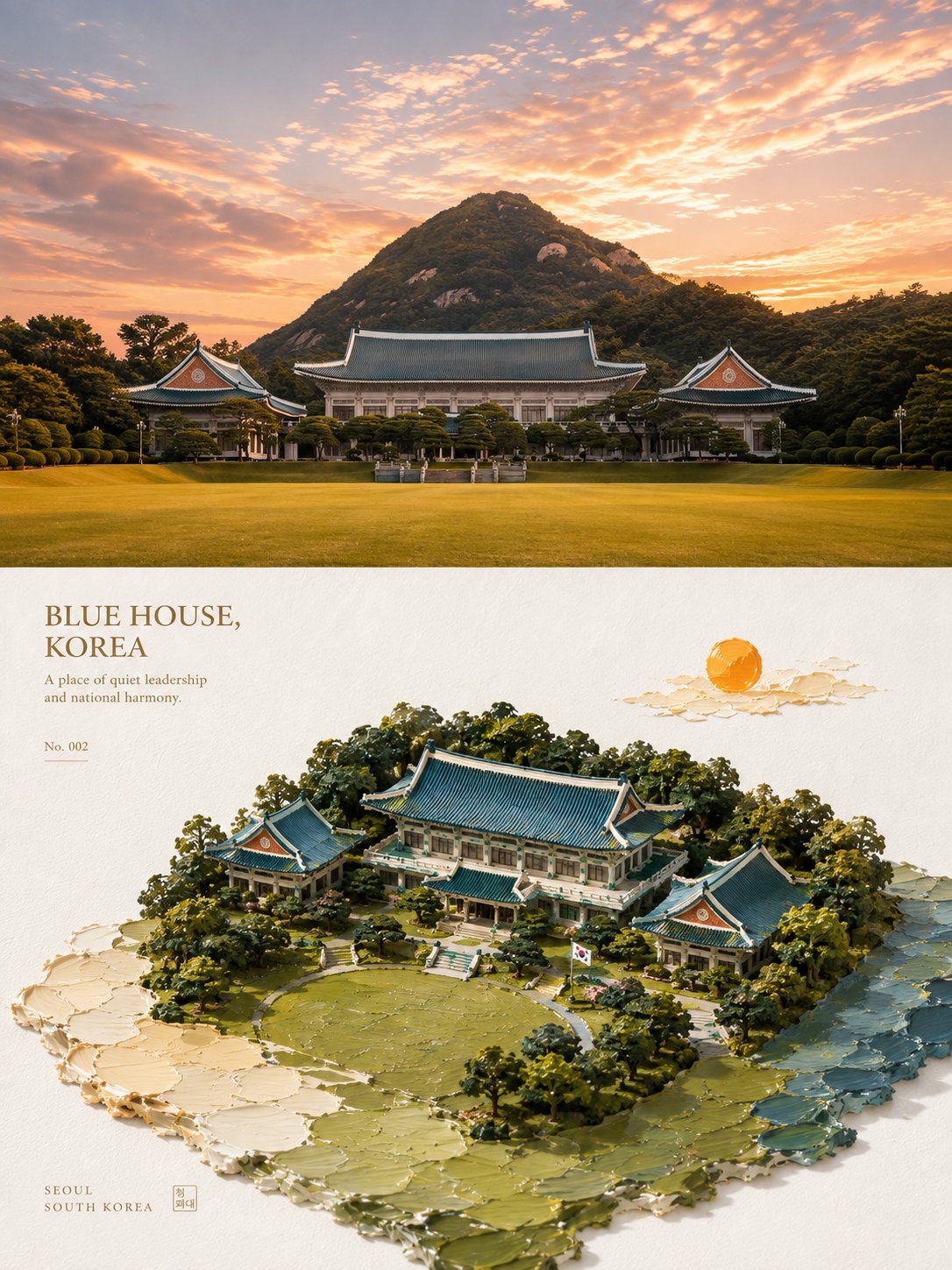
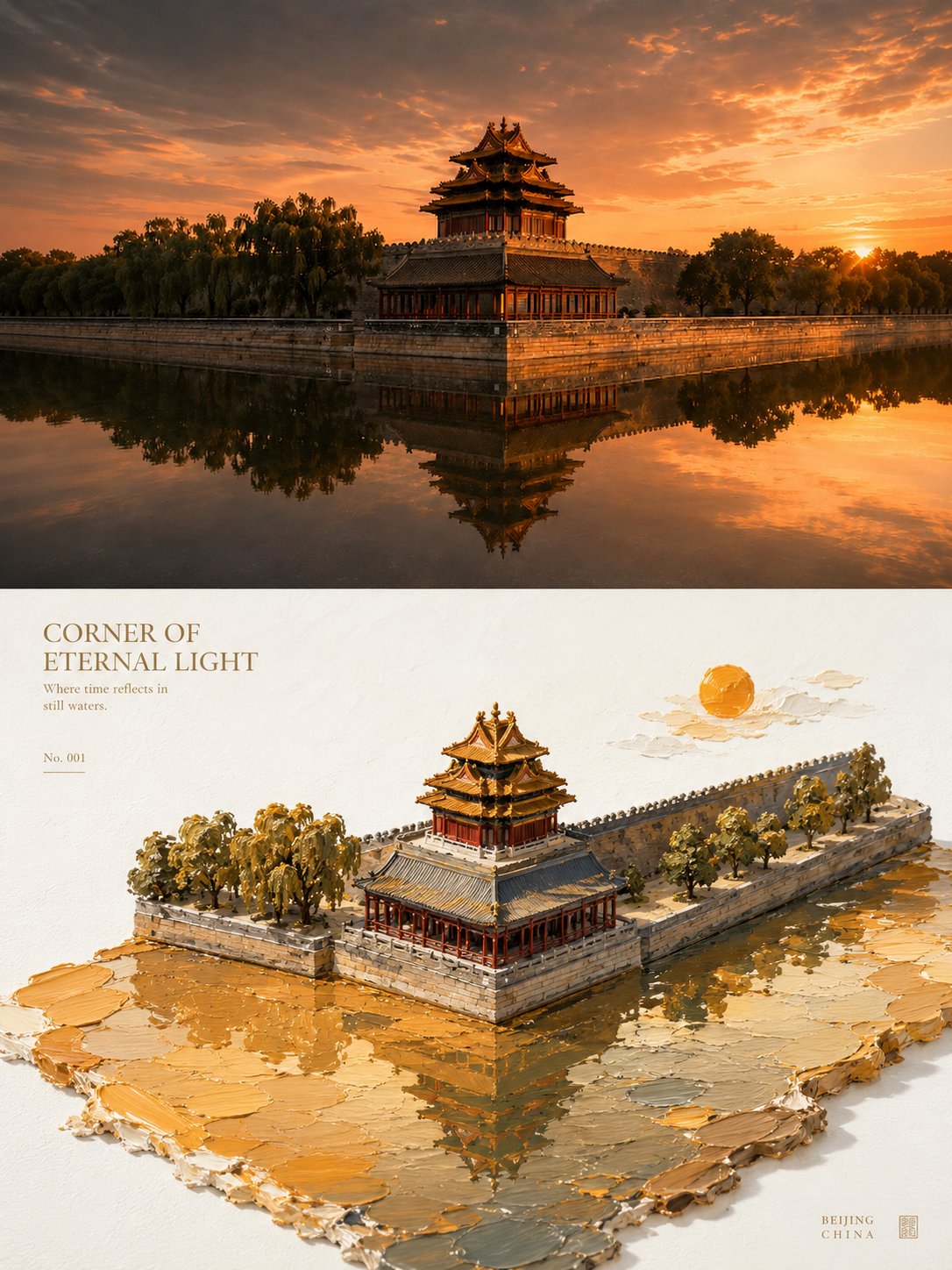
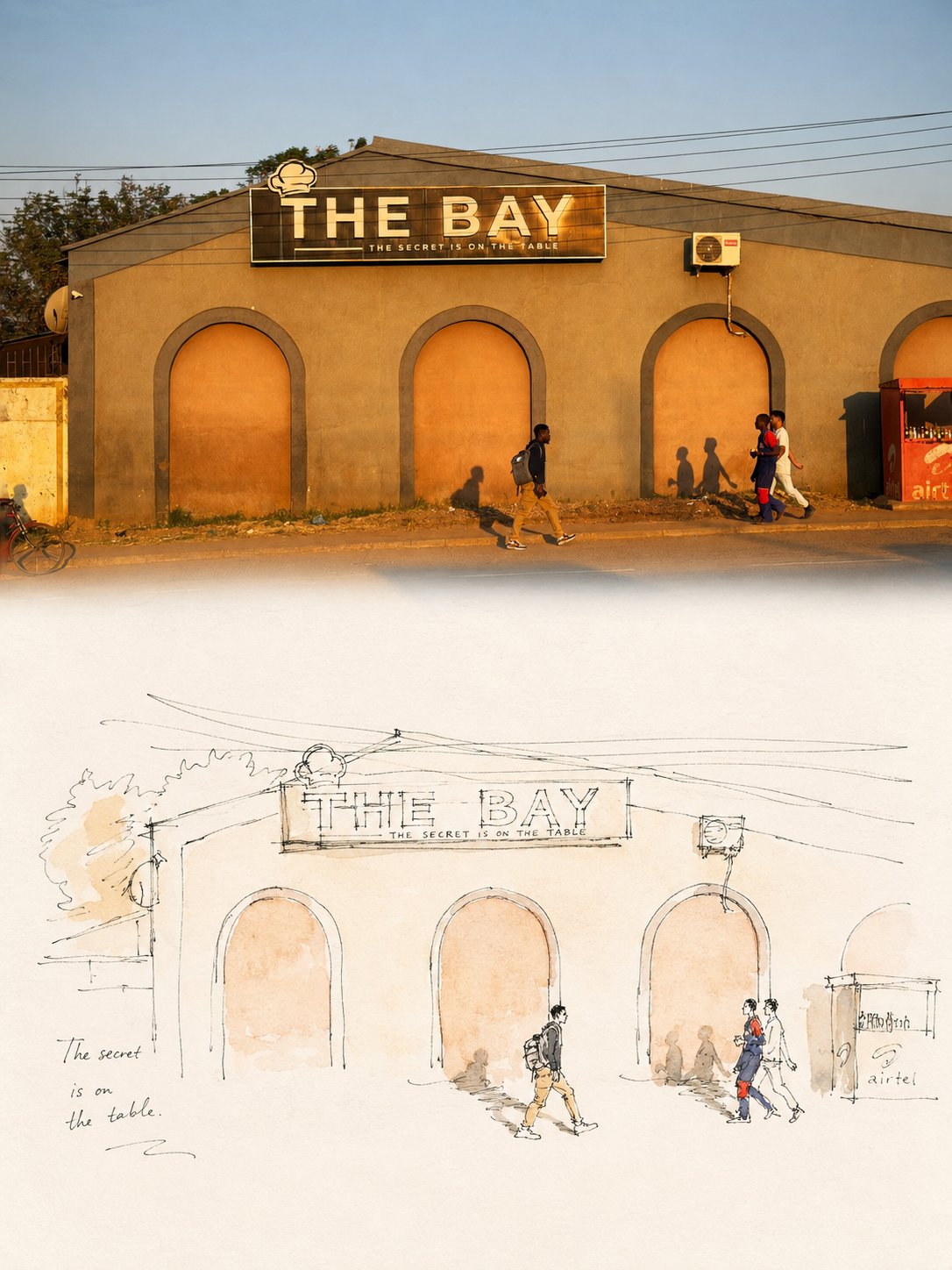
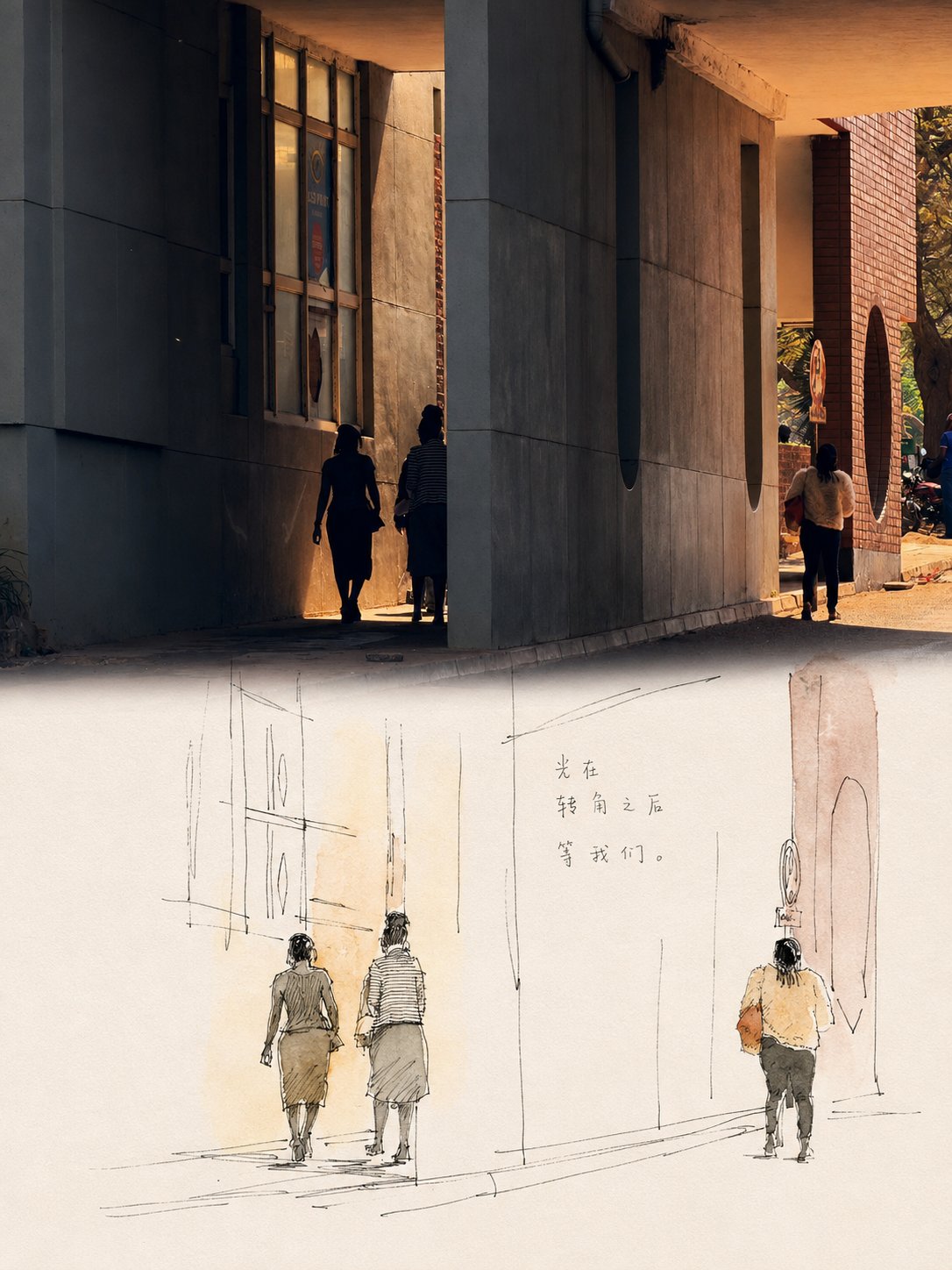
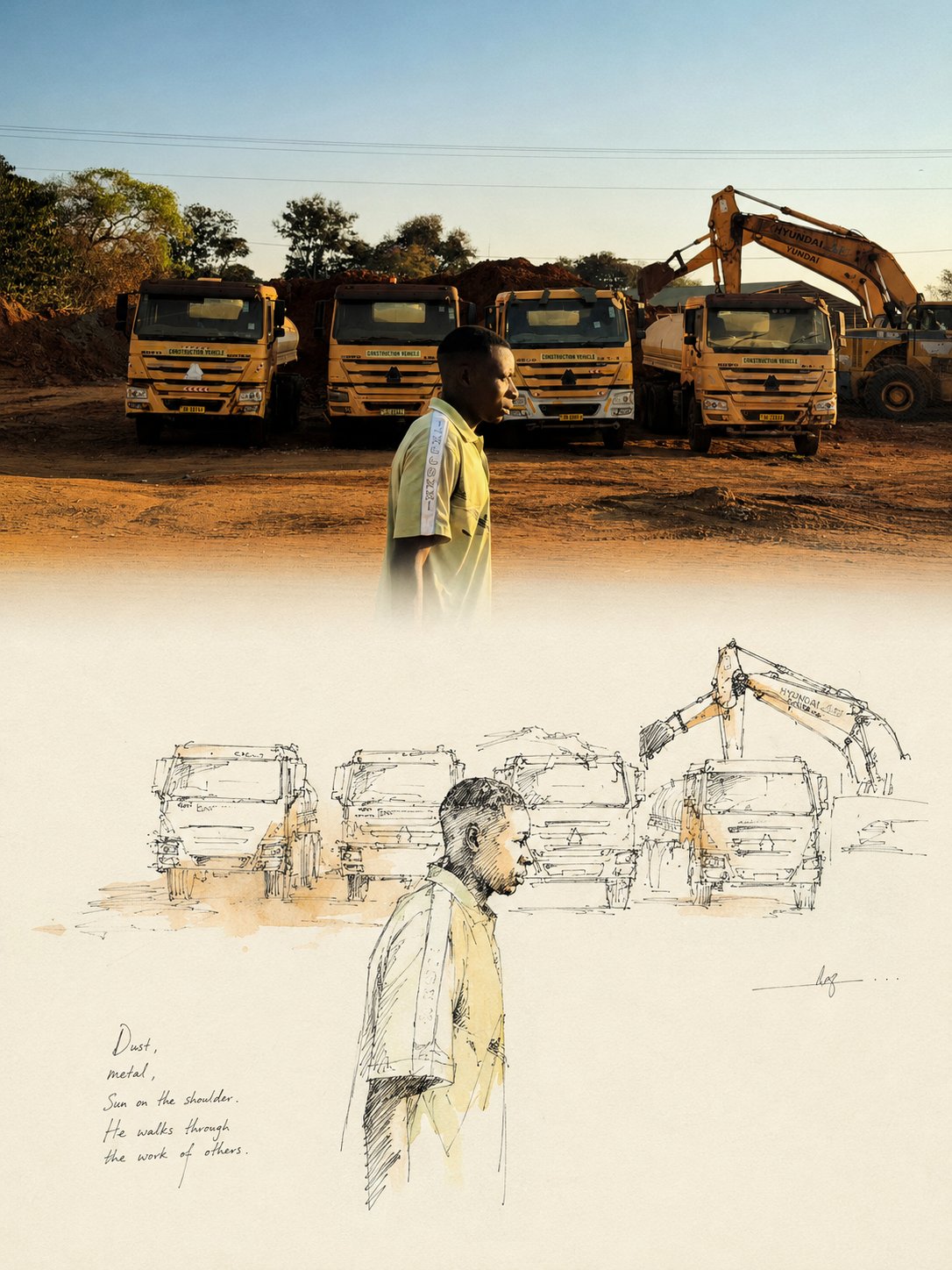
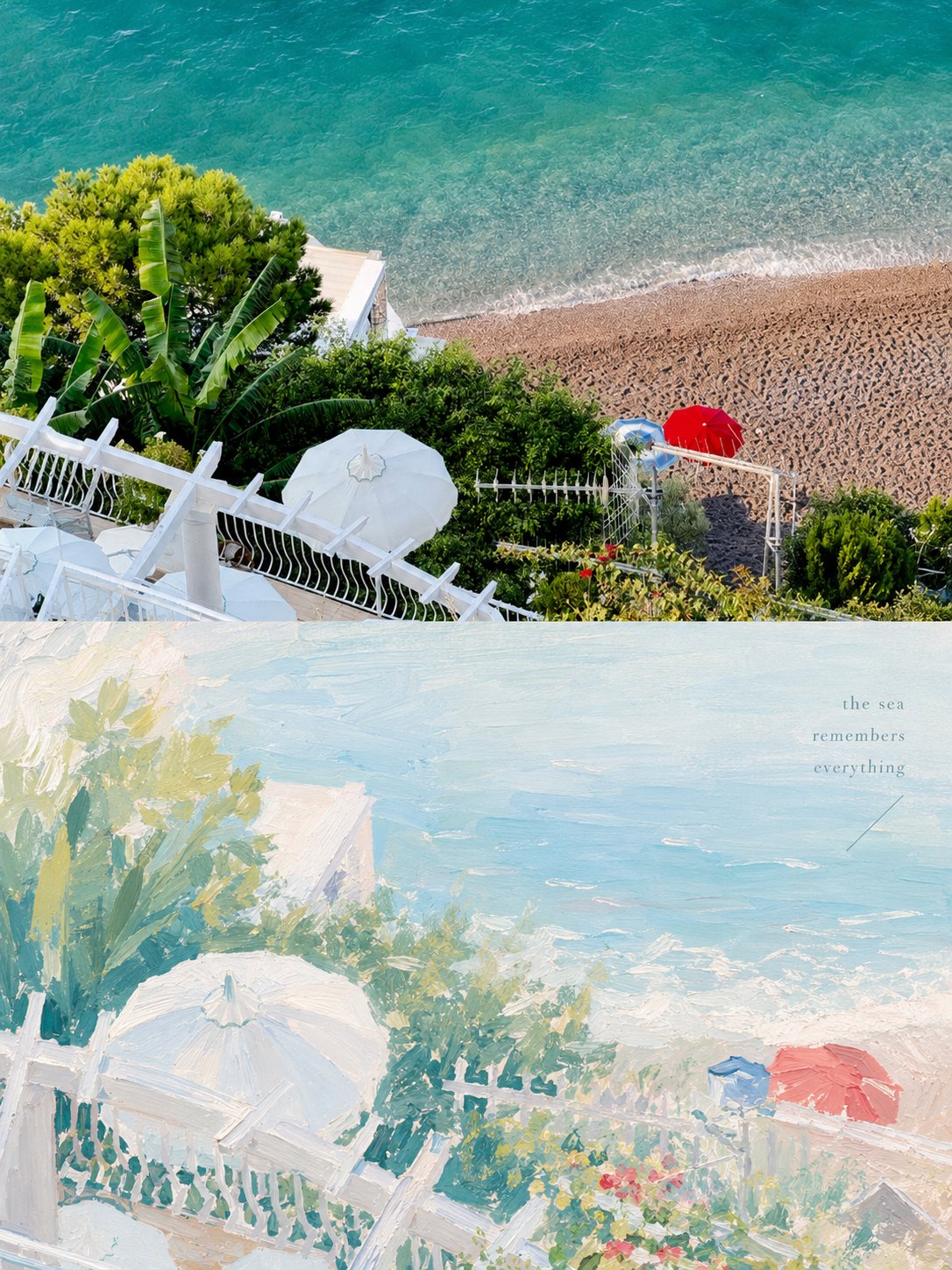
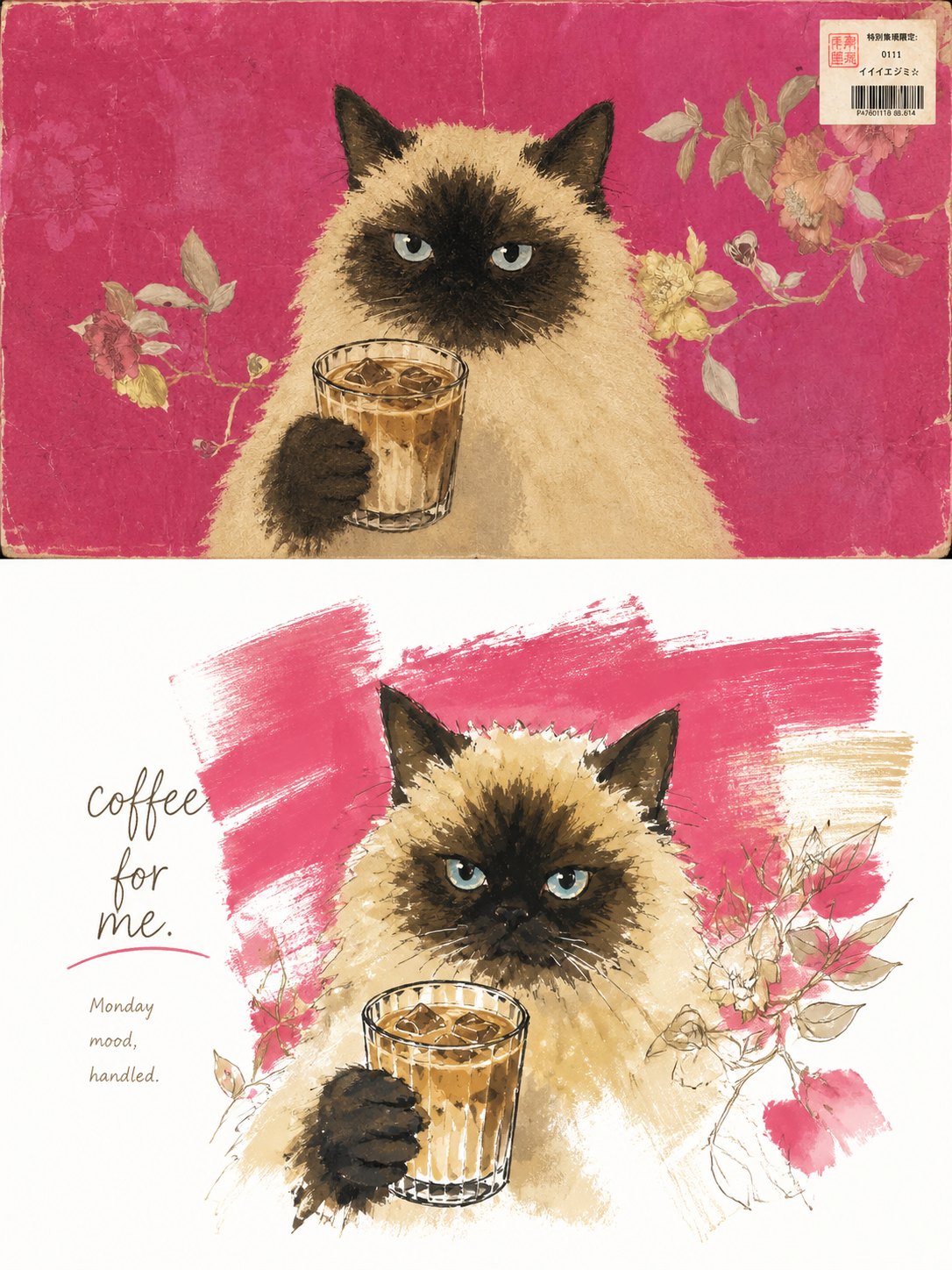
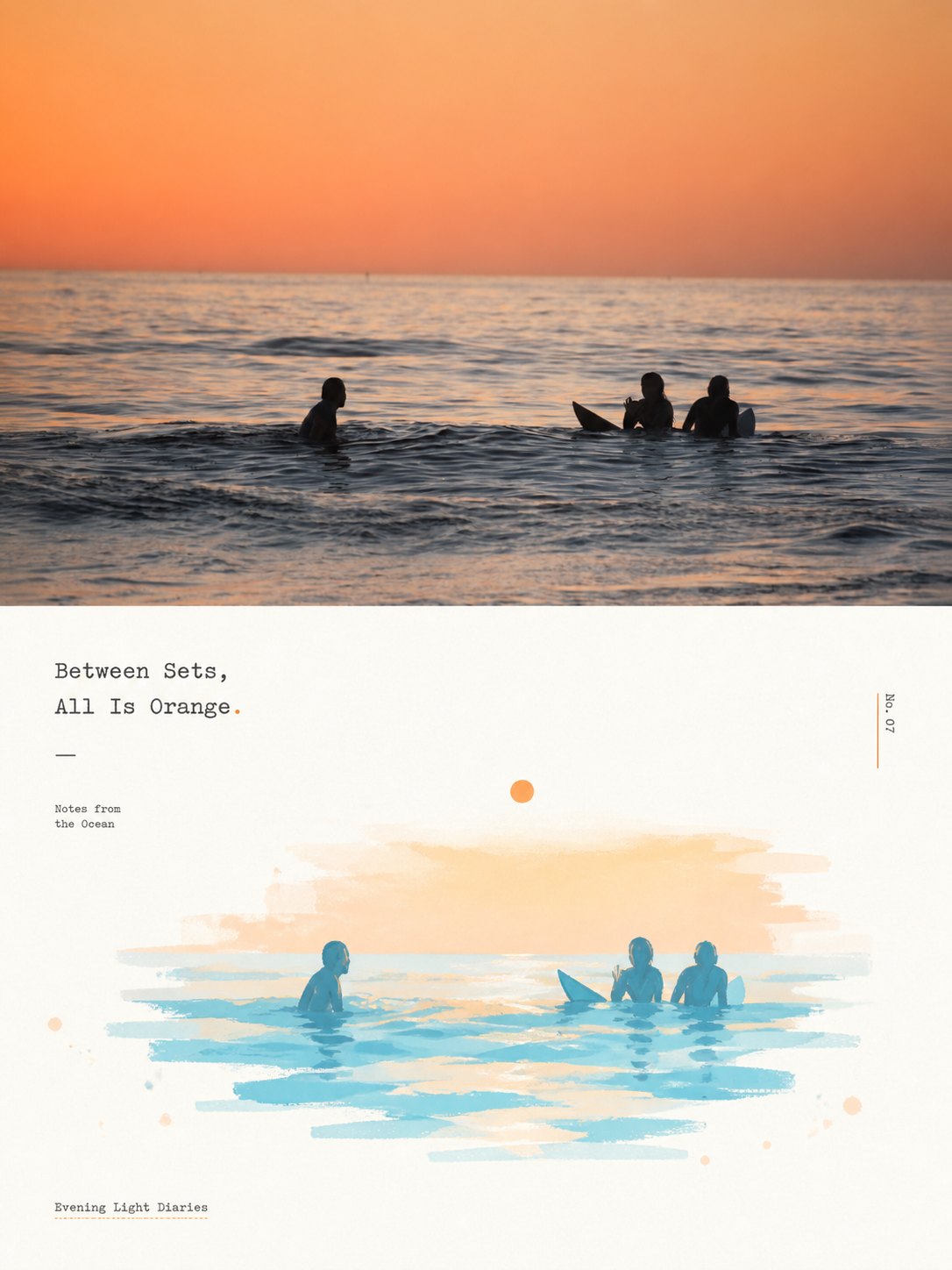
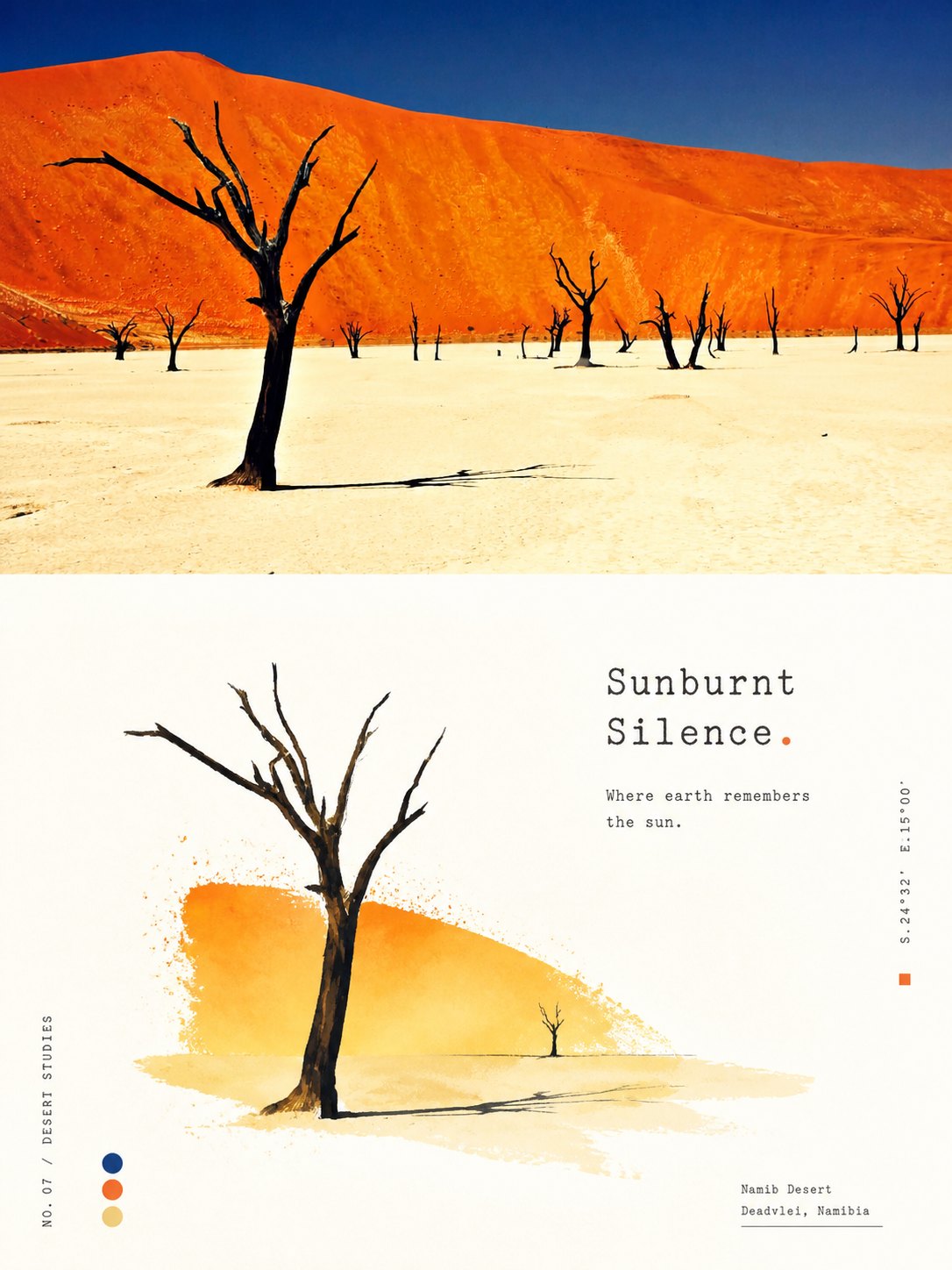
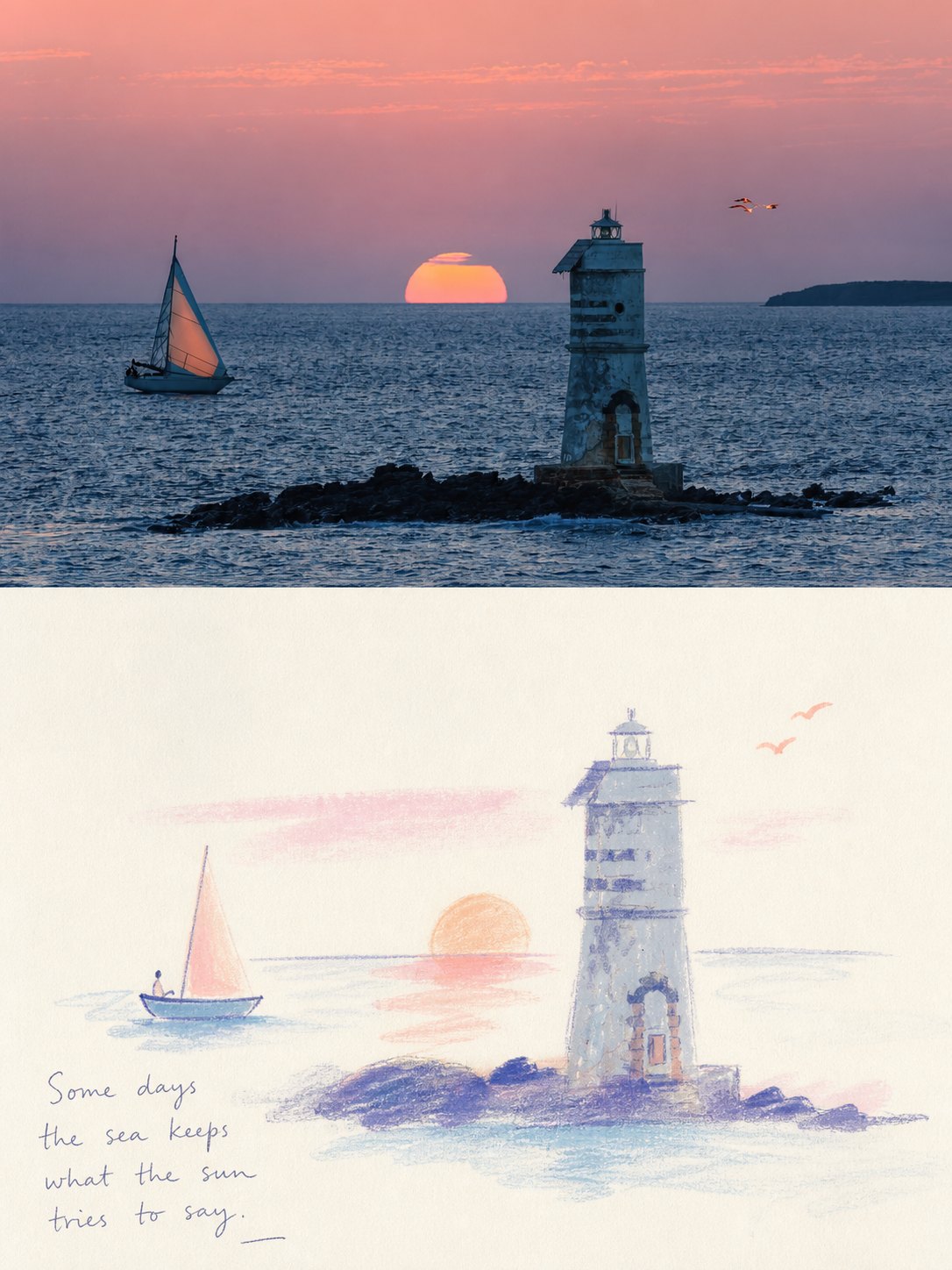
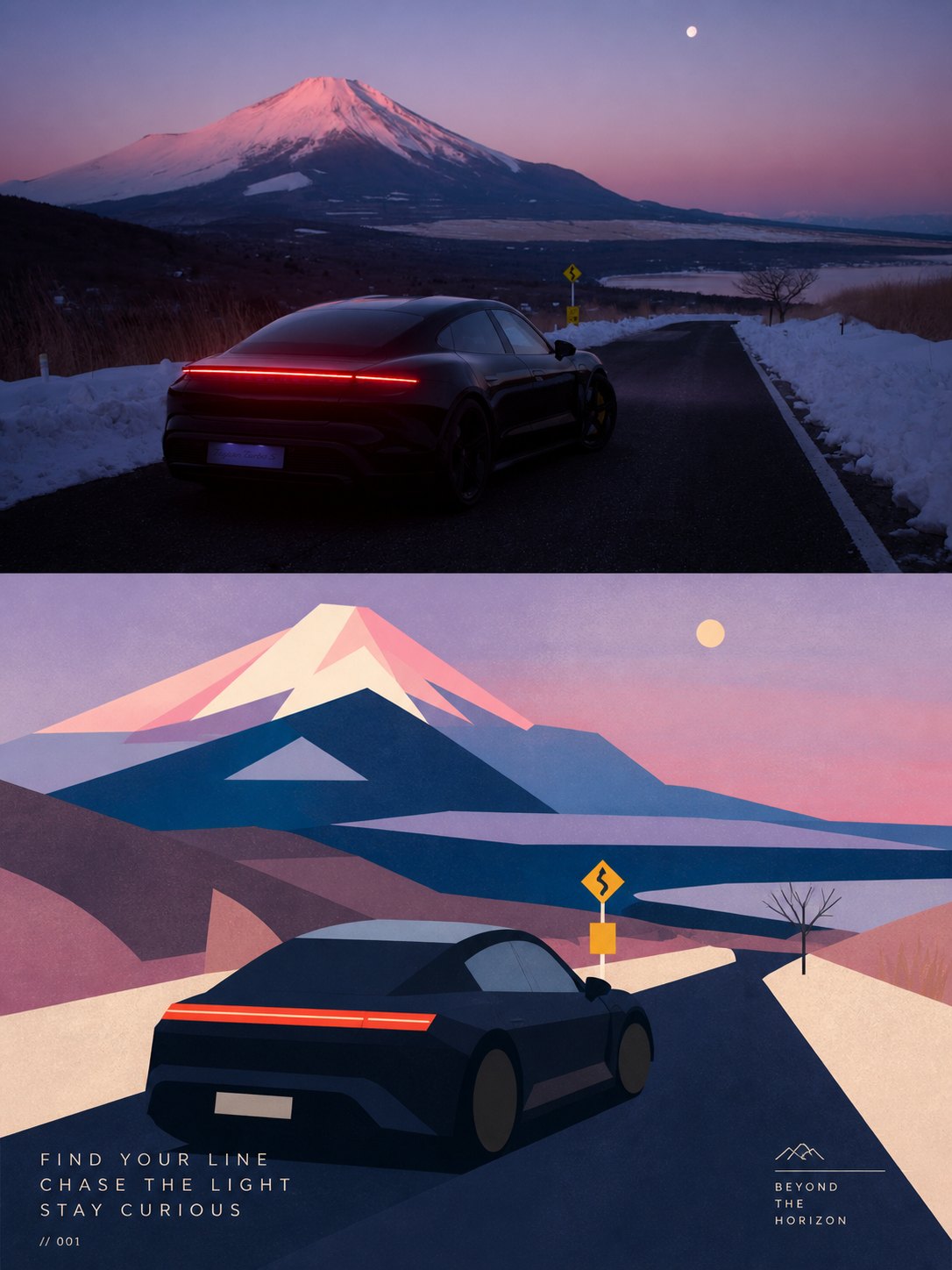
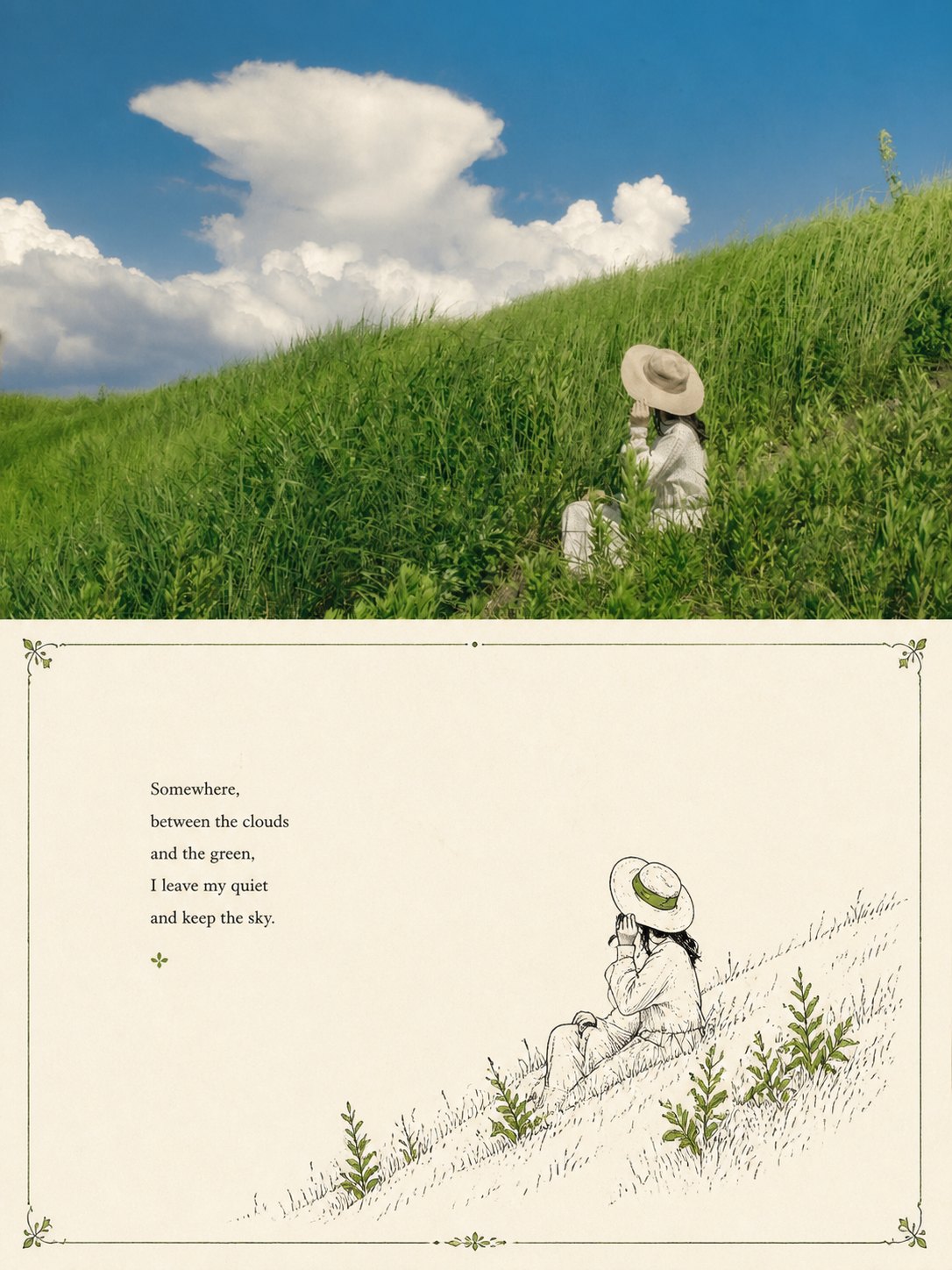
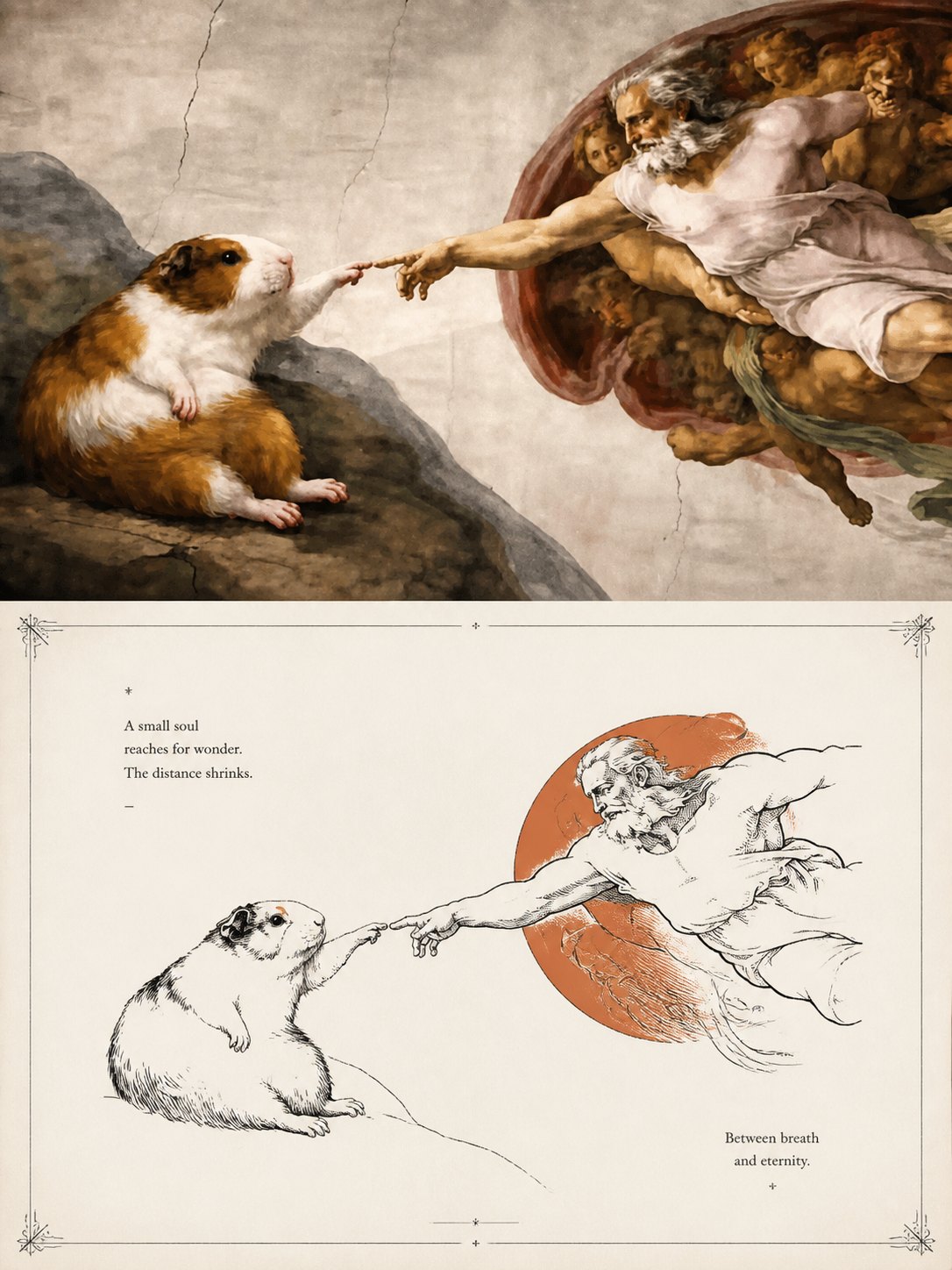
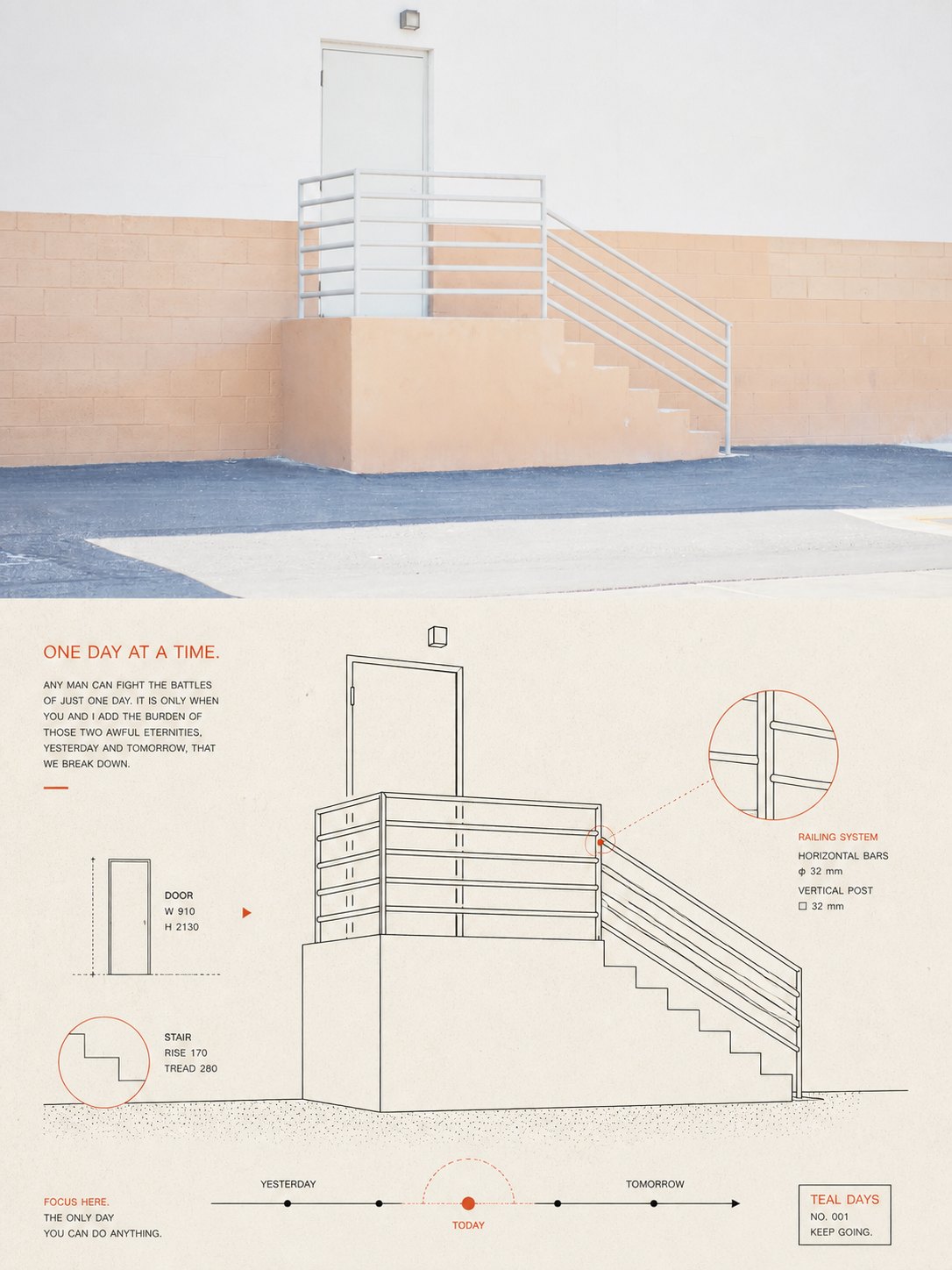
Turn each uploaded photograph into its own independent, refined design poster. Do not combine several photographs; output each separately. Use a 3:4 portrait composition with two vertically stacked regions of exactly equal height, each occupying 50% of the canvas.
Keep the original photograph in the upper half, preserving the subject's identity, structure, pose, realistic texture, natural lighting and original color atmosphere. Apply only subtle, refined grading for the feel of an art magazine, independent publication or exhibition image. Extend the surrounding environment naturally if needed to fit the frame, without stretching, distorting or changing the subject.
In the lower half, extract only the photograph's most recognizable **subject, contours, structure, pose and narrative relationships**. Make fresh artistic judgments and reconstruct them in a **Naïve Illustration + Flat Character Illustration + Hand-drawn Doodle** style. Do not copy the entire photograph, redraw every object or retain the full background. Actively remove most irrelevant information, leaving only the structure, flow and visual anchors that best express the original's soul. Reshape these through highly simplified geometry, irregular organic color shapes and very few hand-drawn lines, making their relationship to the photograph above immediately recognizable.
Give the lower half full **freedom to redirect the scene**. Even if the original composition is poor, the background messy or the subject small, use subtraction, regrouping, cropping, changes of scale, repositioning and reconstructed relationships to redesign it as a genuinely convincing work. People, animals, architecture, plants, objects and landscapes need not be shown completely; emphasize only their most characterful, recognizable core.
Maintain a **small-scale visual focus with exceptionally generous, intentional negative space**. Freely place the subject according to its direction, proportions and visual center: off-center, against an edge, suspended or partially cropped. Solid graphics occupy only a small area; boldly leave the rest empty. Negative space is not background but a compositional element as important as the subject. Use positive and negative shapes, distance, density, direction and asymmetrical balance to create breathing room, spatial presence and resonance. Prefer a few precise shapes to filling the page merely to explain the scene.
Build the forms around **flat color fills, irregular contours and deliberately imperfect hand drawing**, without relying on perspective, gradients, shadows or realistic volume. Contours may be slightly crooked, hesitant and uneven in thickness; use minimal lines locally to describe key structures. Keep the image natural, approachable and a little naïve while maintaining mature design order.
Select 3–6 of the freshest, most appealing and most identity-bearing colors from the photograph above and remix them. Moderately brighten and purify them and remove grayness to make a lively but restrained limited palette, such as creamy white, sky blue, lake cyan, fresh green, warm yellow, coral red, soft pink or coffee brown. Colors should feel alive and playful without looking cheap. Avoid muddy gray, dullness, a muted Morandi treatment, fluorescent colors and candy-like effects.
Use text only minimally, without restricting its language or prescribing a fixed title. Freely derive a few short words or phrases from the subject, action, emotion, personality or metaphor. Use relaxed, rounded hand lettering with slight crookedness and variations in pen pressure. Let text enter the negative space, subject edges or direction of motion naturally and compose the image together with the illustration.
The refined overall effect combines **a highly distilled subject, playful flat hand drawing, irregular organic color shapes, a lively limited palette, exceptionally generous artistic negative space and free image–text composition**. The point is not to “draw the photograph again,” but to **understand it anew, make new selections and redirect it, retaining only the most soulful part of the original scene.**
2026-09-07via @xiaoxiaodong01