Visuele inspiratie
Promptbibliotheek
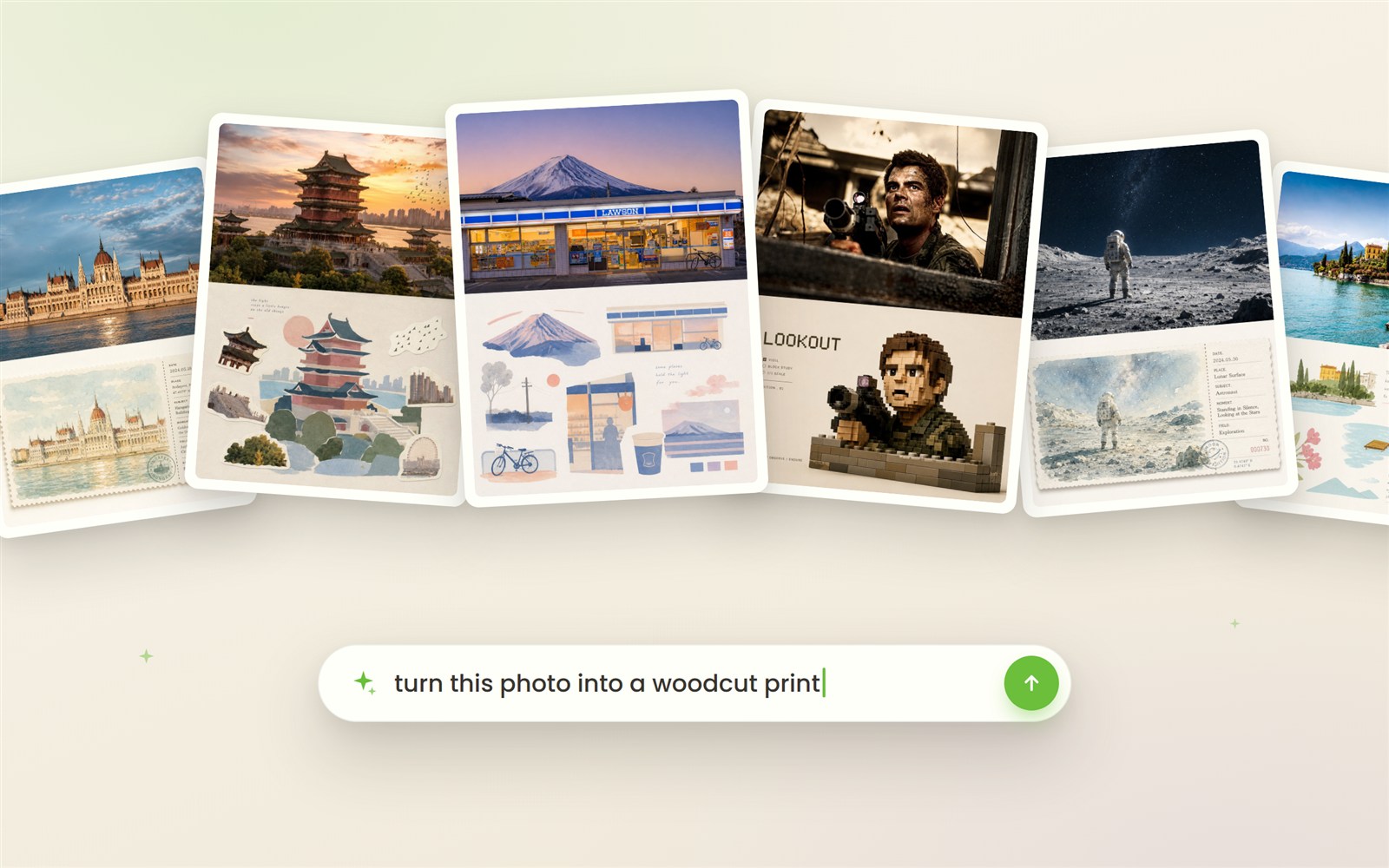
Sterke AI-resultaten uit het wild, mét de prompt erbij. Klik op een beeld, kopieer de prompt en maak er iets eigens van.
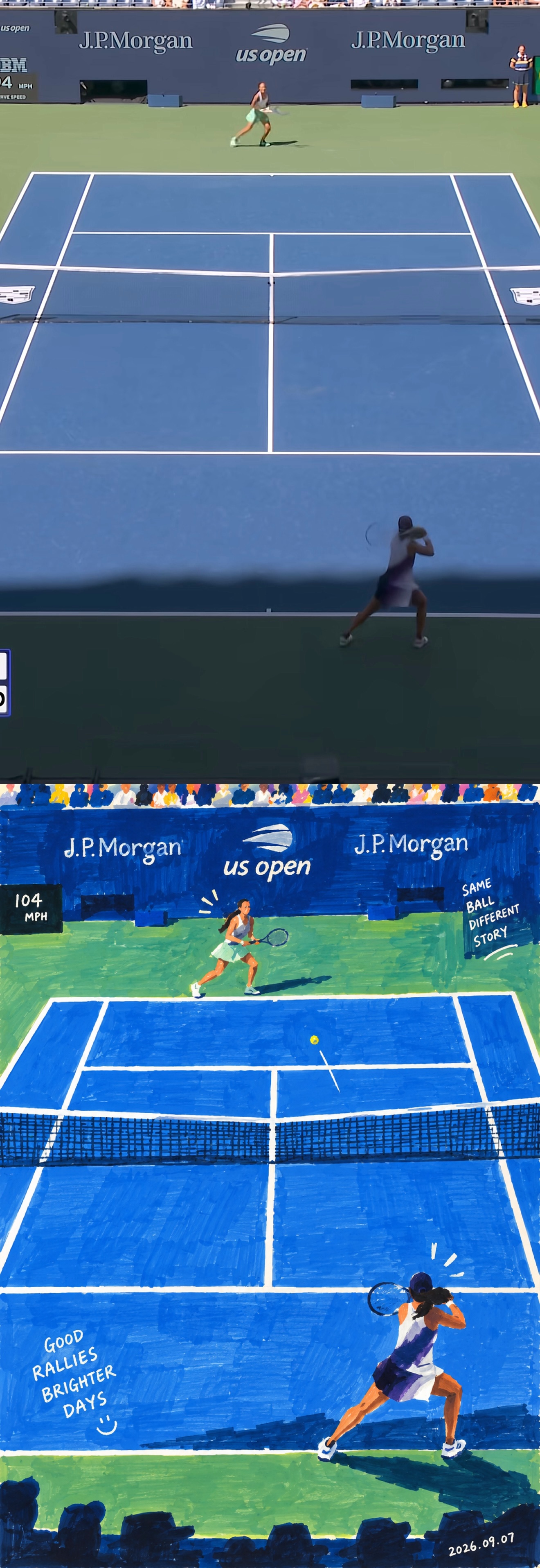
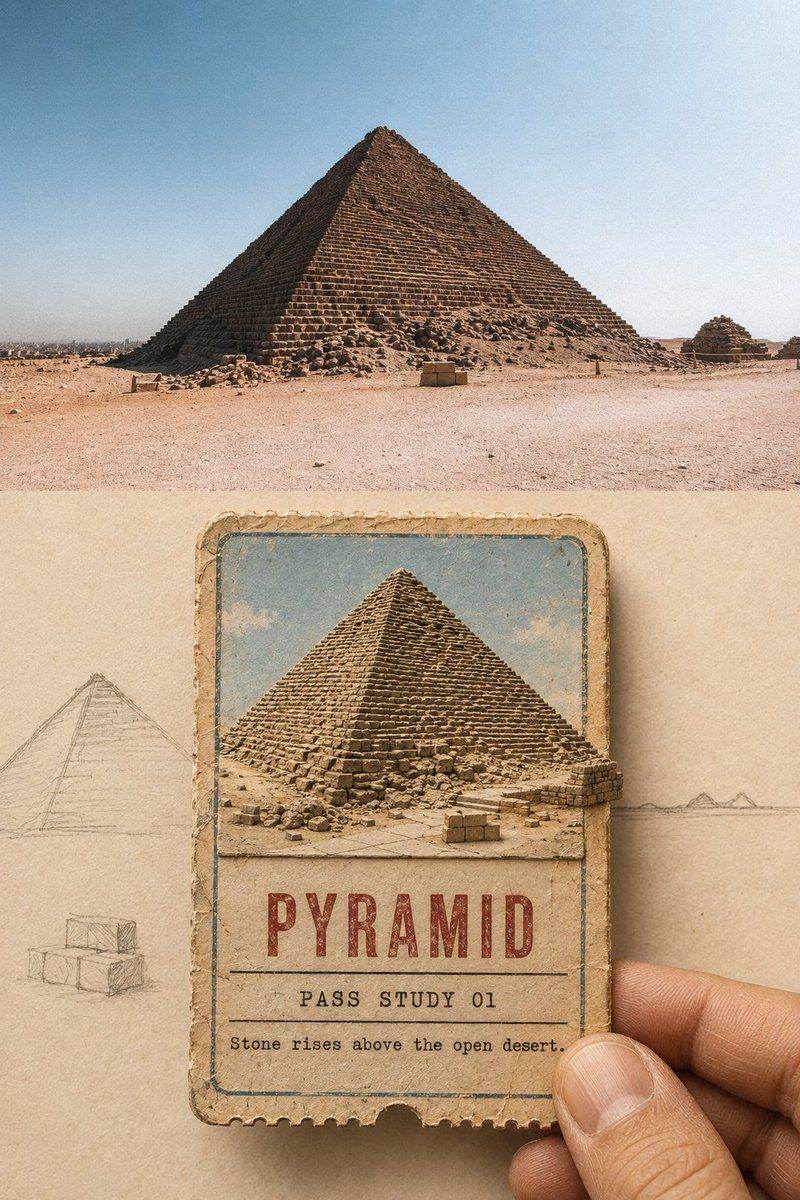
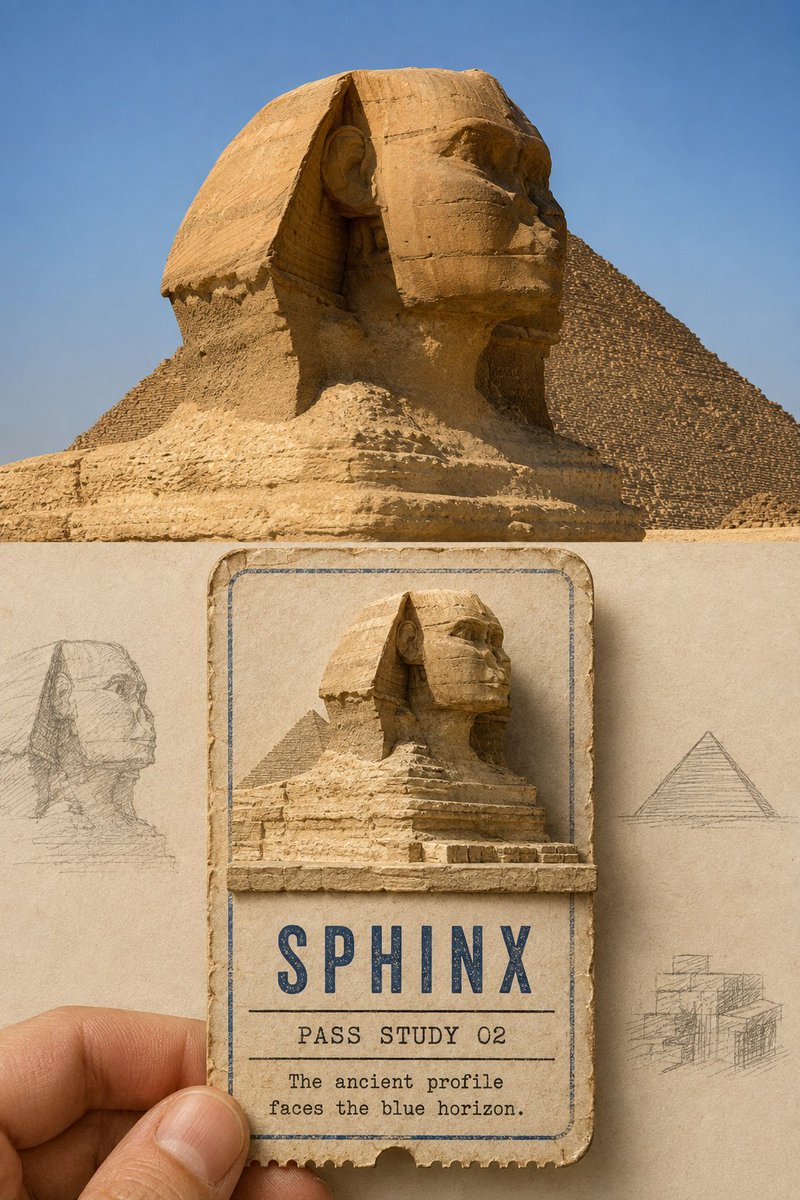
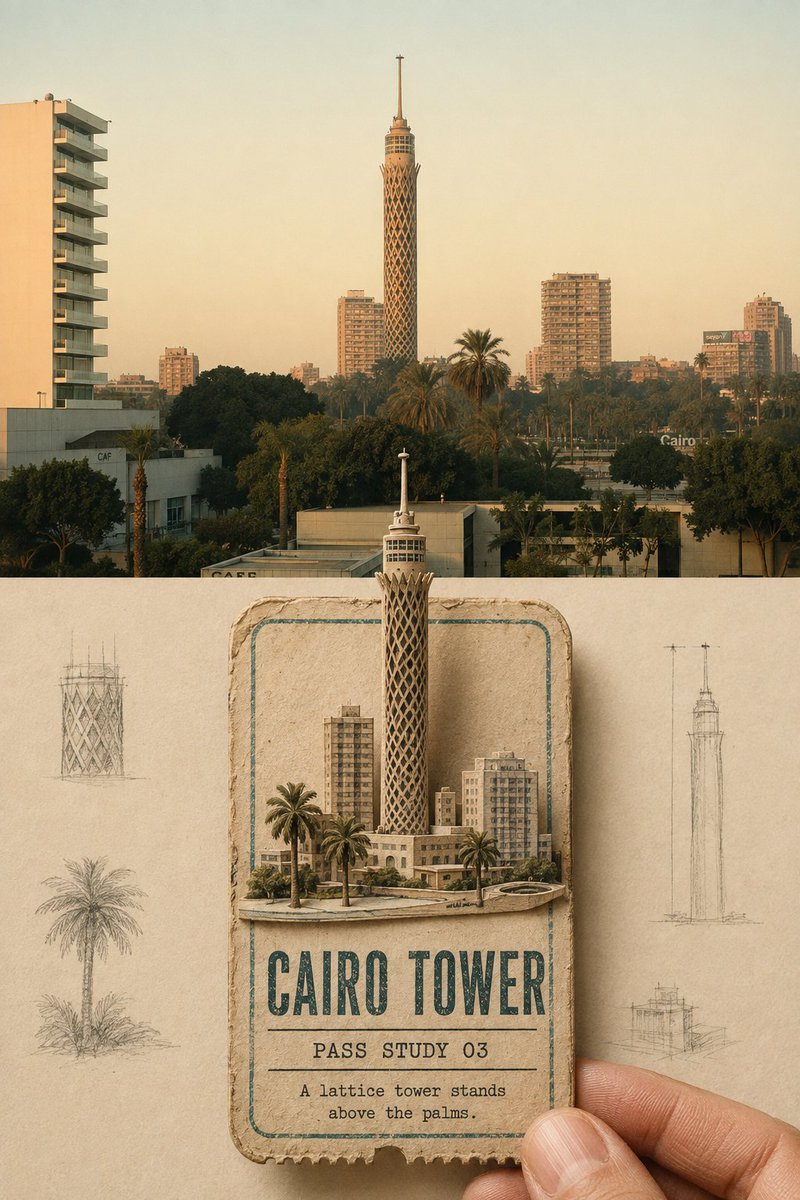
Krijg de prompts die indruk maken
Krijg de prompts die indruk maken
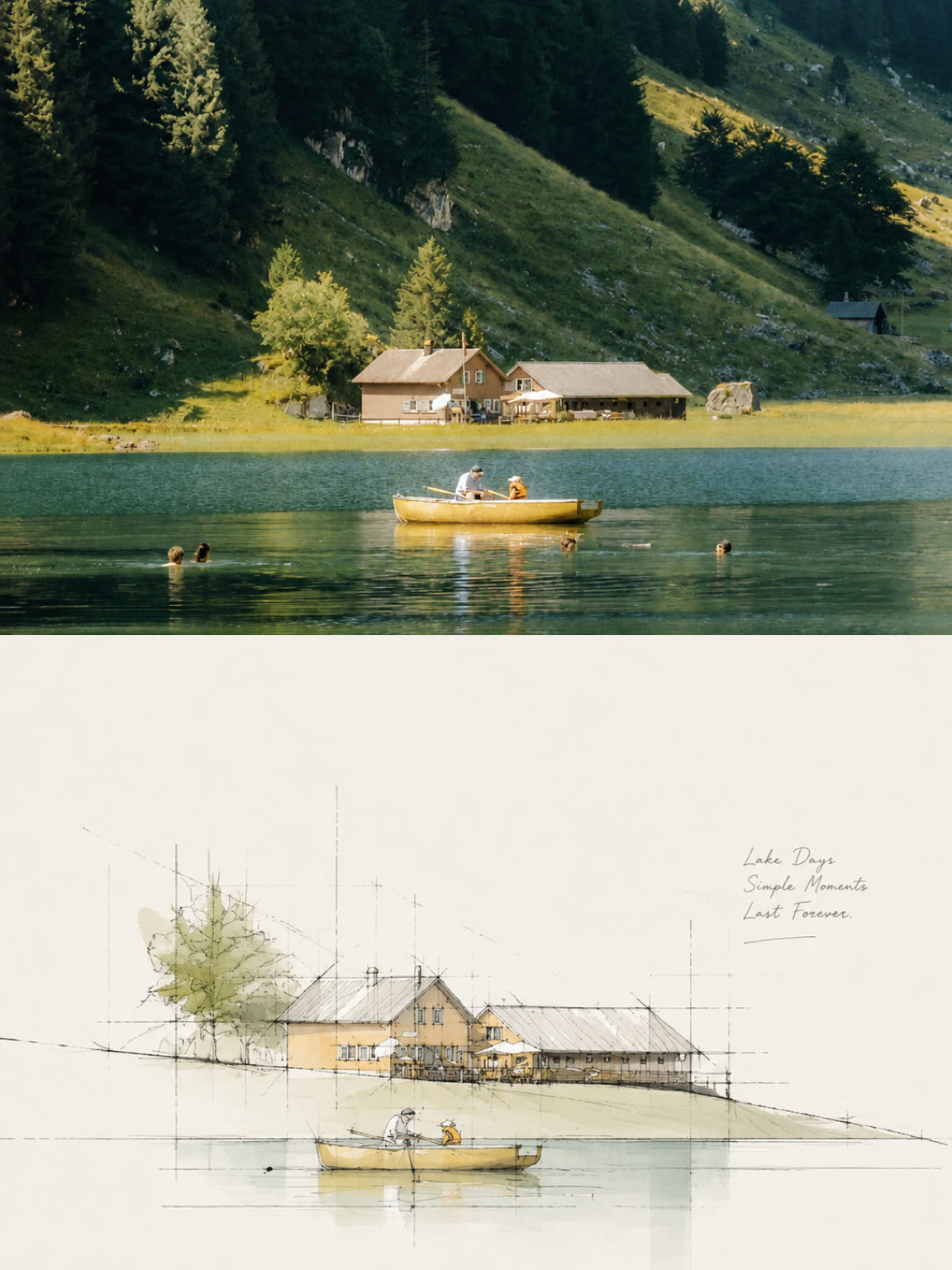
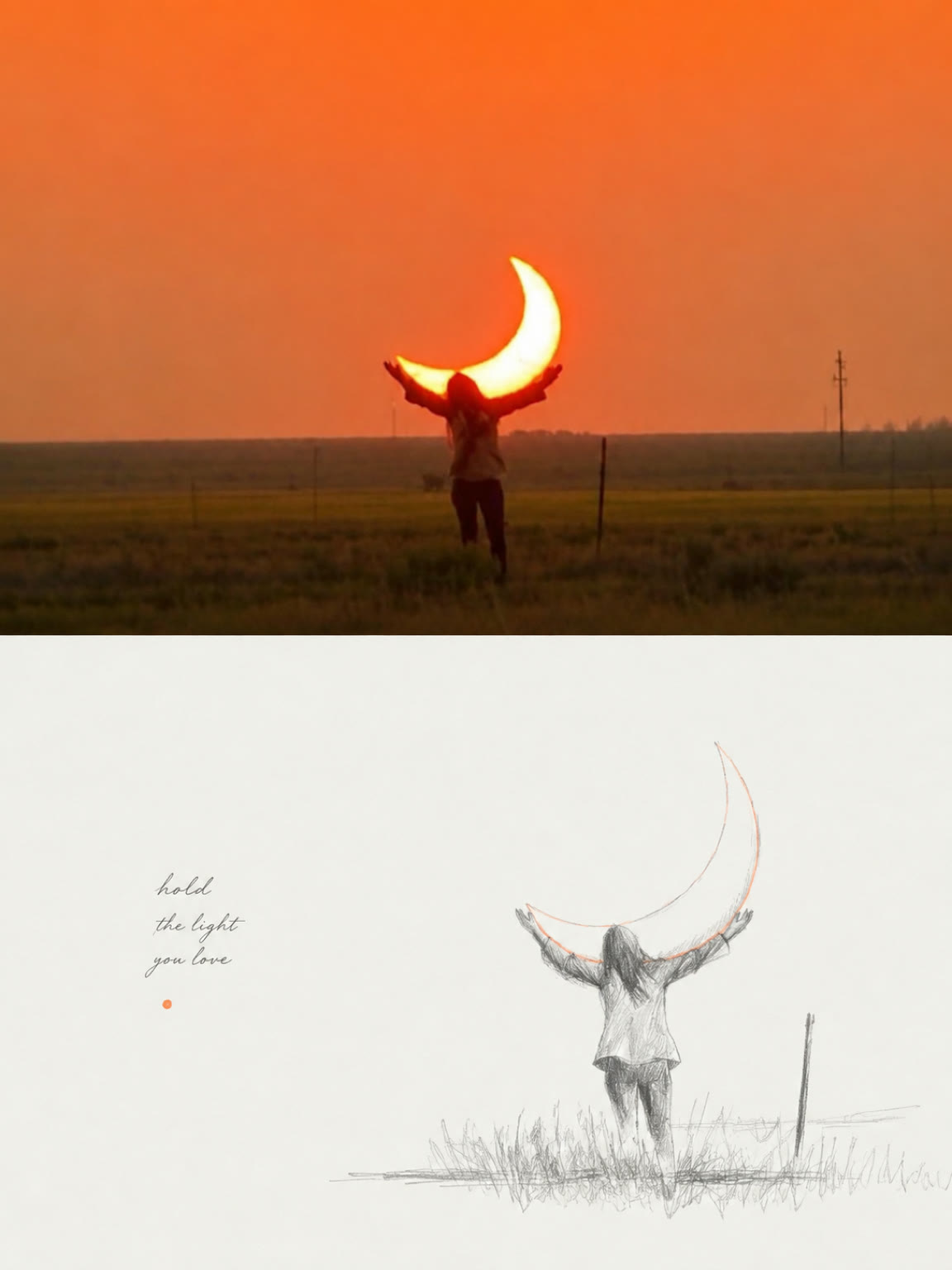
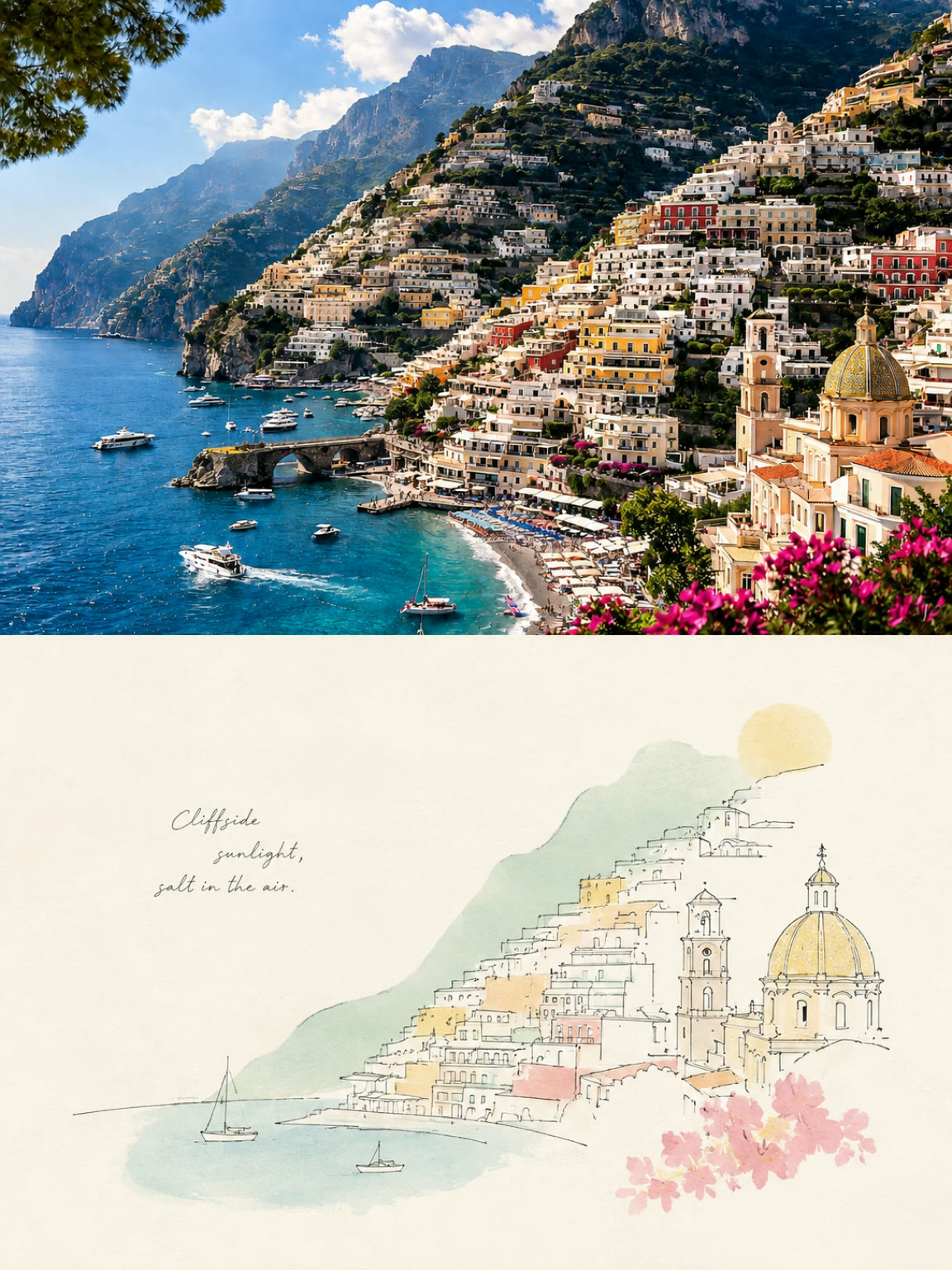
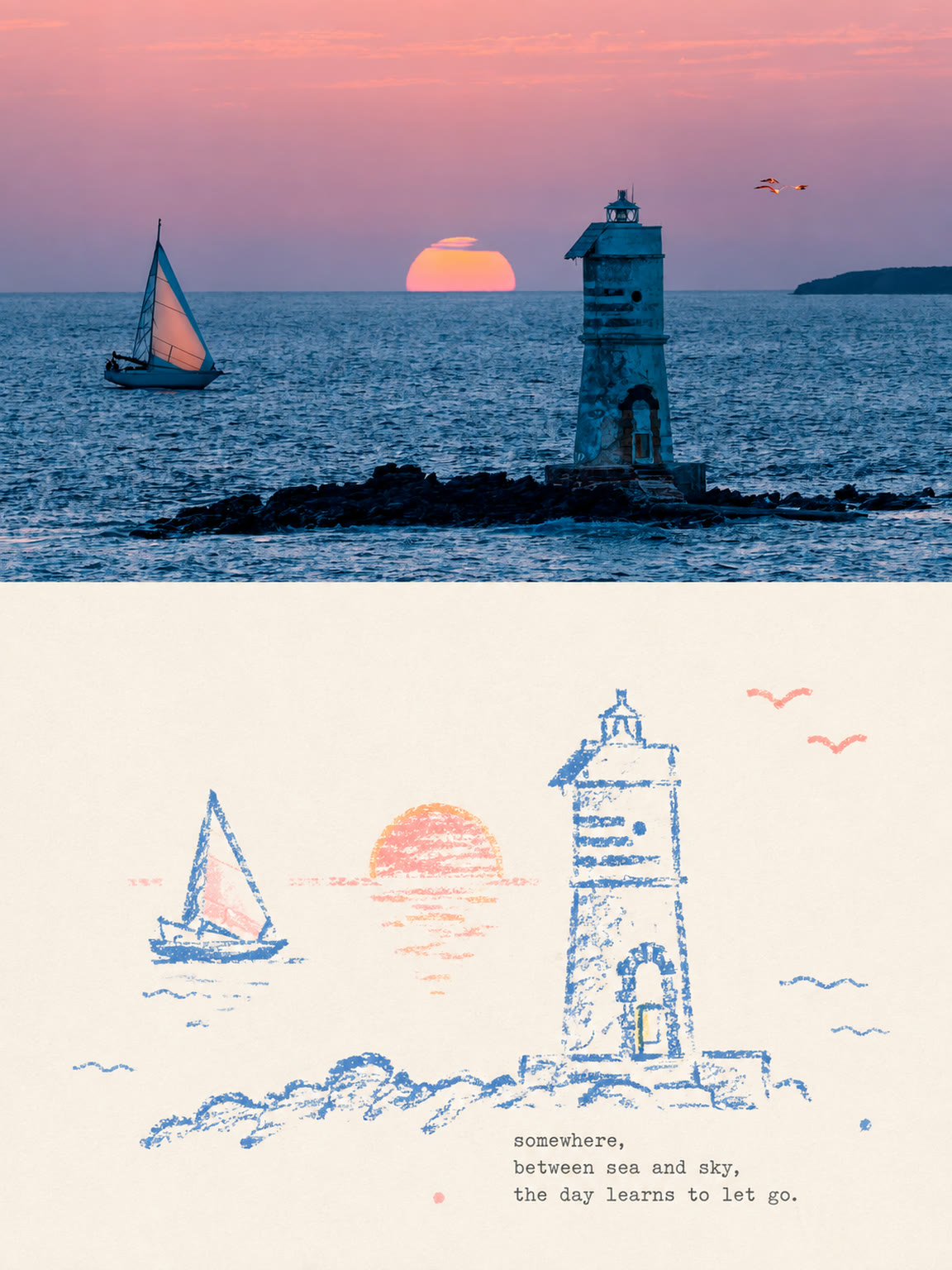
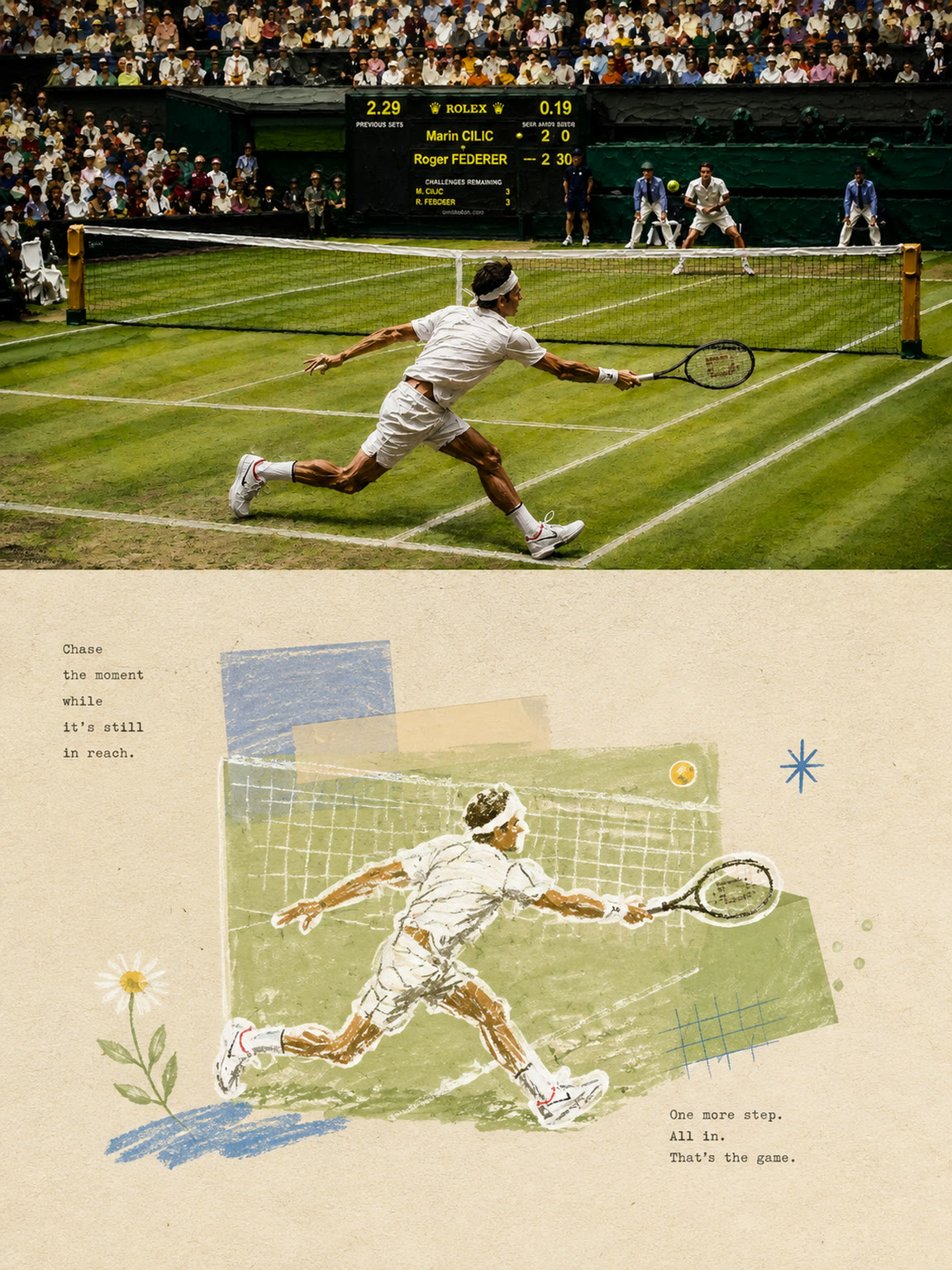
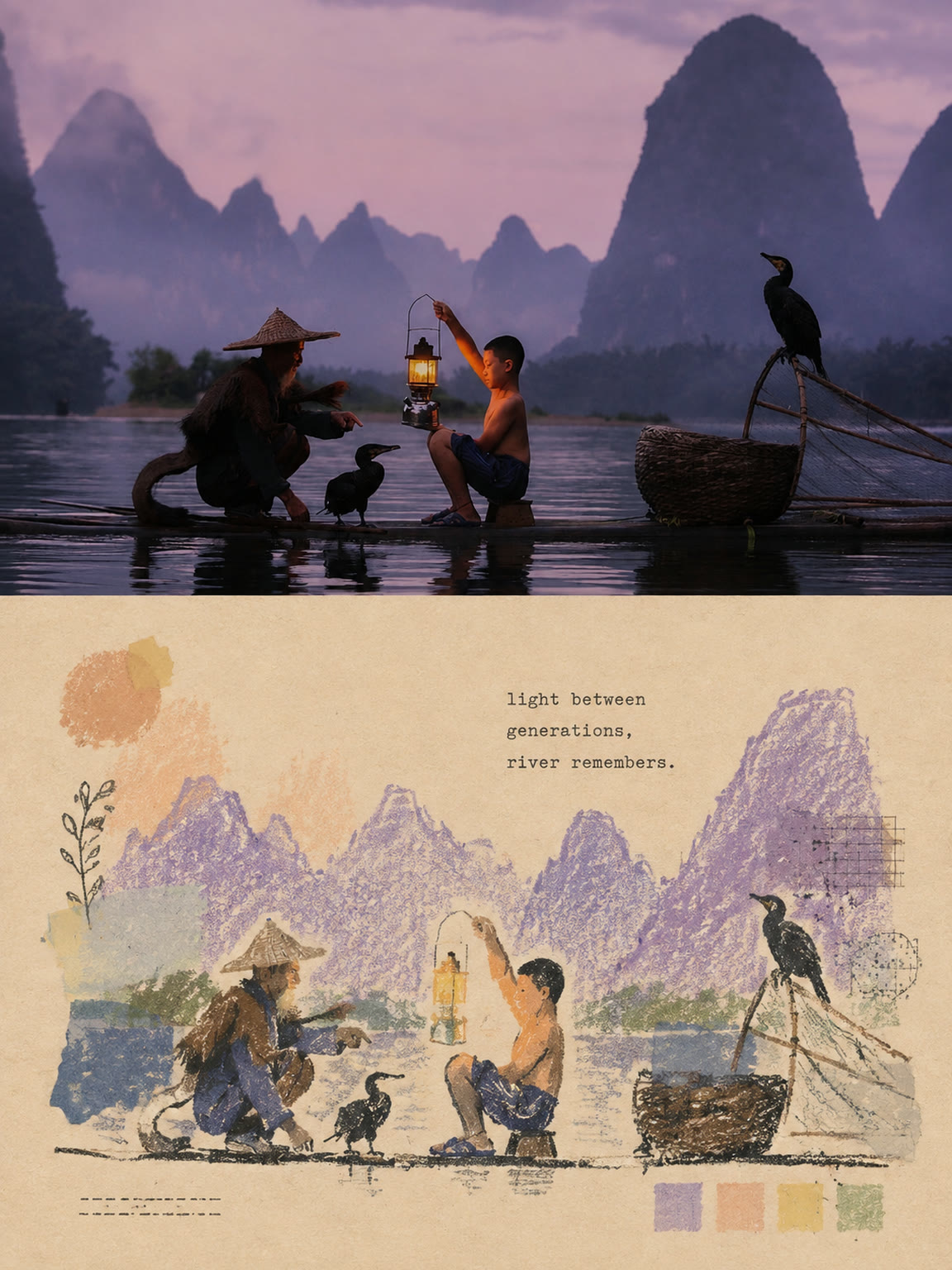
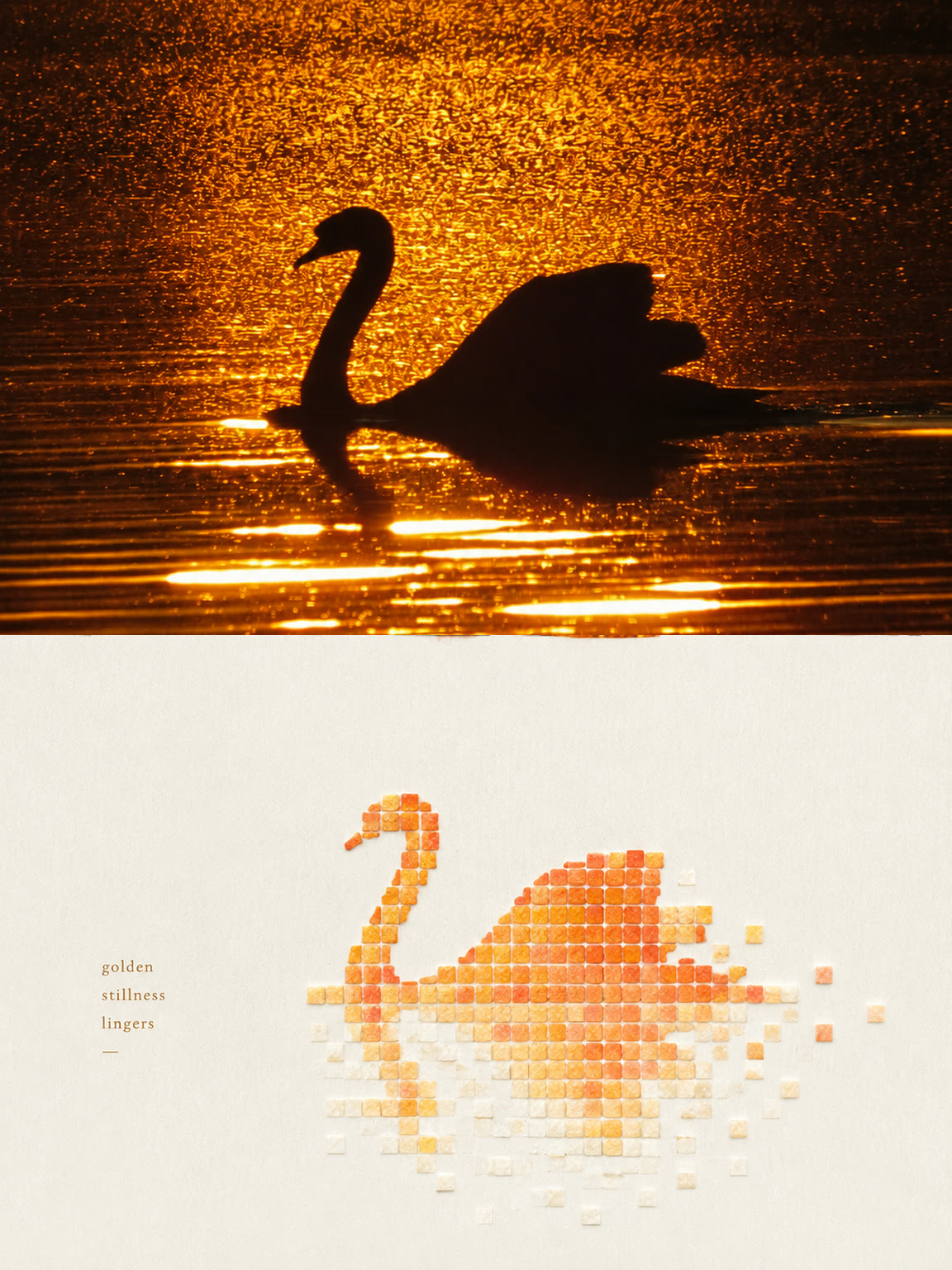
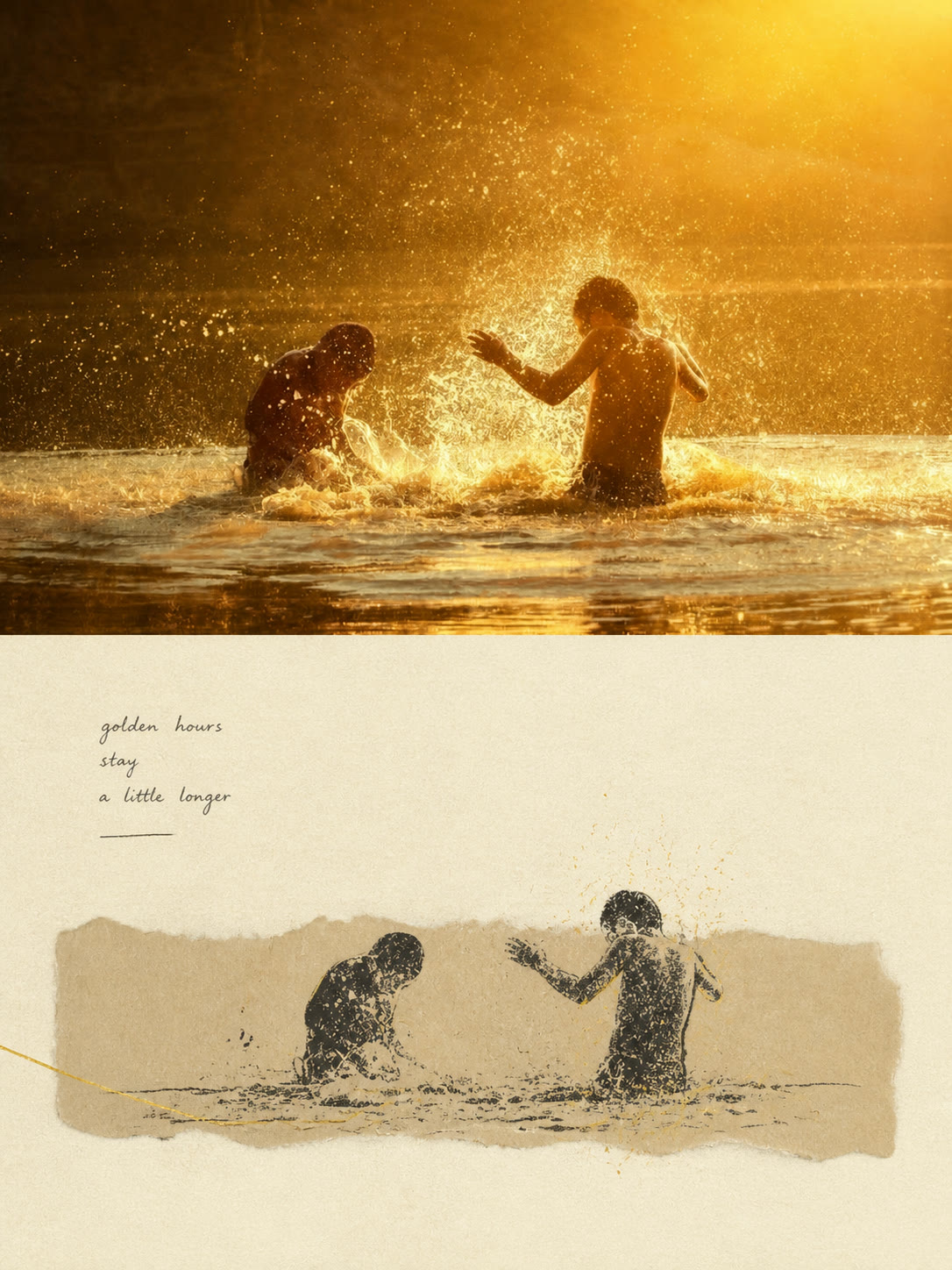
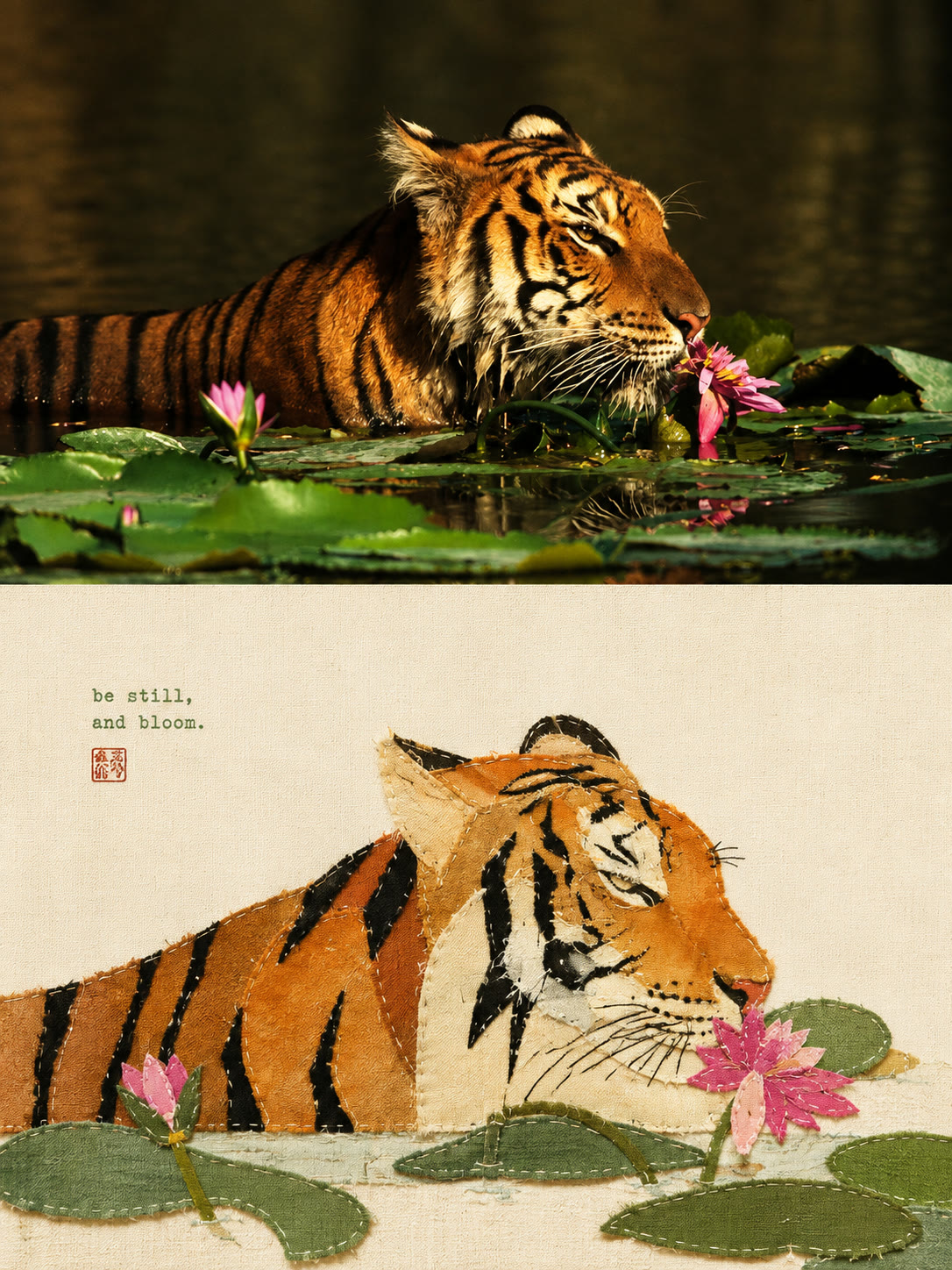
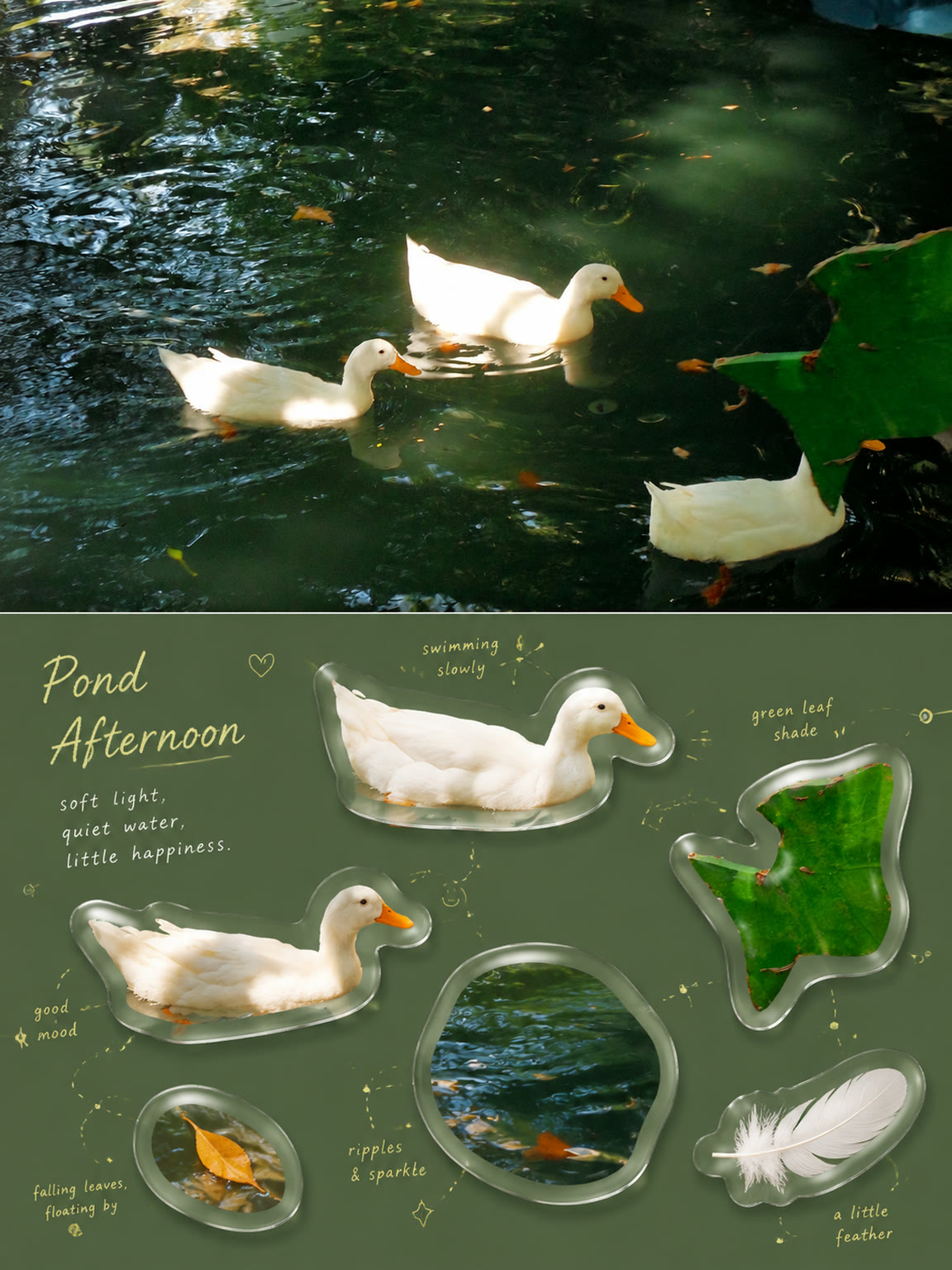
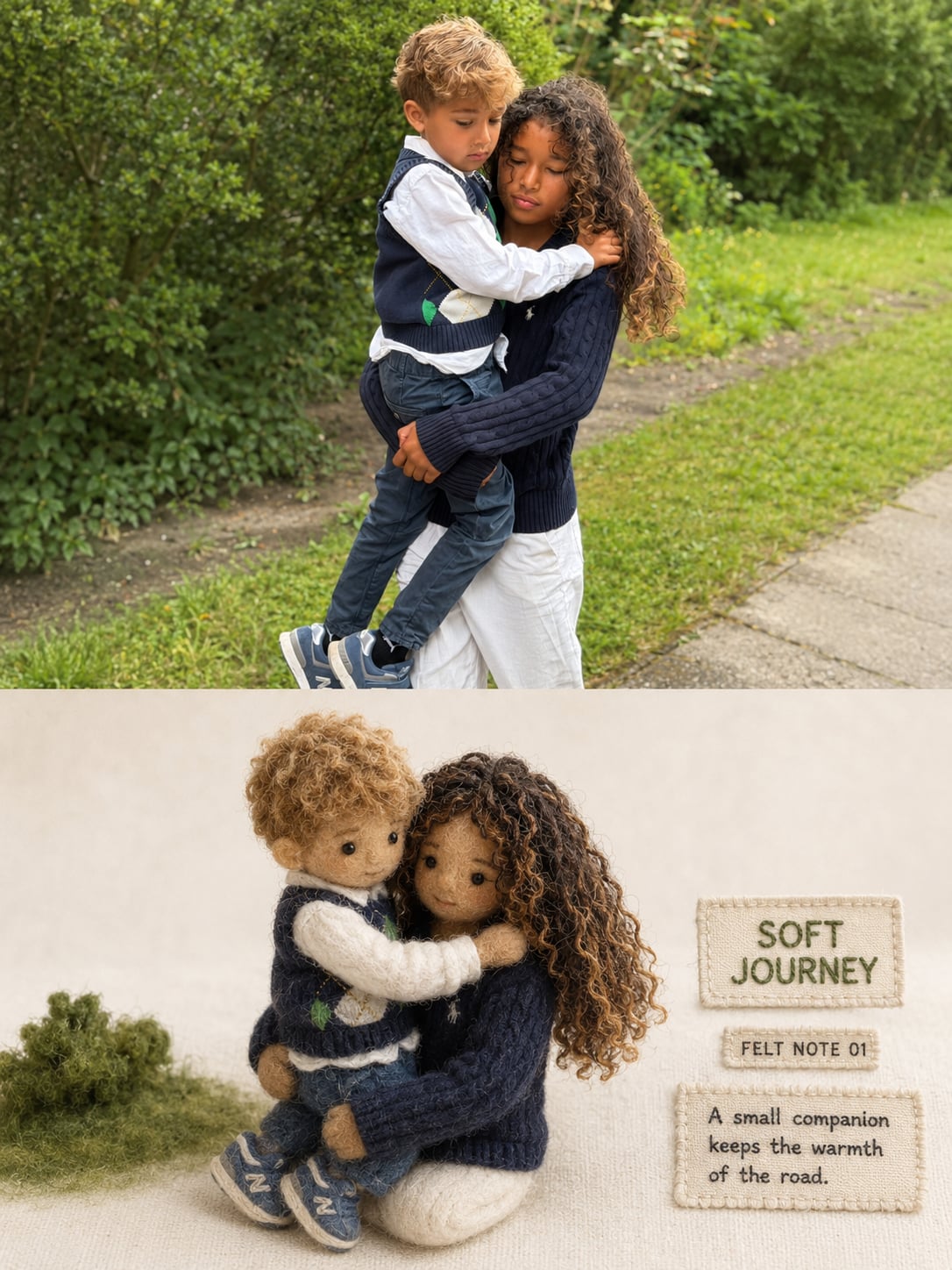
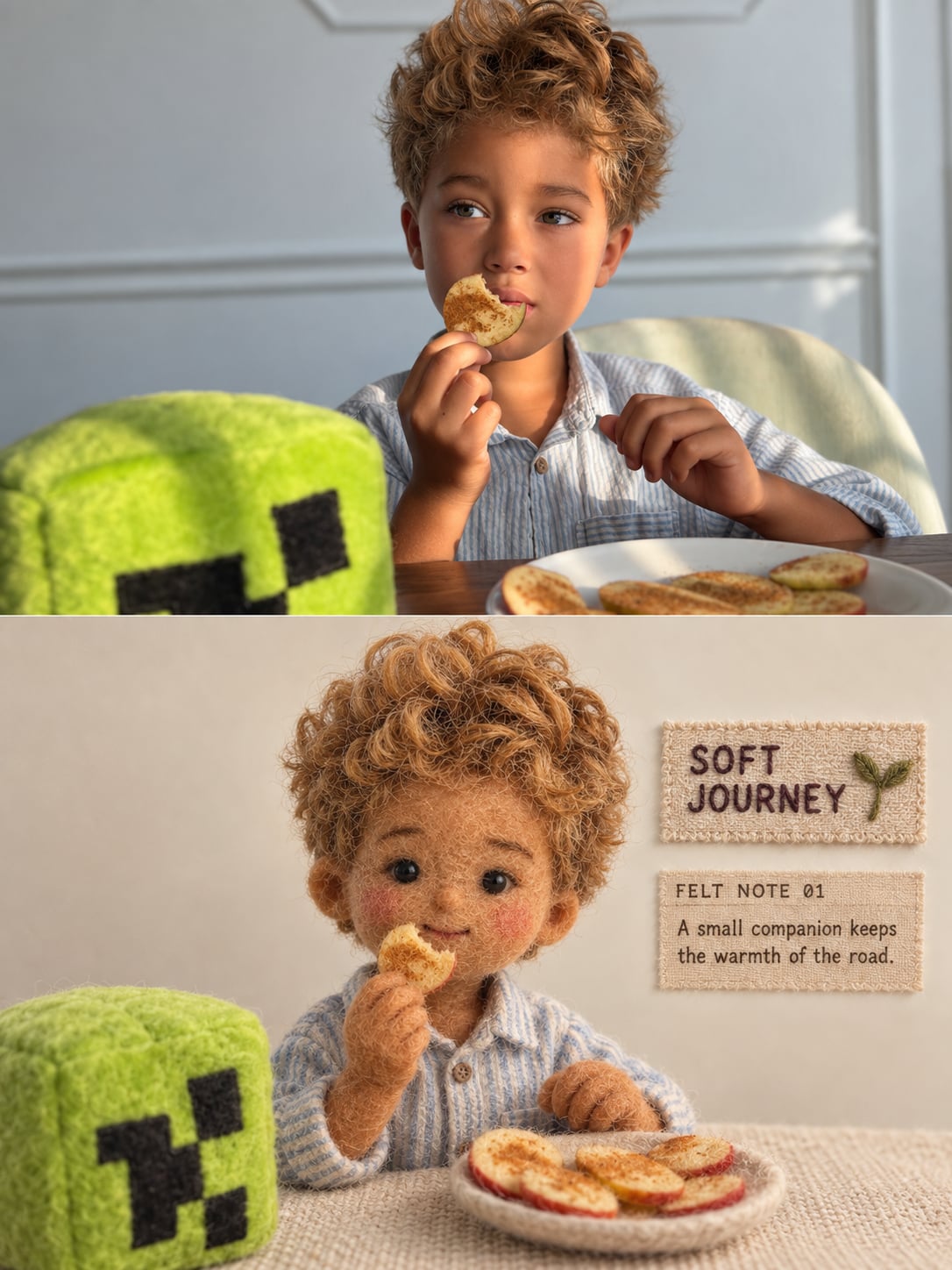
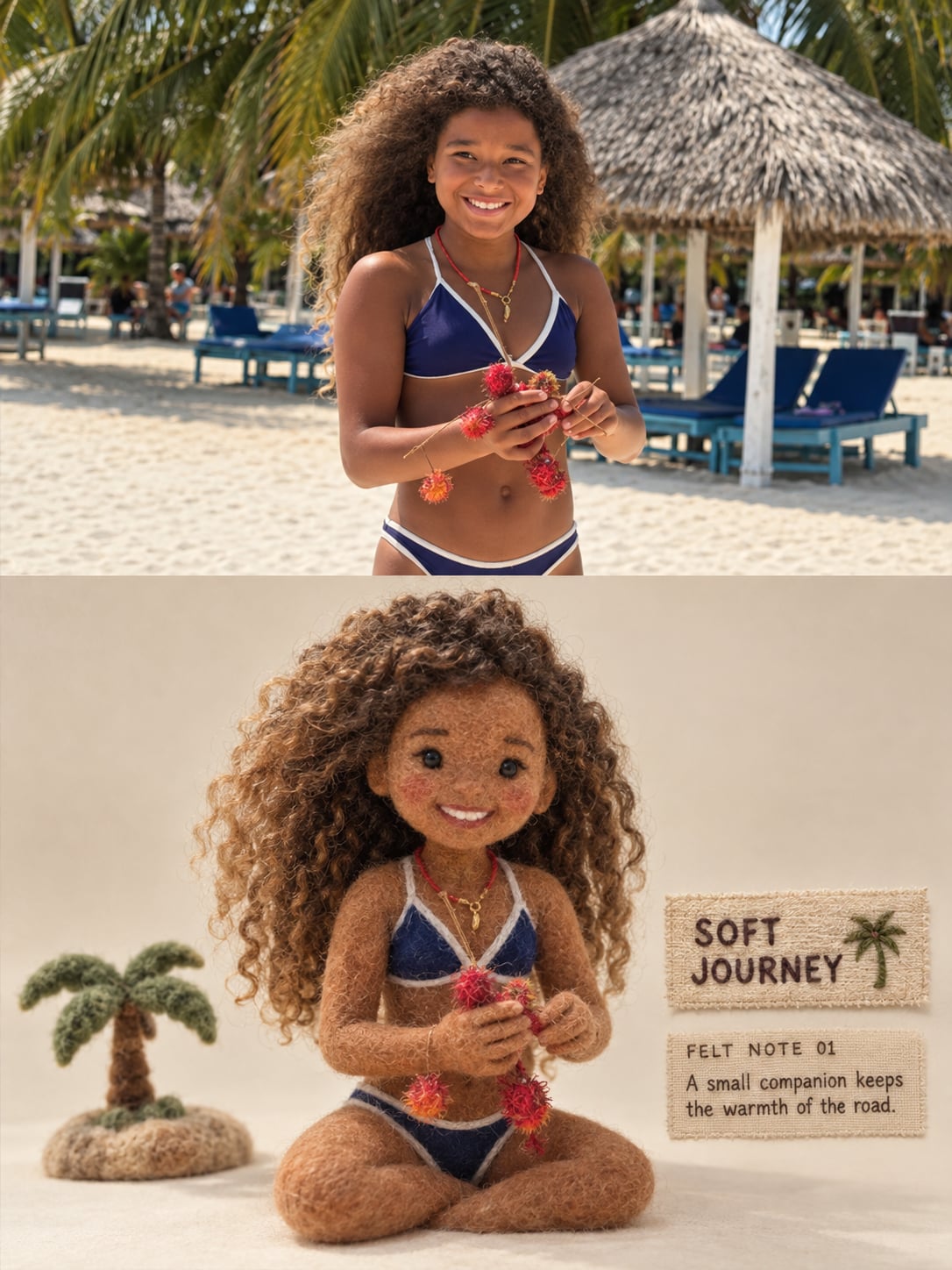
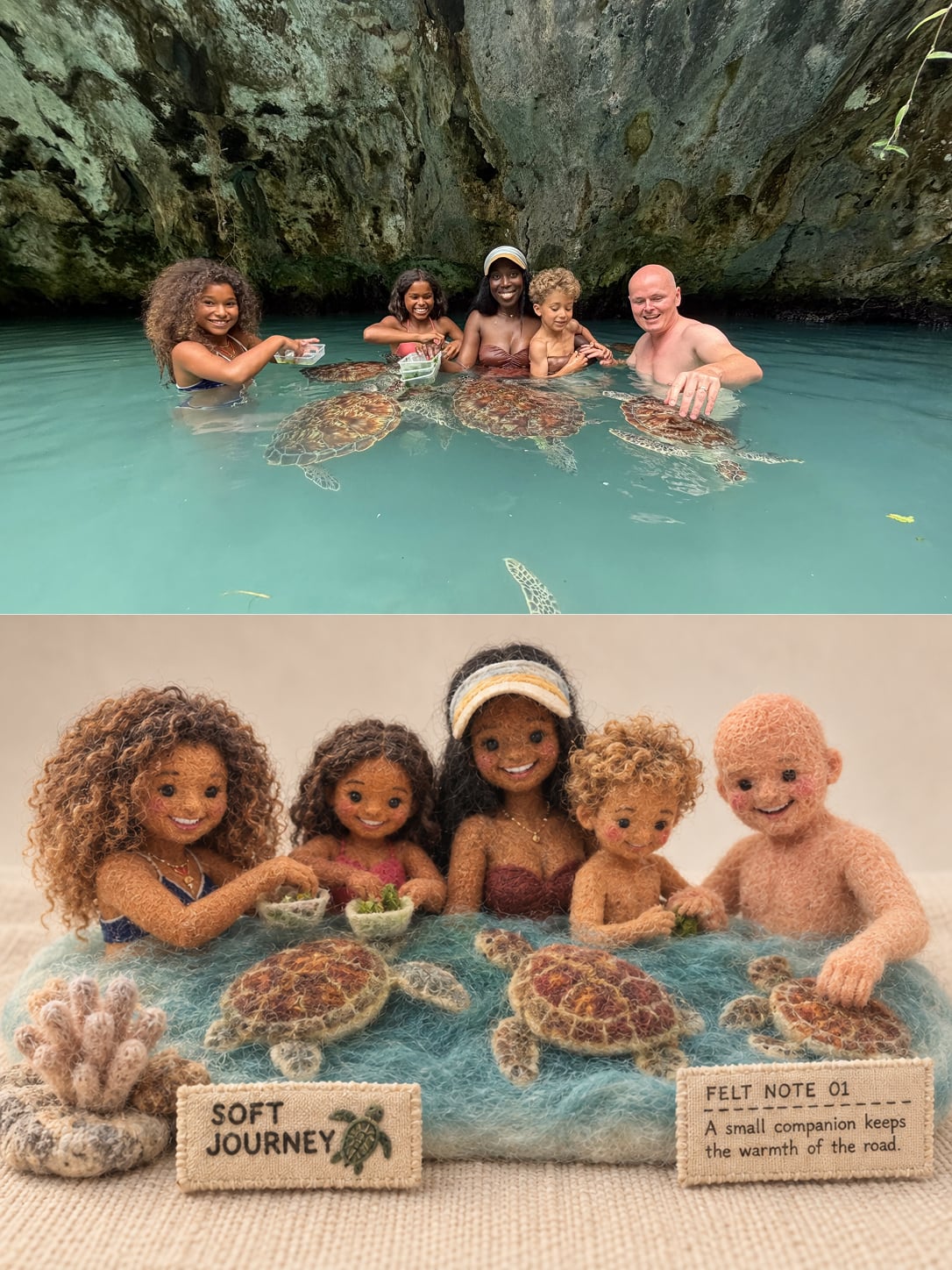
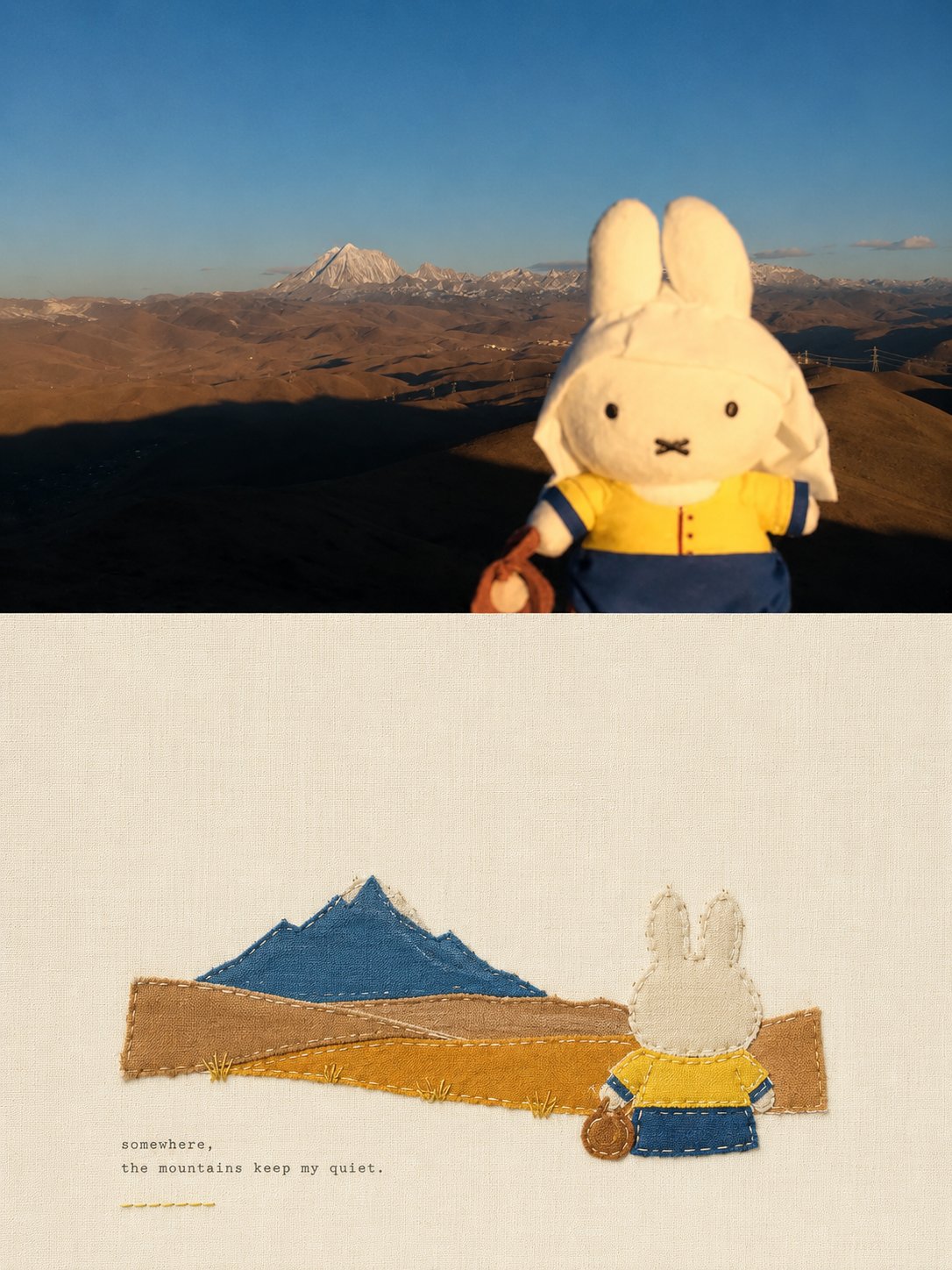
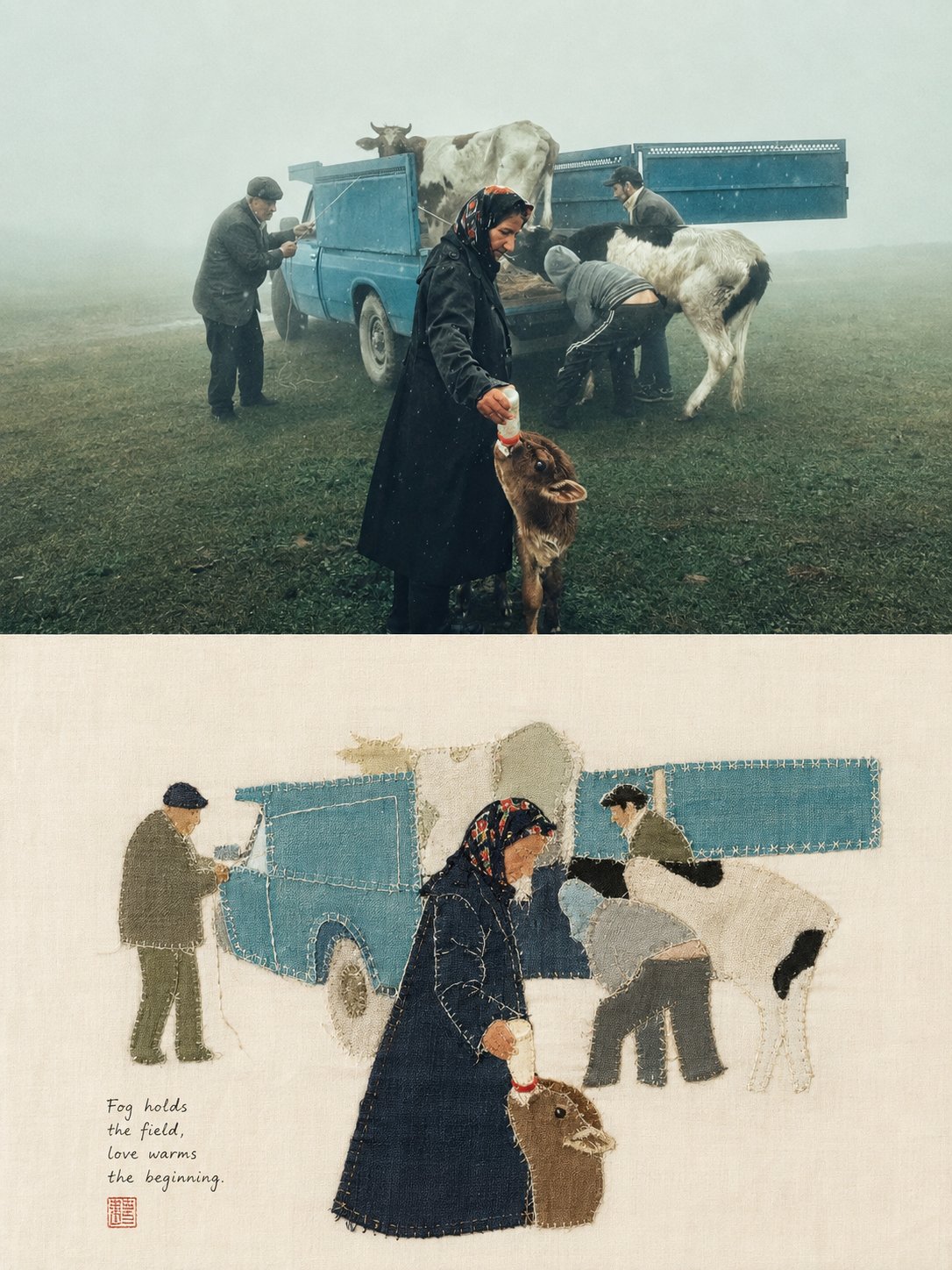
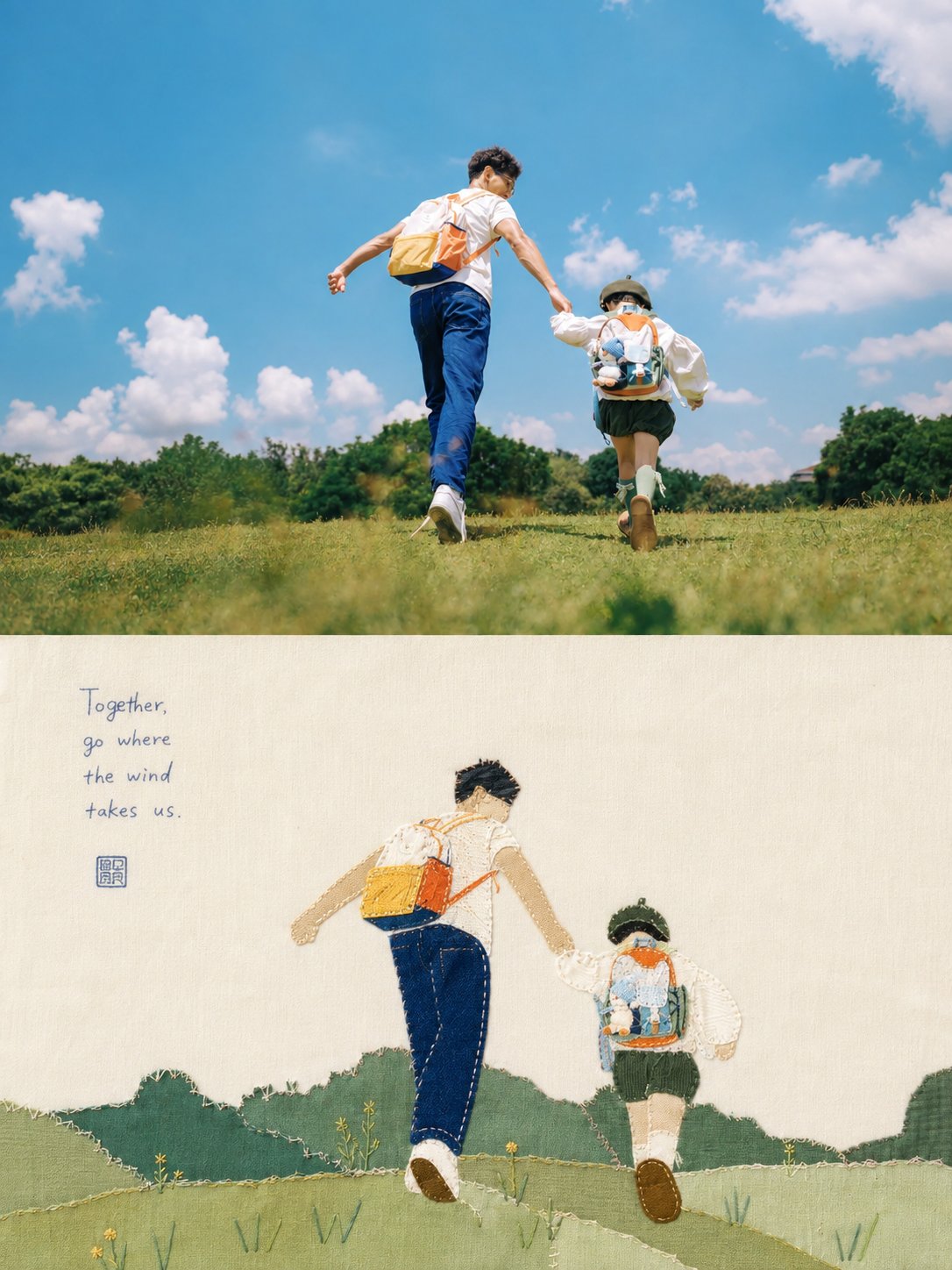
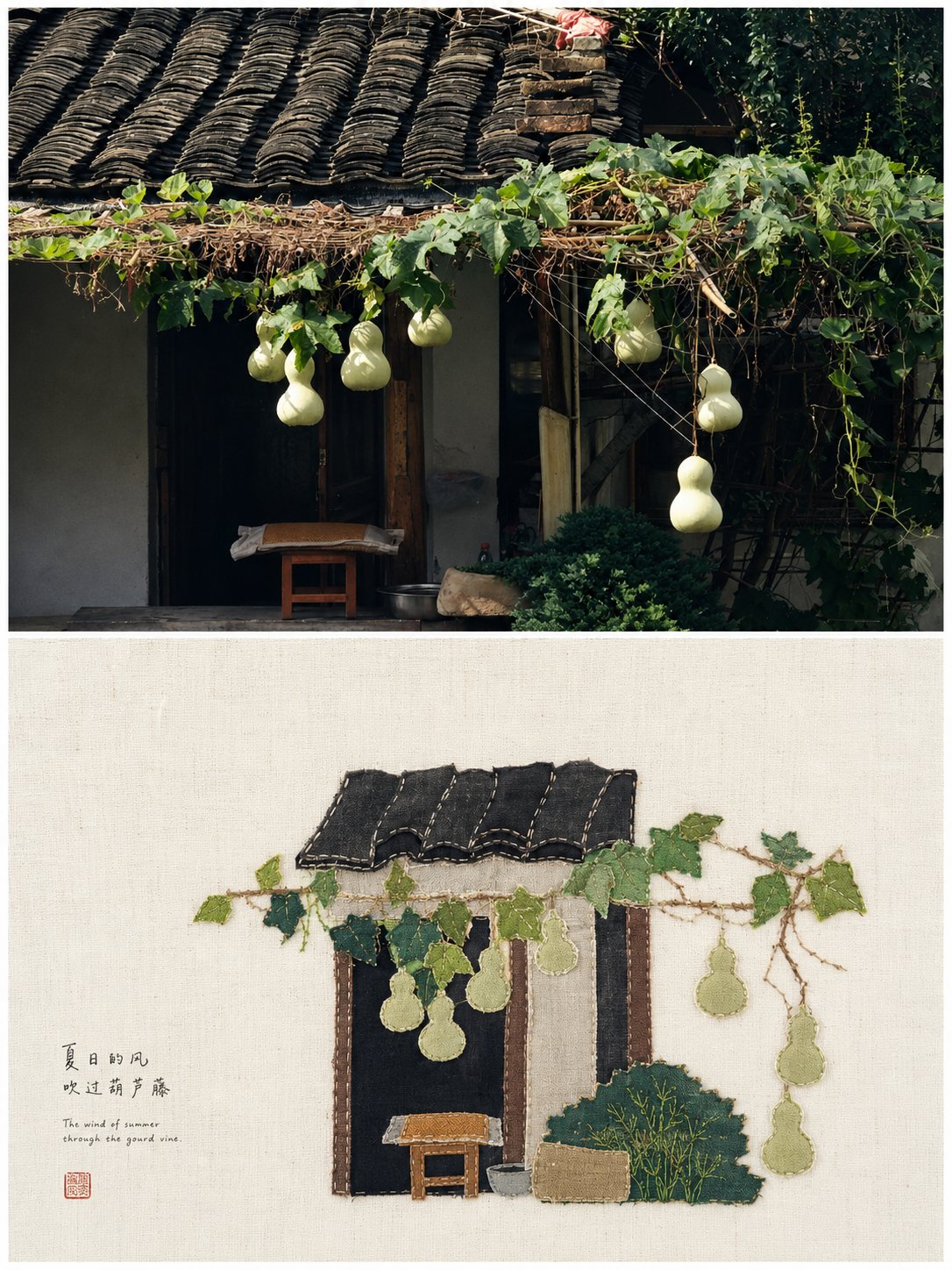
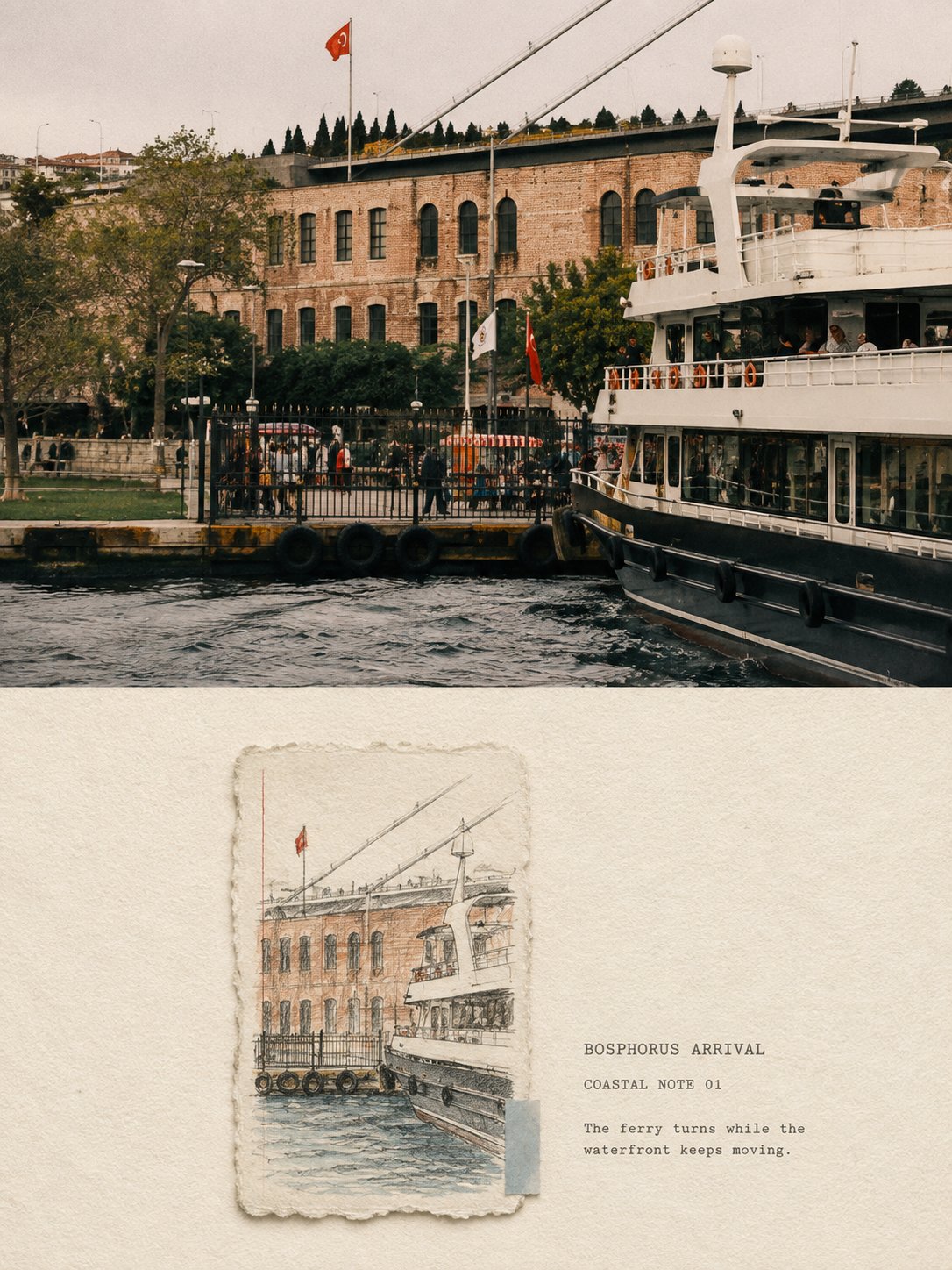
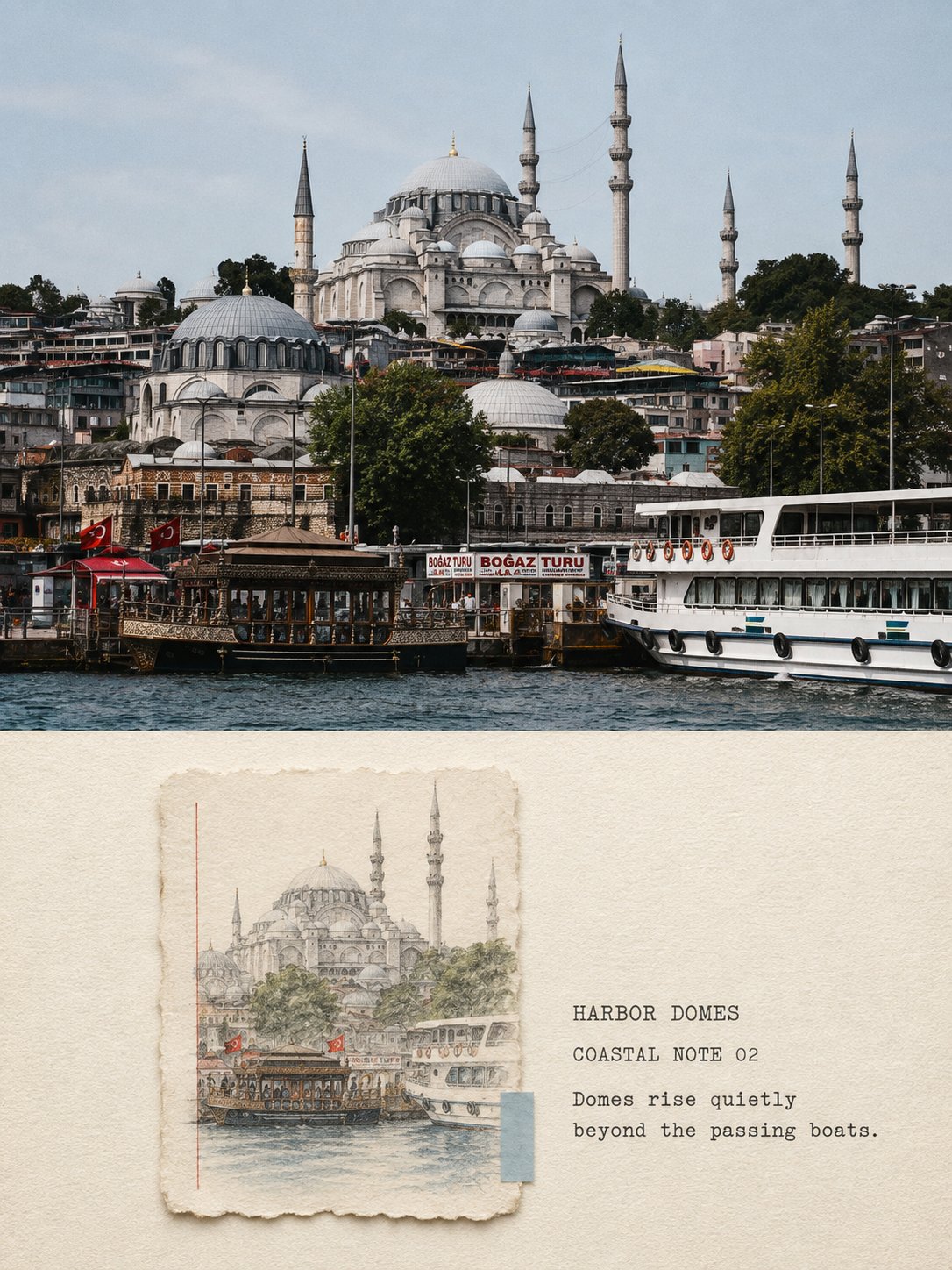
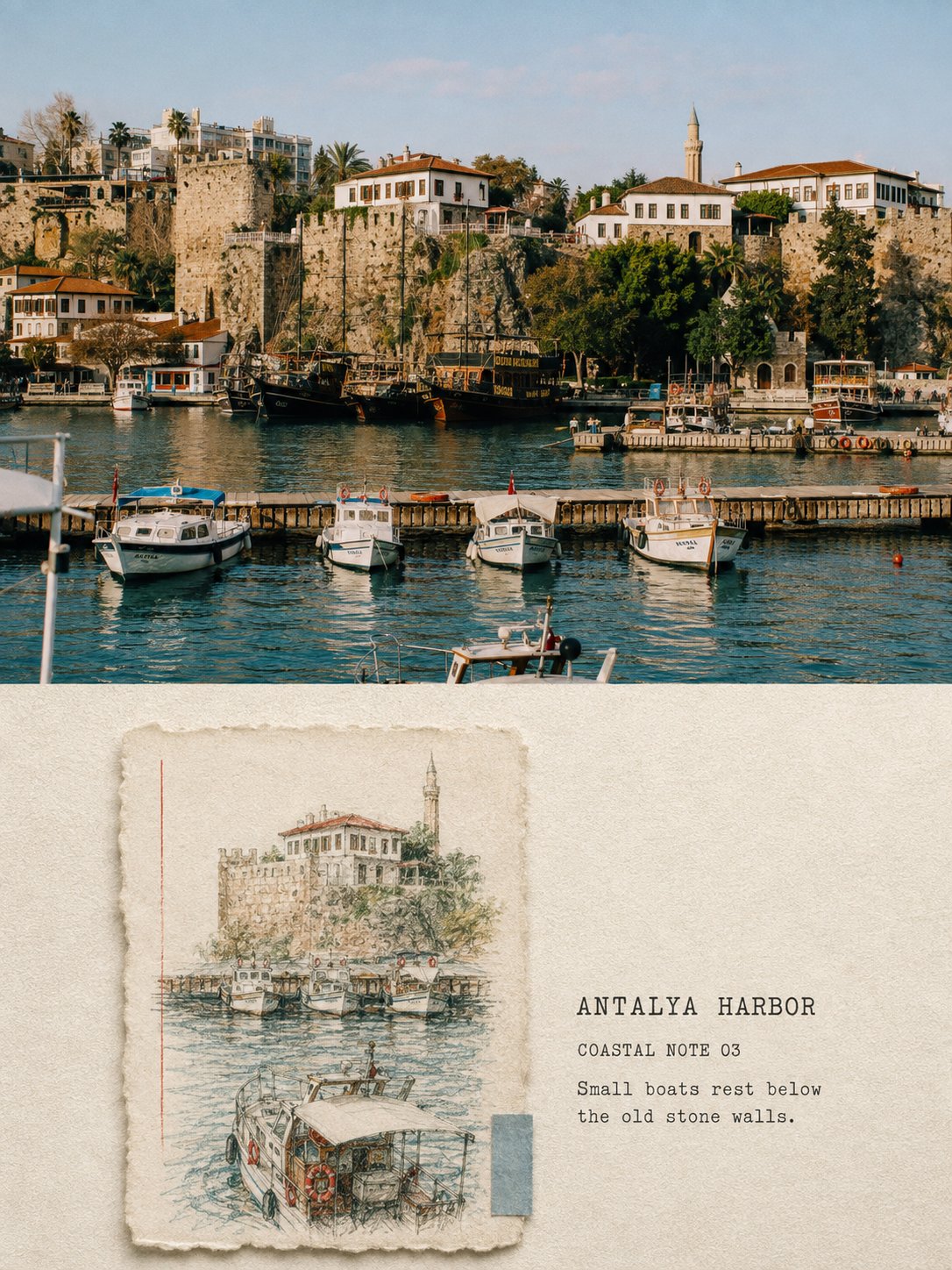
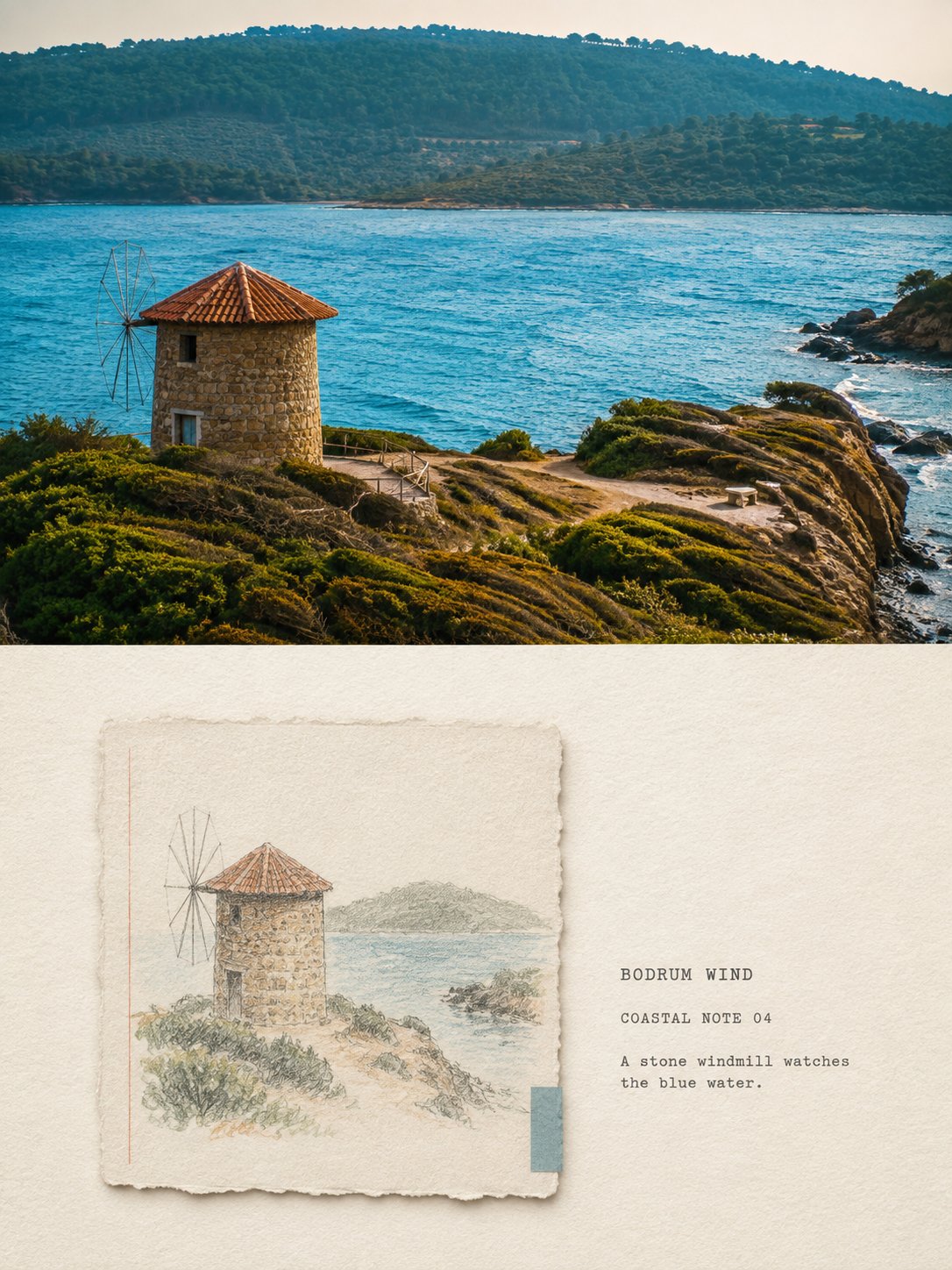
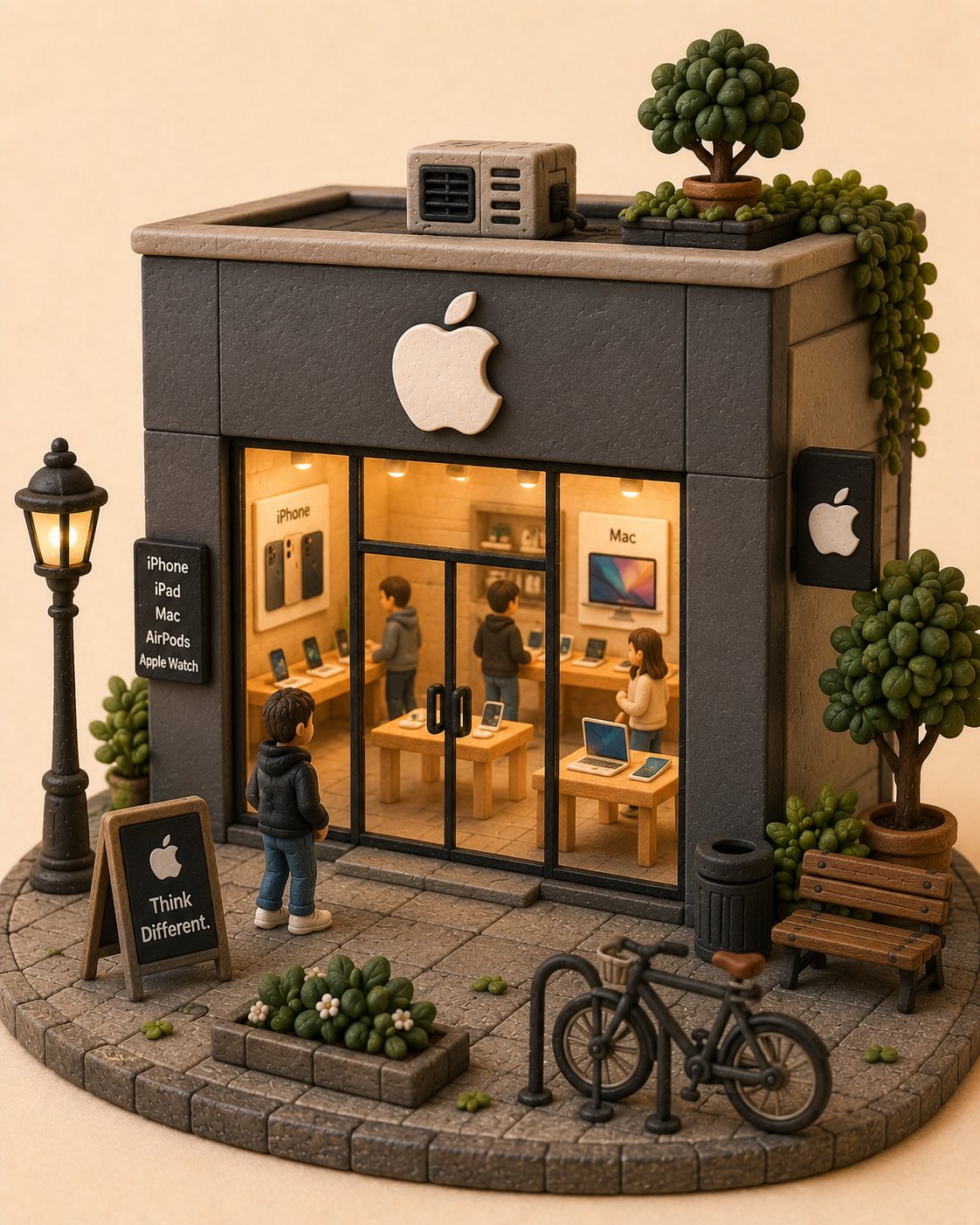
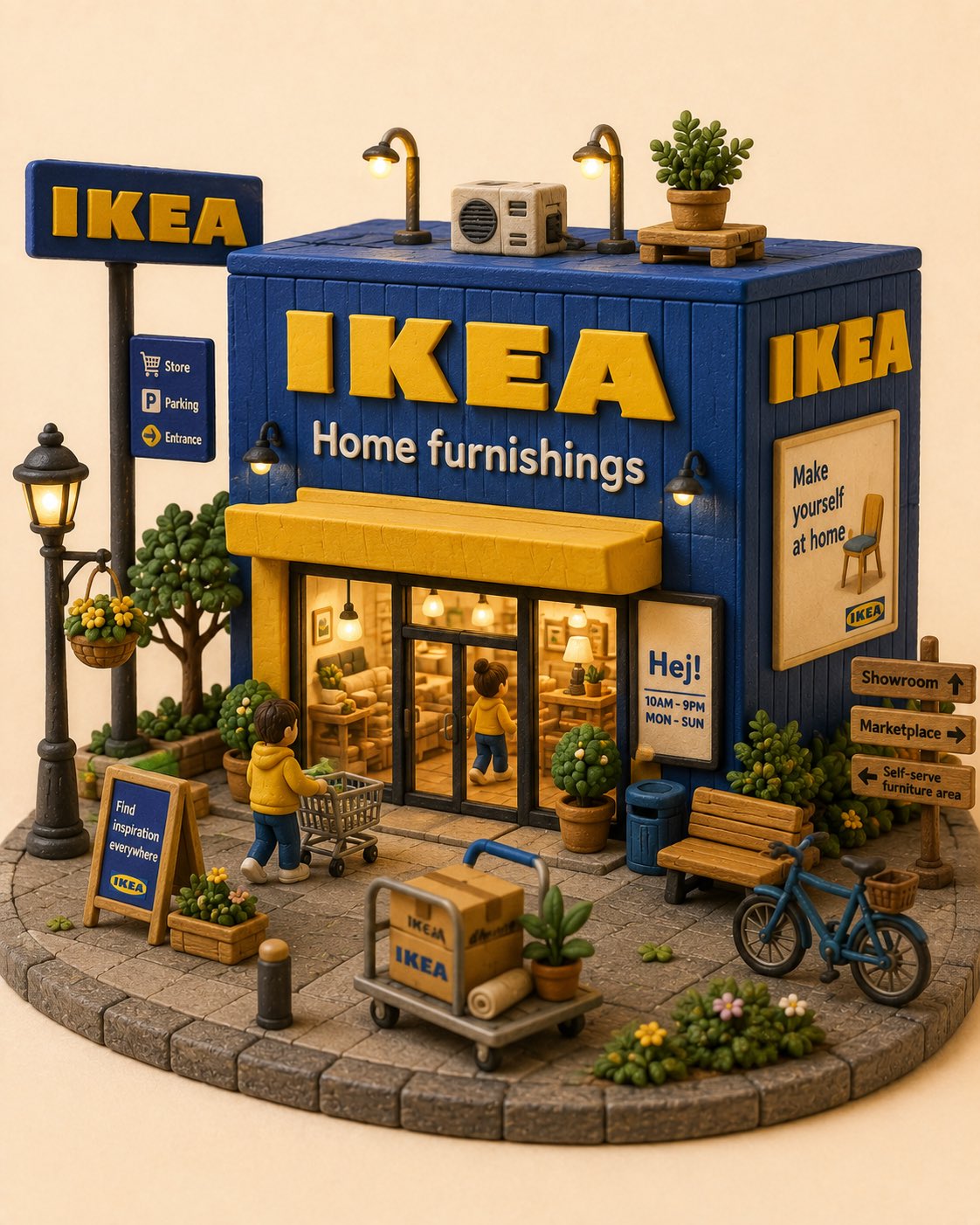
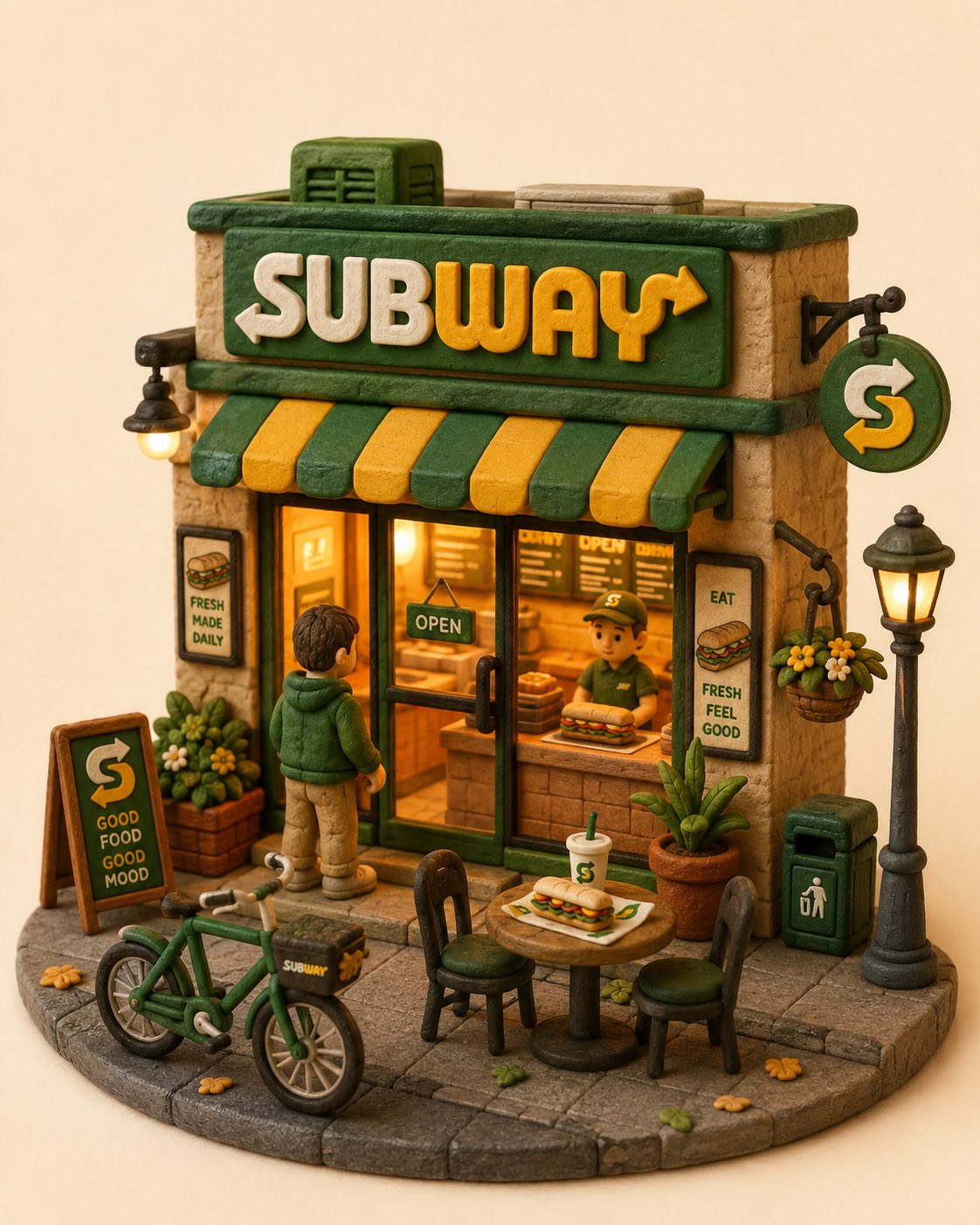
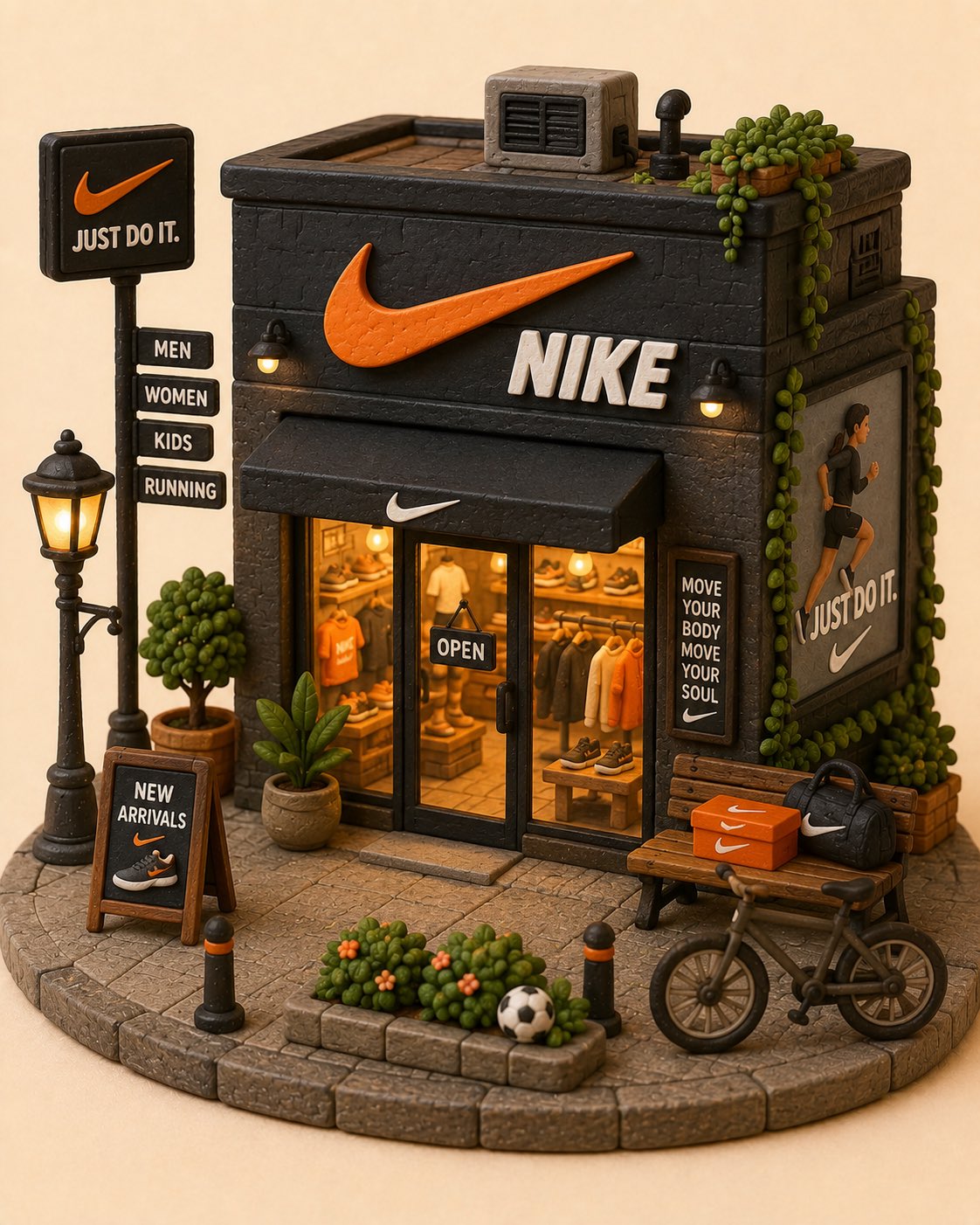
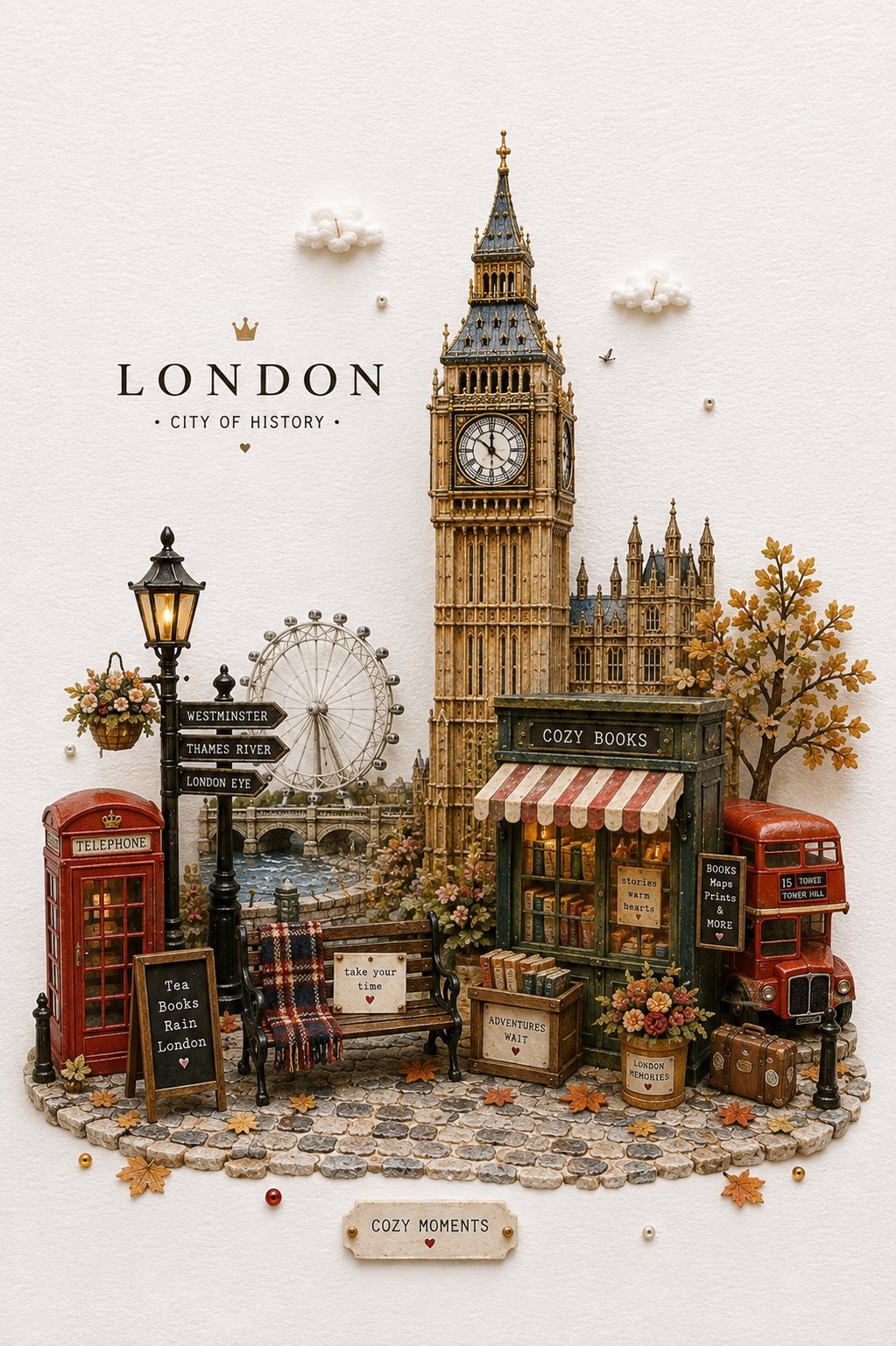
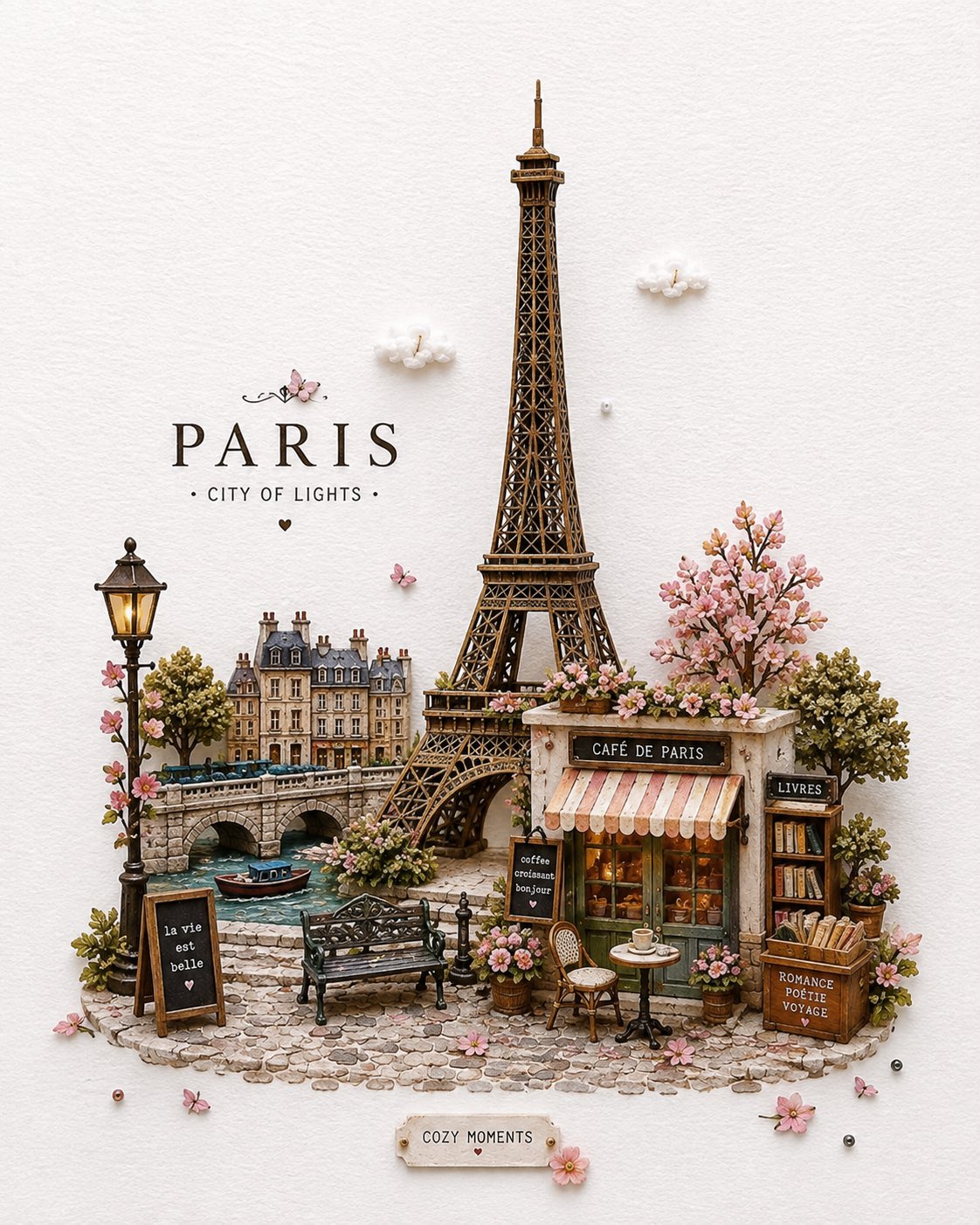
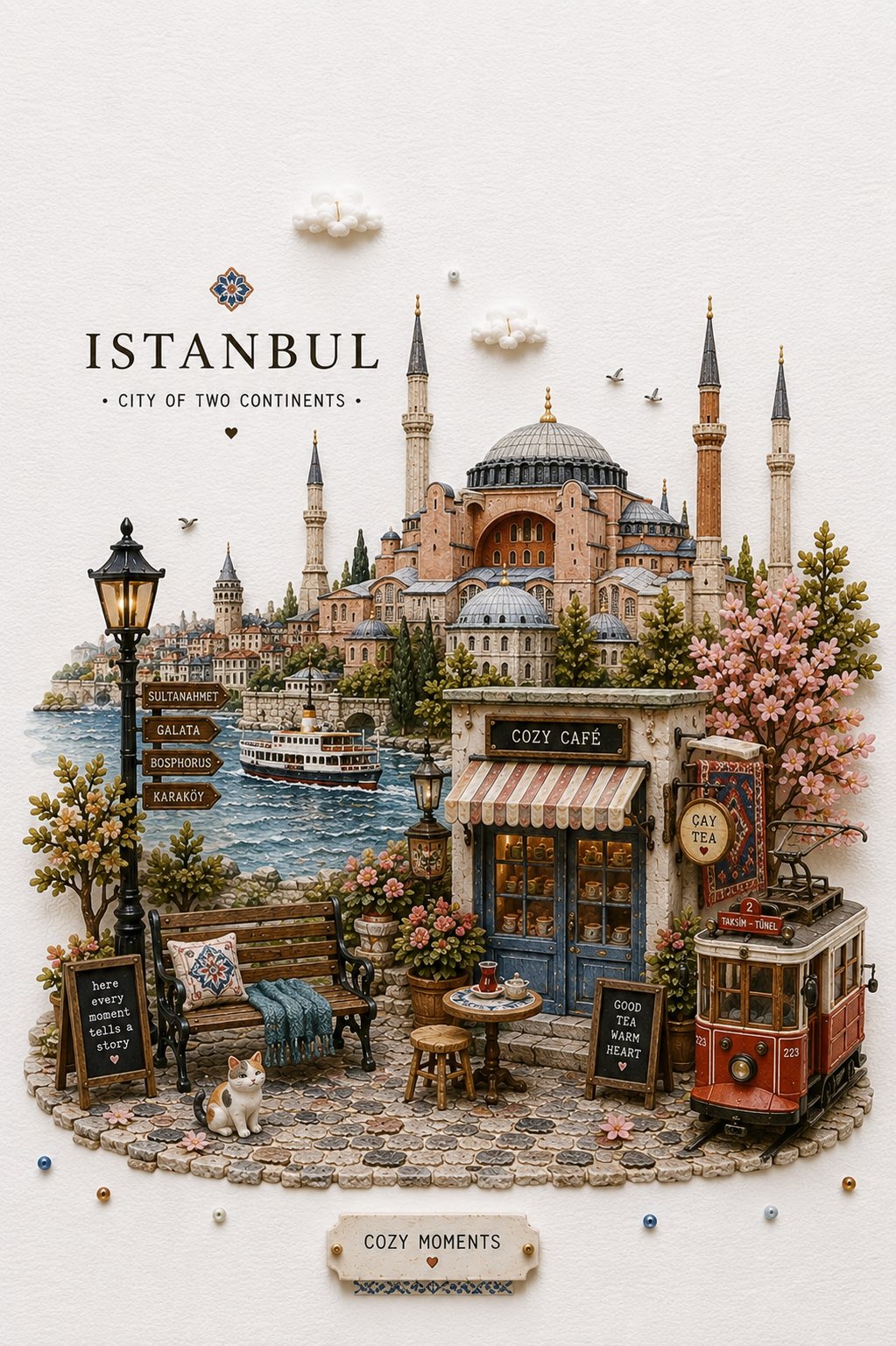
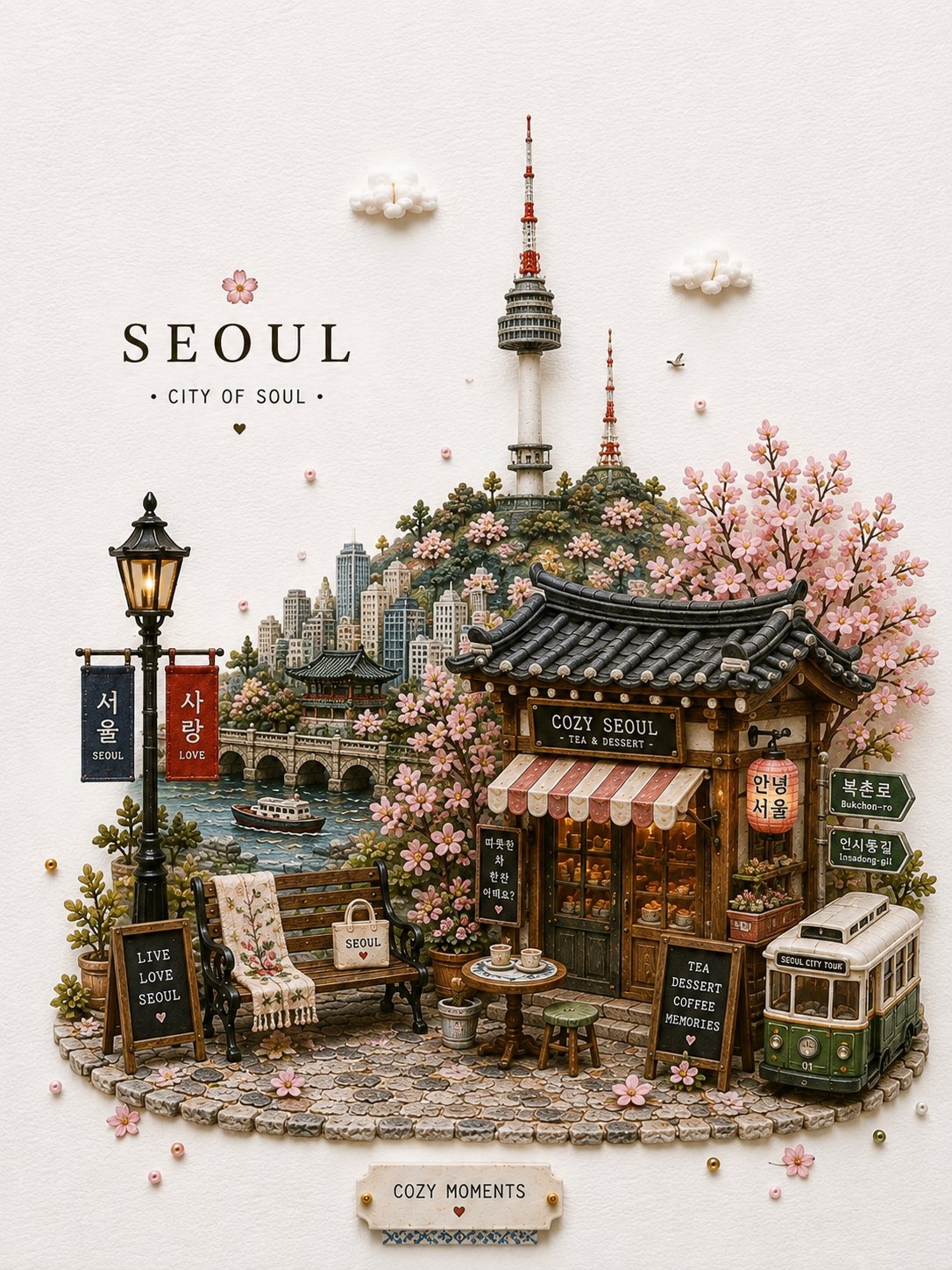
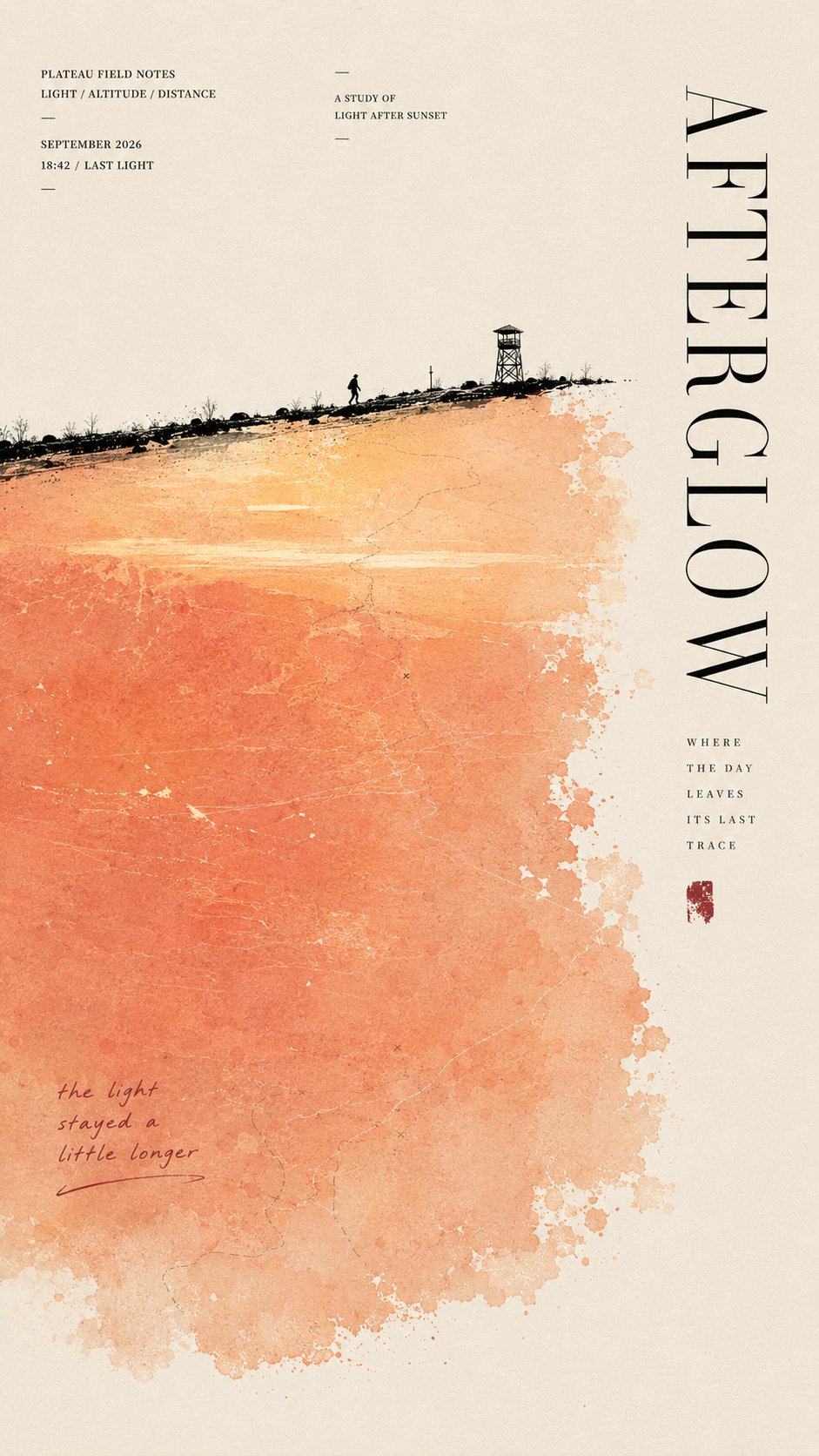
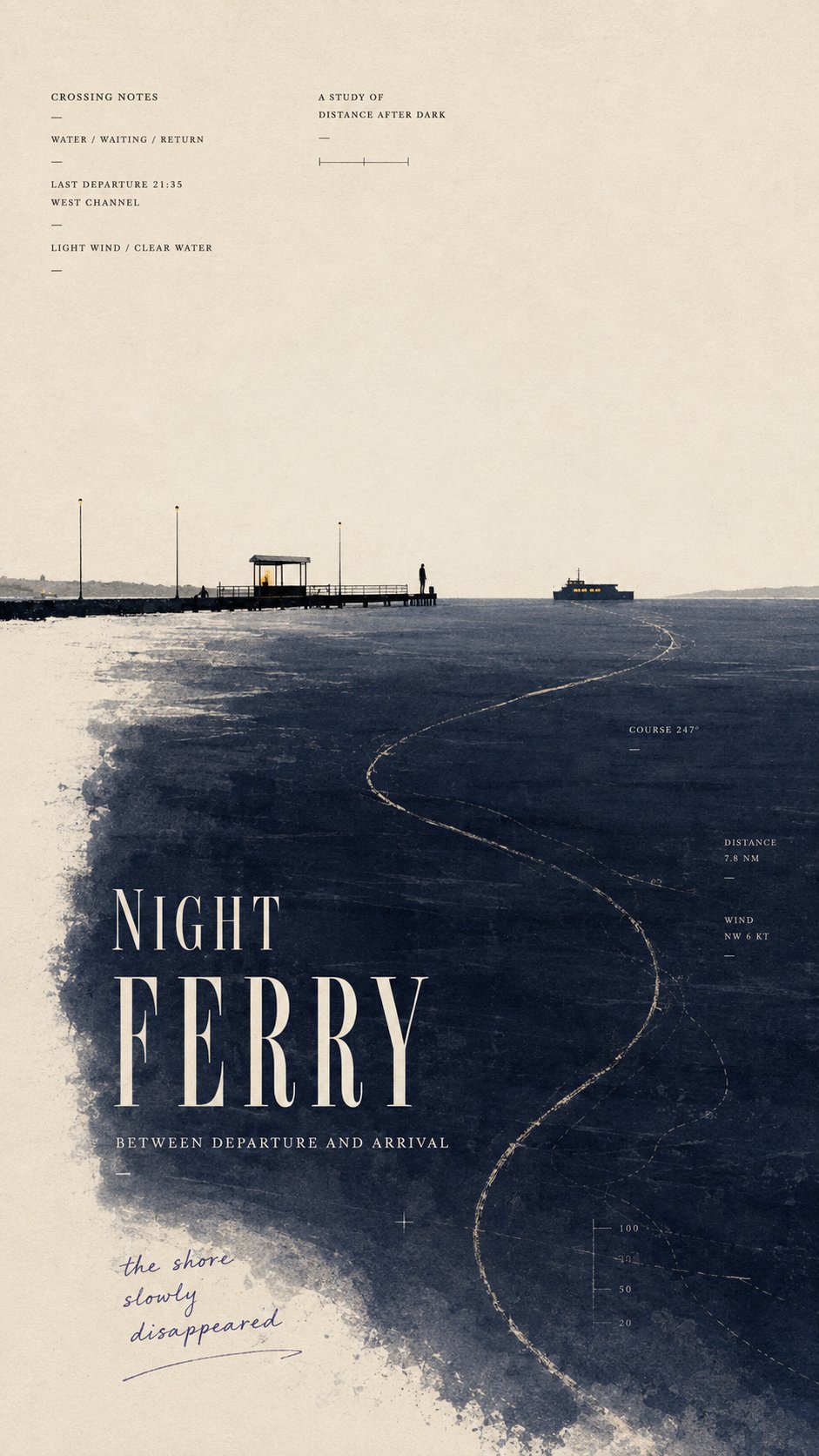
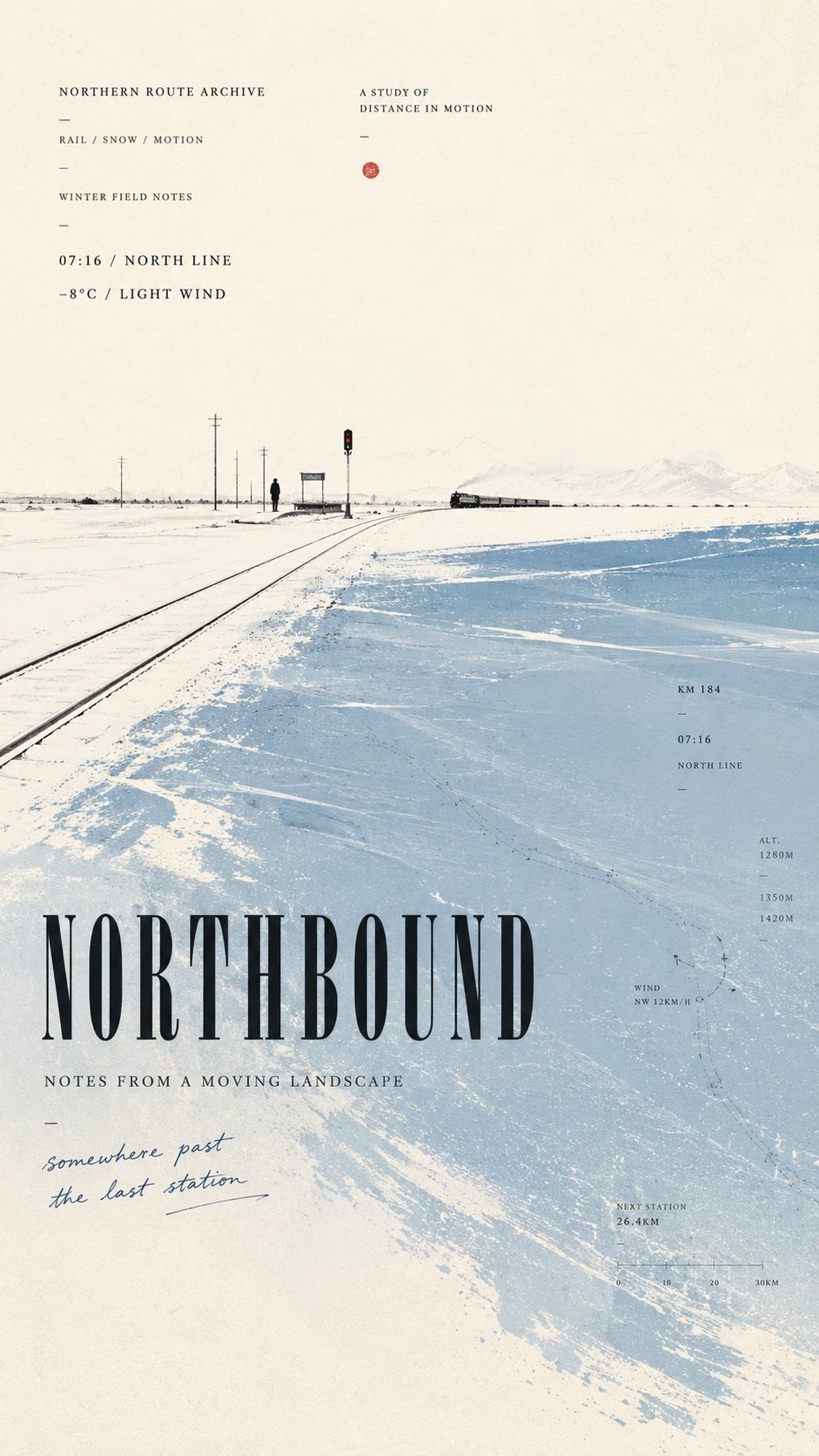
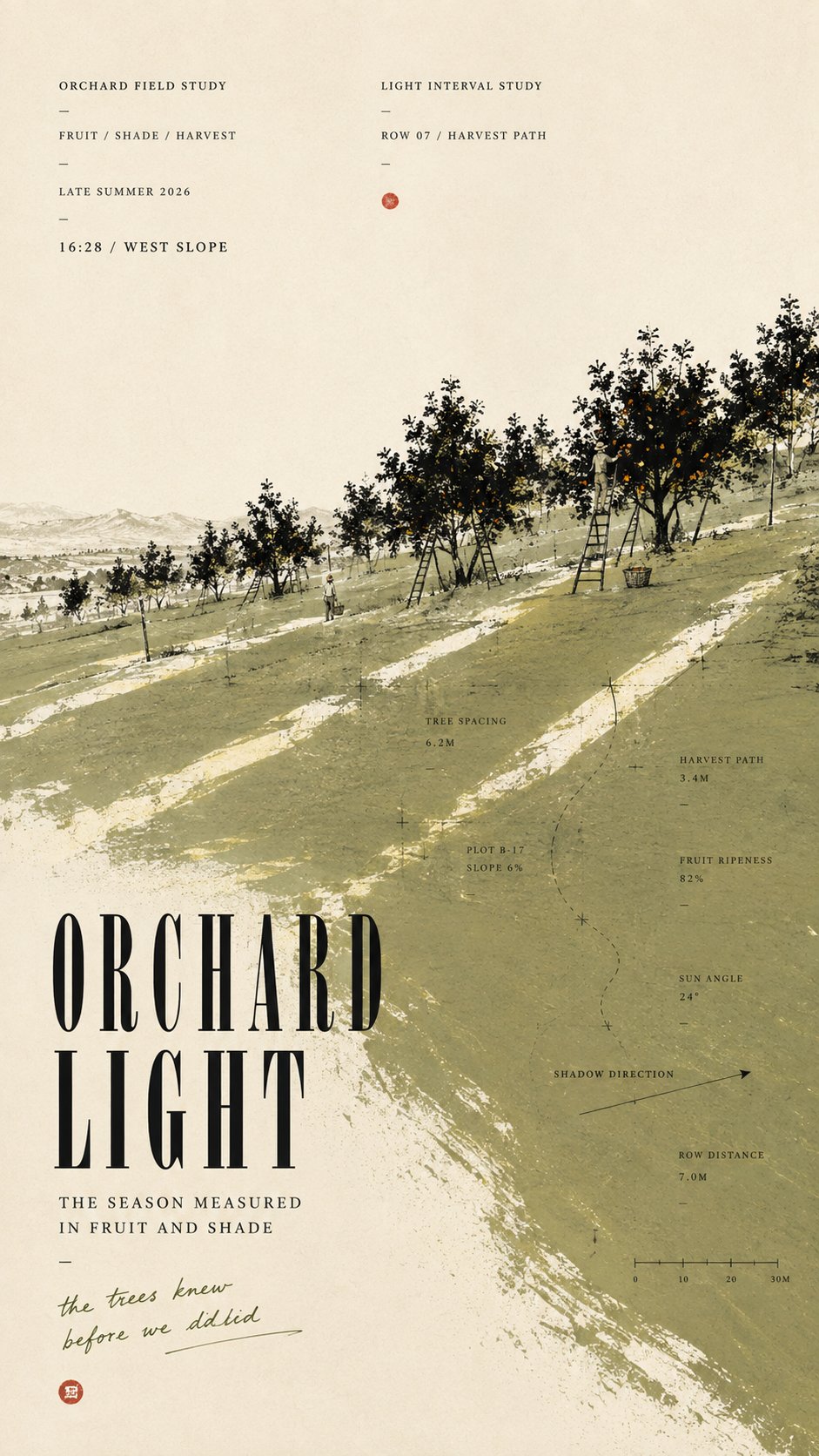
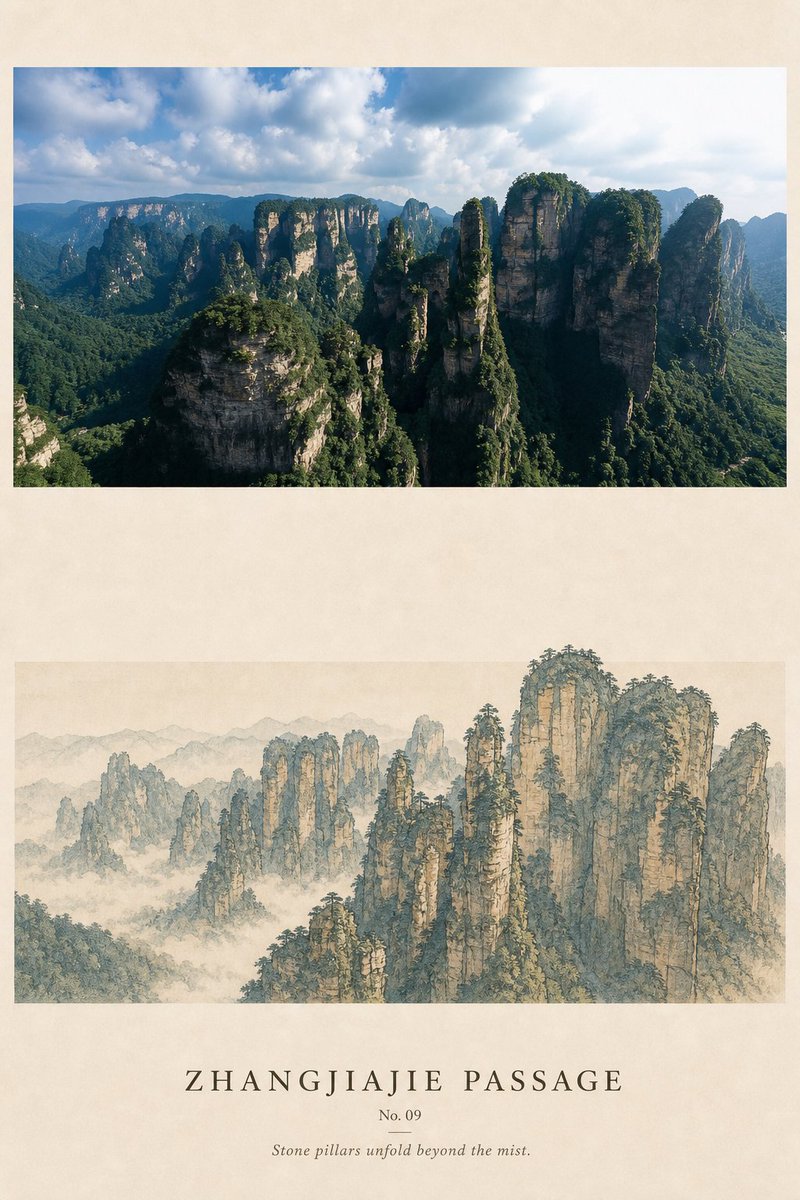
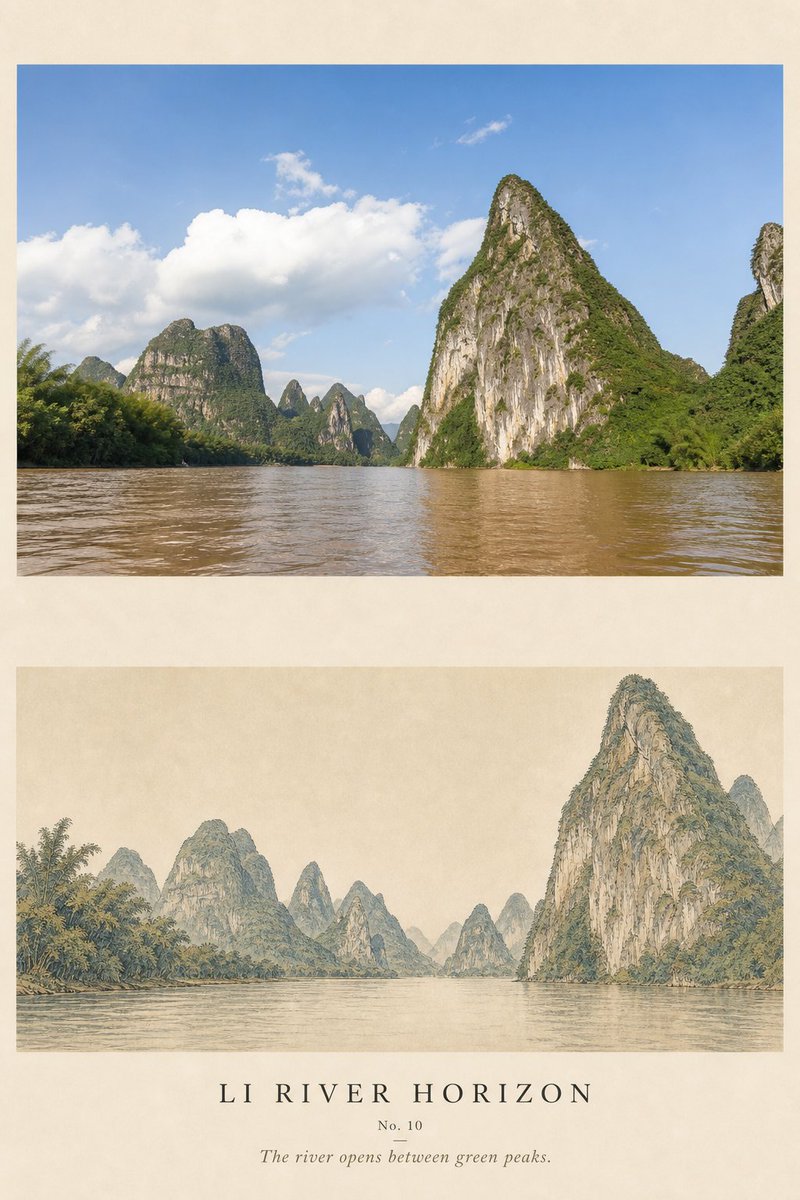
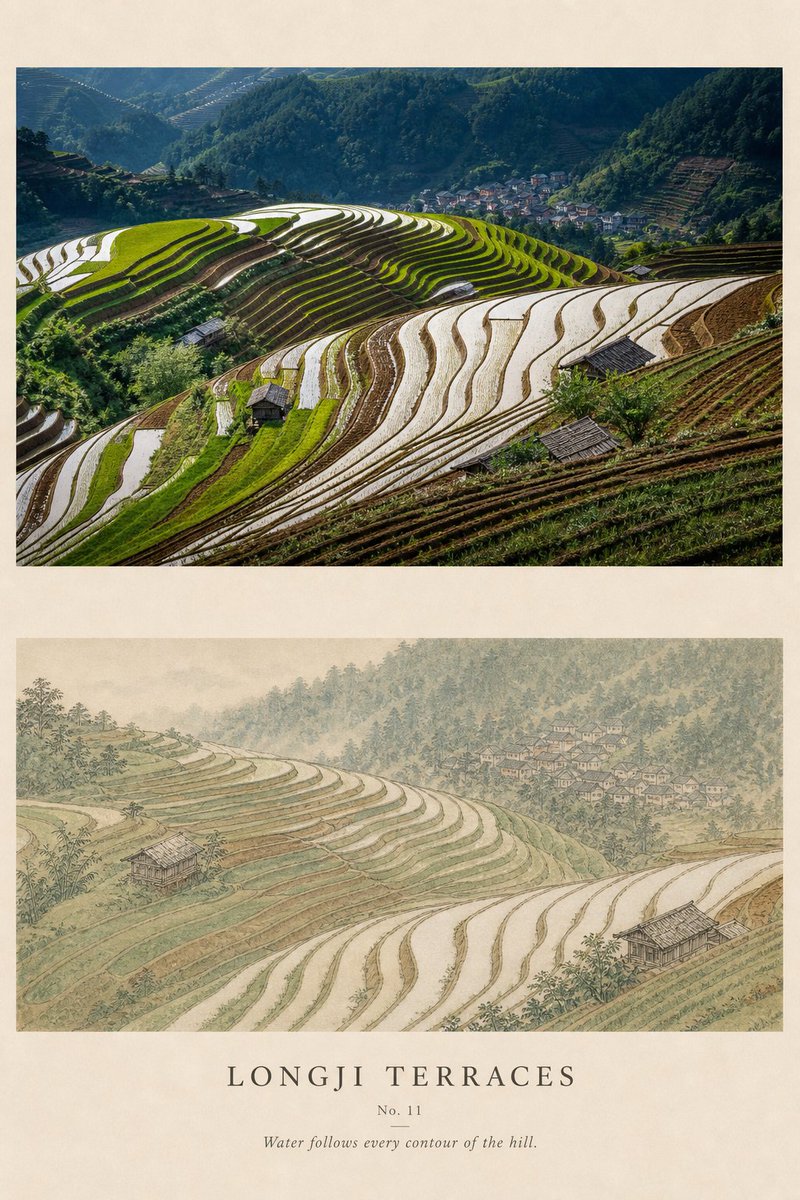
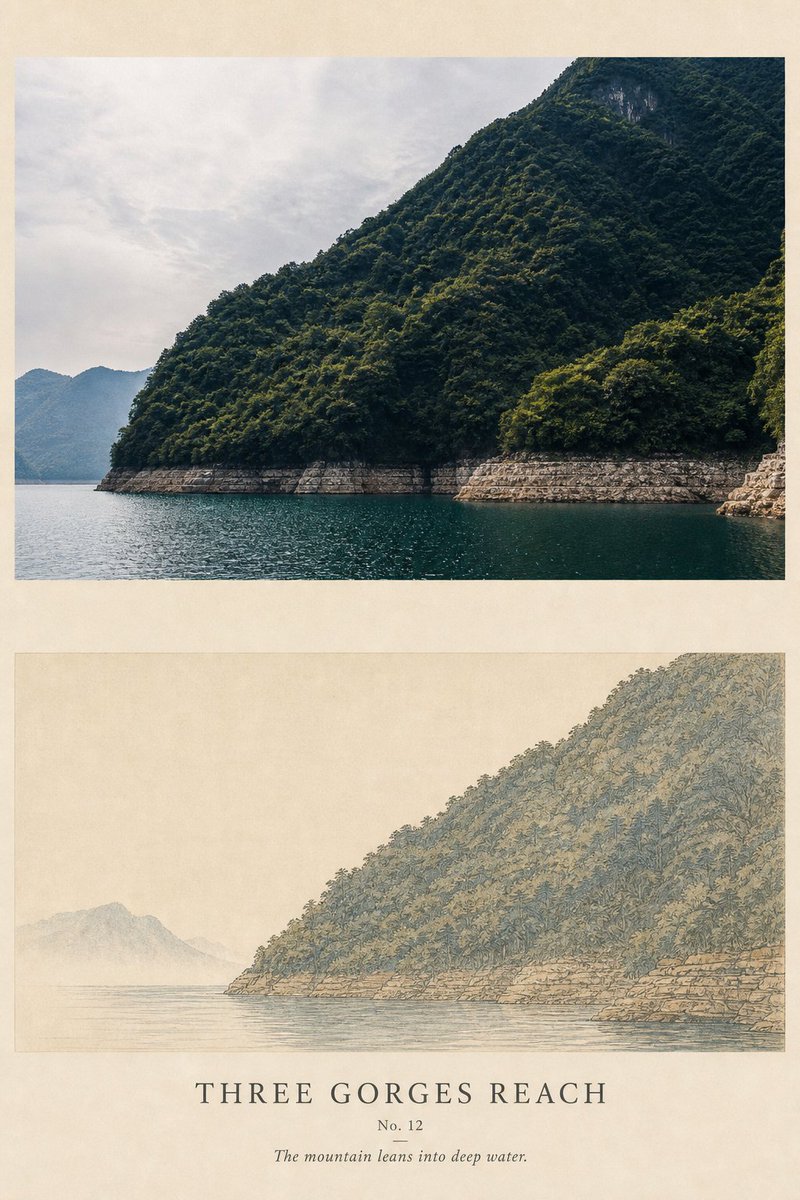
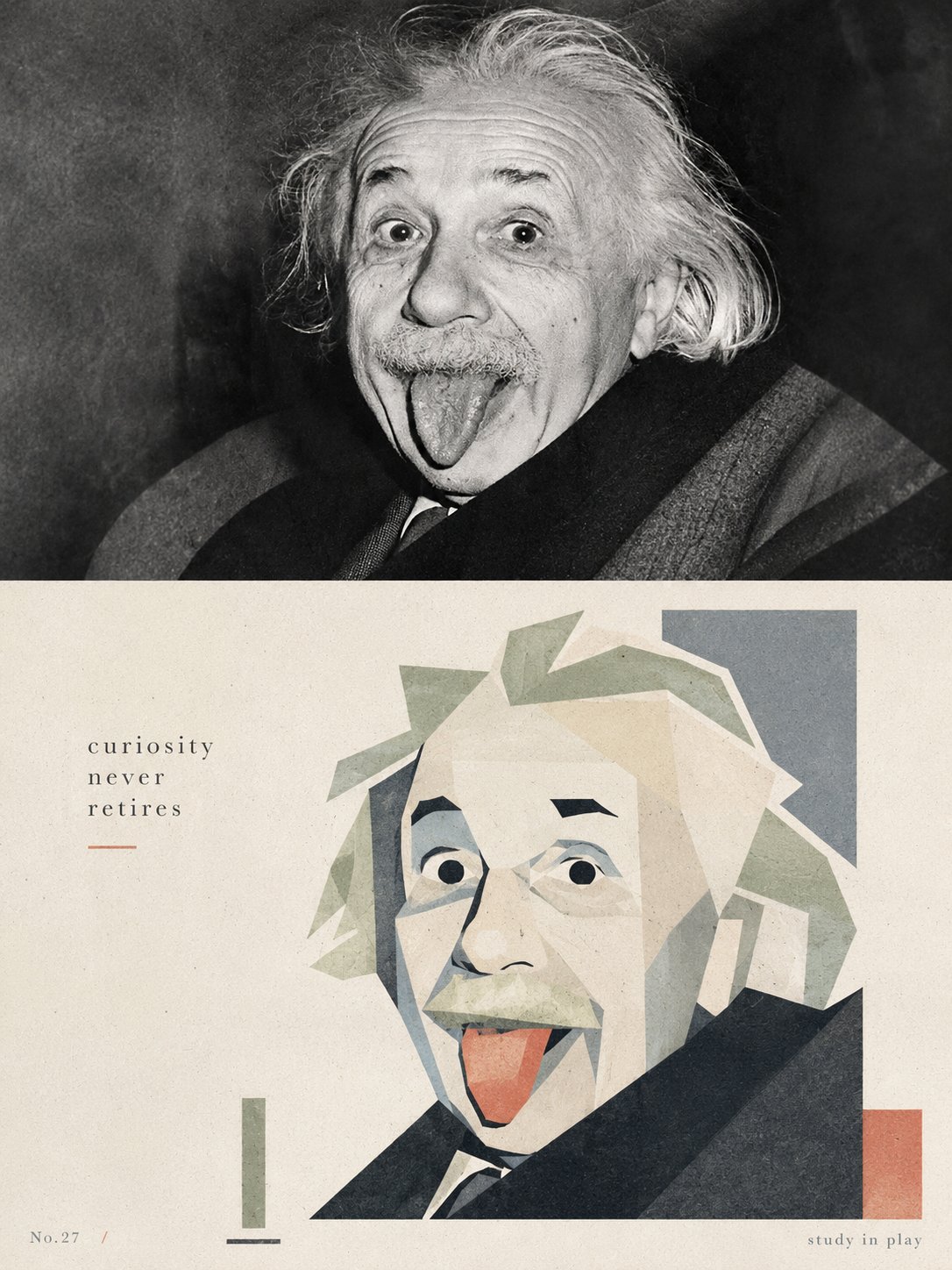
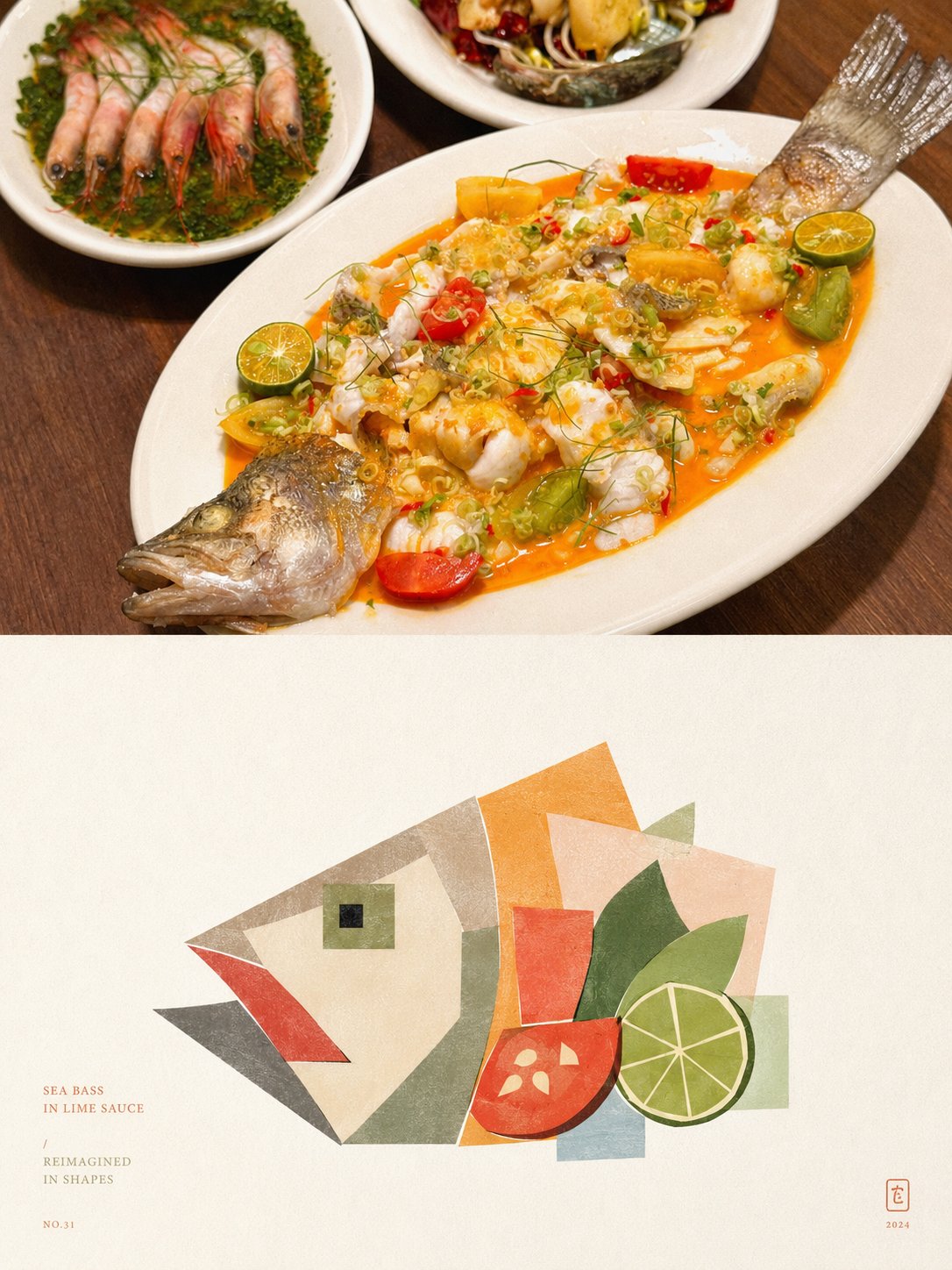
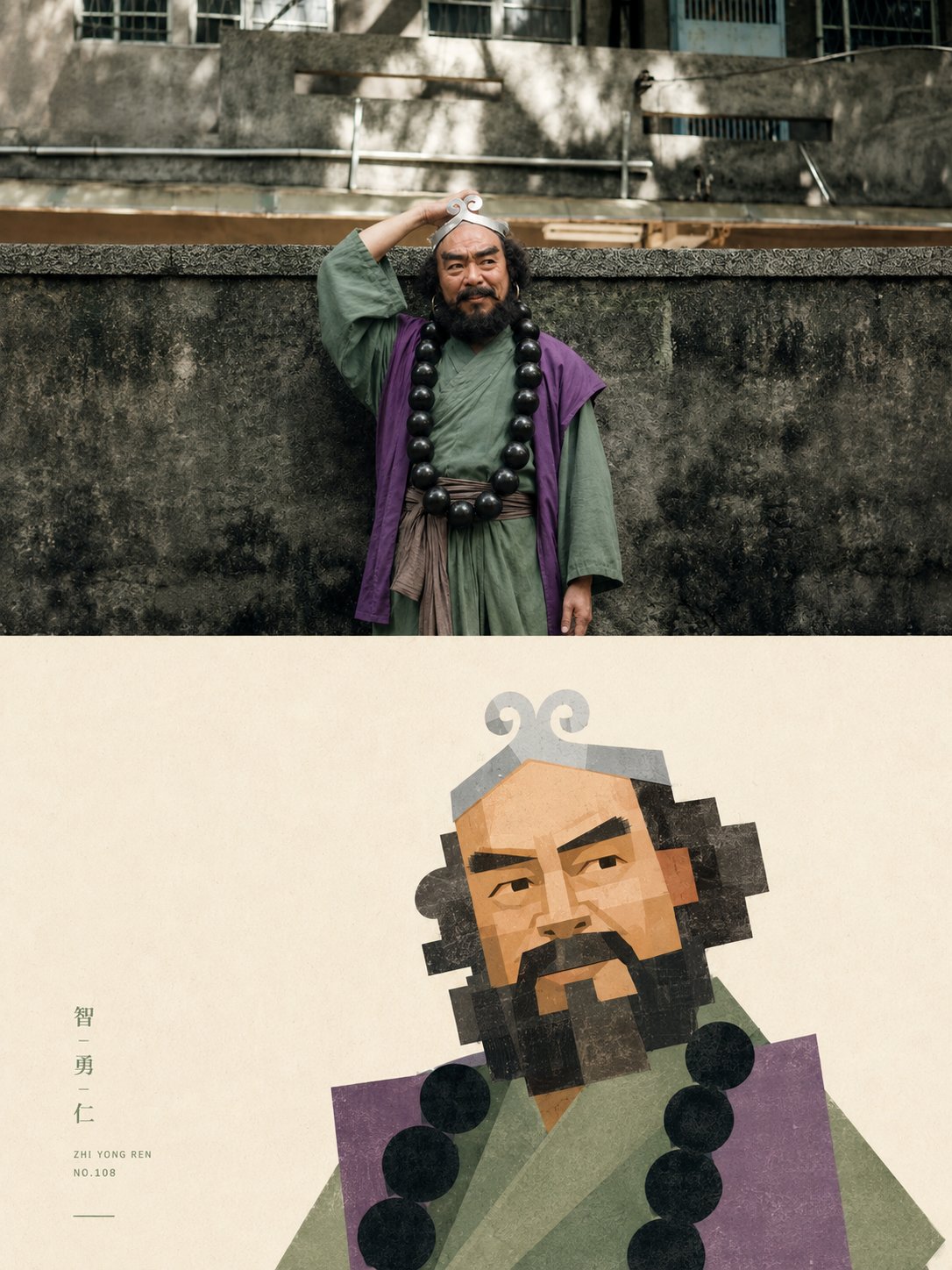
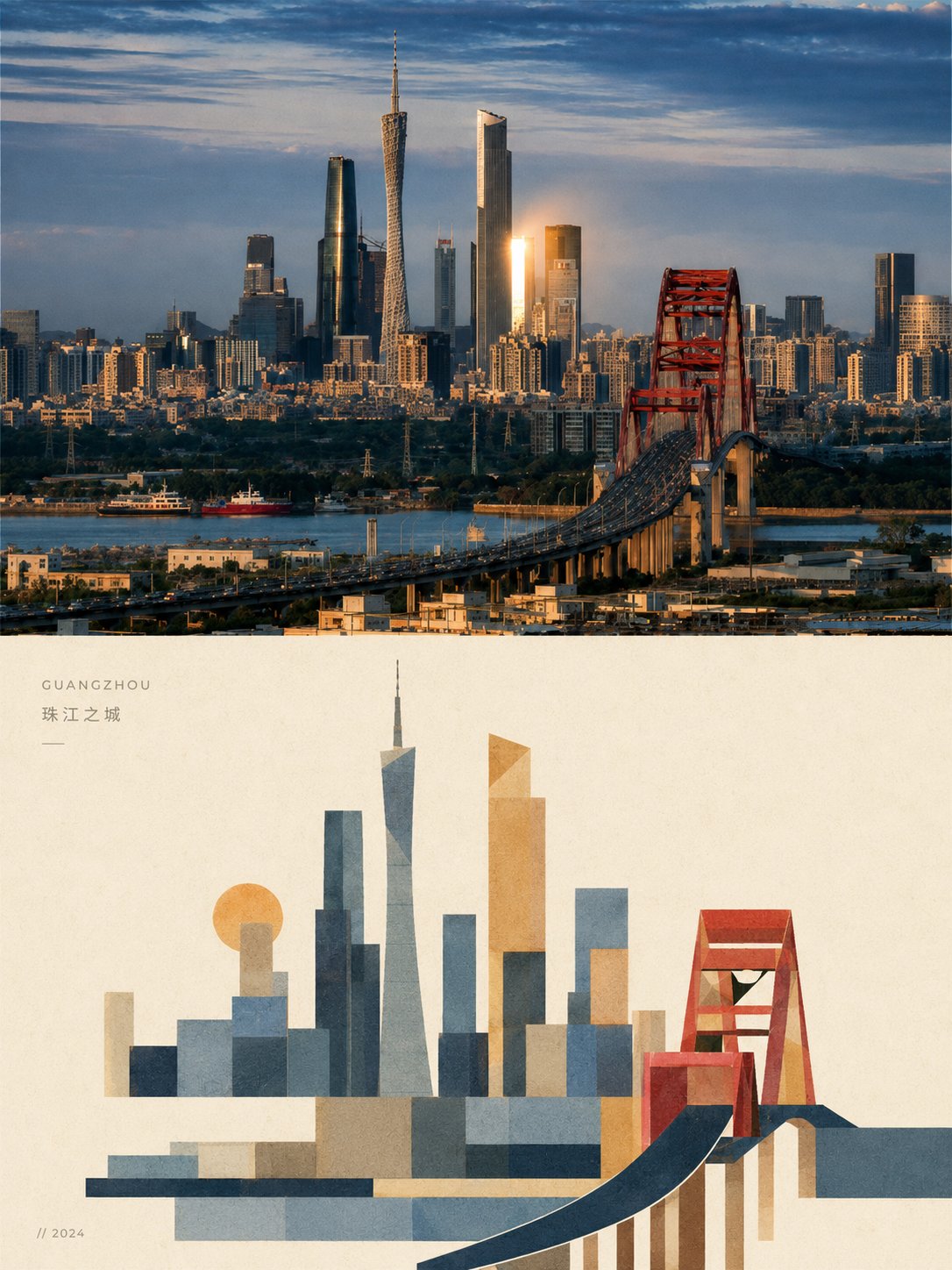
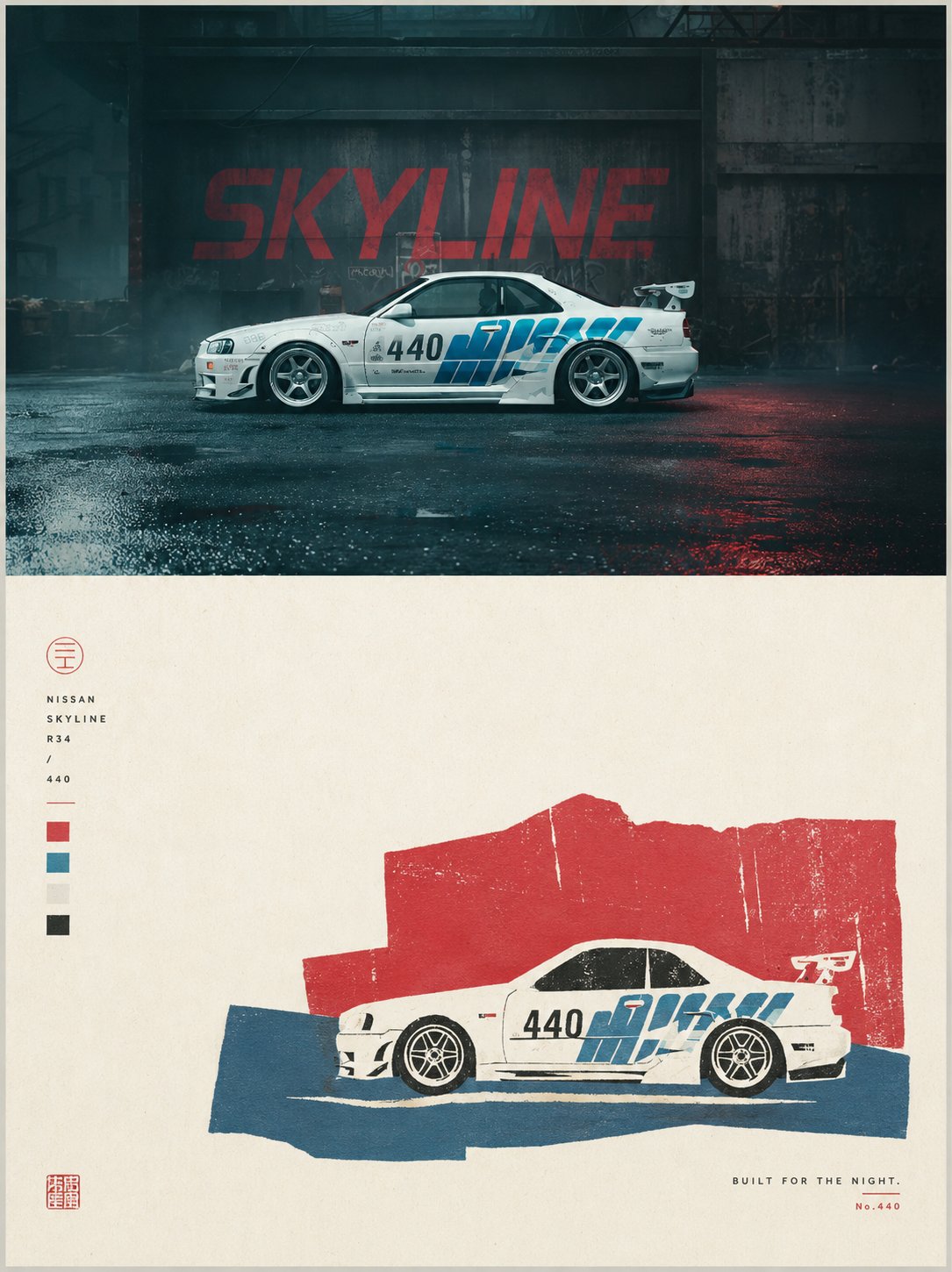
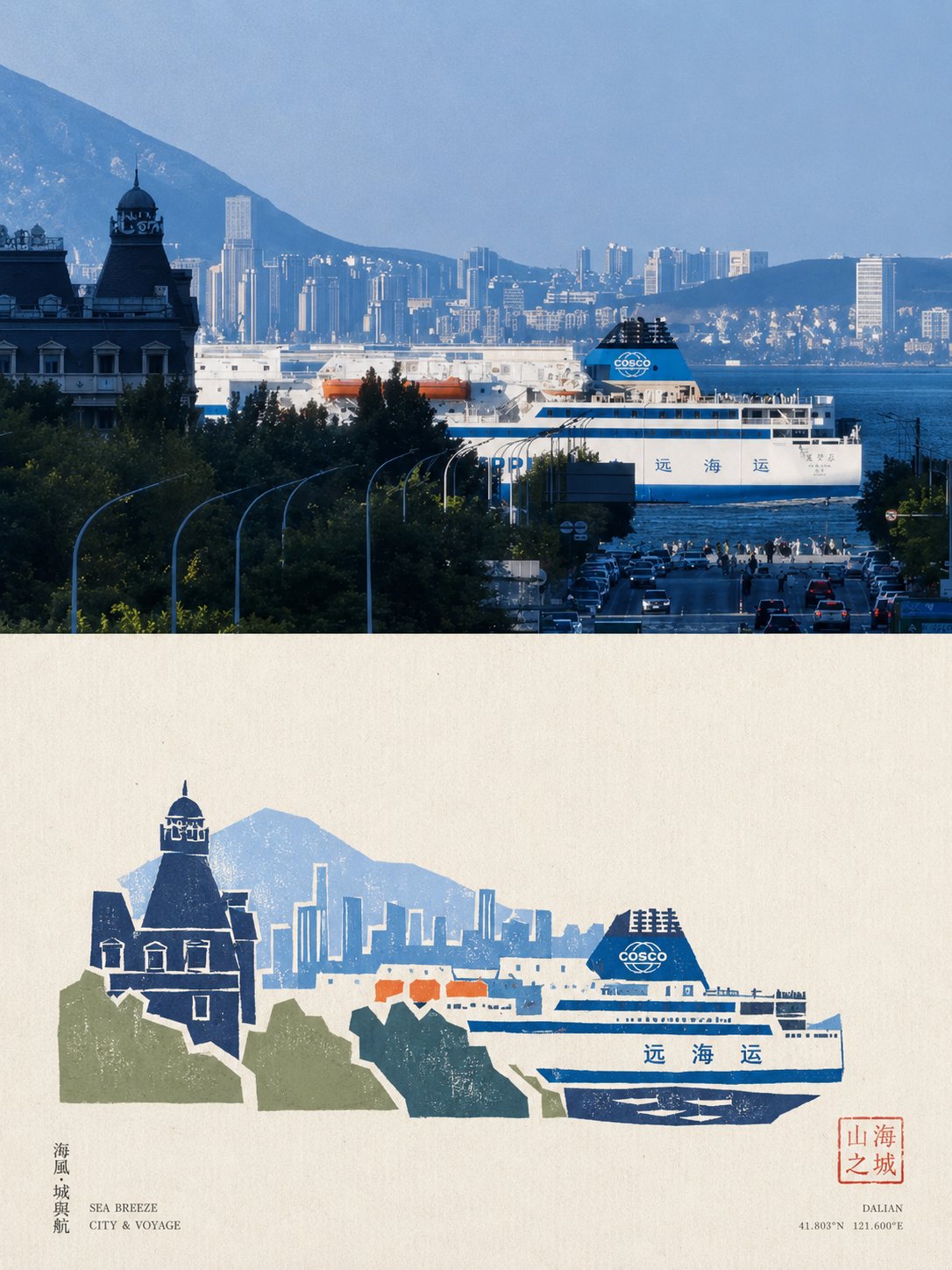
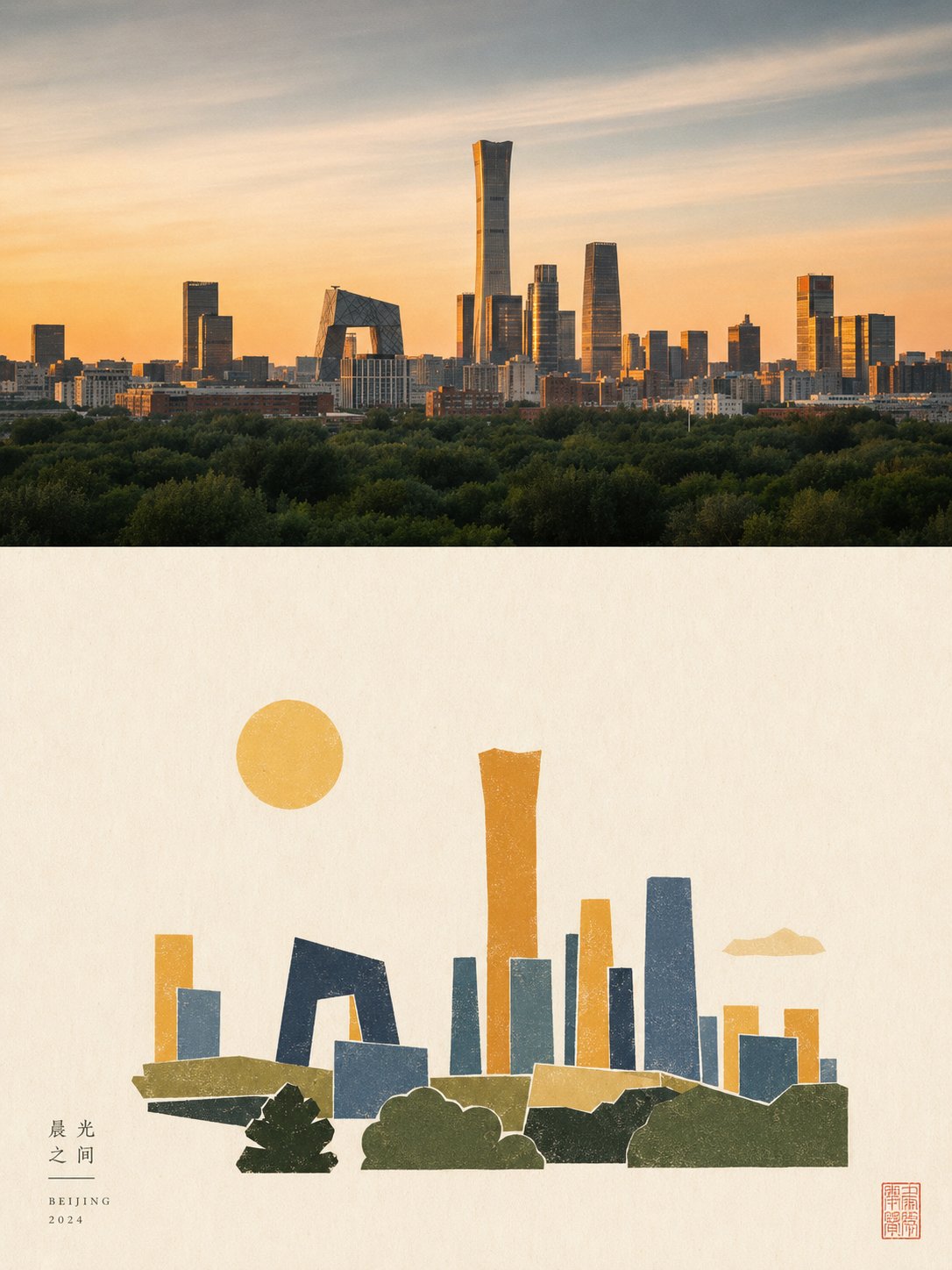
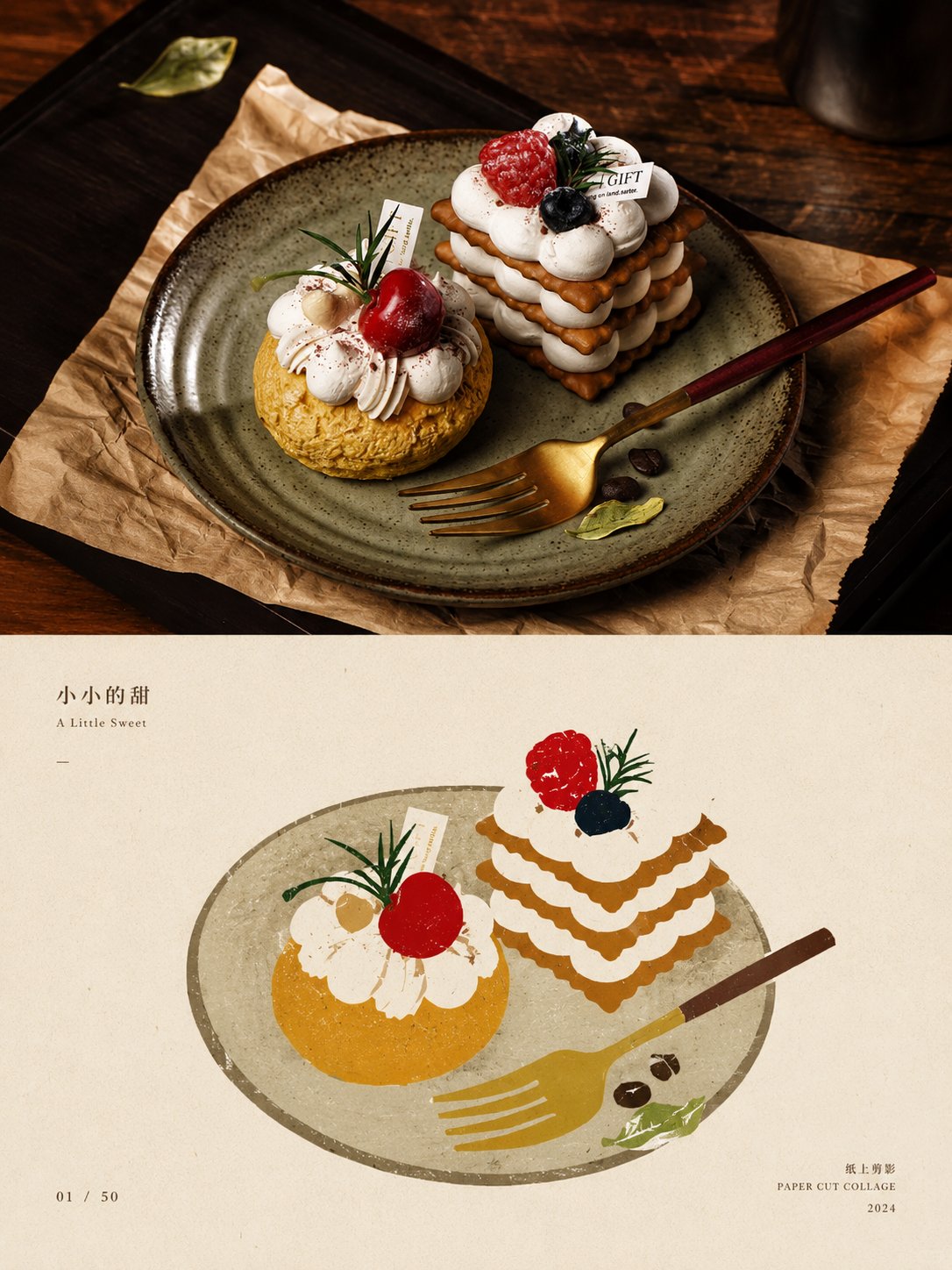
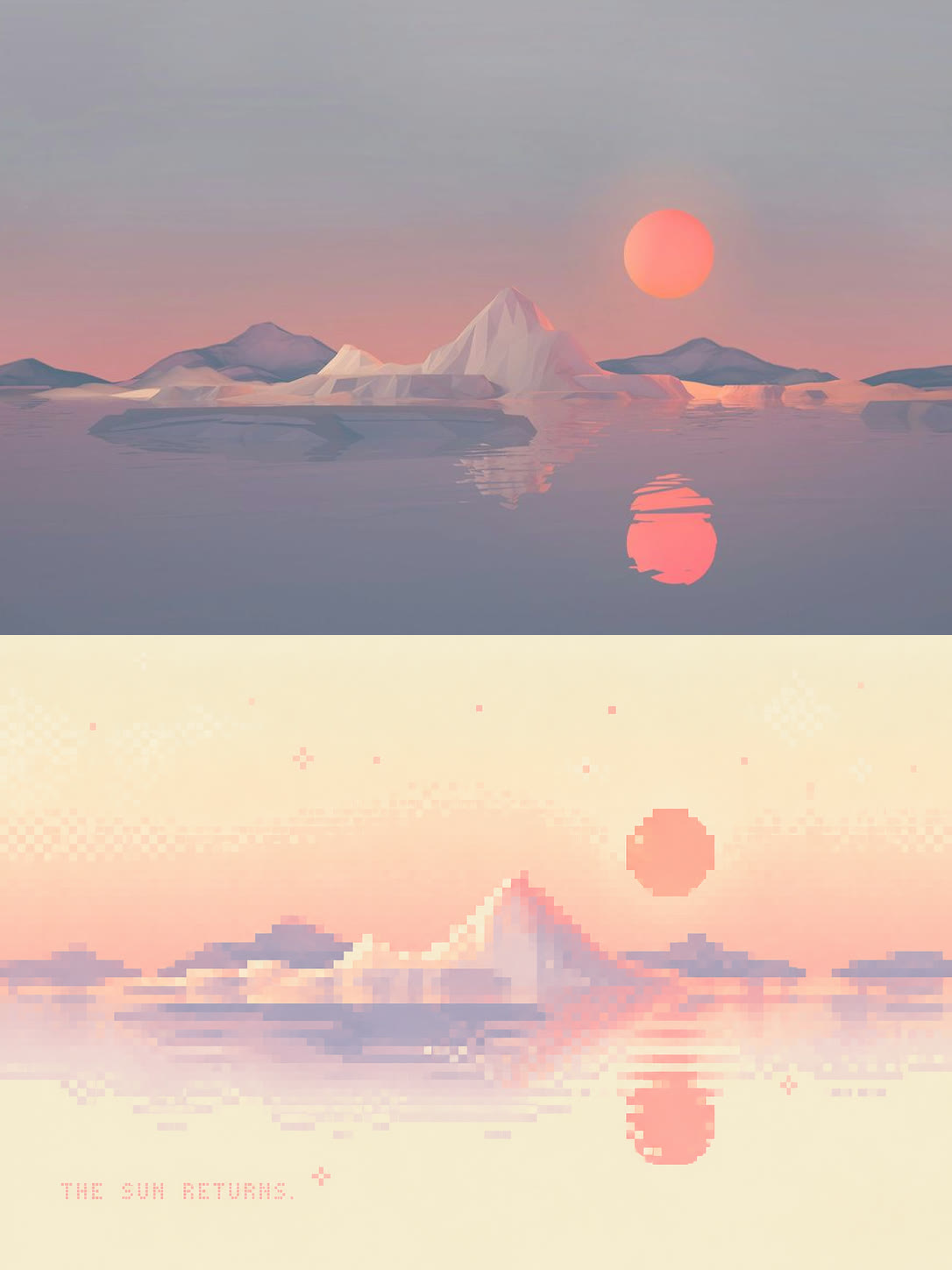
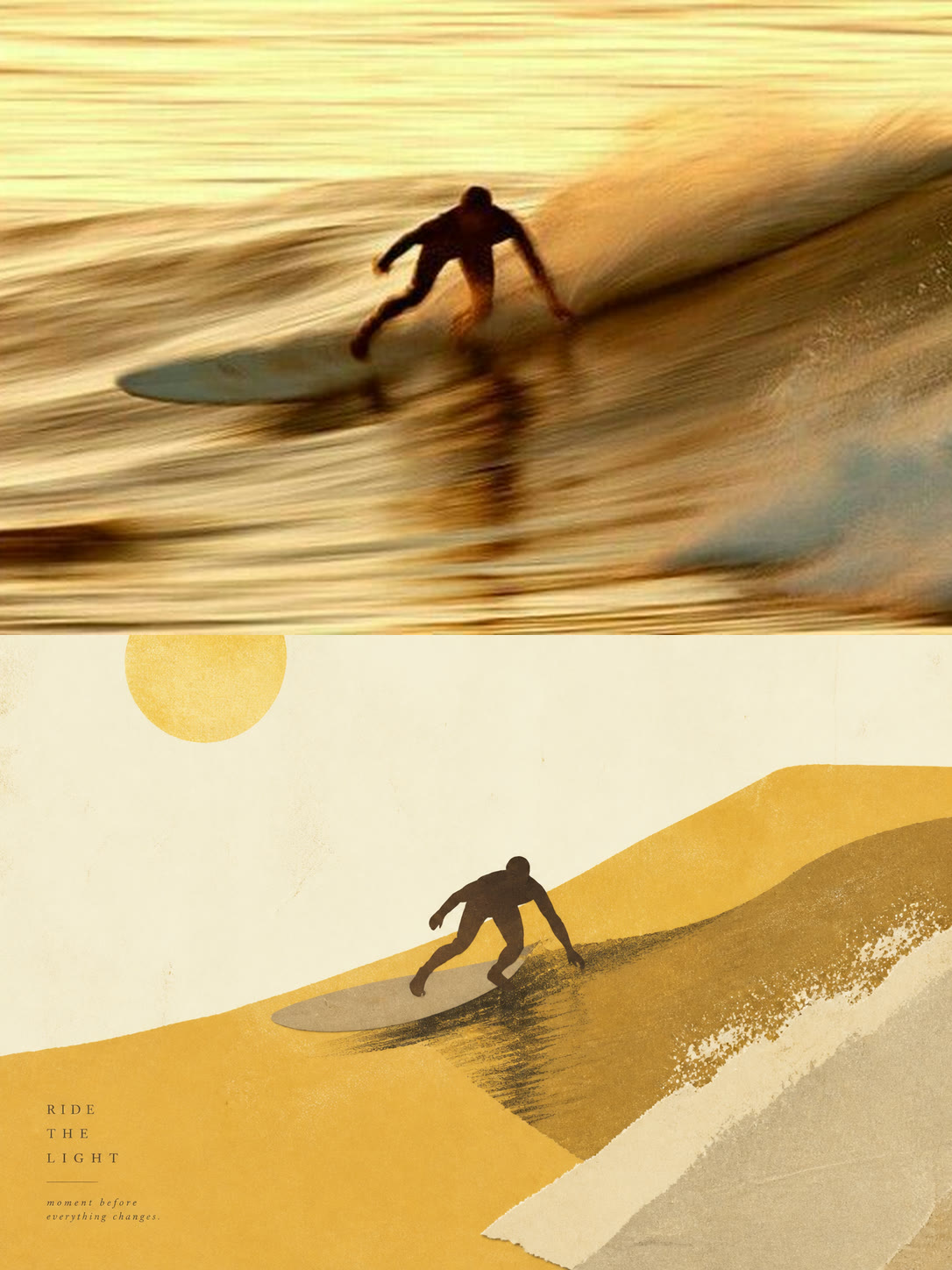
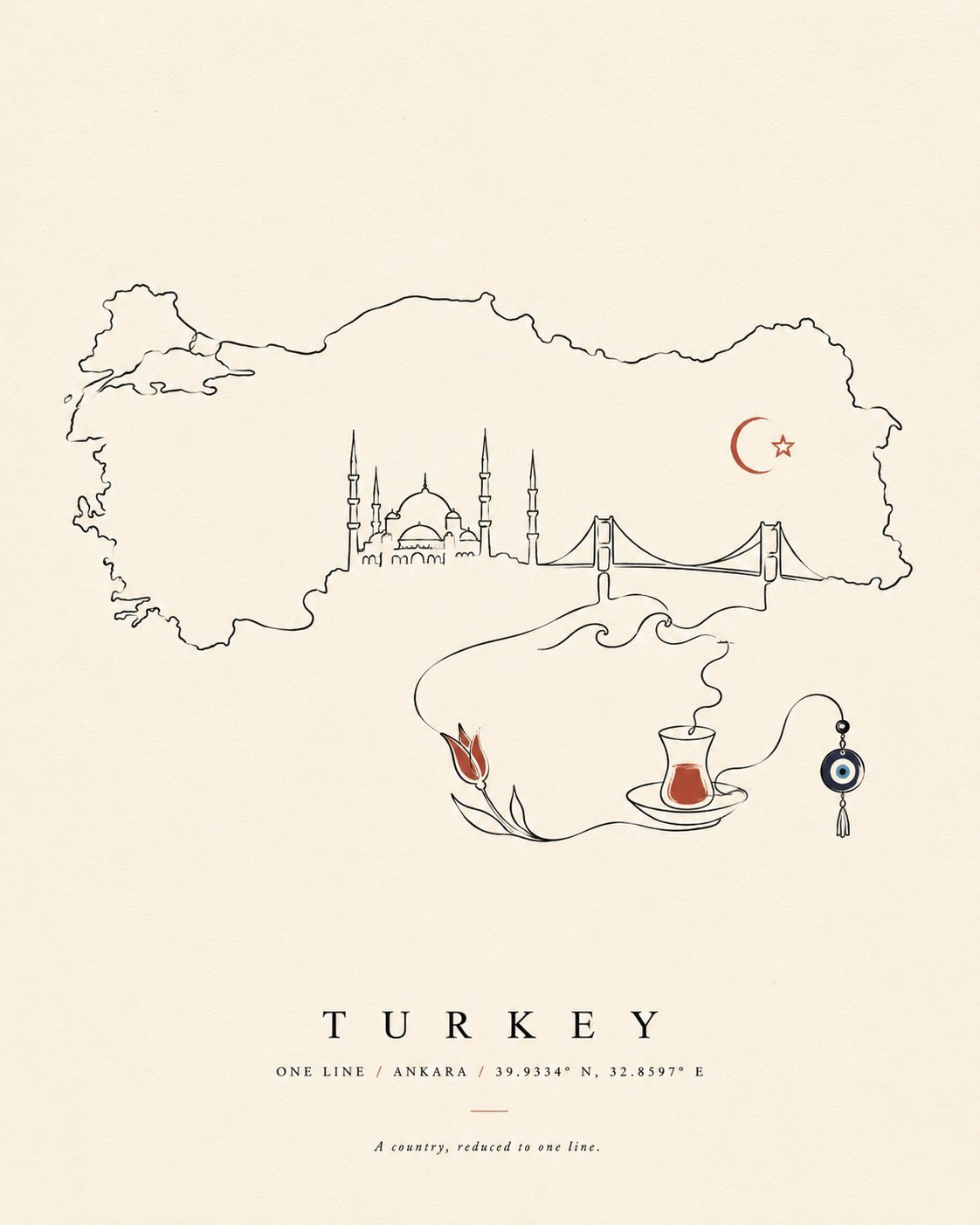
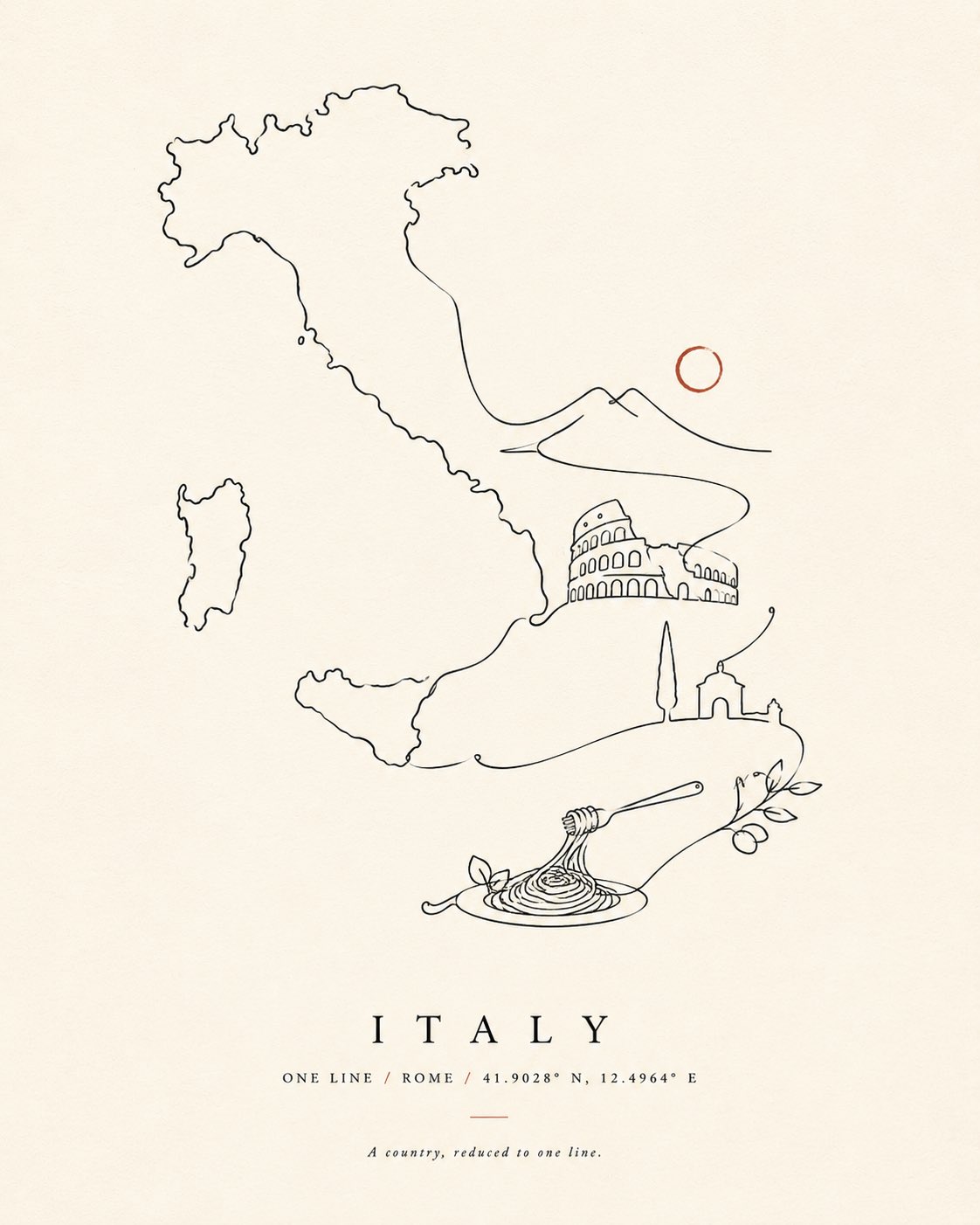
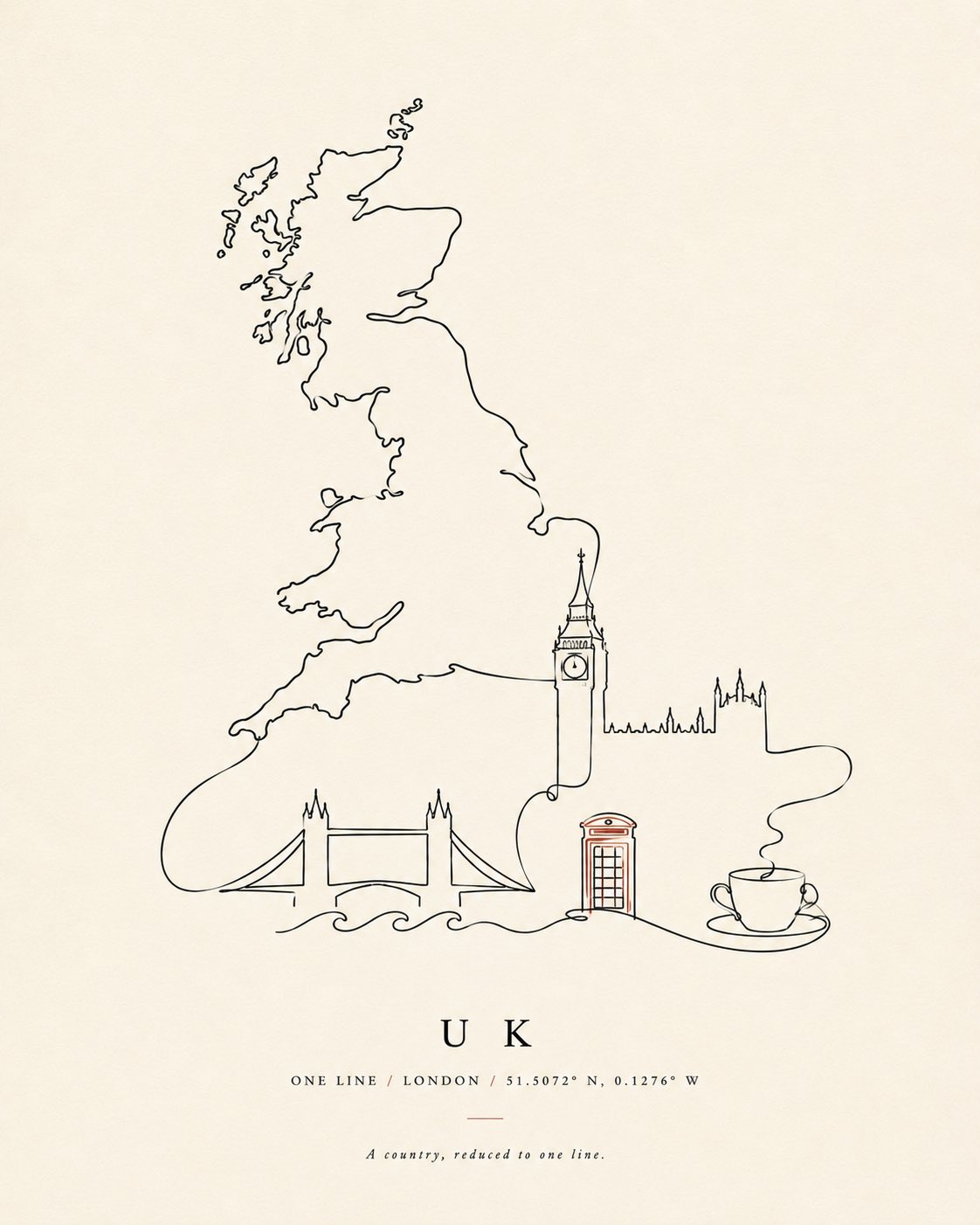
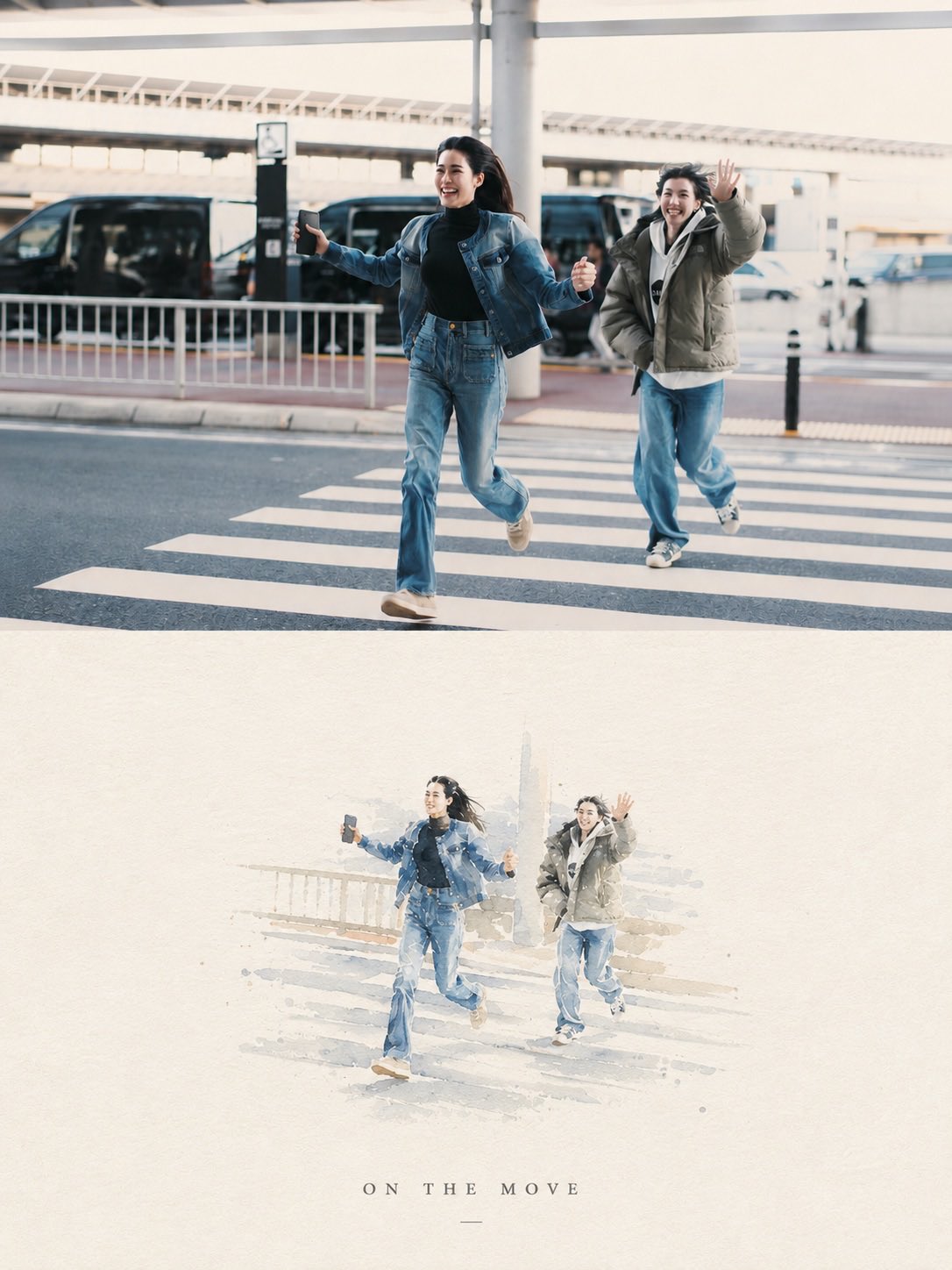
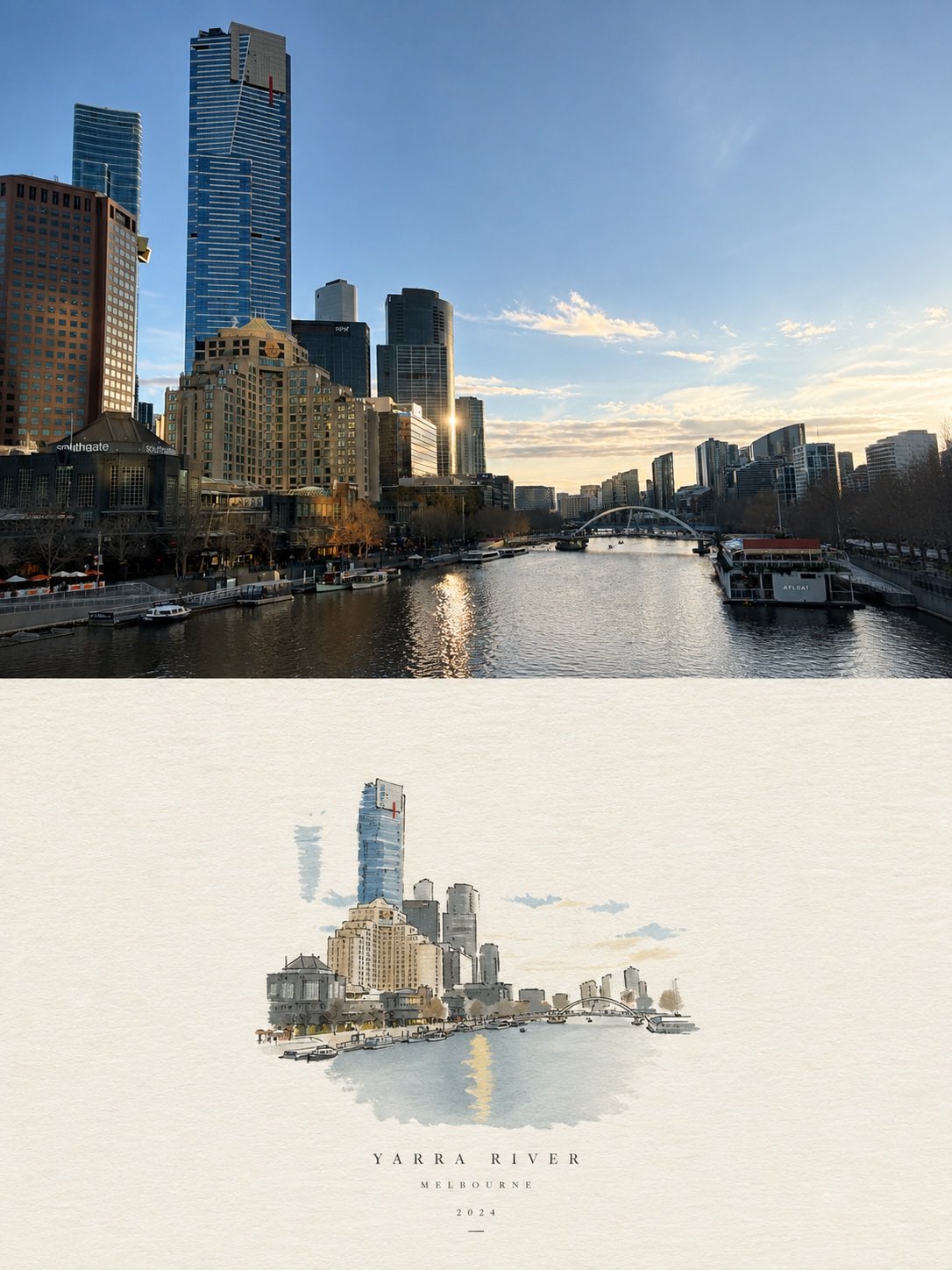
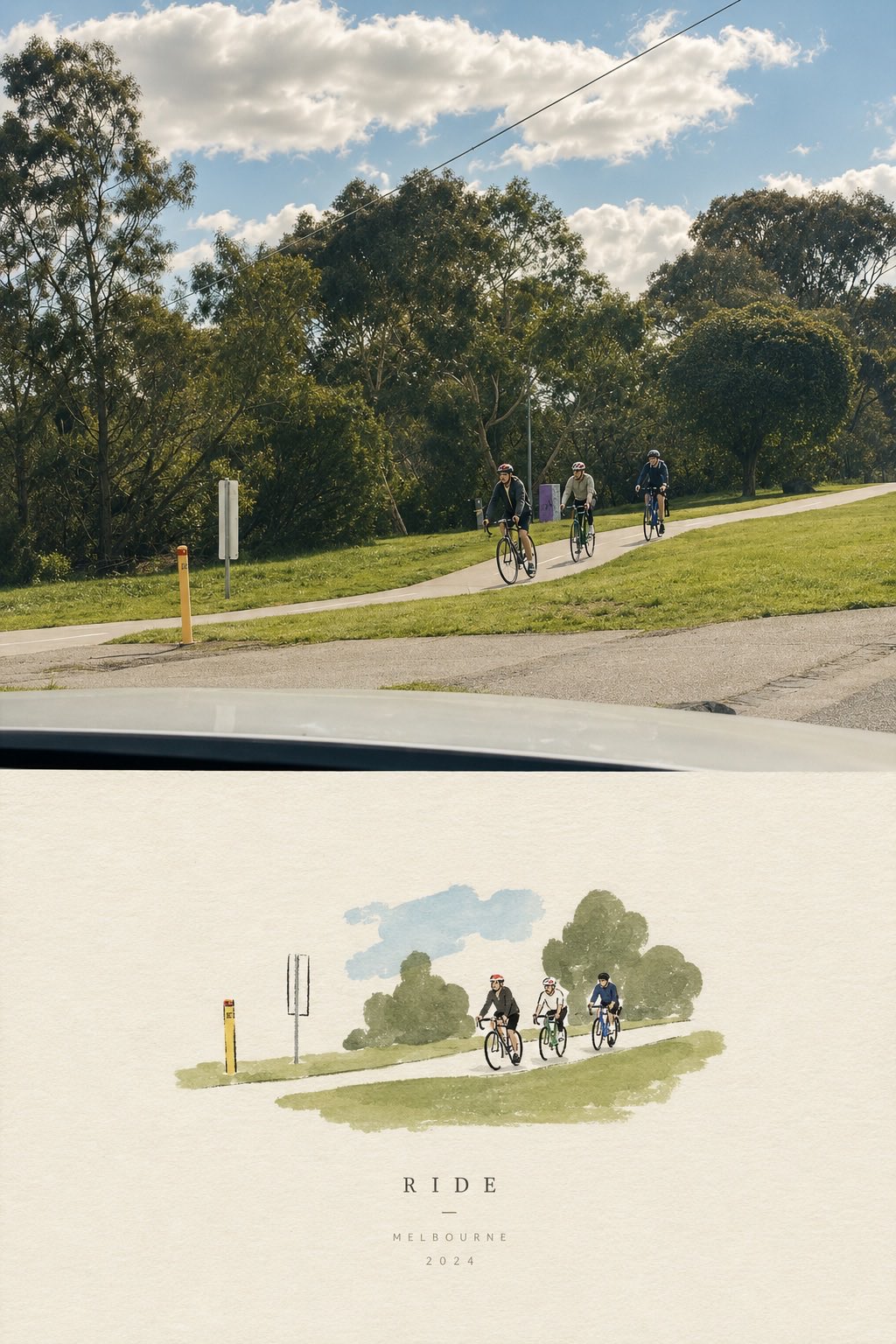
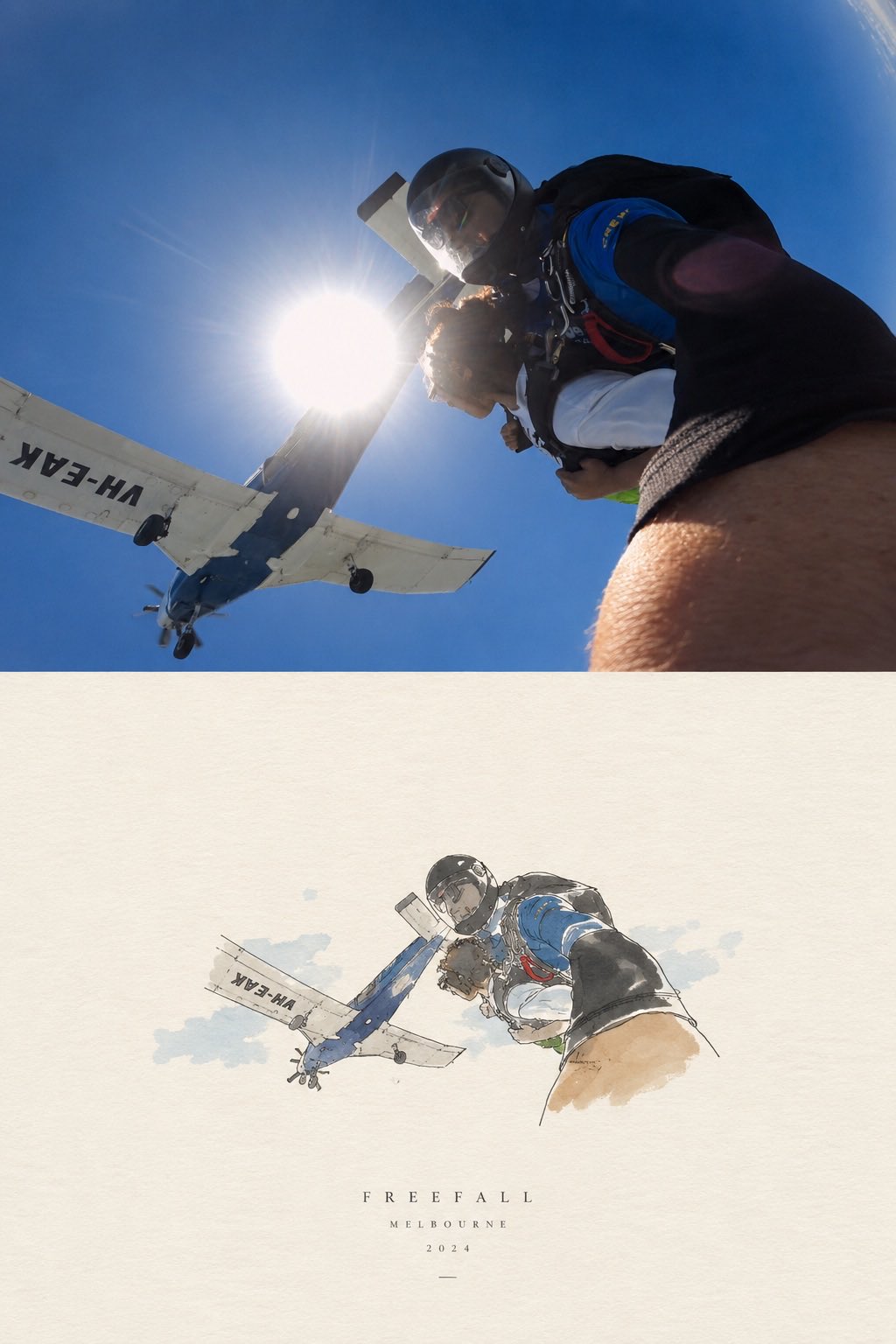
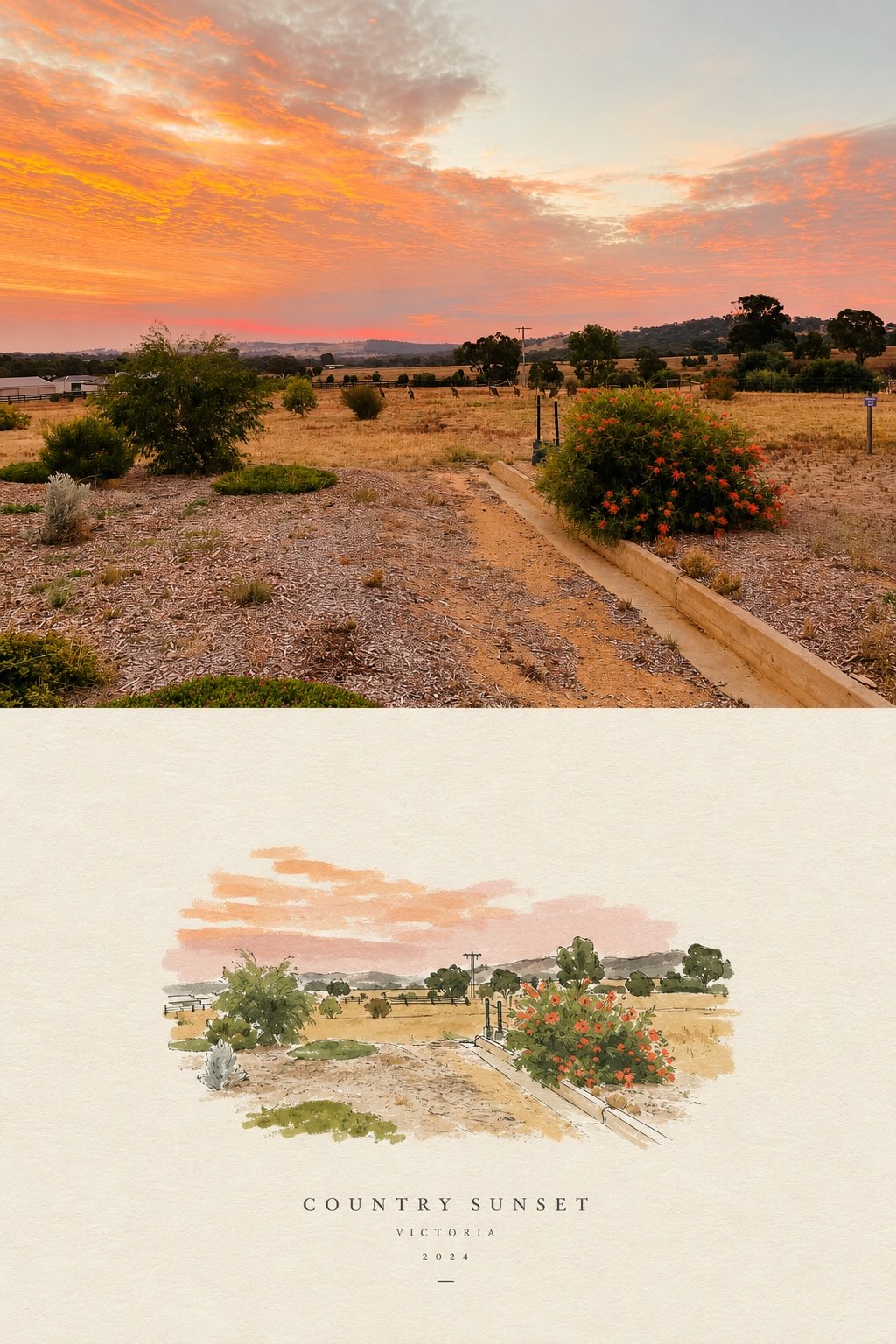
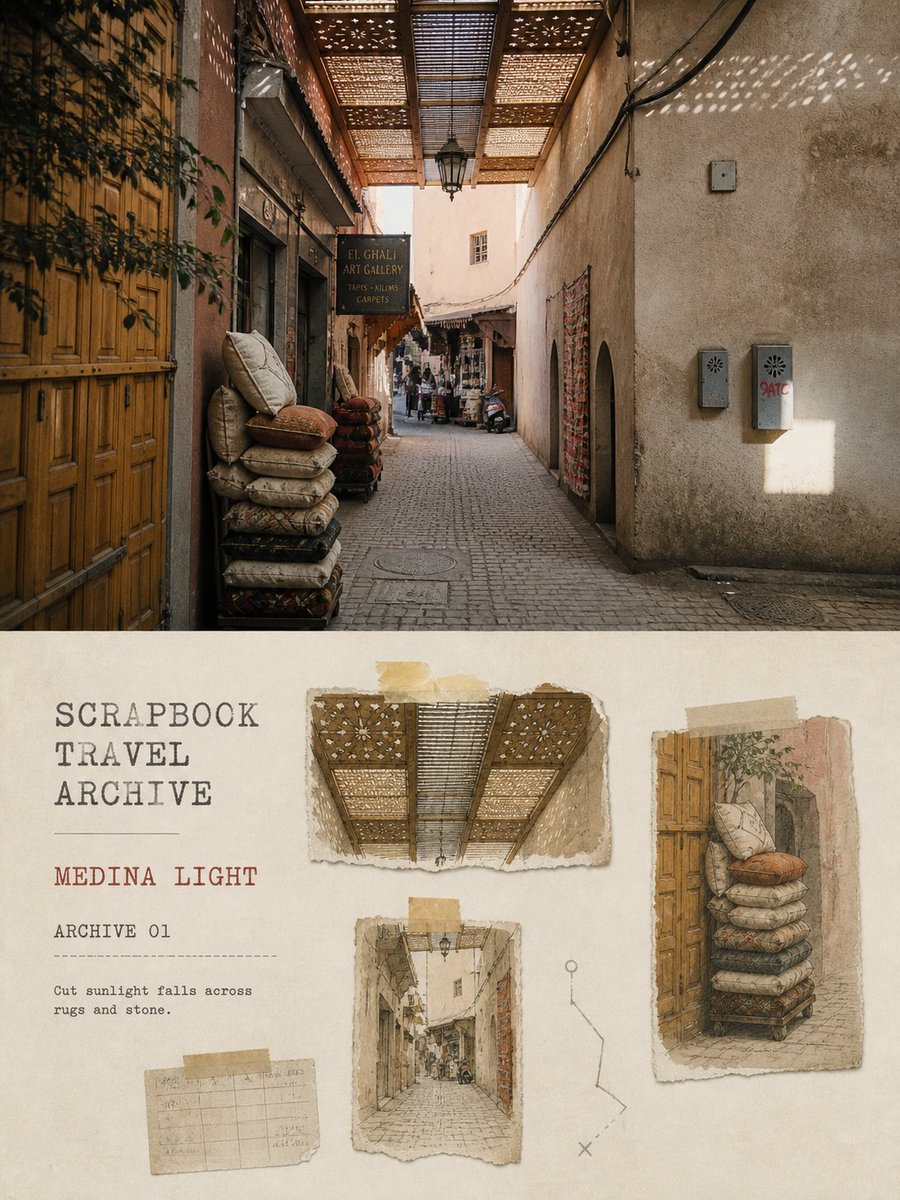
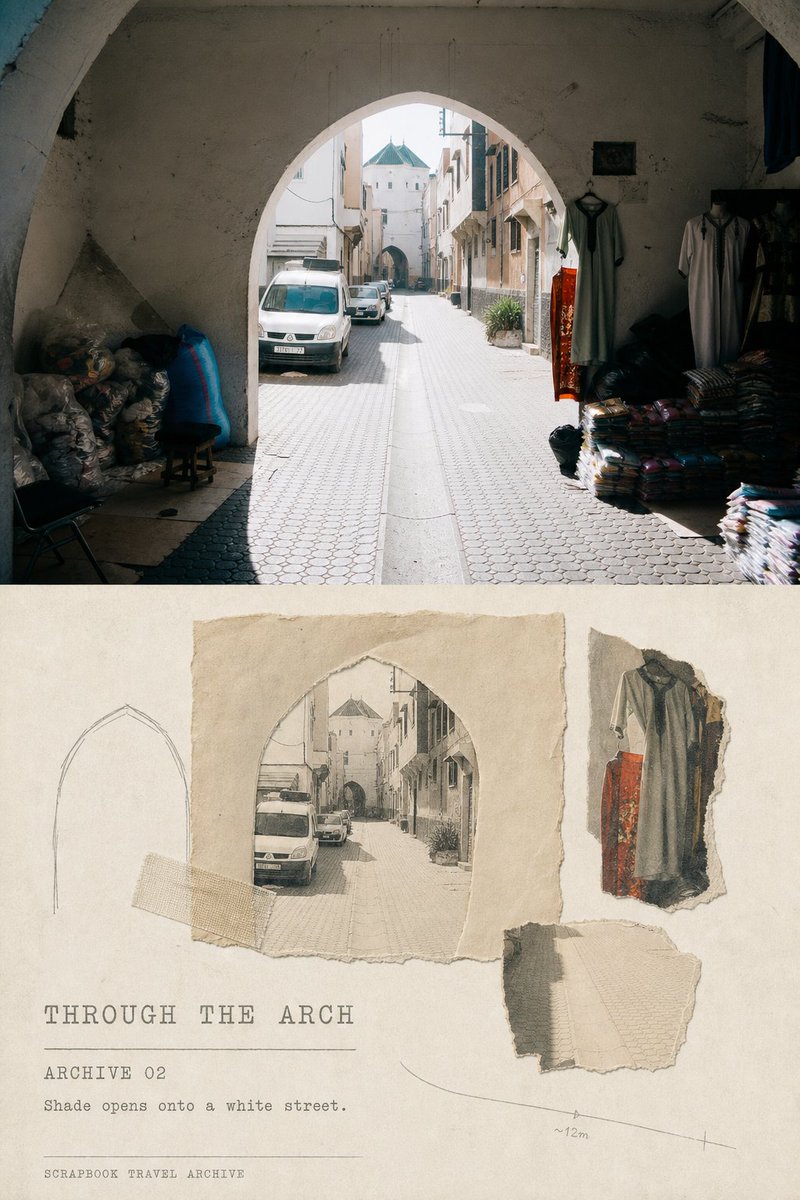
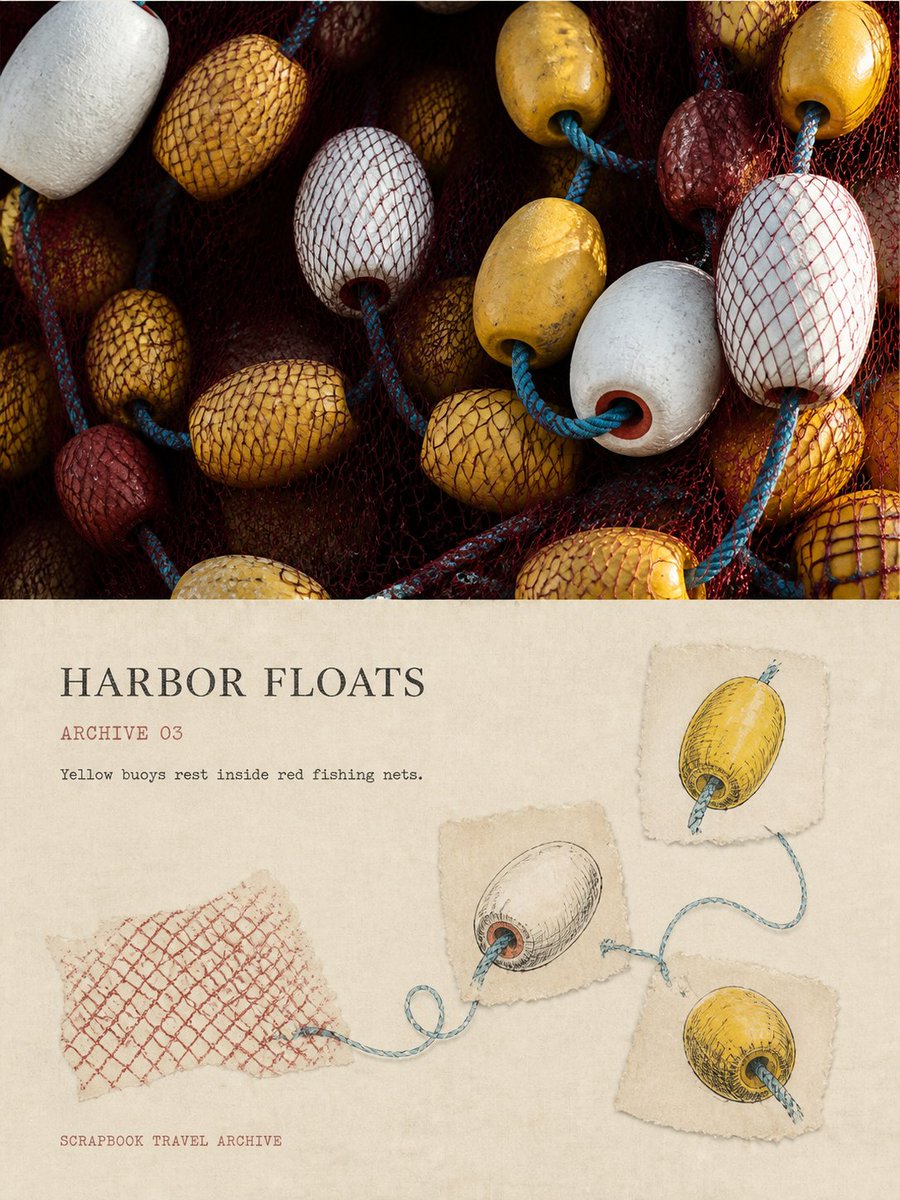
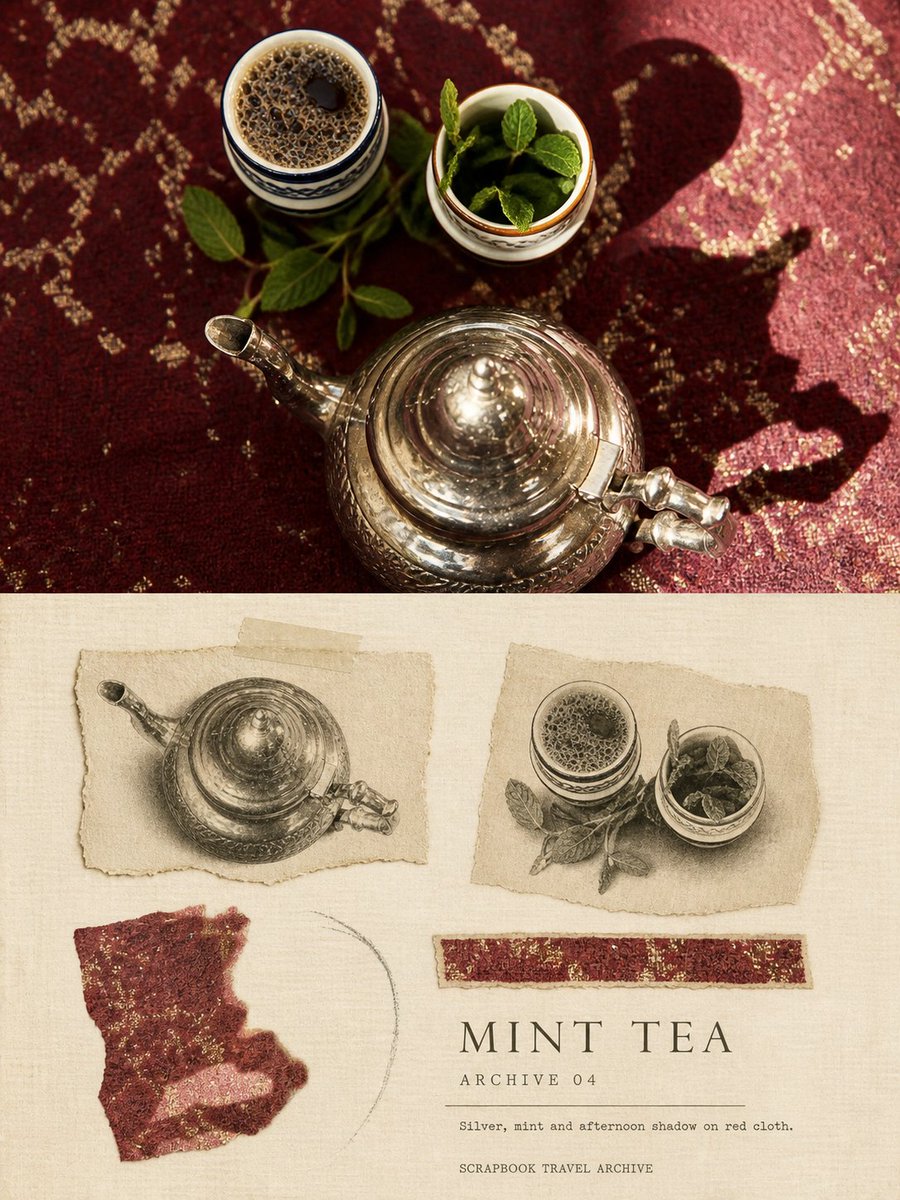
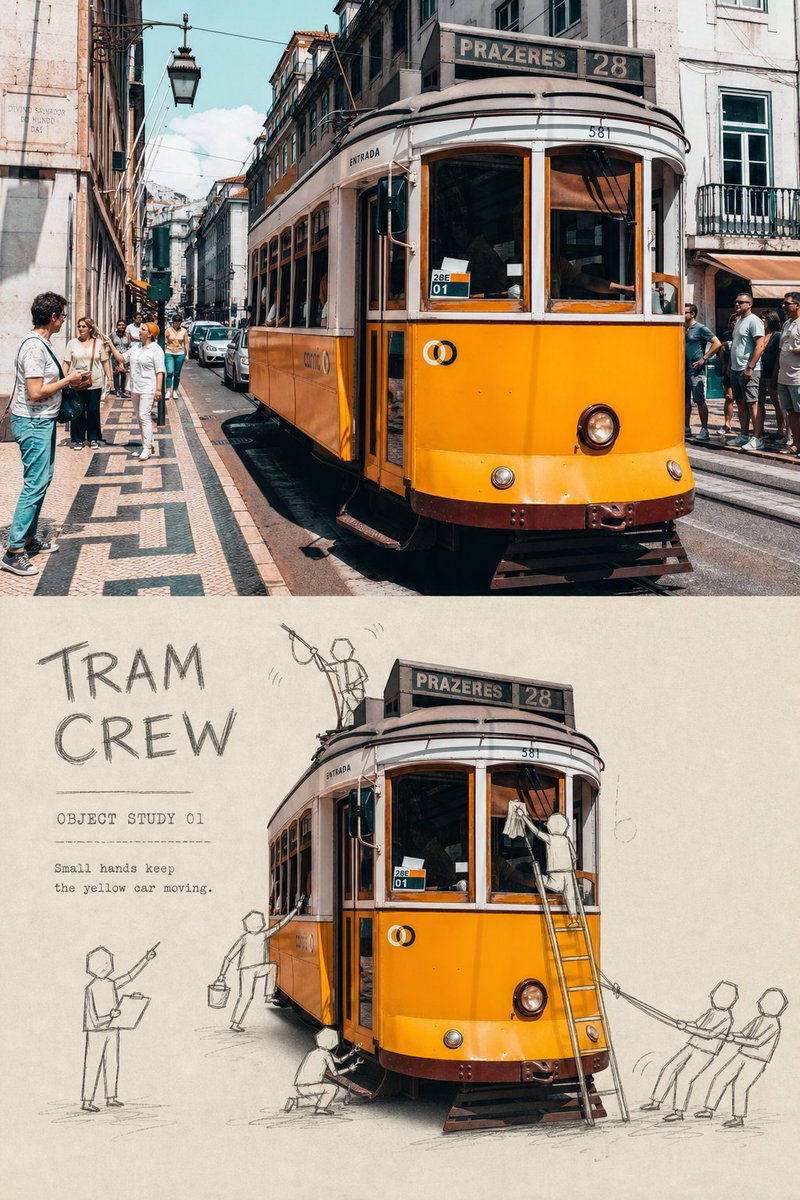
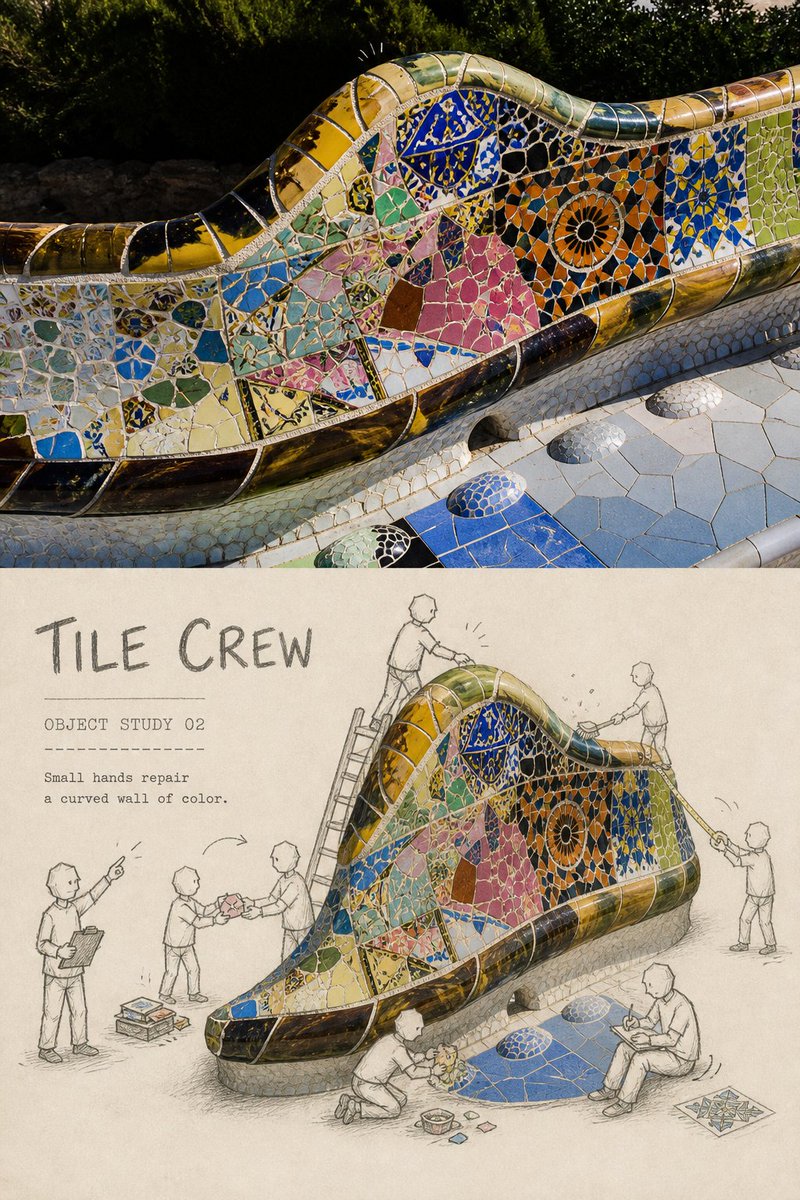
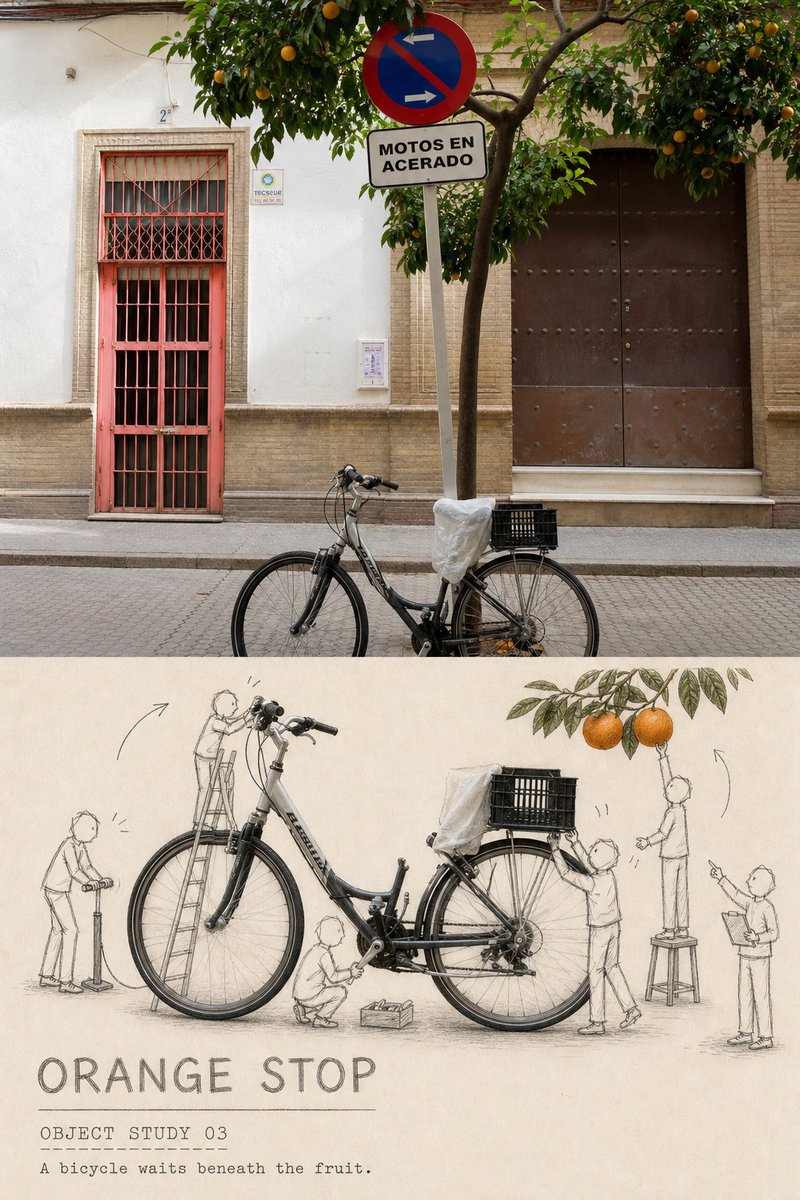
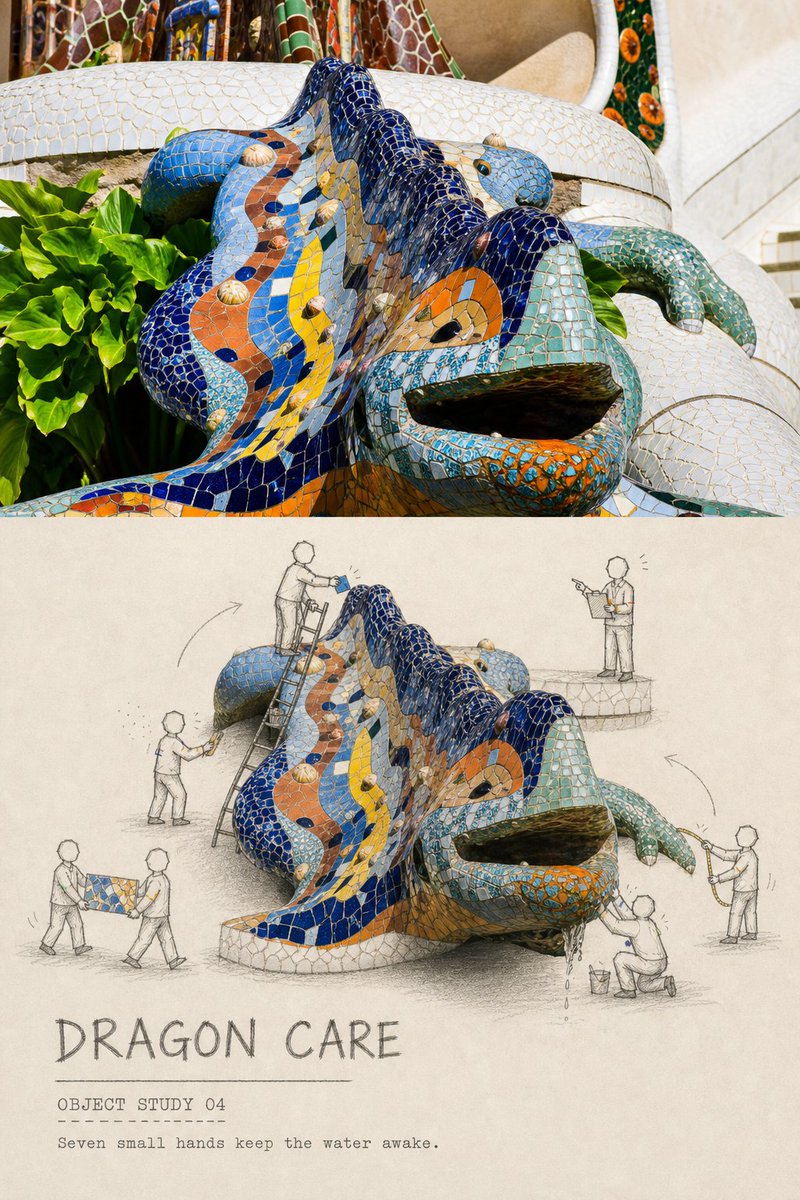
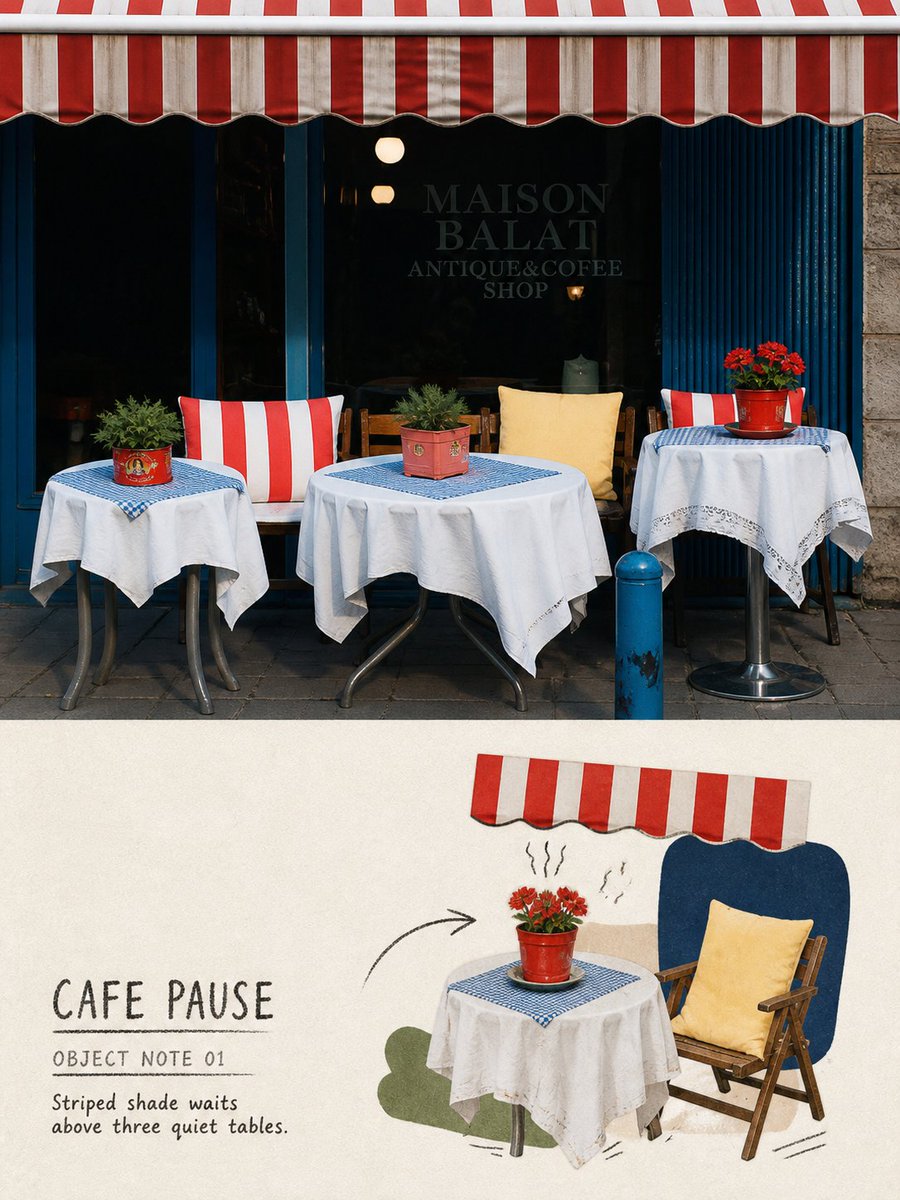
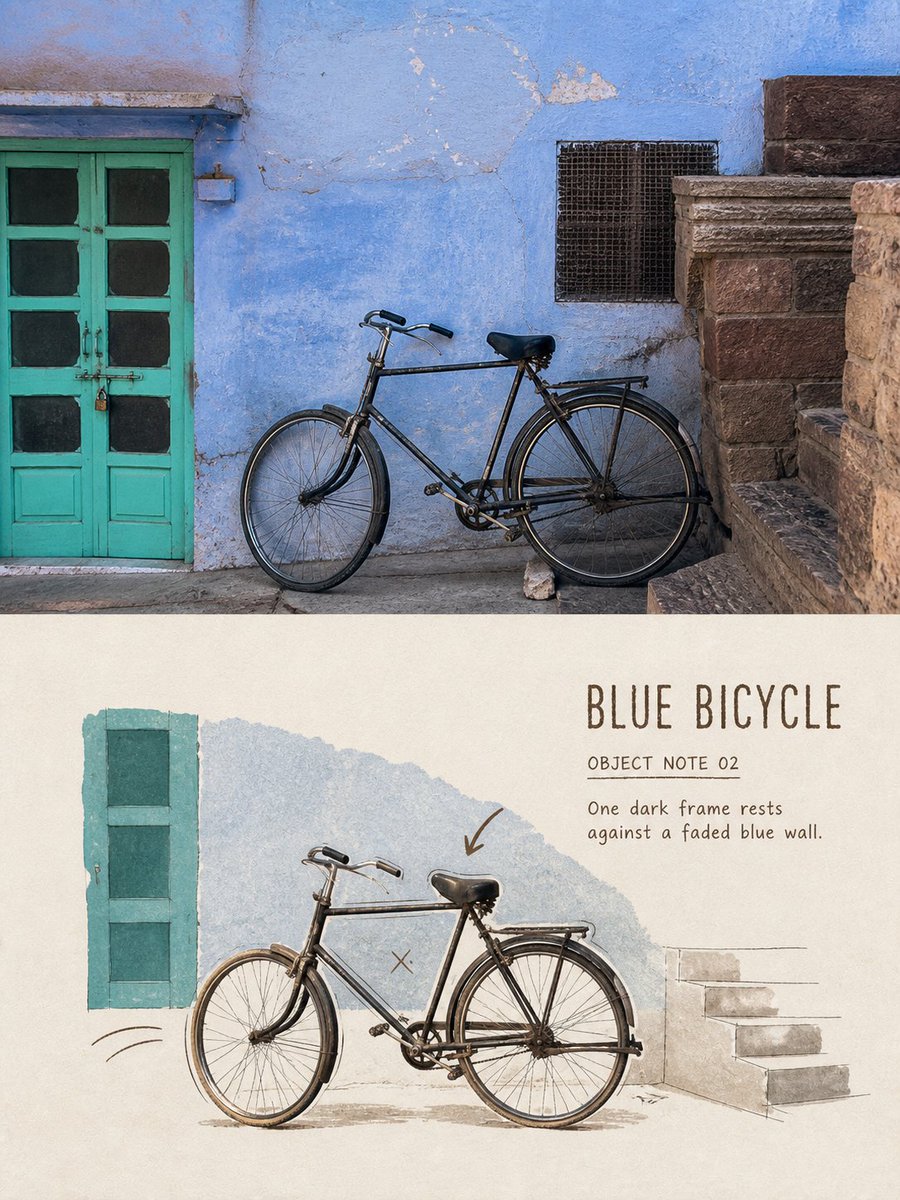
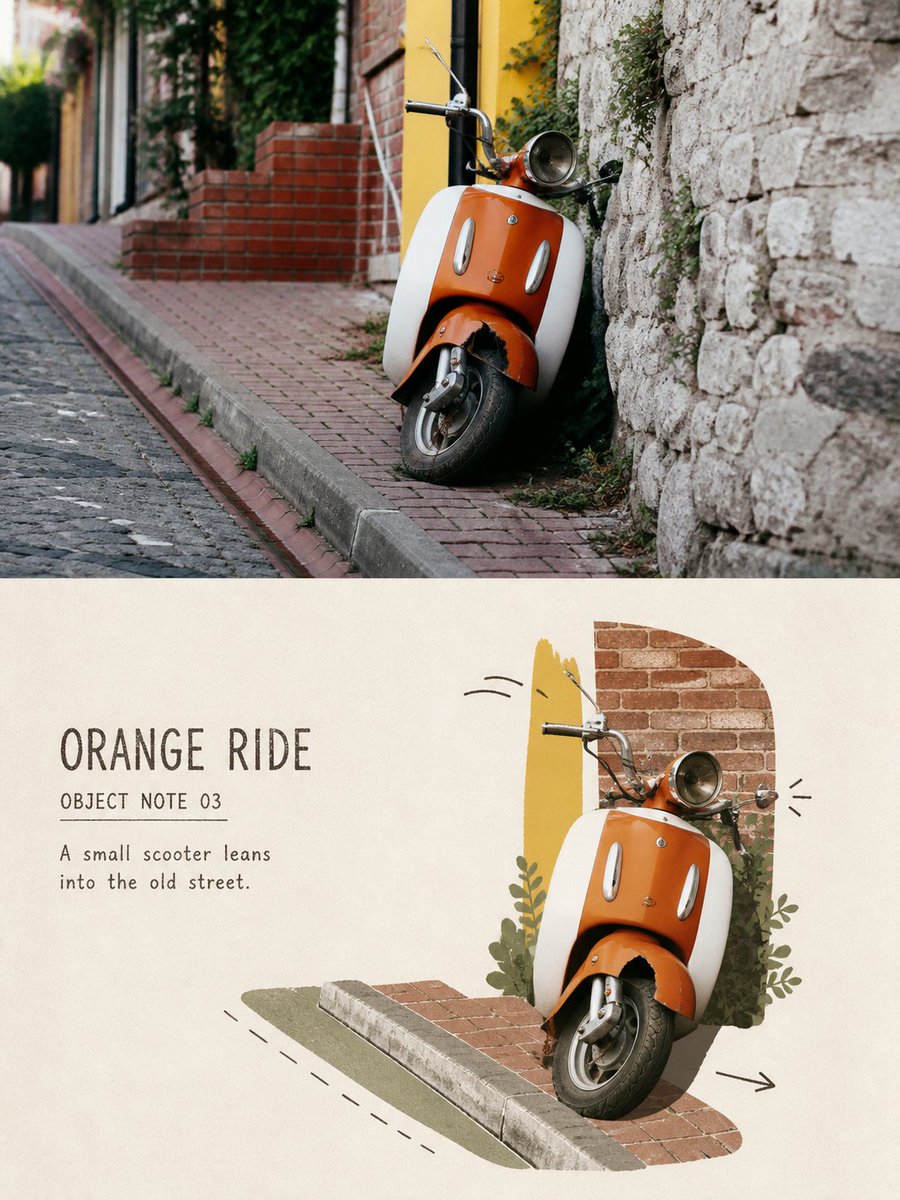
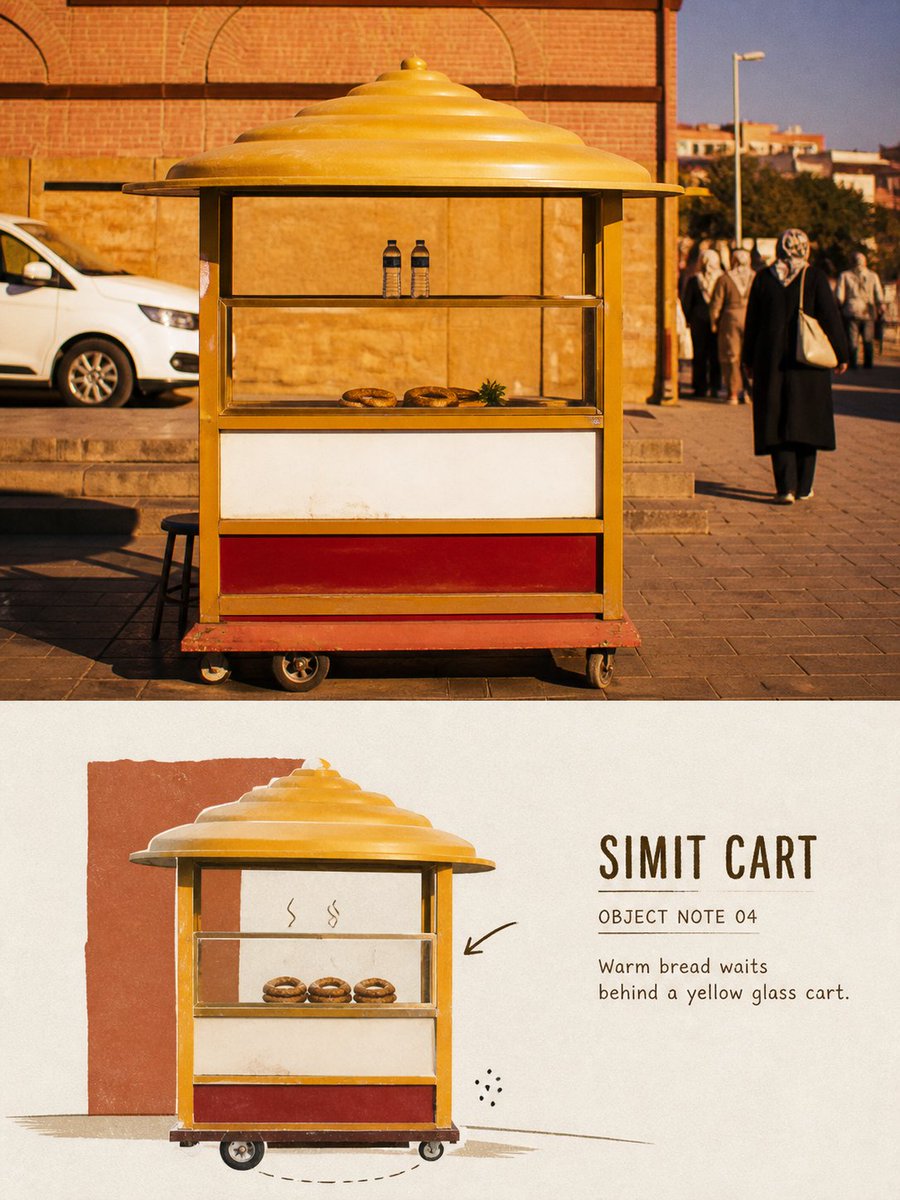
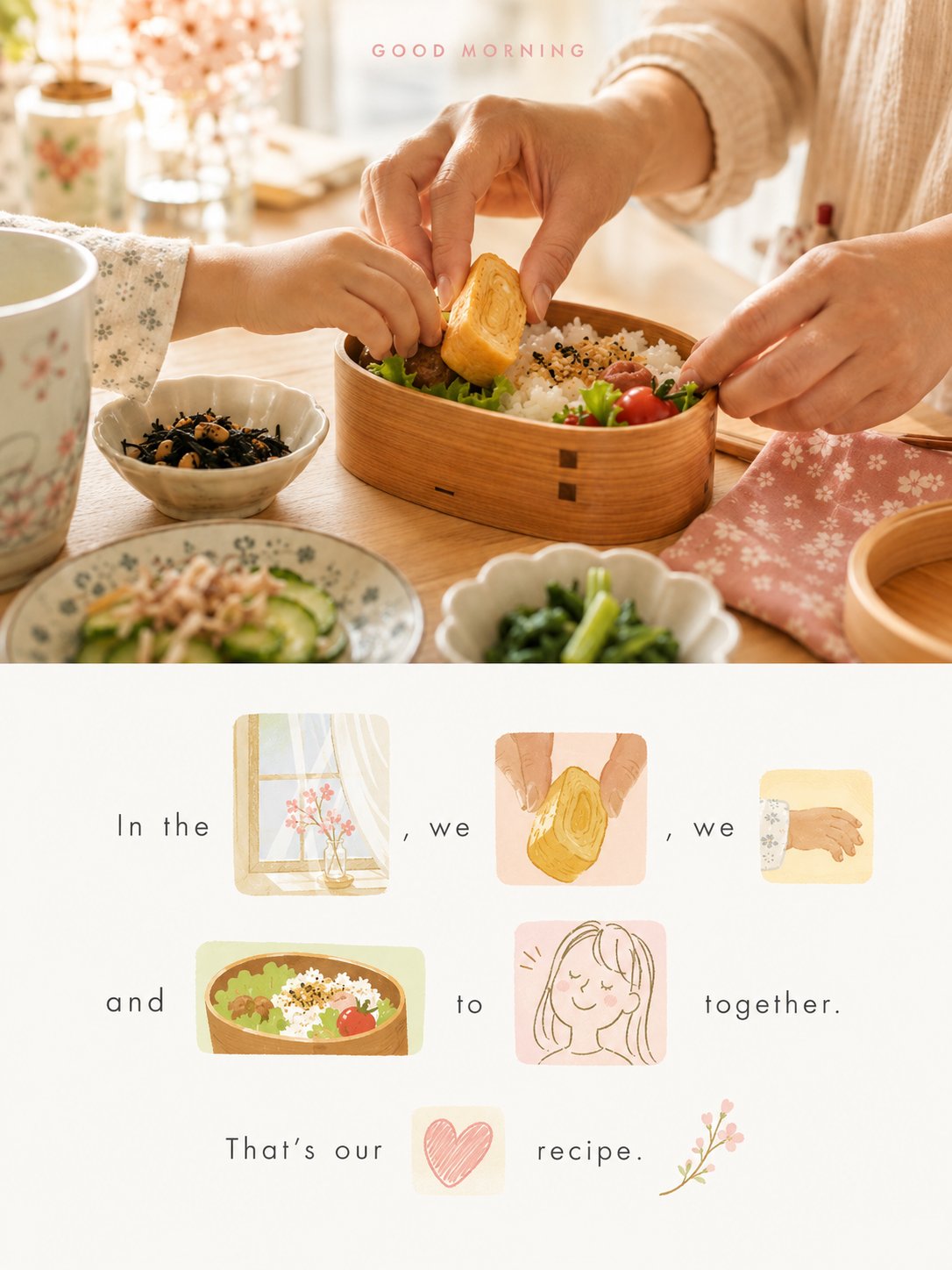
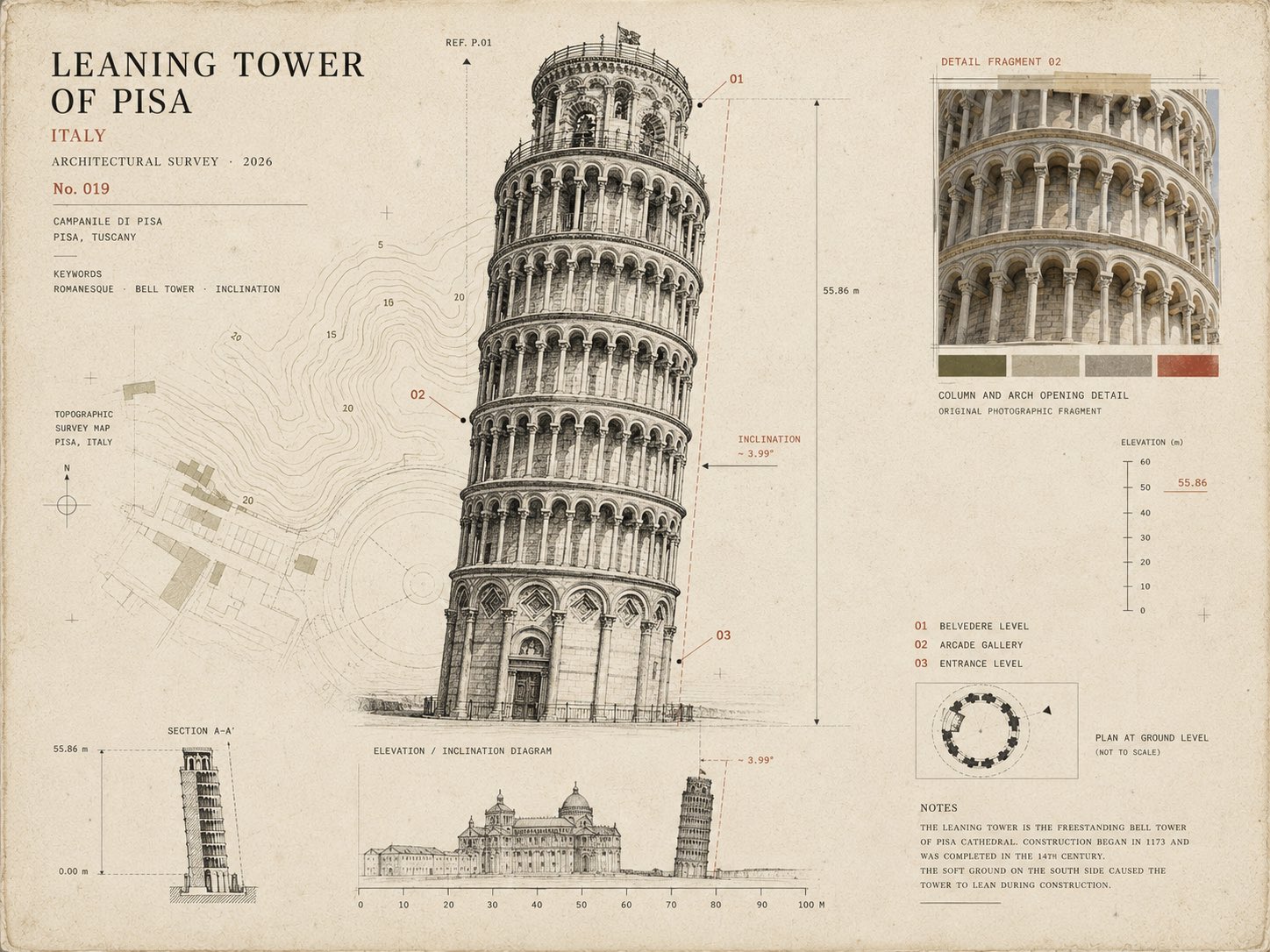
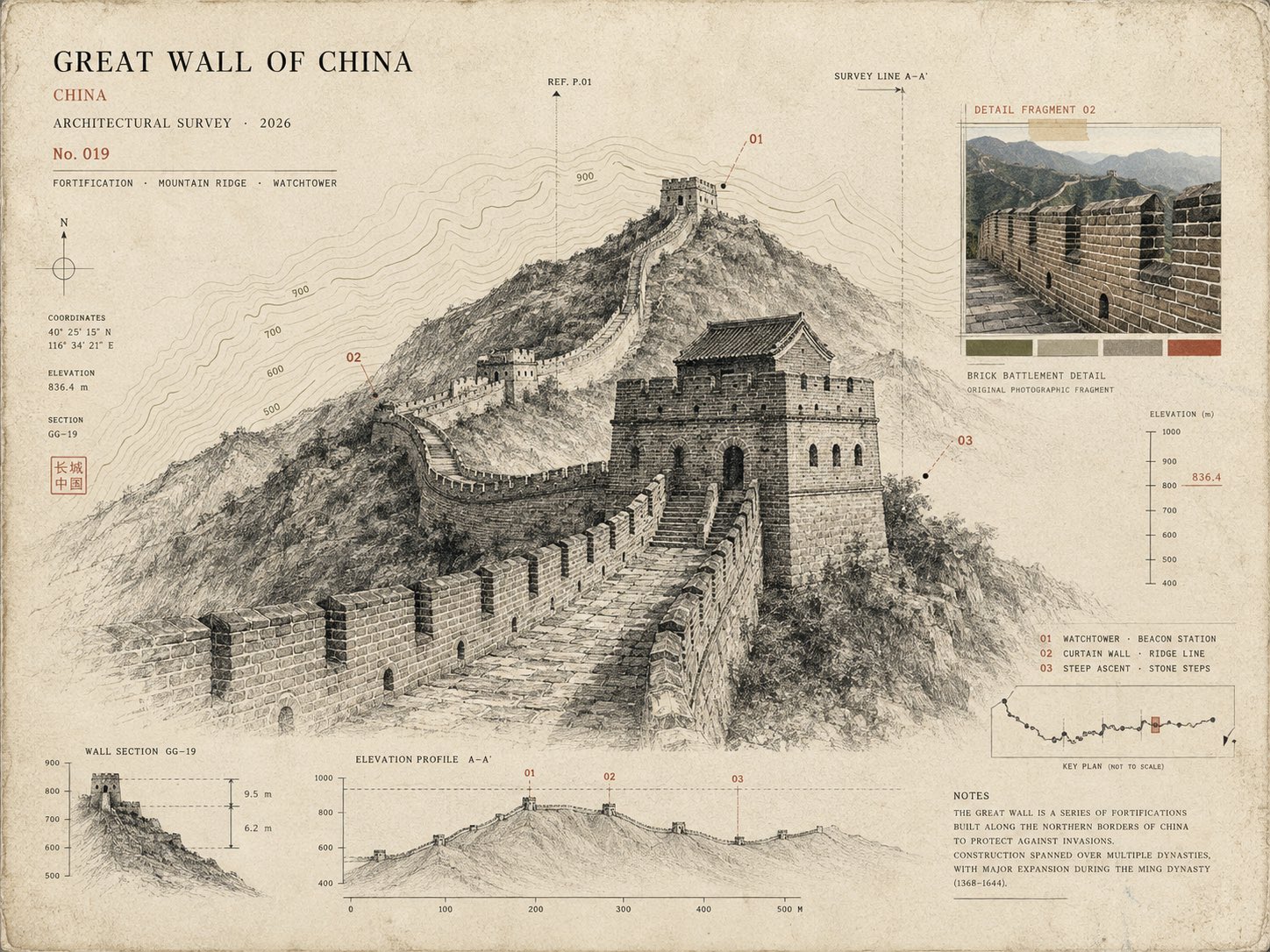
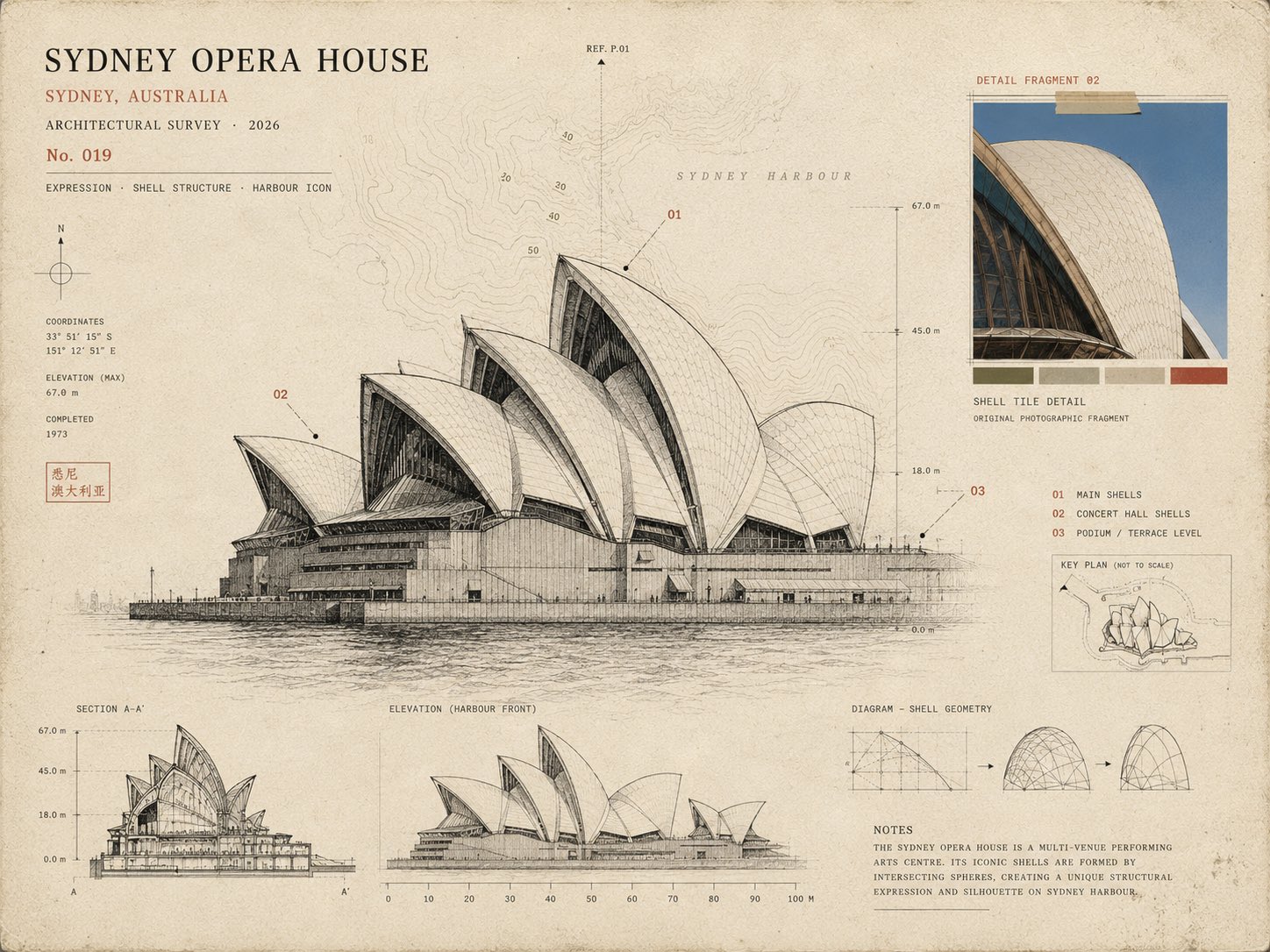
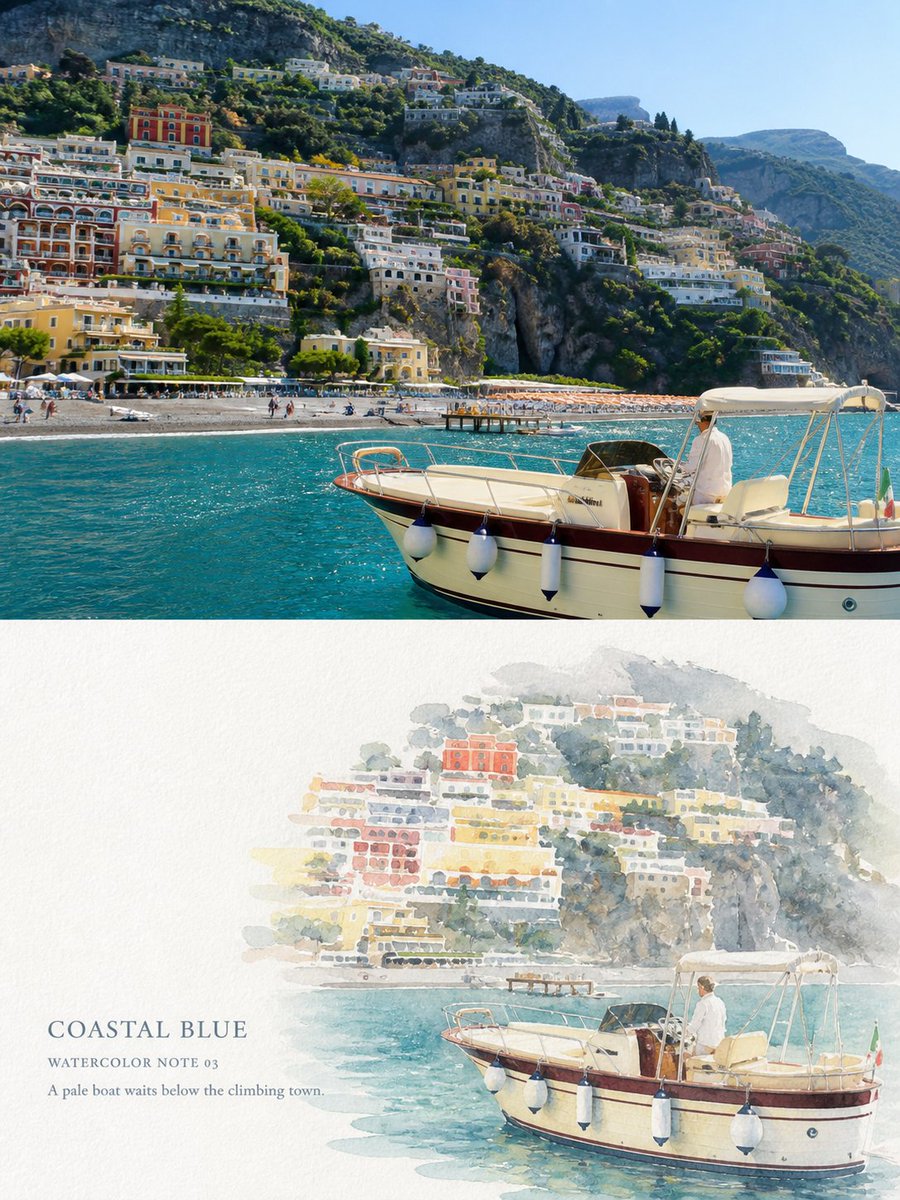
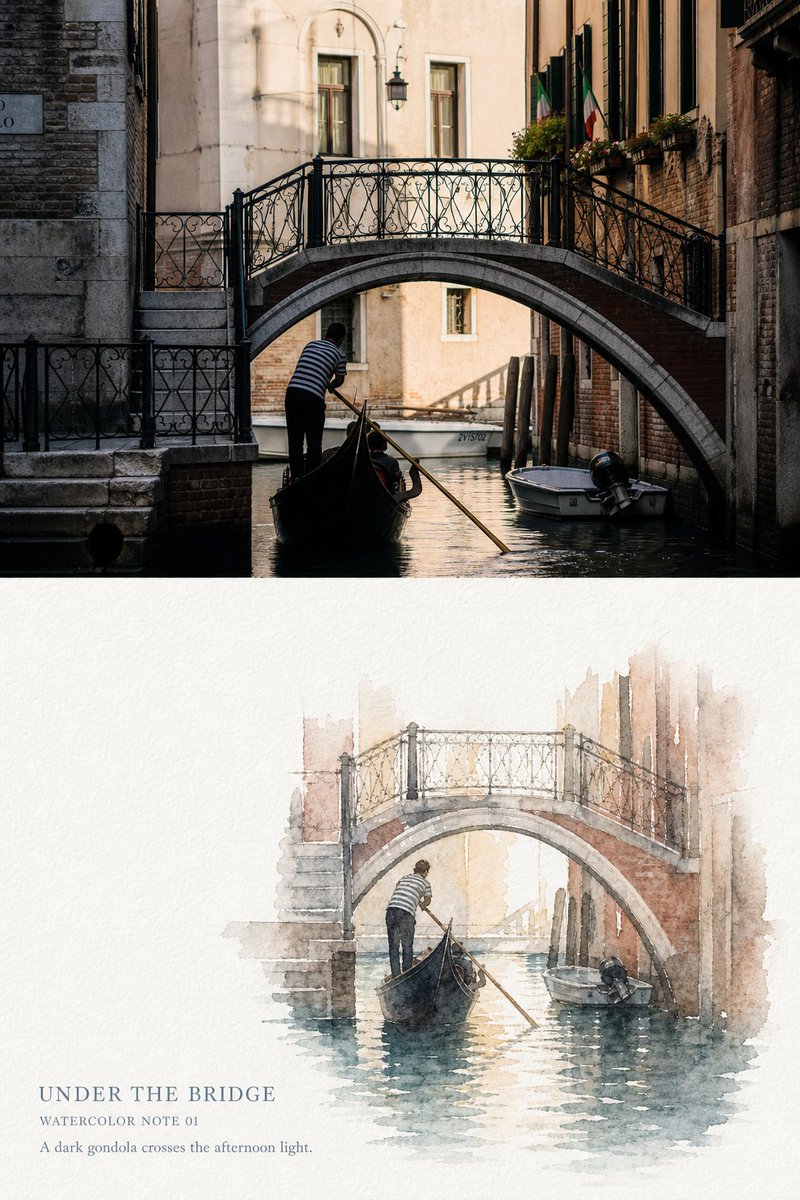
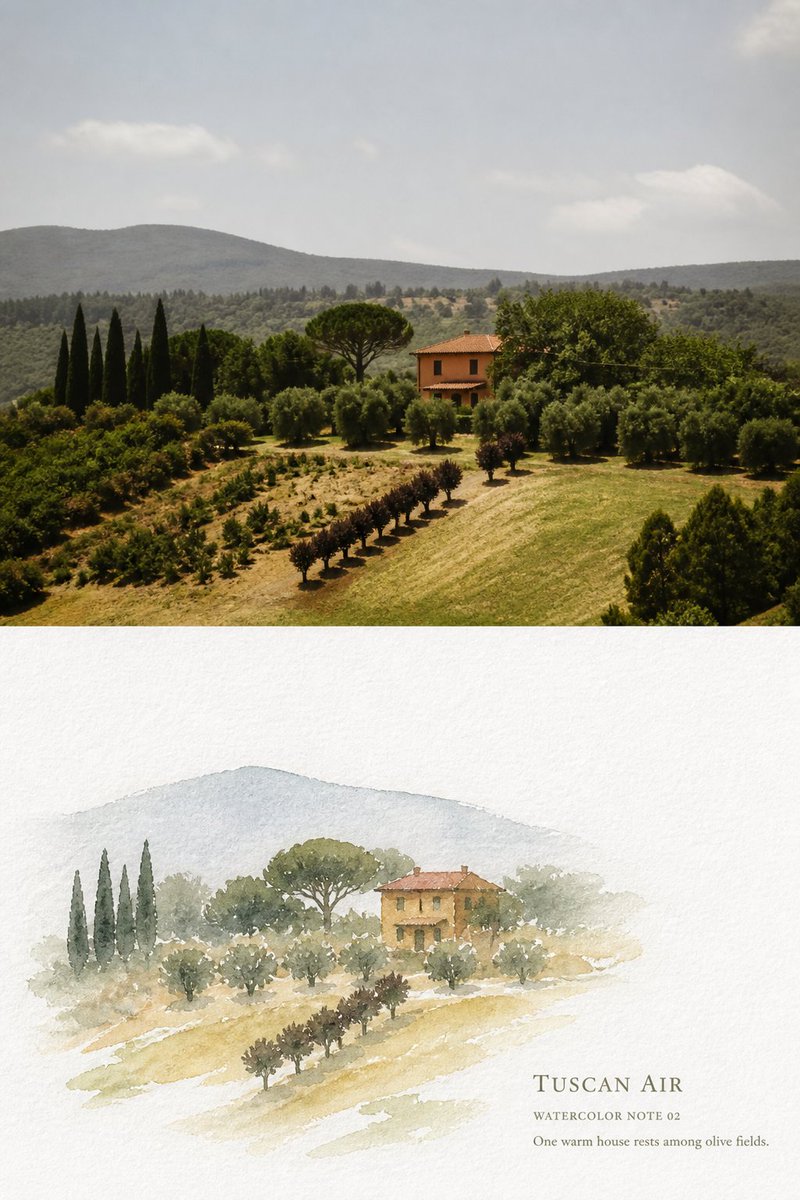
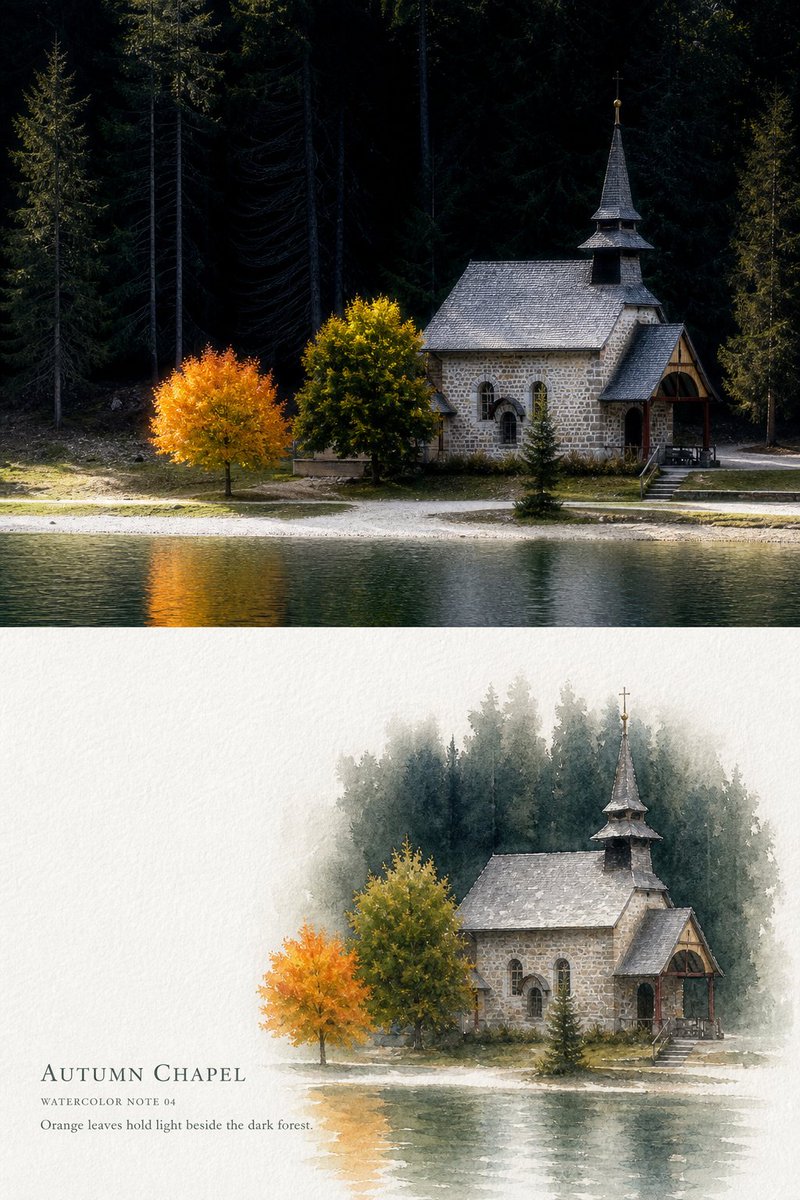
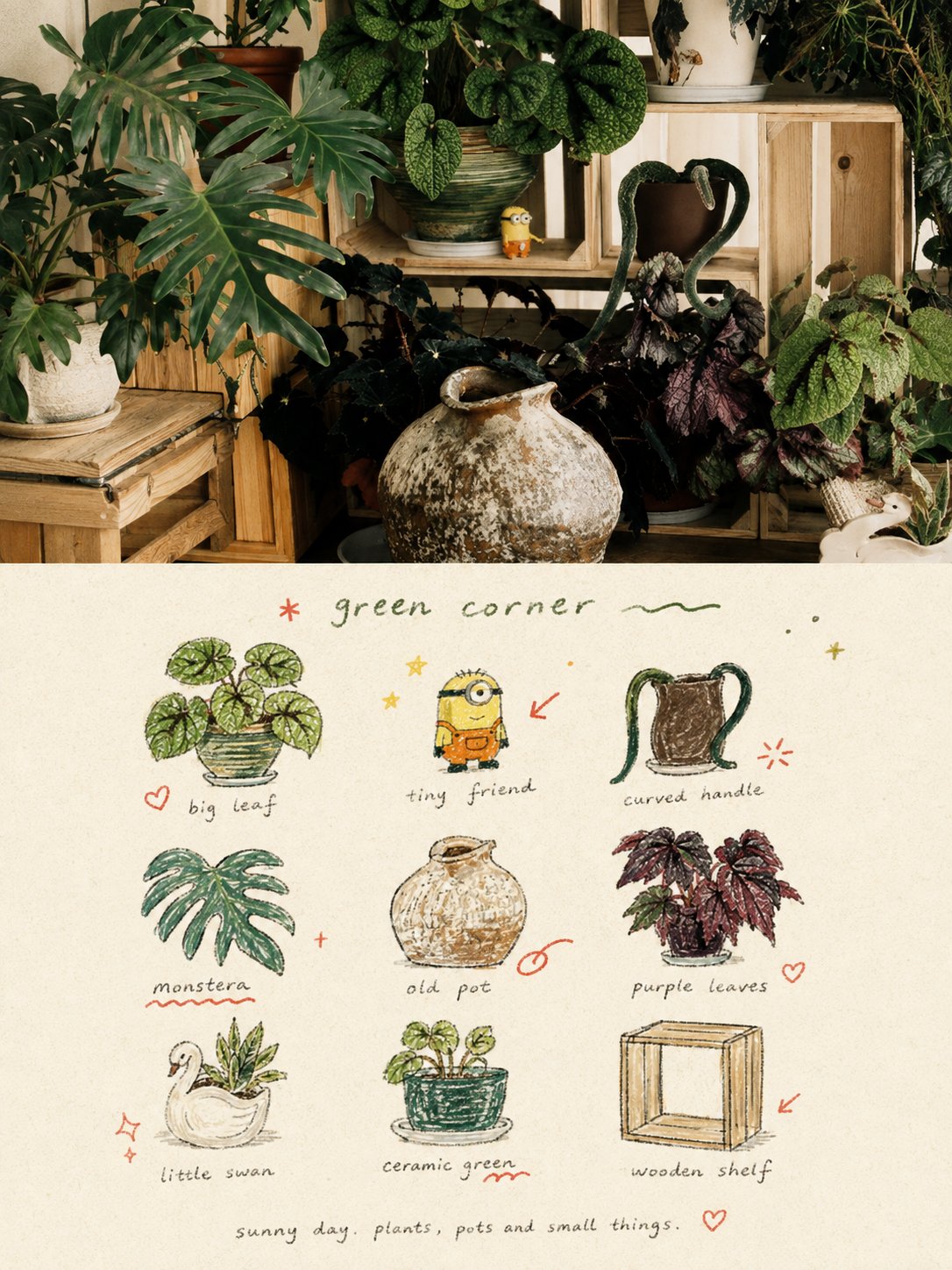
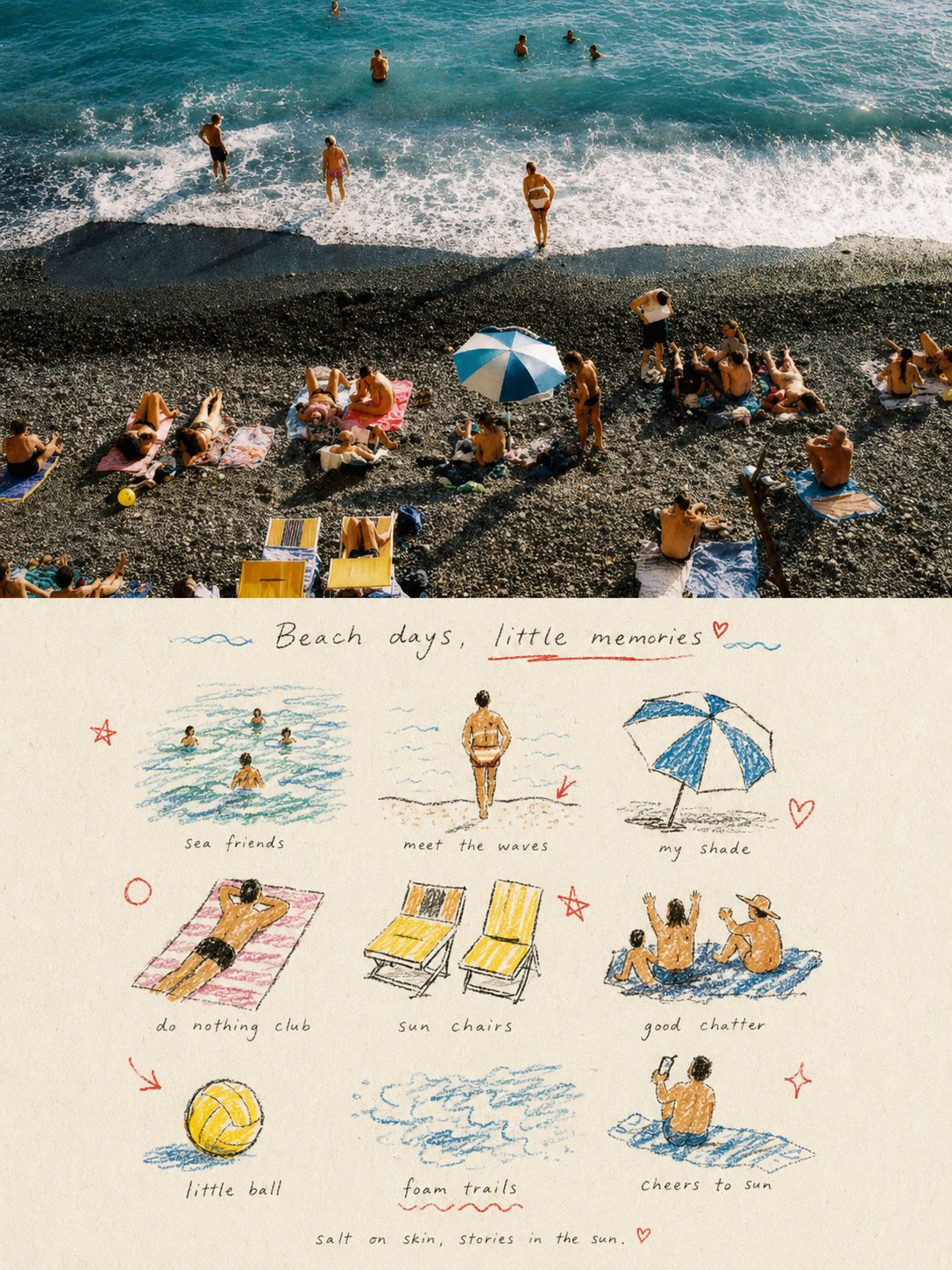
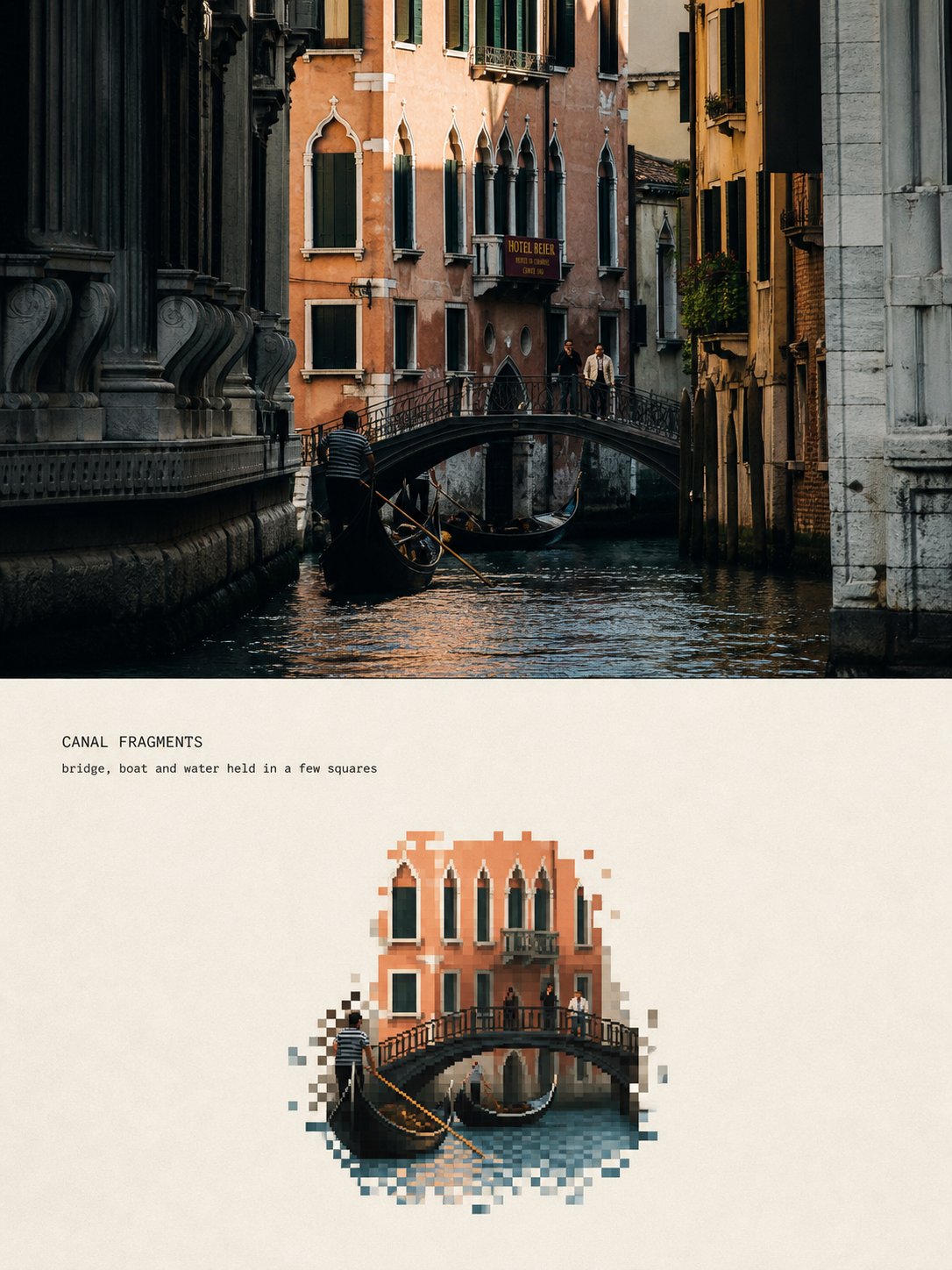
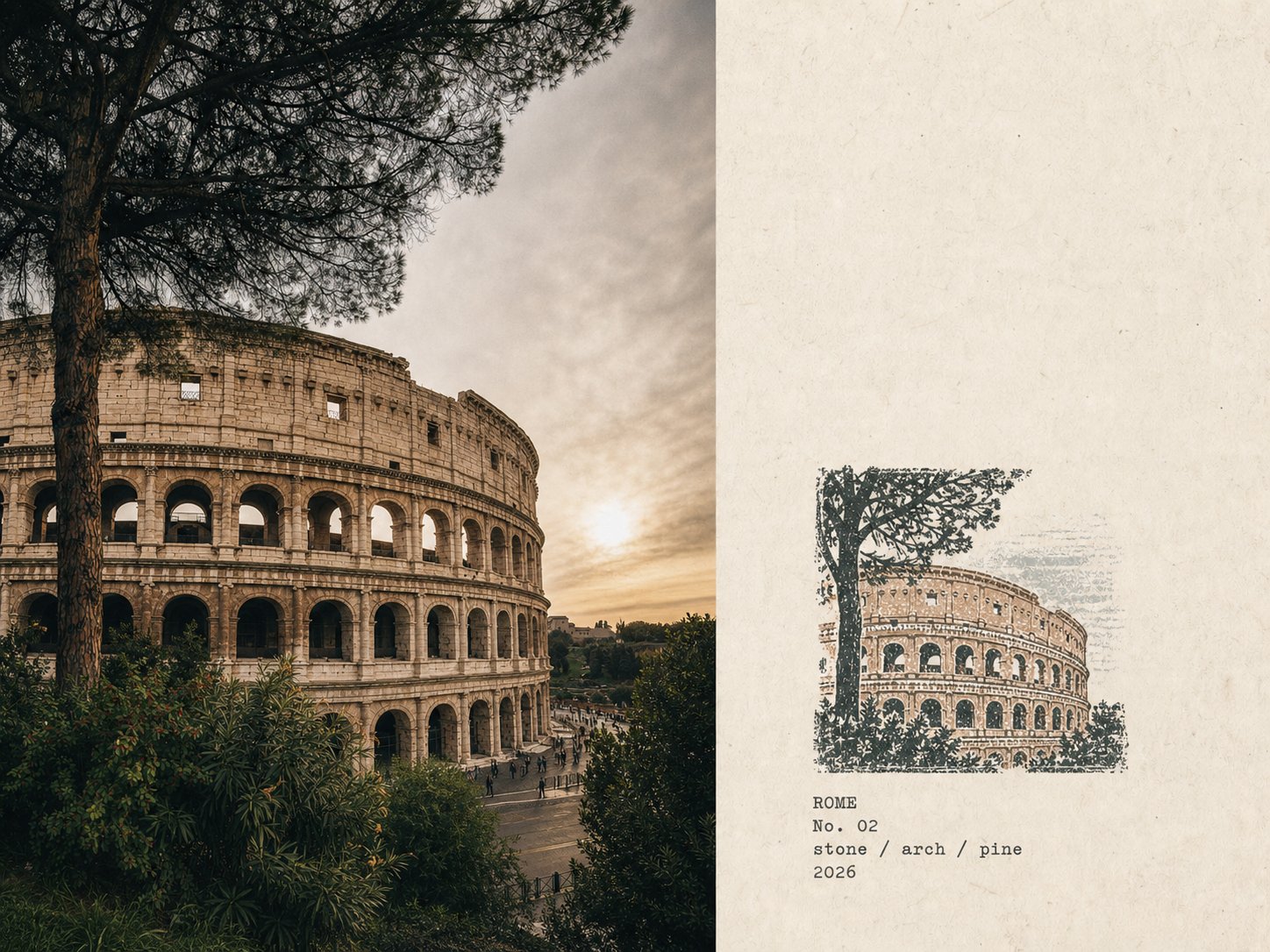
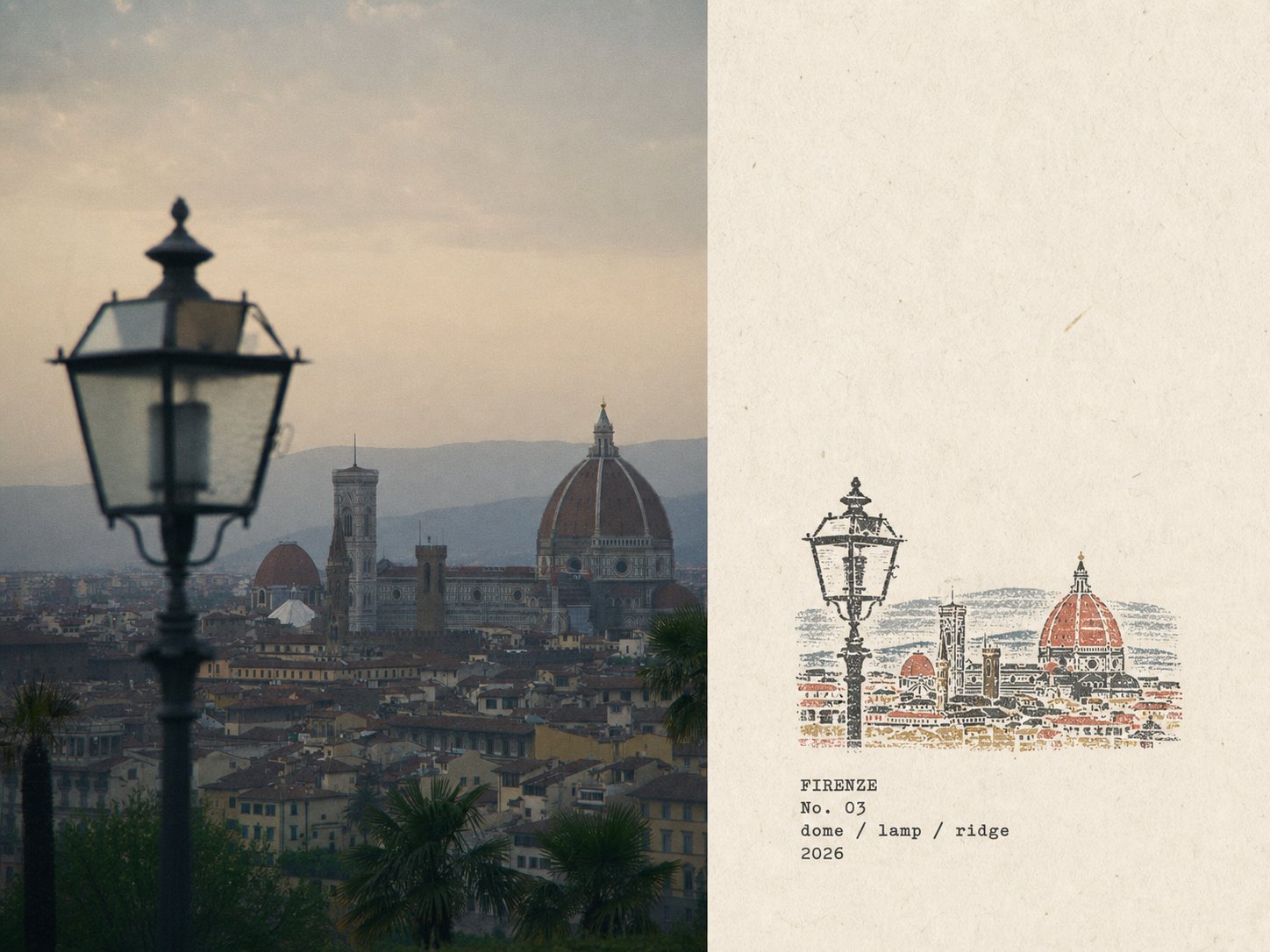
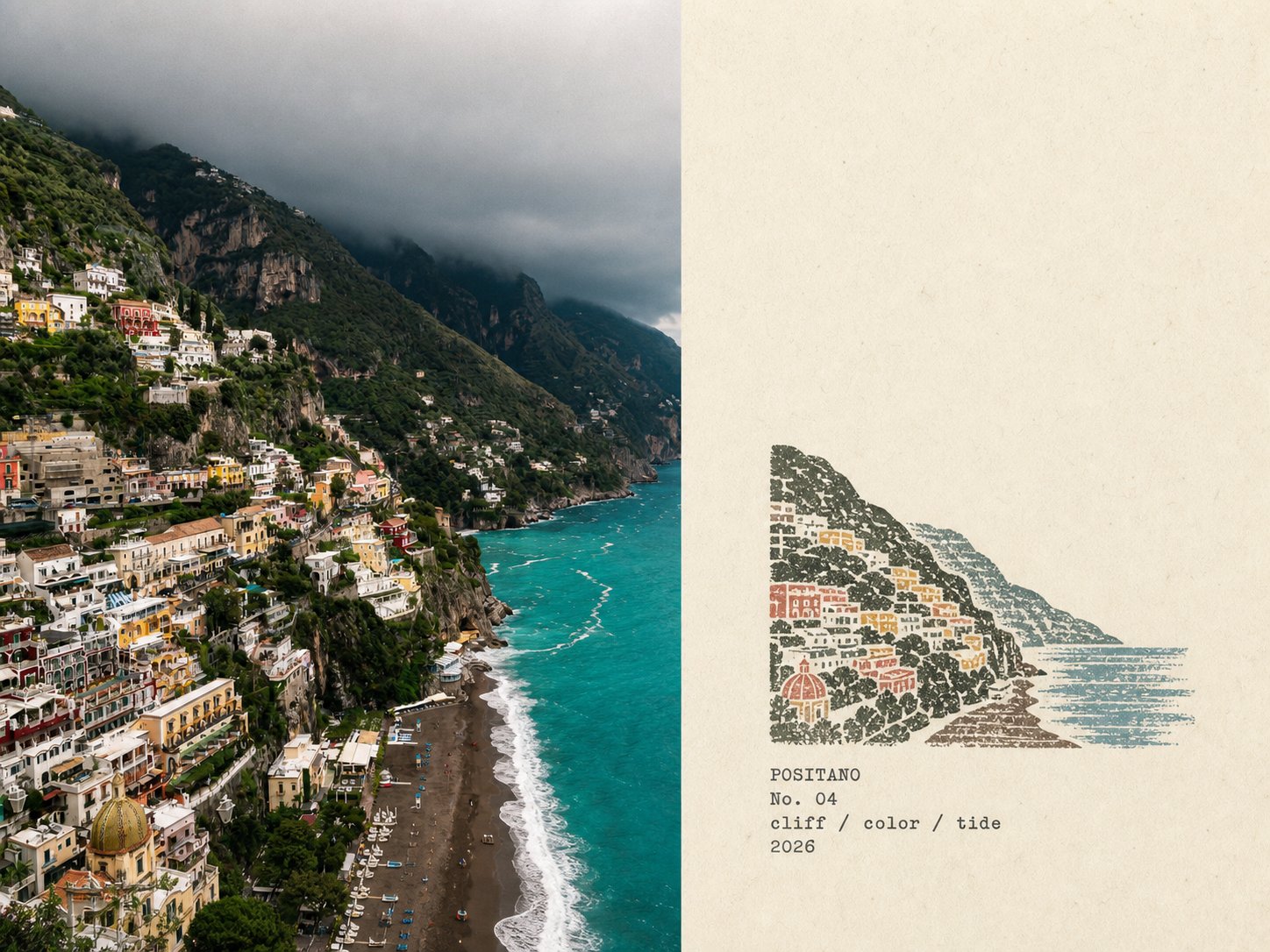
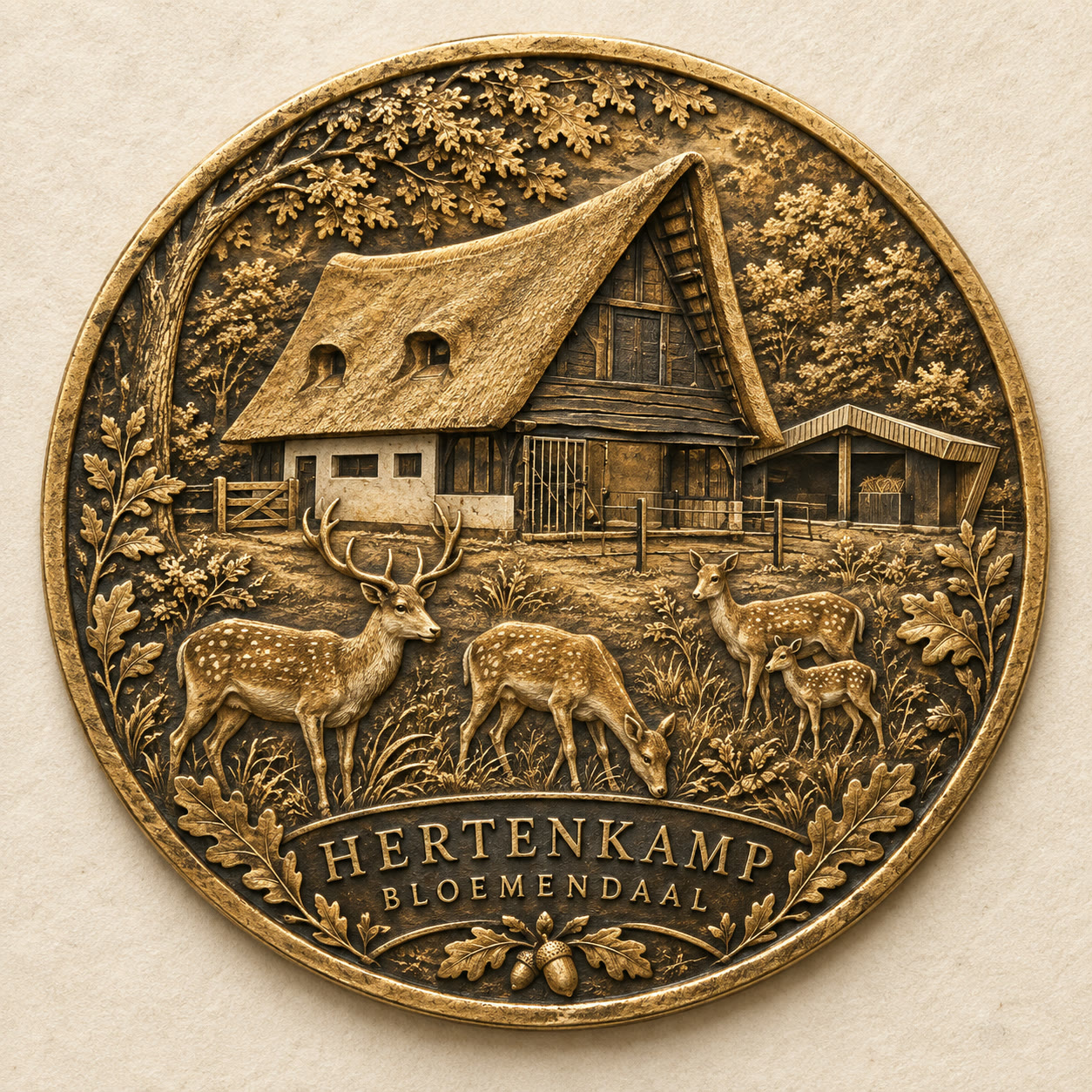
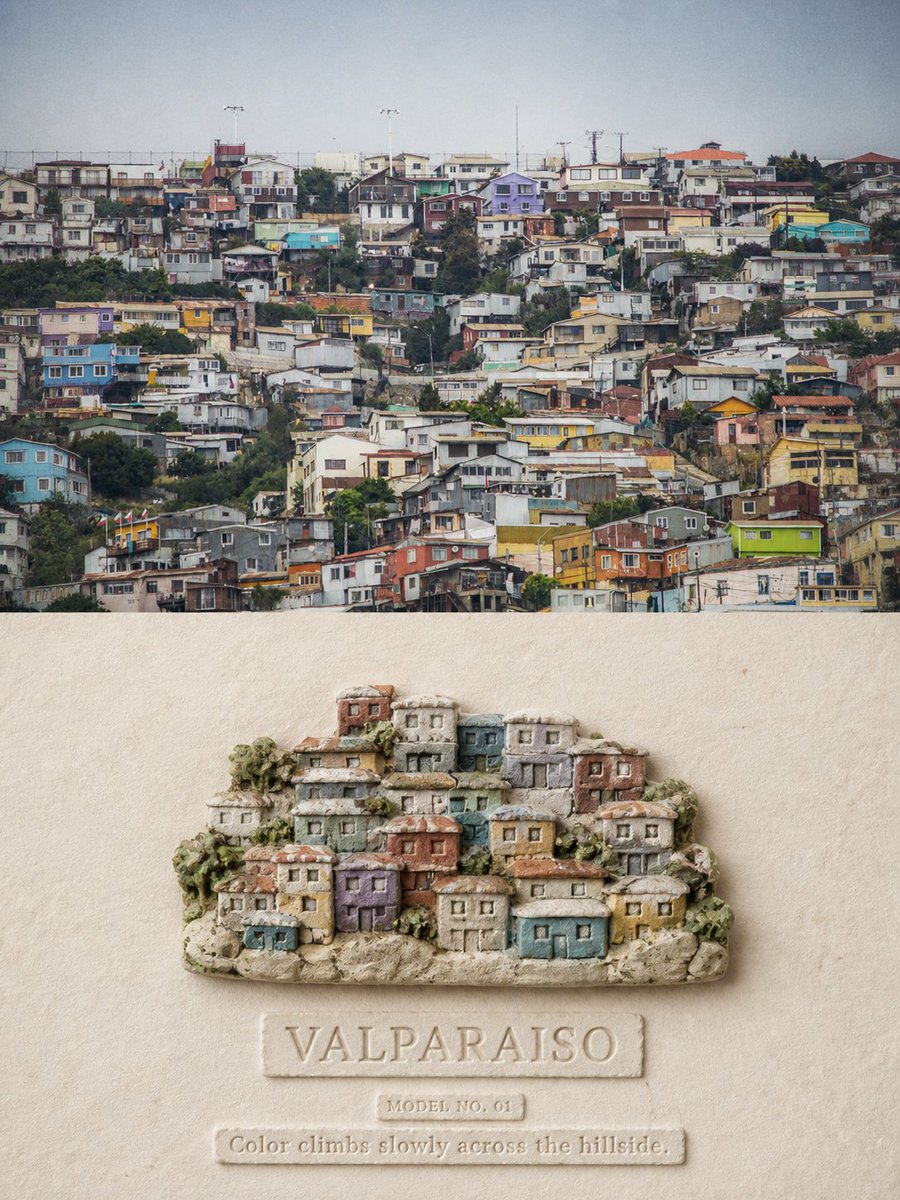
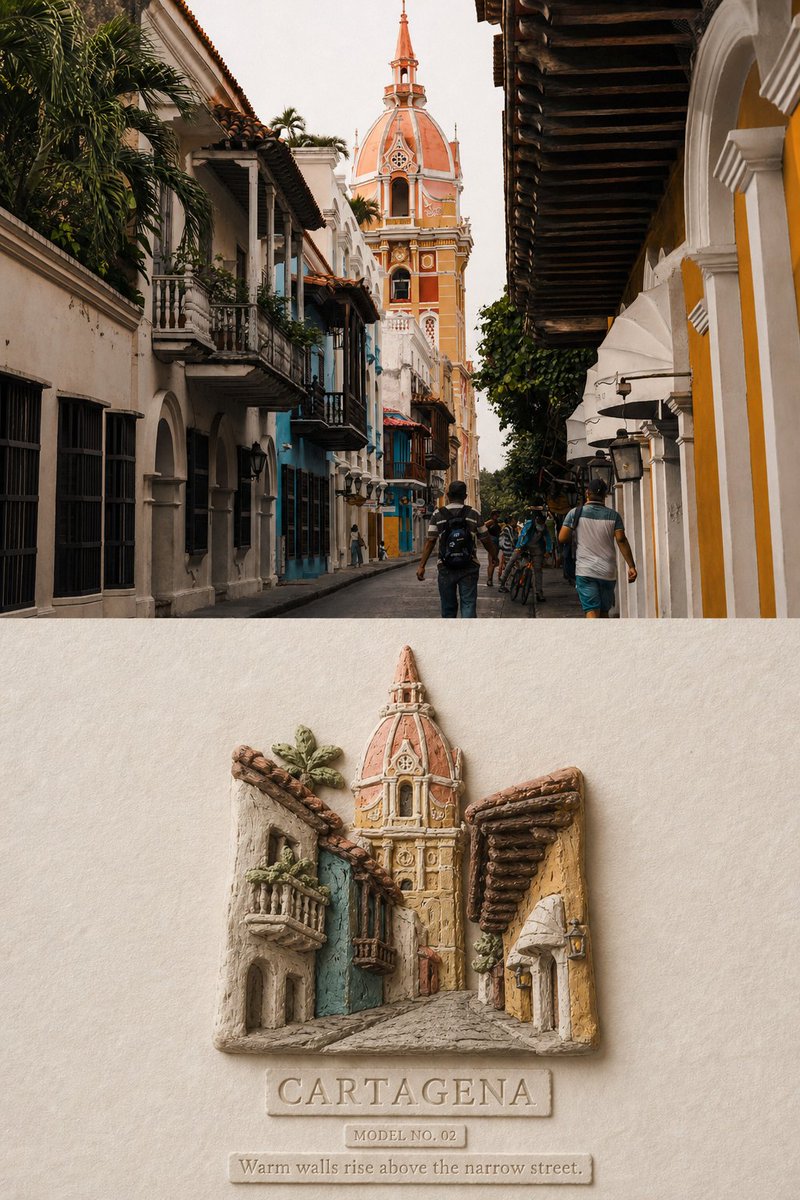
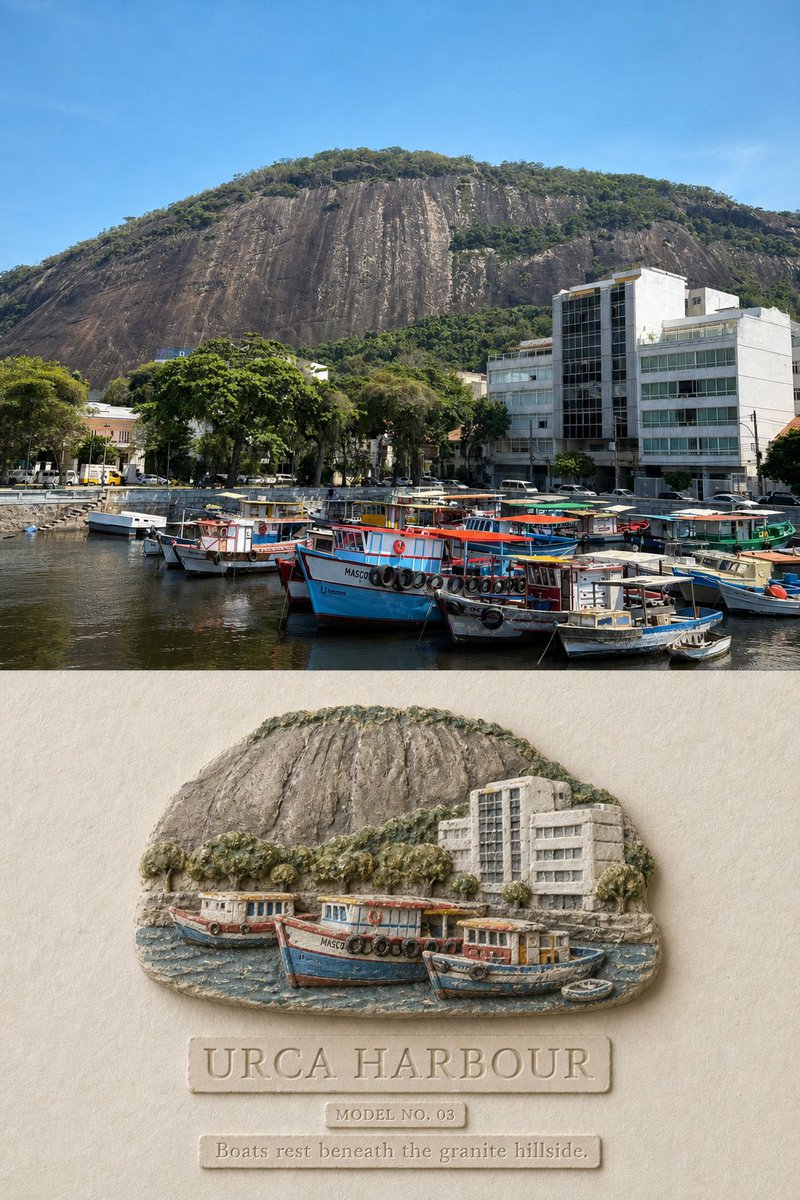
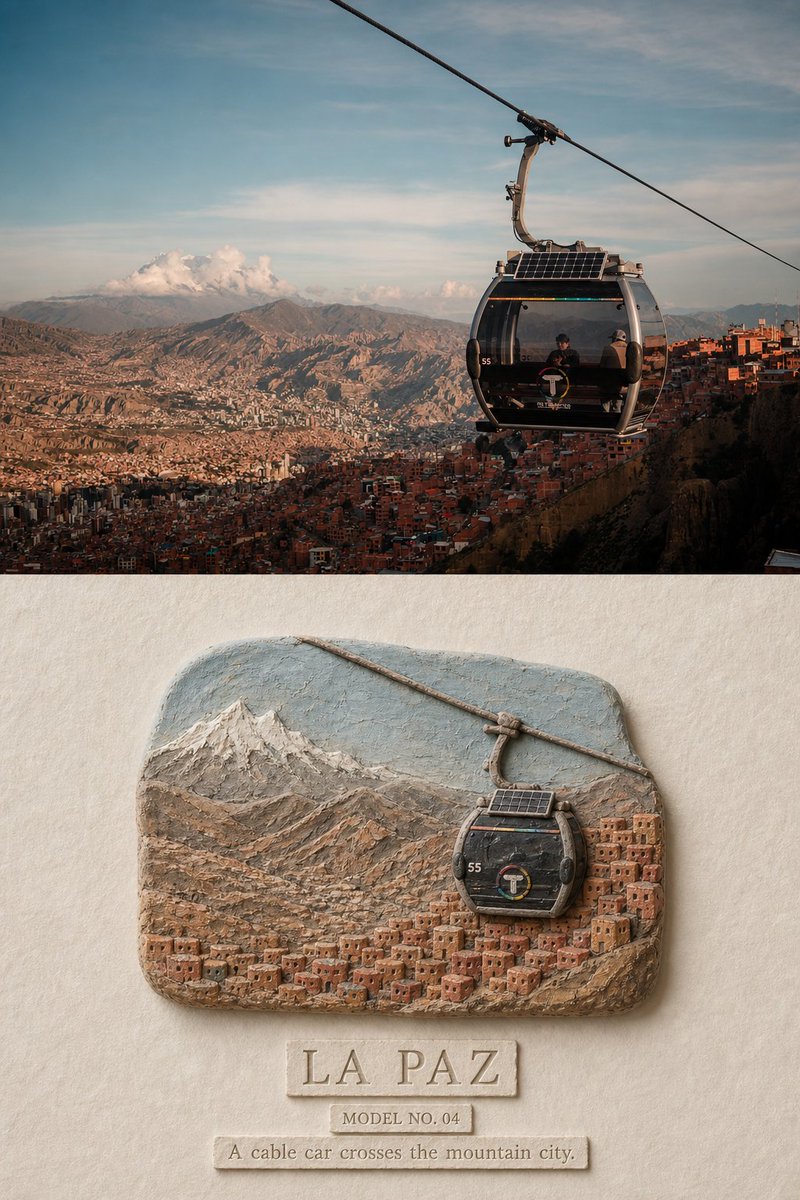
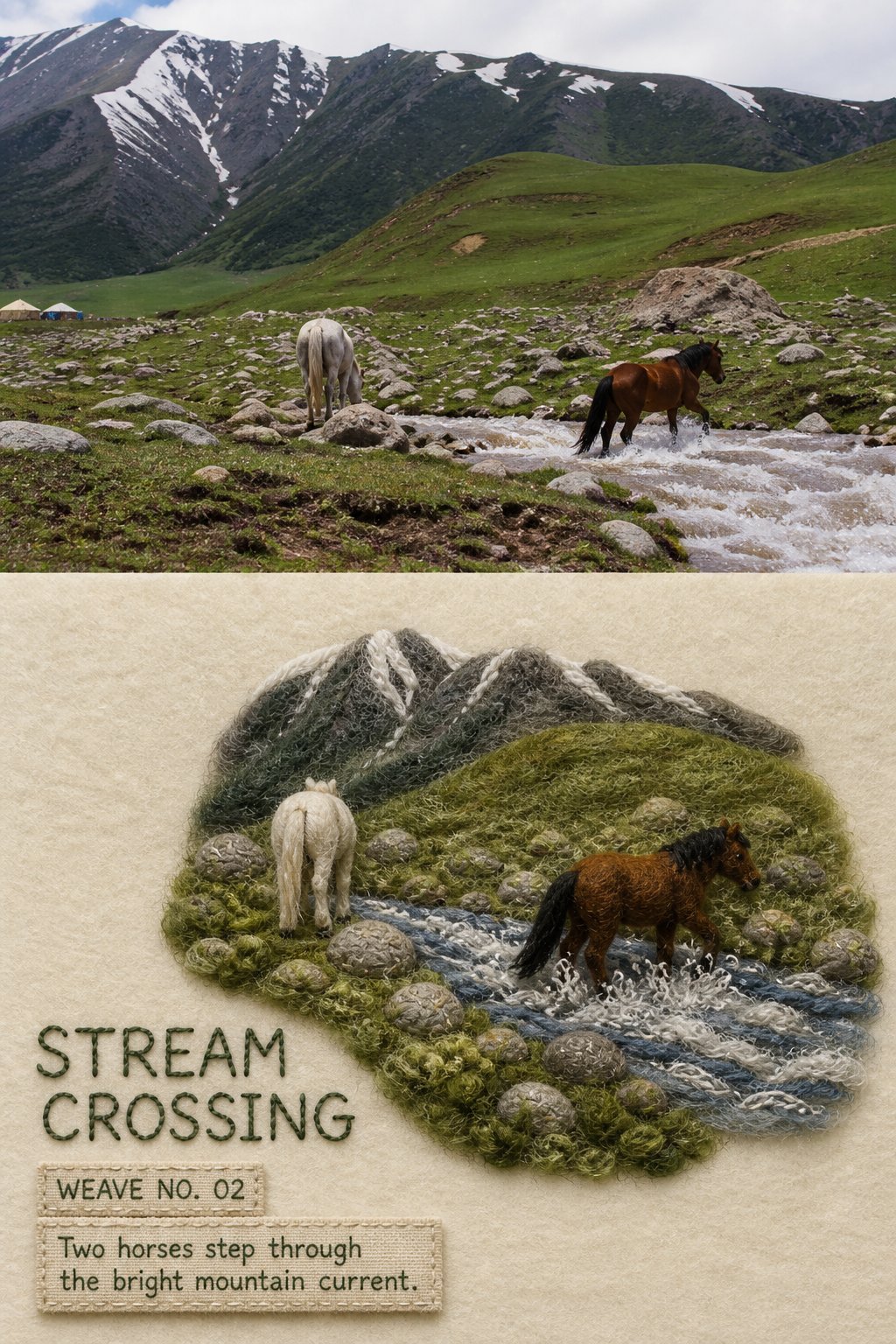
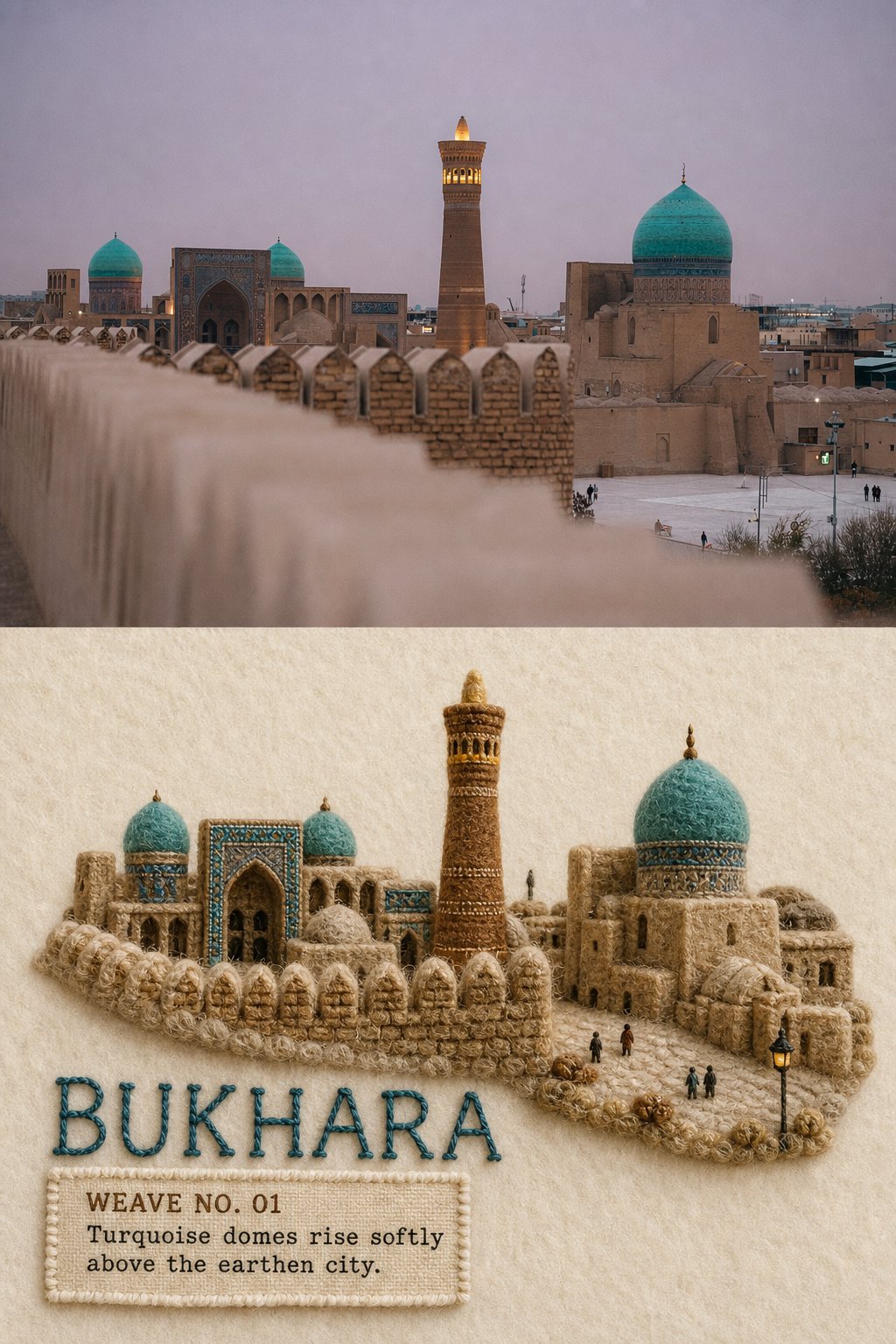
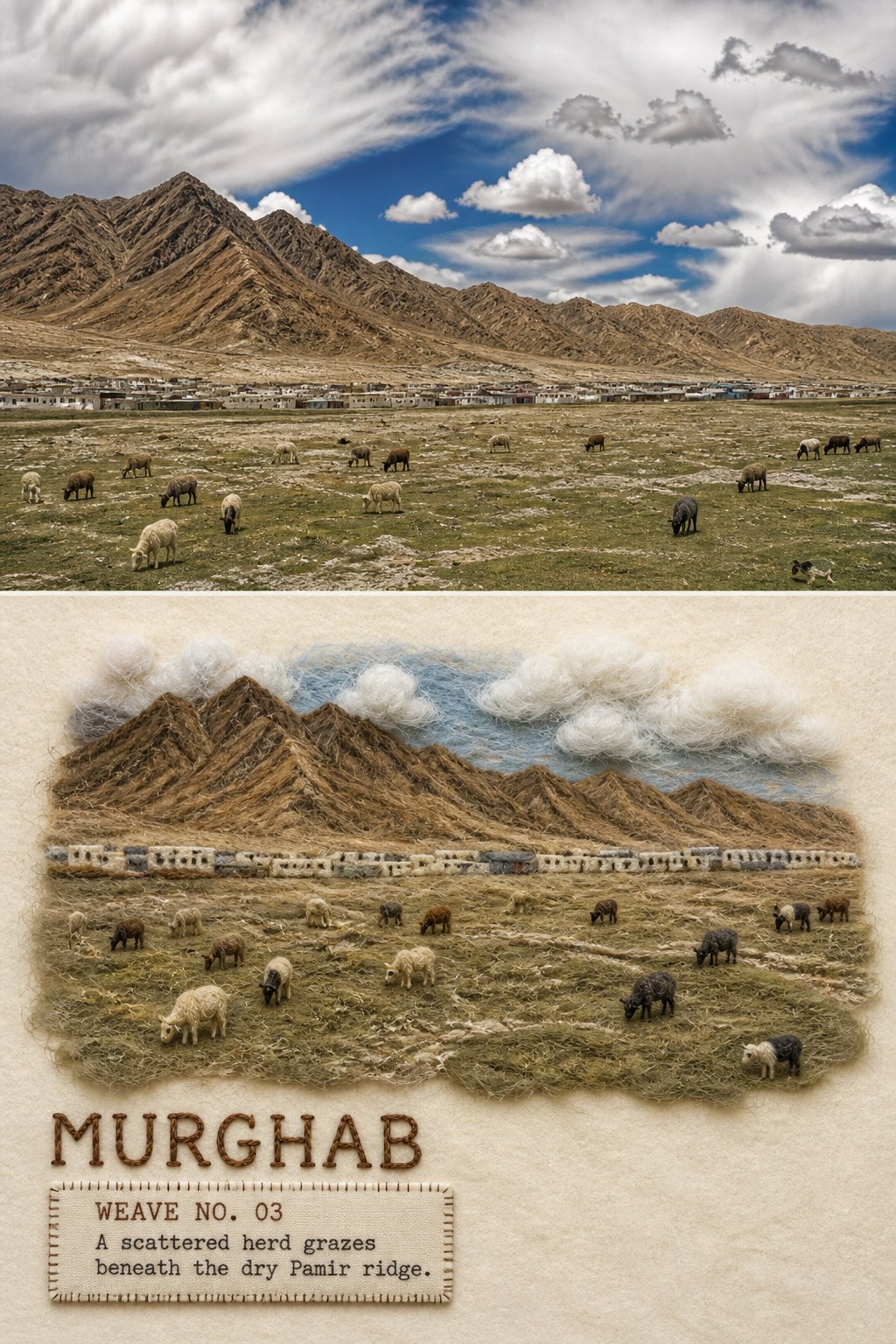
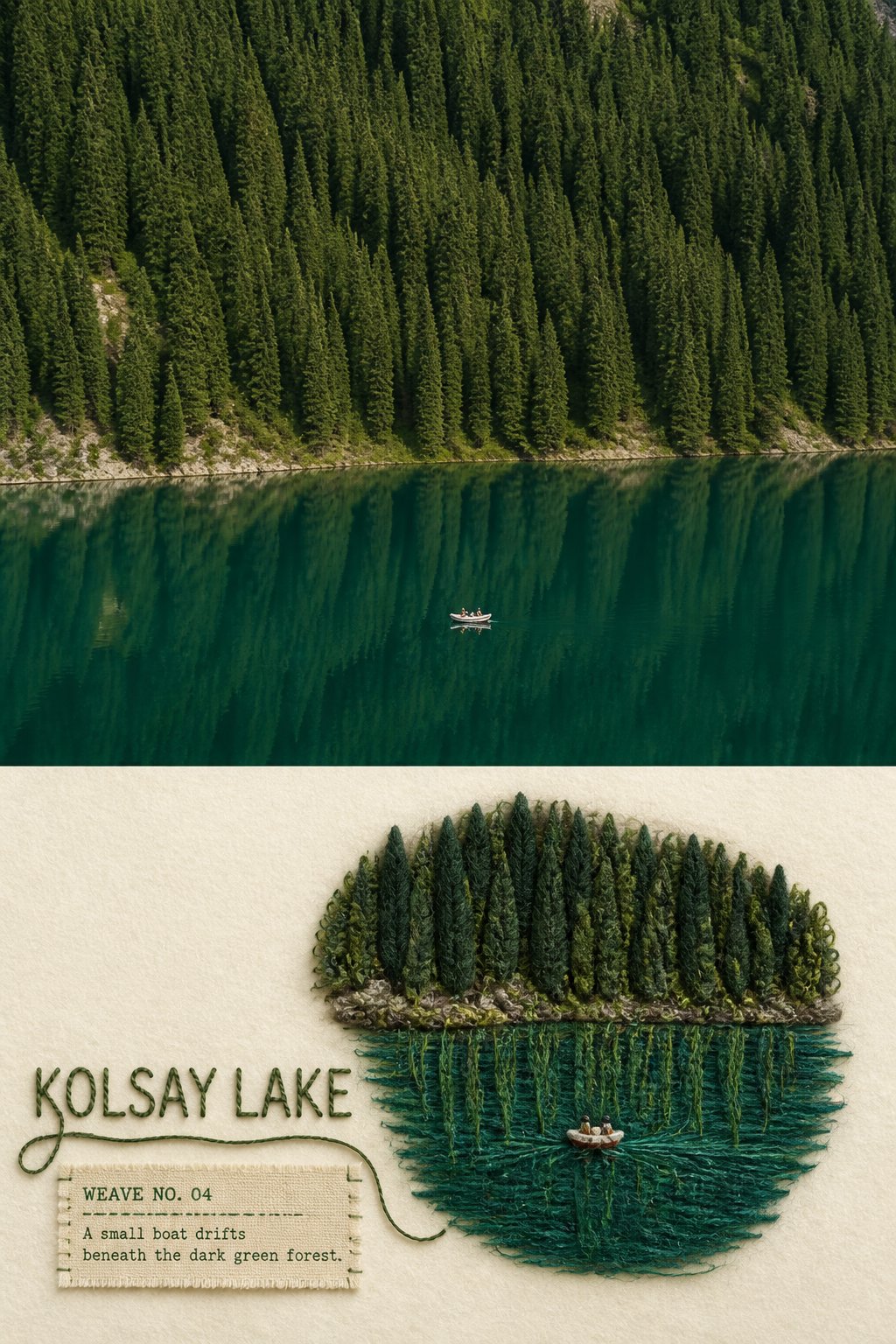
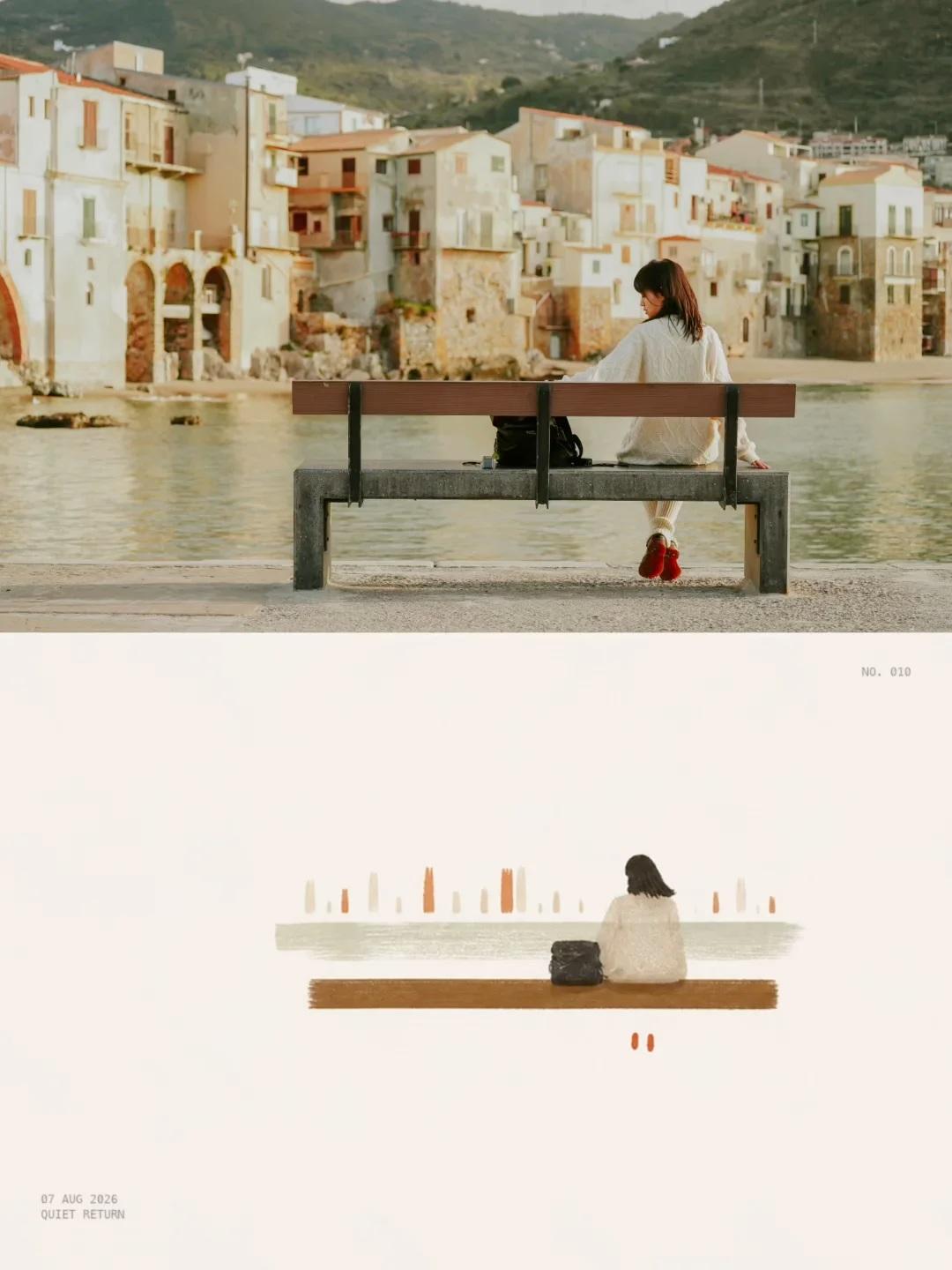
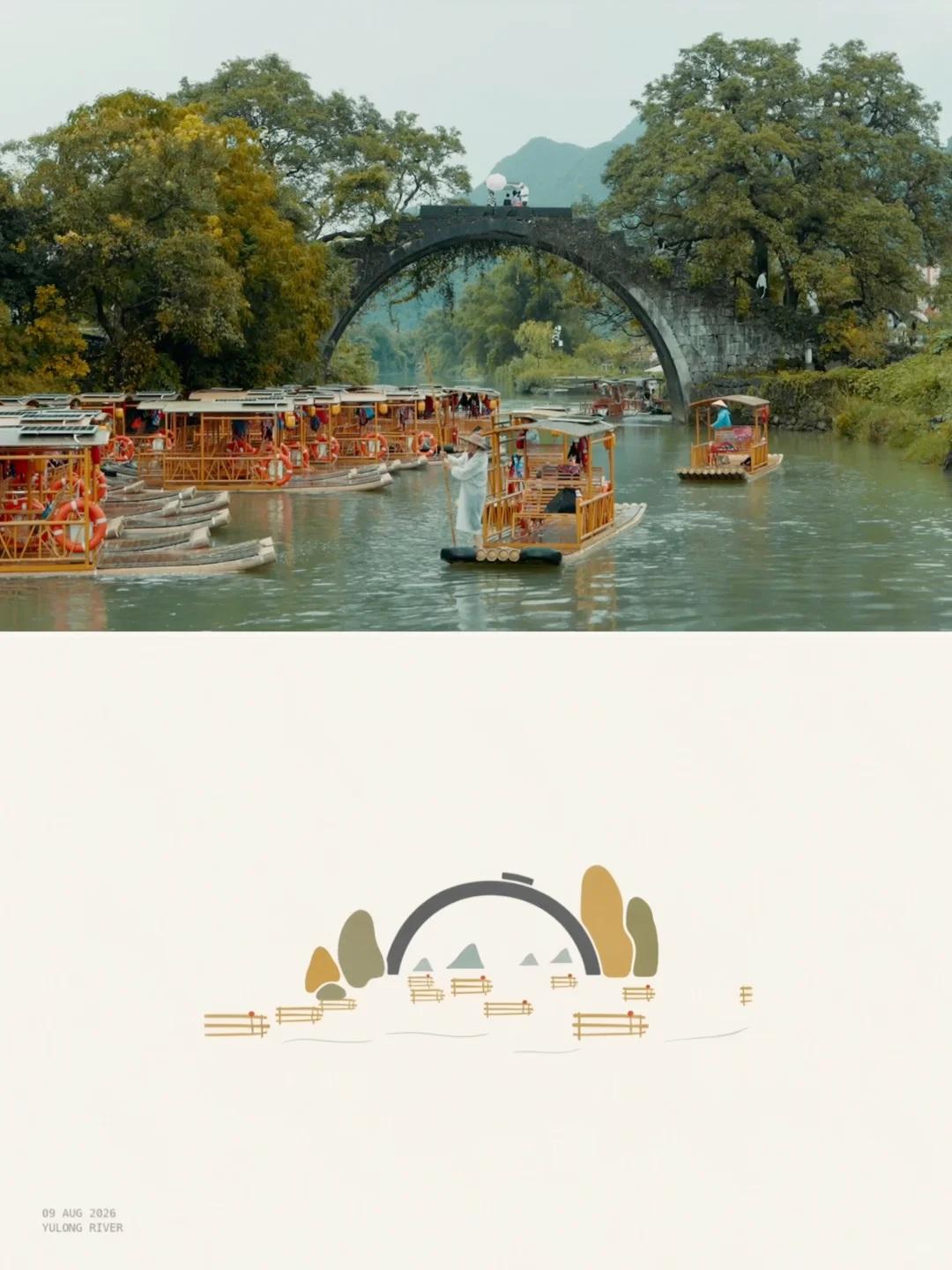
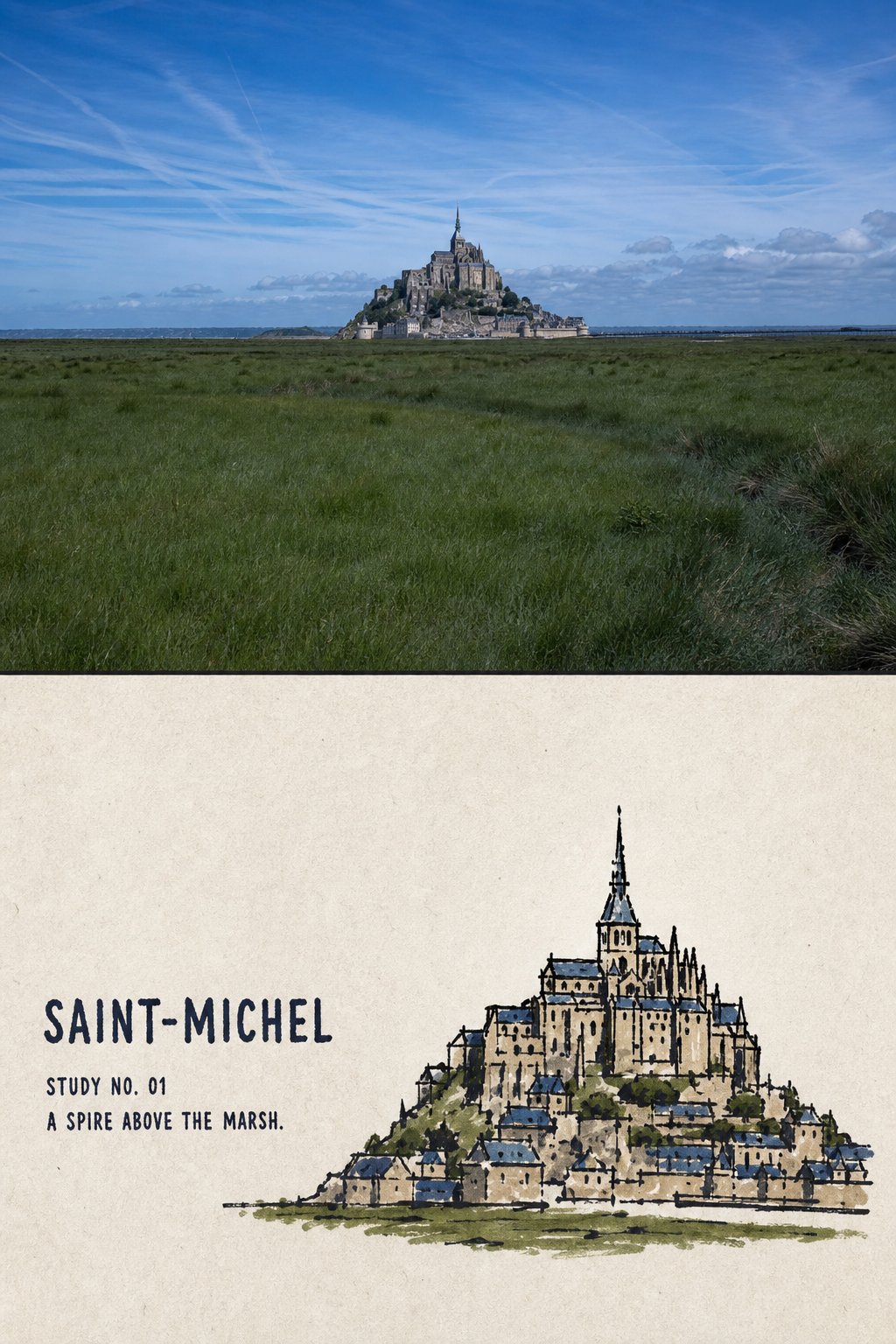
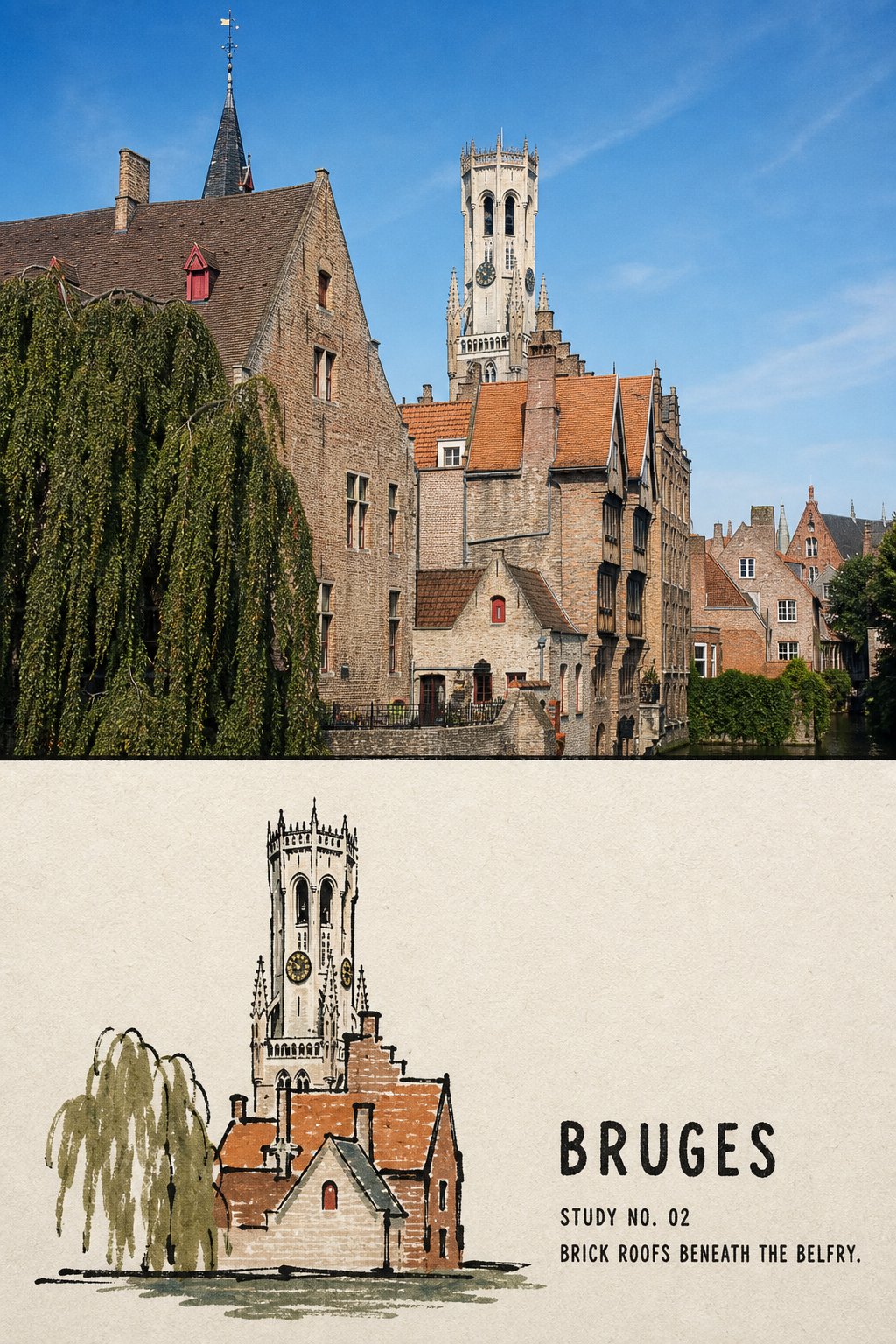
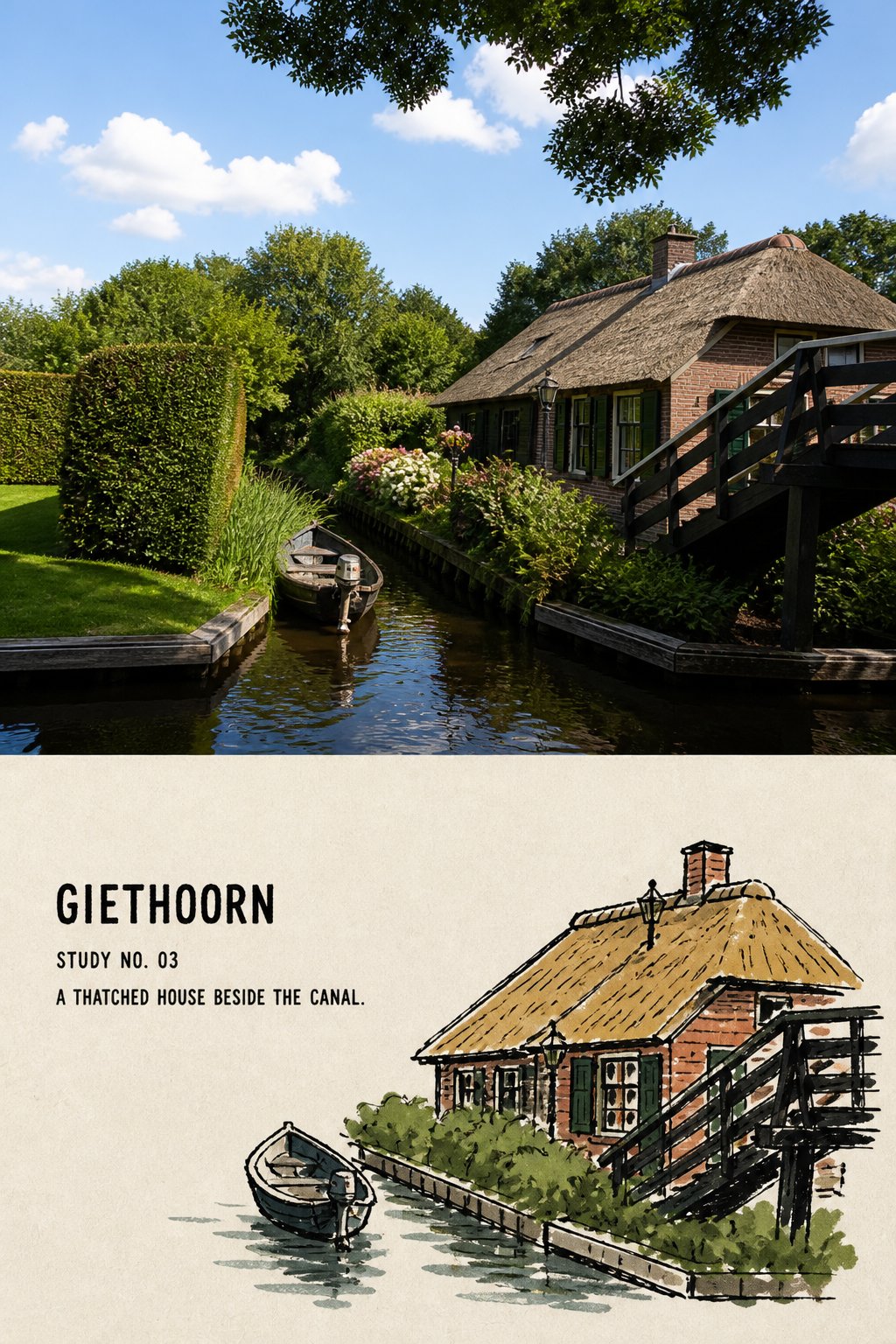
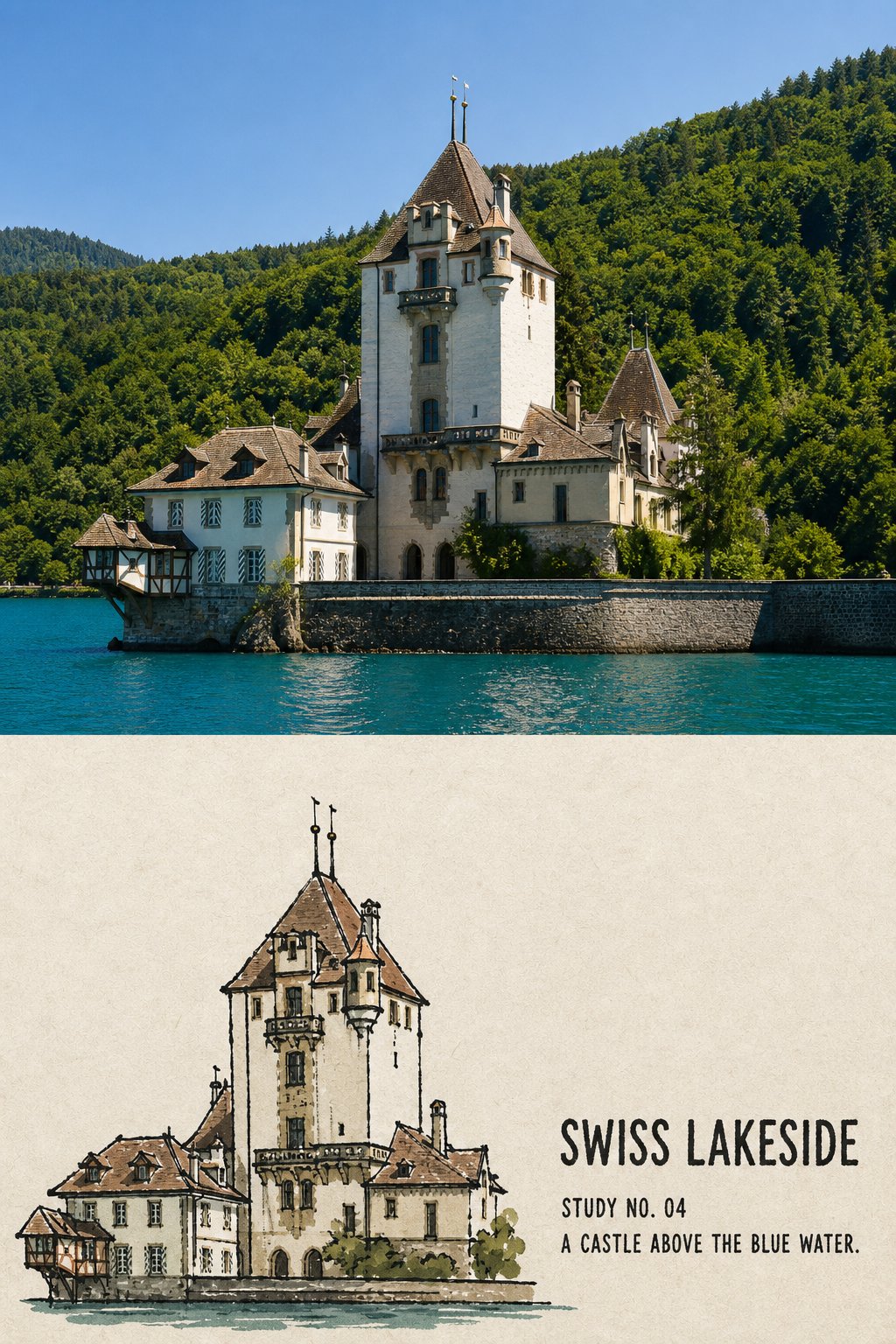
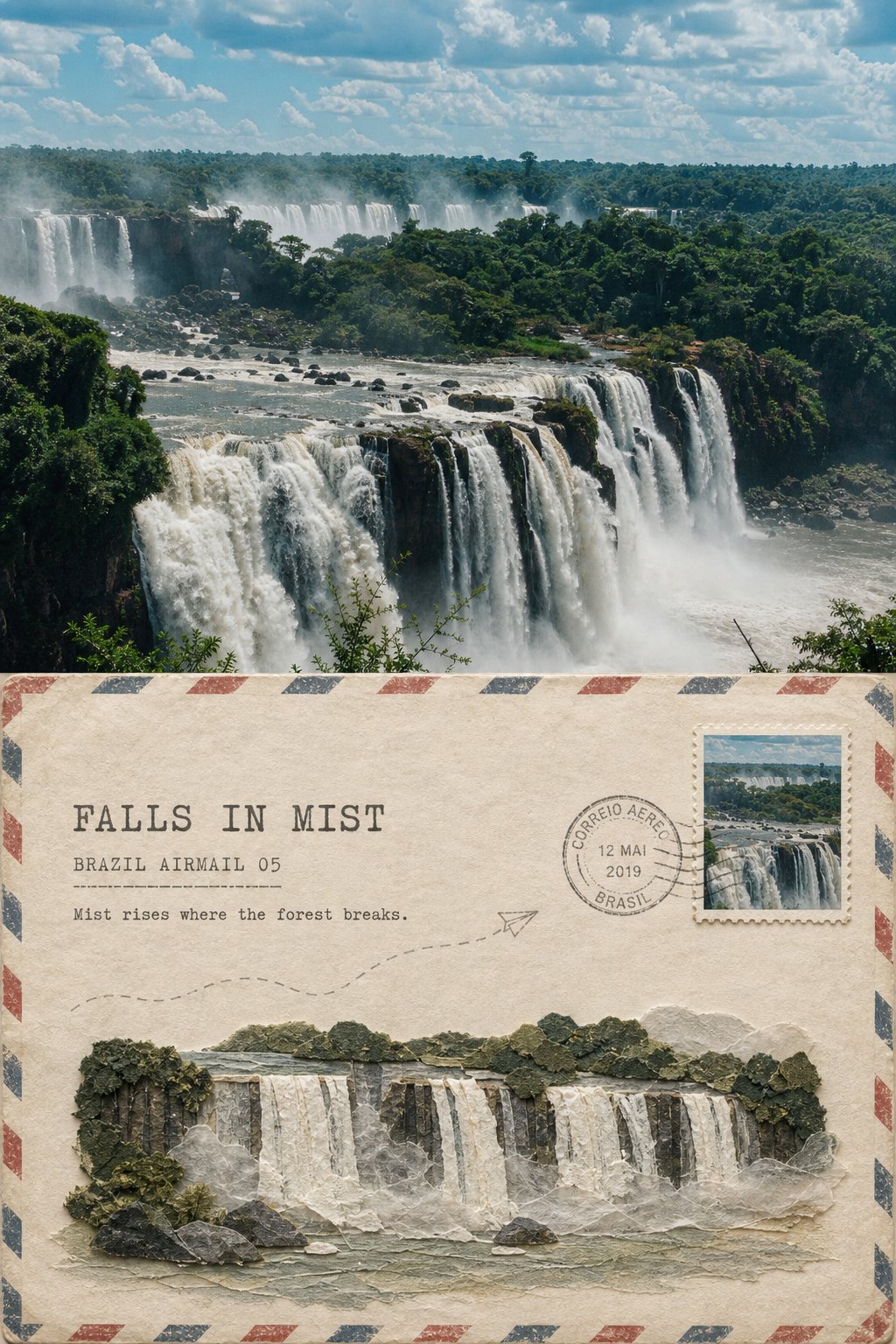
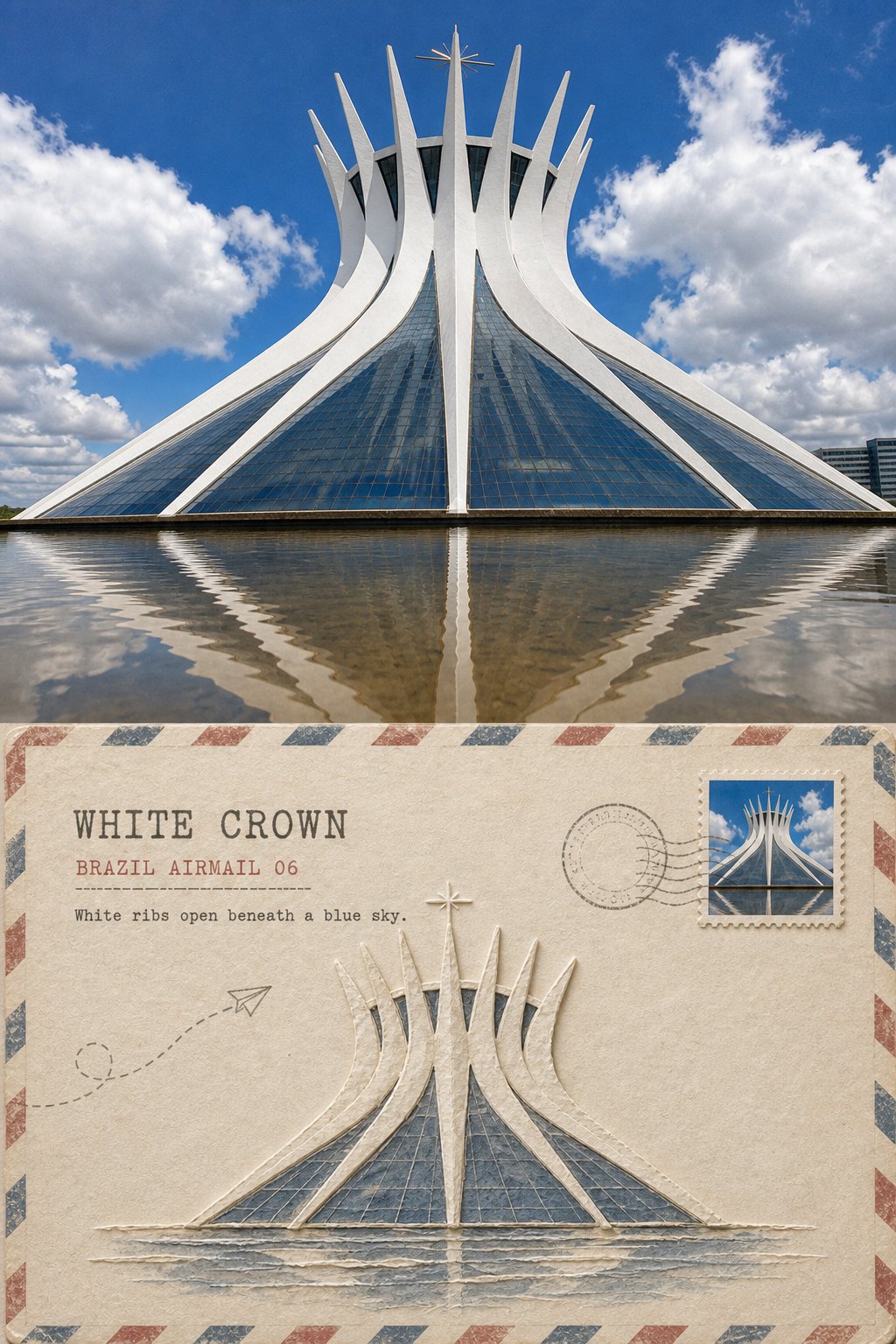
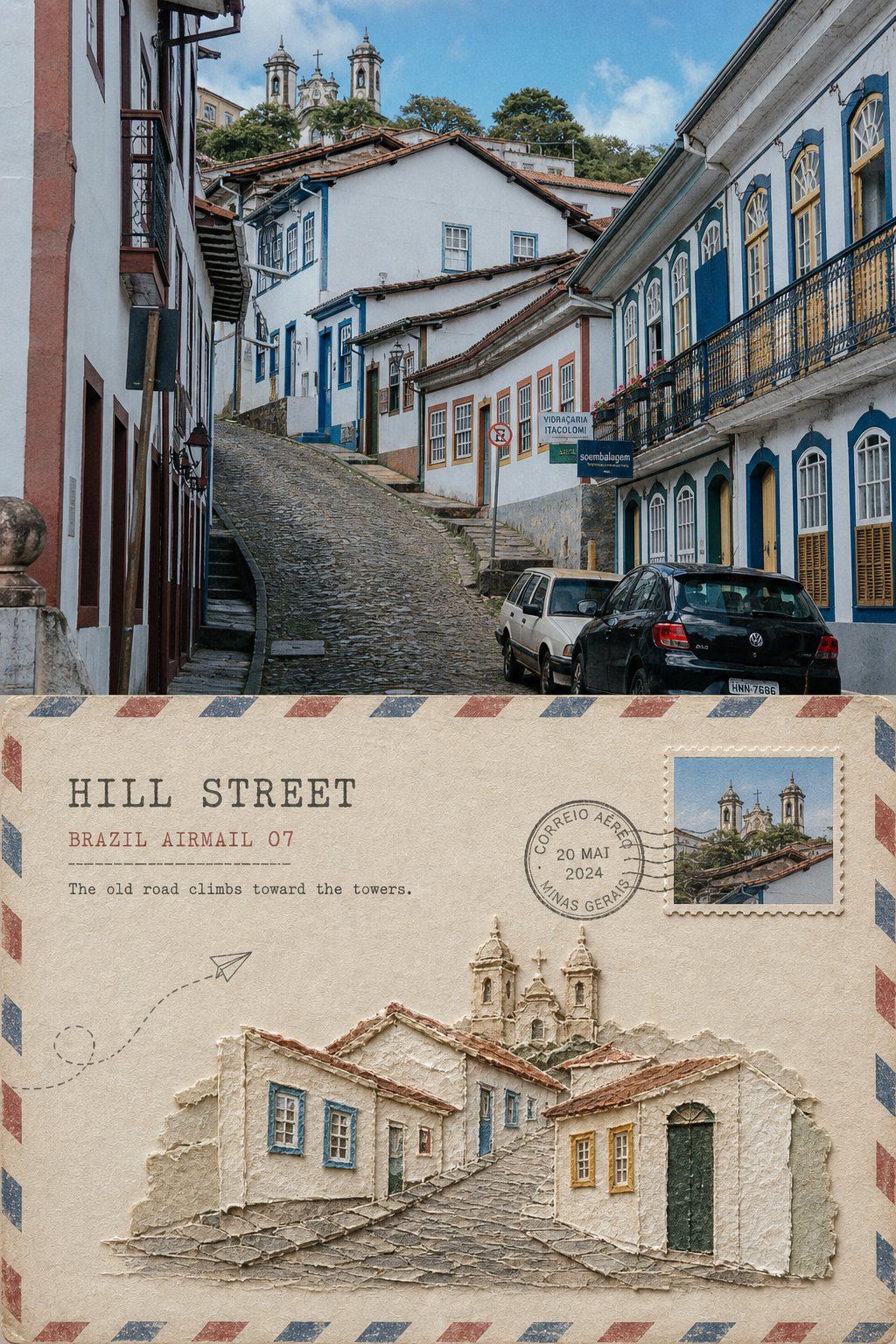
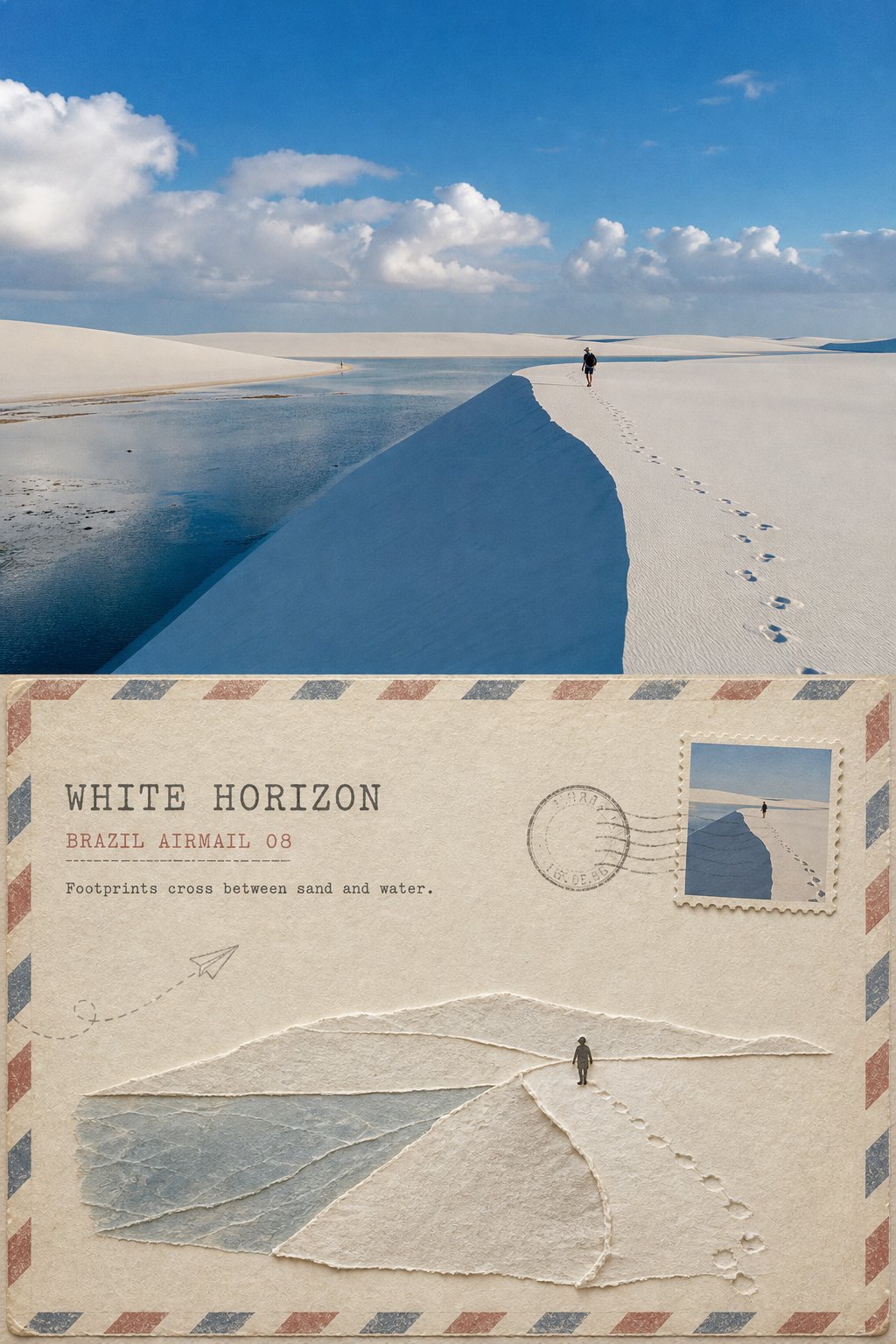
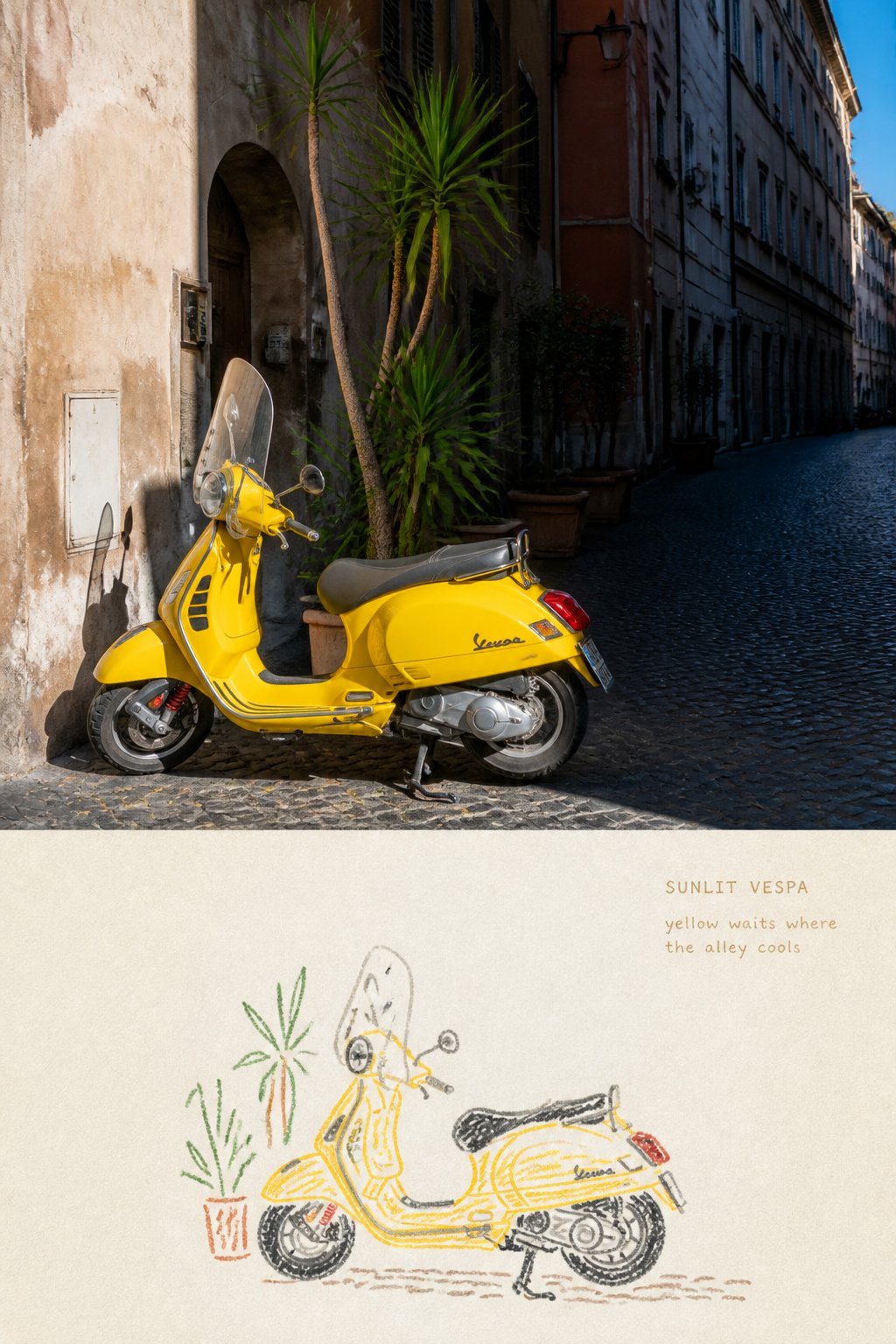
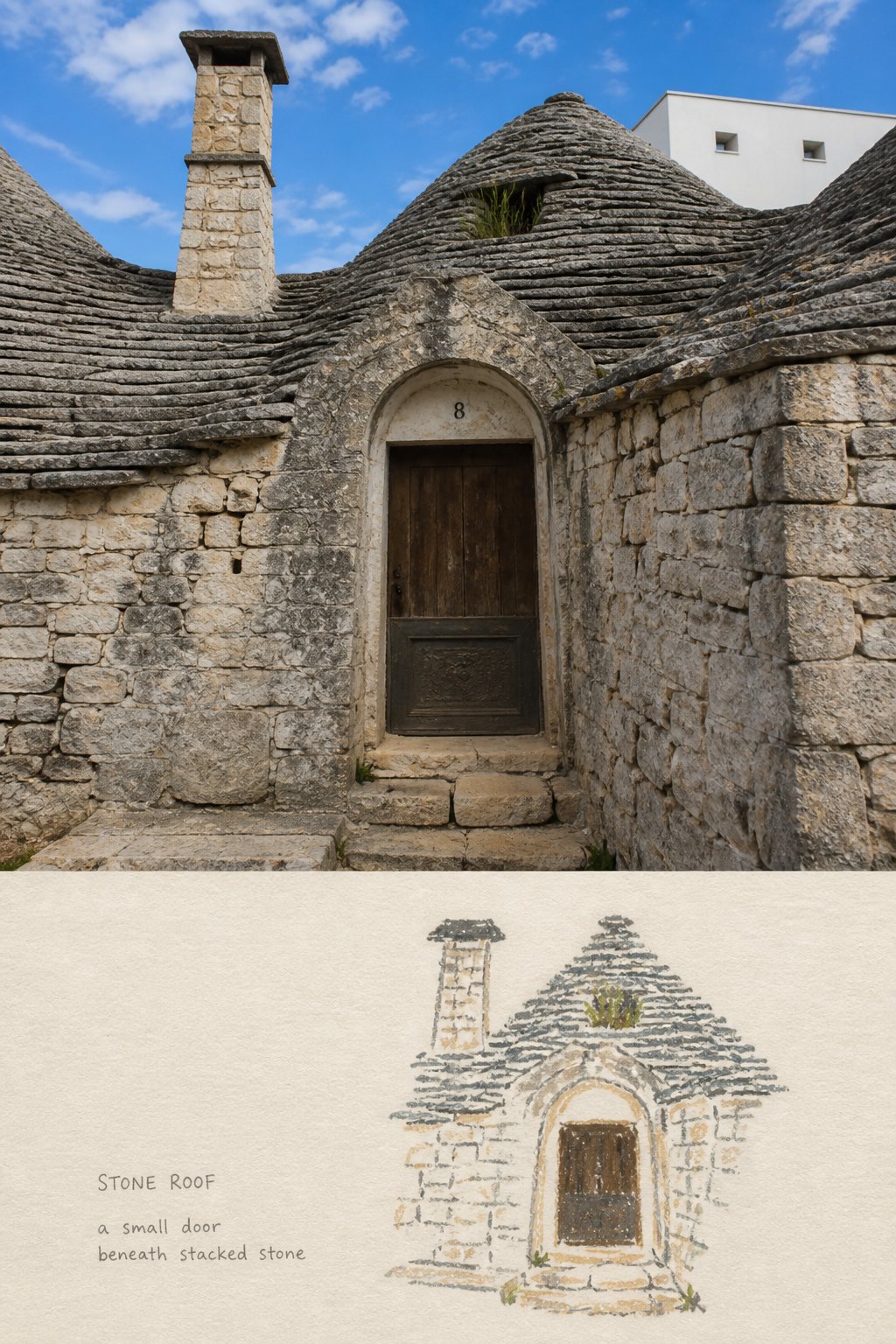
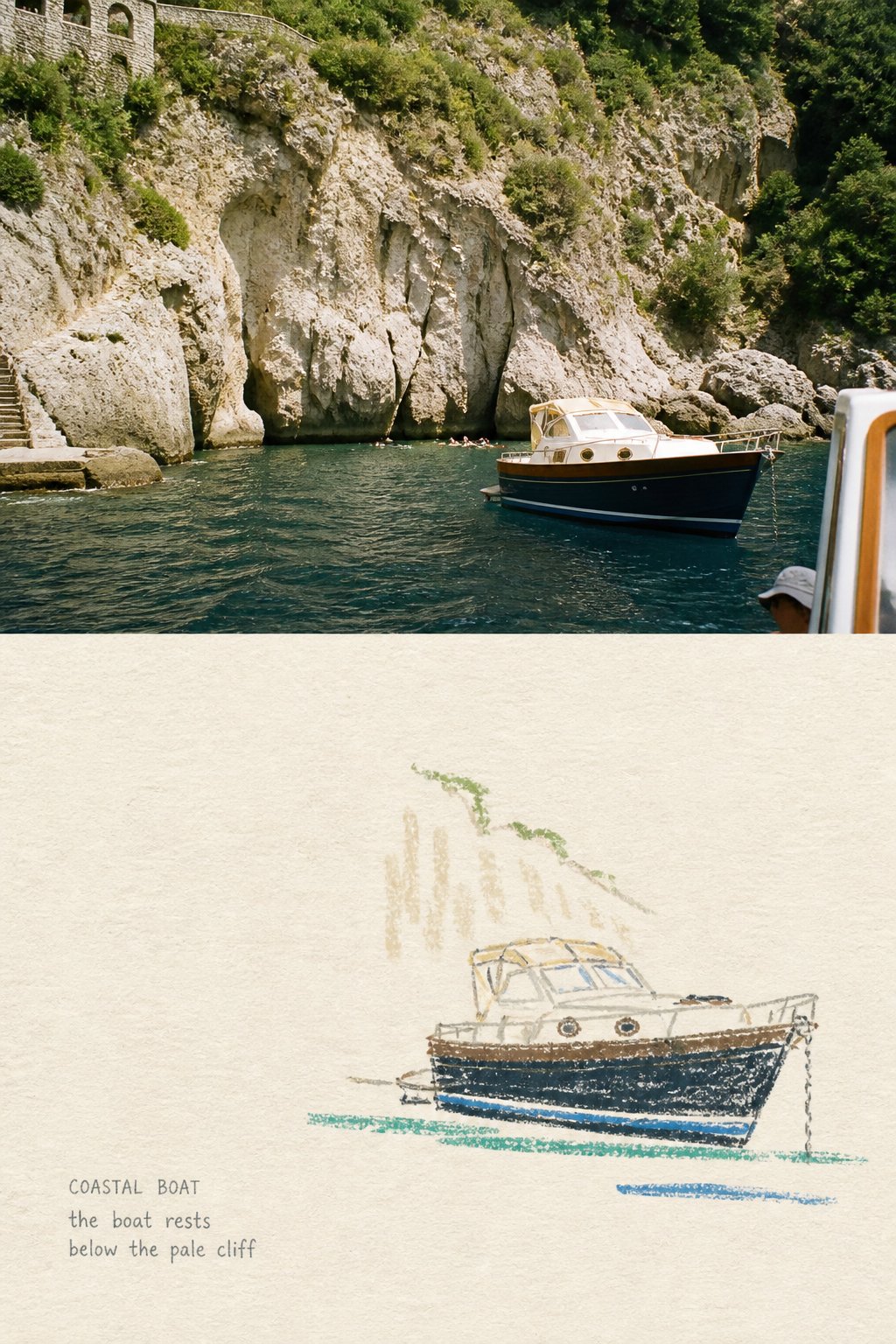
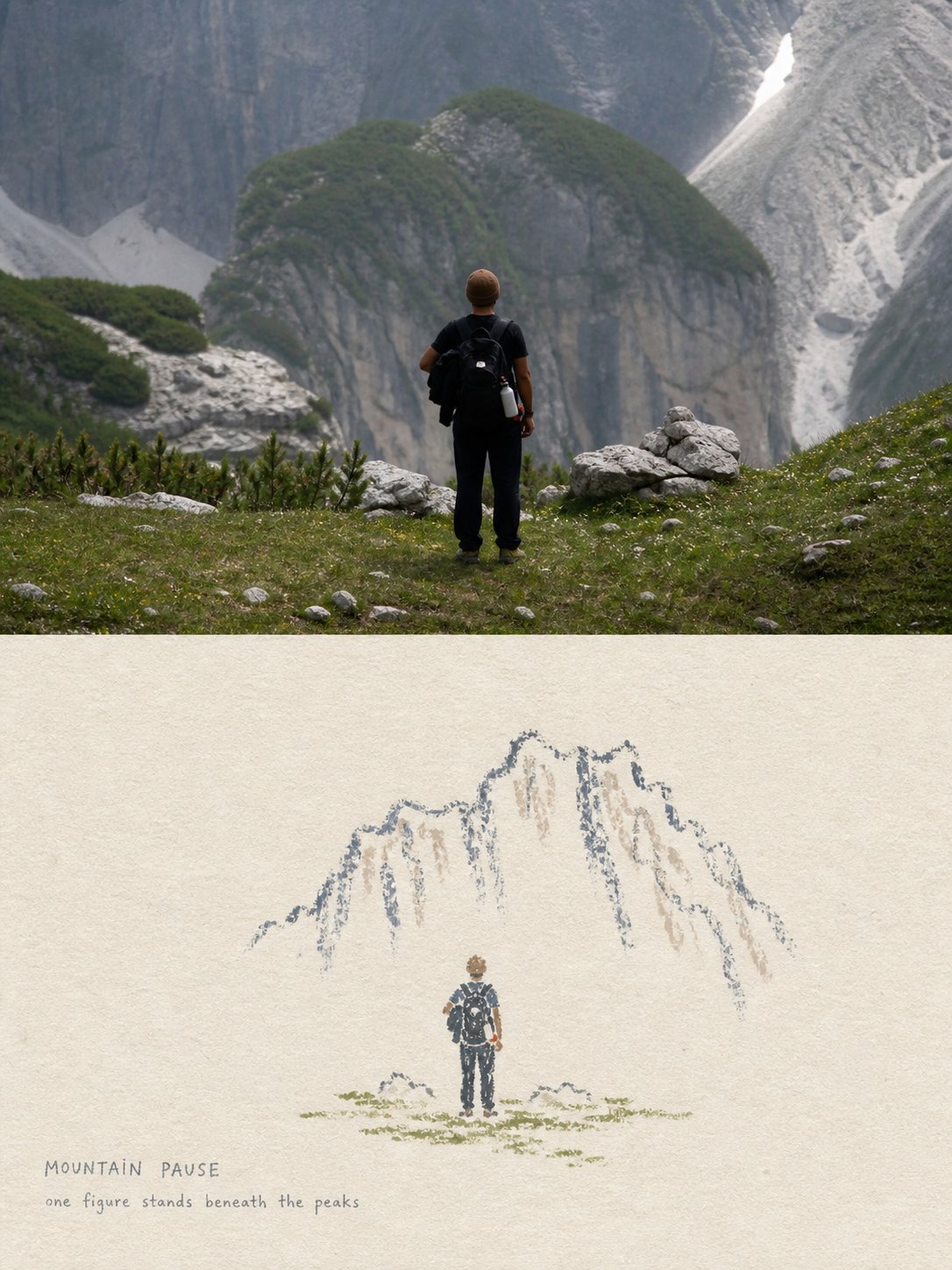
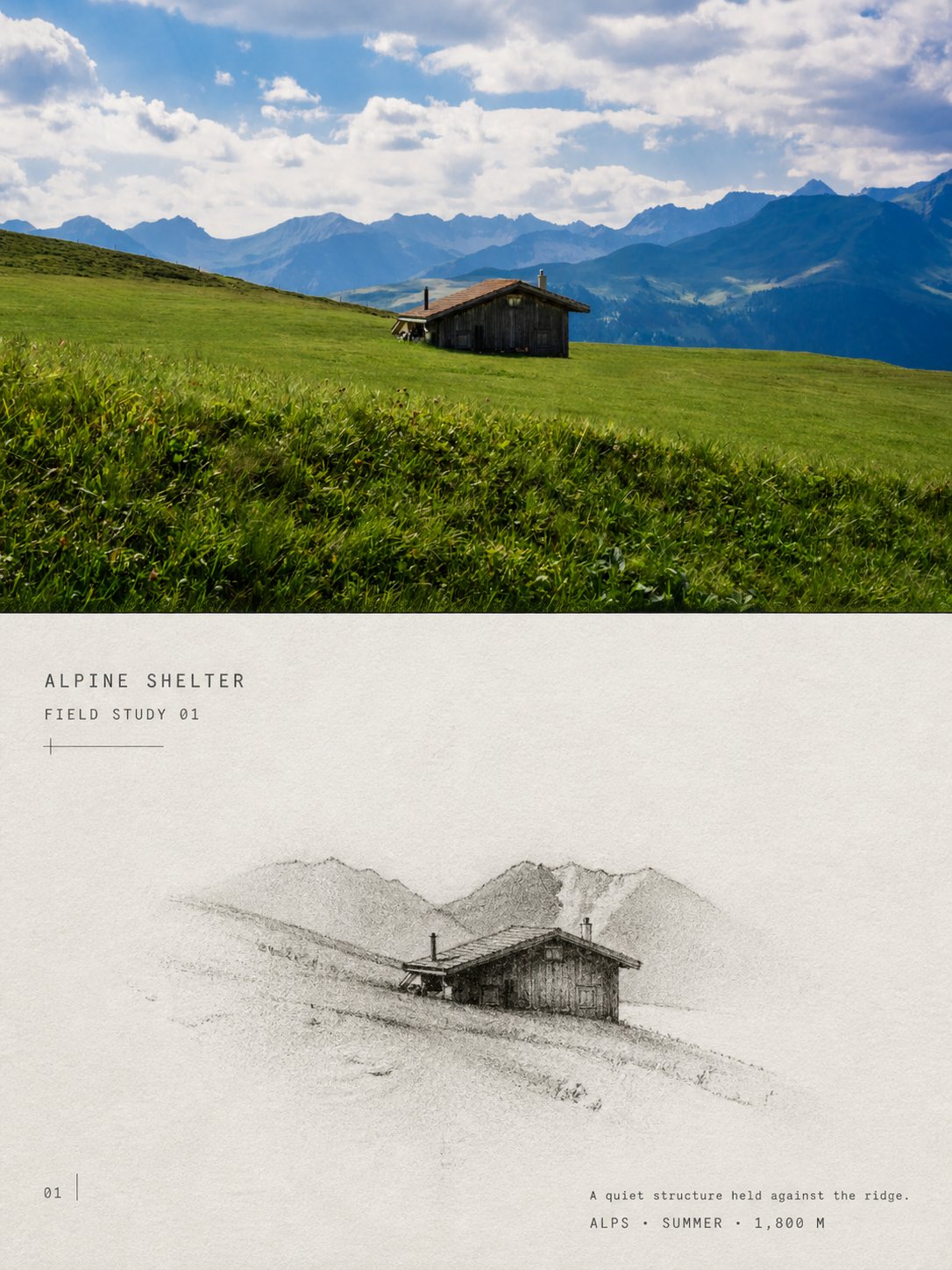
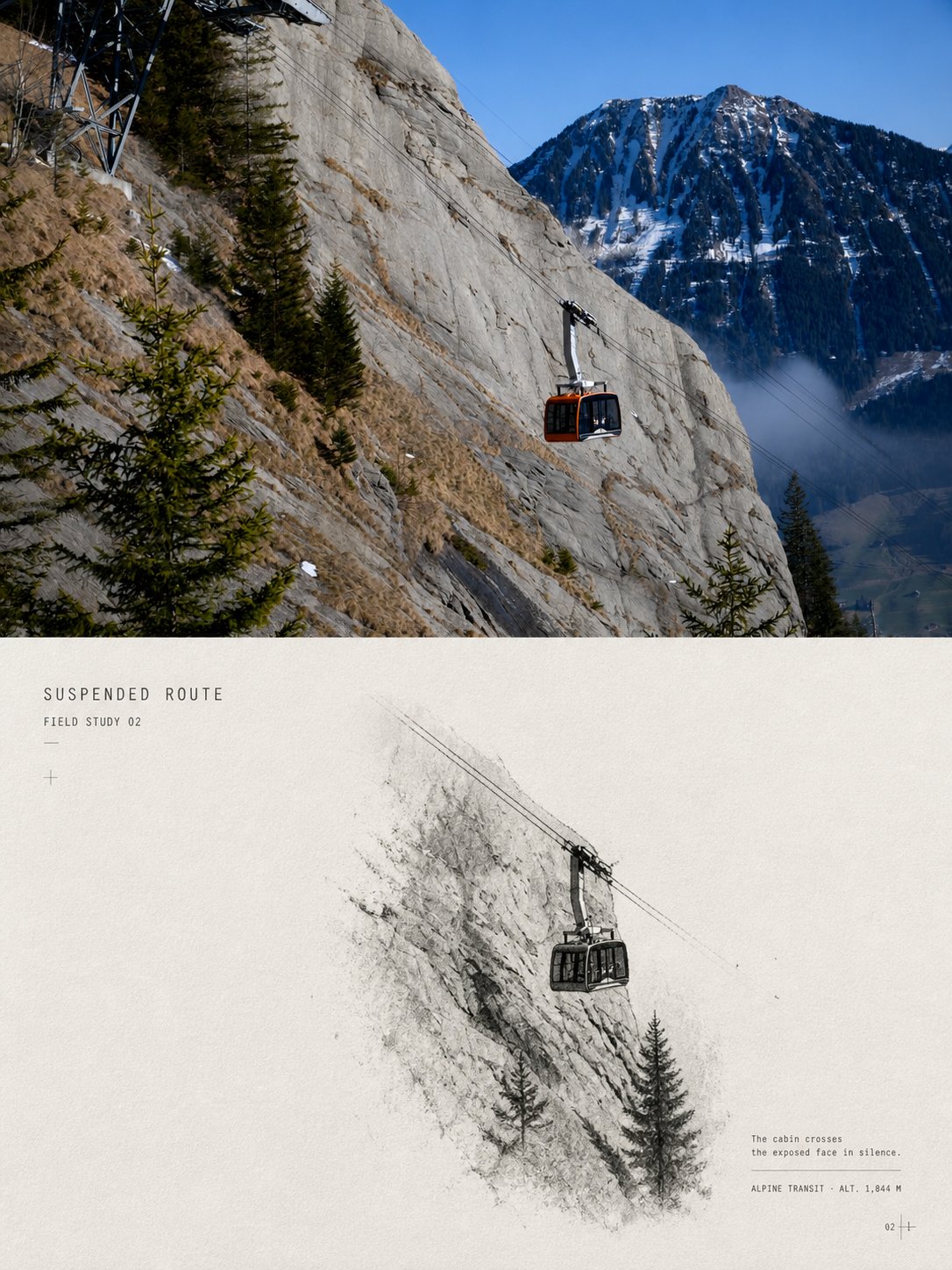
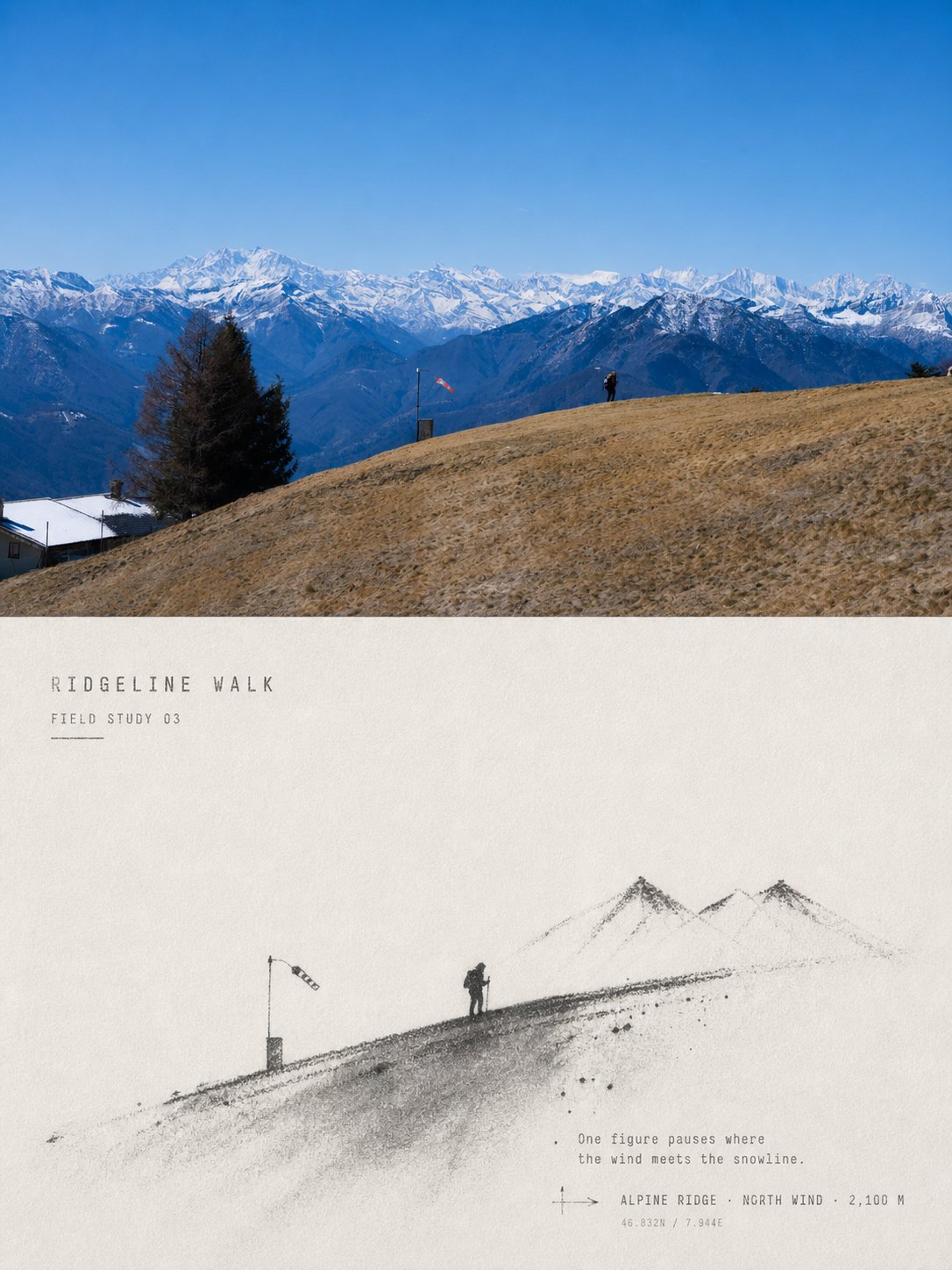
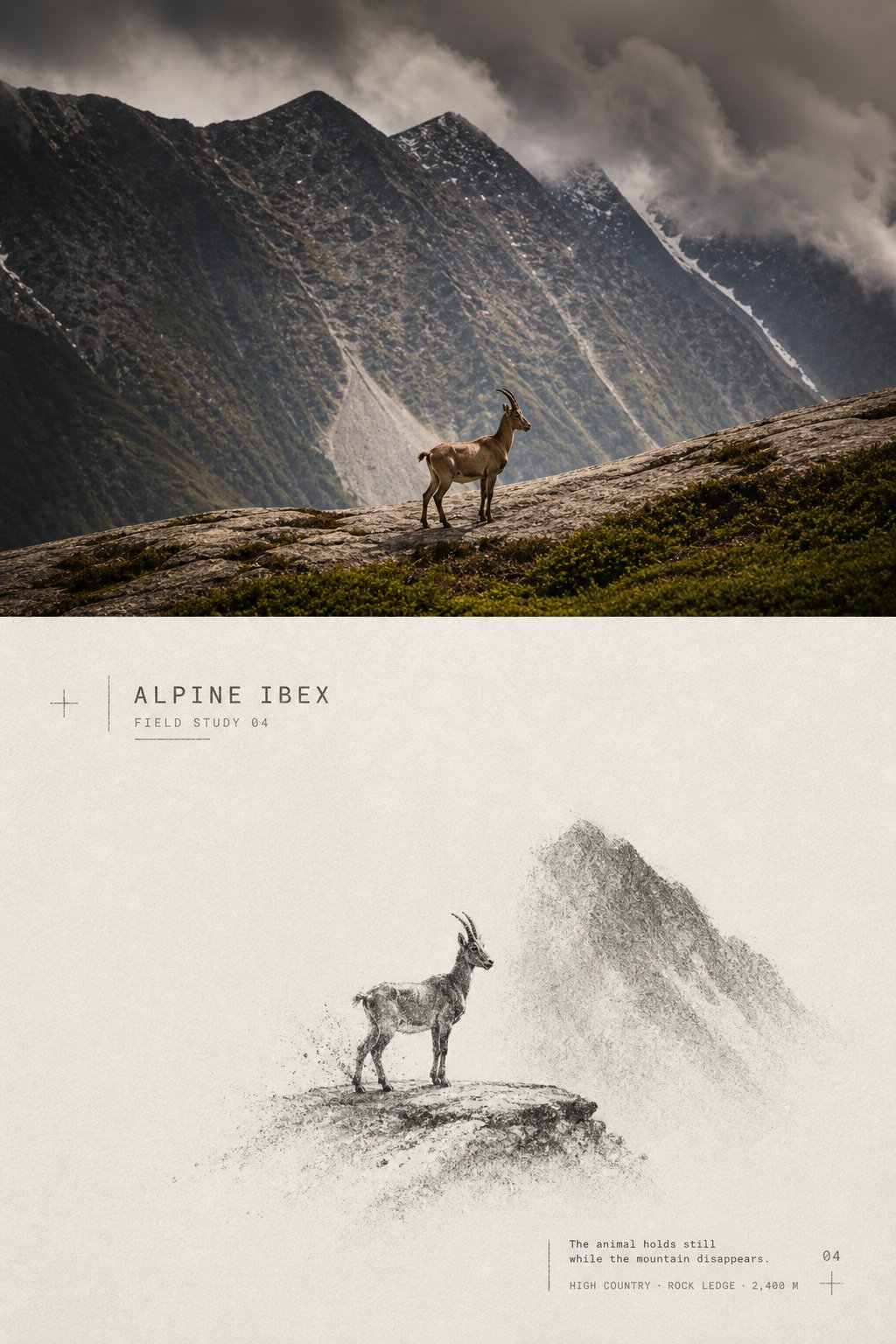
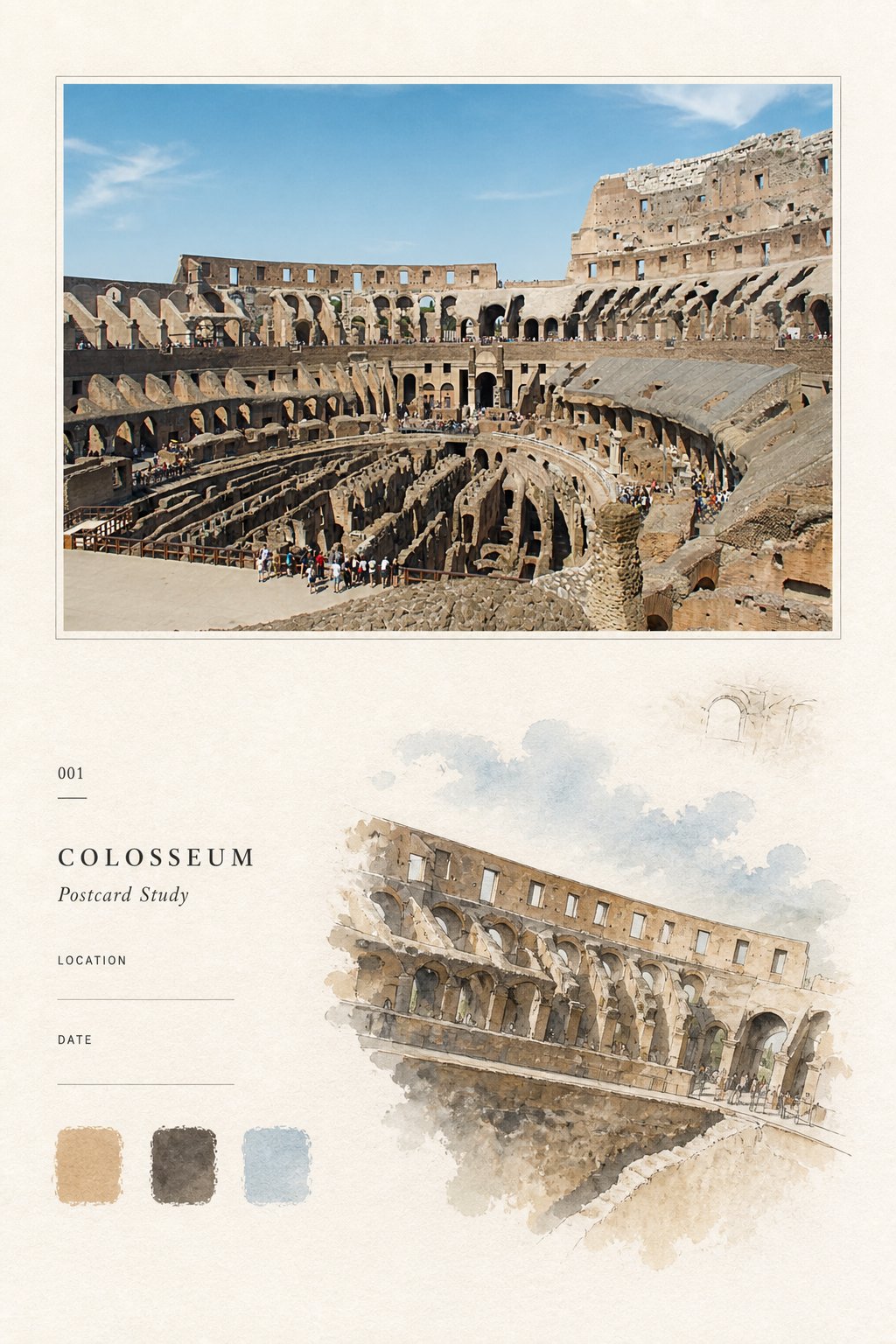
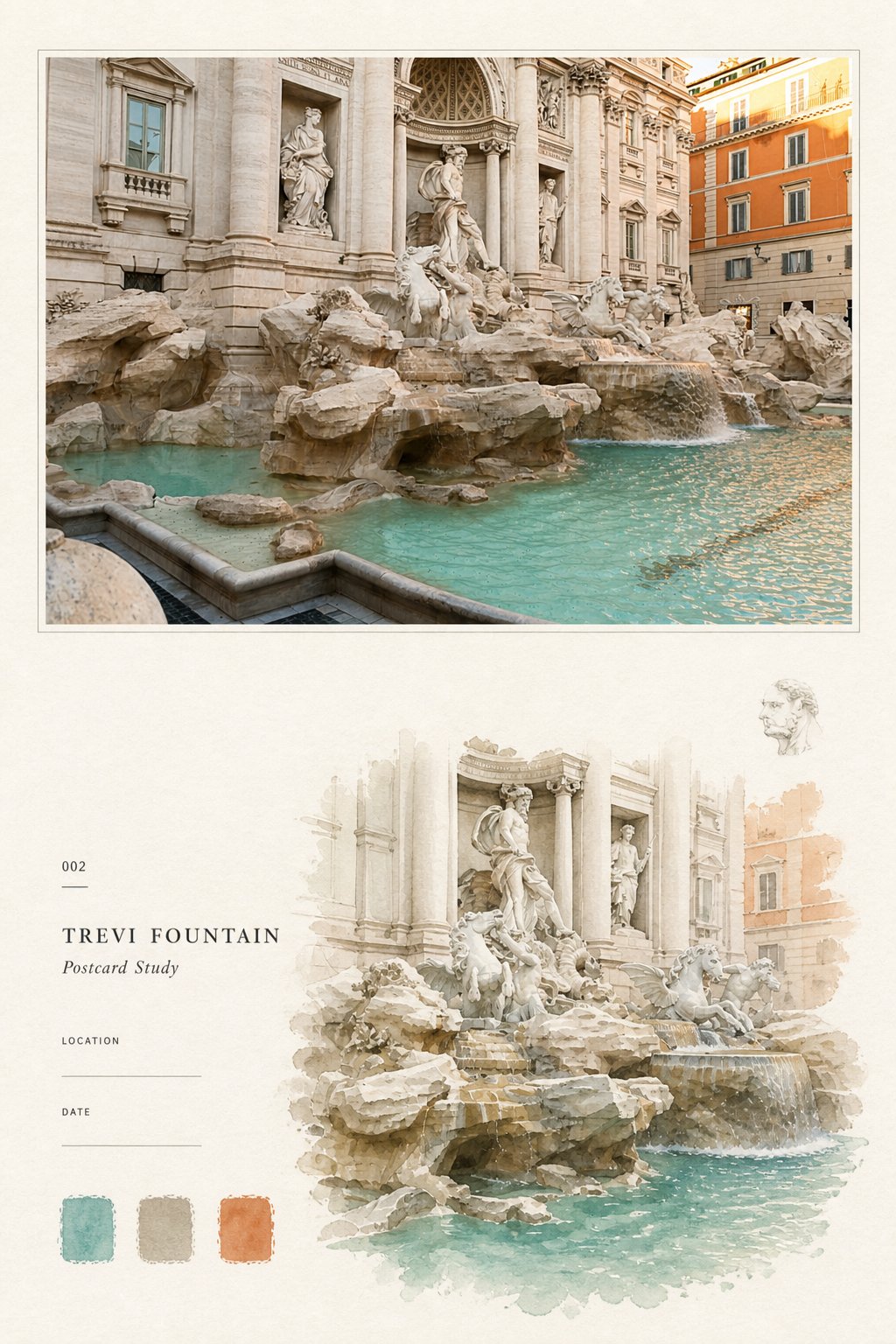
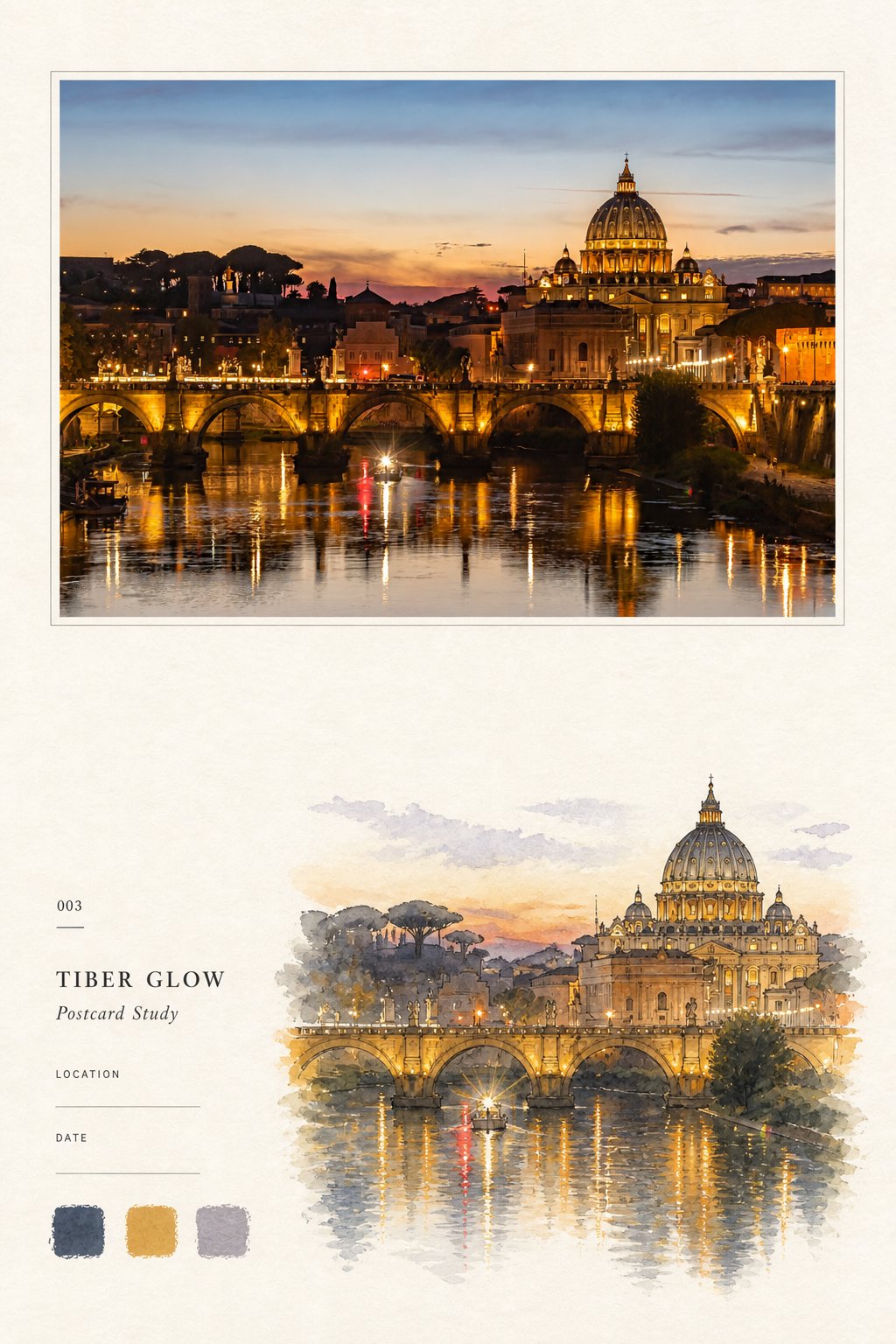
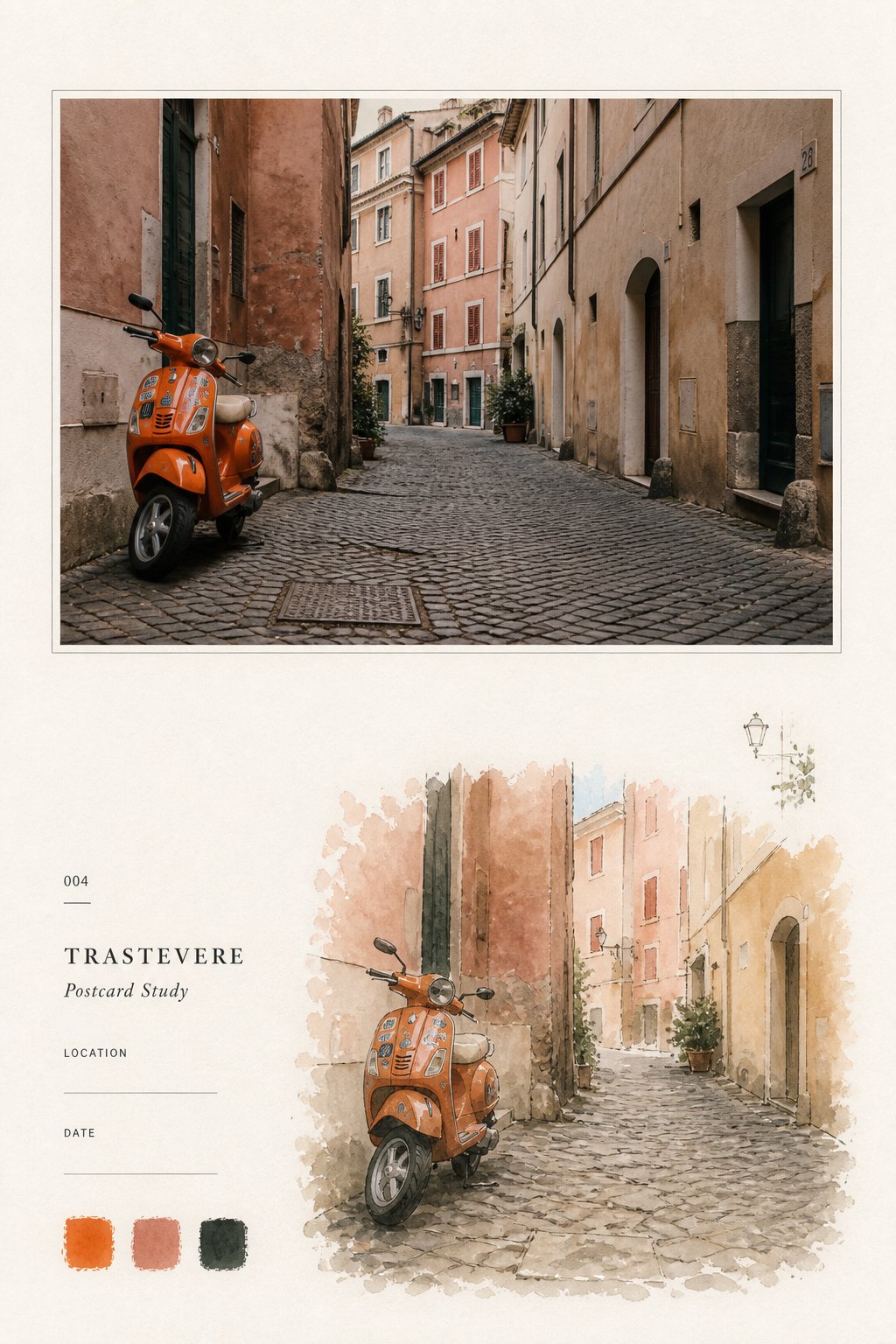
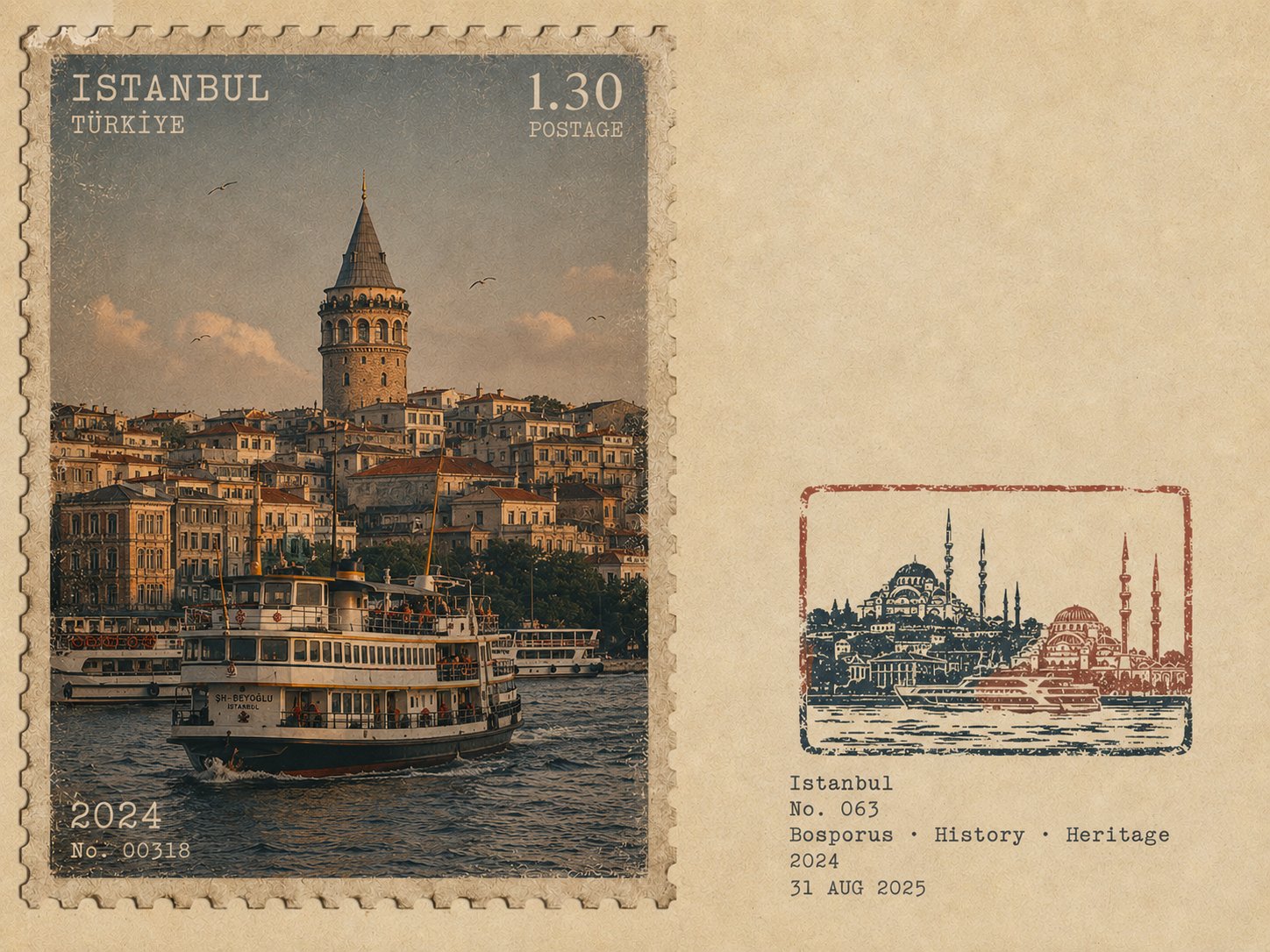
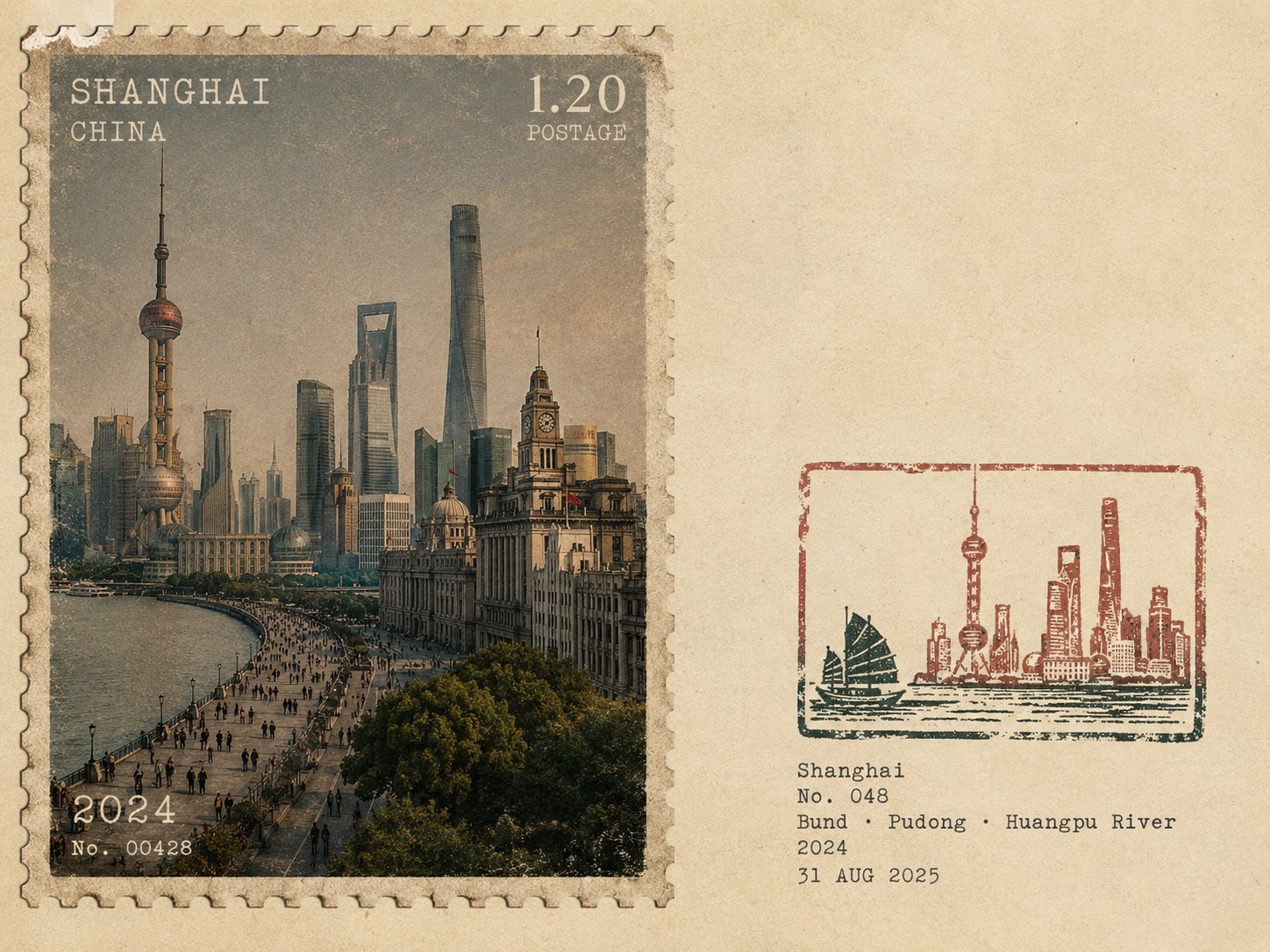
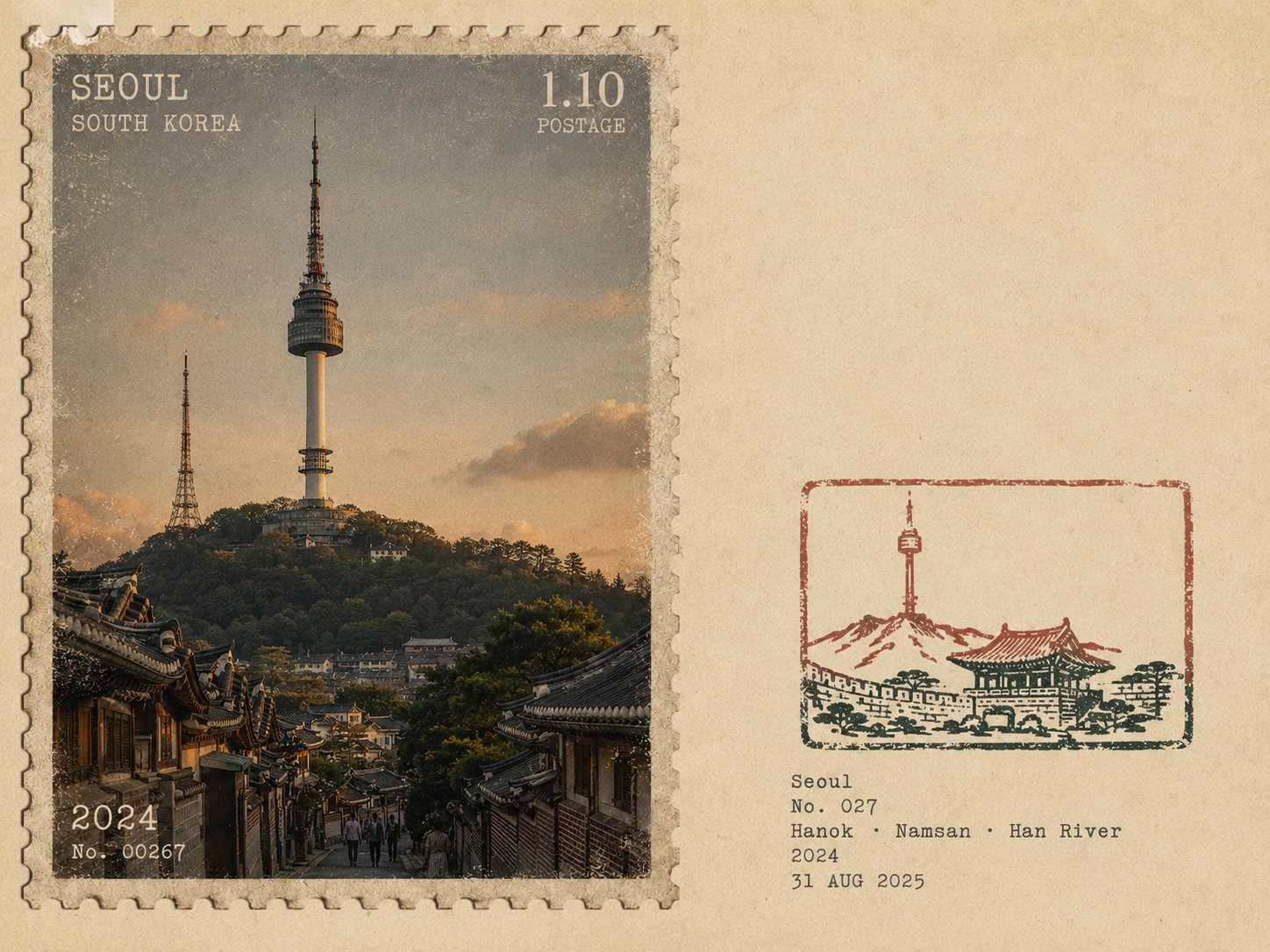
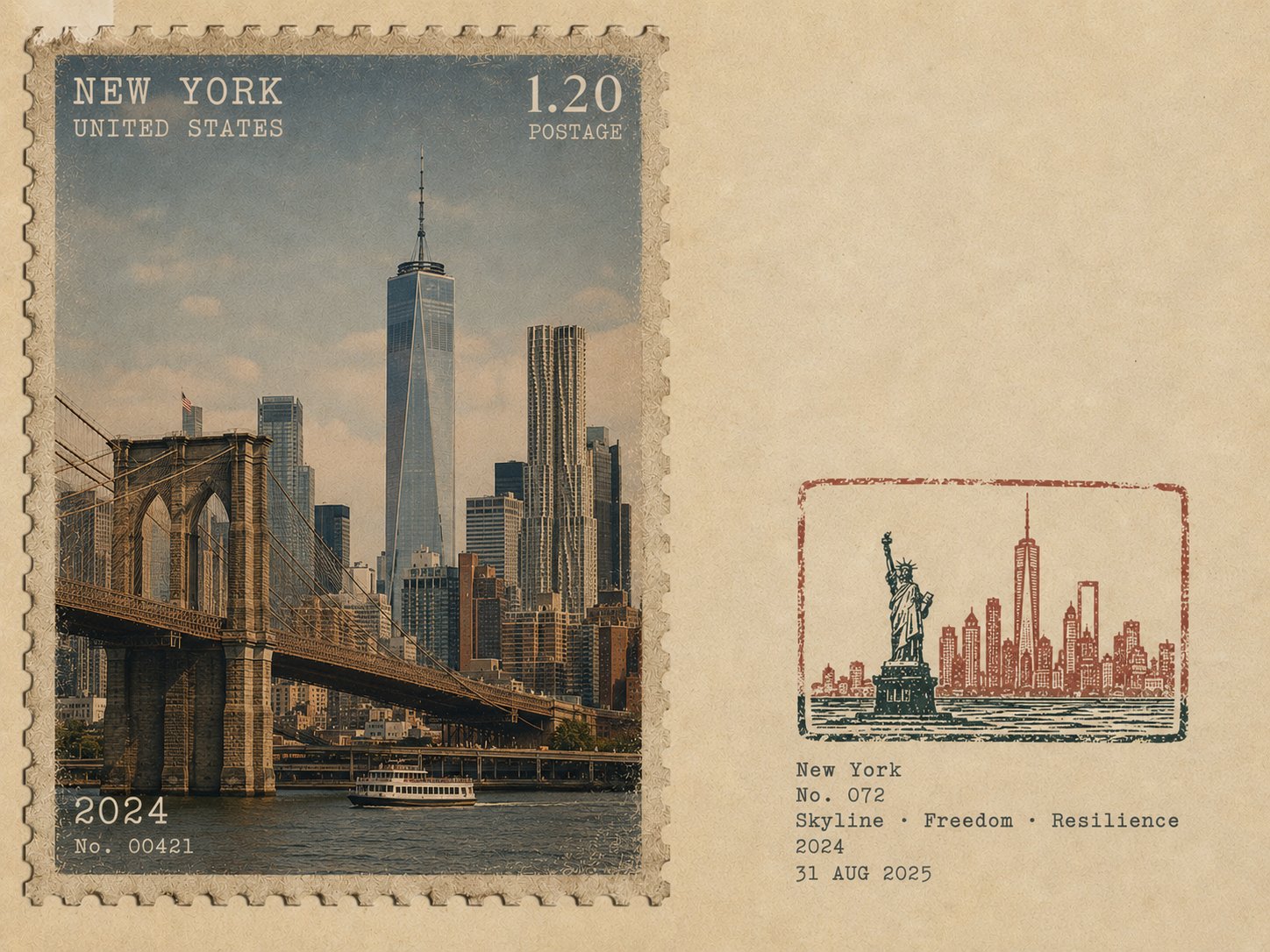
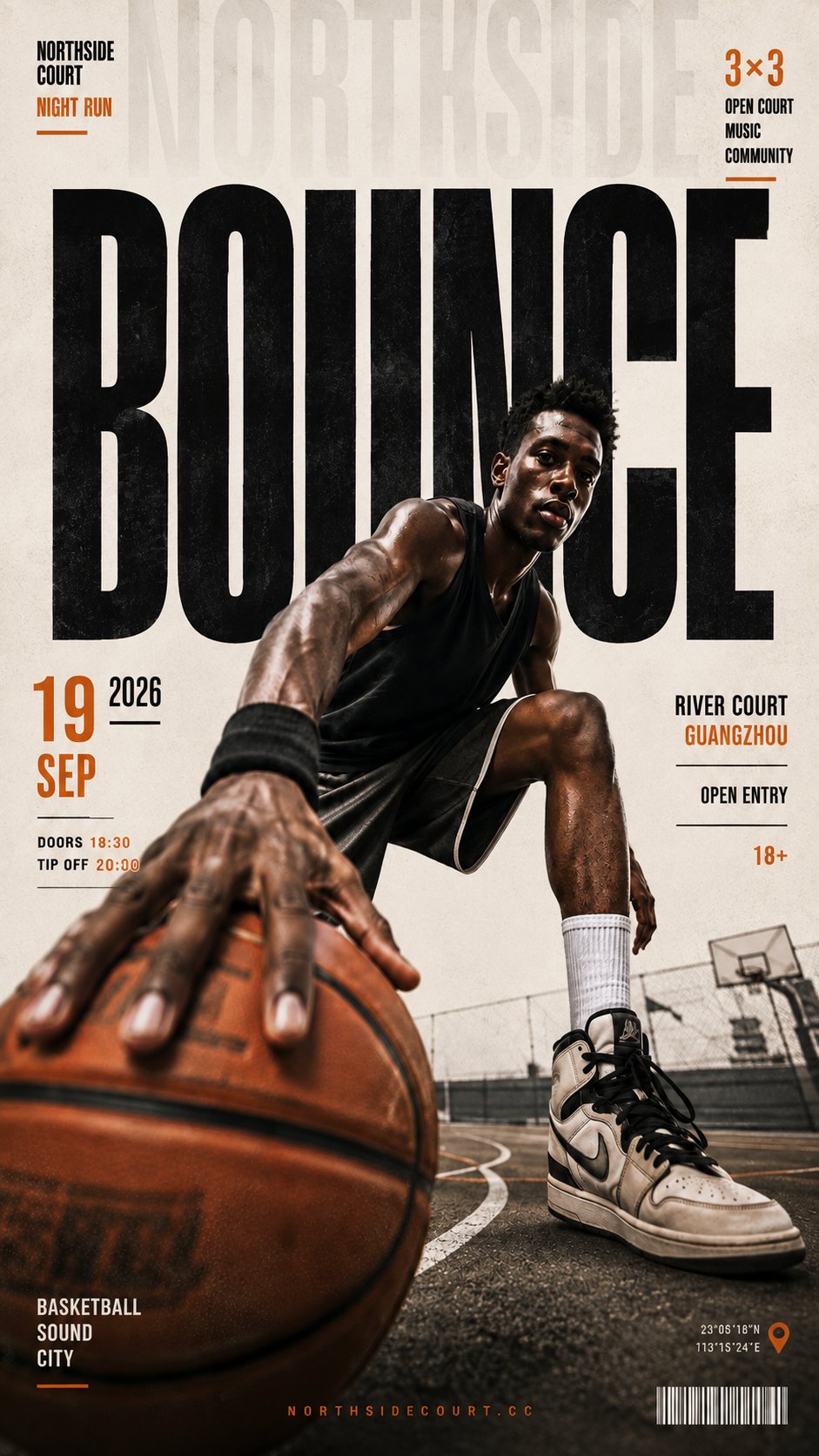
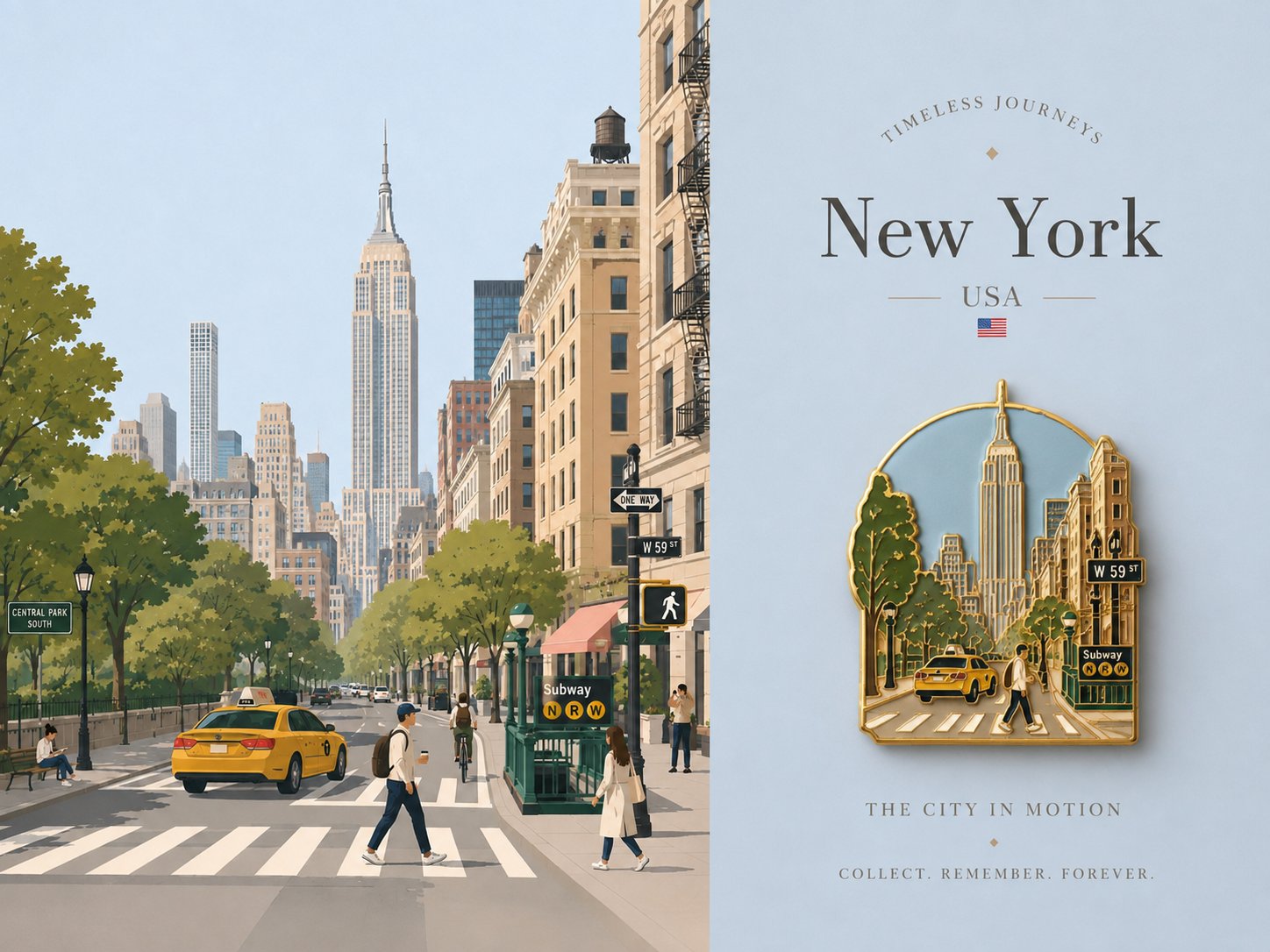
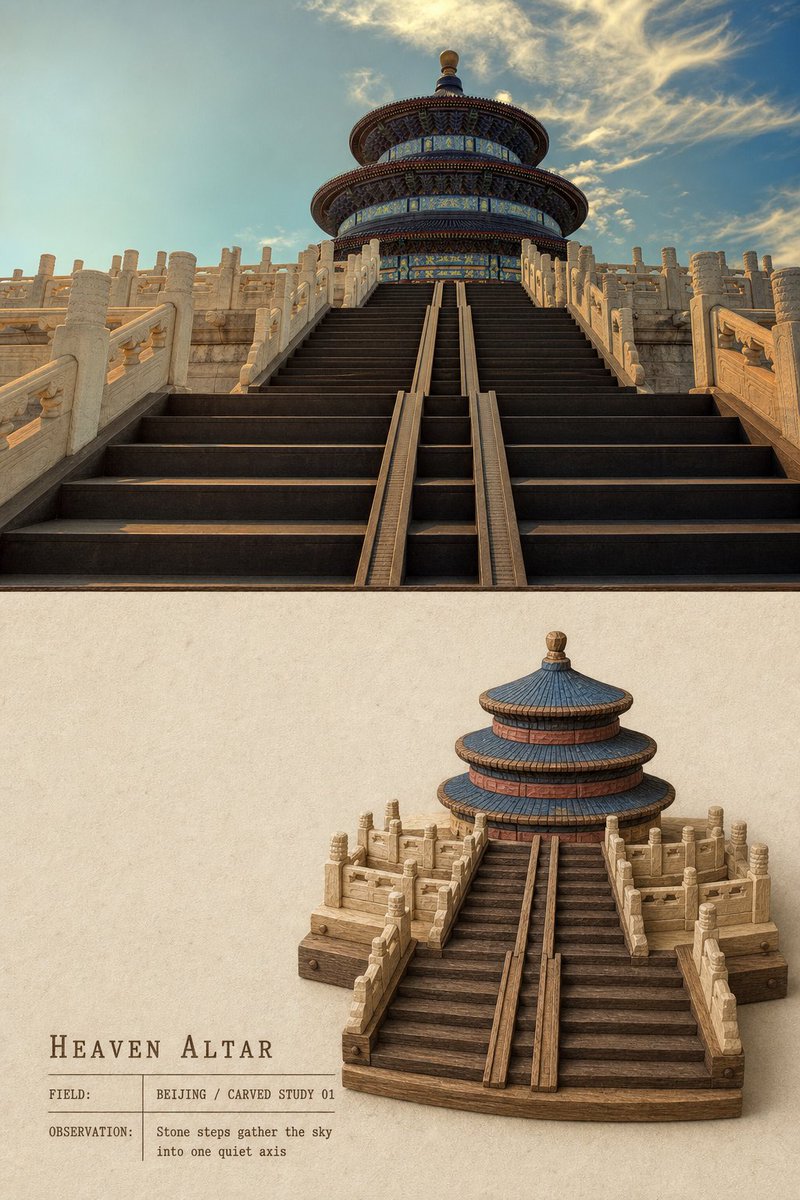
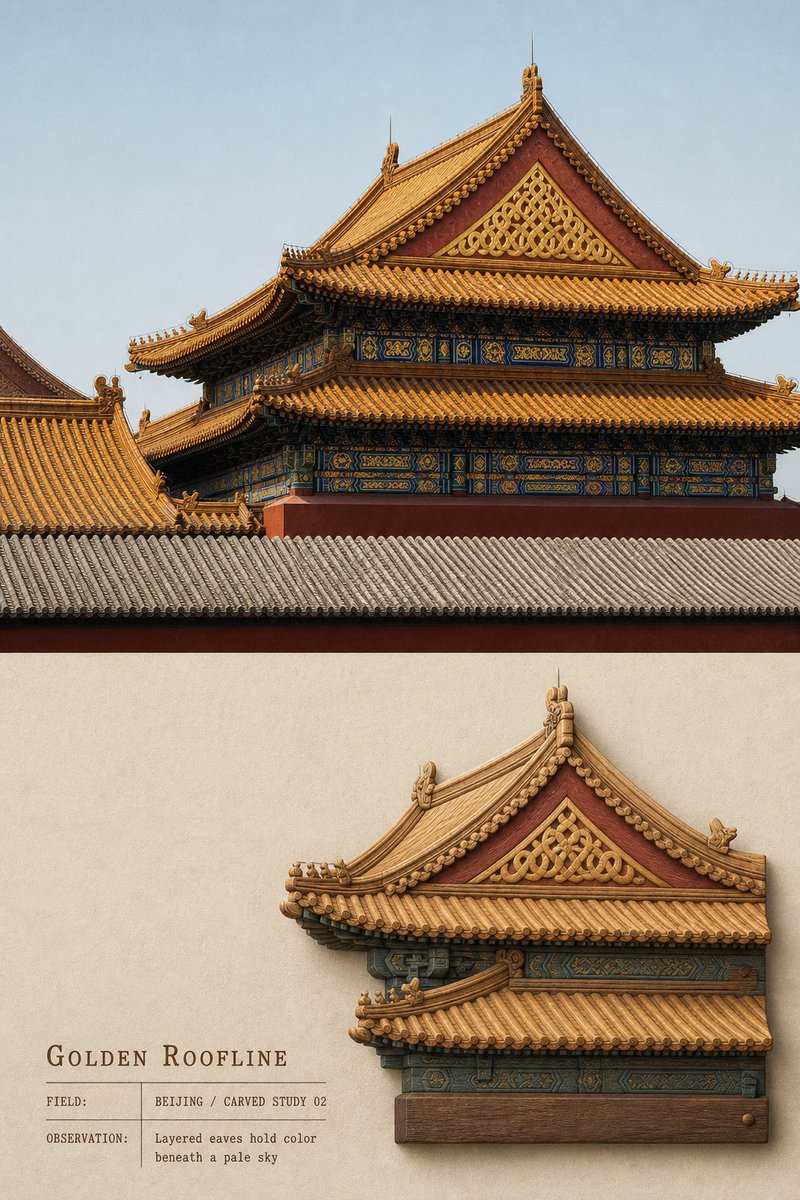
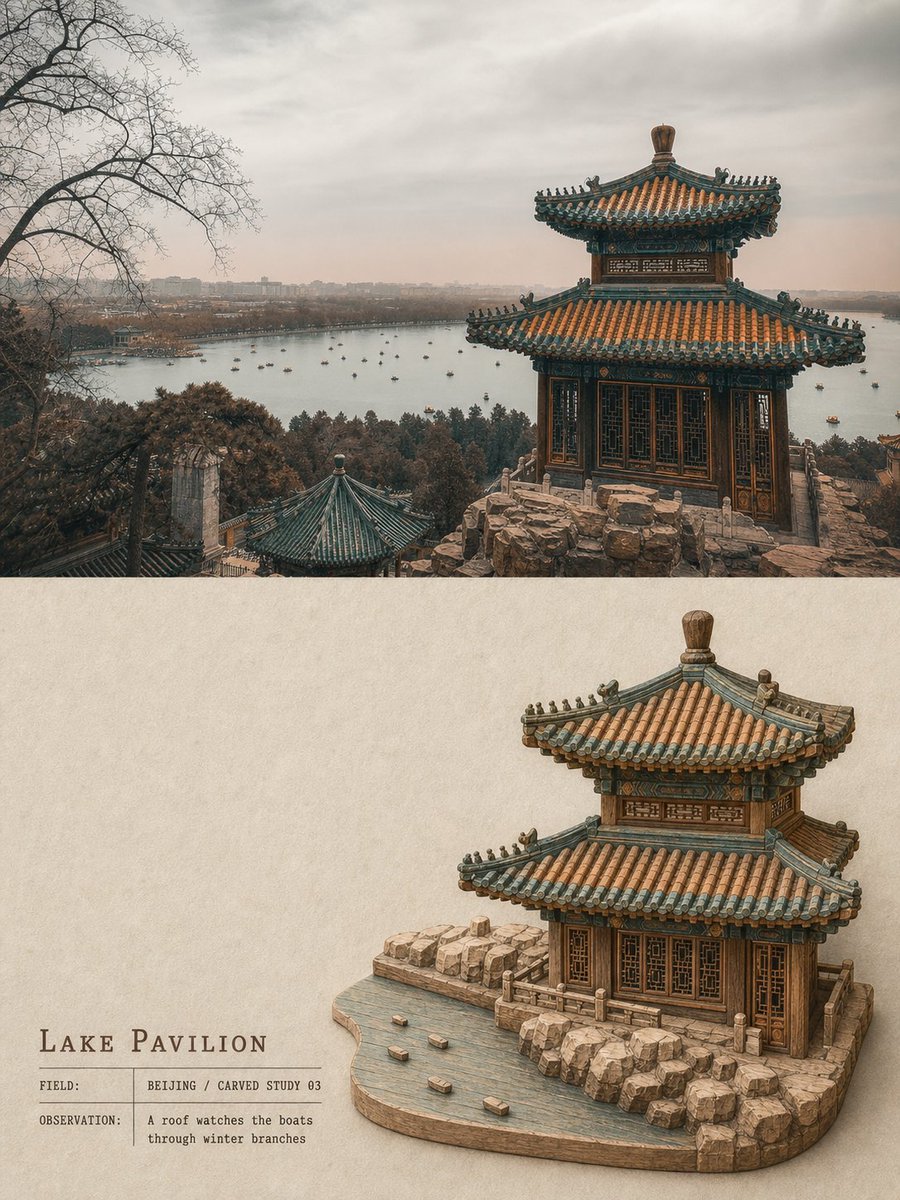


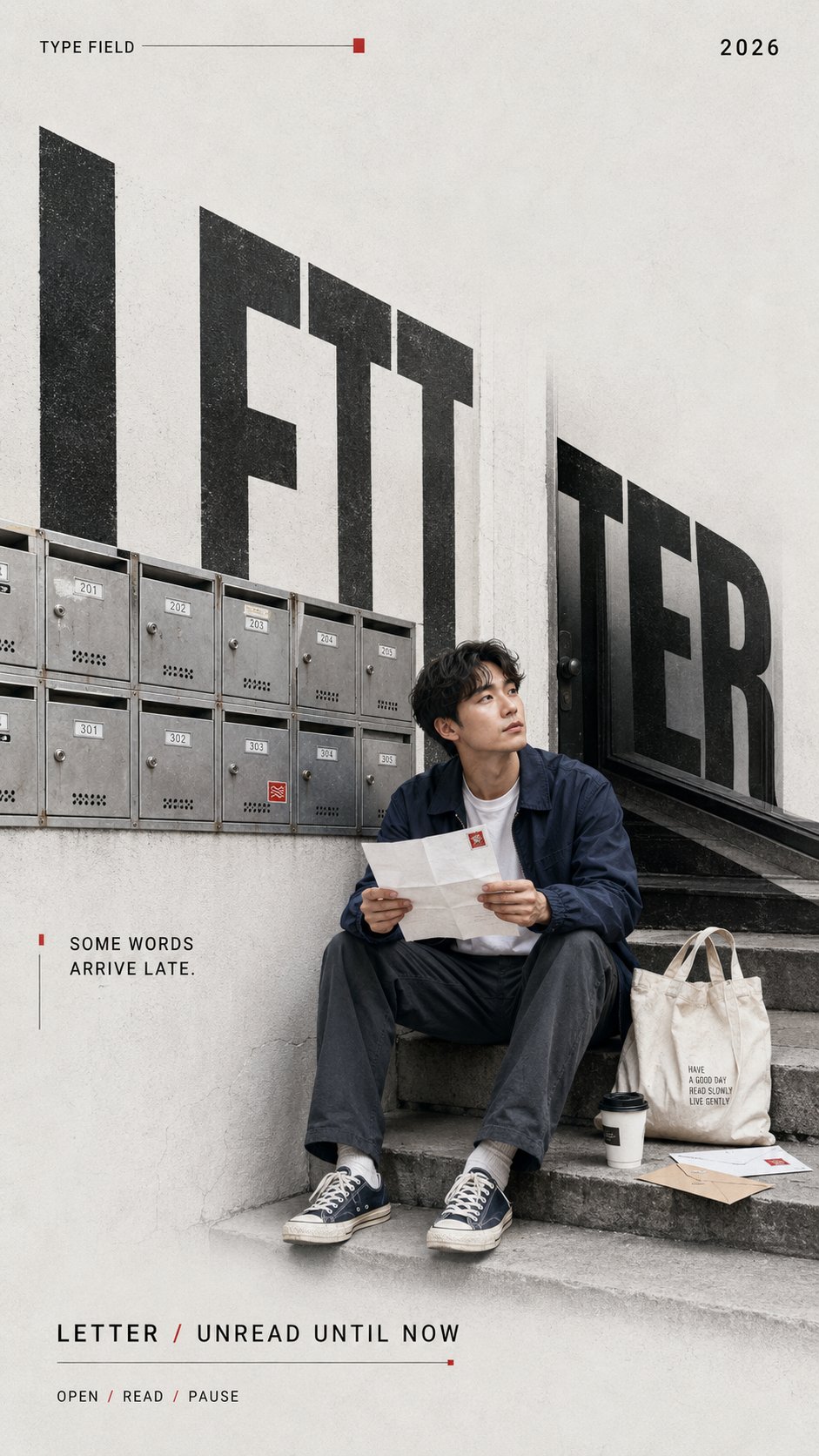
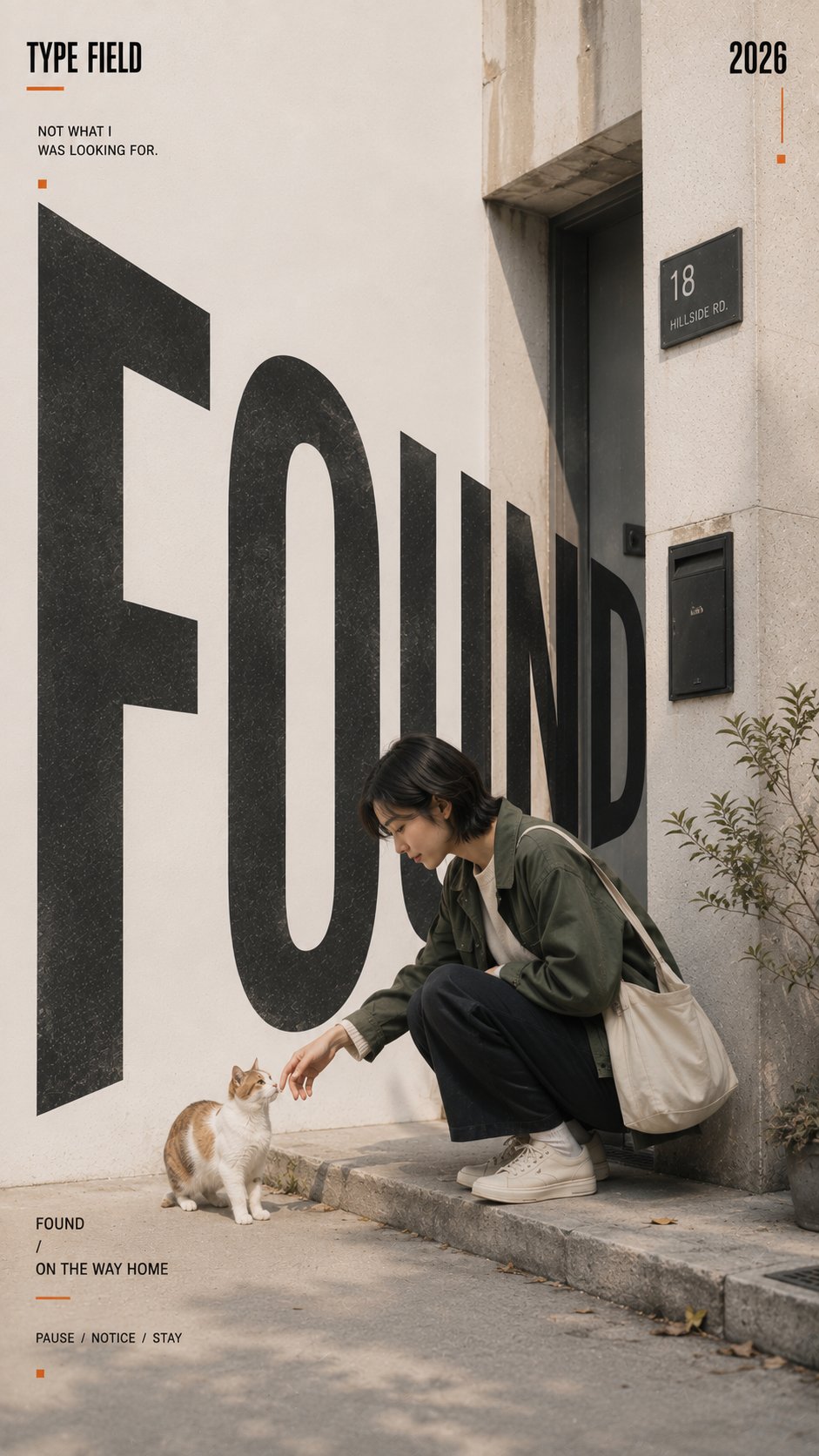
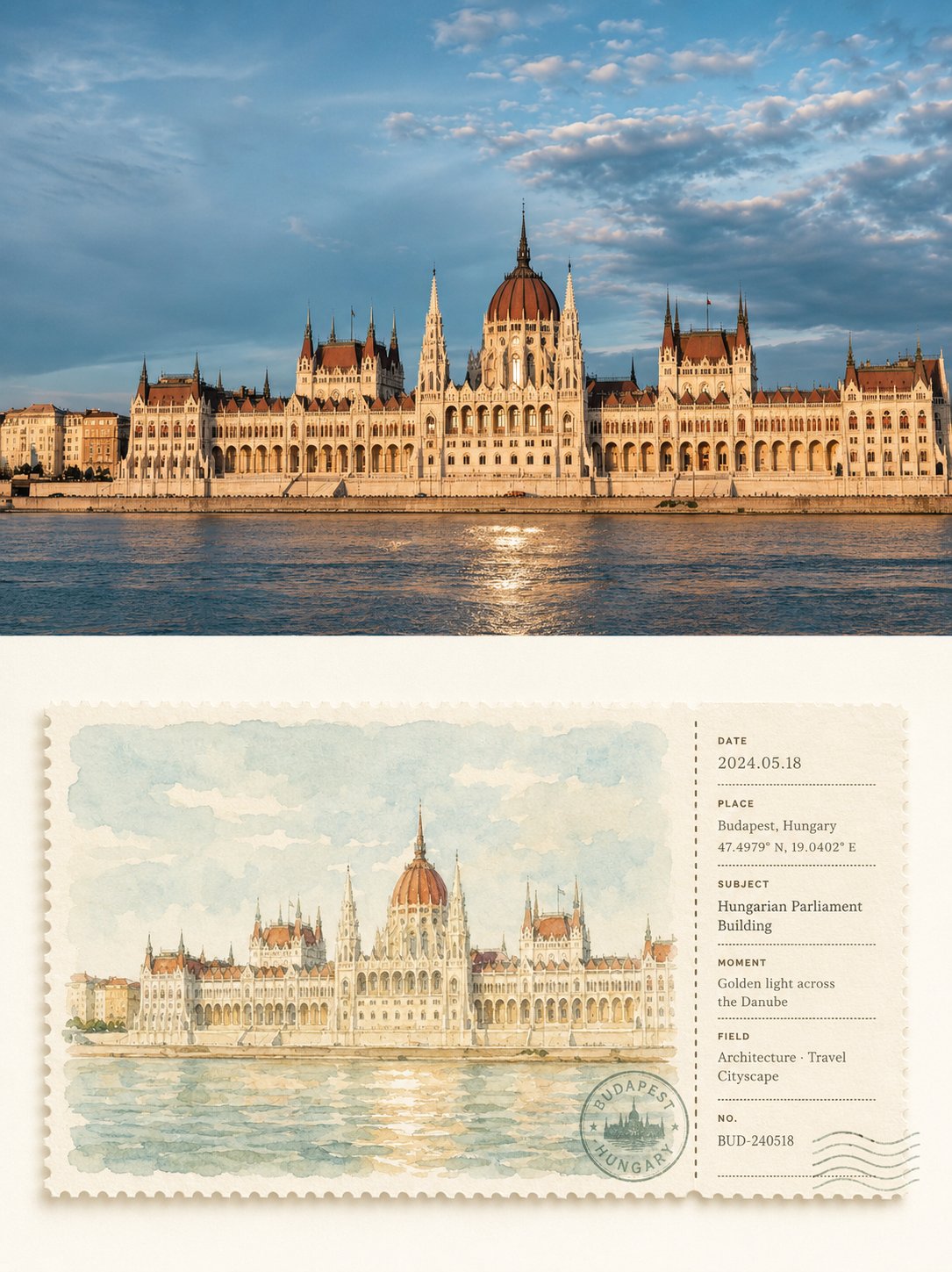
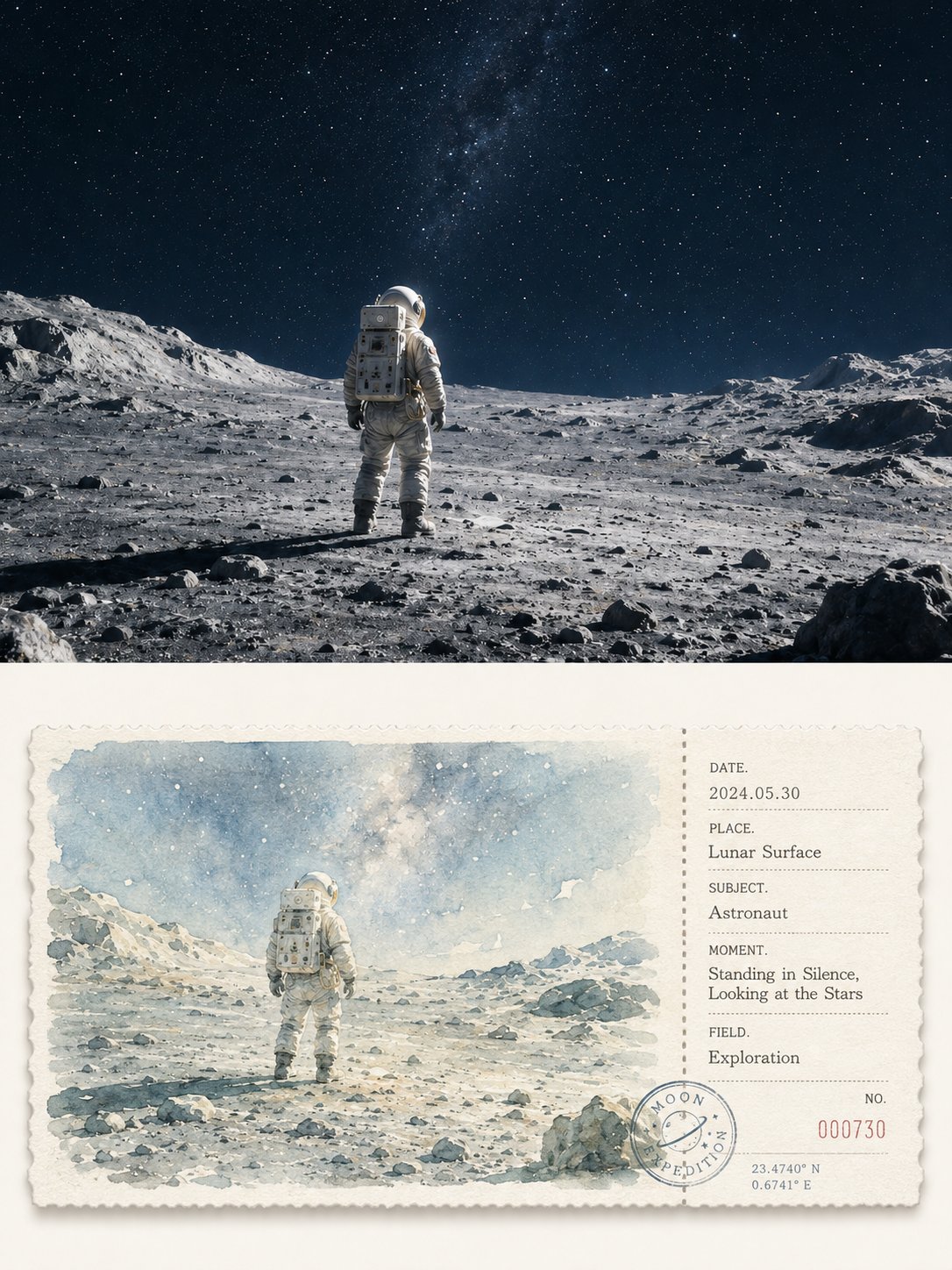
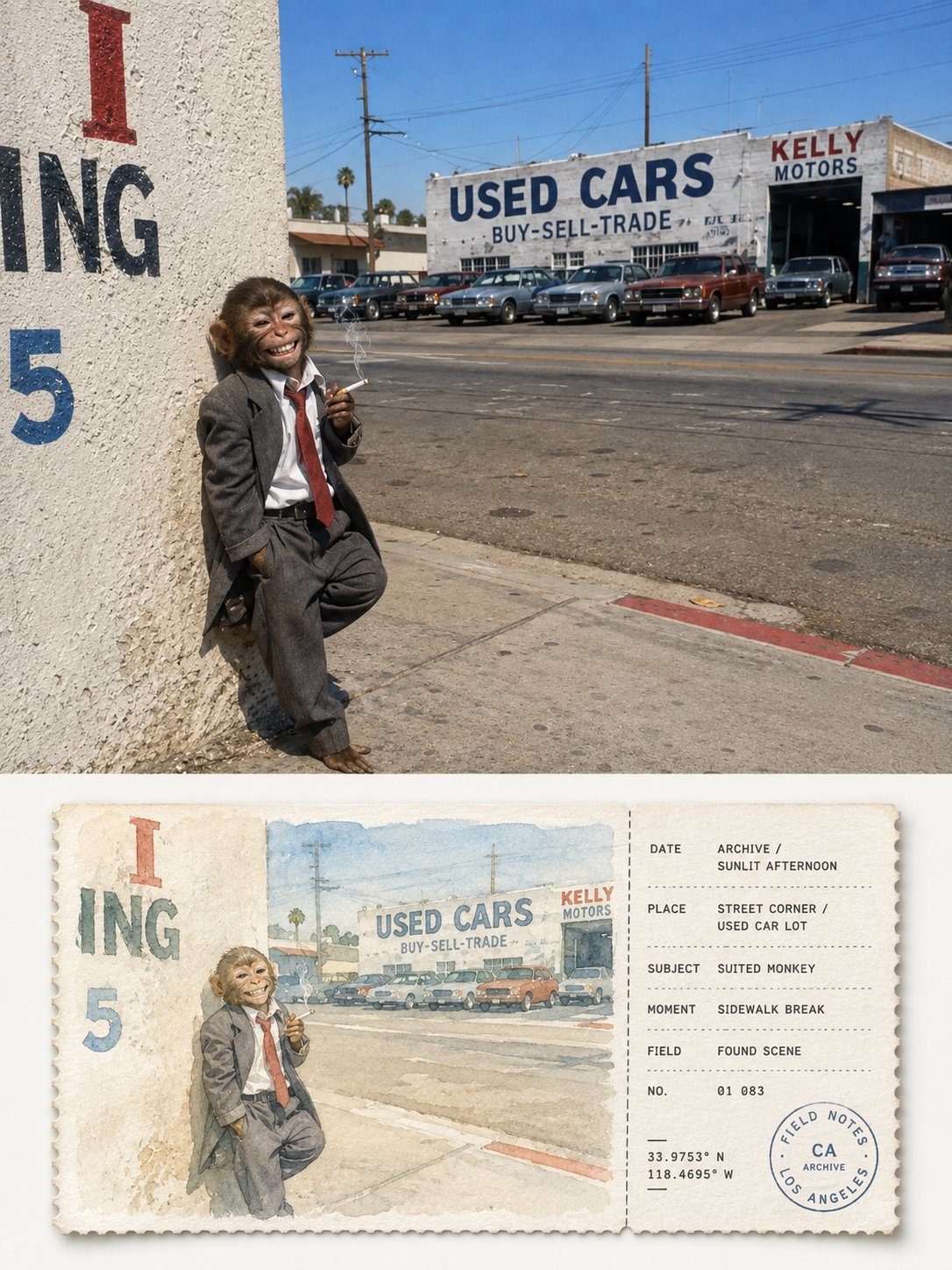
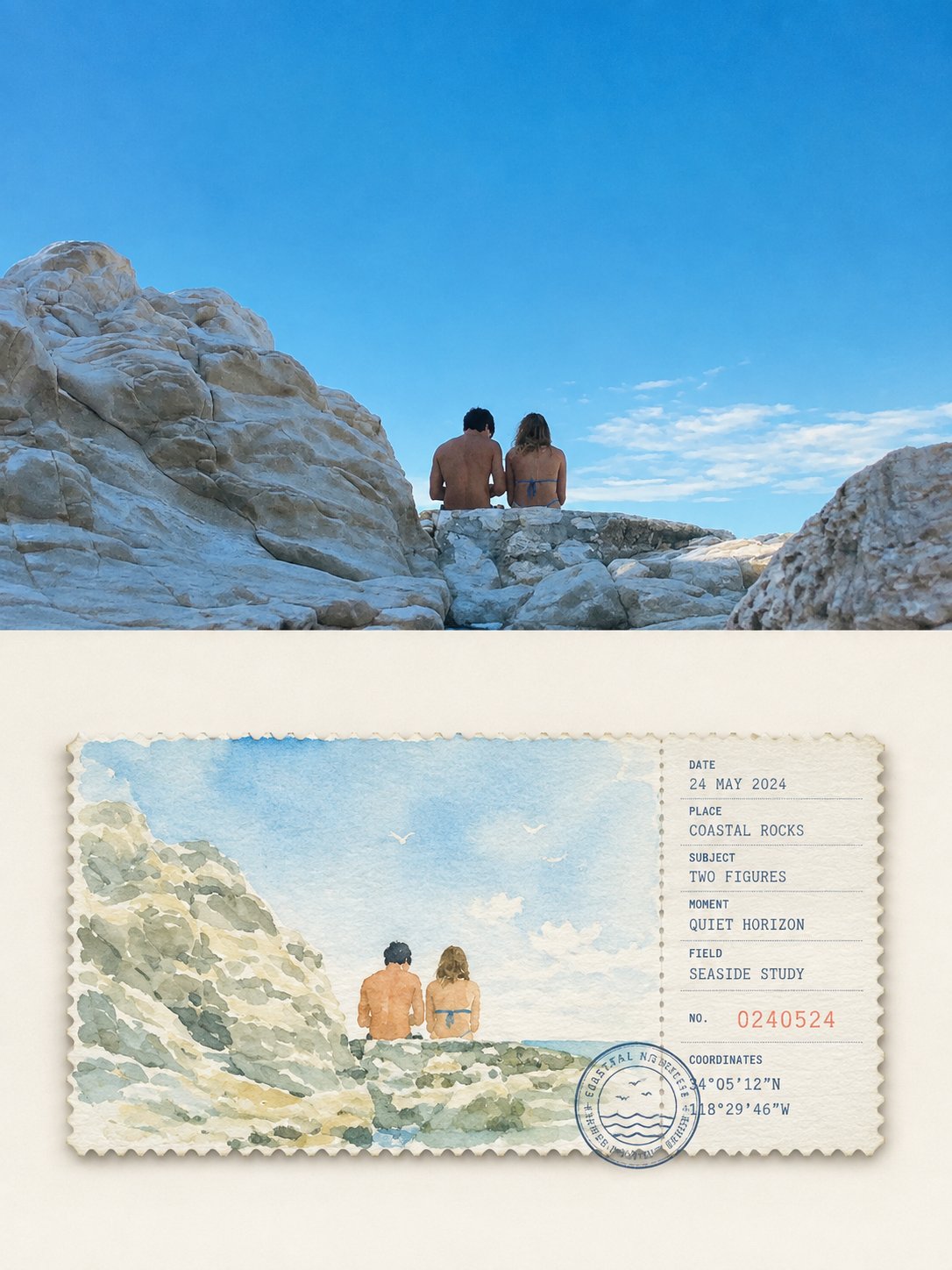
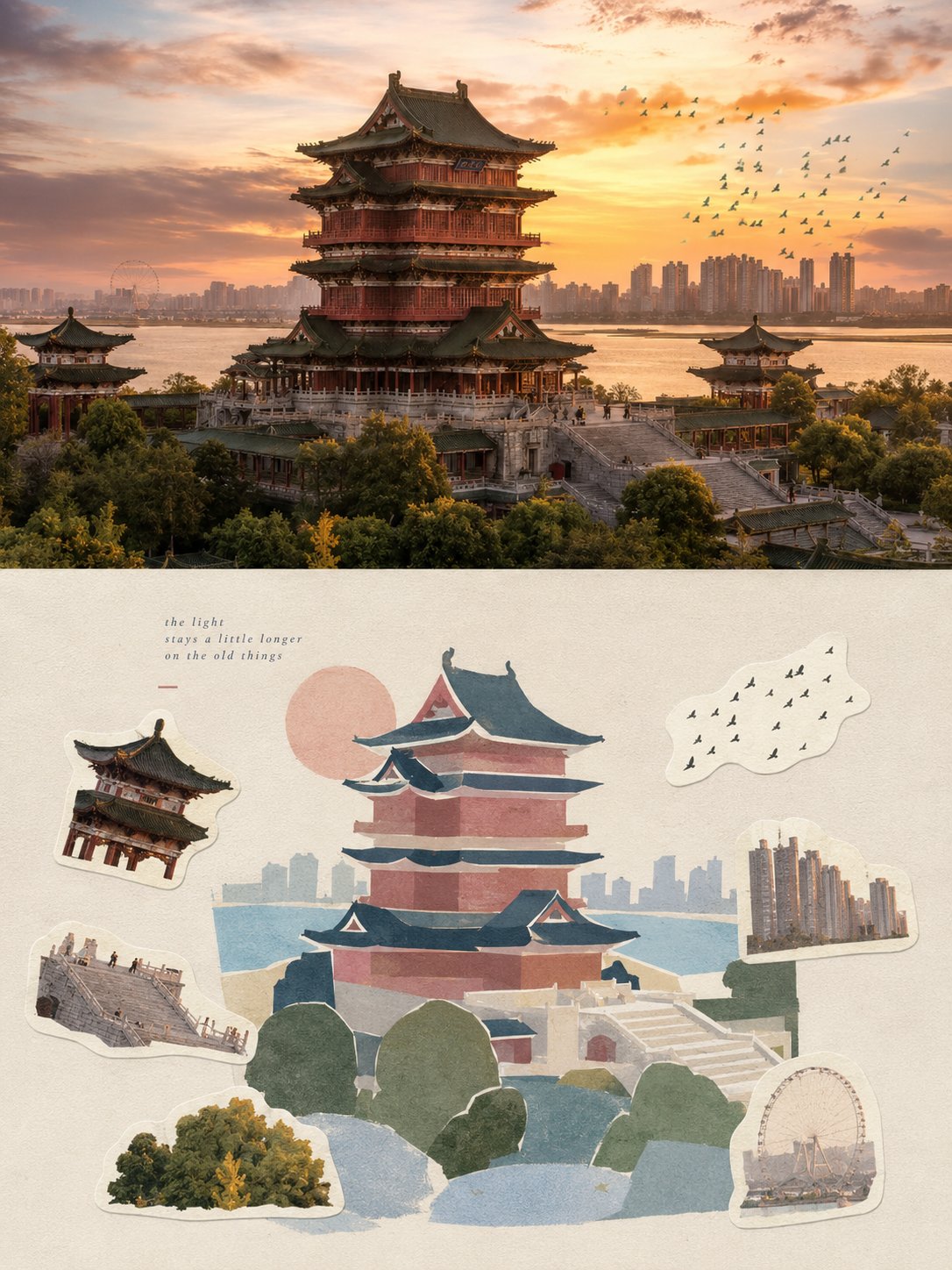
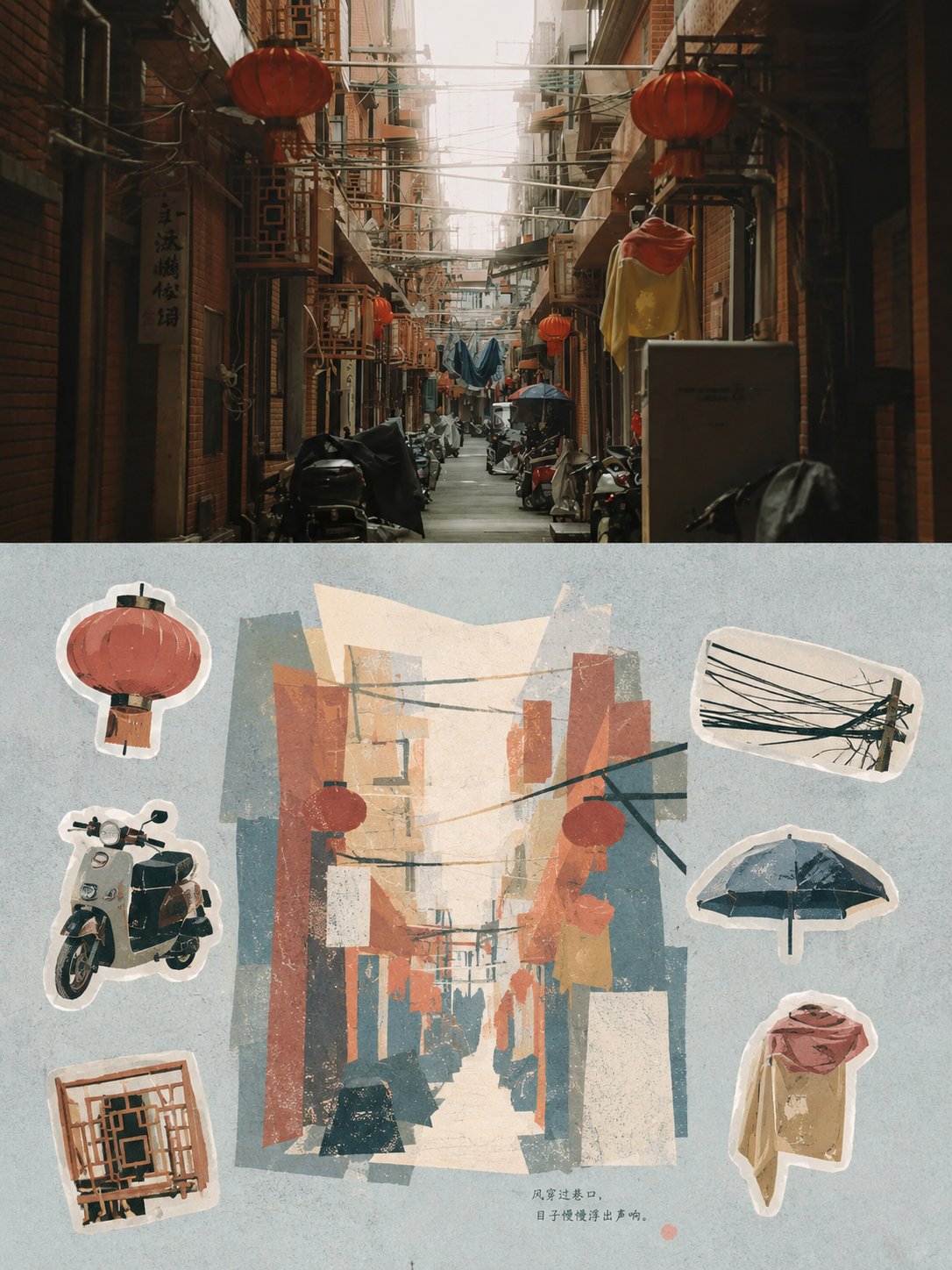
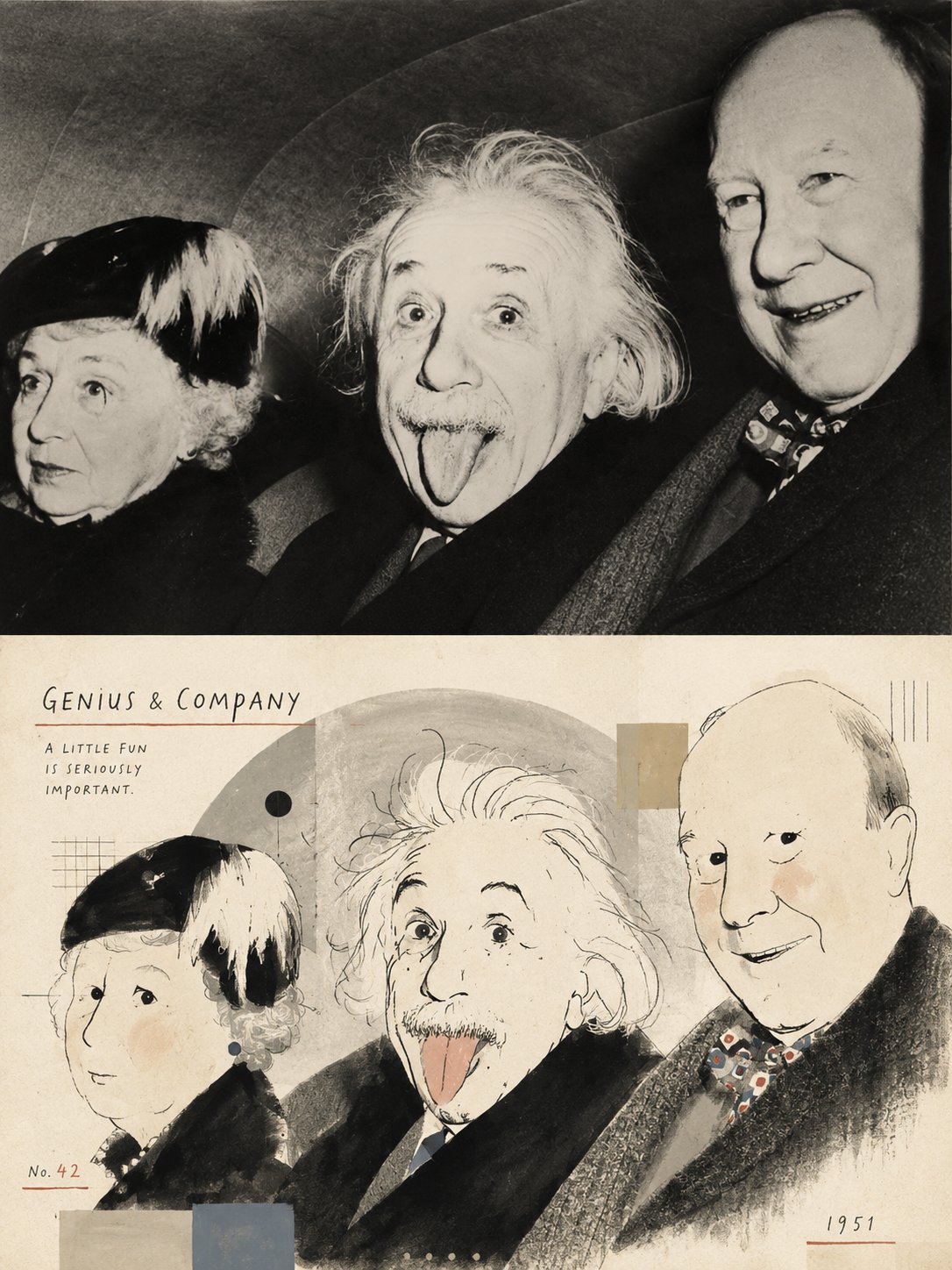
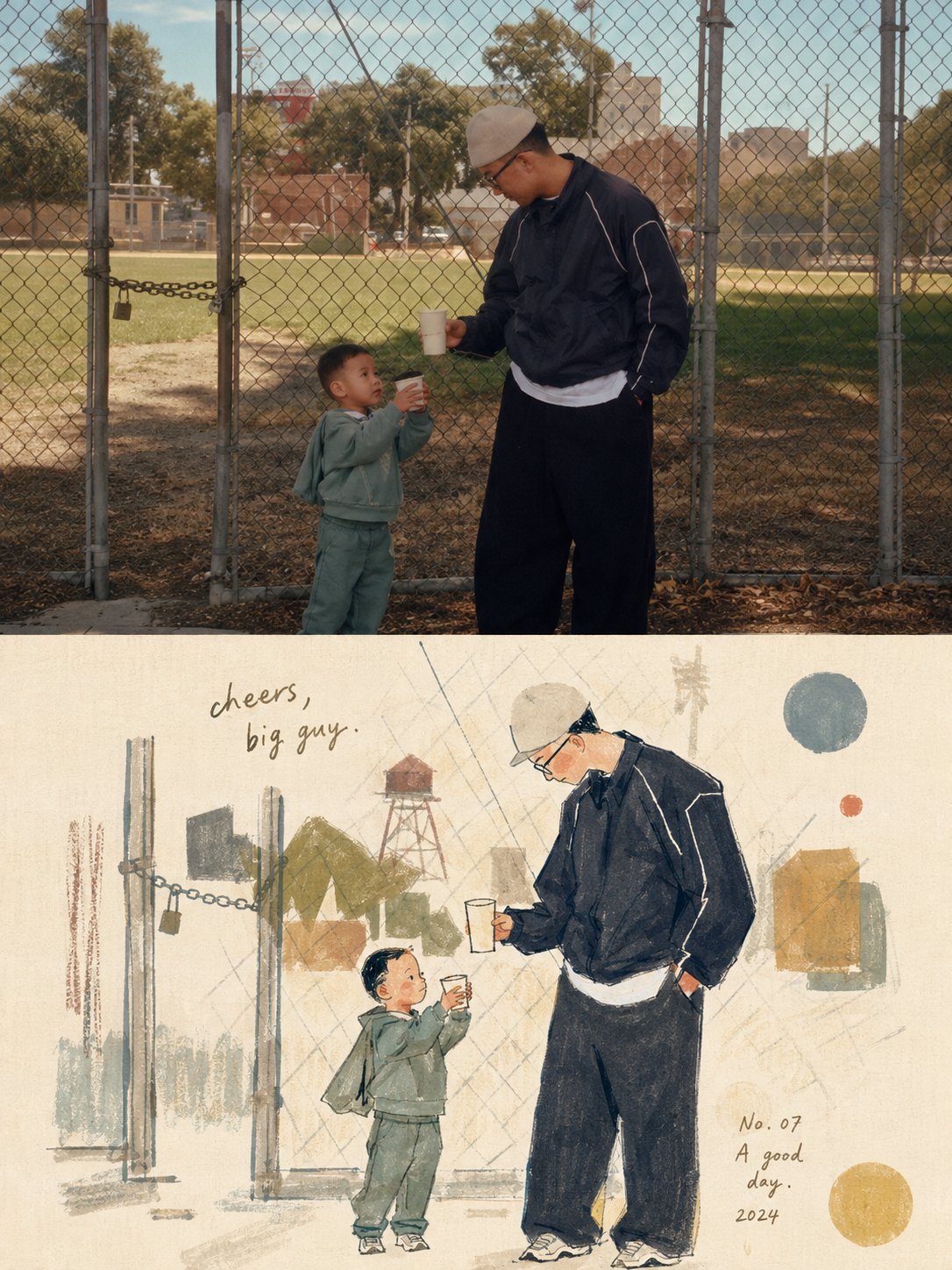
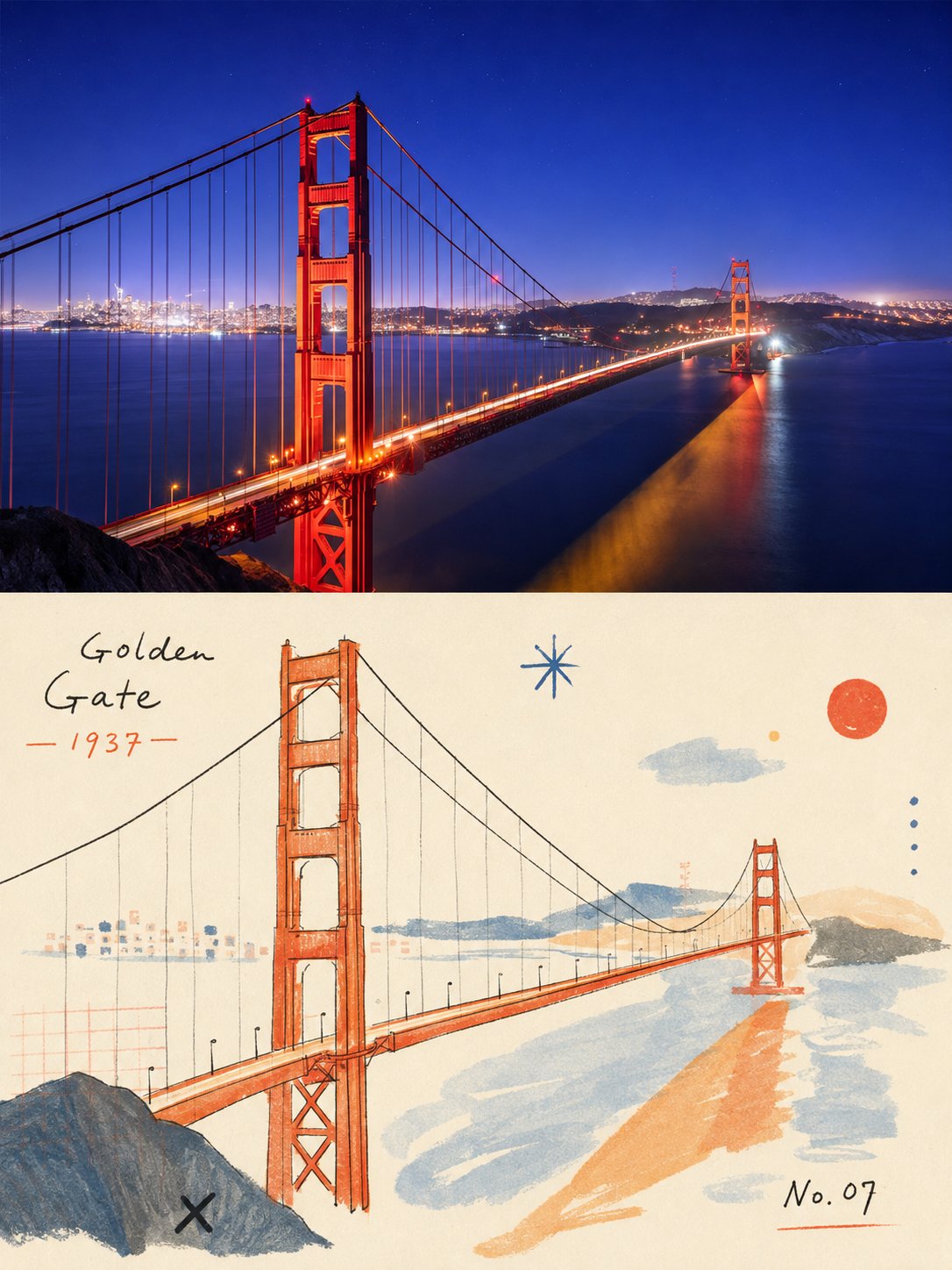
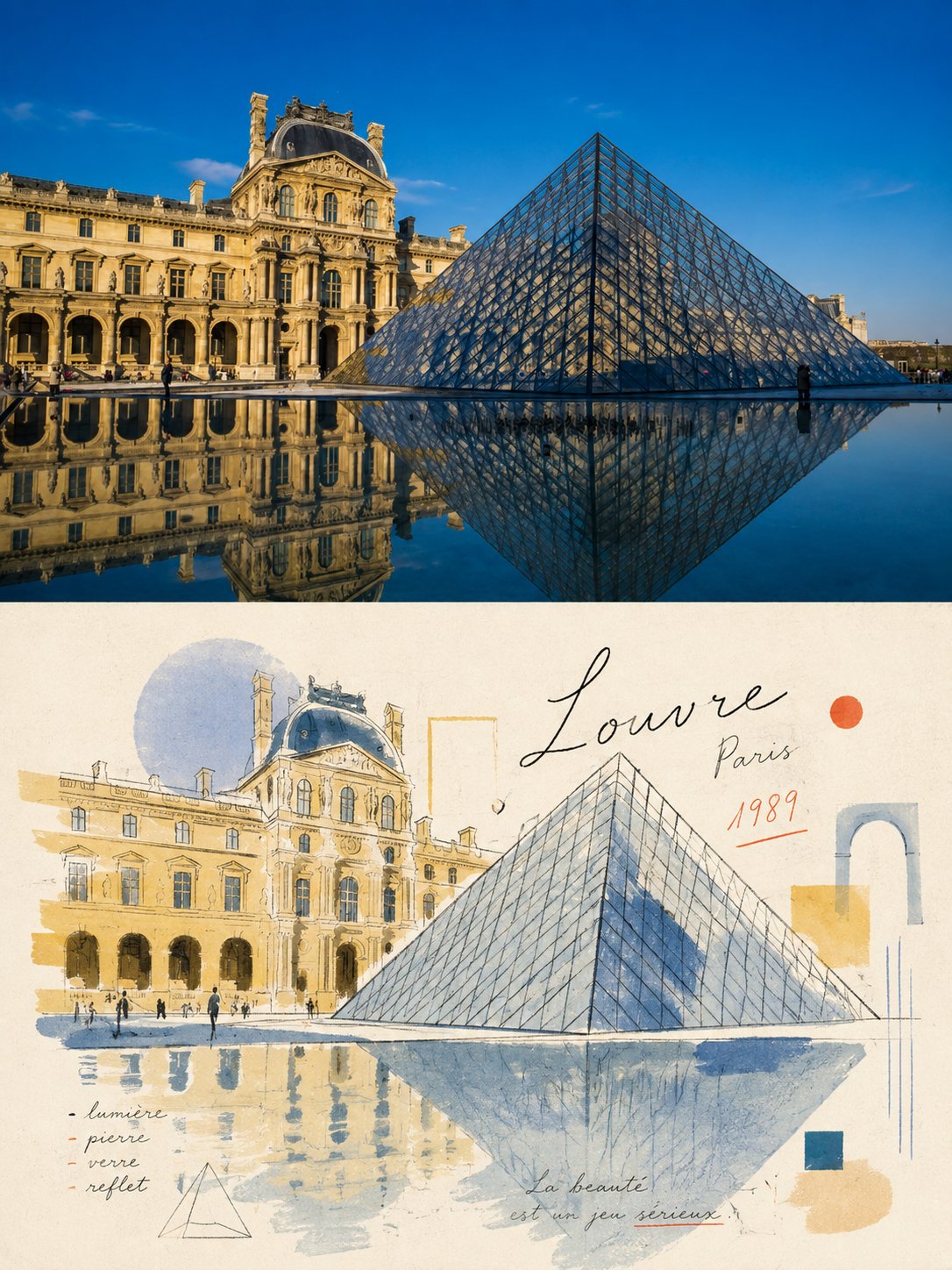
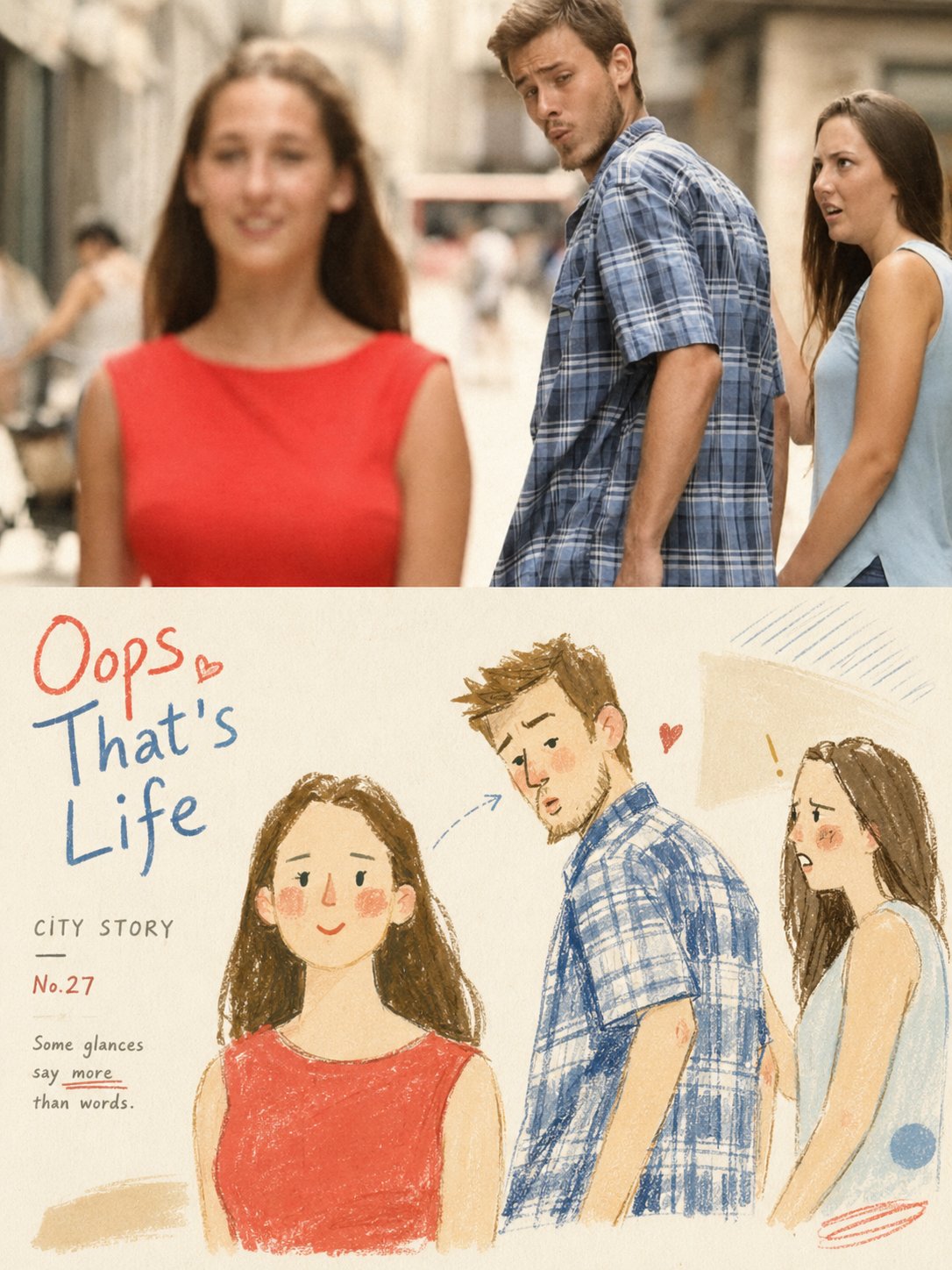
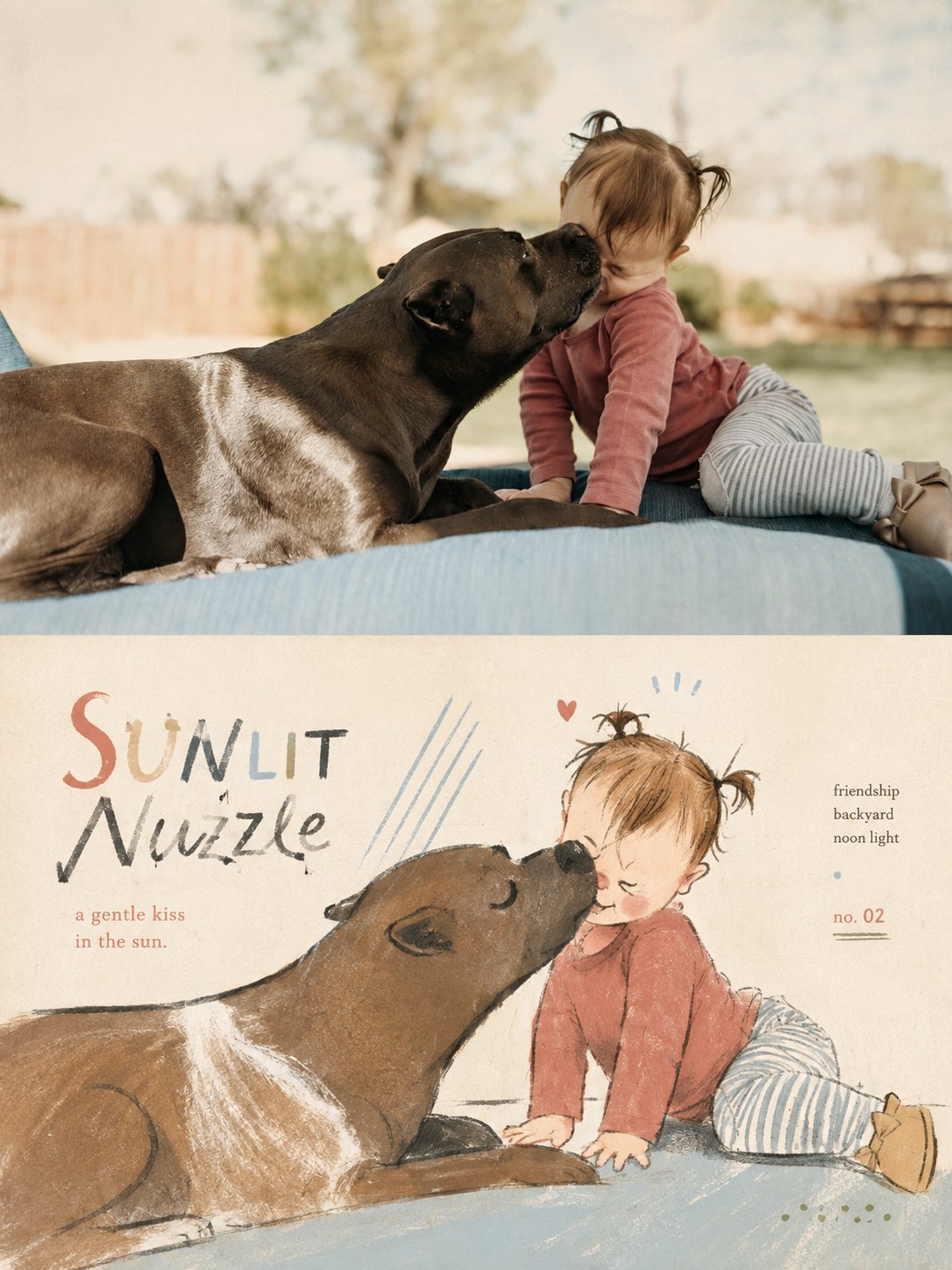
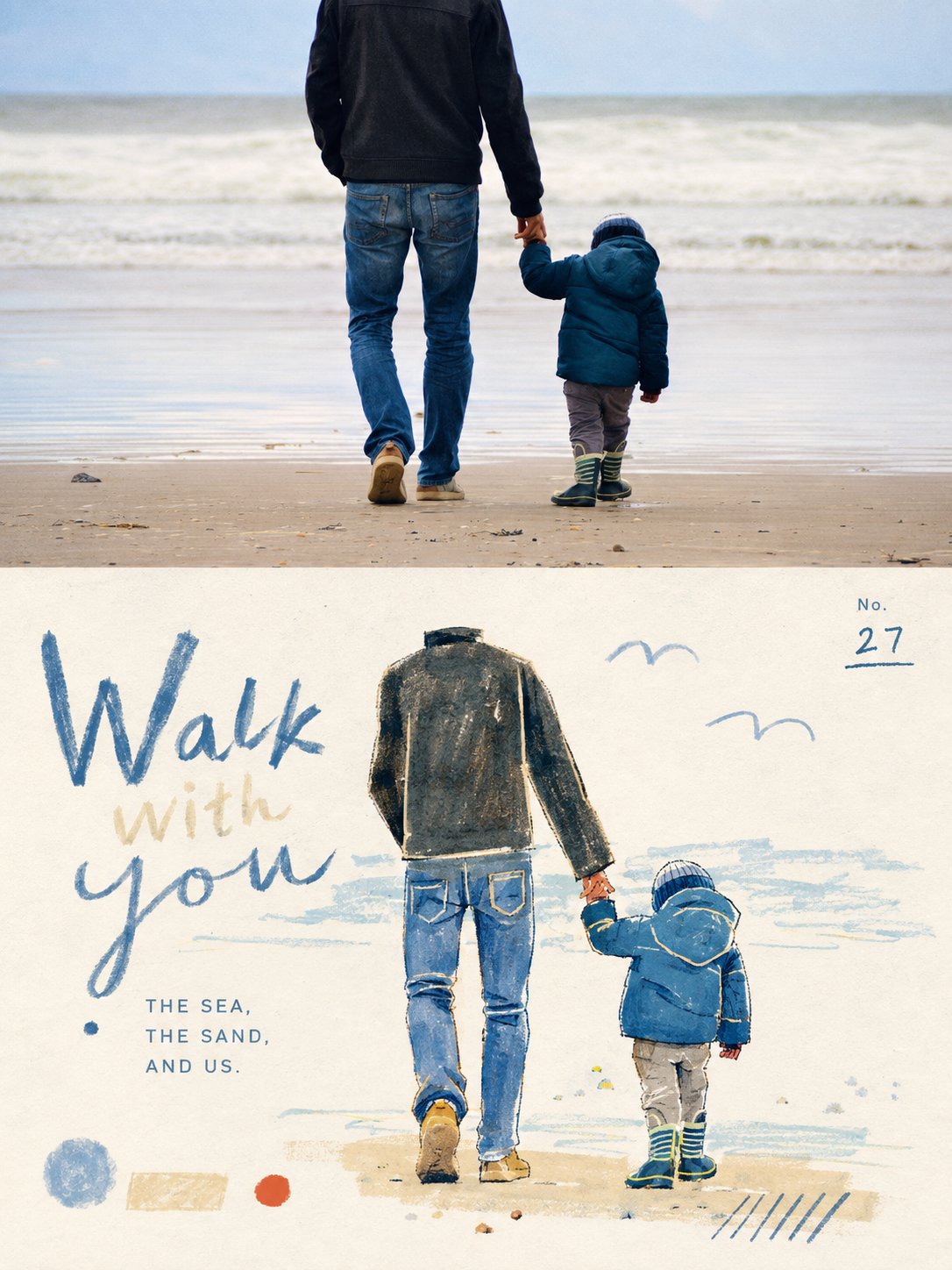
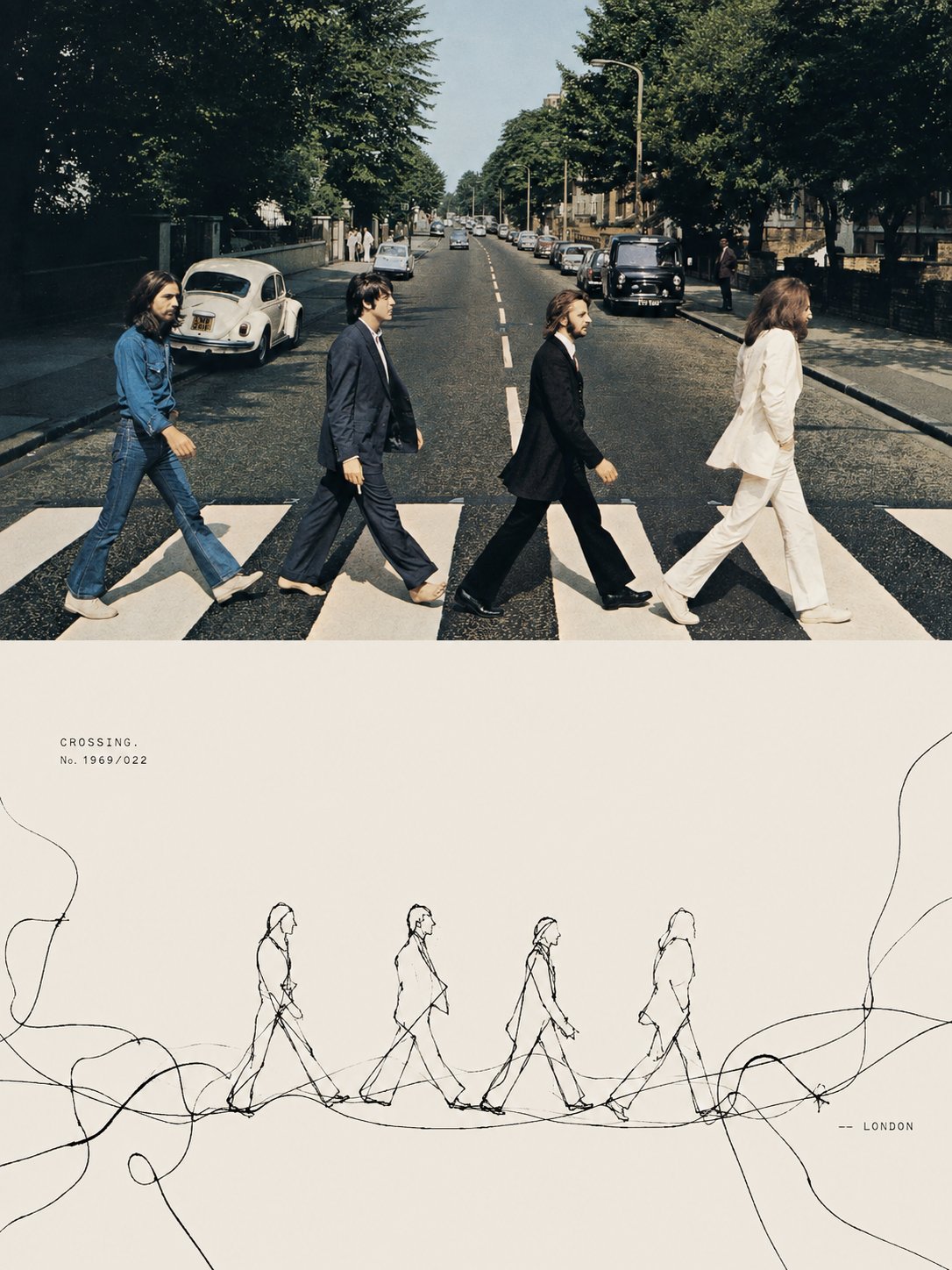
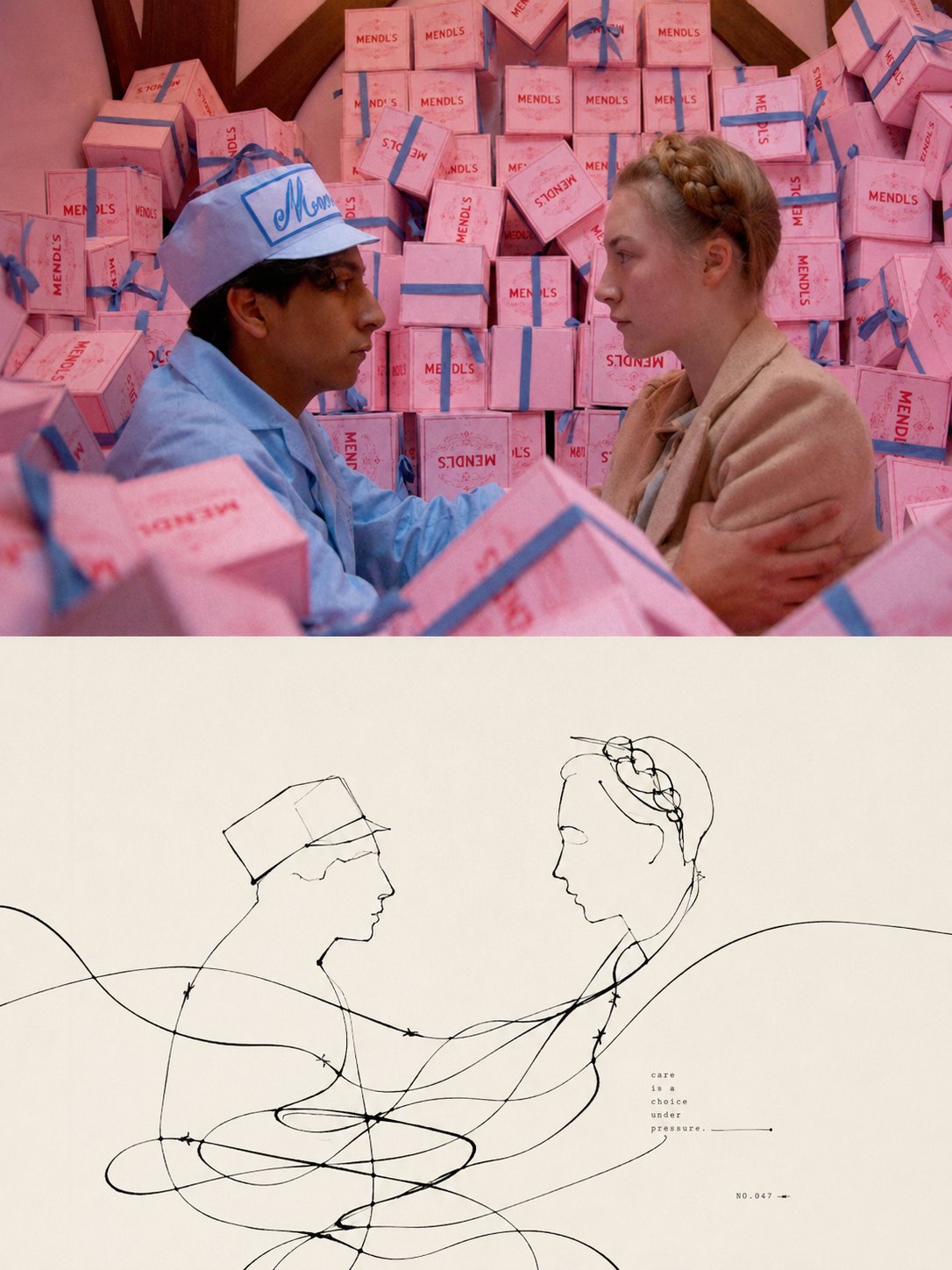
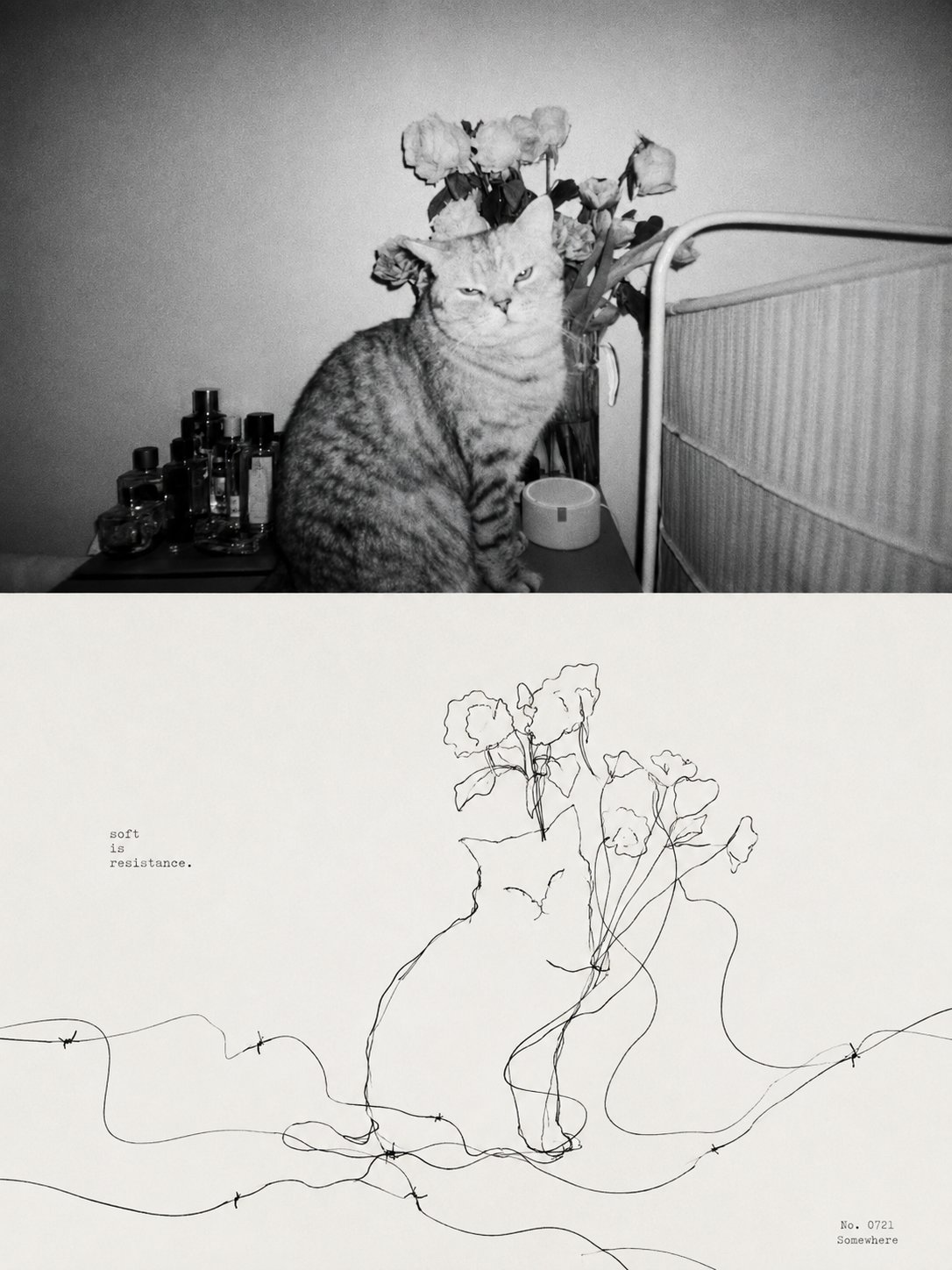
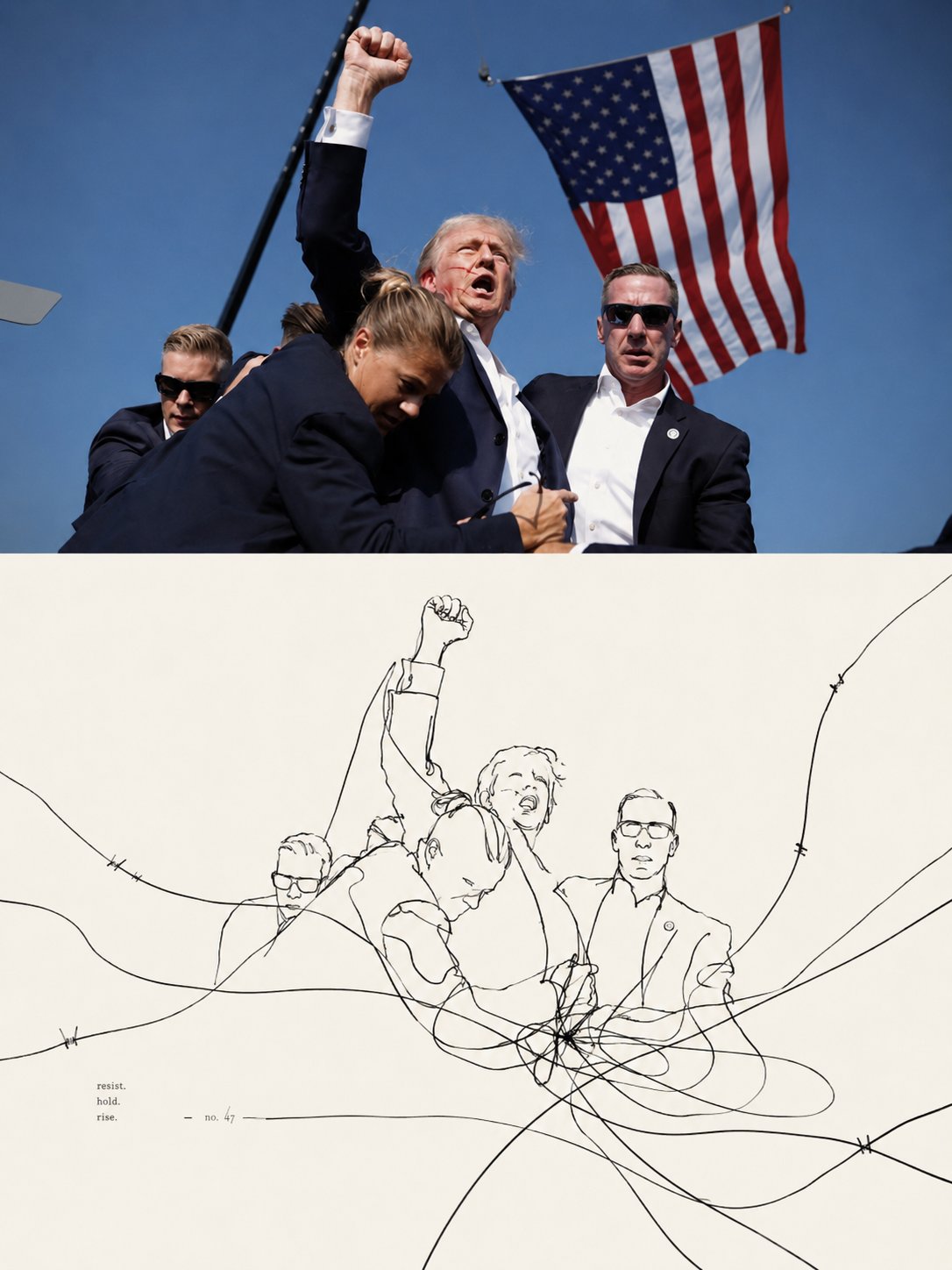
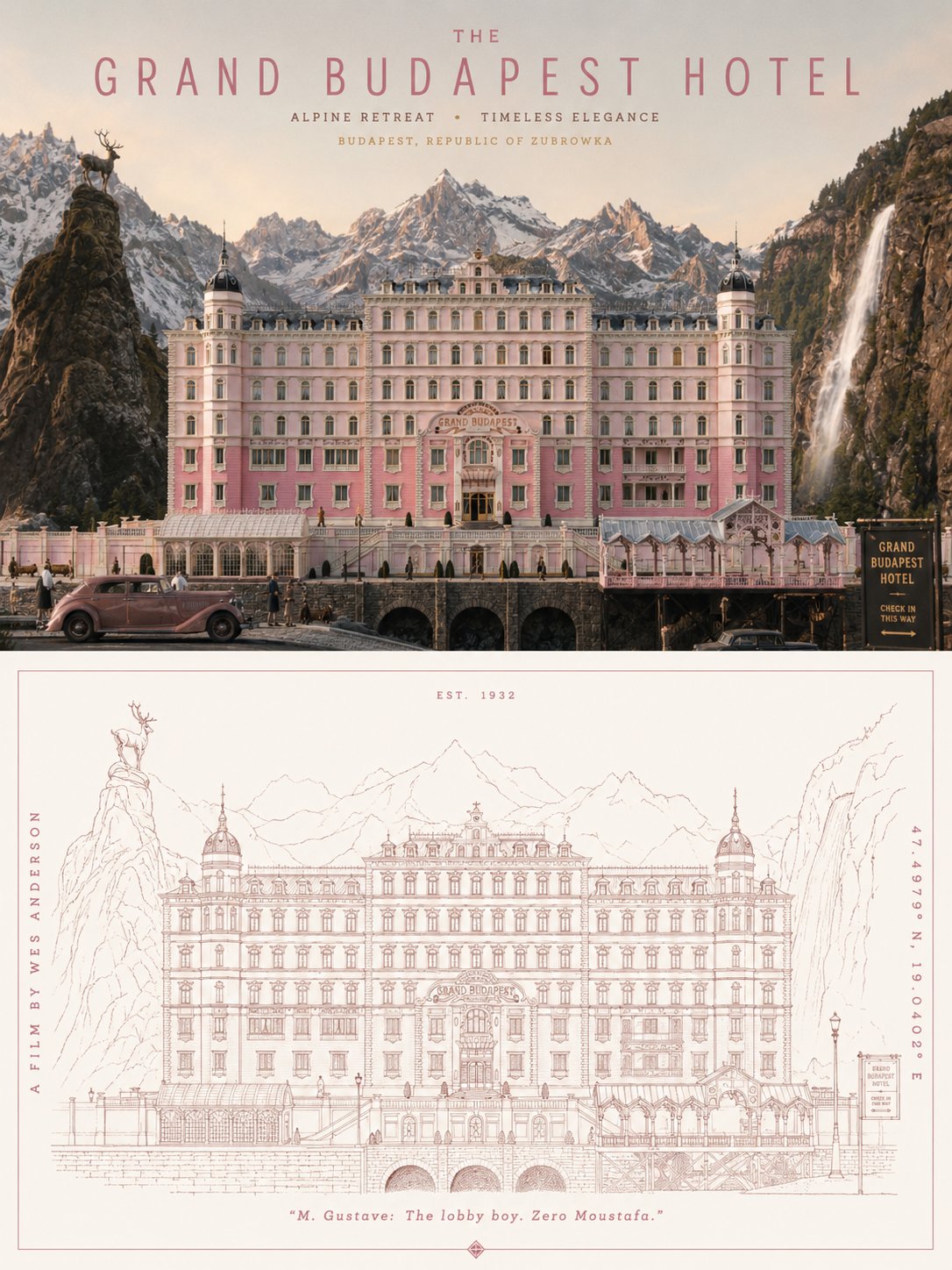
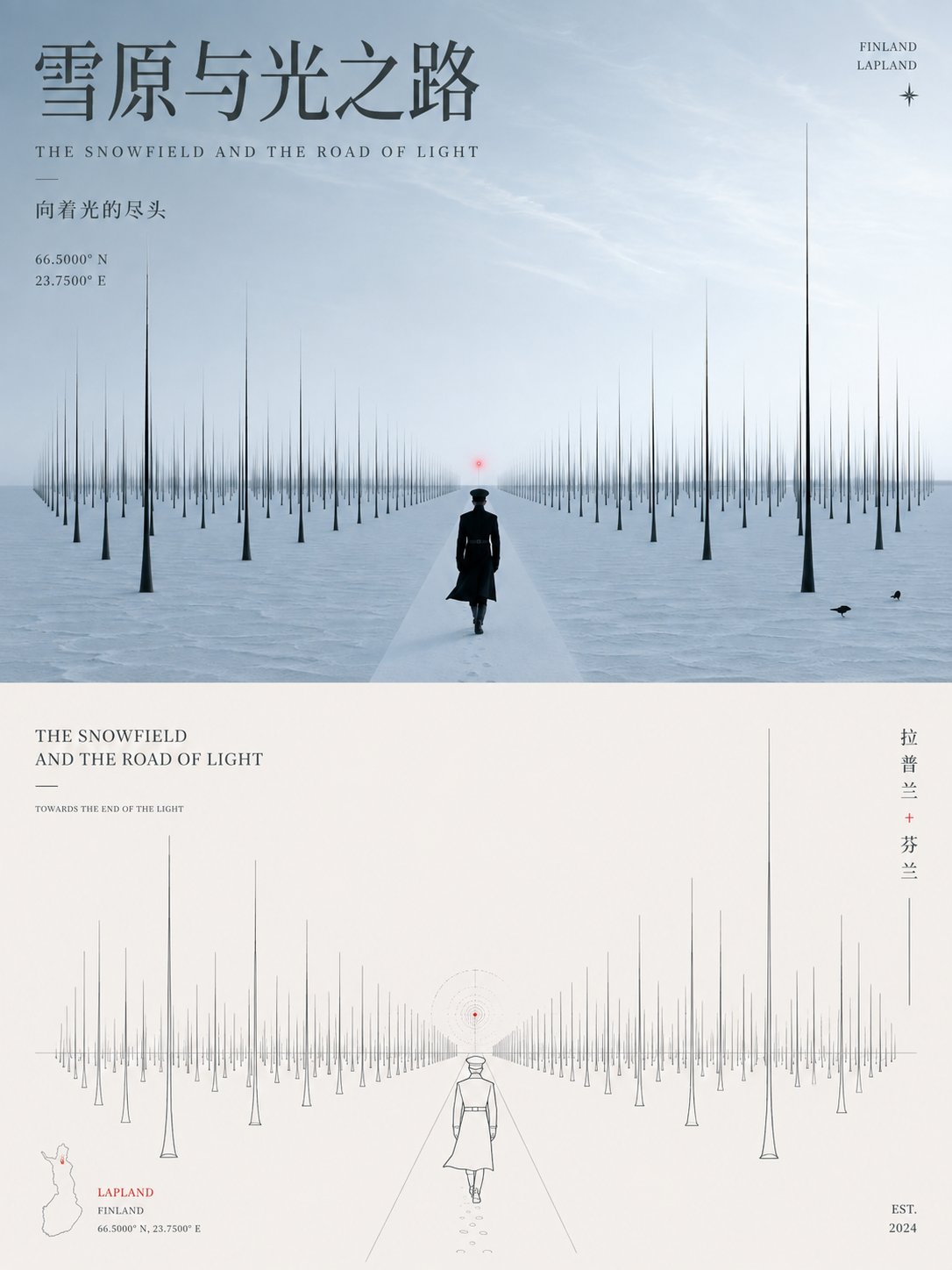
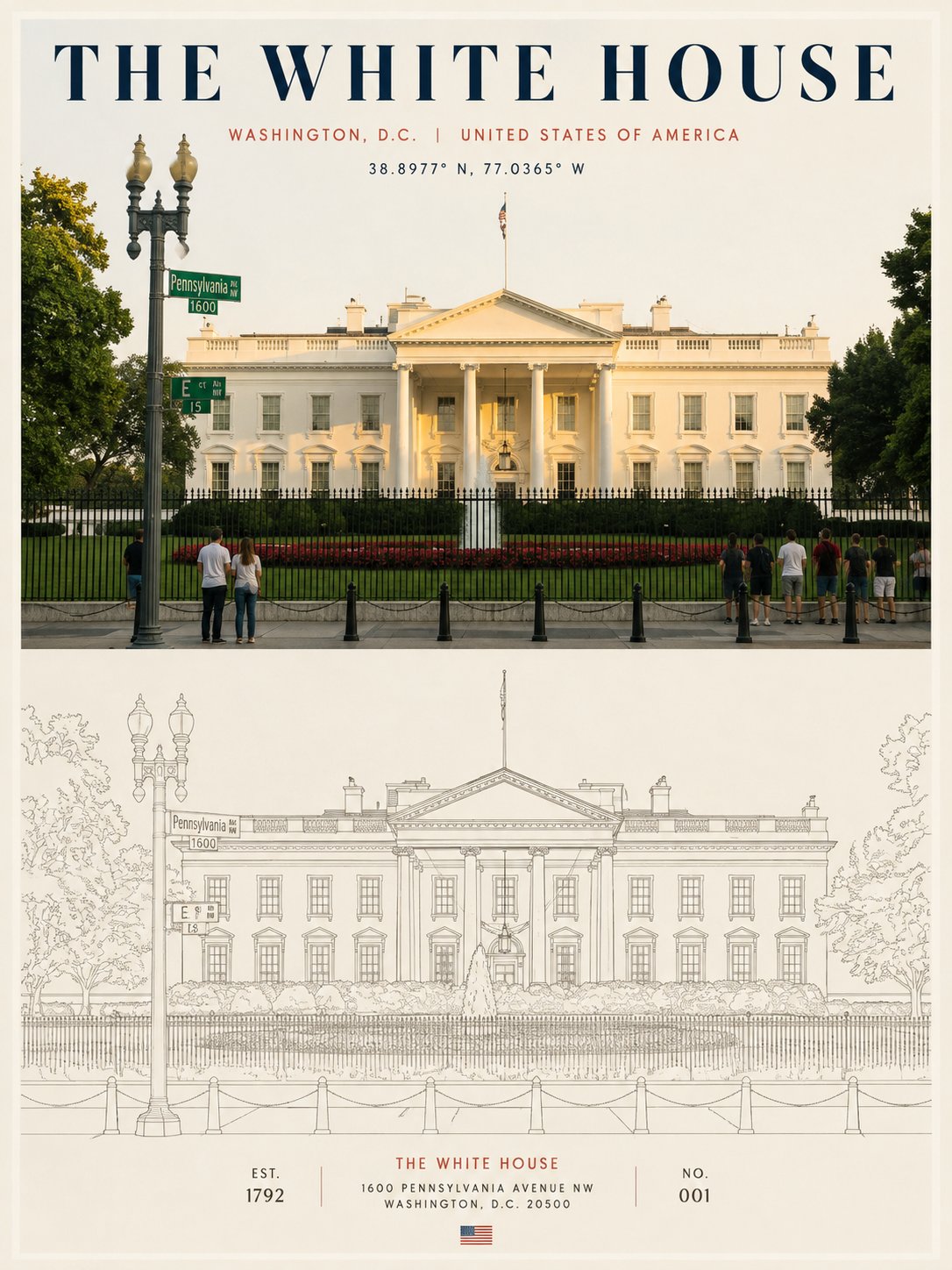
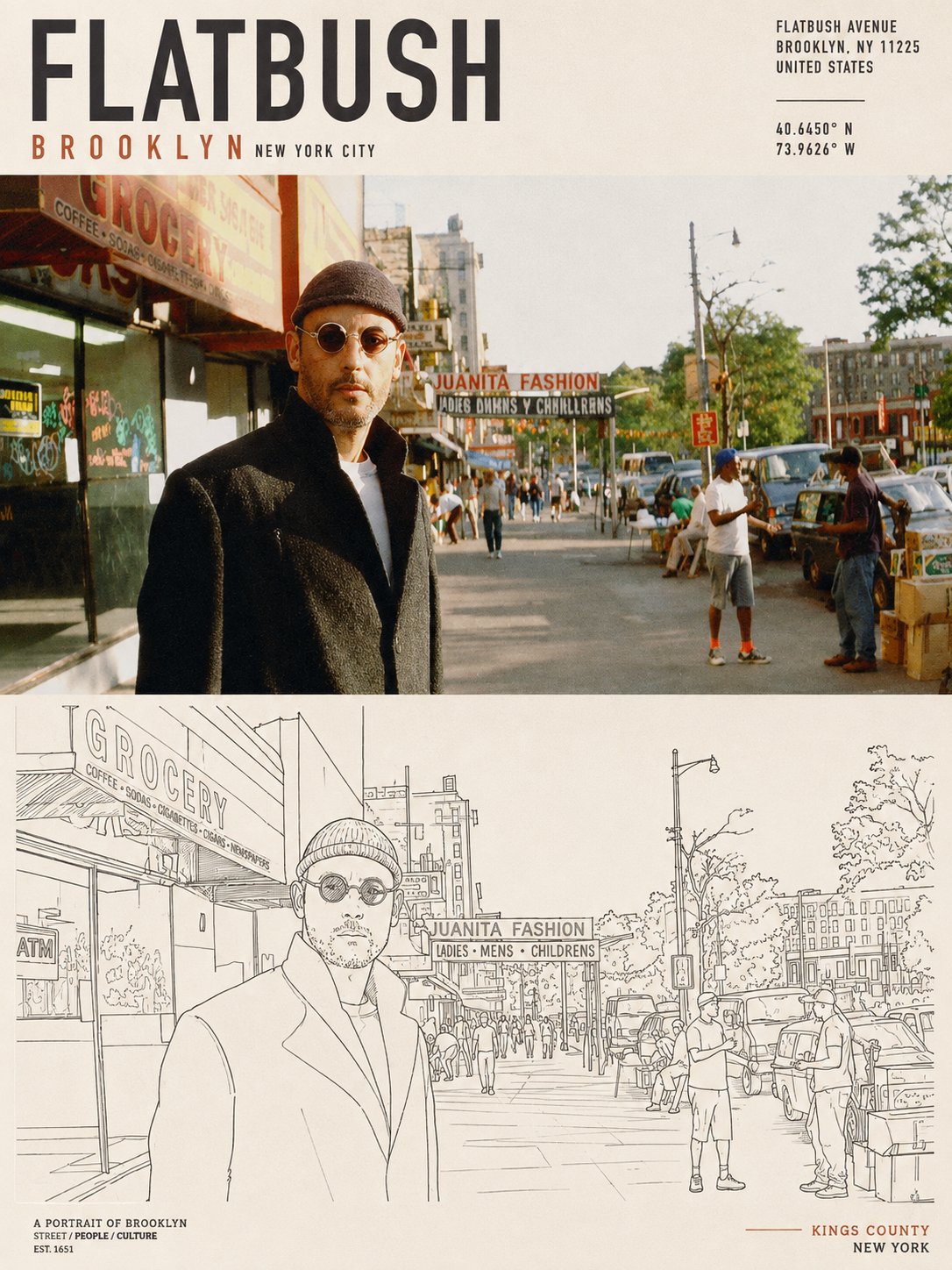
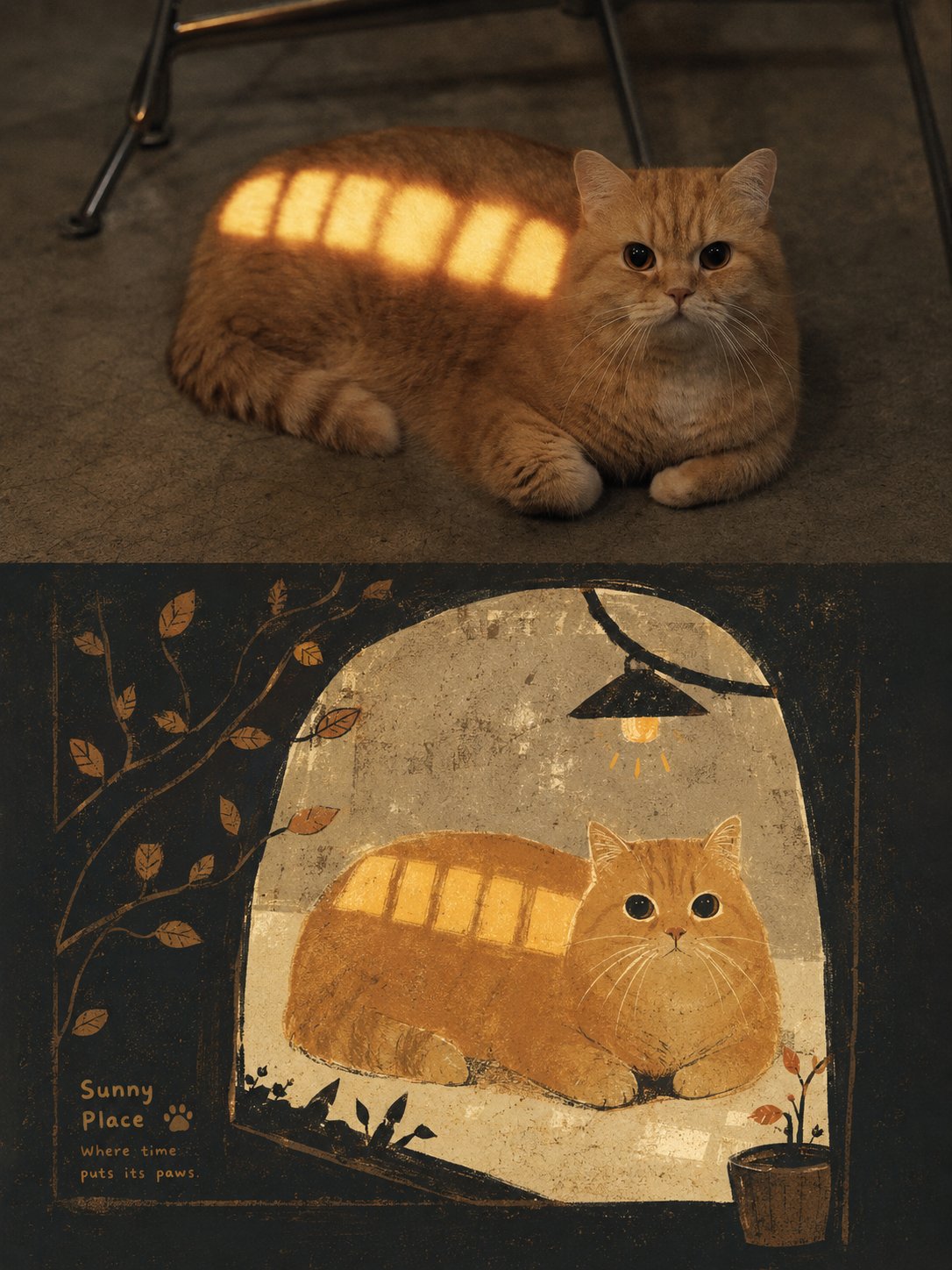
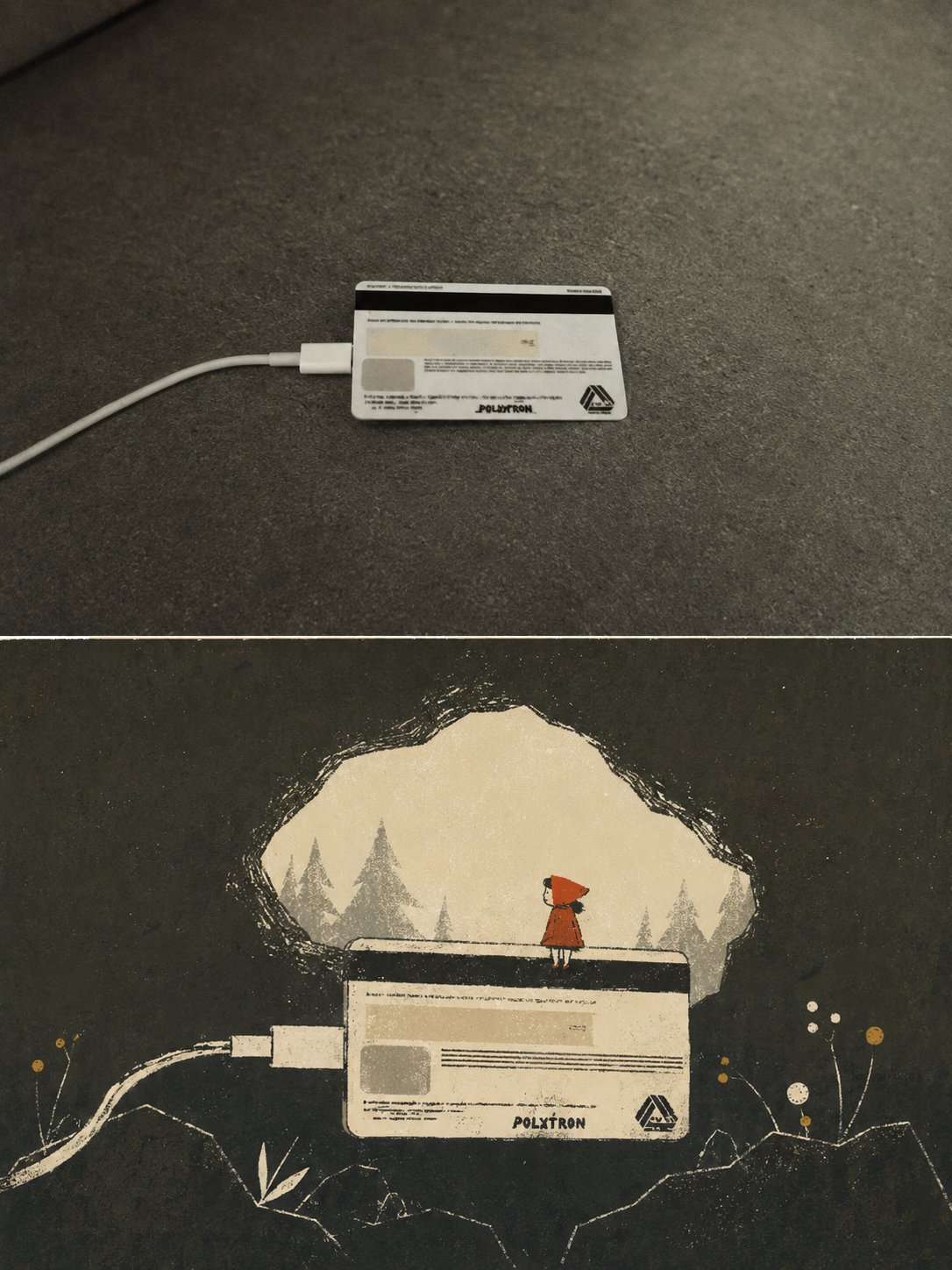
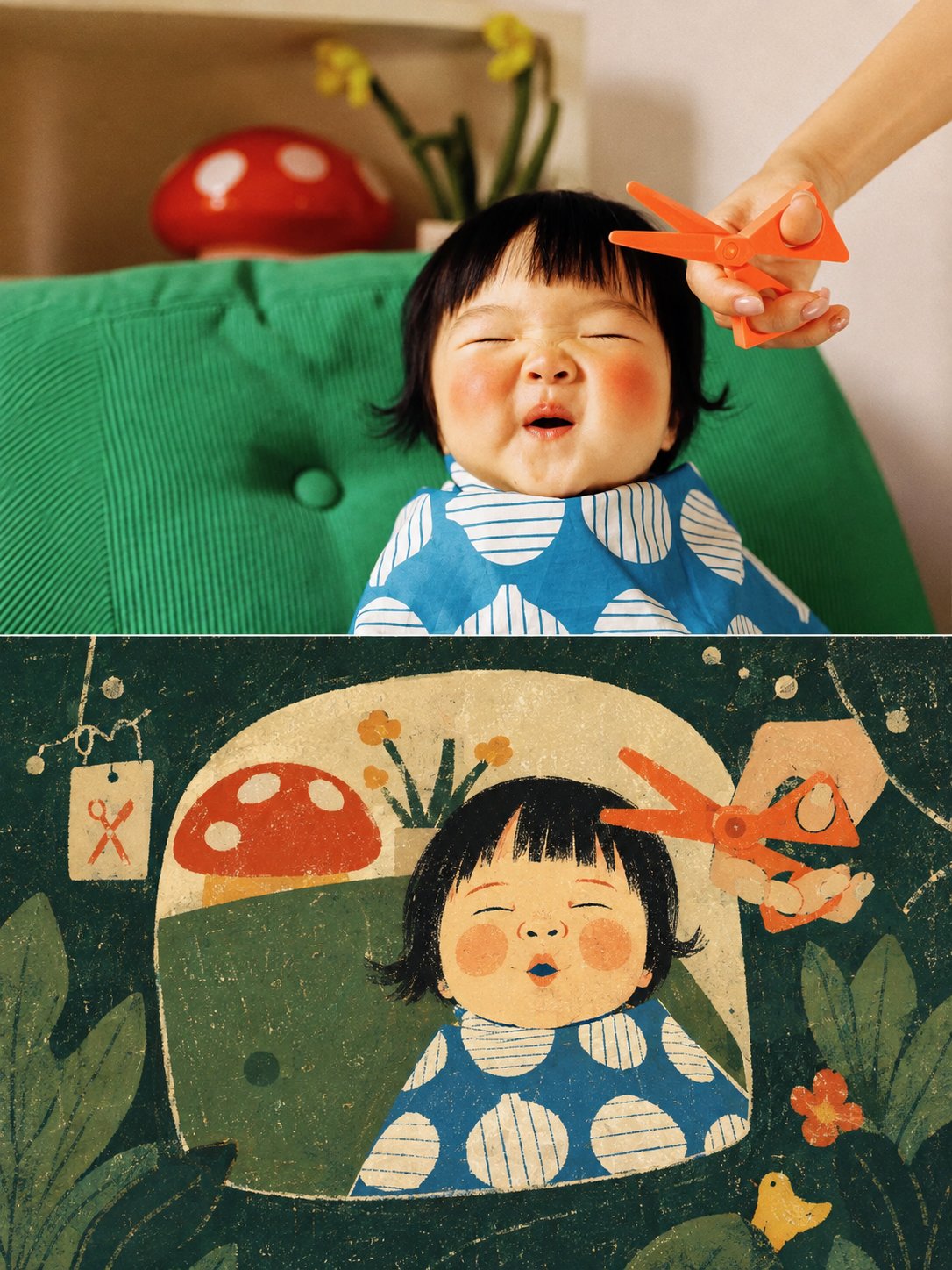
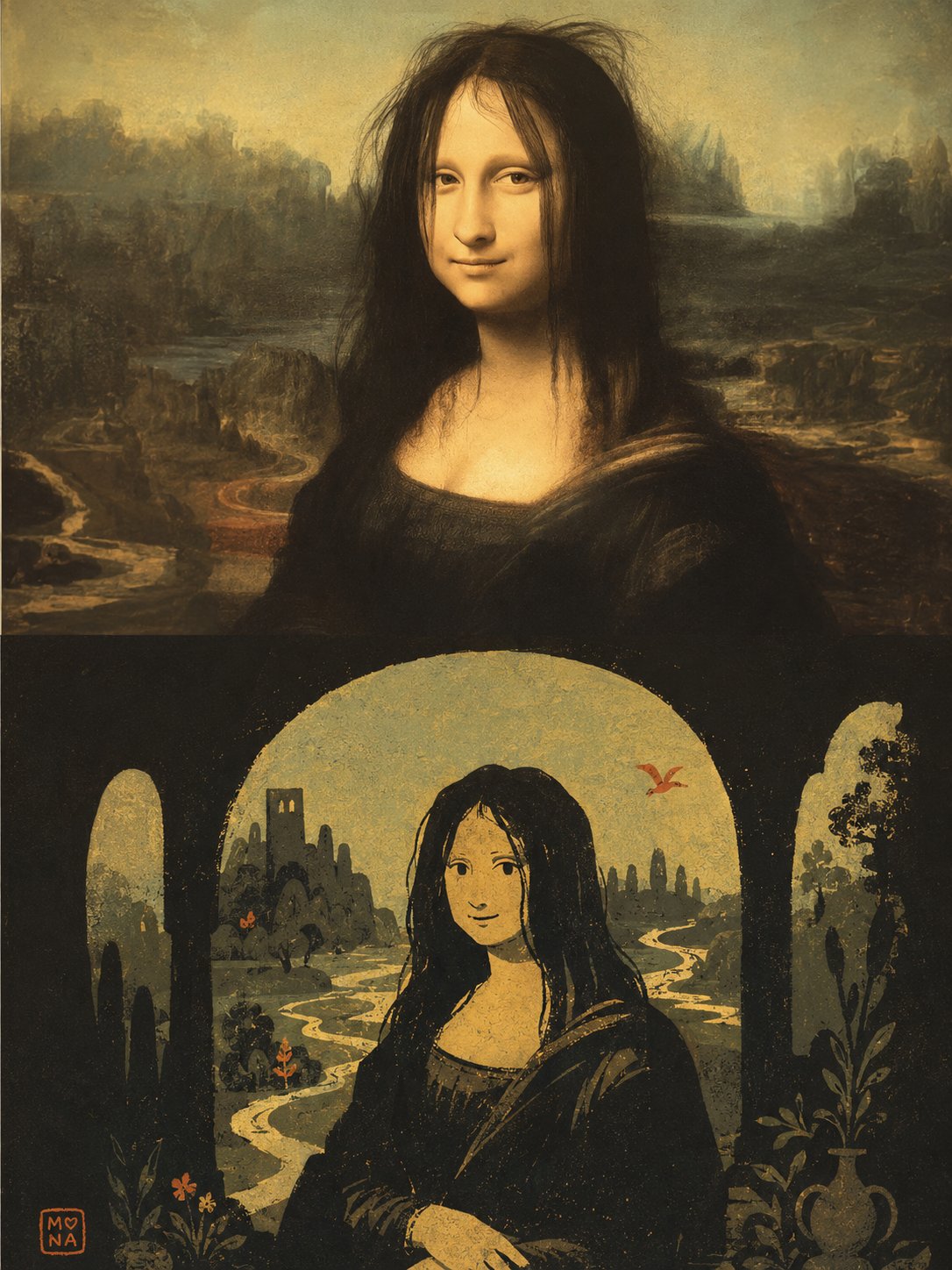
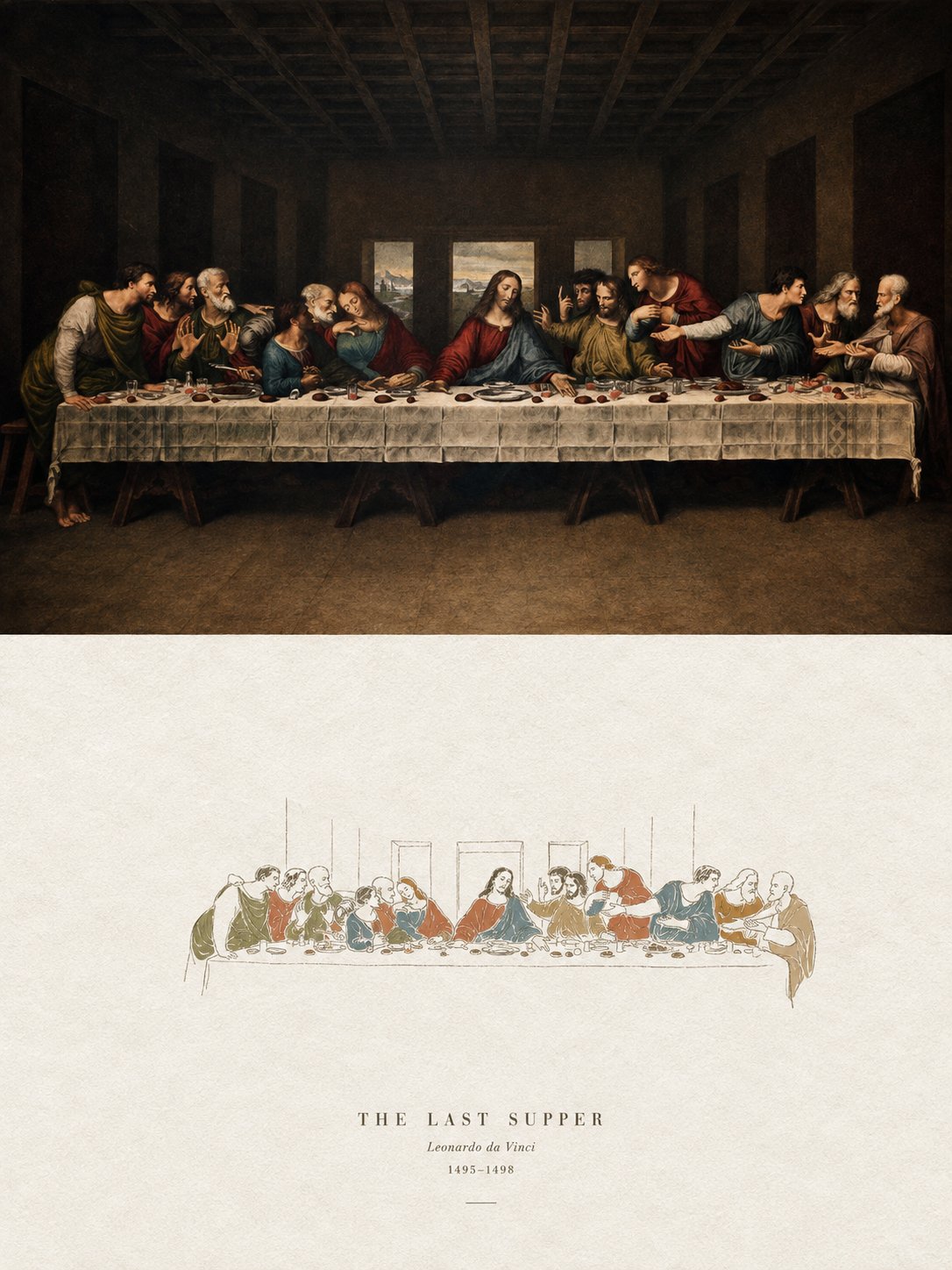
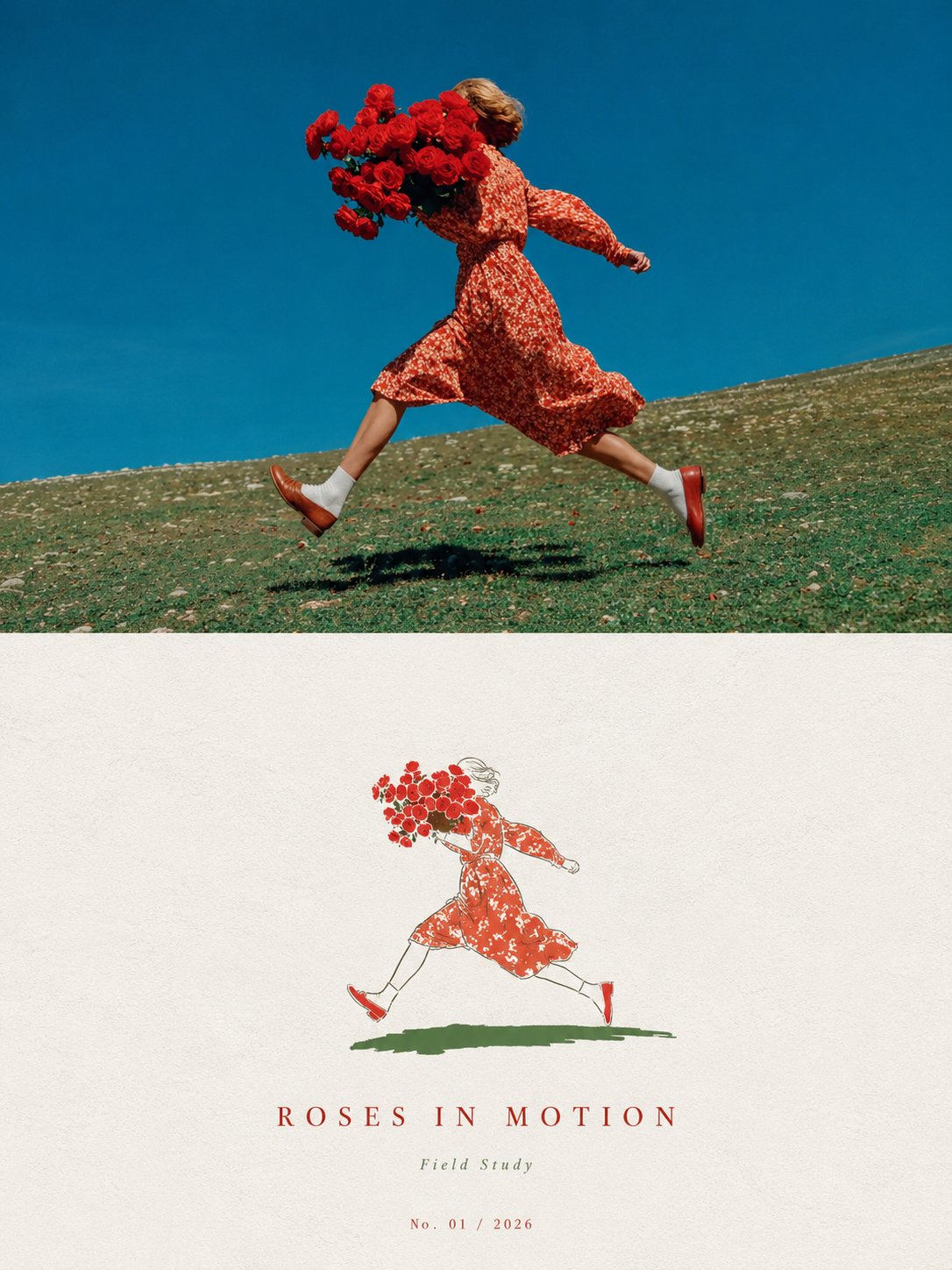
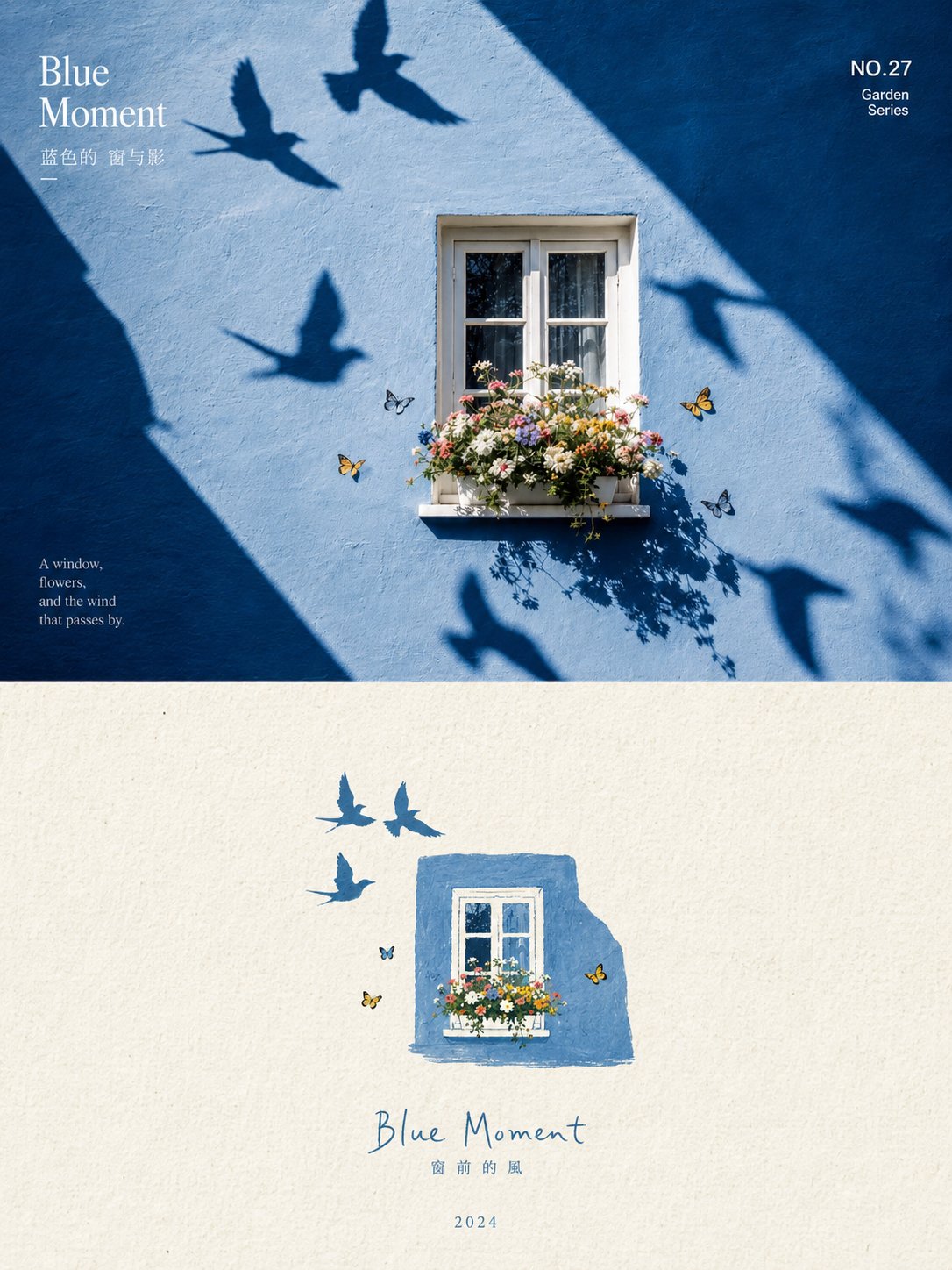
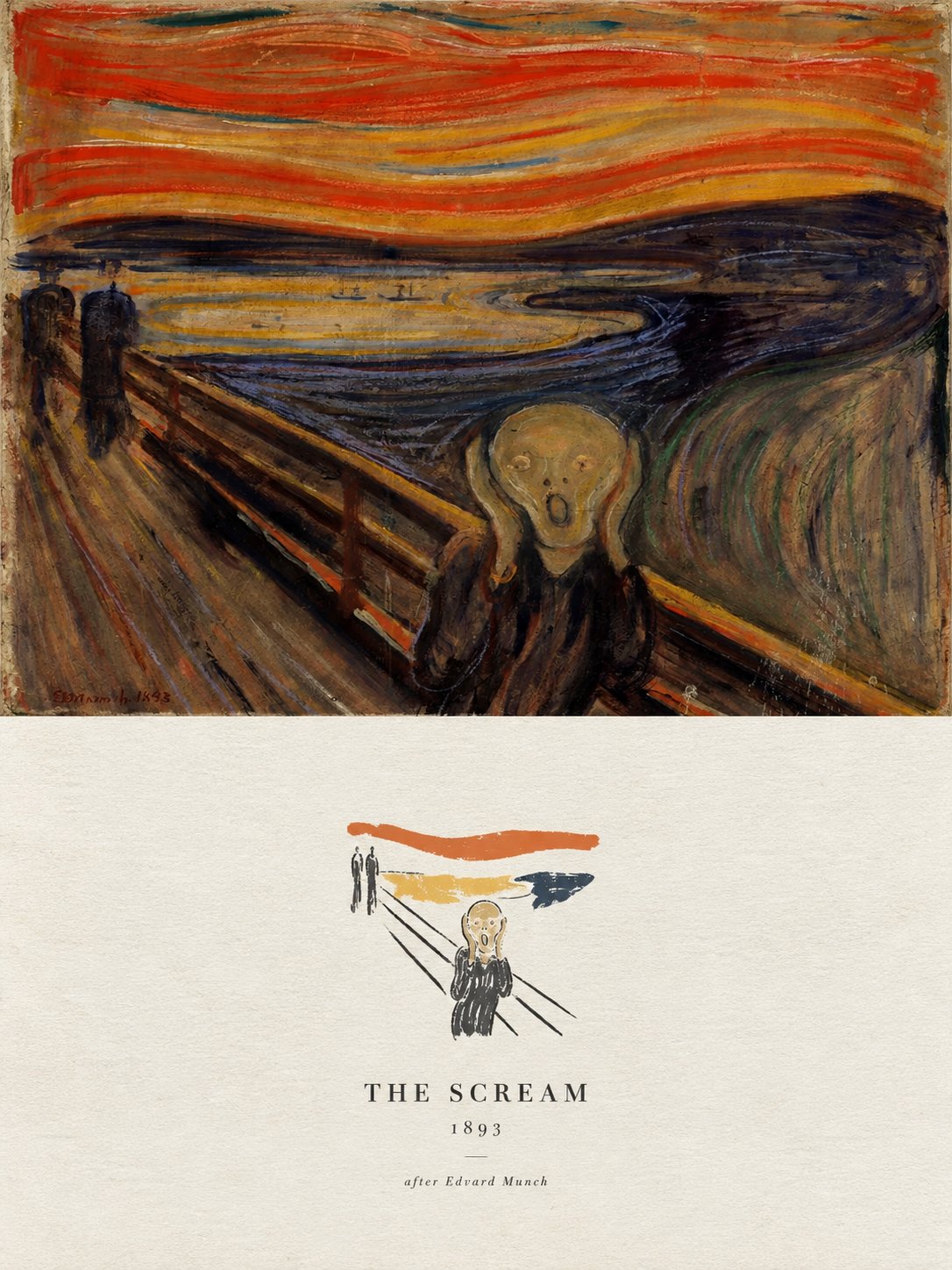
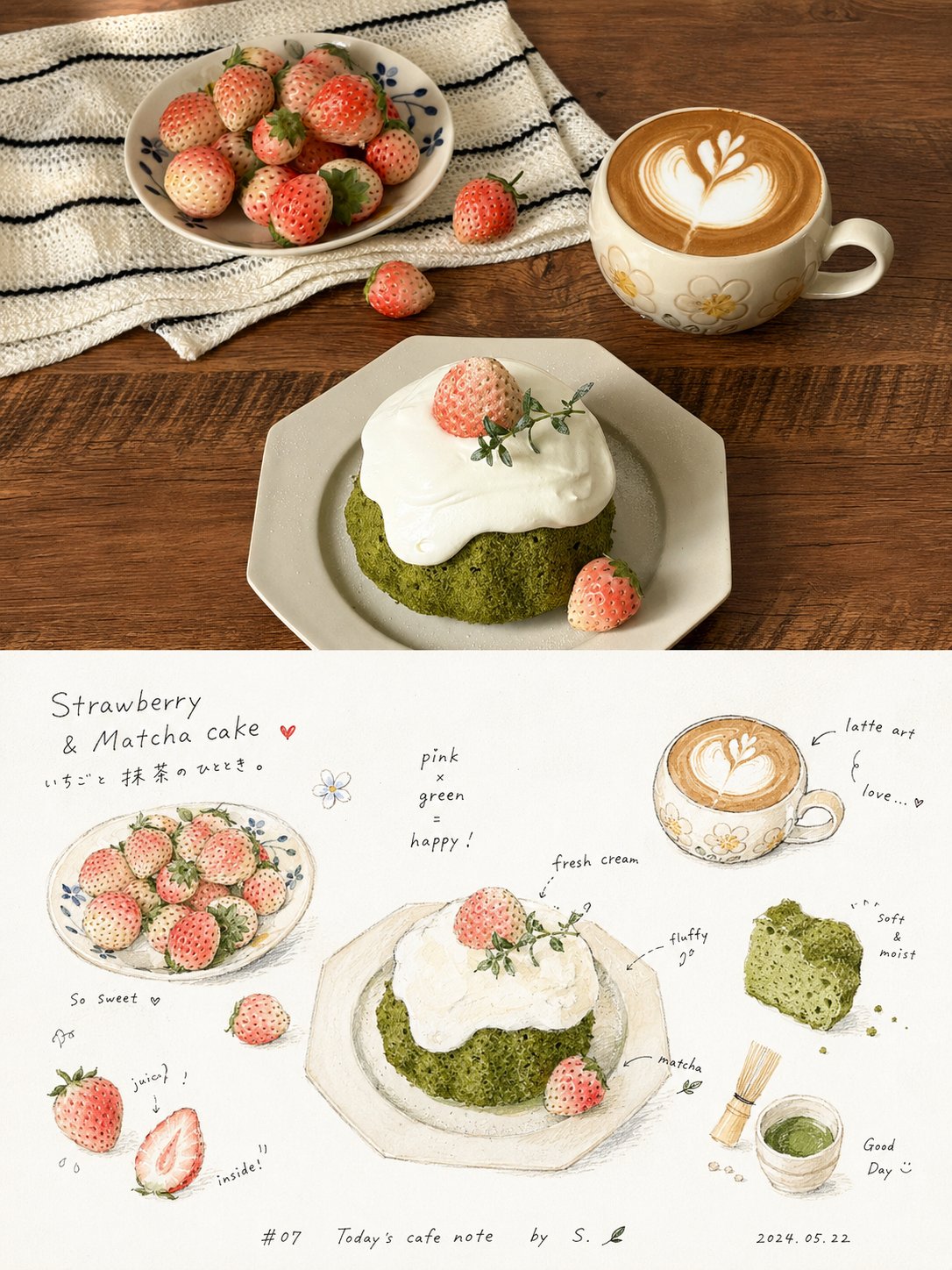
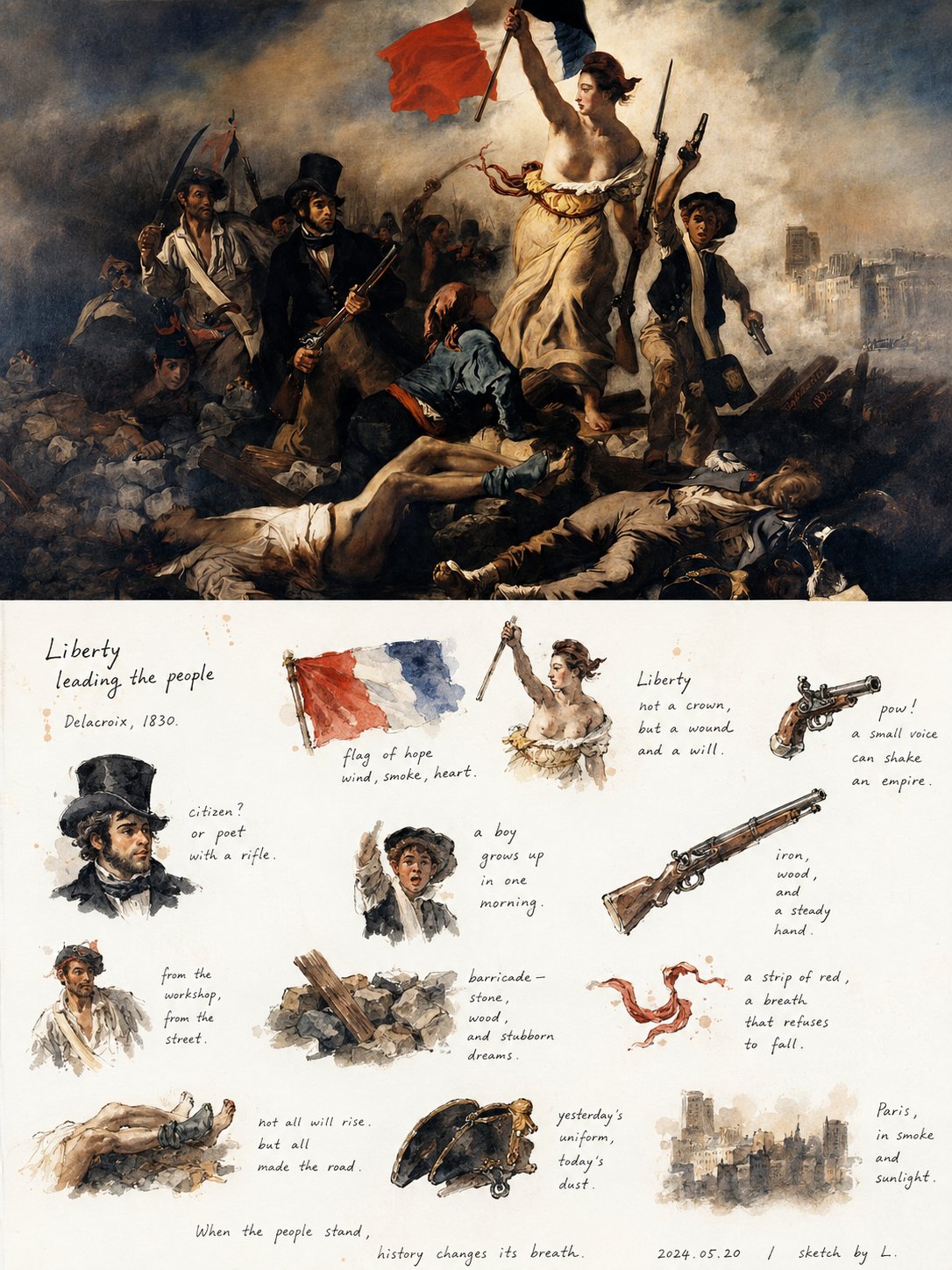
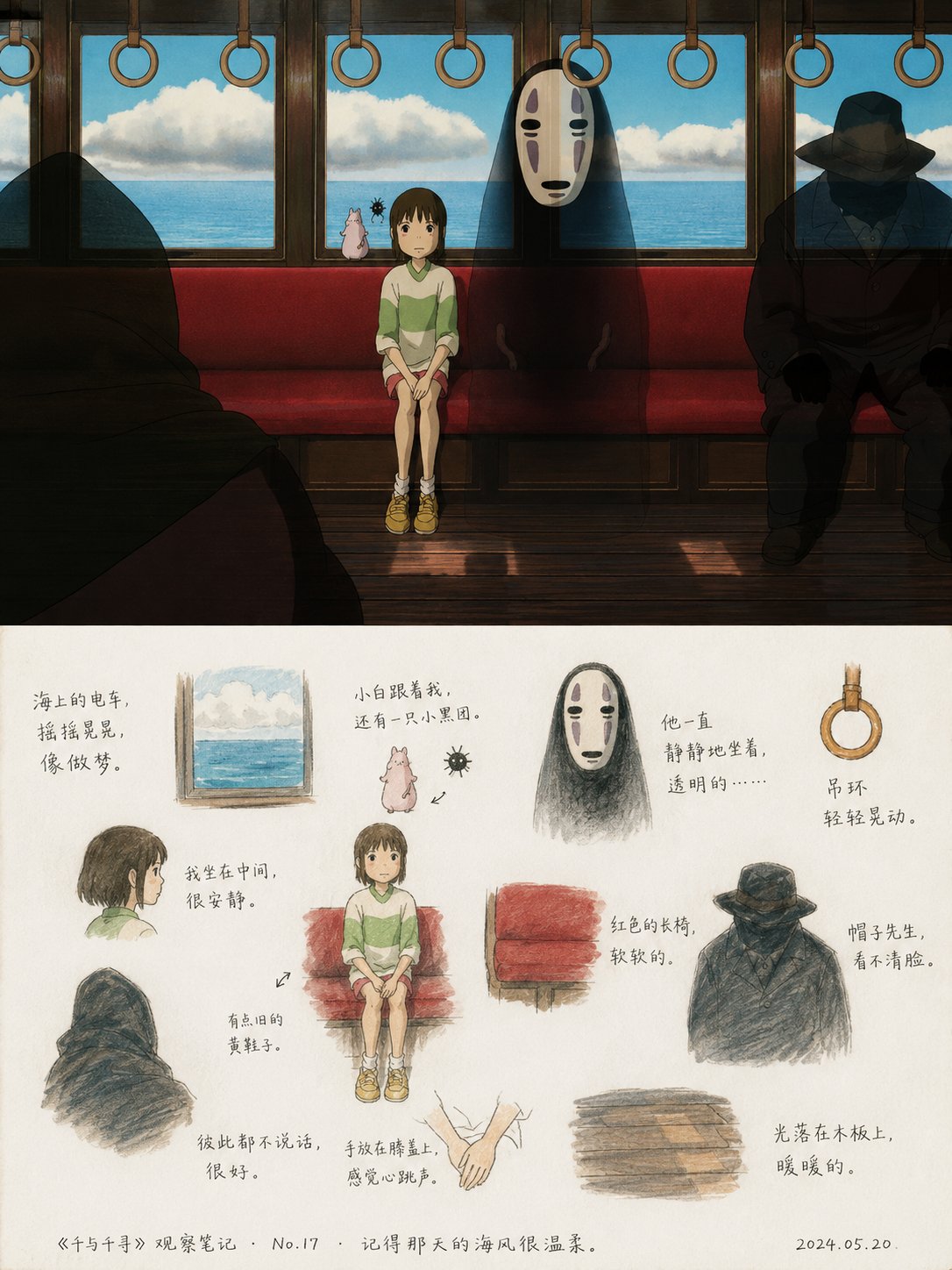
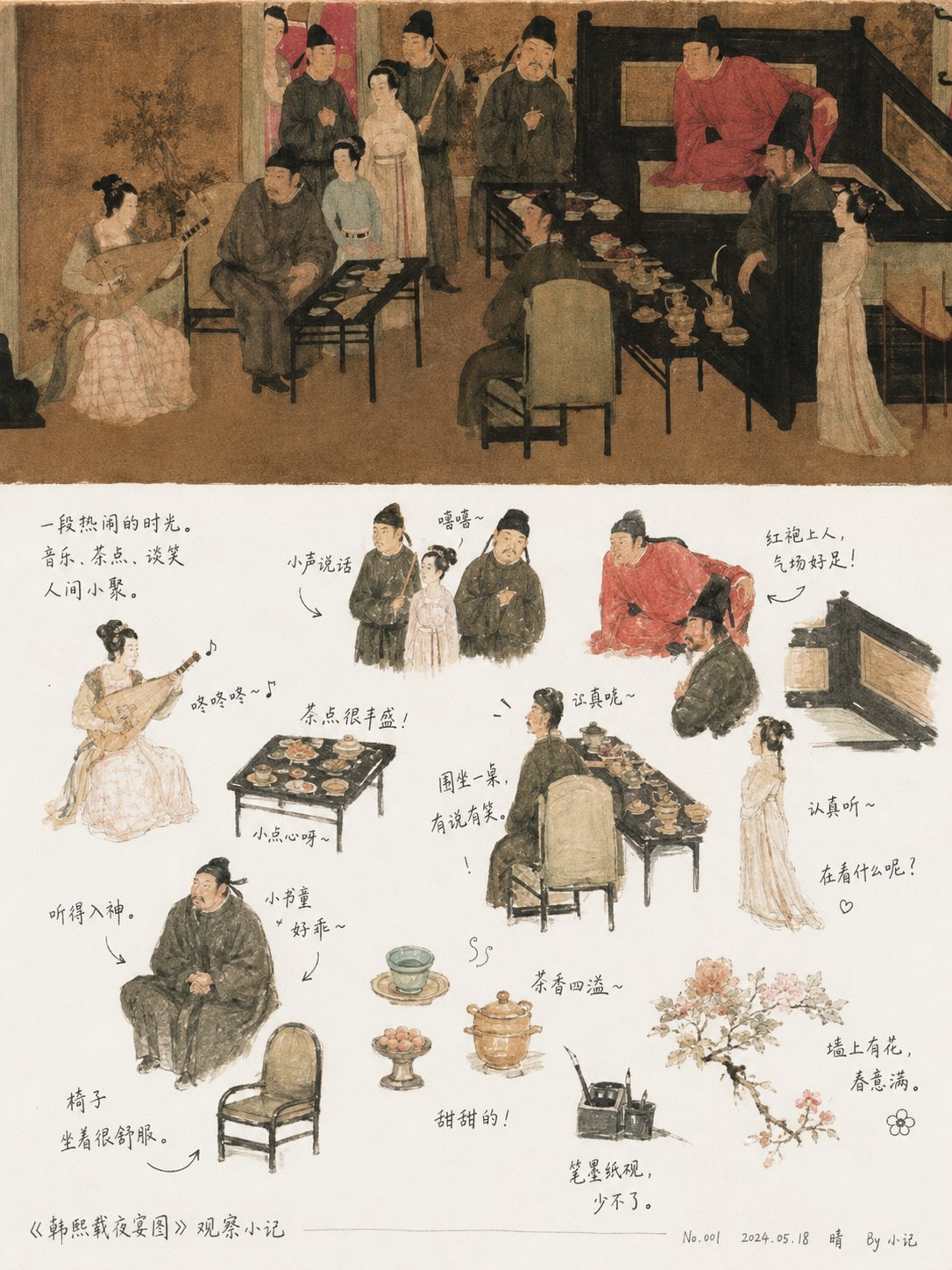
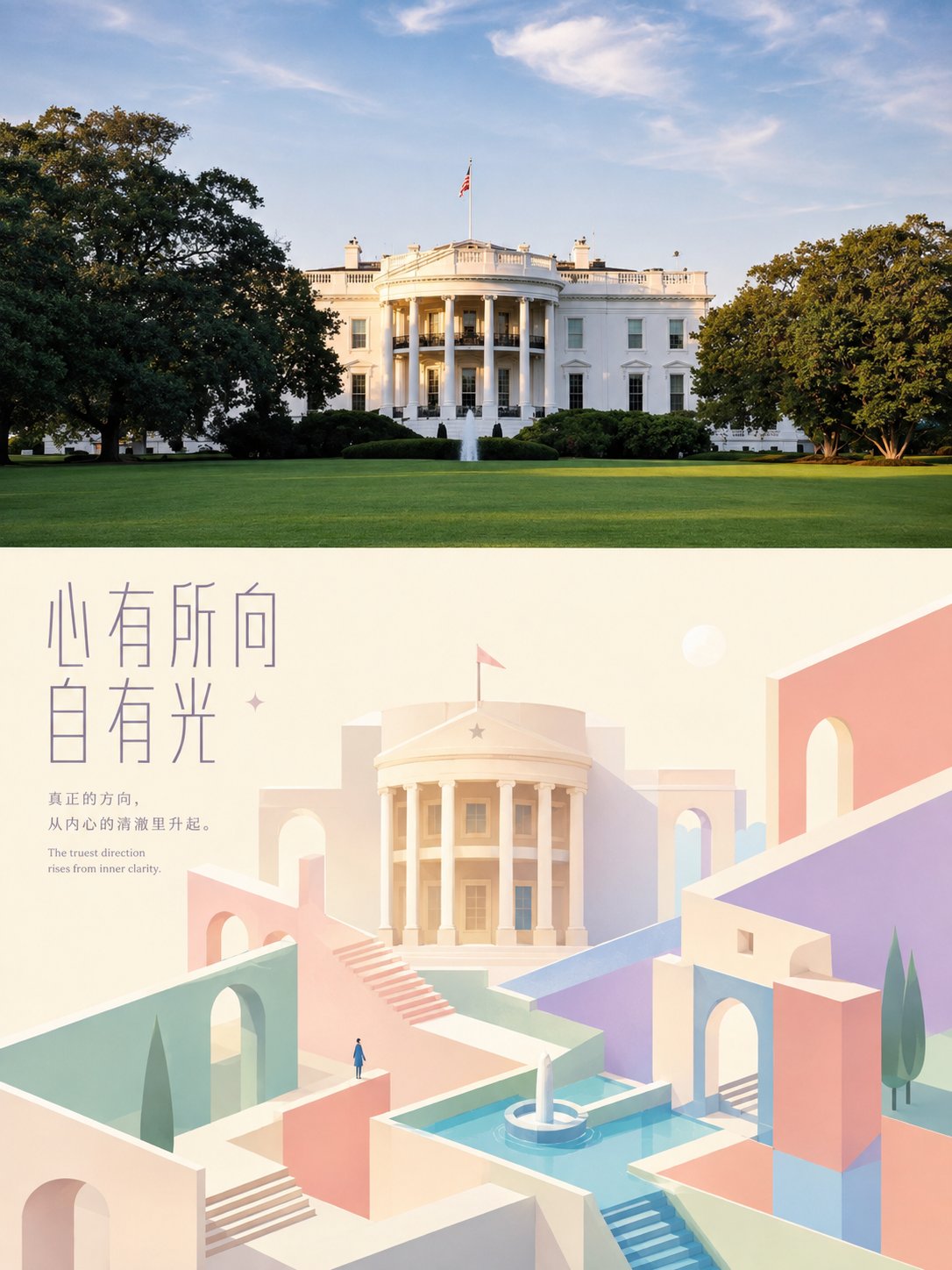
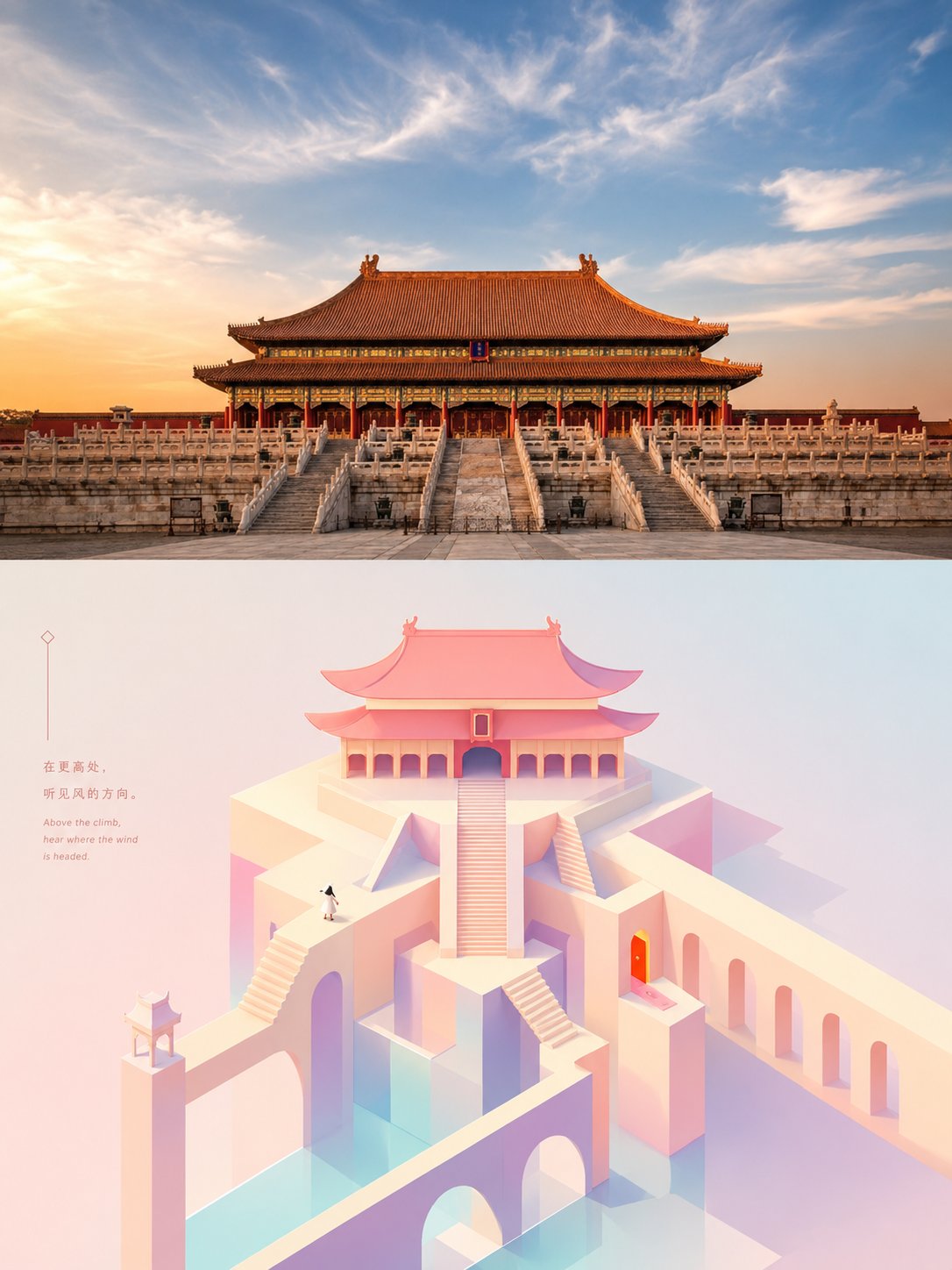
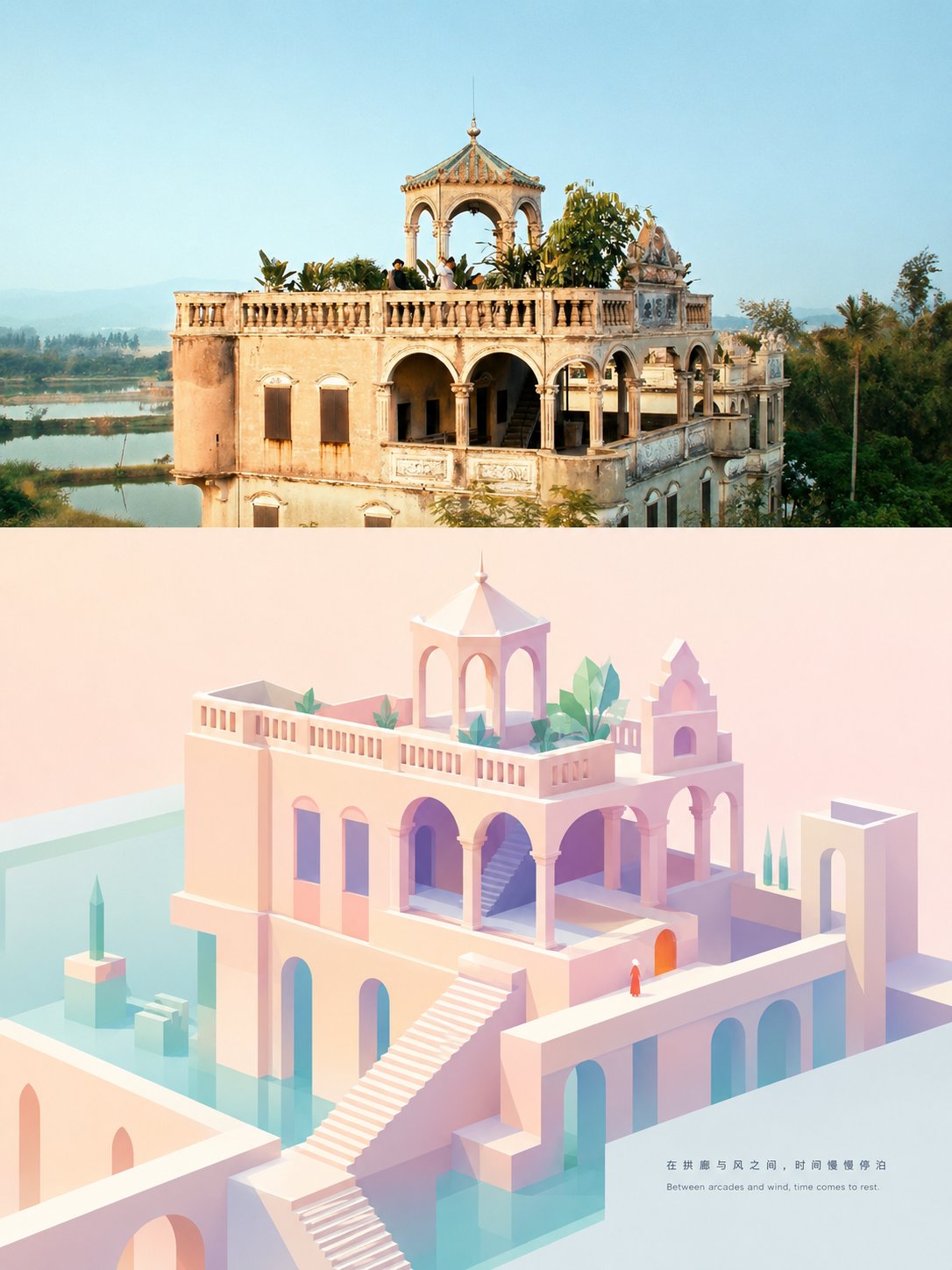
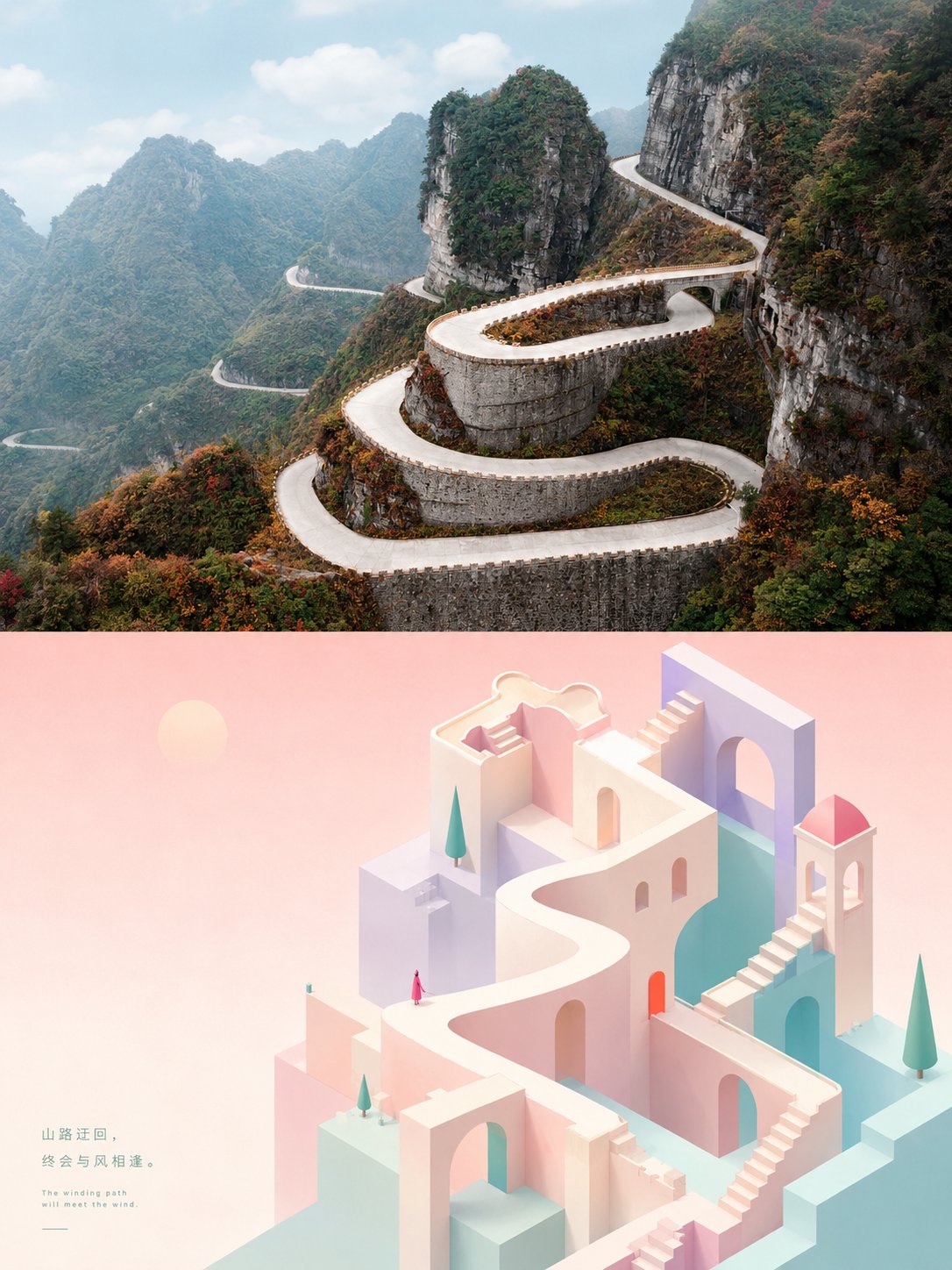
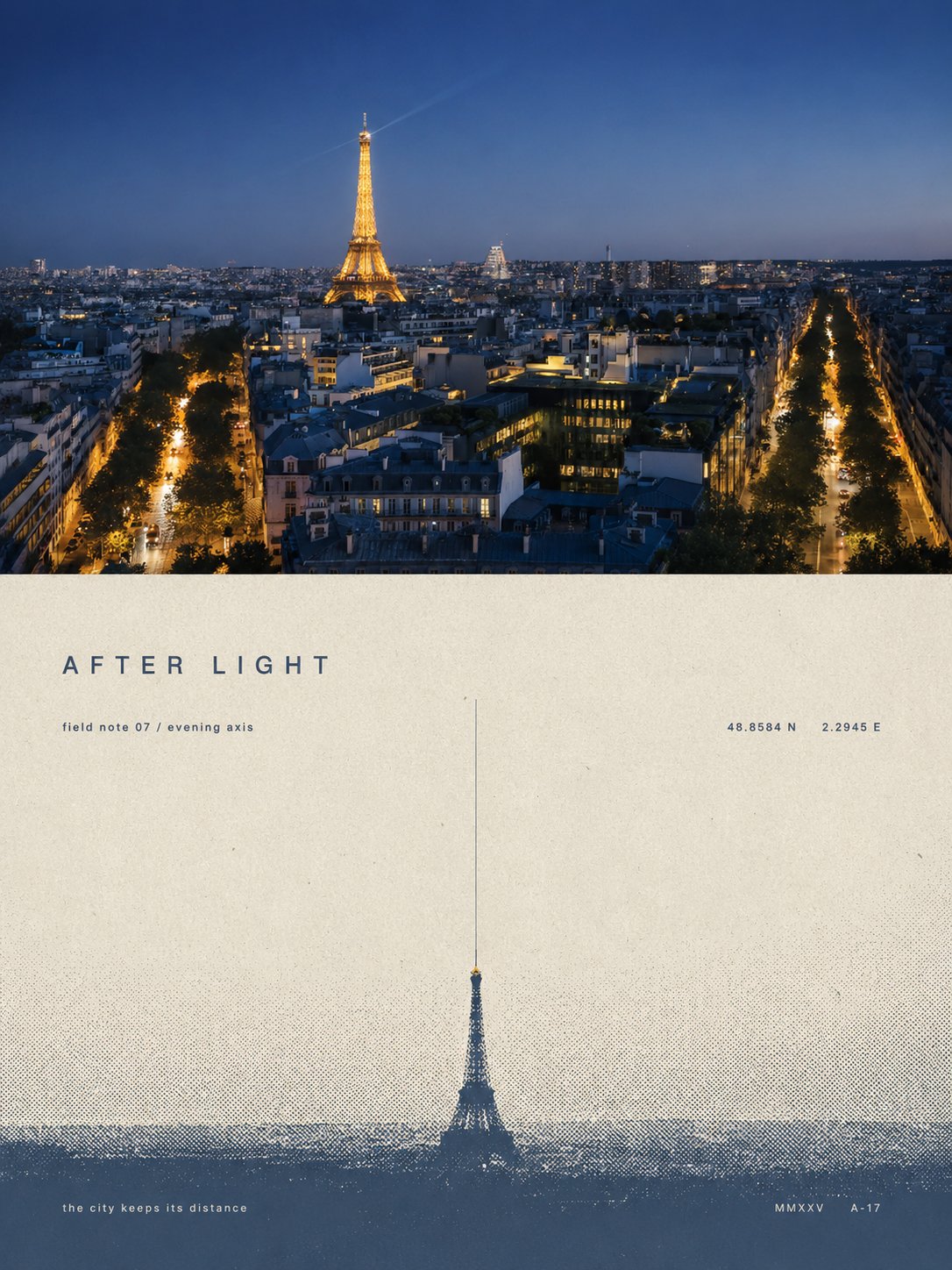
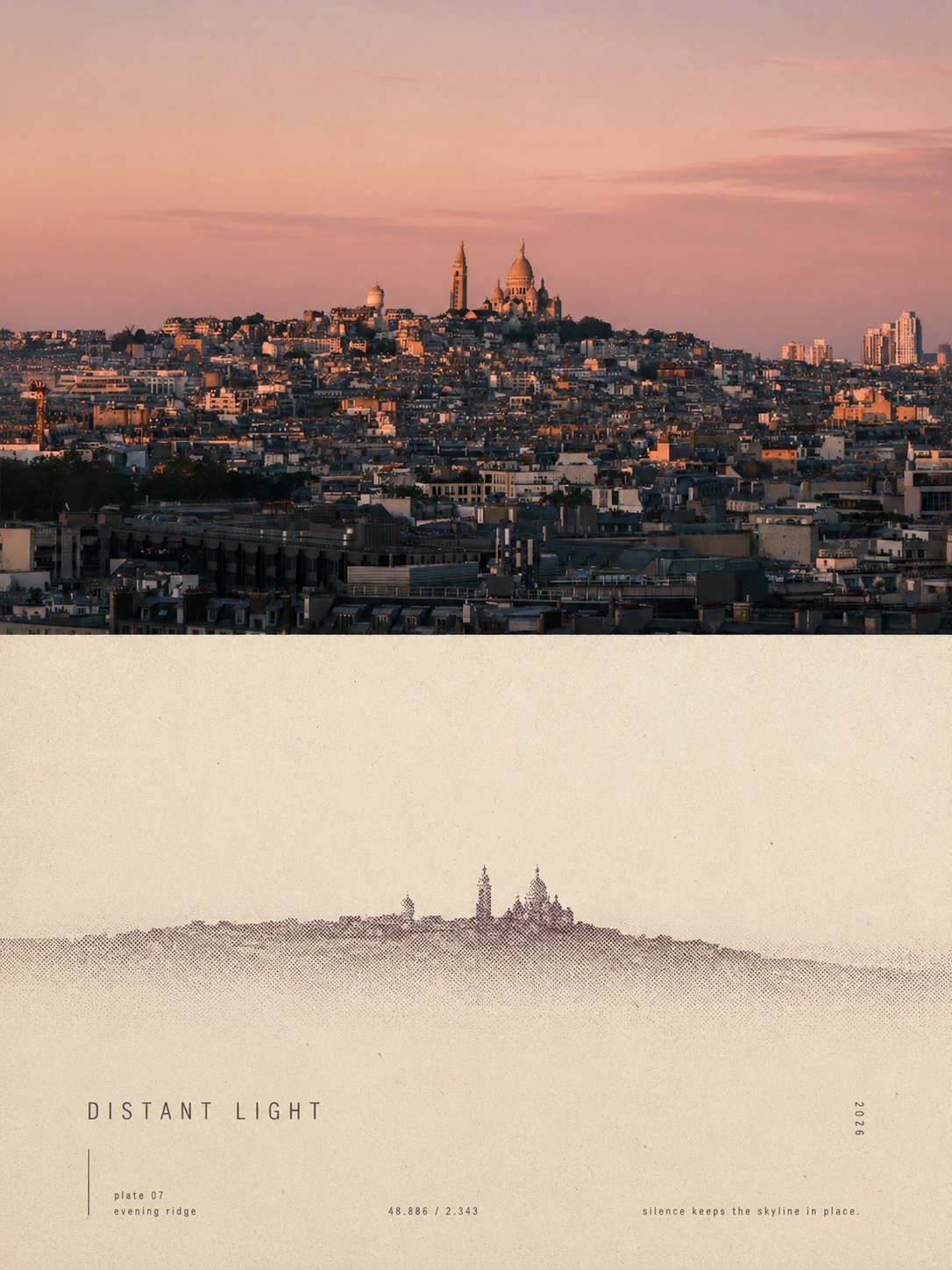
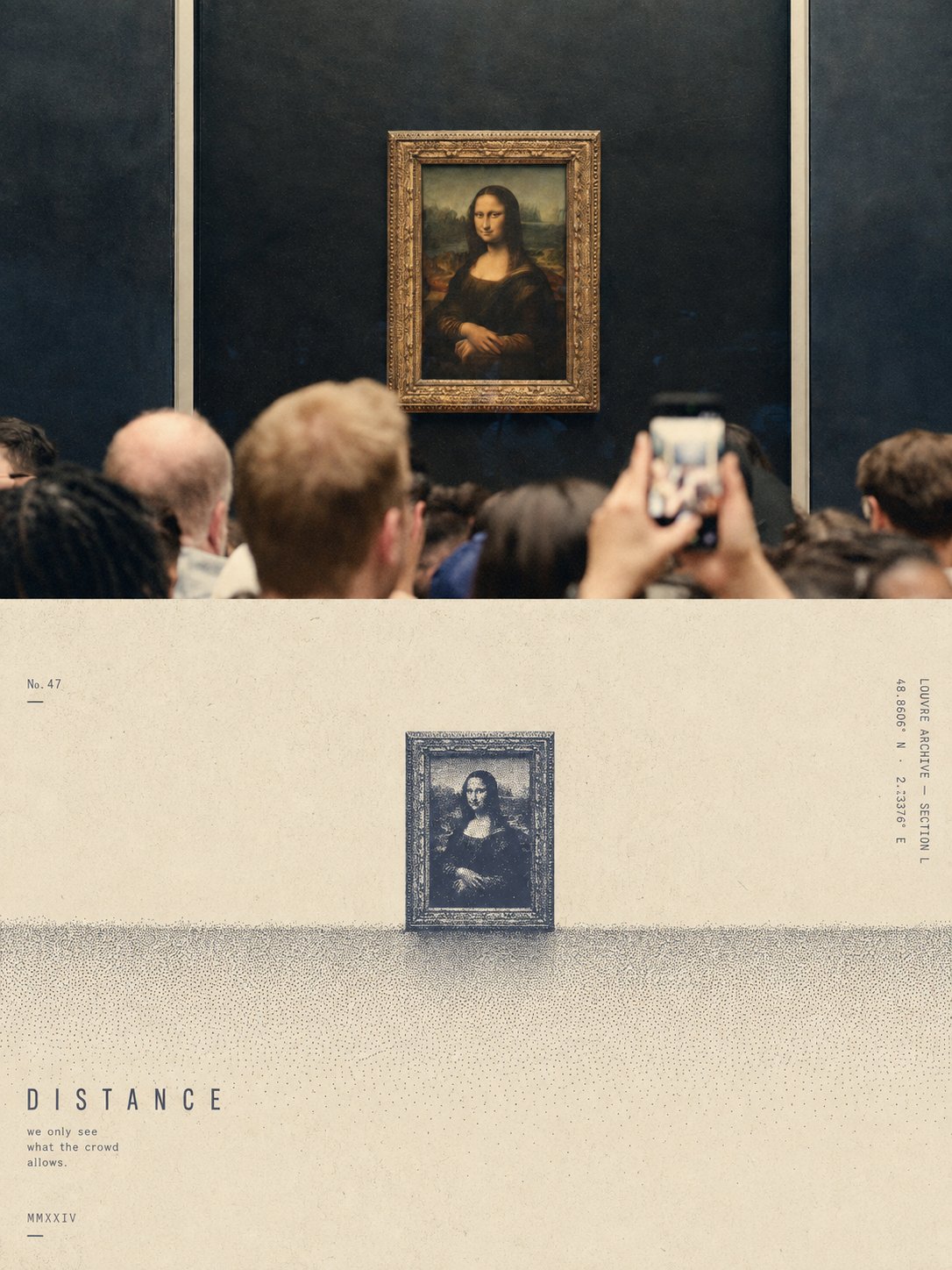
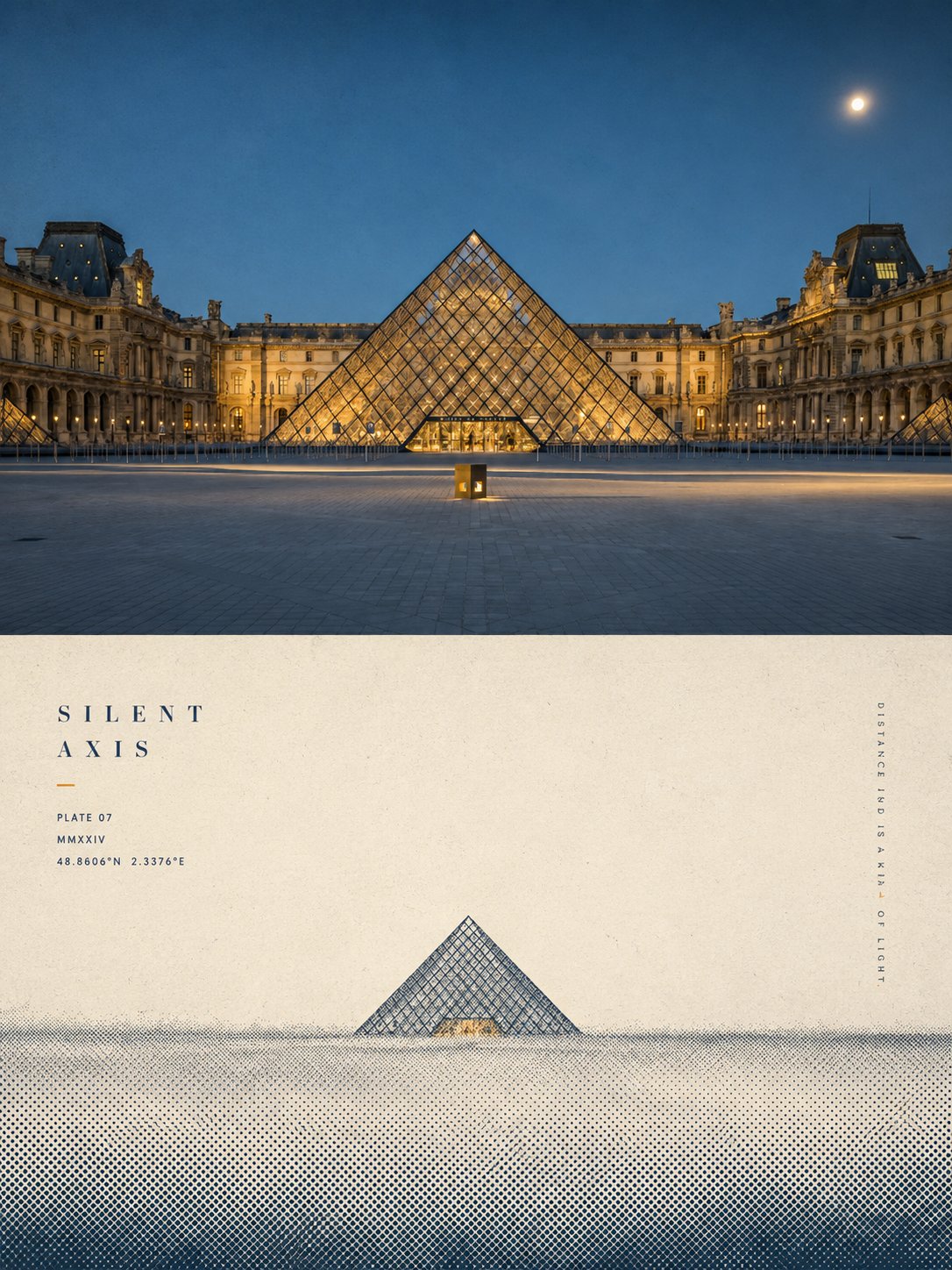
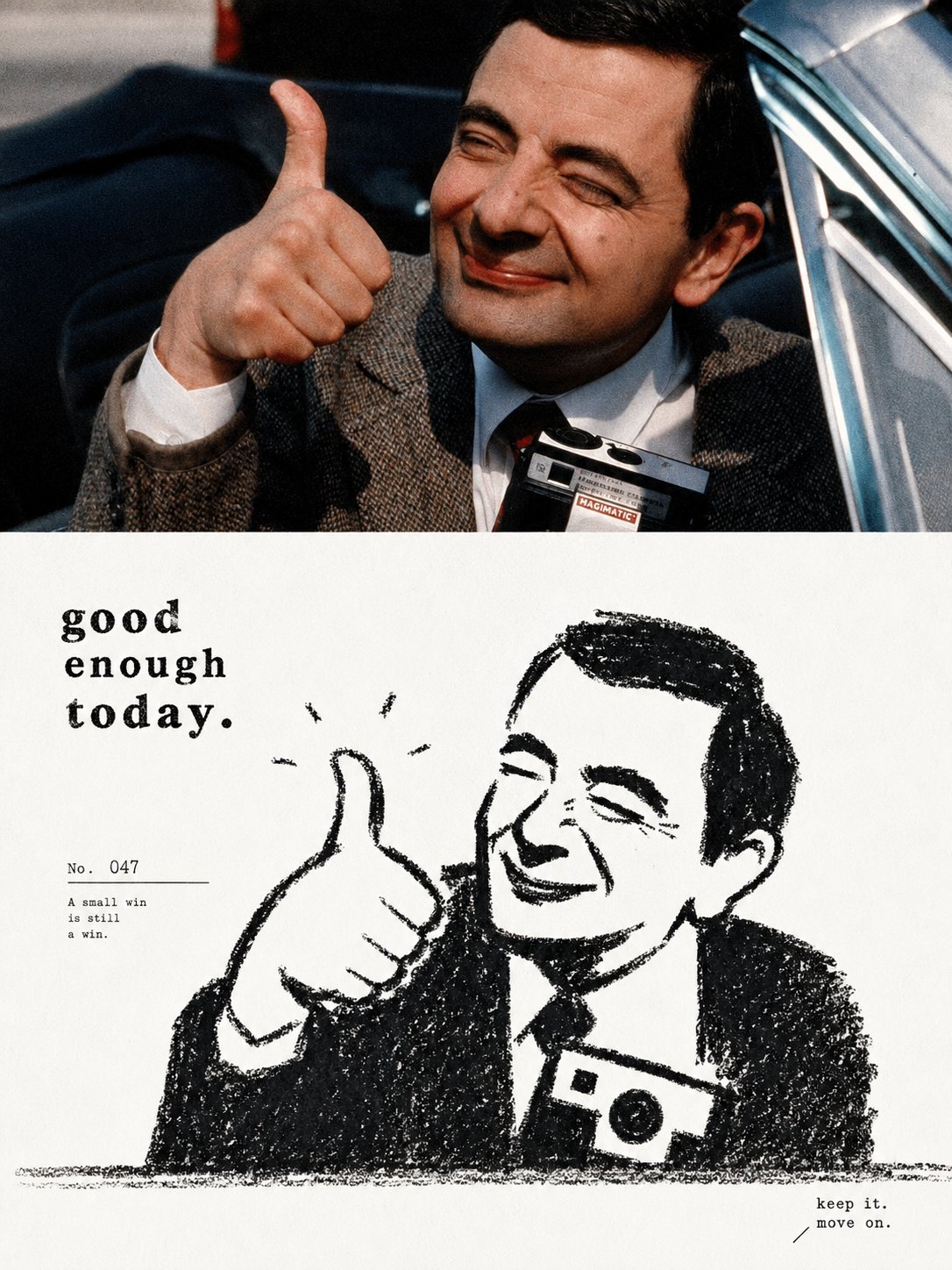
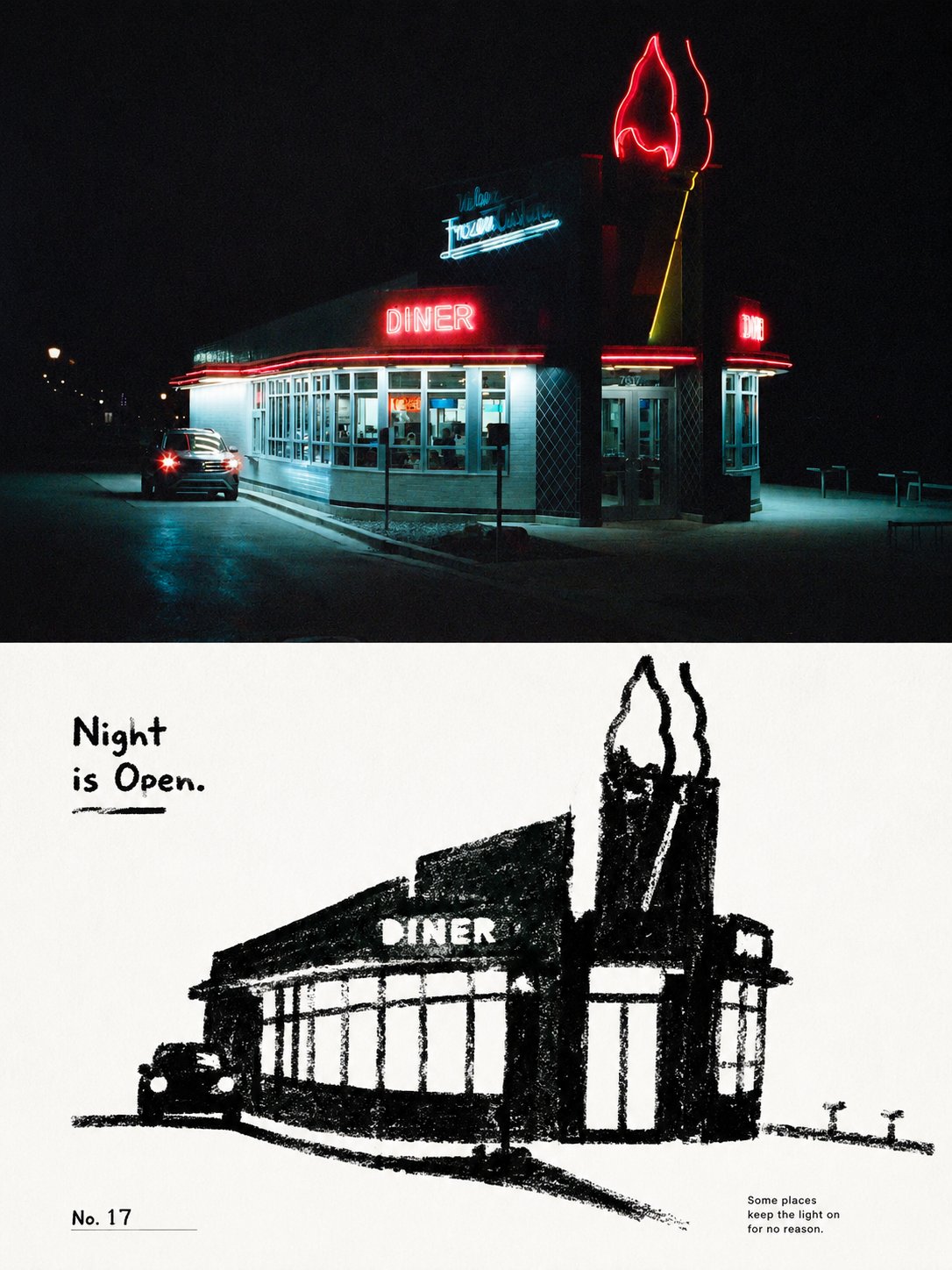
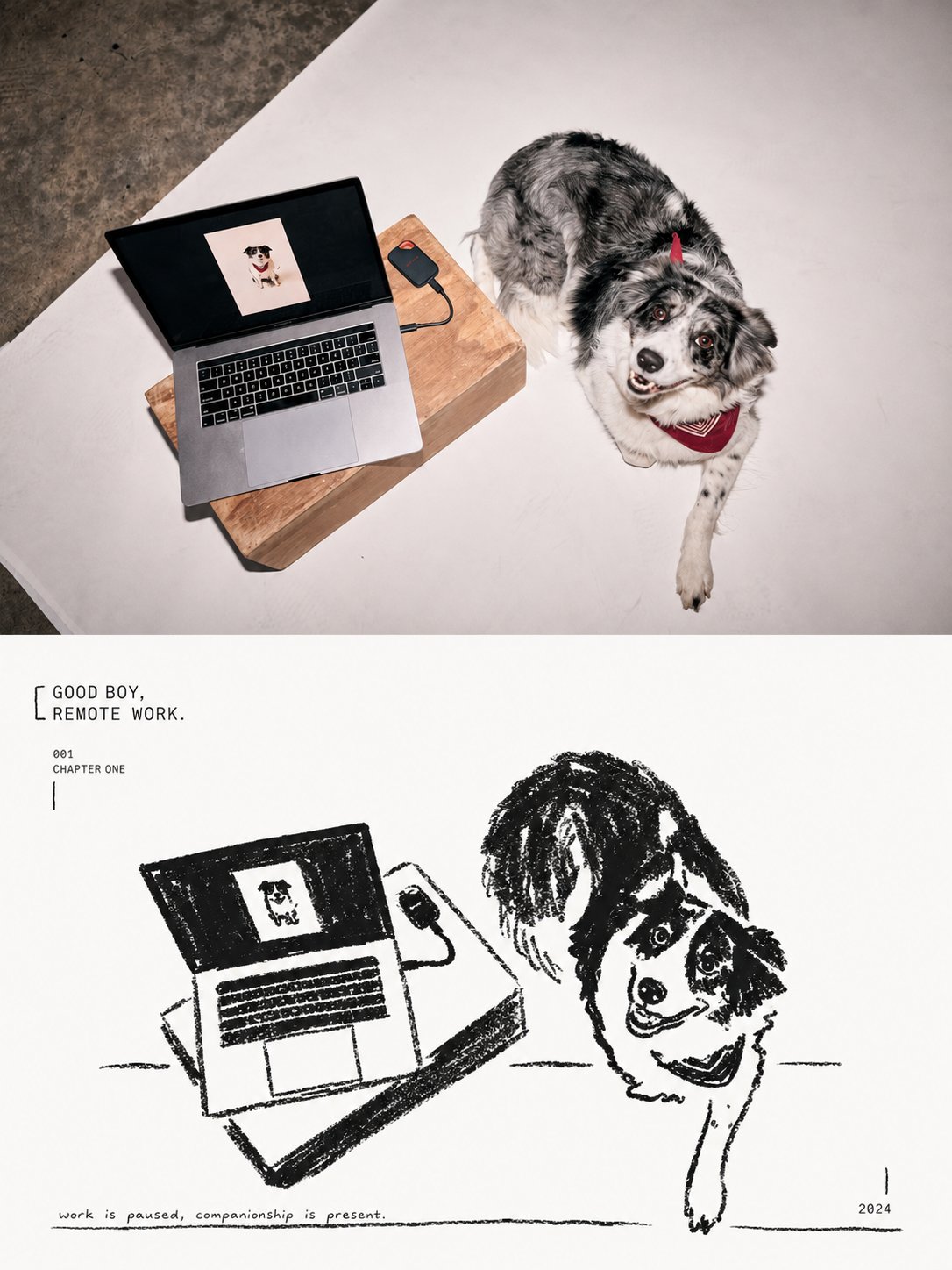
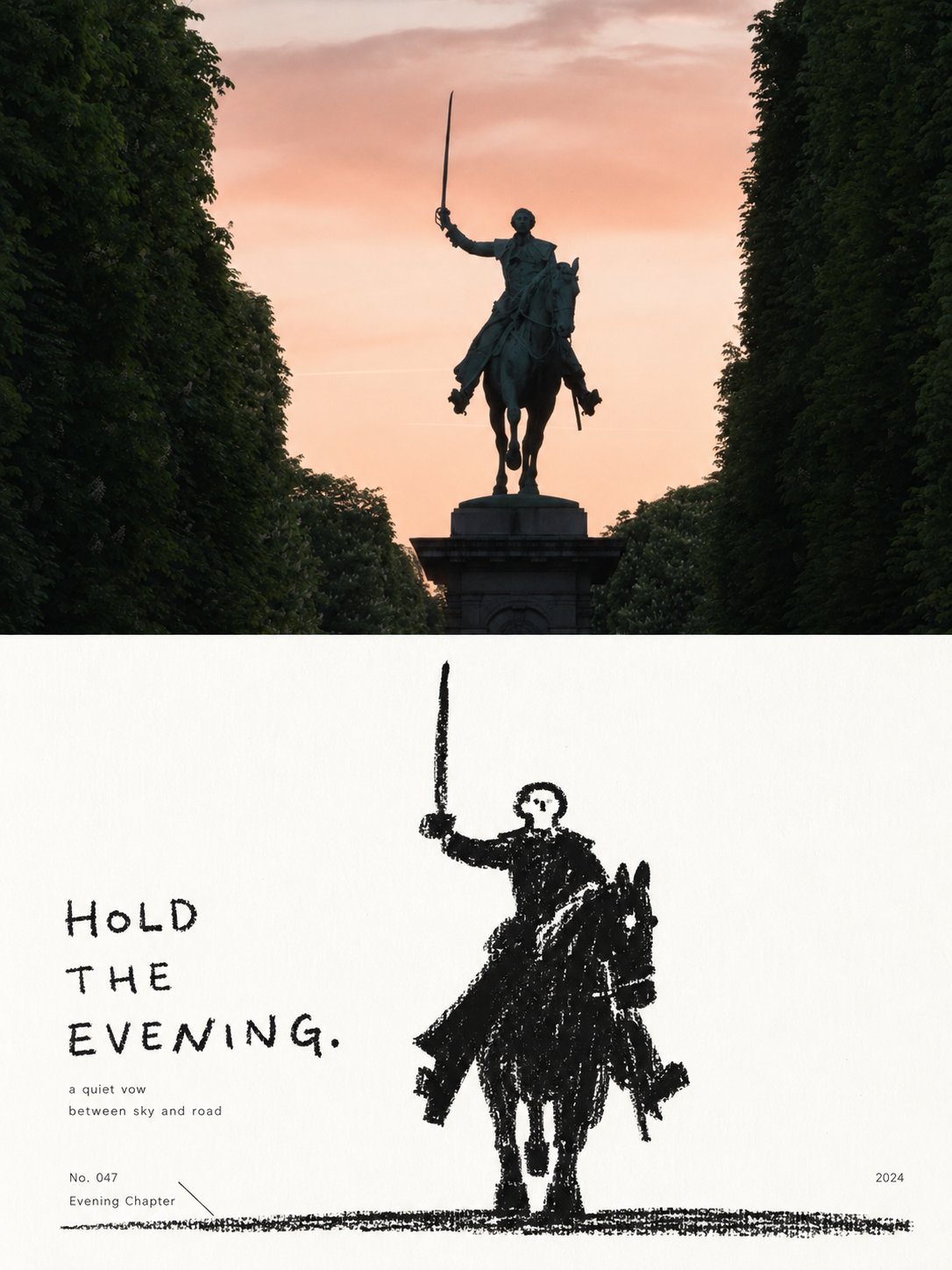
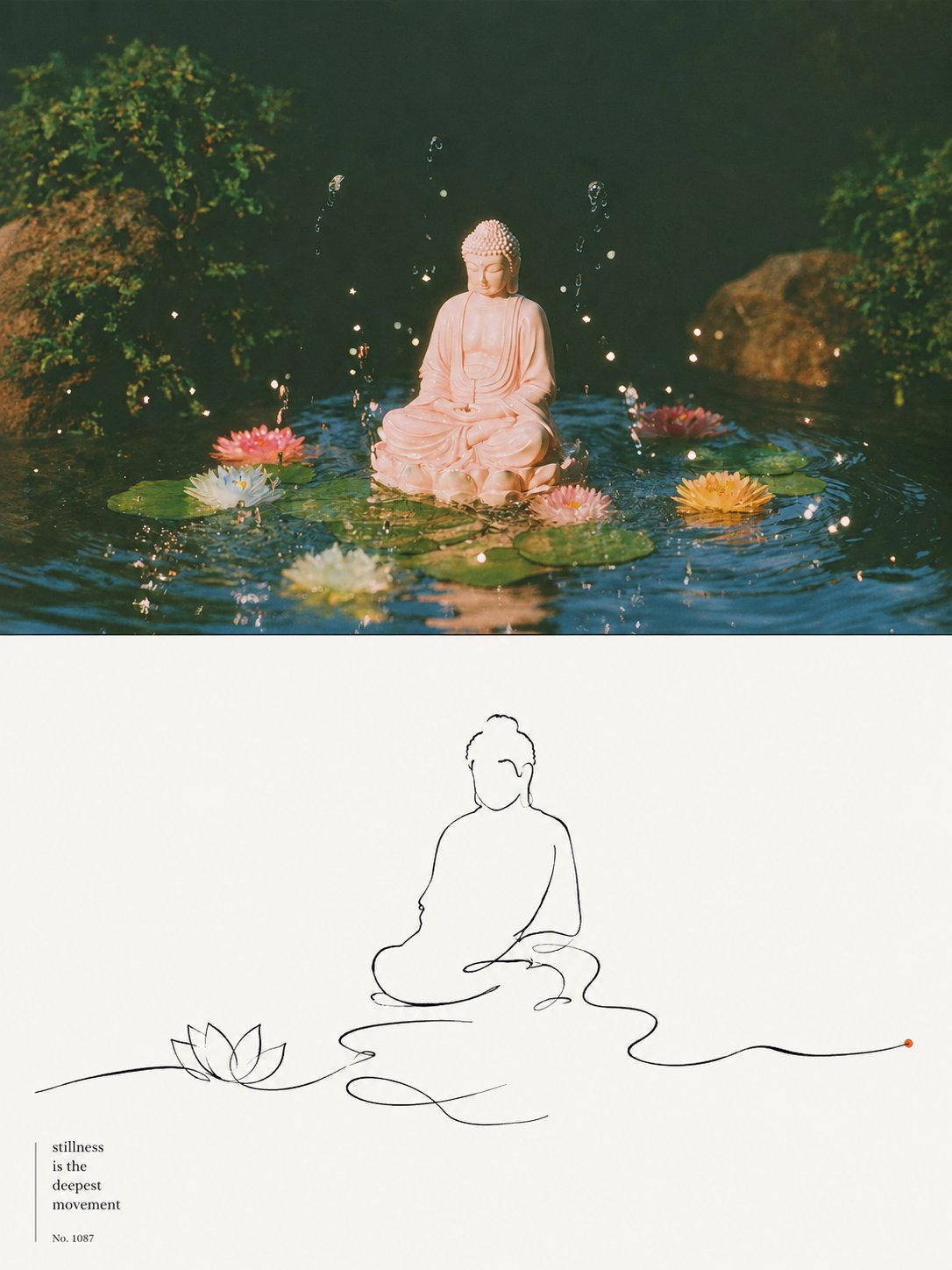
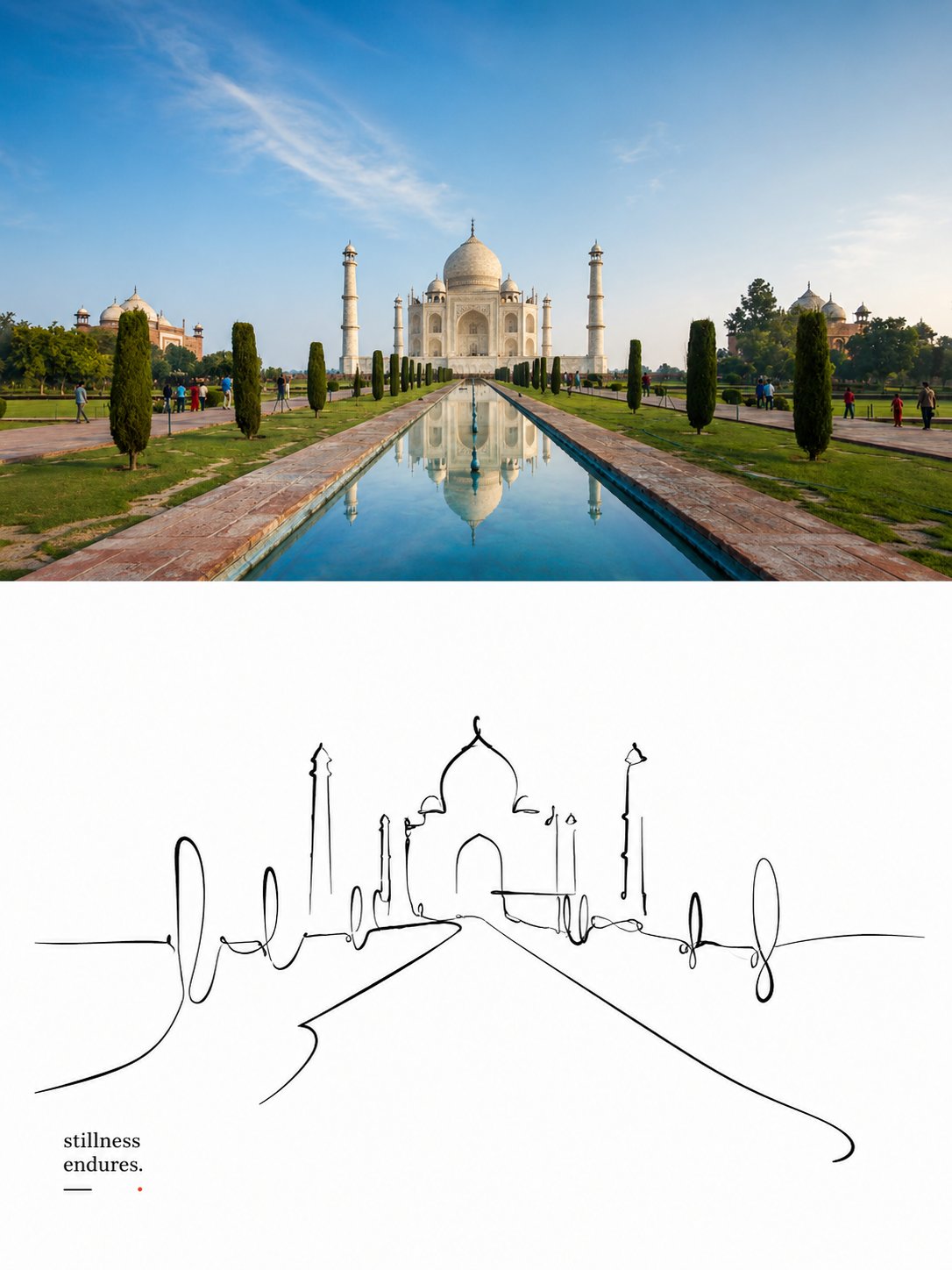
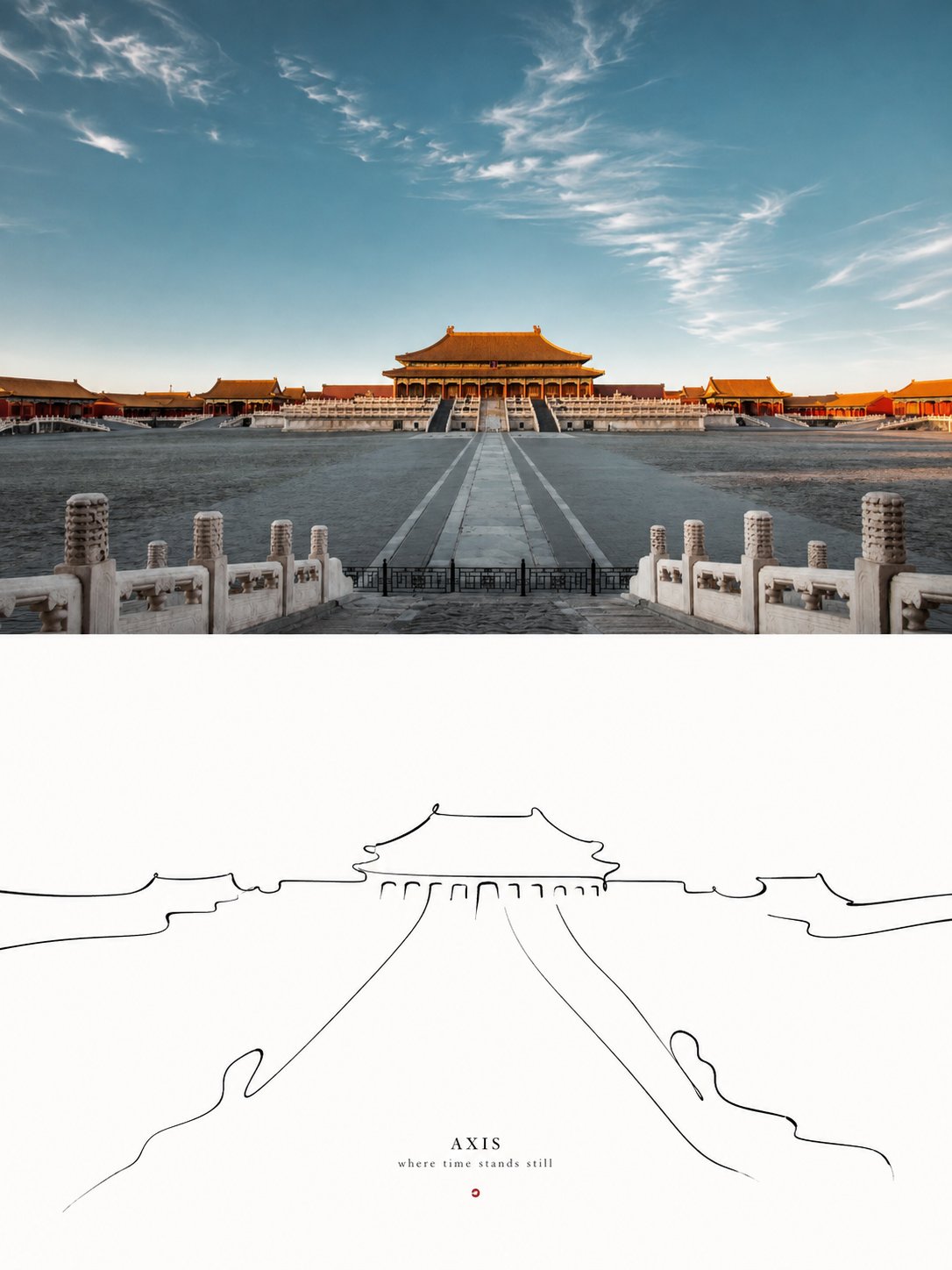
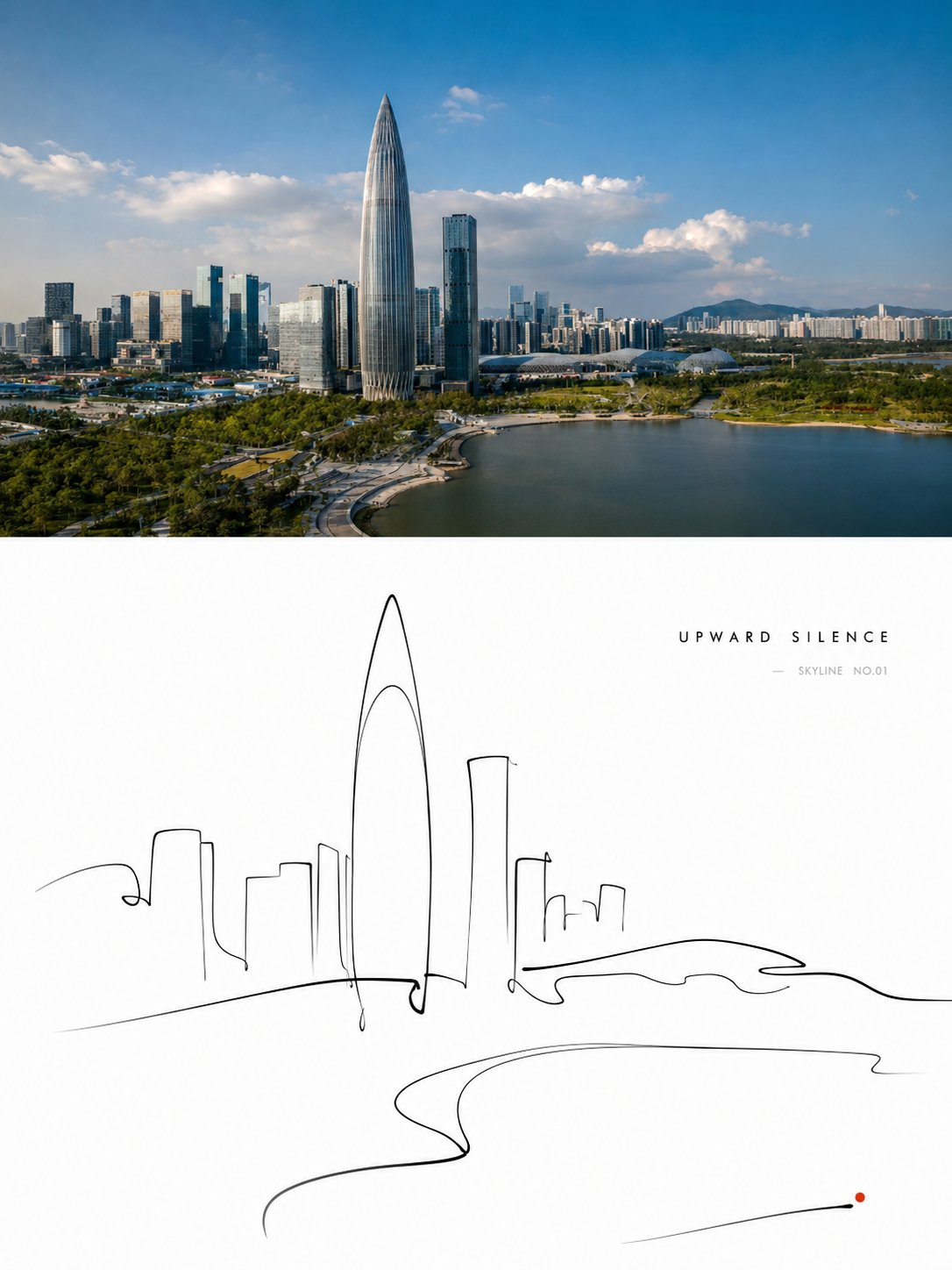
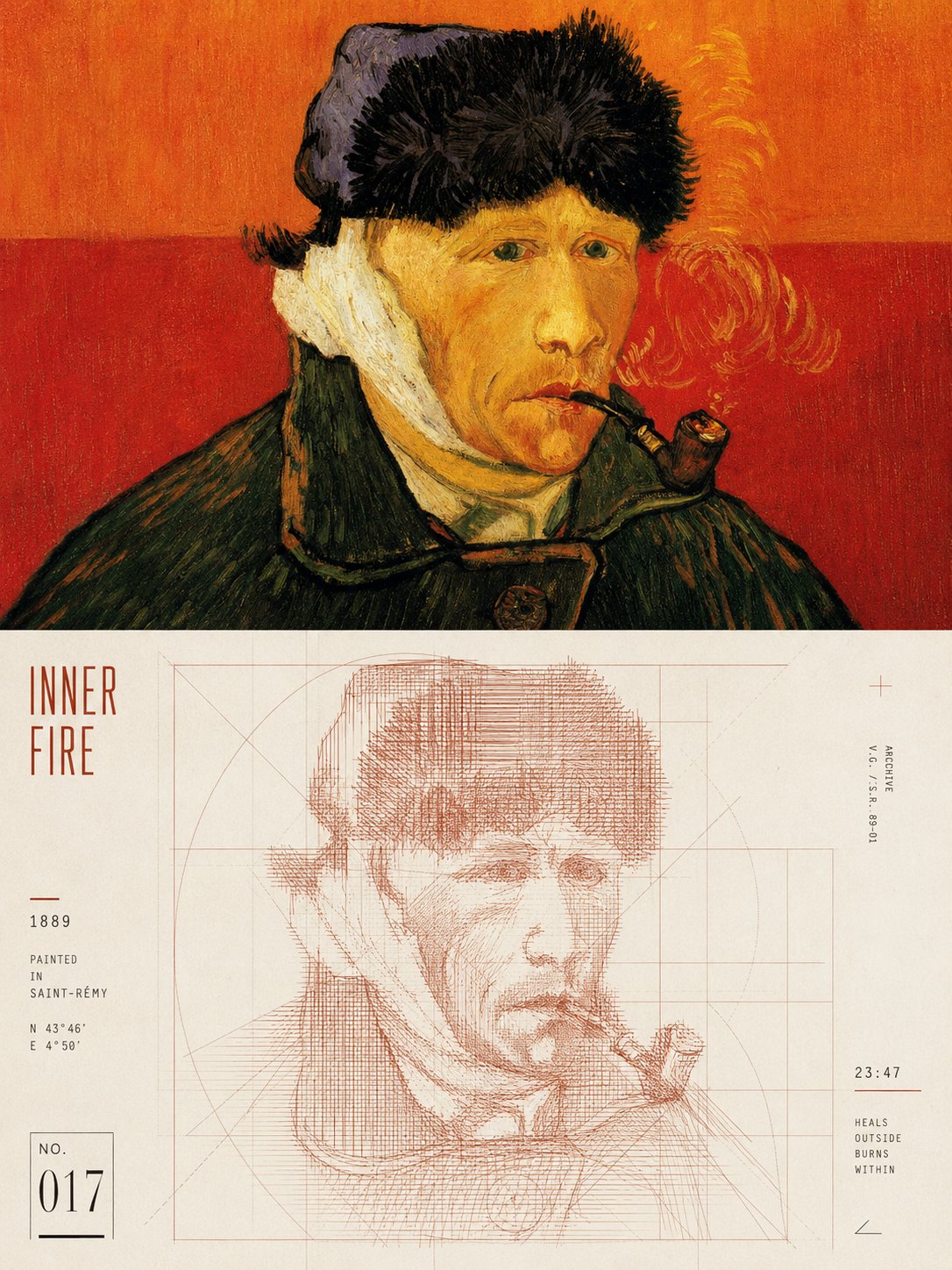
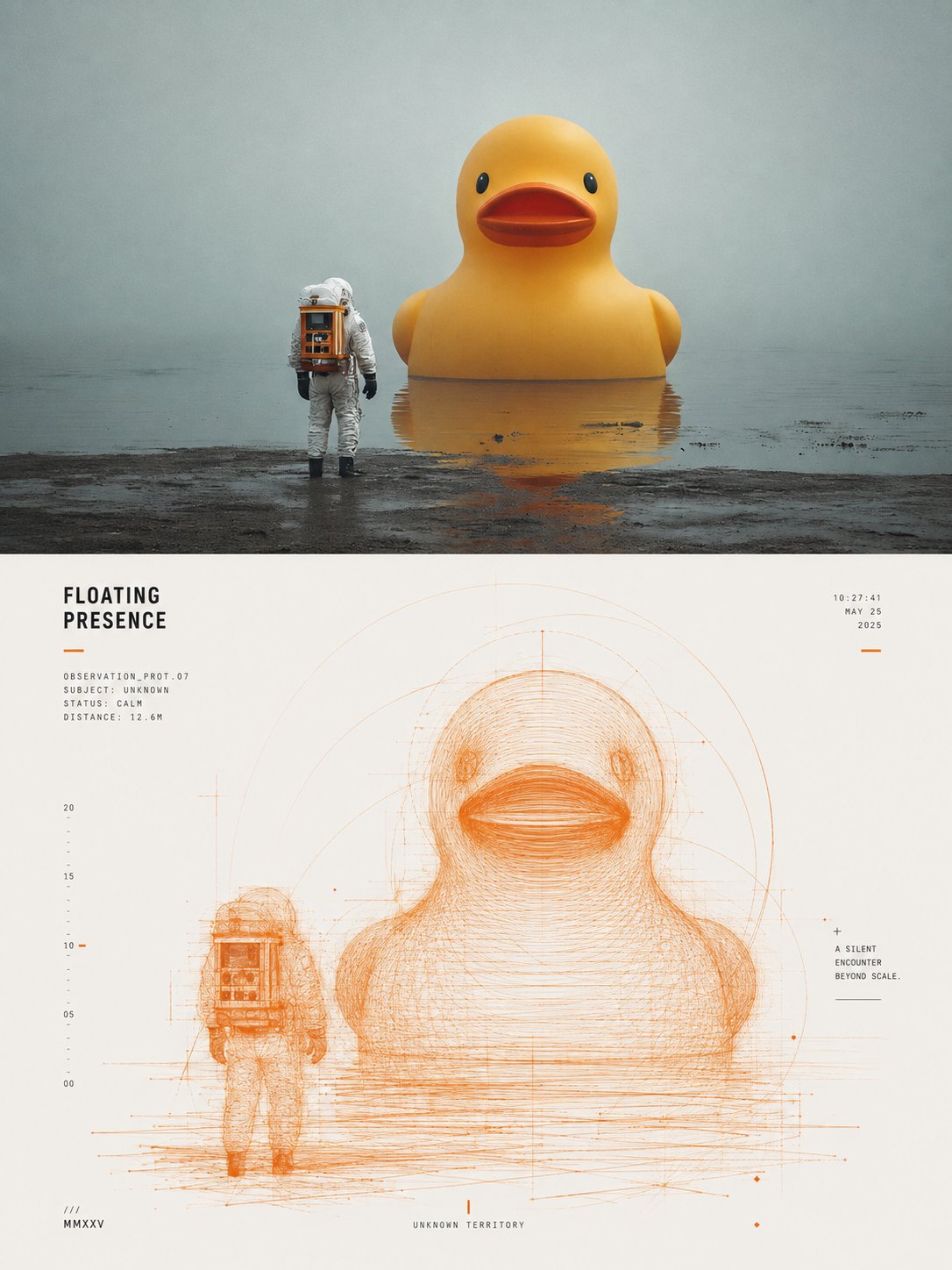
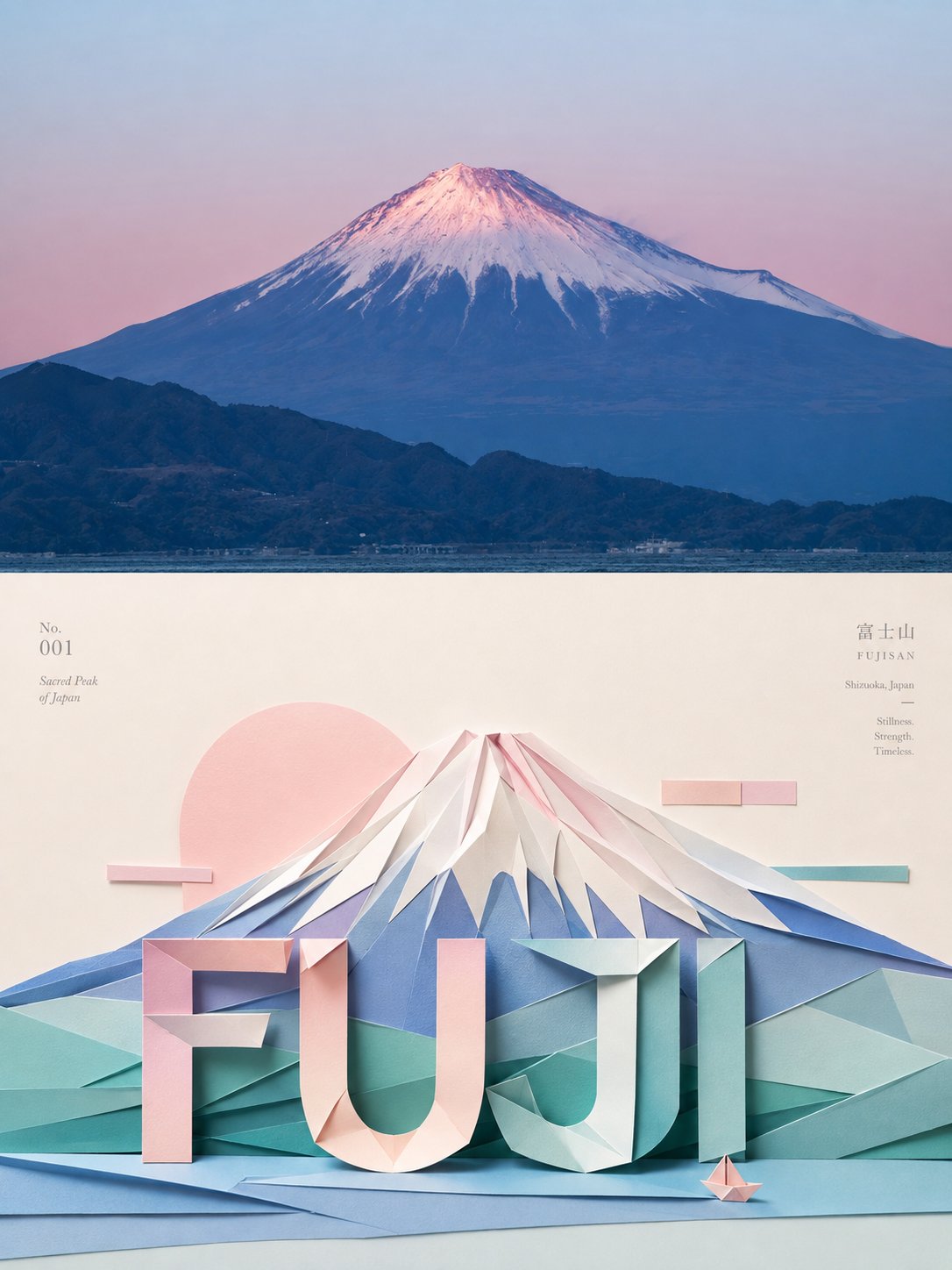
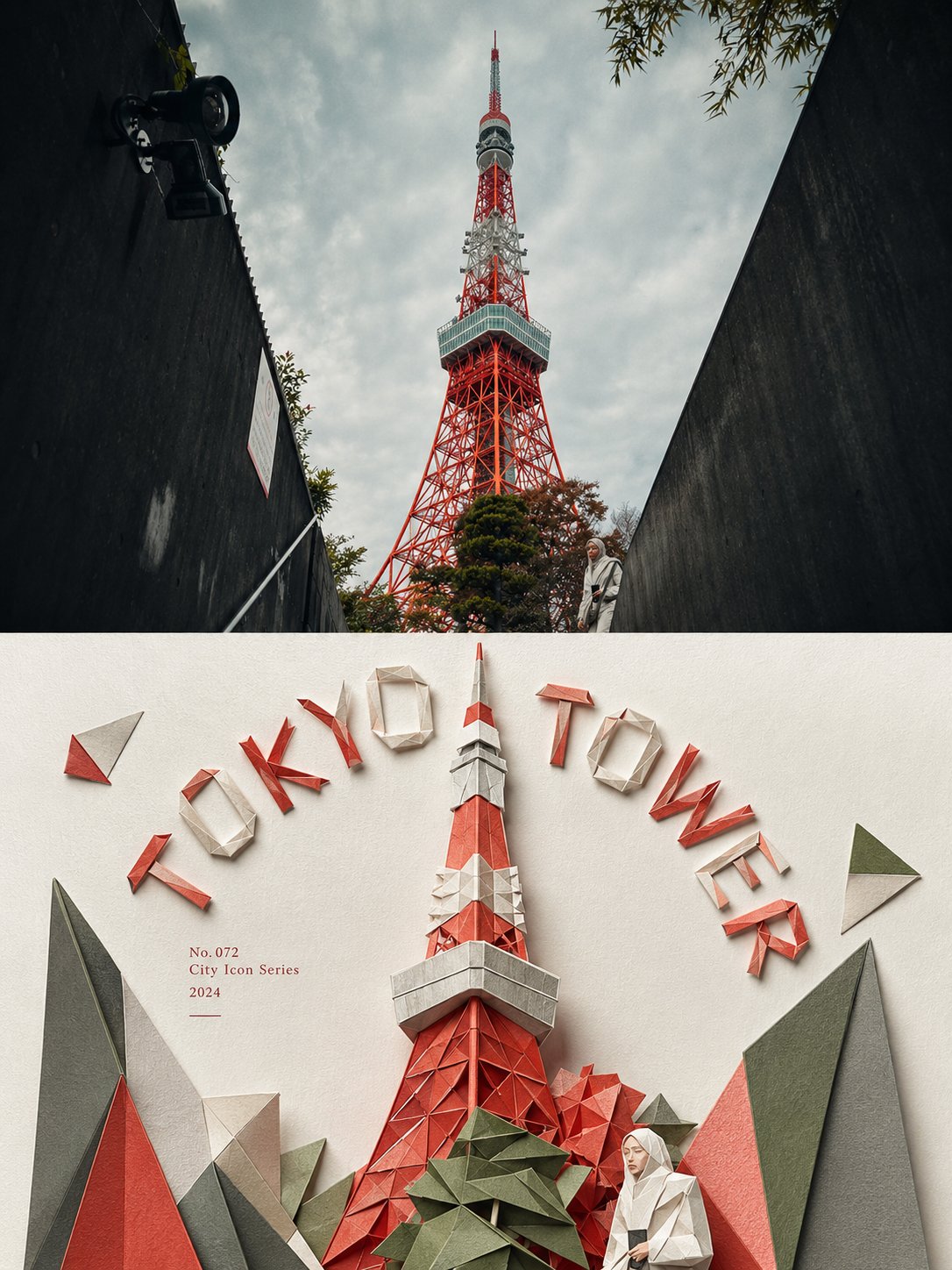
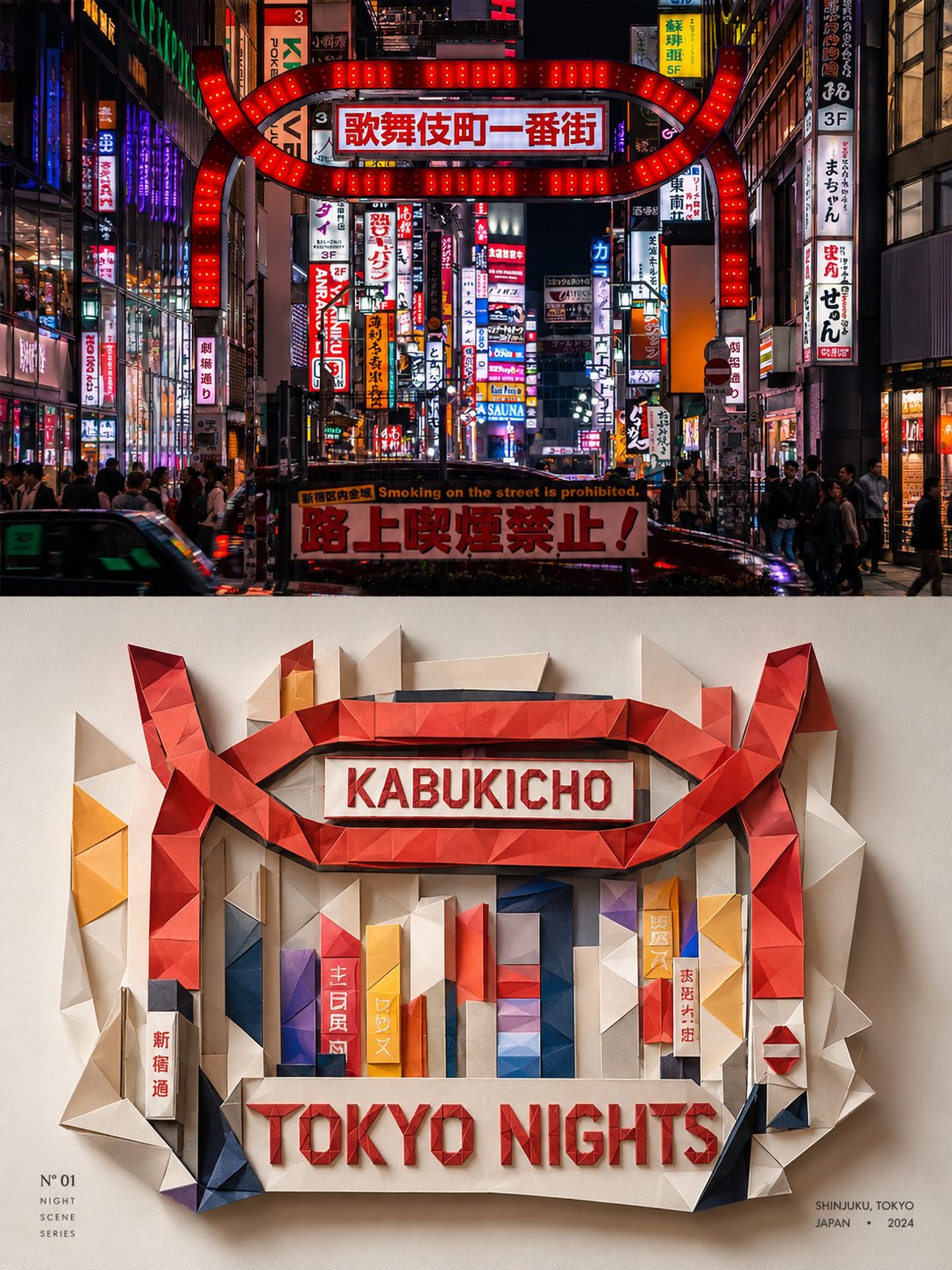
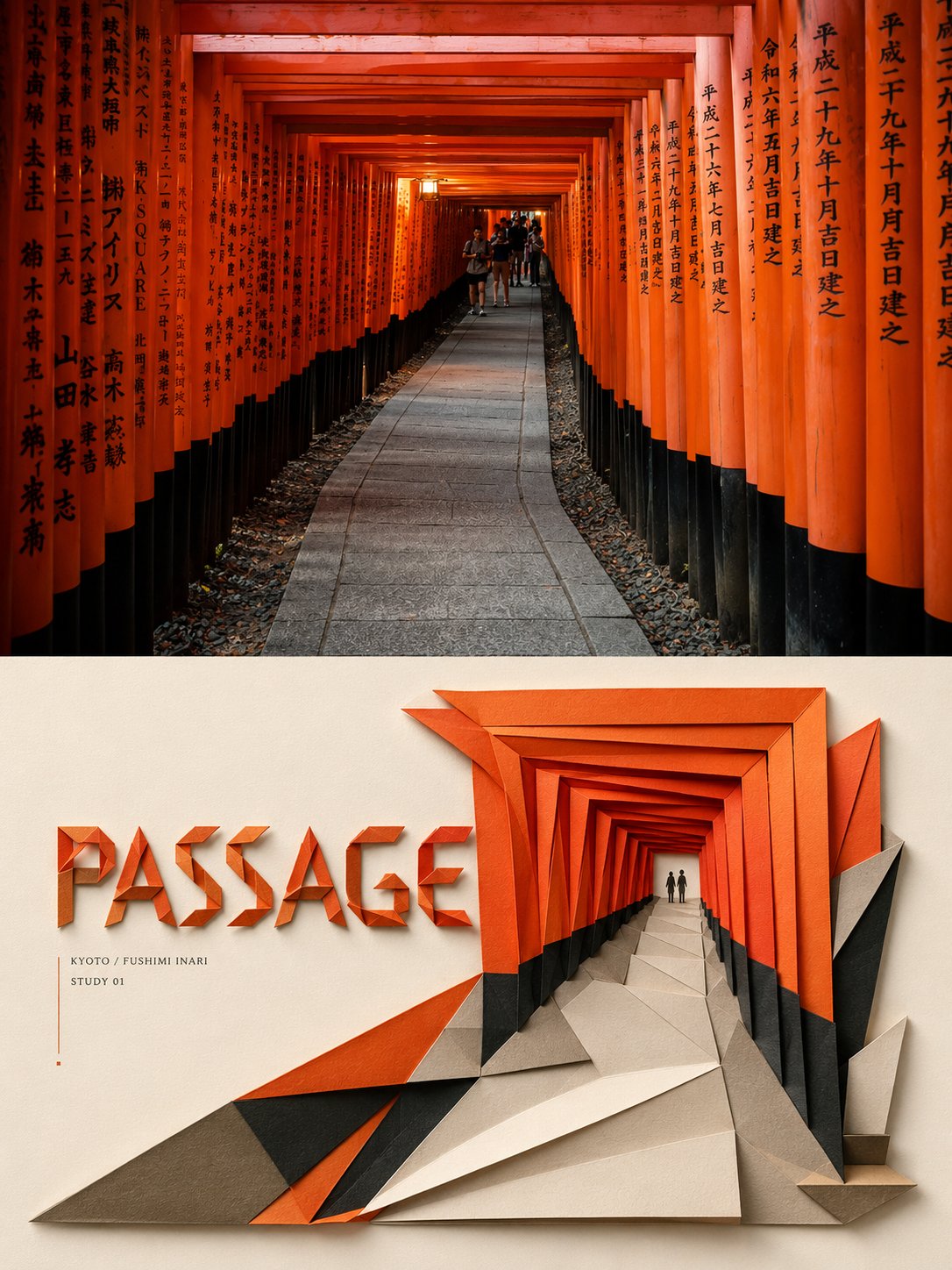
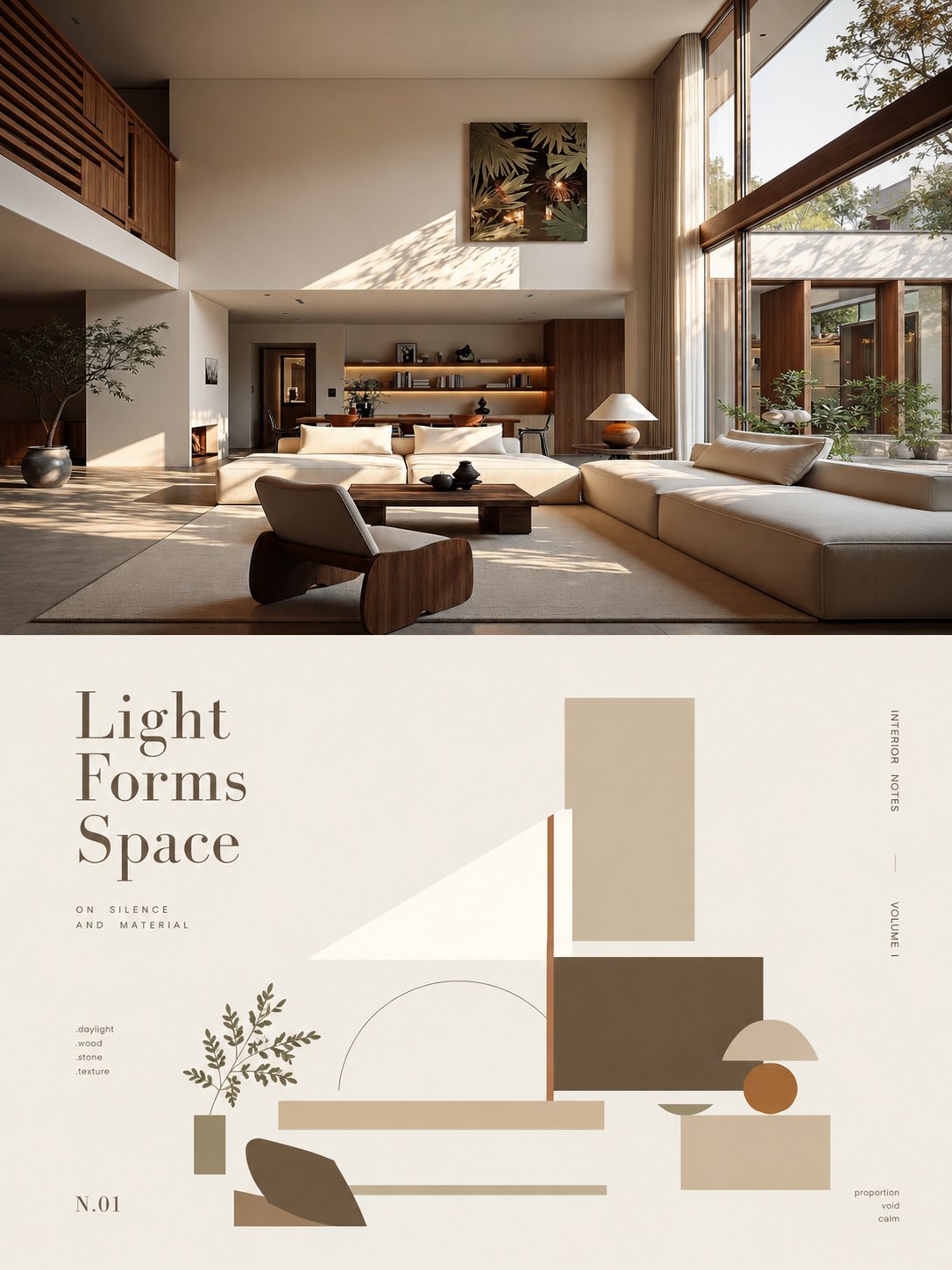
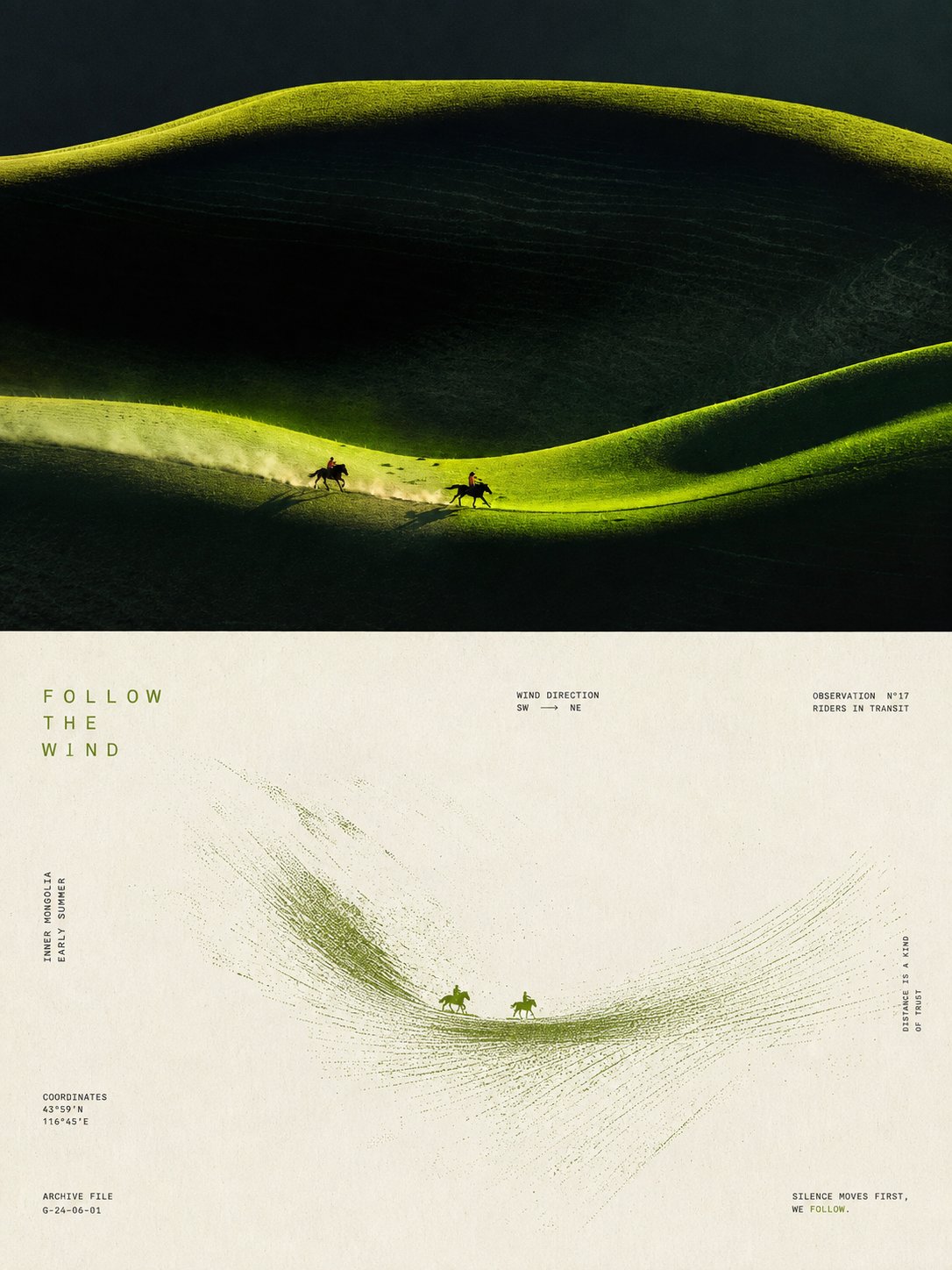
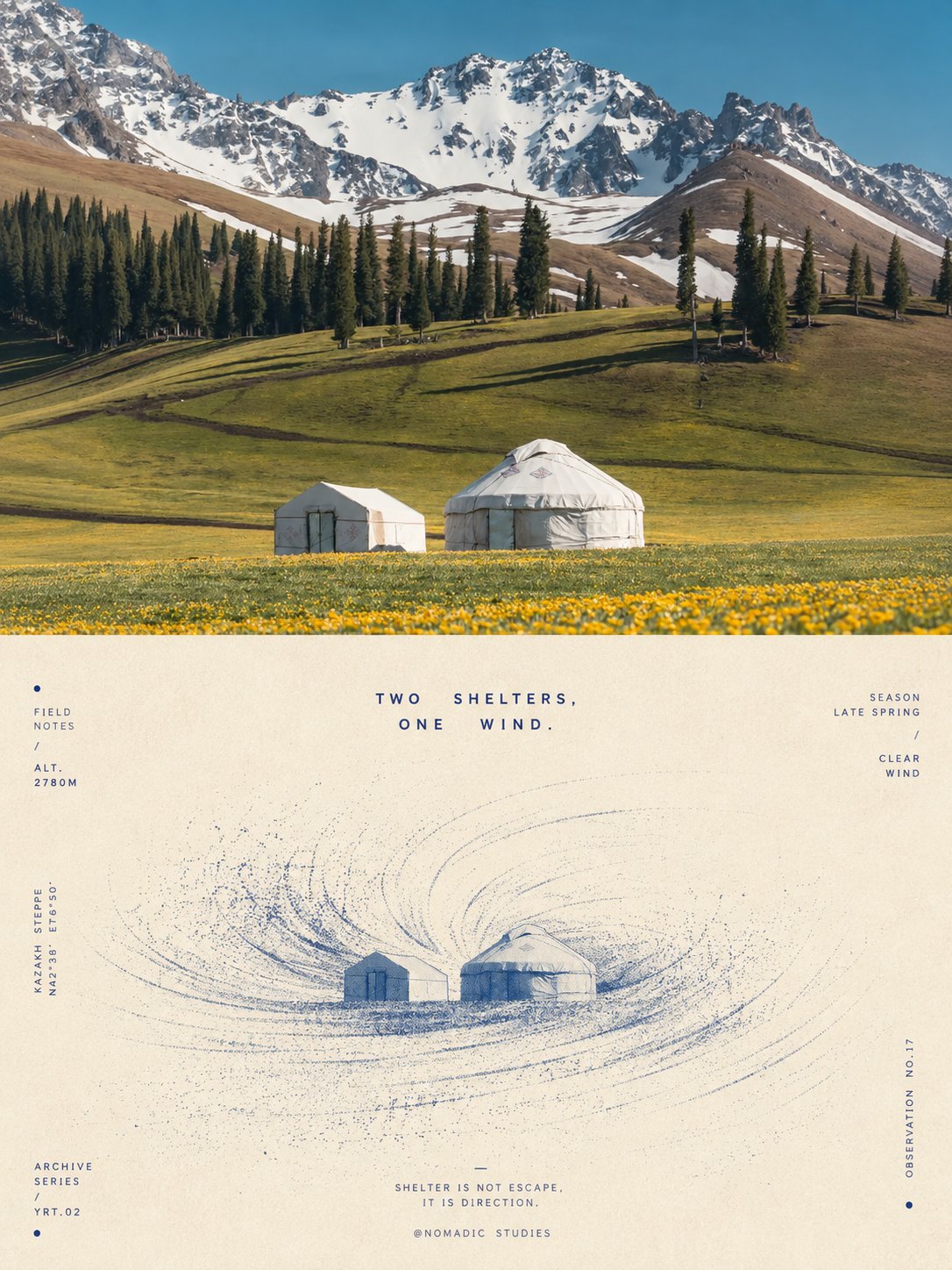
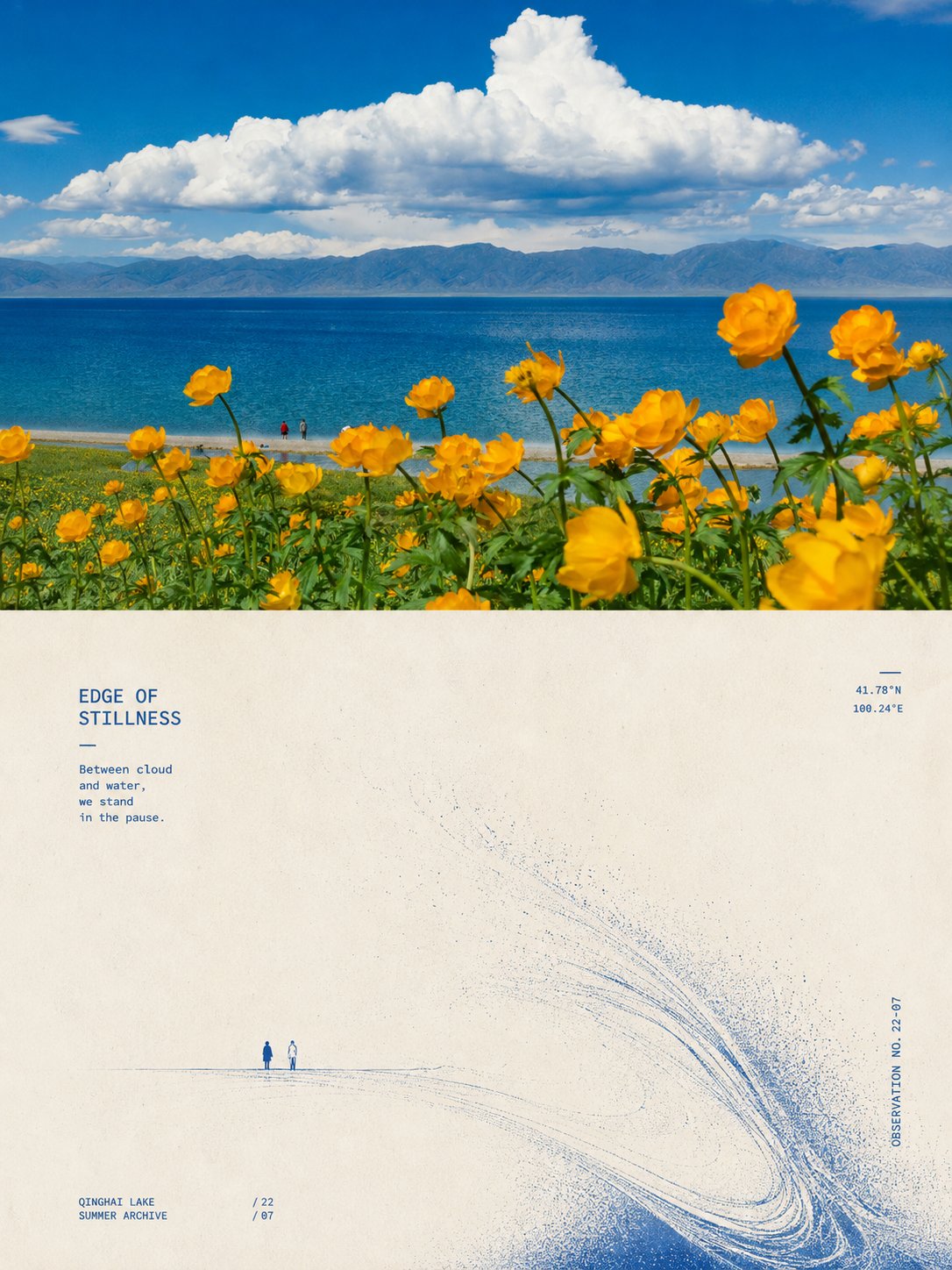
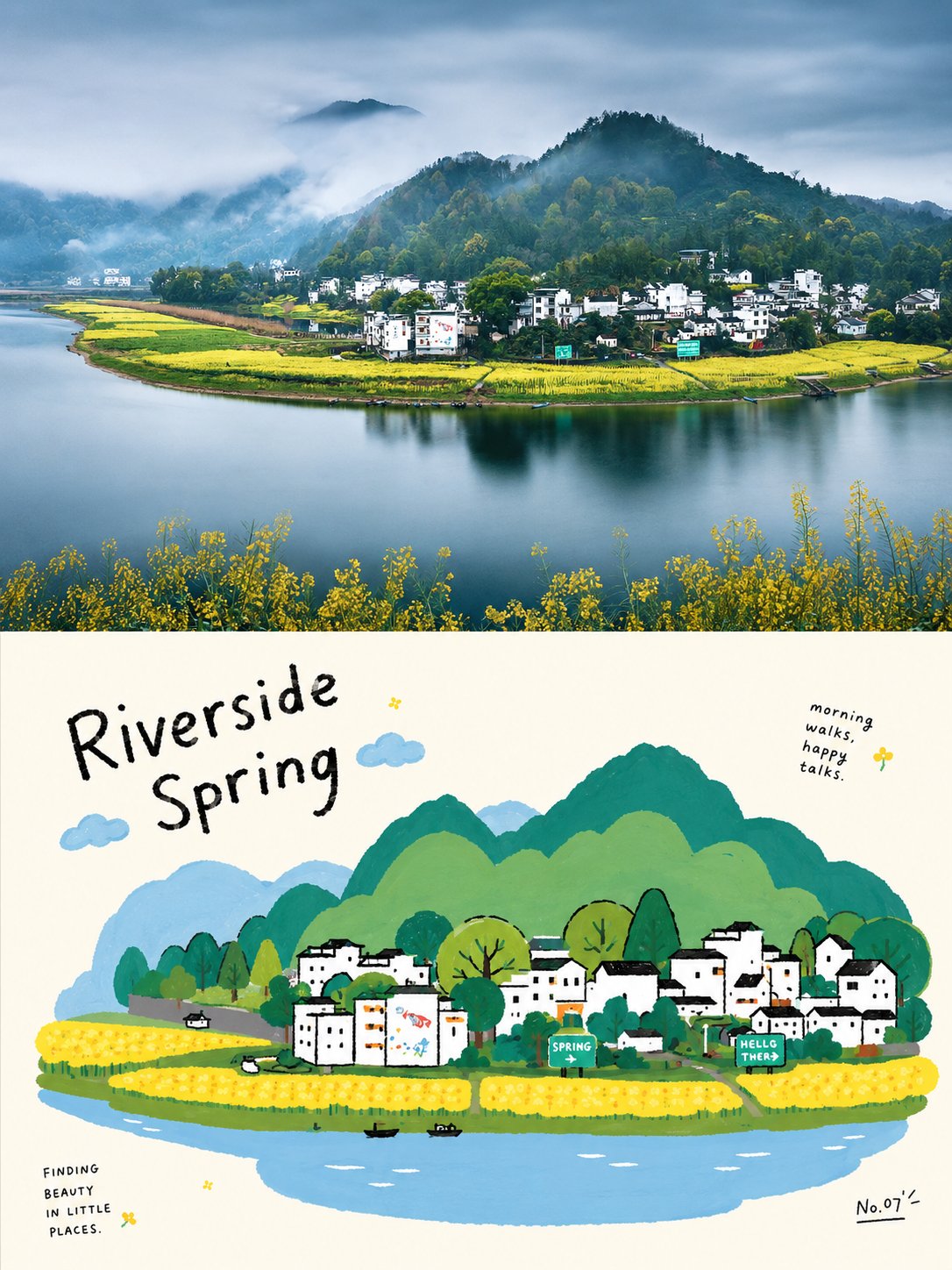
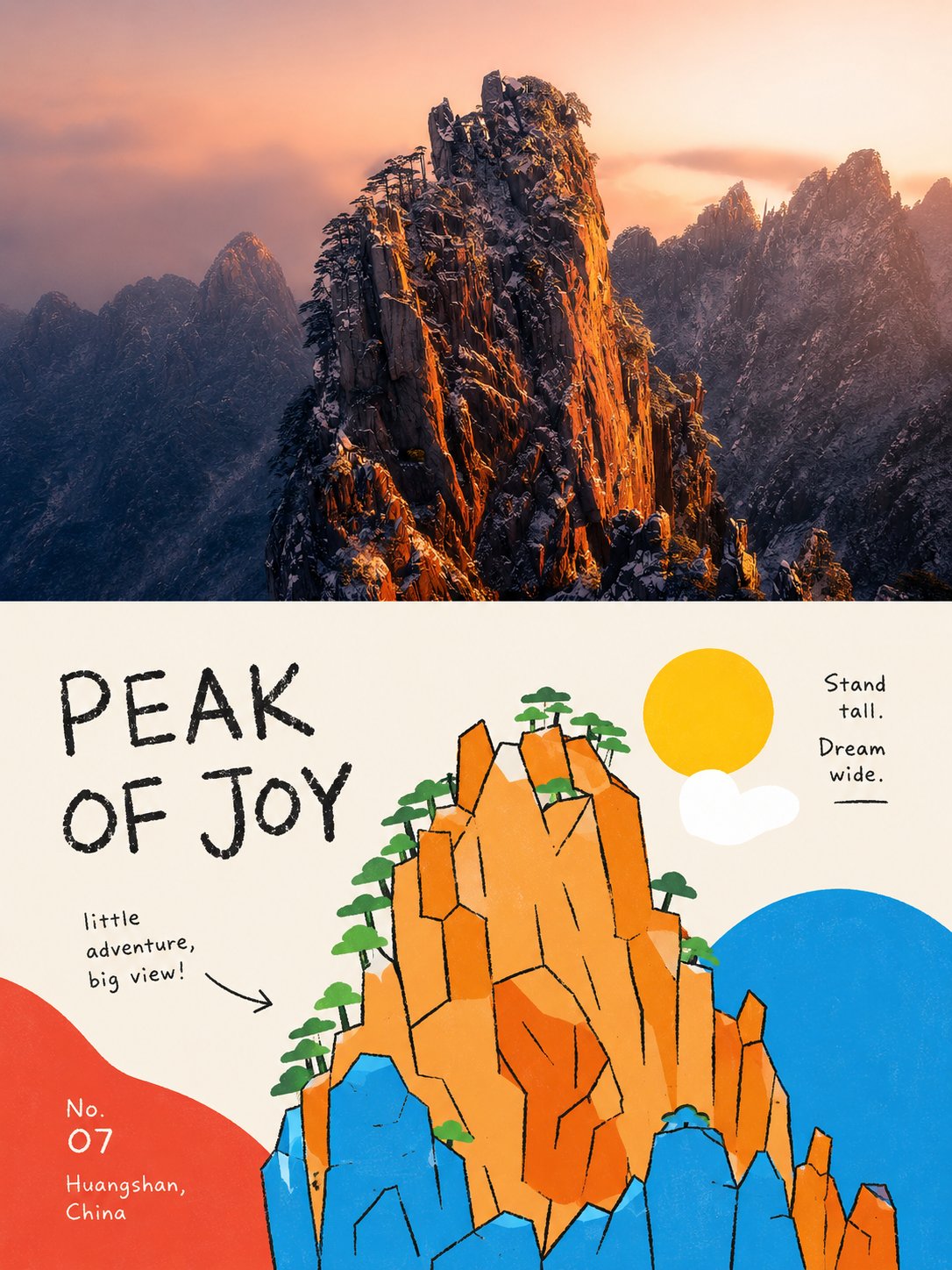
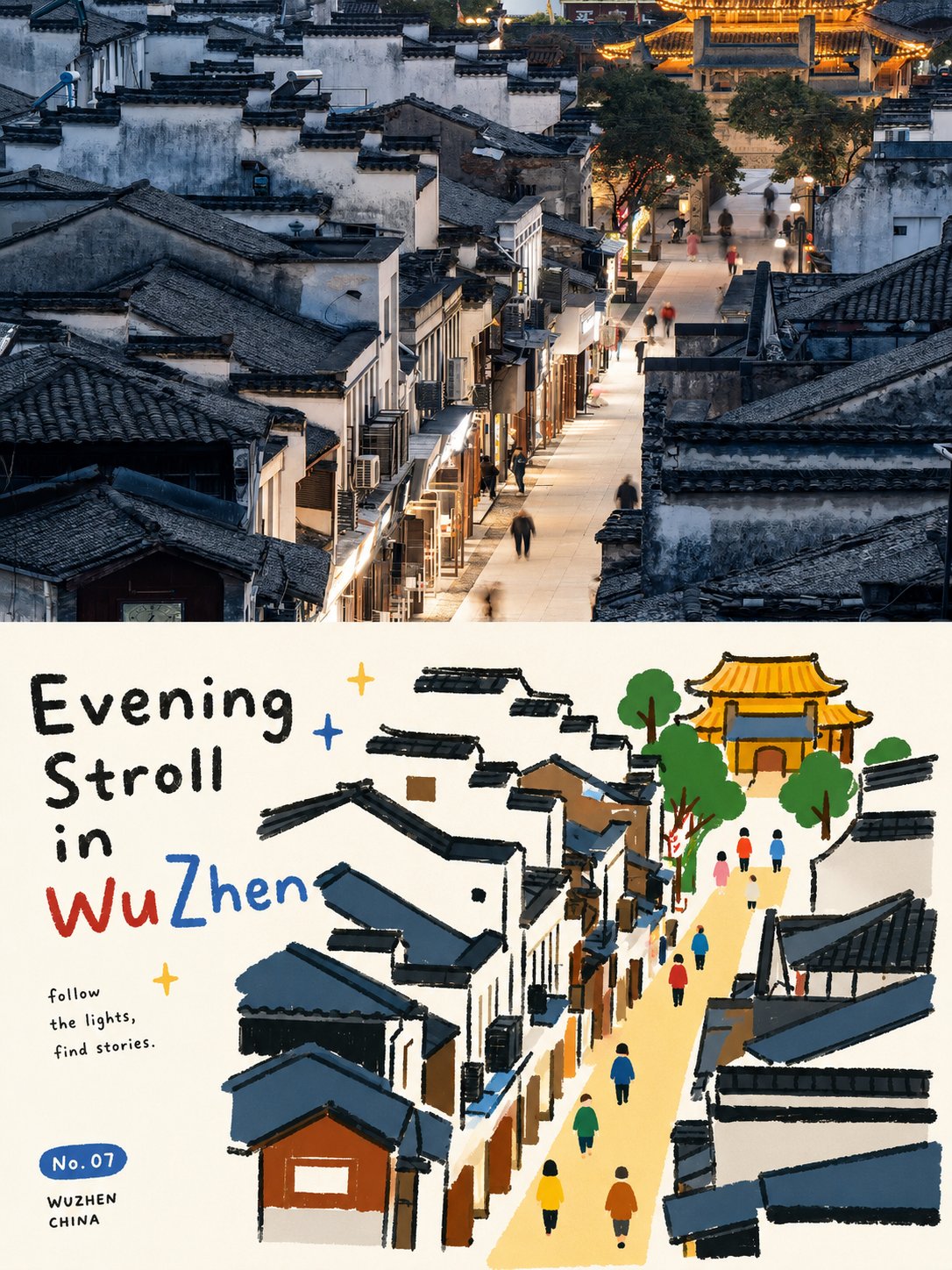
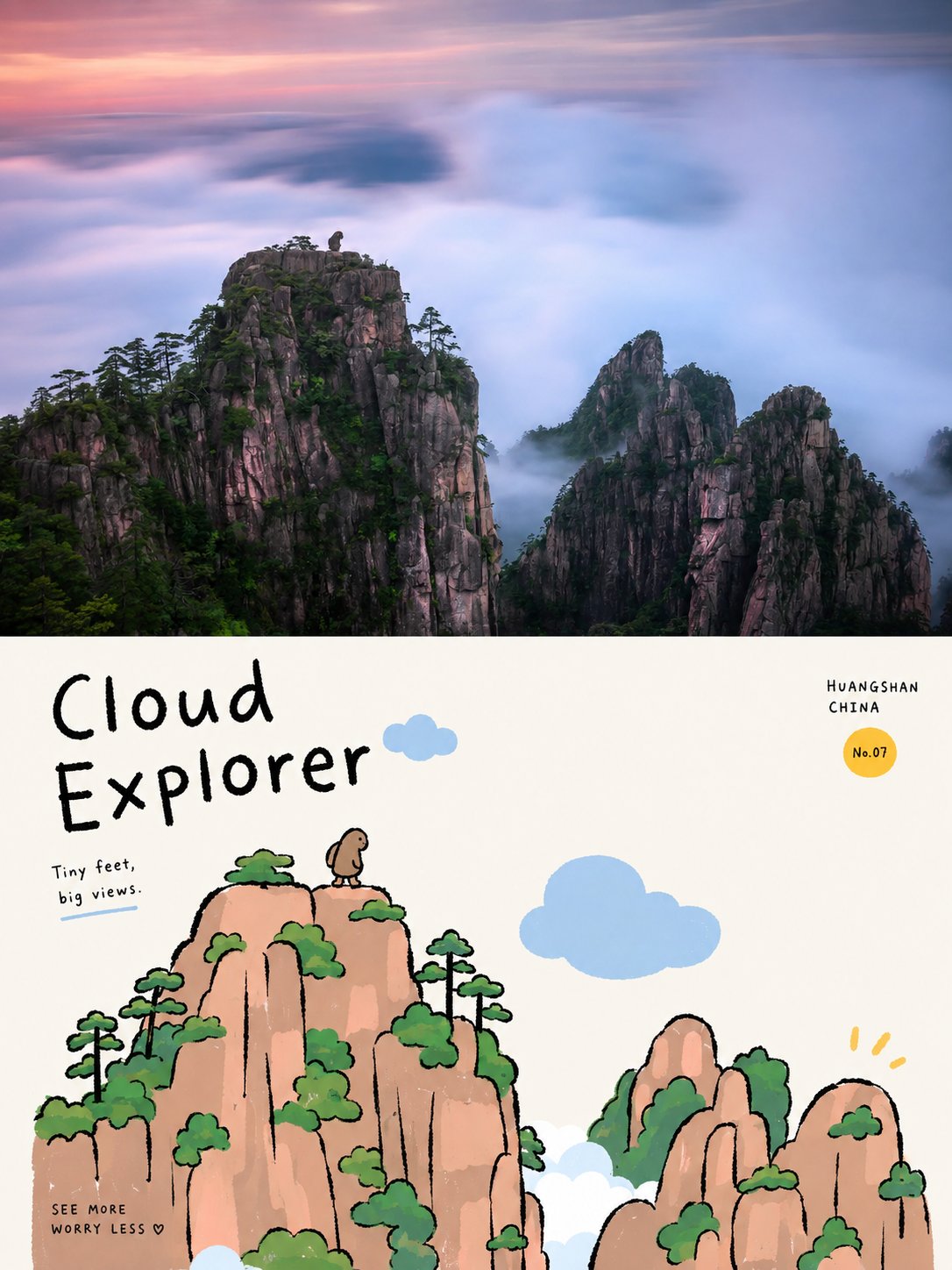
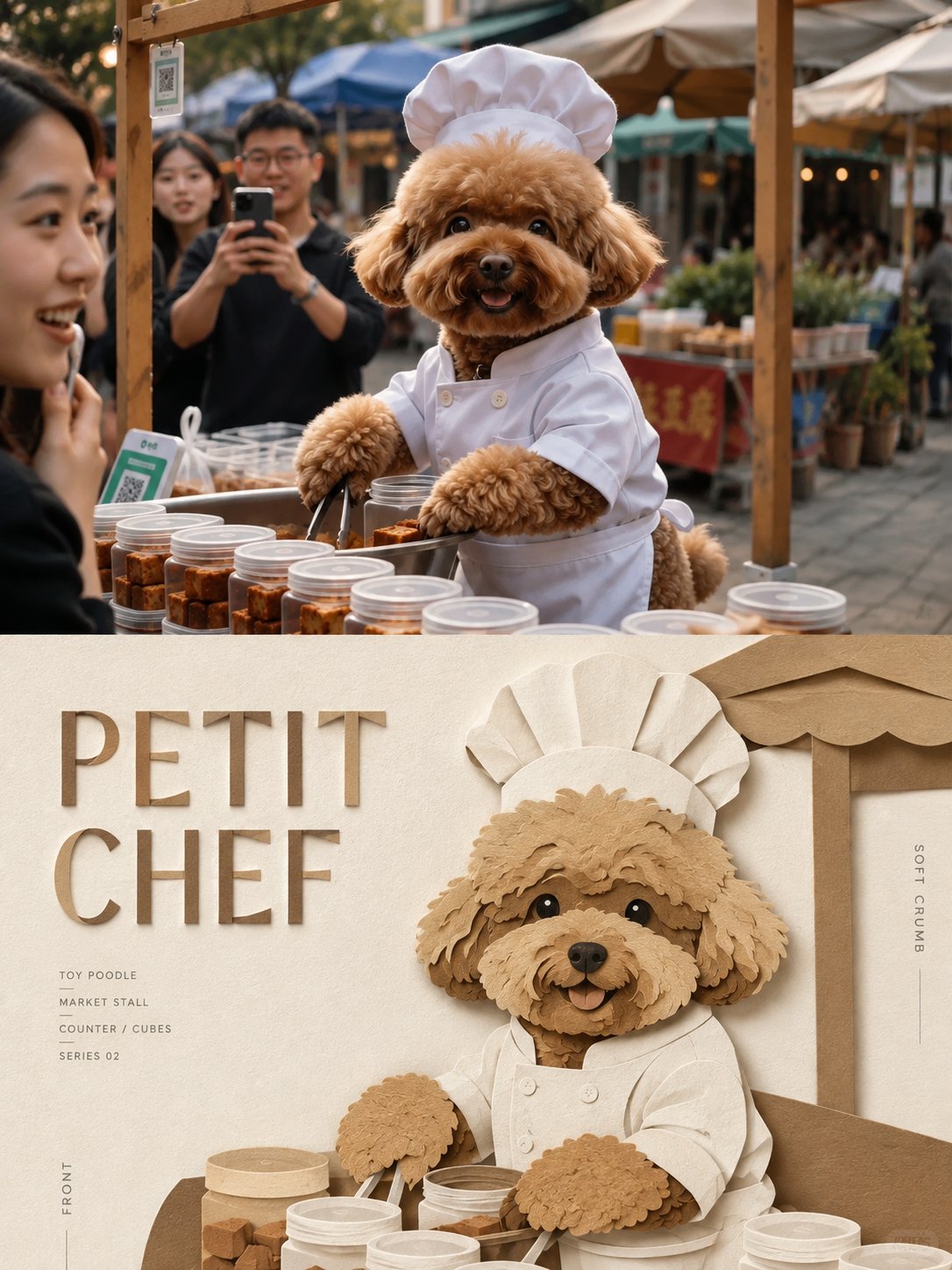
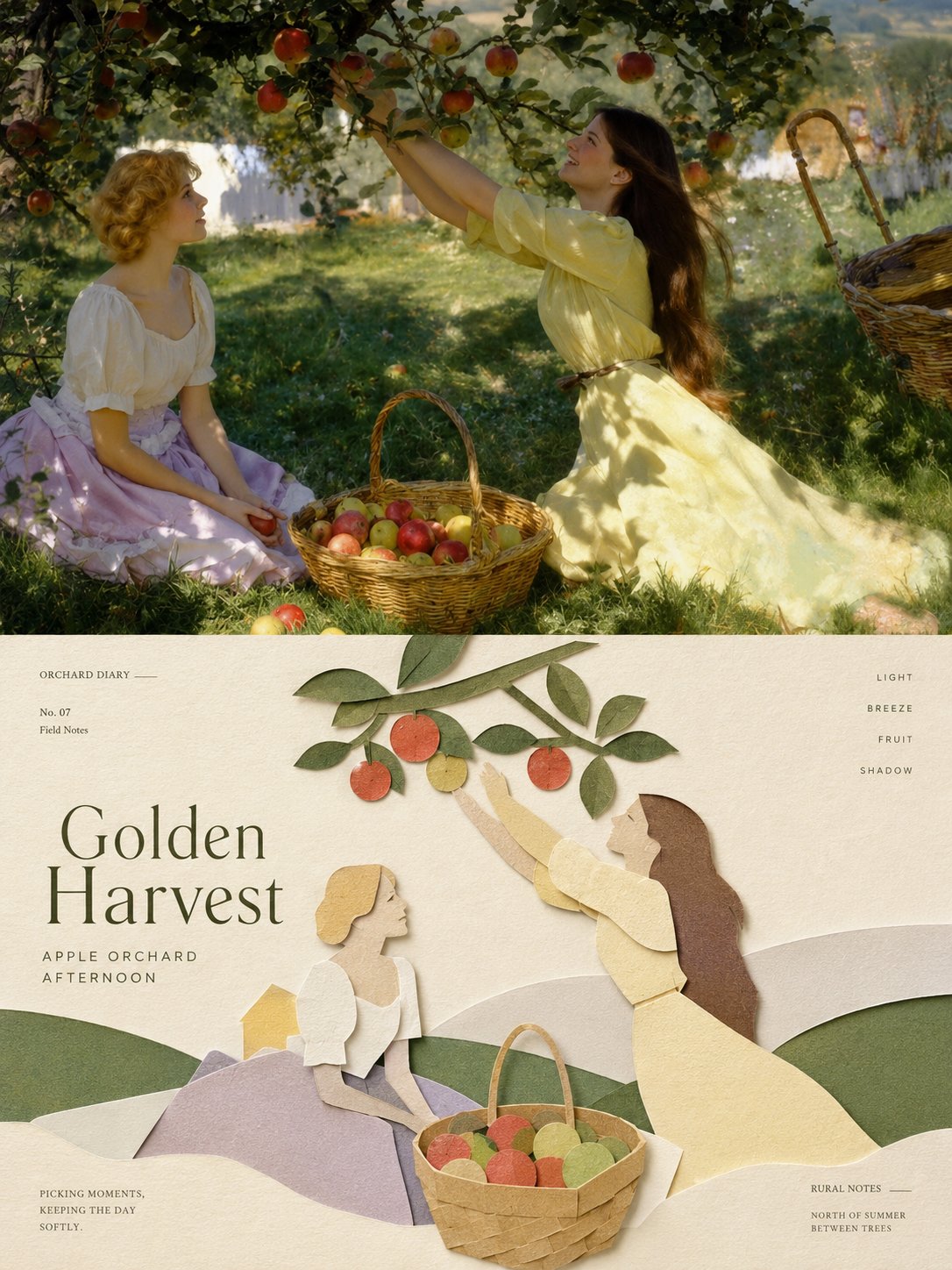
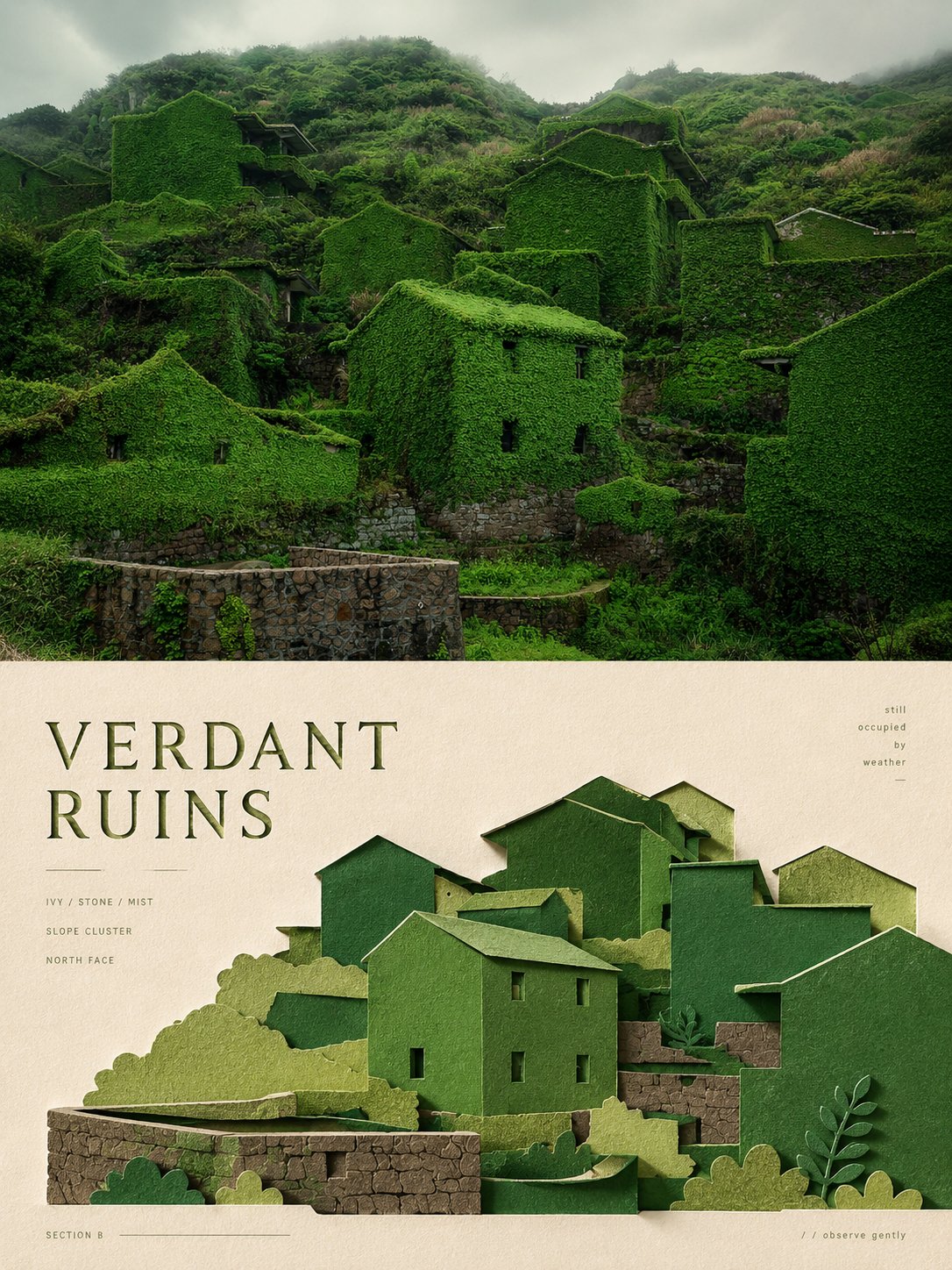
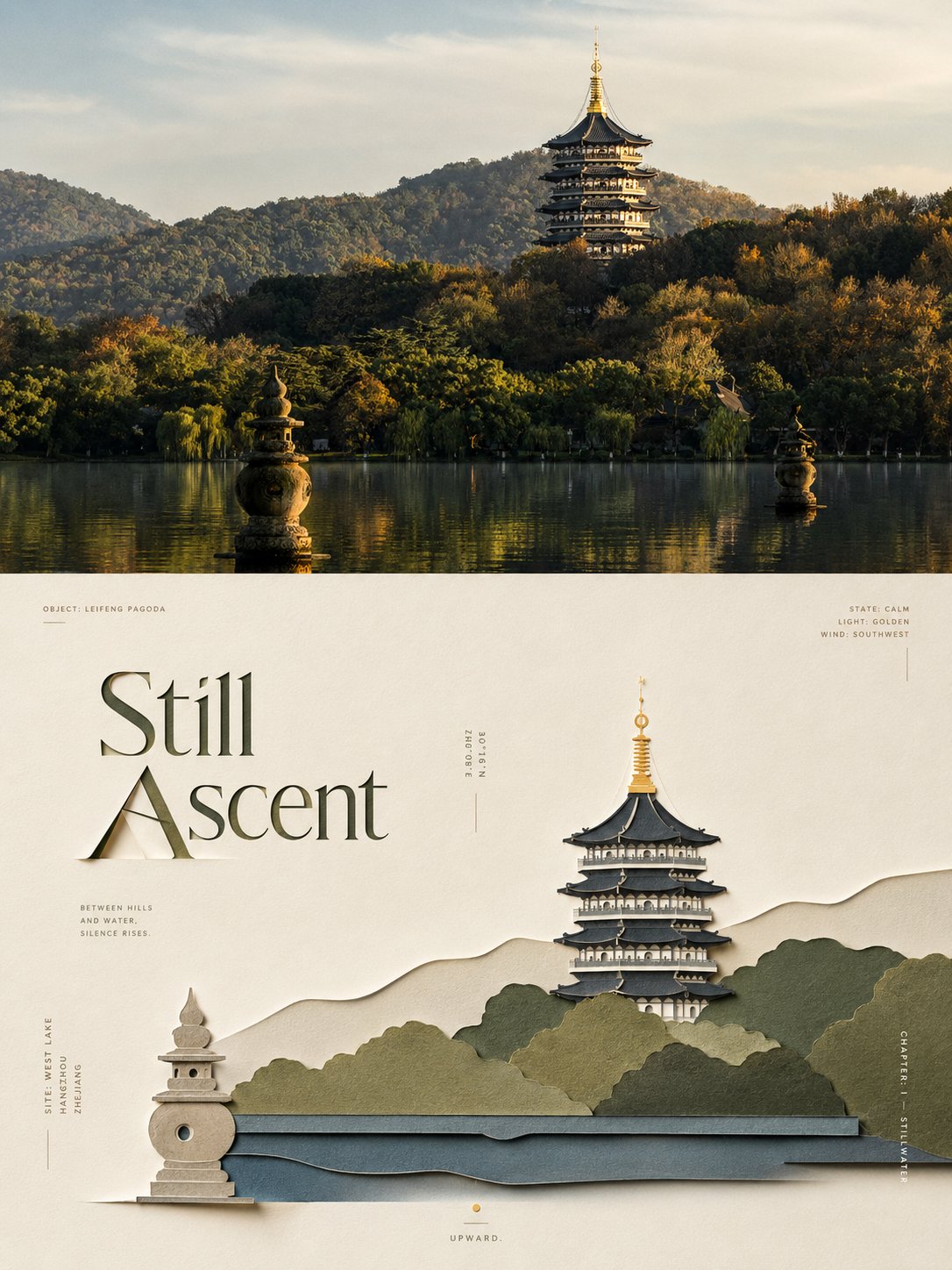
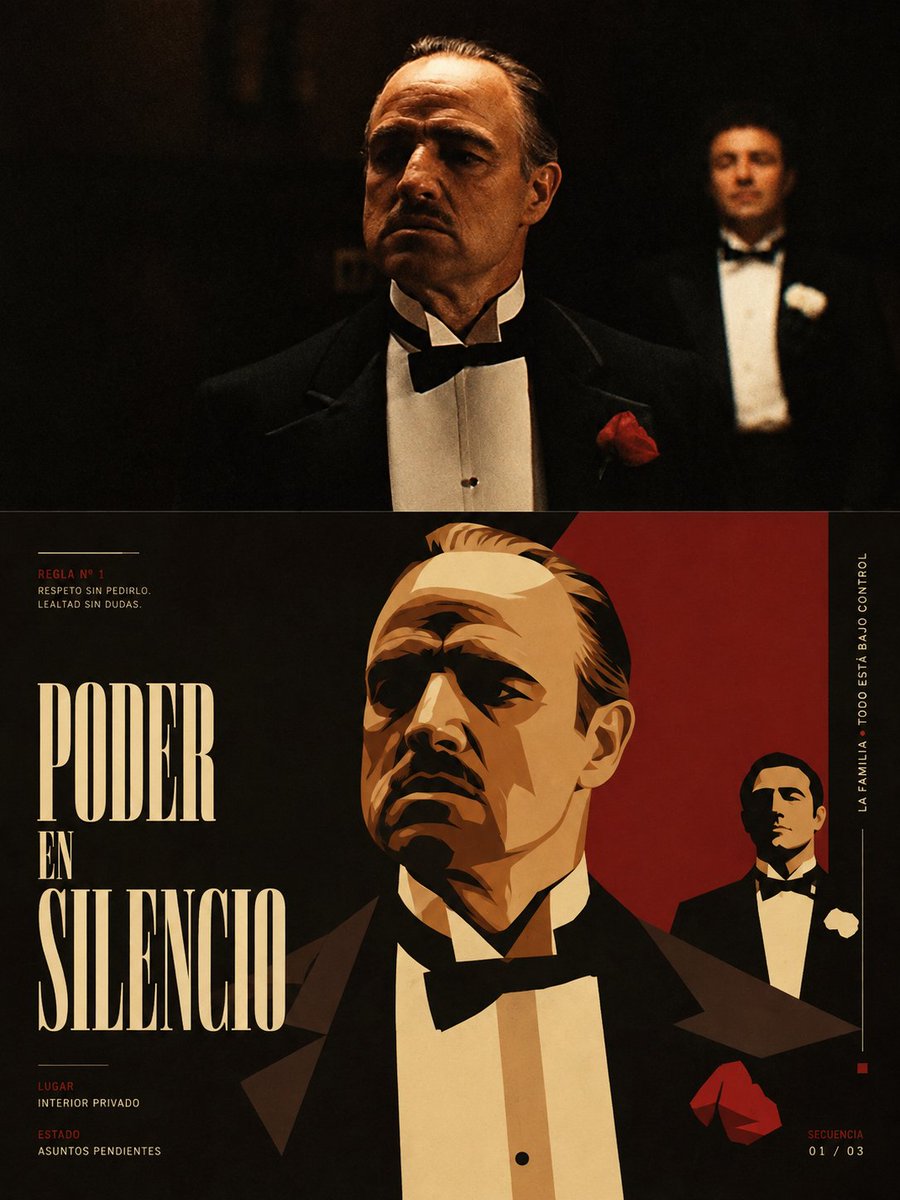
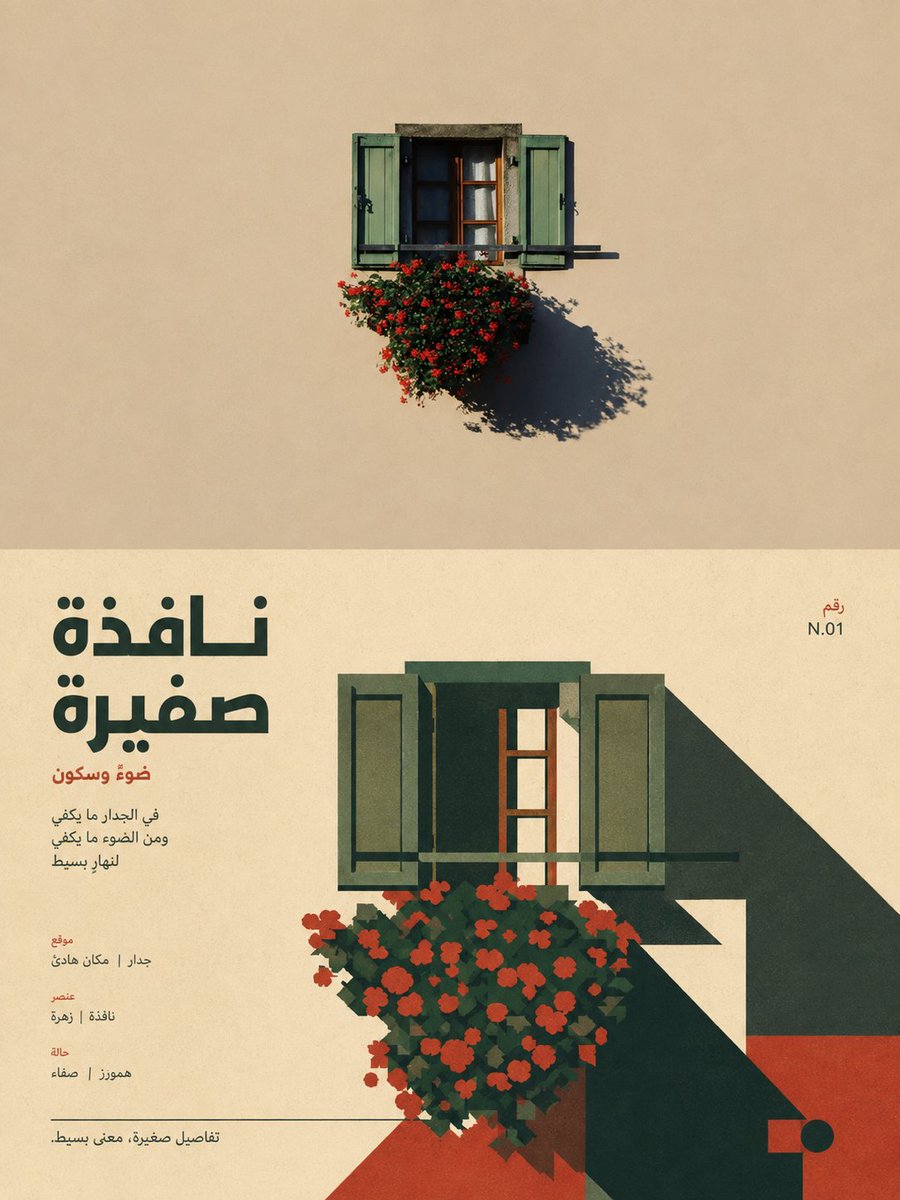
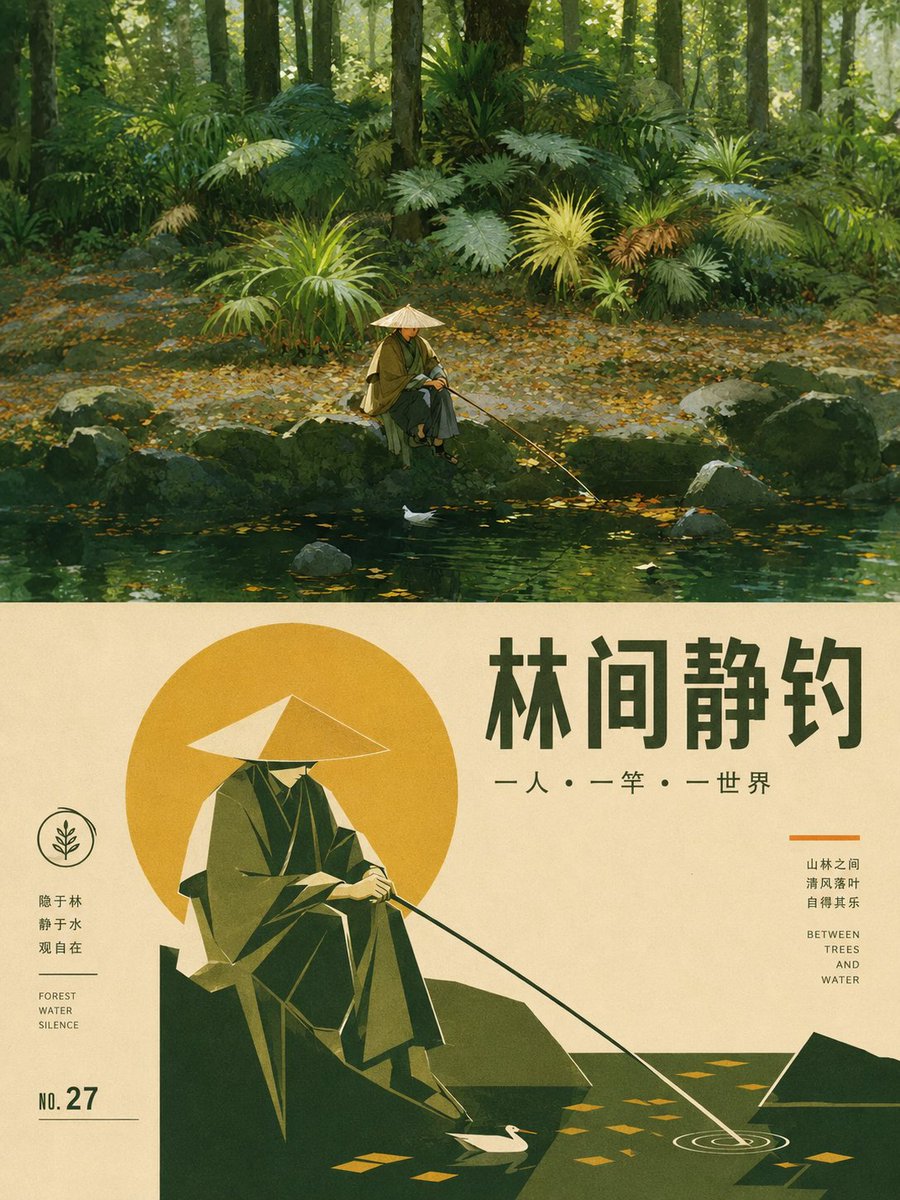
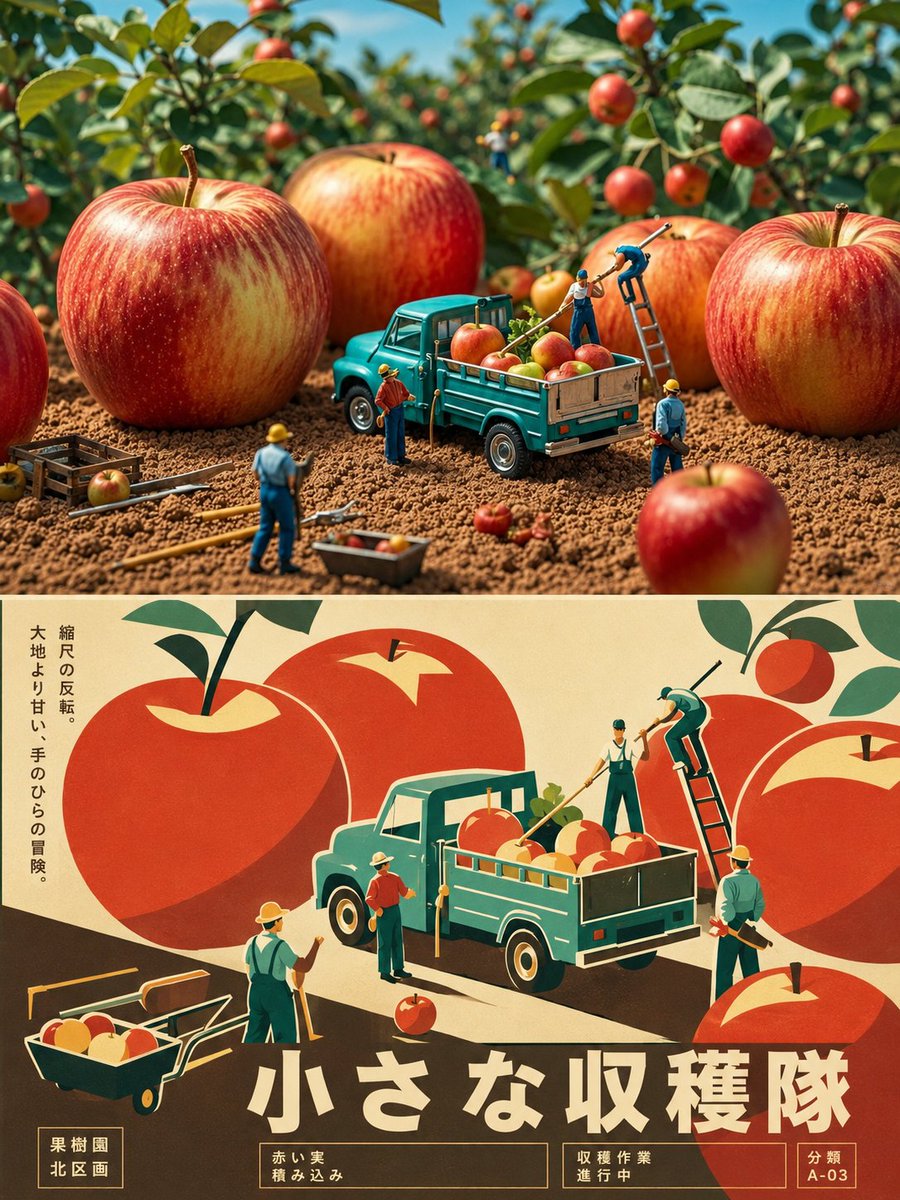
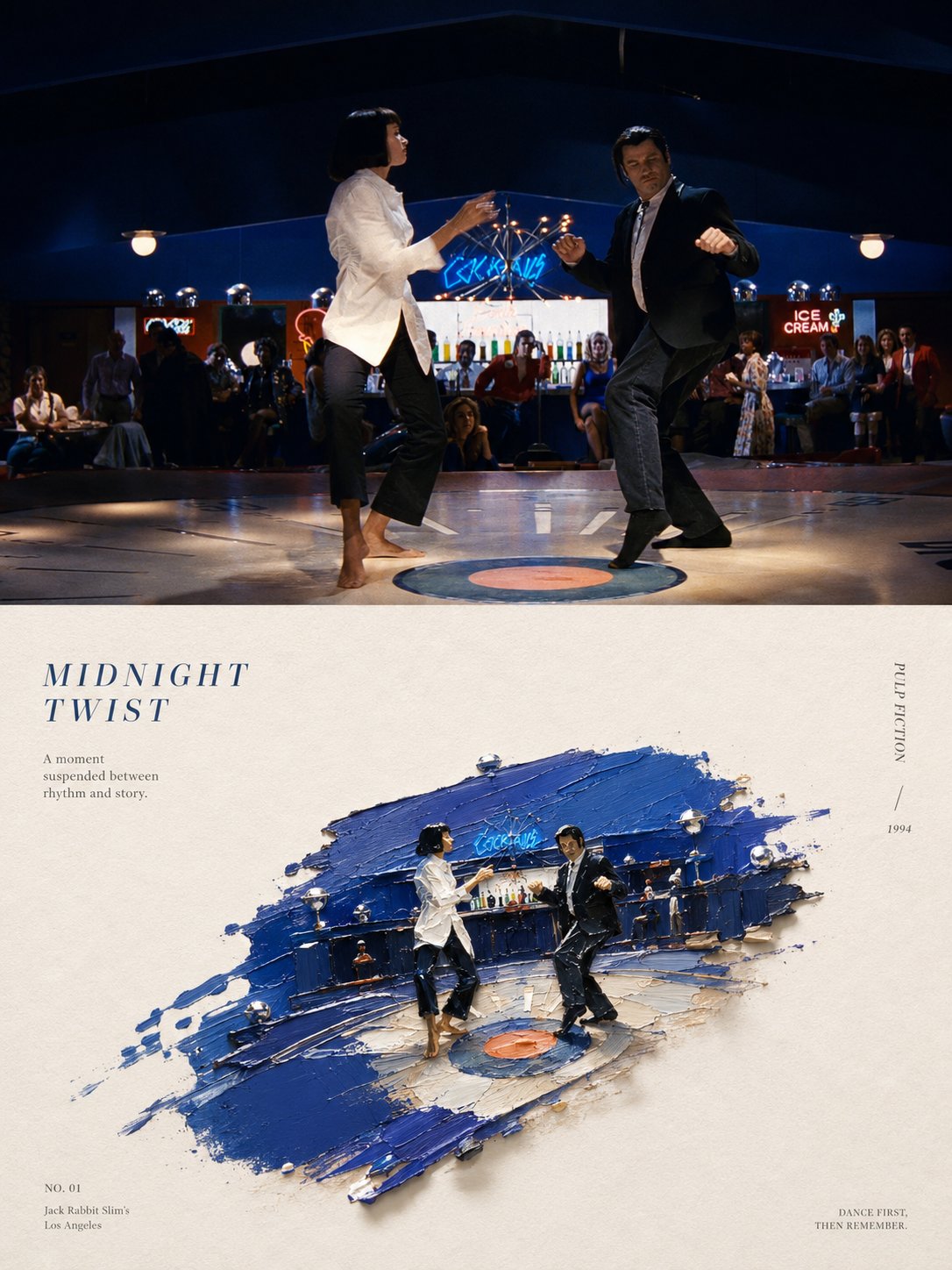
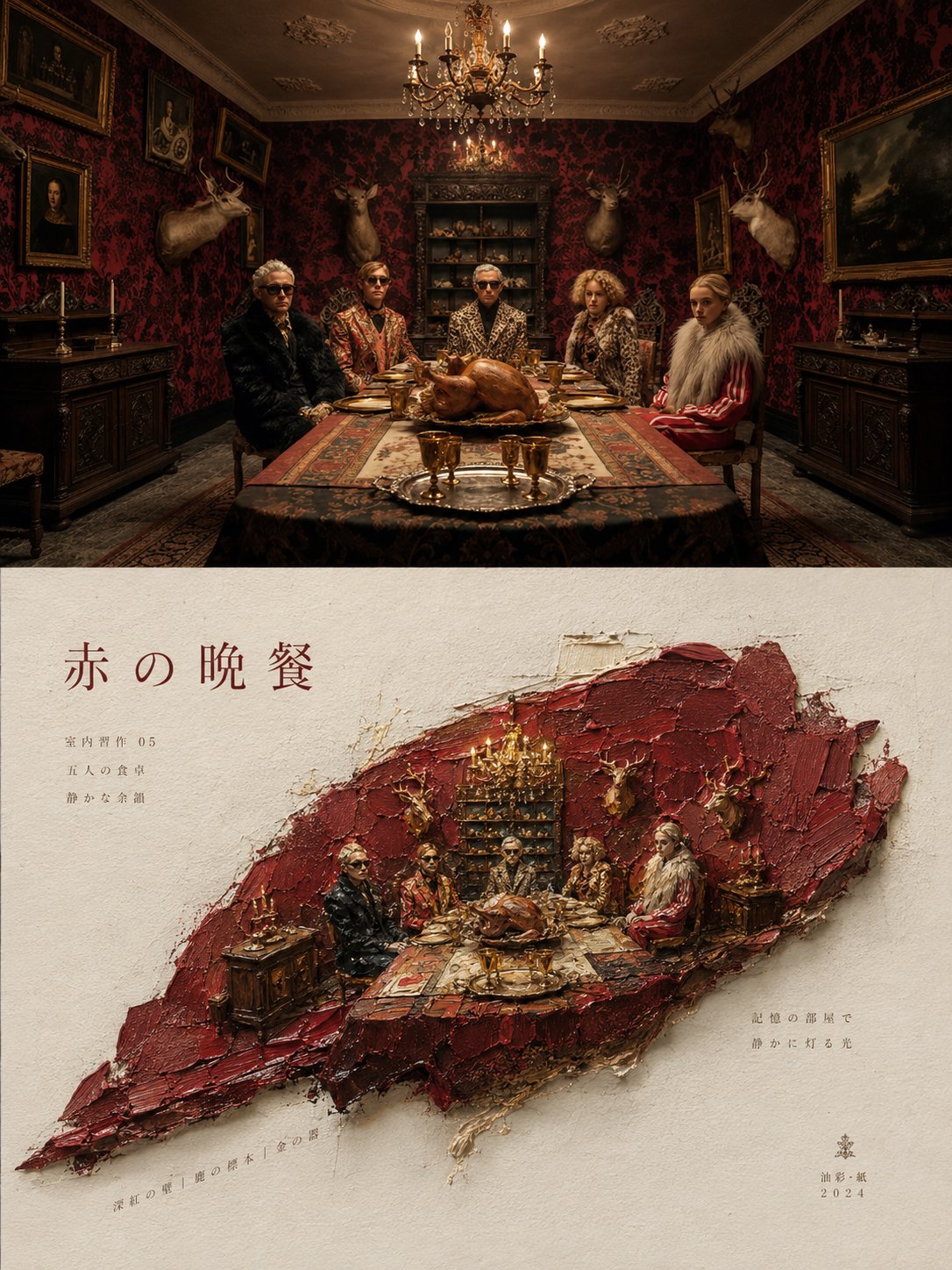
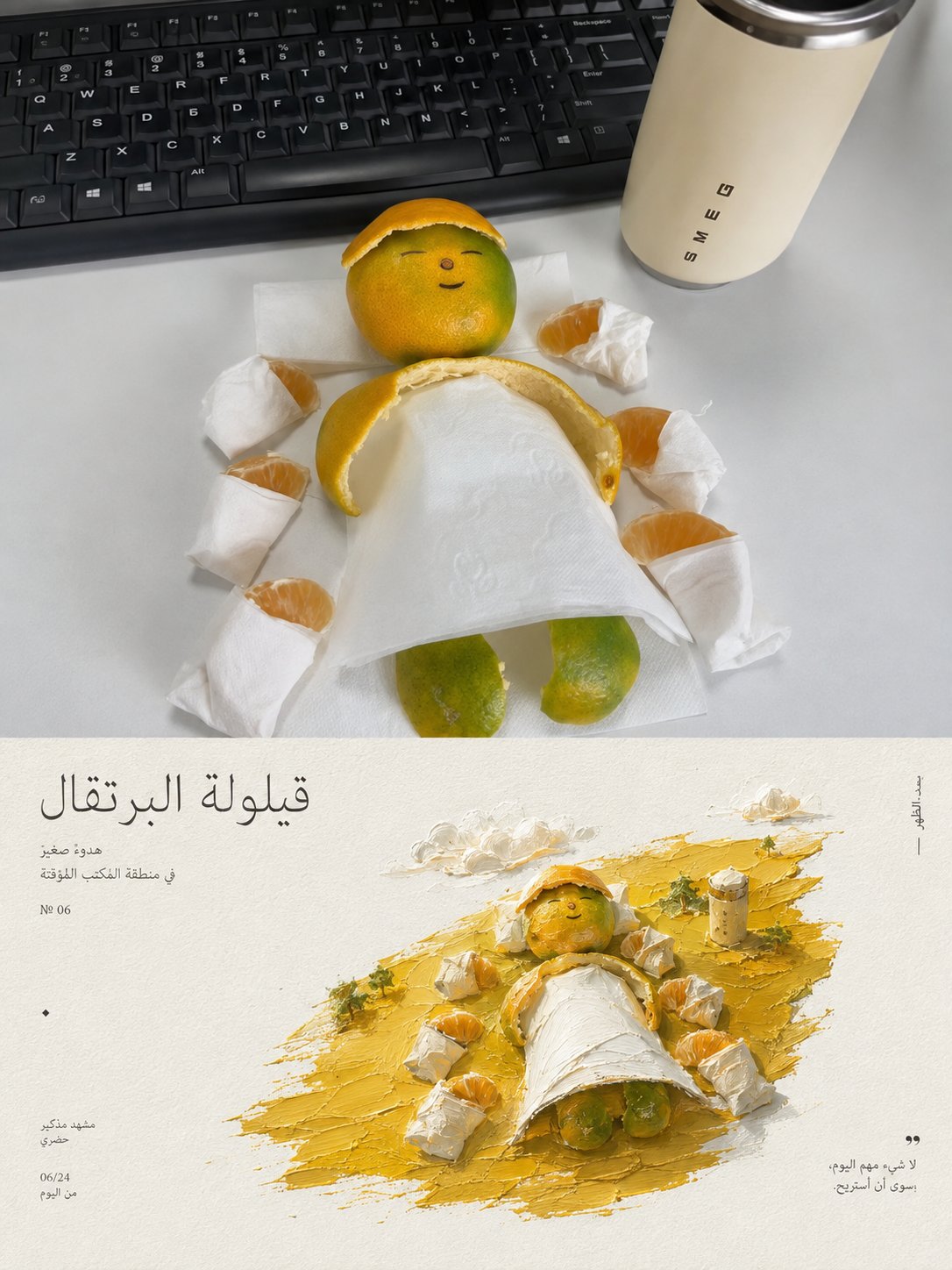
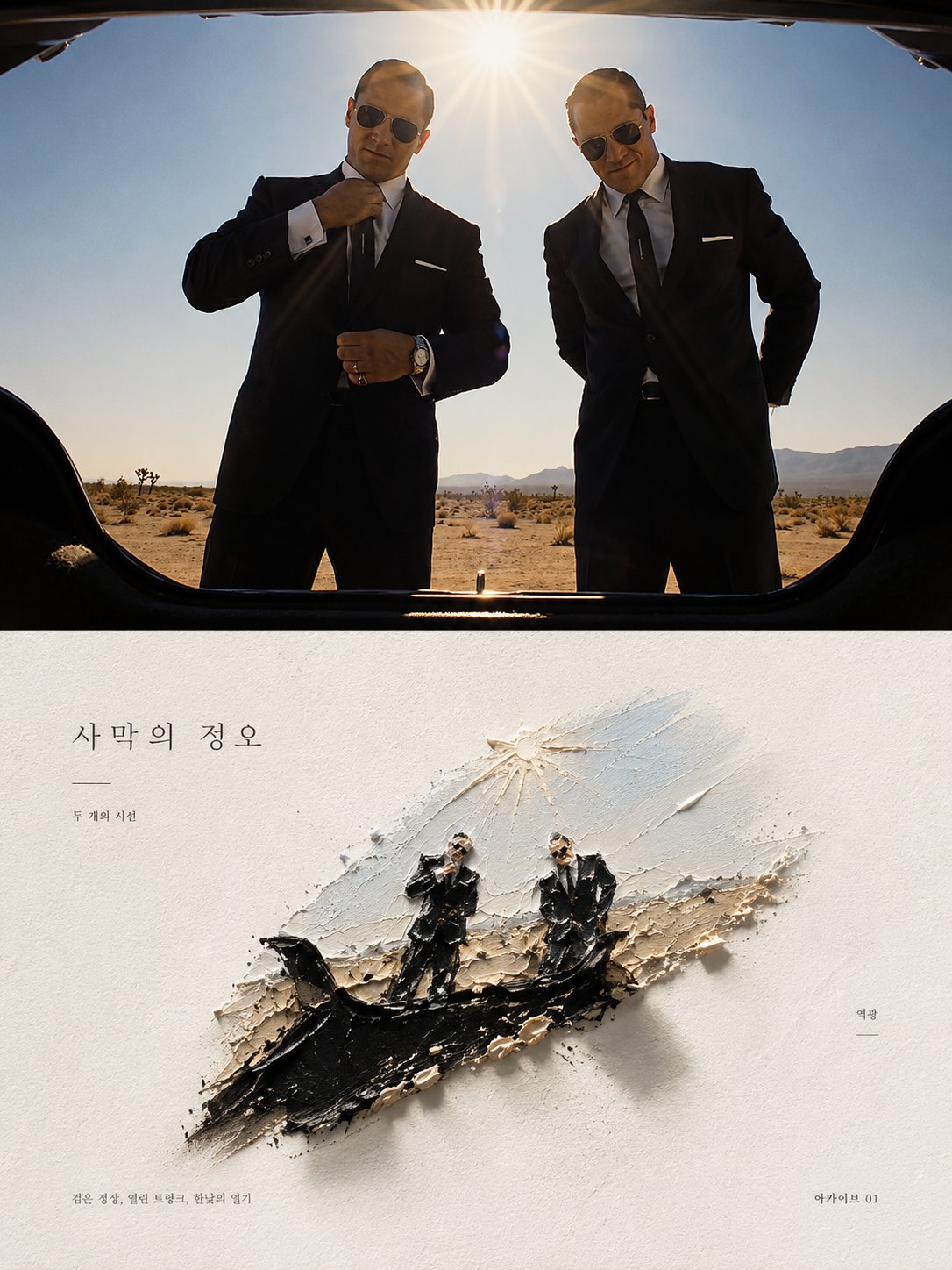
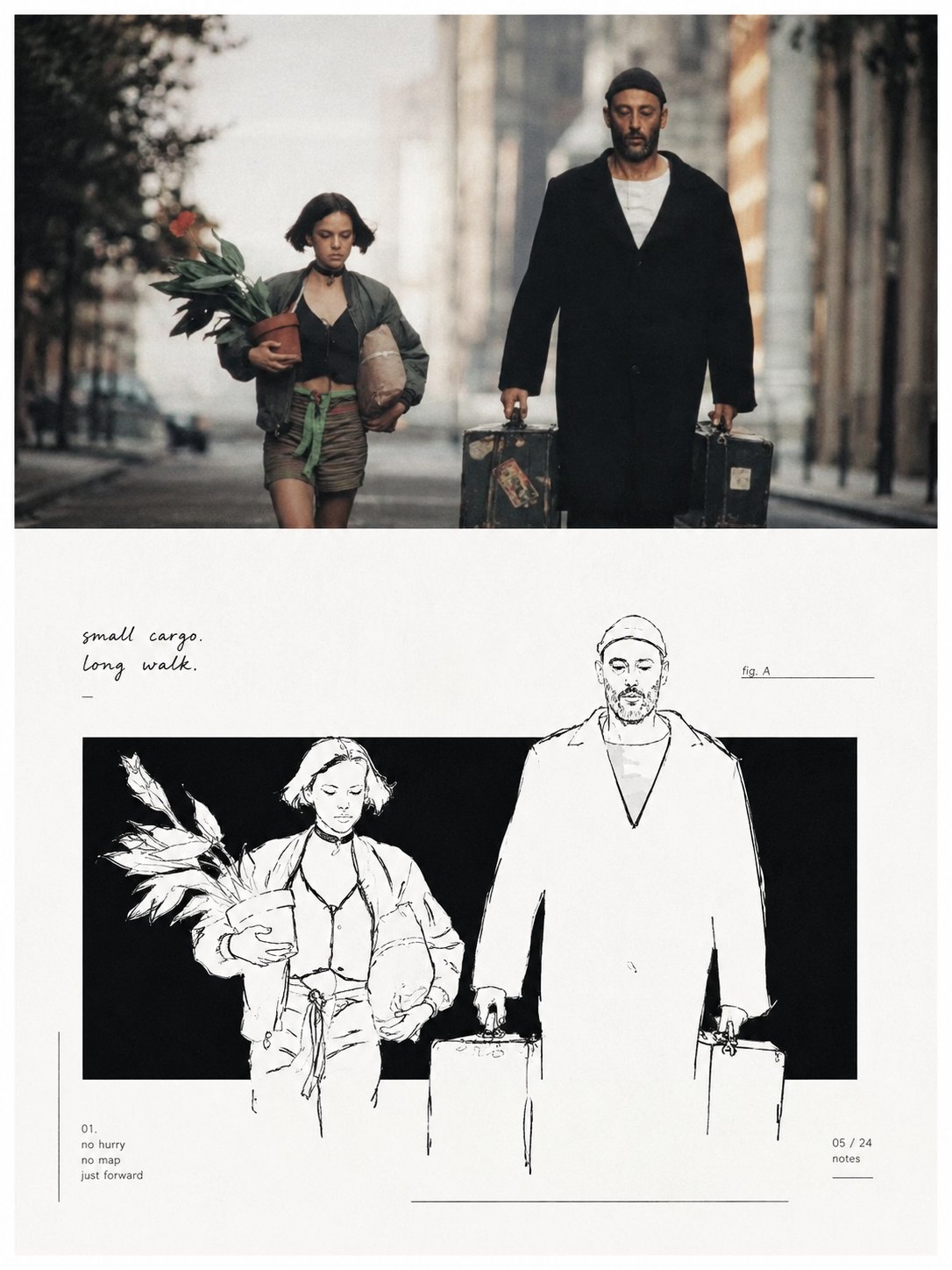
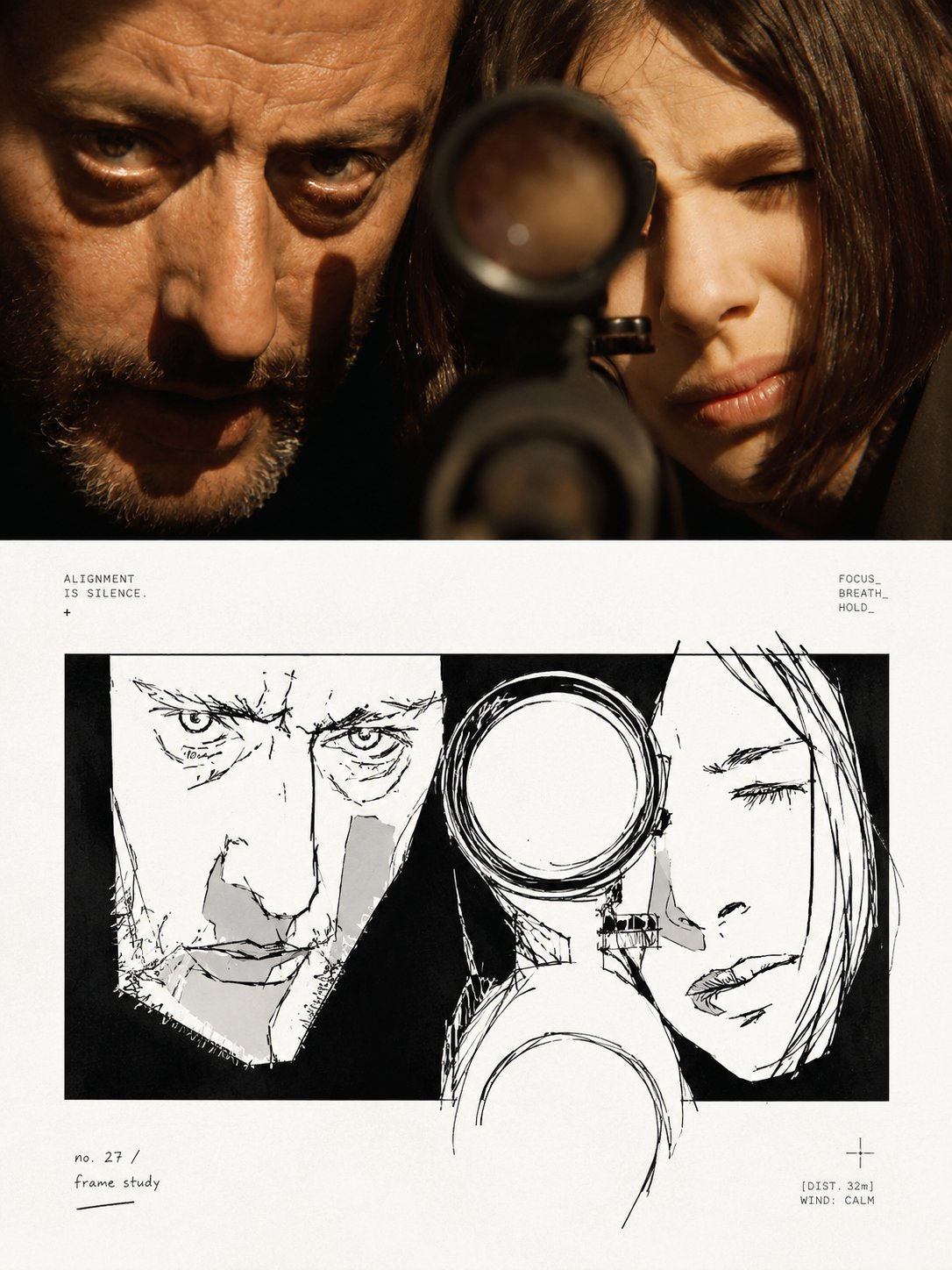
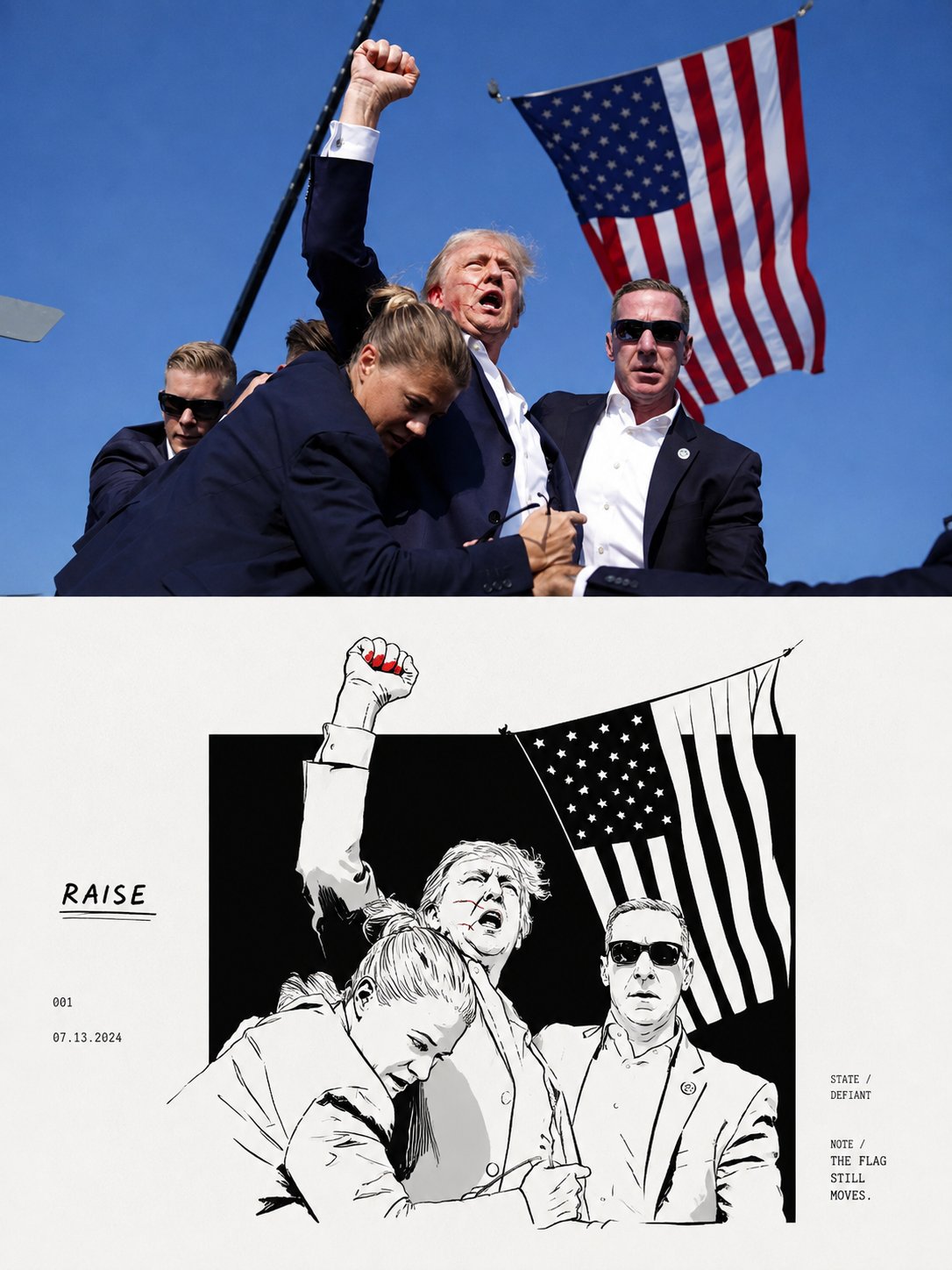
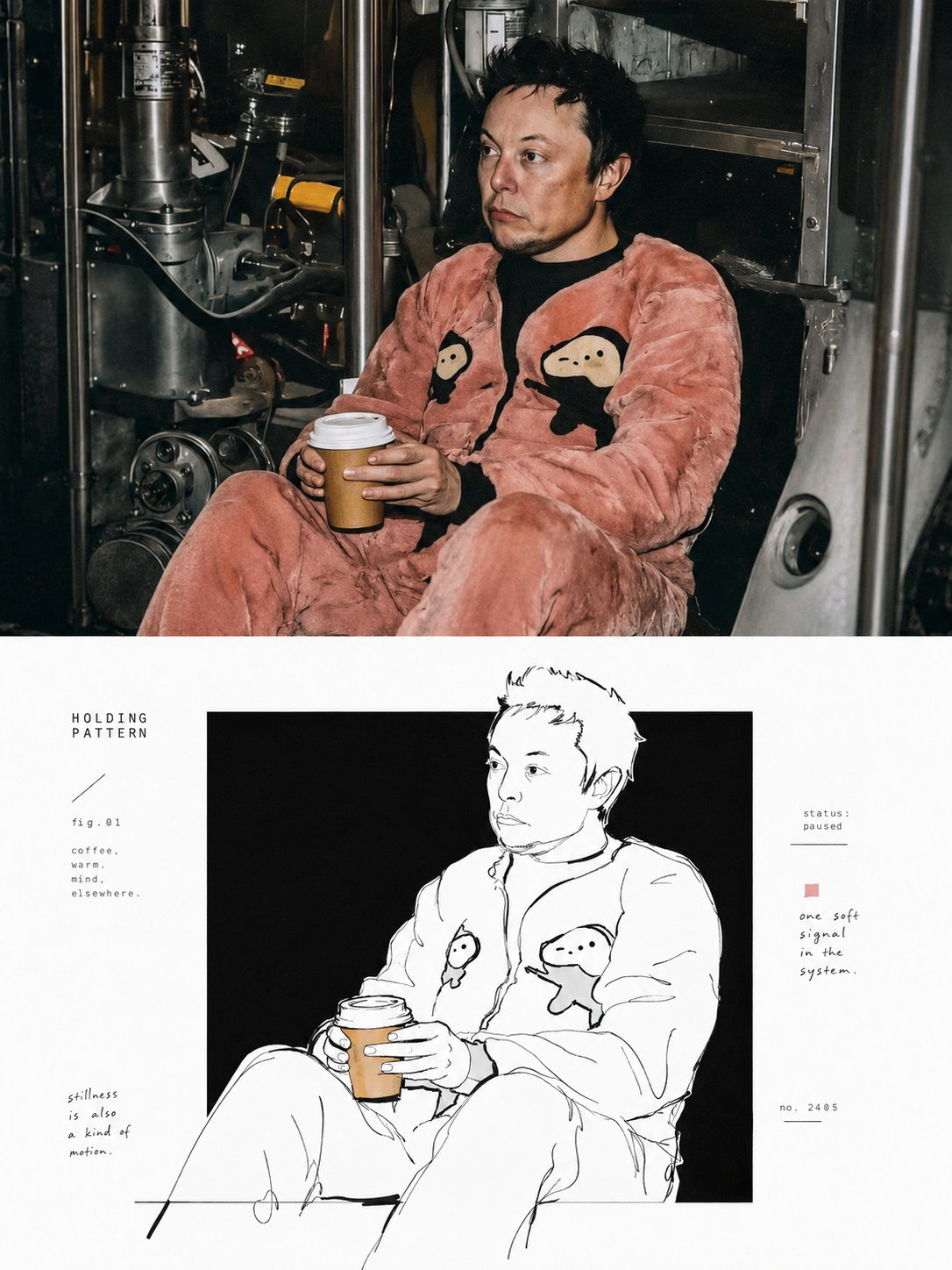
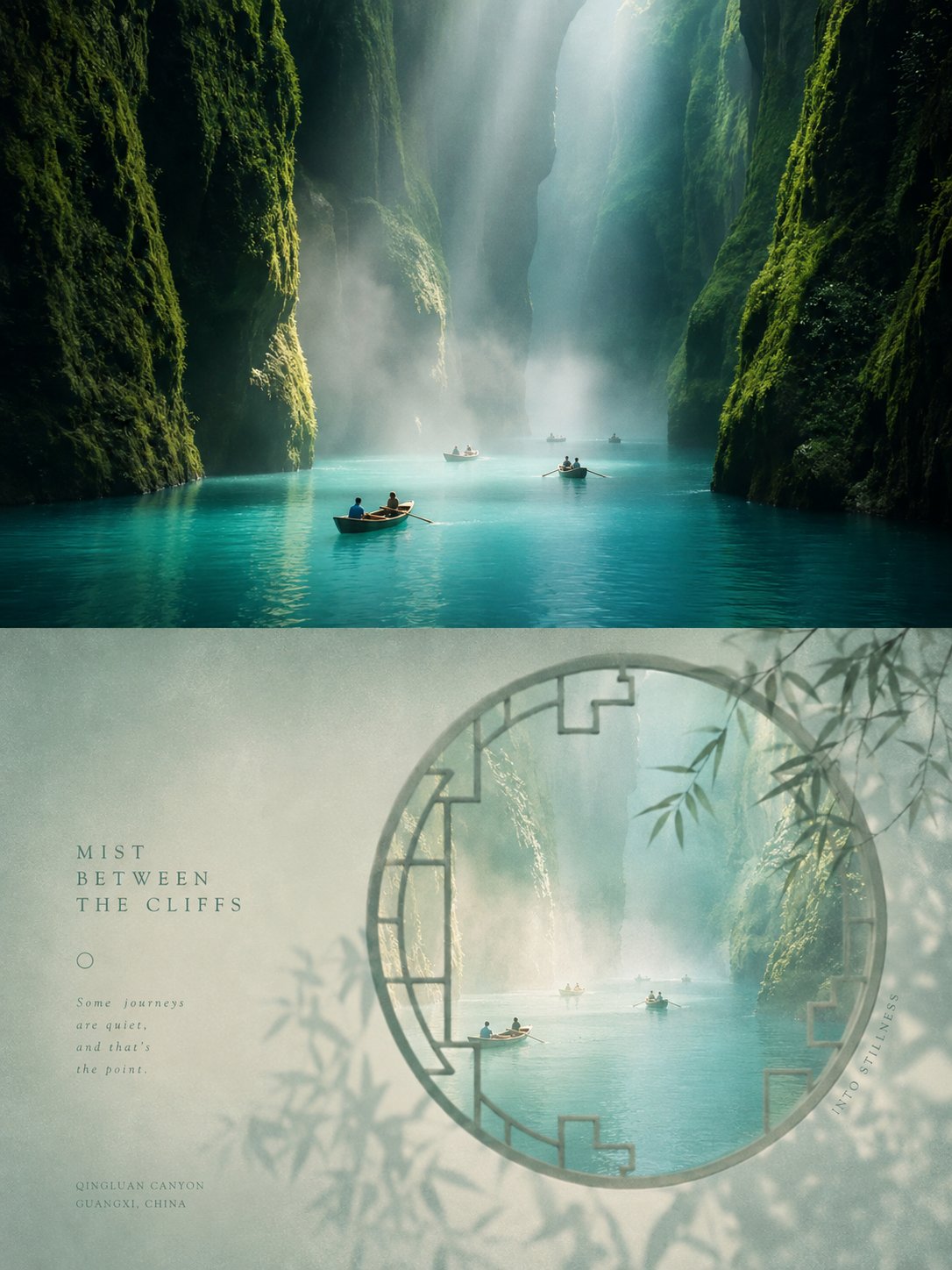
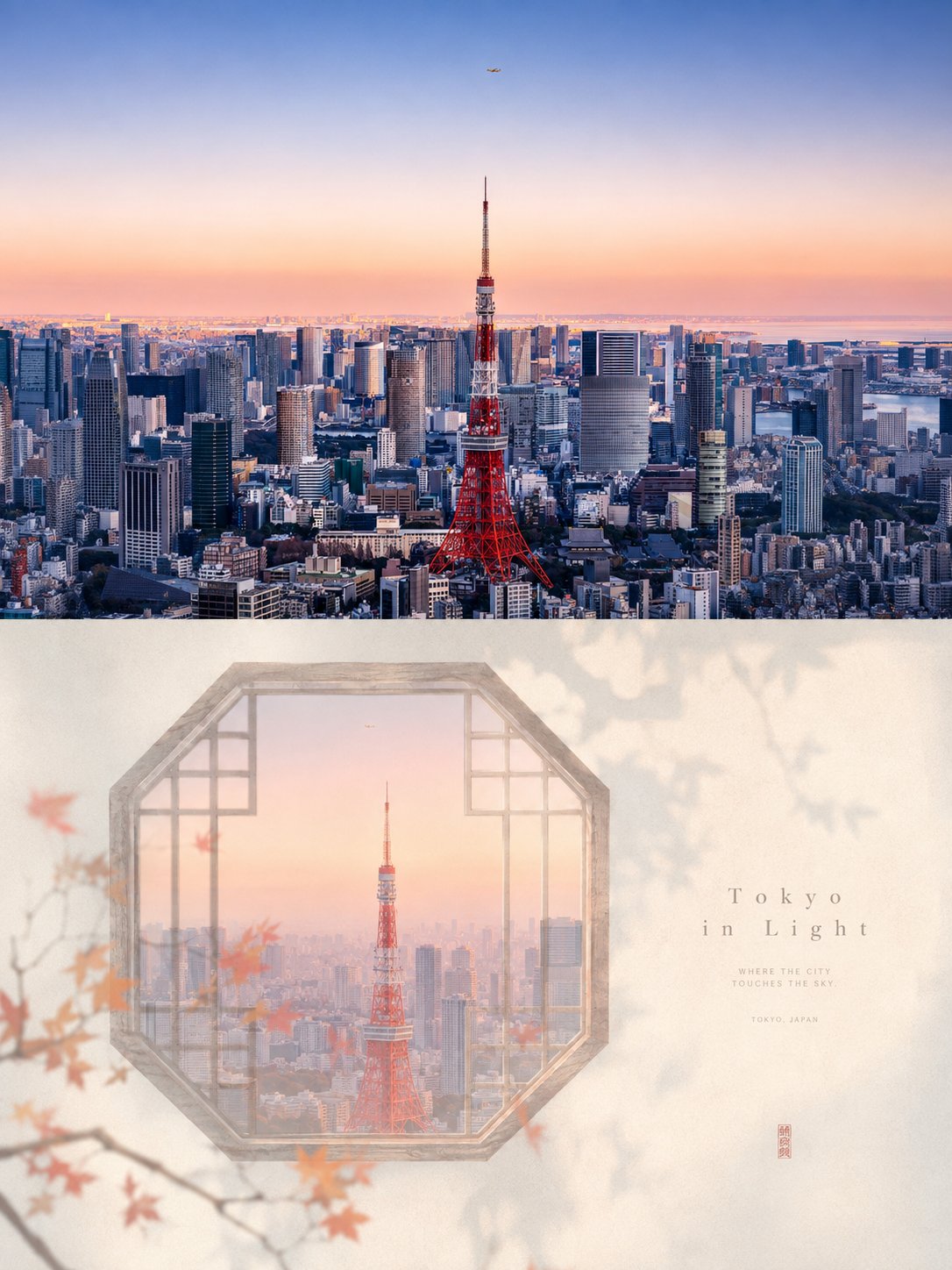
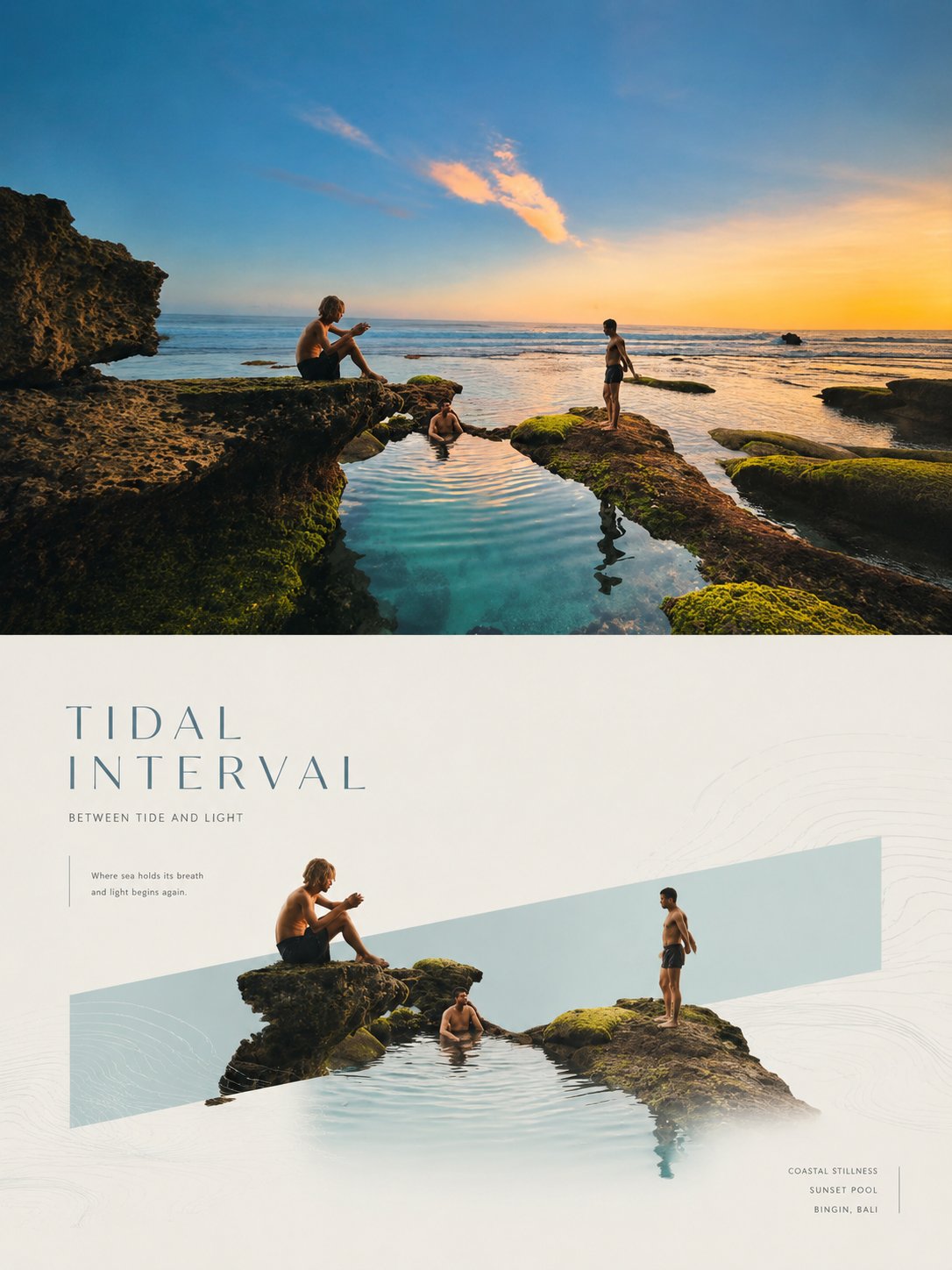
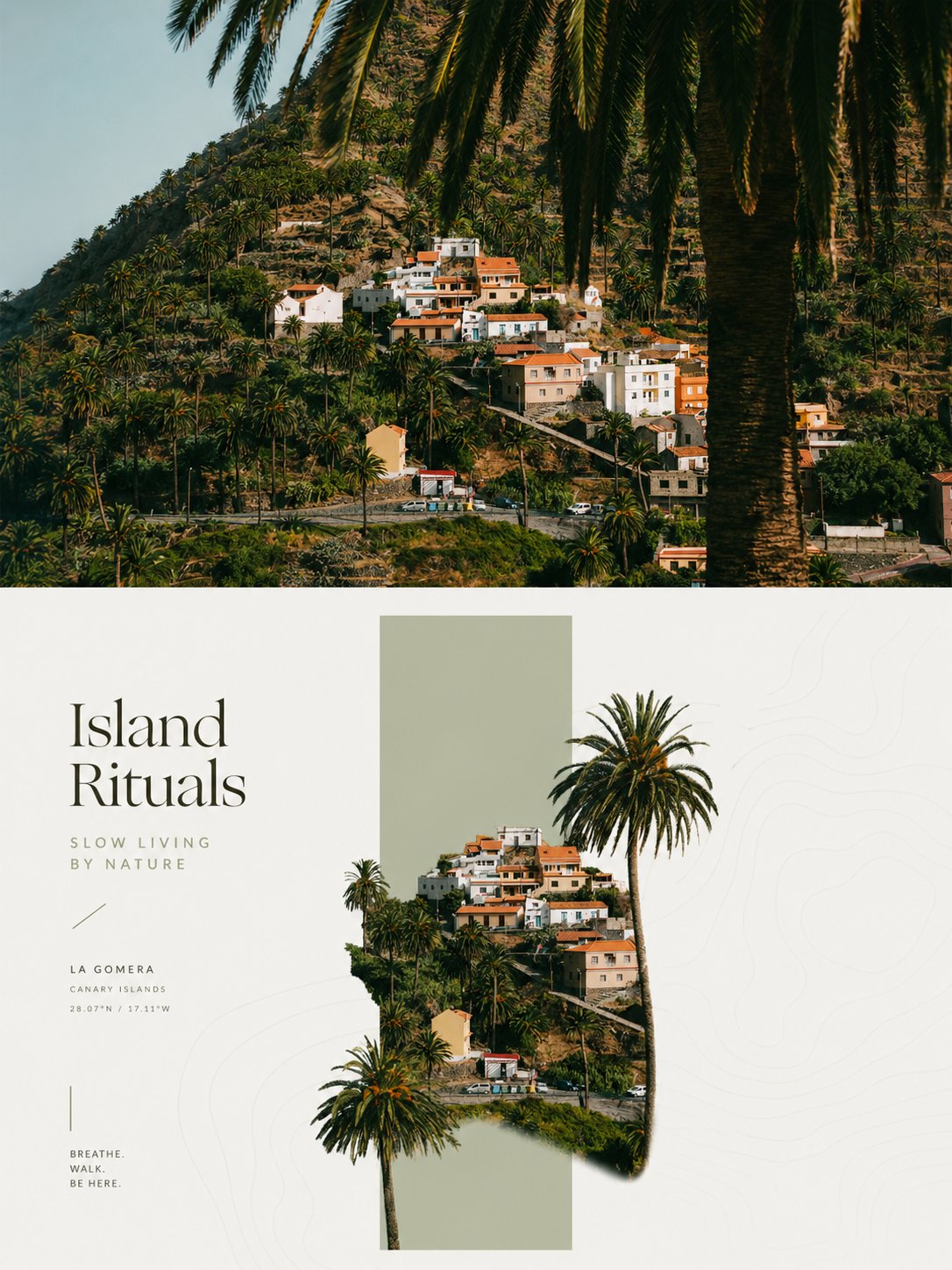
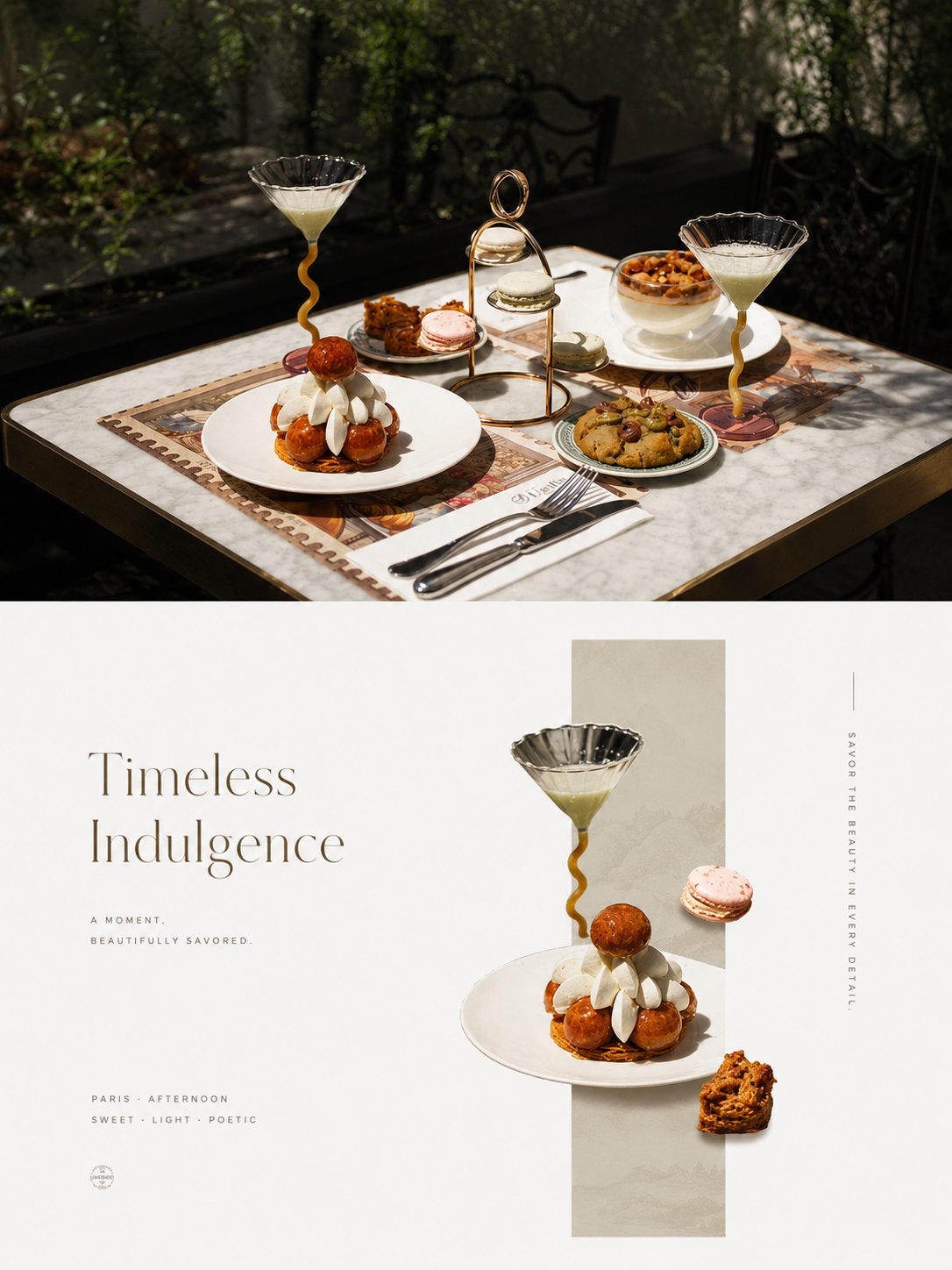
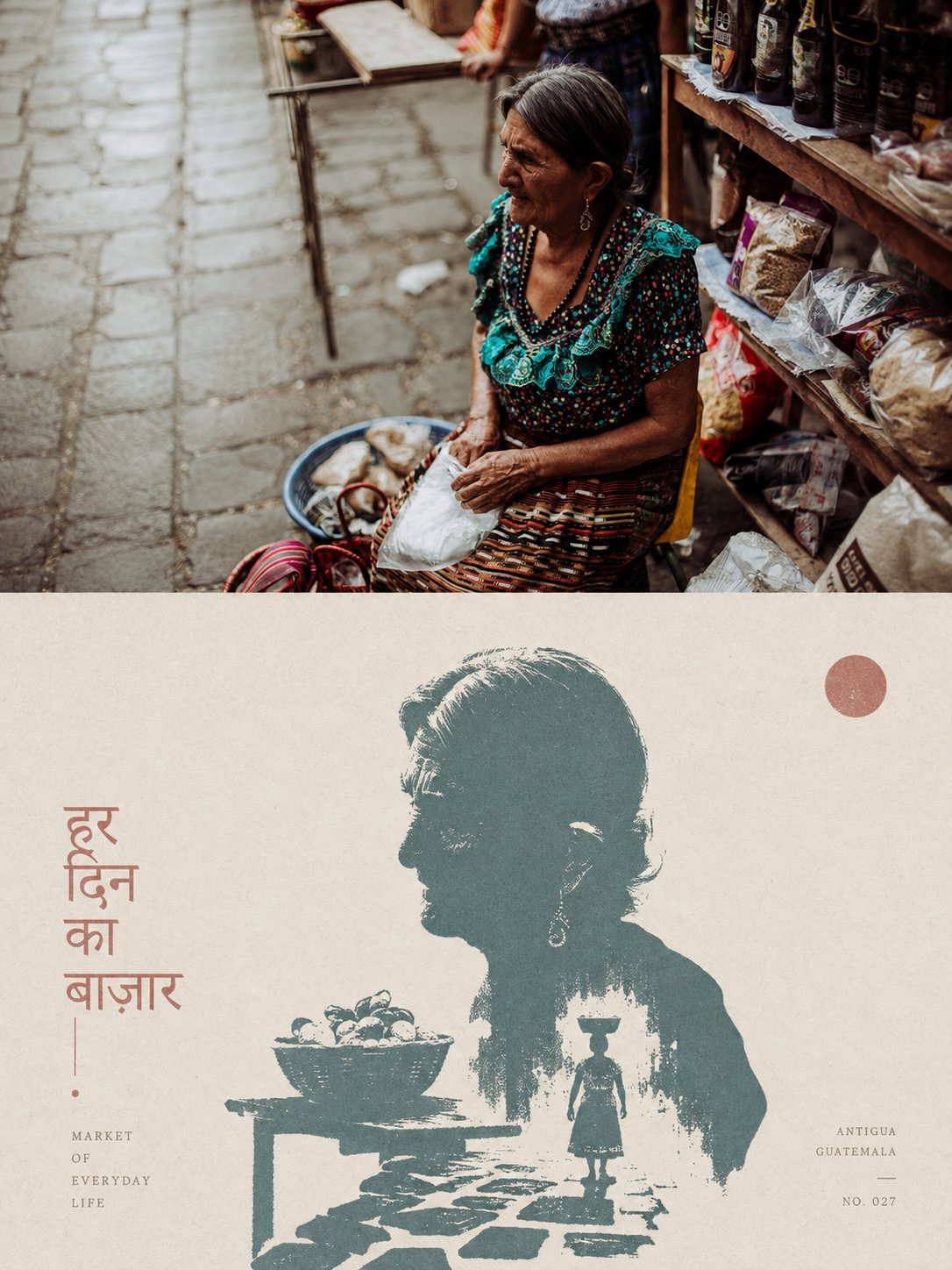
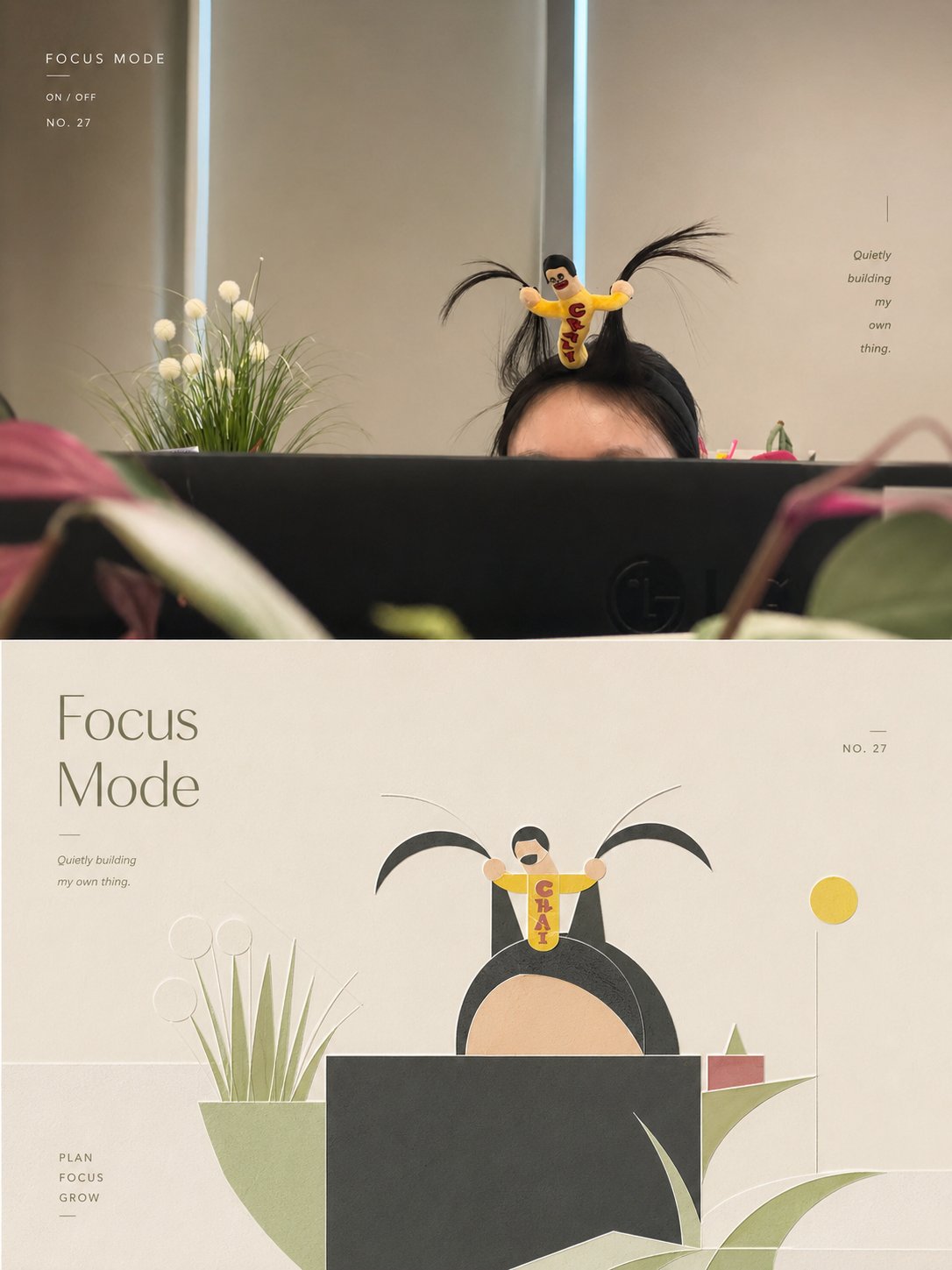
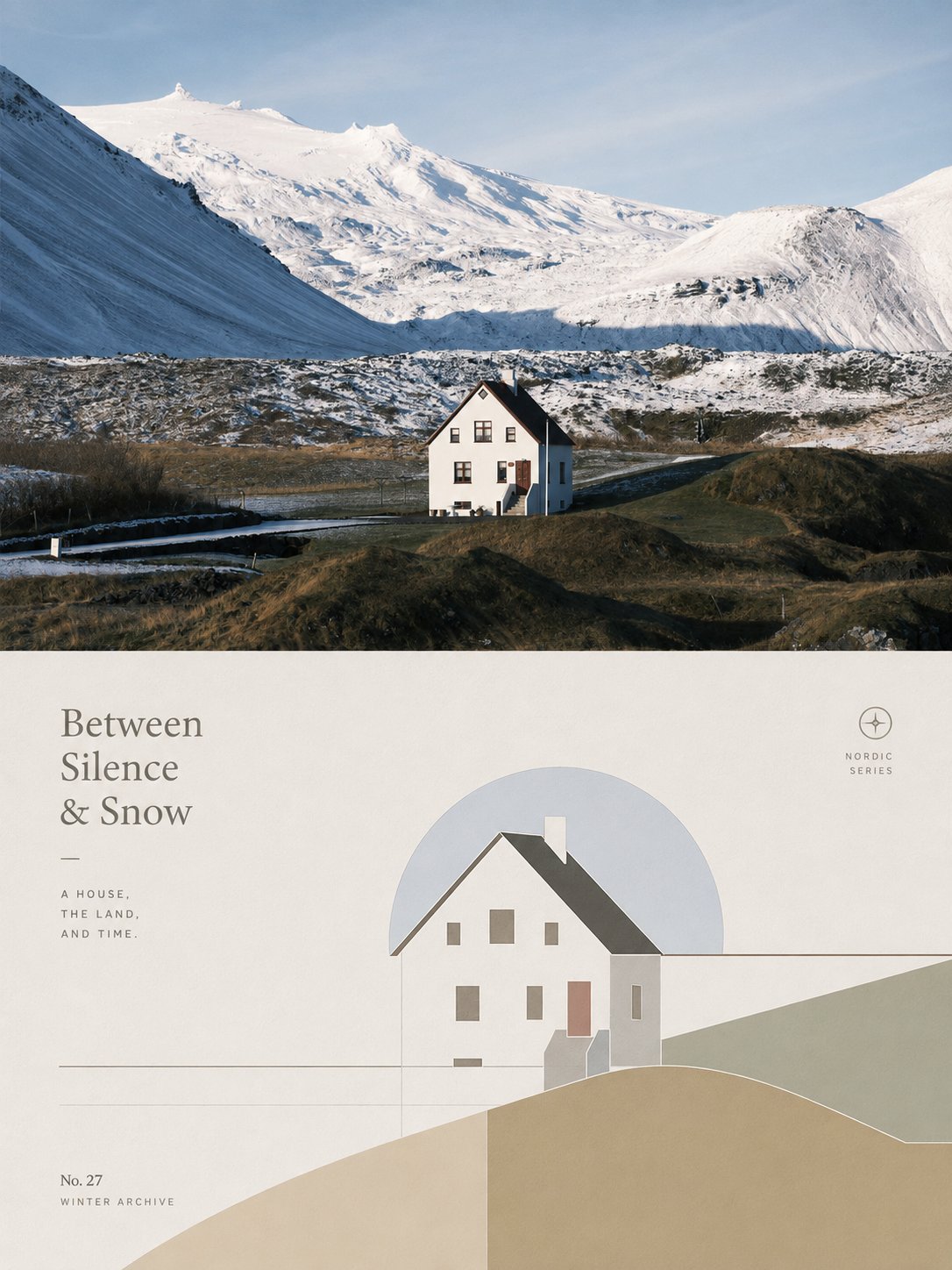
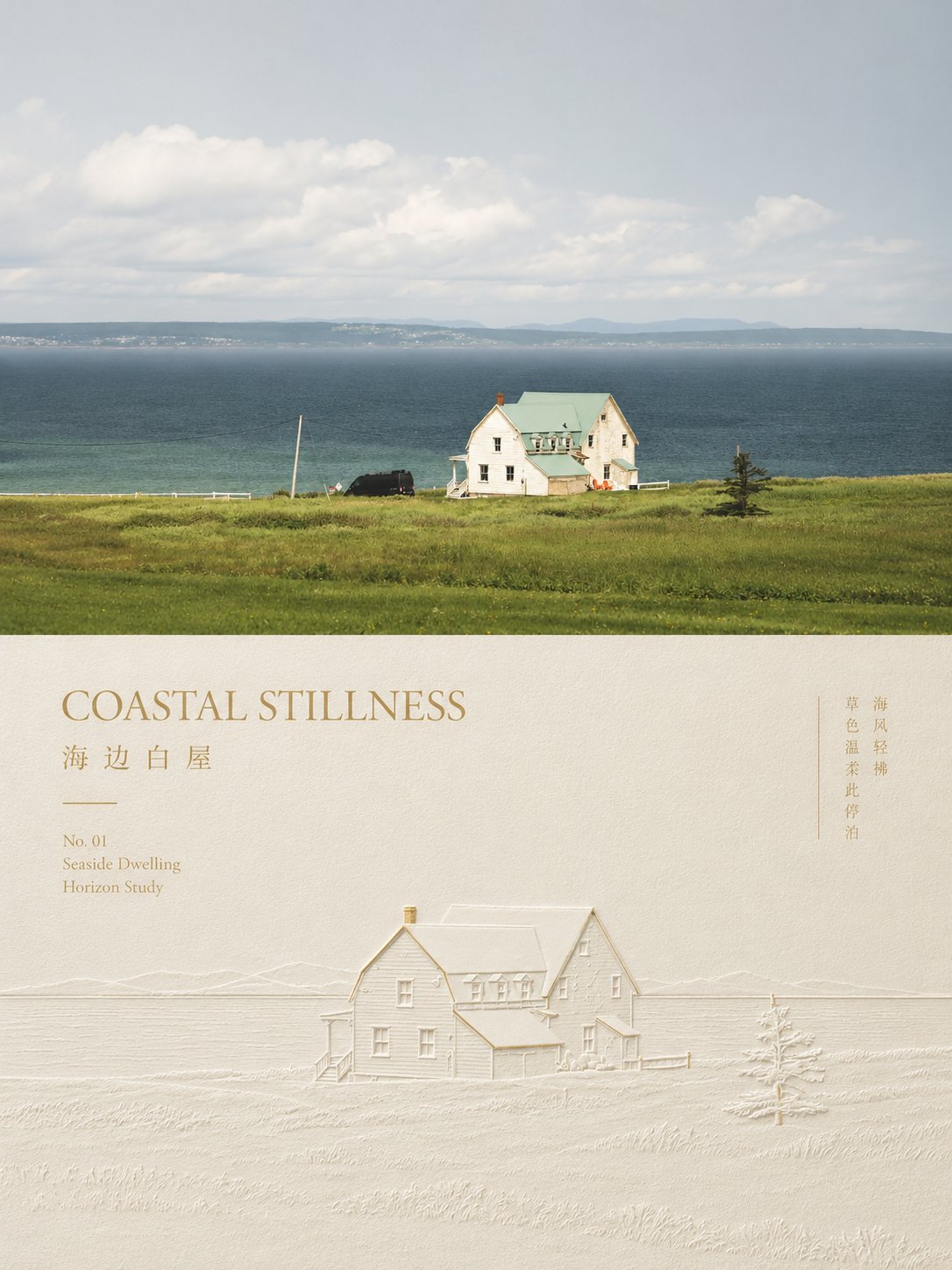
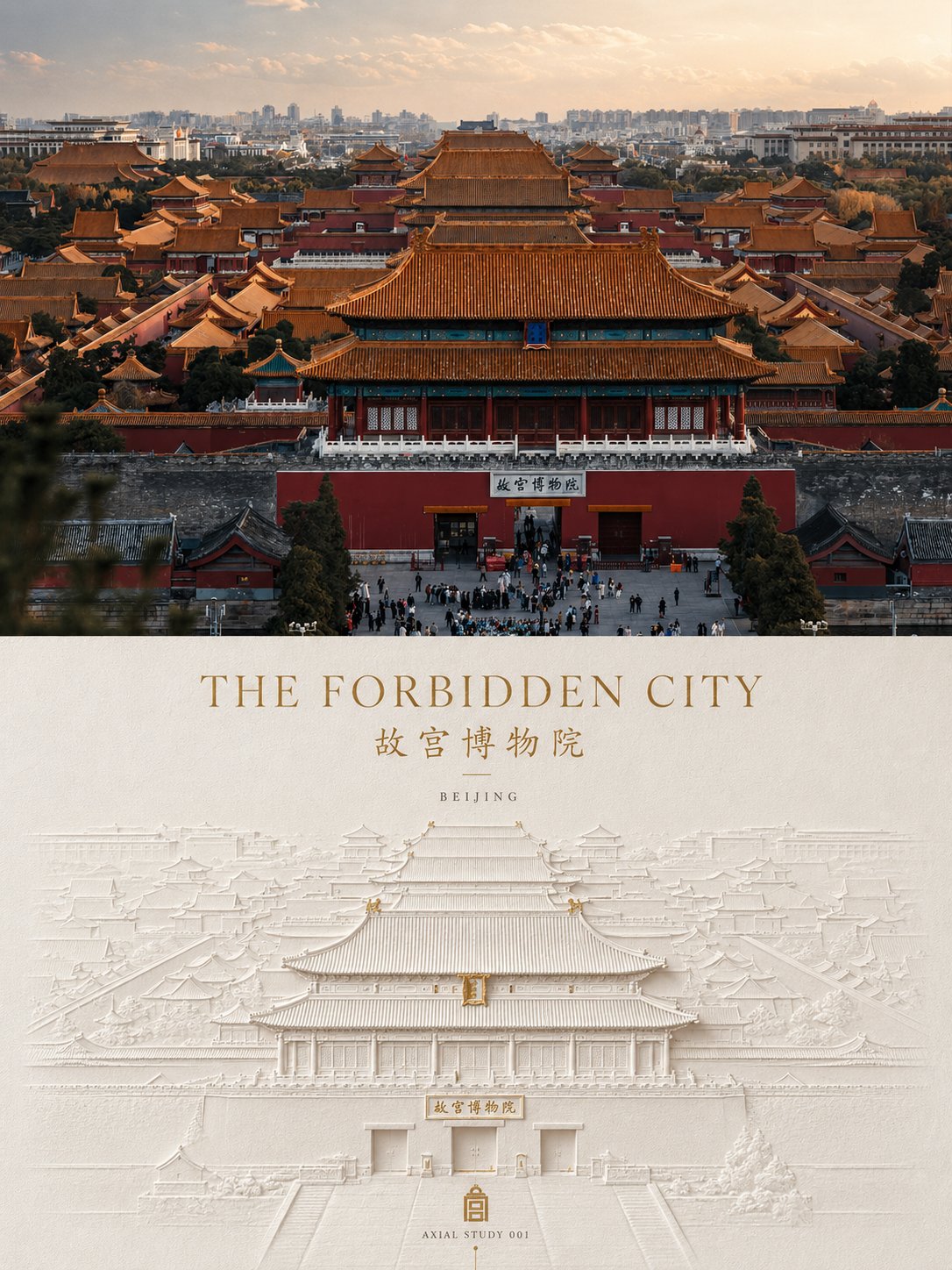
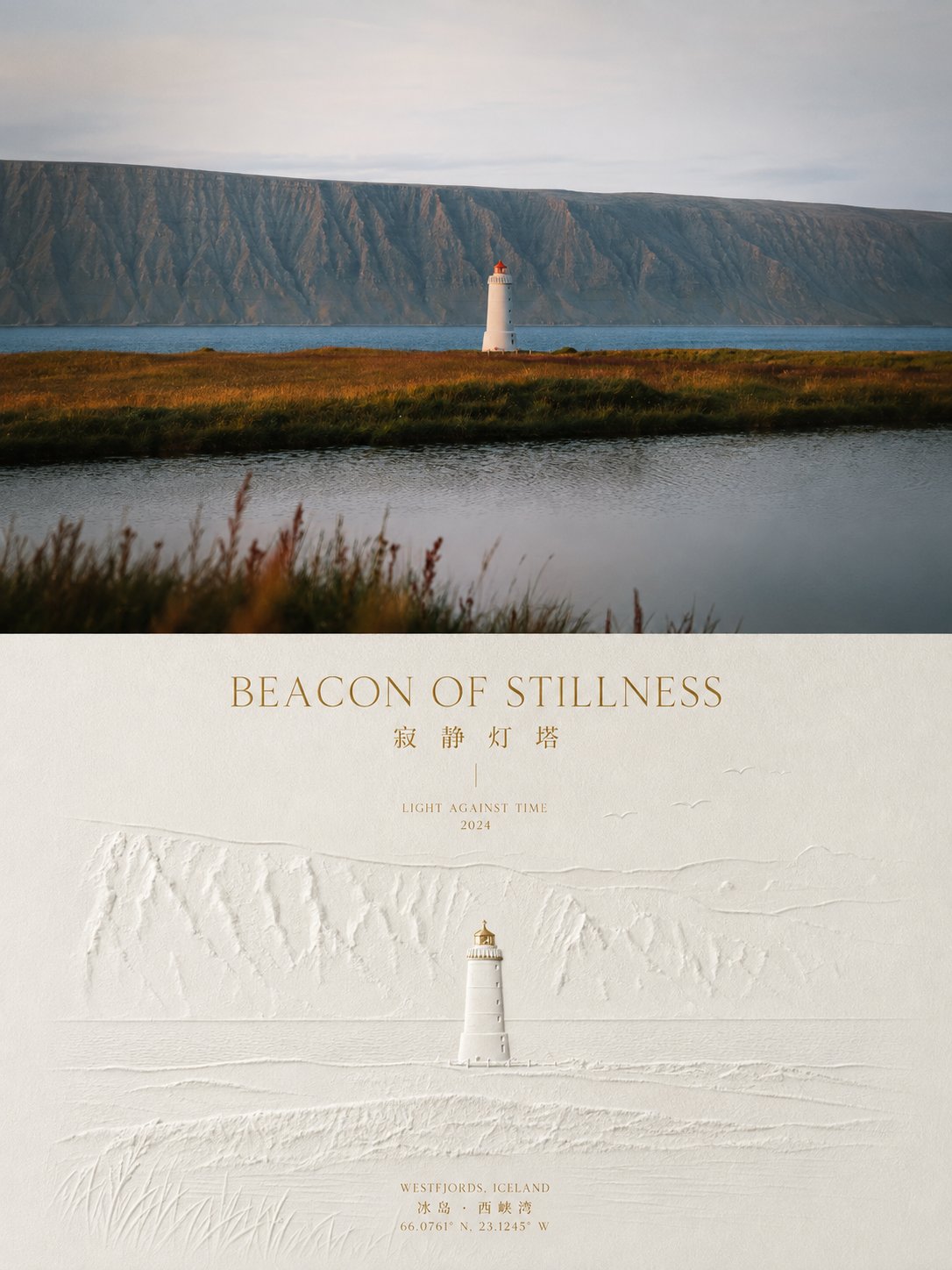
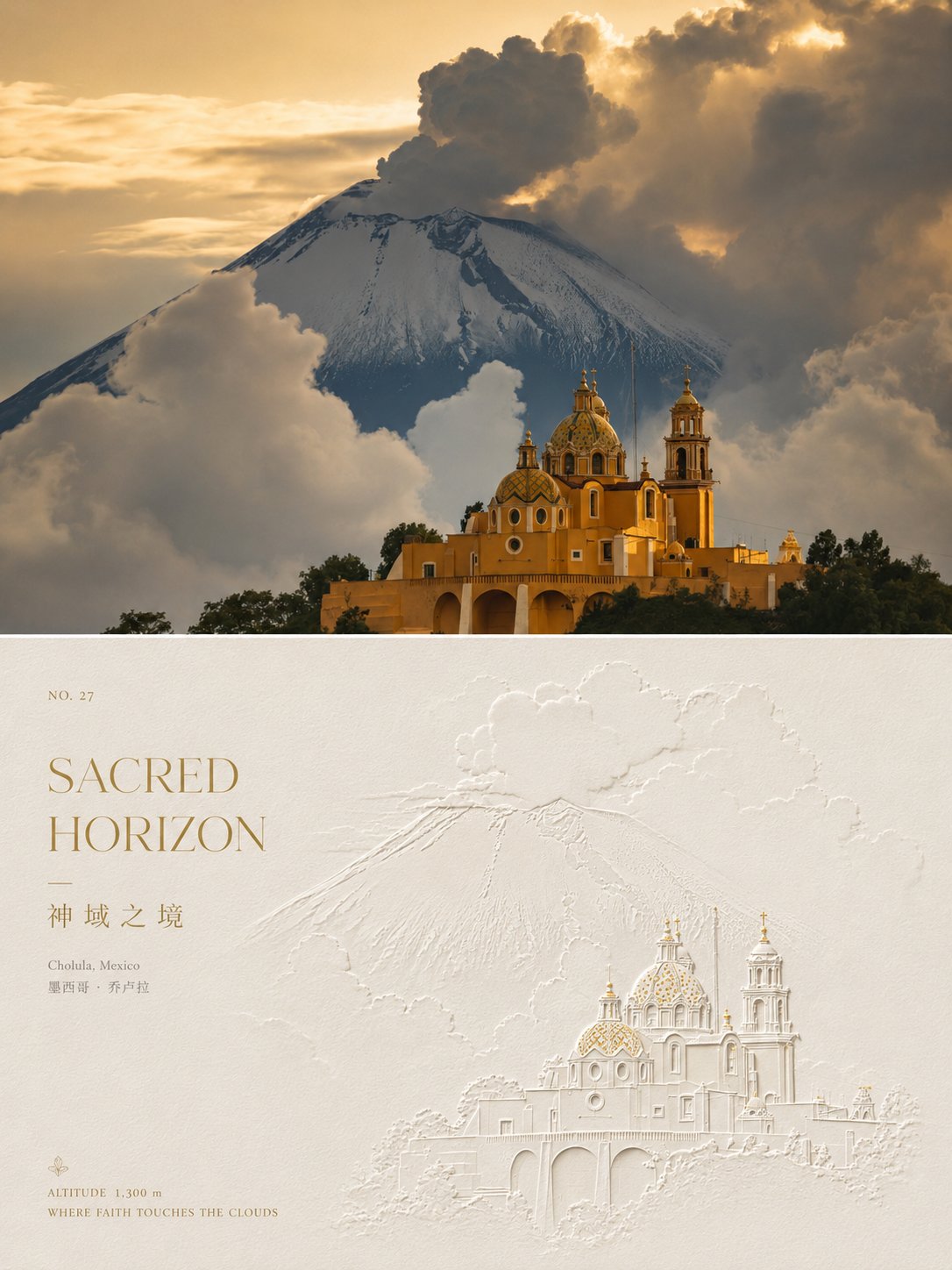
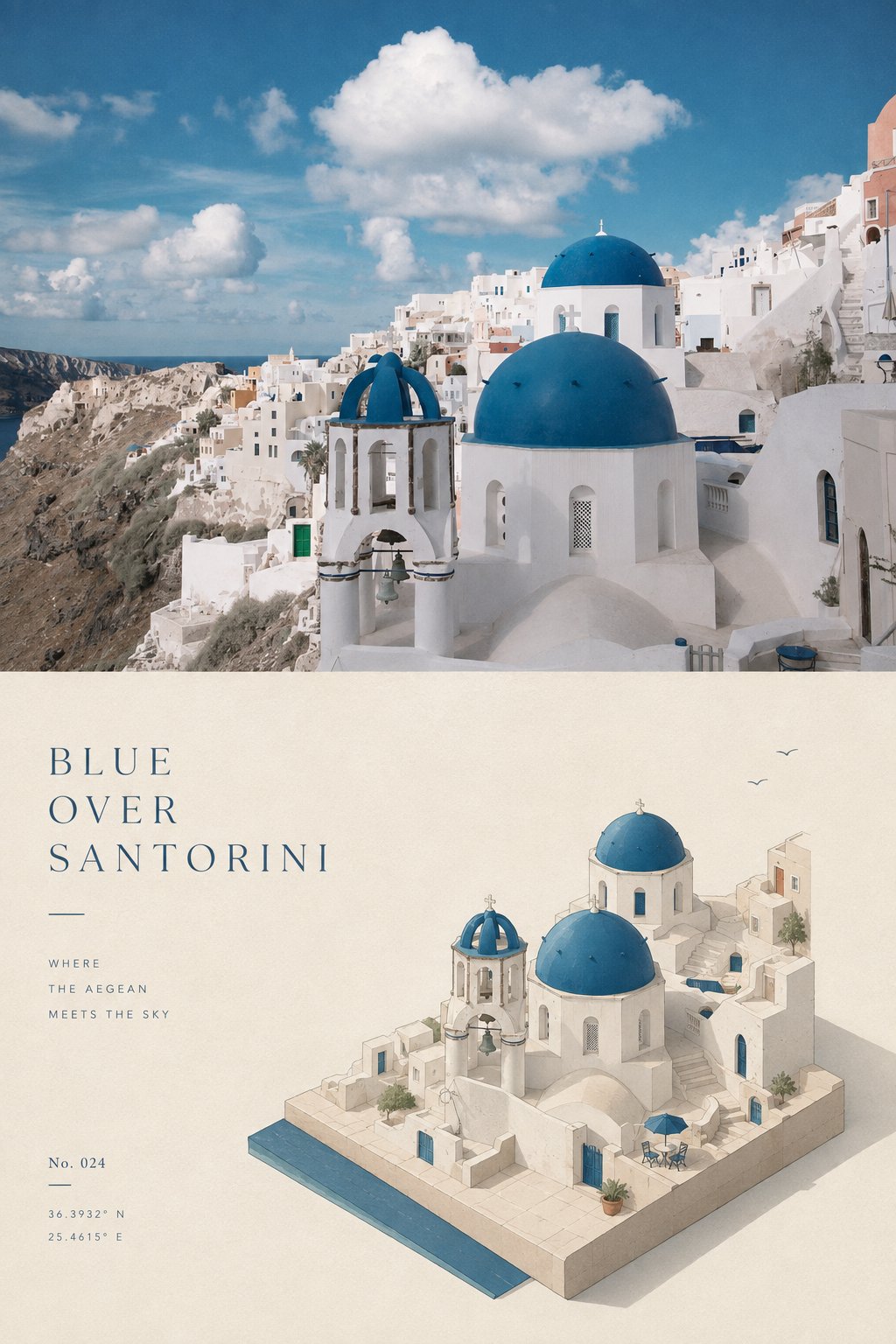
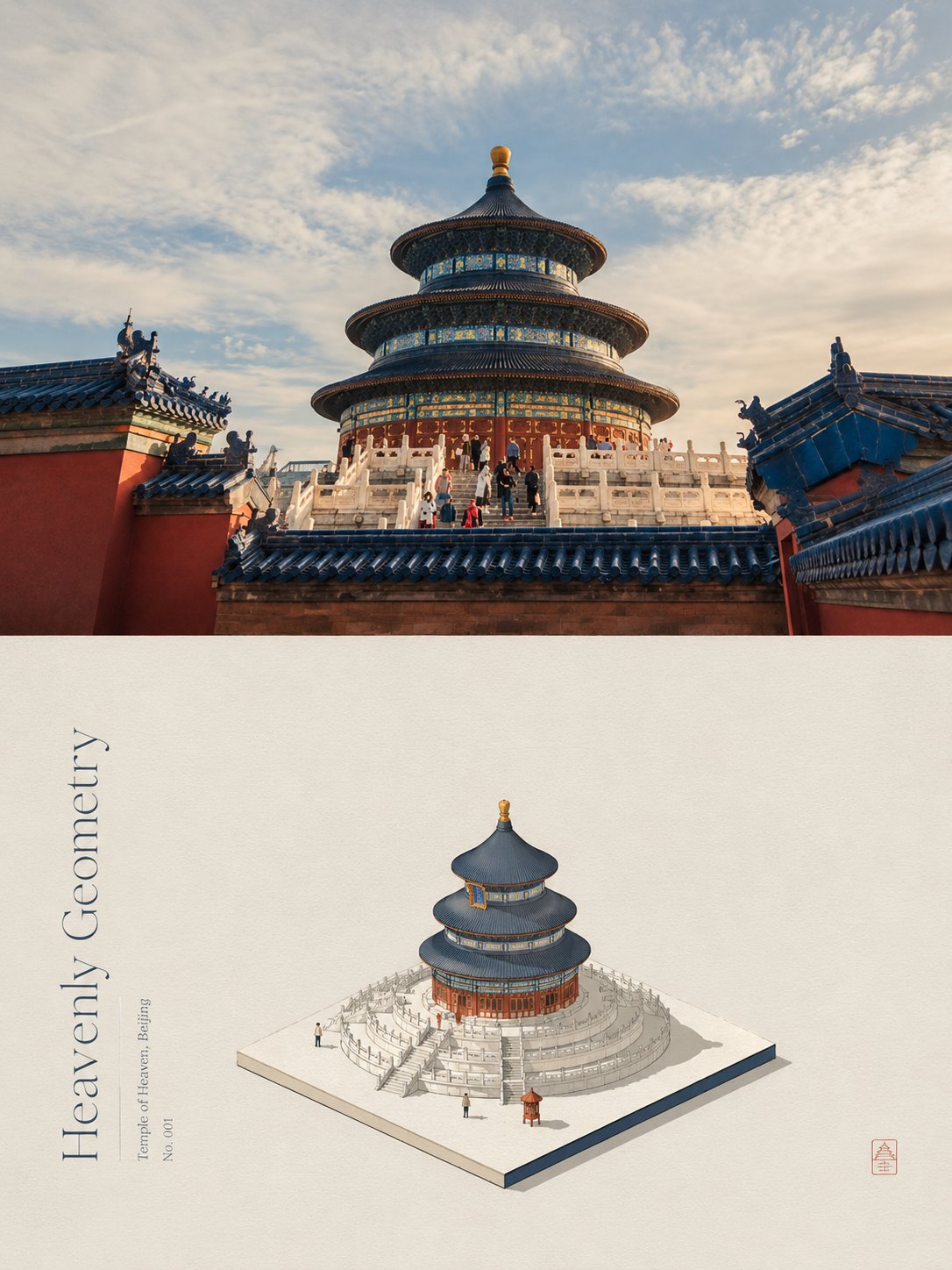
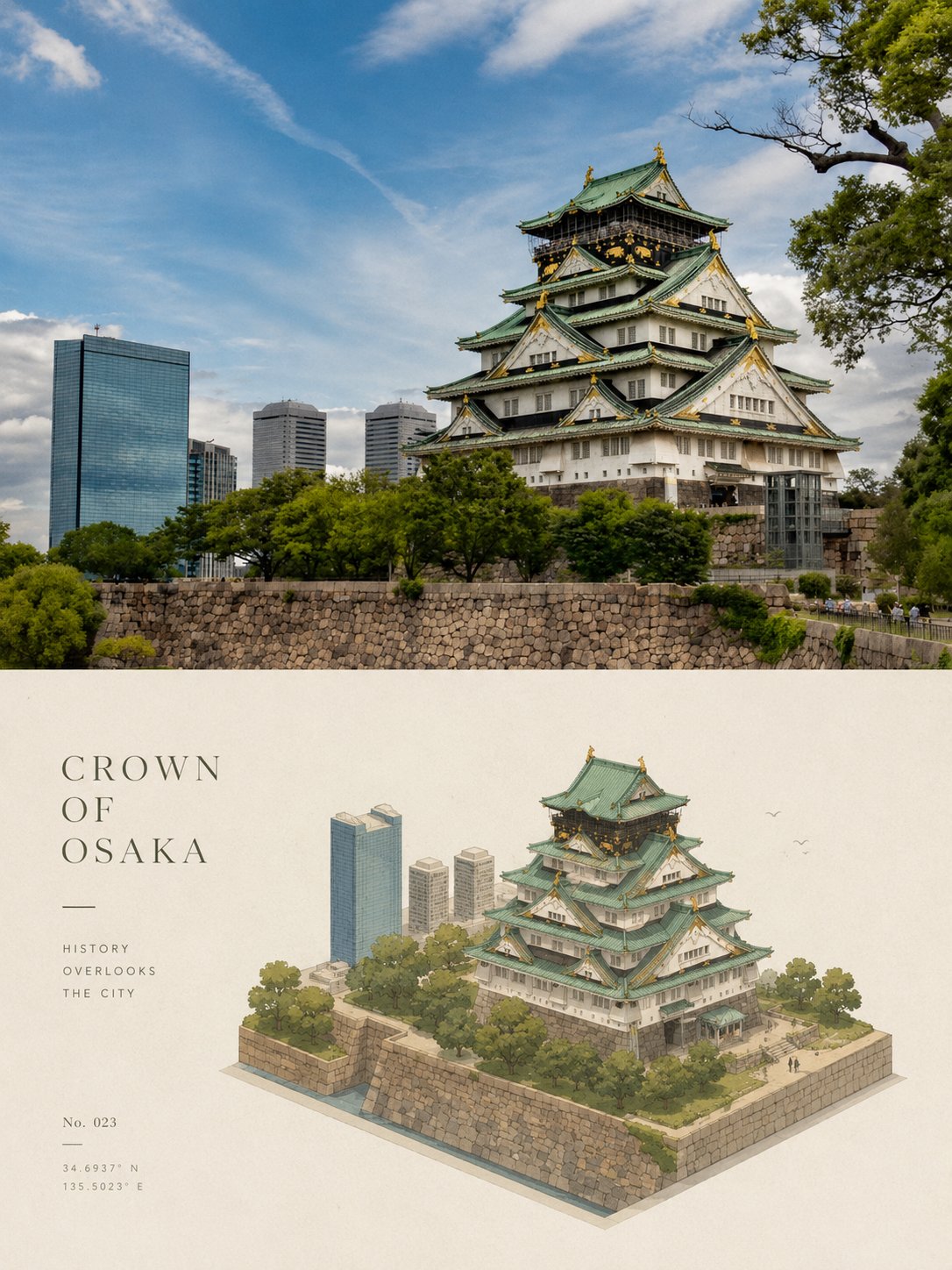
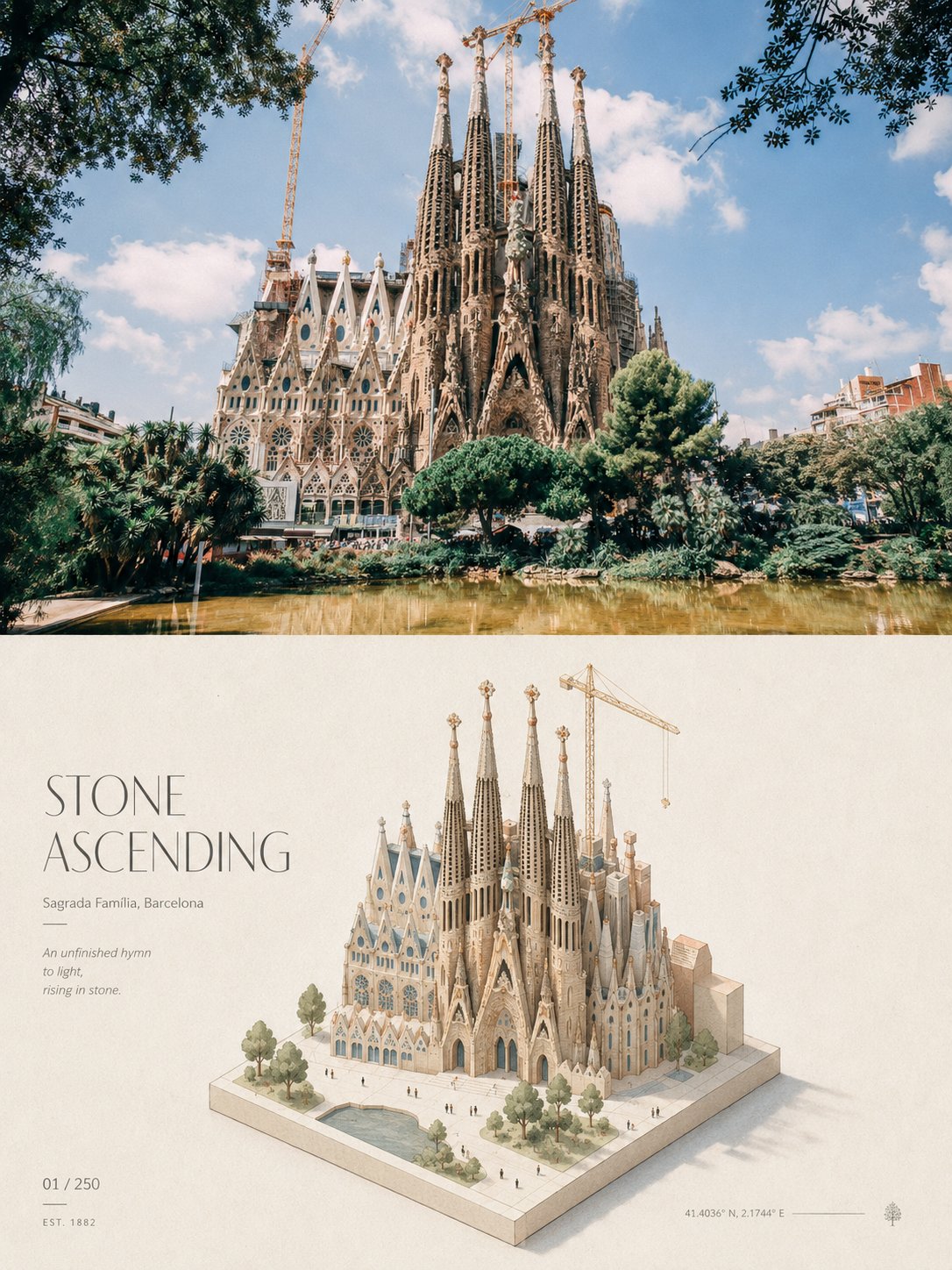
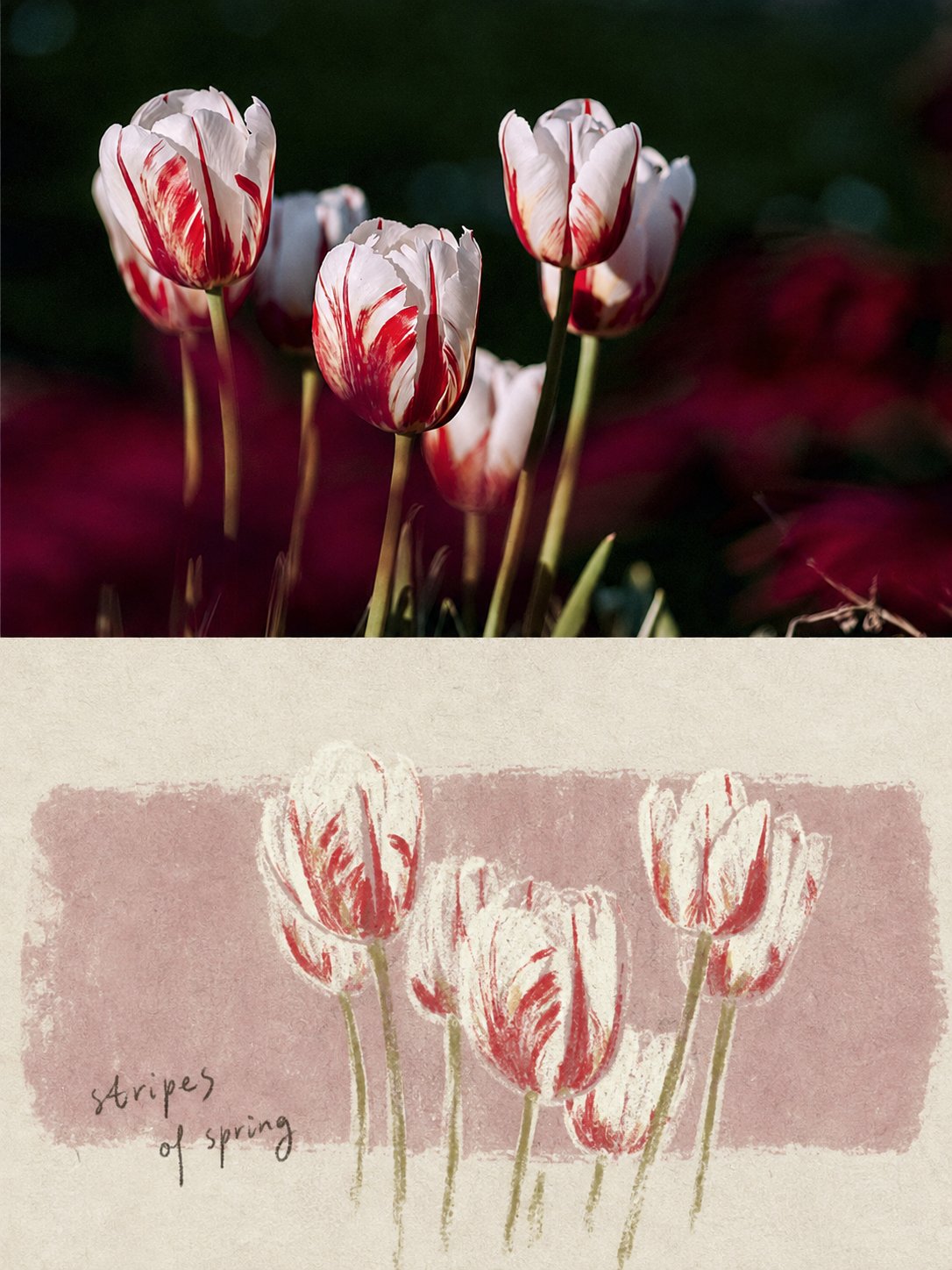
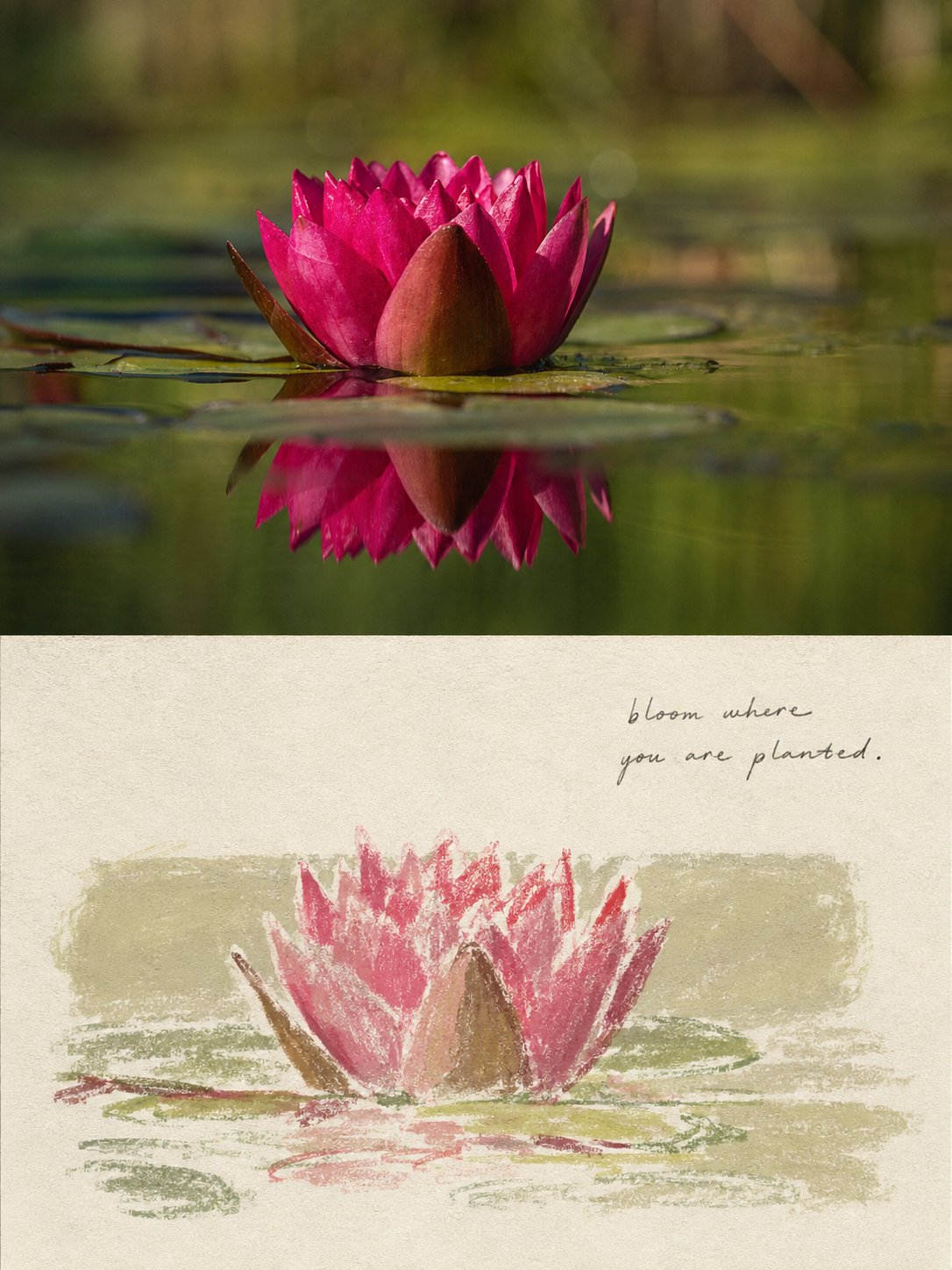
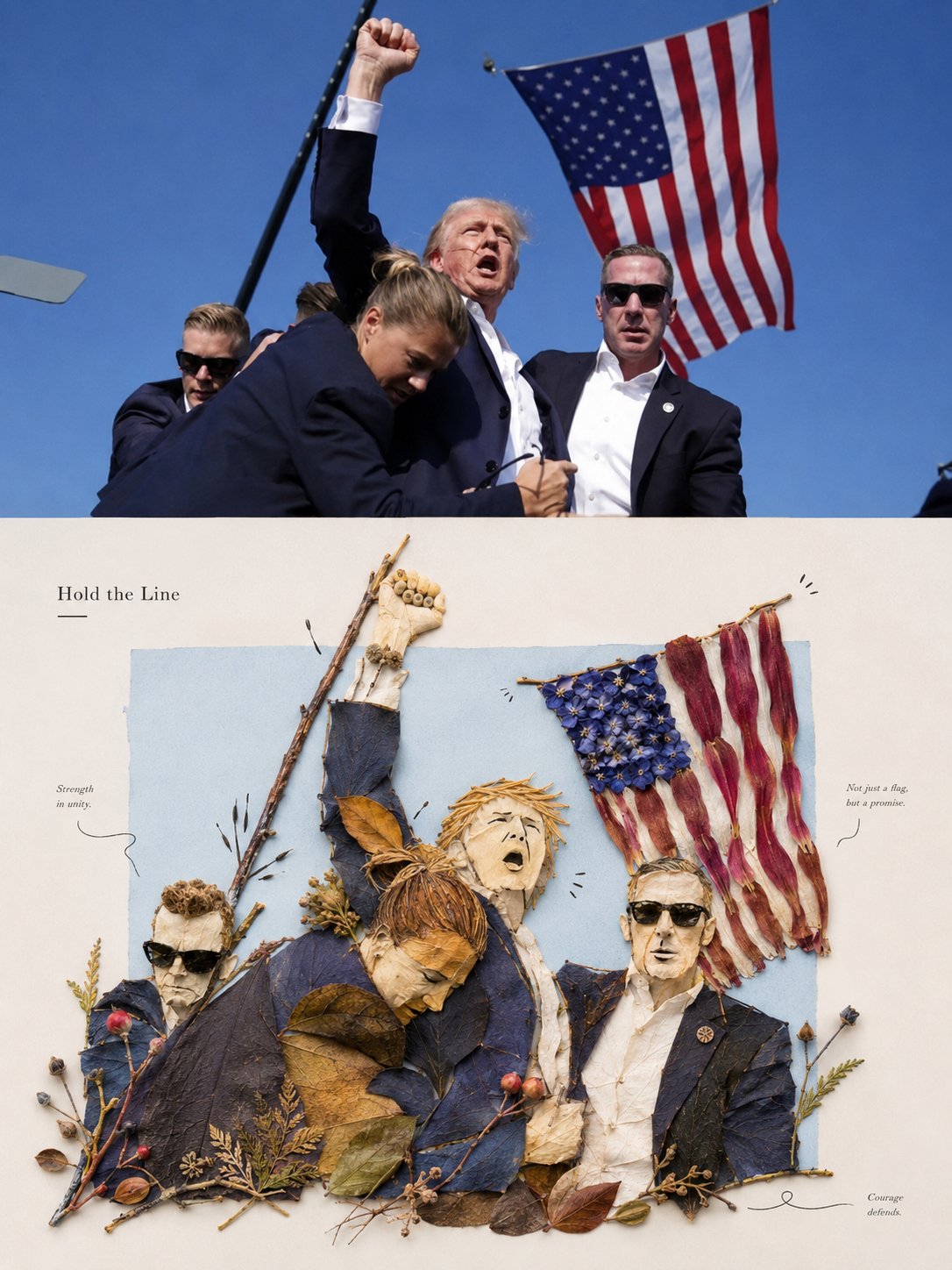
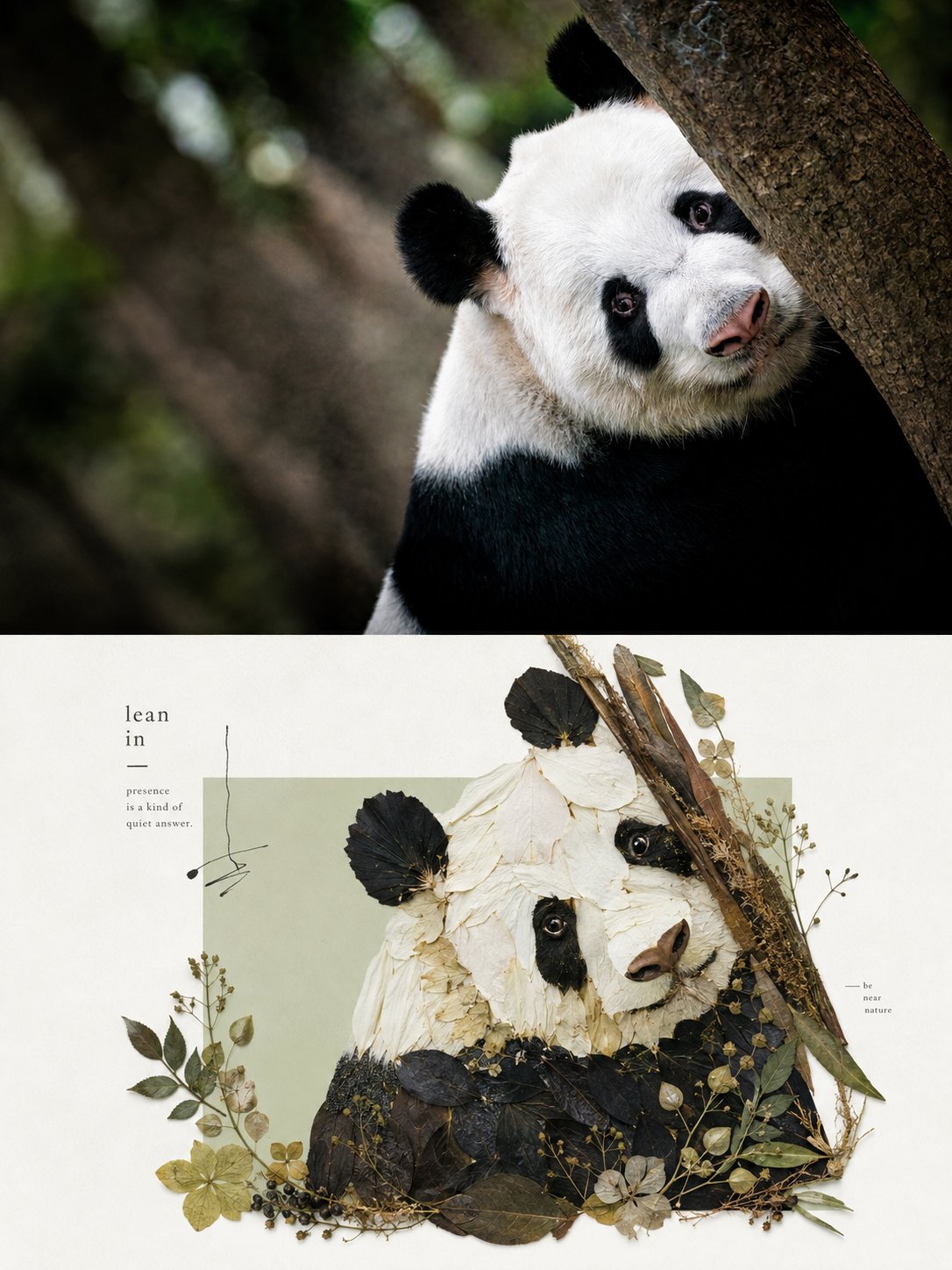
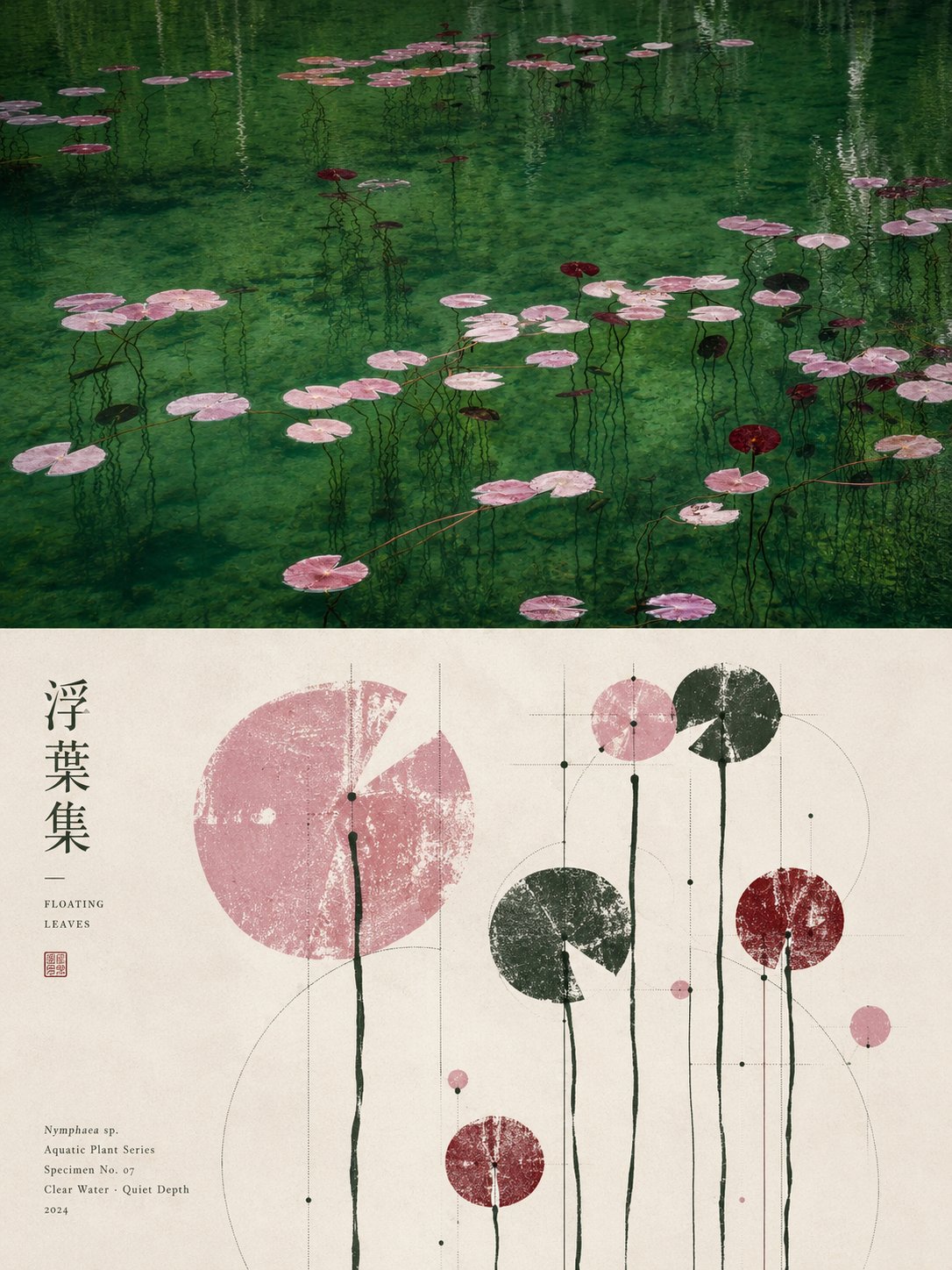
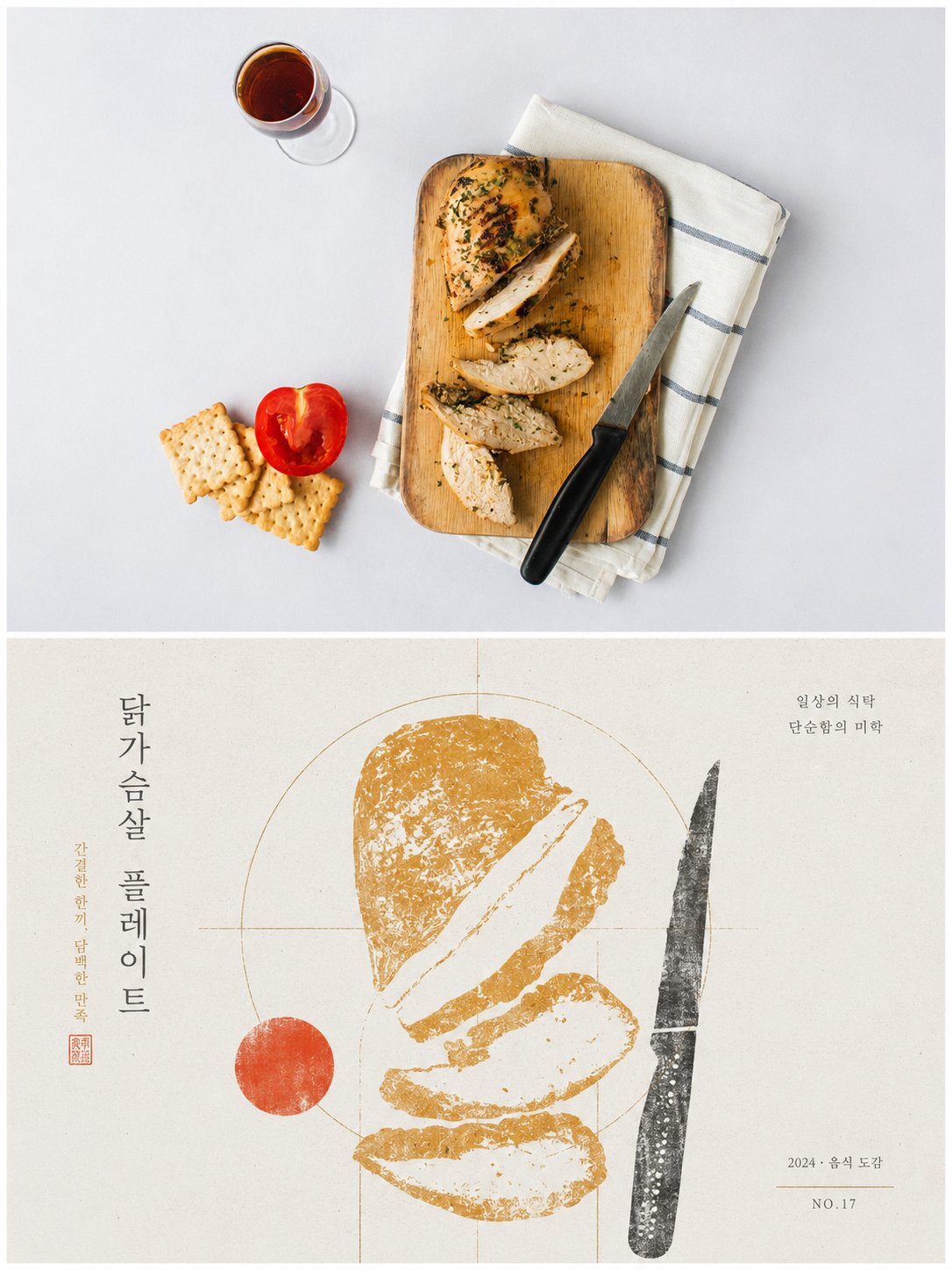
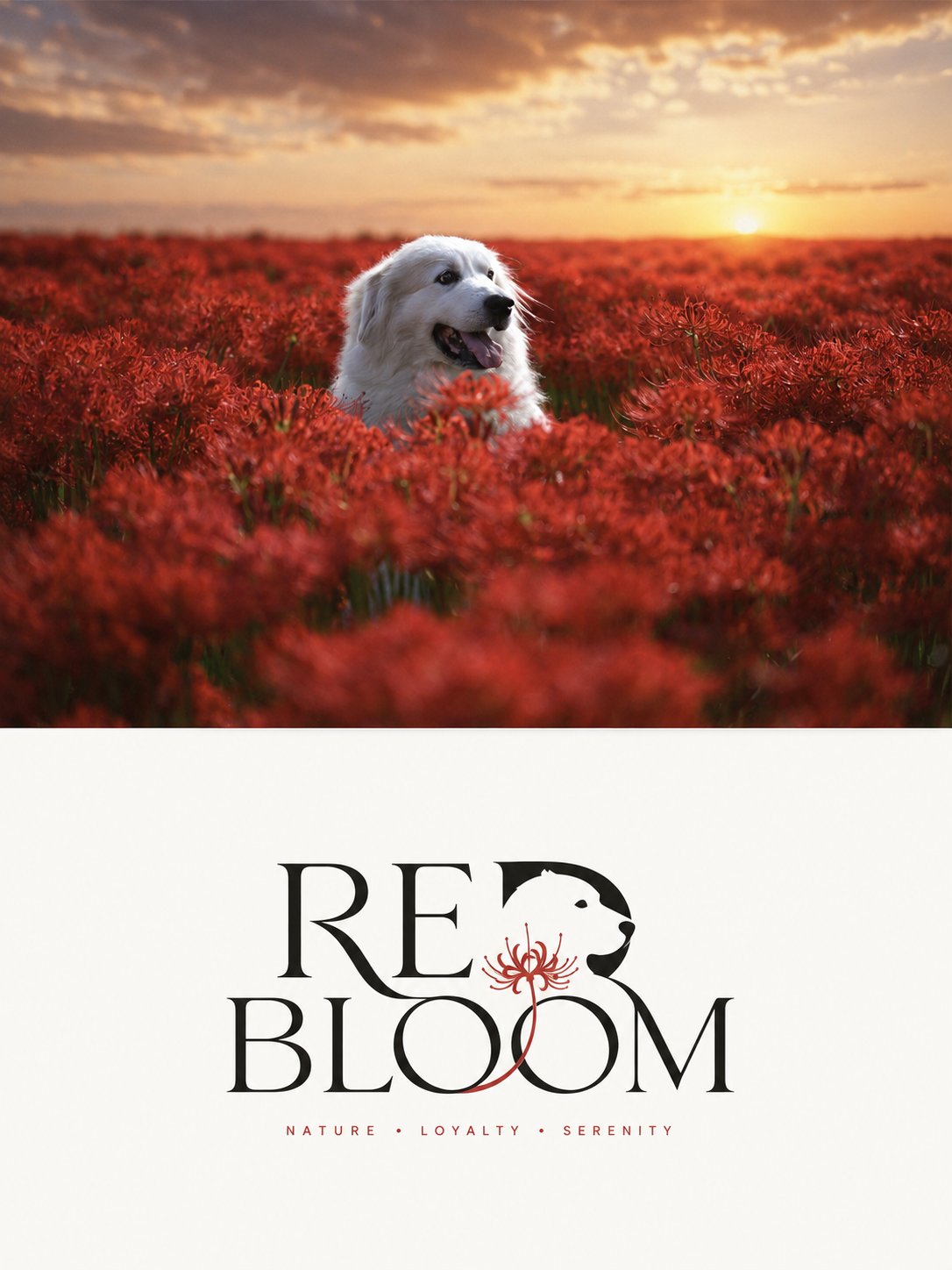
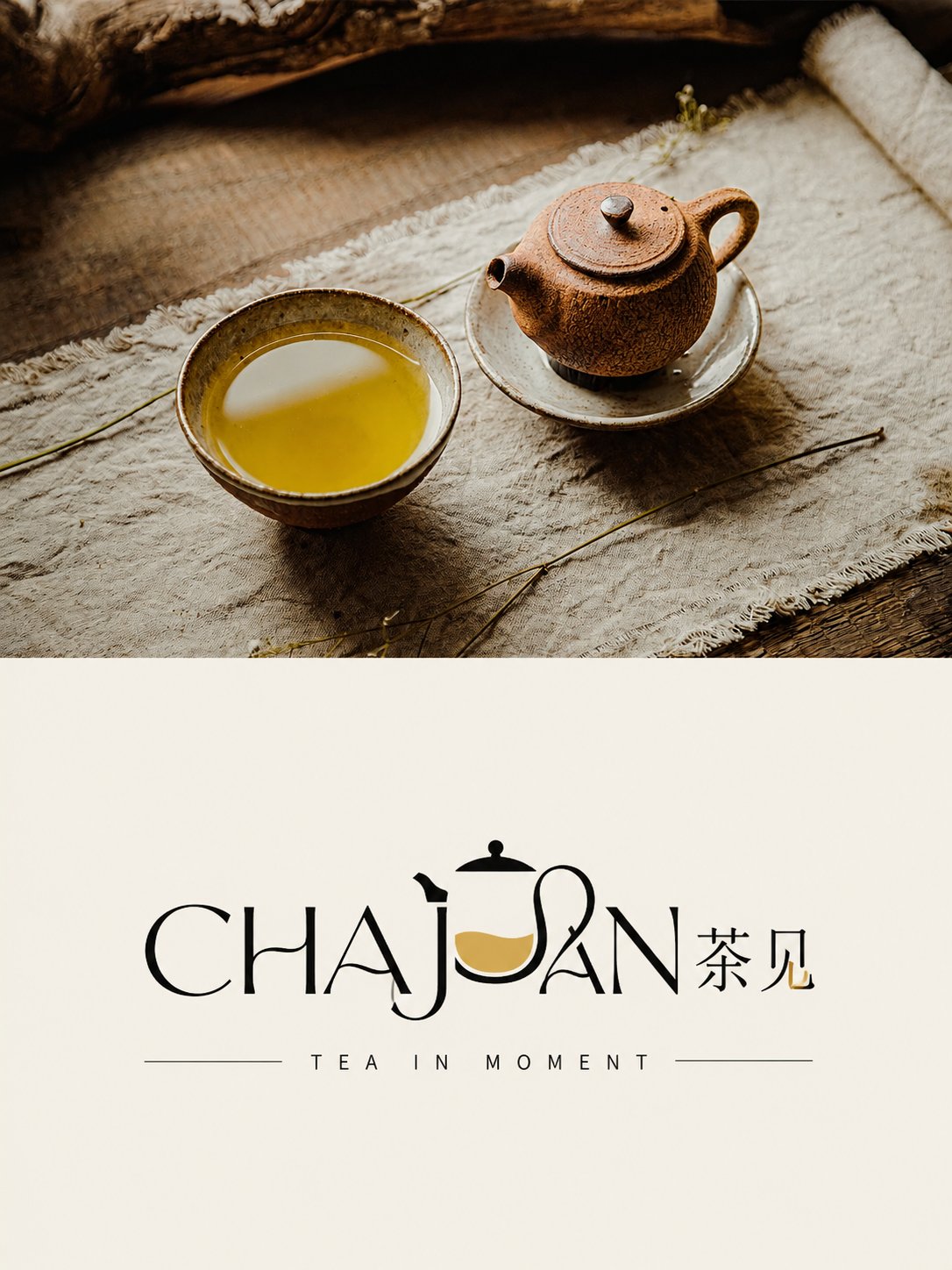
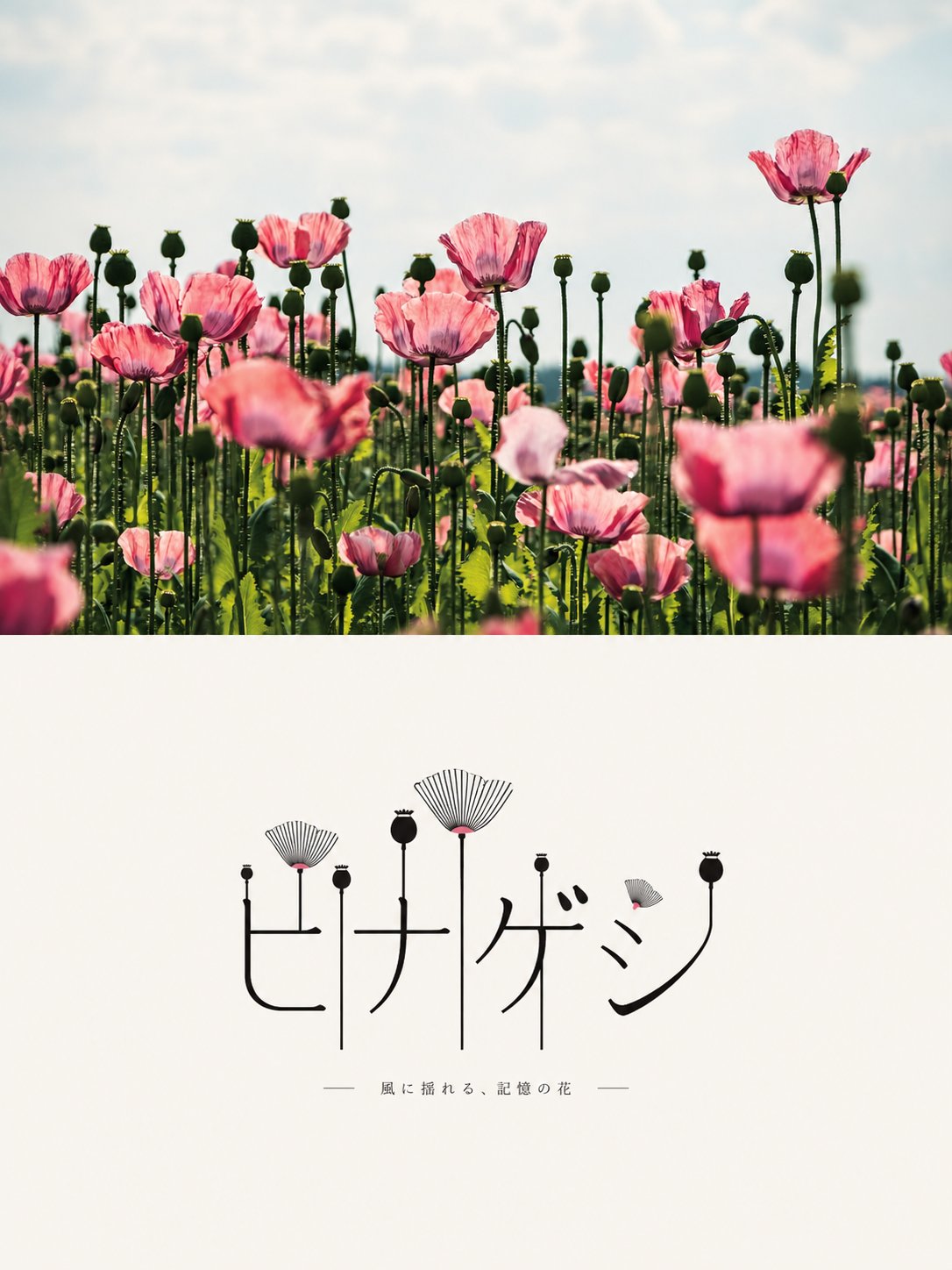
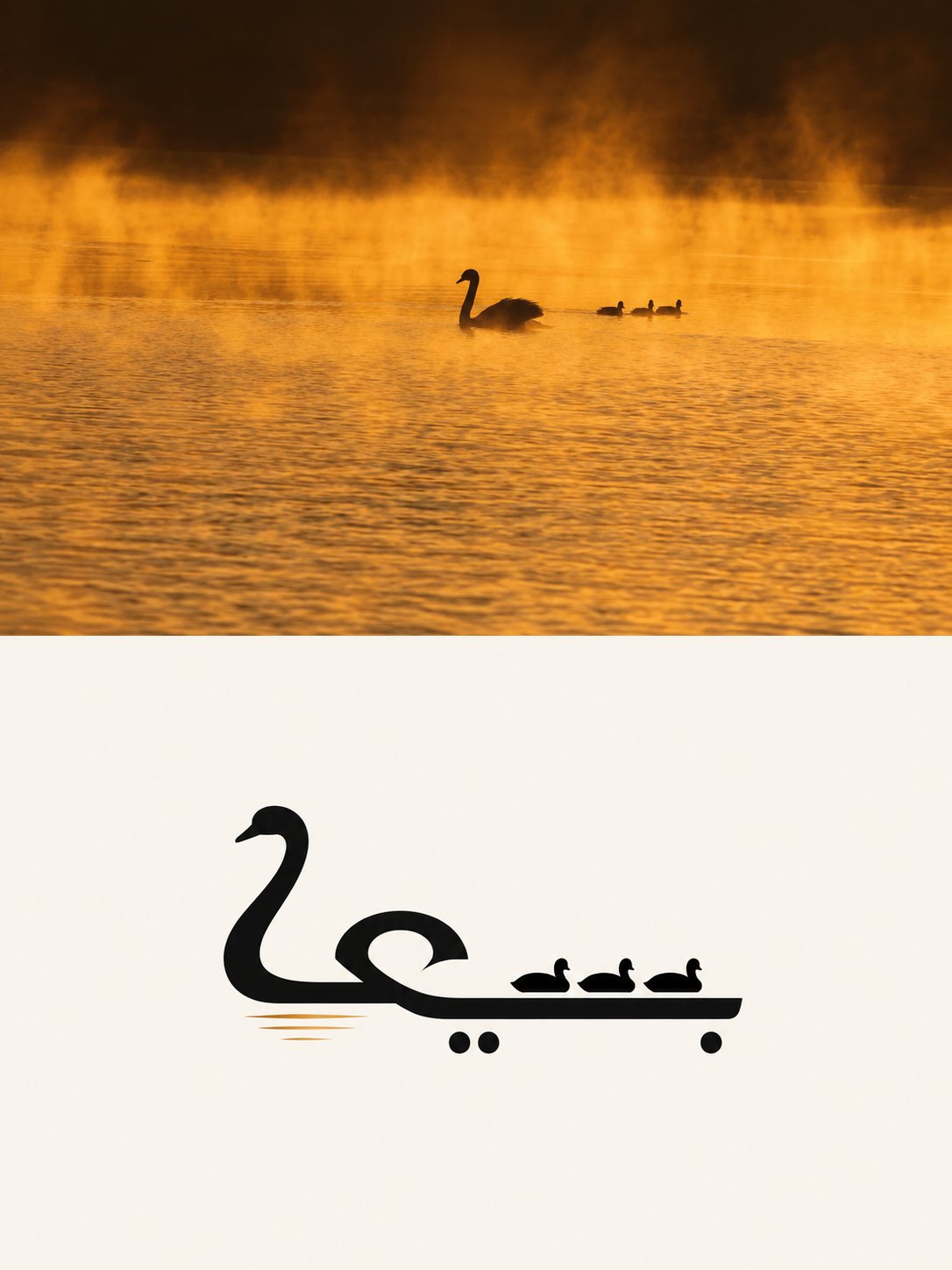
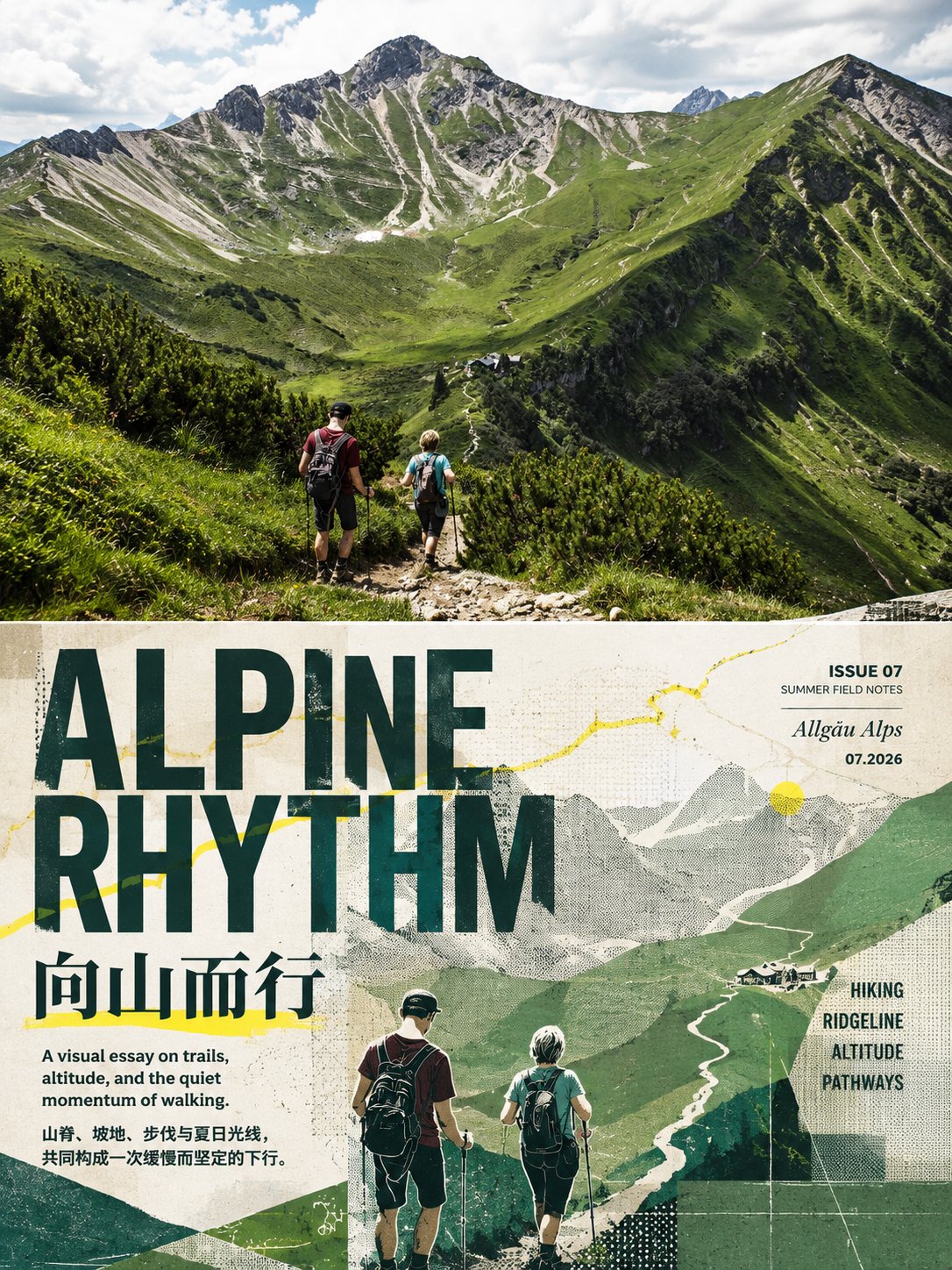
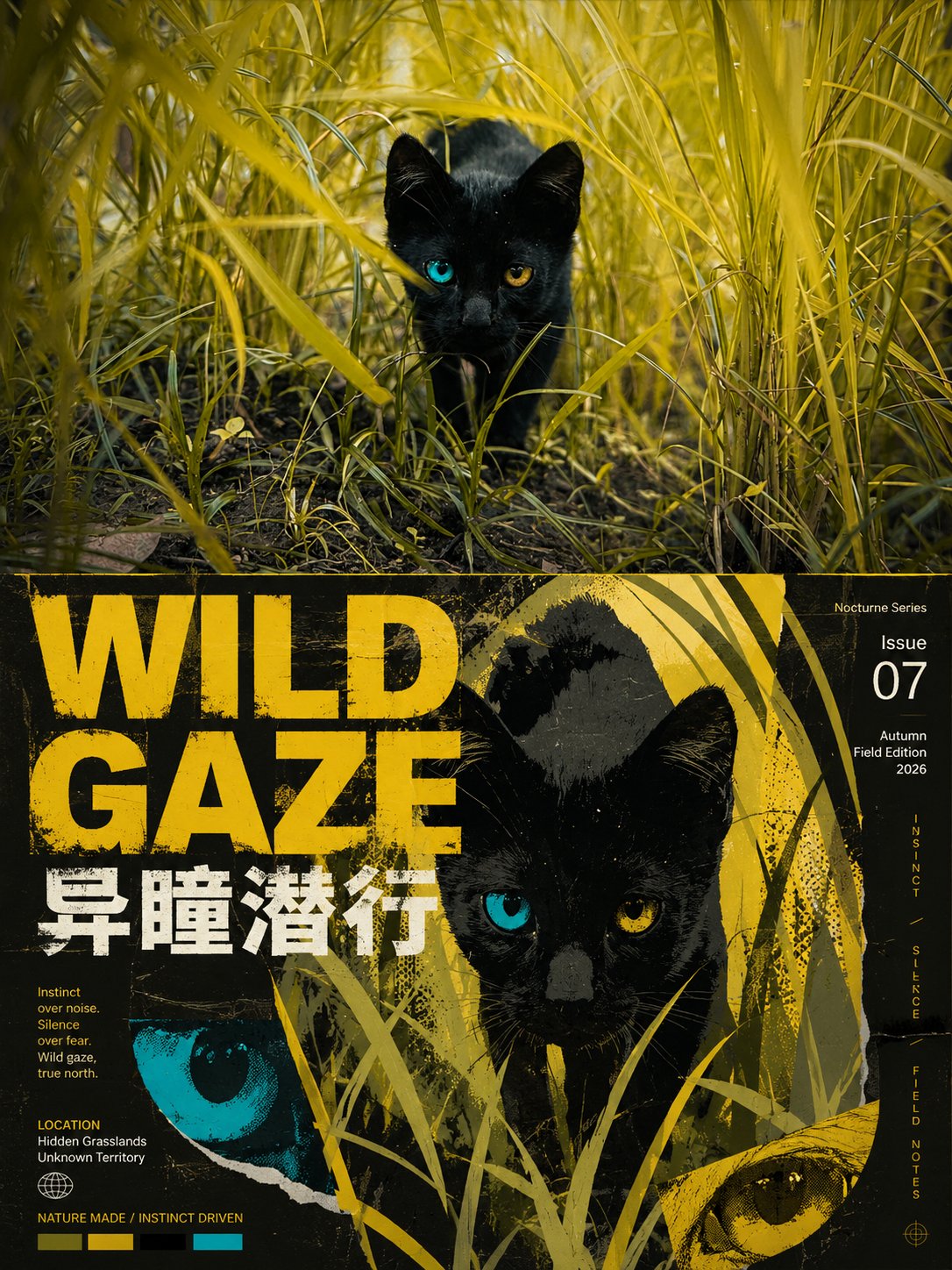
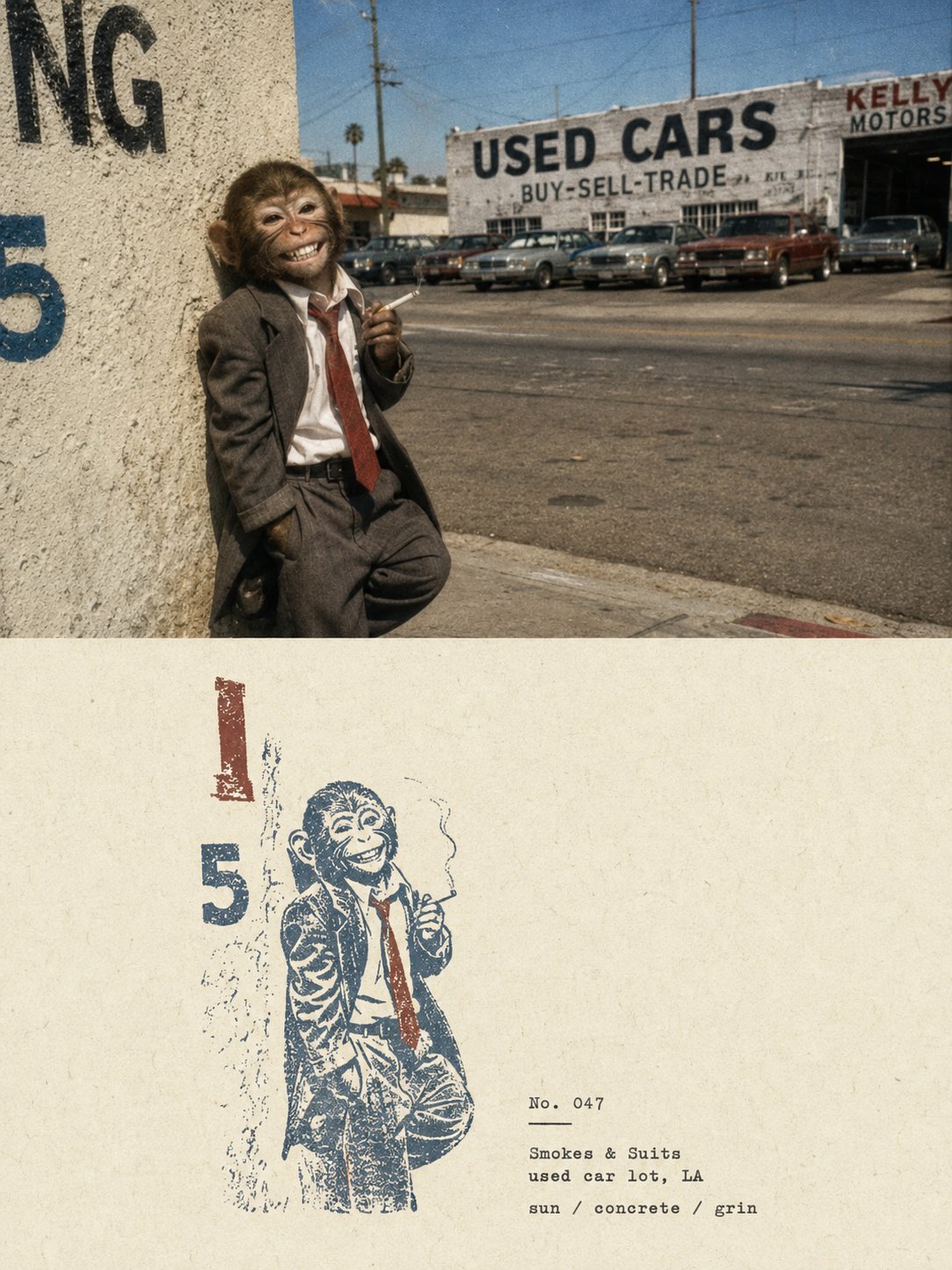
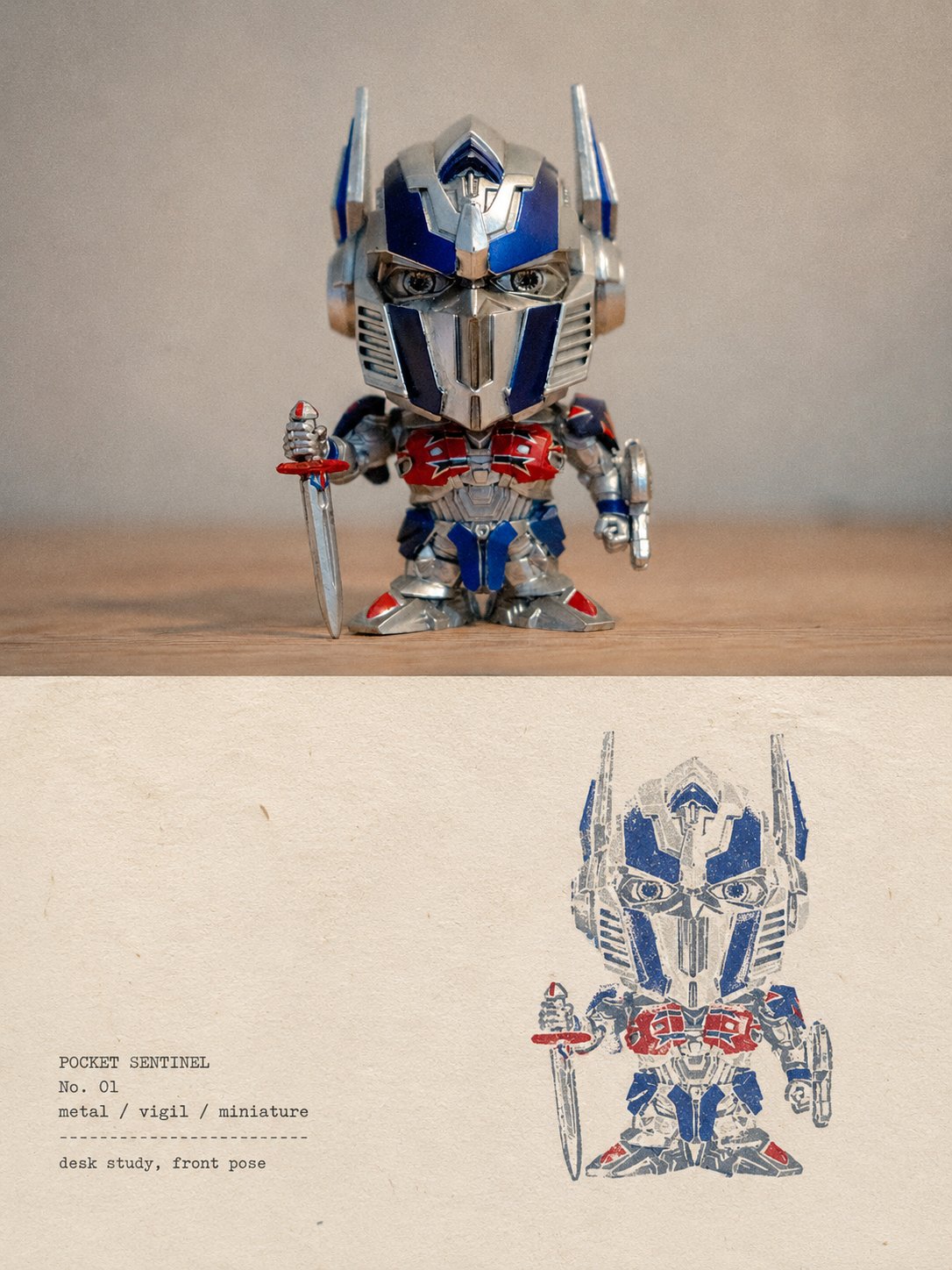
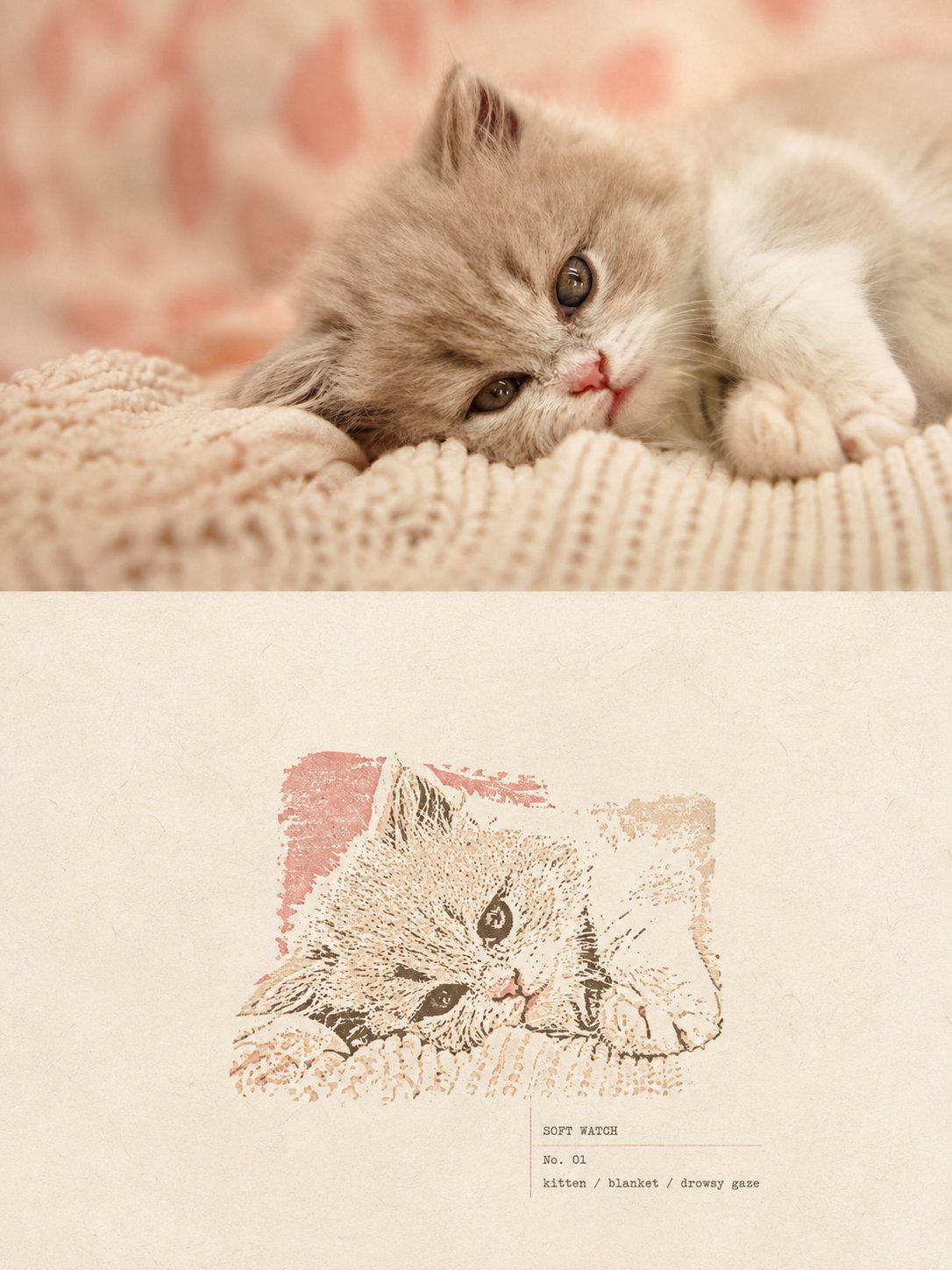
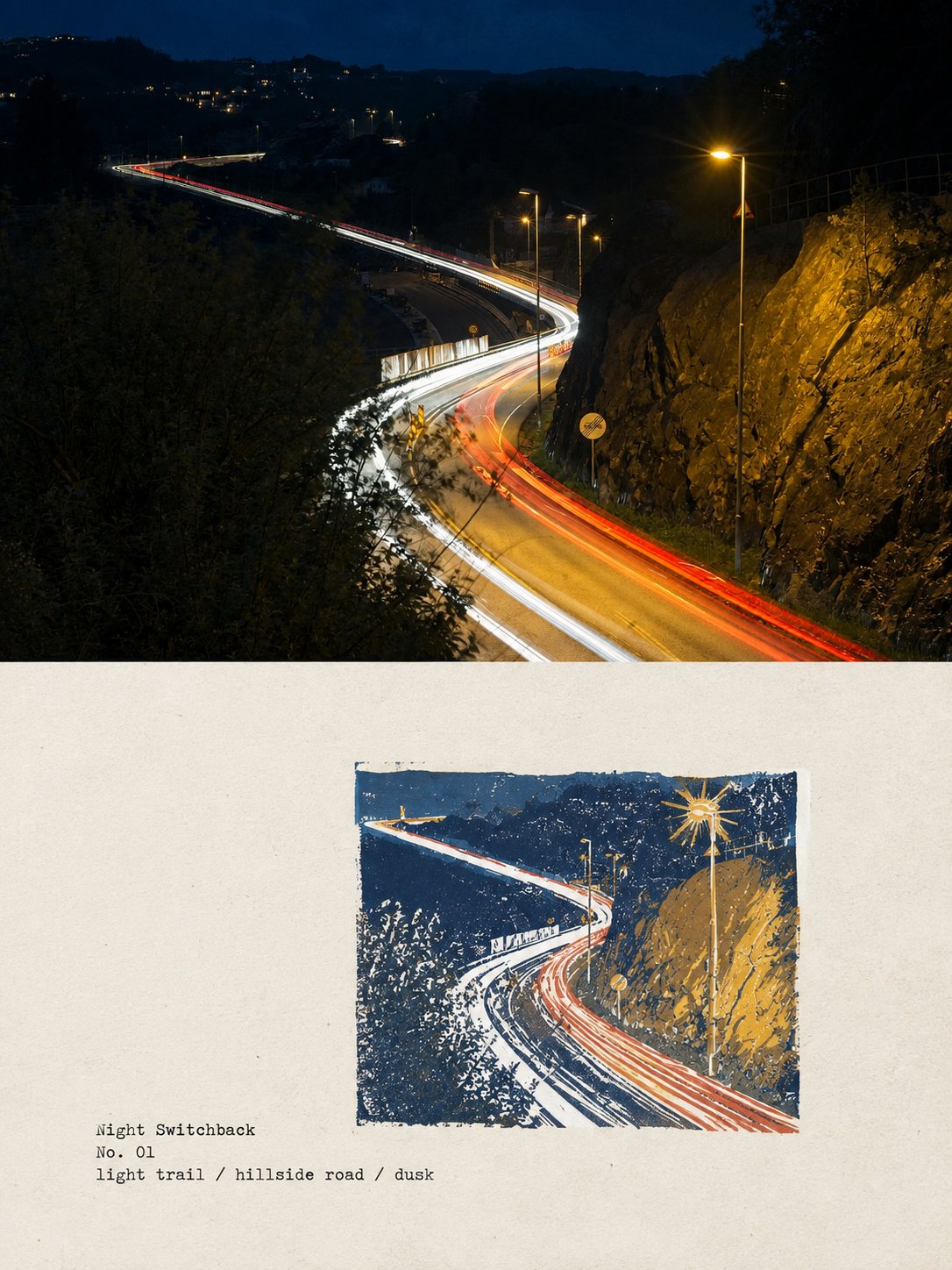
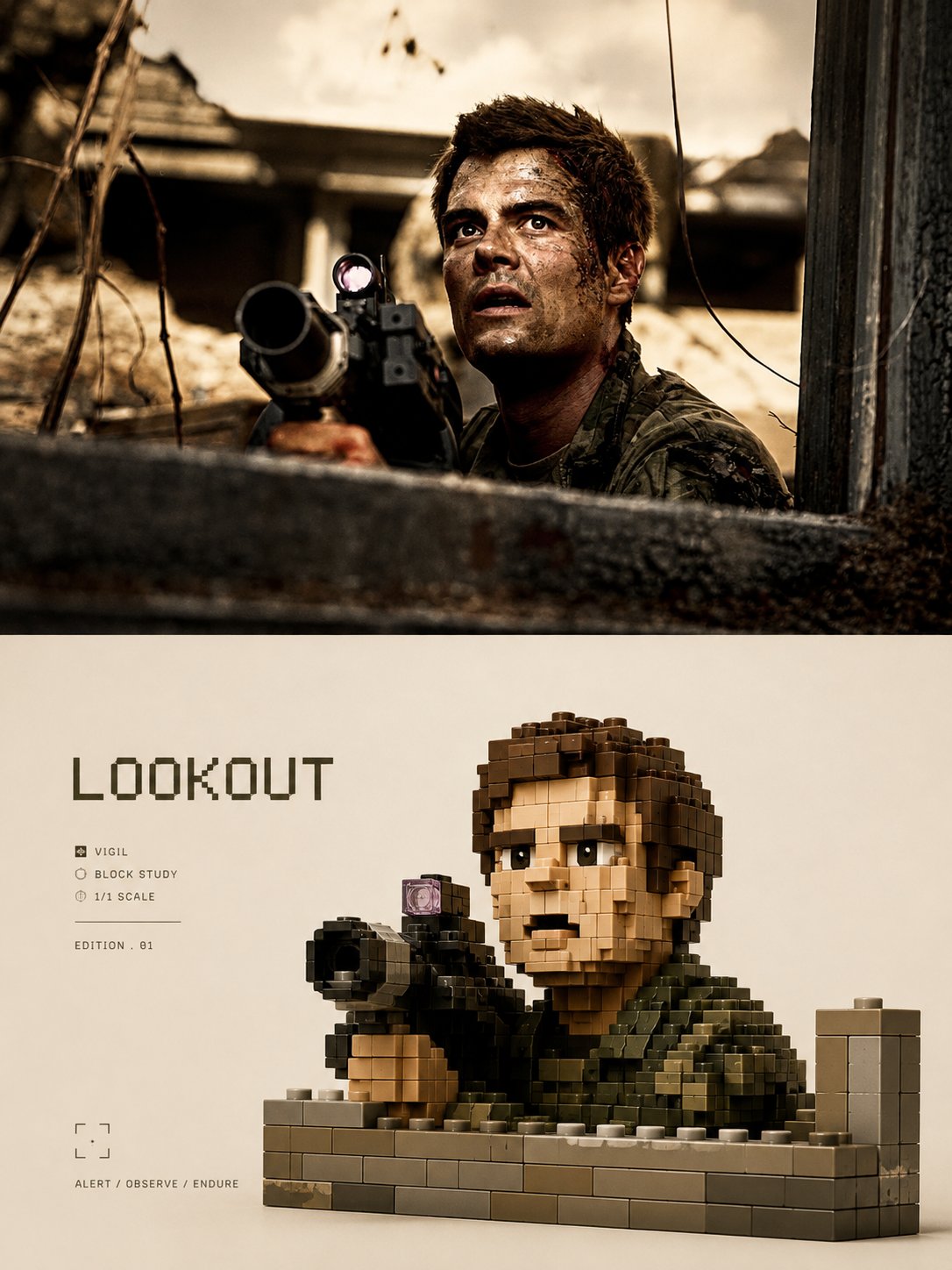
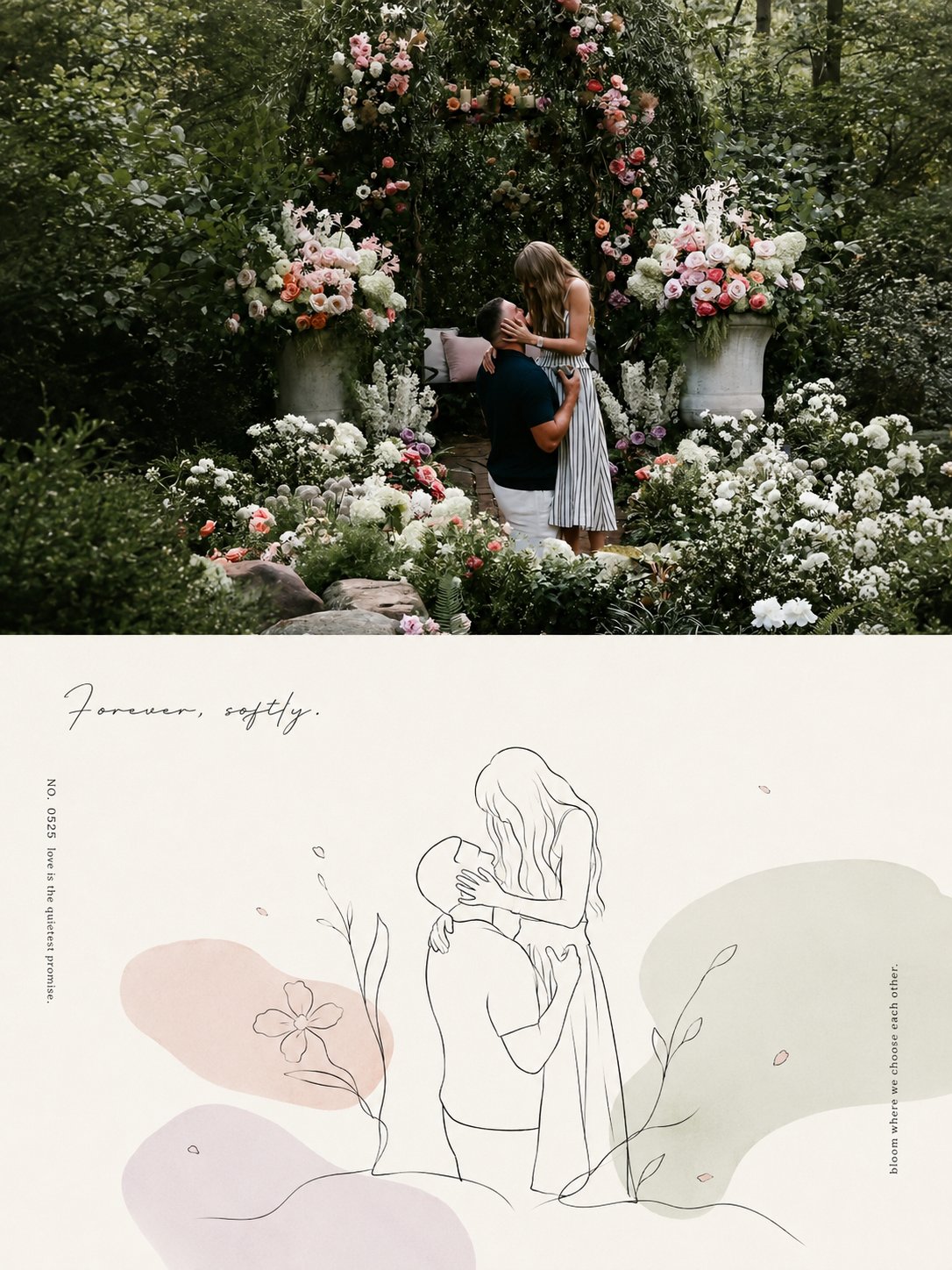
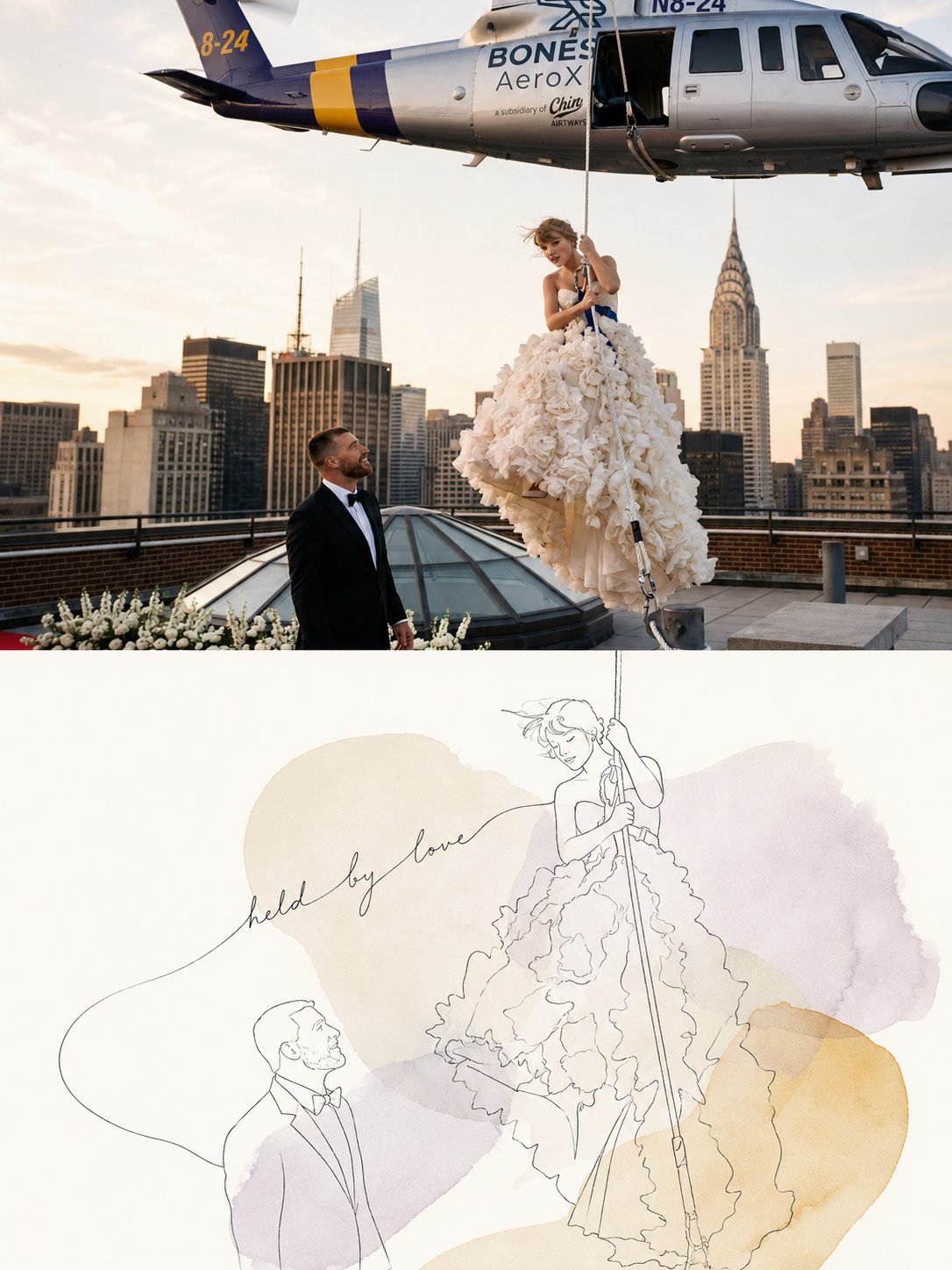
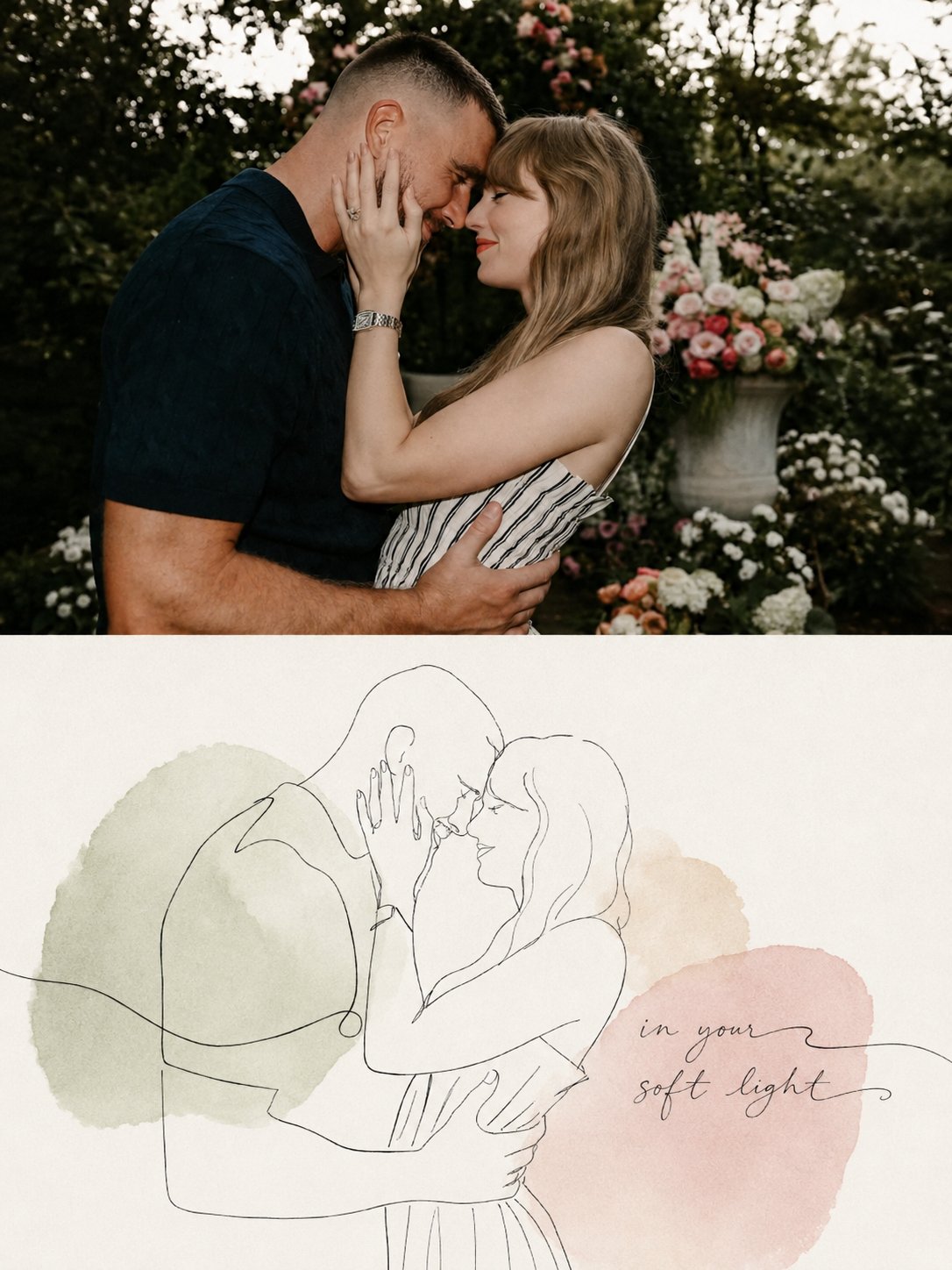
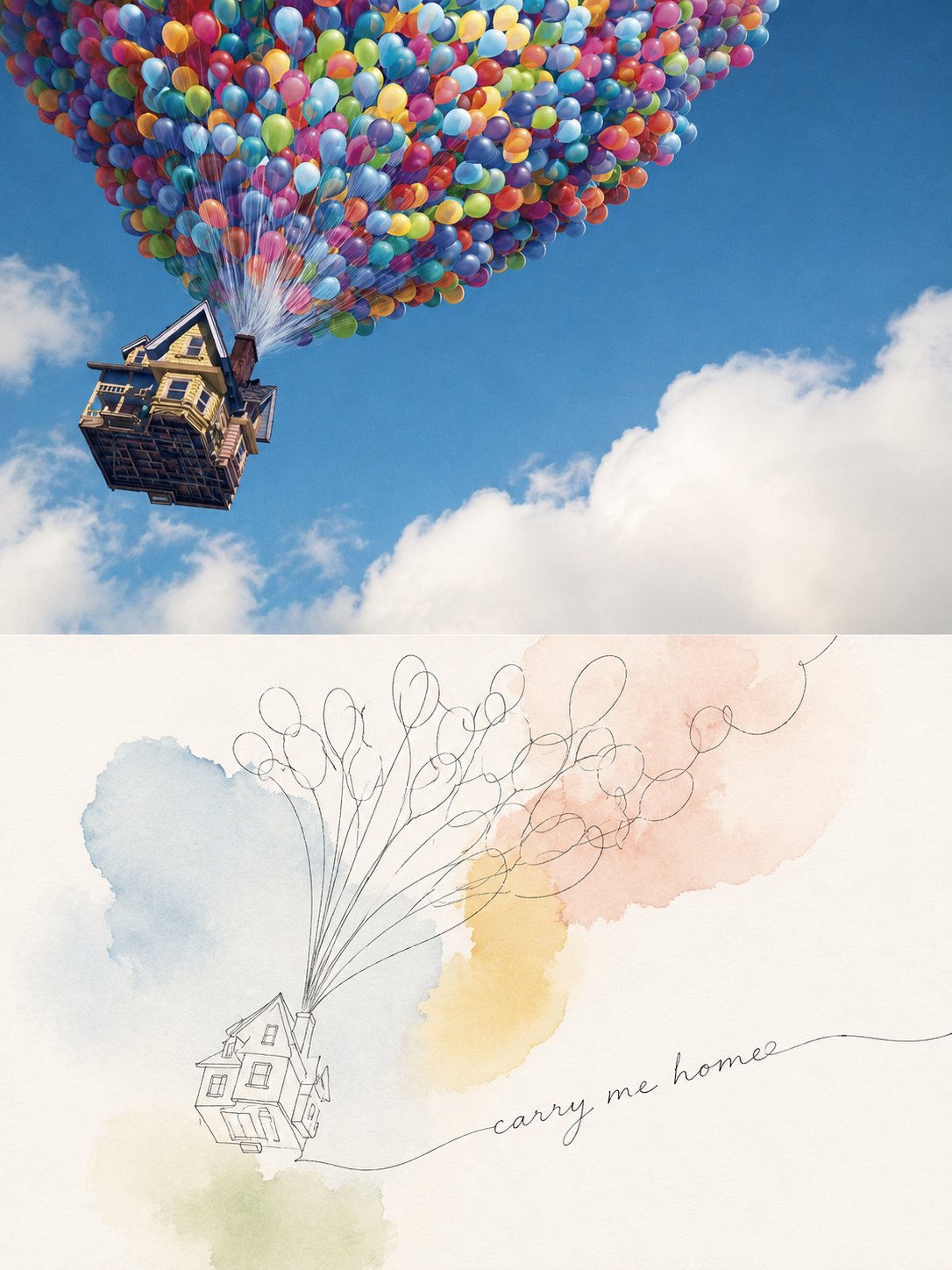
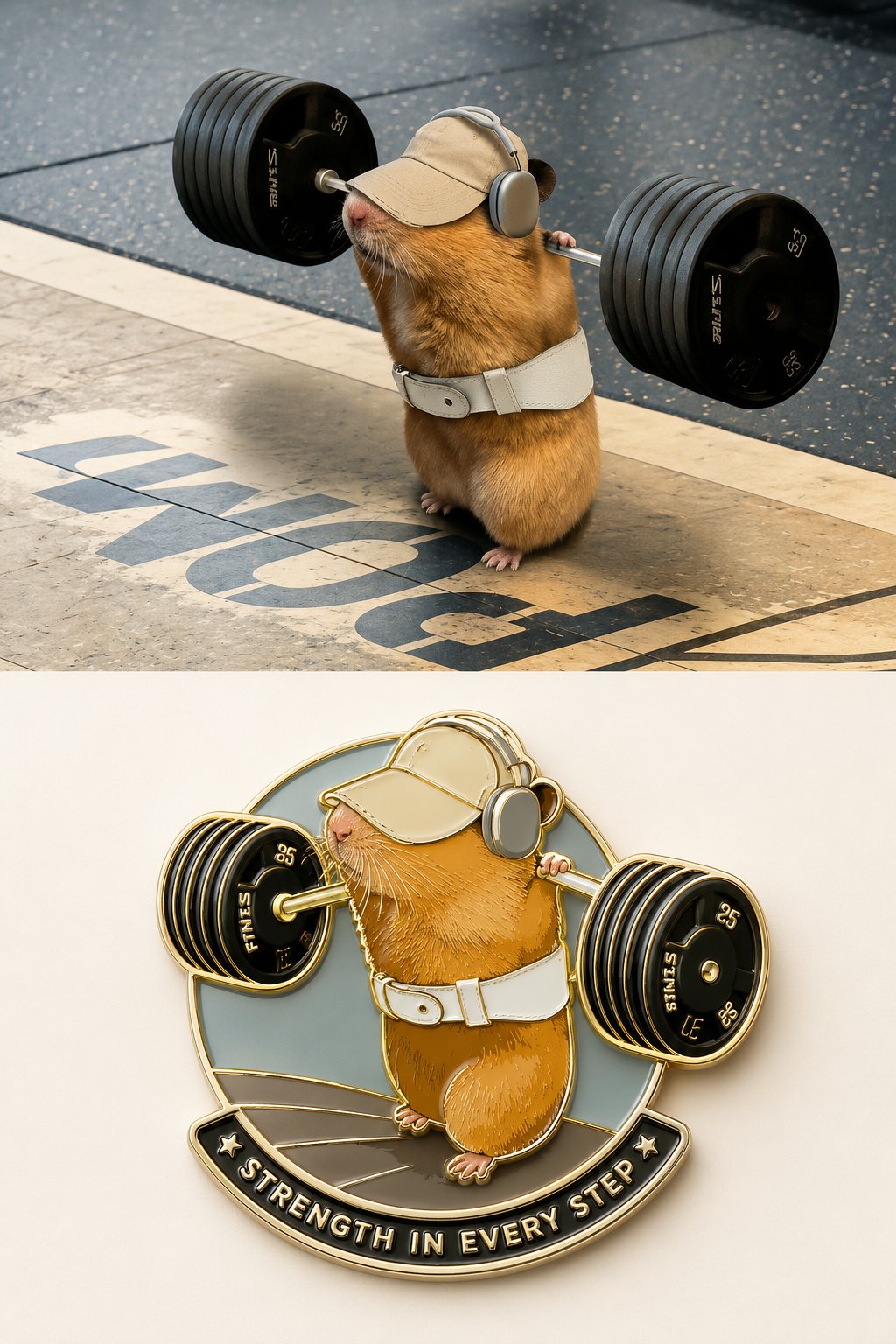
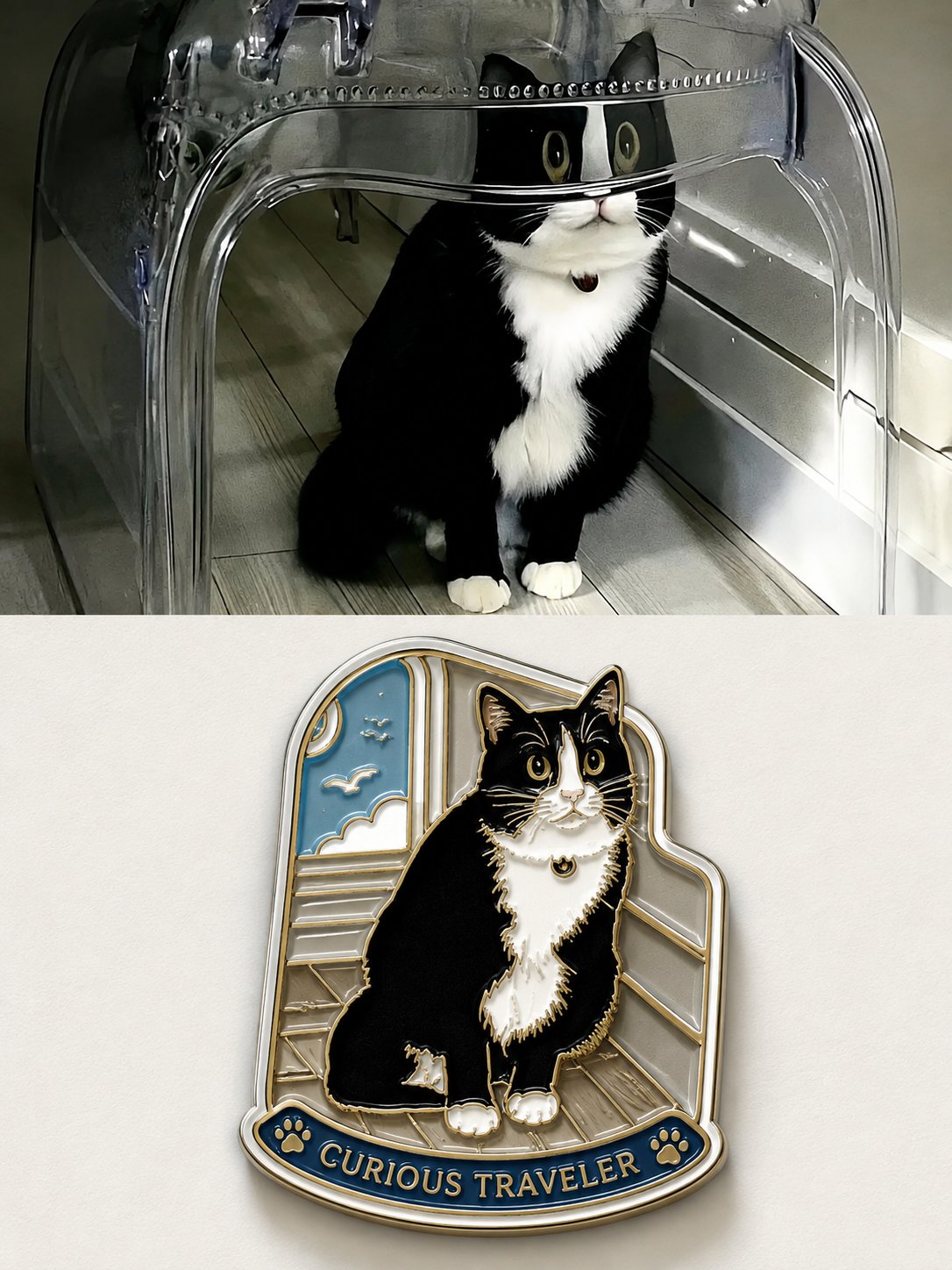
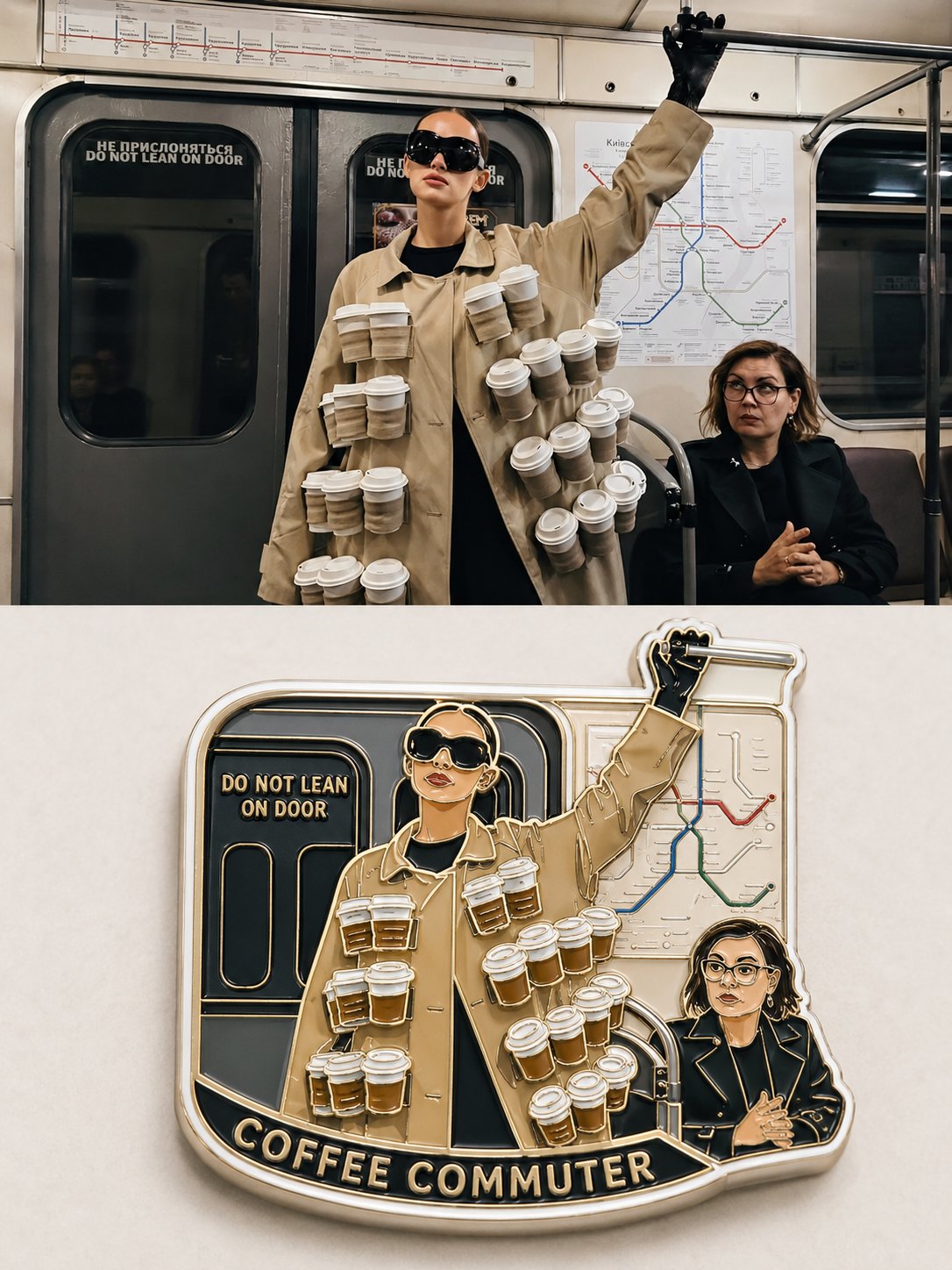
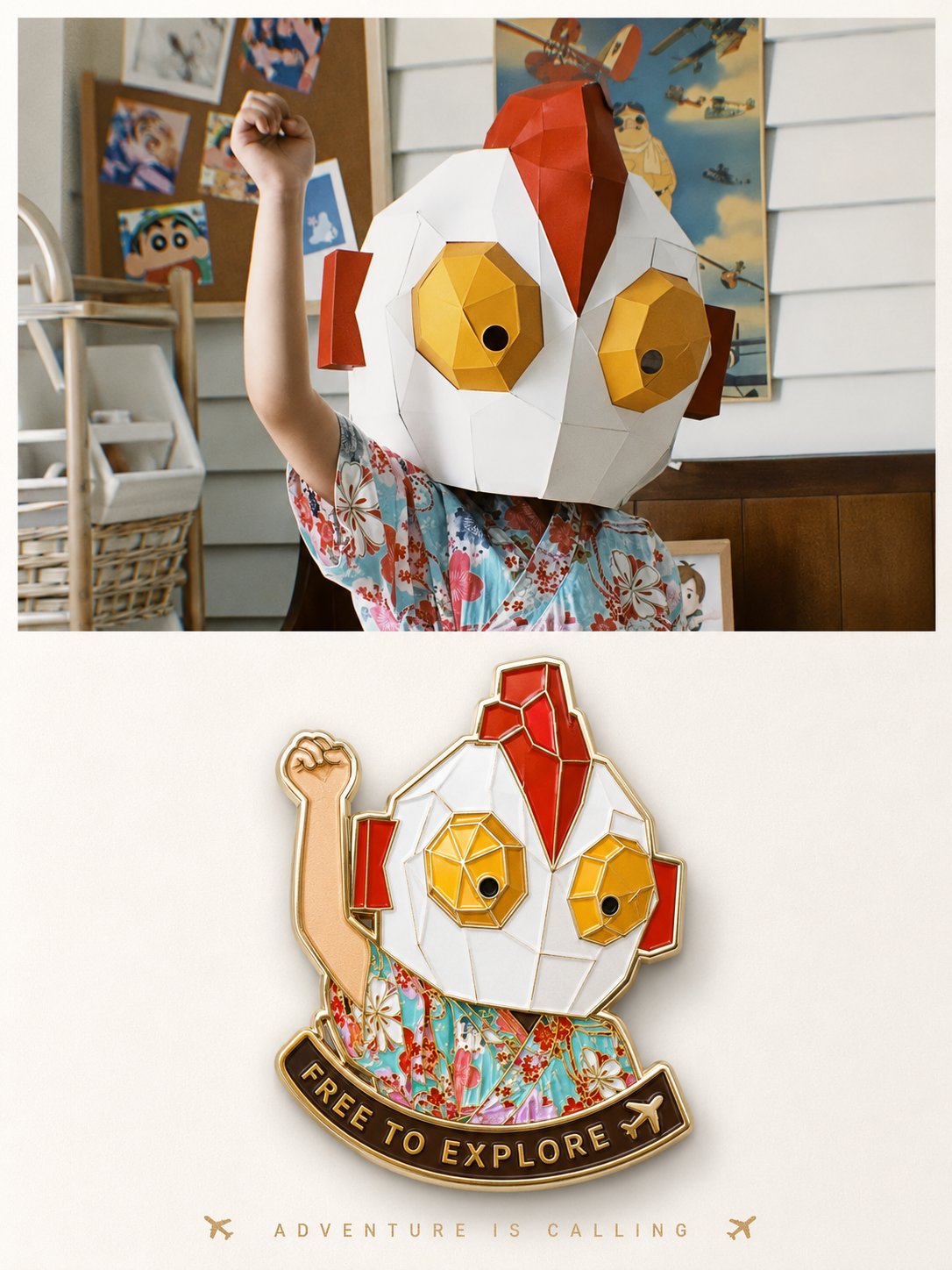
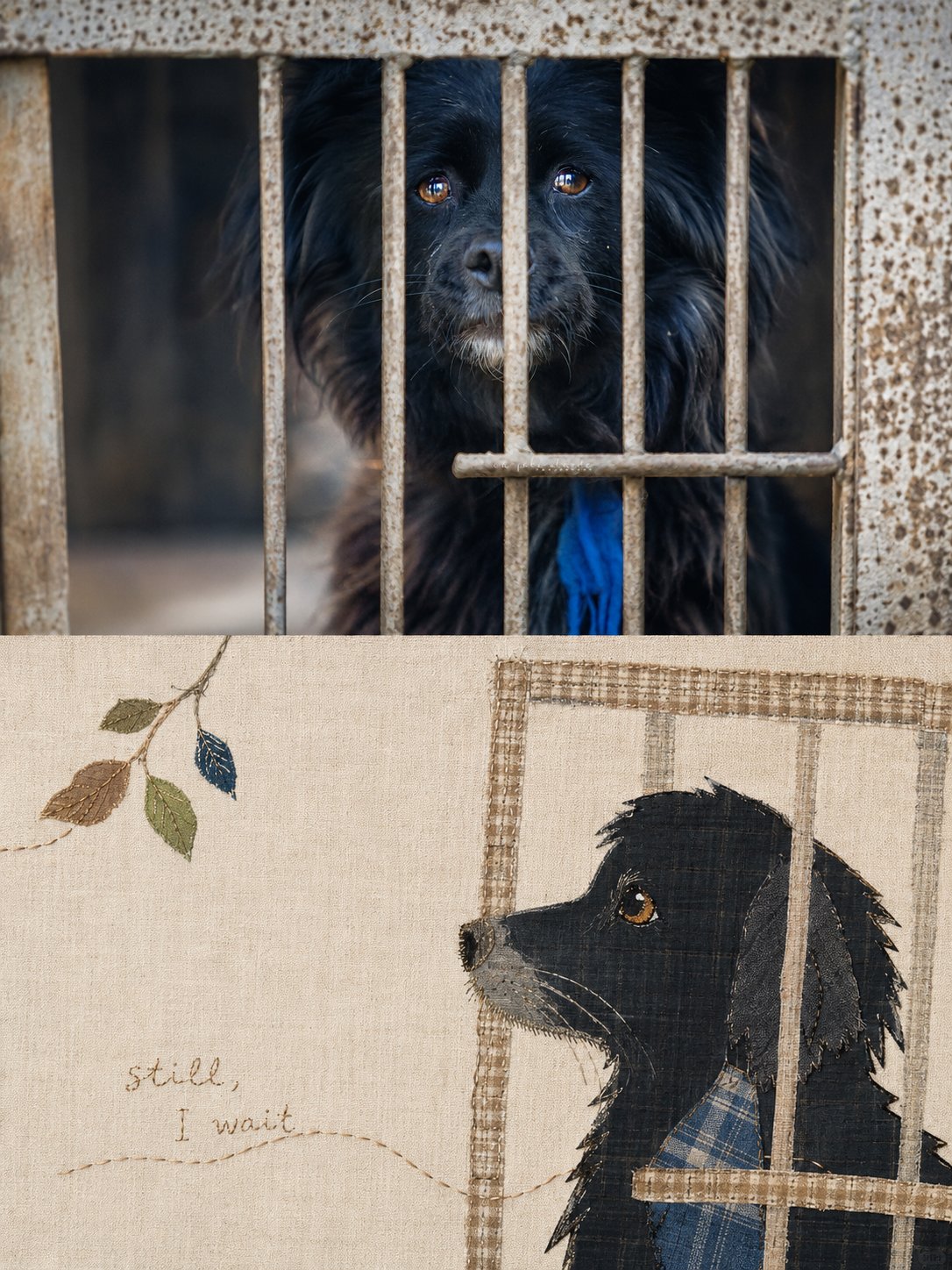
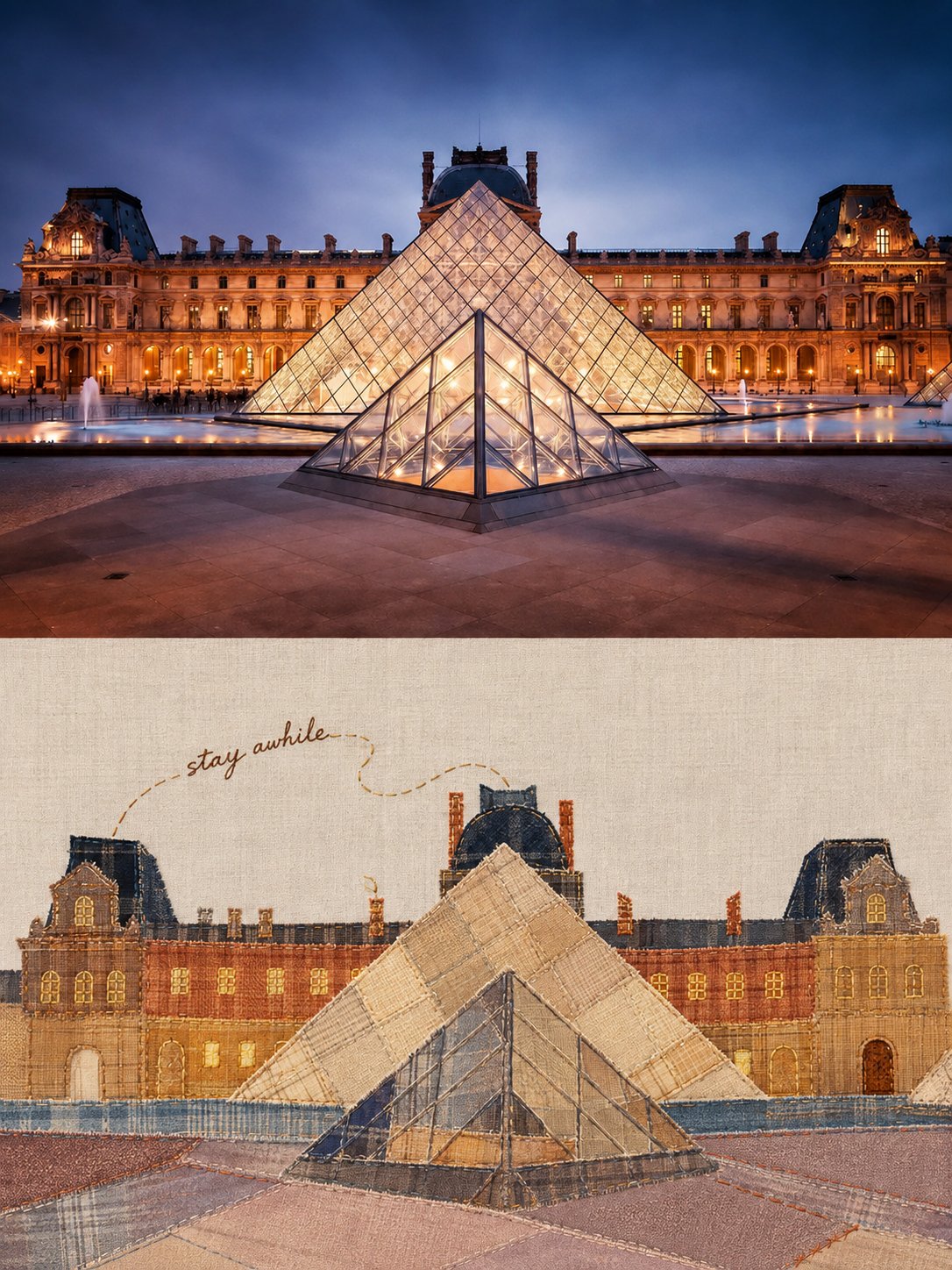
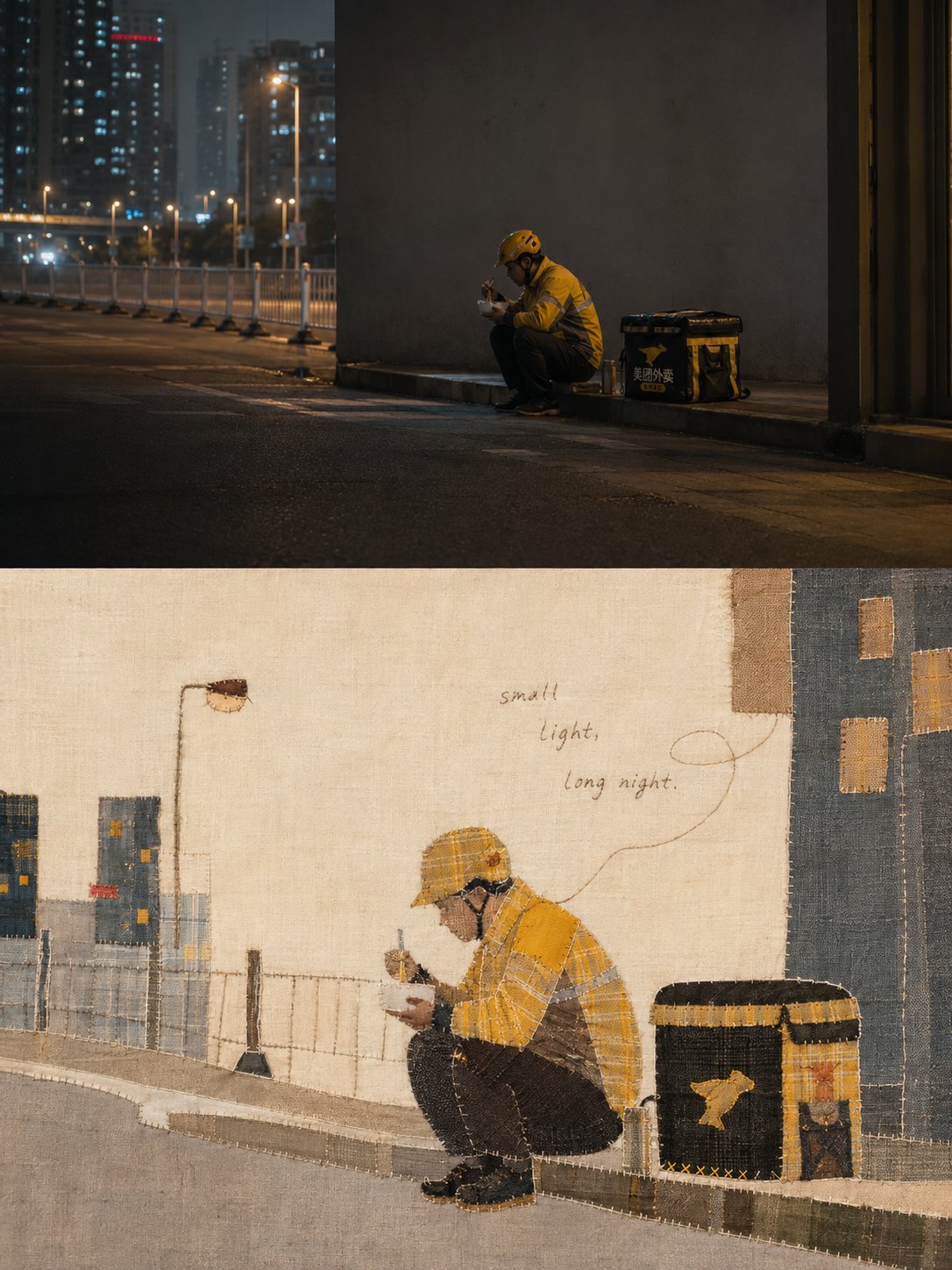
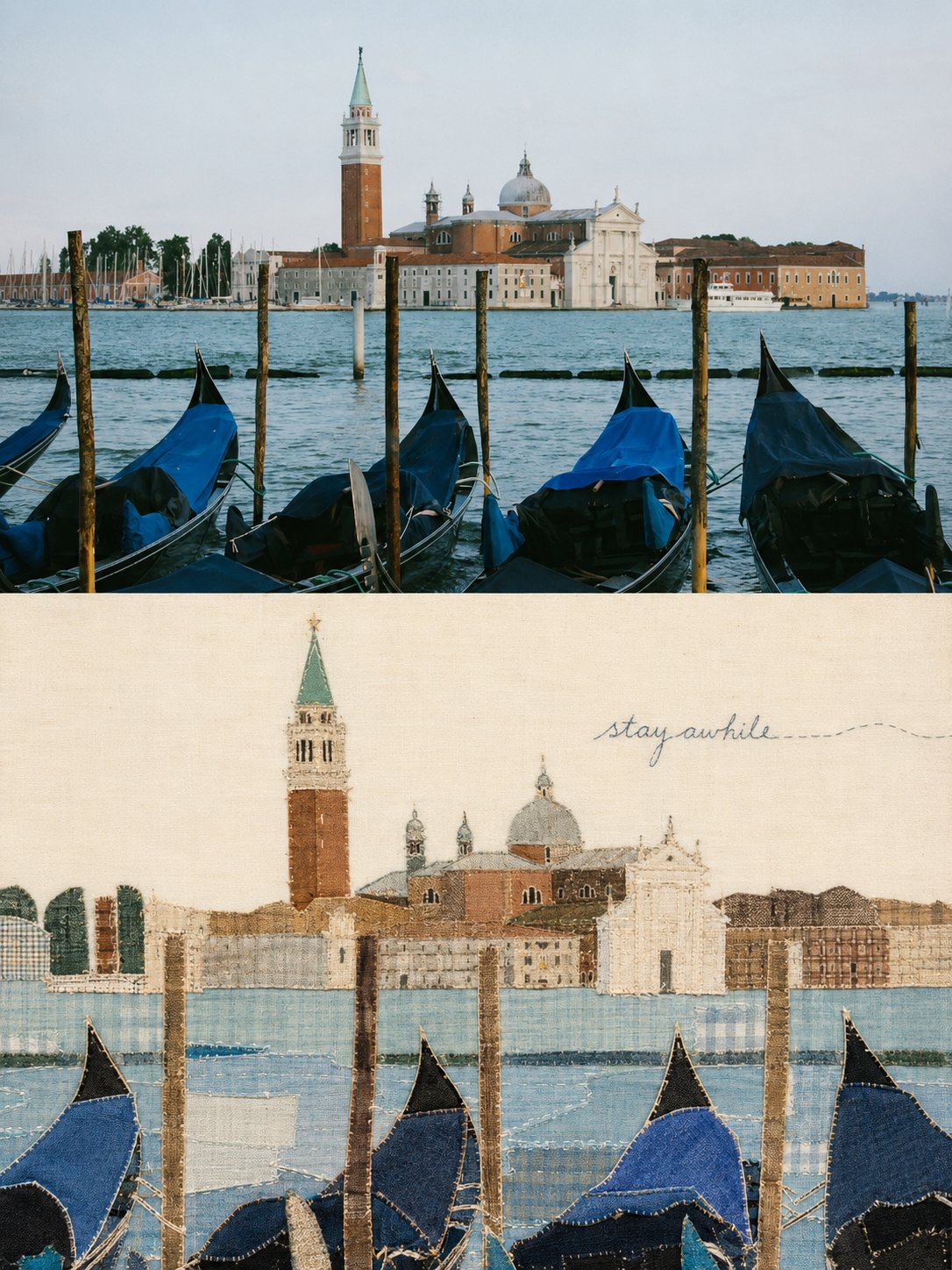
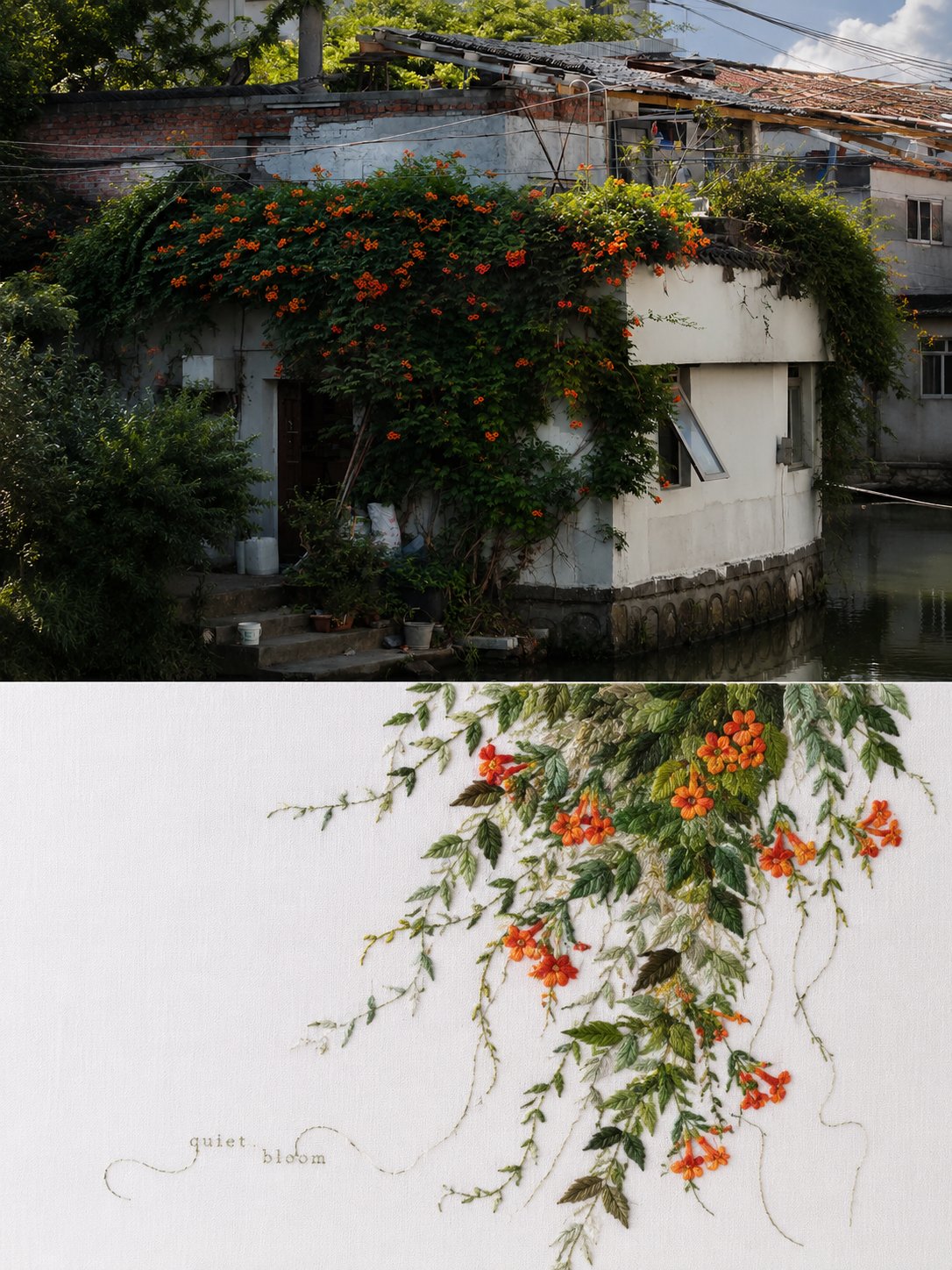
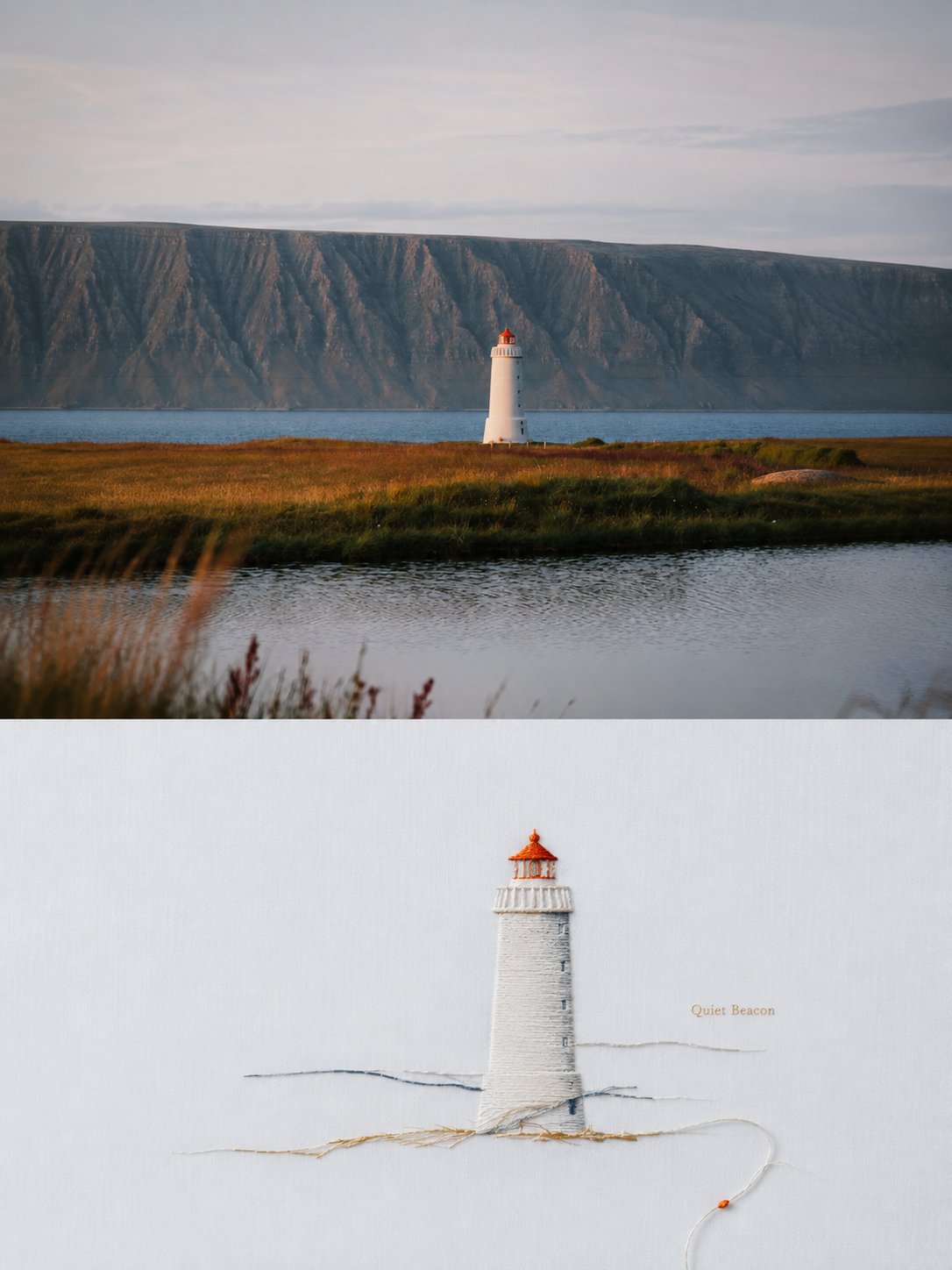
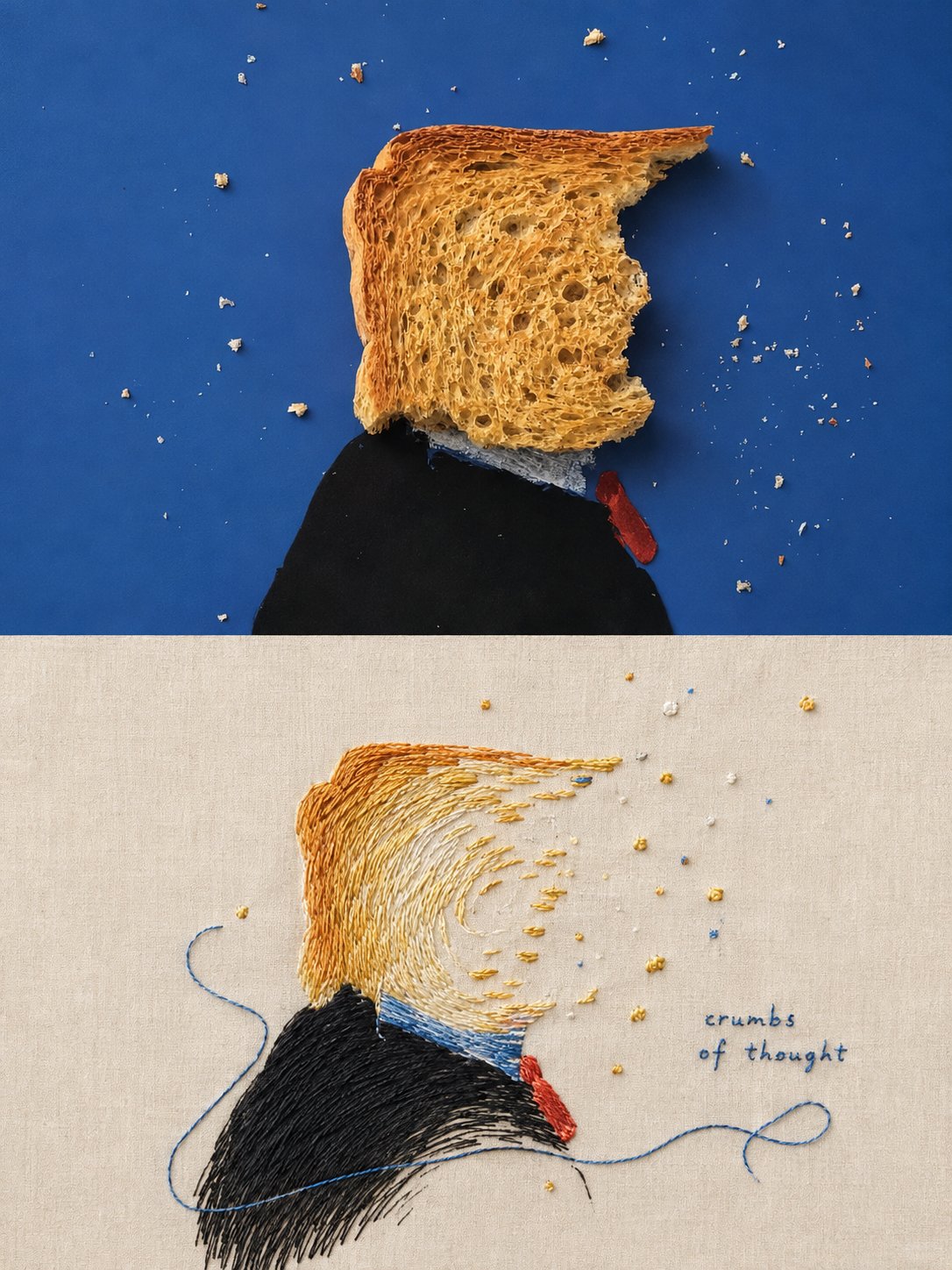
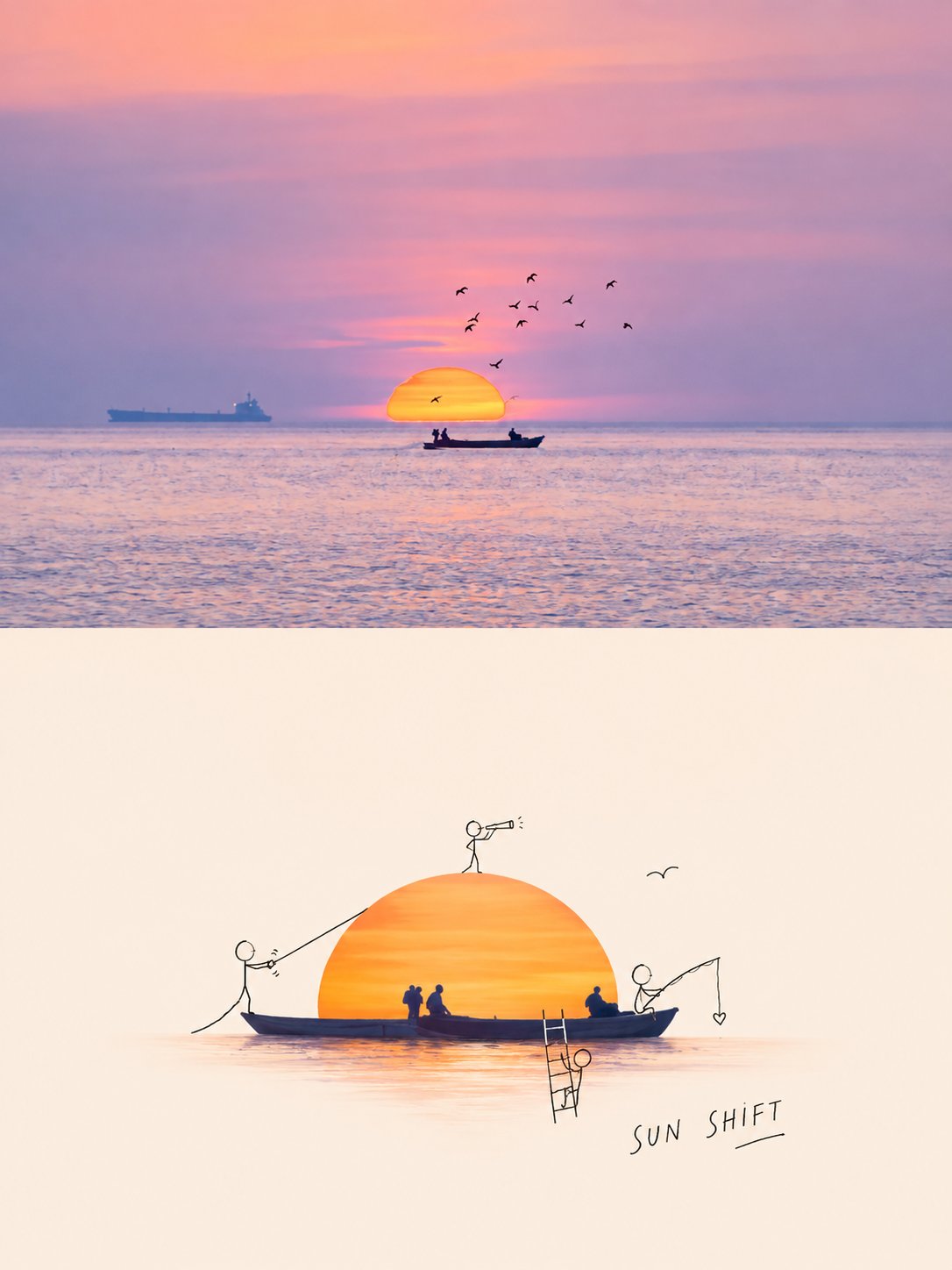
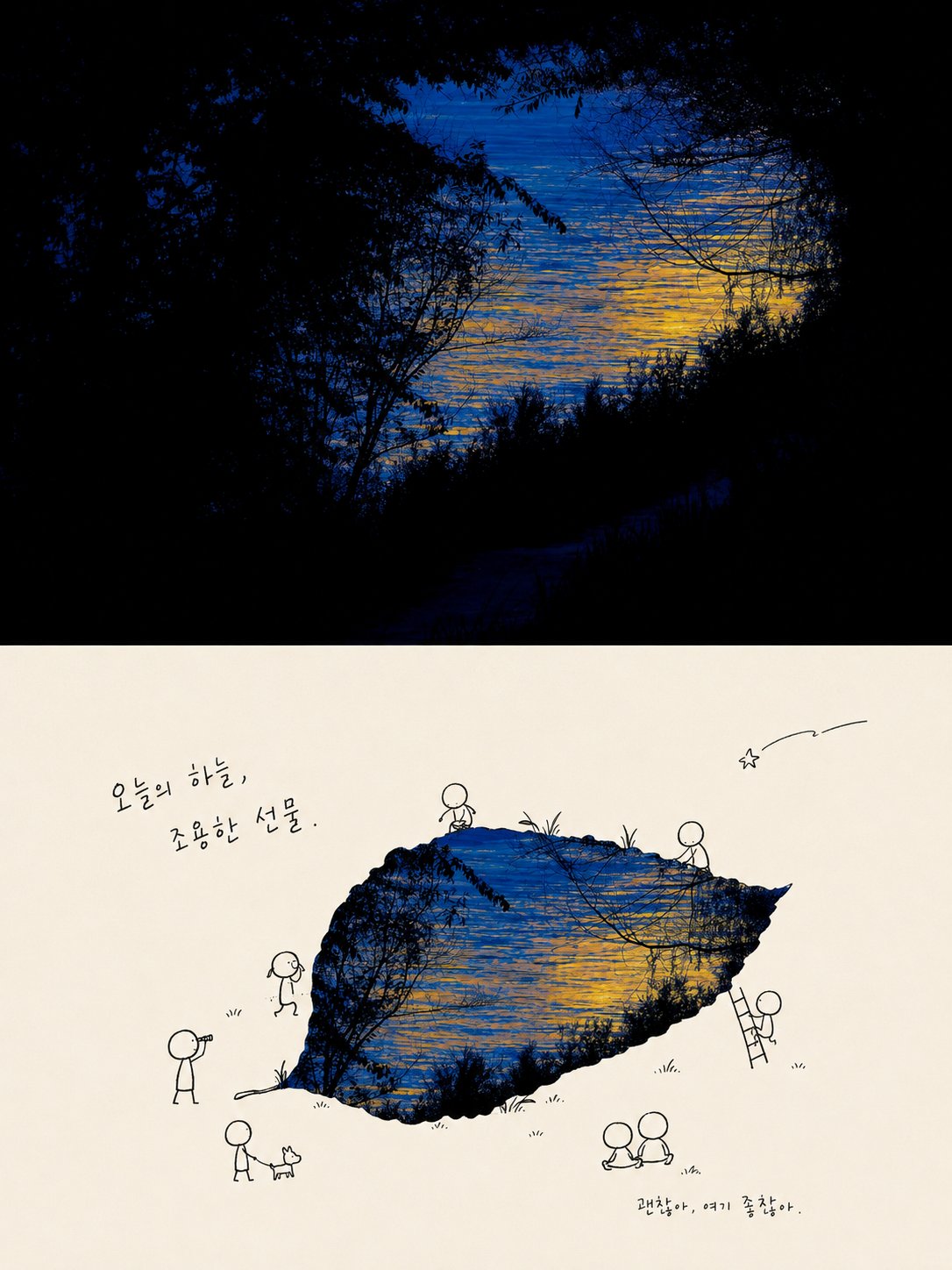
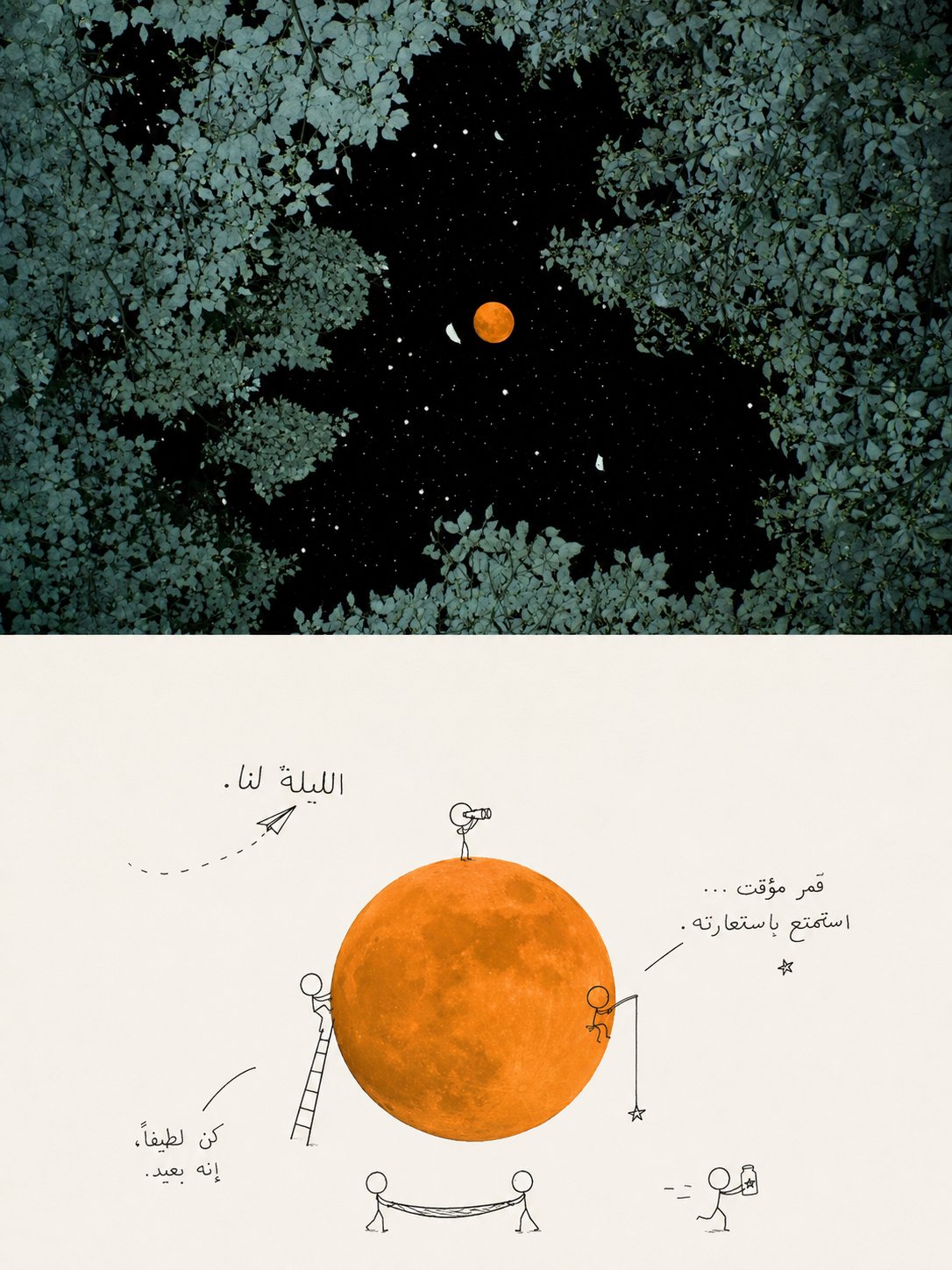
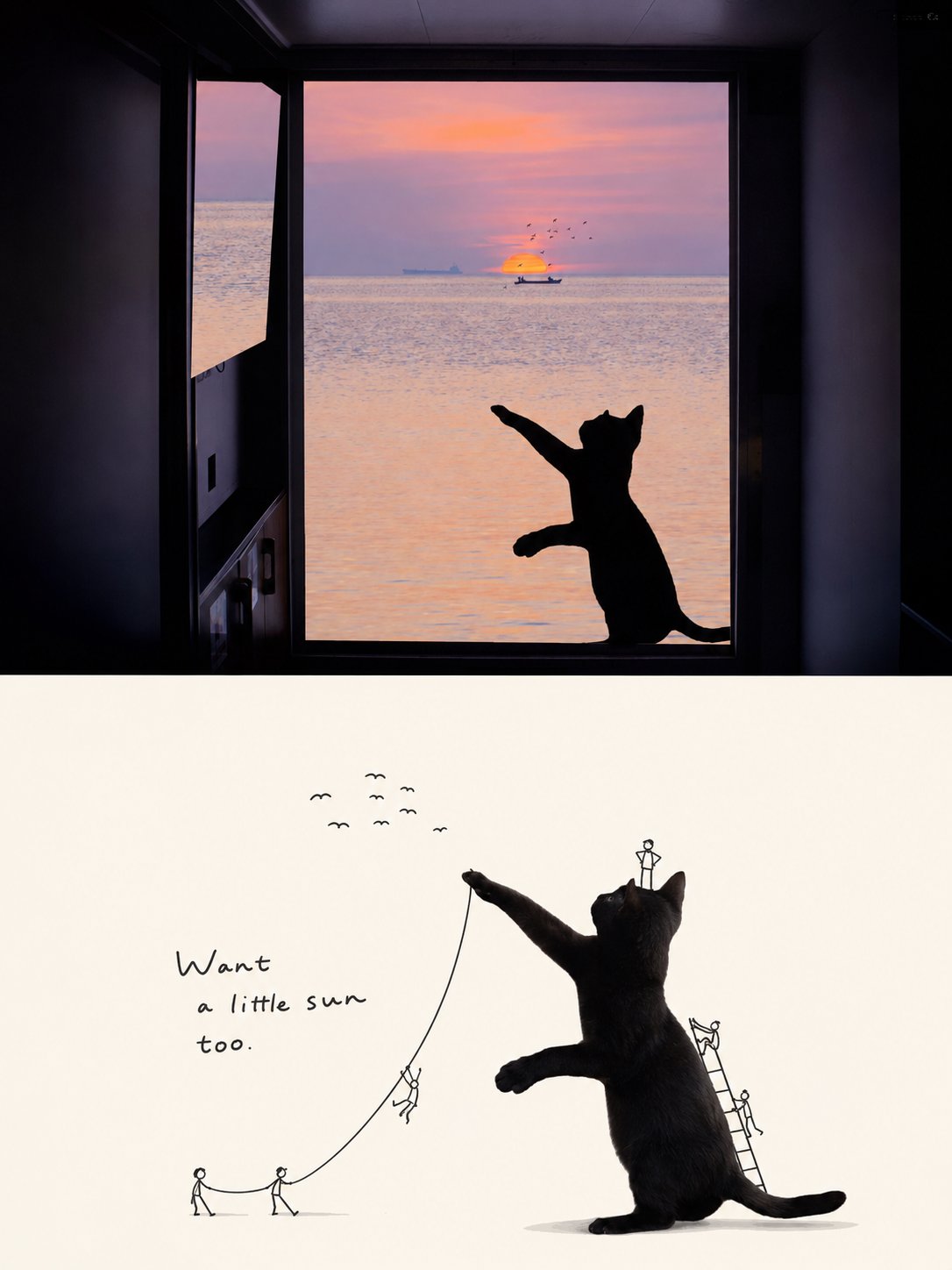
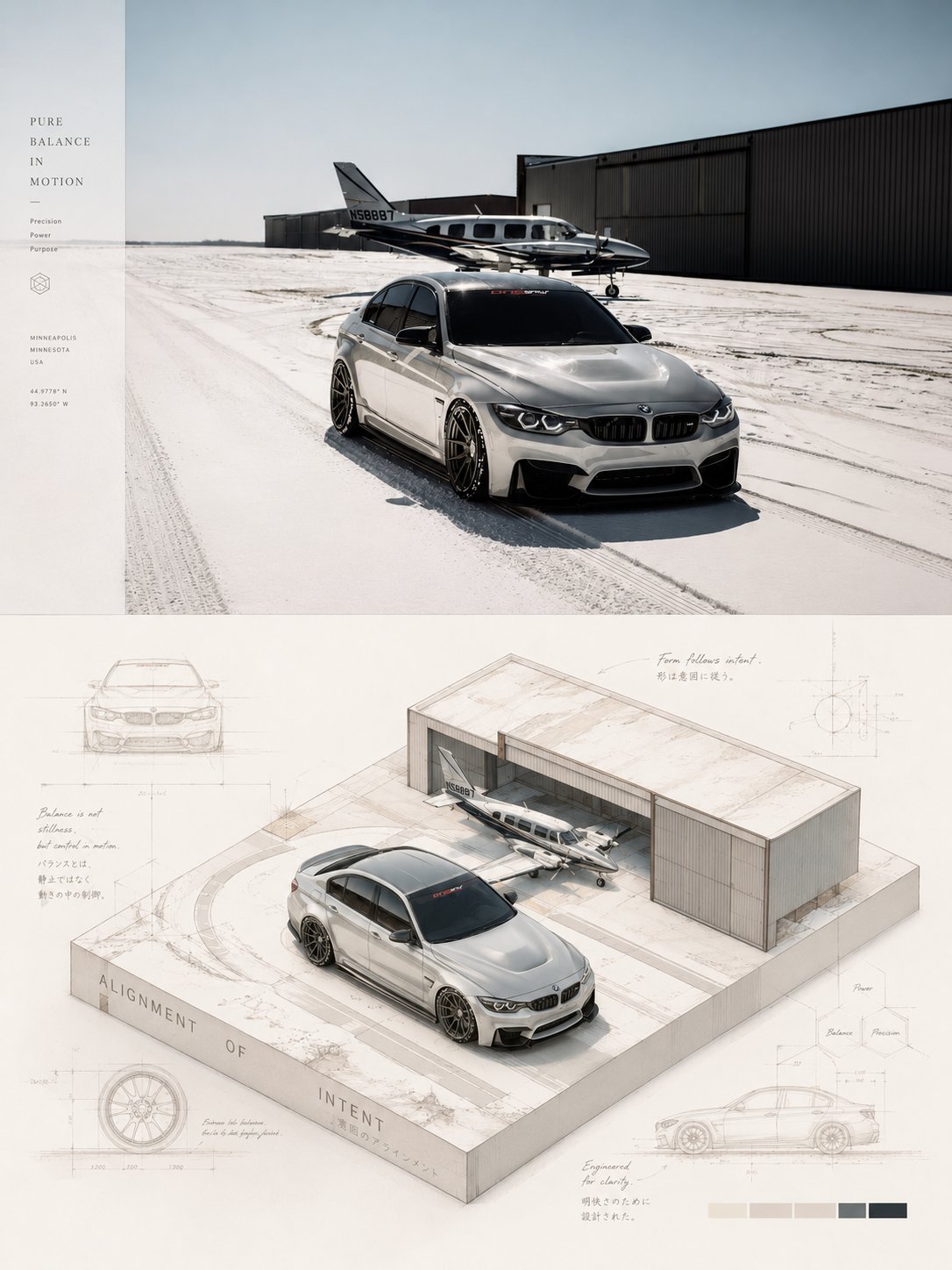
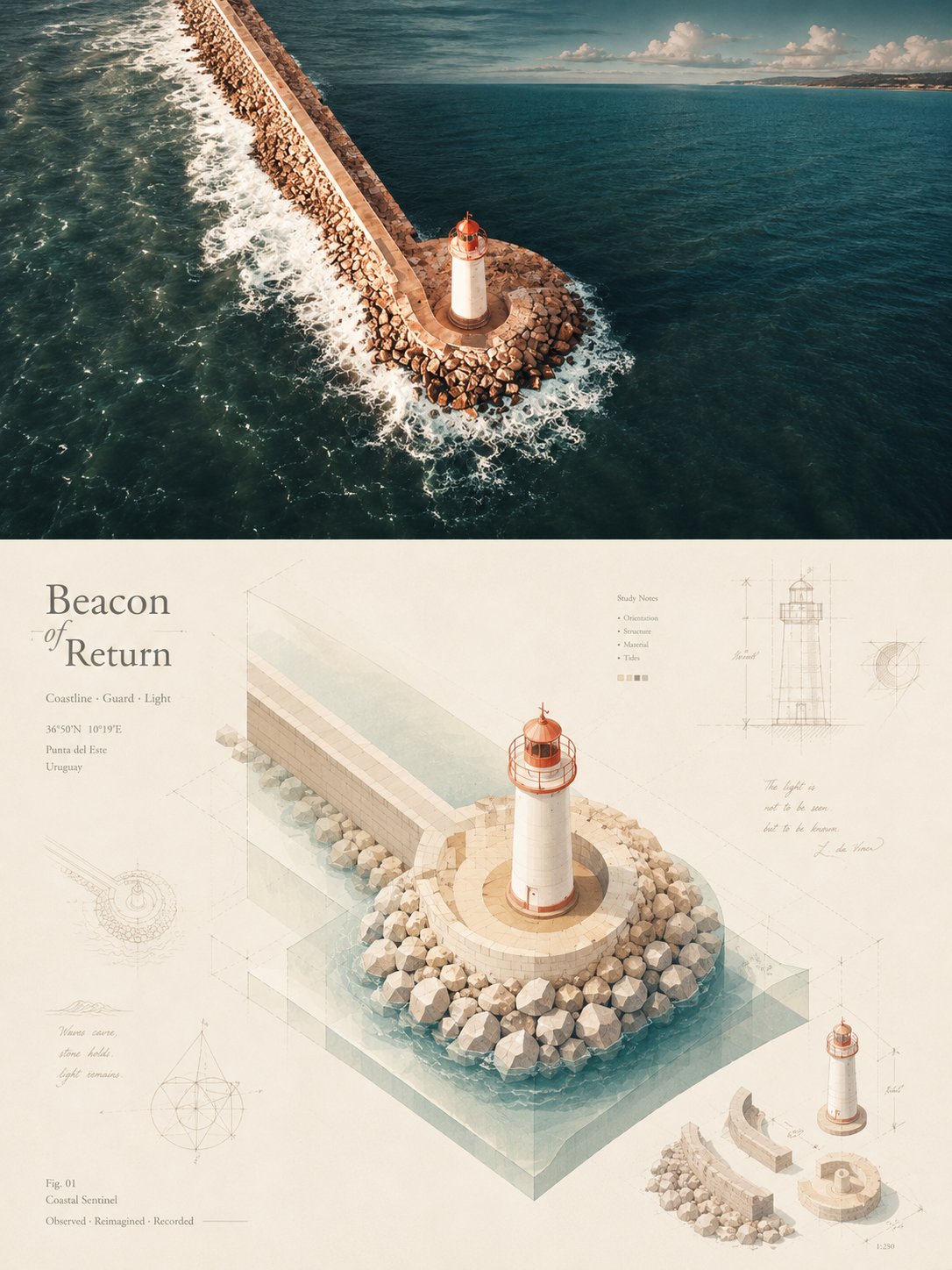
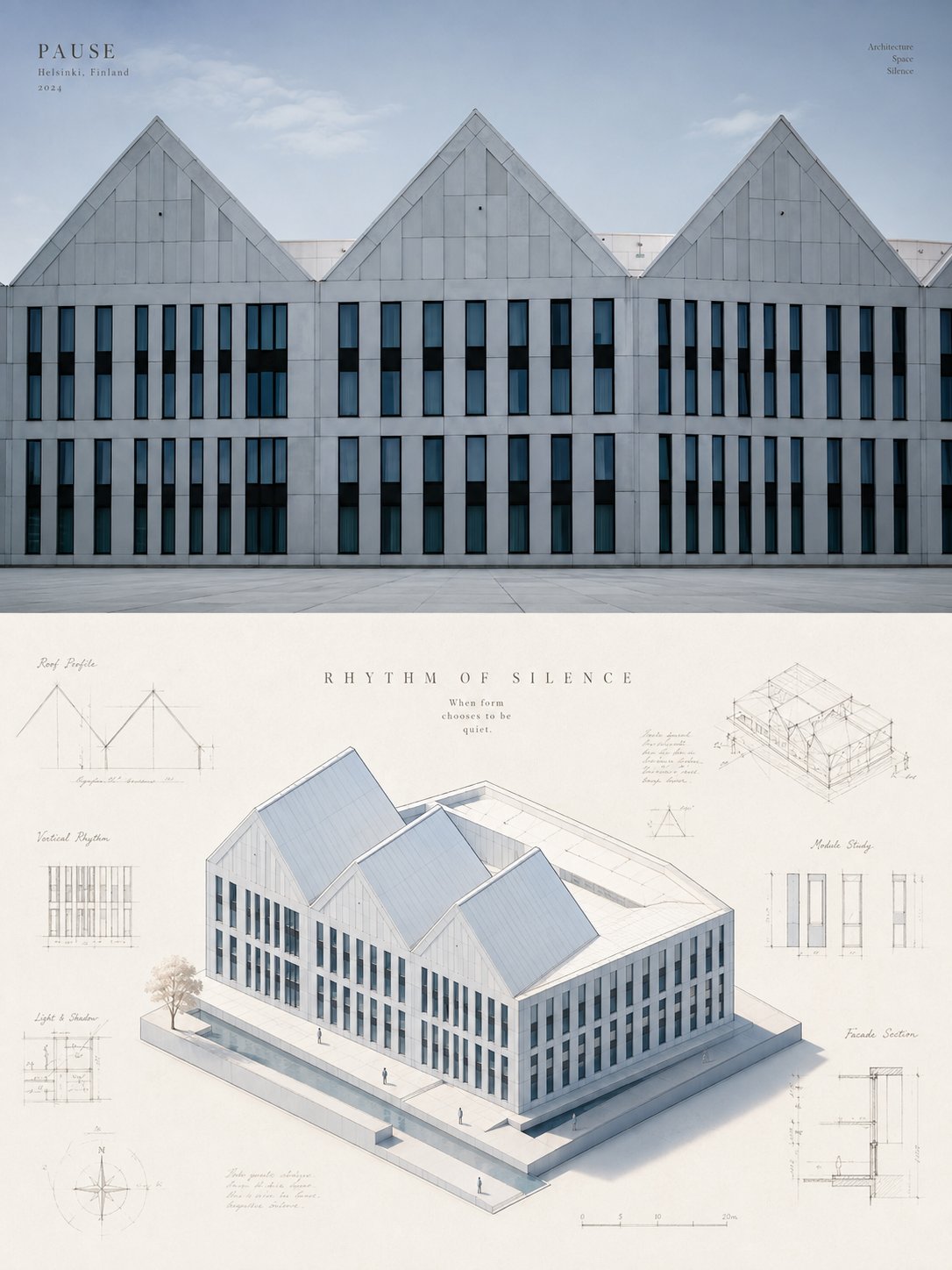
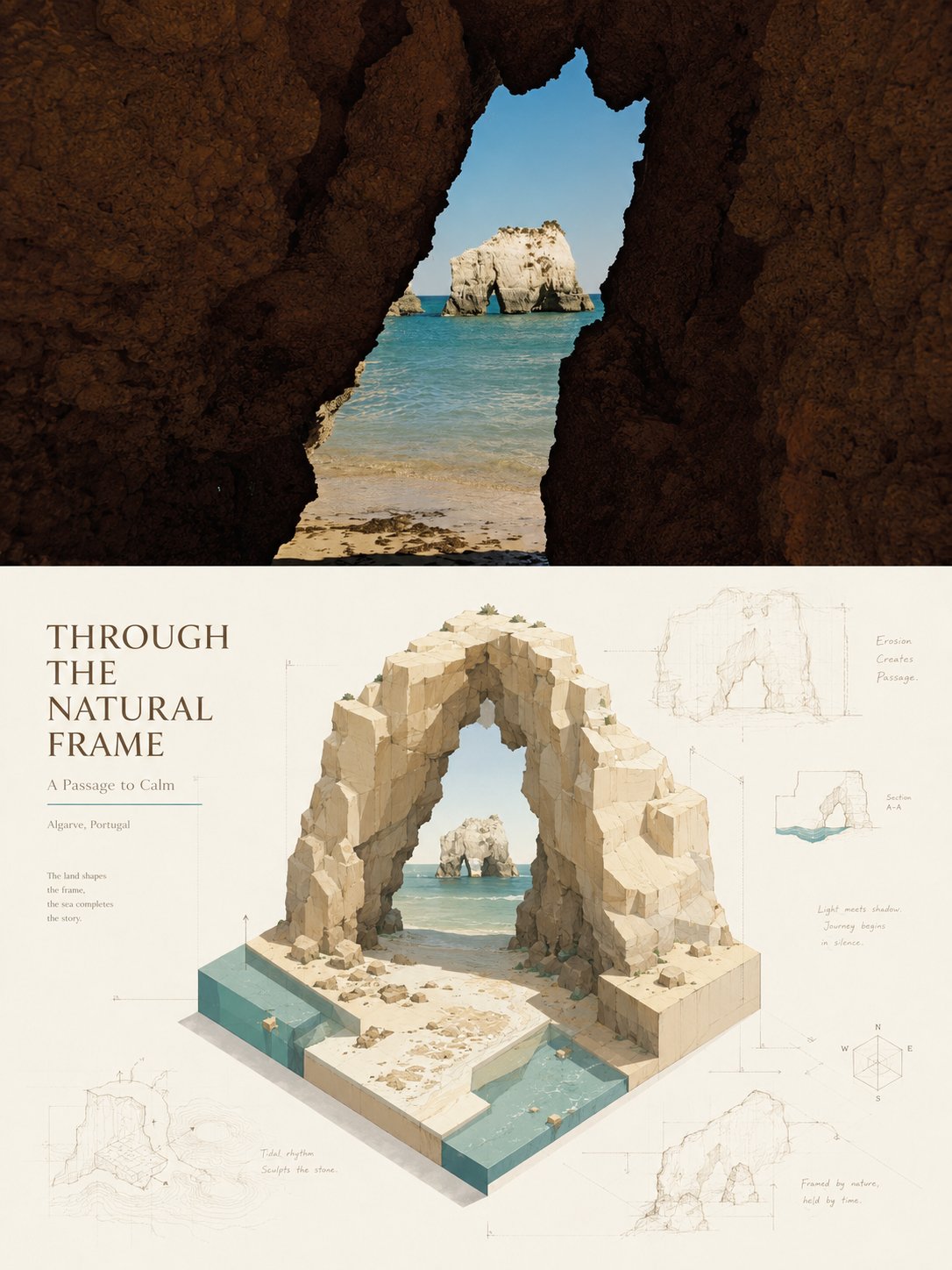
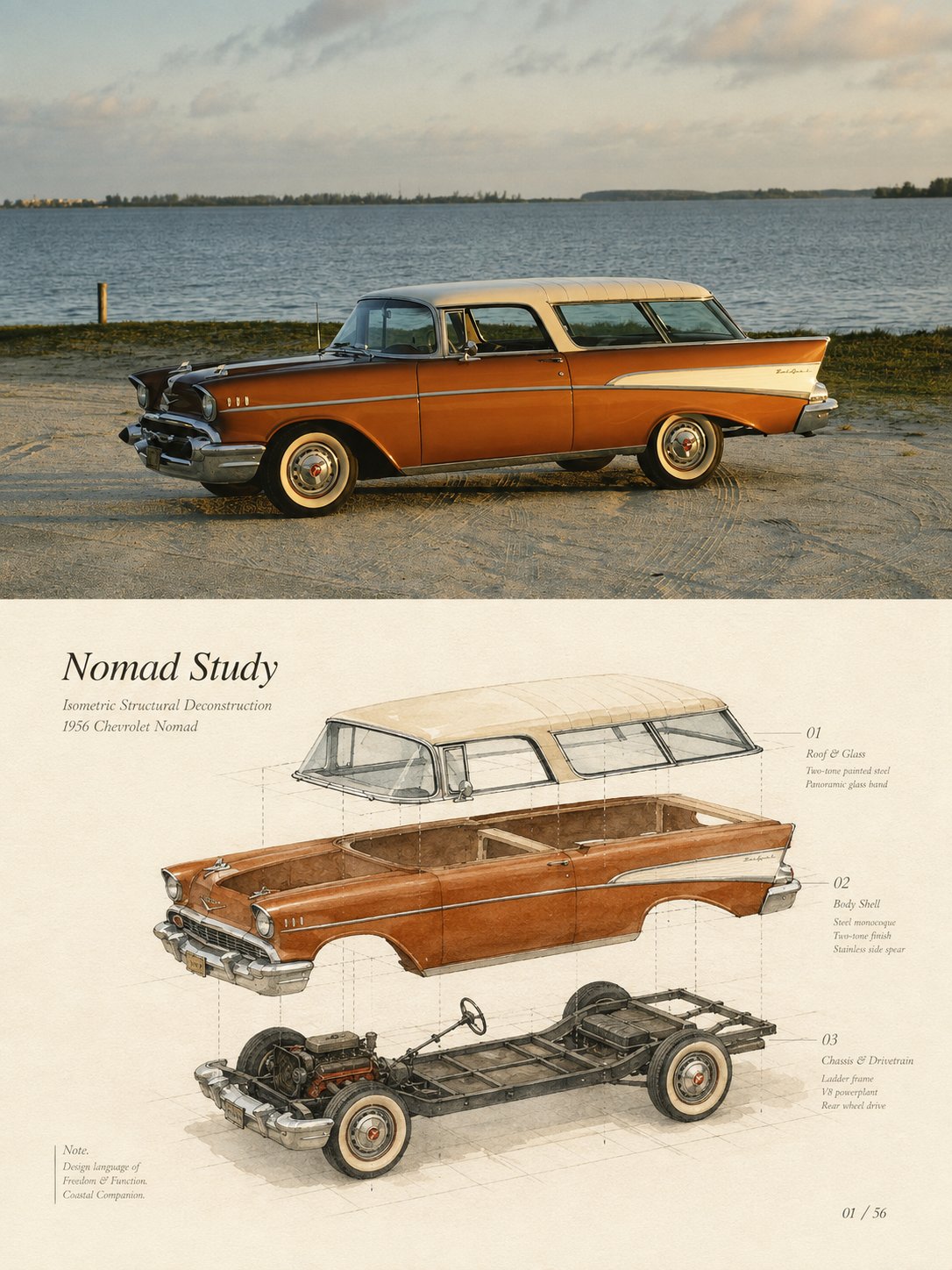
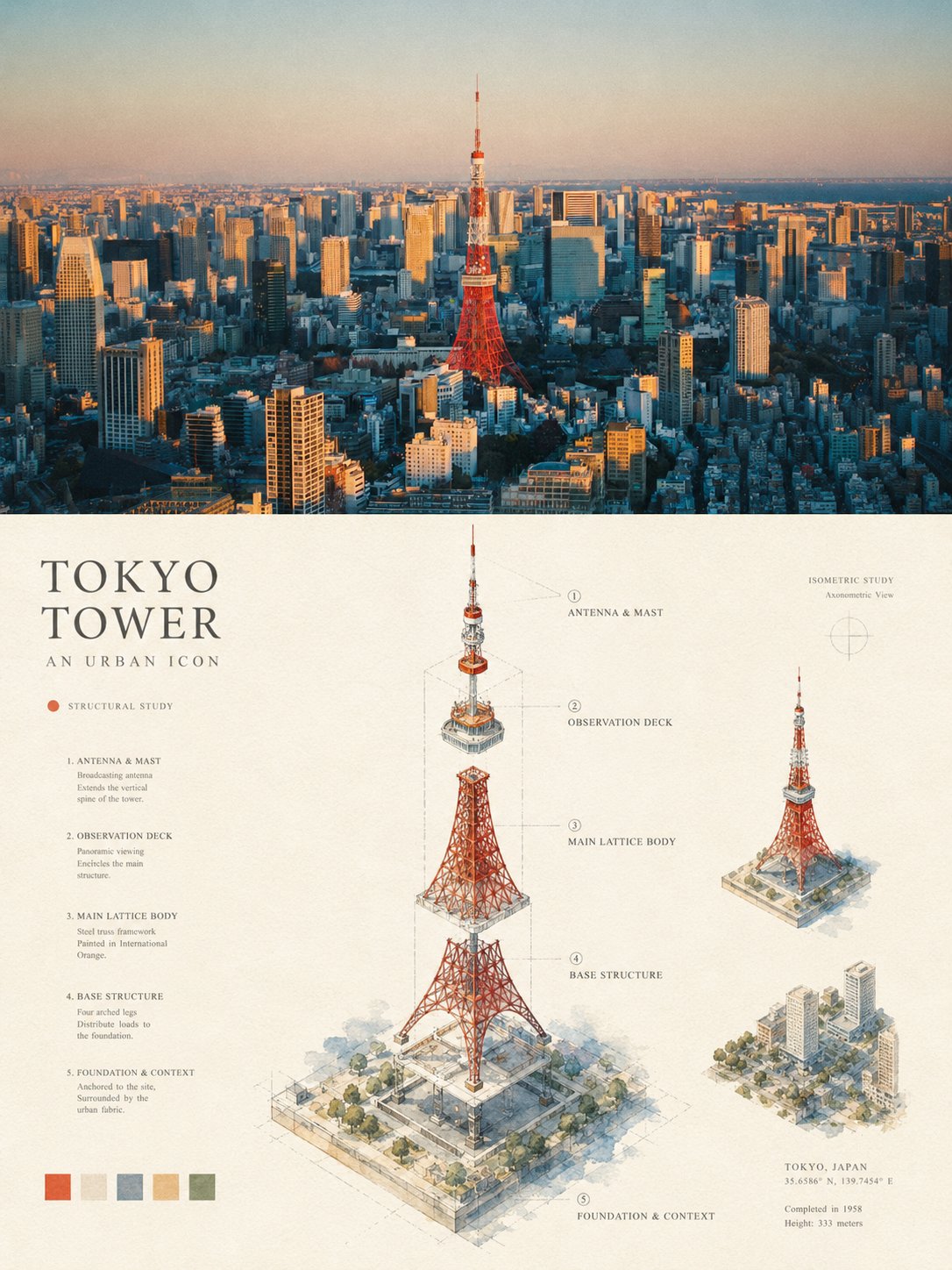
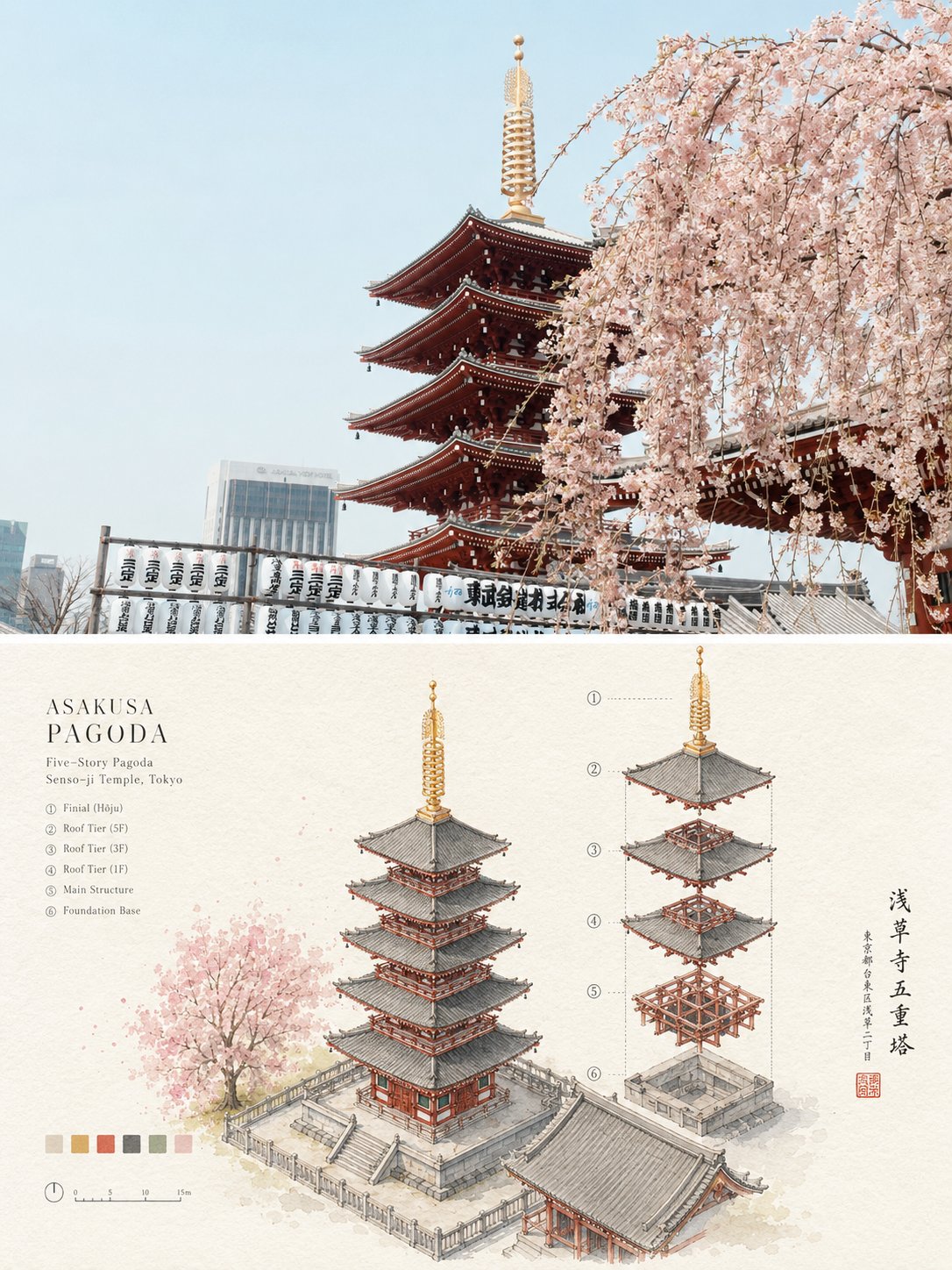
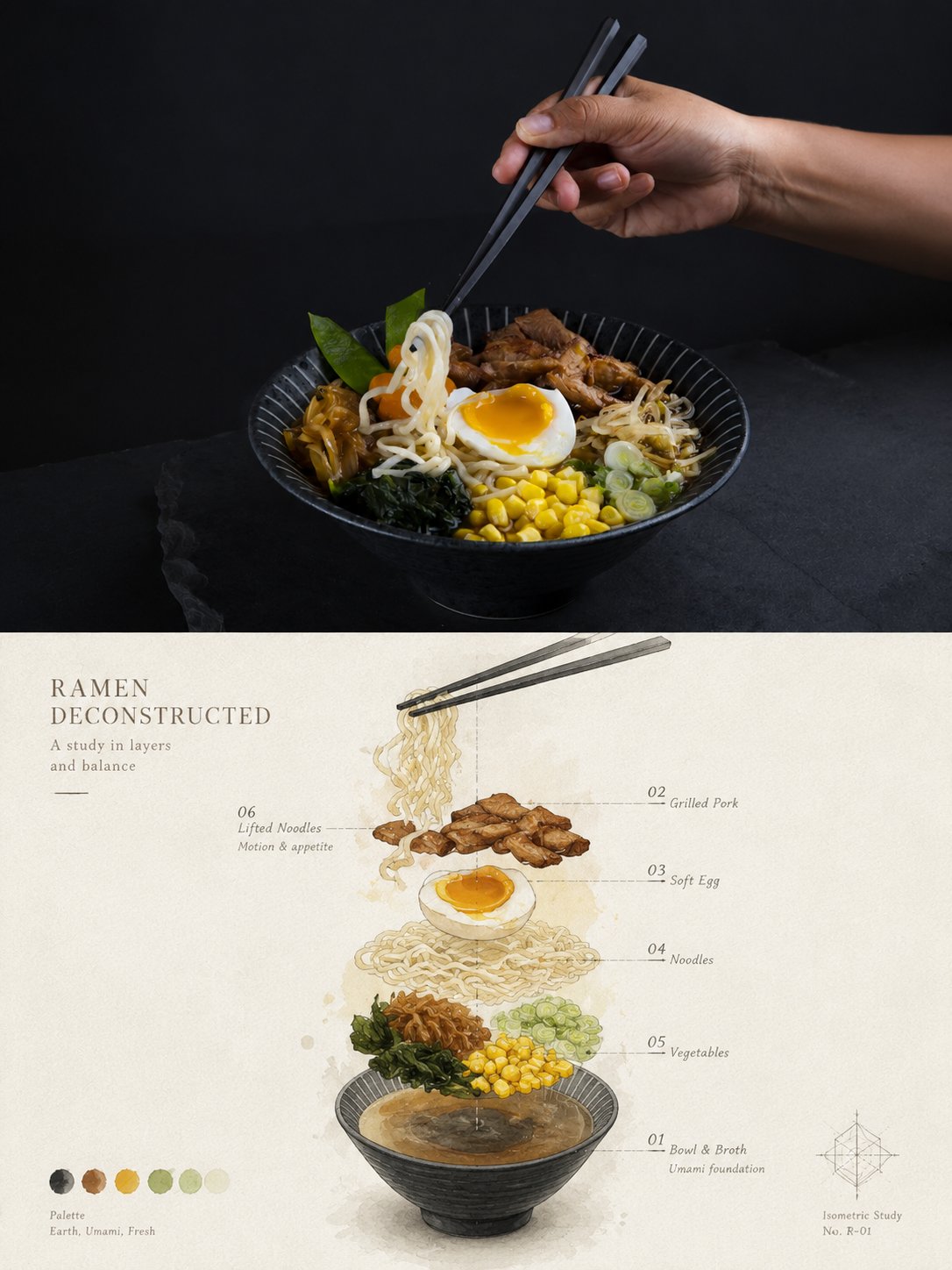
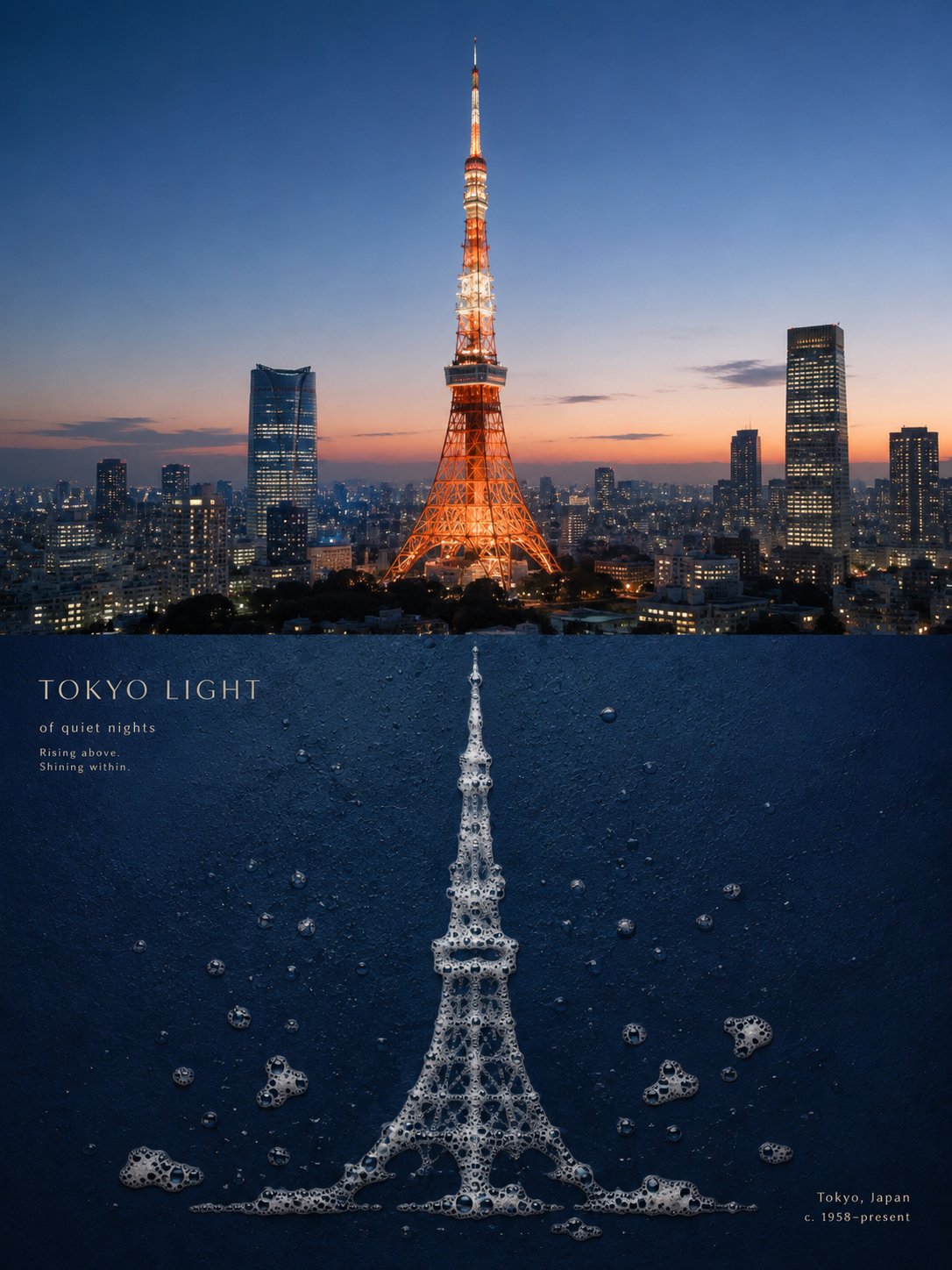
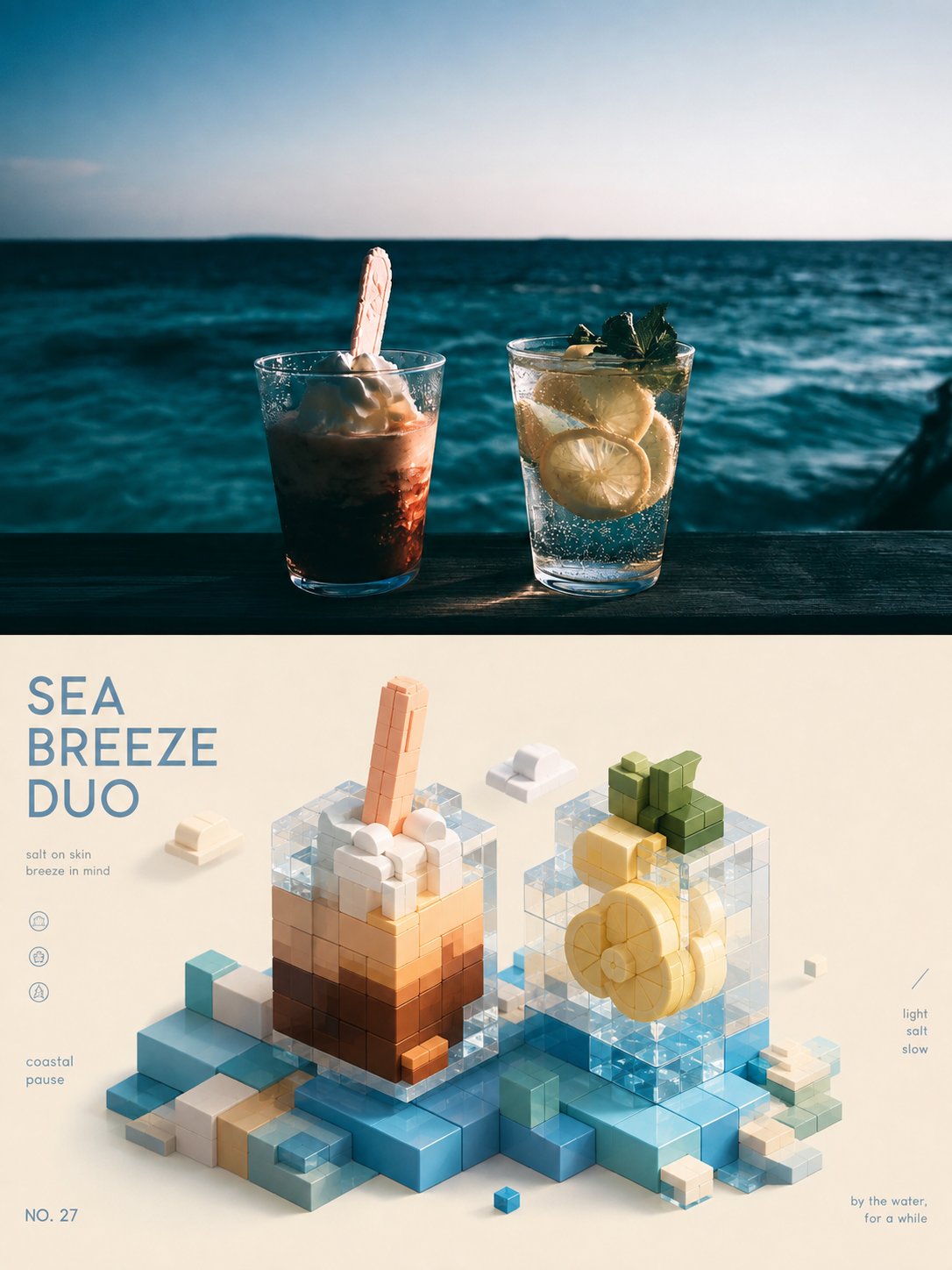
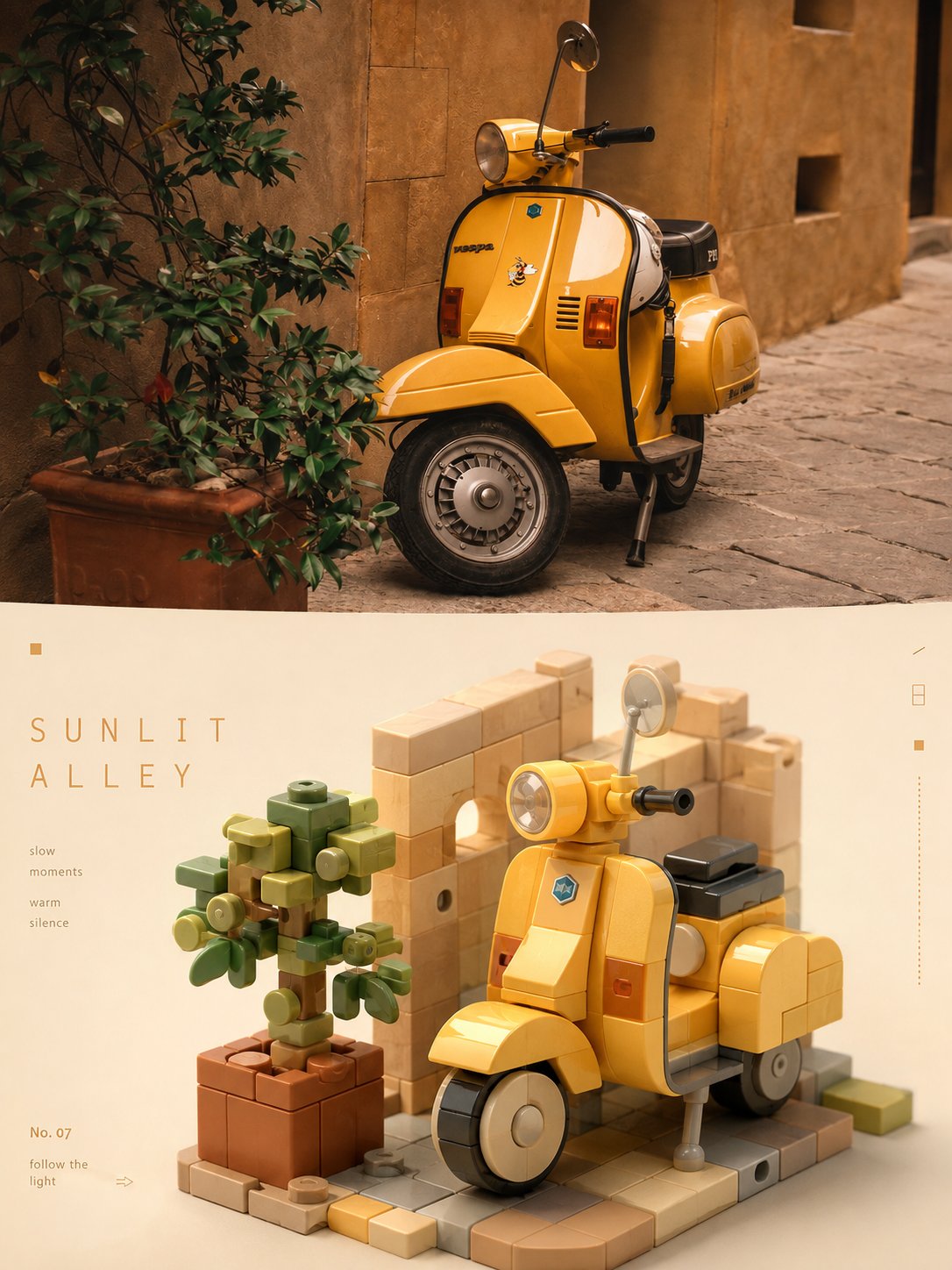
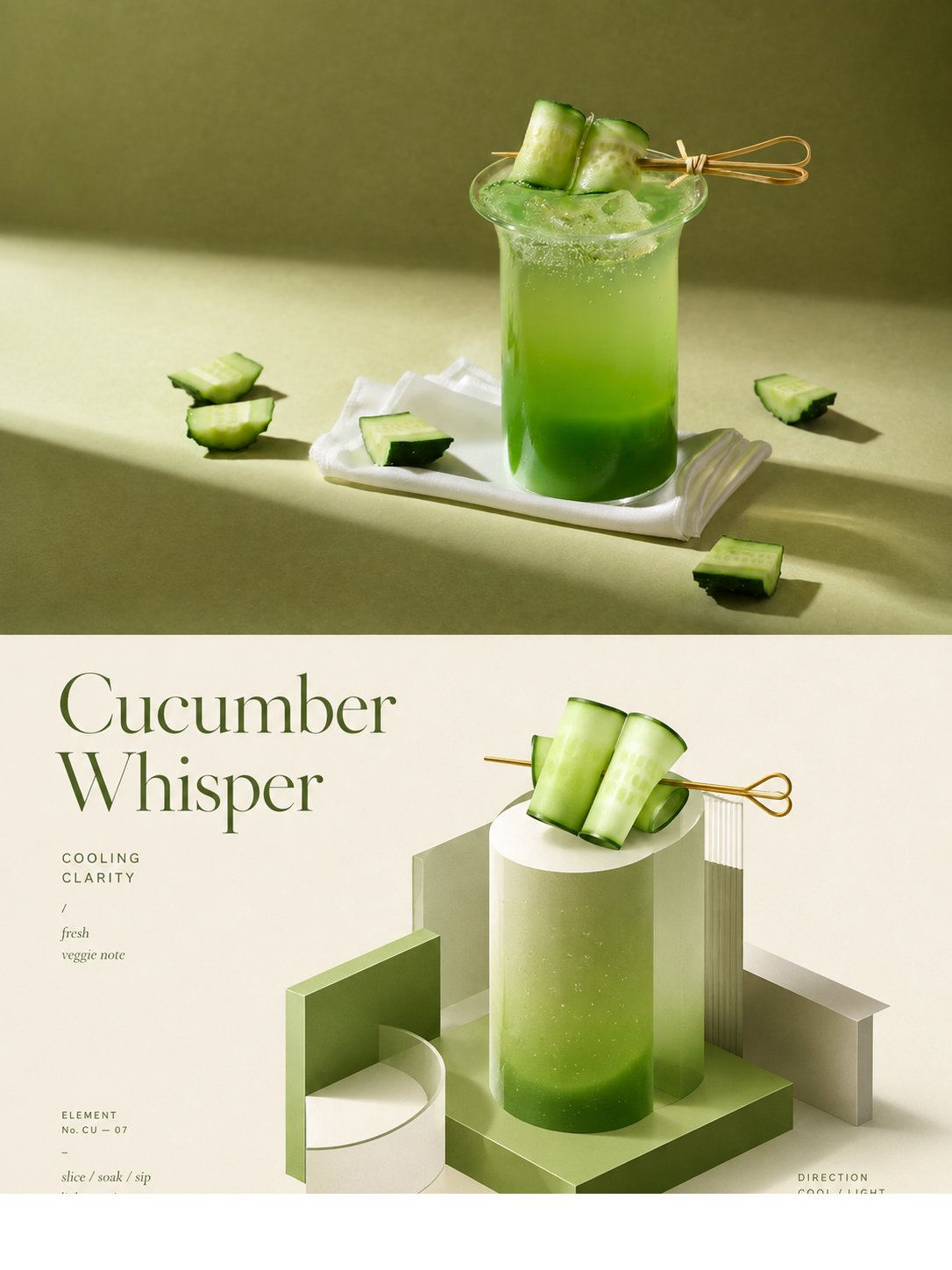
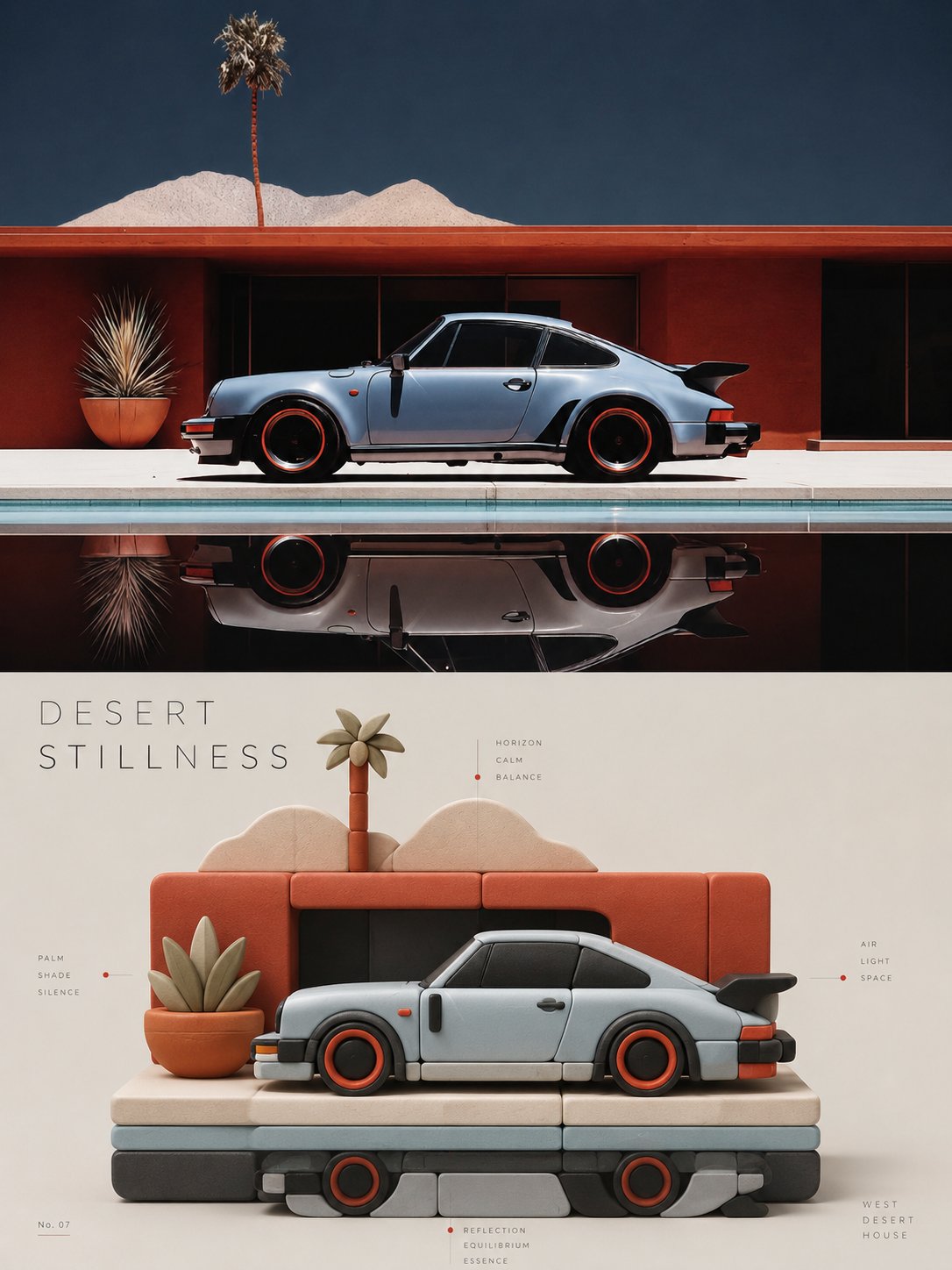
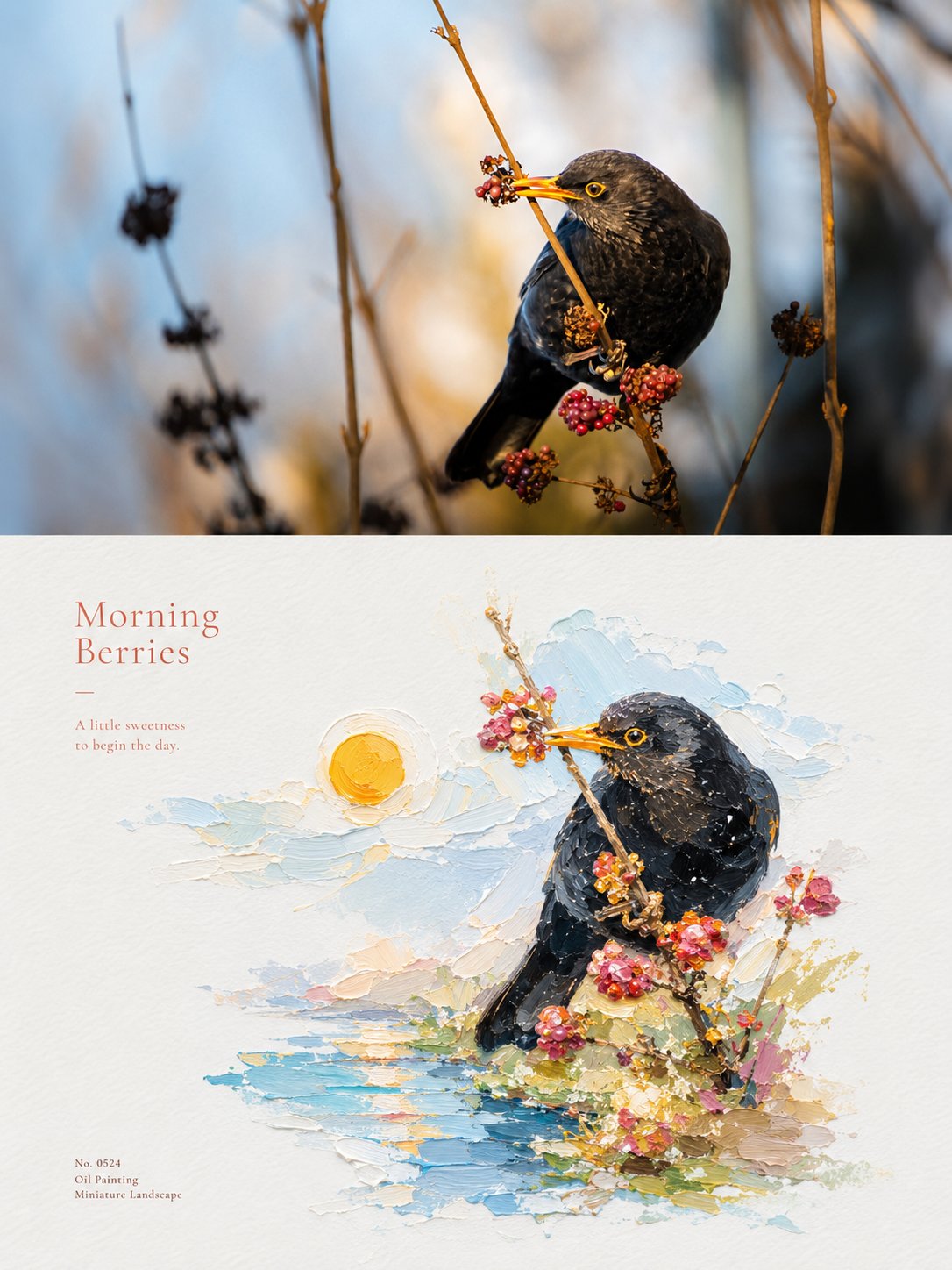
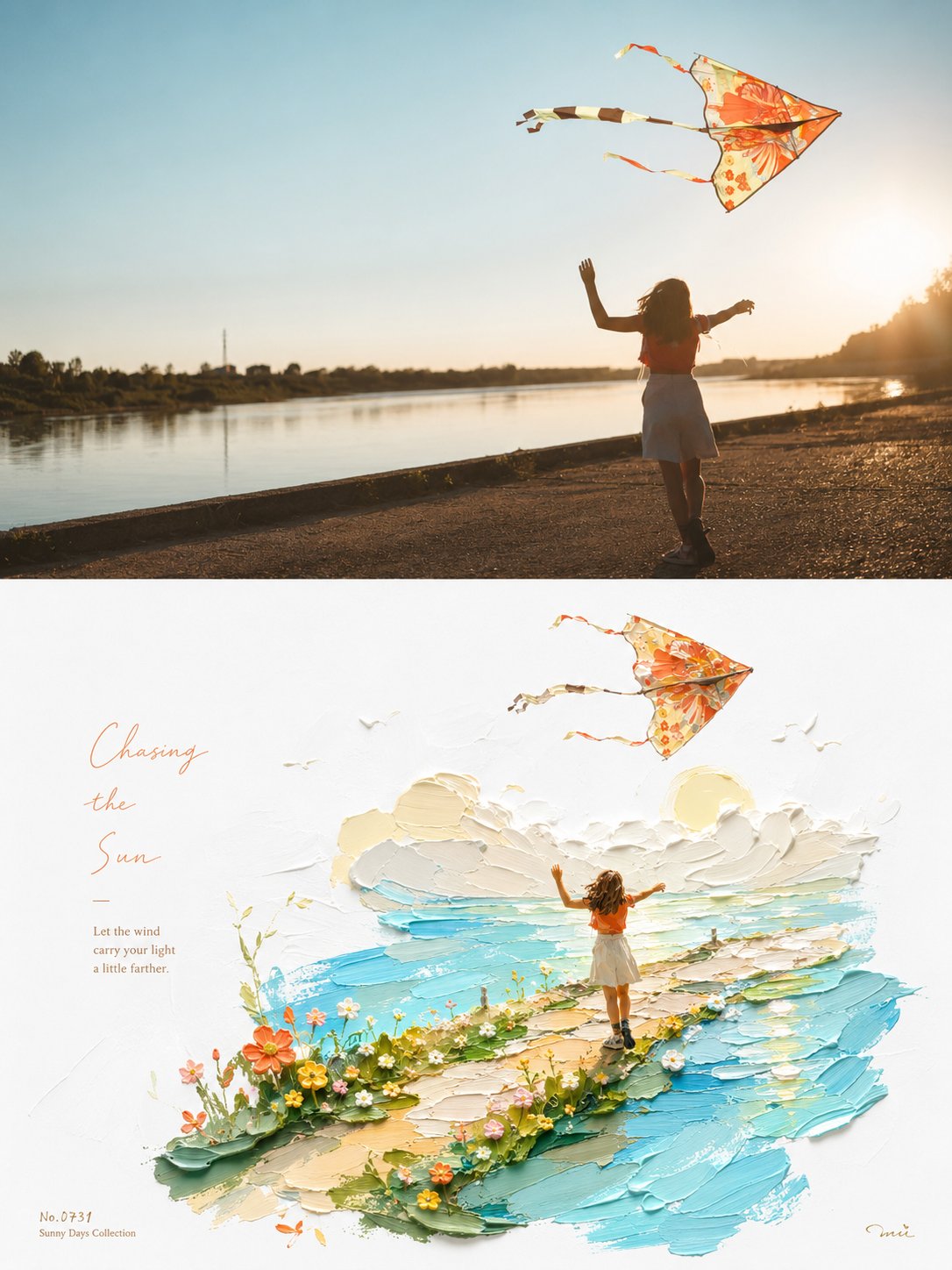
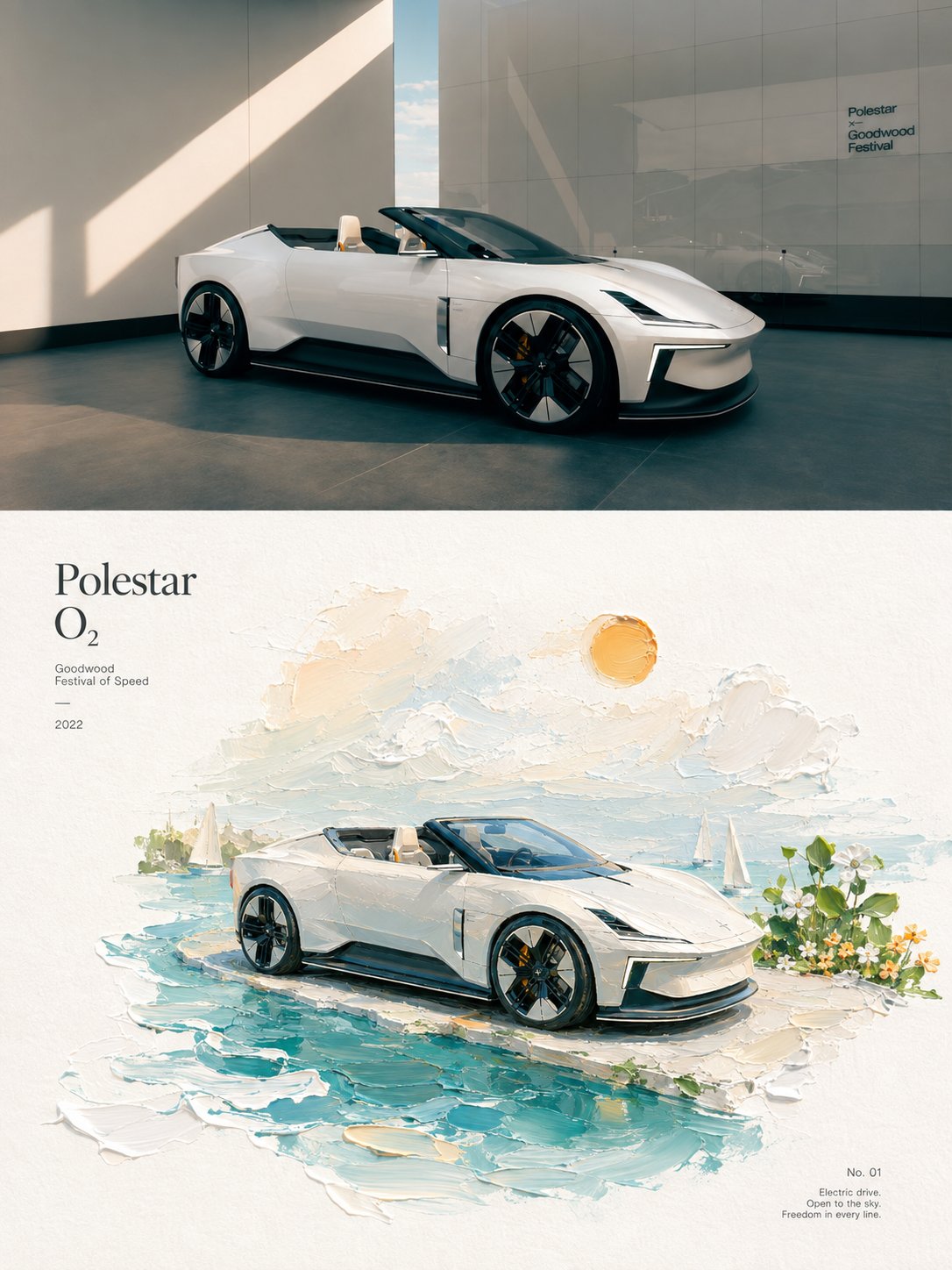
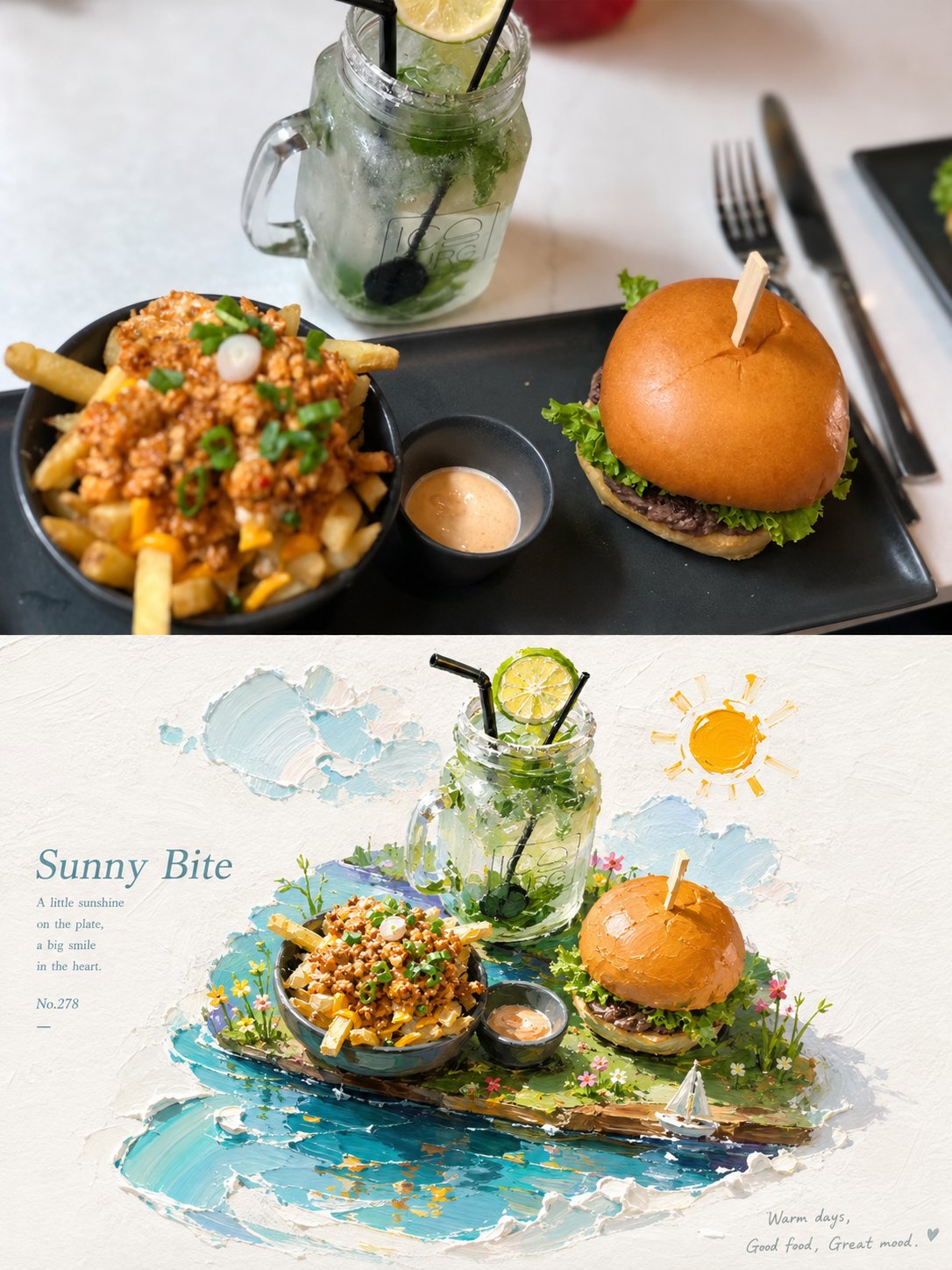
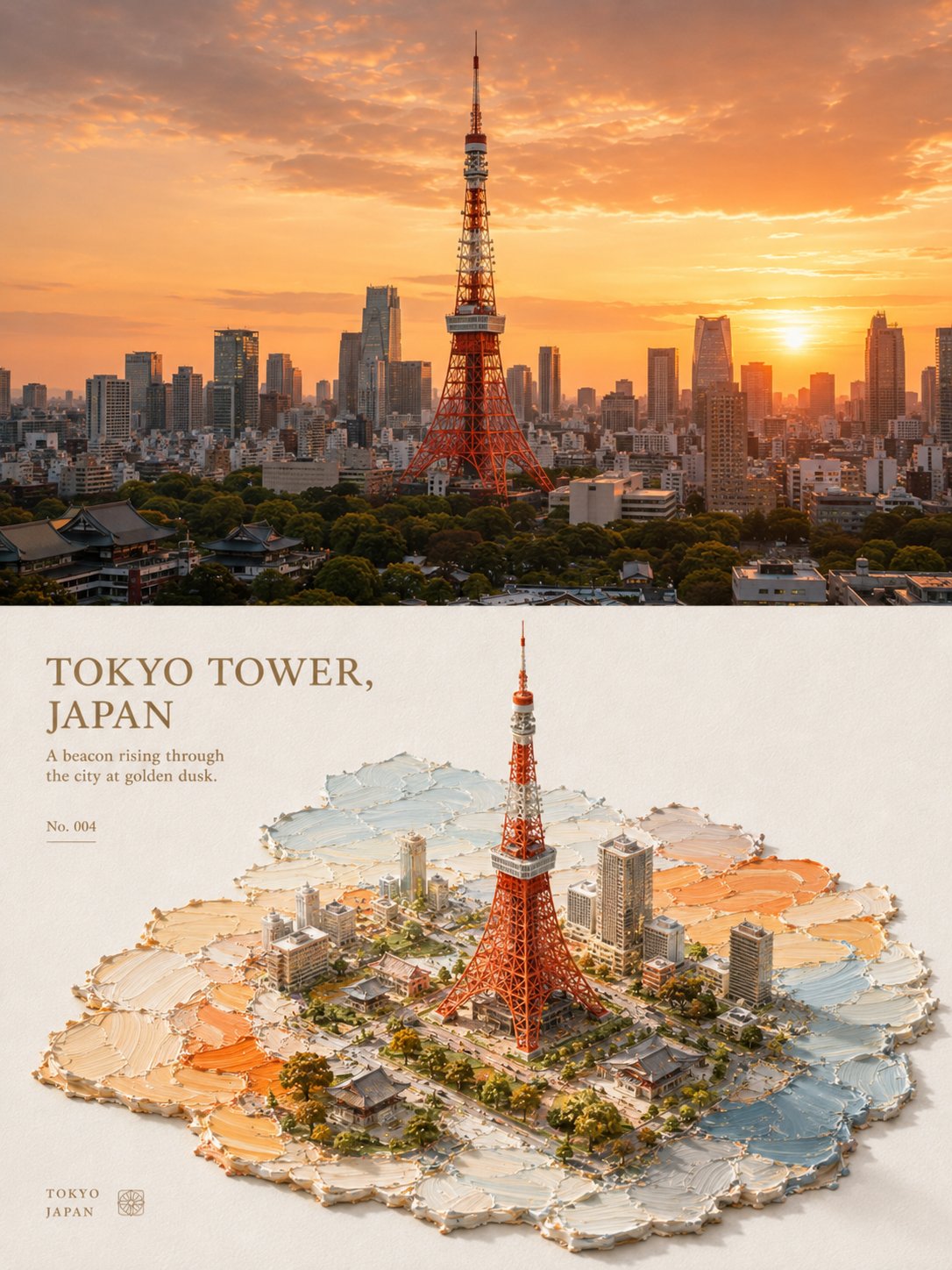
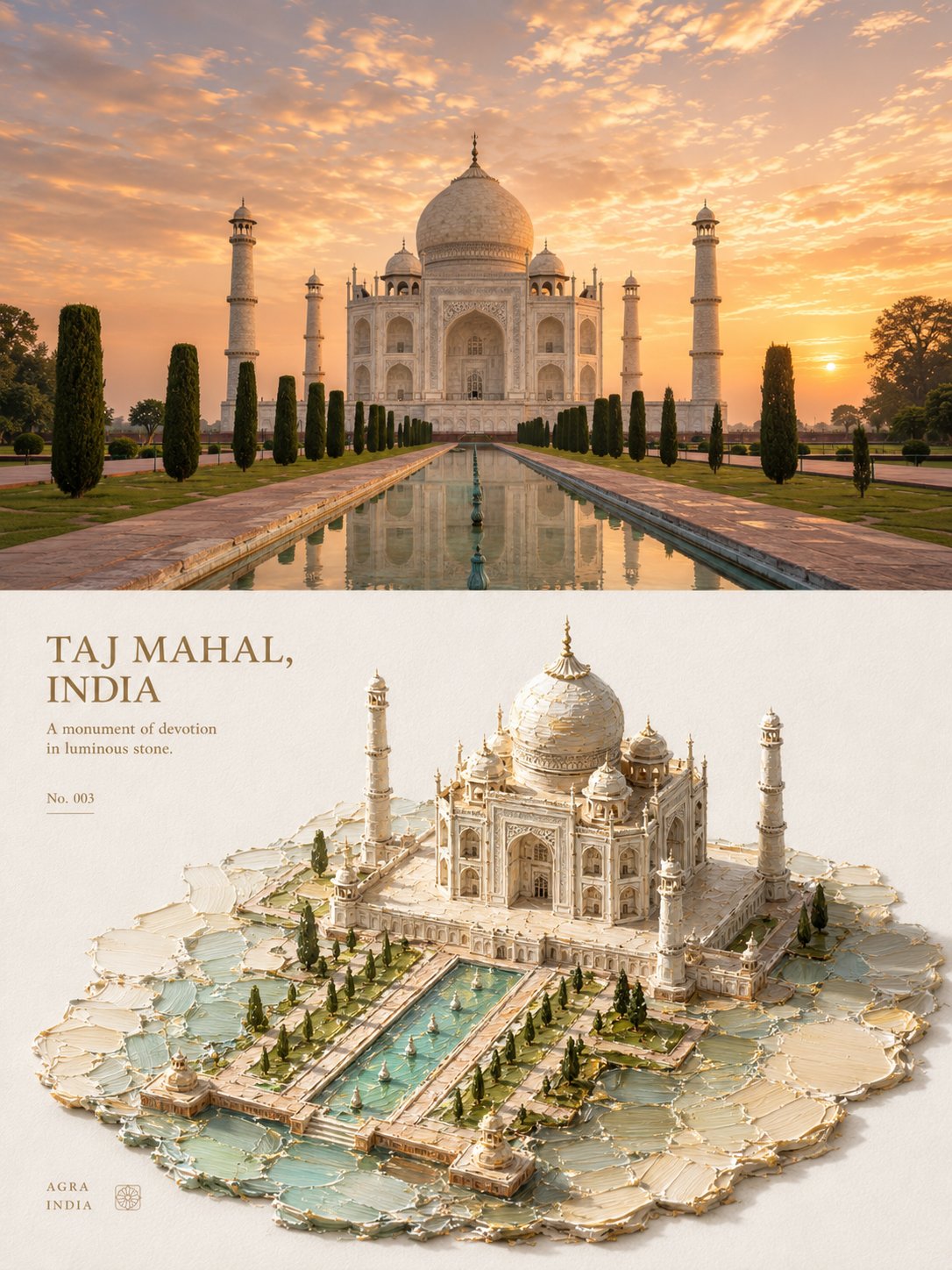
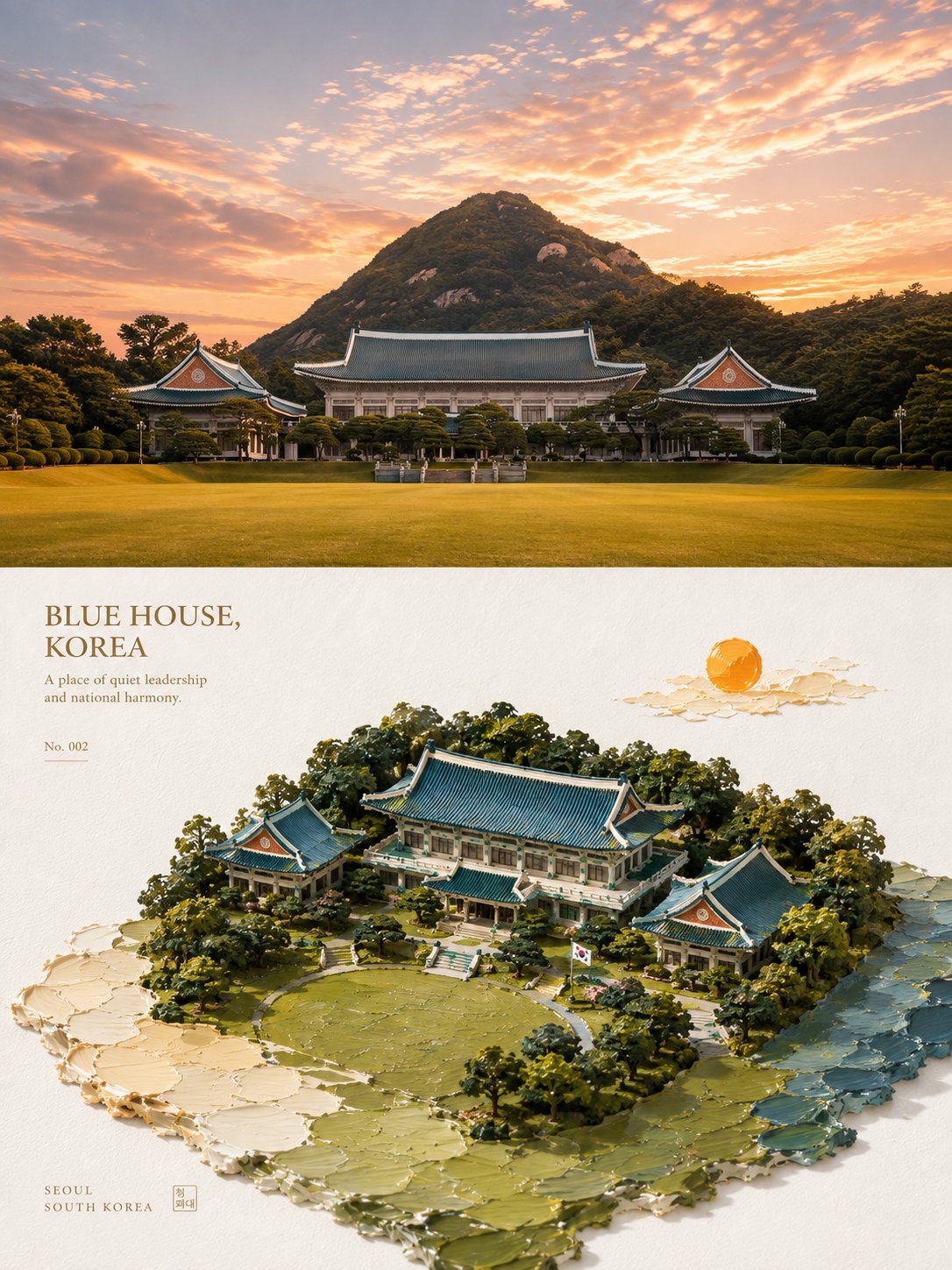
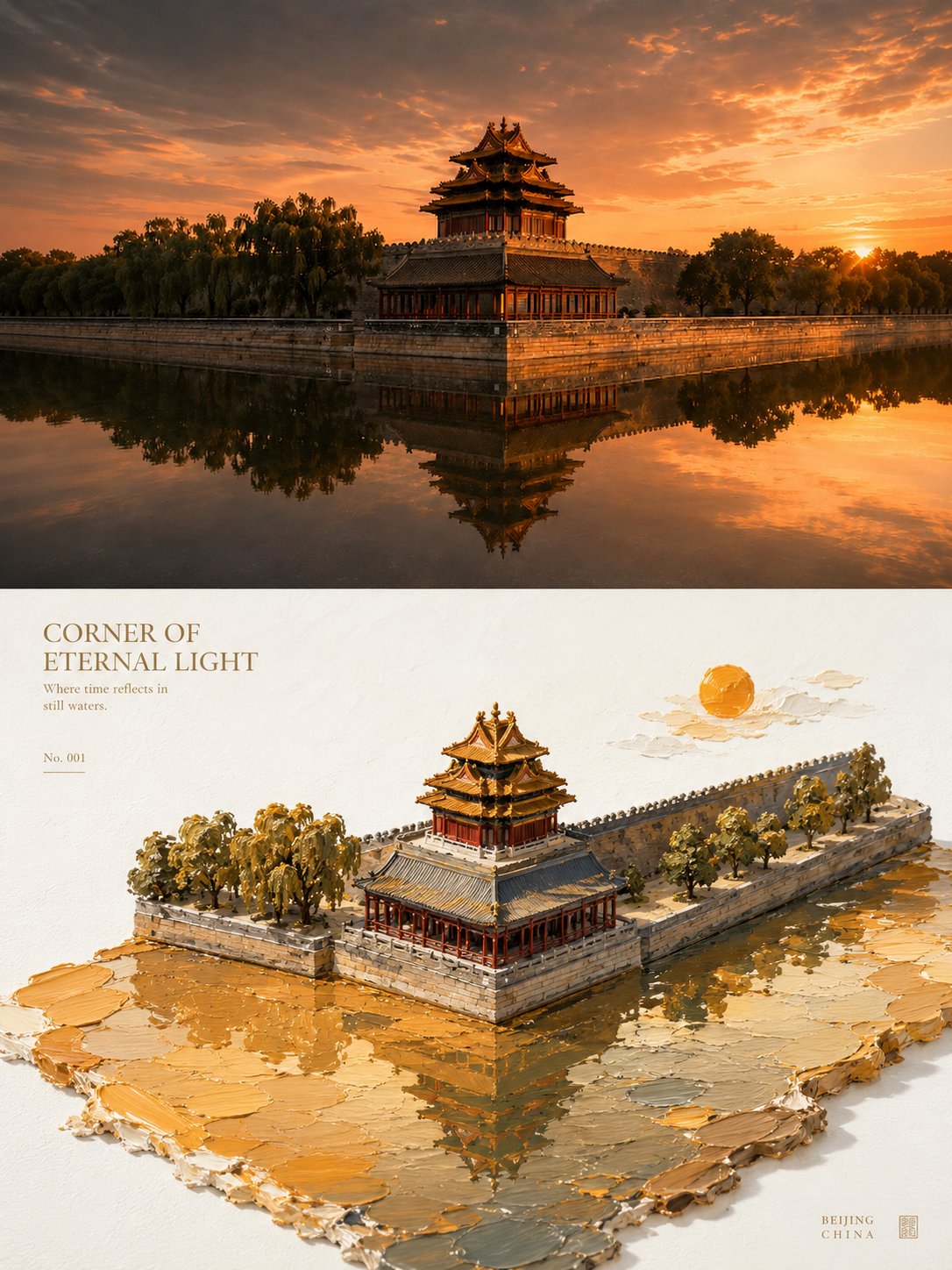
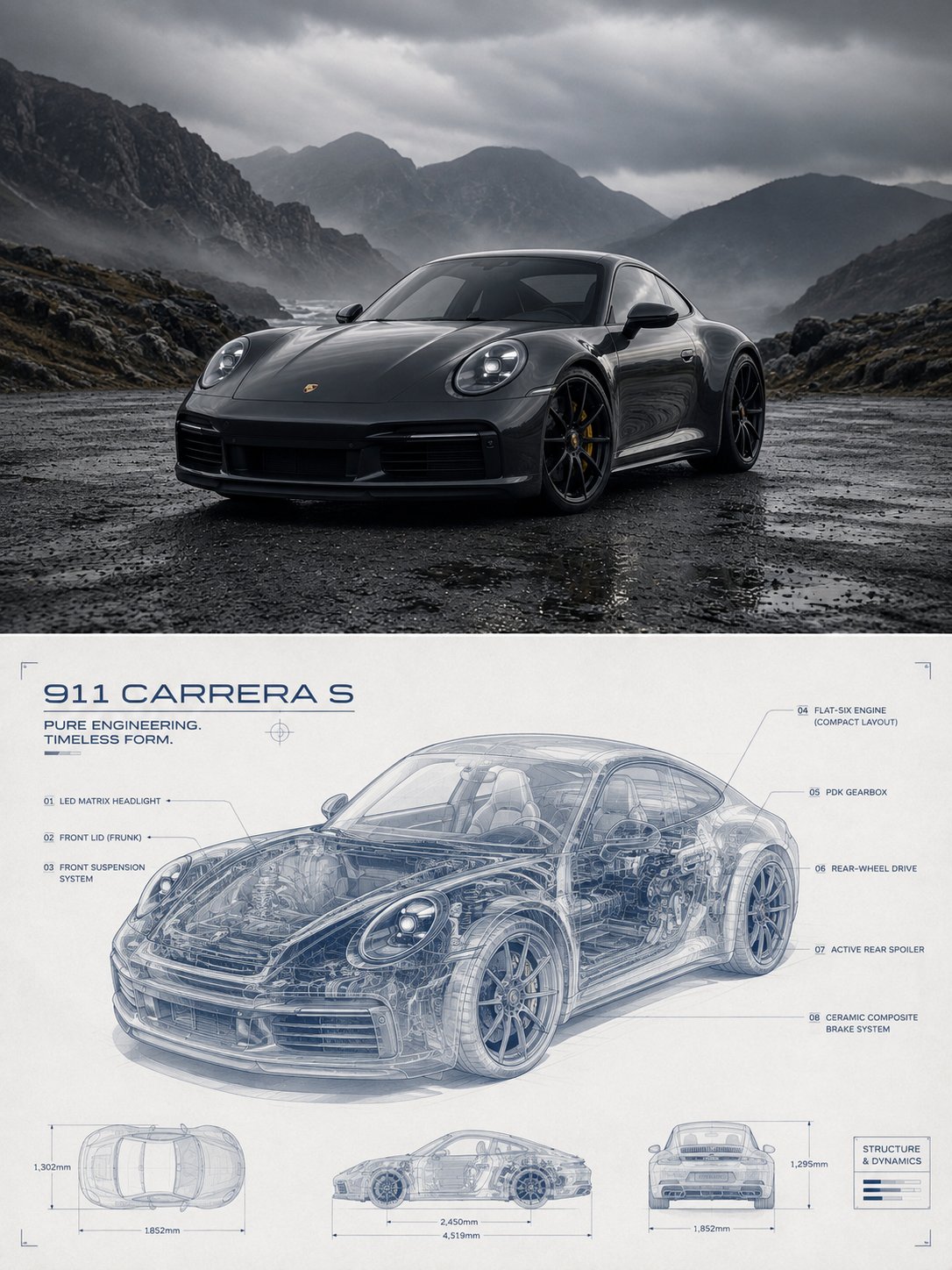
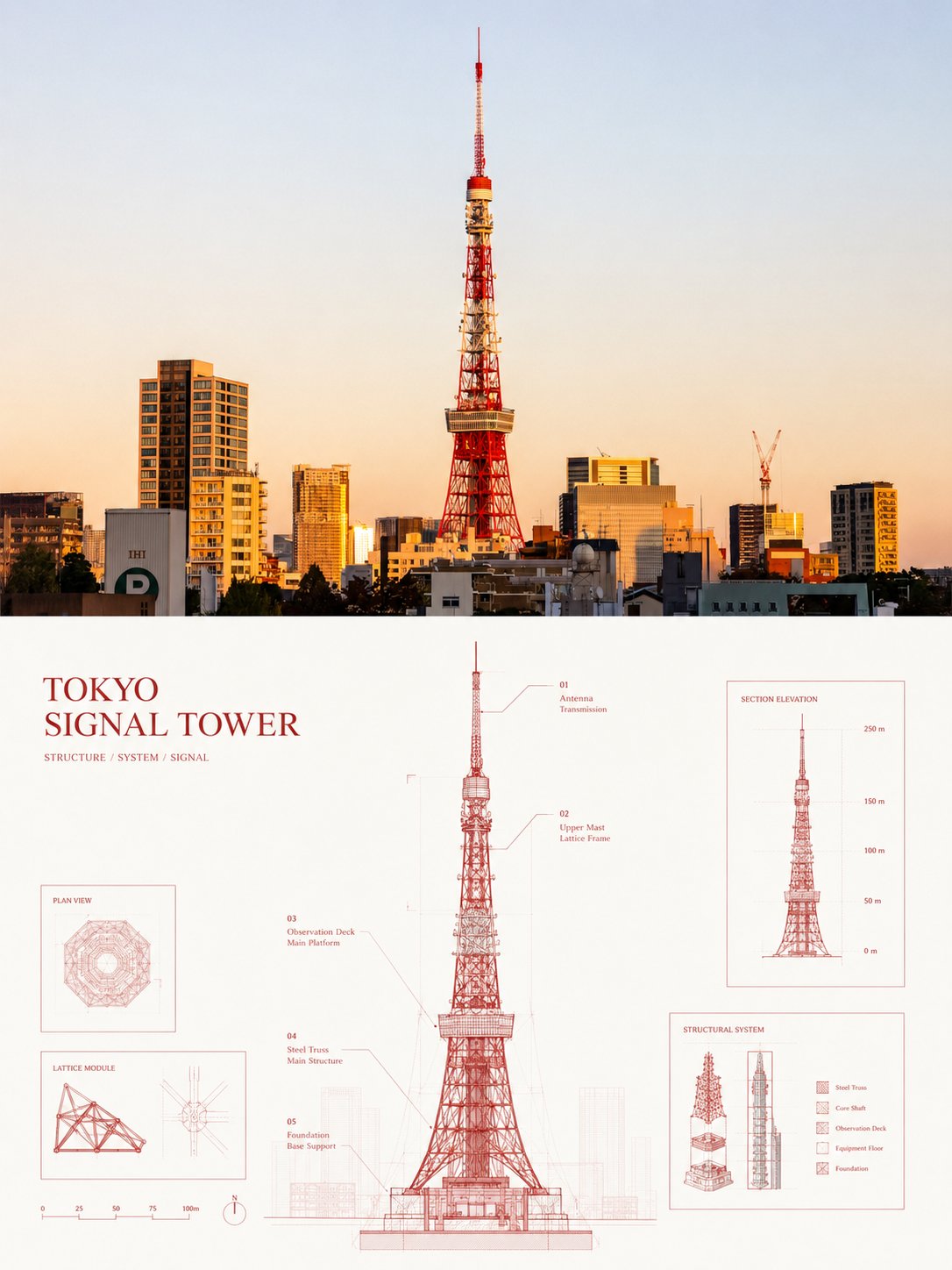
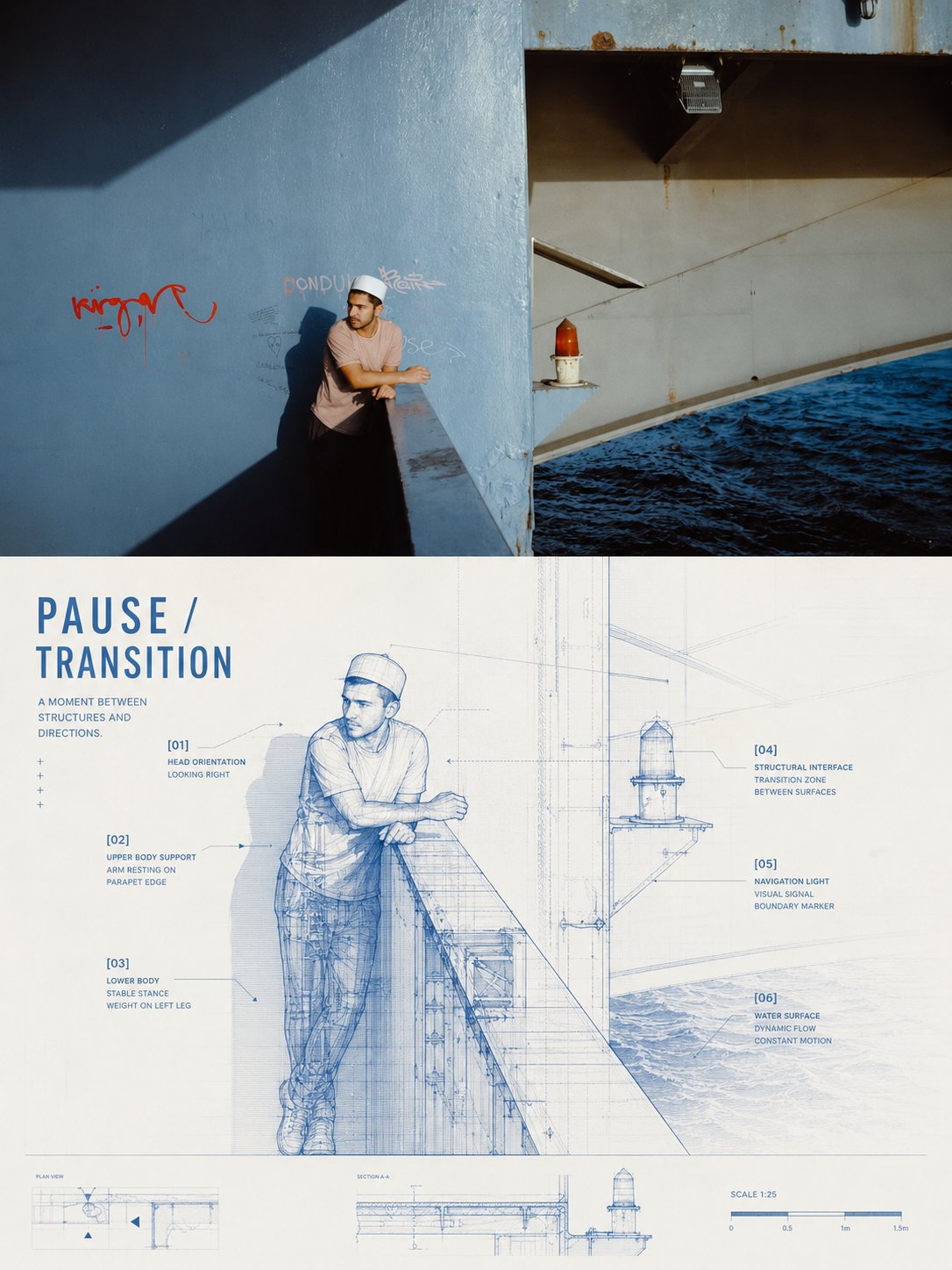
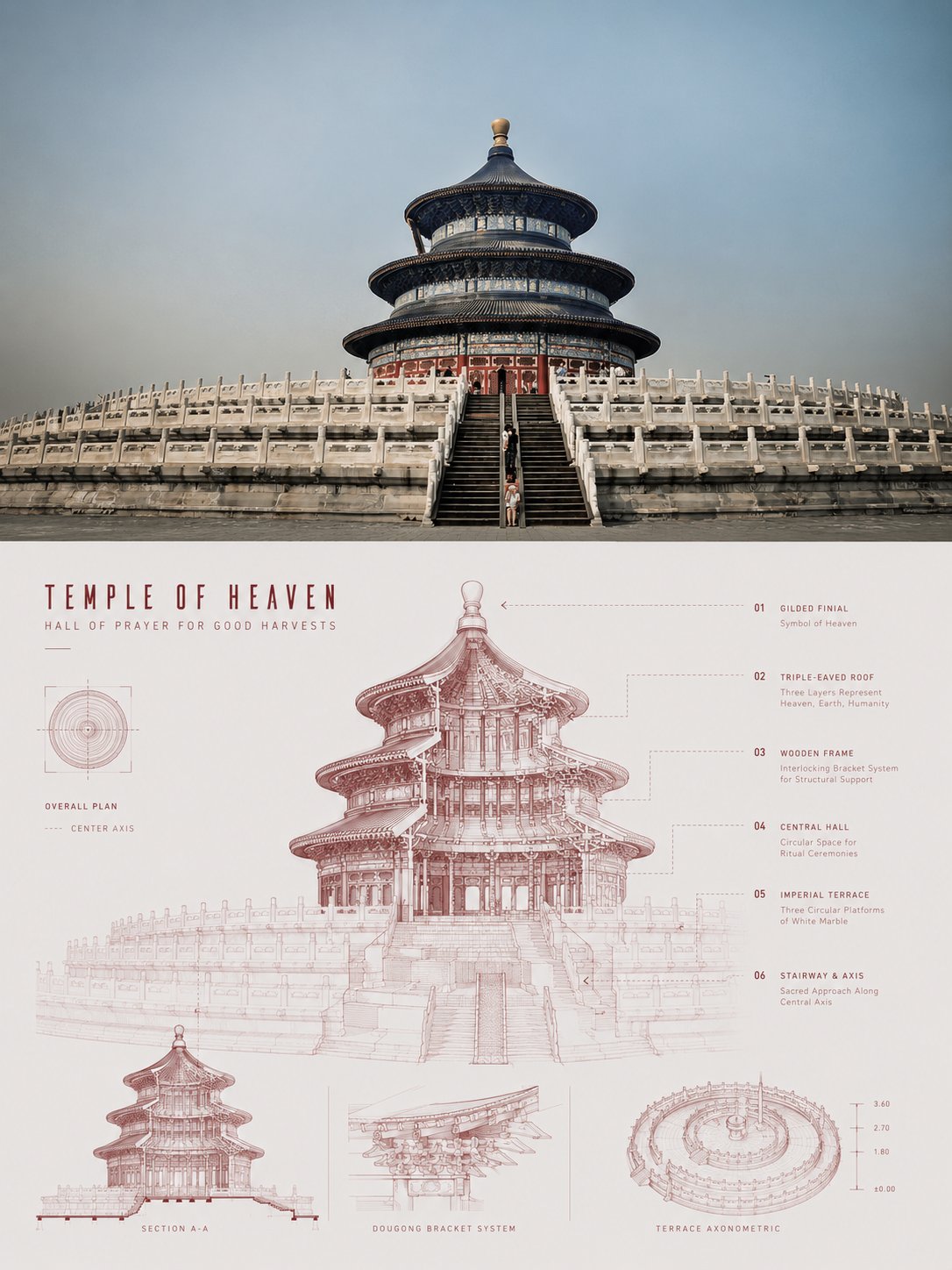
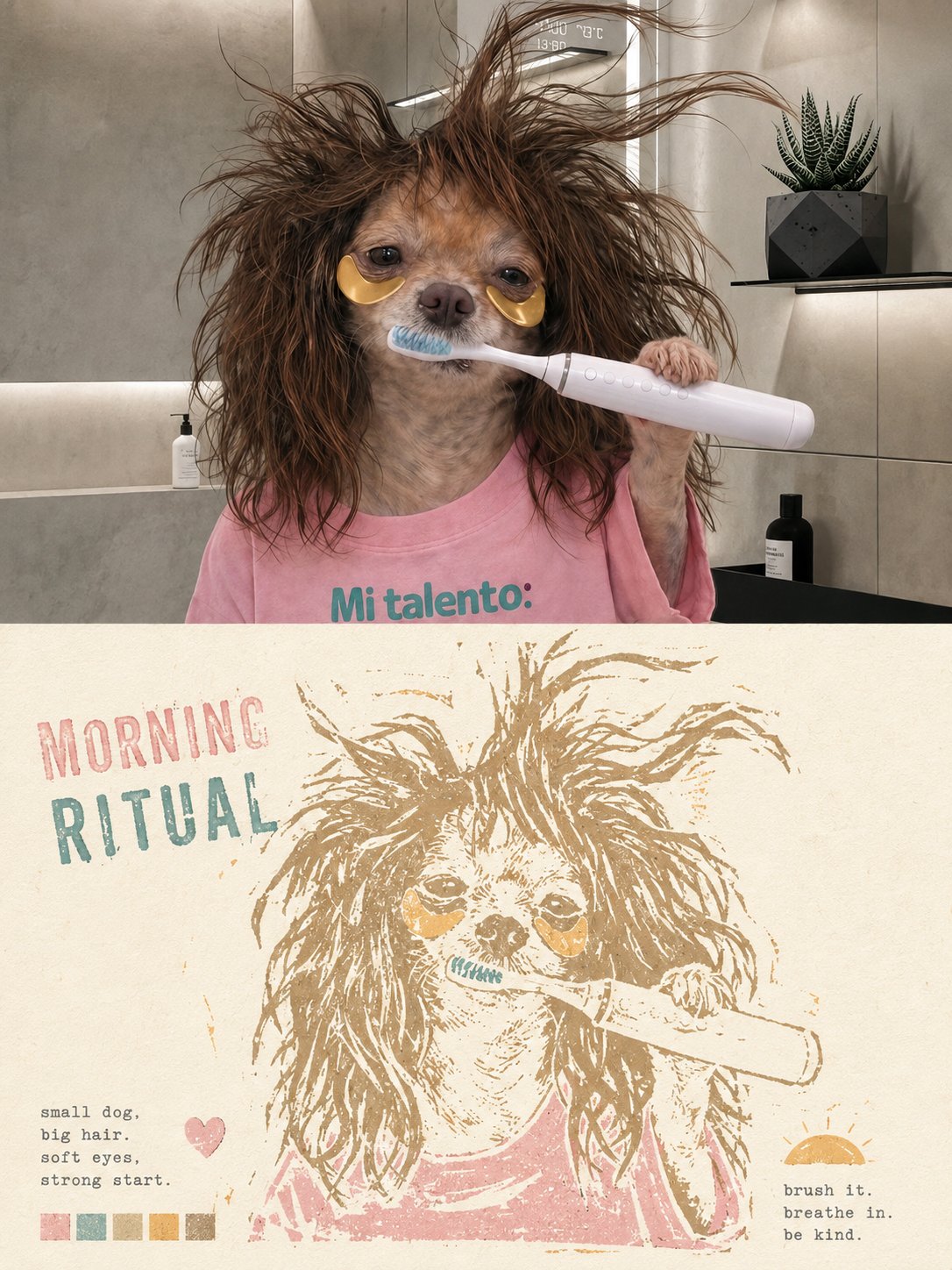
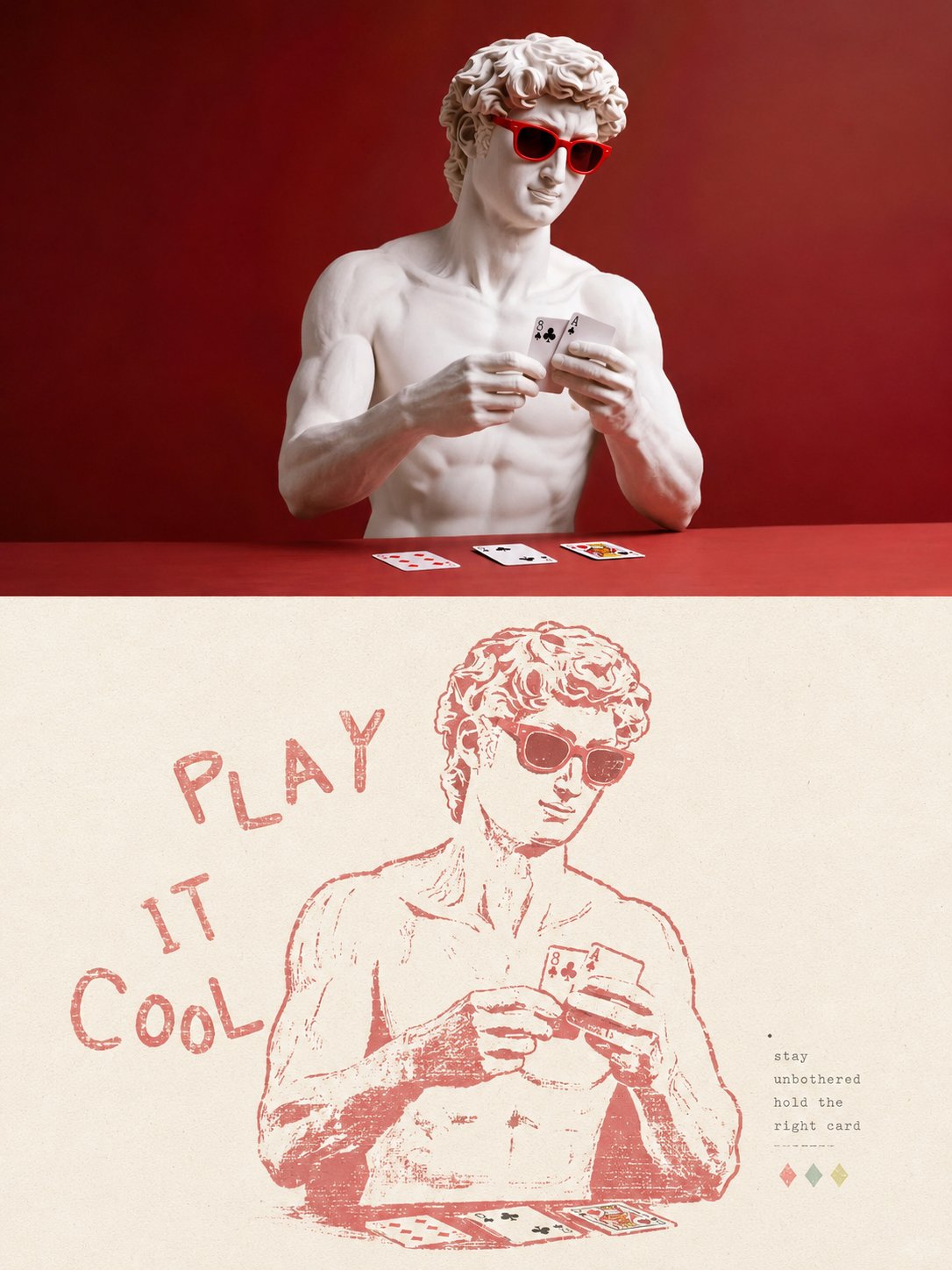
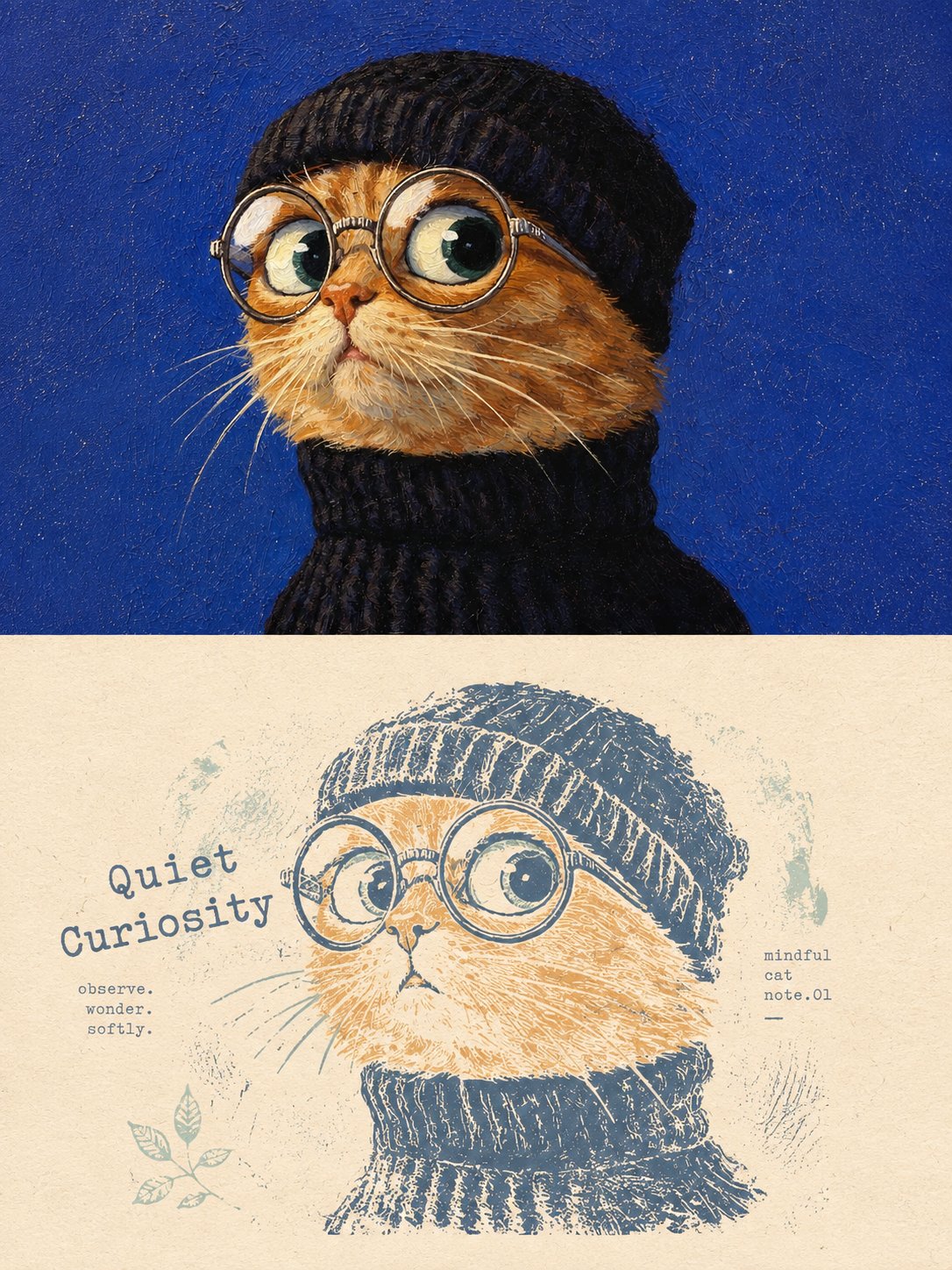
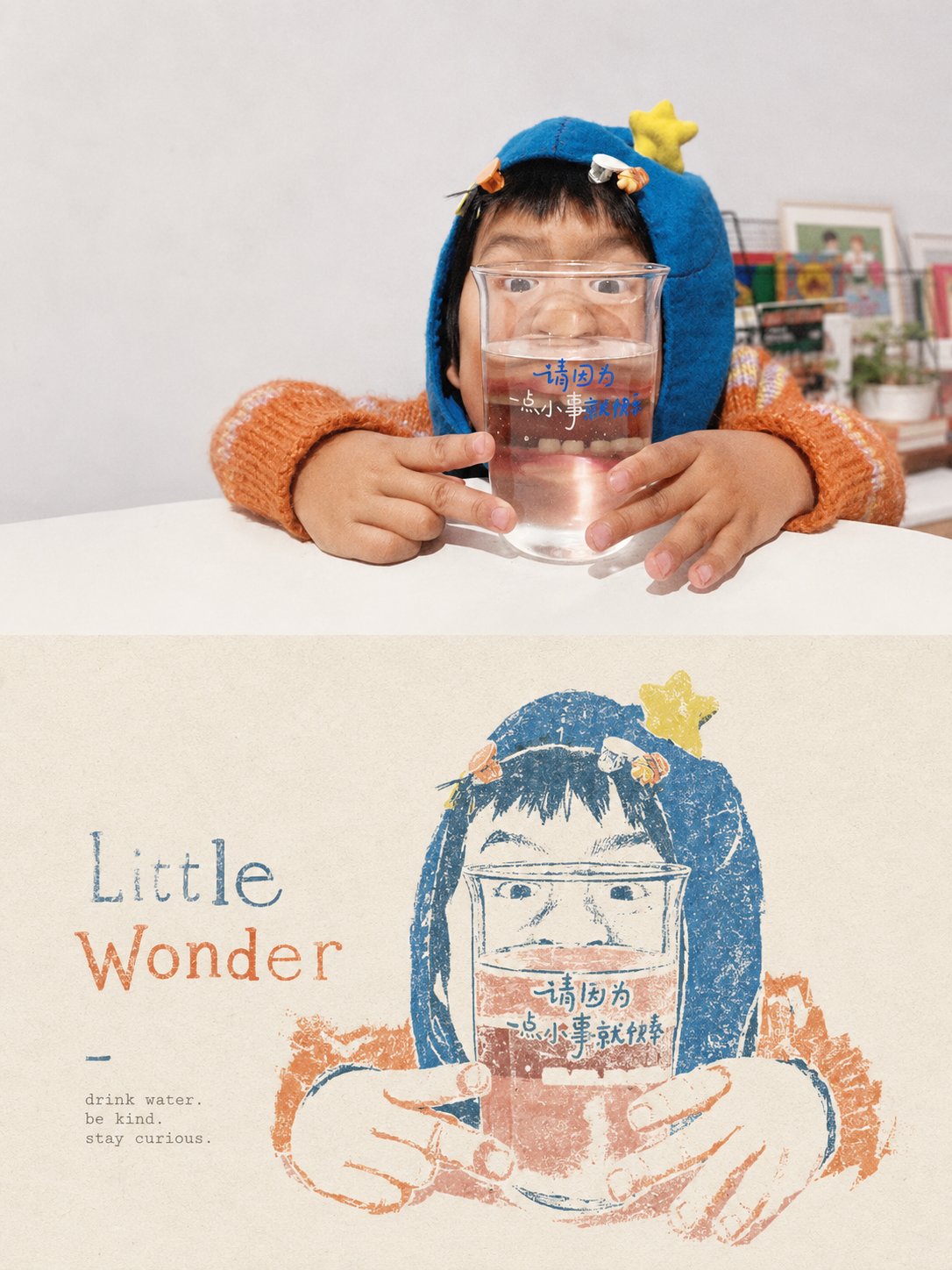
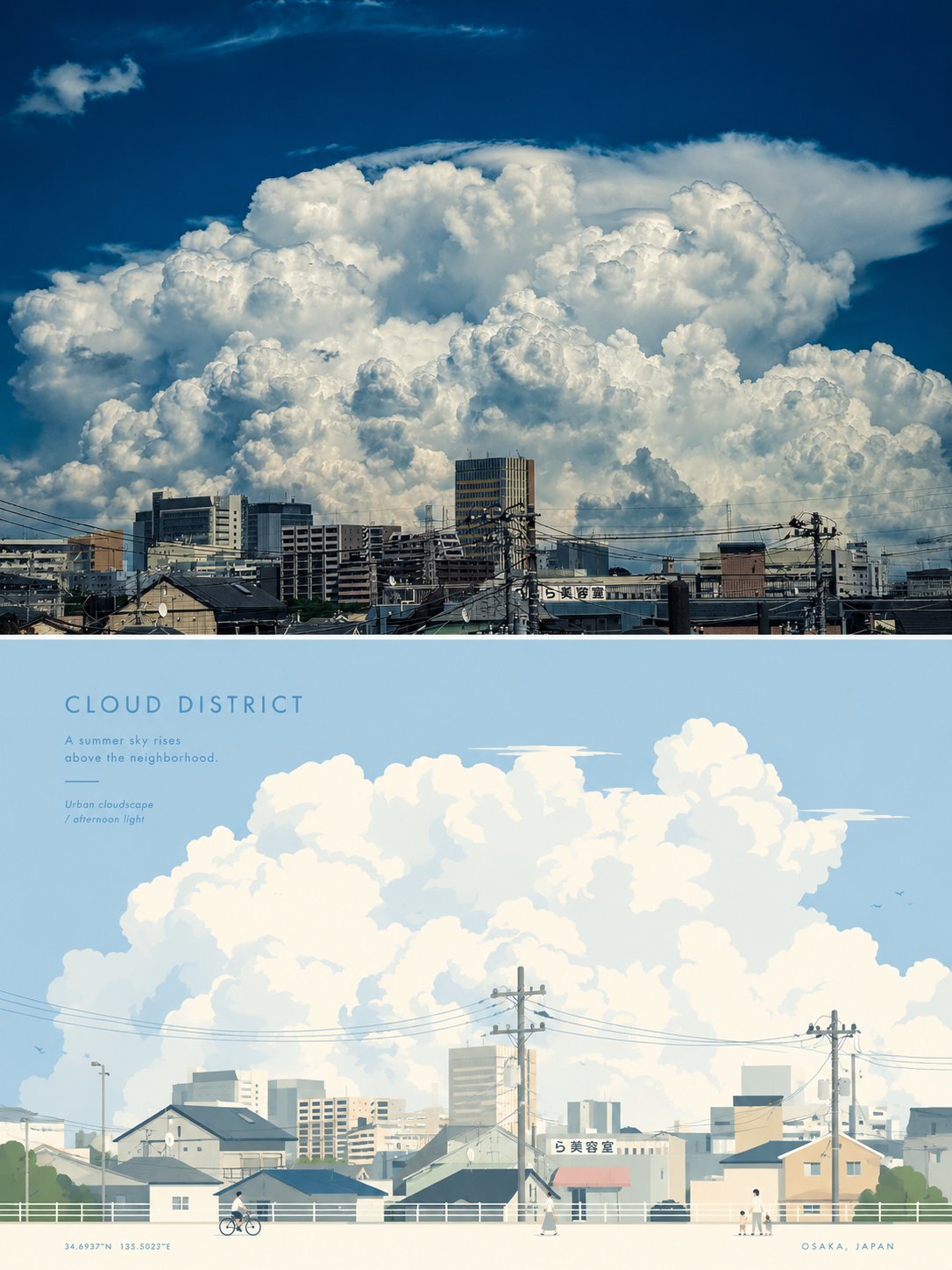
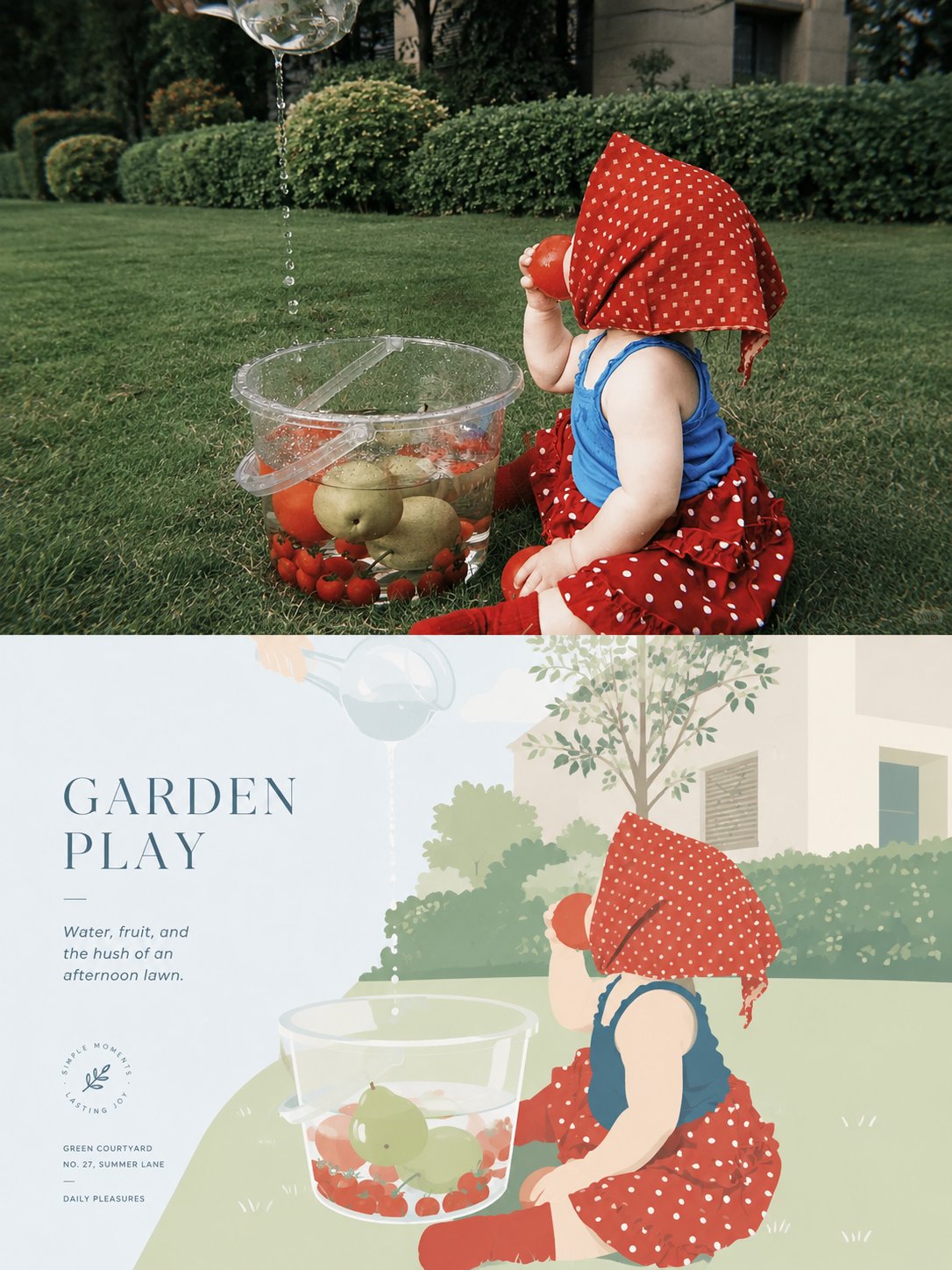
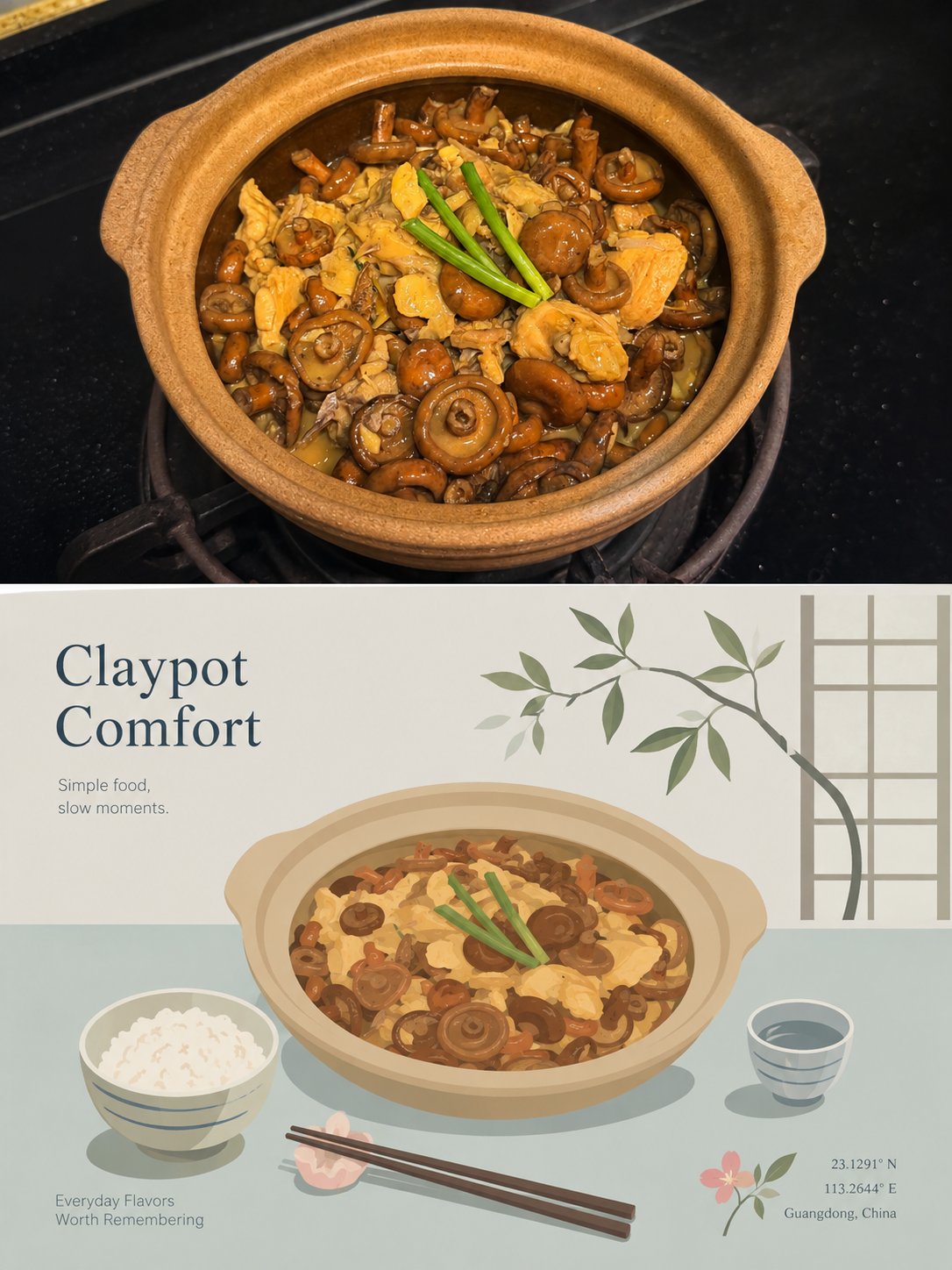
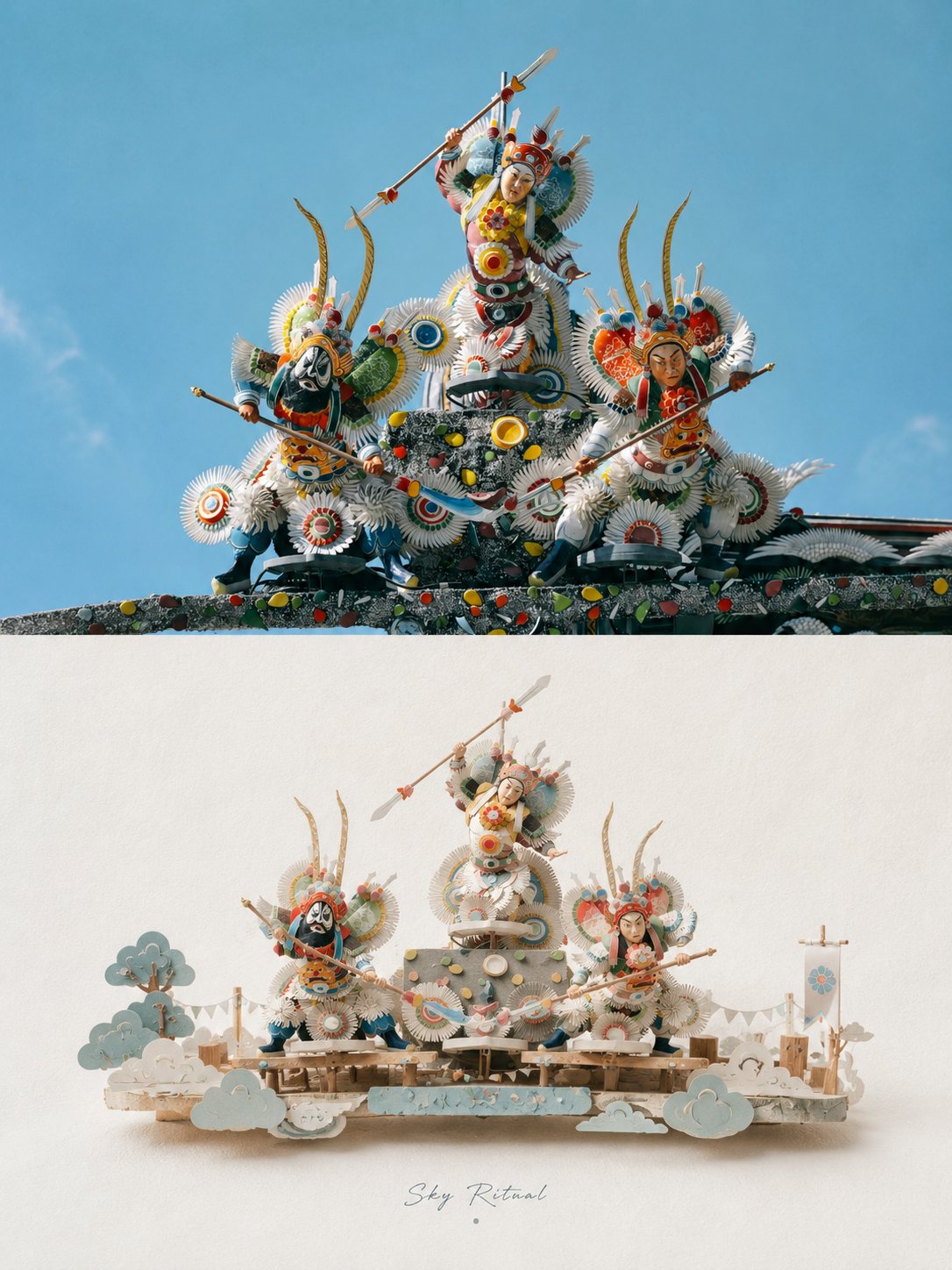
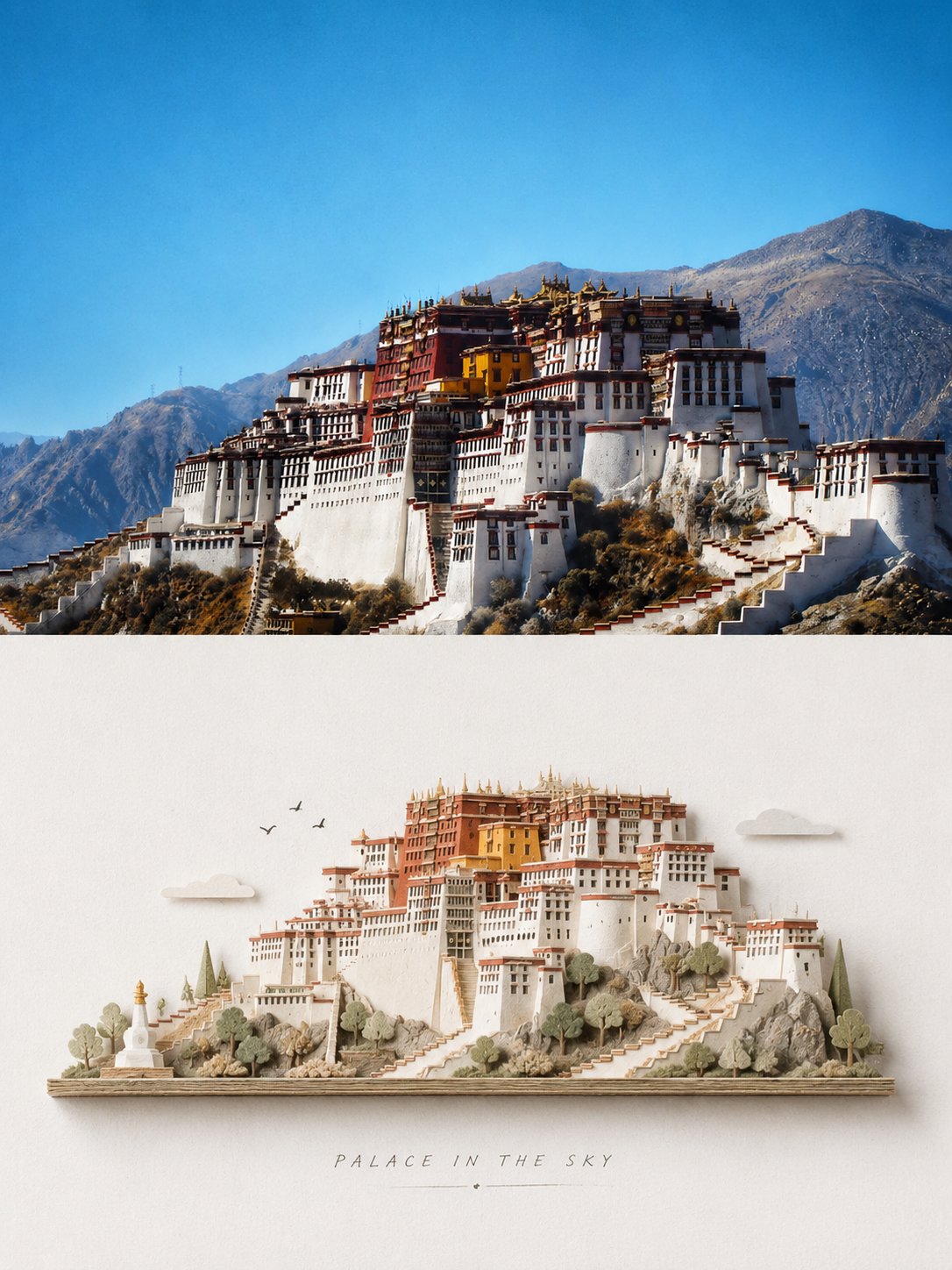
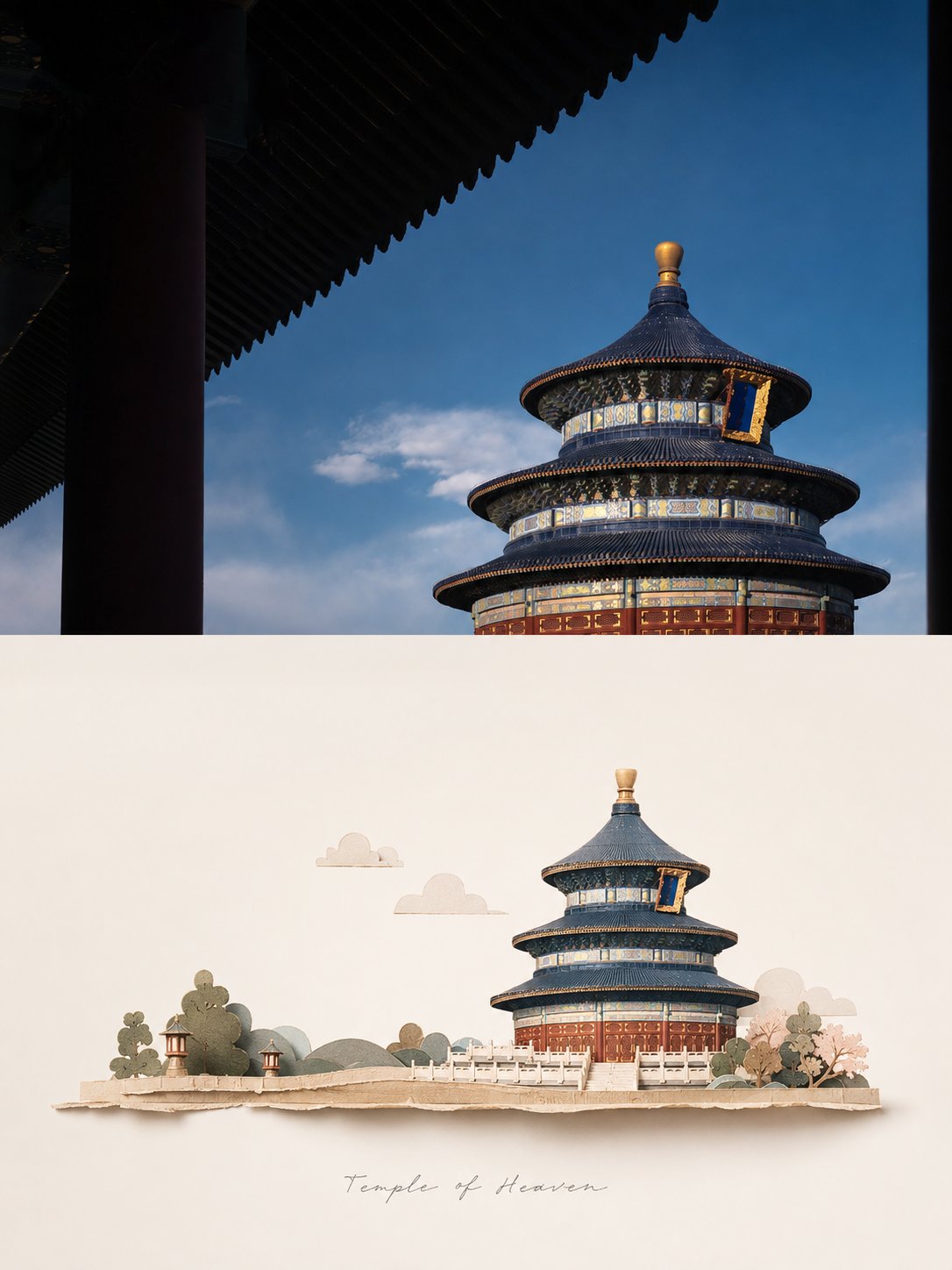
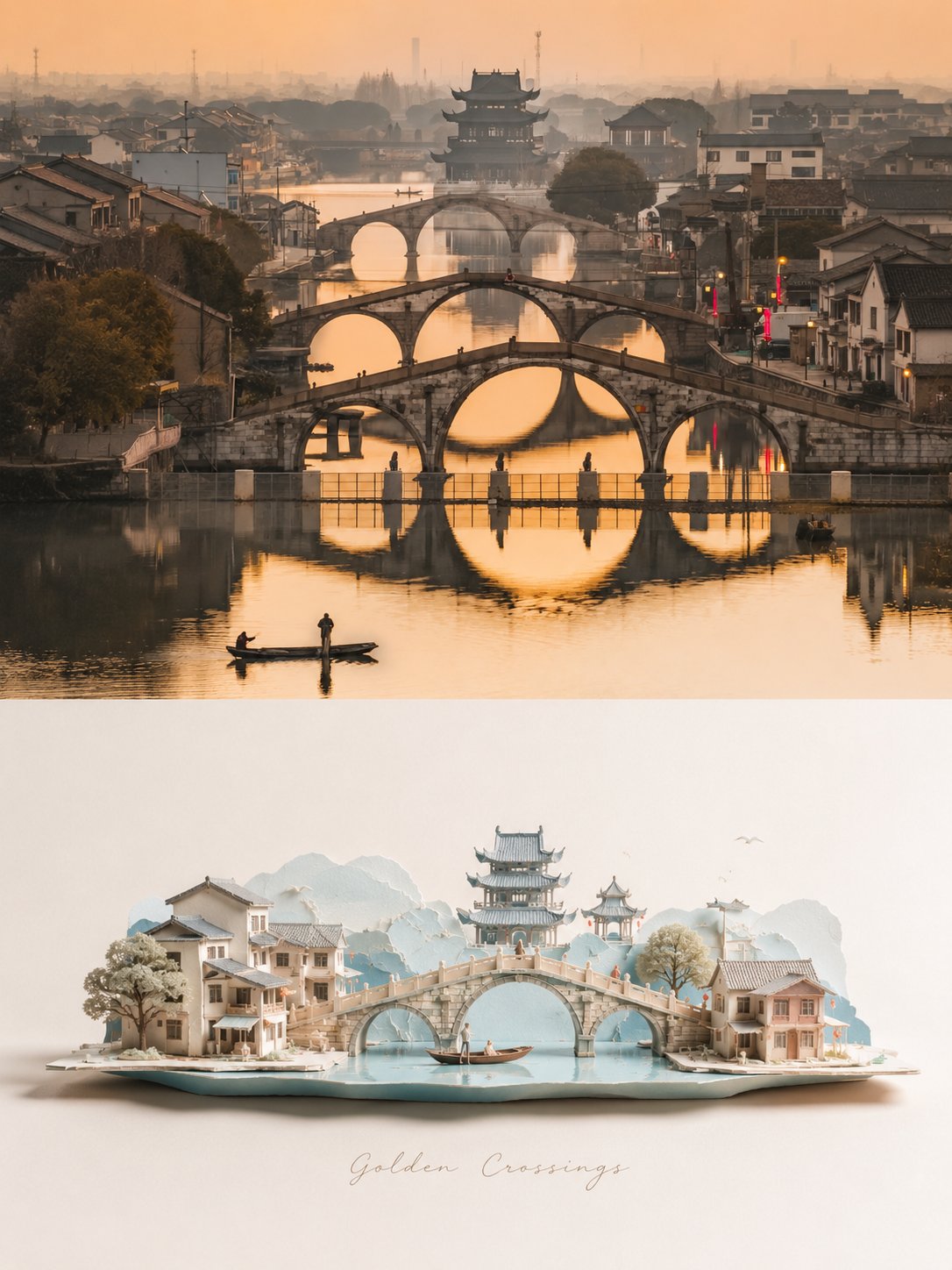
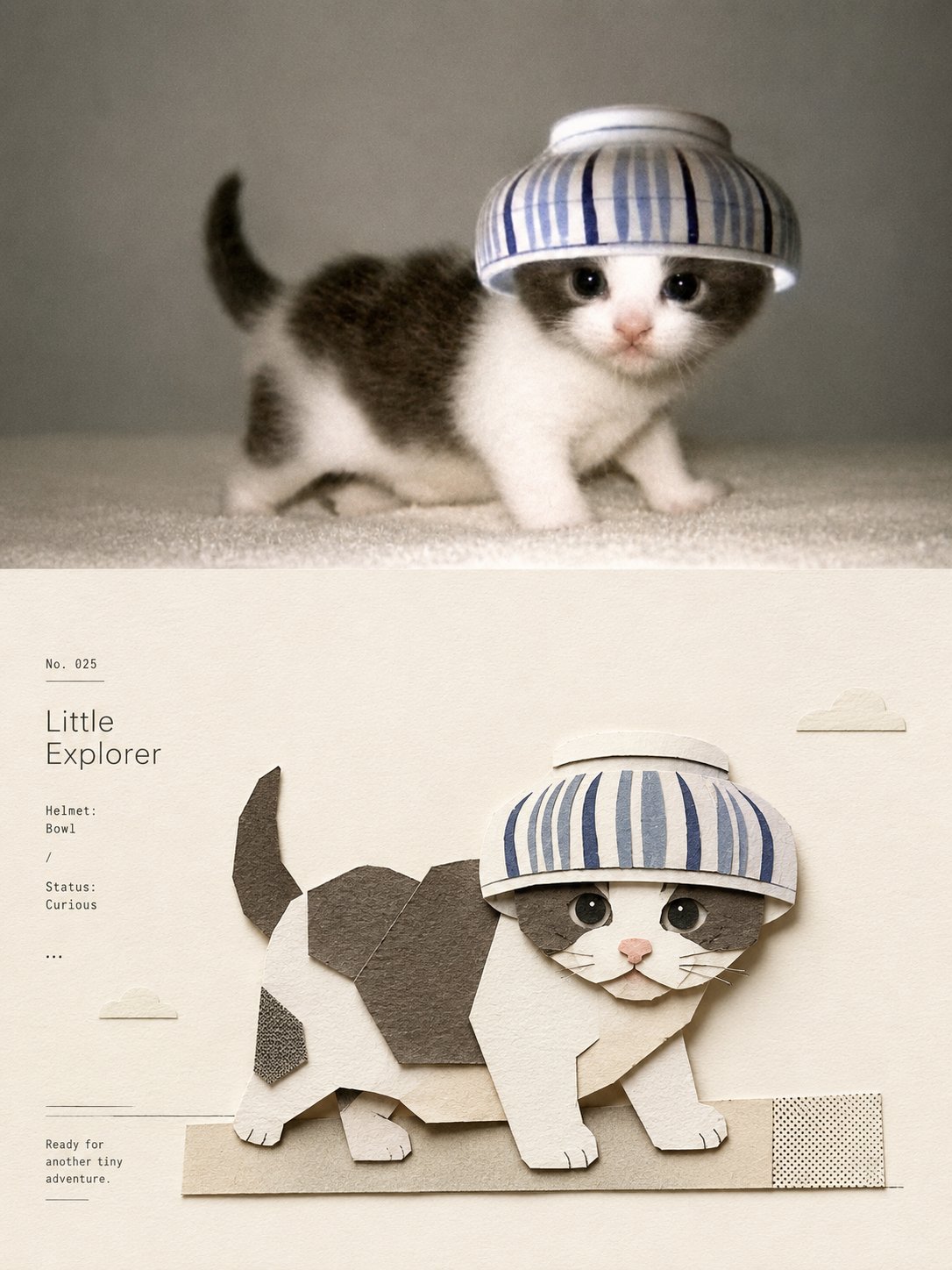
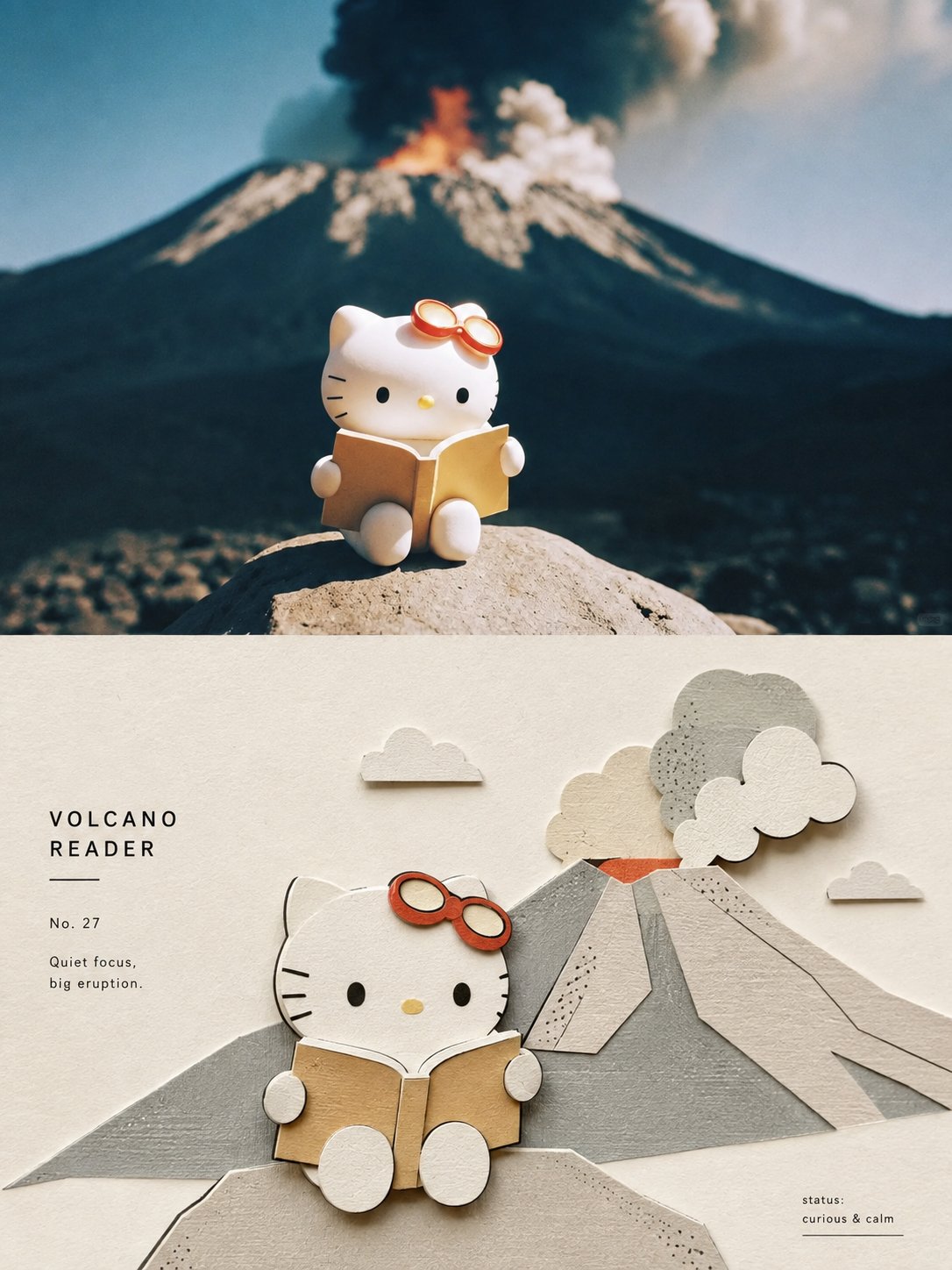
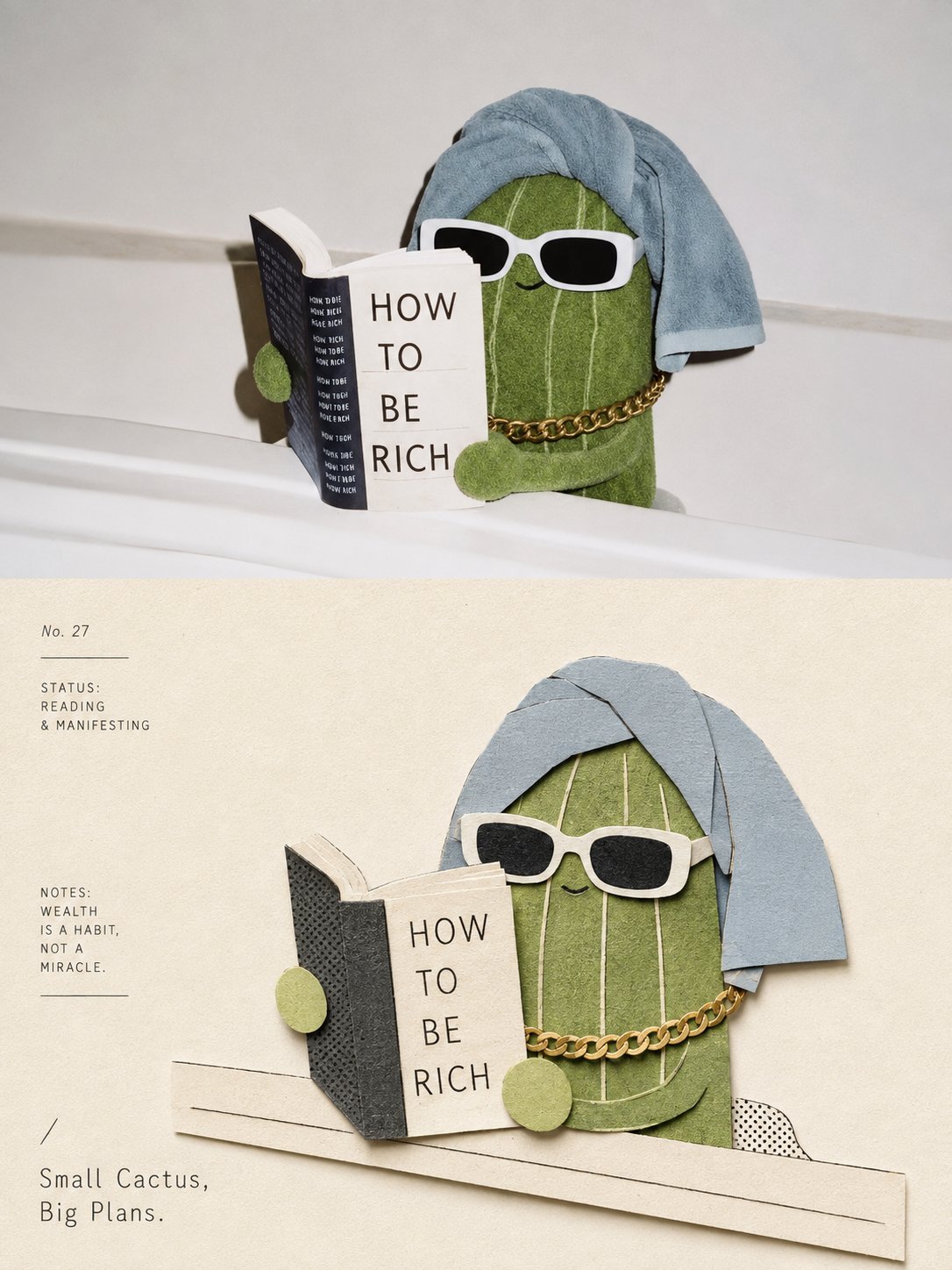
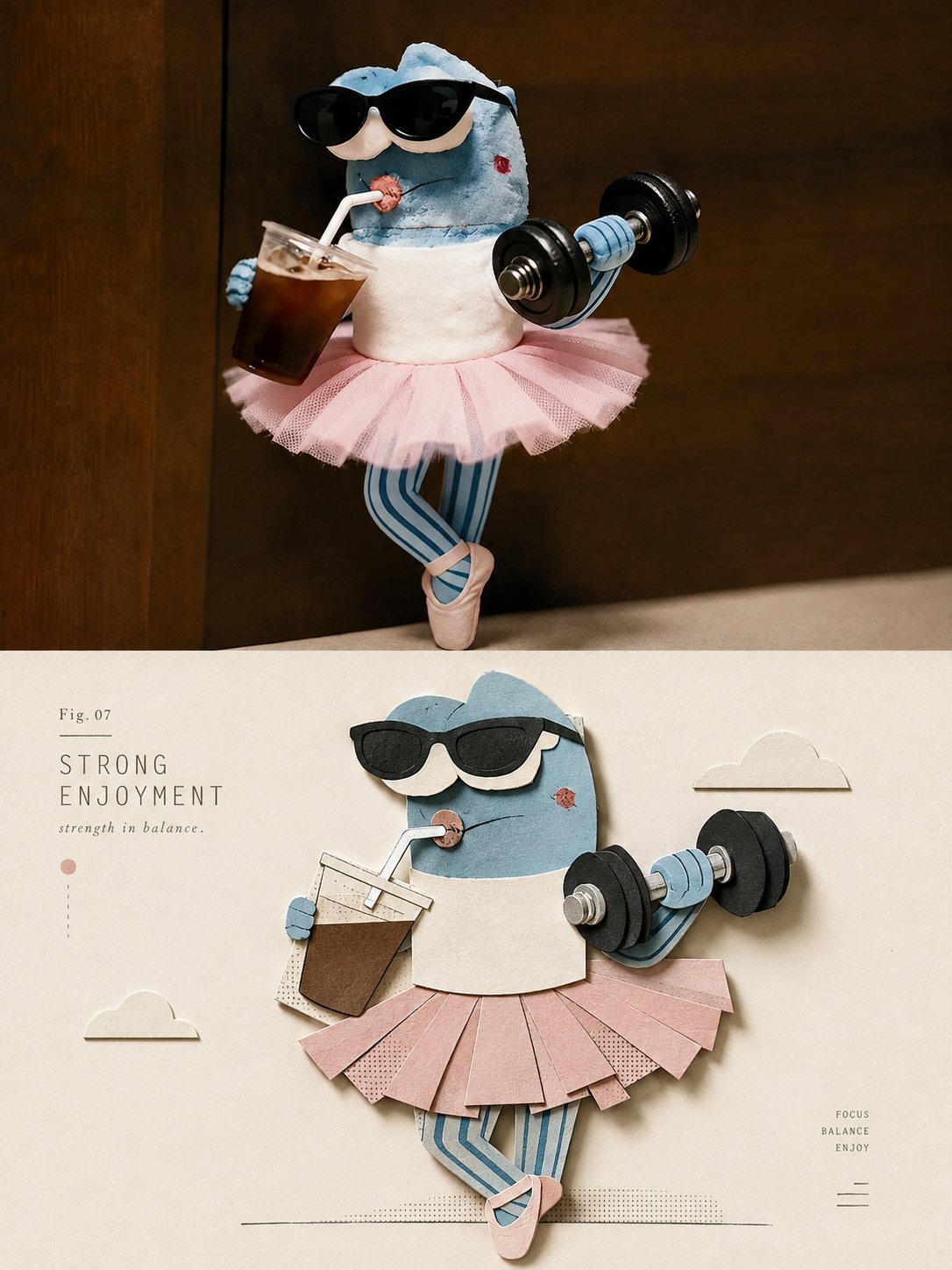
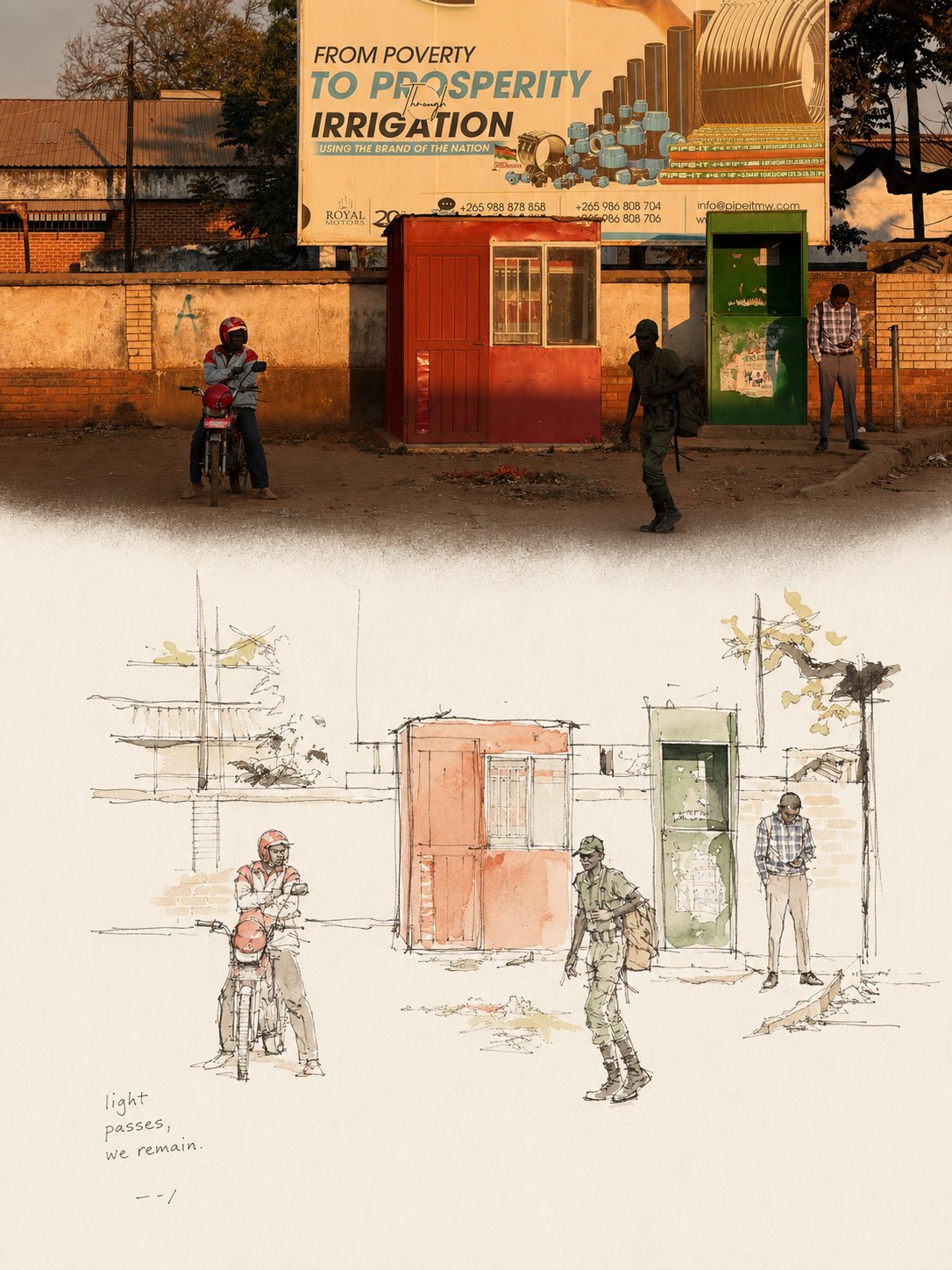
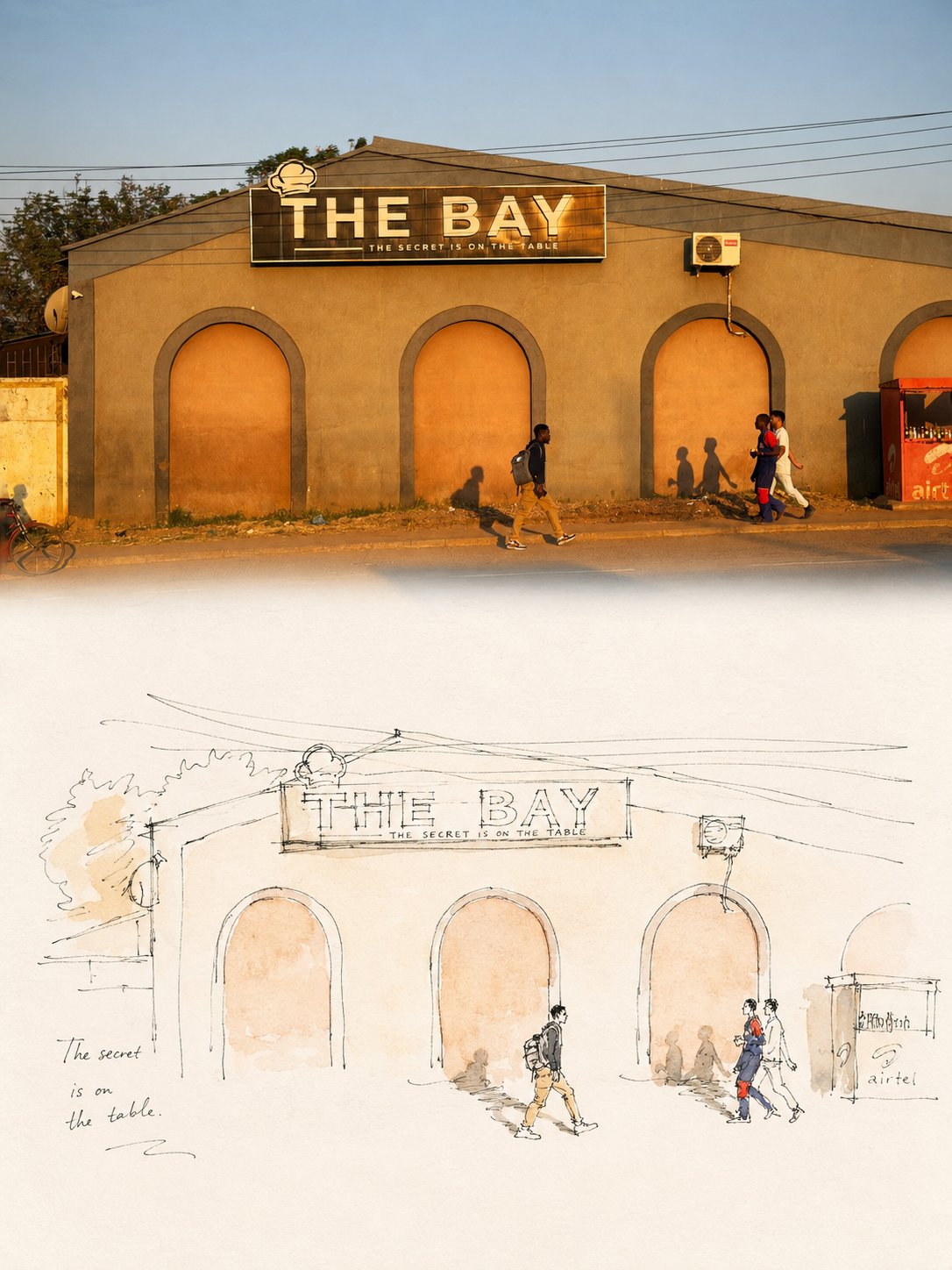
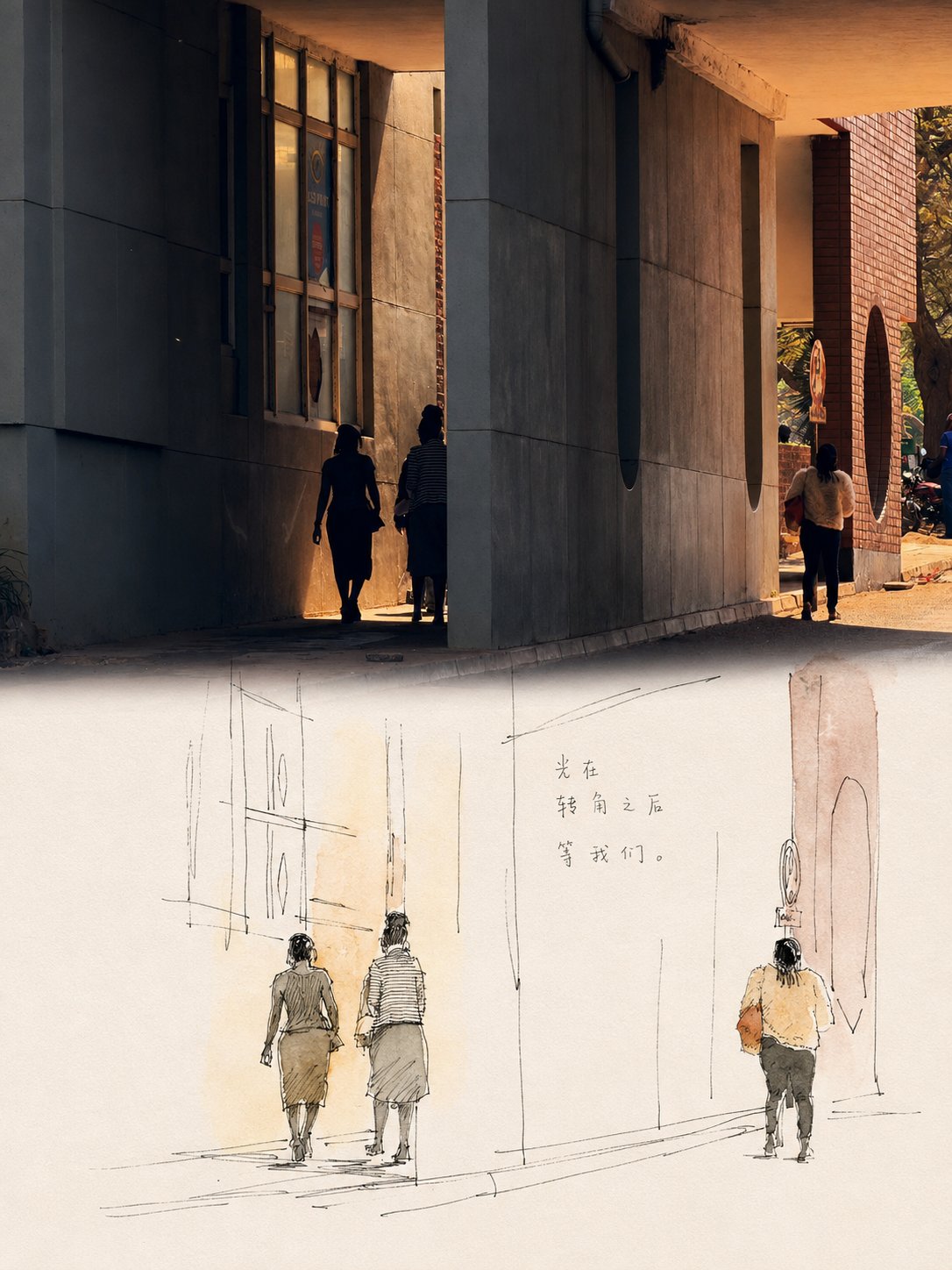
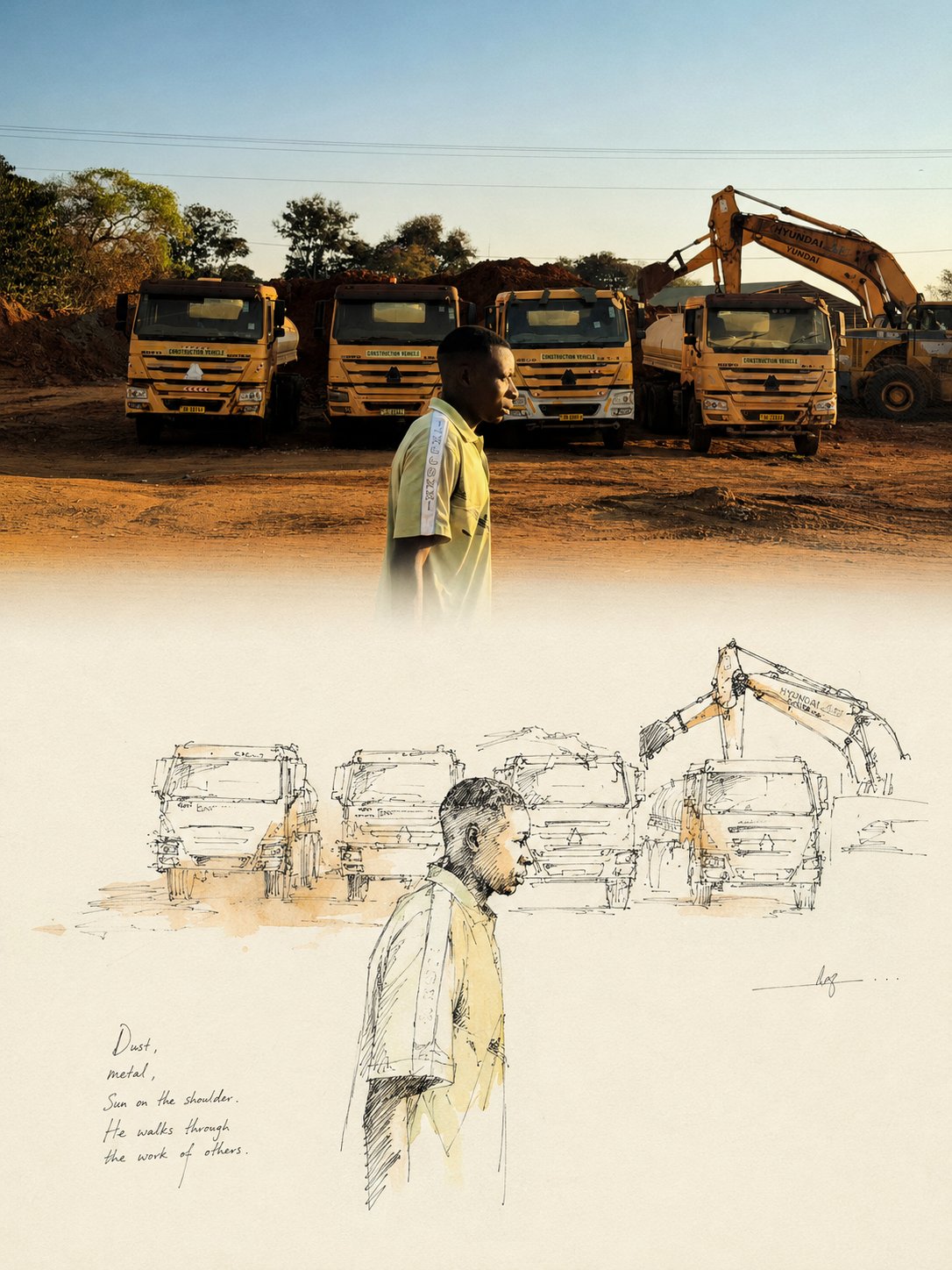
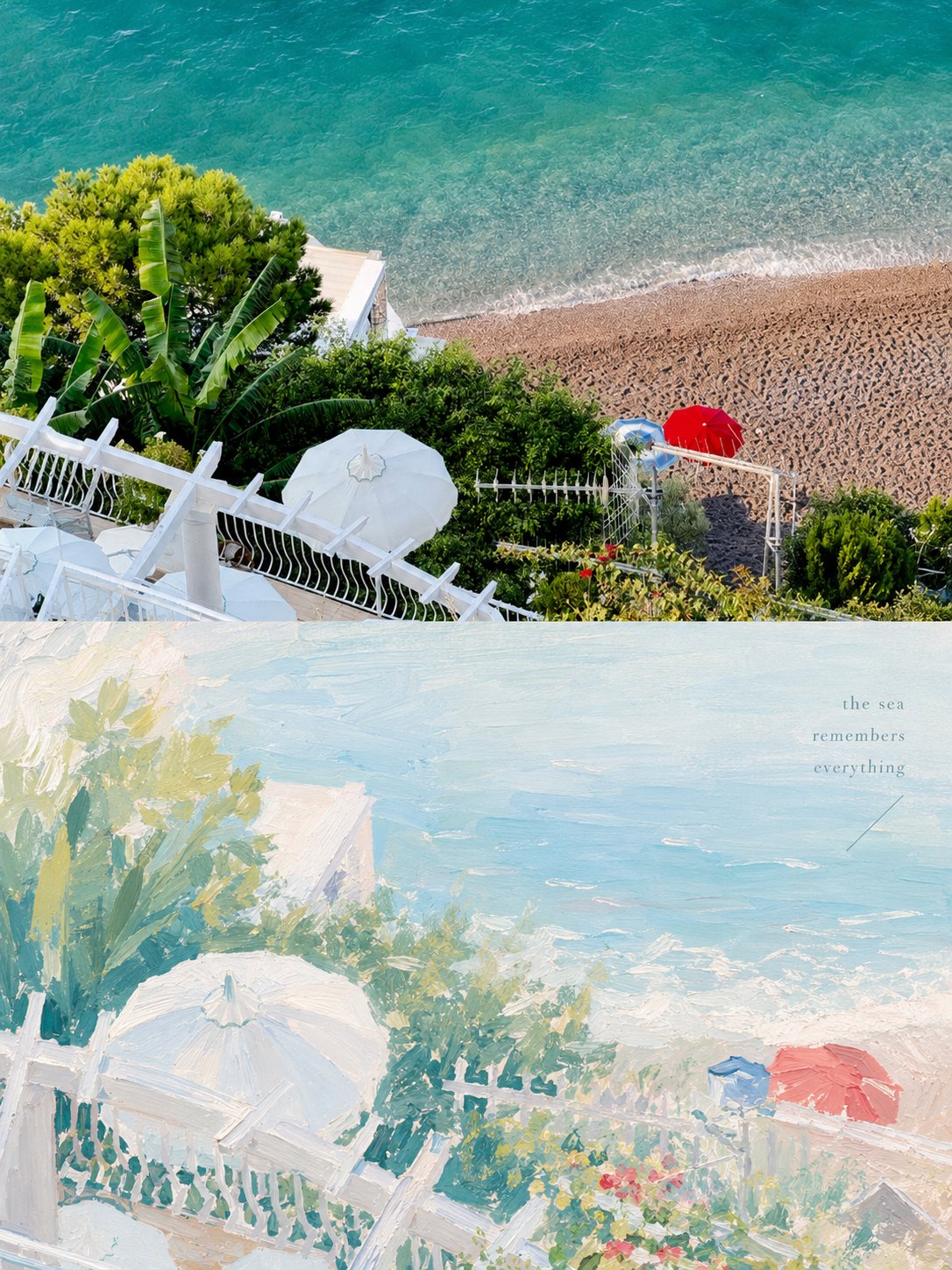
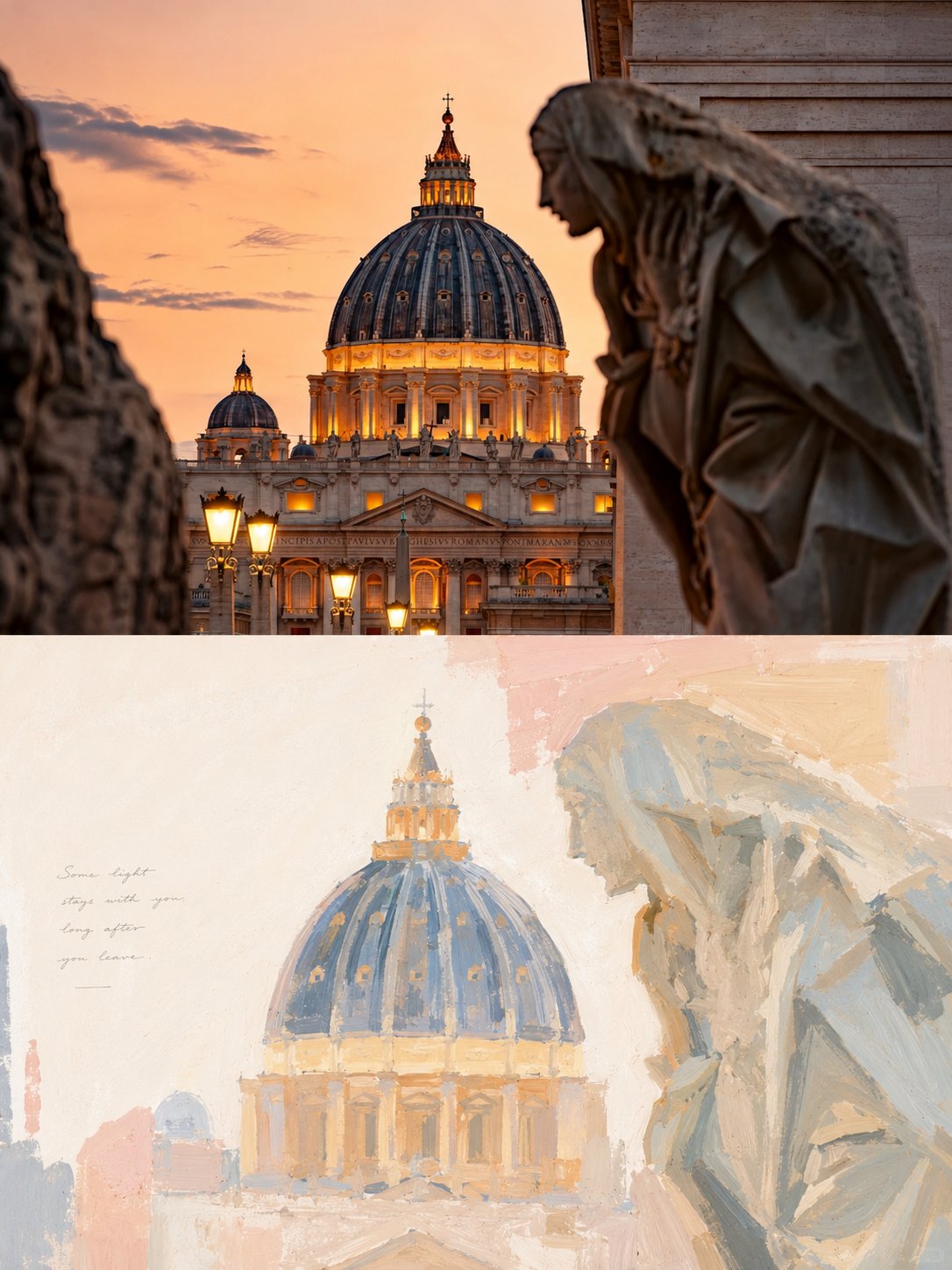
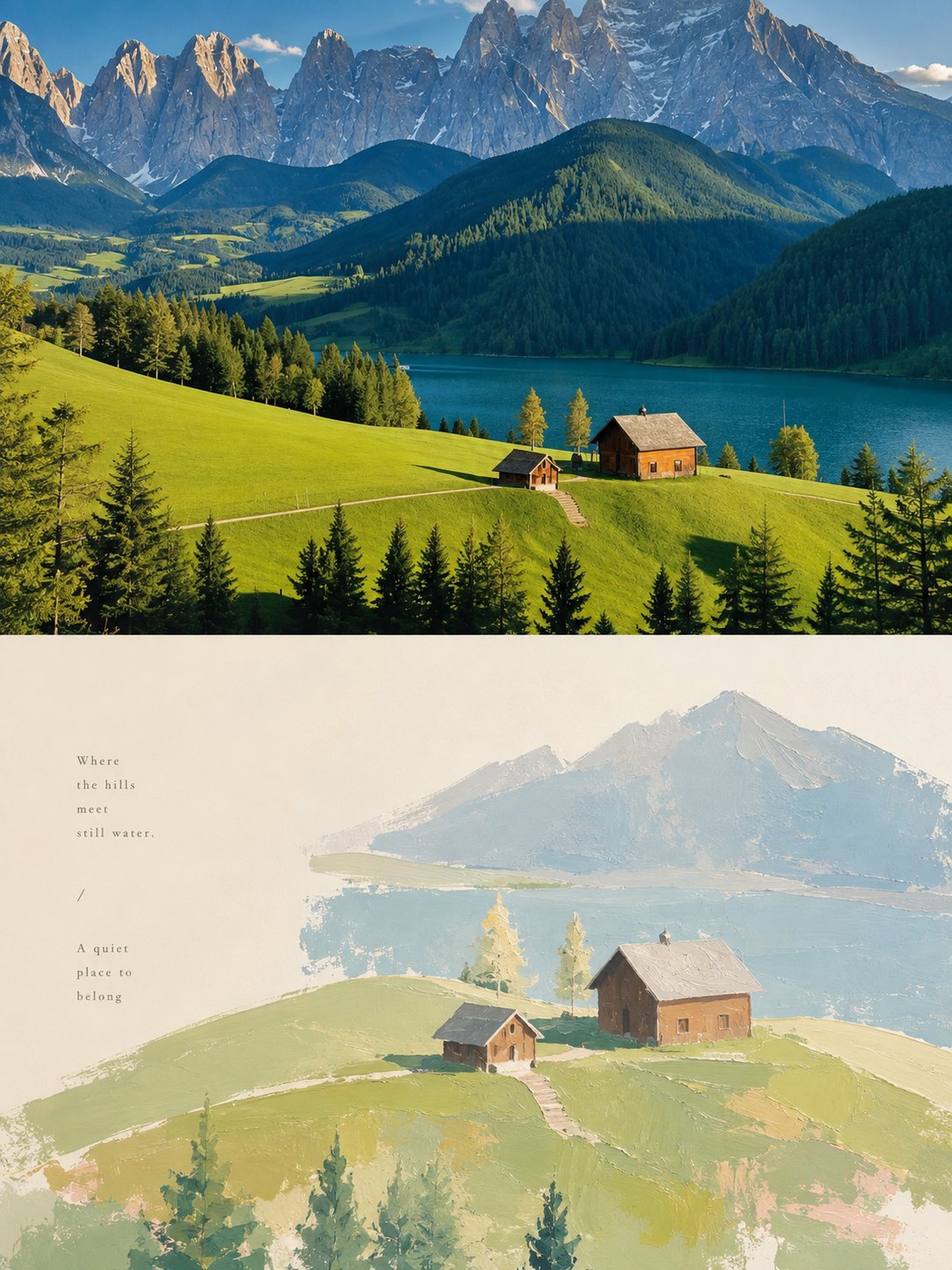
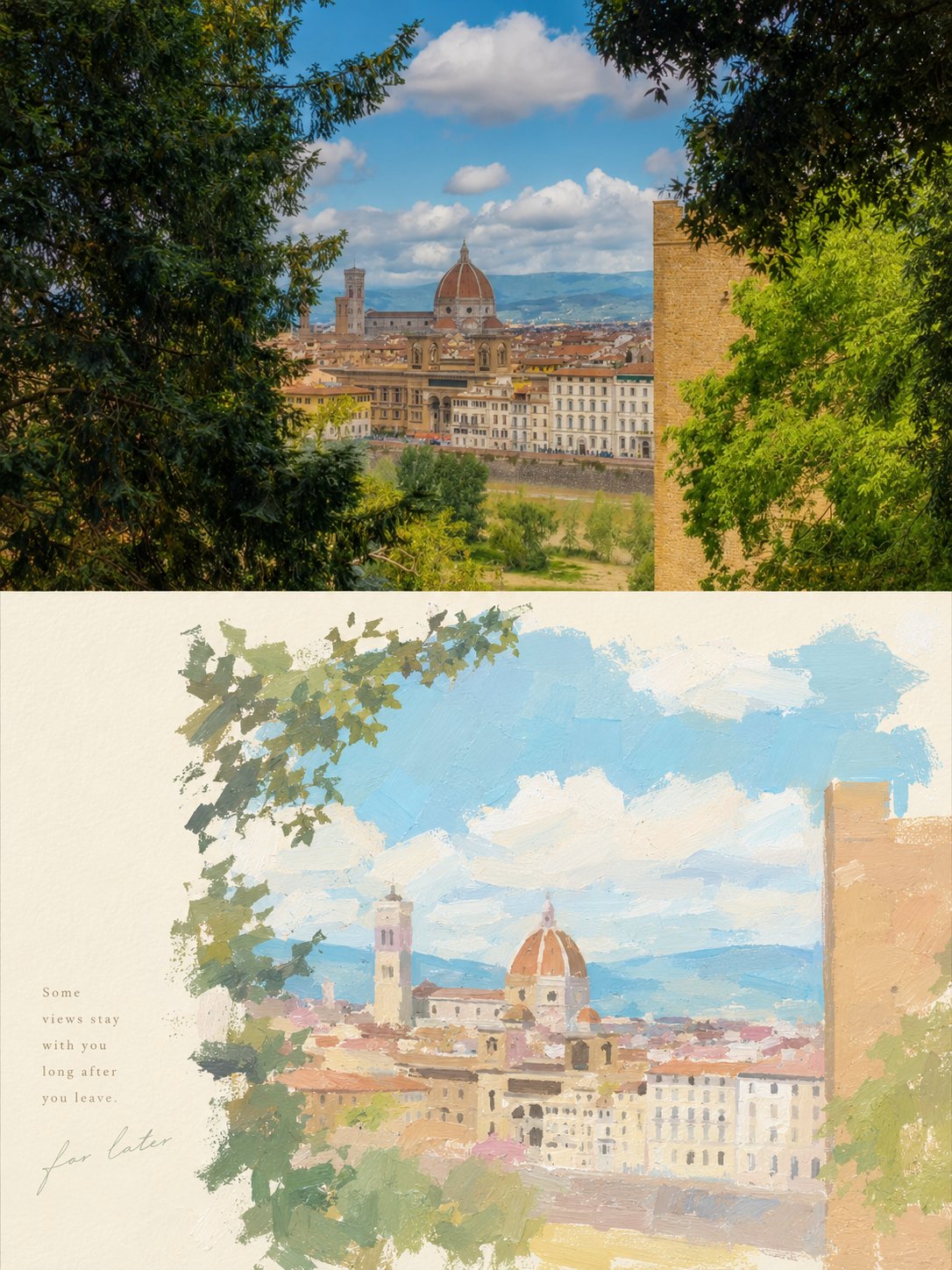
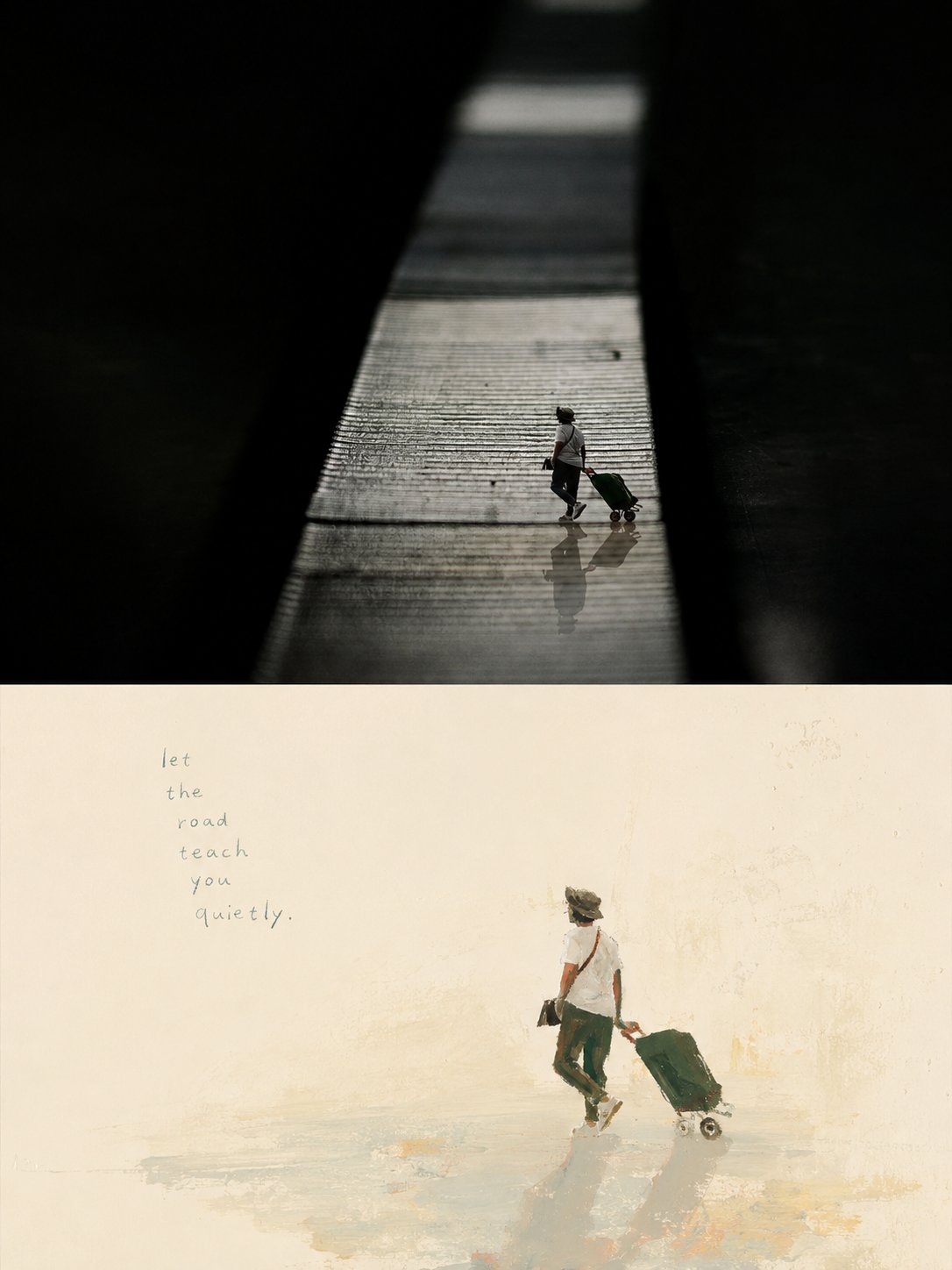
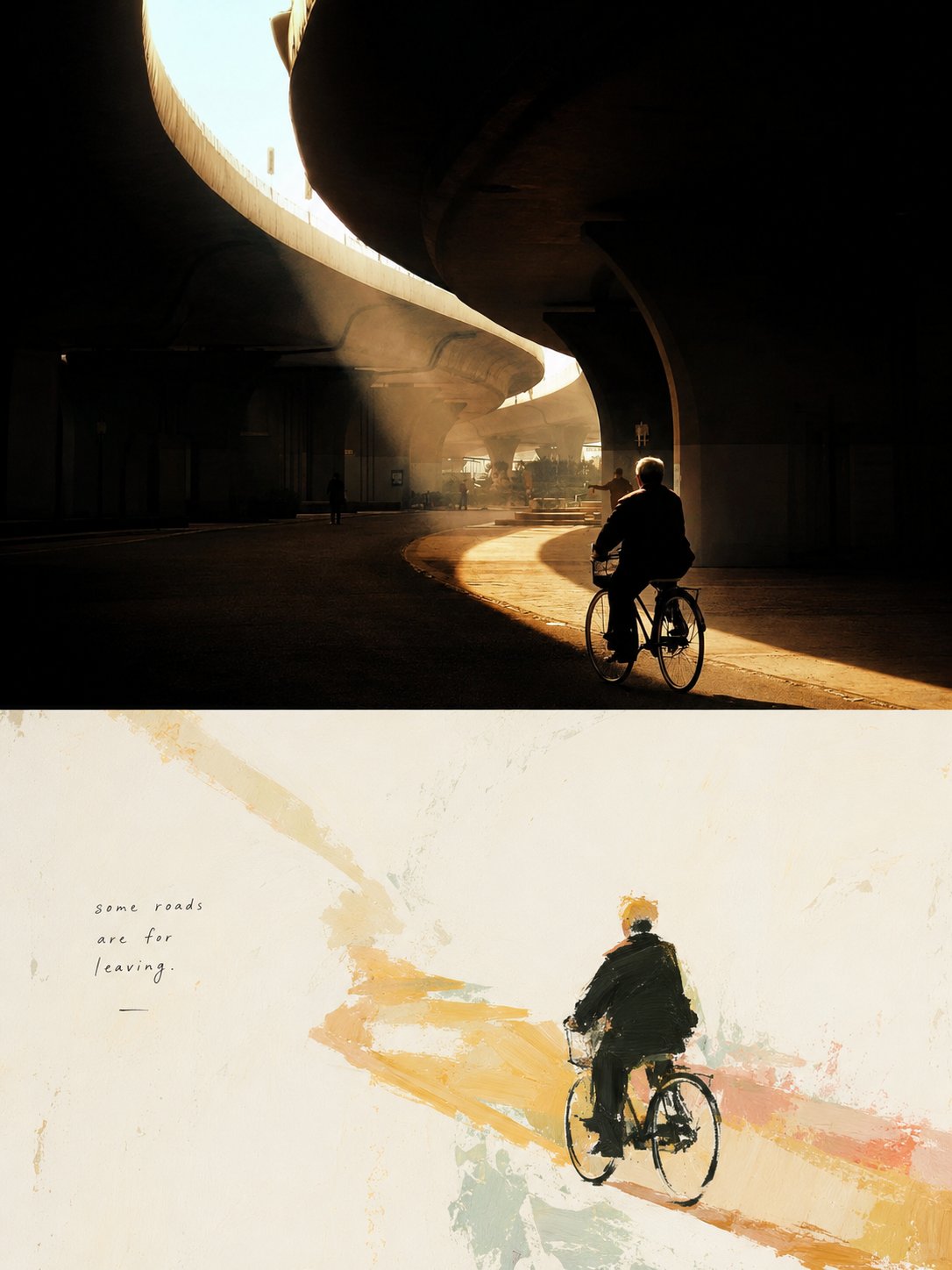
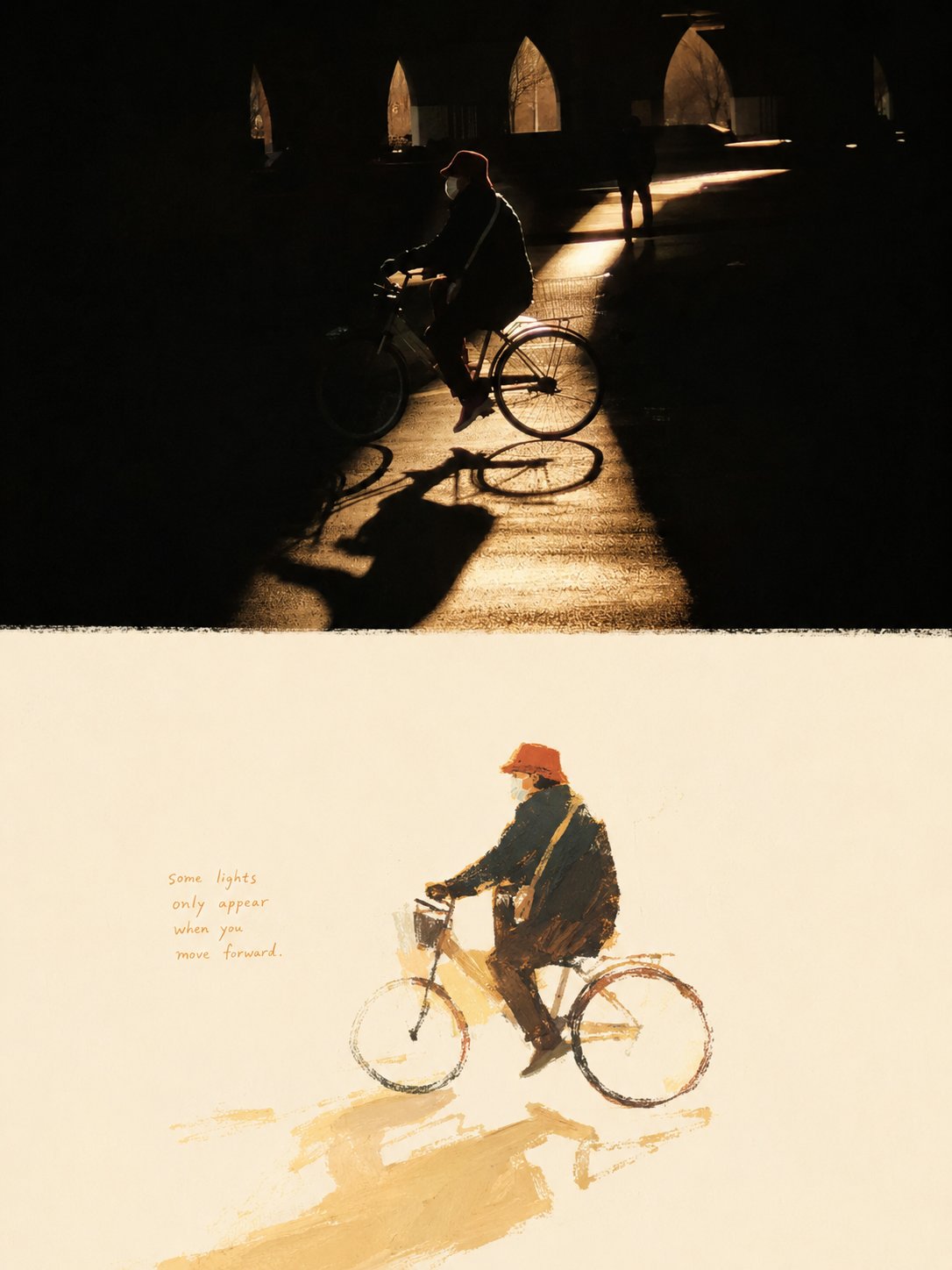
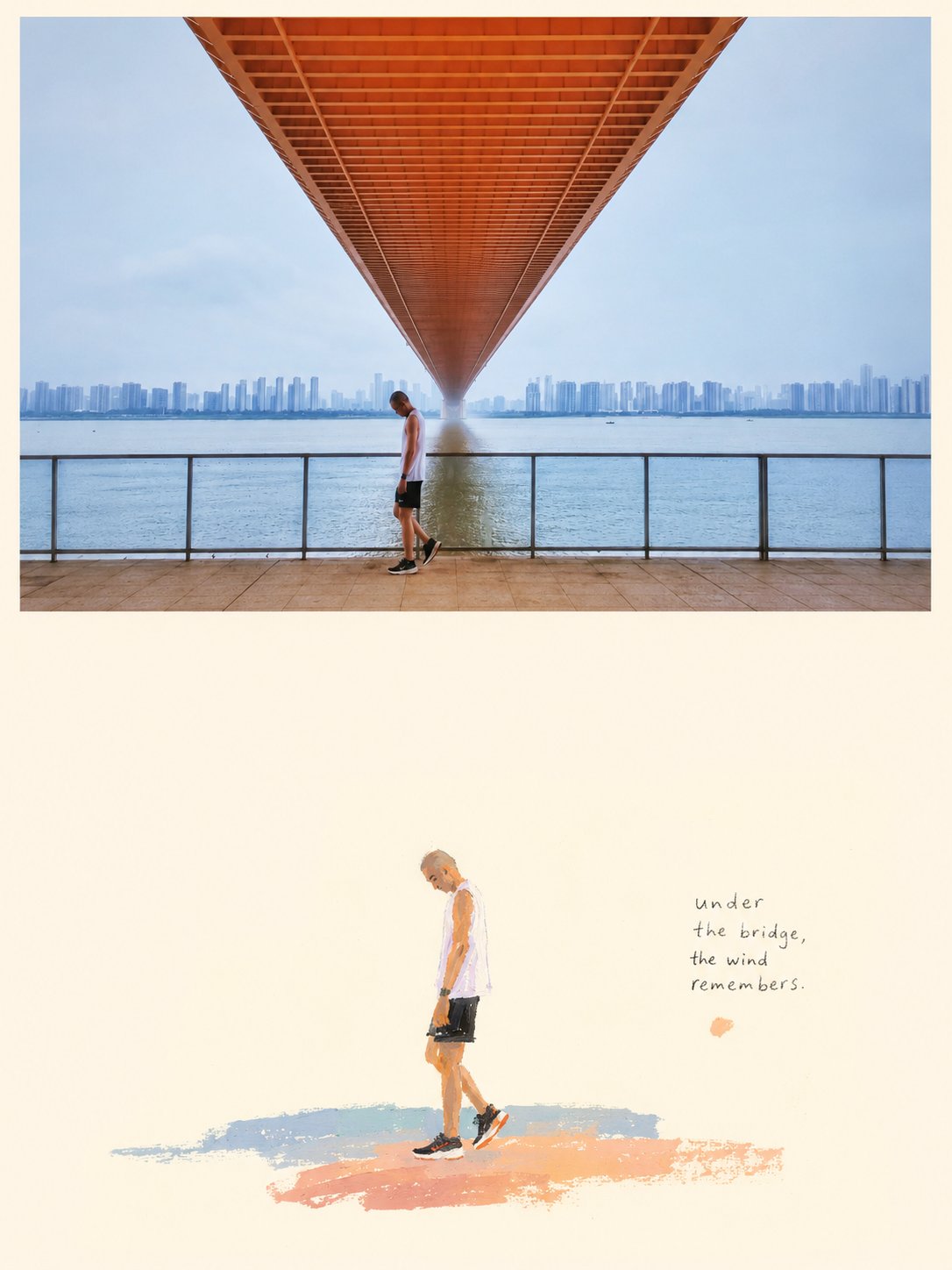
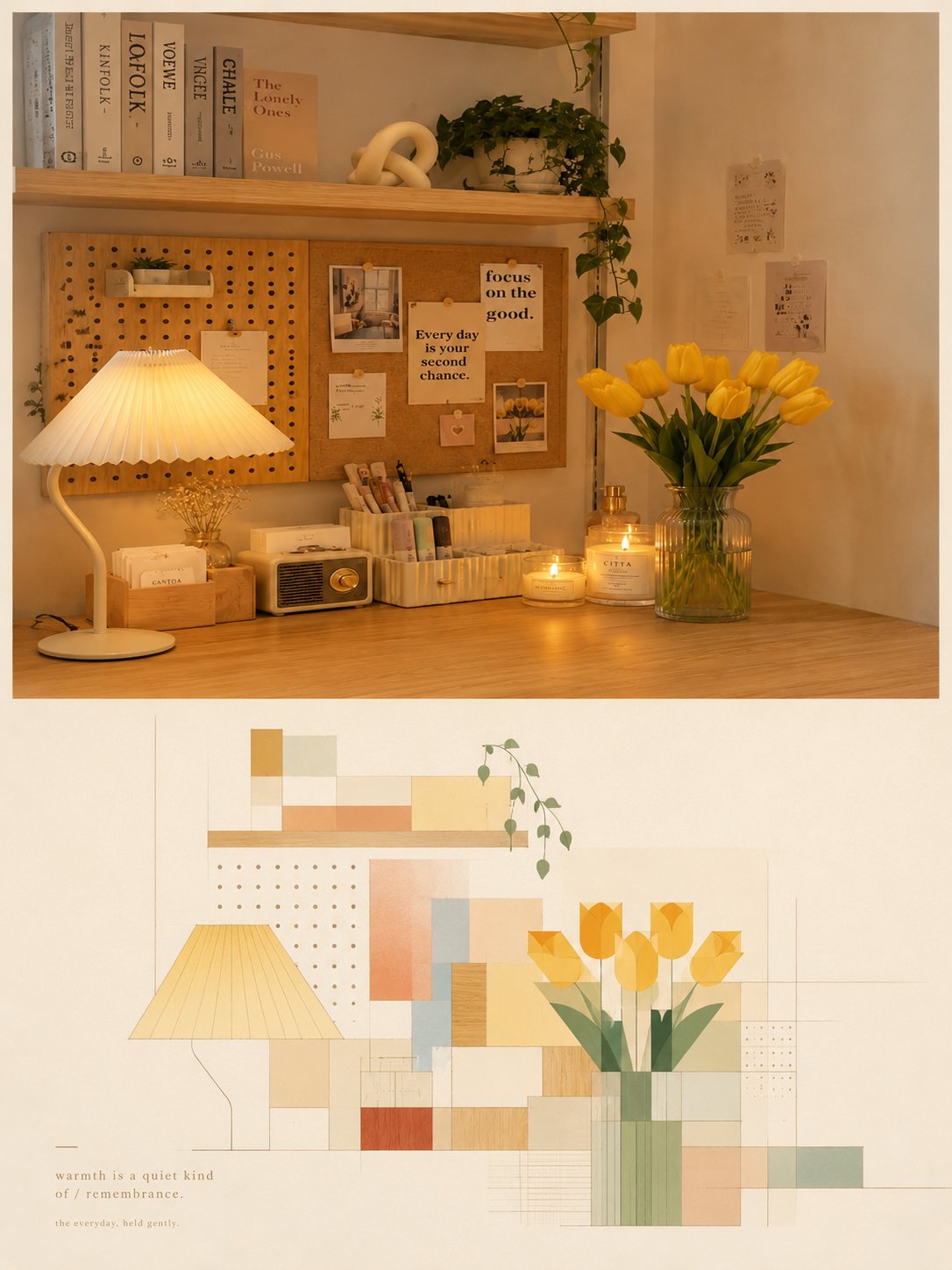
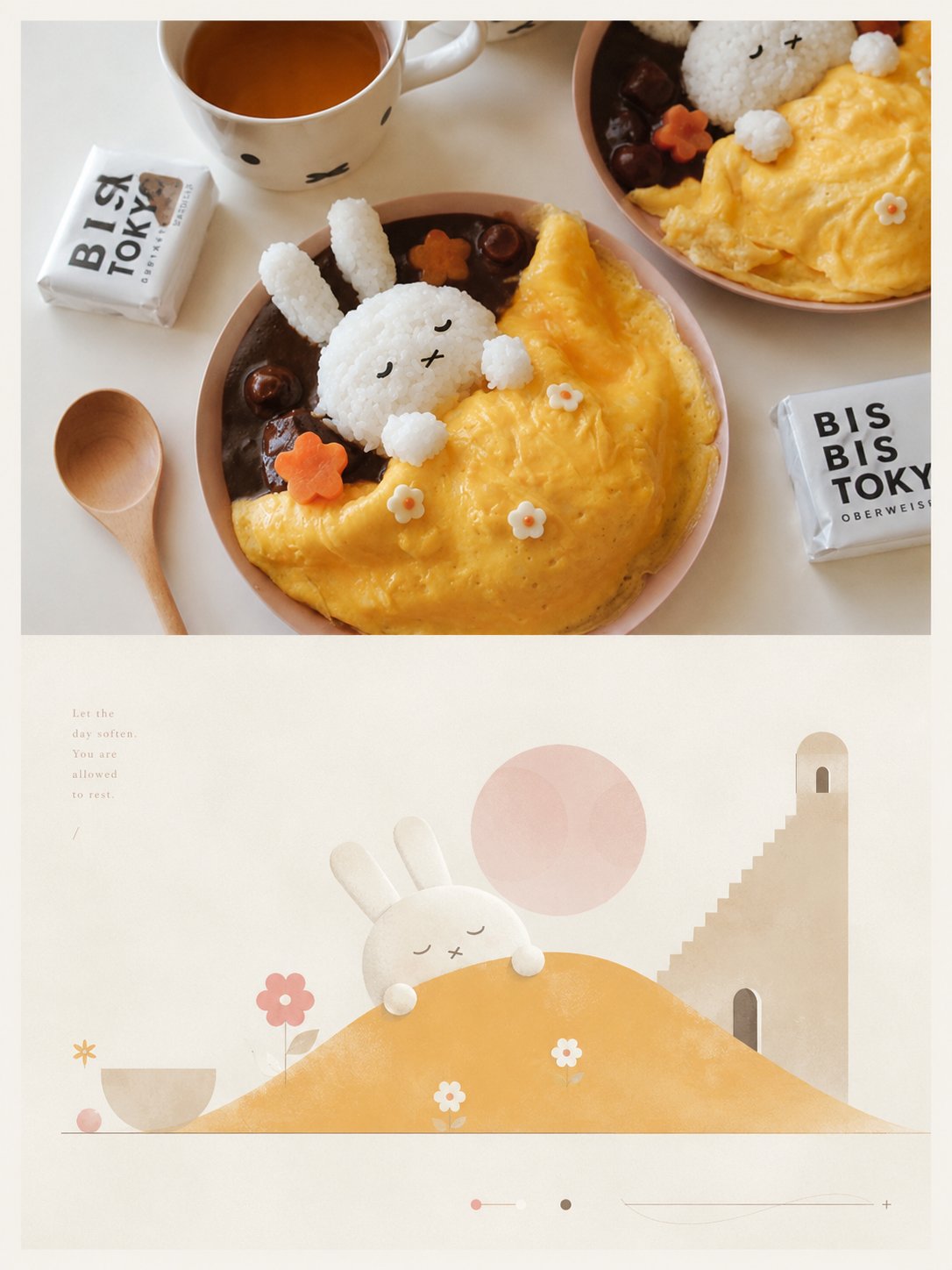
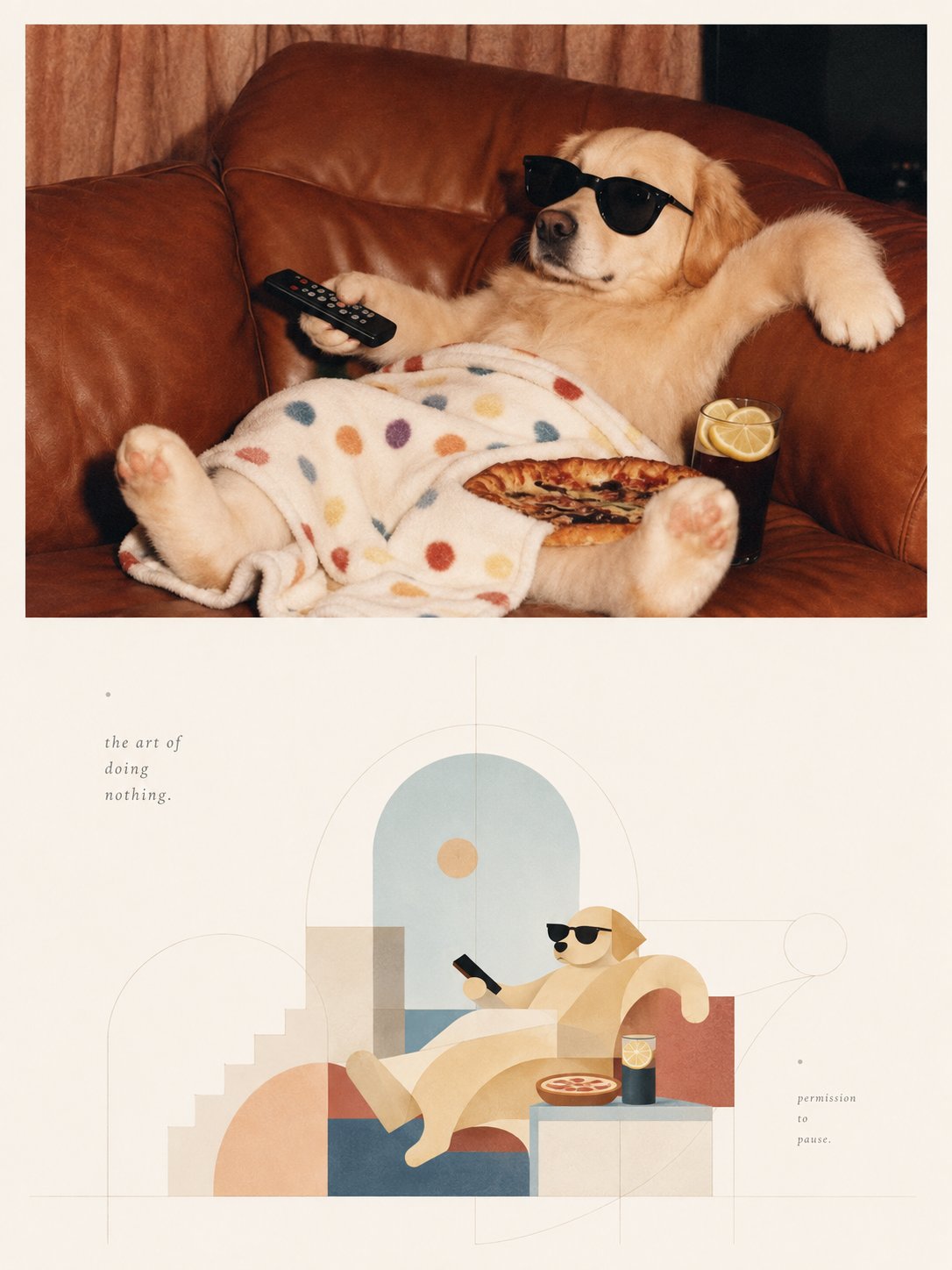
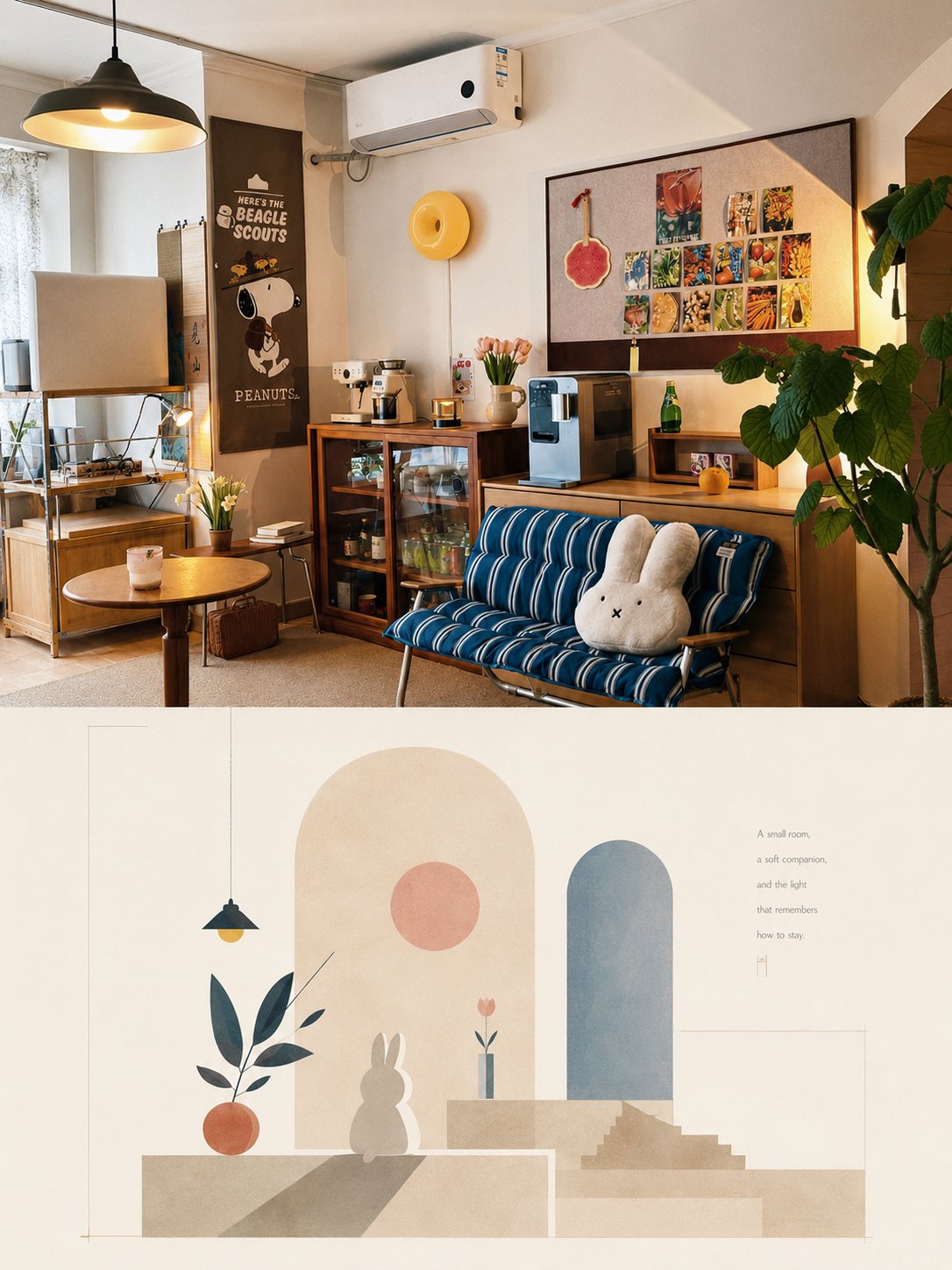
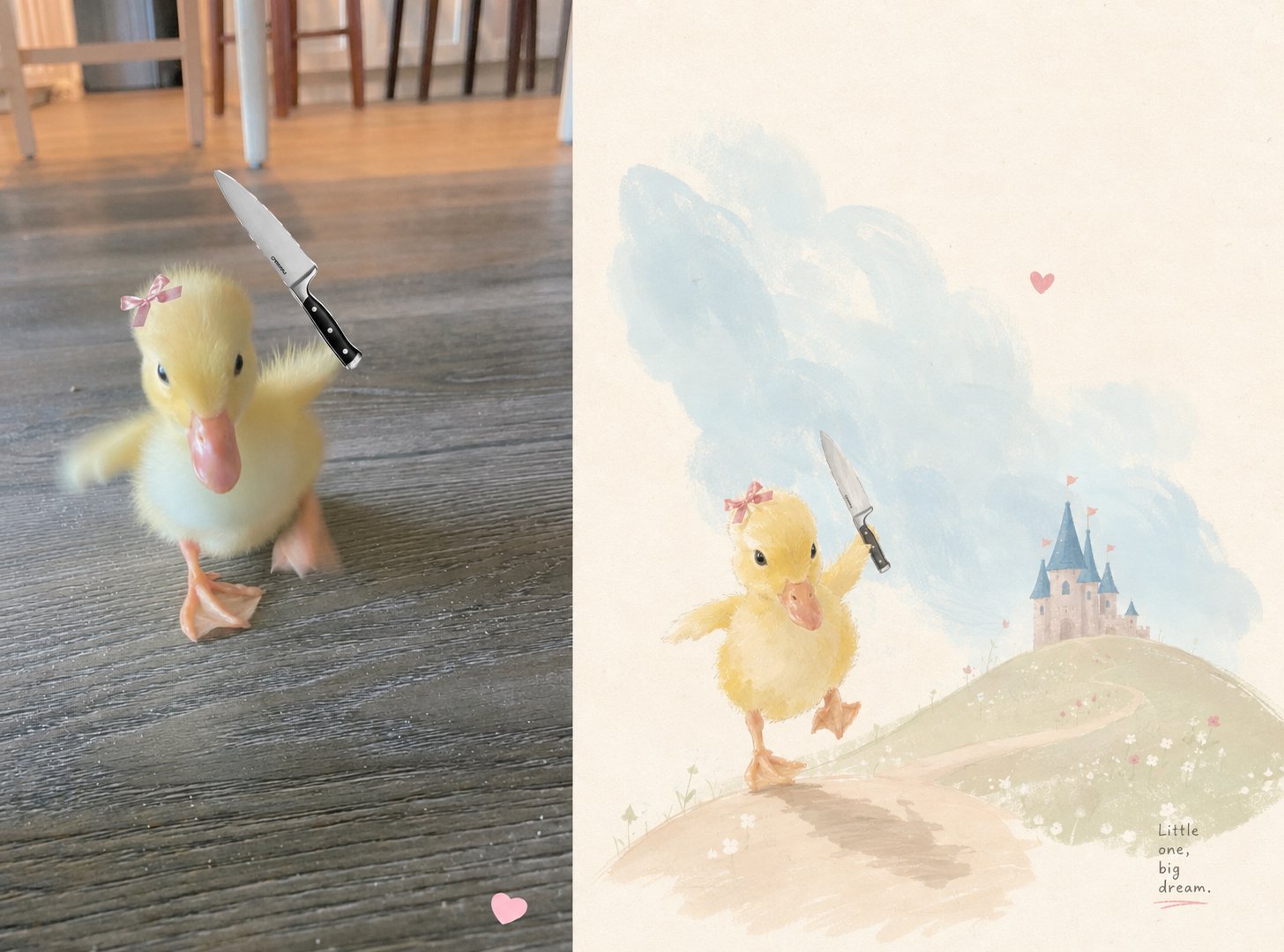
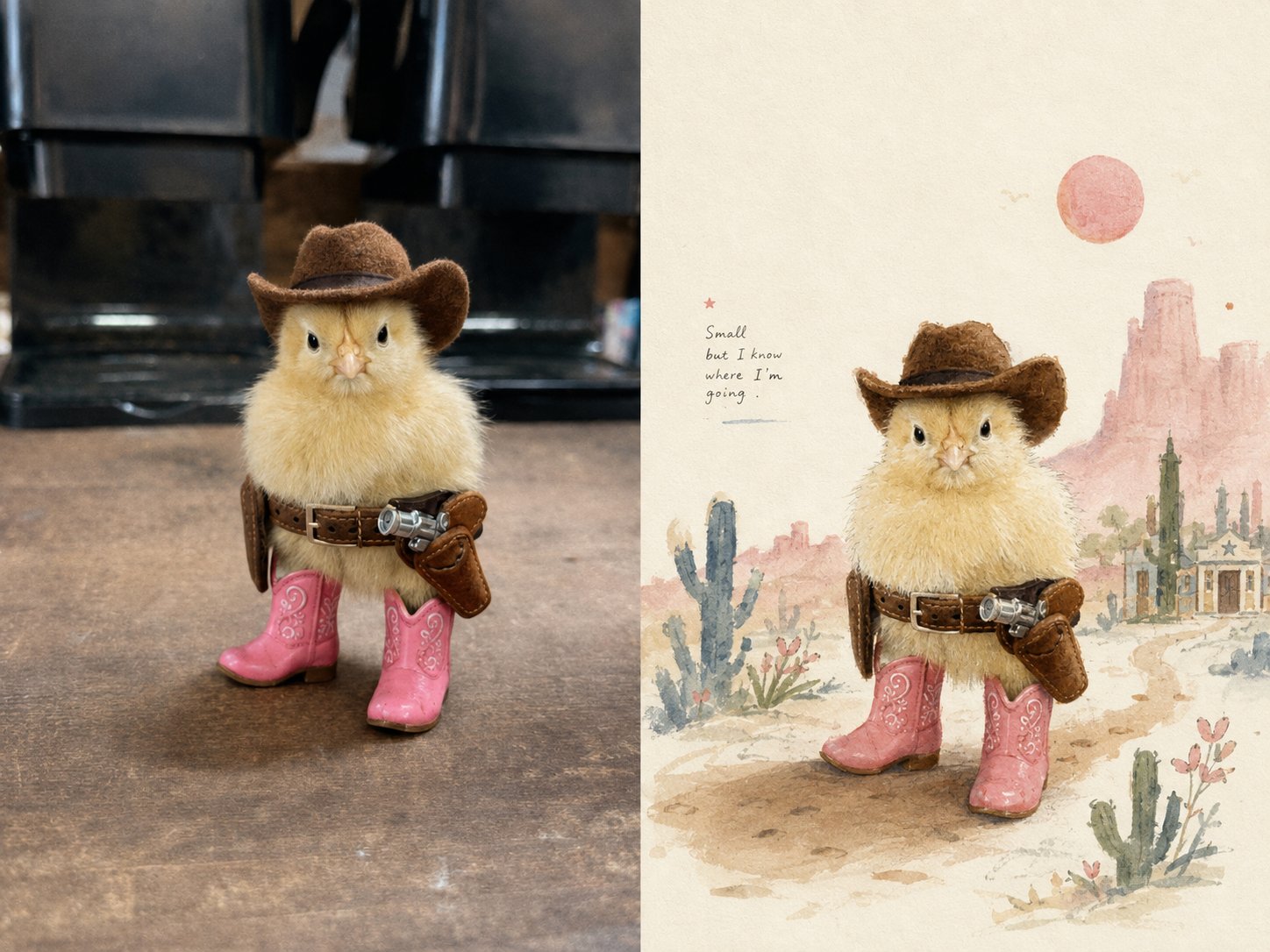
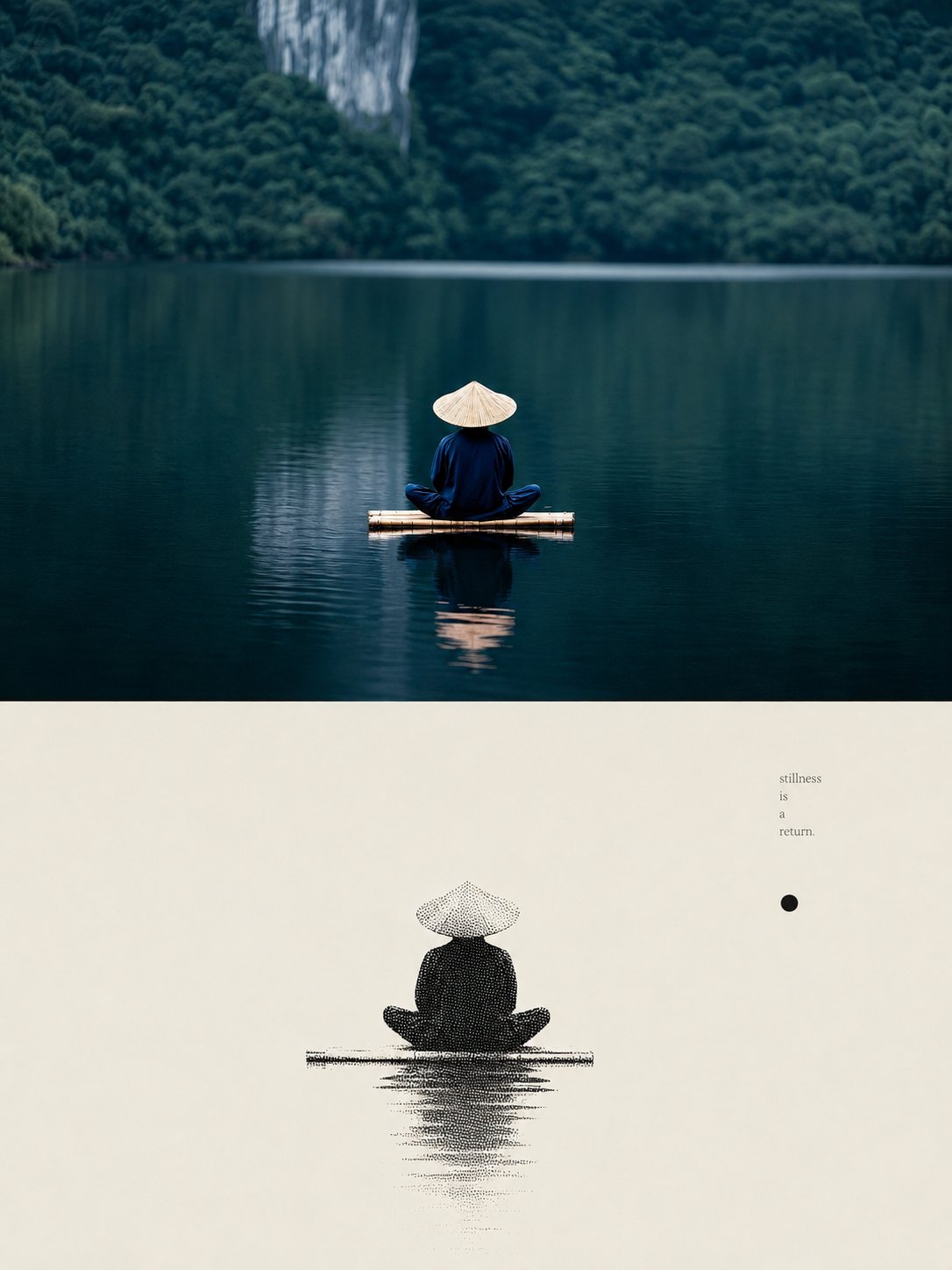
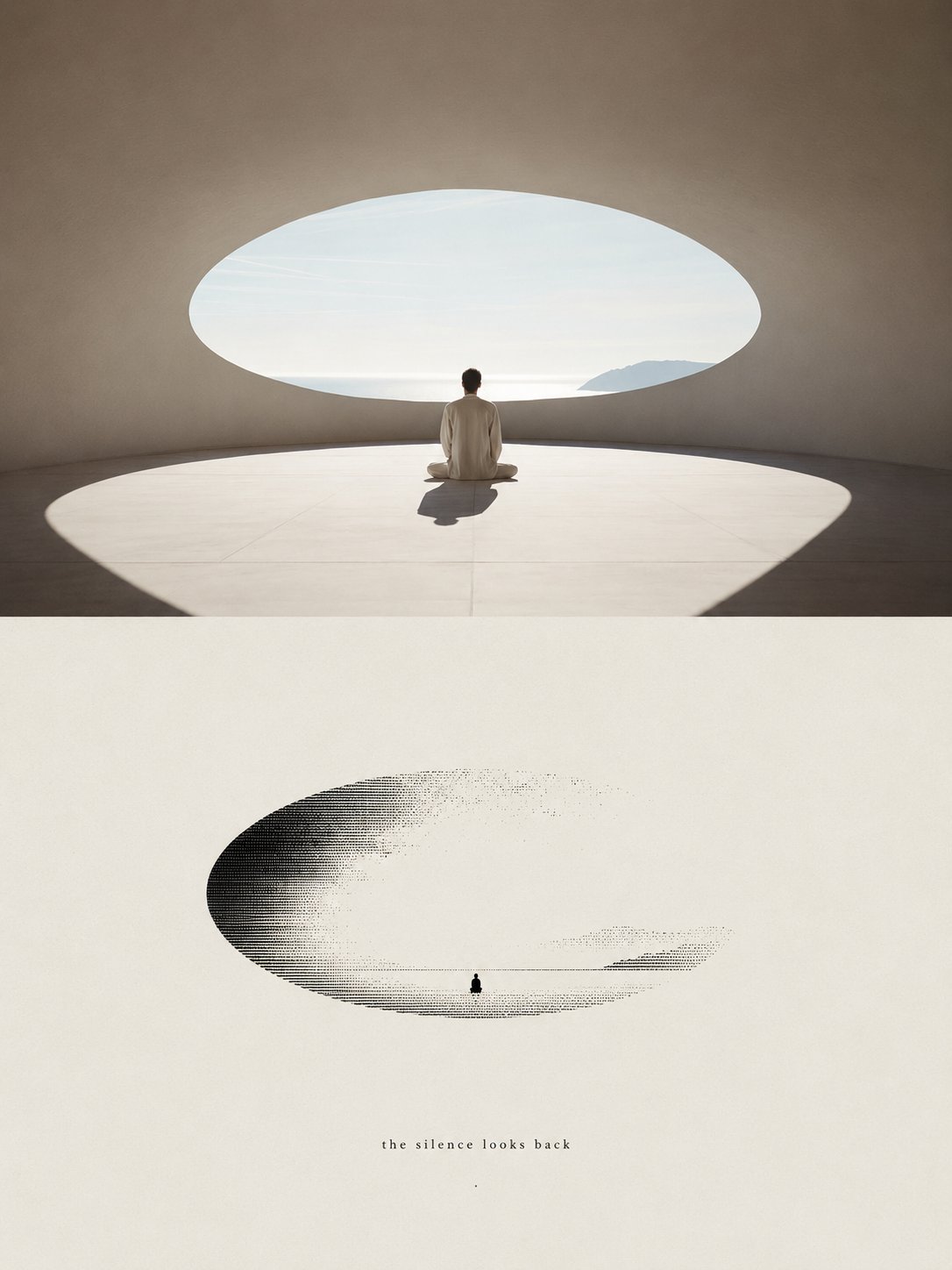
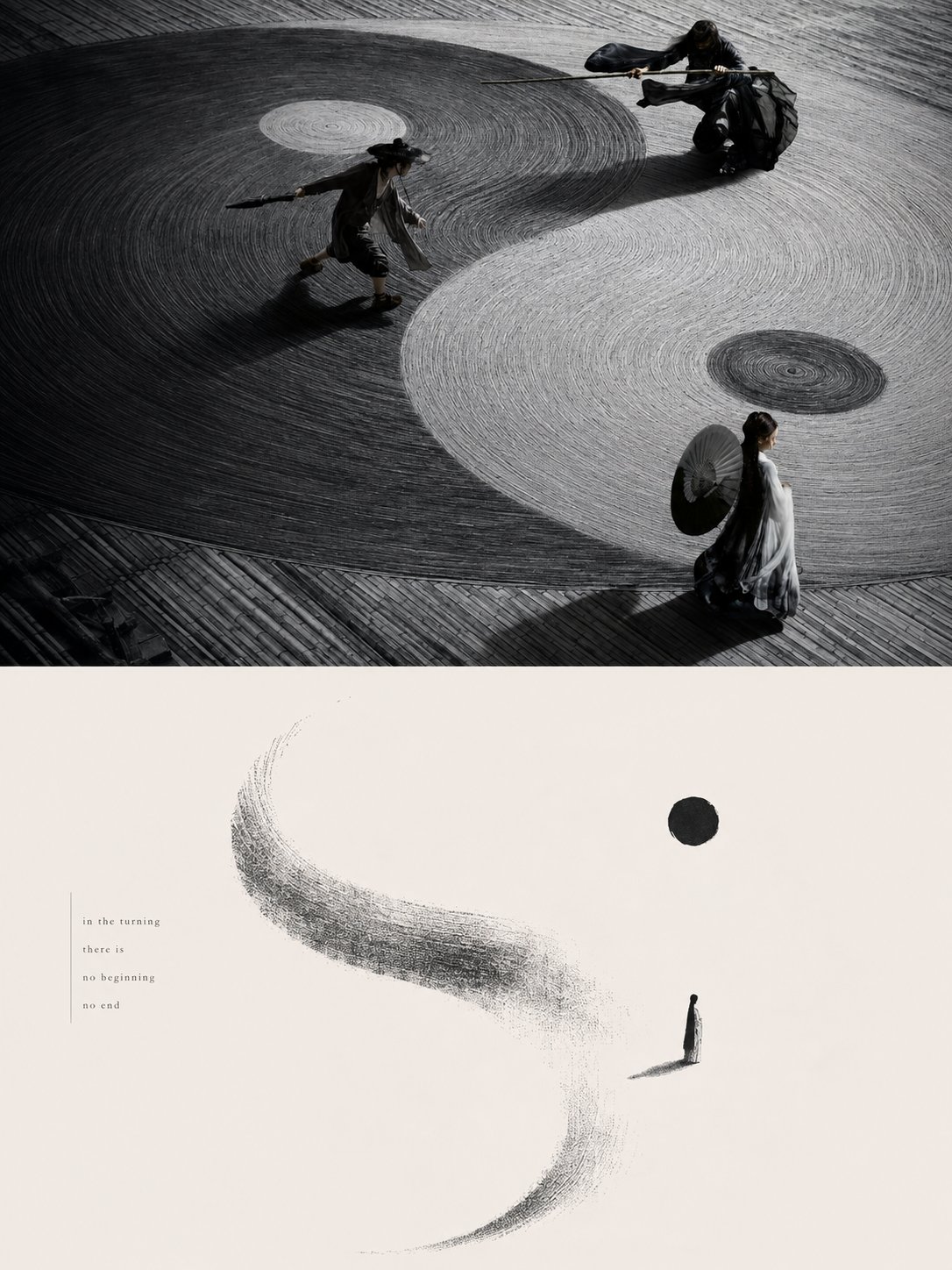
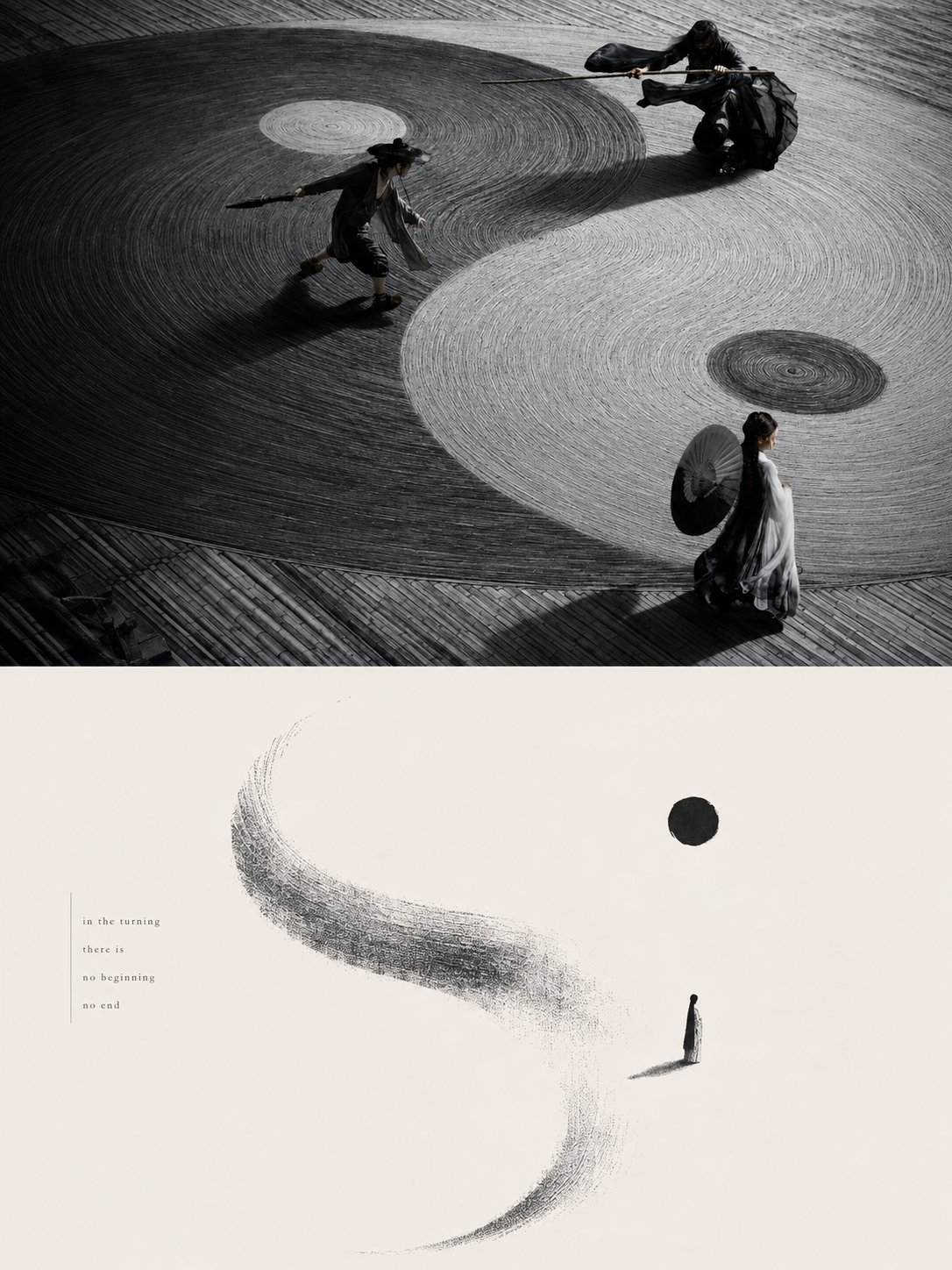
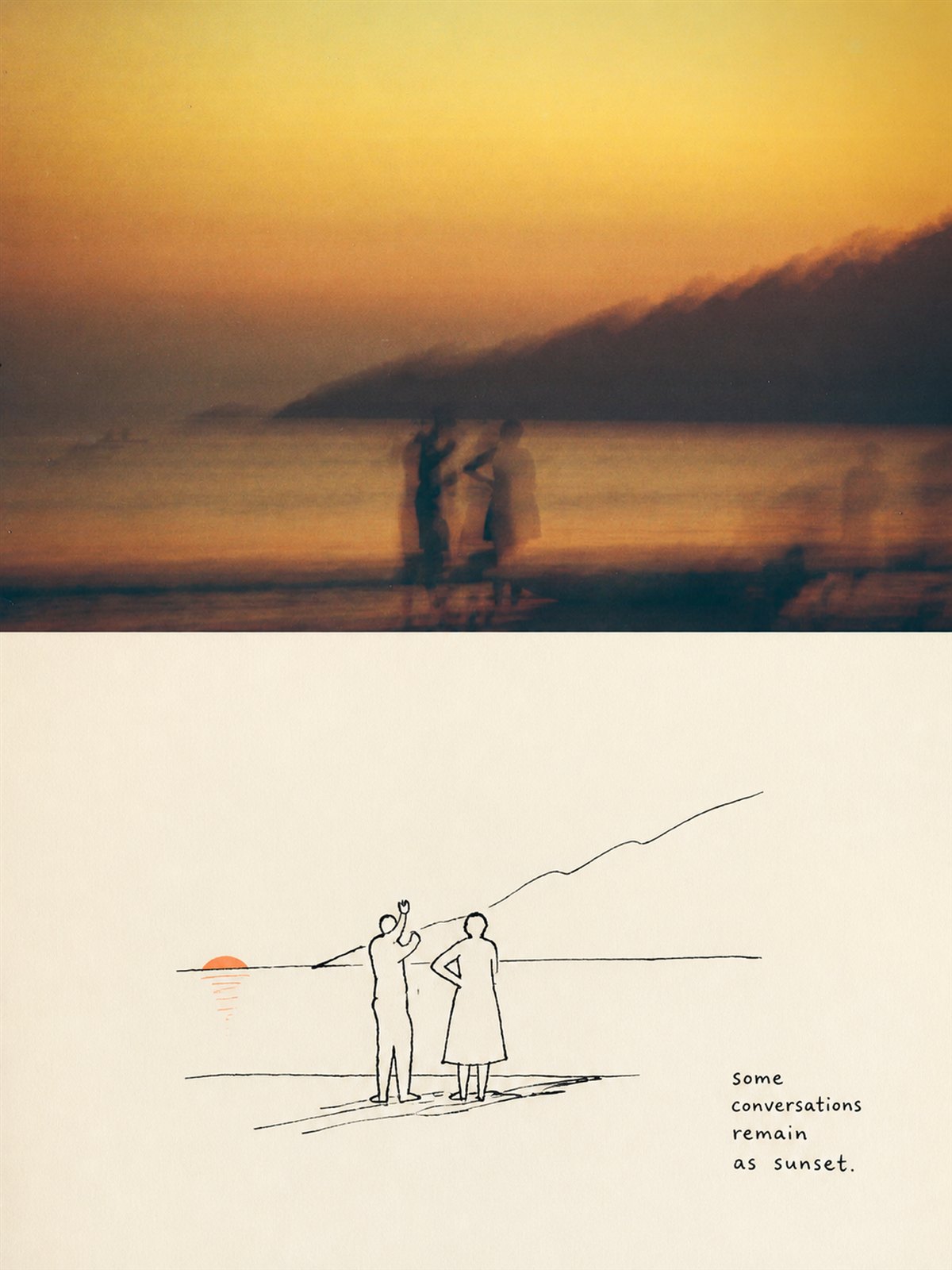
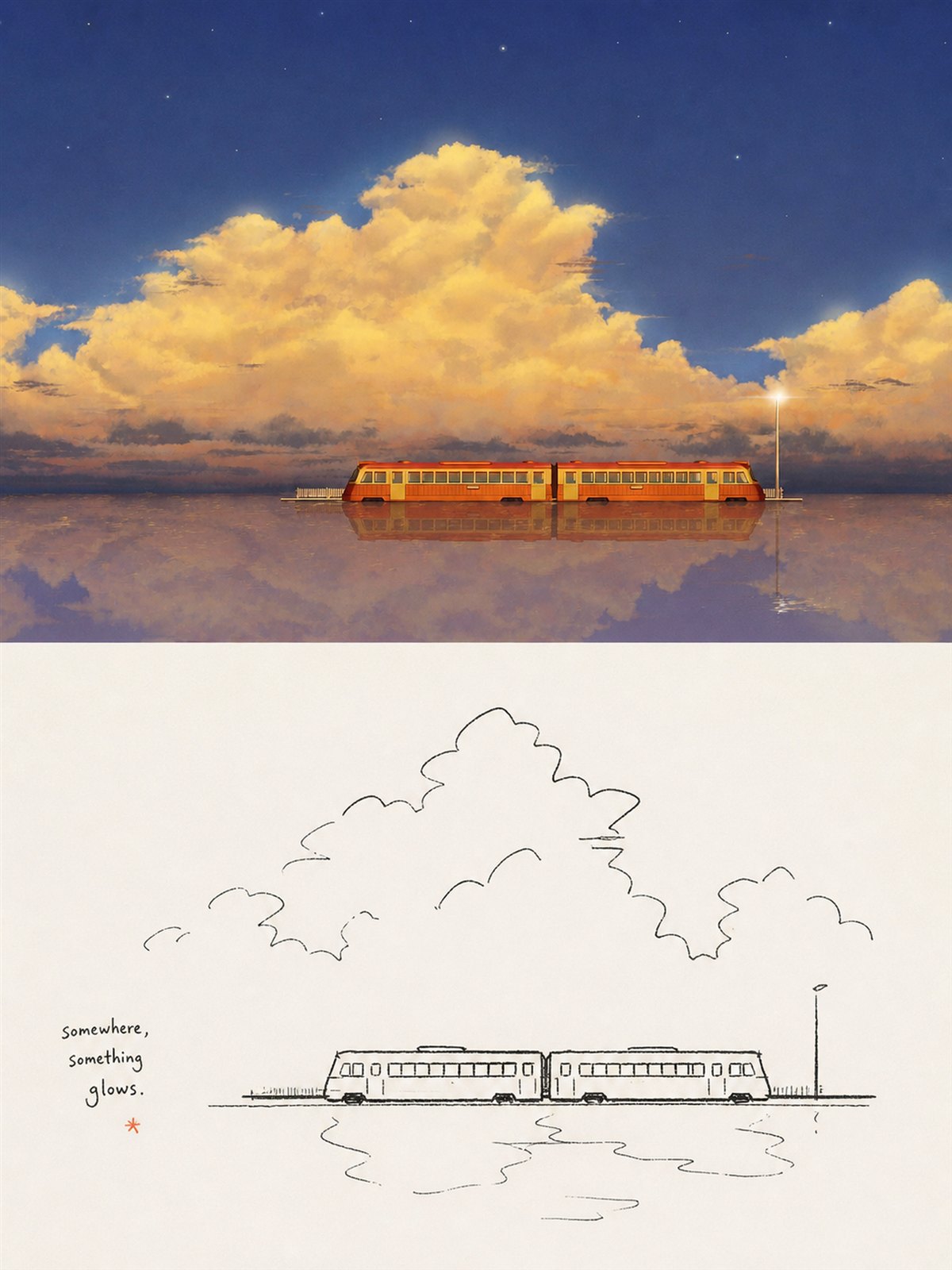
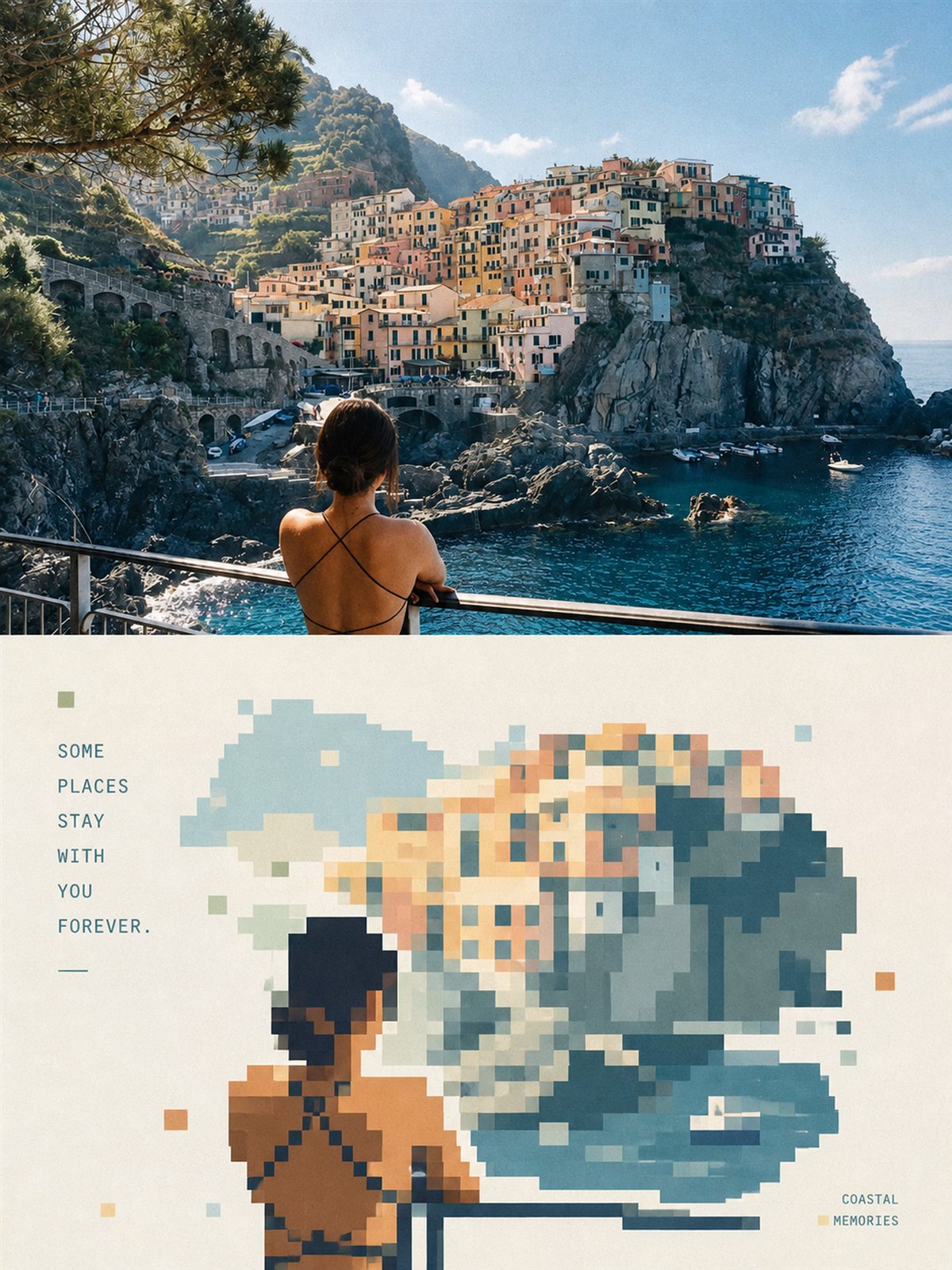
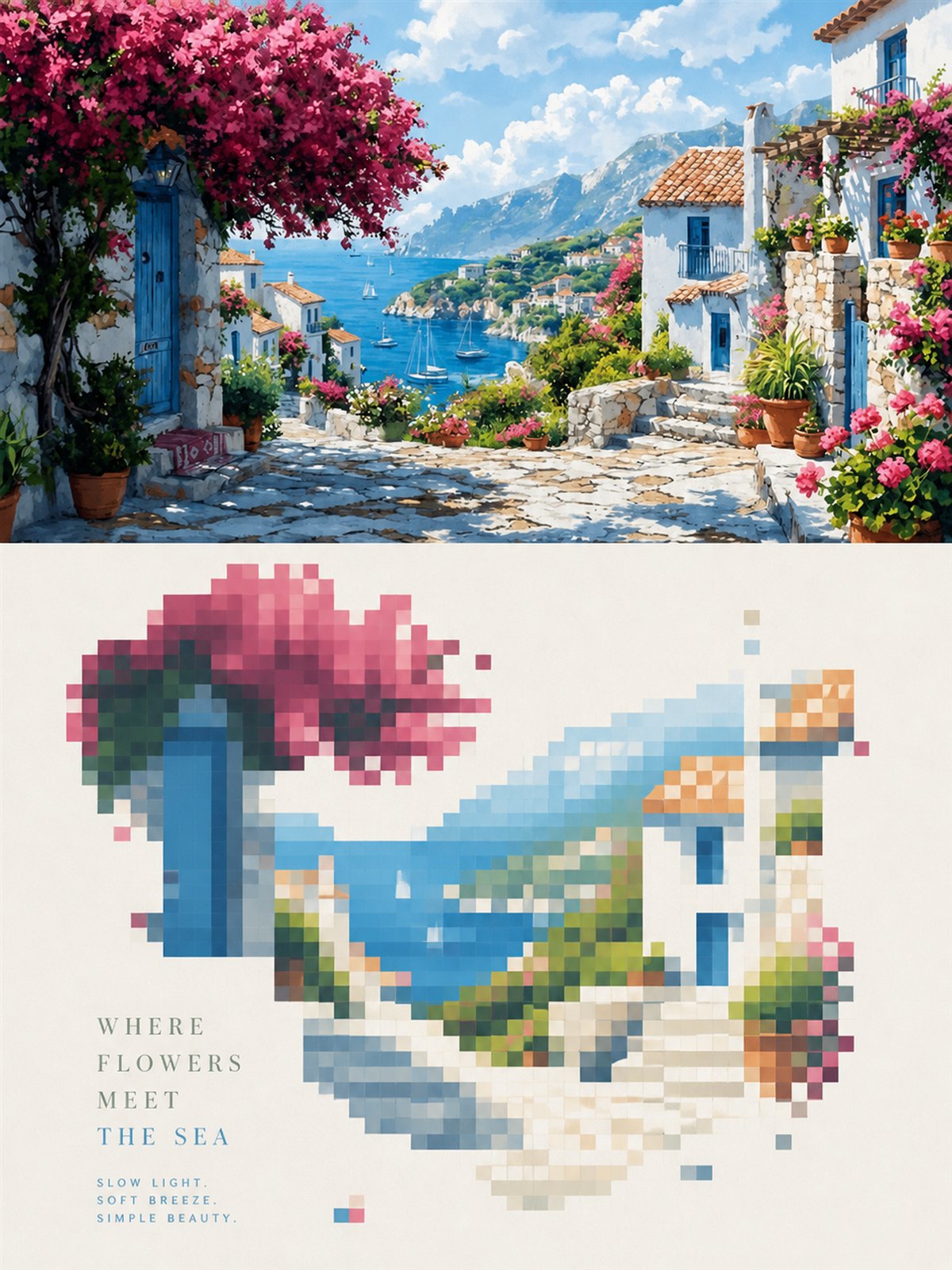
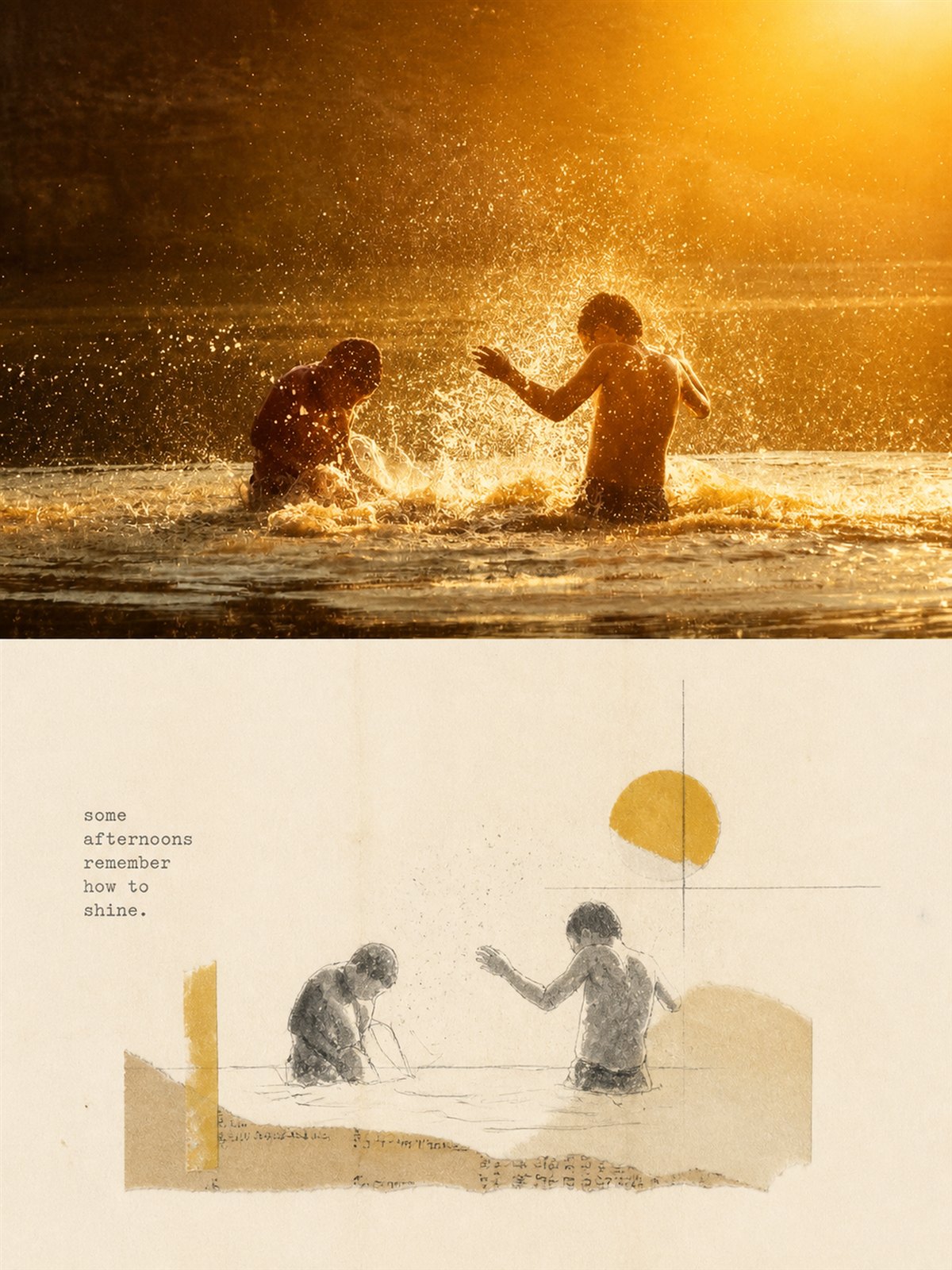
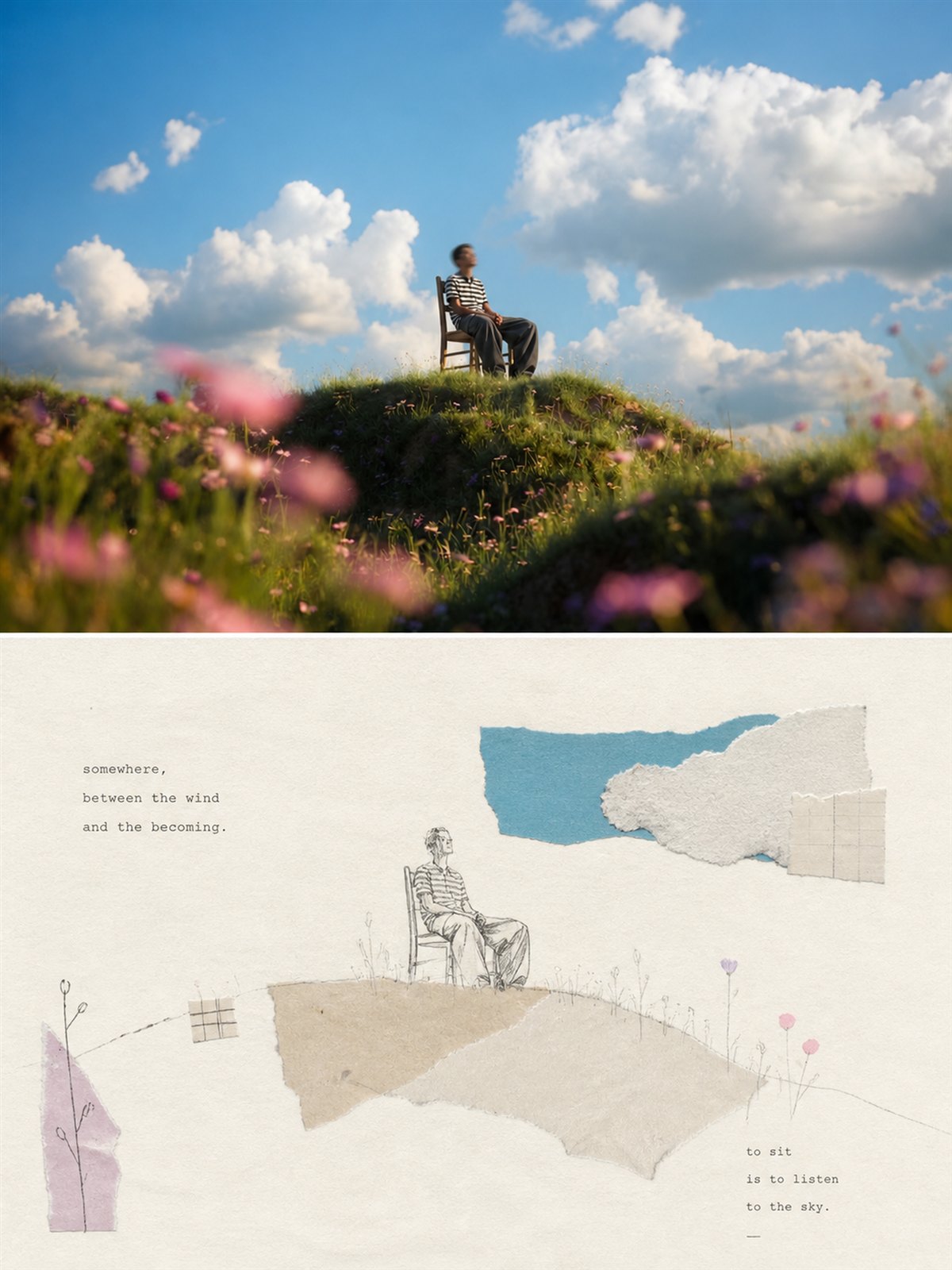
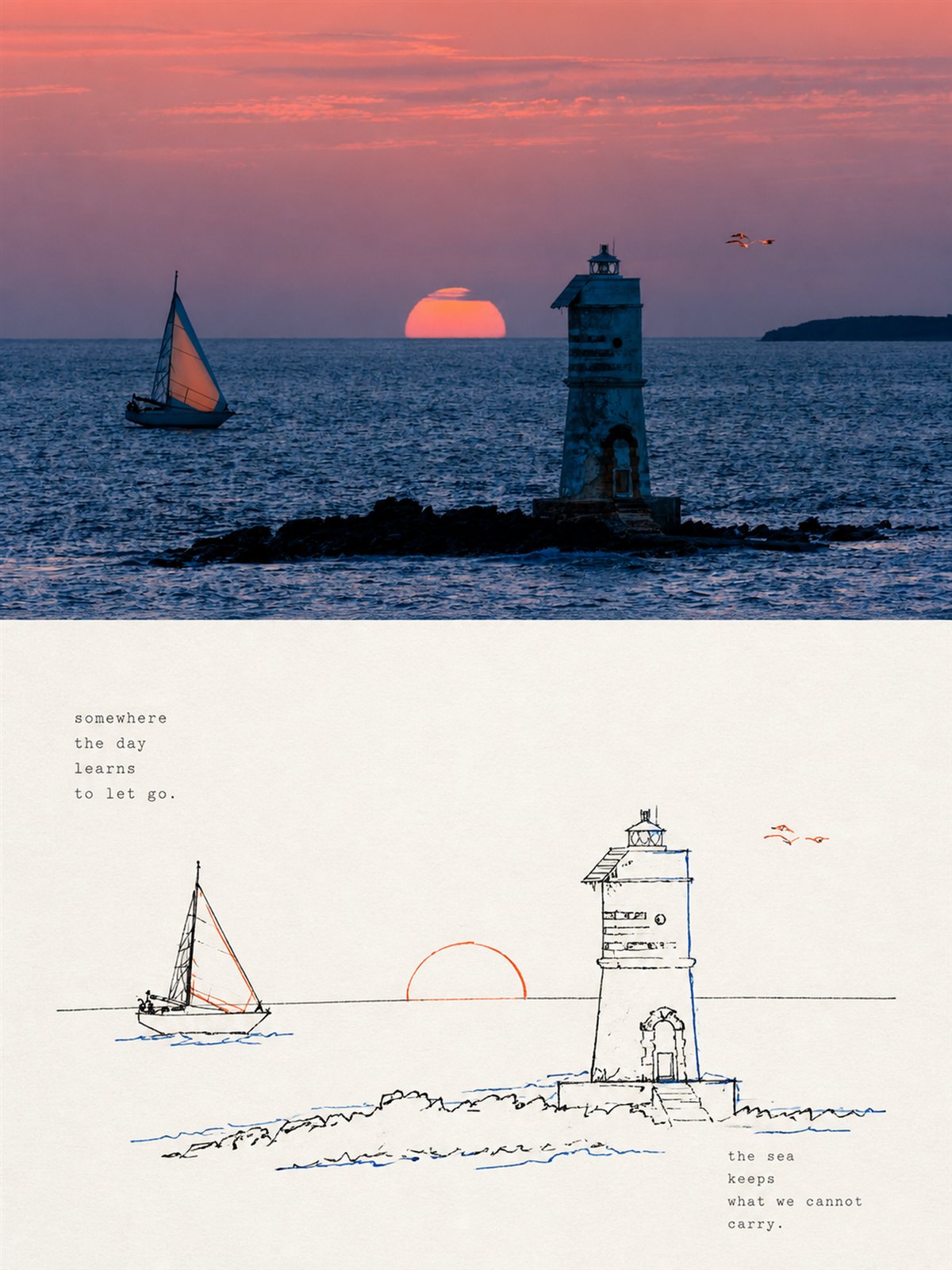
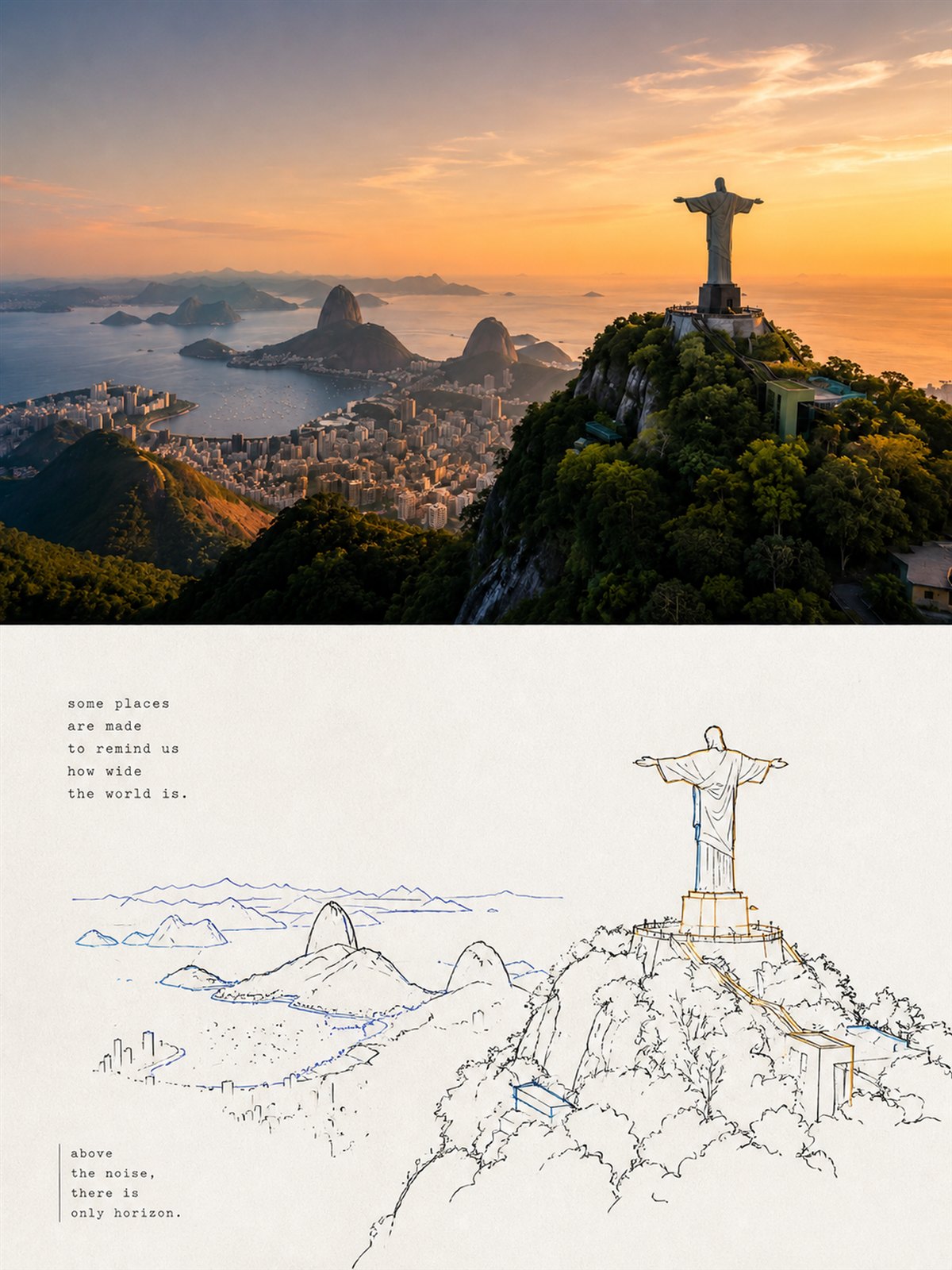
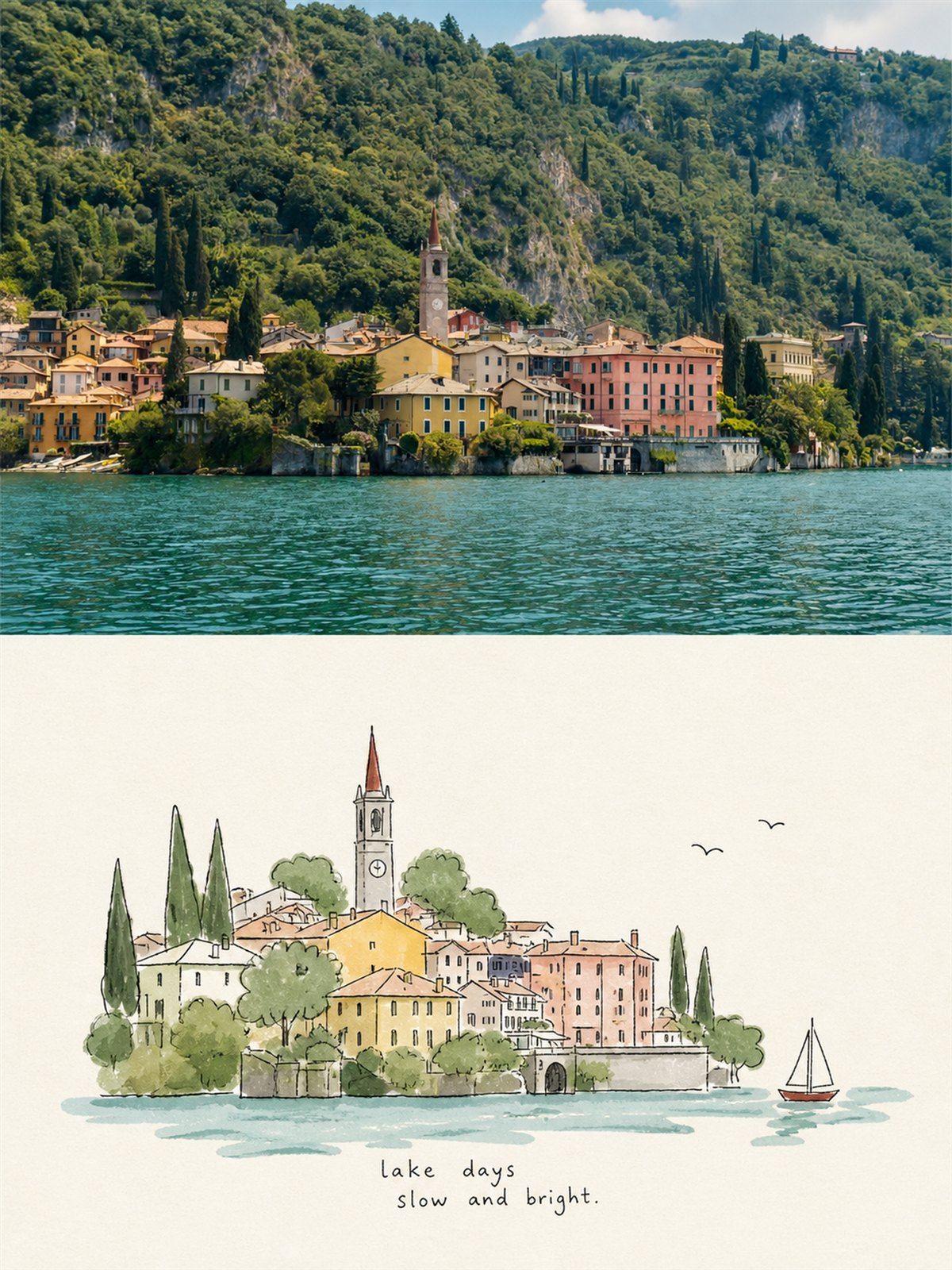
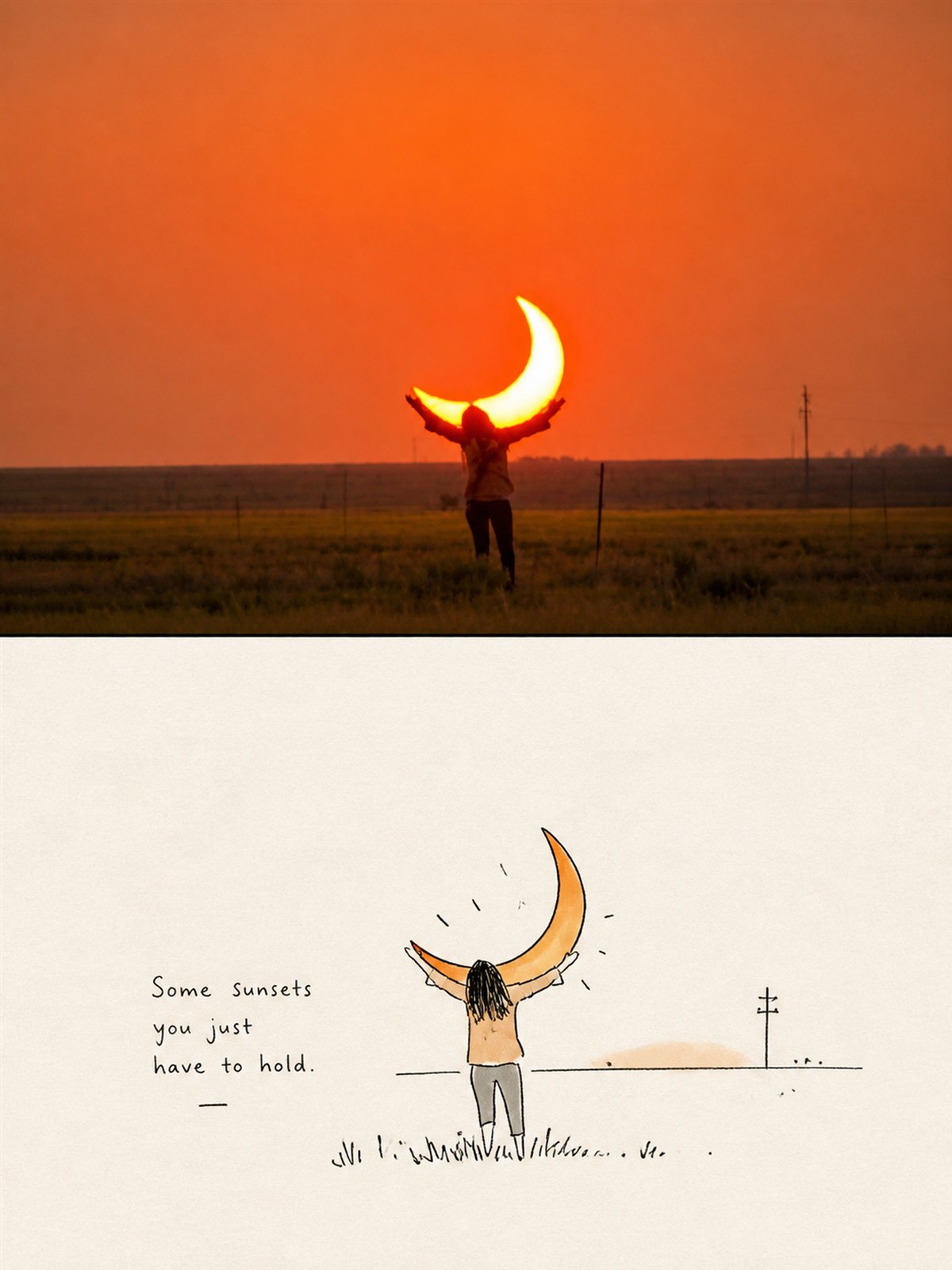
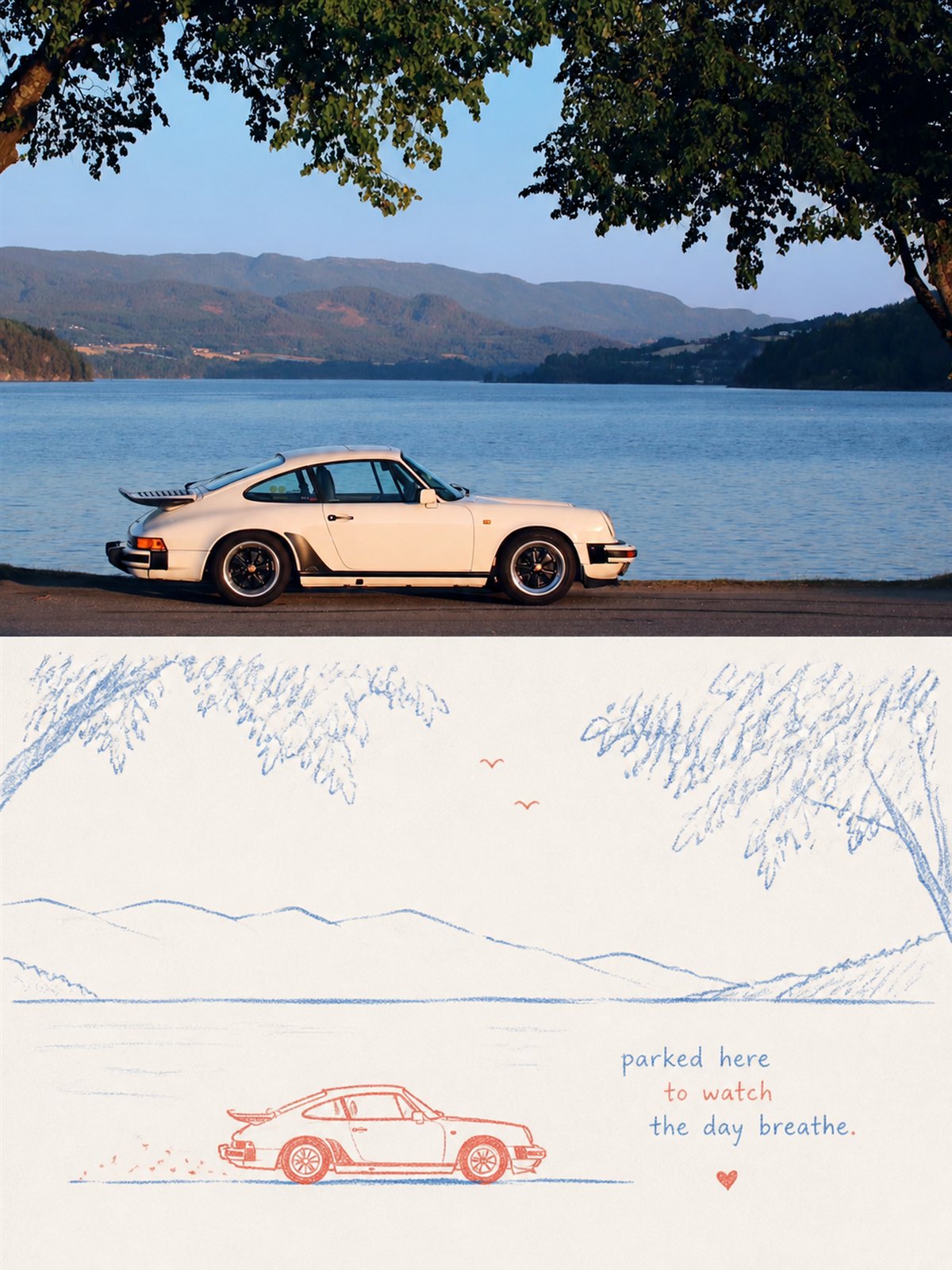
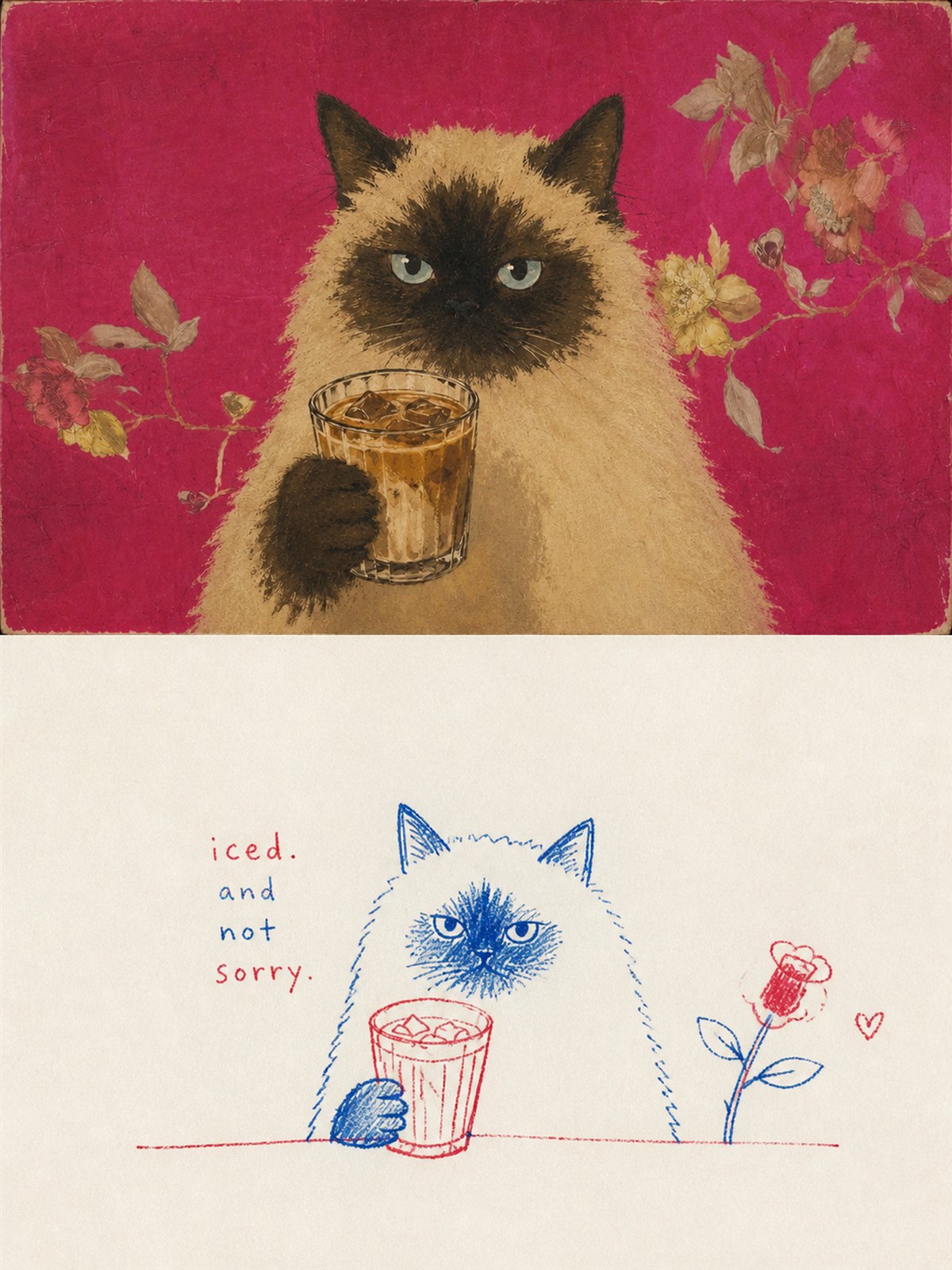
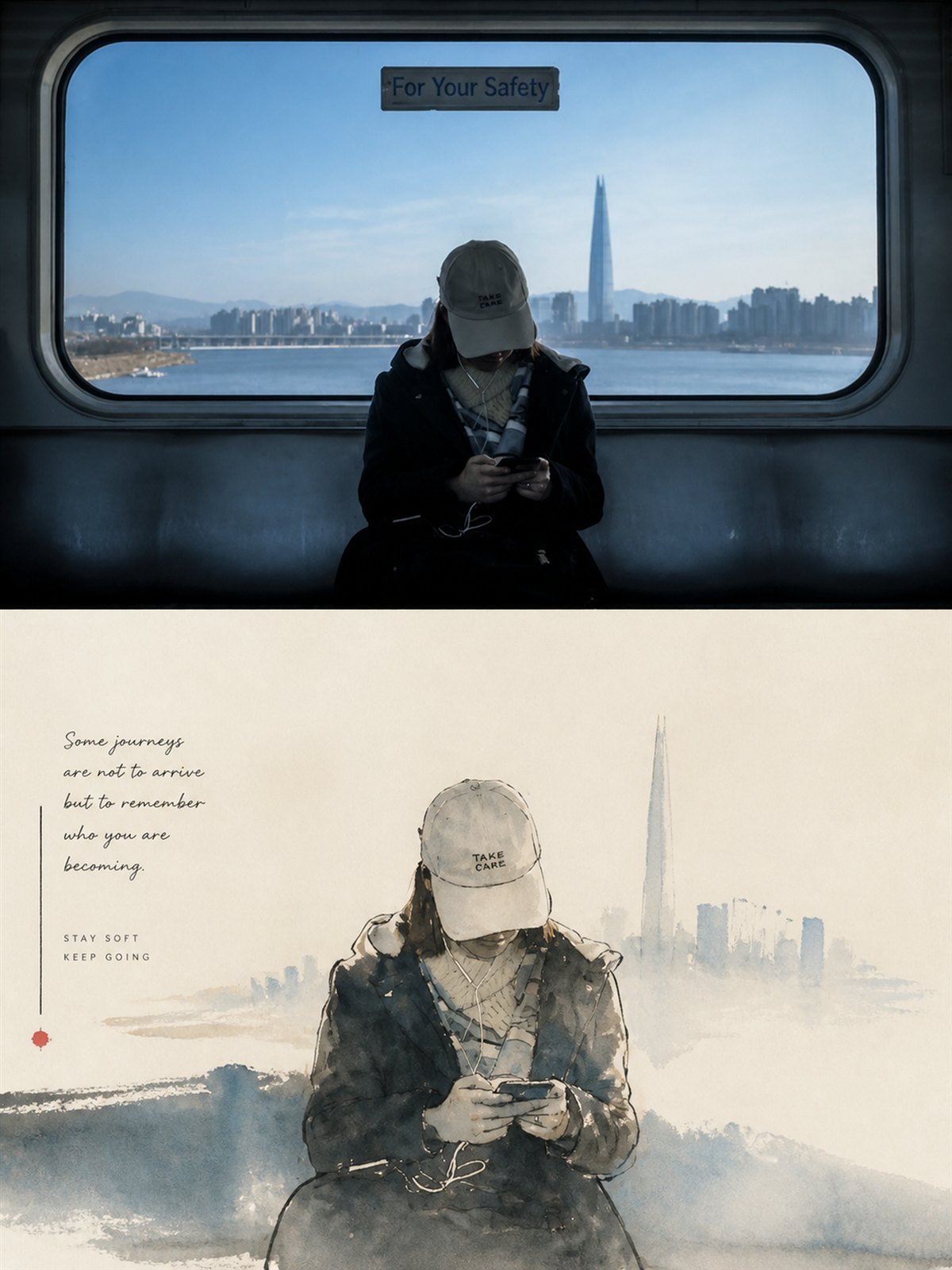
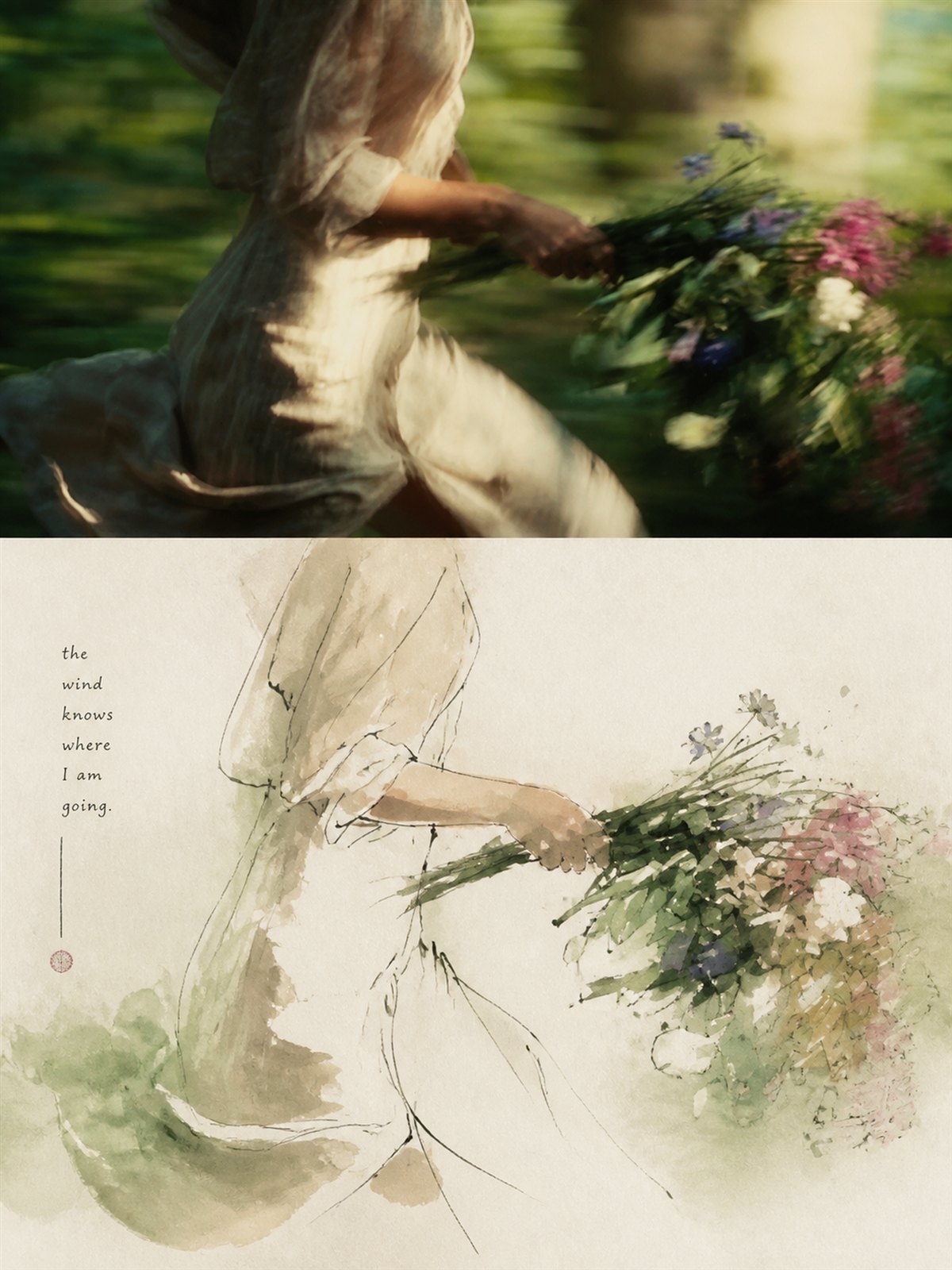
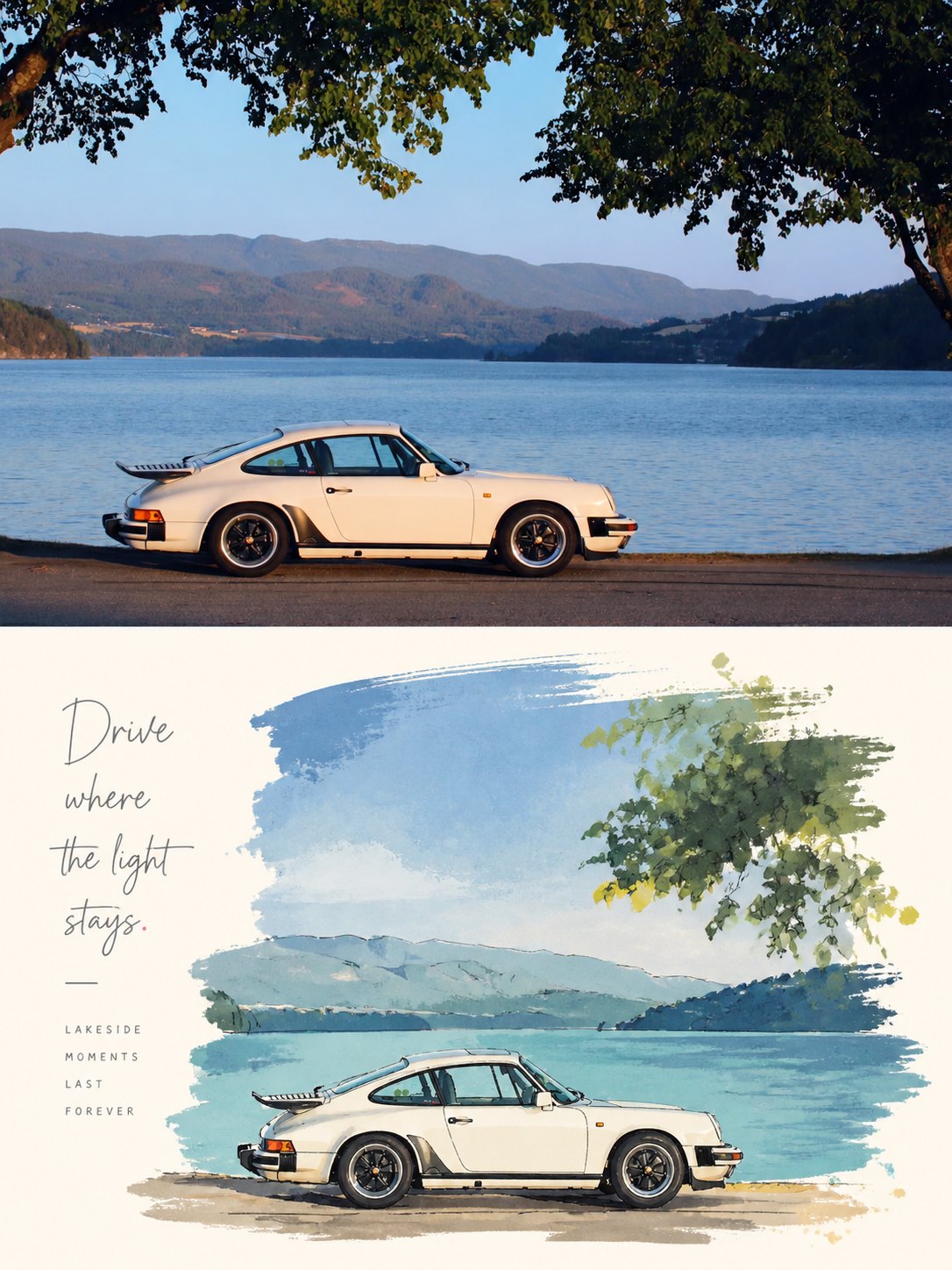
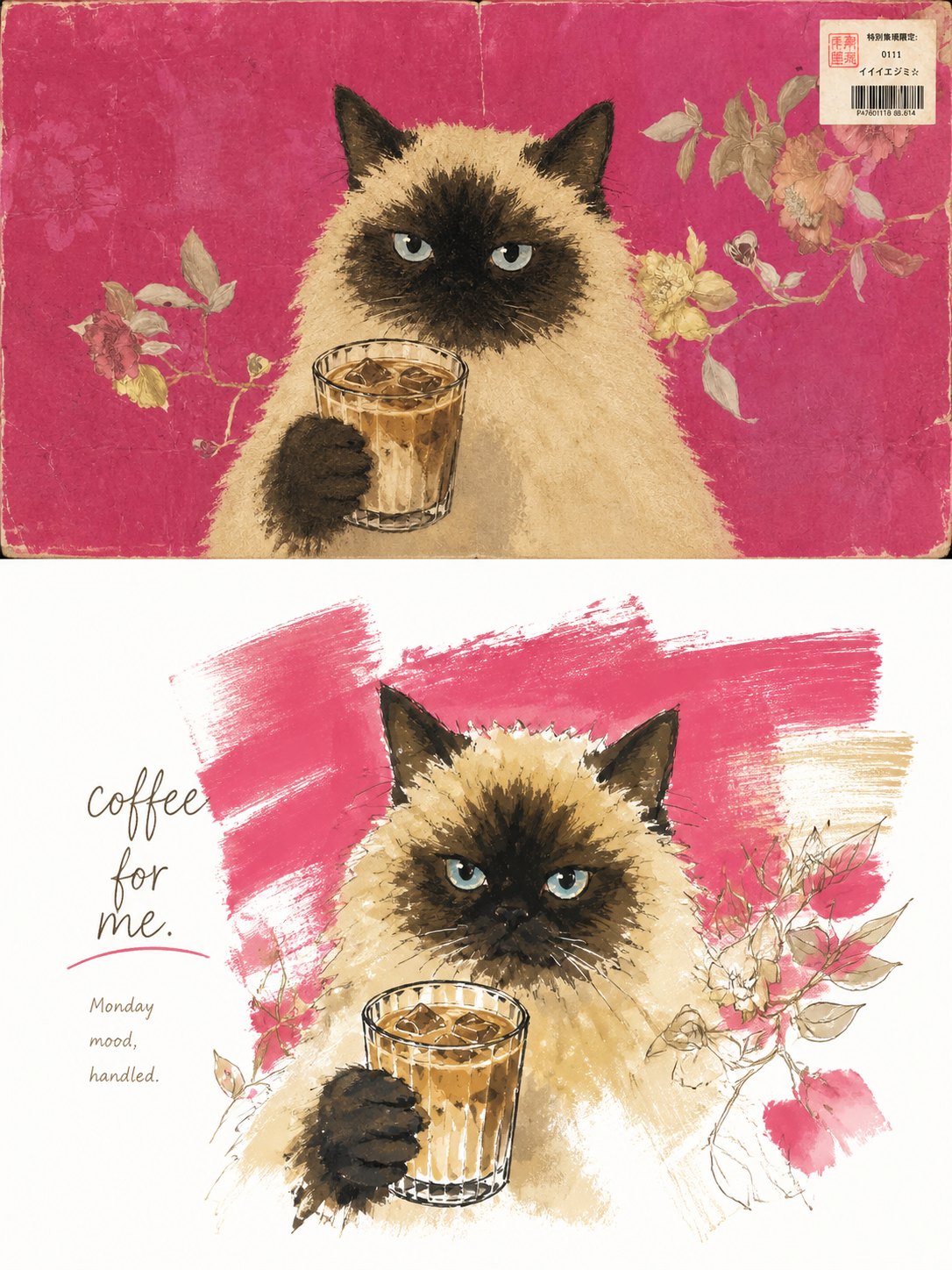
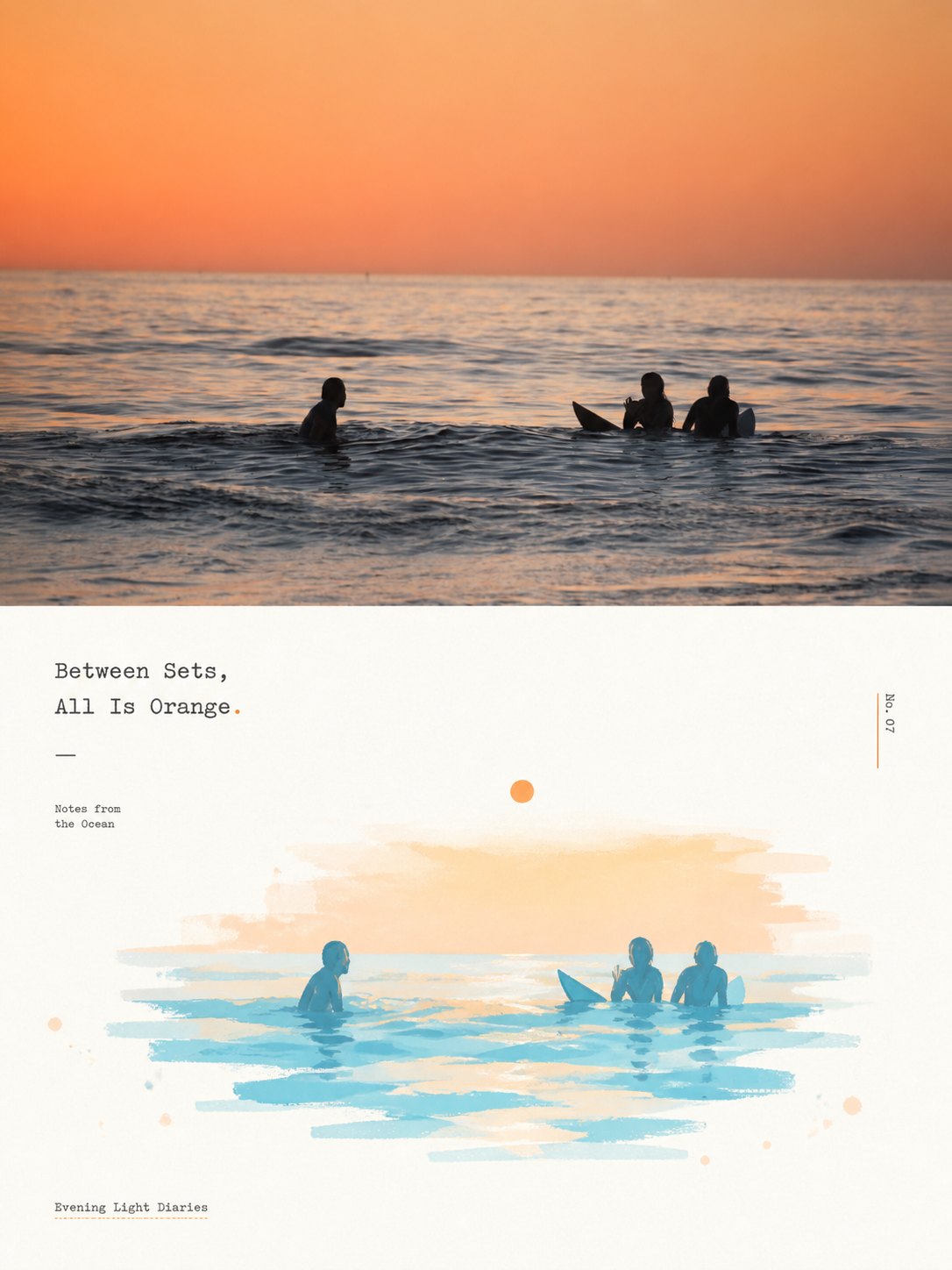
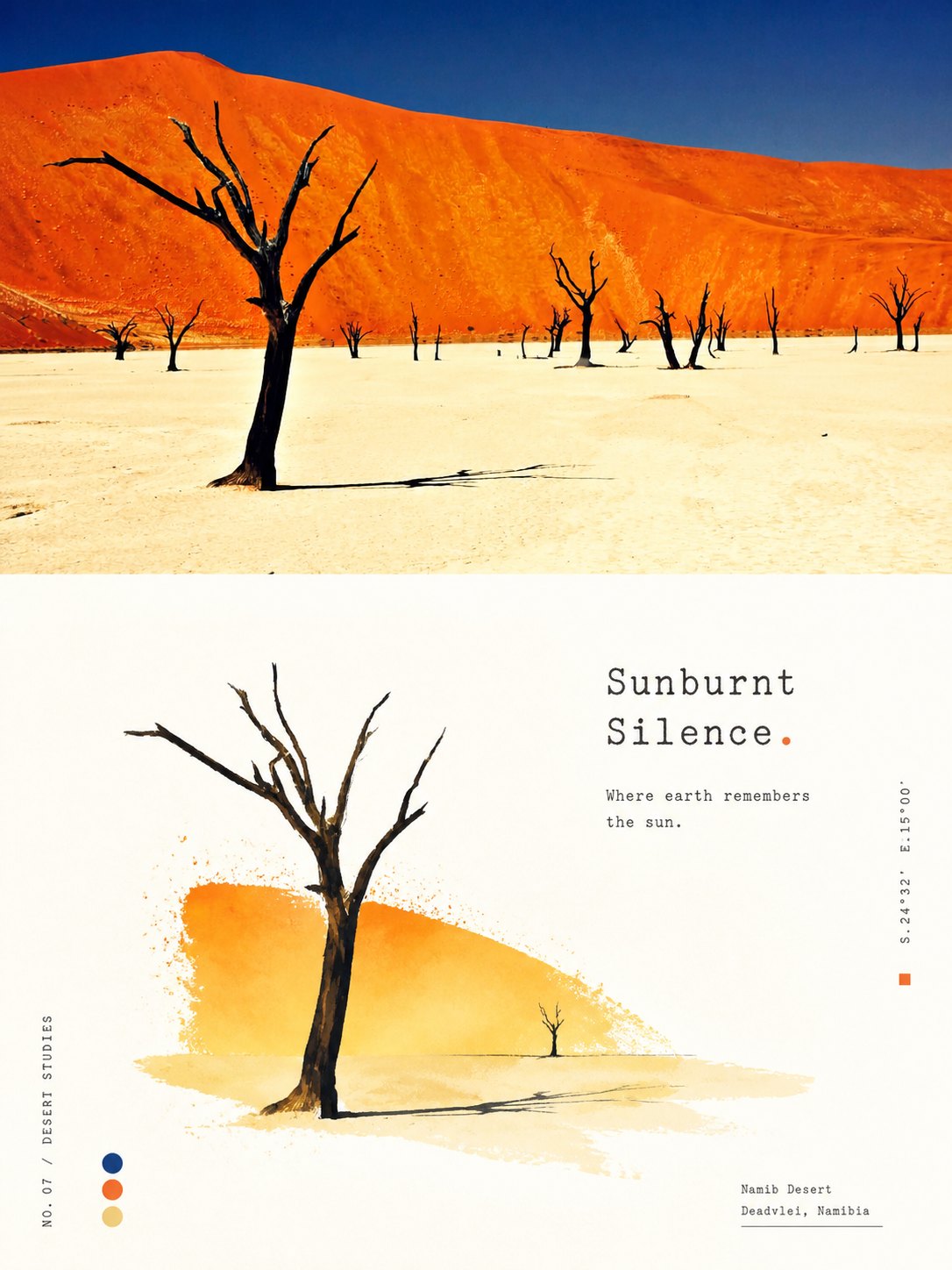
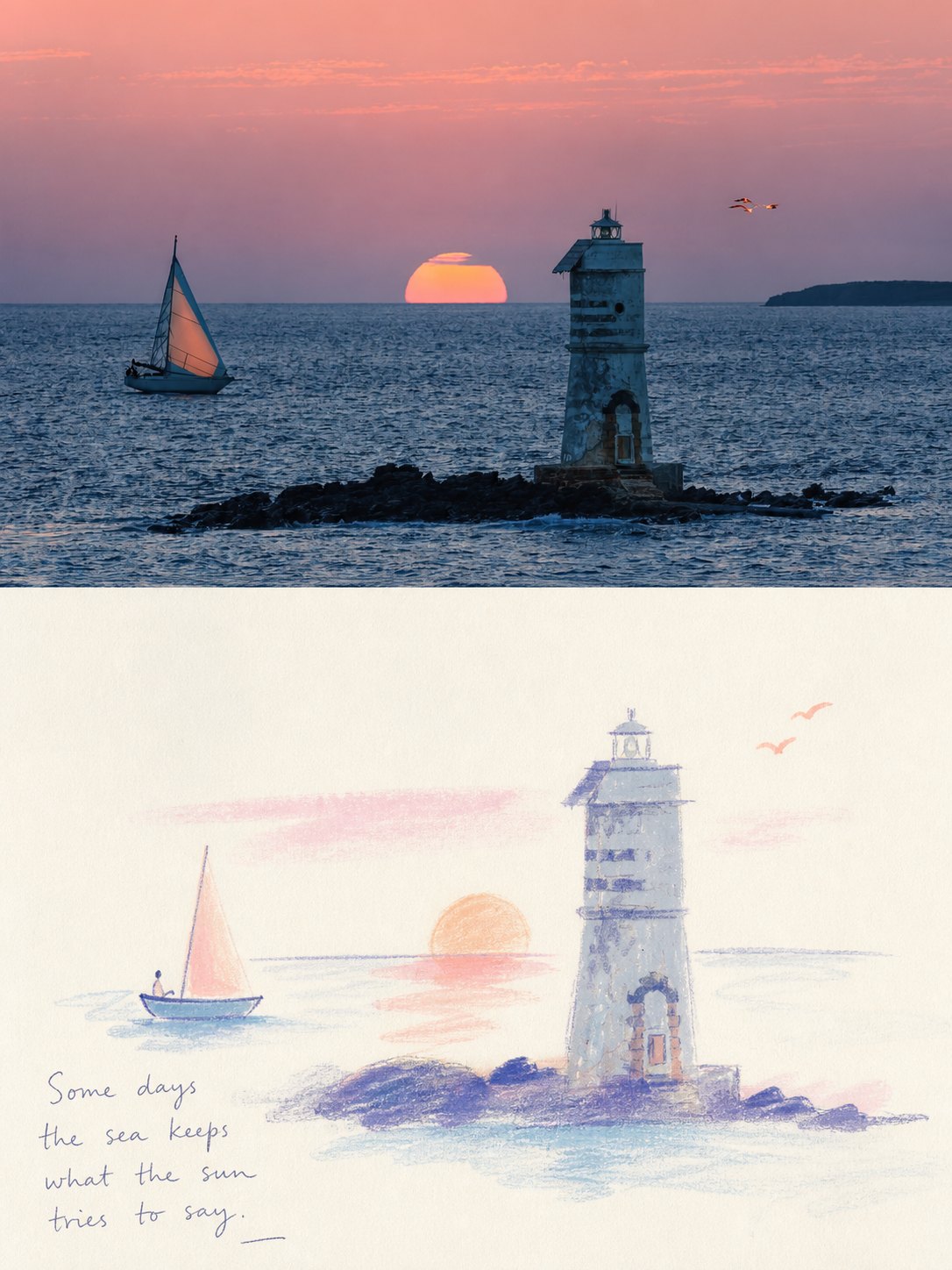
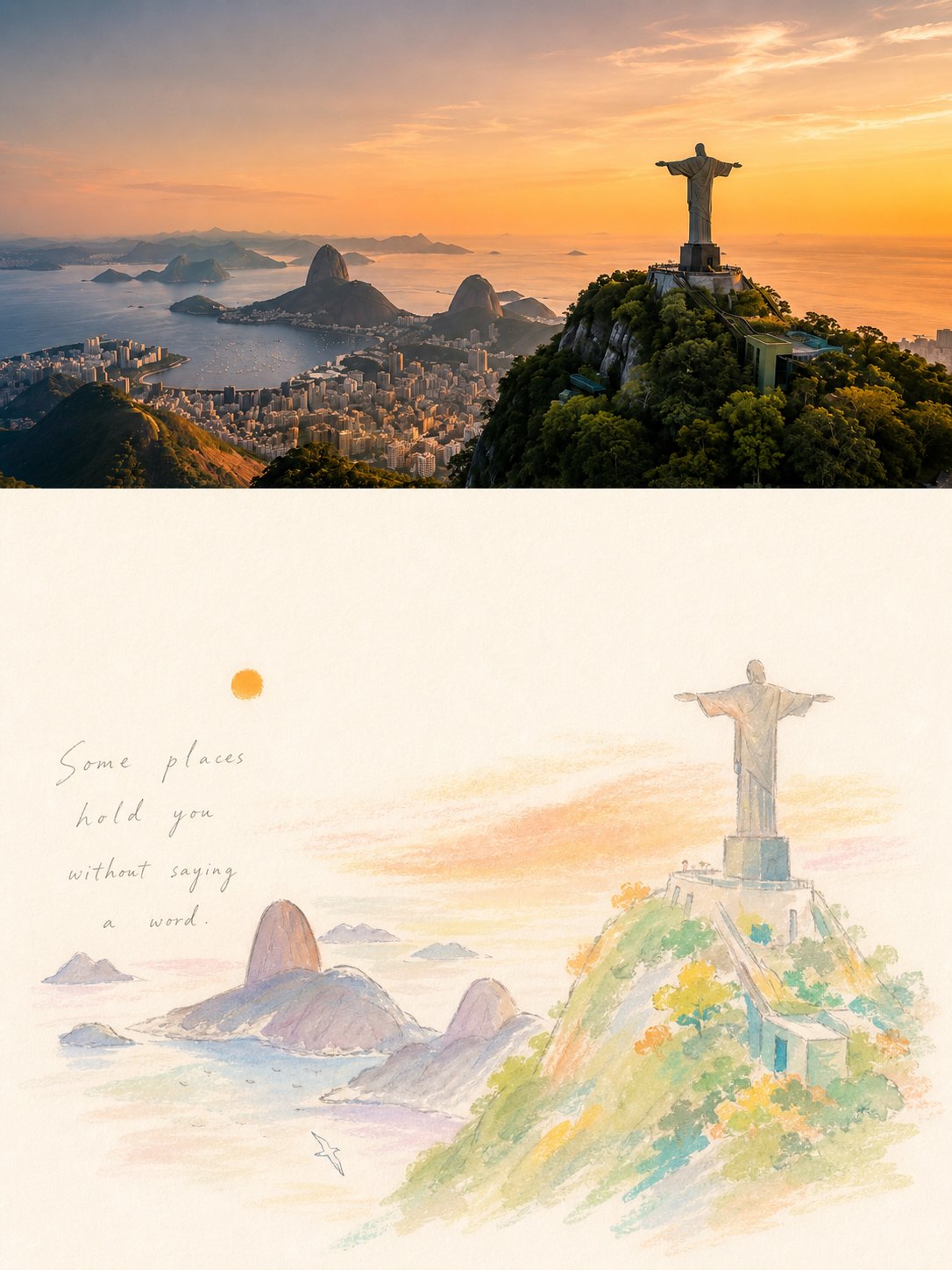
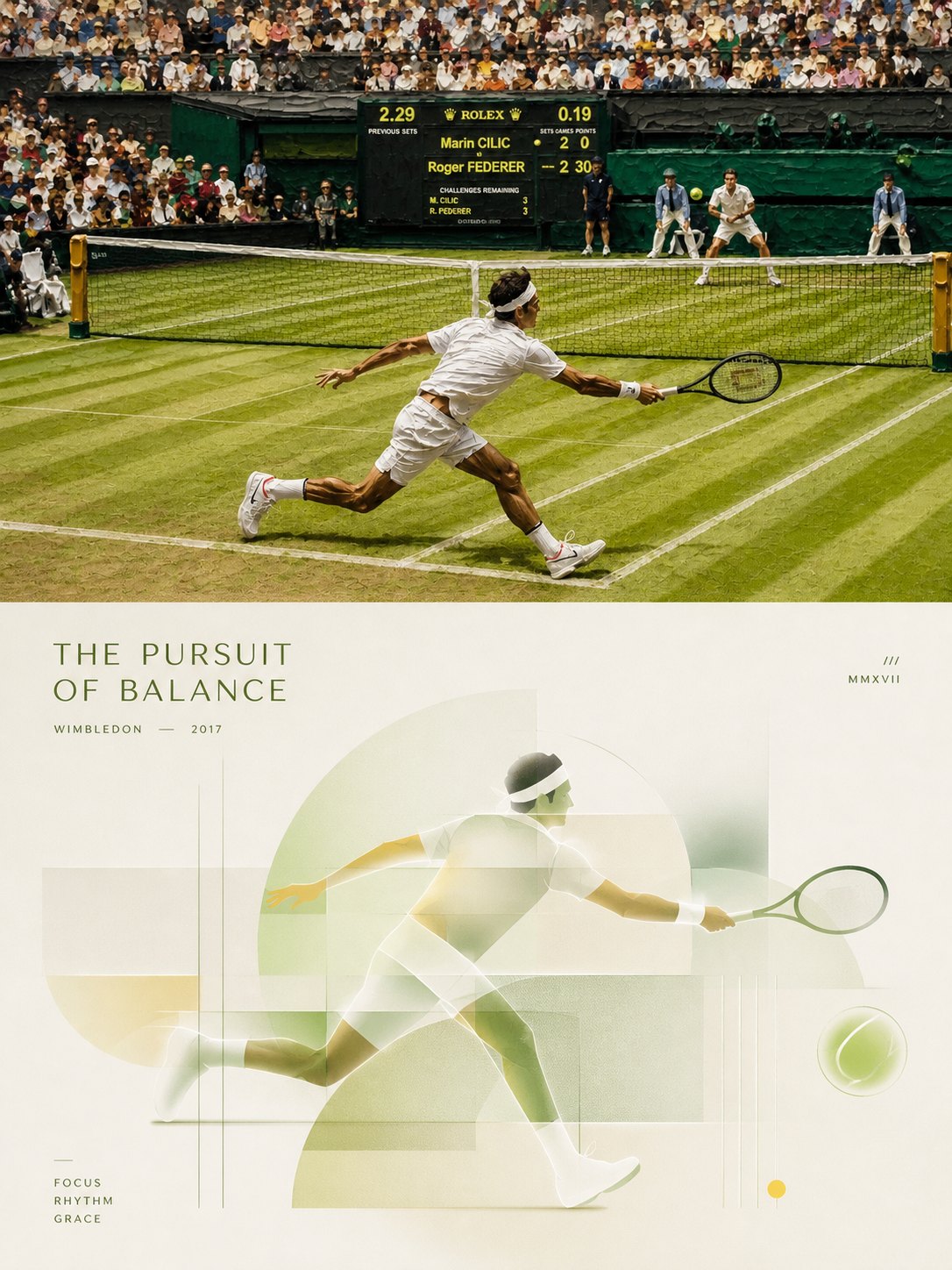
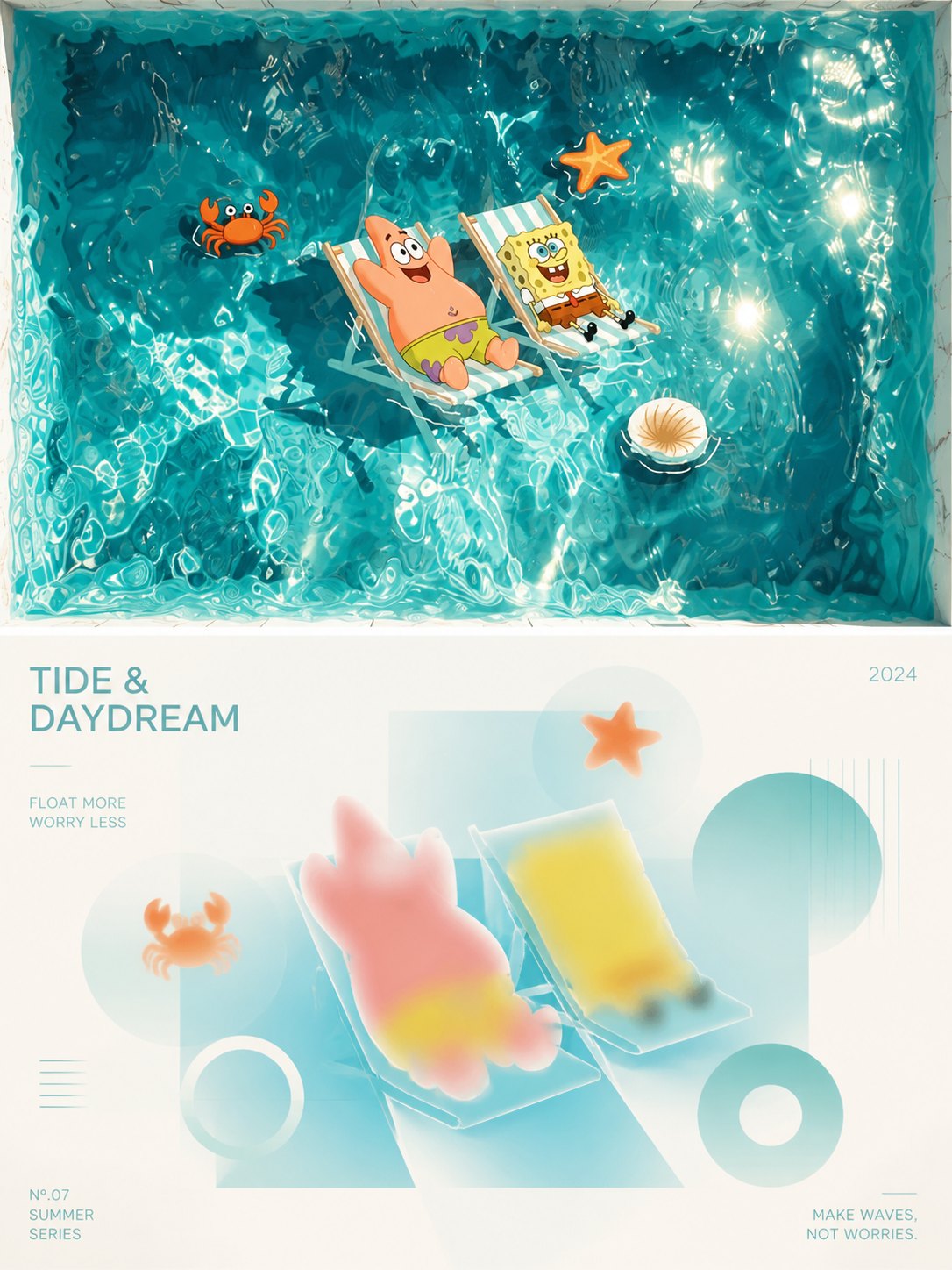
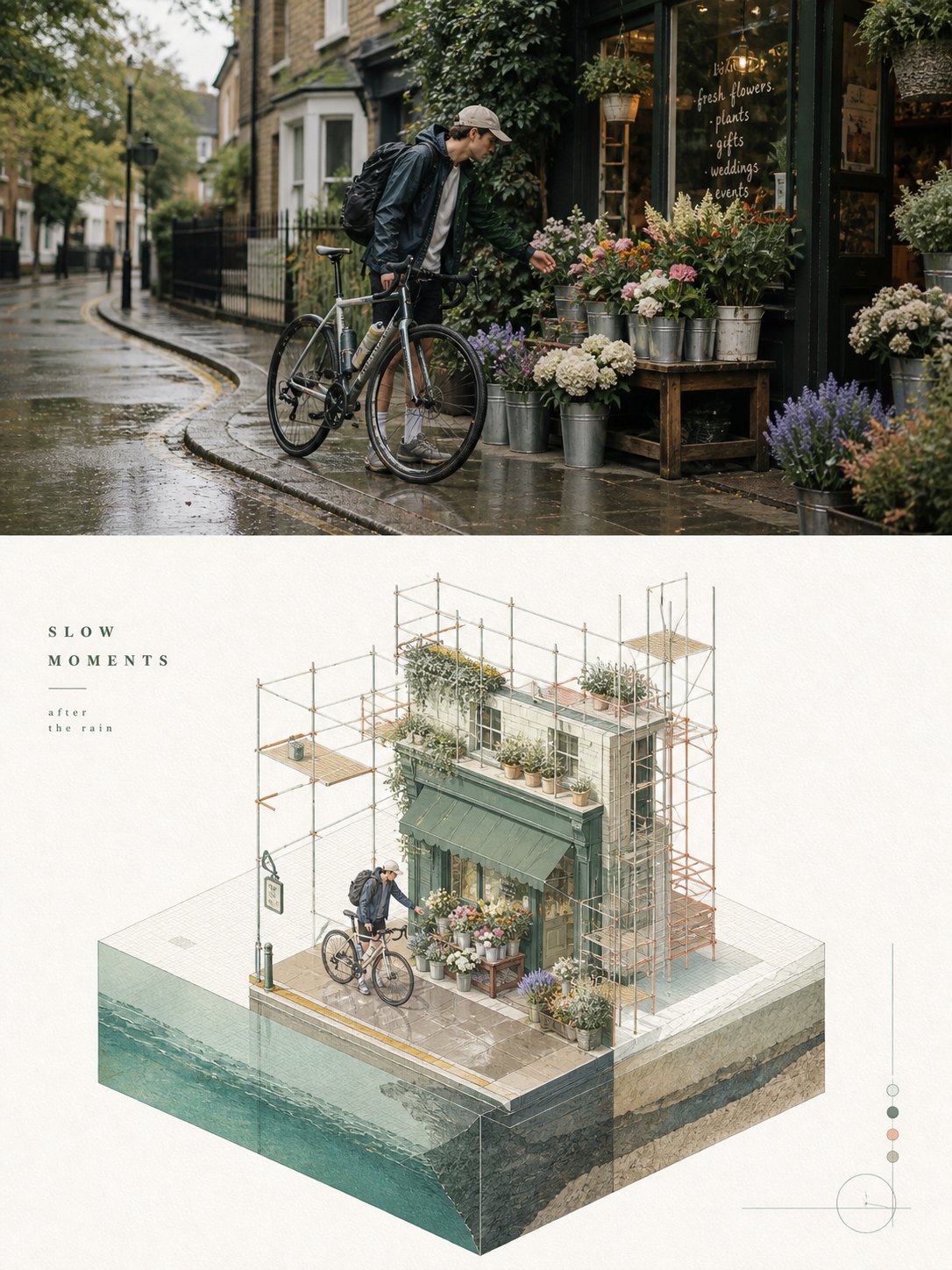
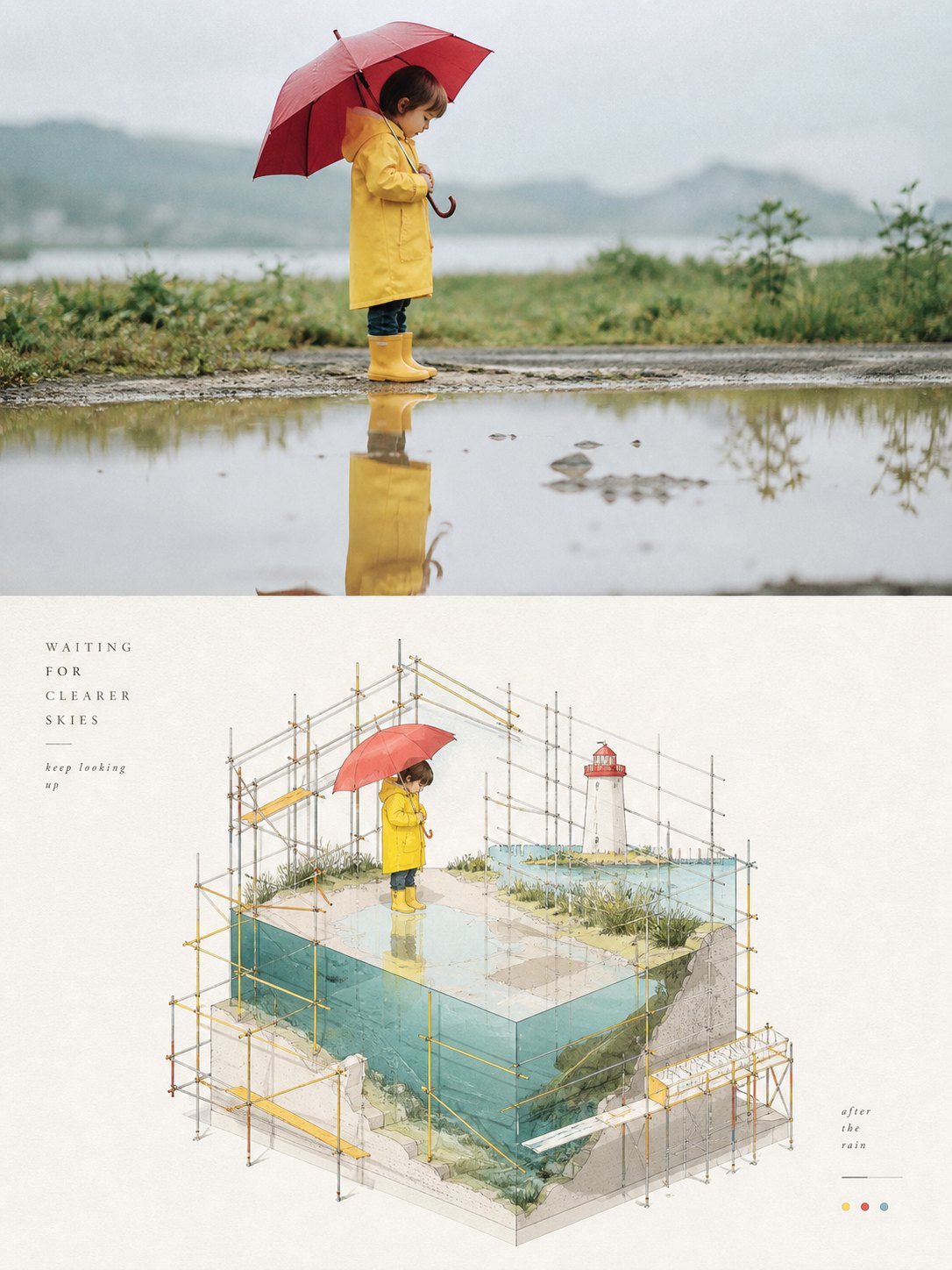
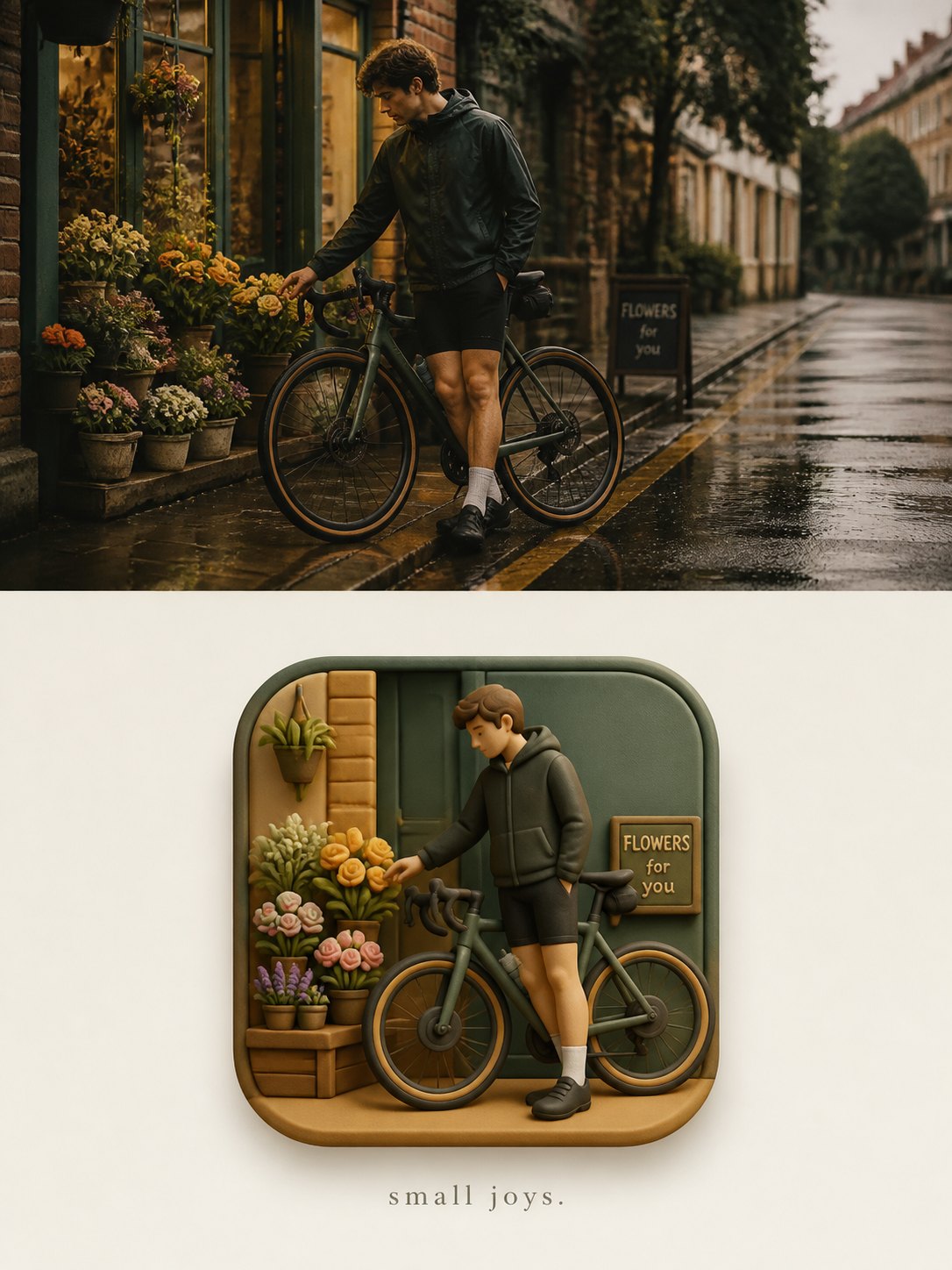
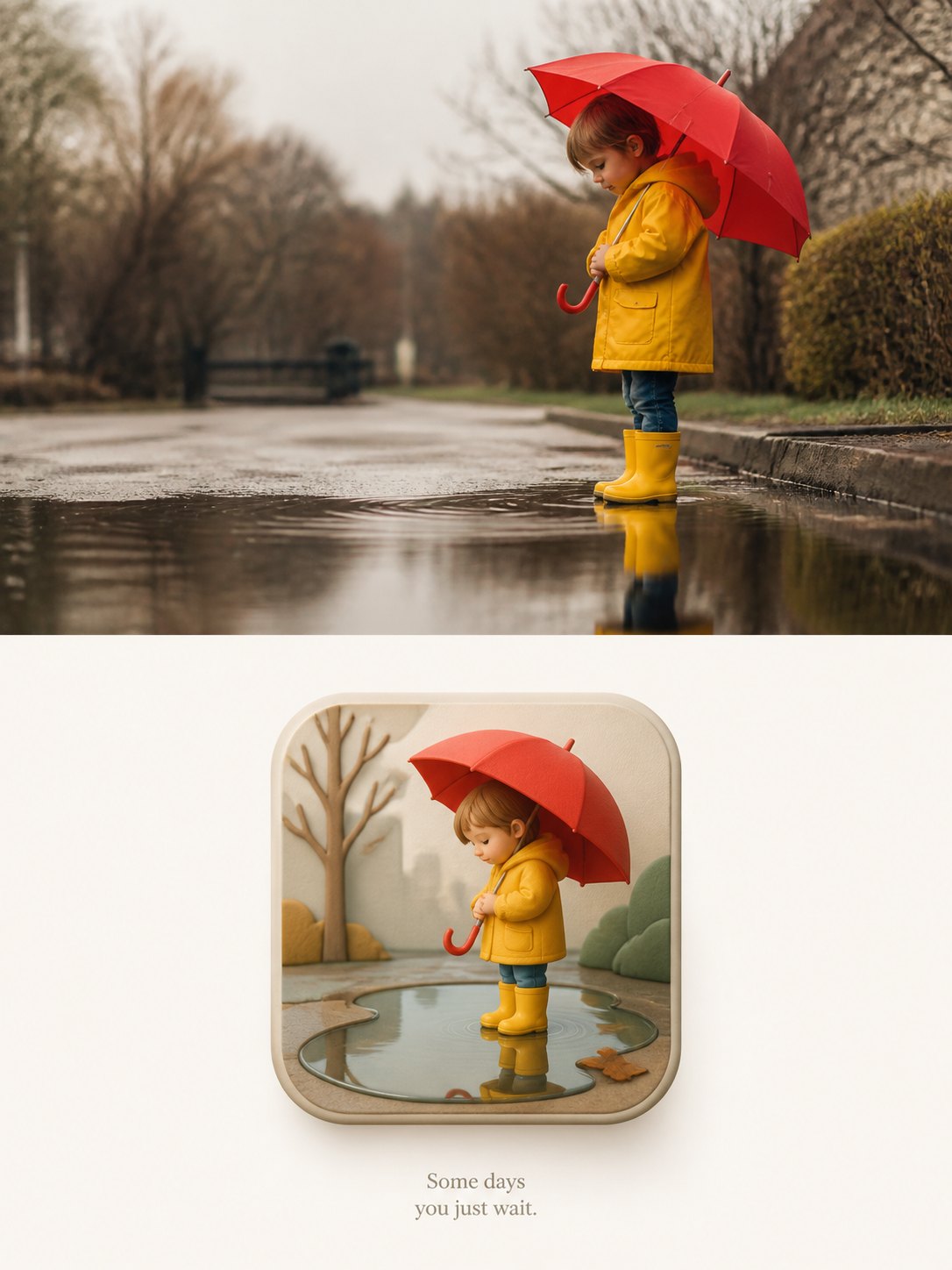
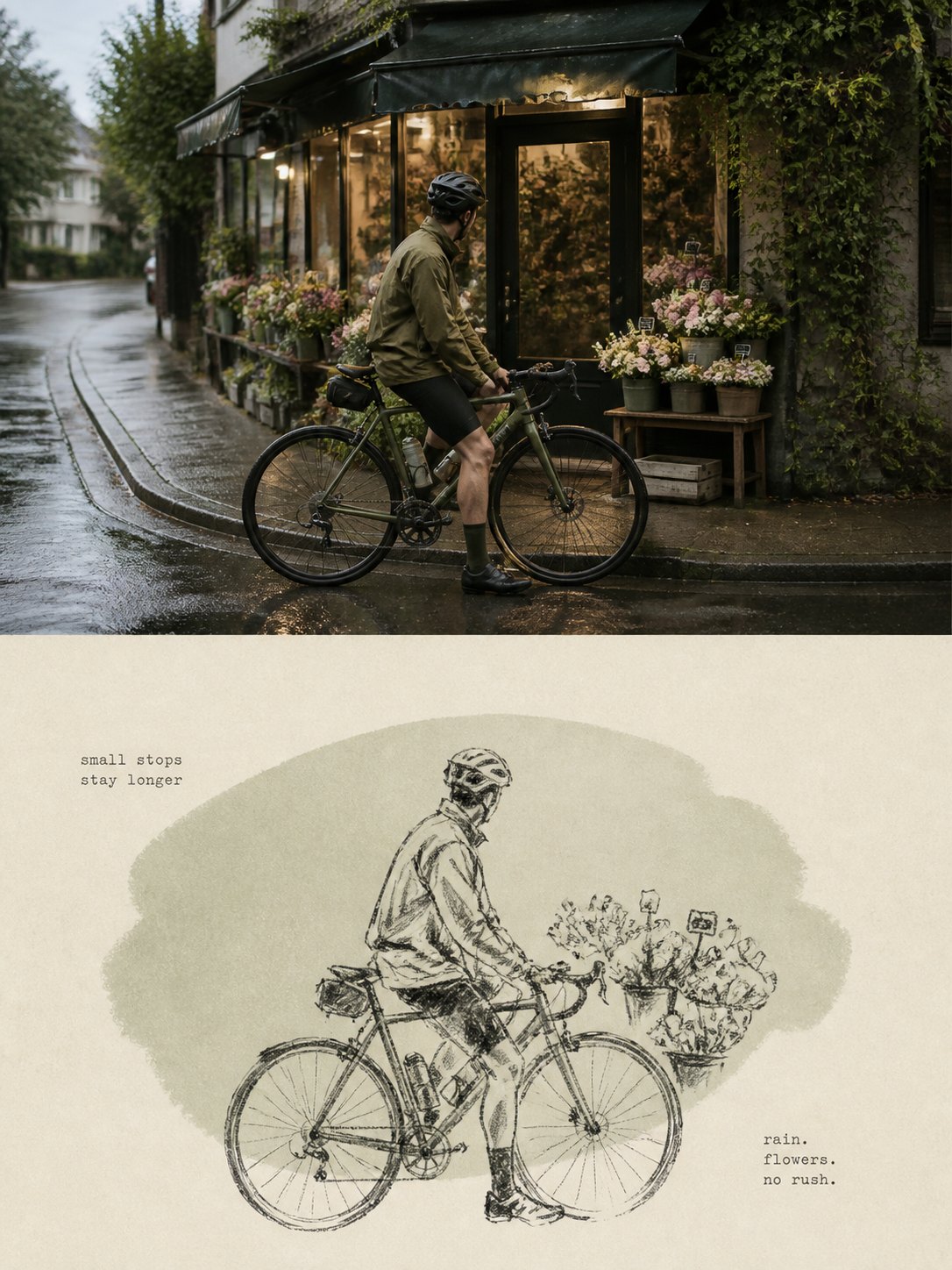
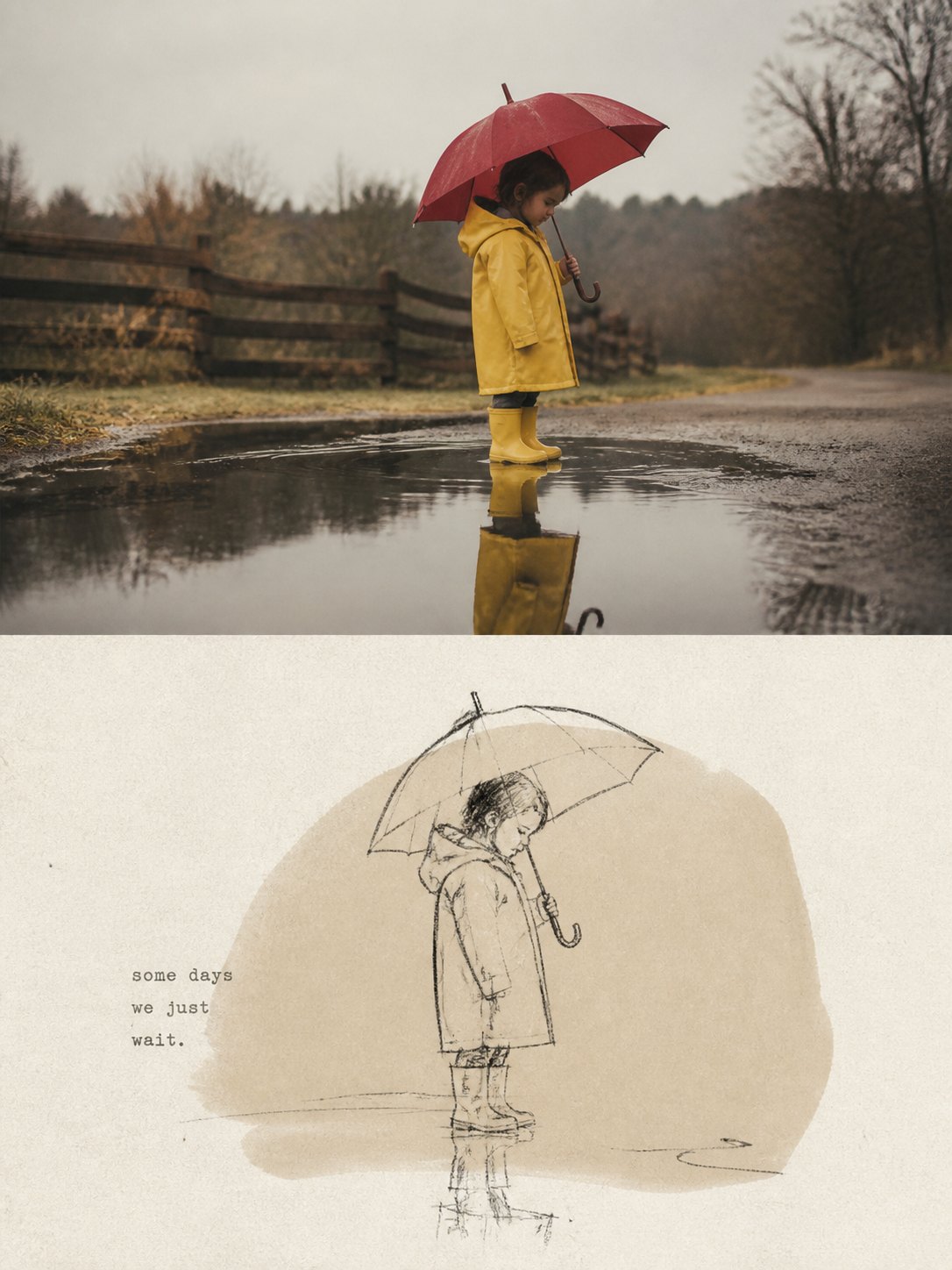
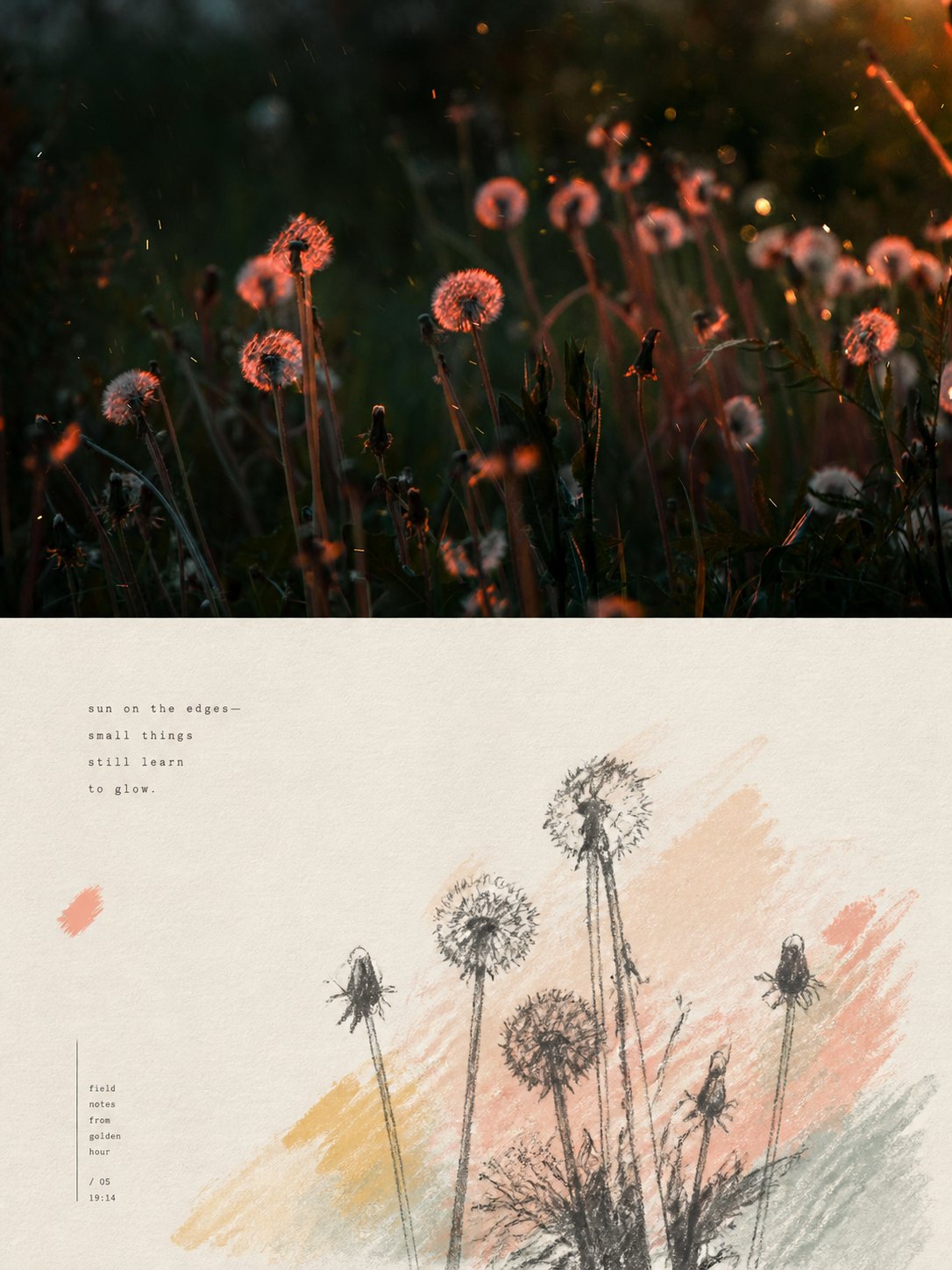
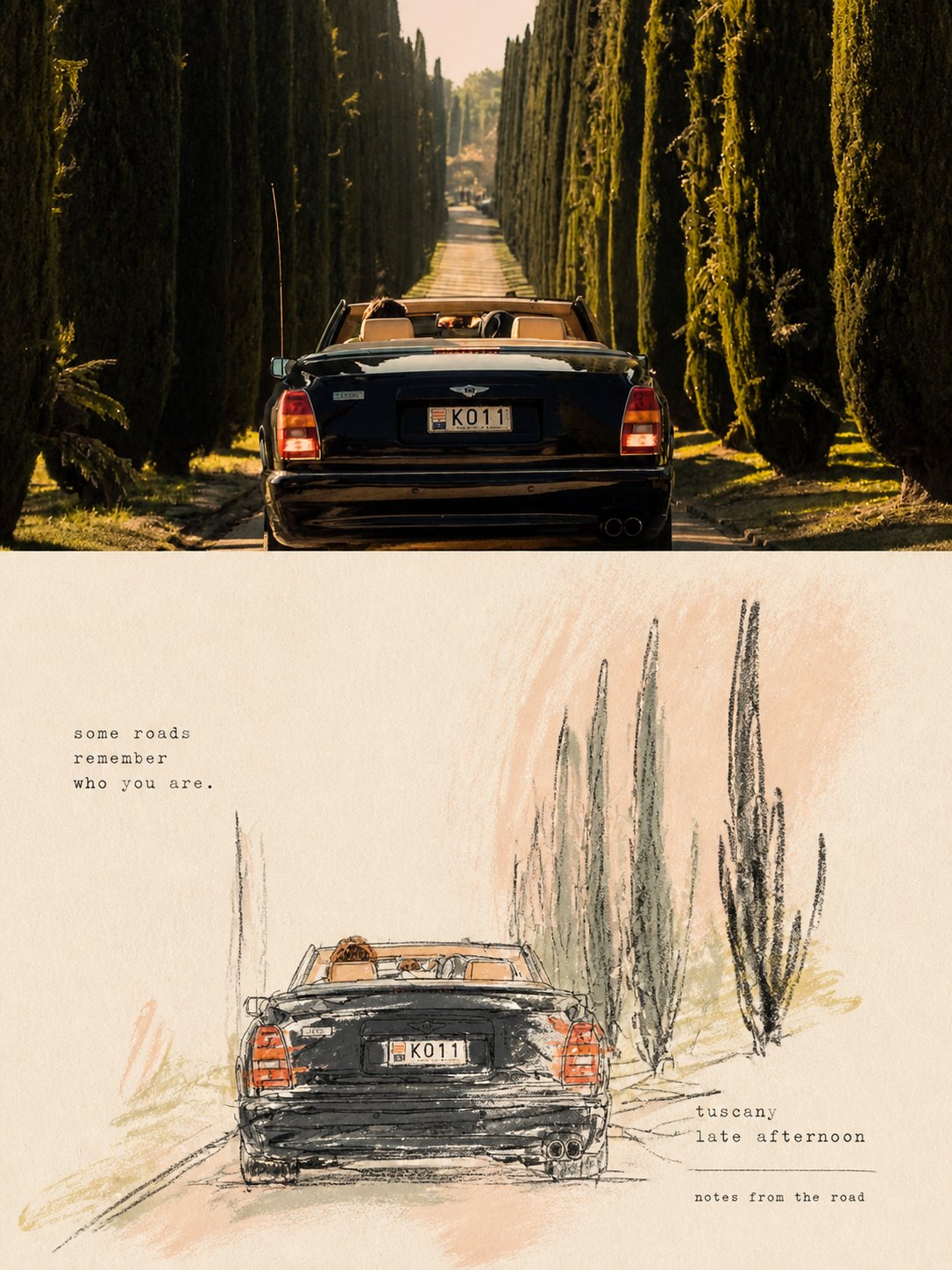
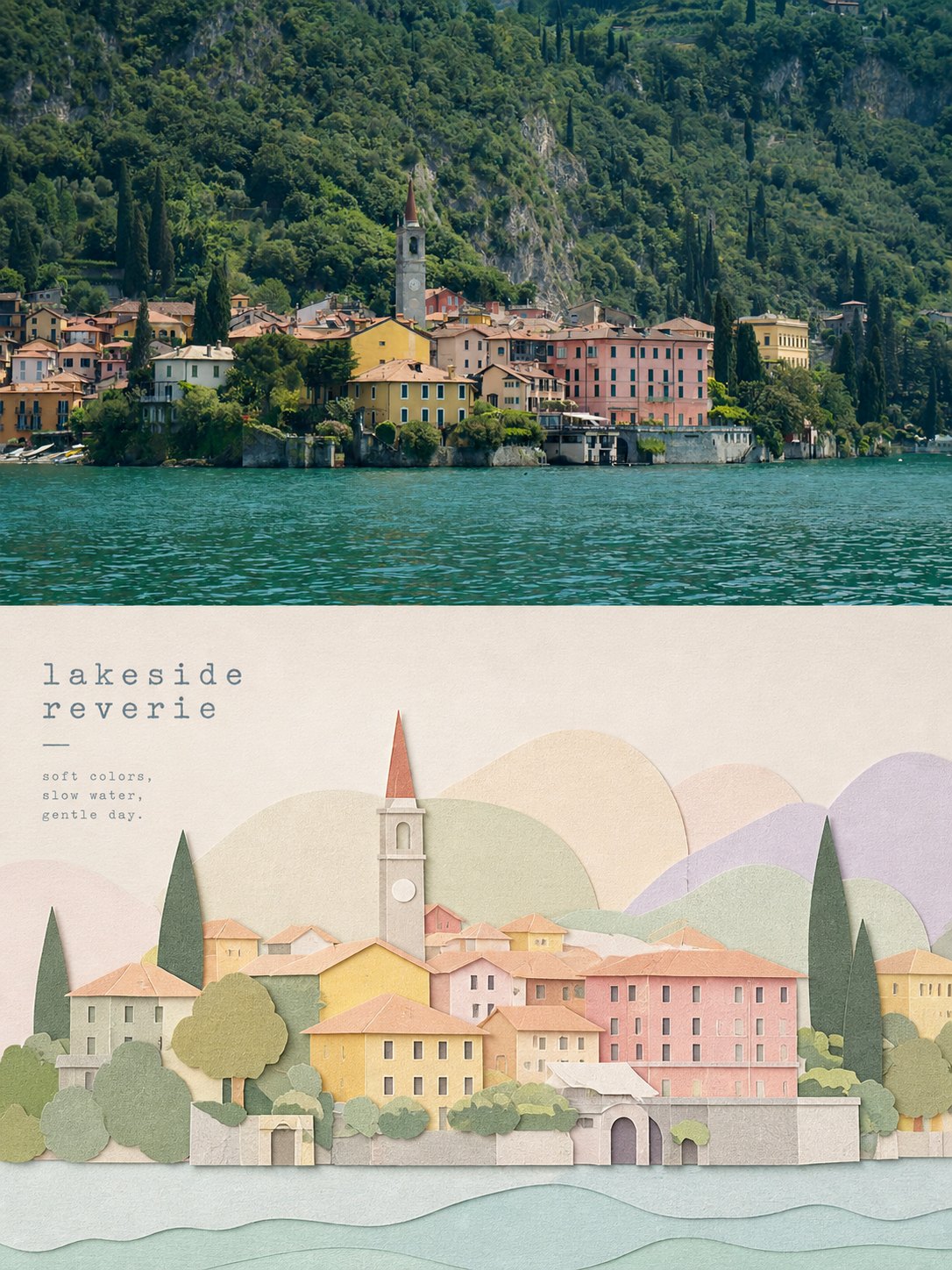
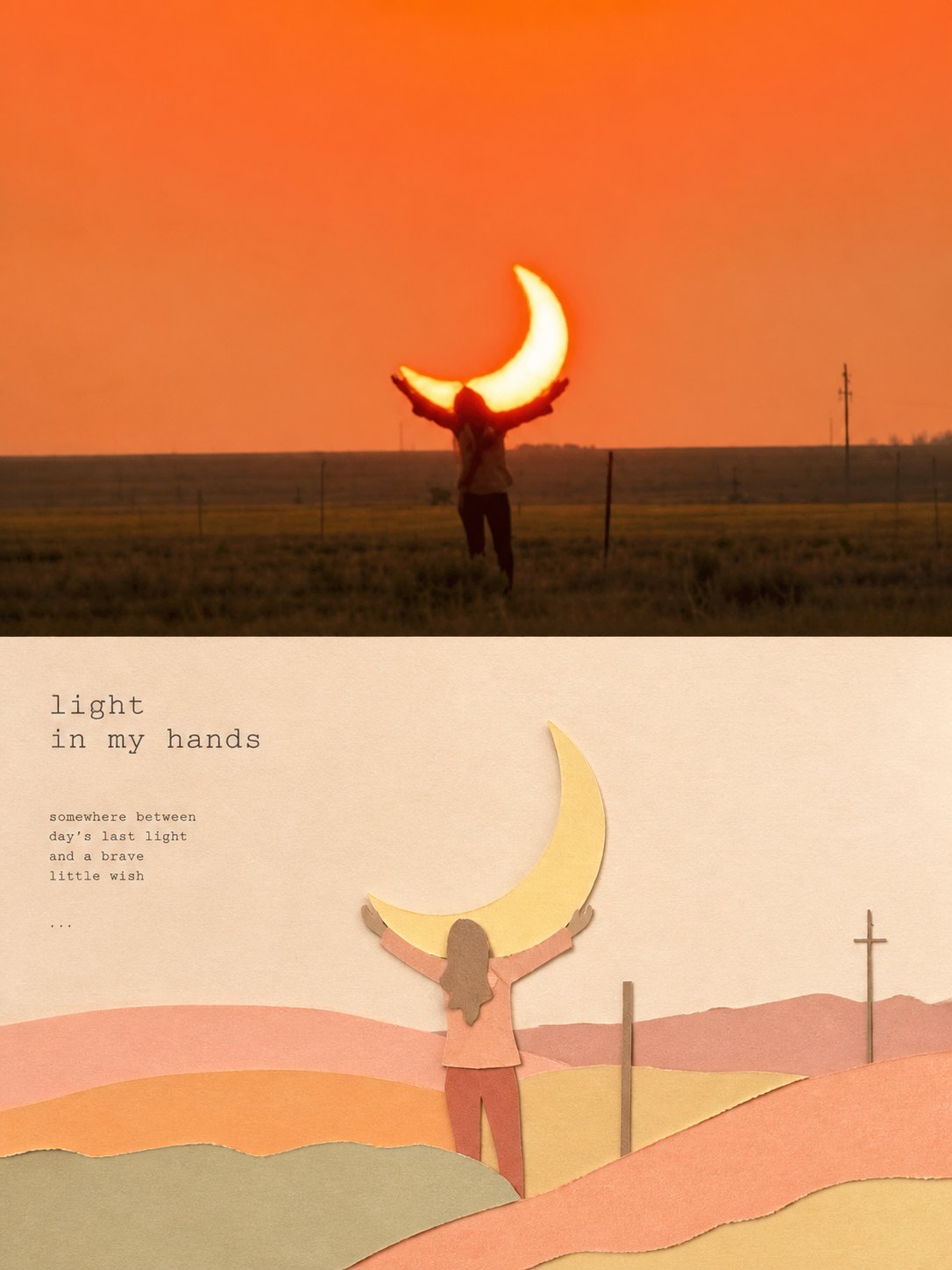
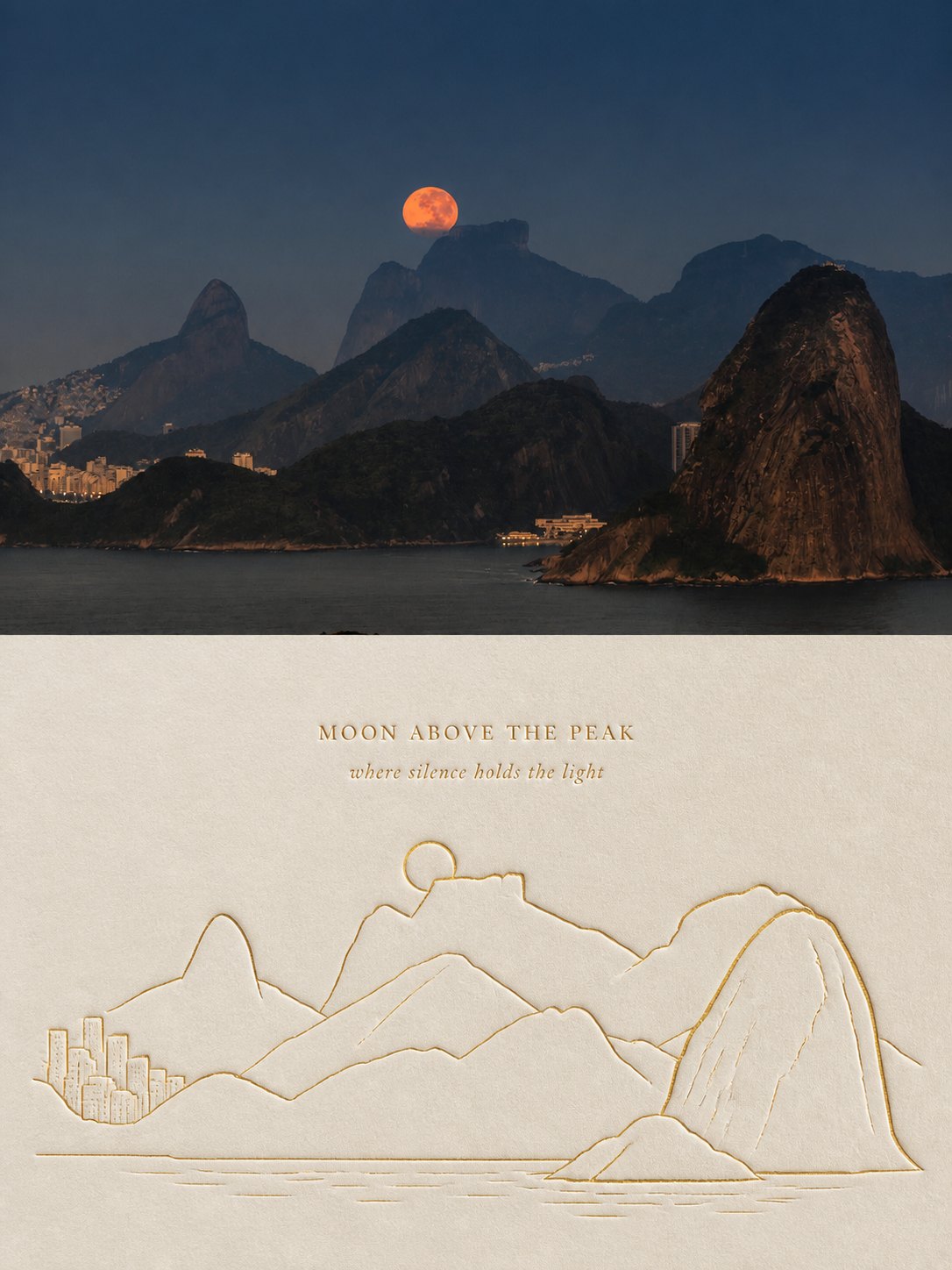
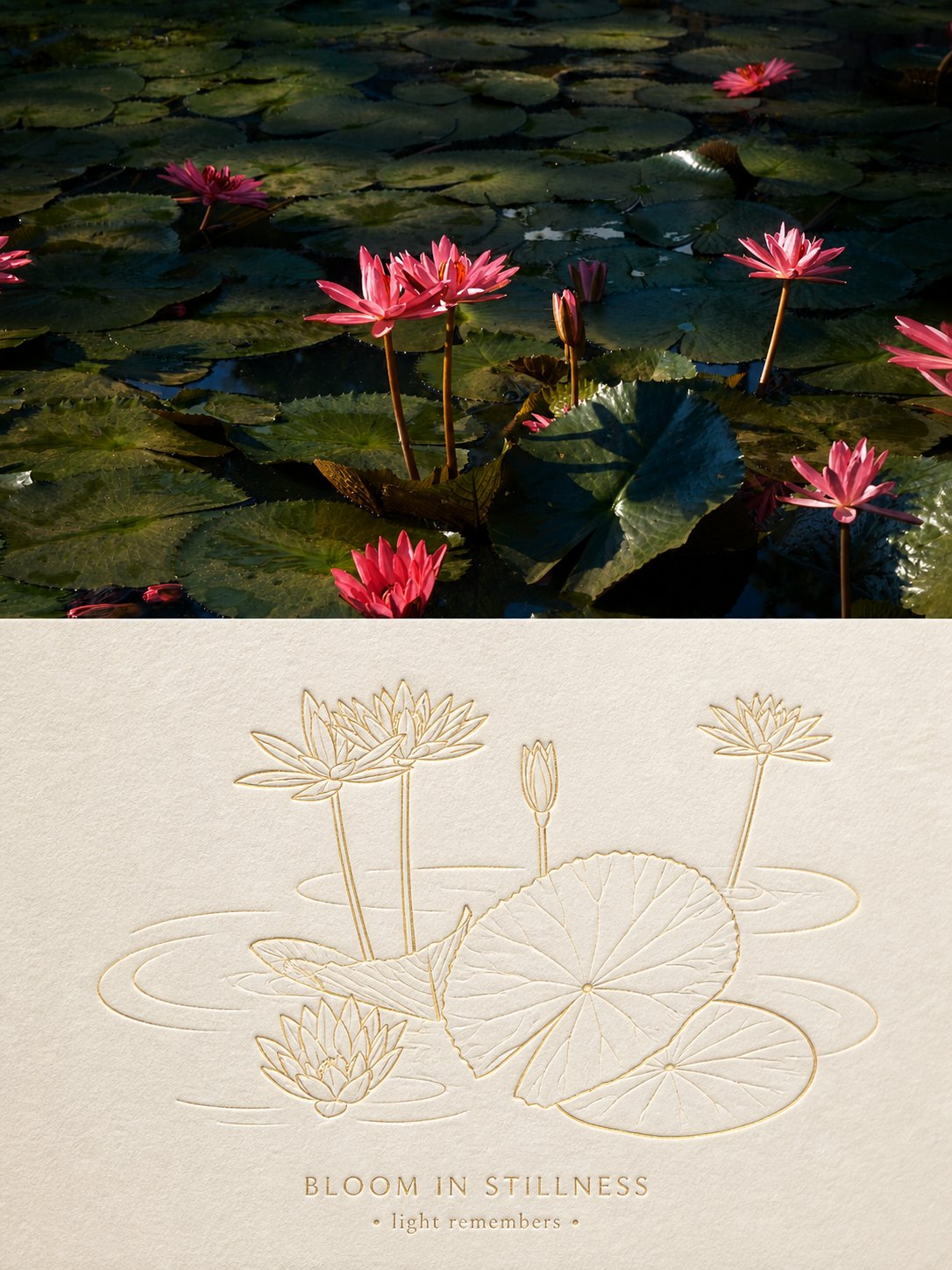
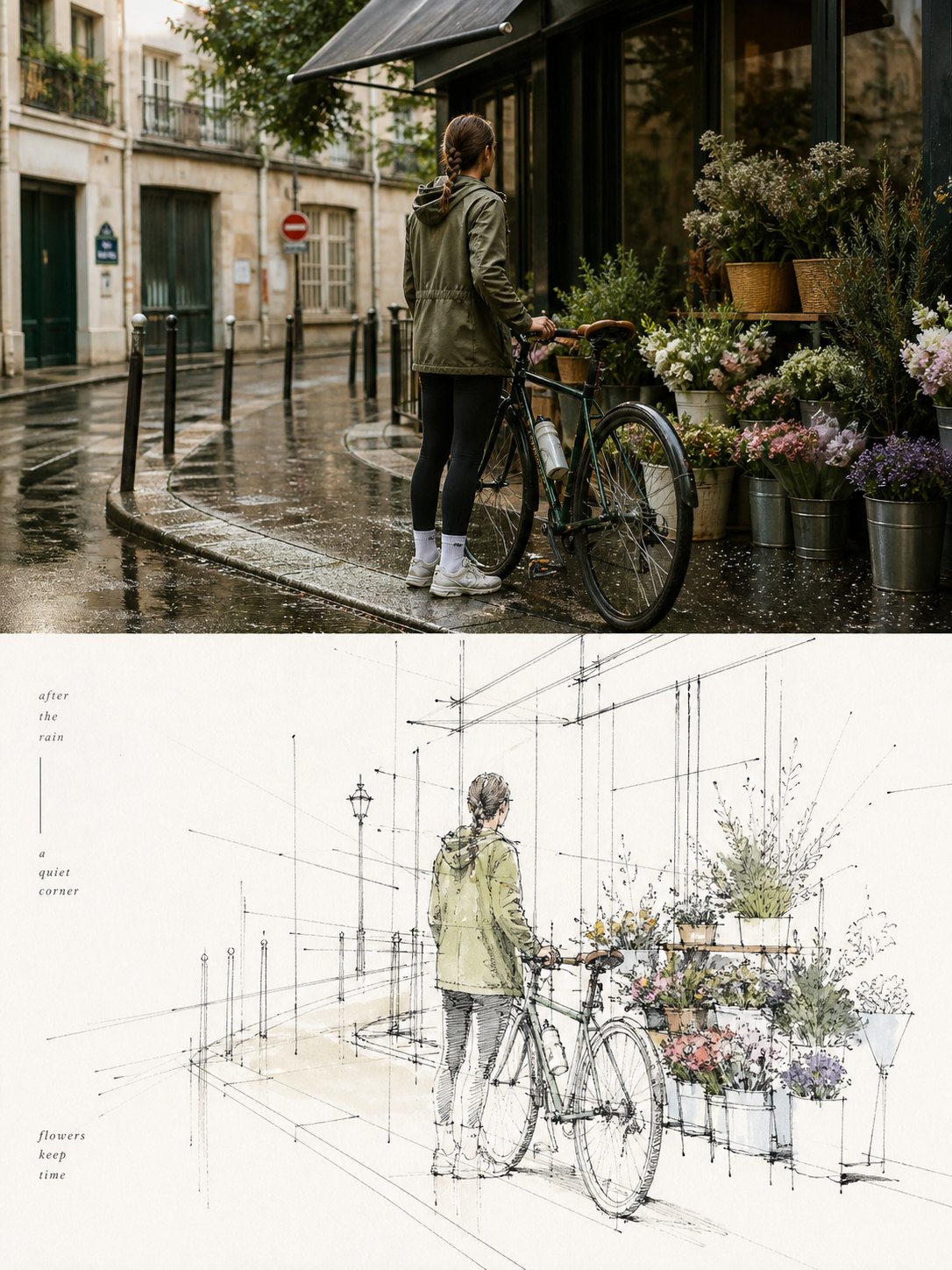
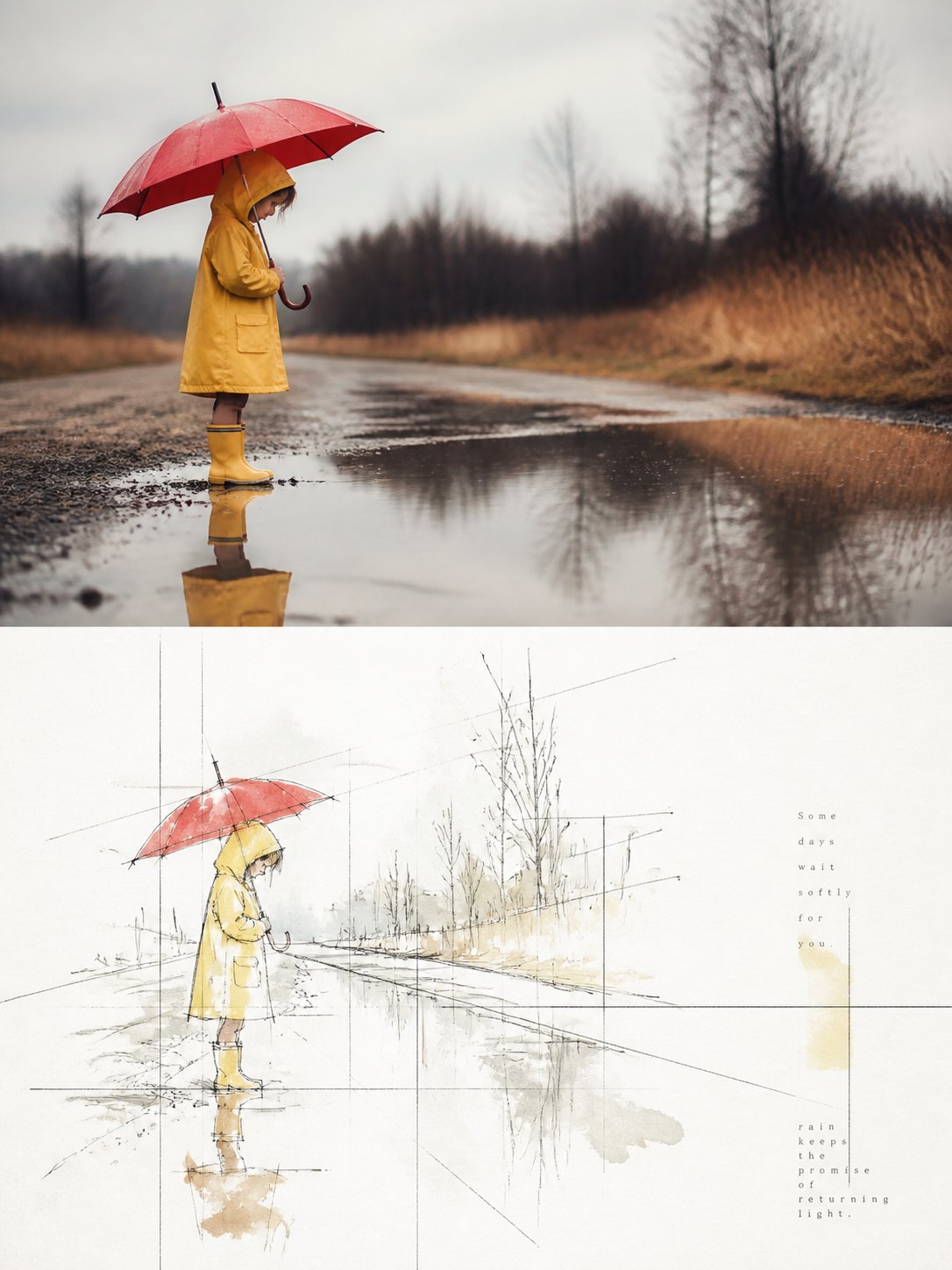
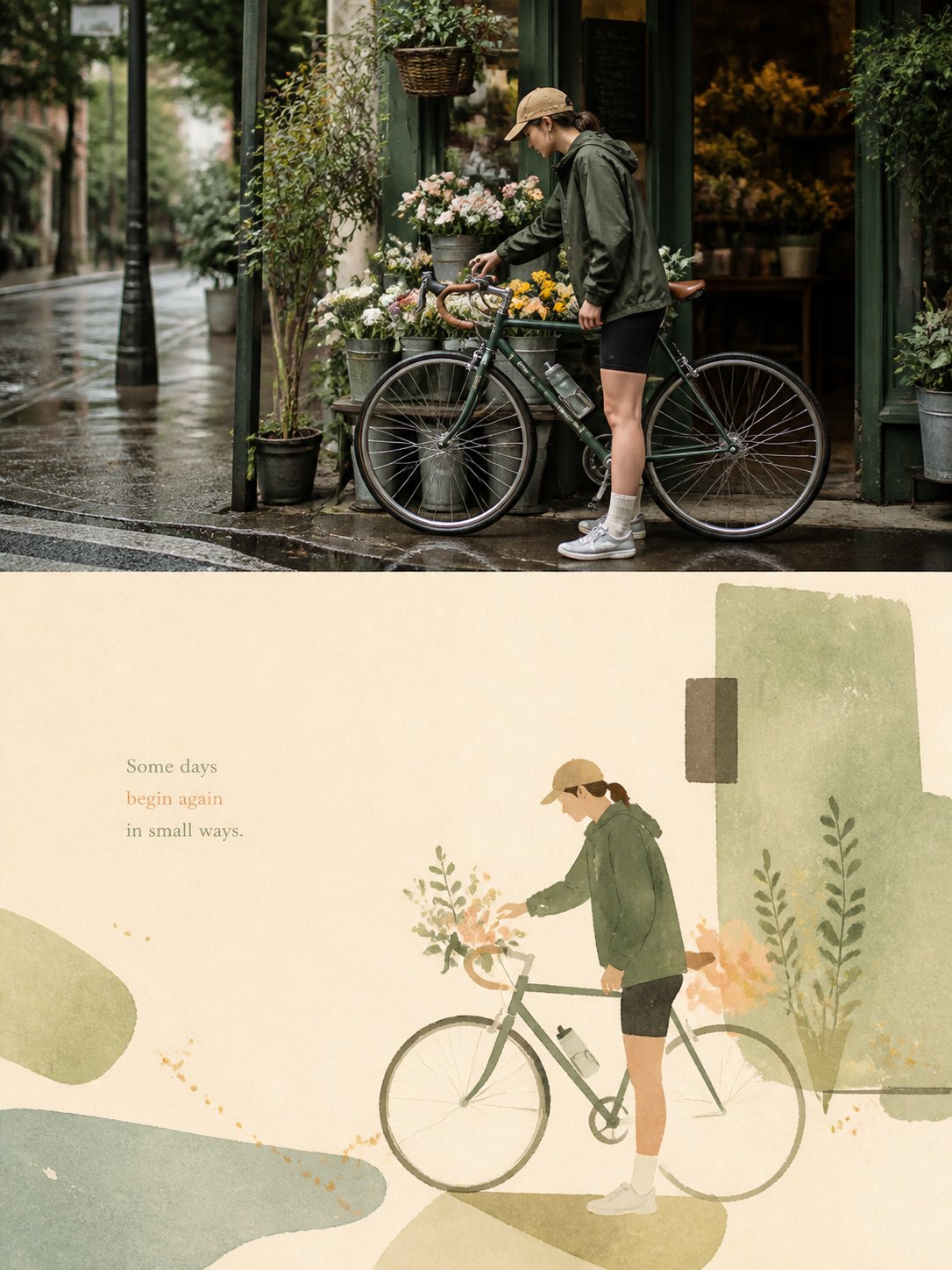
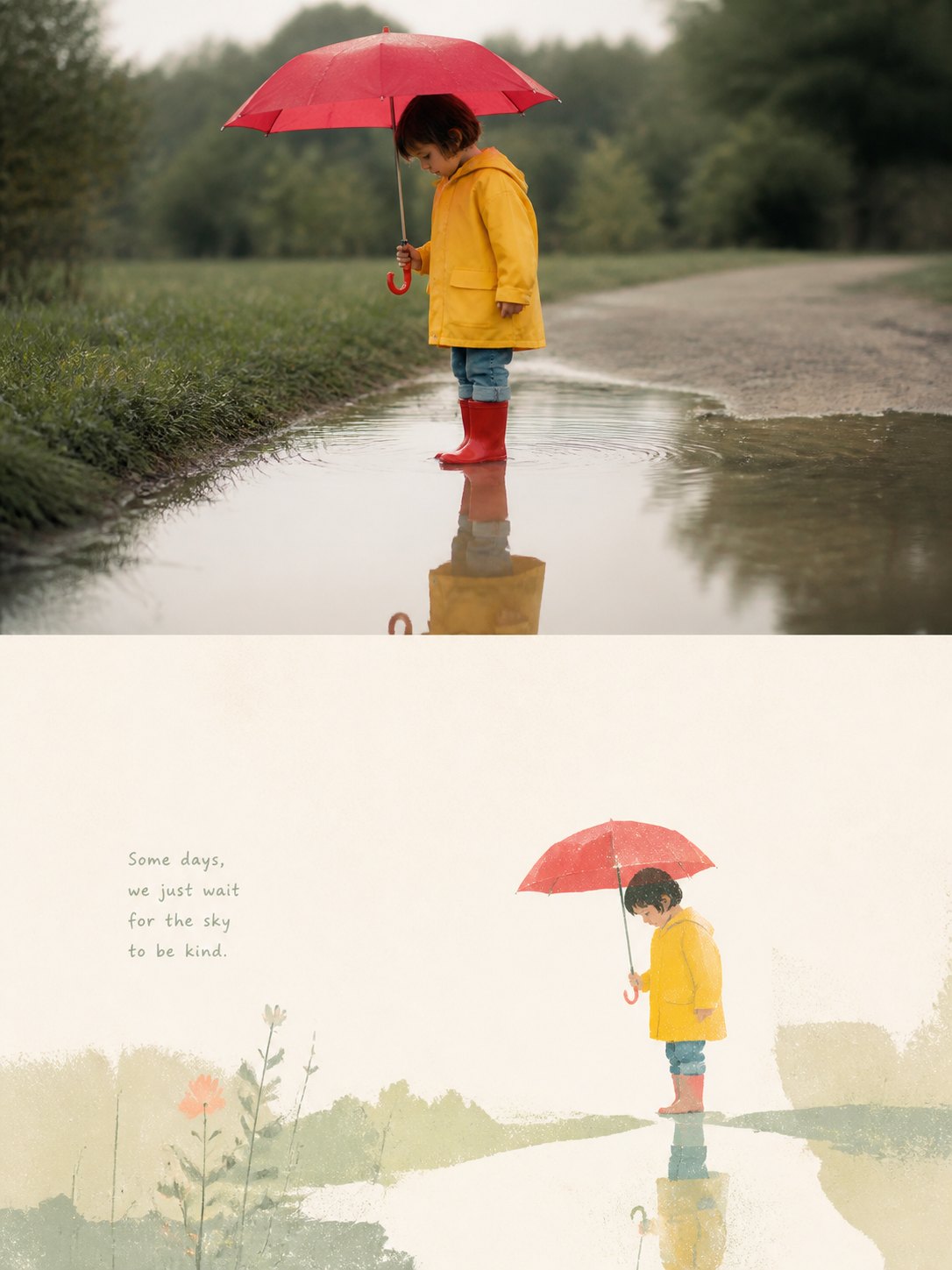
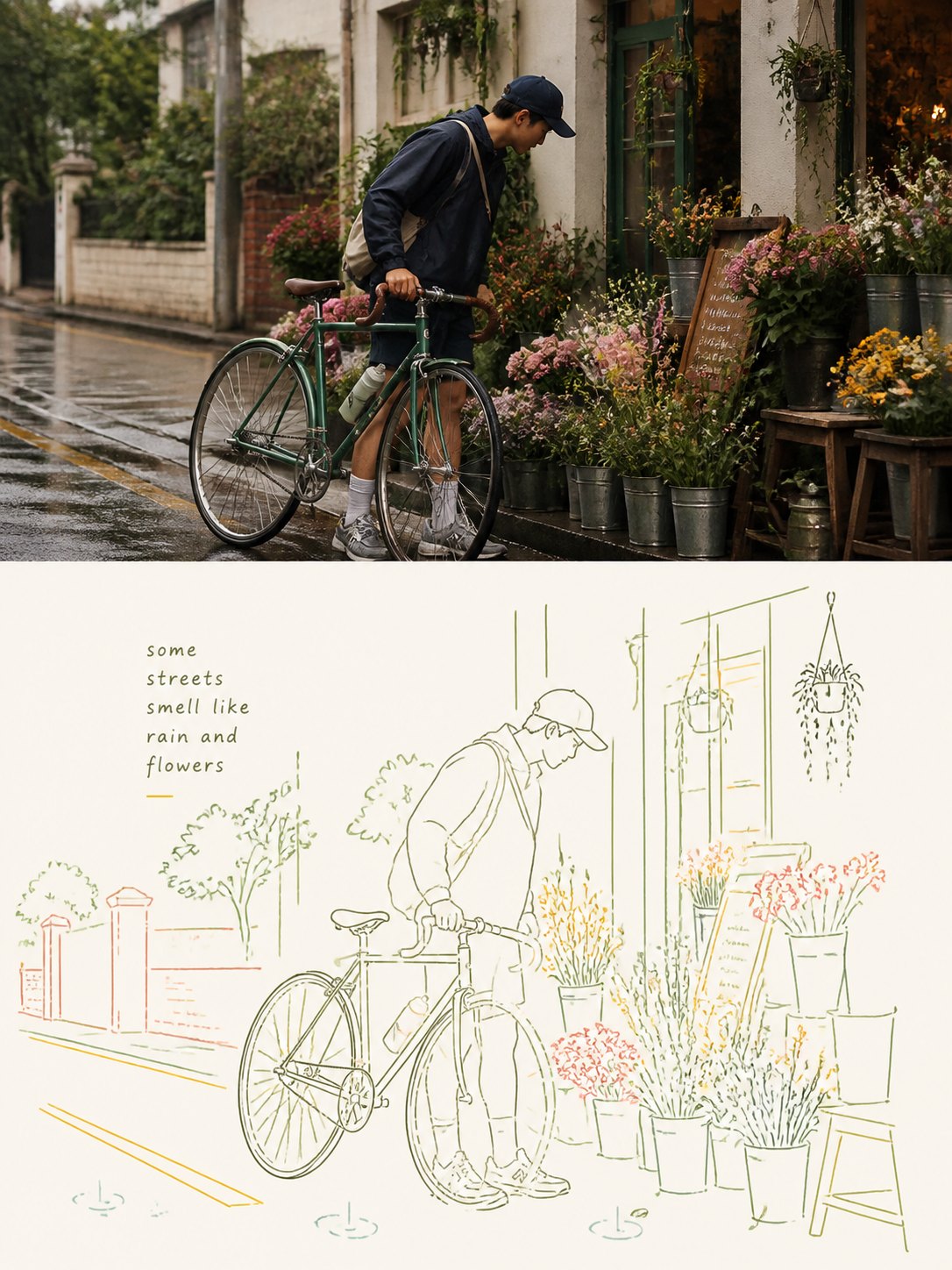
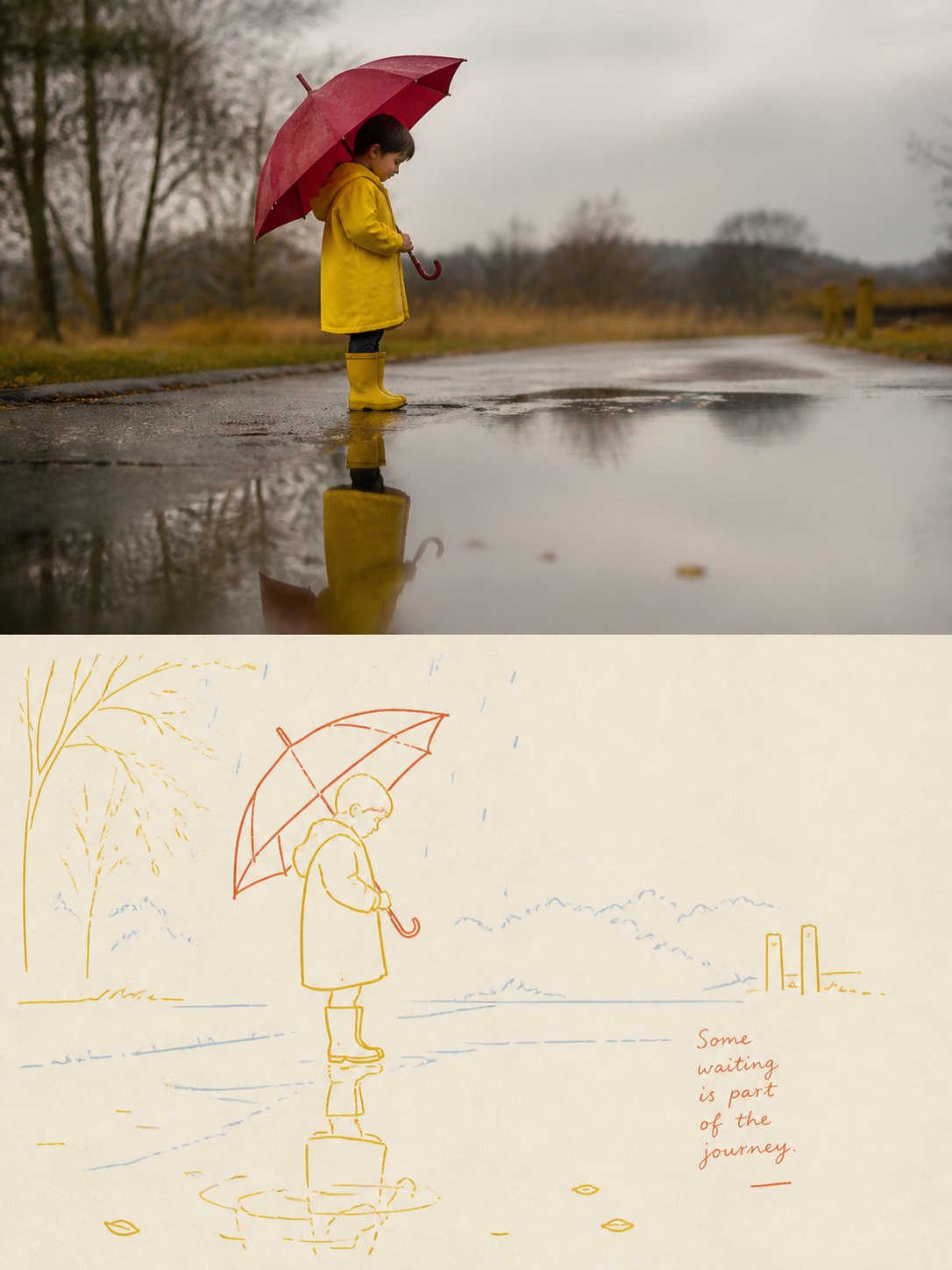
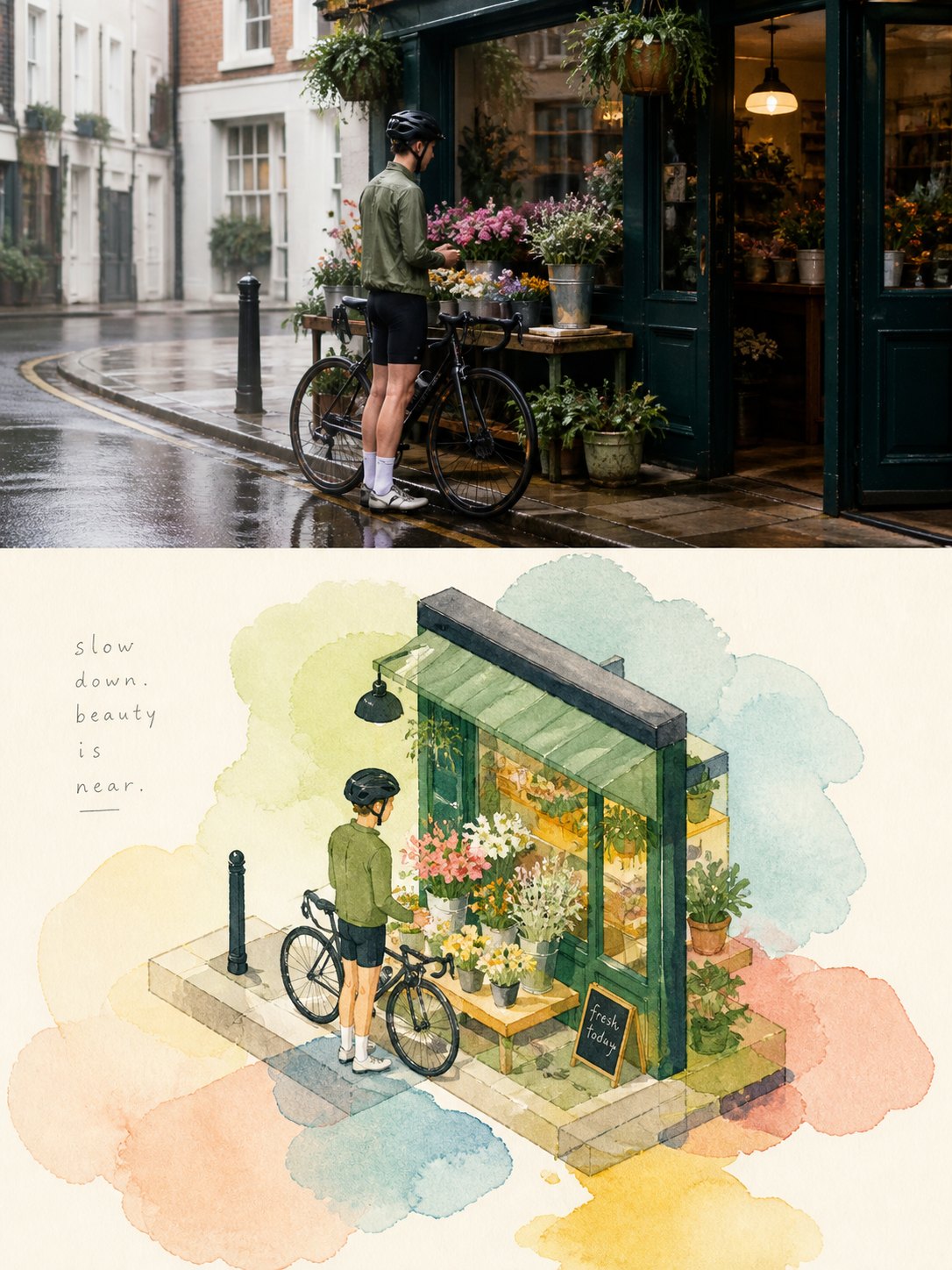
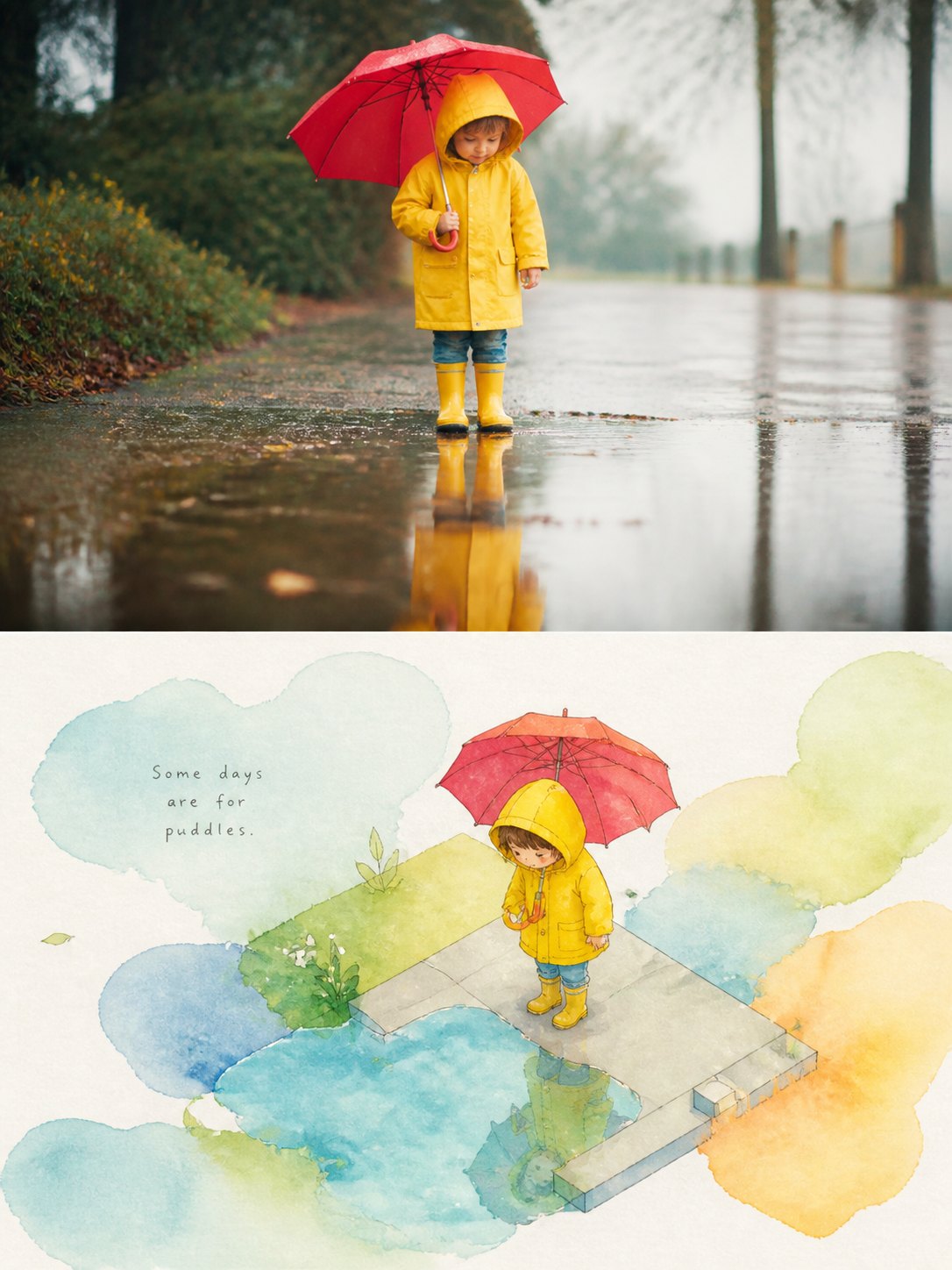
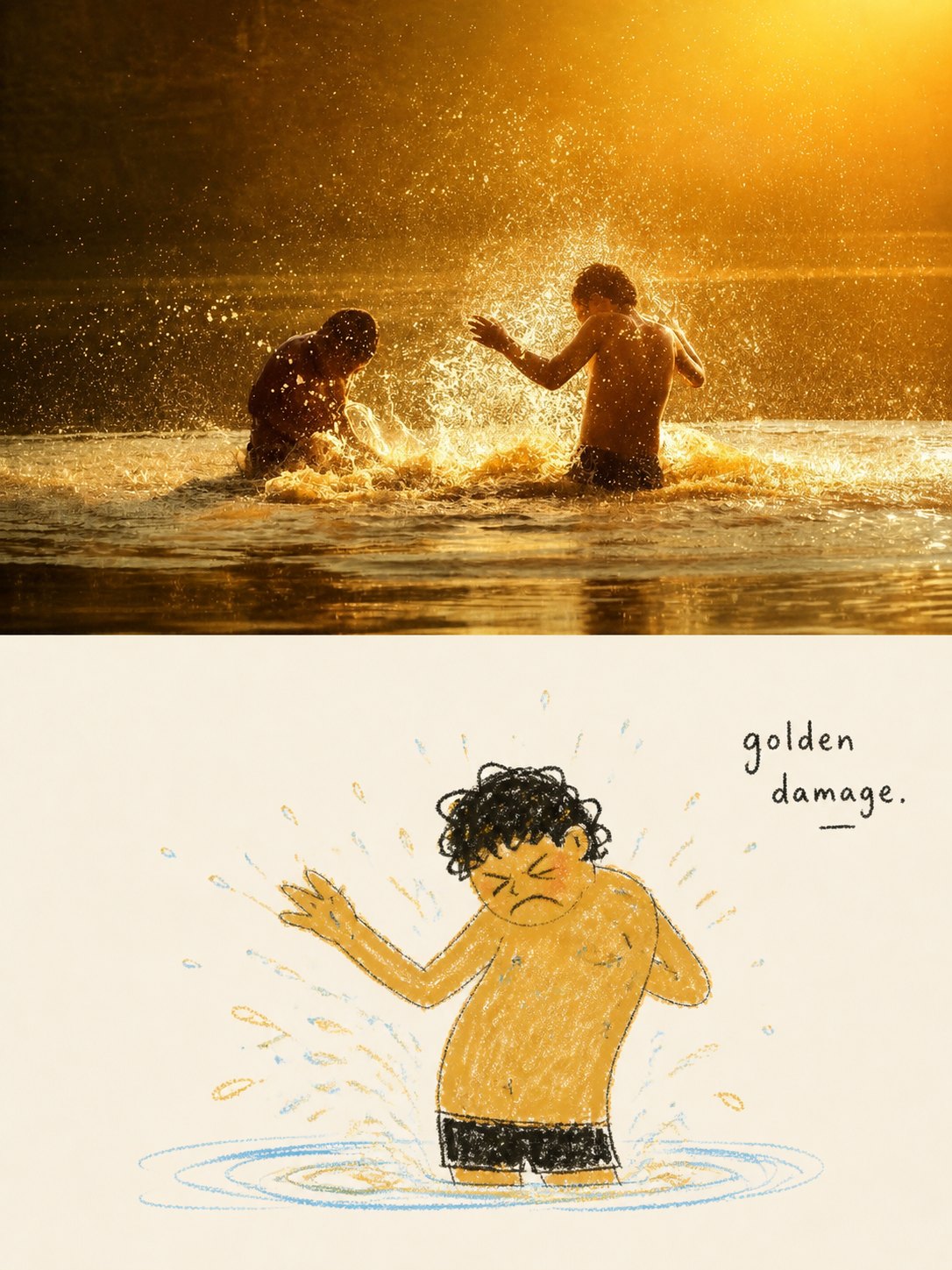
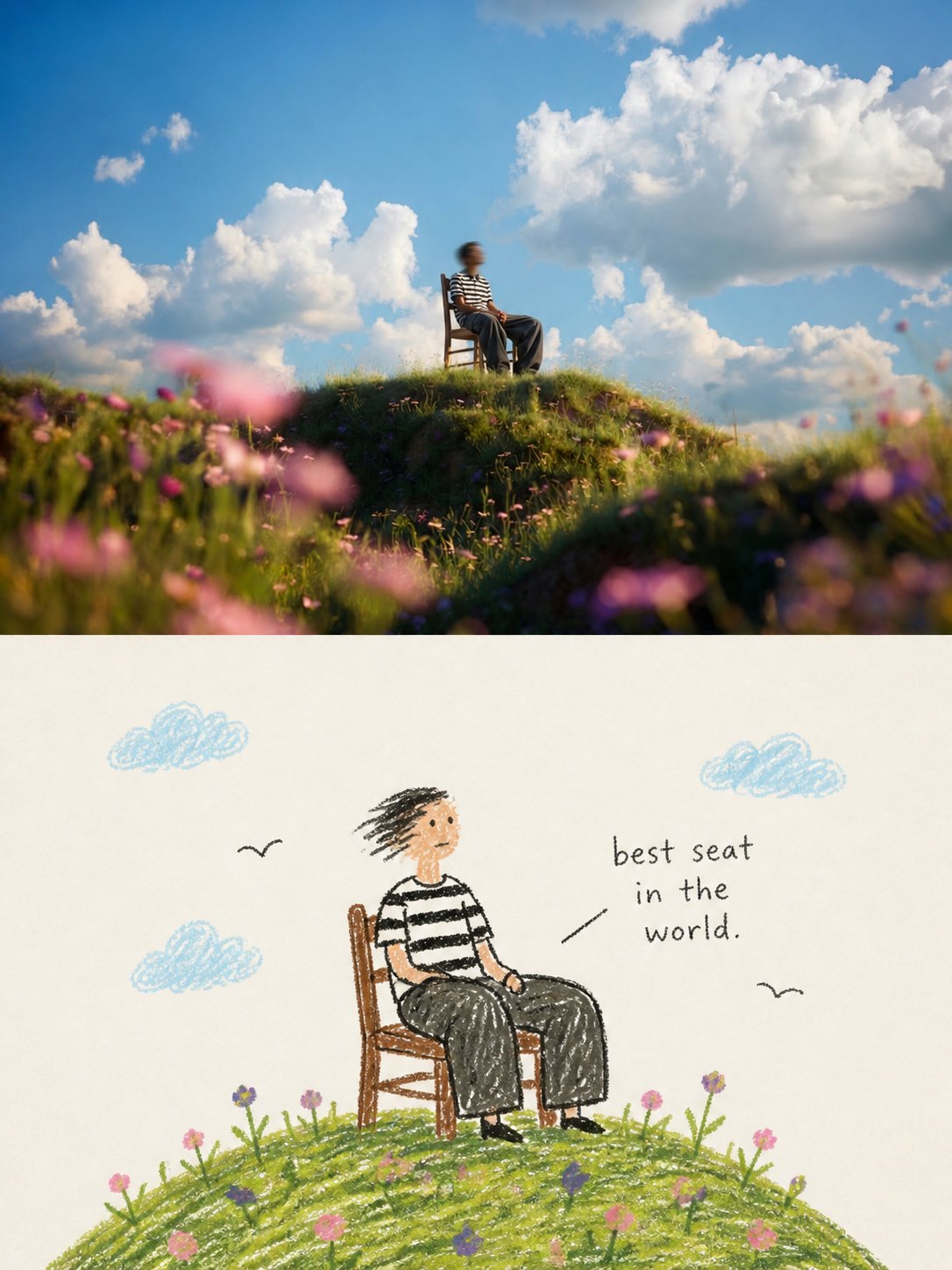
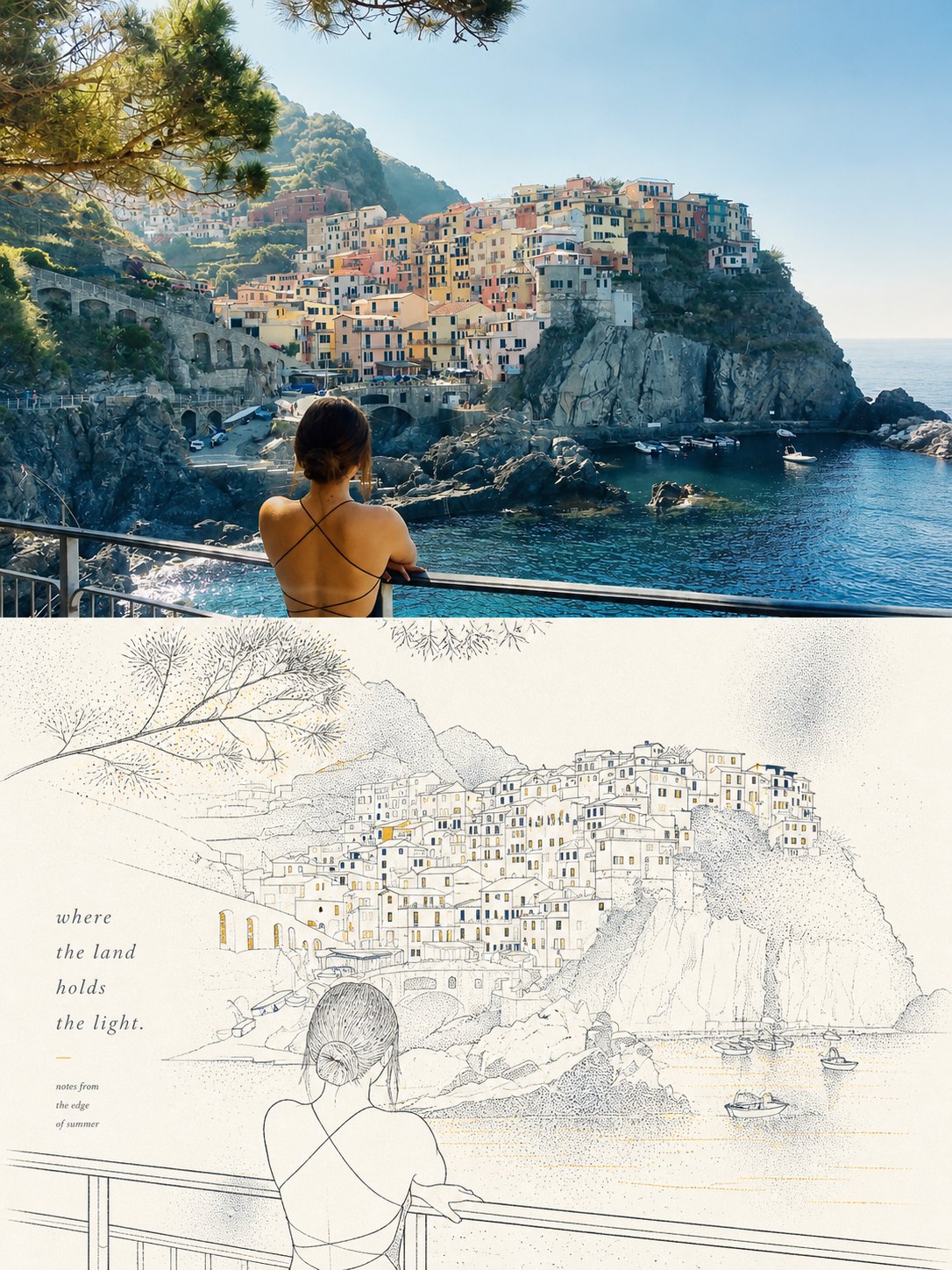
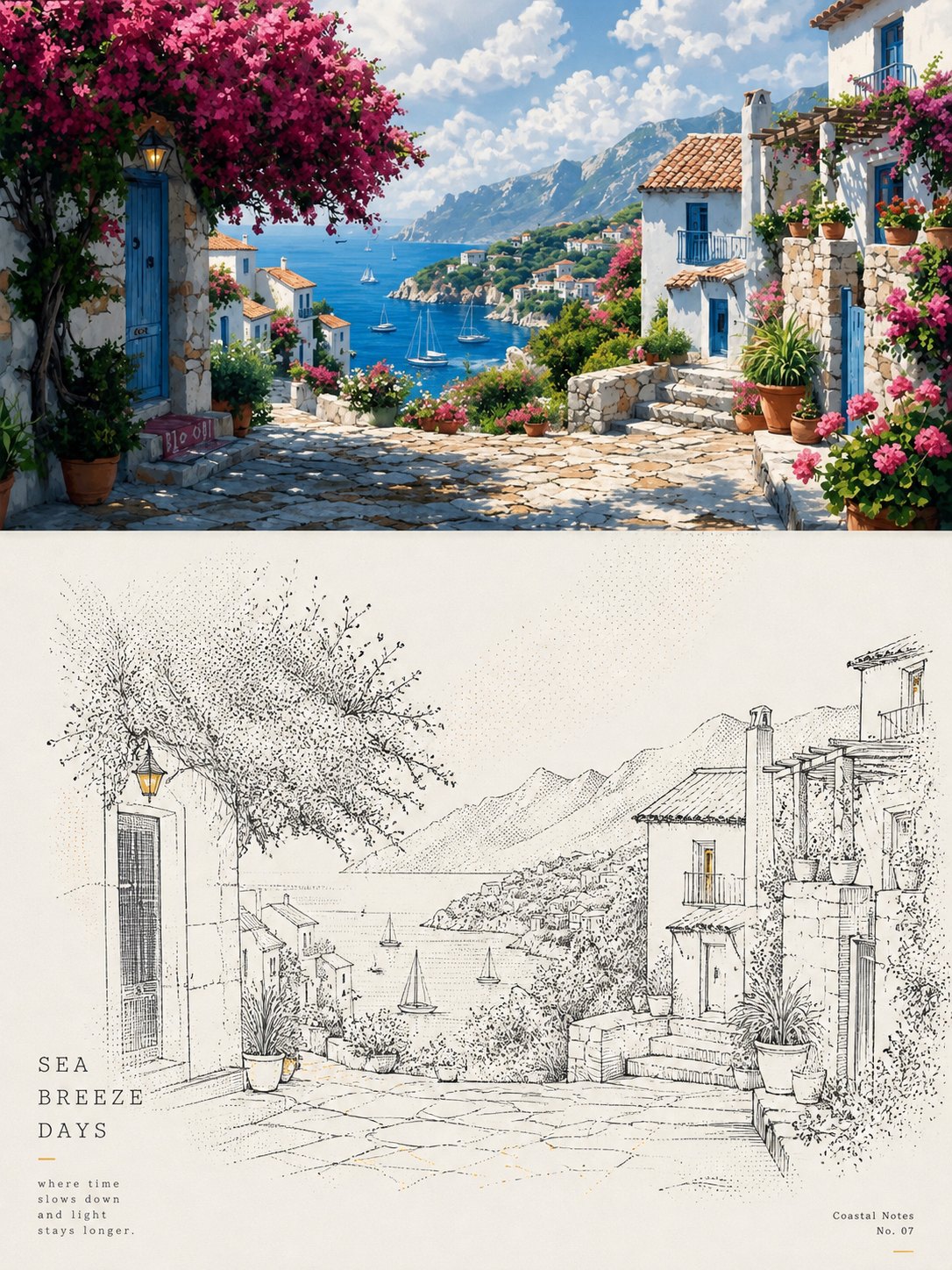
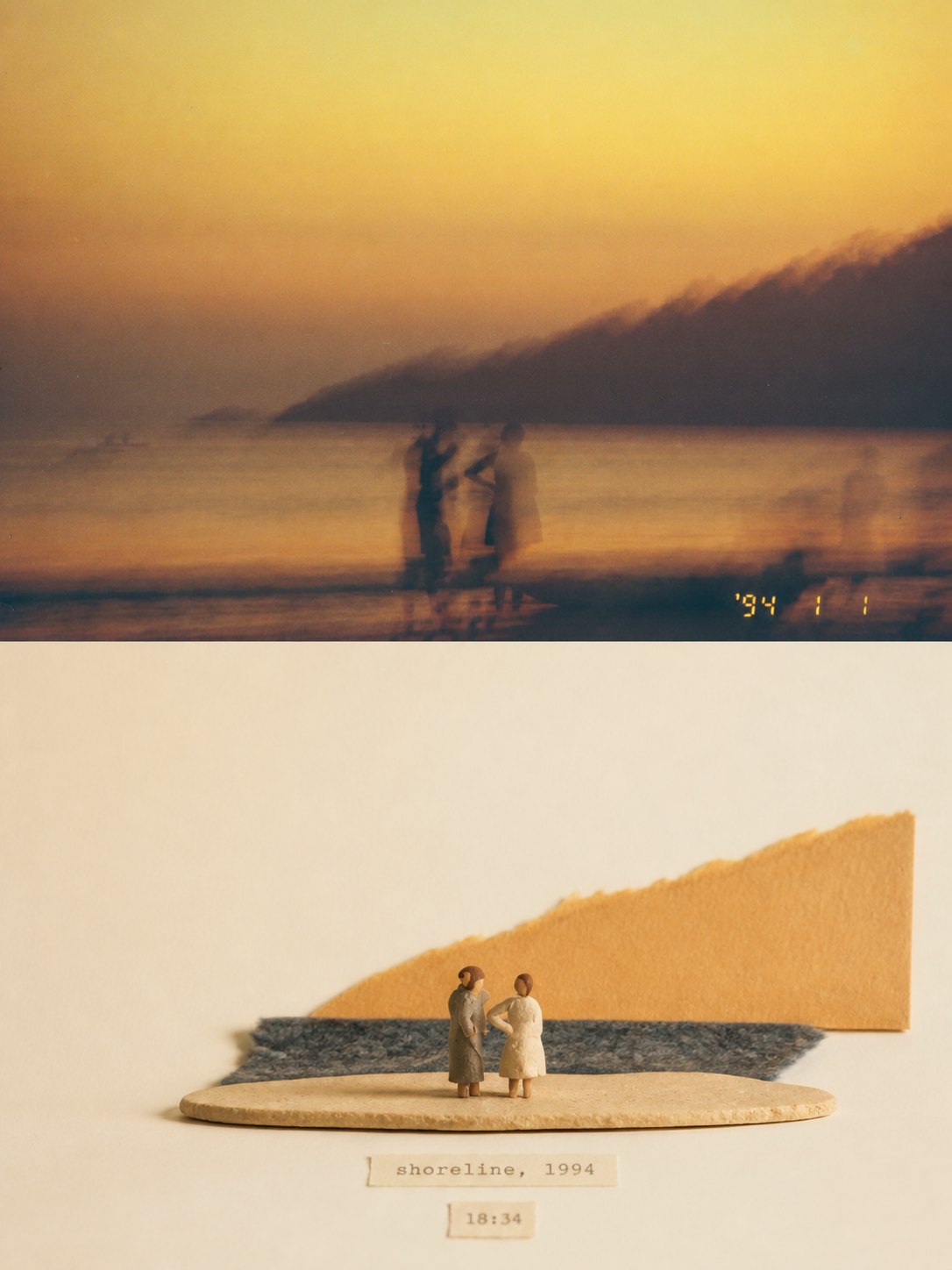
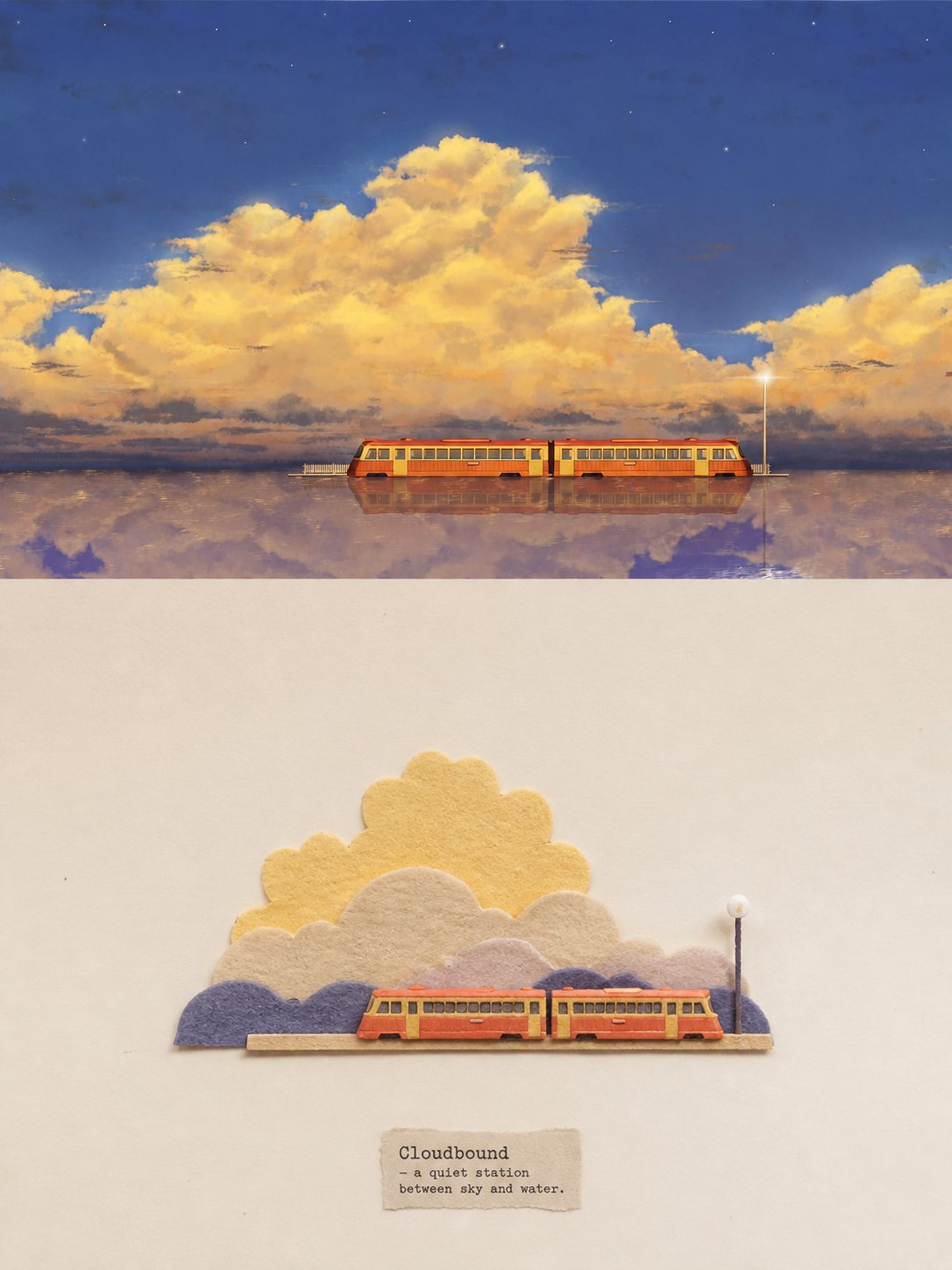
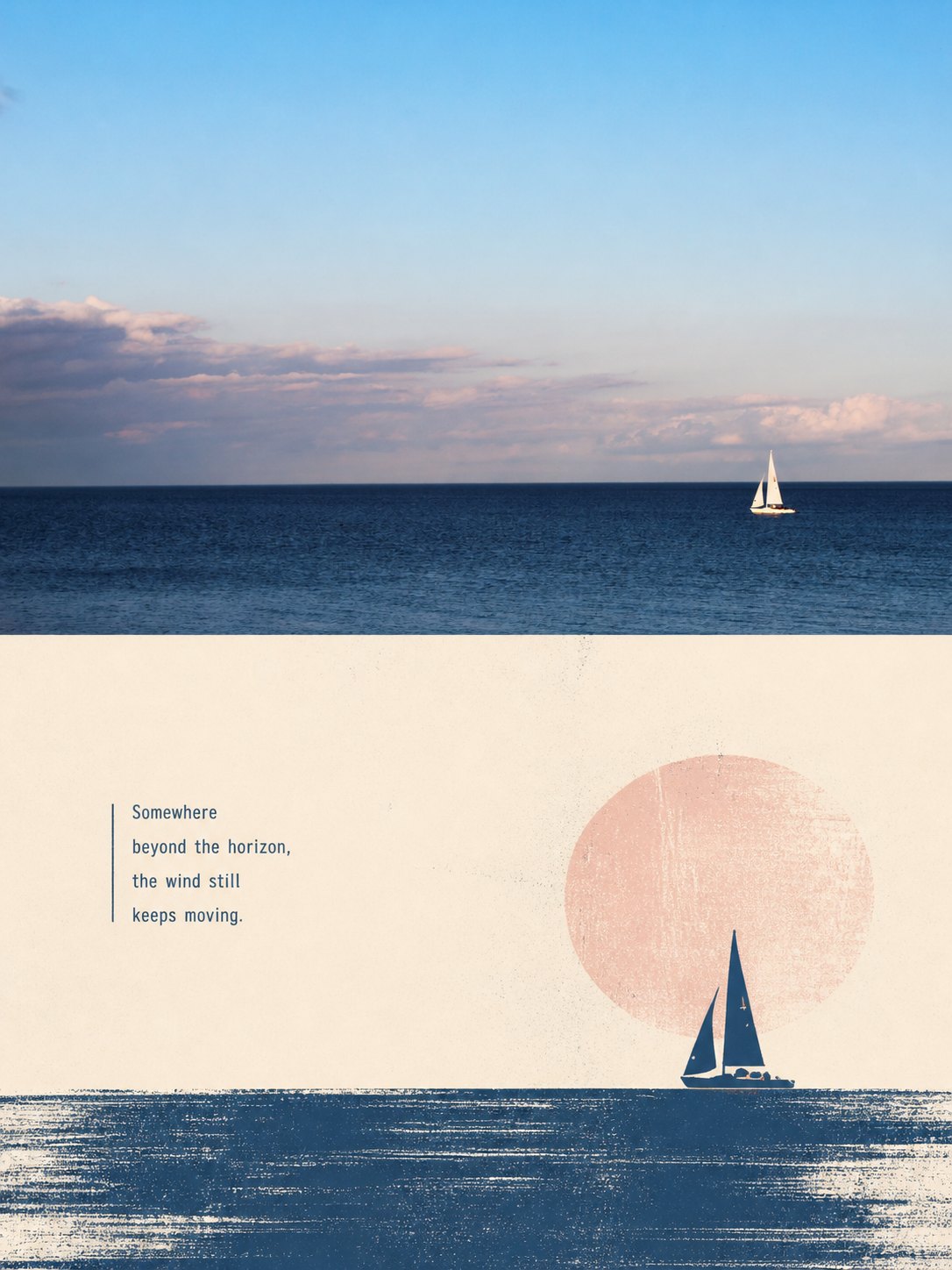
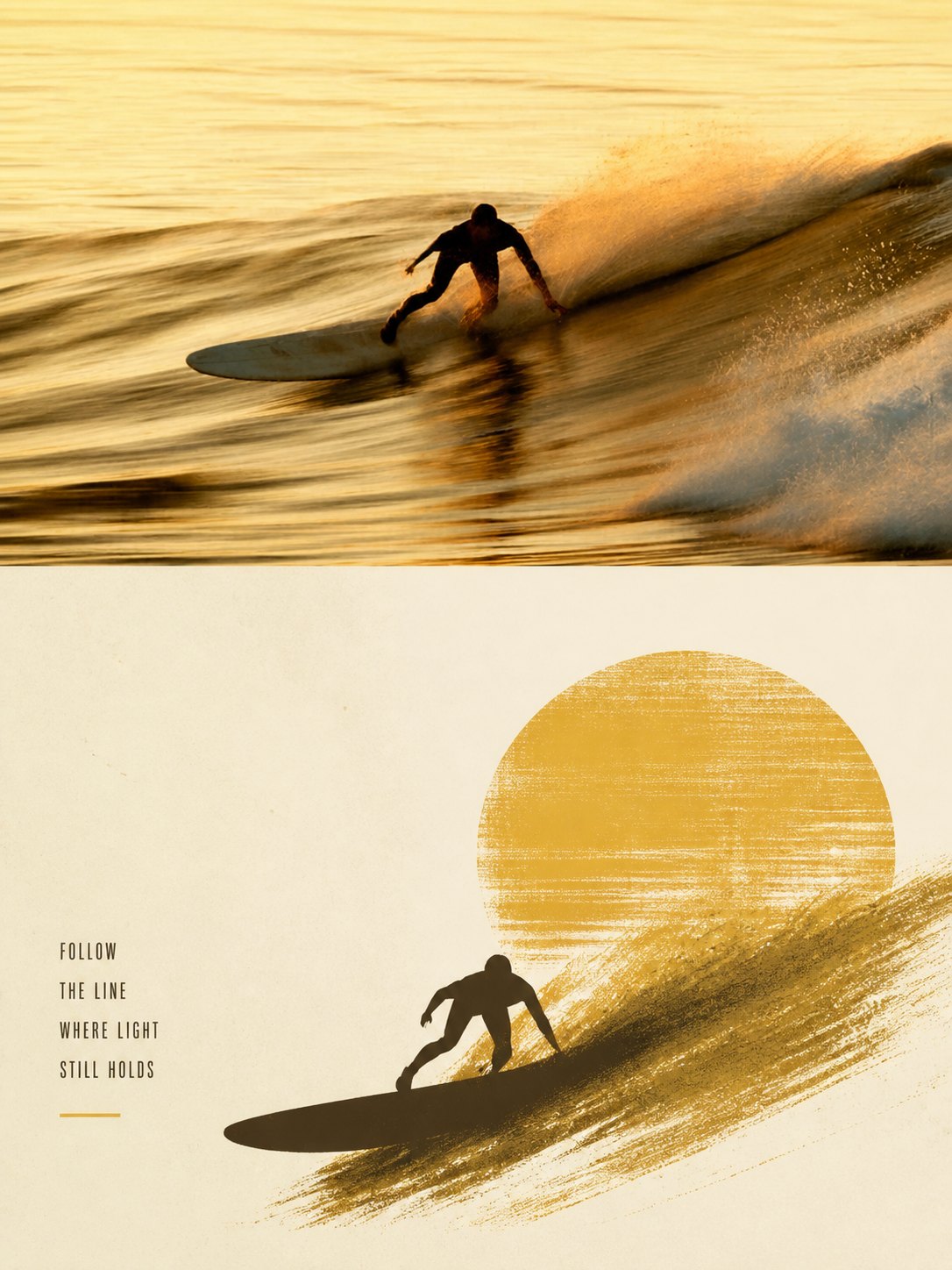
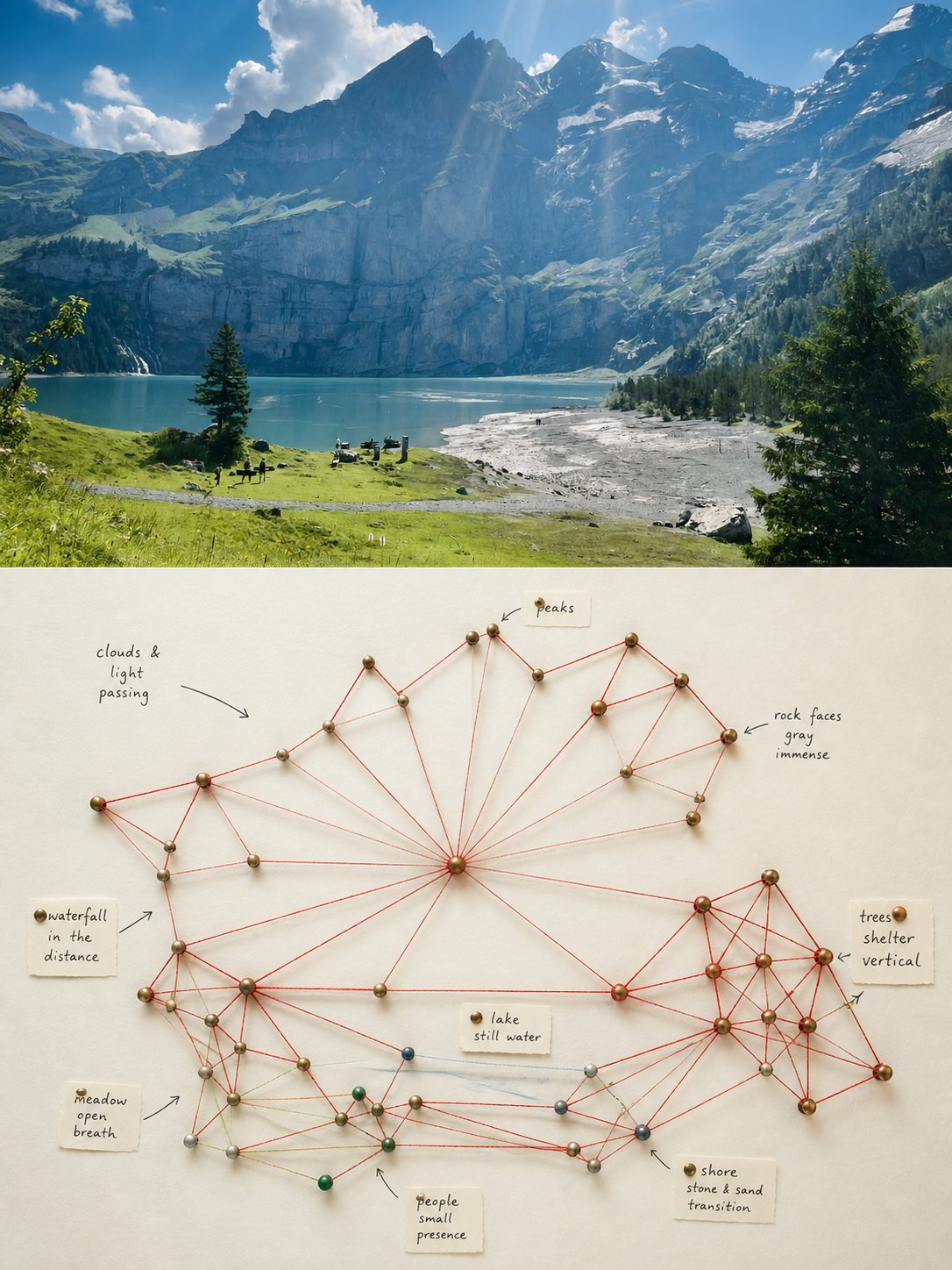
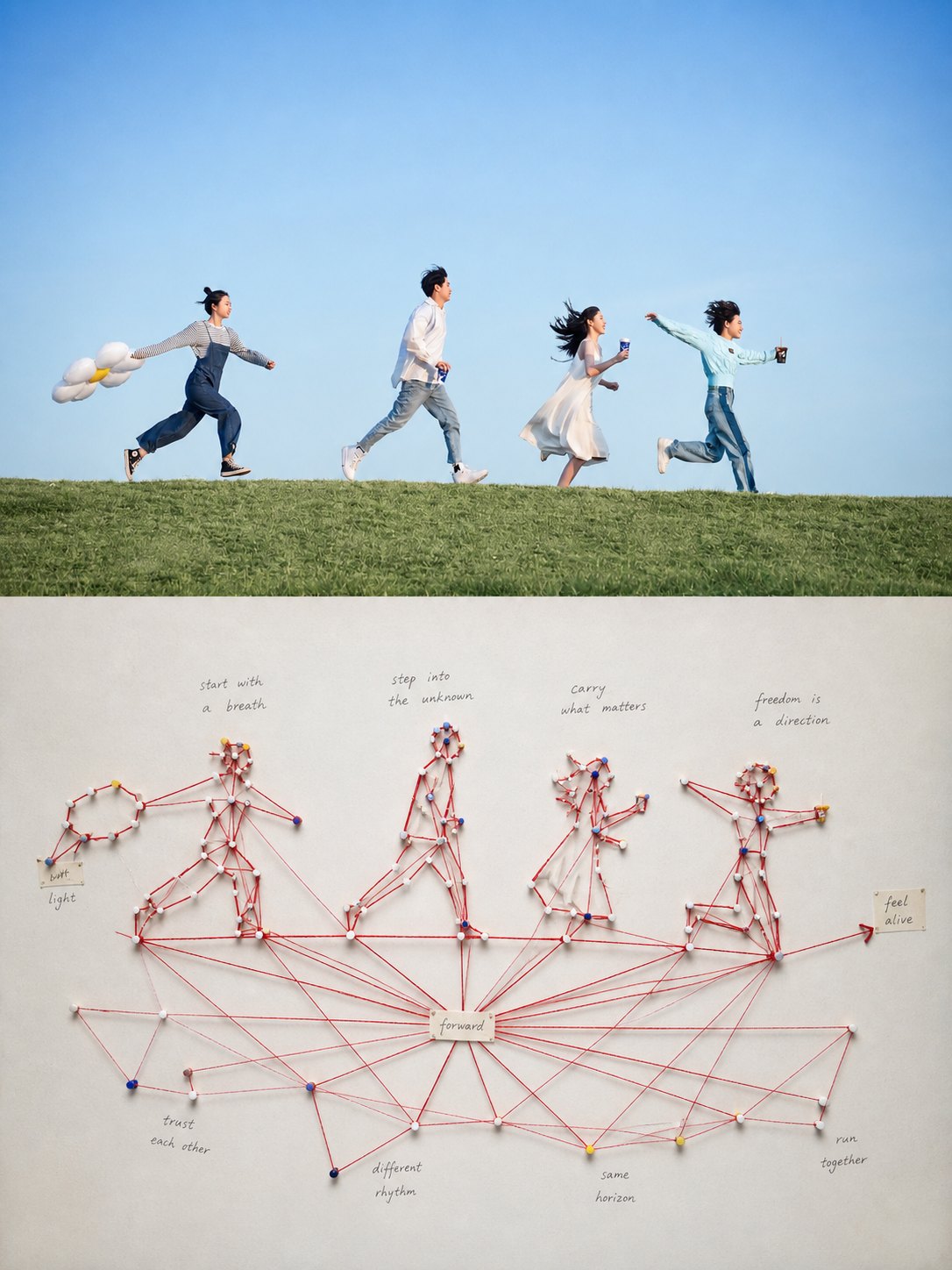
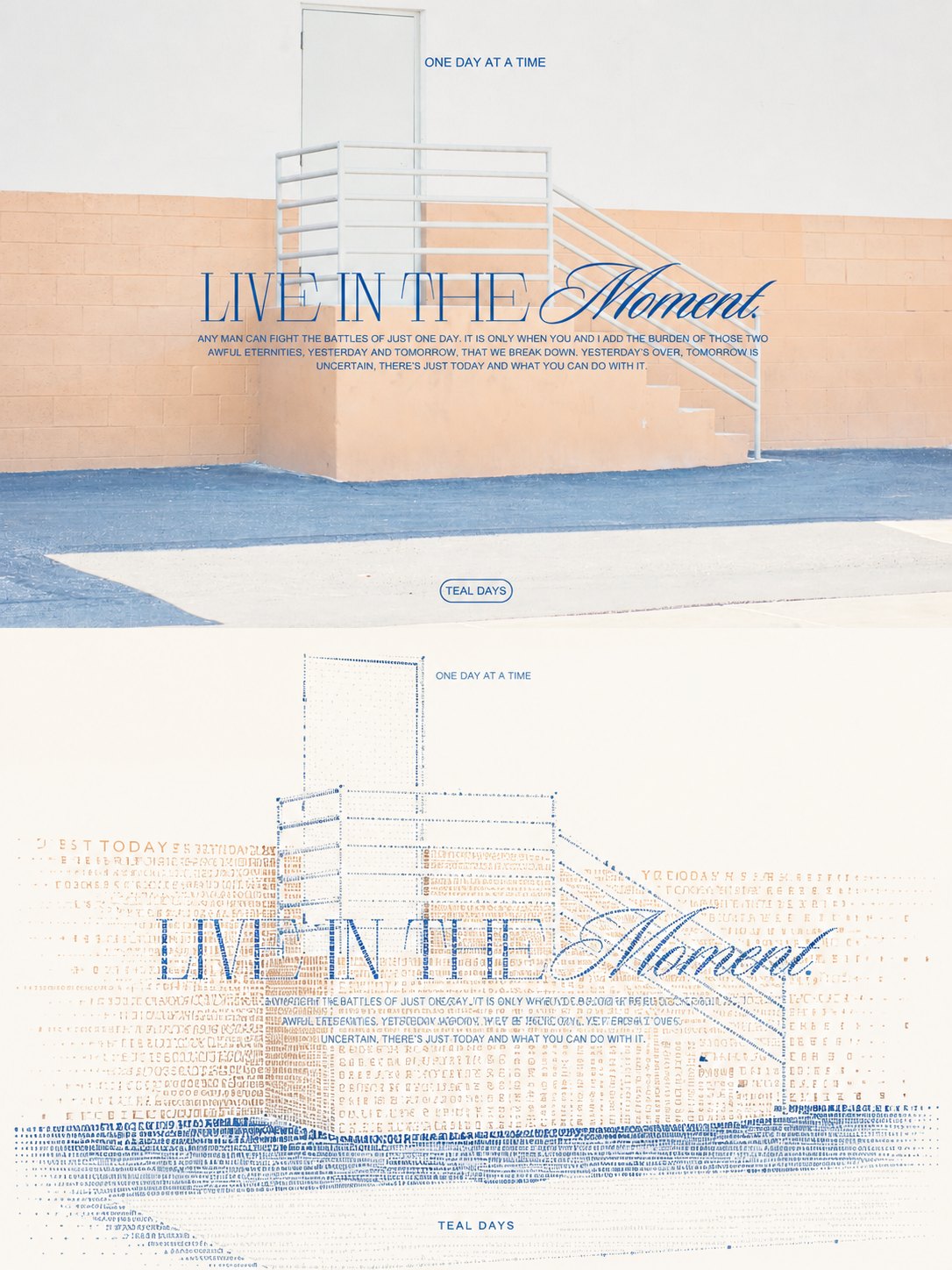
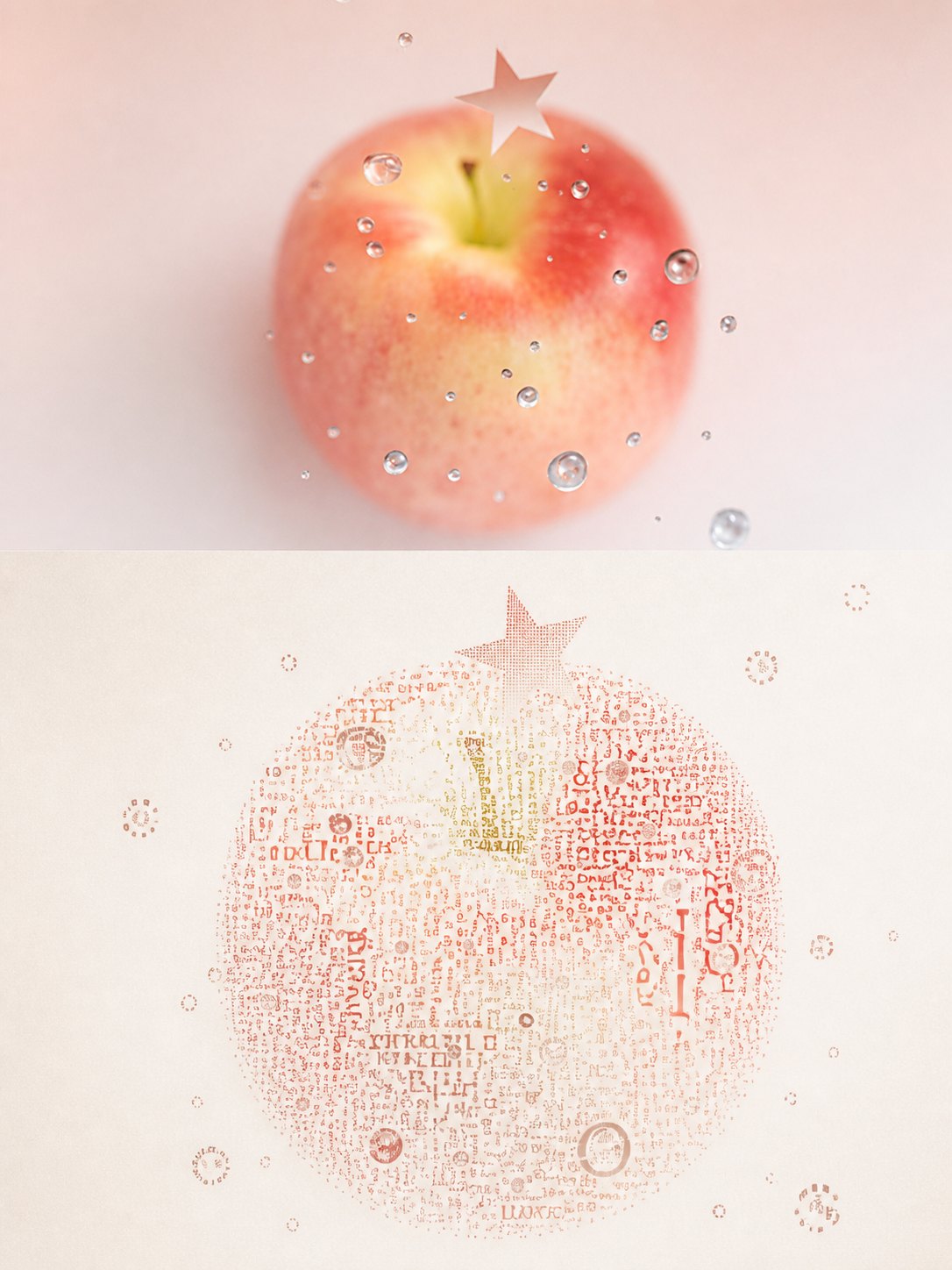
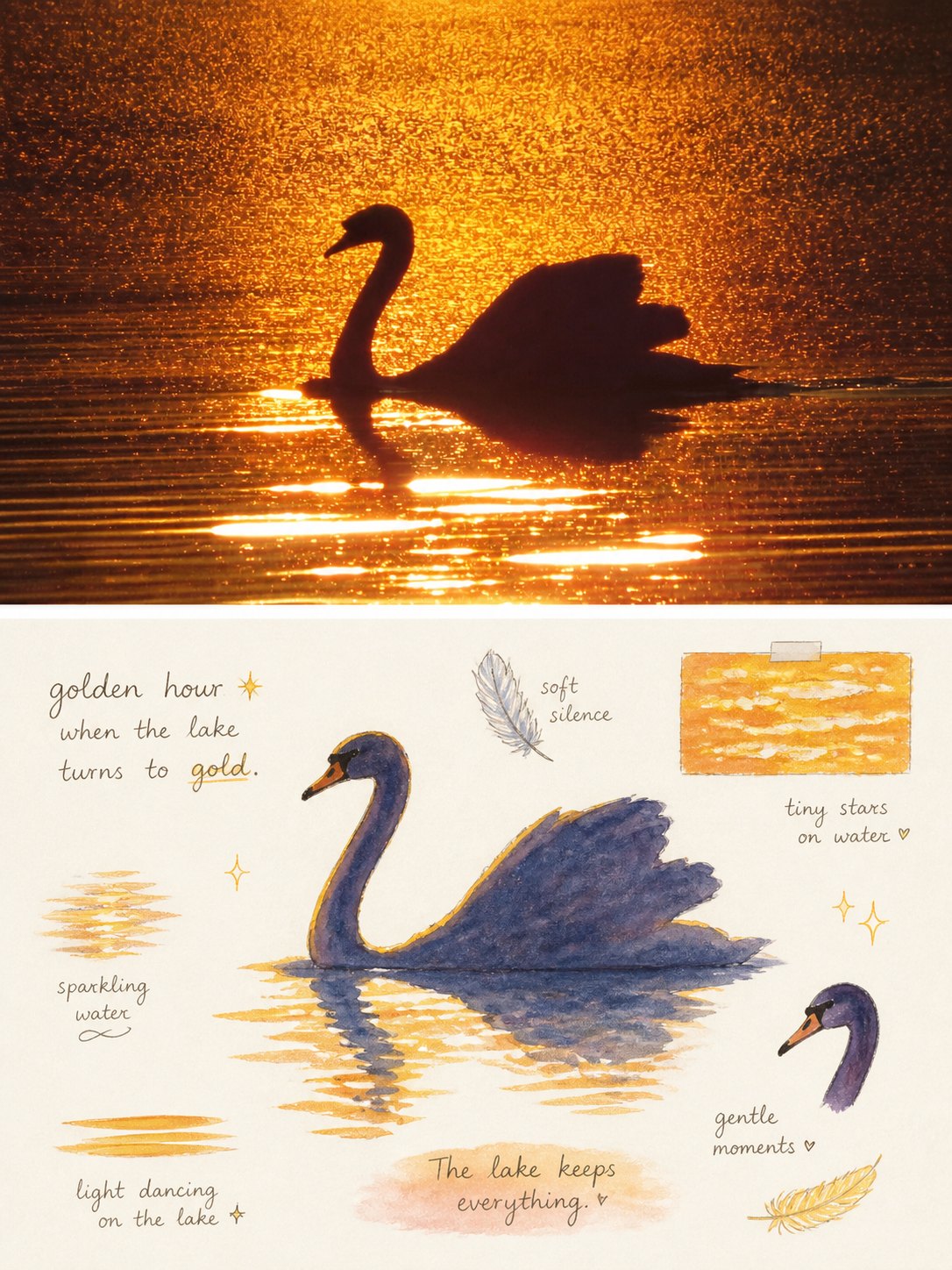
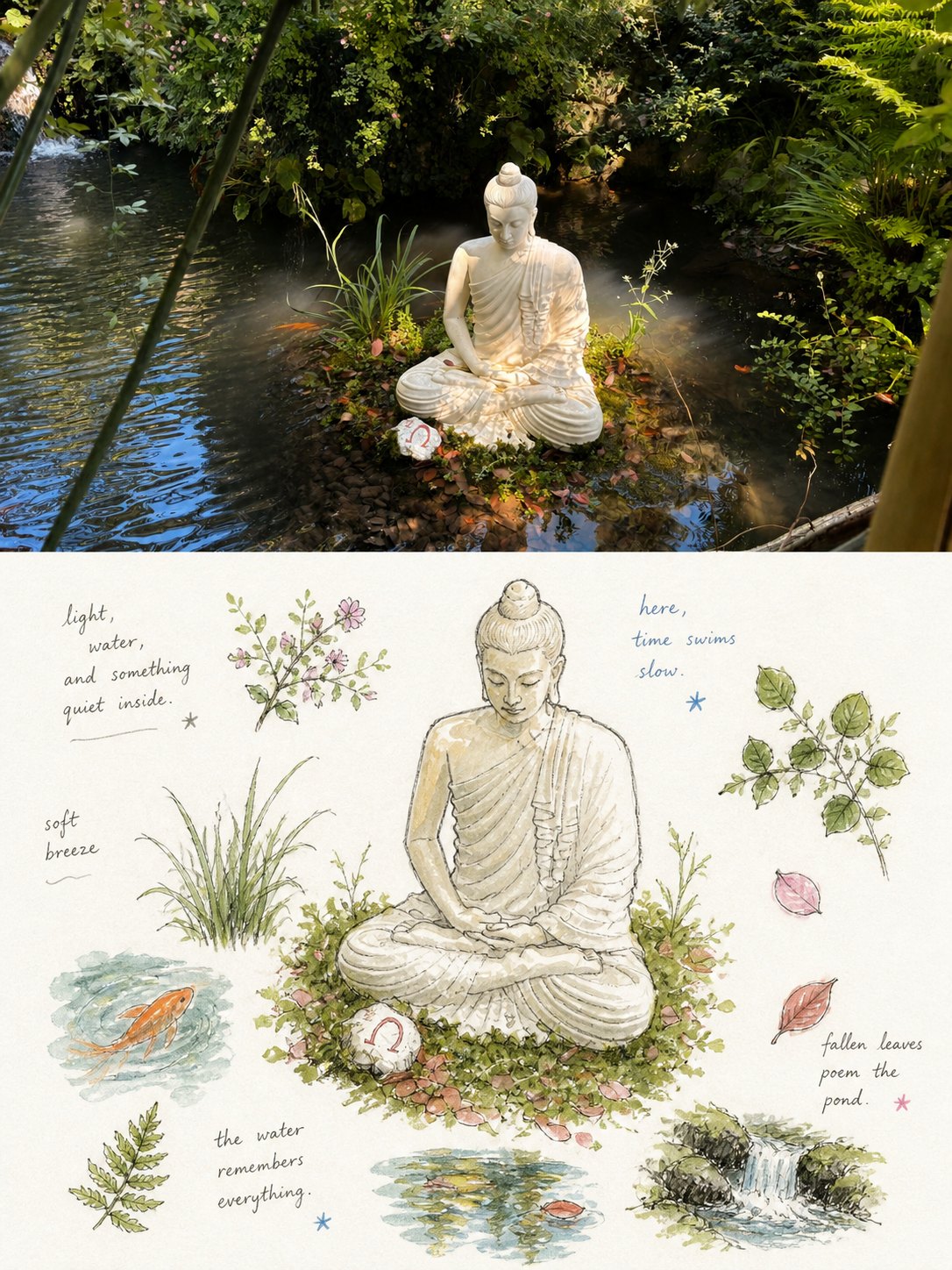
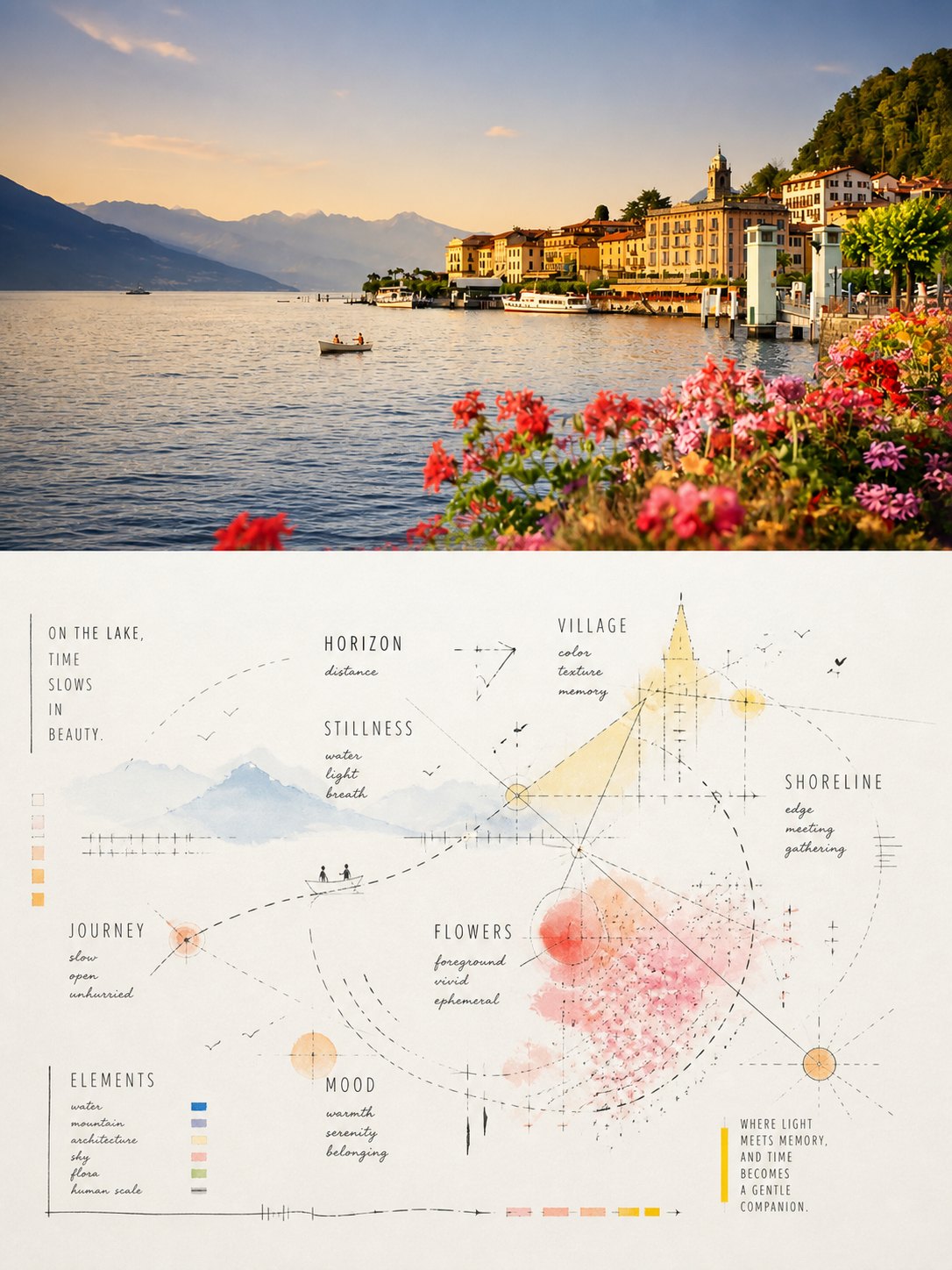
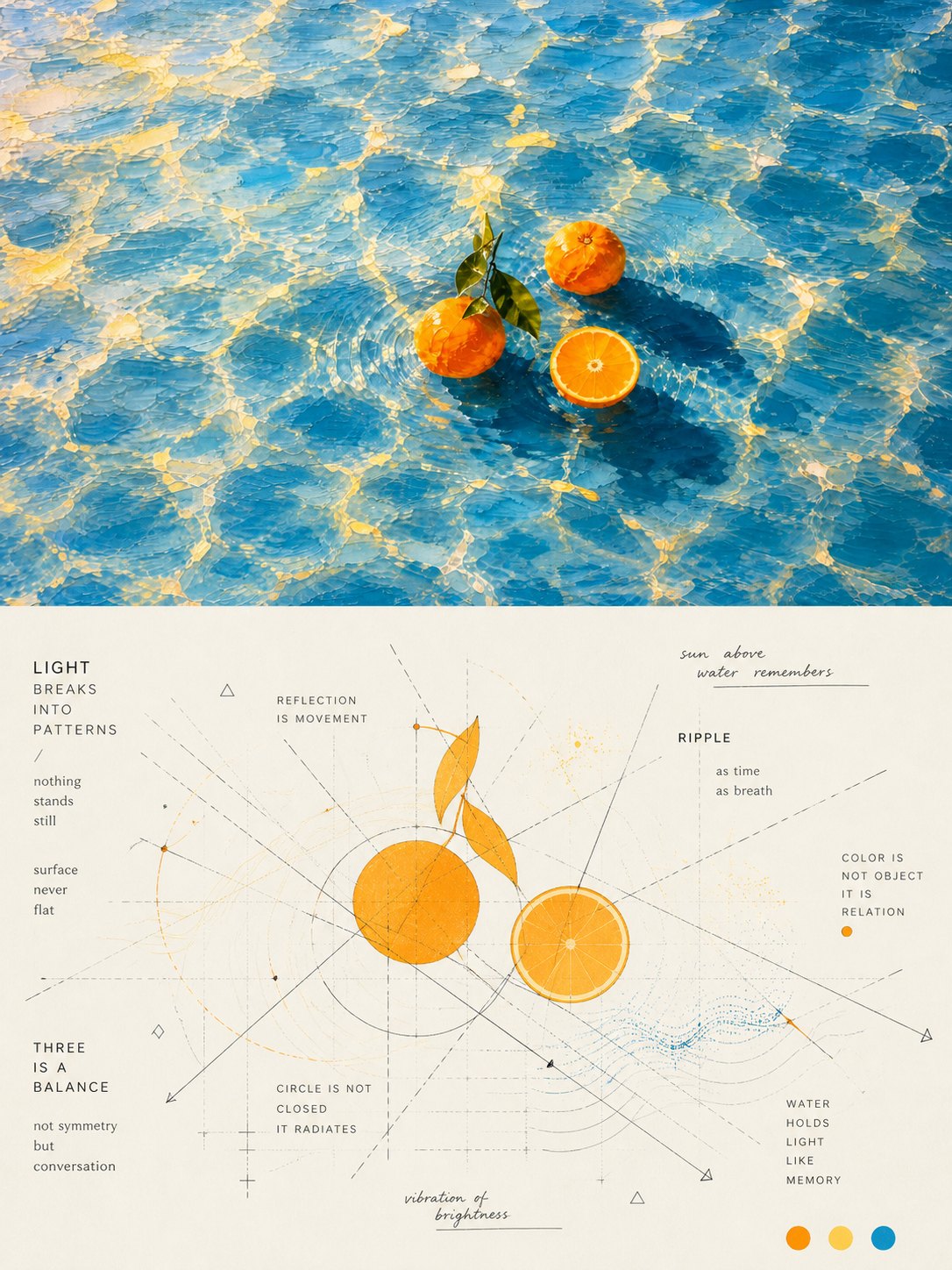
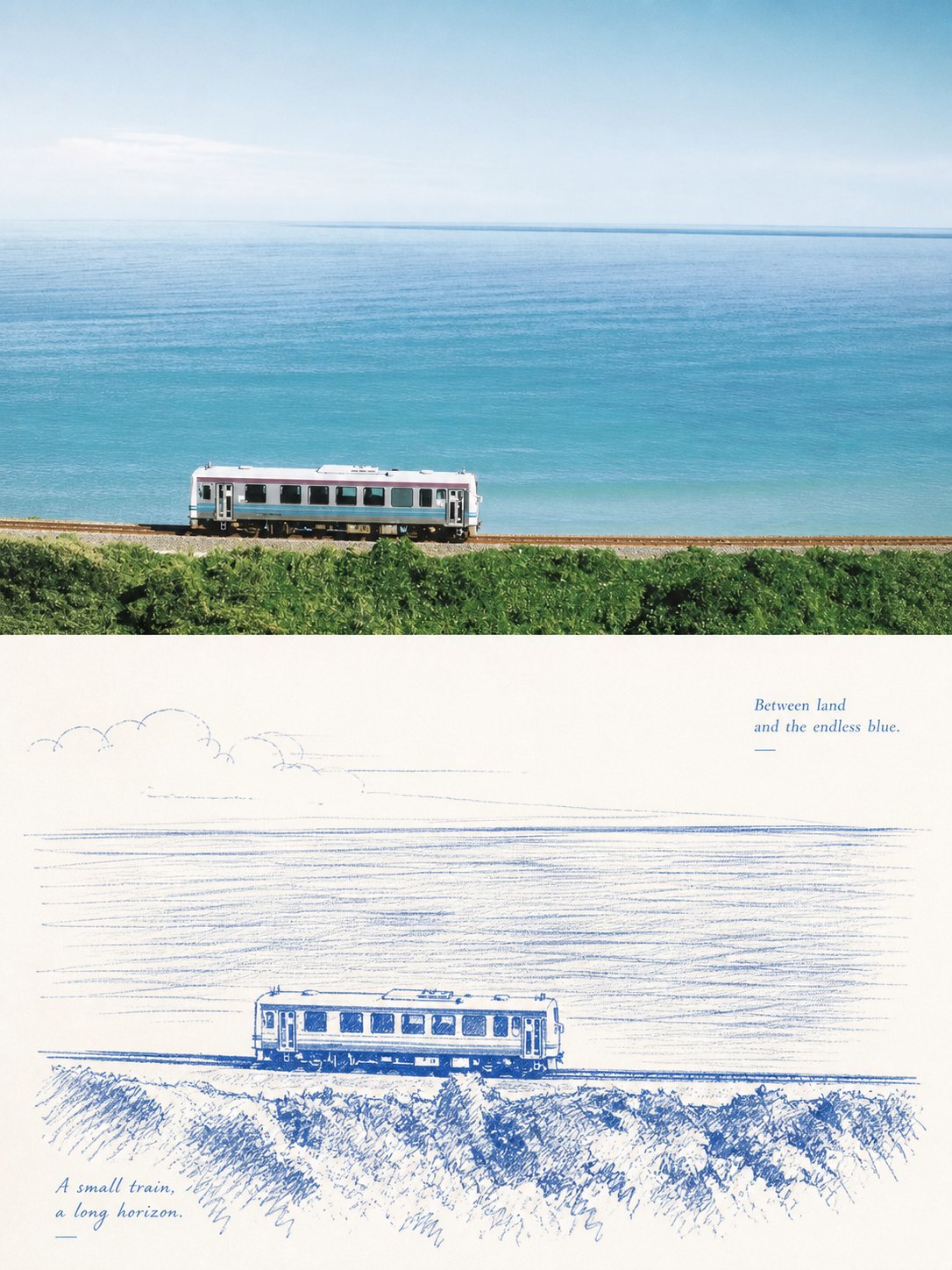
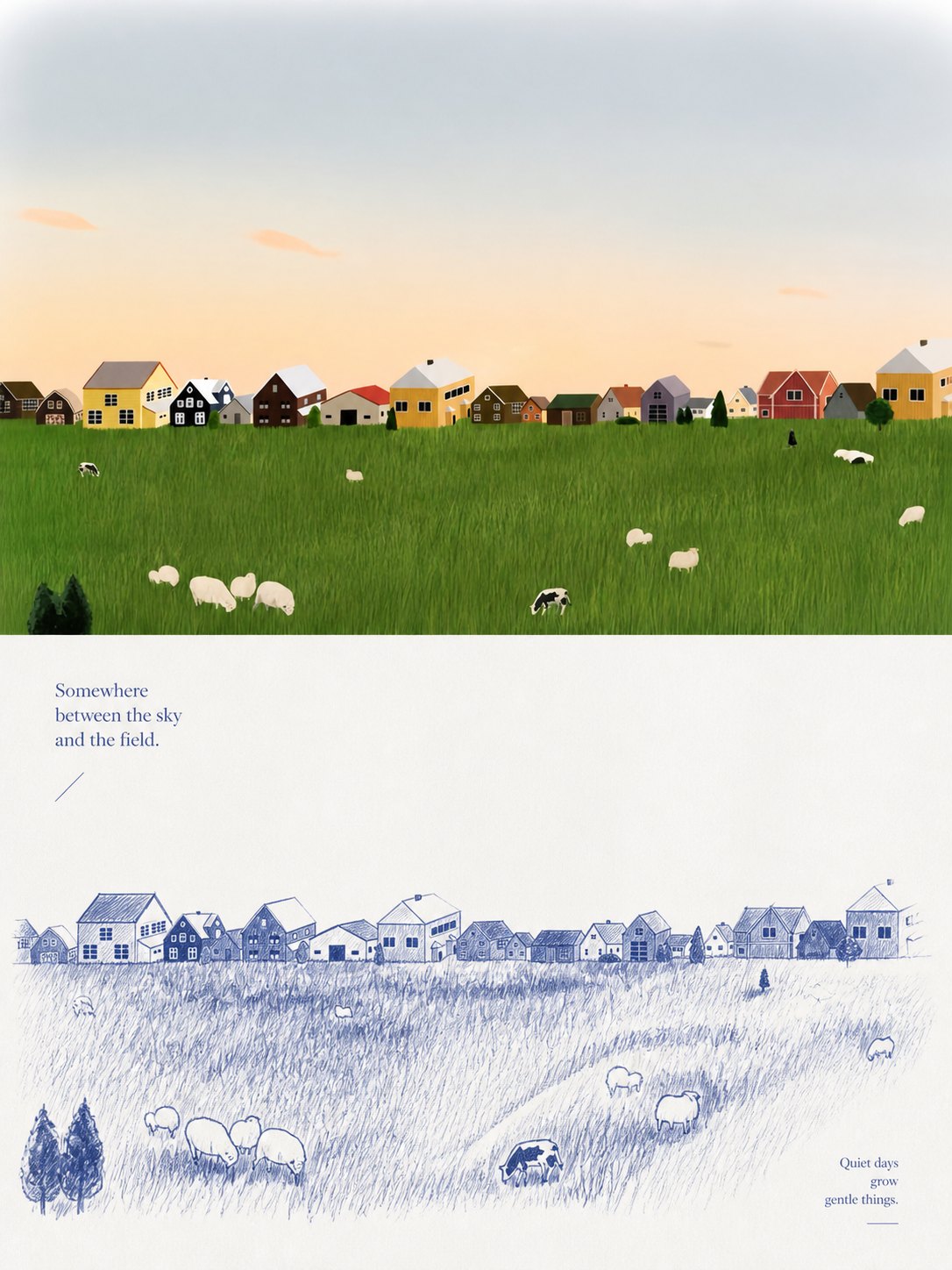
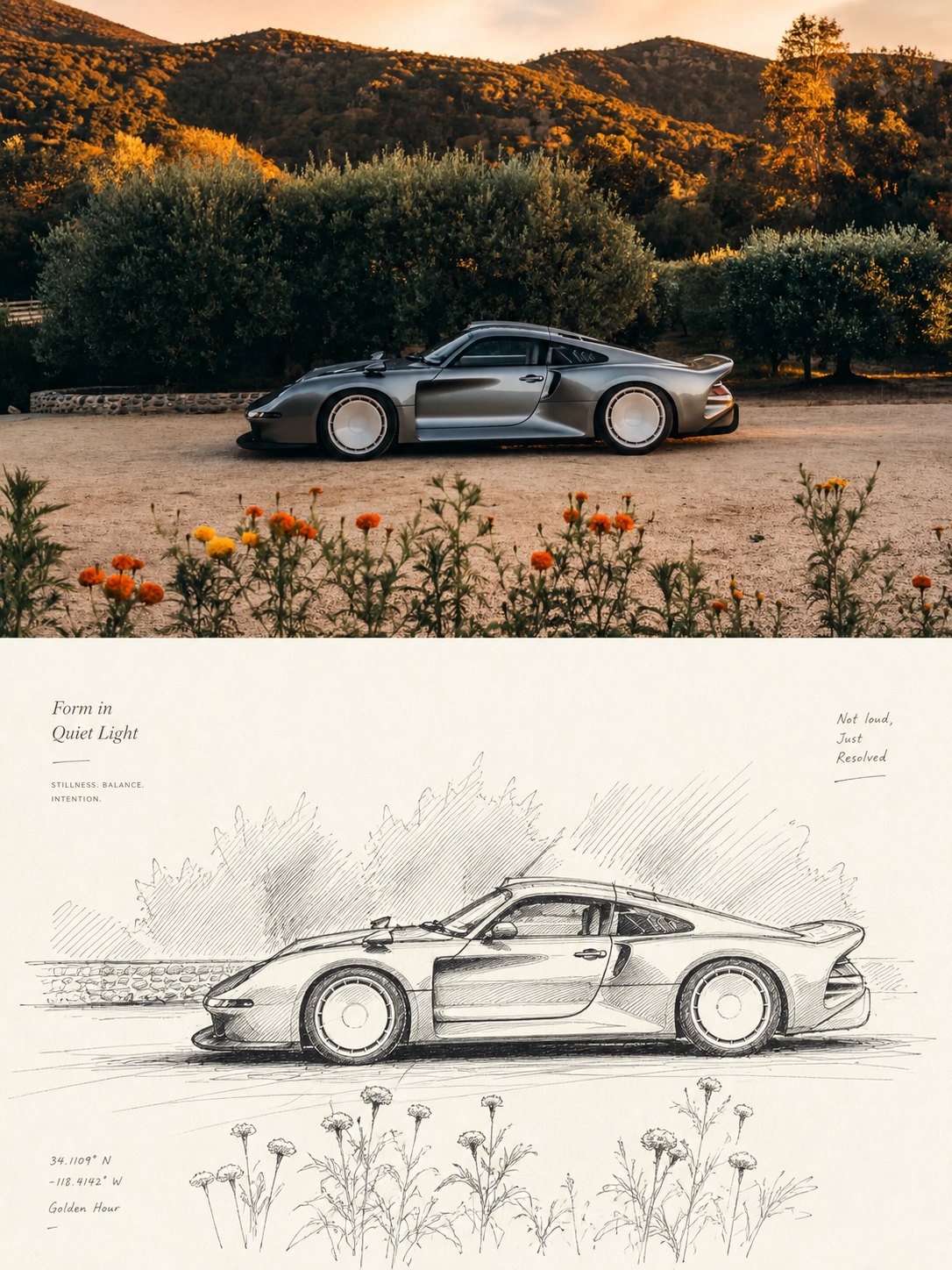
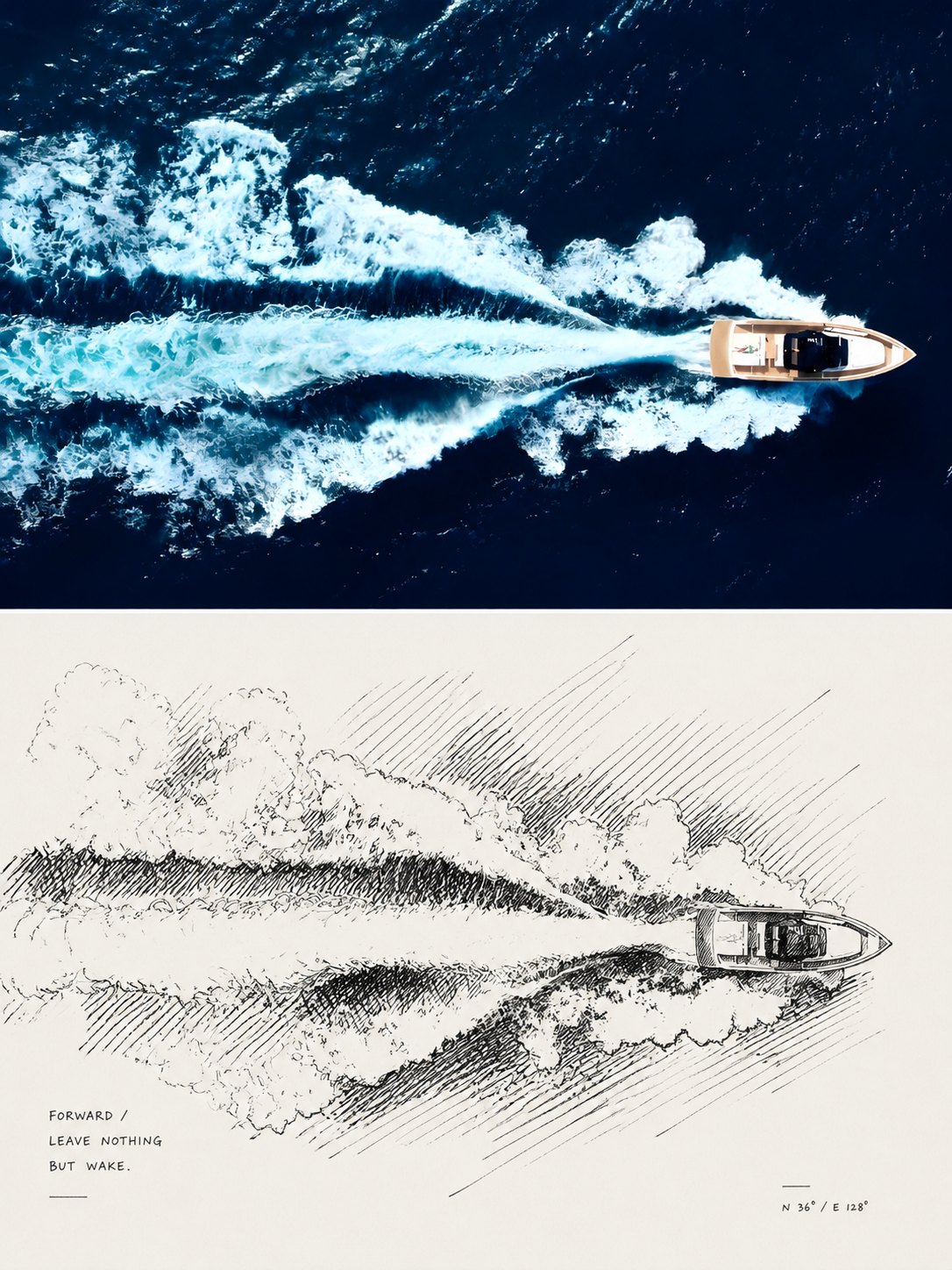
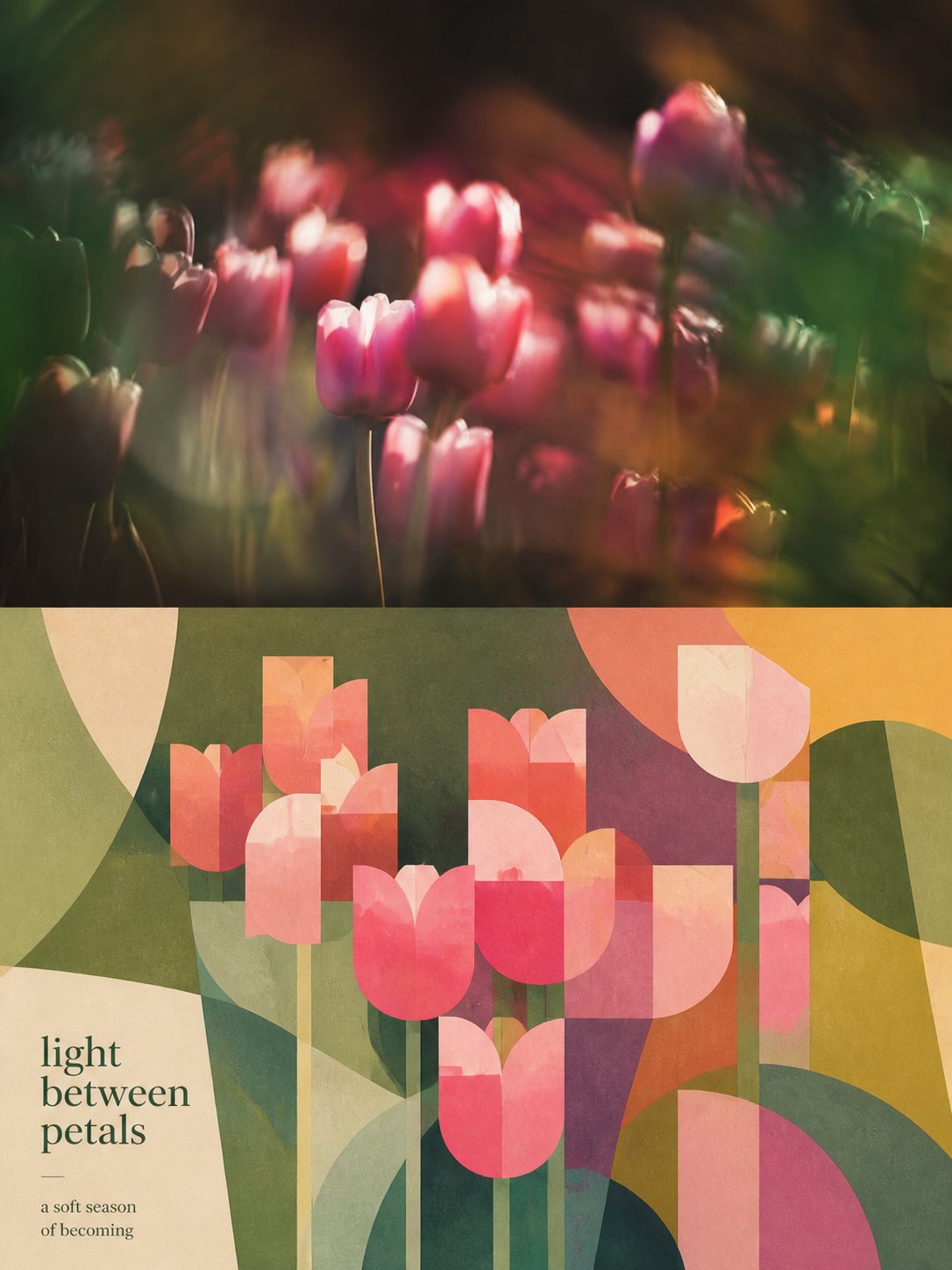
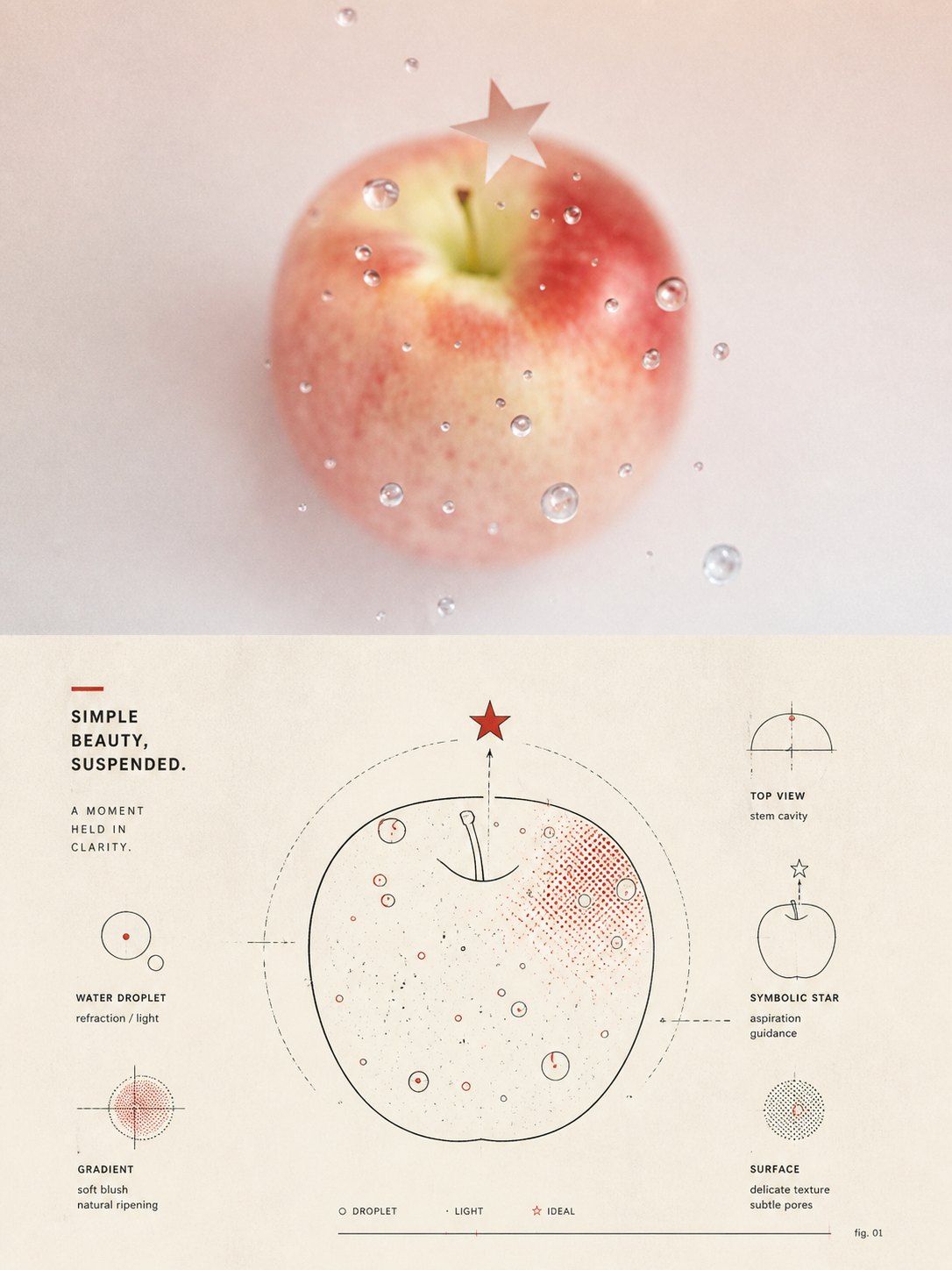
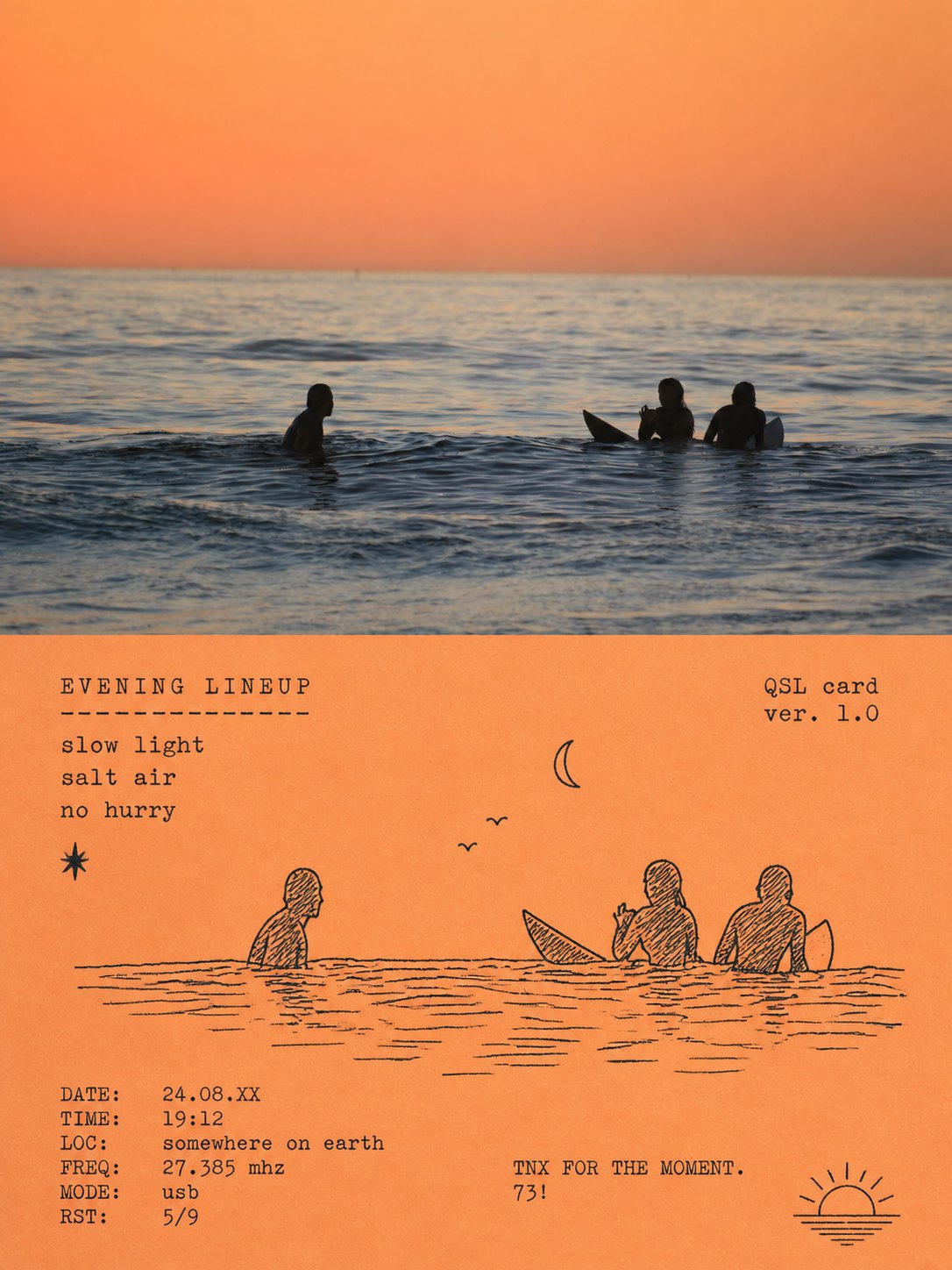
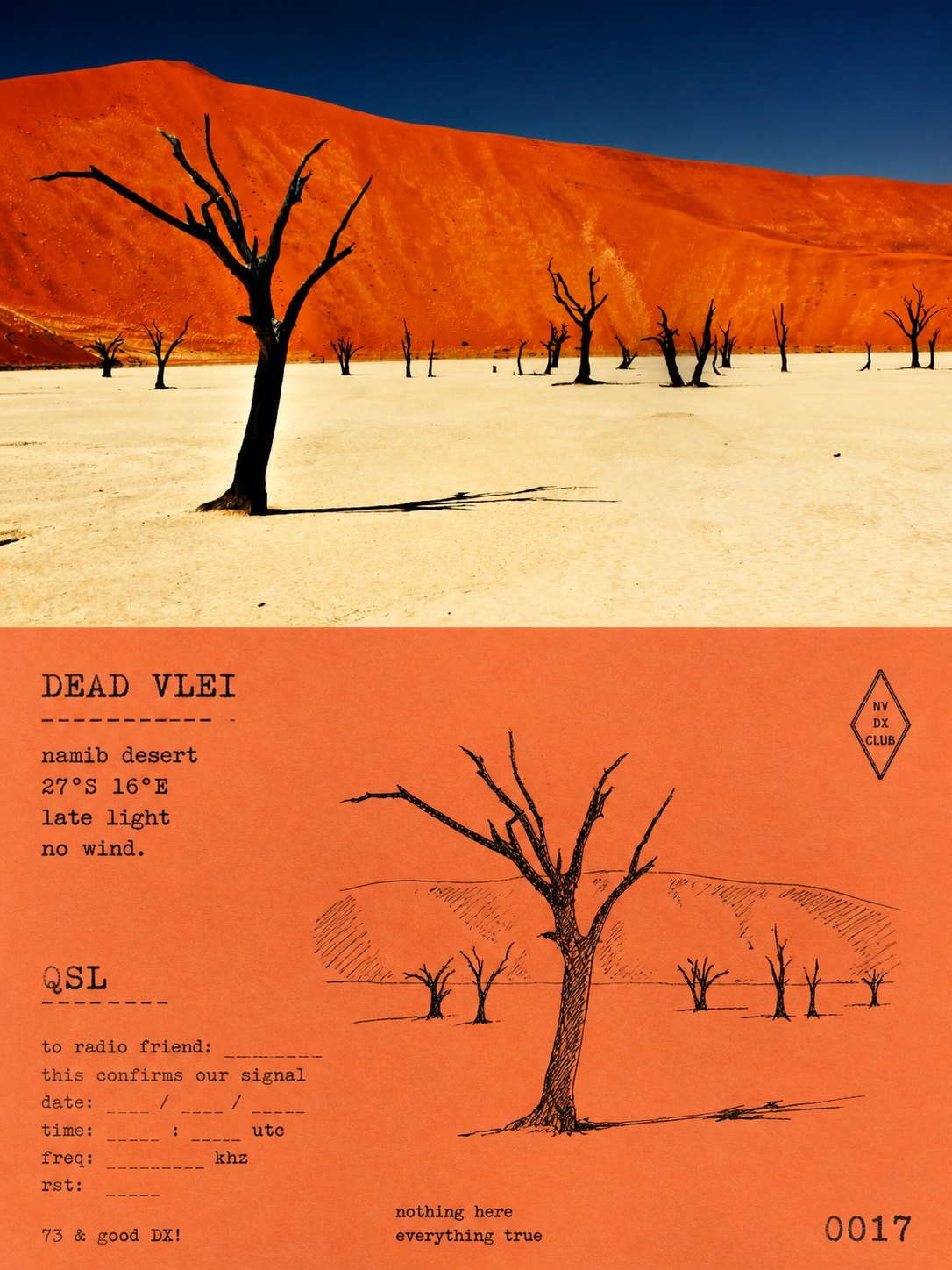
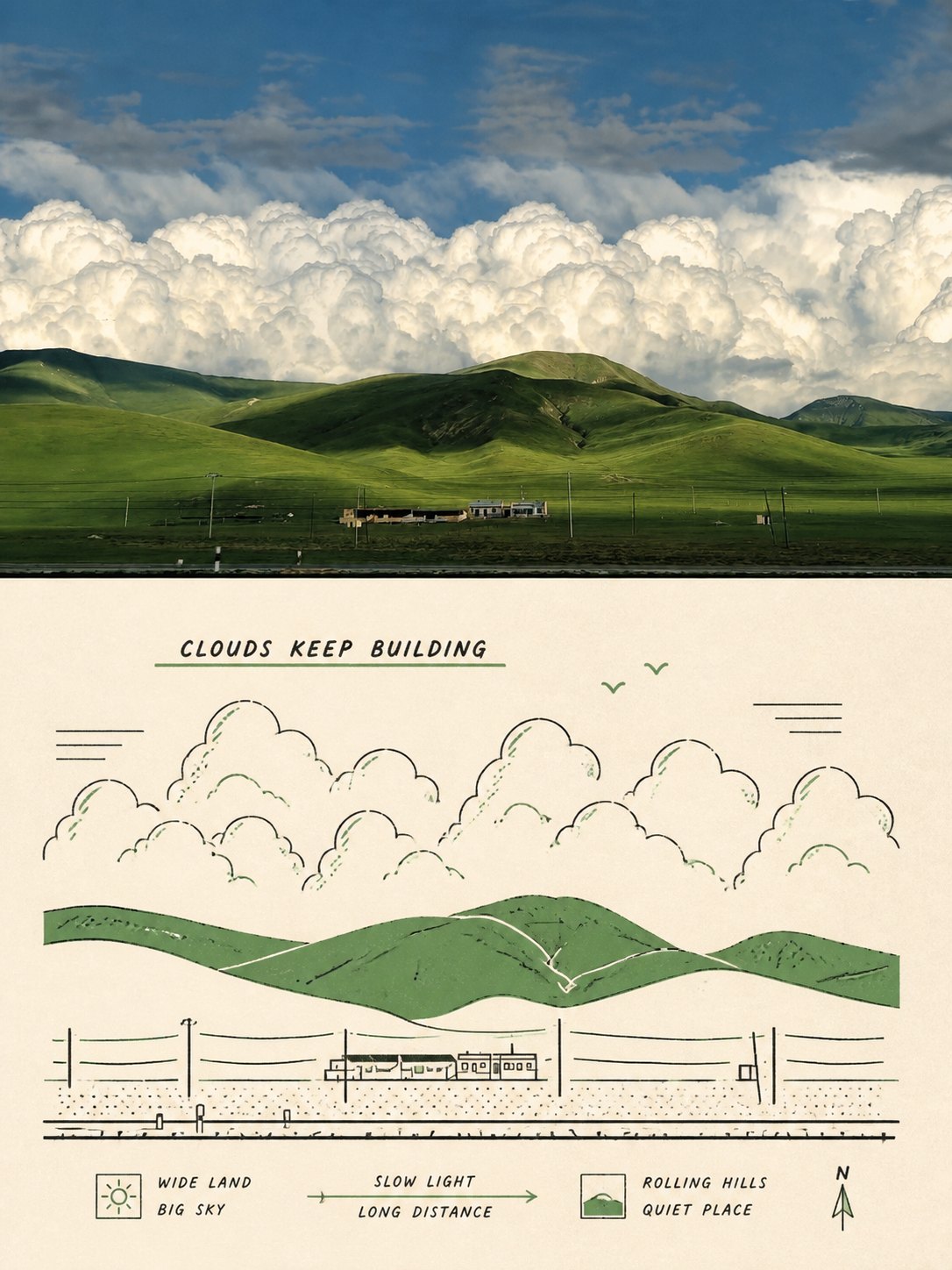
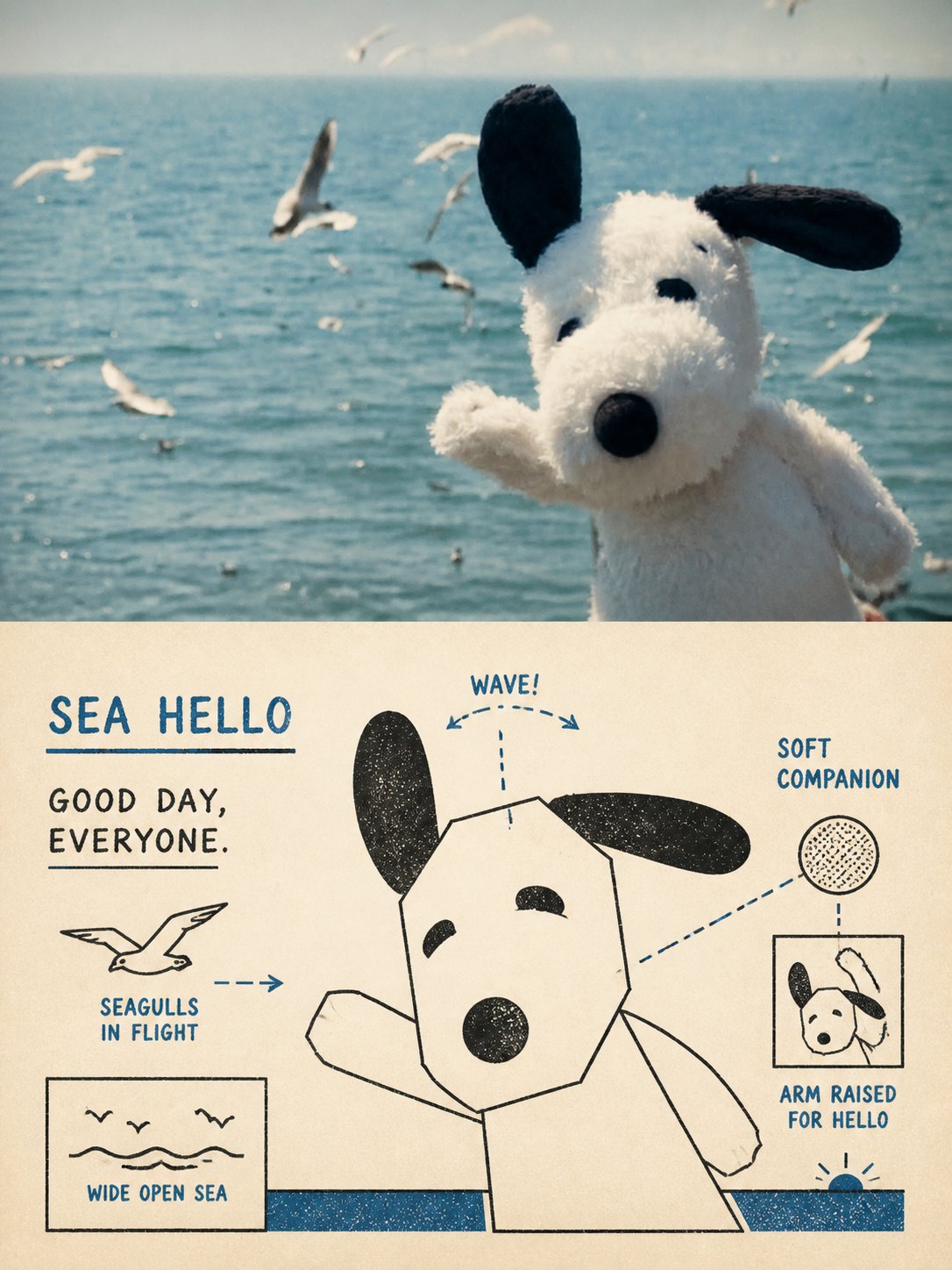
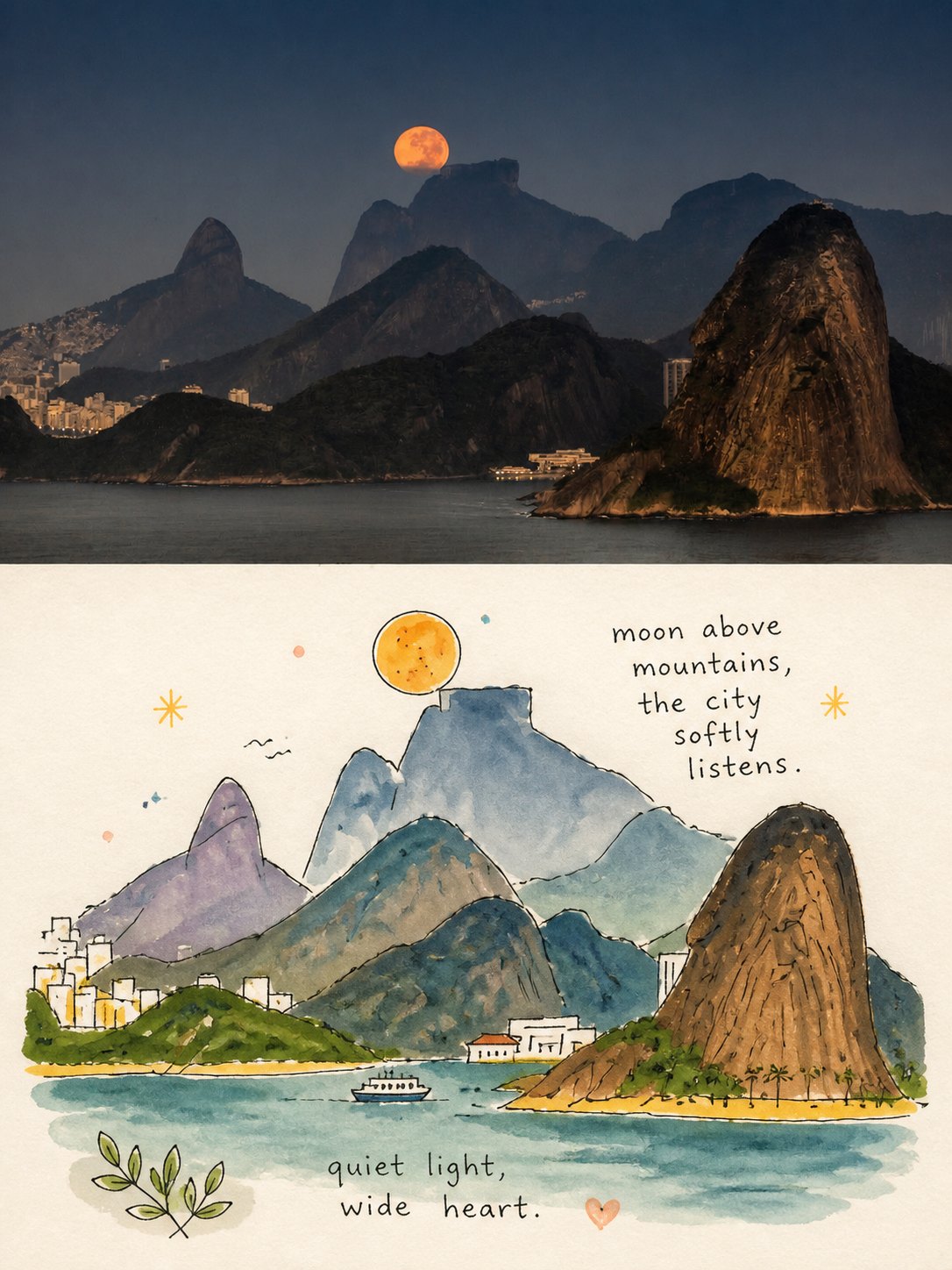
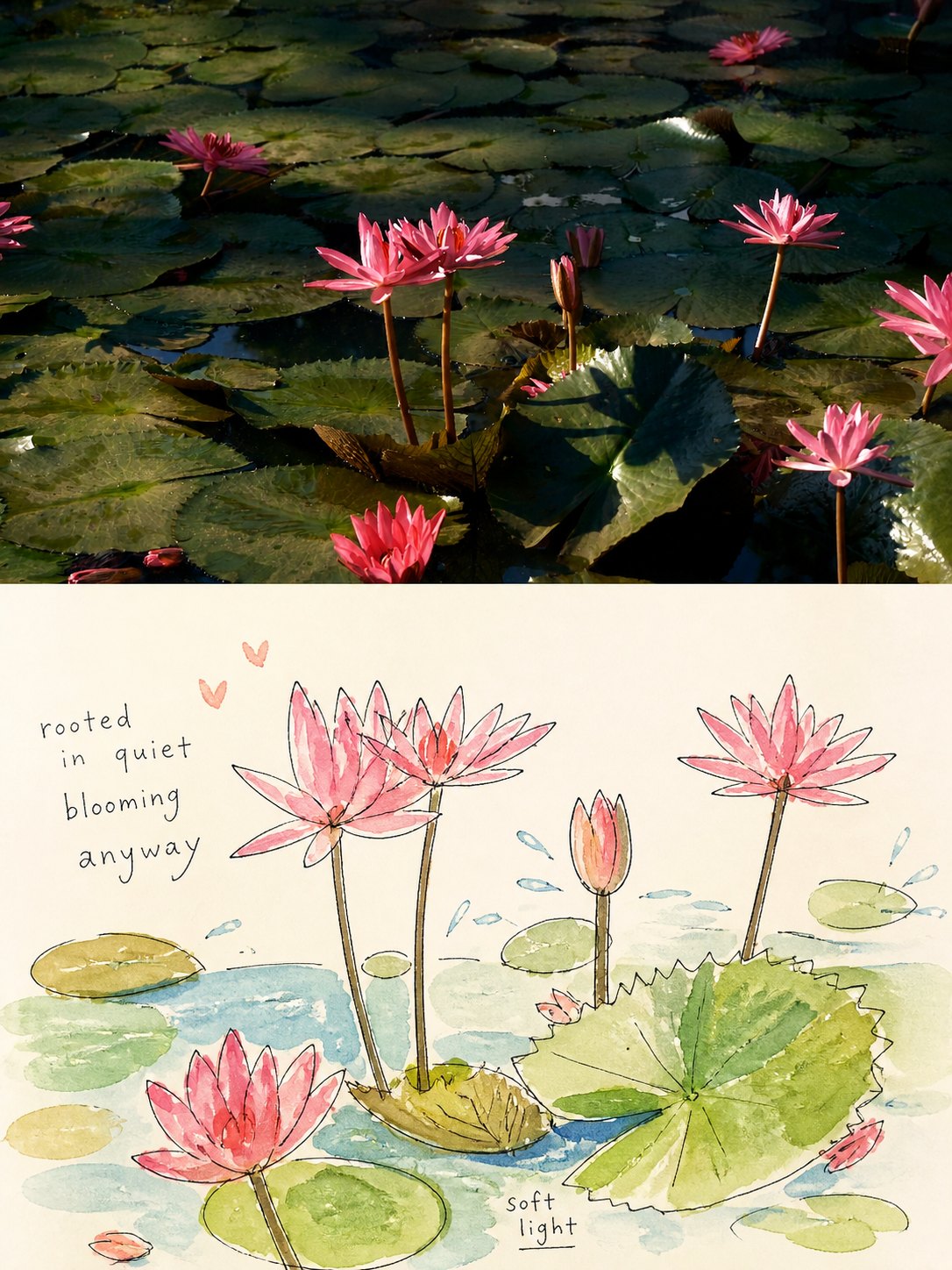
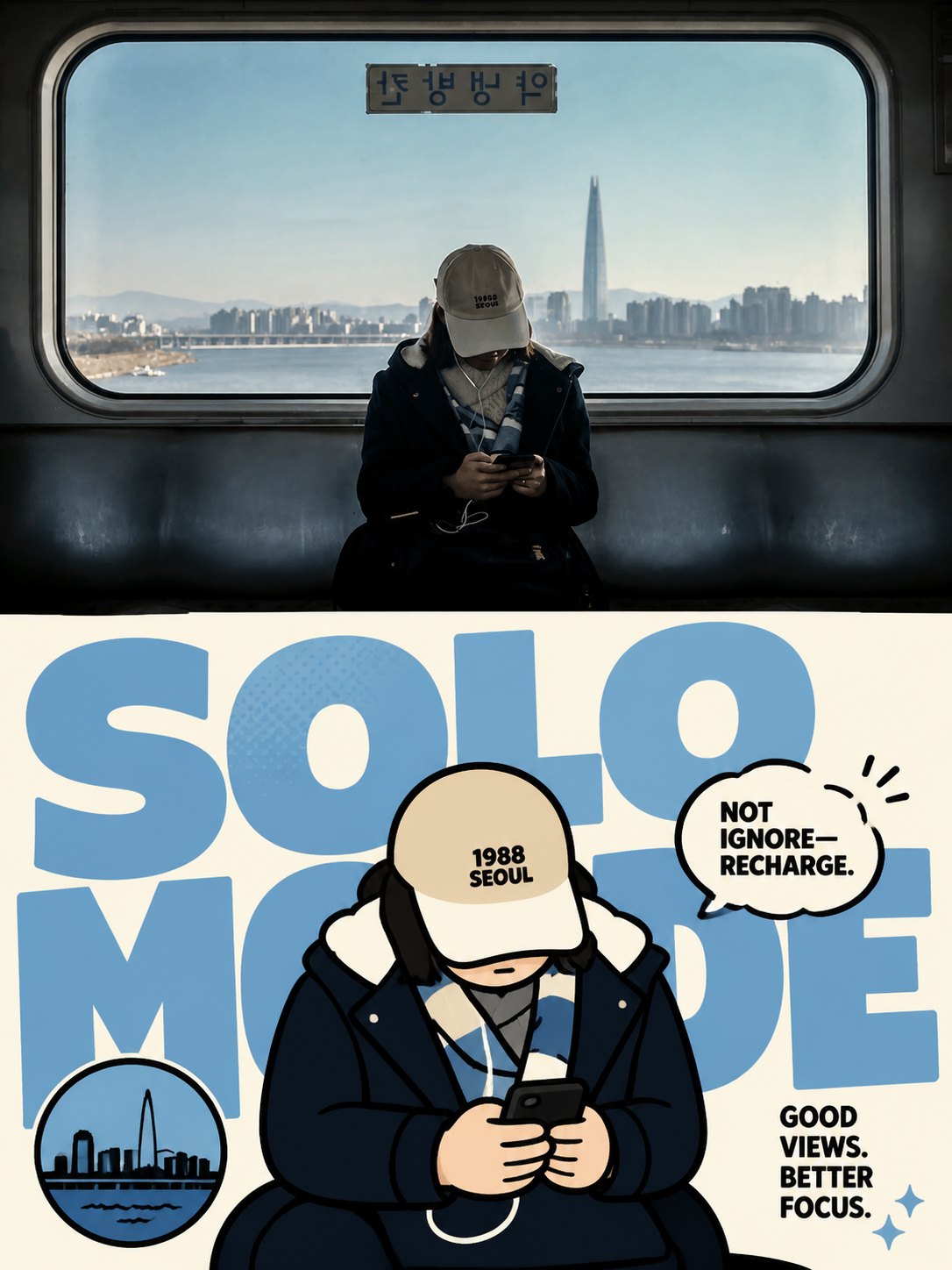
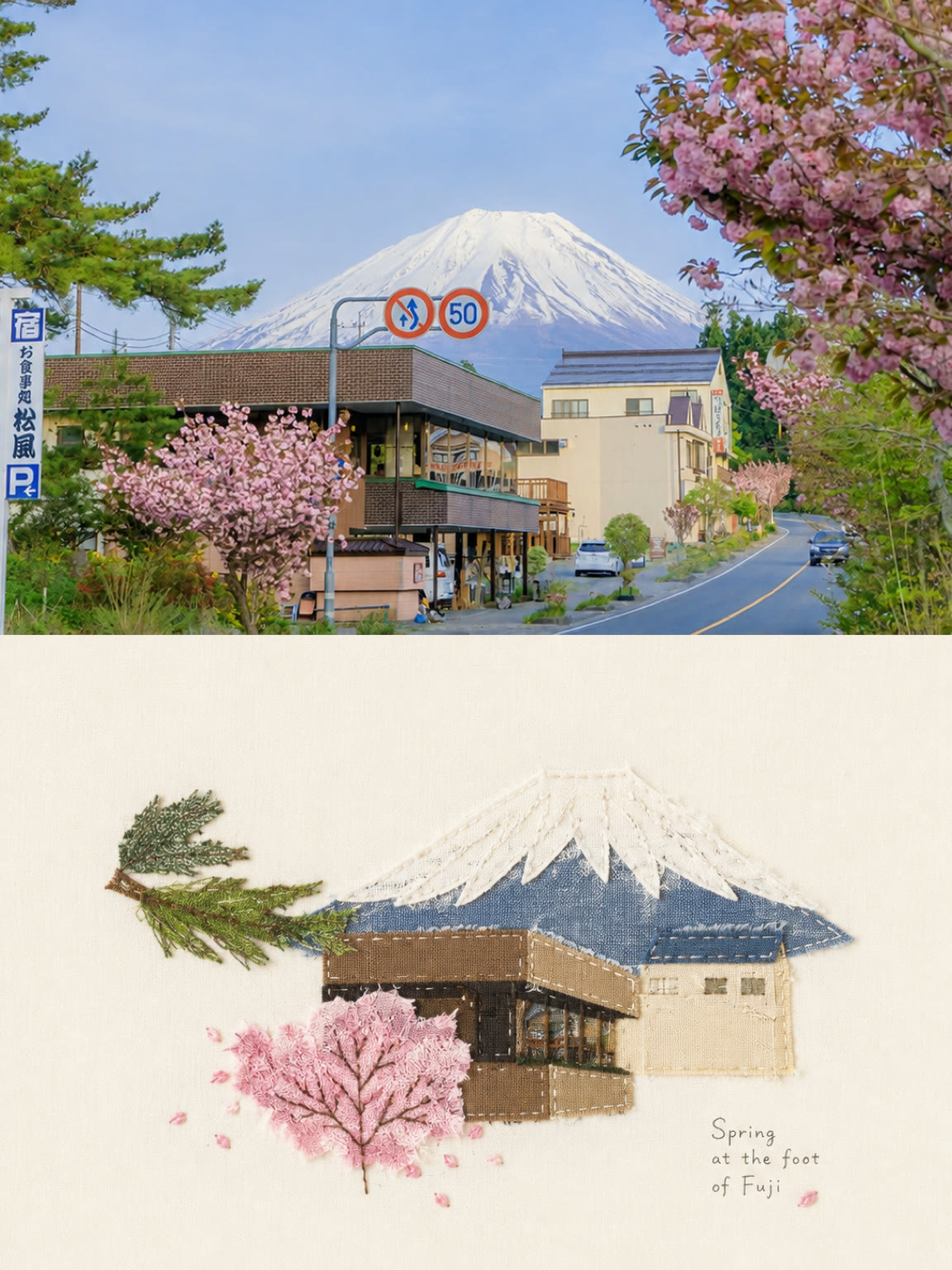
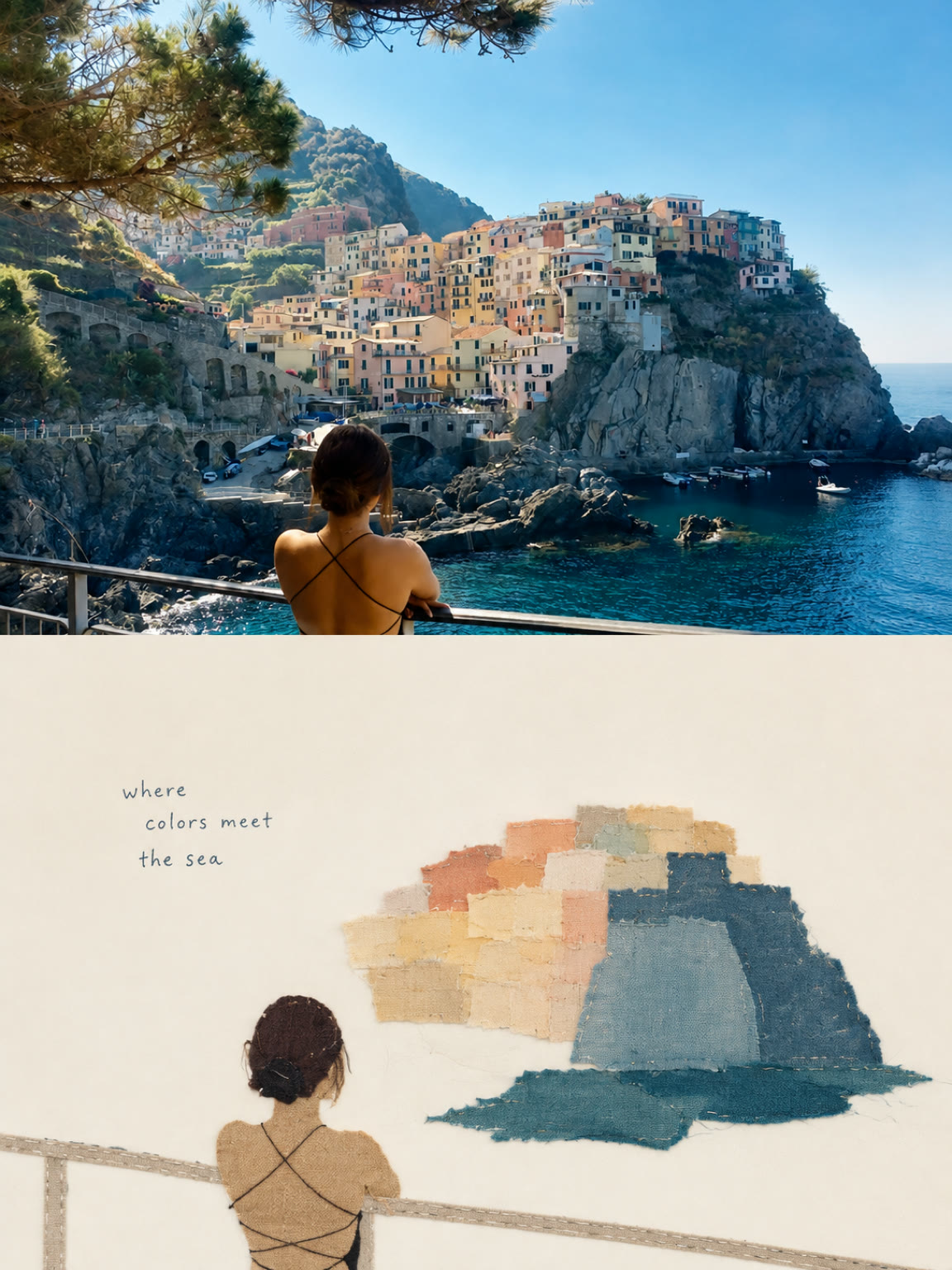
Hand-sewn textile scene
GPT Image 2feltminimal
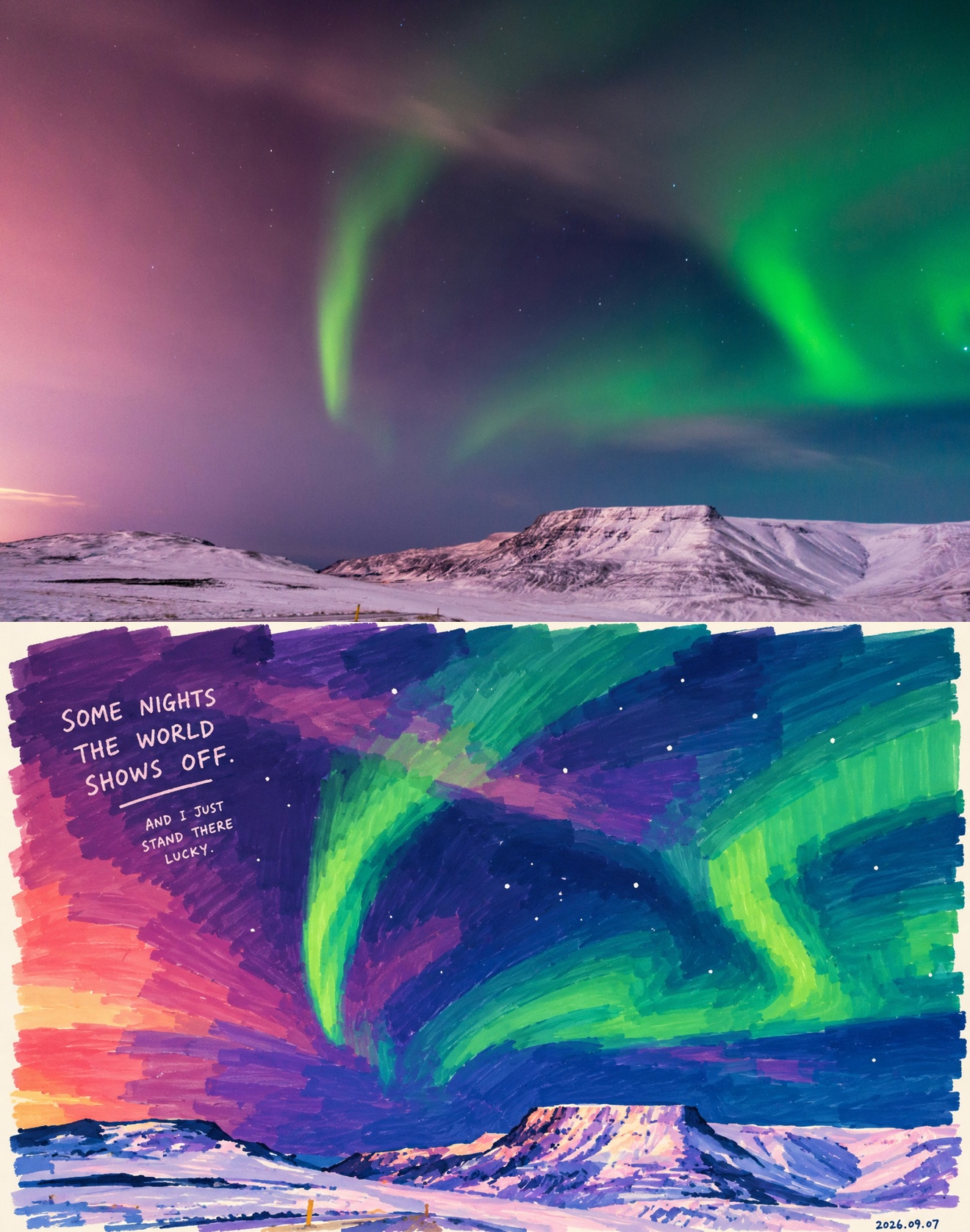
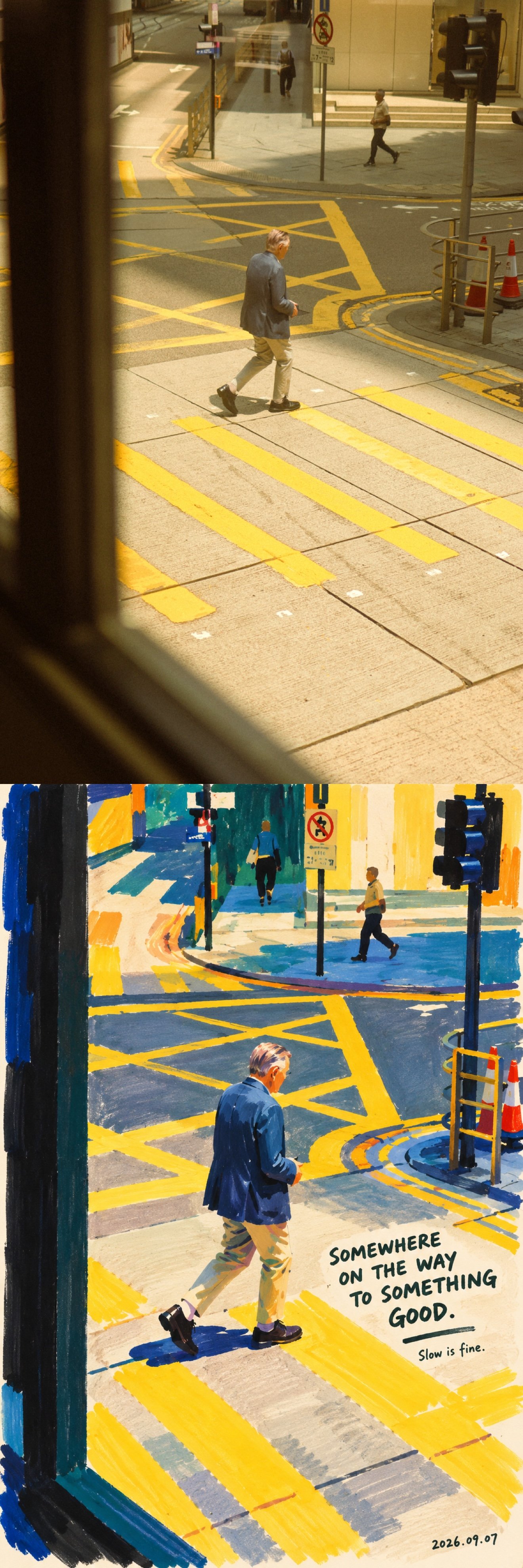
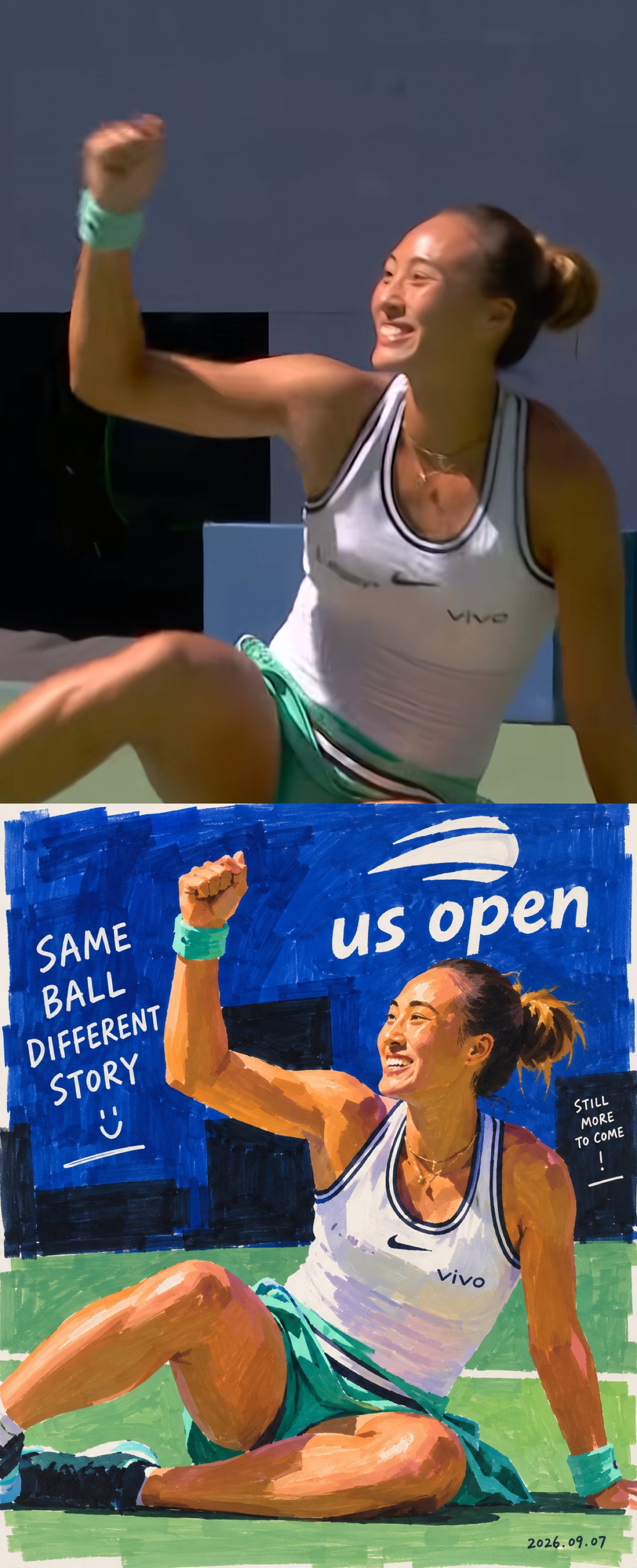
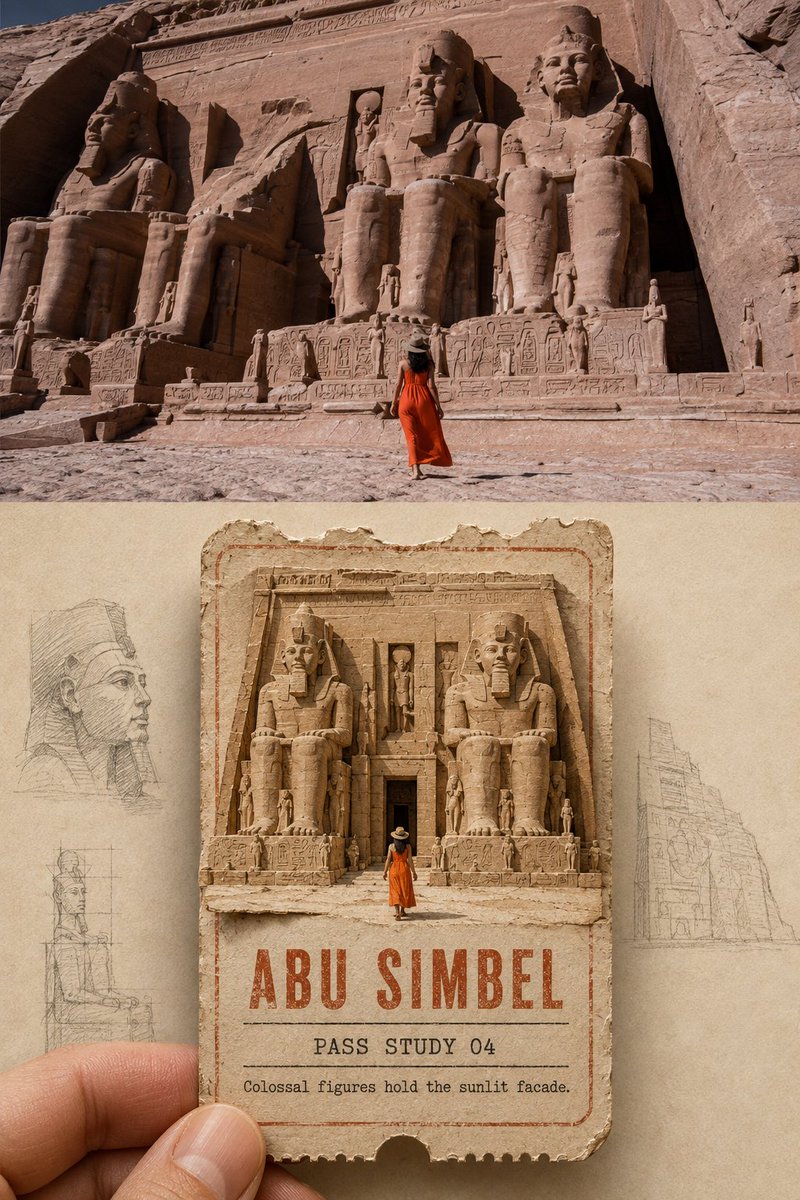
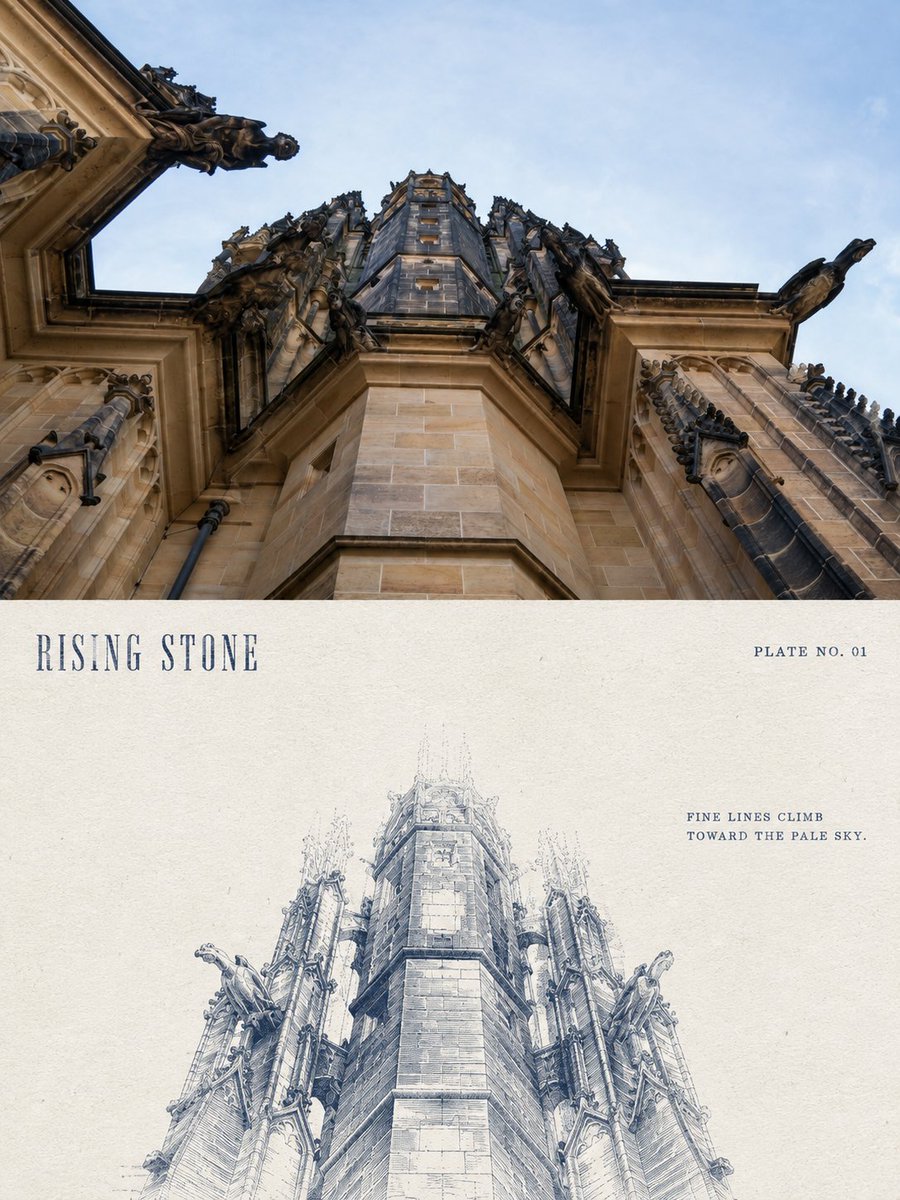
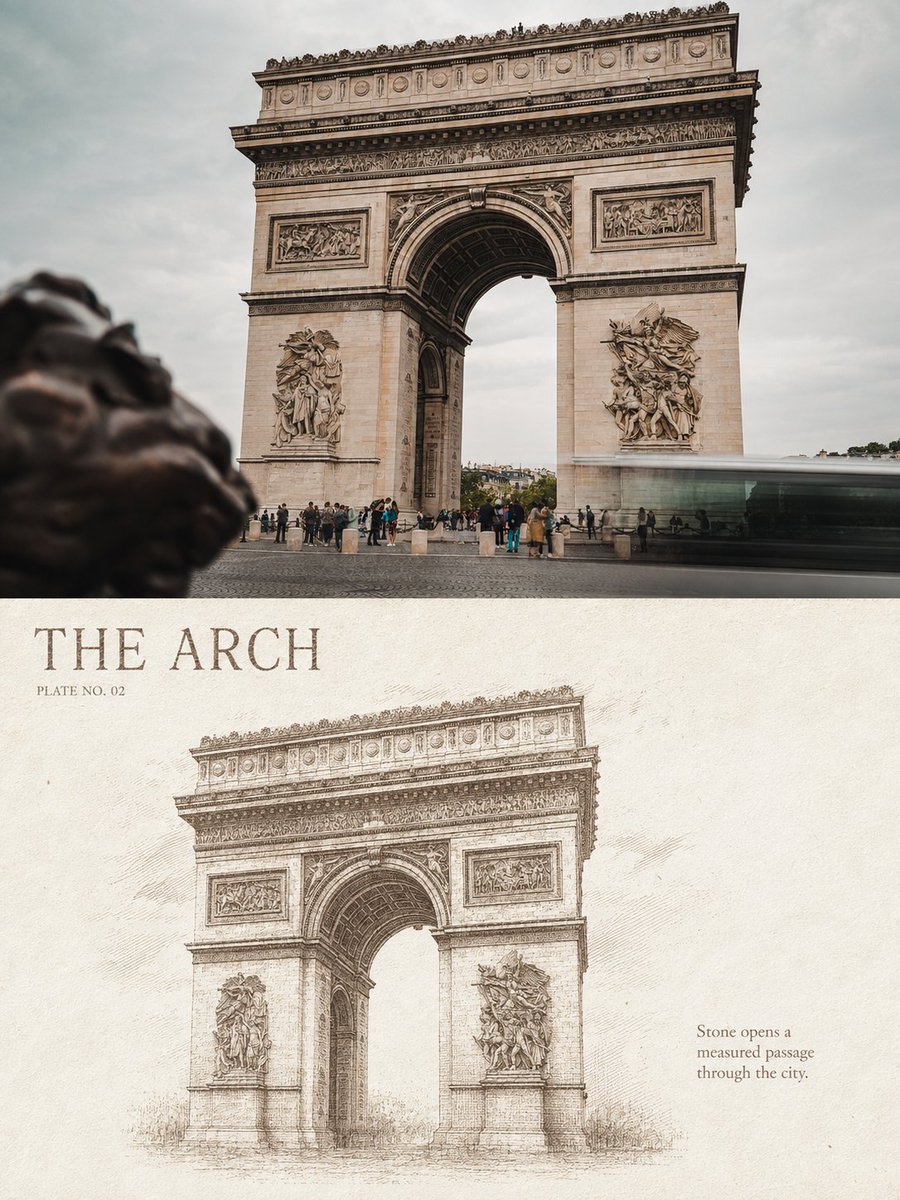
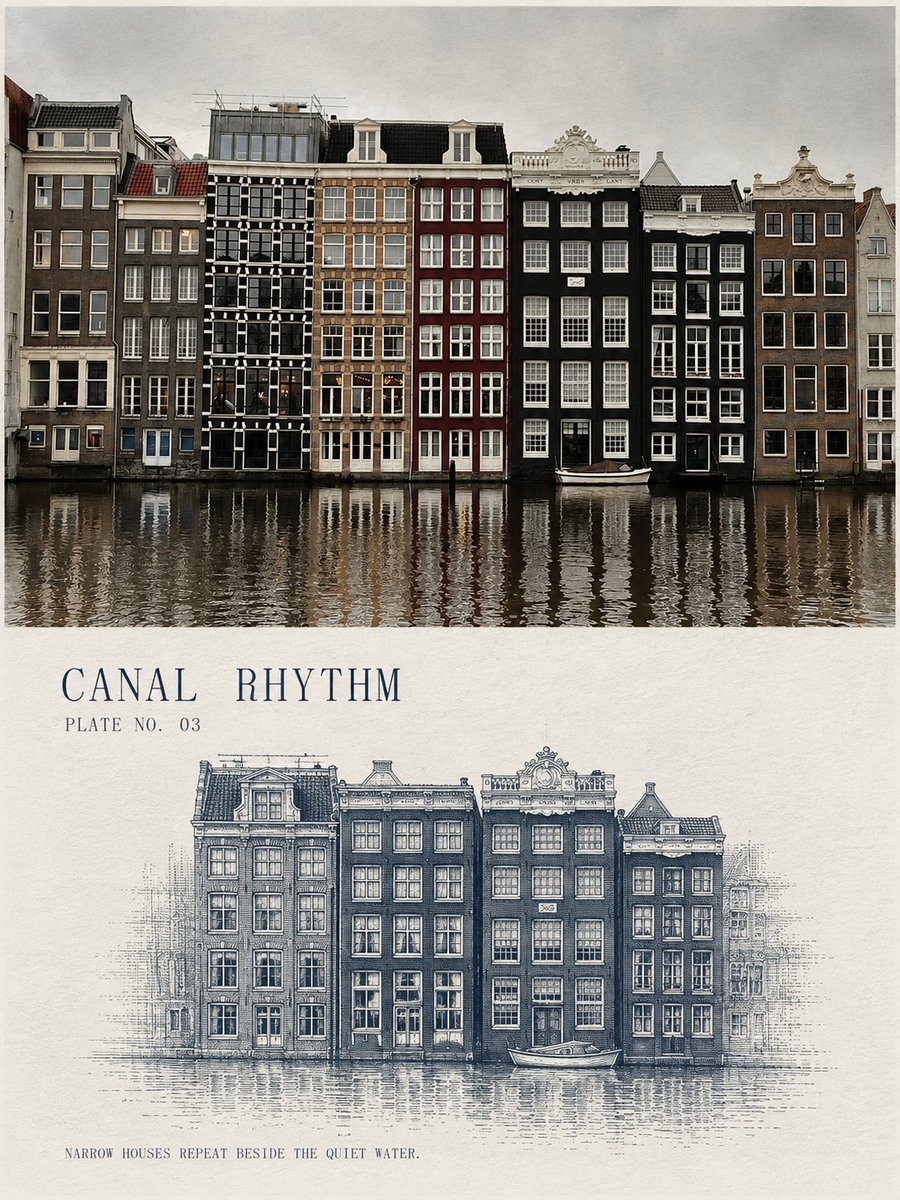
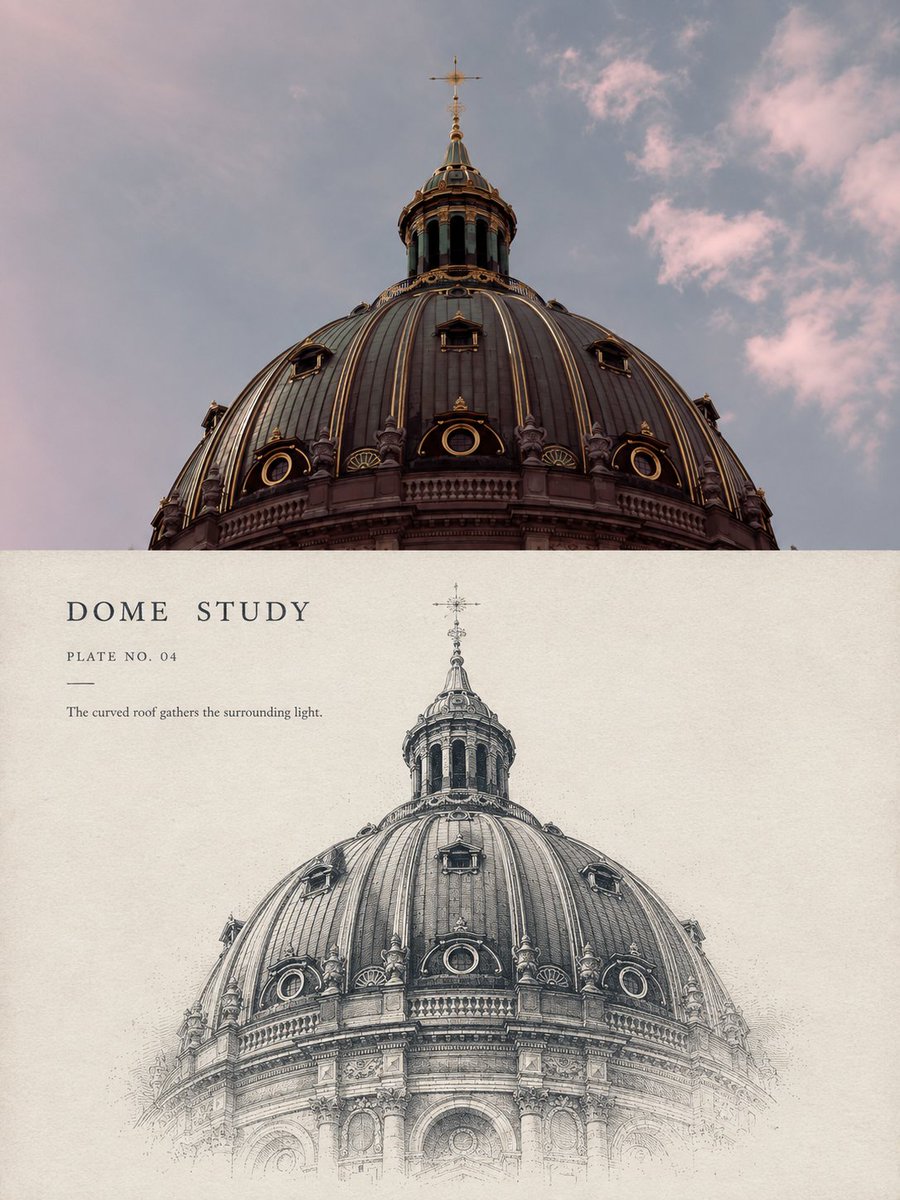
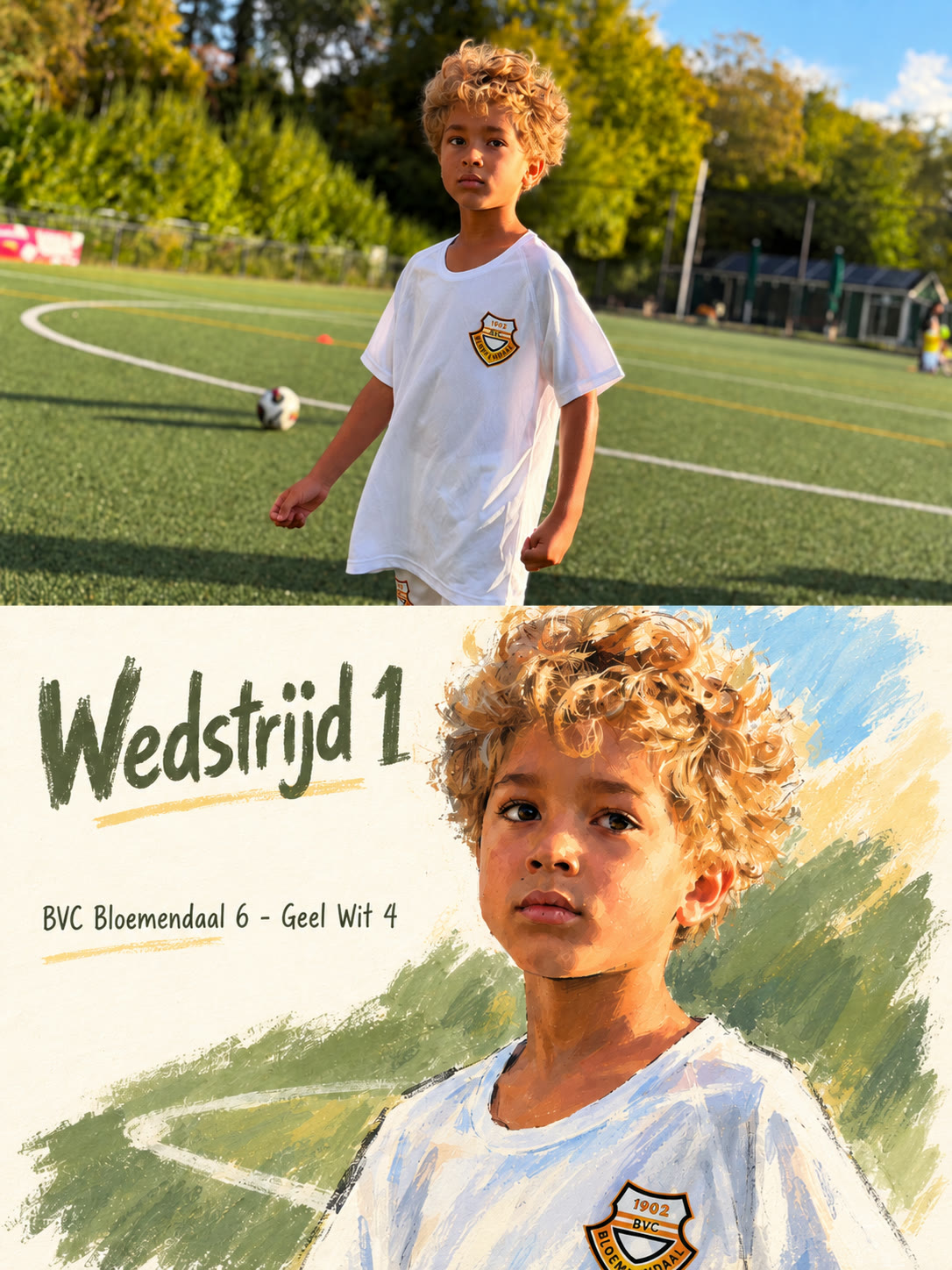
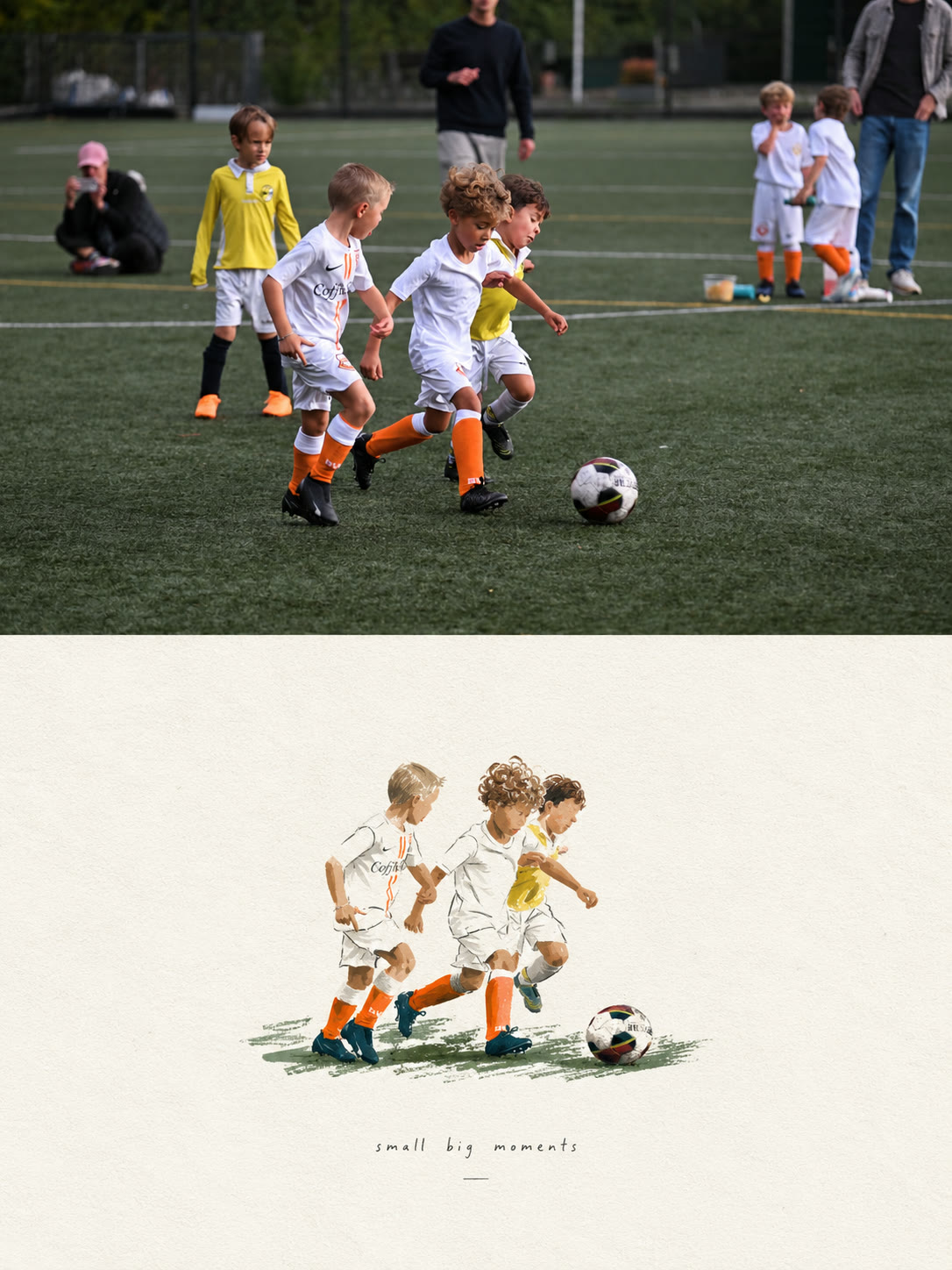
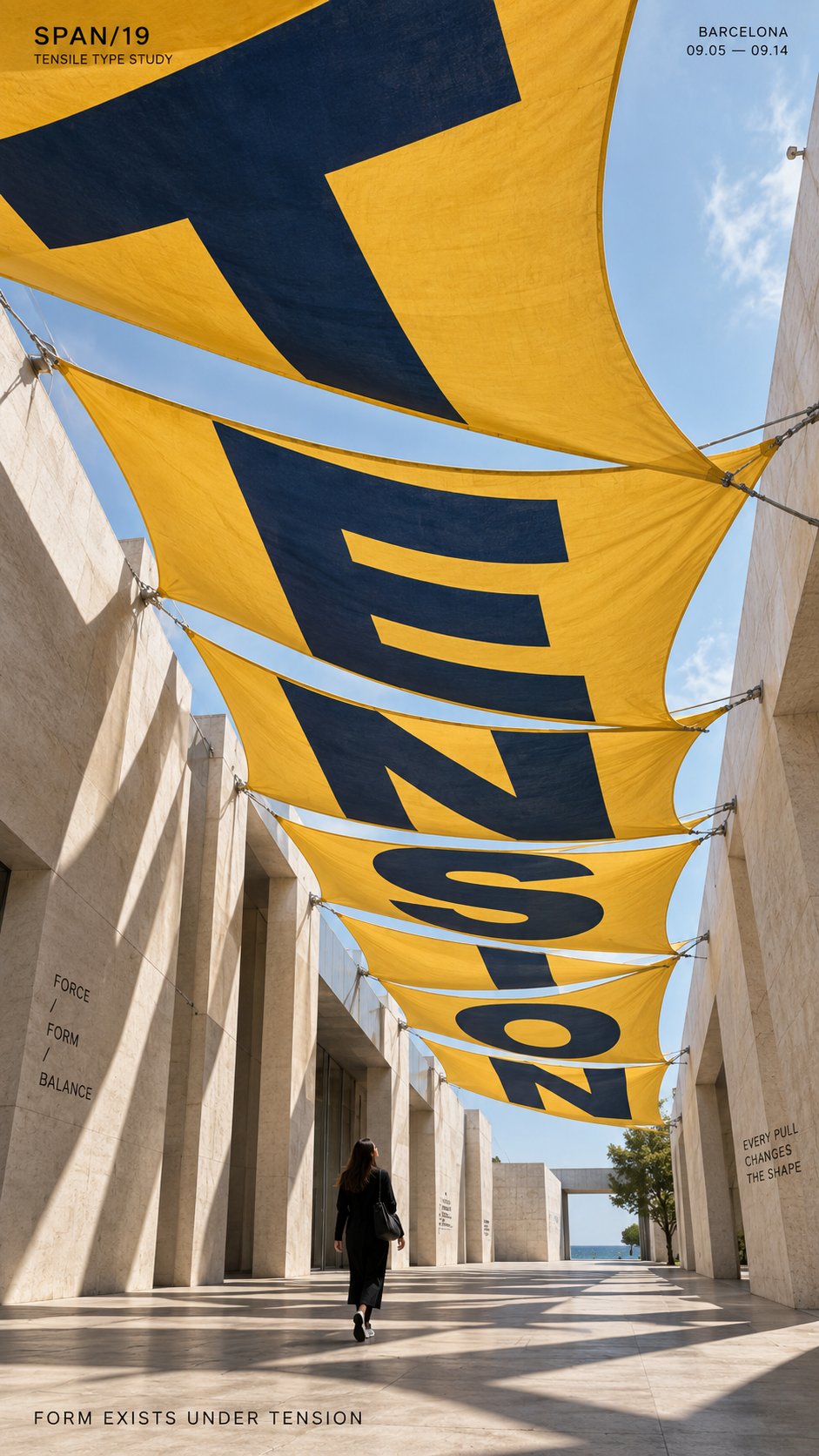
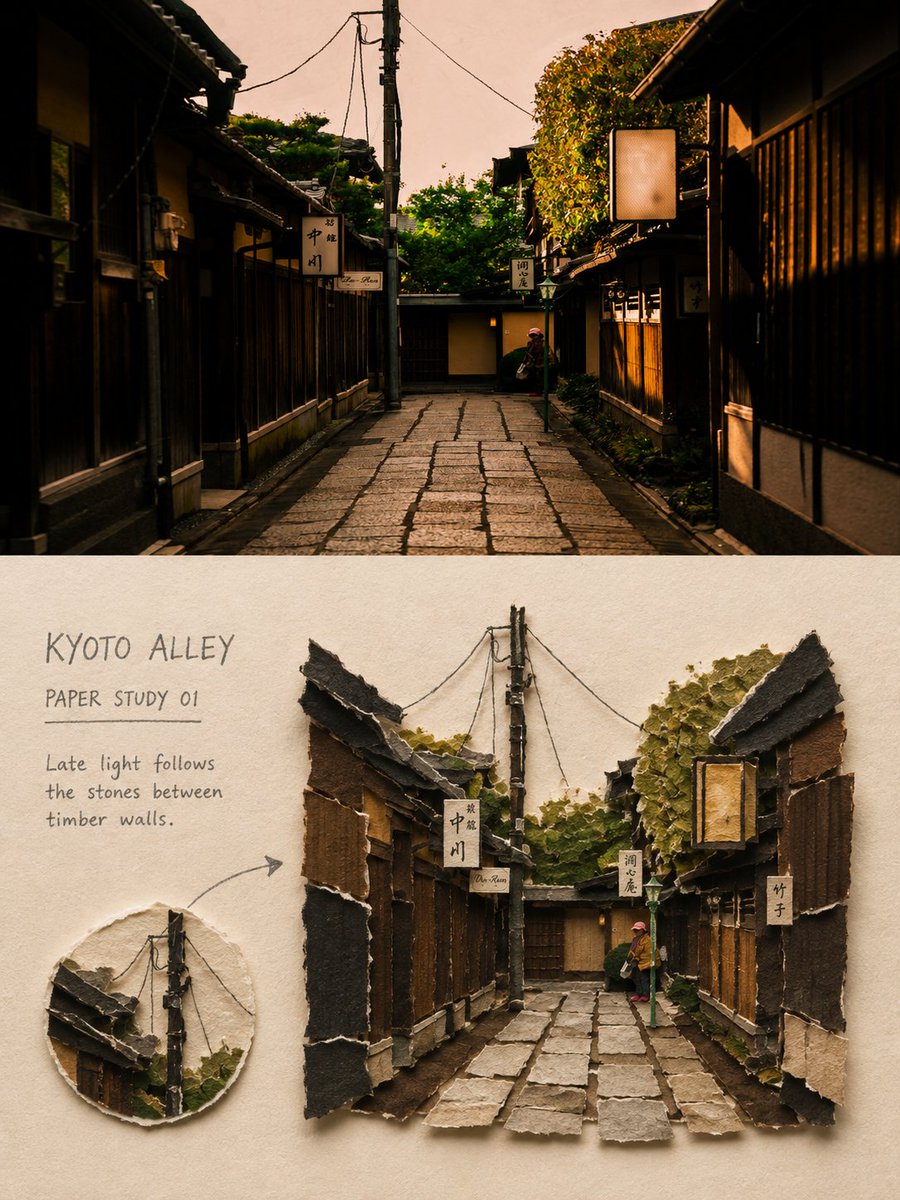
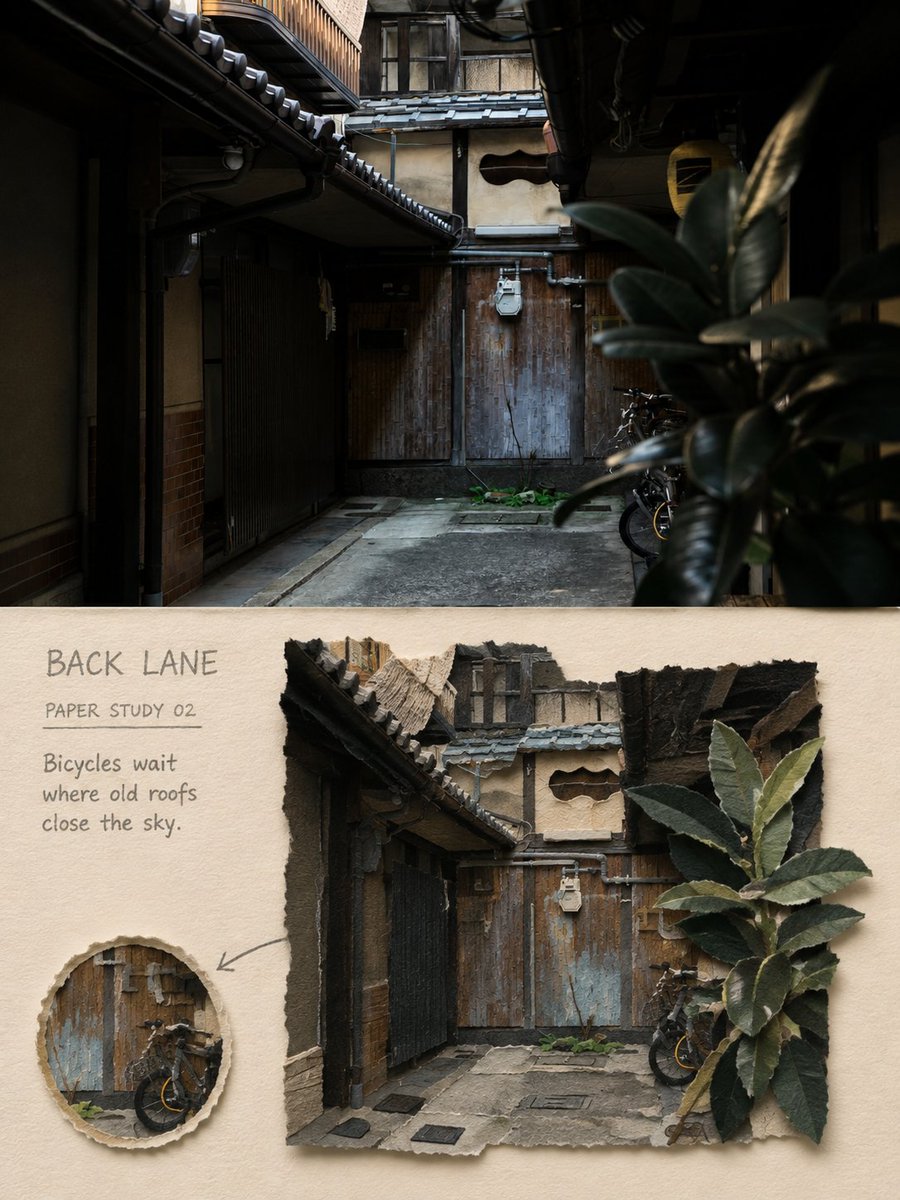
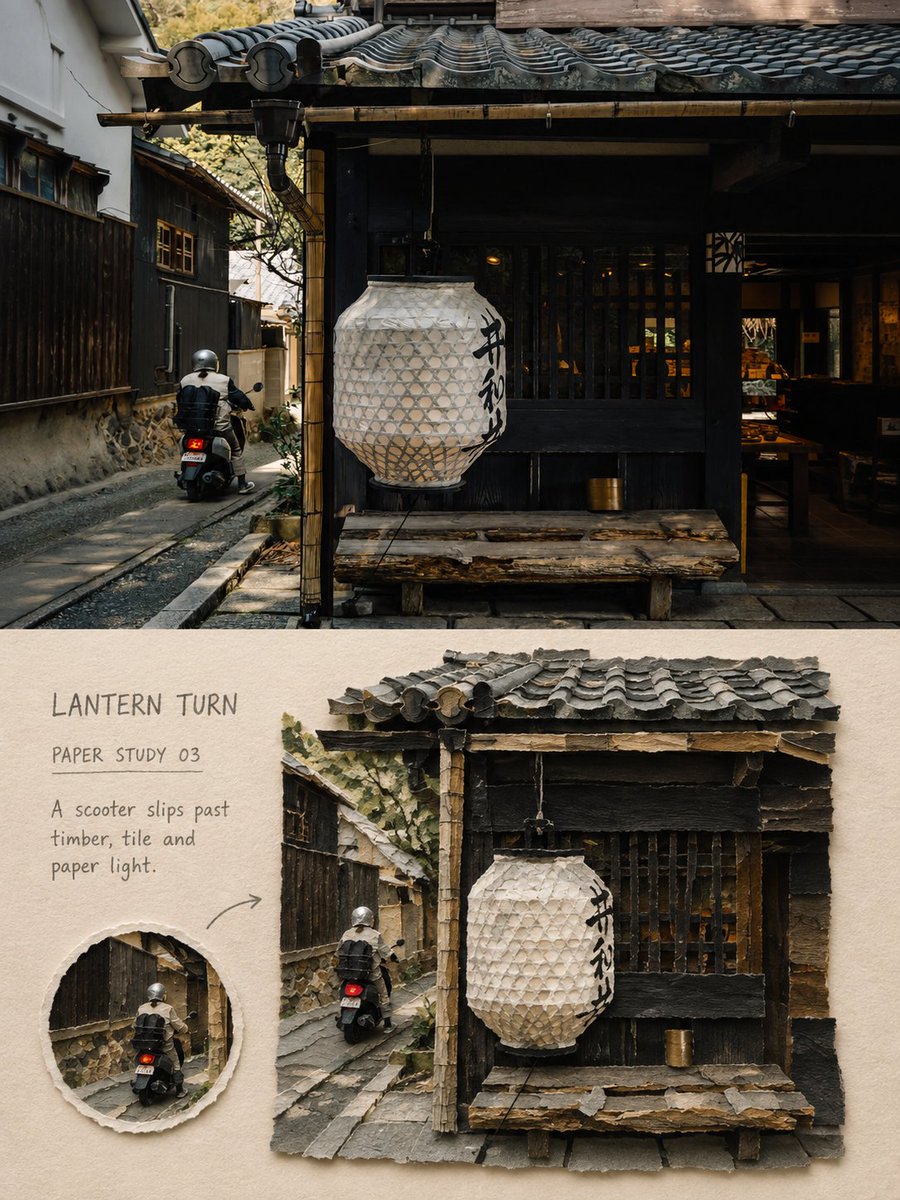
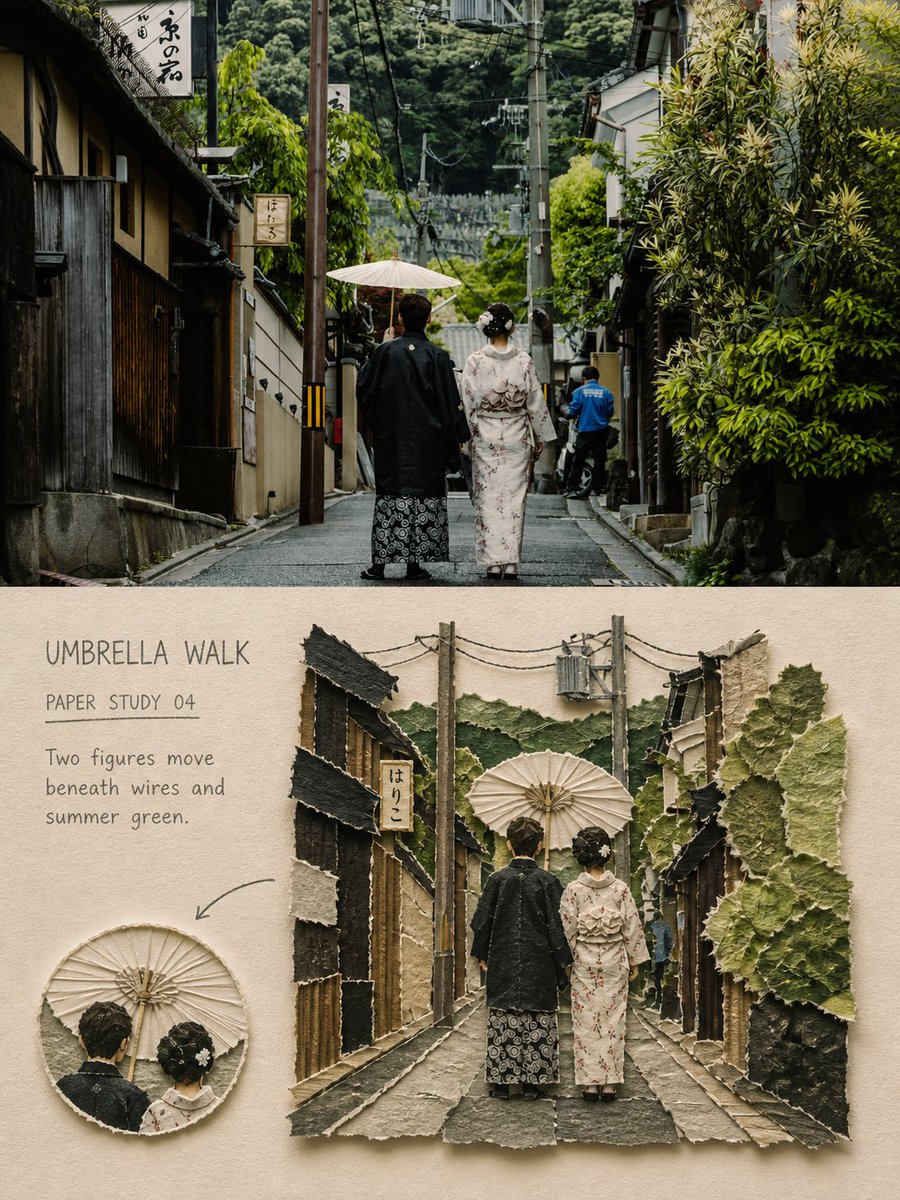
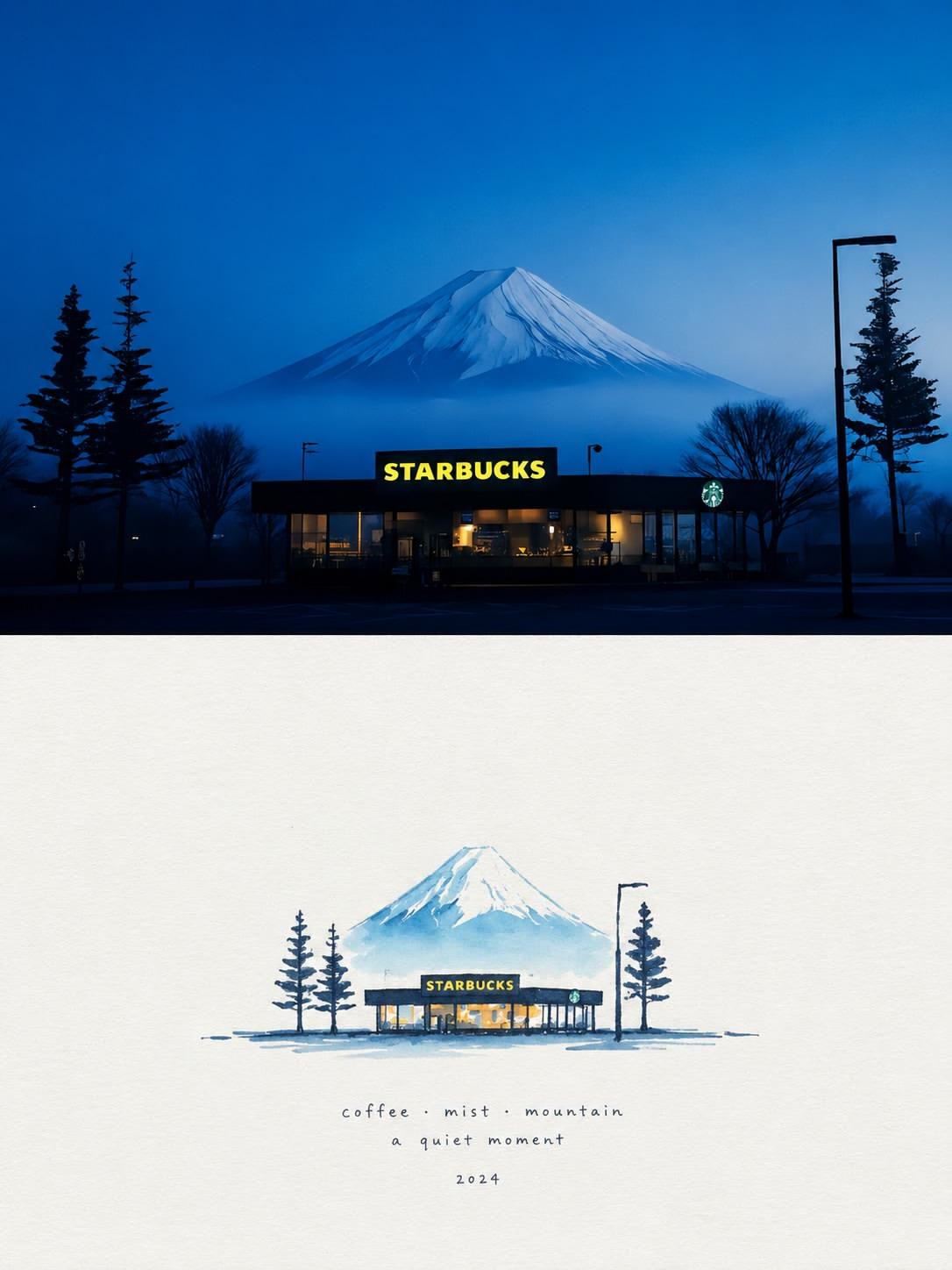
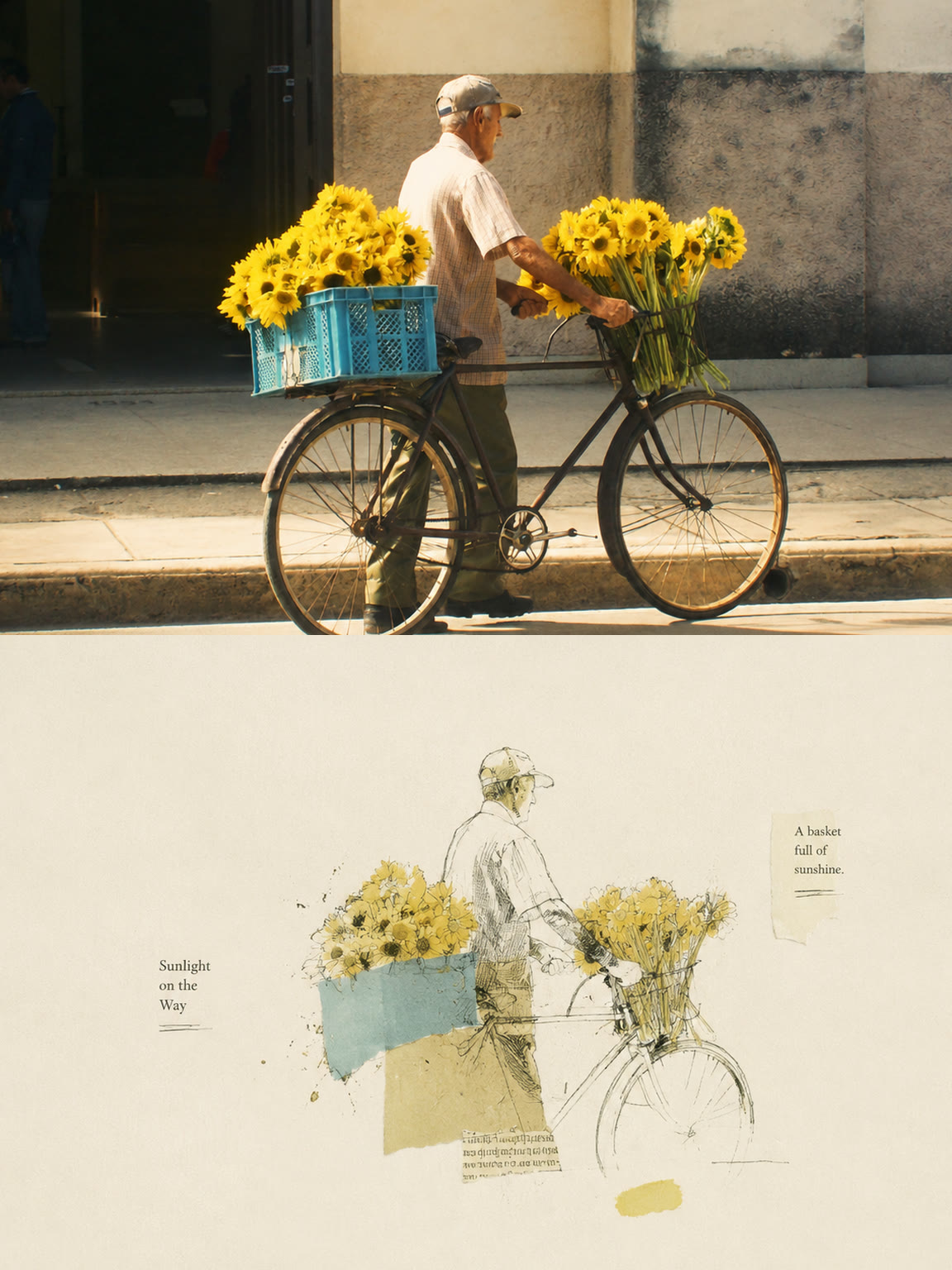
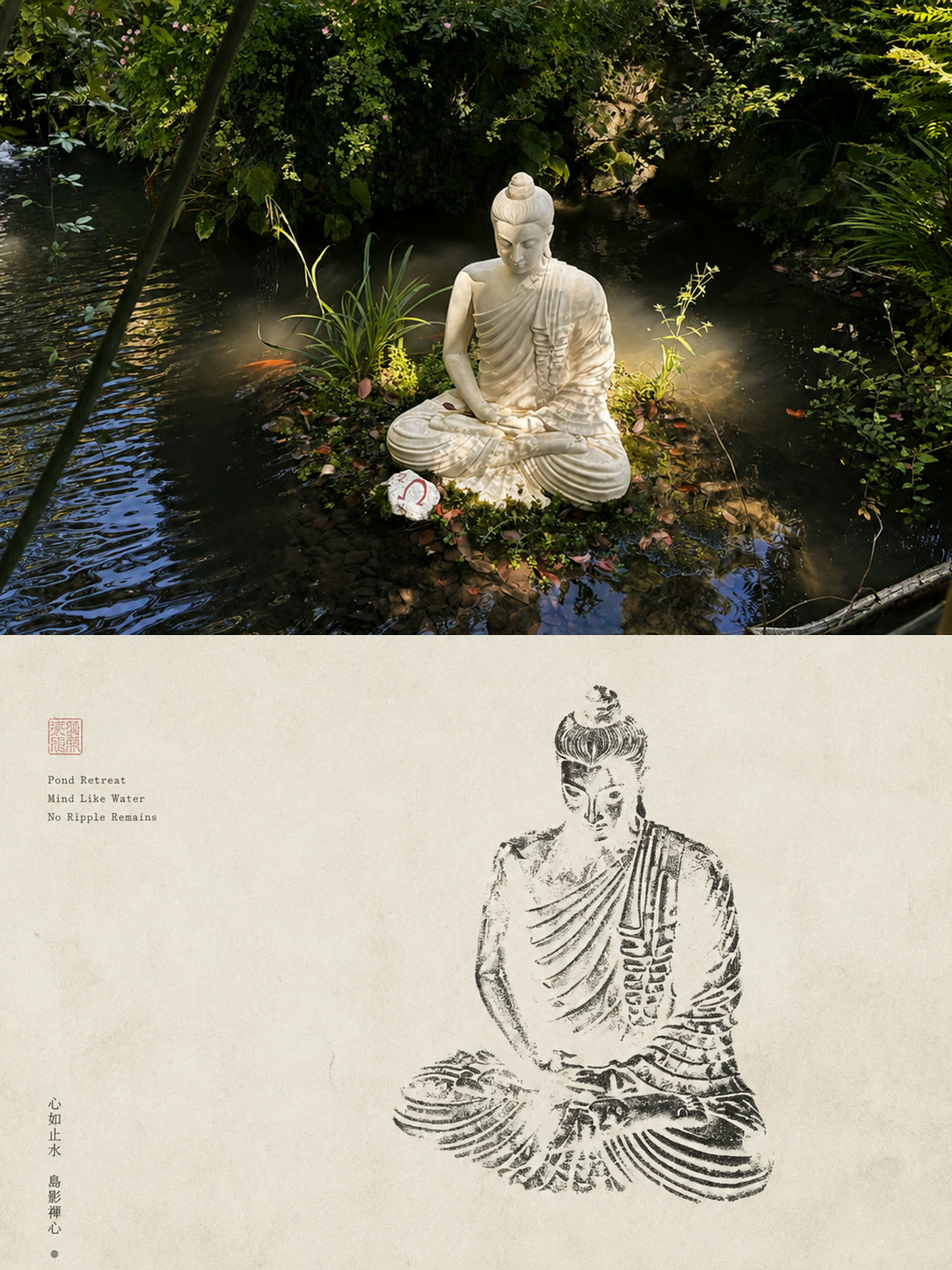
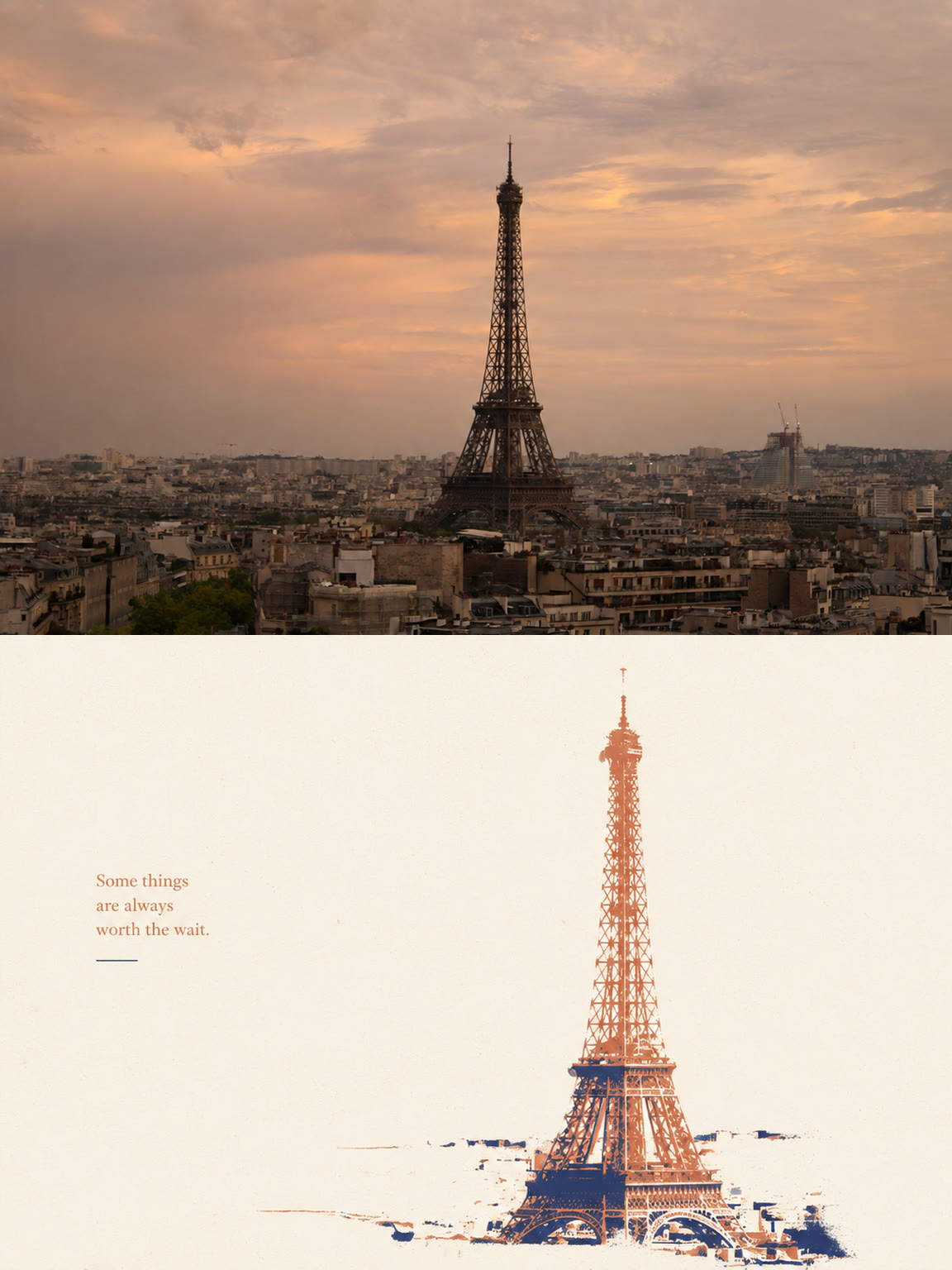
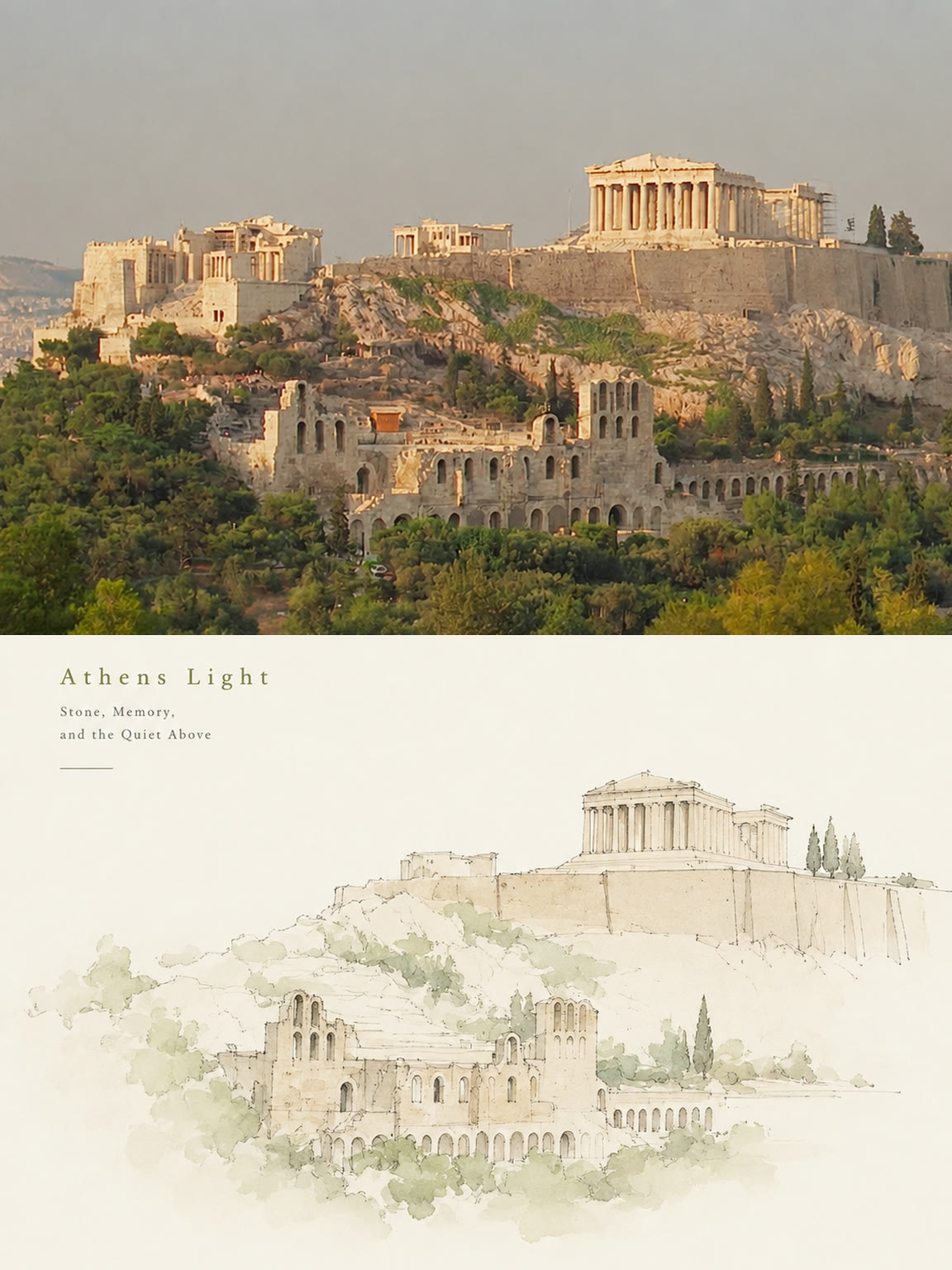
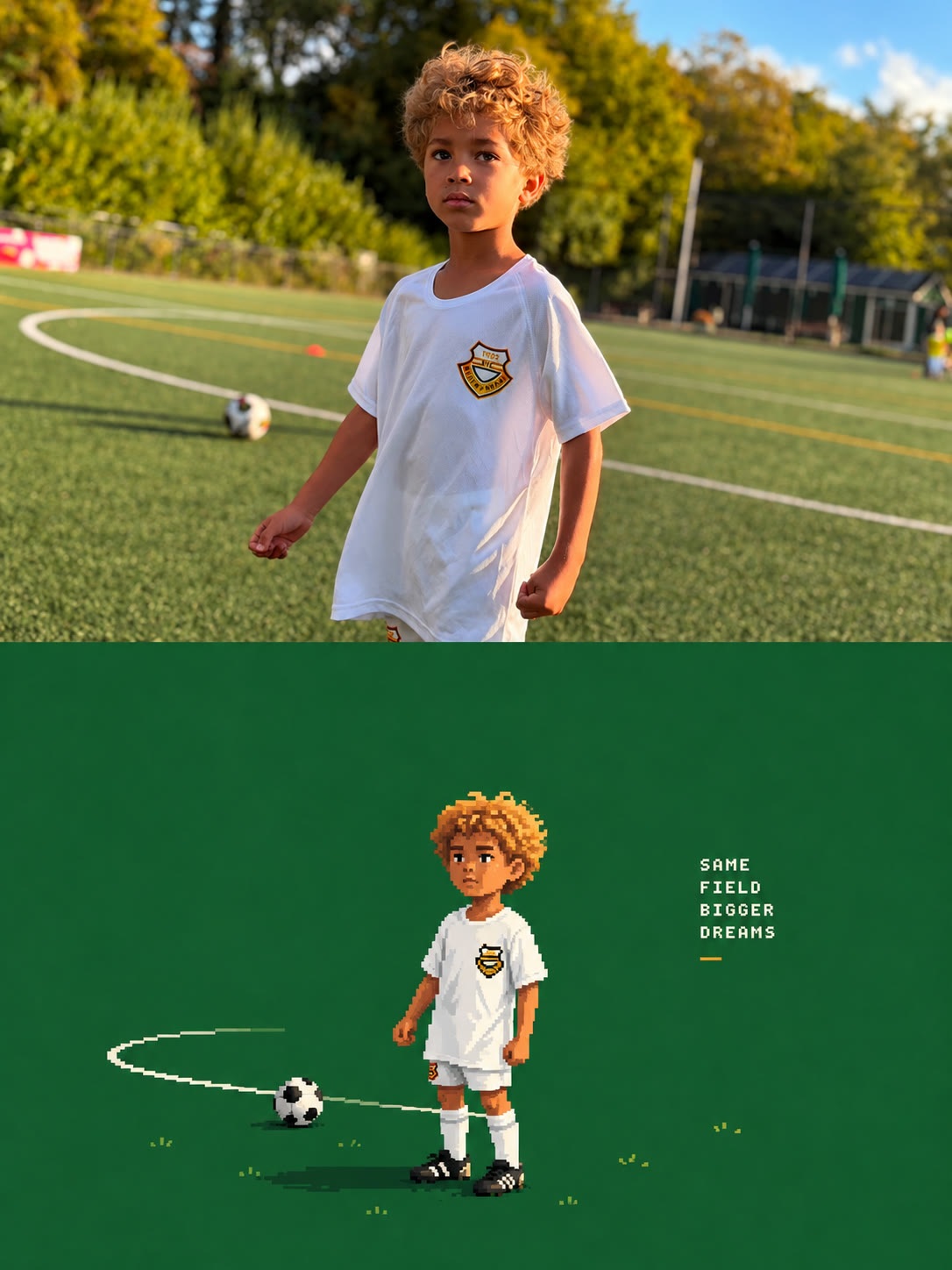
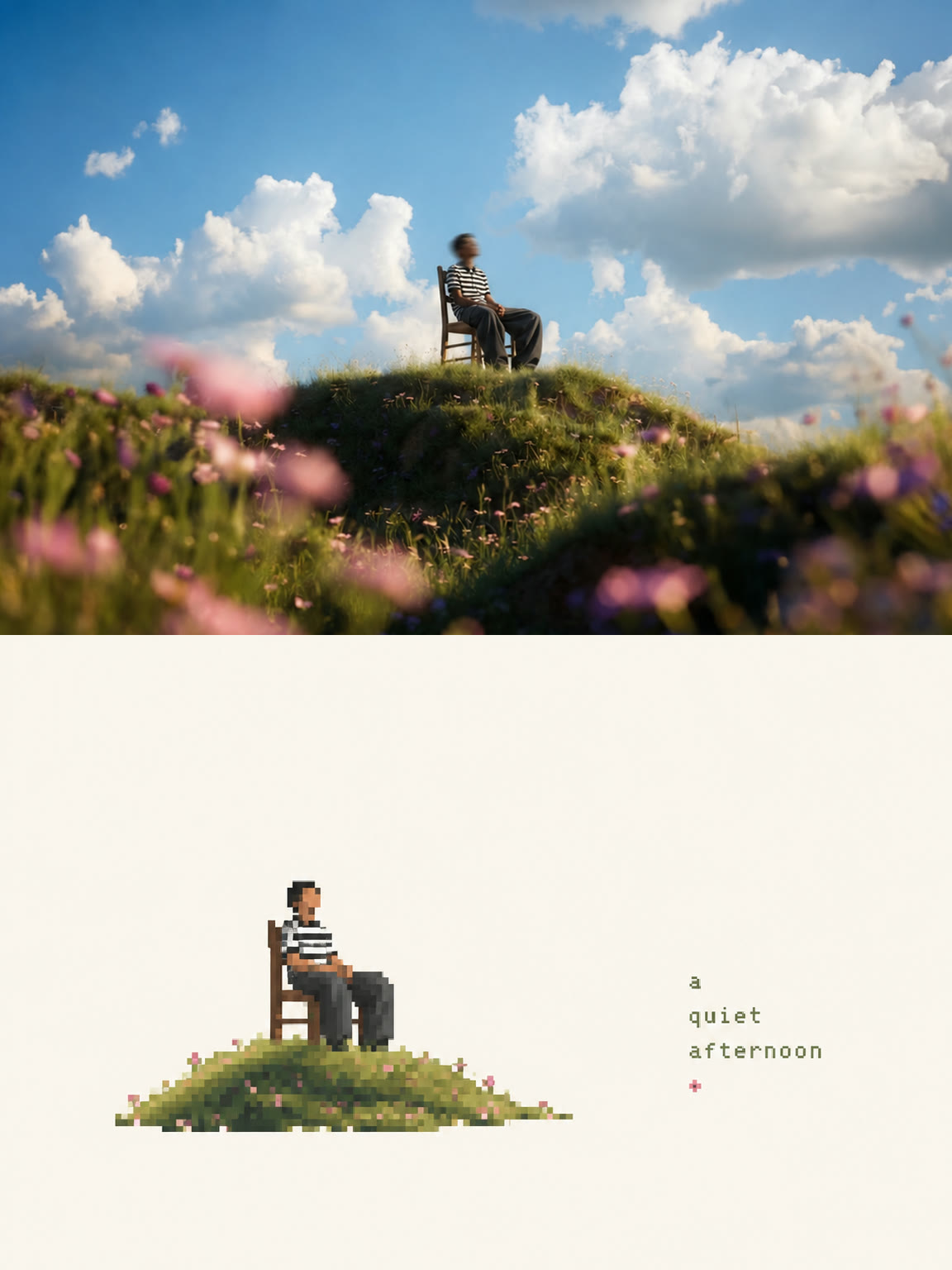
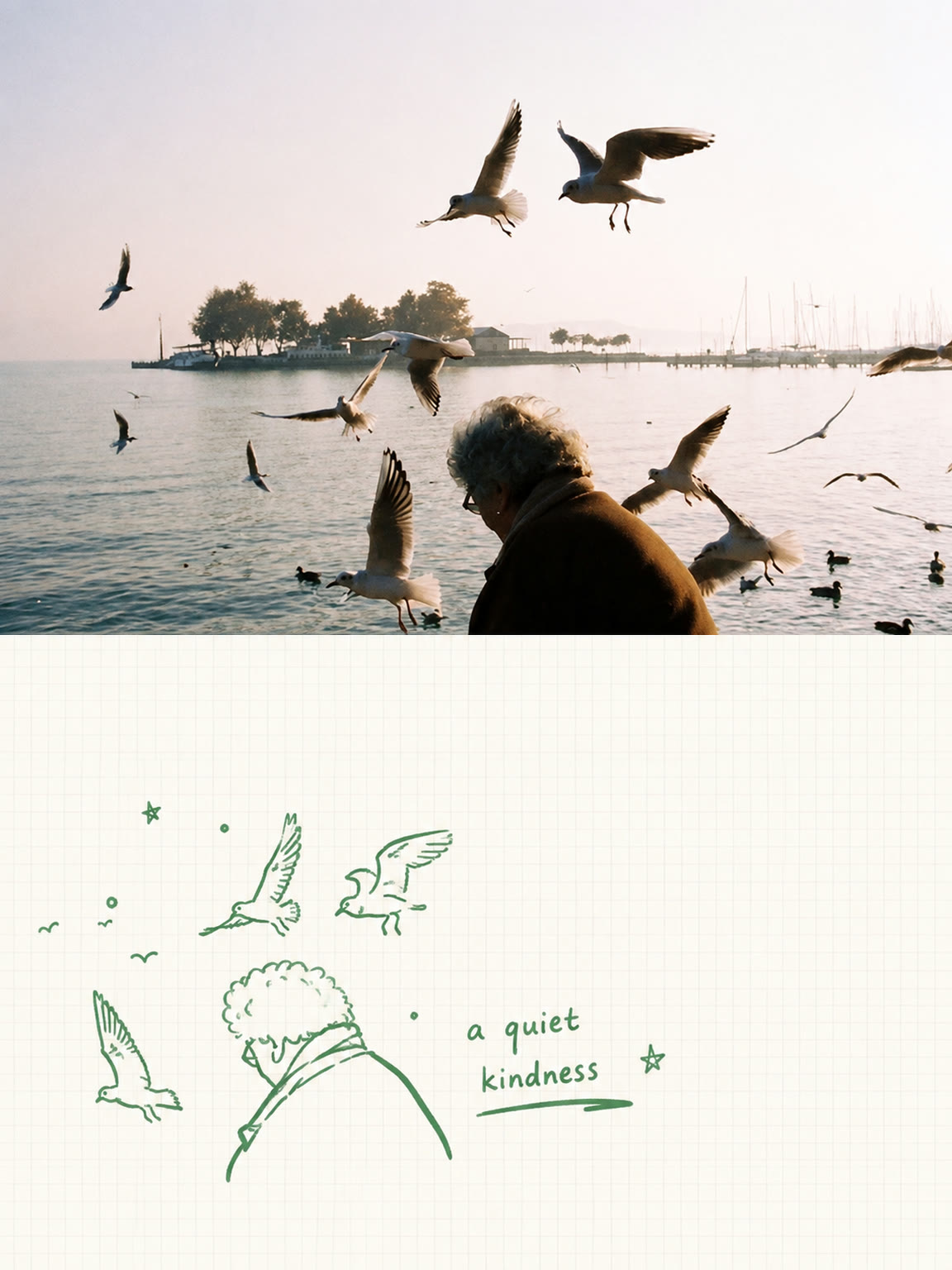
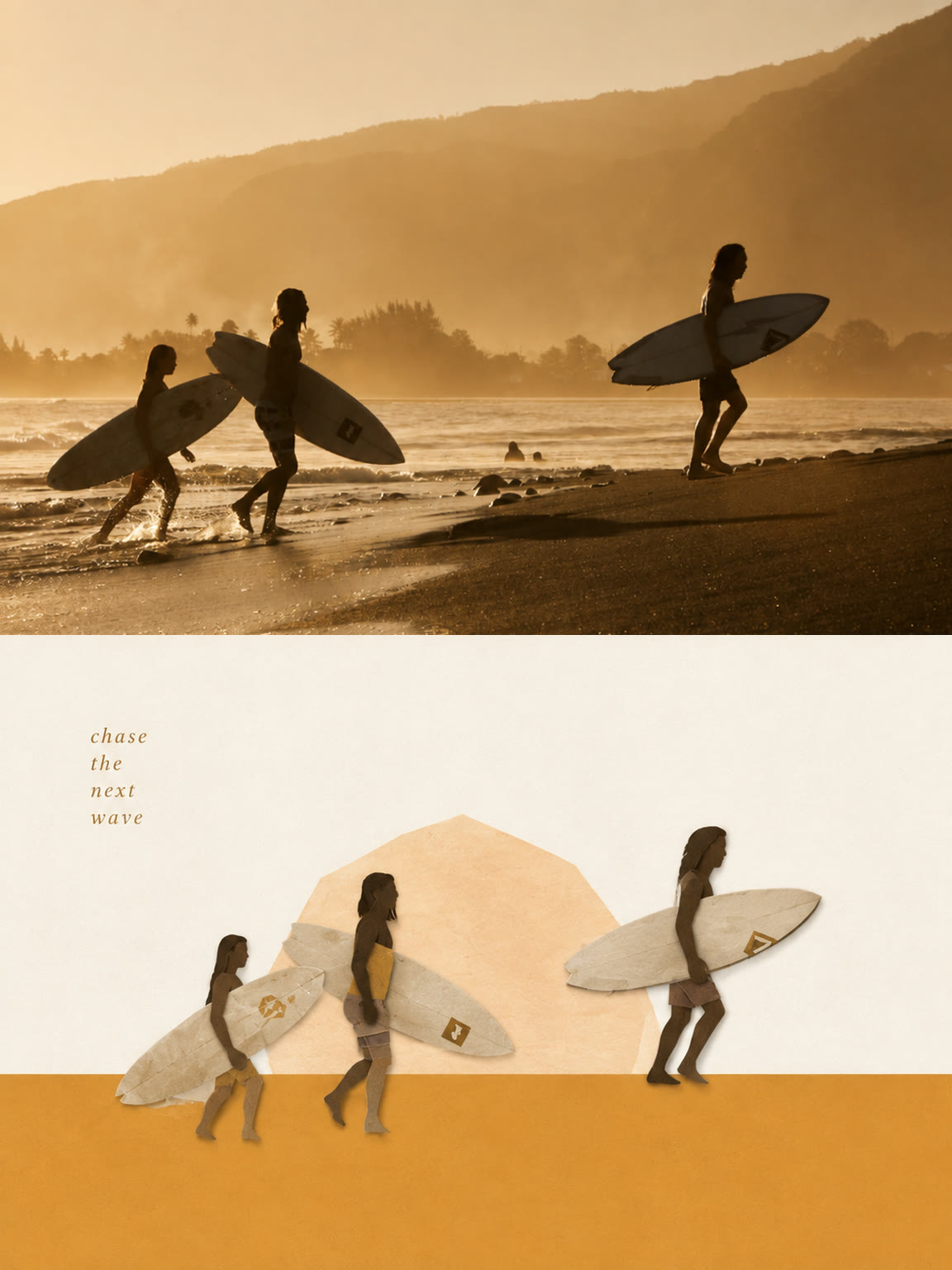
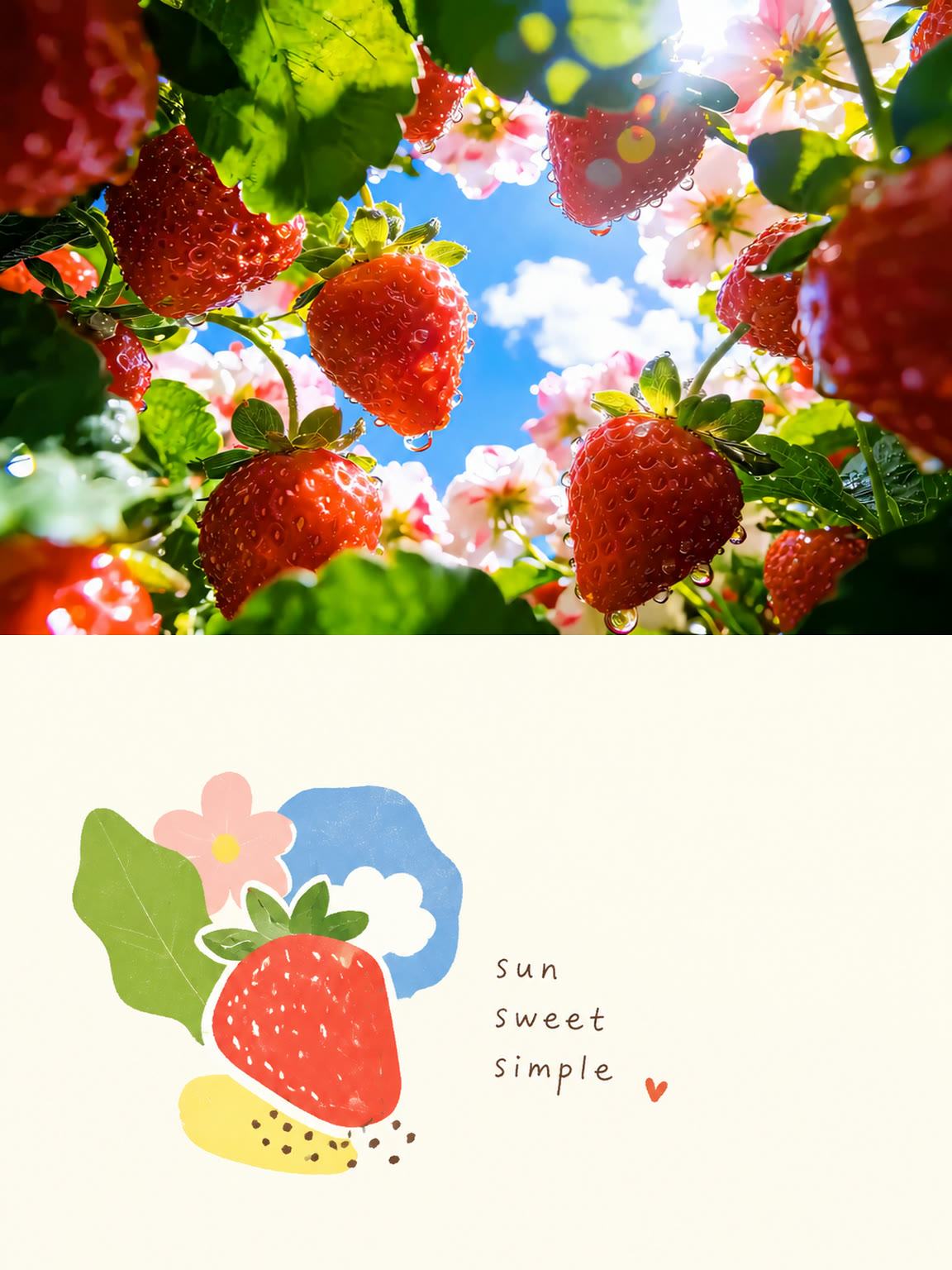
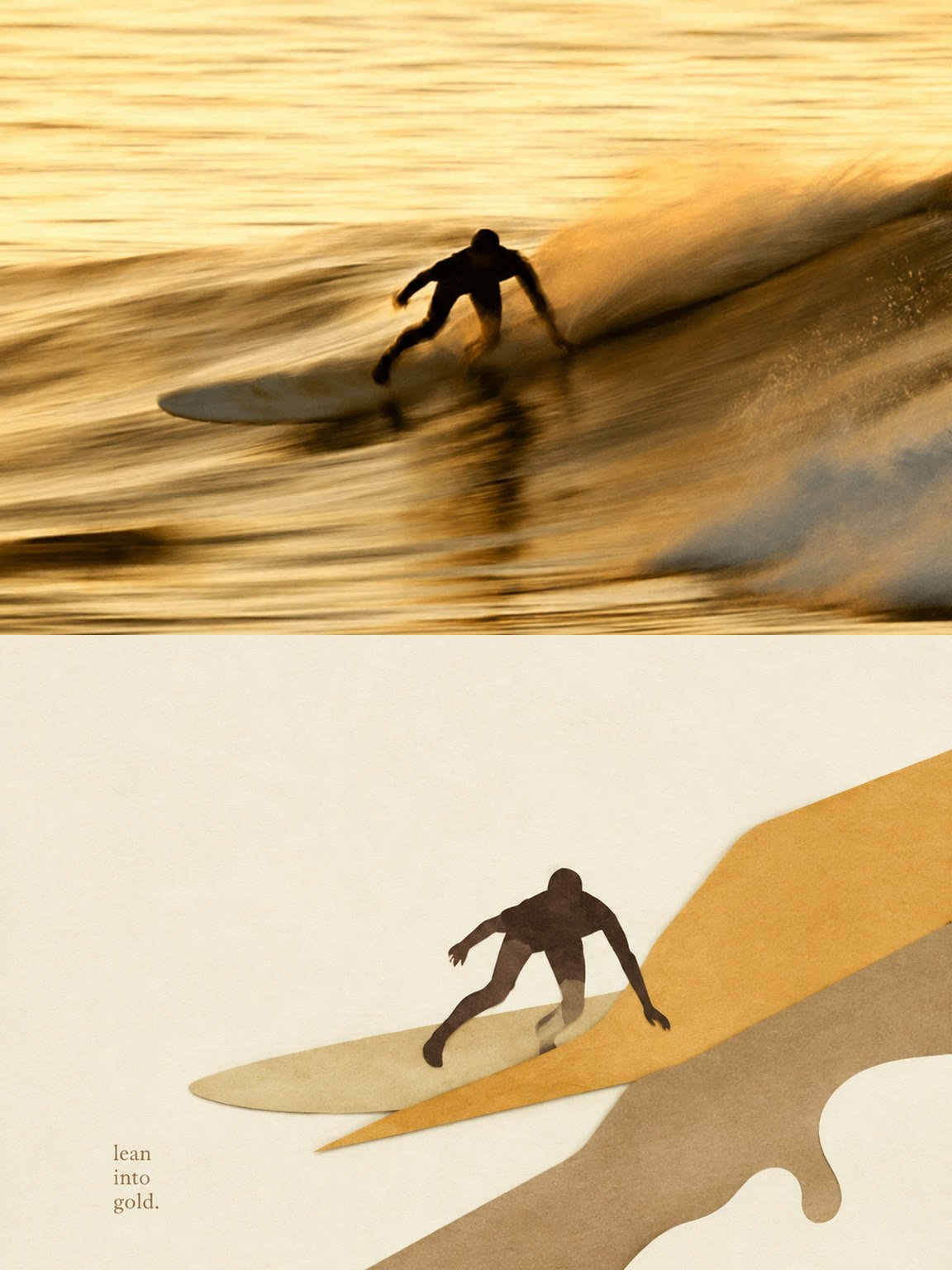
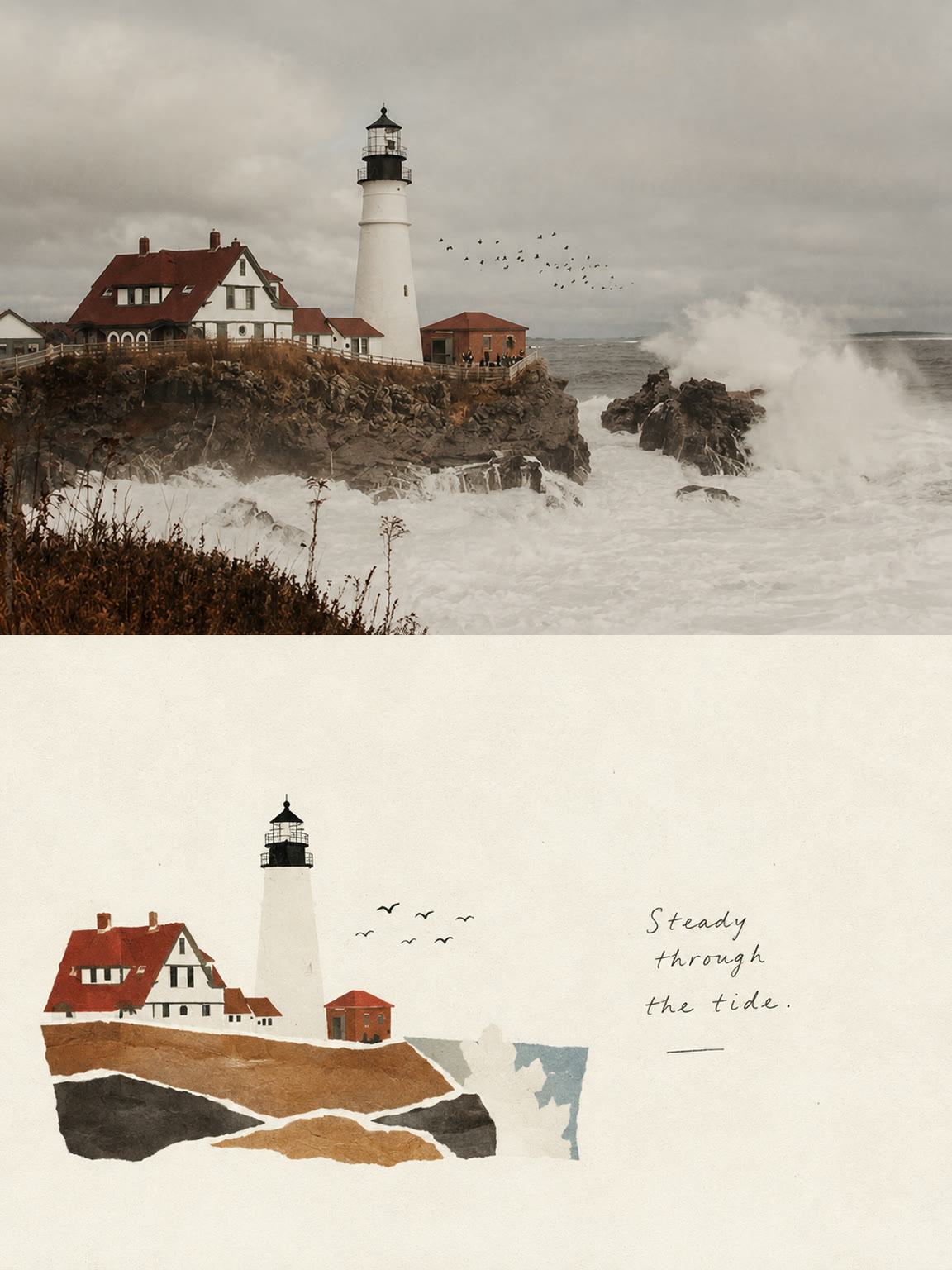
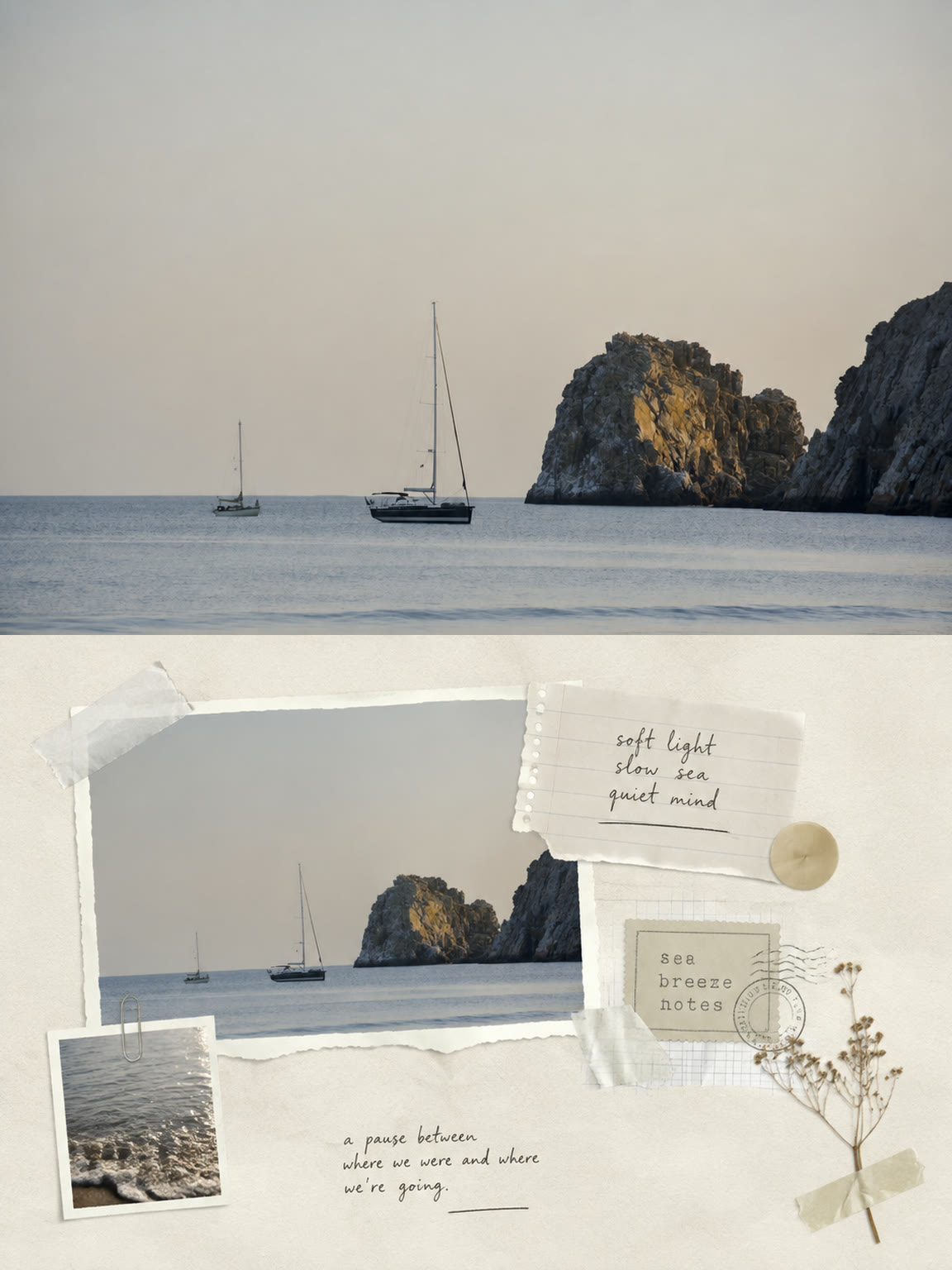
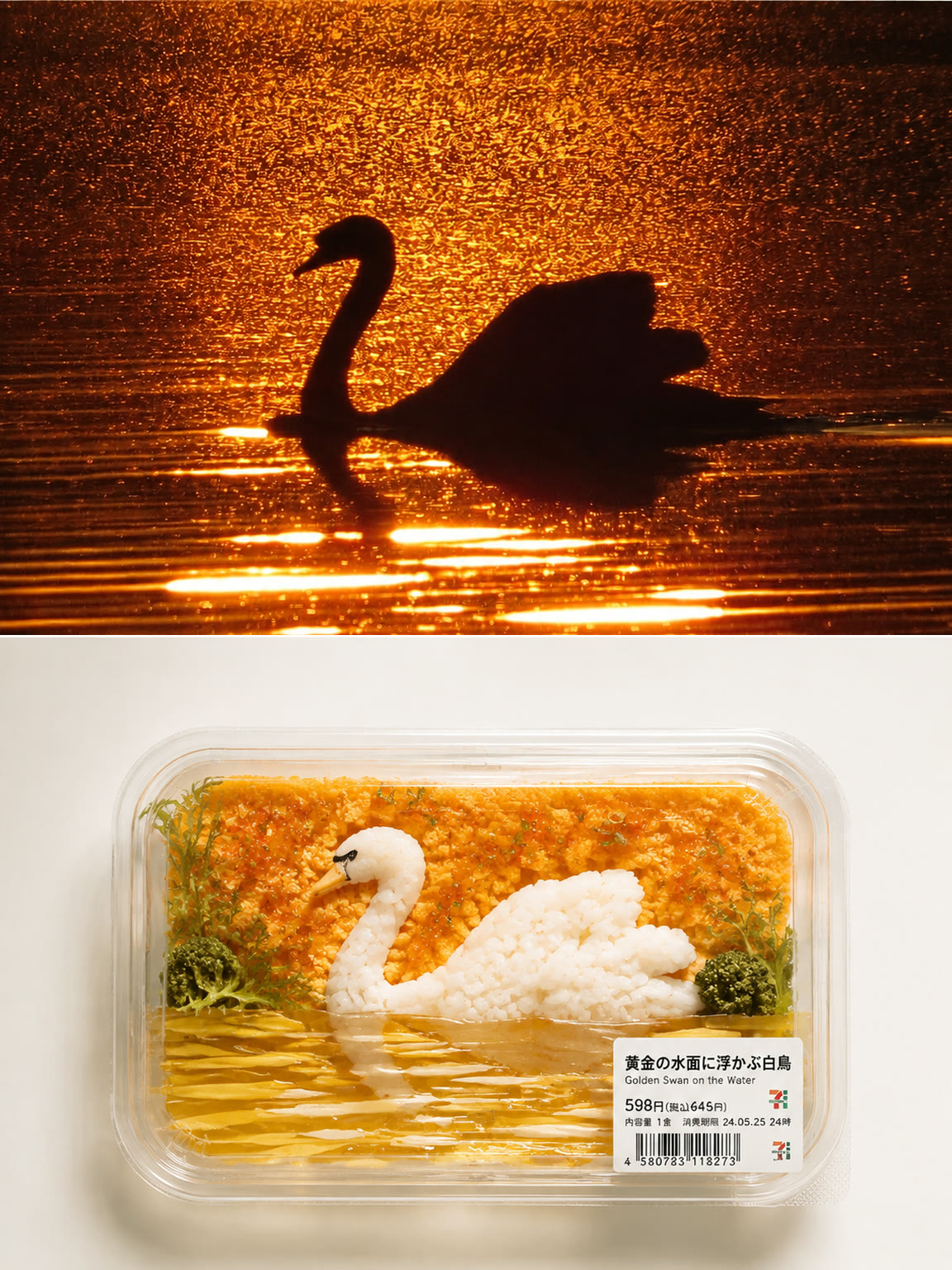
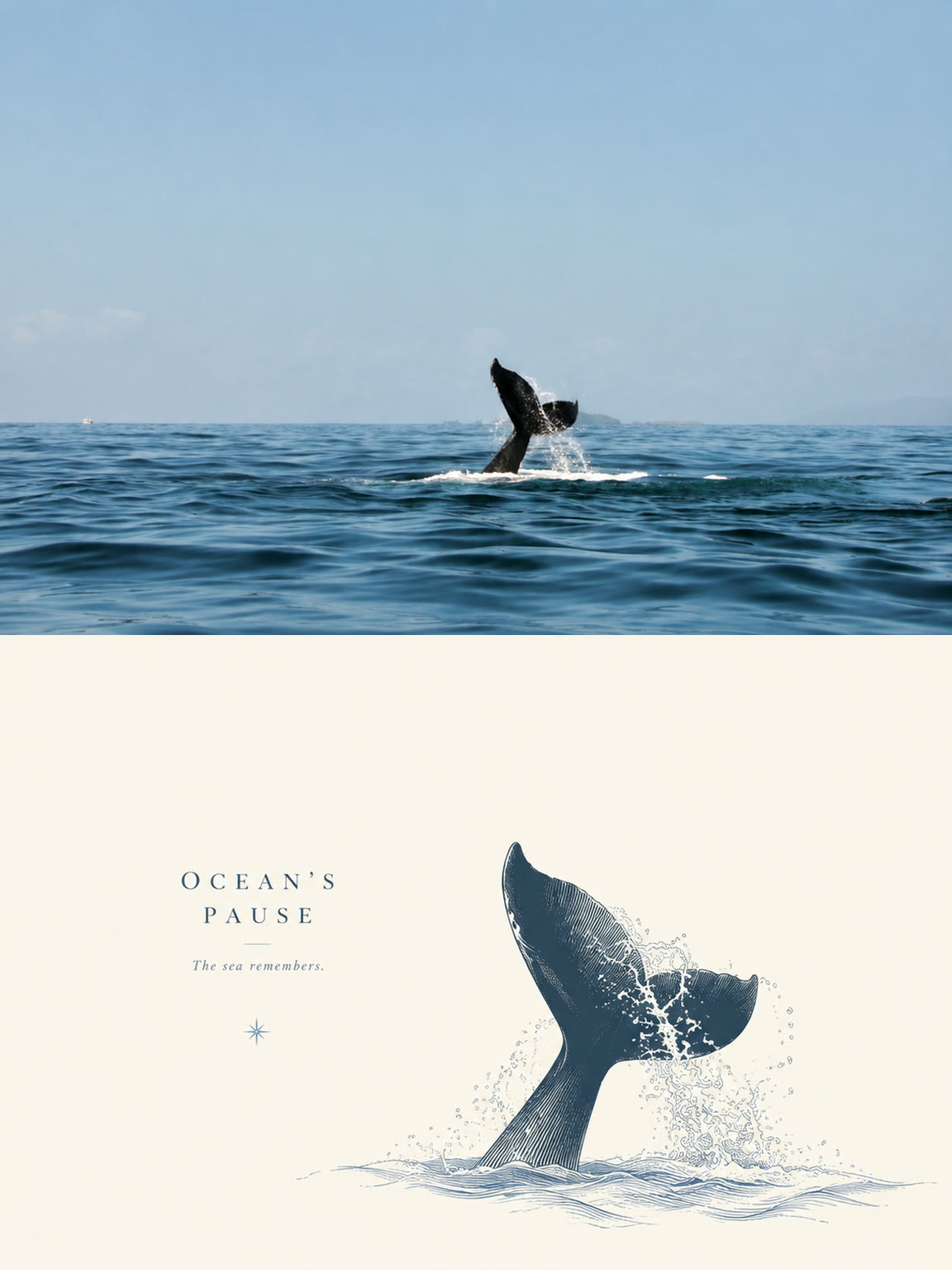
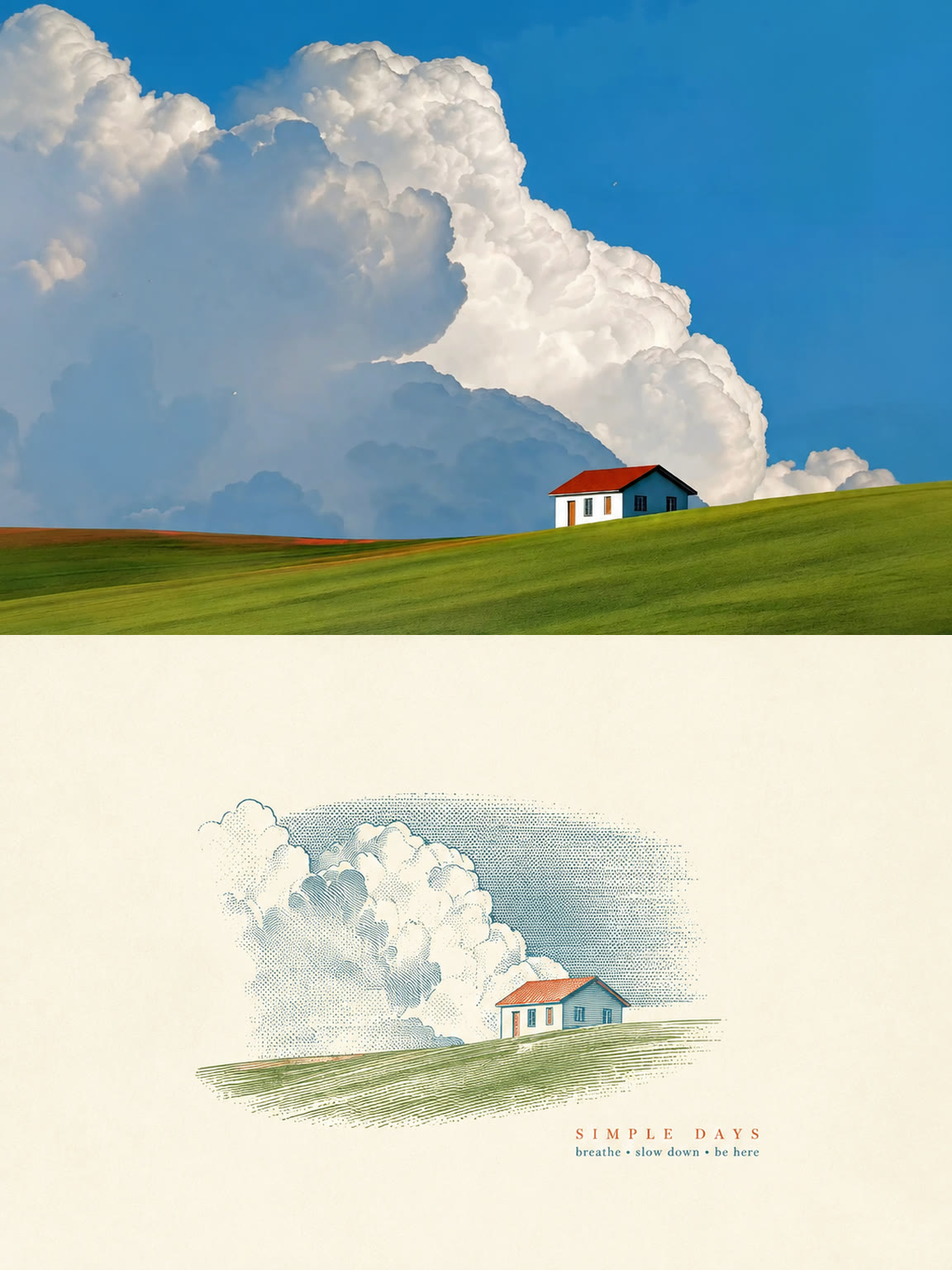
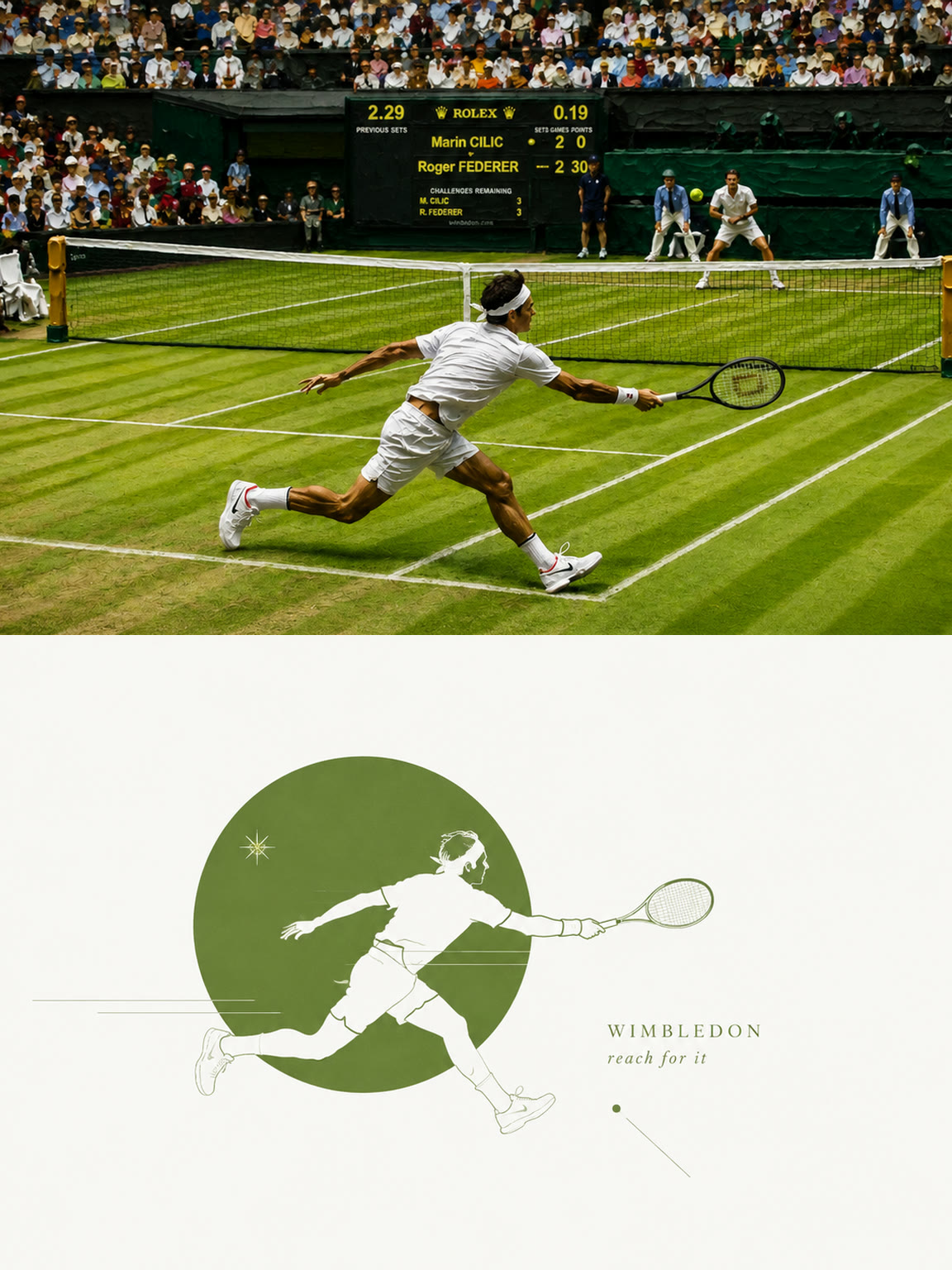
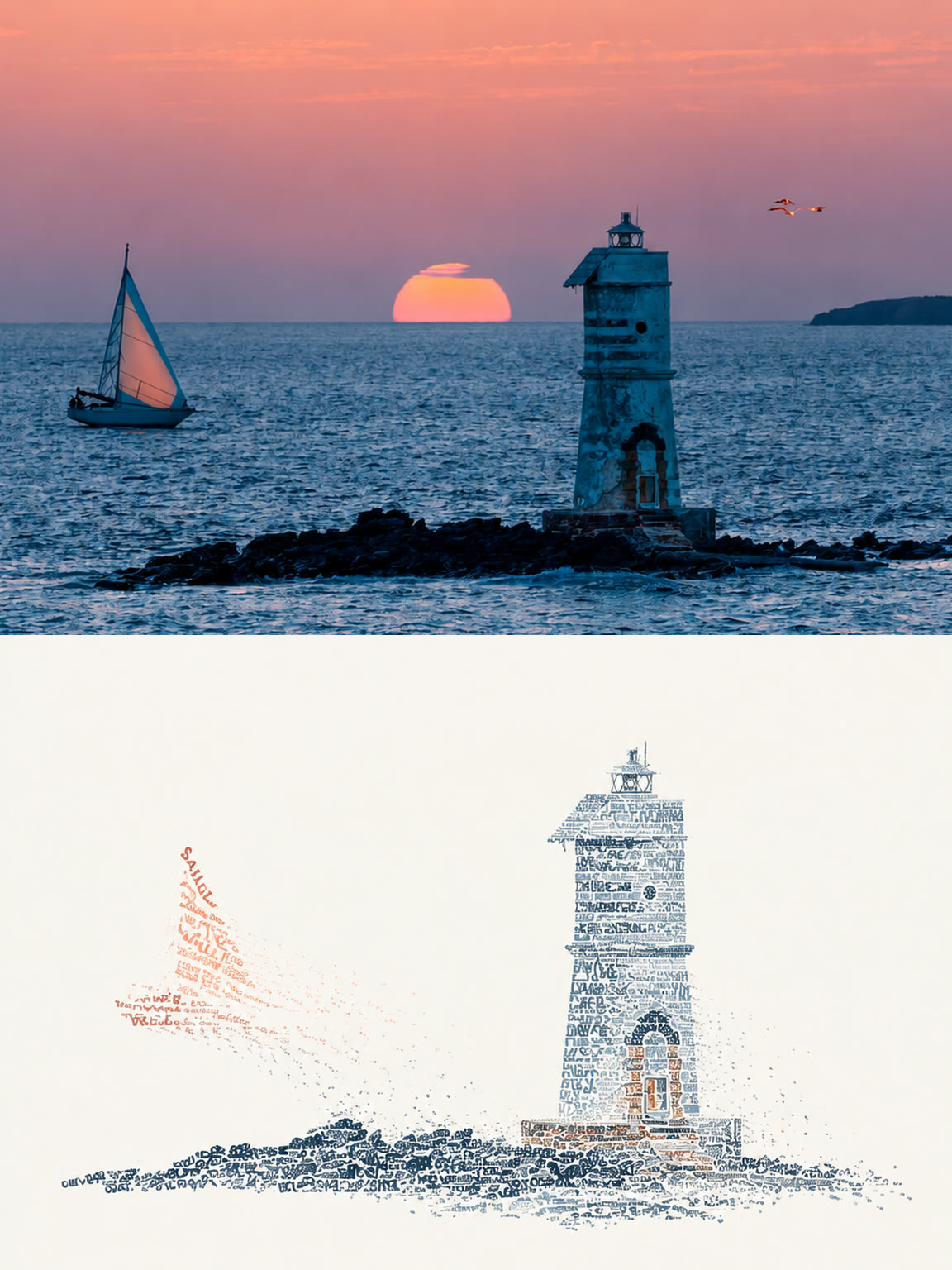
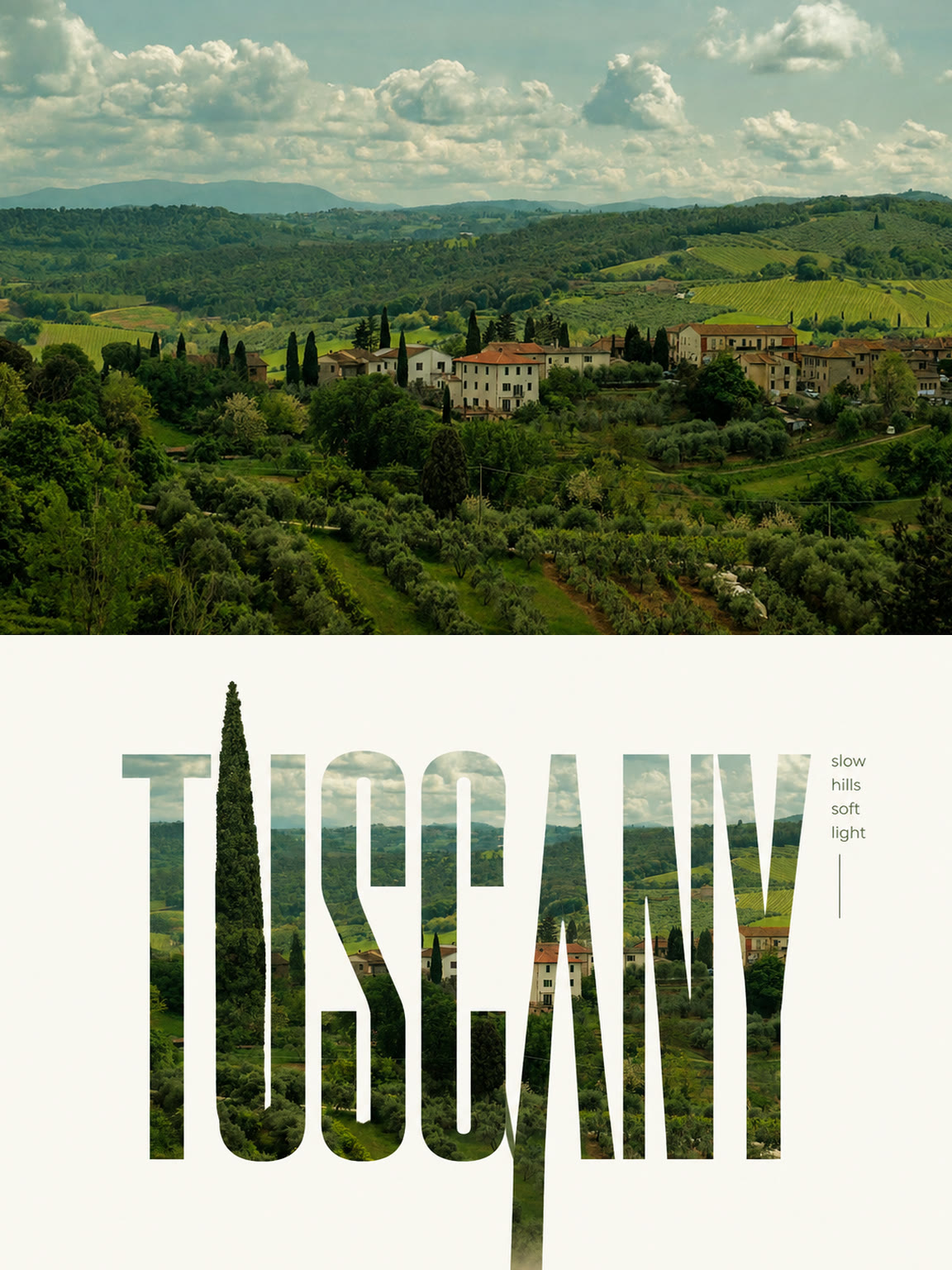
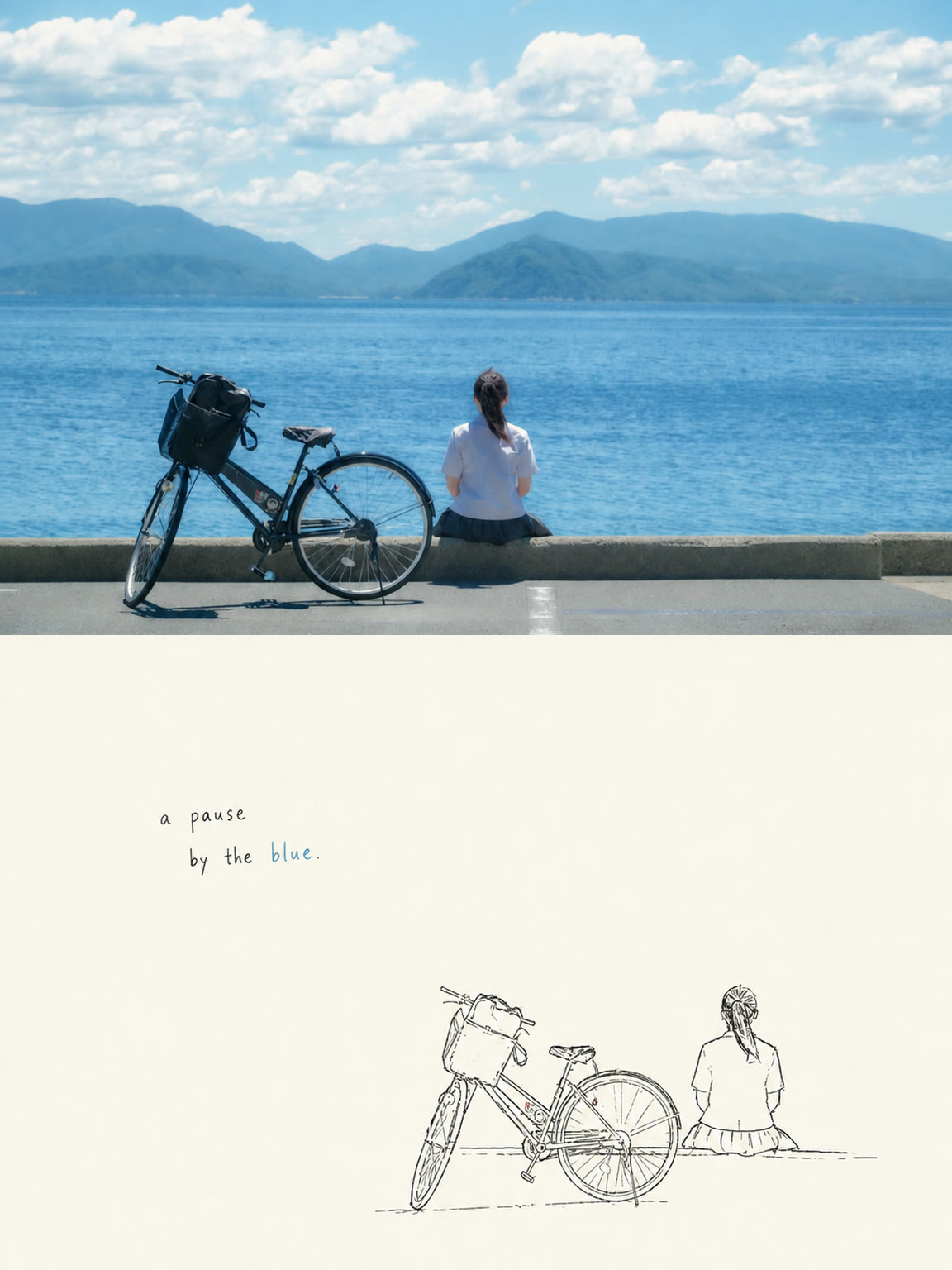
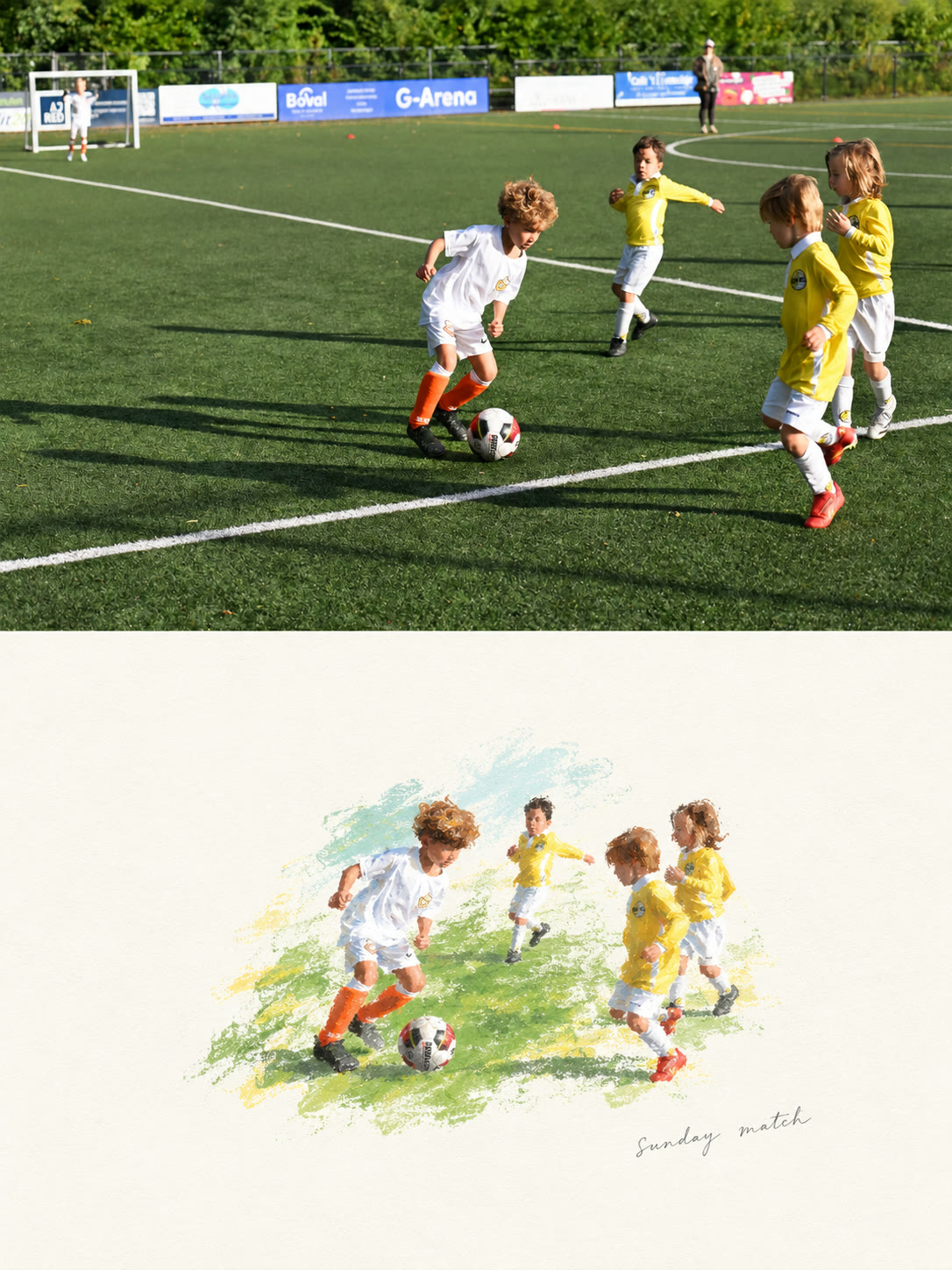
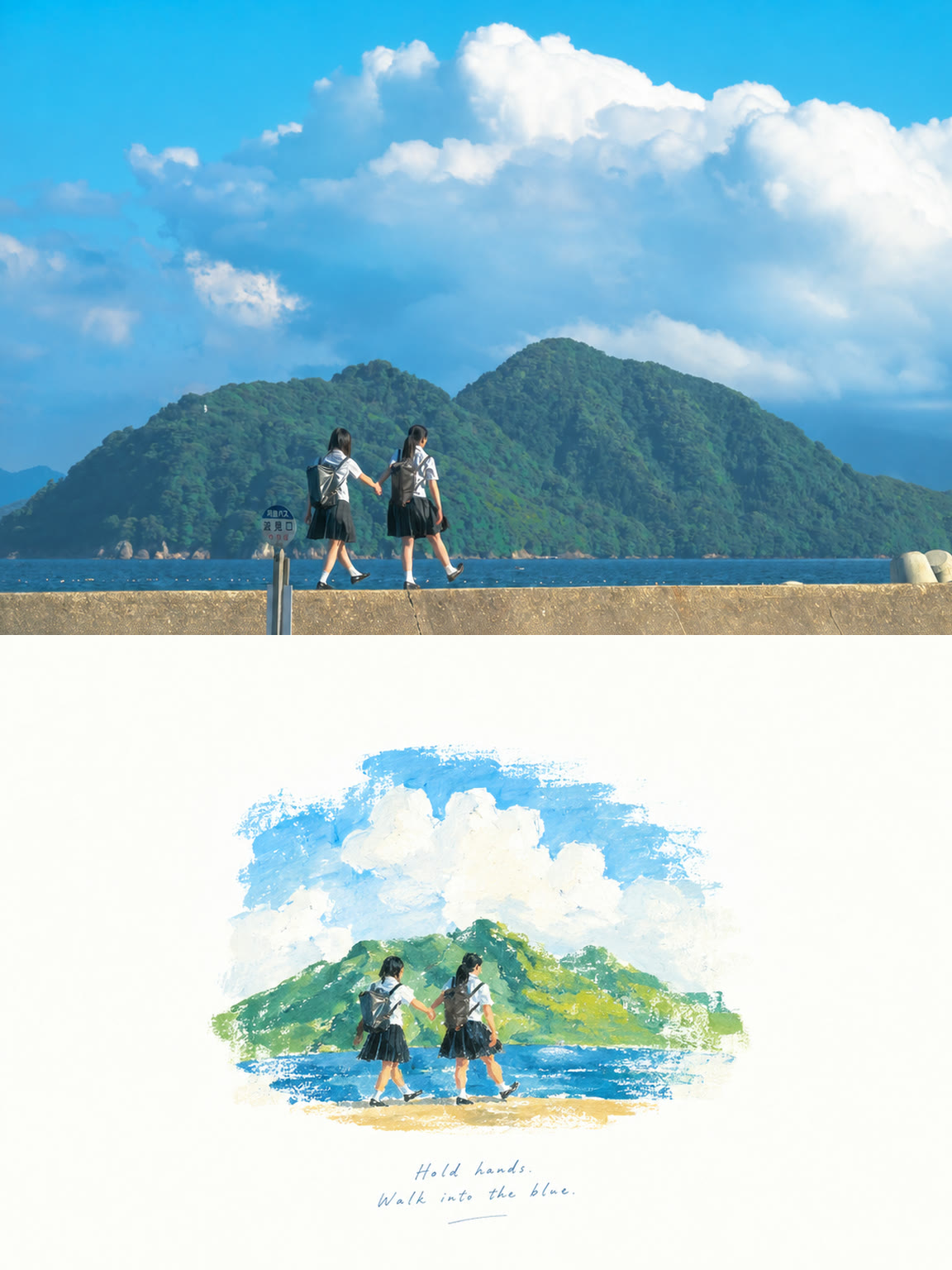
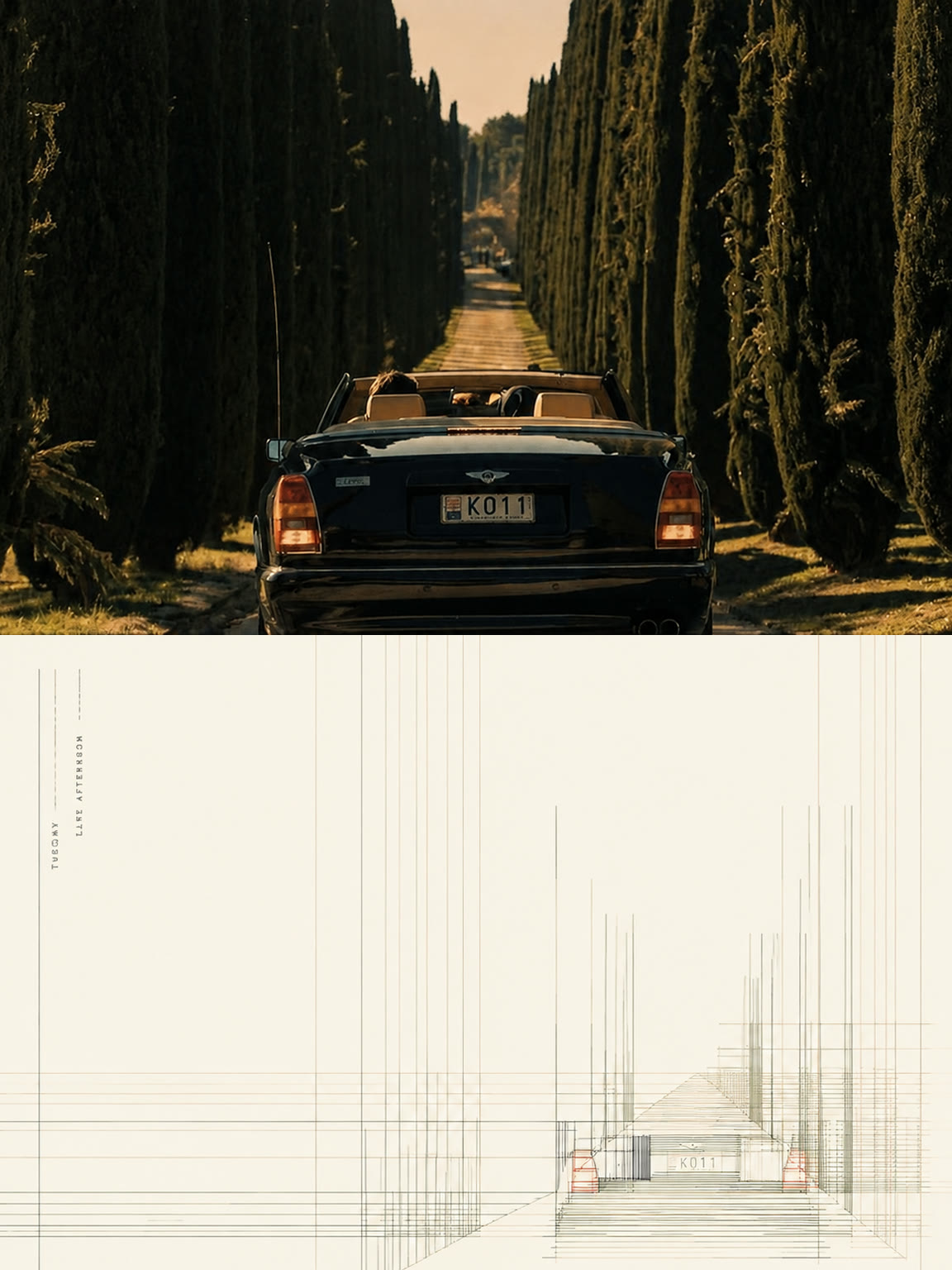
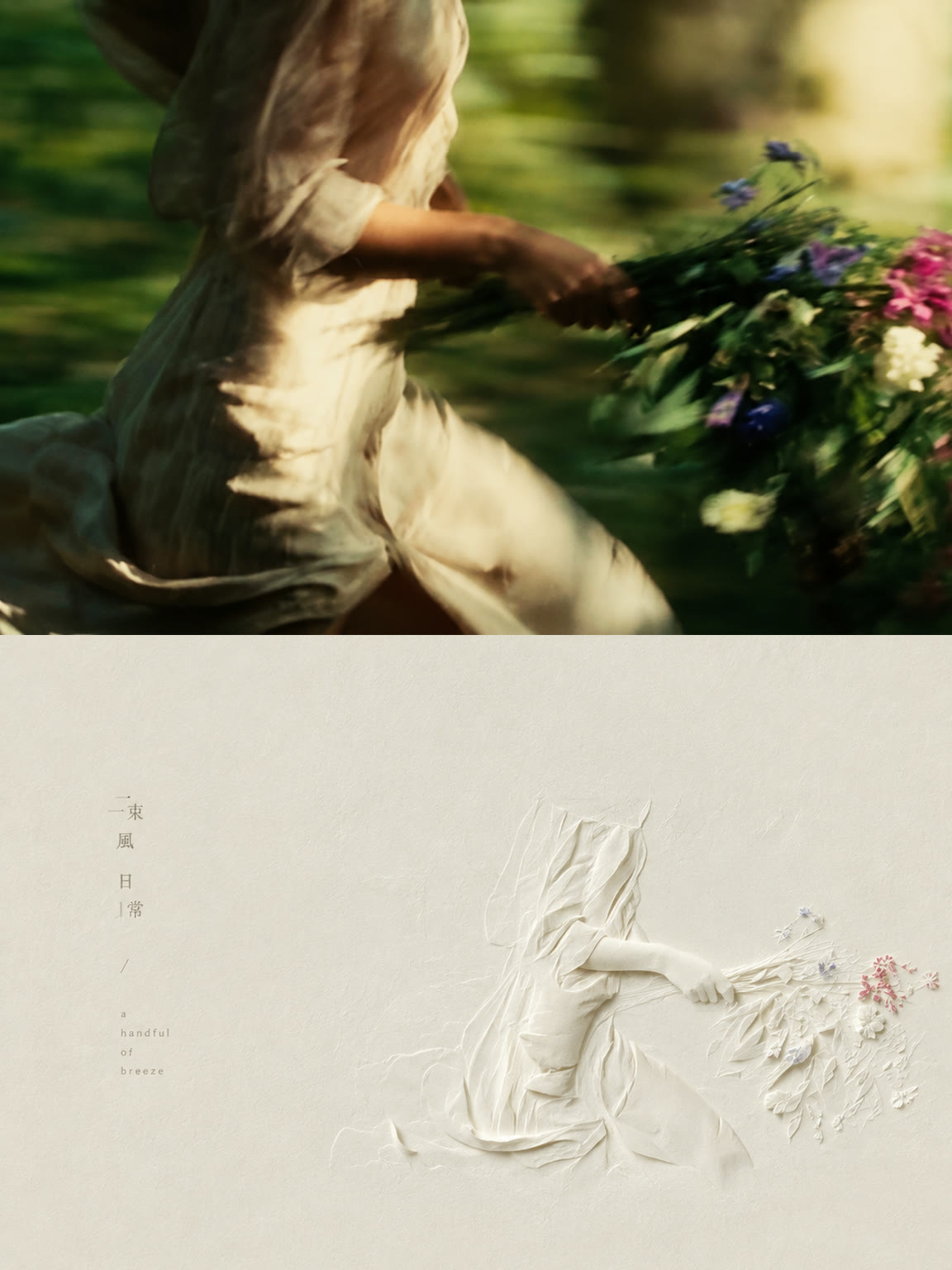
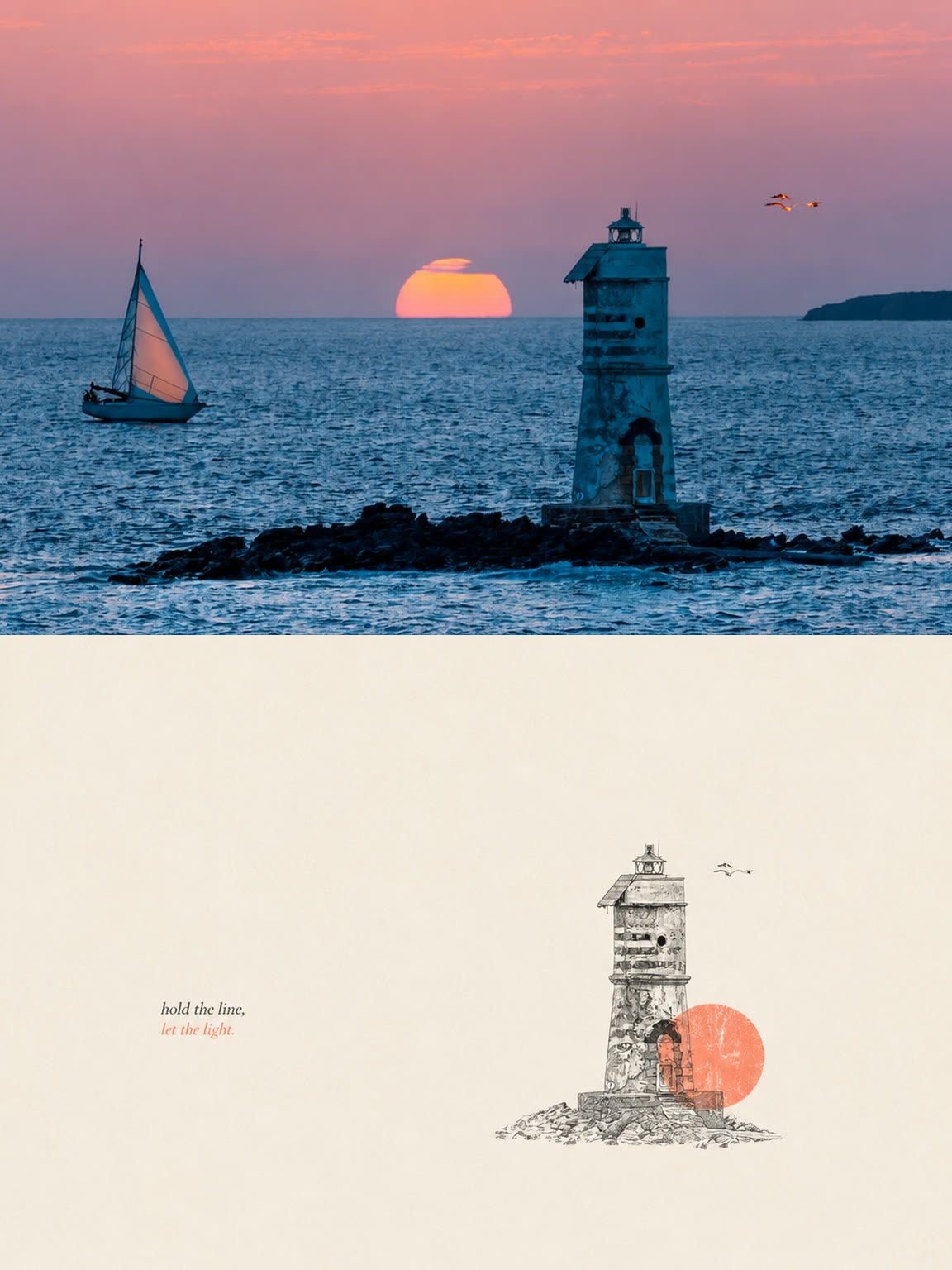
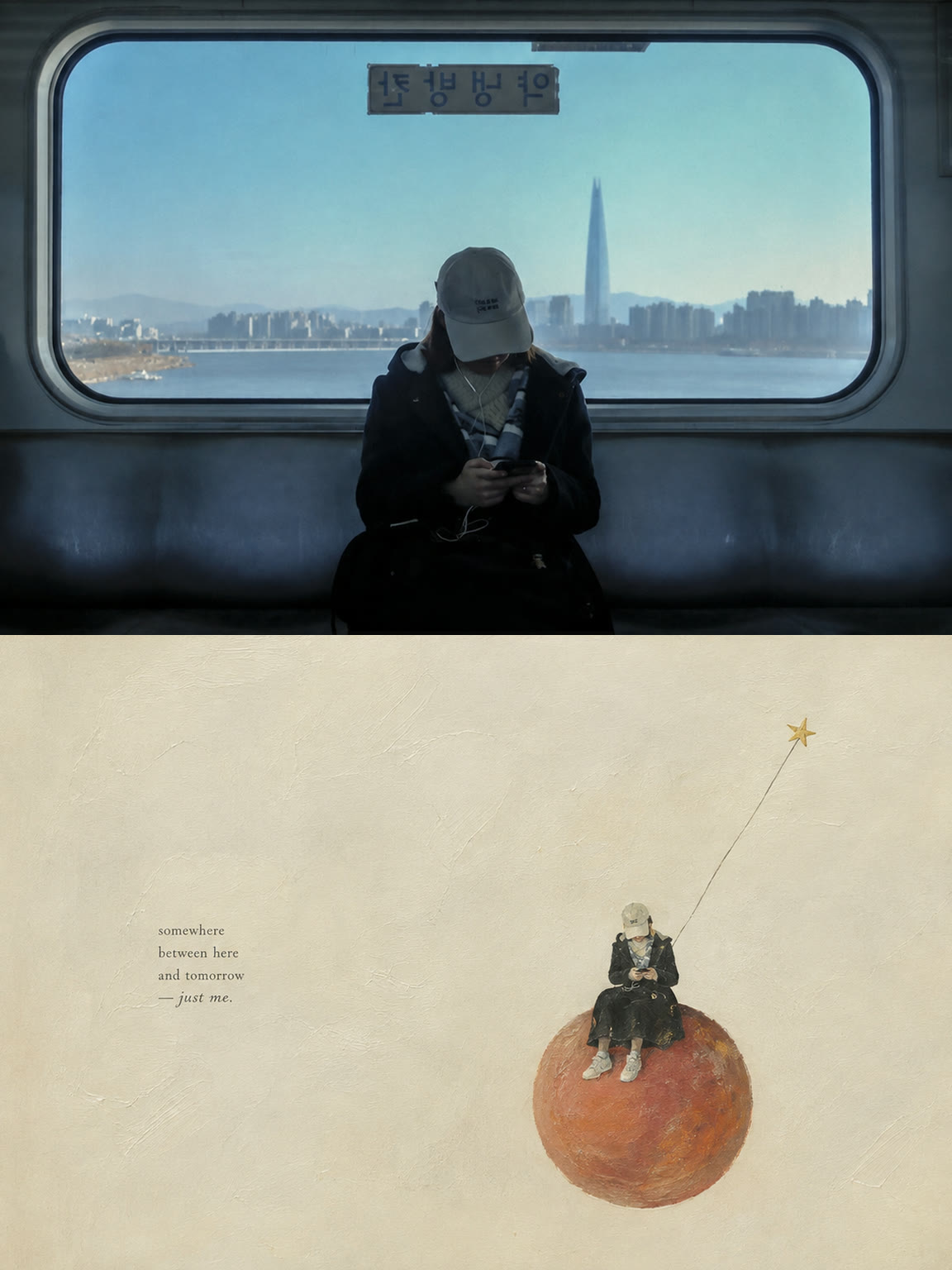
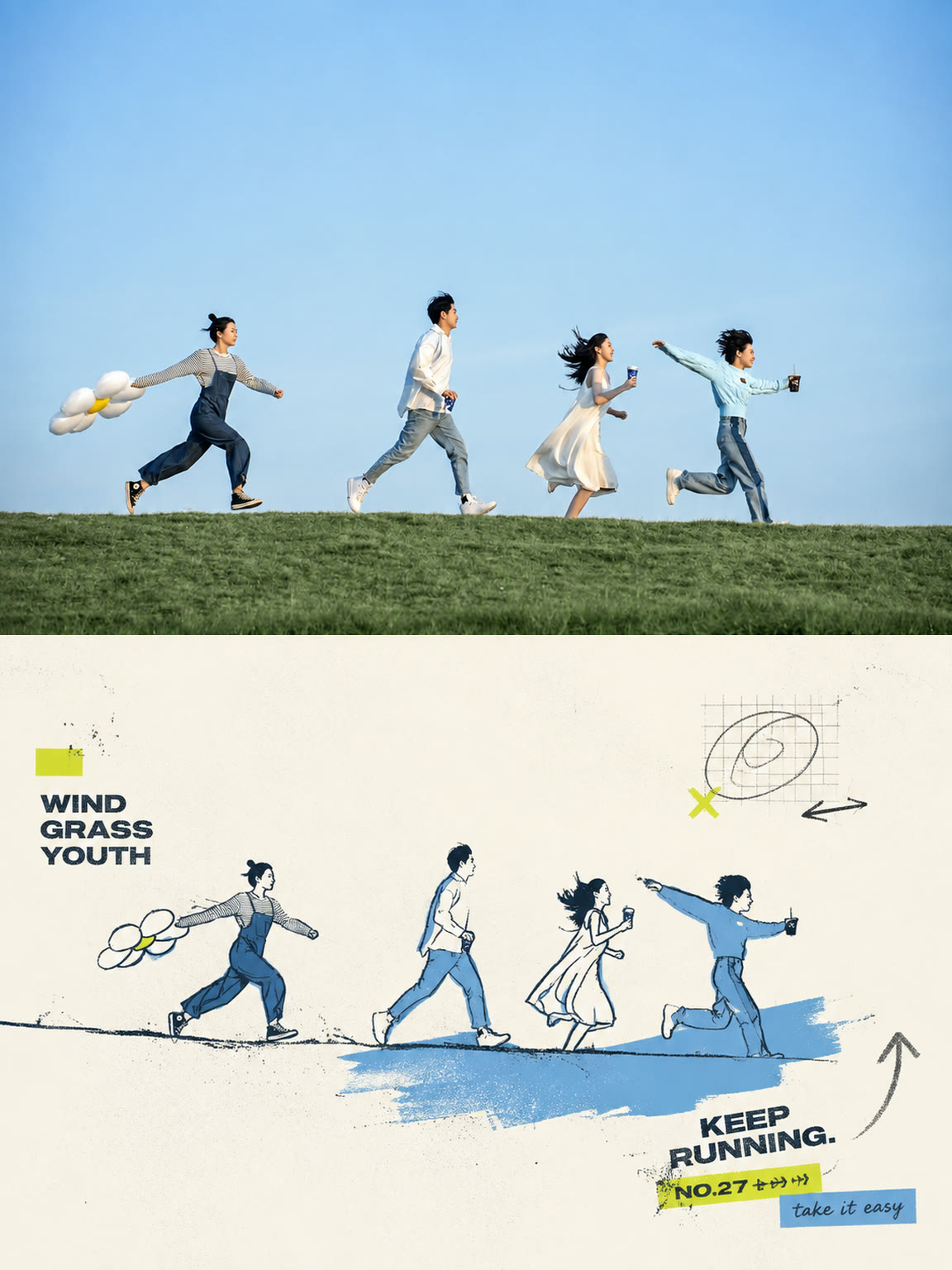
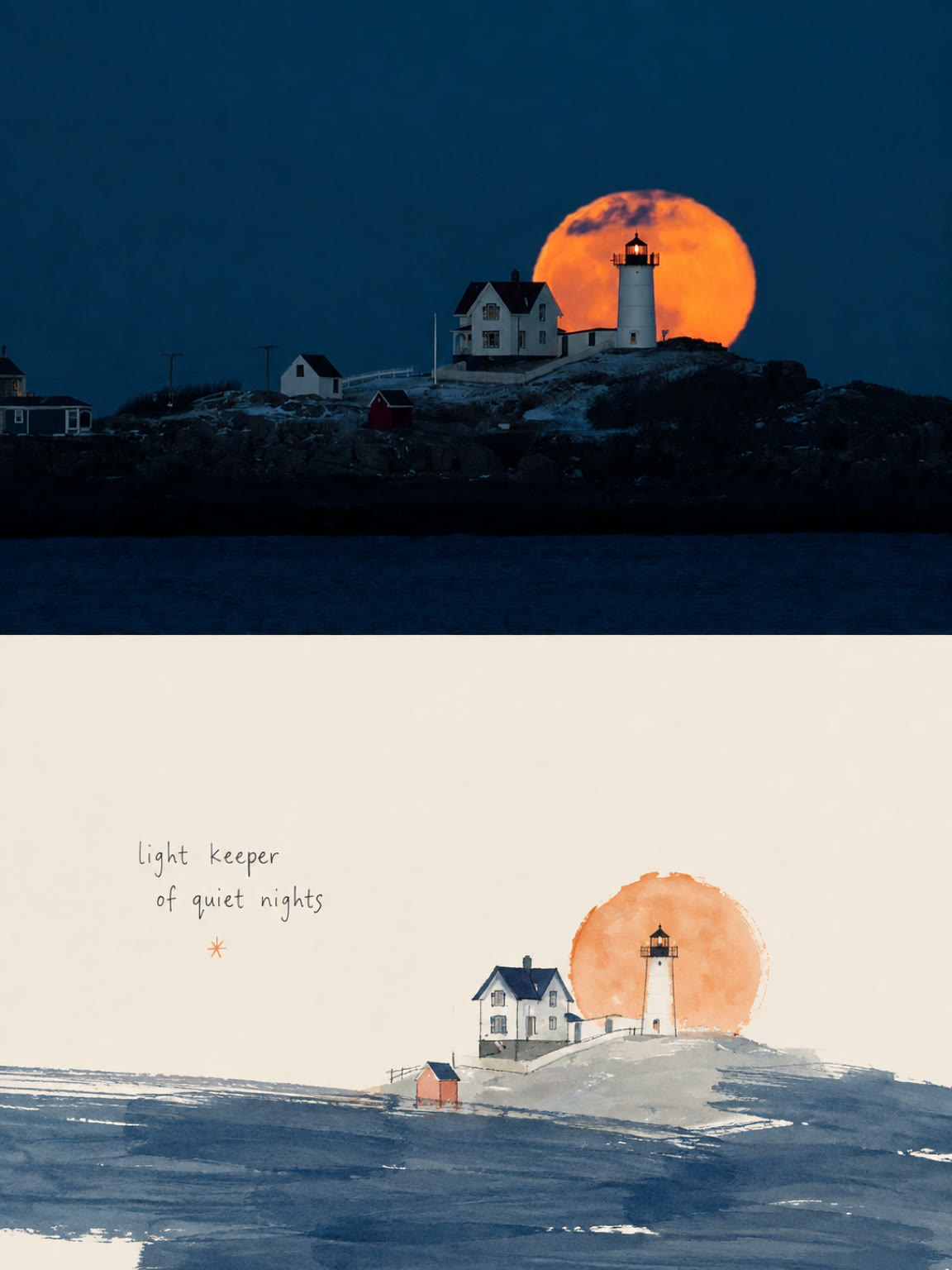
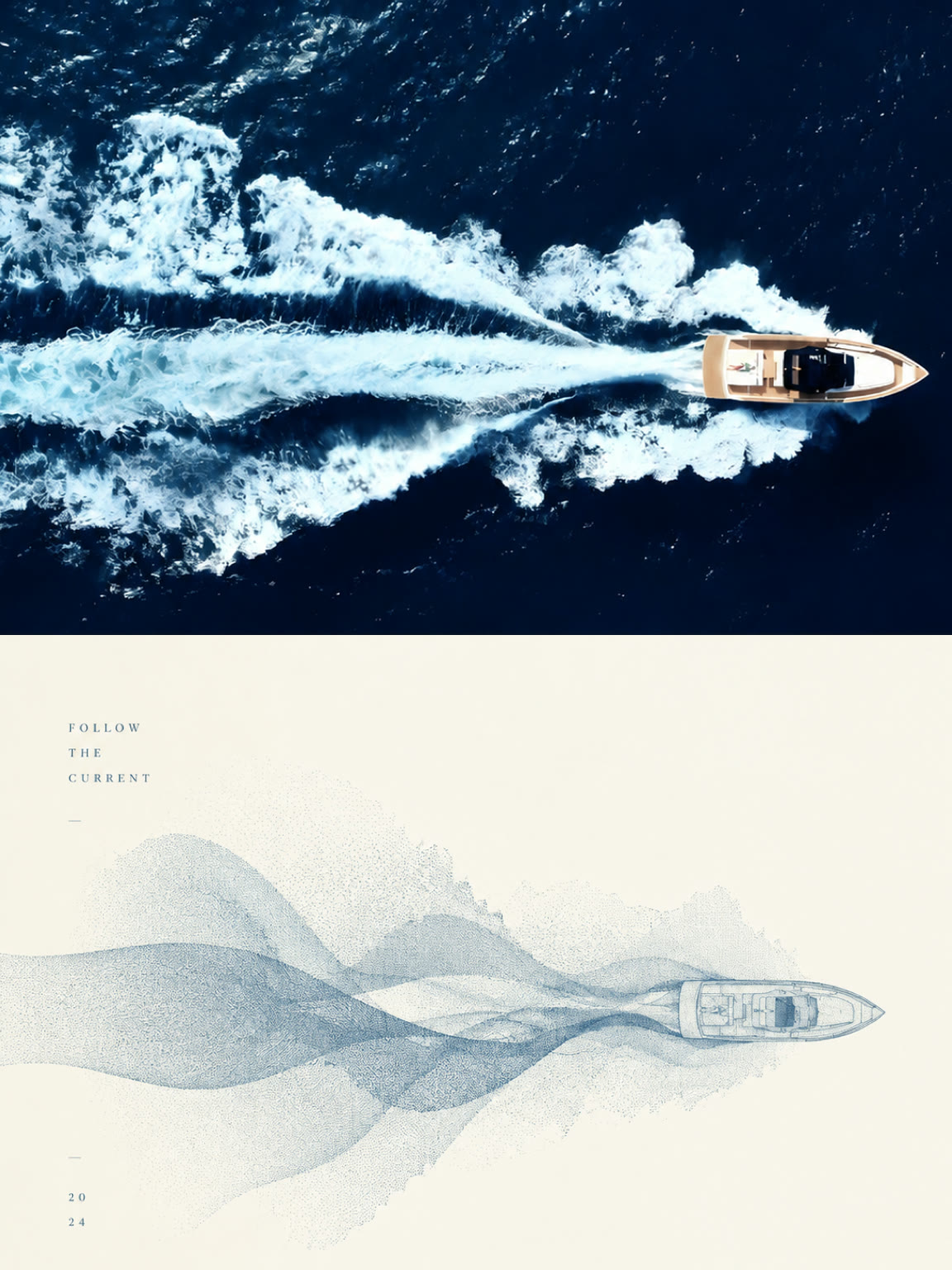
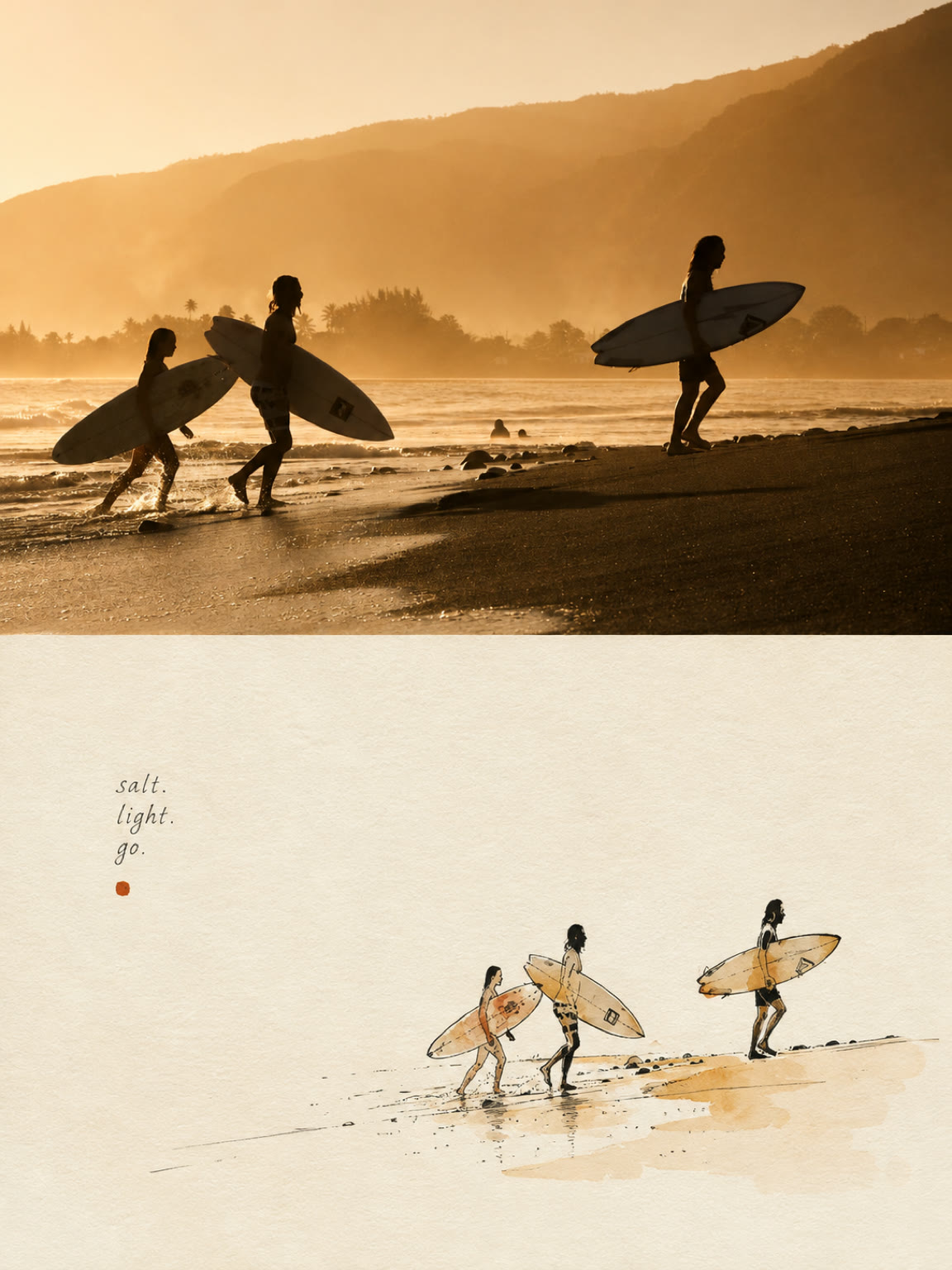
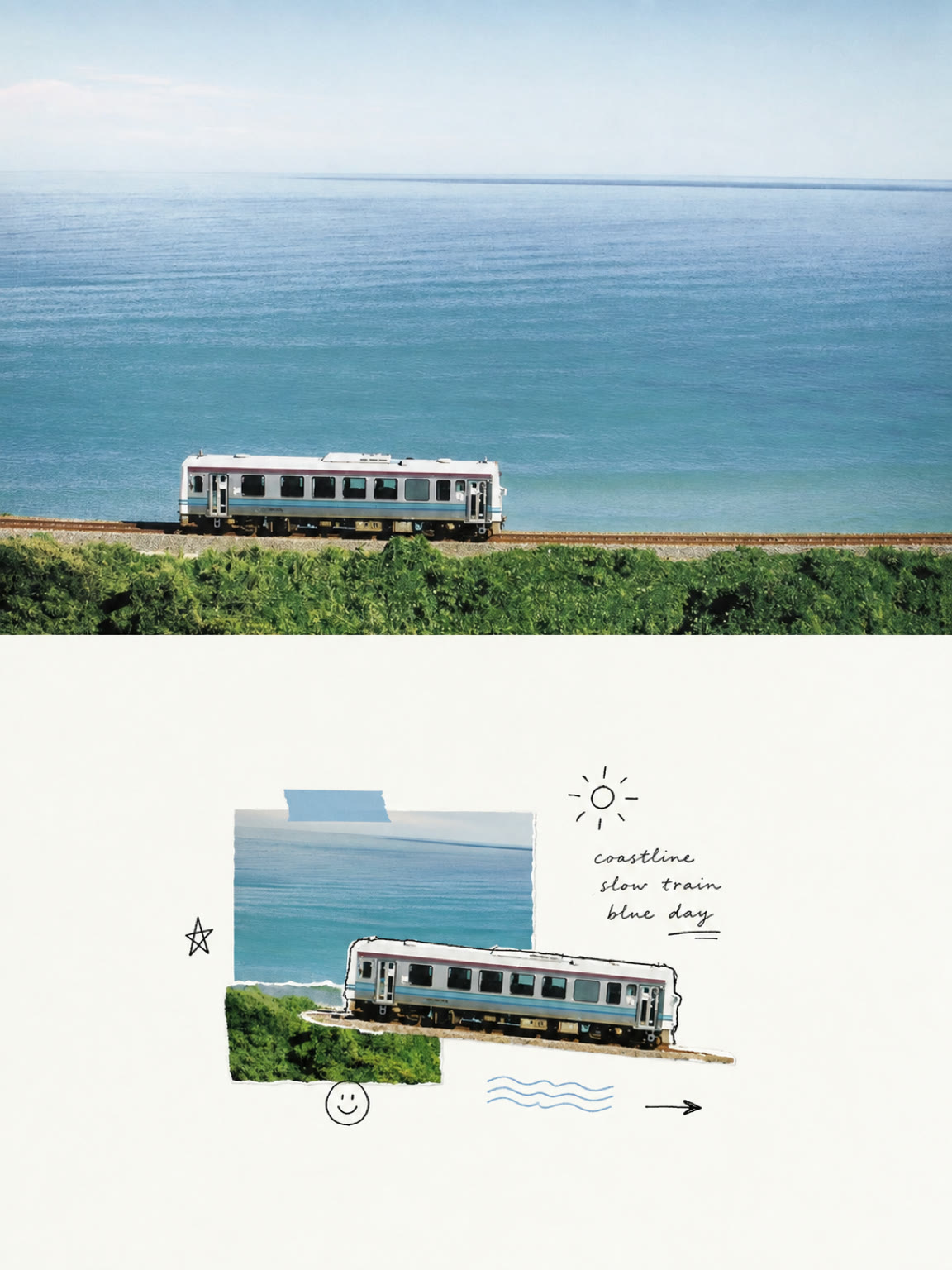
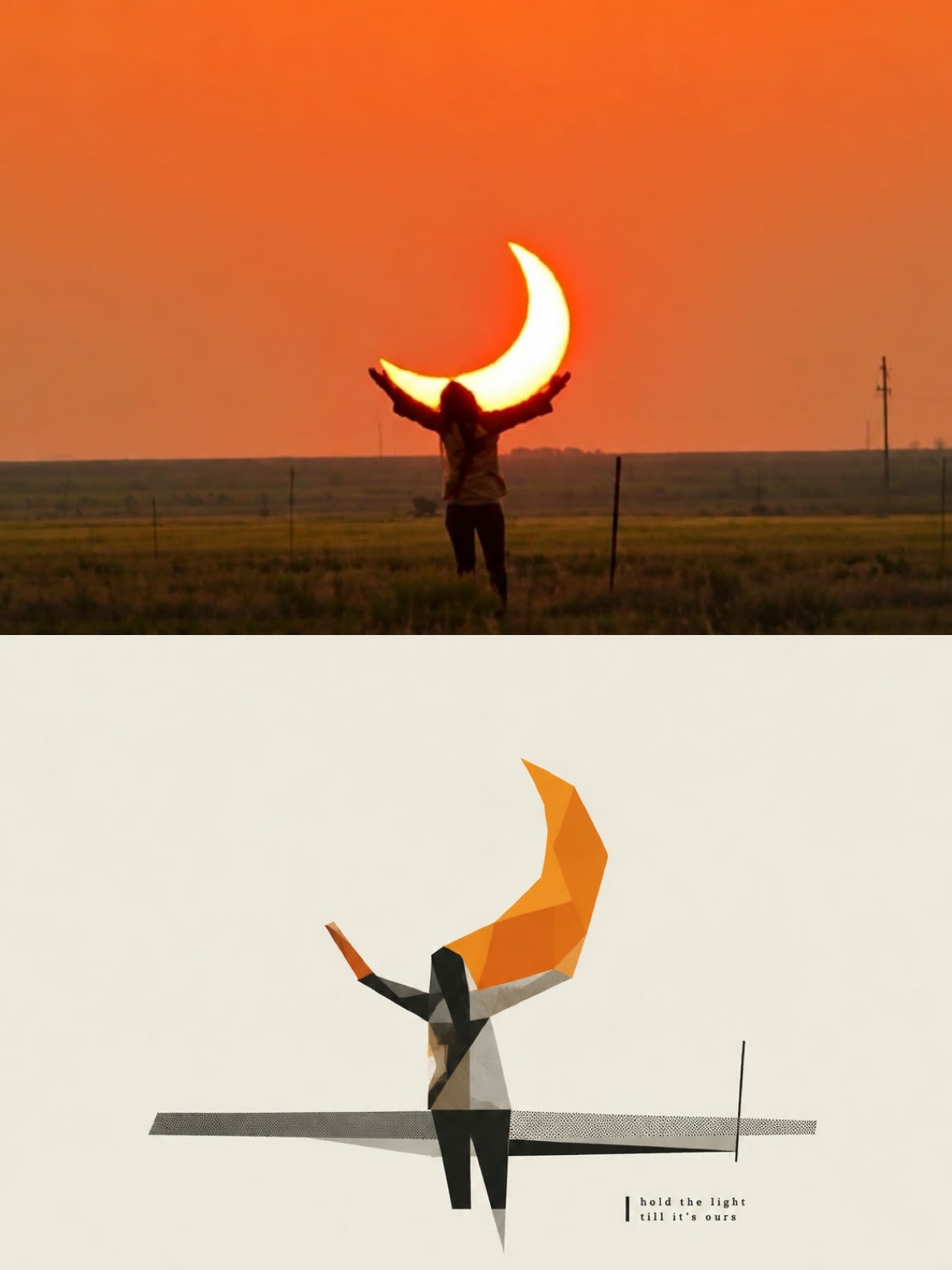
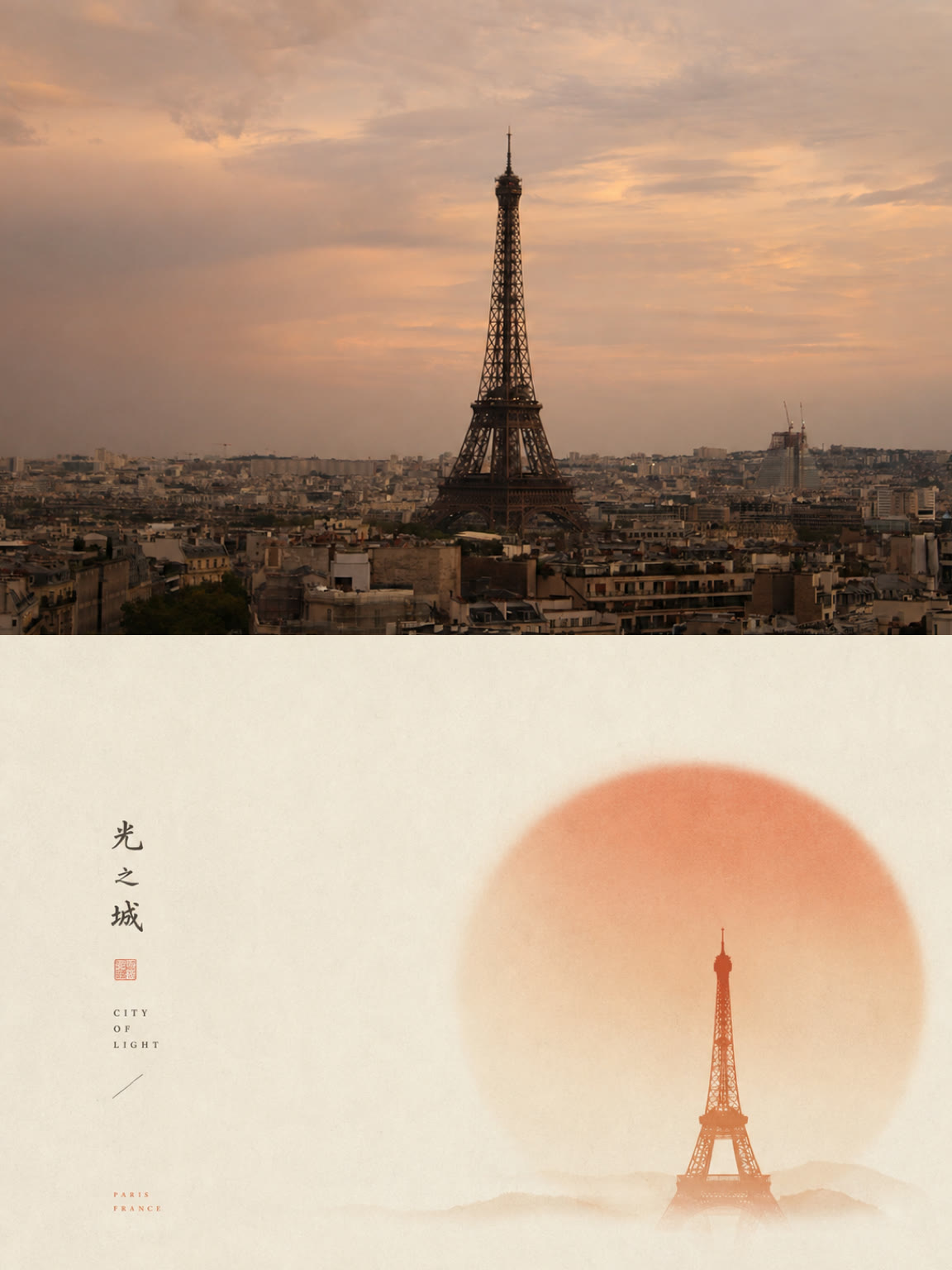
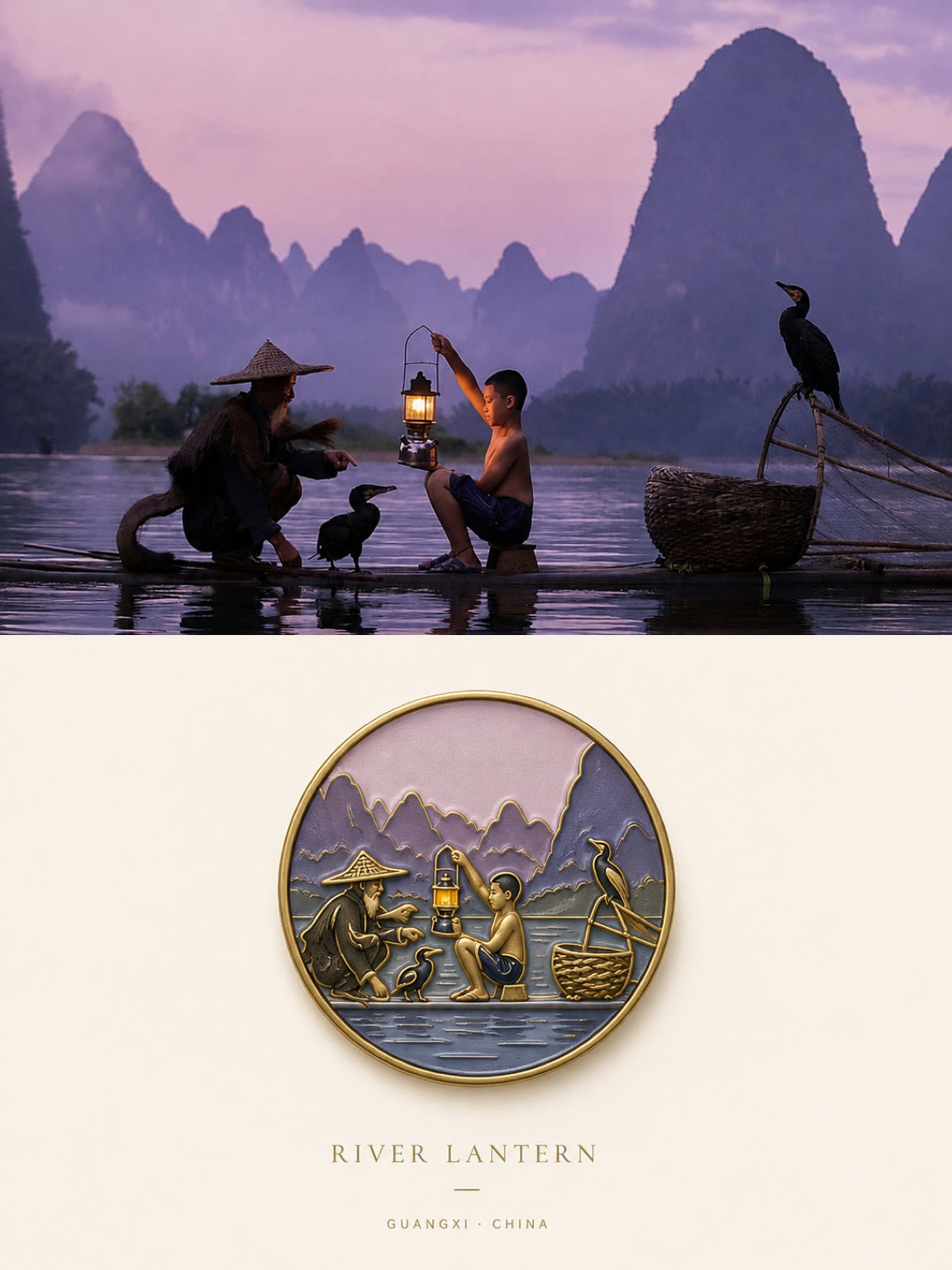
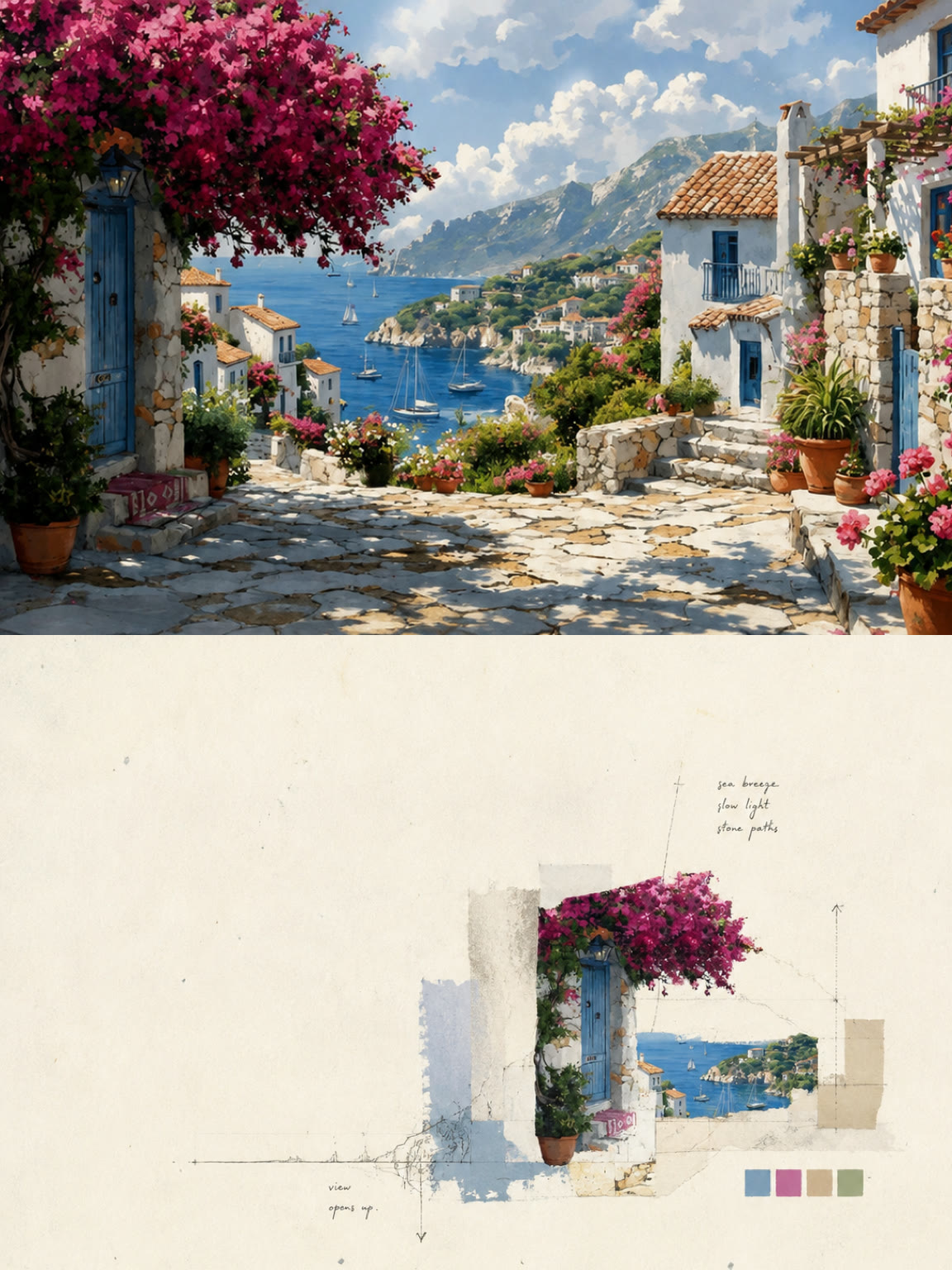
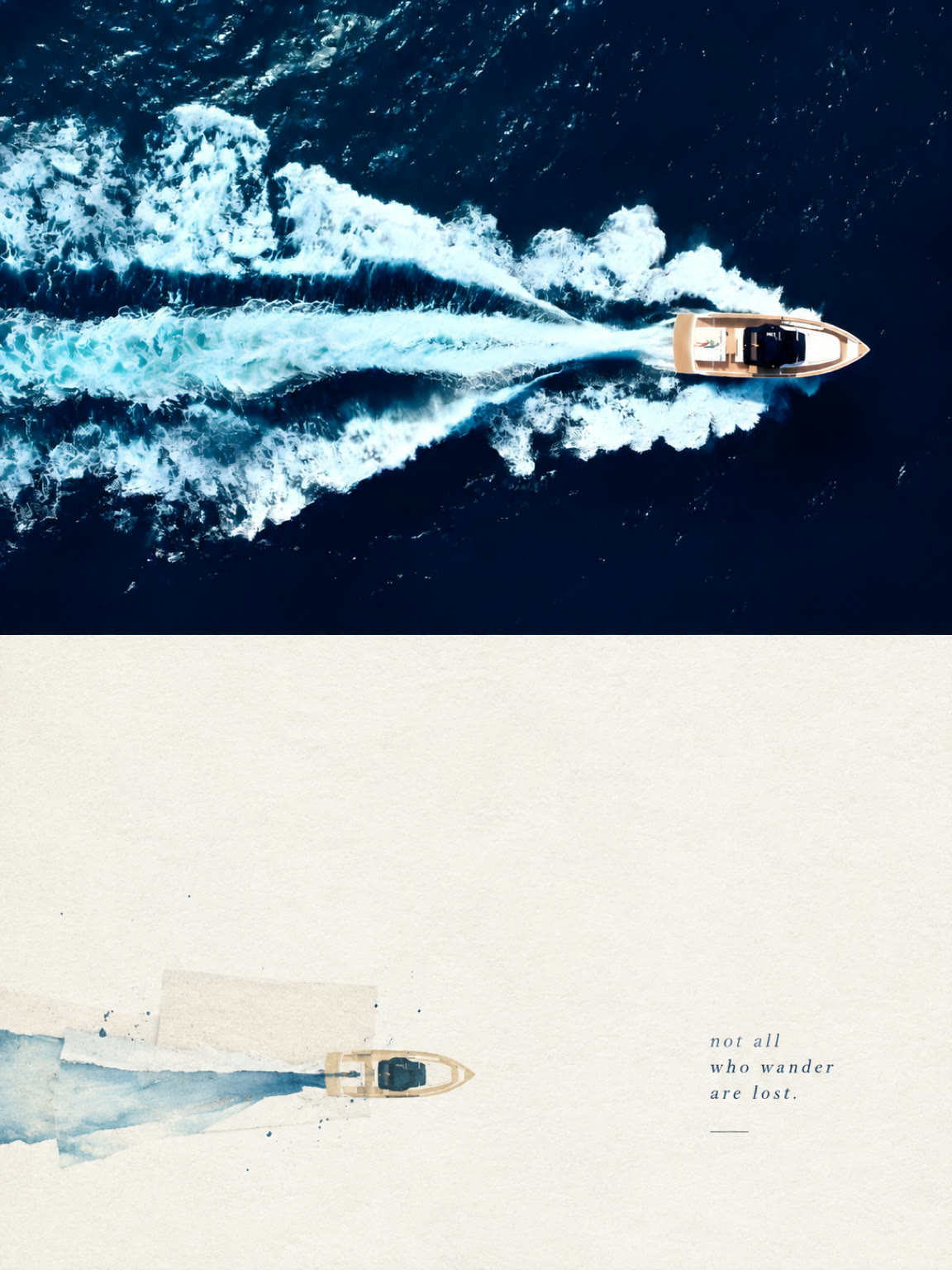
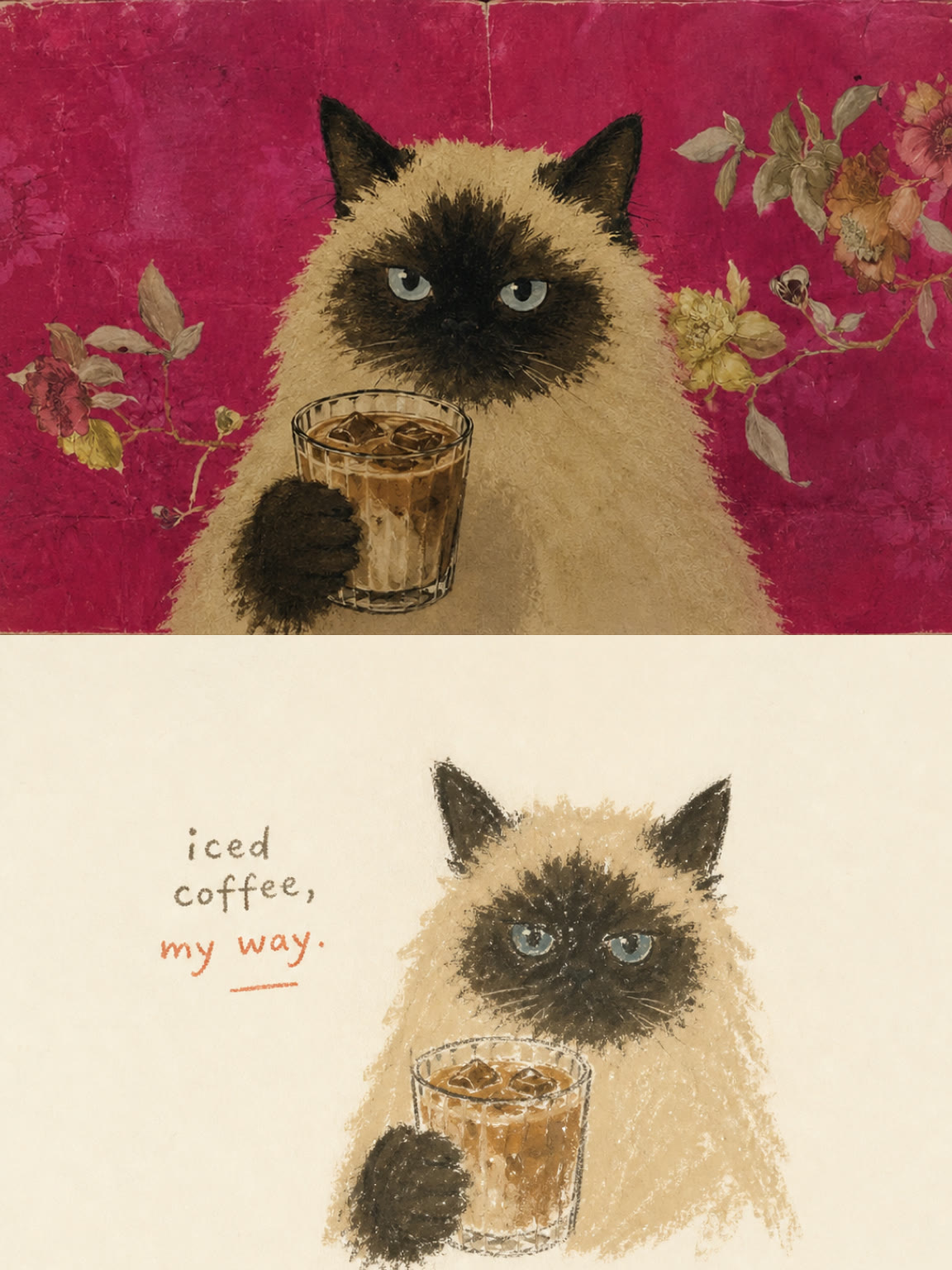
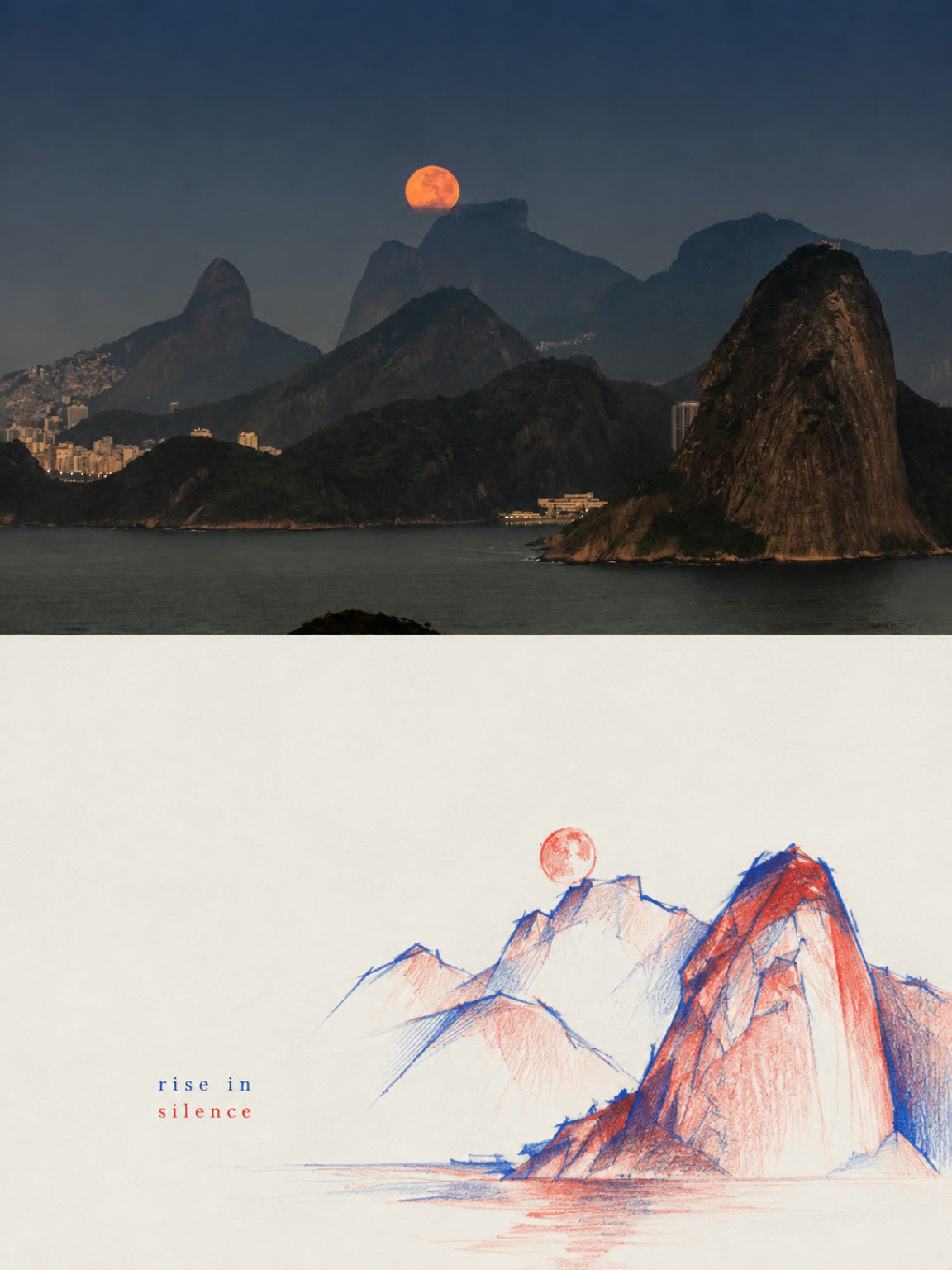
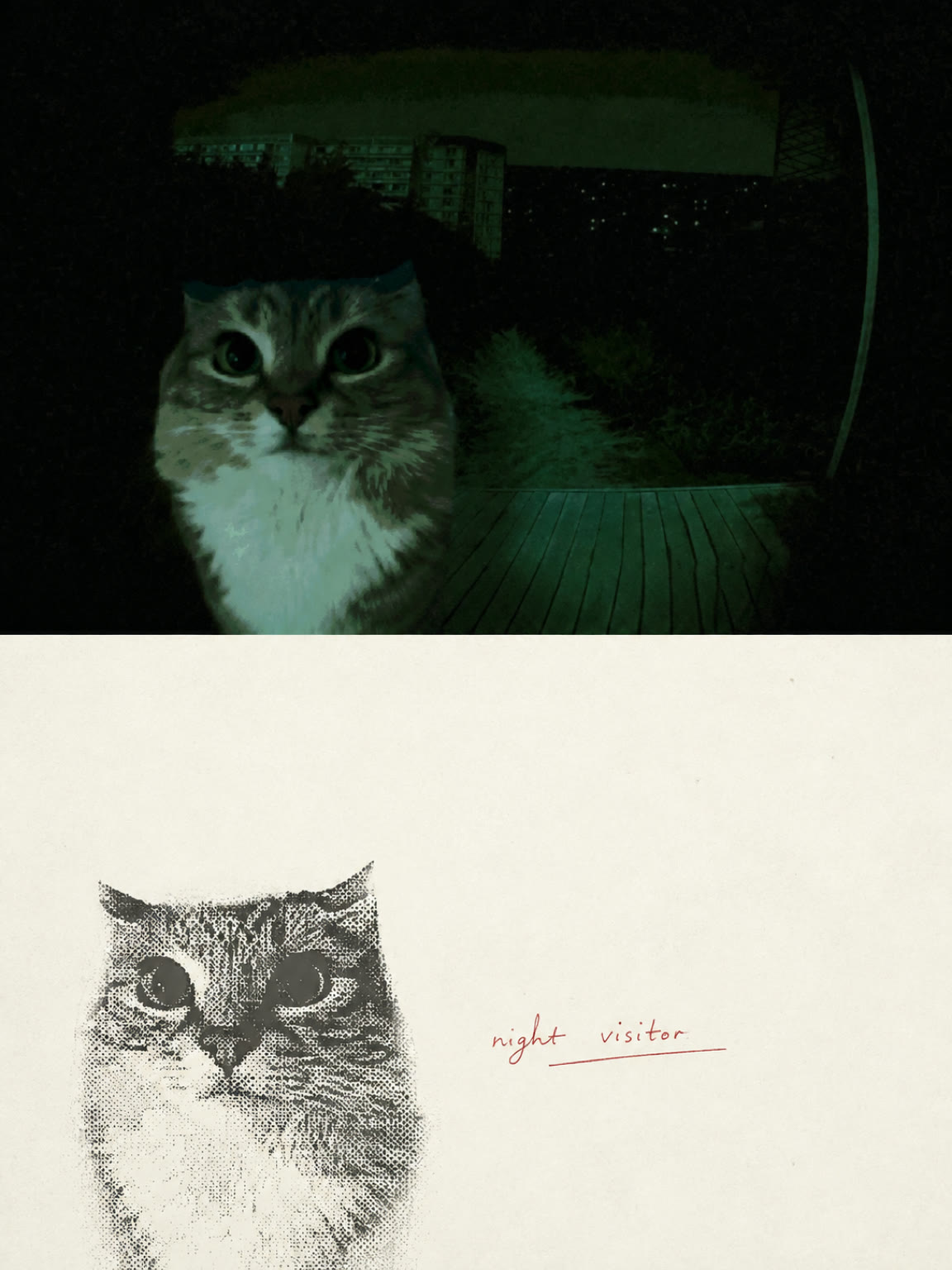
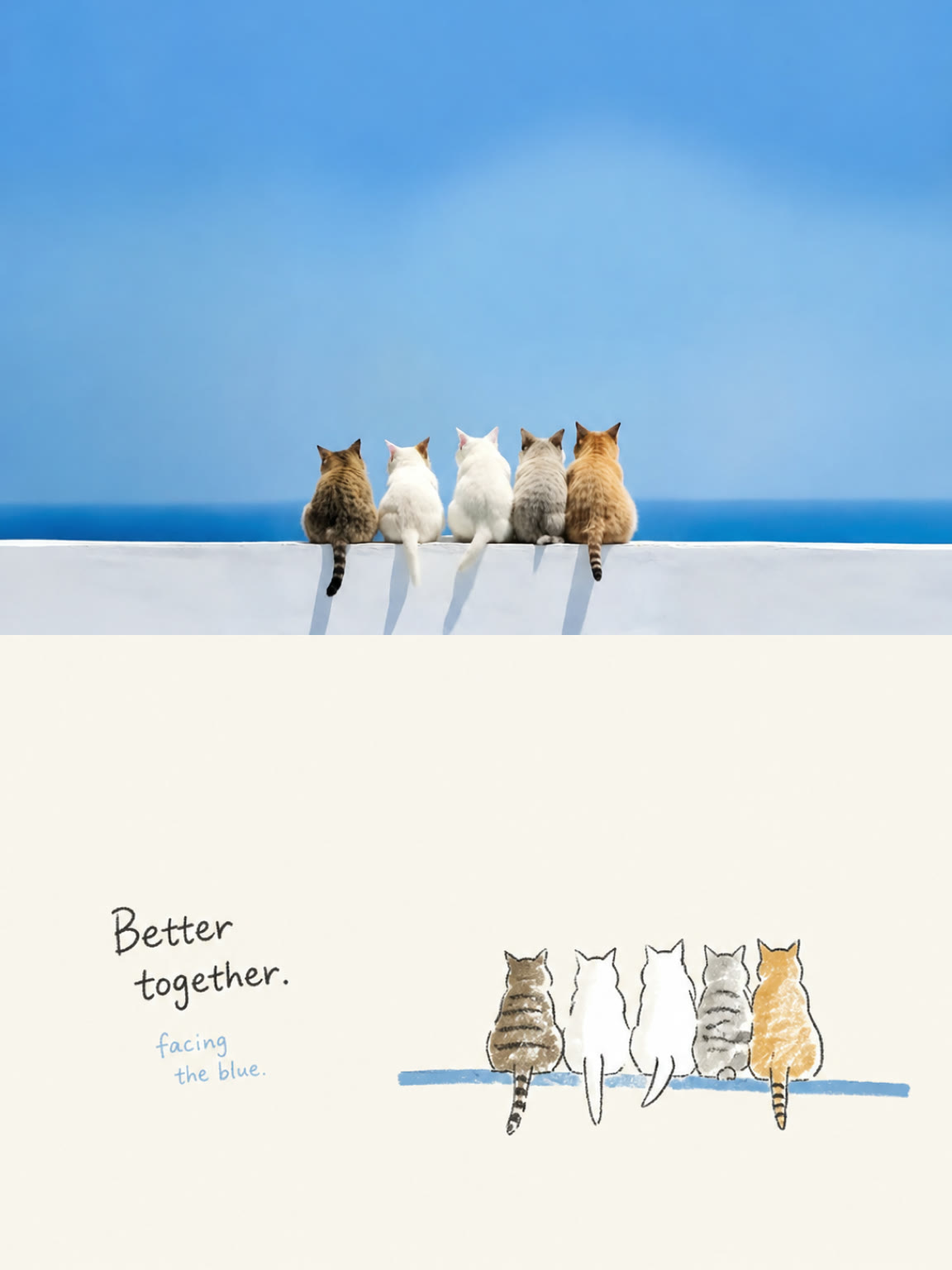
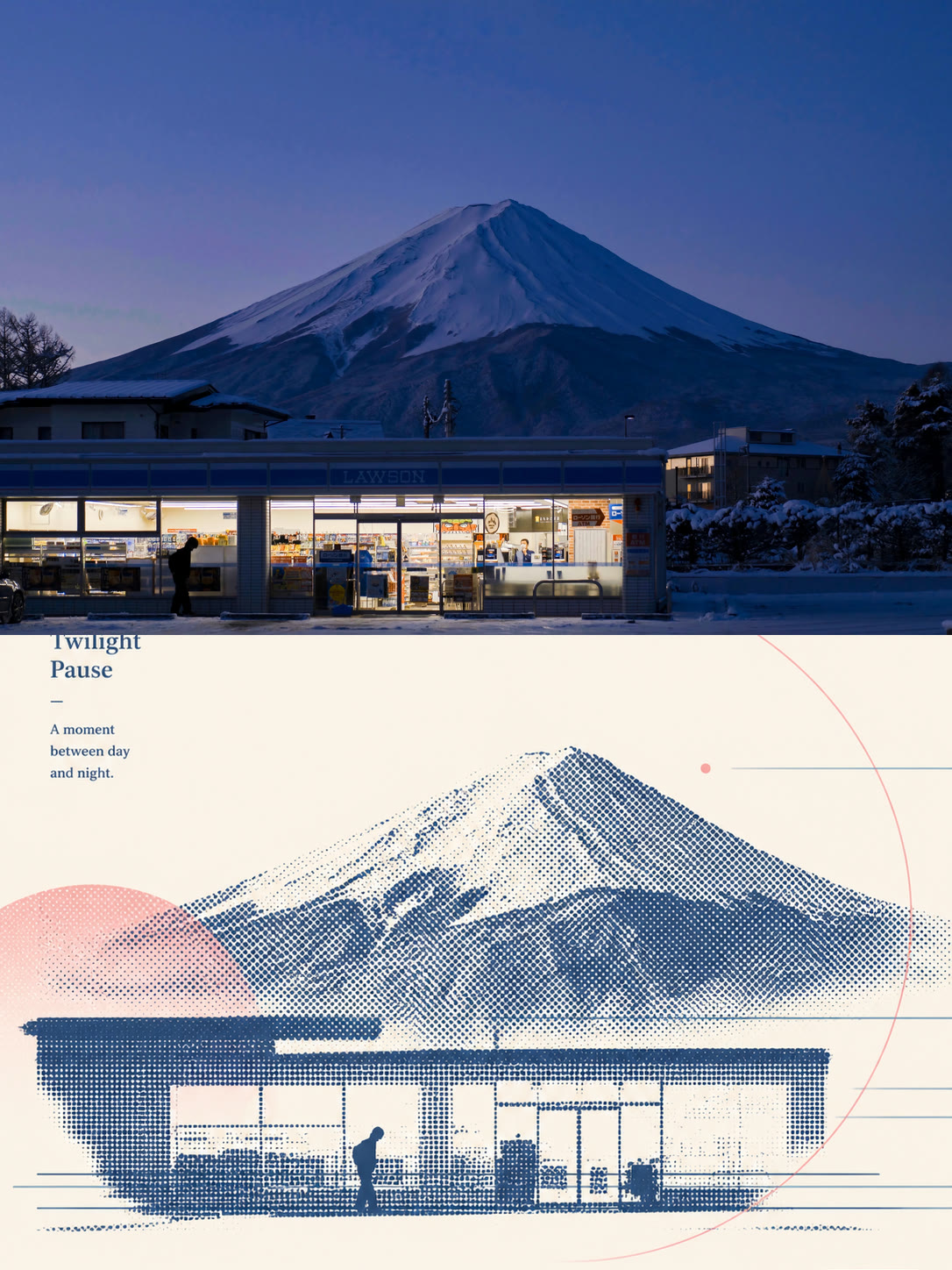
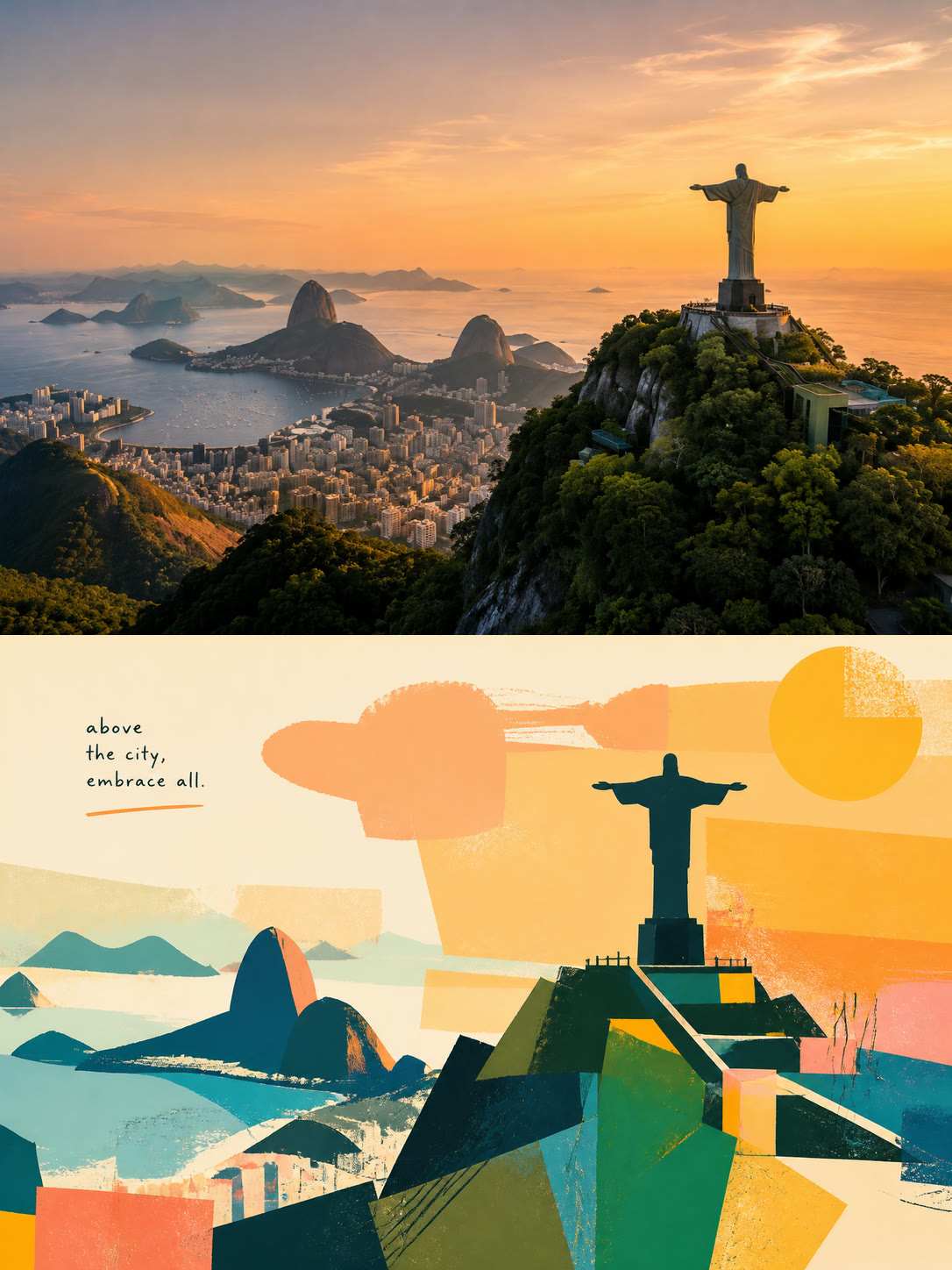
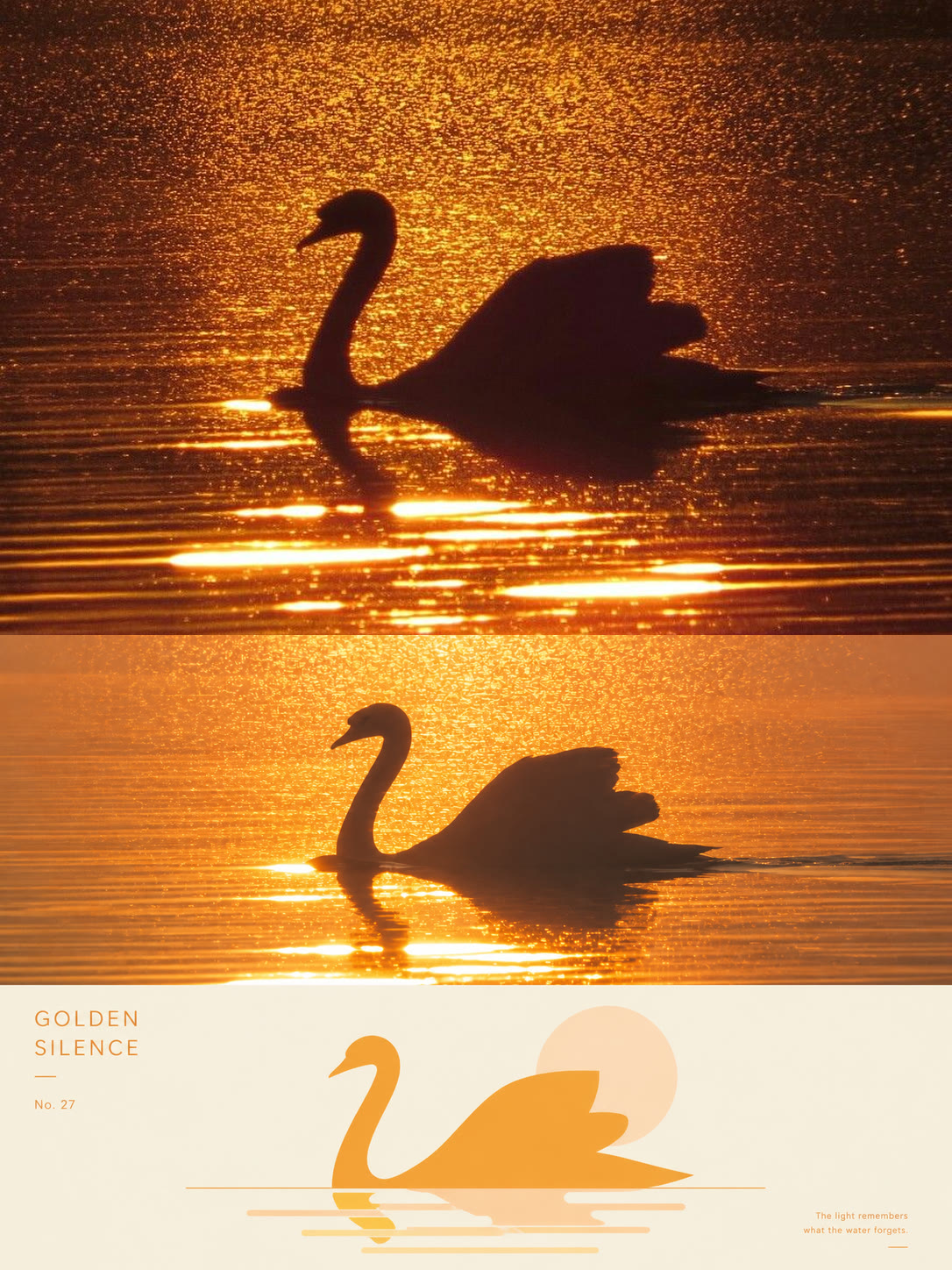
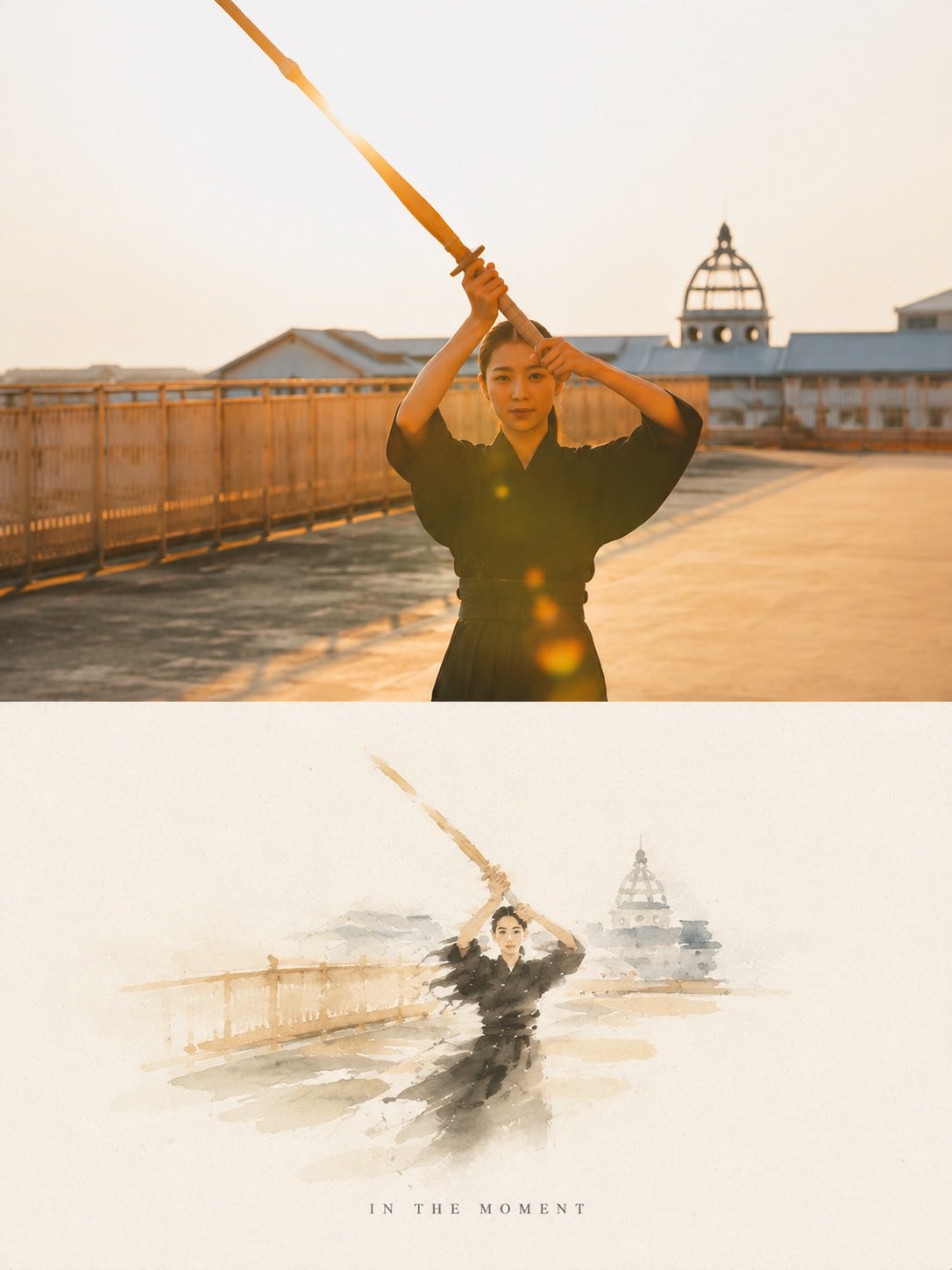
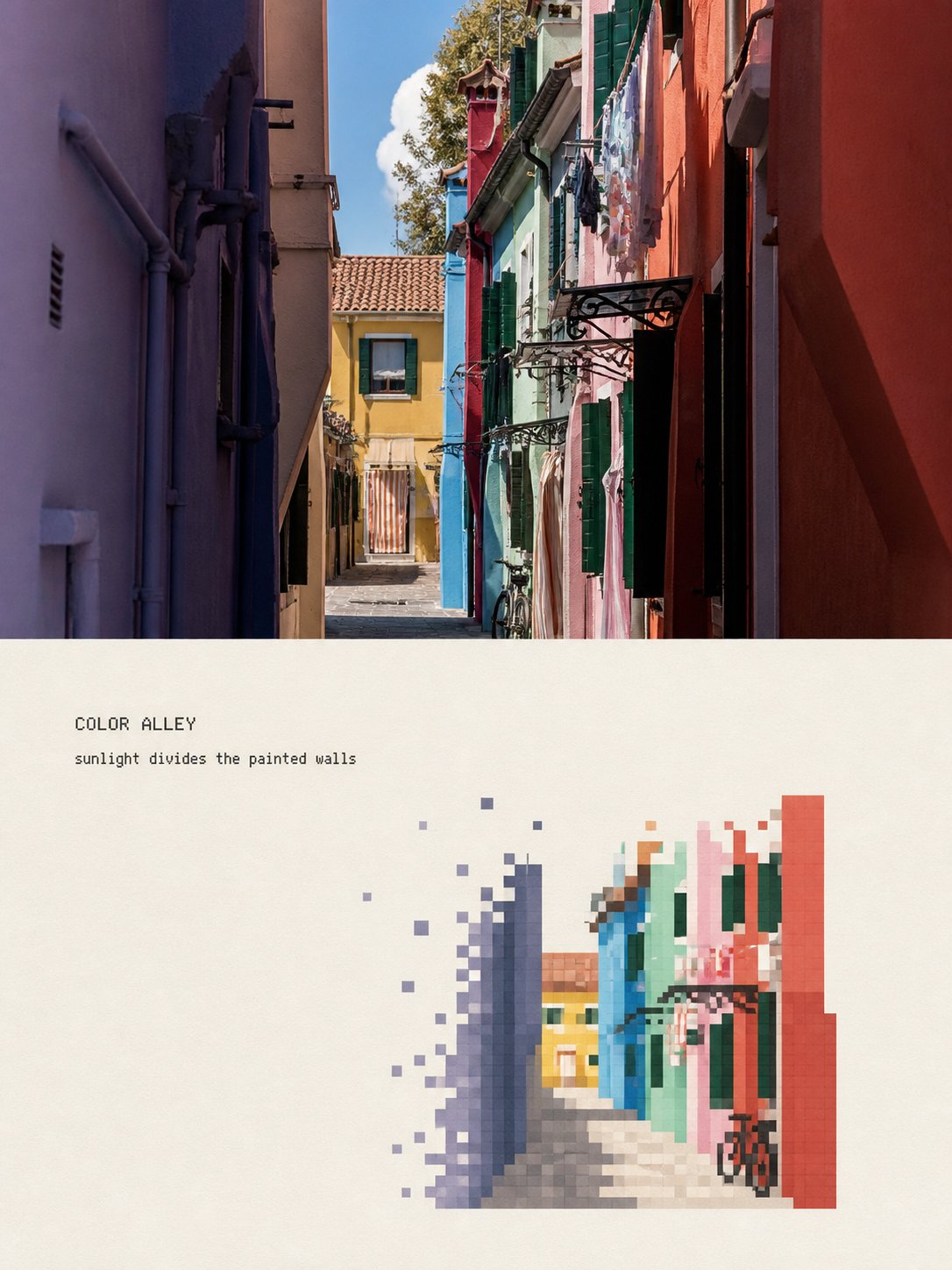
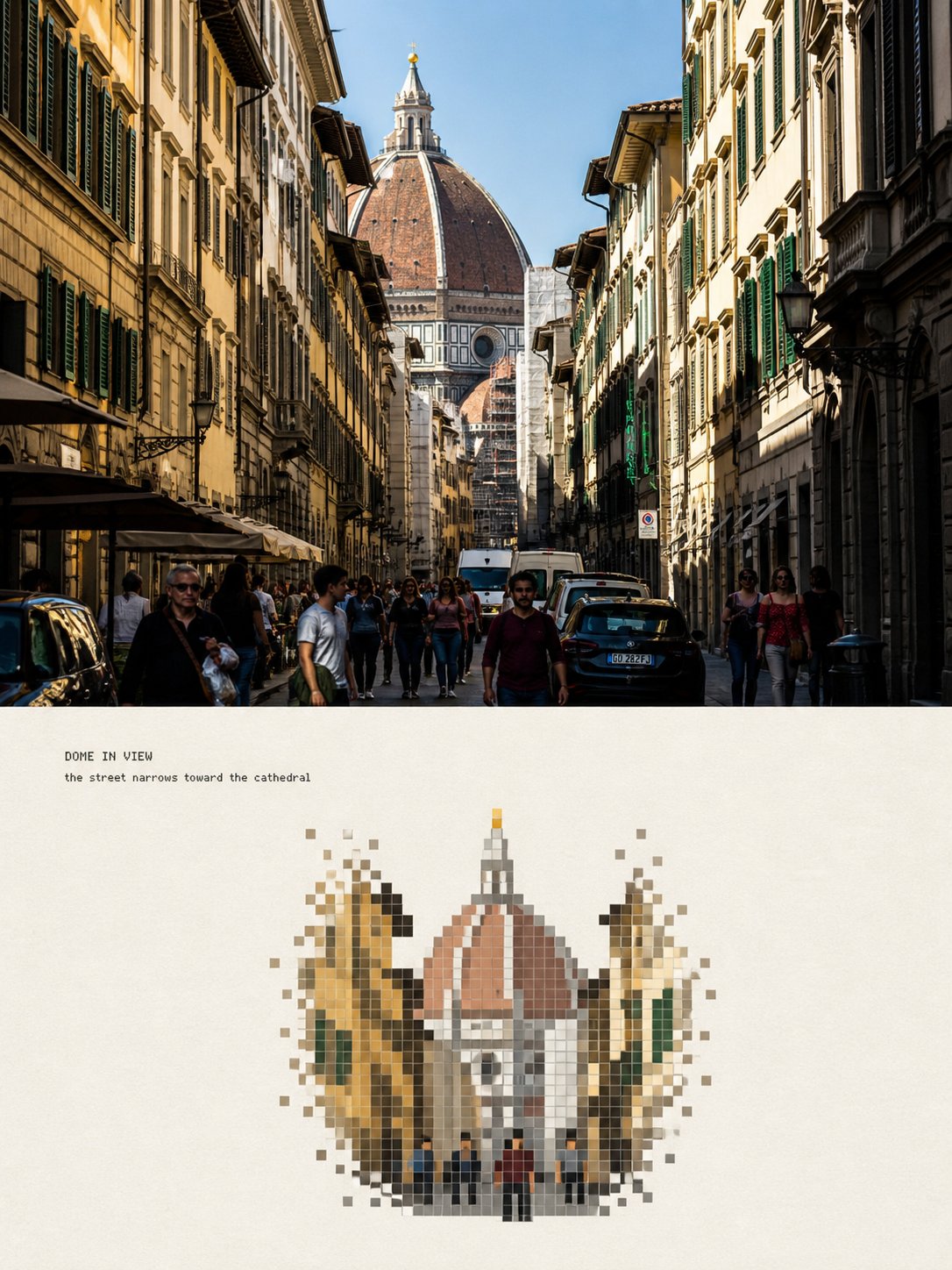
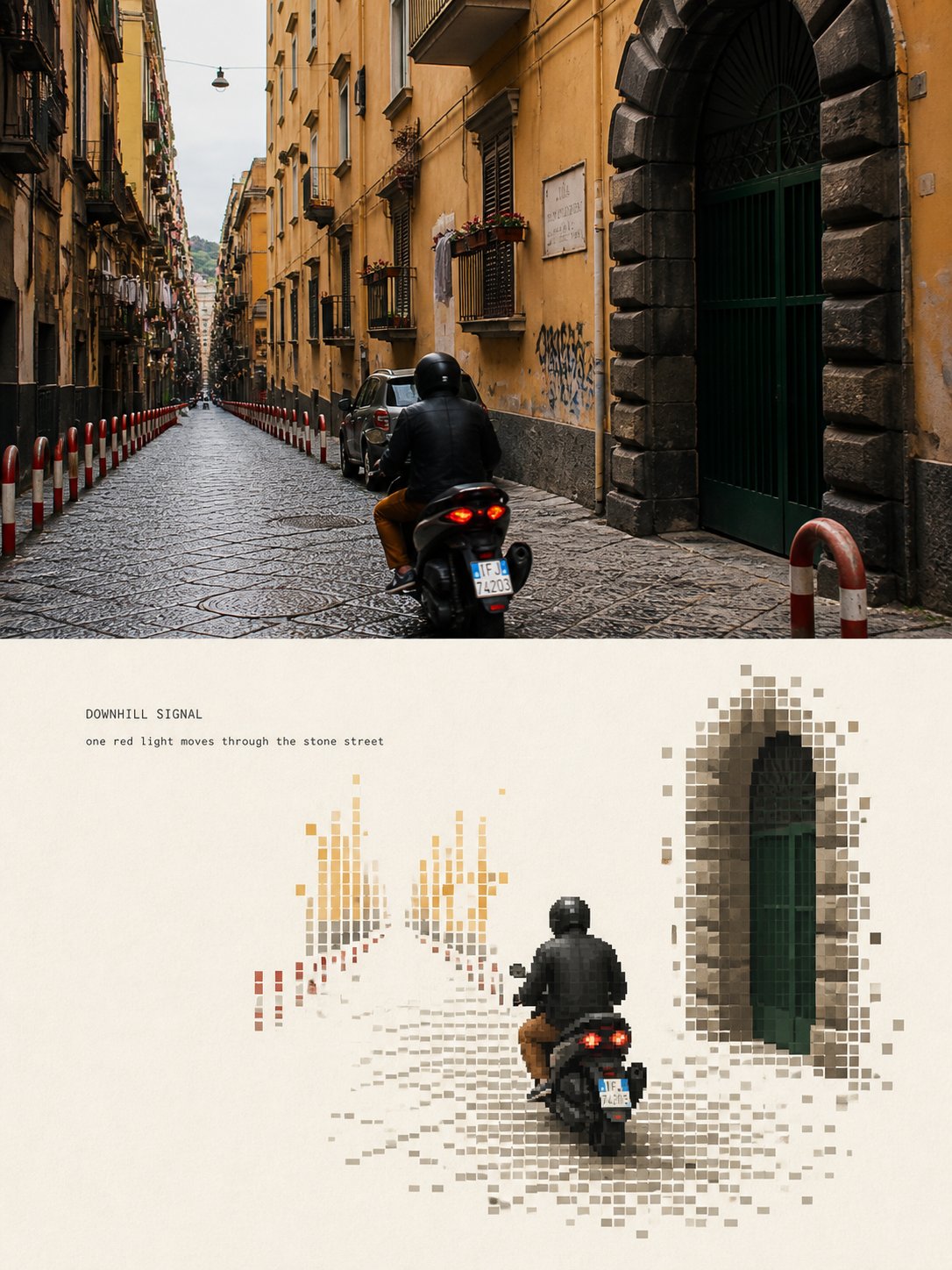
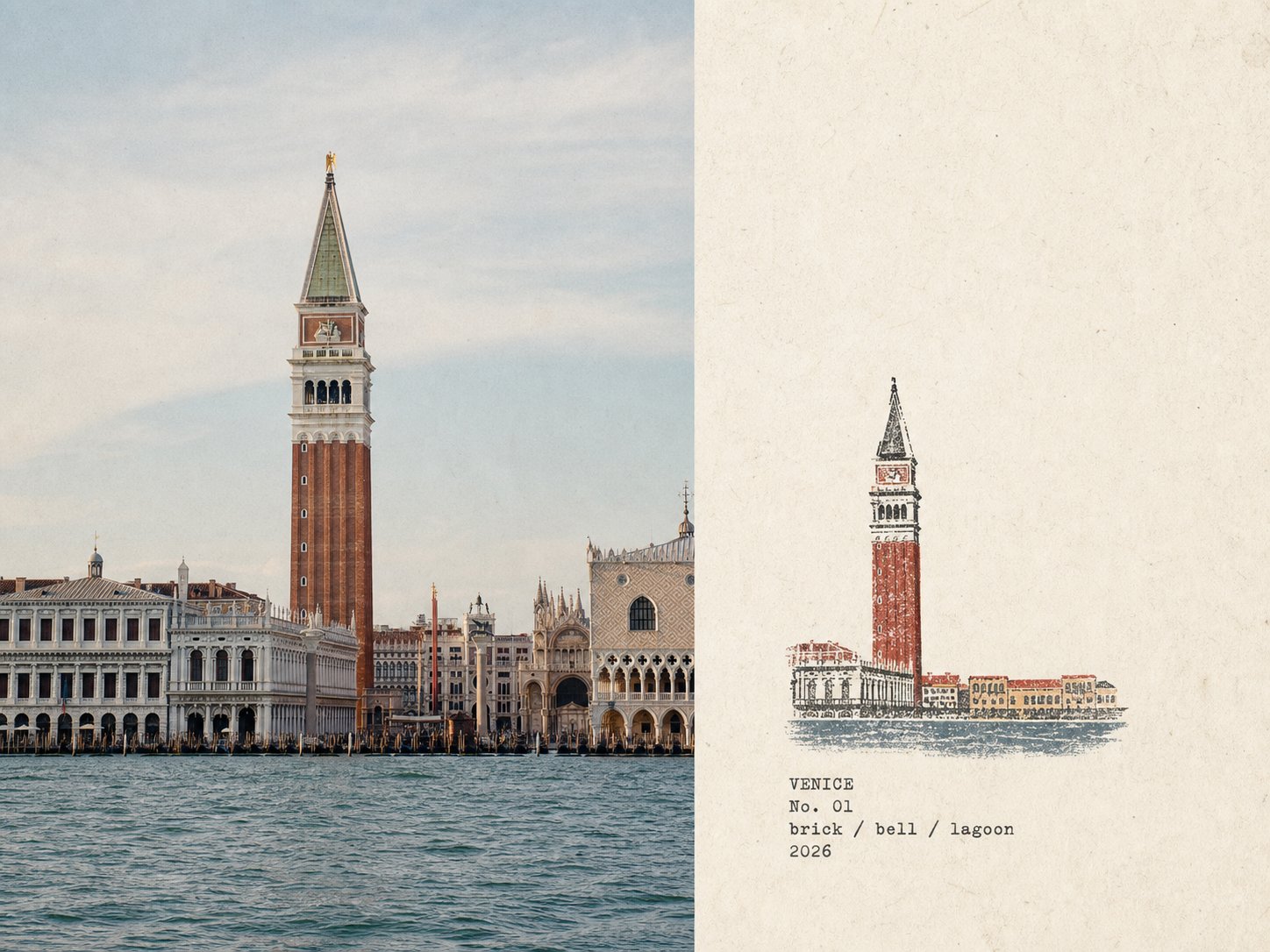
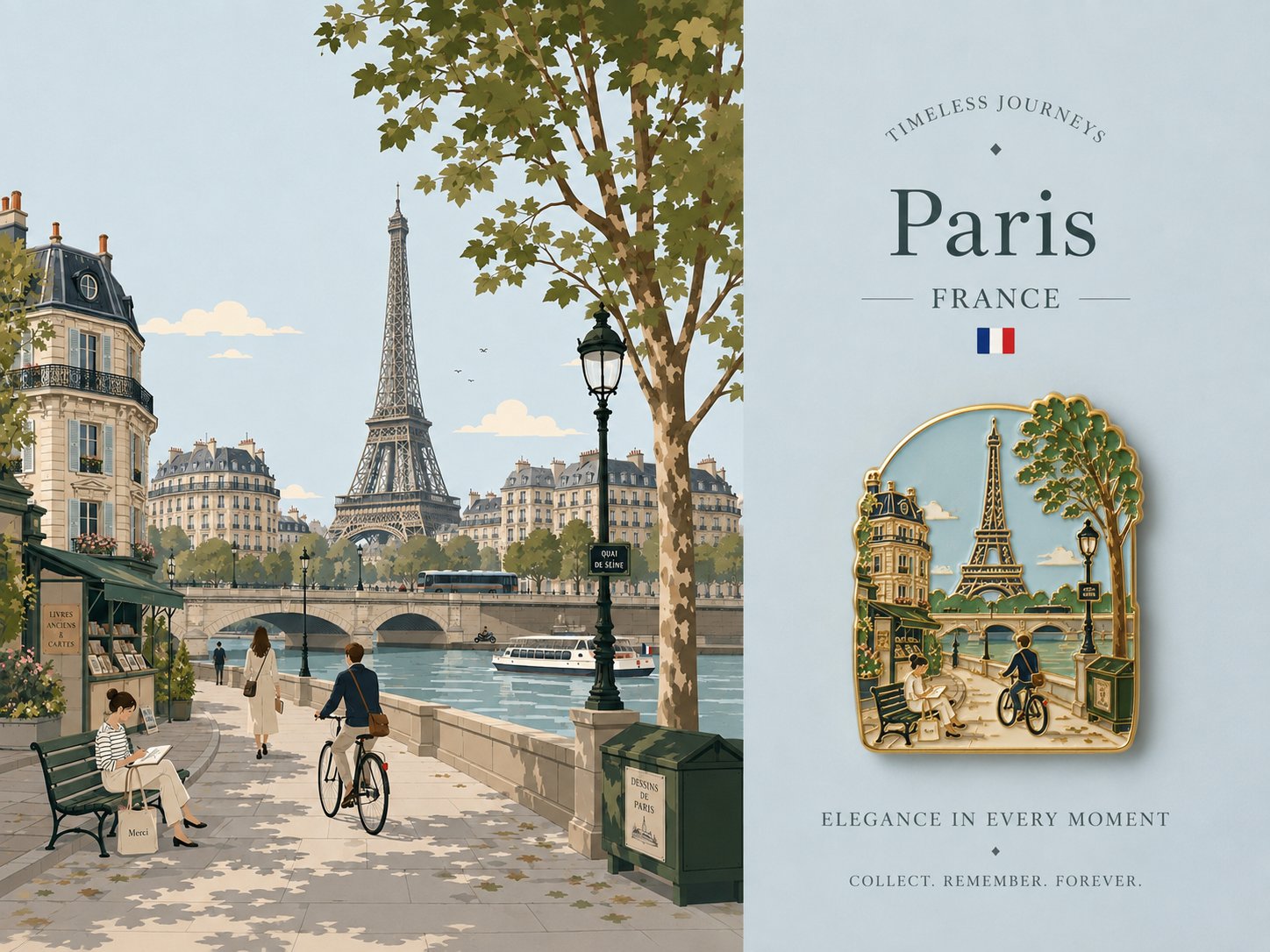
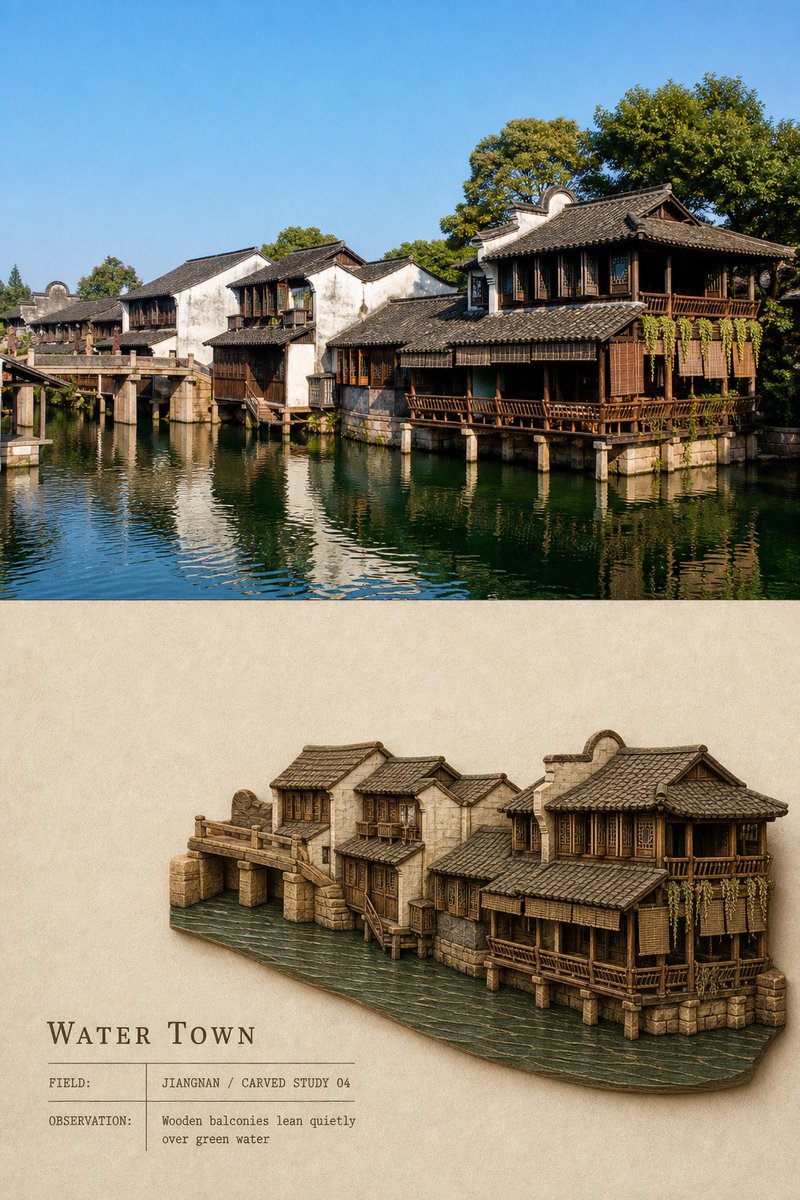
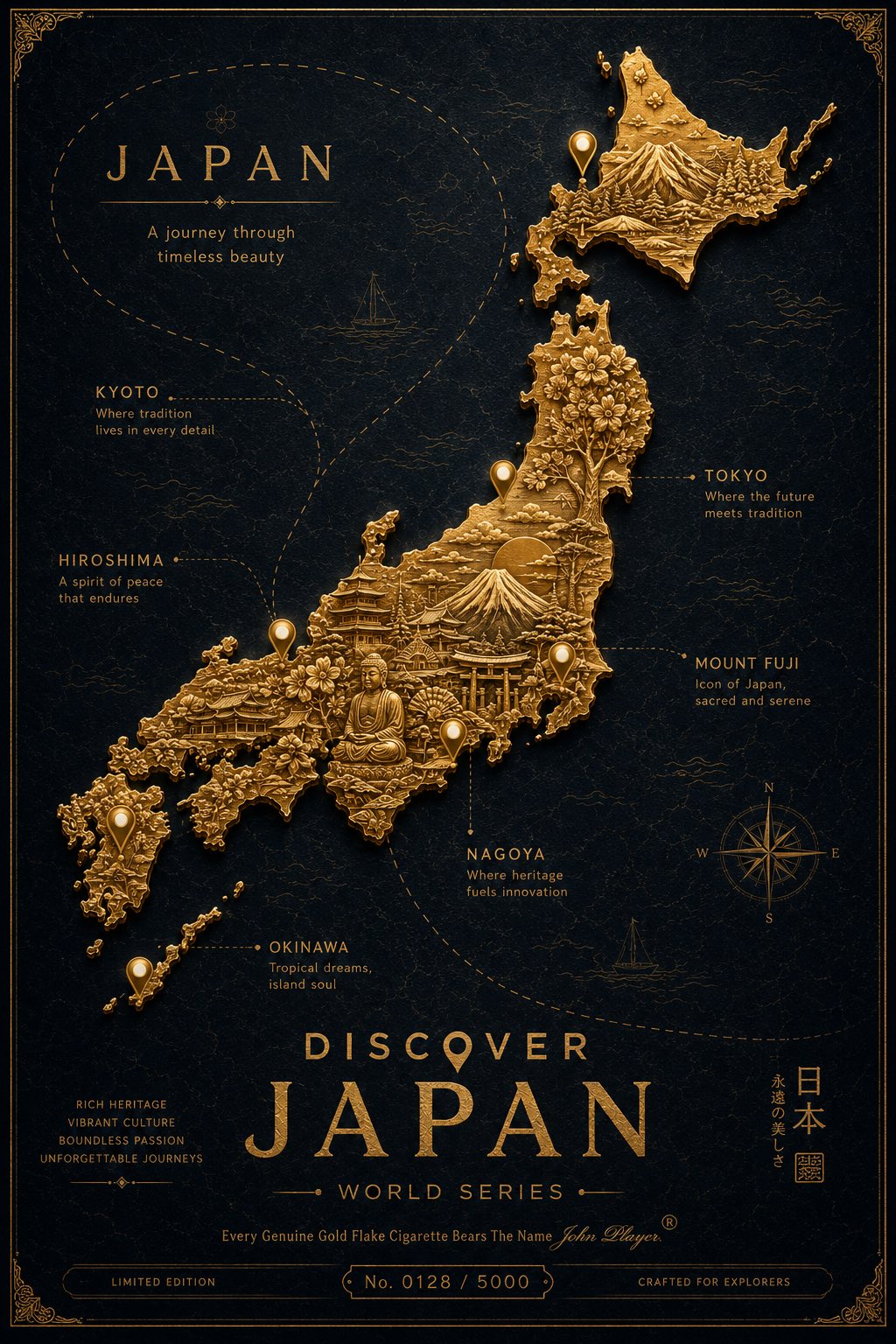
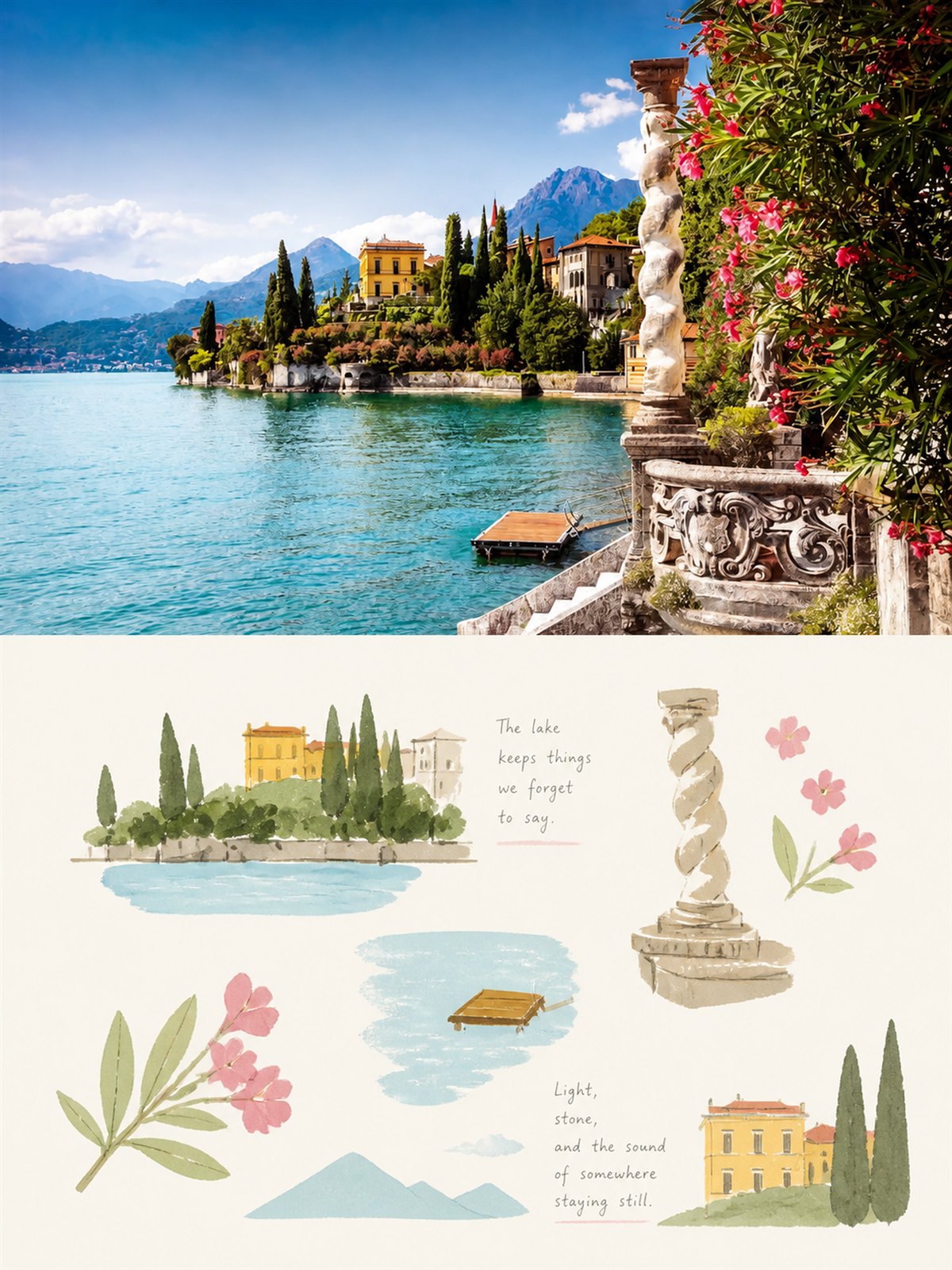
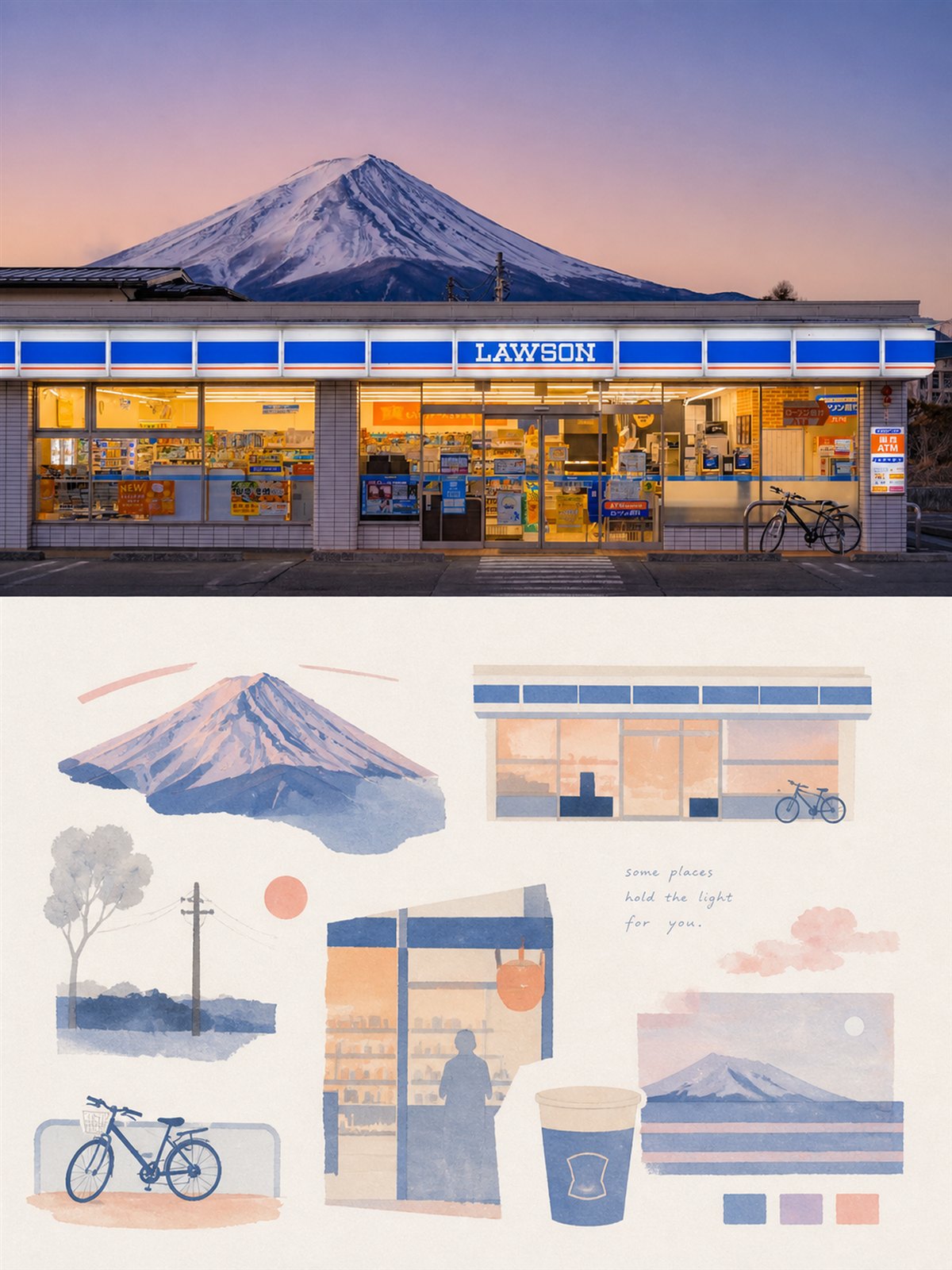
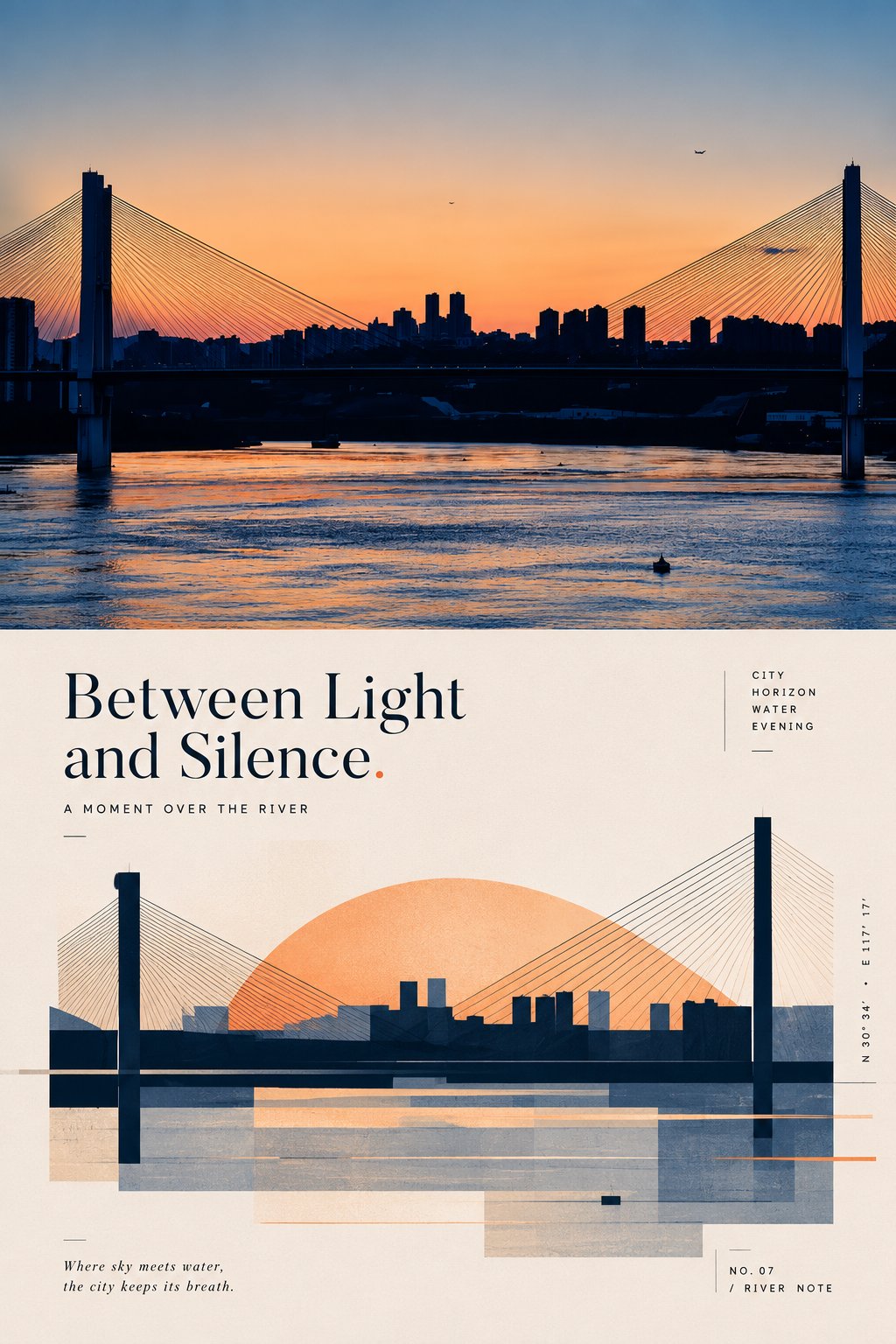
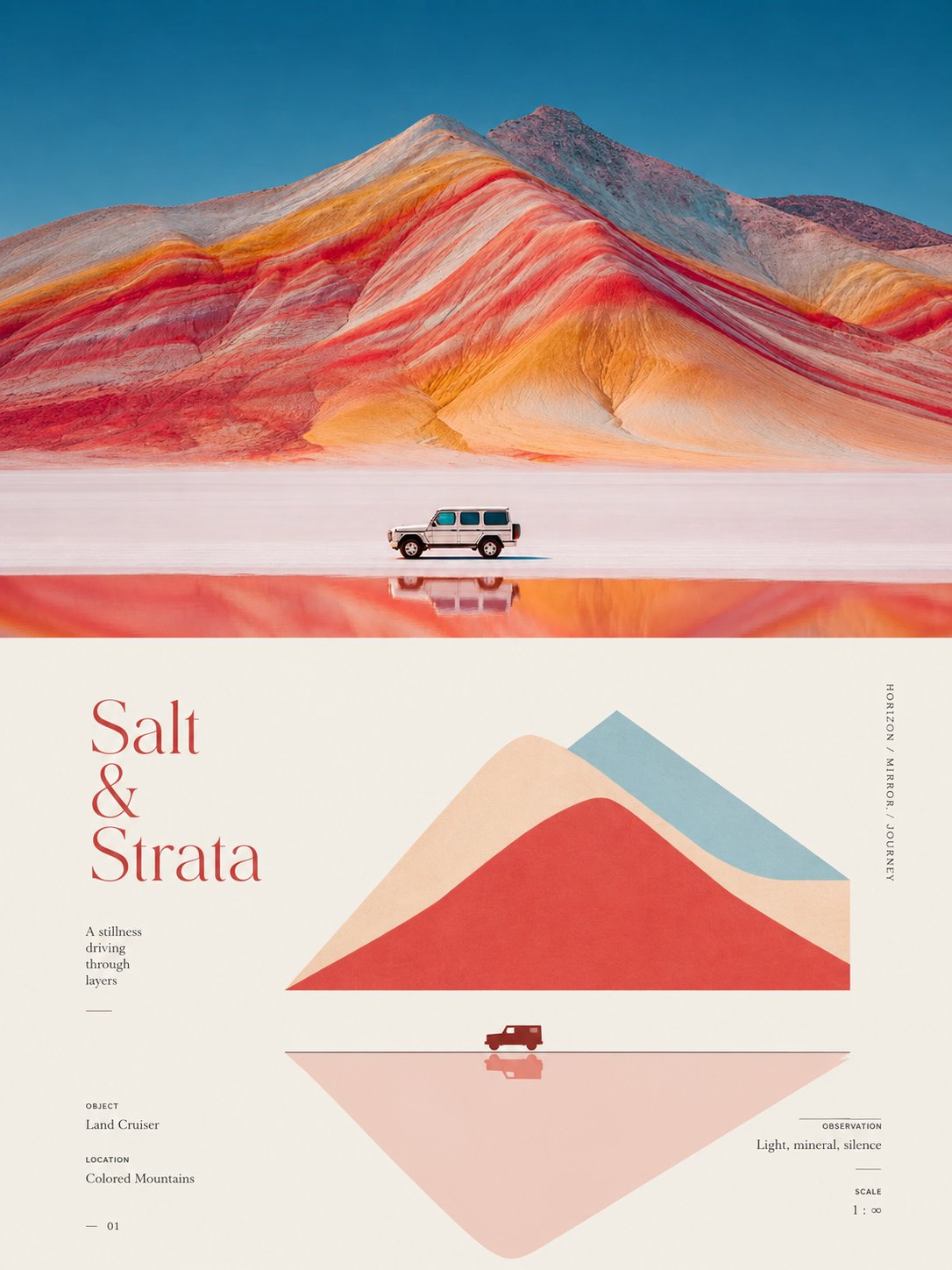
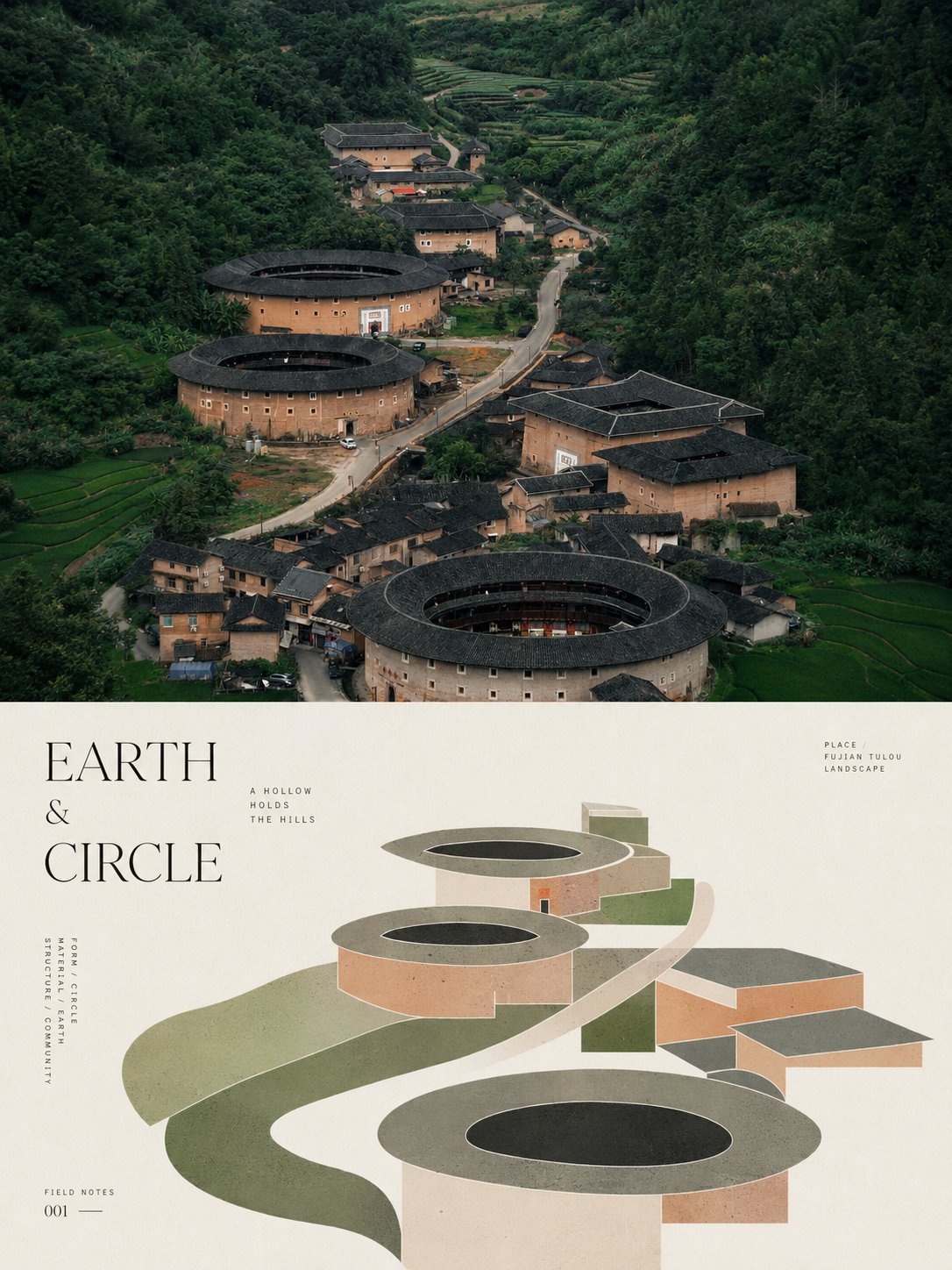
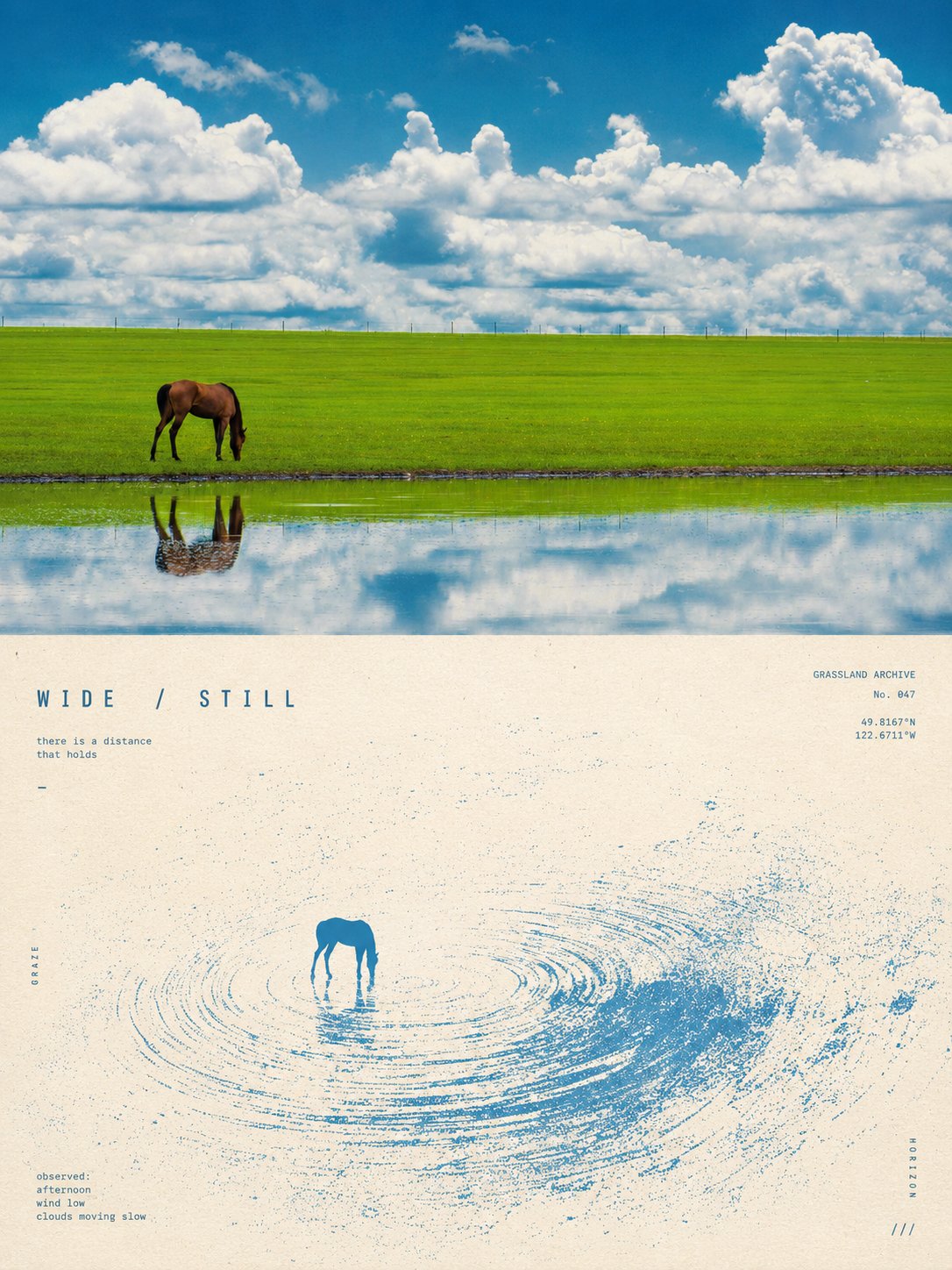
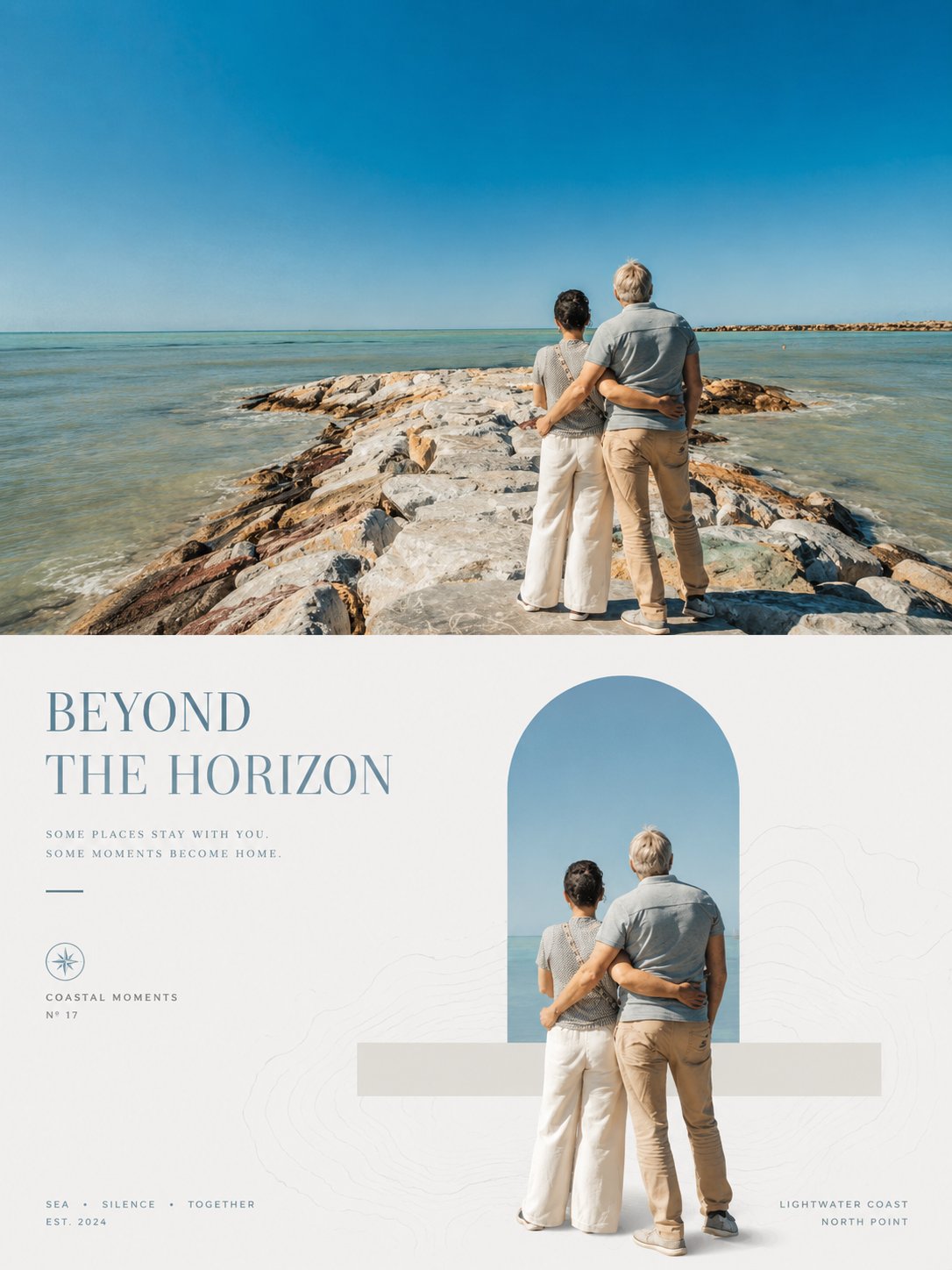
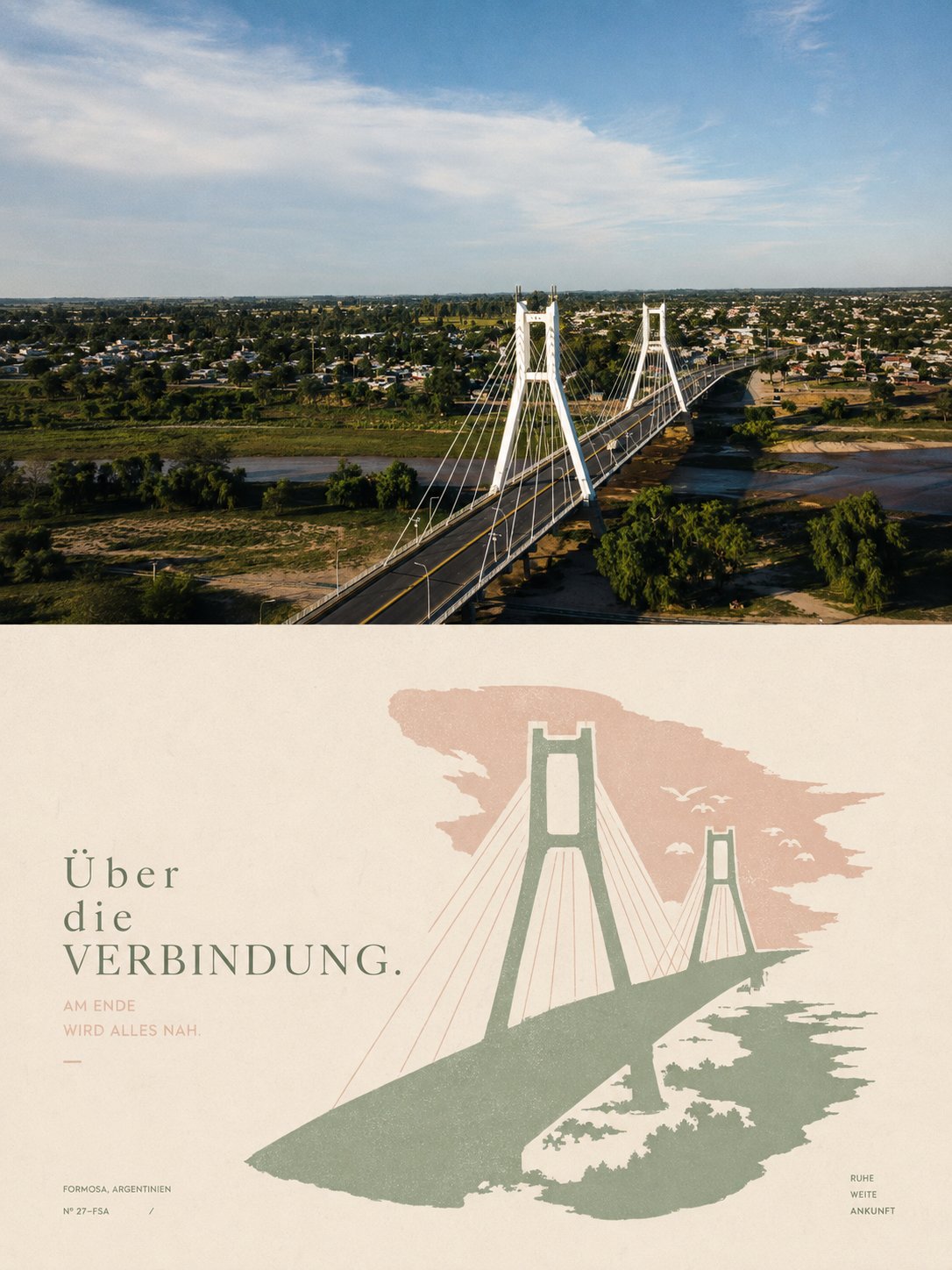
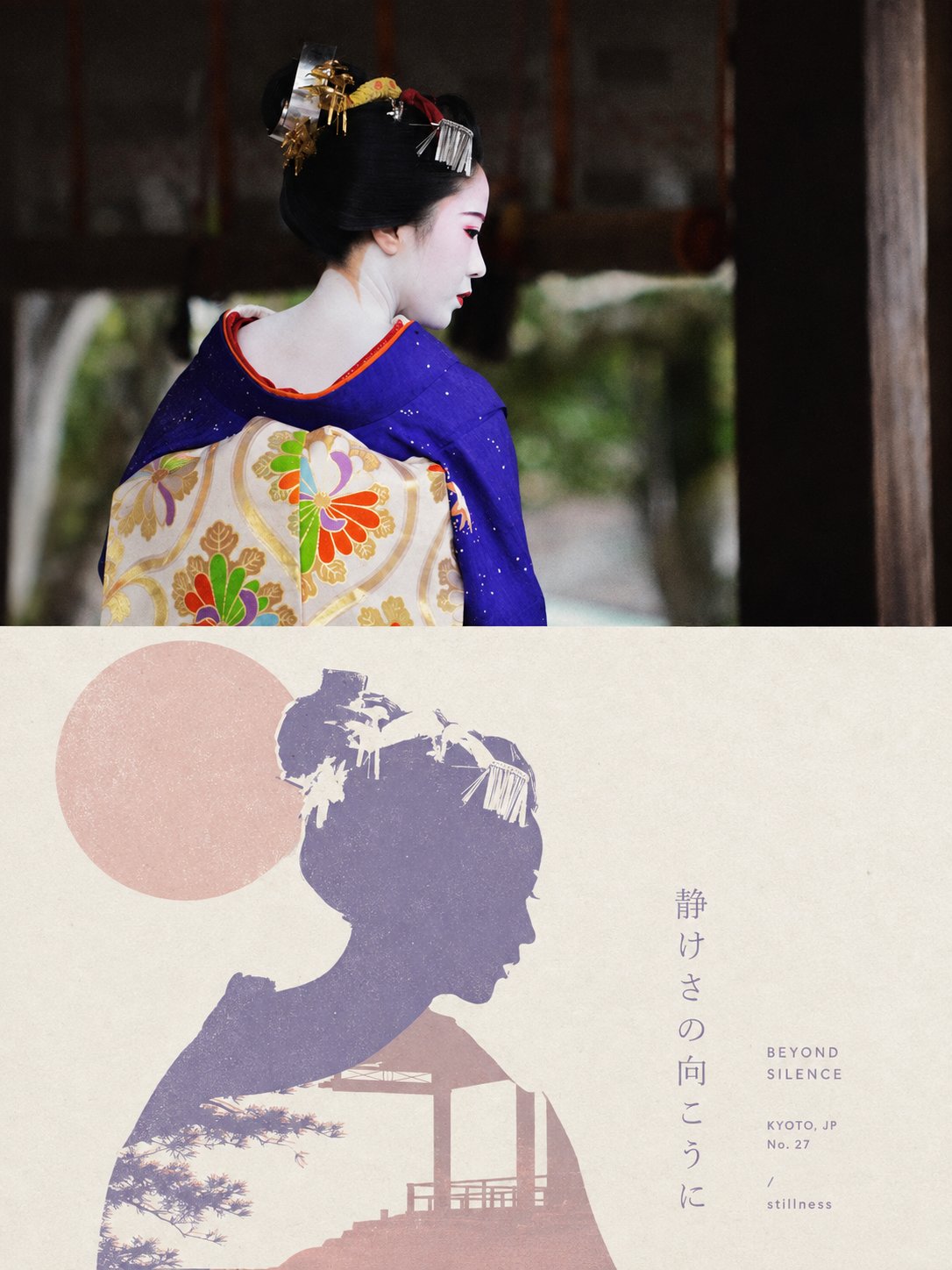
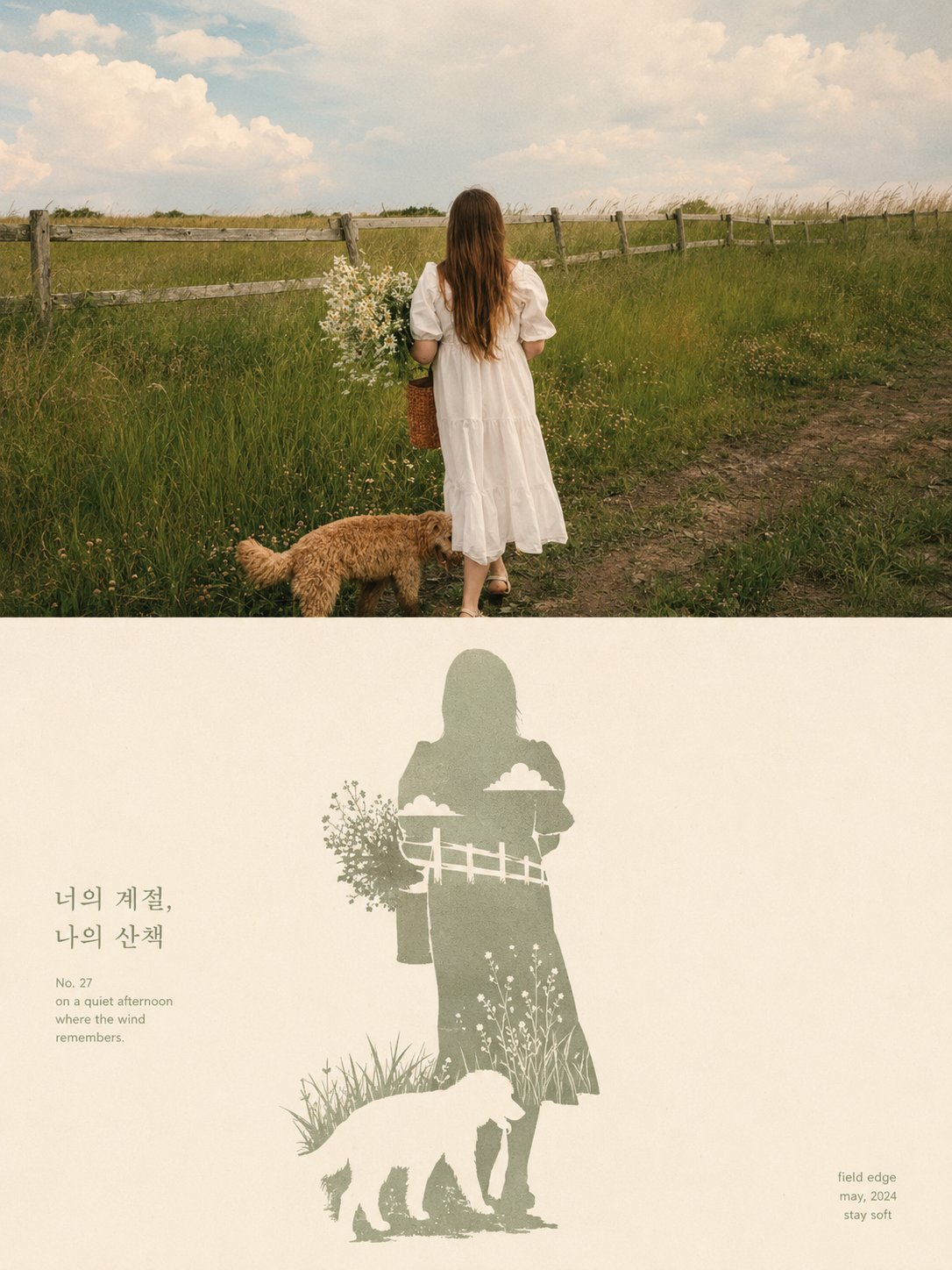
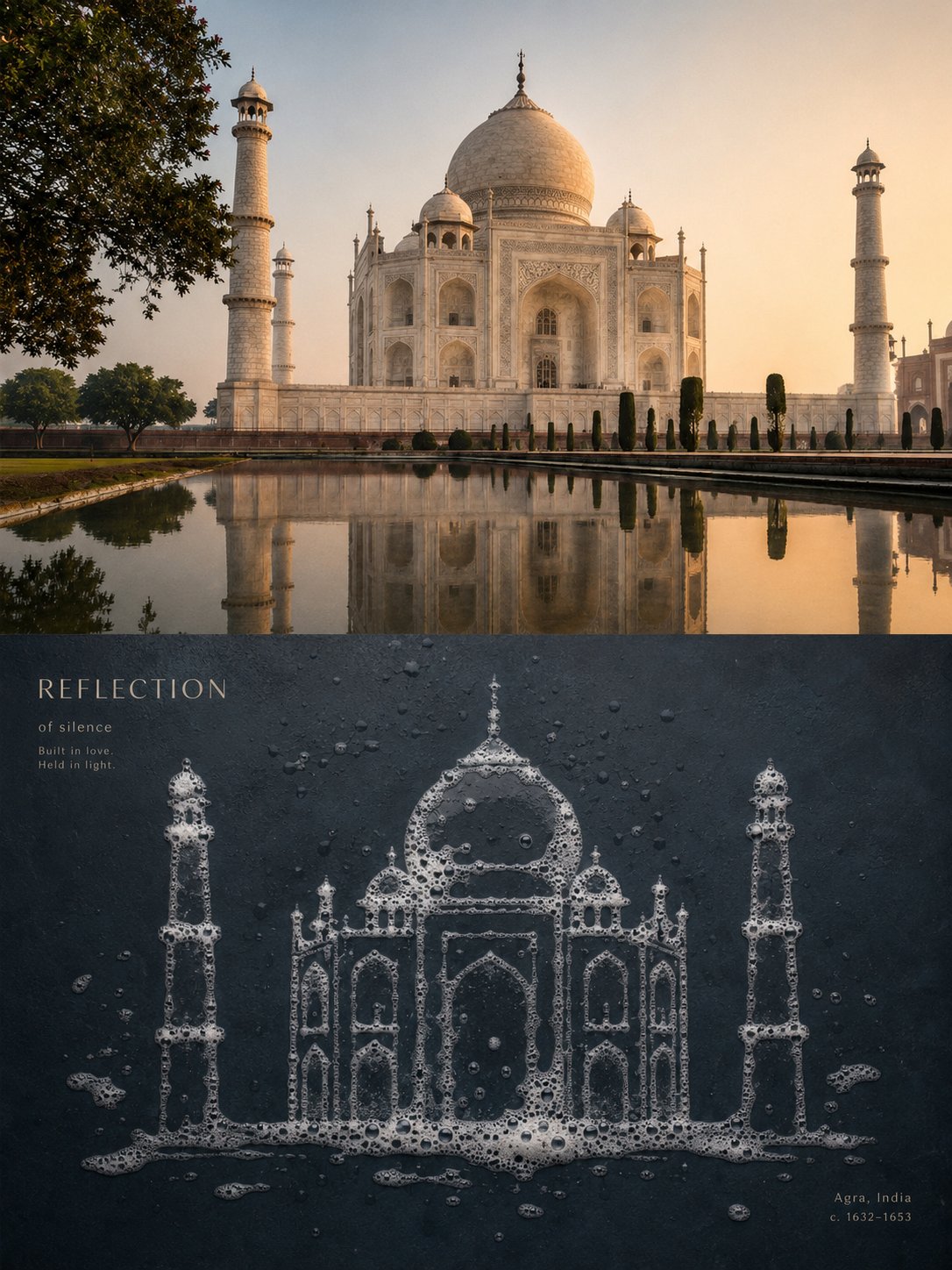
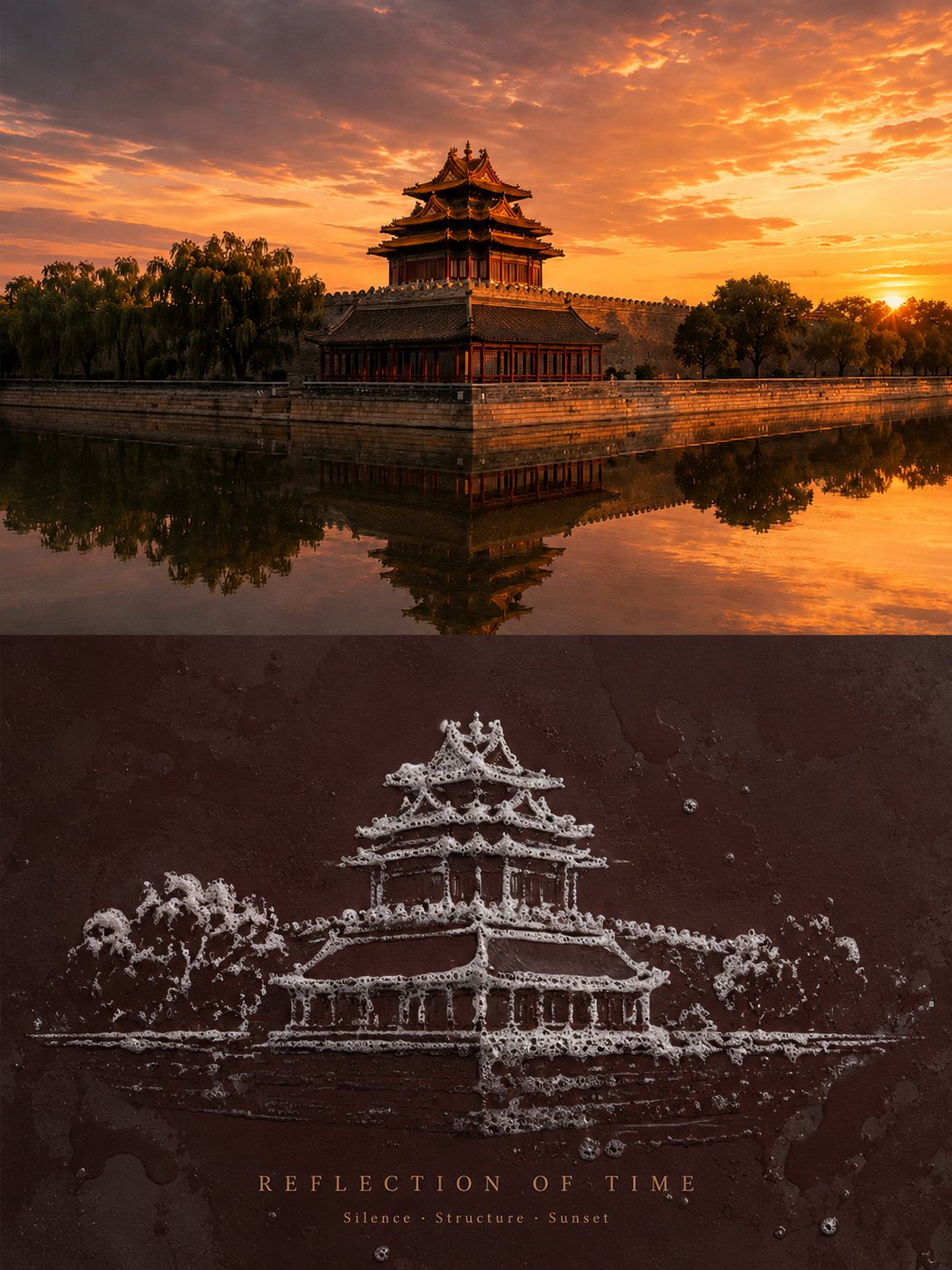
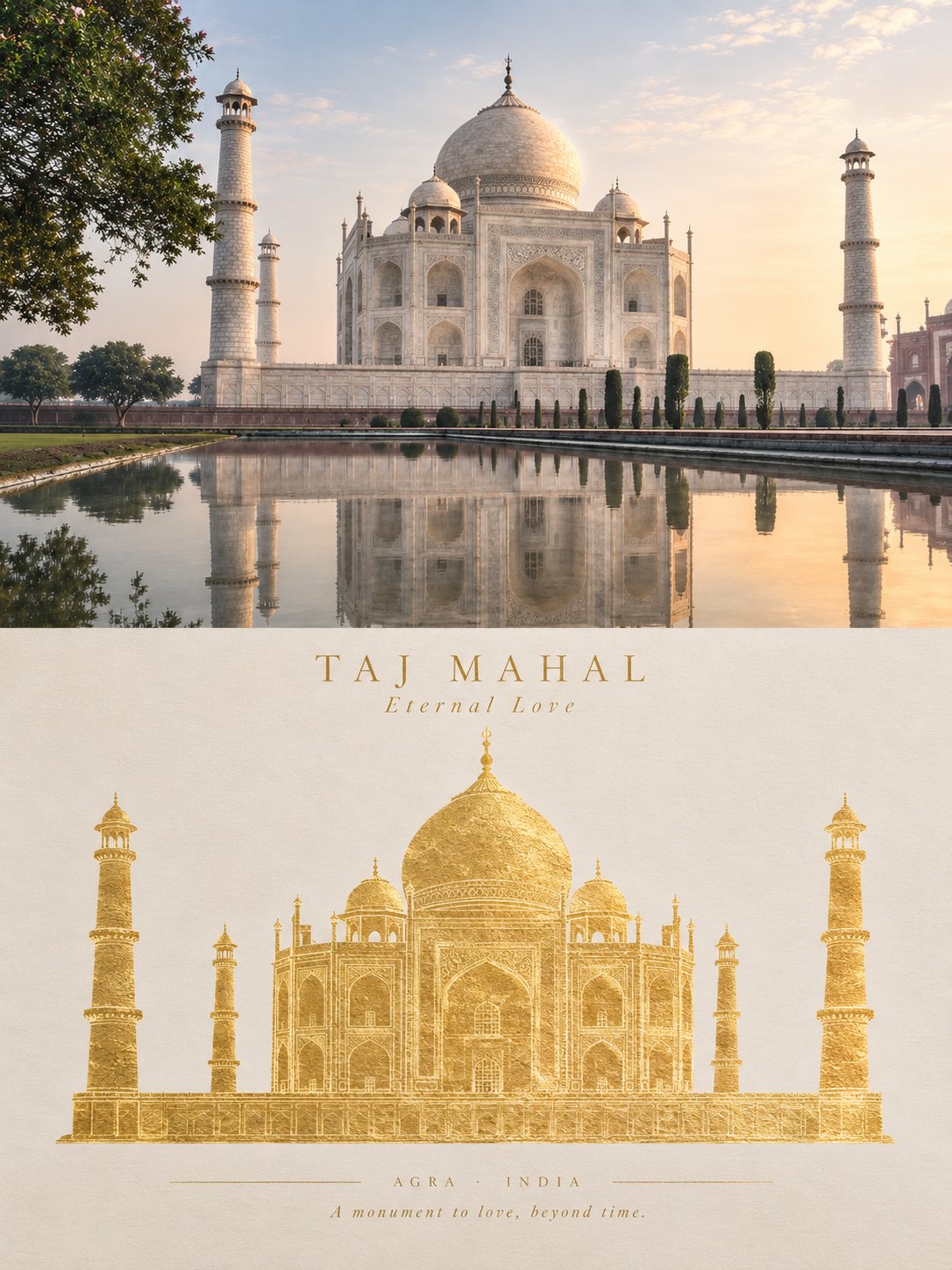
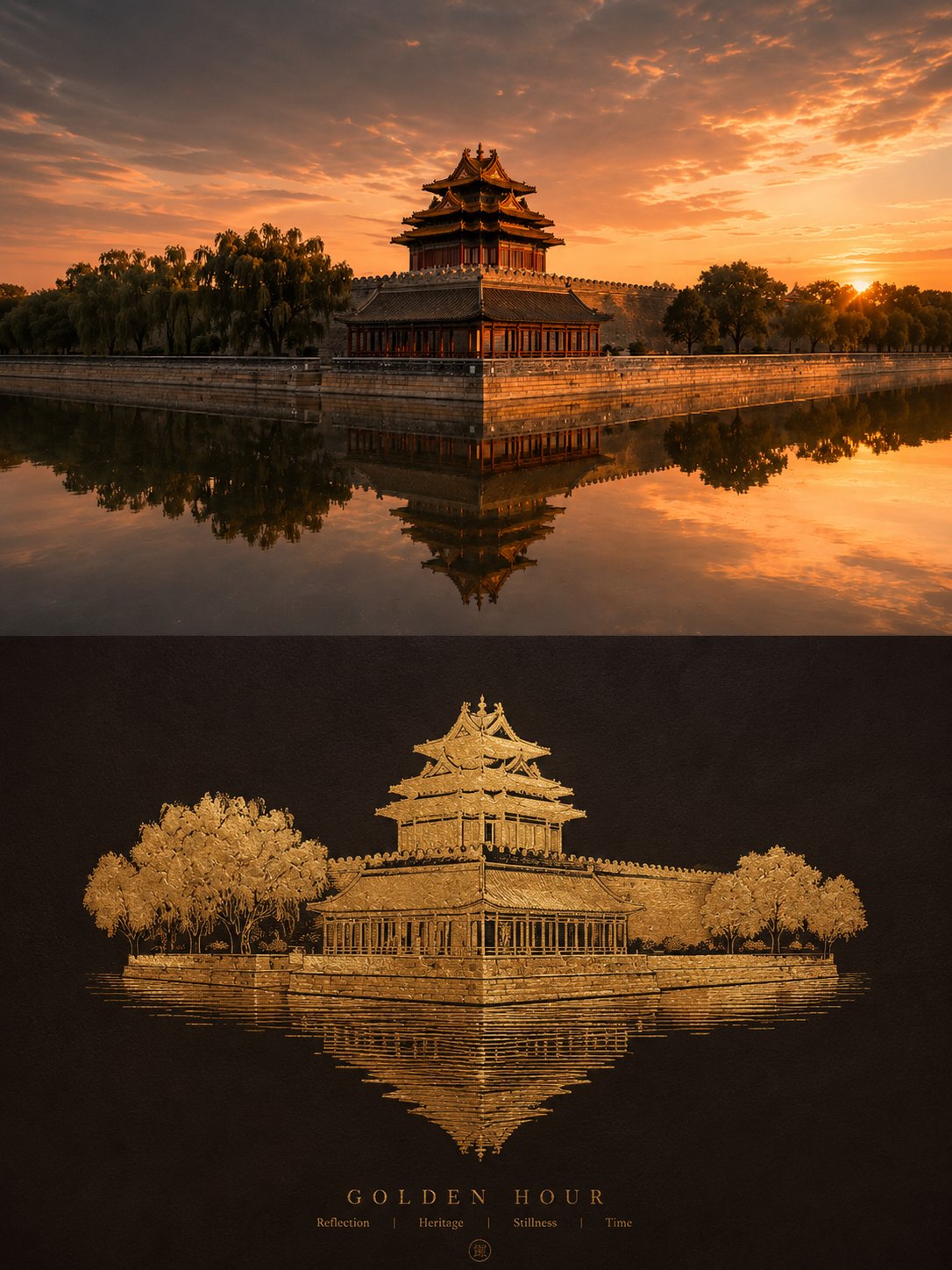
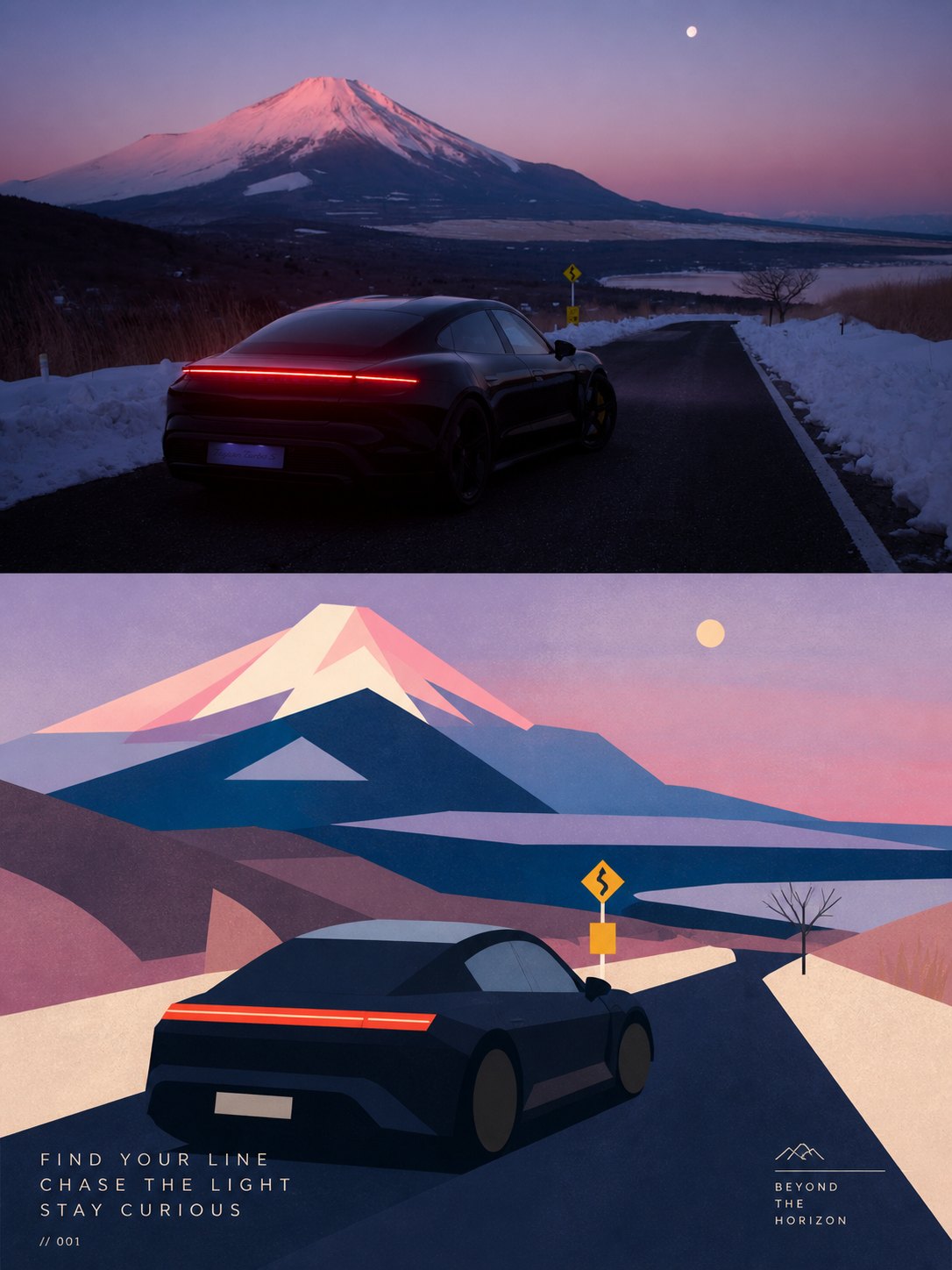
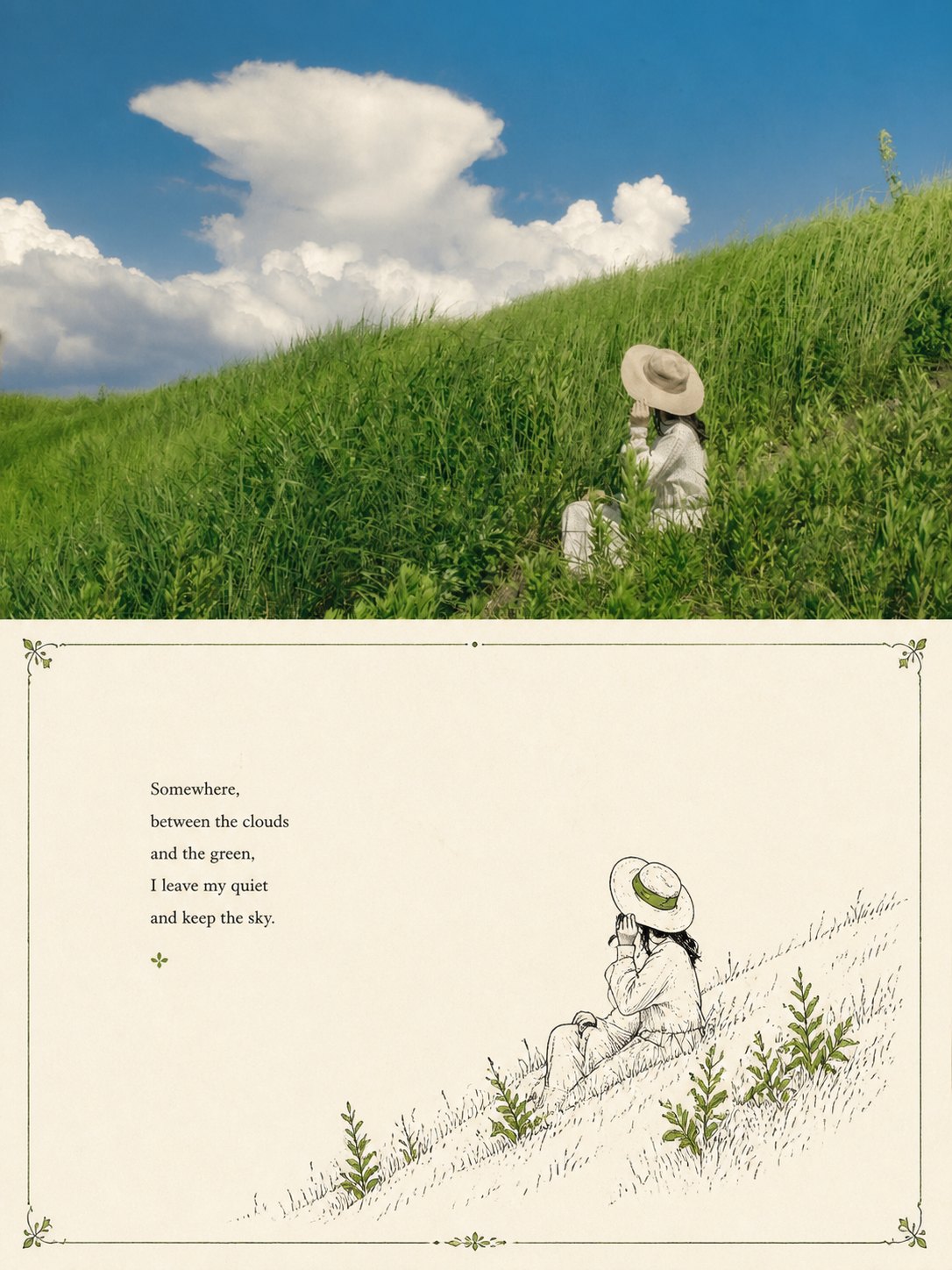
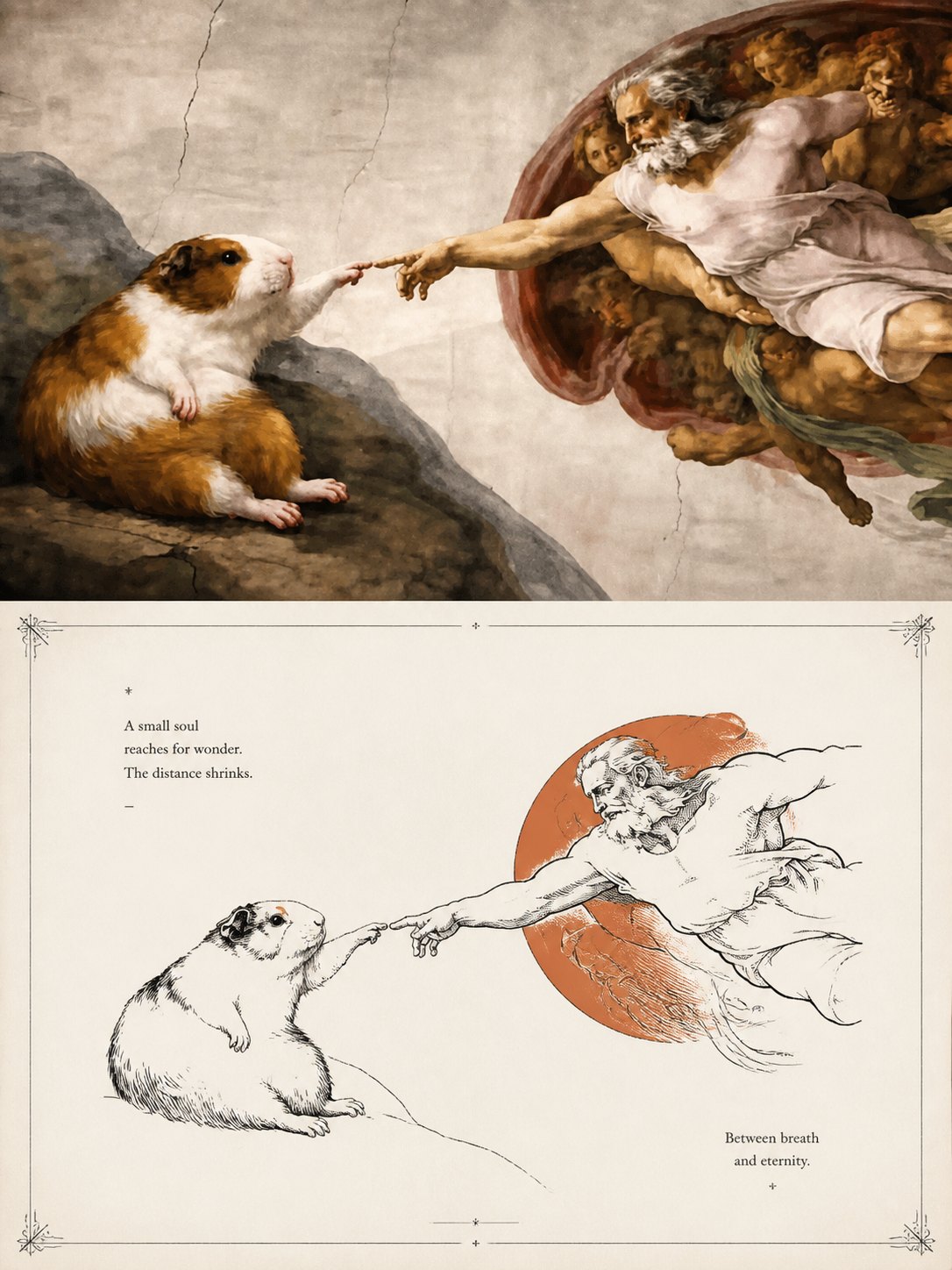
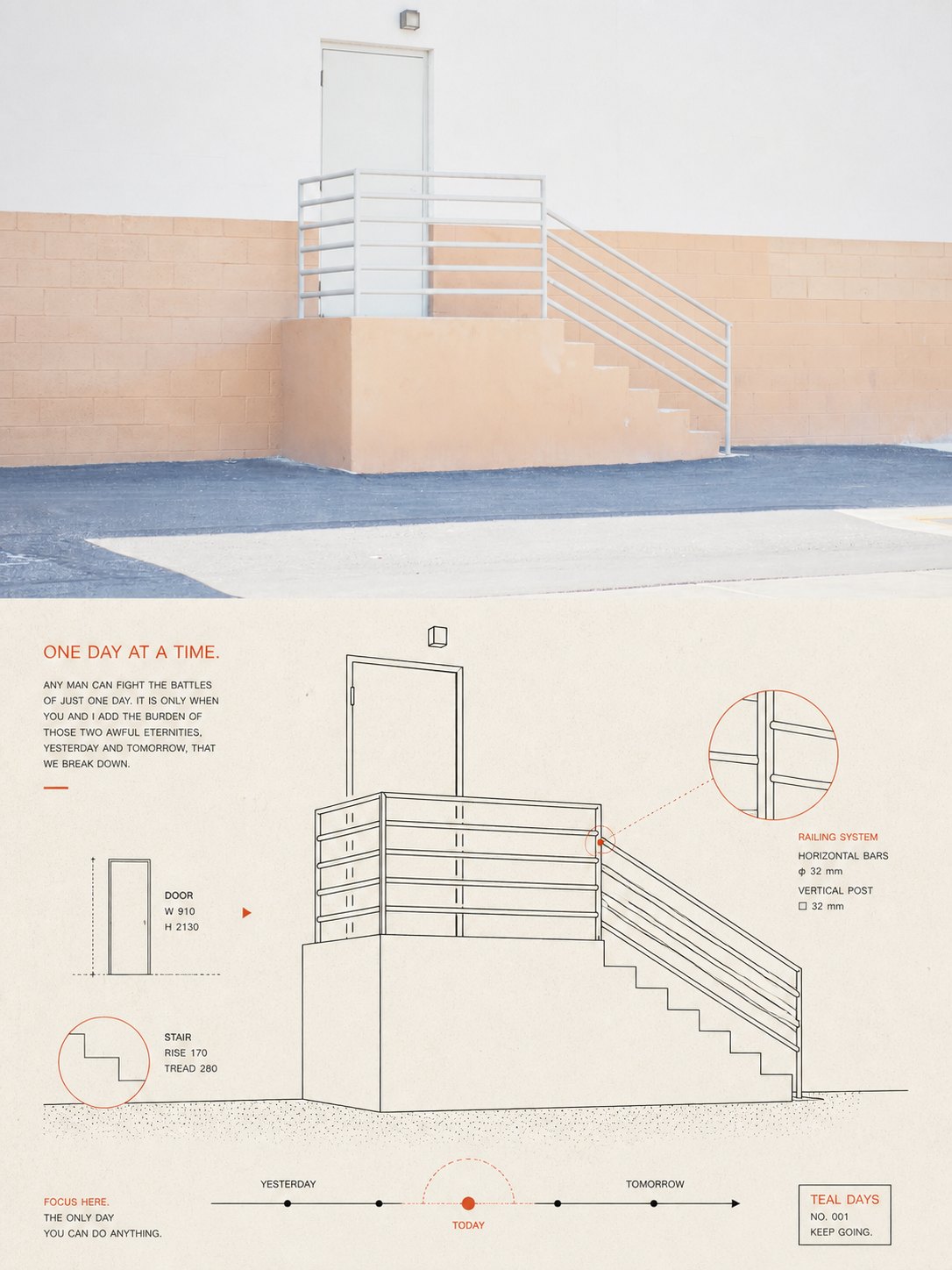
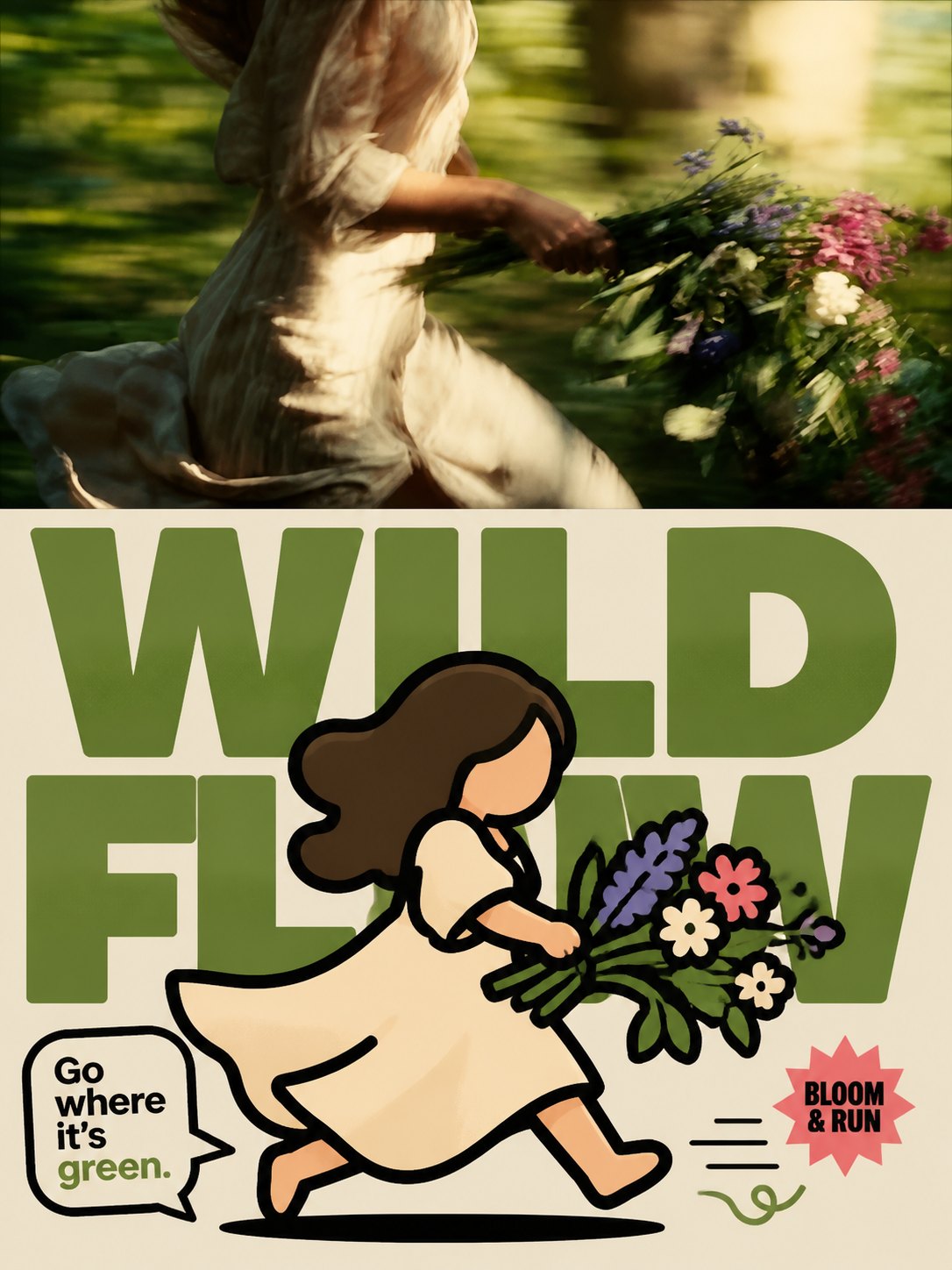
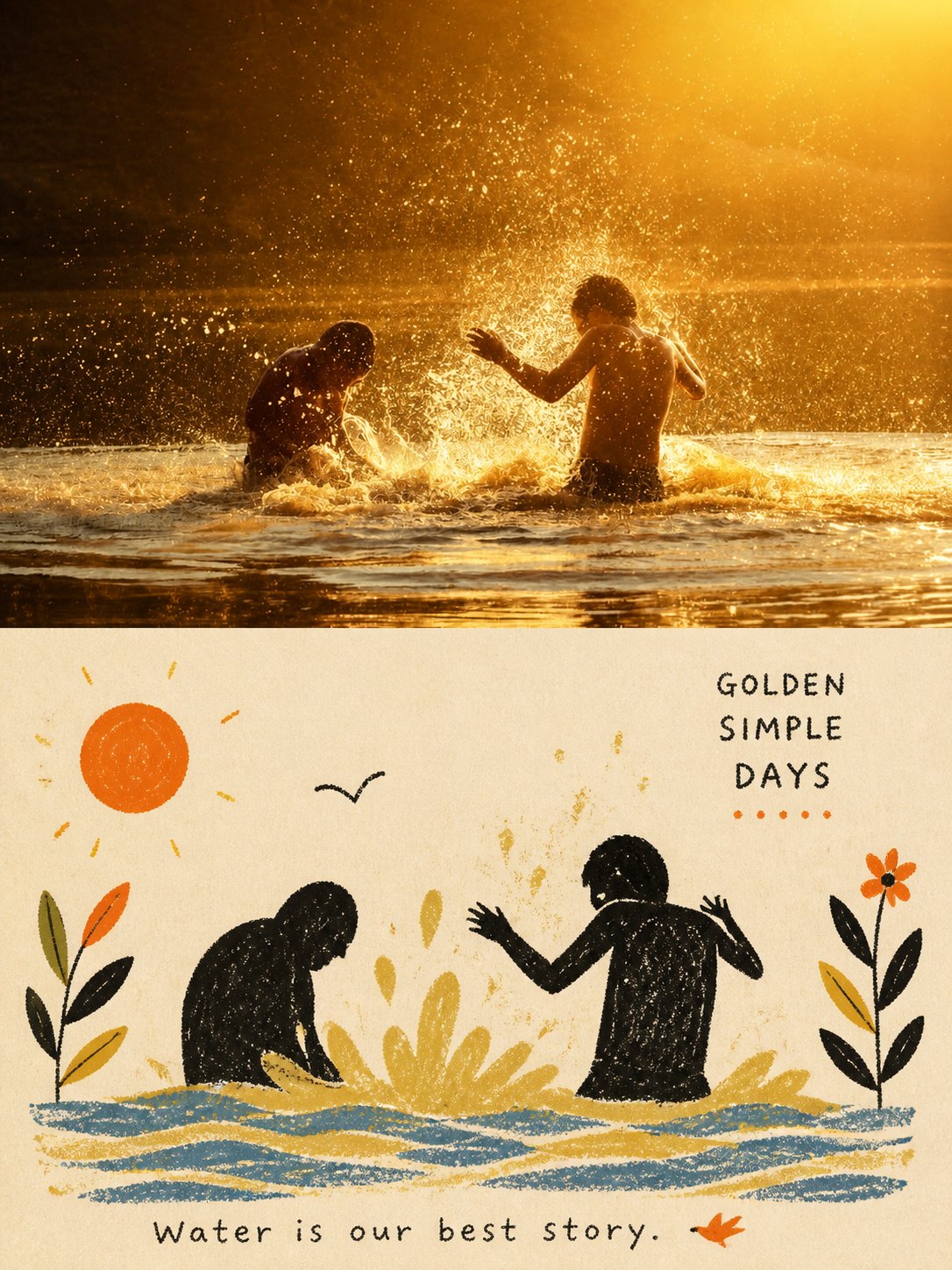
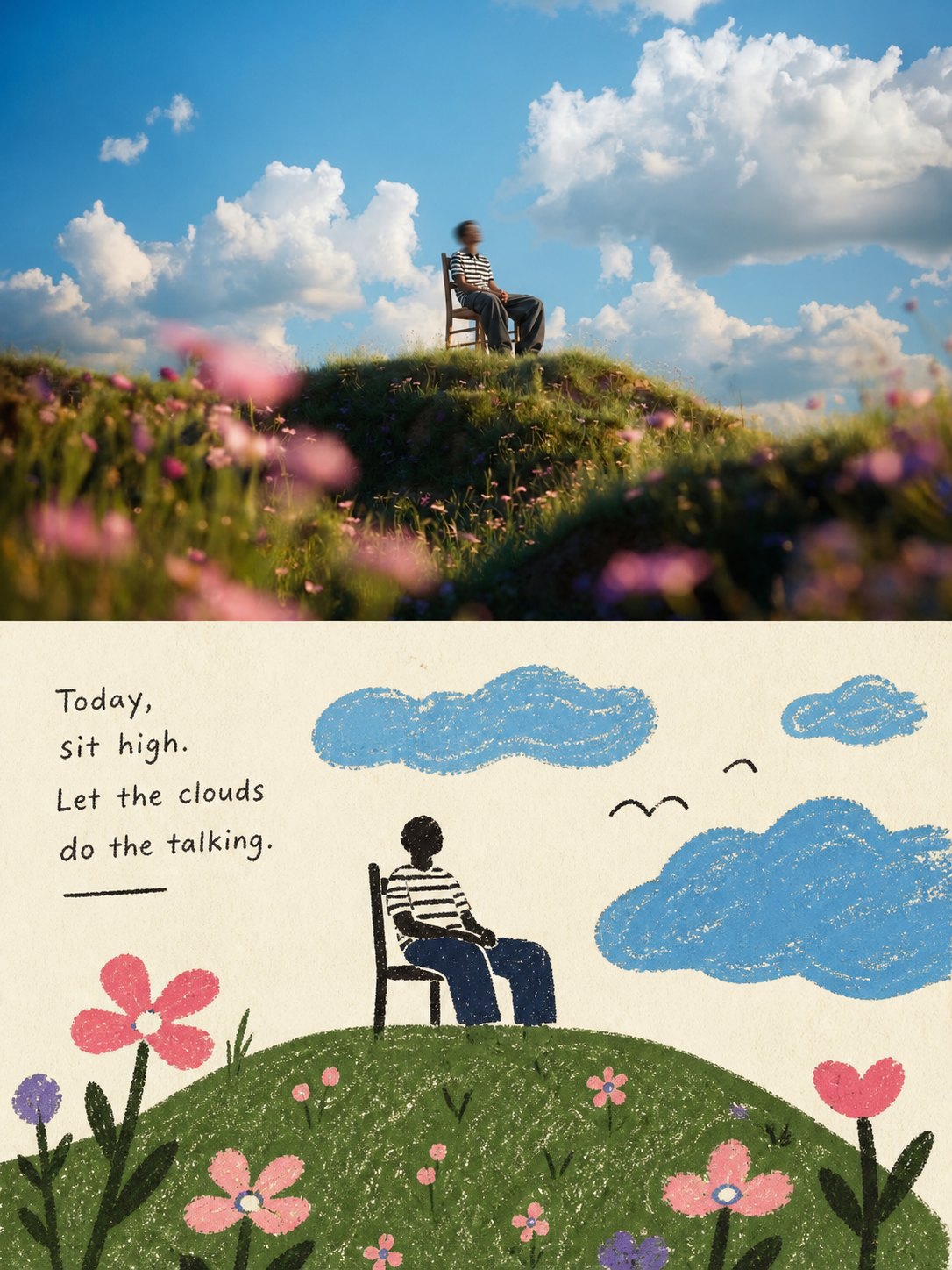
Please turn each photograph I upload into a separate, independently designed high-end poster. Do not combine multiple photographs; output each photograph separately. Use an overall 3:4 portrait composition with two regions stacked vertically, their heights strictly 1:1, each occupying 50% of the canvas.
Keep the original photograph in the upper half, preserving the subject's identity, structure, pose, authentic texture, natural light and shadow, and original colour atmosphere. Apply only subtle refined colour grading for an art-magazine and exhibition-image quality. The surrounding background may be naturally extended to fit the frame, but do not stretch, distort, or alter the subject.
In the lower half, extract only the photograph's most recognisable **subject, contours, structure, pose, and narrative relationships**, and rebuild them as a **hand-sewn textile collage illustration**. Do not keep every object, redraw objects one by one, or copy the original scene. Actively remove the vast majority of background and irrelevant detail; use only a few large fabric pieces, simple silhouettes, layered cloth, raw-edge appliqué, and a little embroidery to summarise the essential visual information anew, so its connection to the photograph above is immediately recognisable.
The lower half must use **abundant negative space** as its central compositional language. Reduce the subject to a smaller, more distilled focal point, leaving large areas of the remaining space unoccupied. Negative space is not merely an empty background; it is an important part of the image itself, creating breath, spatial depth, and rhythm together with the subject, fabric edges, and stitches. Allow off-centre placement, edge alignment, suspension, or partial cropping. Through subtraction, rearrangement, shifts in scale, and negative space, redirect the original into a more resolved, sophisticated work.
Emphasise cotton and linen fibres, fabric texture, handmade stitches, irregular cutting, slight misalignment, and genuine tactility. Create a warm, restrained, lived-in textile collage / appliqué quality. Avoid complex perspective, minute tracing, filling the image, and a cheap craft-project appearance.
Extract 2–4 colours from the photograph above that are most lively, full of everyday warmth, and representative of the theme's spirit. Moderately brighten and purify them and reduce greyness, making the fabric colours vivid, soft, and approachable. Keep the overall palette bright, warm, and natural; avoid dim, muddy-grey, aged, or dreary colour schemes.
Text should make only a very small editorial intervention, with no language restriction. Freely generate a few words or short phrases based on the subject, place, action, emotion, or metaphor. Place them quietly in the negative space or beside the subject, forming a refined relationship between image and text.
The overall high-end visual effect combines **selective distillation, textile collage, handmade stitches, lively fabrics, exceptionally abundant artistic negative space, and editorial typography**. Avoid copying objects individually, retaining too much background, accumulating information, filling the canvas, complex scenes, cartoon or 3D appearances, and template-like collage.
2026-09-07via @xiaoxiaodong01