Visuele inspiratie
Promptbibliotheek
Sterke AI-resultaten uit het wild, mét de prompt erbij. Klik op een beeld, kopieer de prompt en maak er iets eigens van.
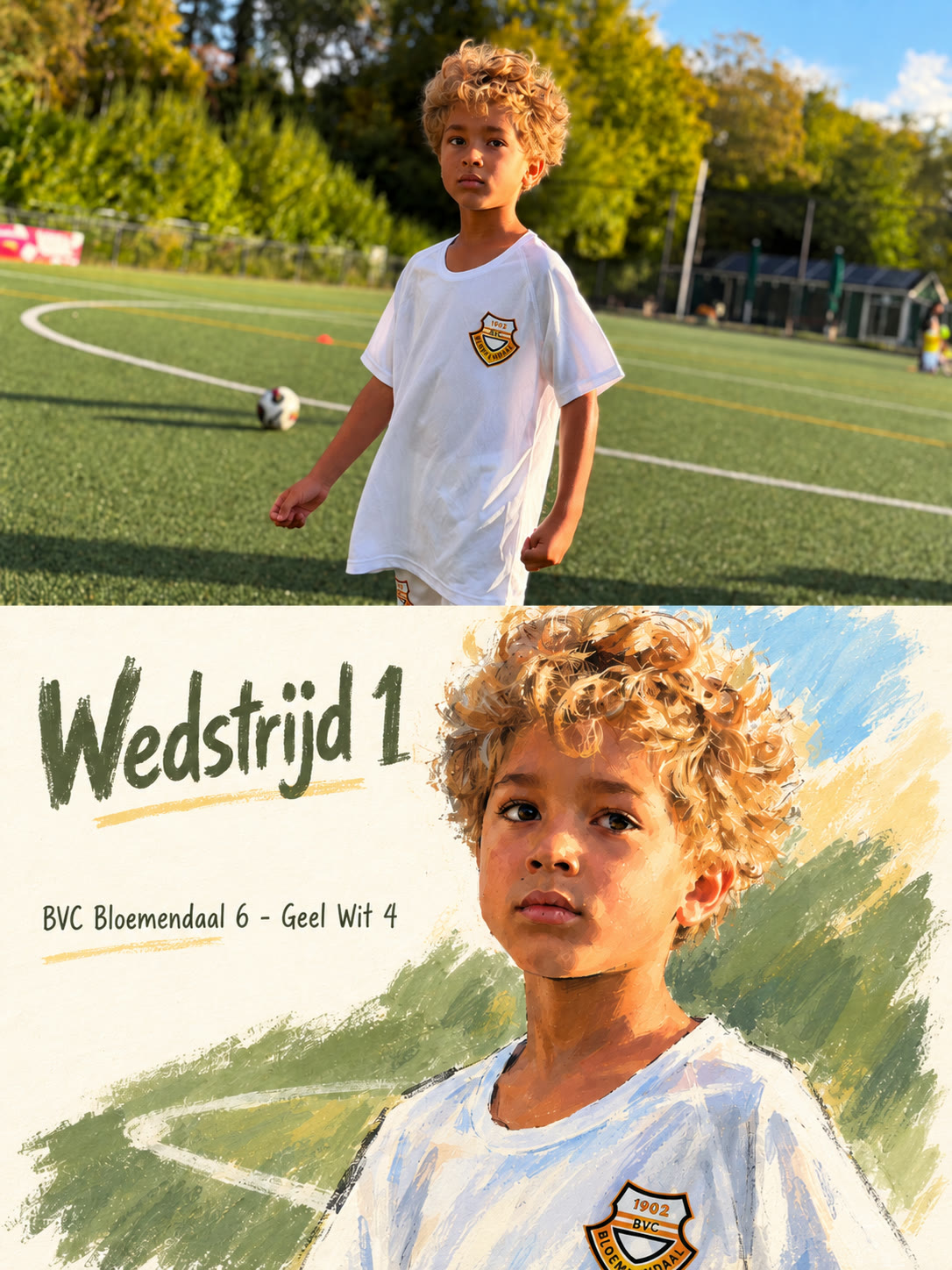
Krijg de prompts die indruk maken
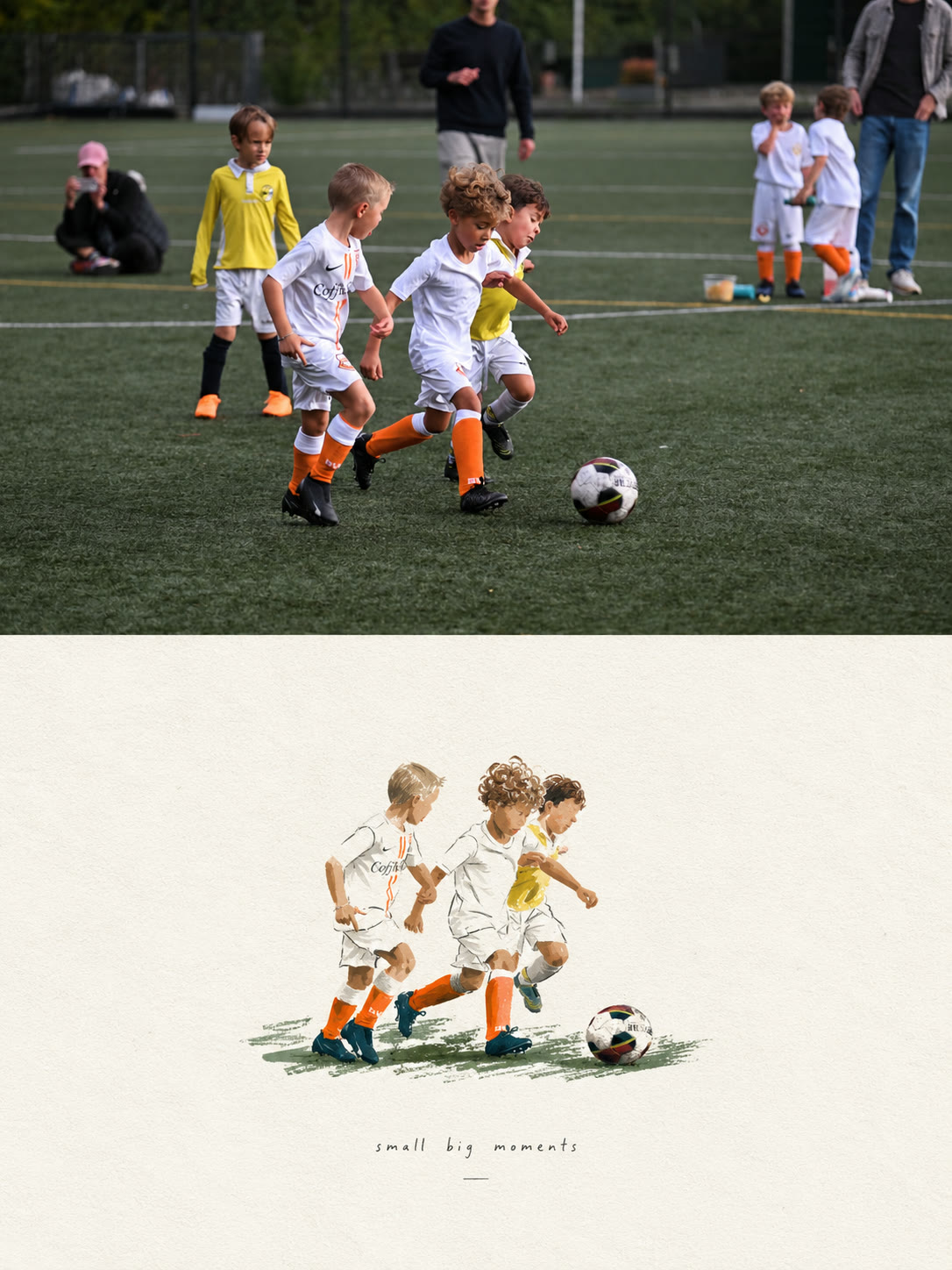
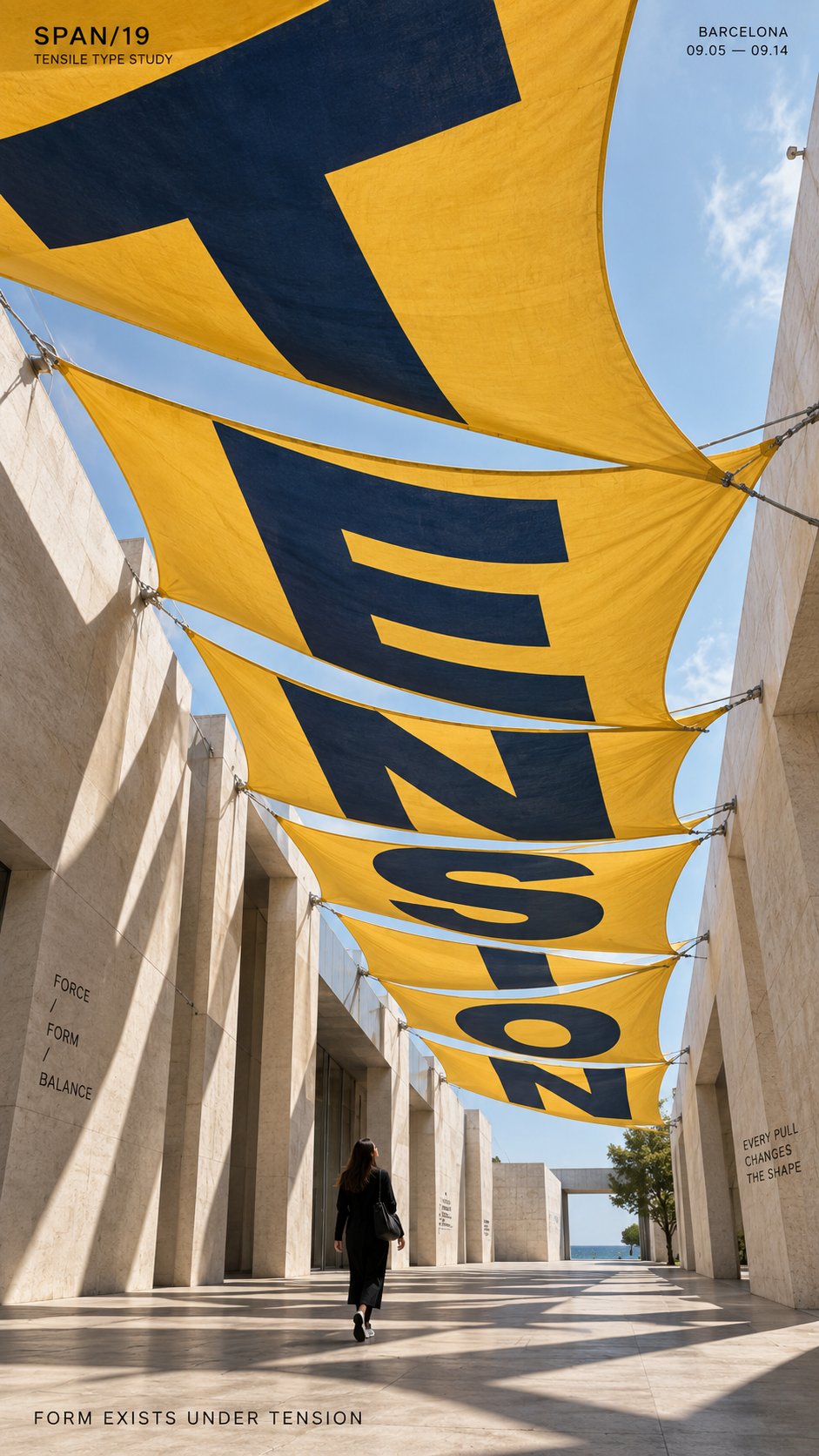
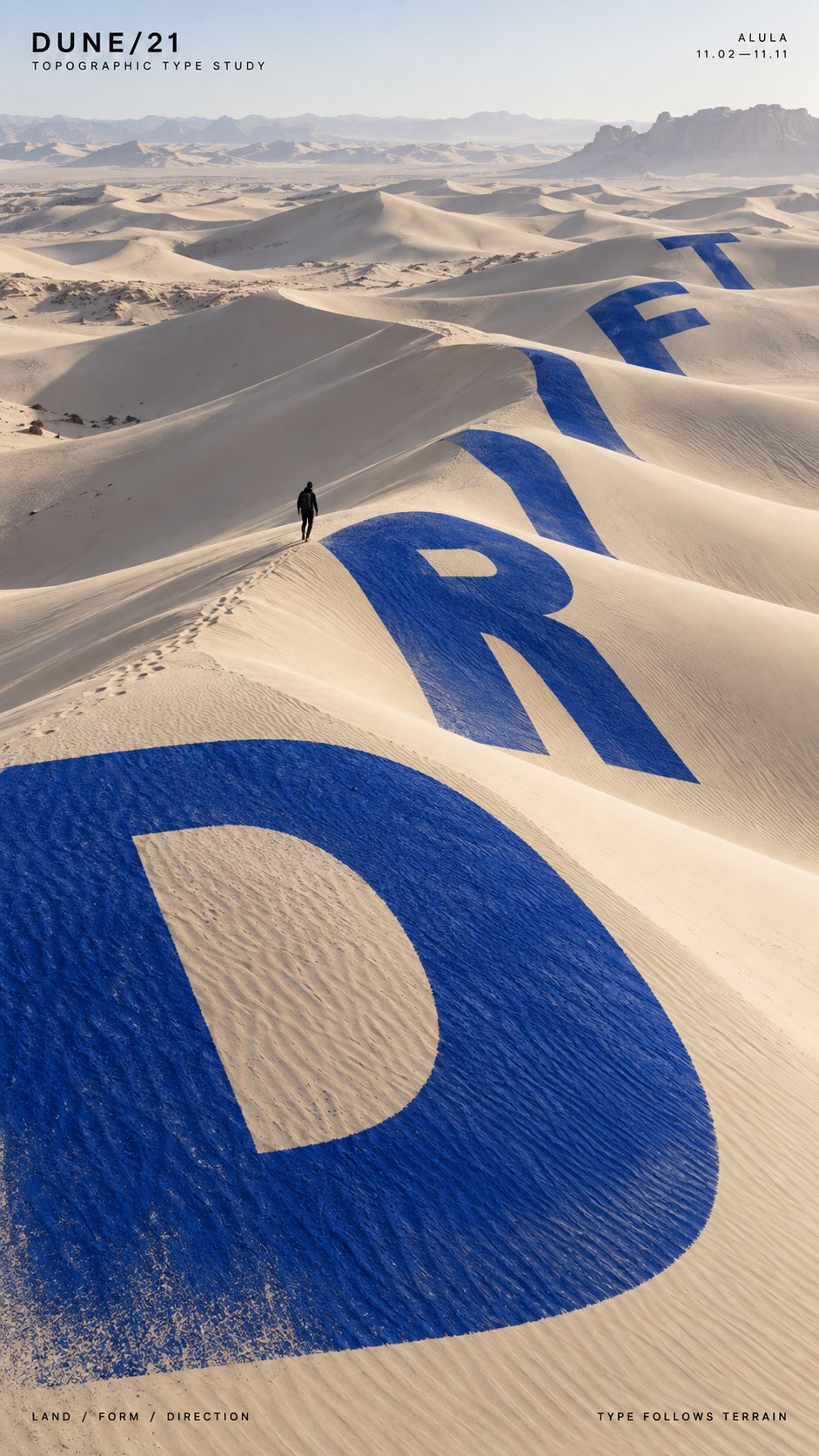

Krijg de prompts die indruk maken
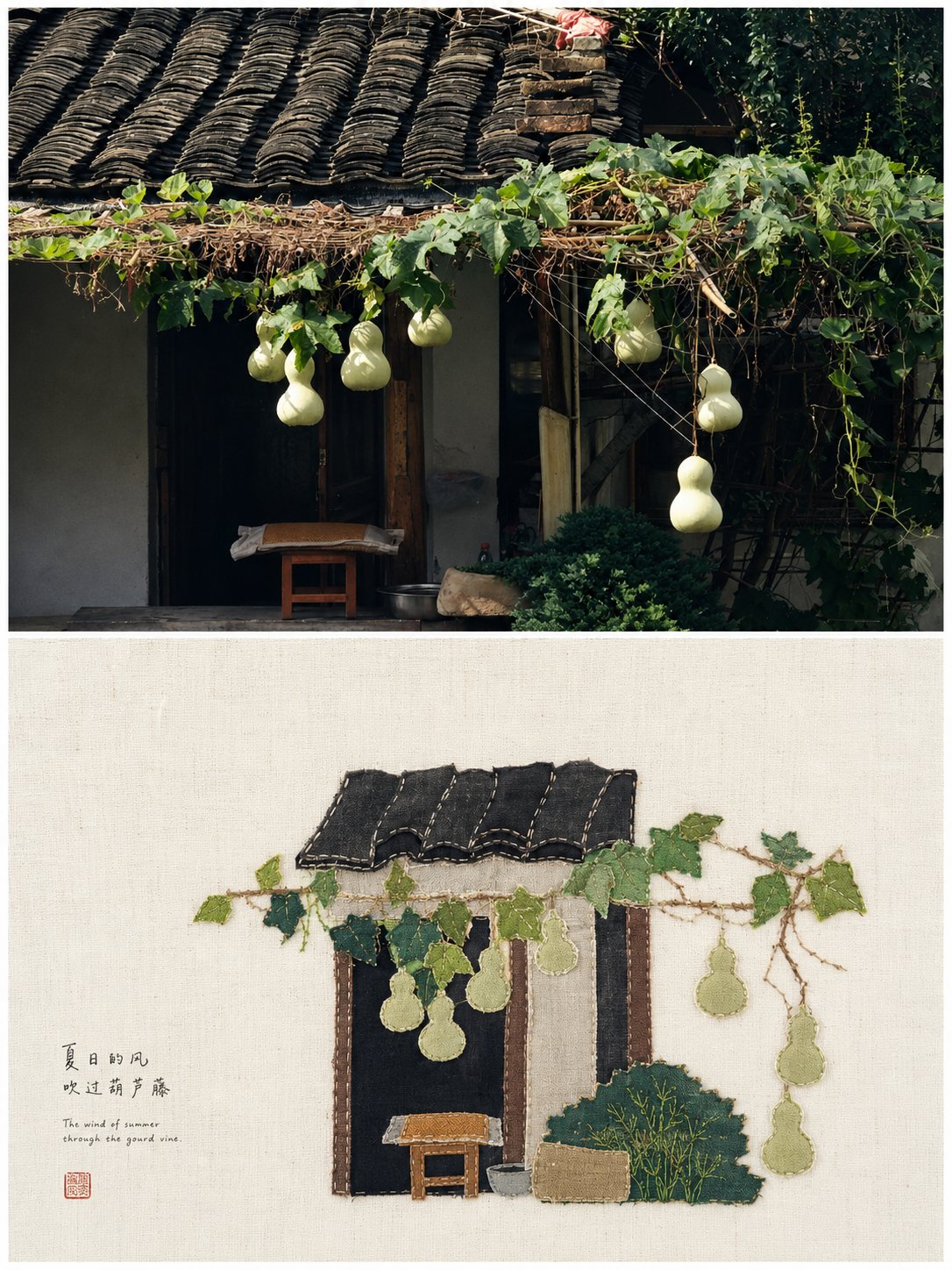
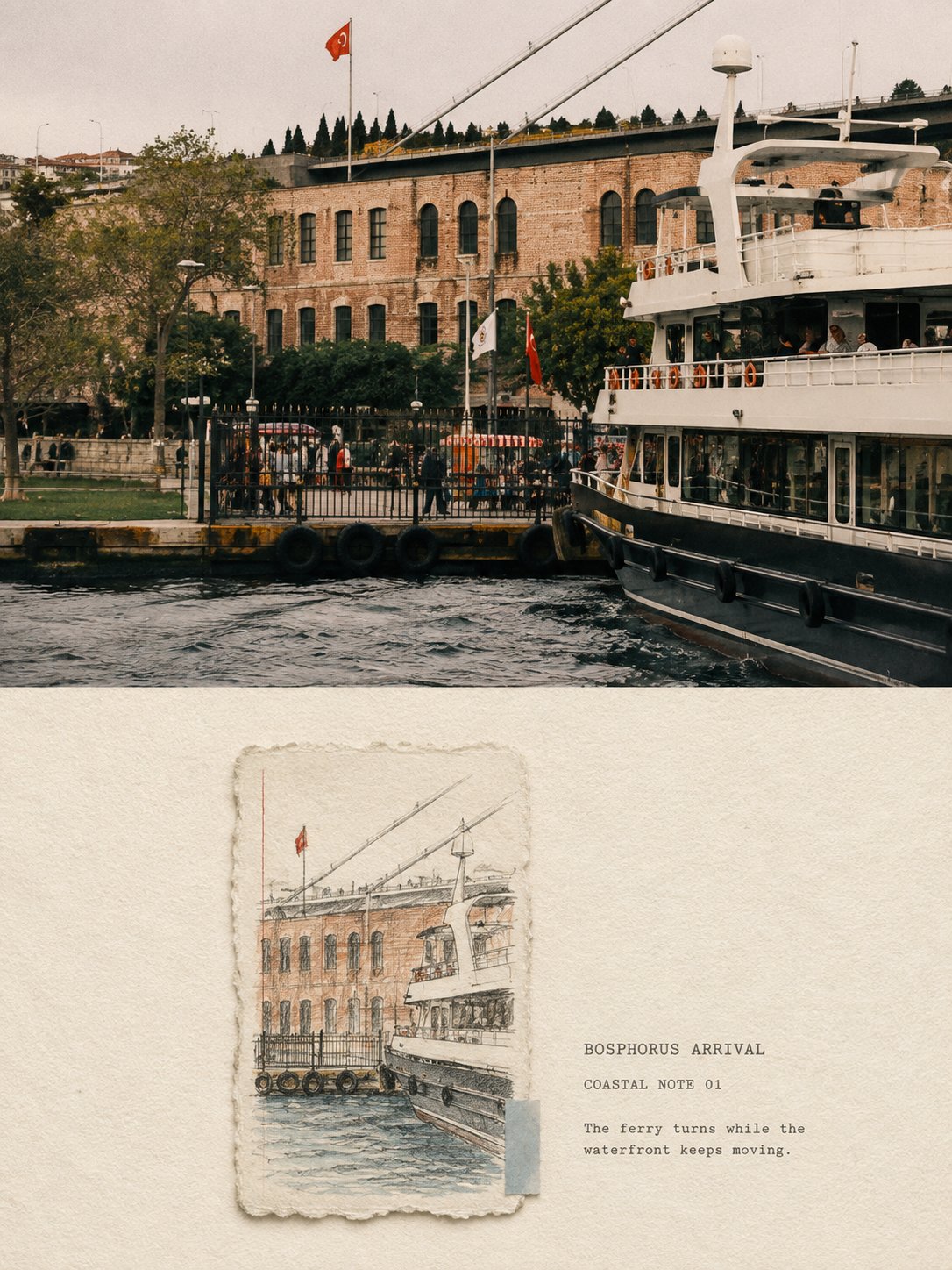
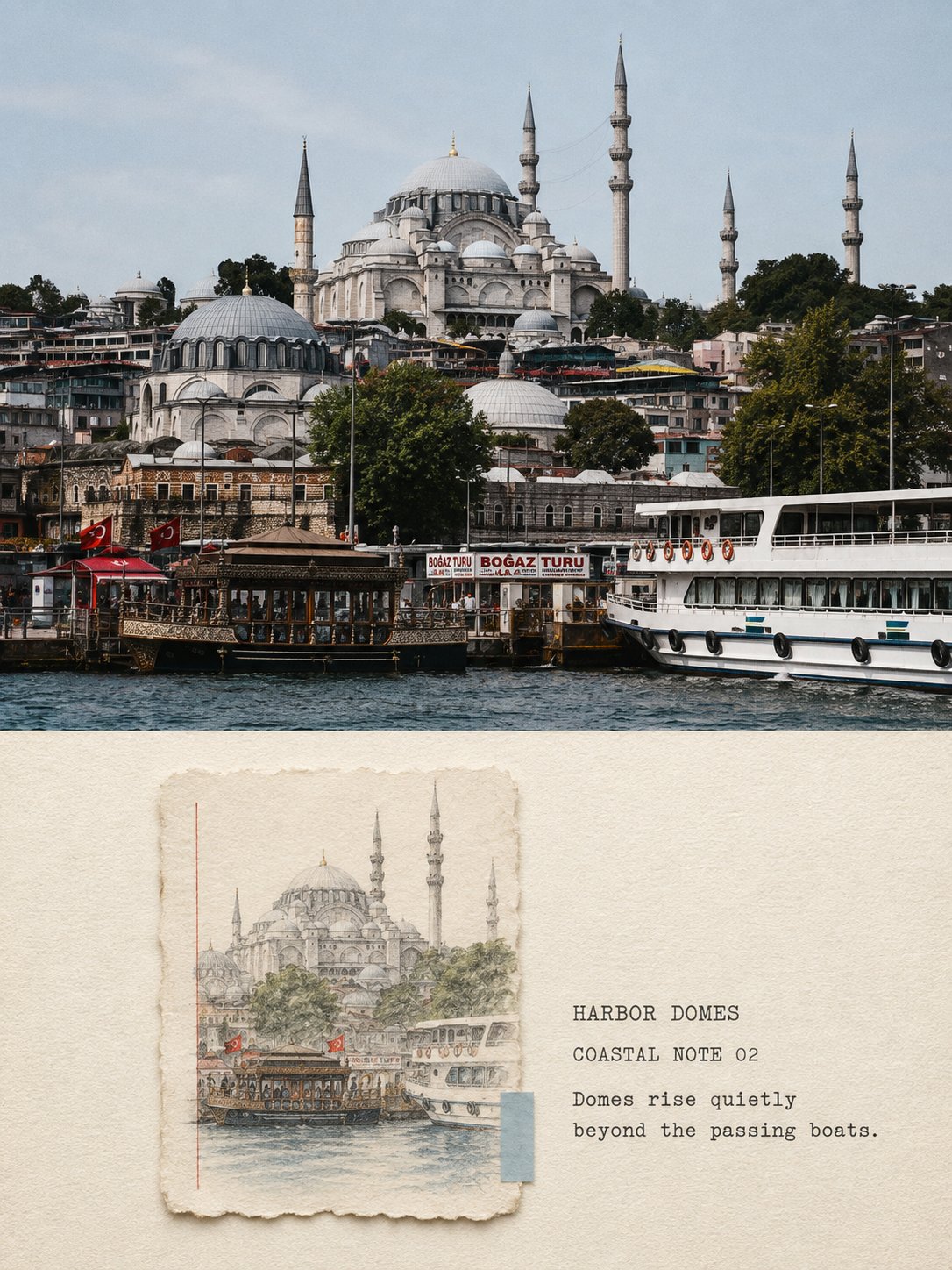
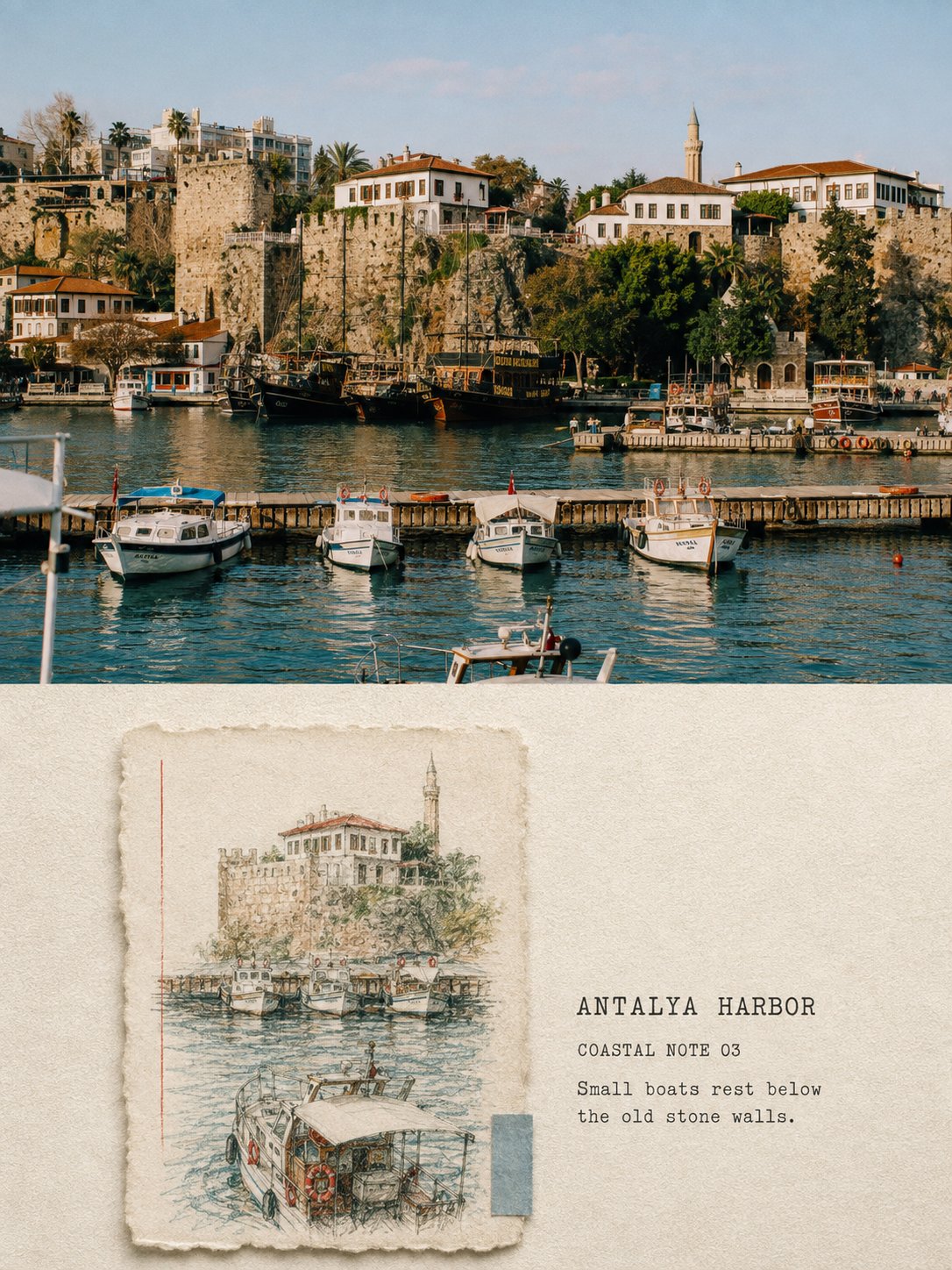
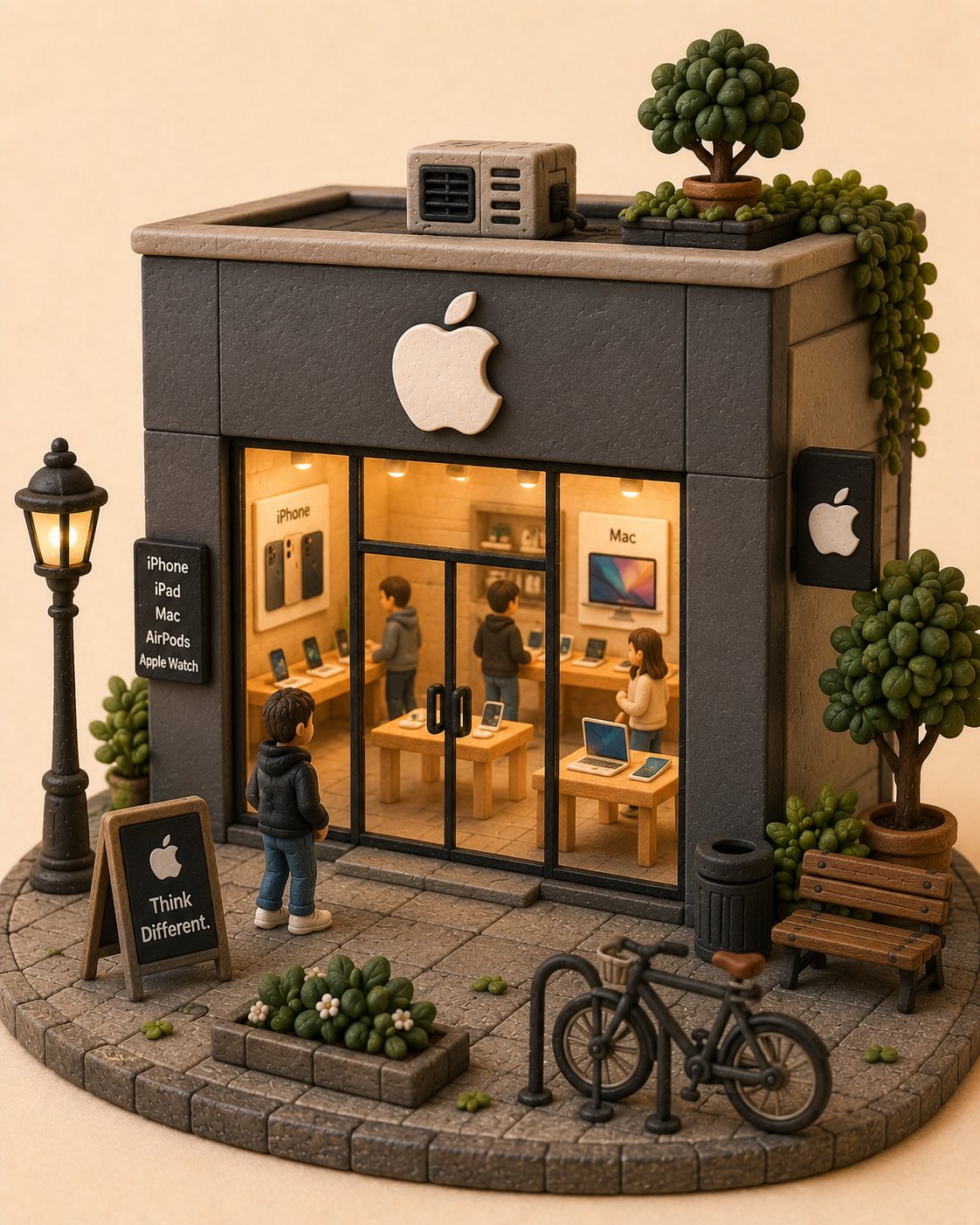
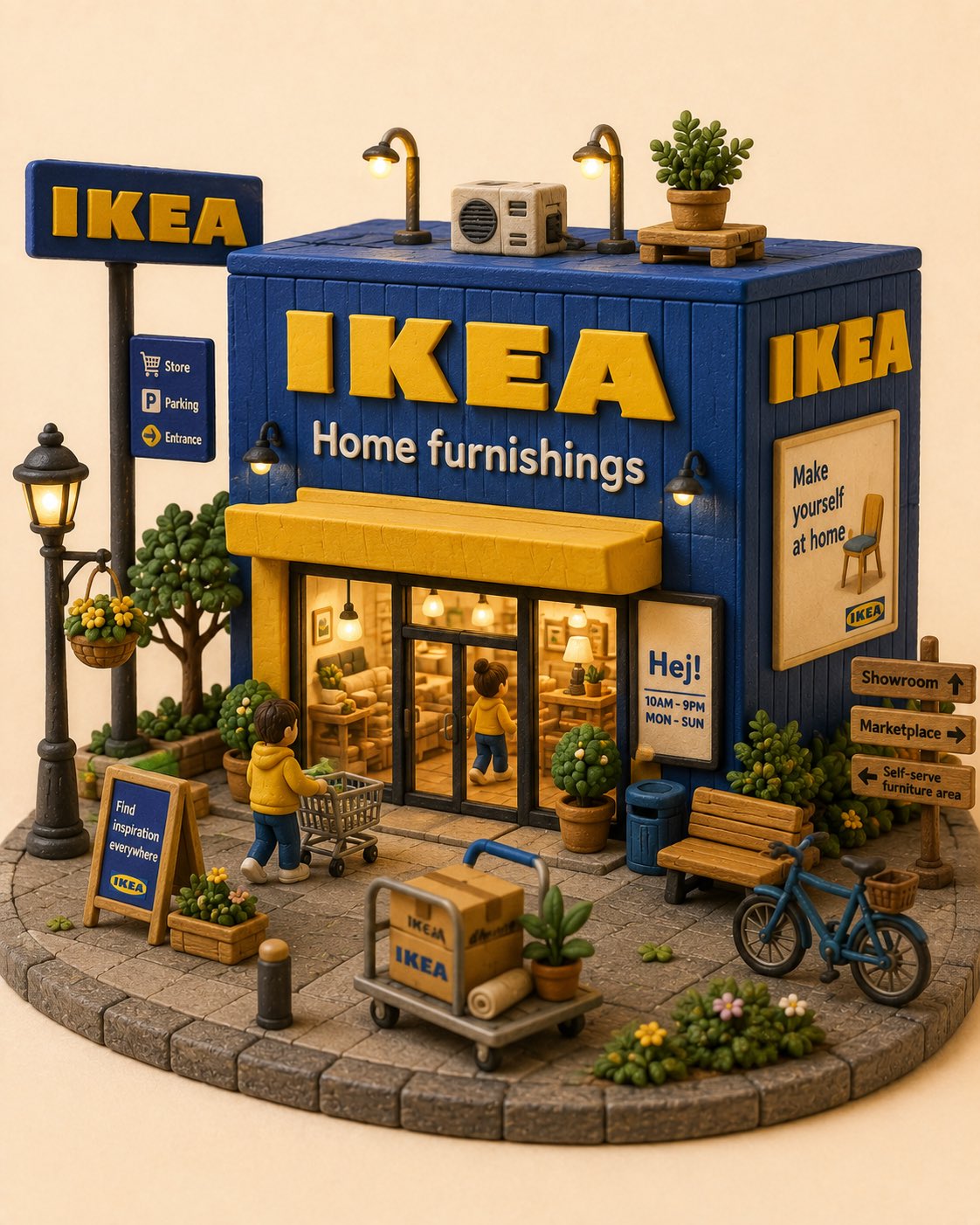
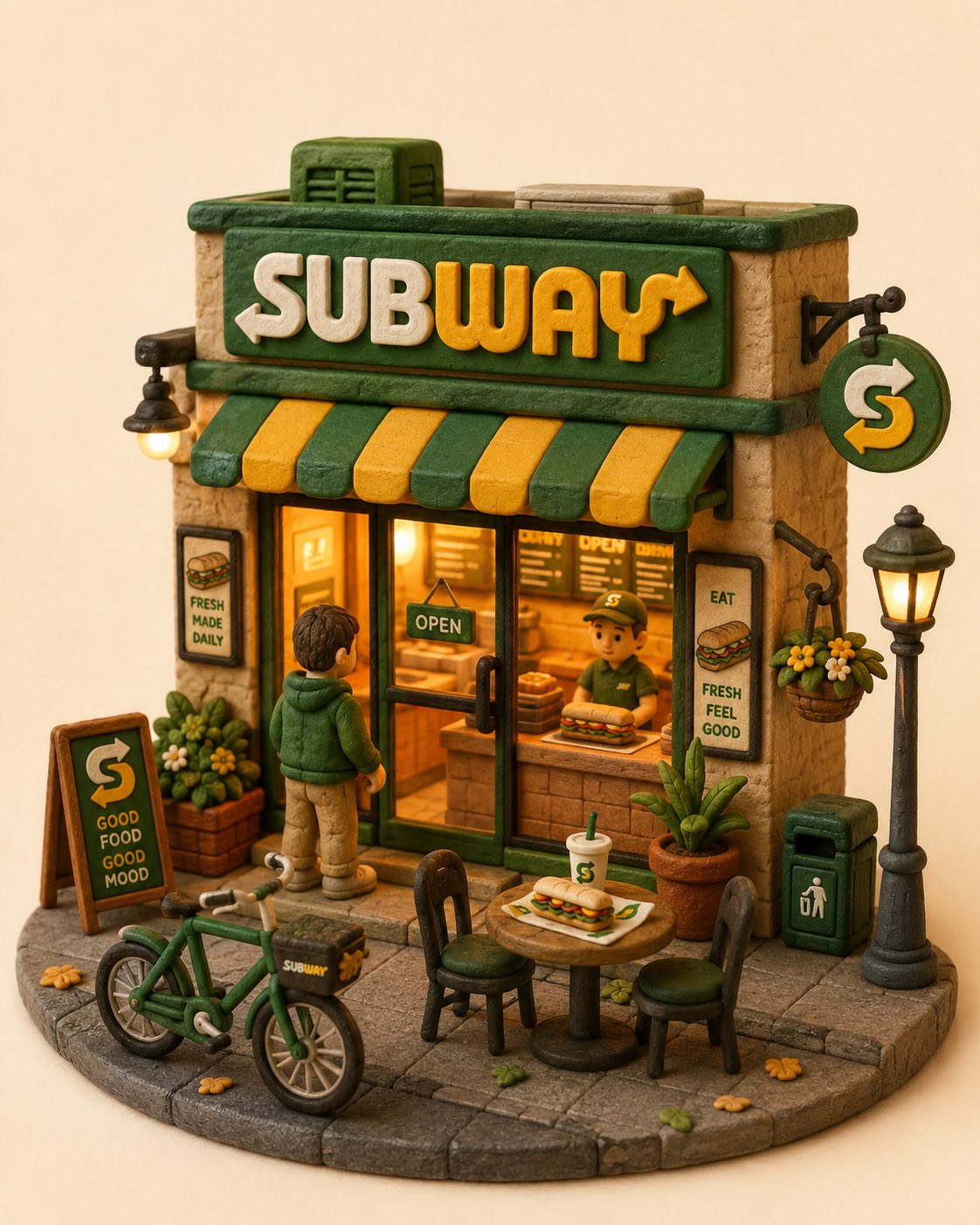
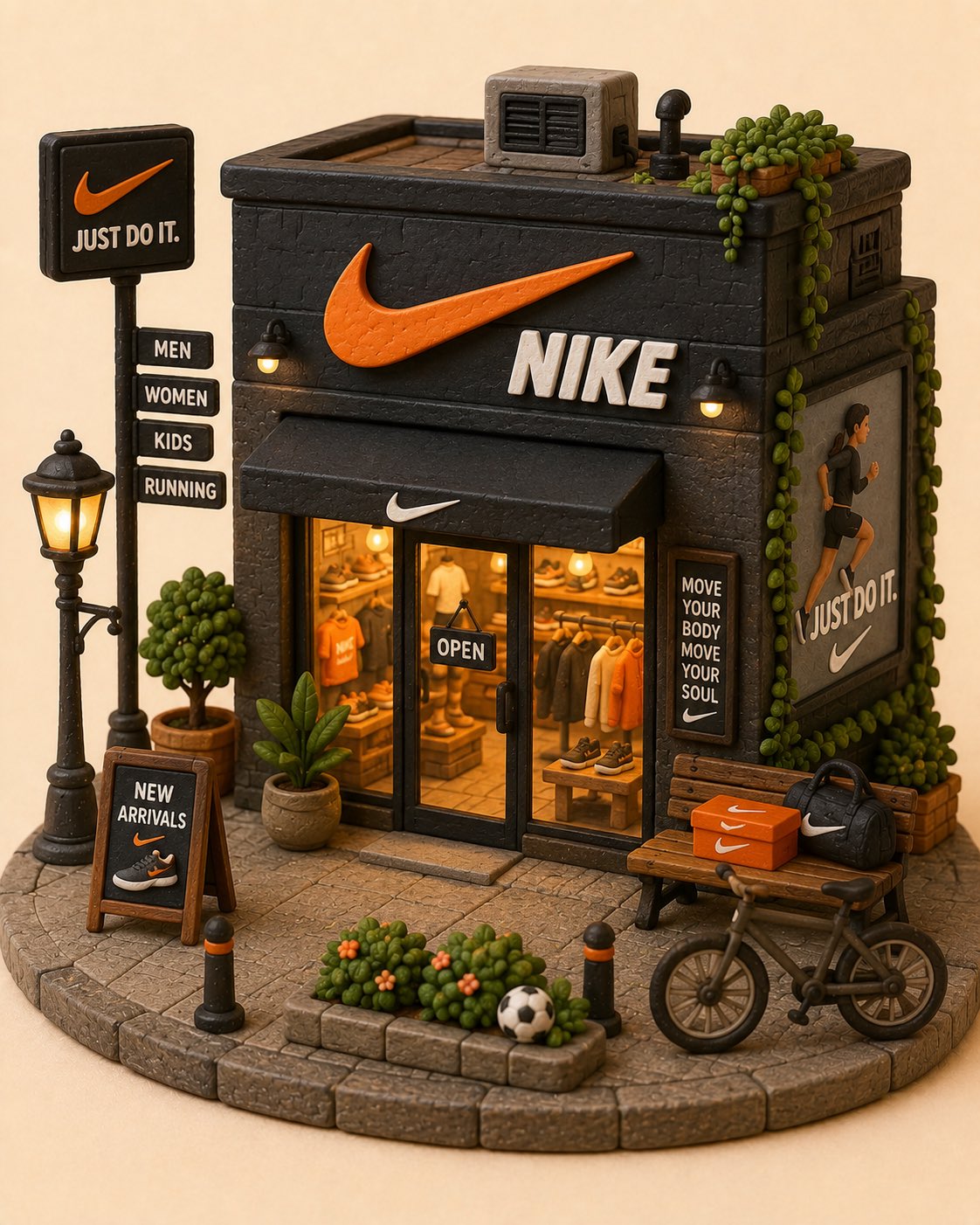
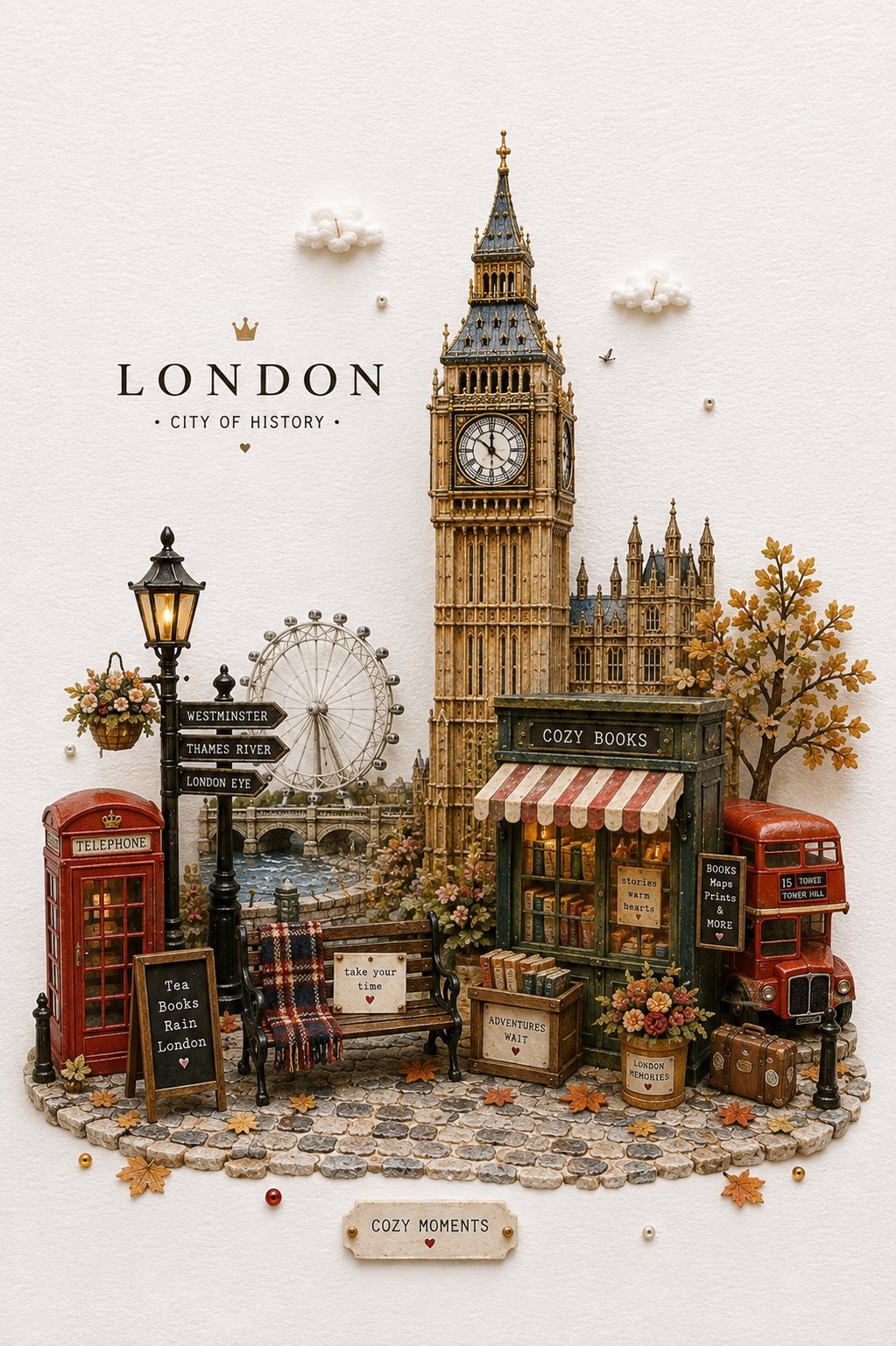
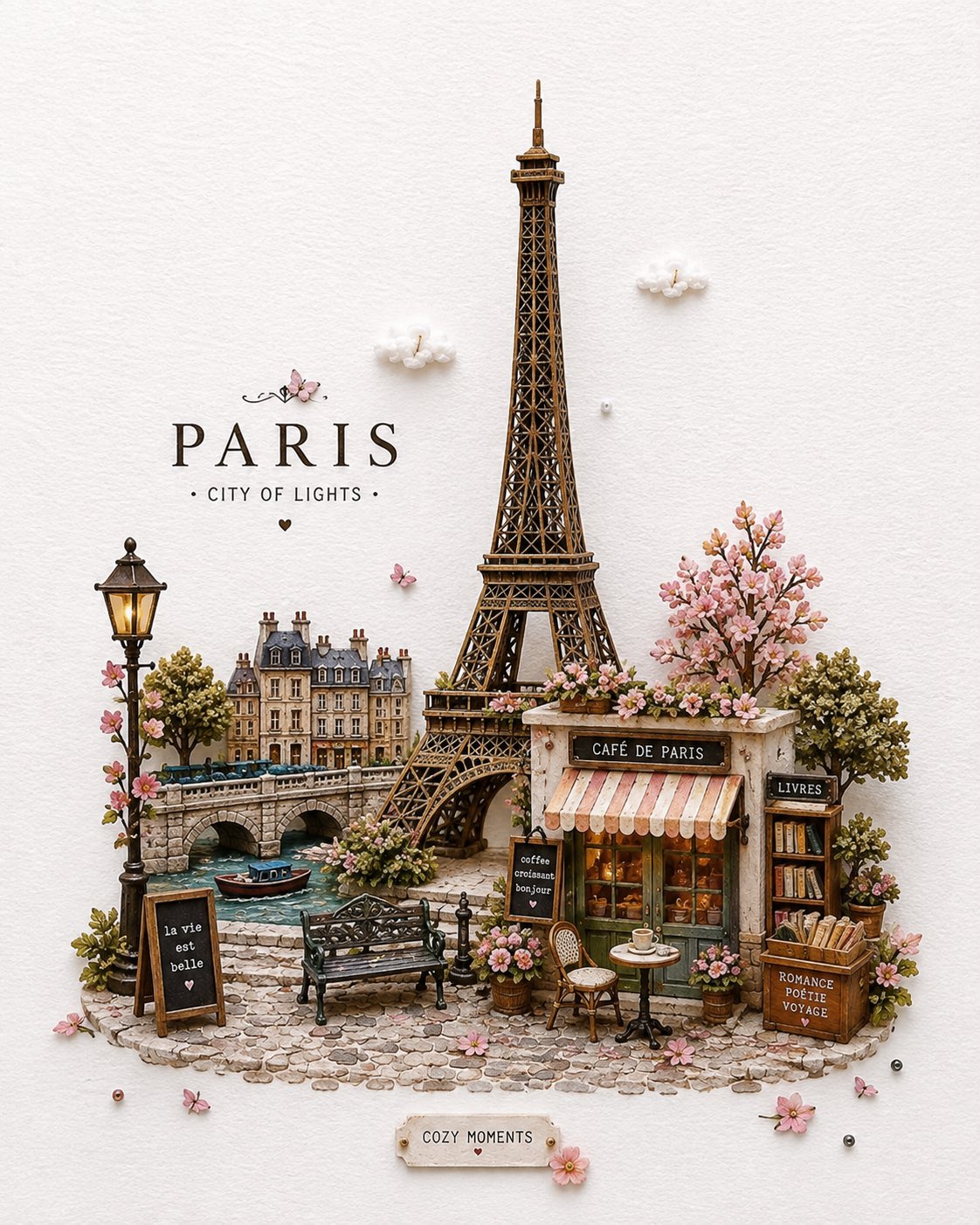
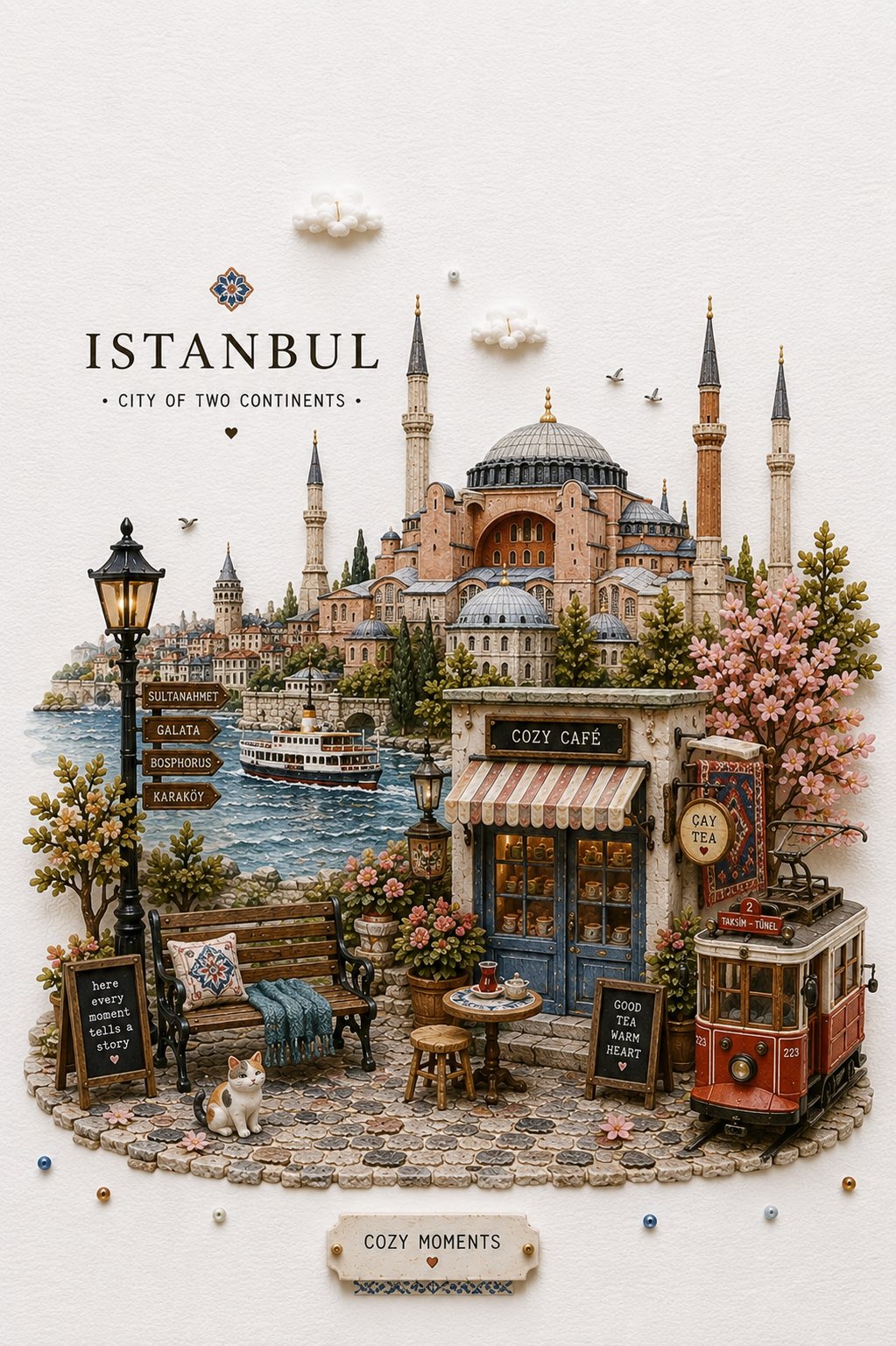
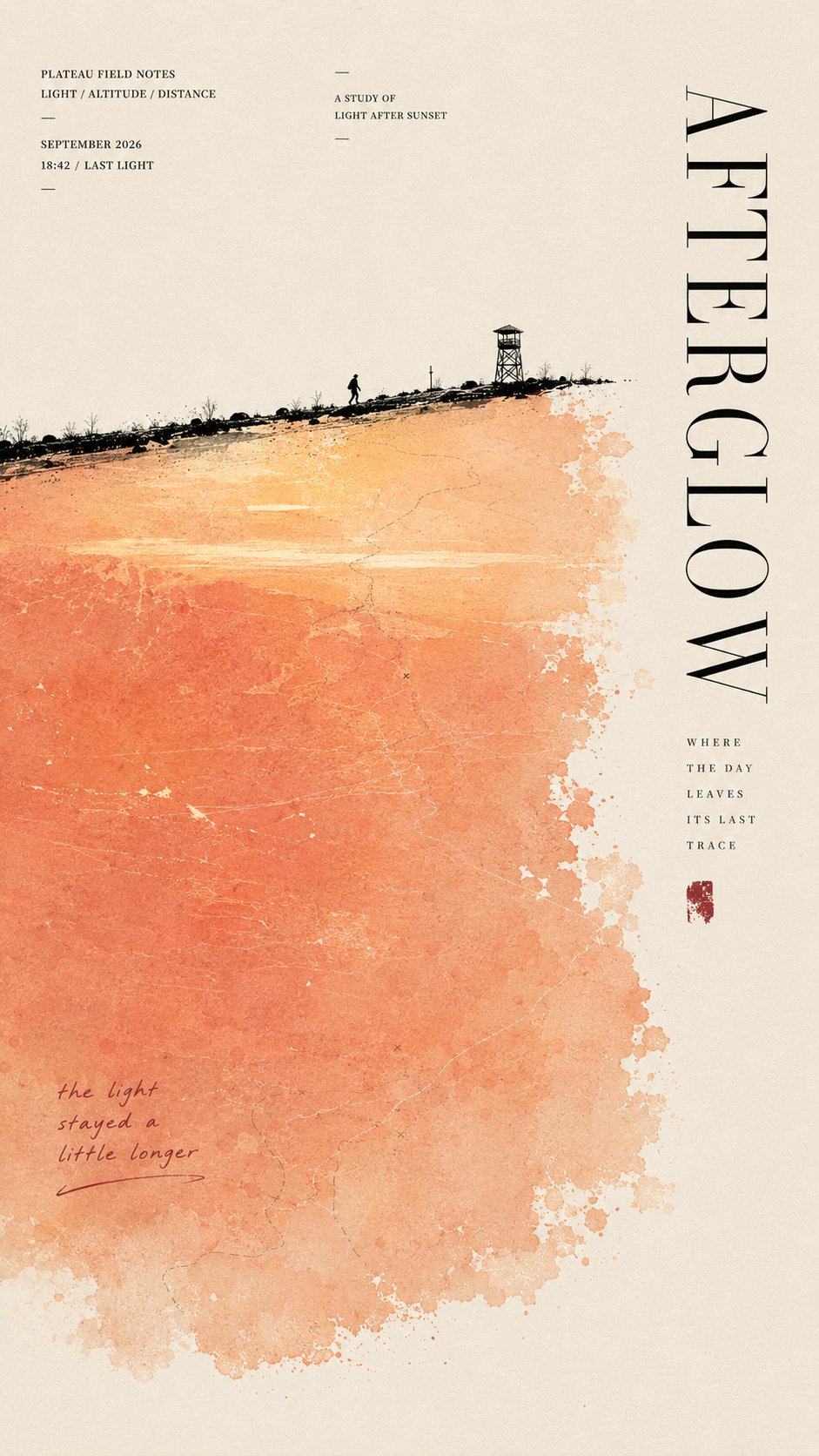
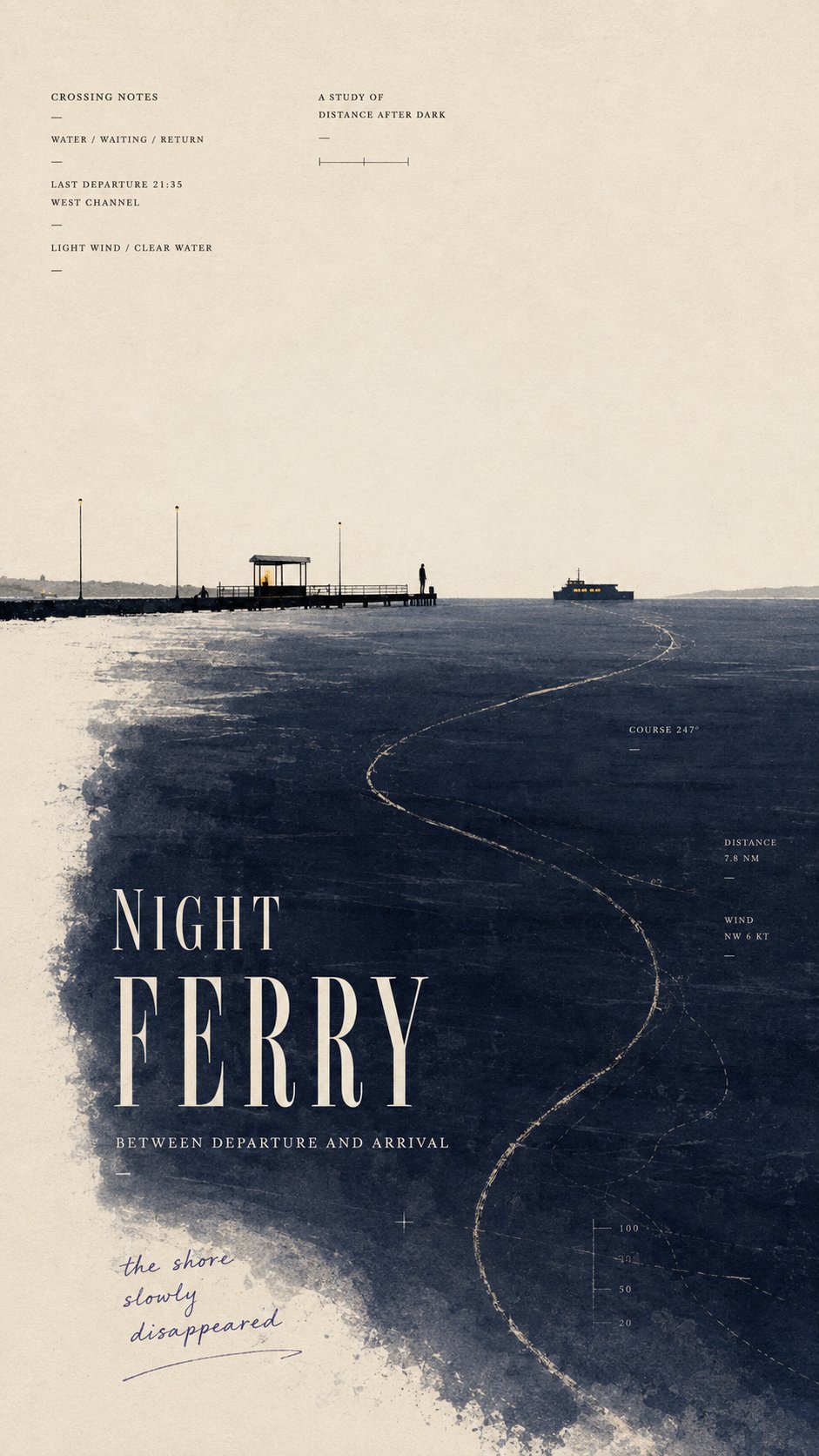
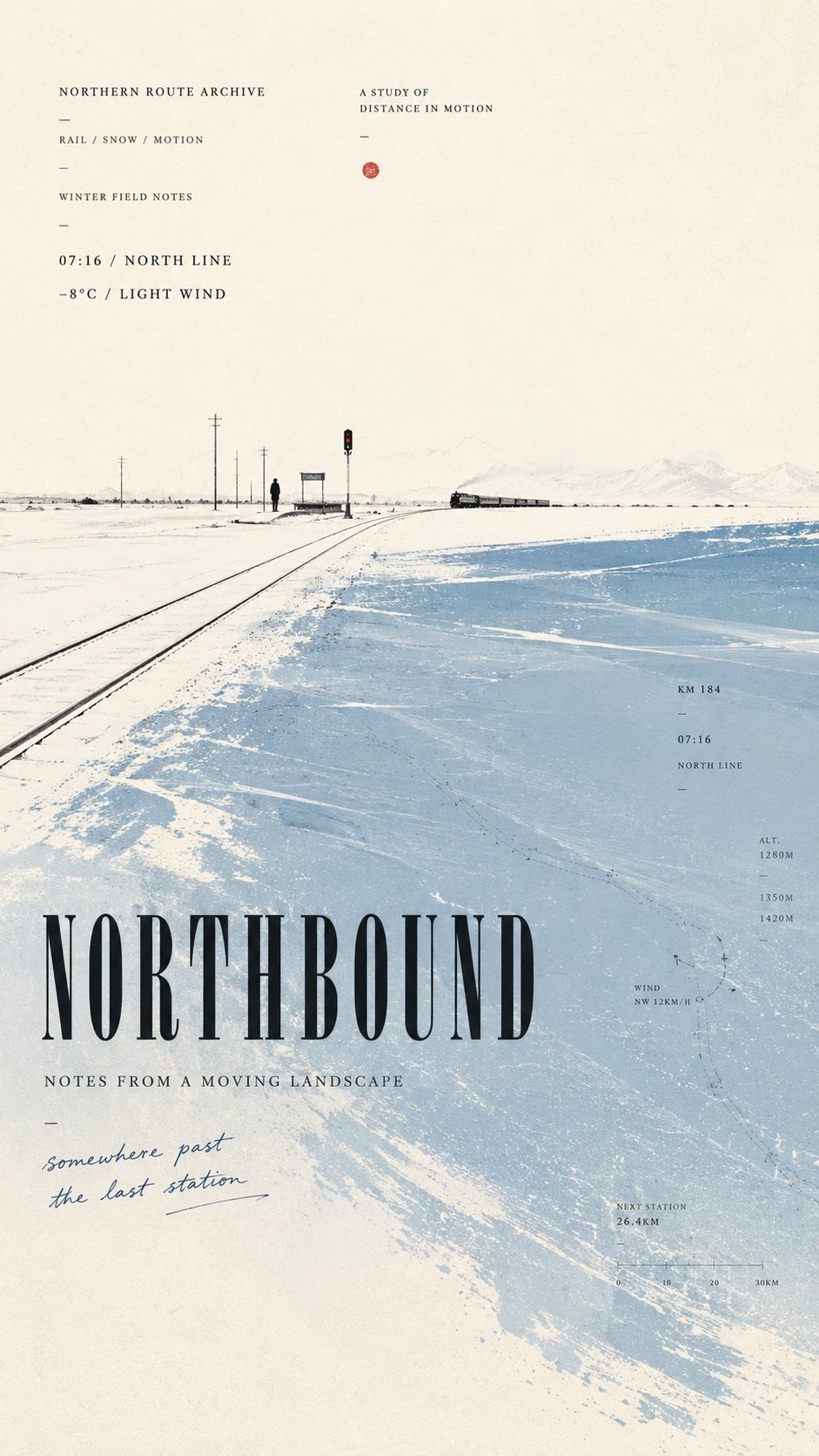
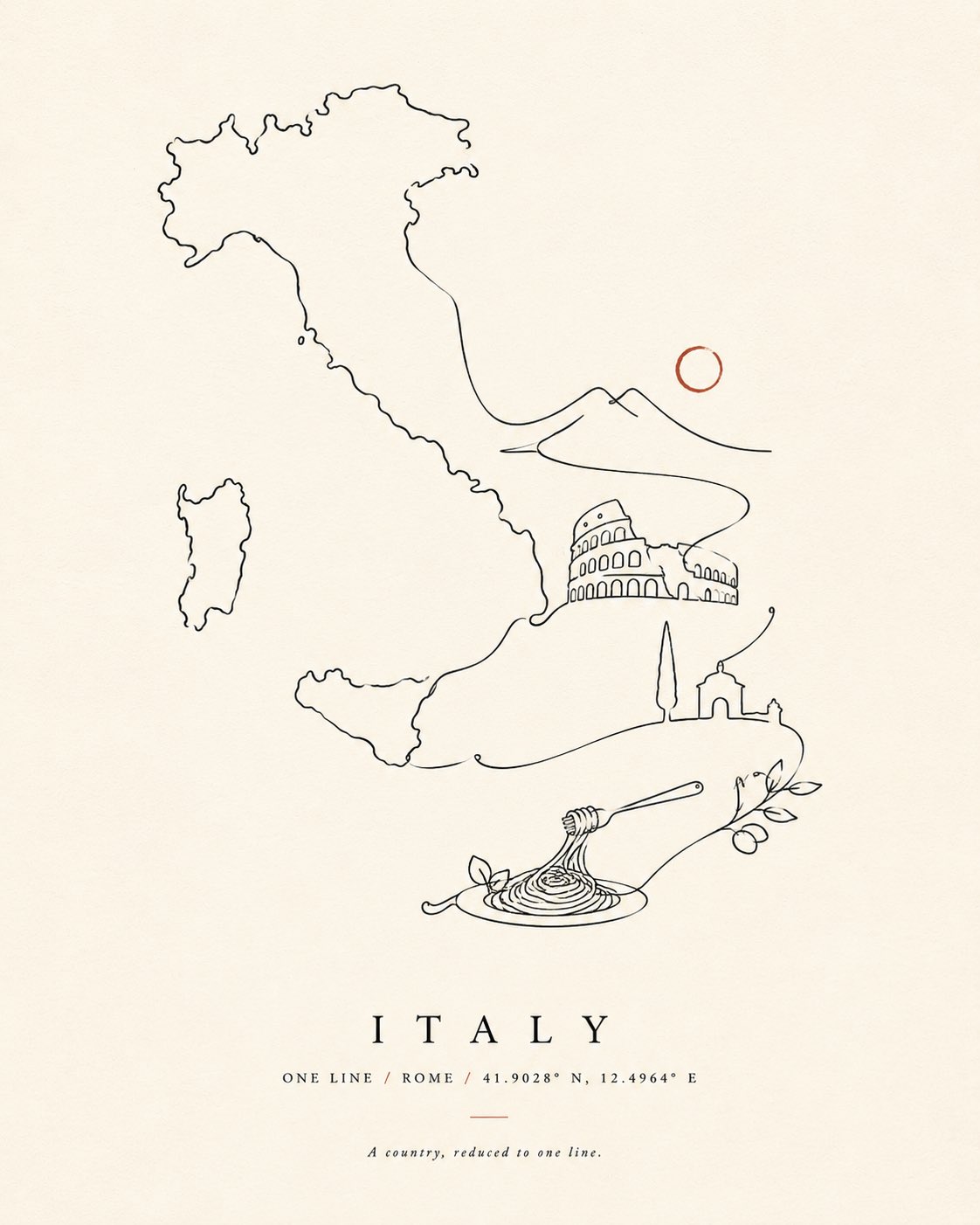
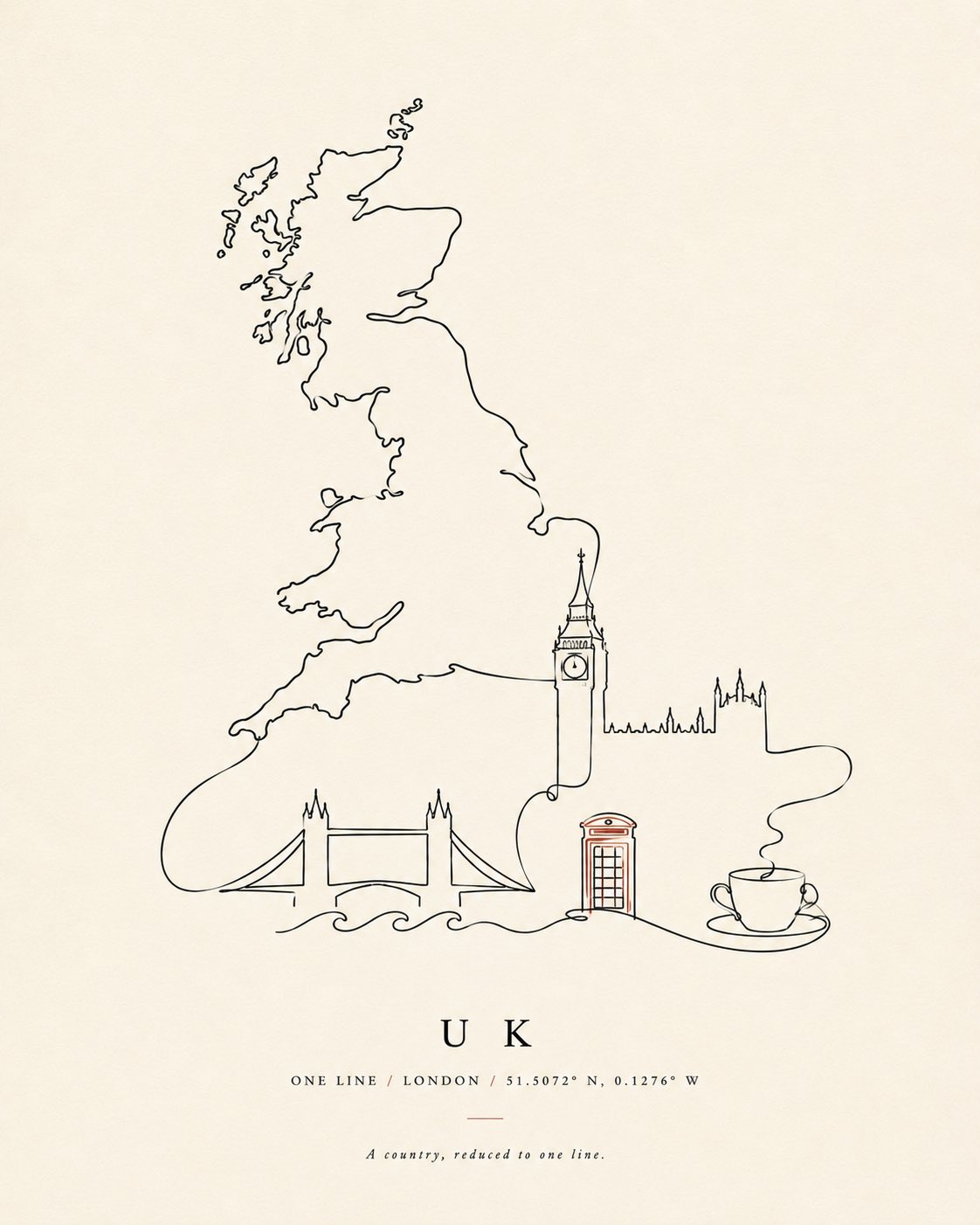
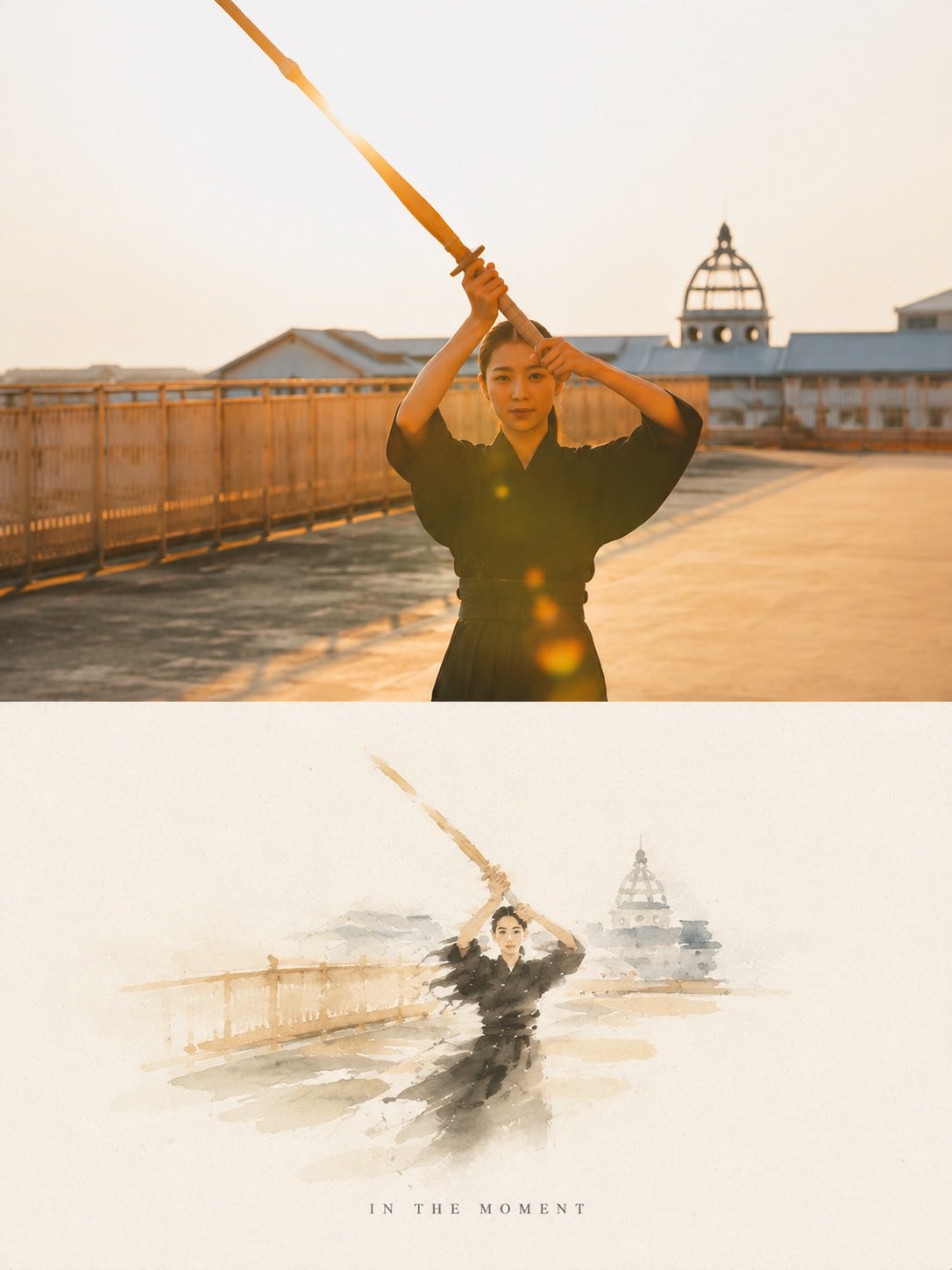
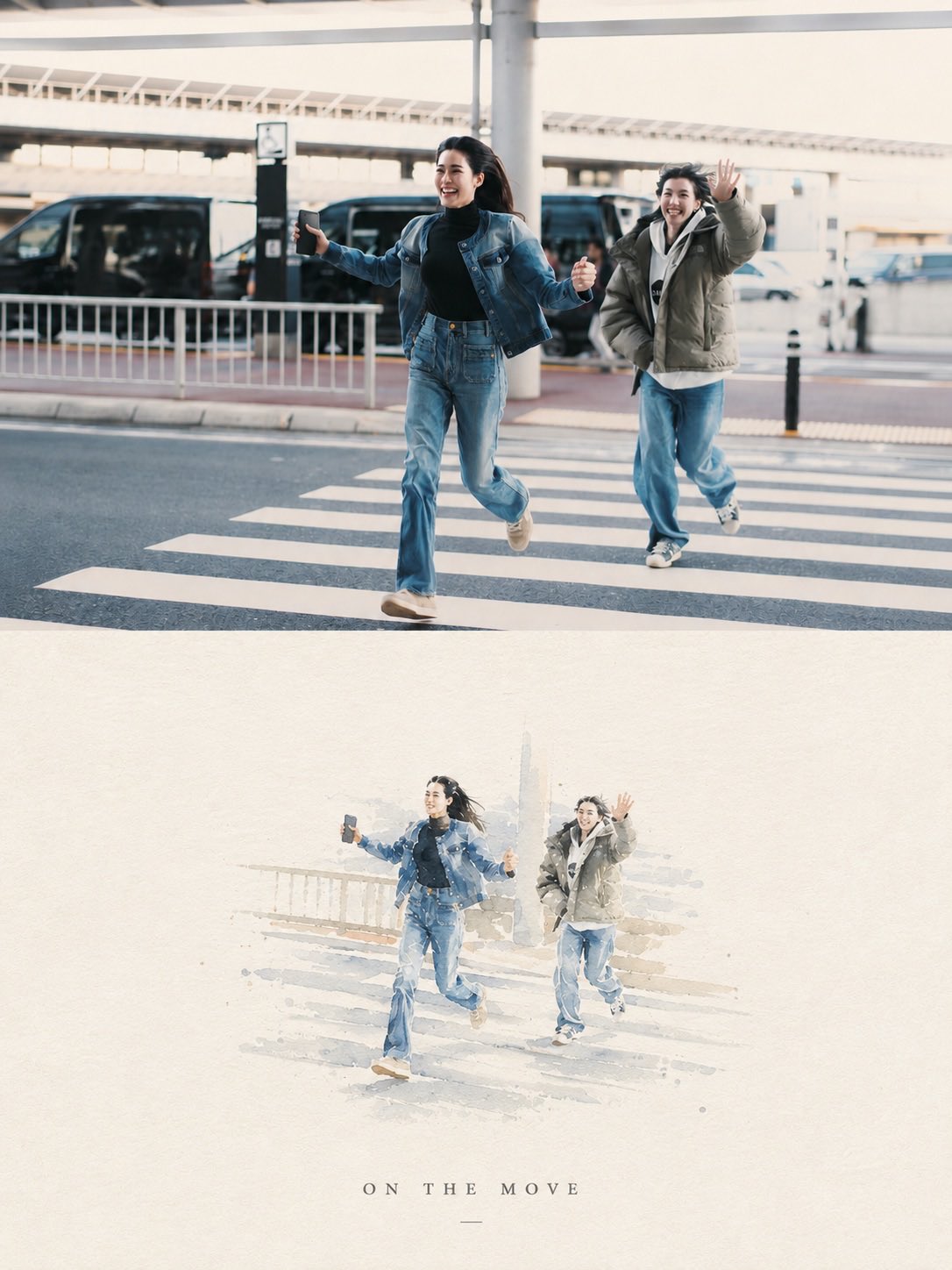
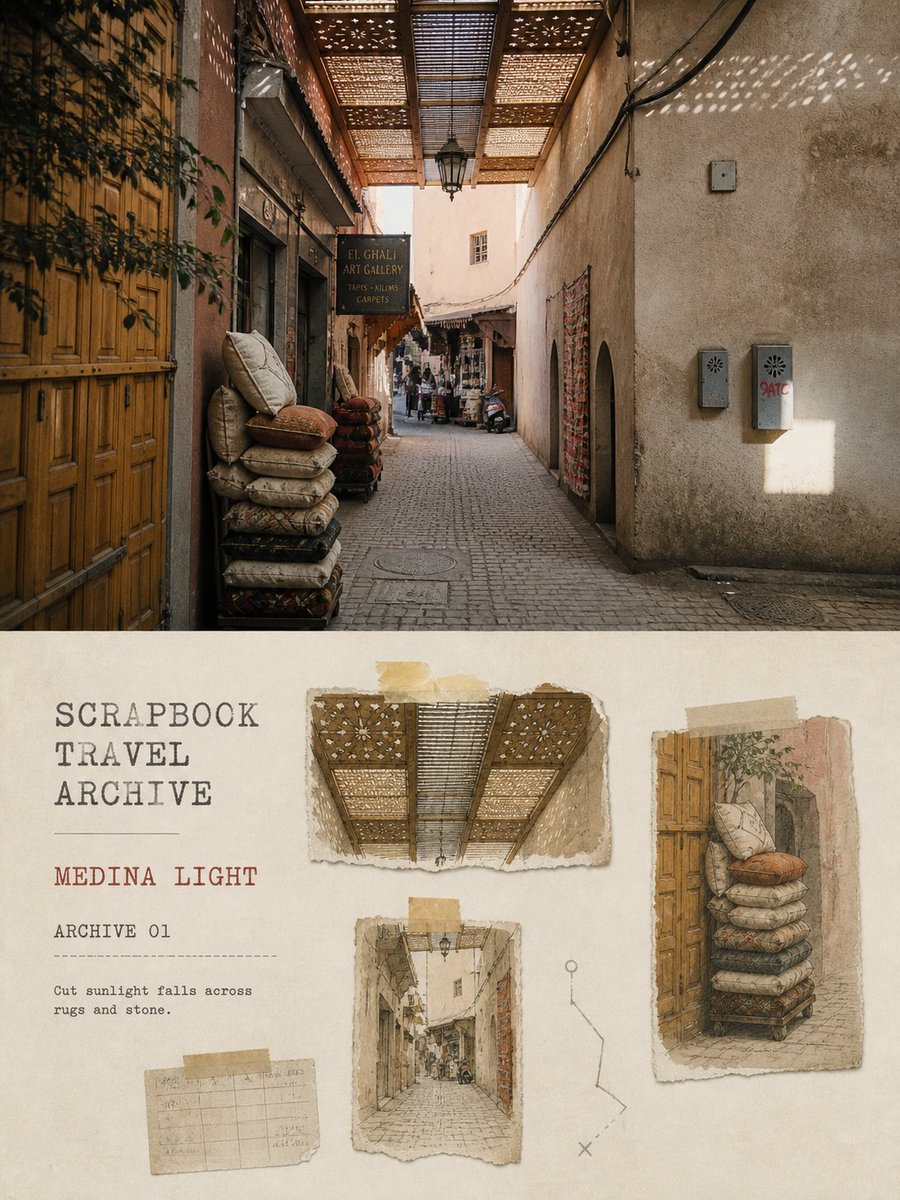
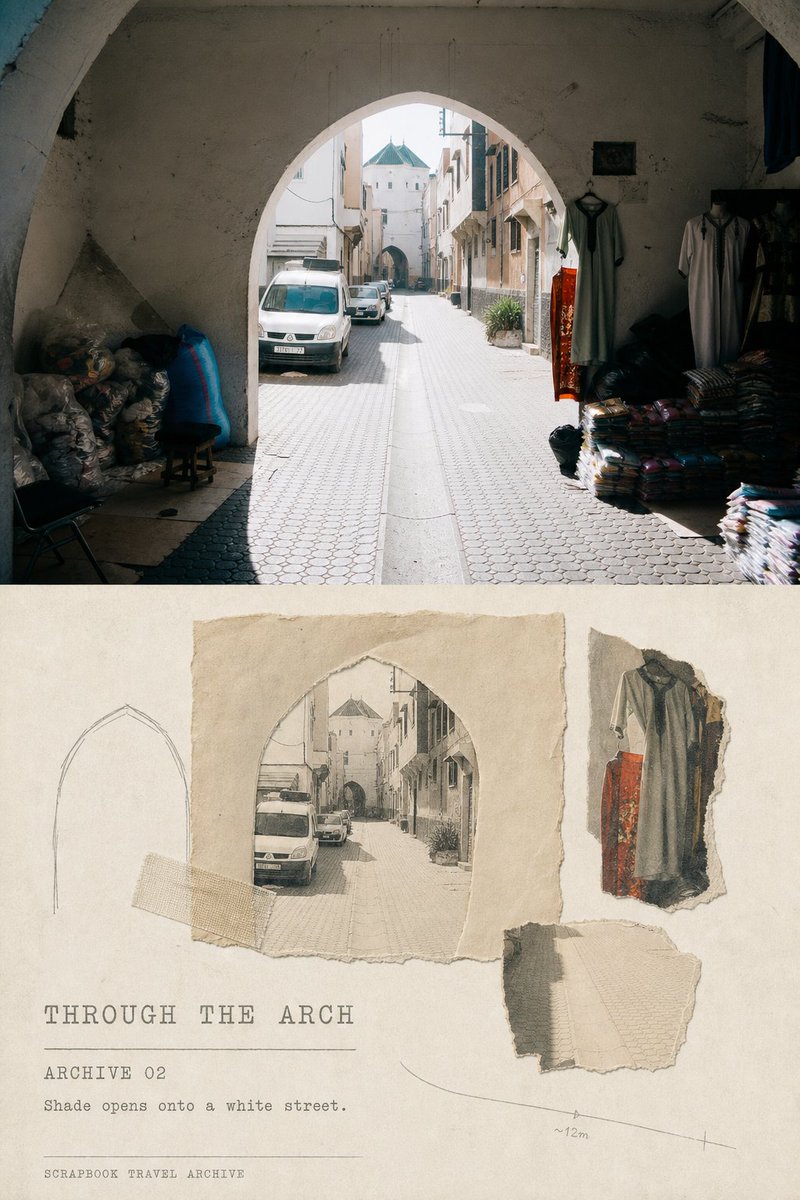
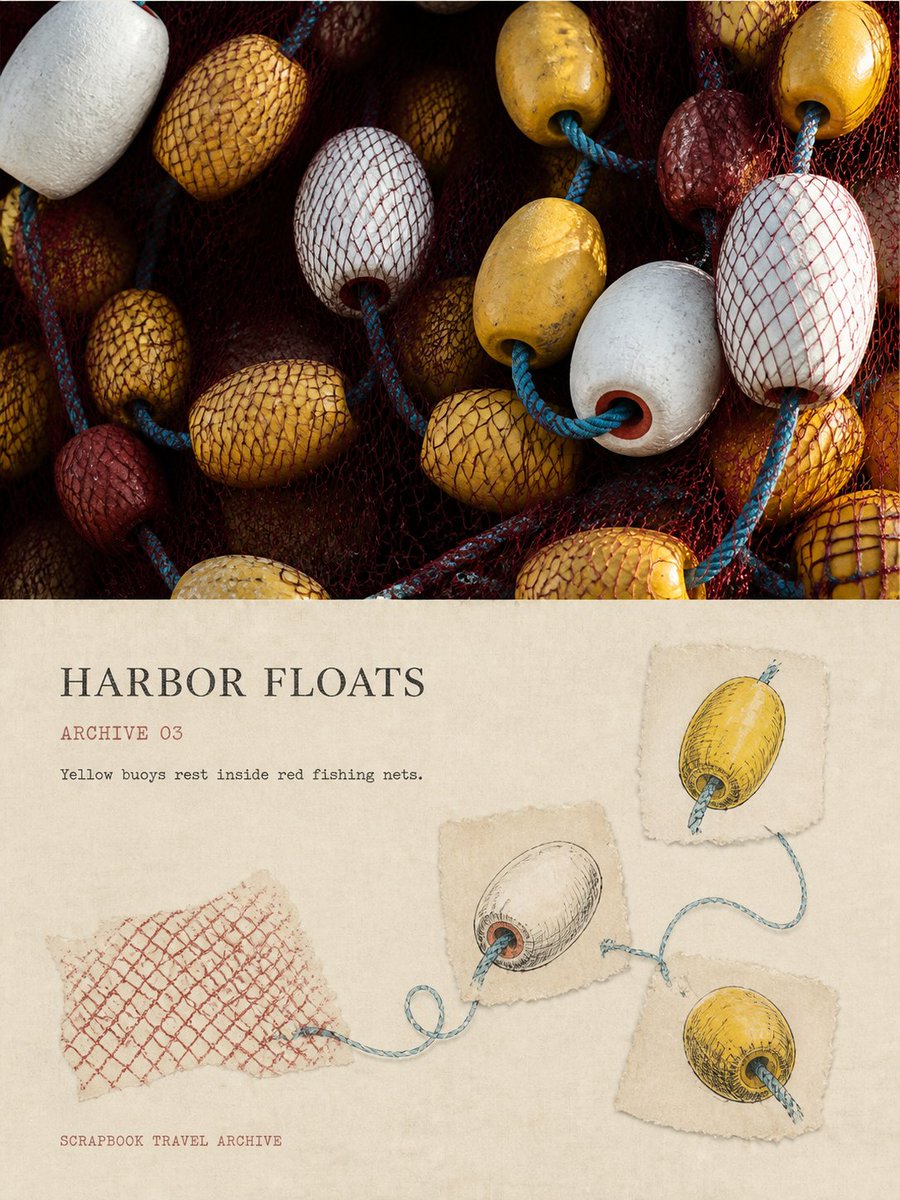
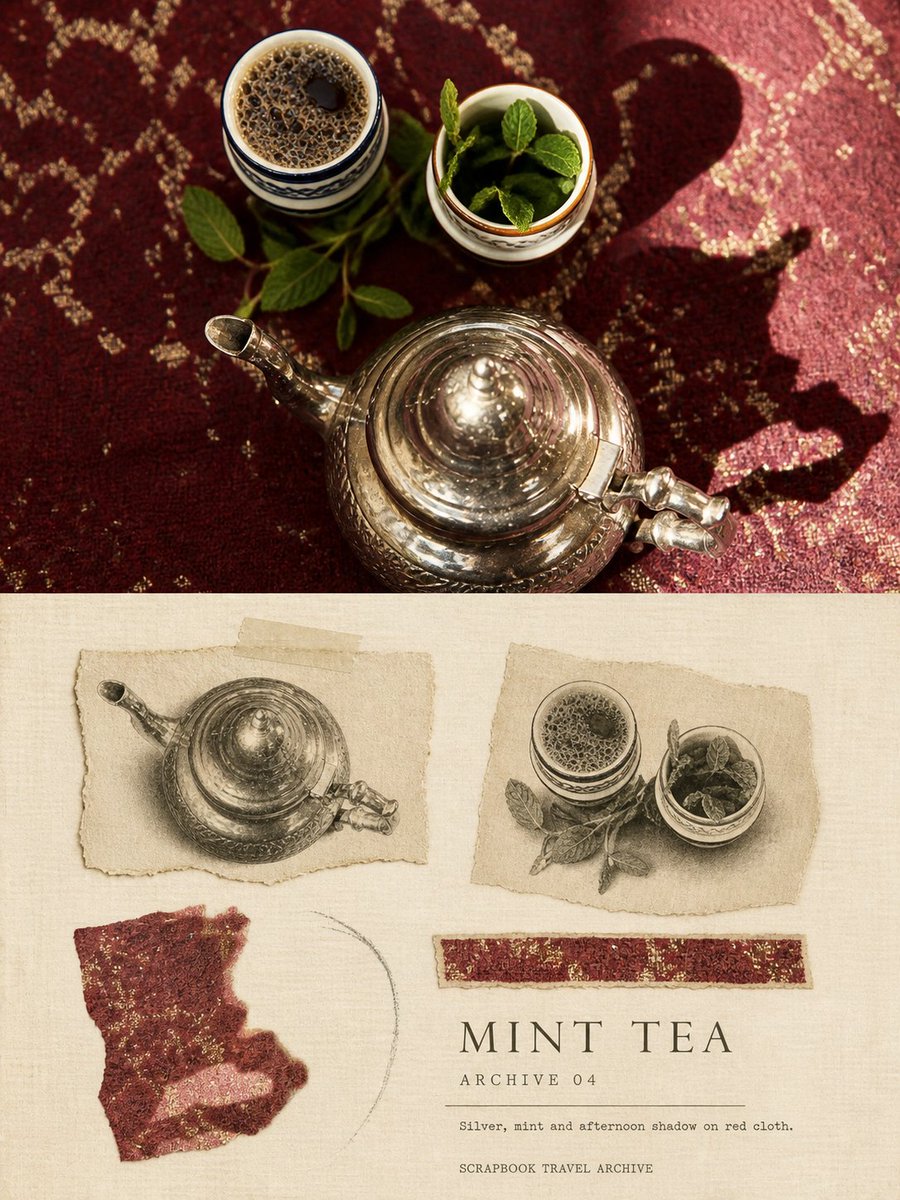
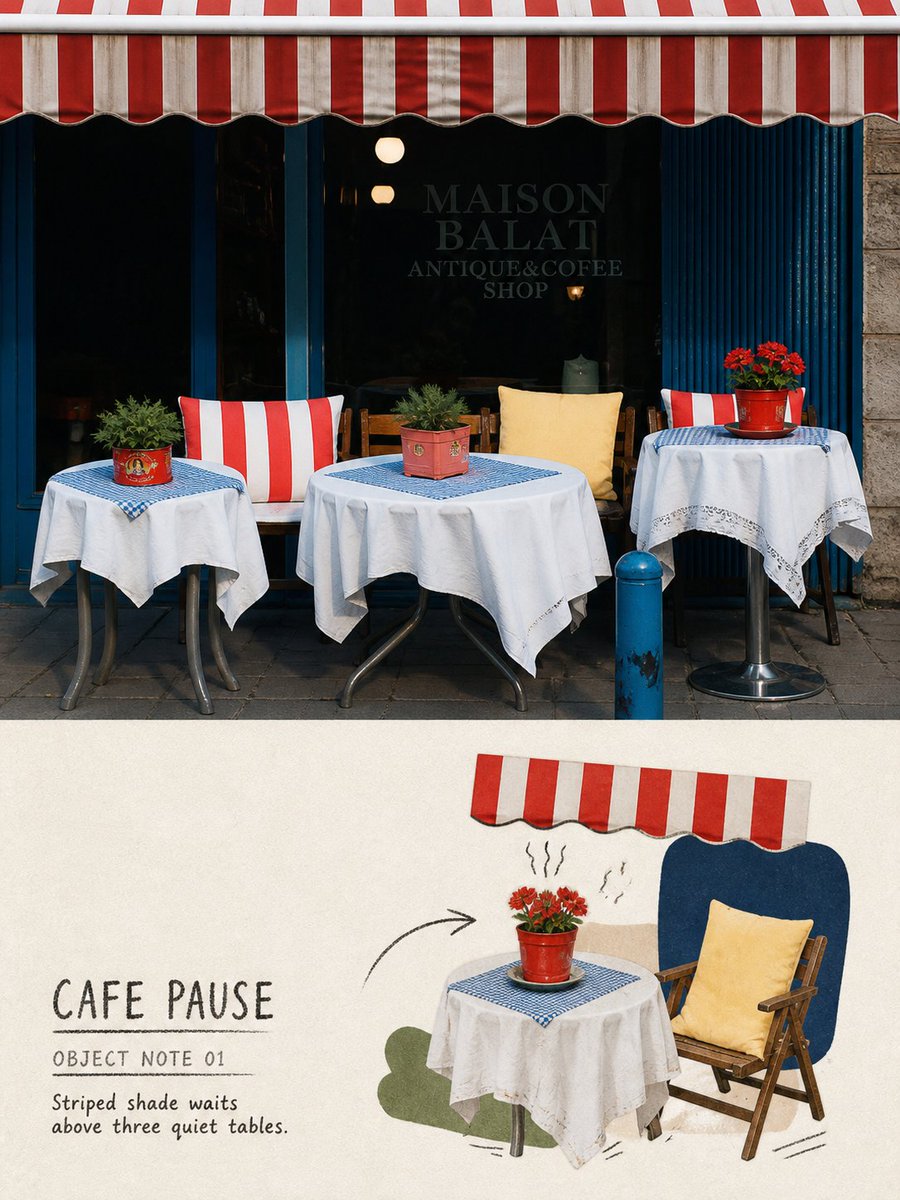
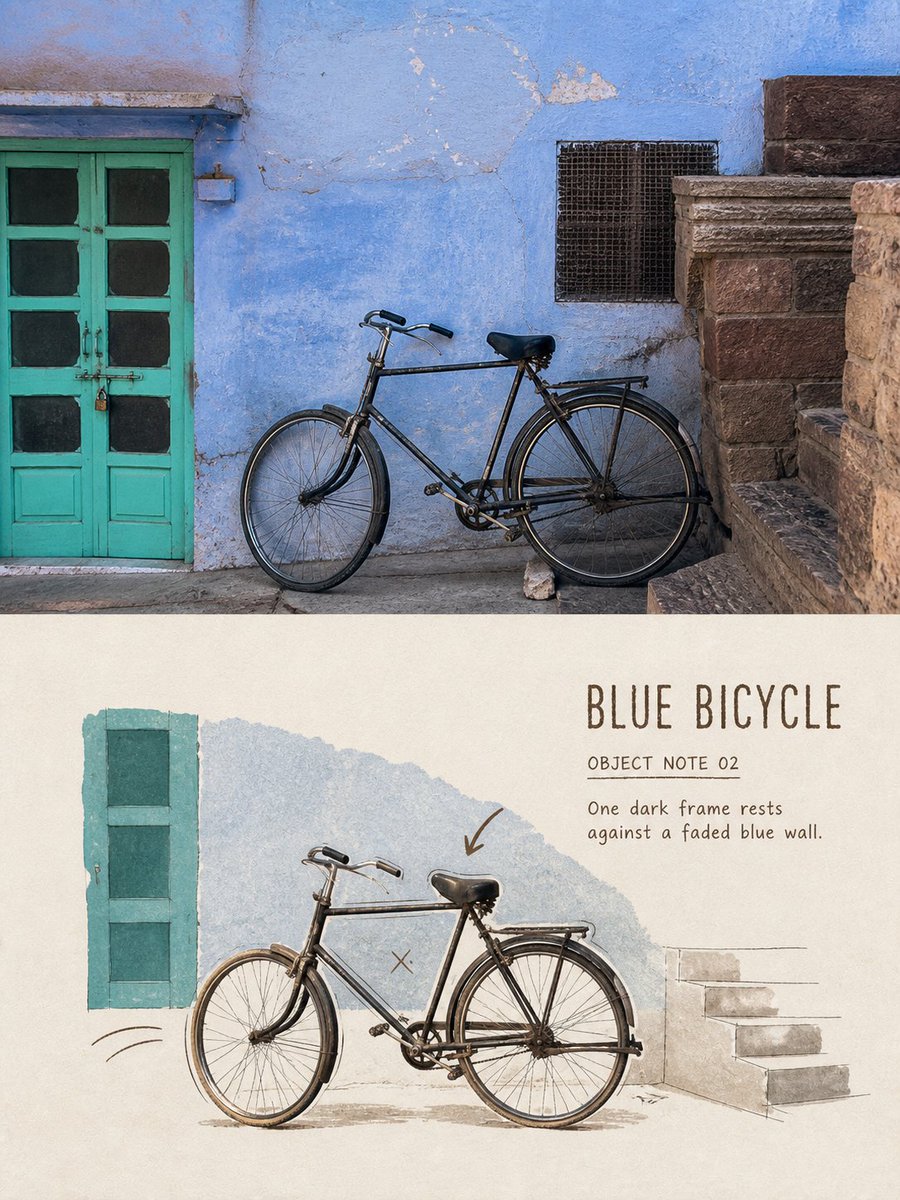
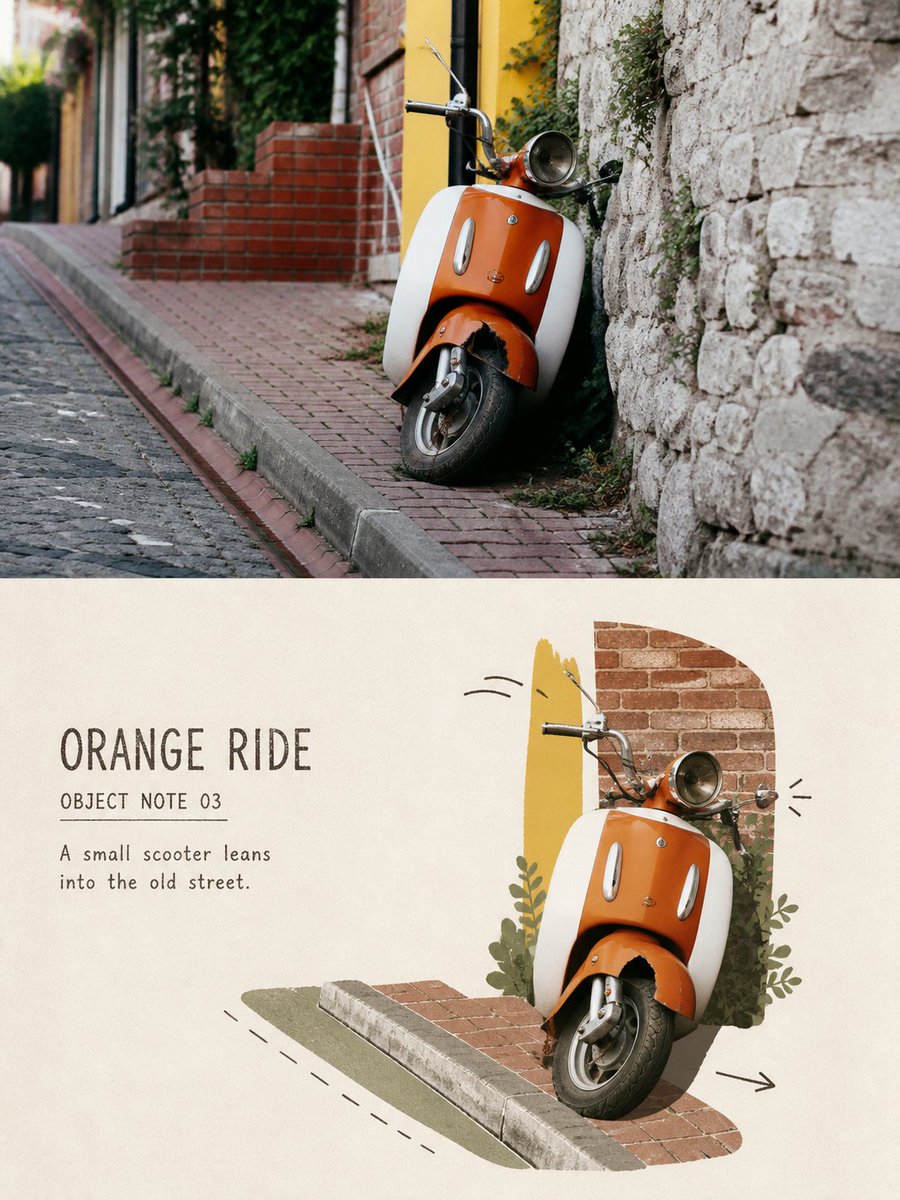
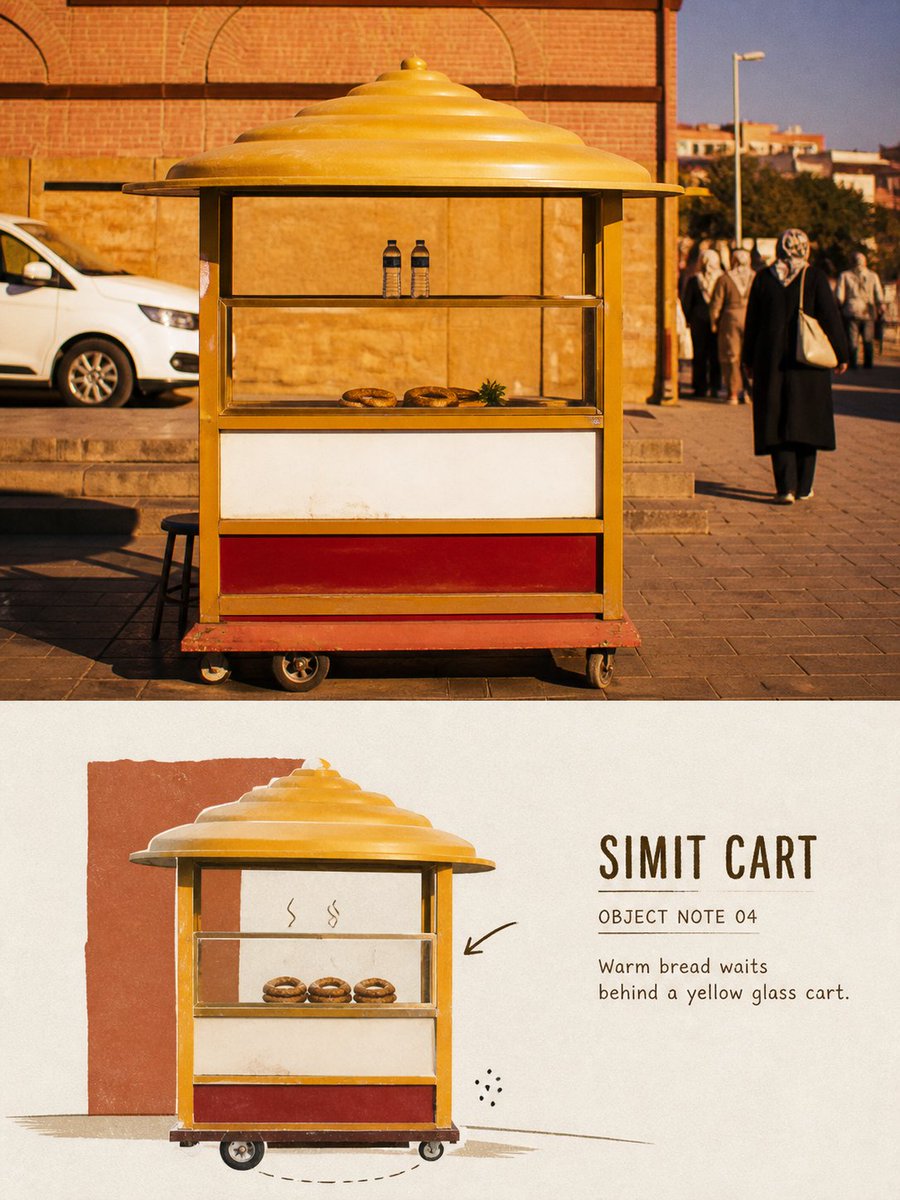
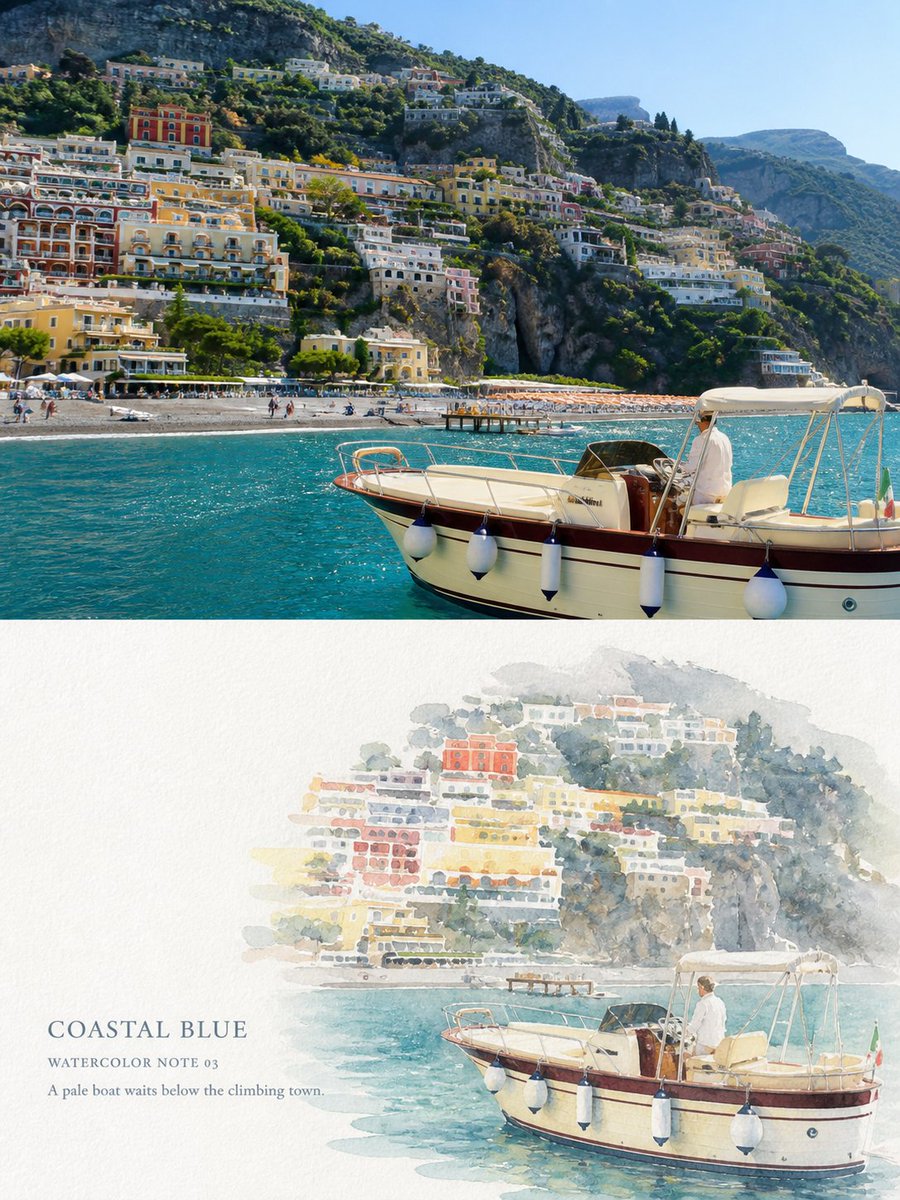
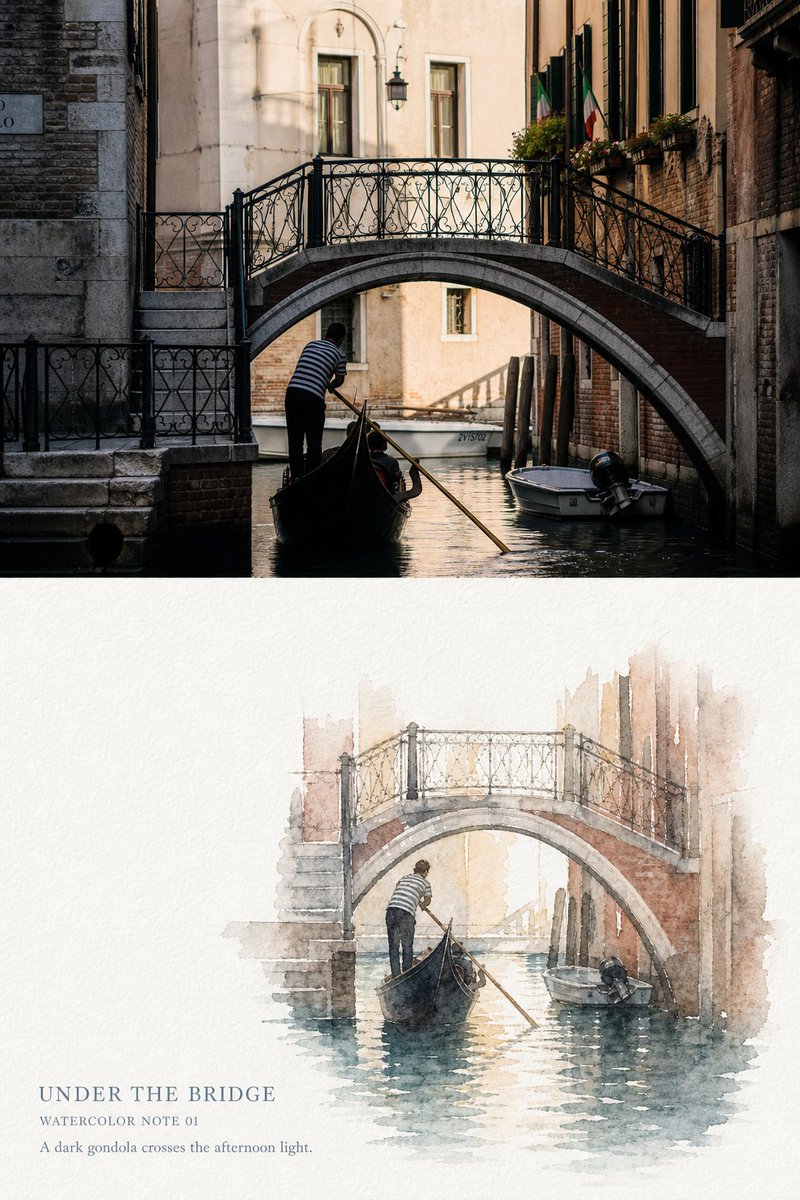
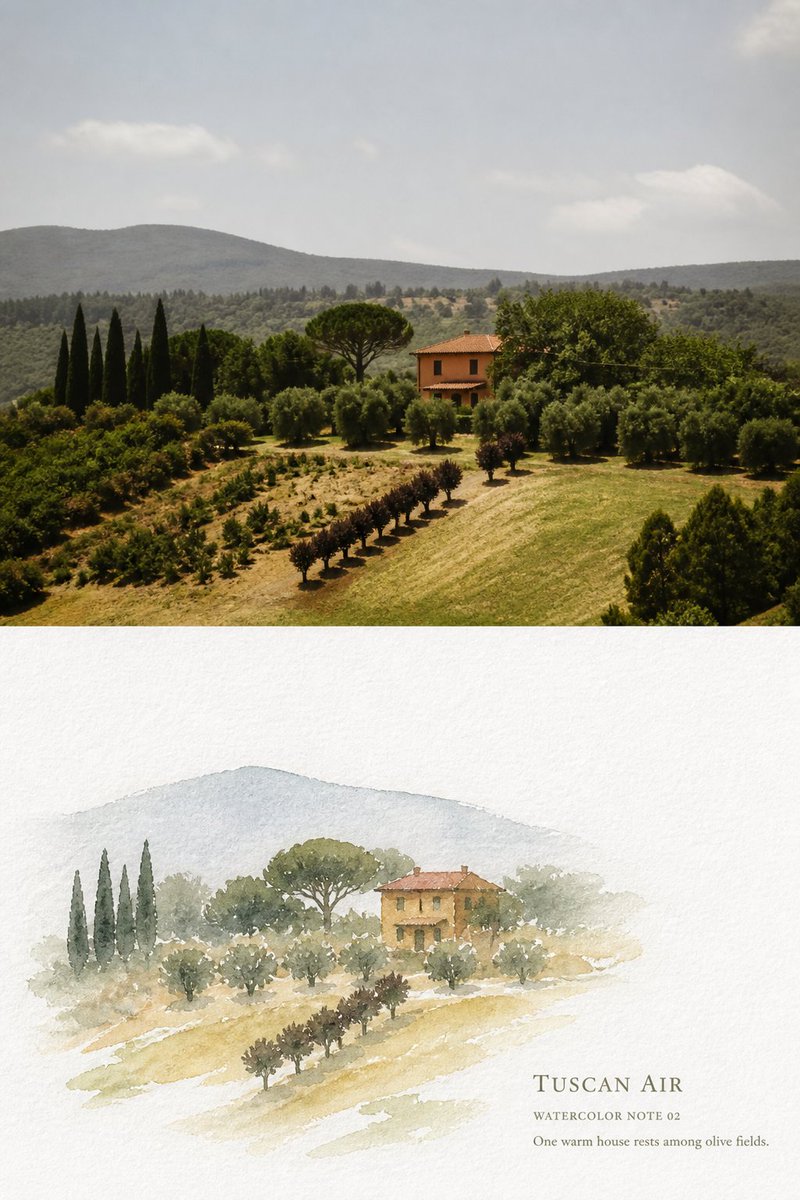
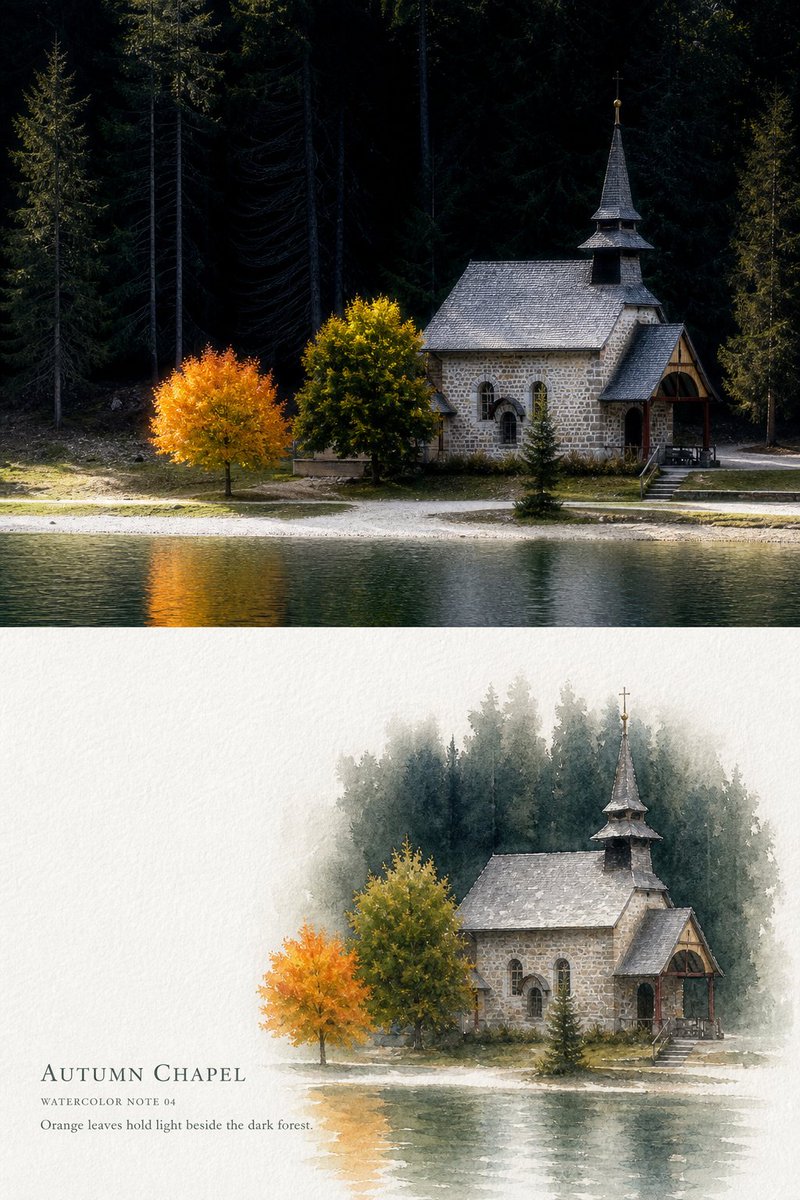
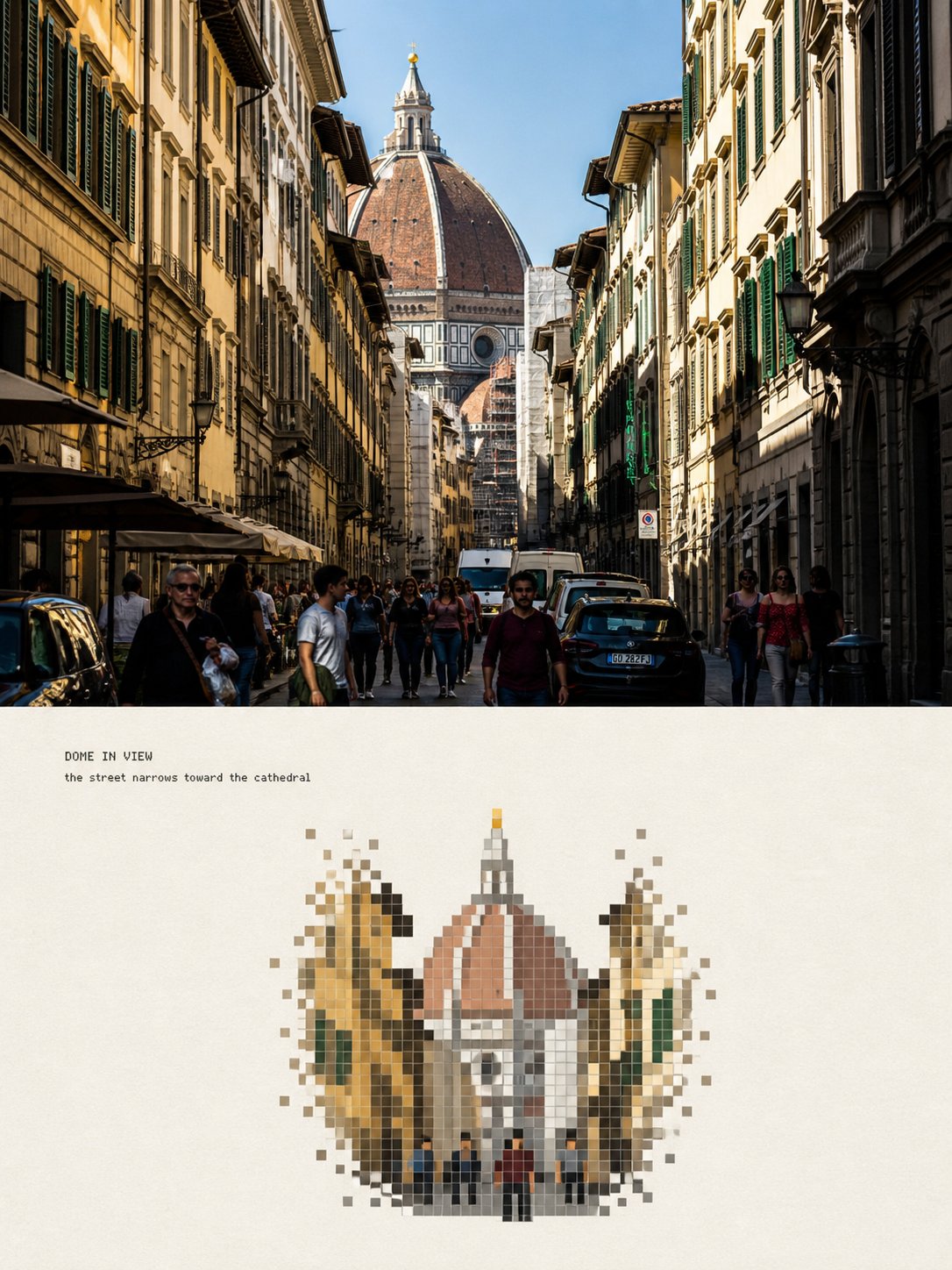
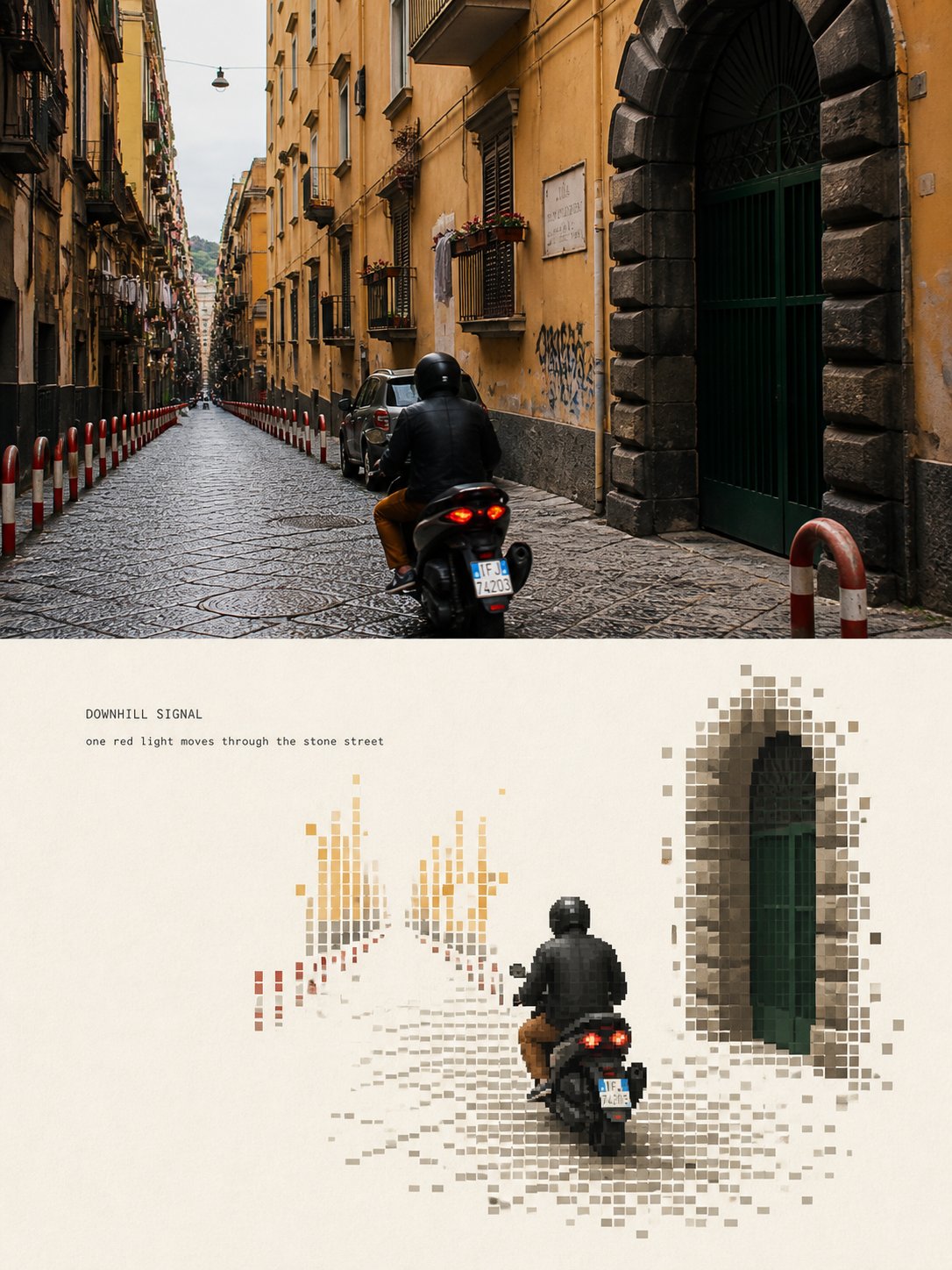
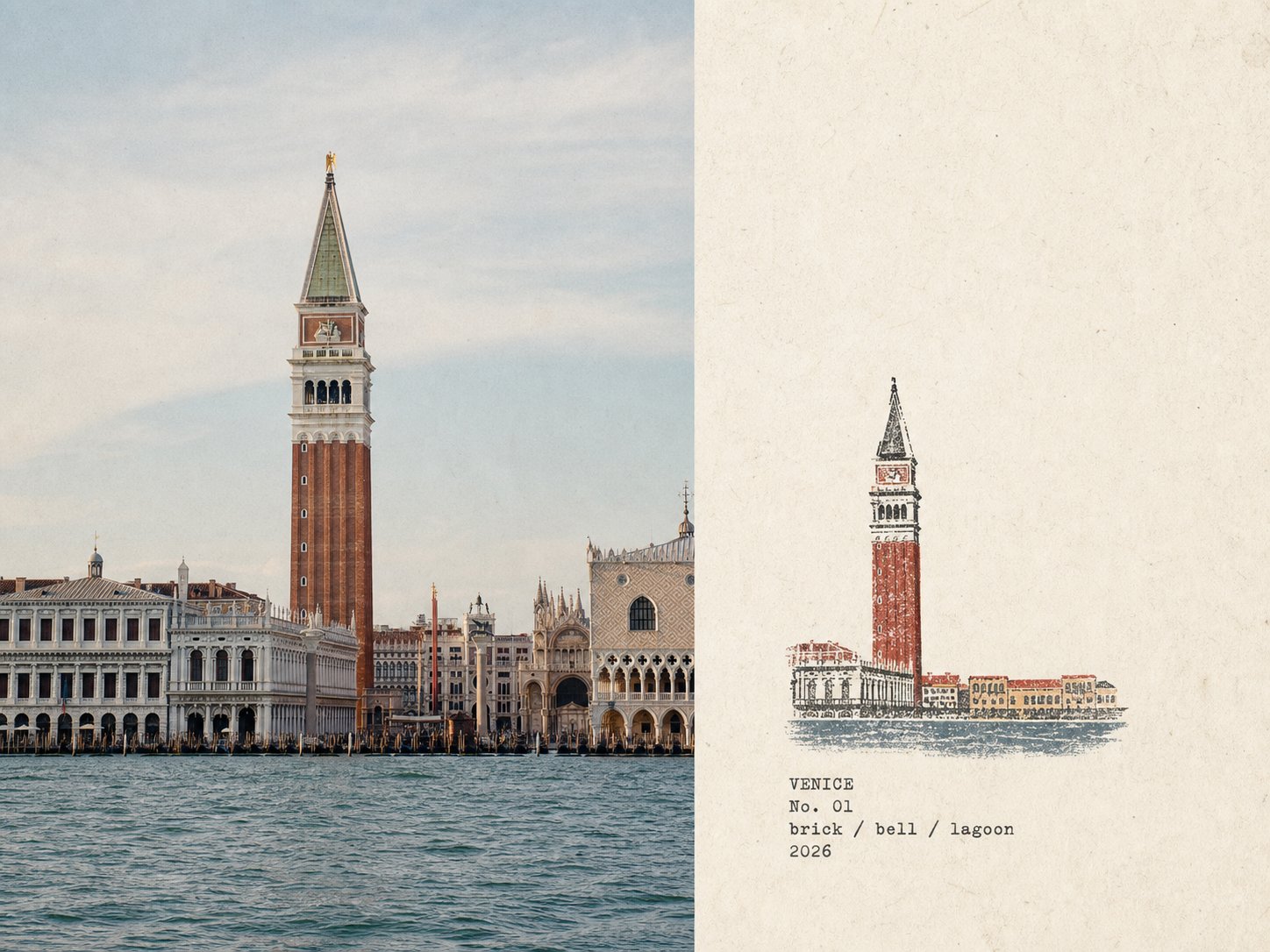
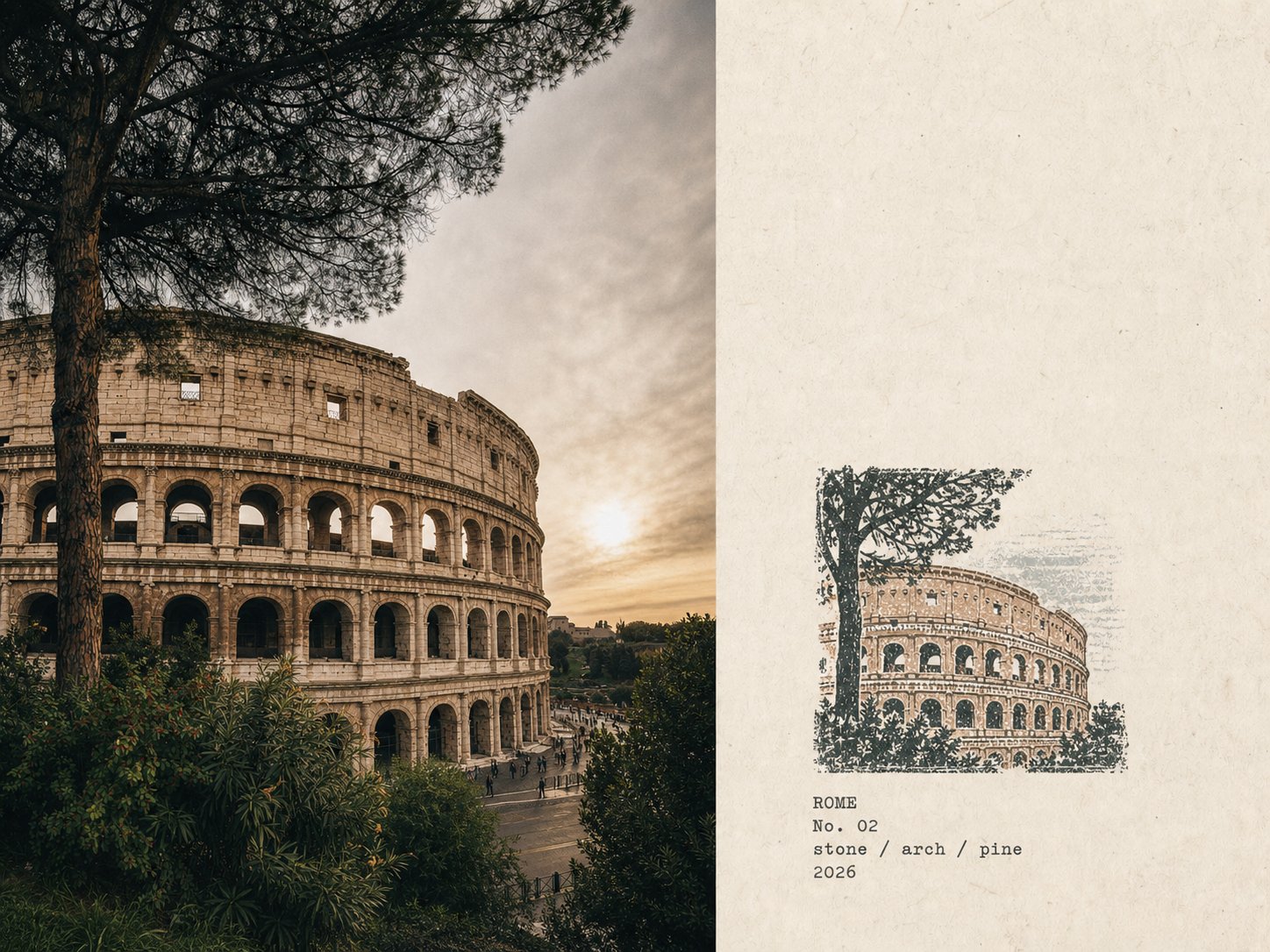
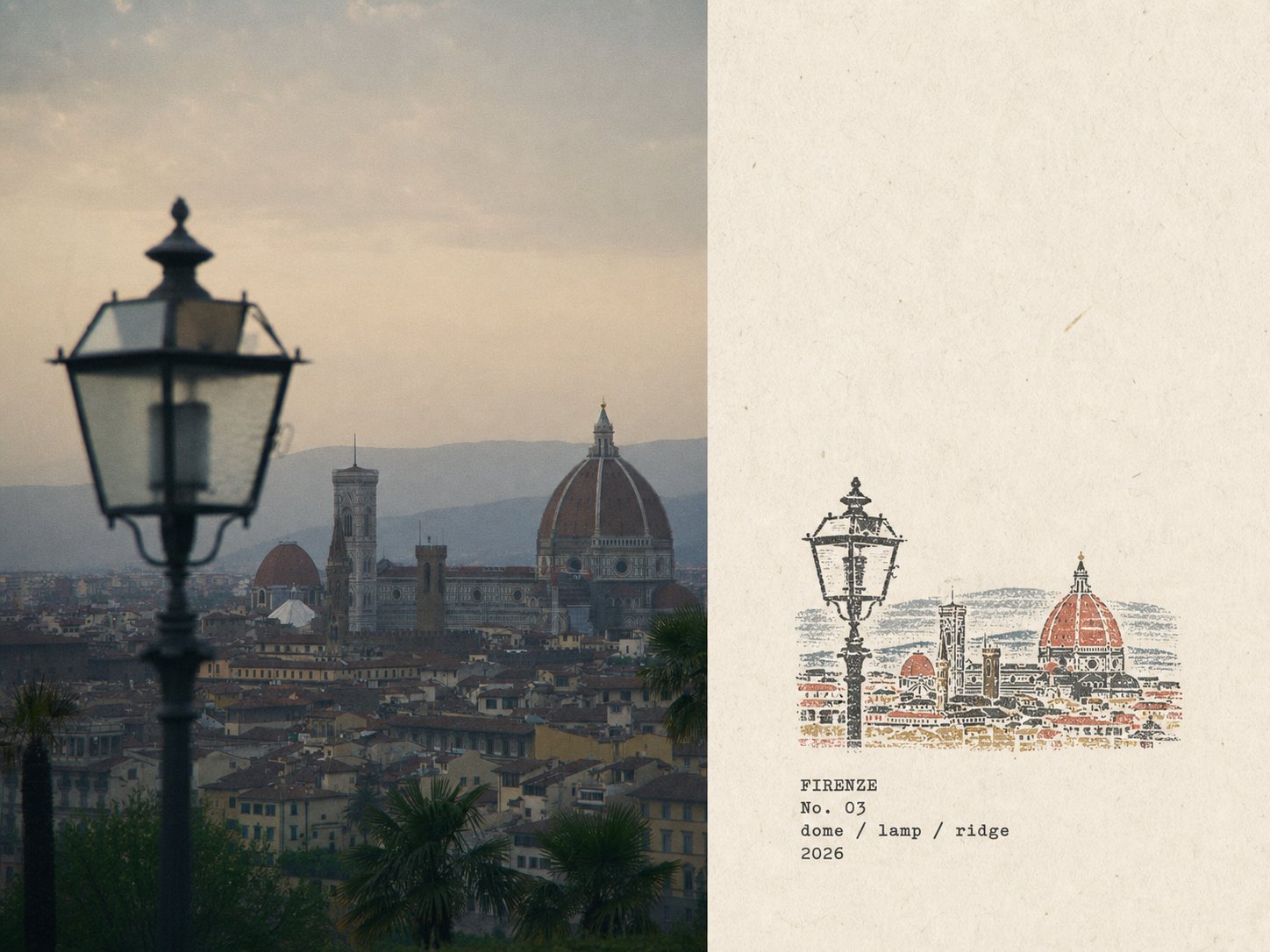
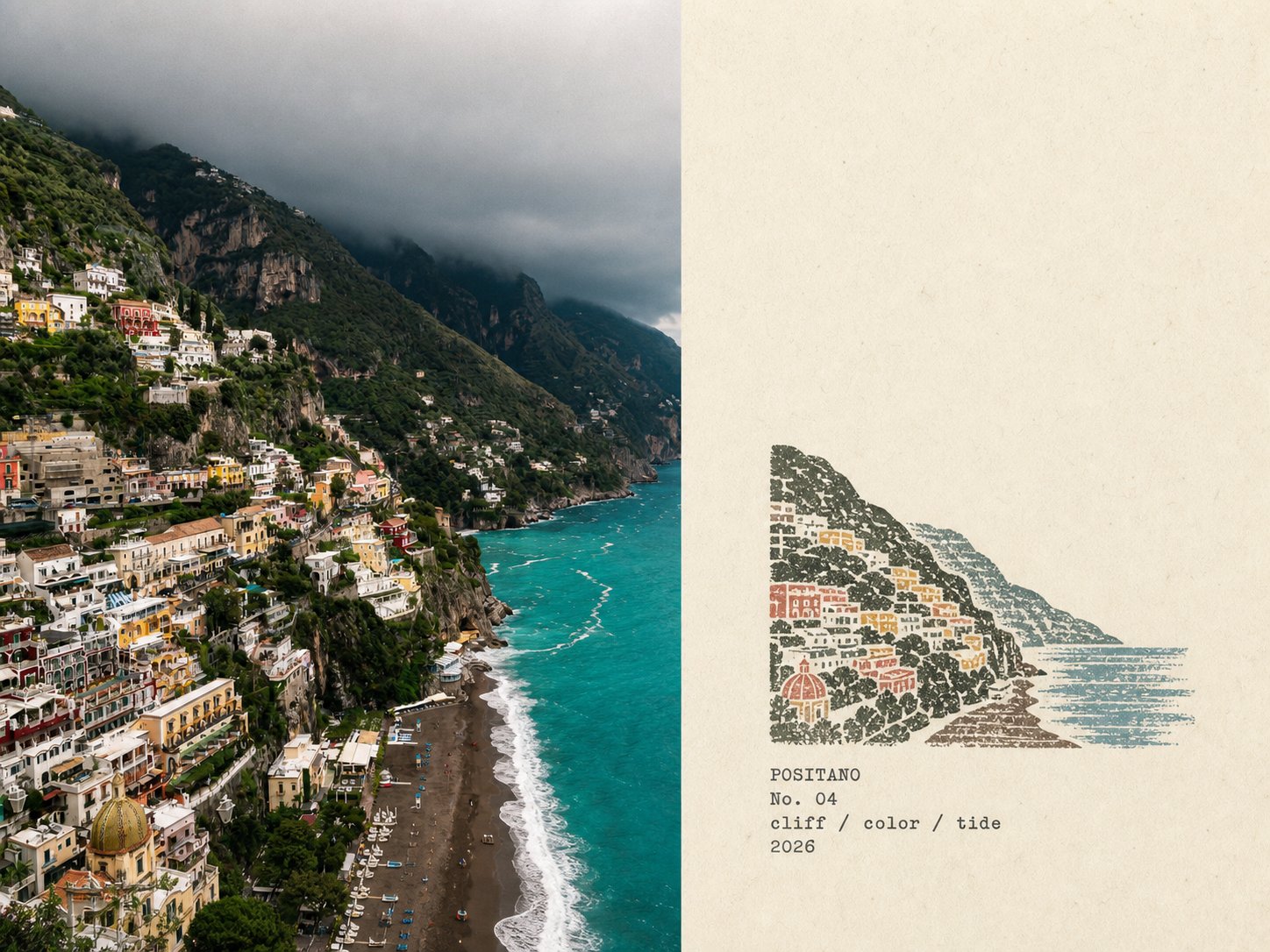
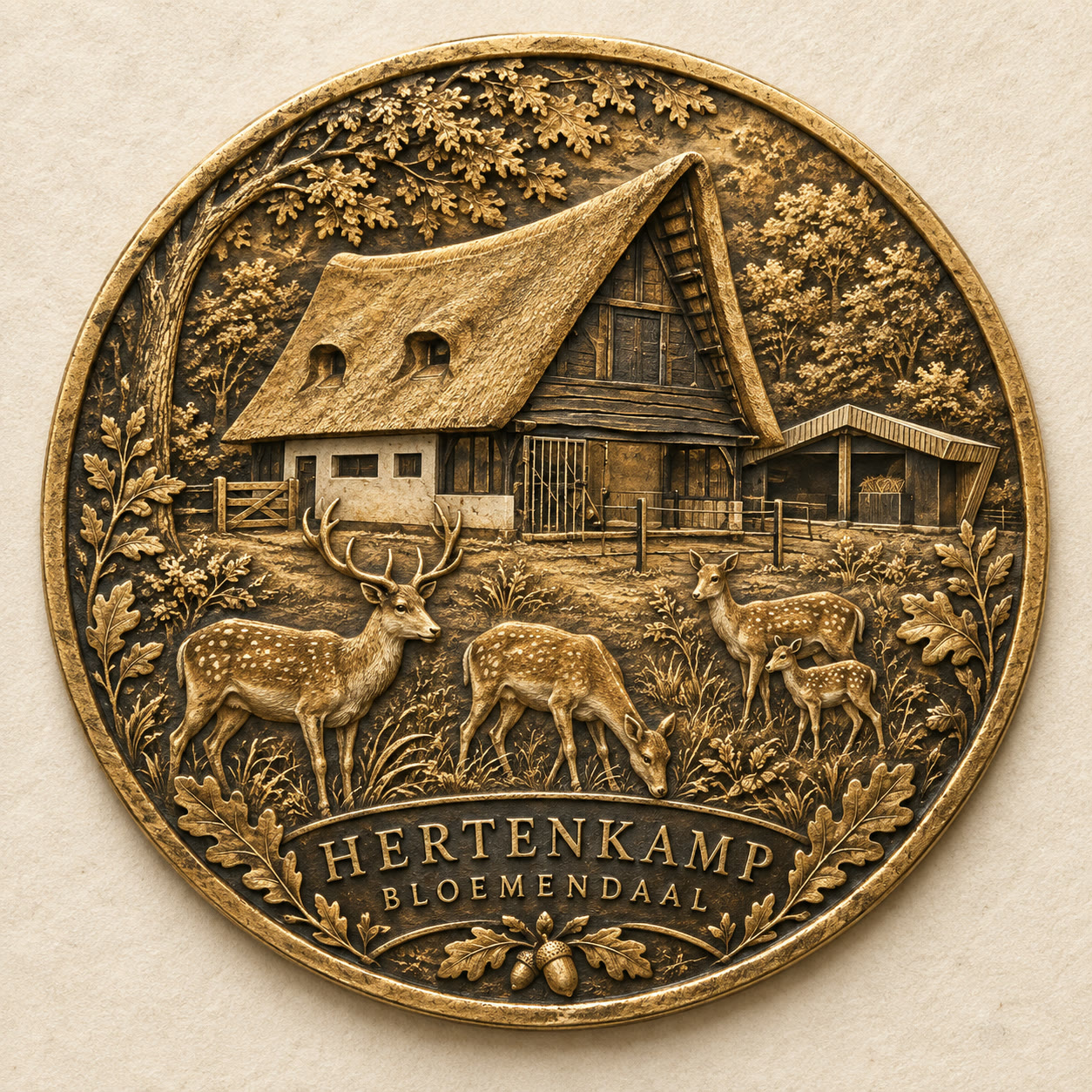
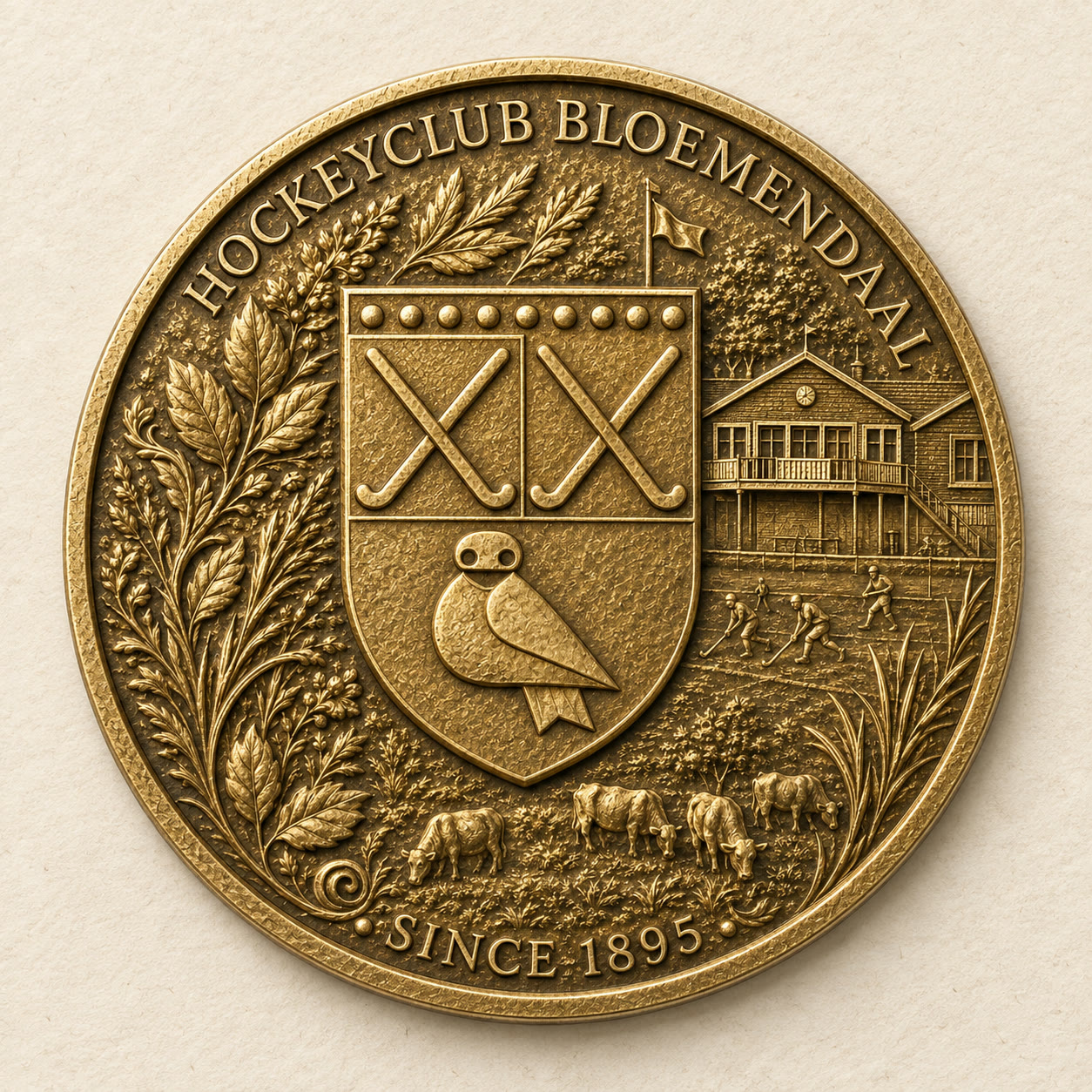
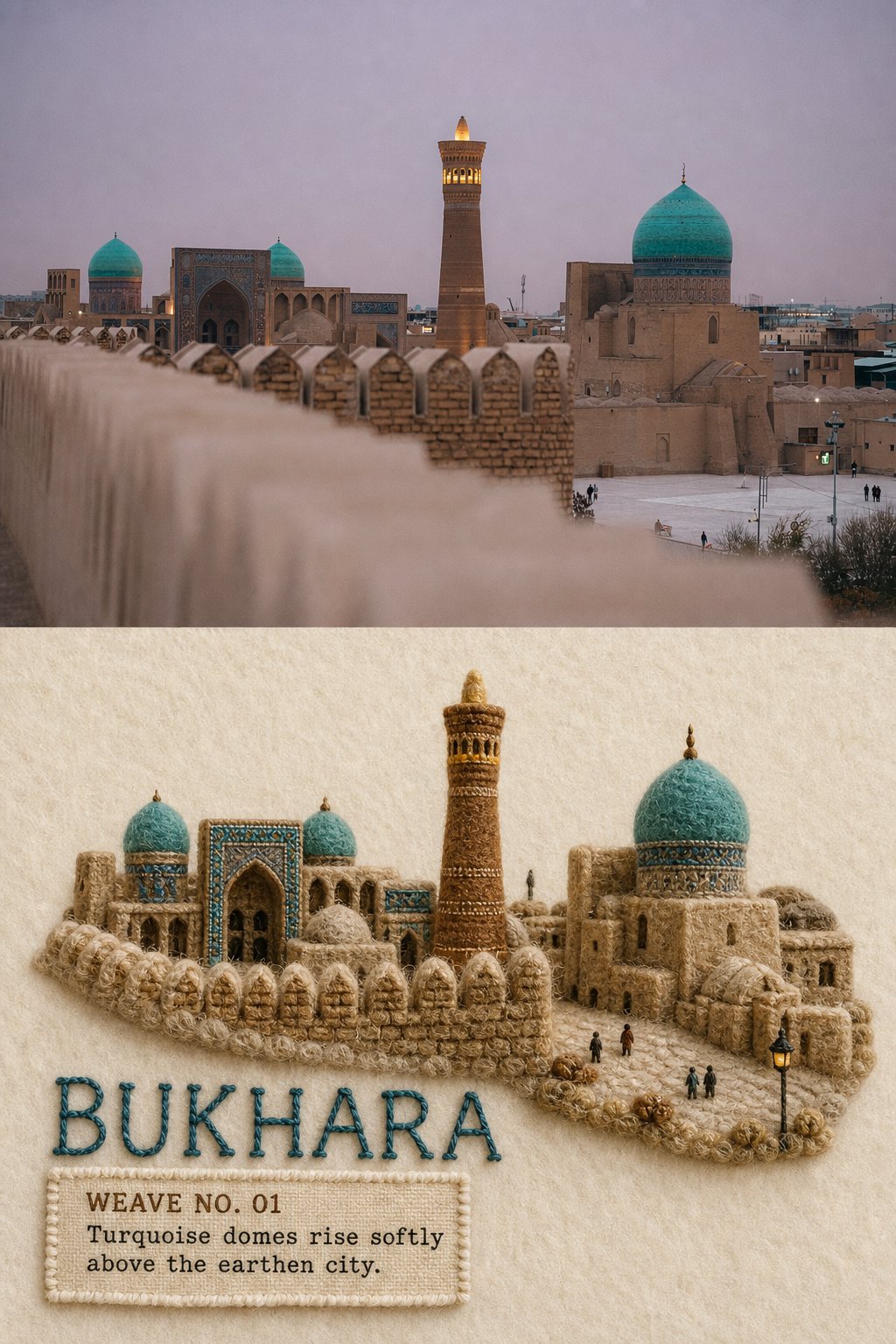
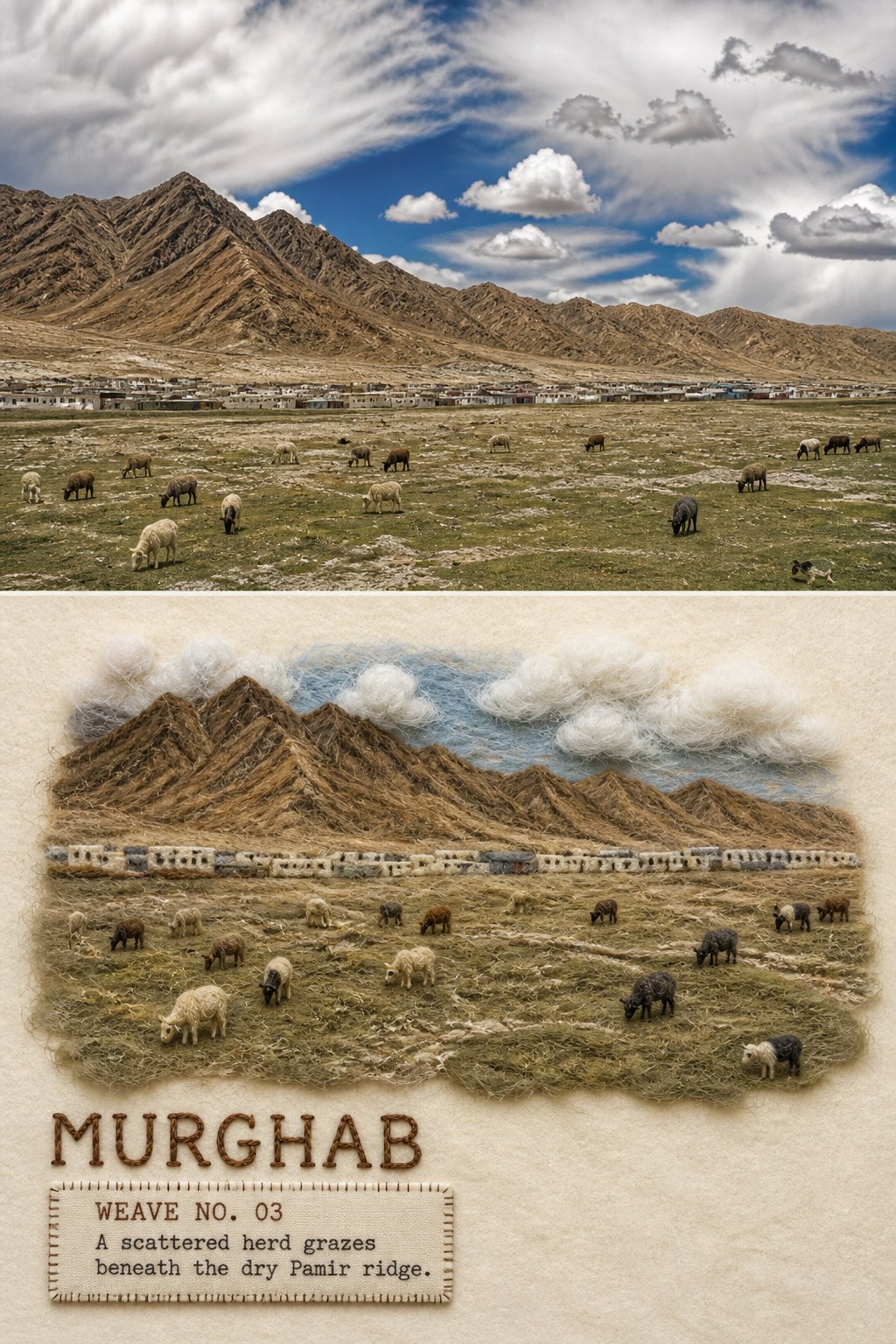
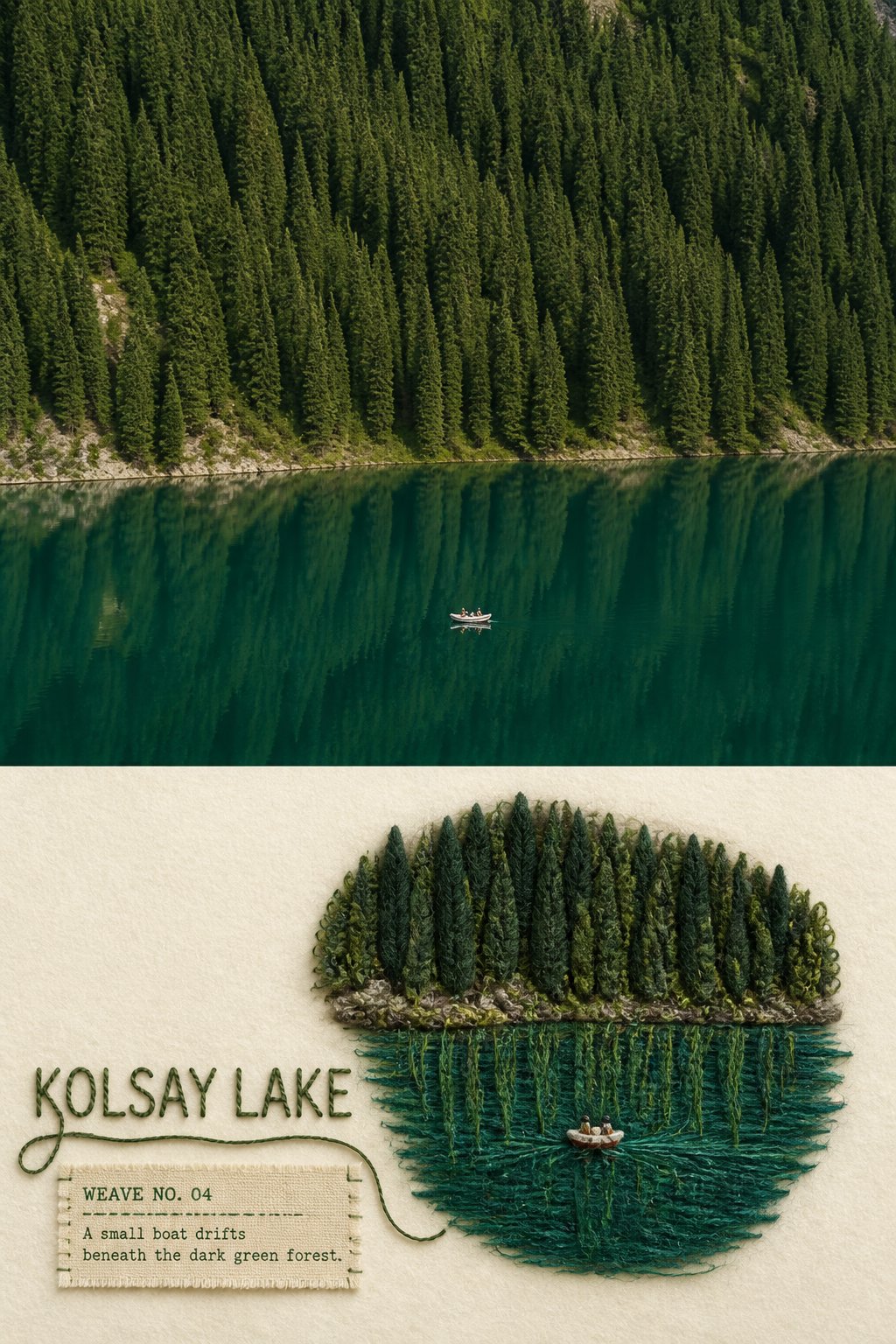
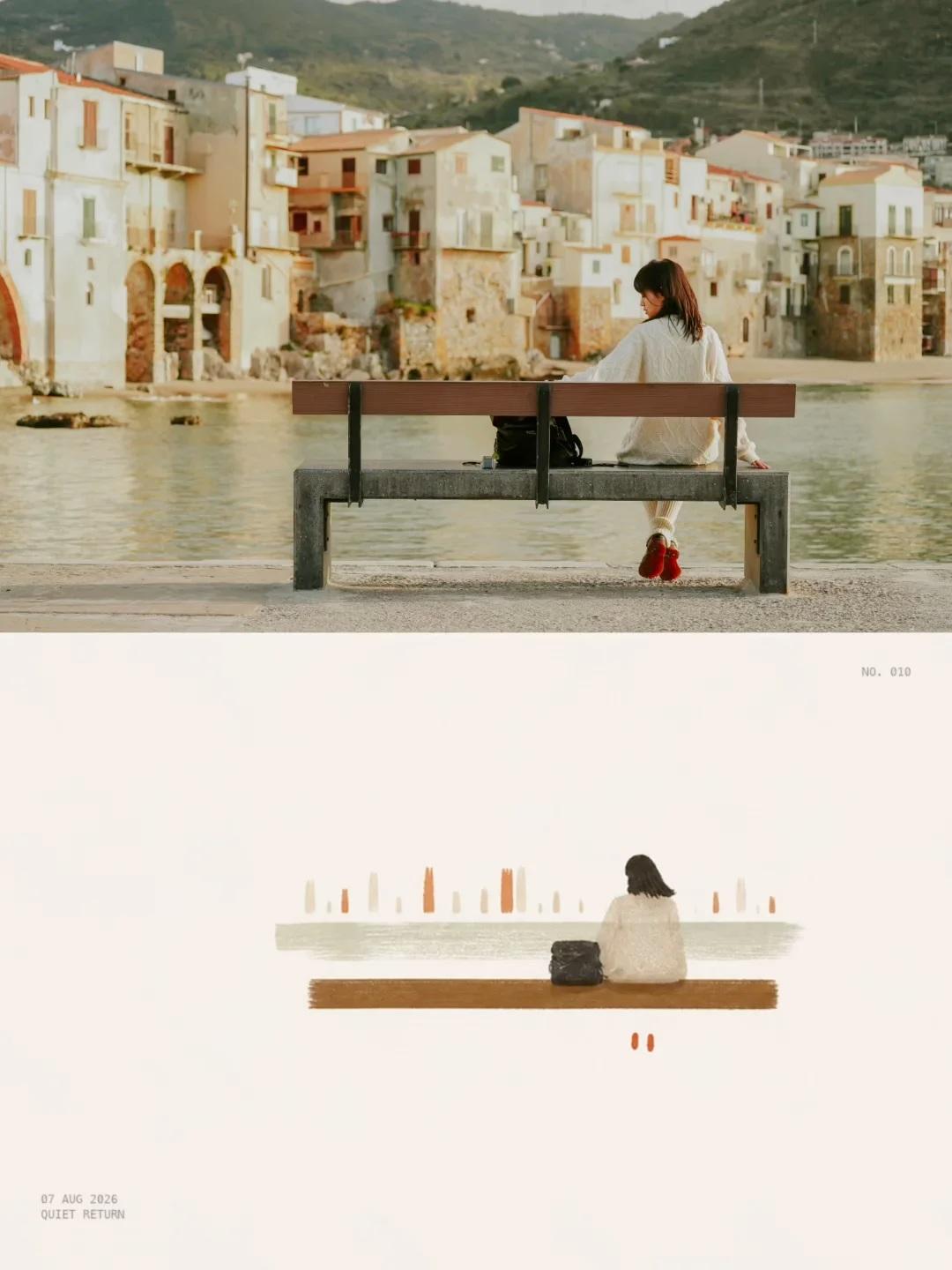
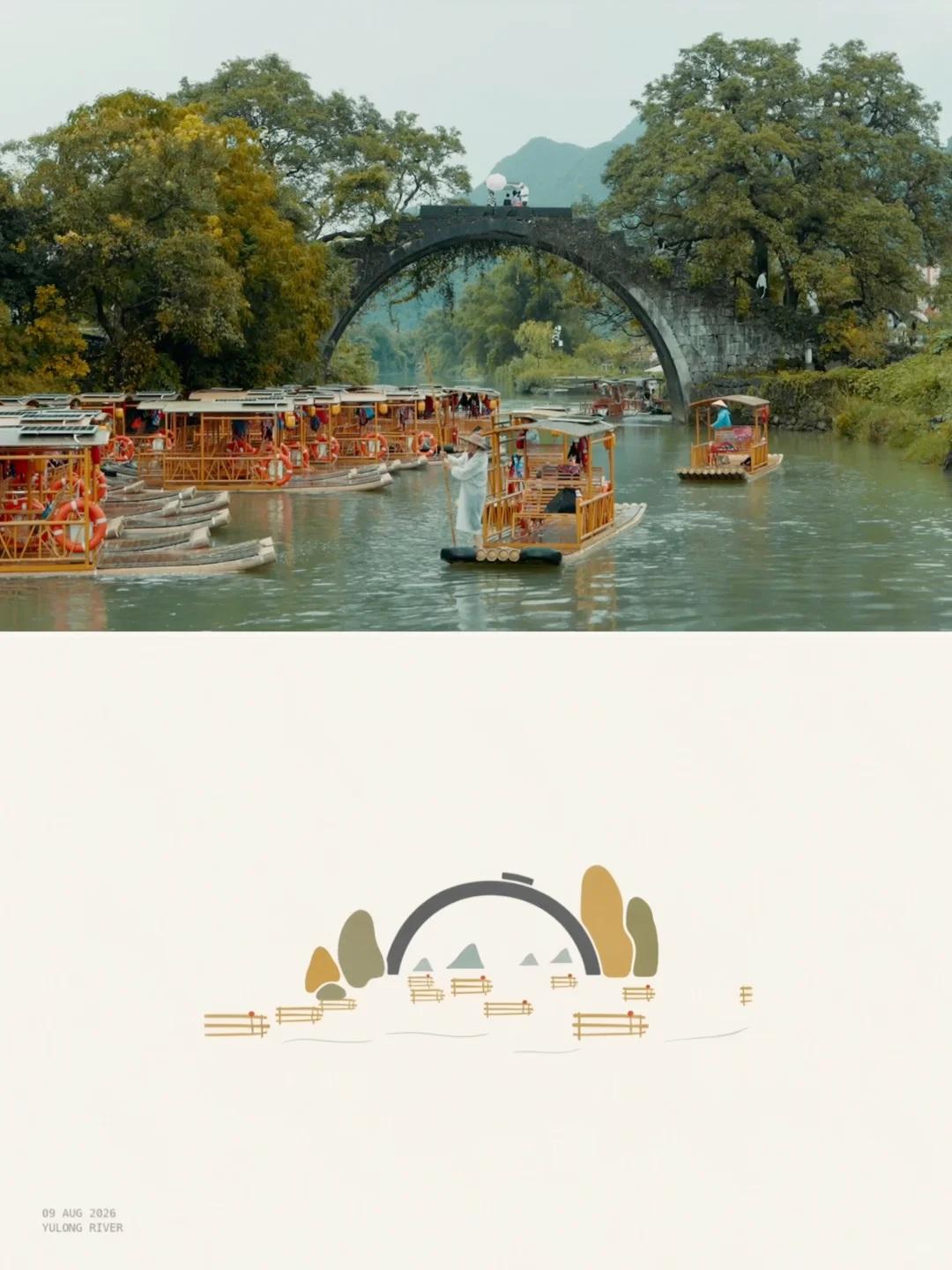
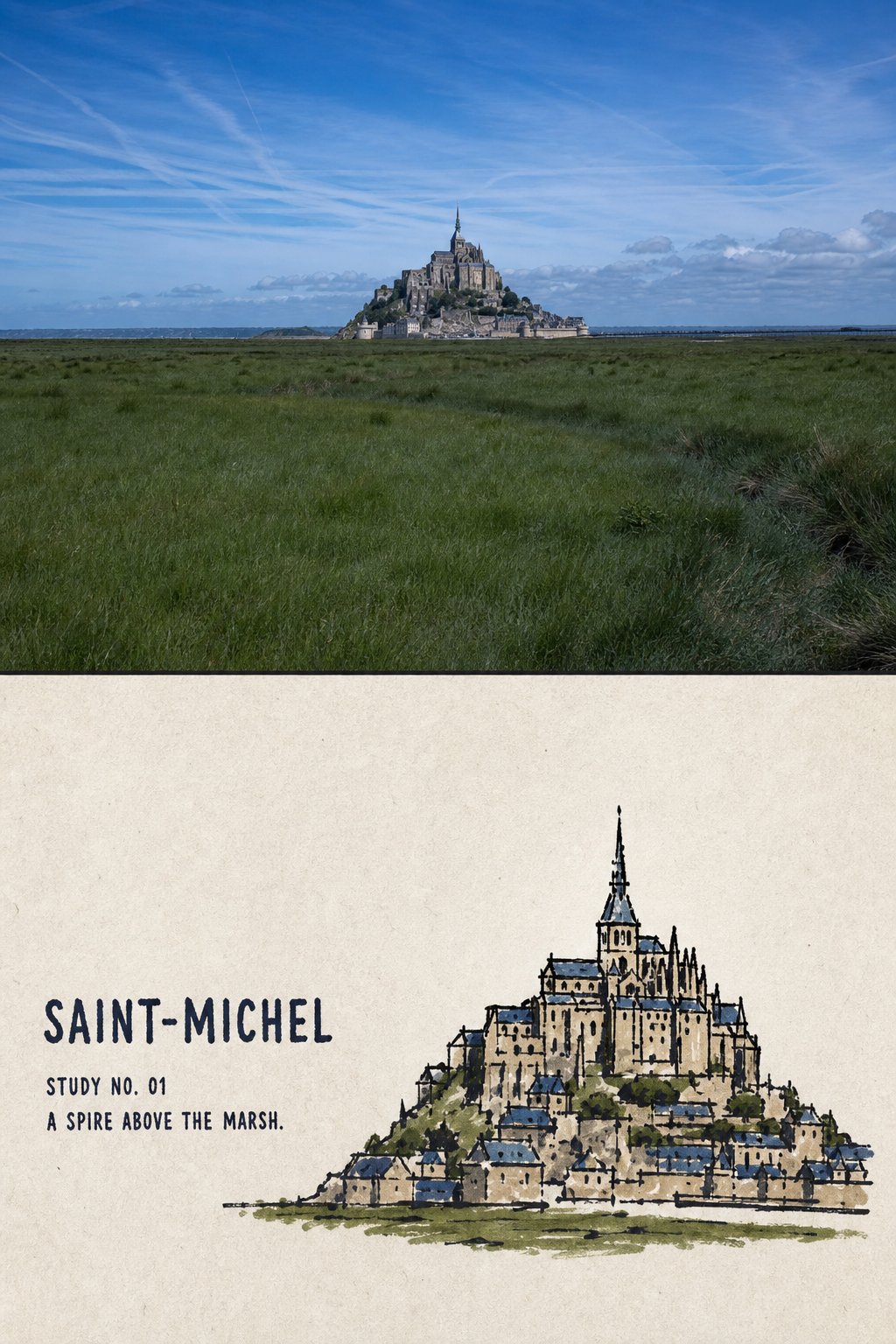
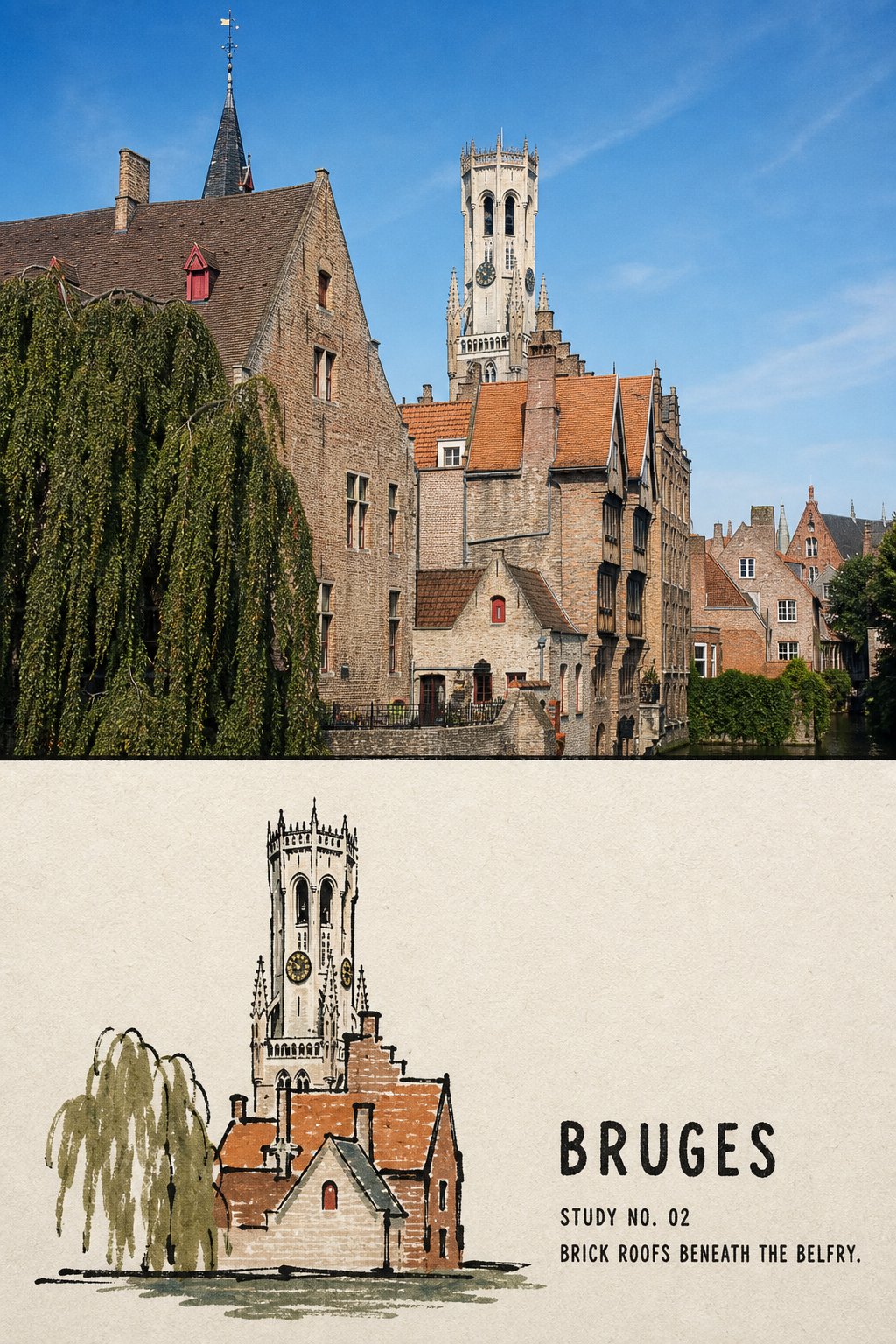
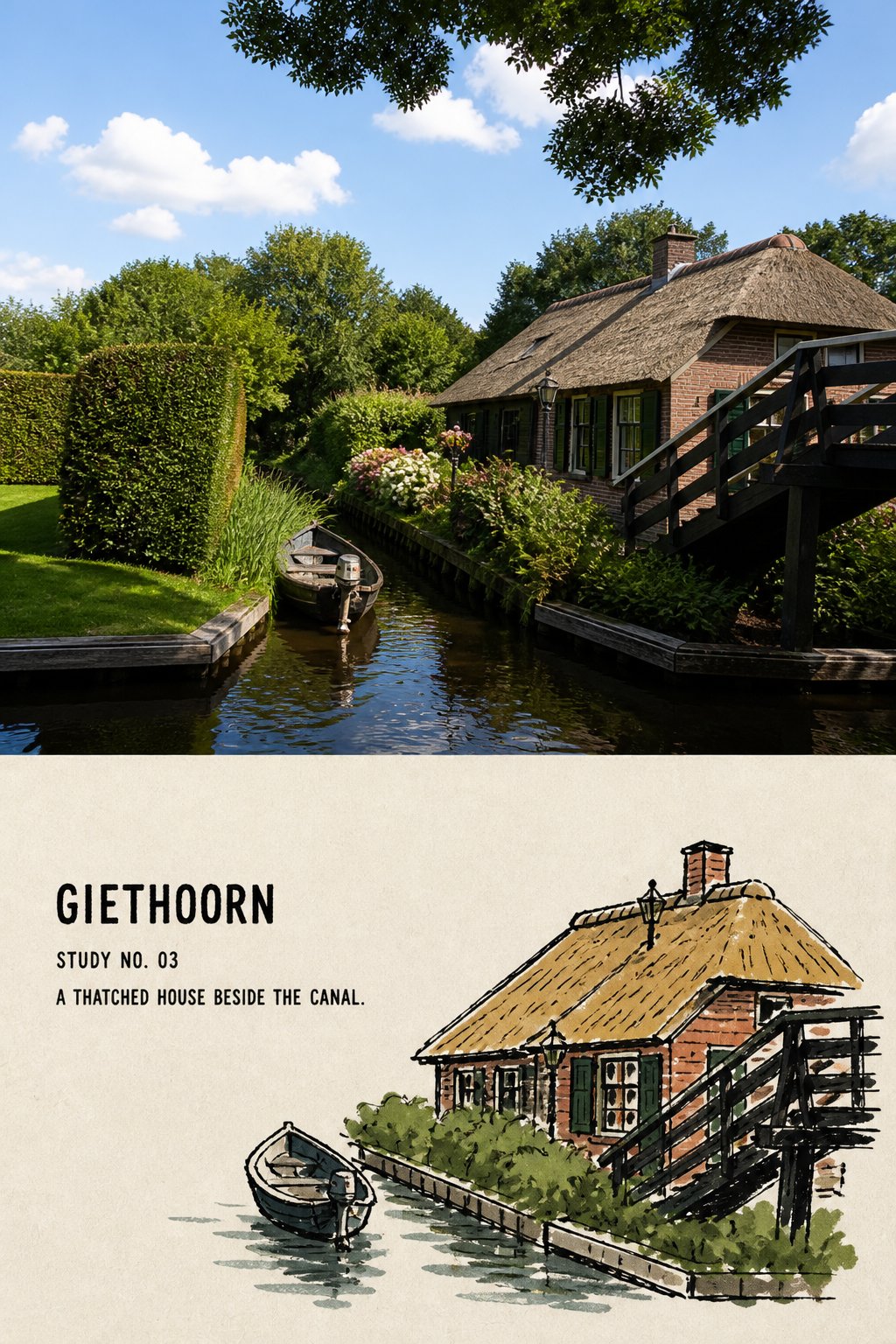
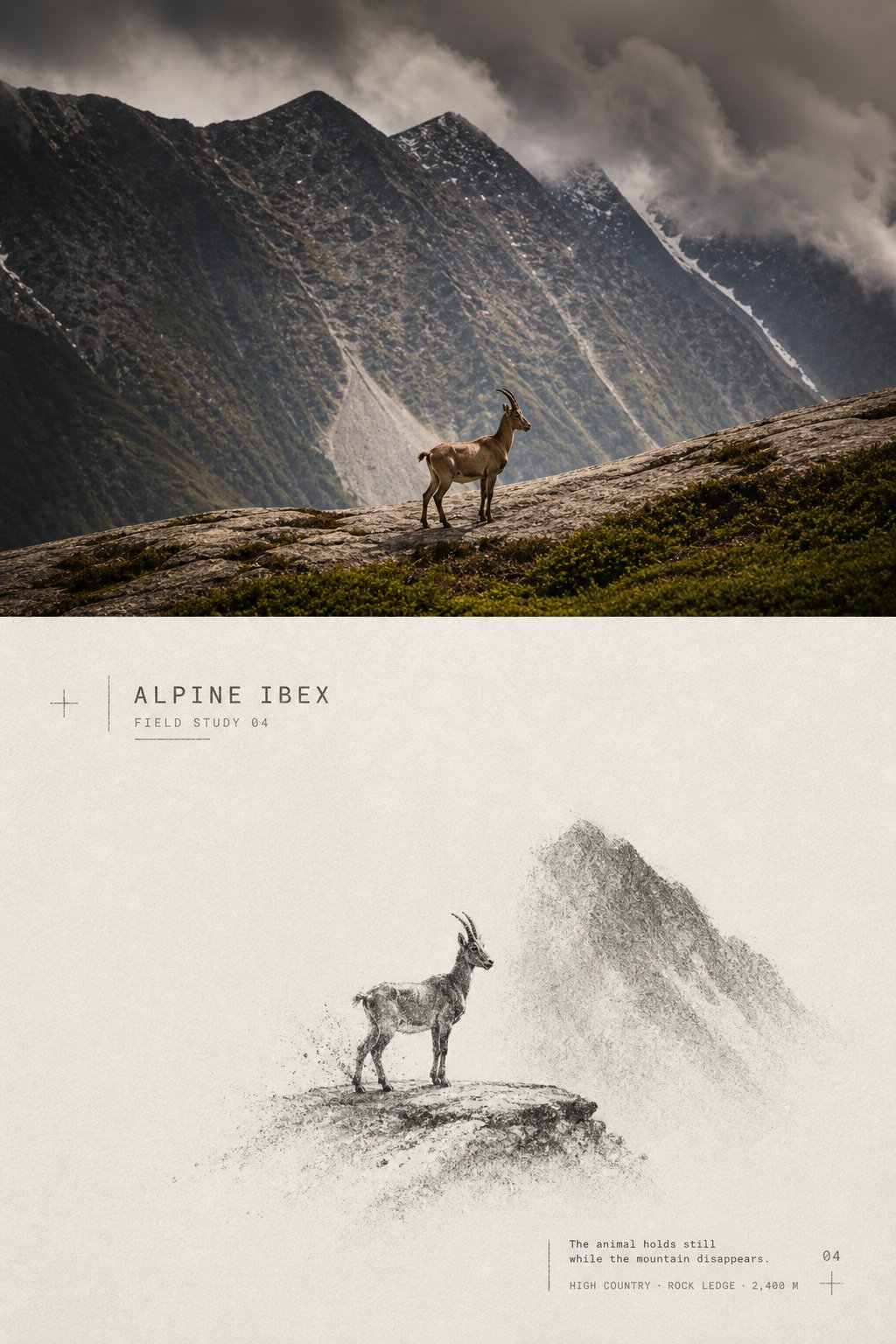
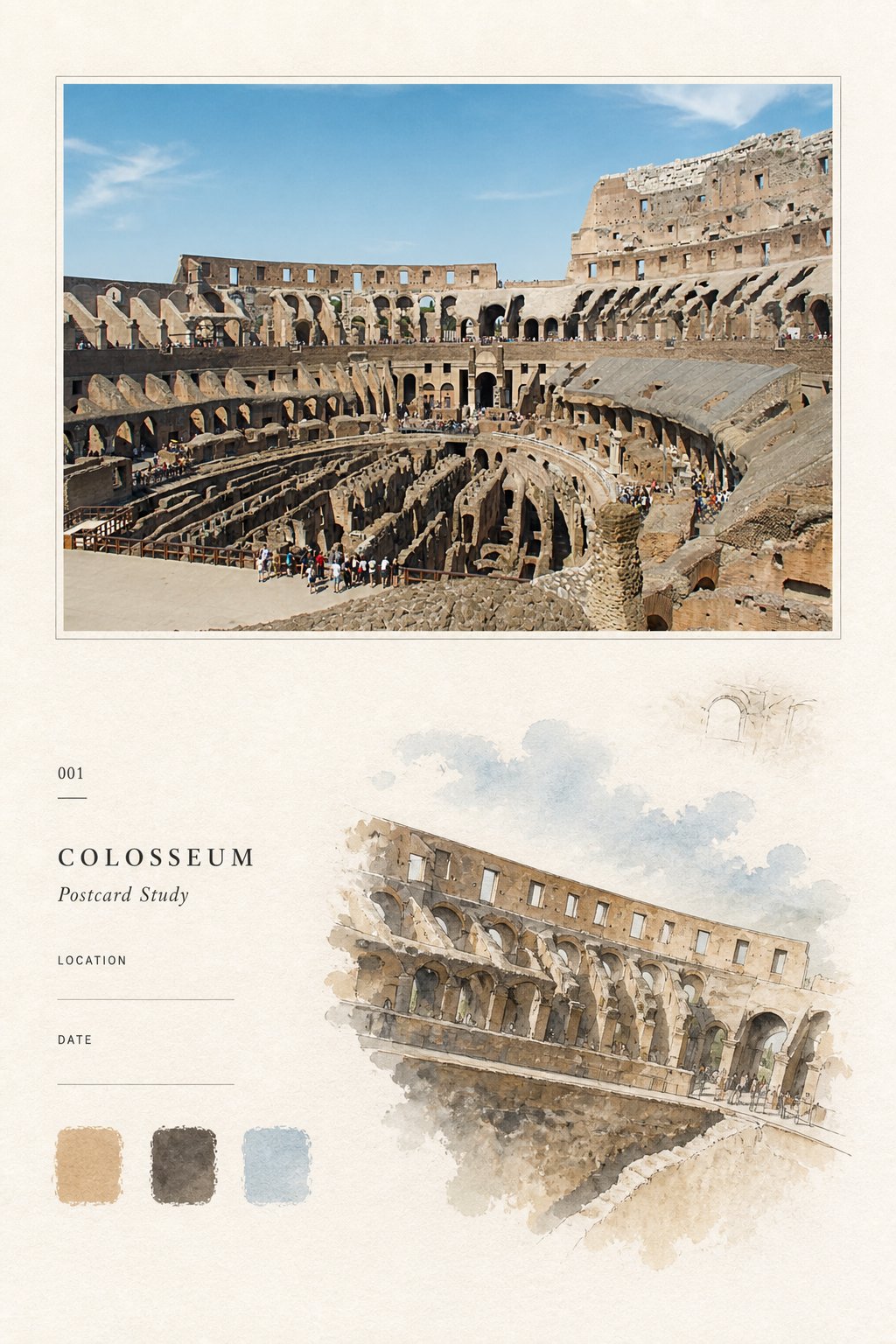
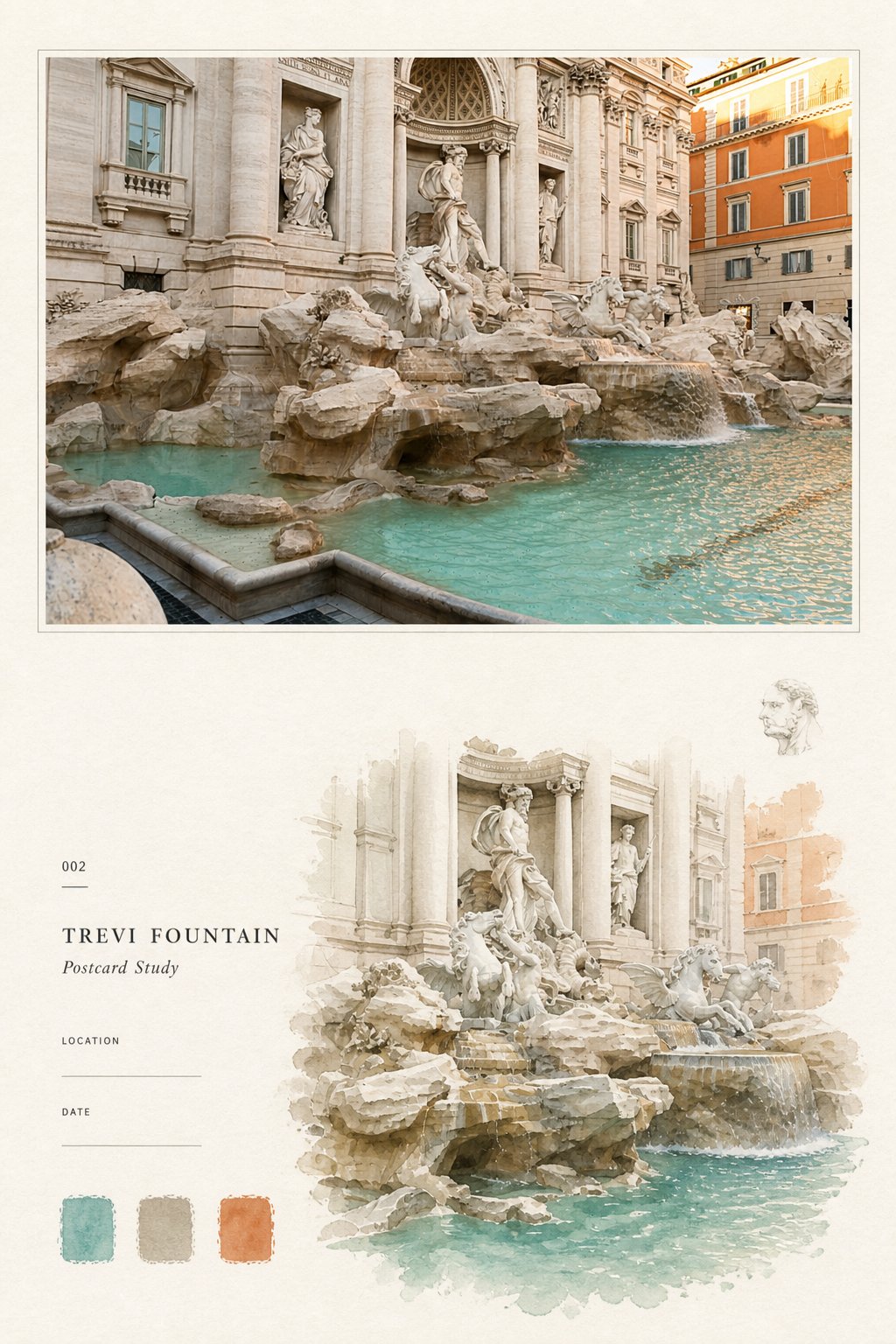
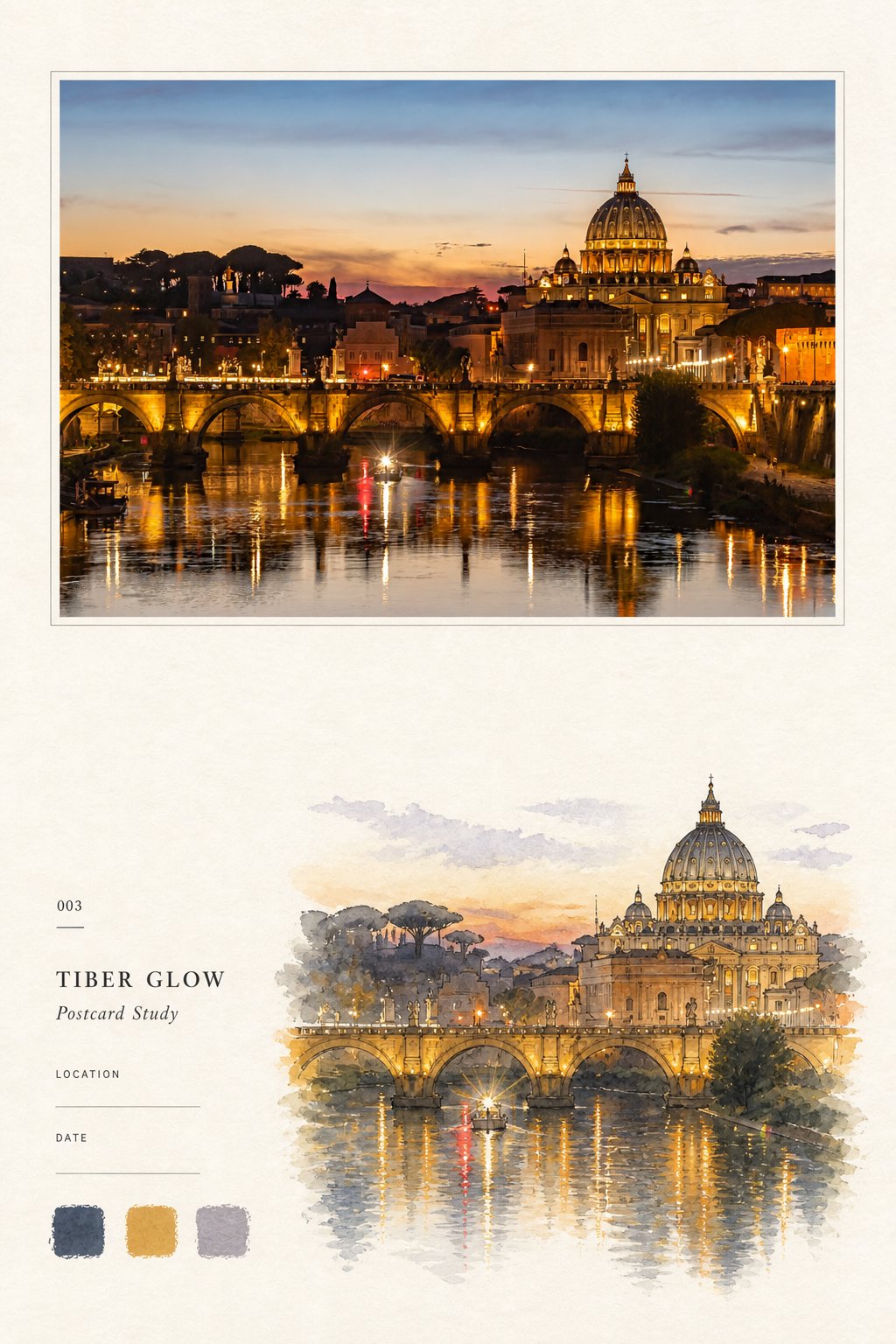
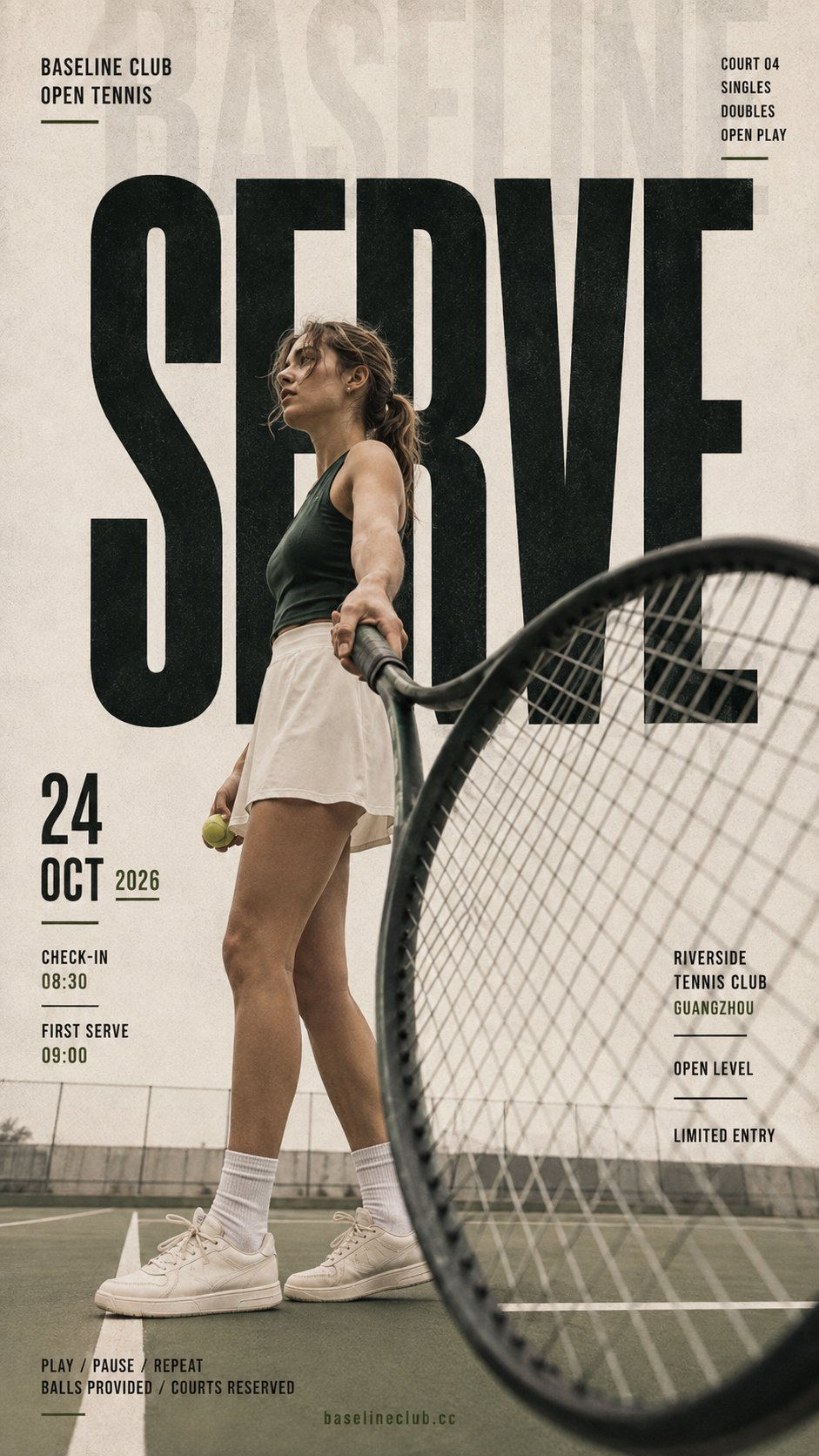
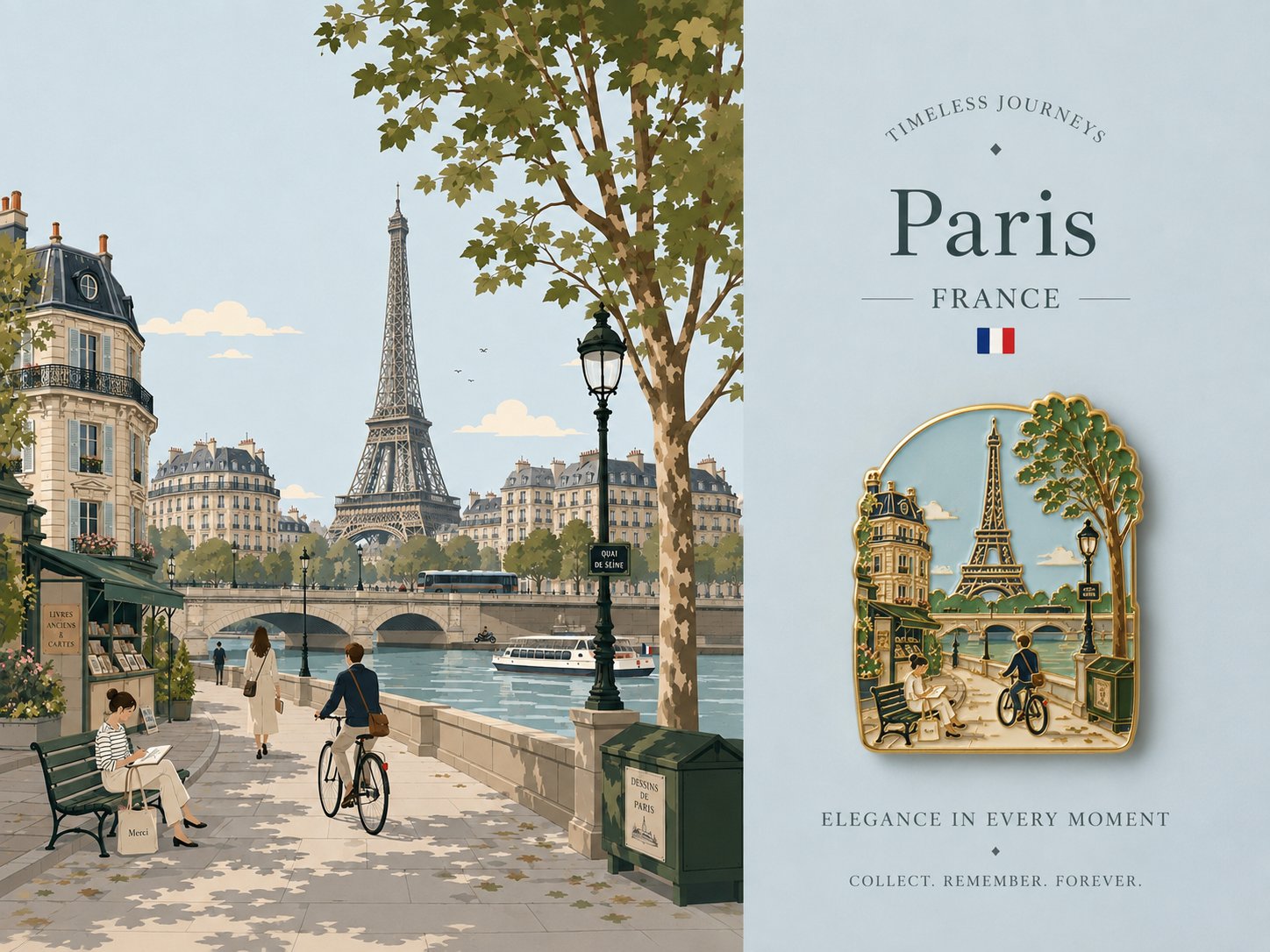
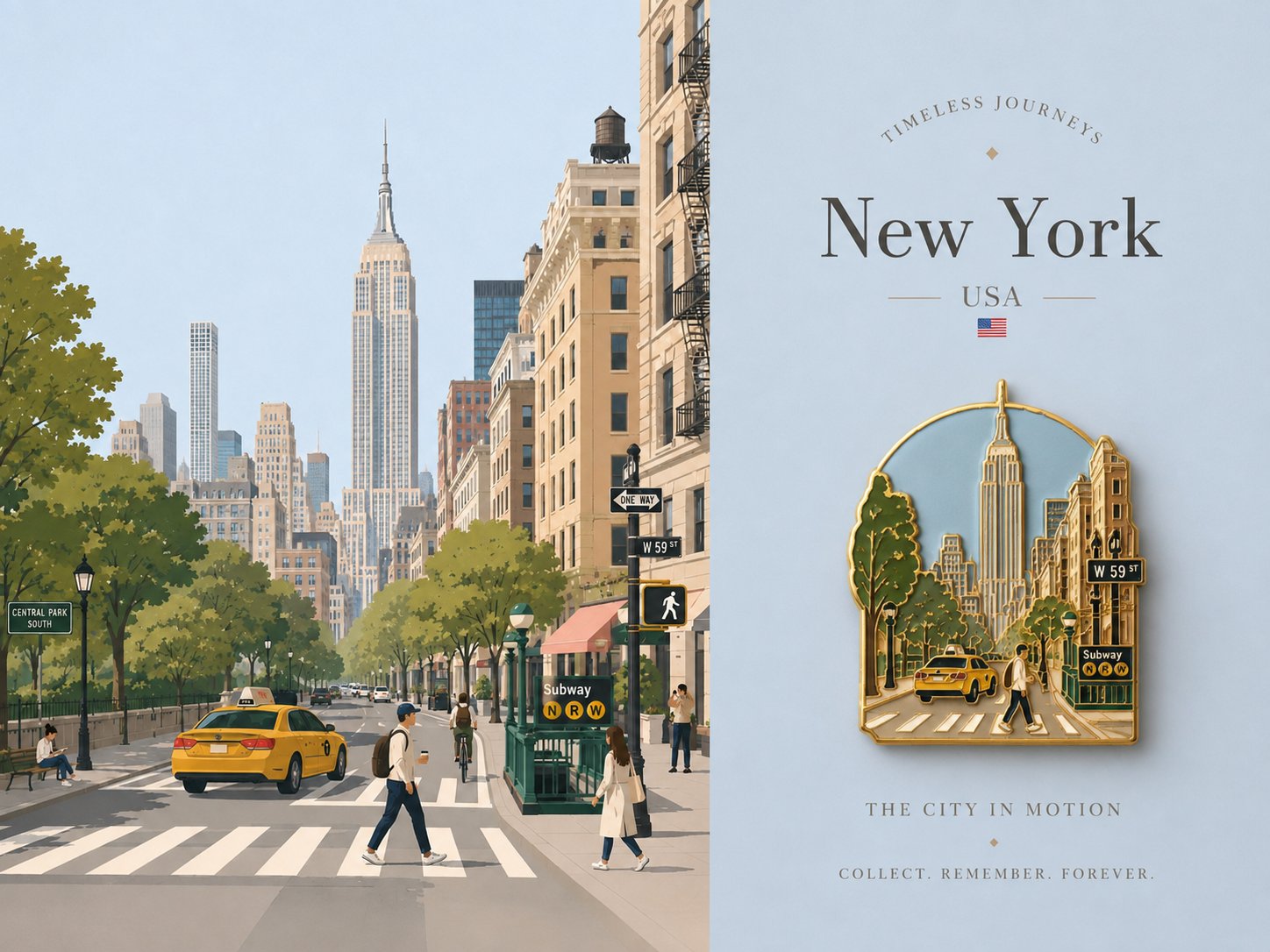

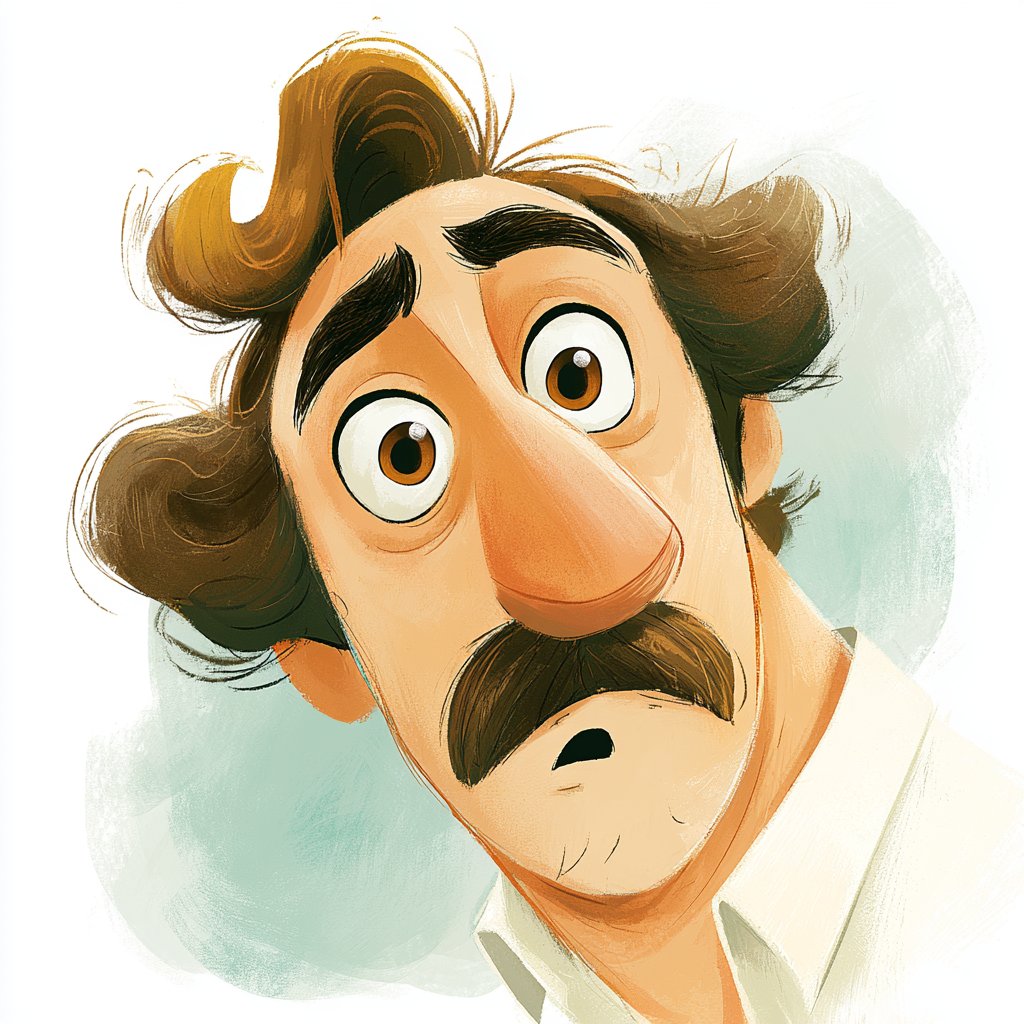
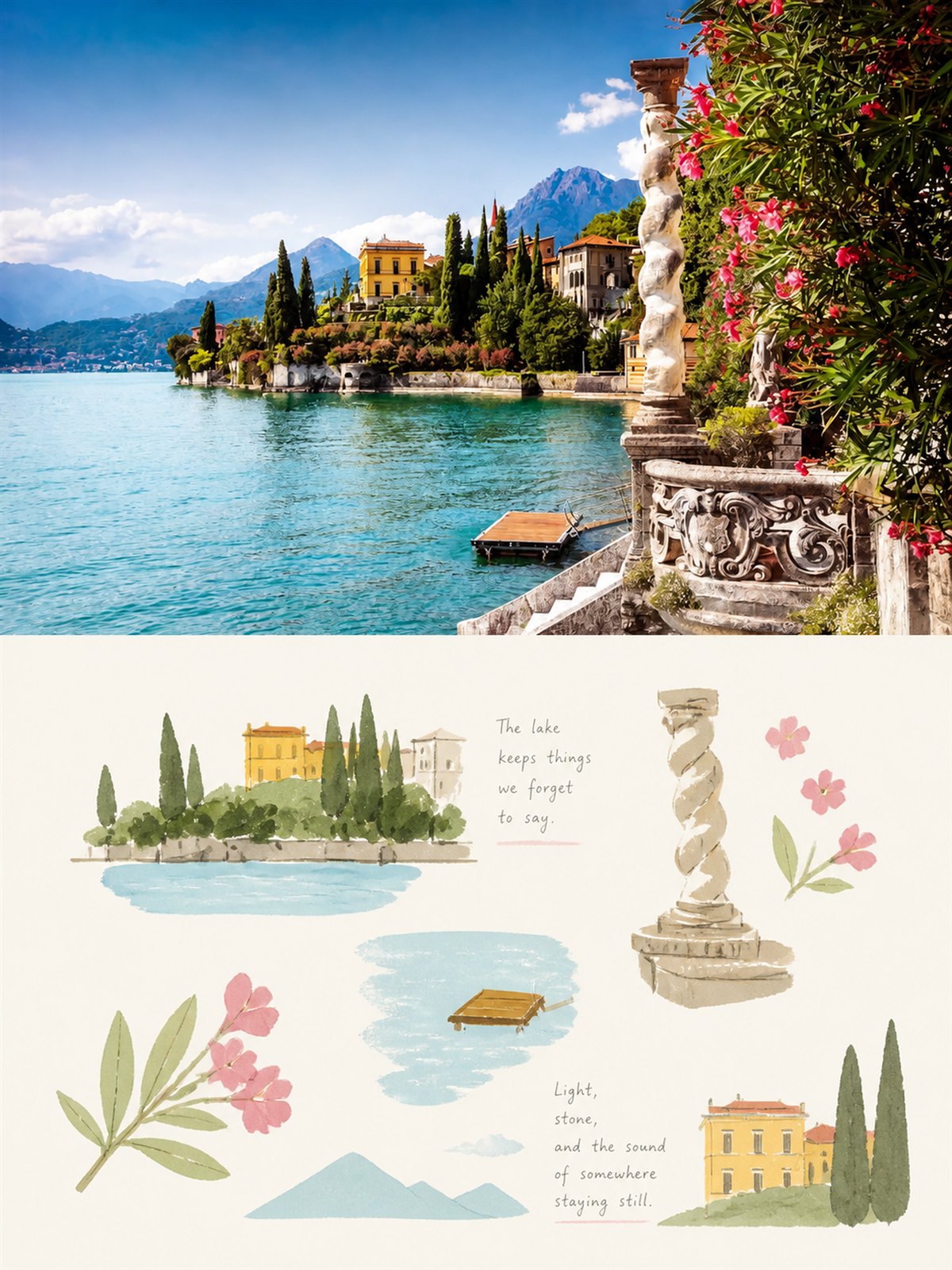
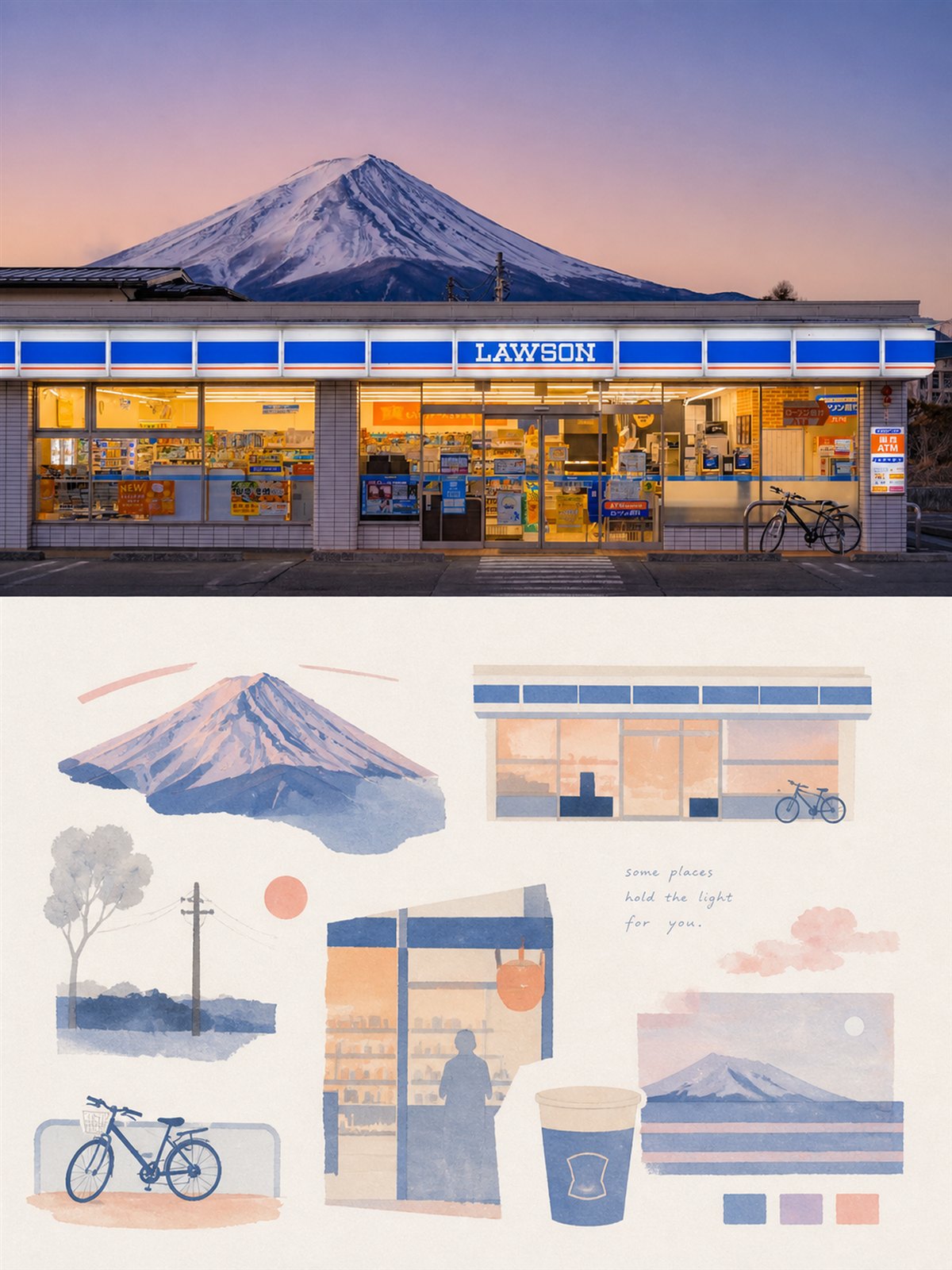
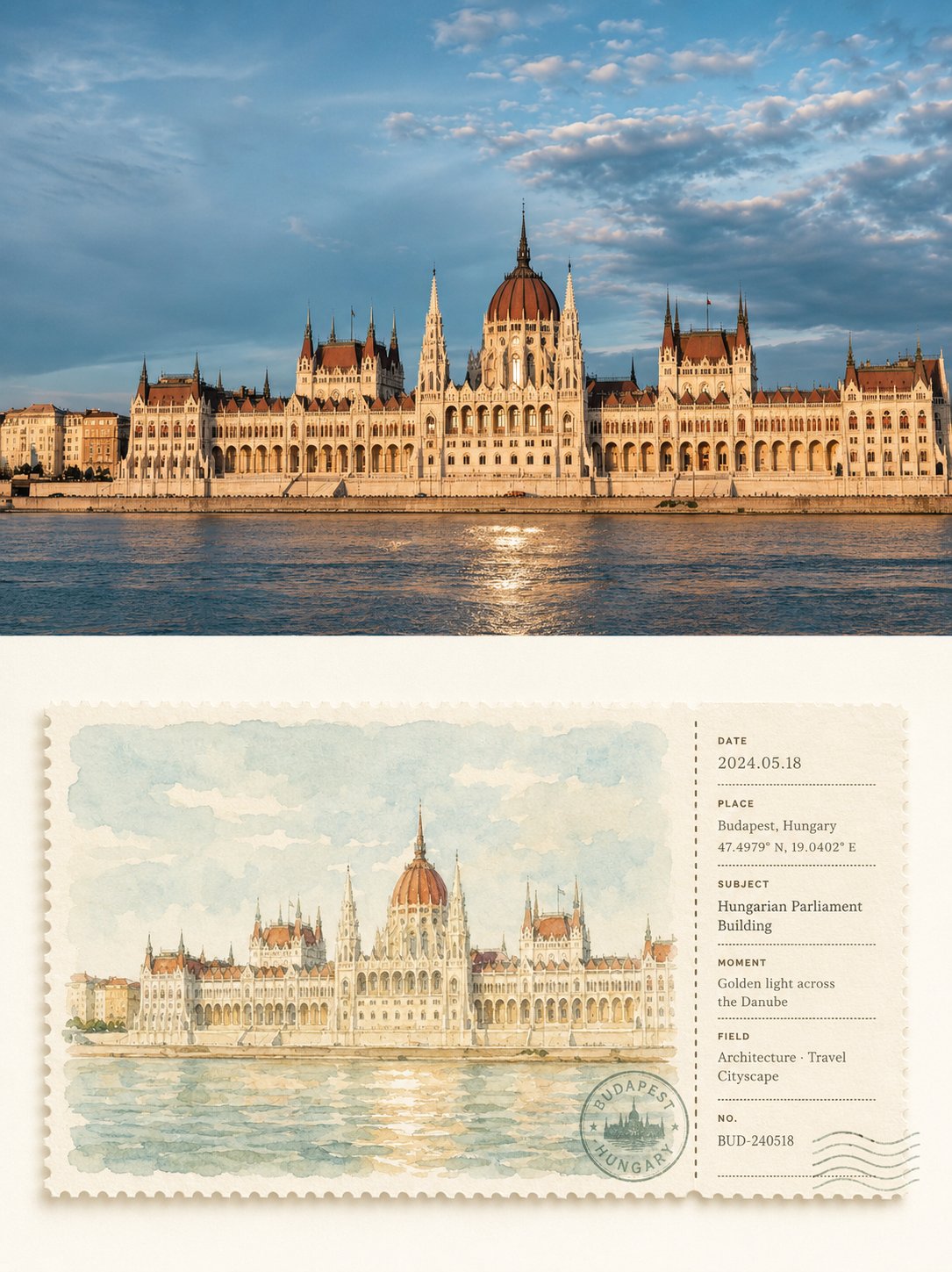
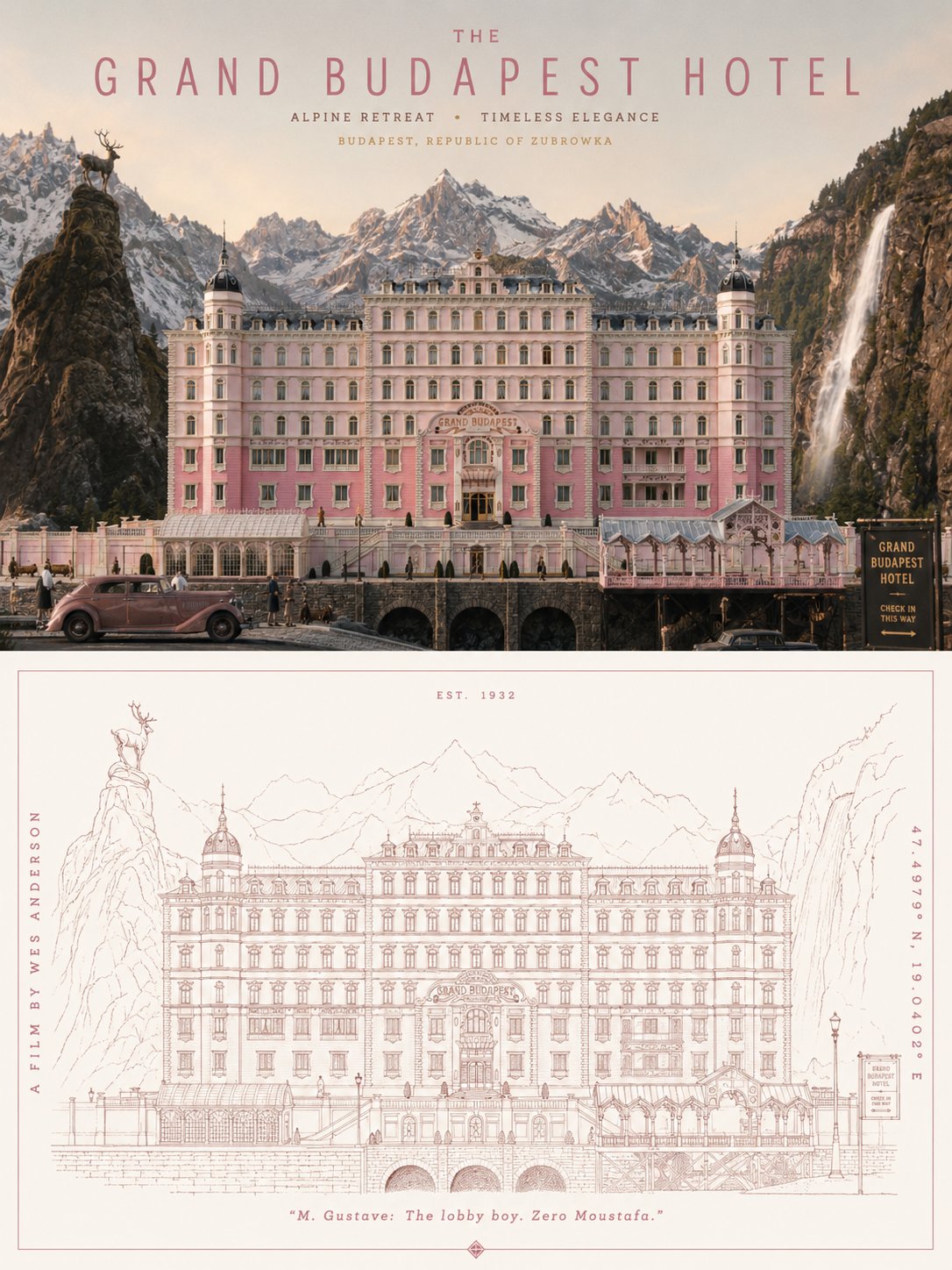
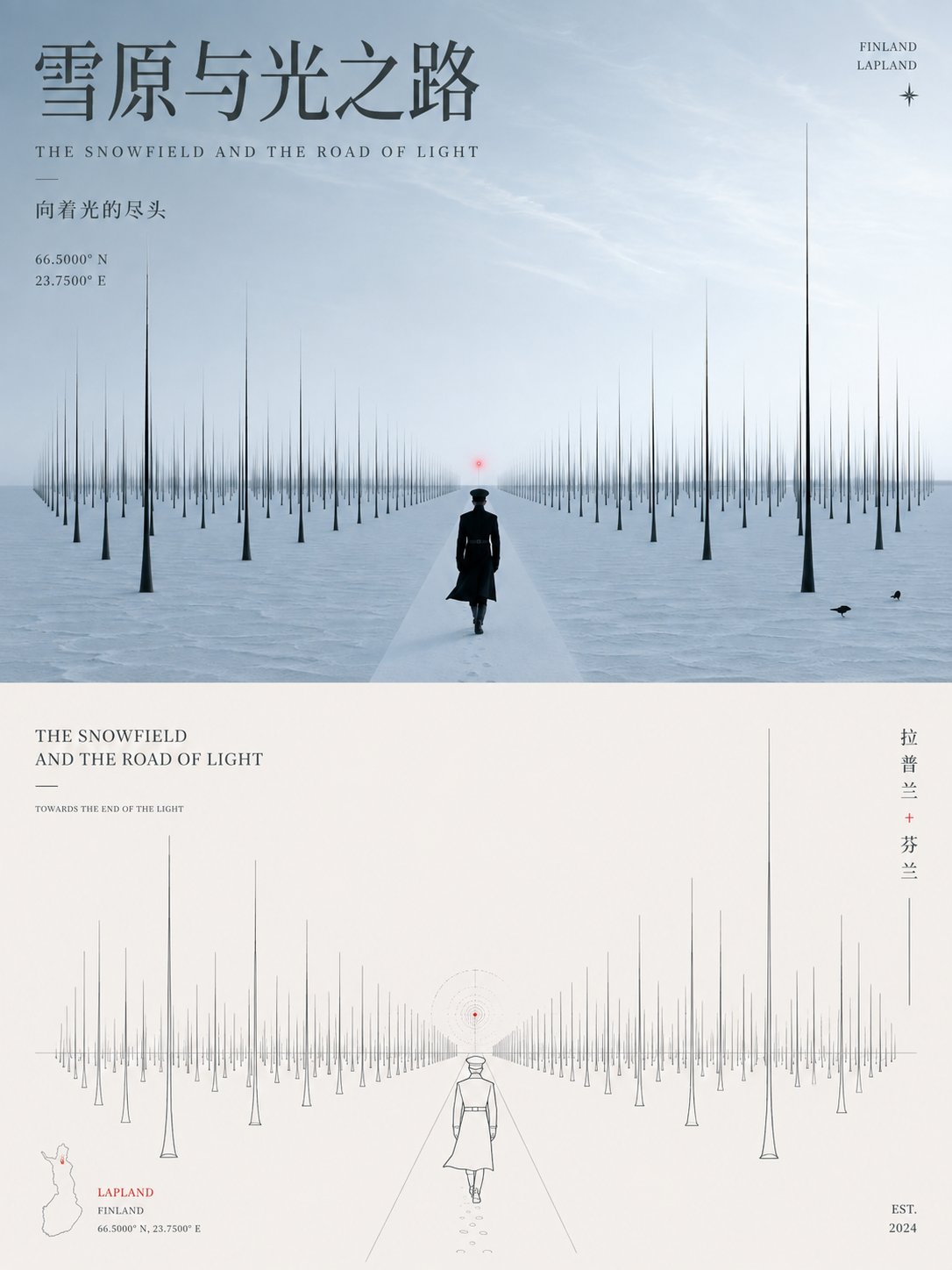
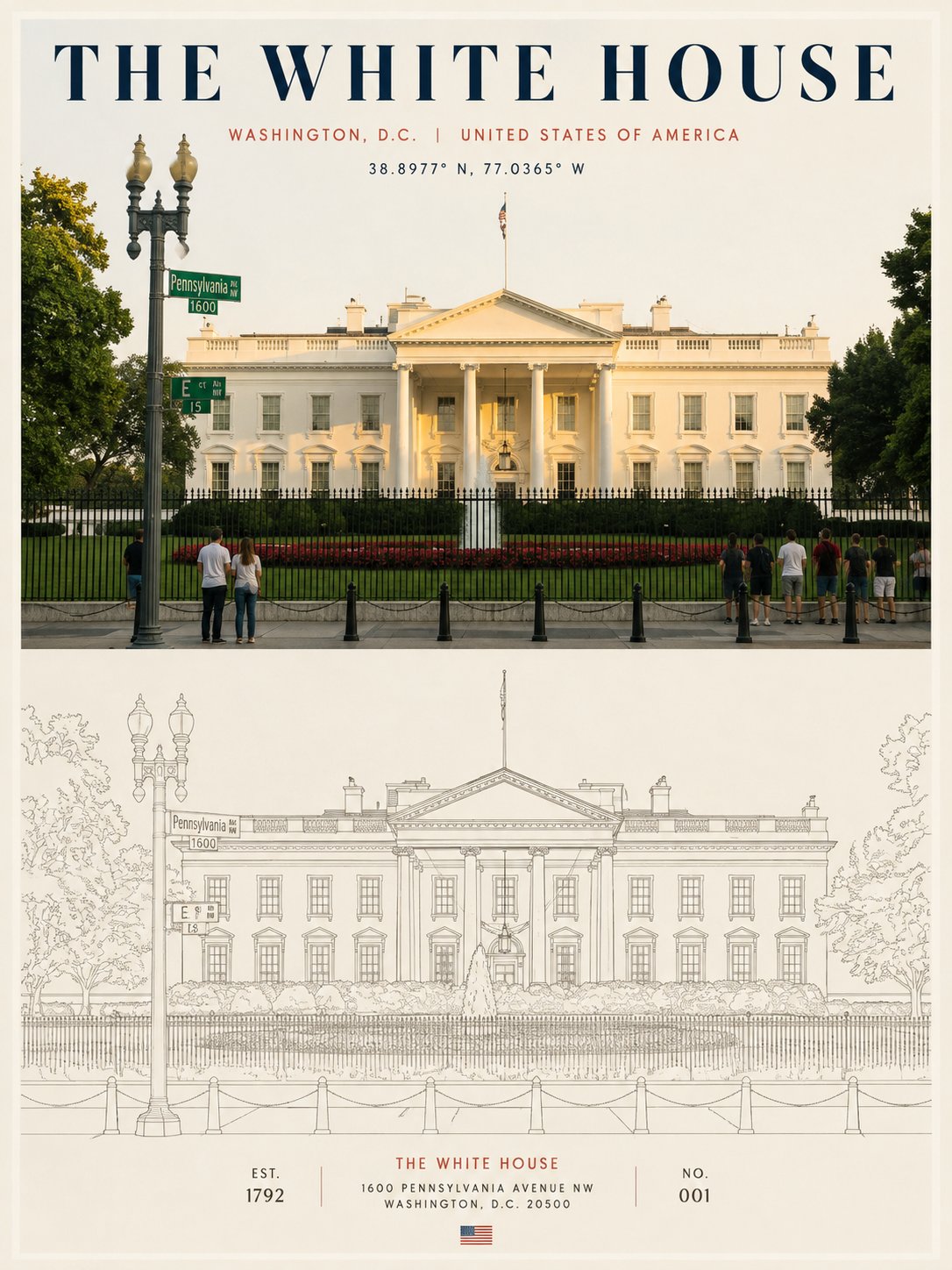
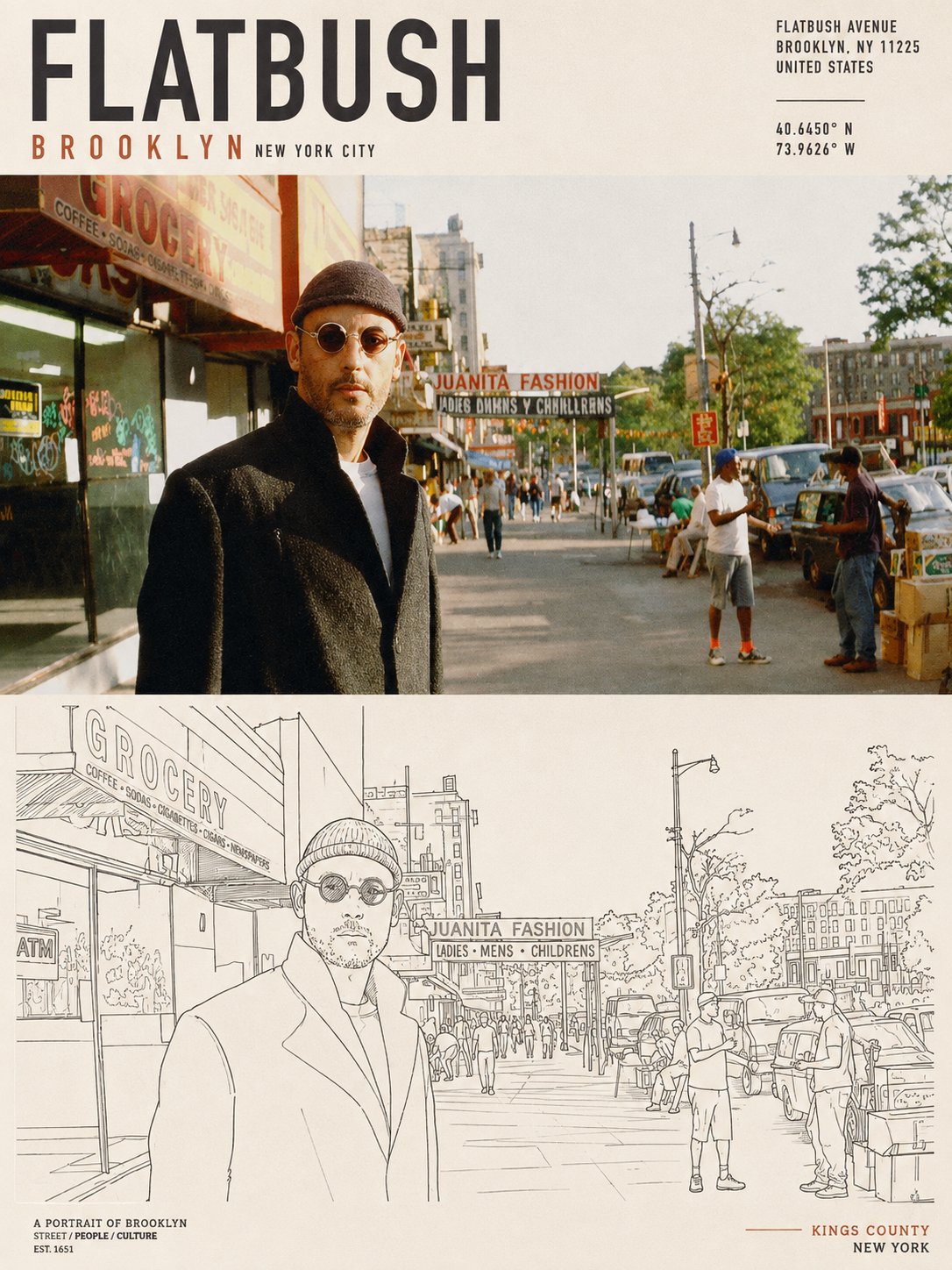
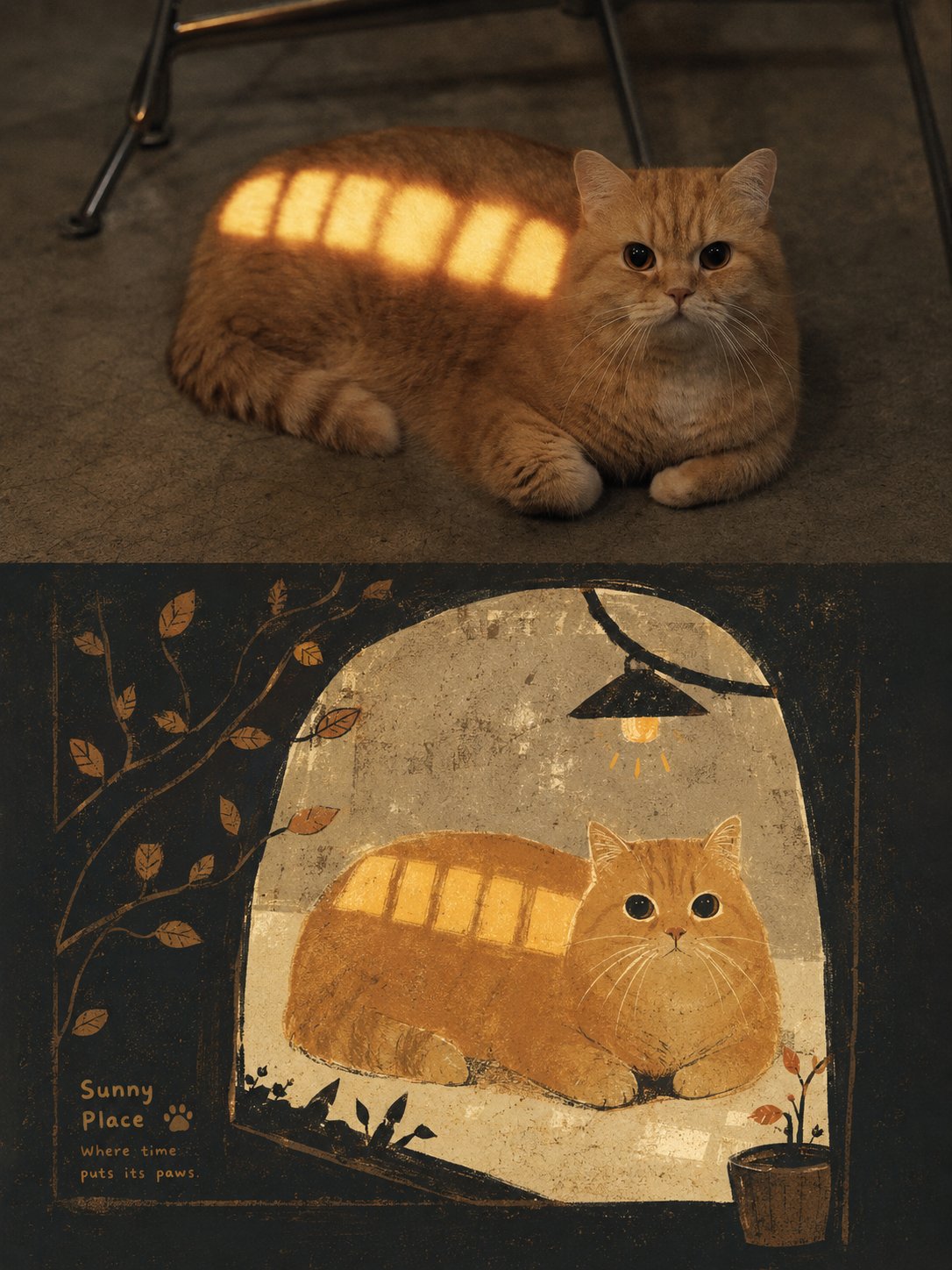
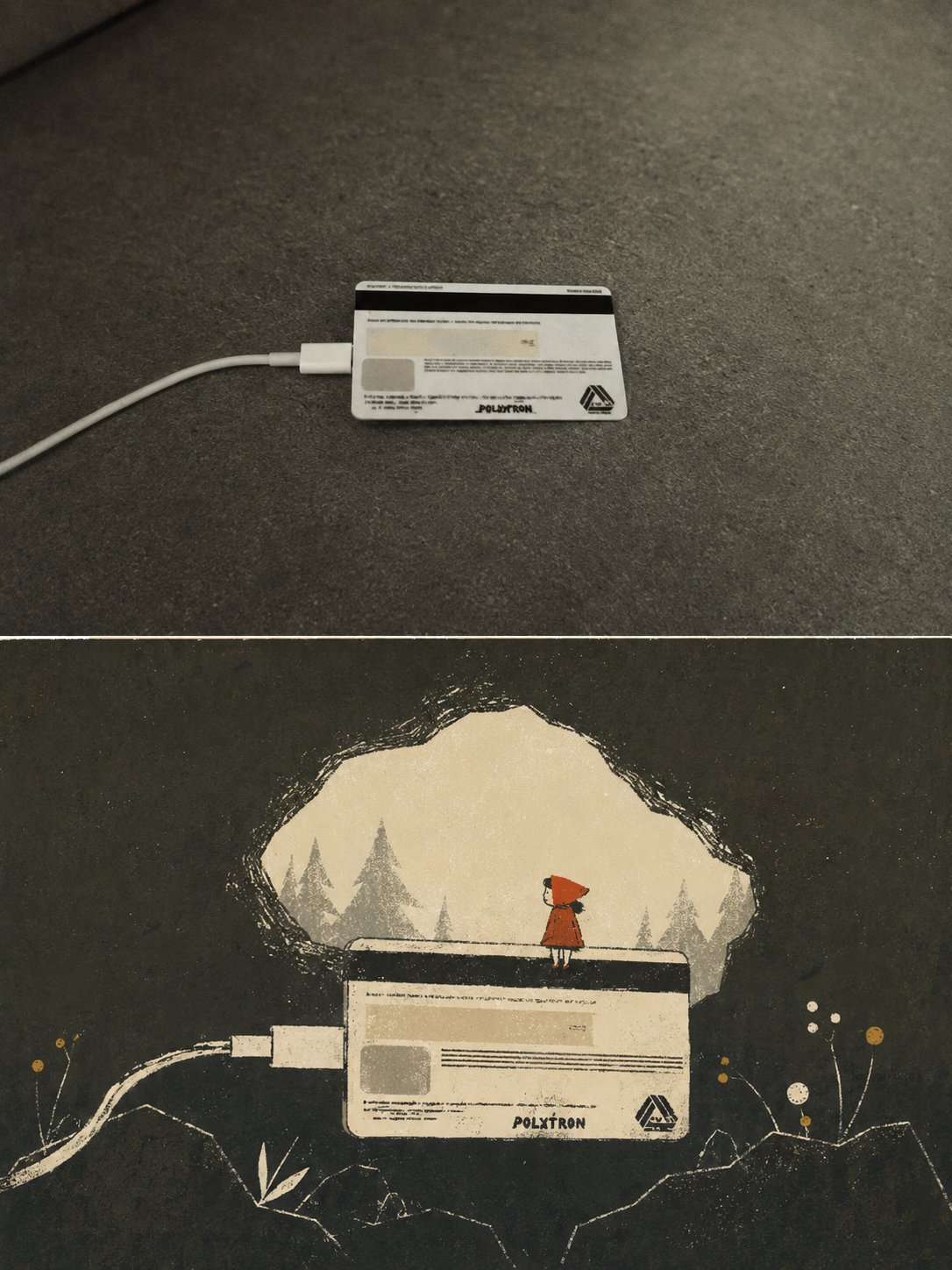
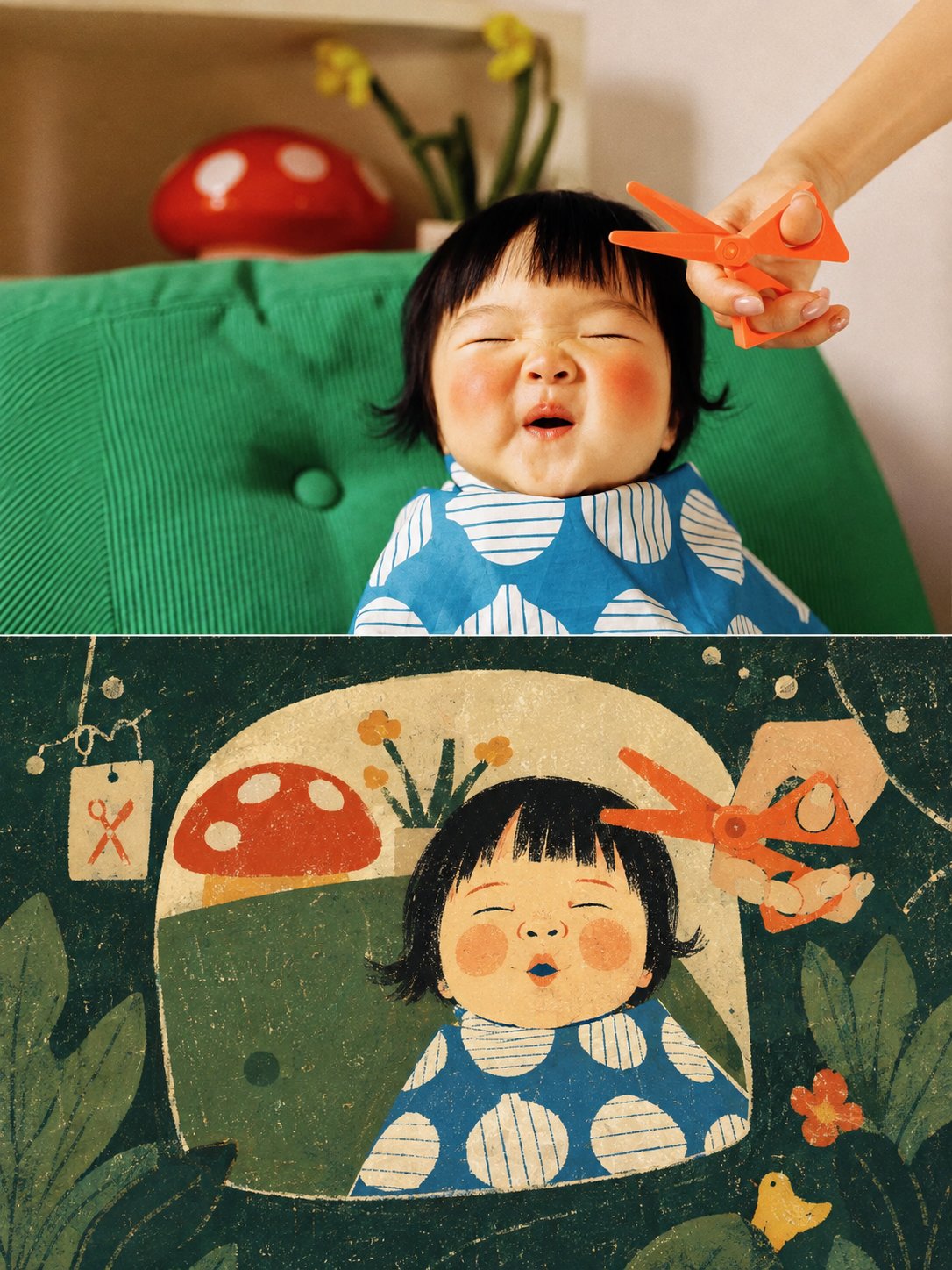
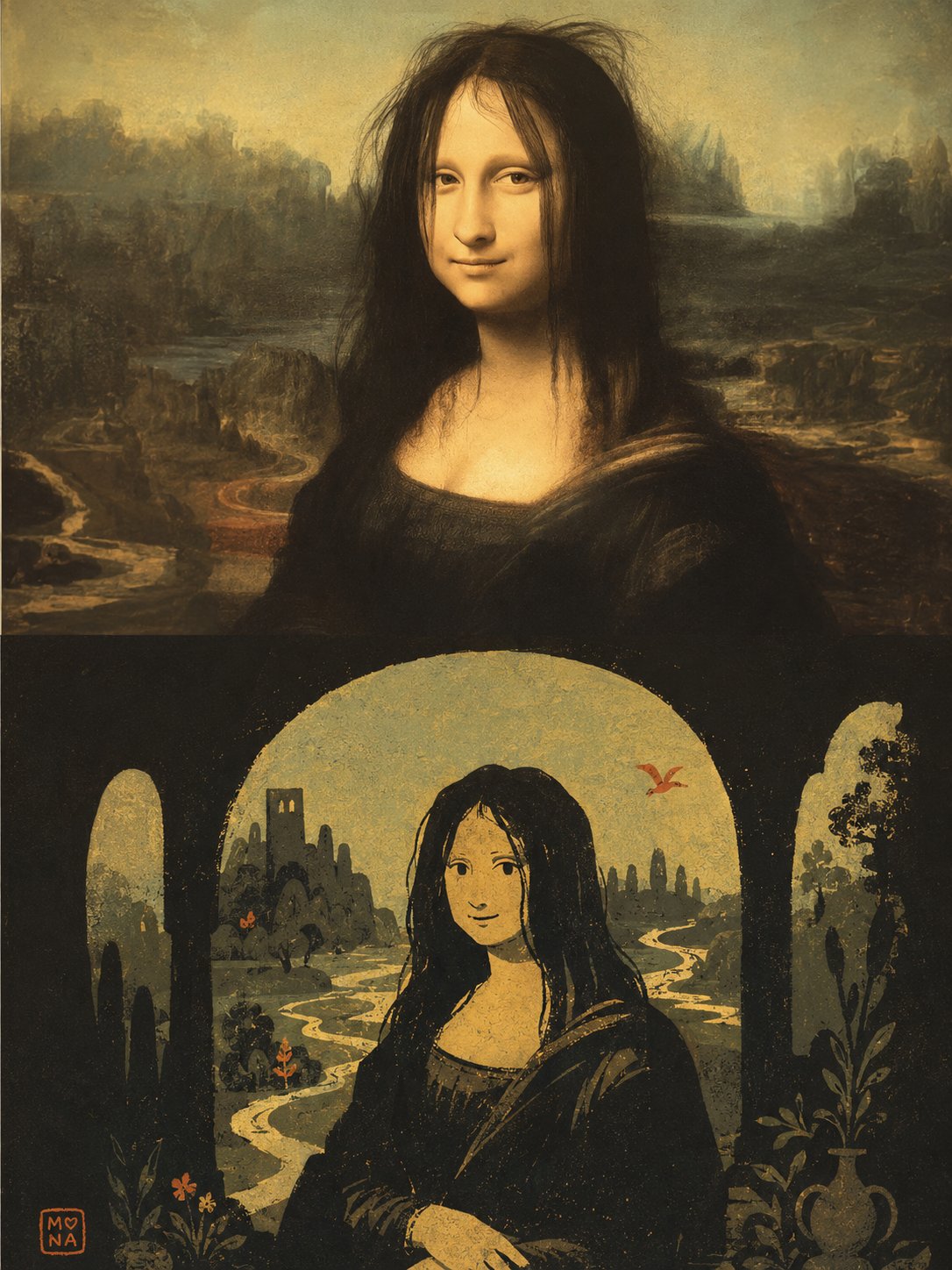
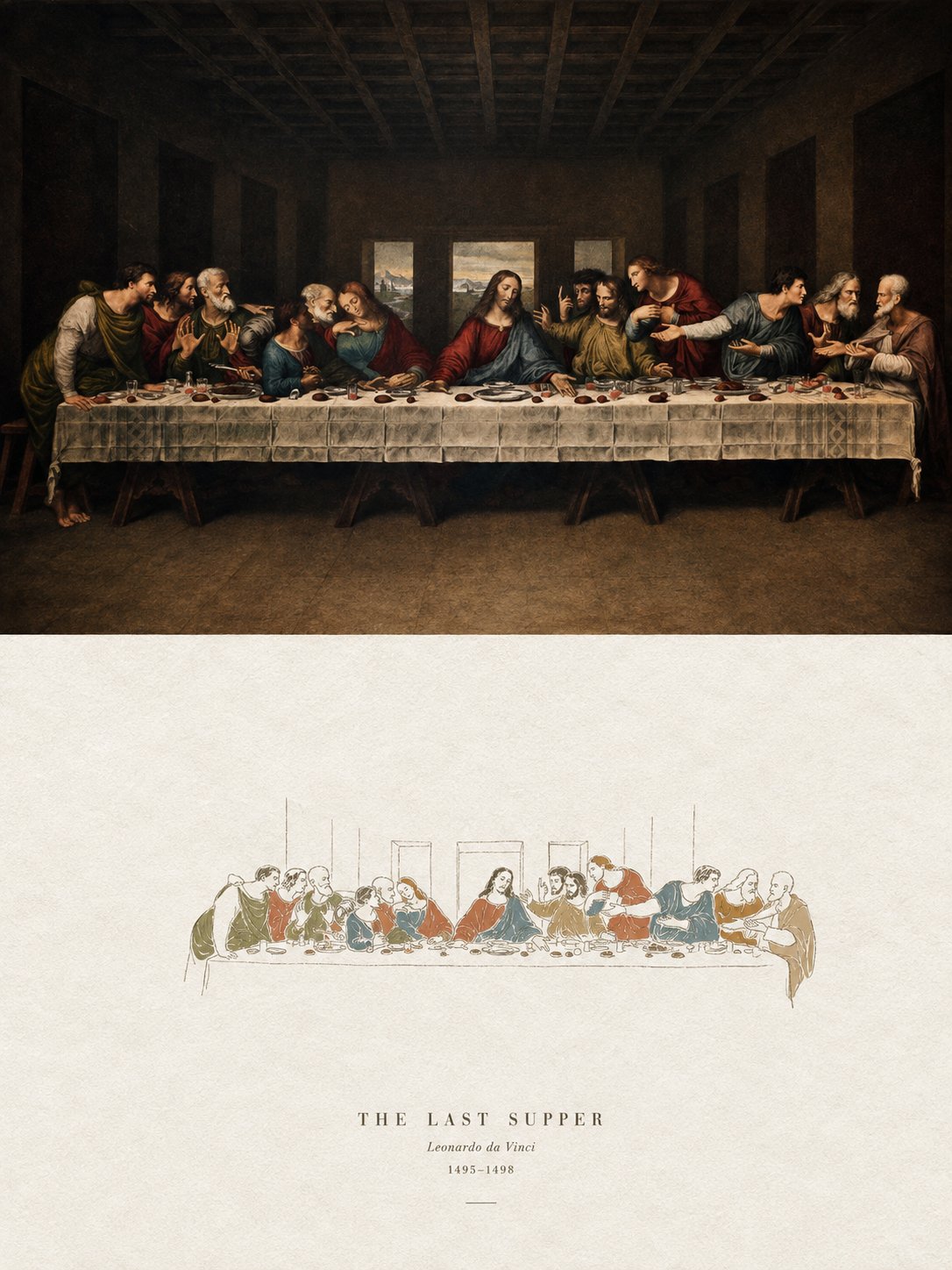
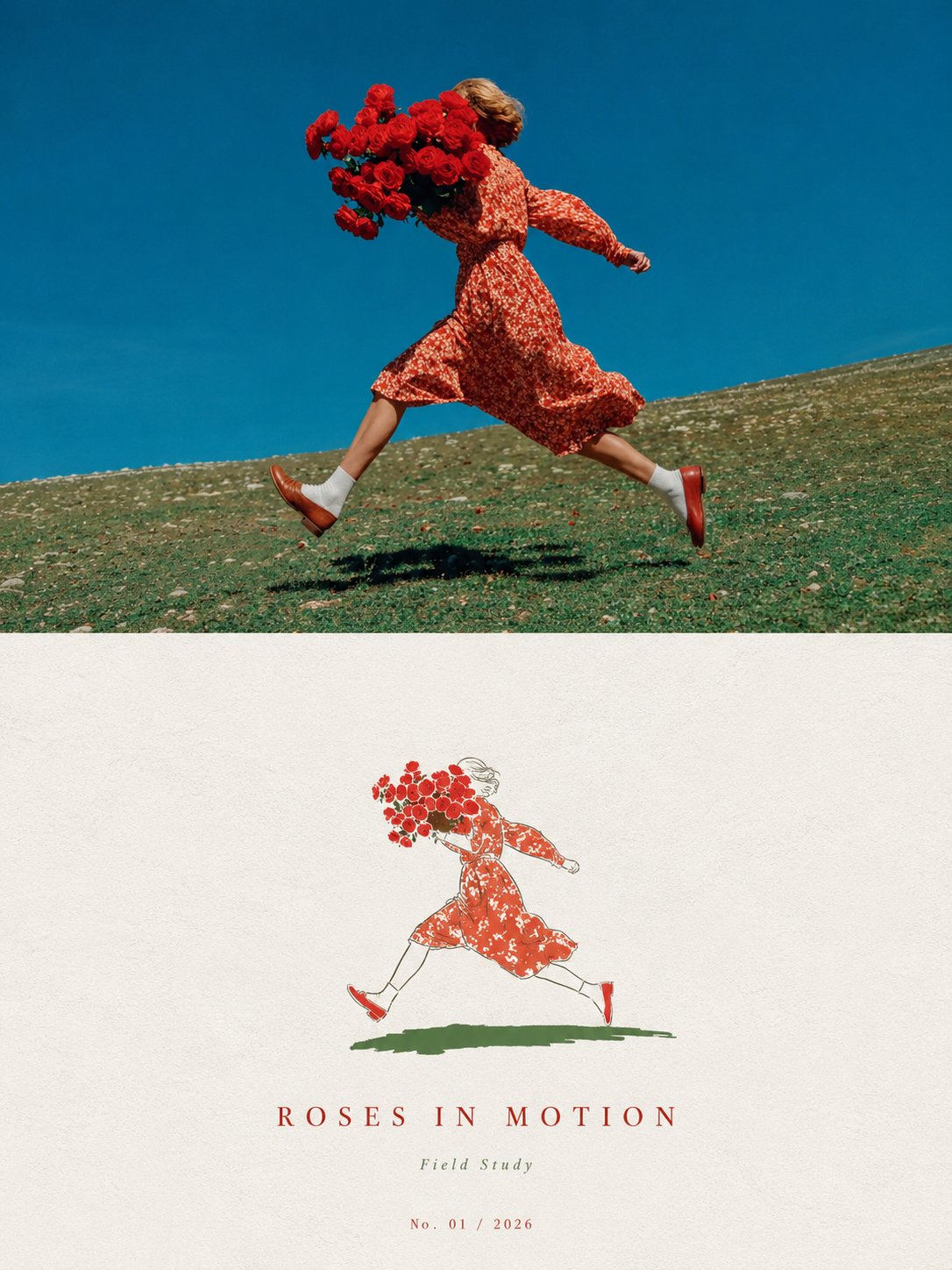
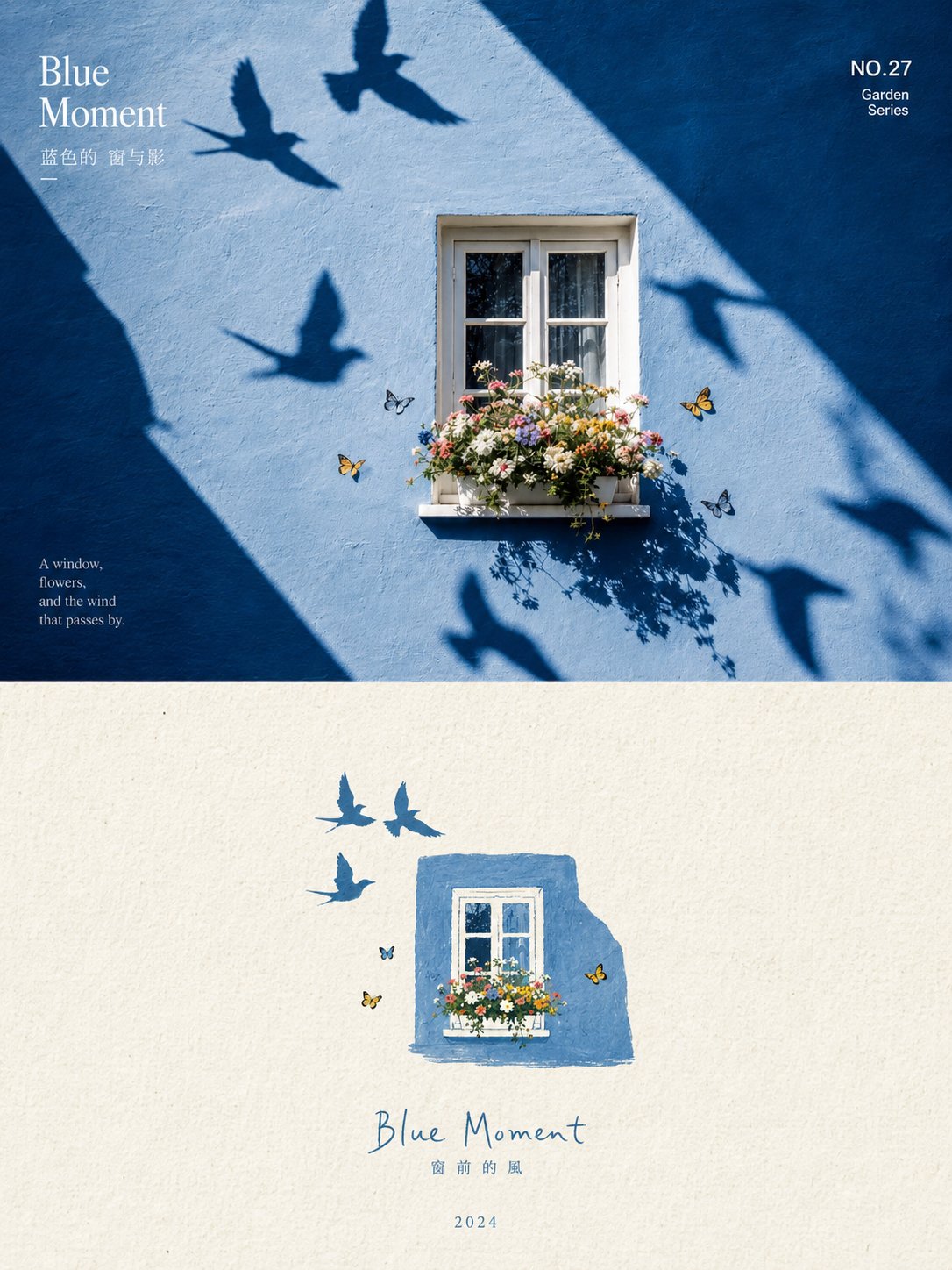
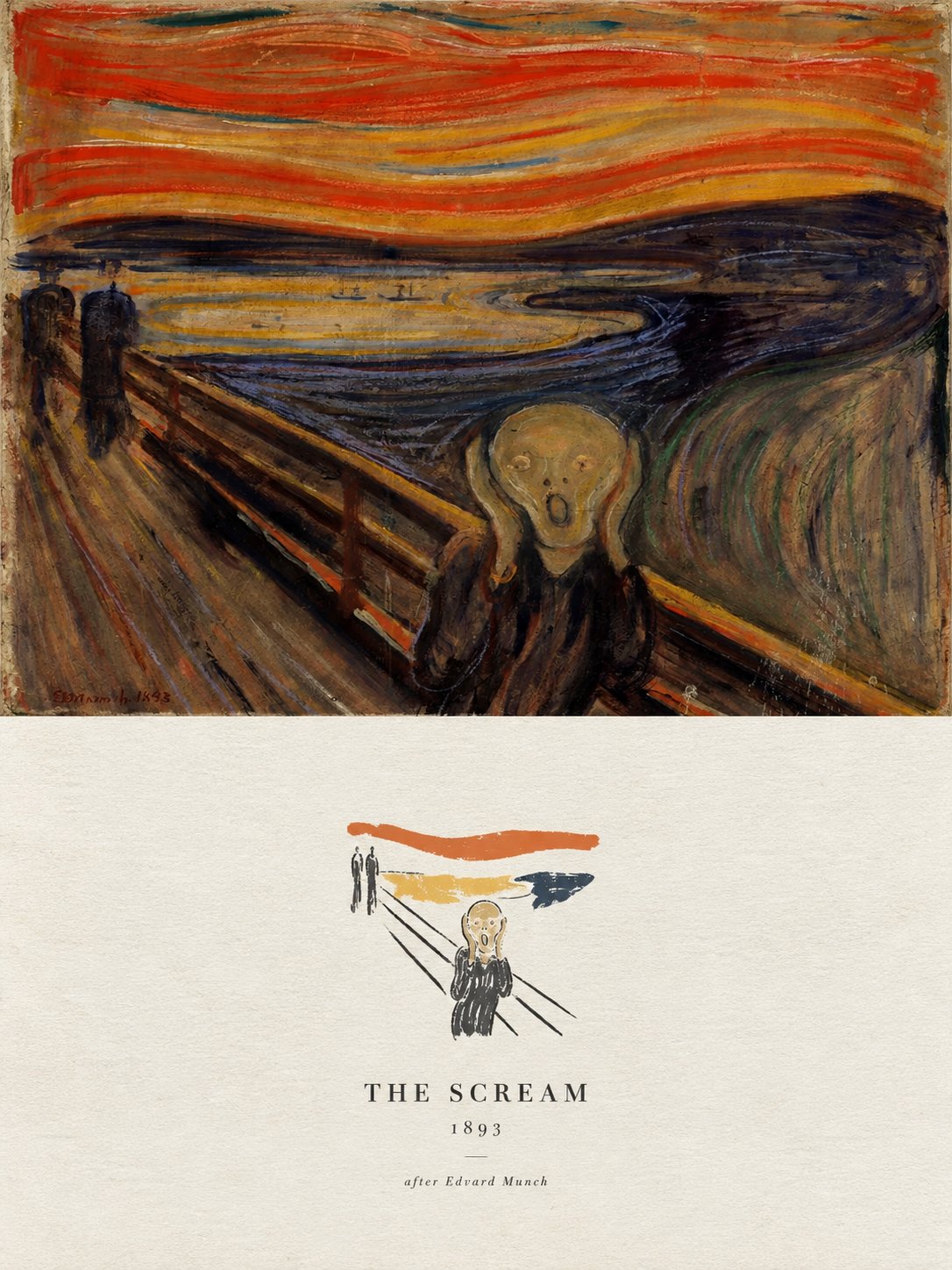
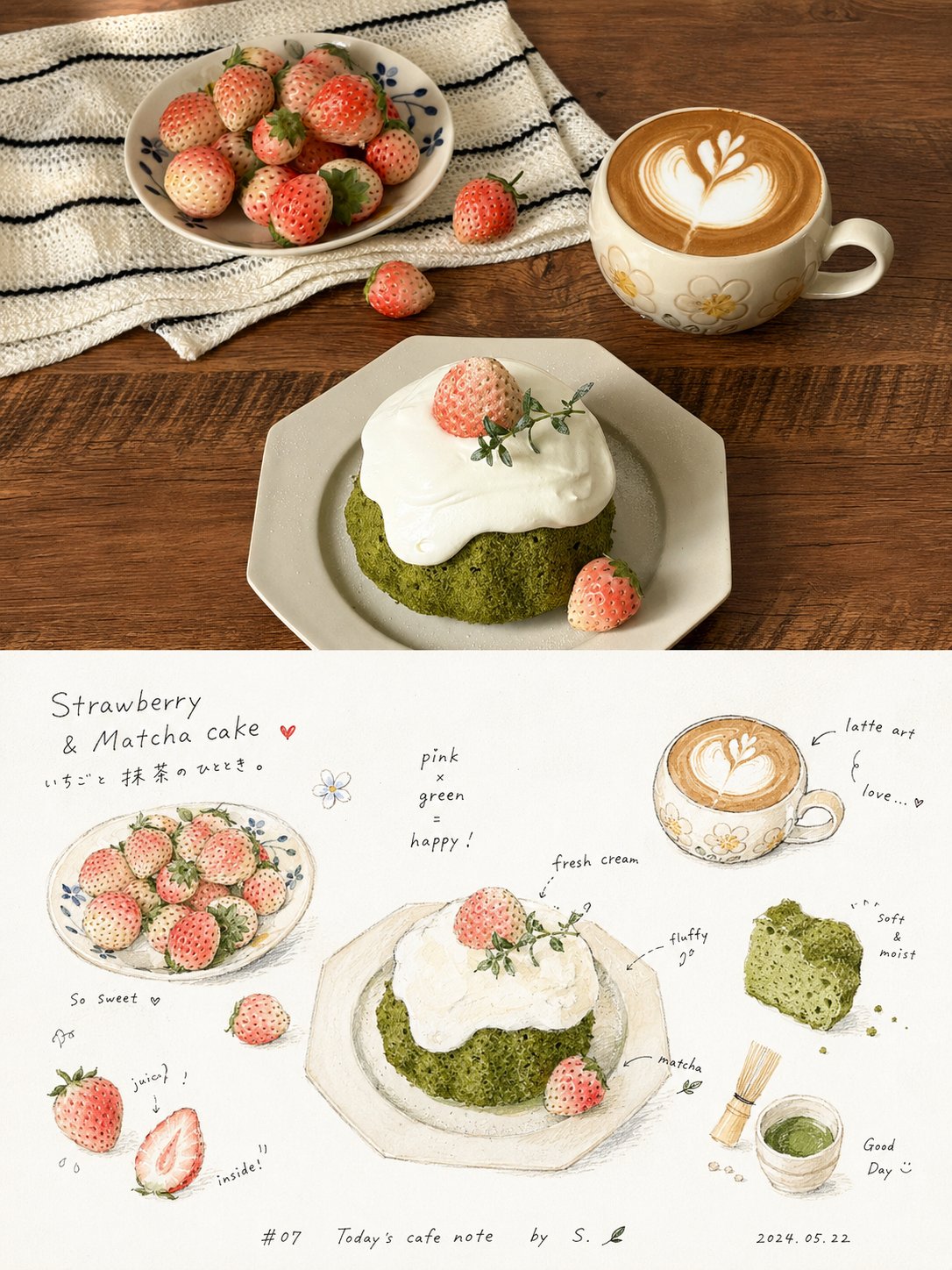
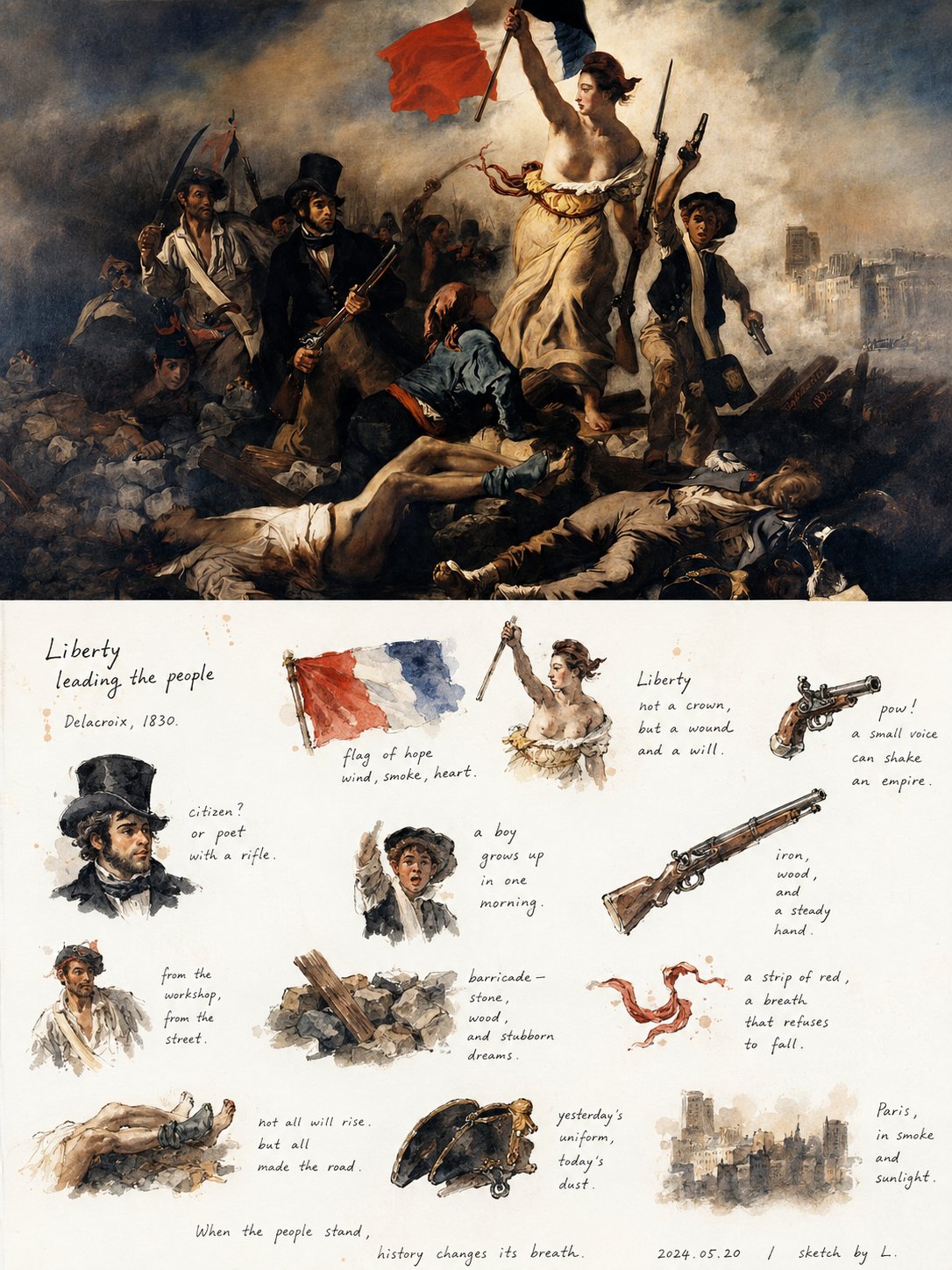
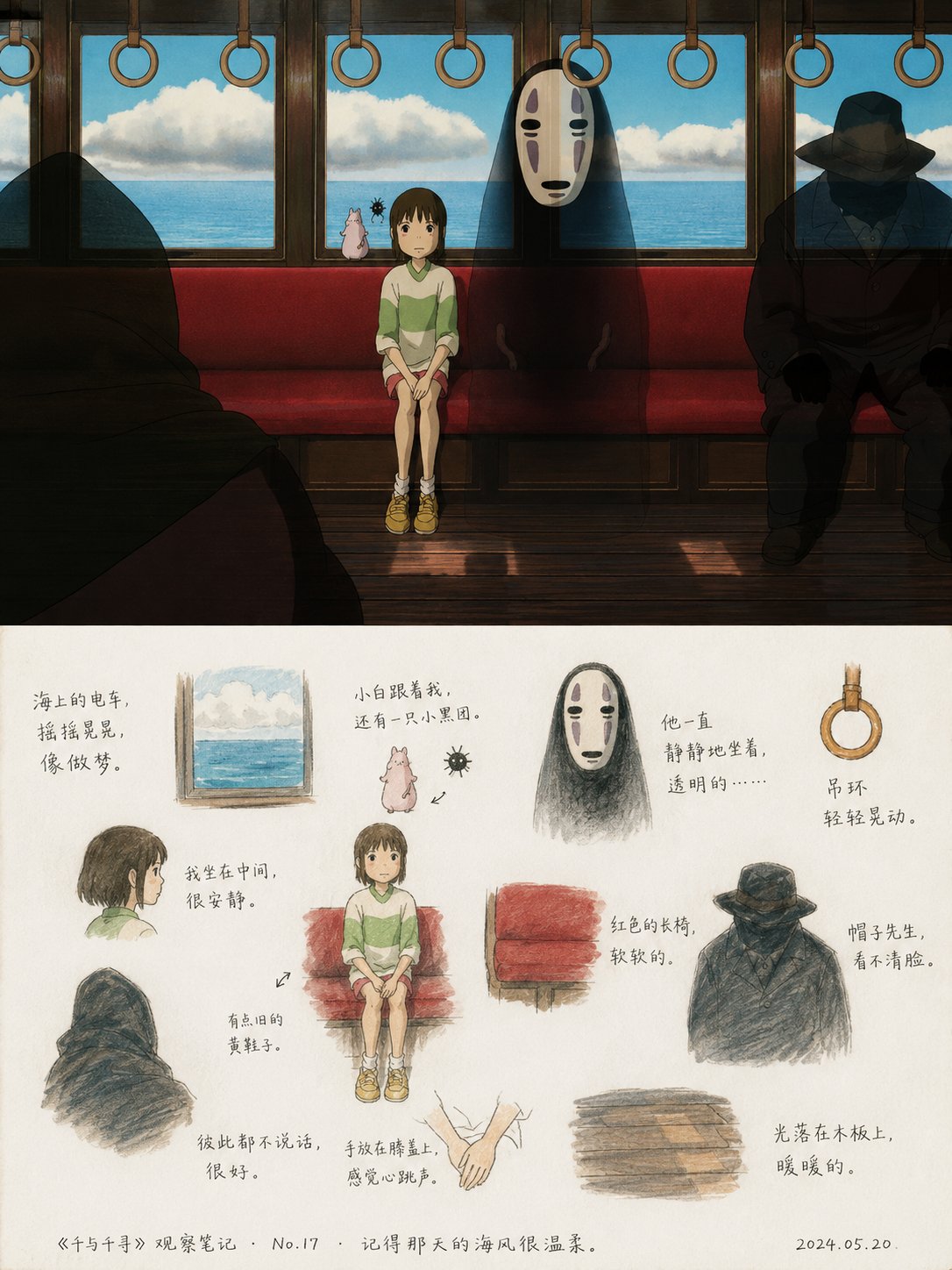
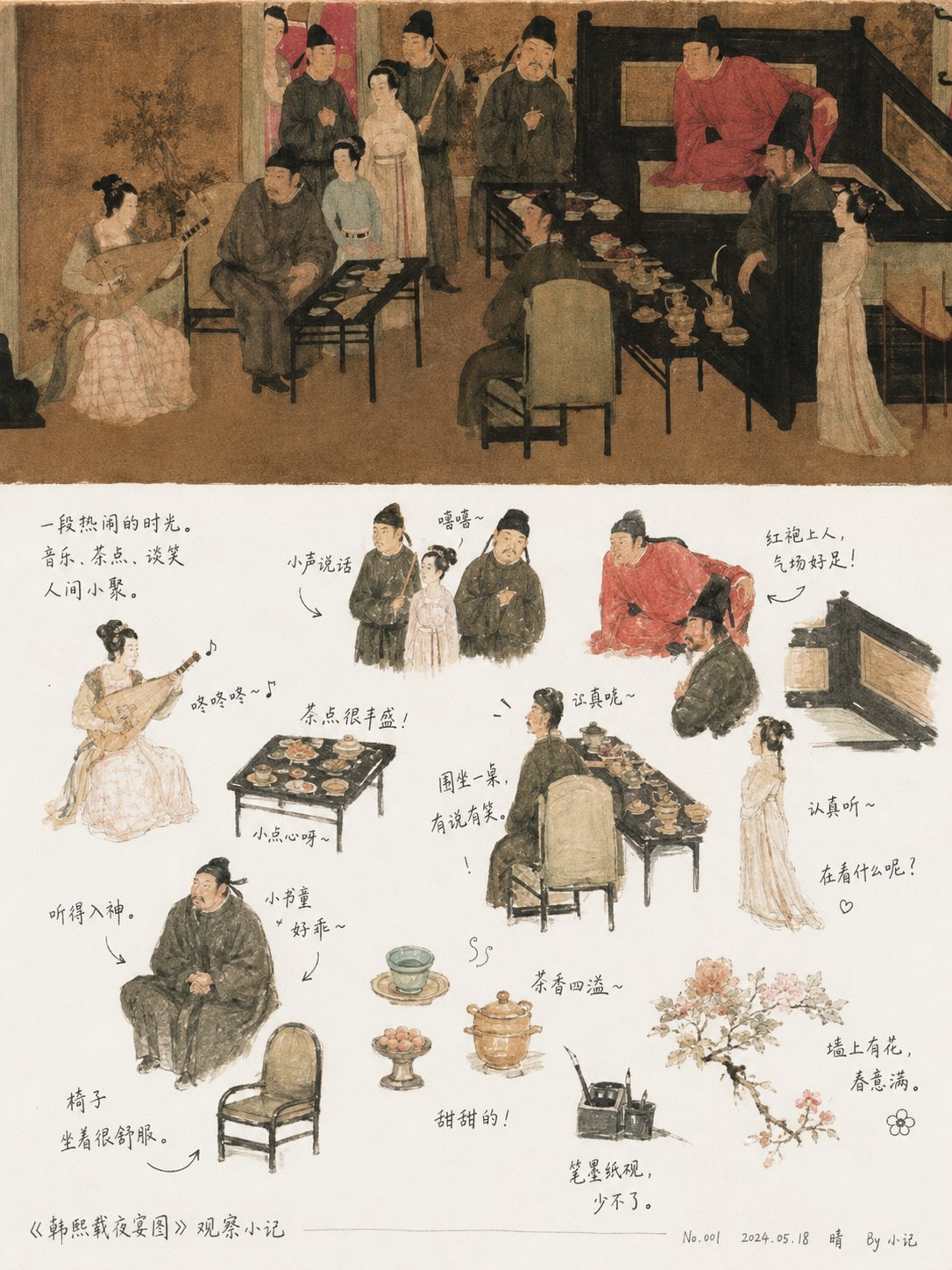
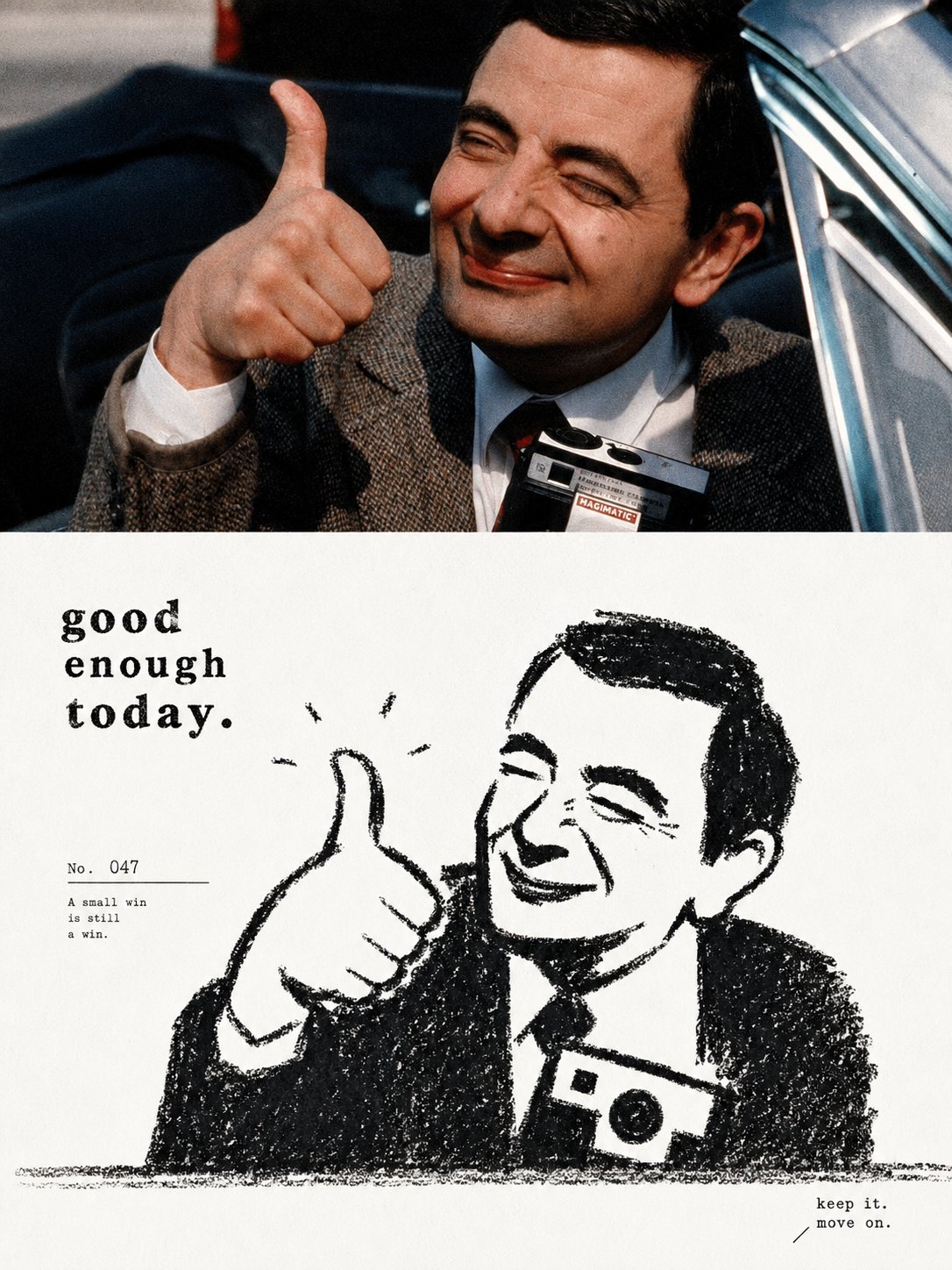
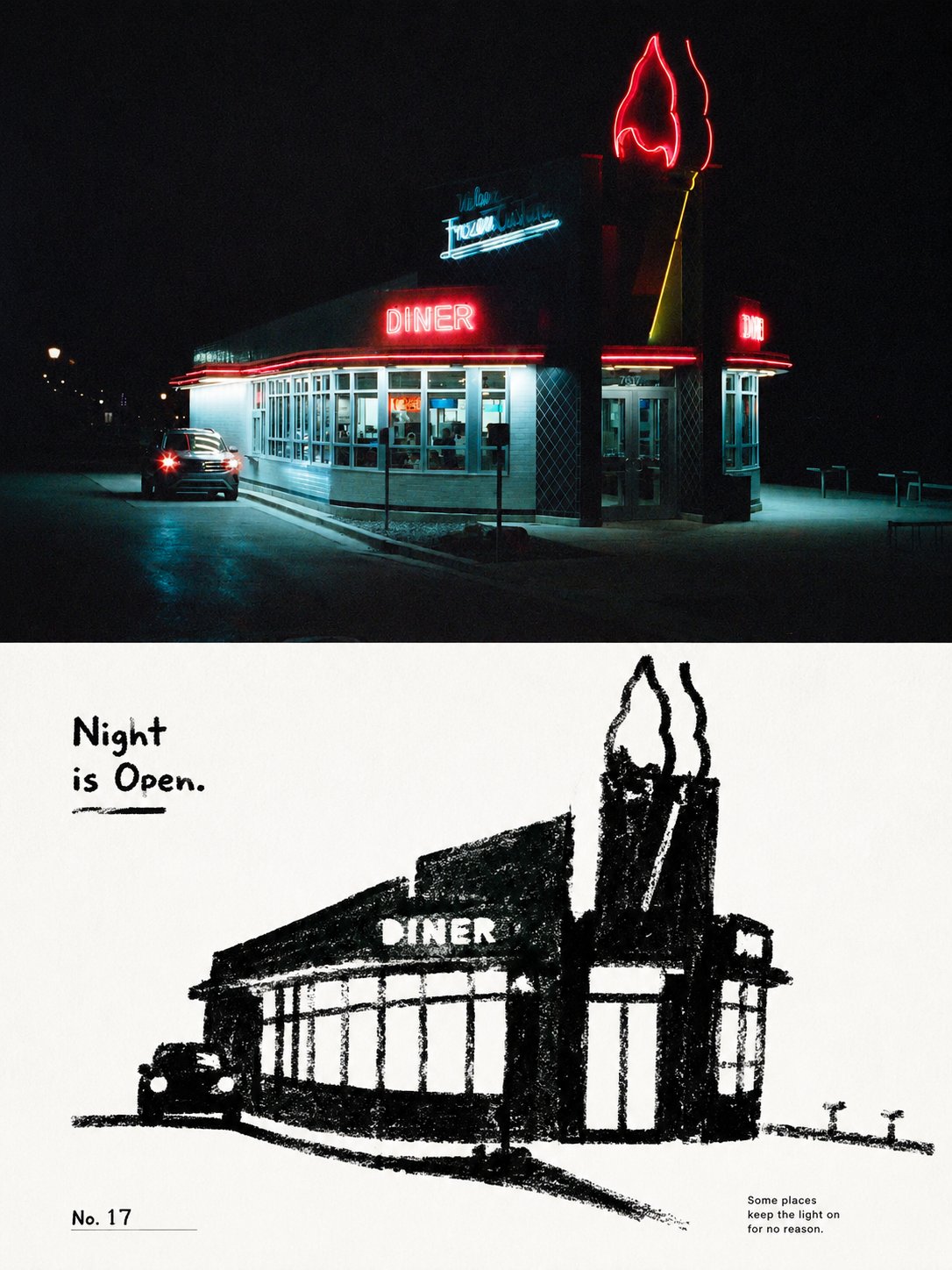
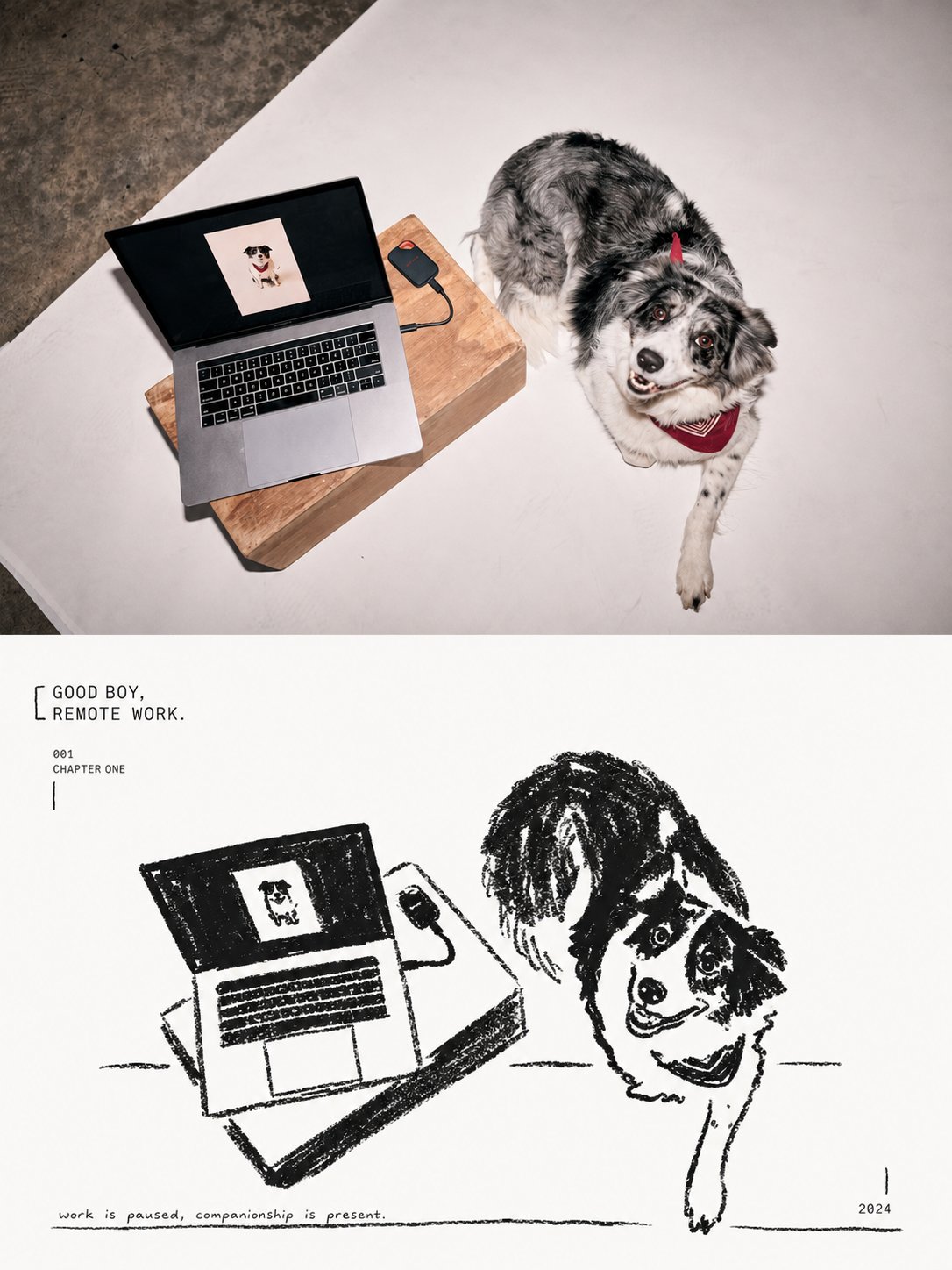
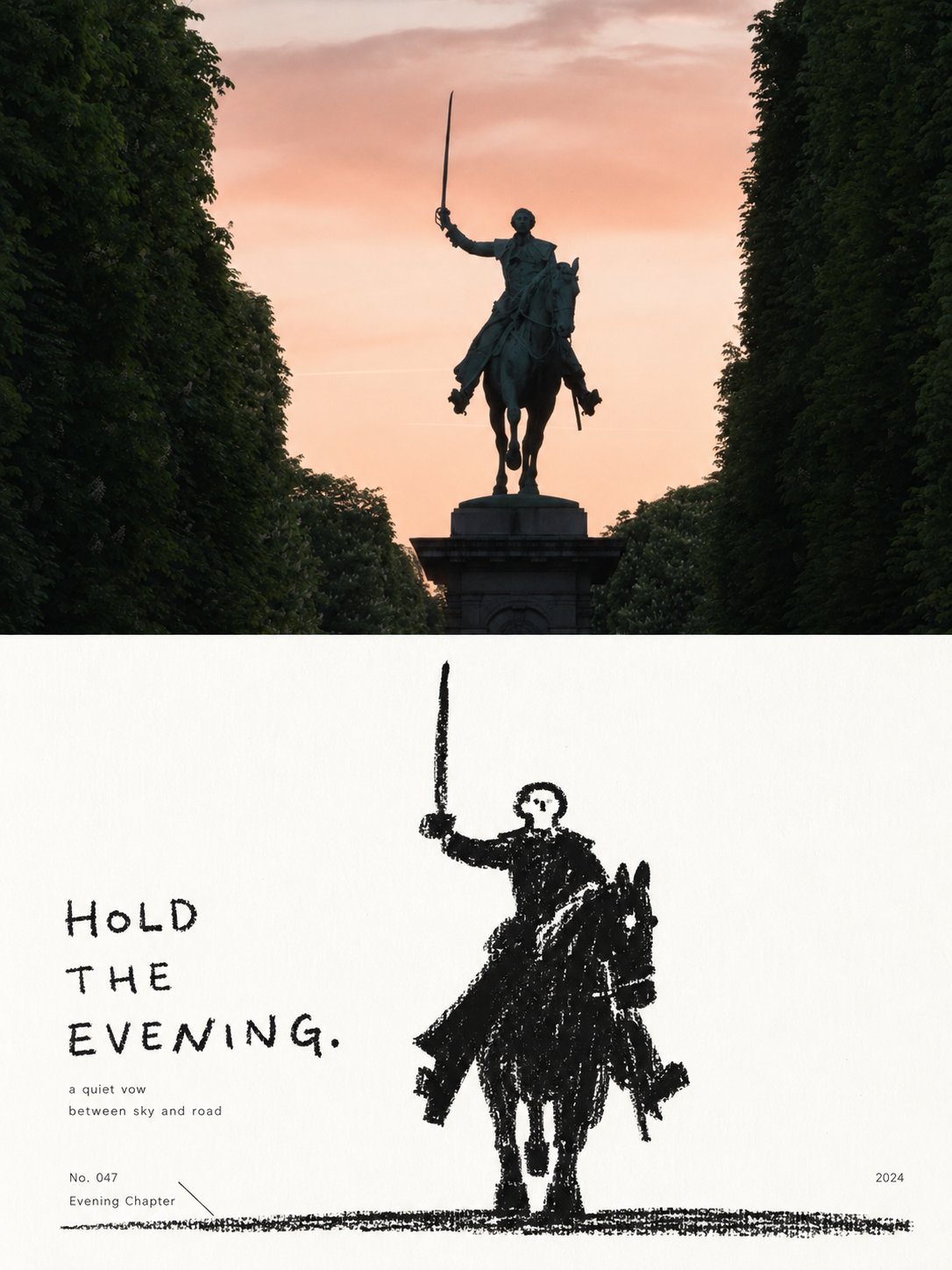
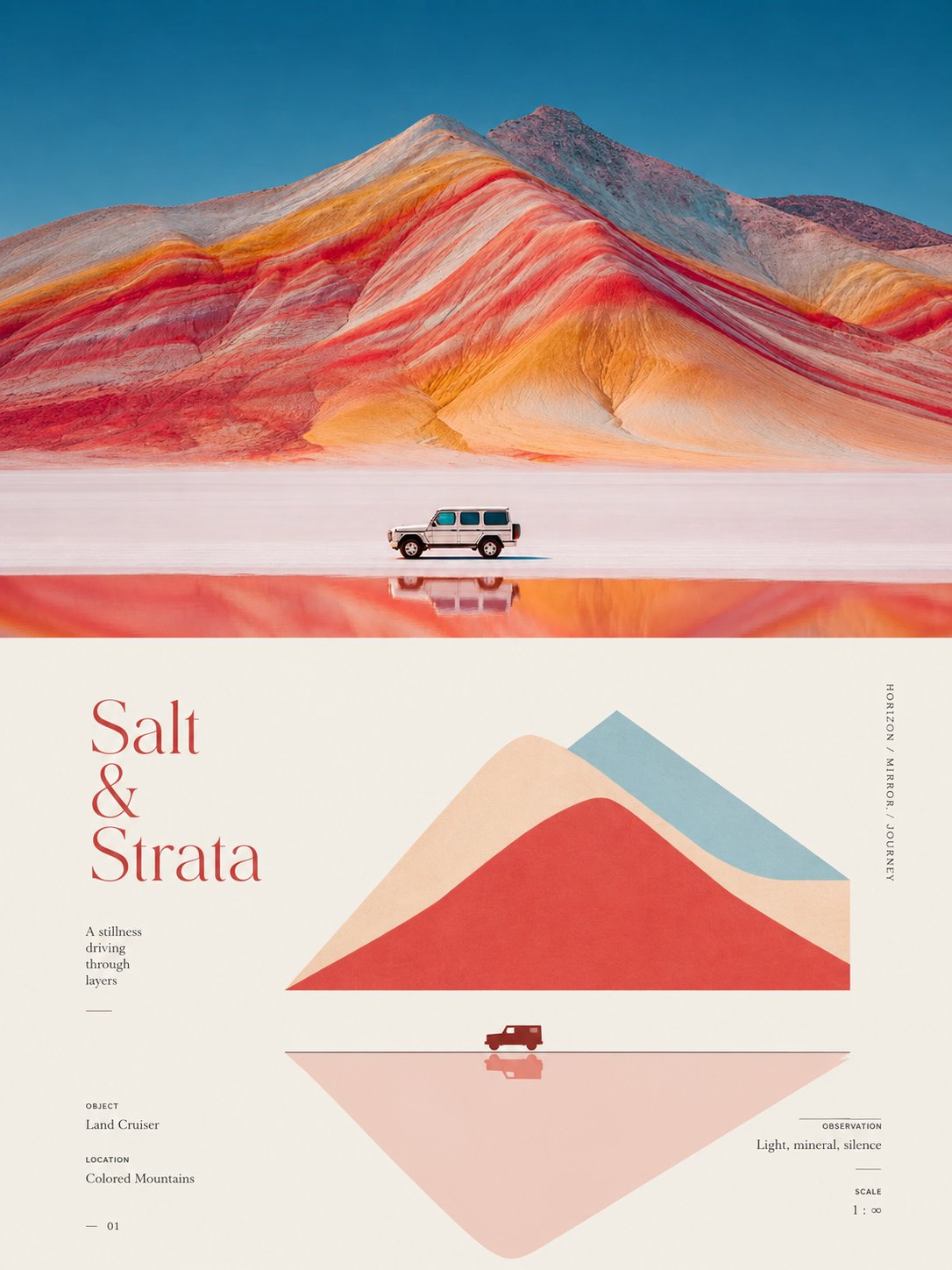
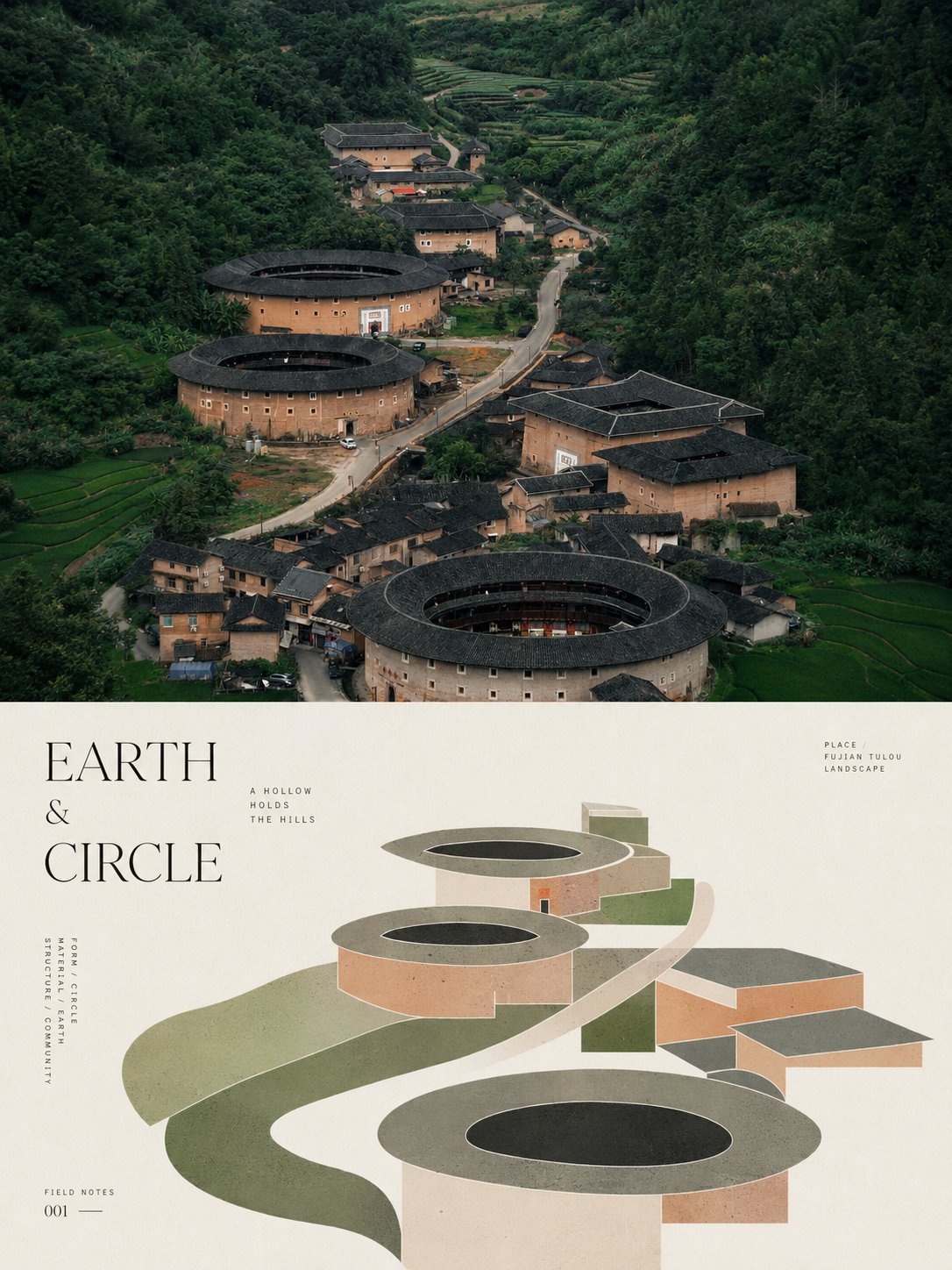
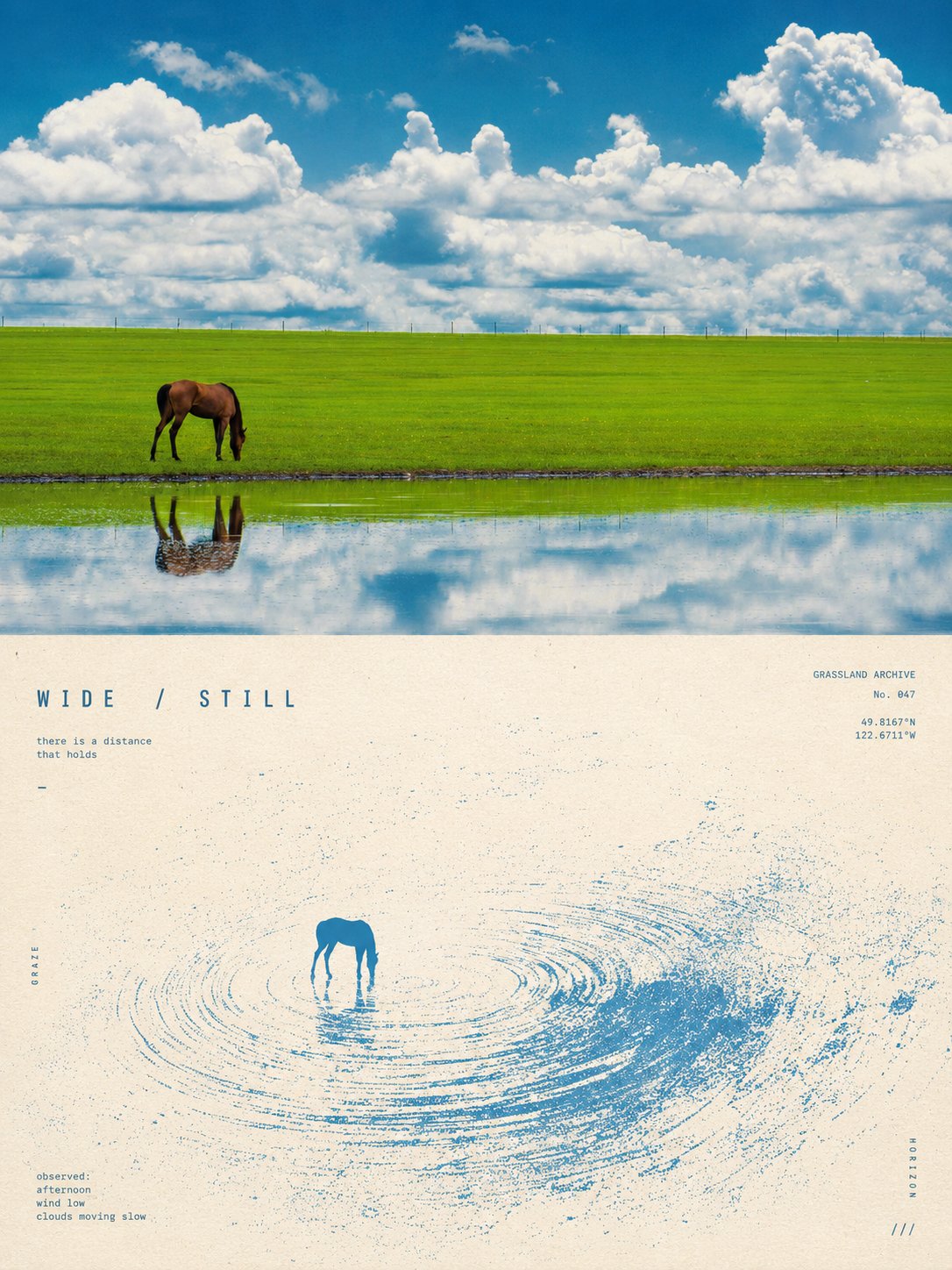
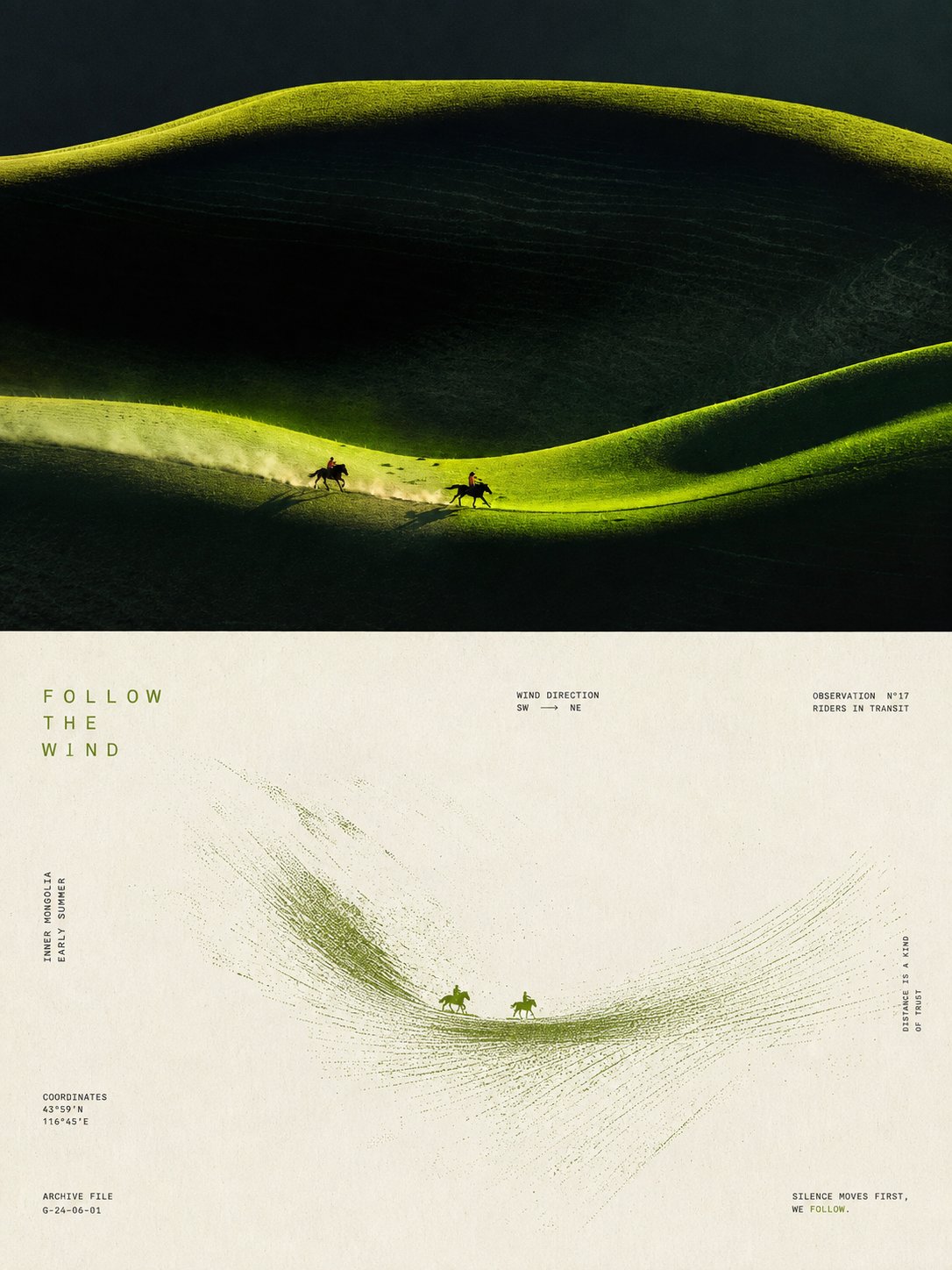
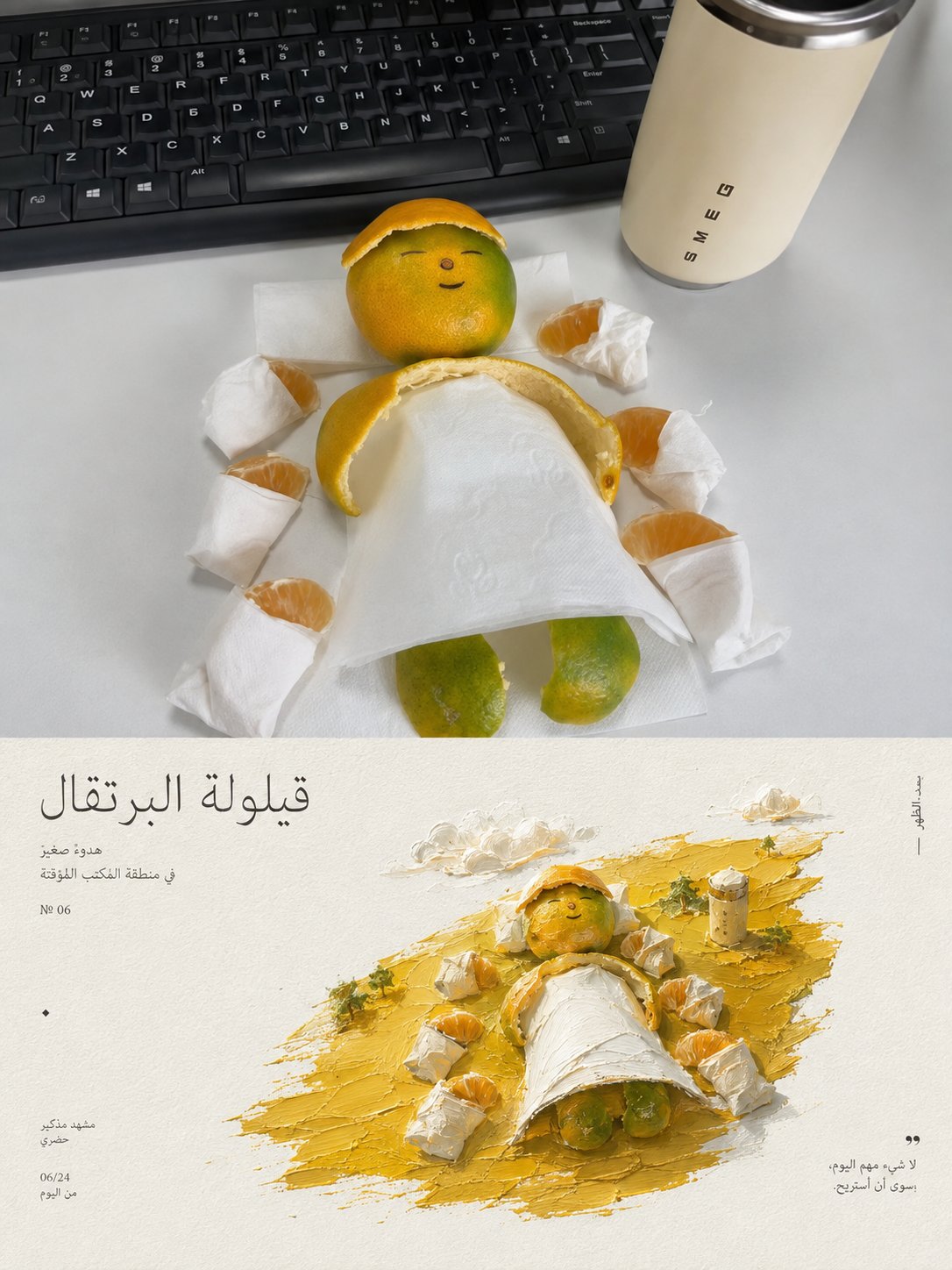
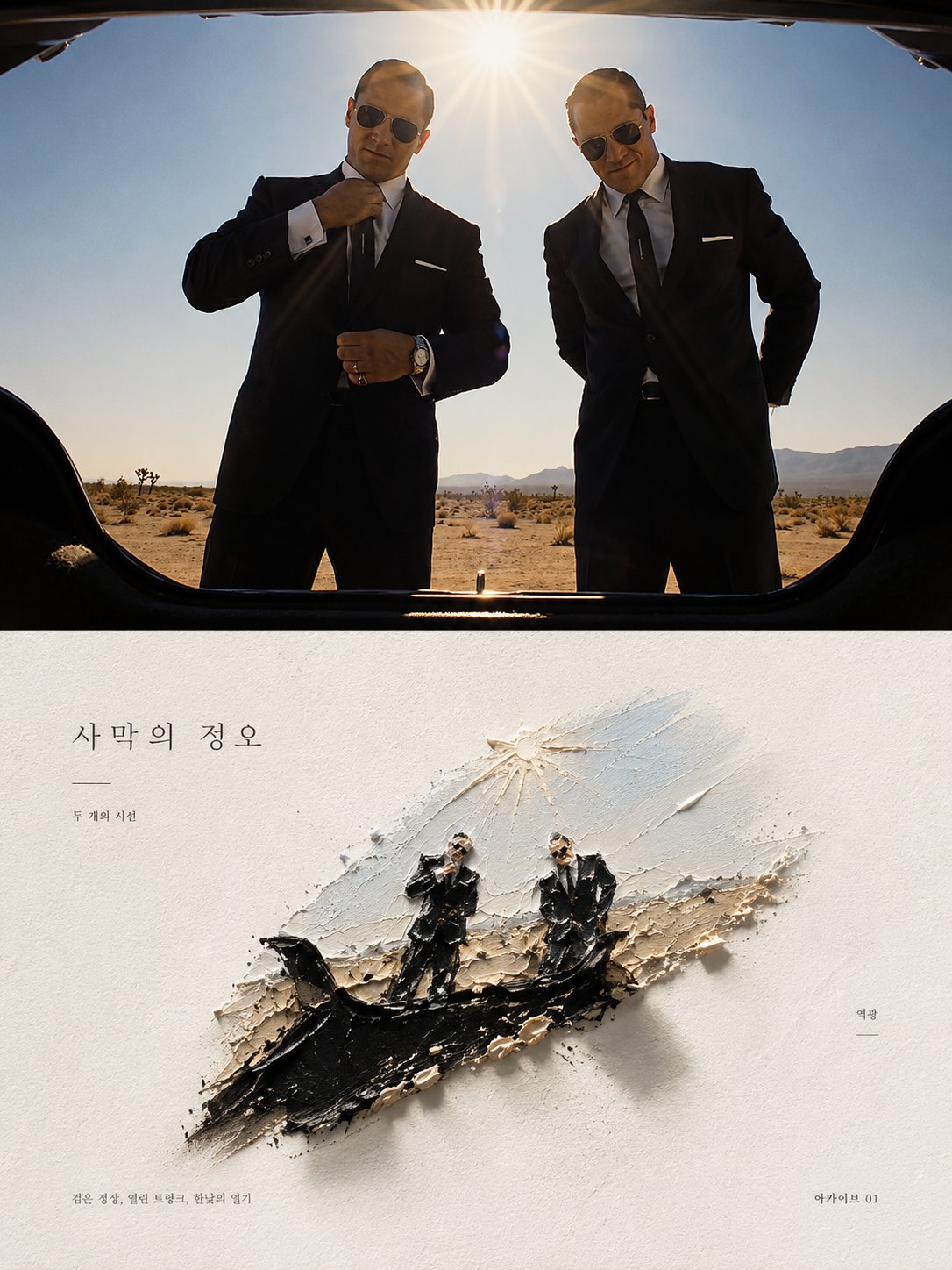
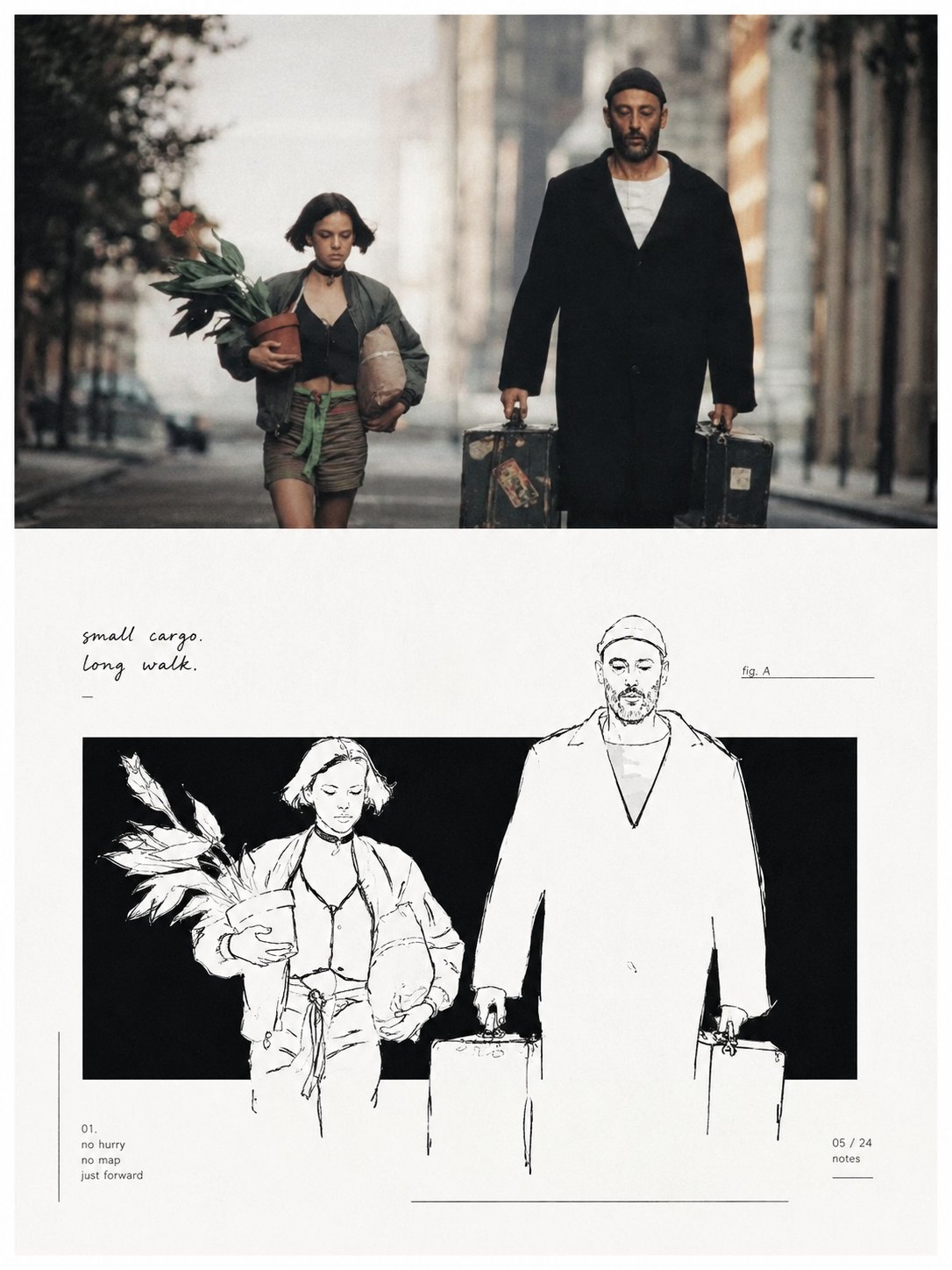
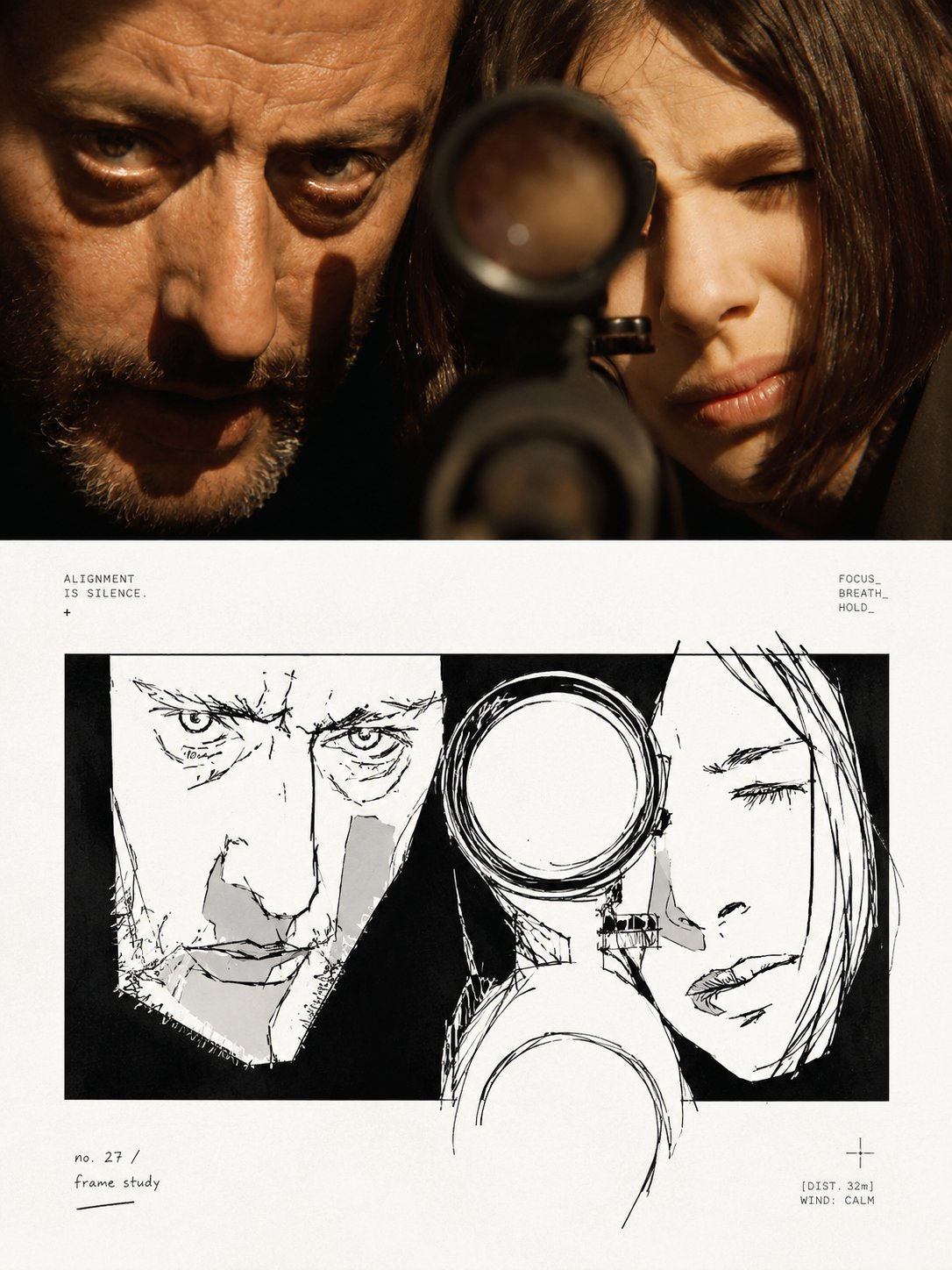
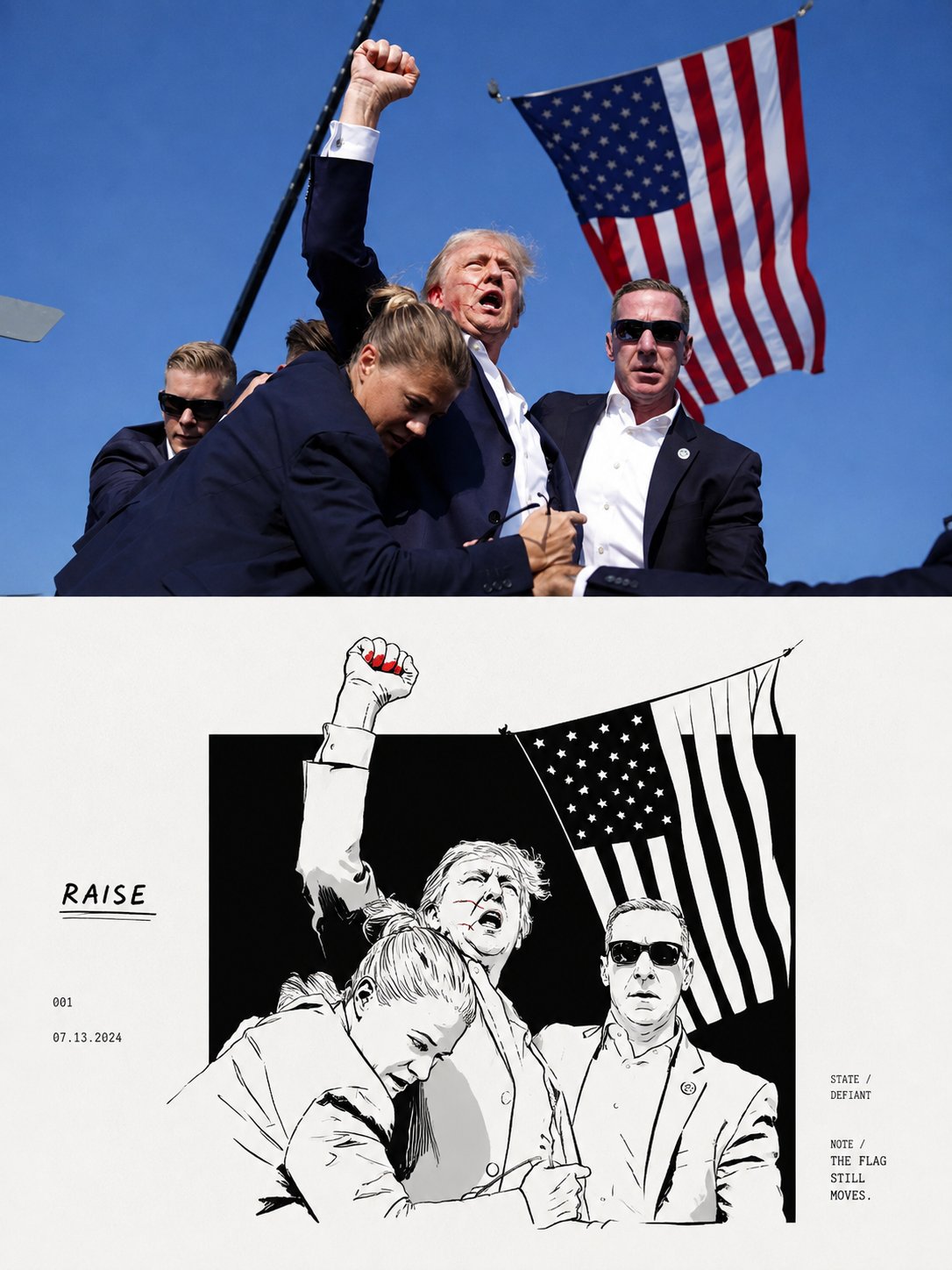
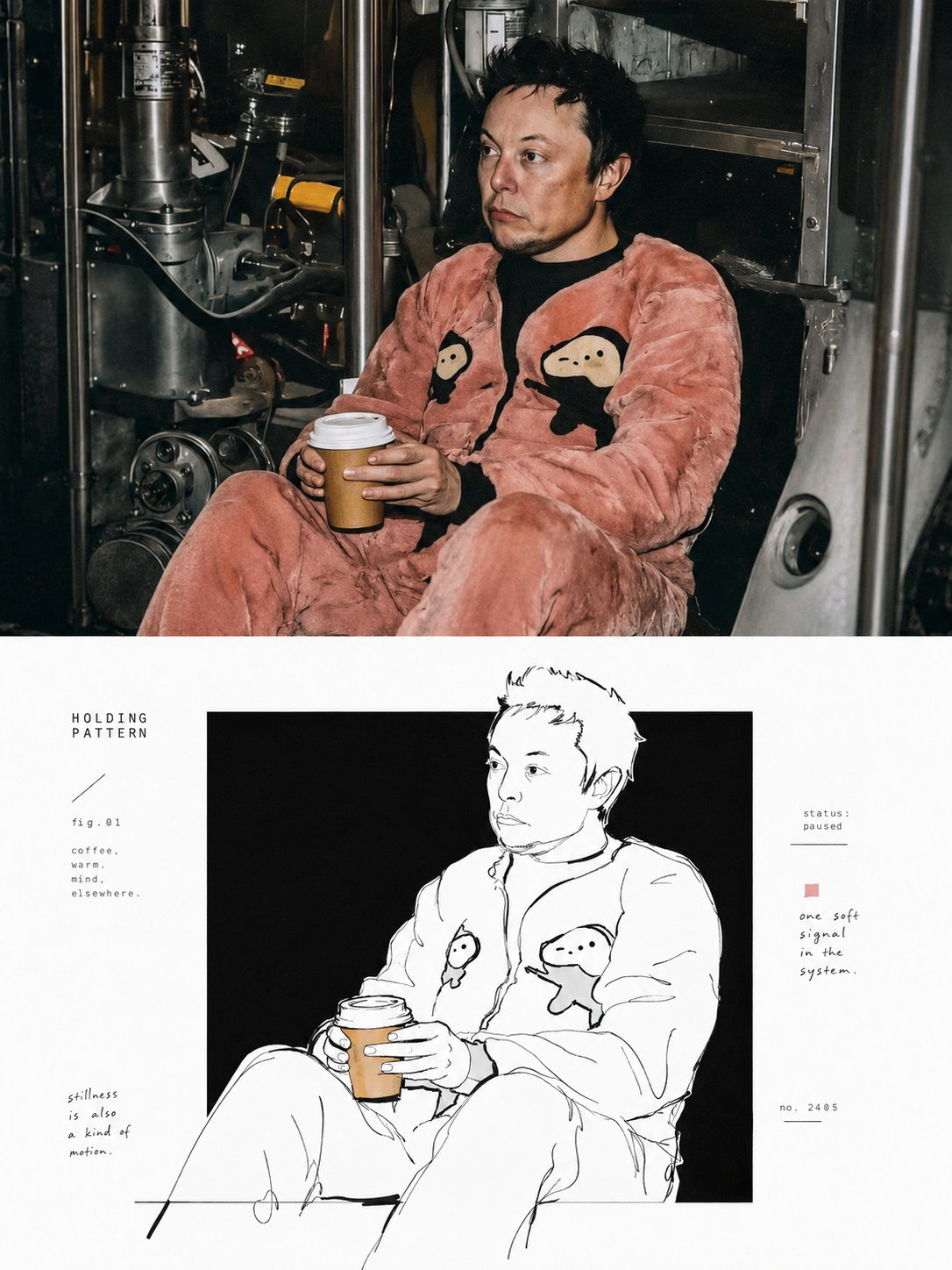
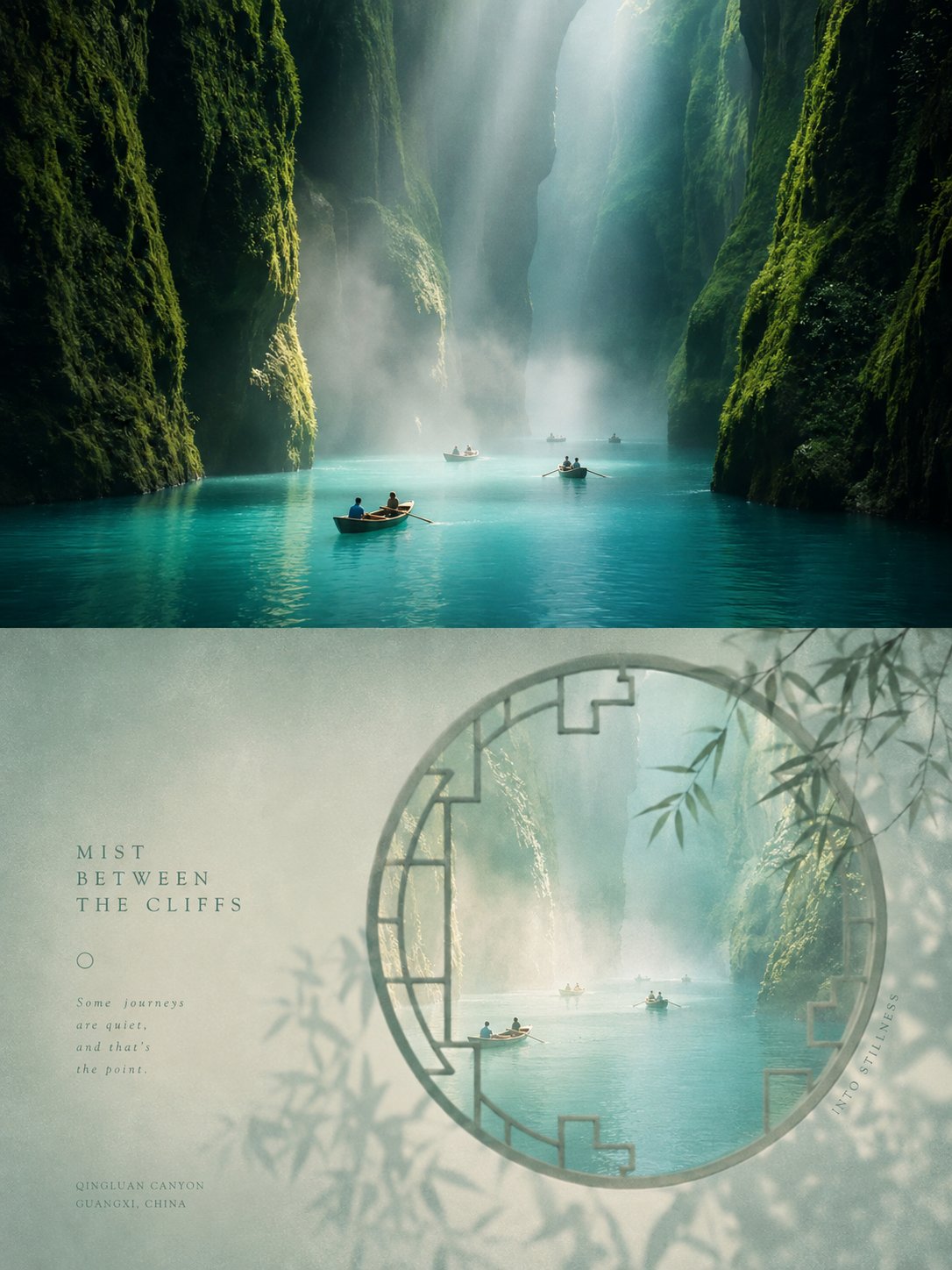
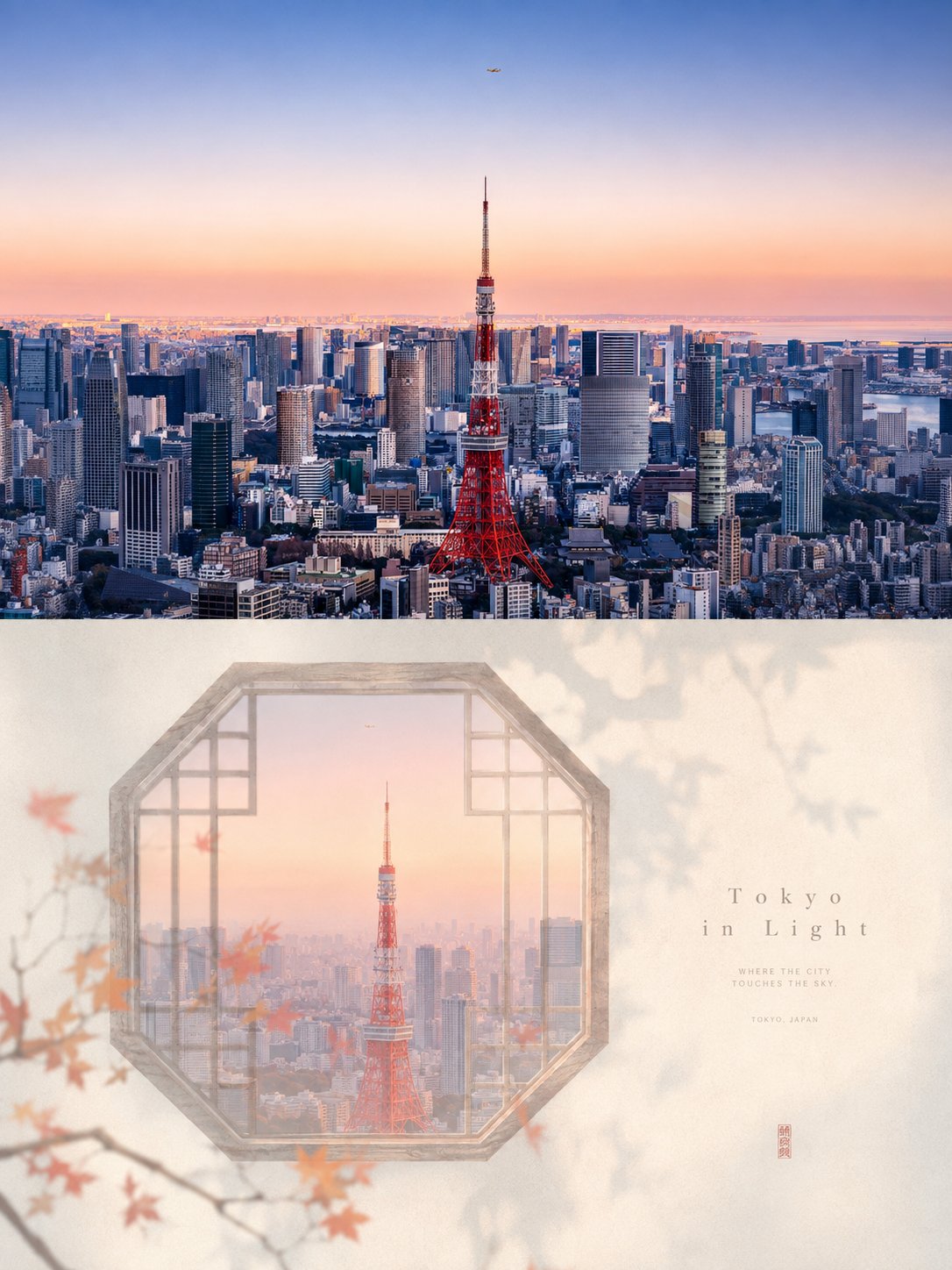
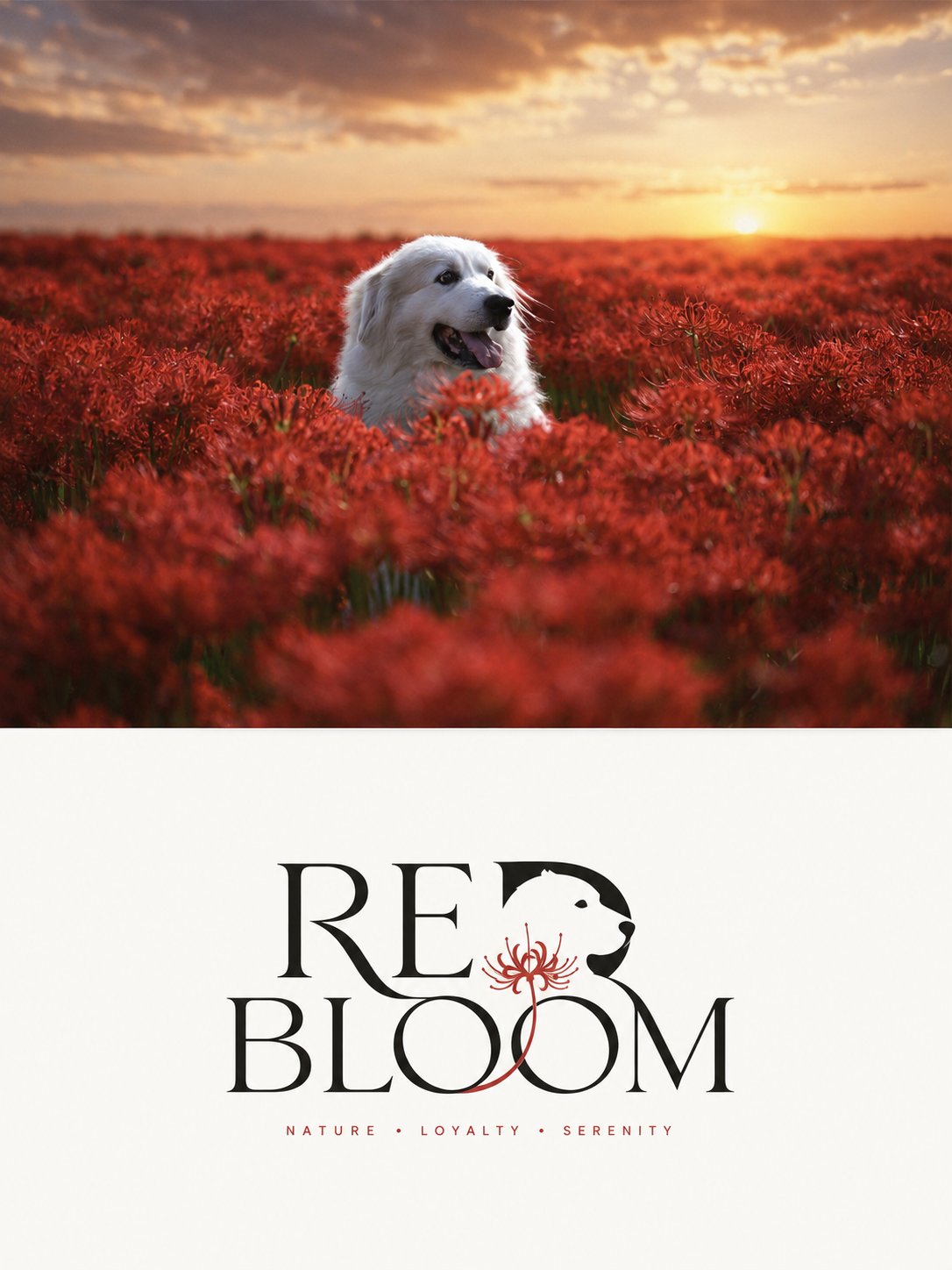

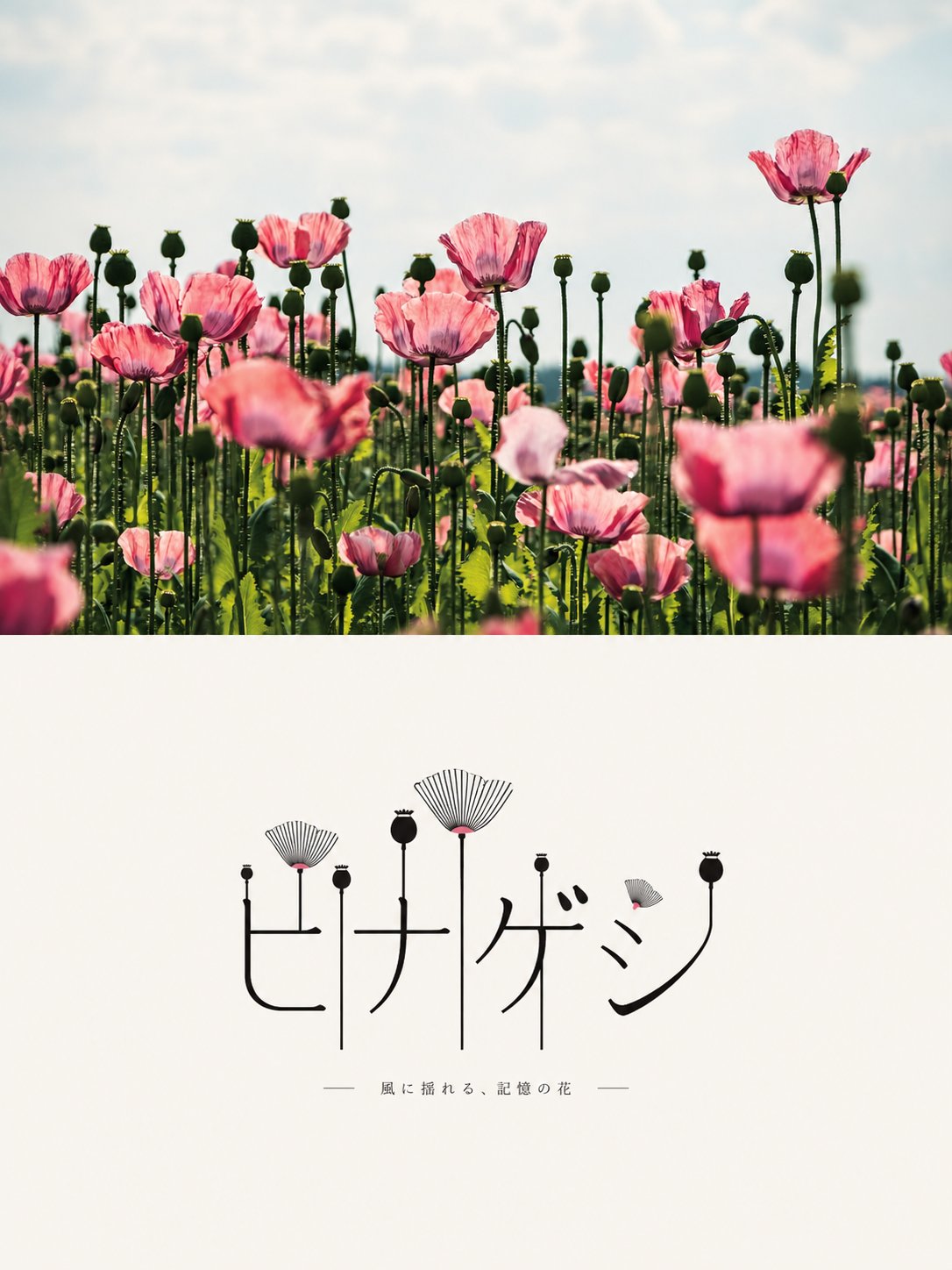
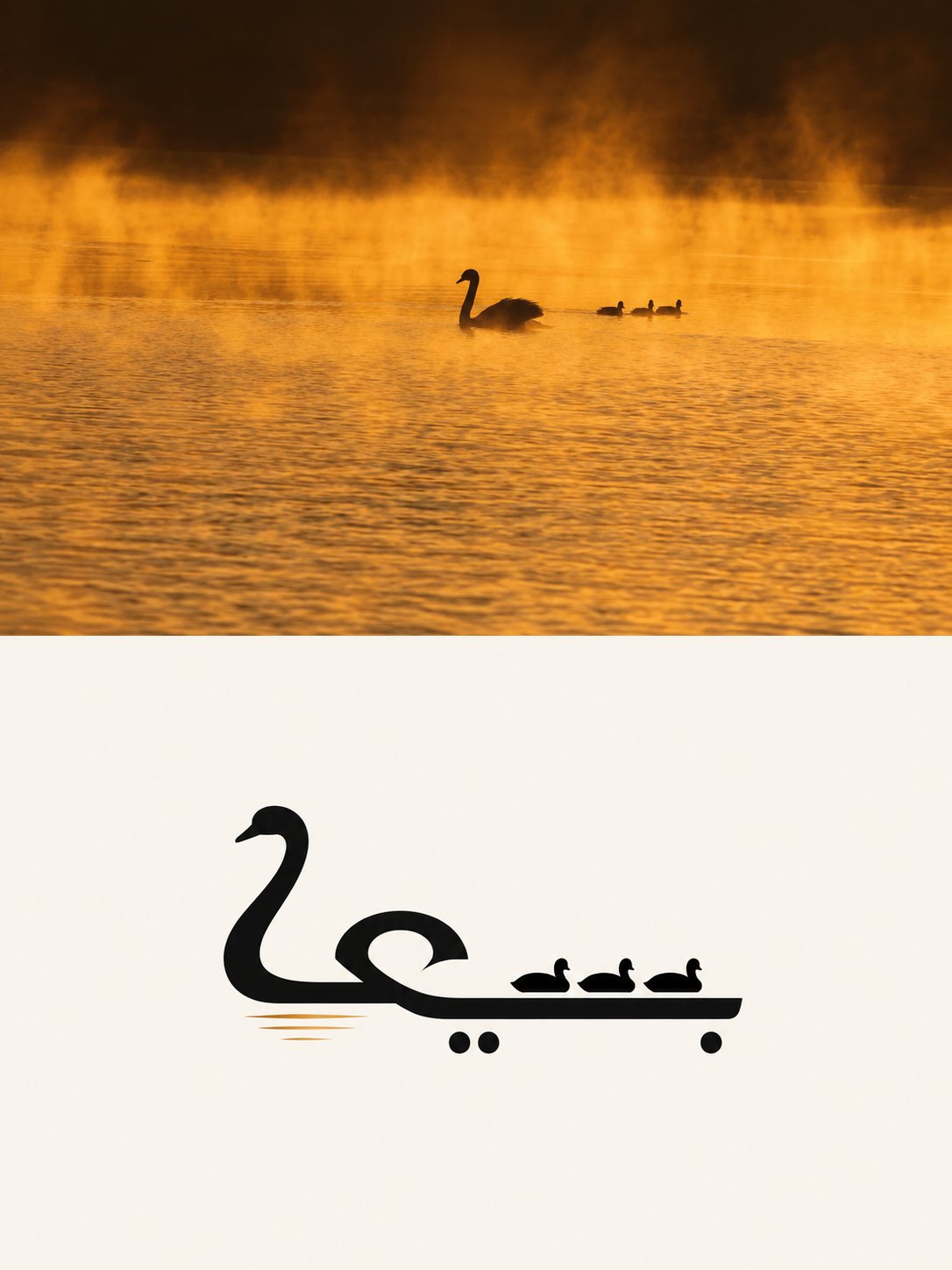
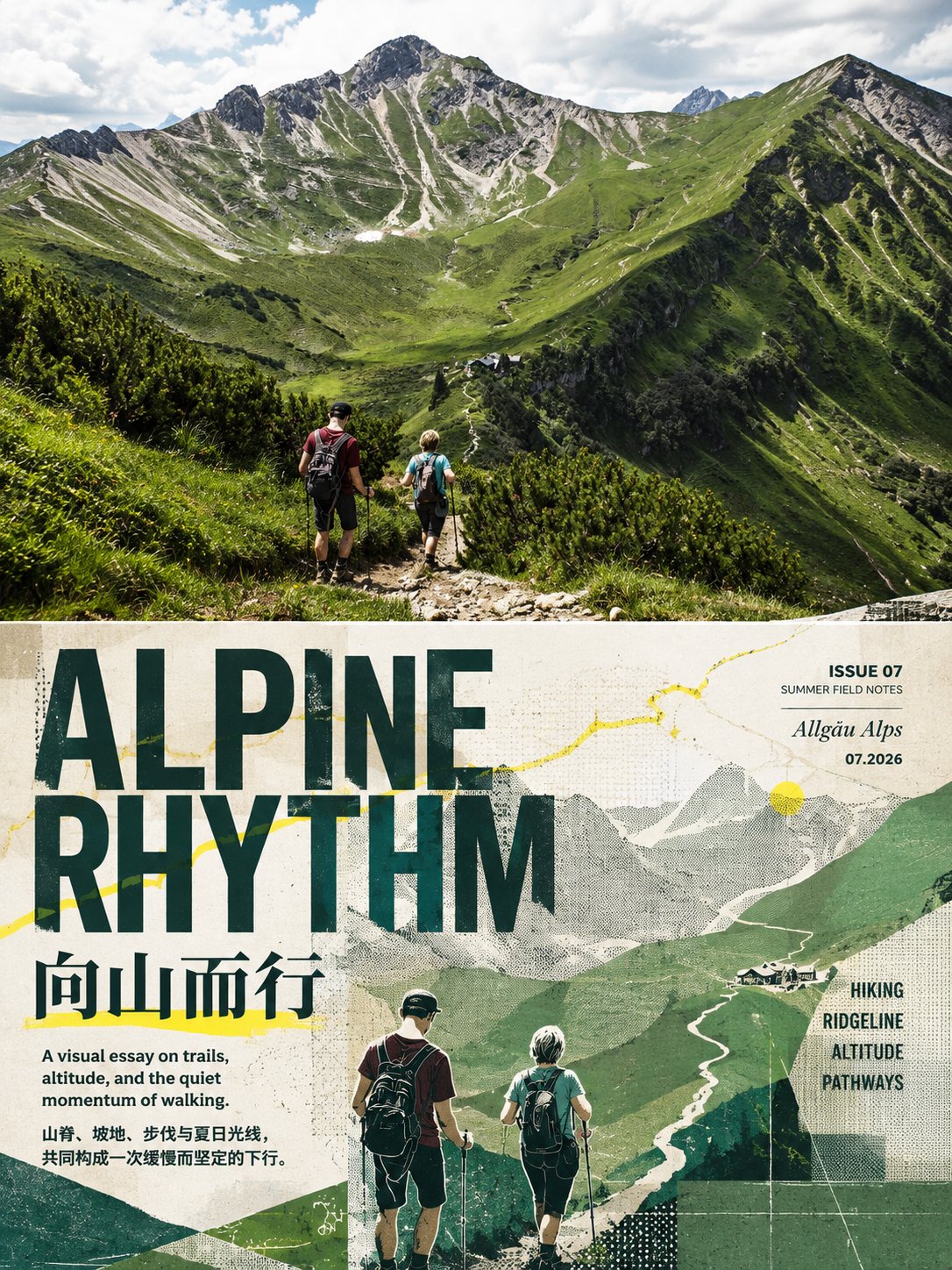
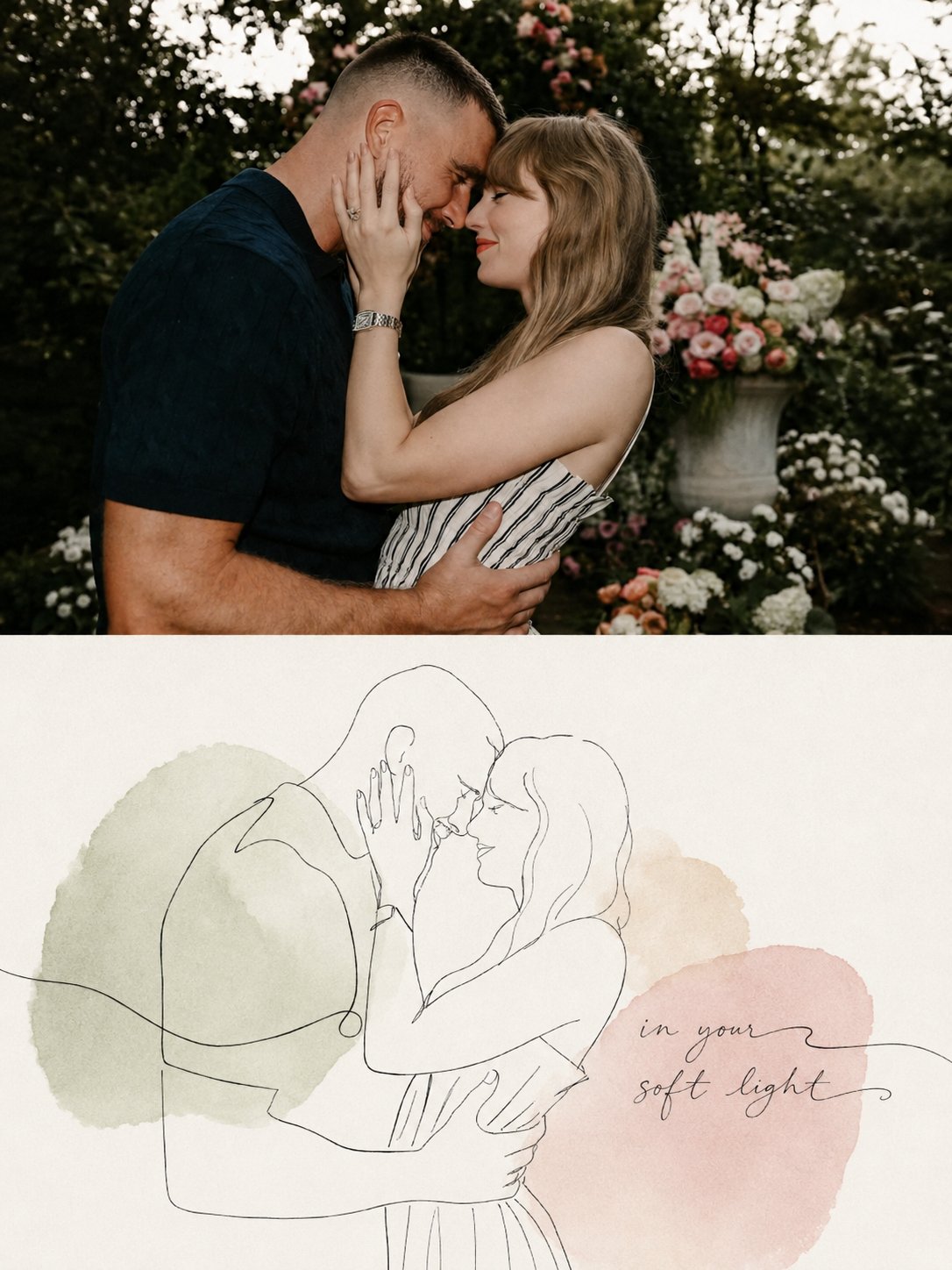
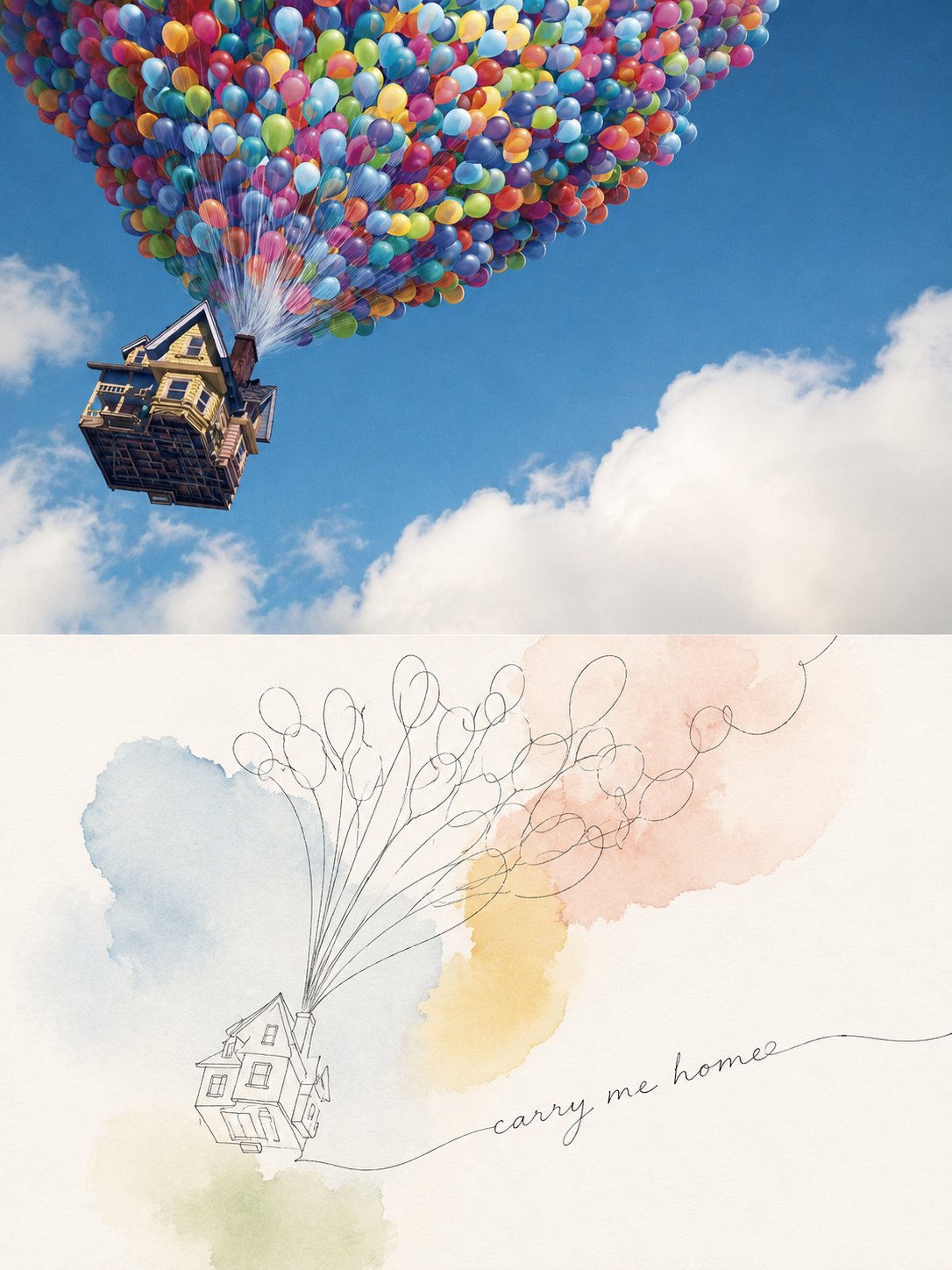
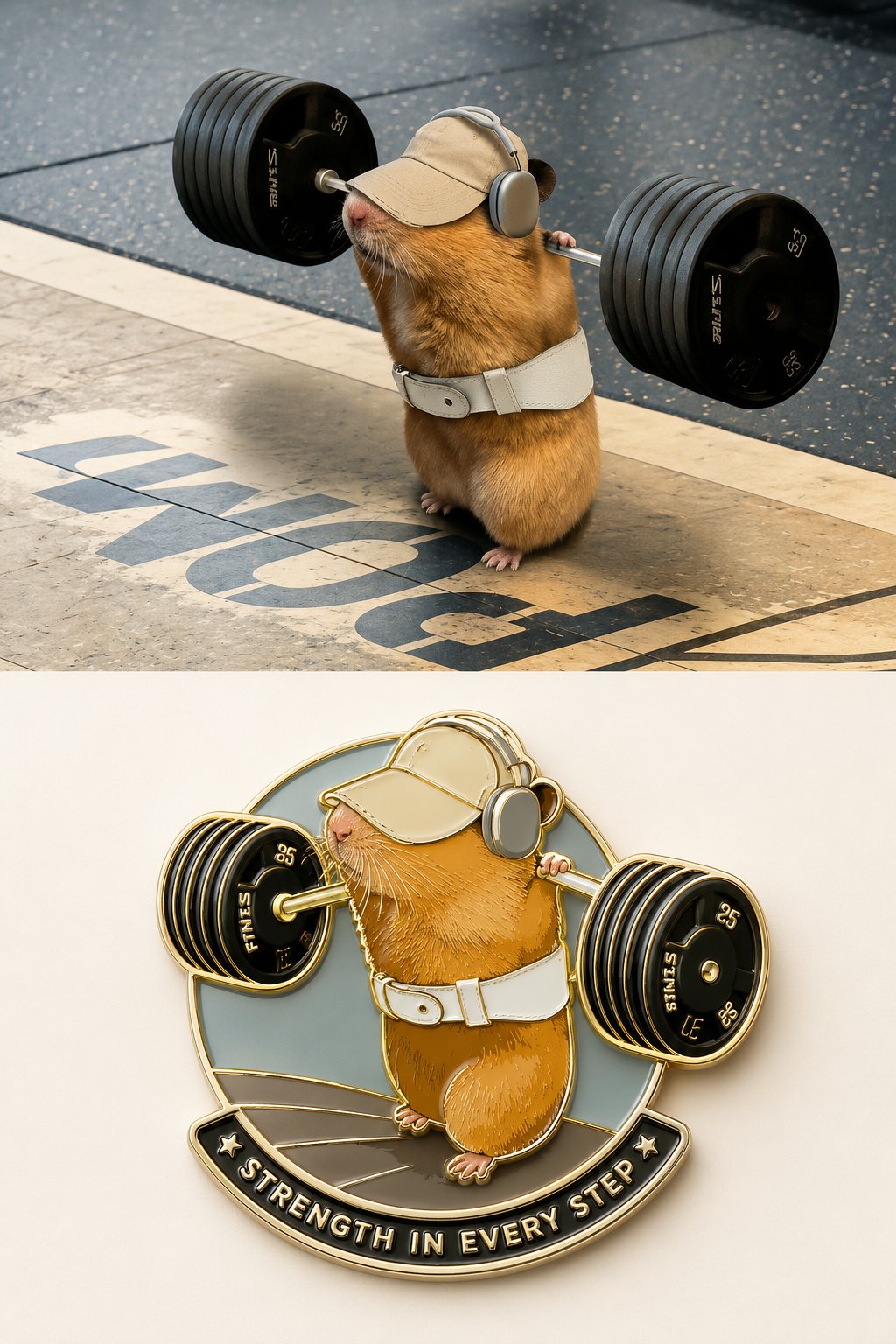
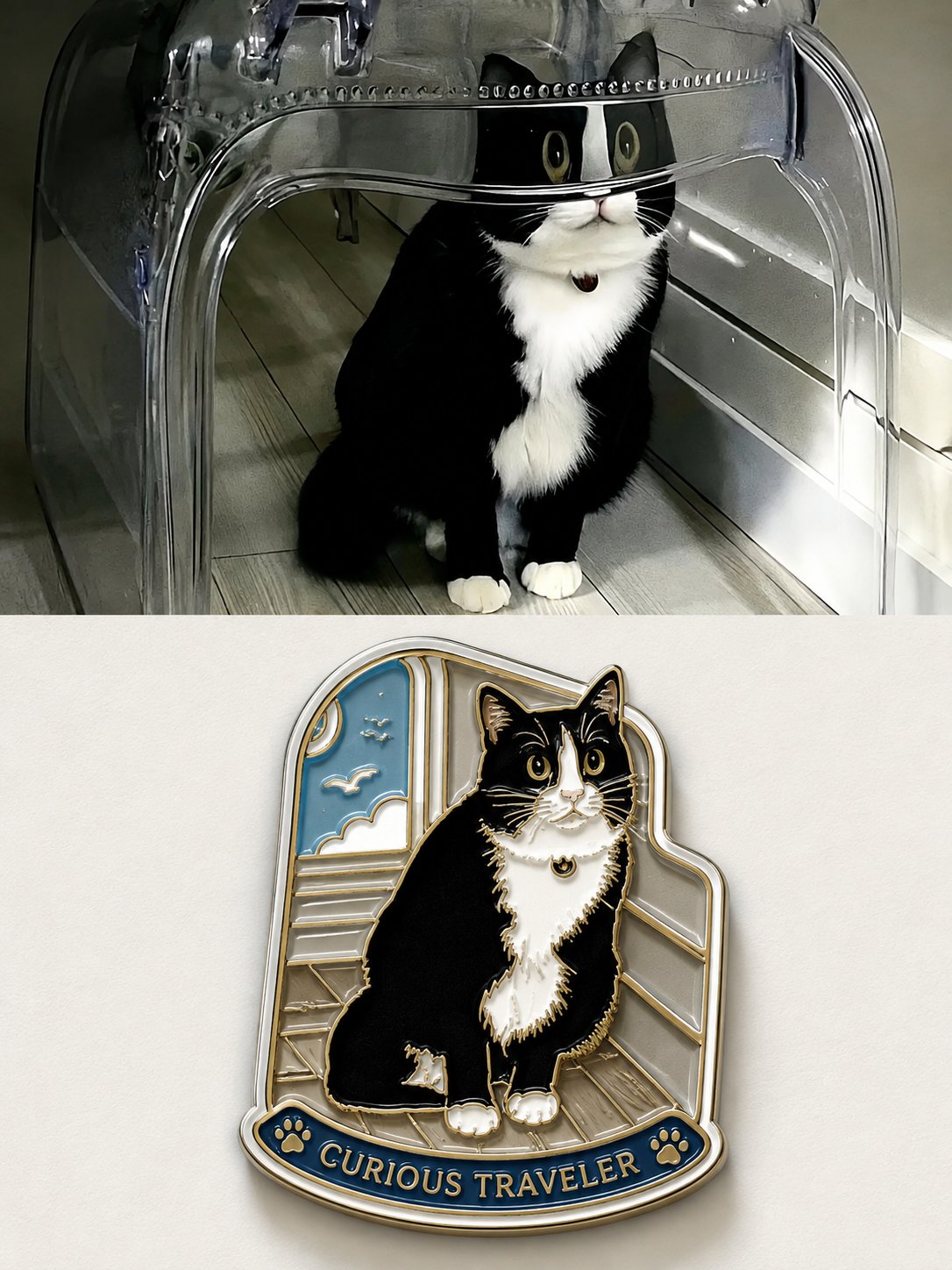
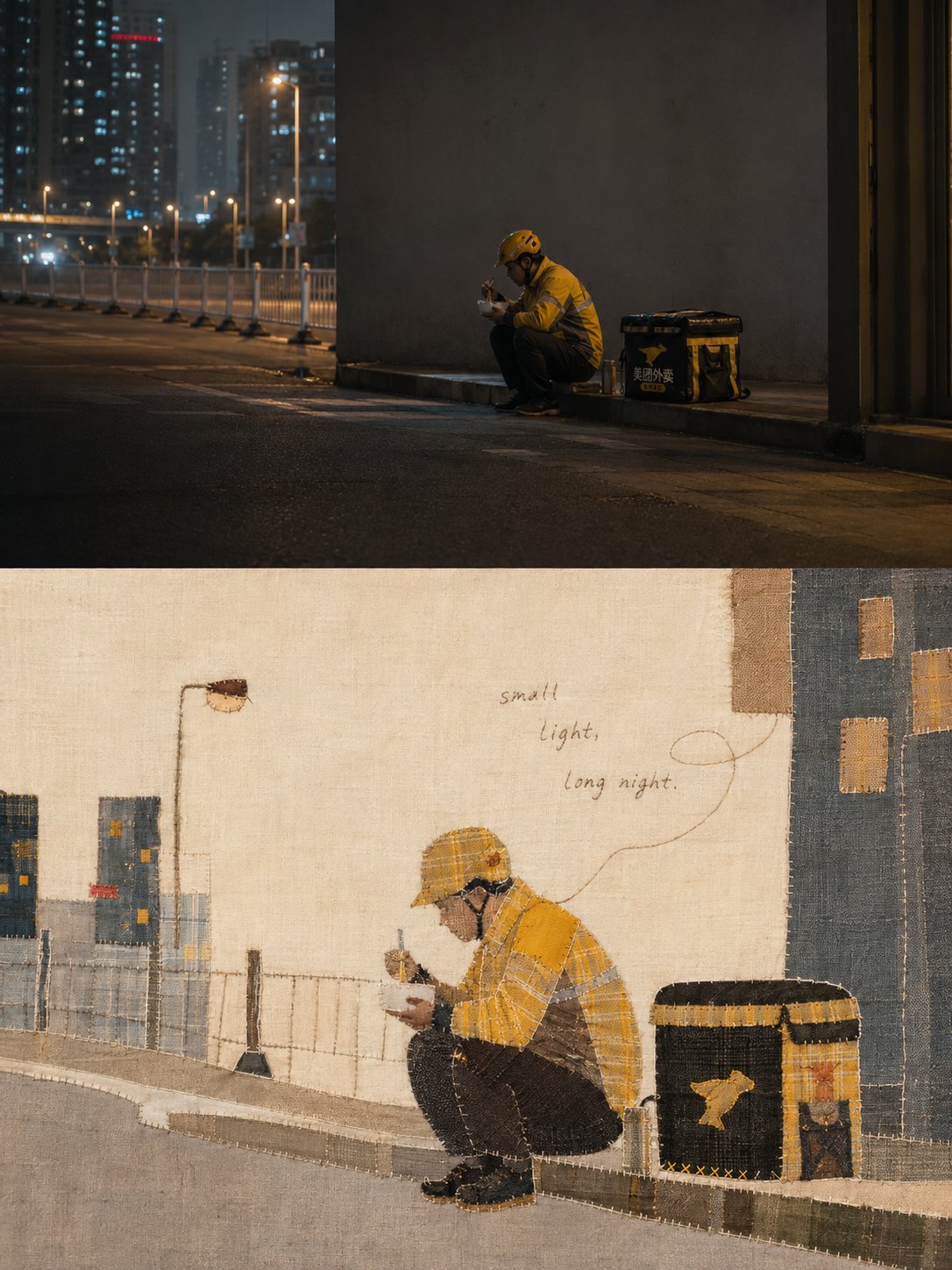
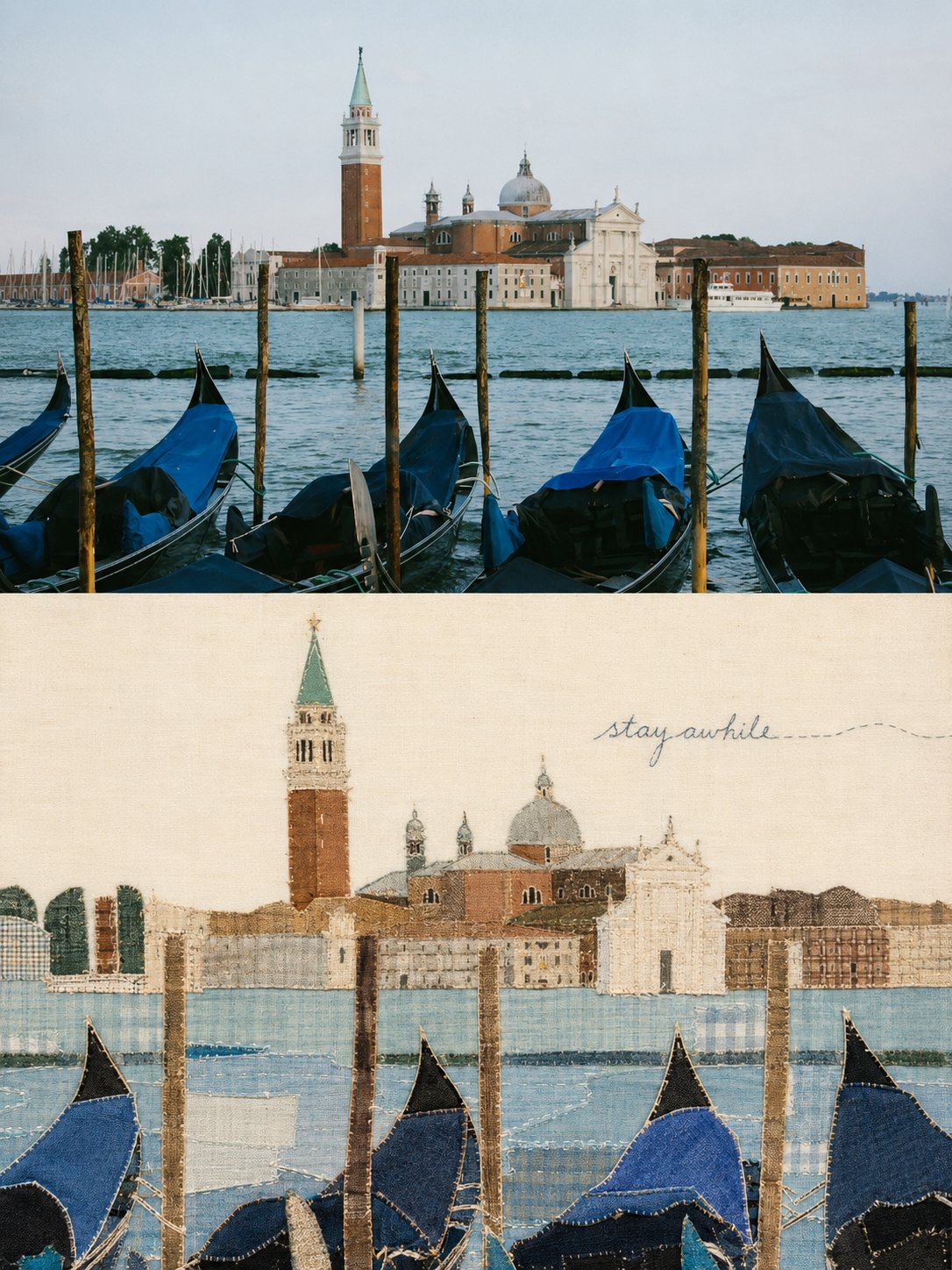
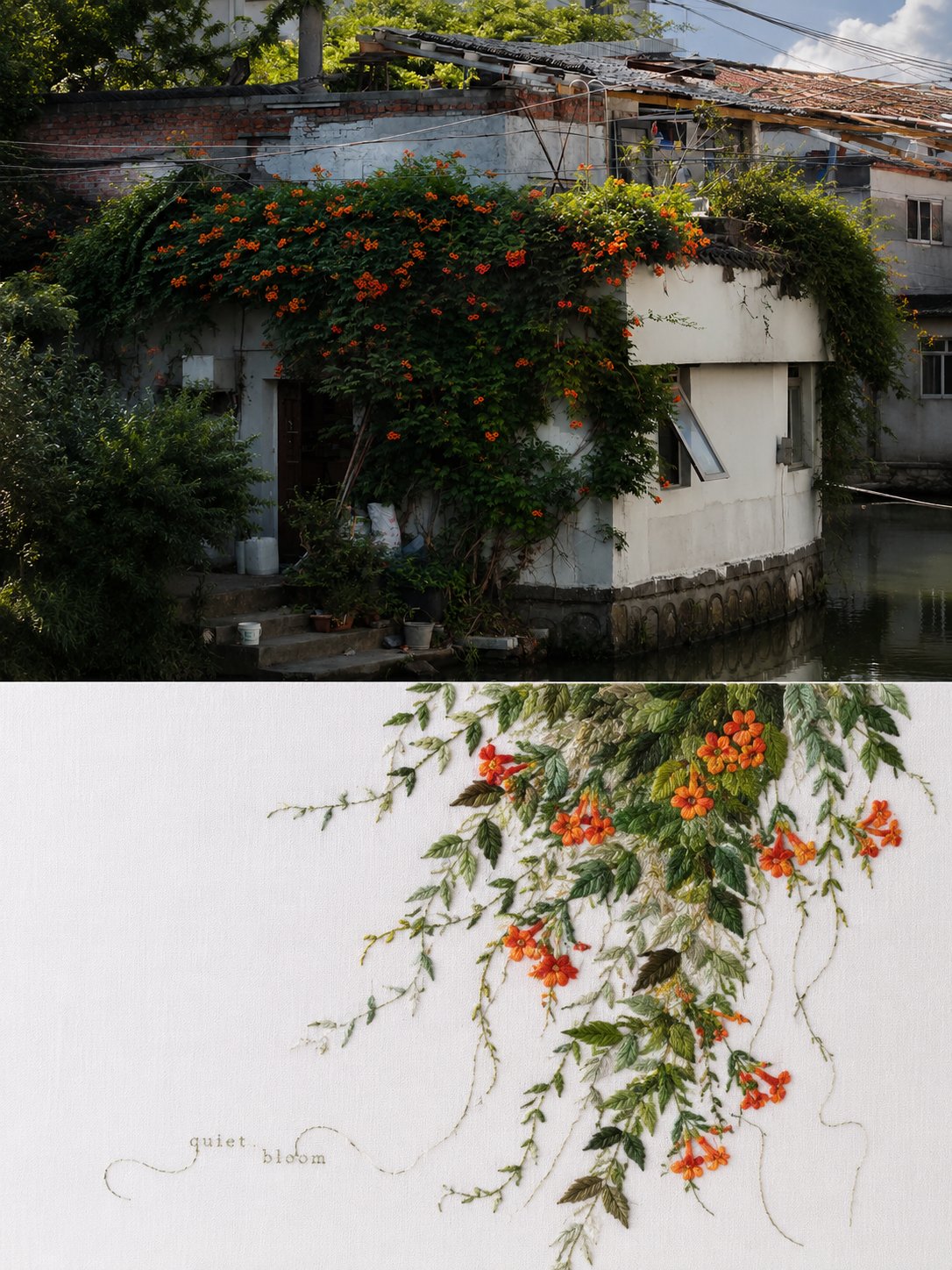
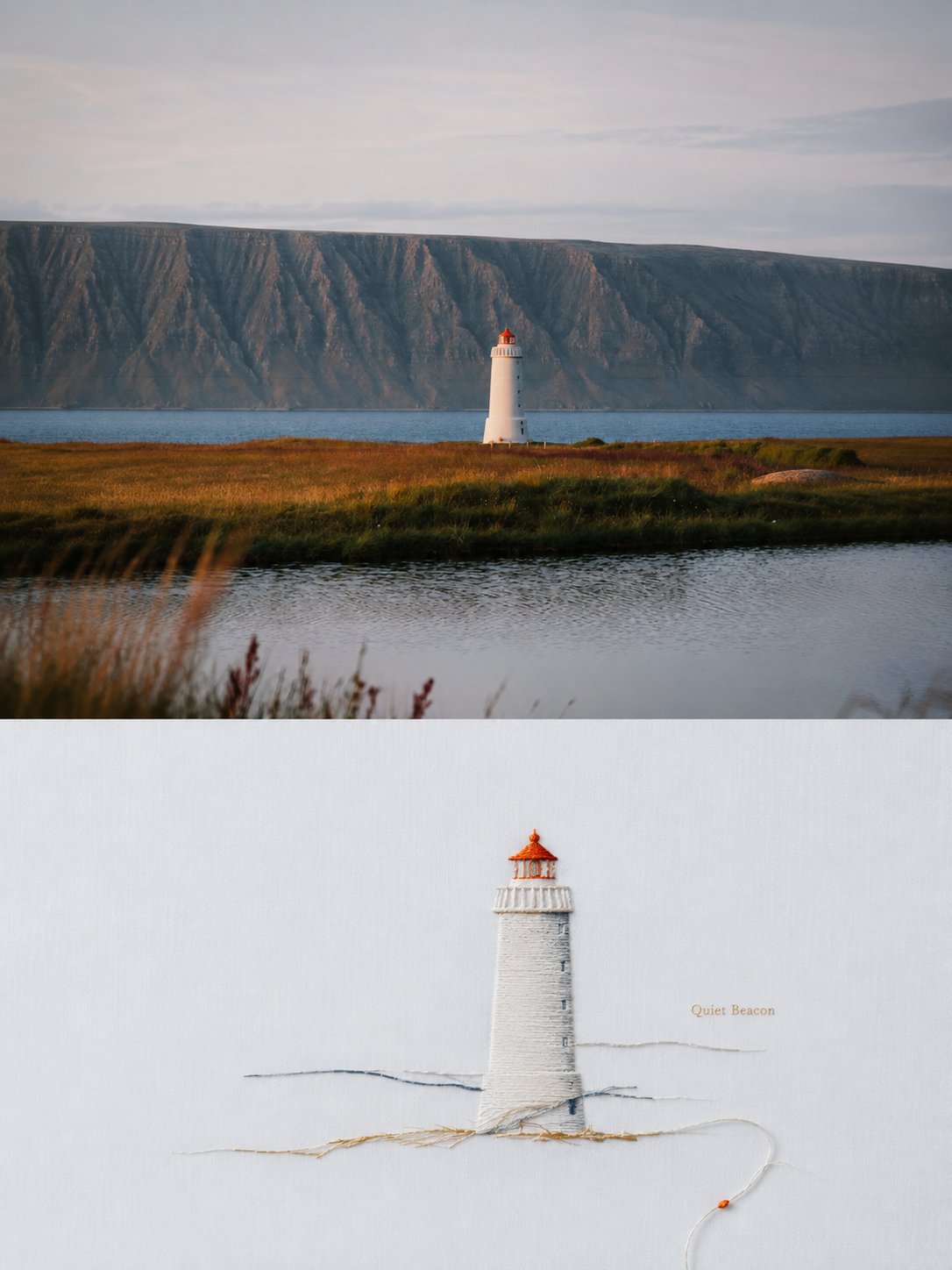
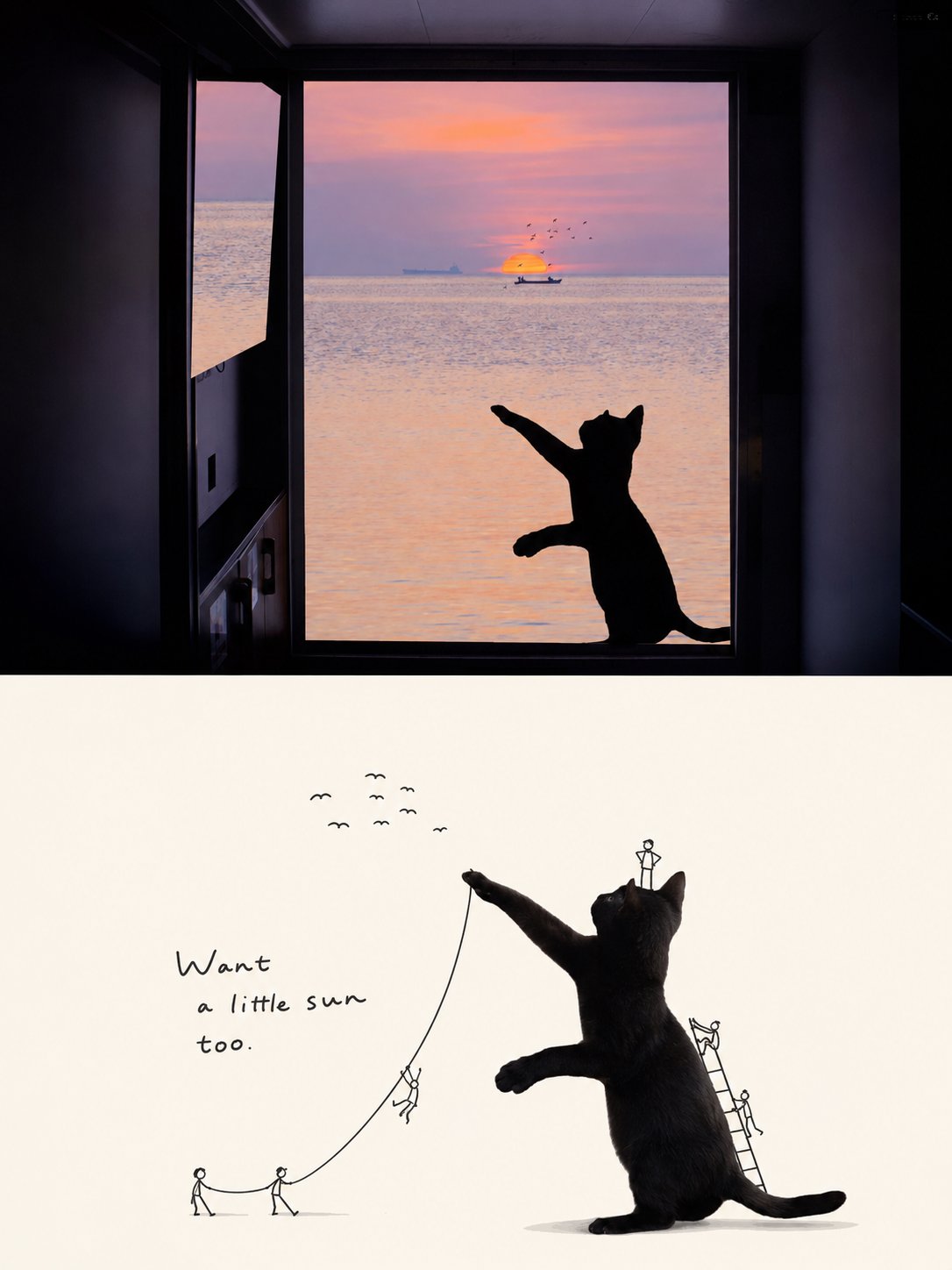
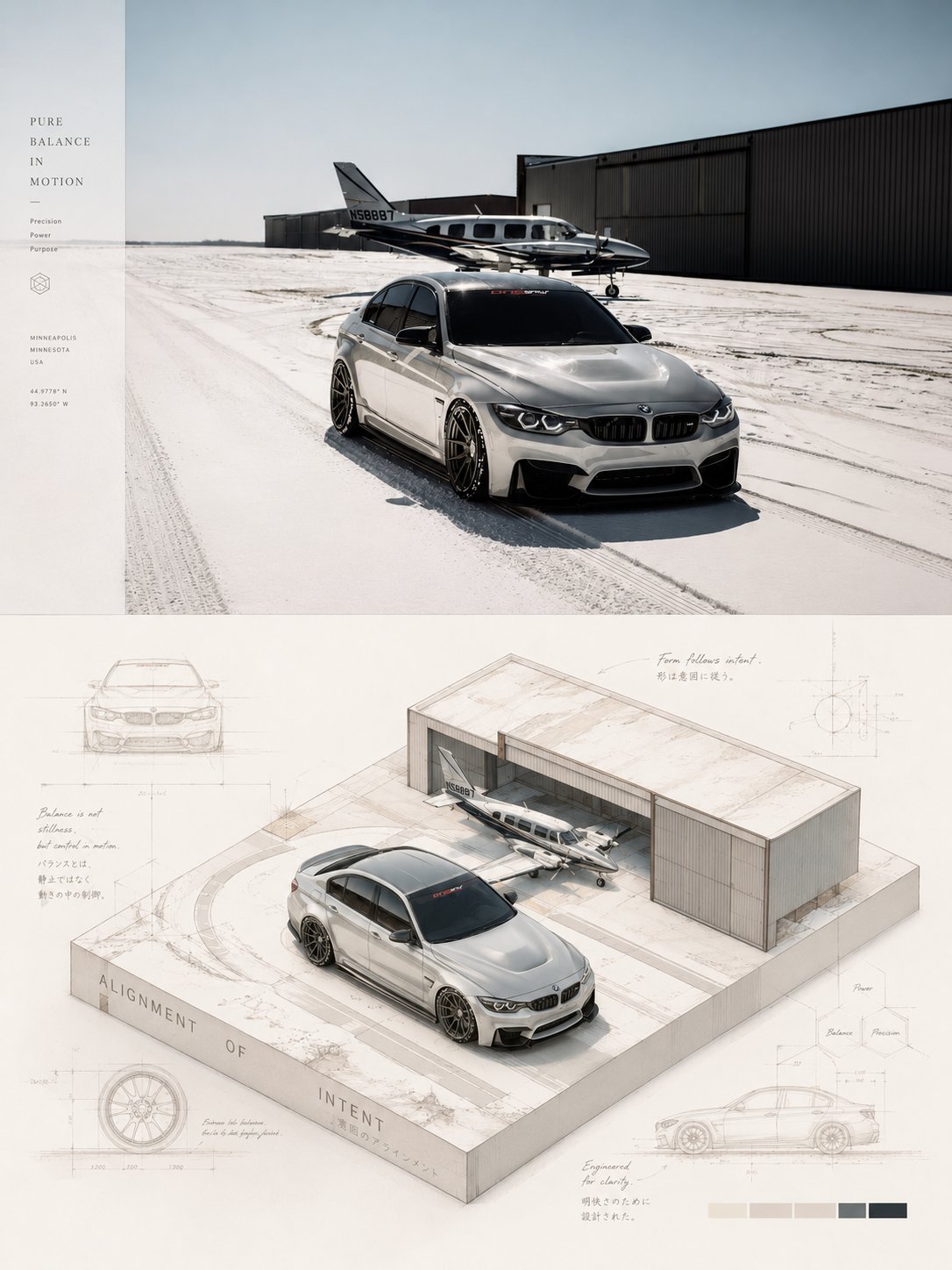
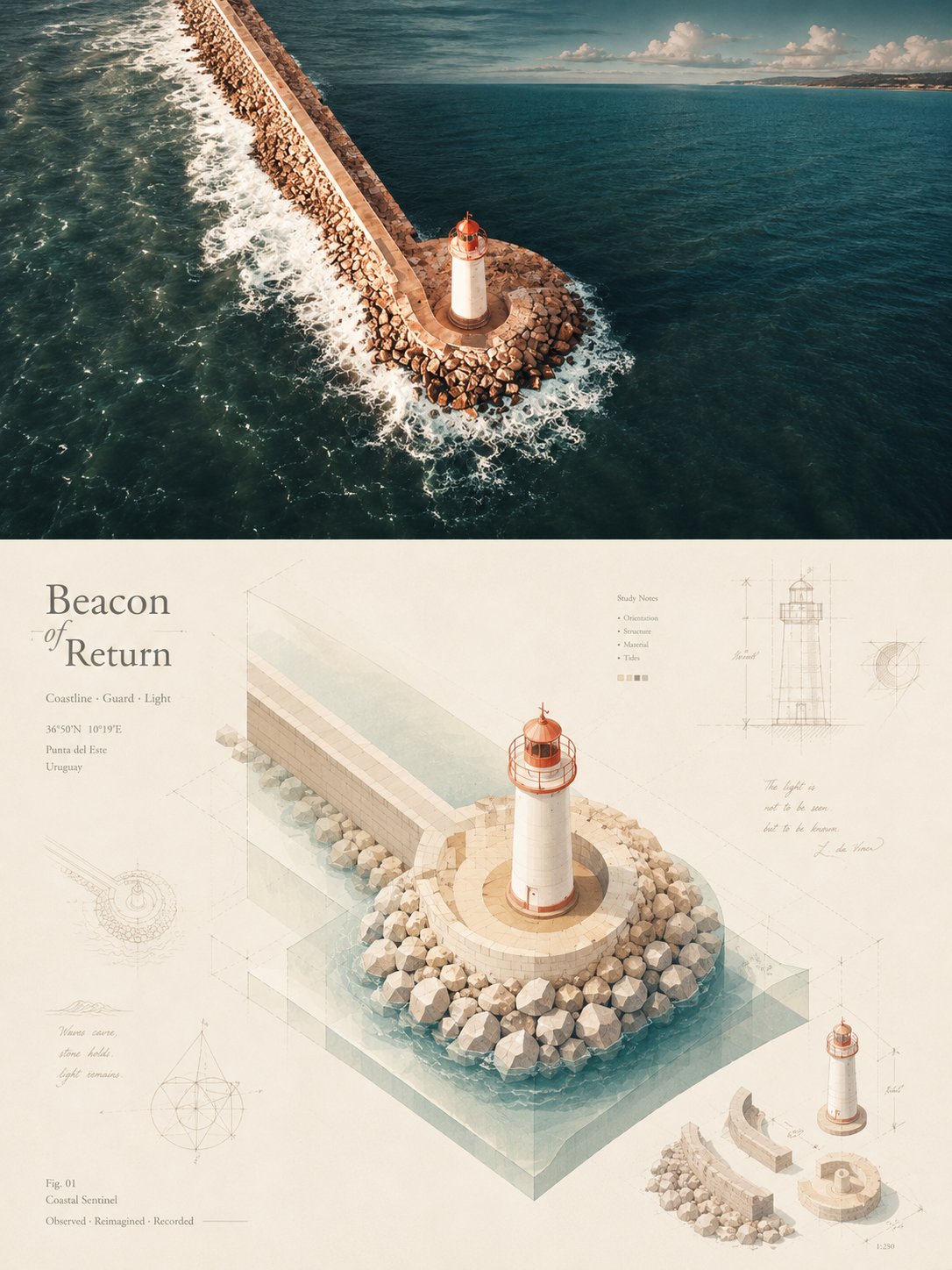
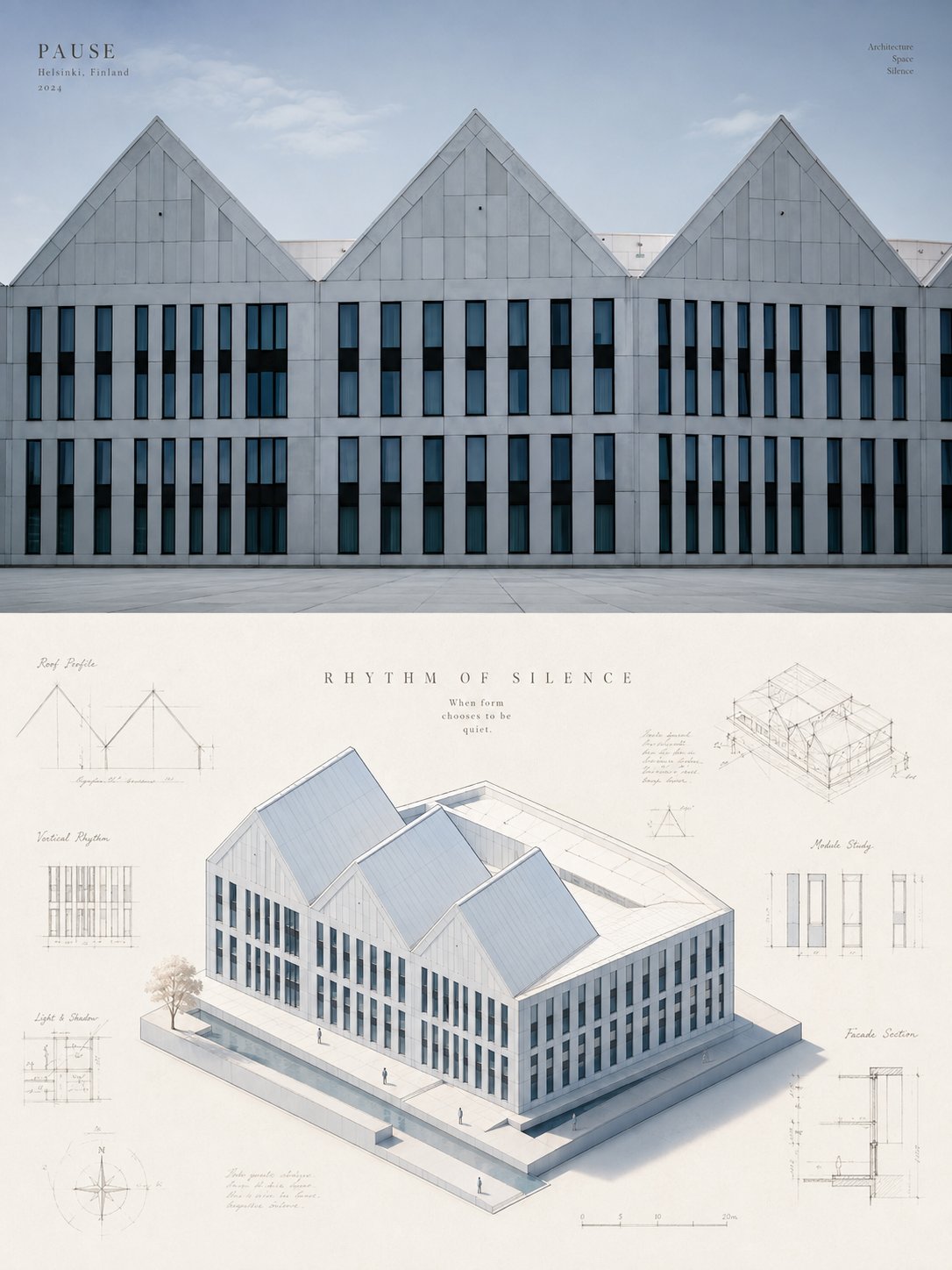
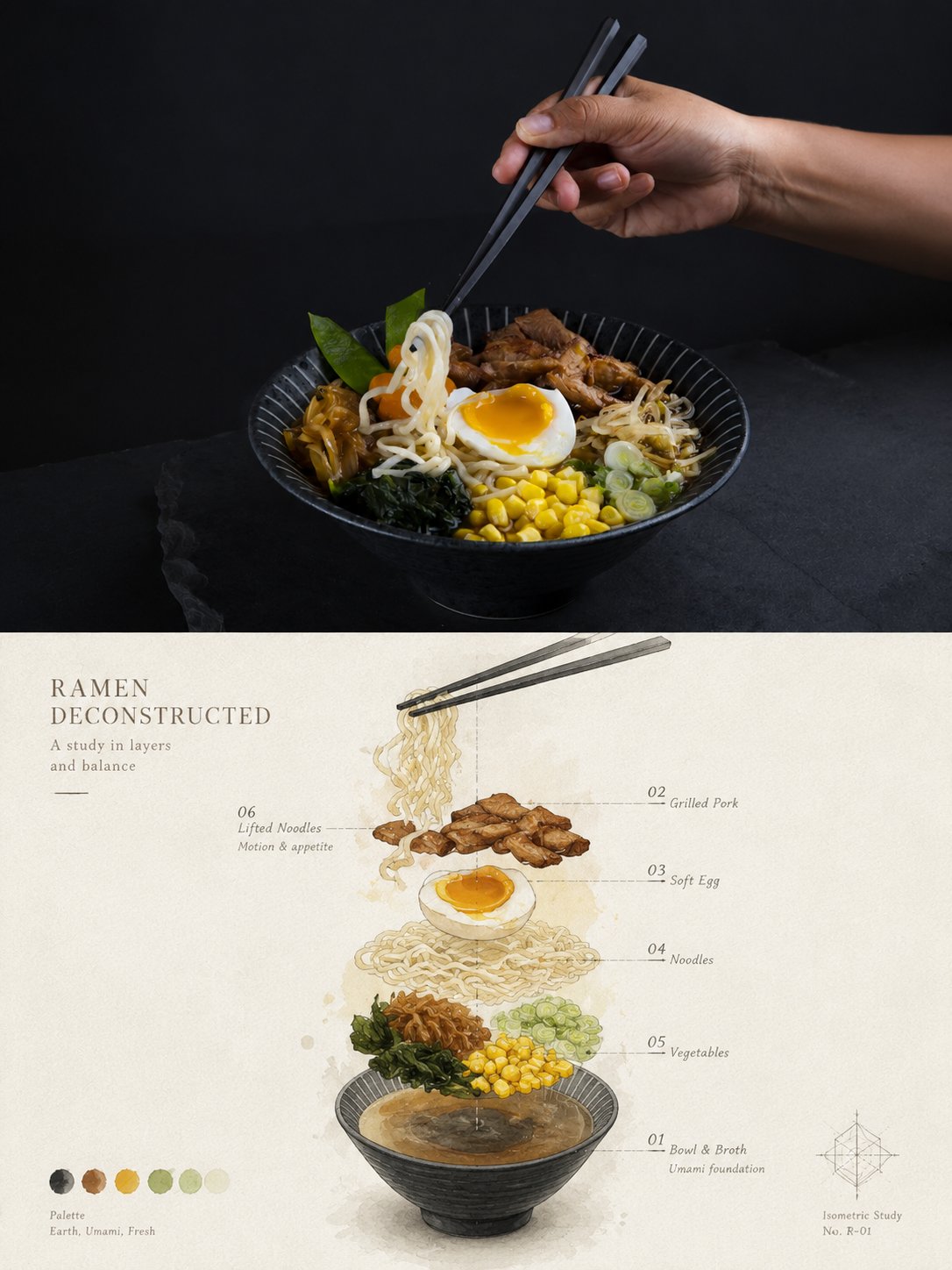
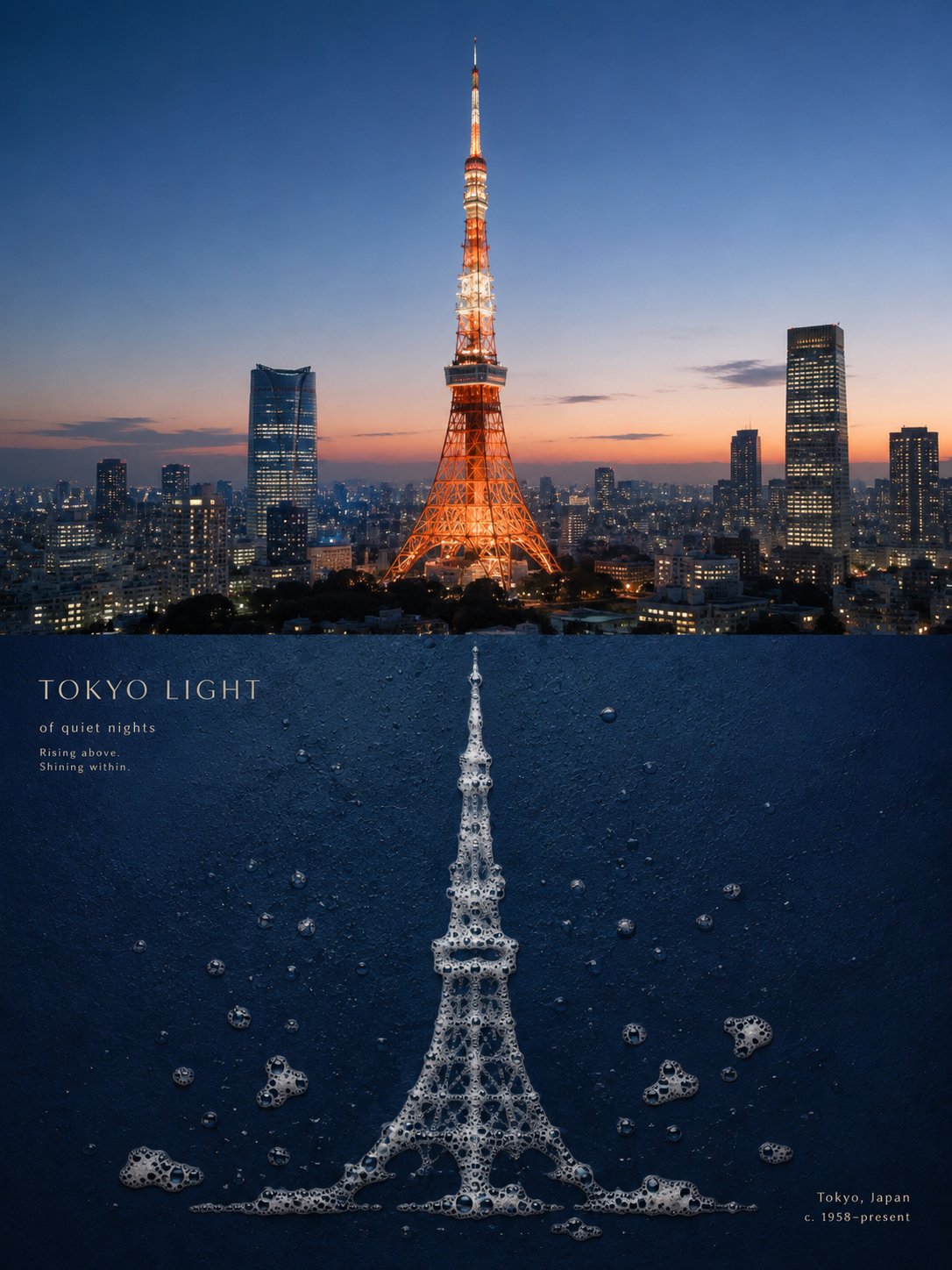
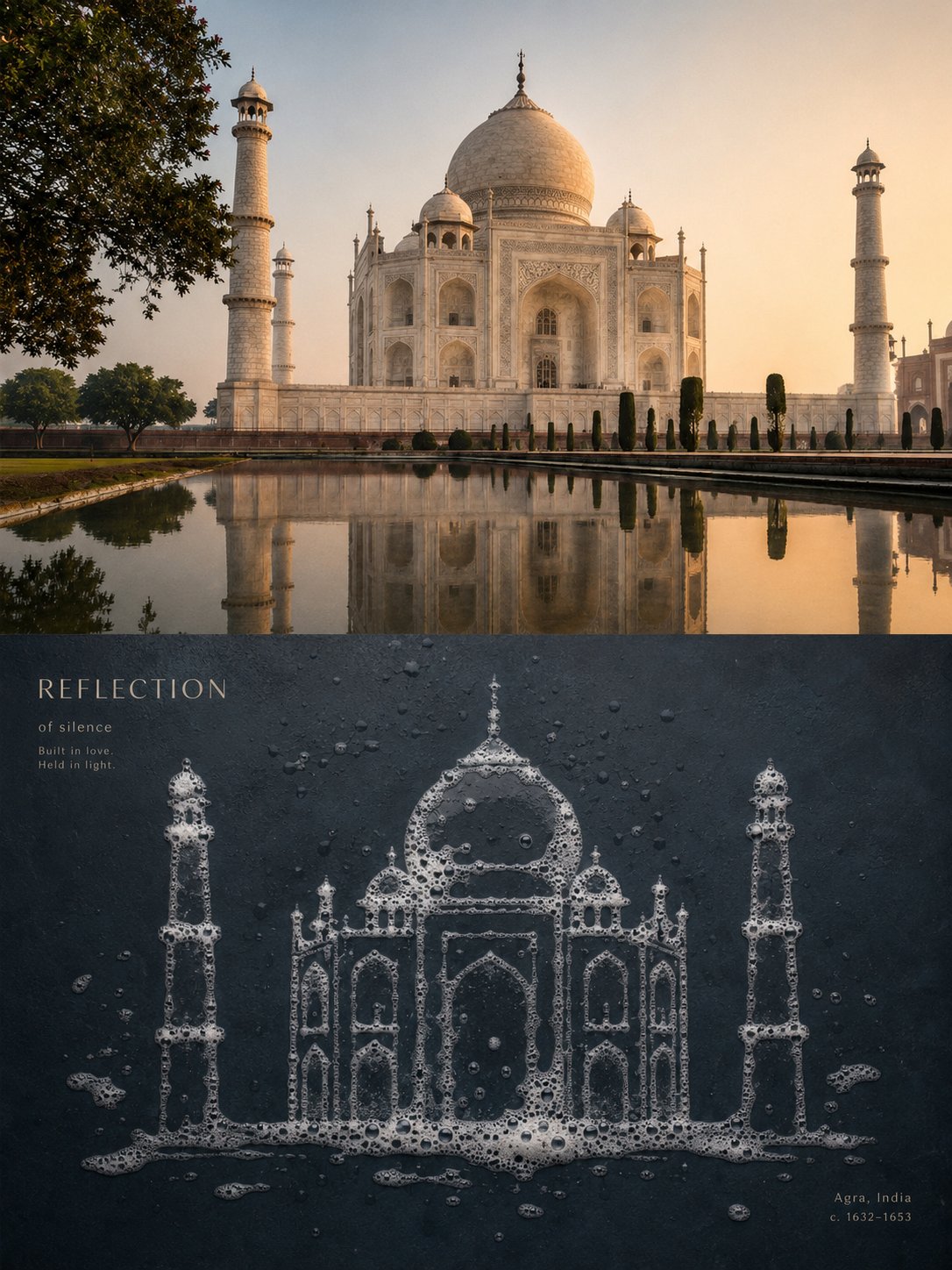
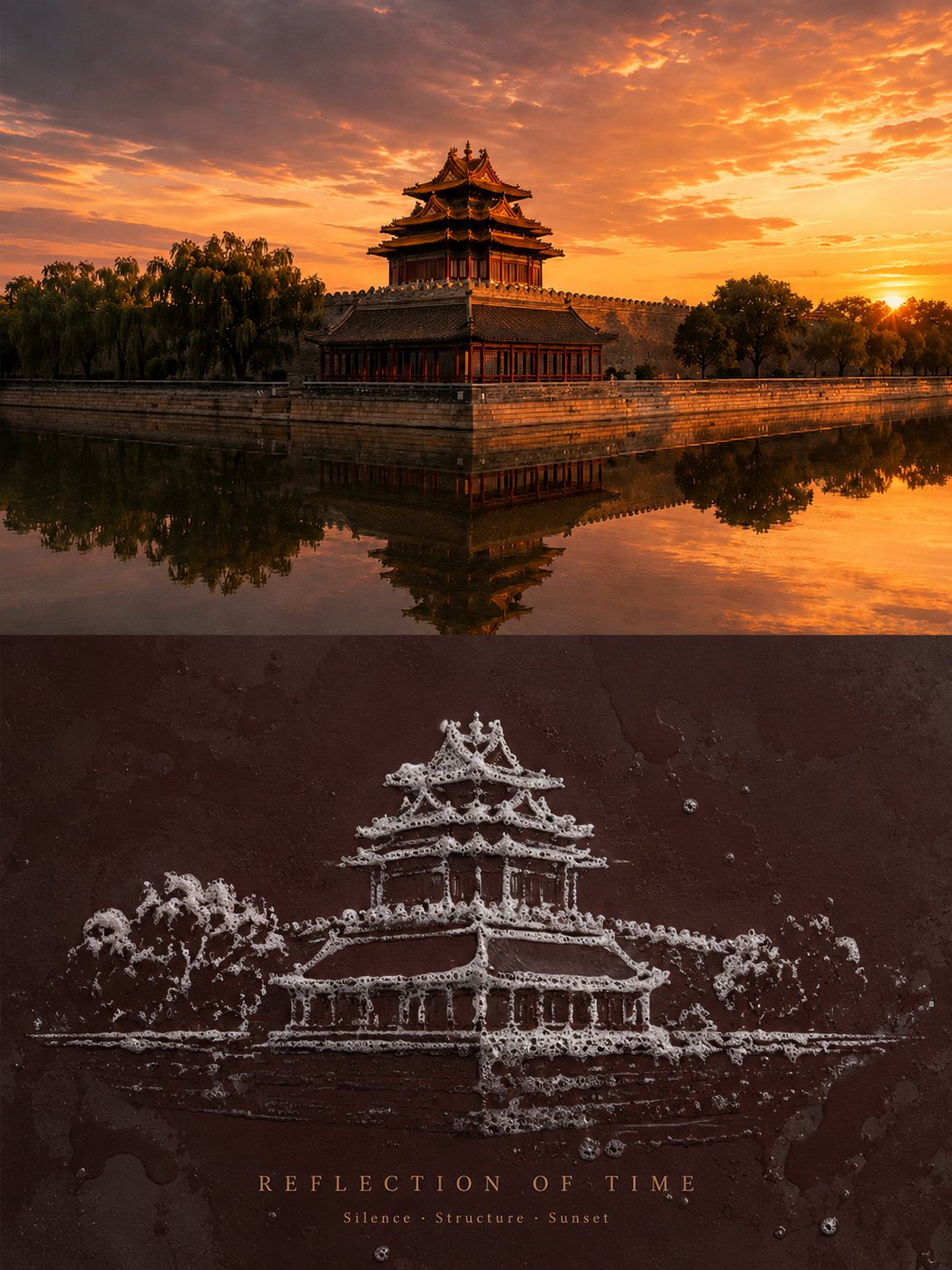

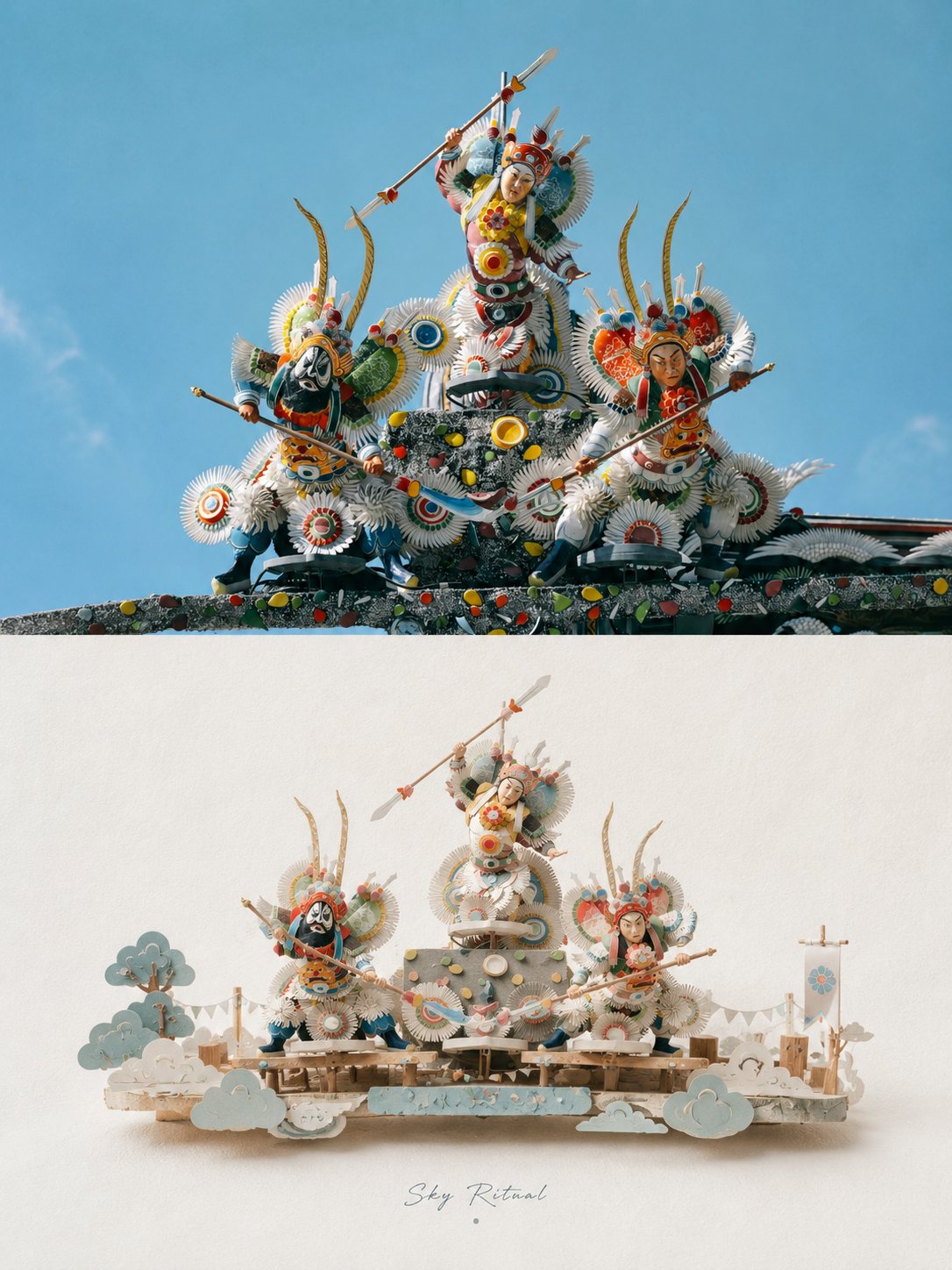
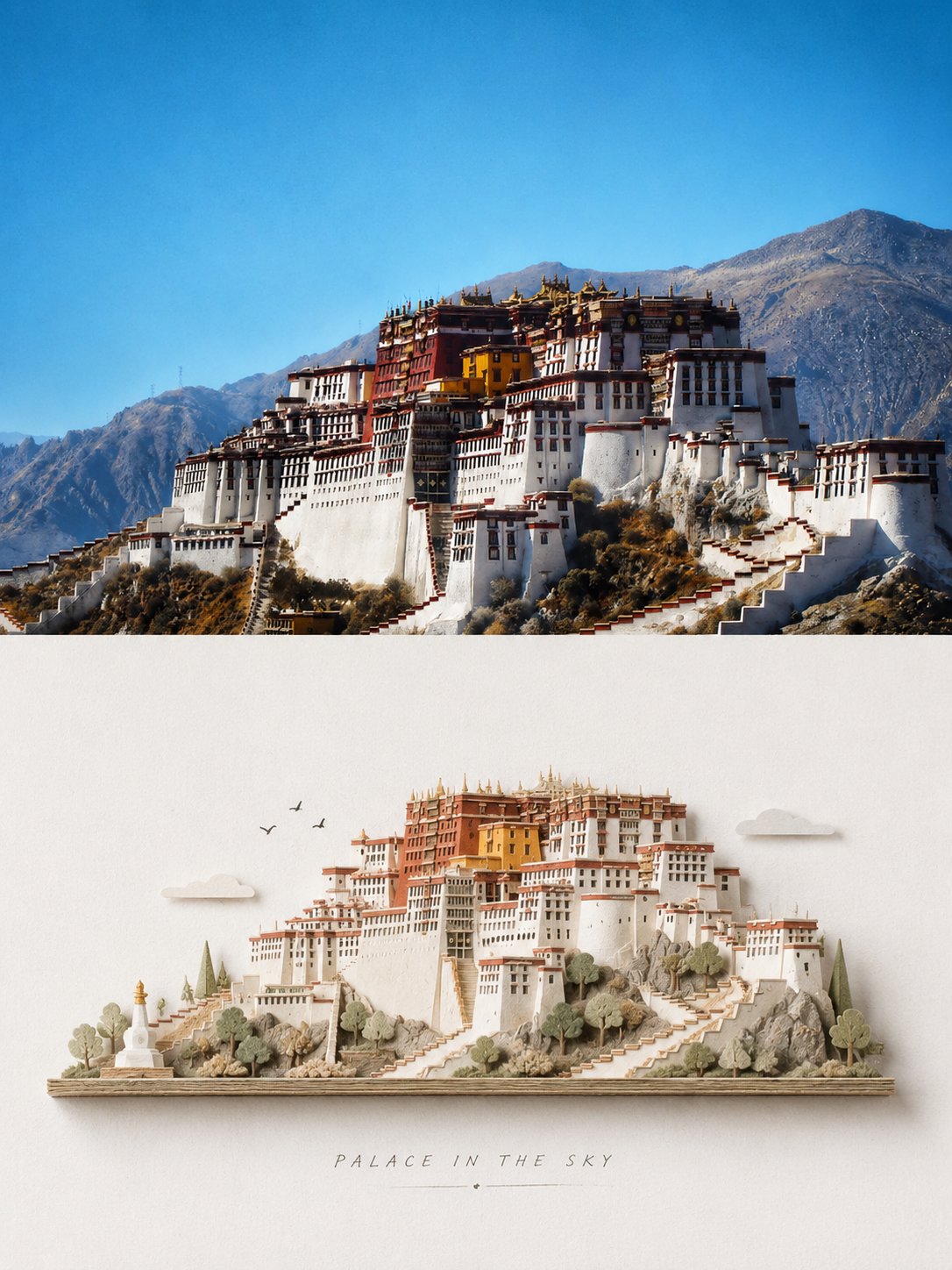
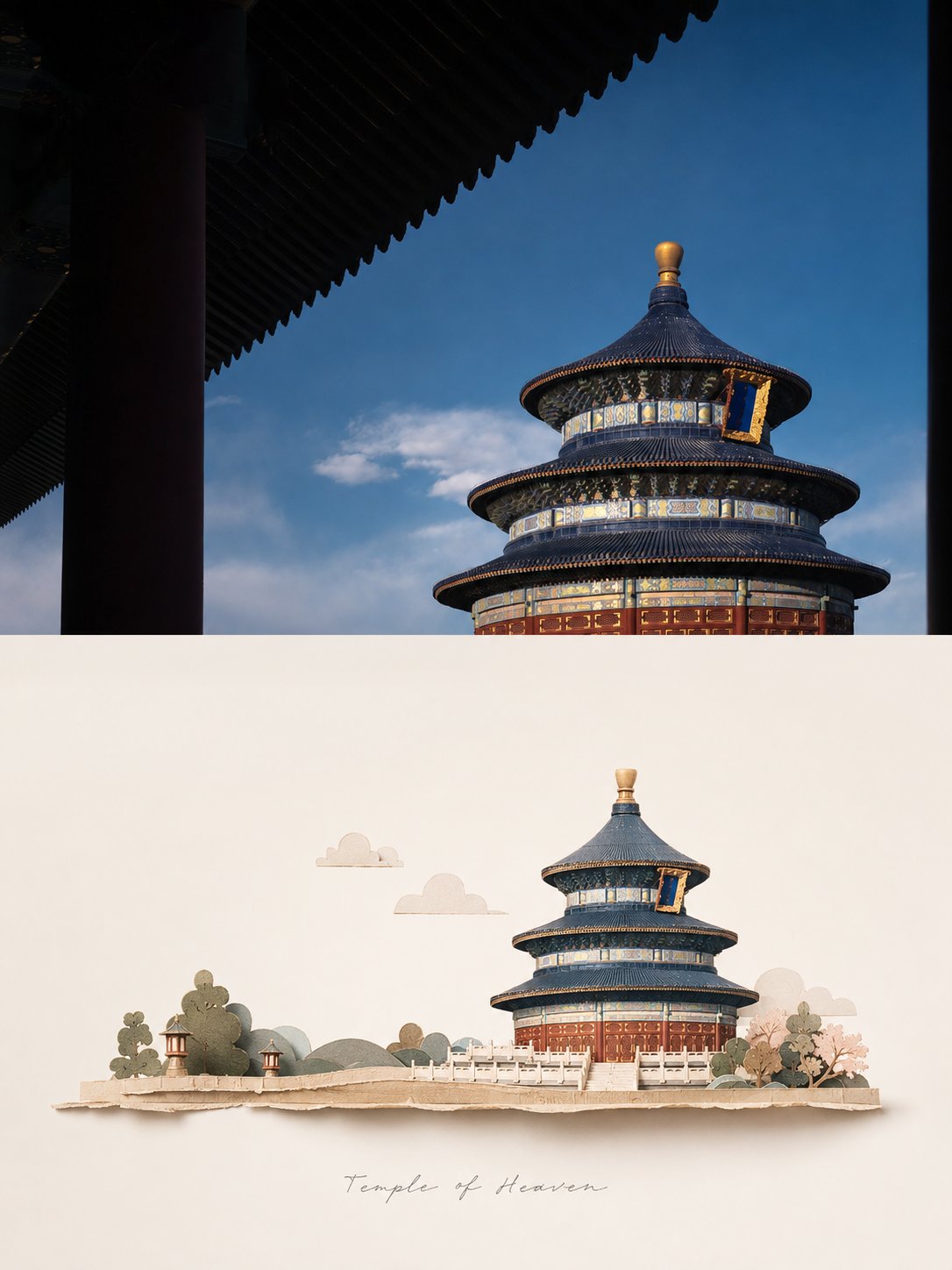
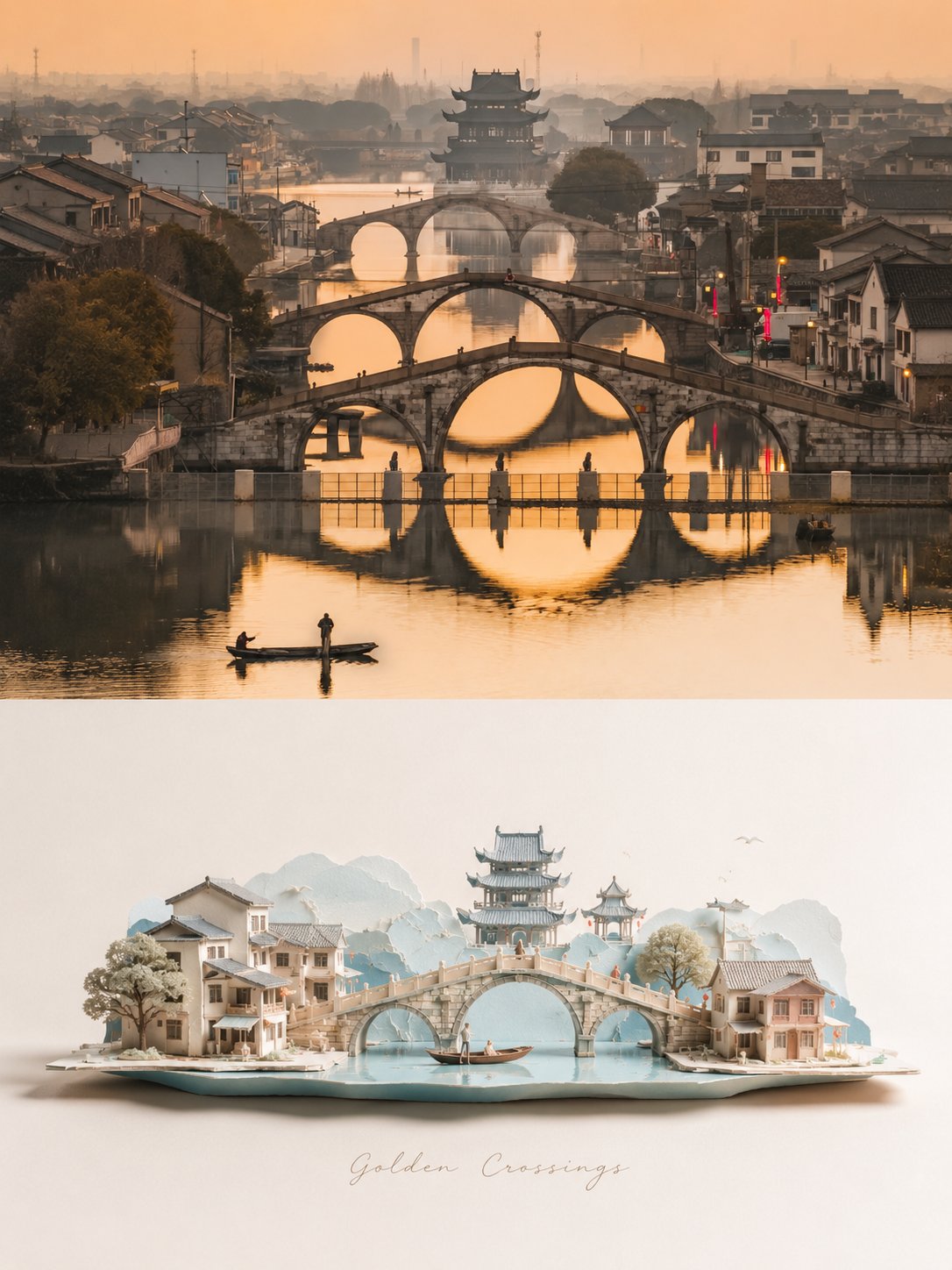
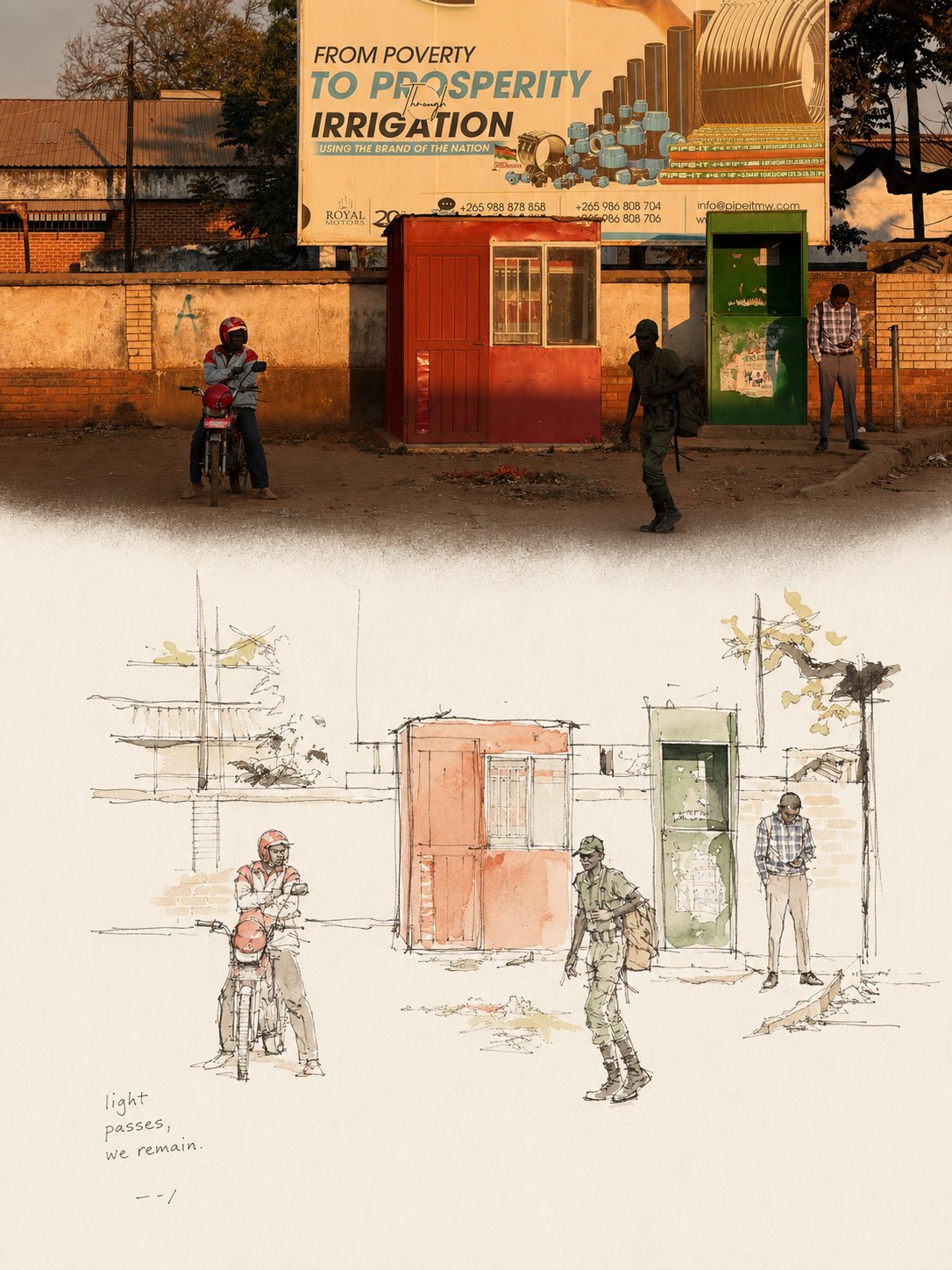
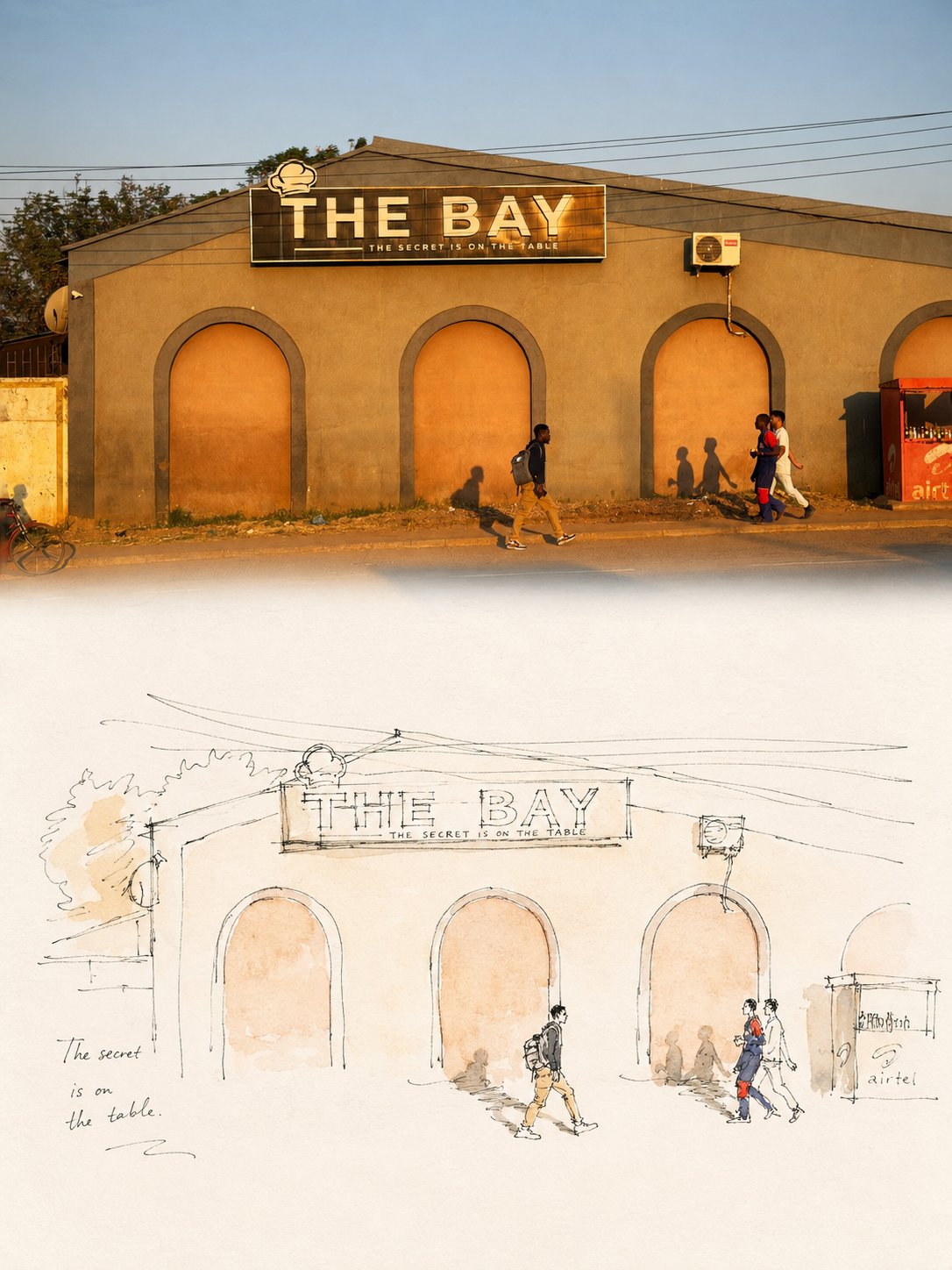
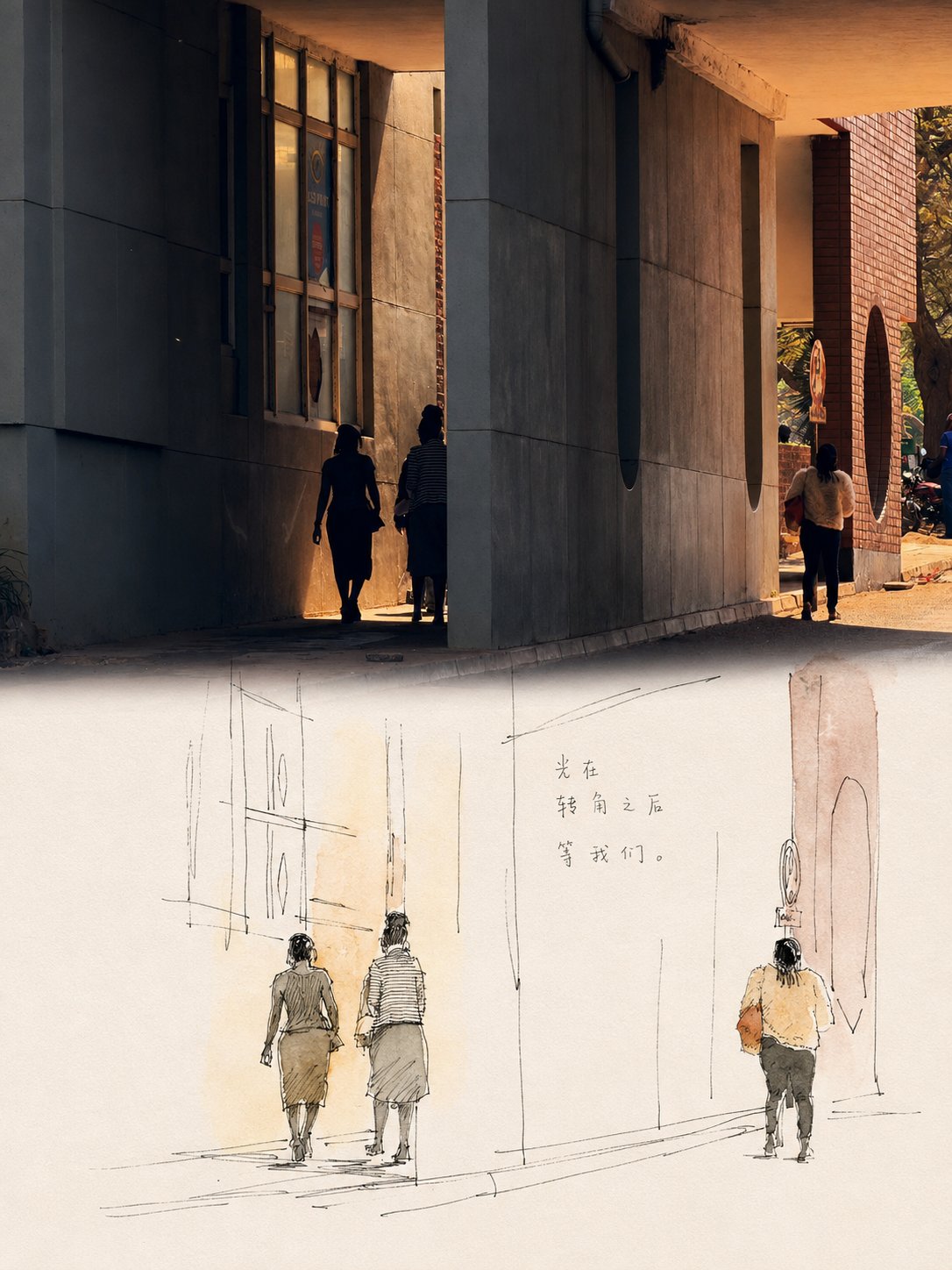
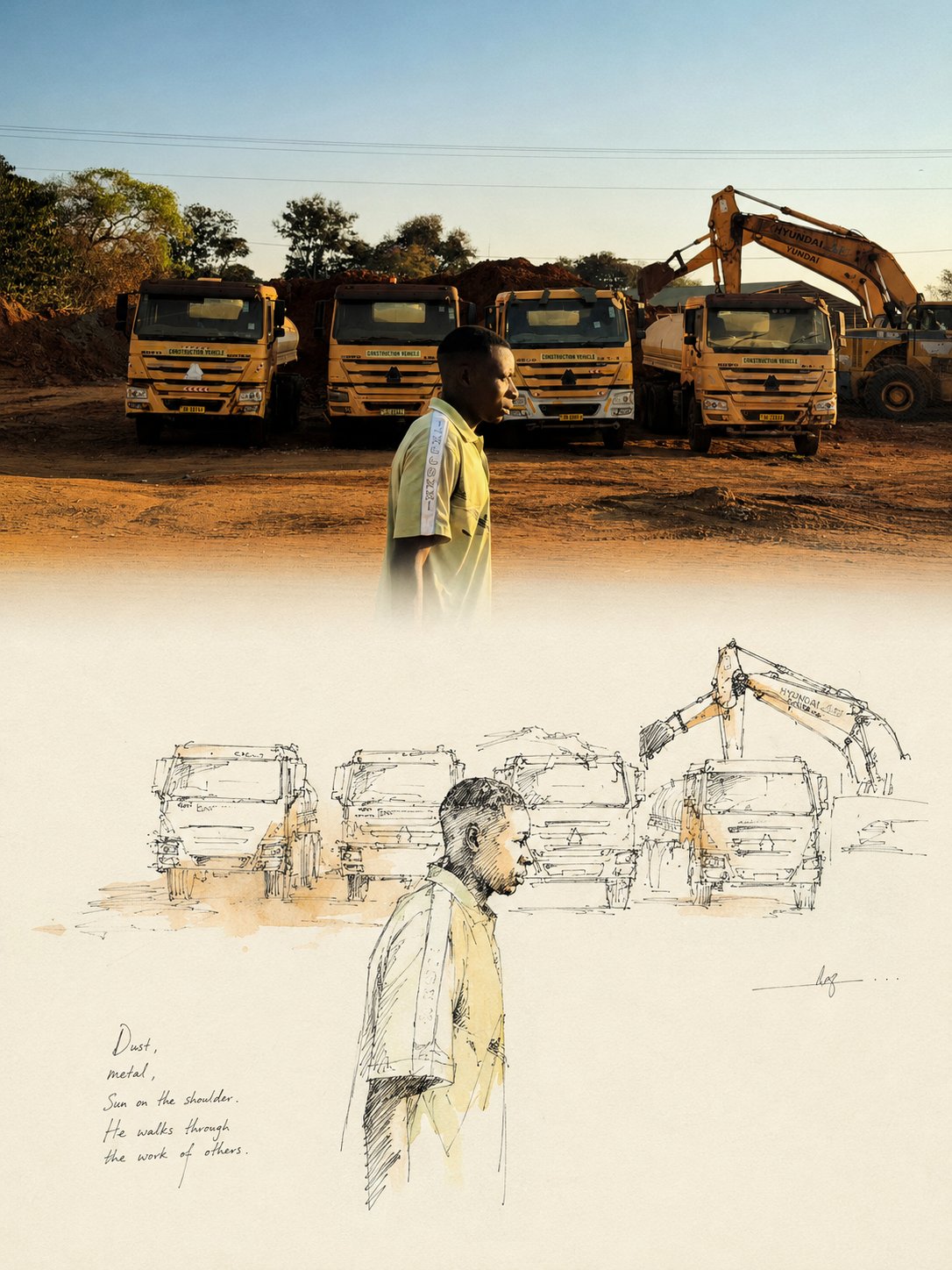
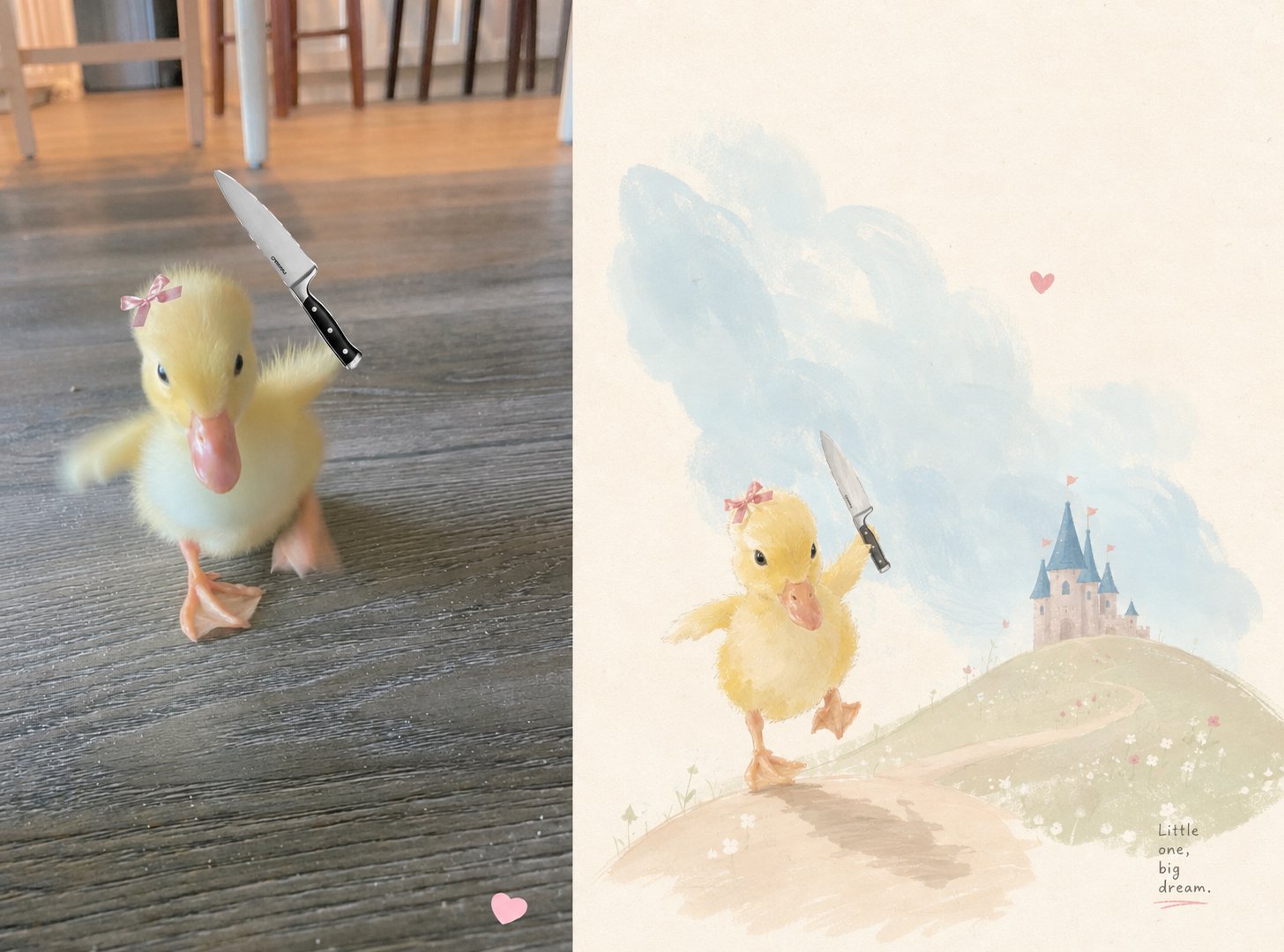
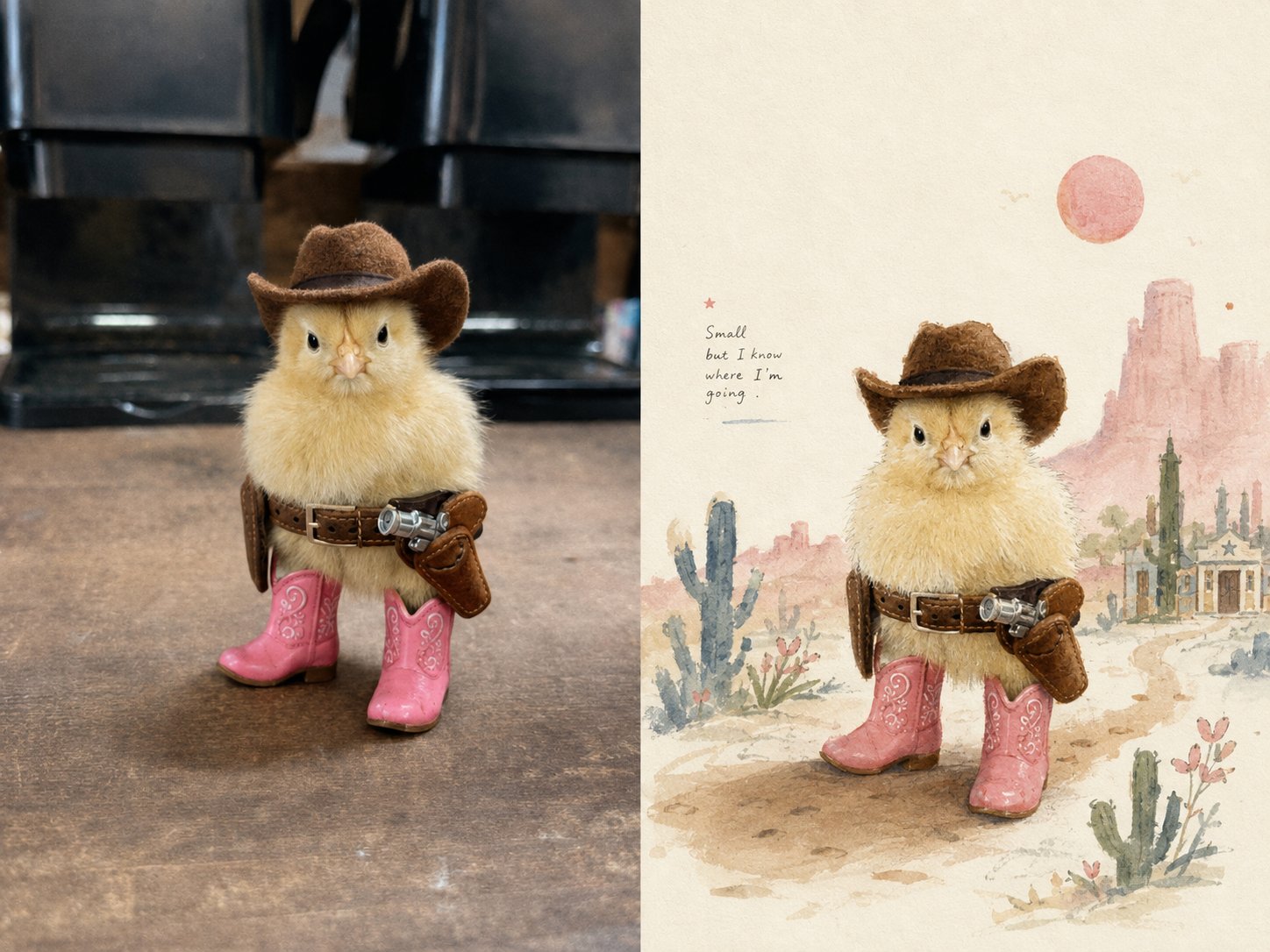
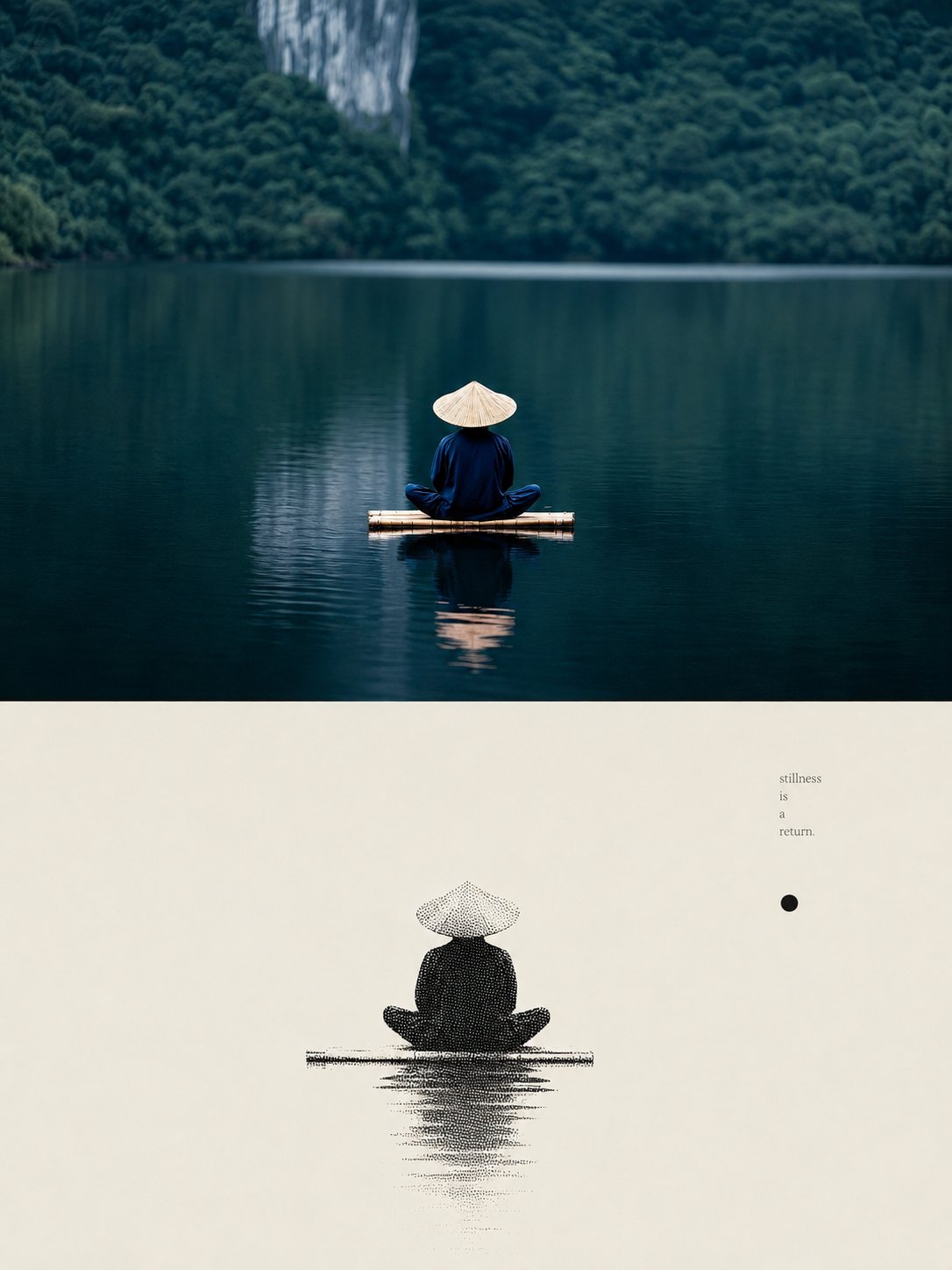
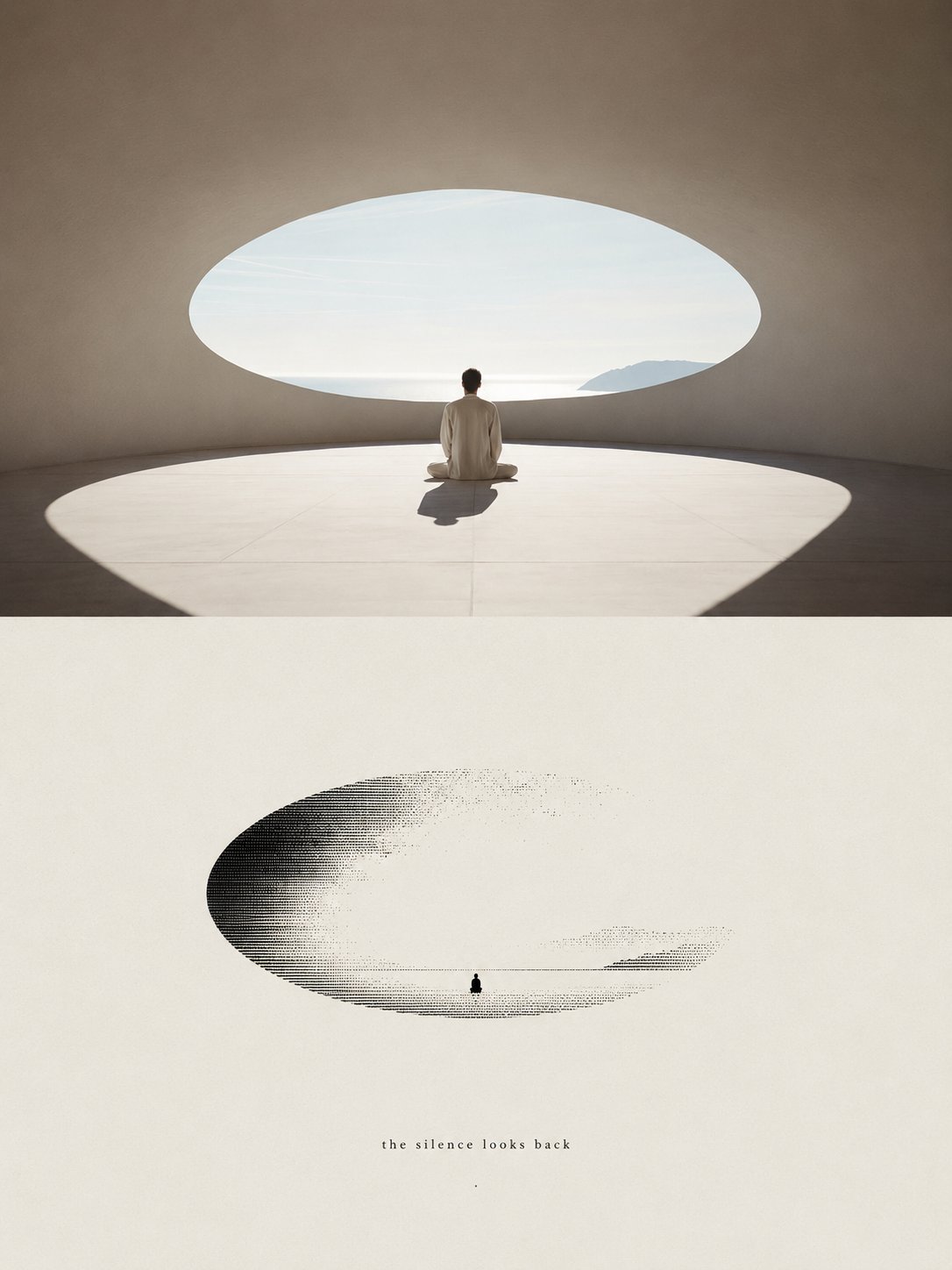
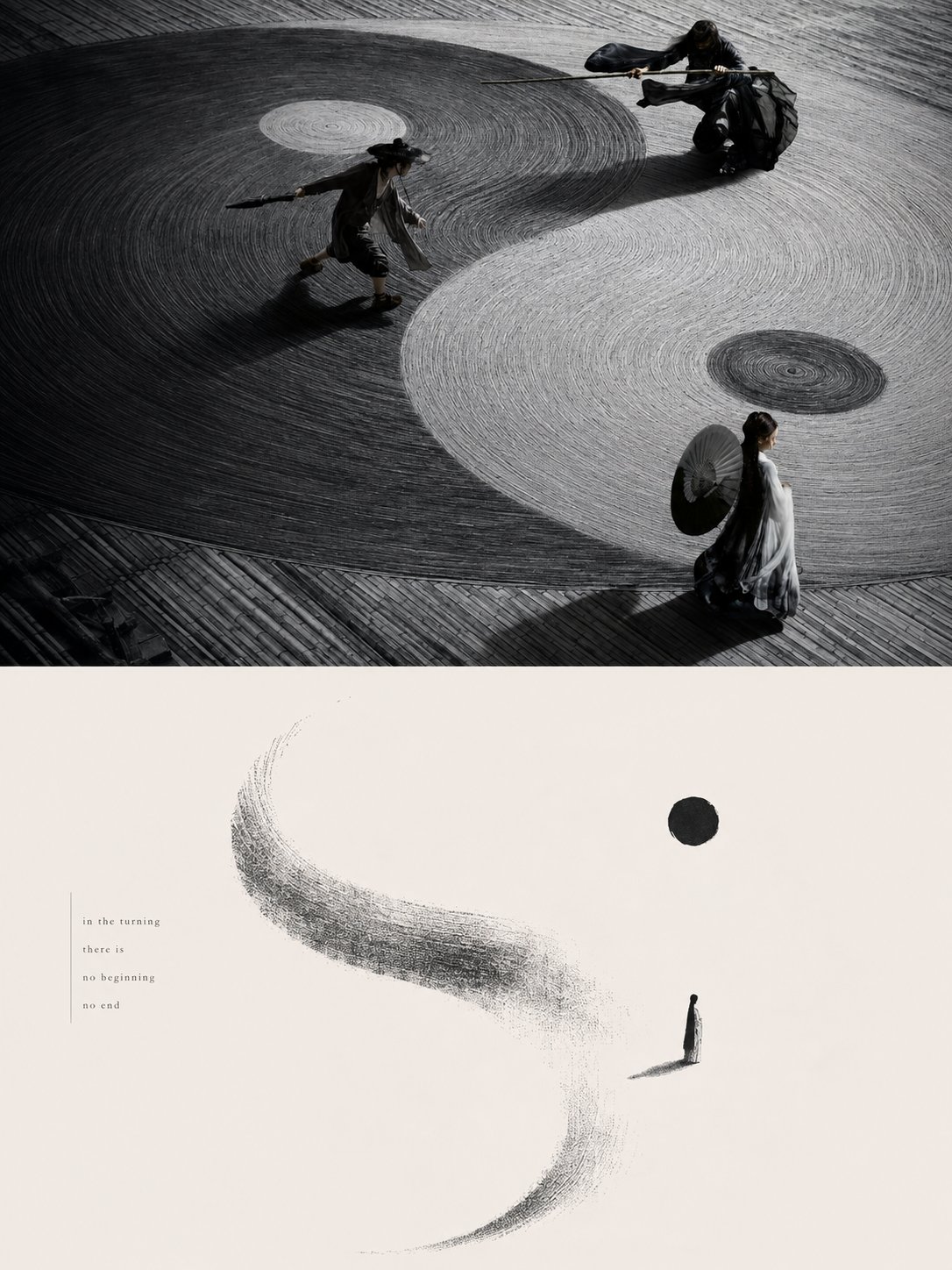
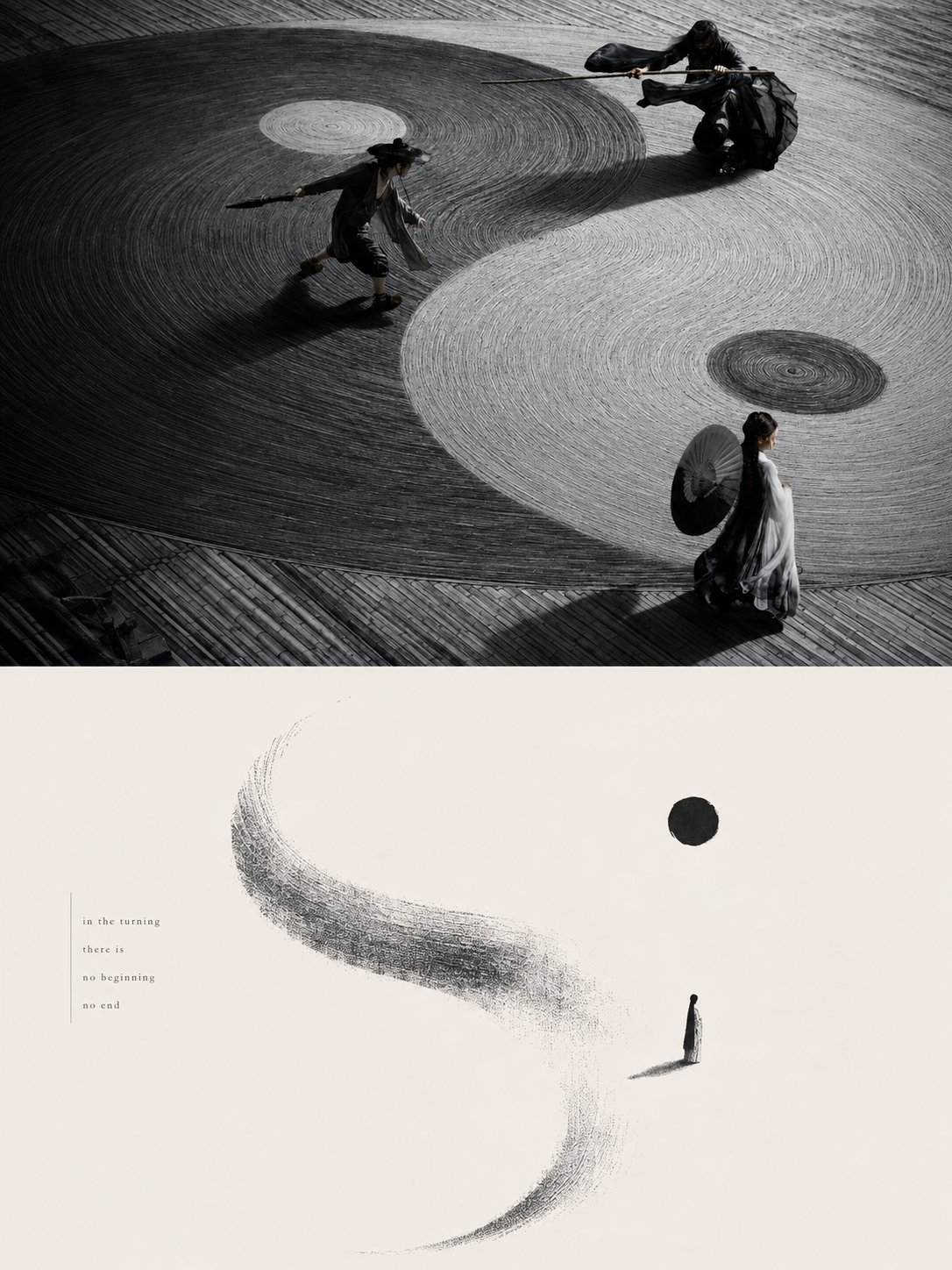
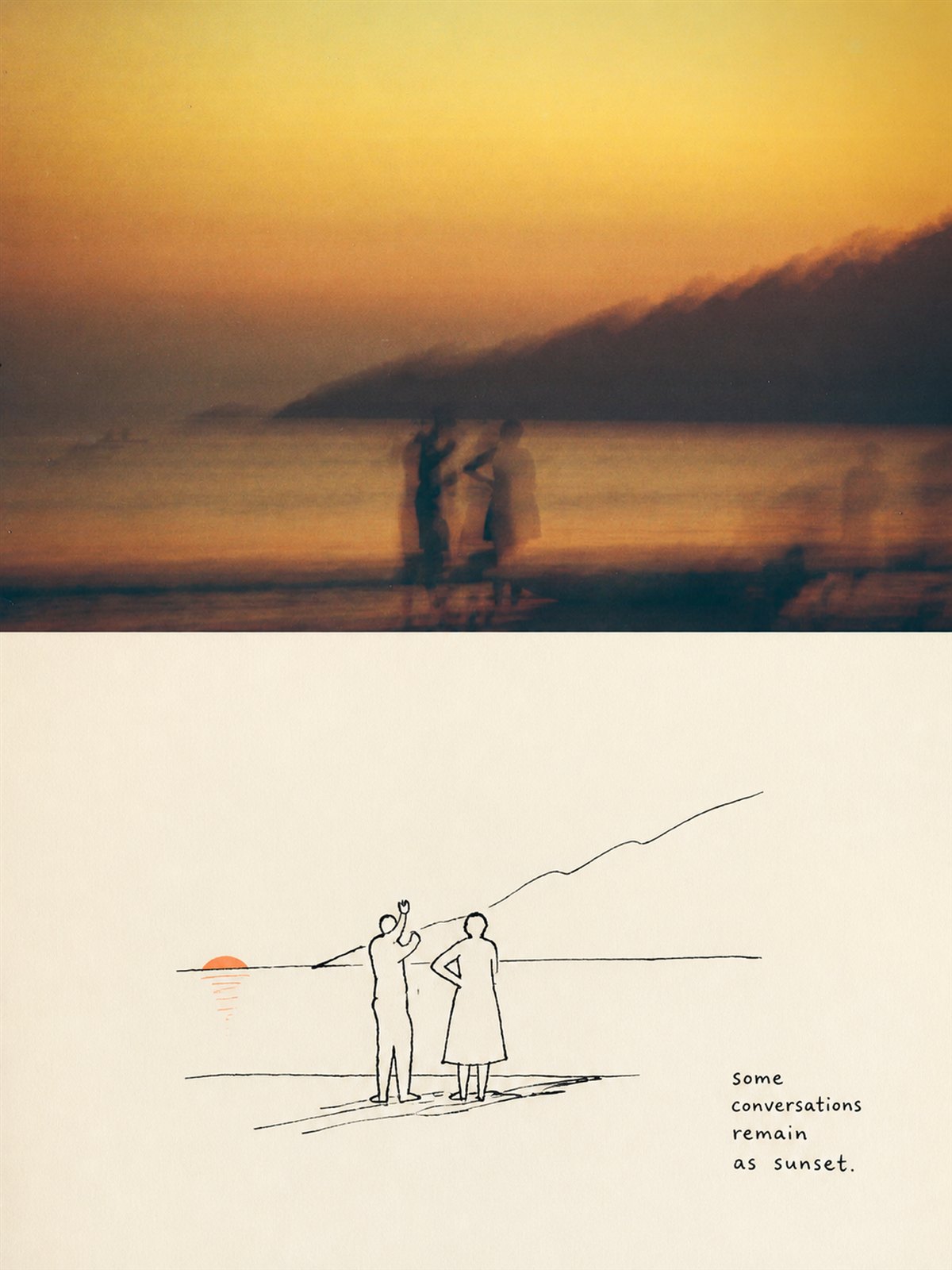
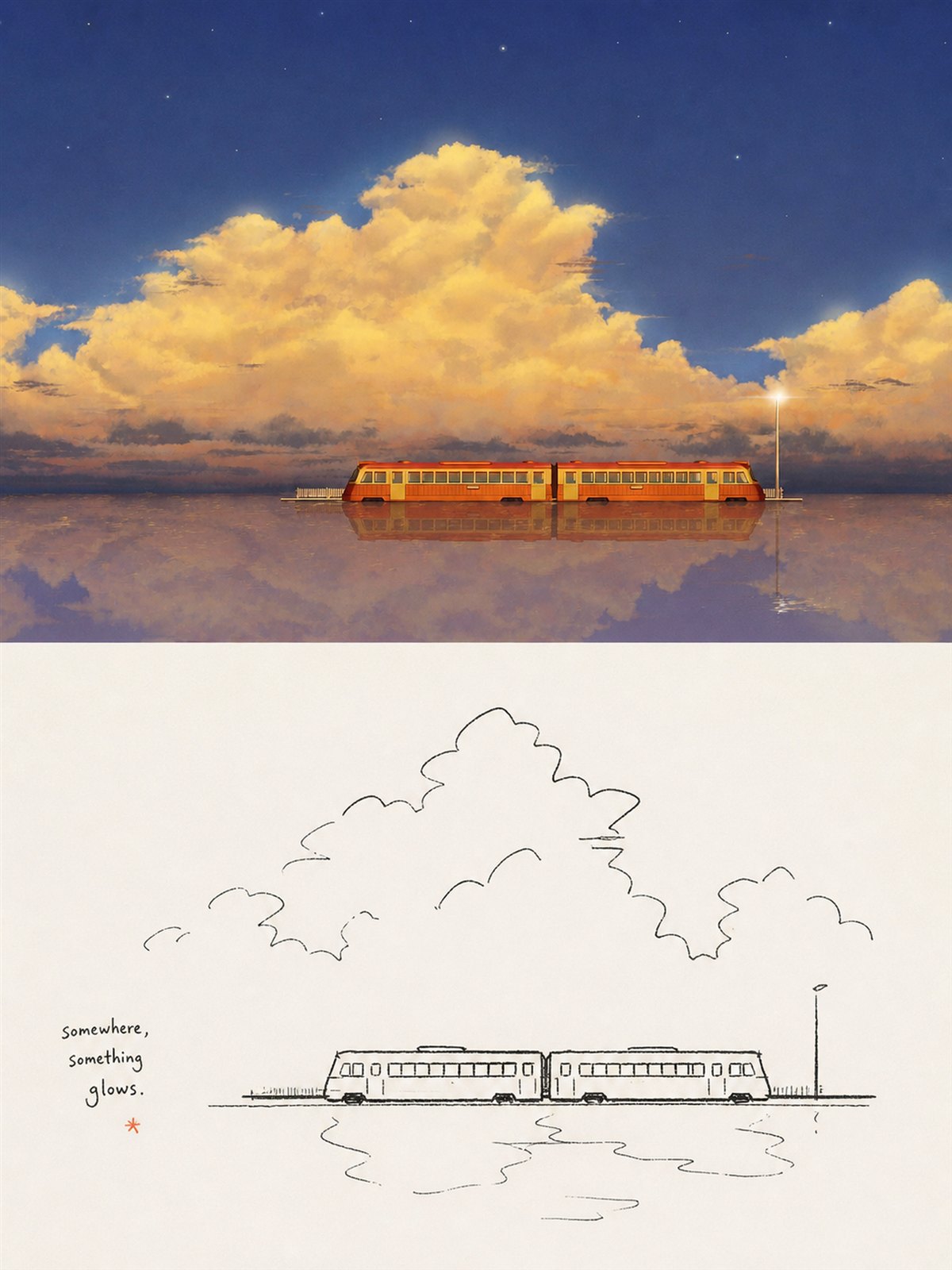
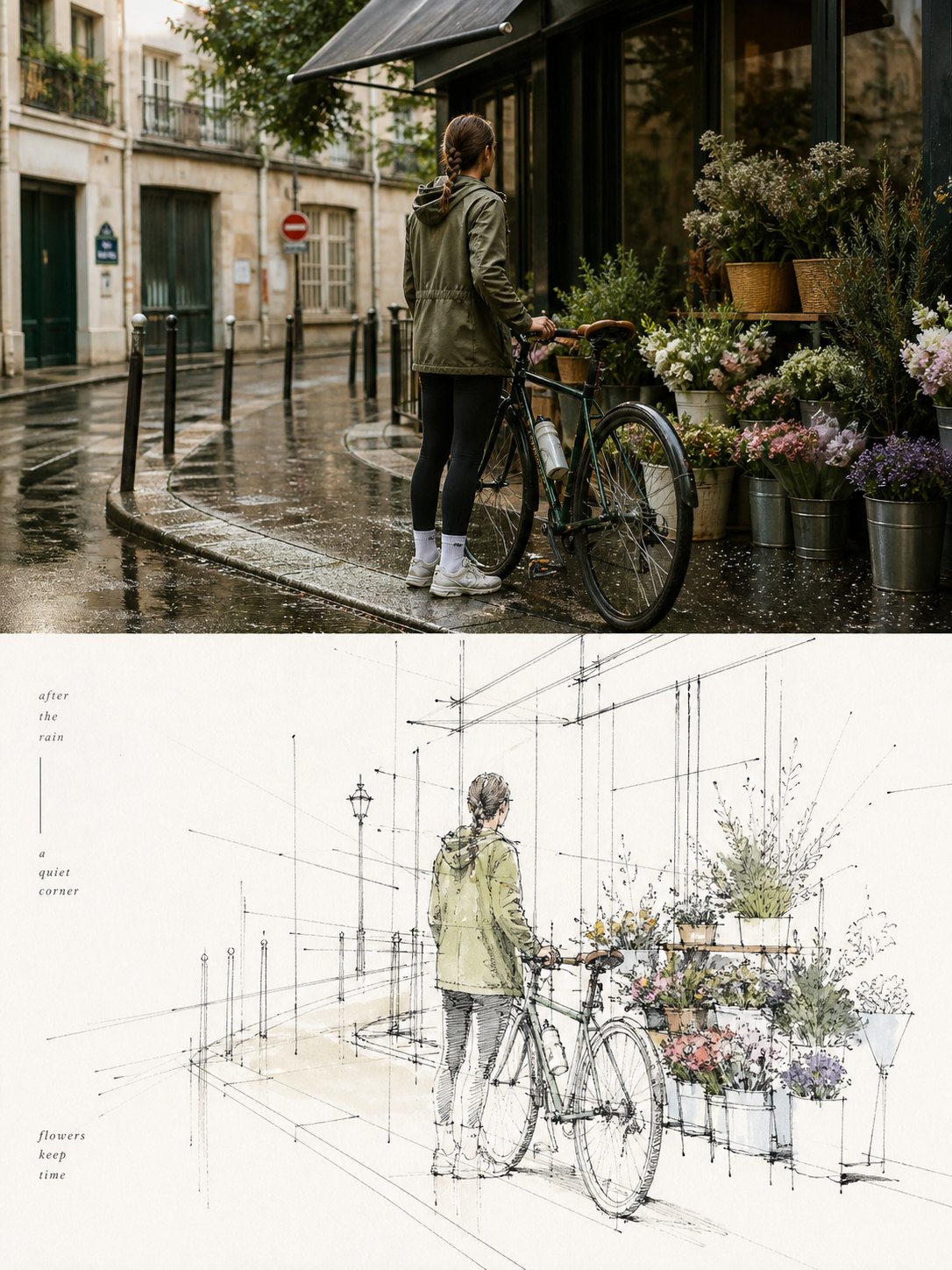
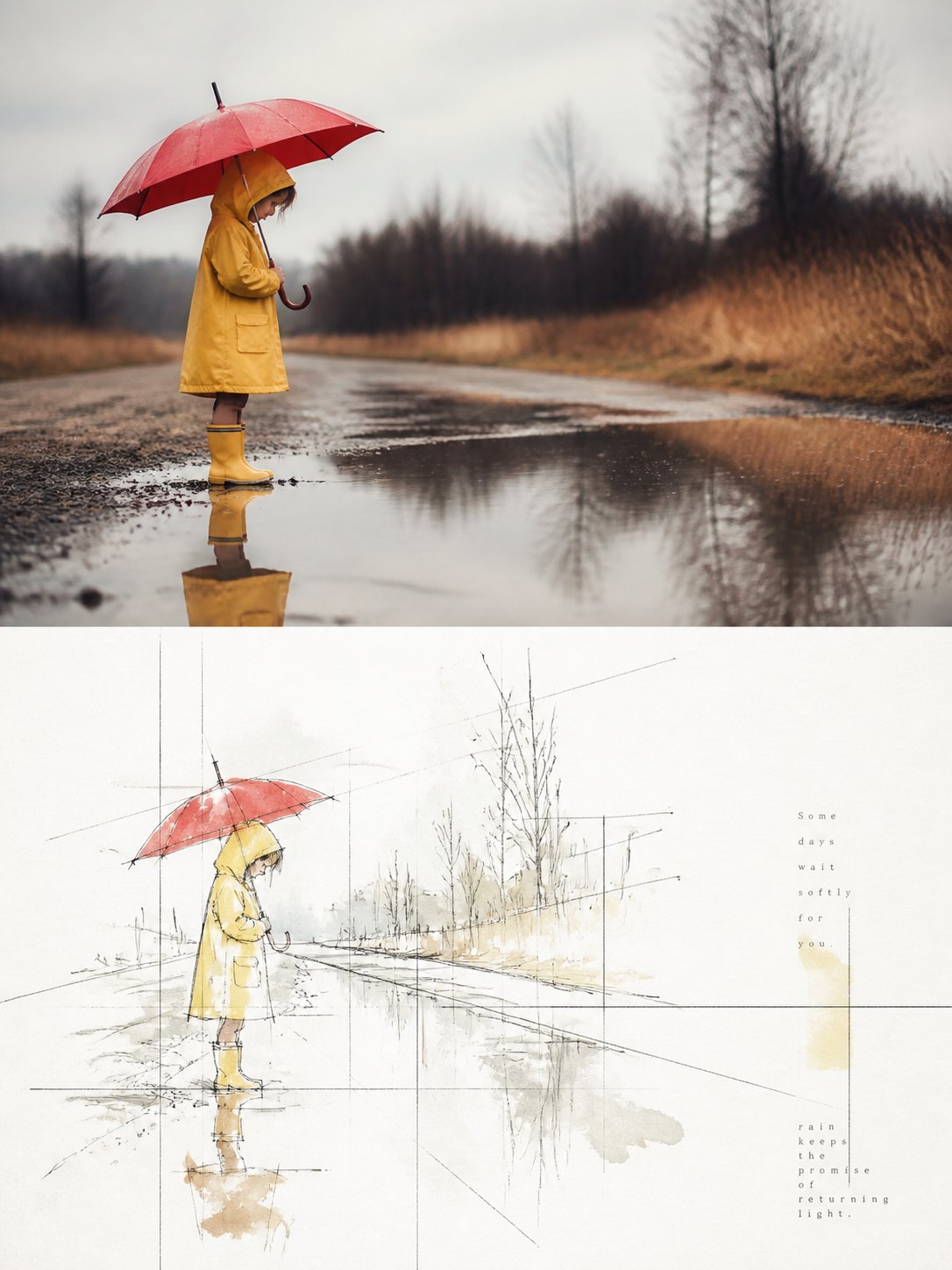
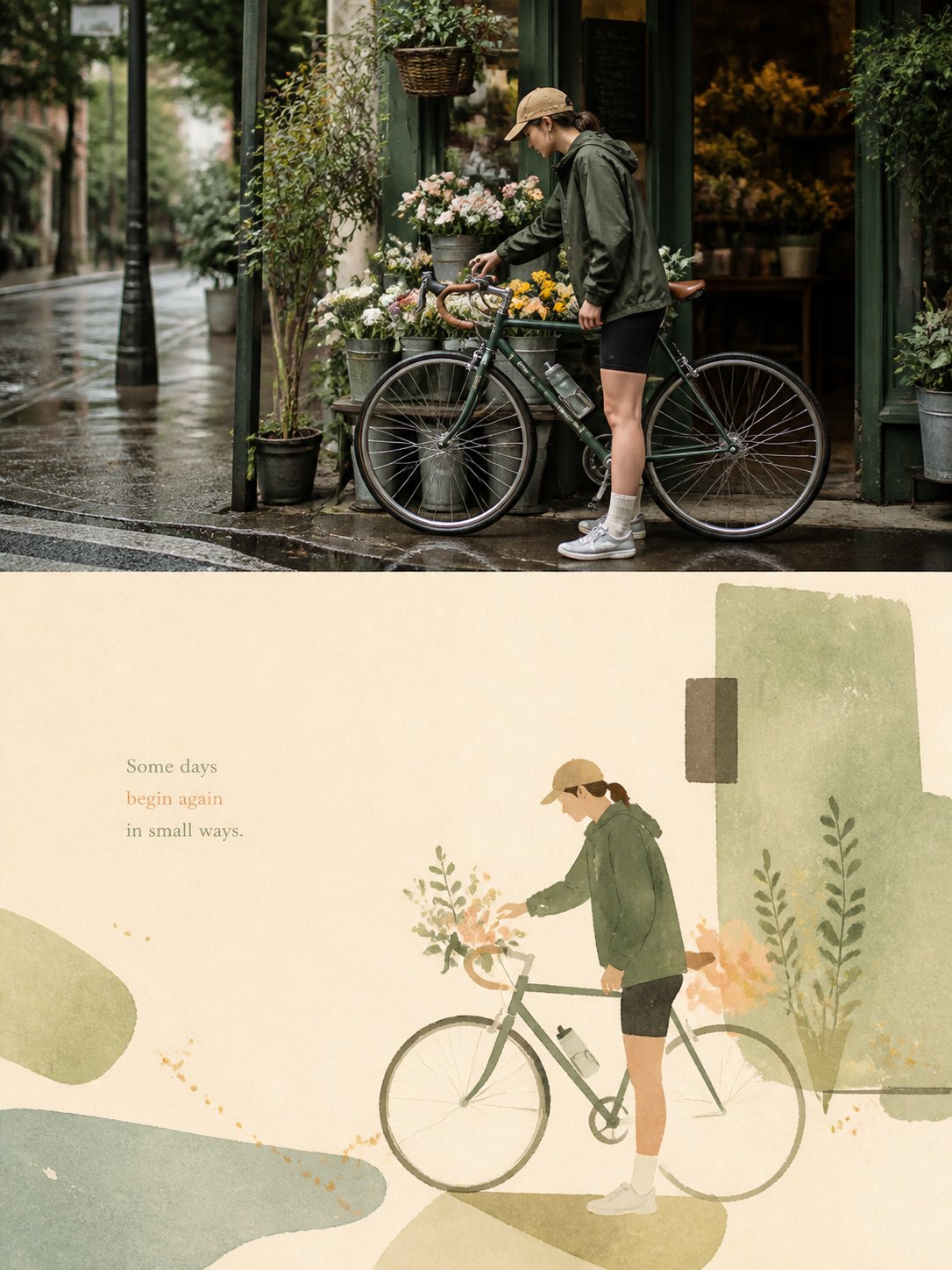
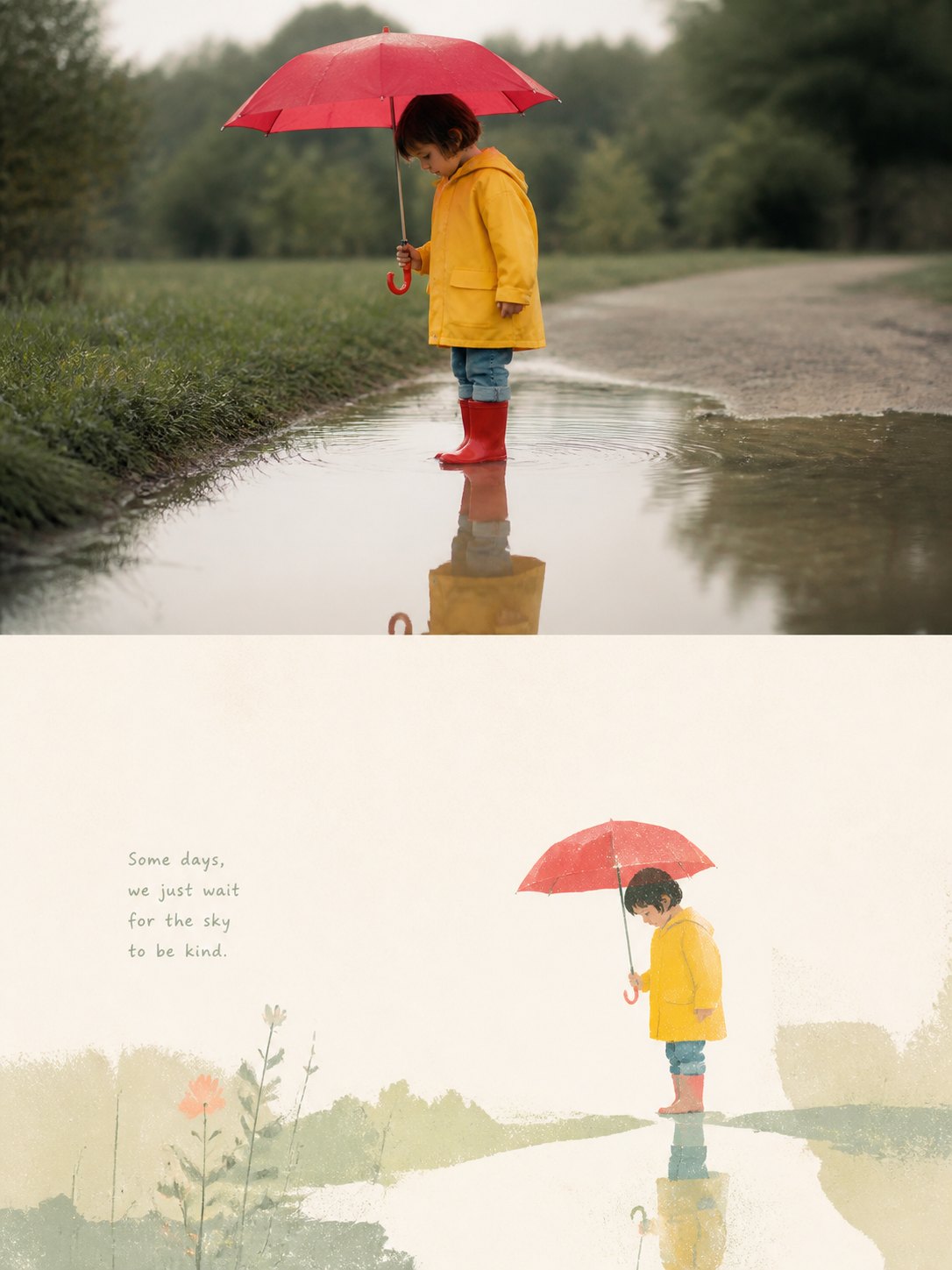
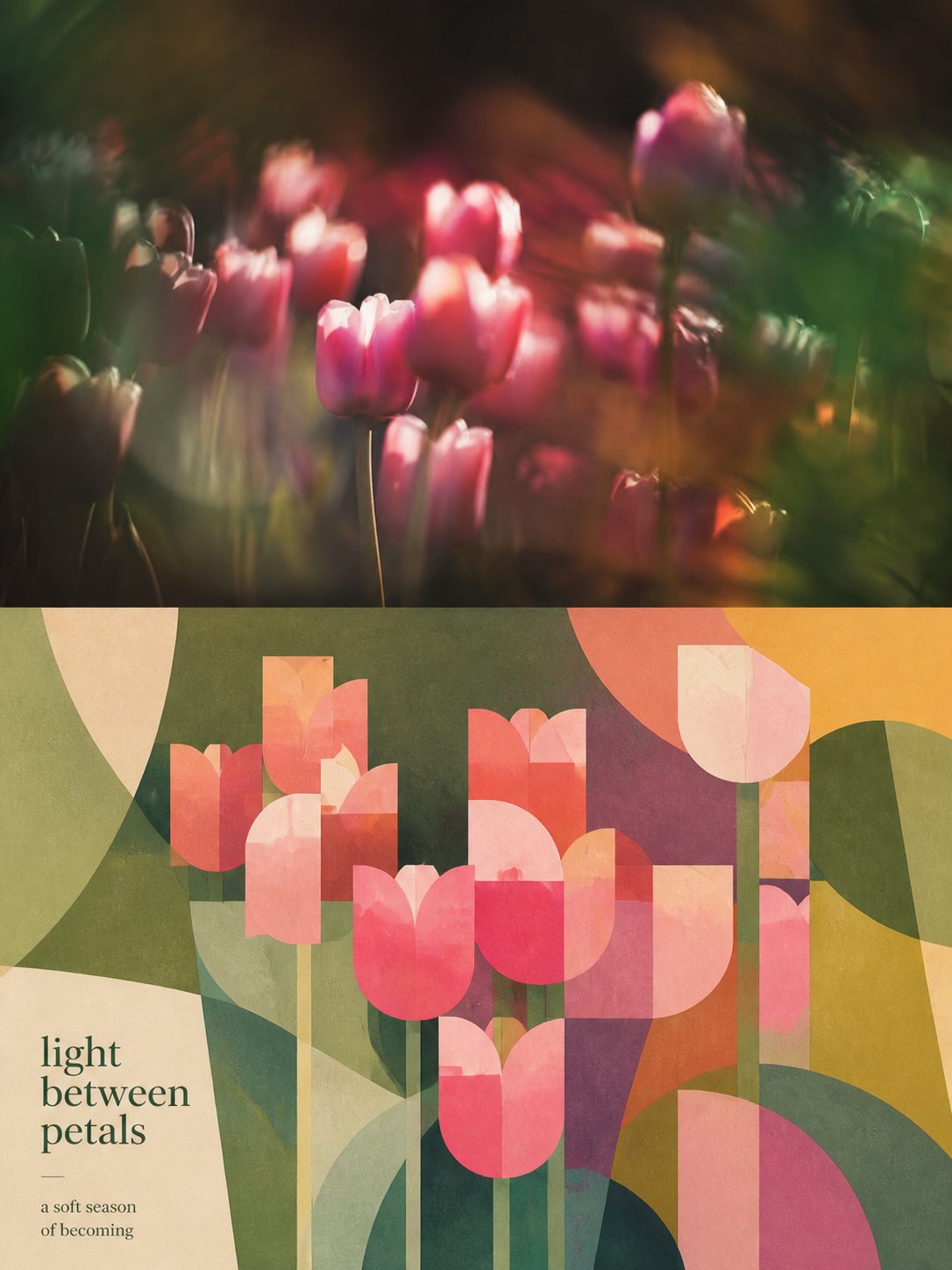
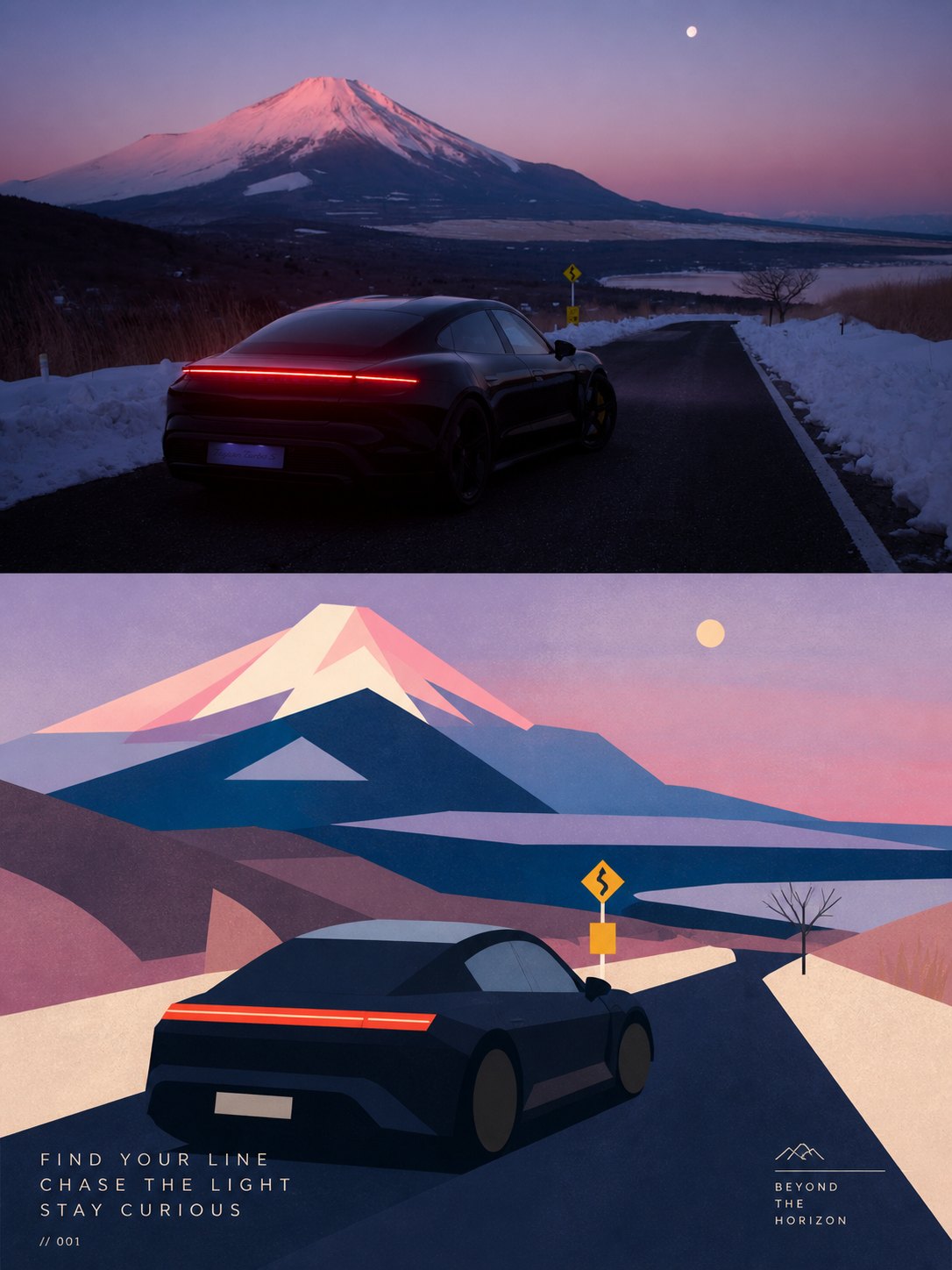
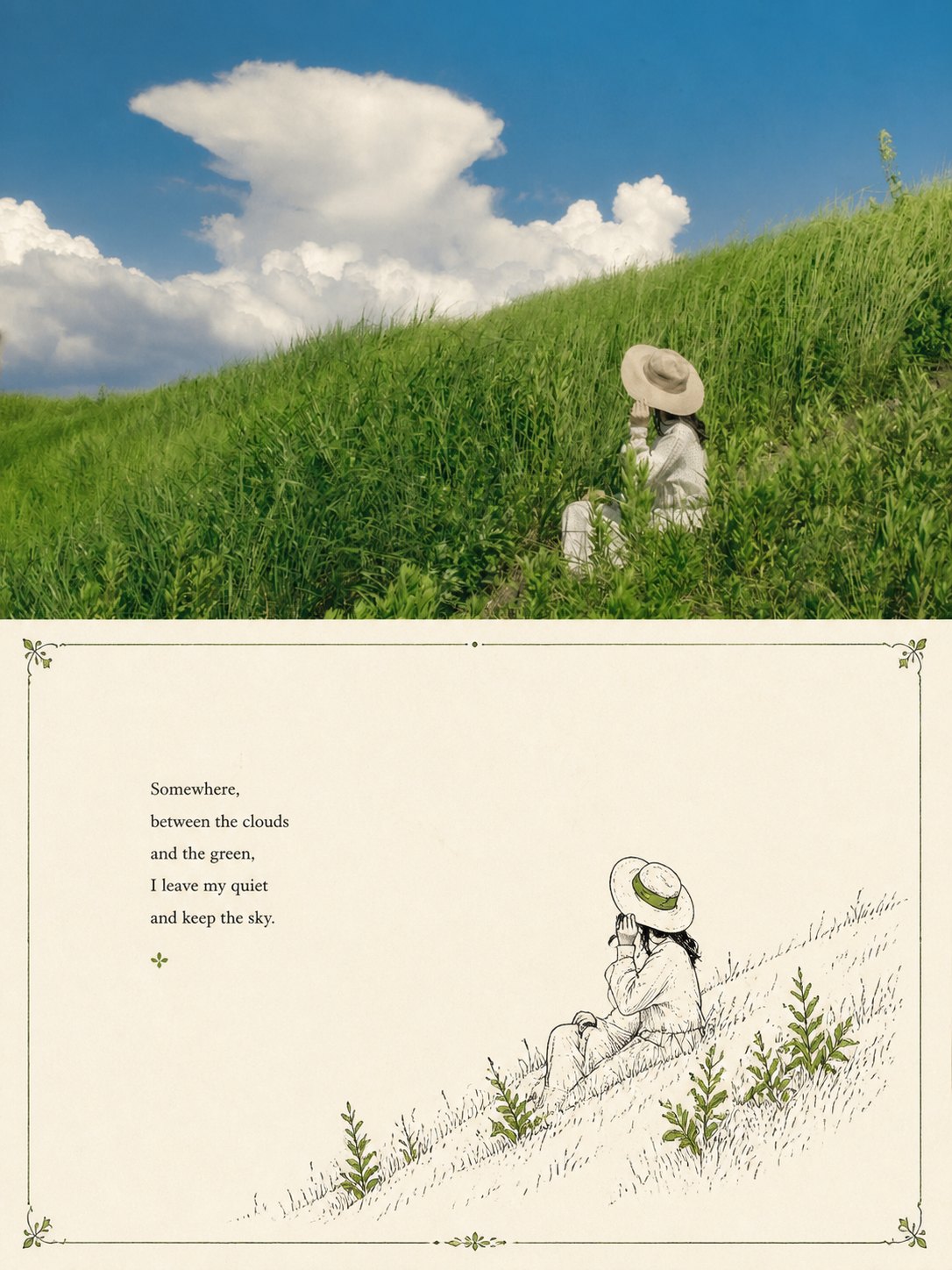
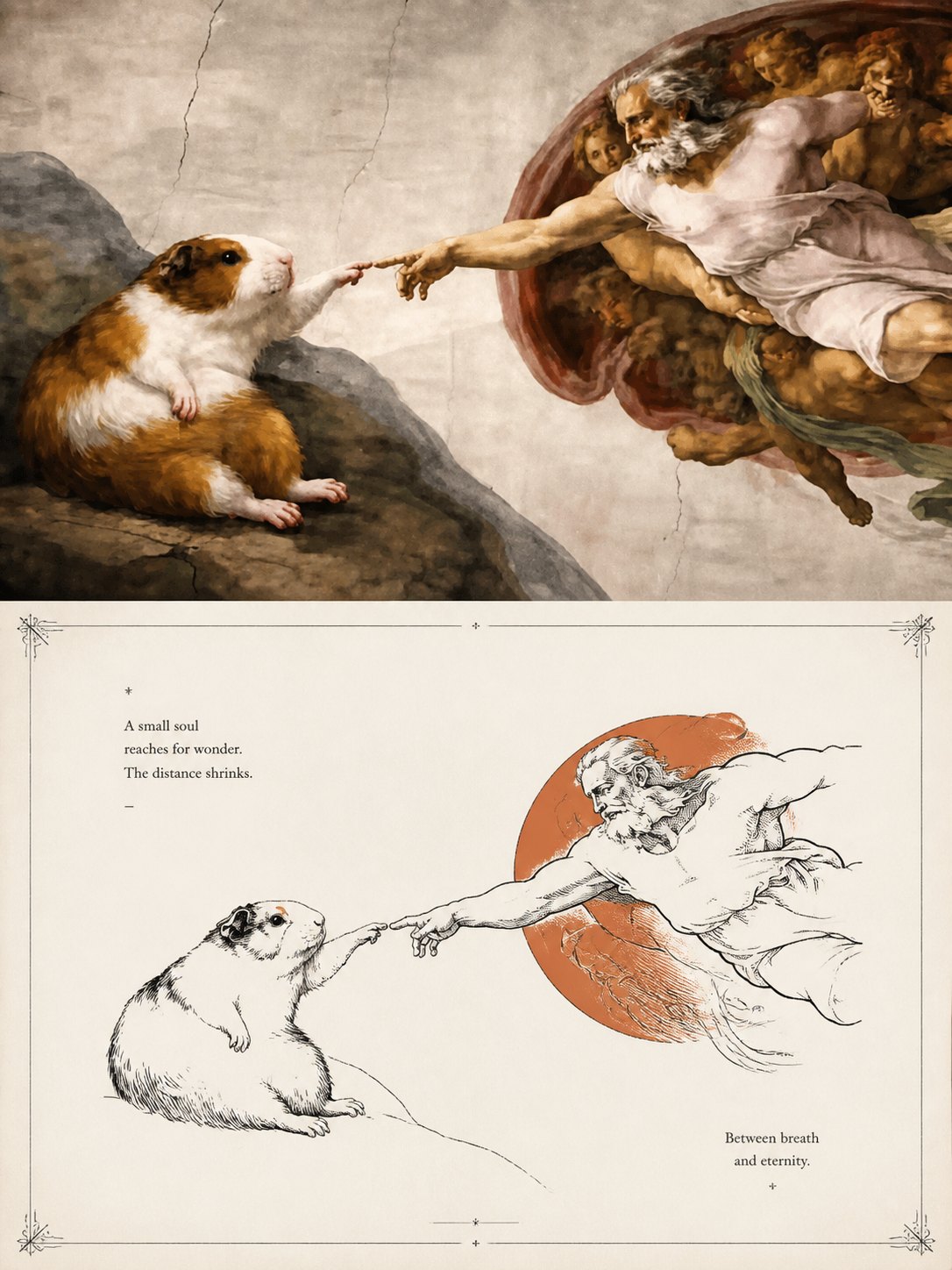
 1 / 4
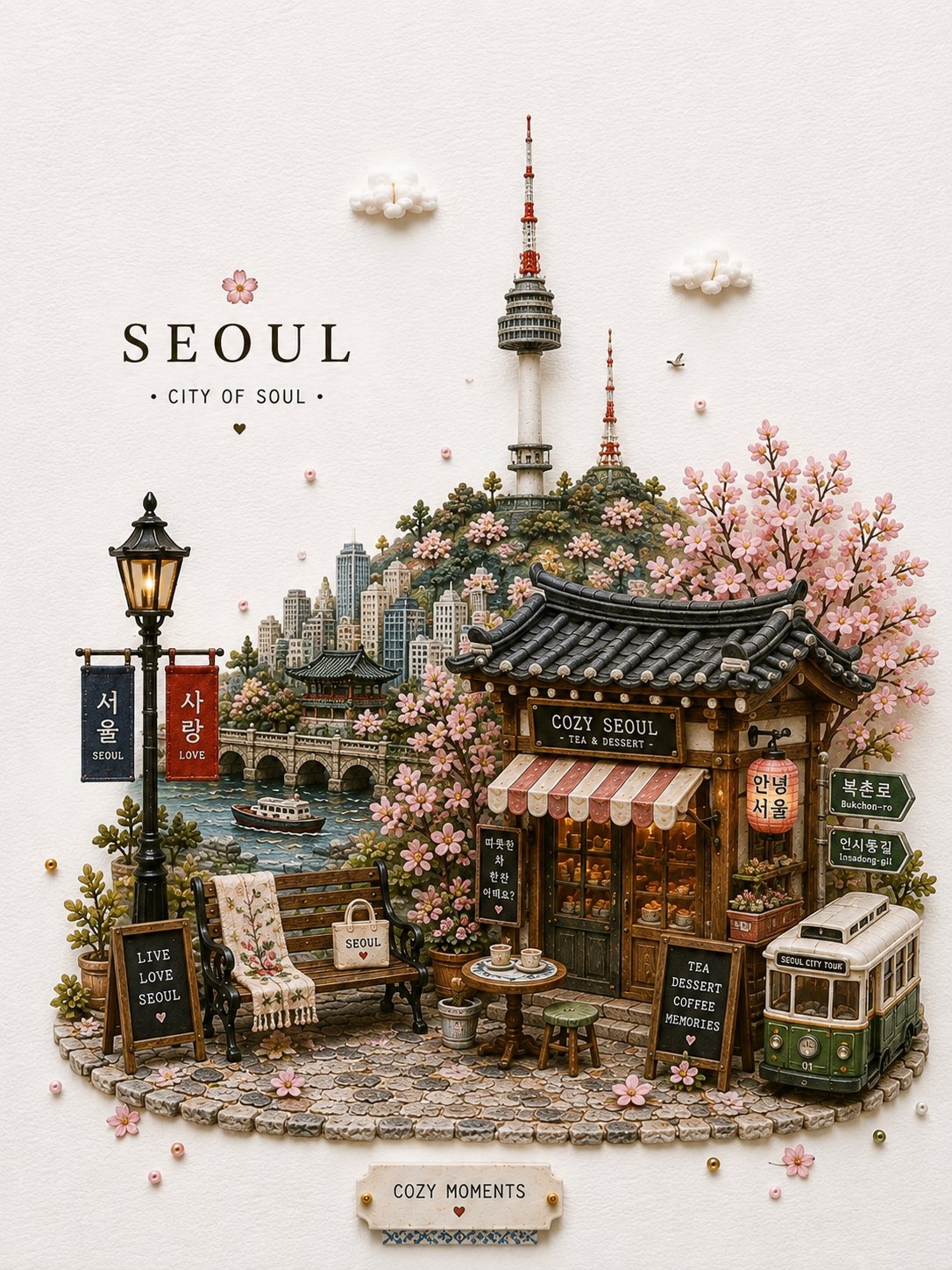
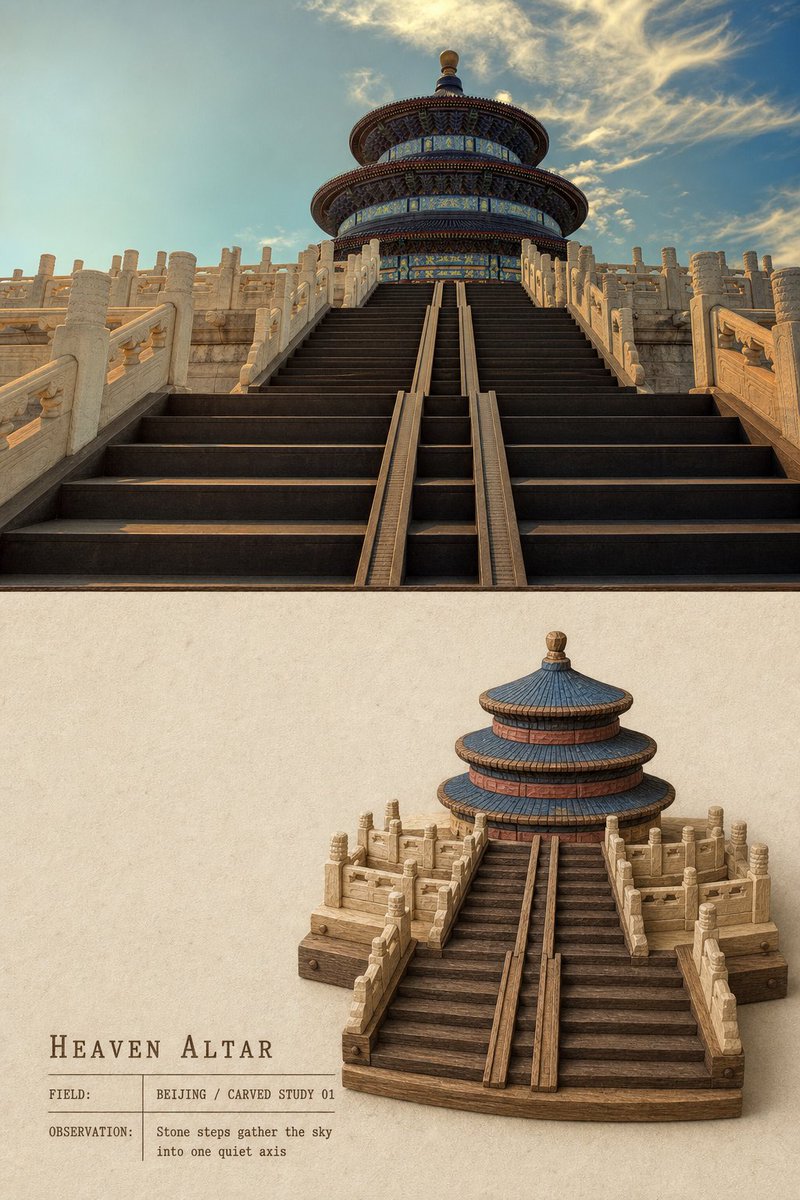
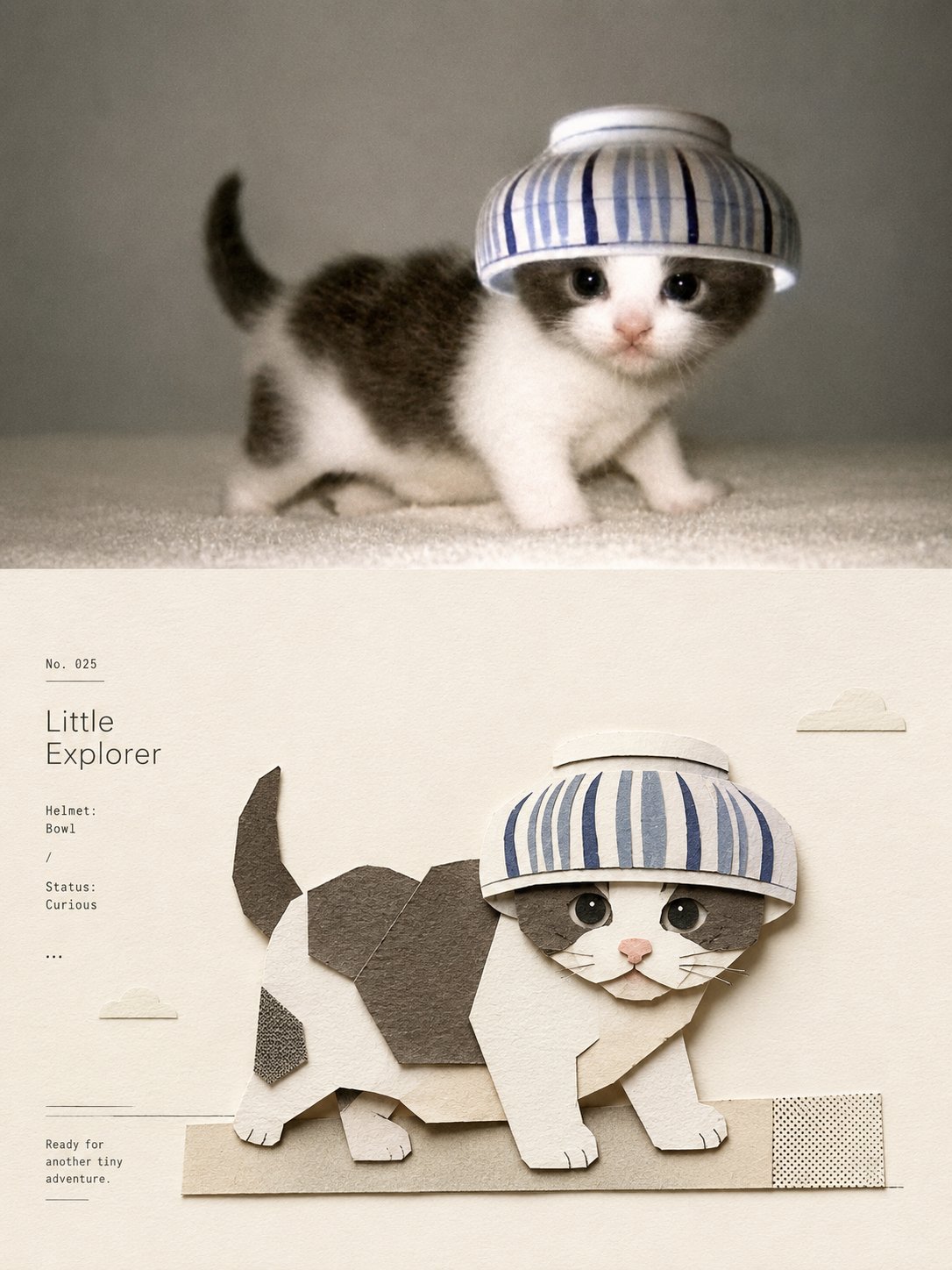
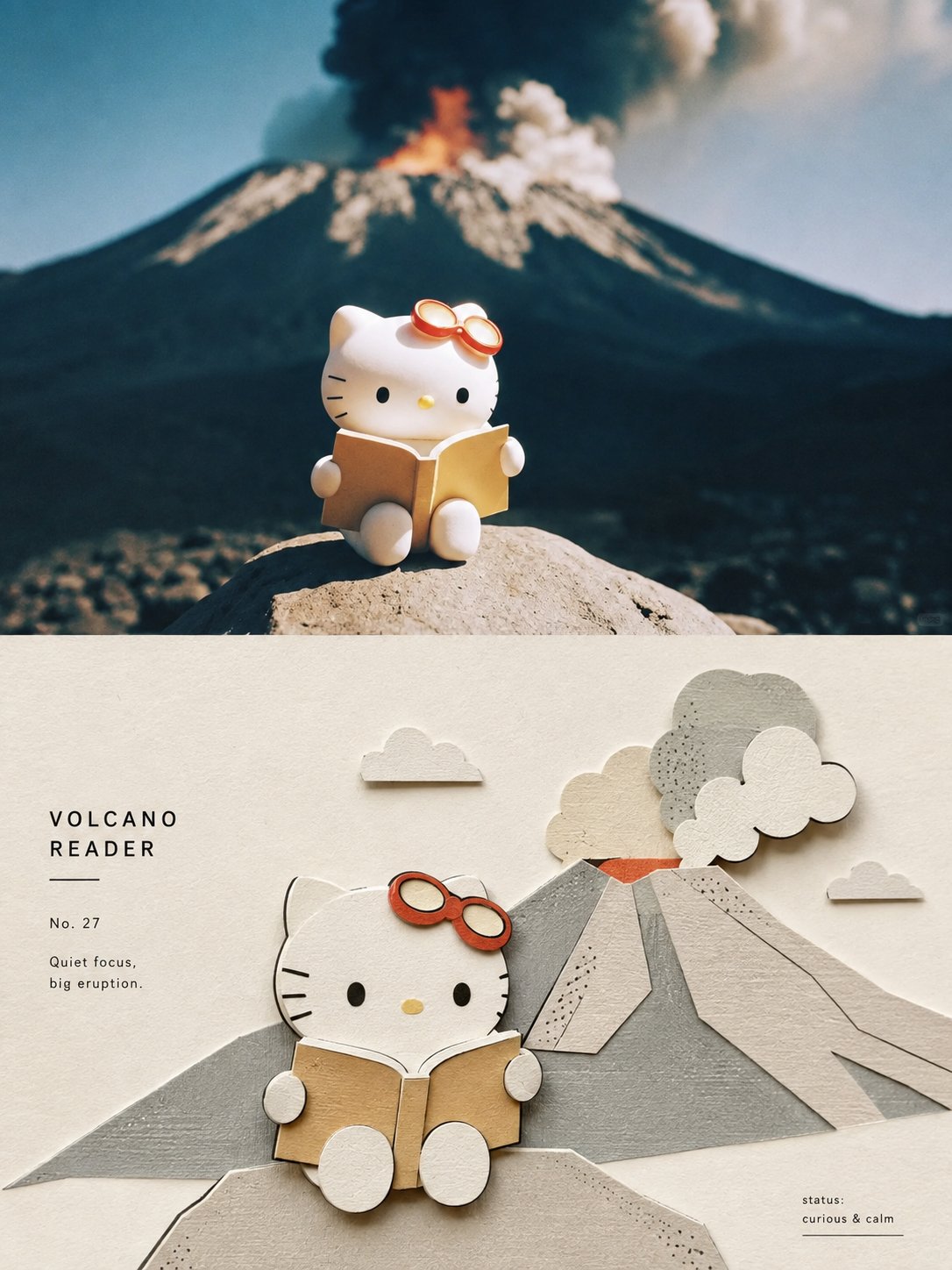
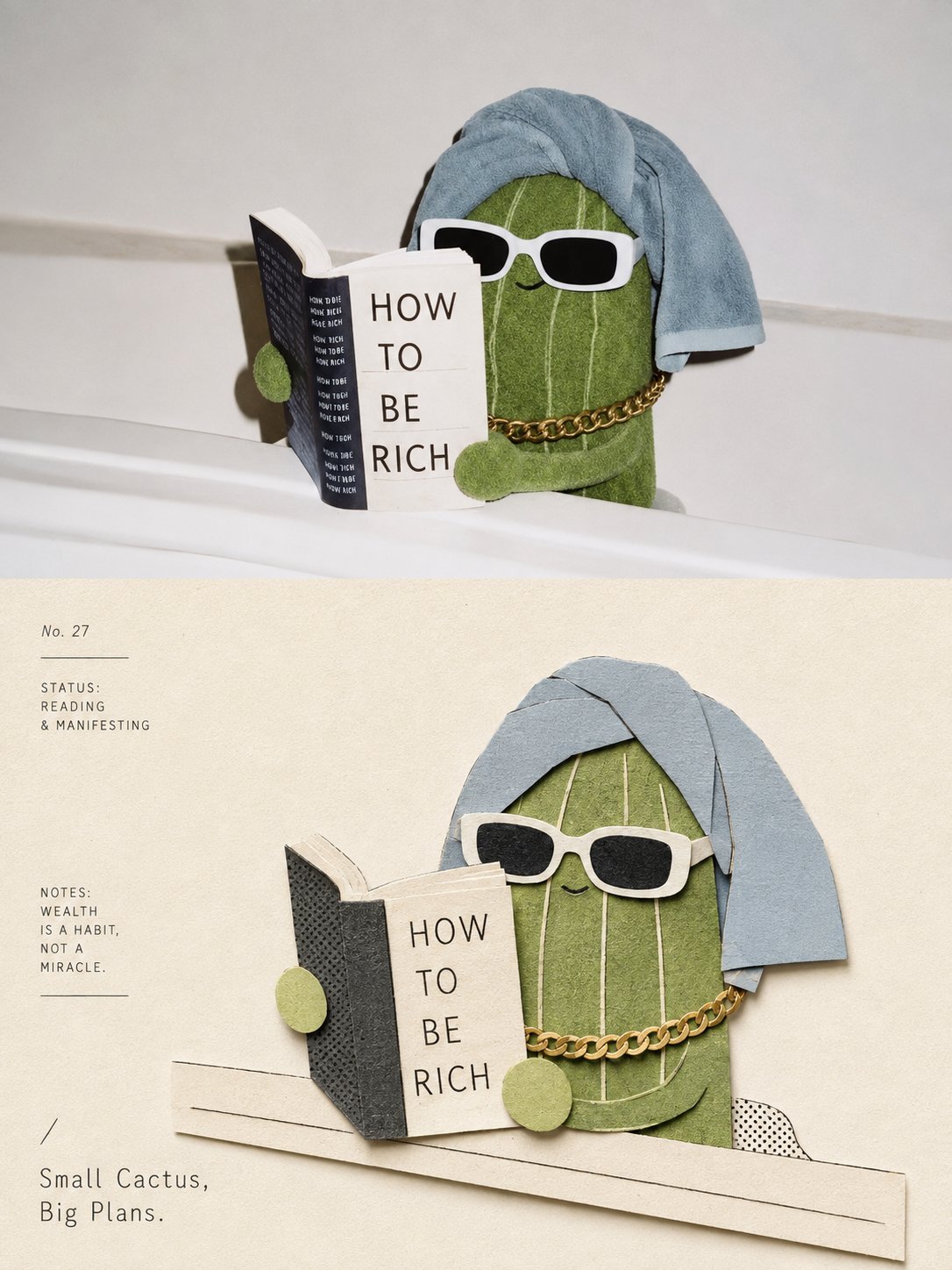
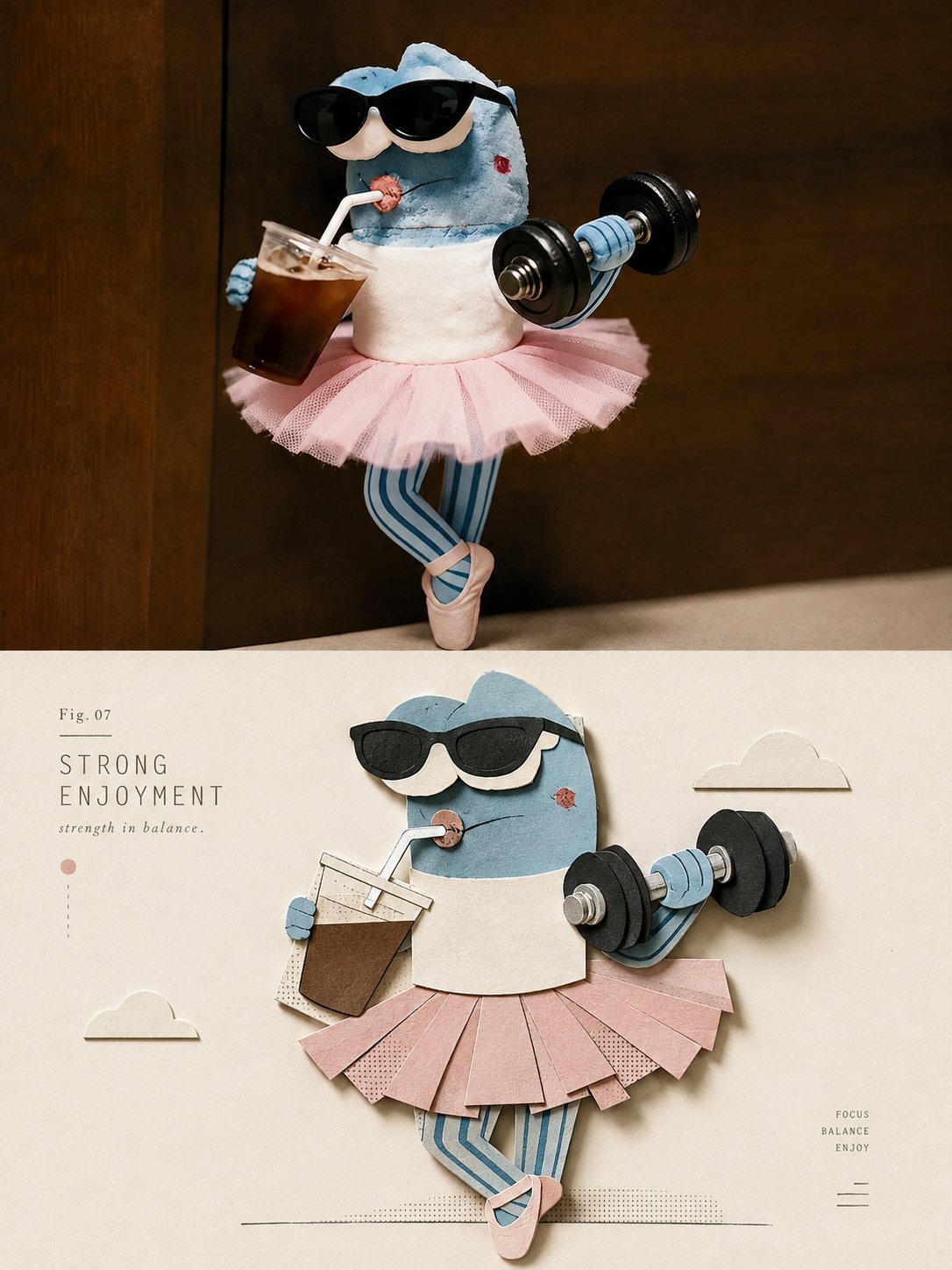
1 / 4Wool felt memory micro
paper craft
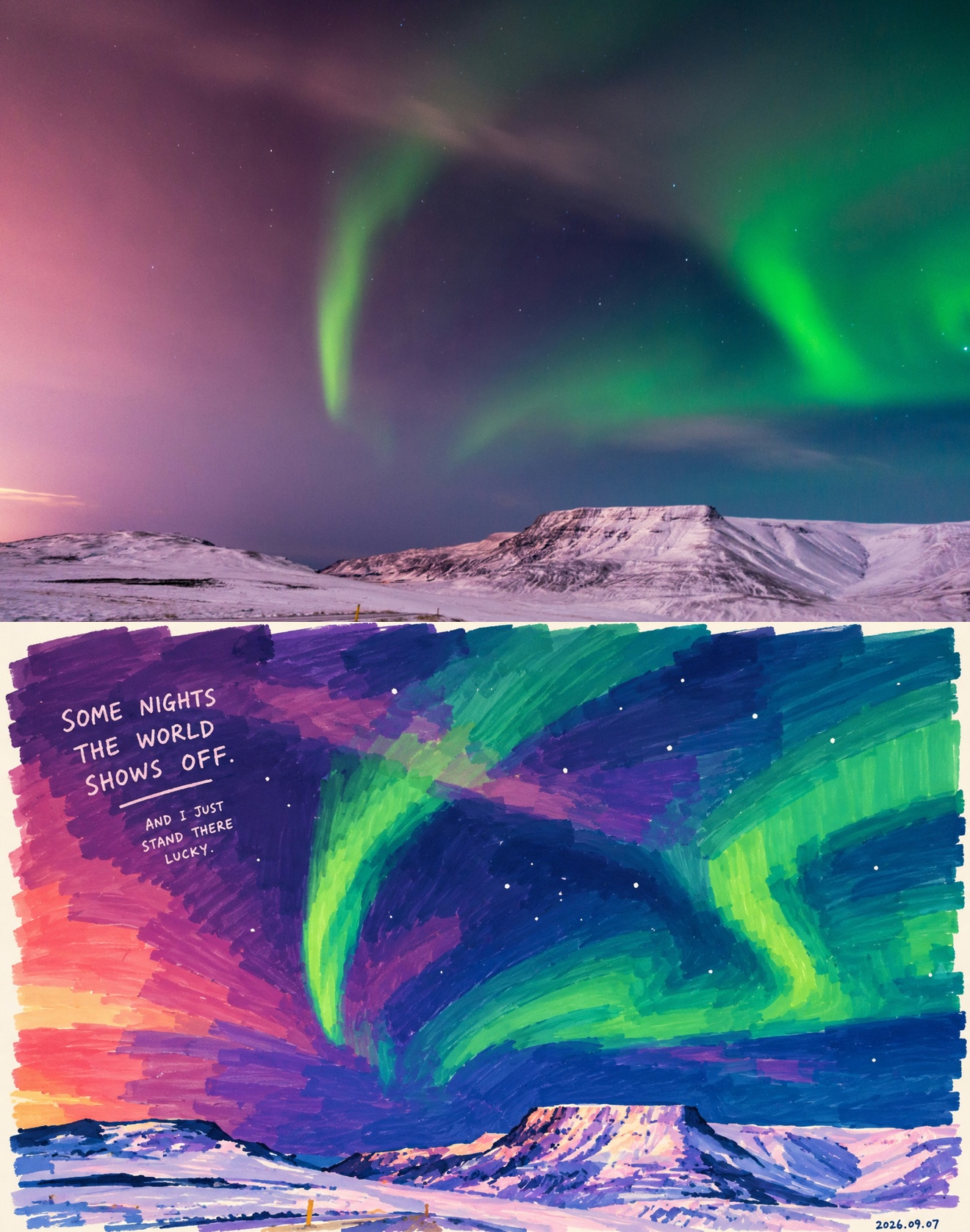
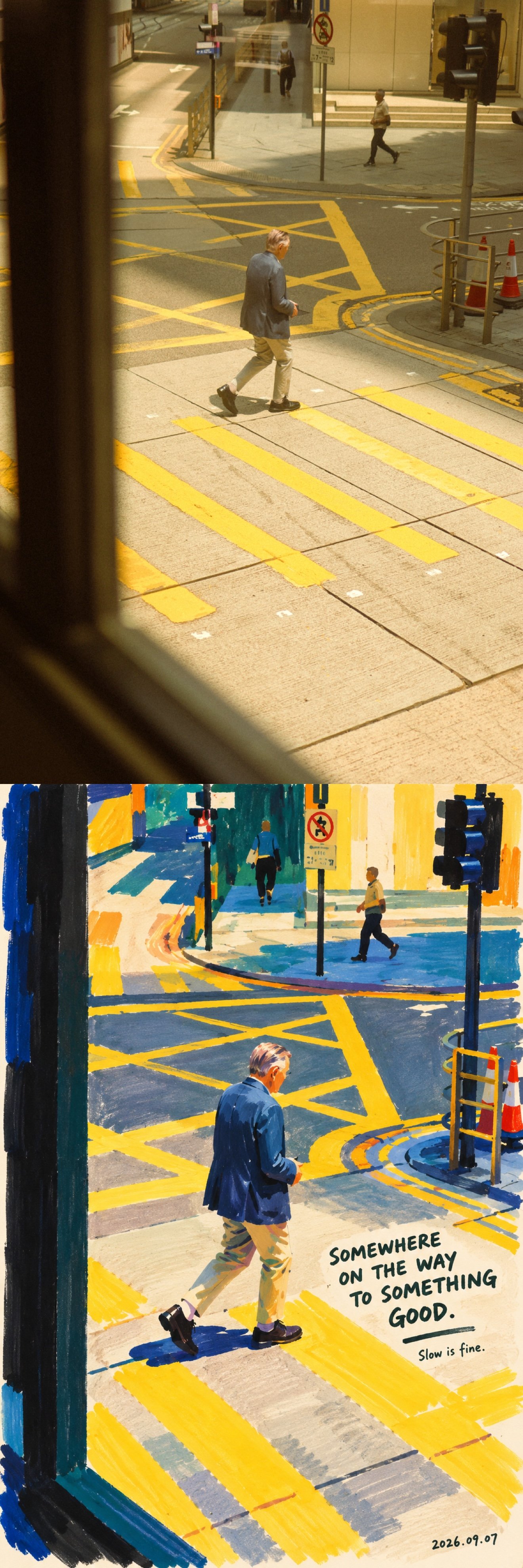
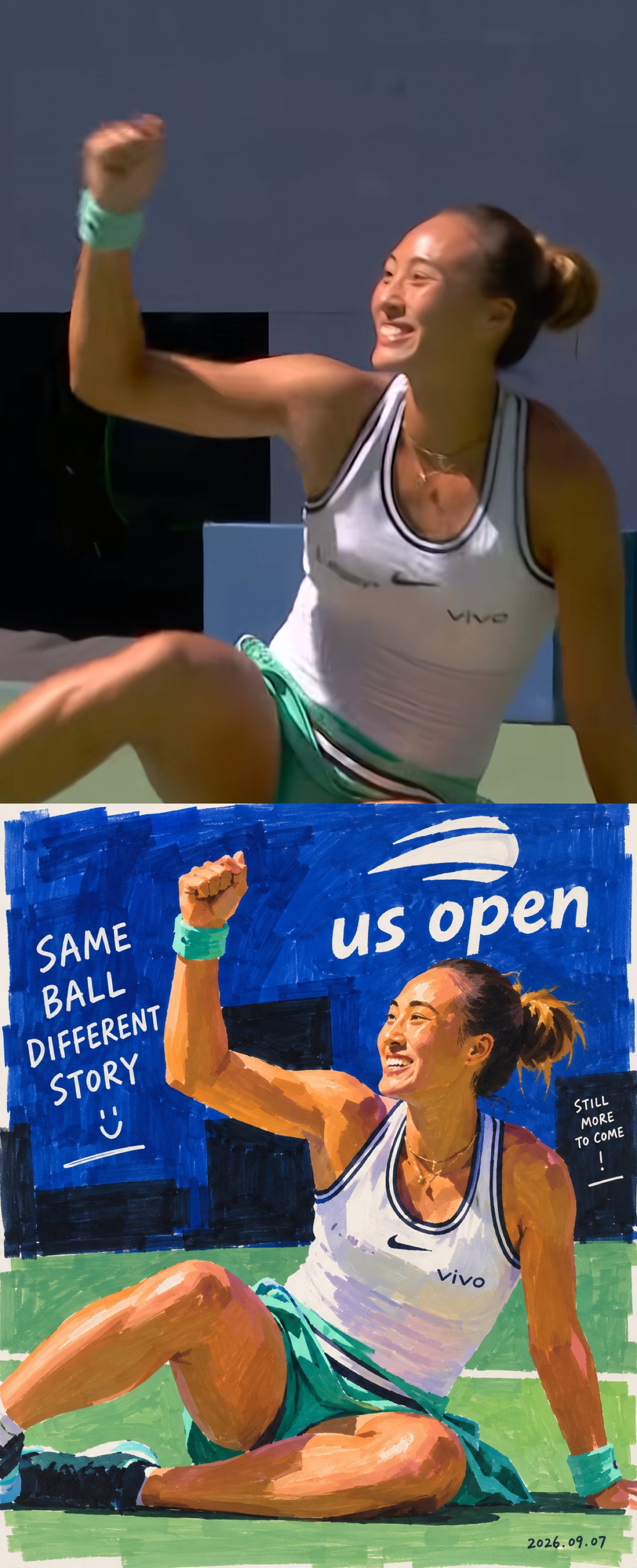
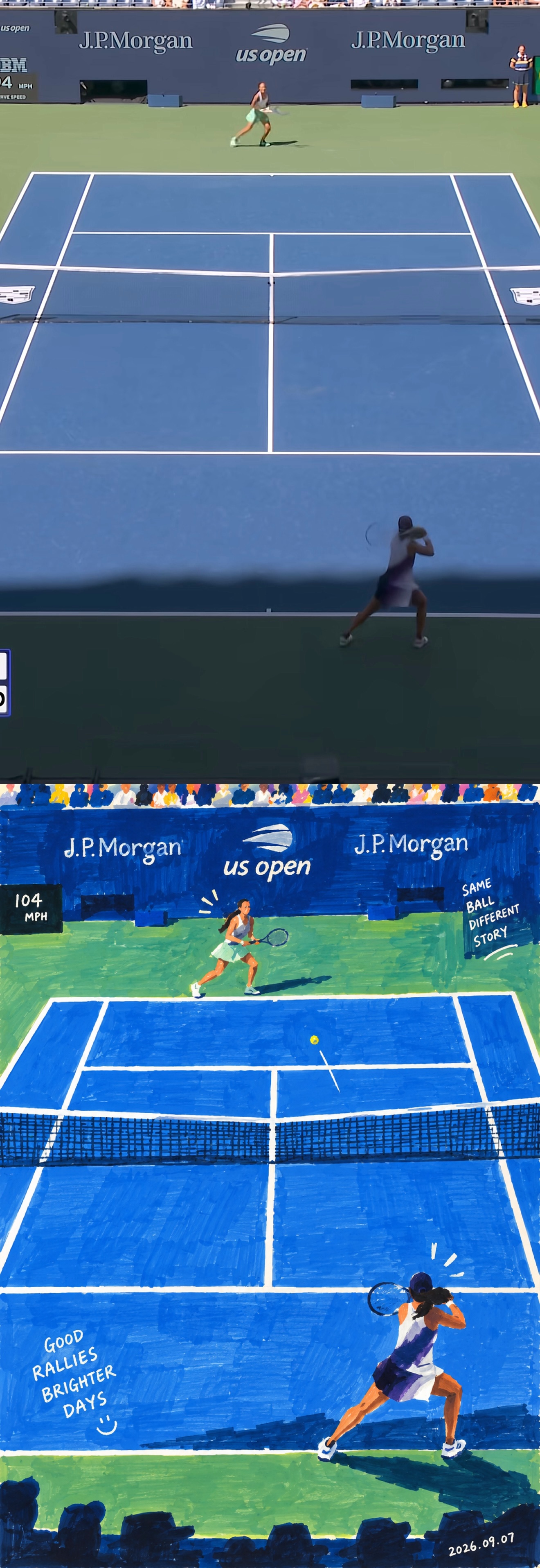
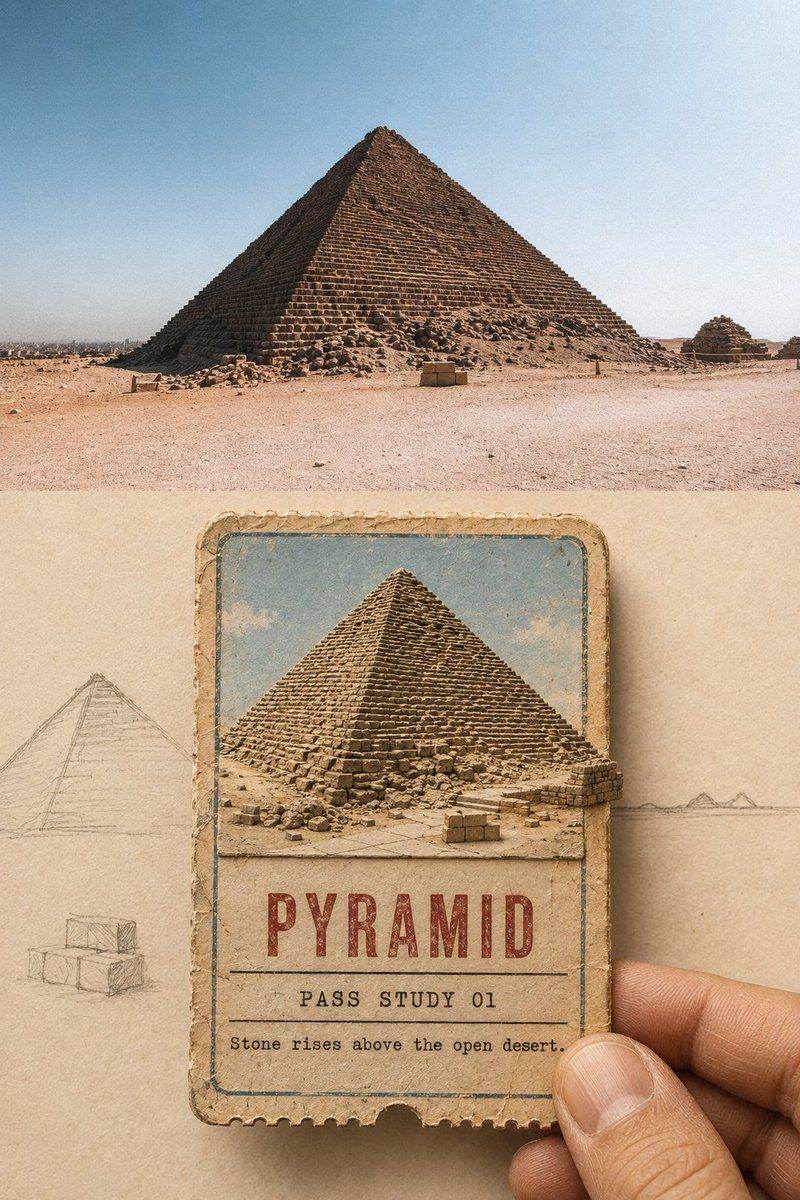
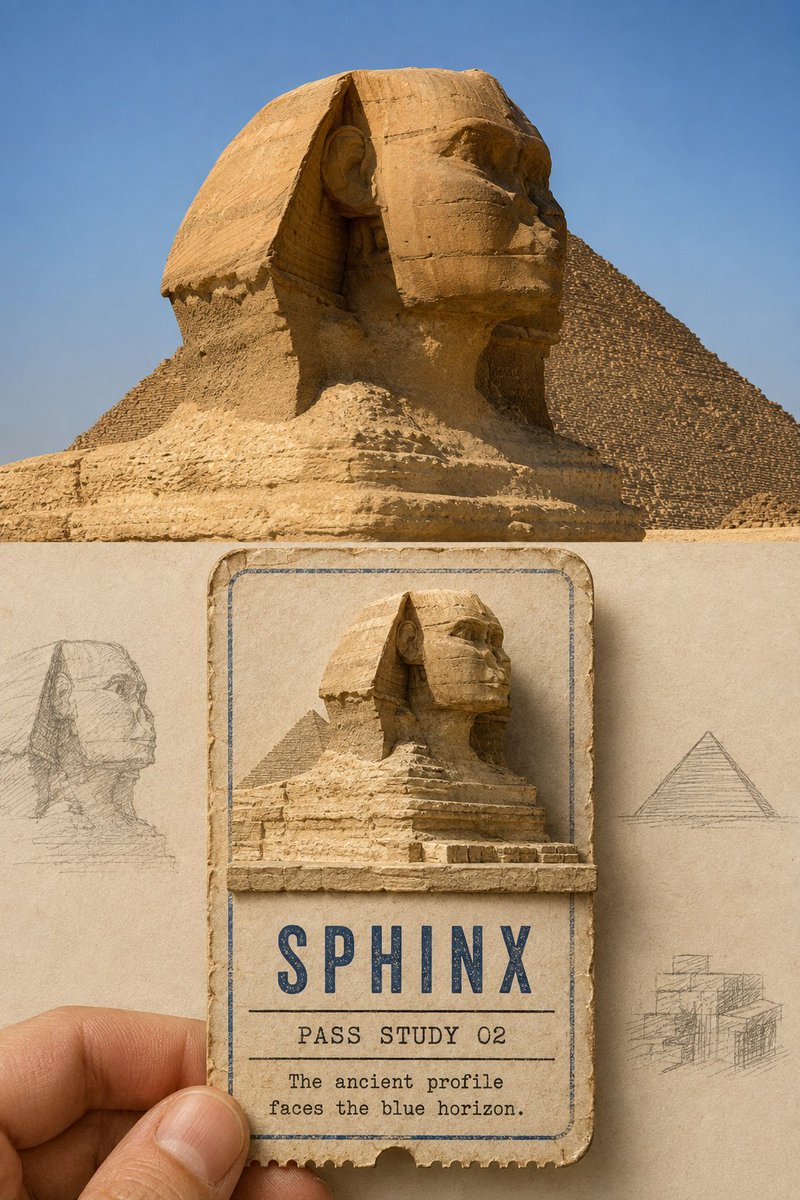
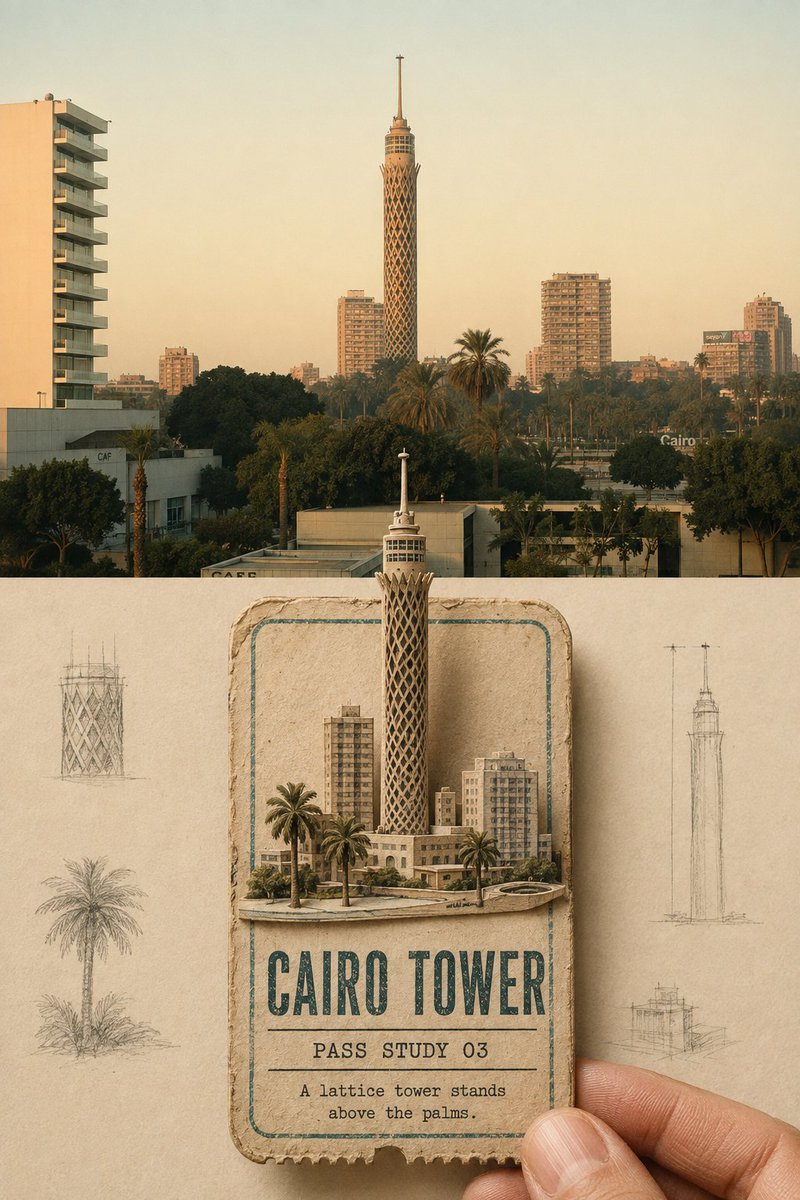
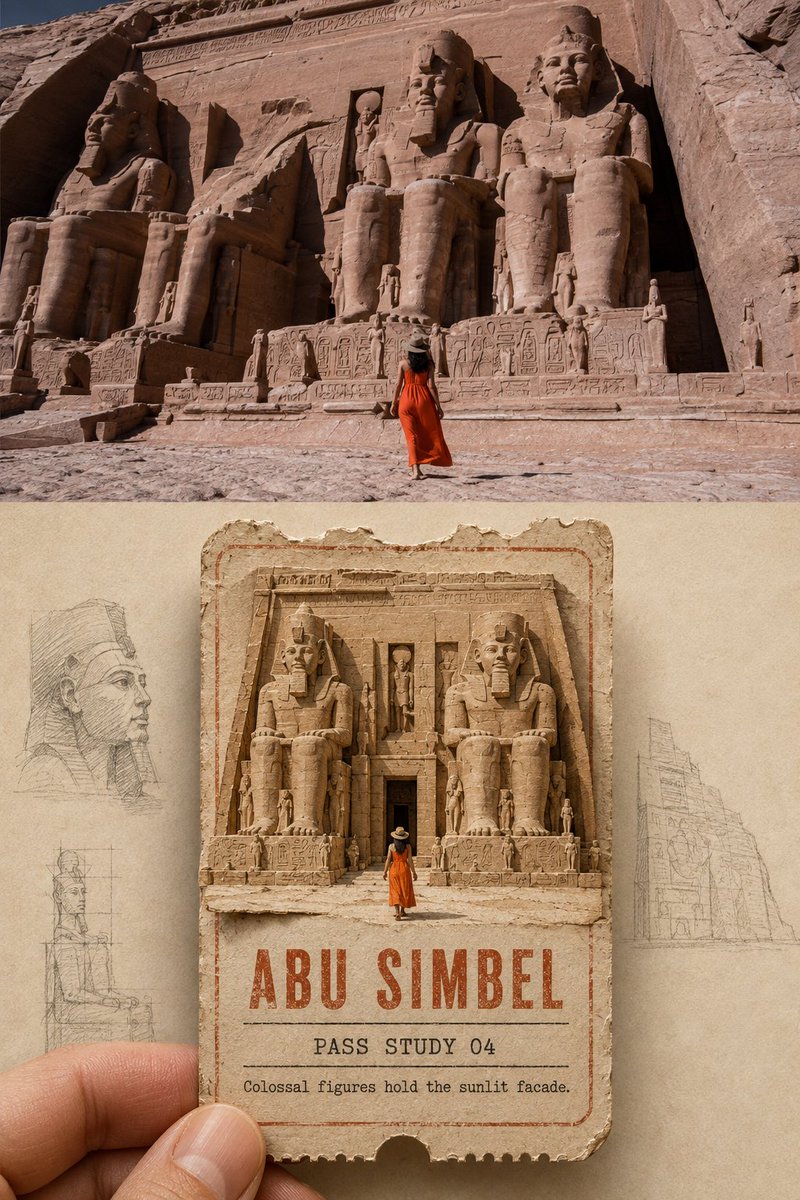
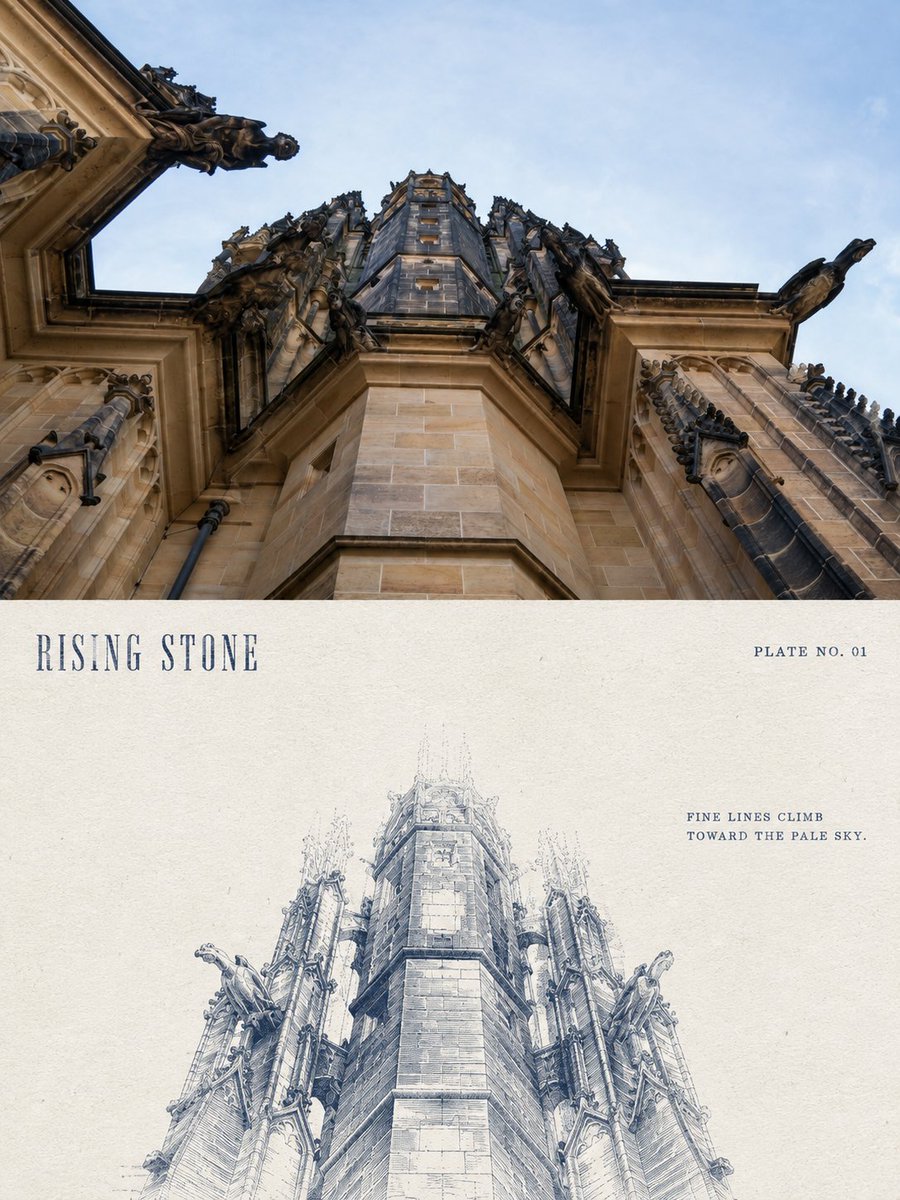
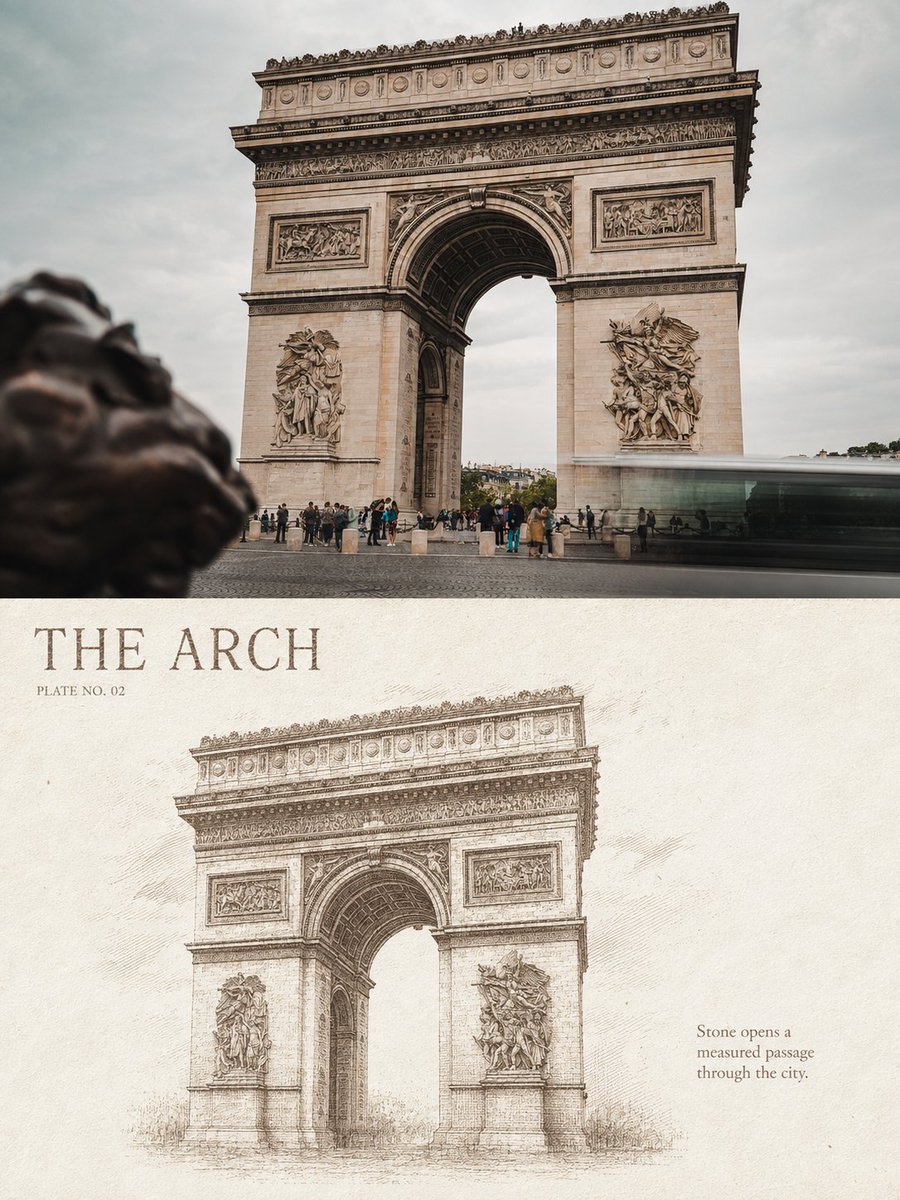
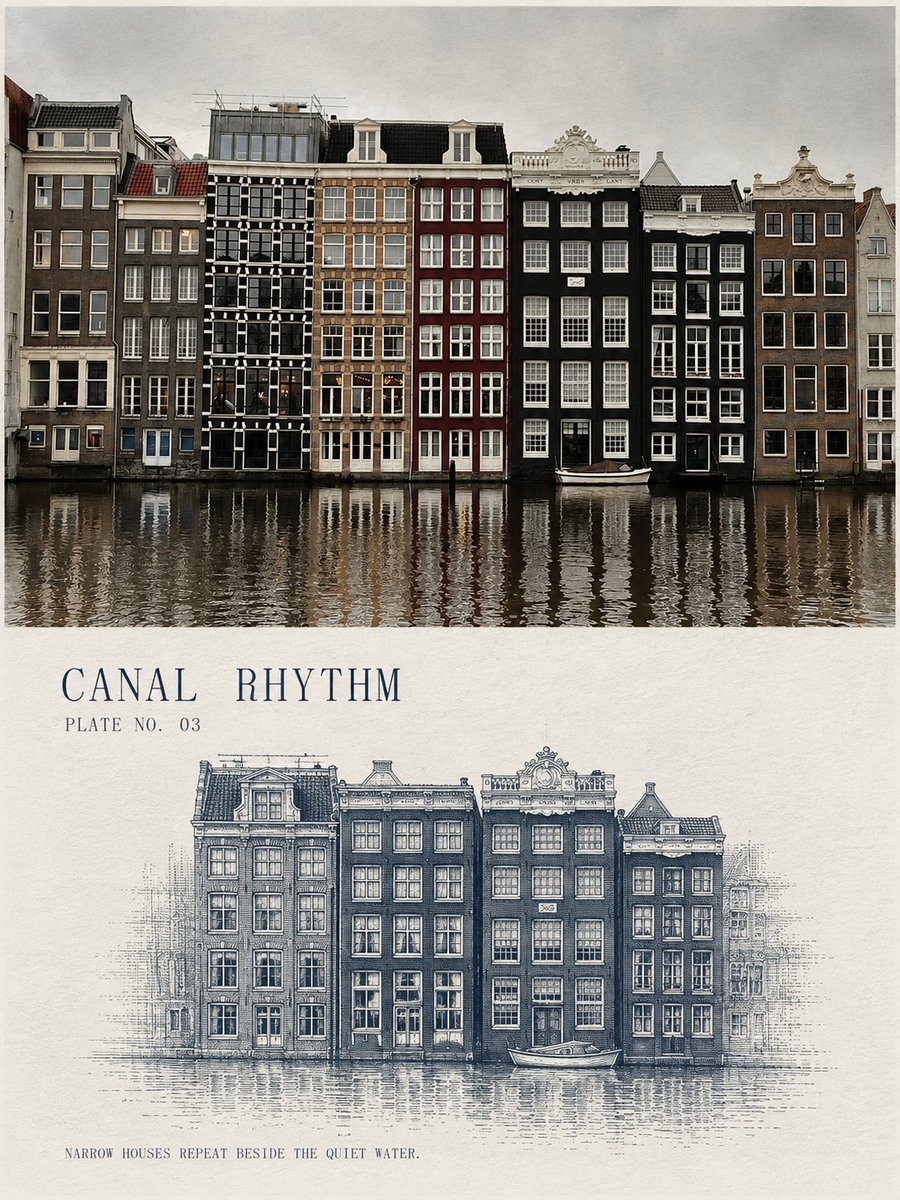
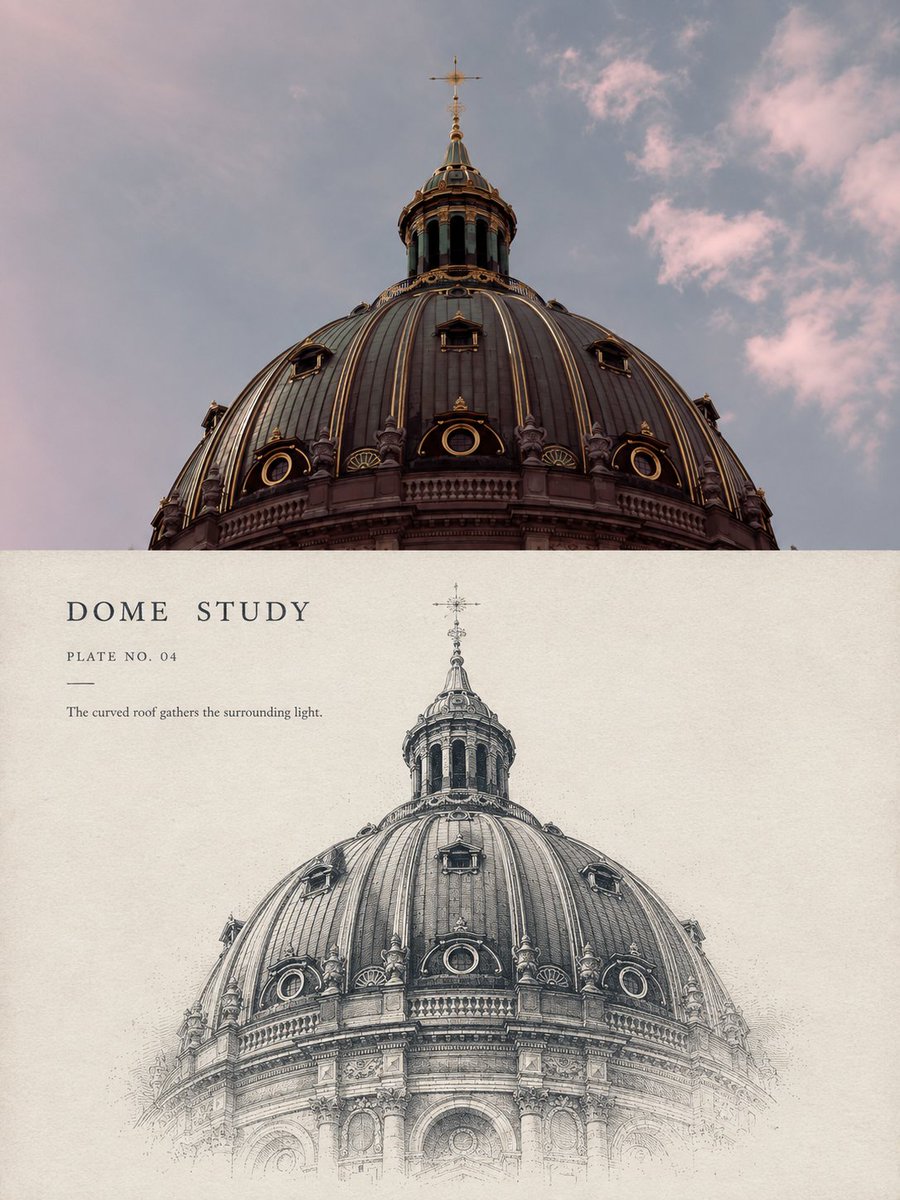
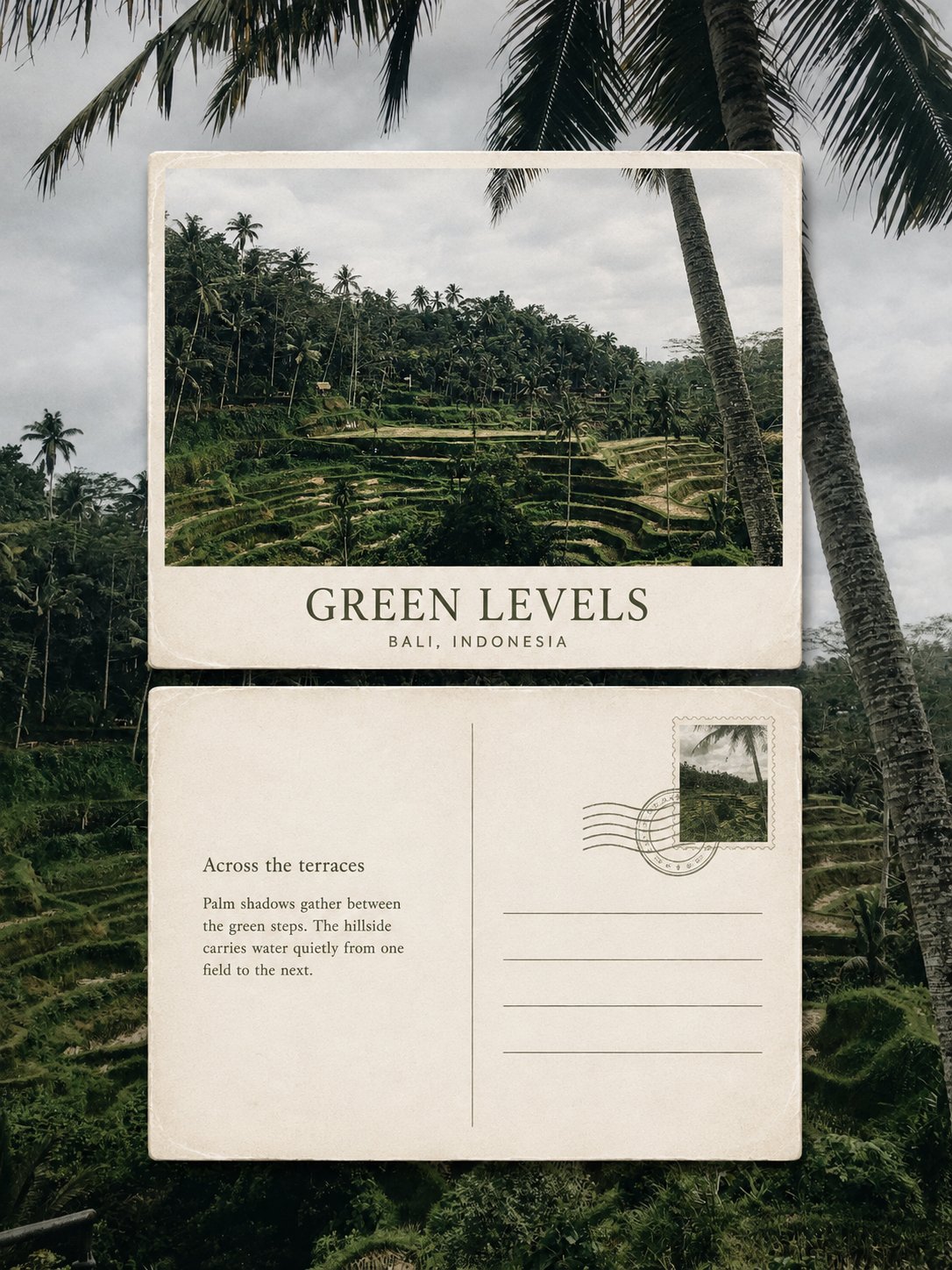
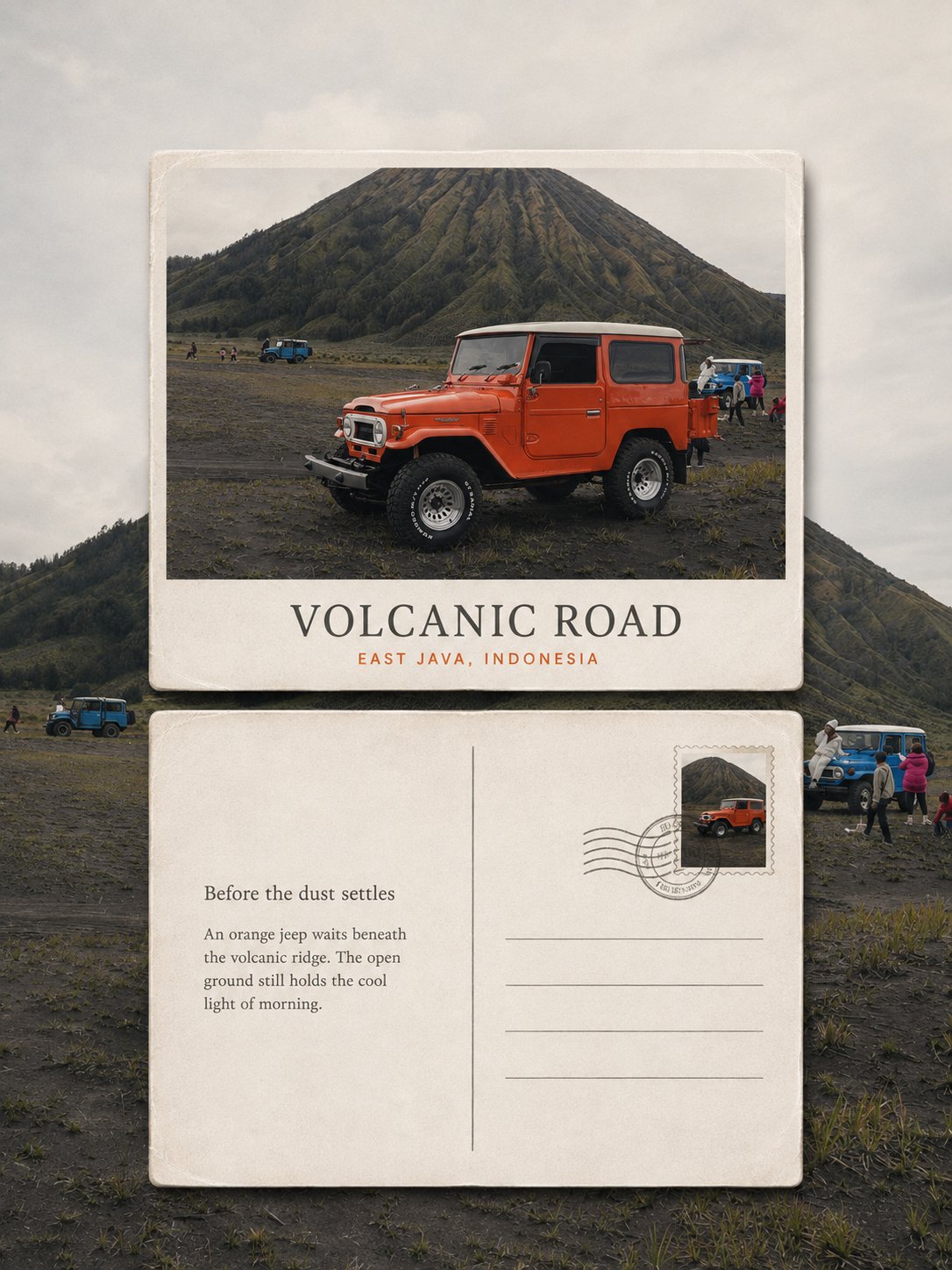
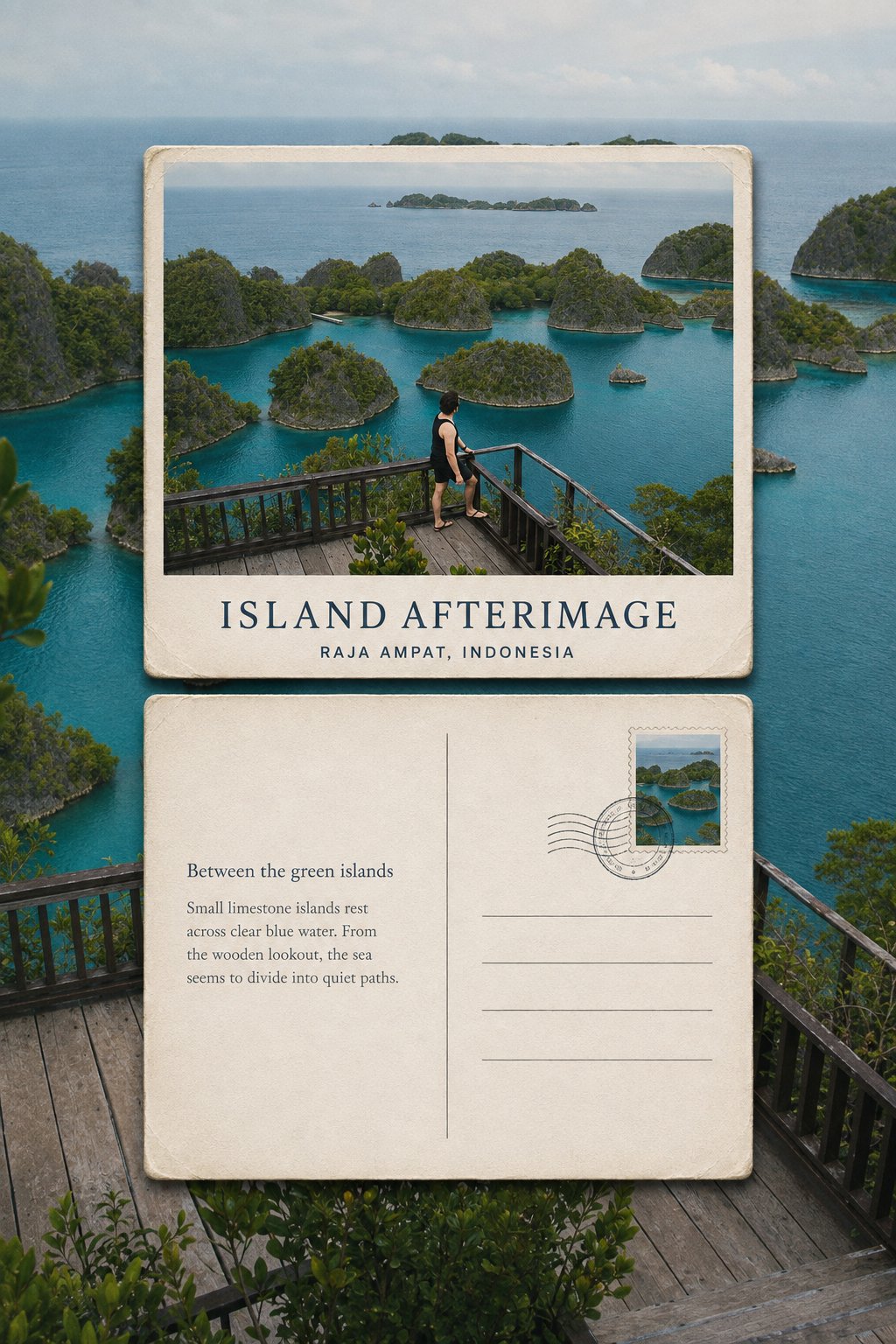
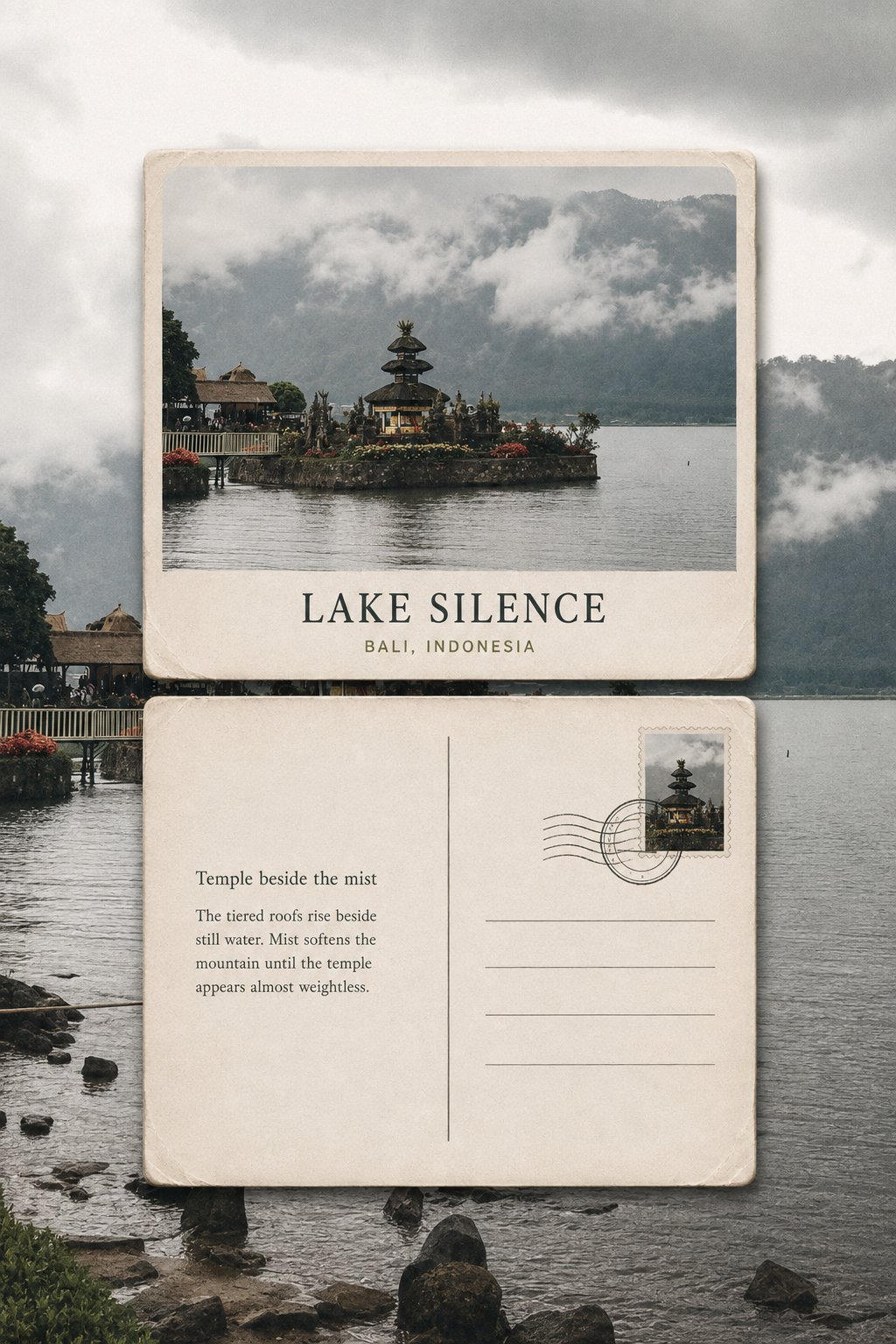
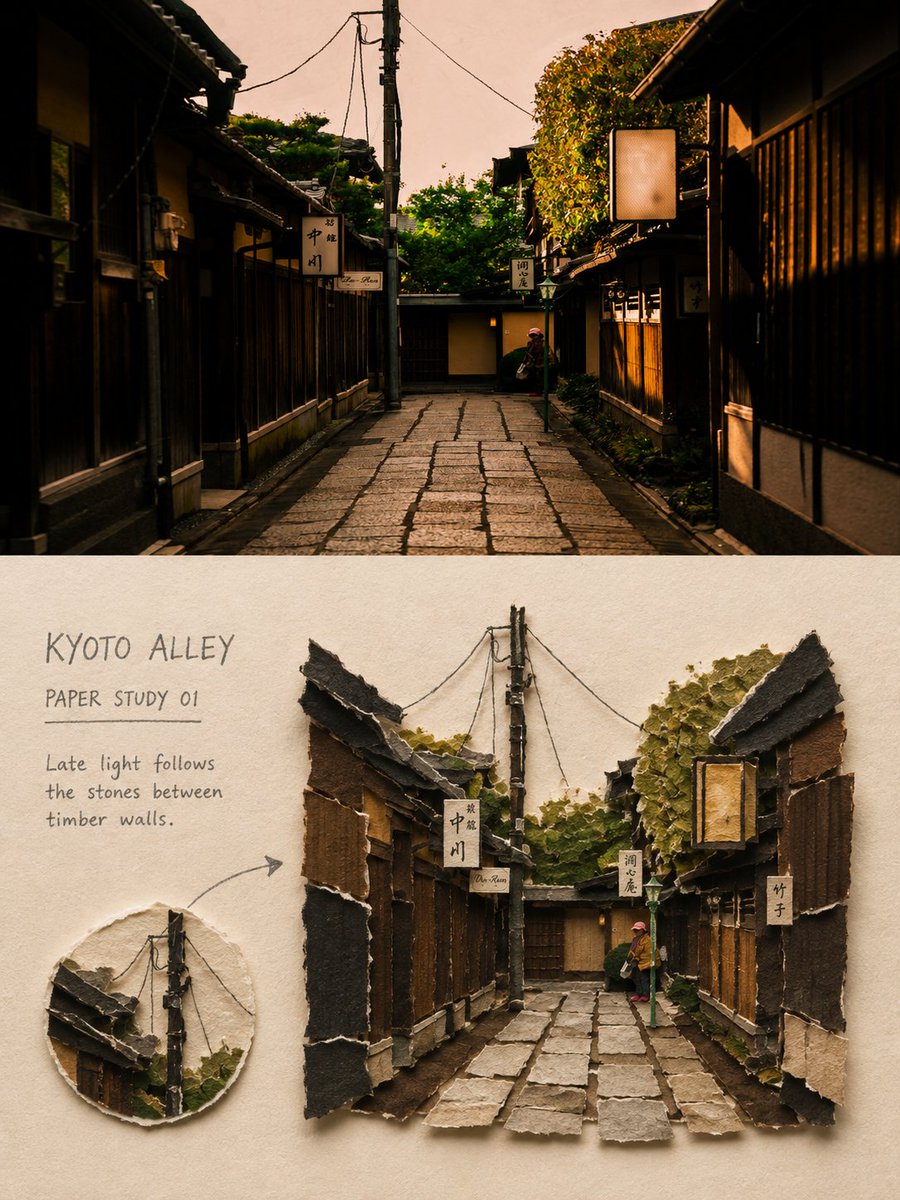
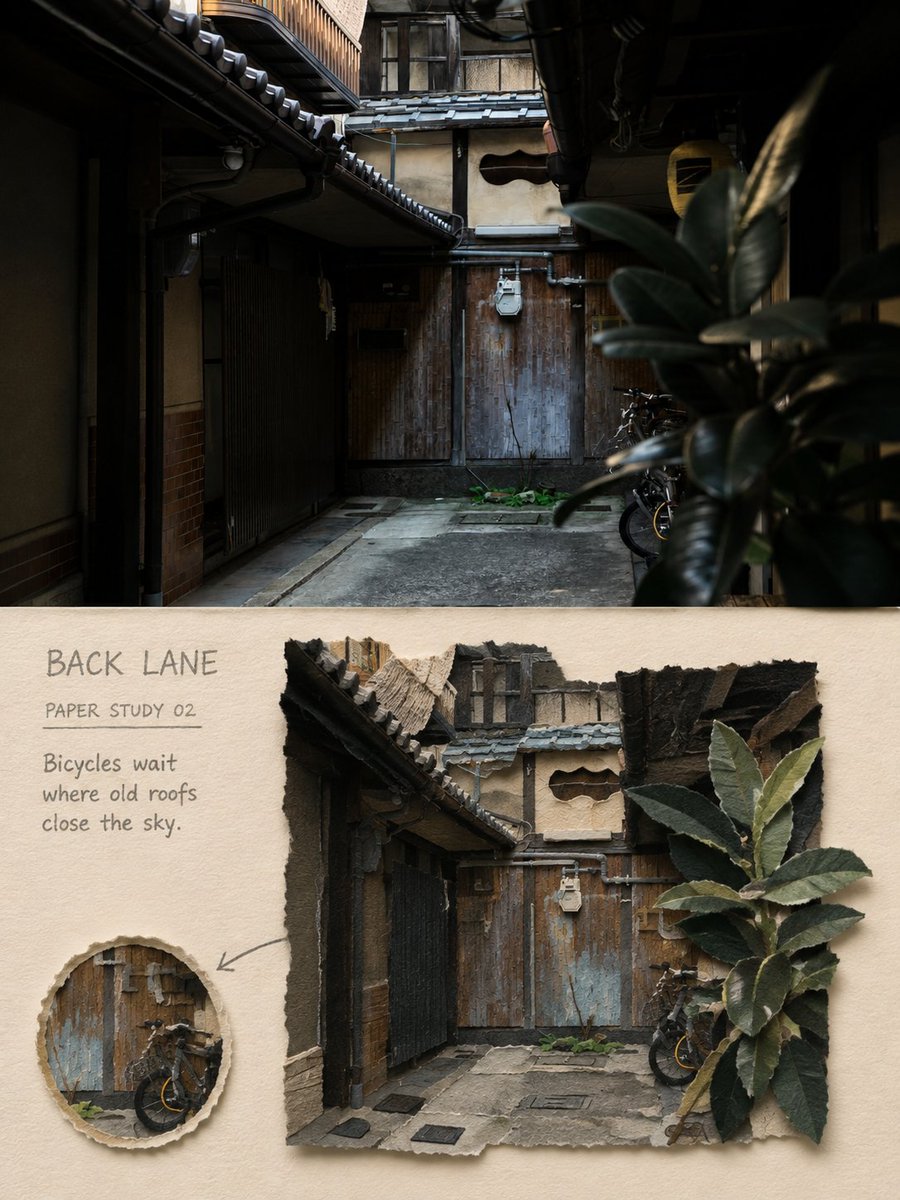
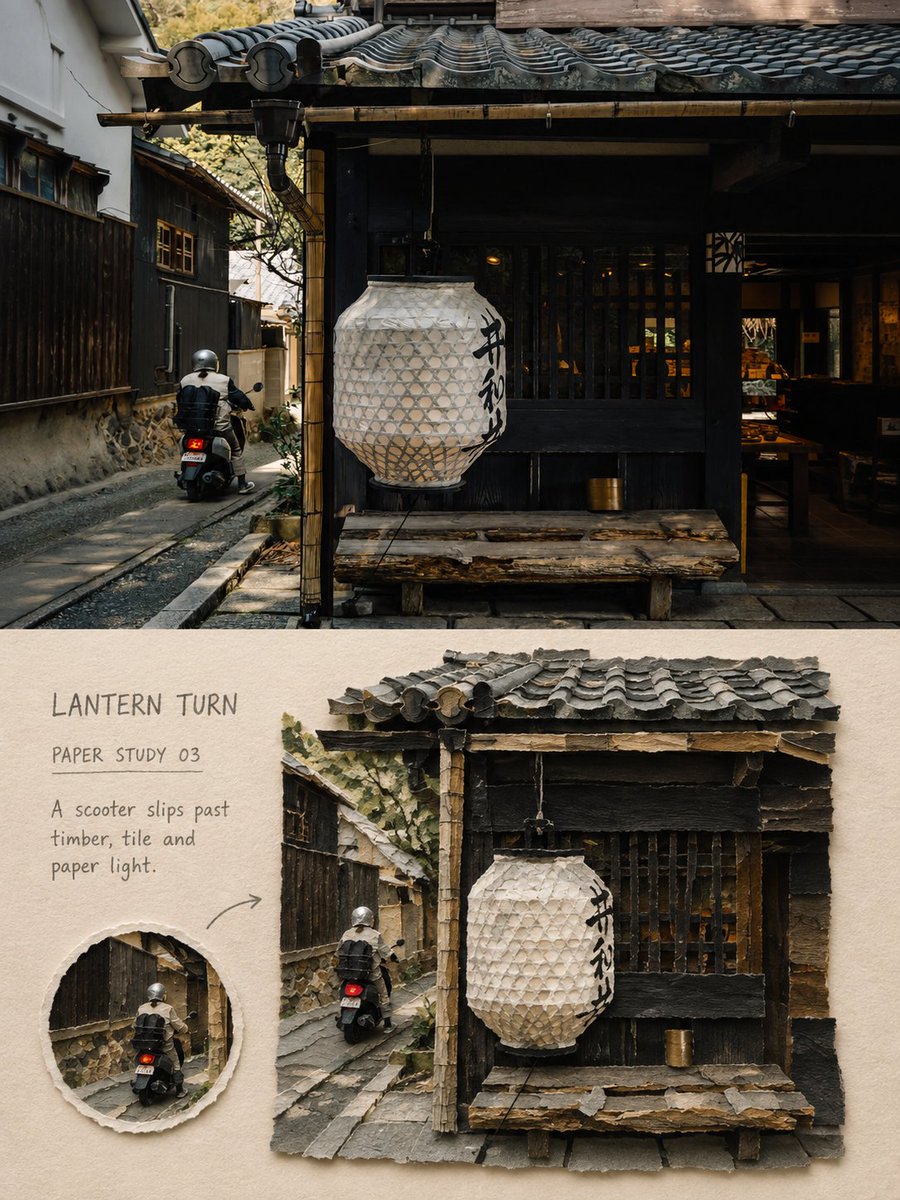
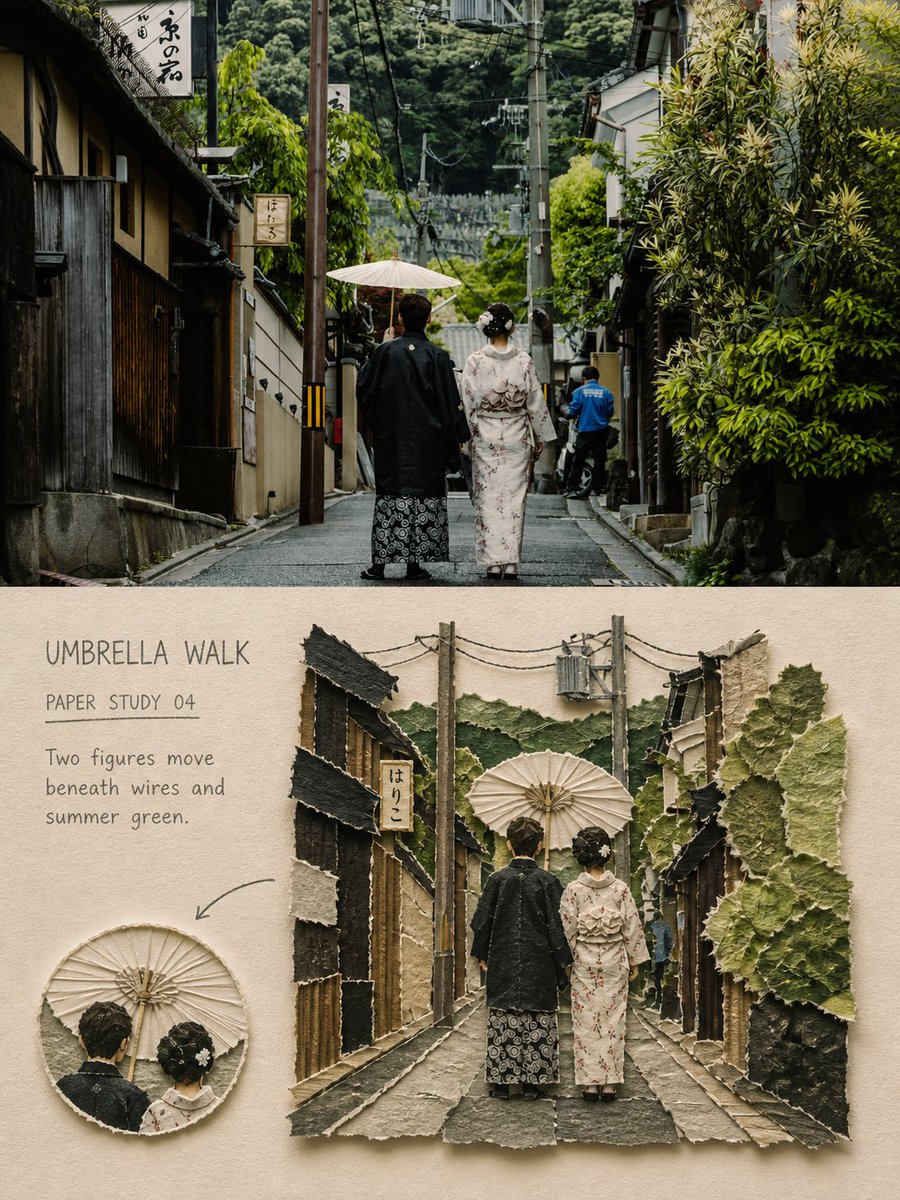
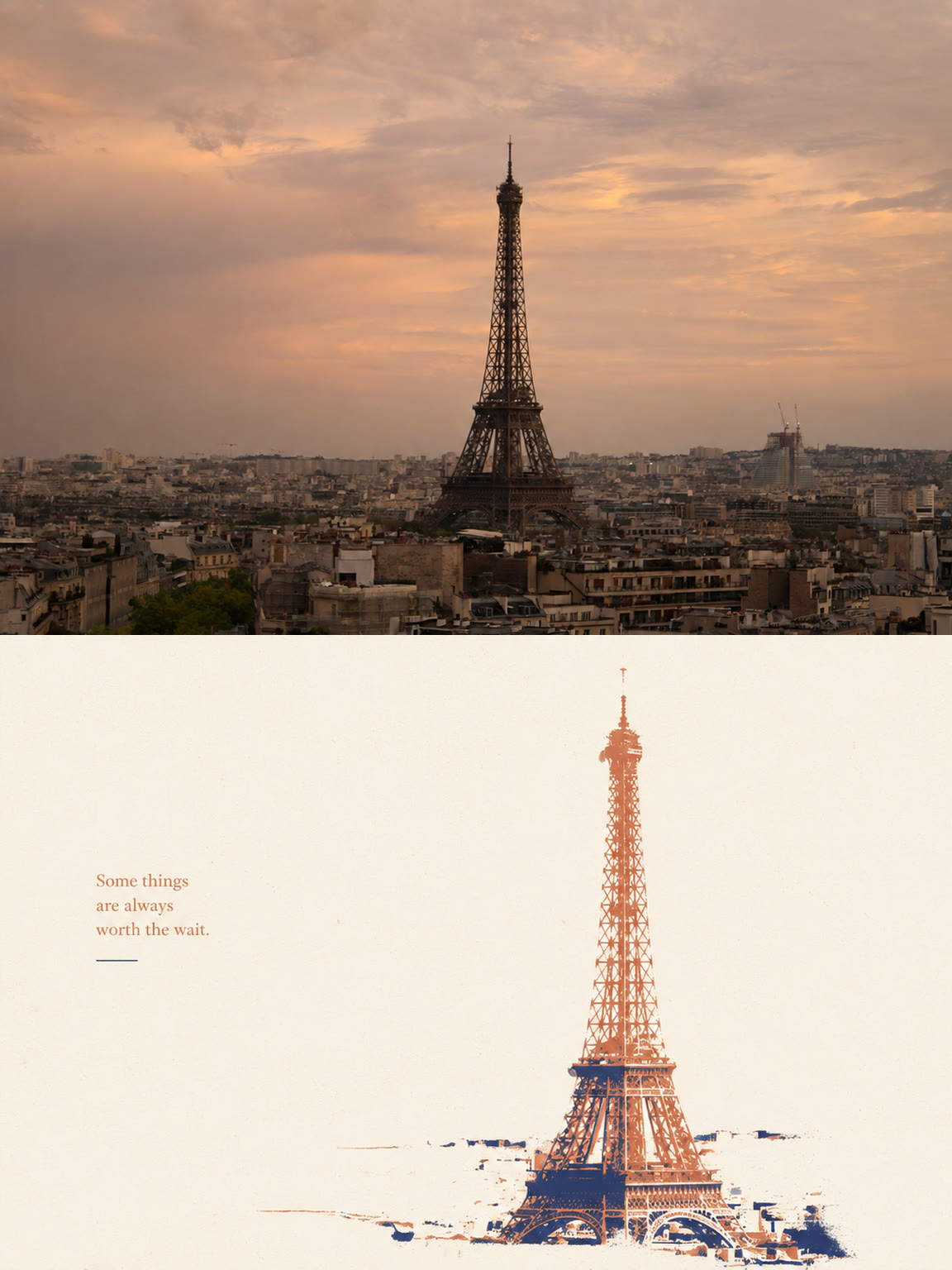
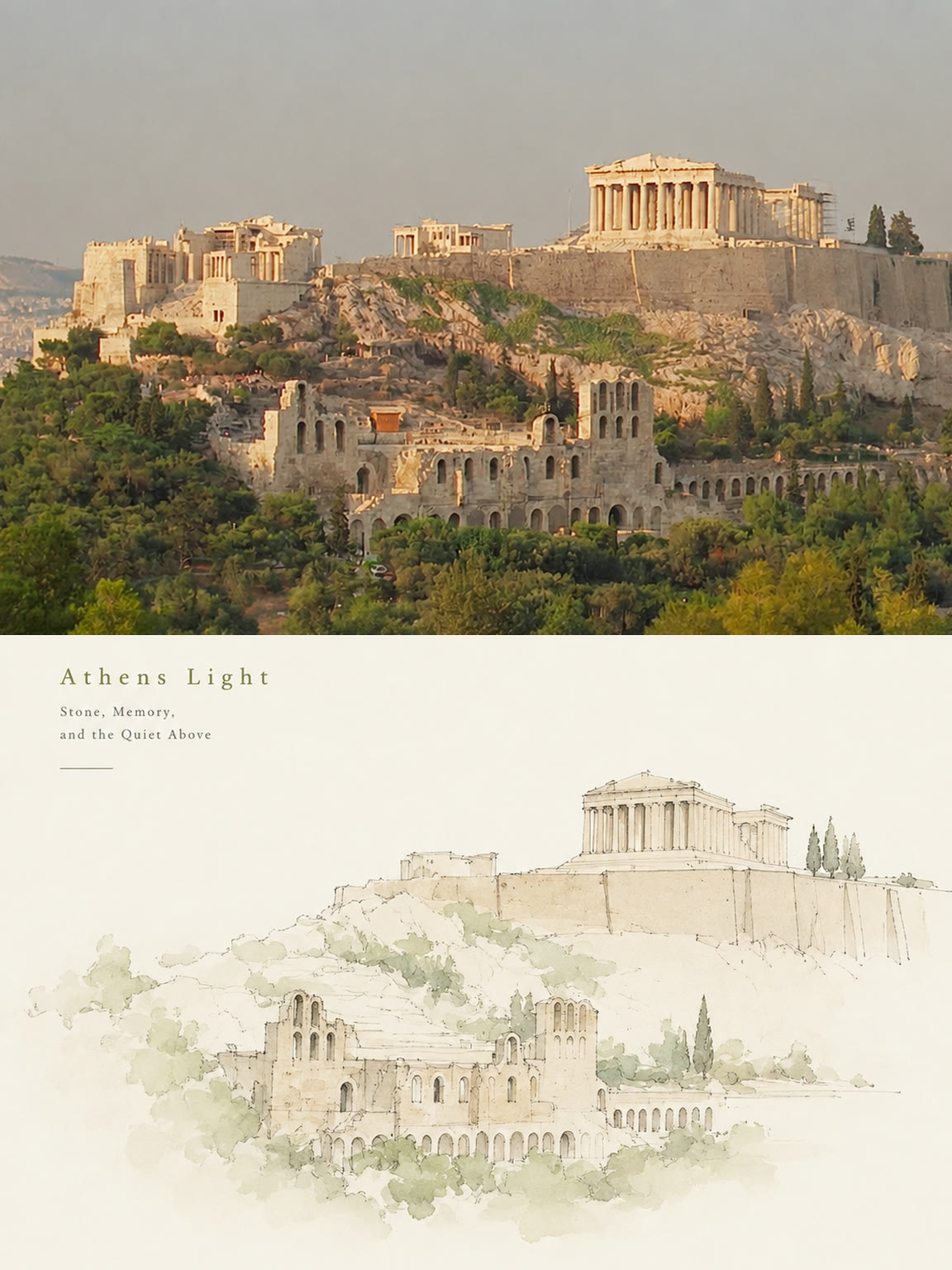
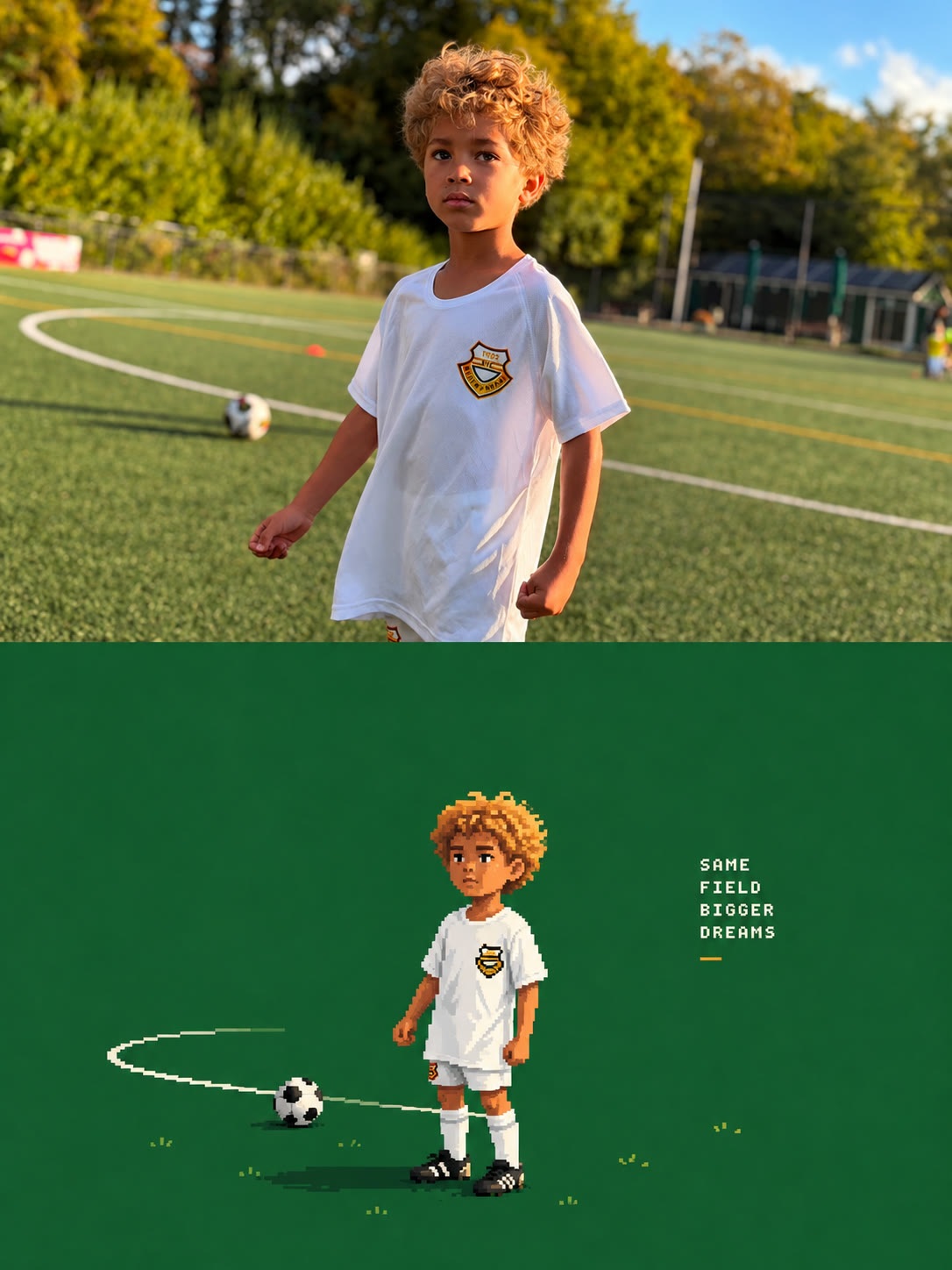
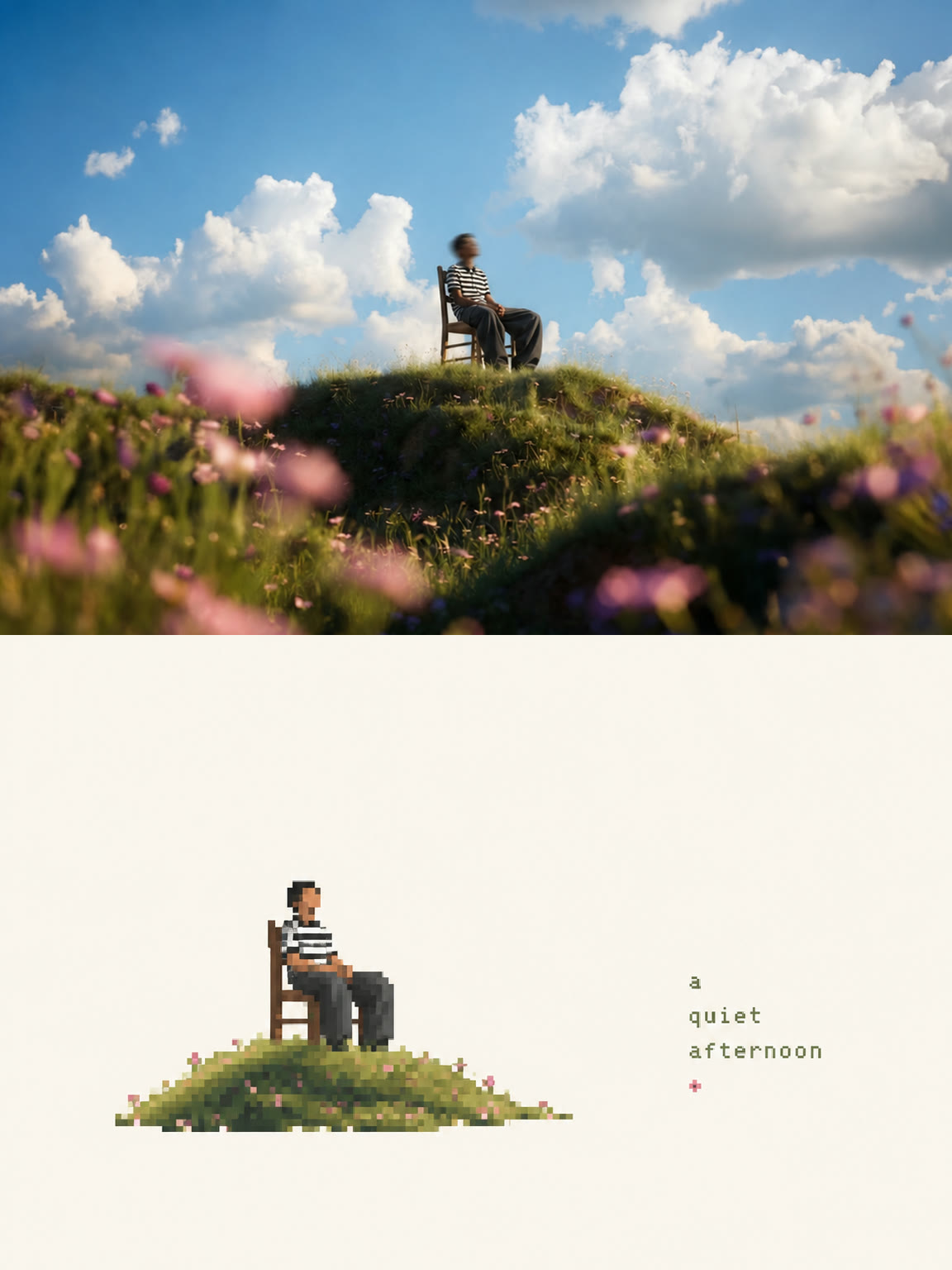
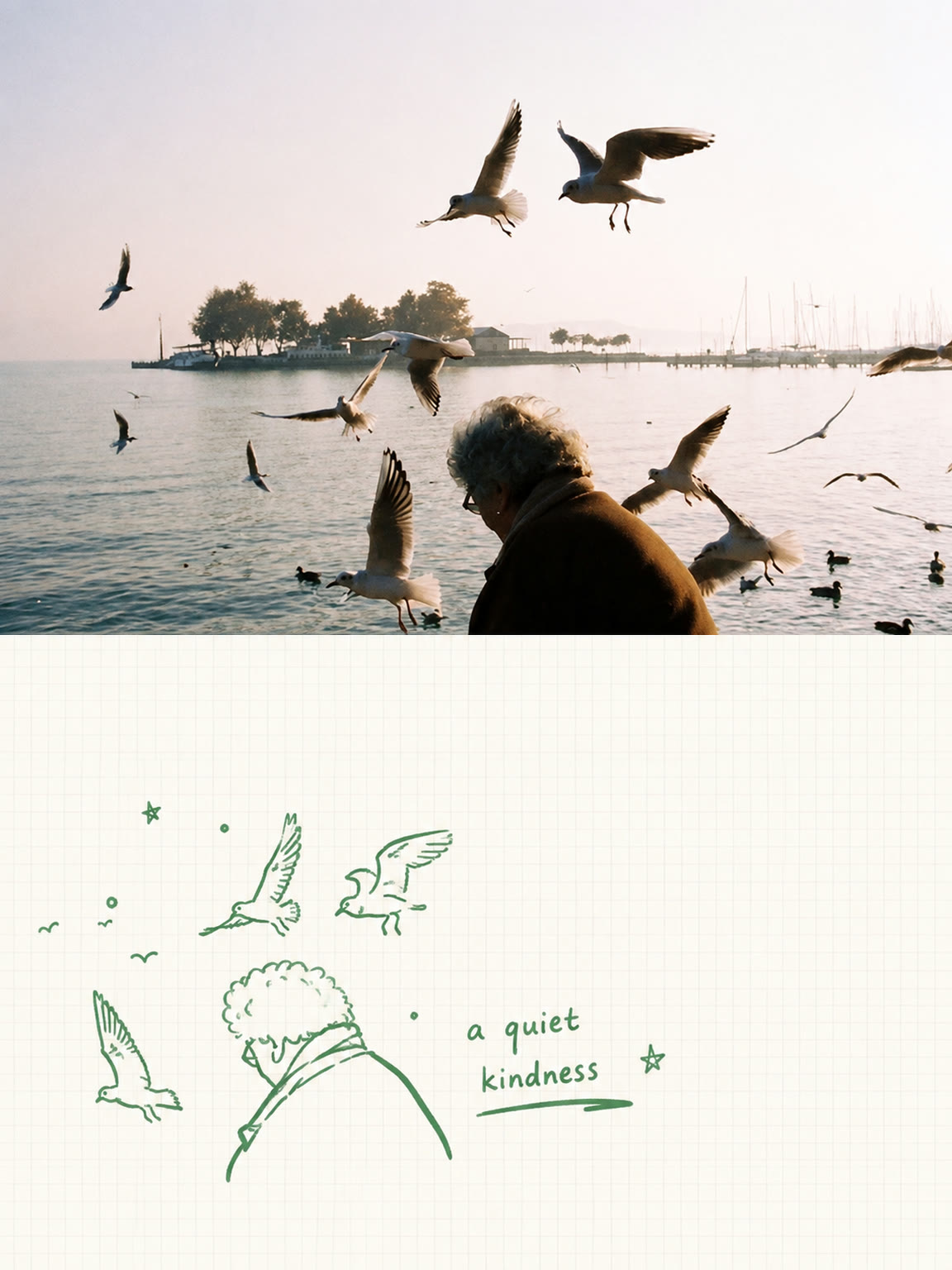
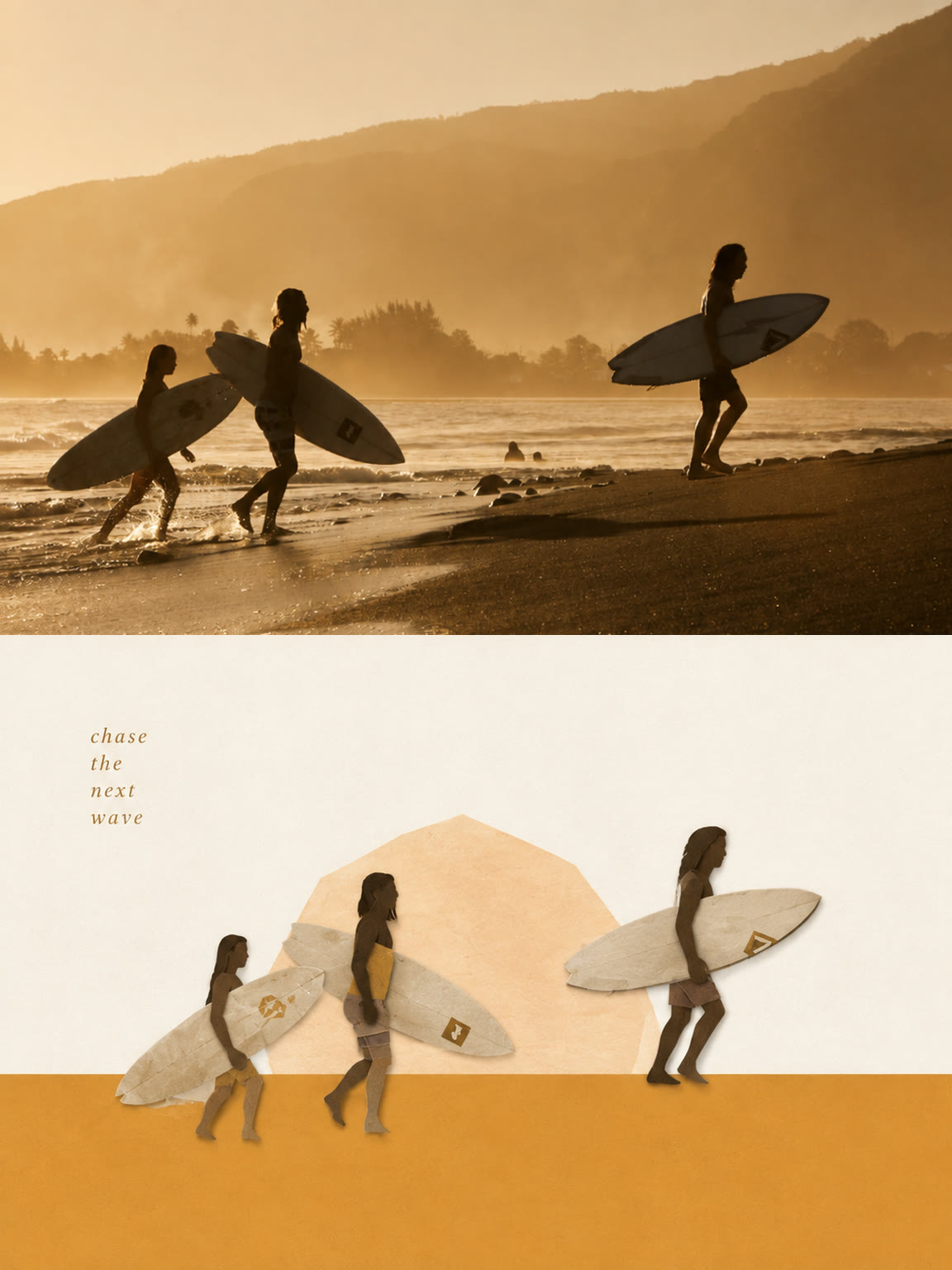
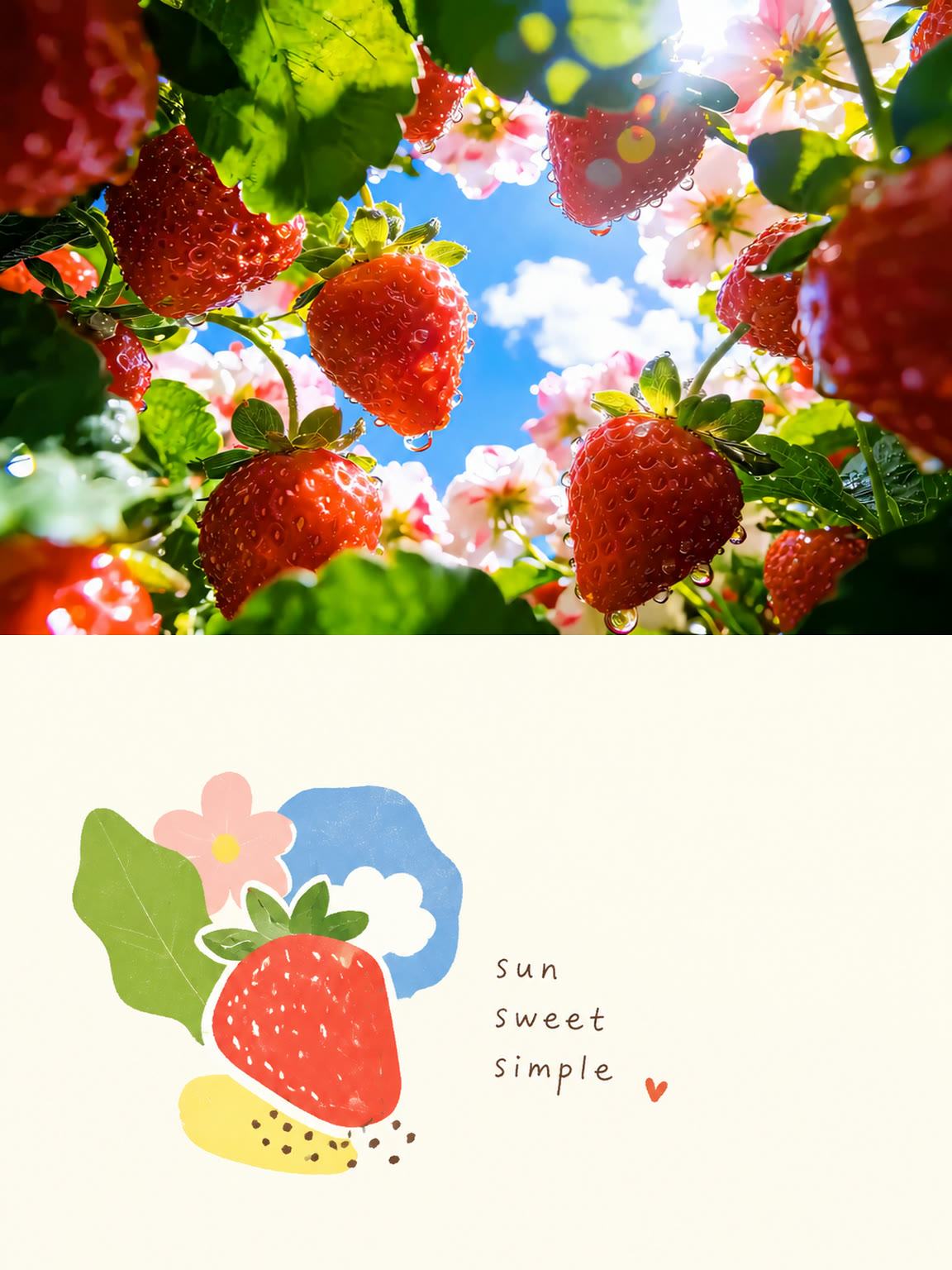
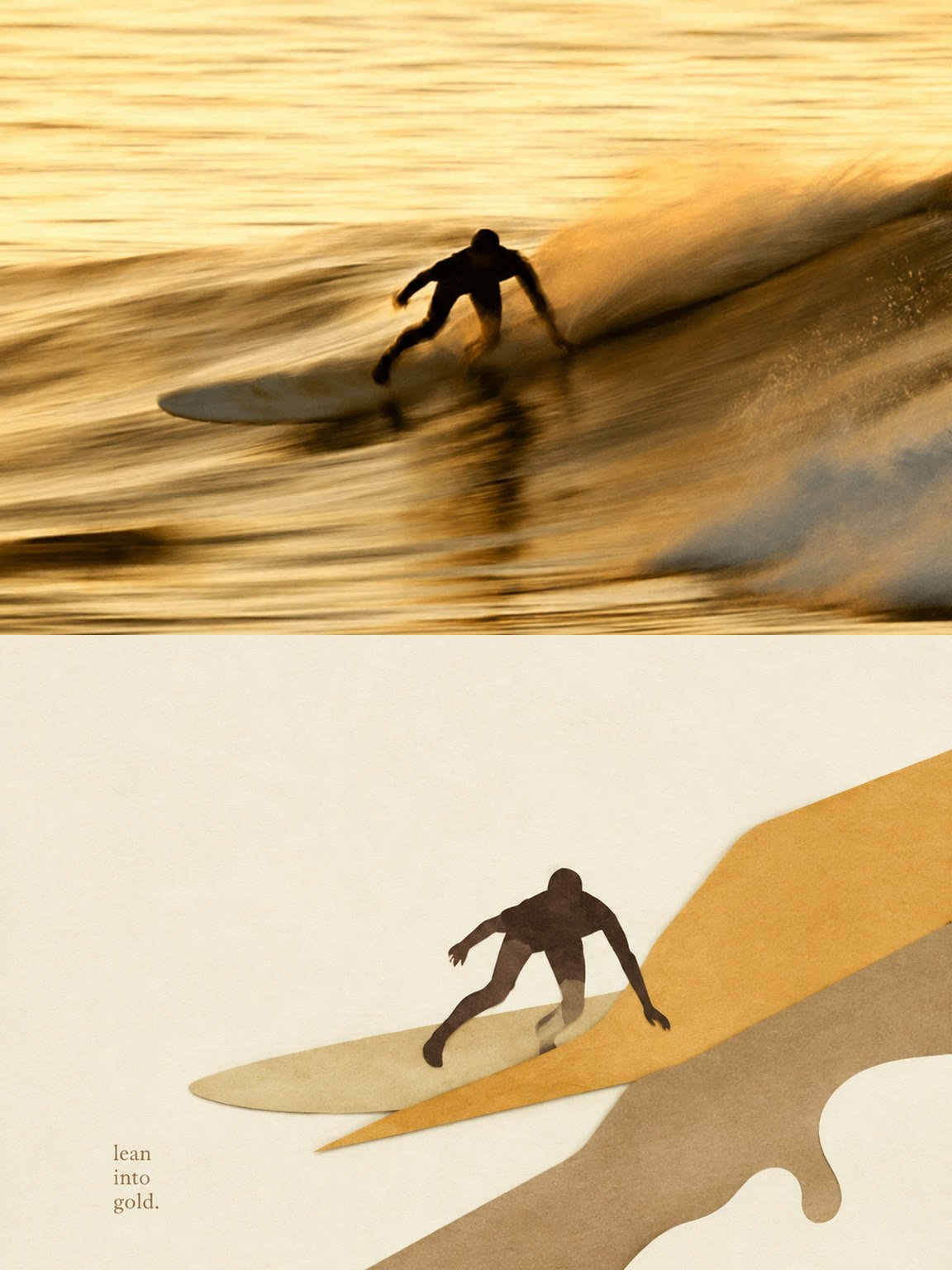
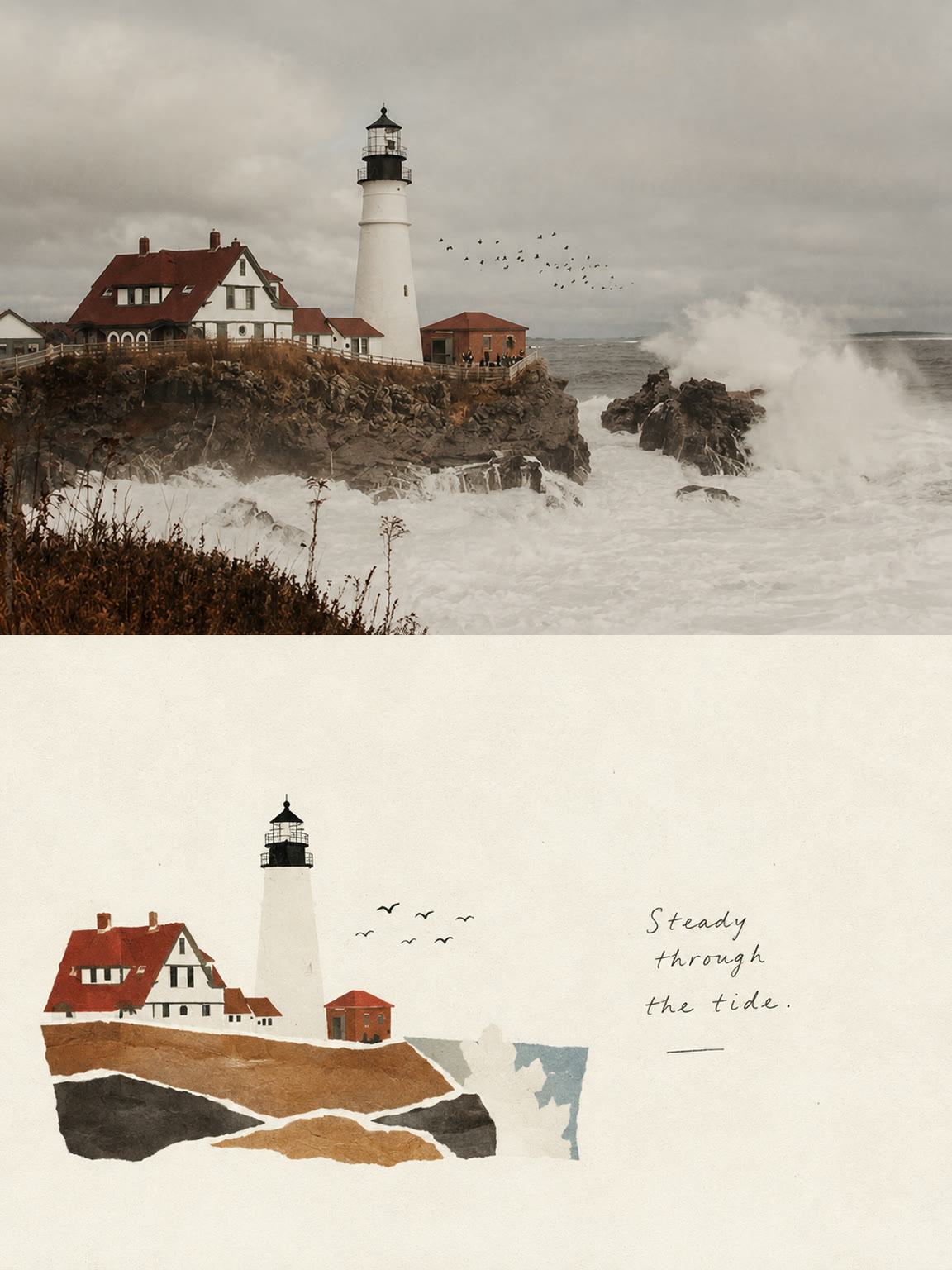
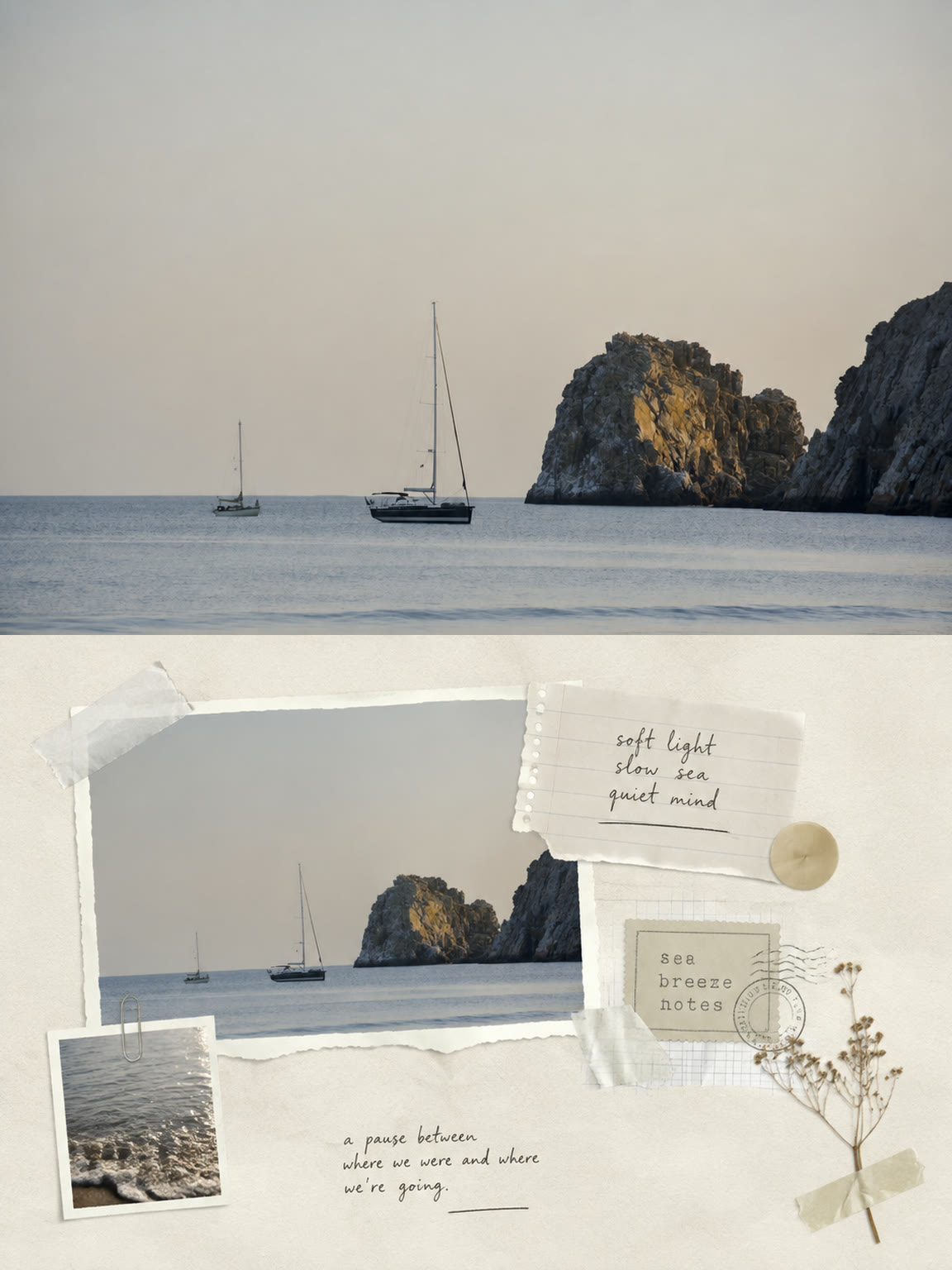
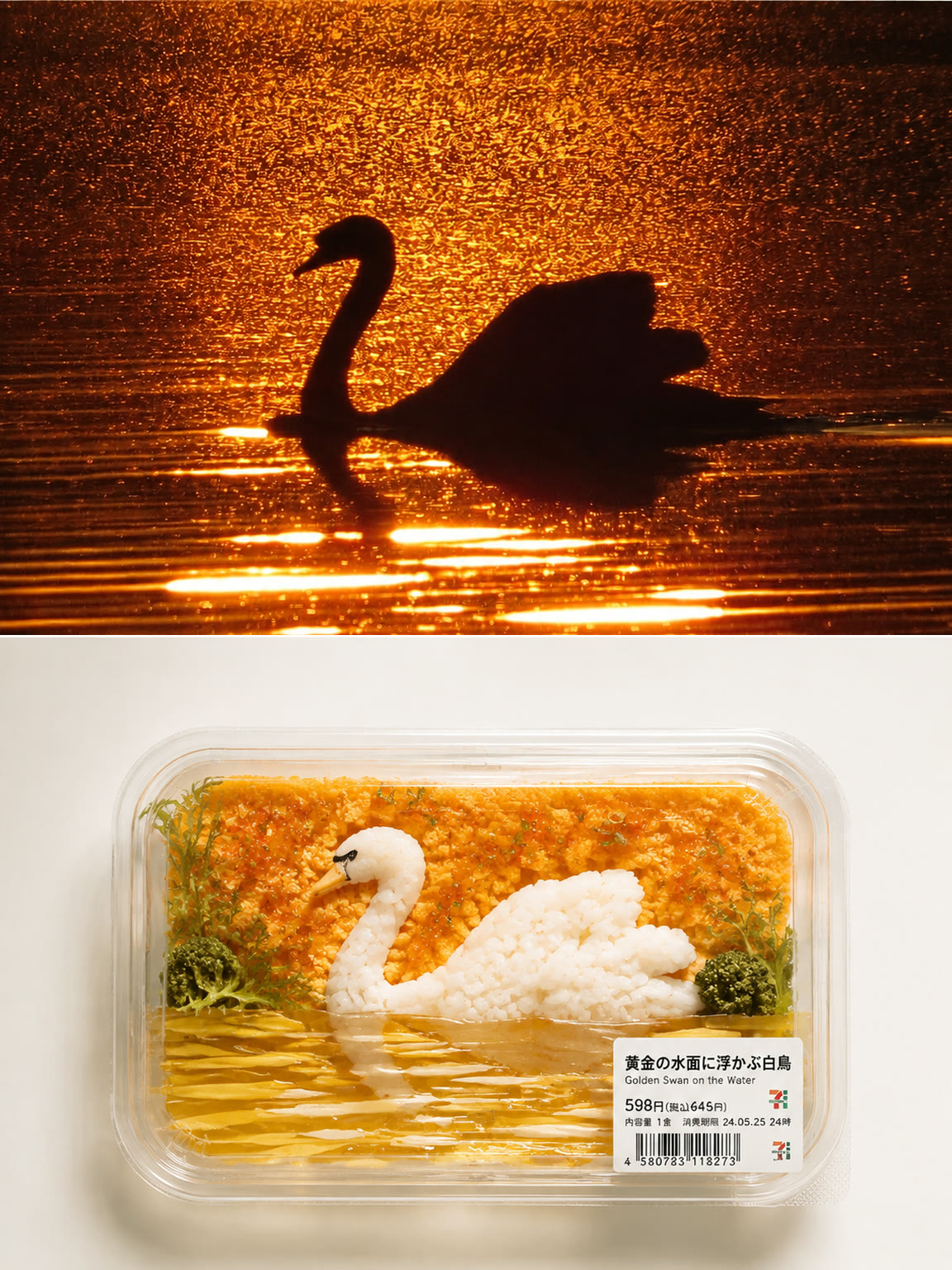
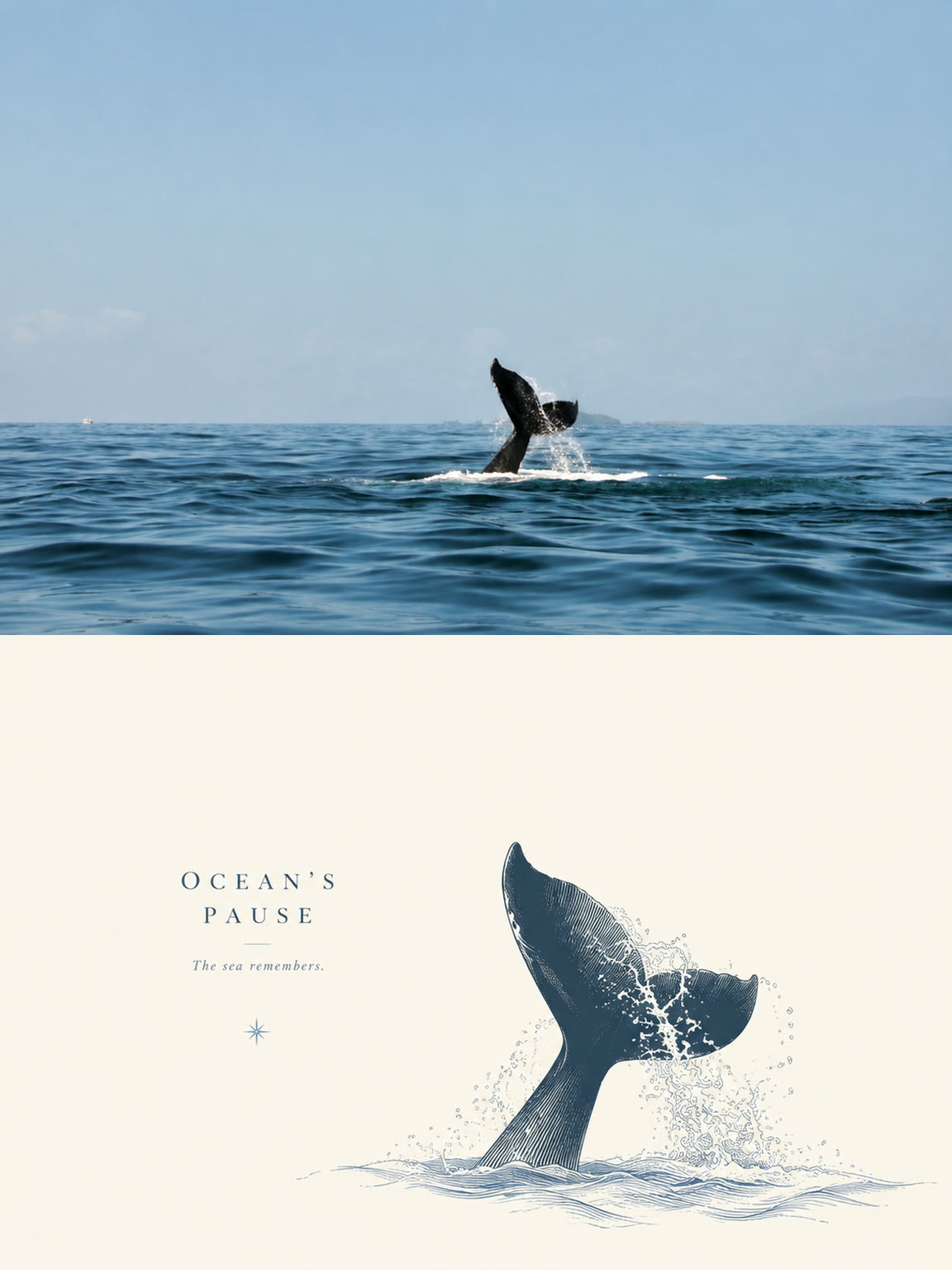
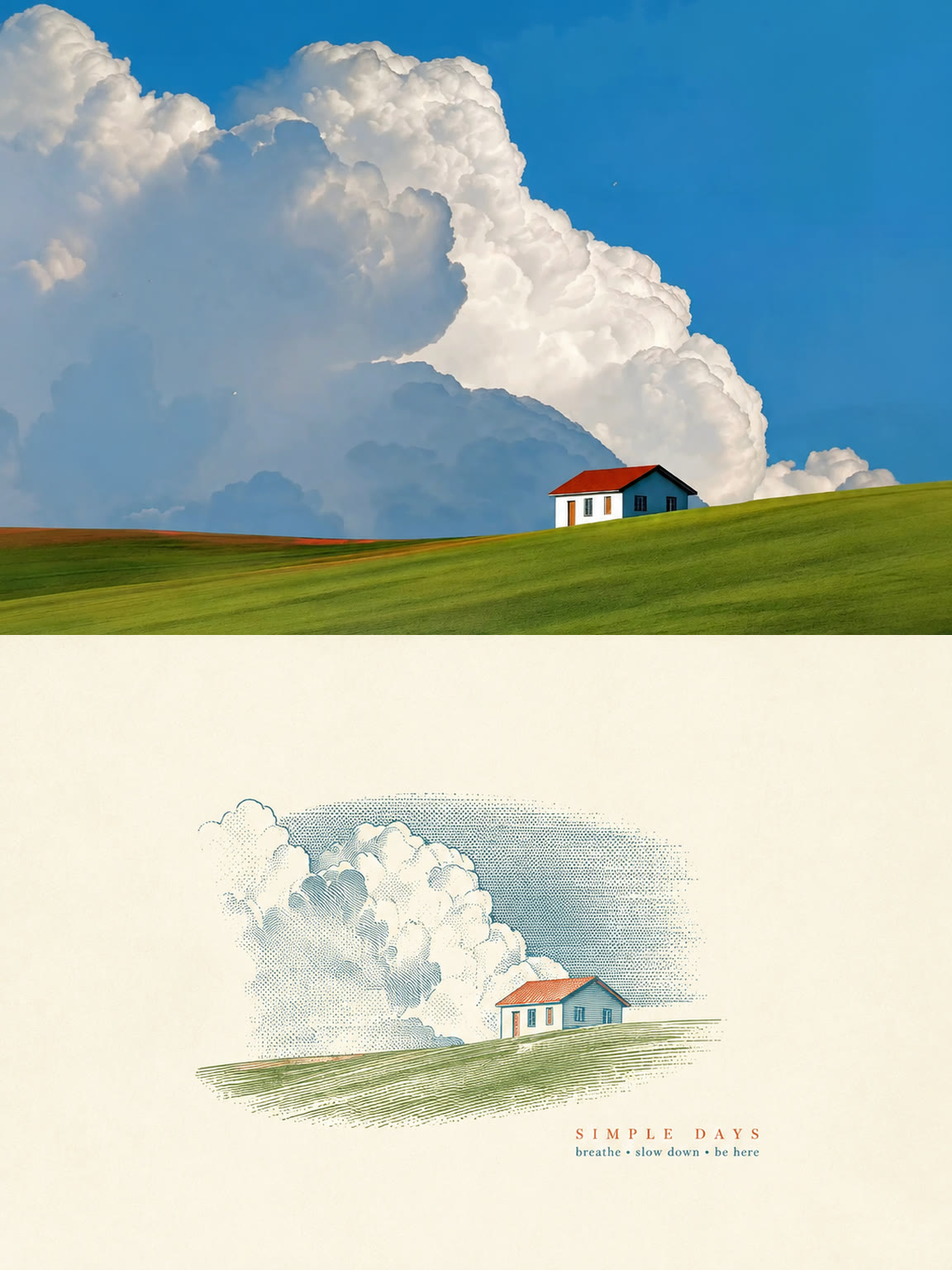
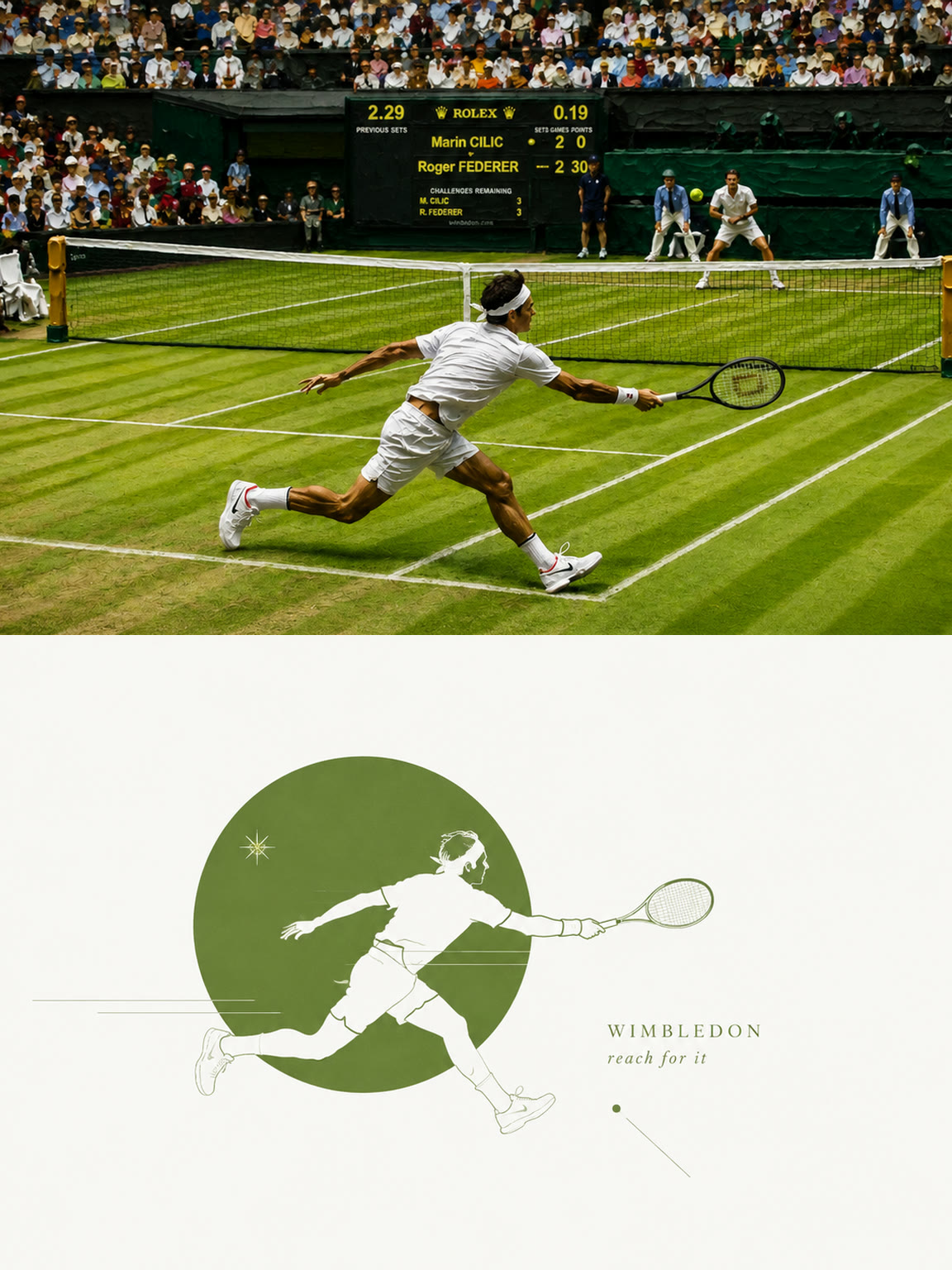
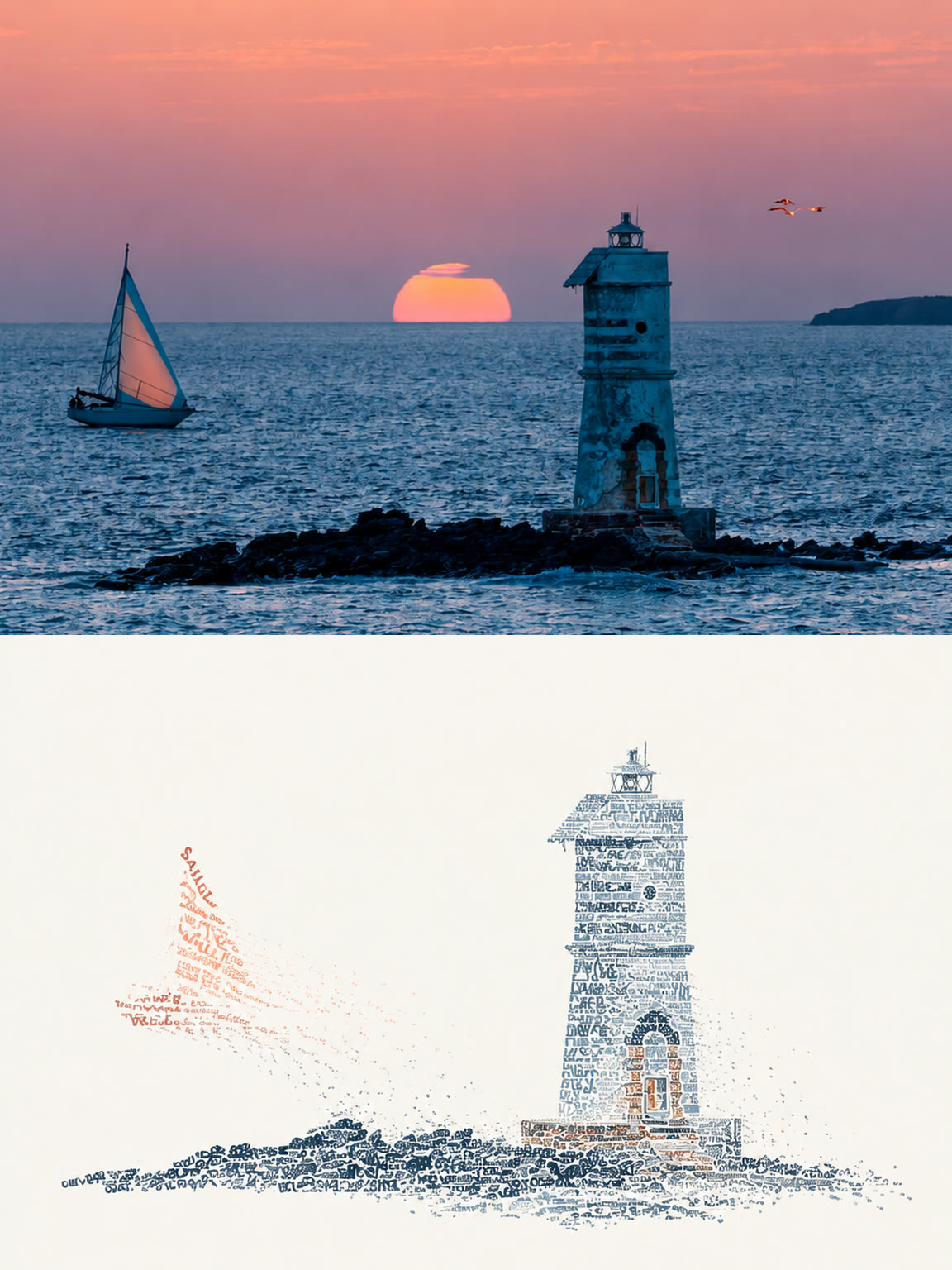
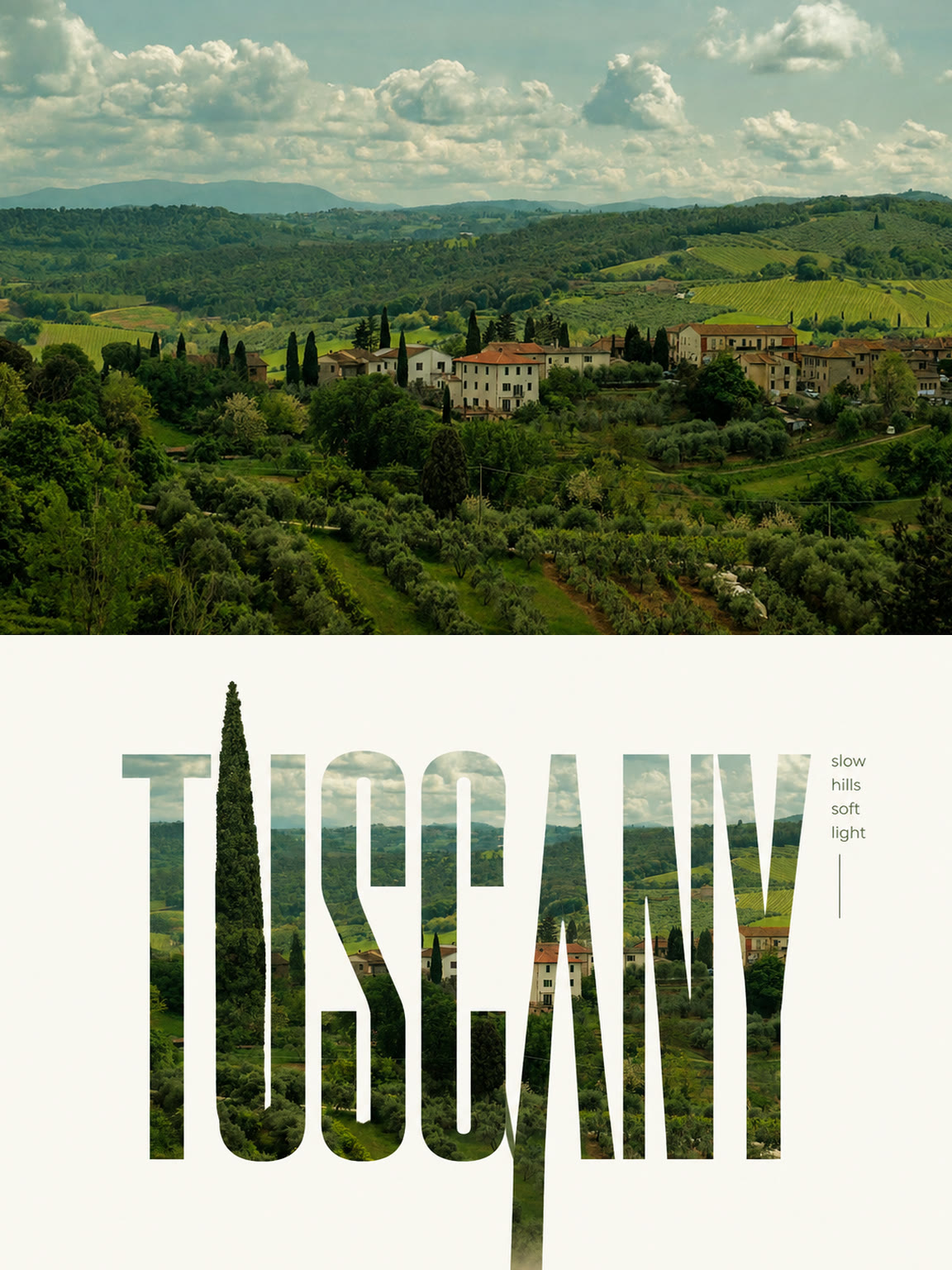
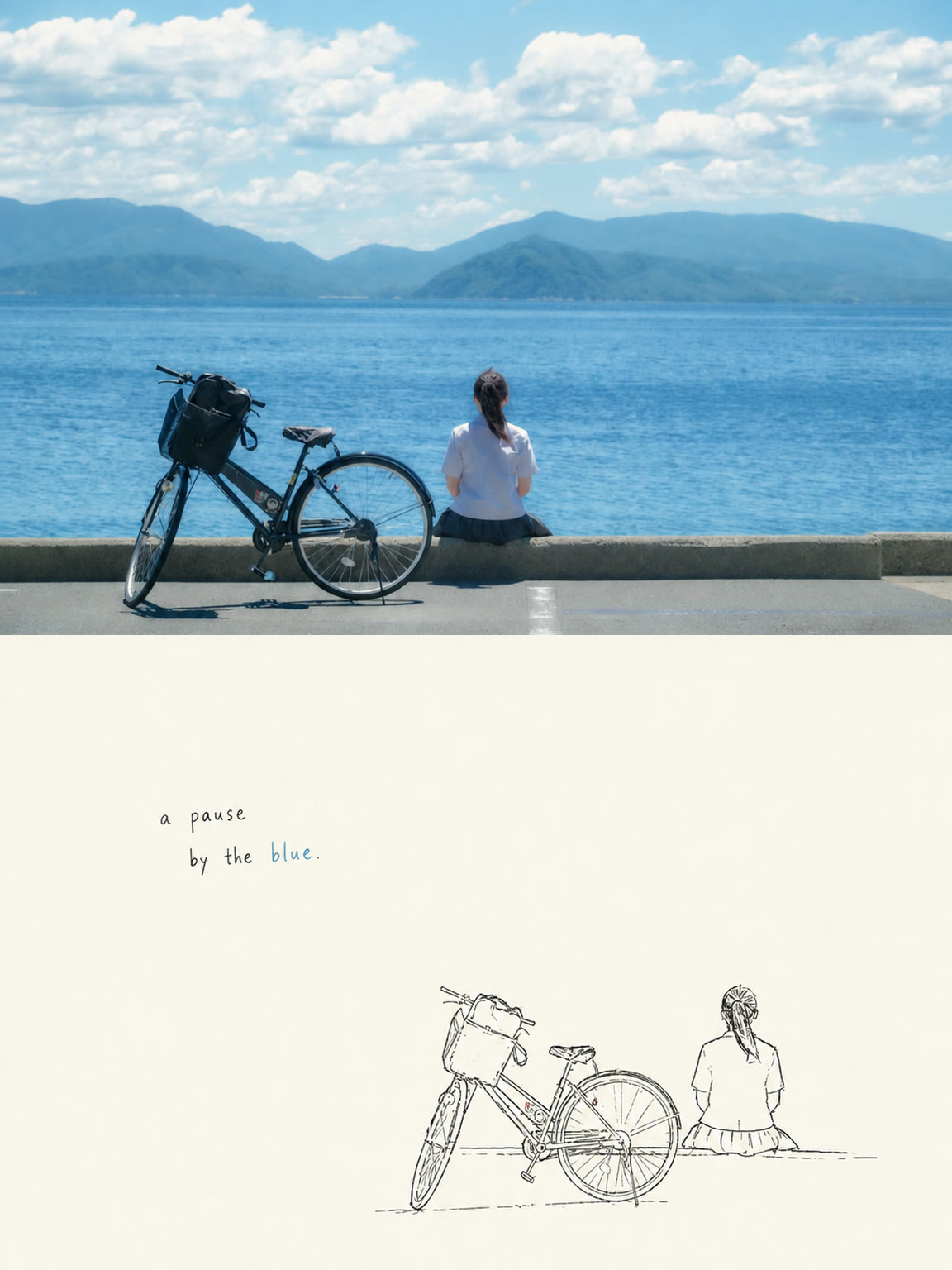
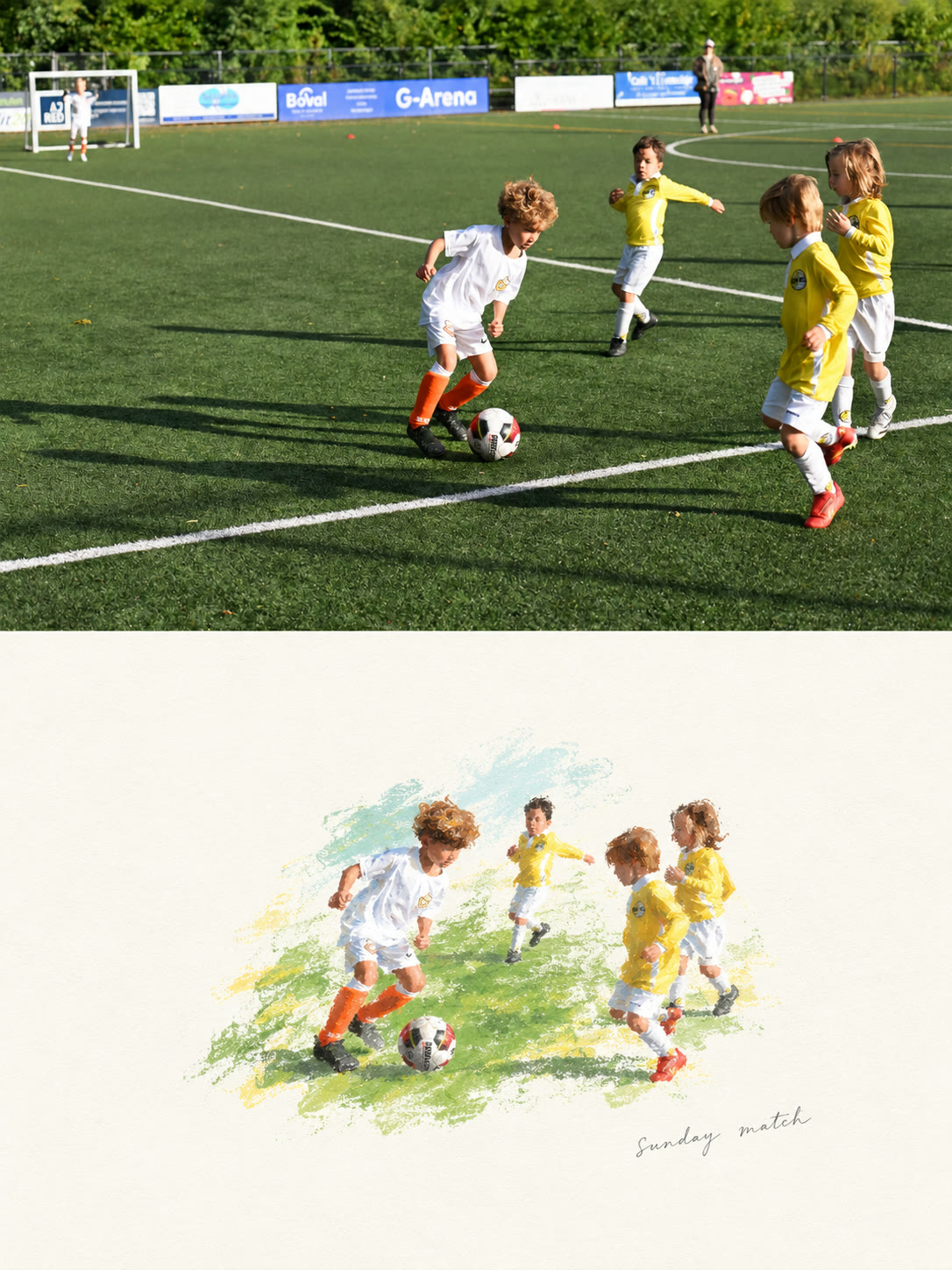
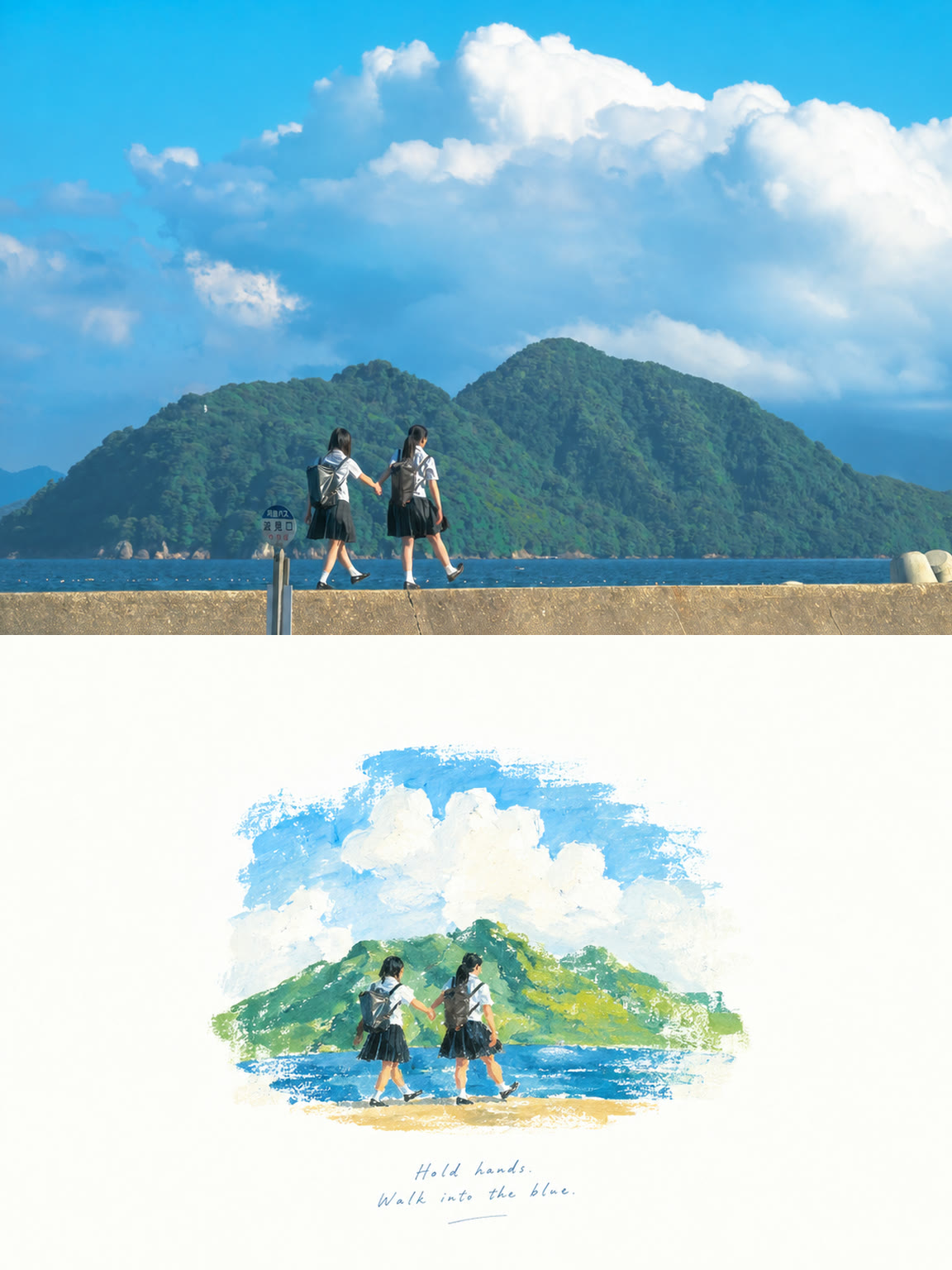
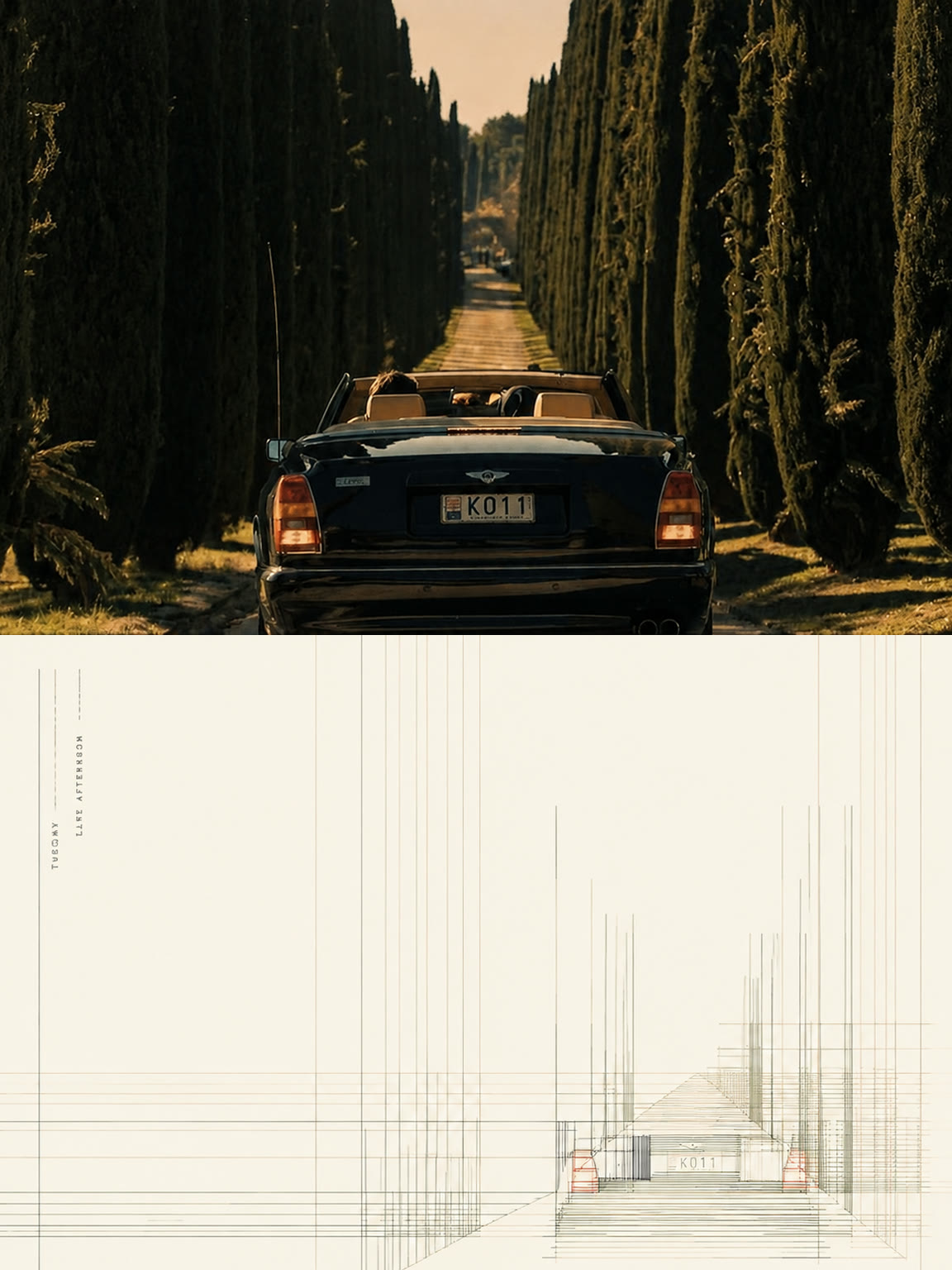
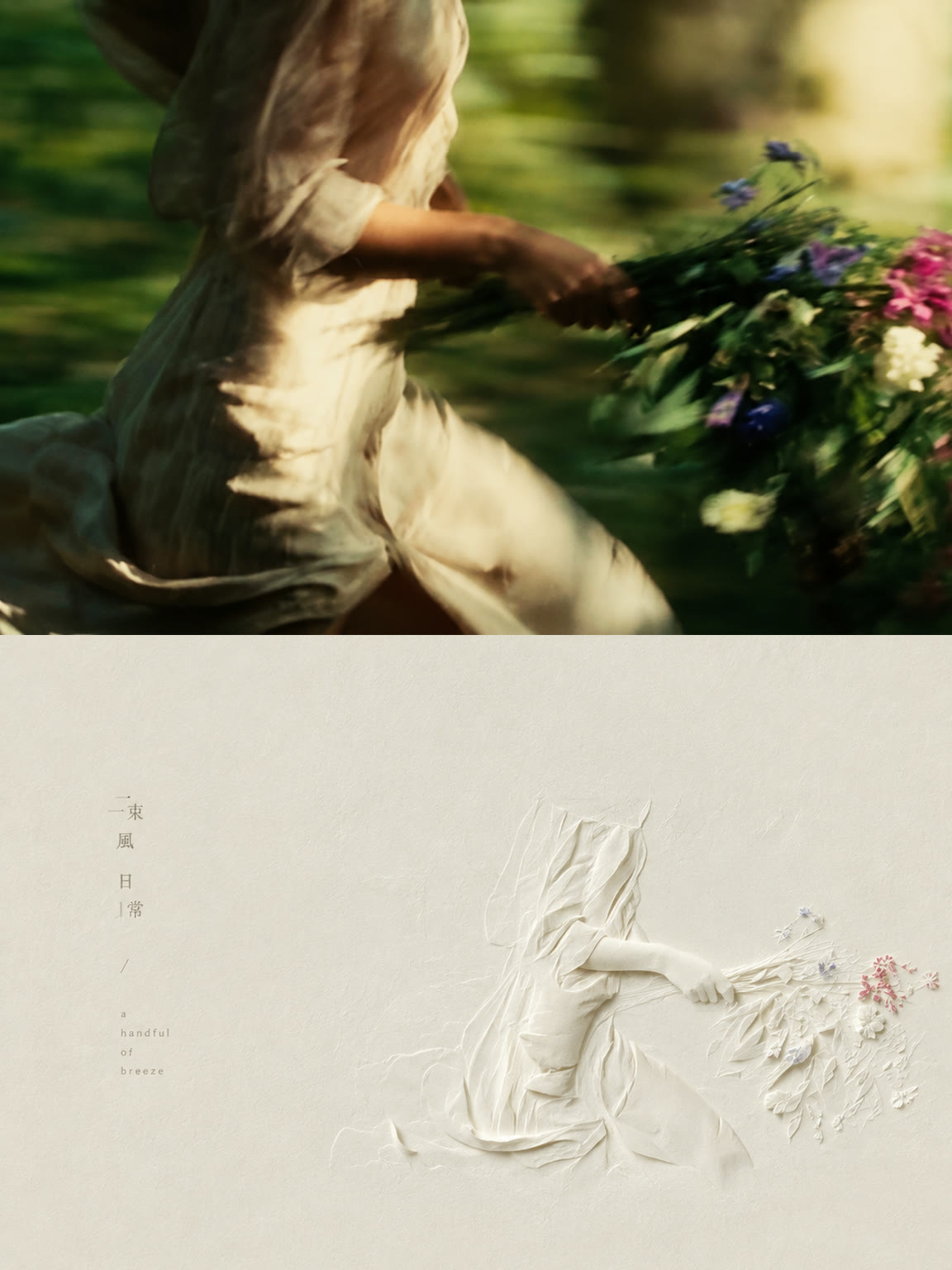
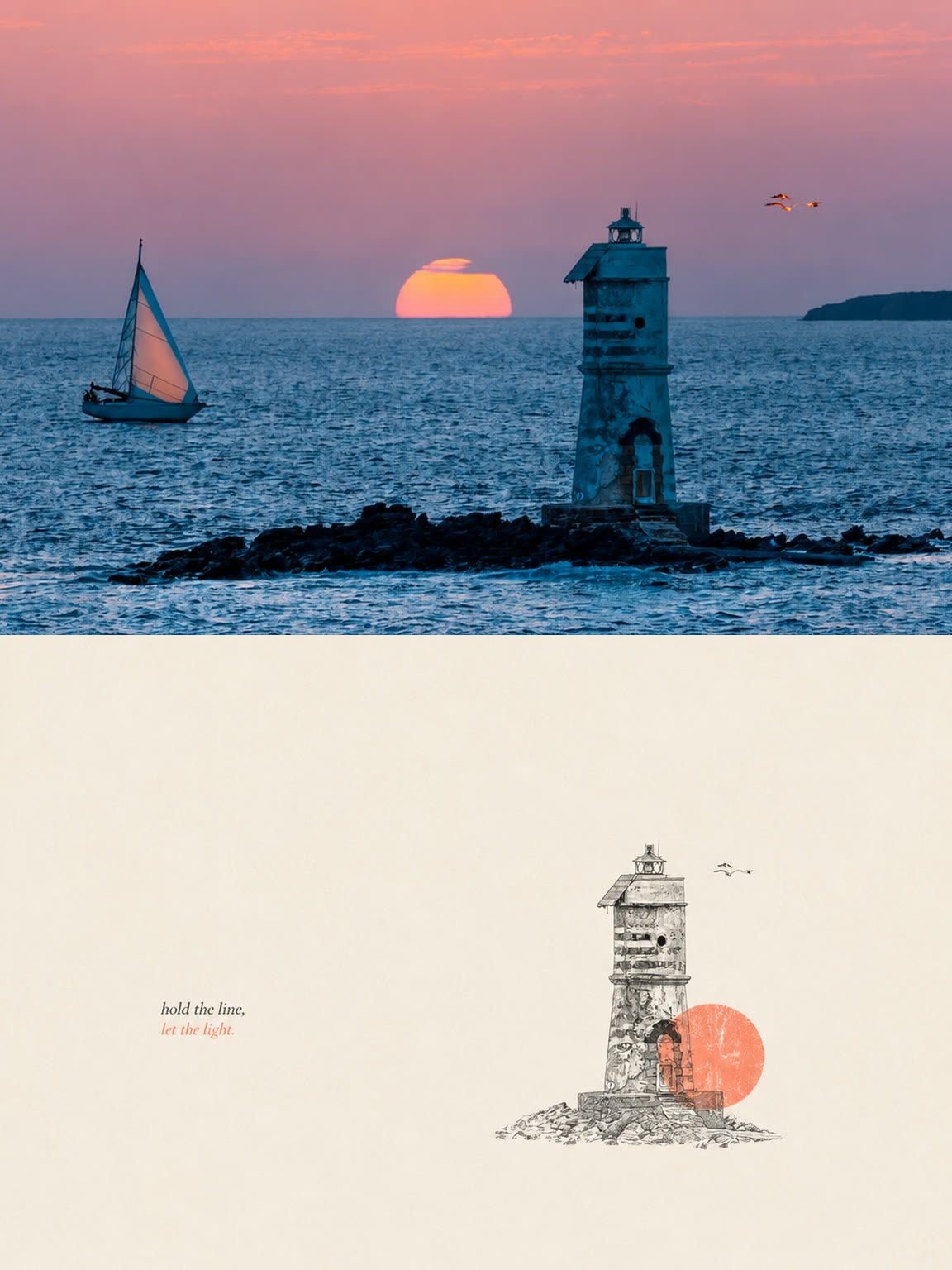
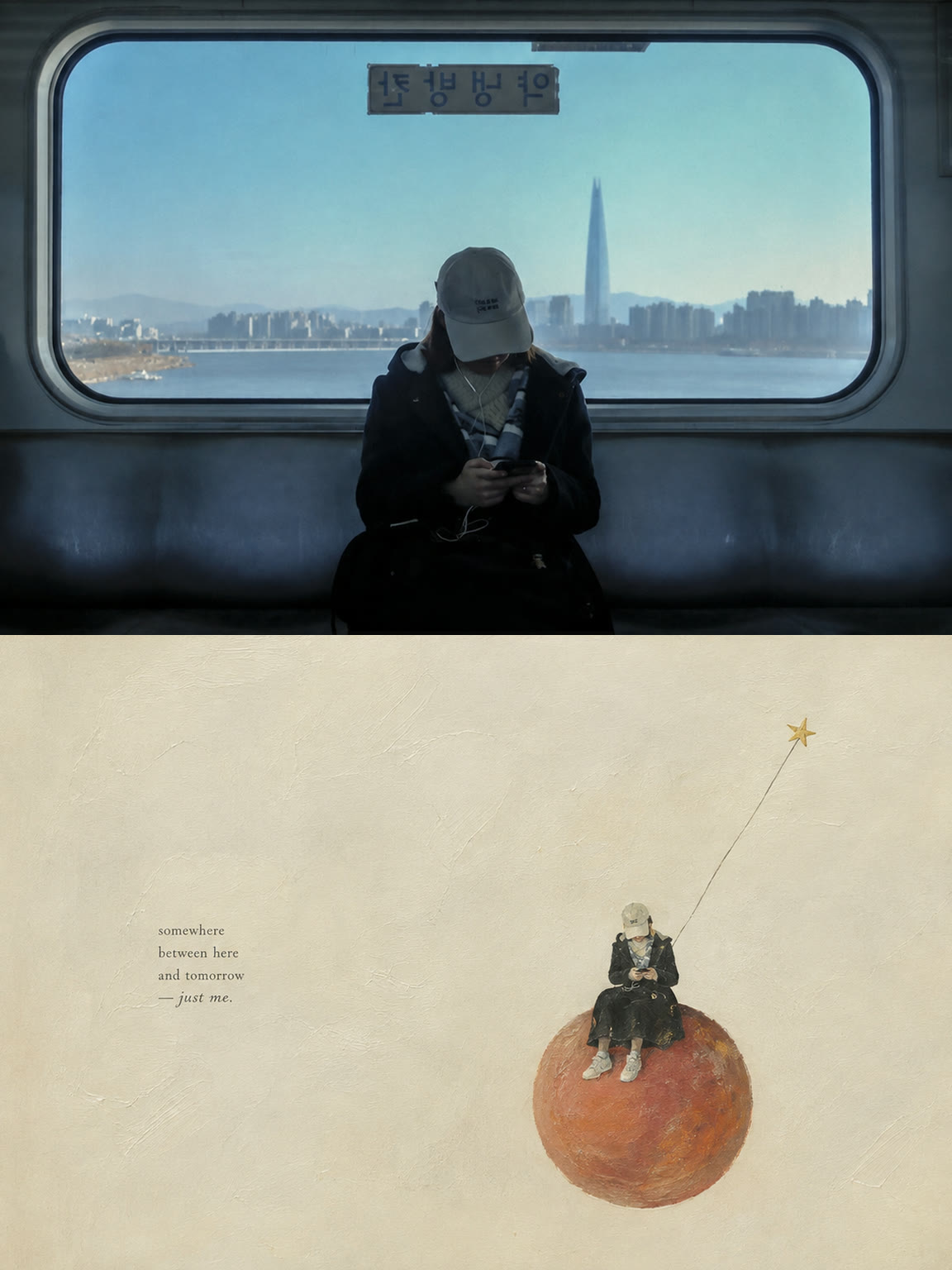
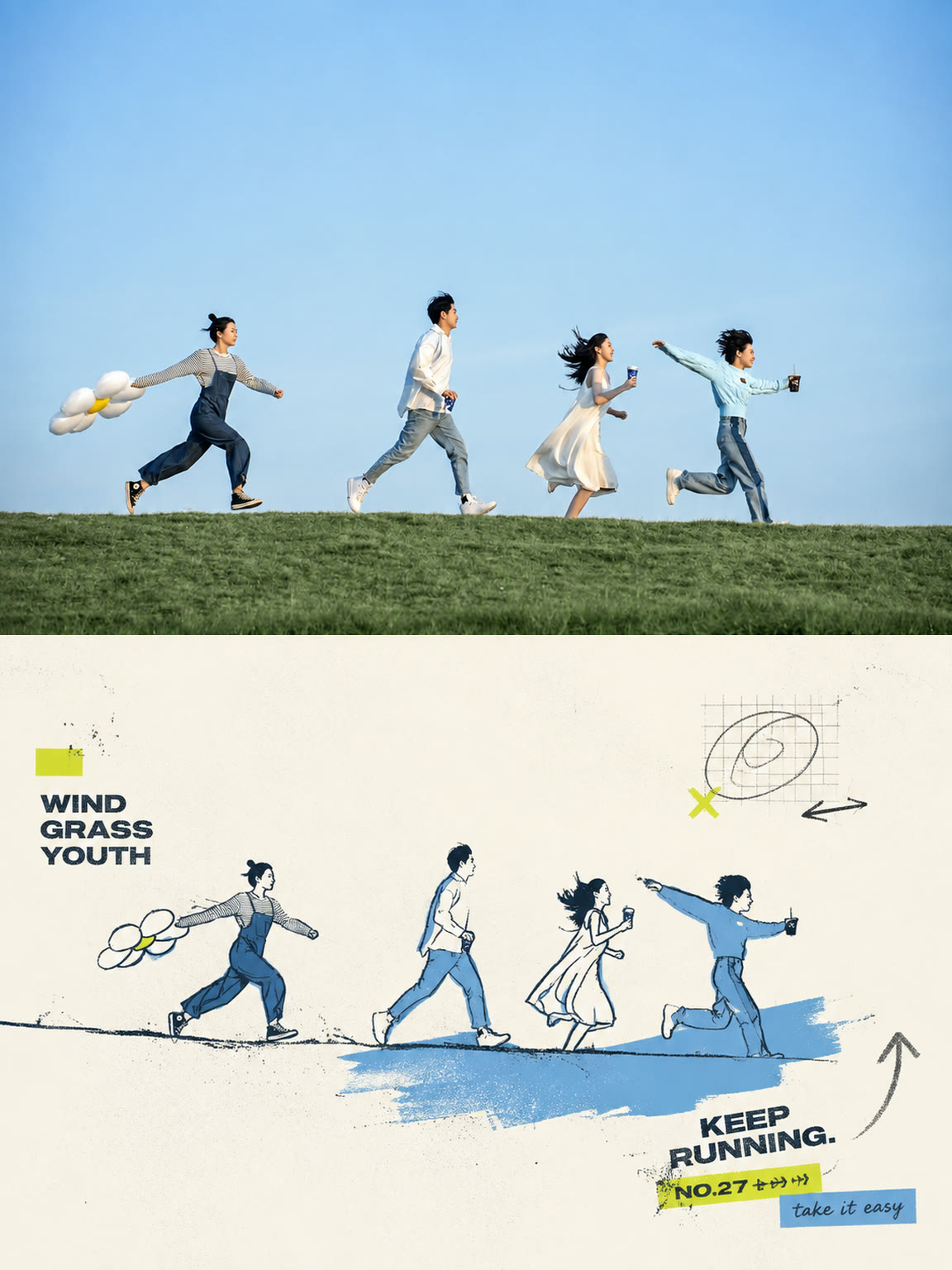
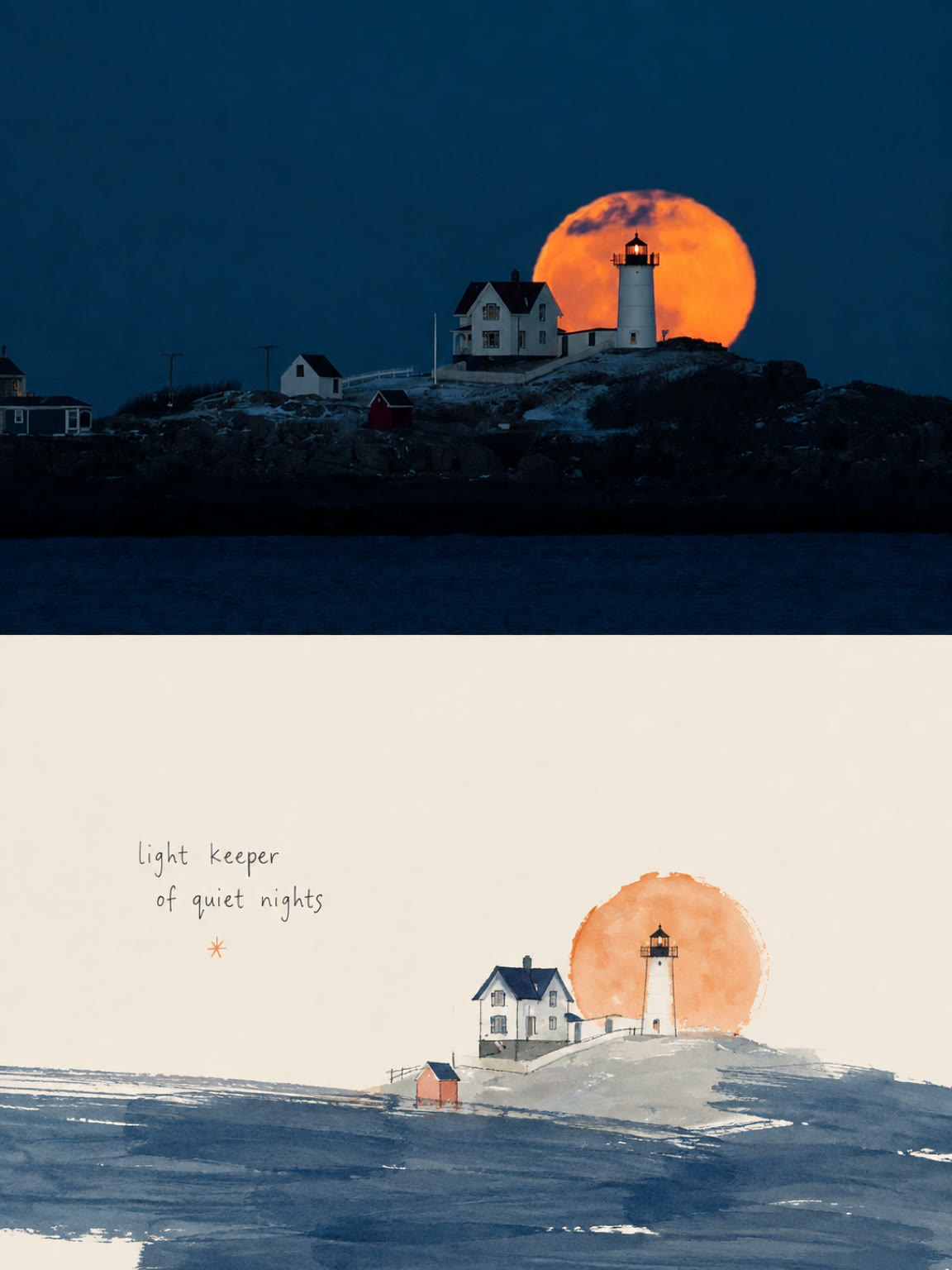
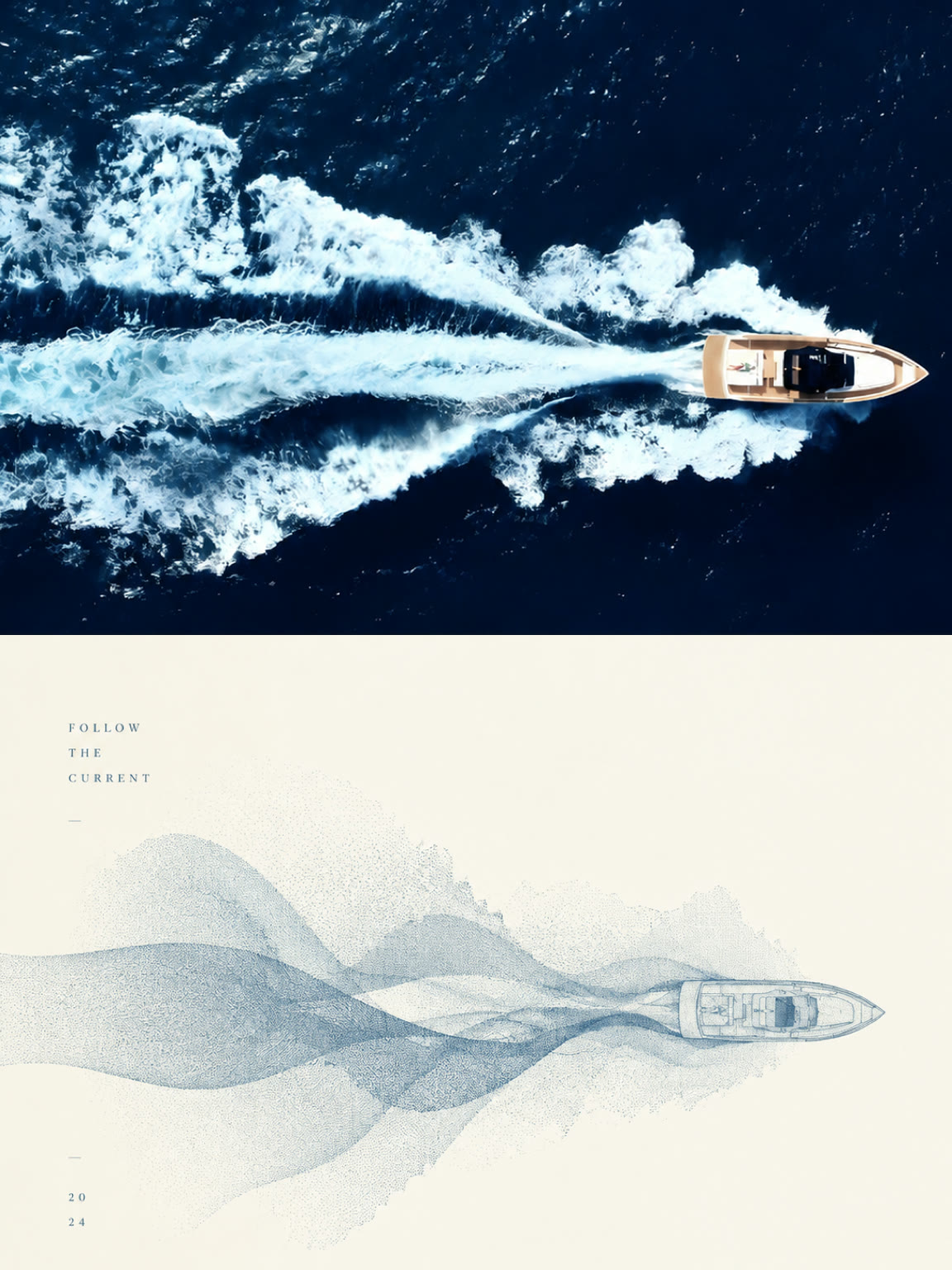
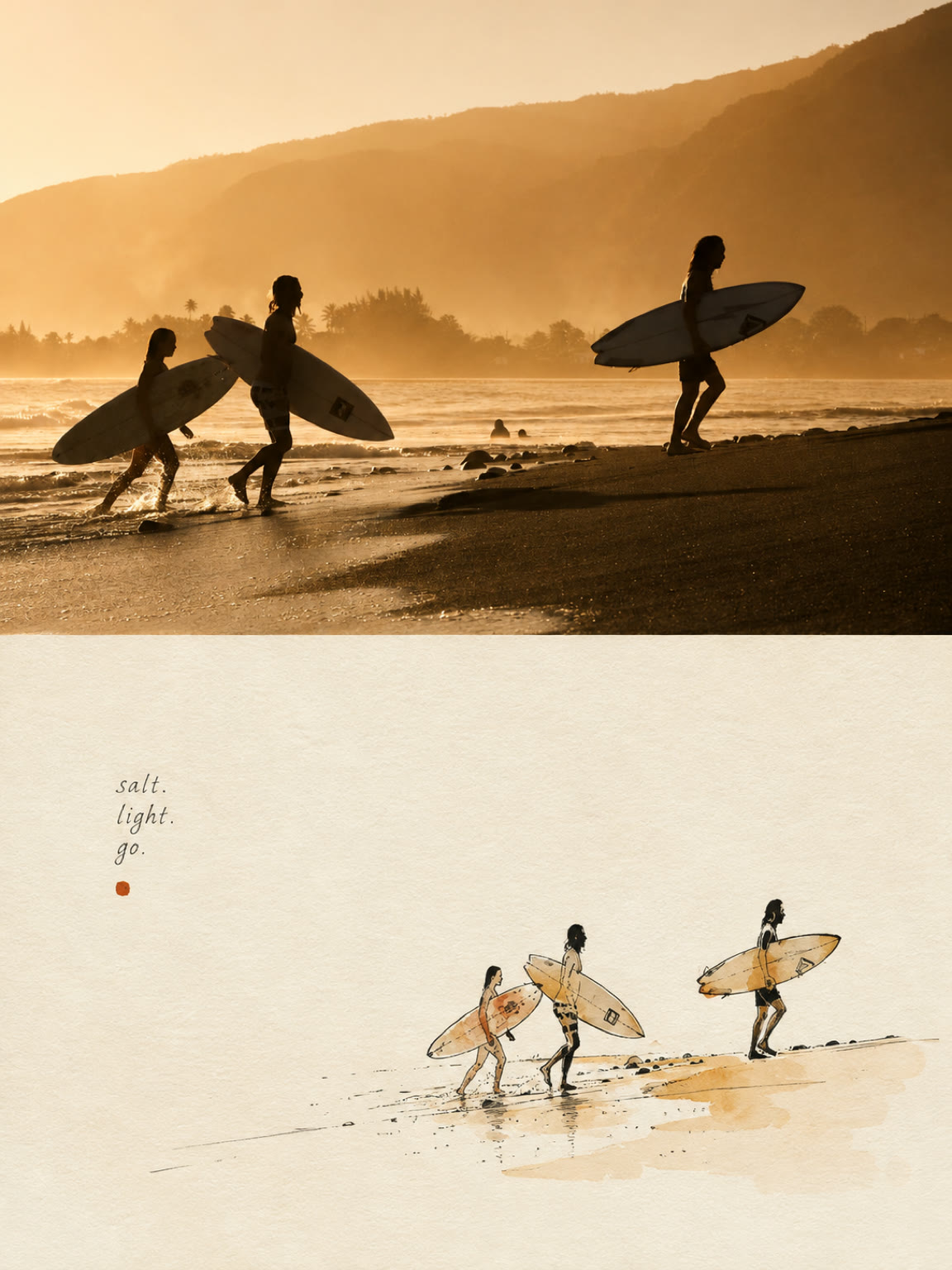
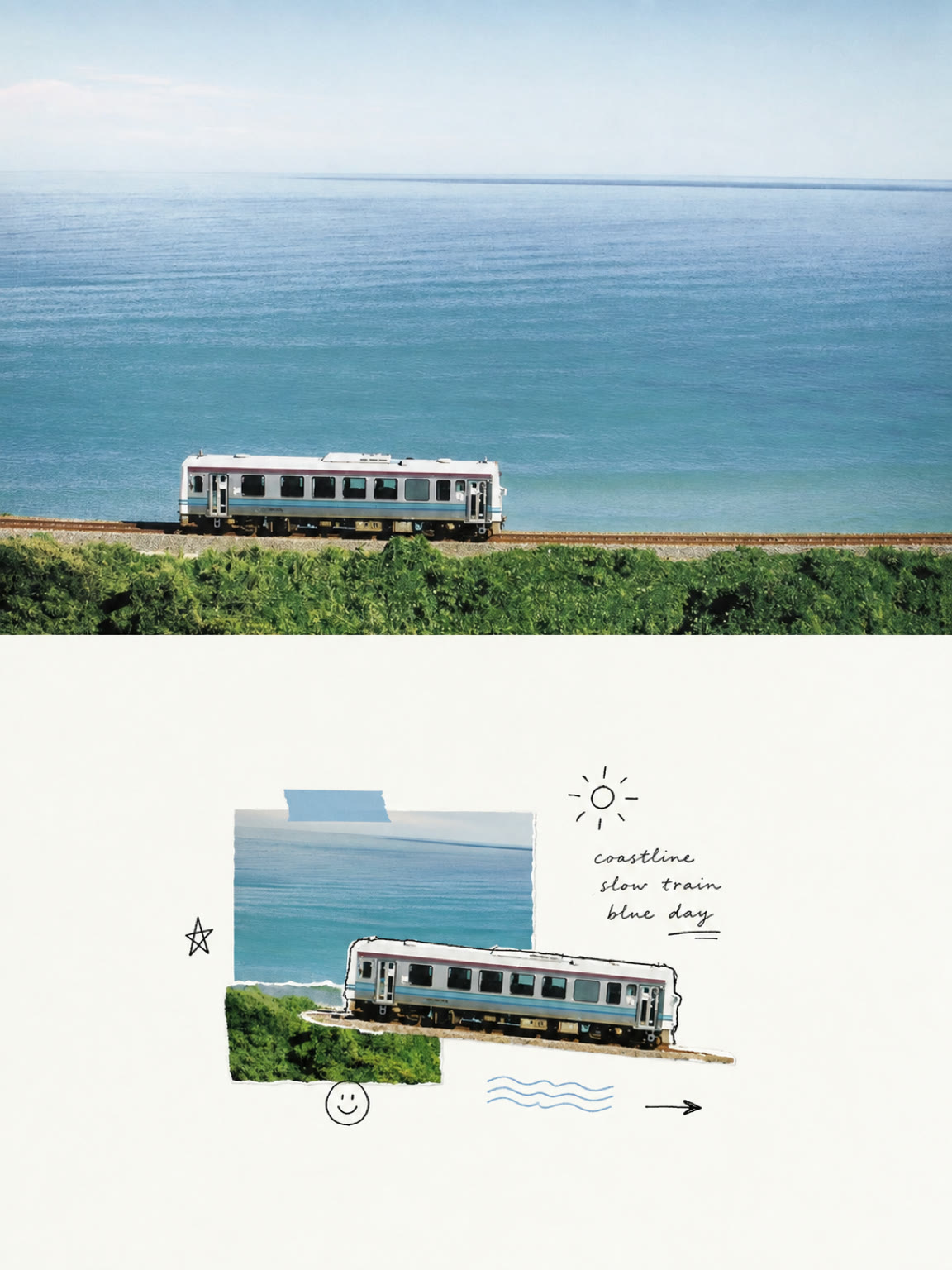
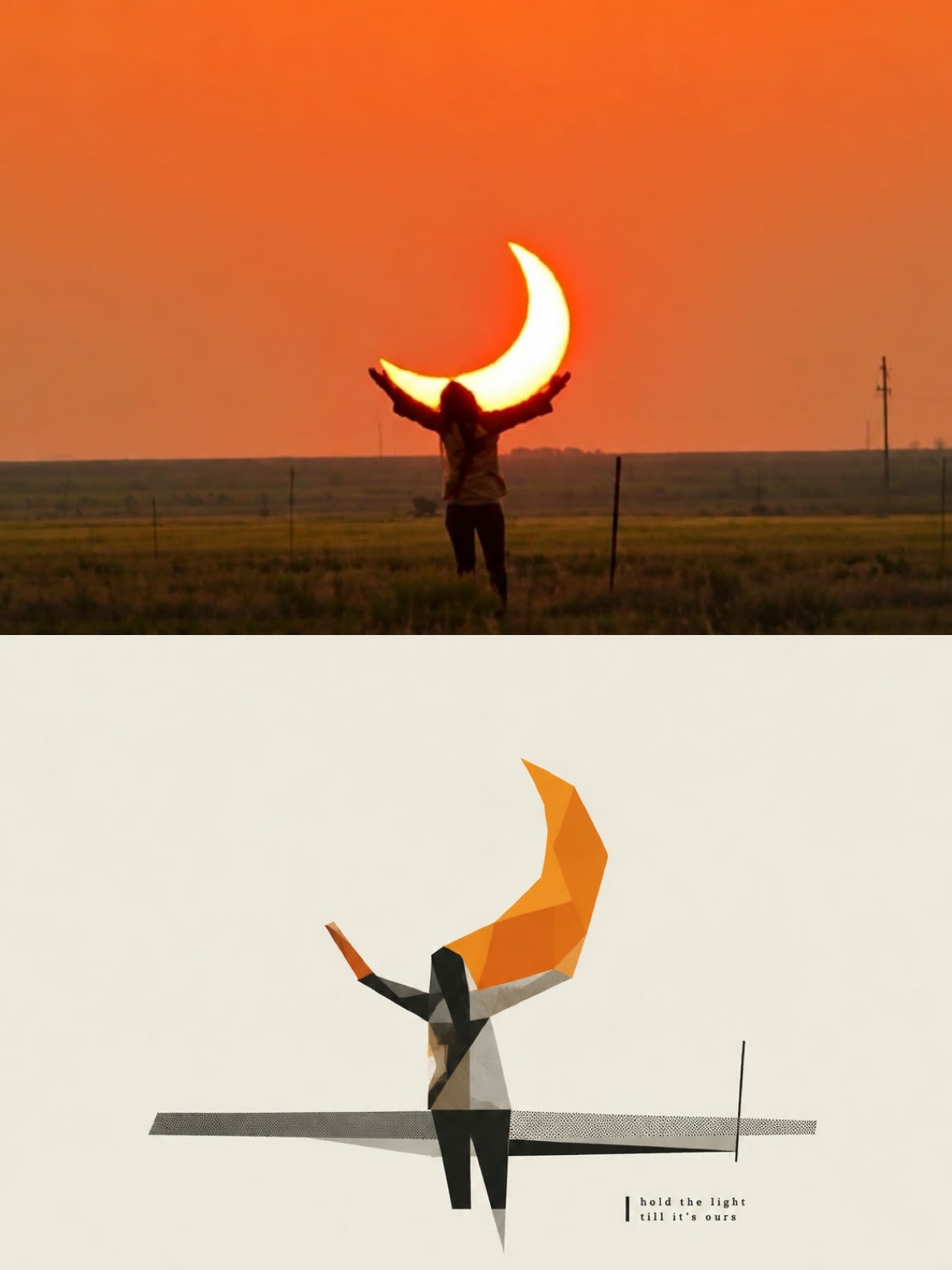
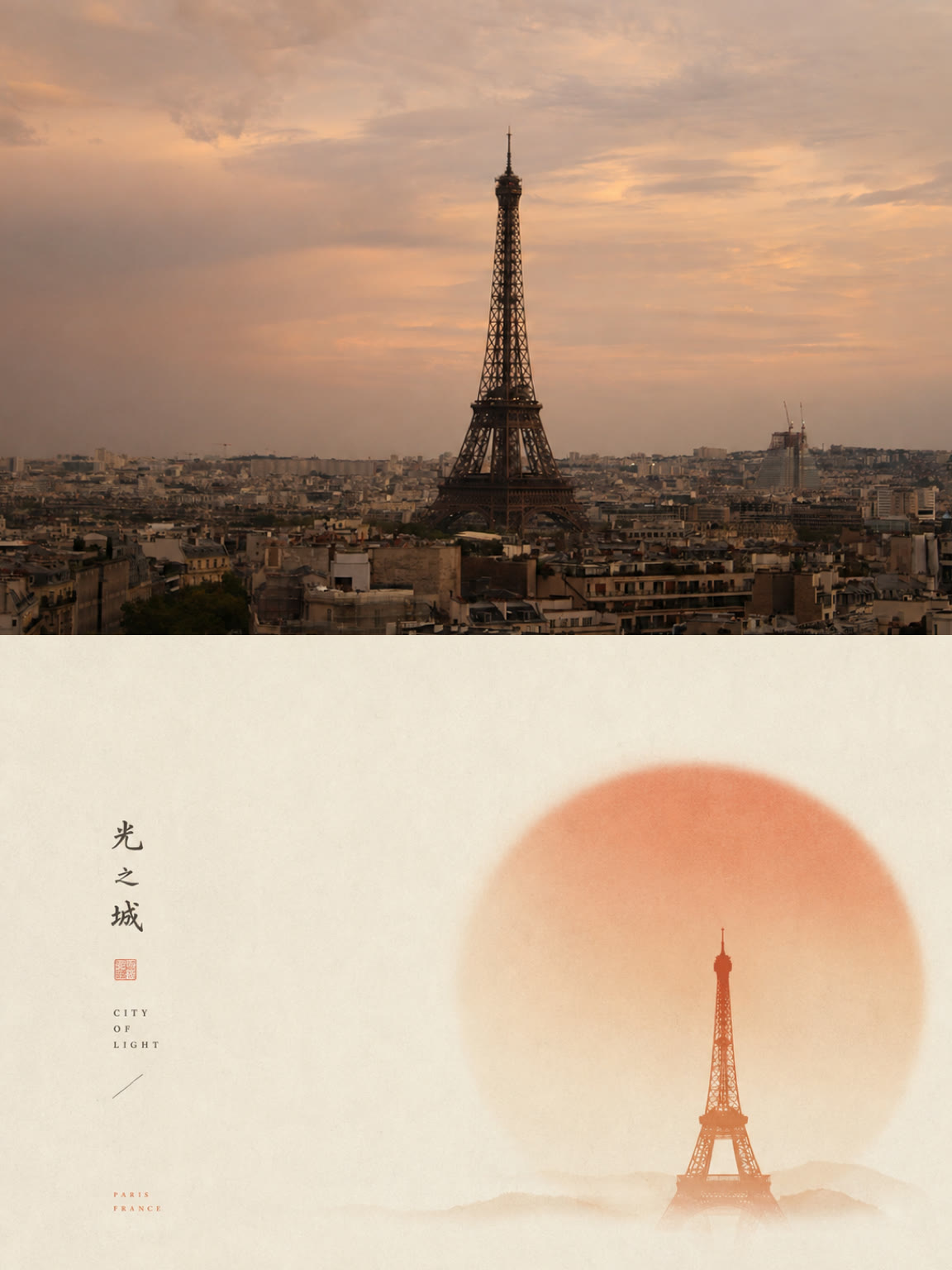
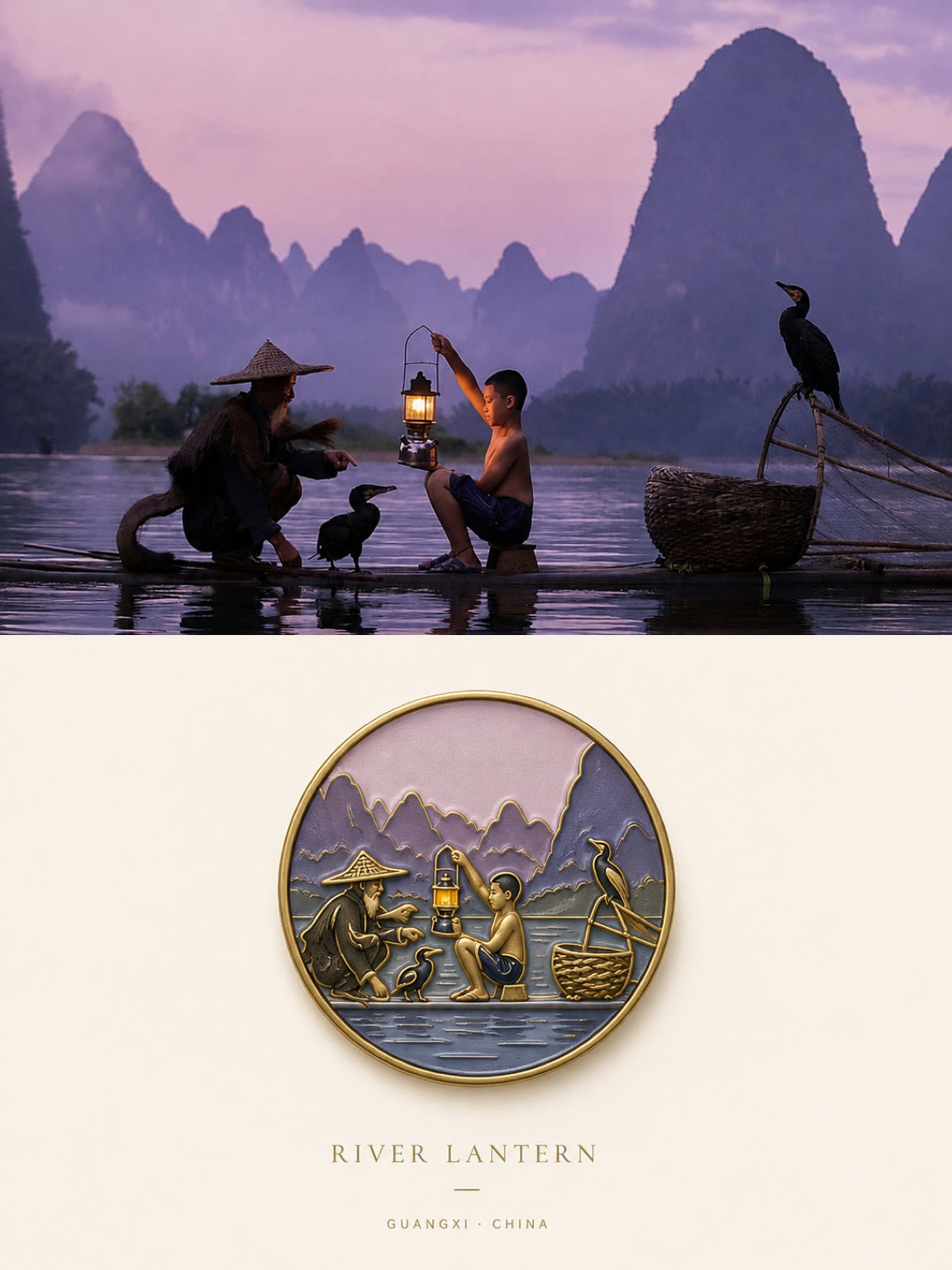
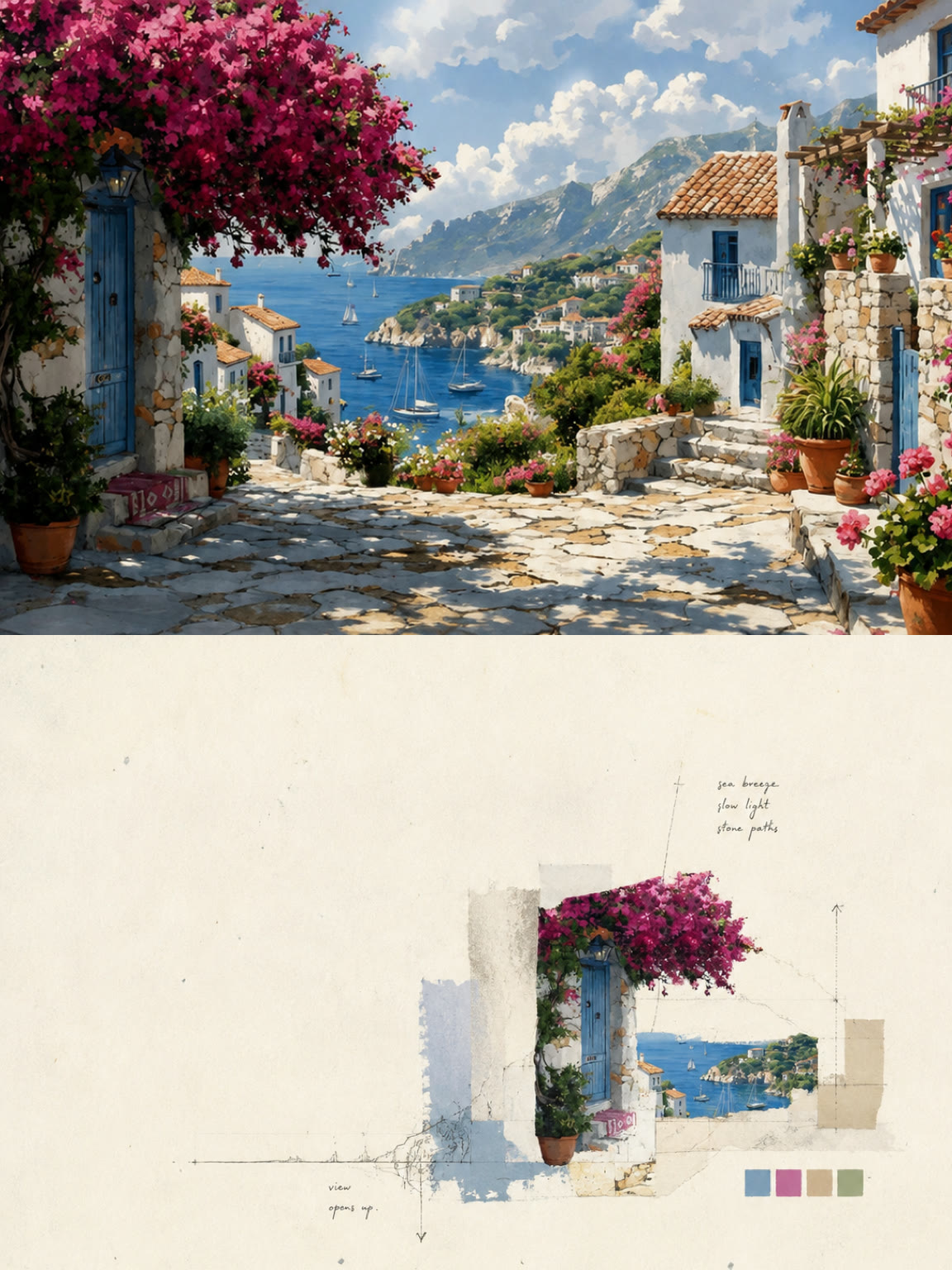
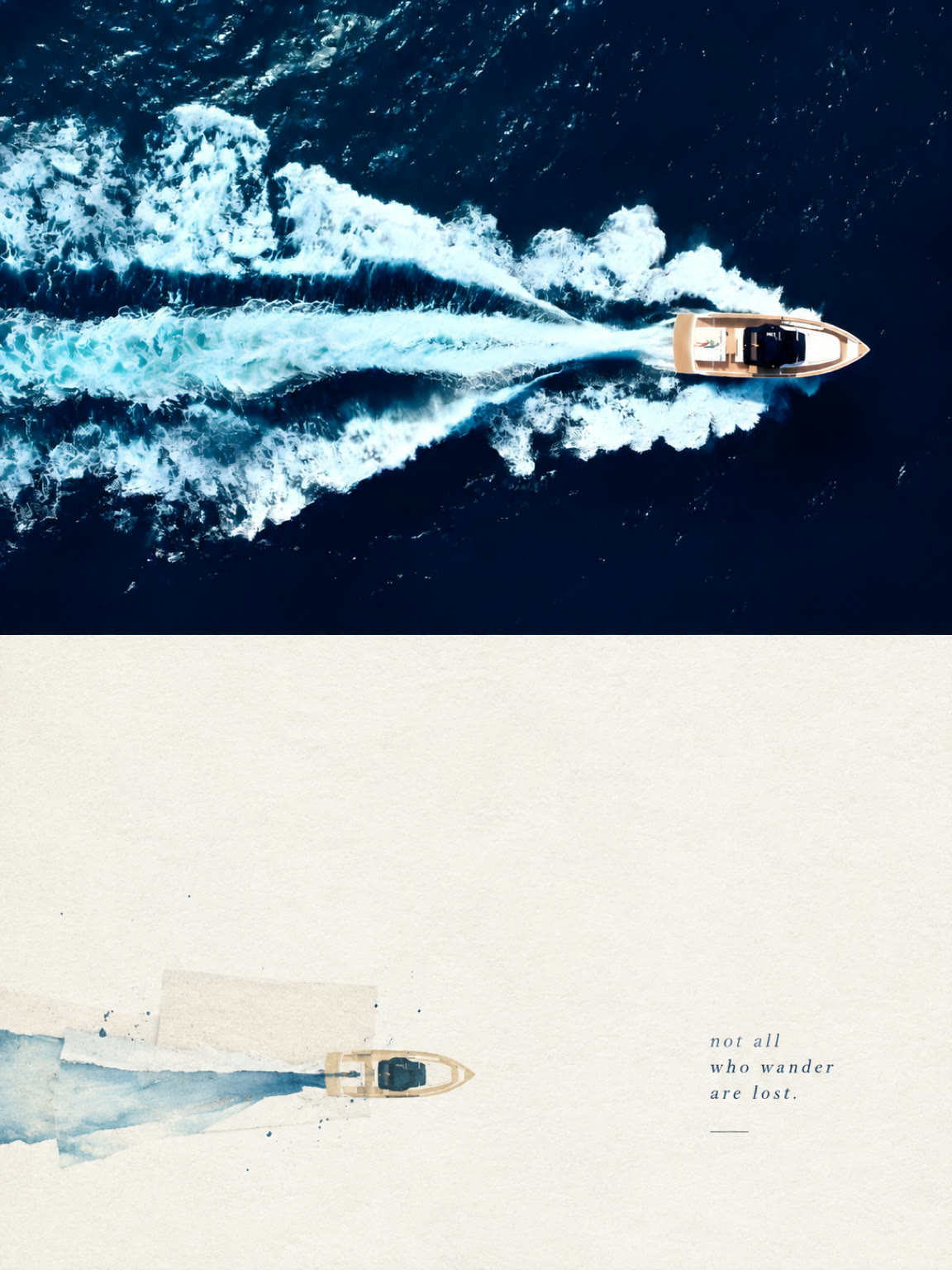
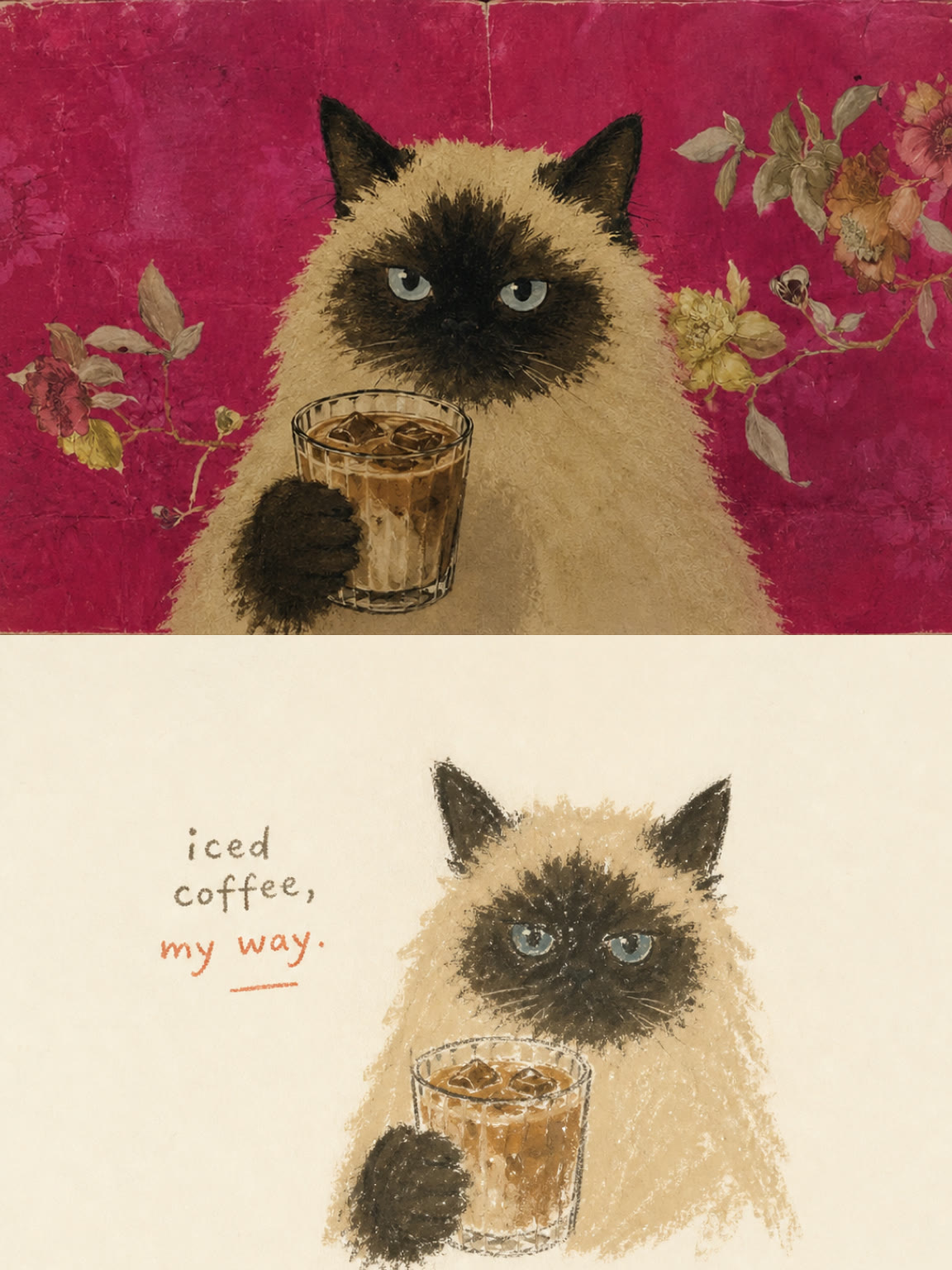
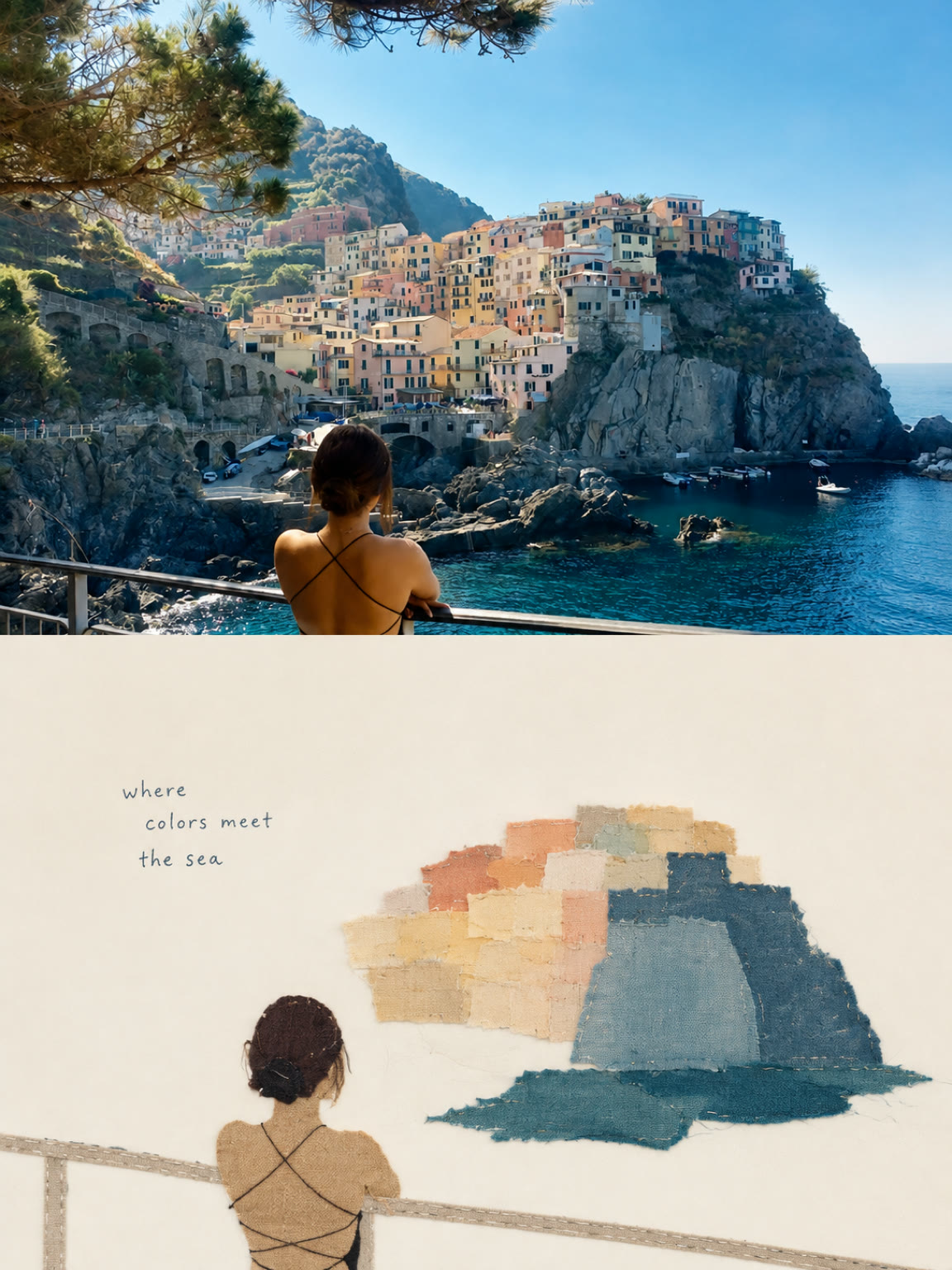
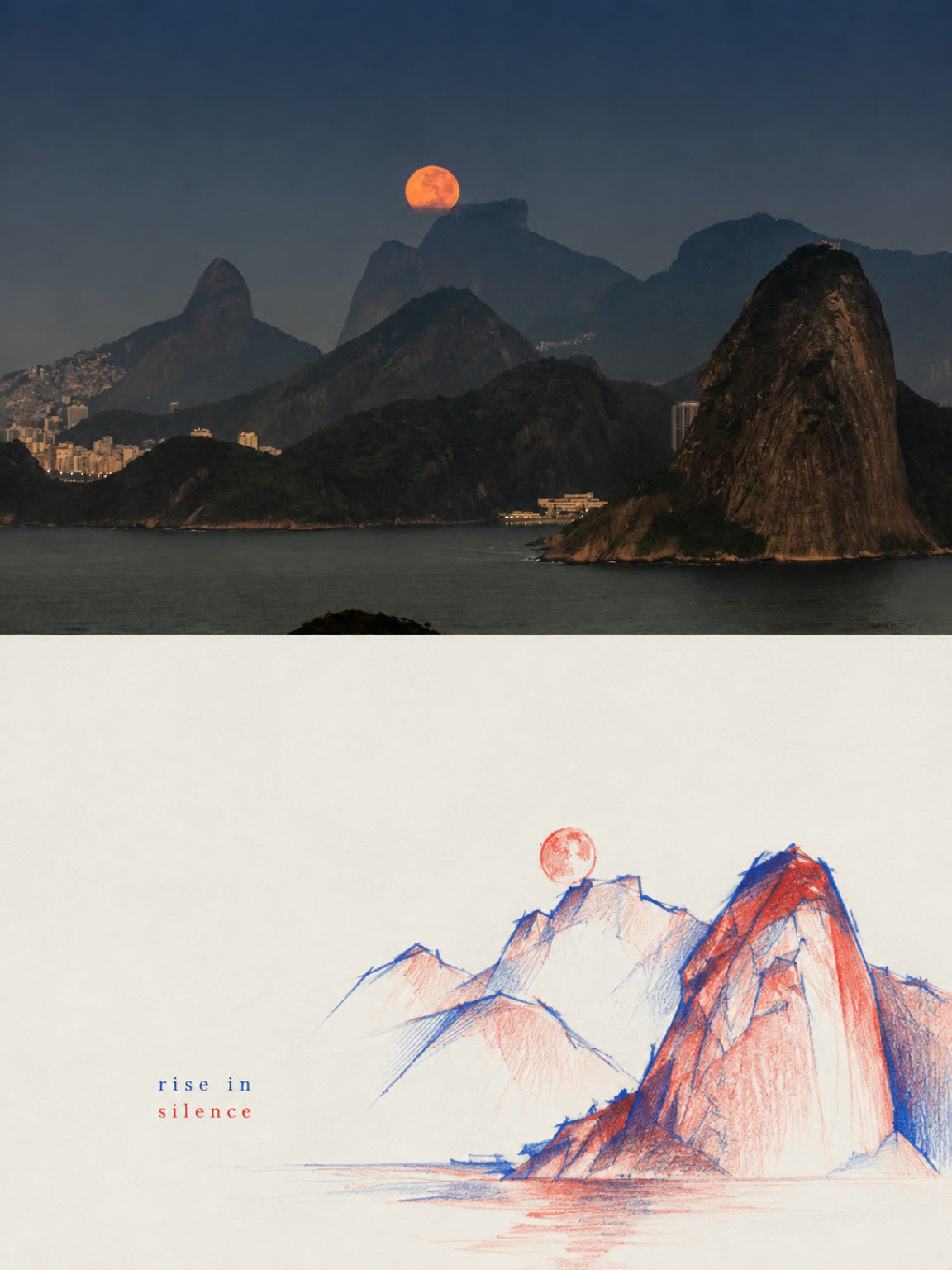
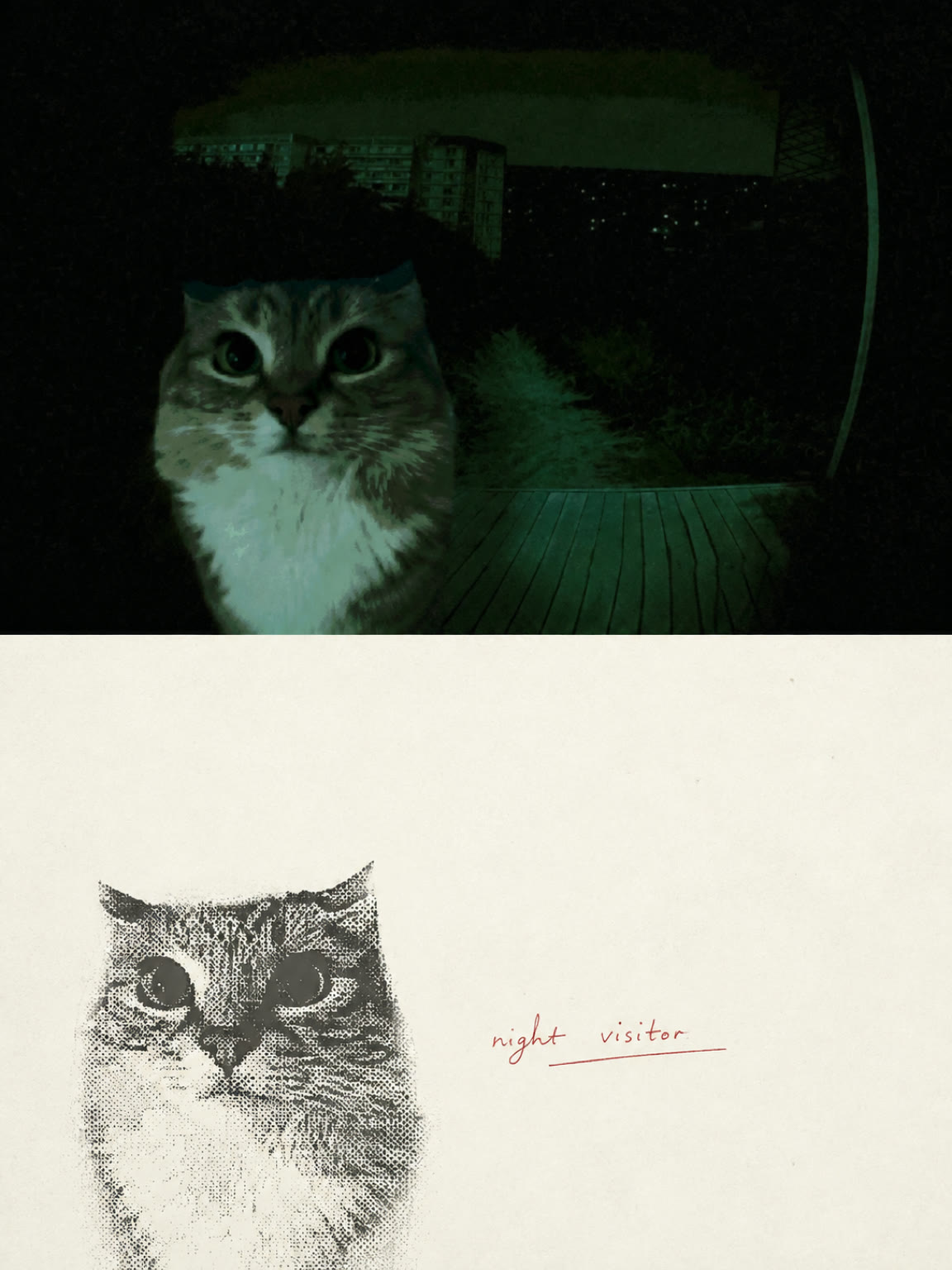
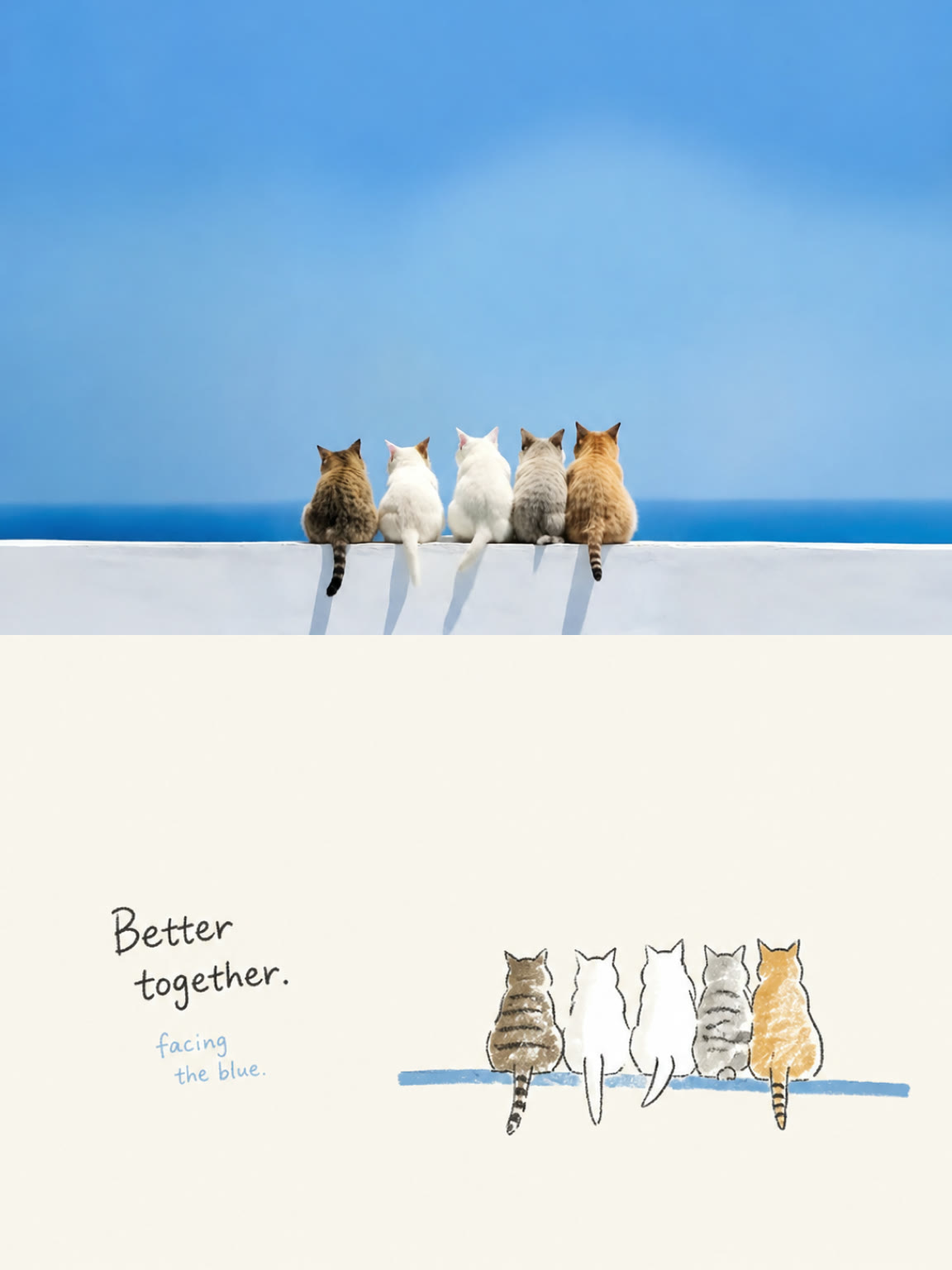
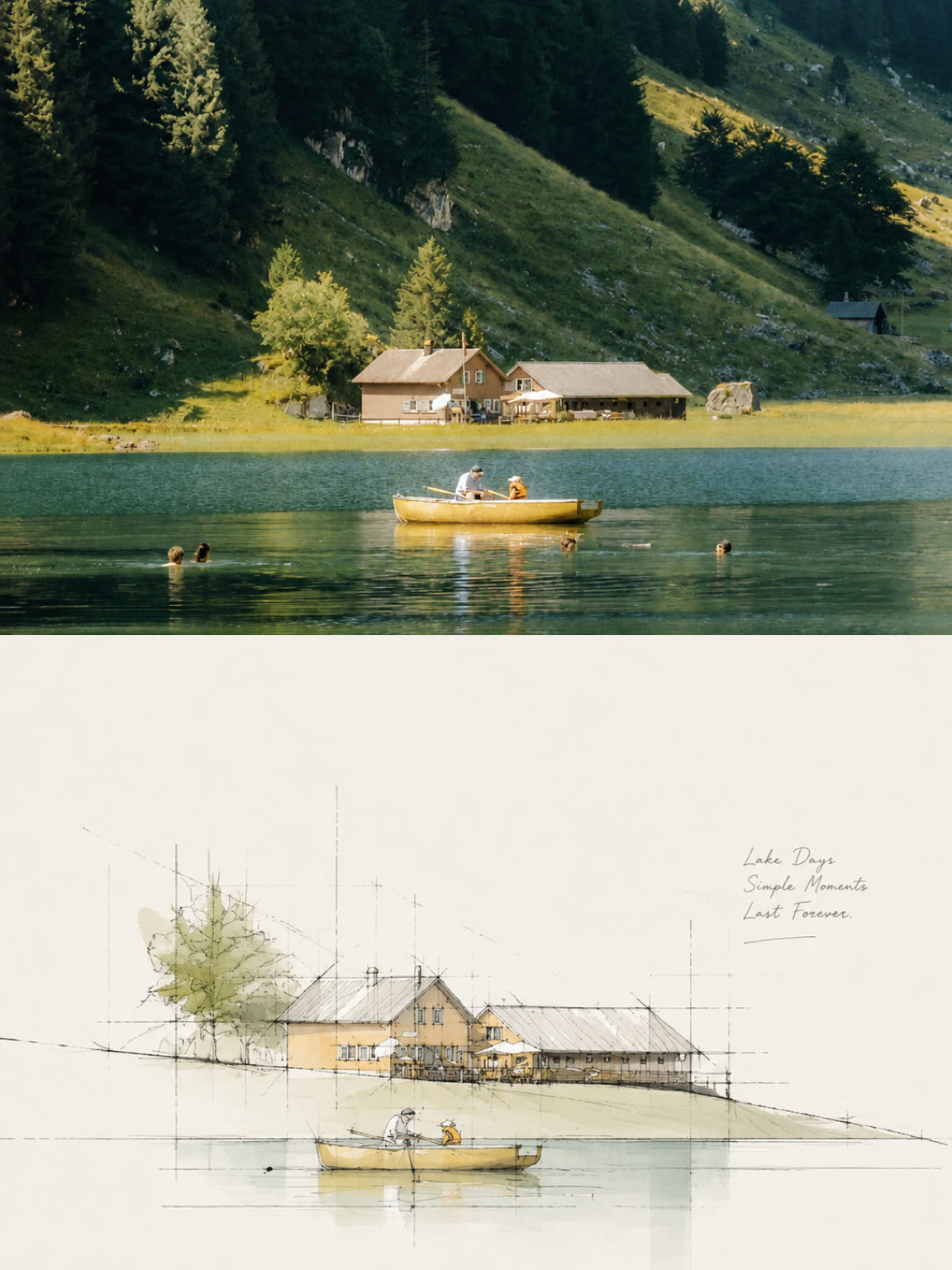
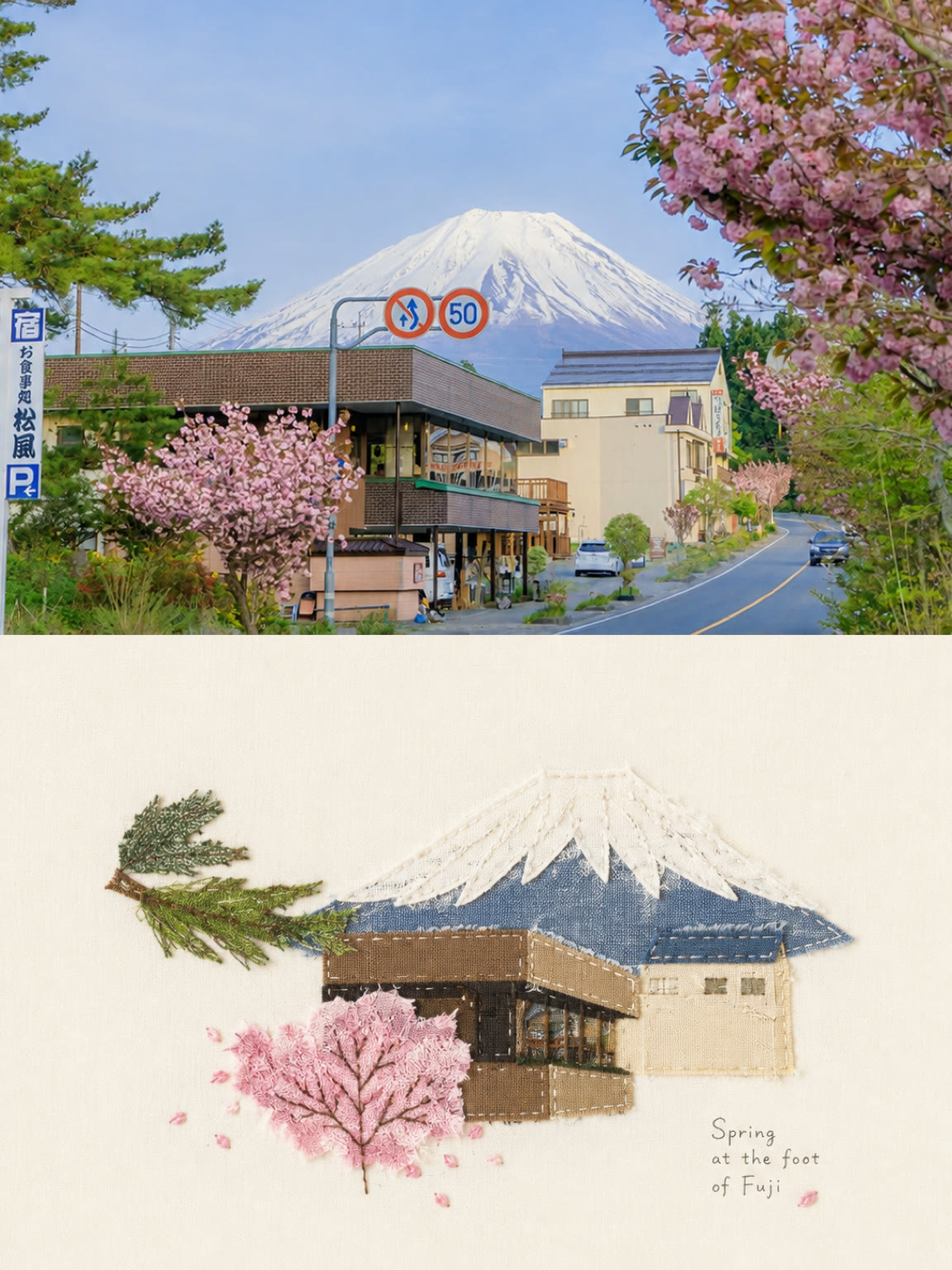
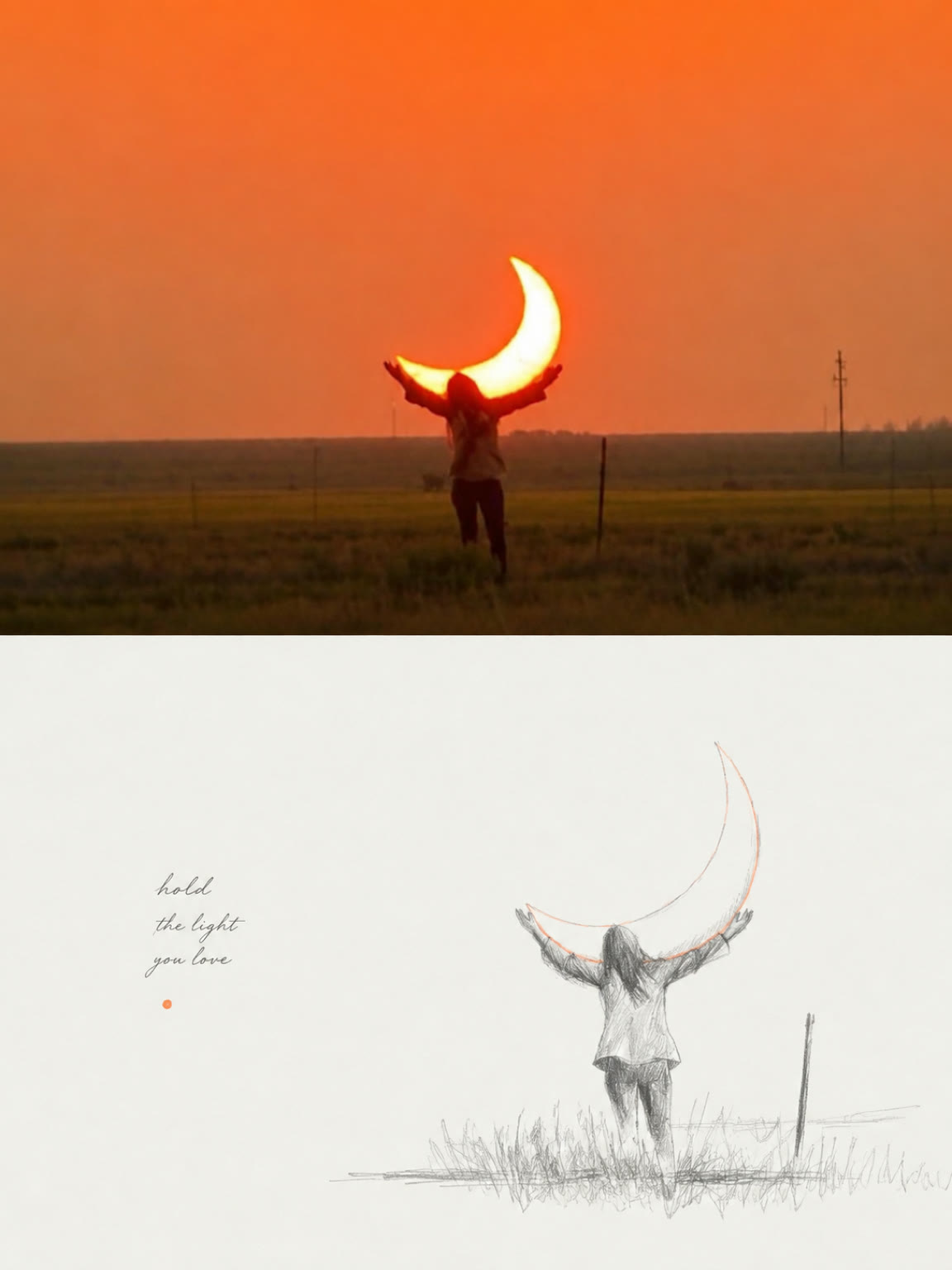
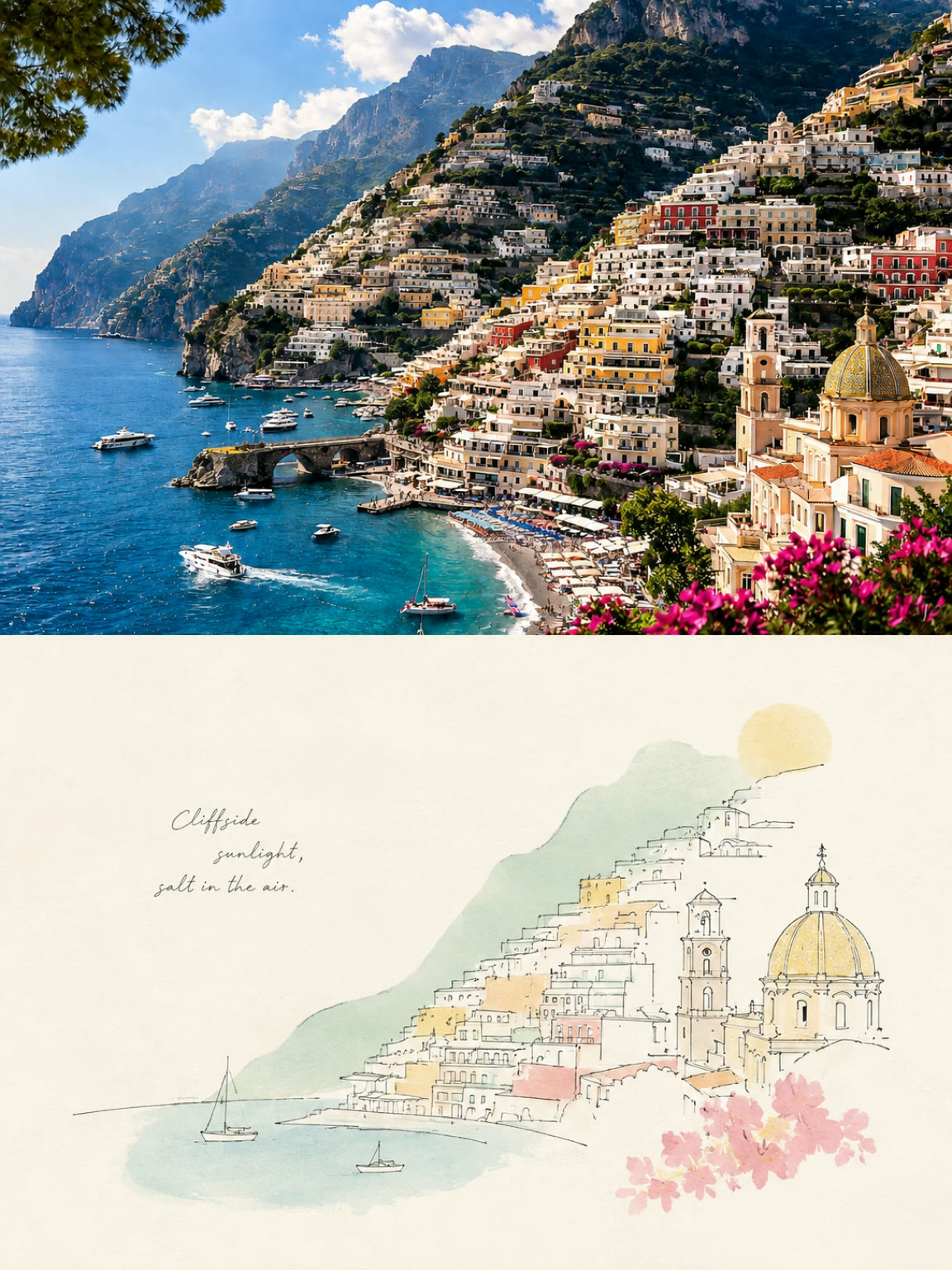
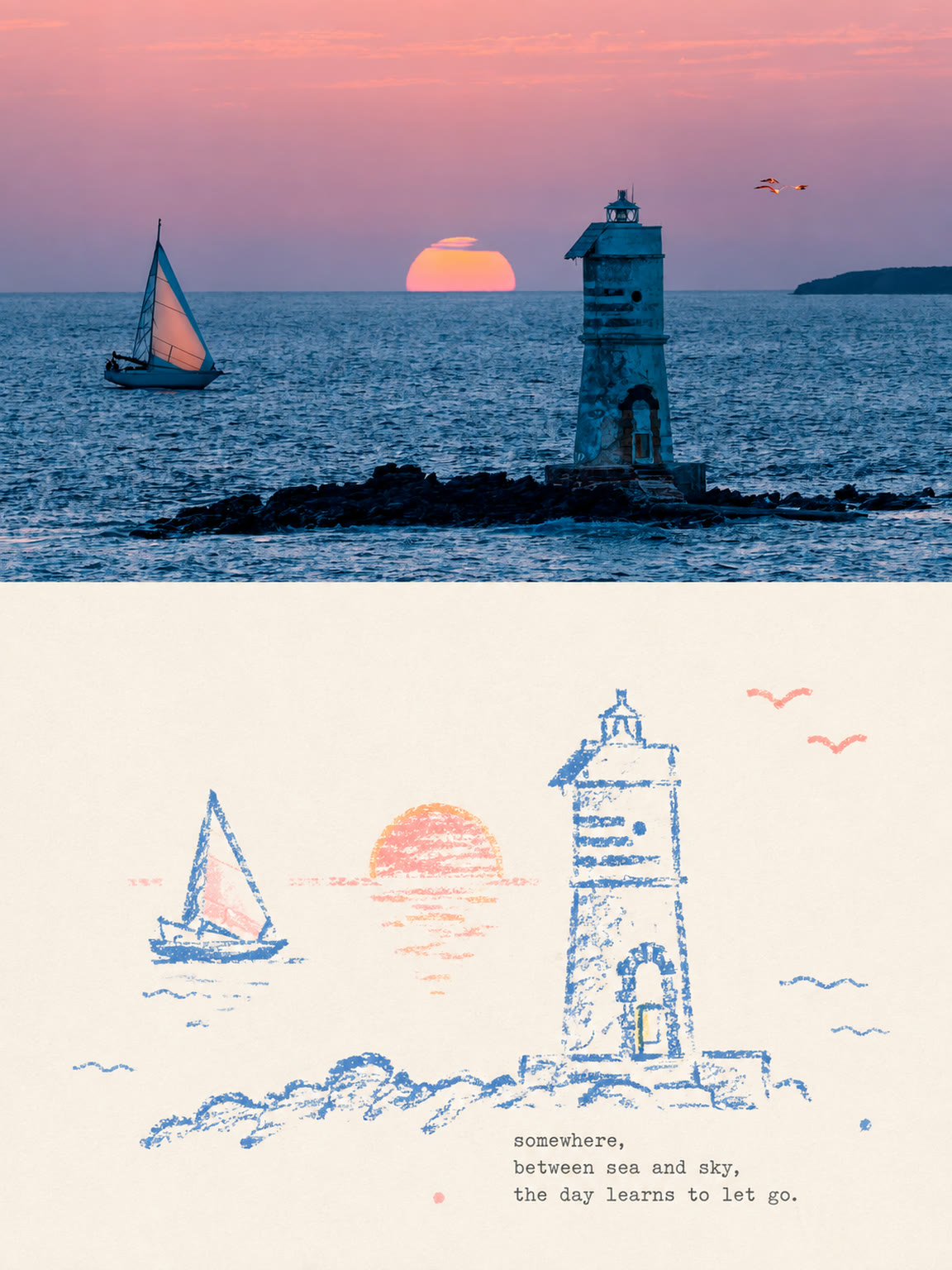
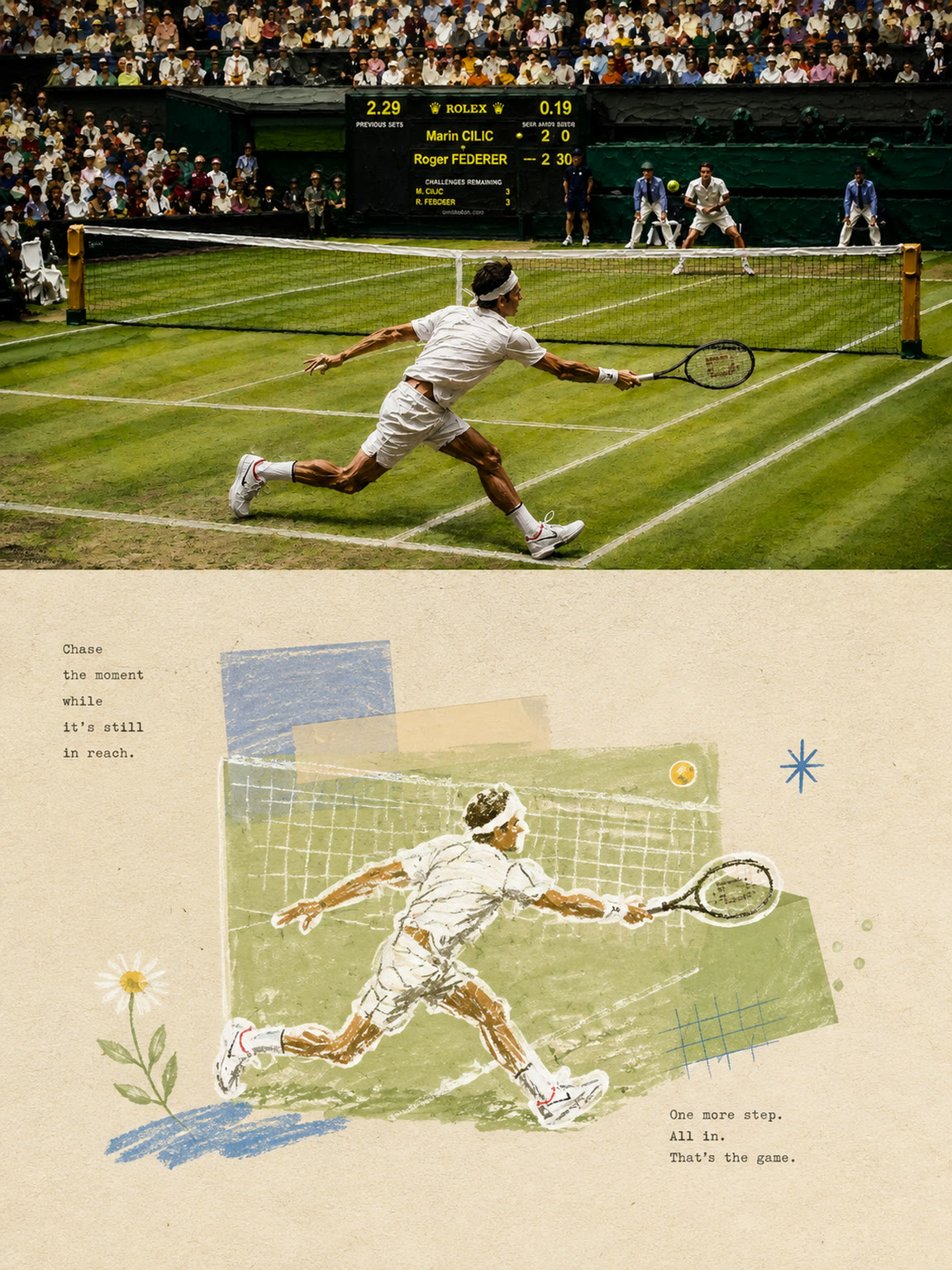
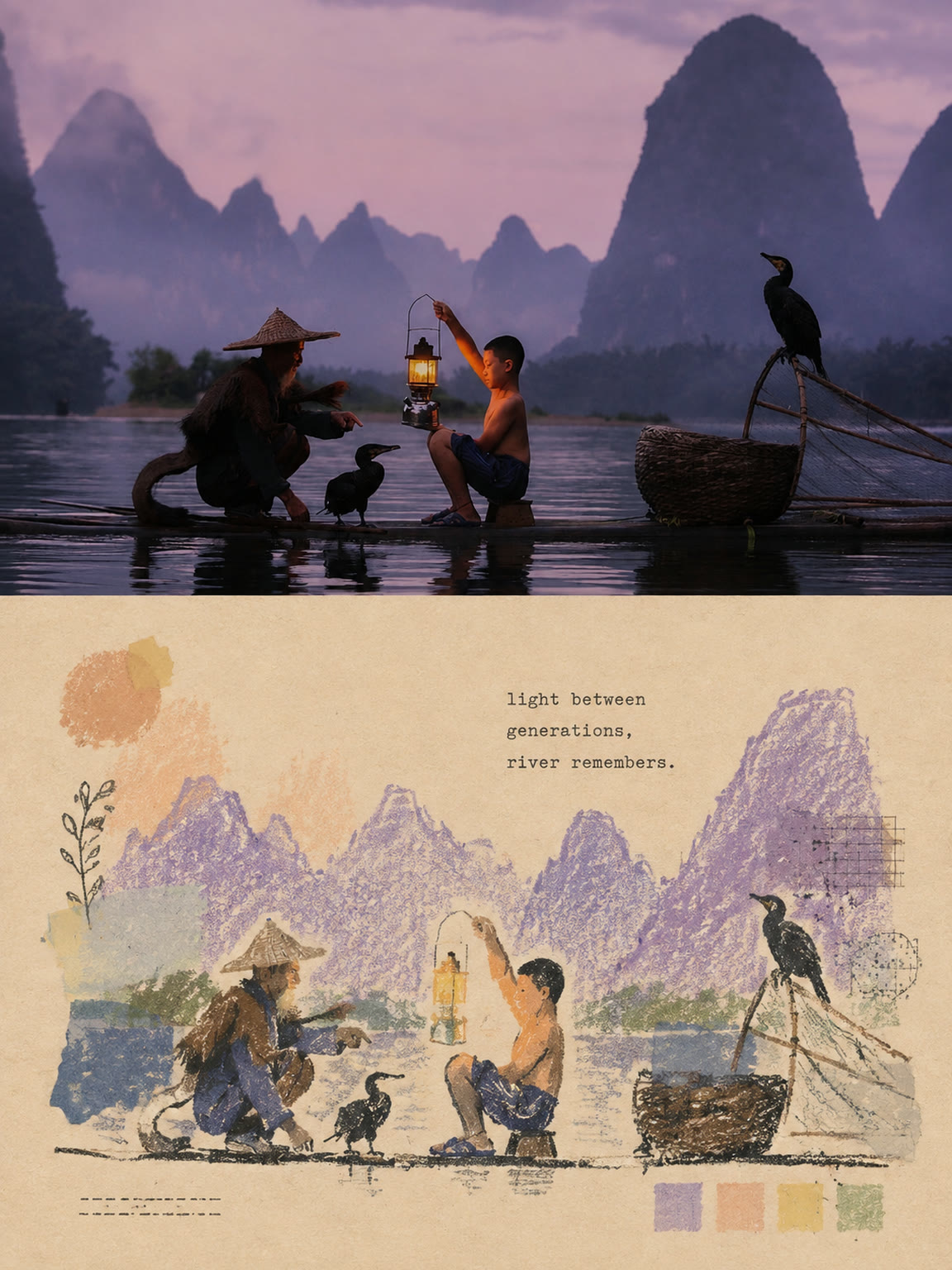
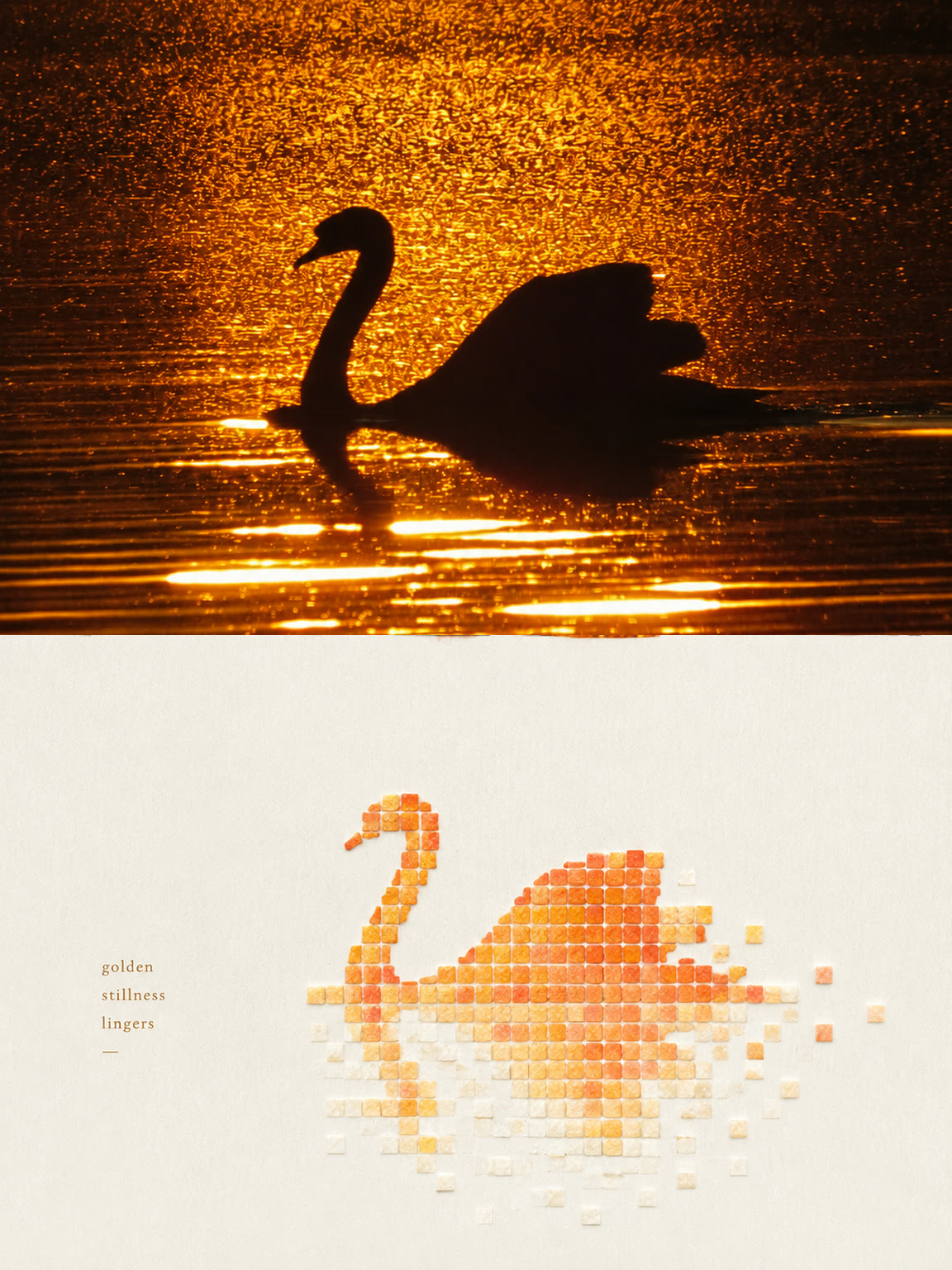
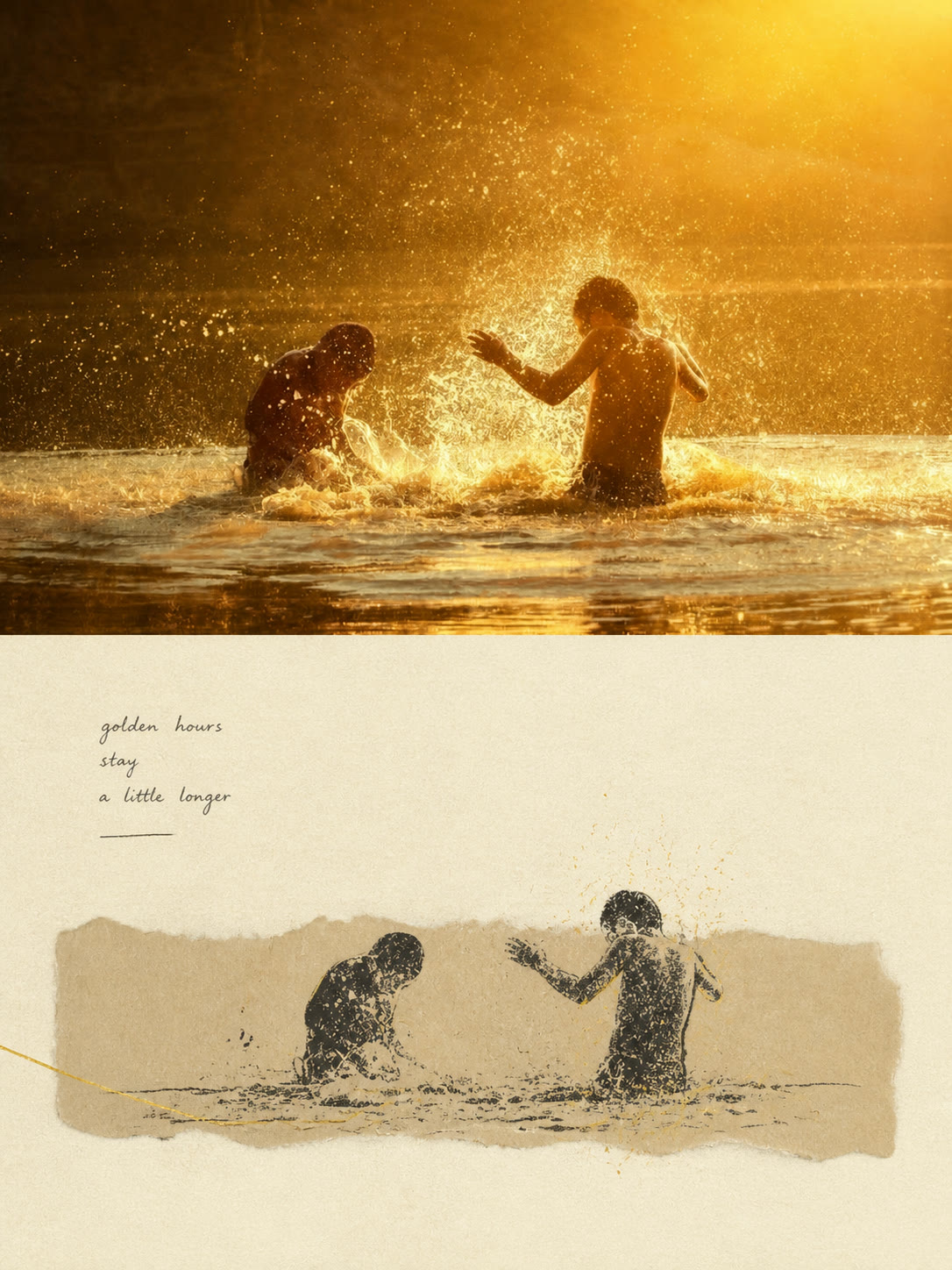
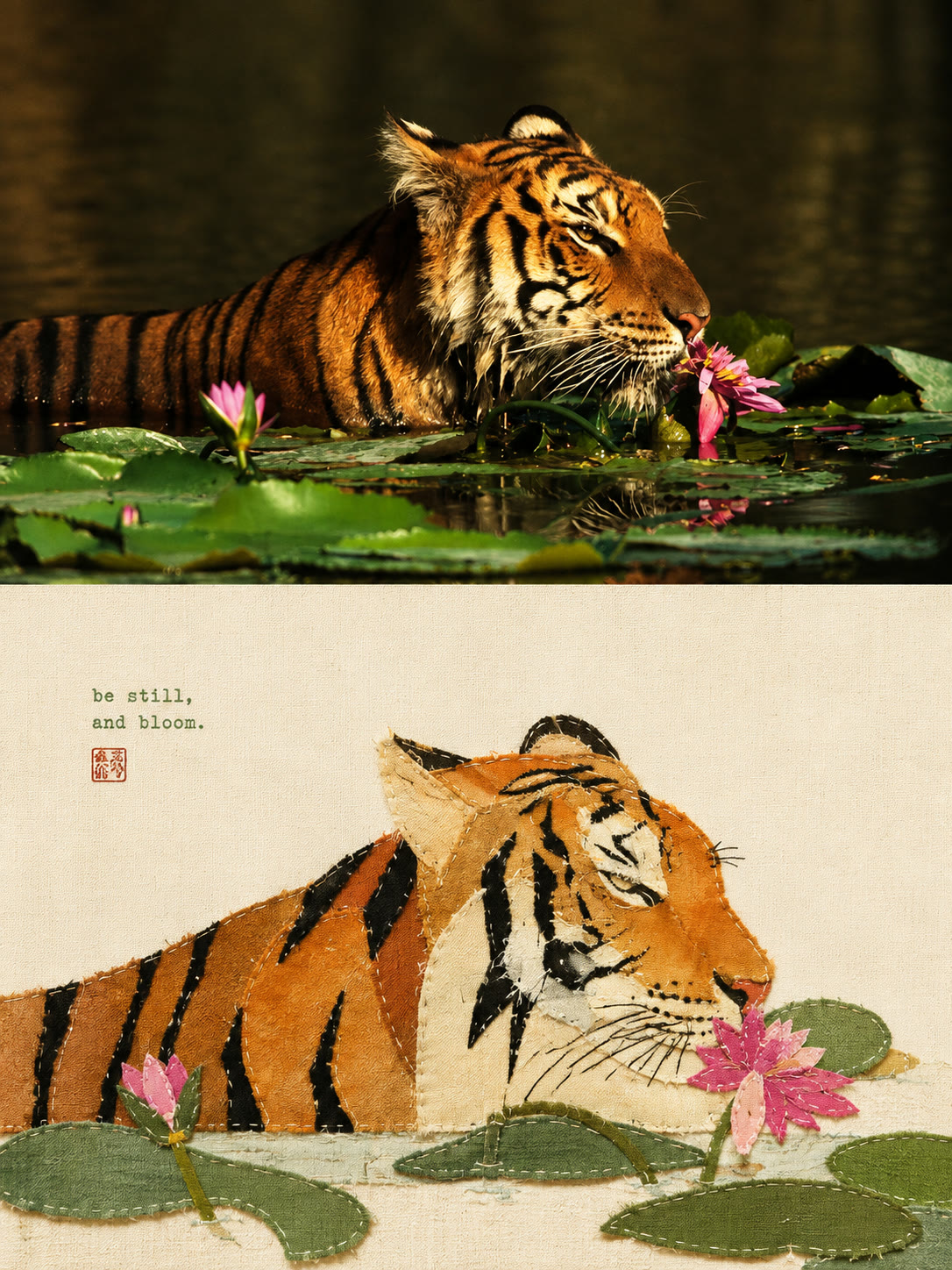
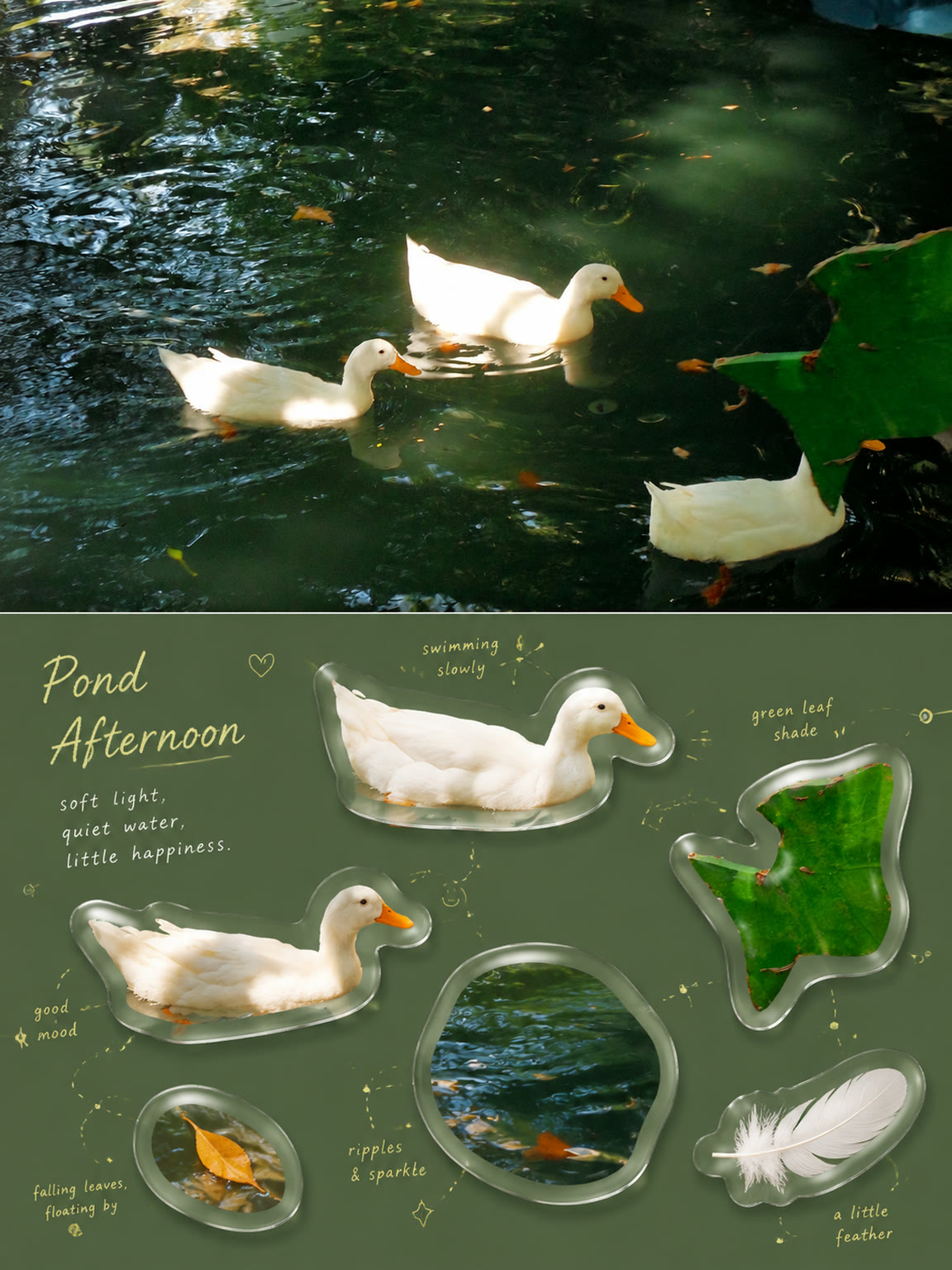
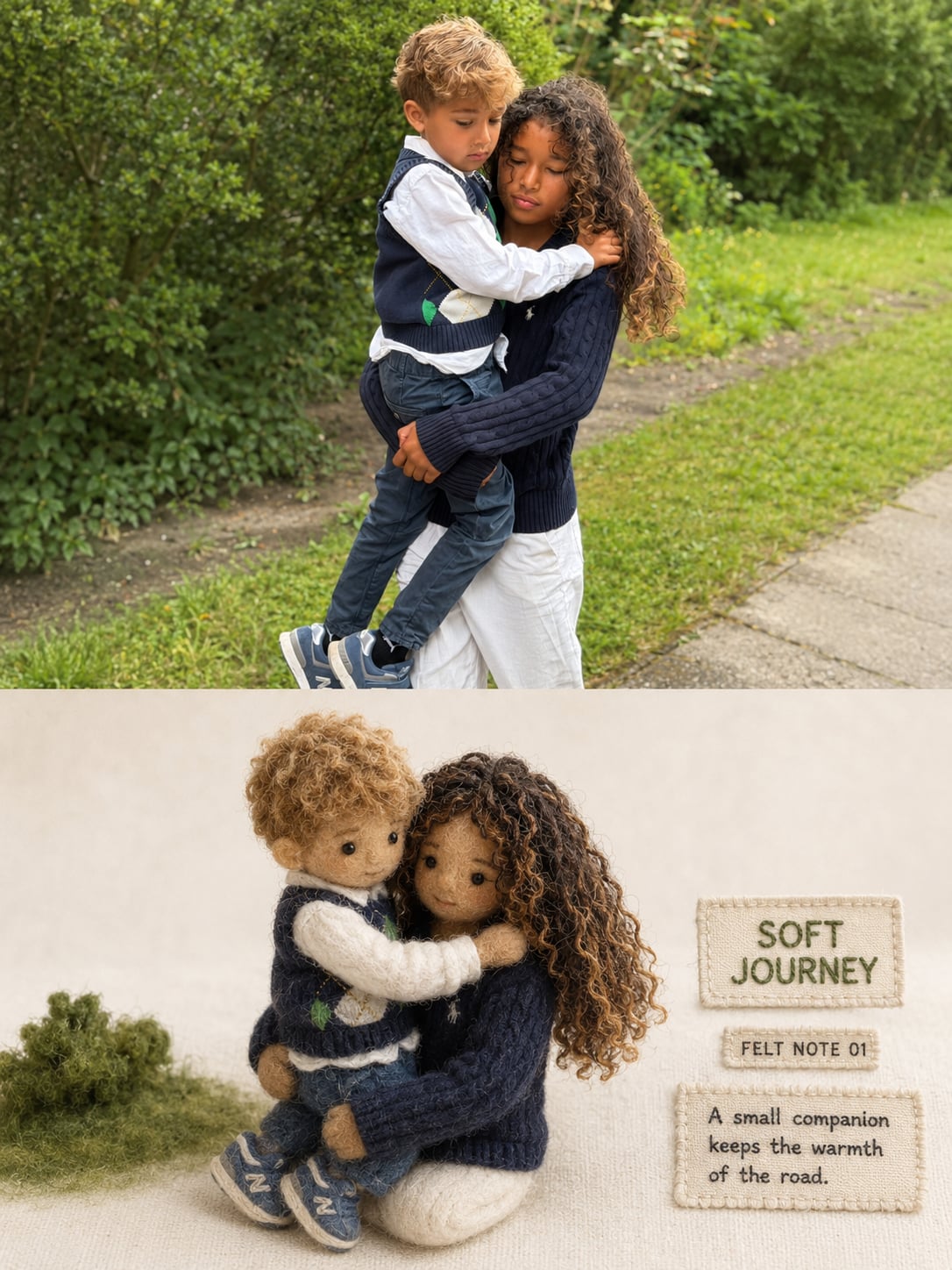
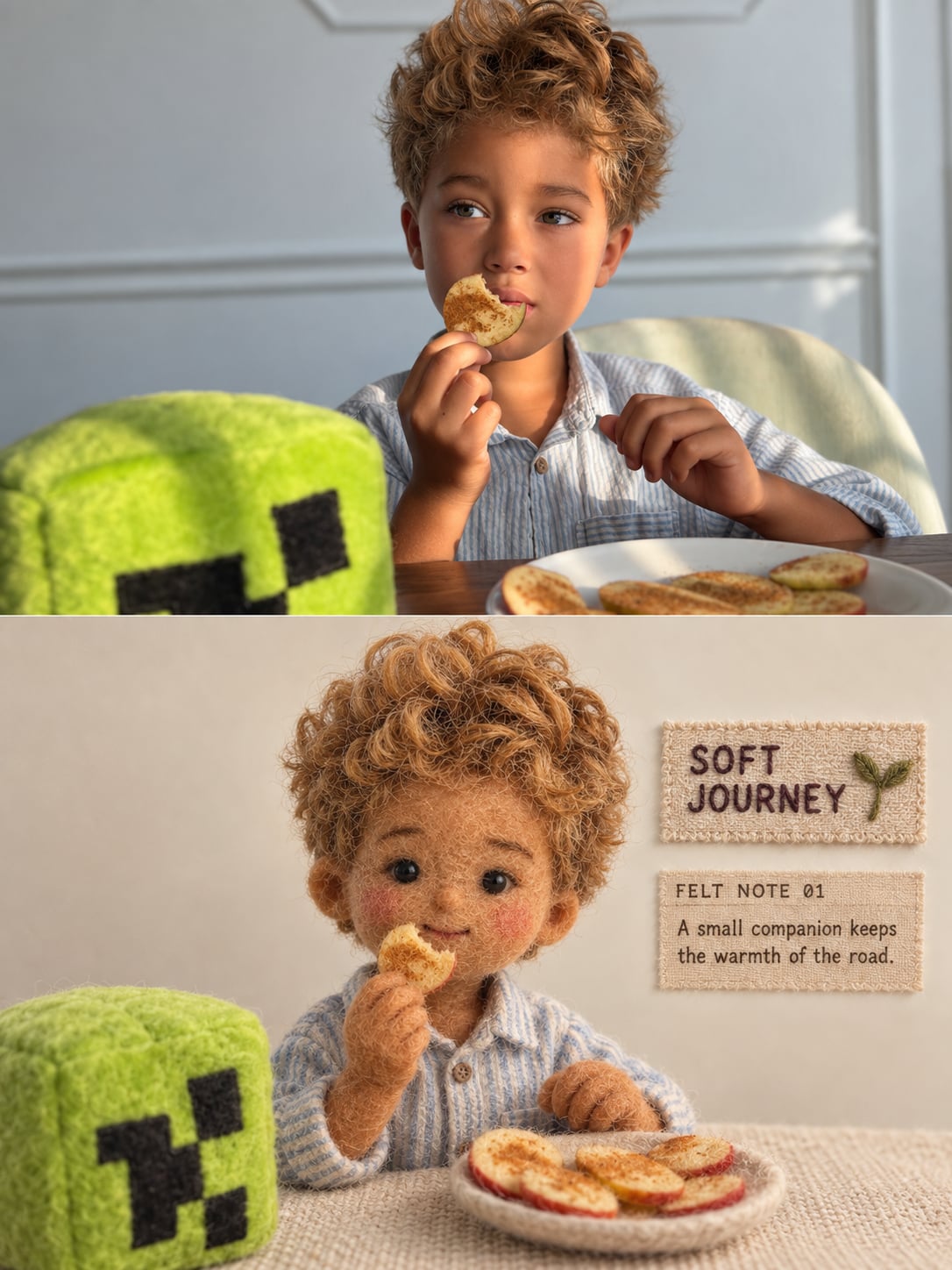
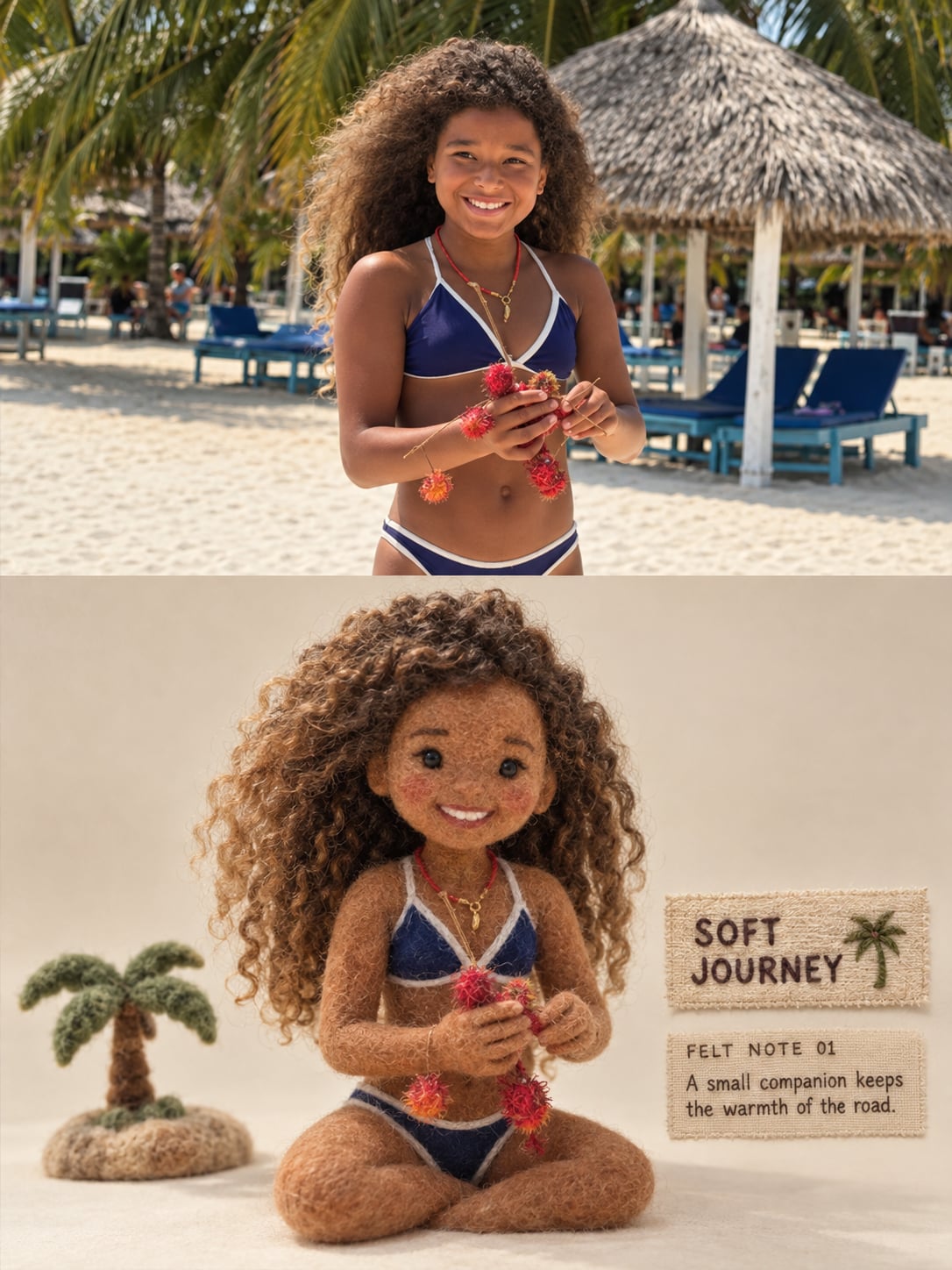
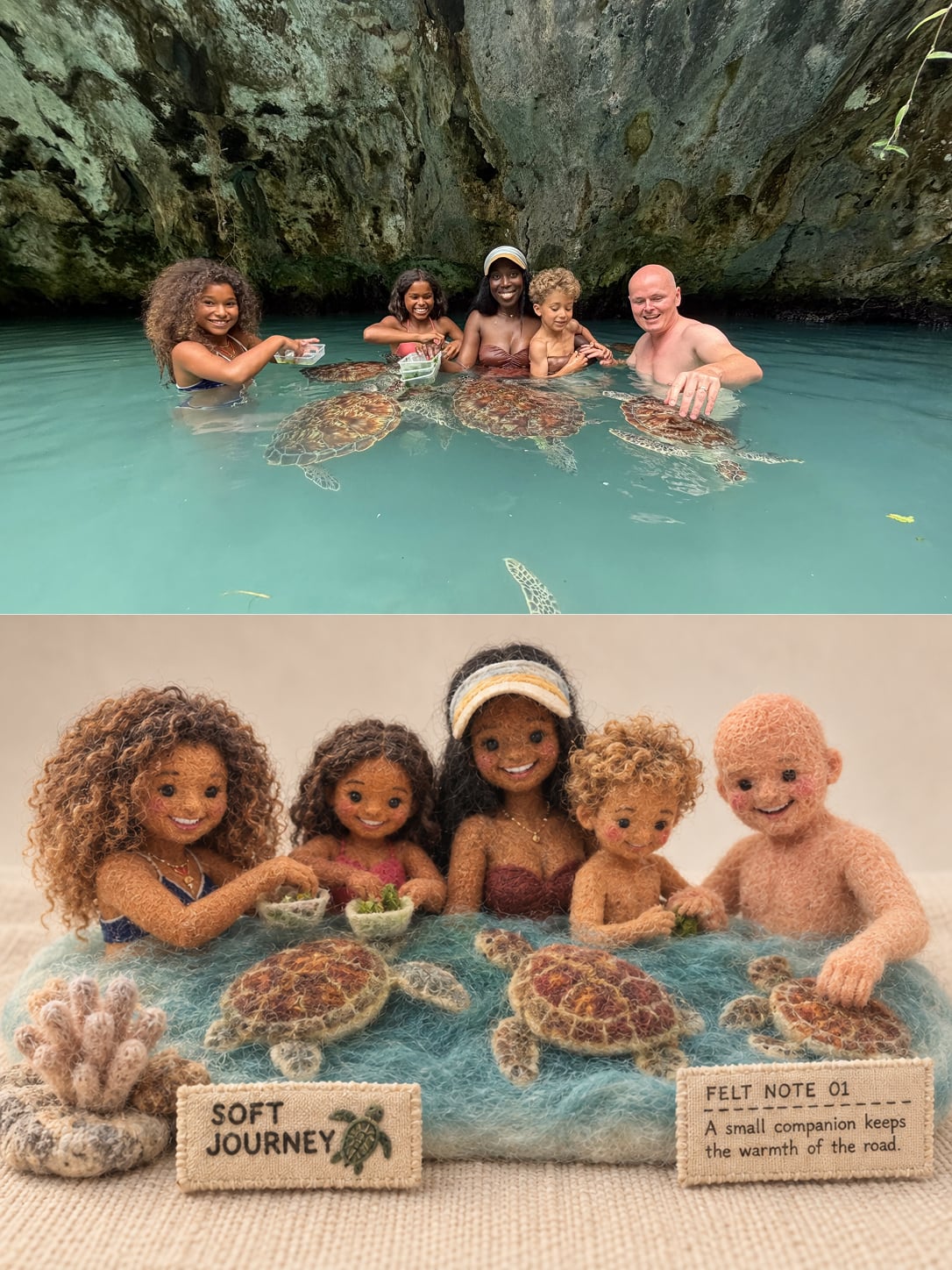
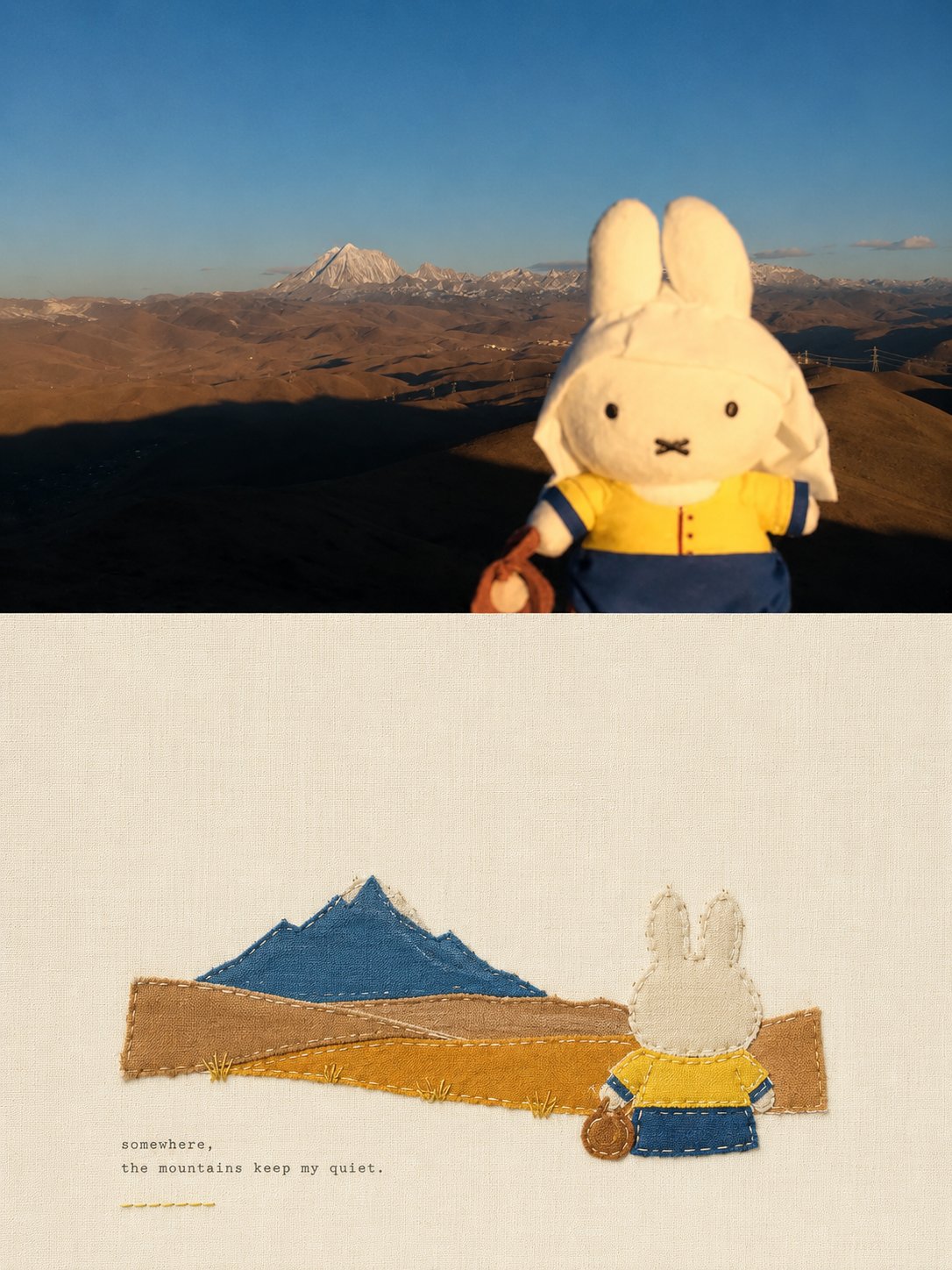
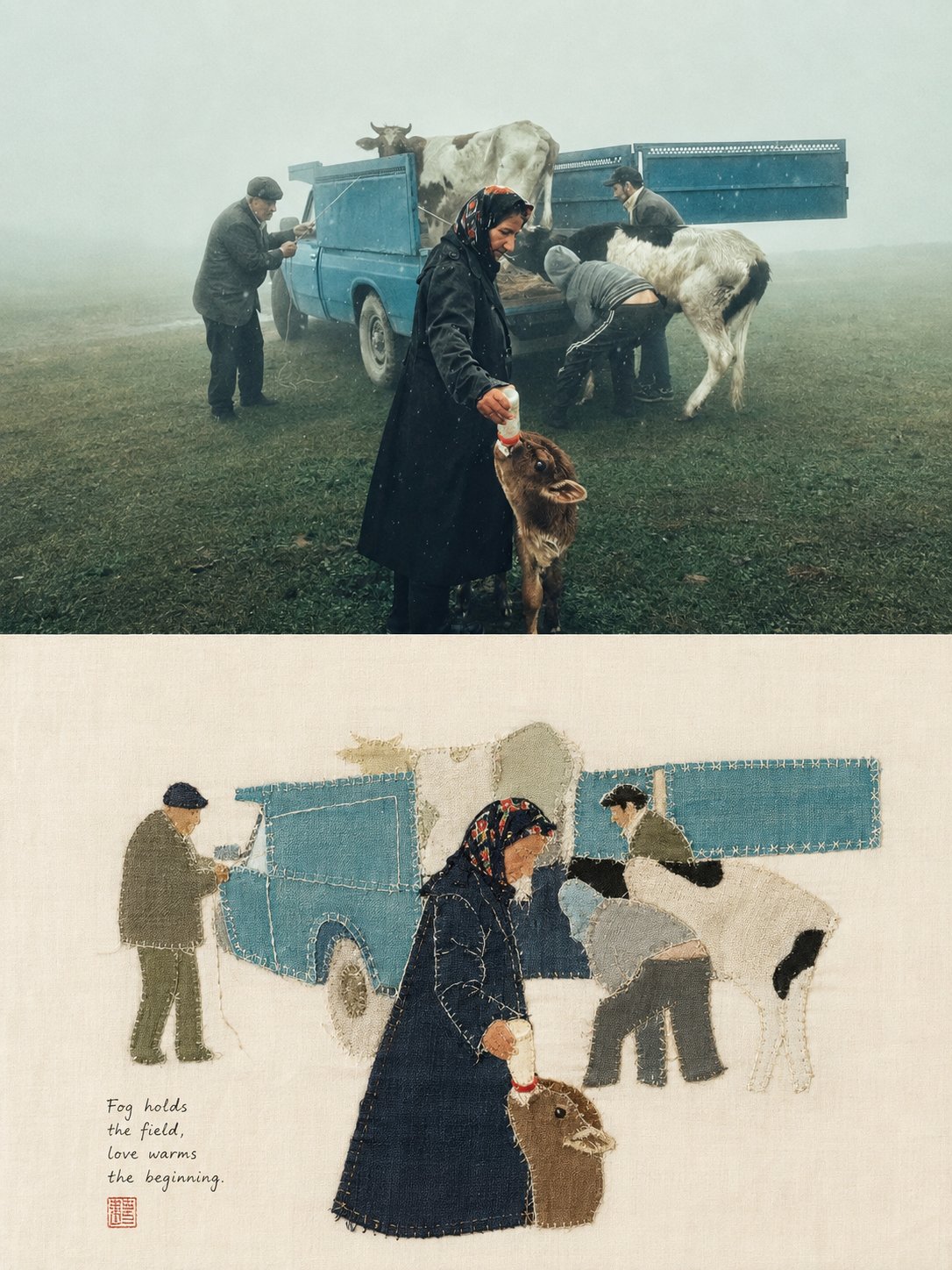
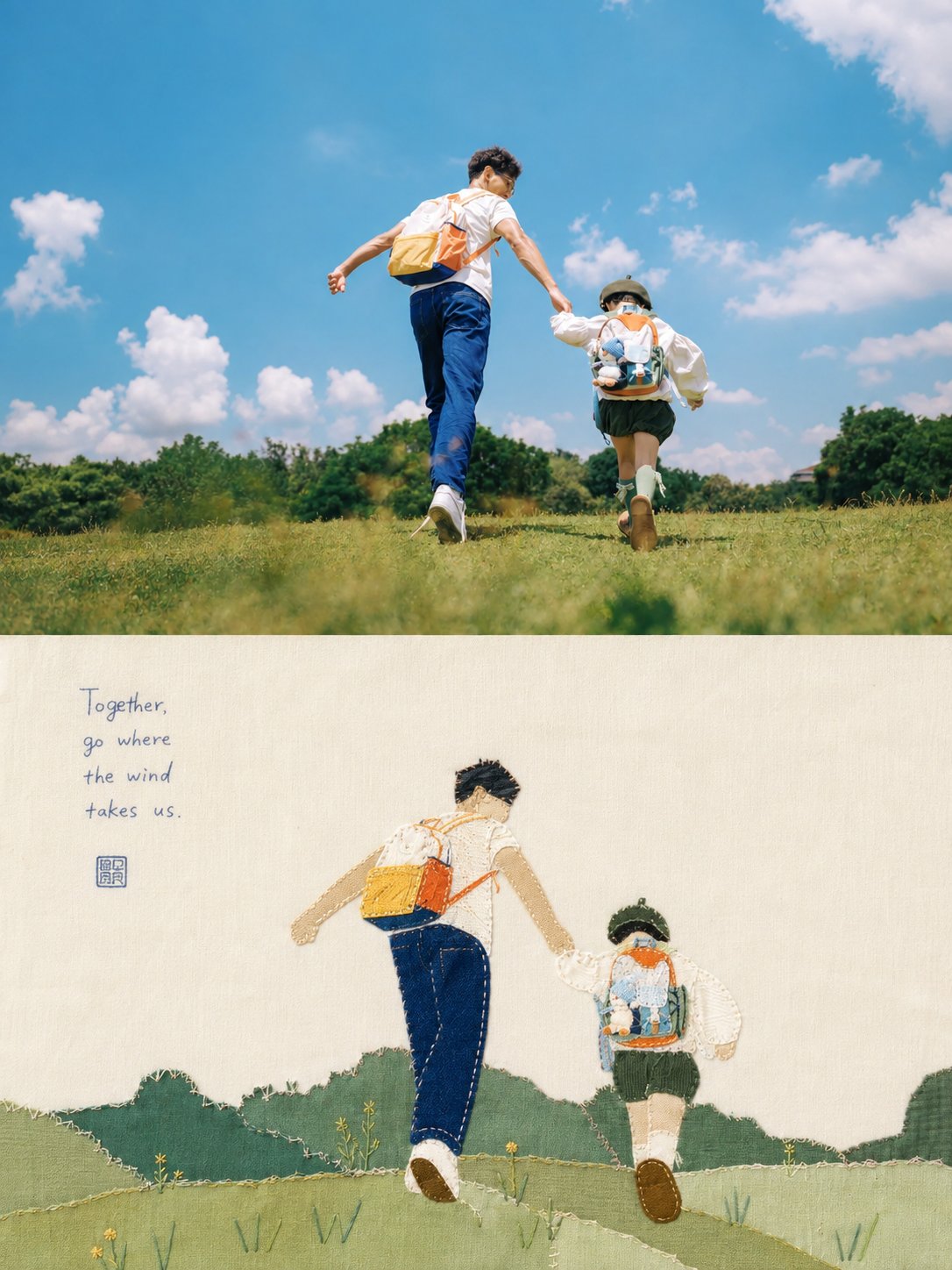
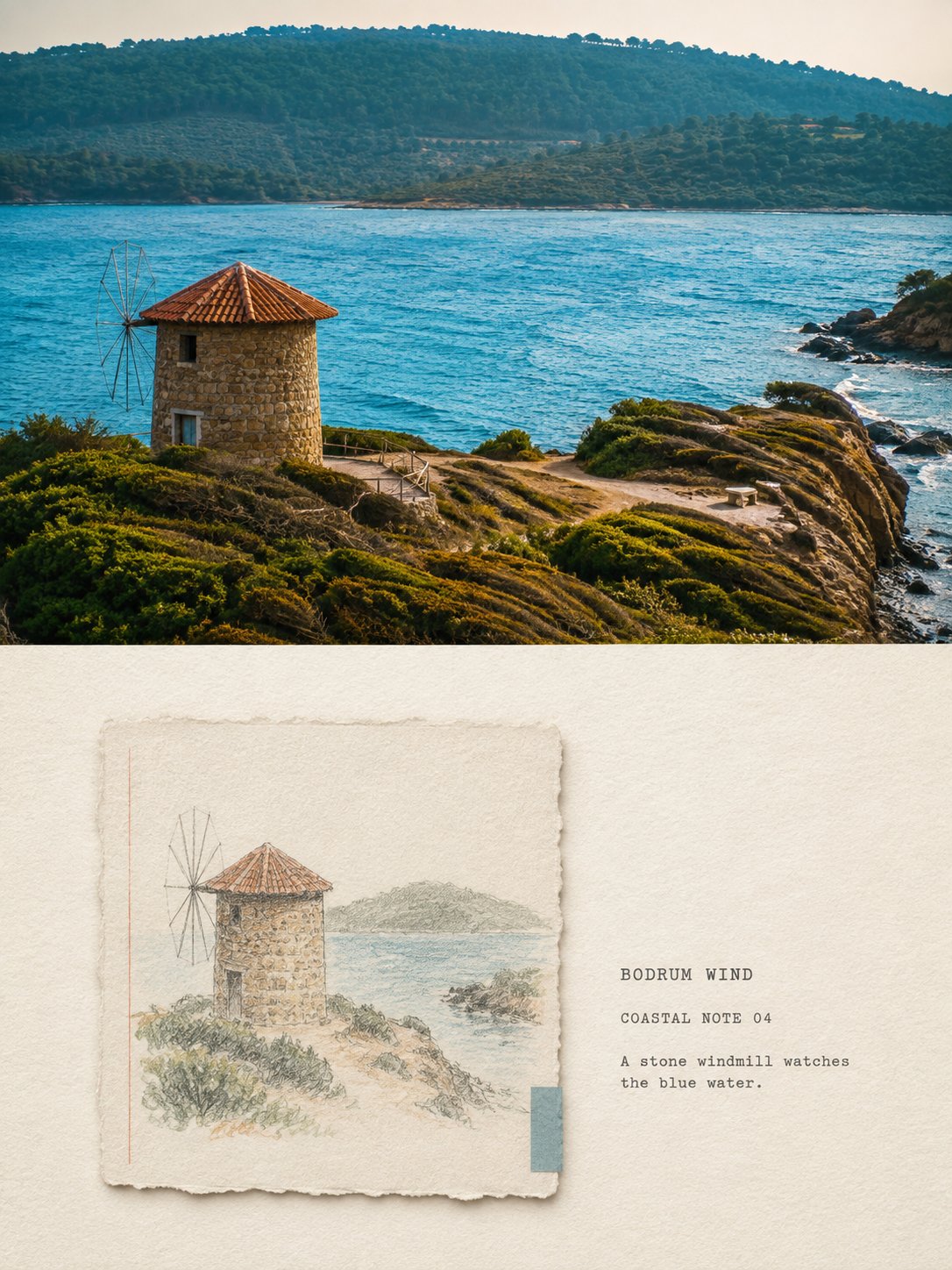
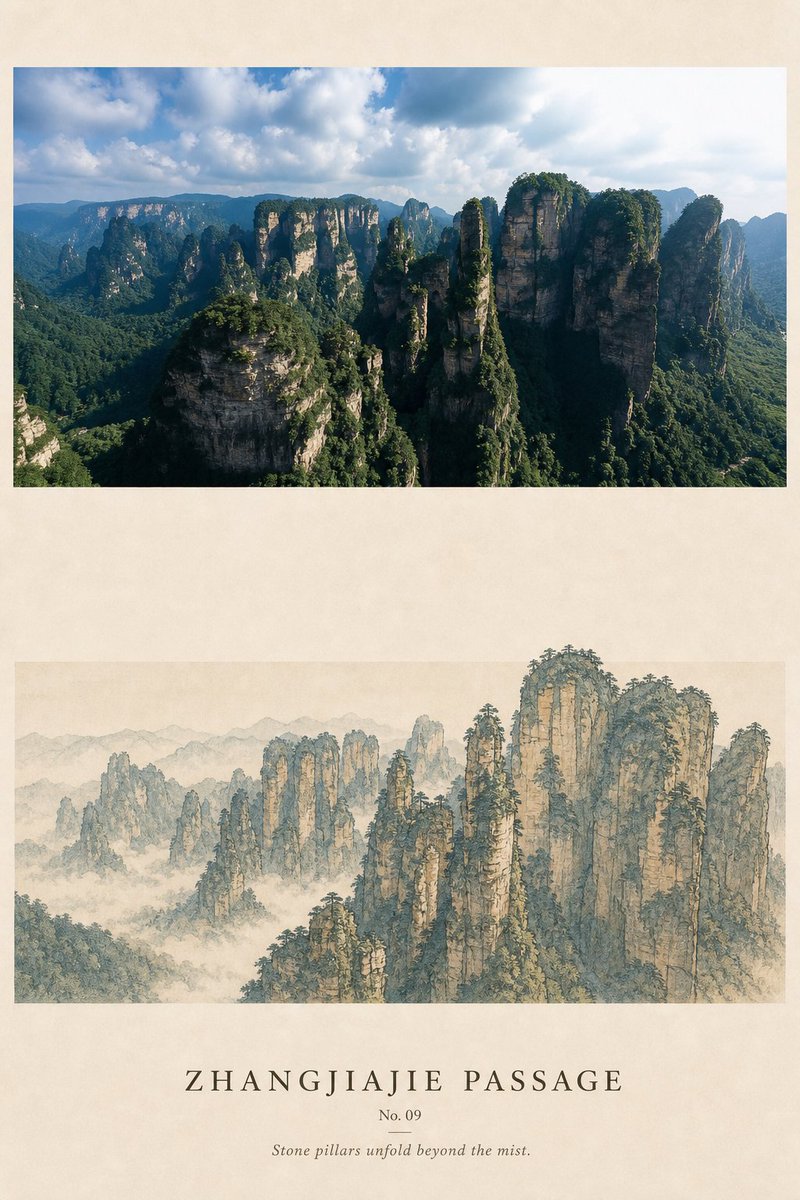
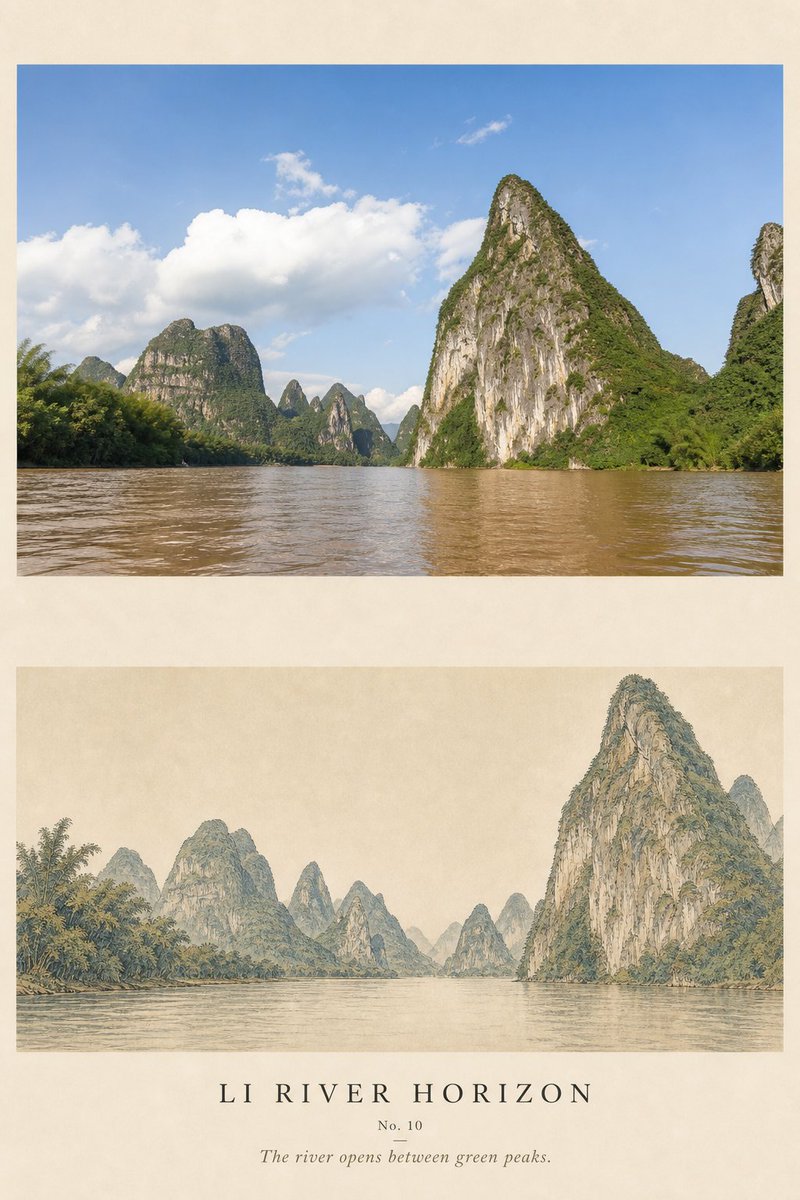
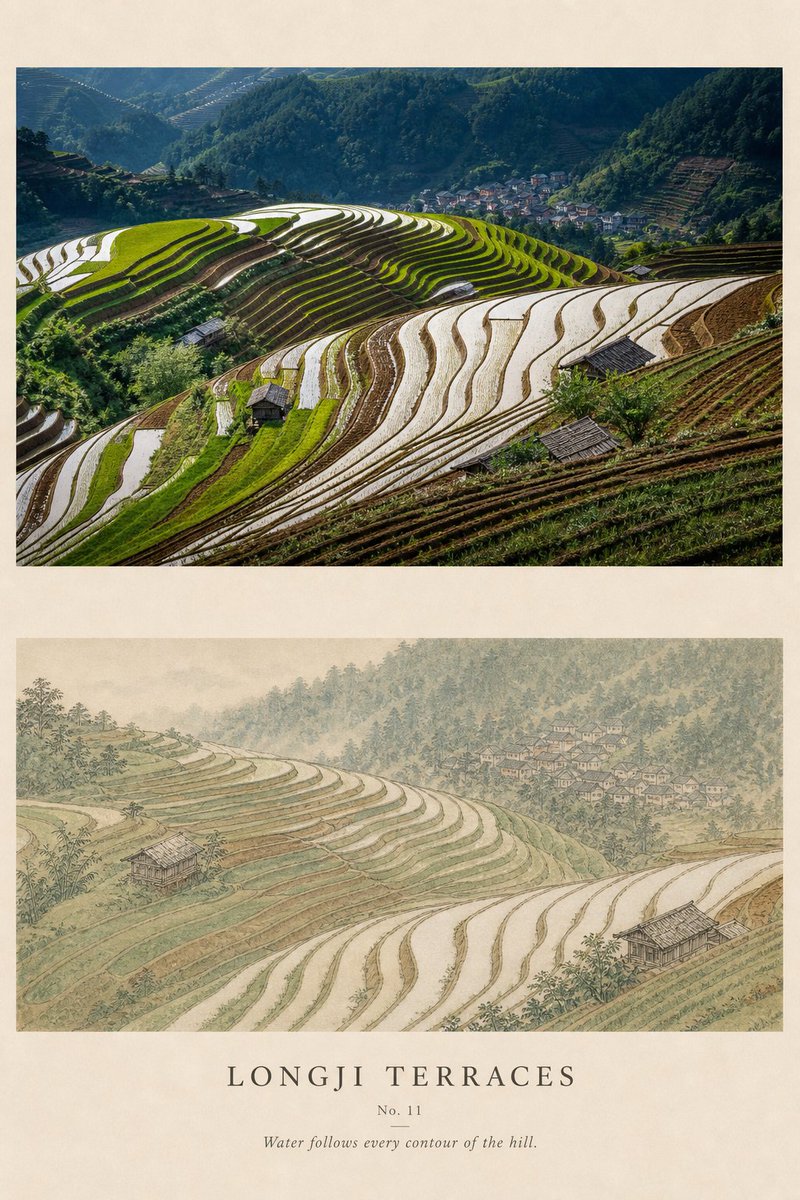
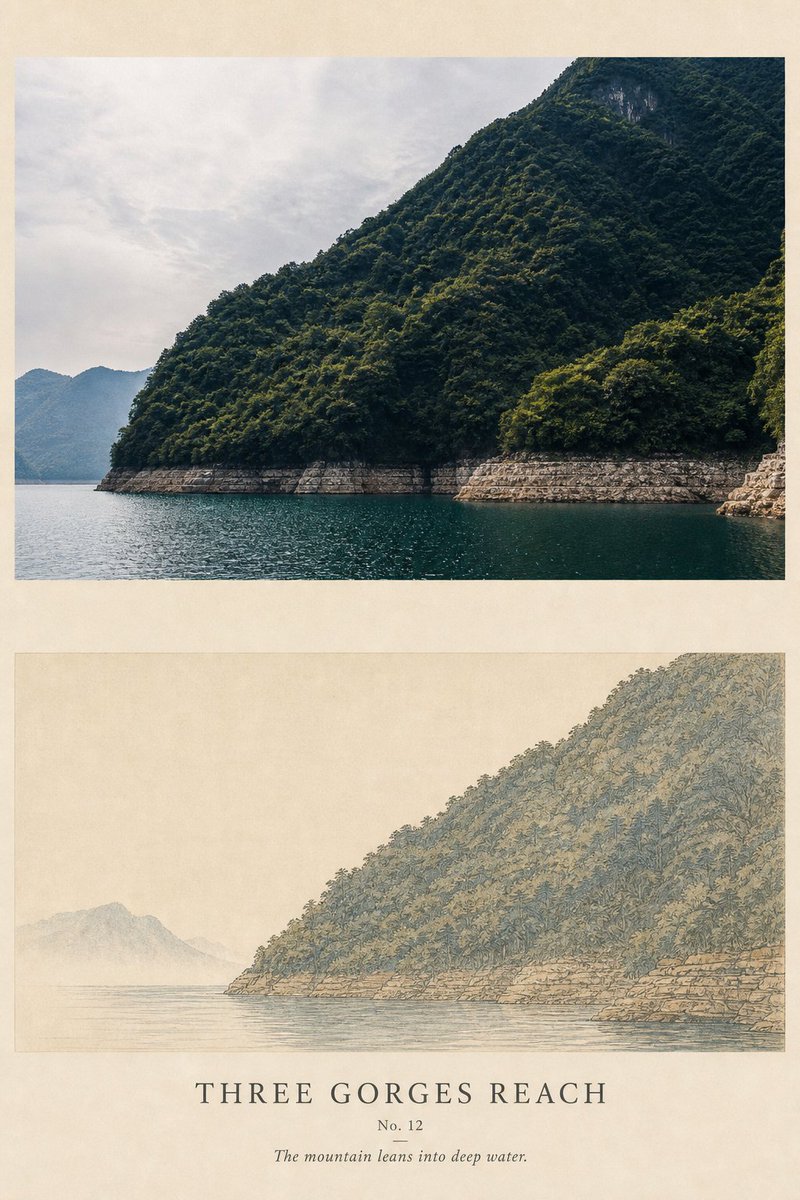
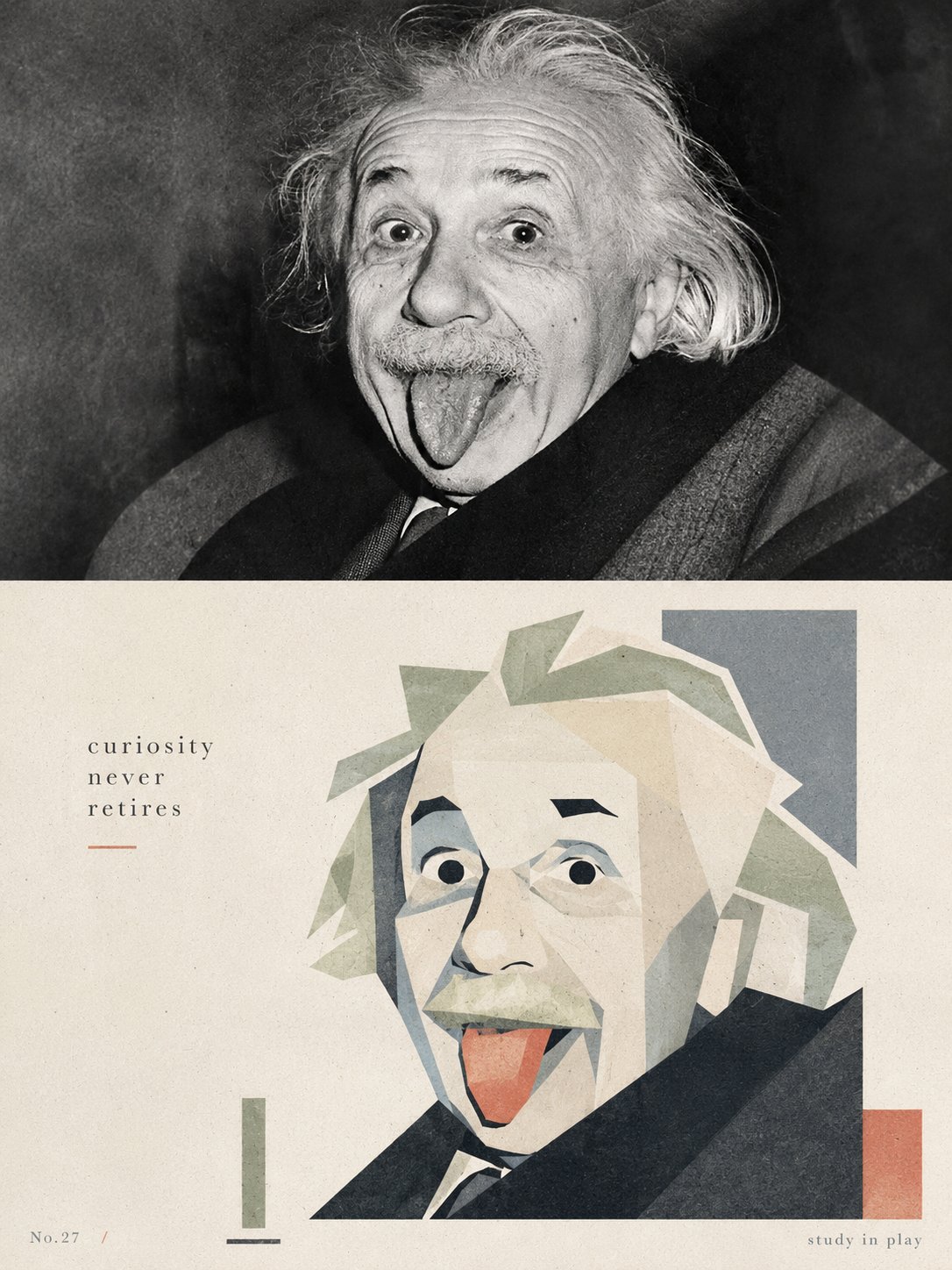
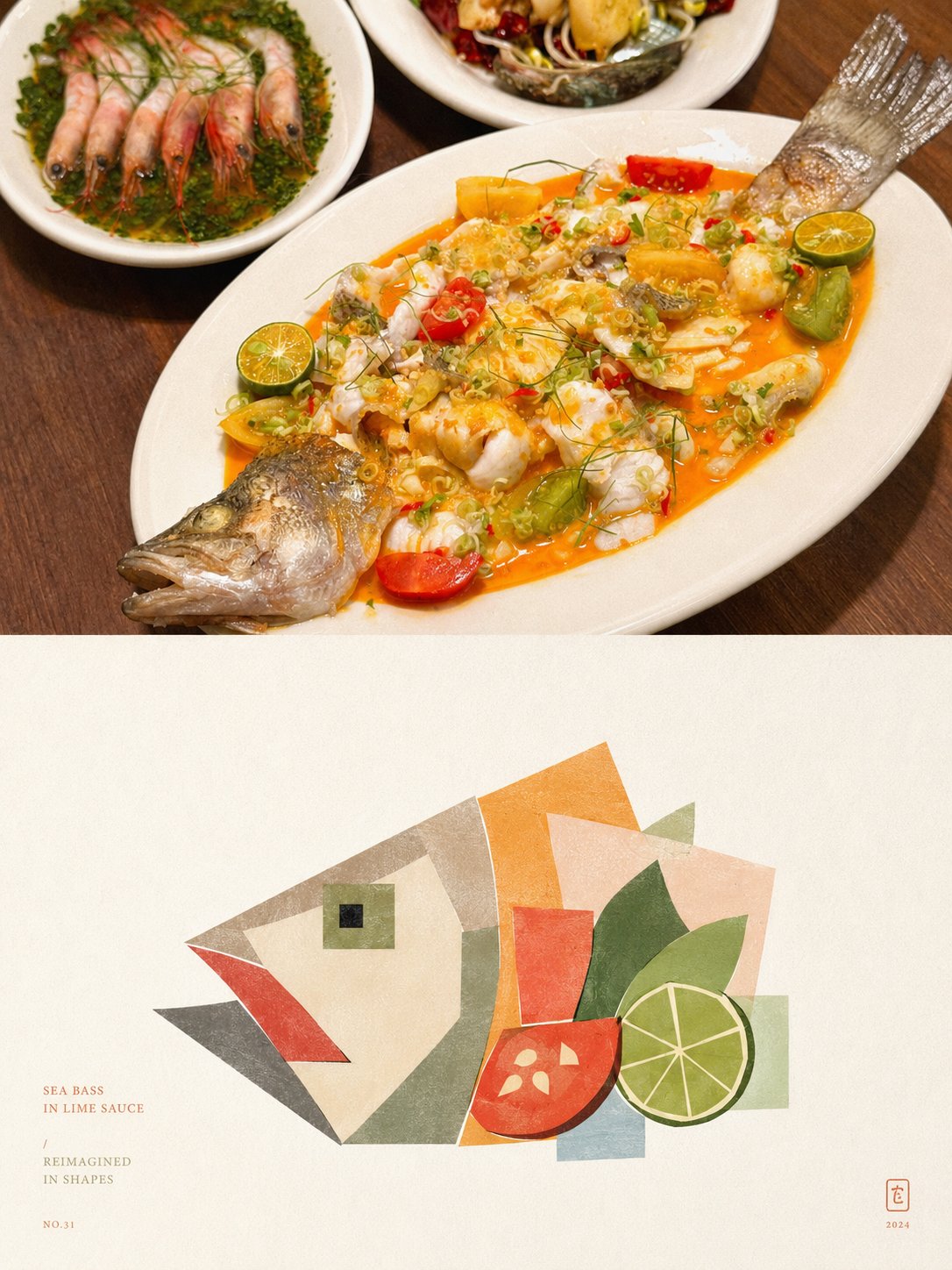
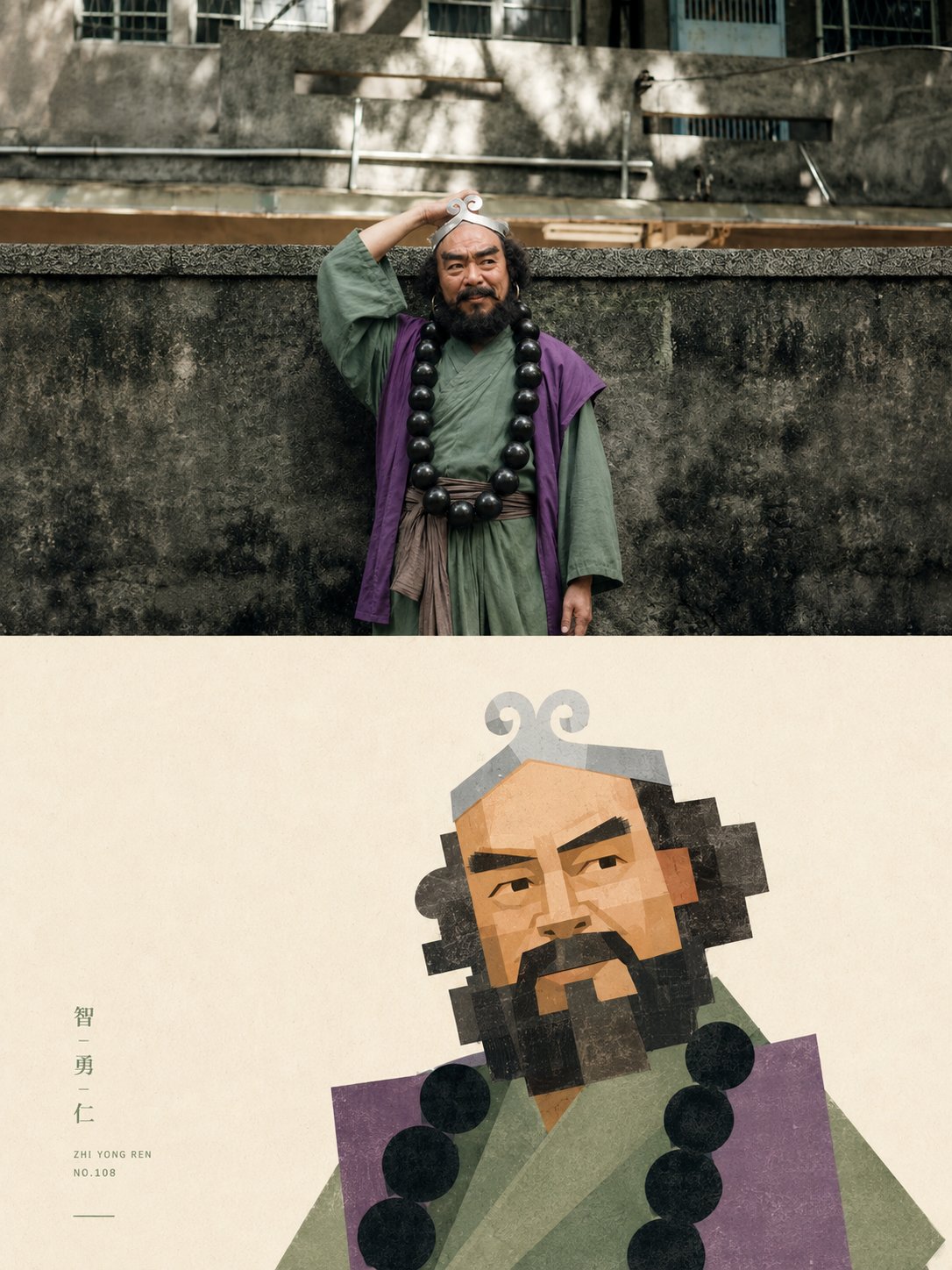
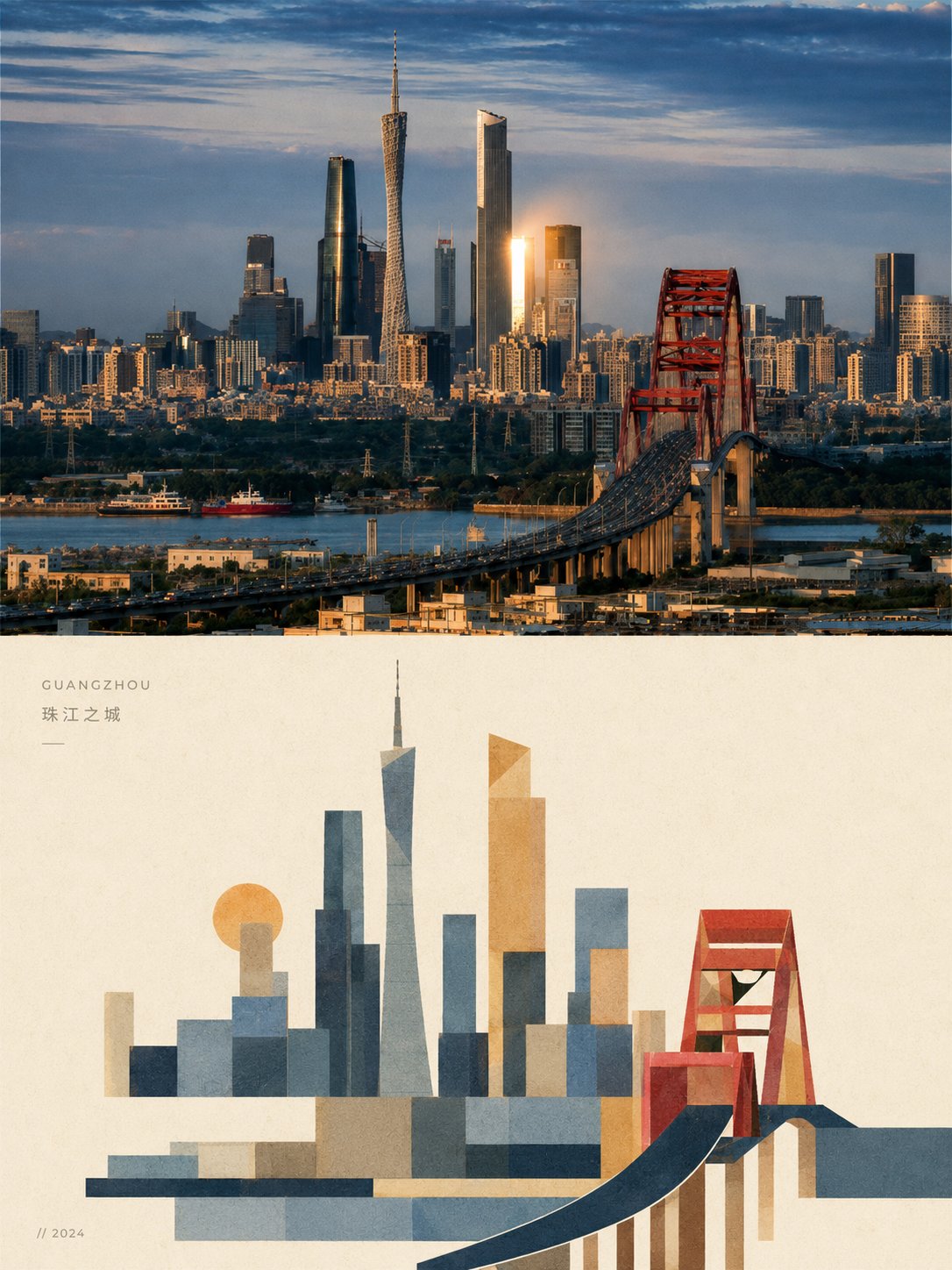
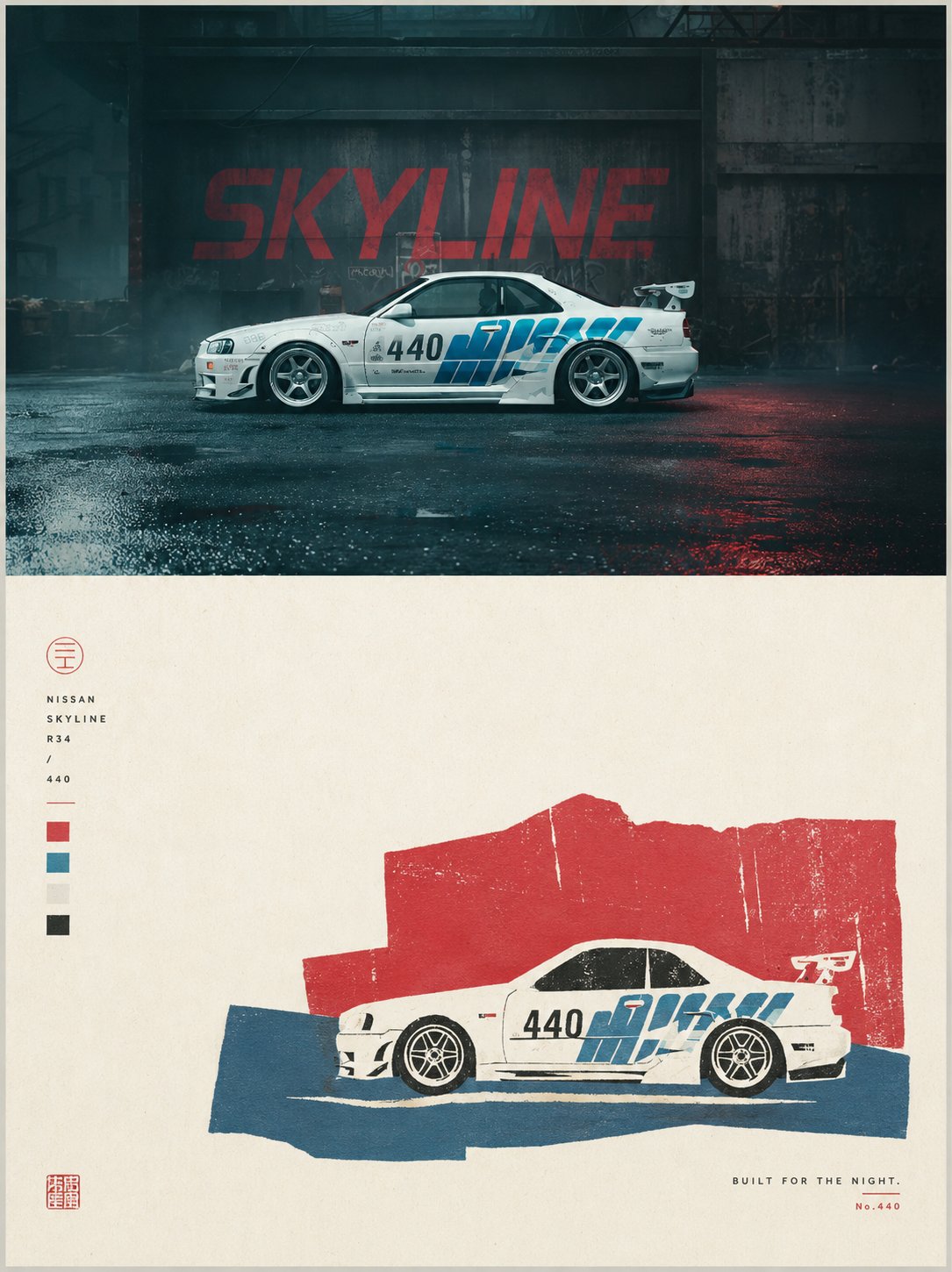
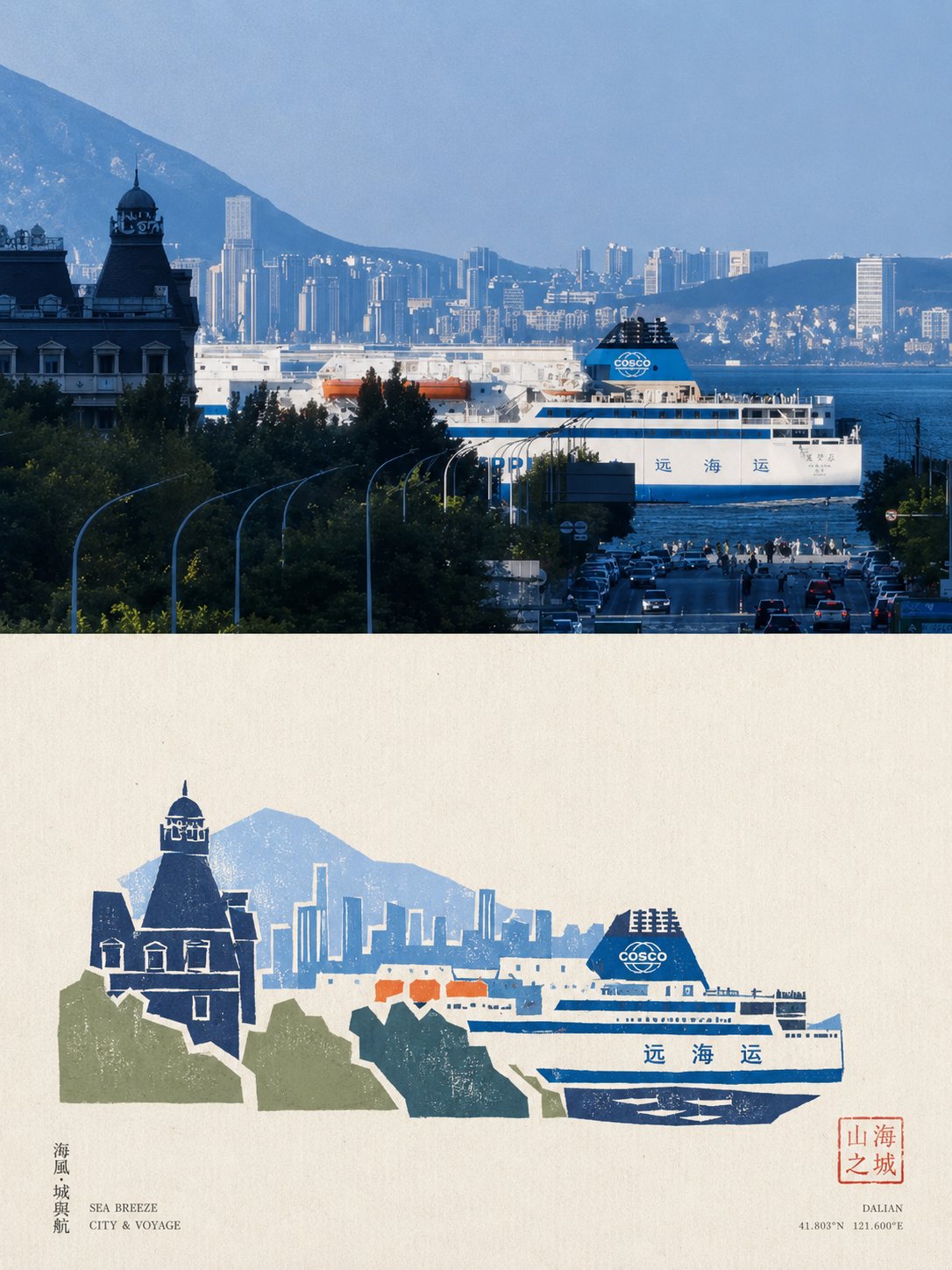
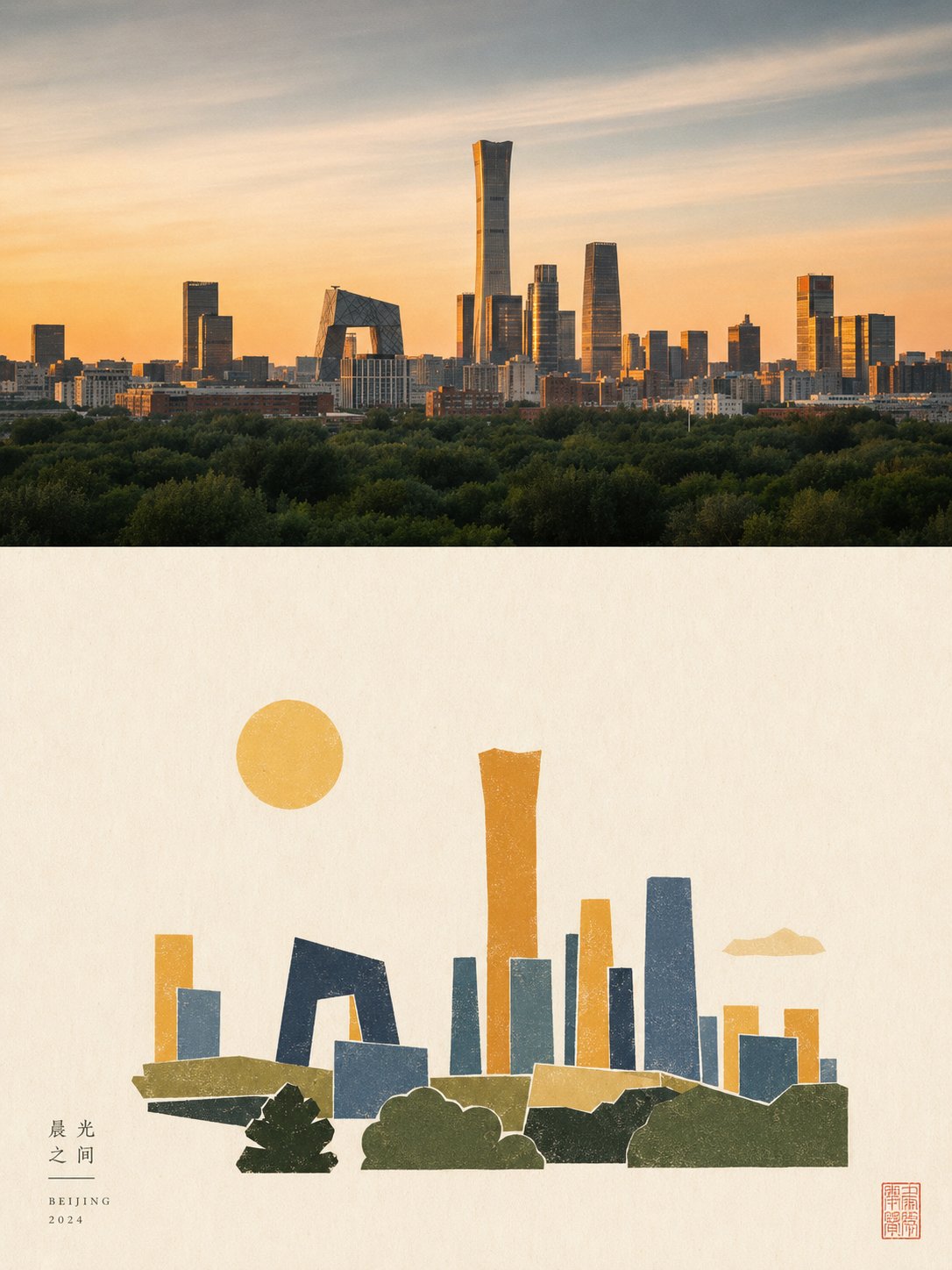
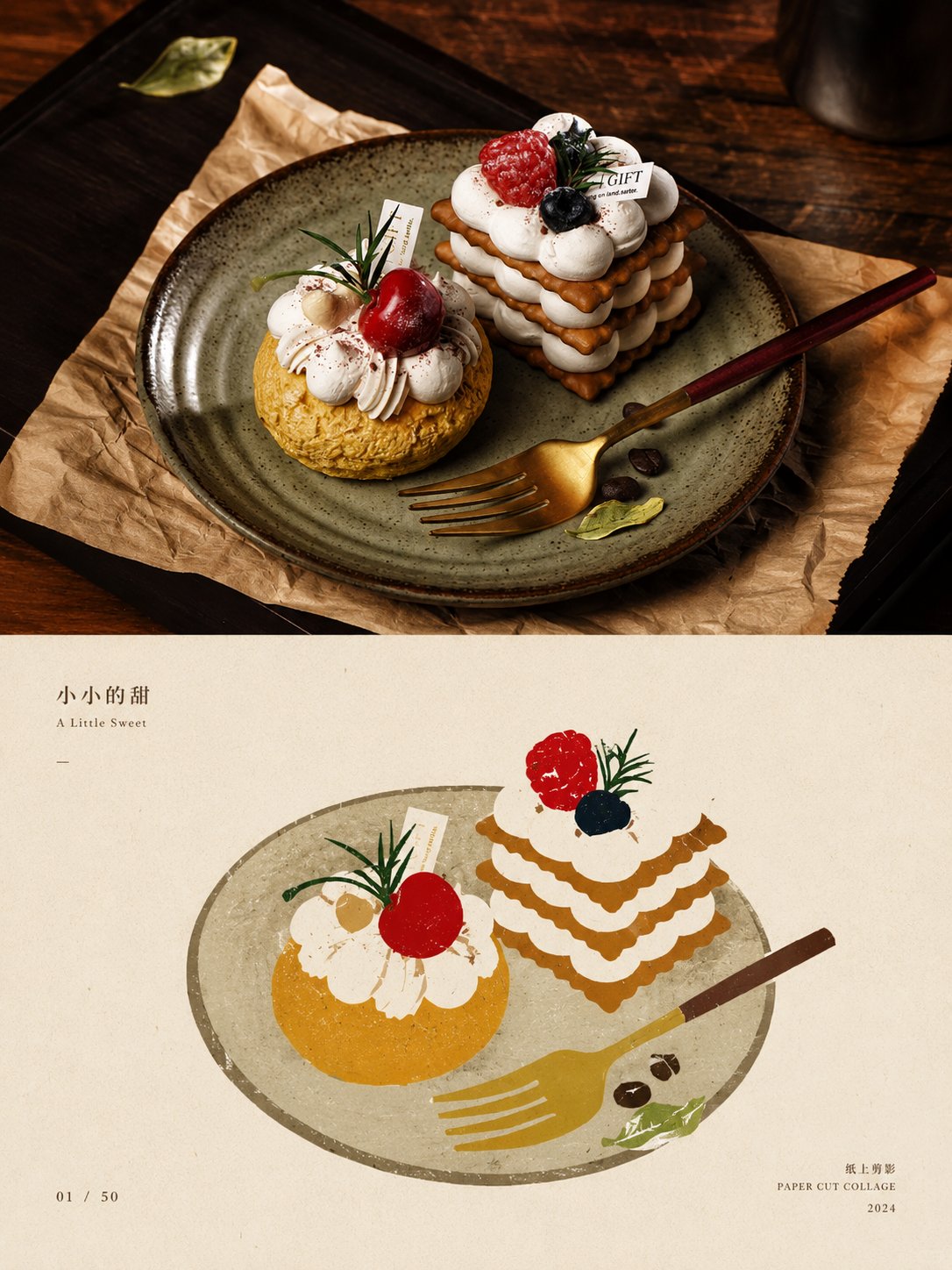
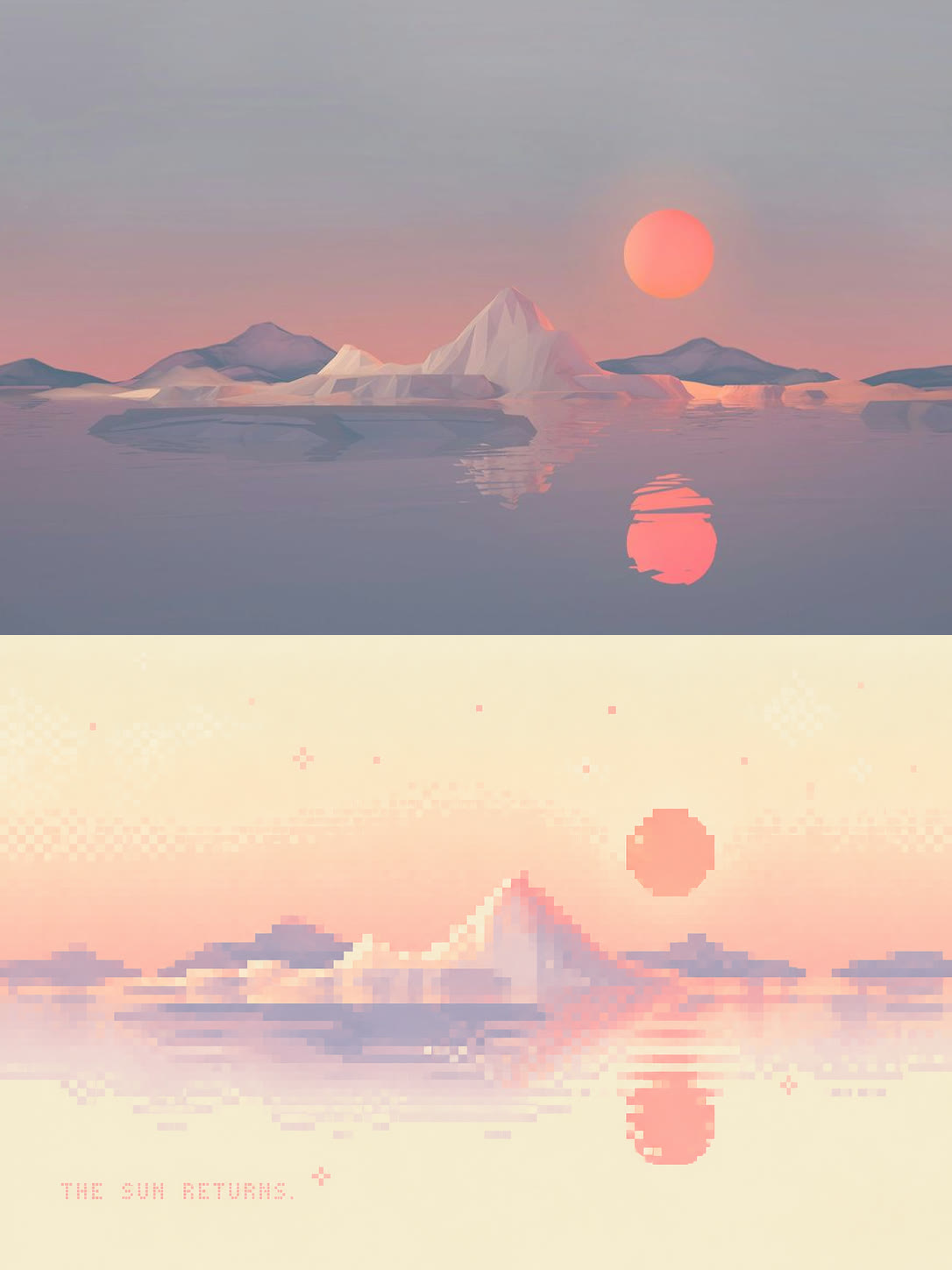
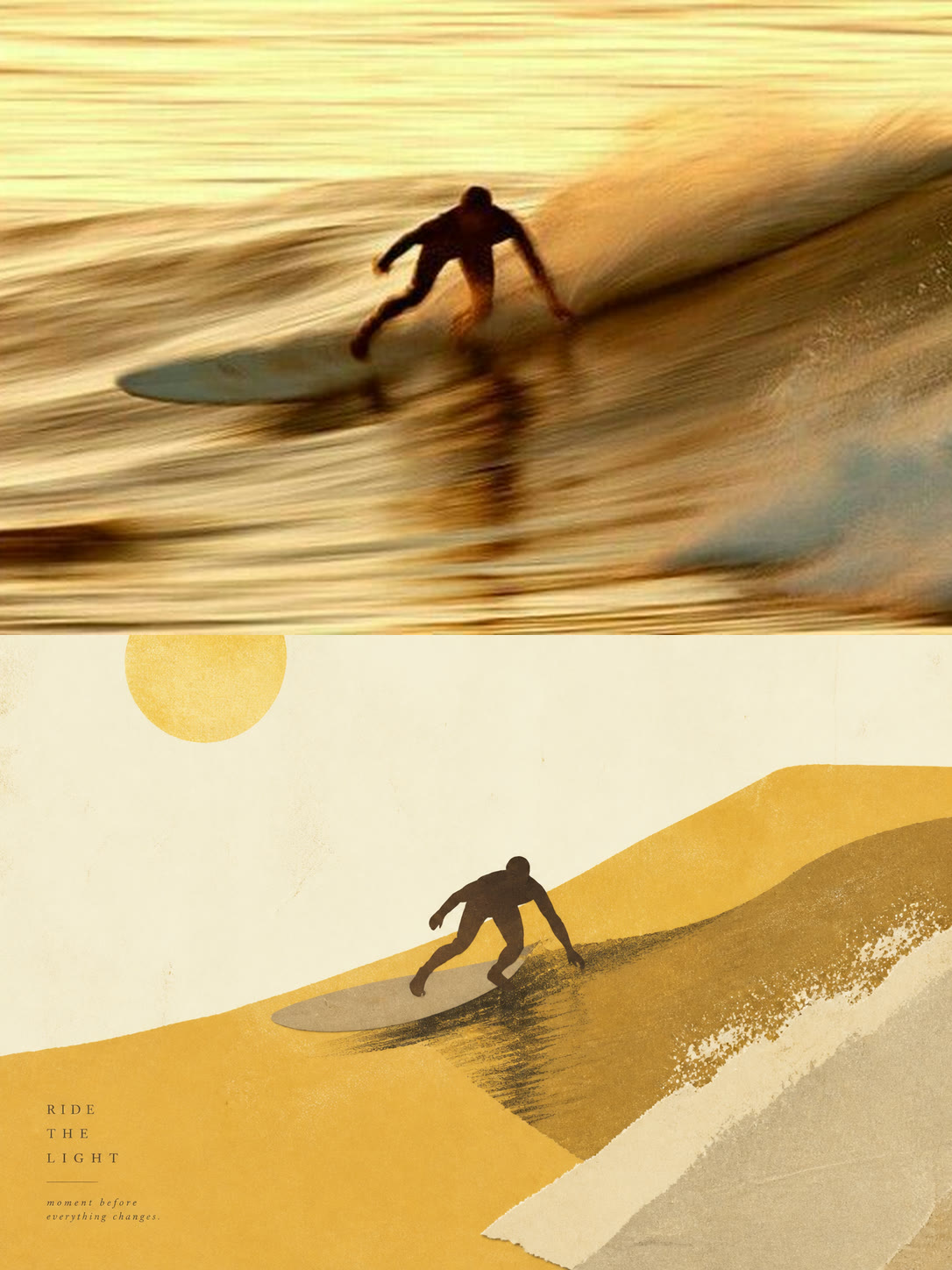
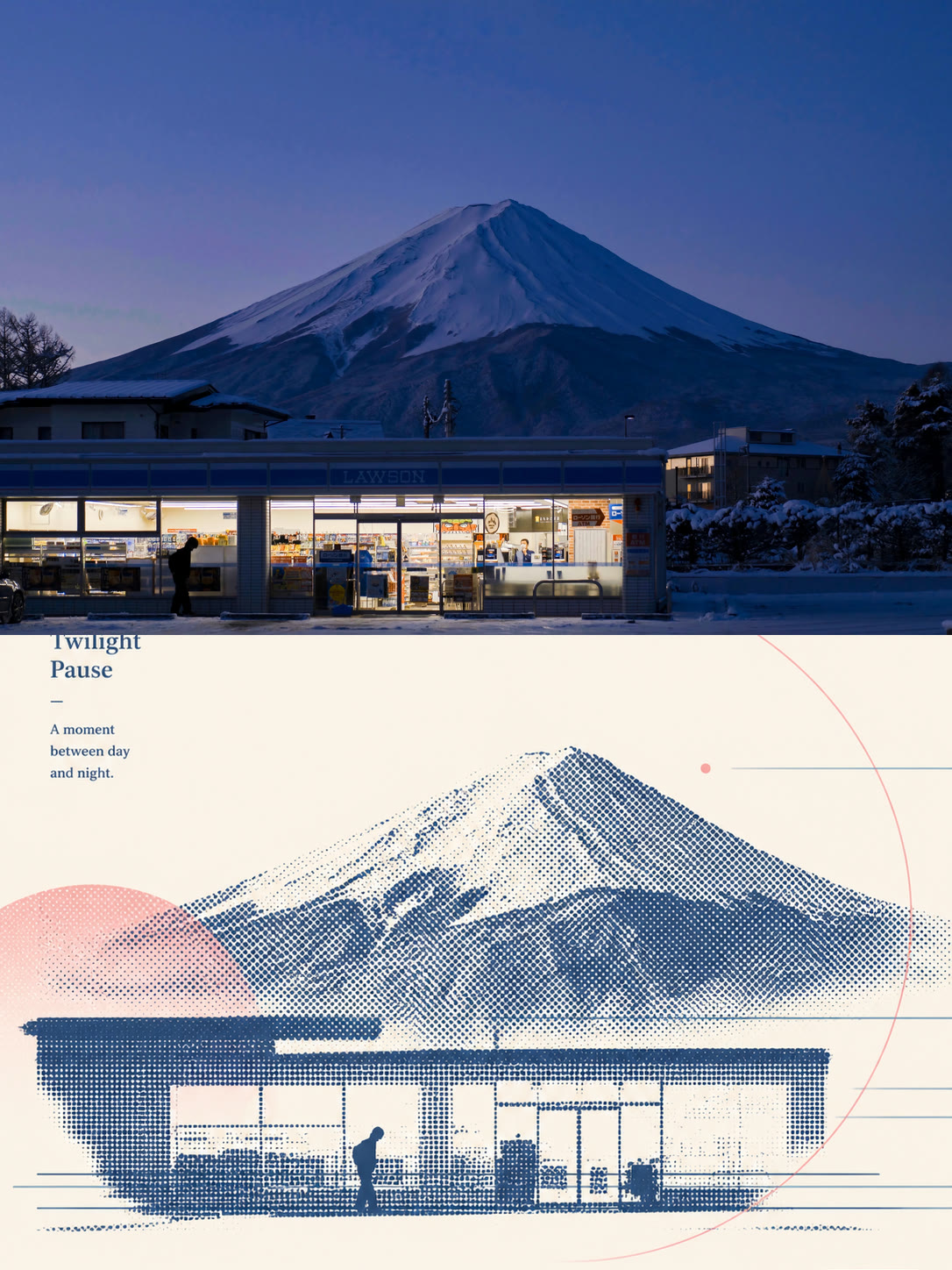
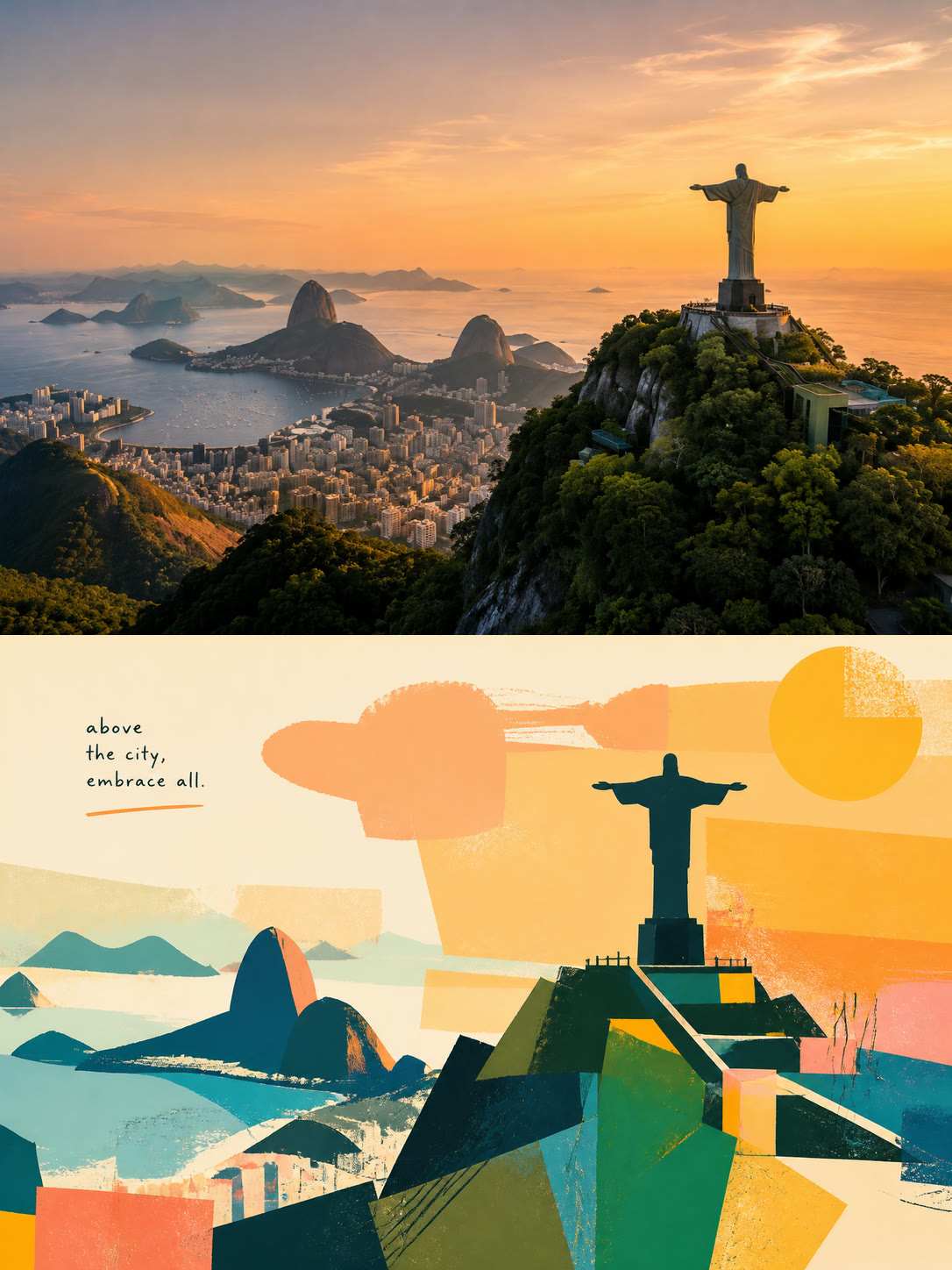
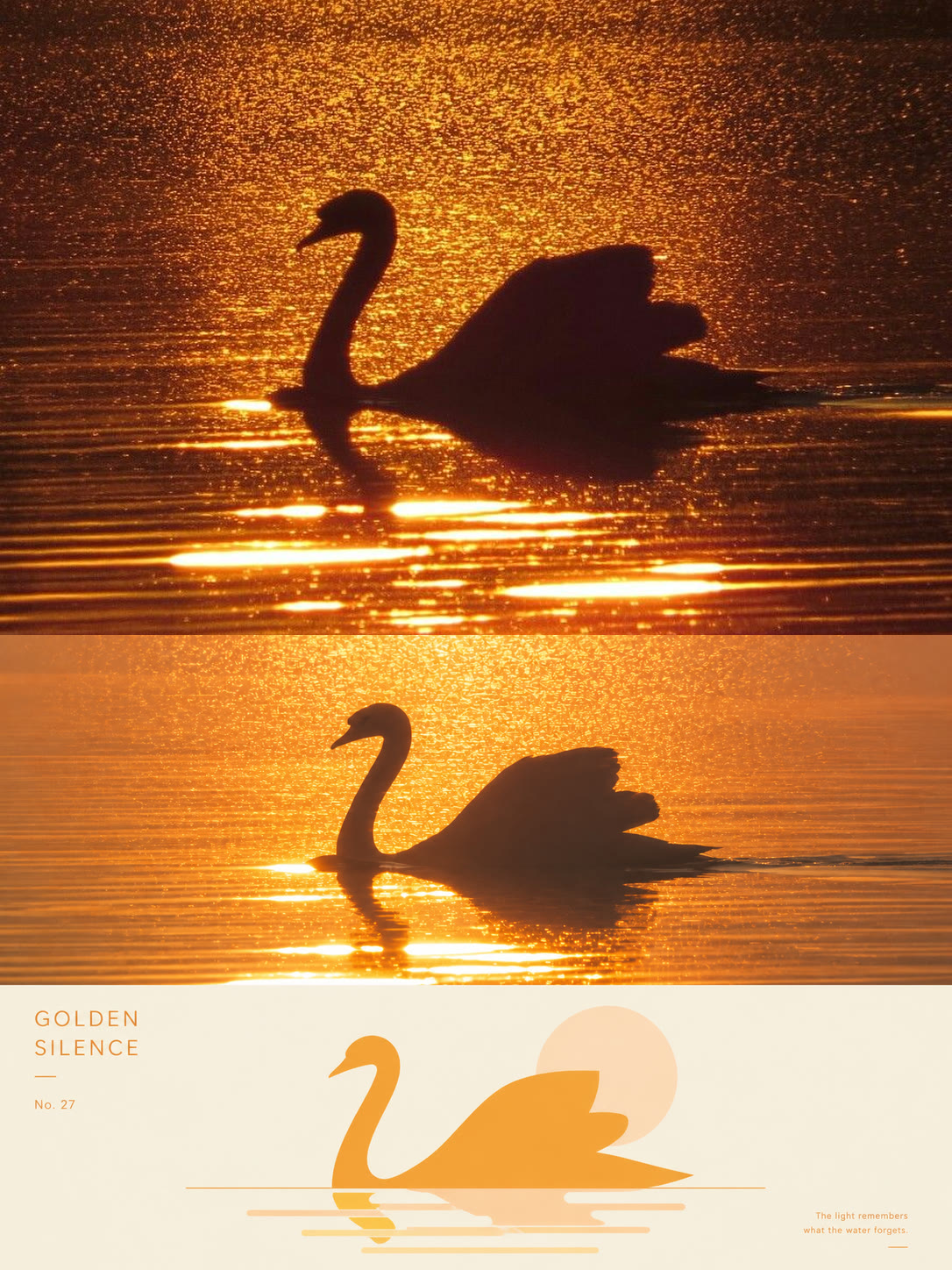
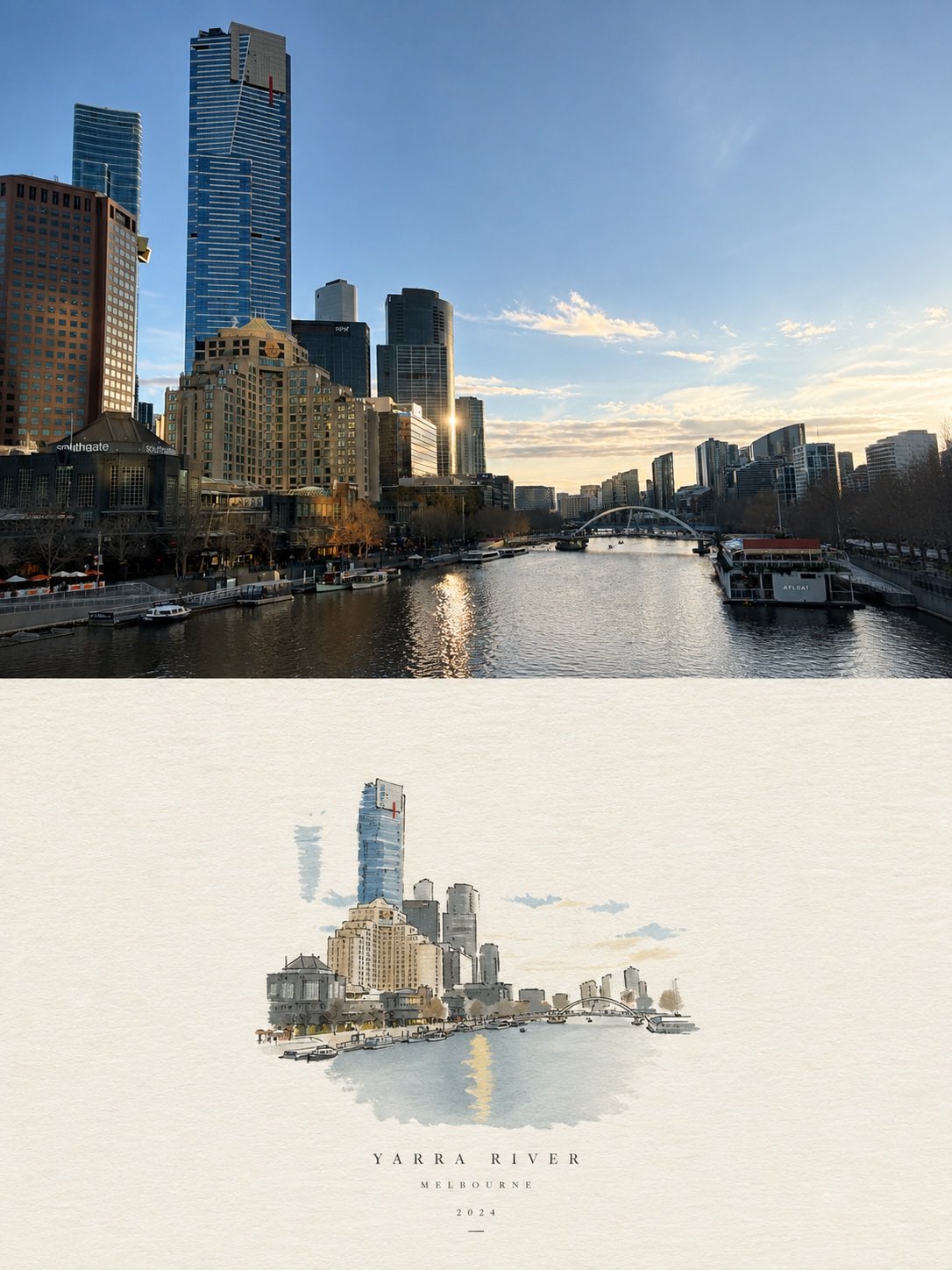
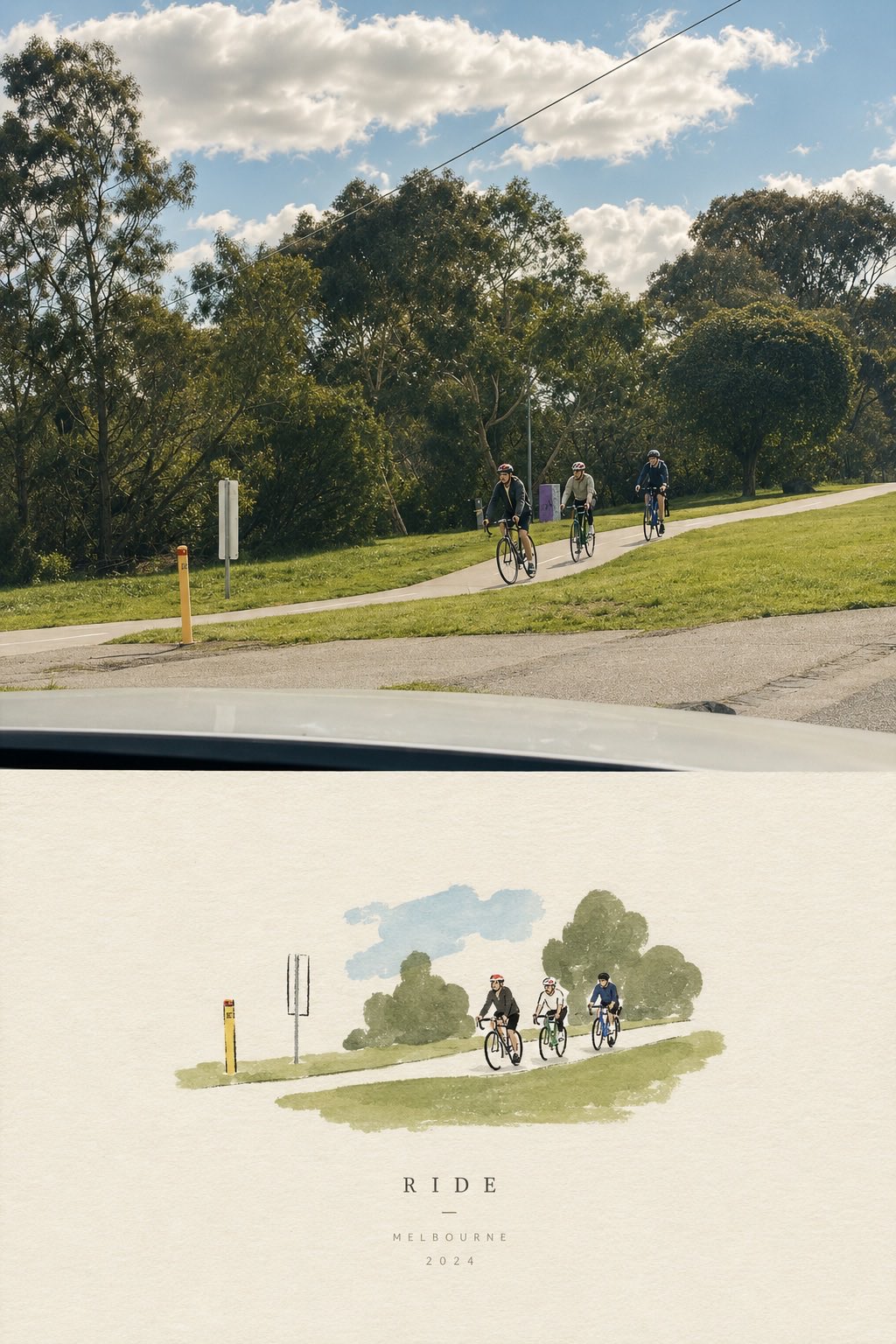
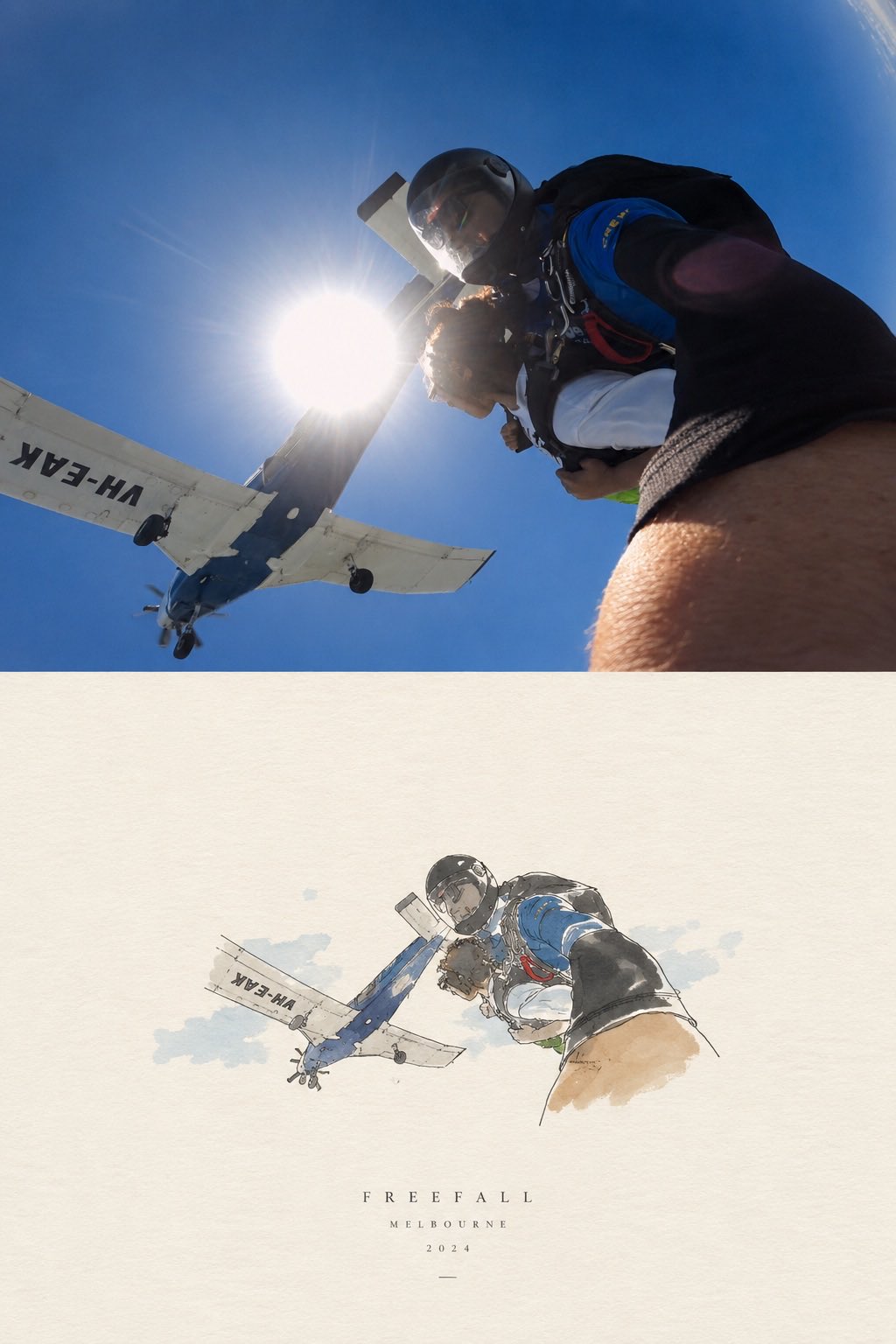
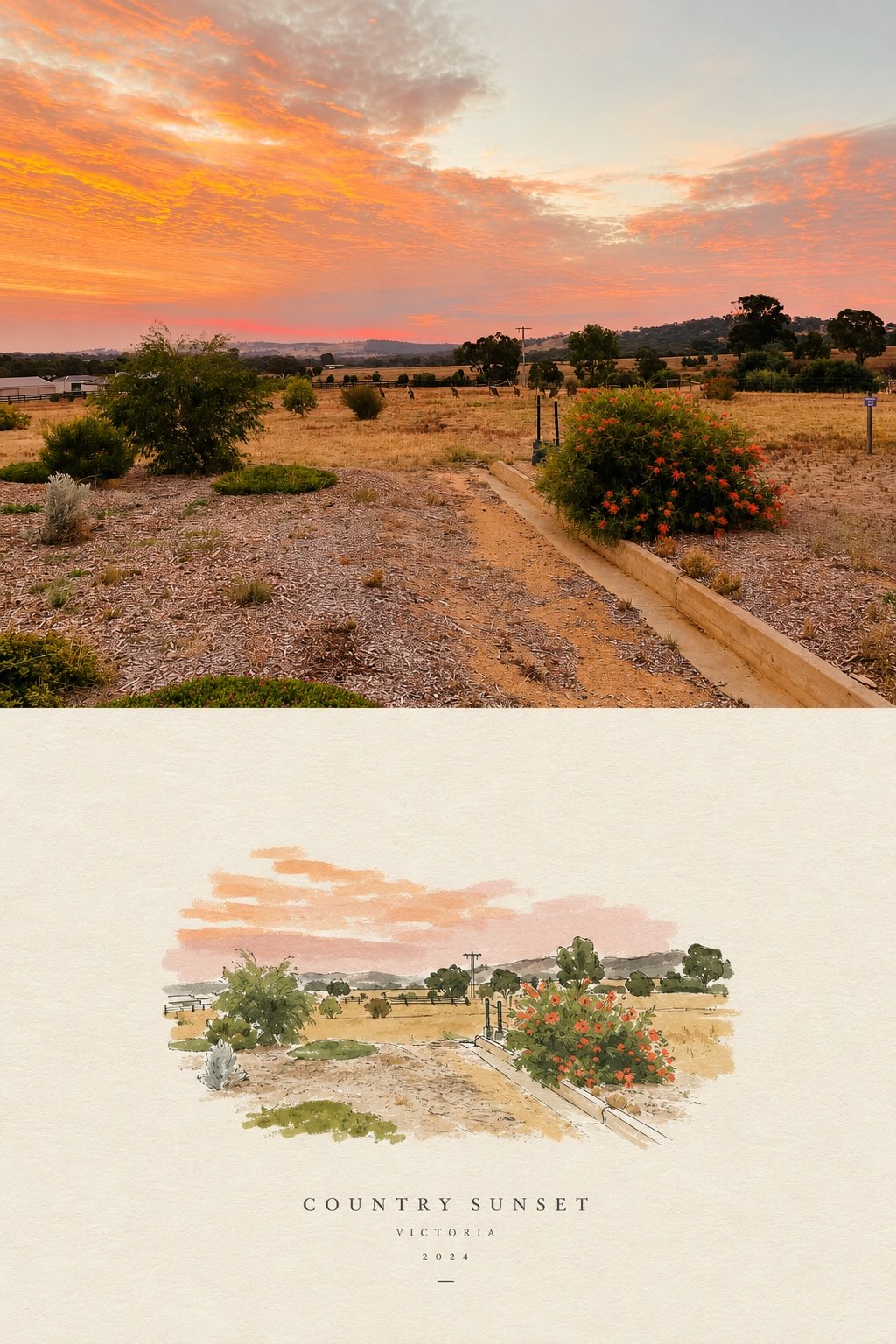
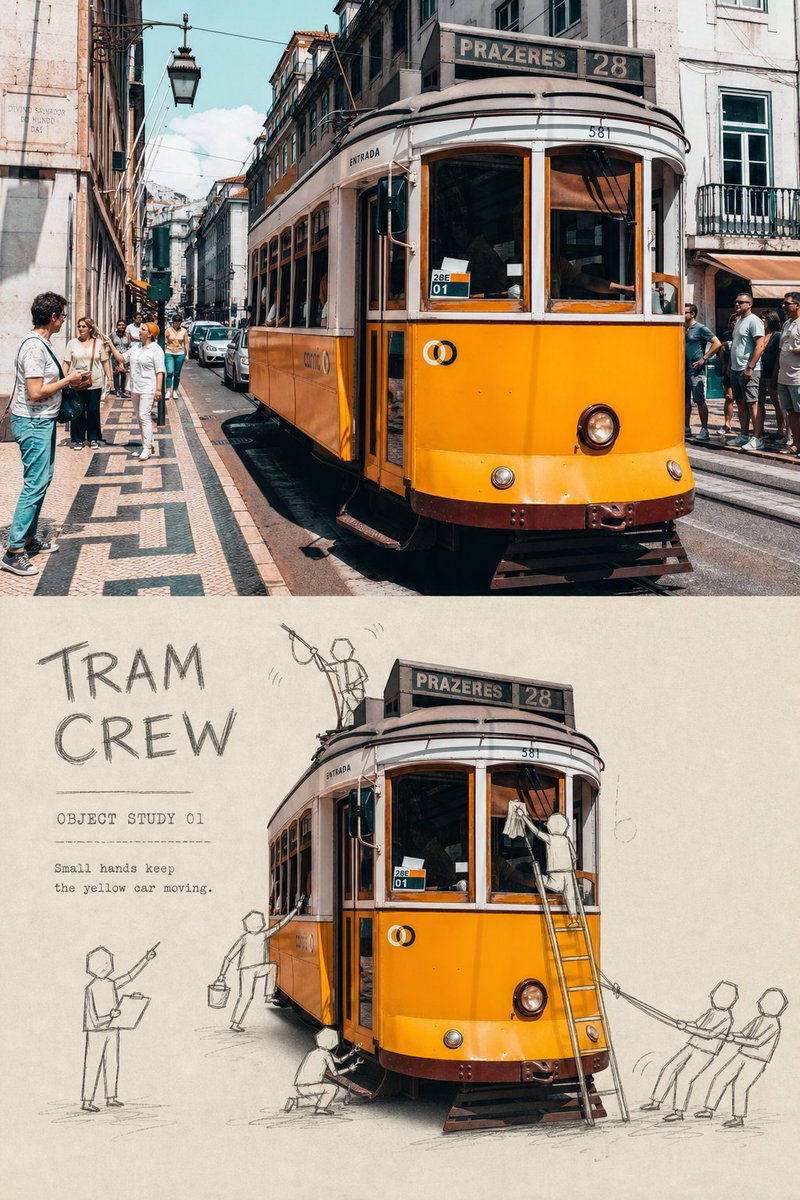
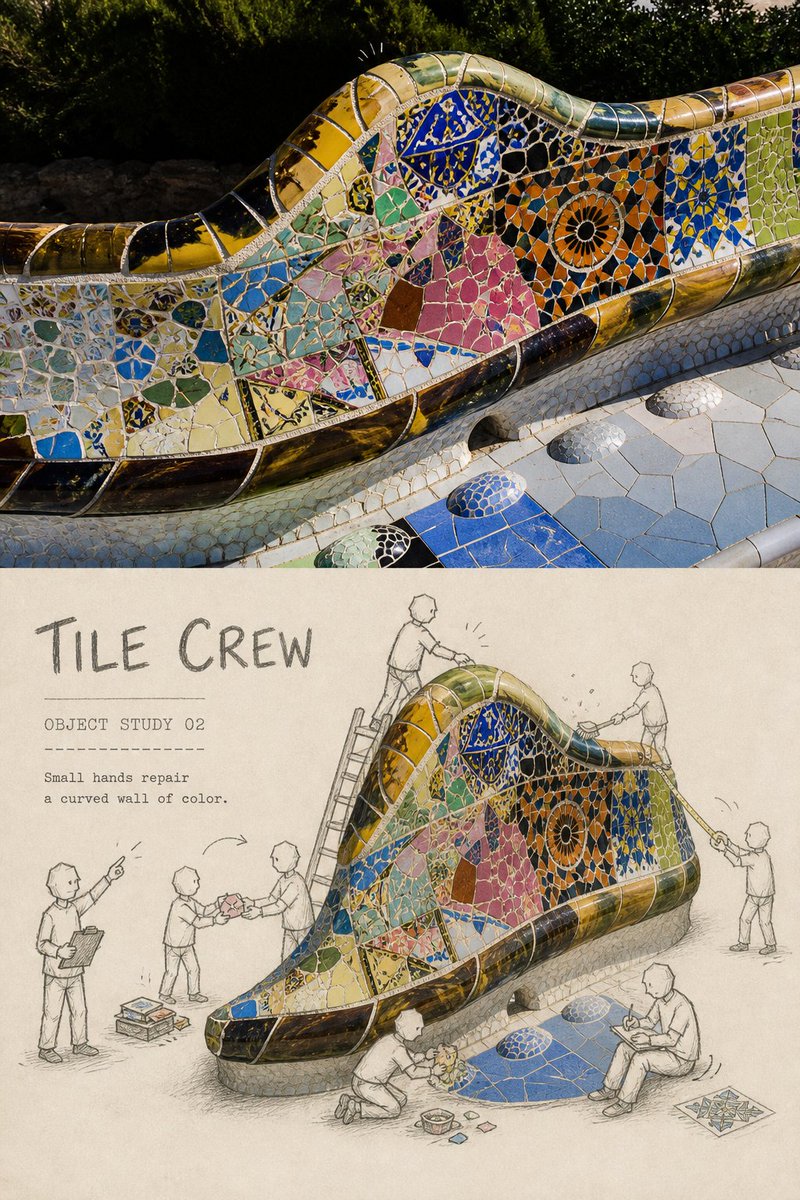
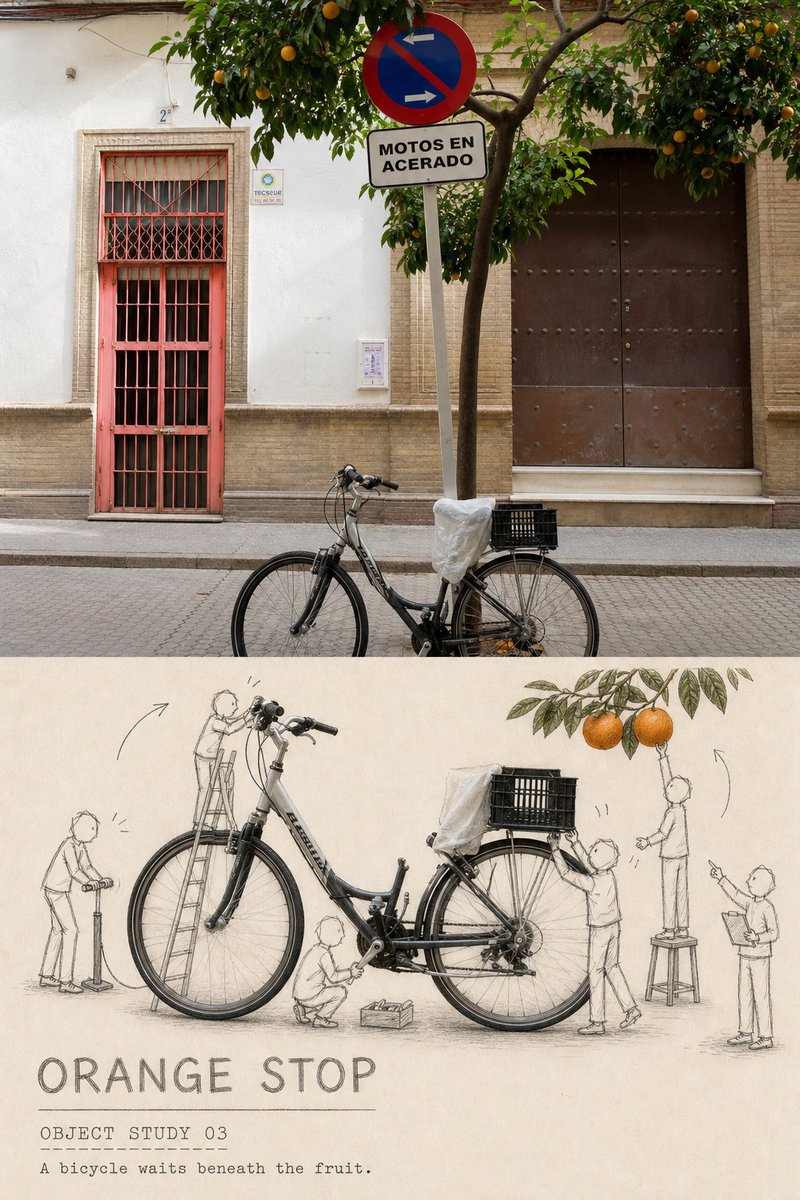
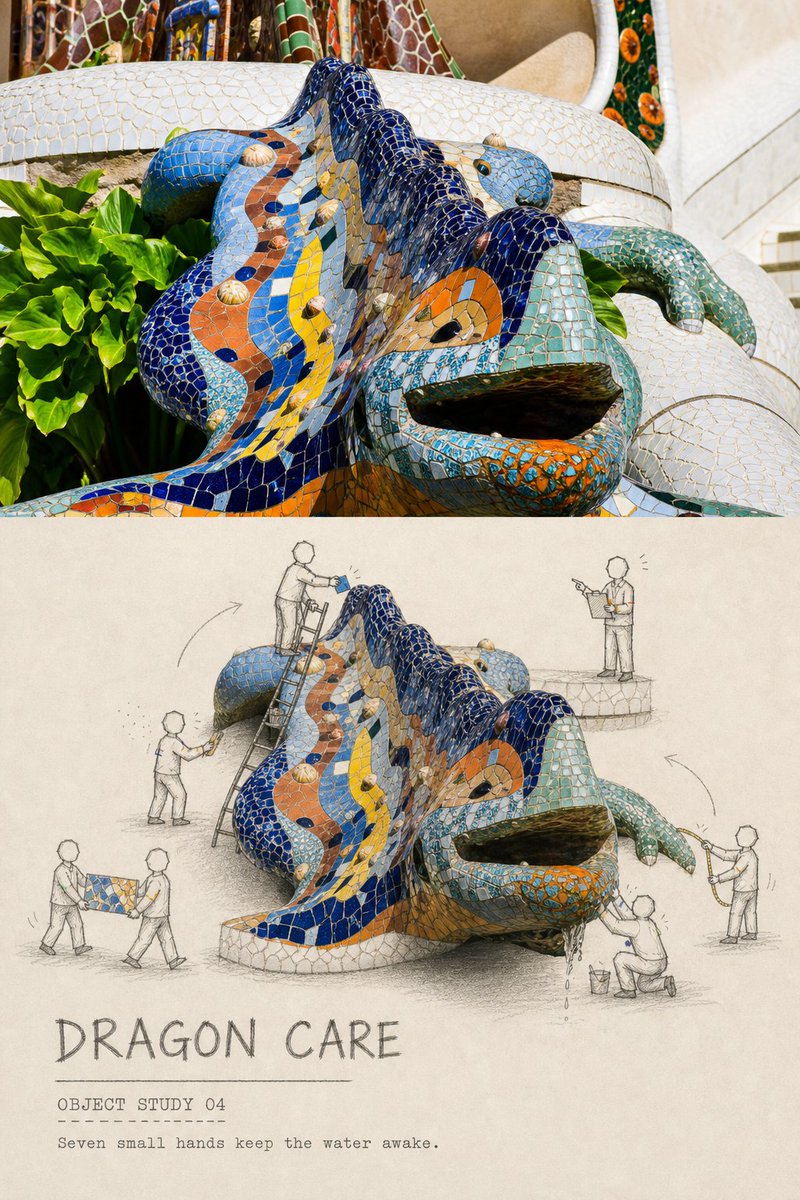
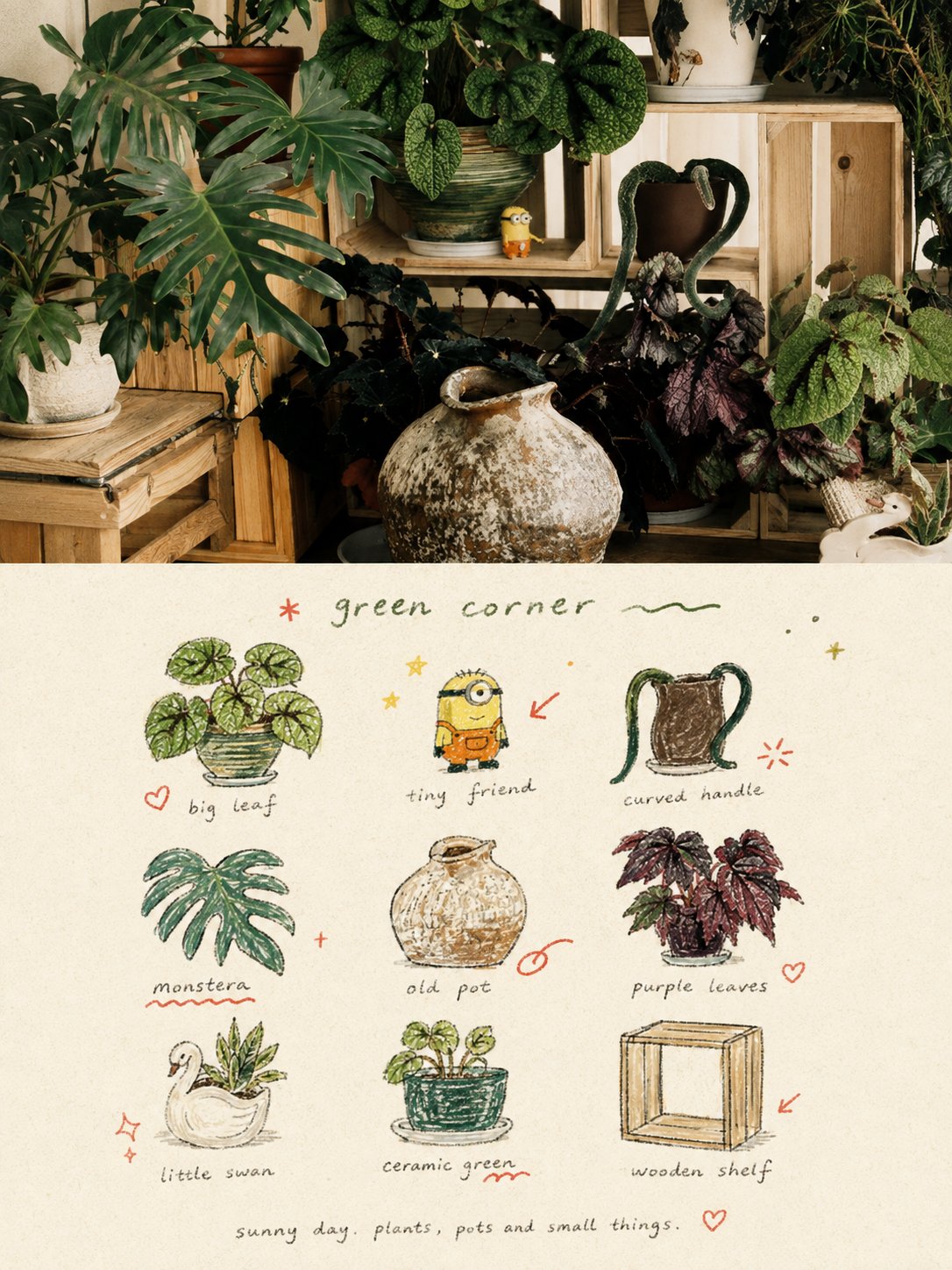
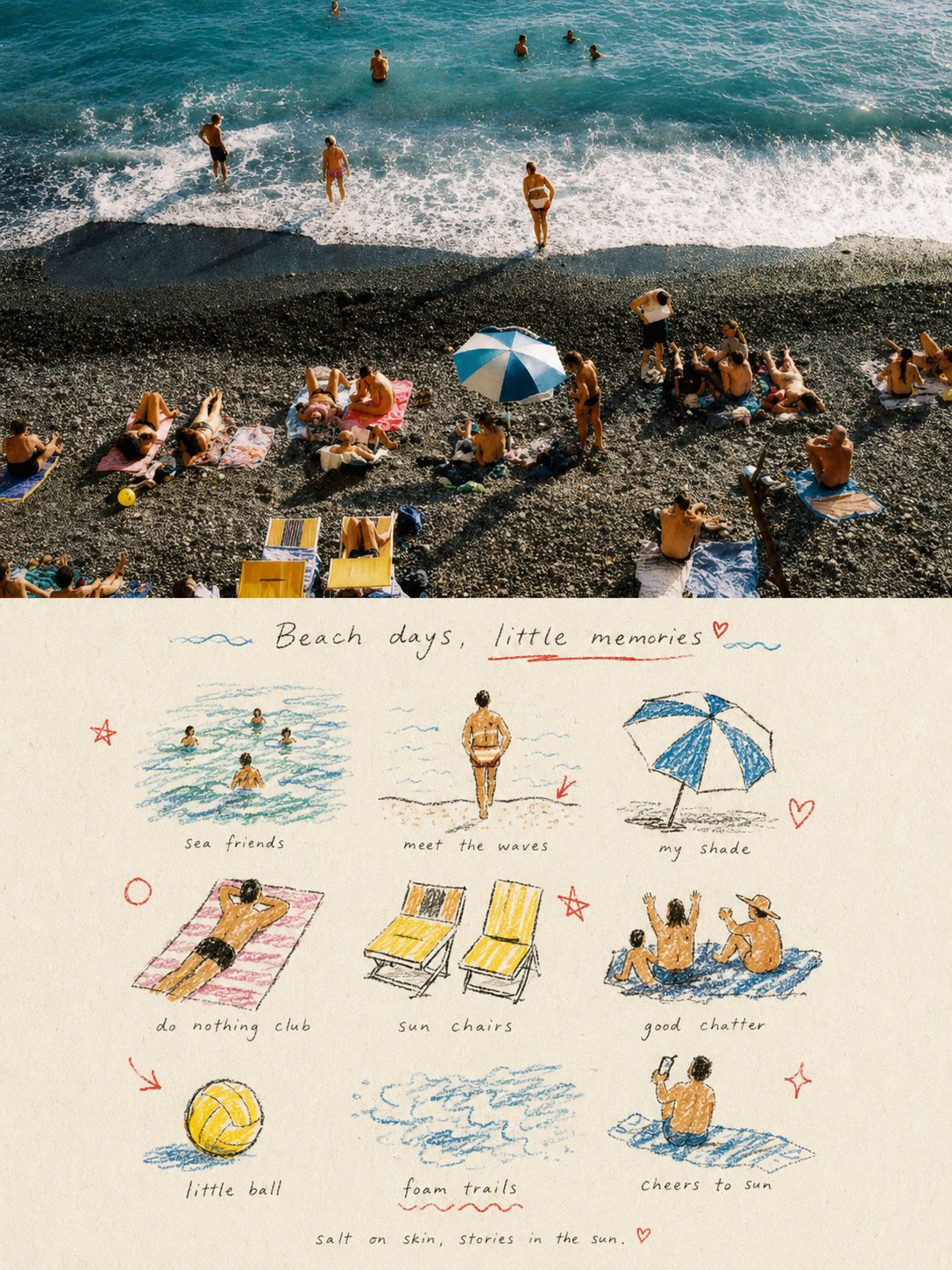
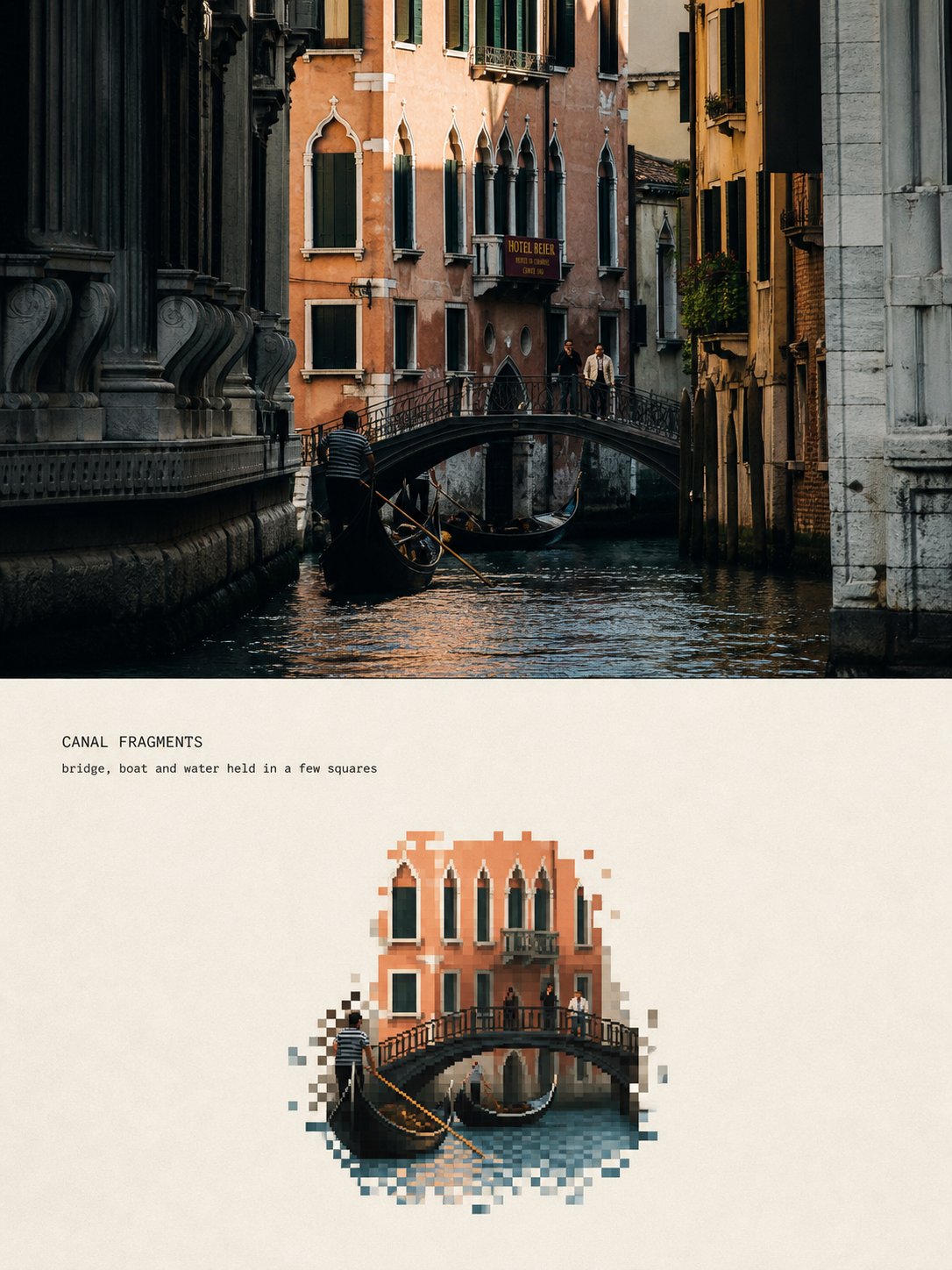
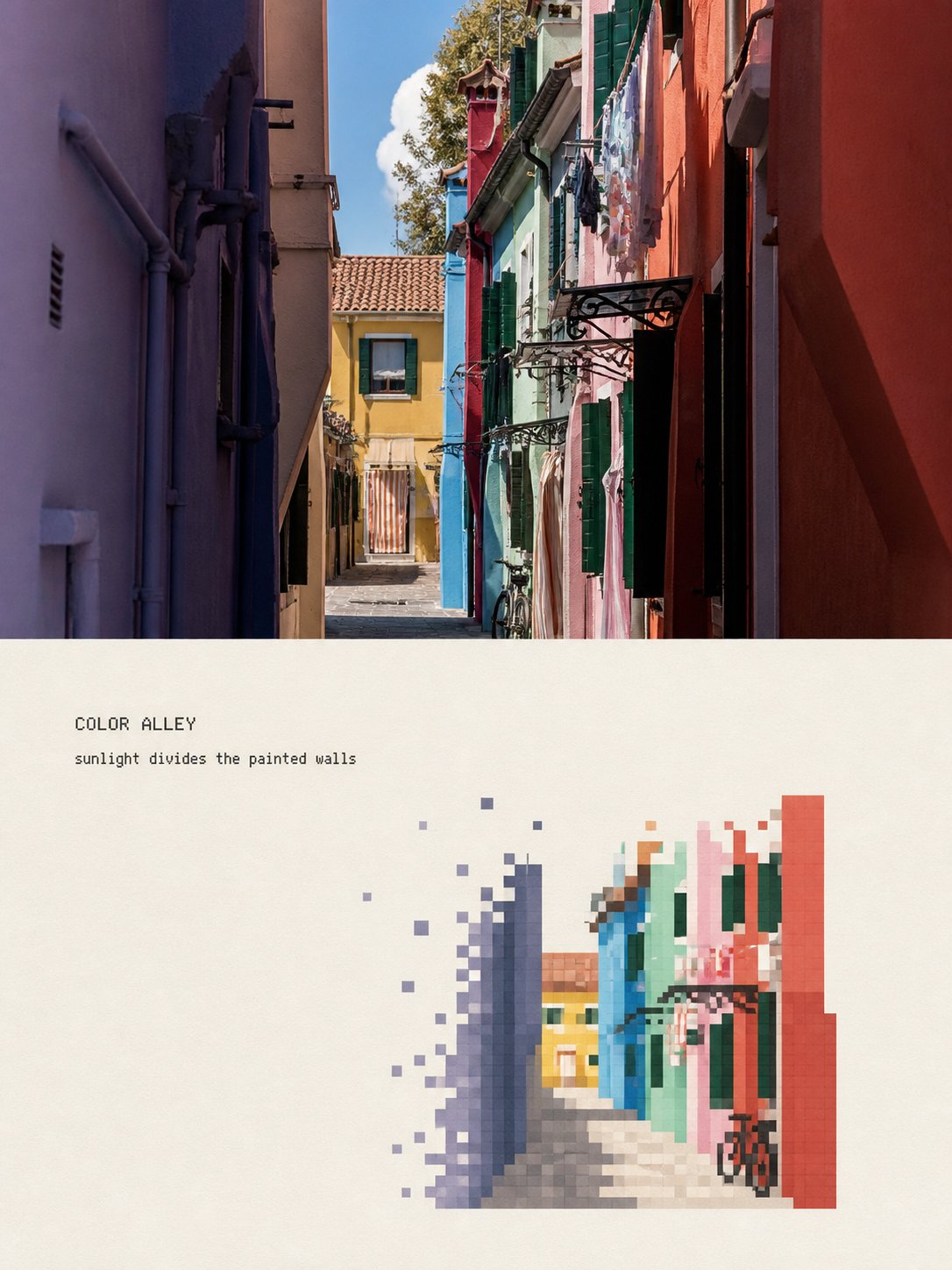
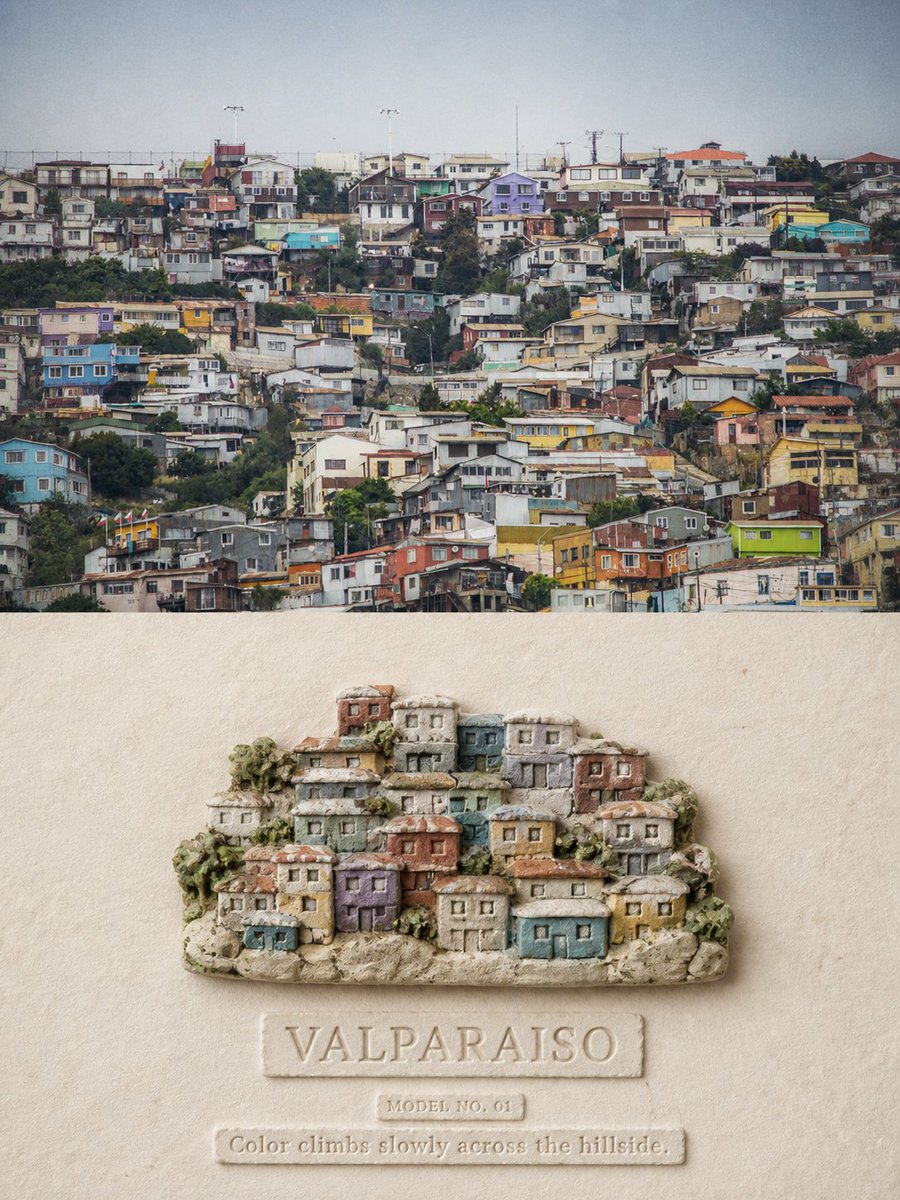
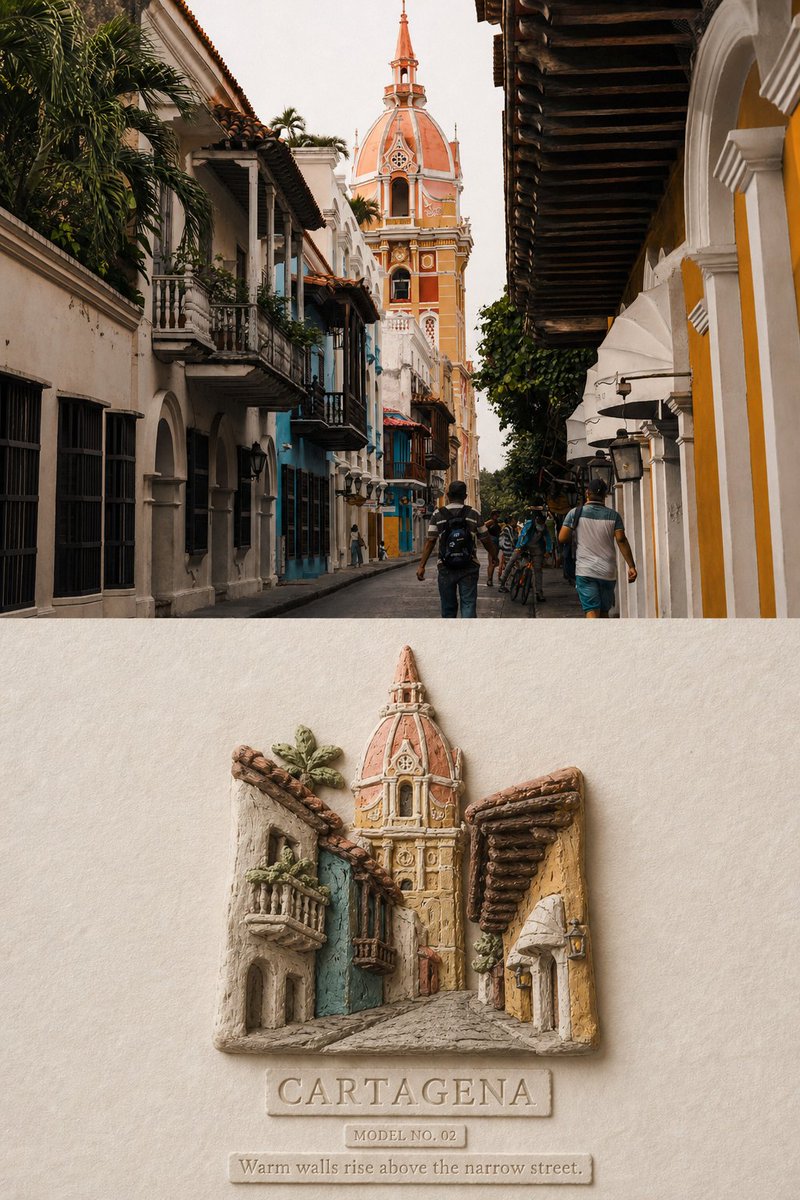
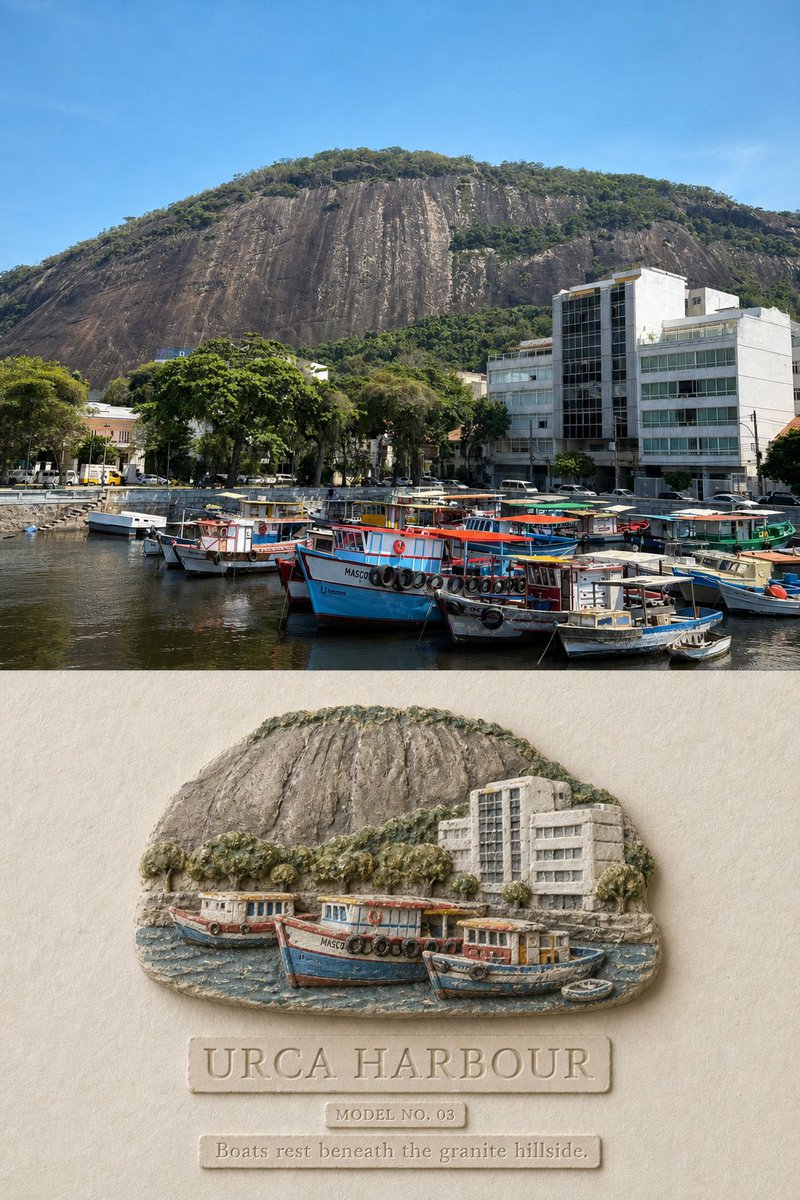
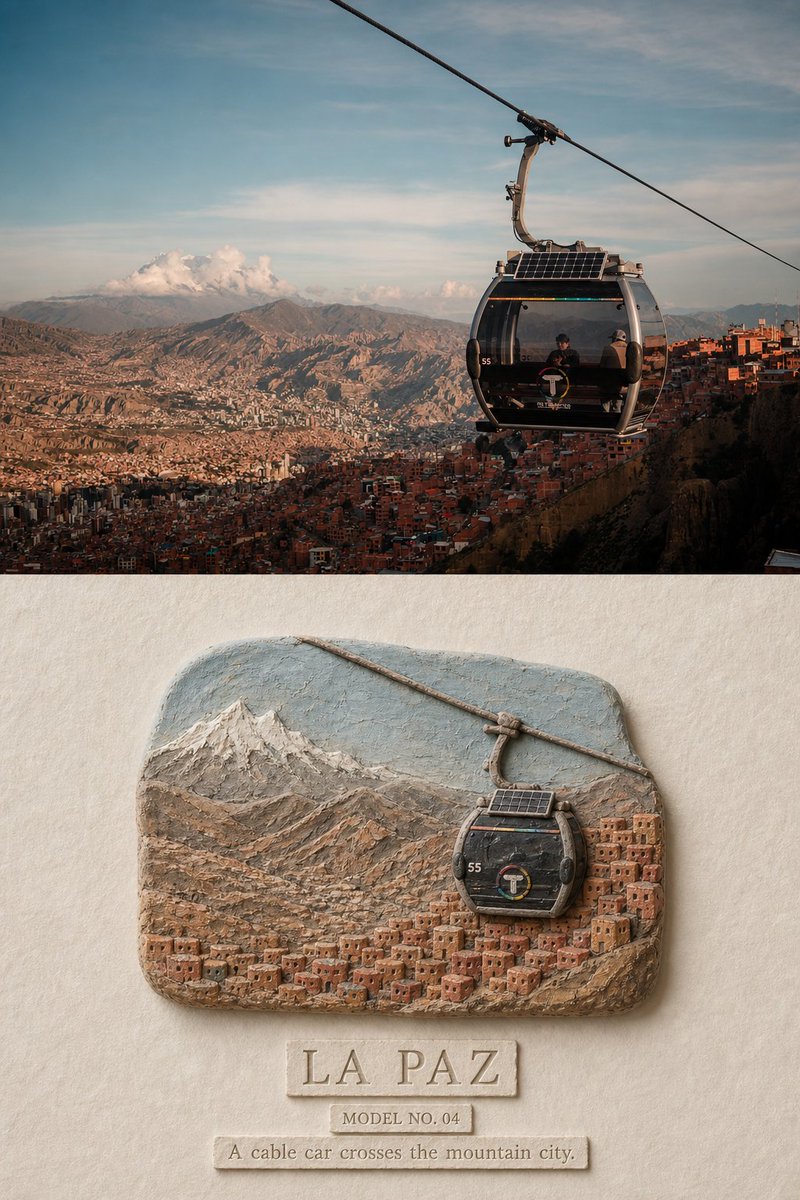
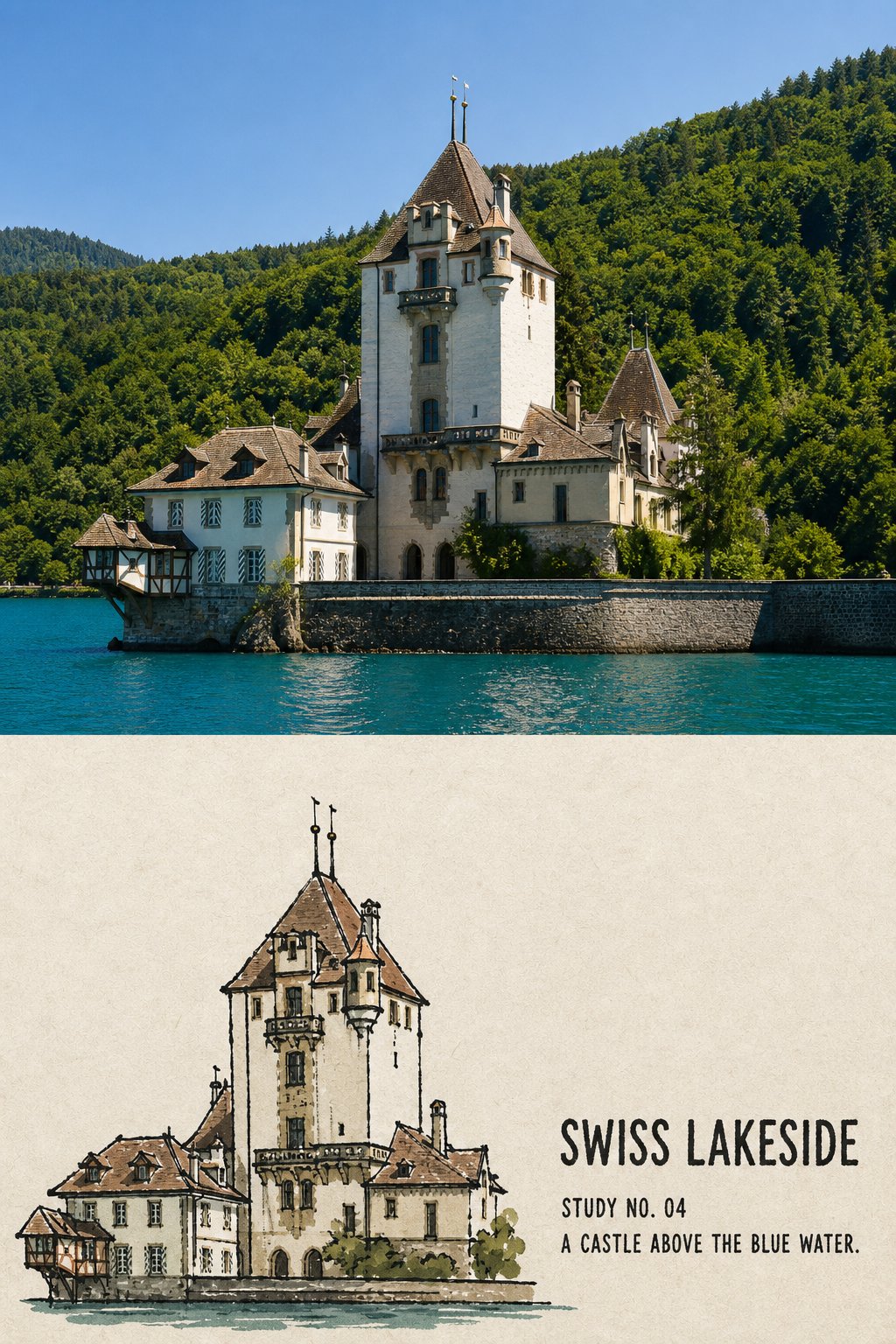
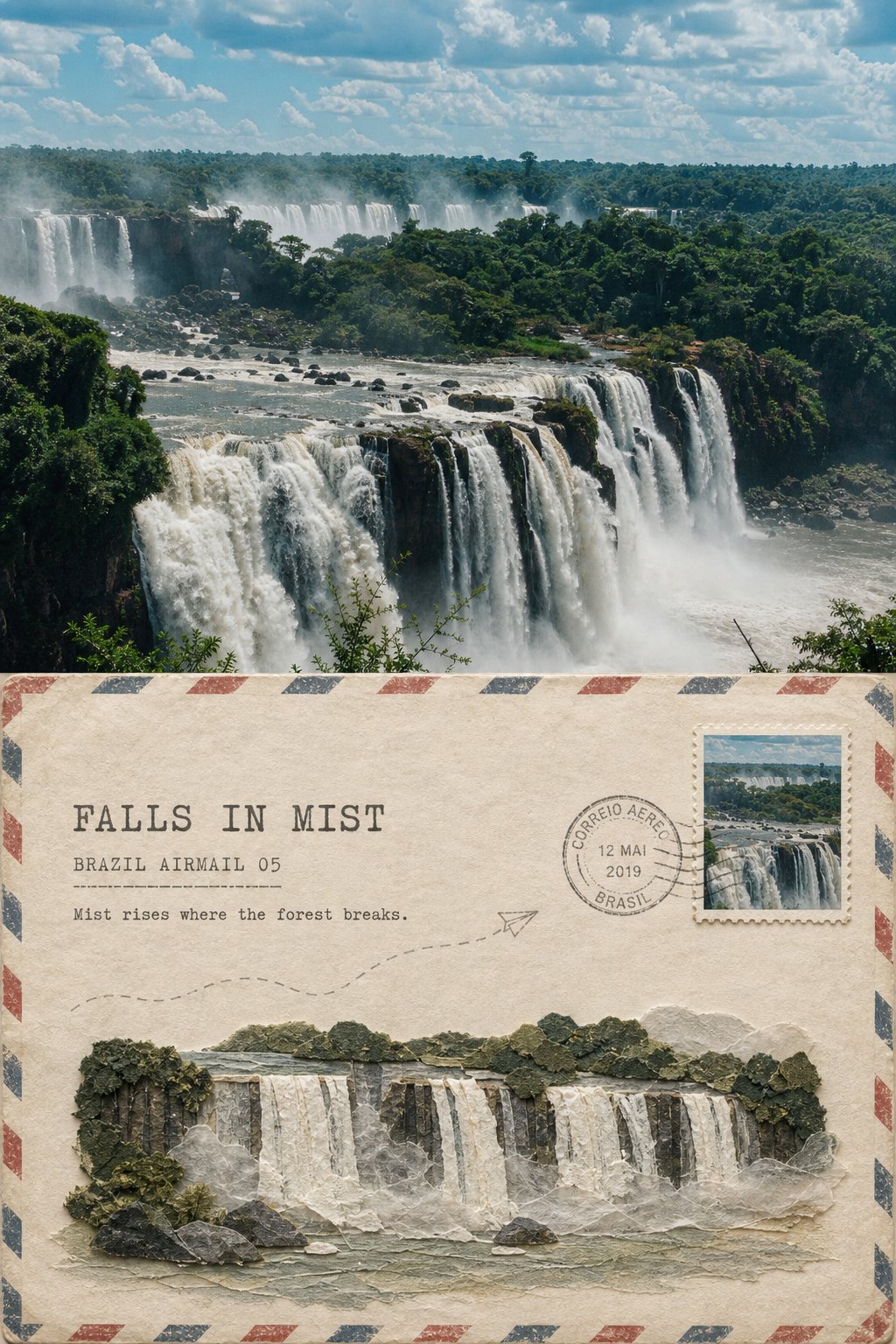
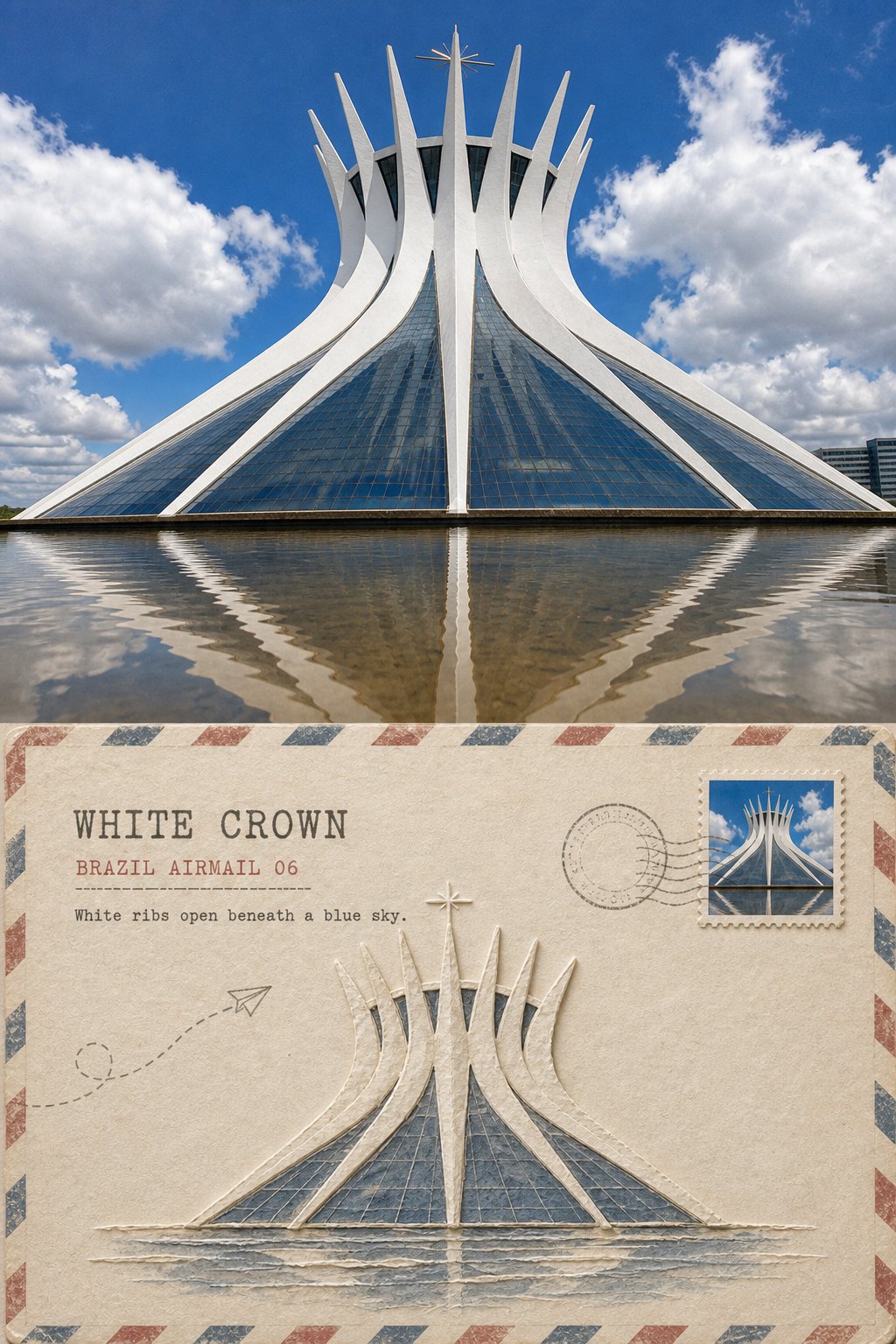
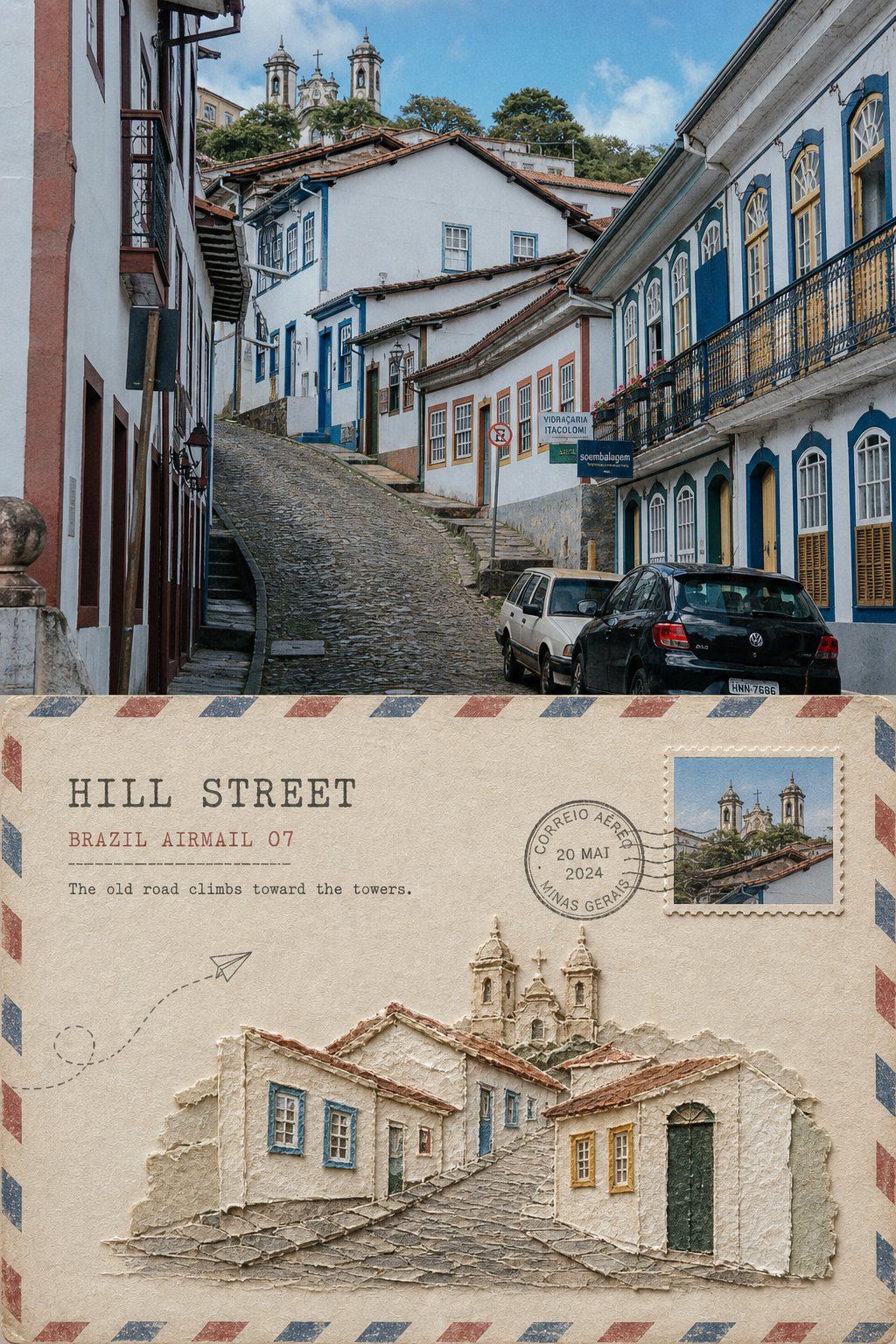
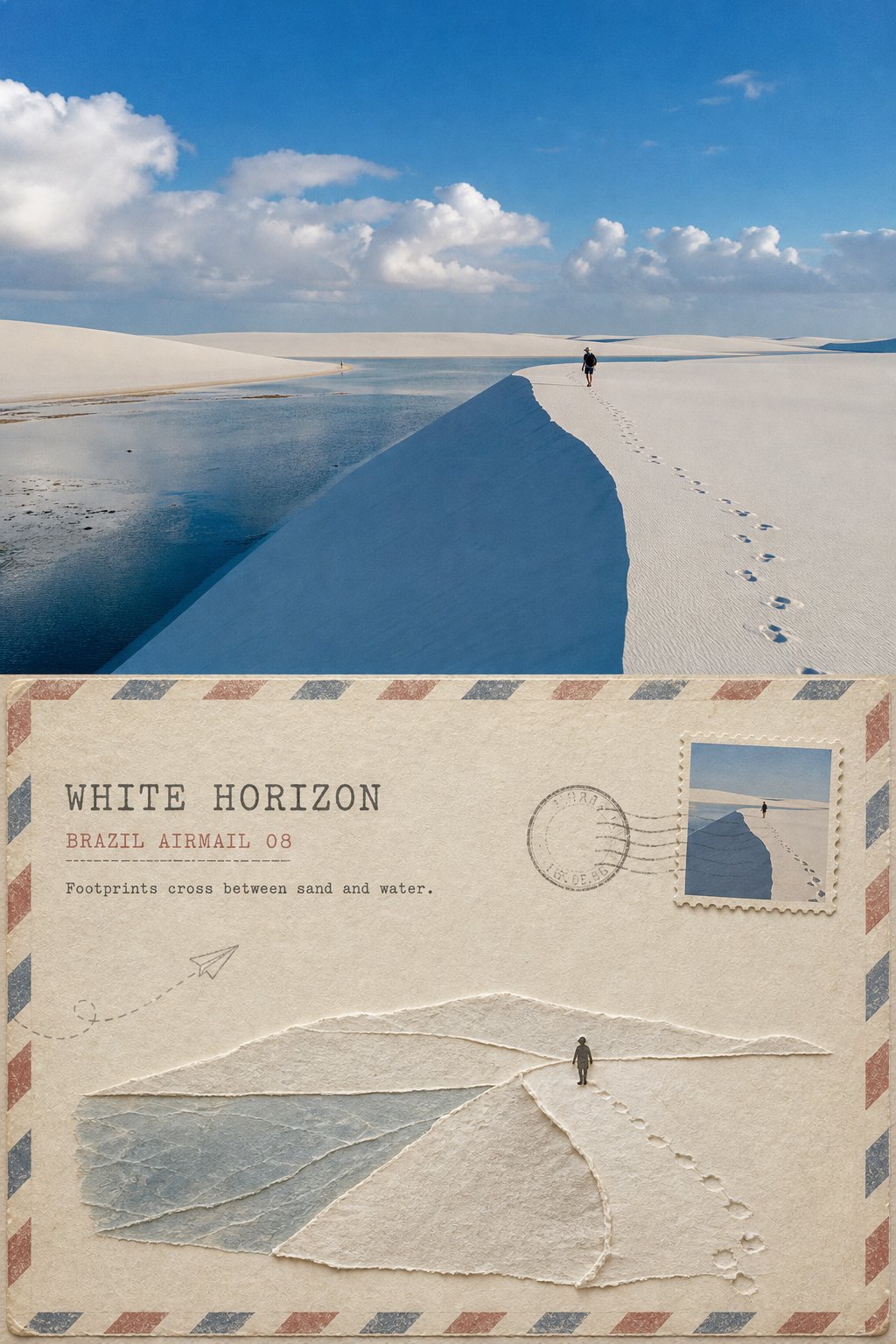
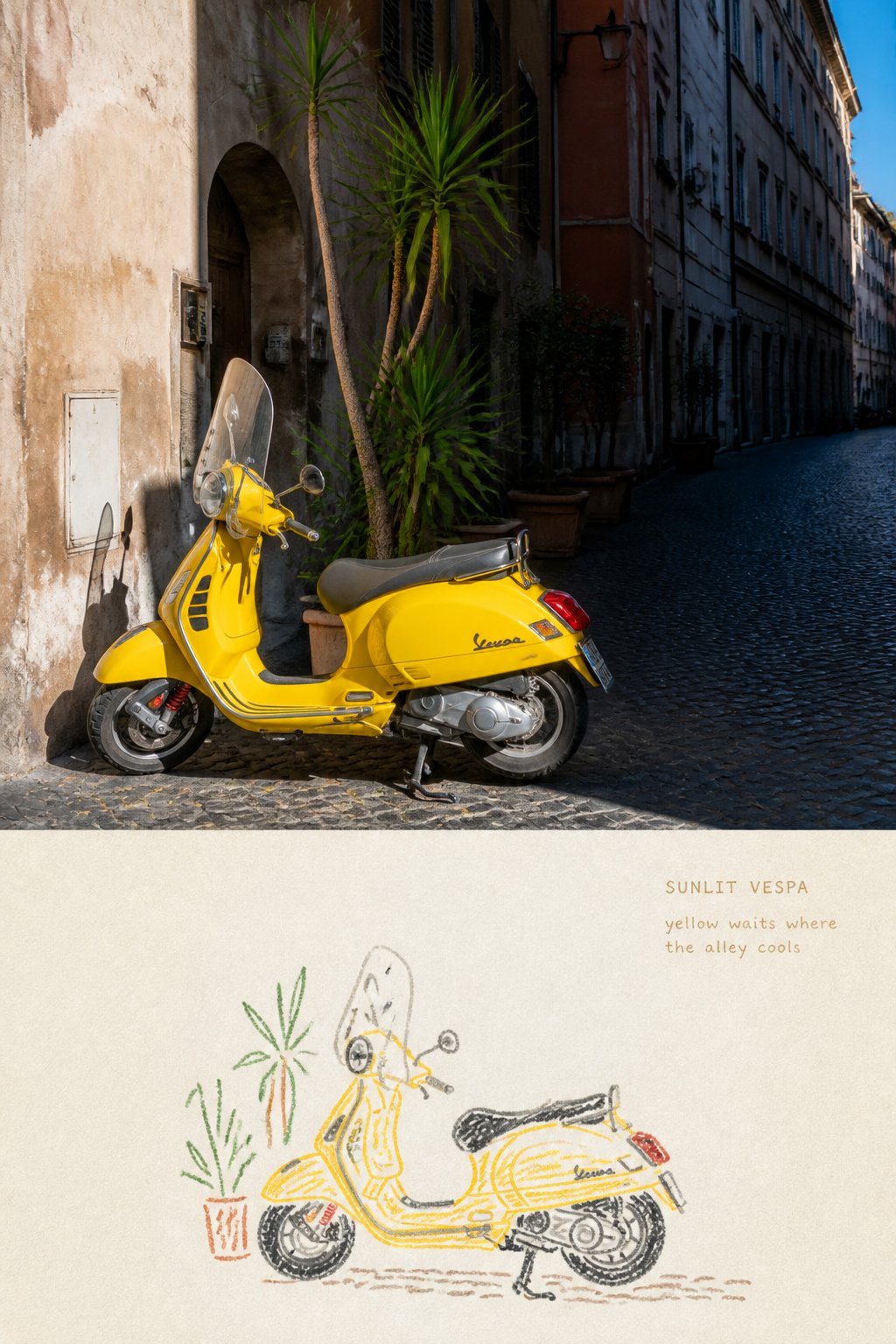
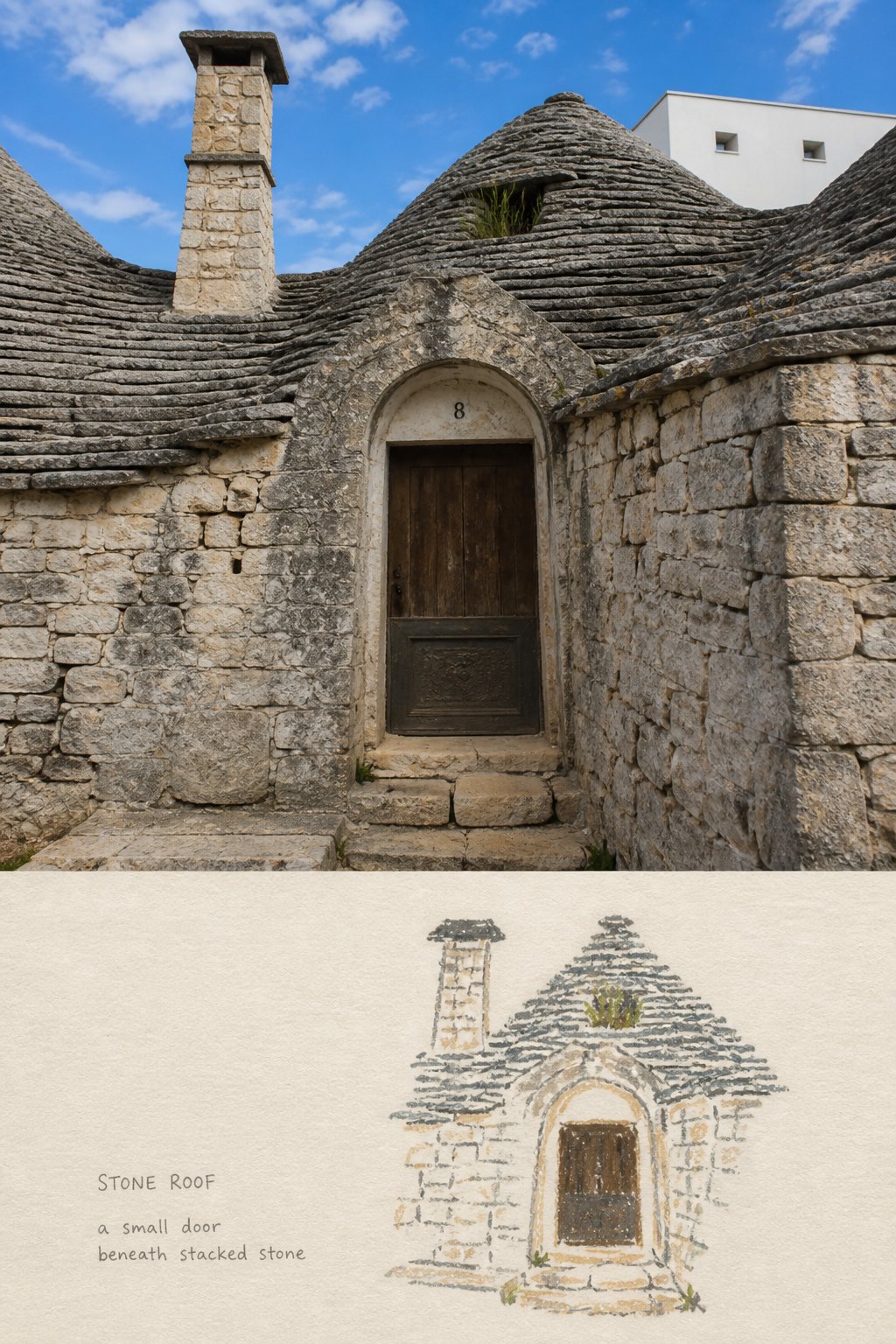
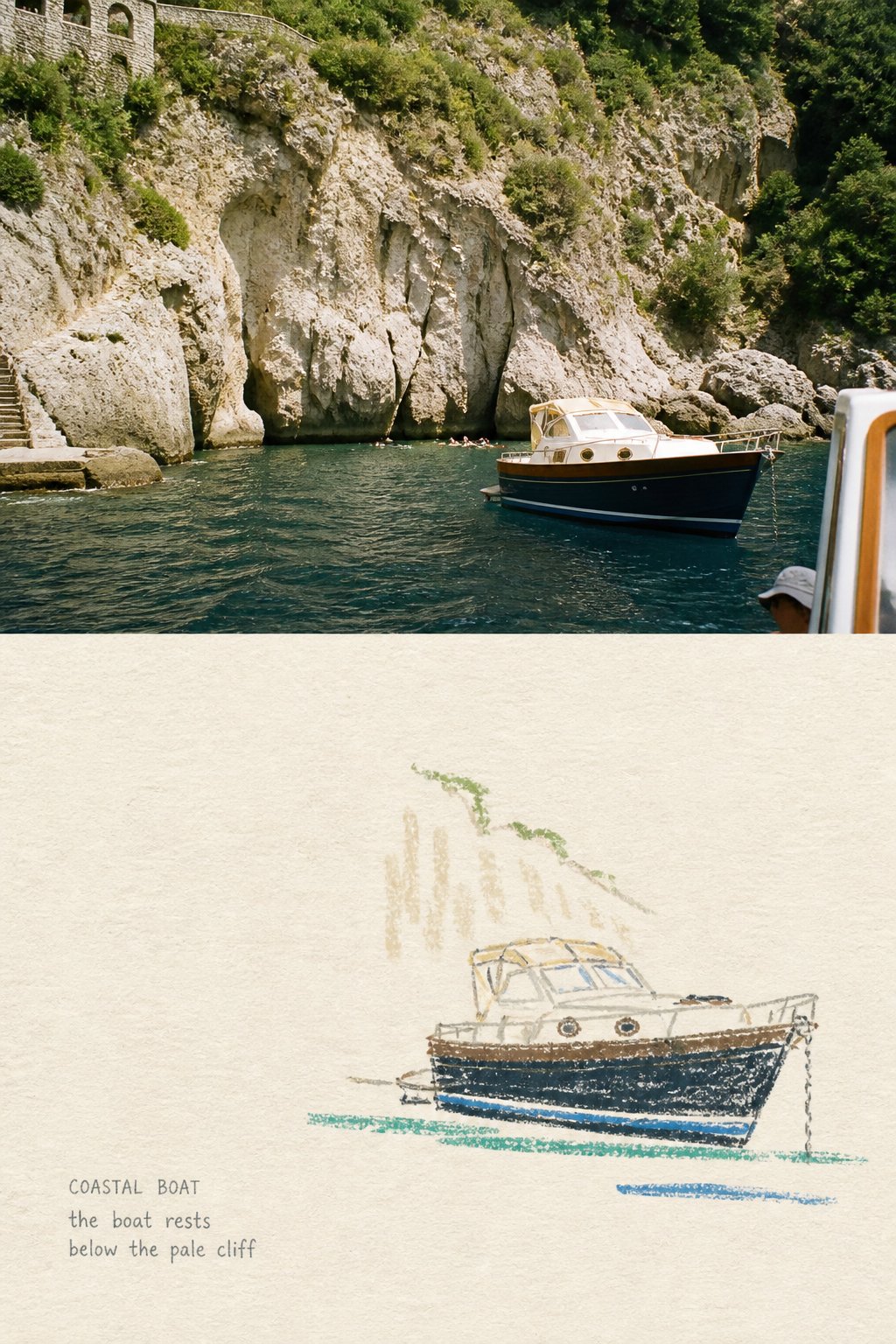
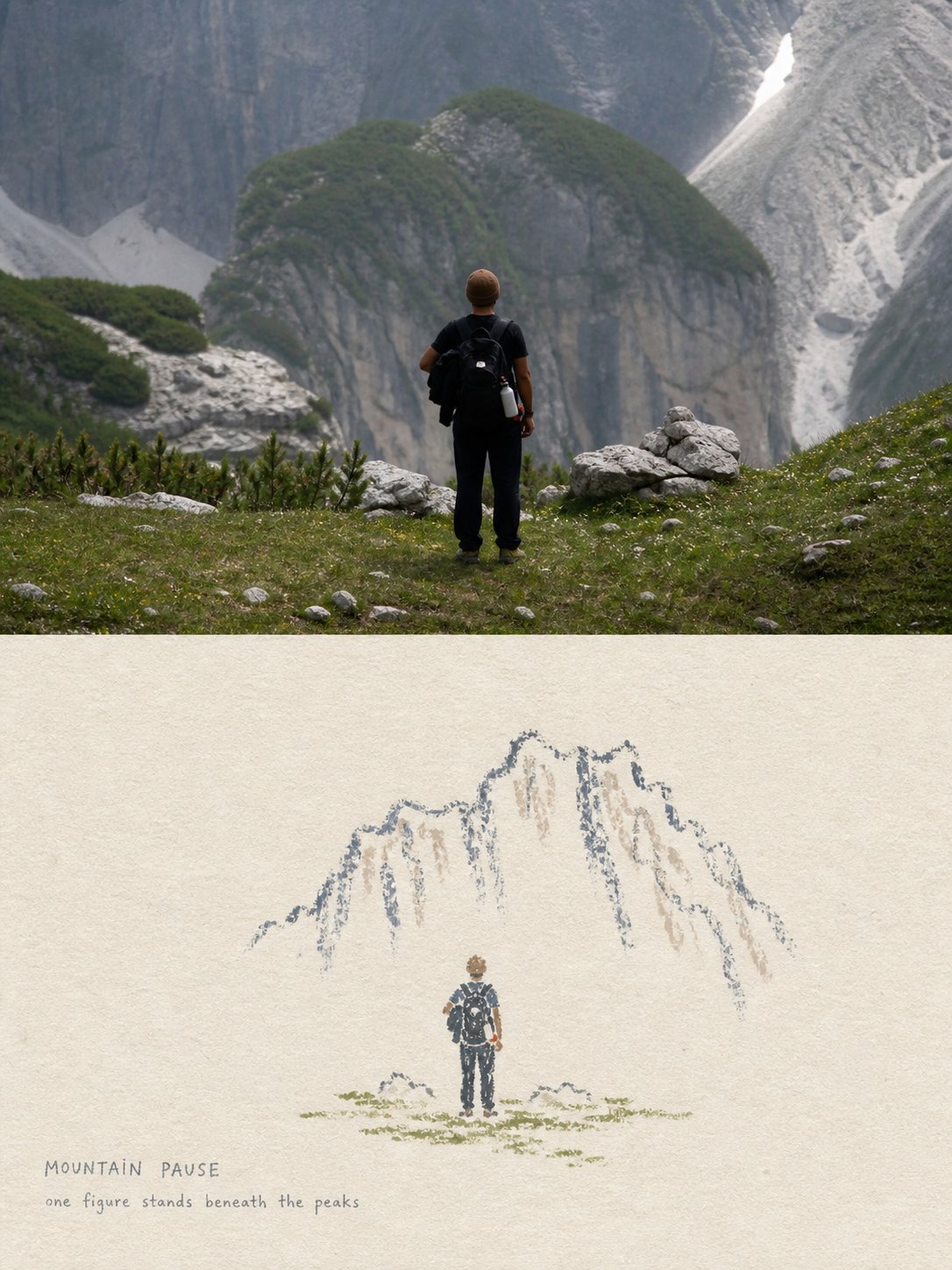
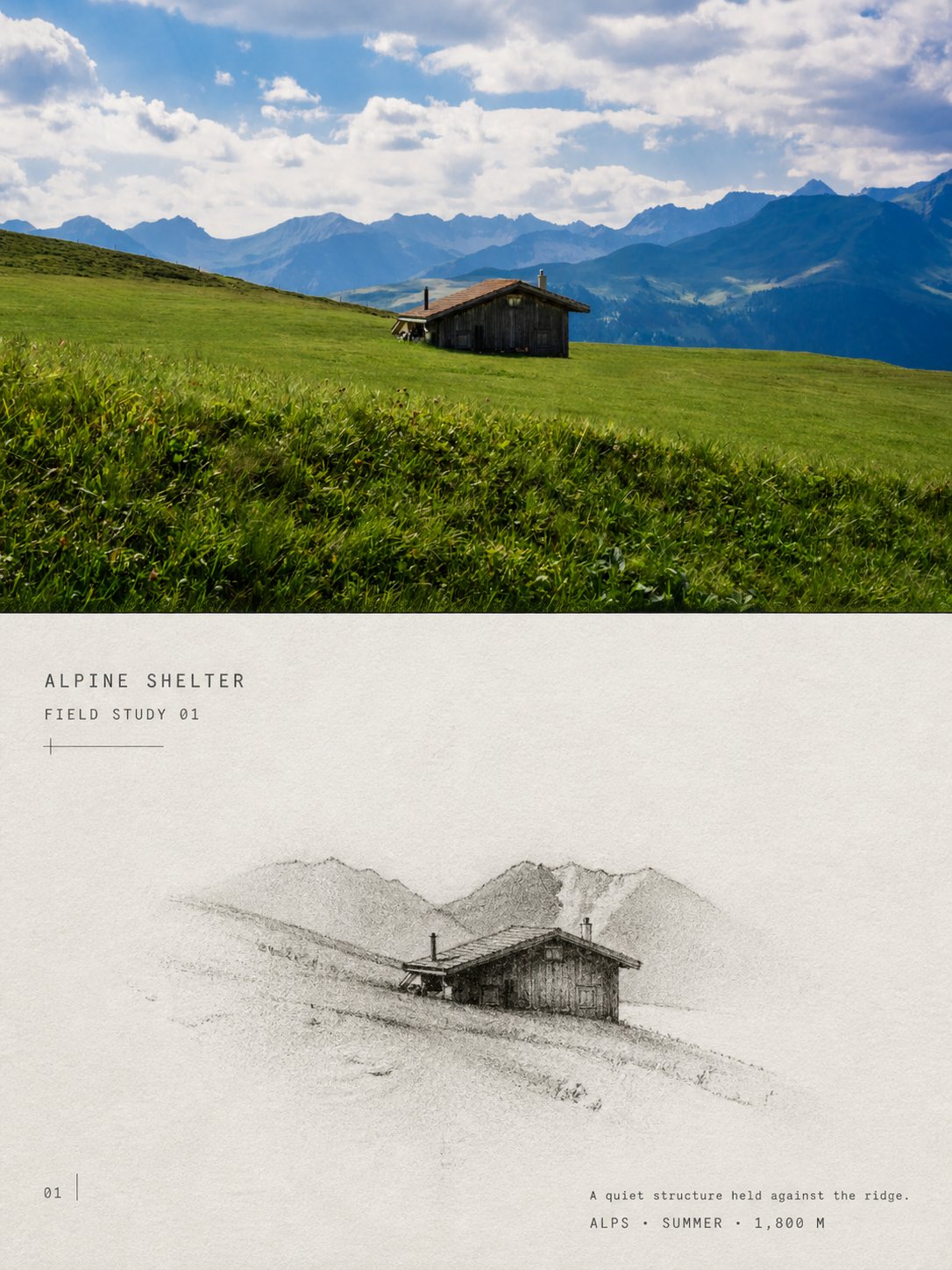
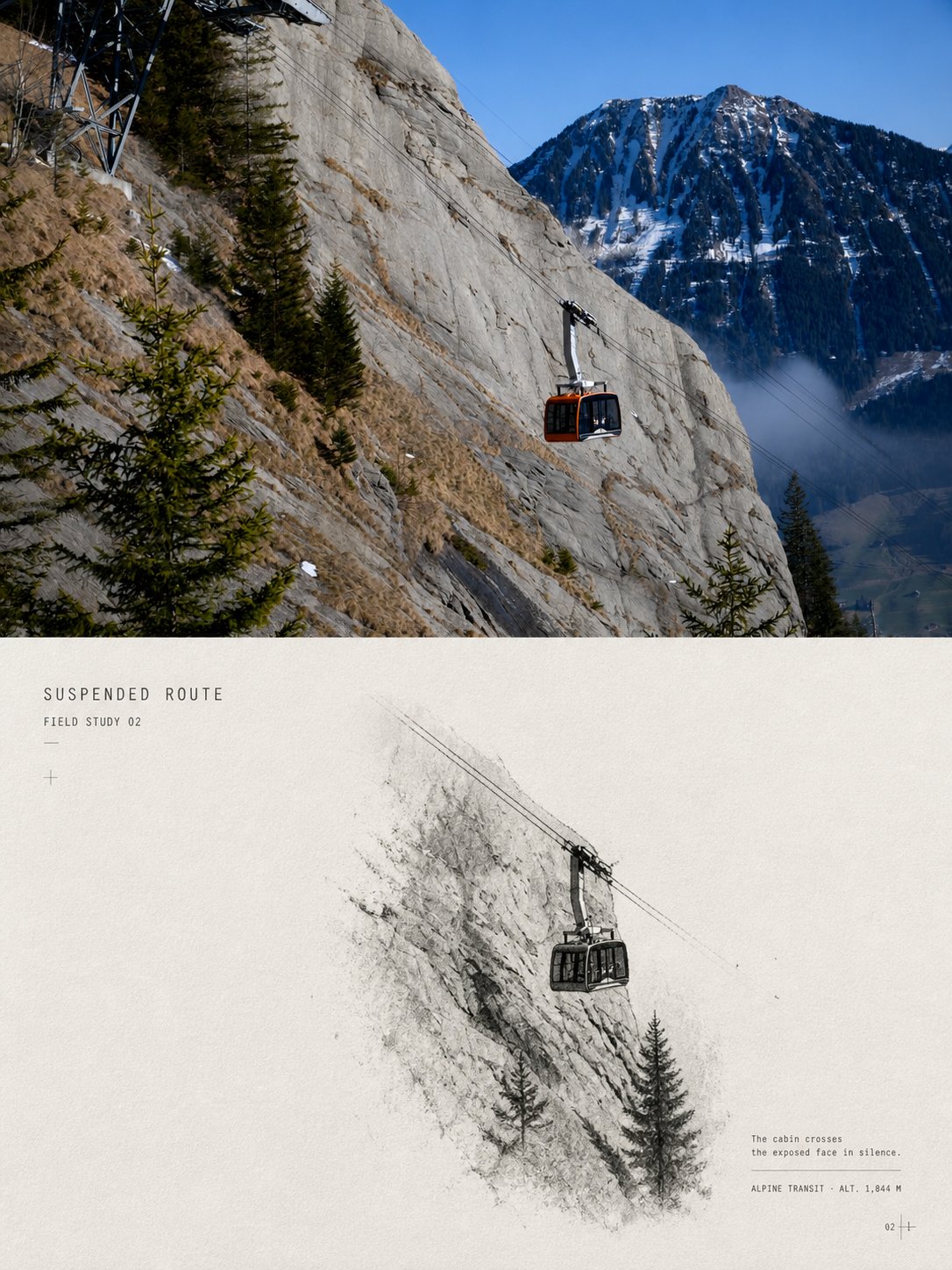
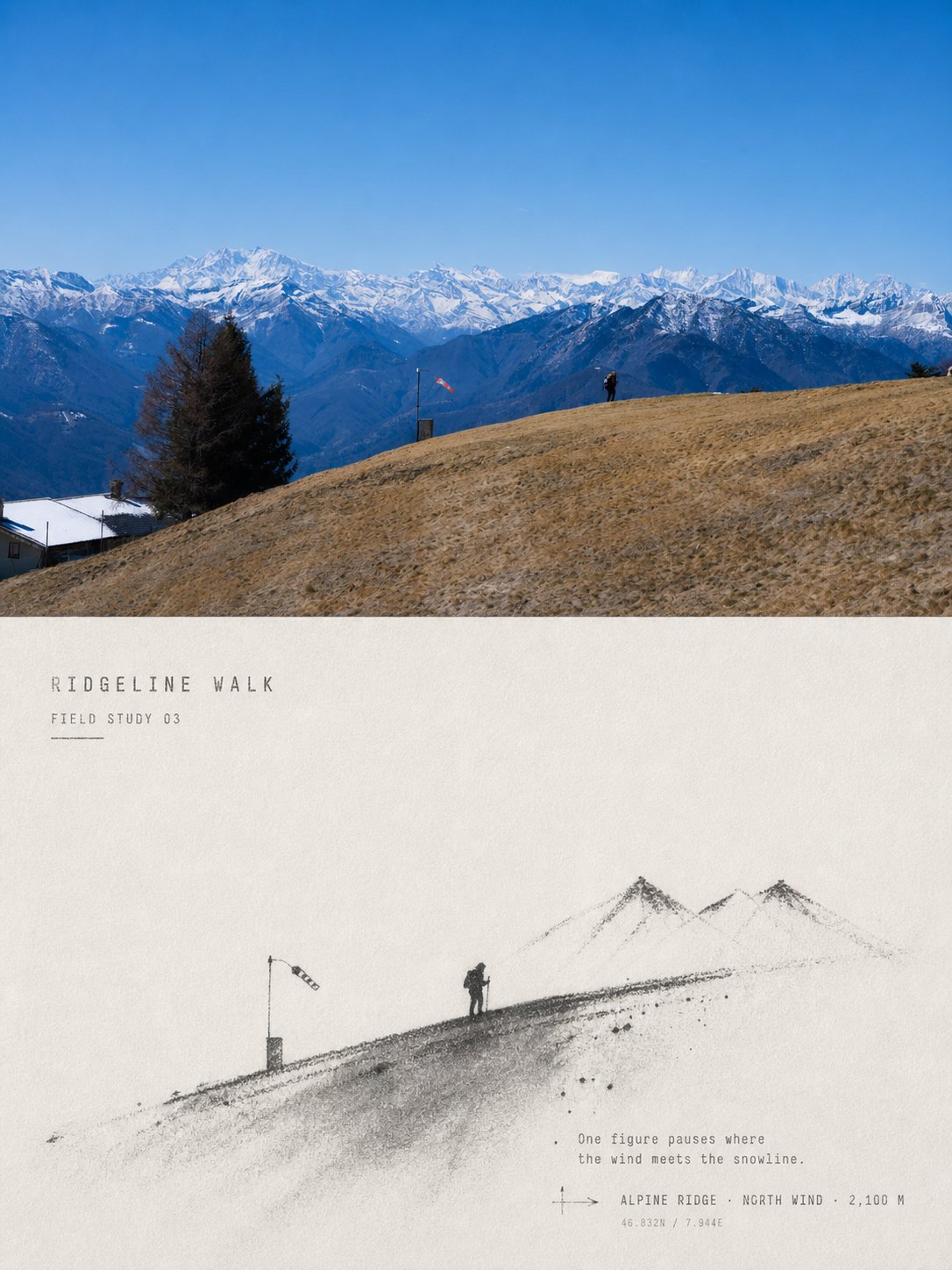
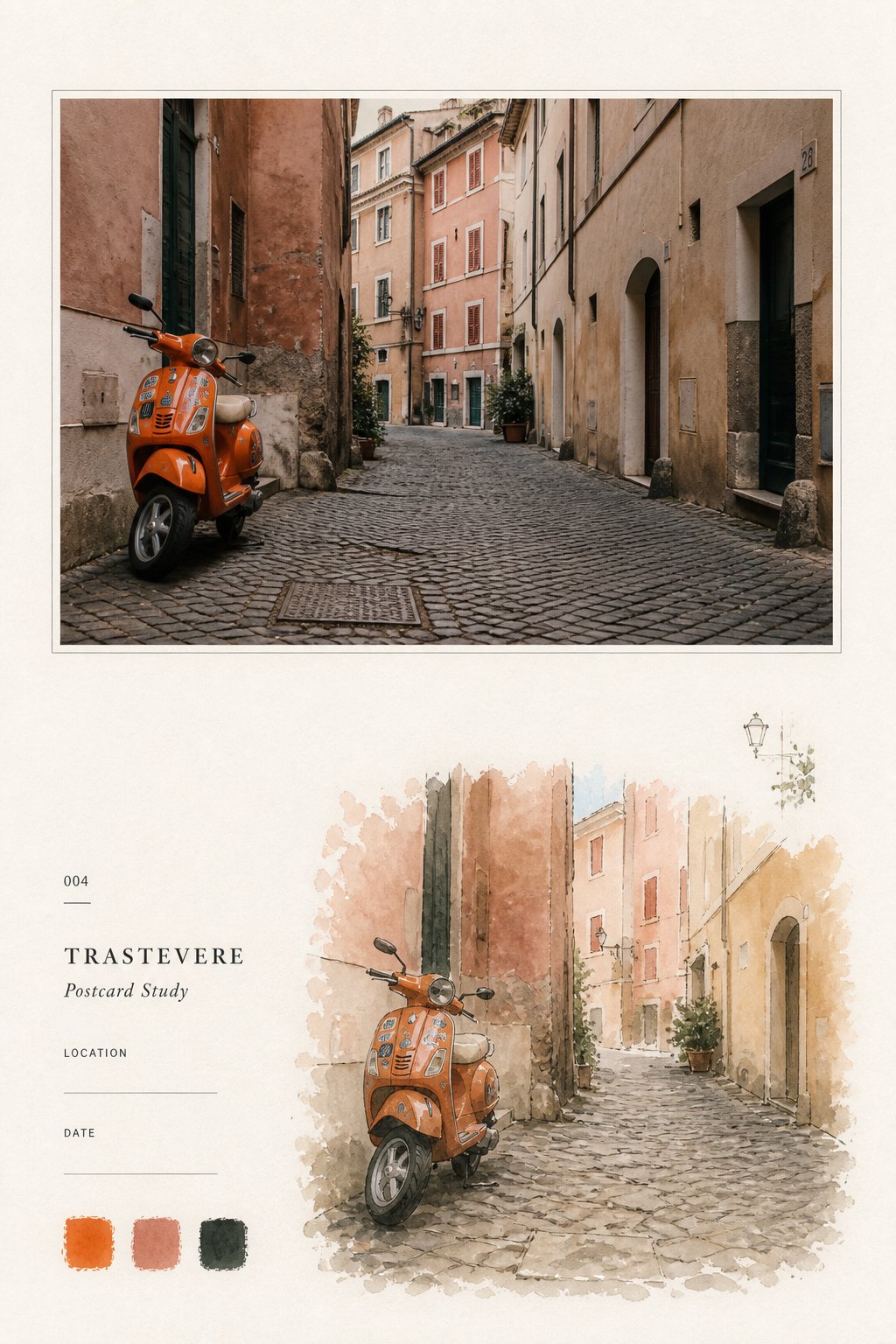
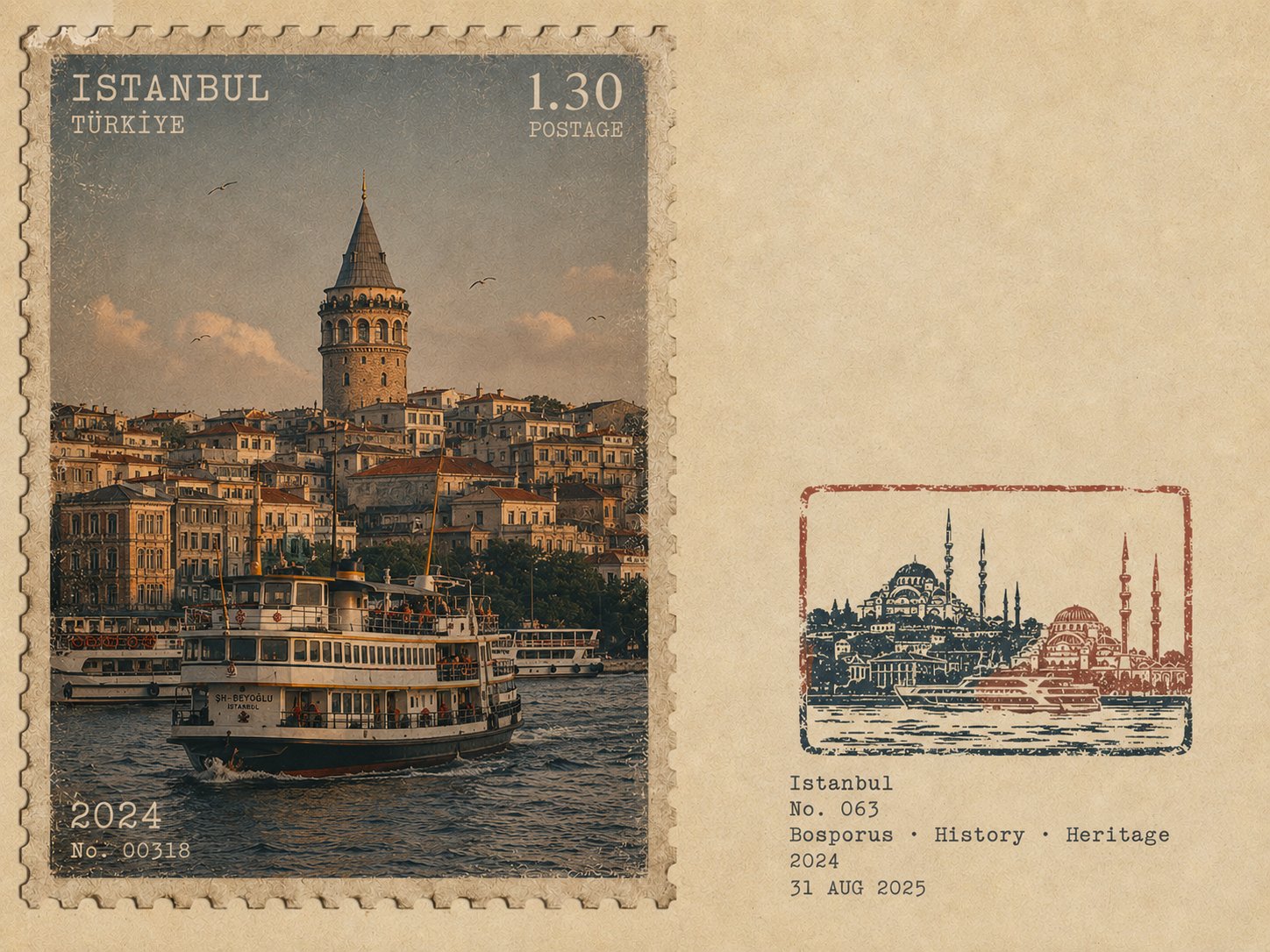
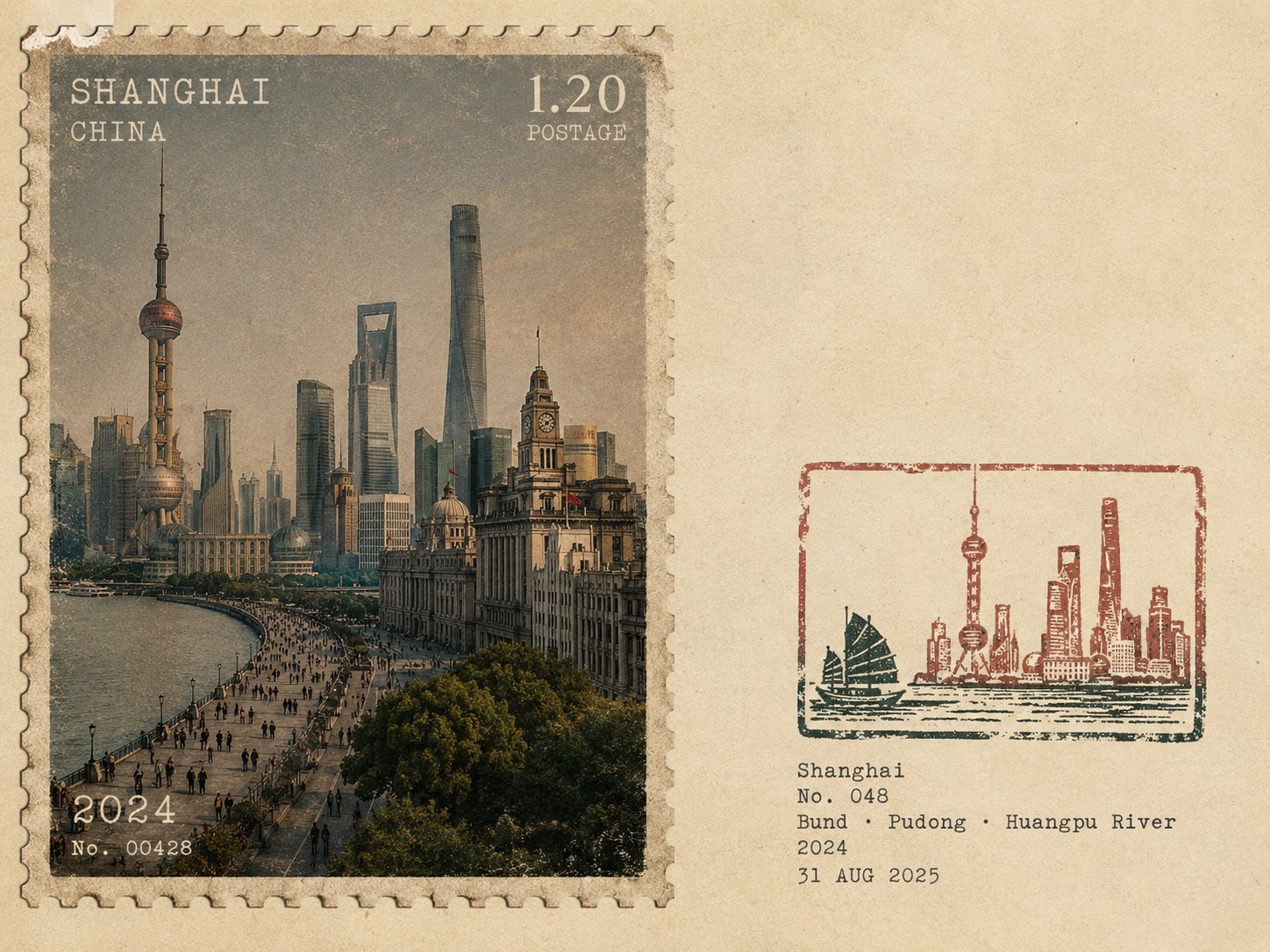
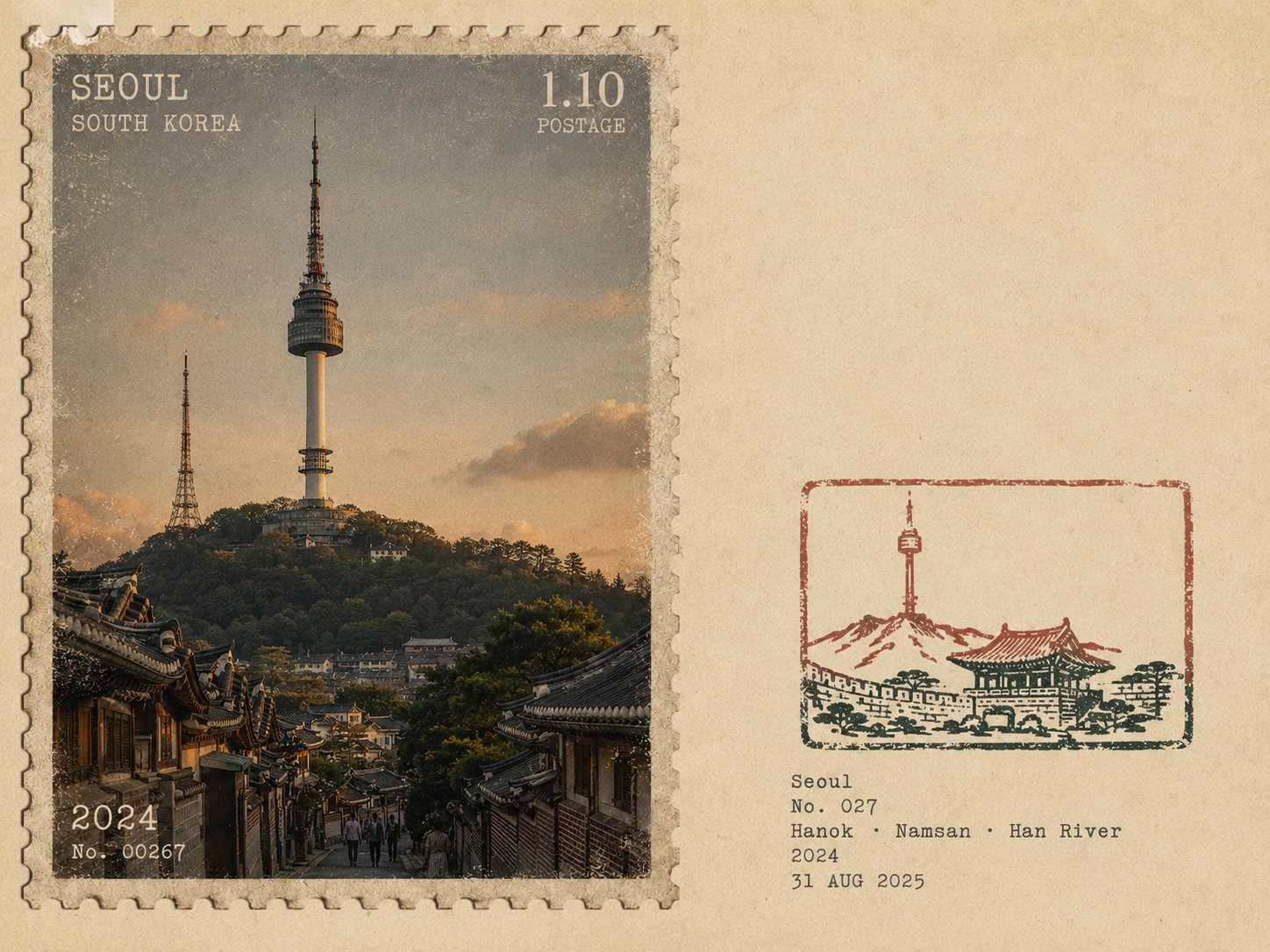
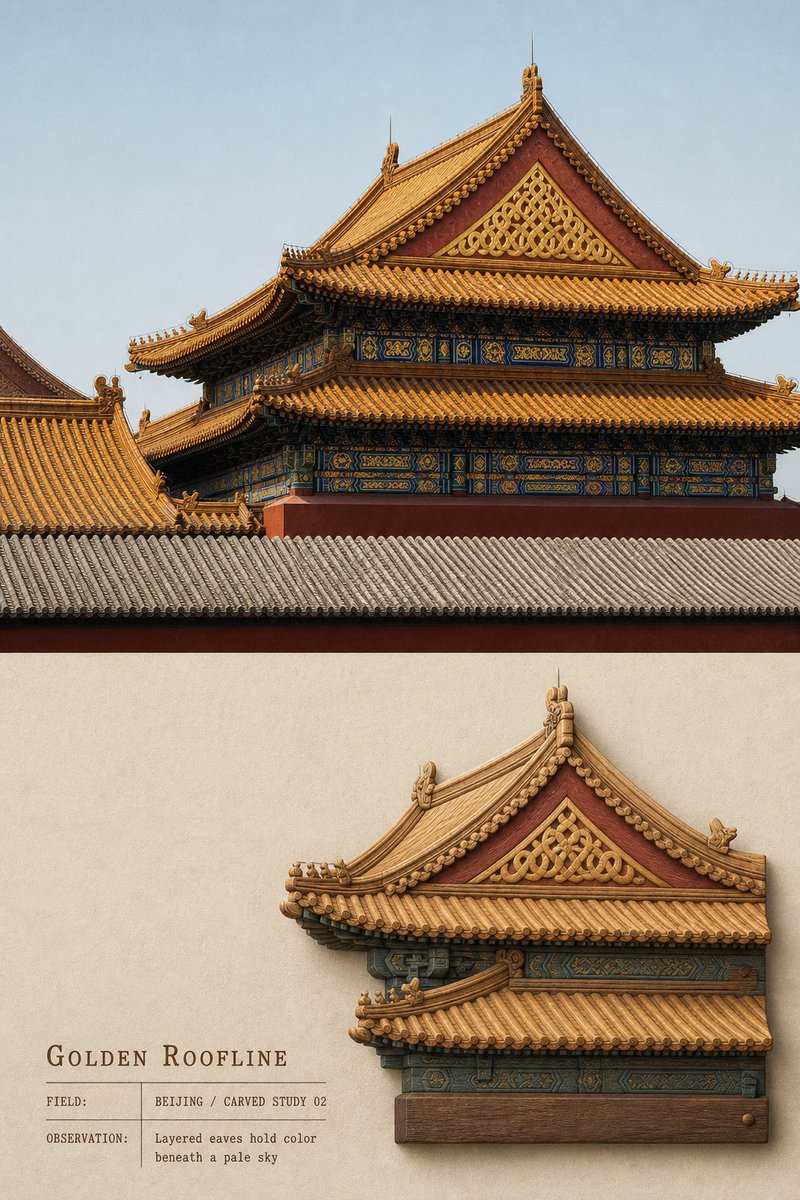
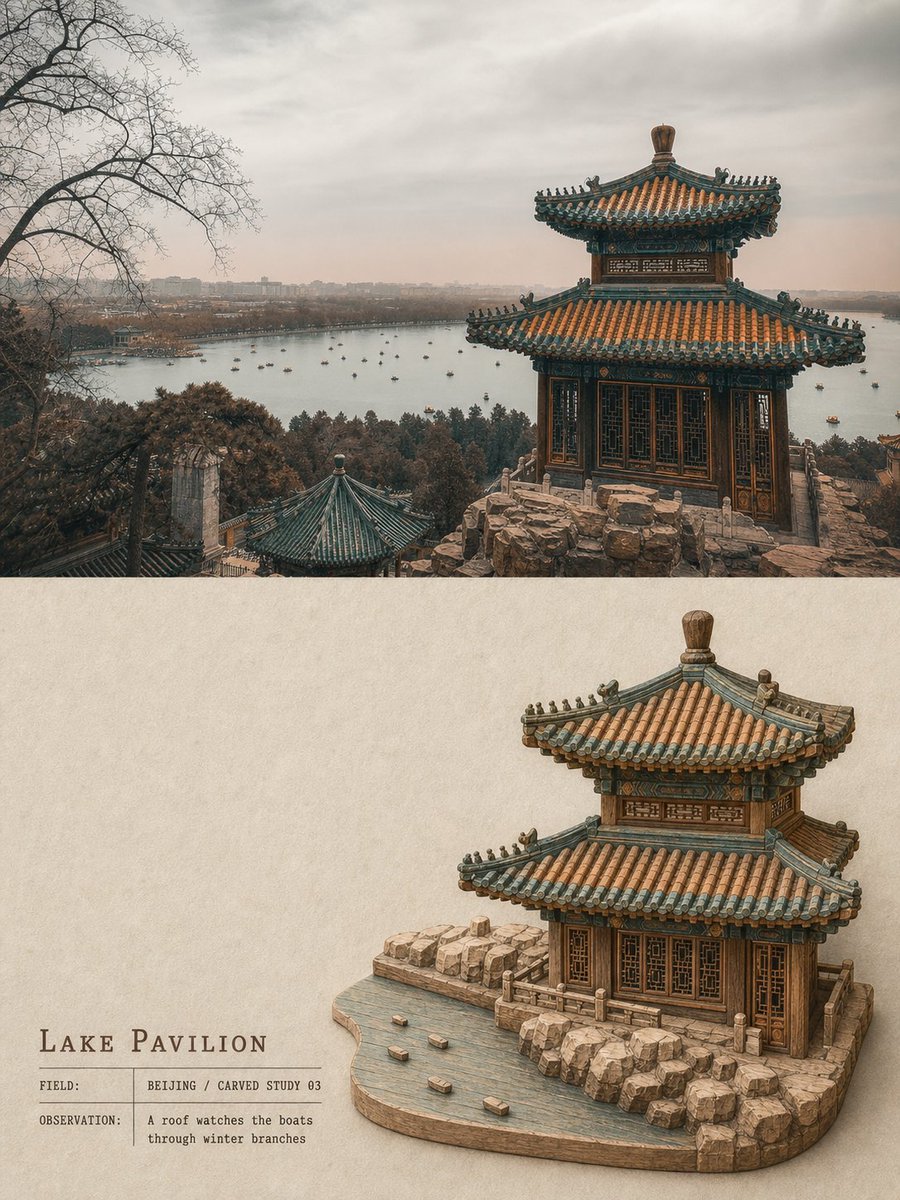
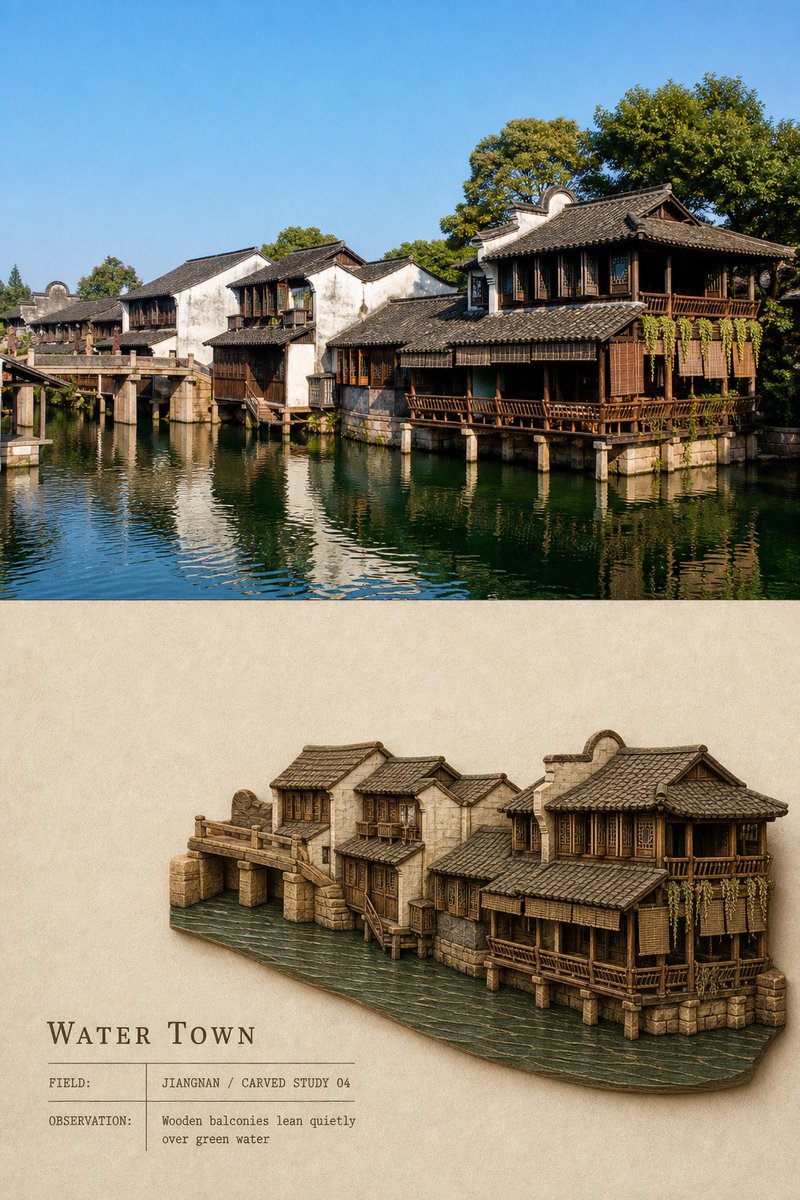
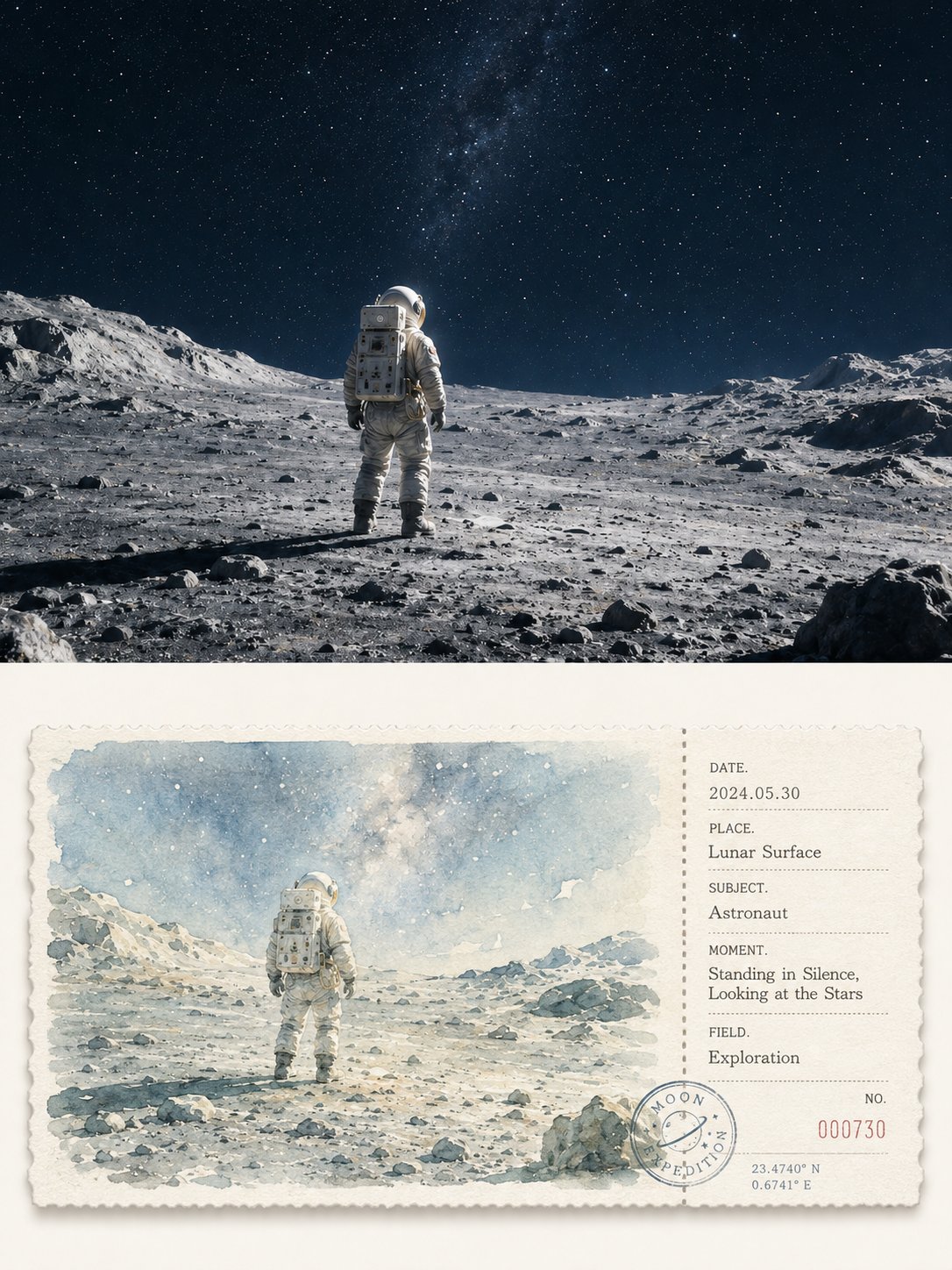
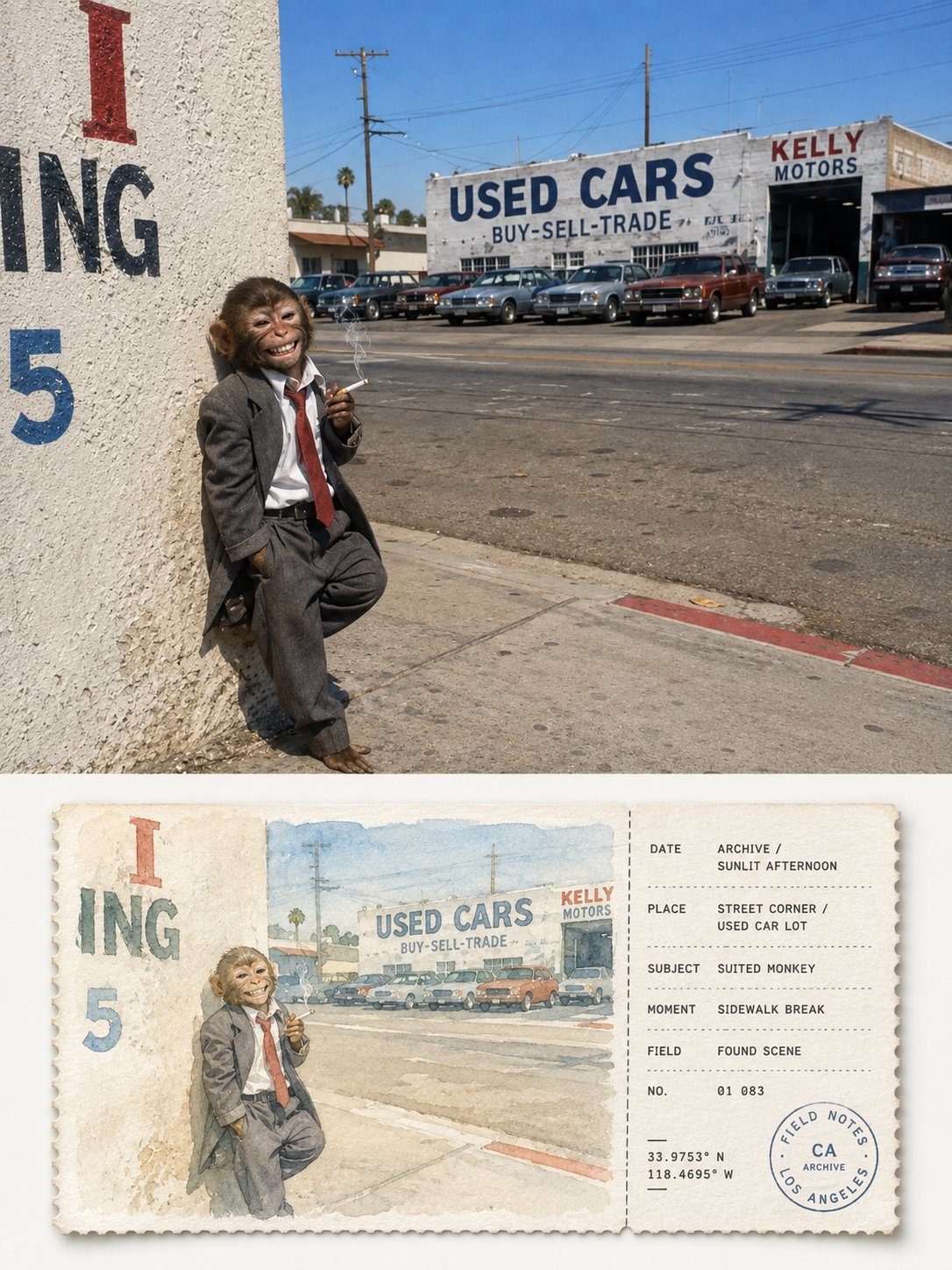
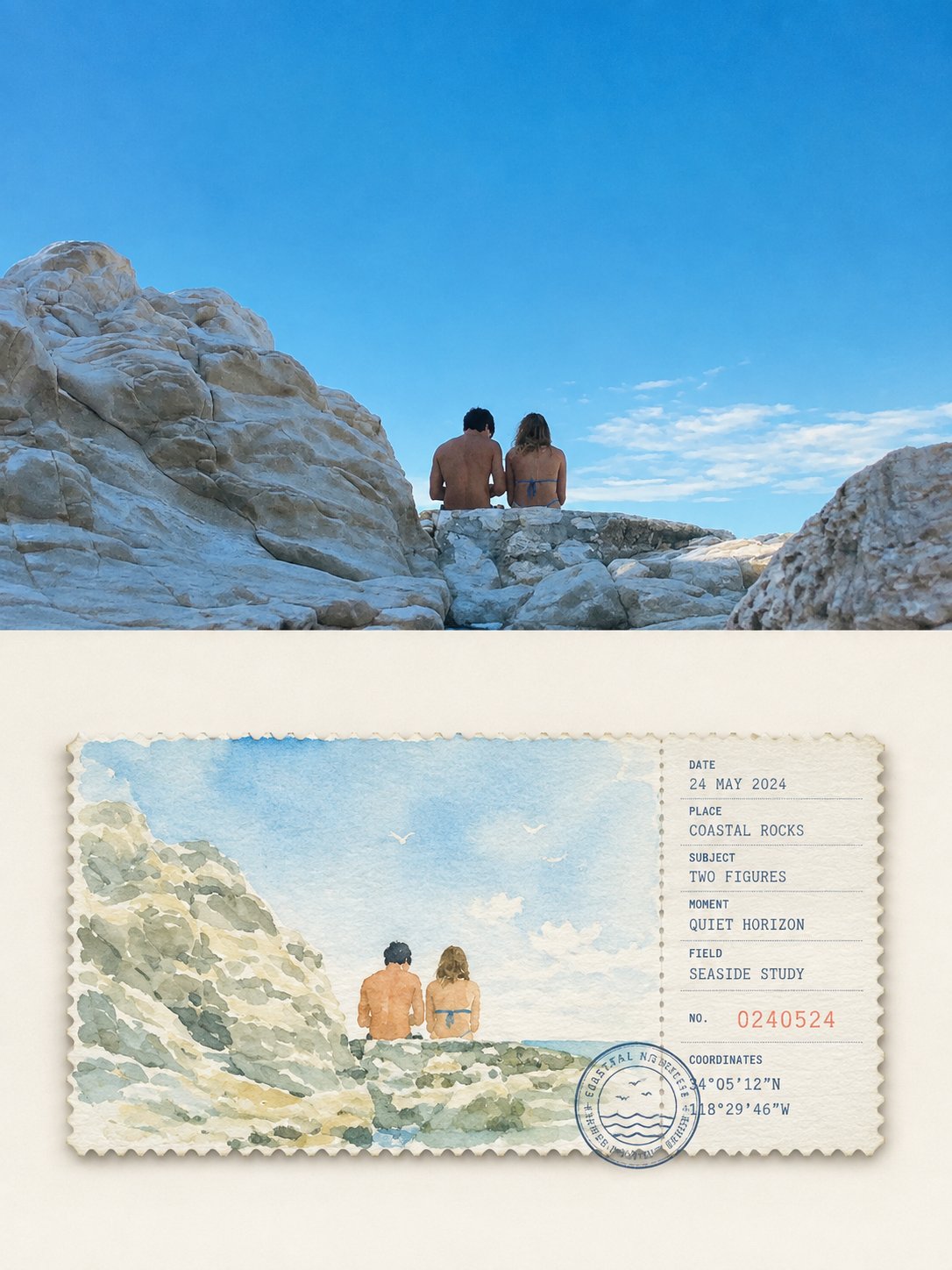
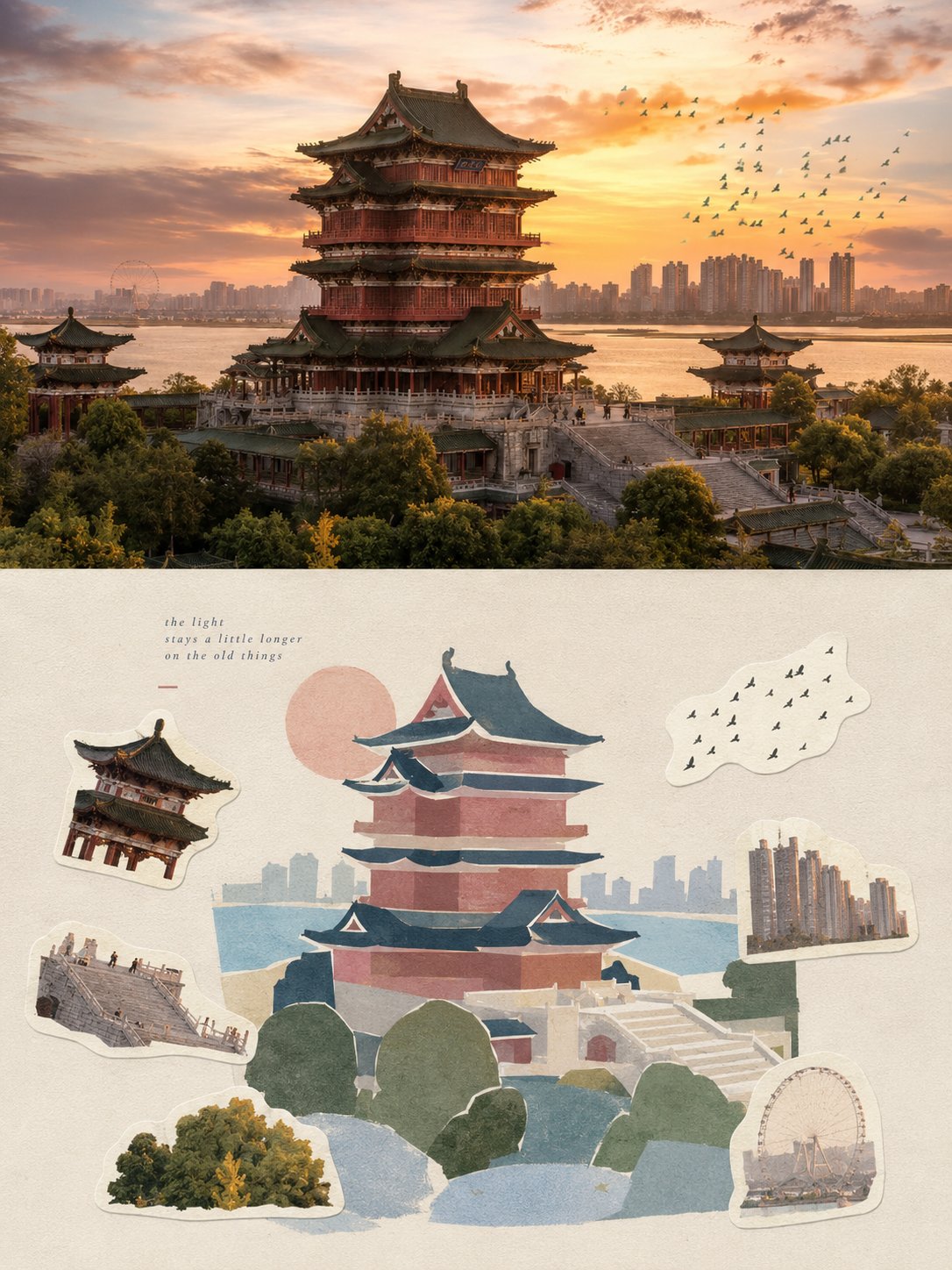
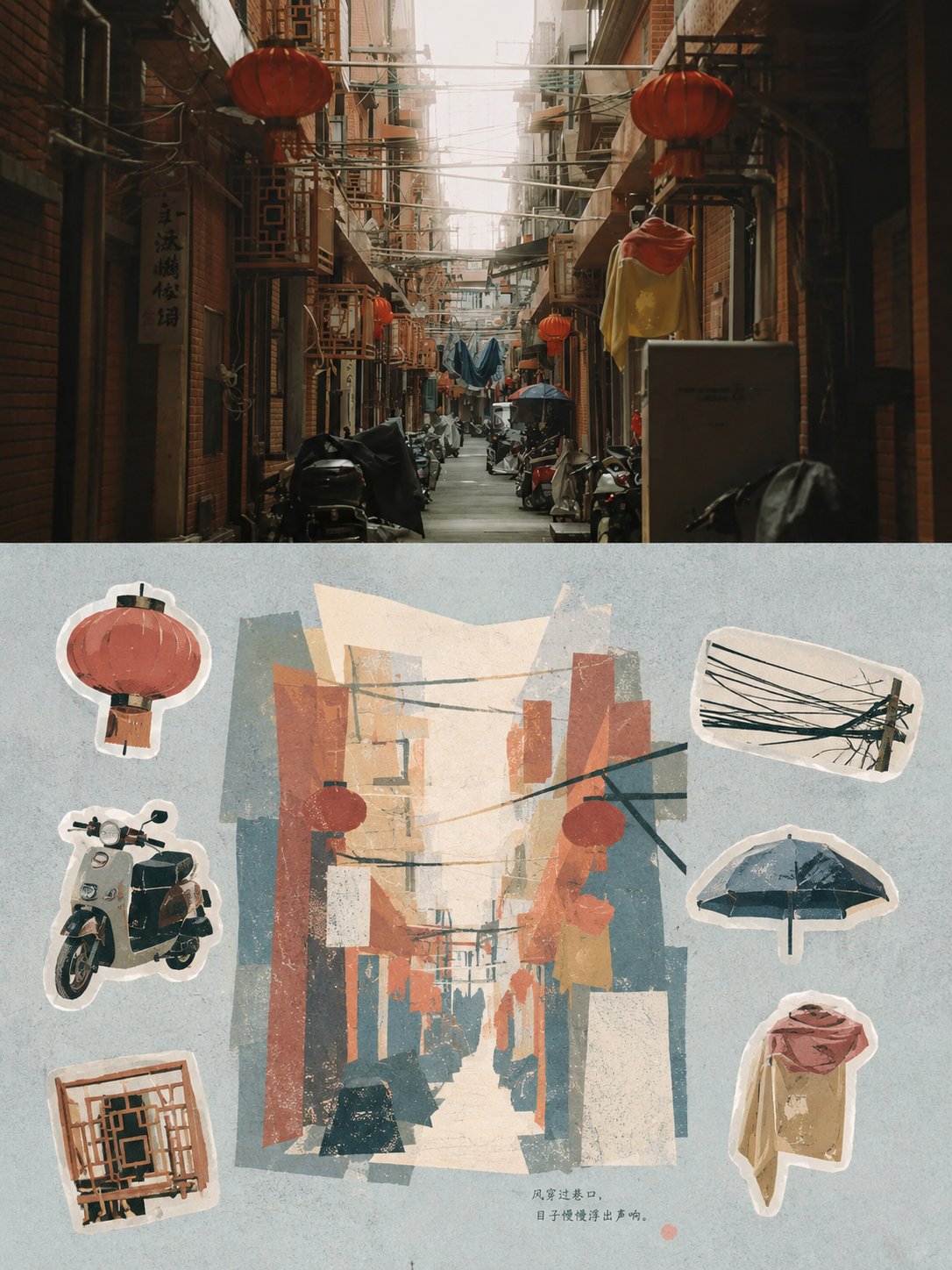
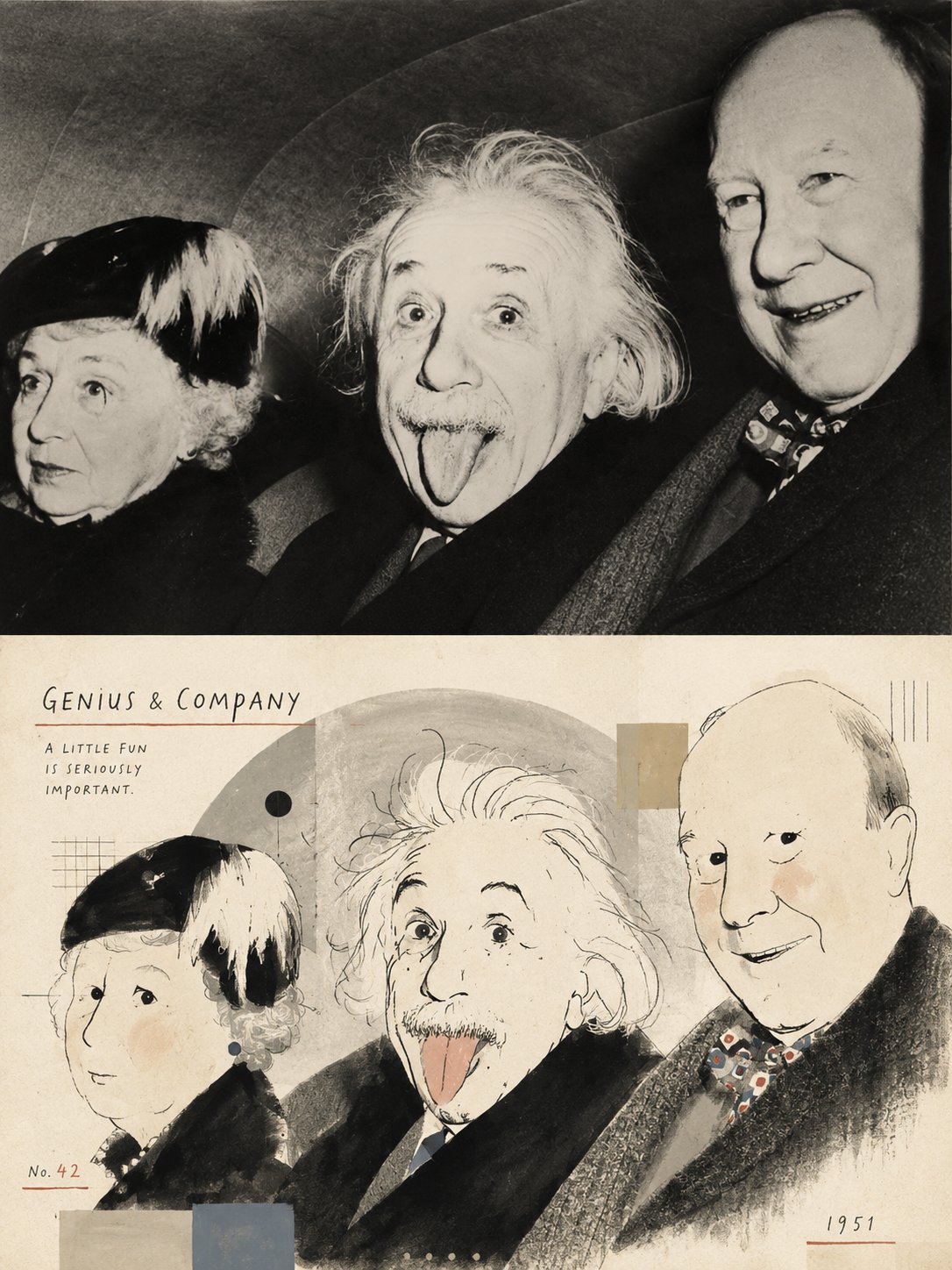
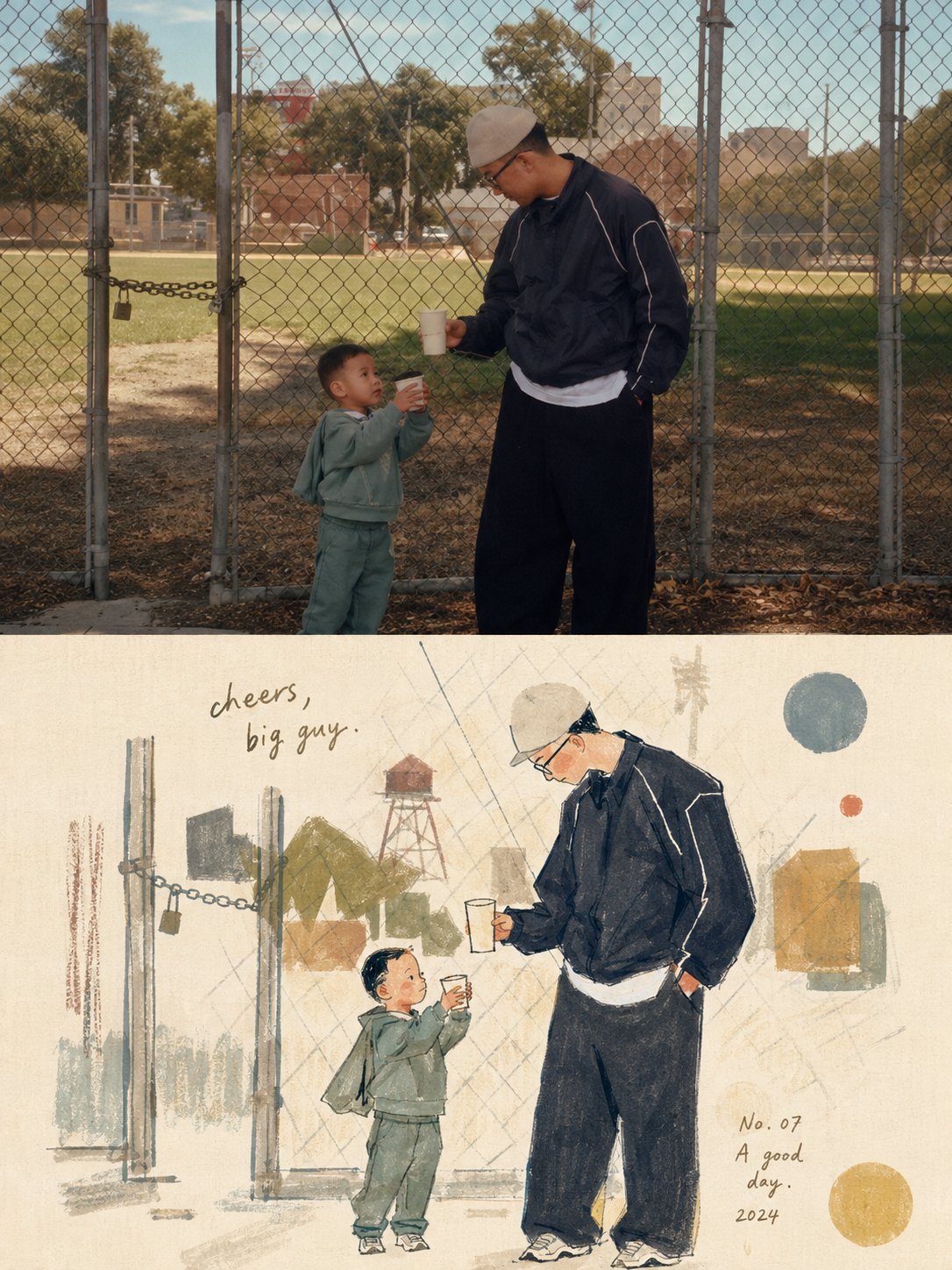
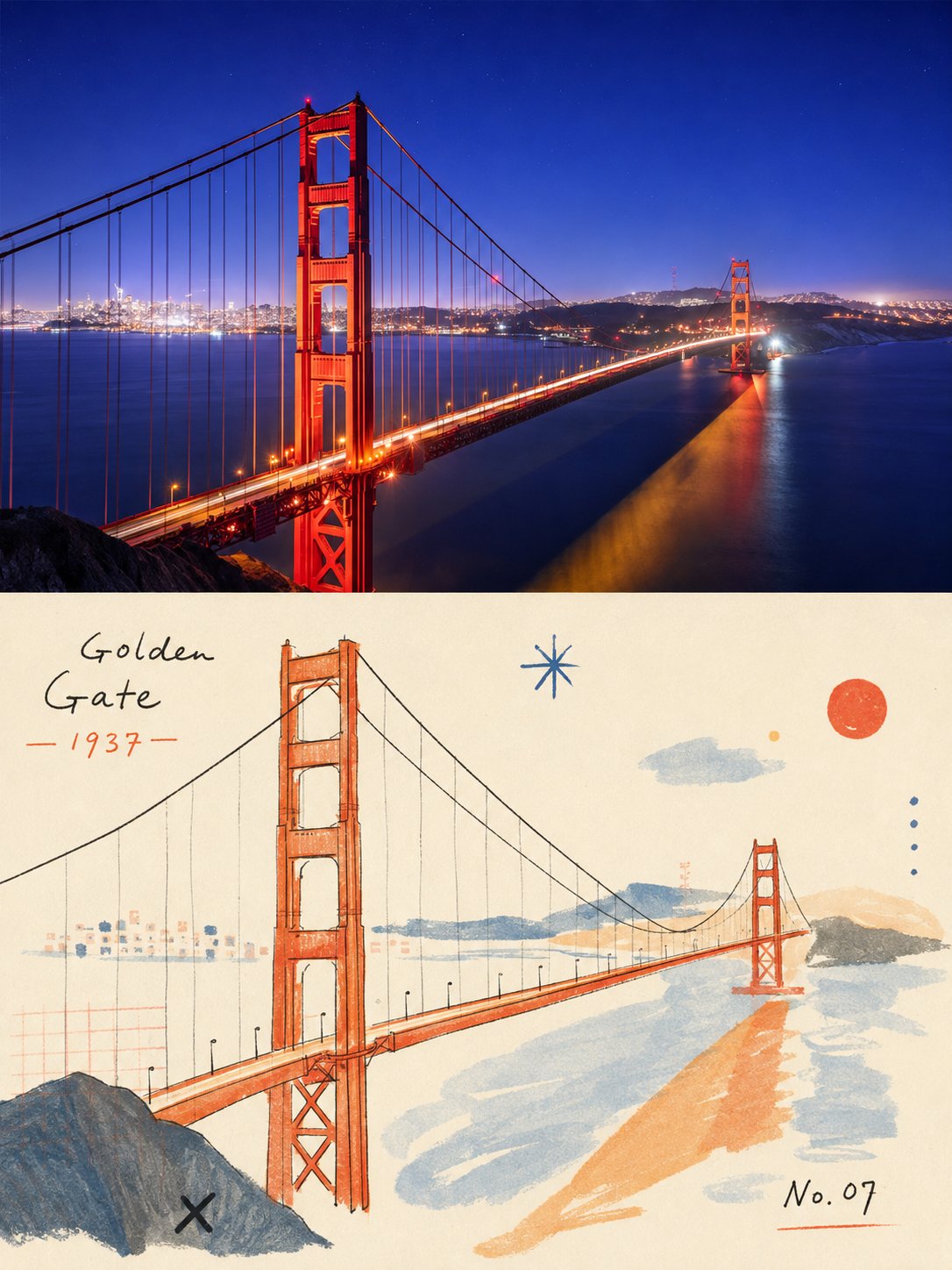
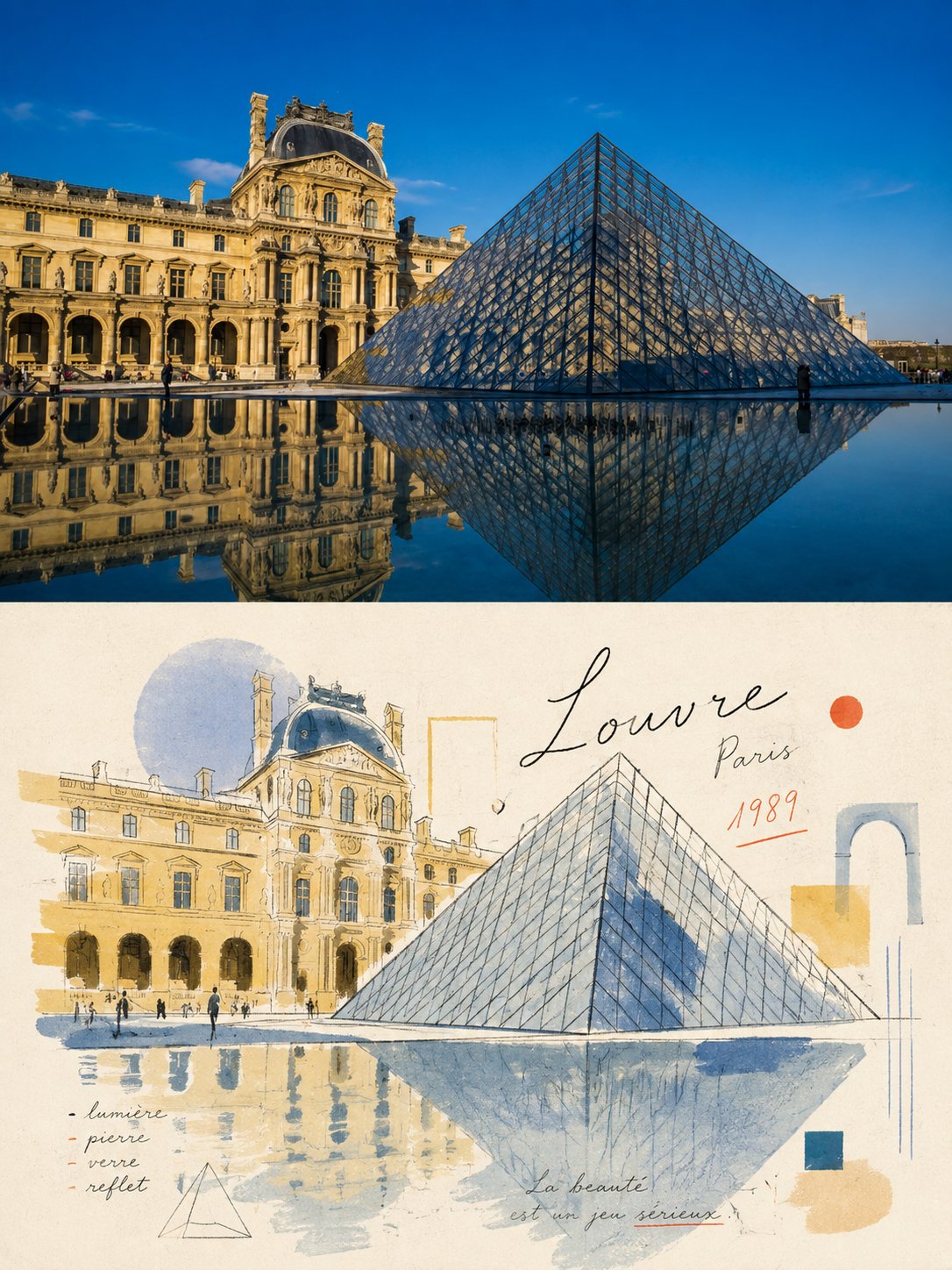
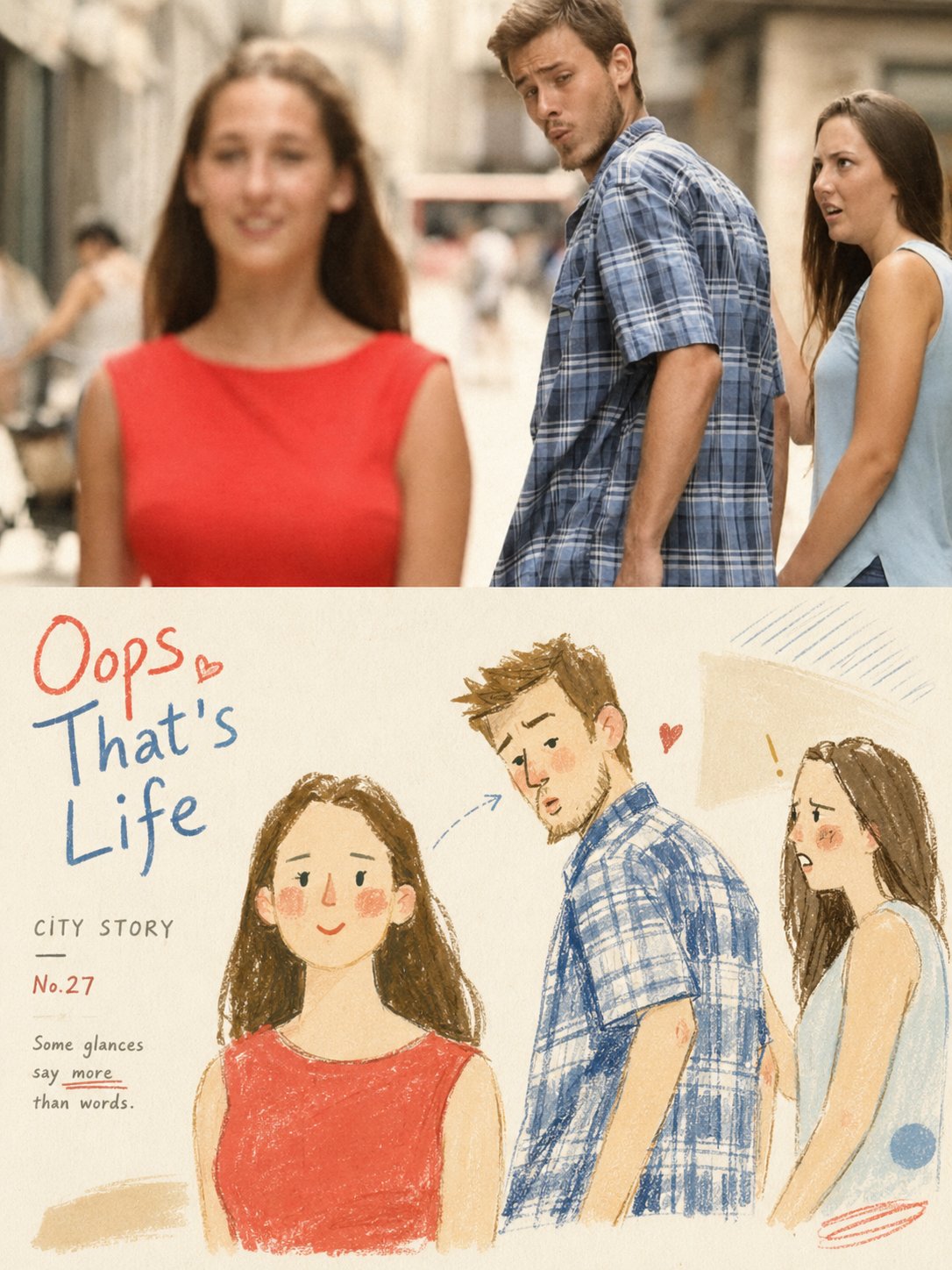
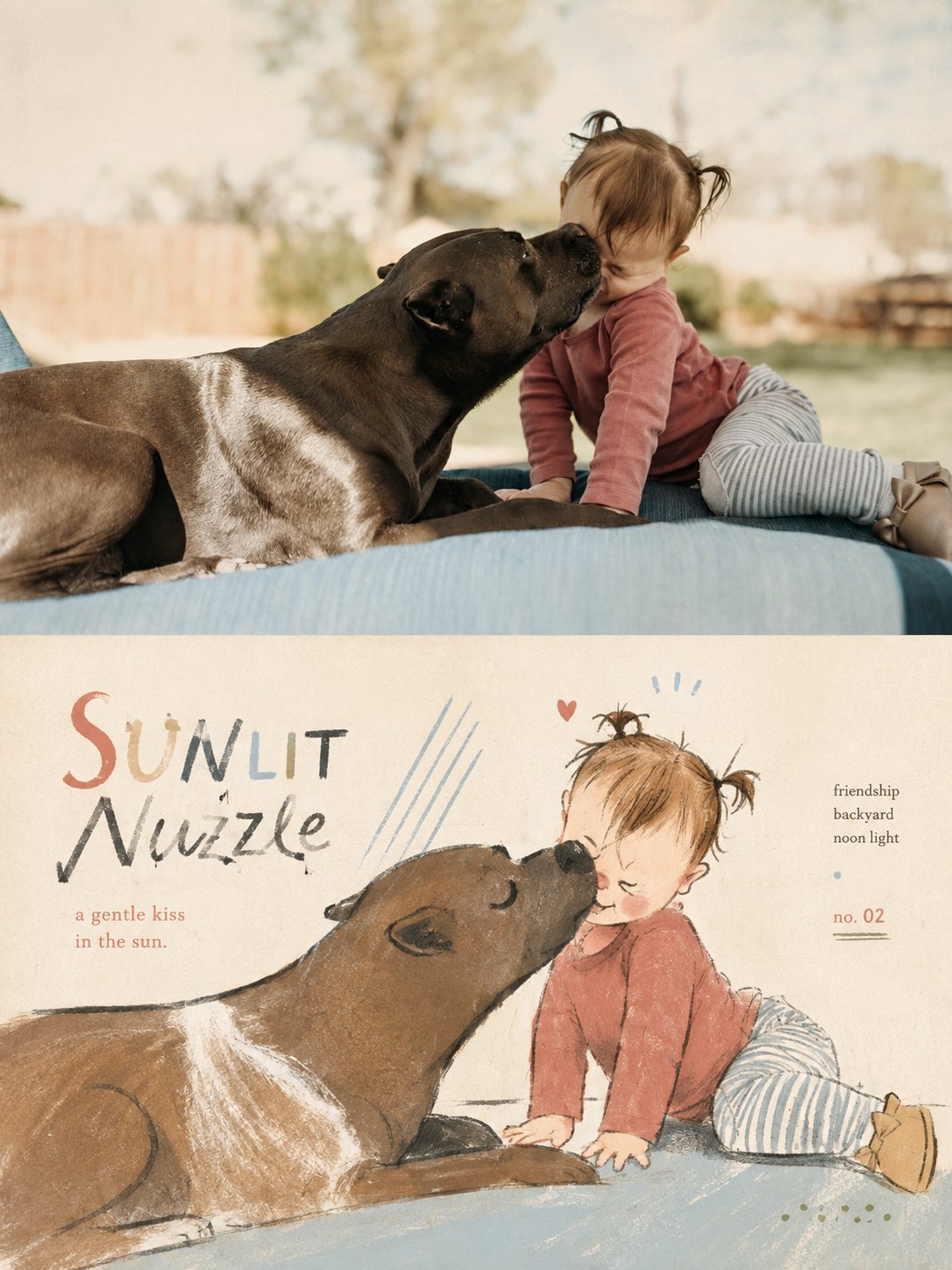
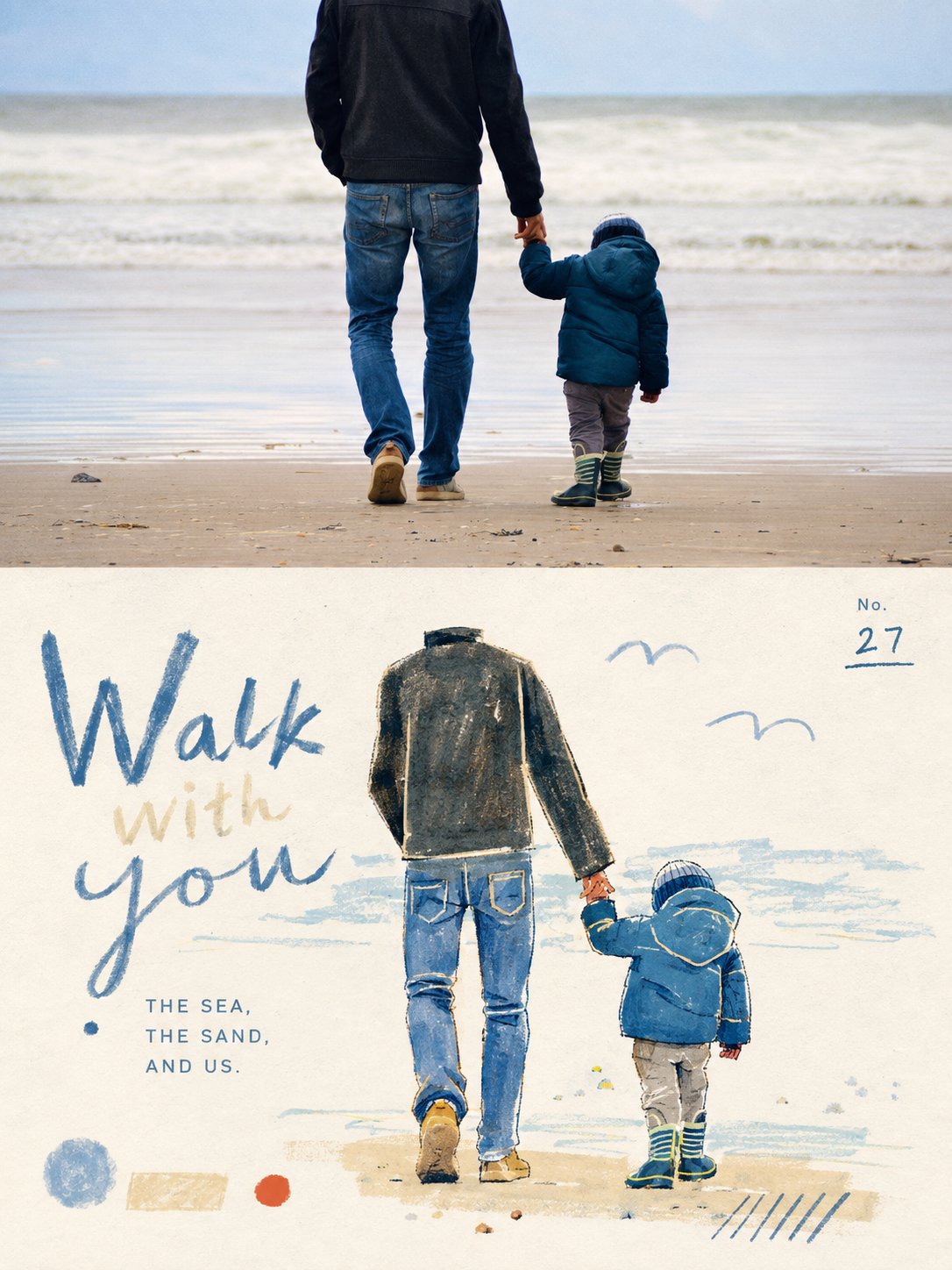
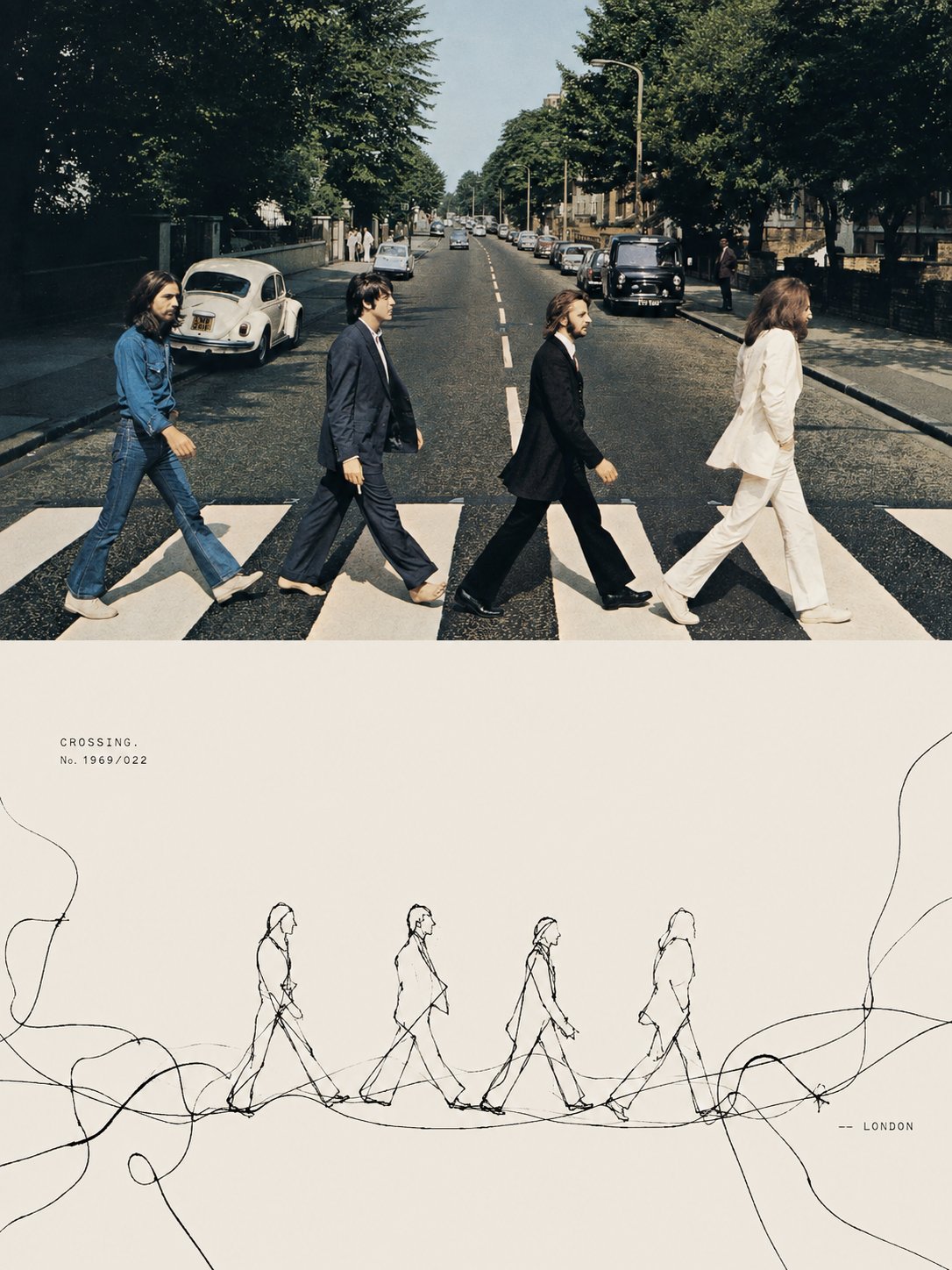
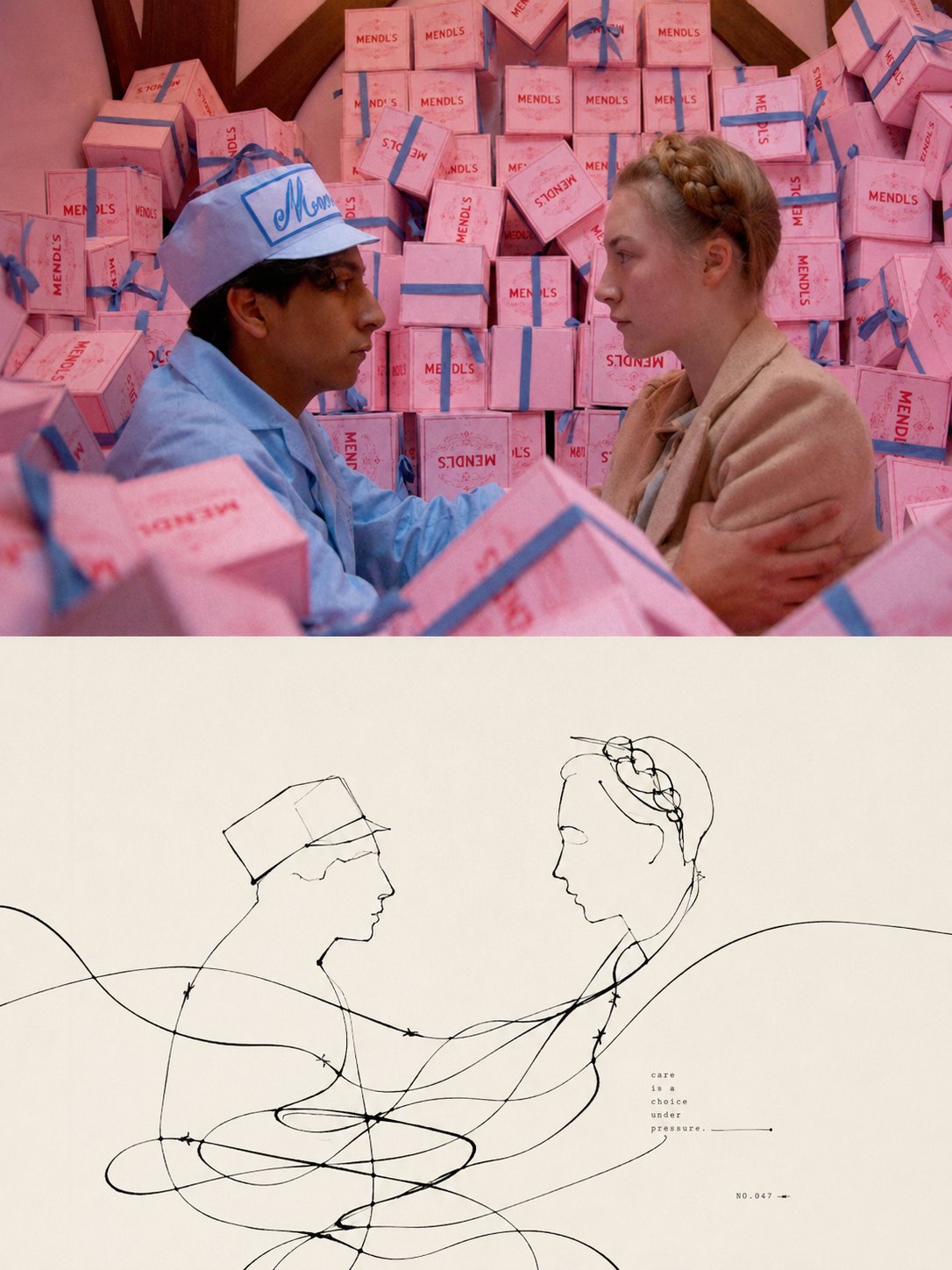
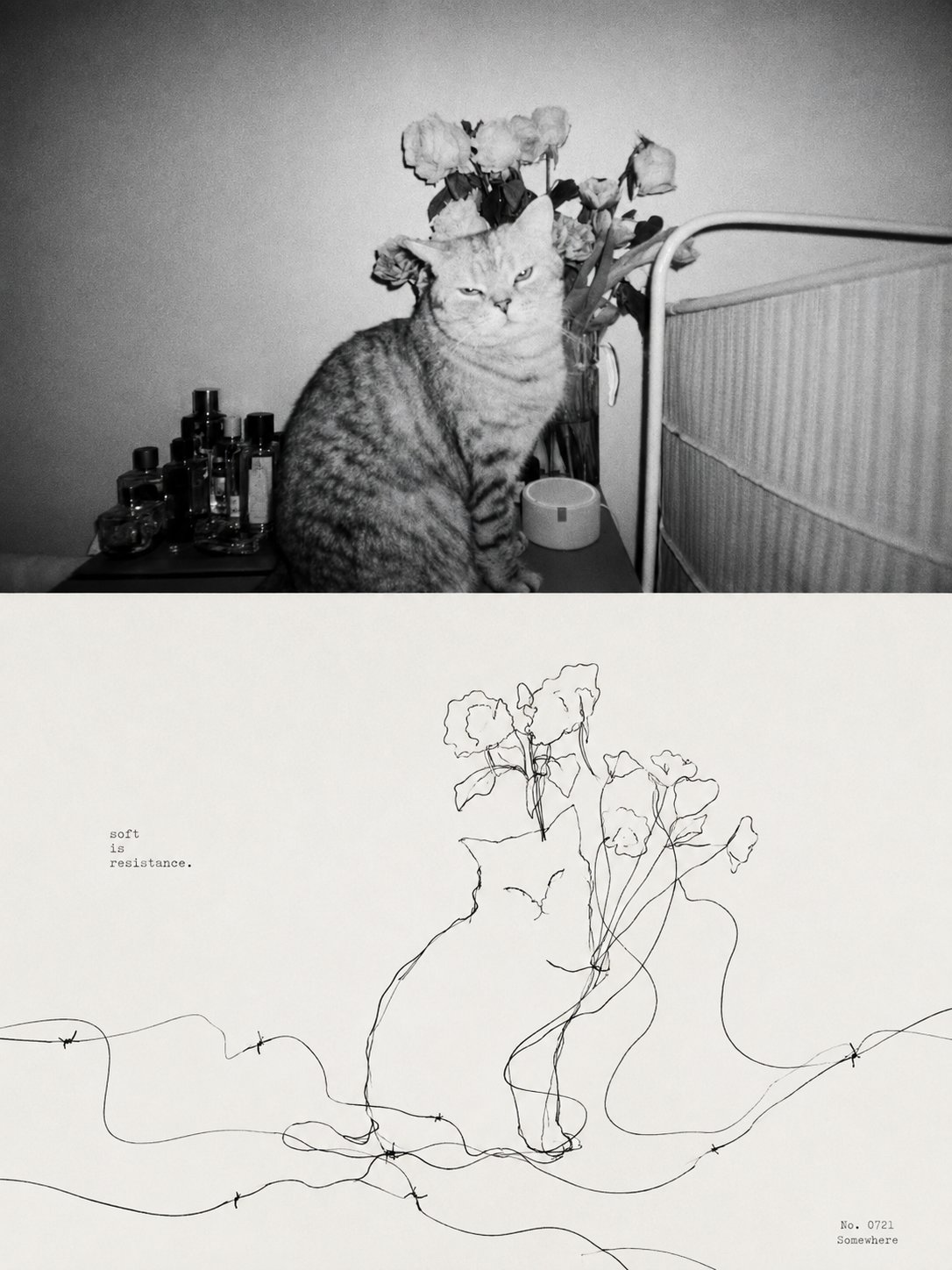
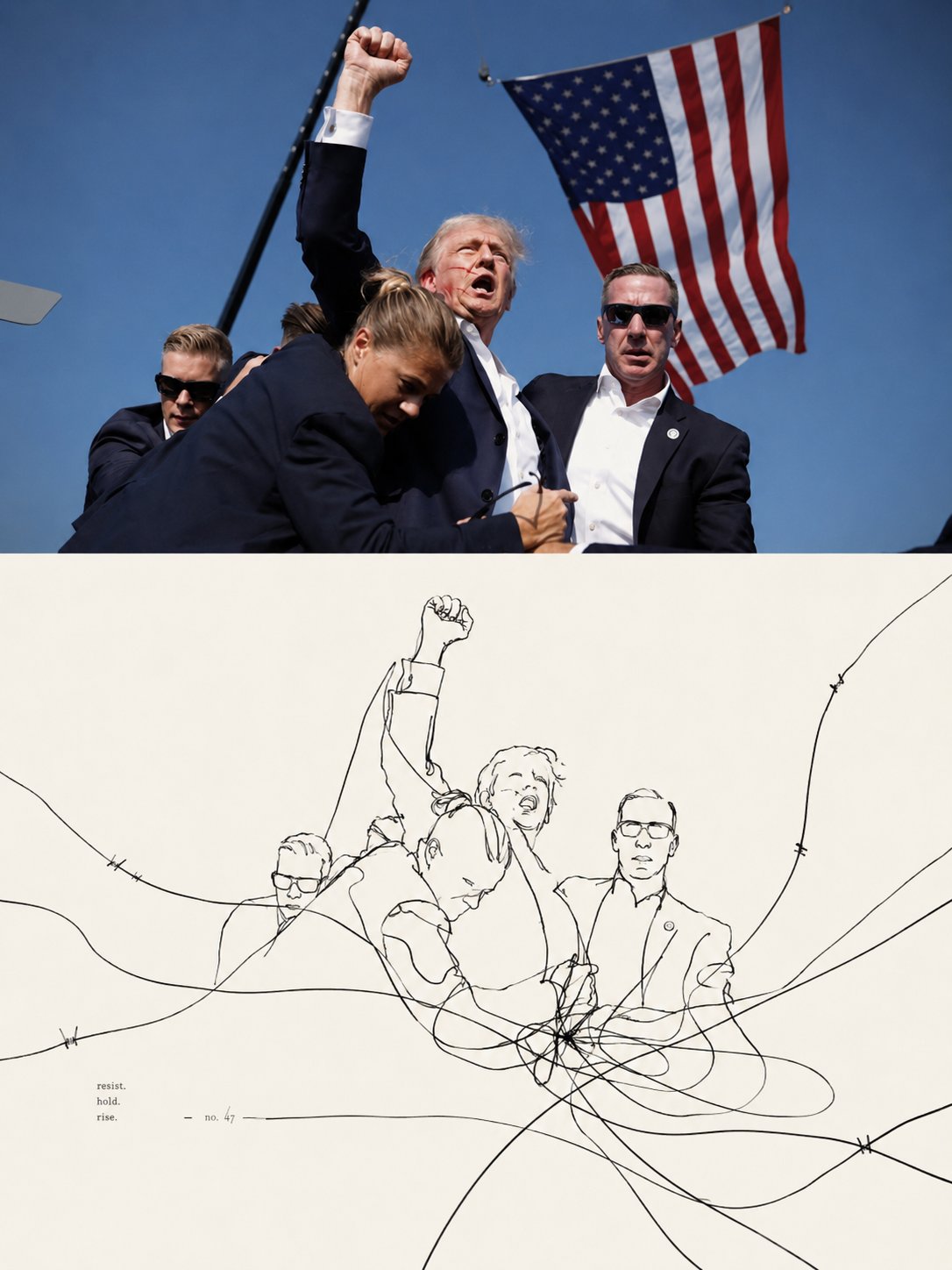
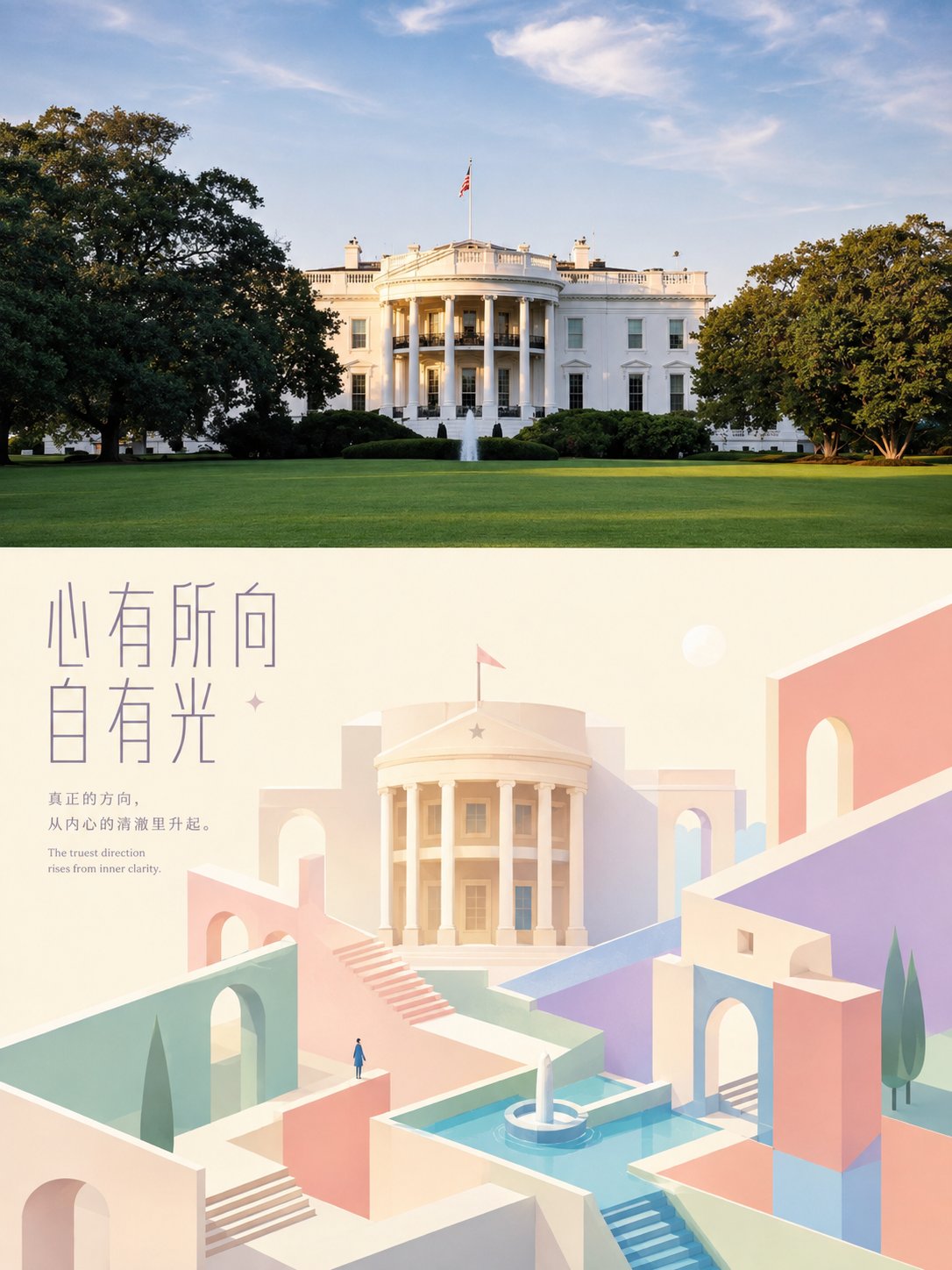
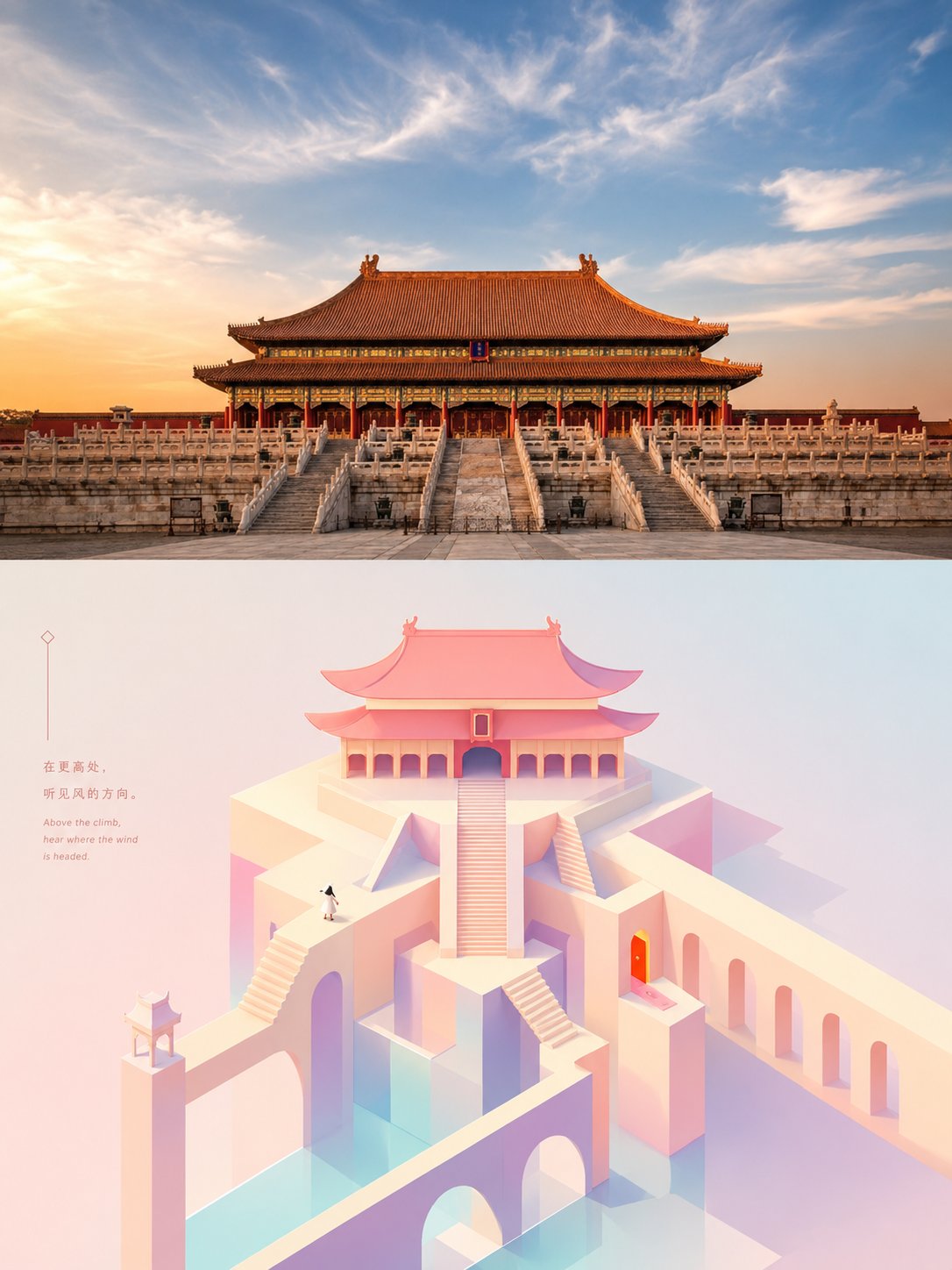
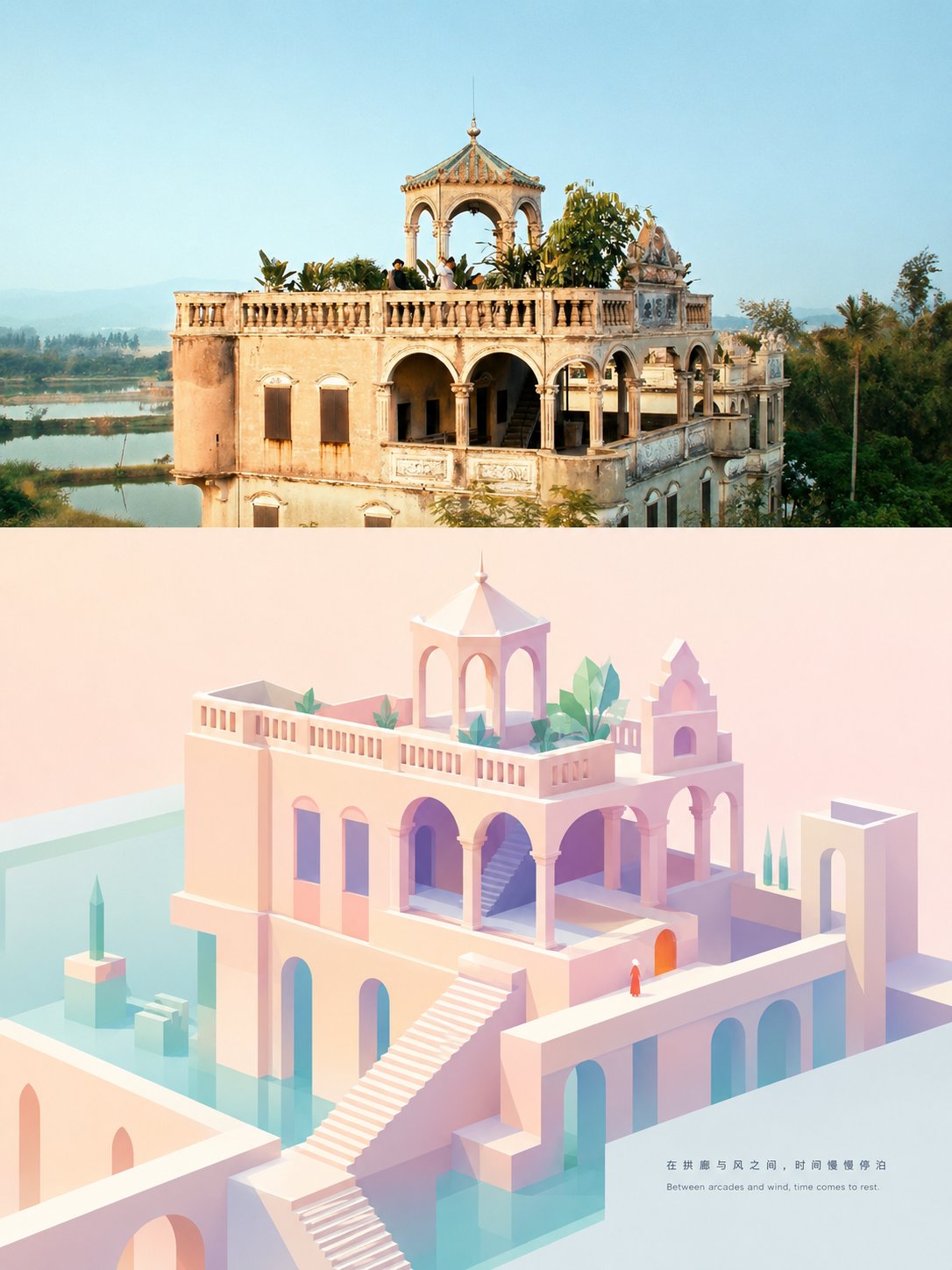
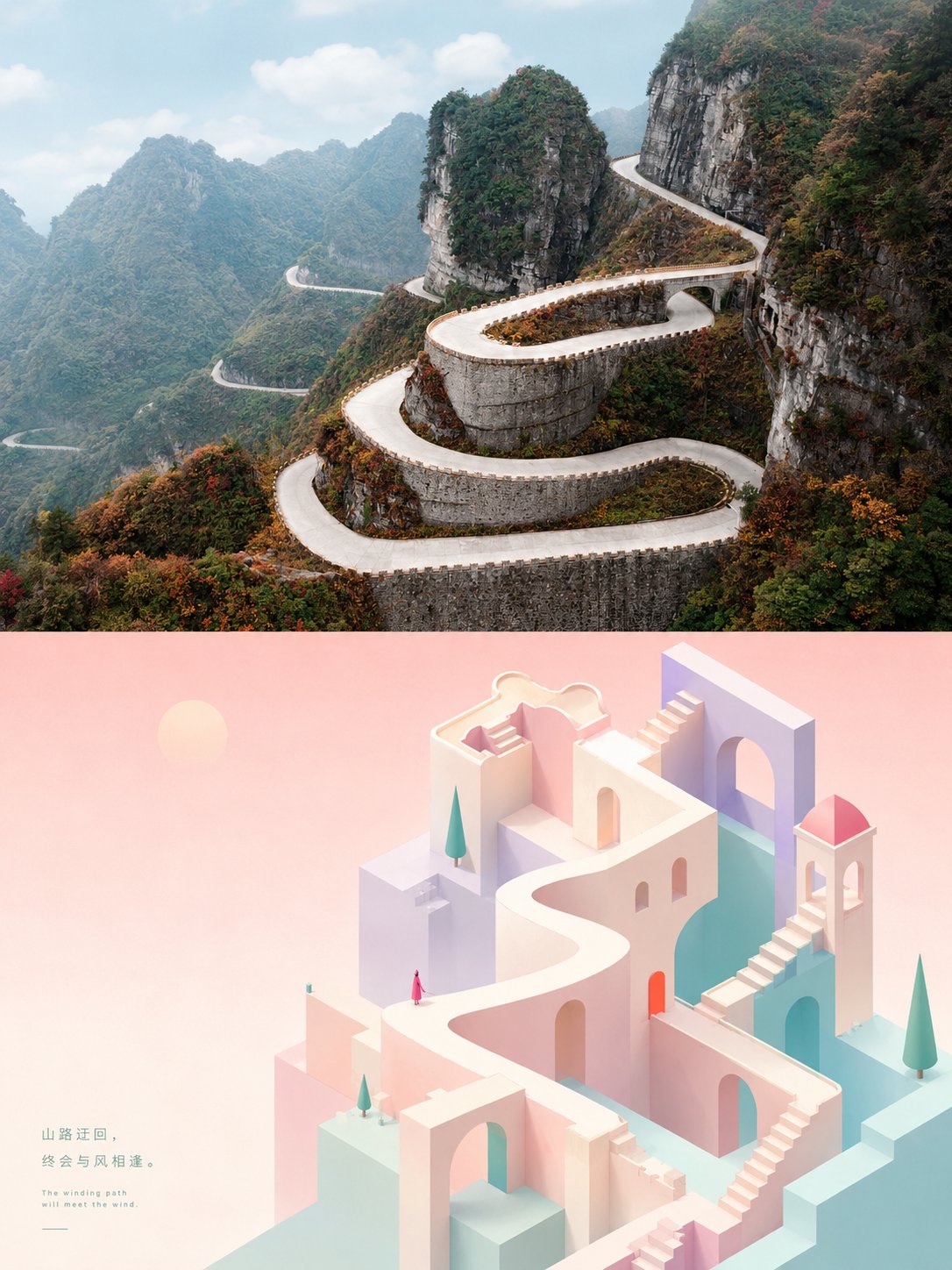
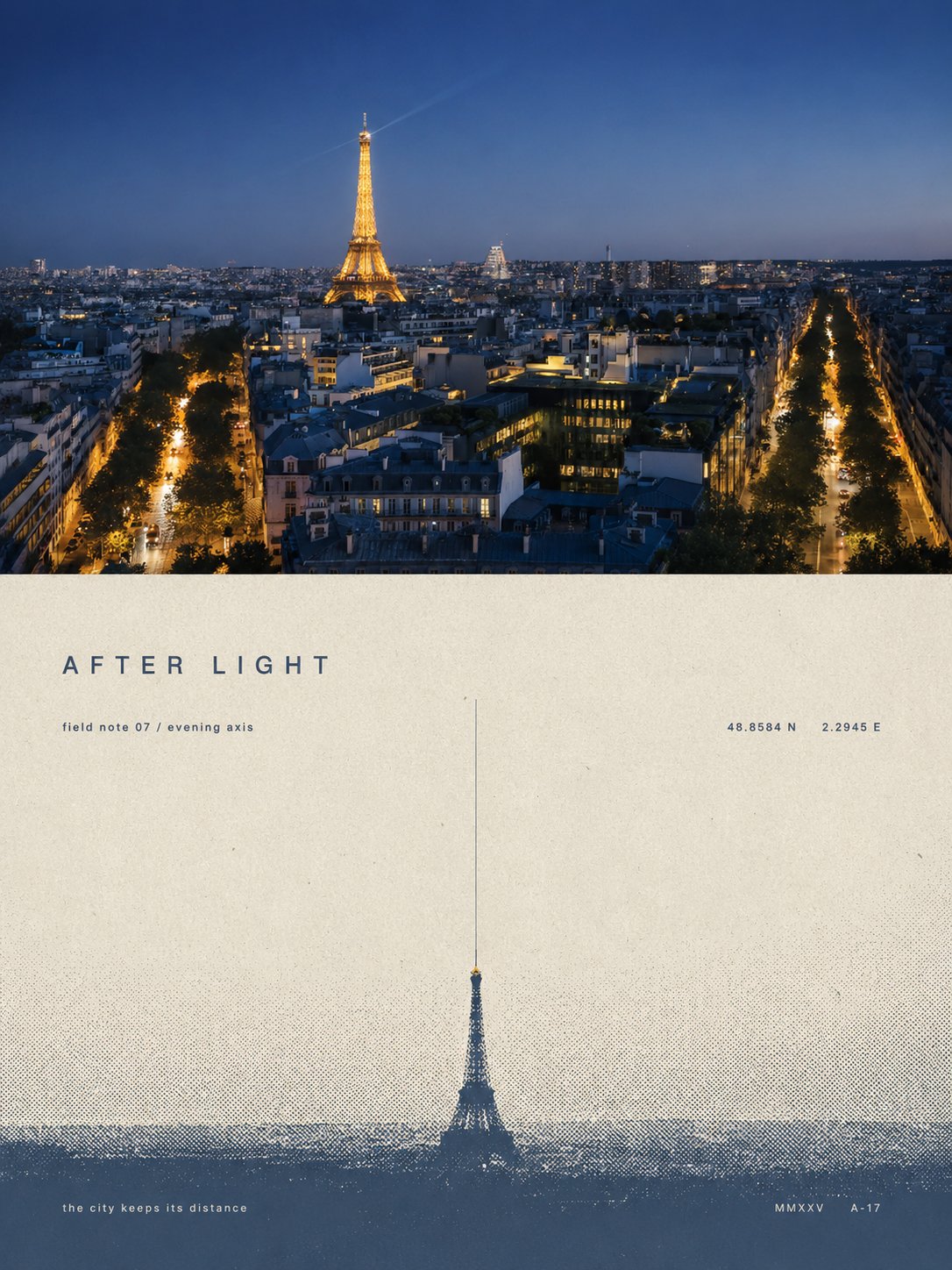
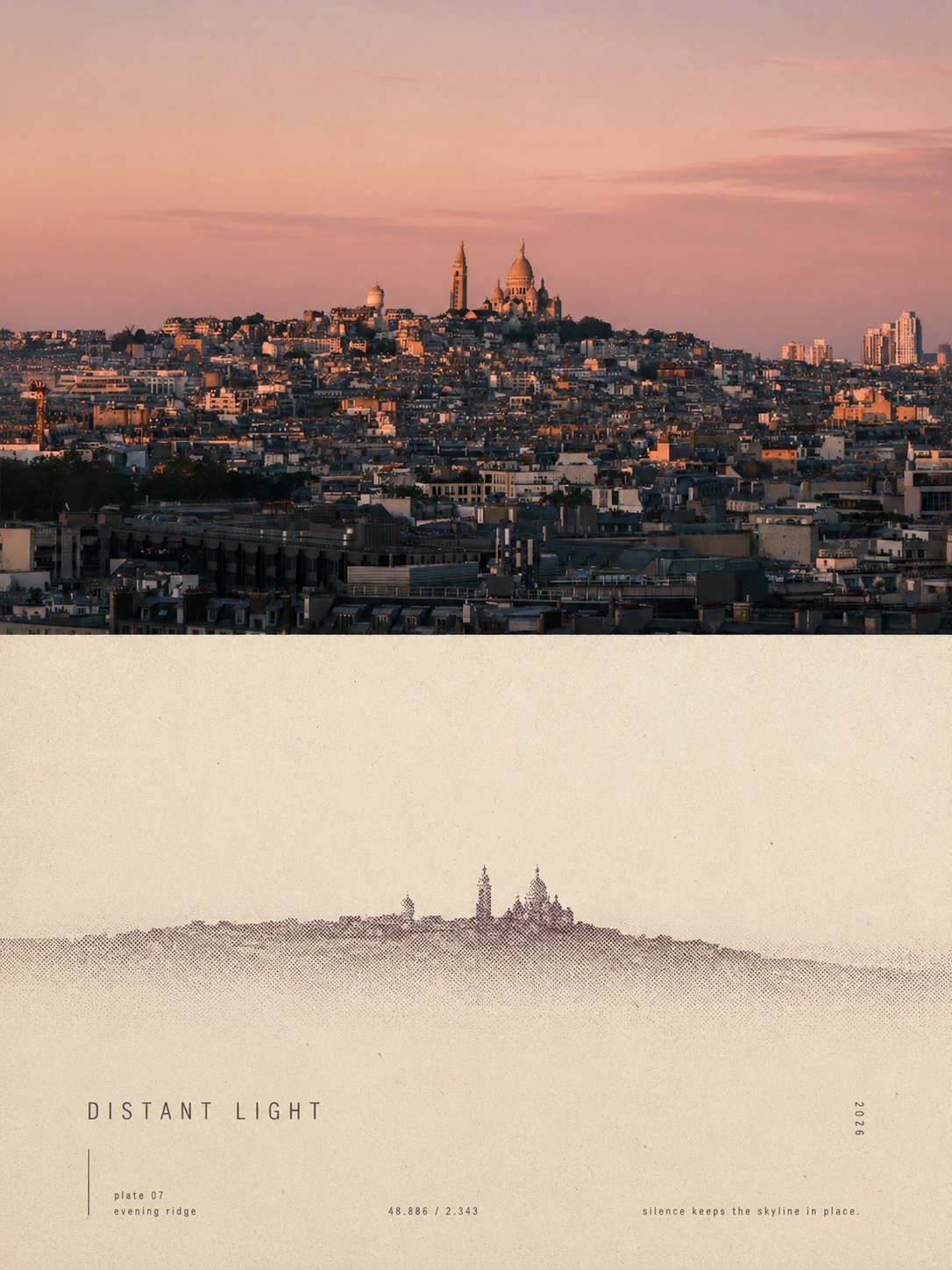
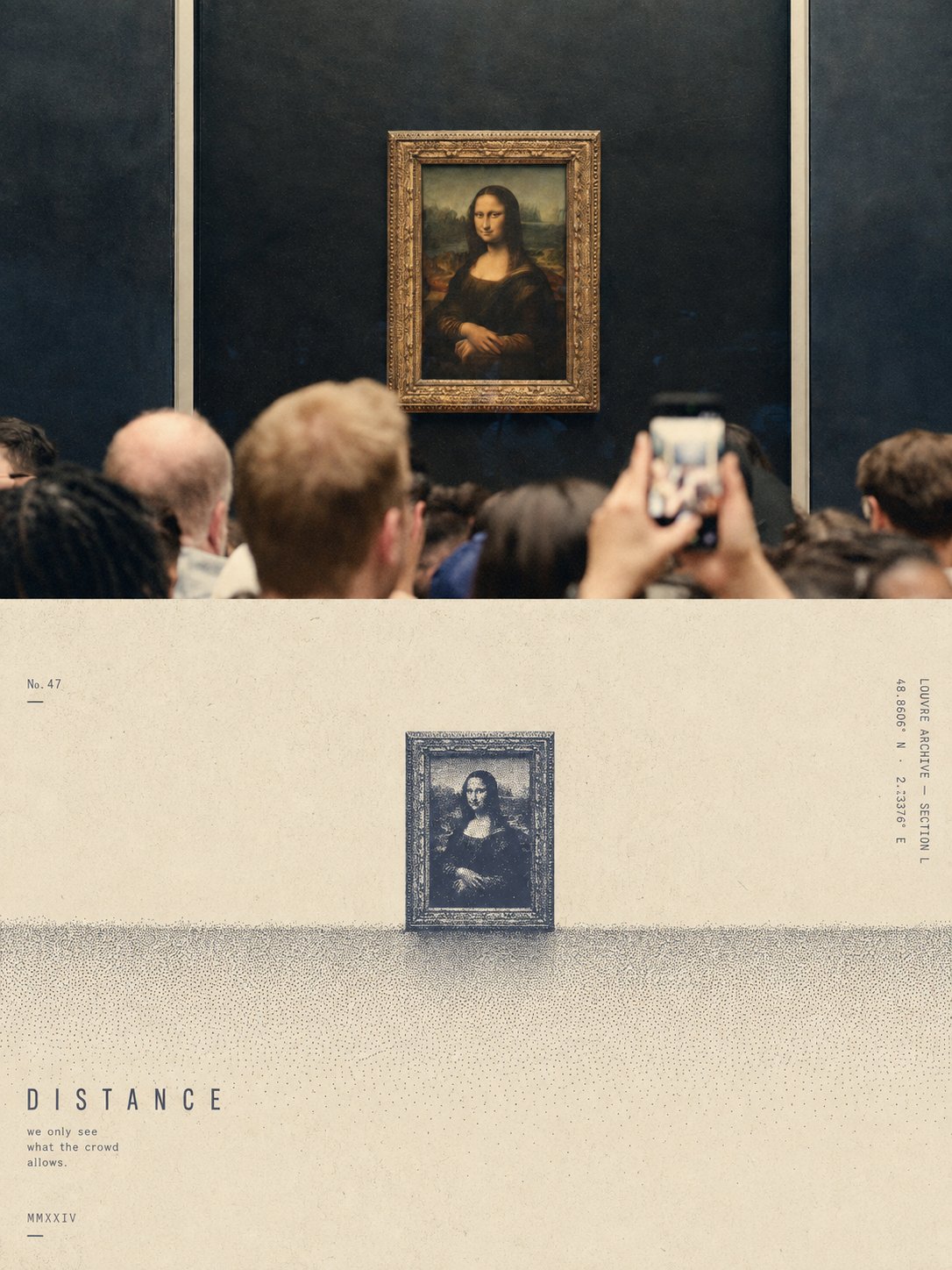
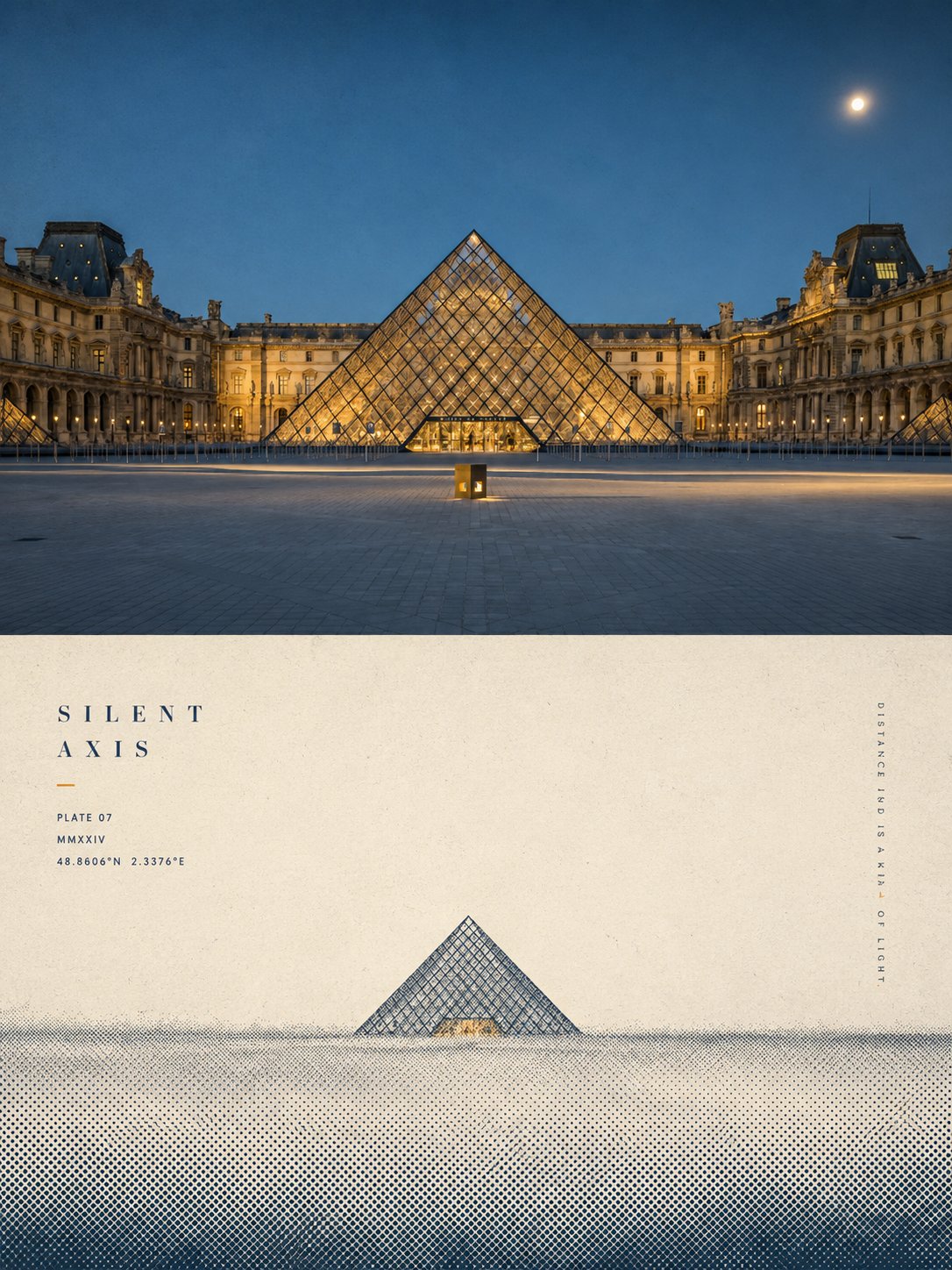
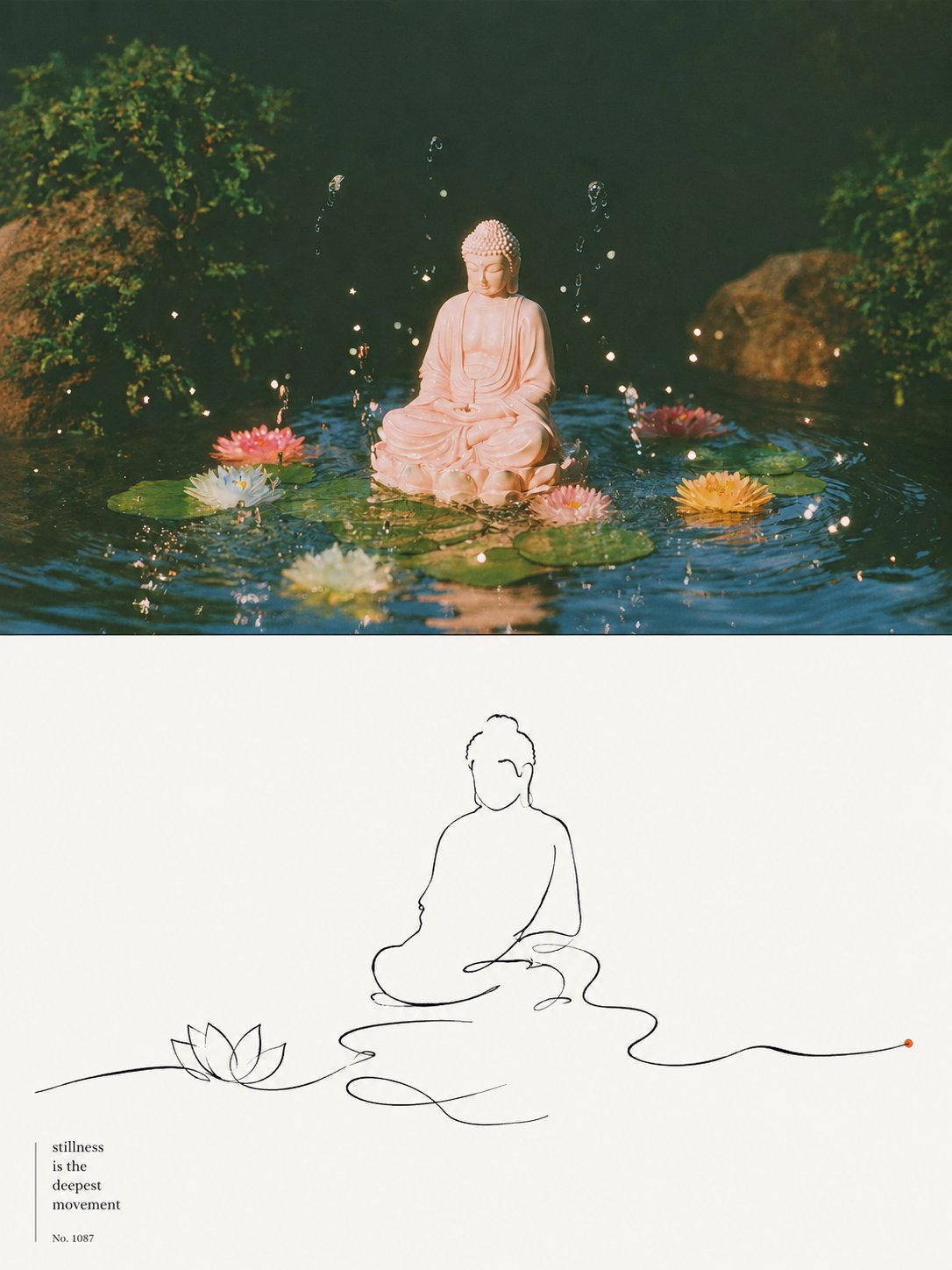
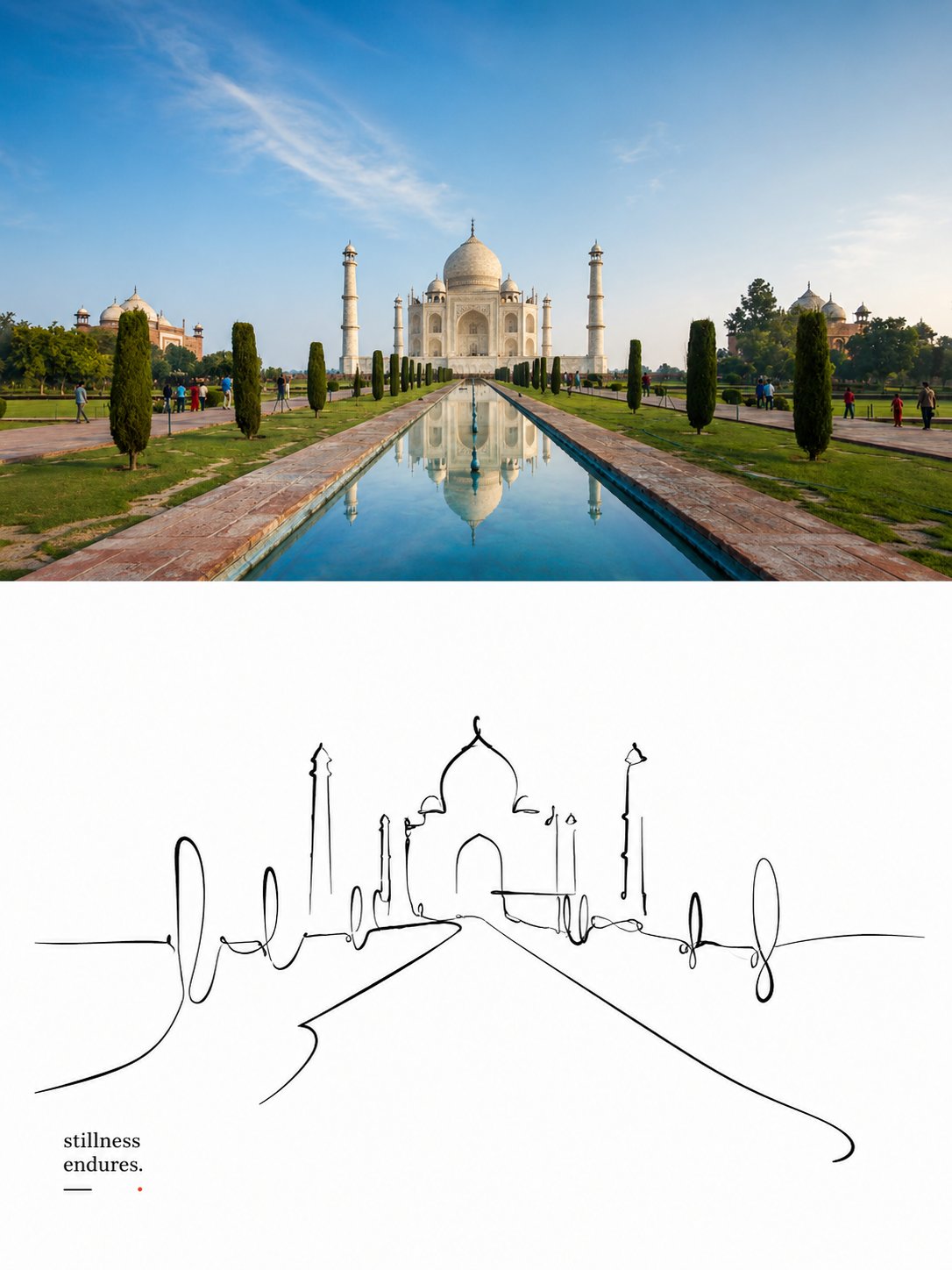
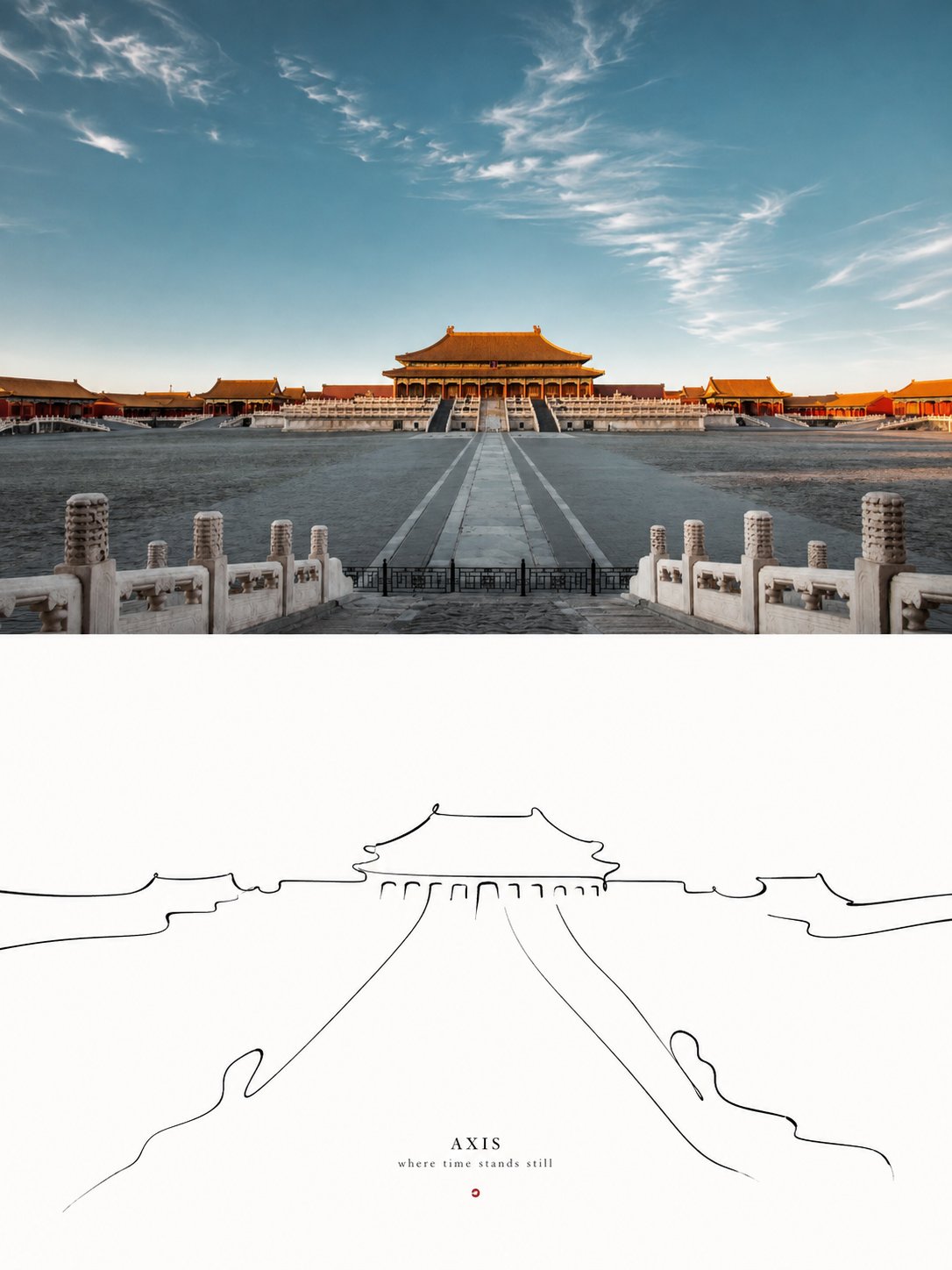
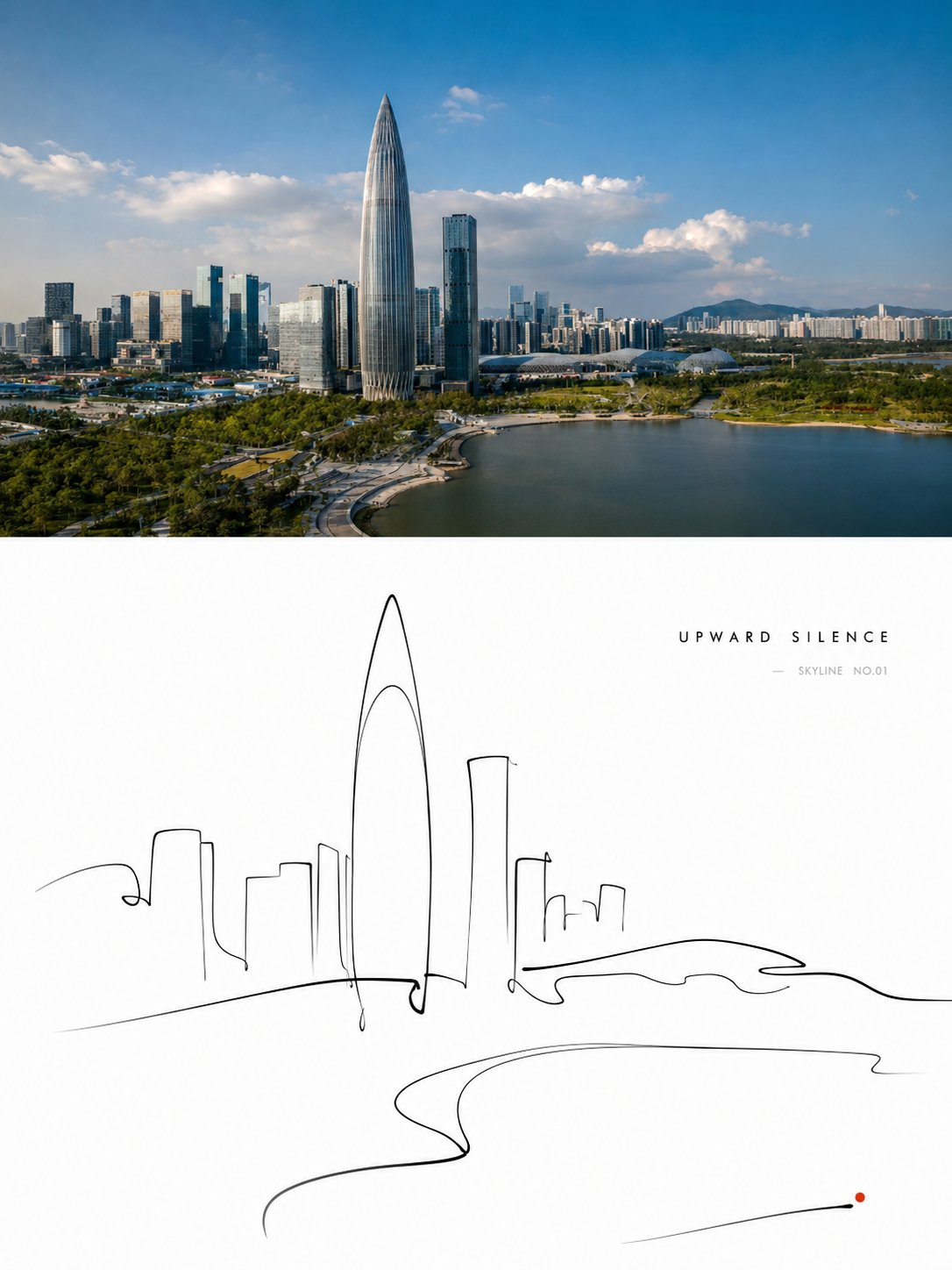
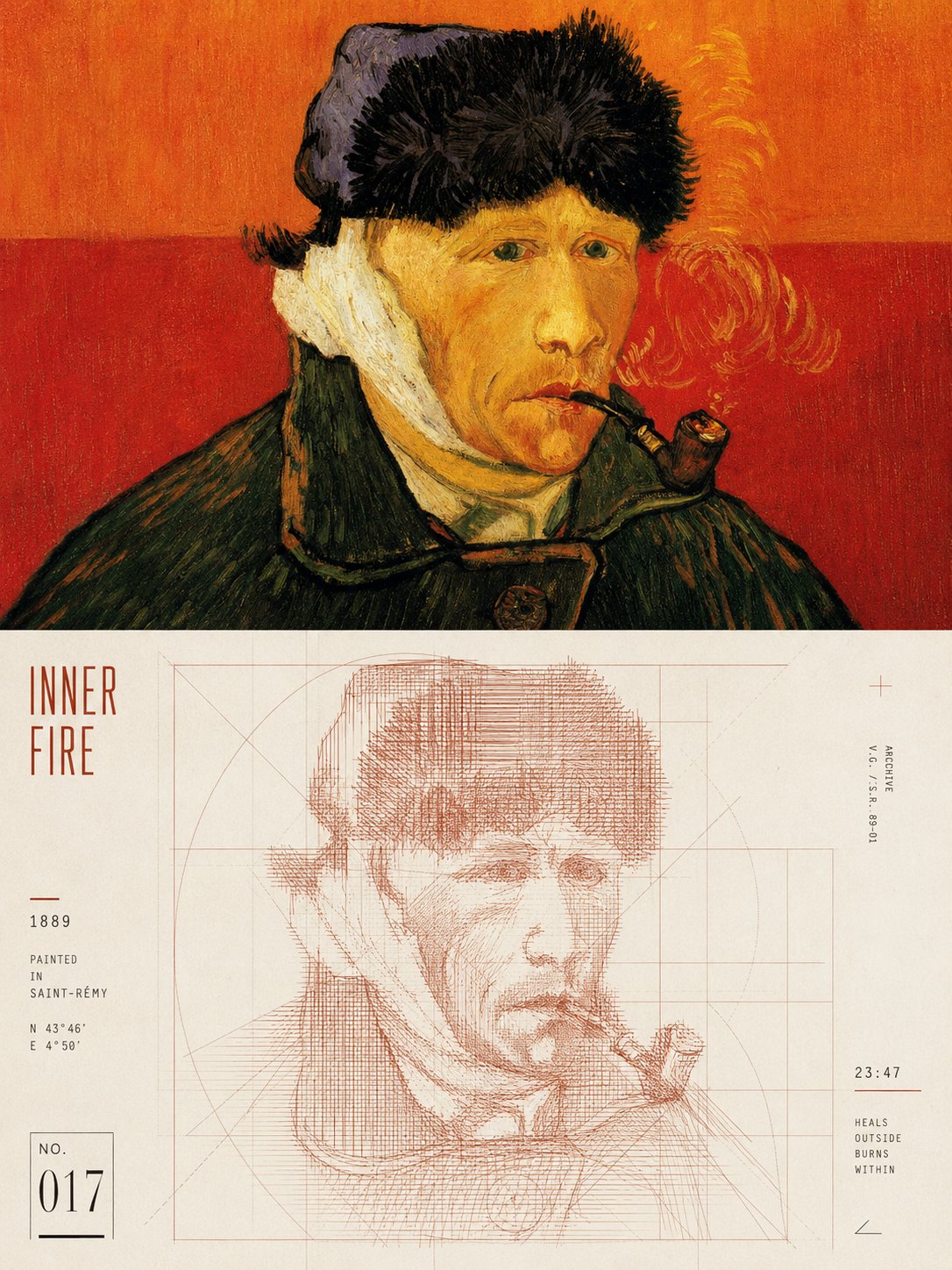
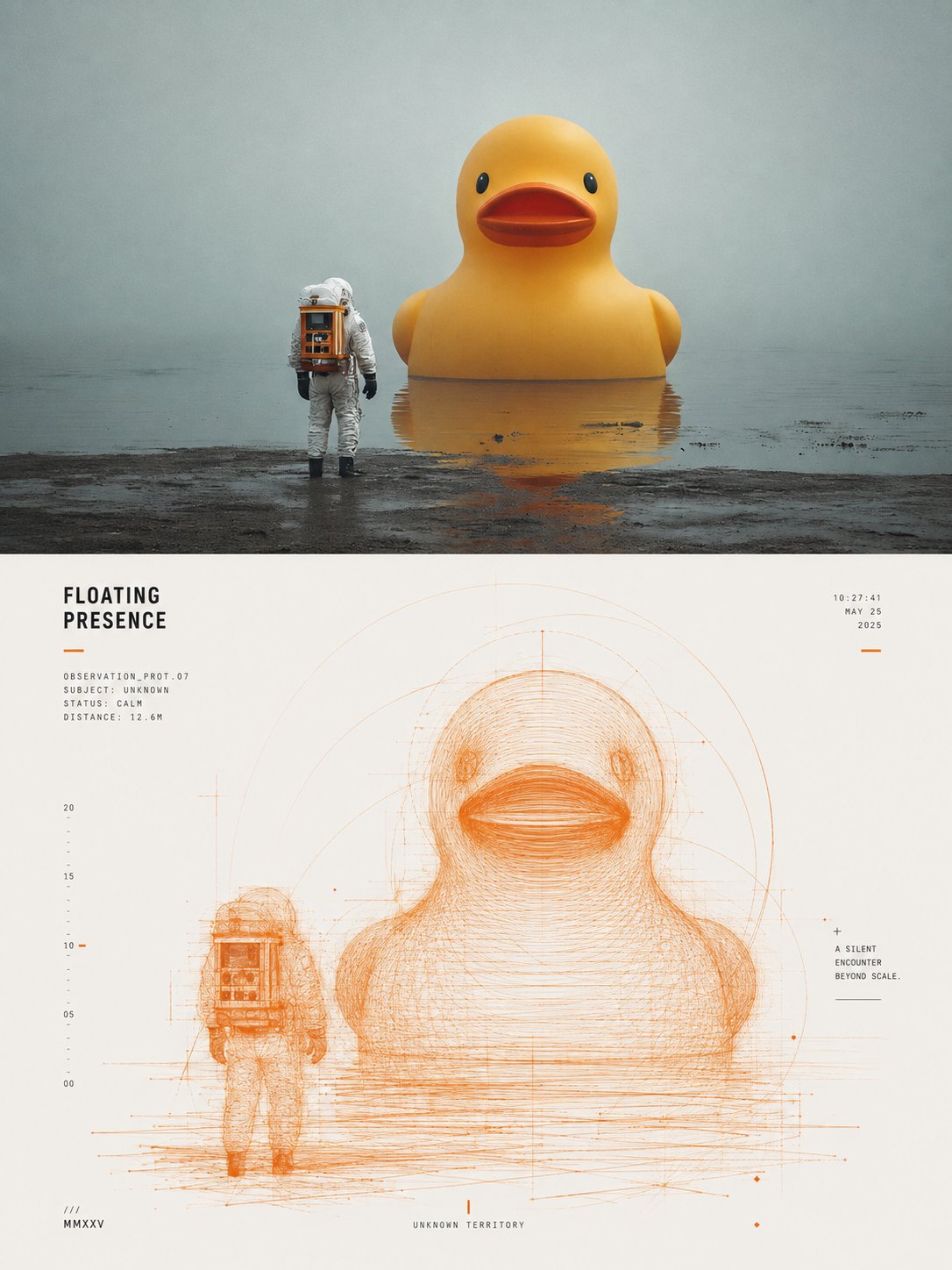
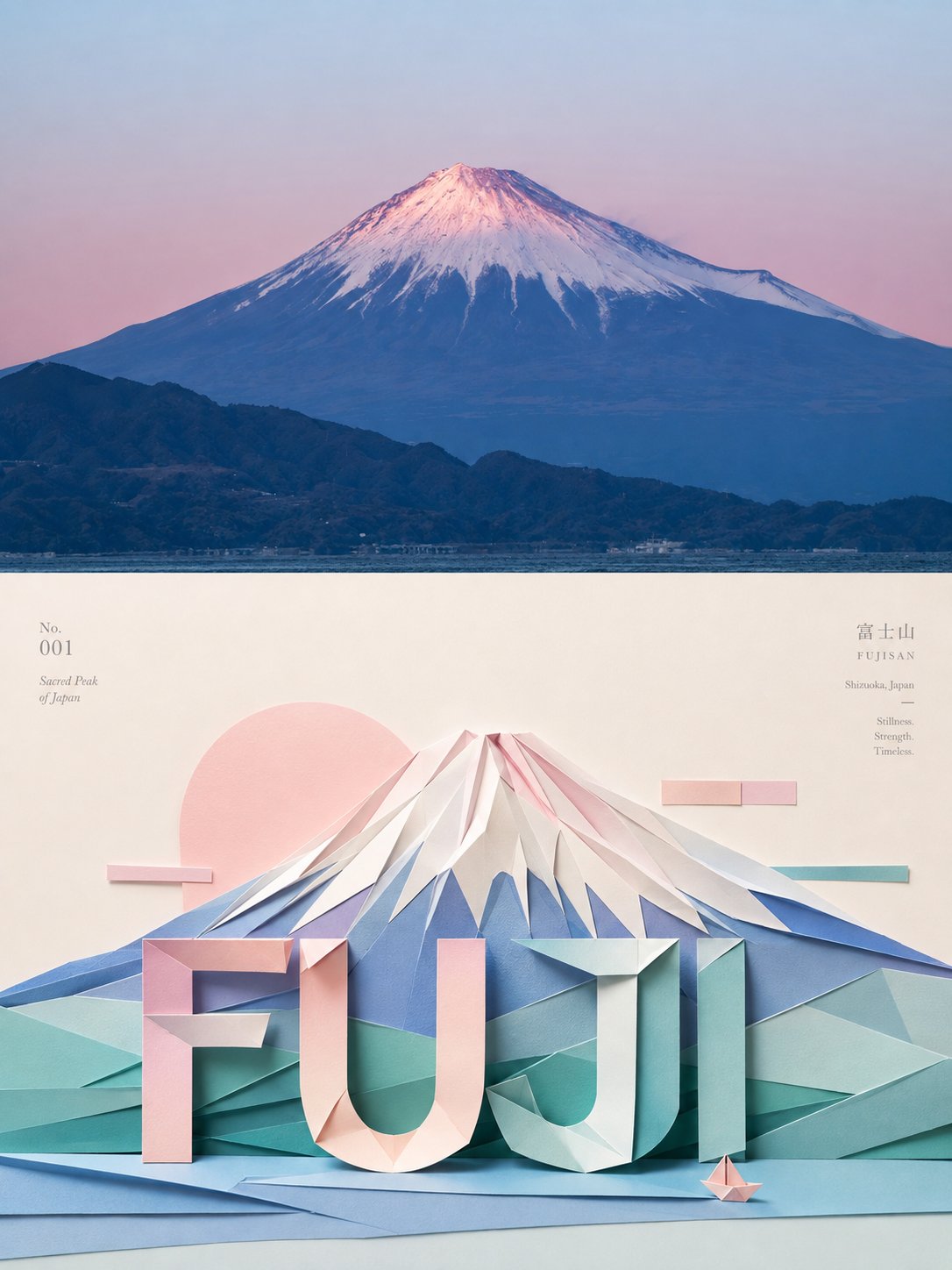
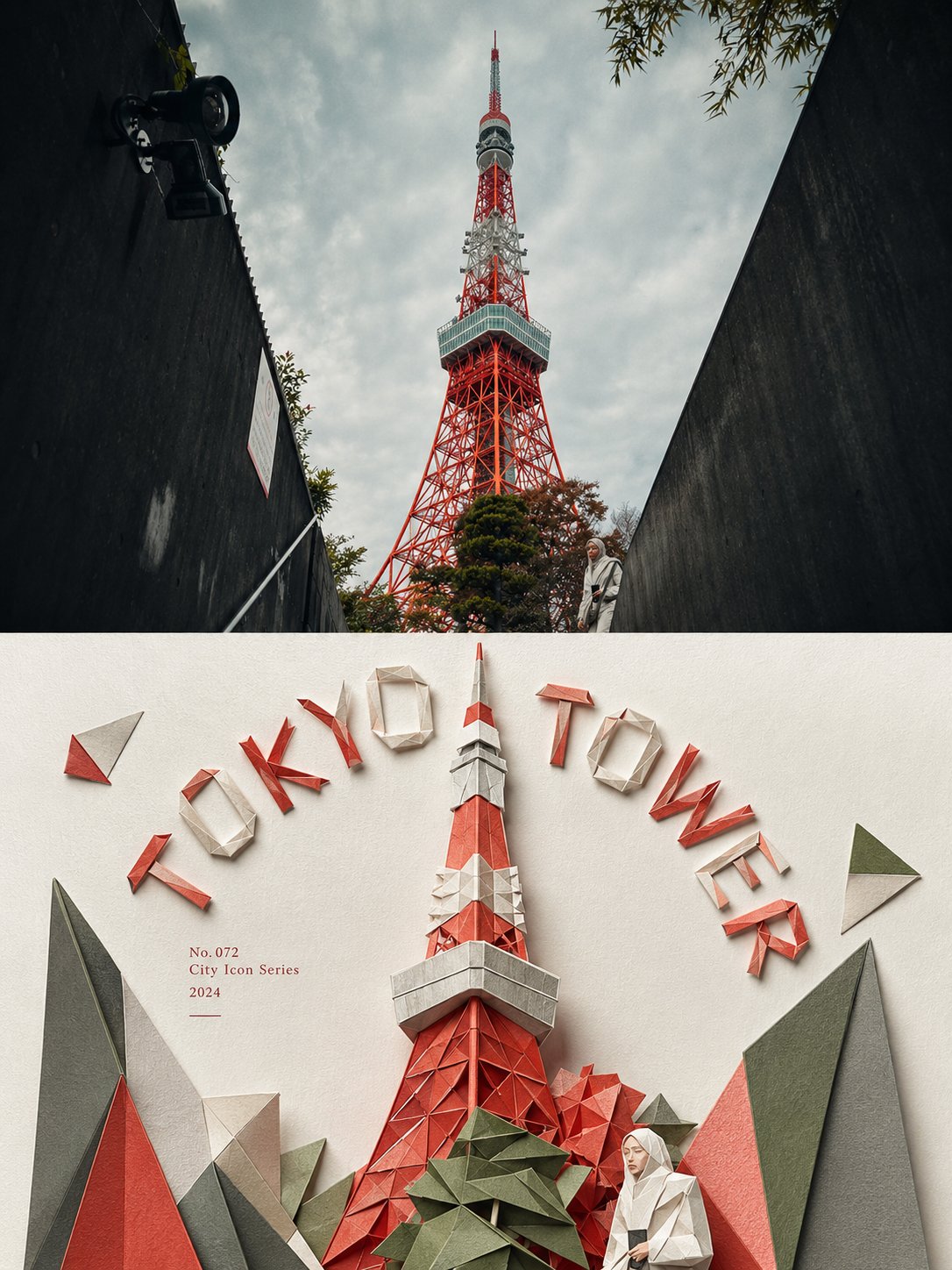
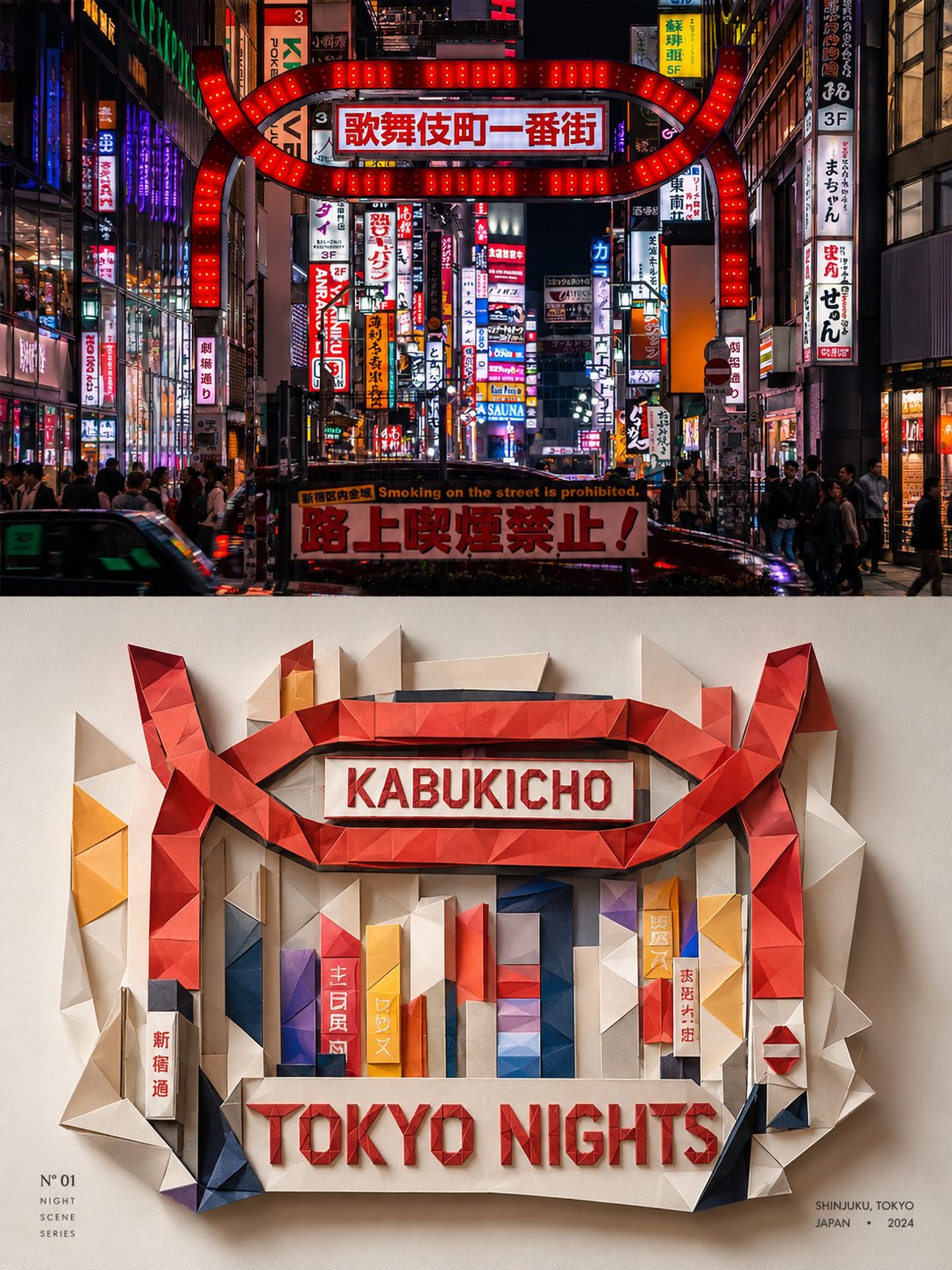
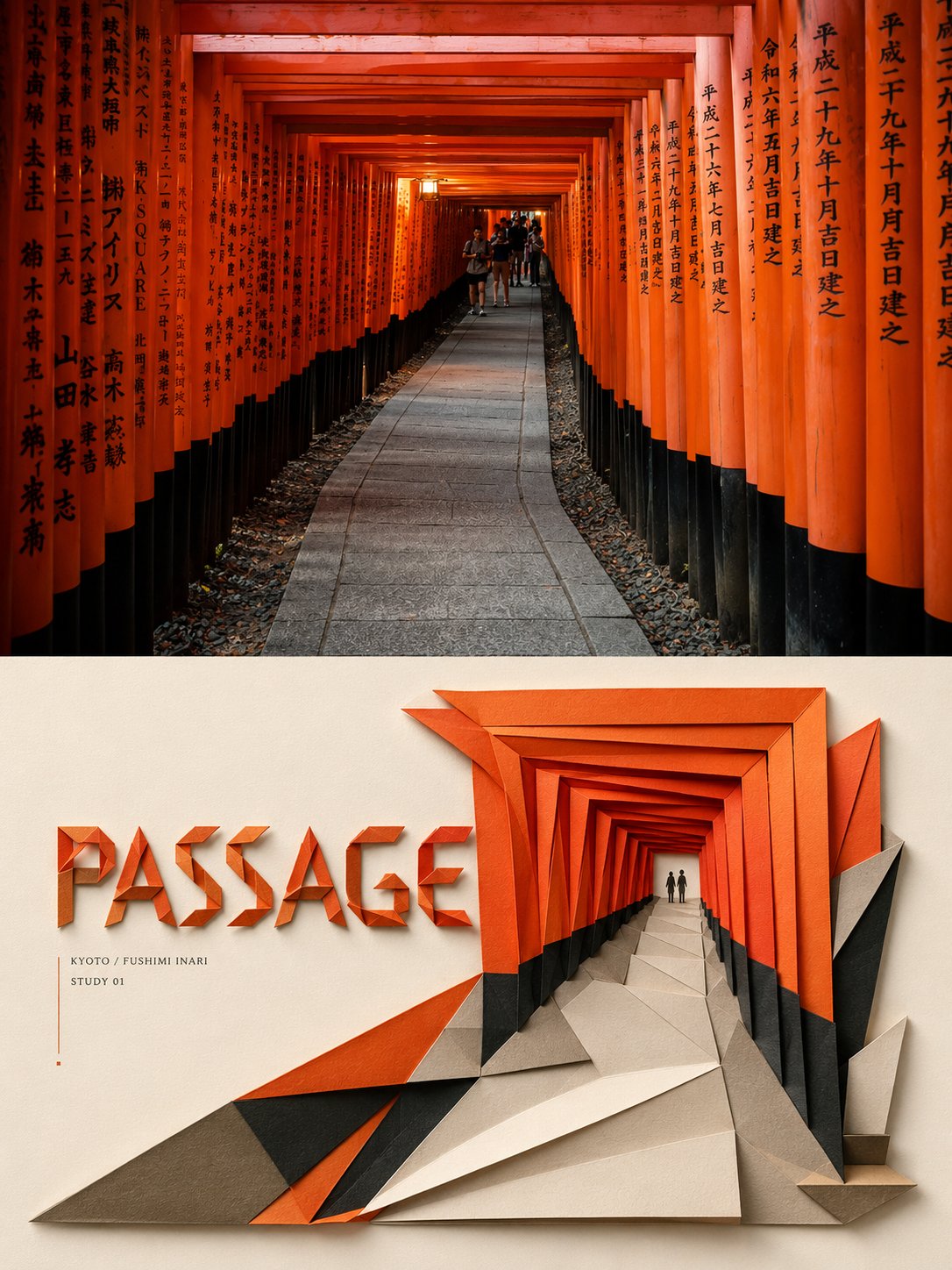
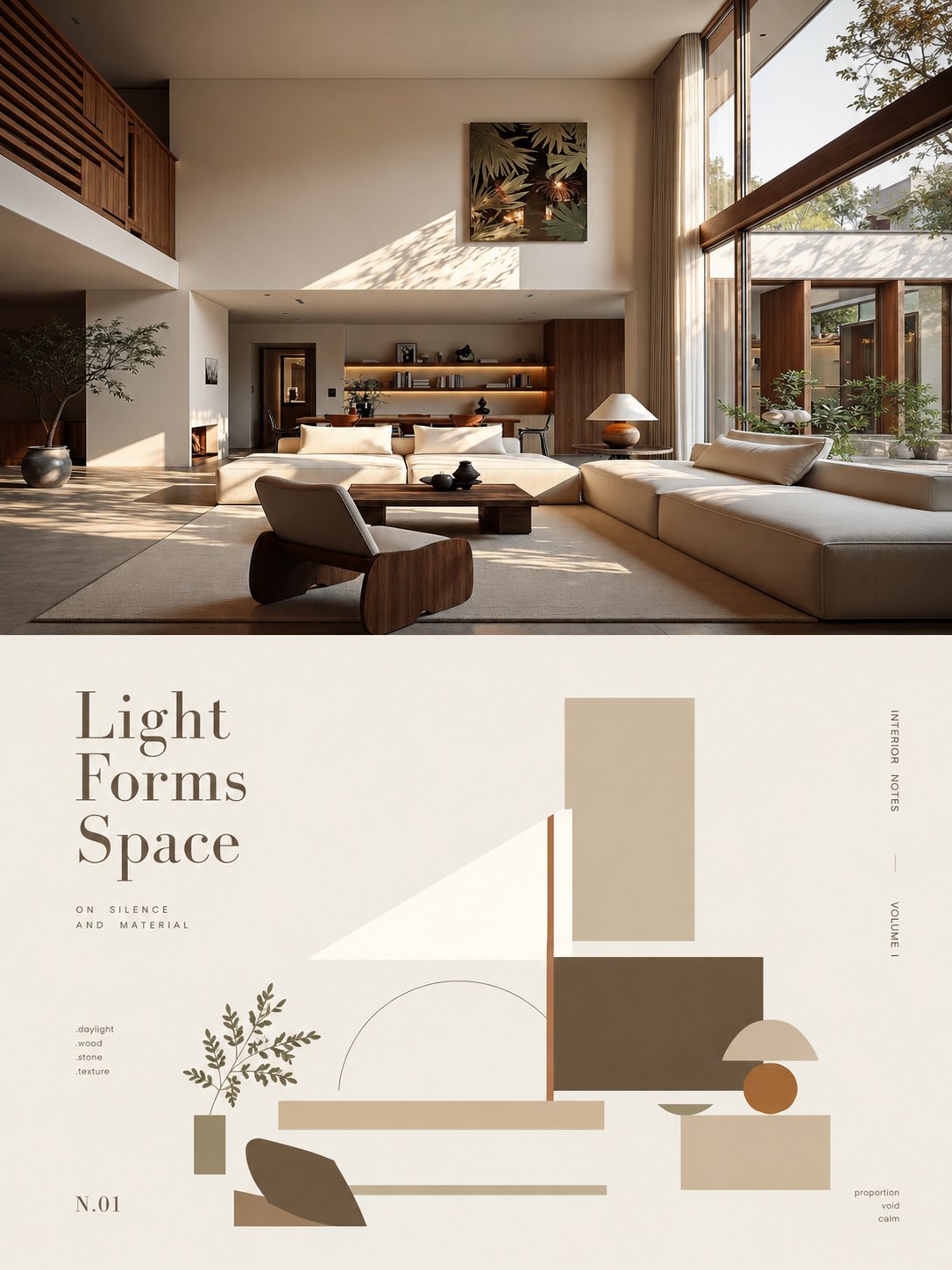
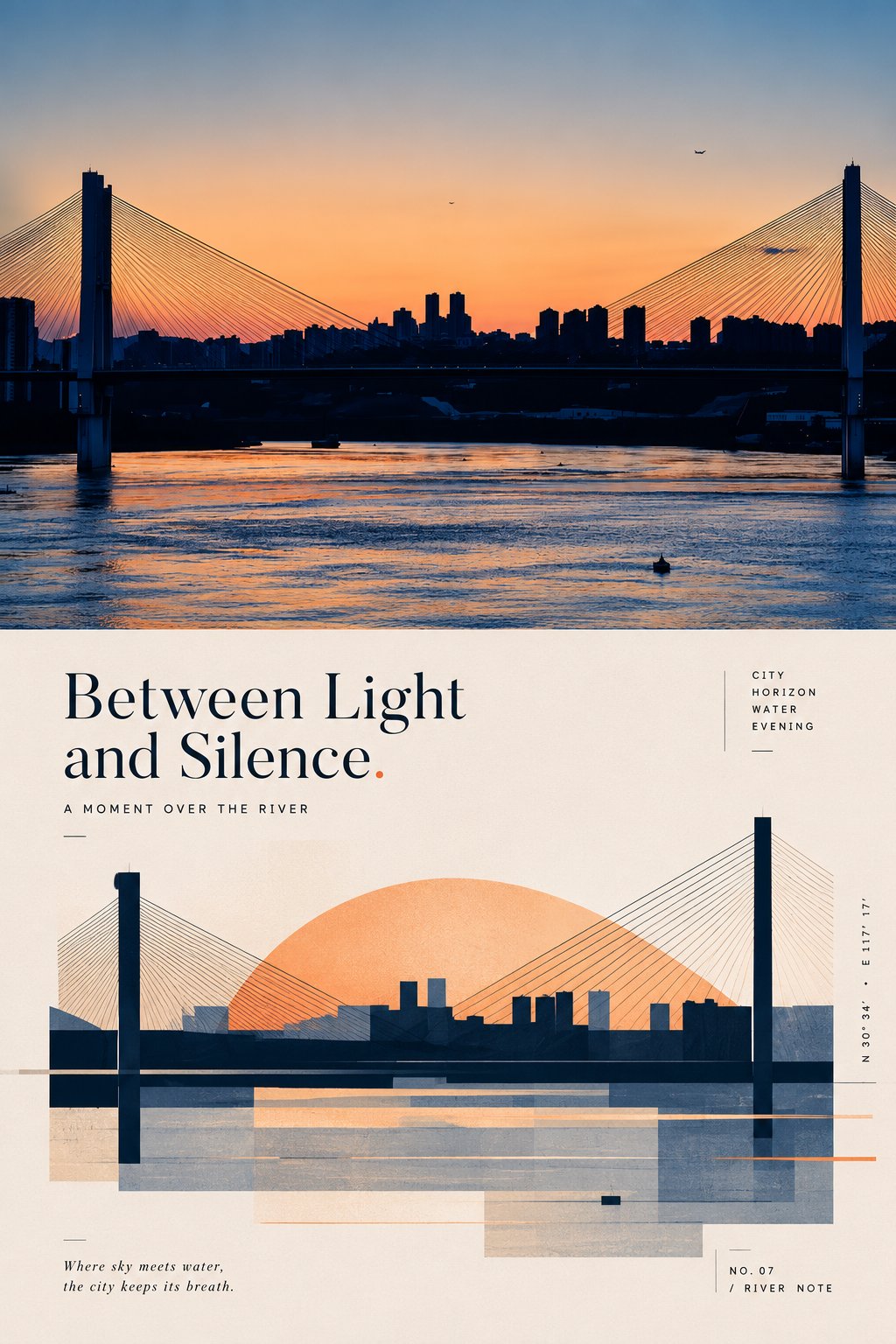
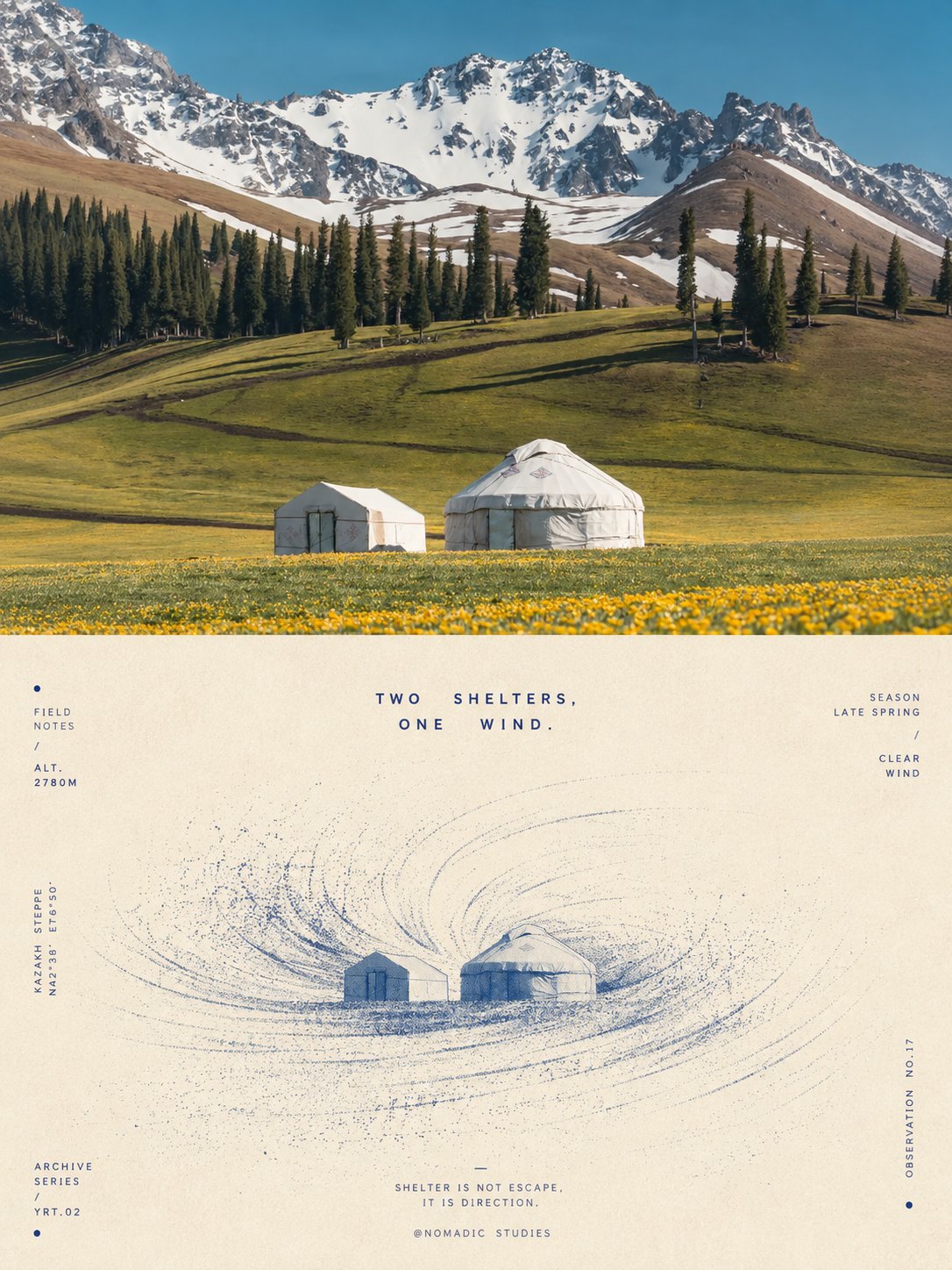
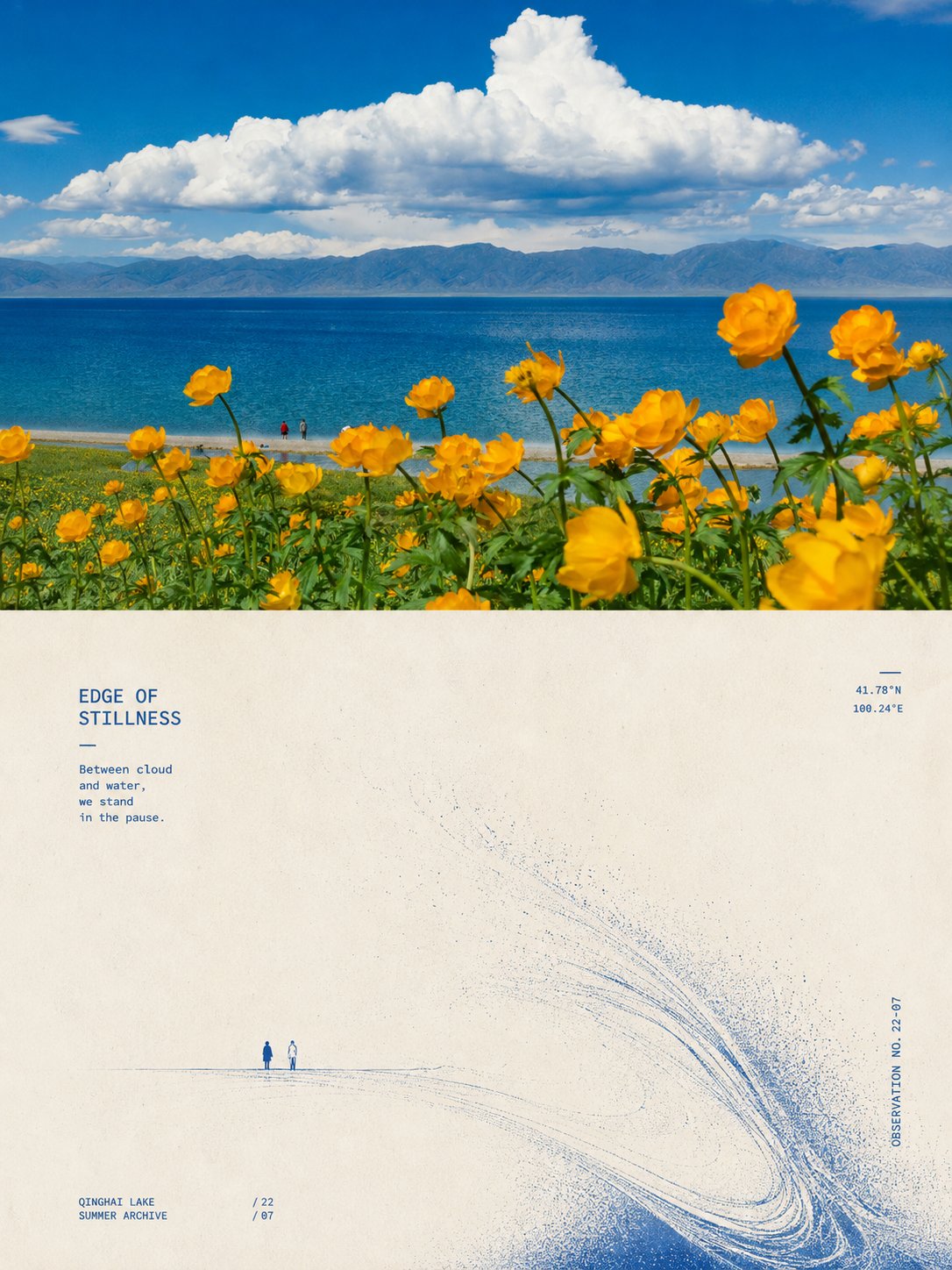
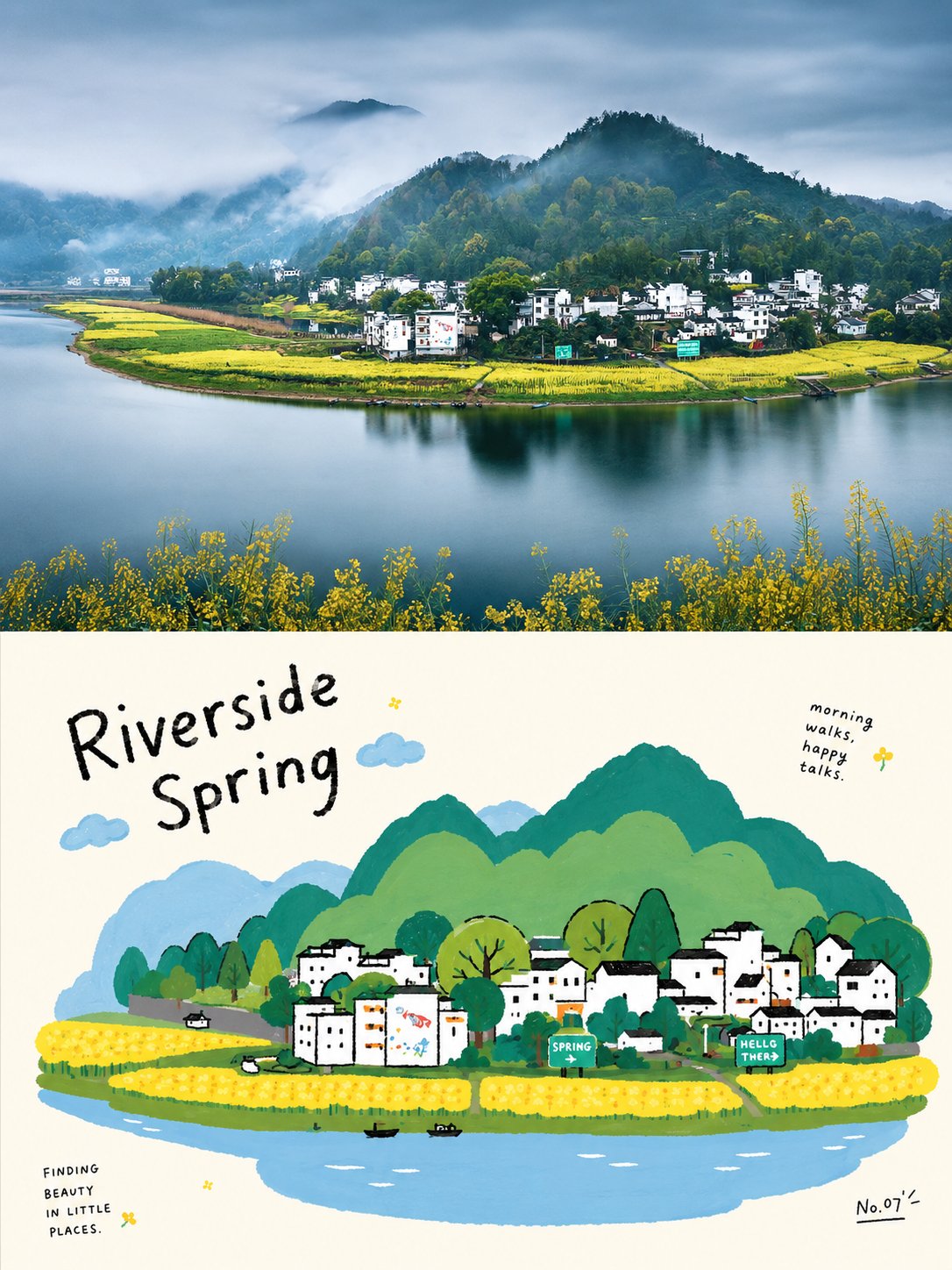
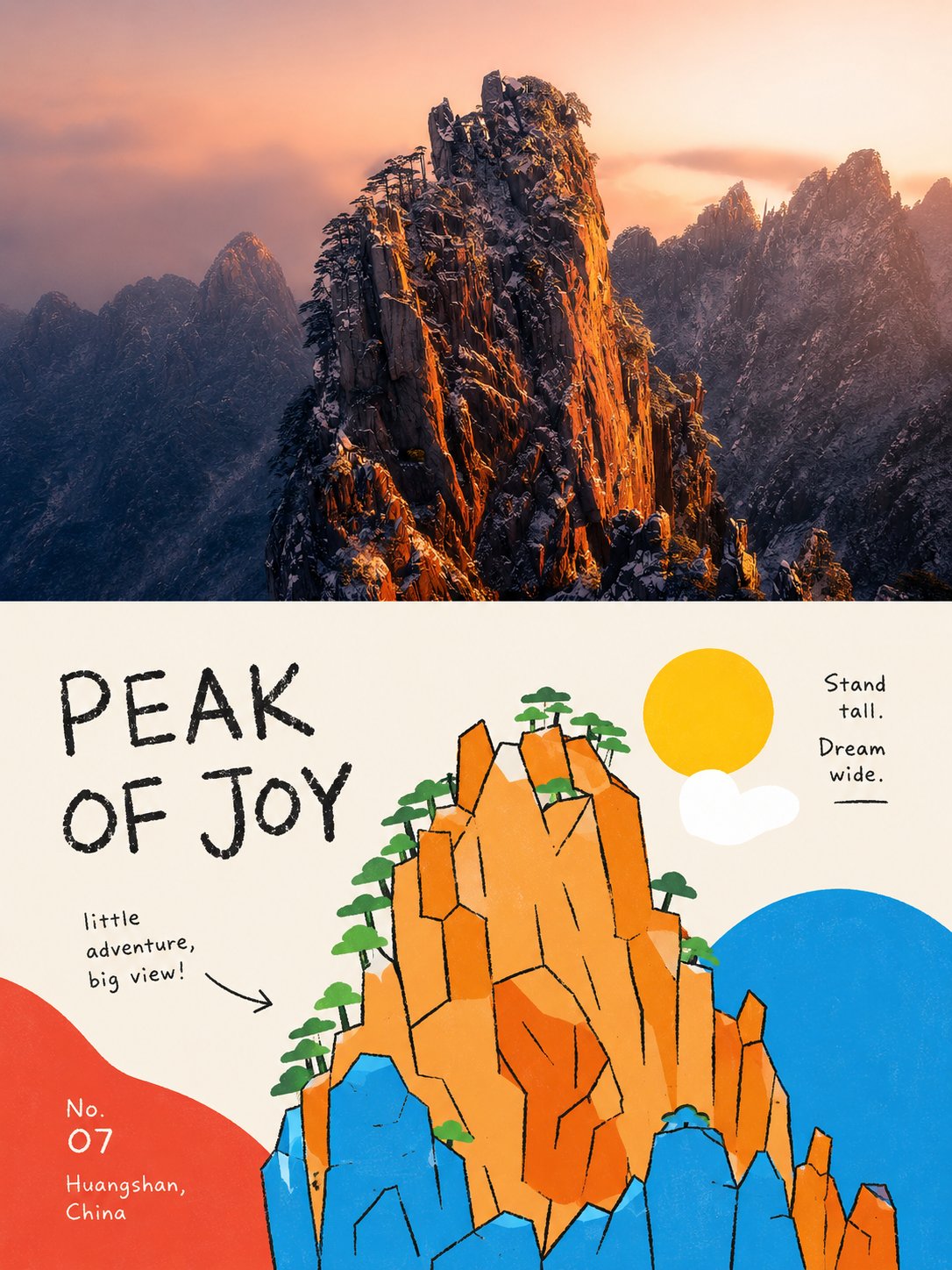
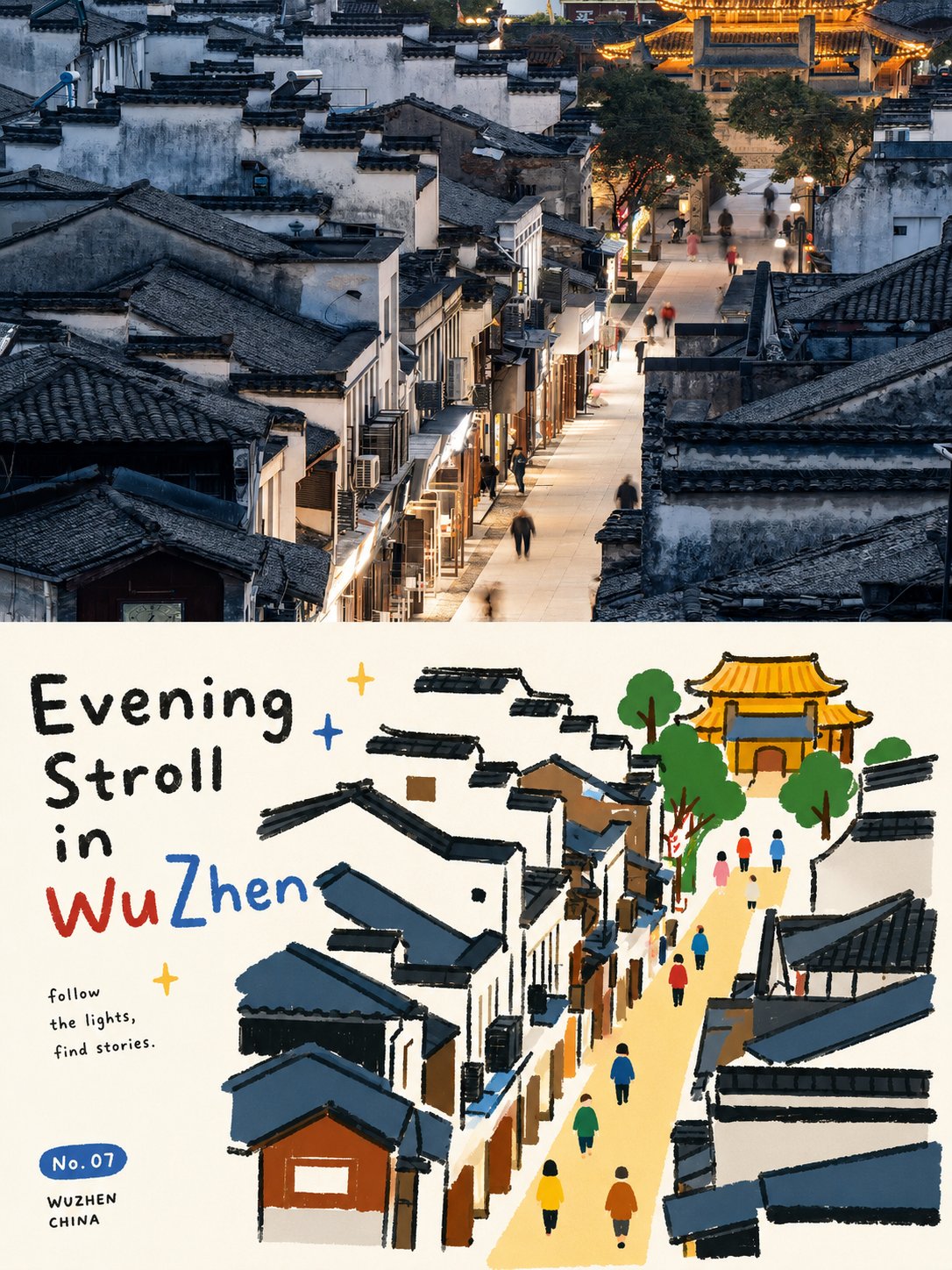
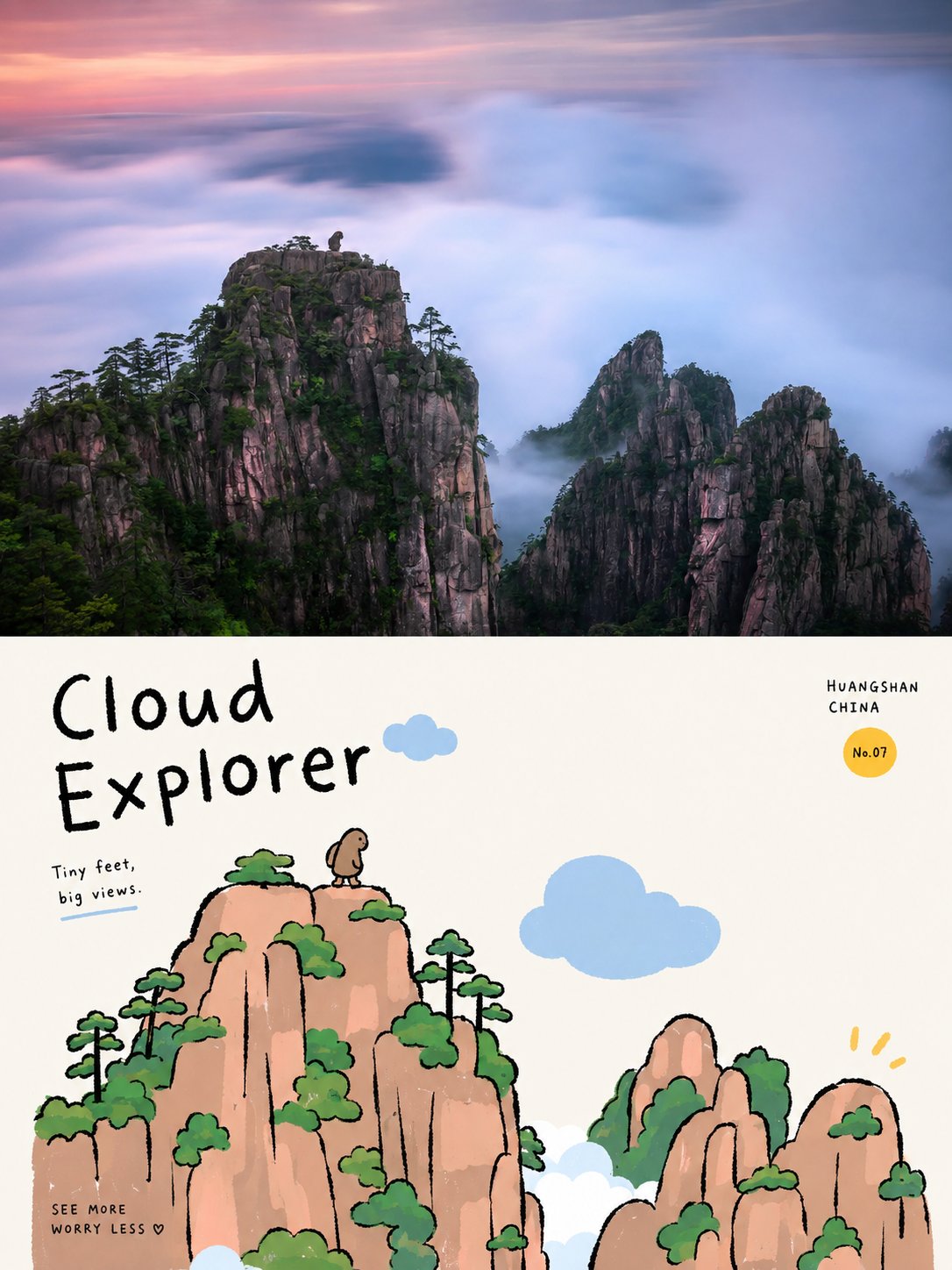
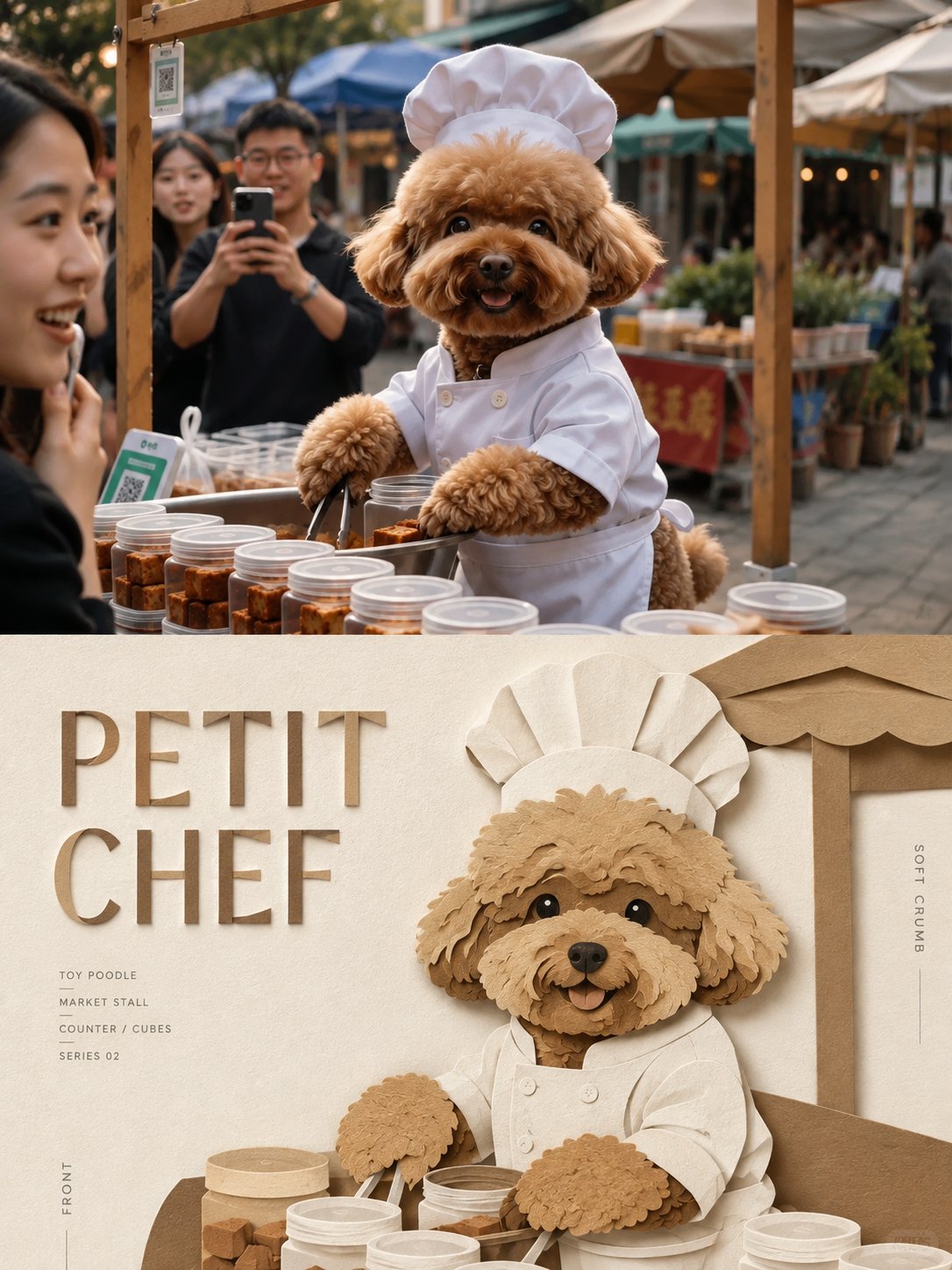
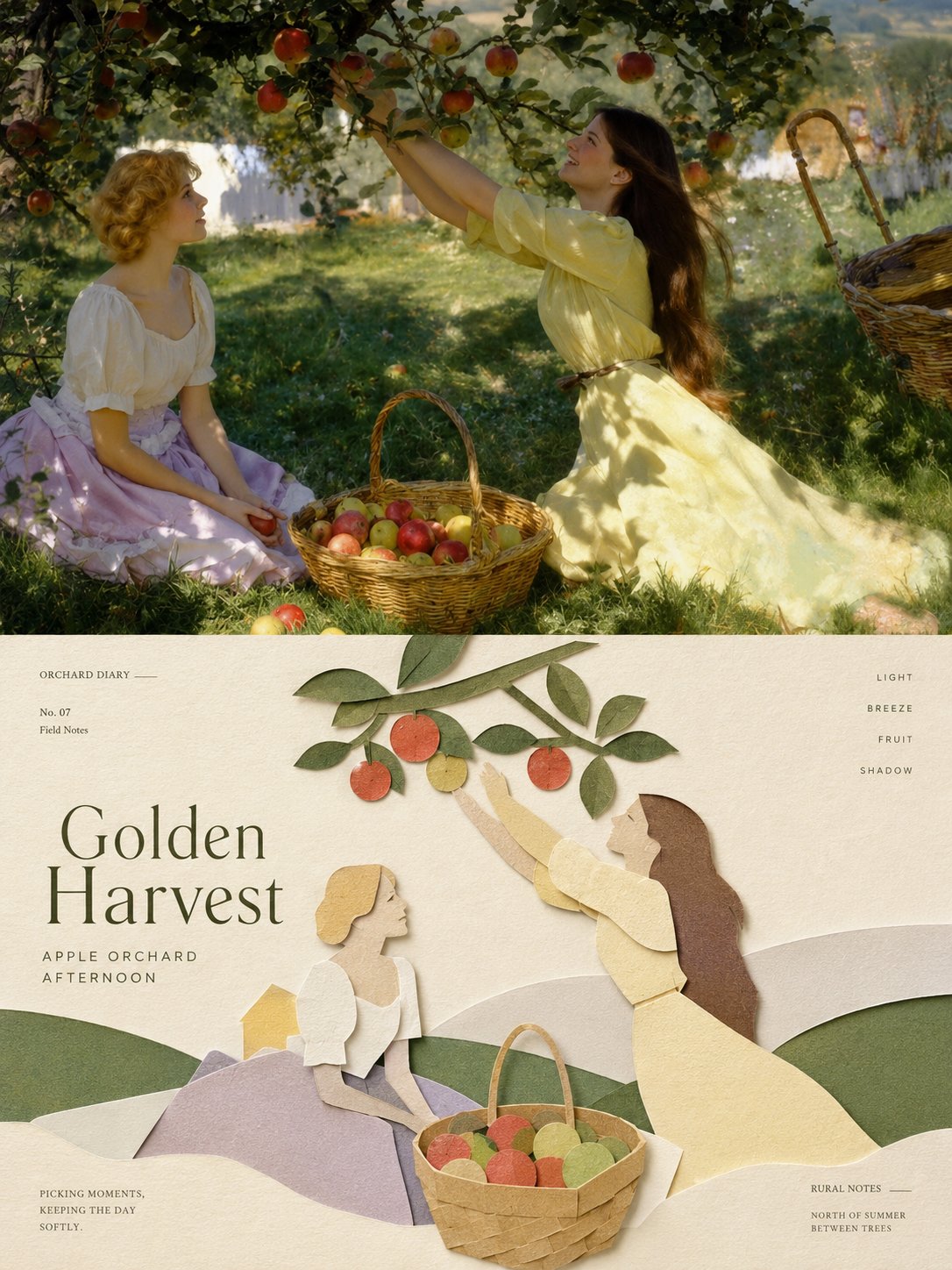
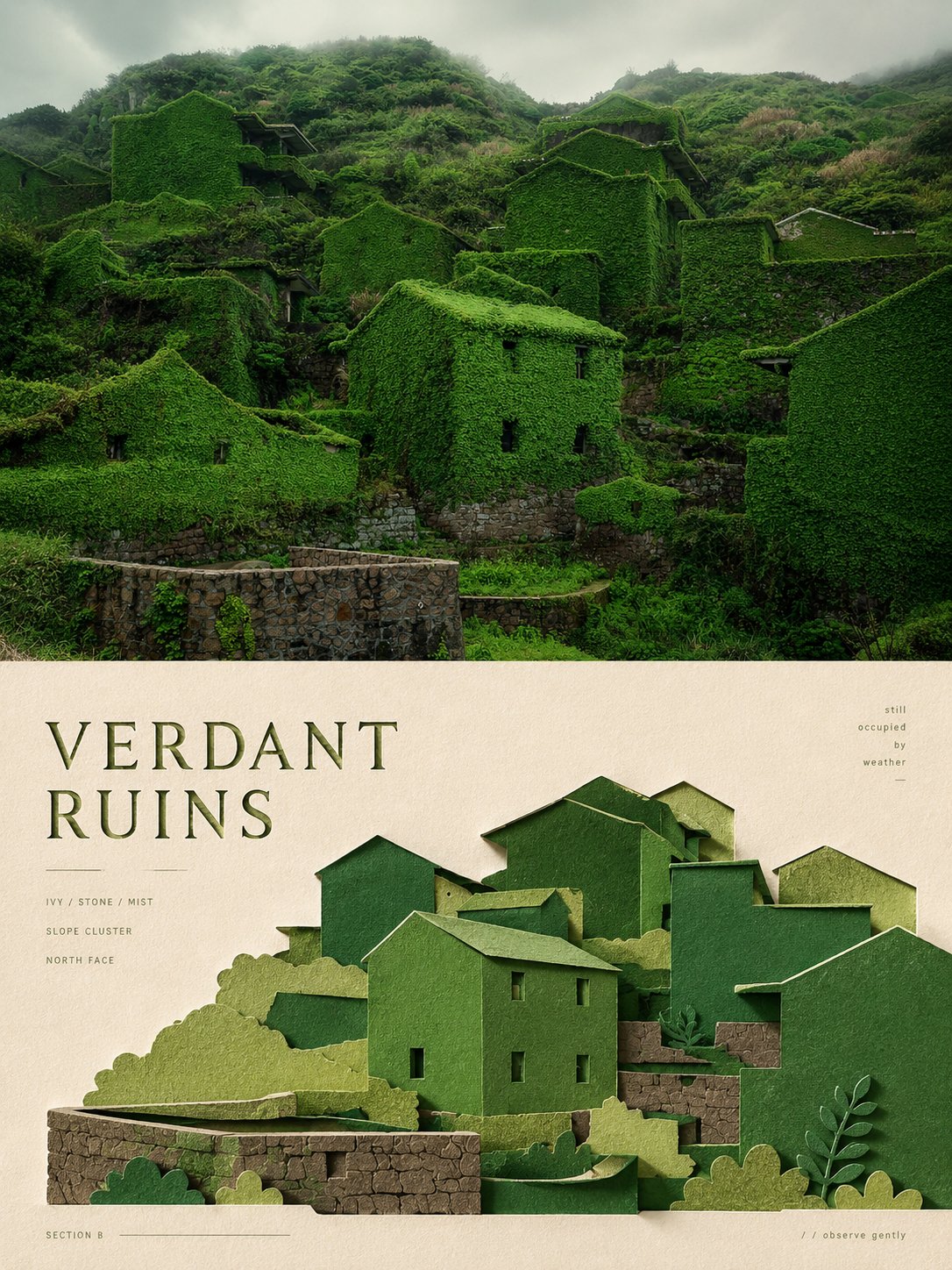
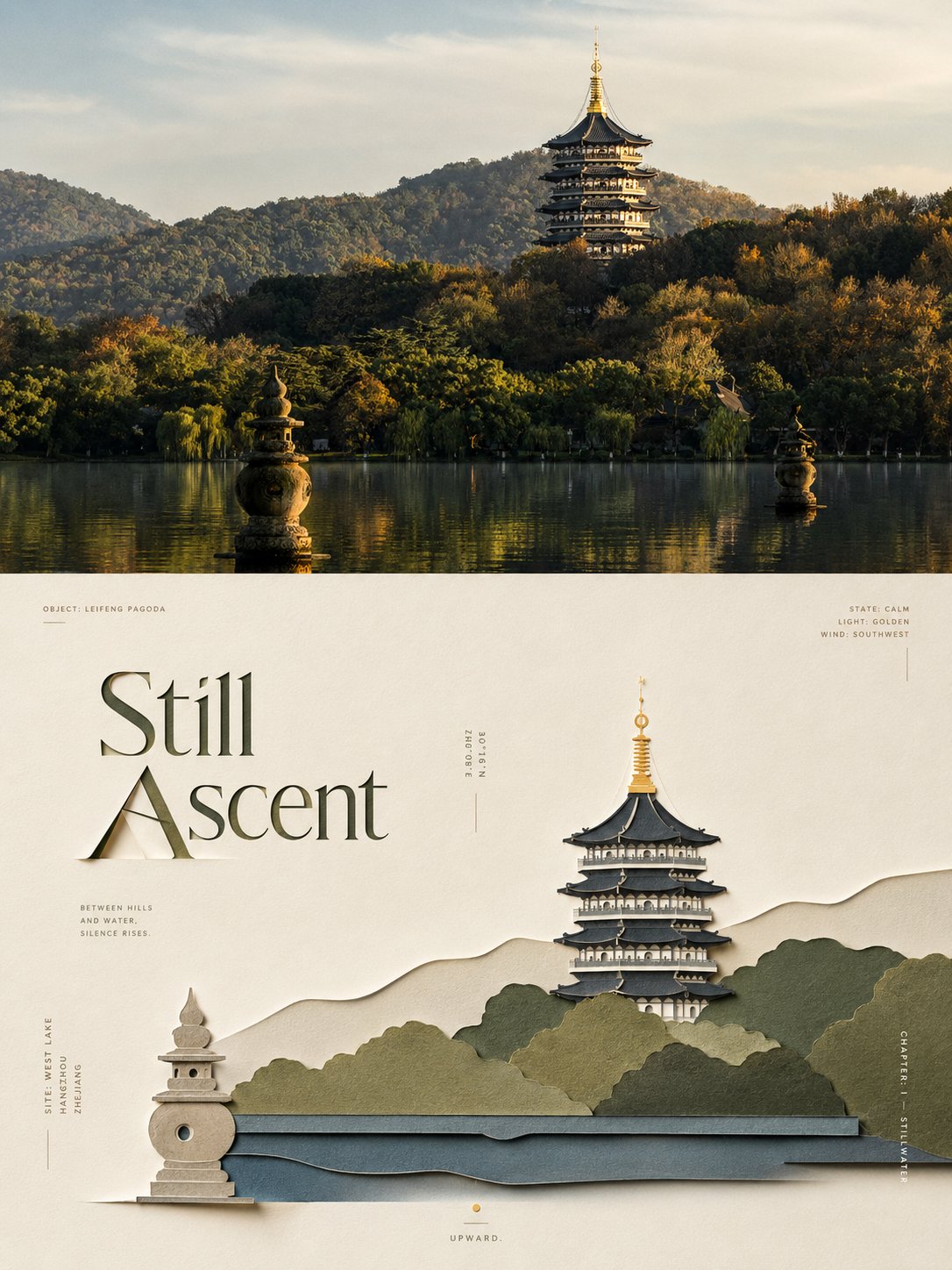
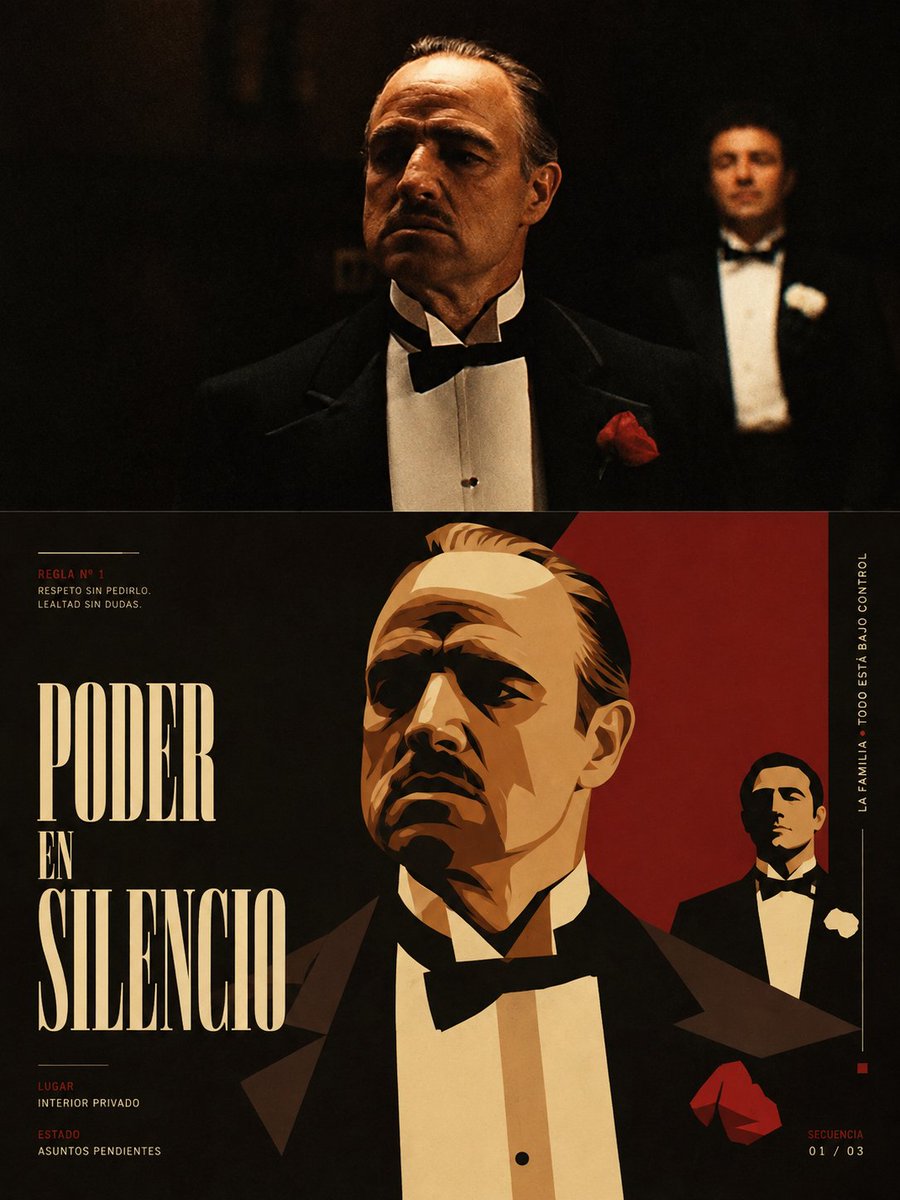
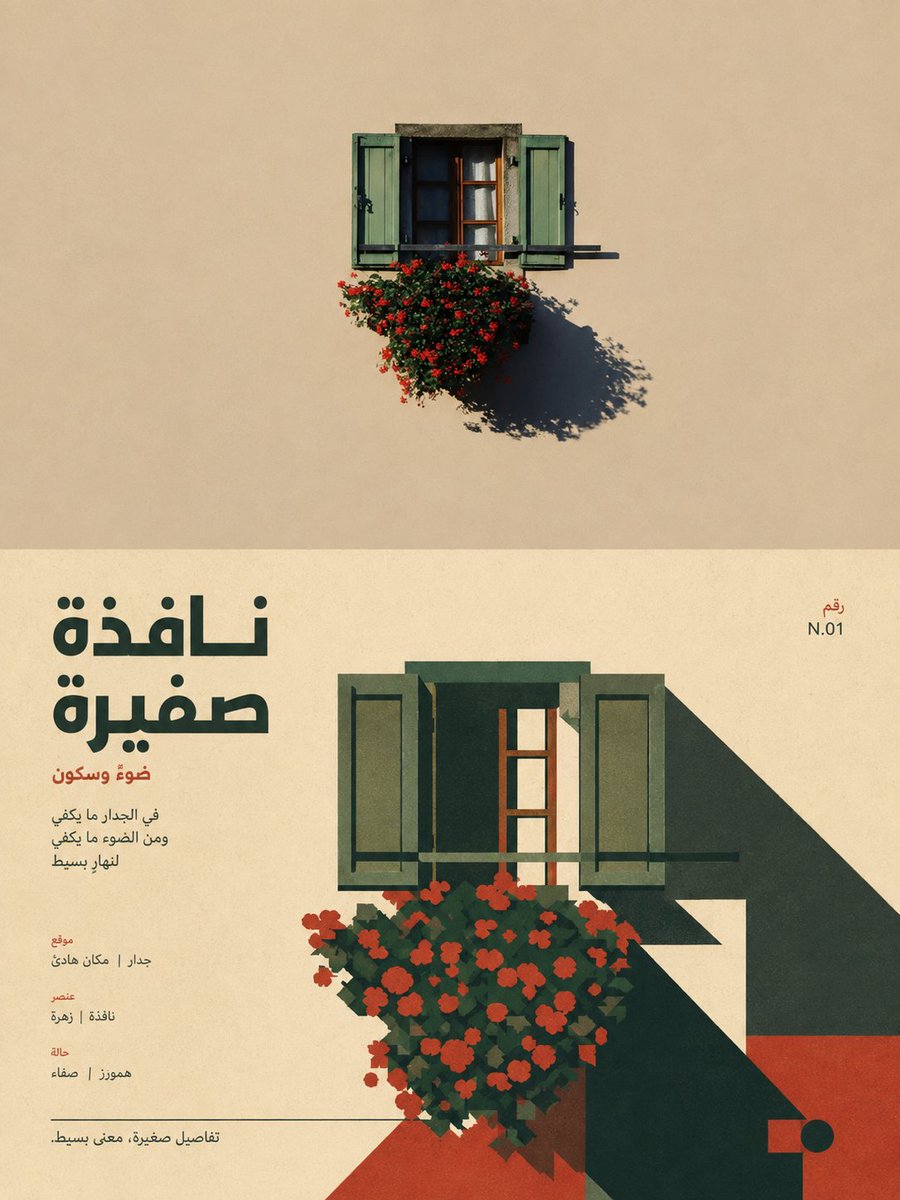
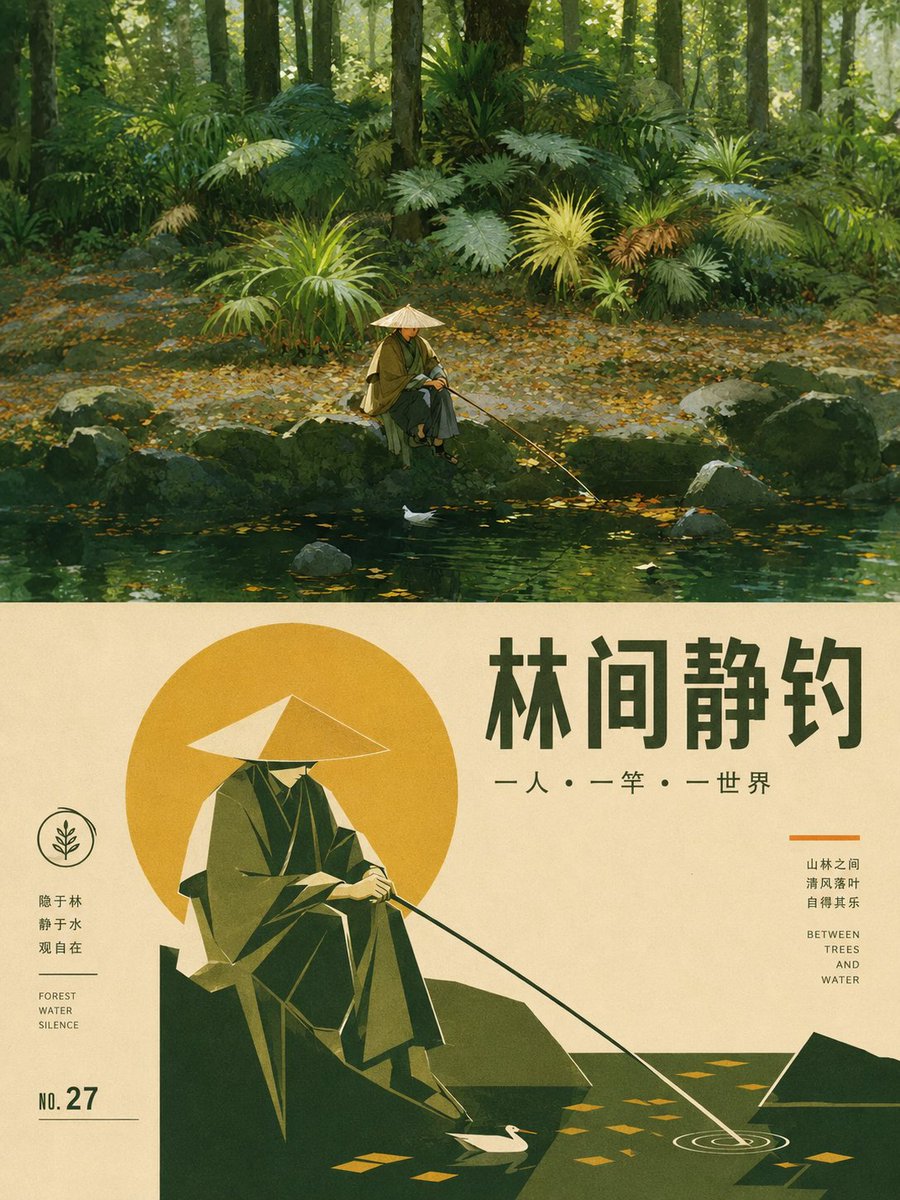
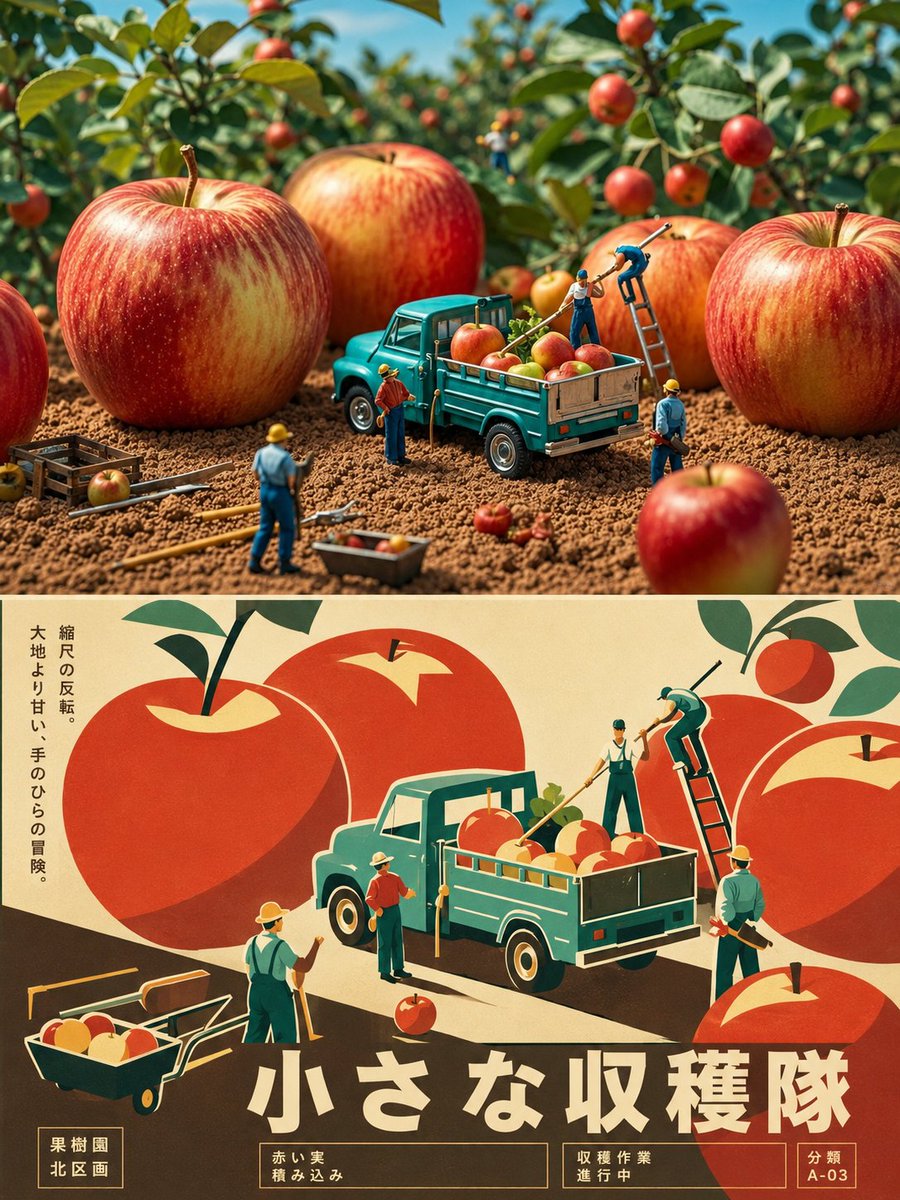
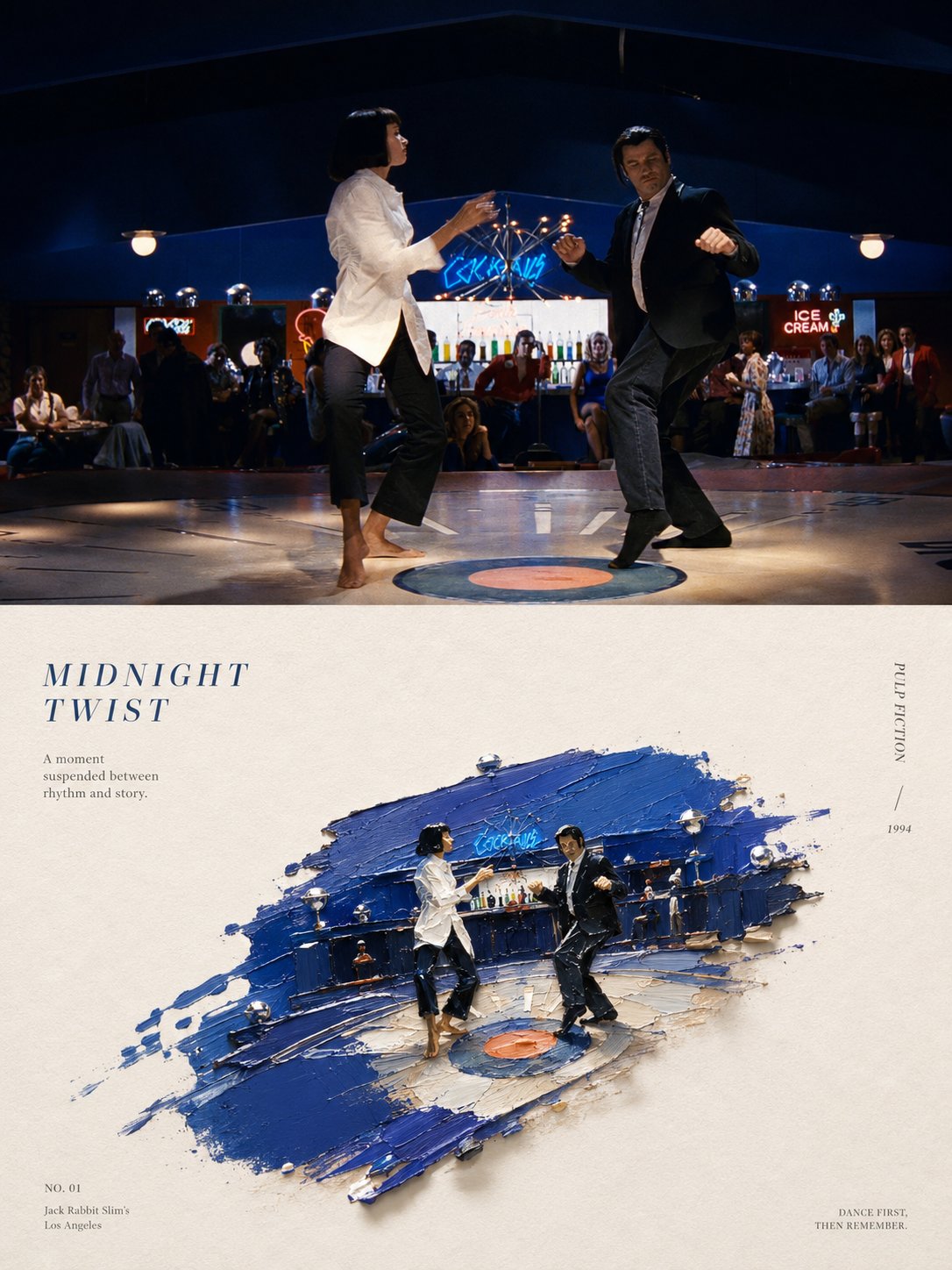
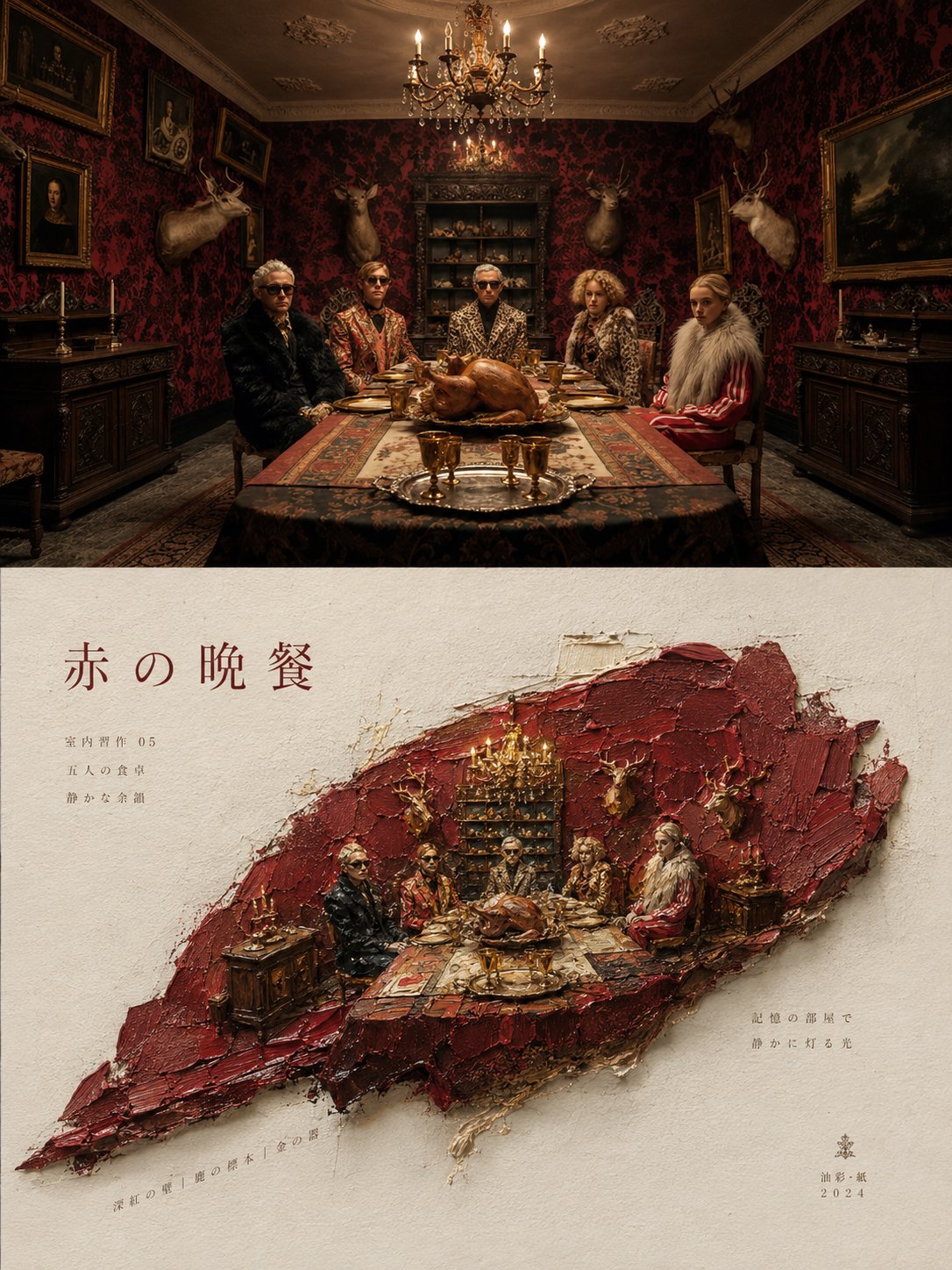
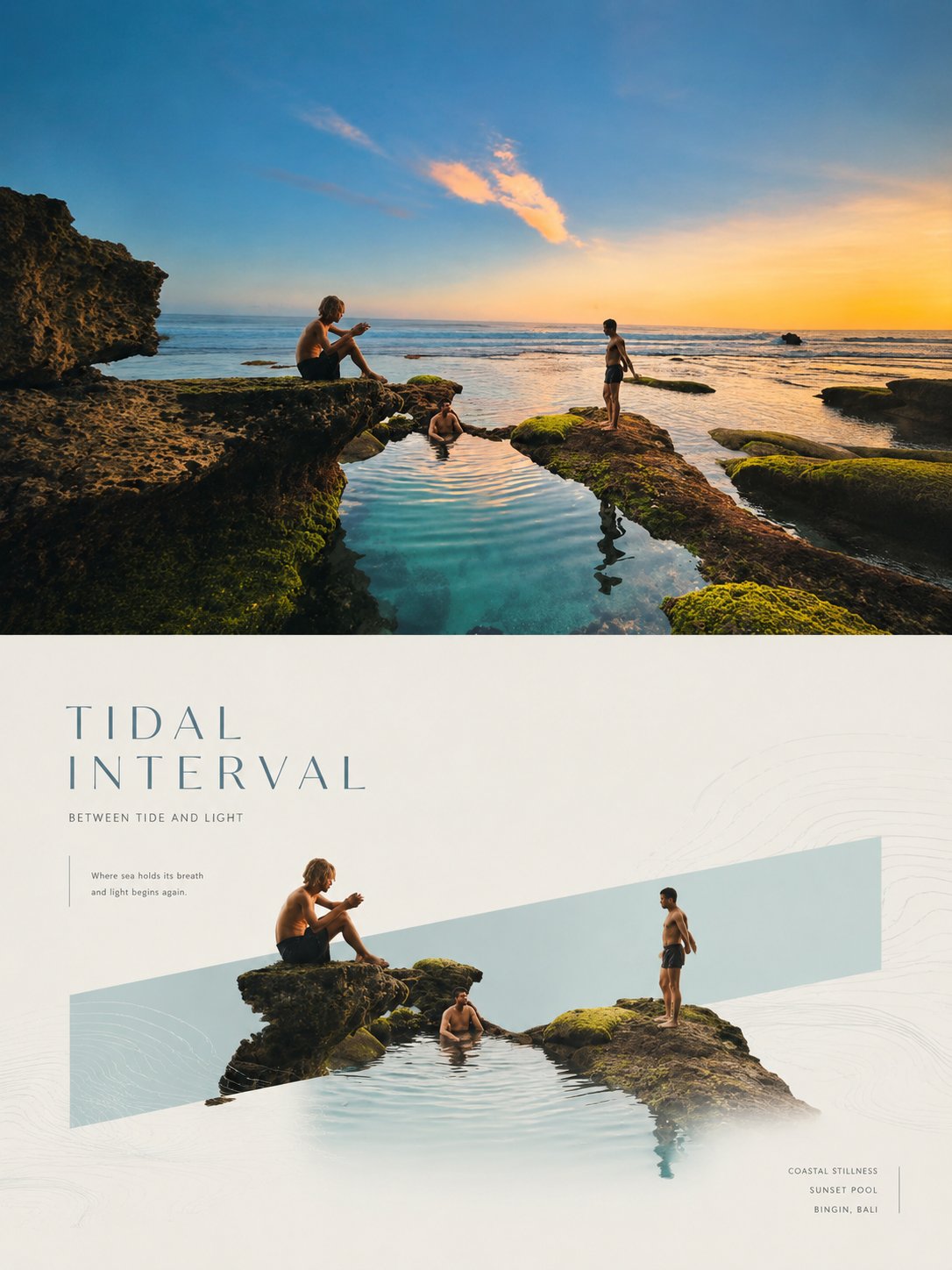
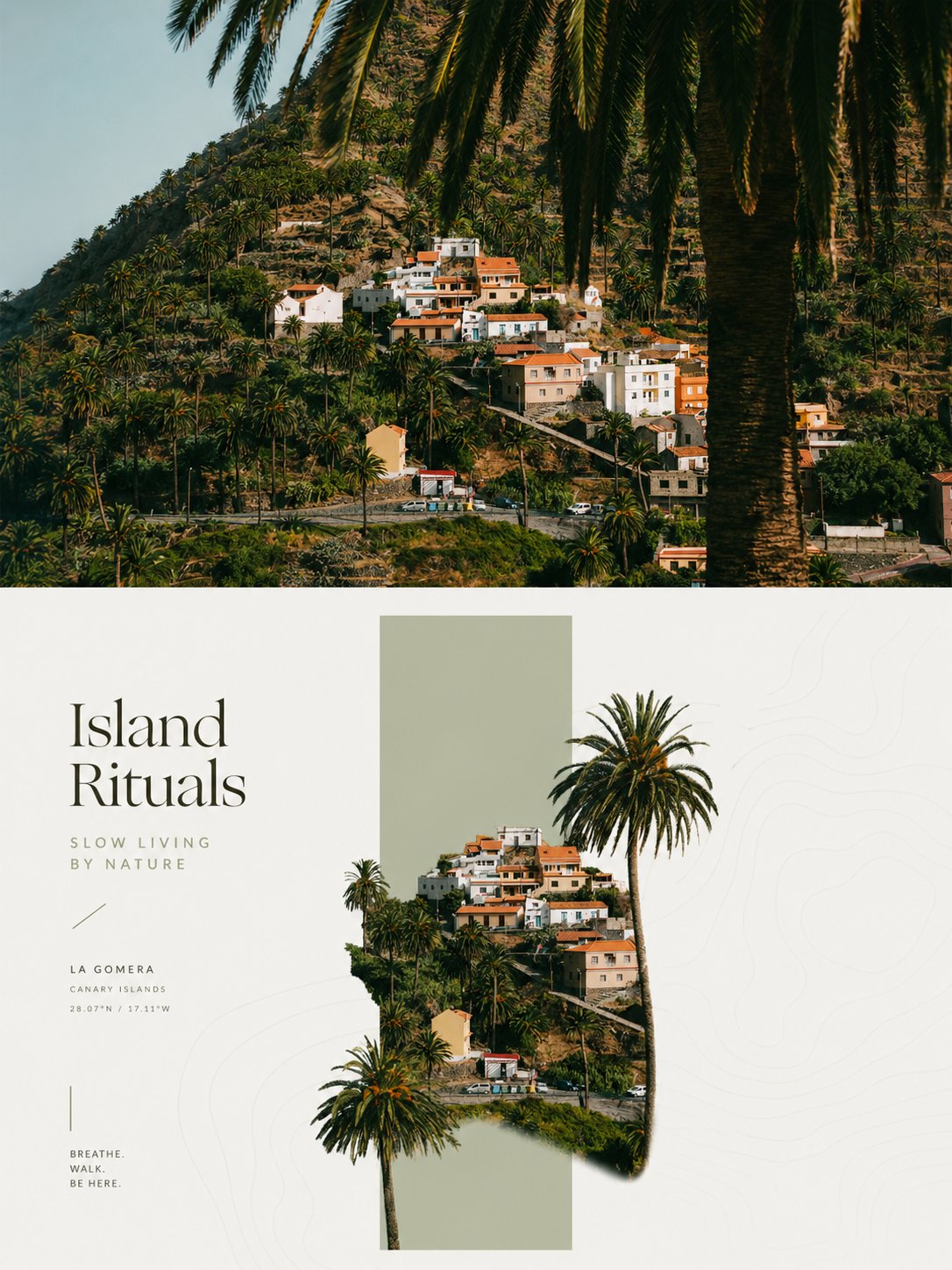
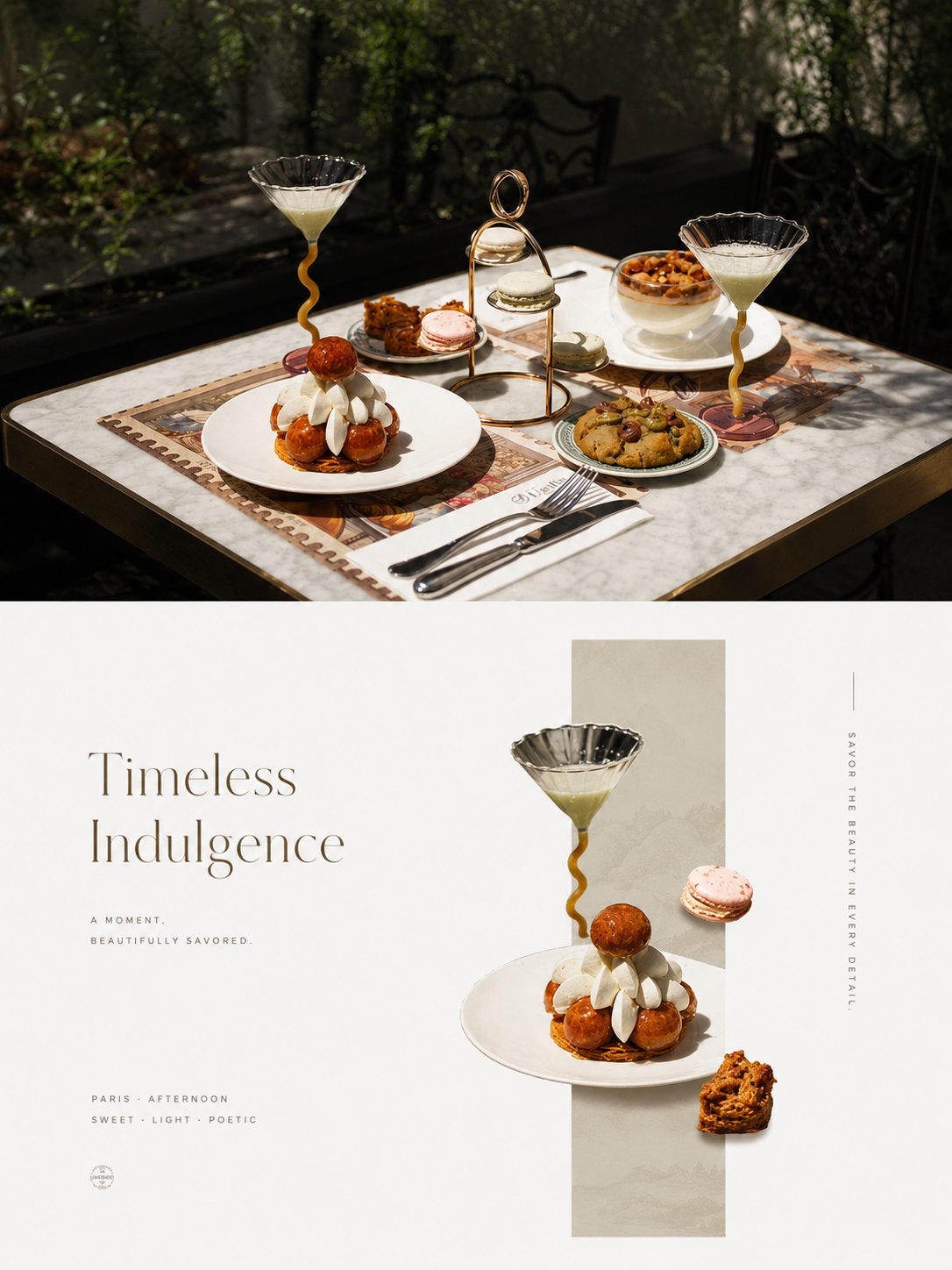
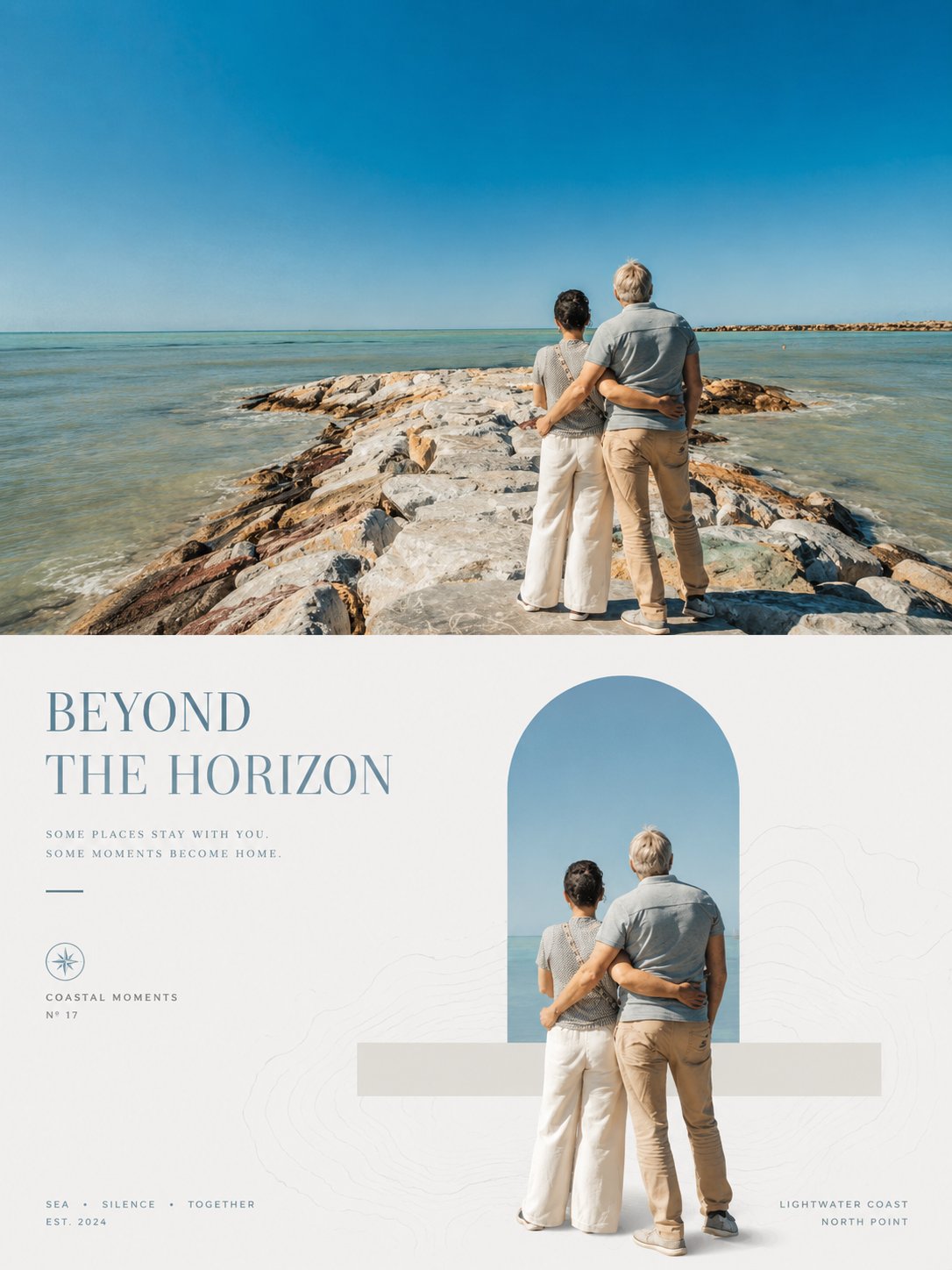
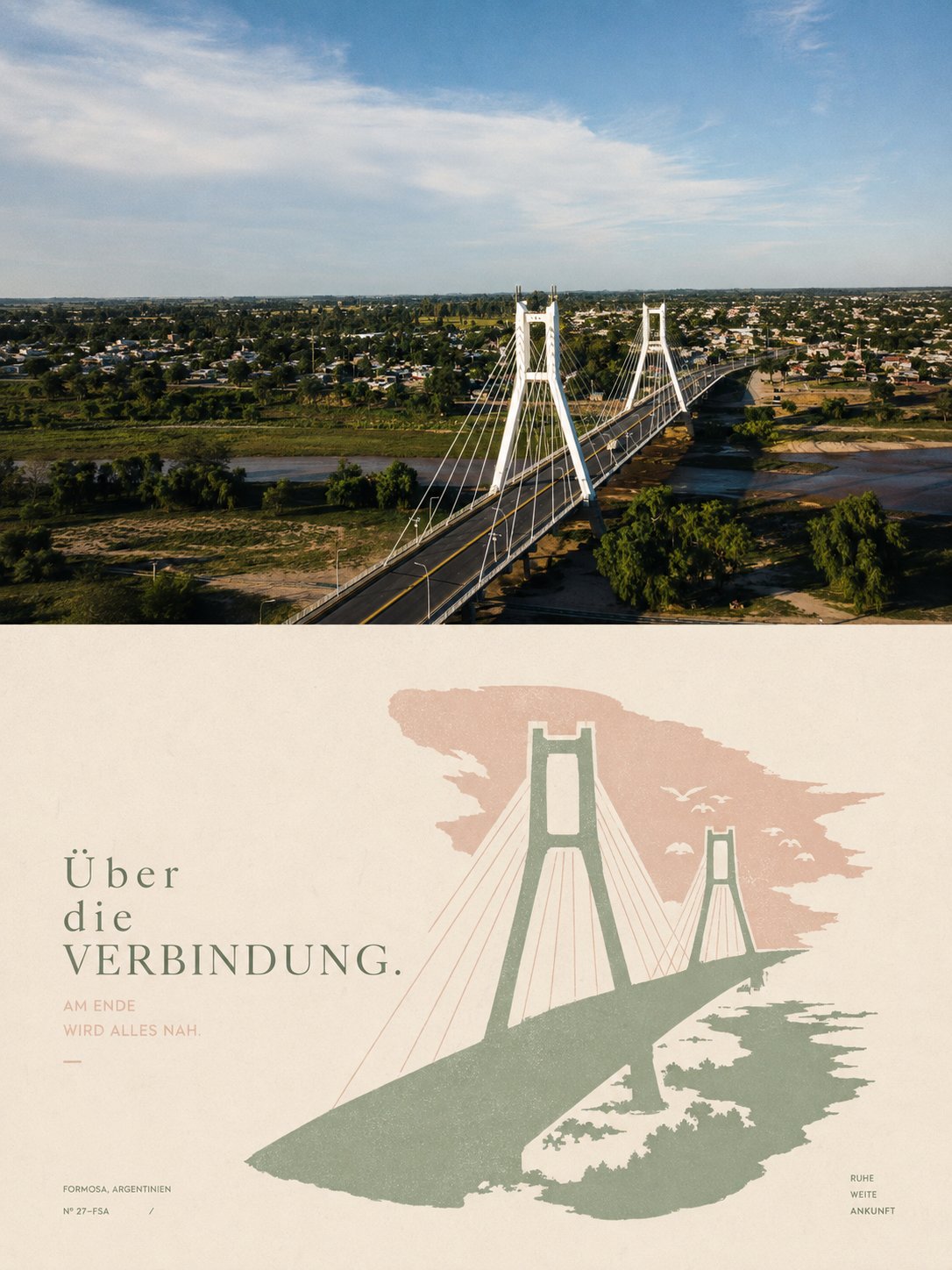
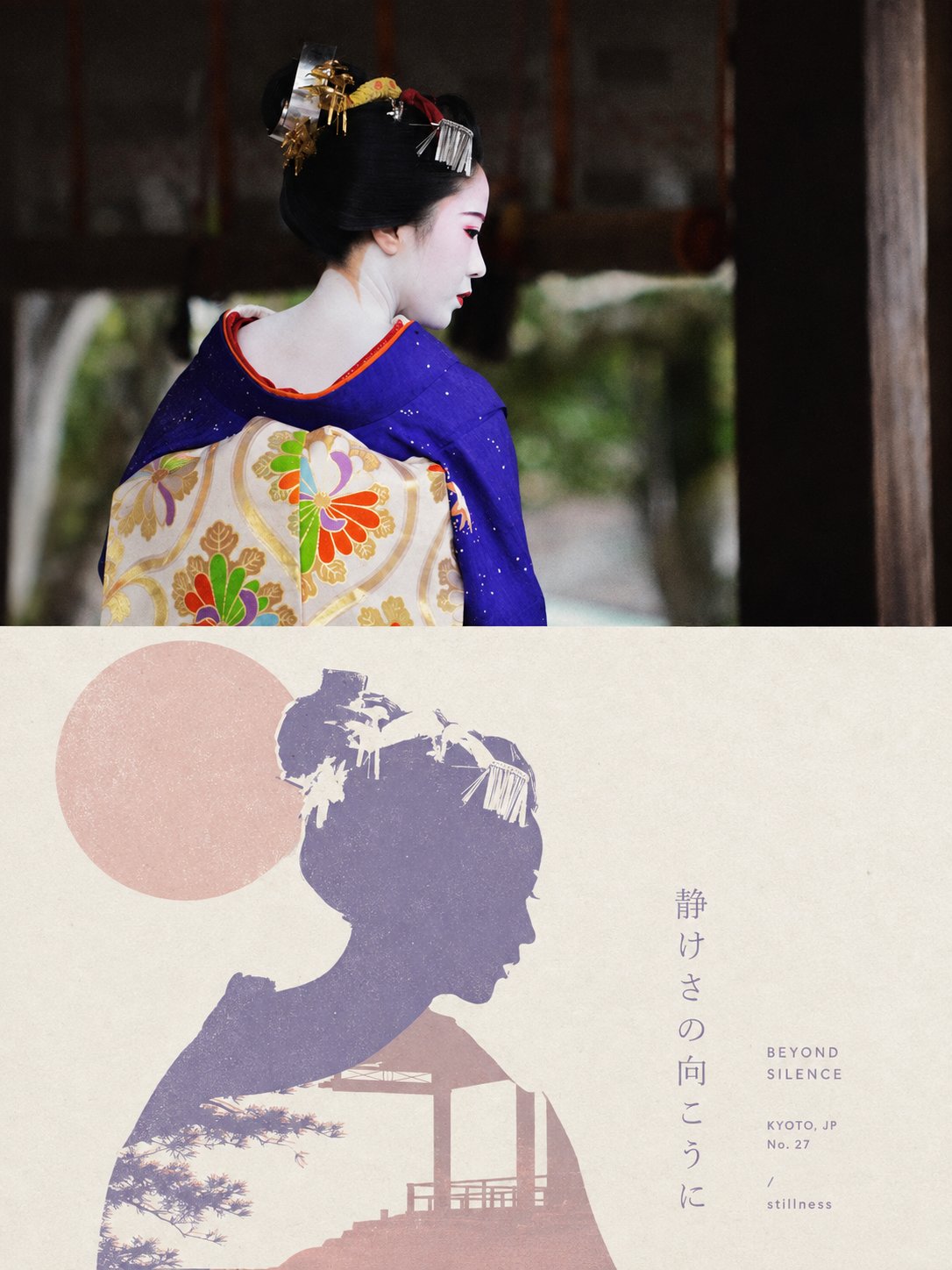
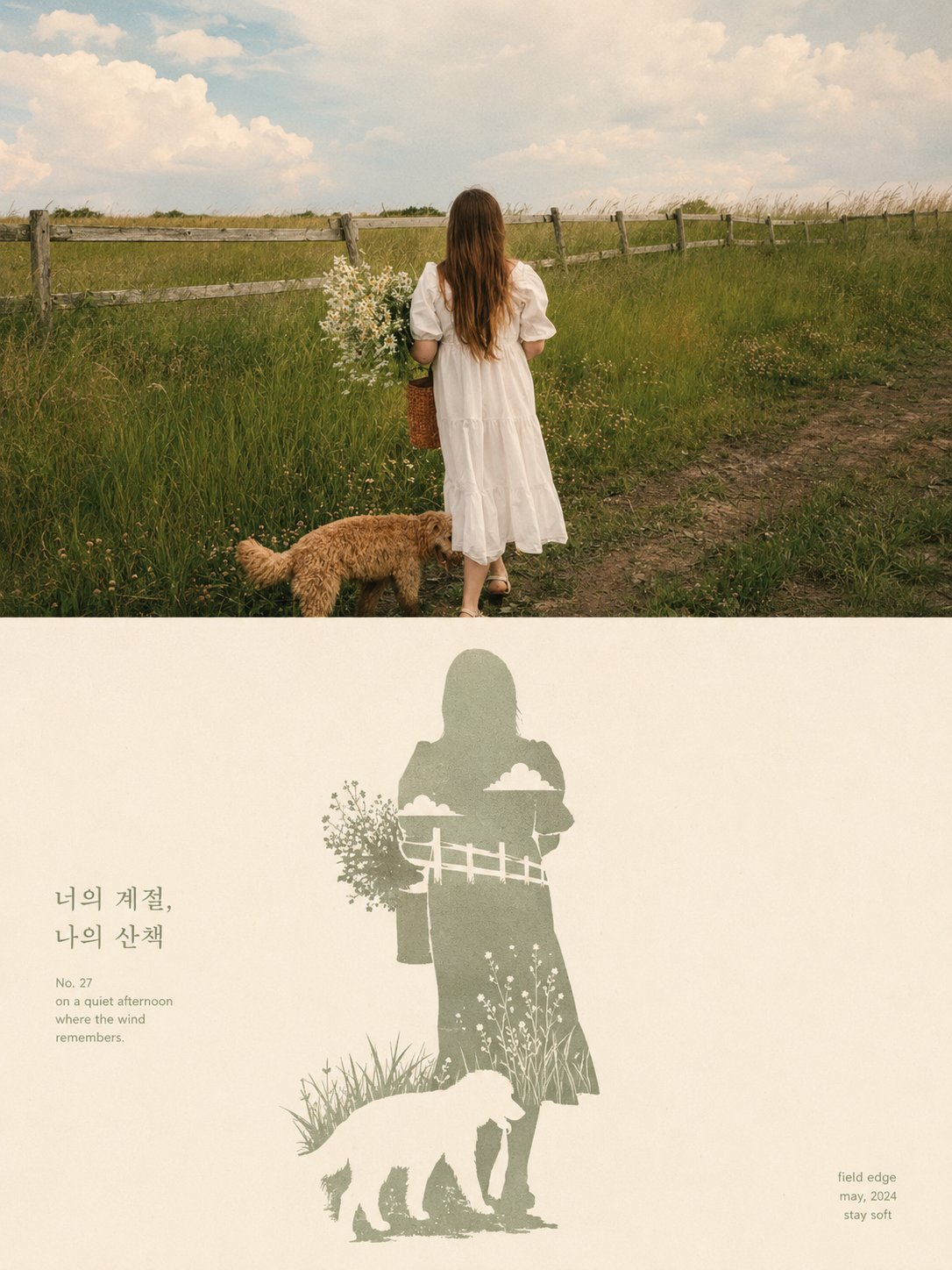
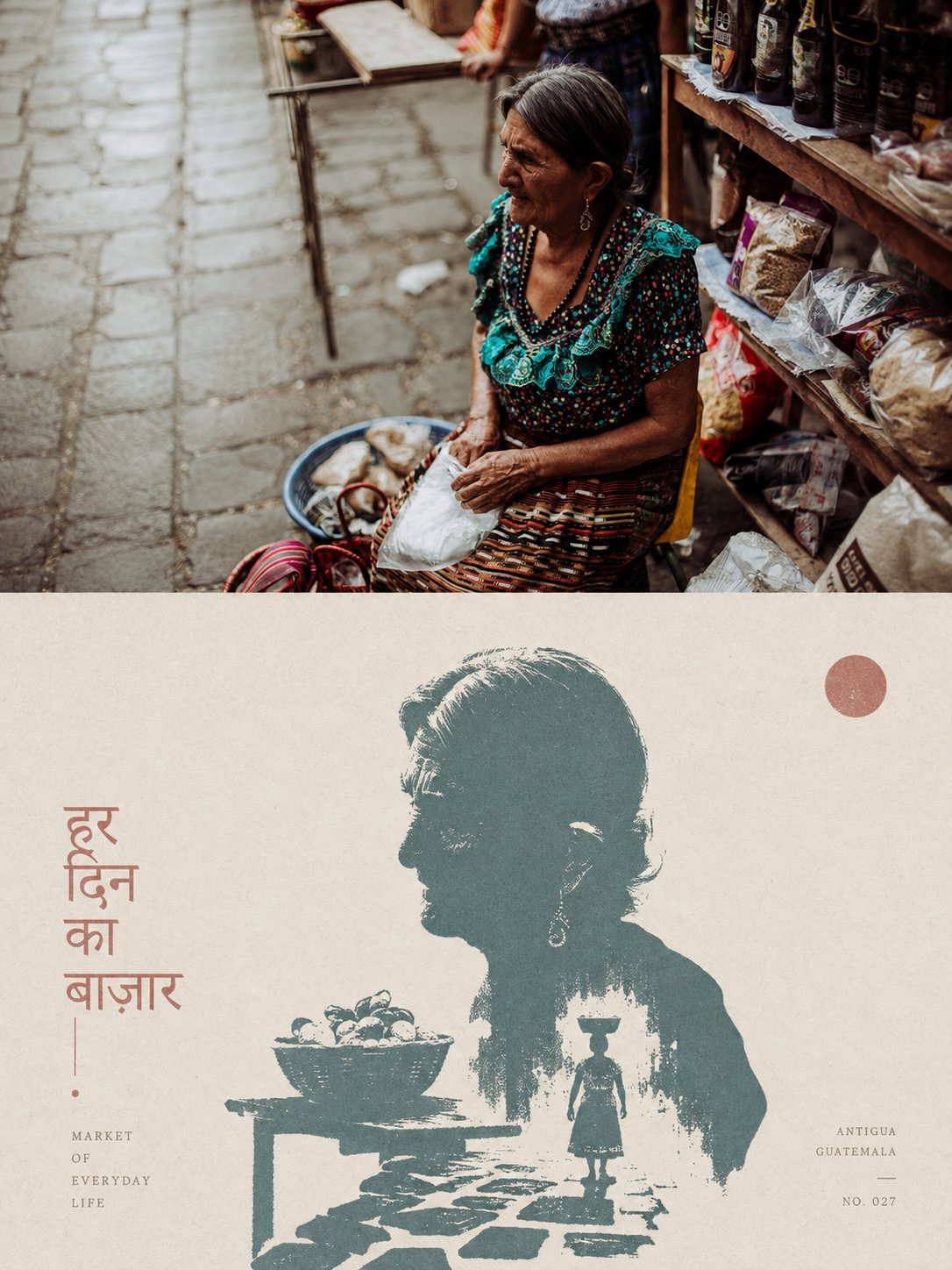
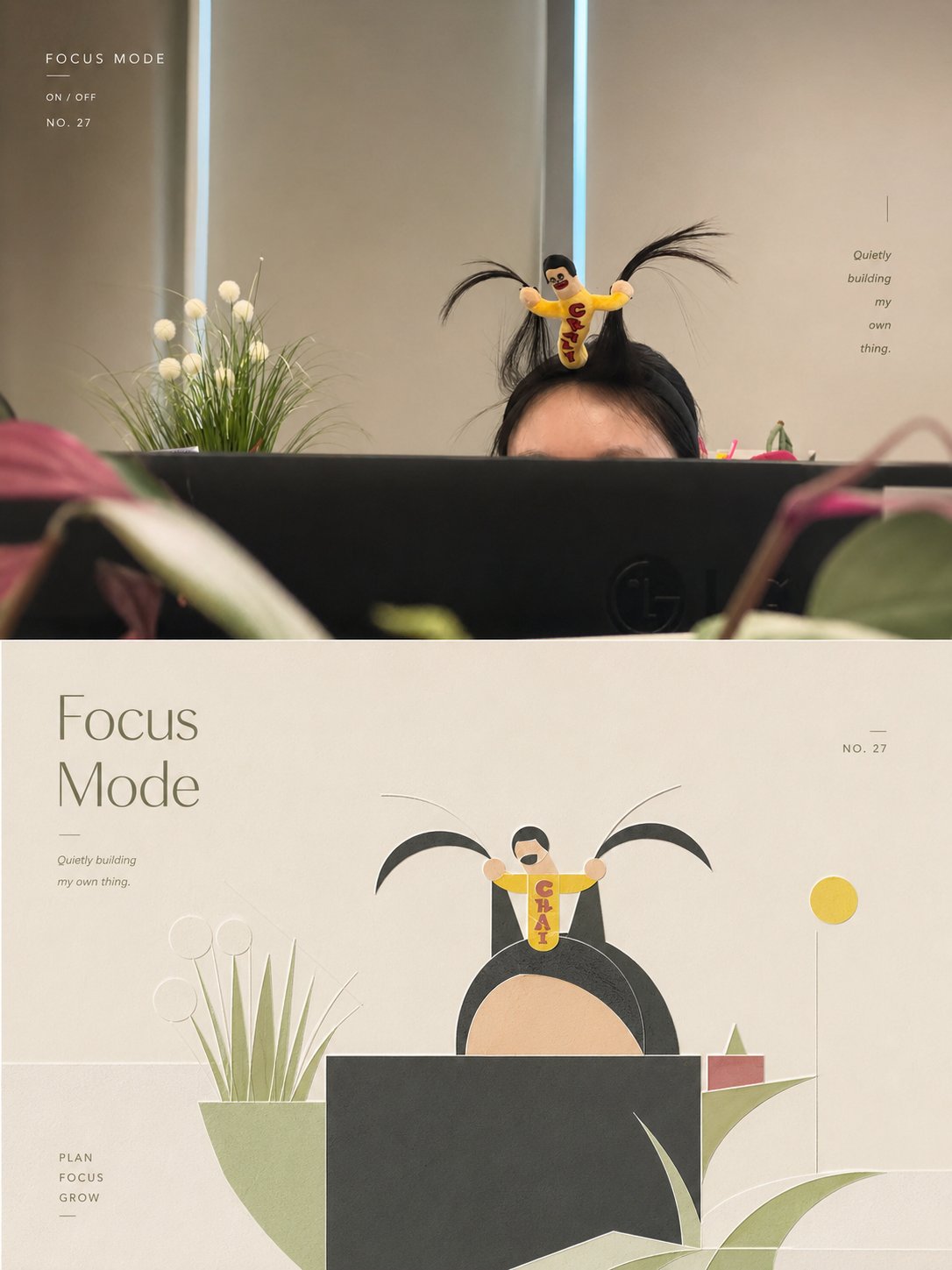
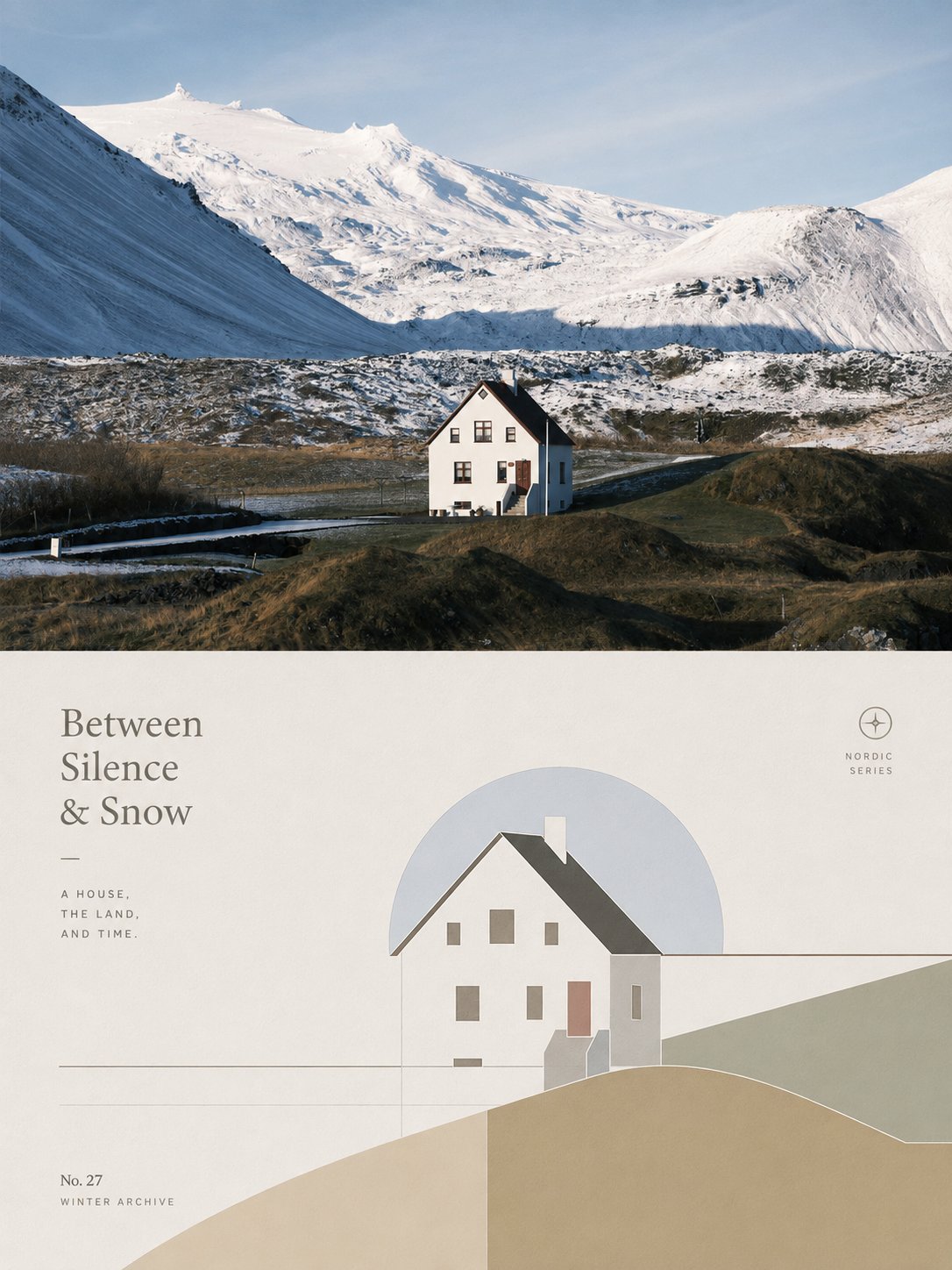
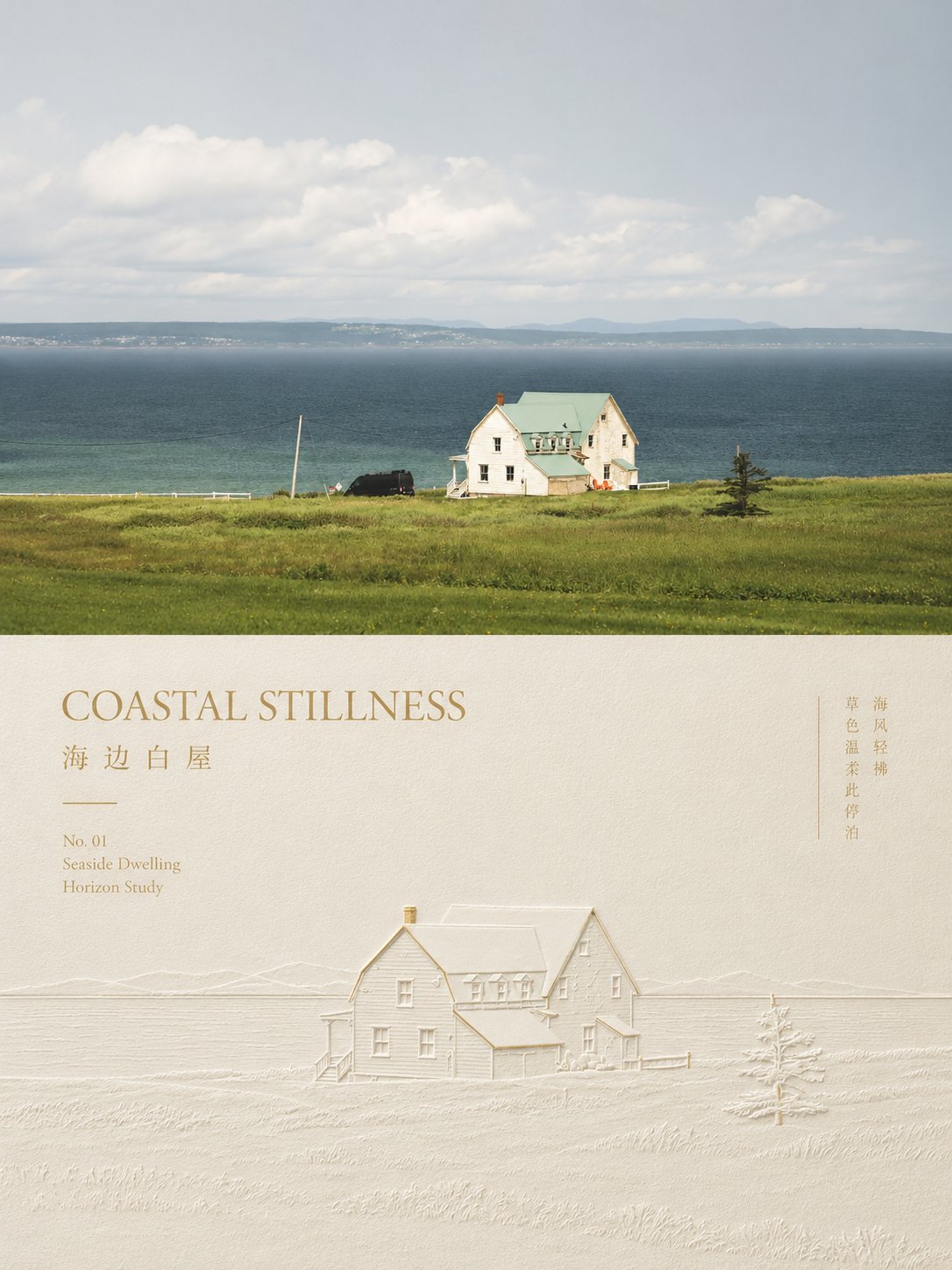
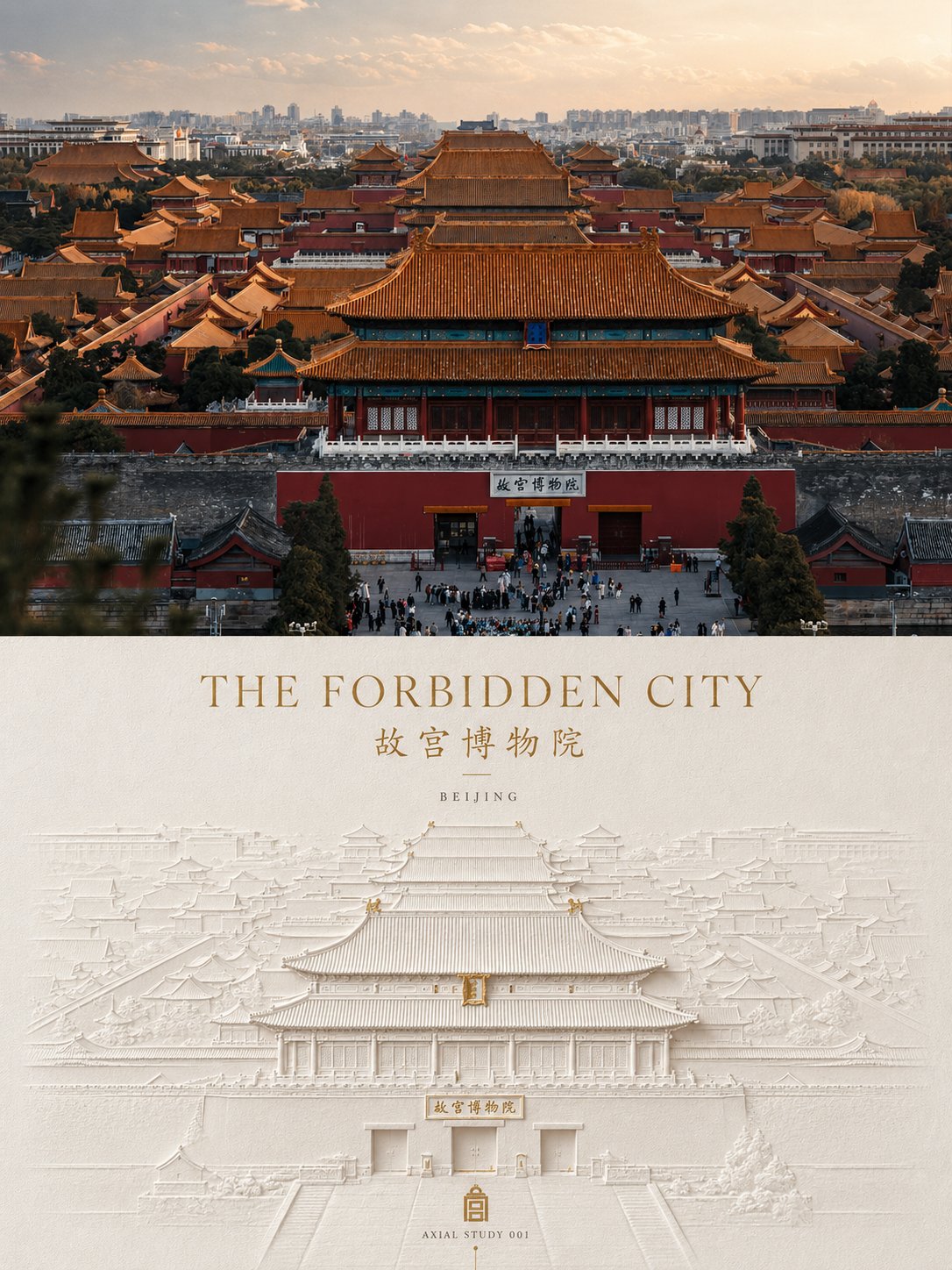
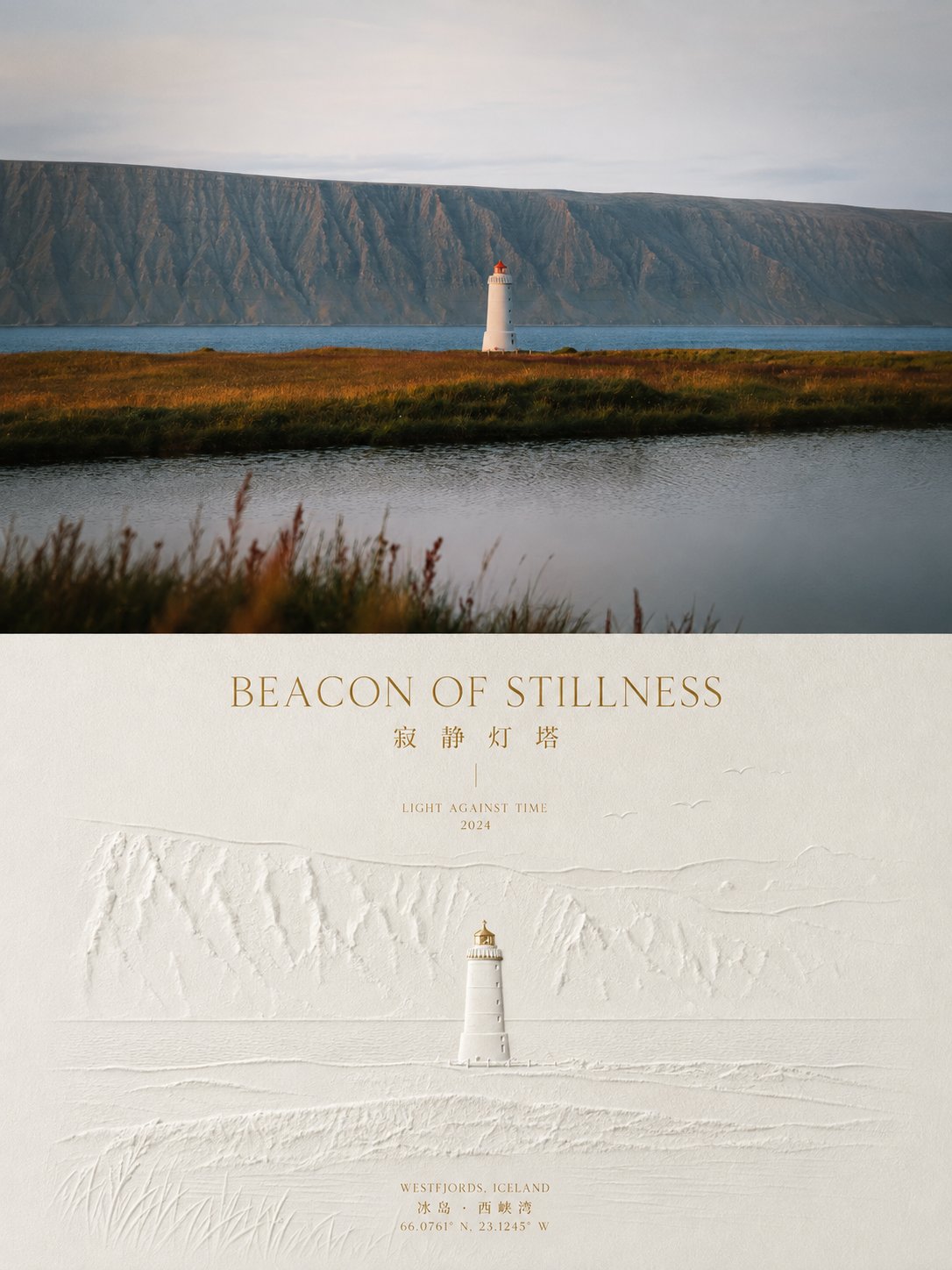
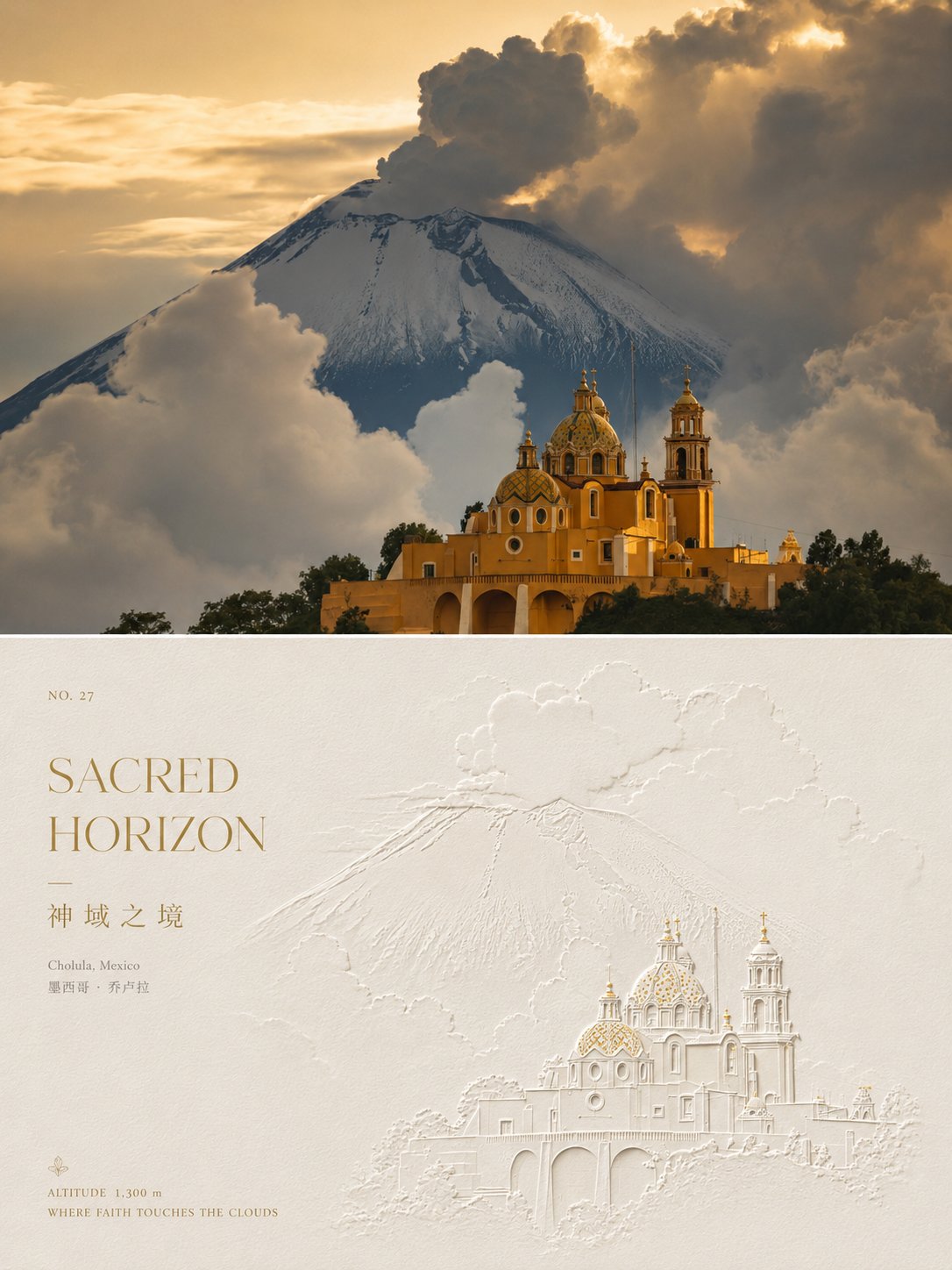
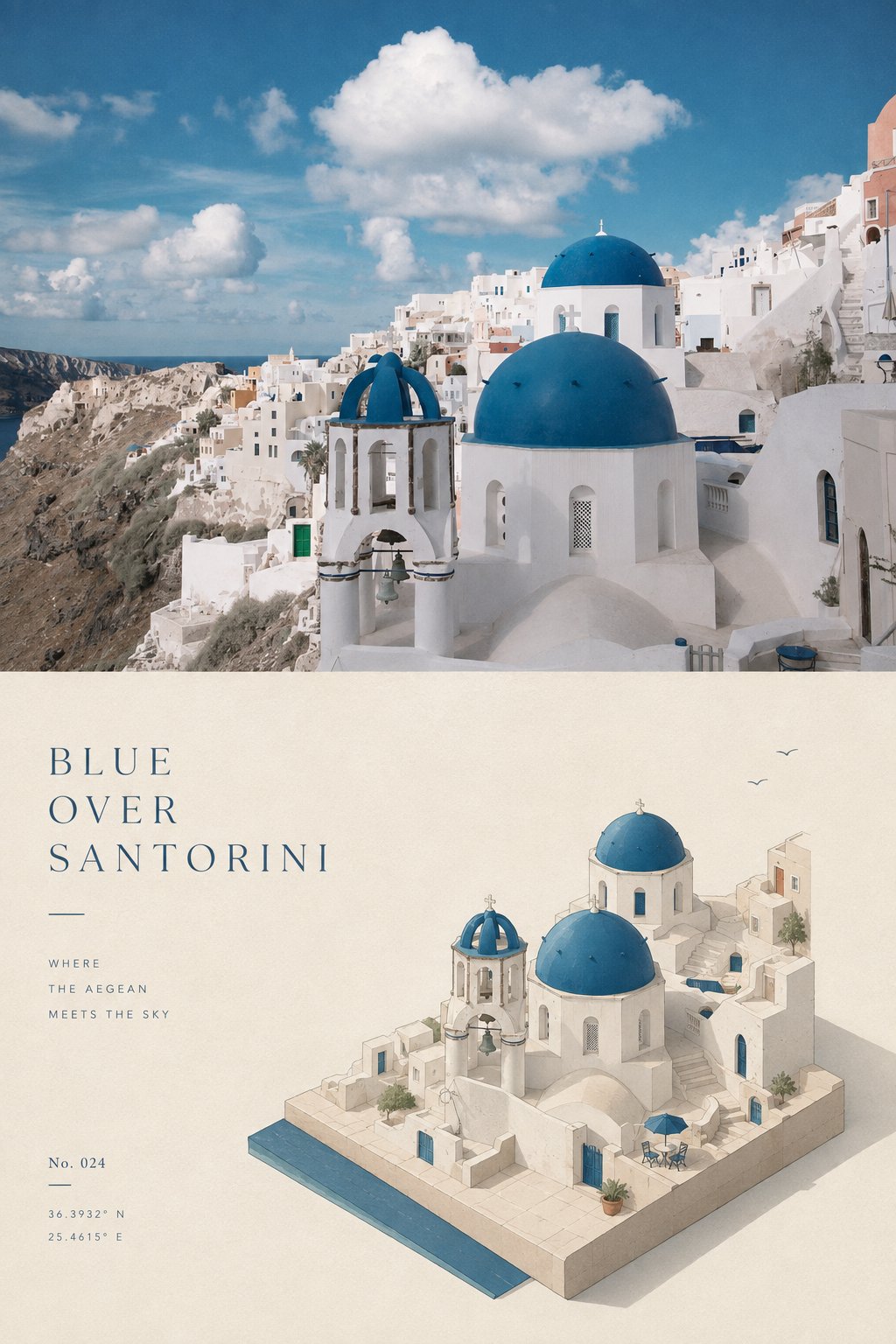
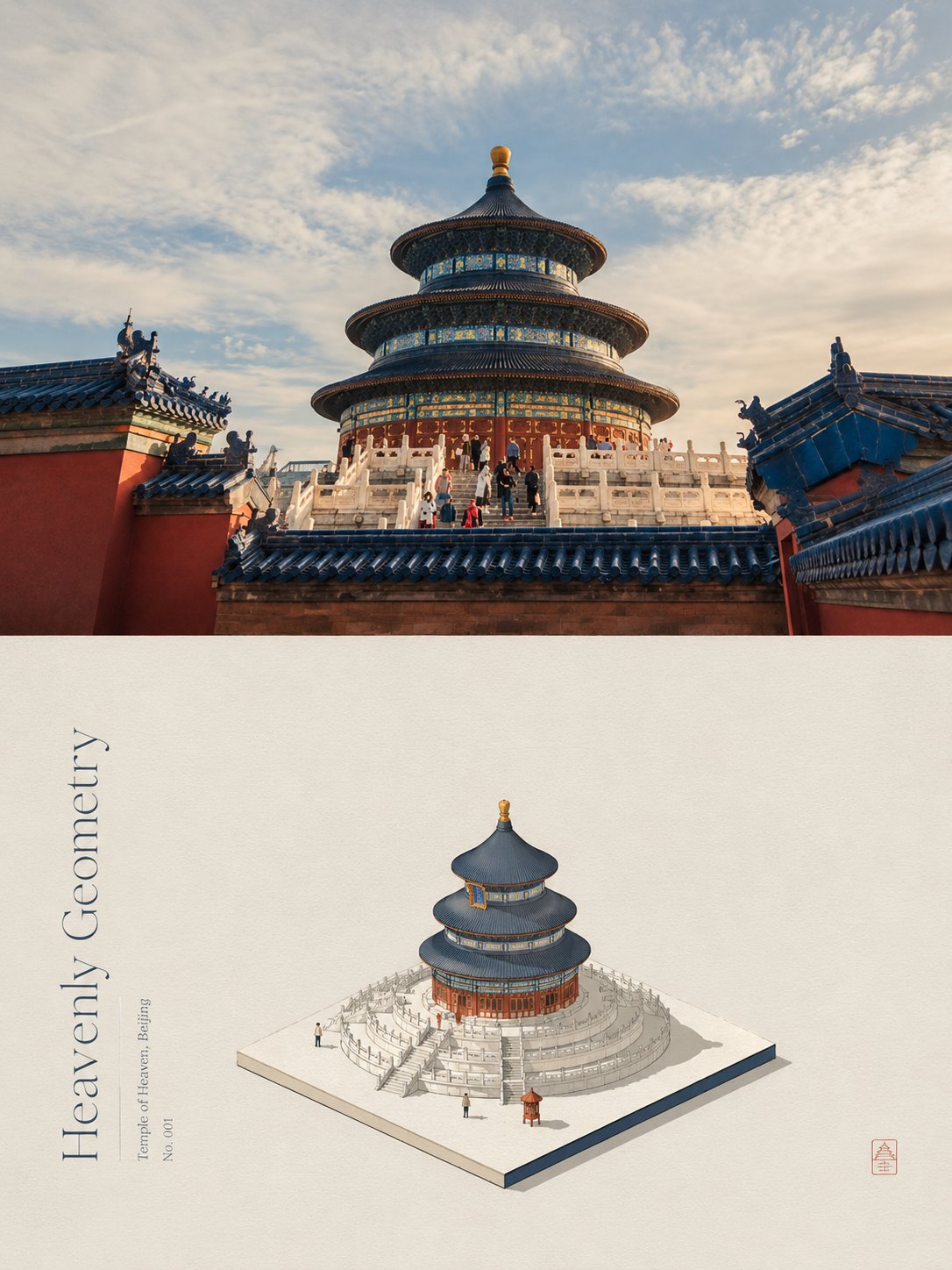
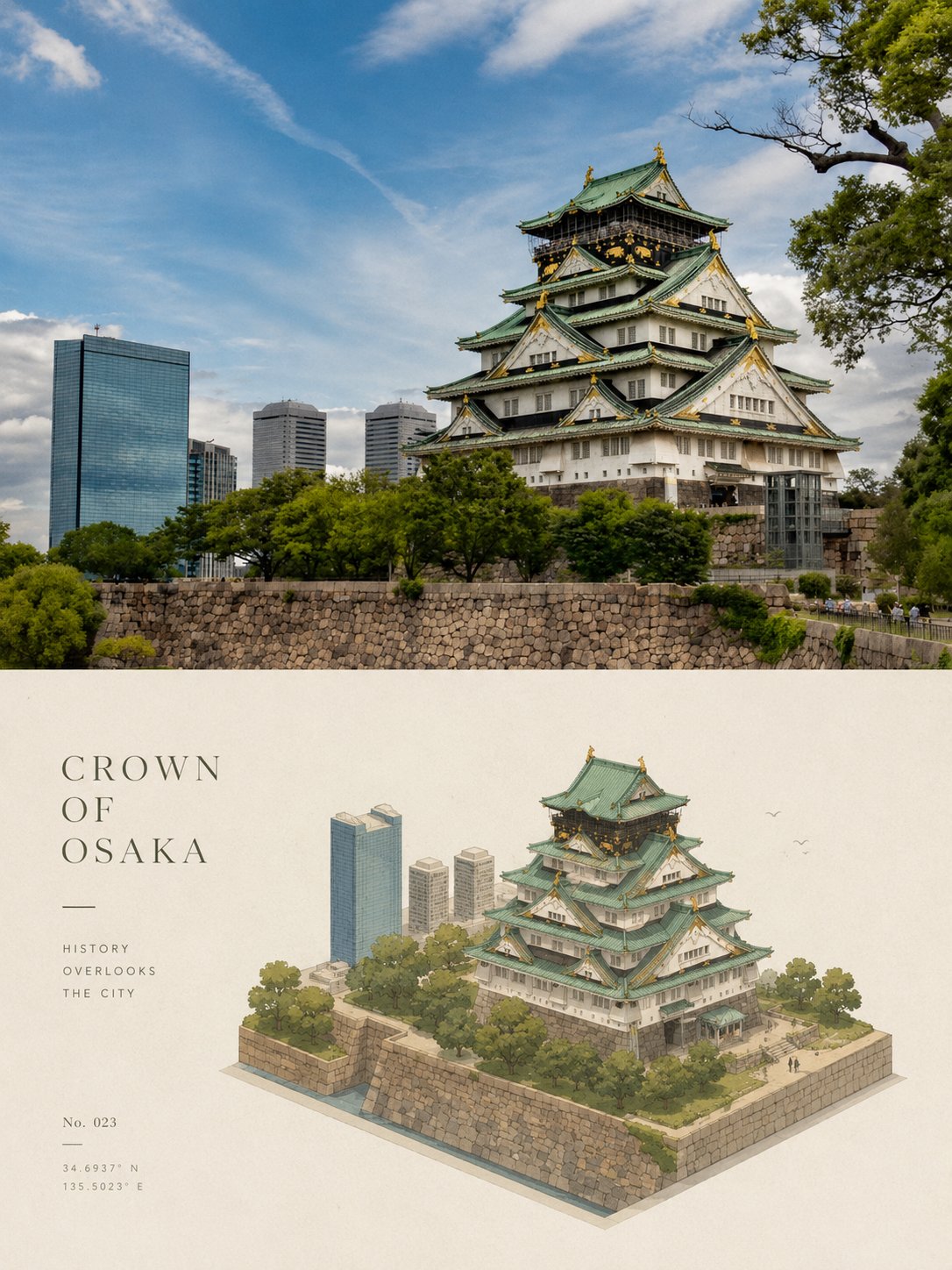
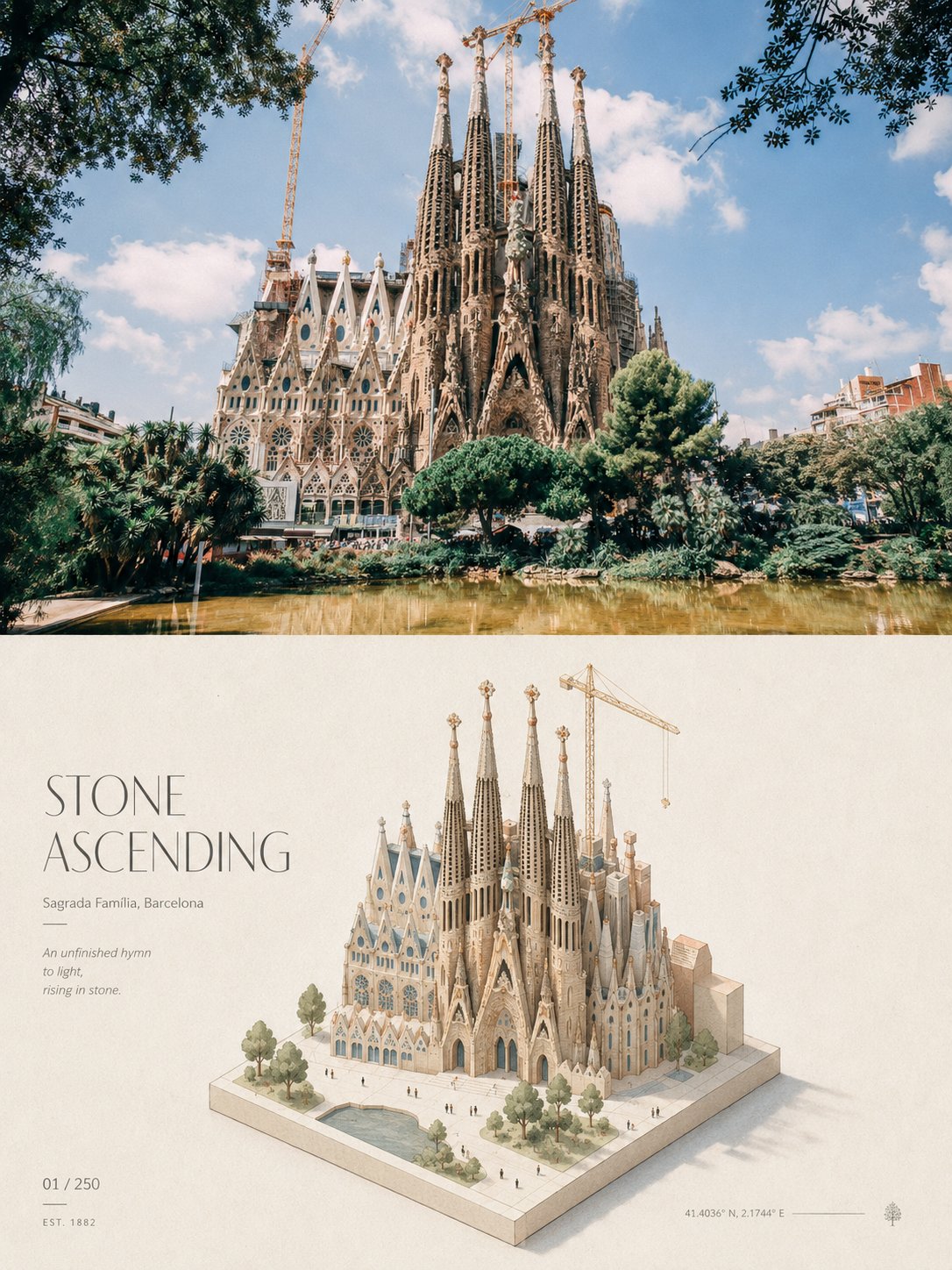
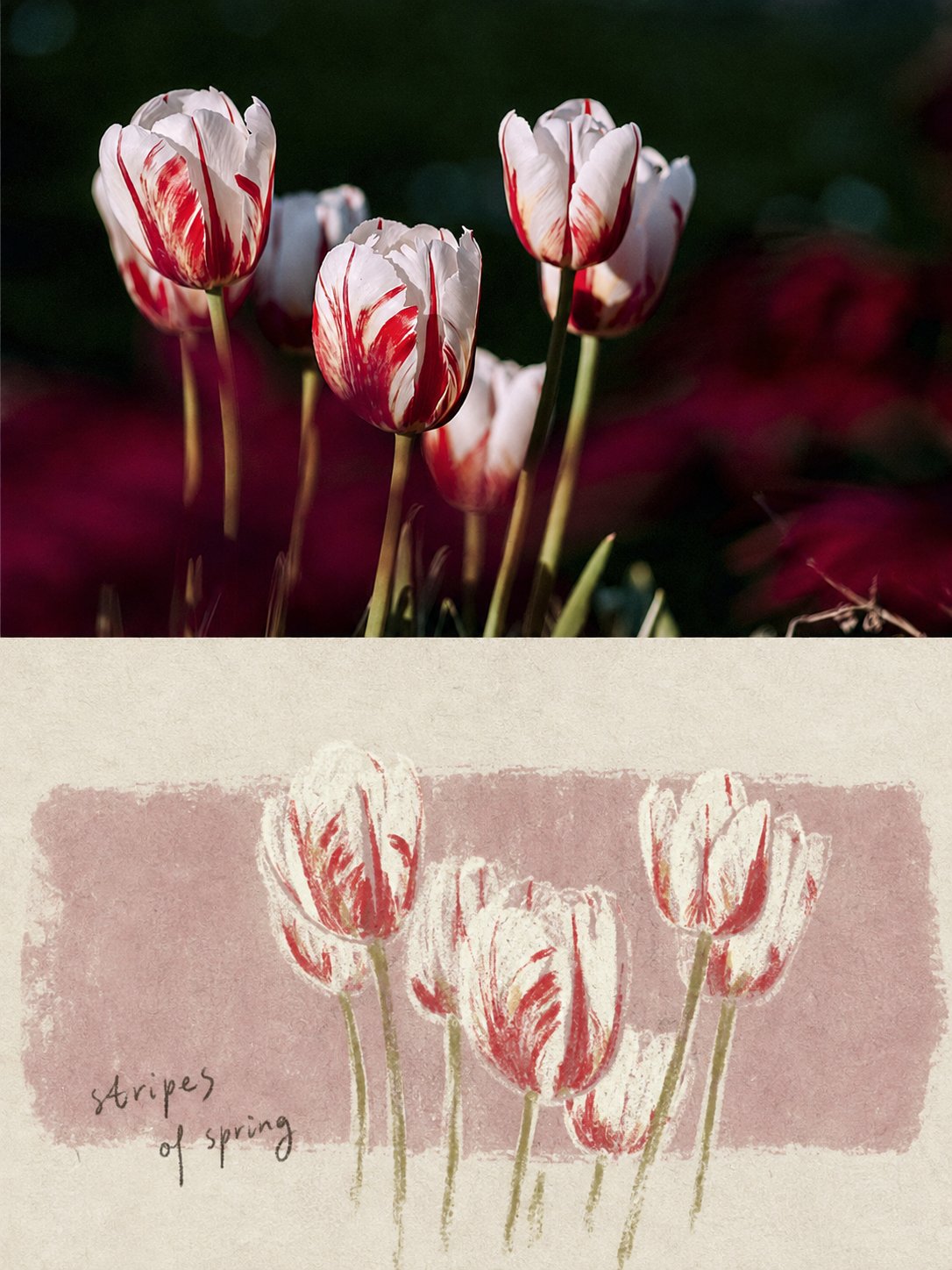
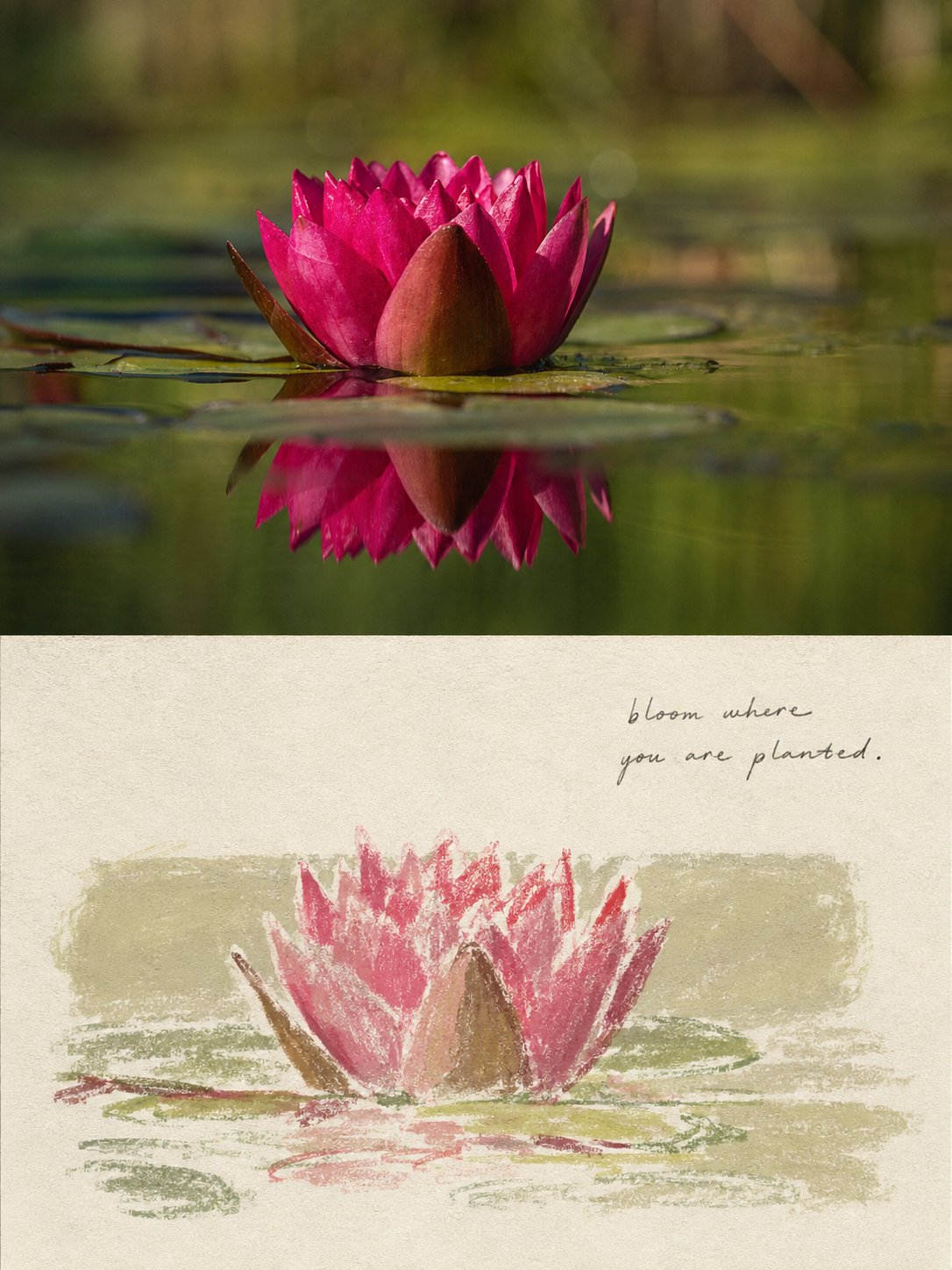
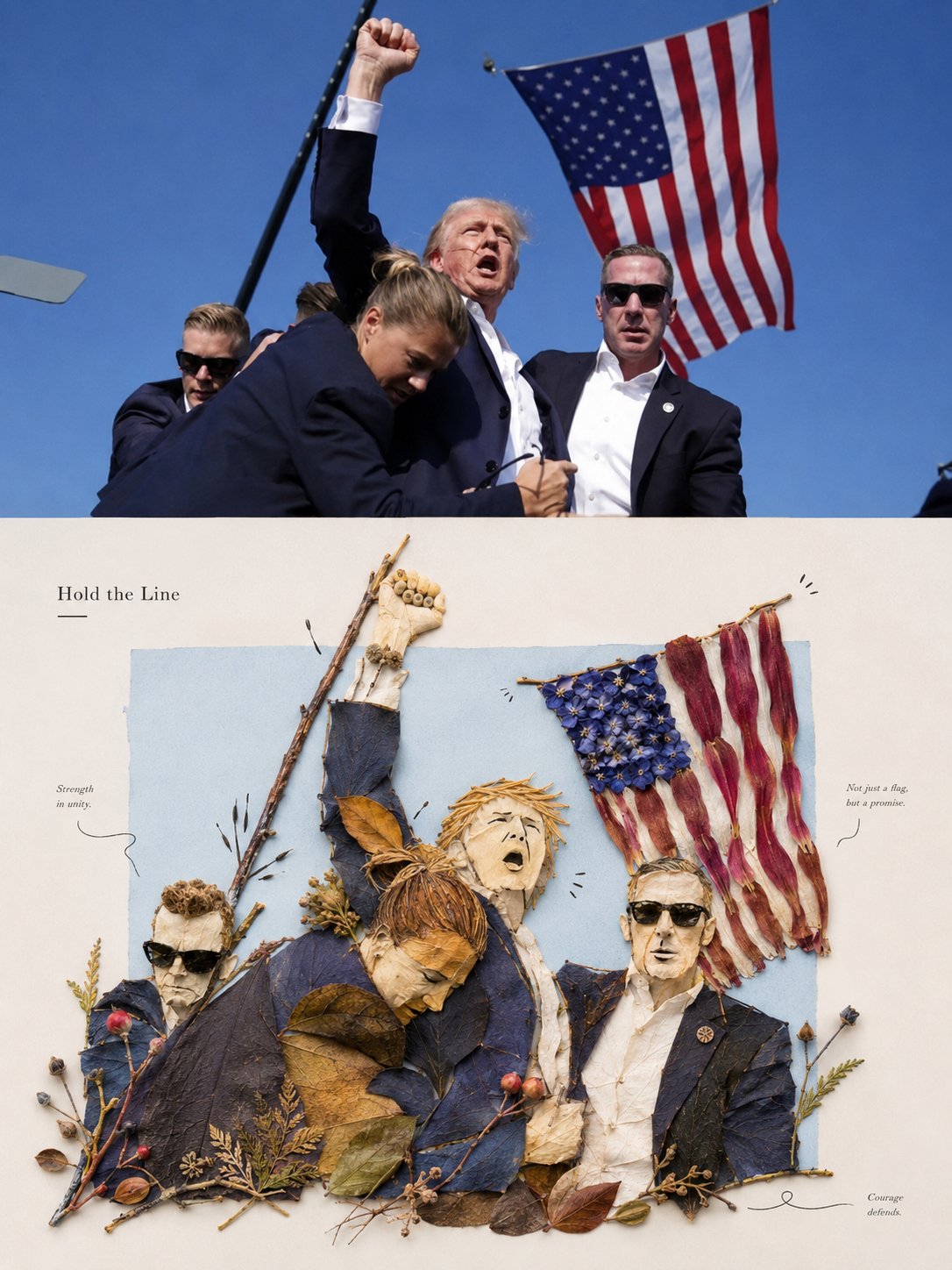
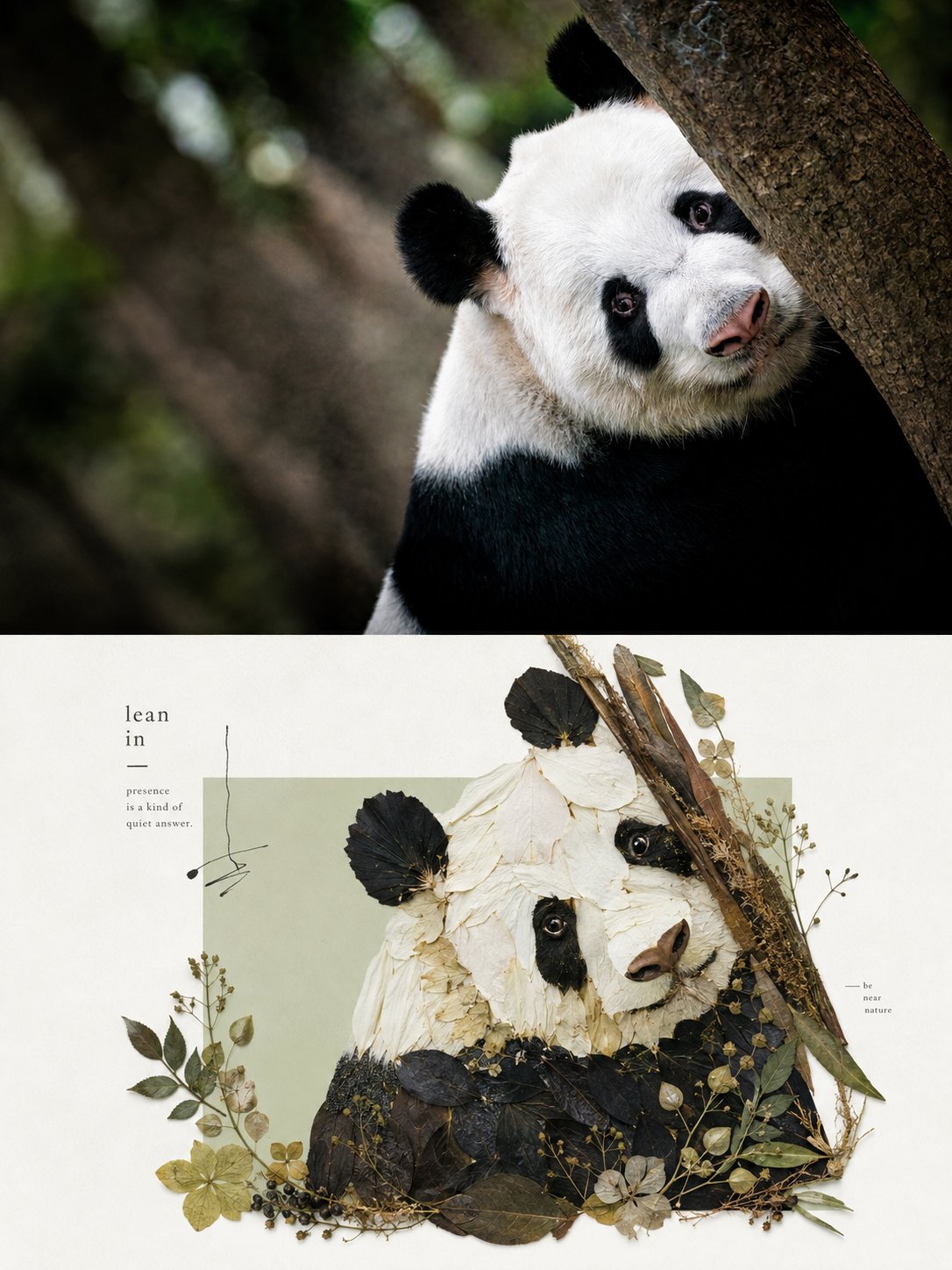
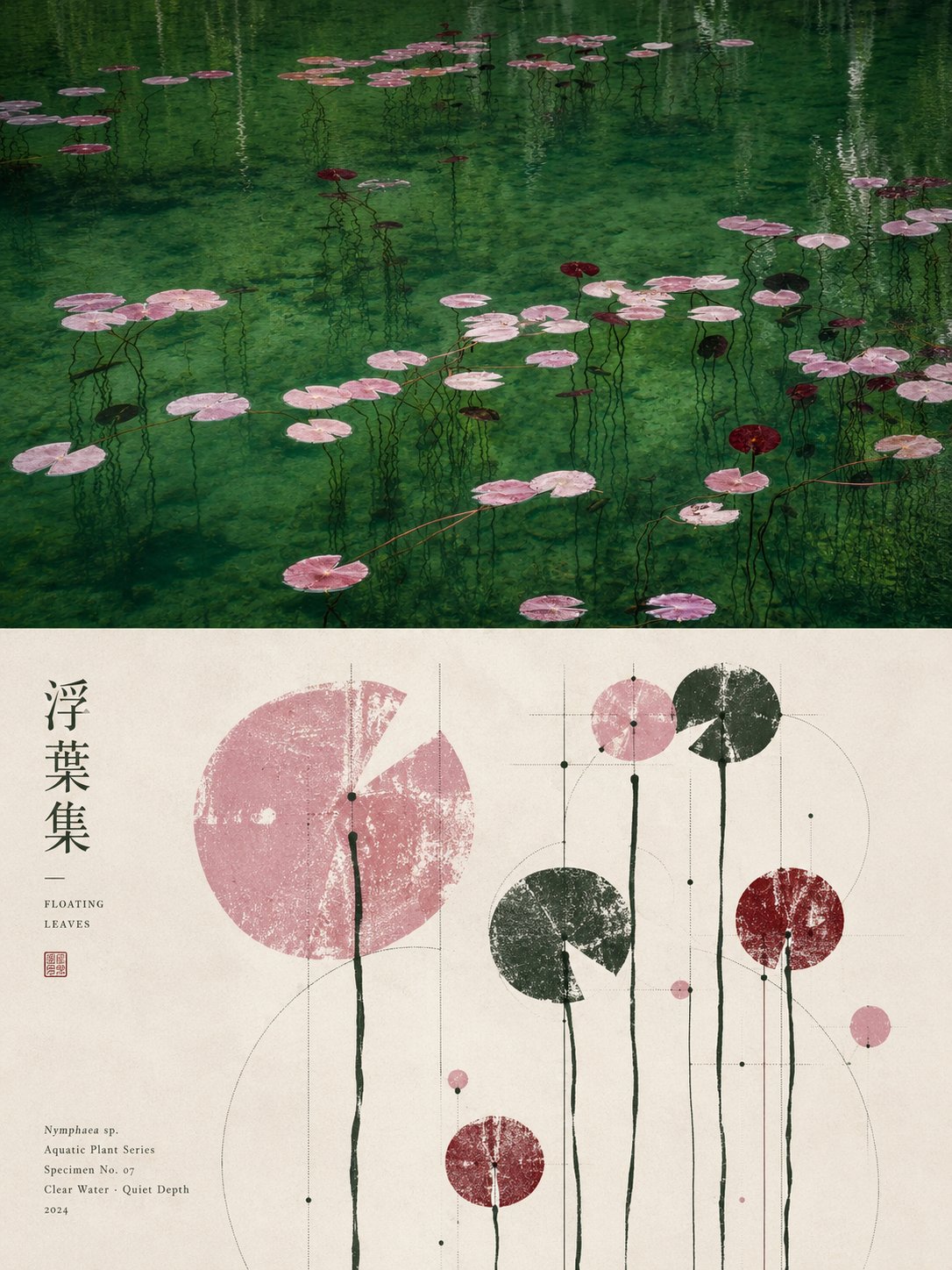
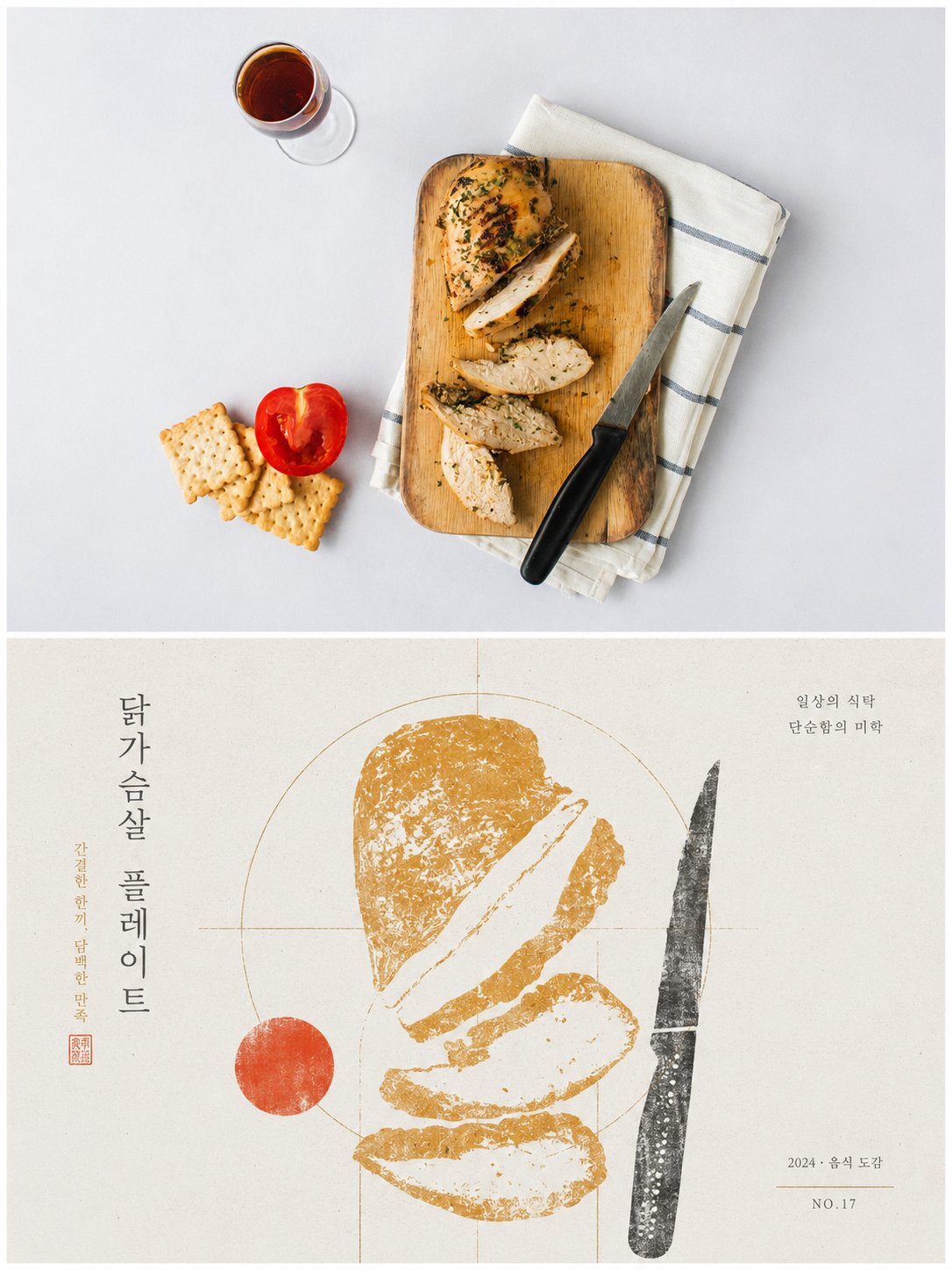
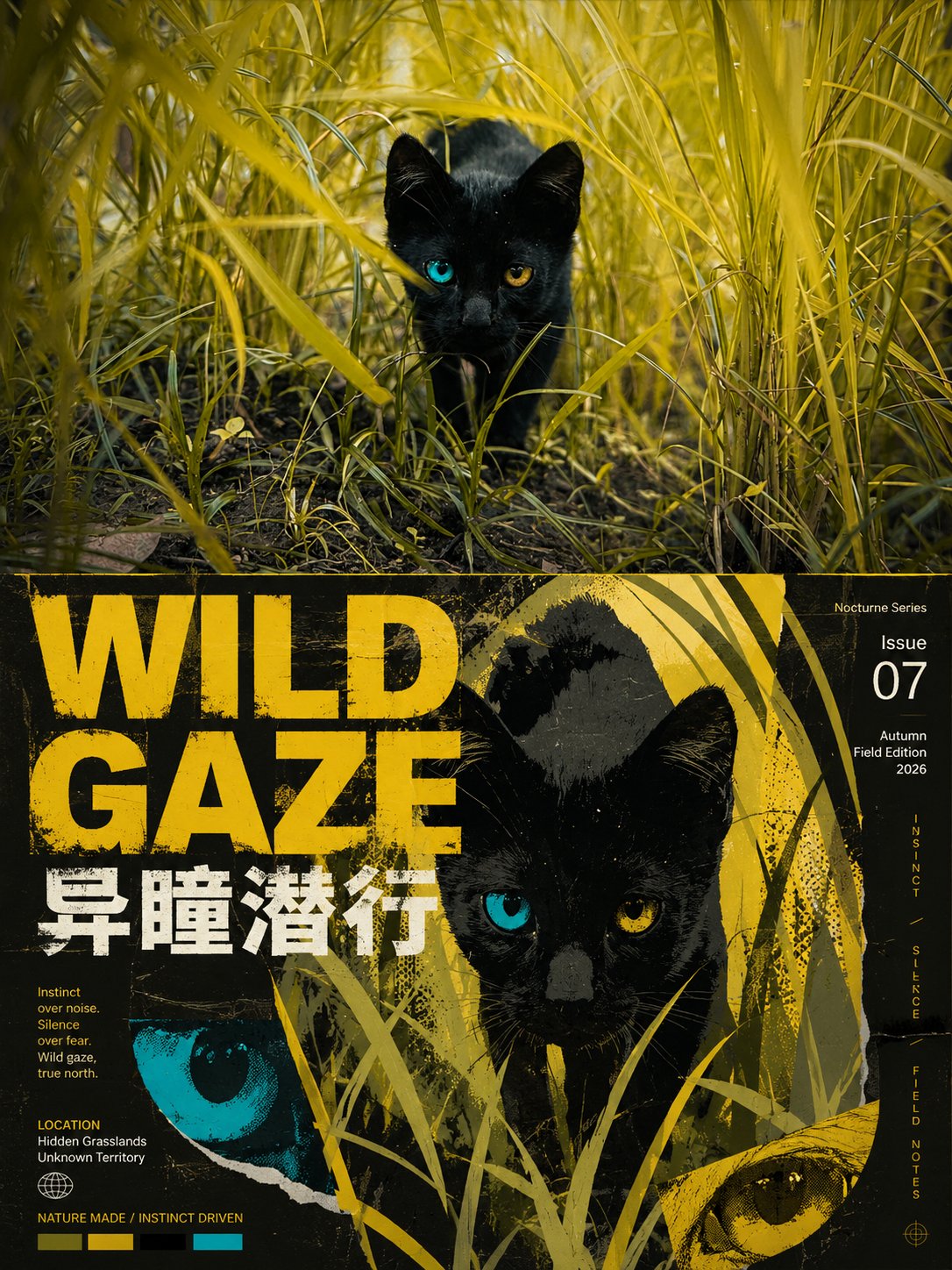
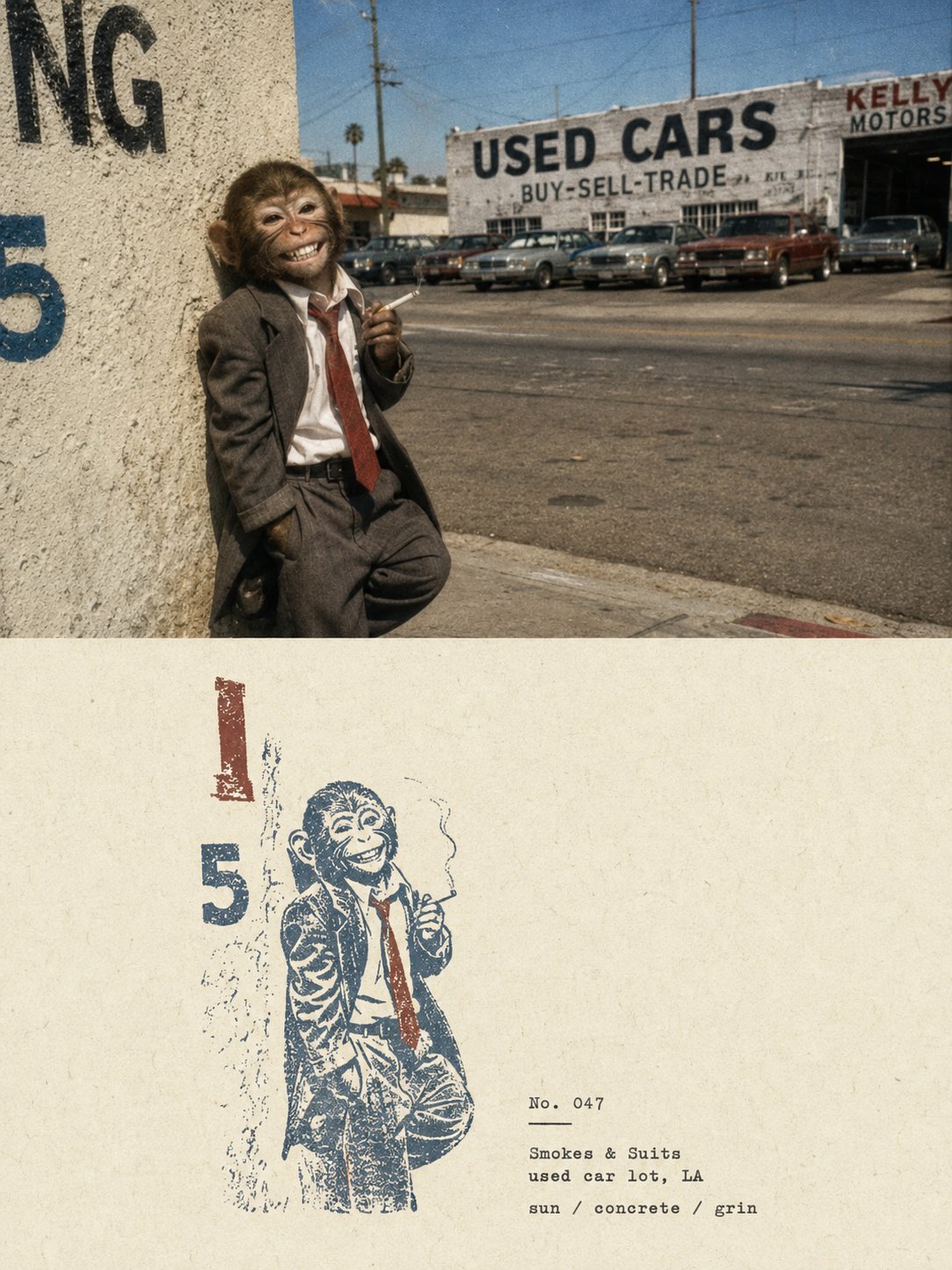
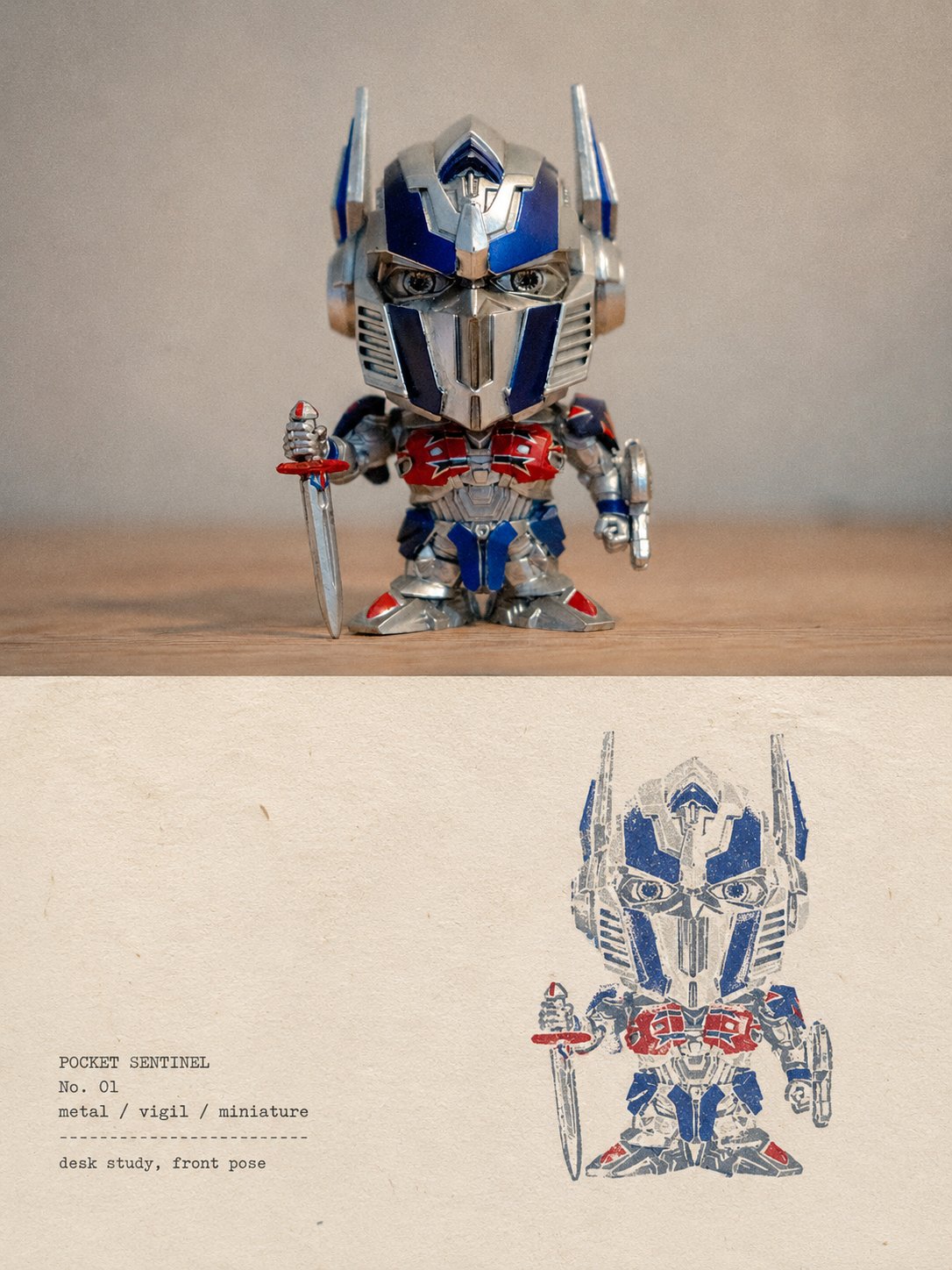
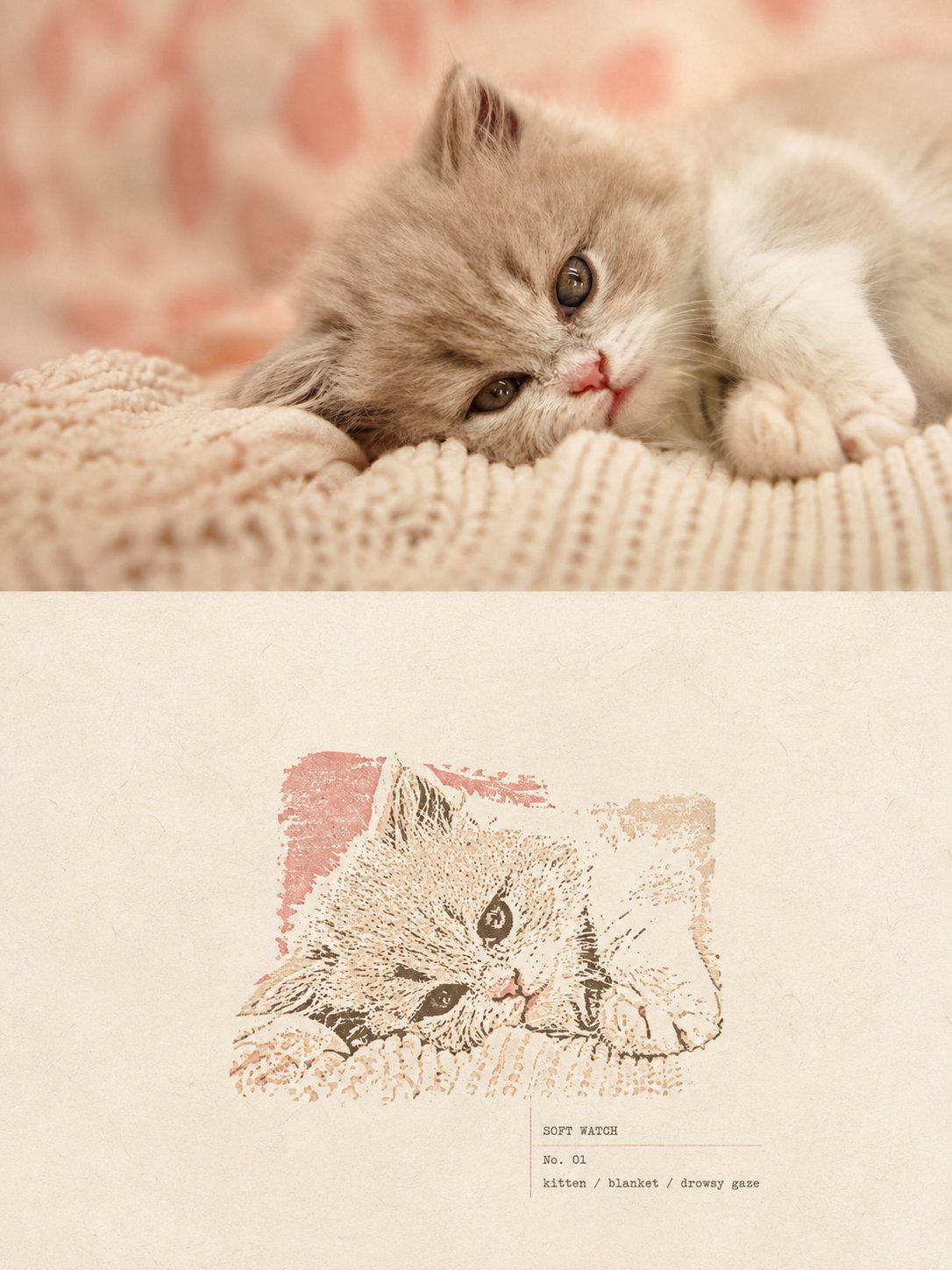
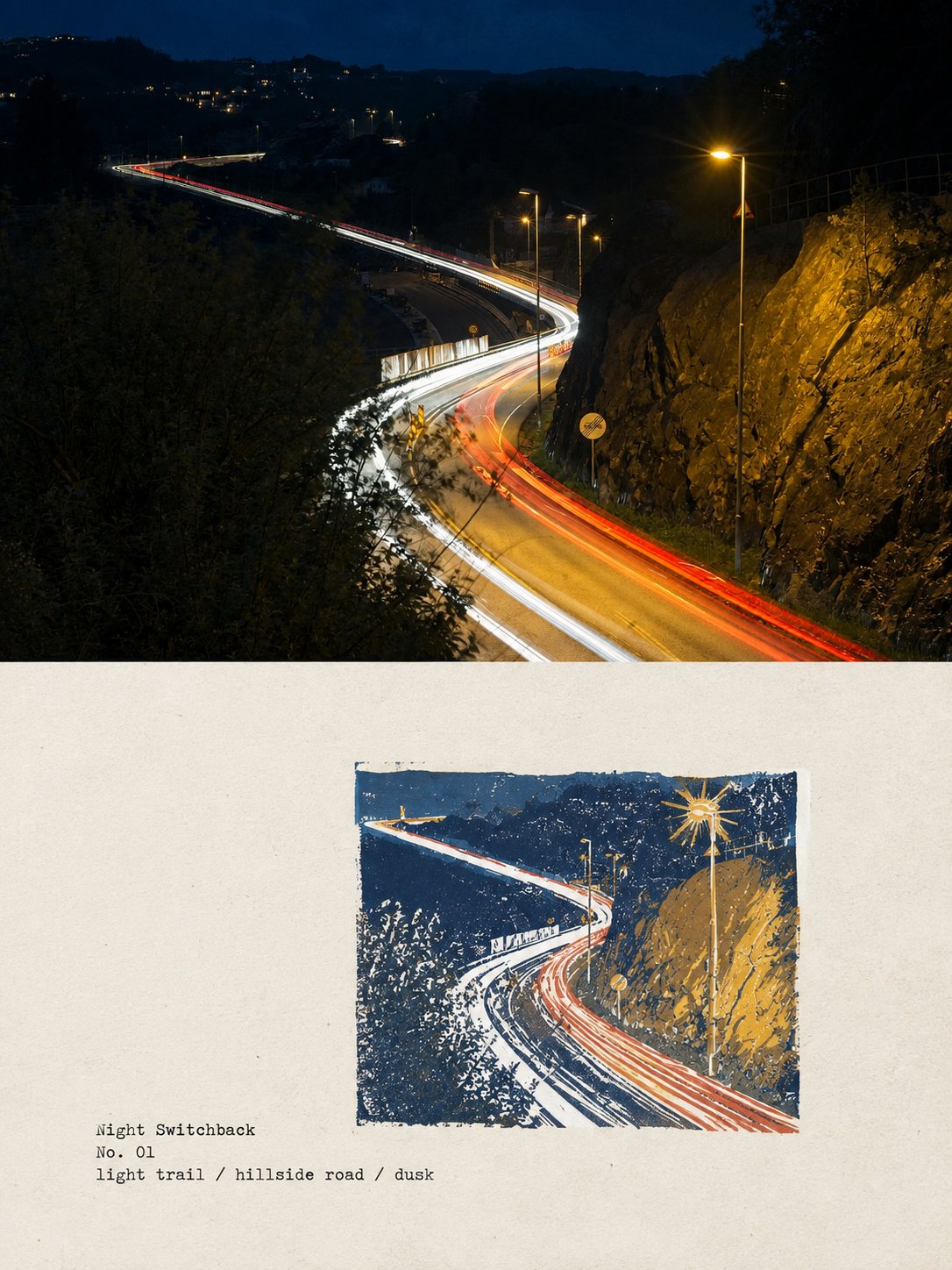
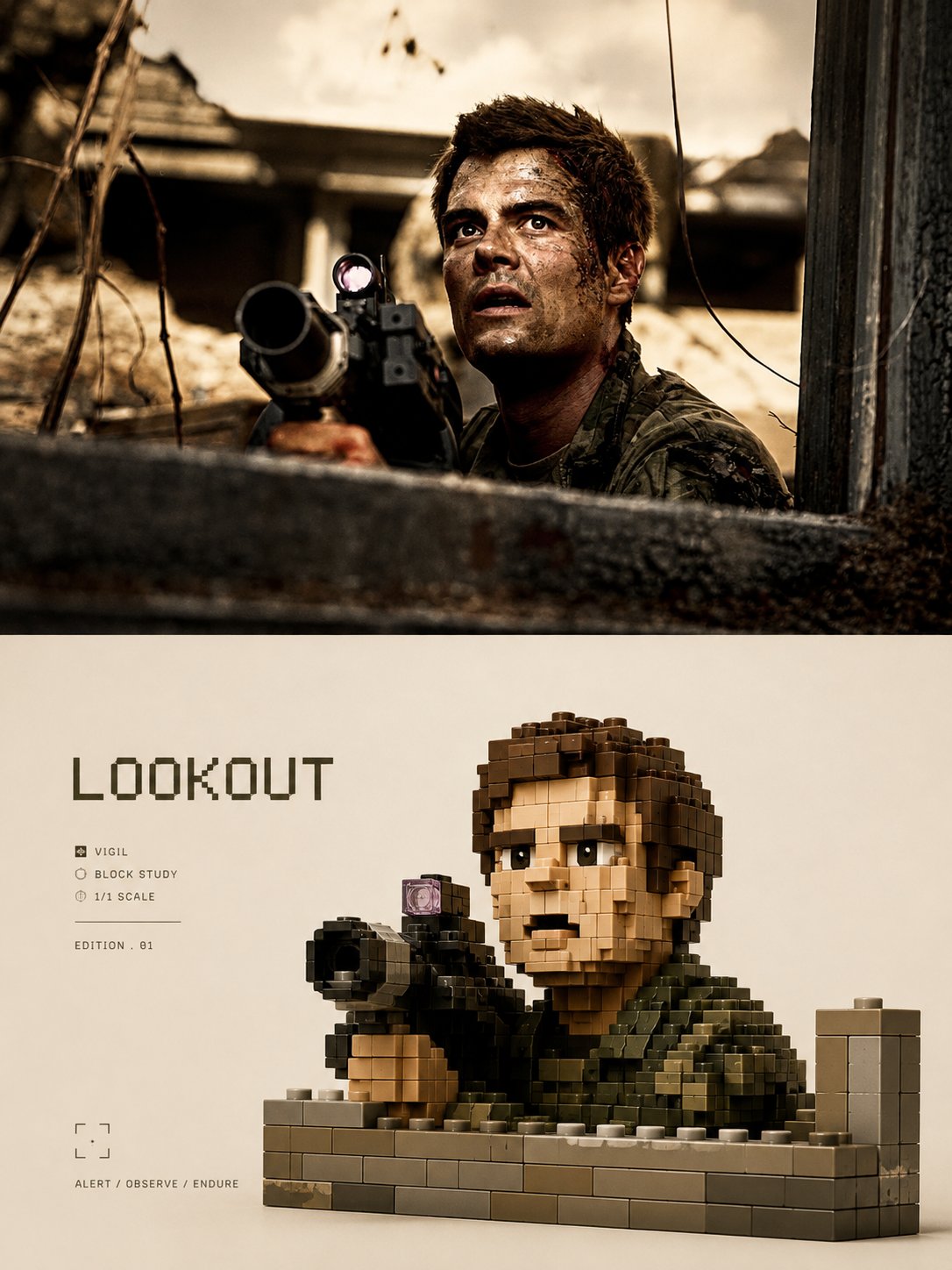
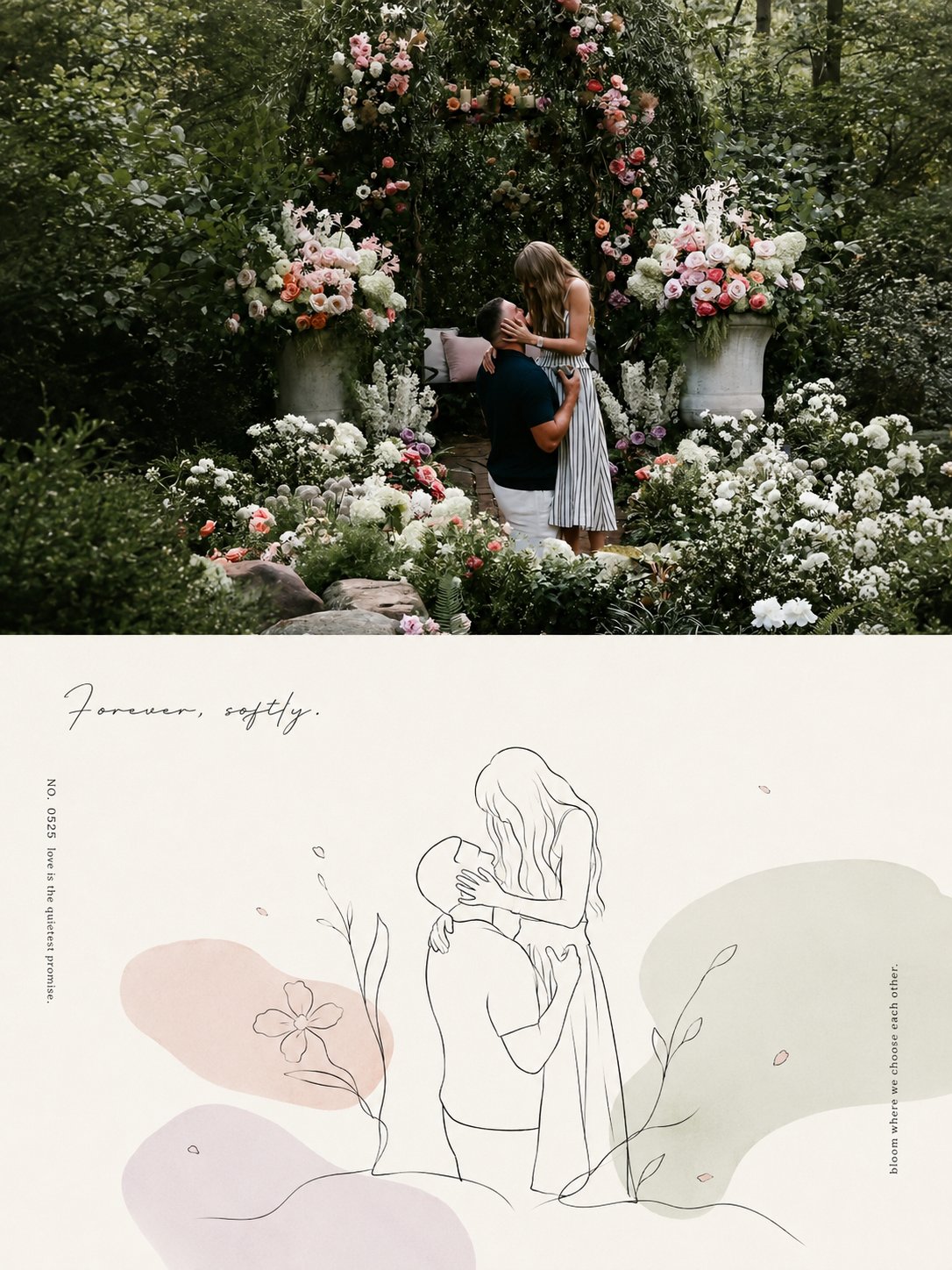
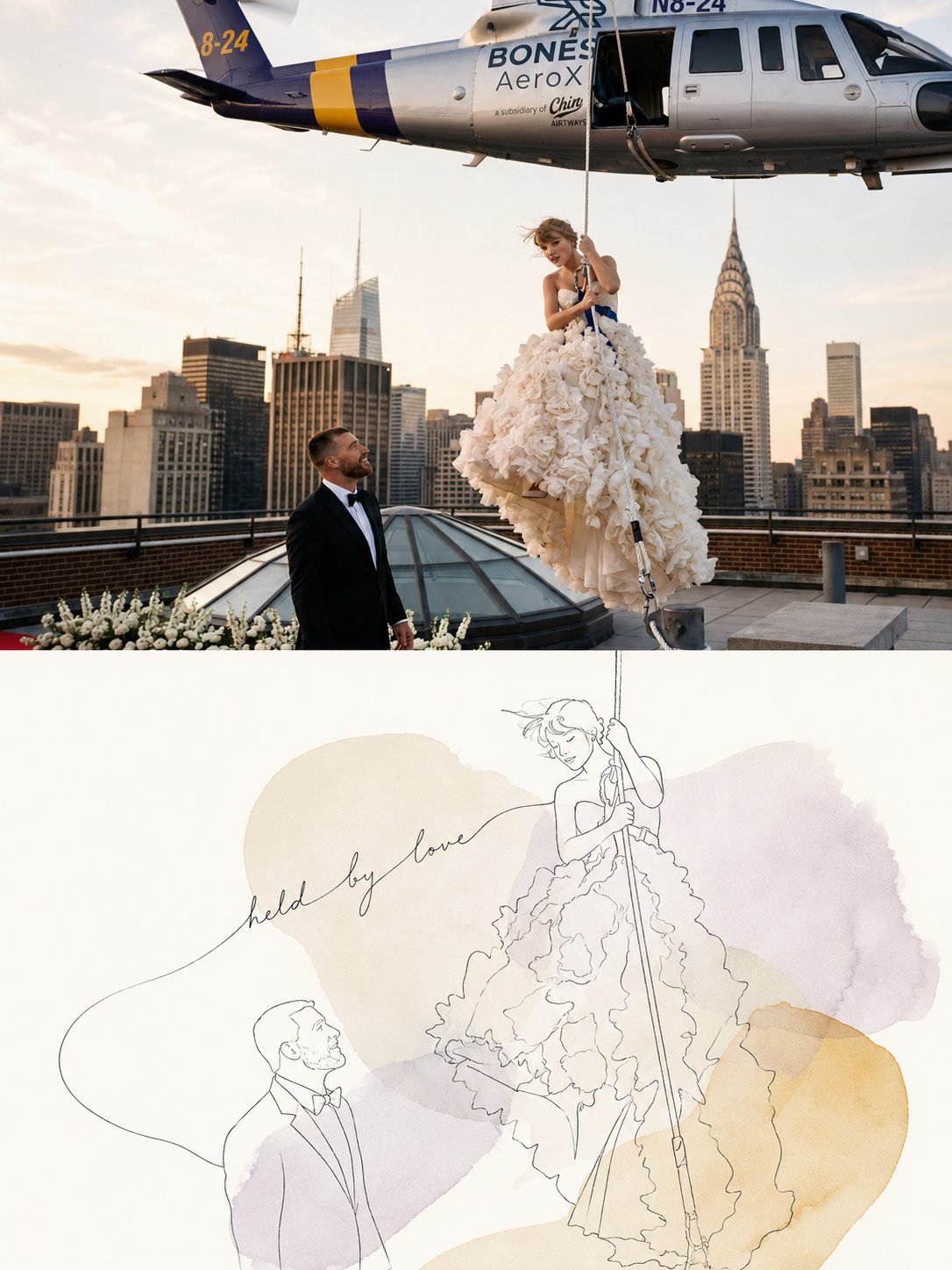
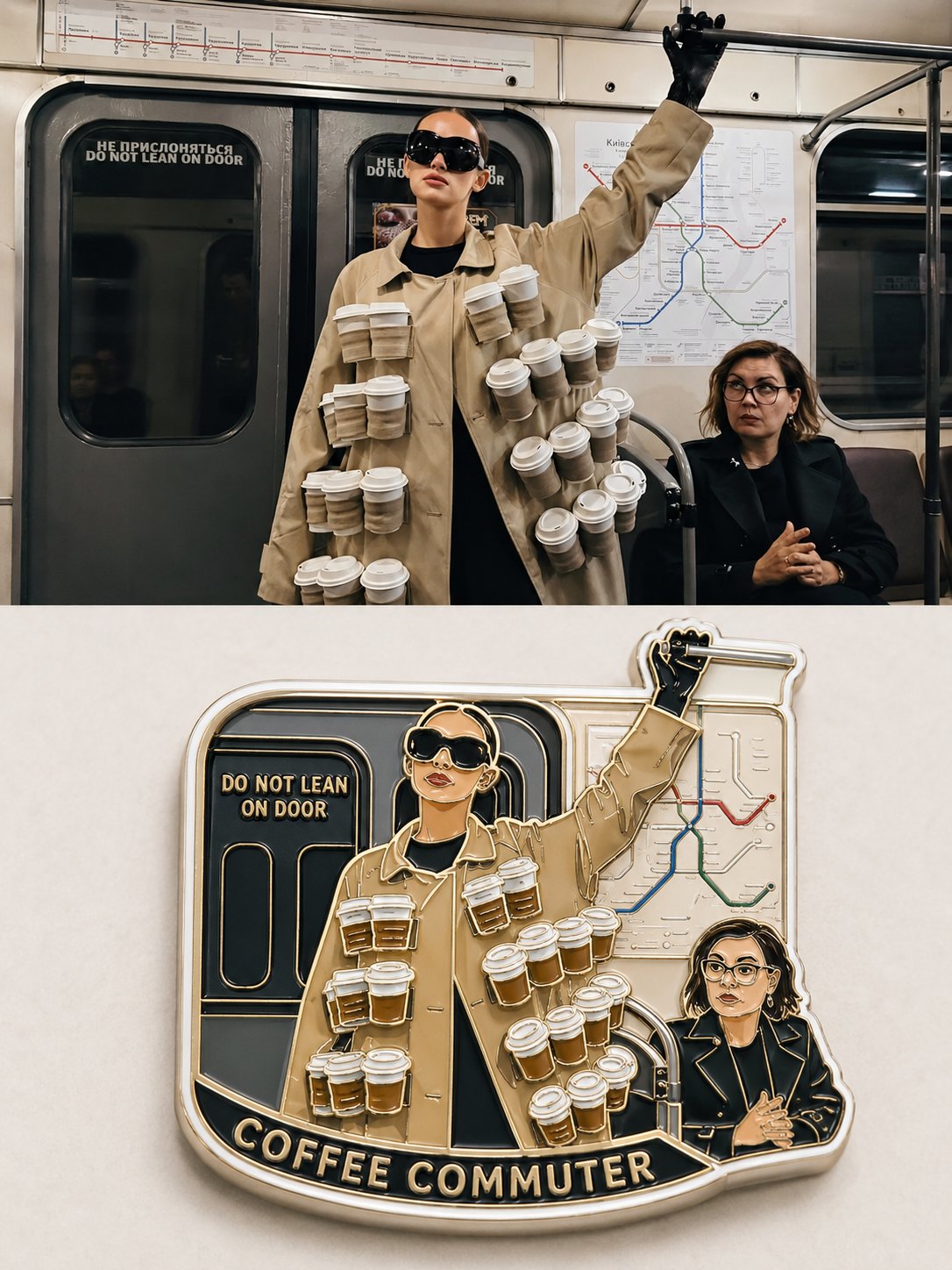
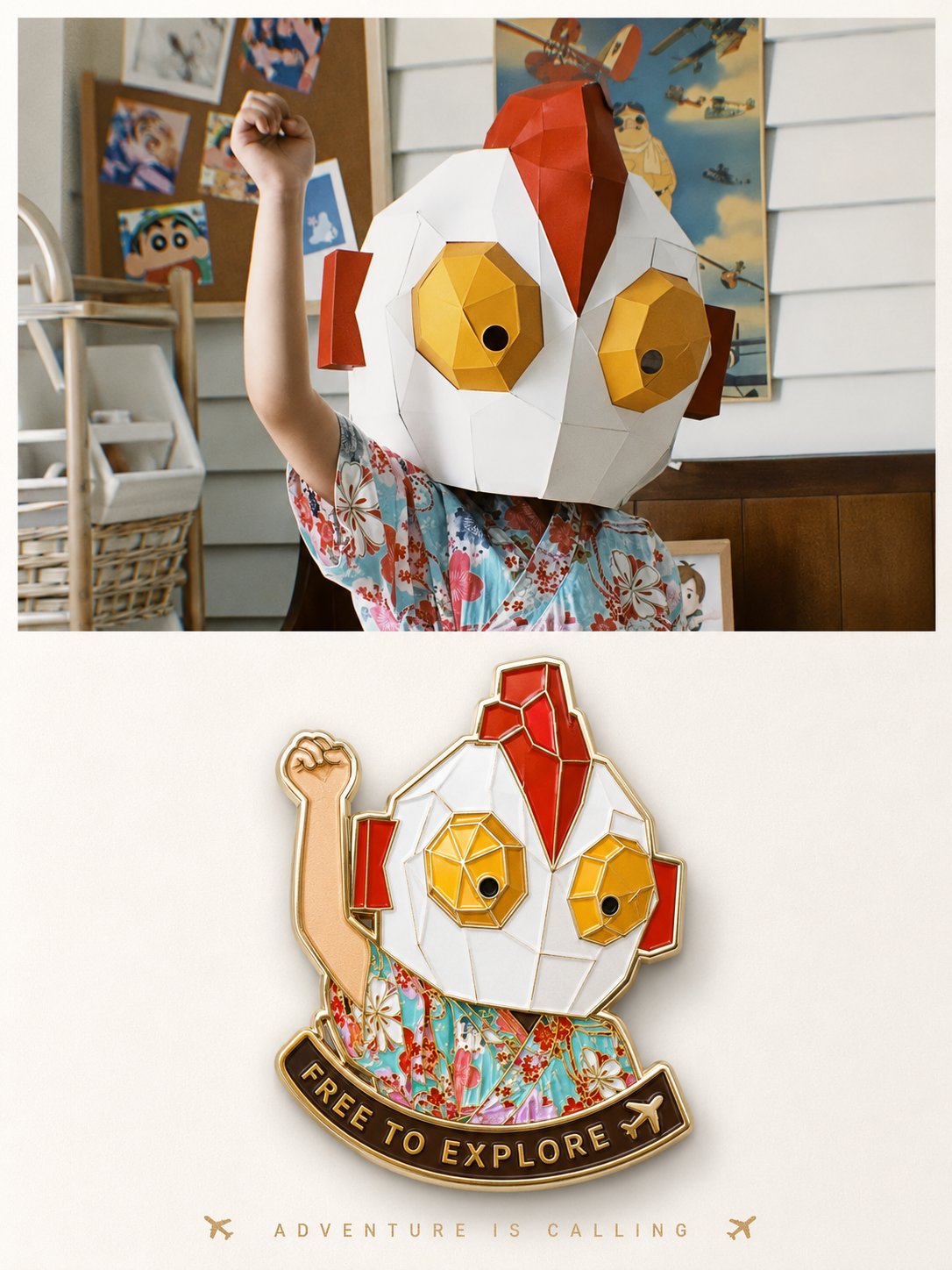
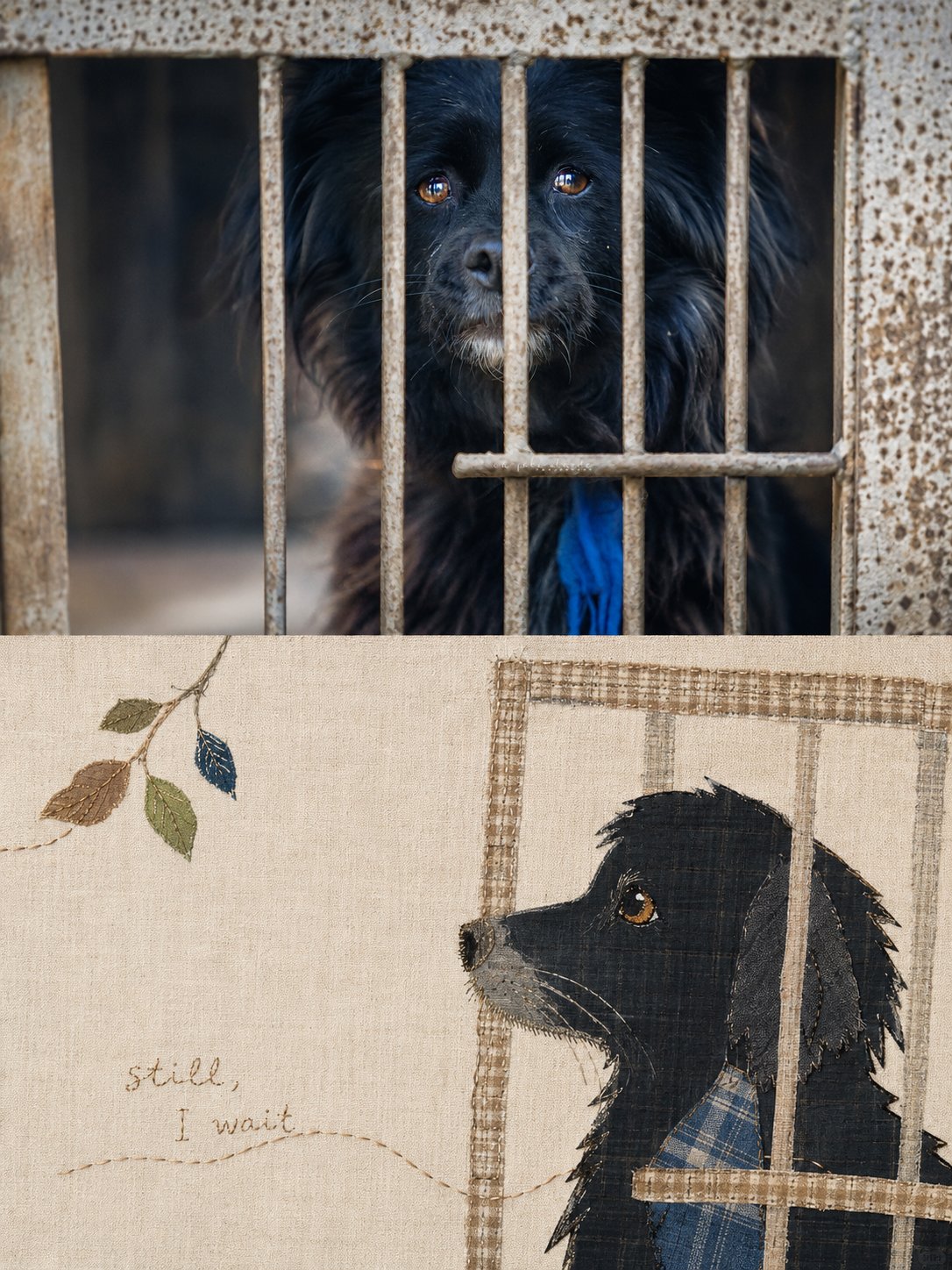
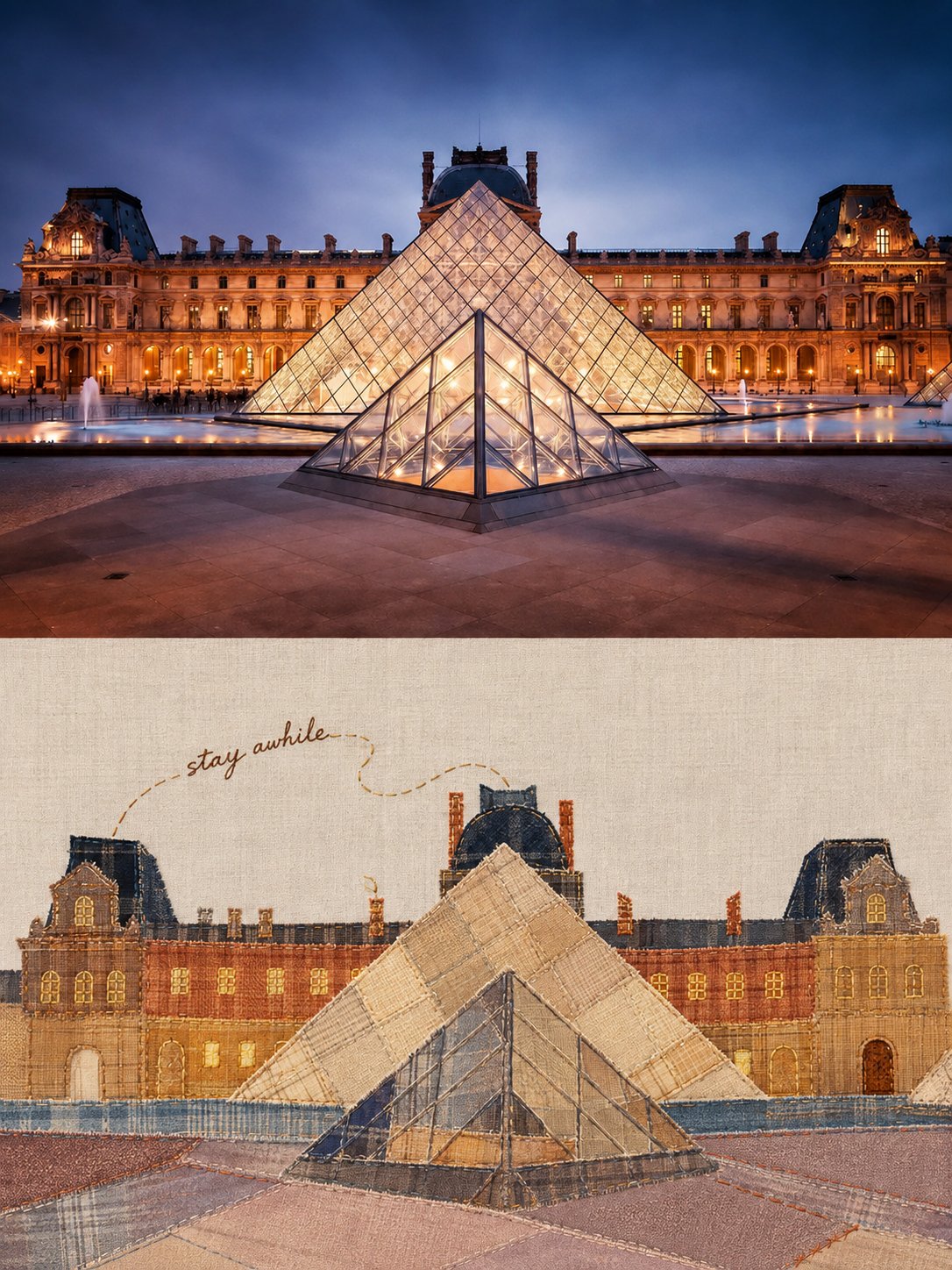
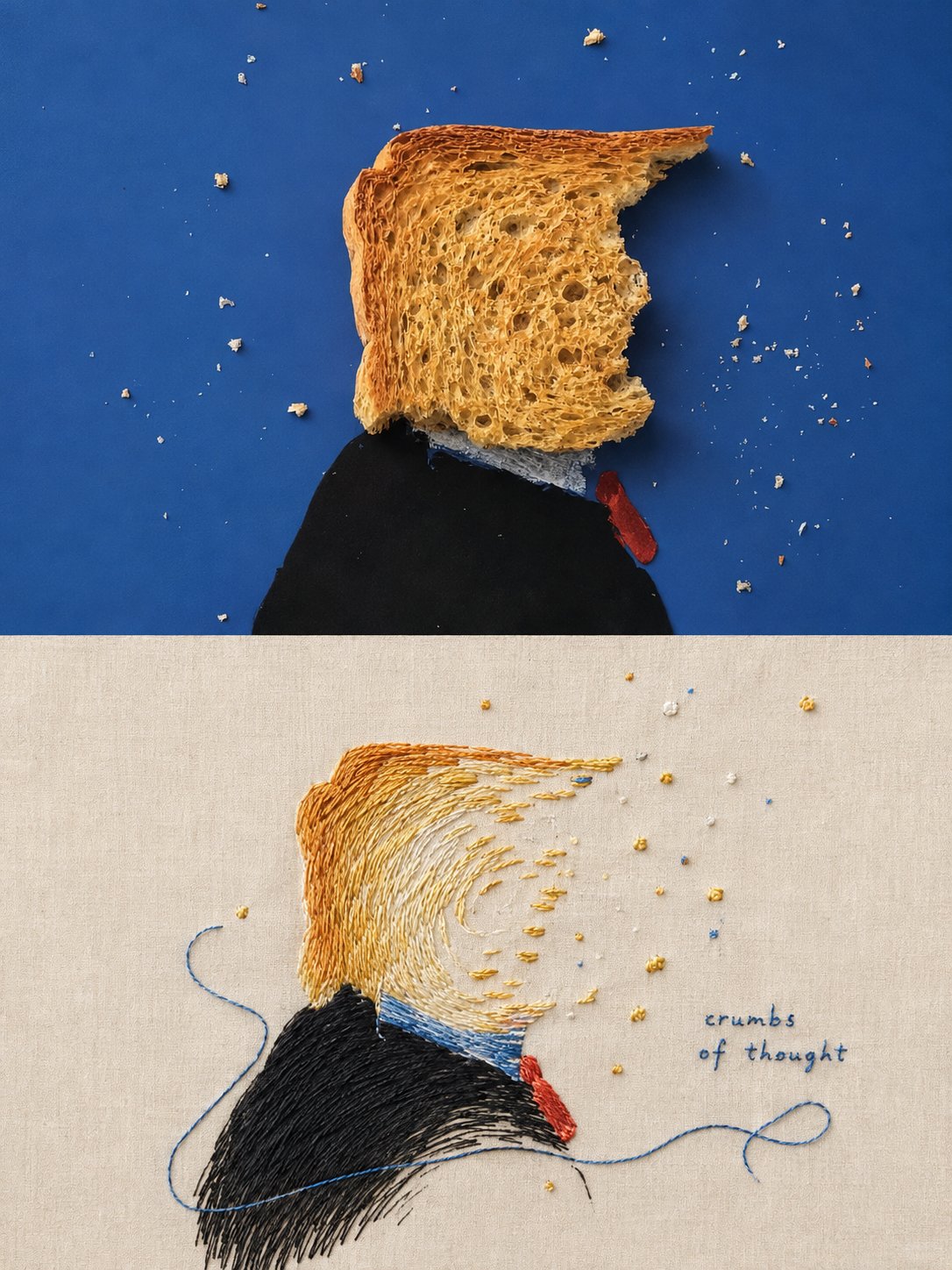
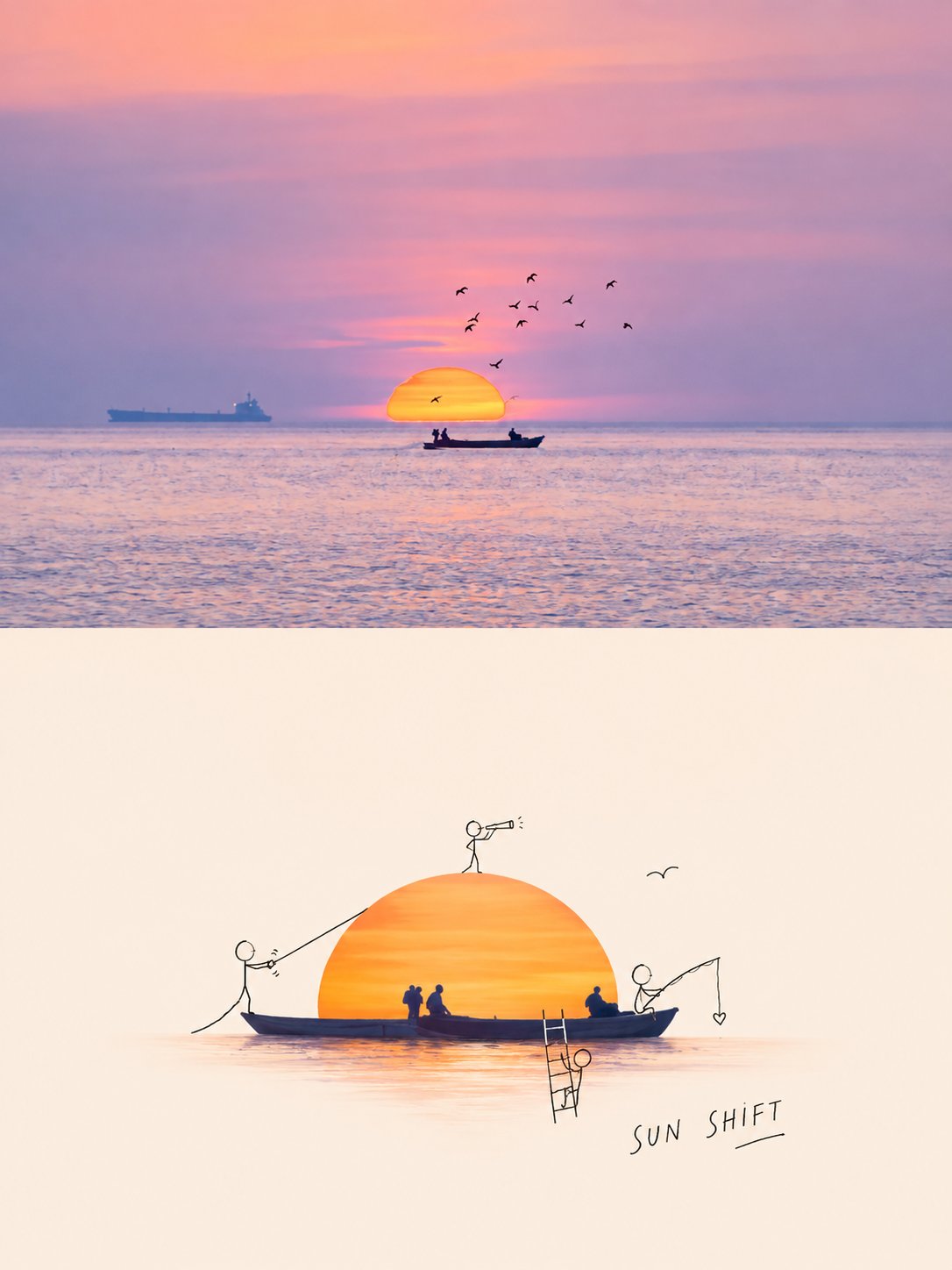
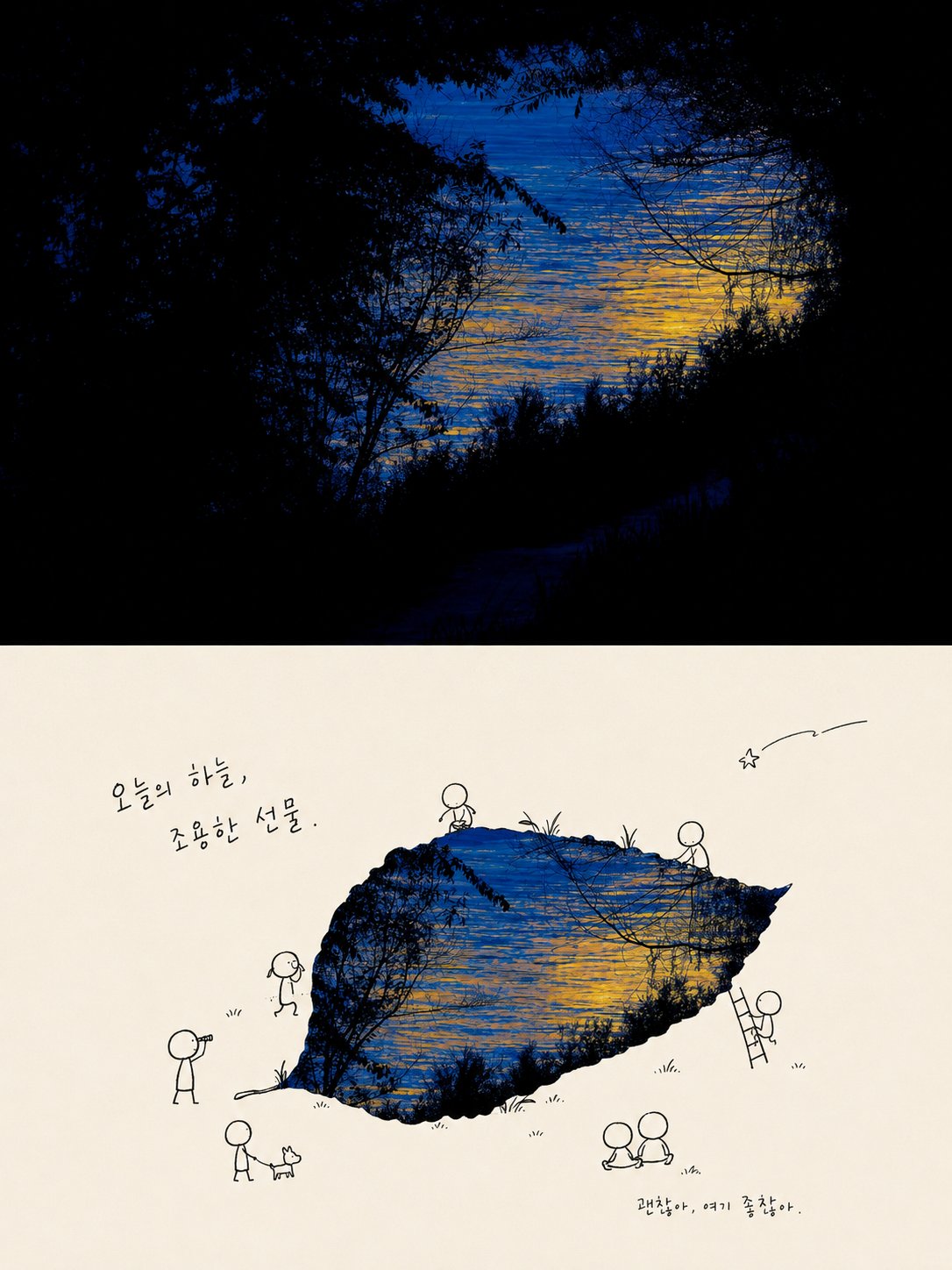
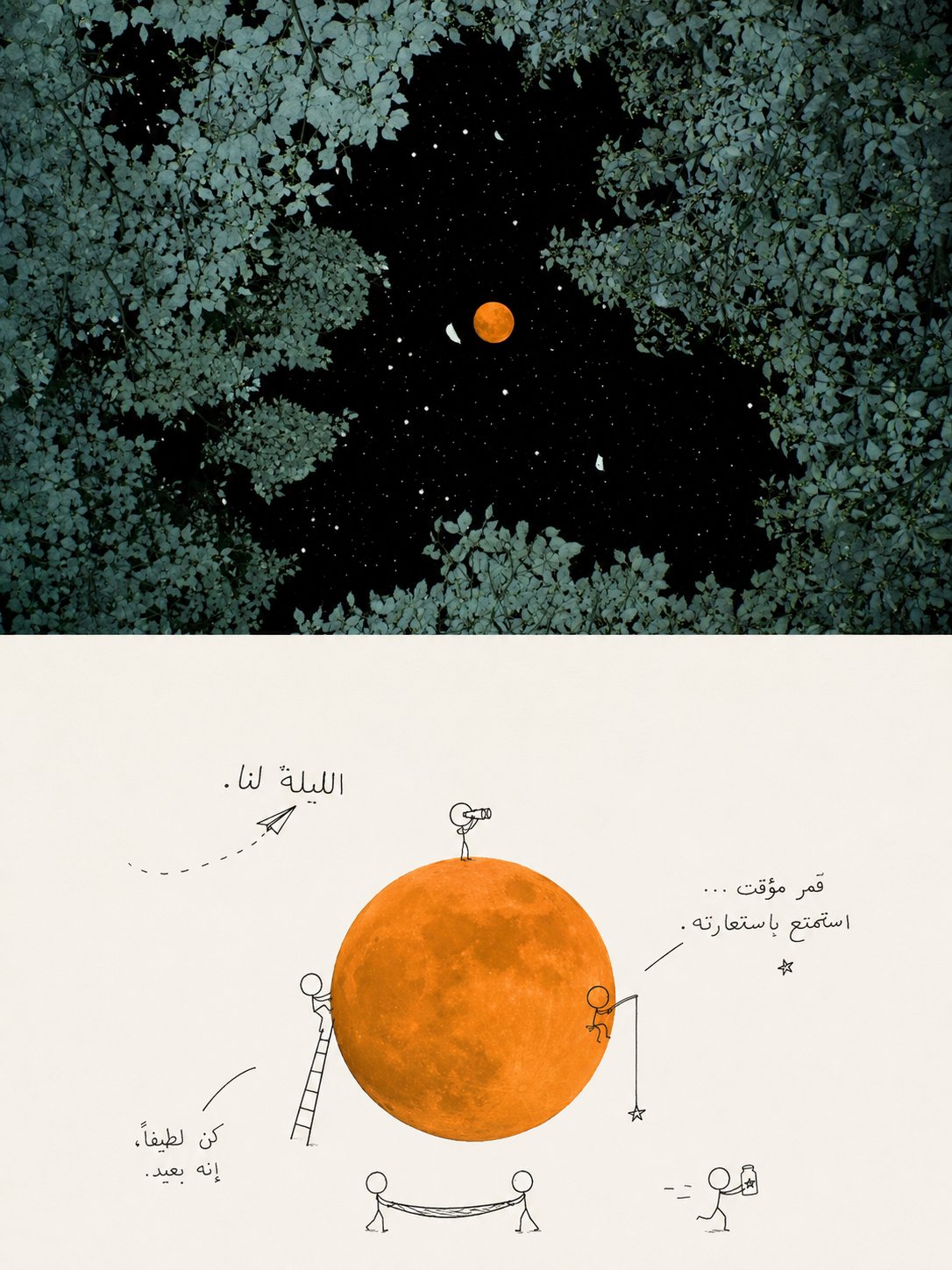
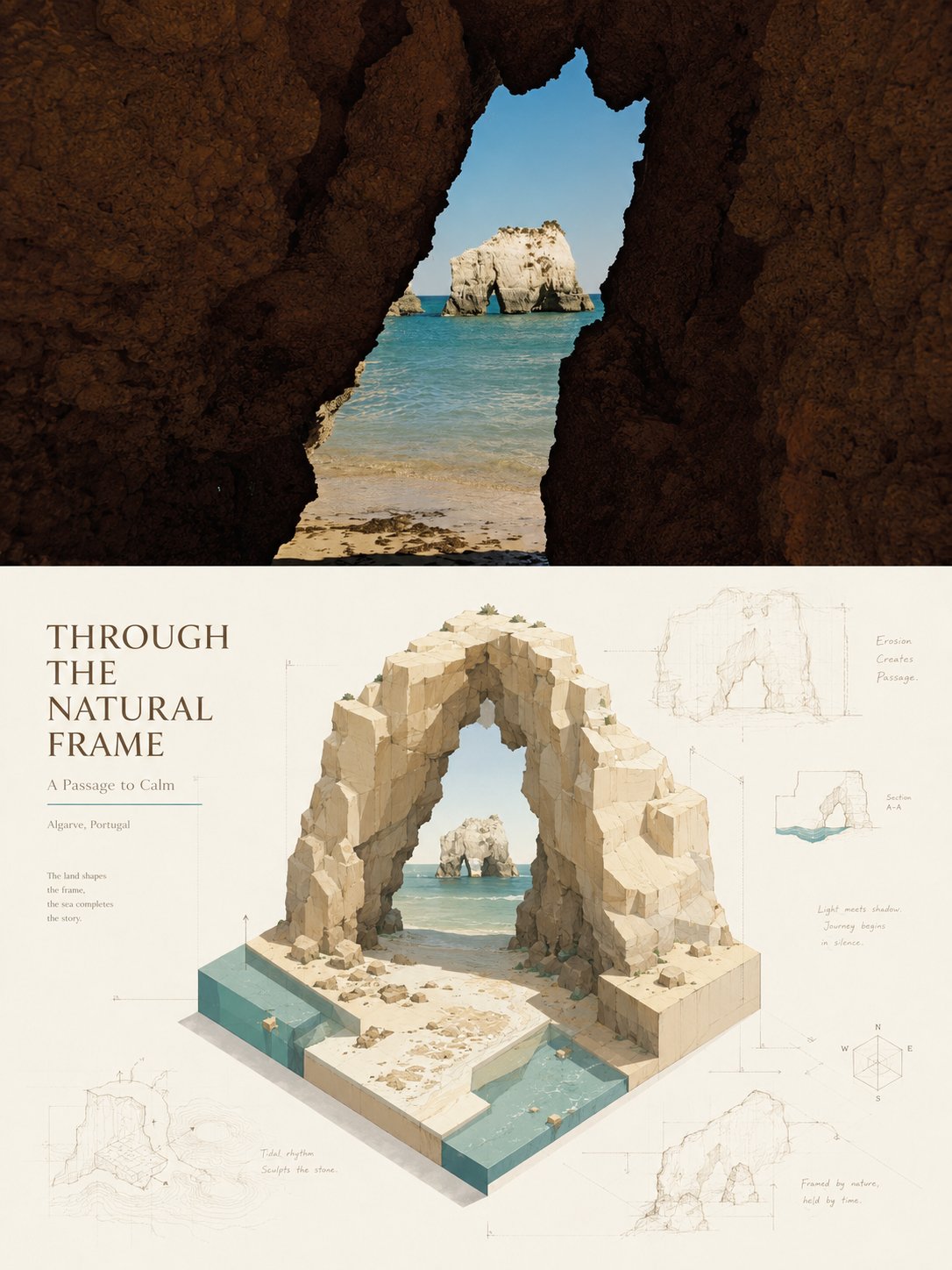
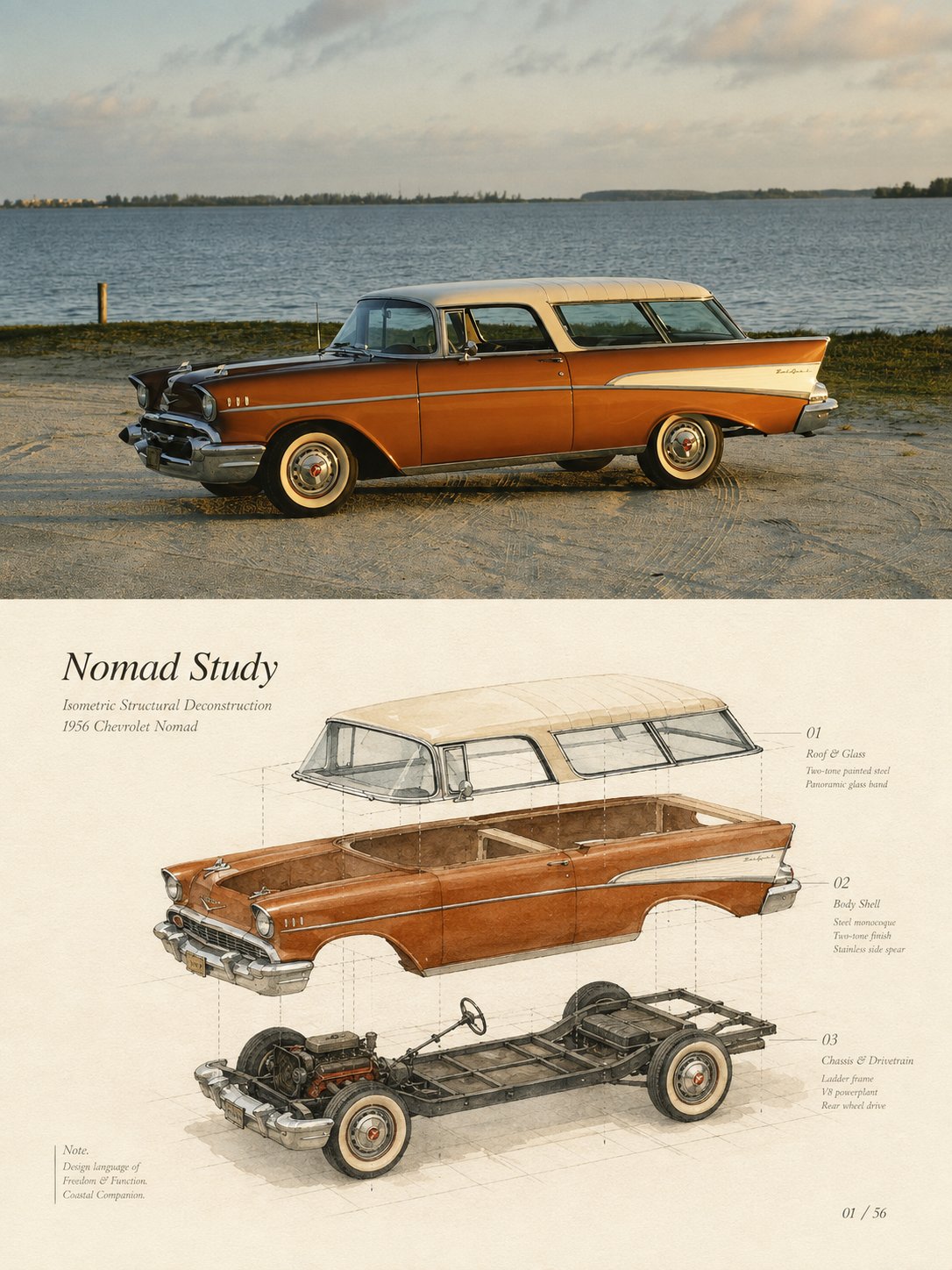
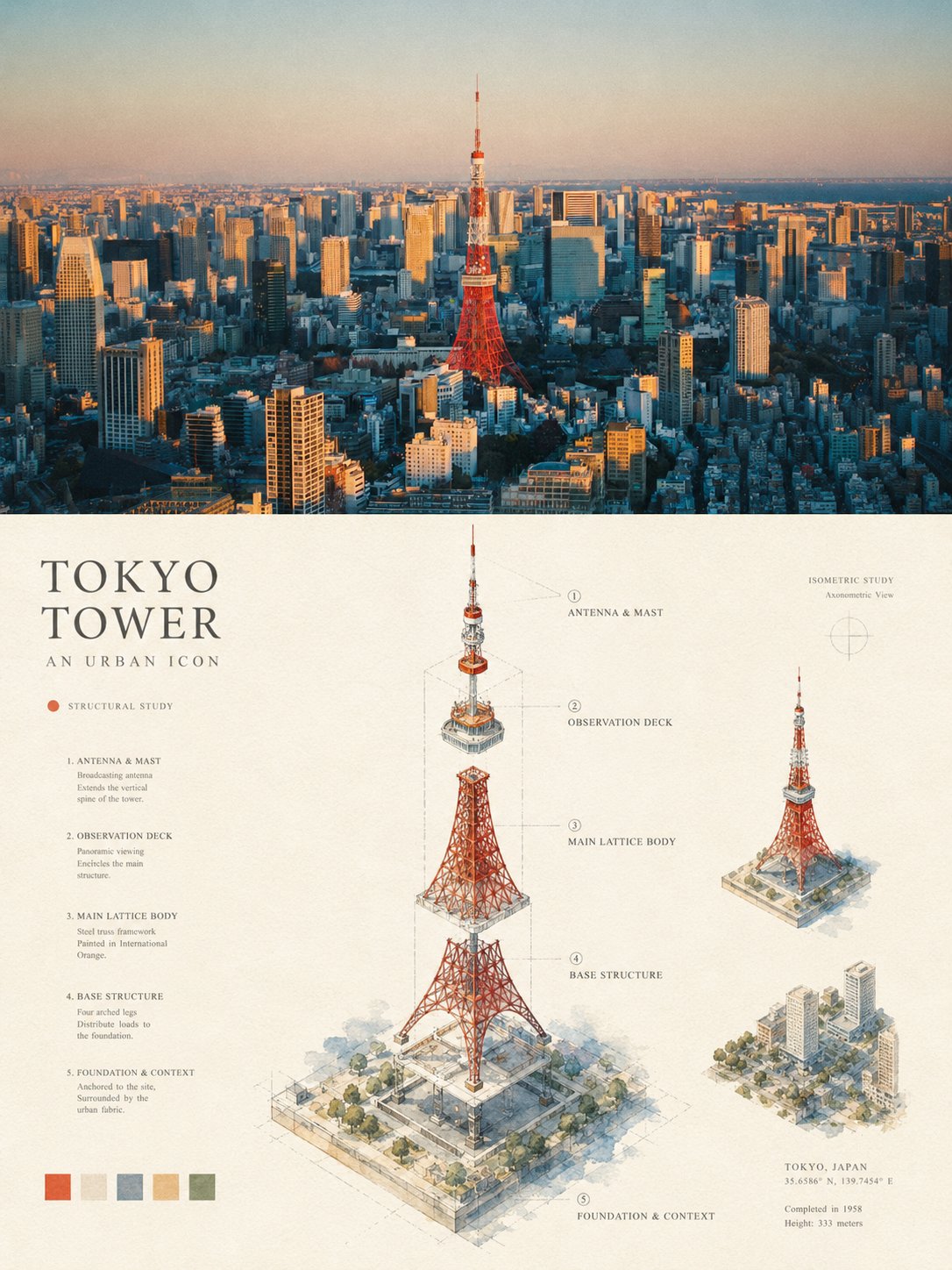
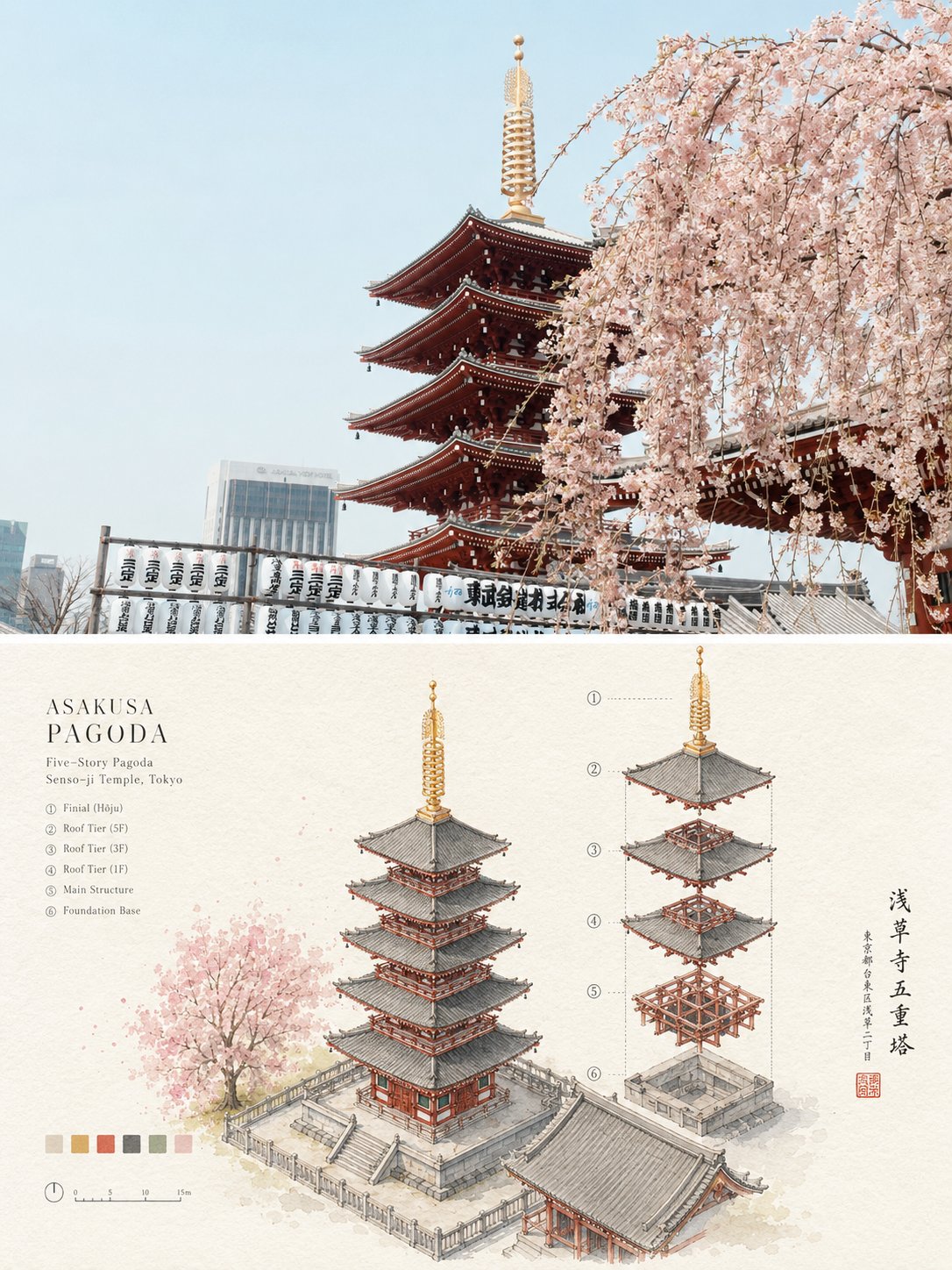
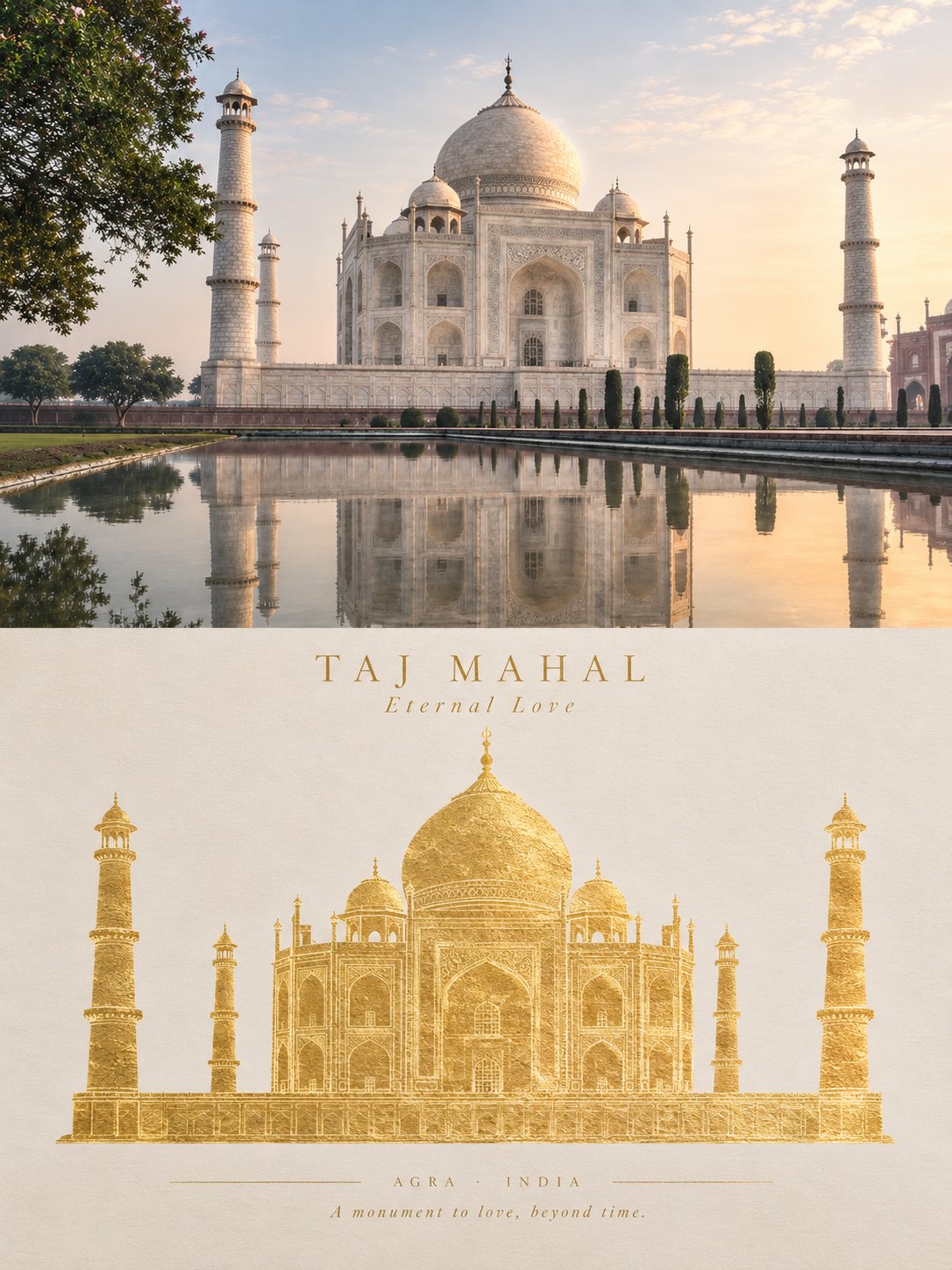
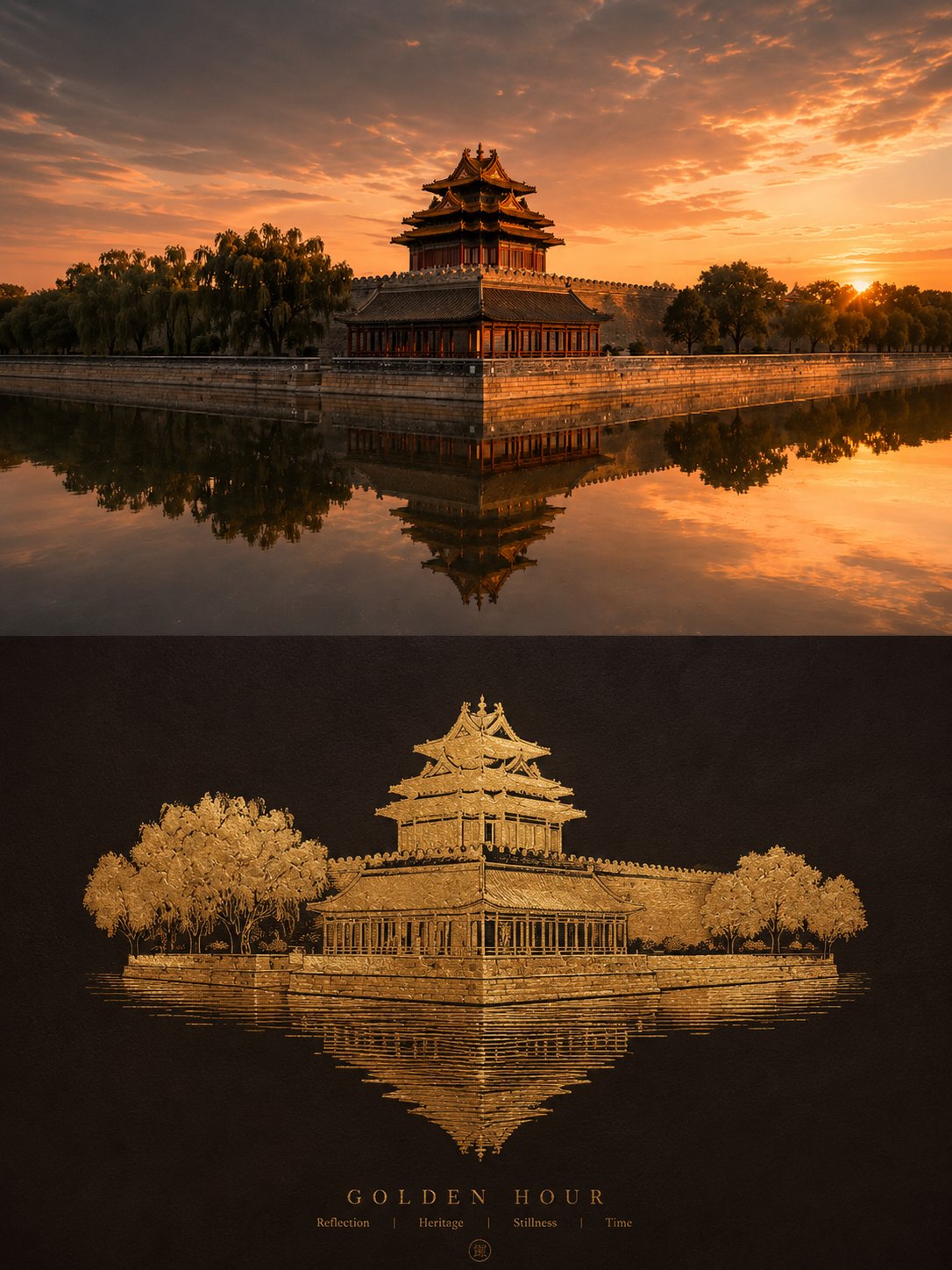
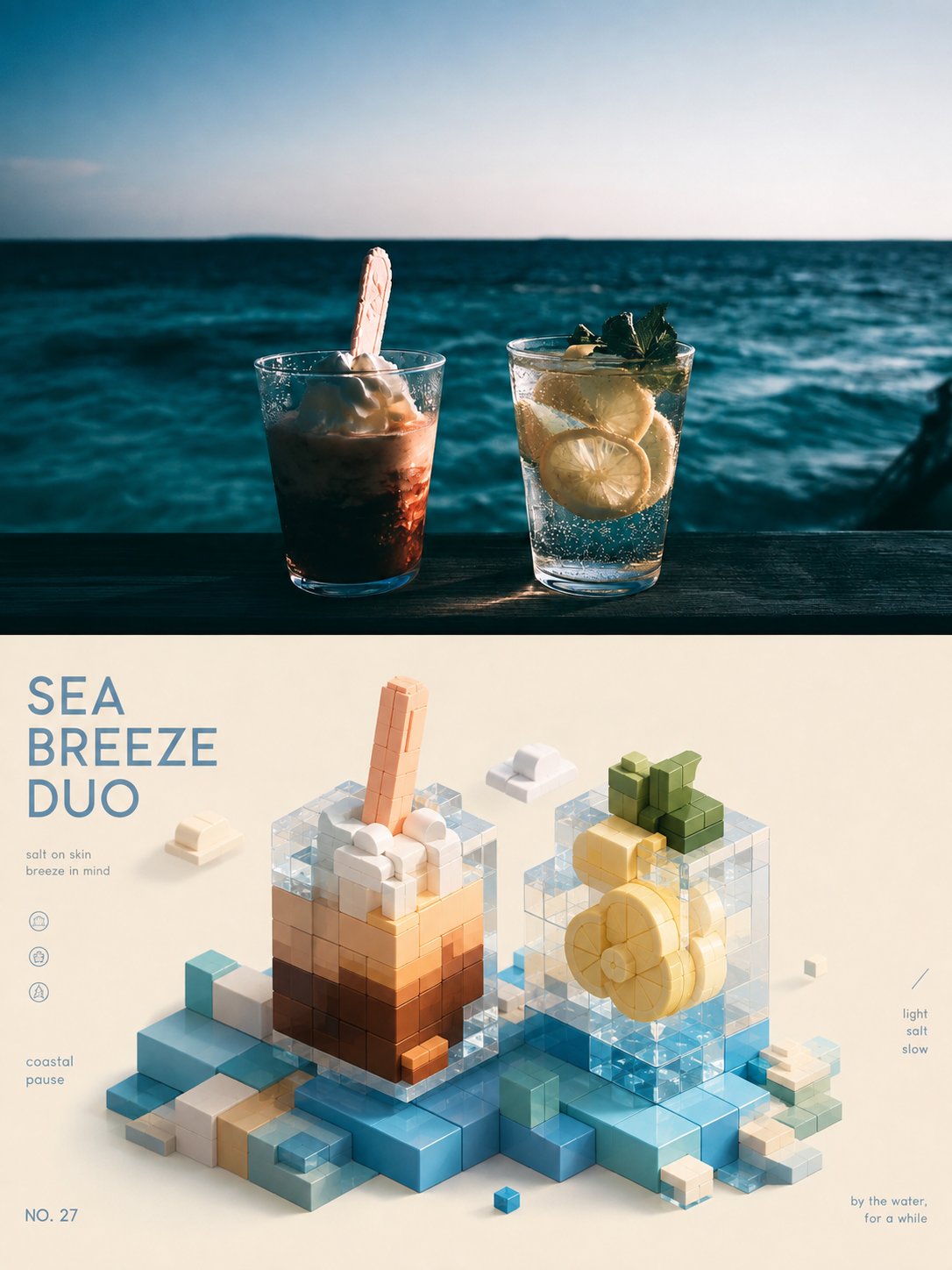
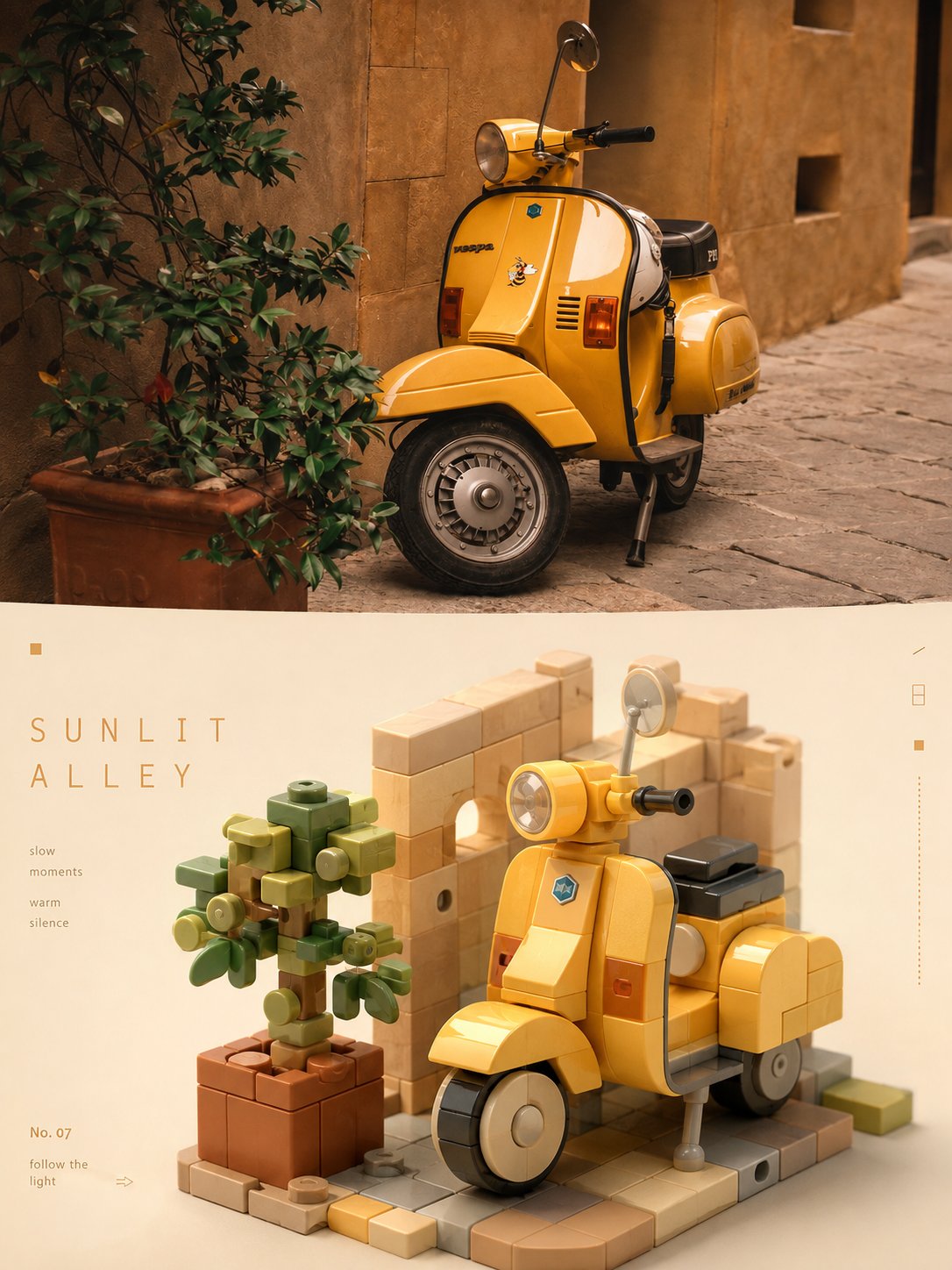
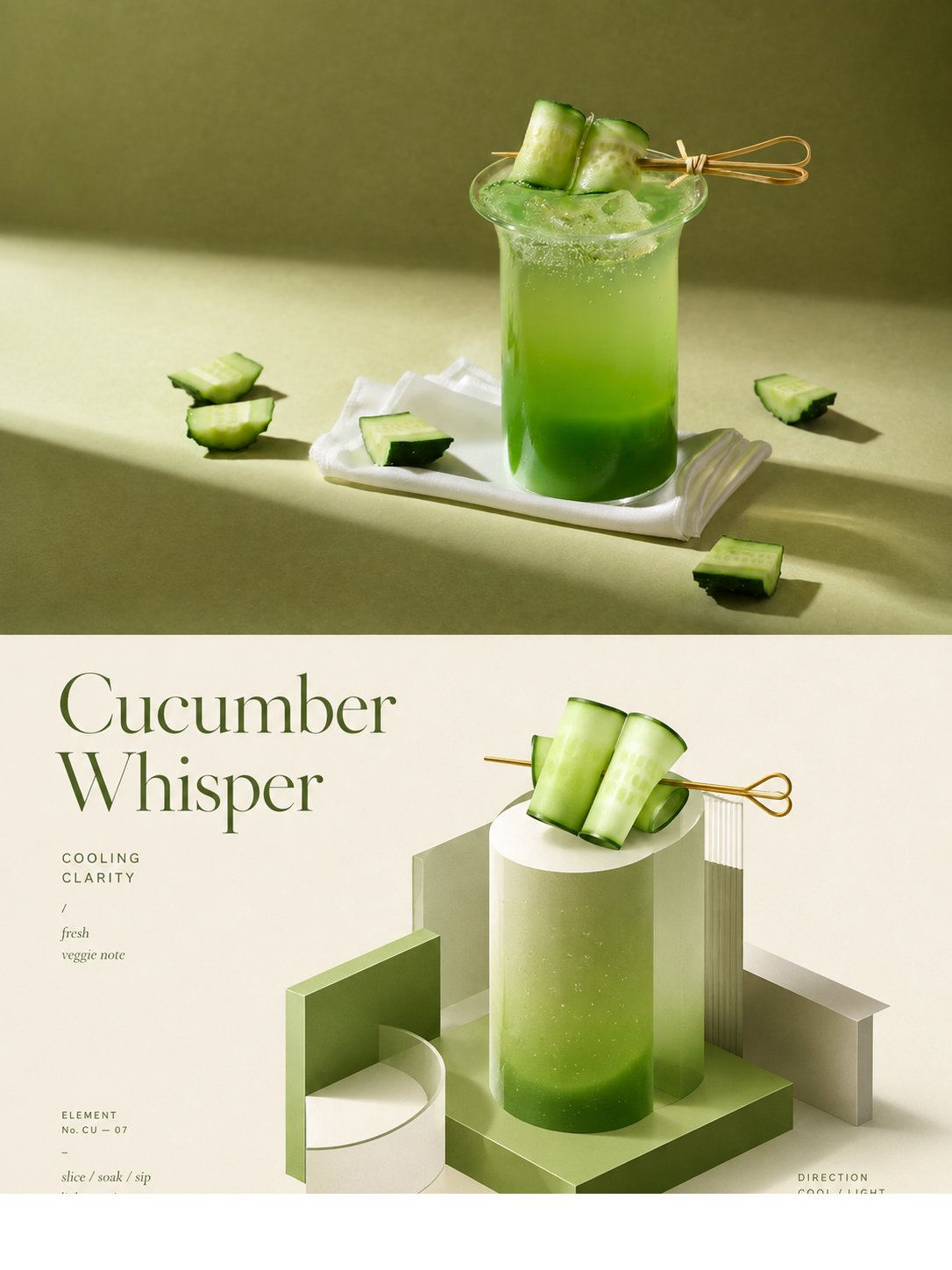
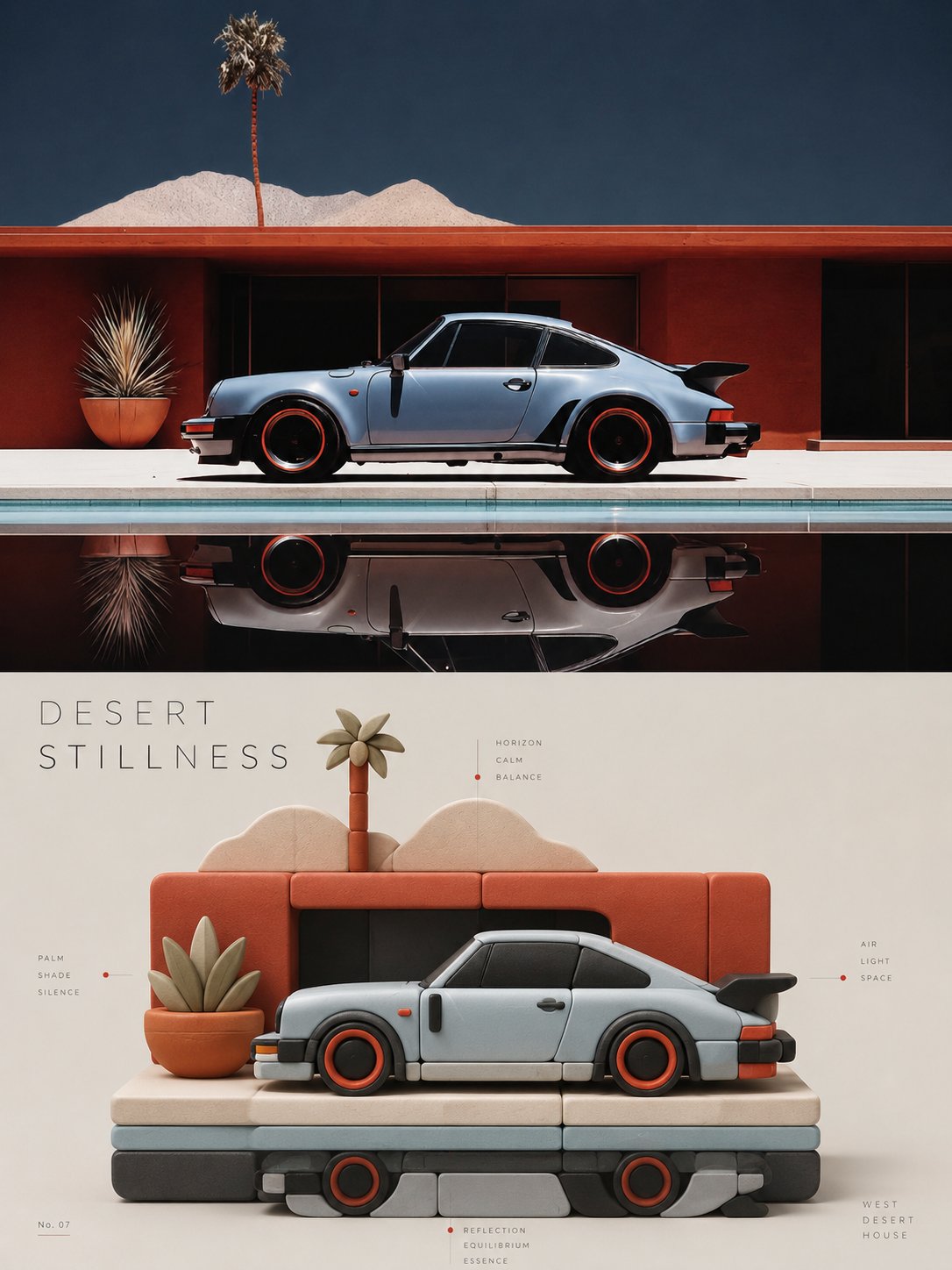
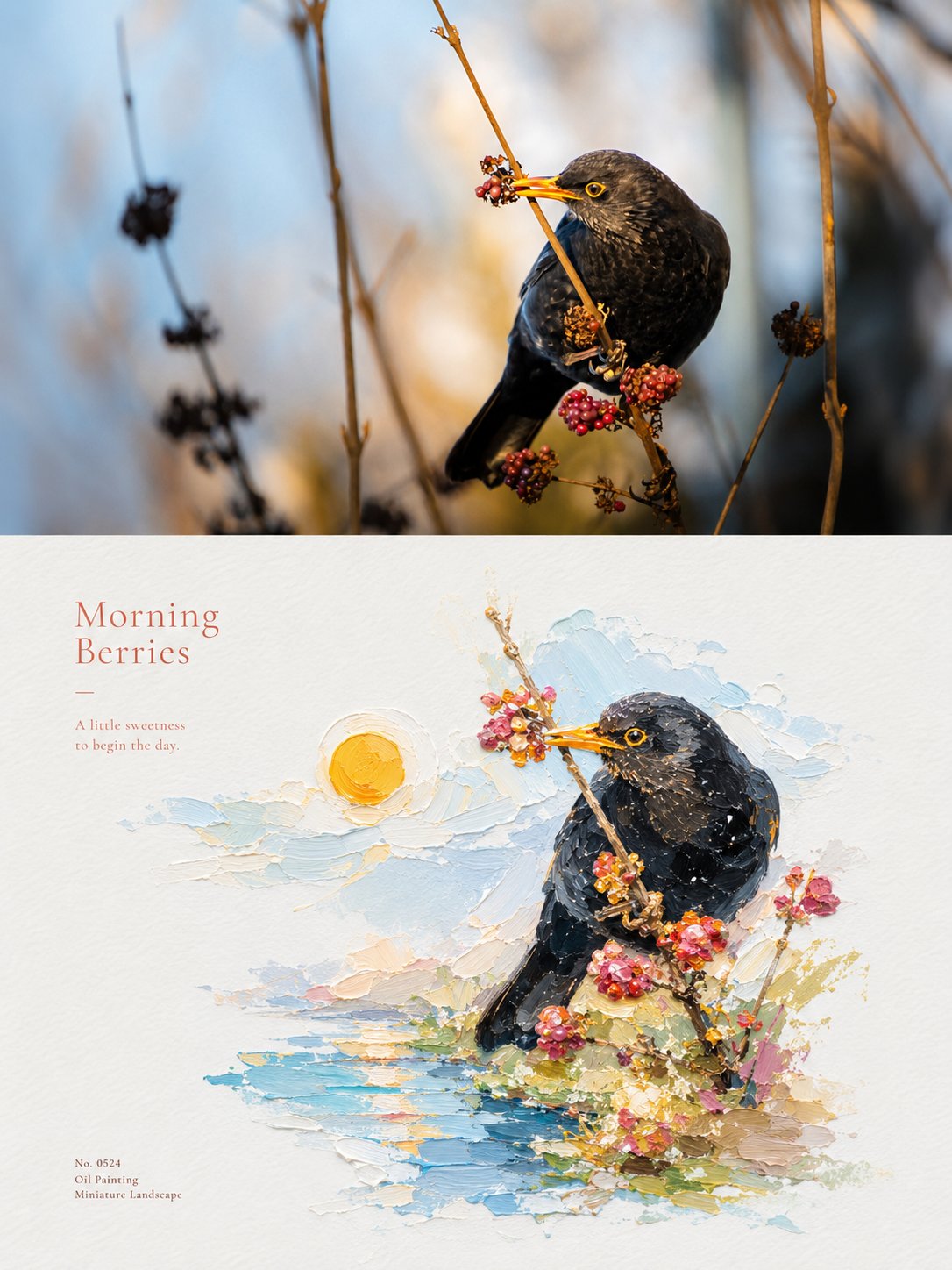
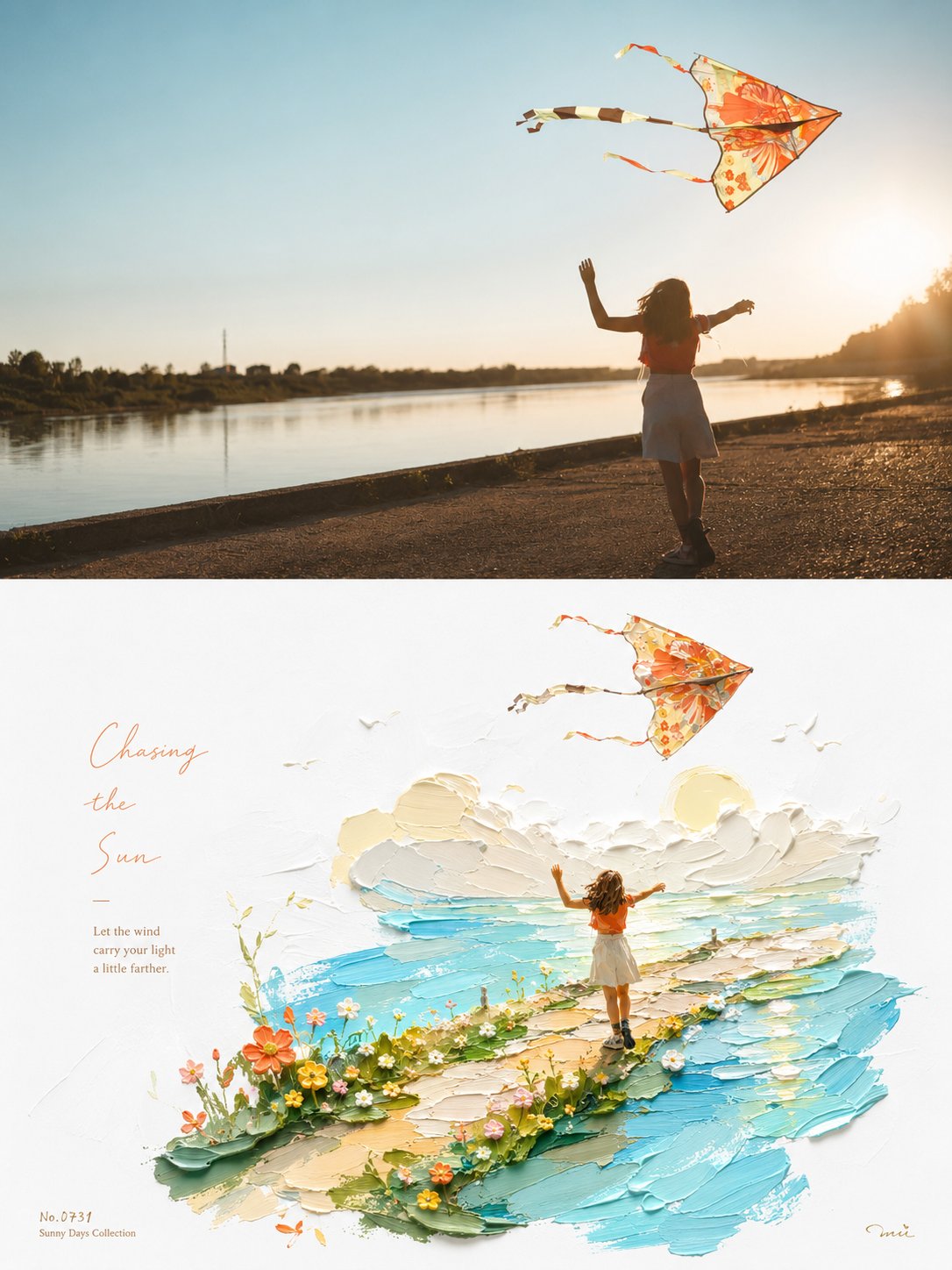
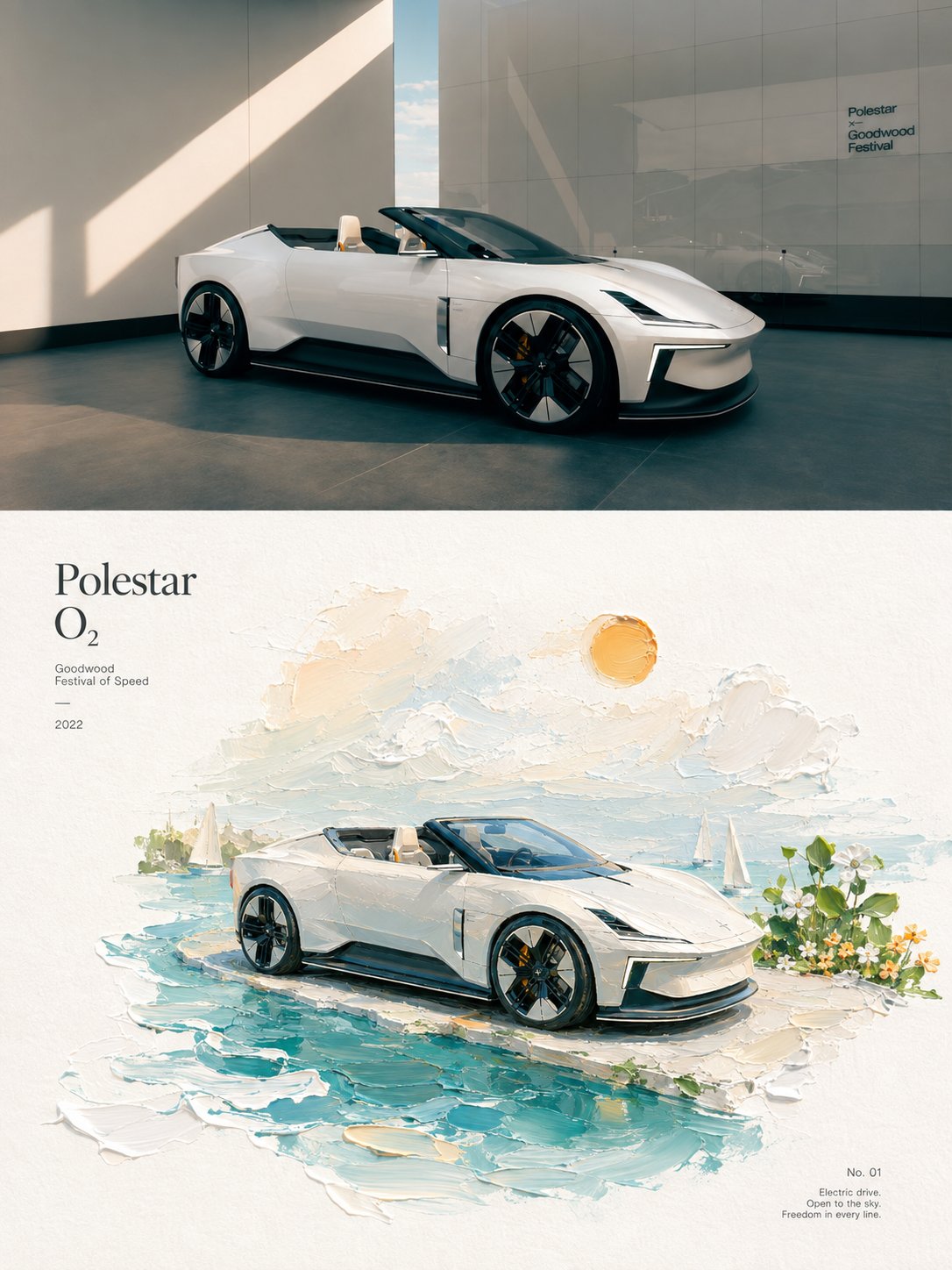
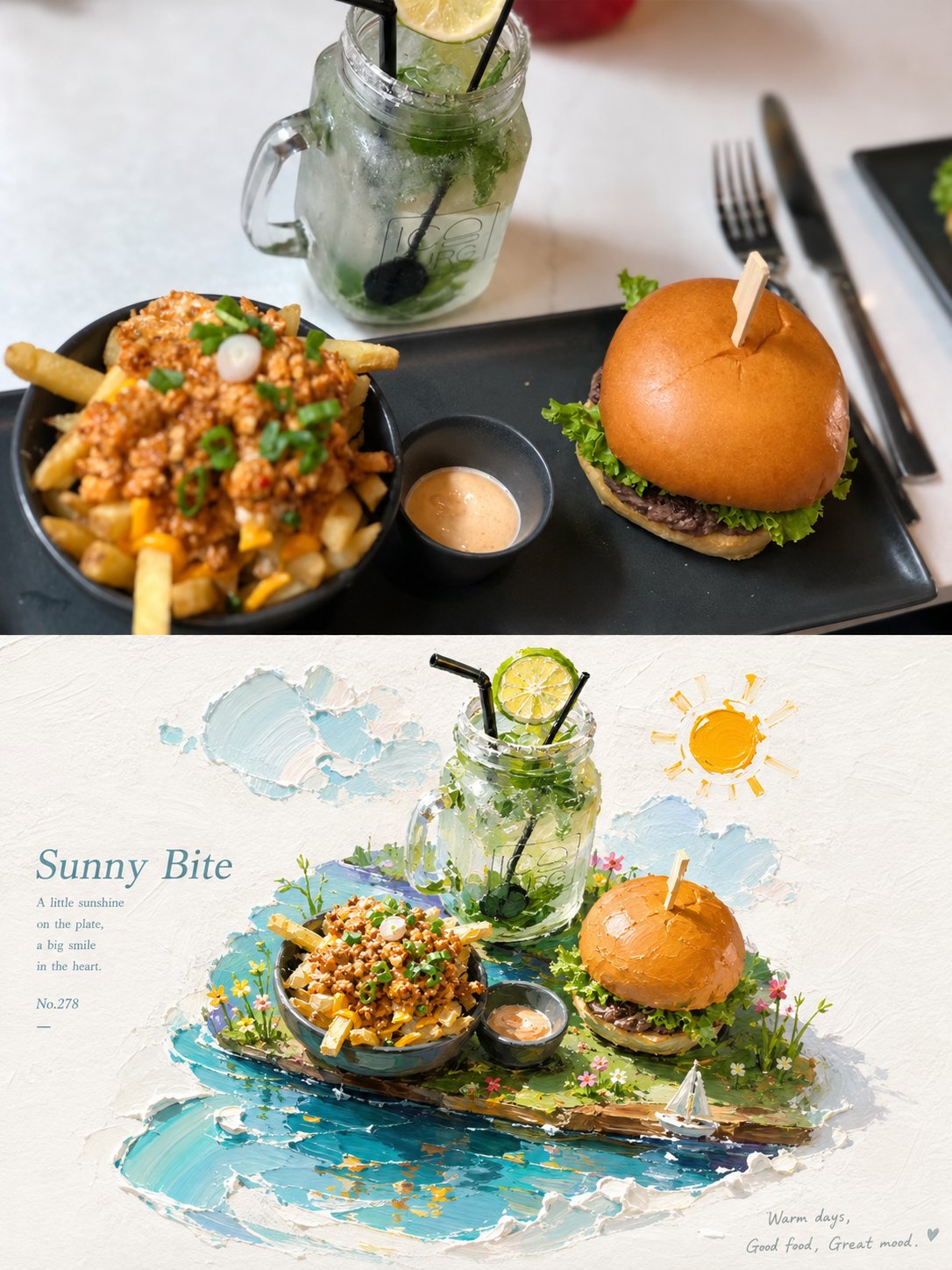
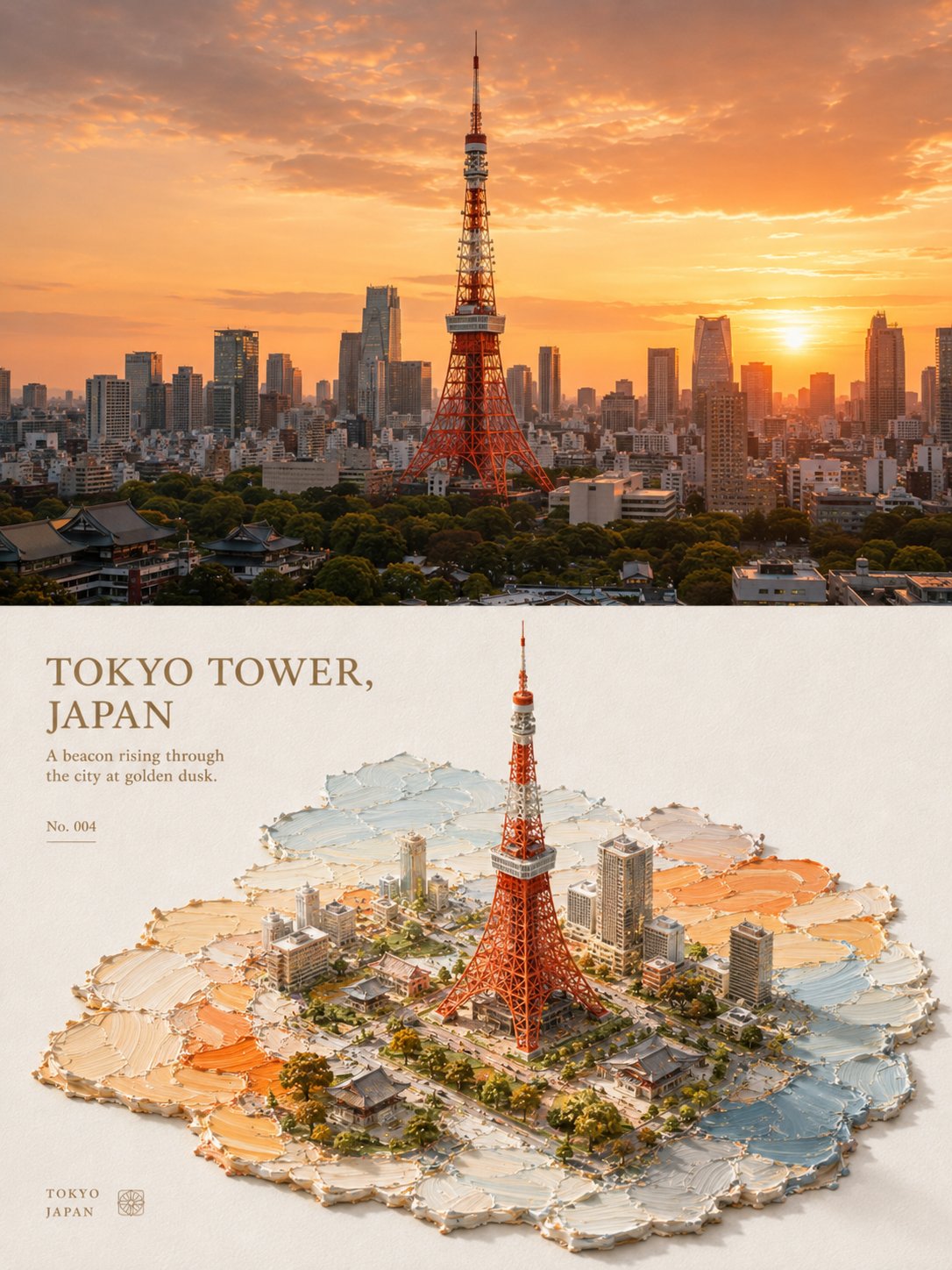
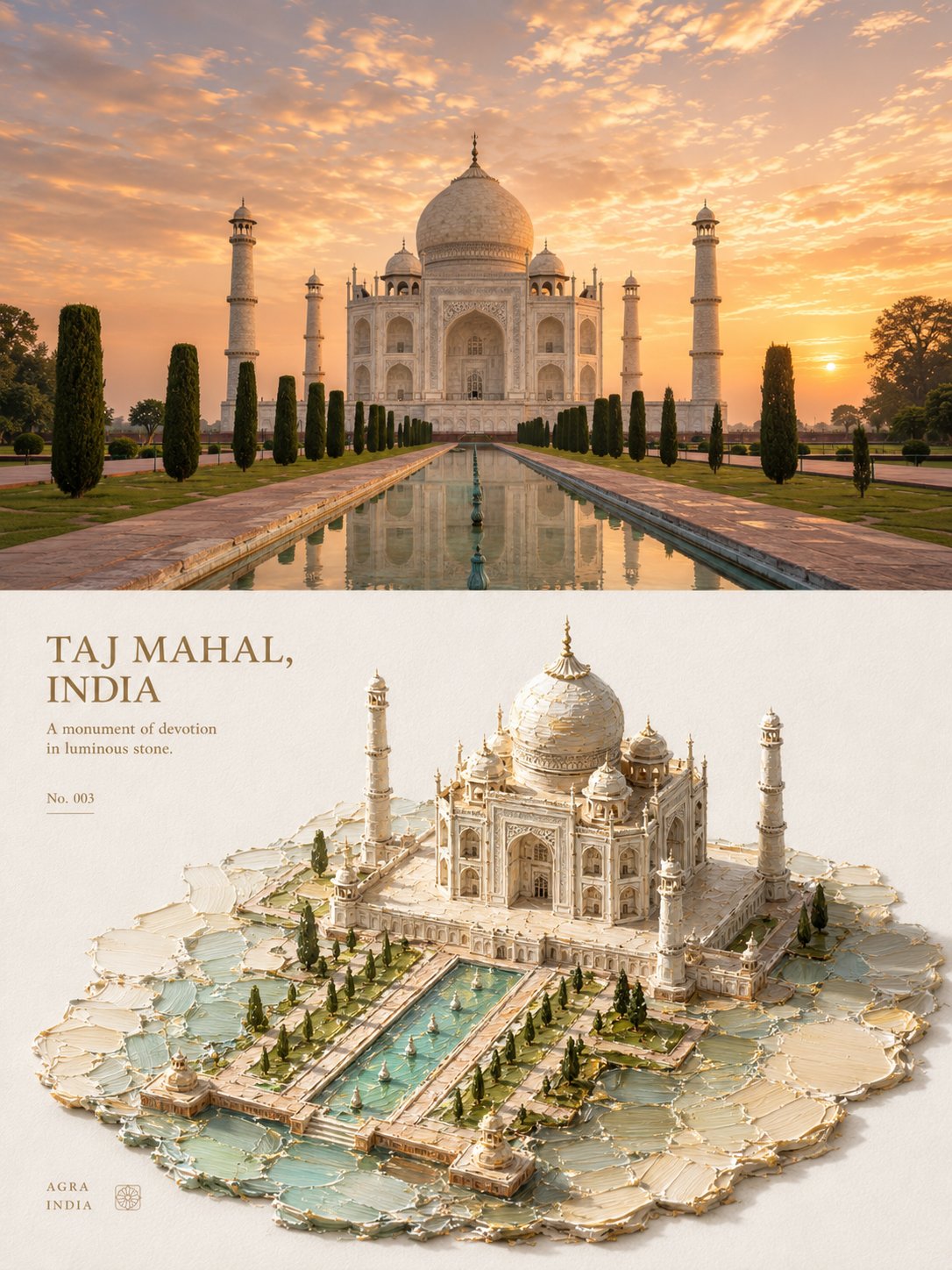
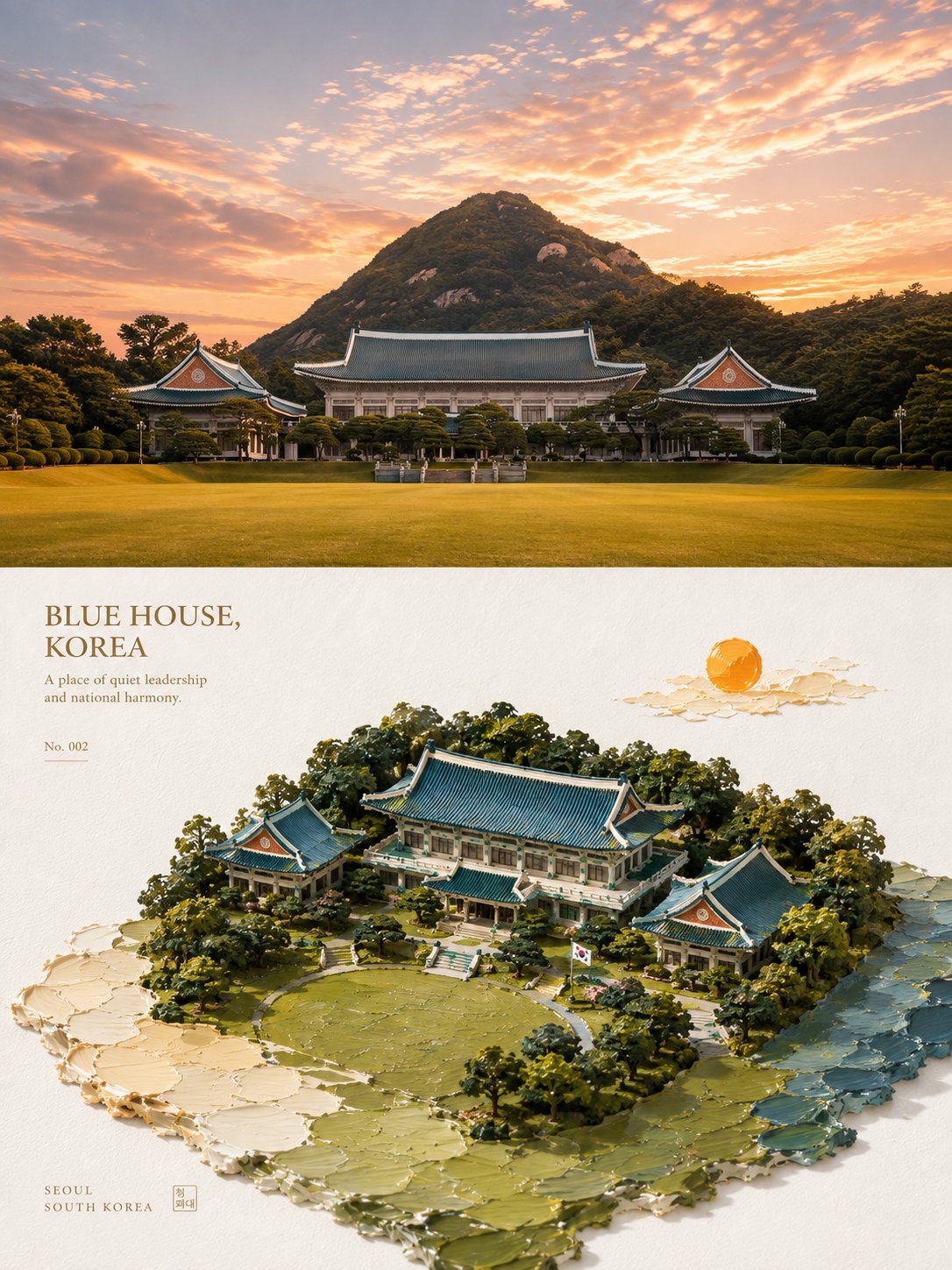
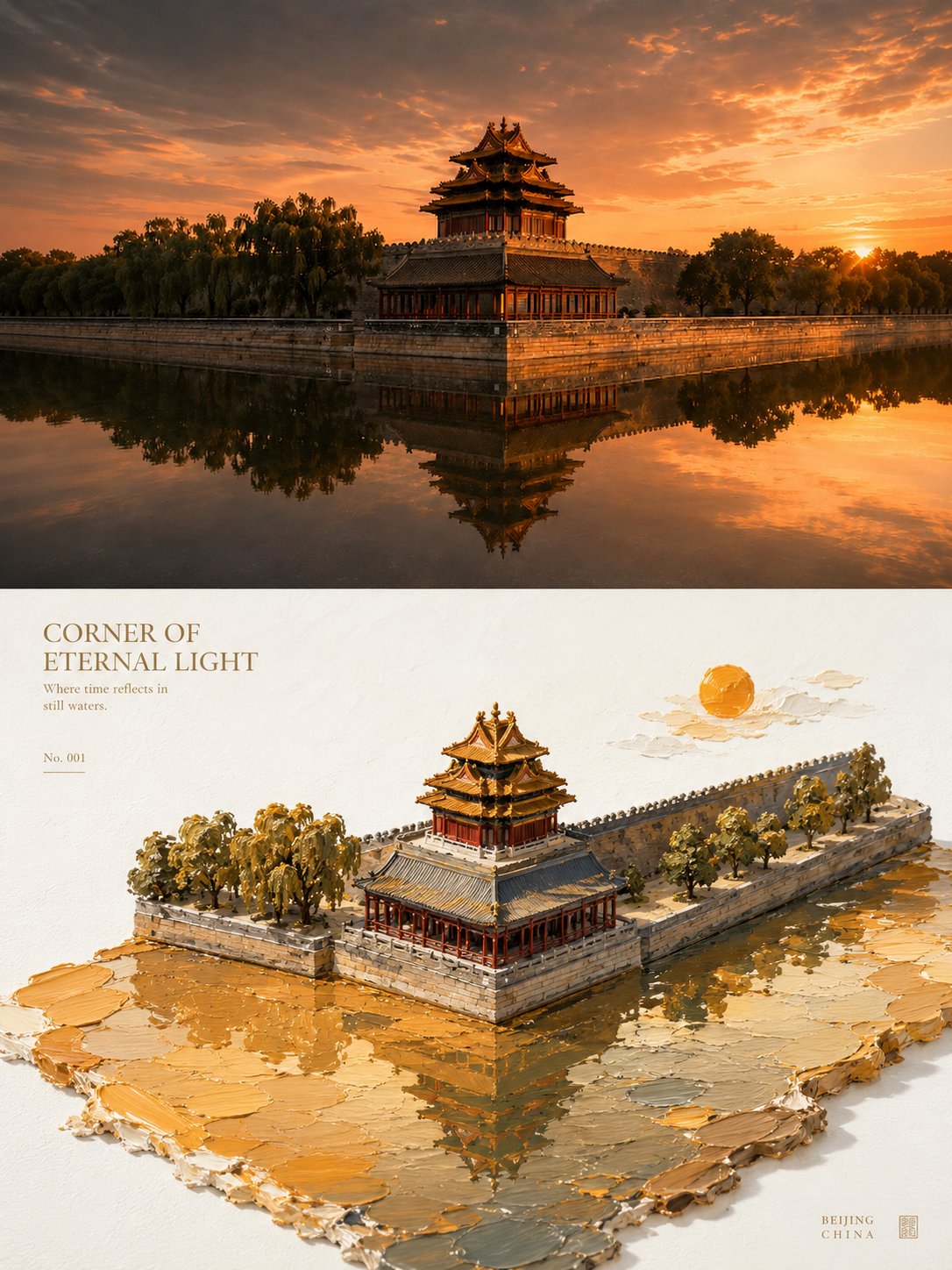
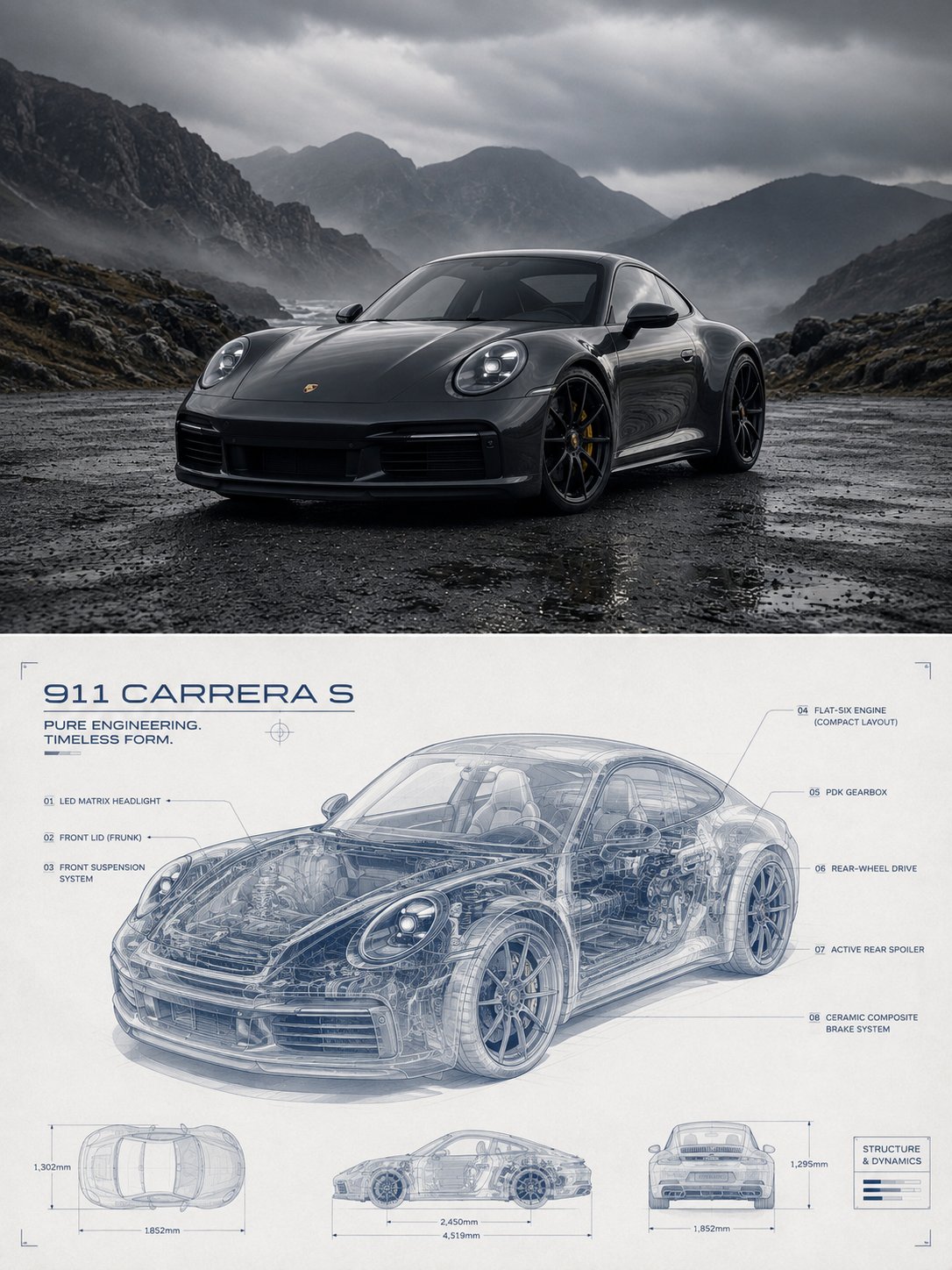
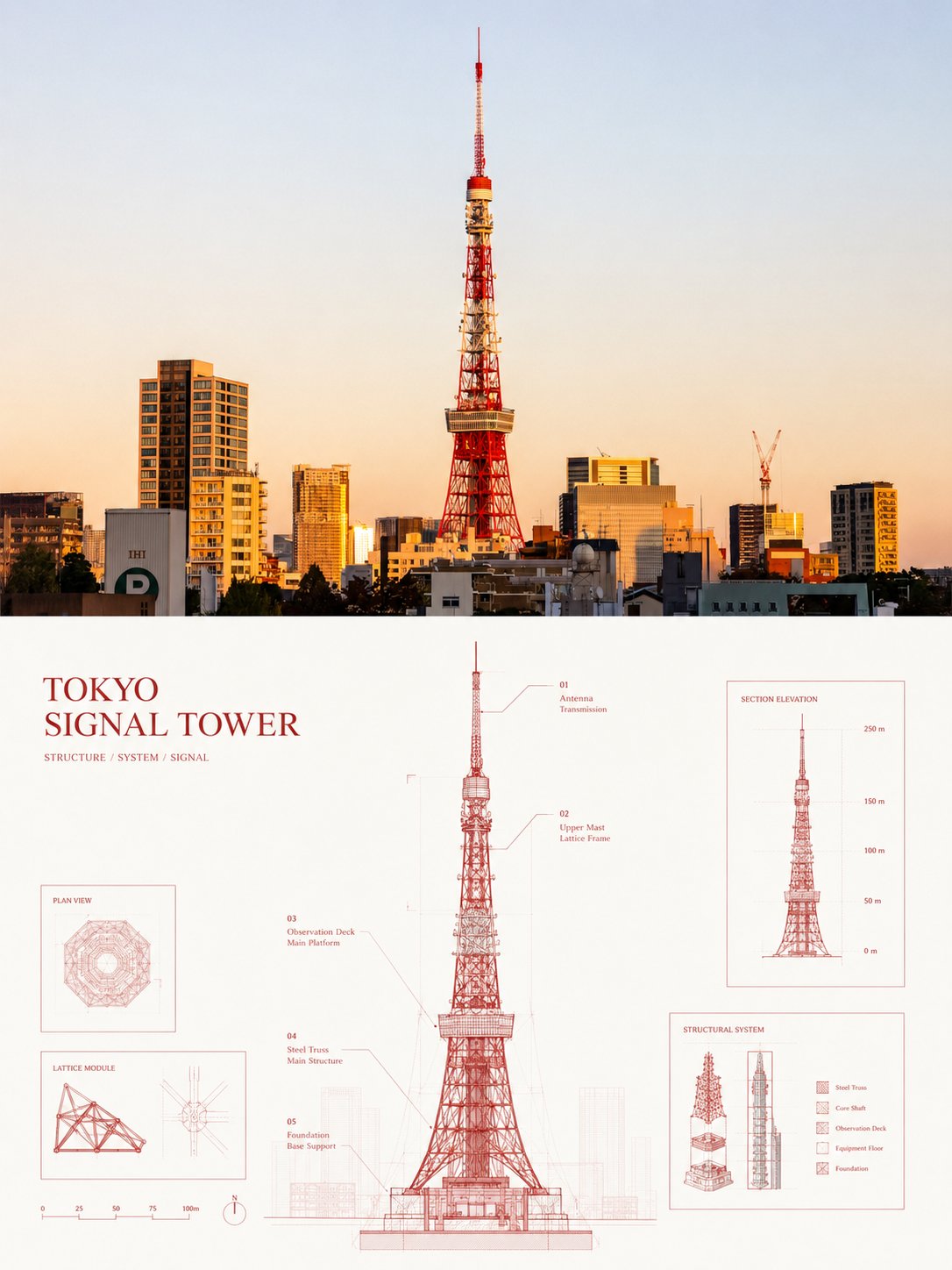
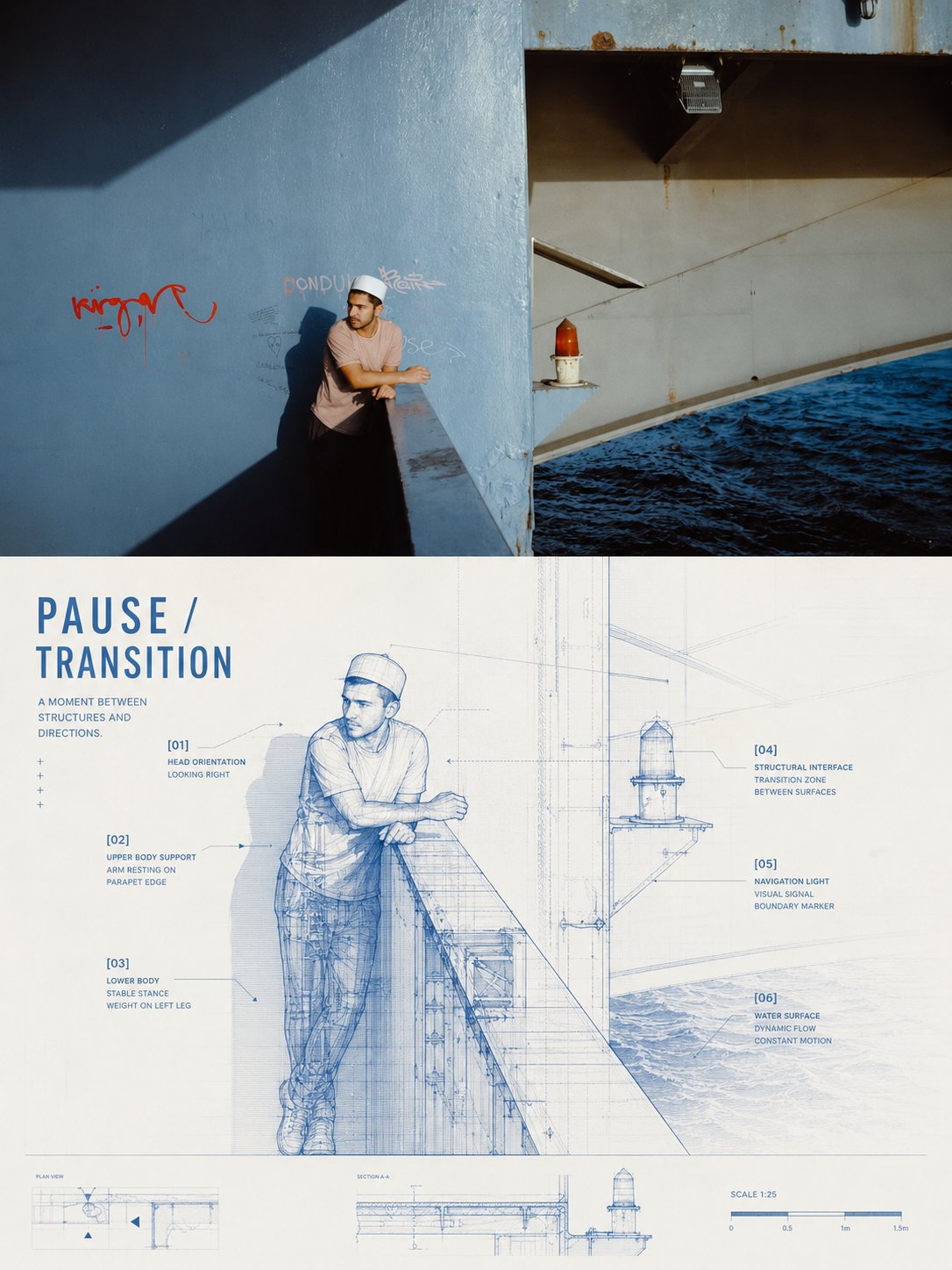
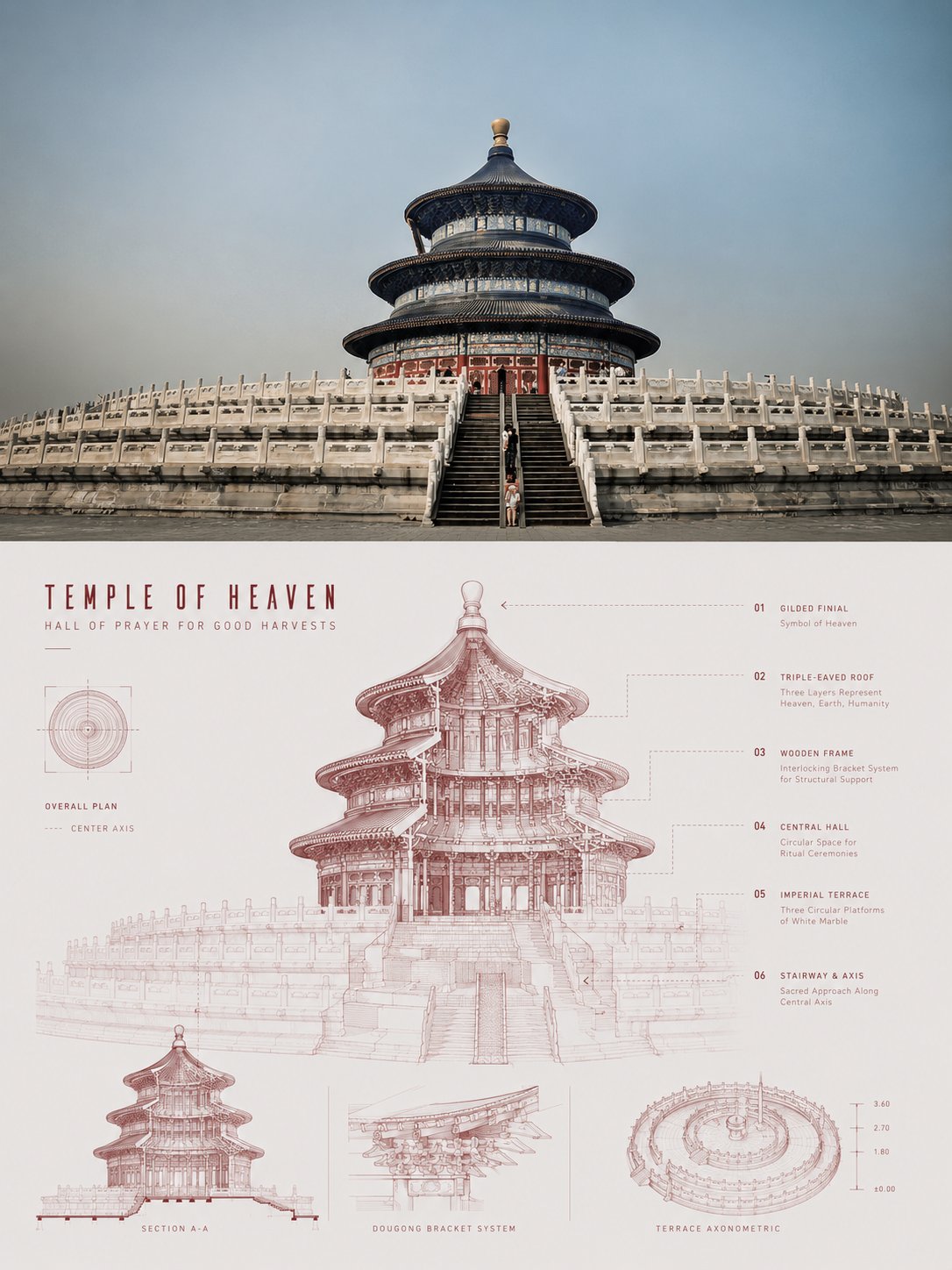
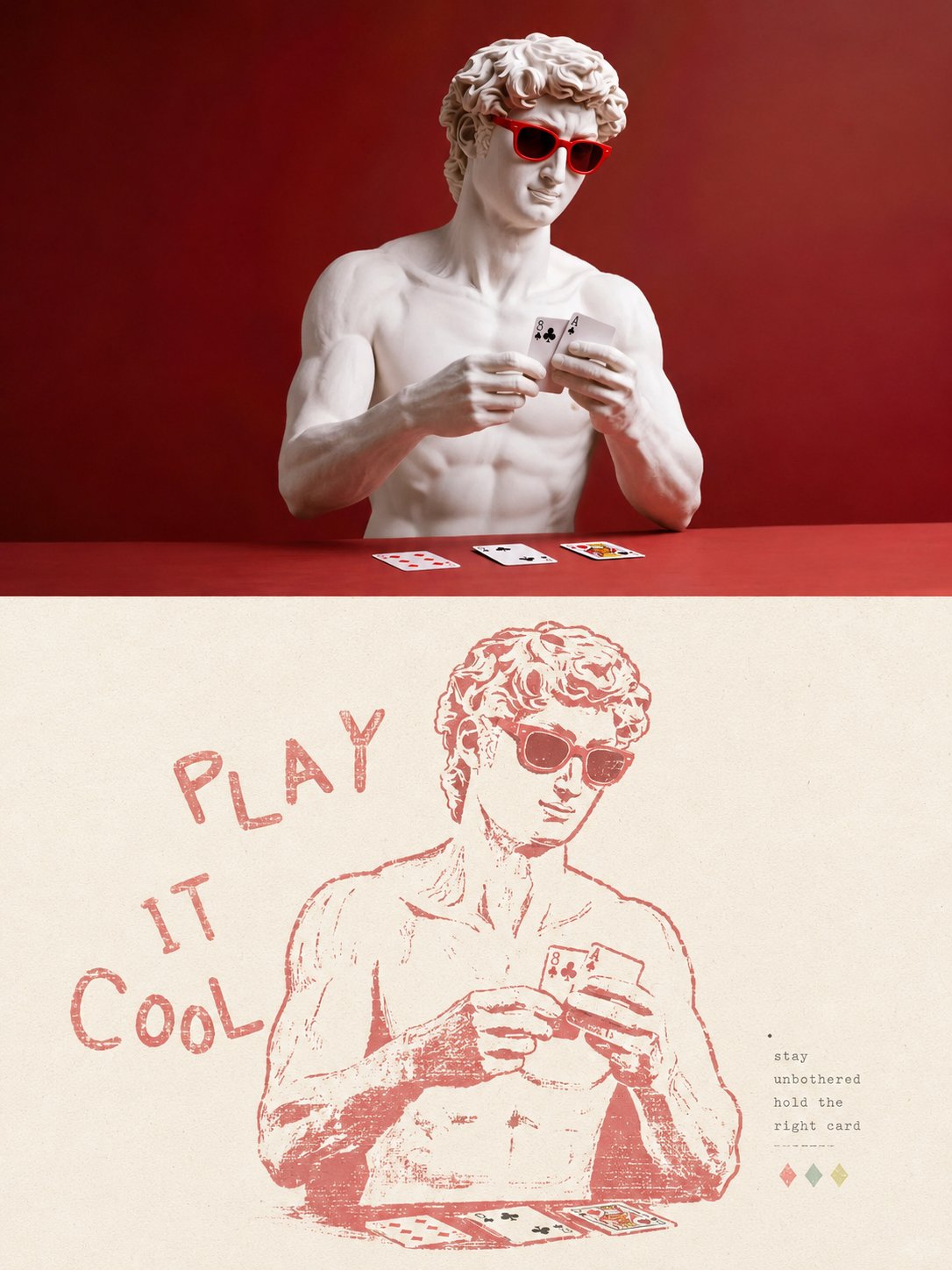
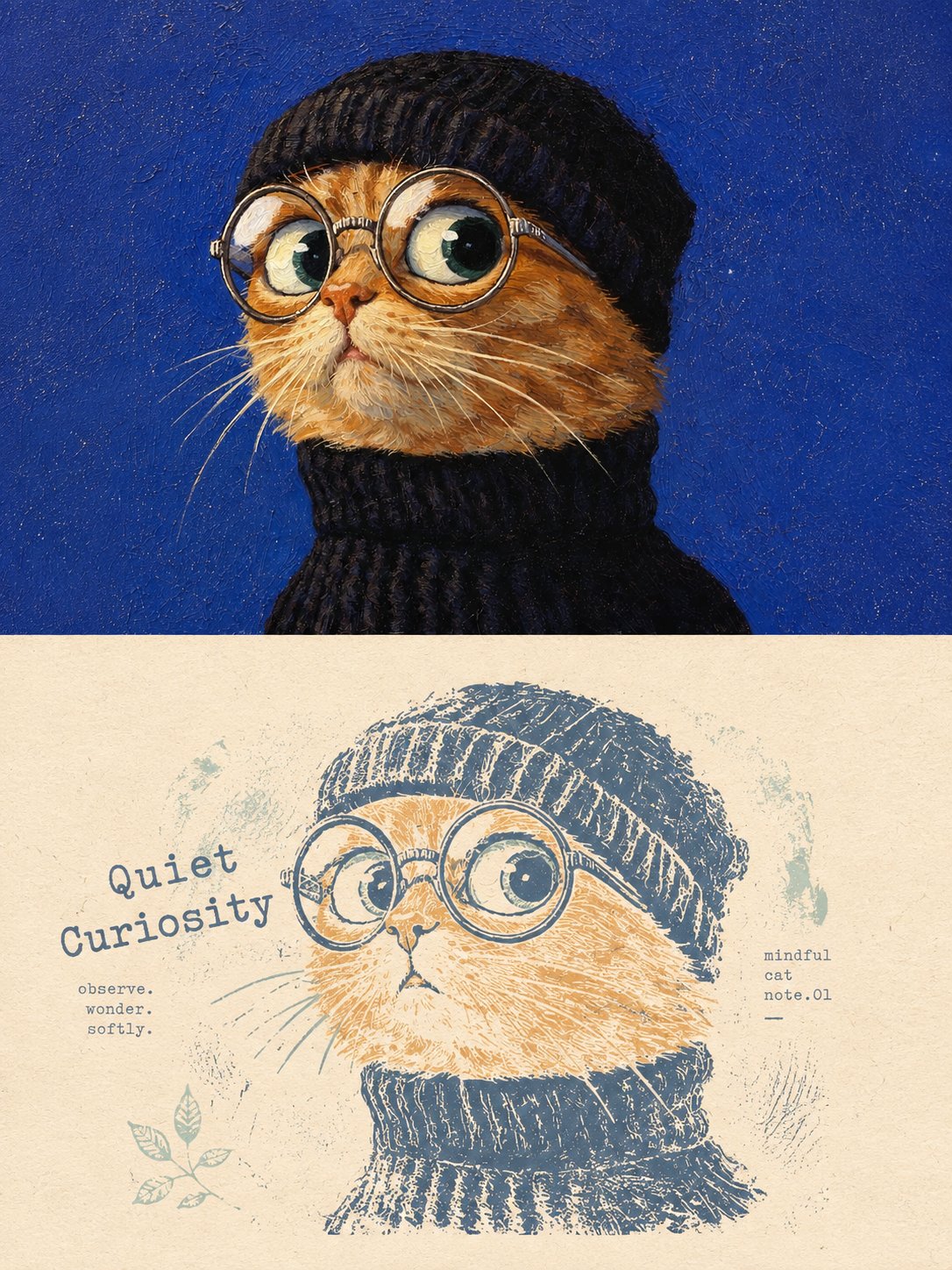
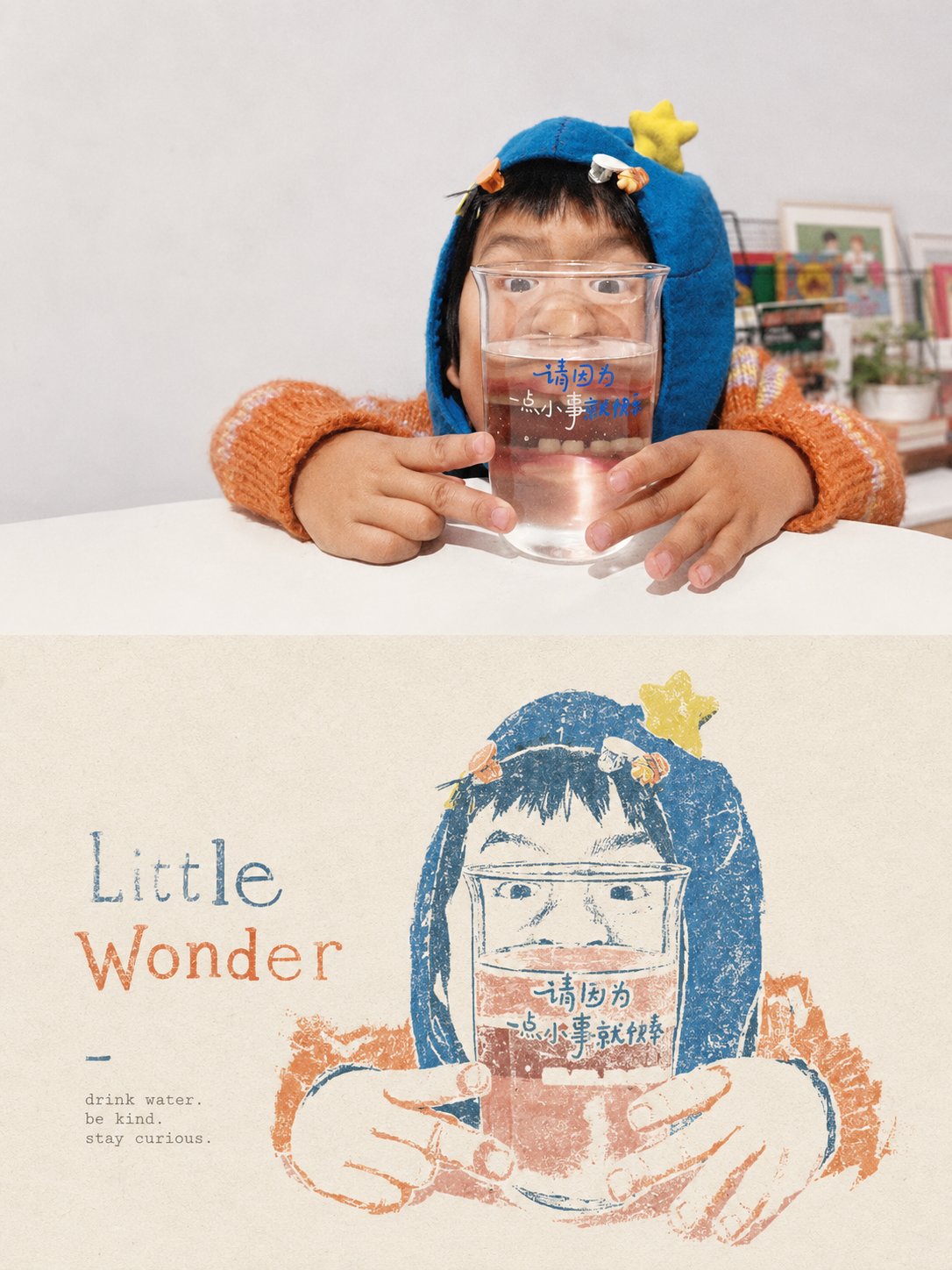
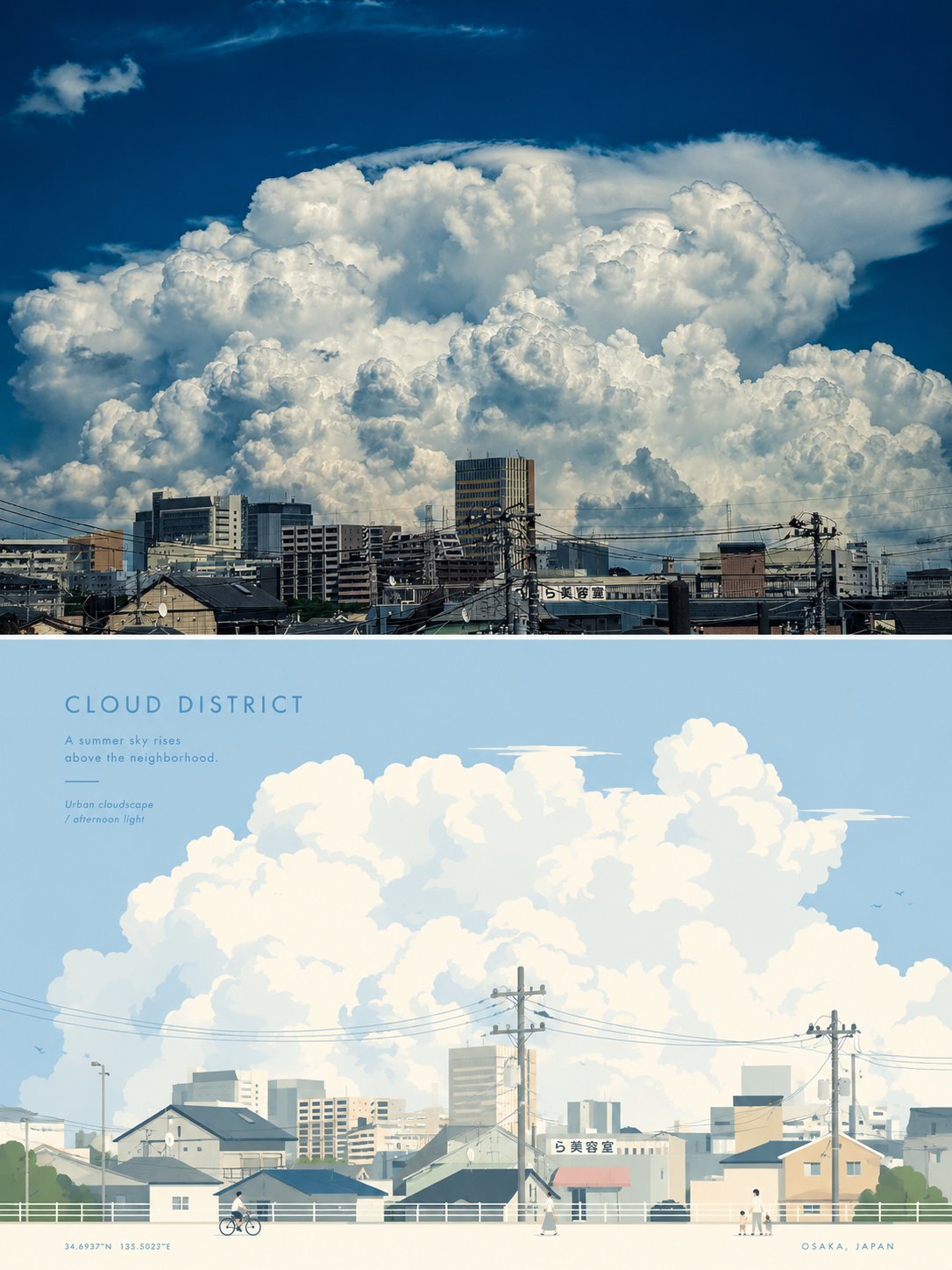
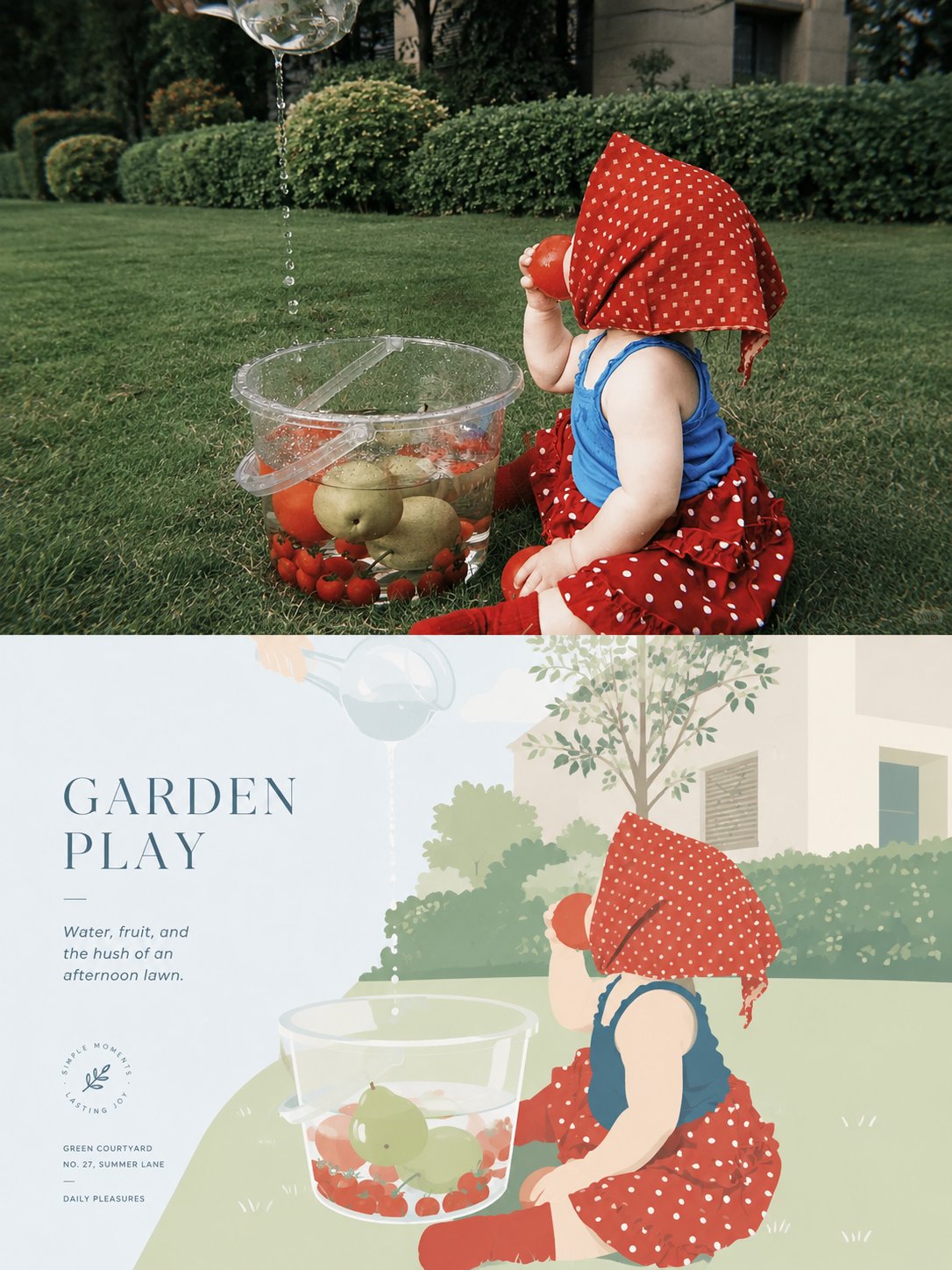
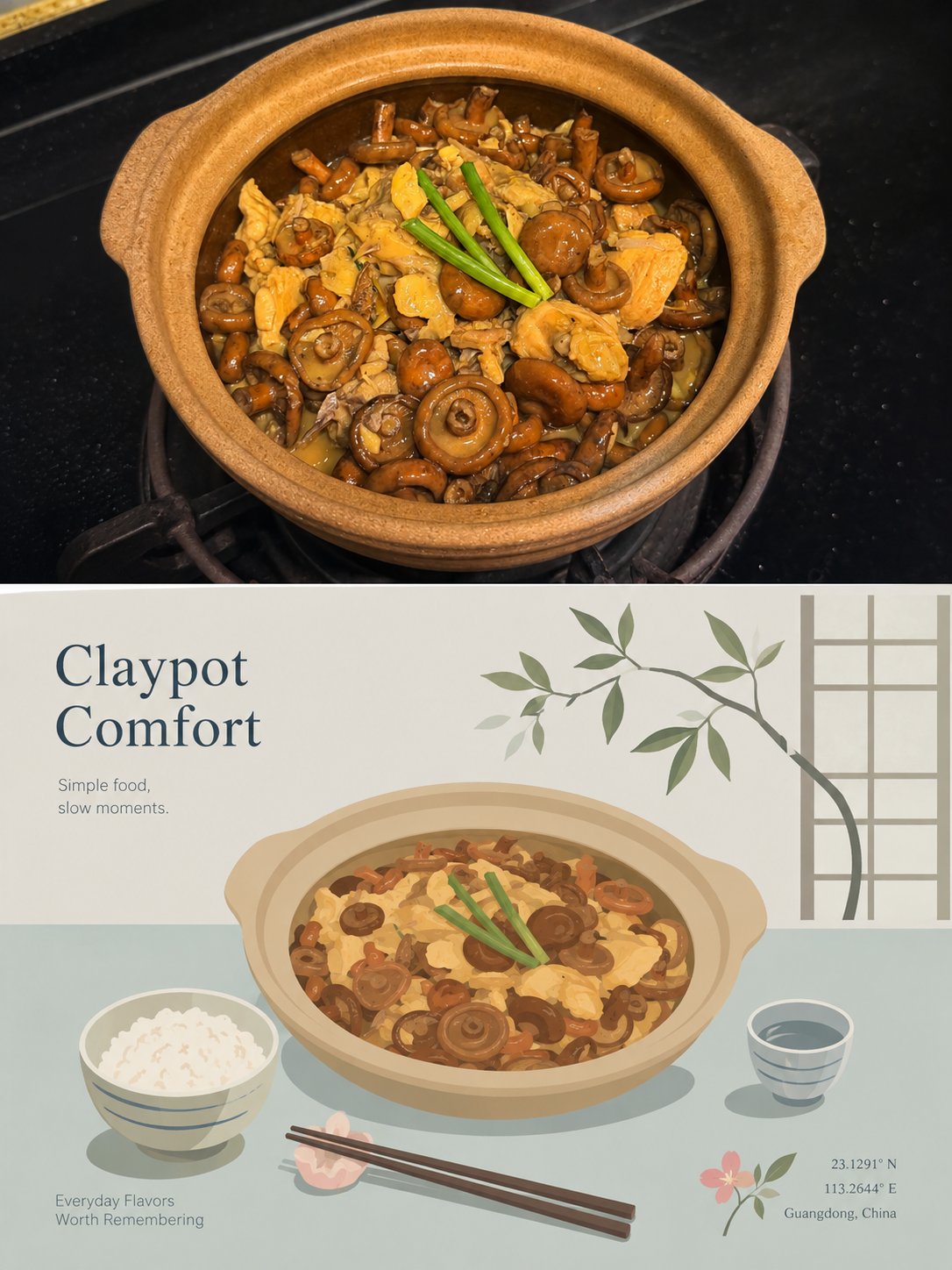
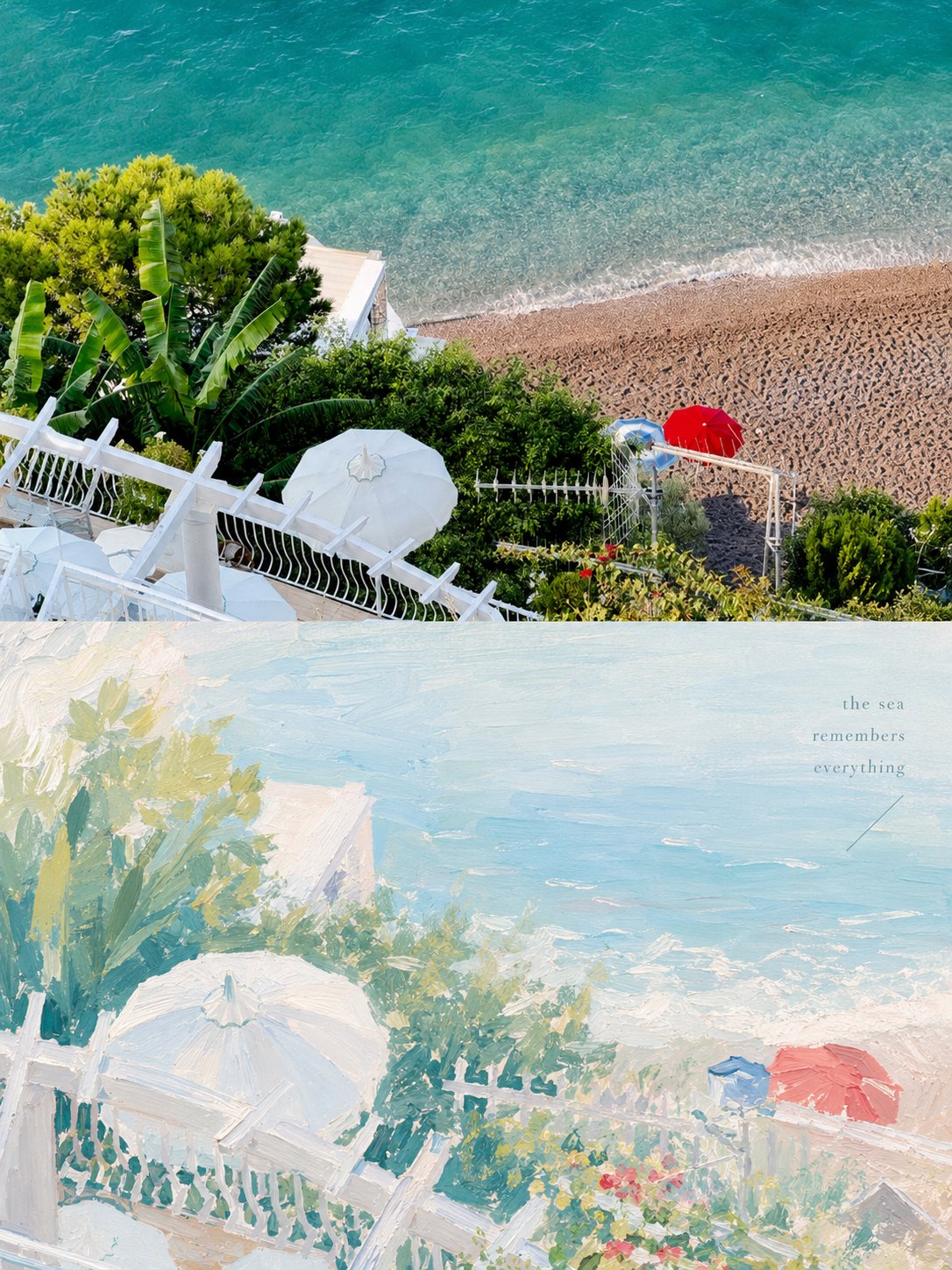
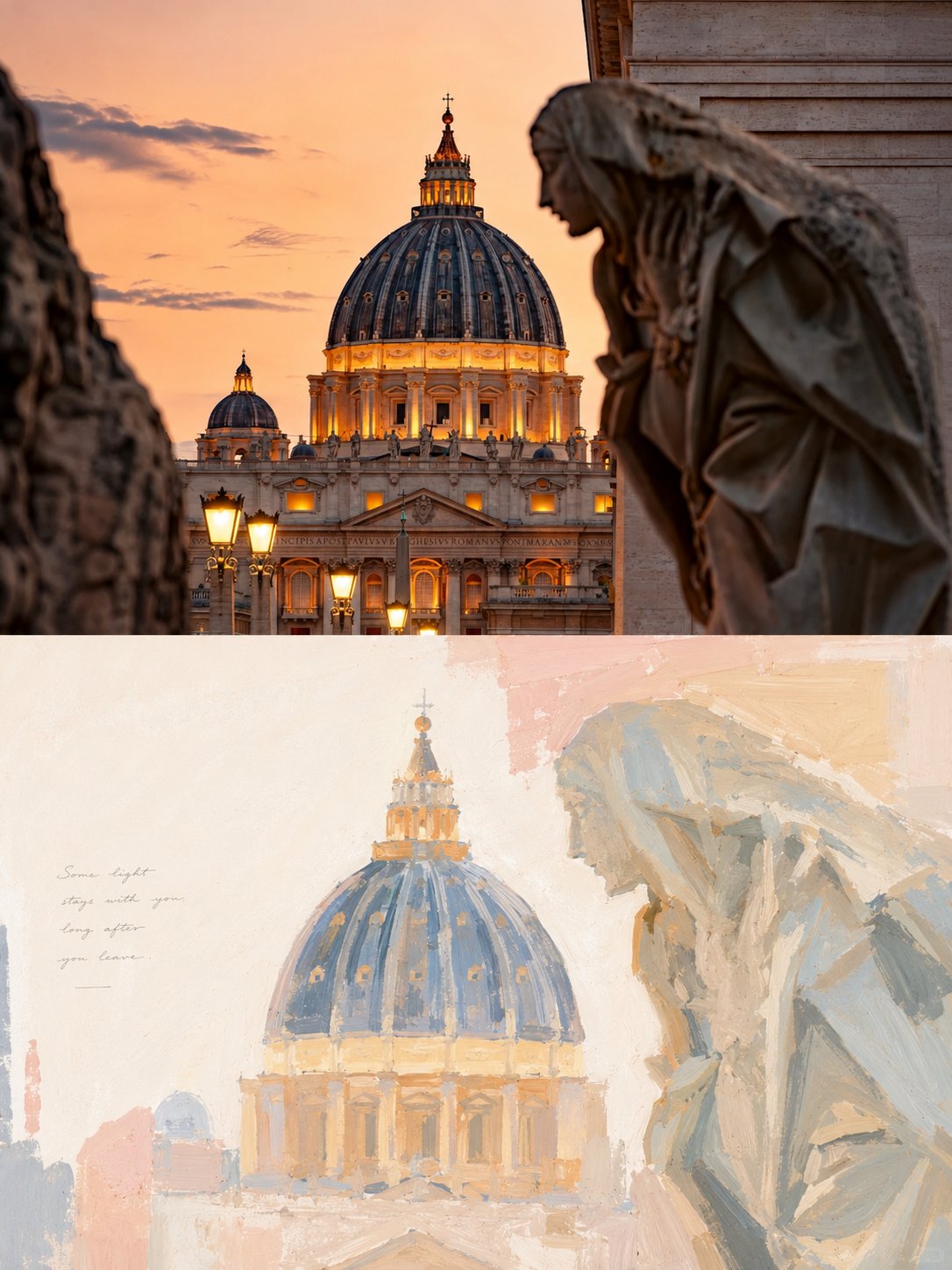
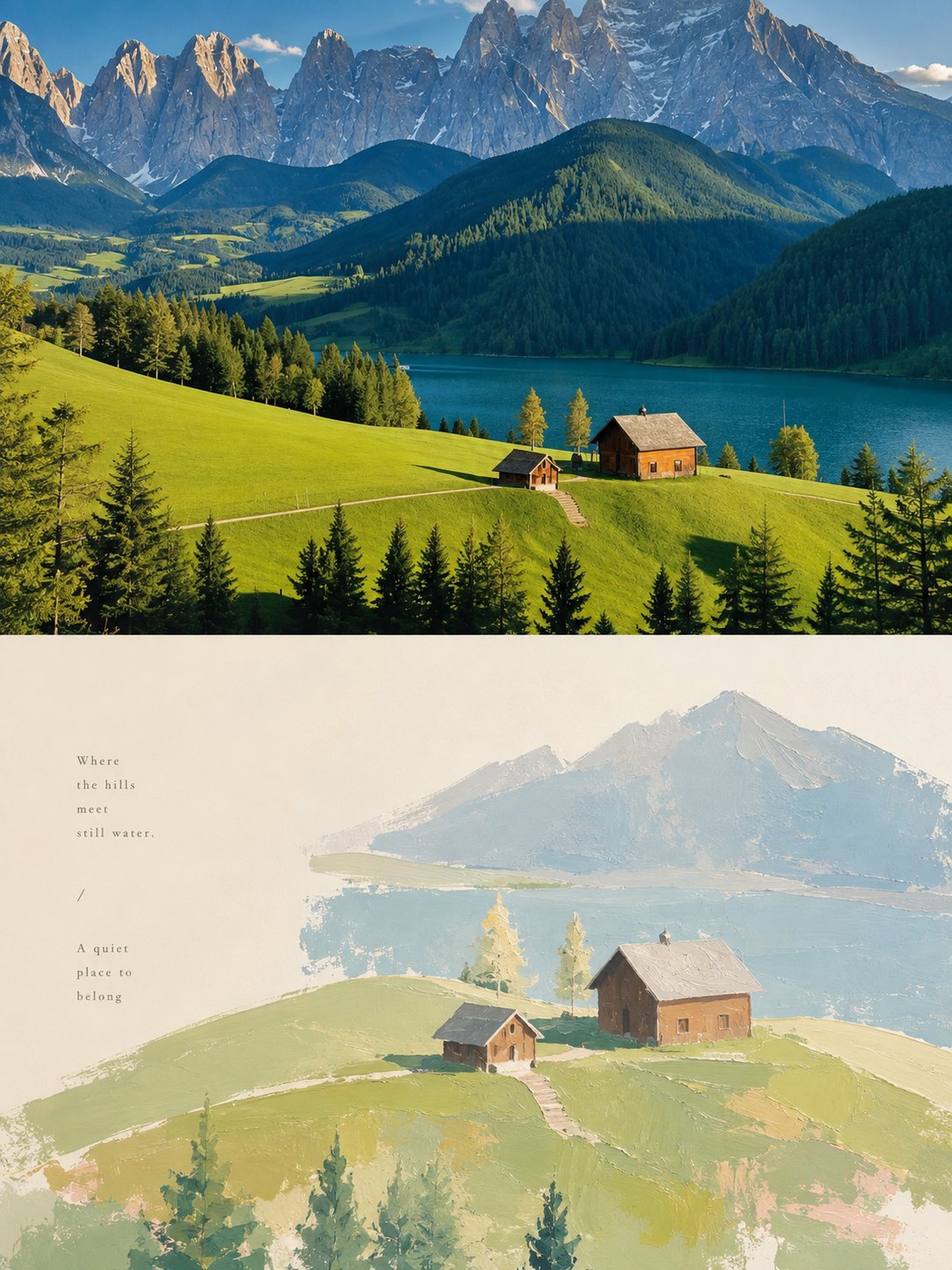
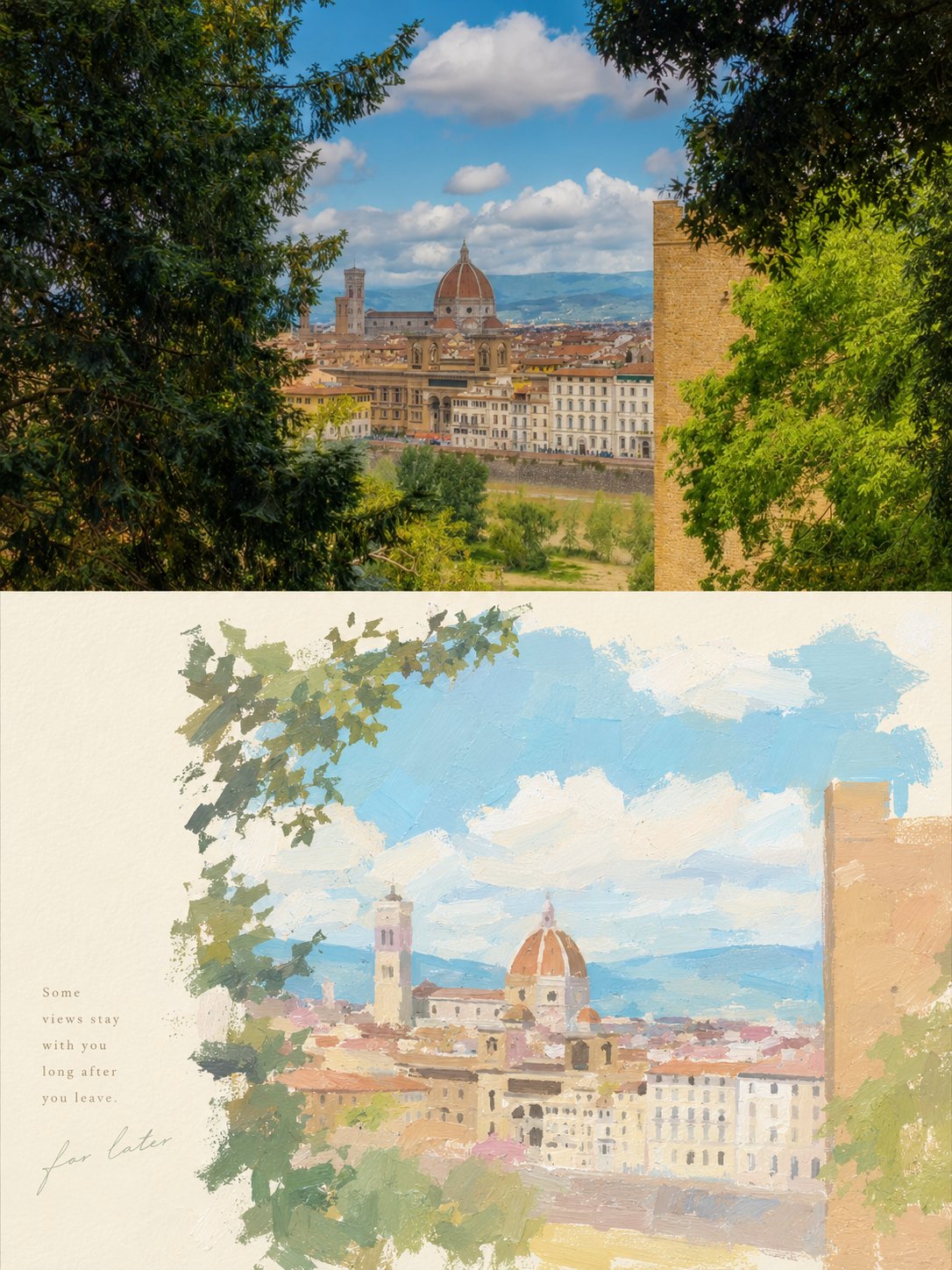
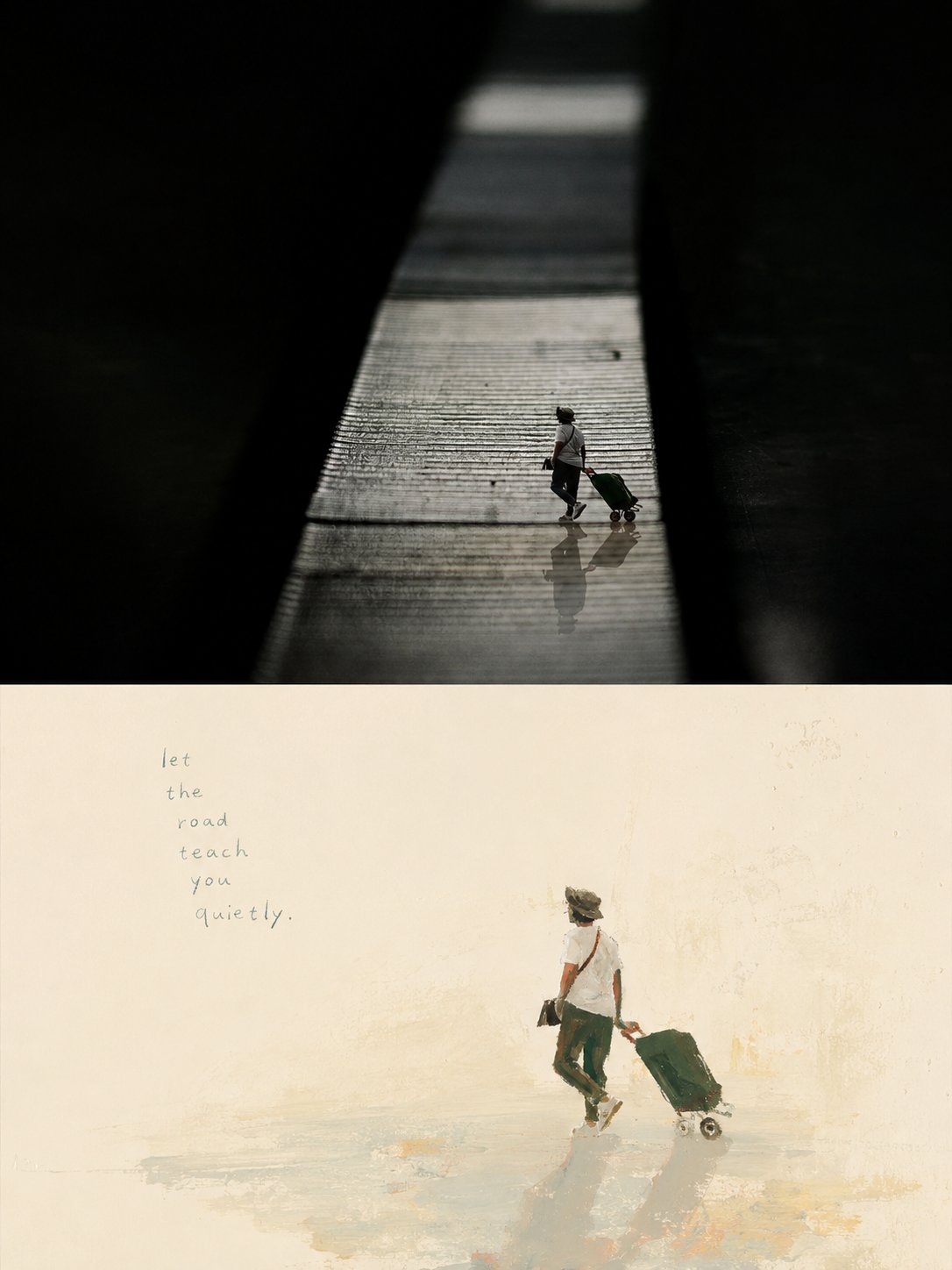
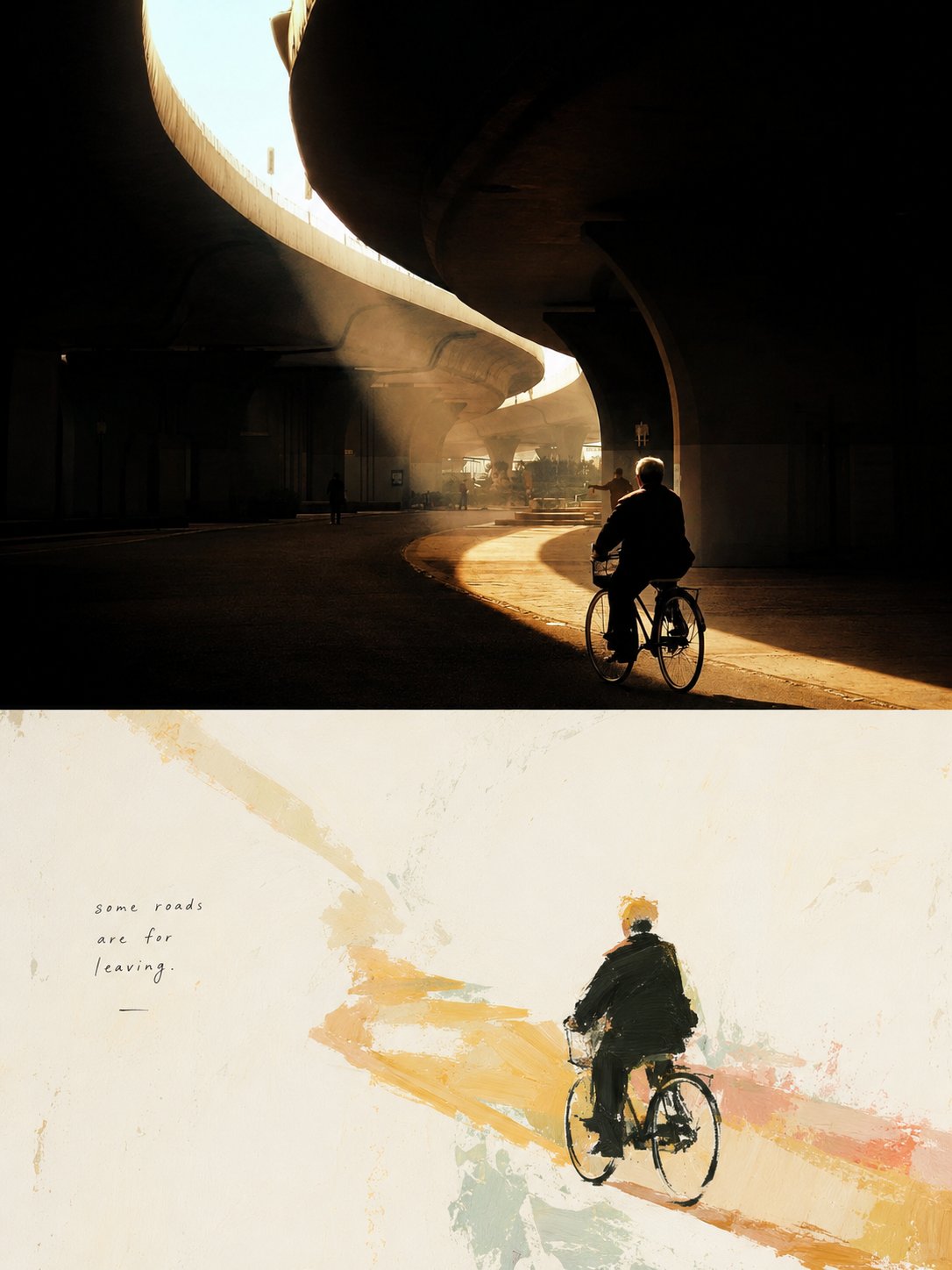
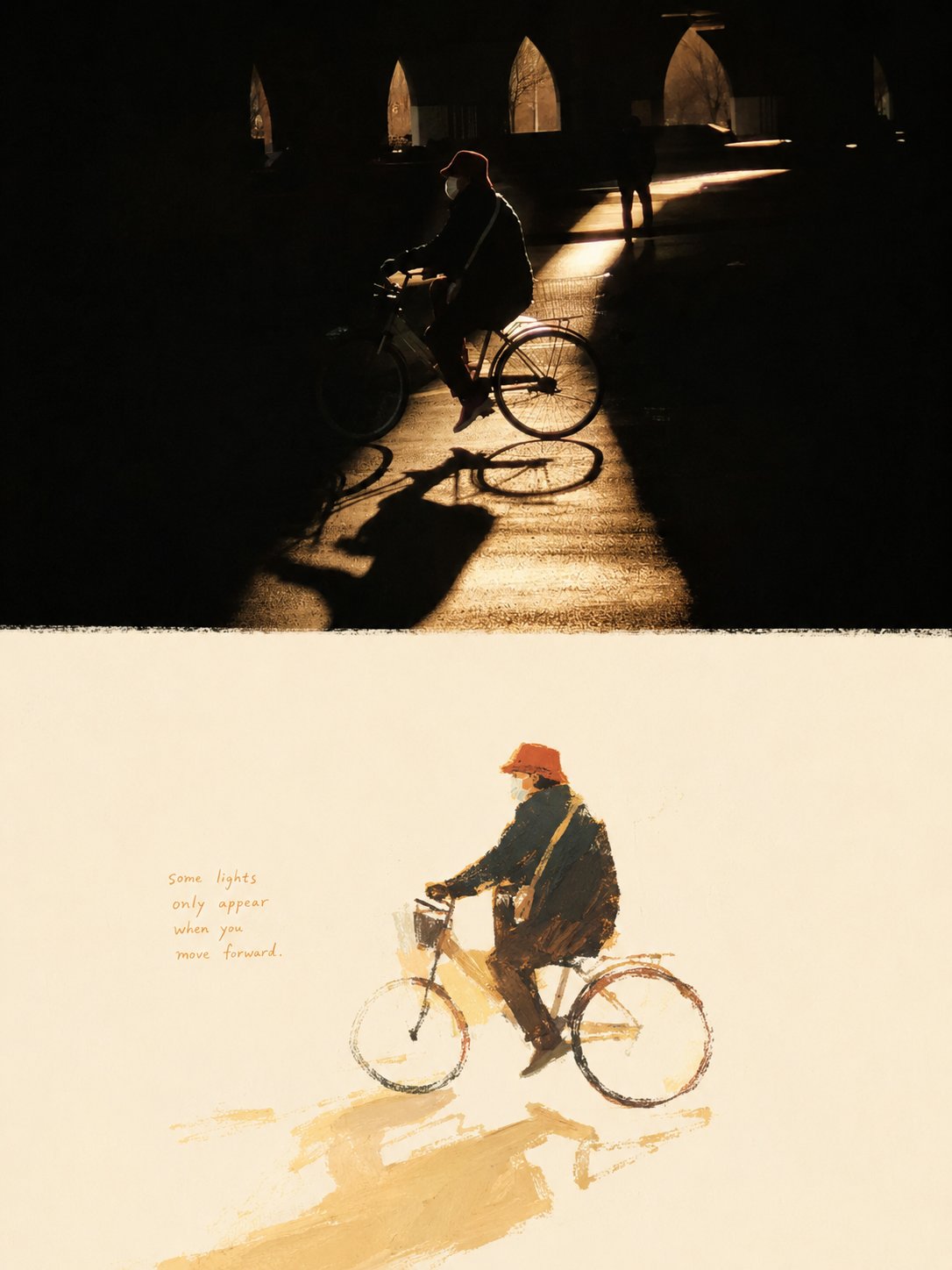
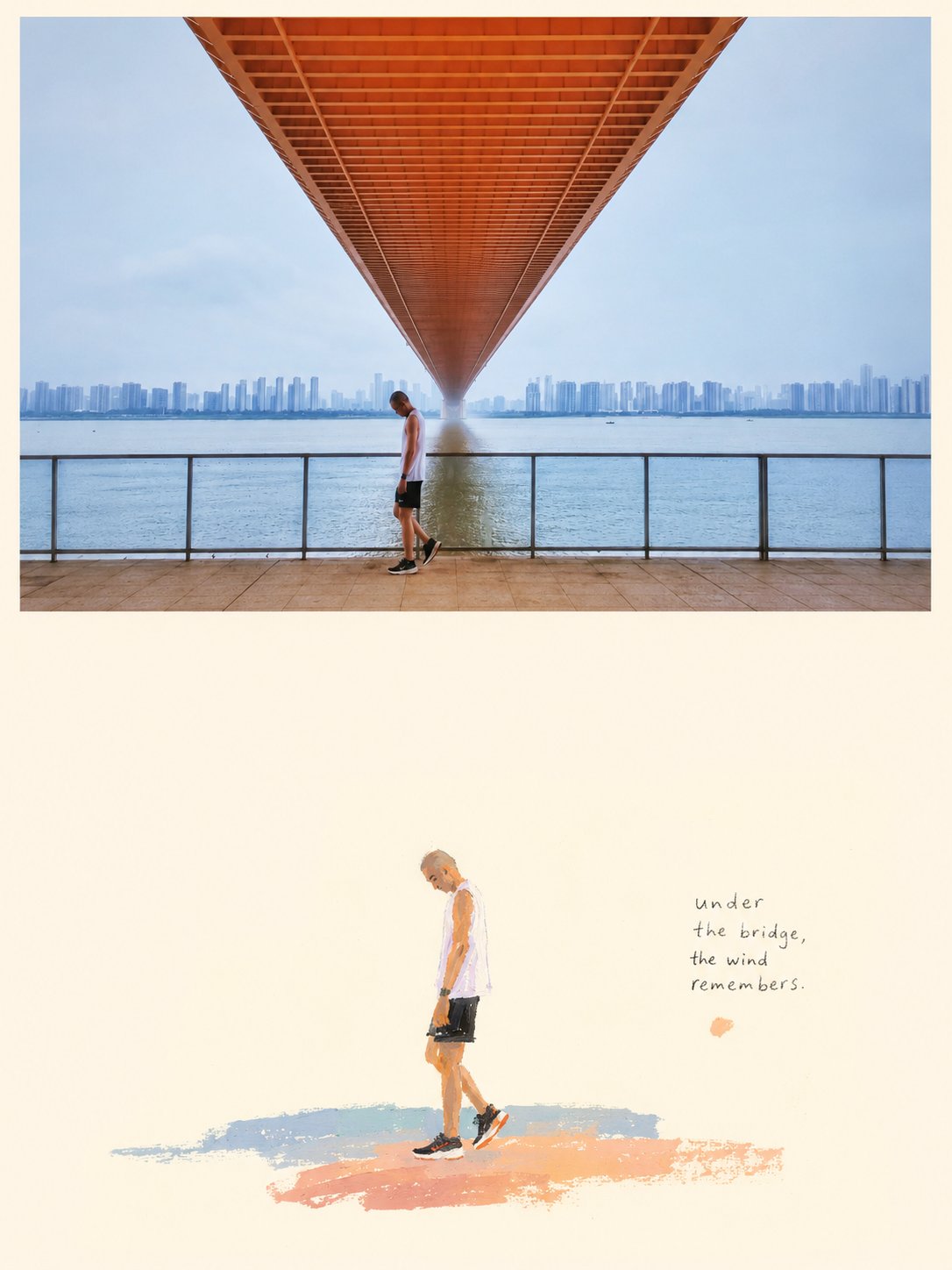
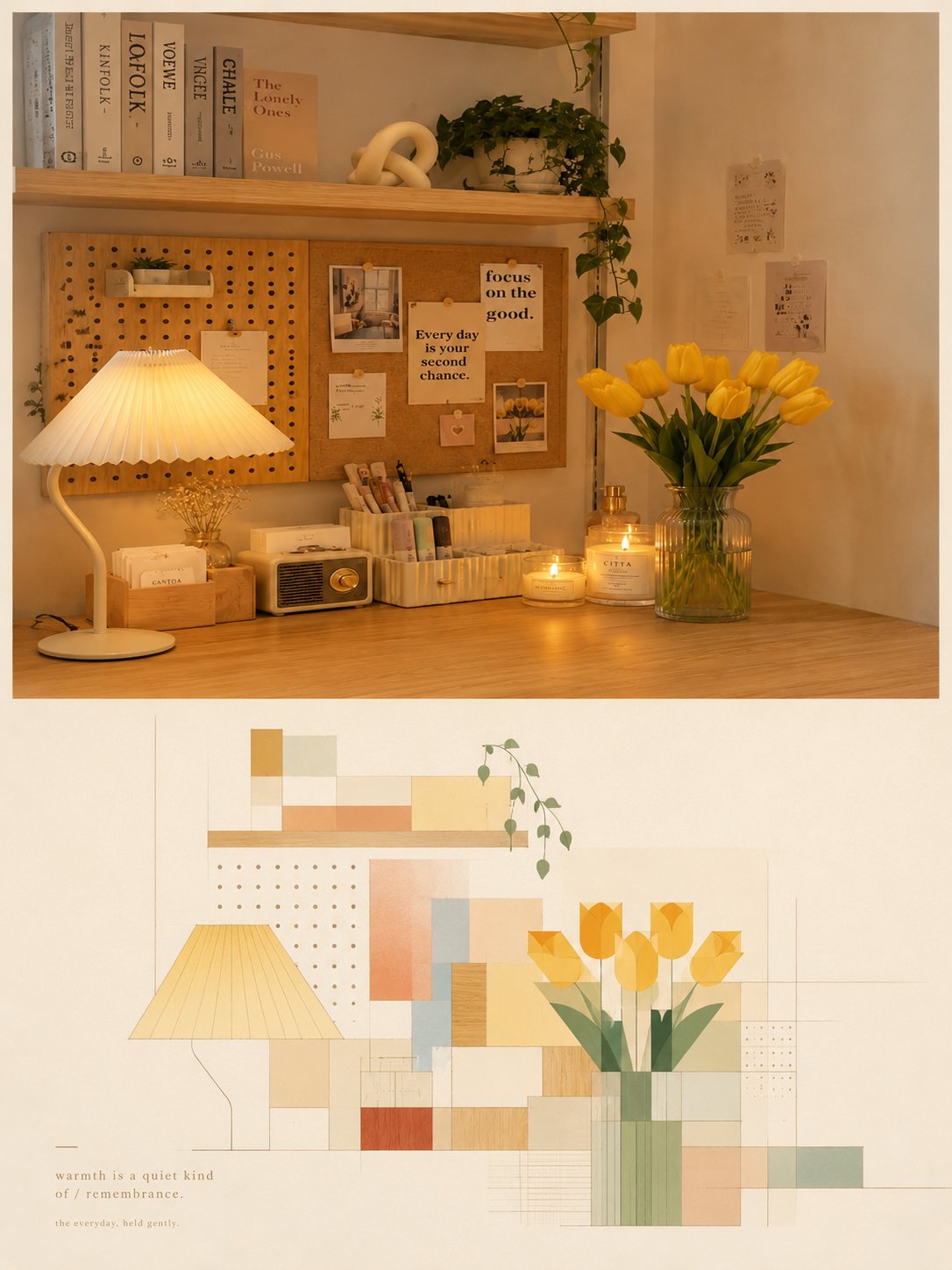
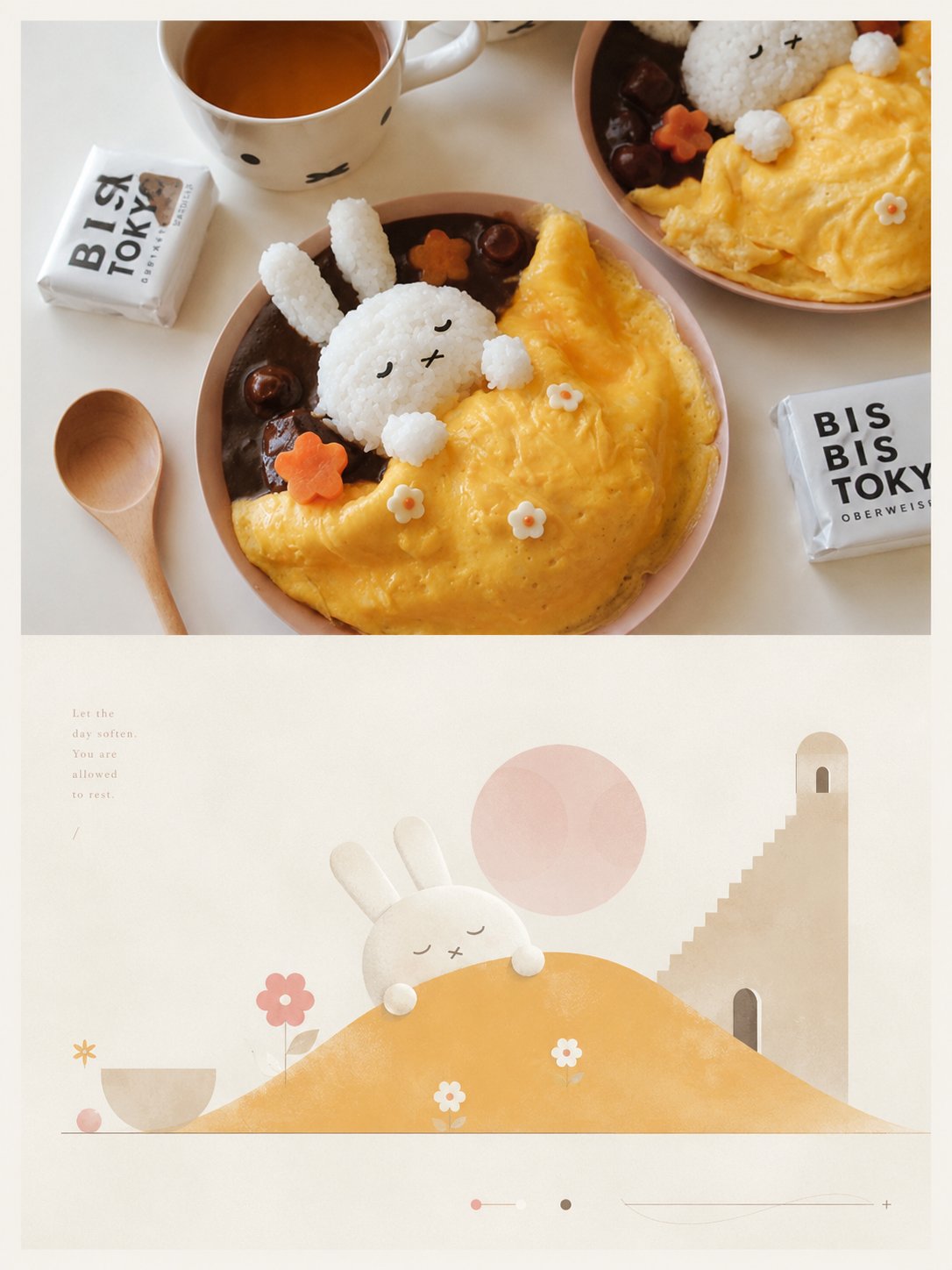
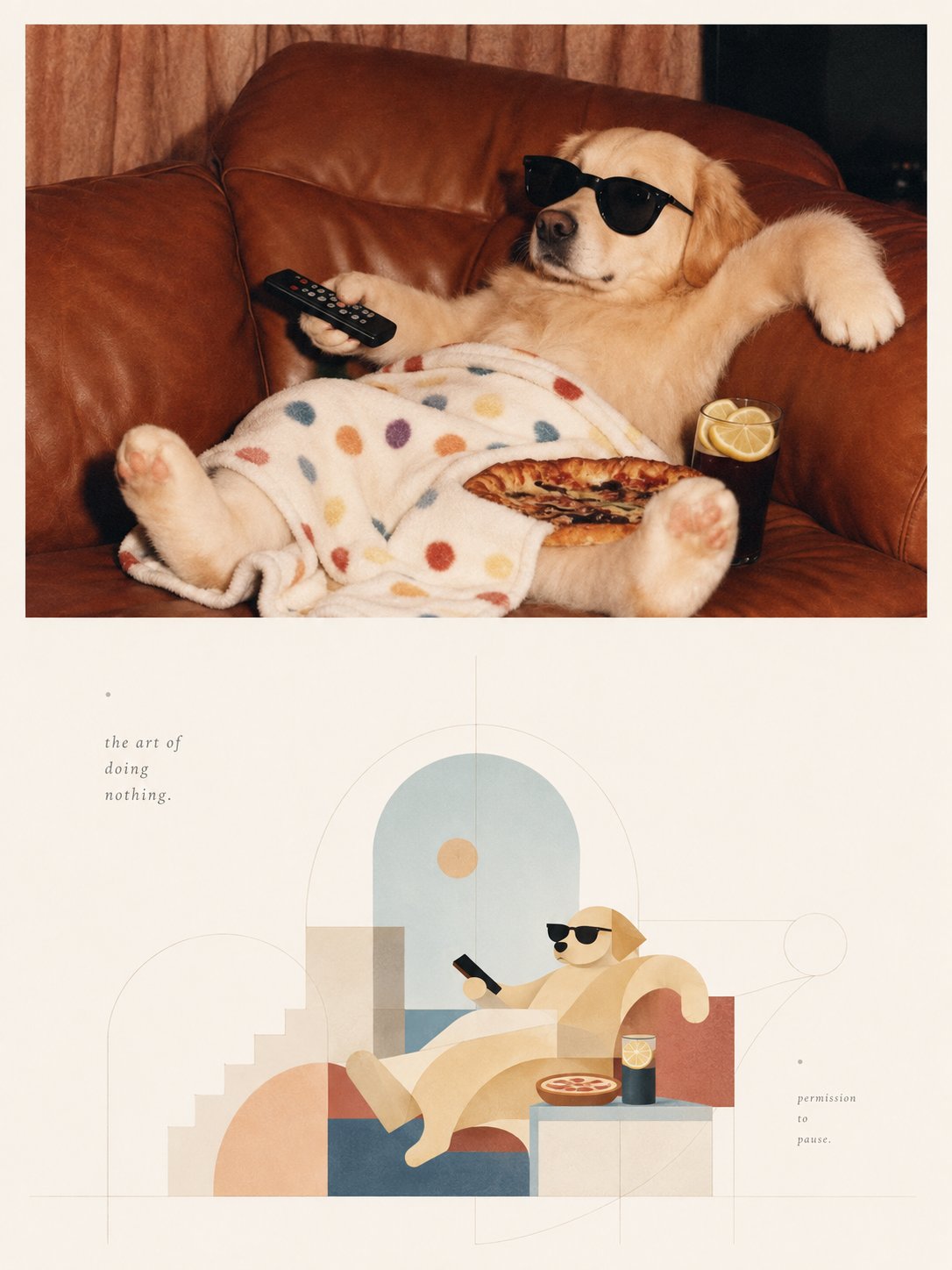
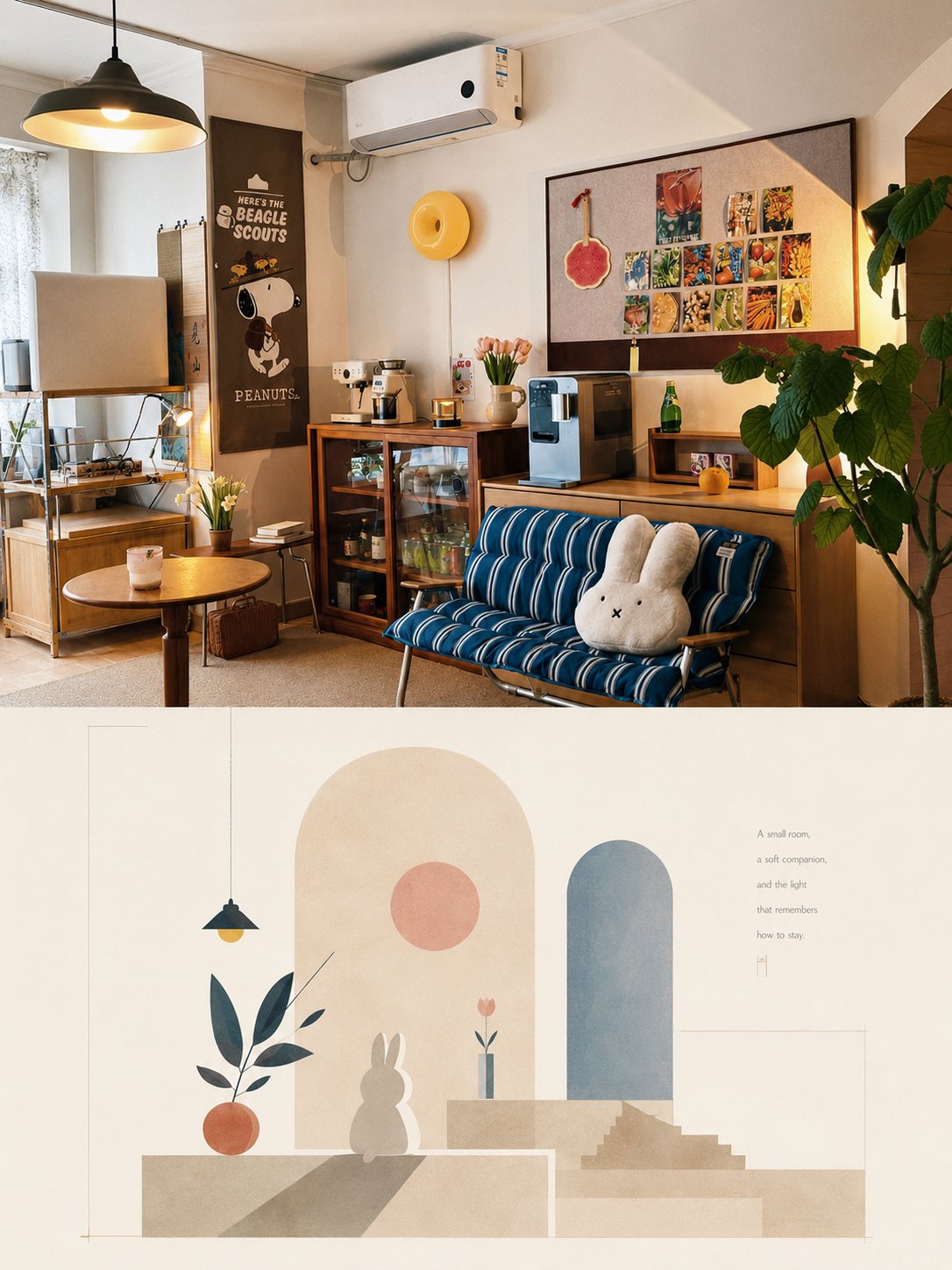
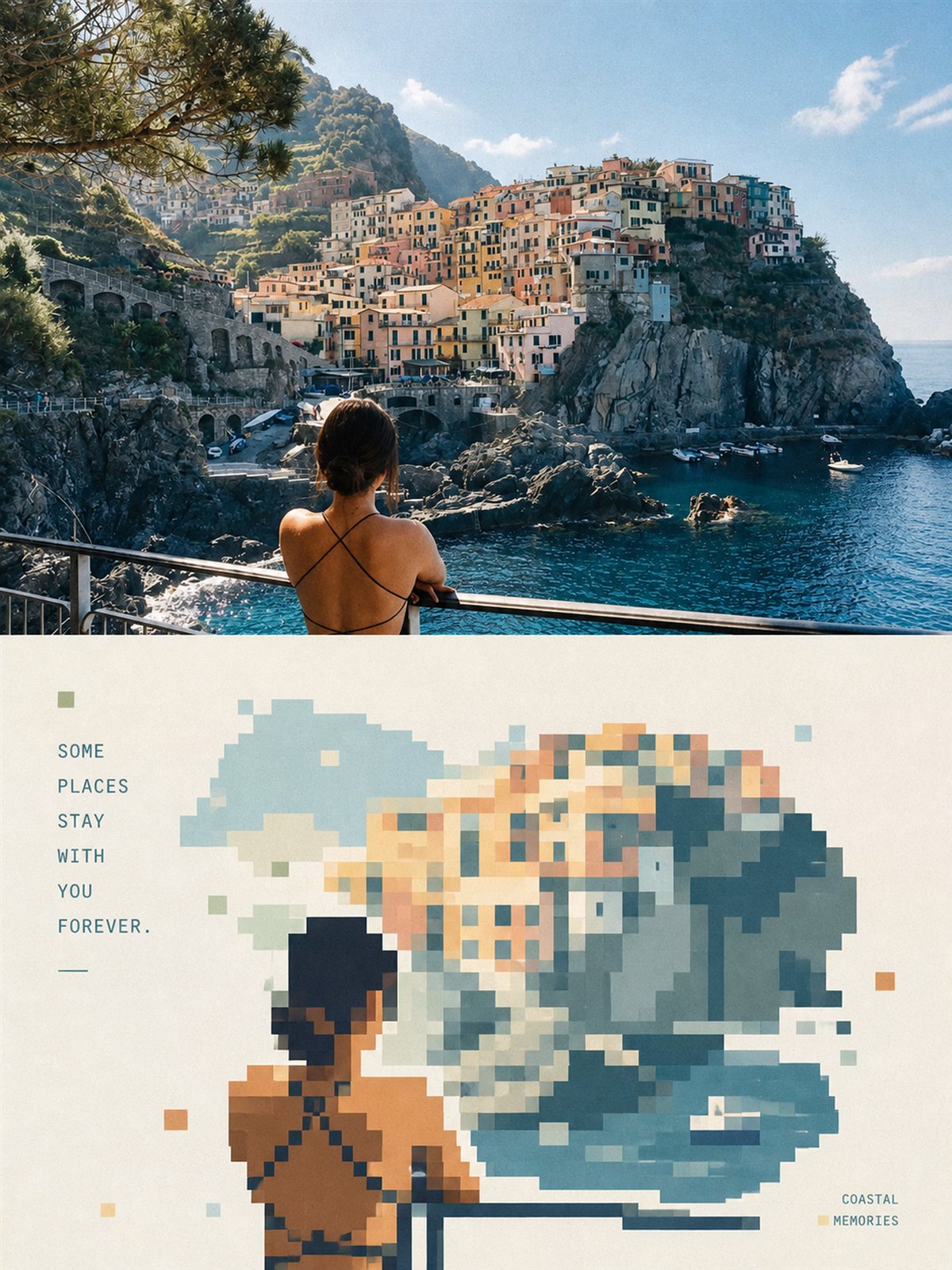
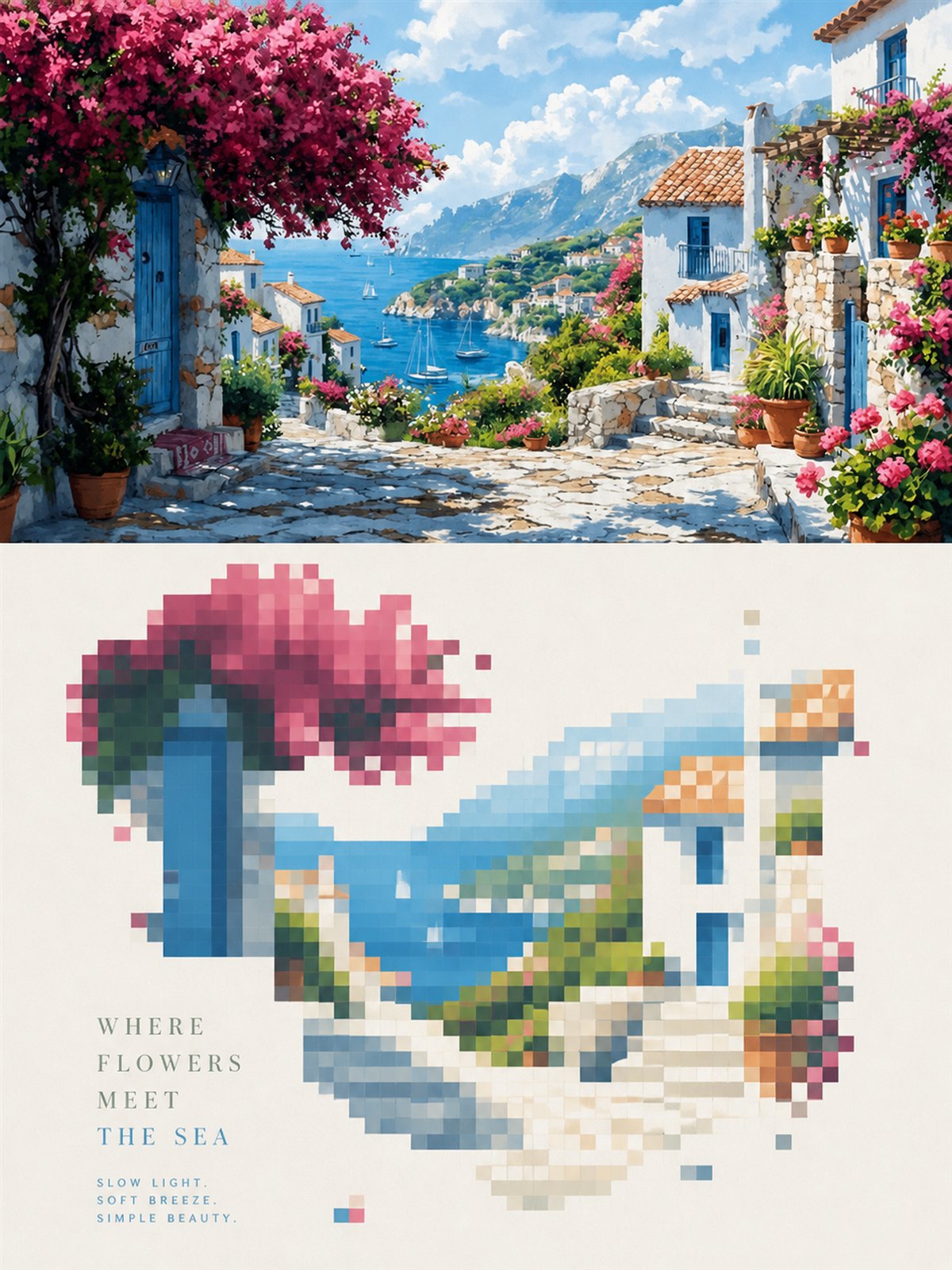
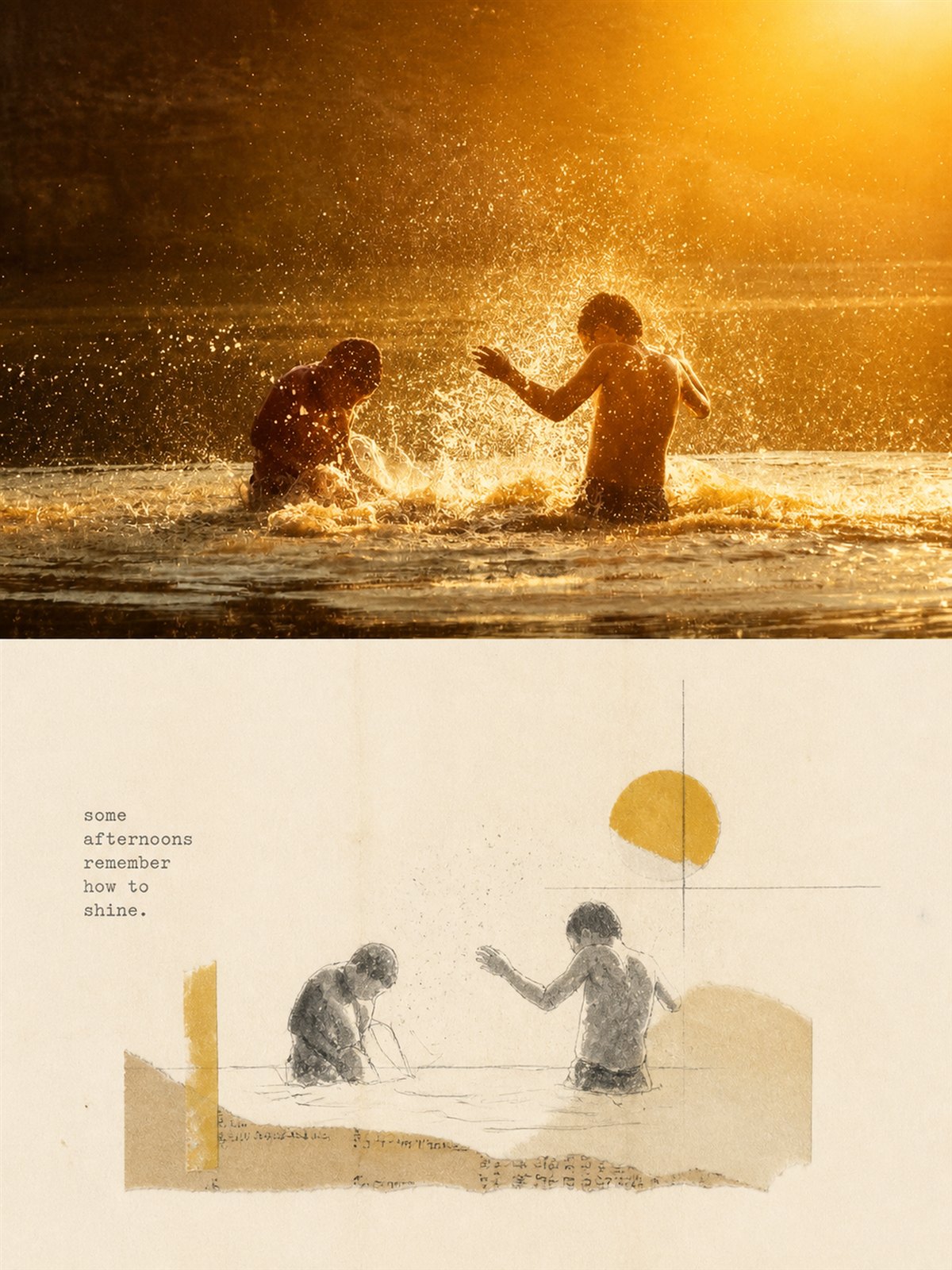
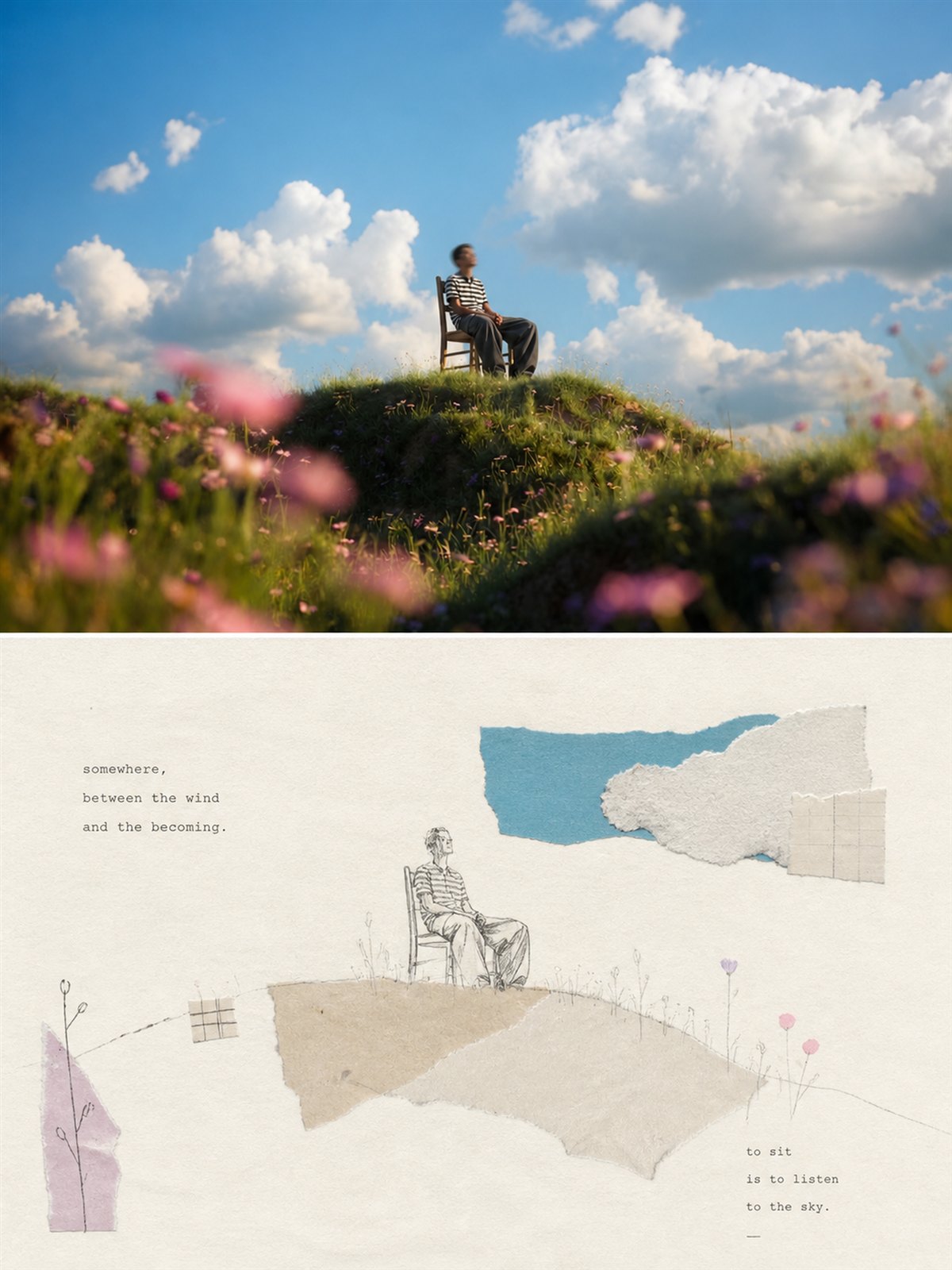
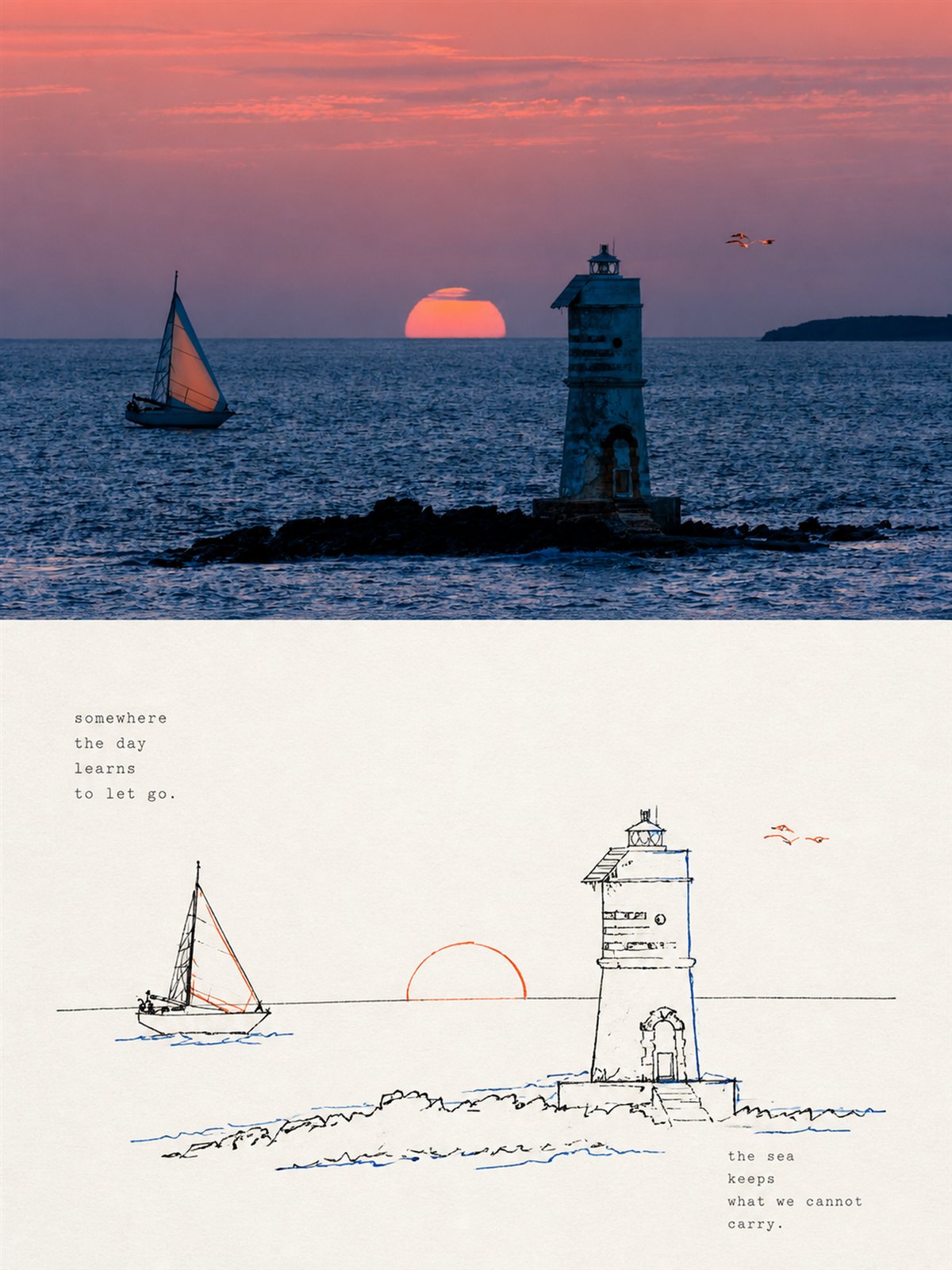
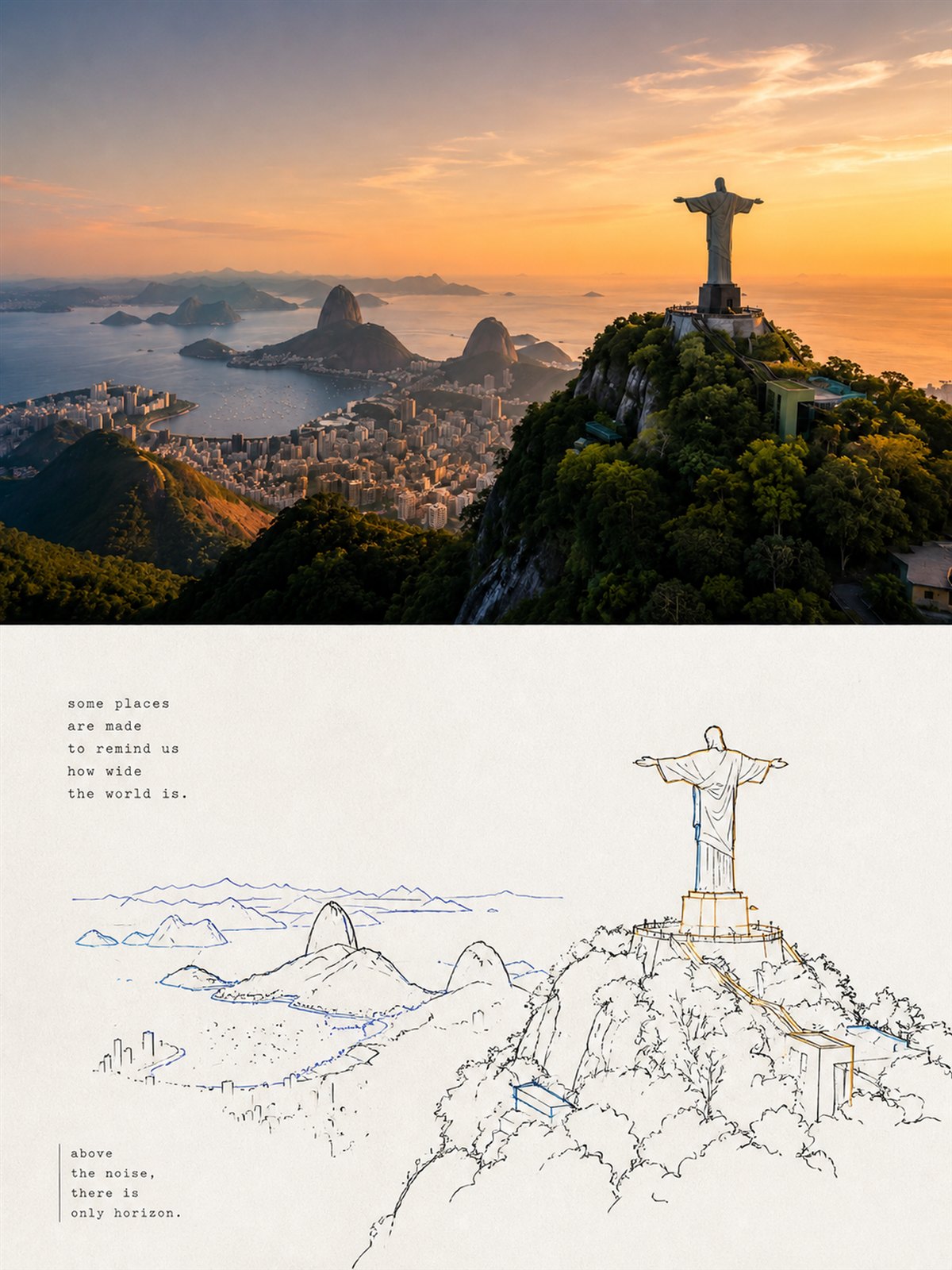
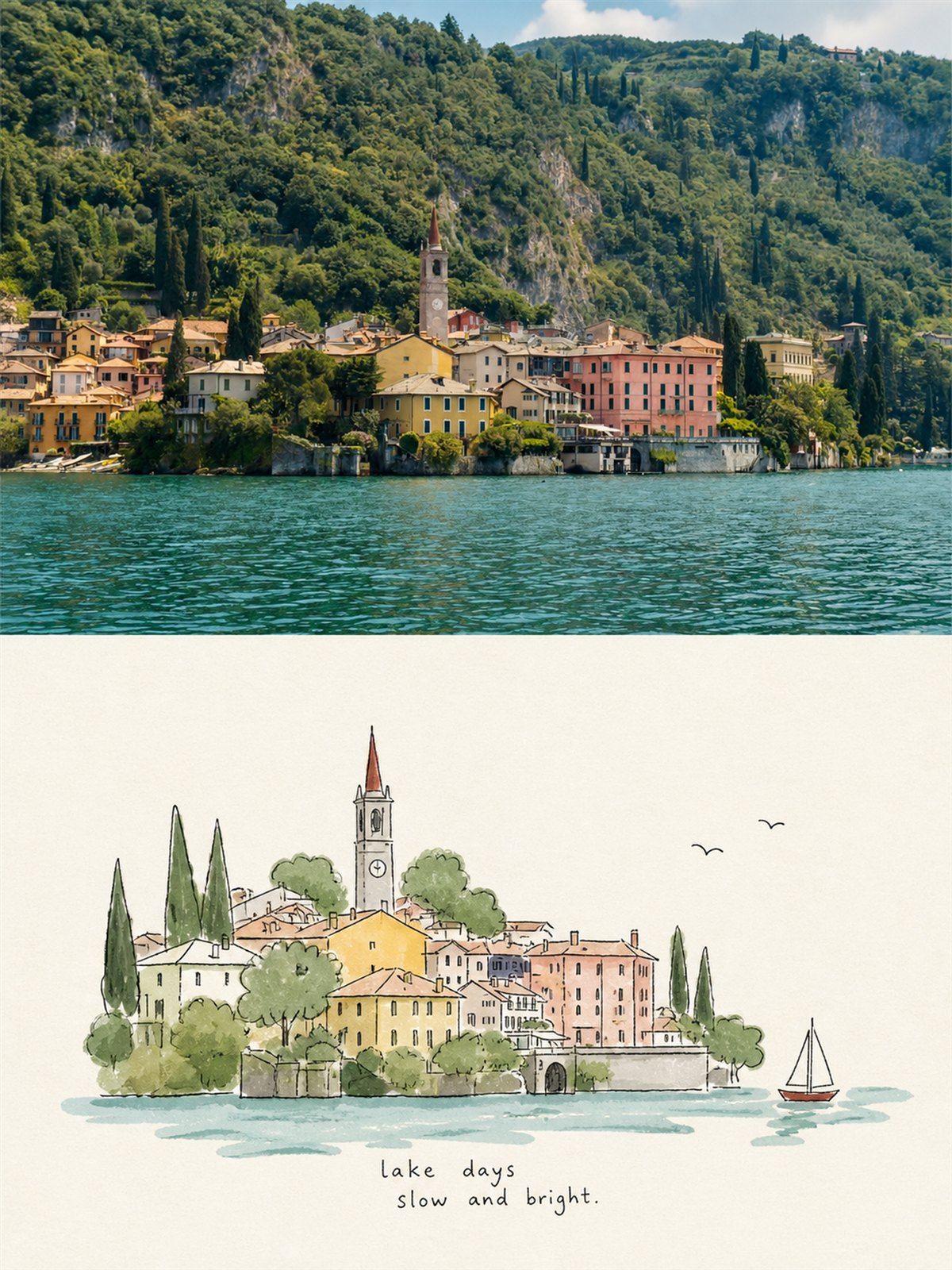
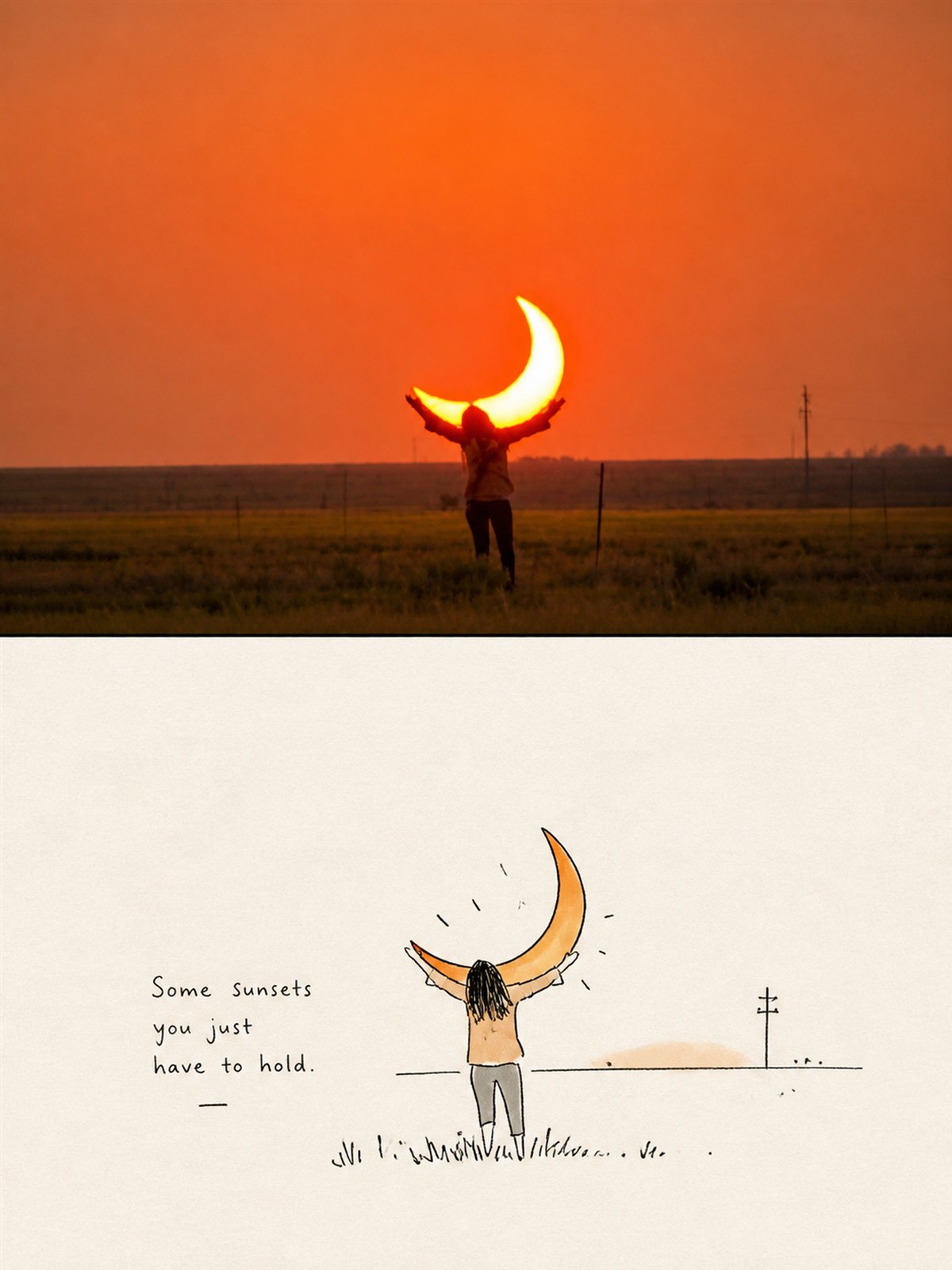
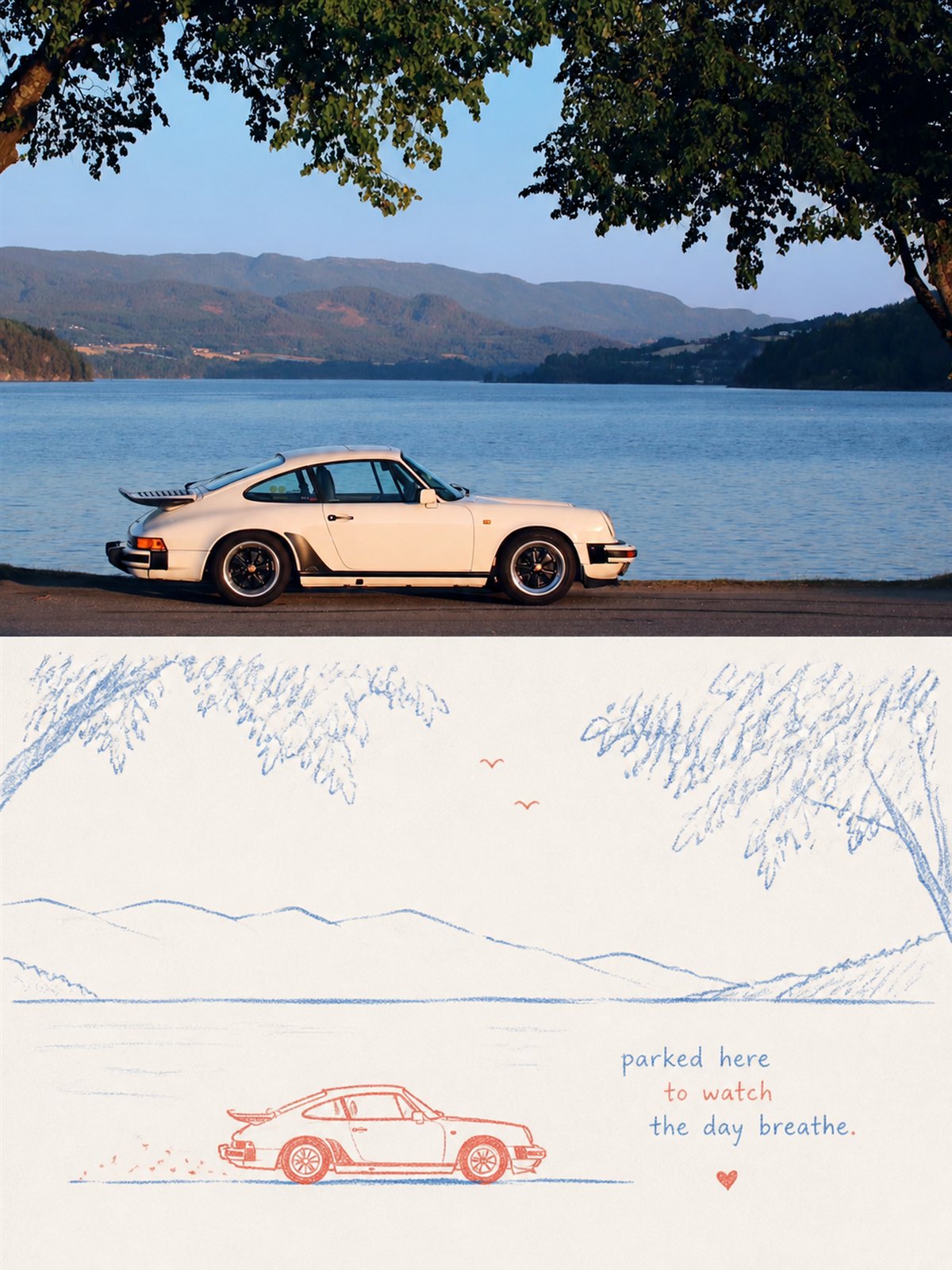
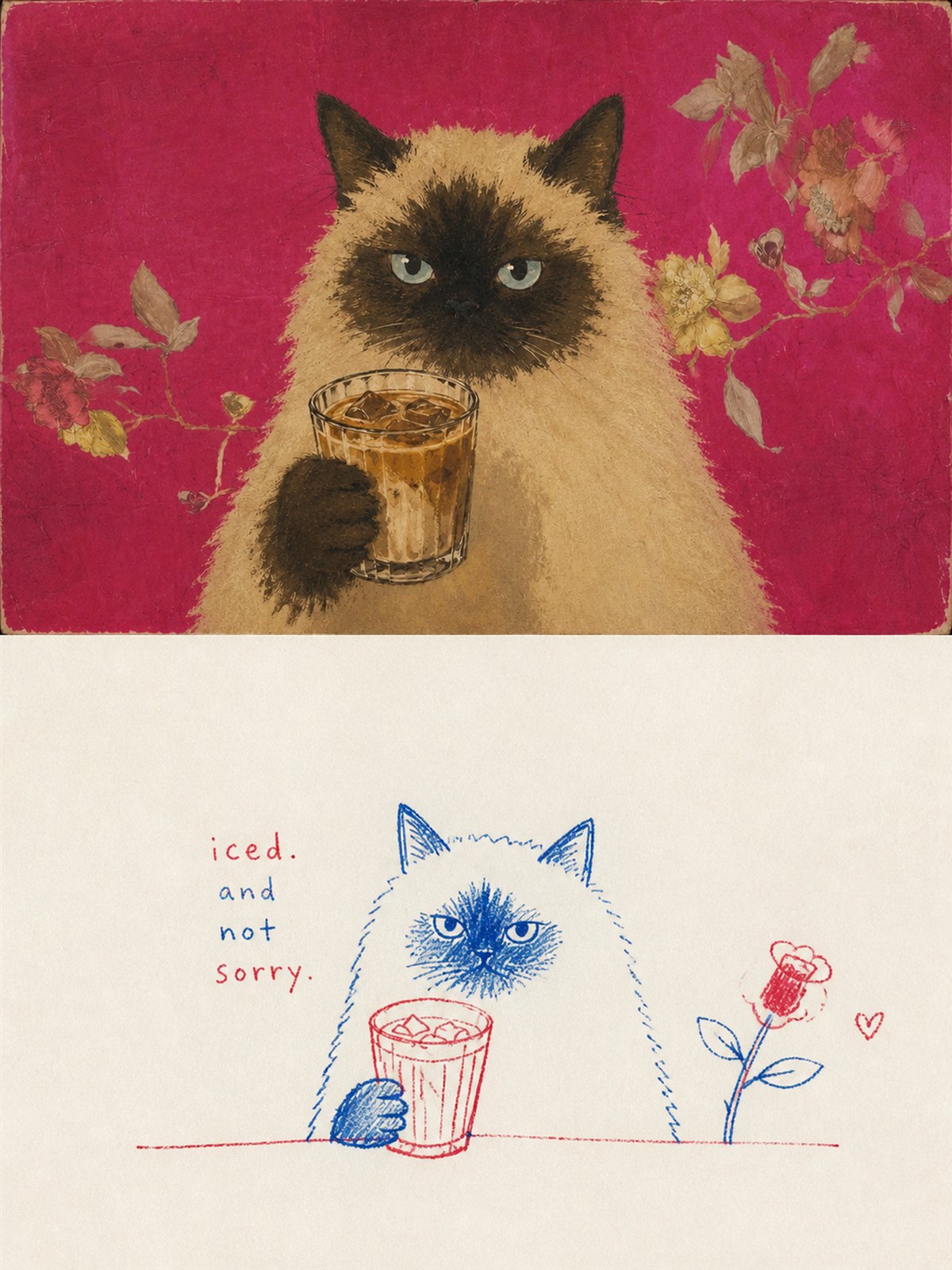
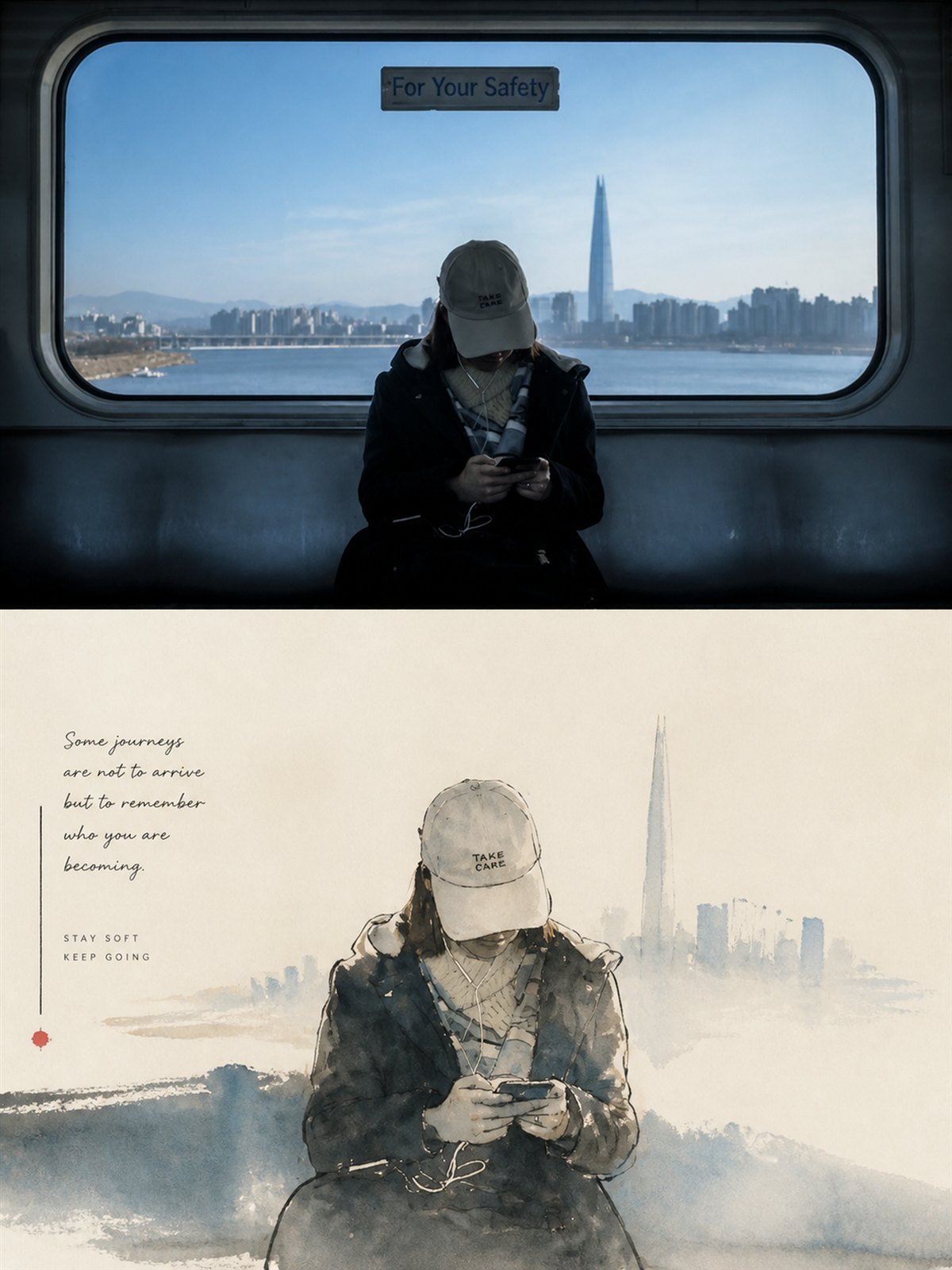
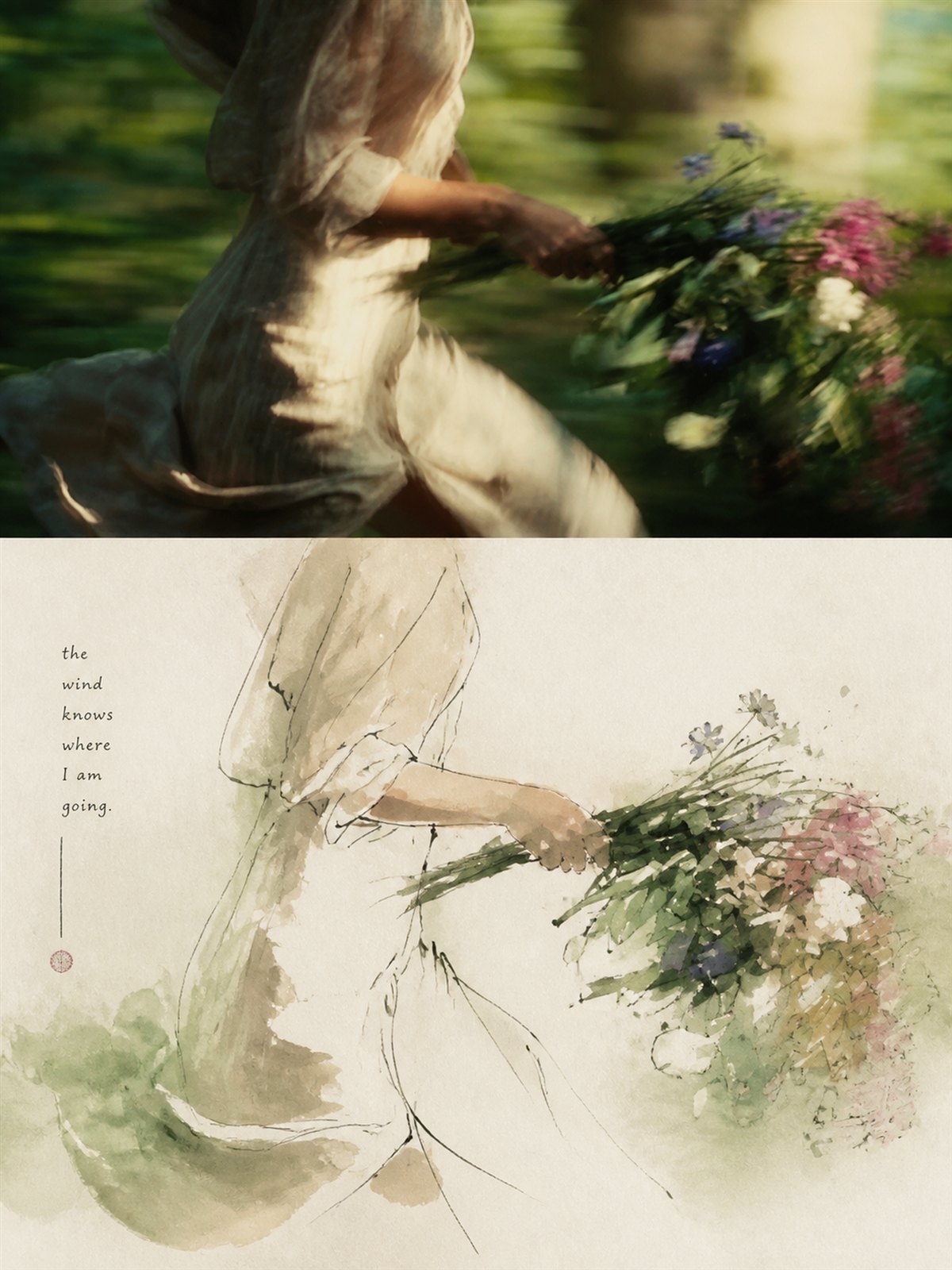
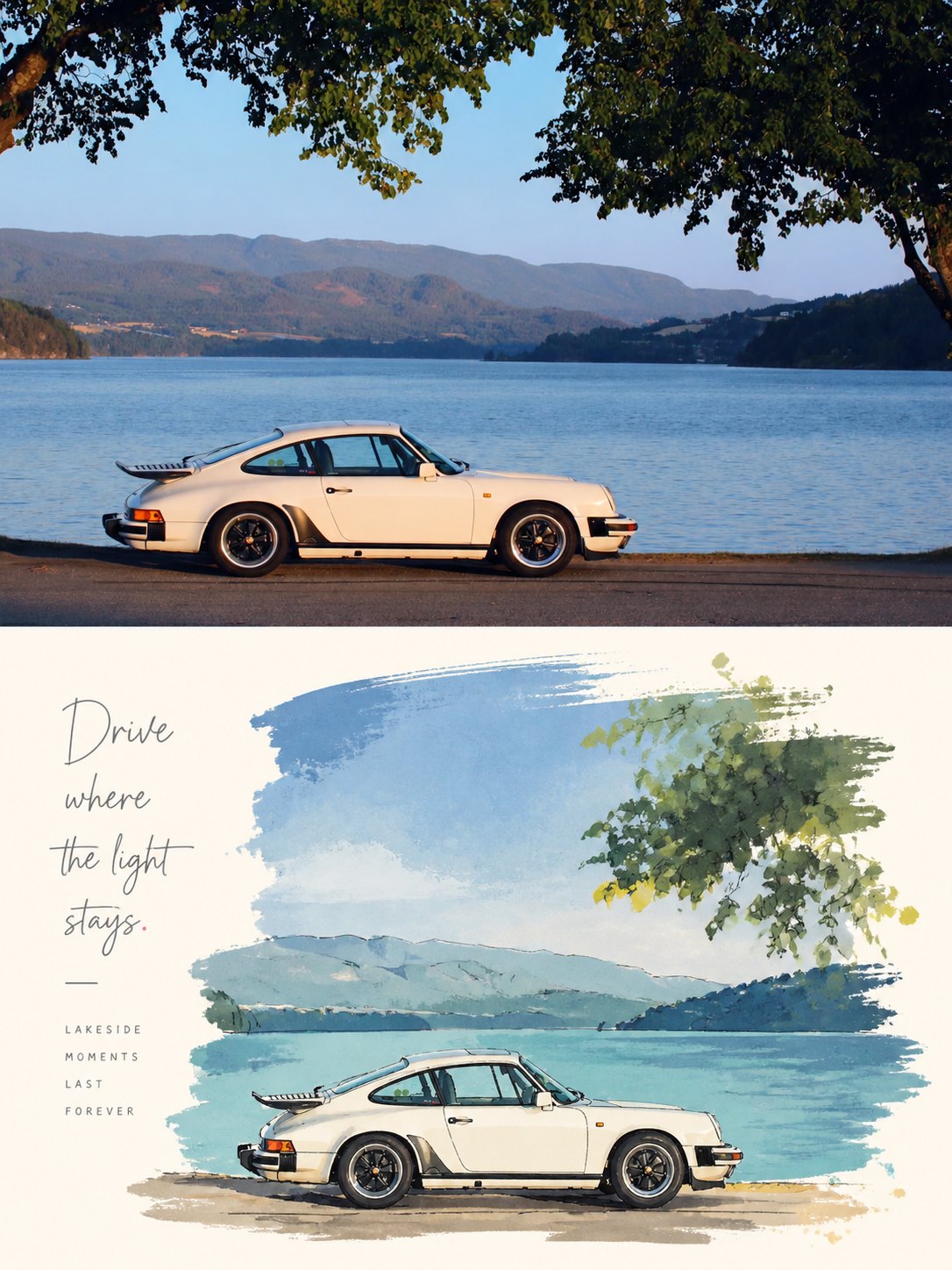
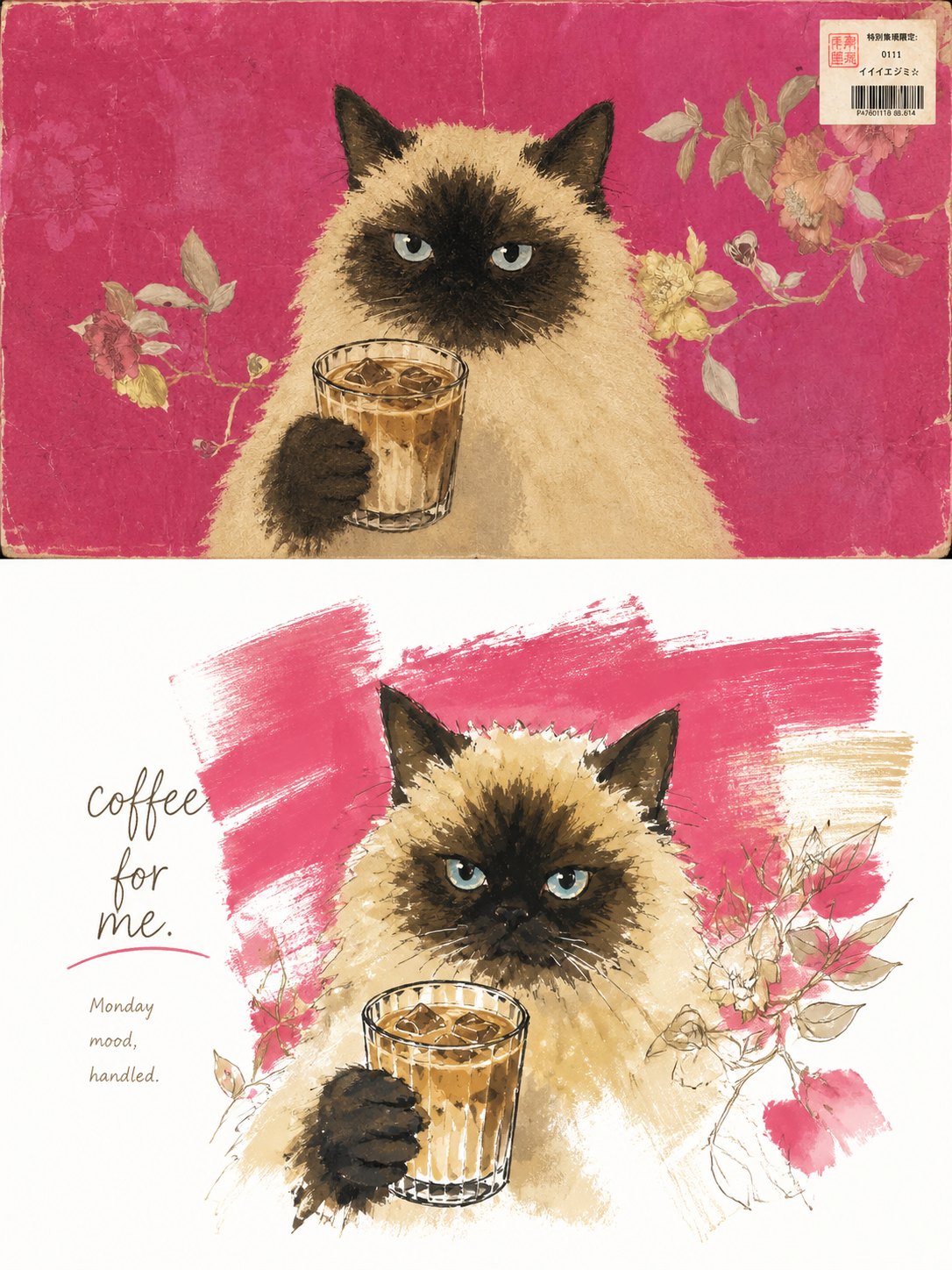
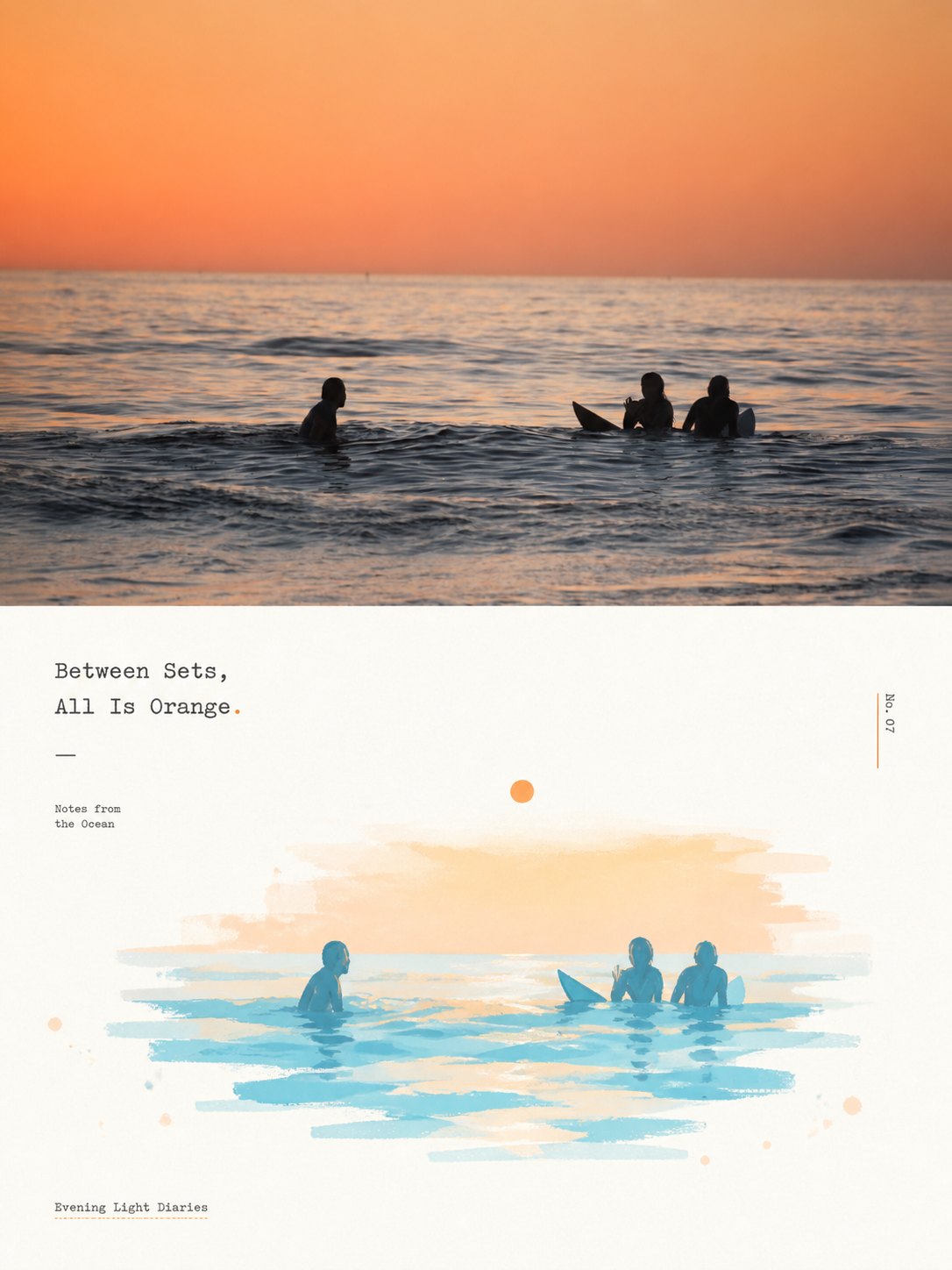
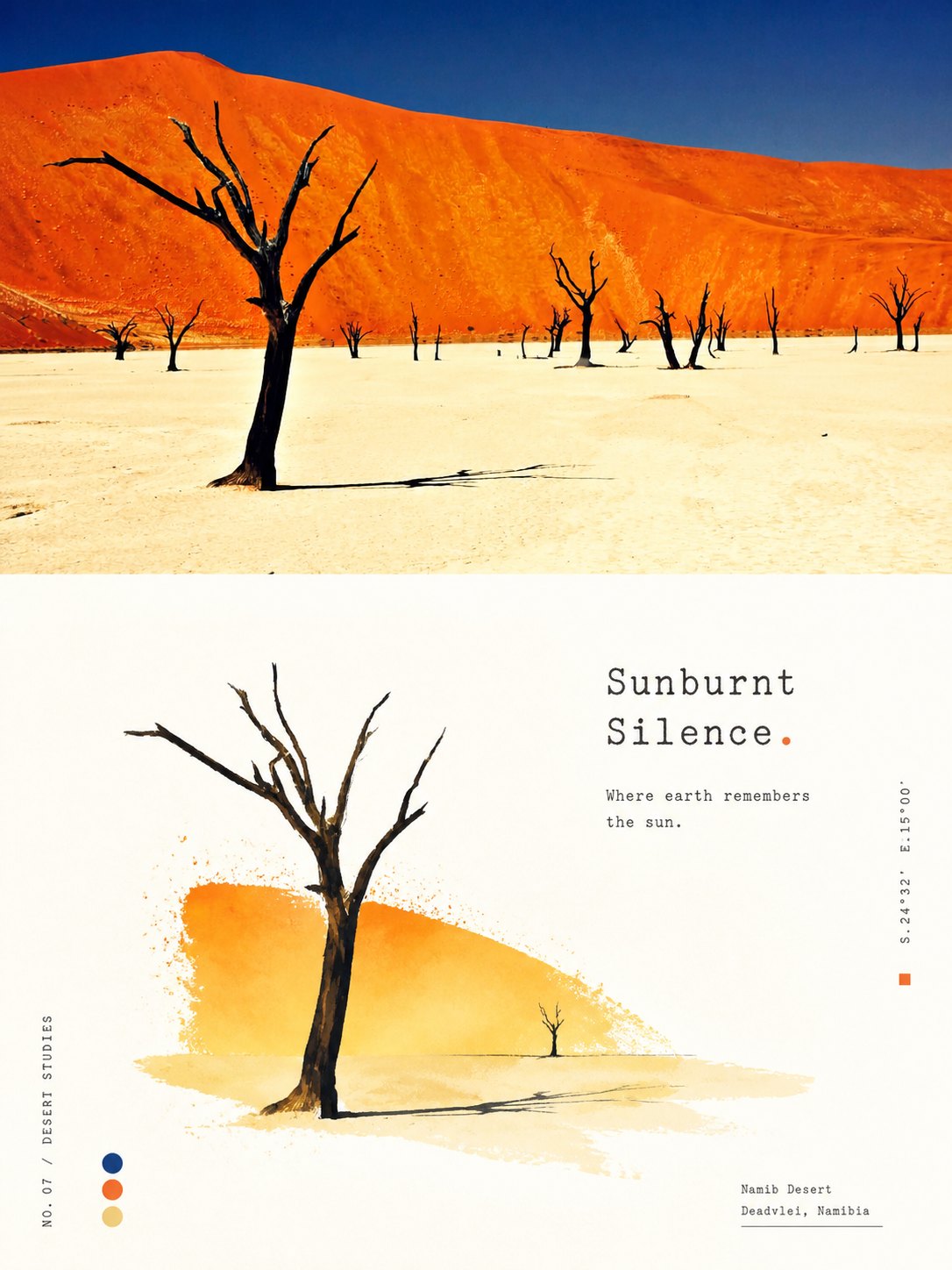
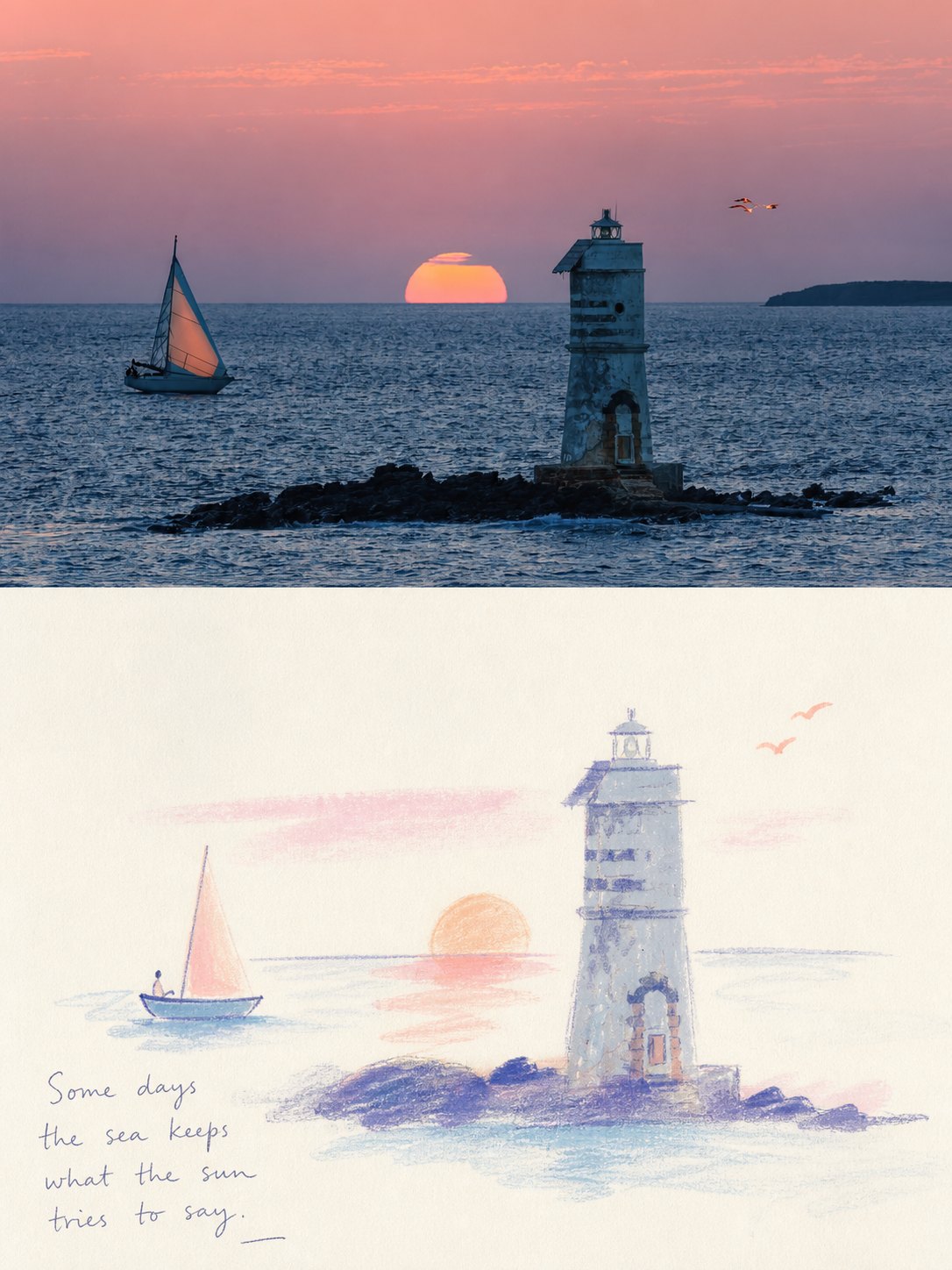
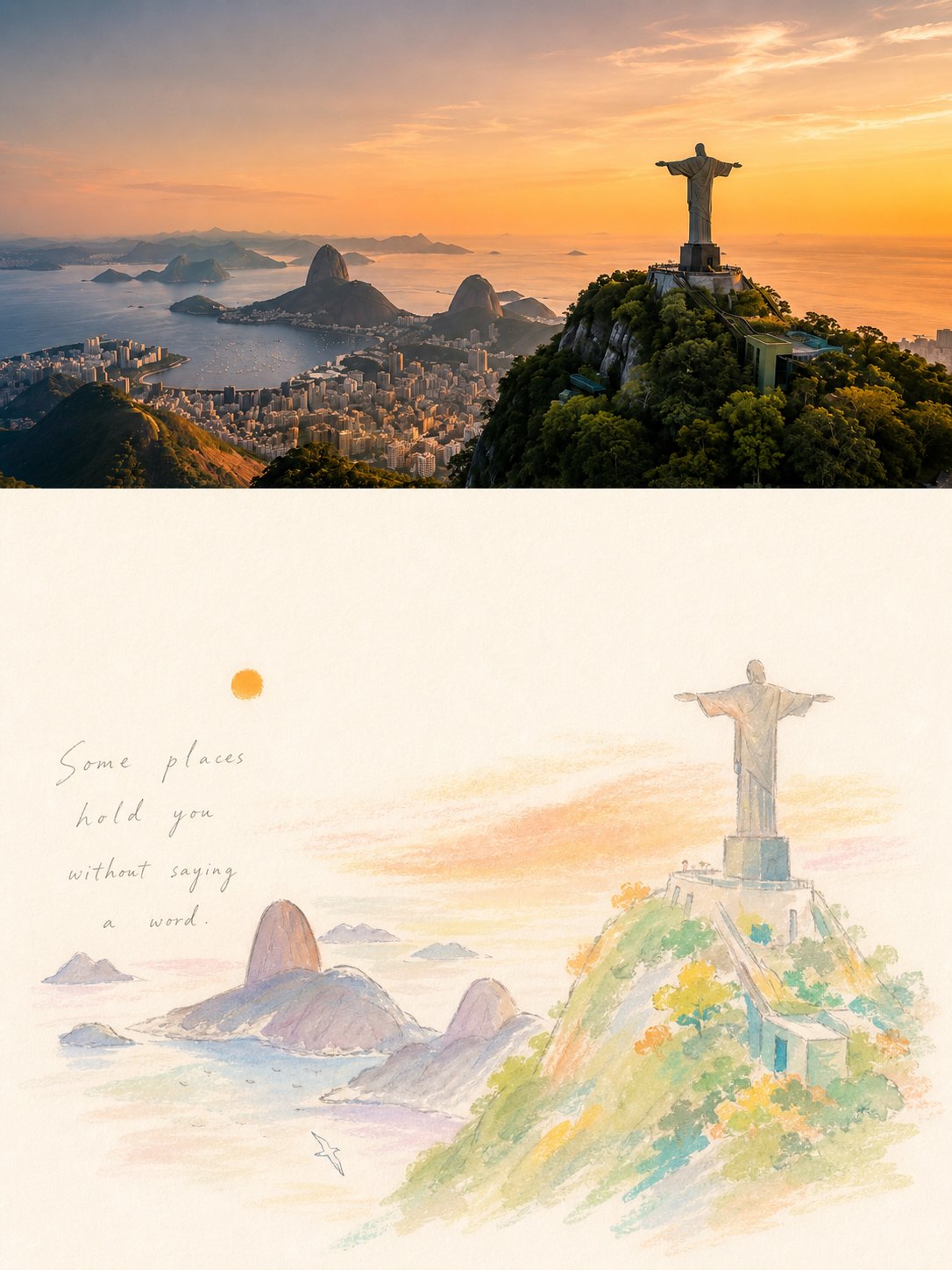
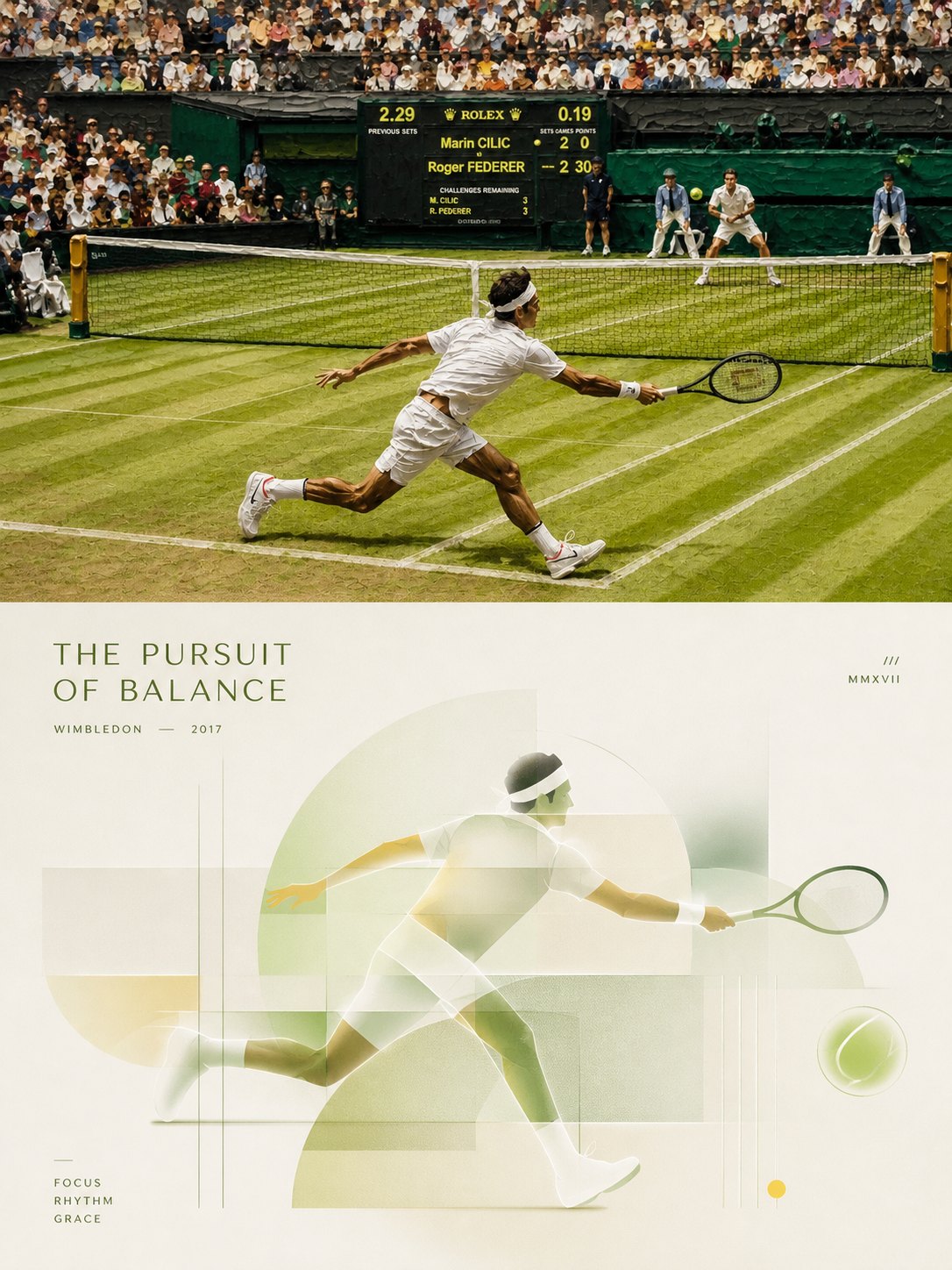
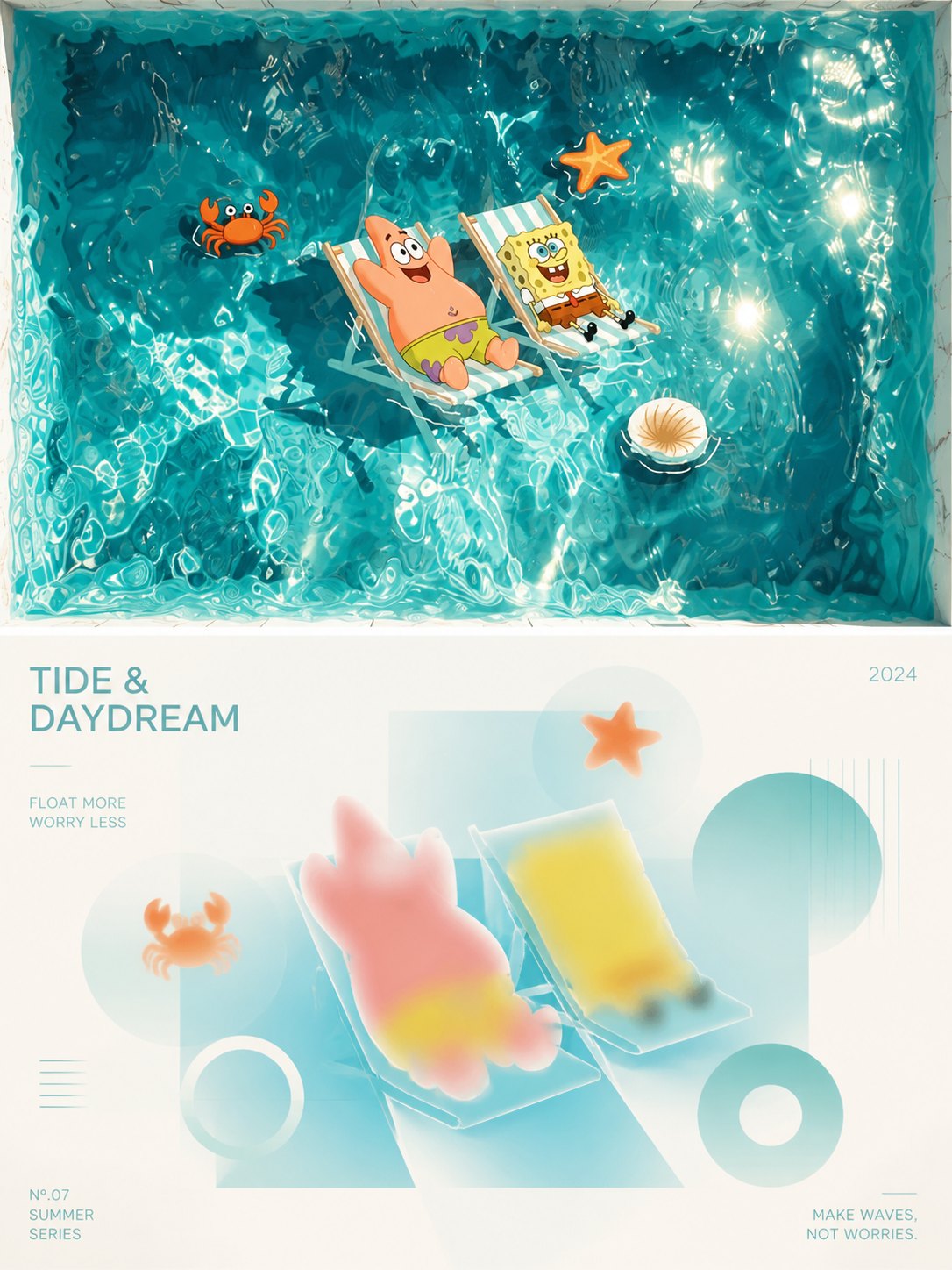
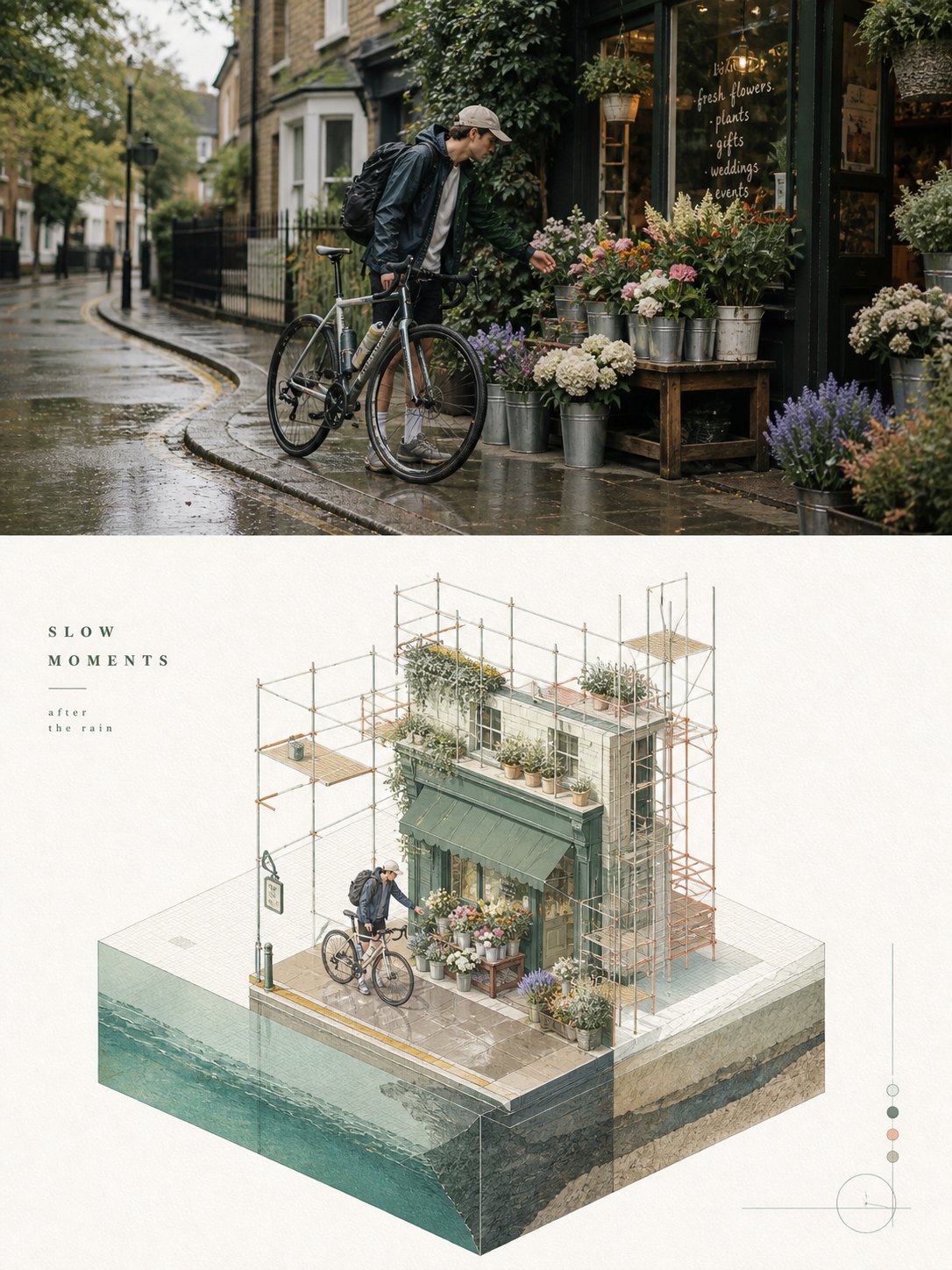
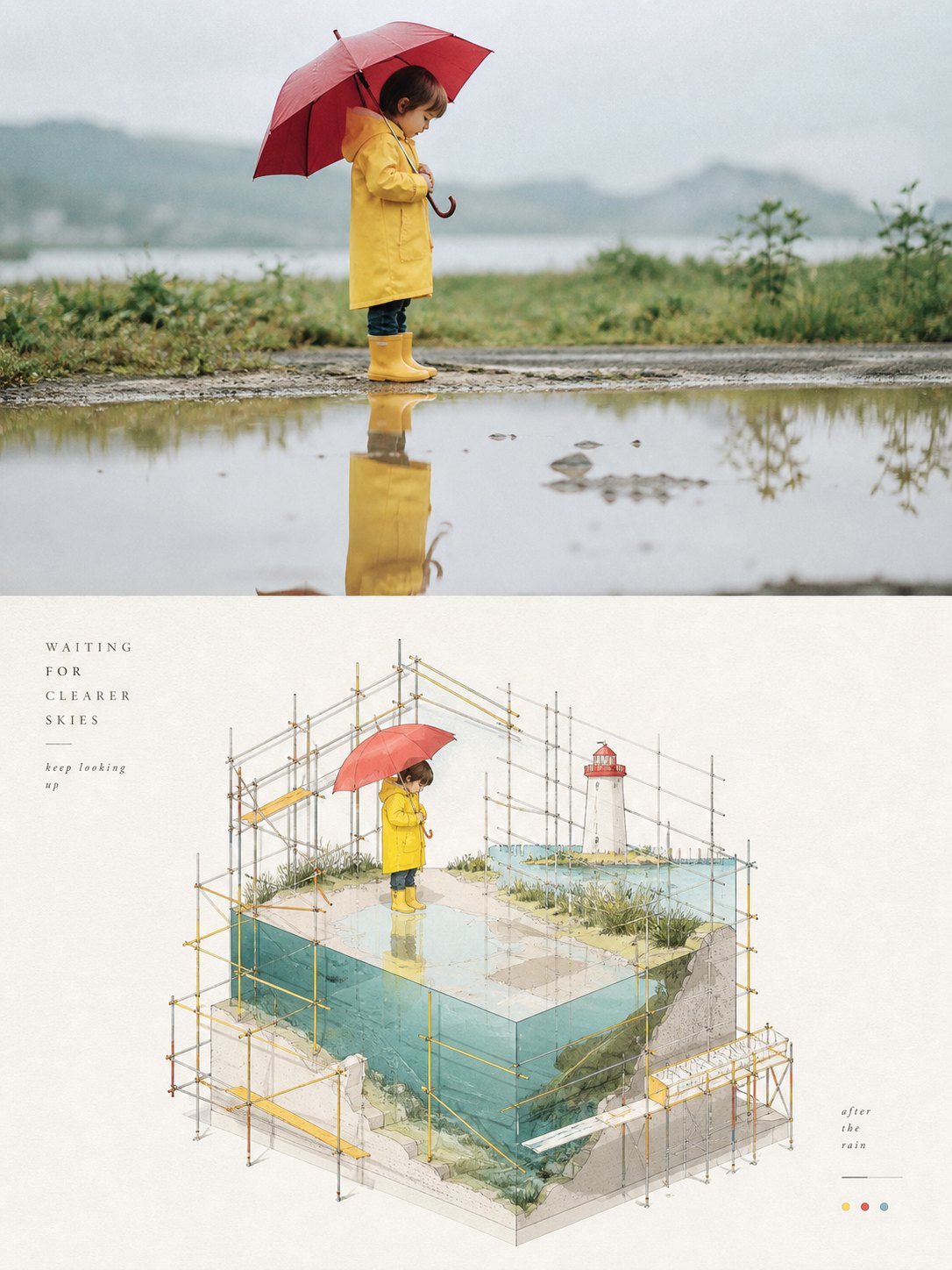
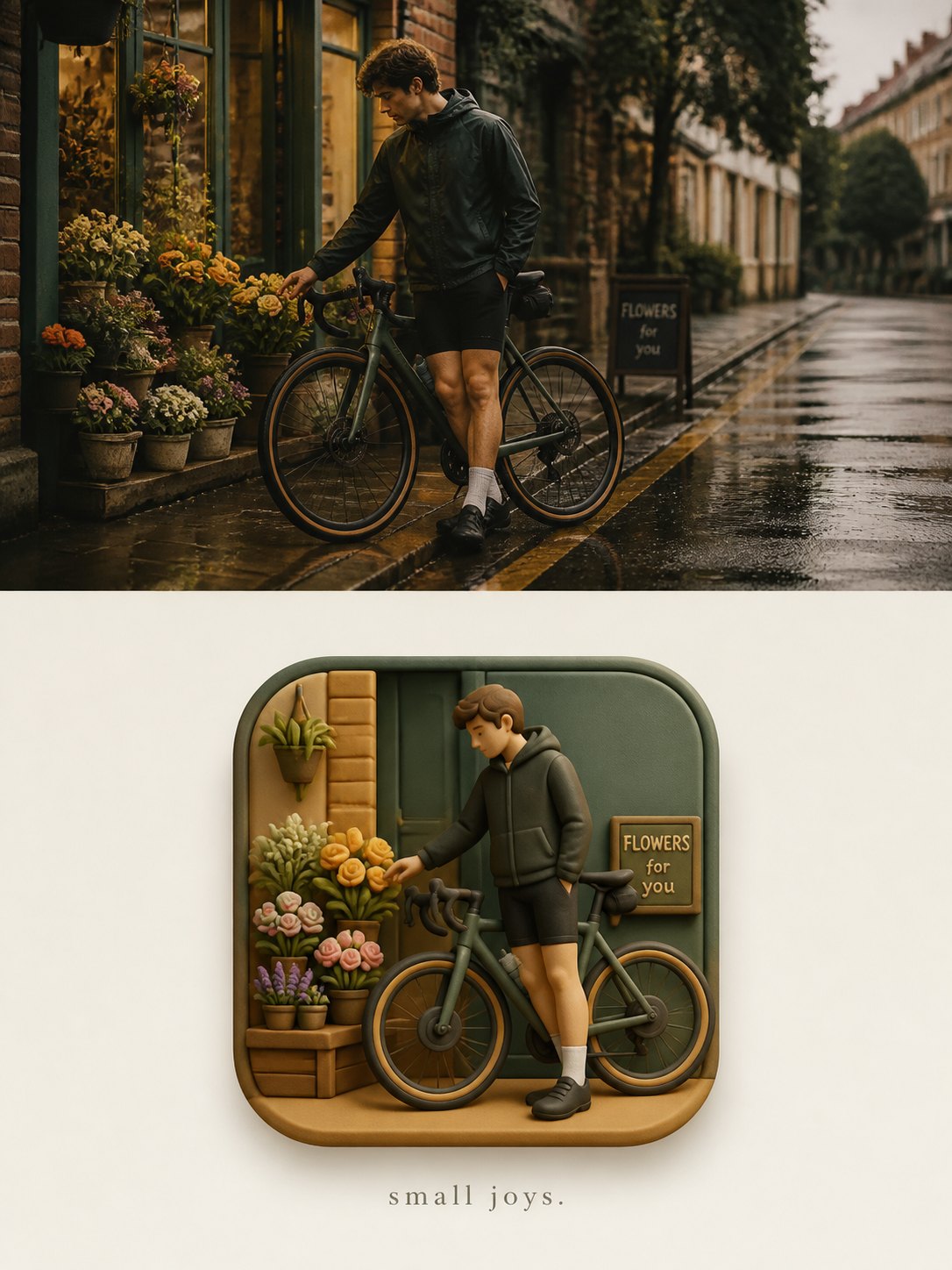
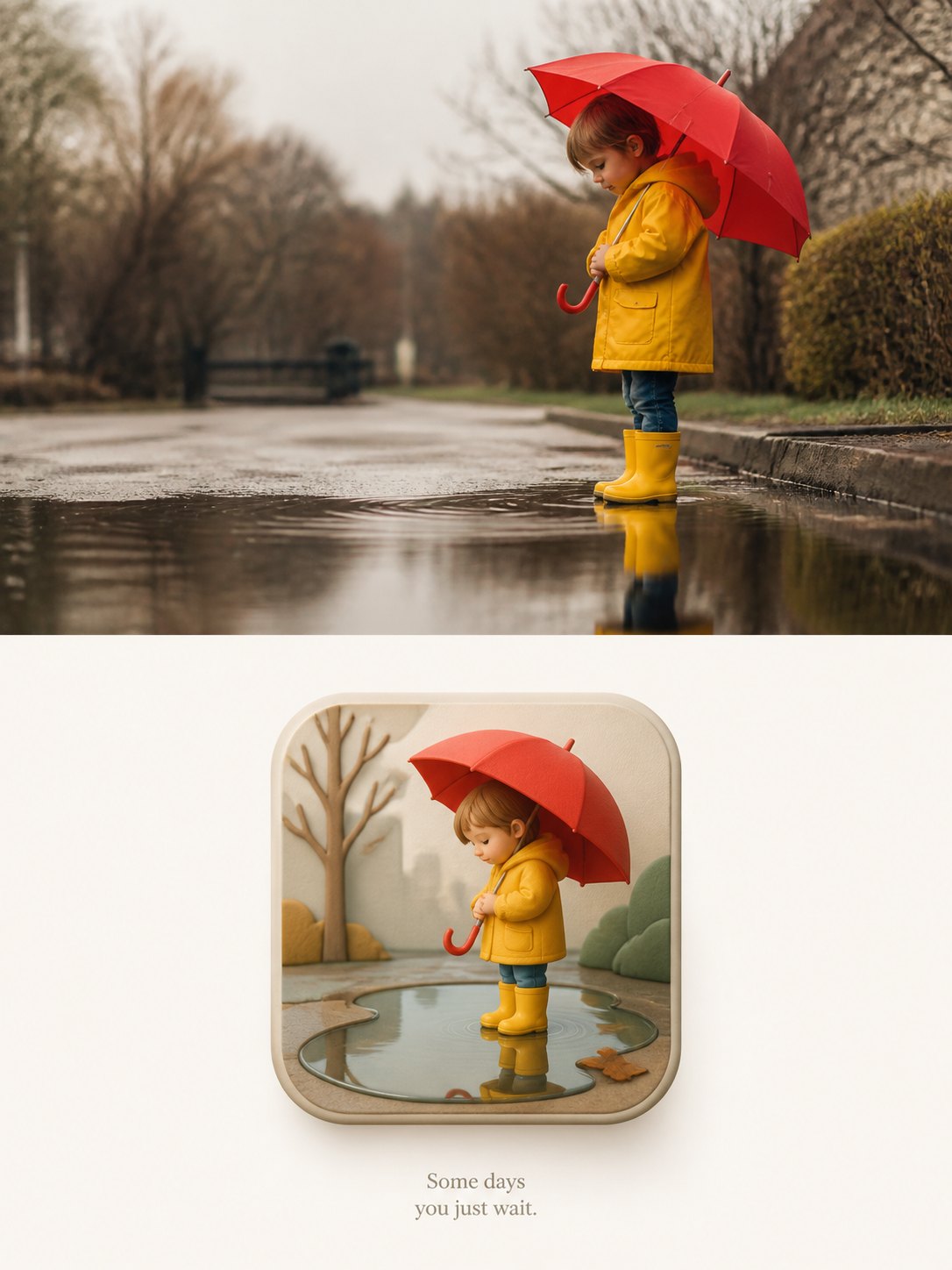
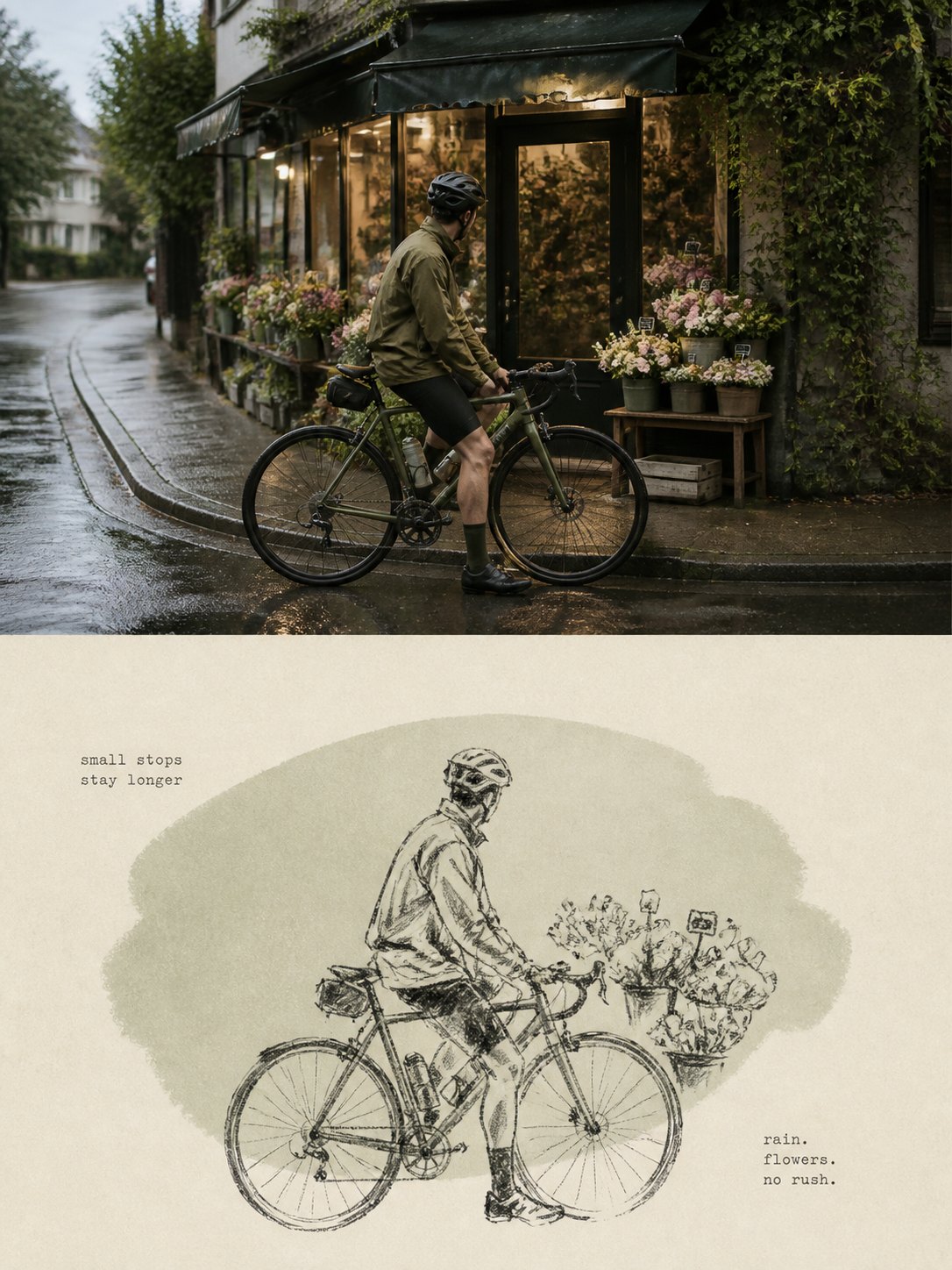
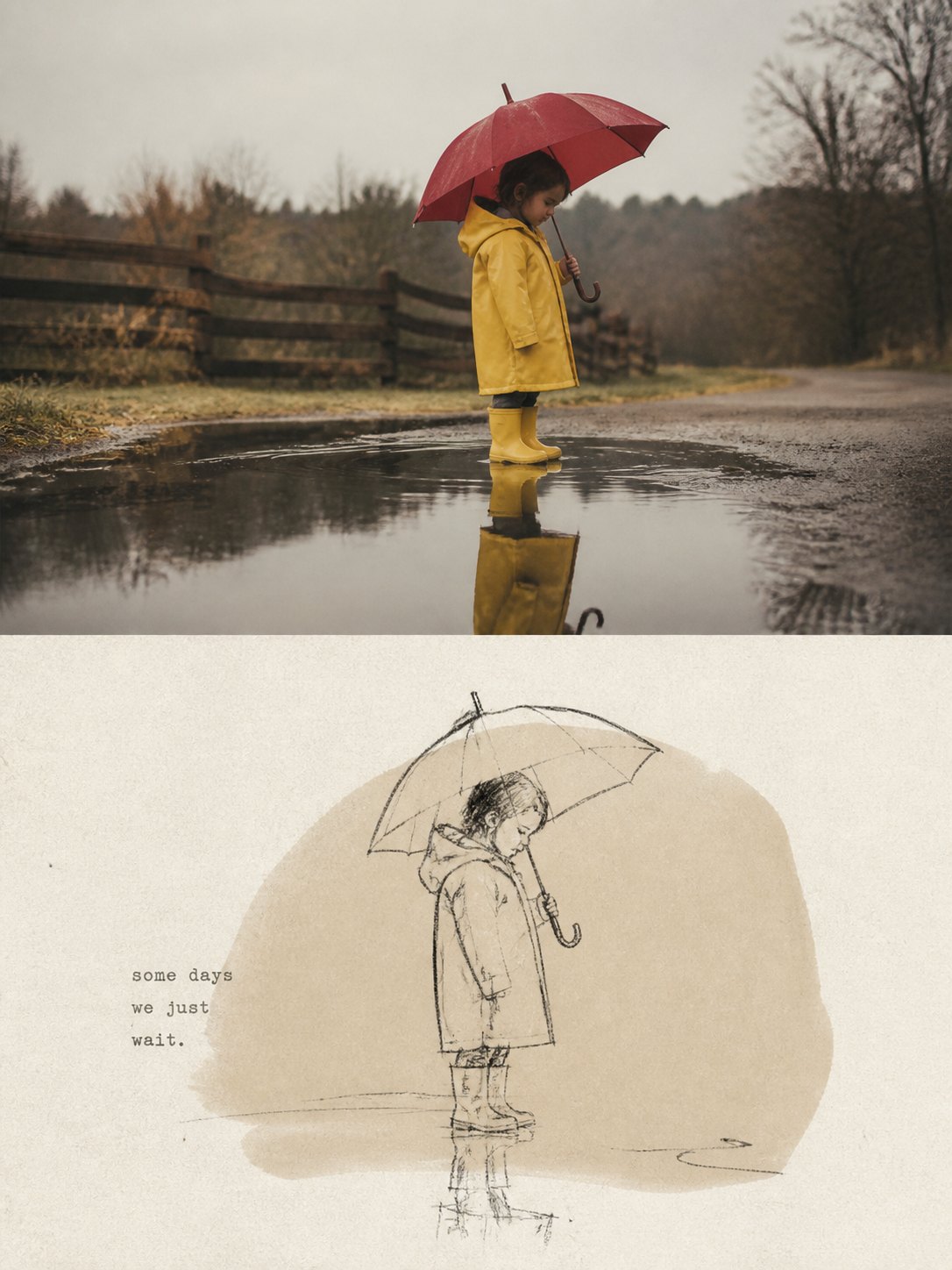
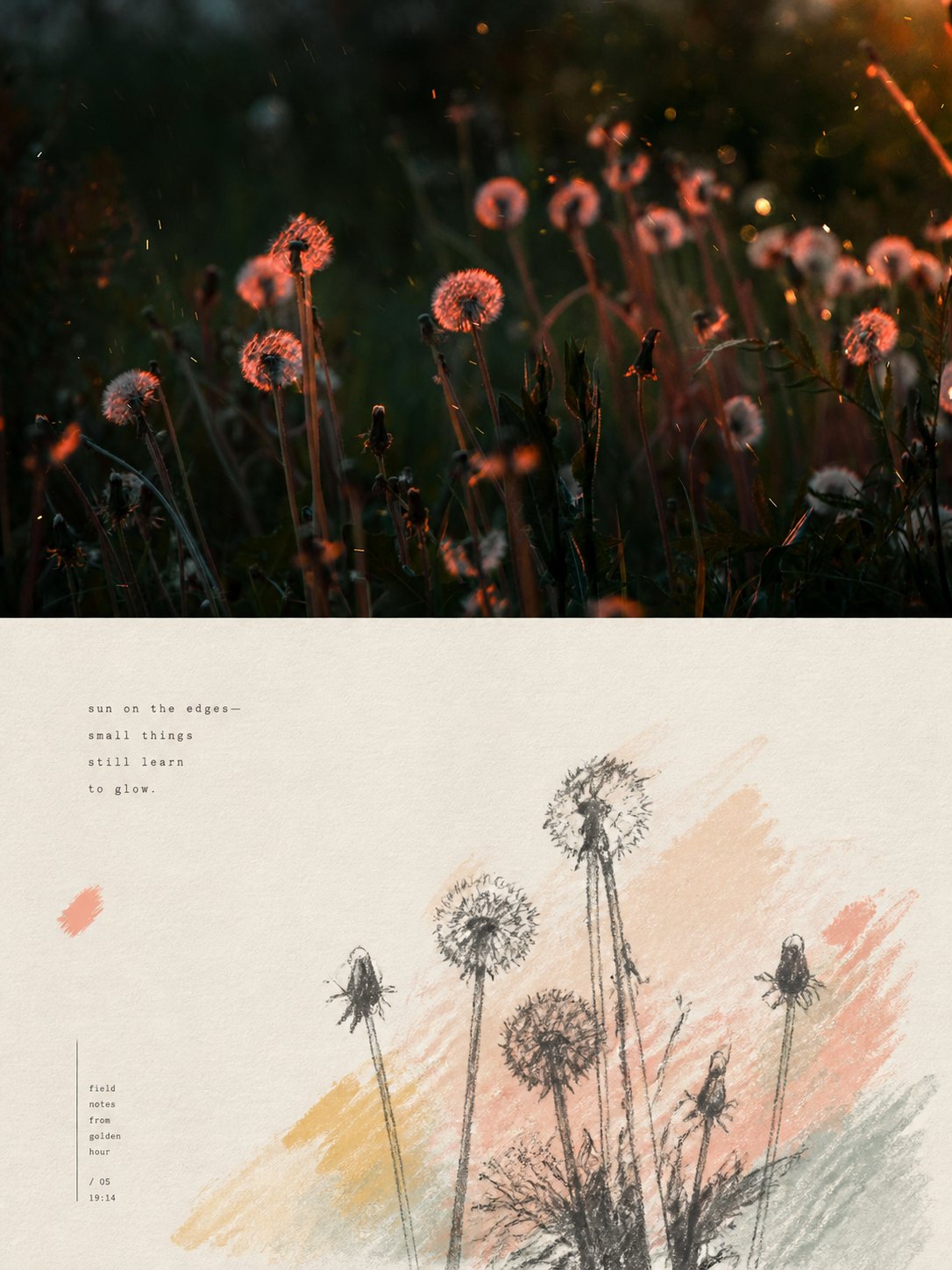
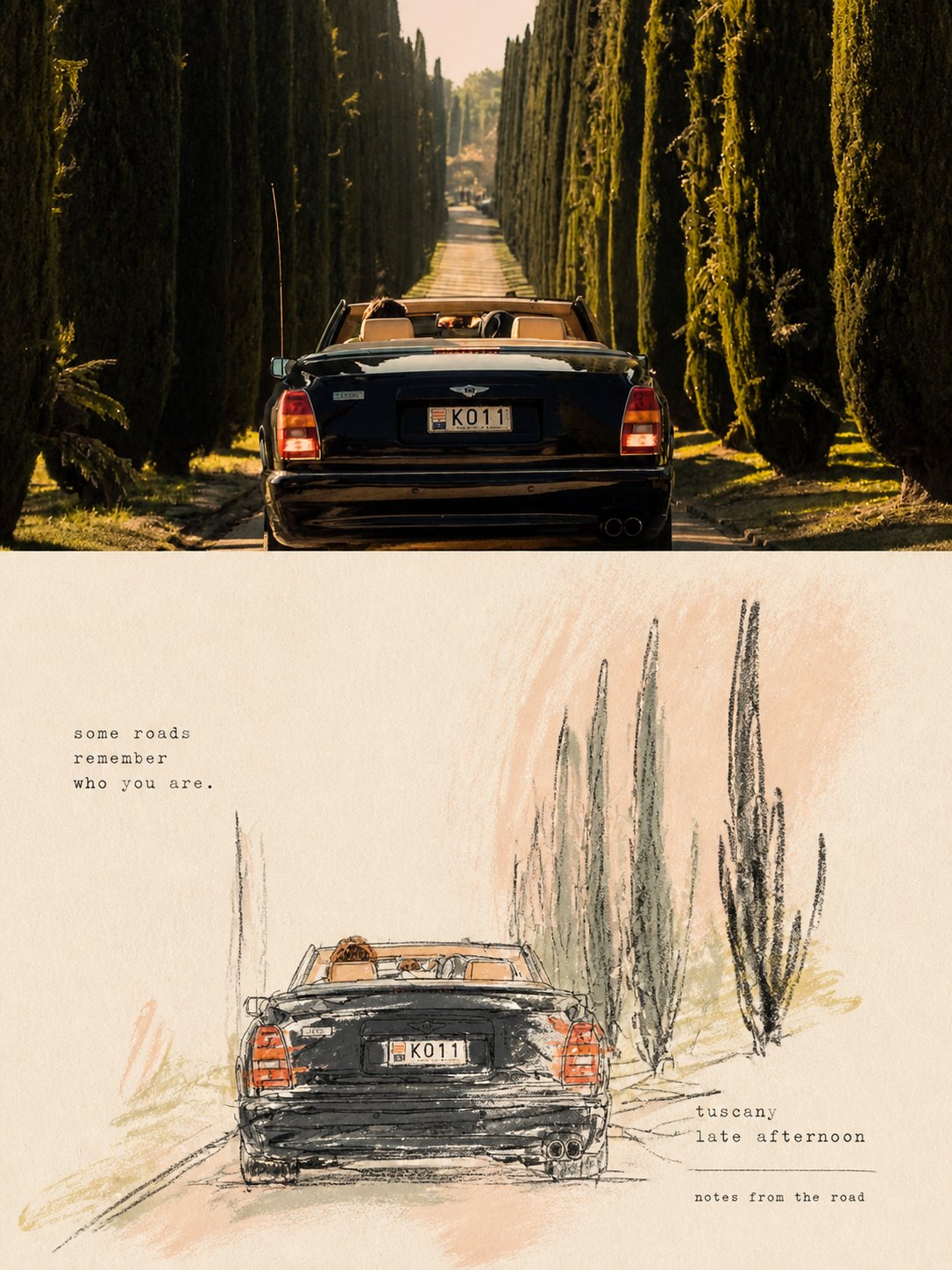
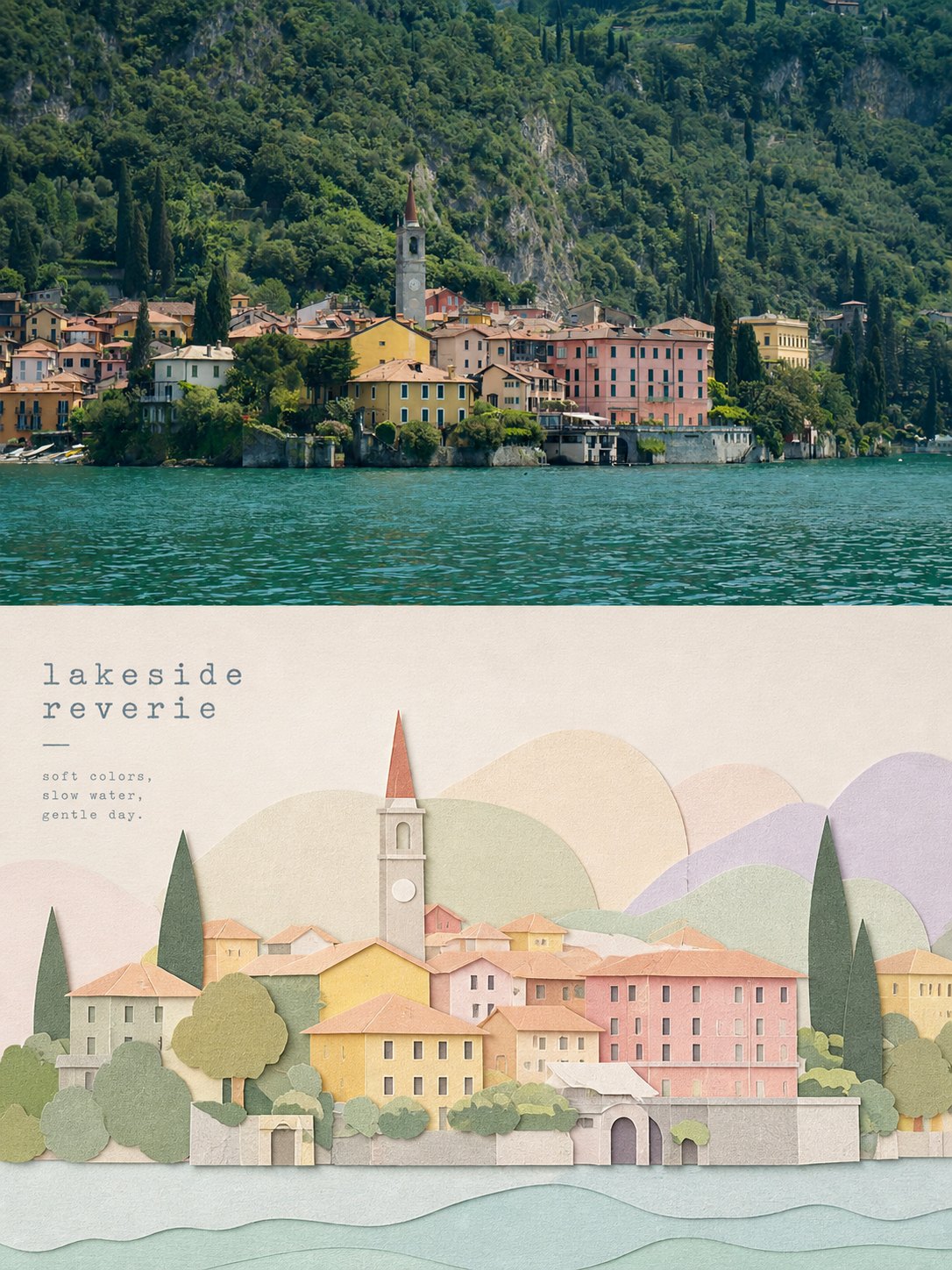
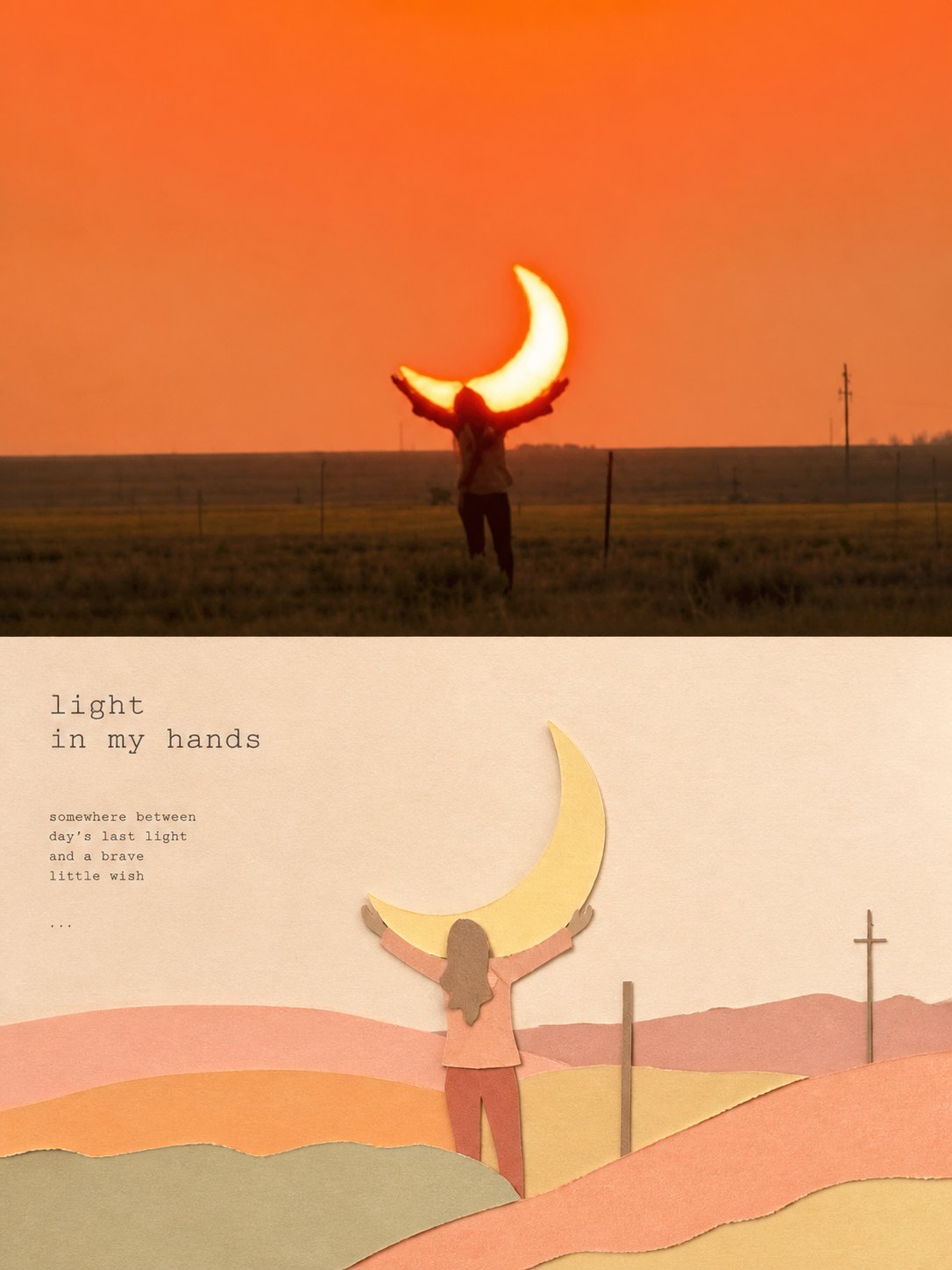
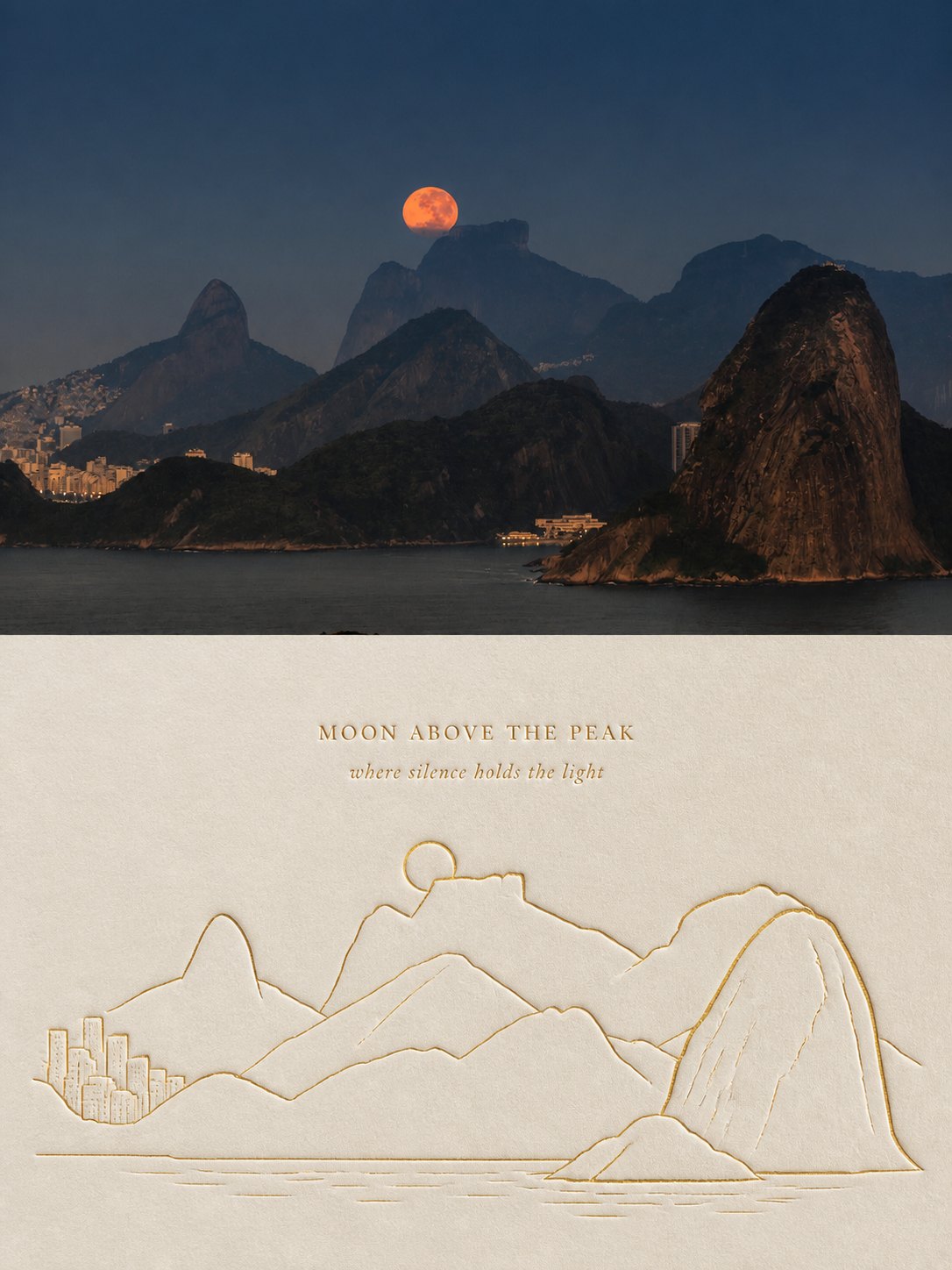
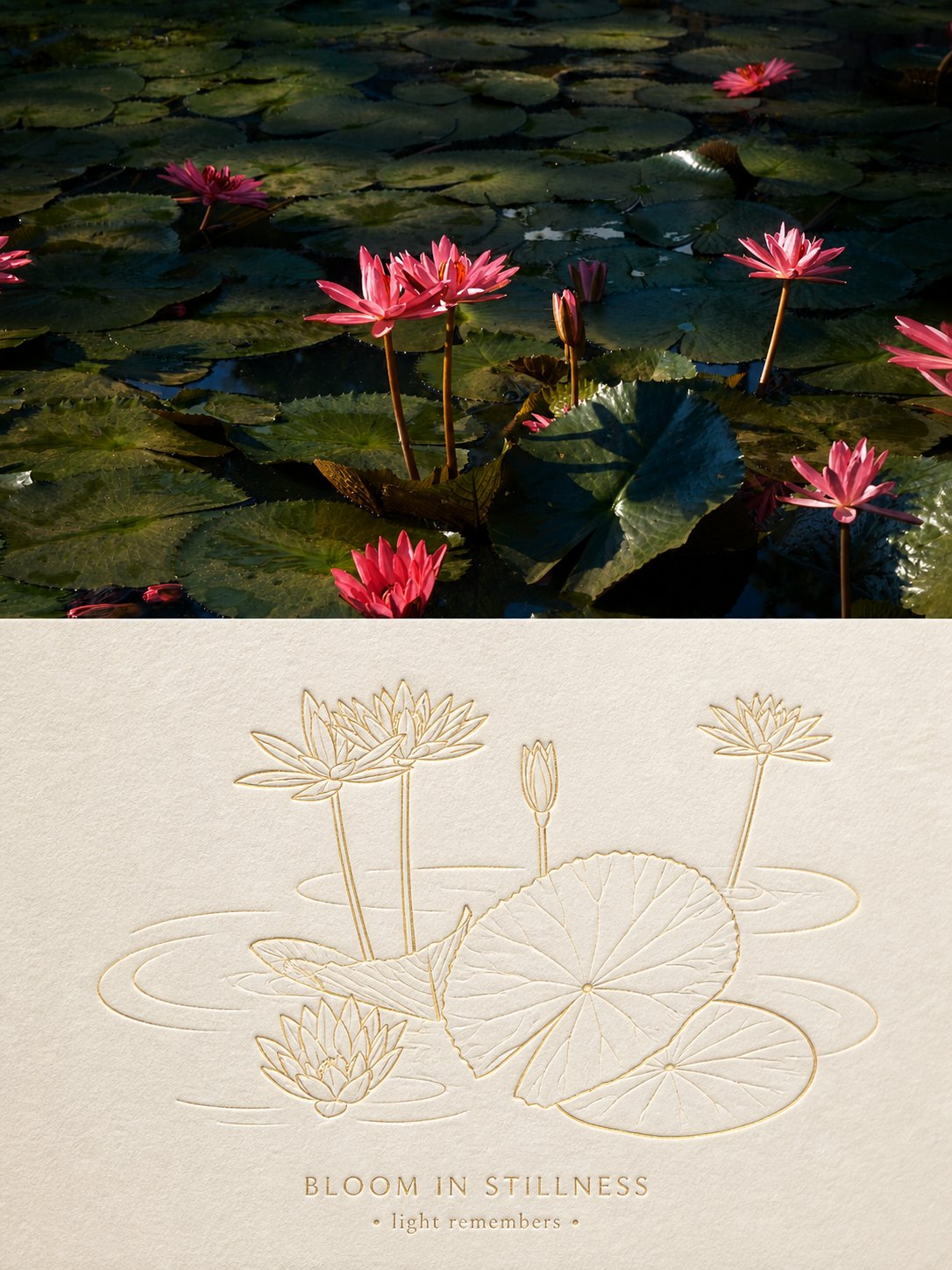
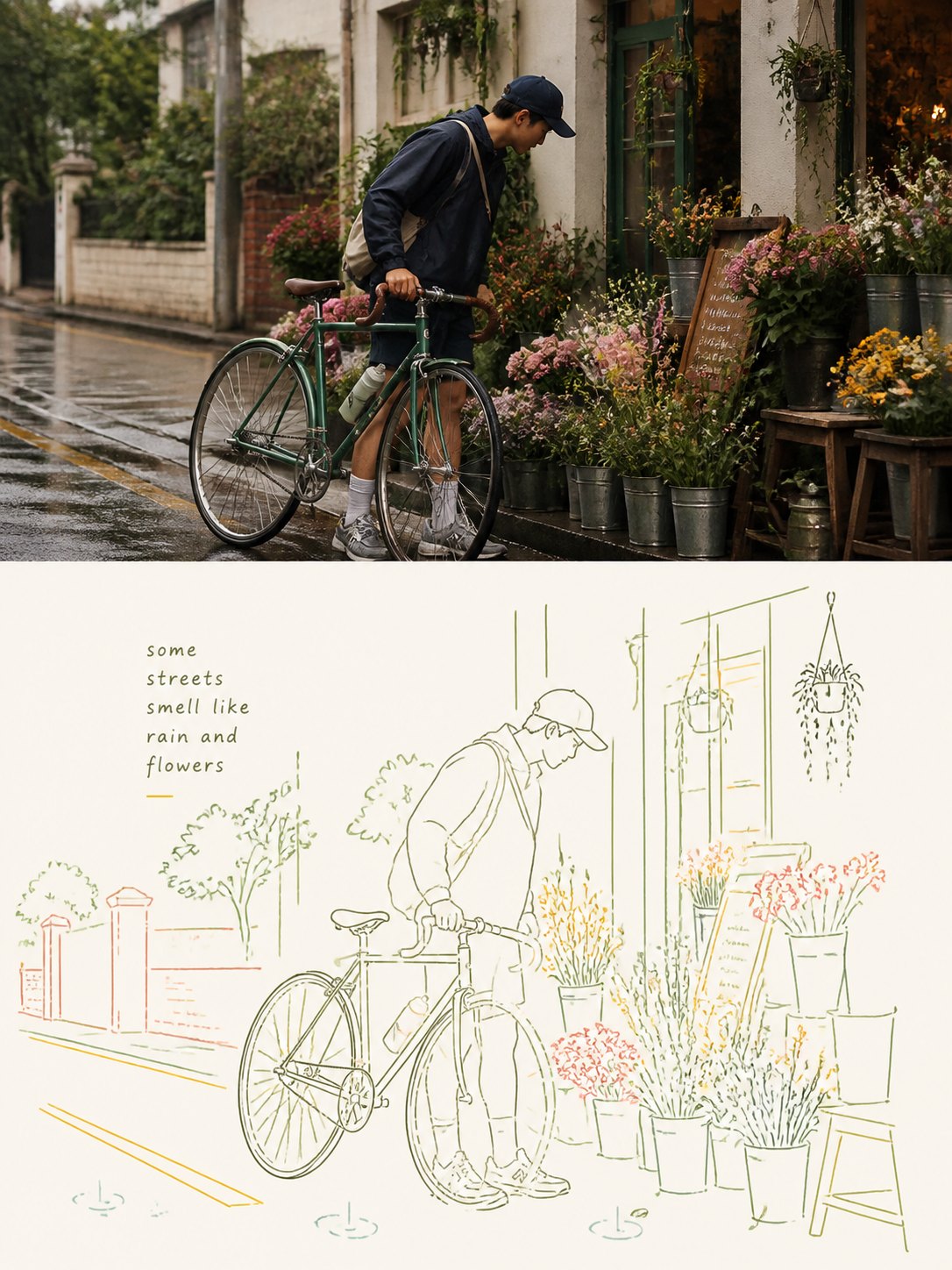
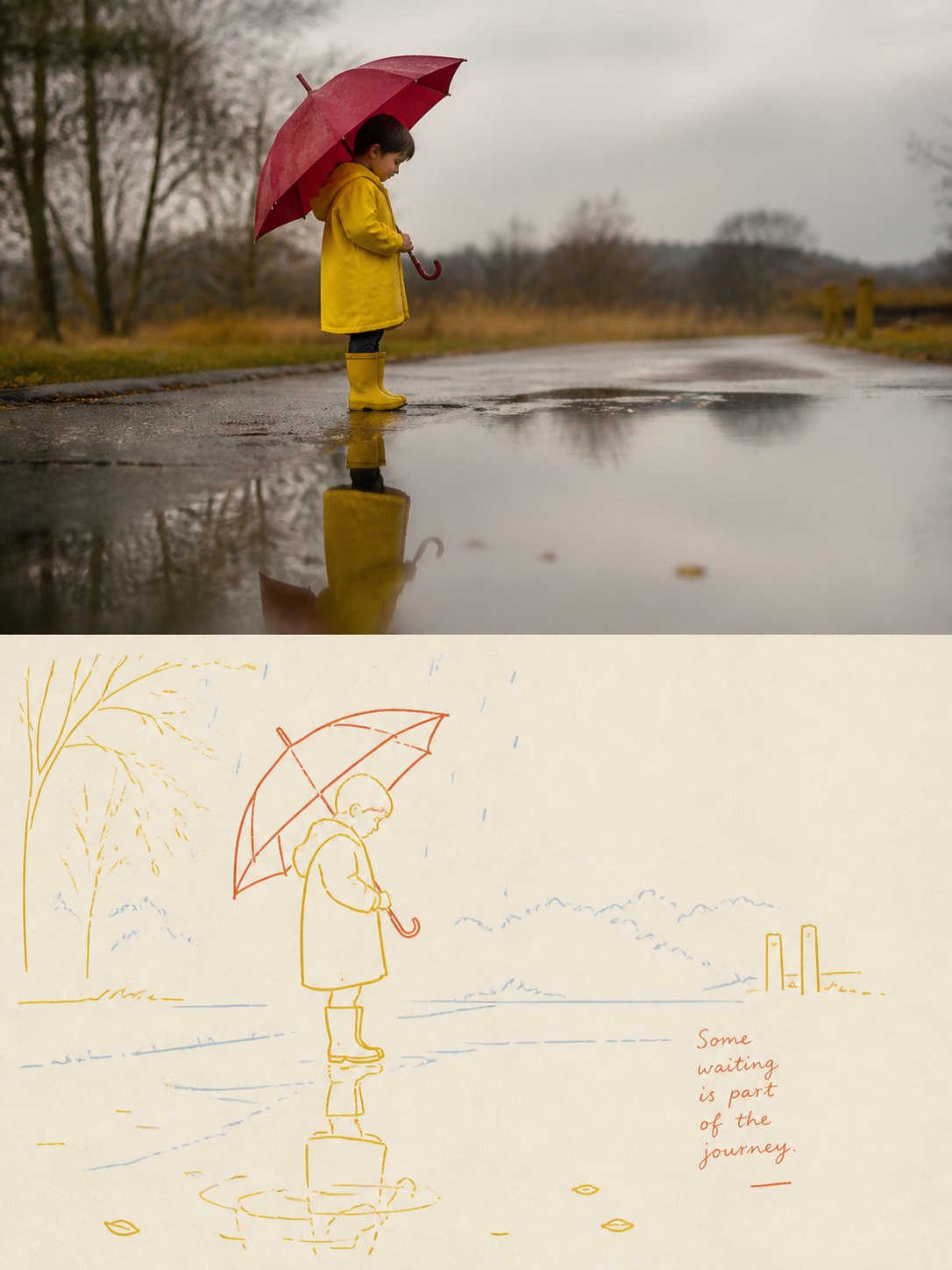
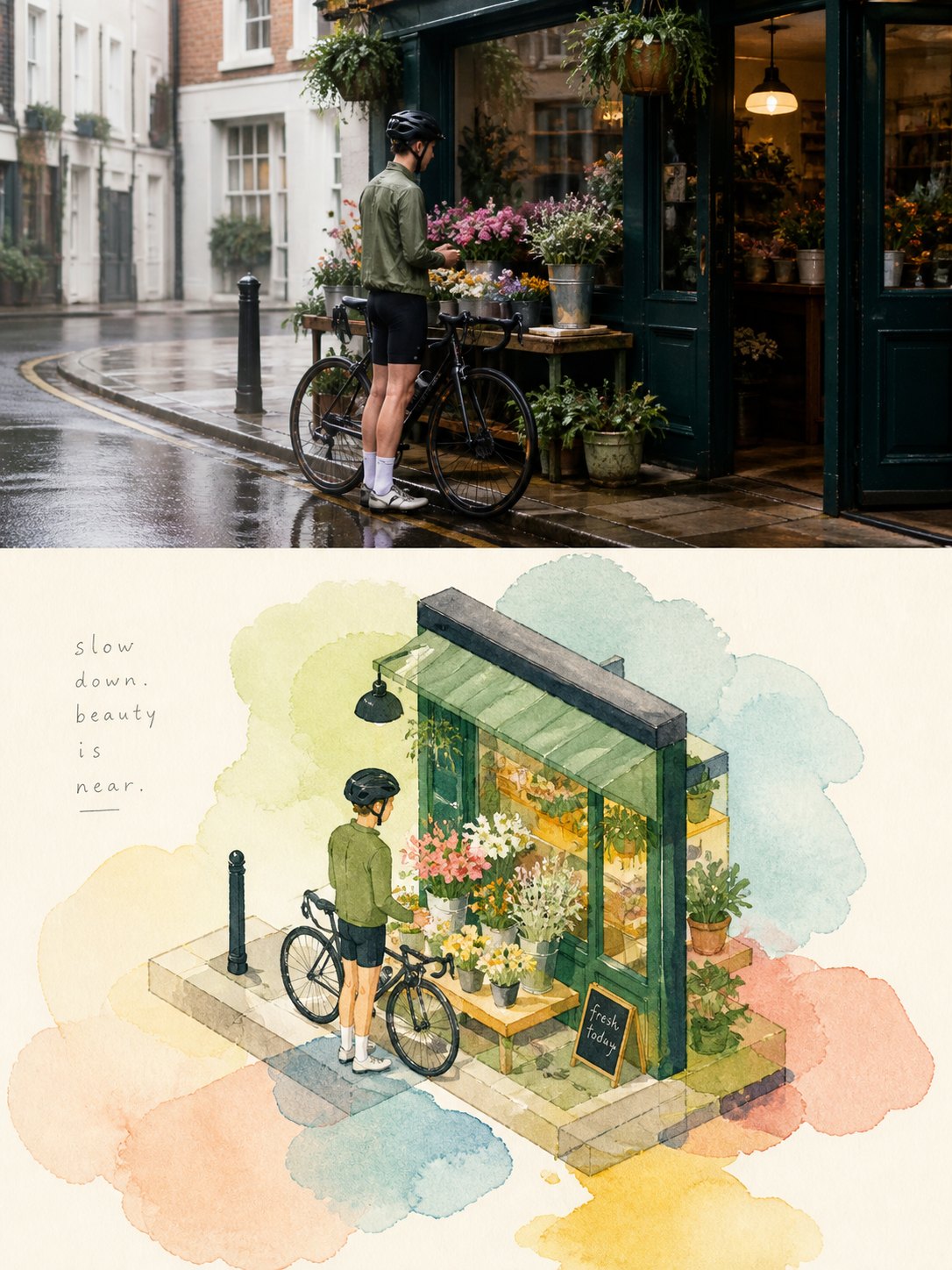
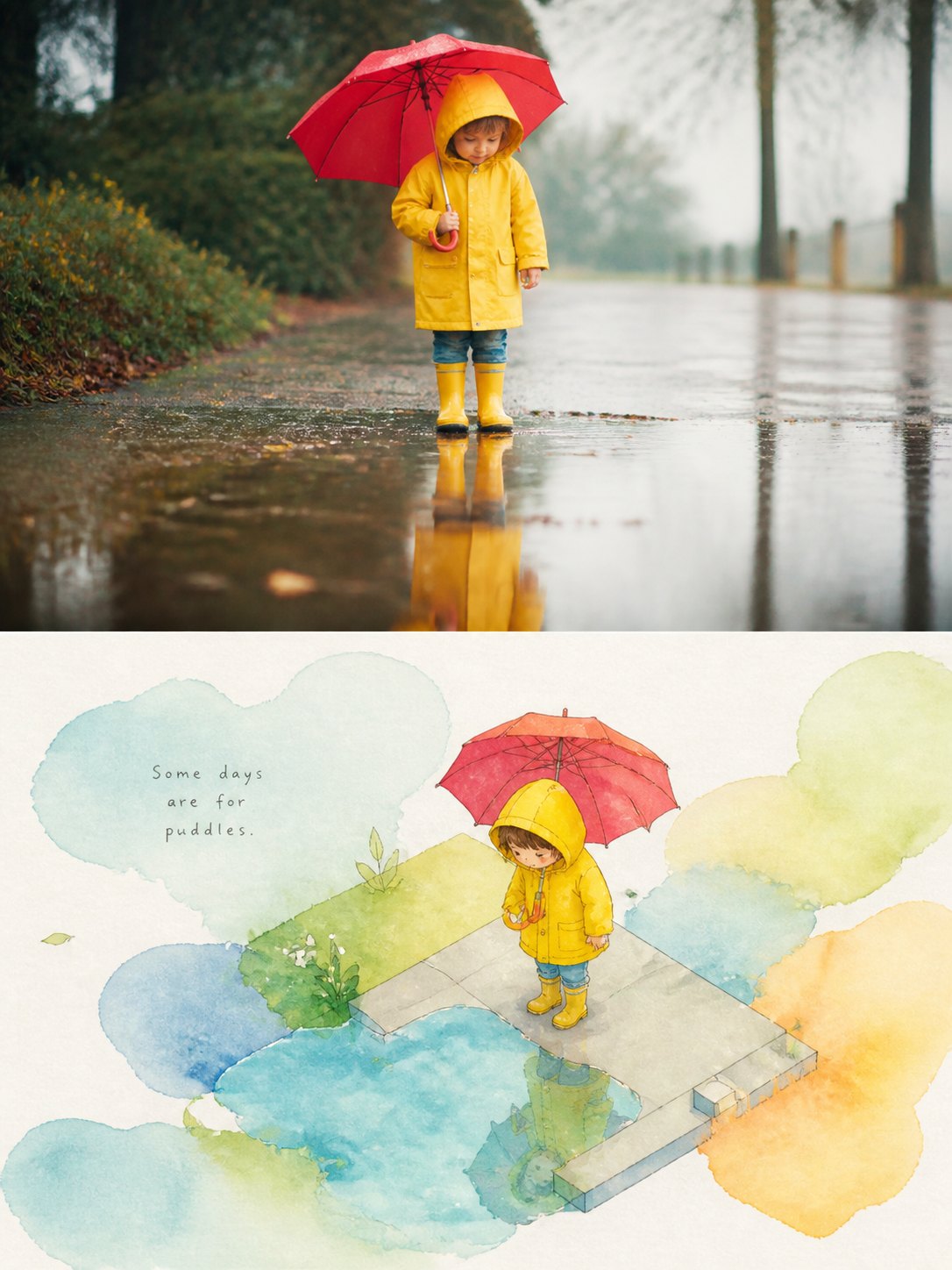
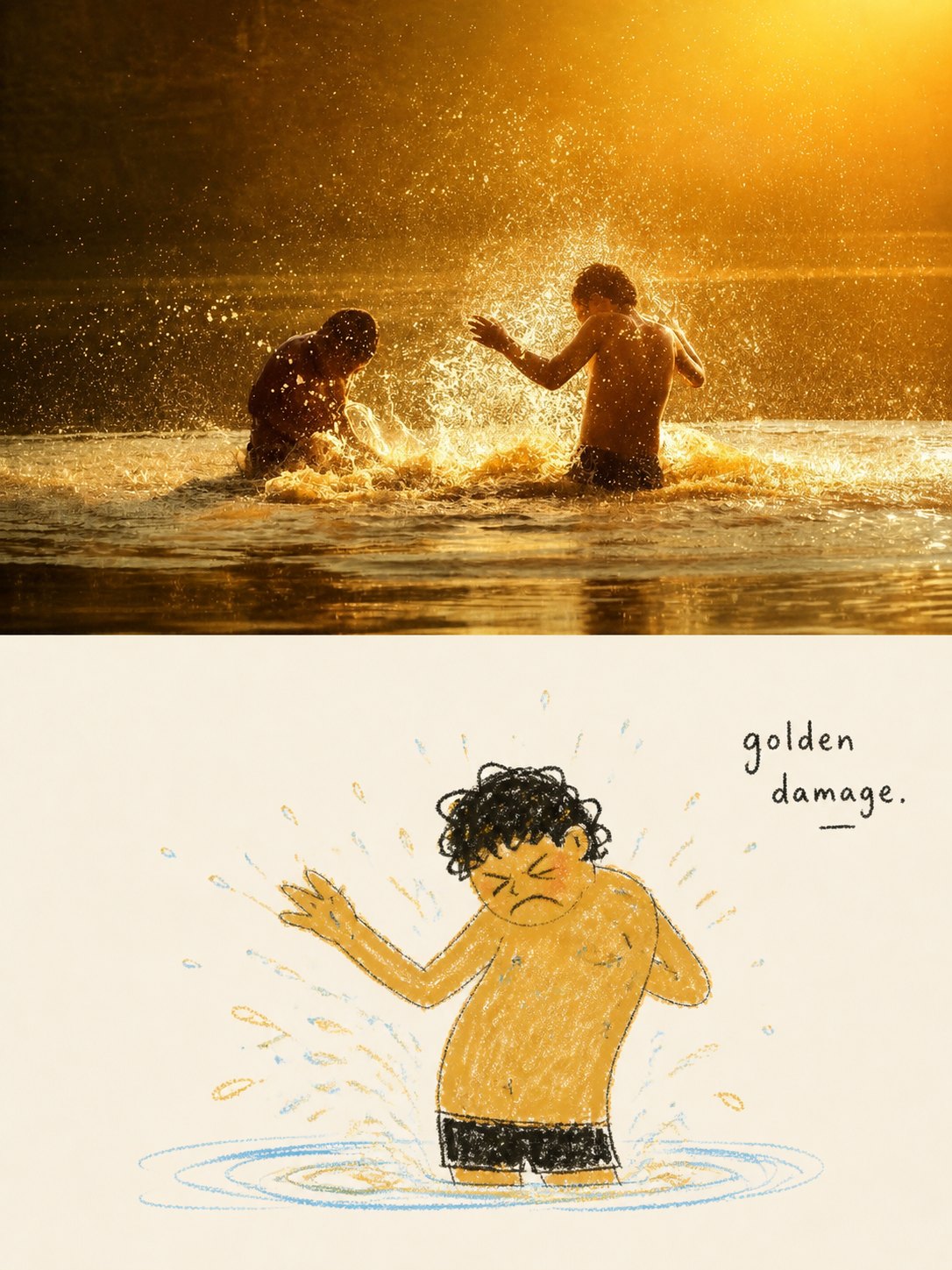
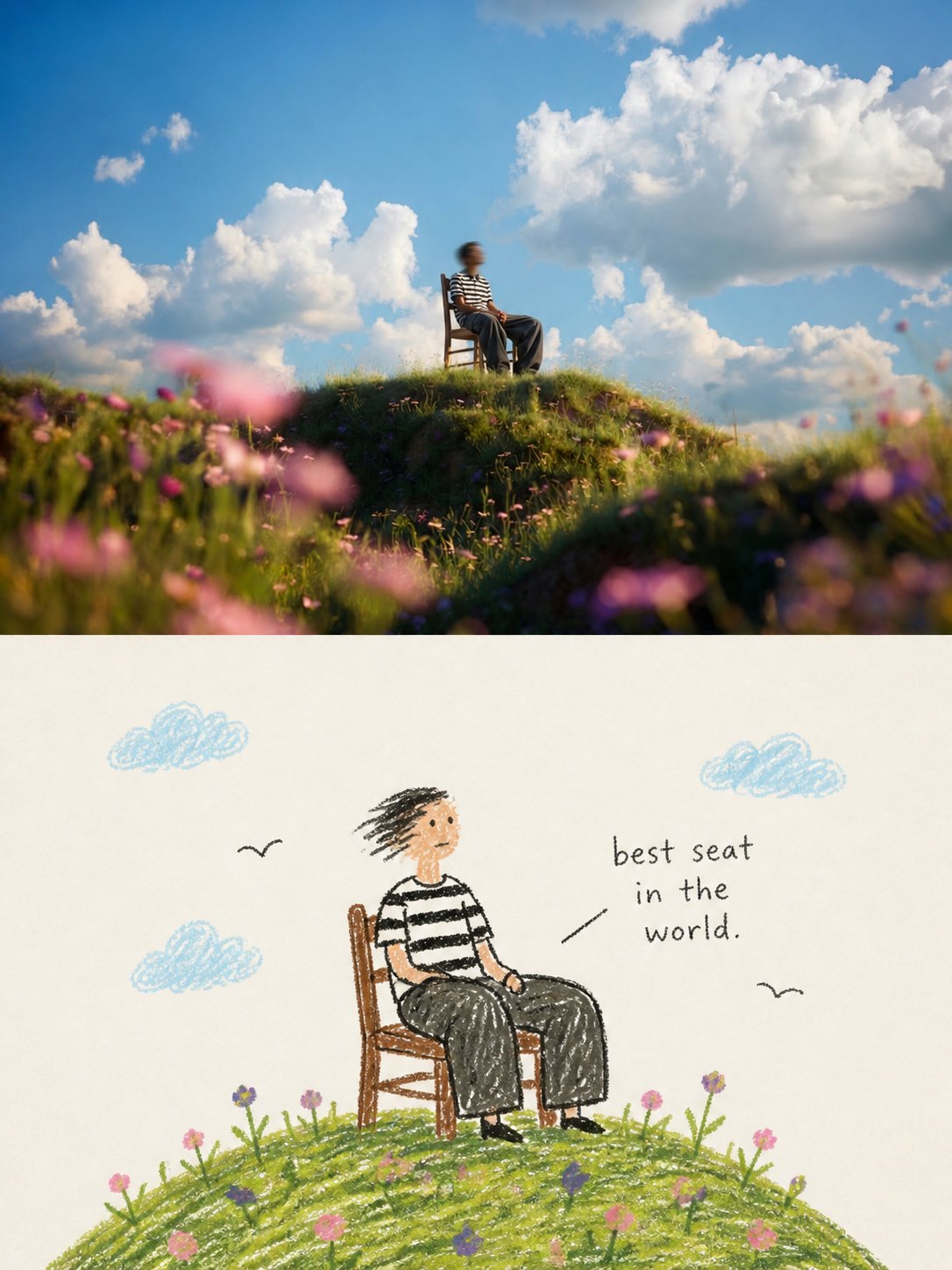
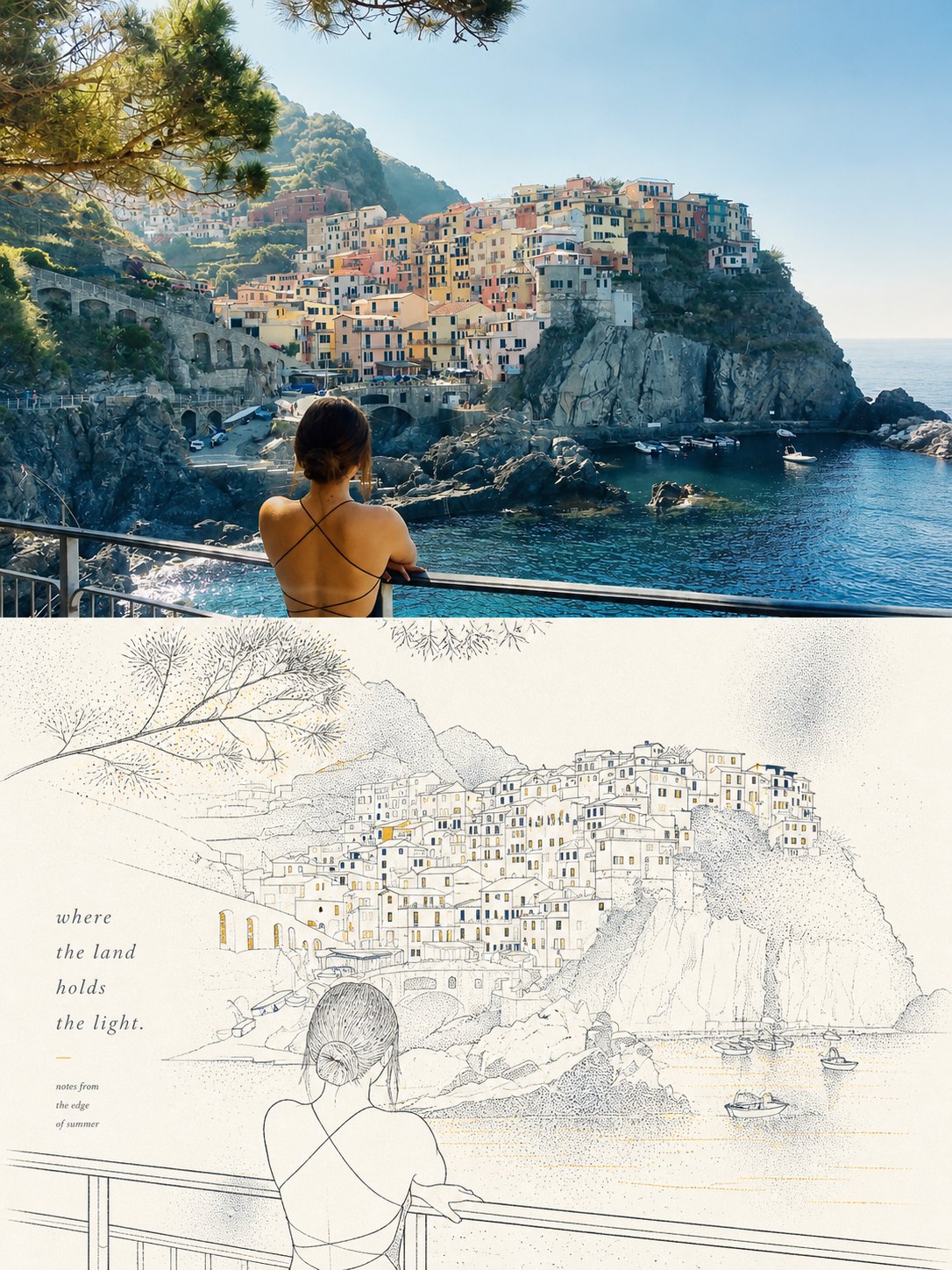
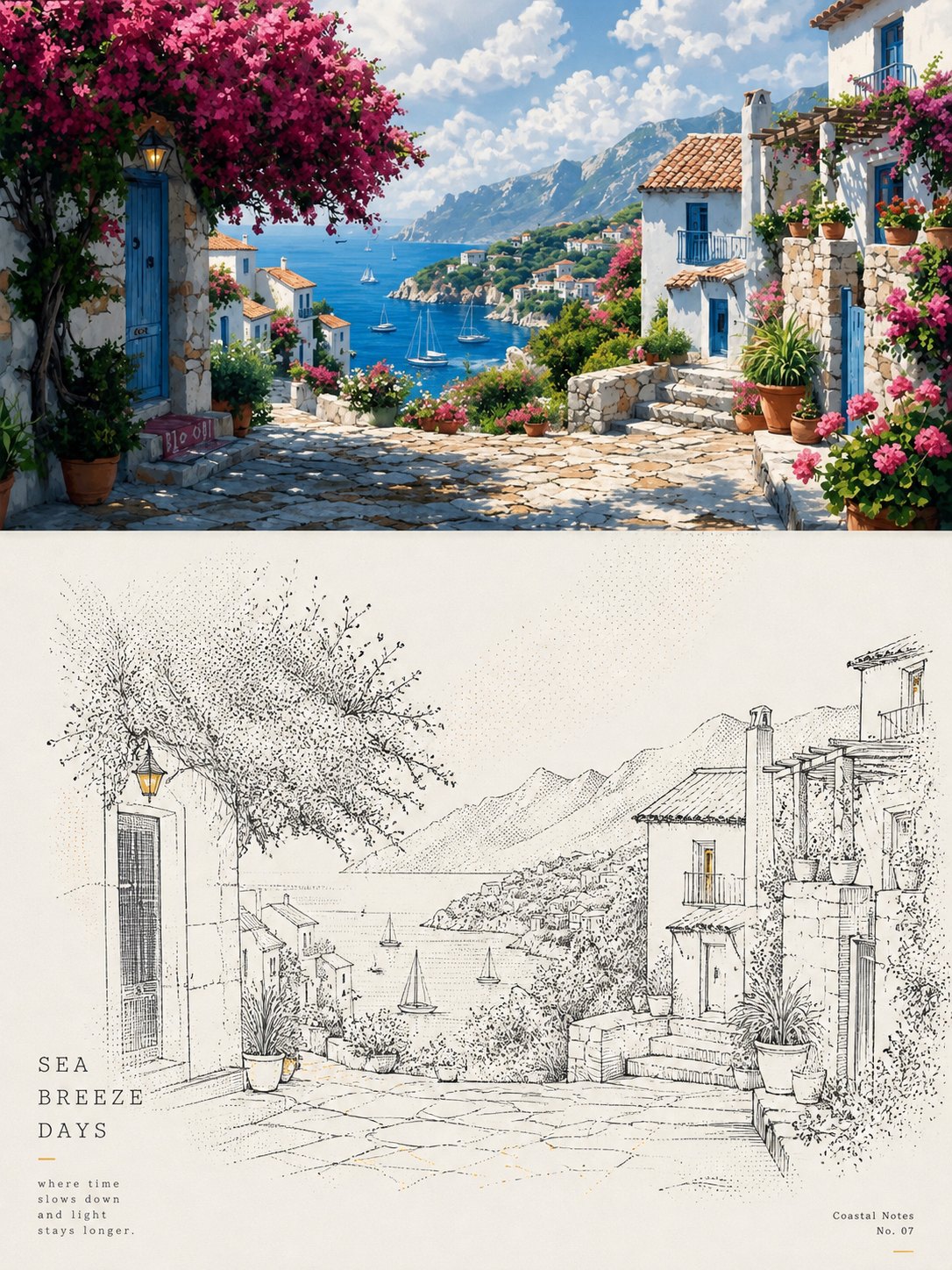
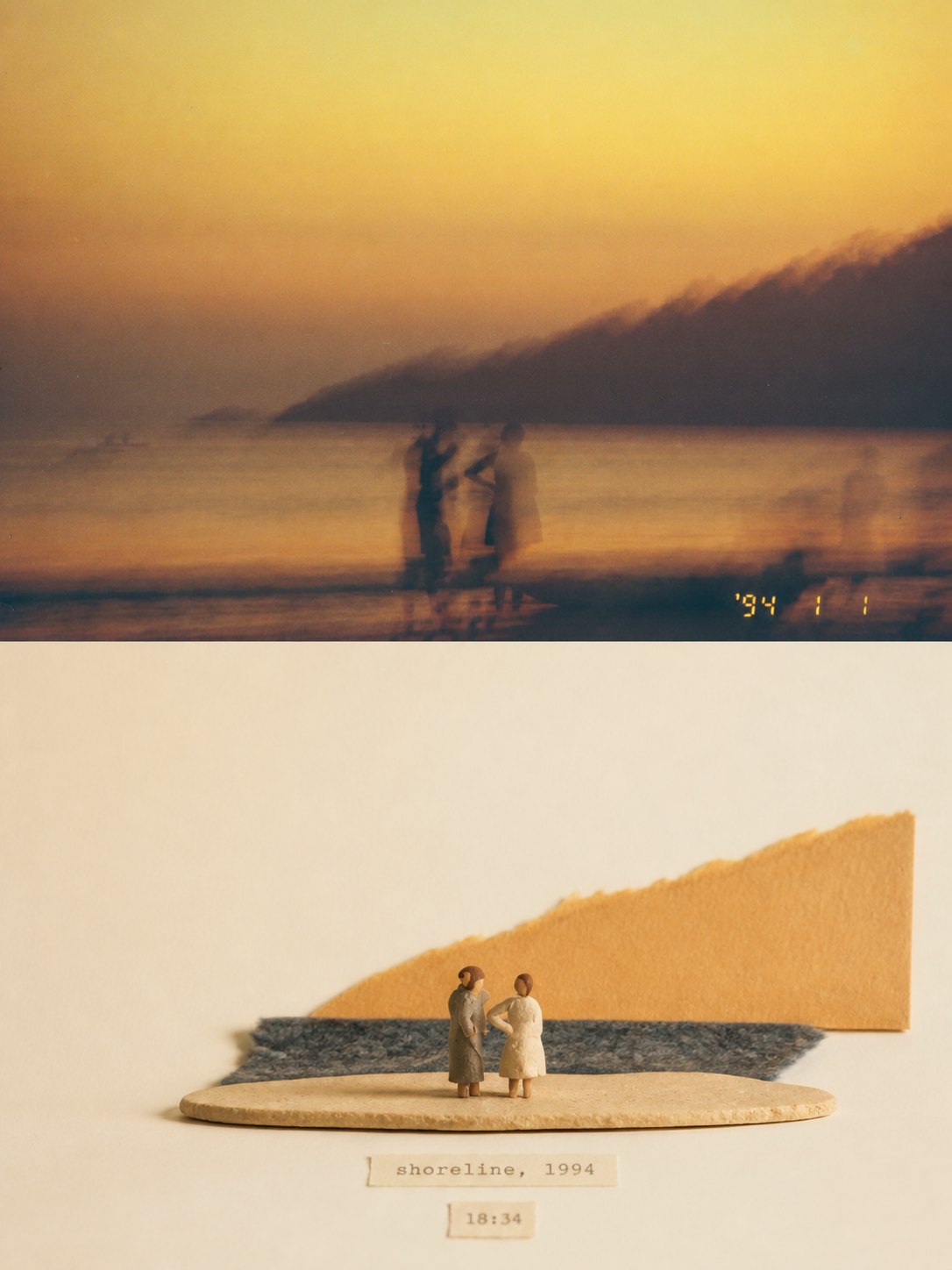
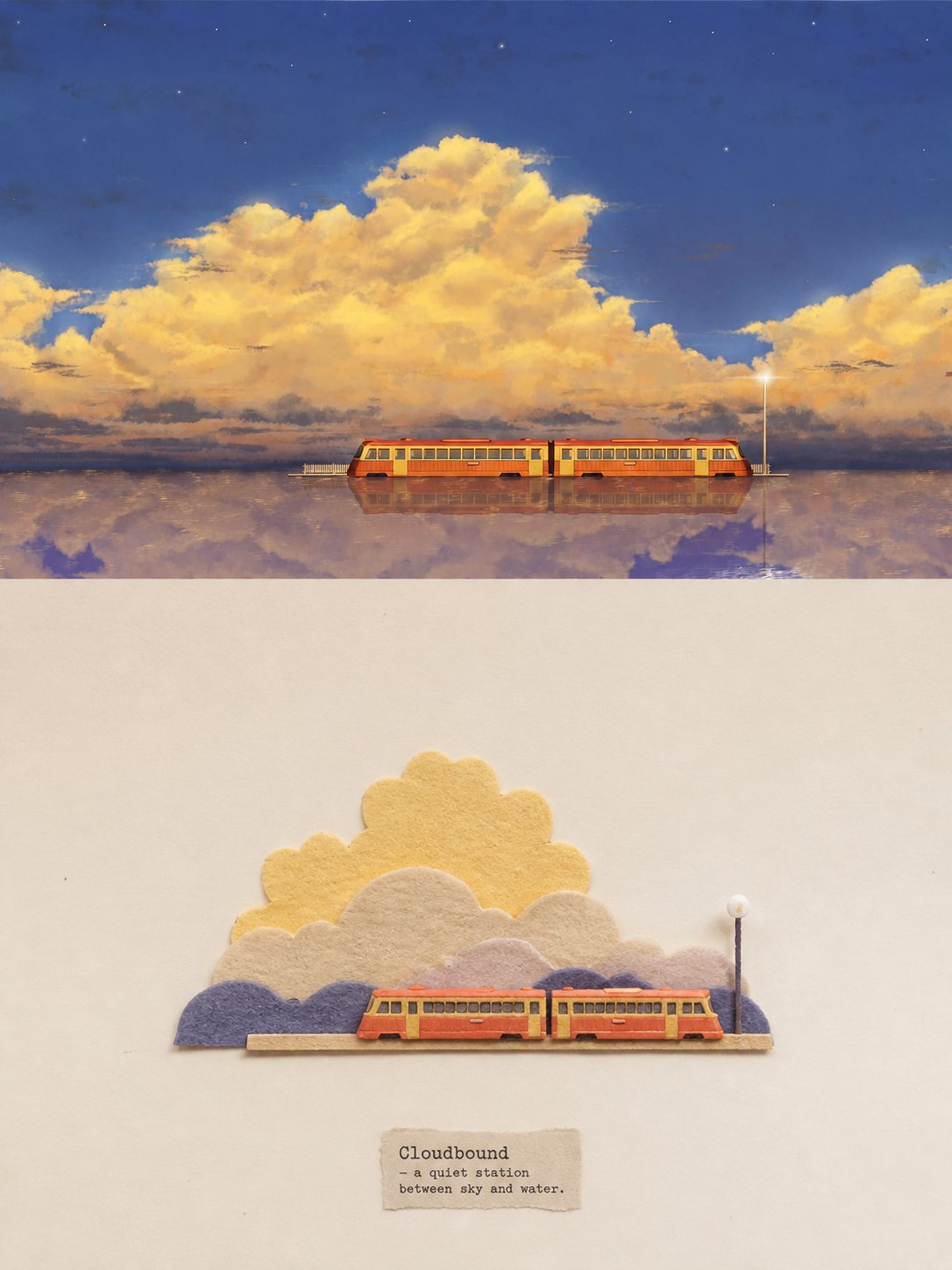
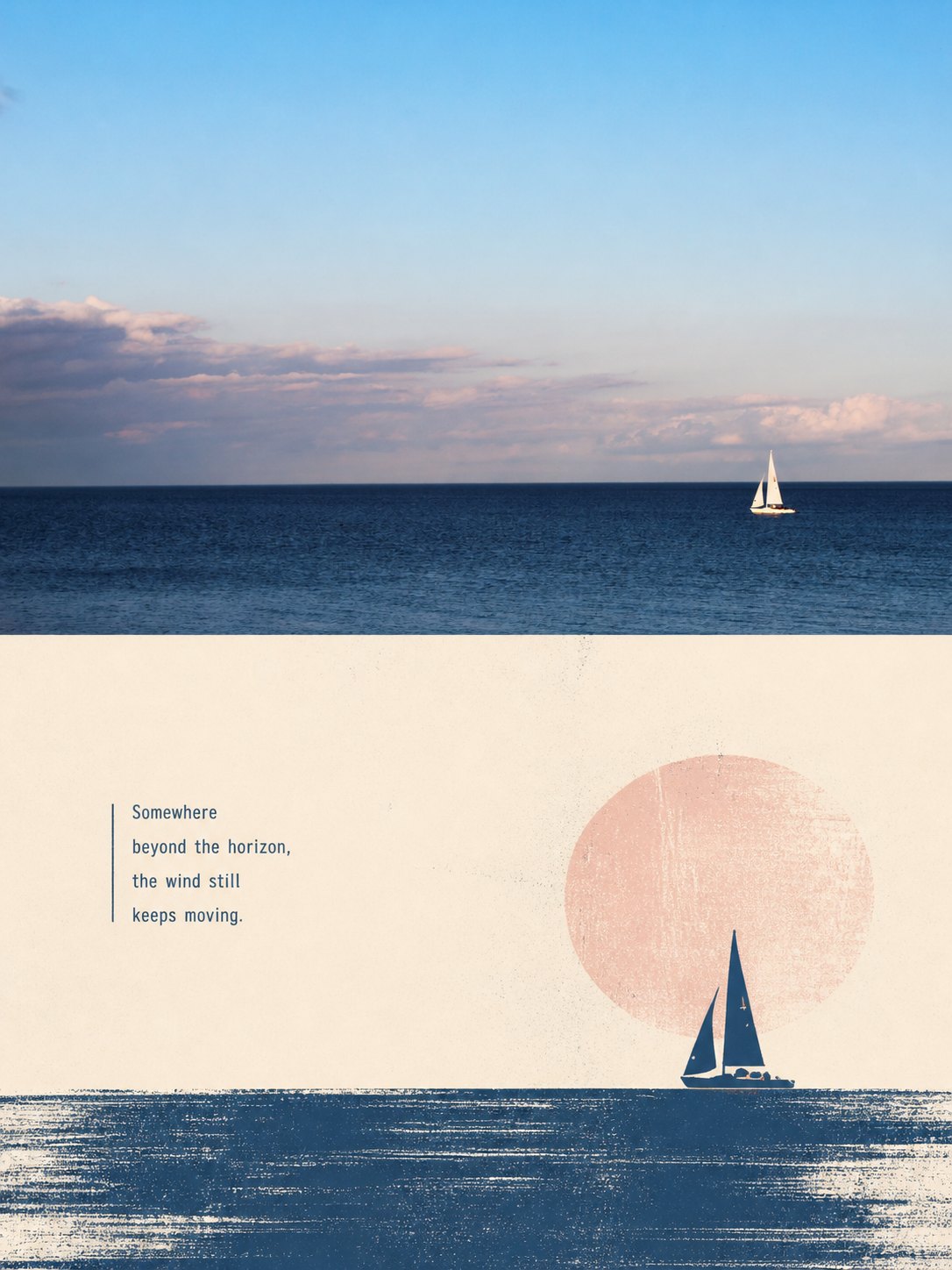
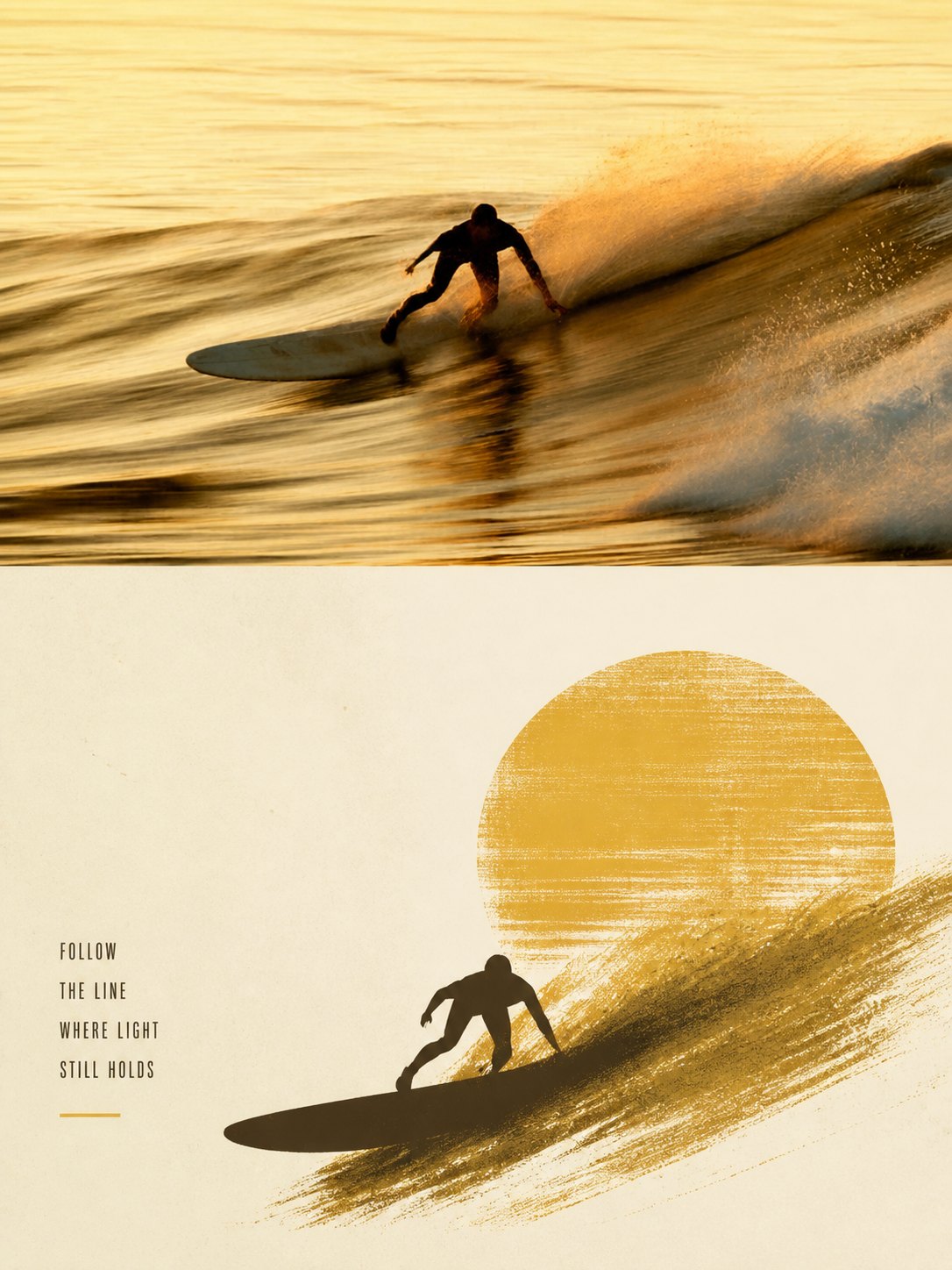
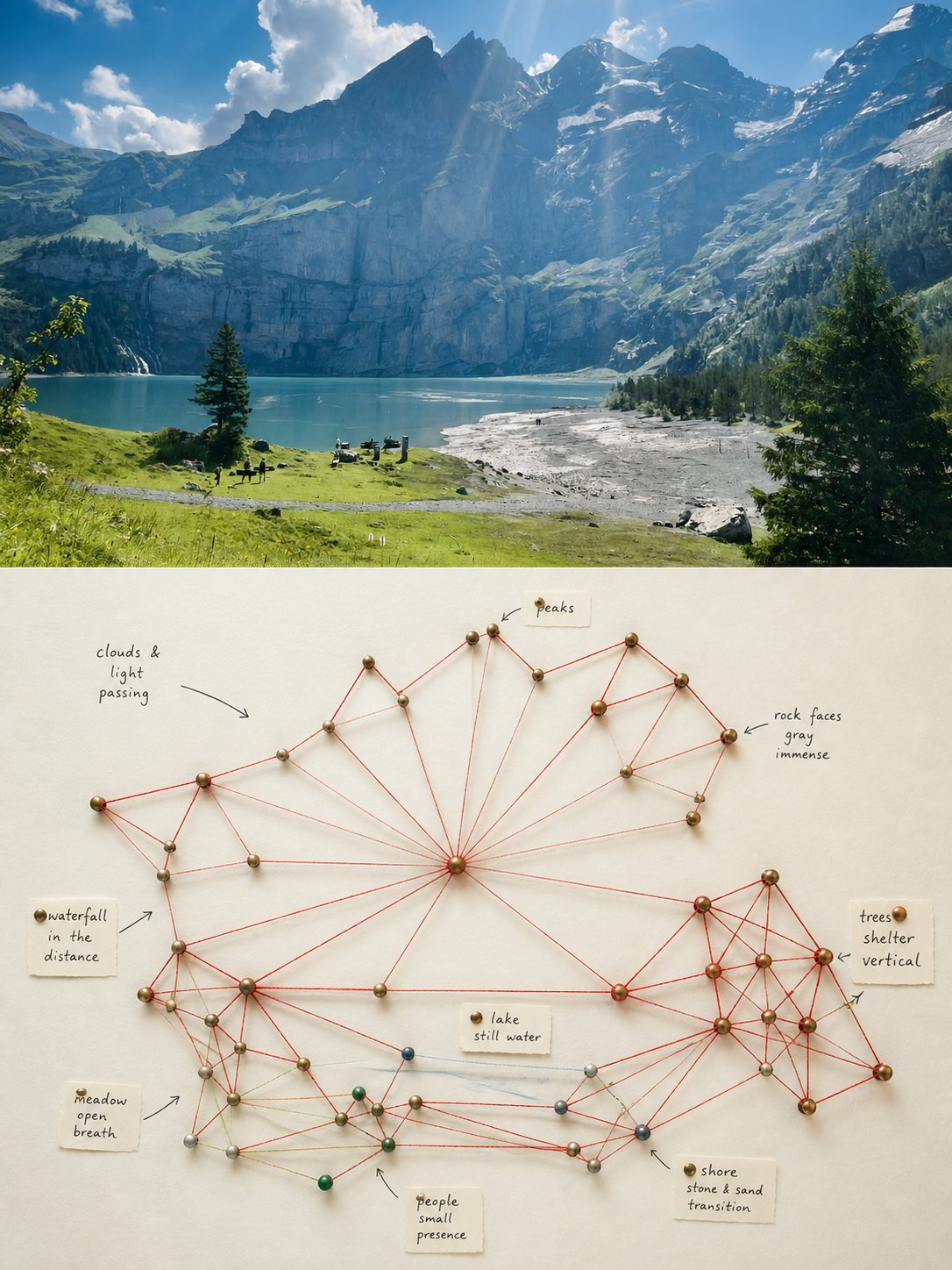
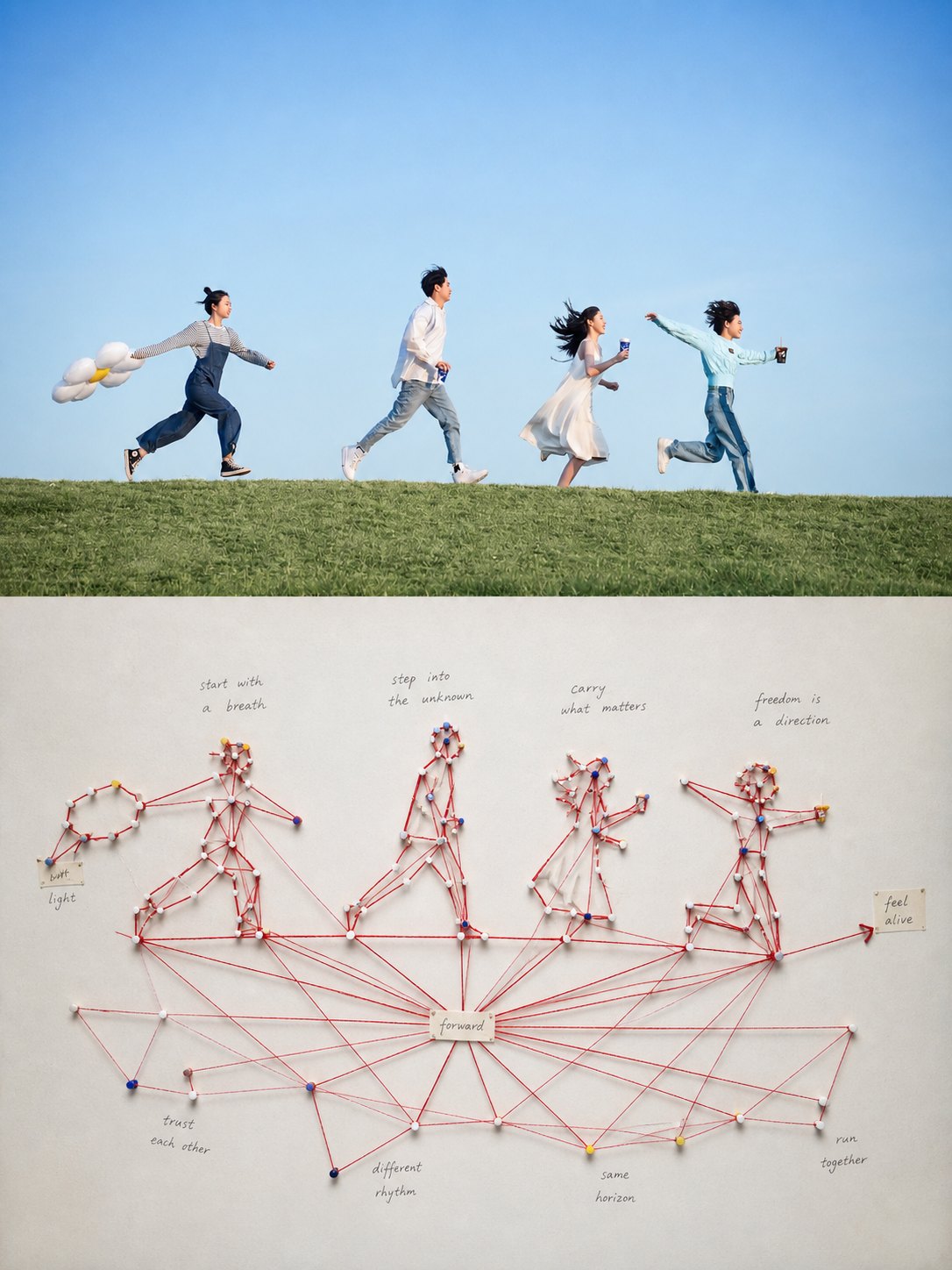
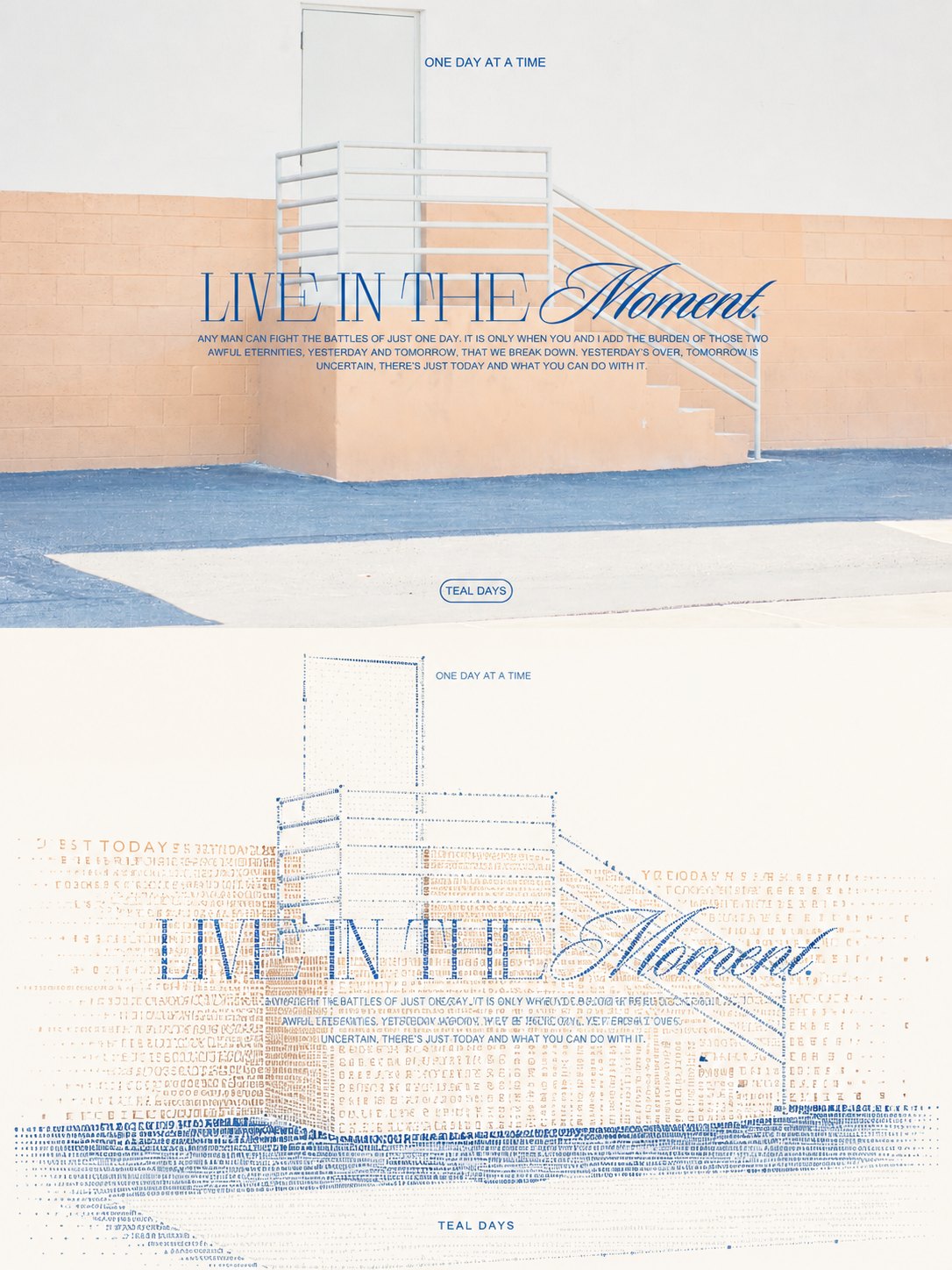
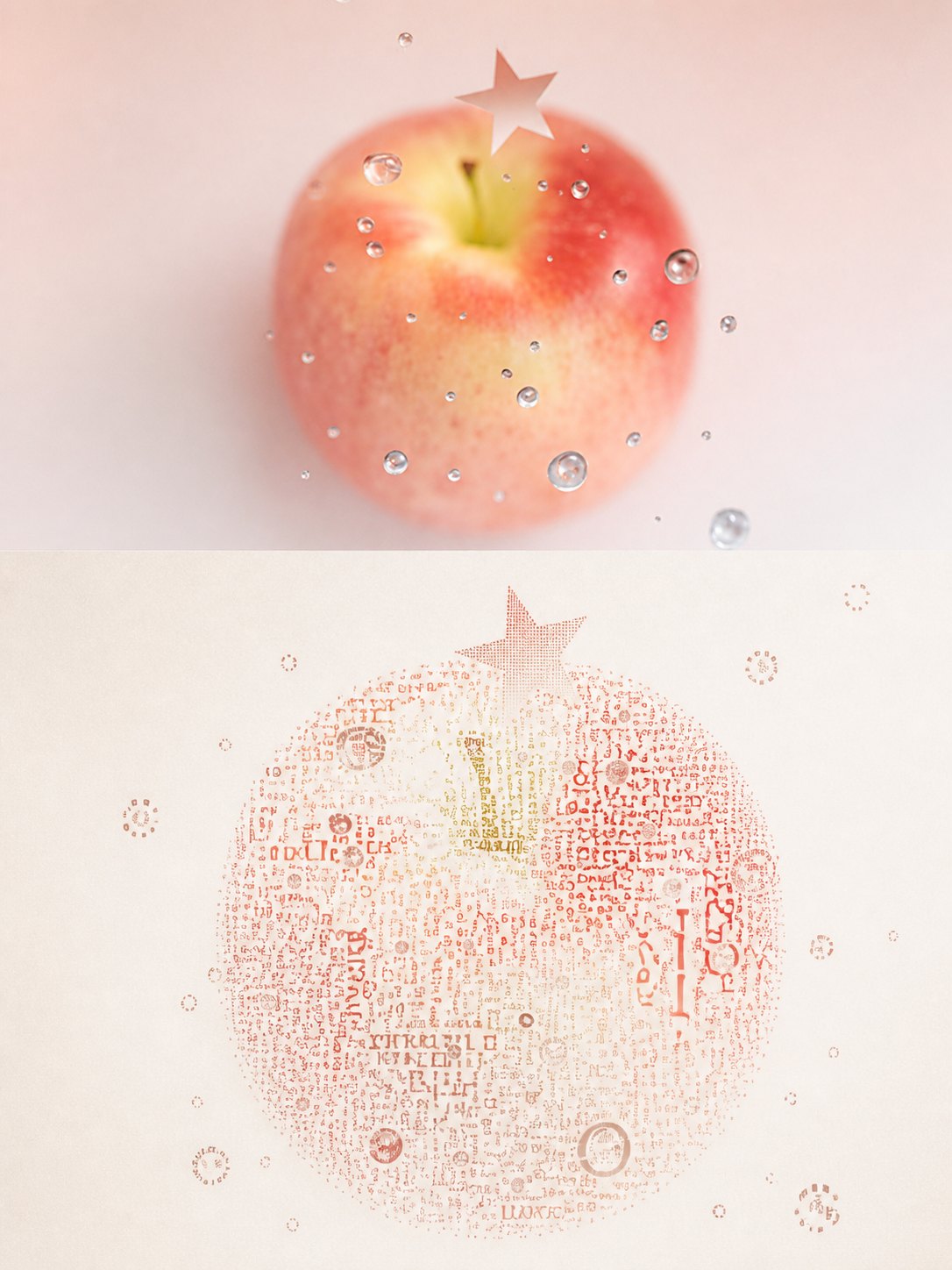
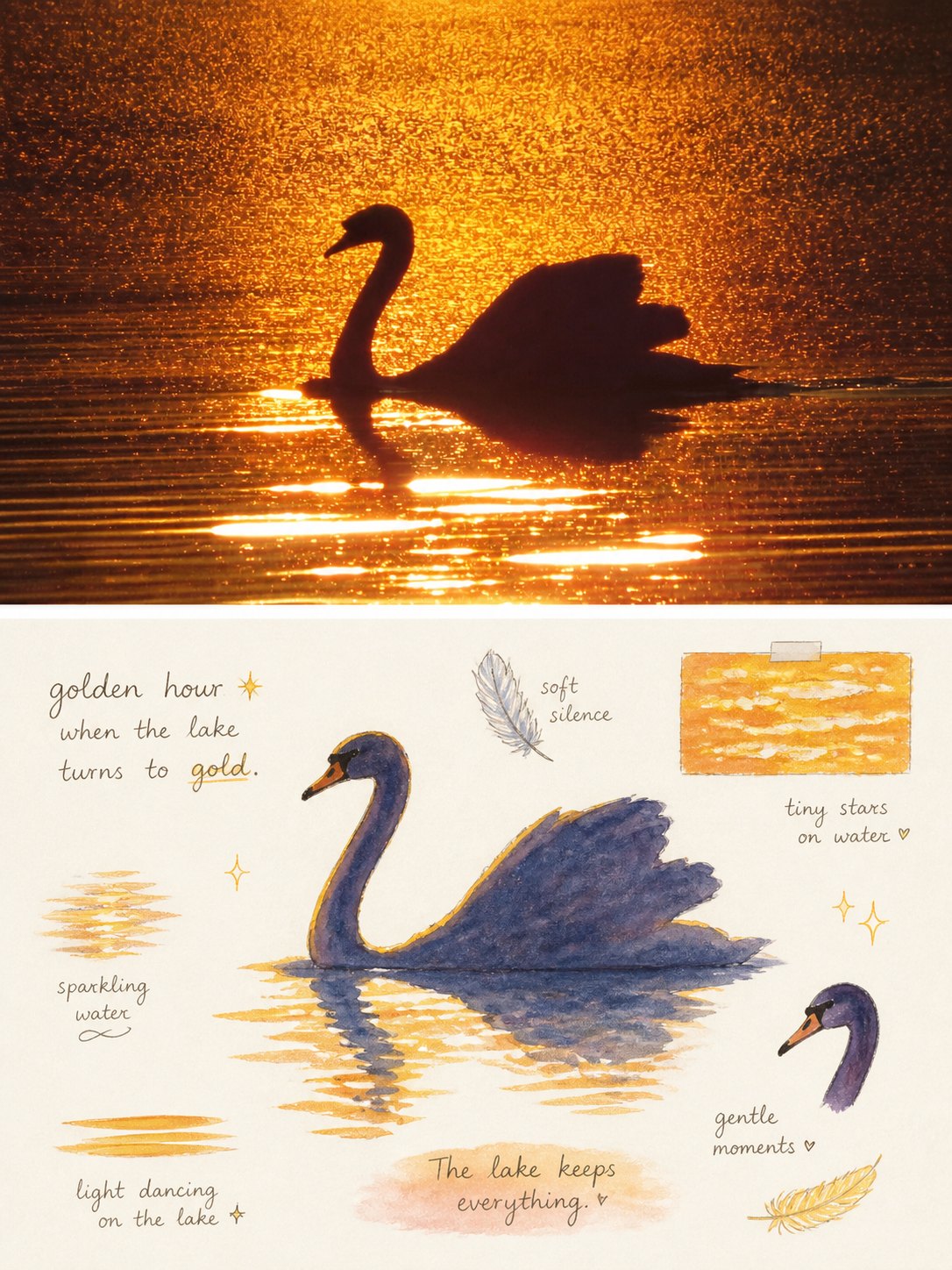
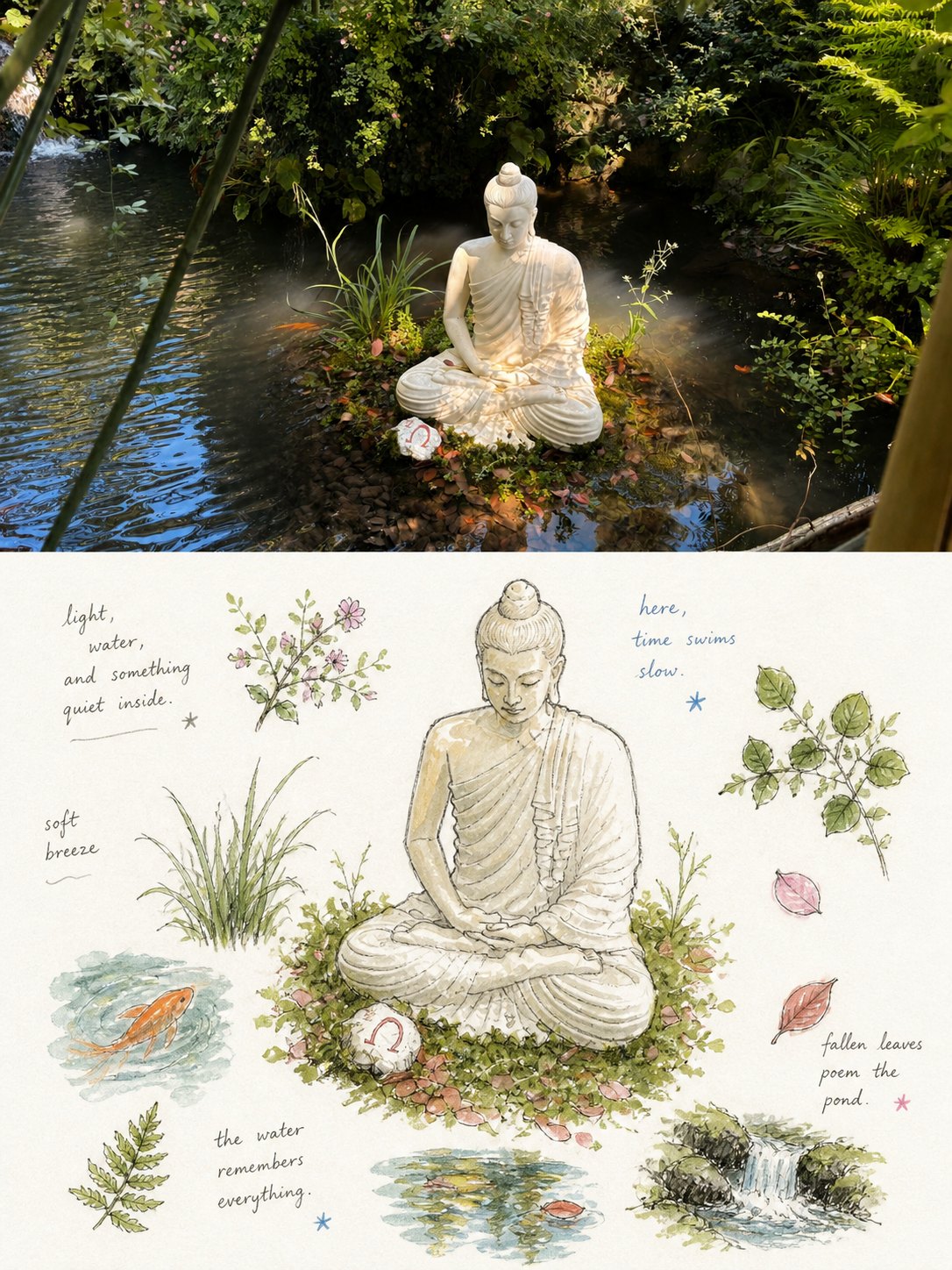
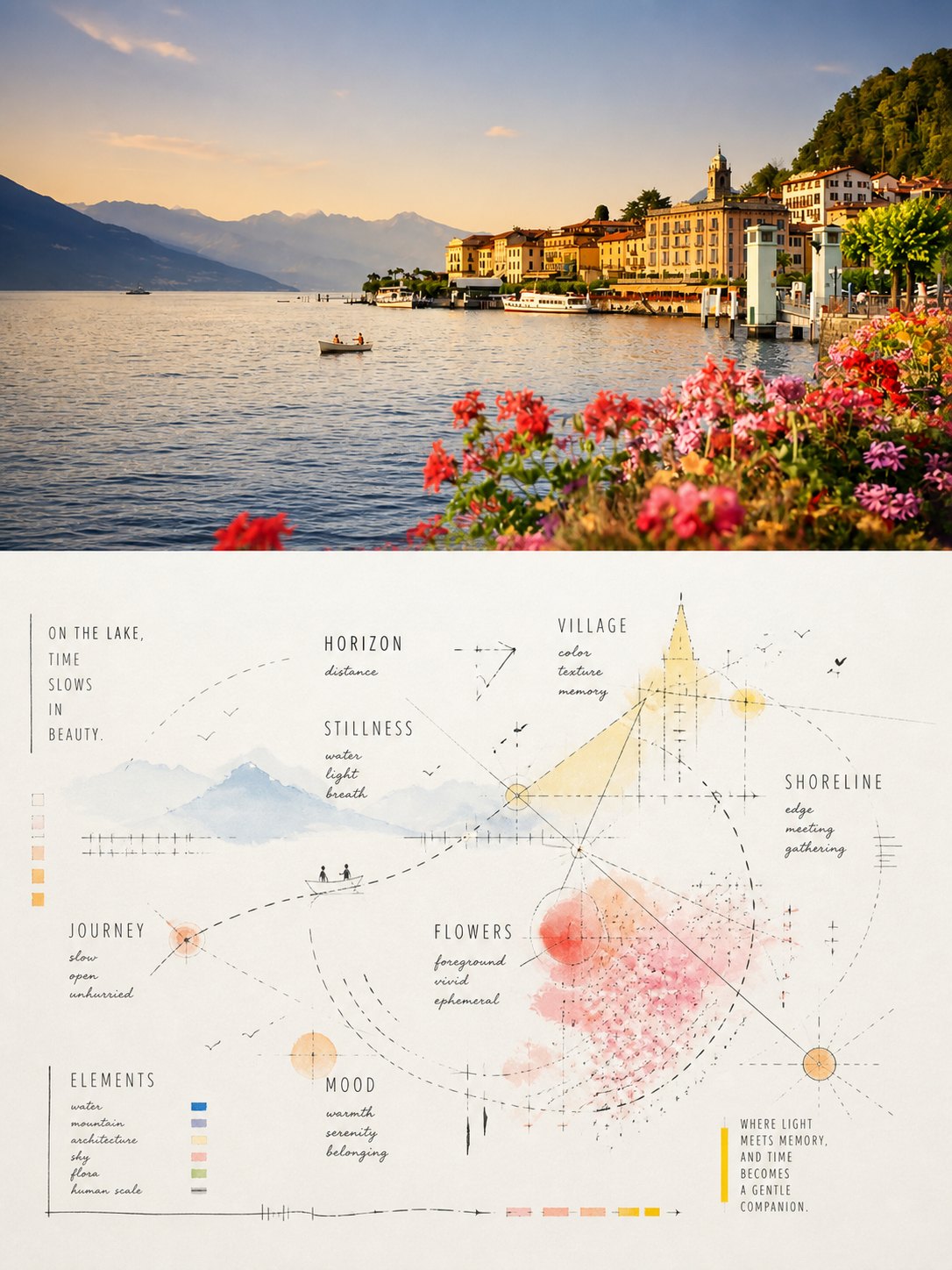
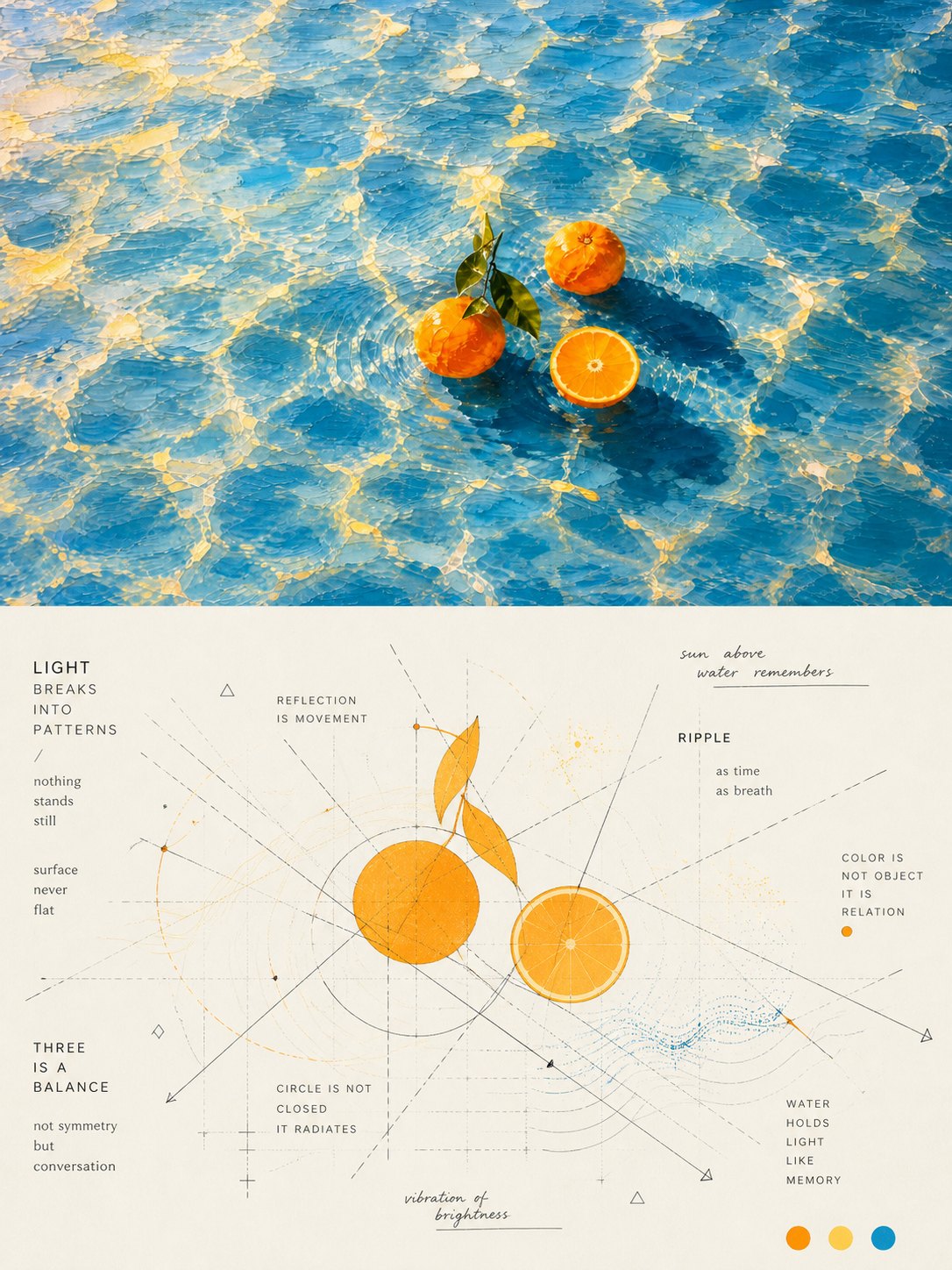
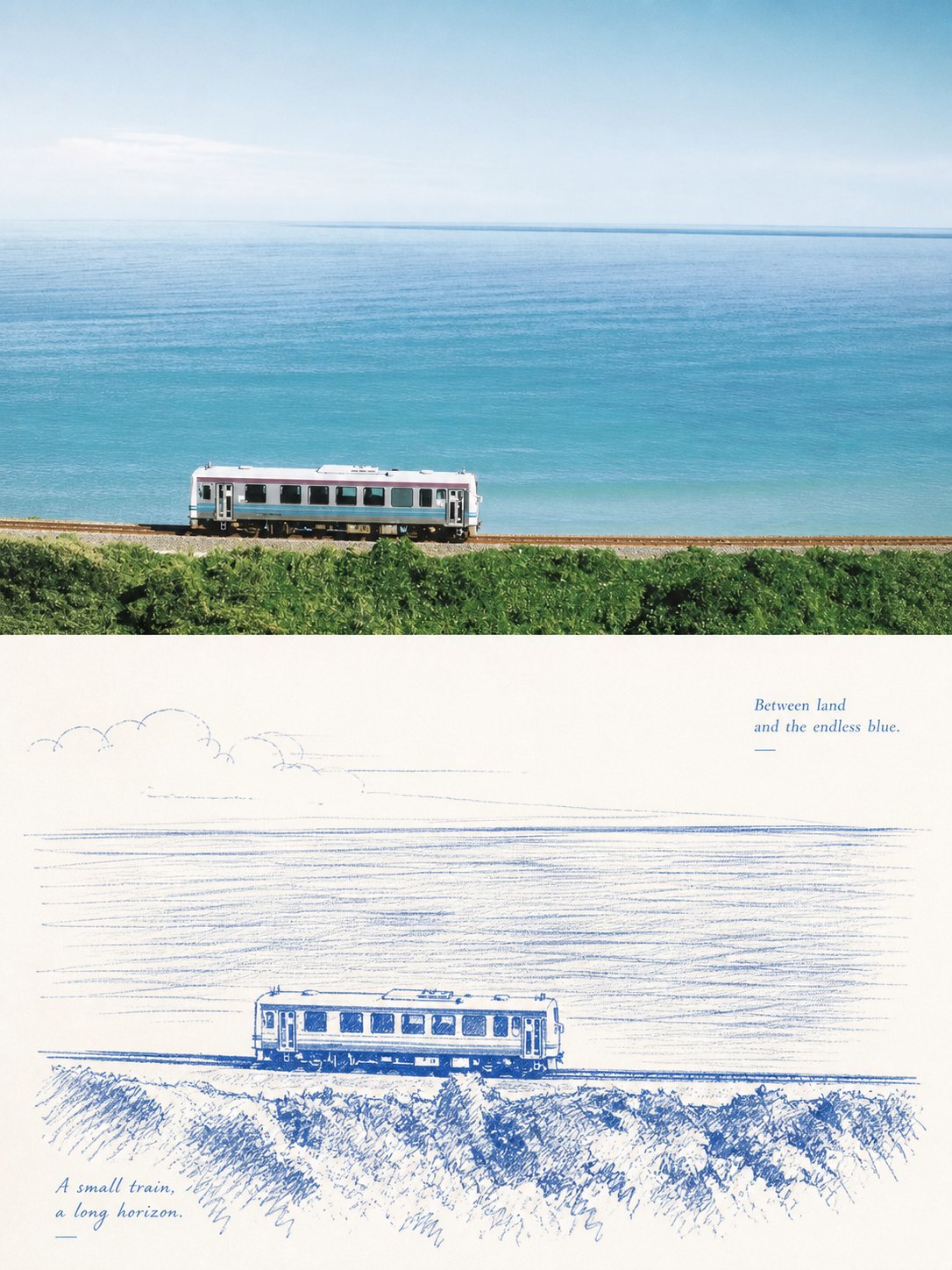
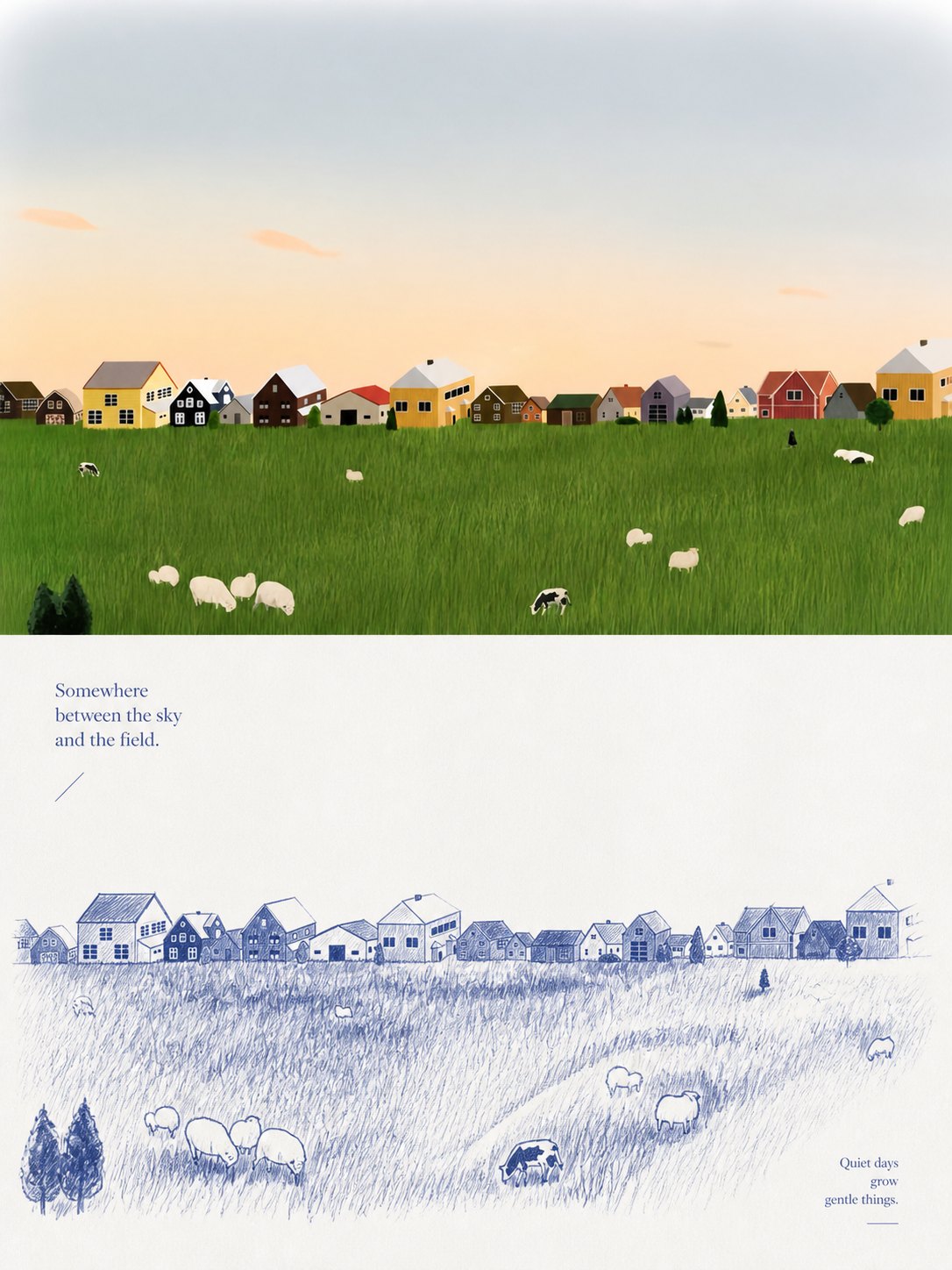
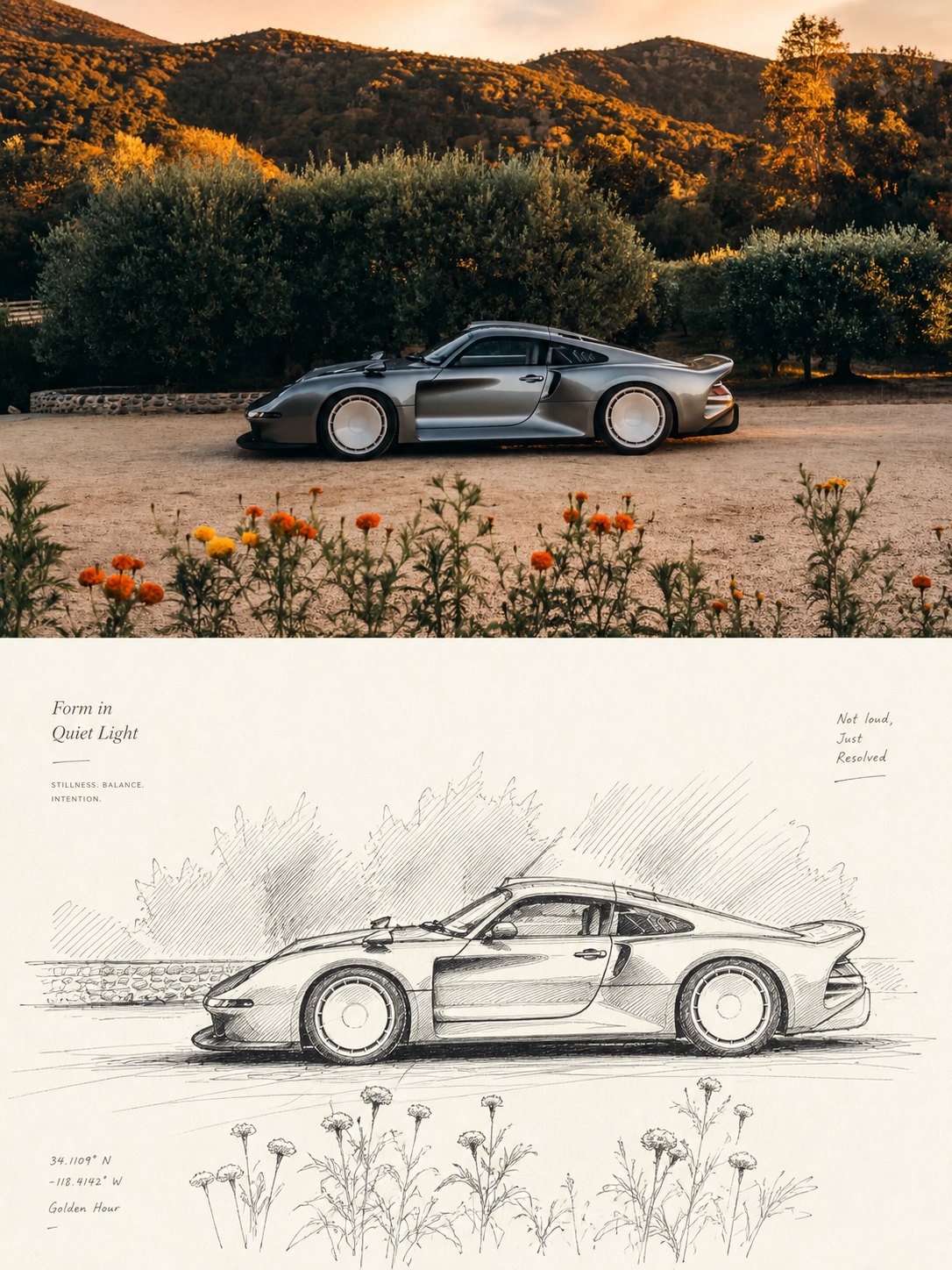
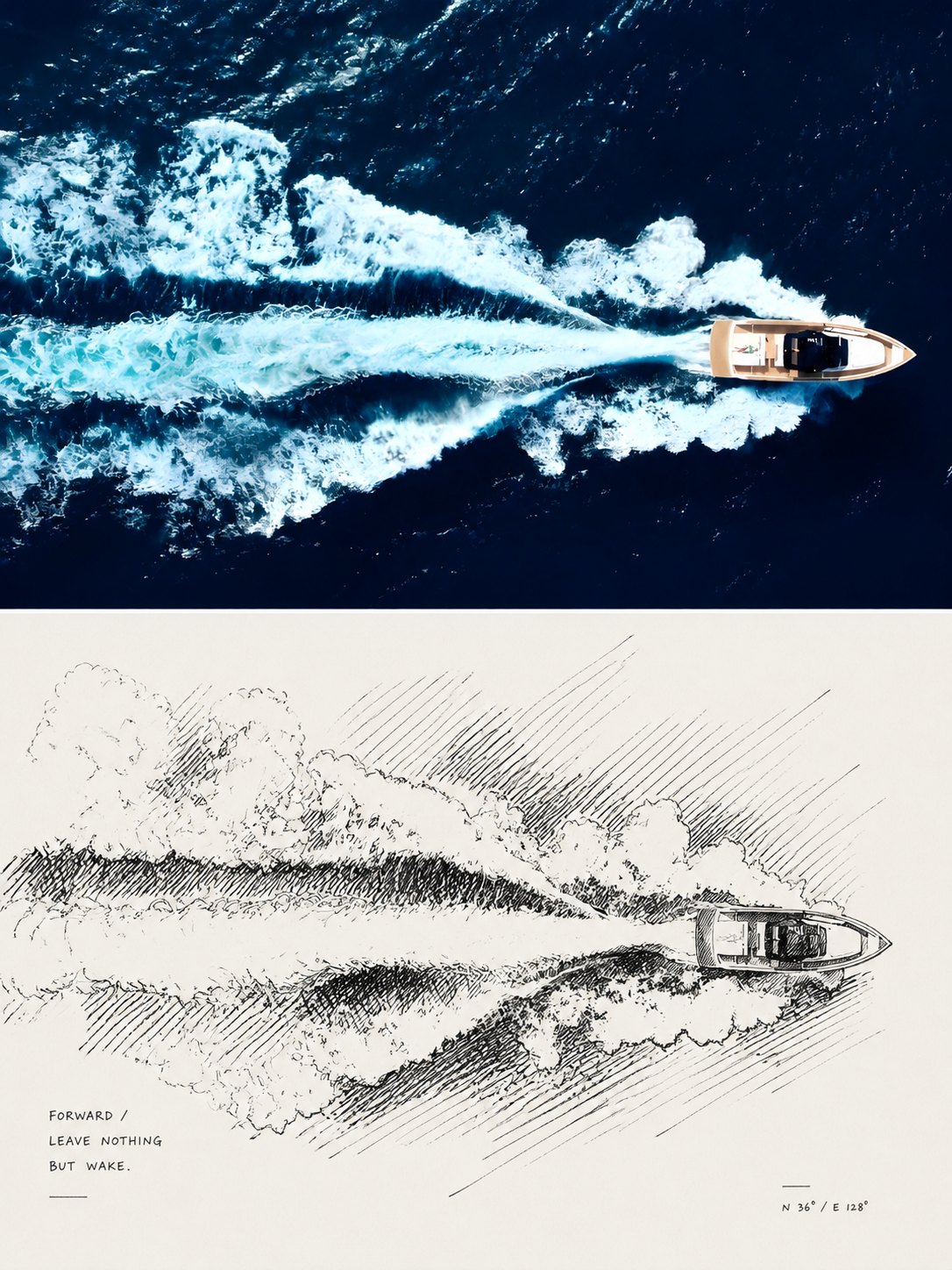
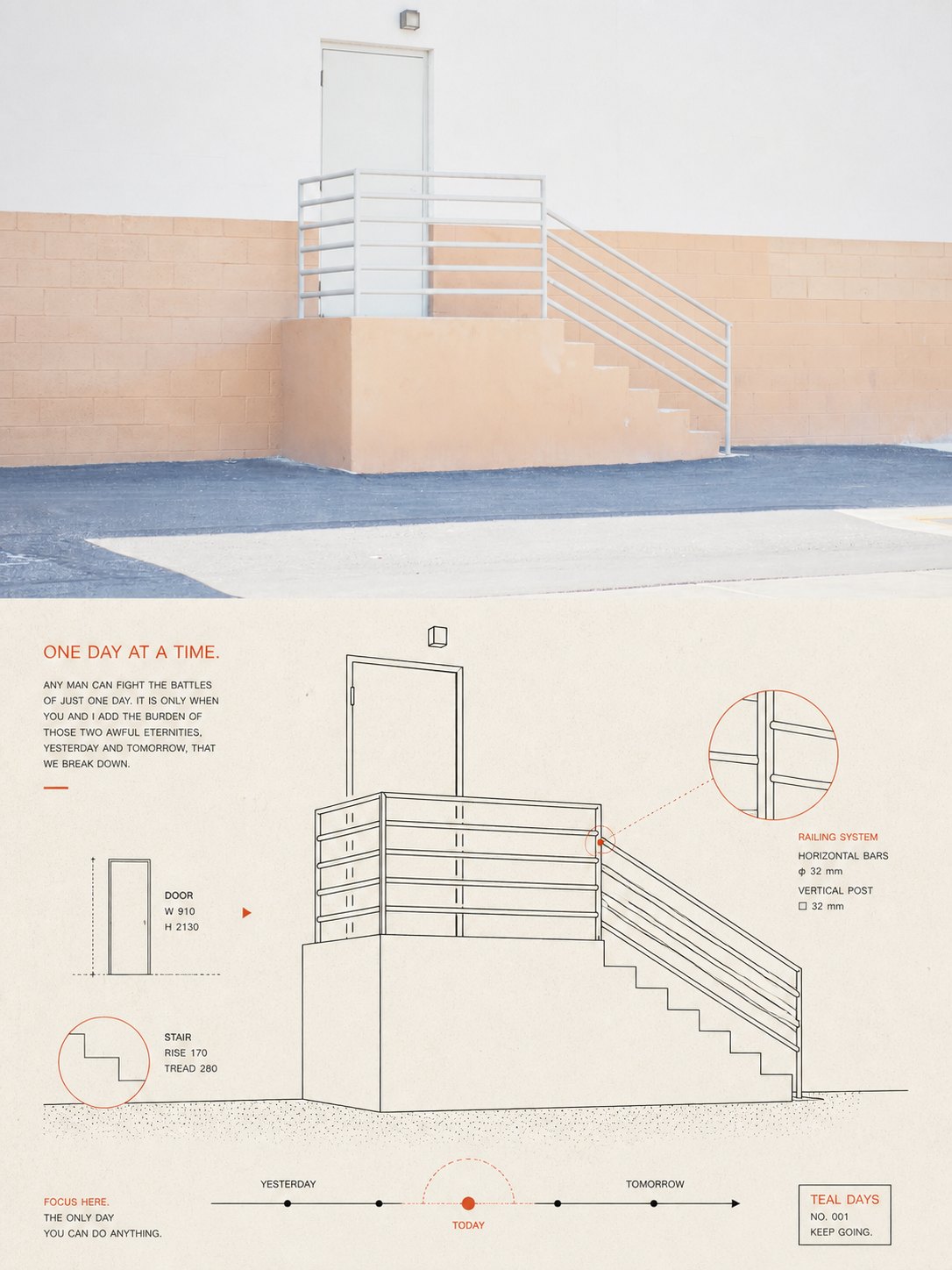
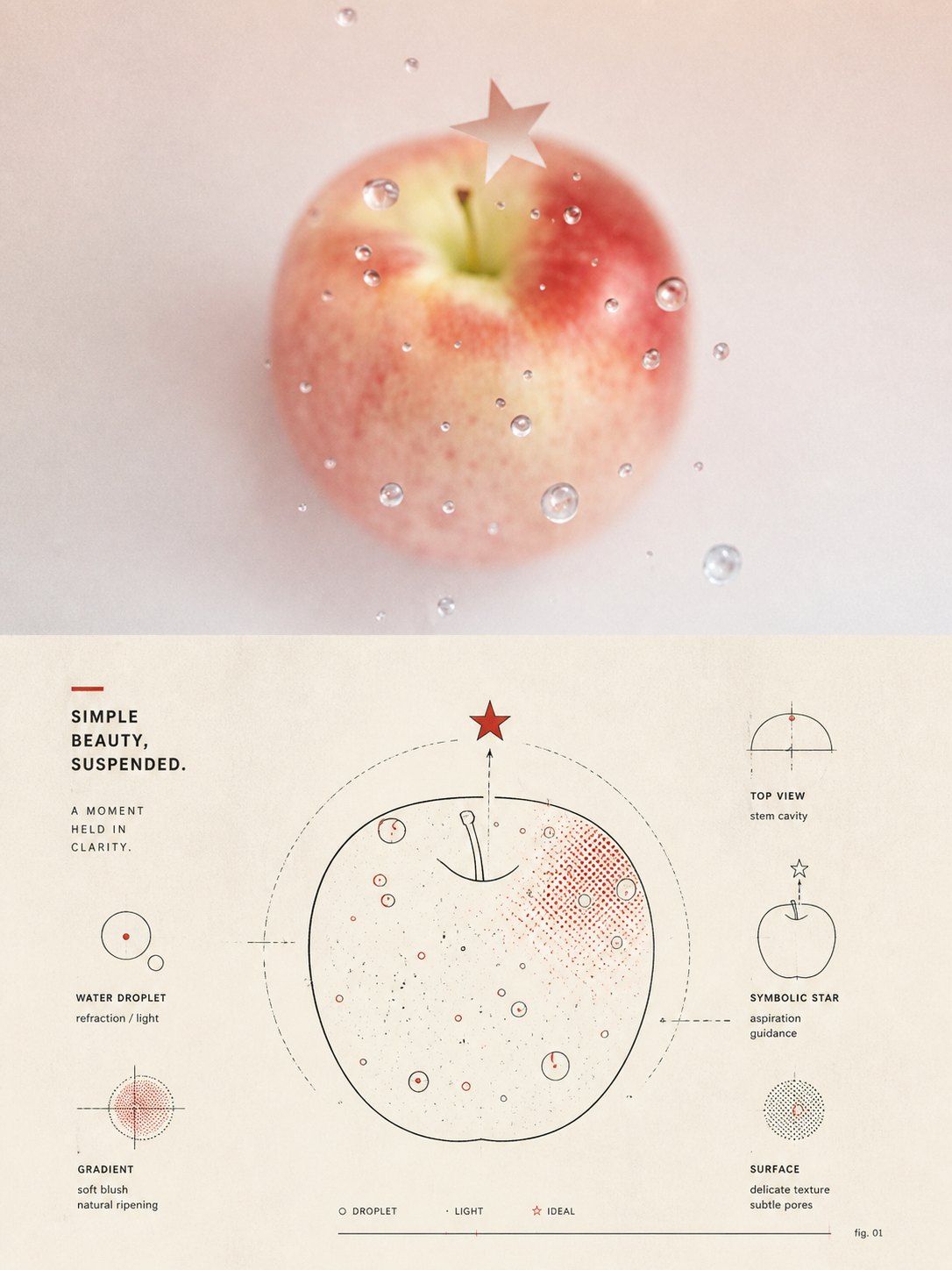
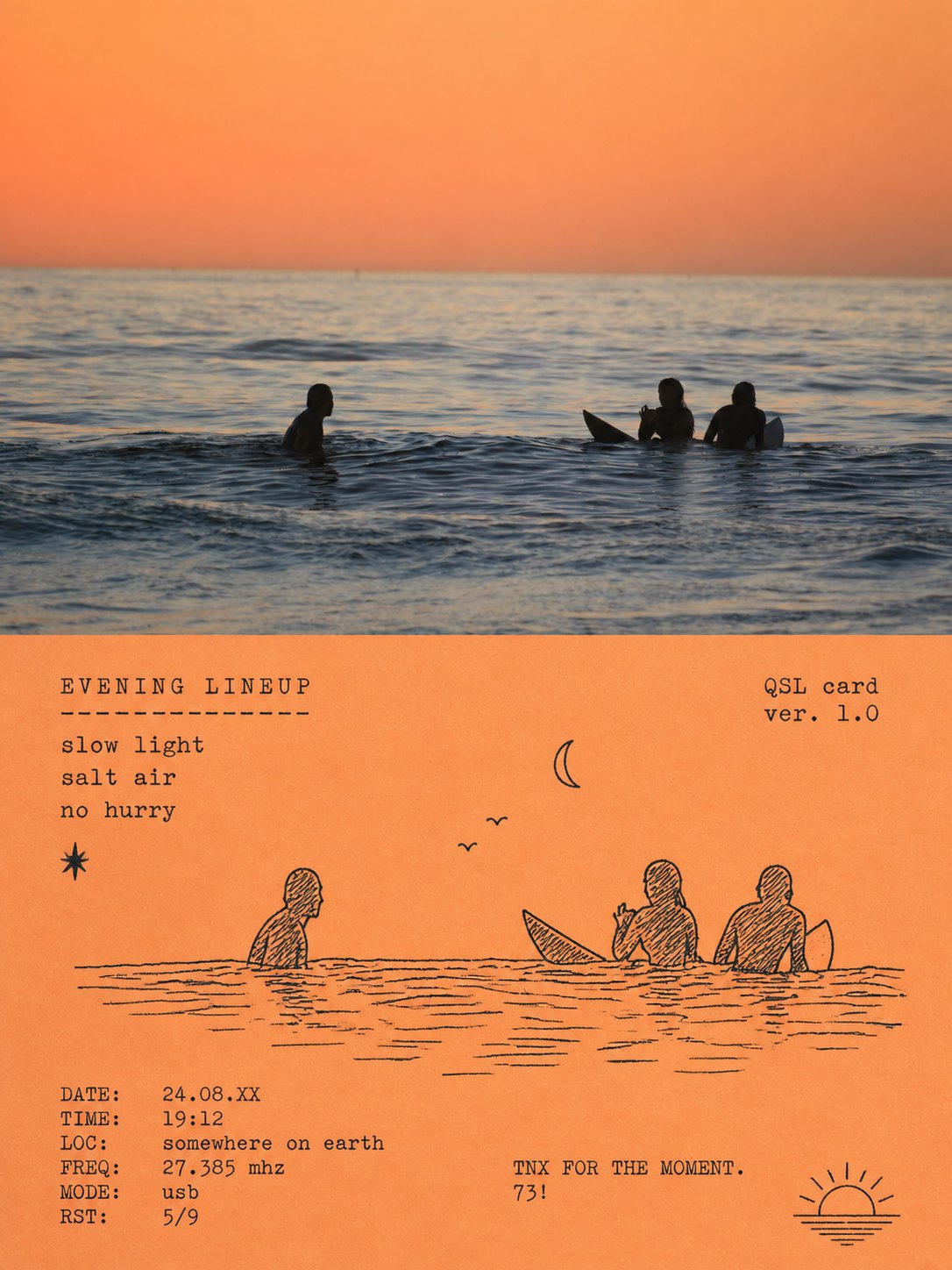
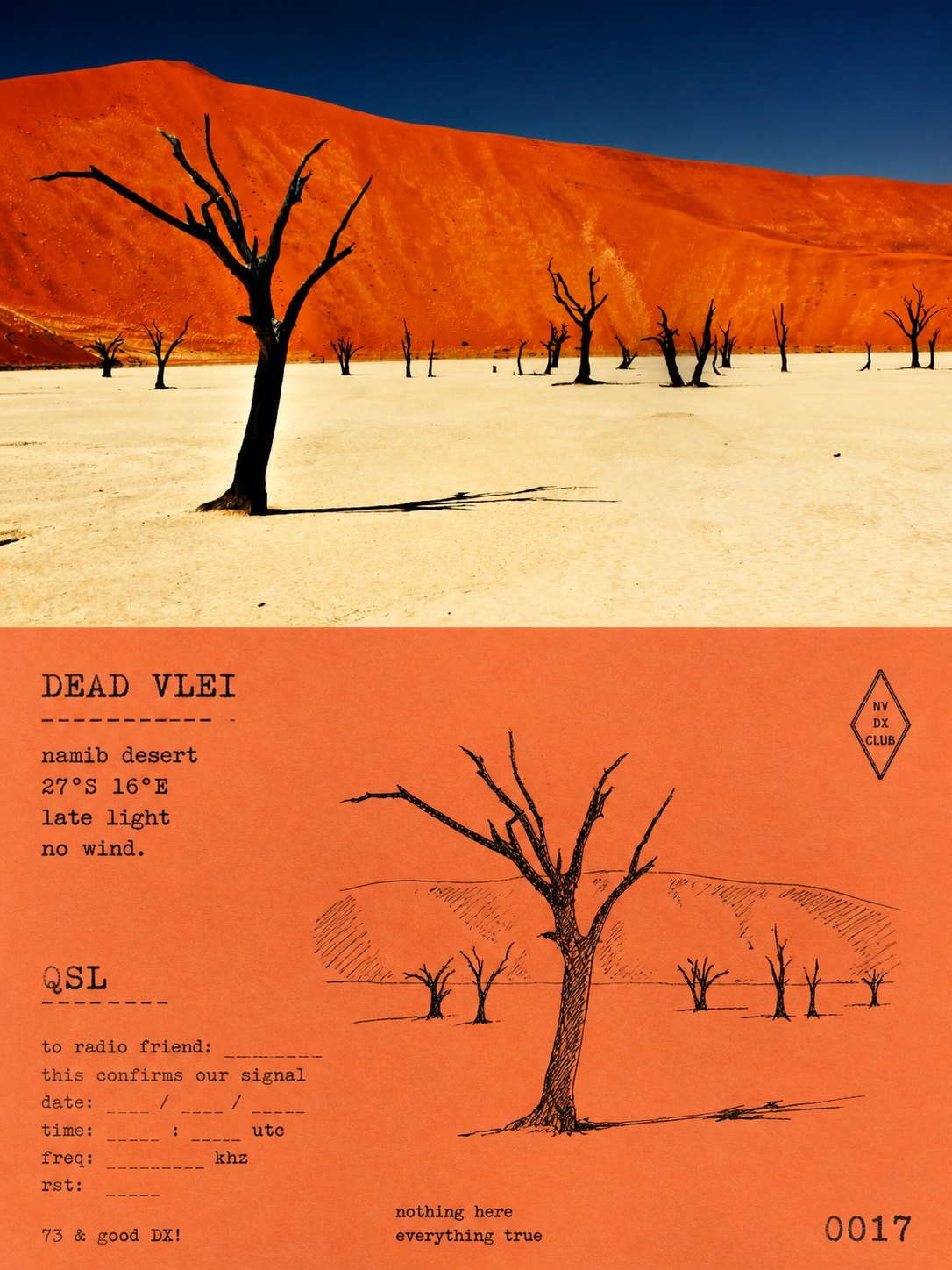
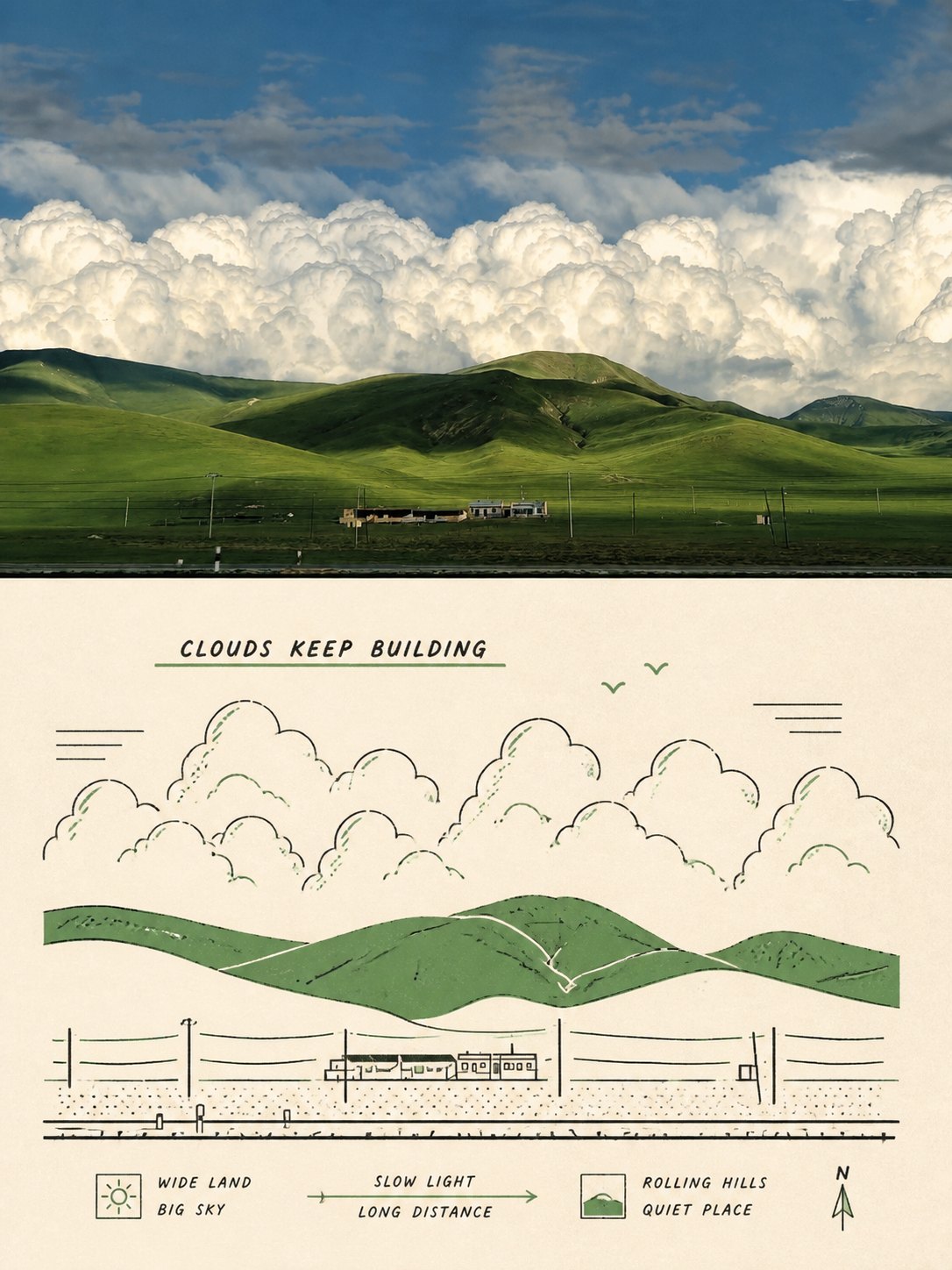
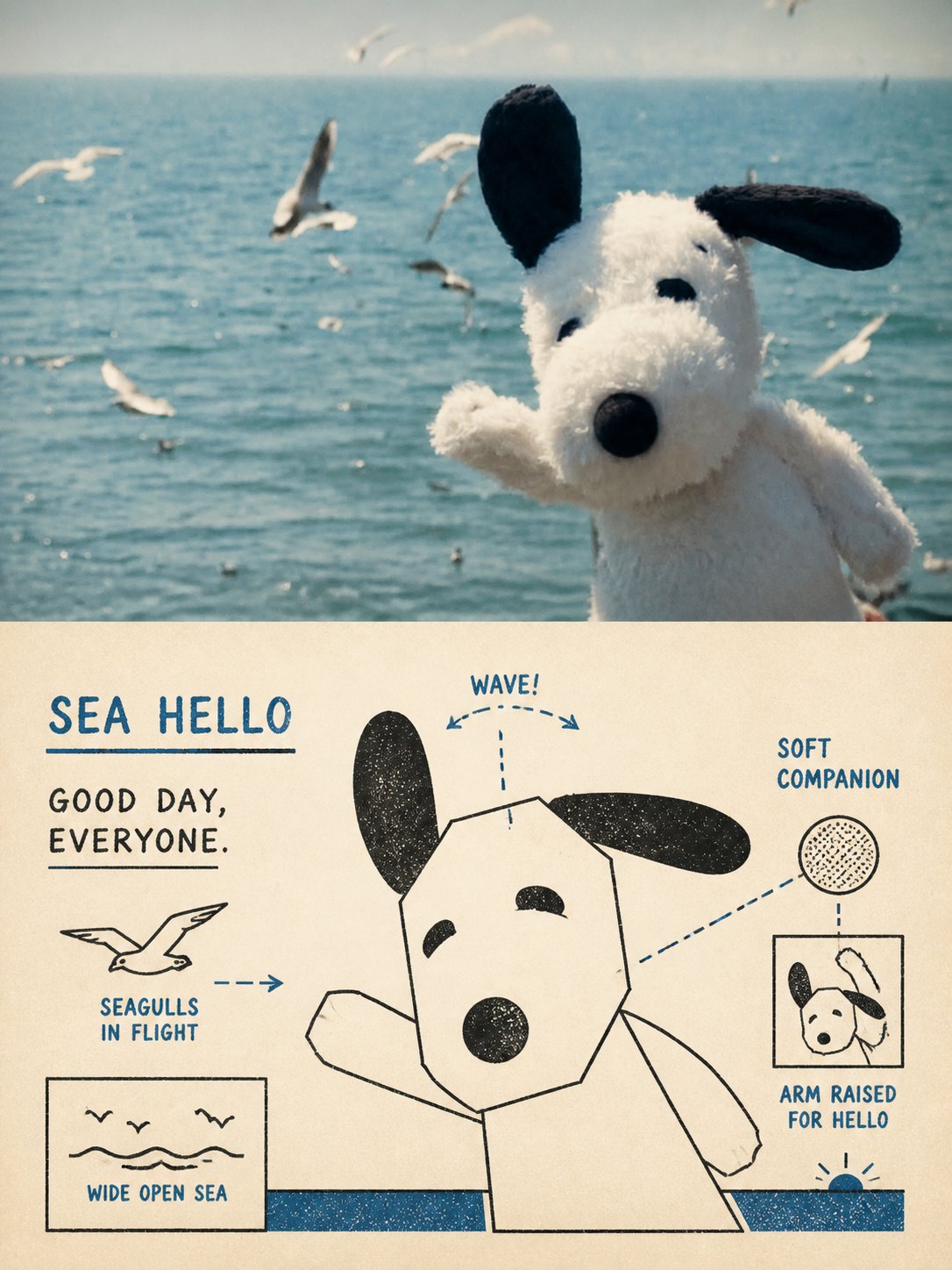
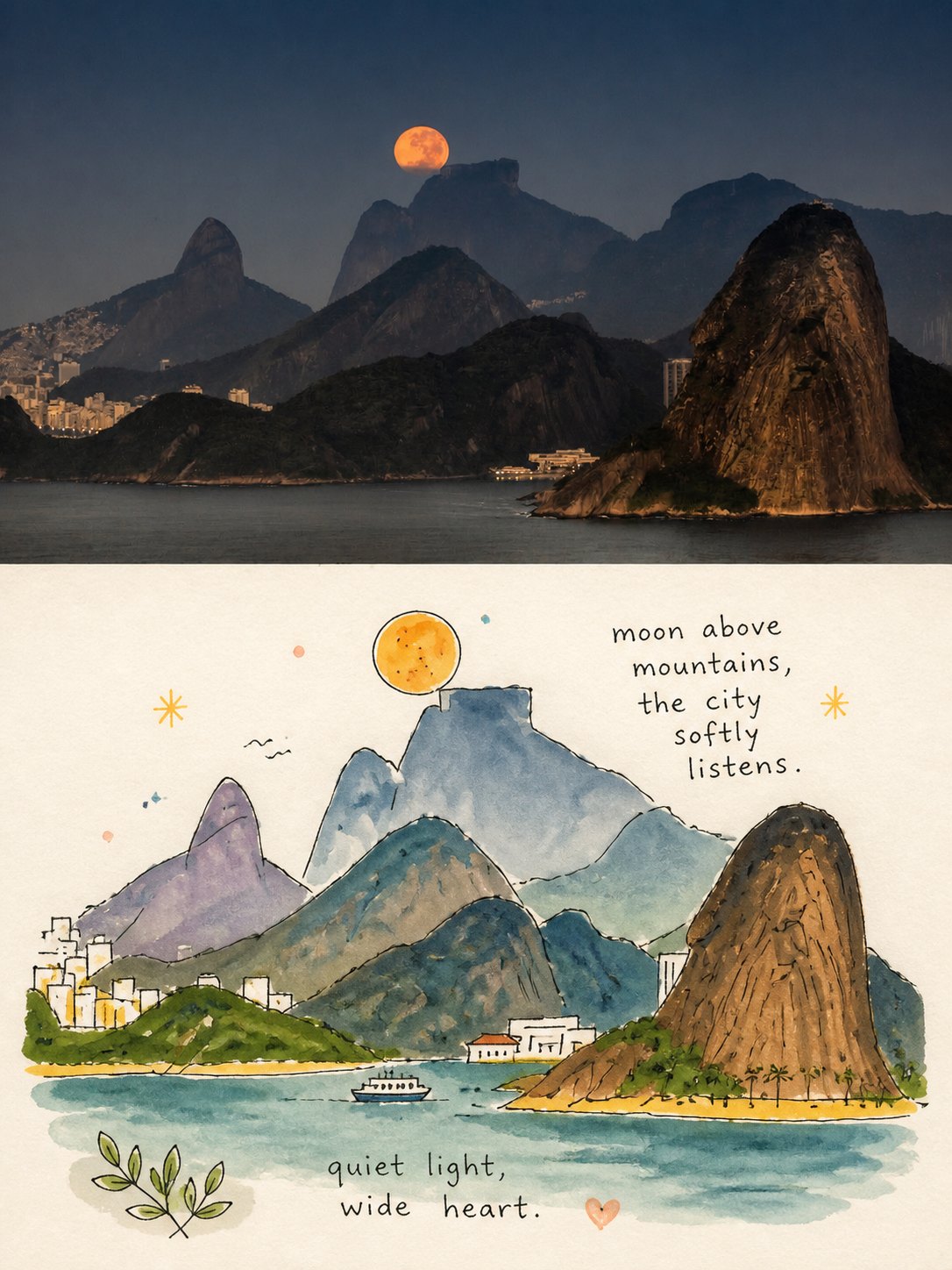
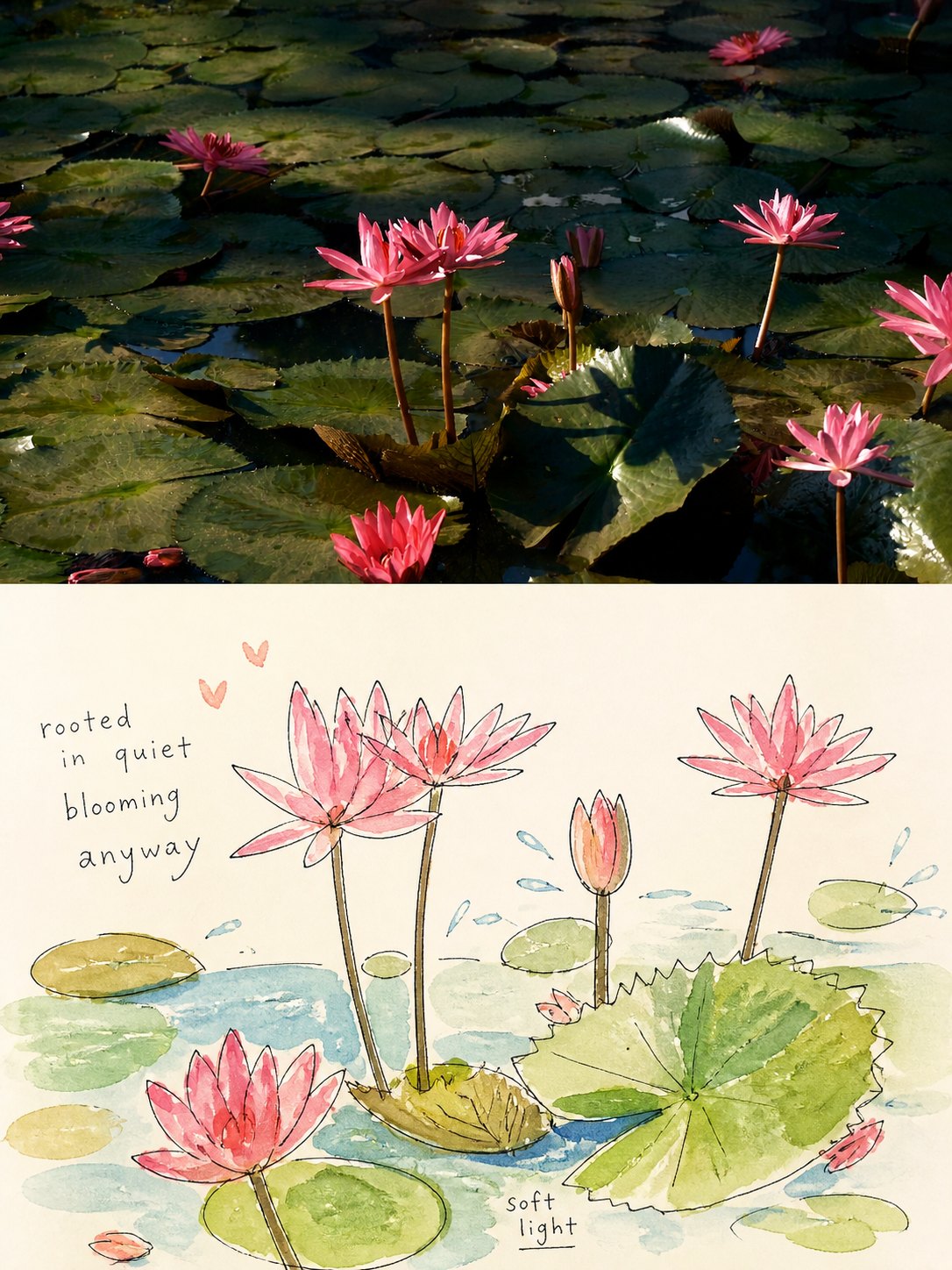
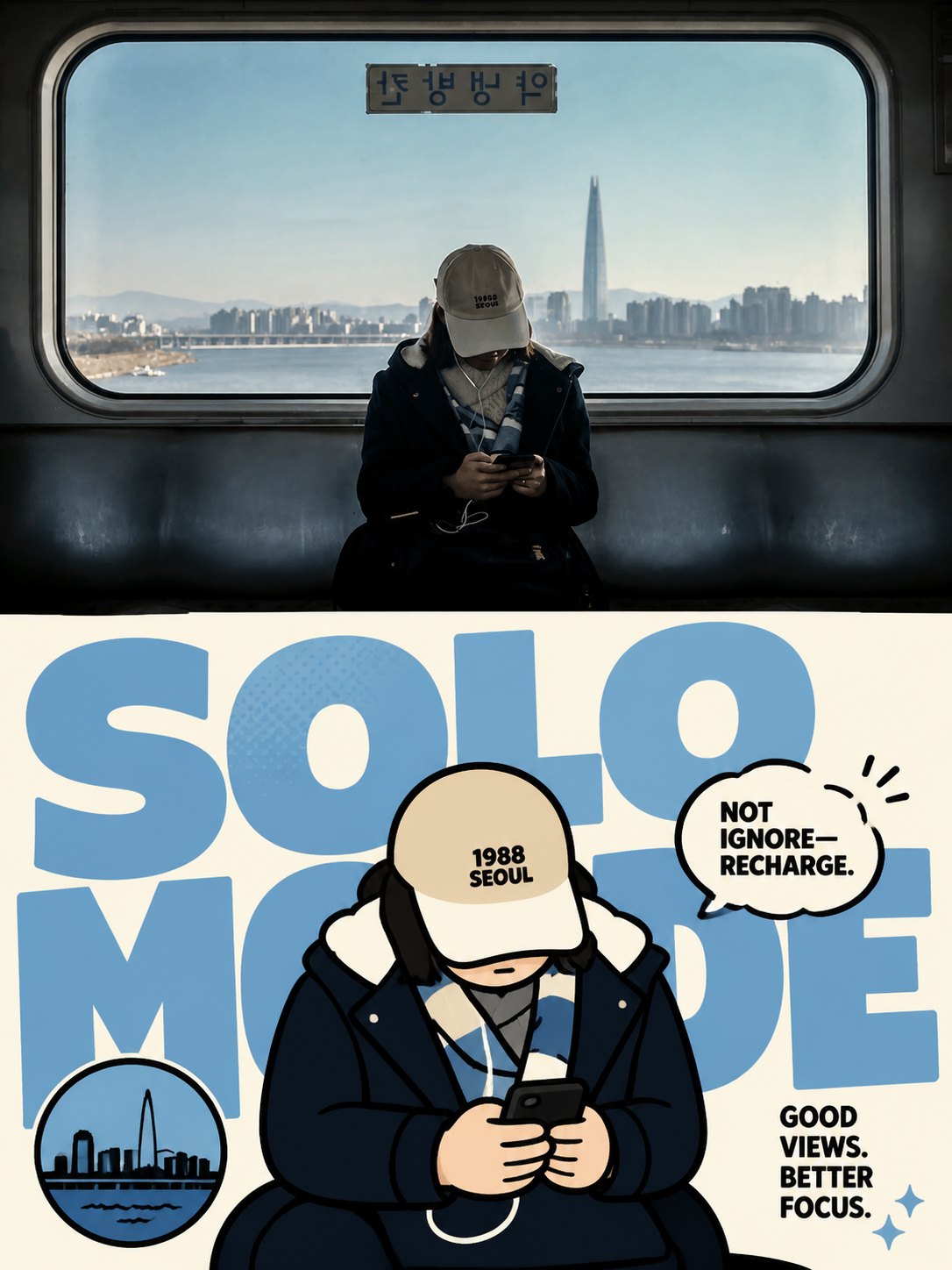
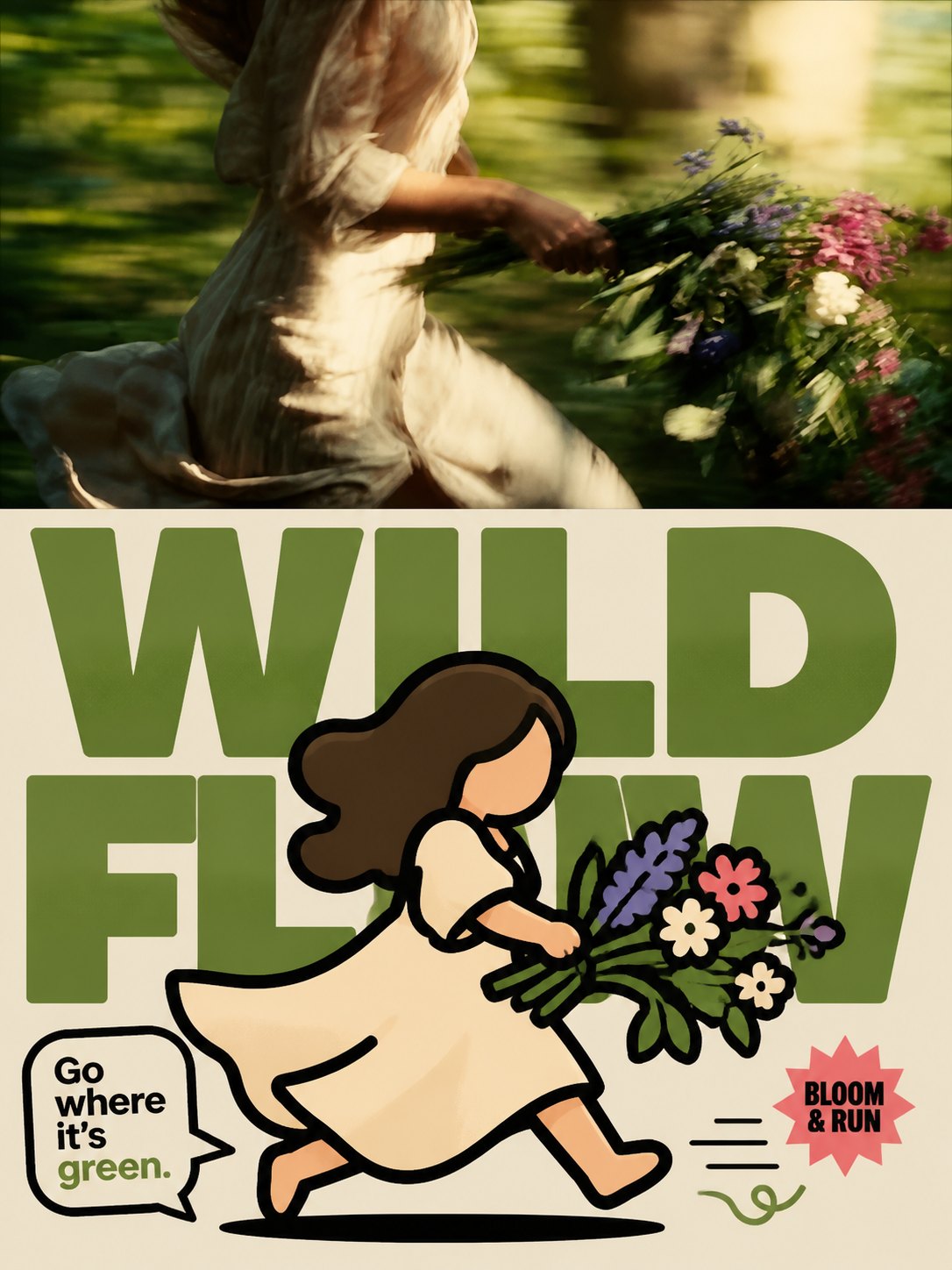
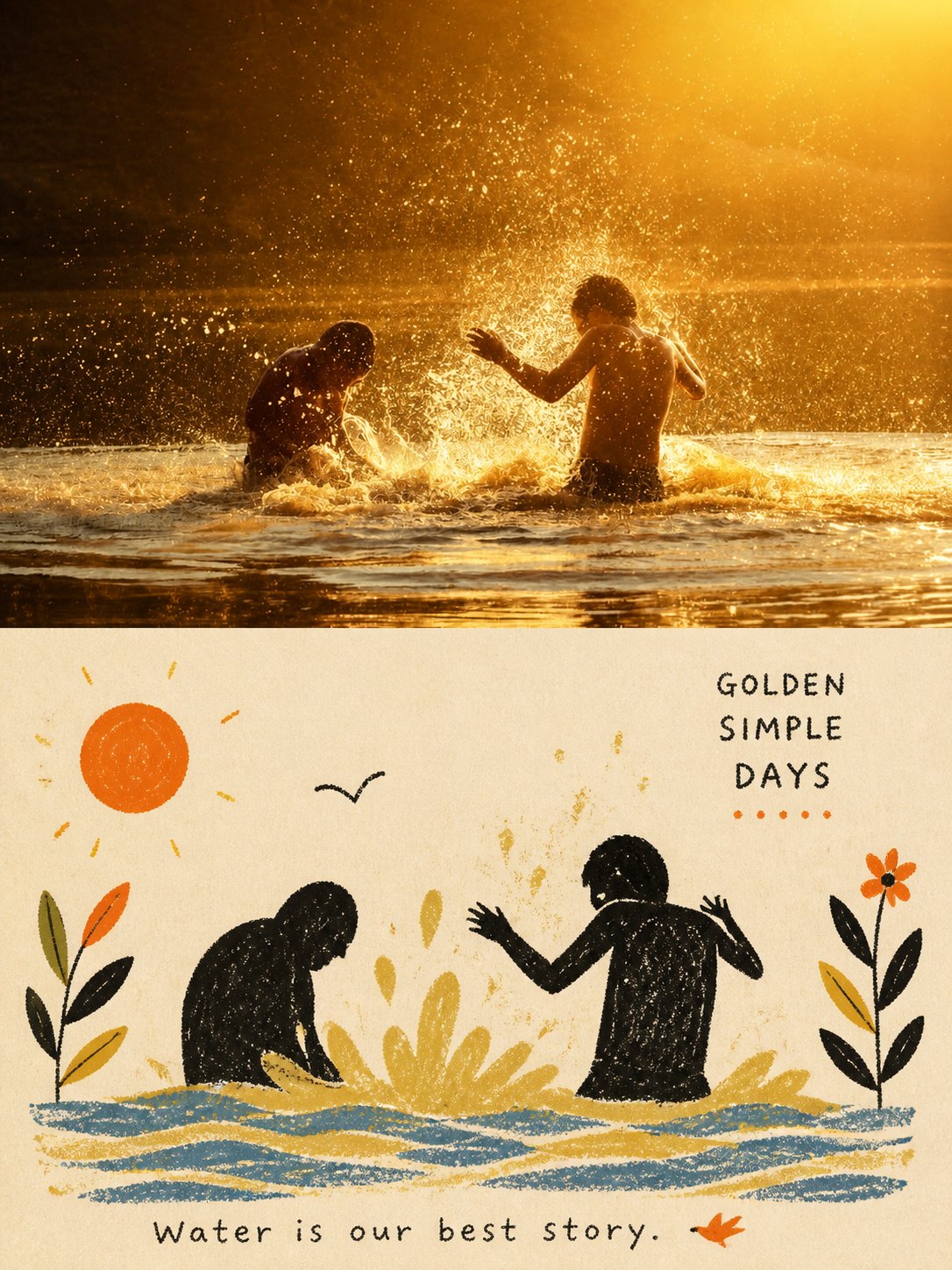
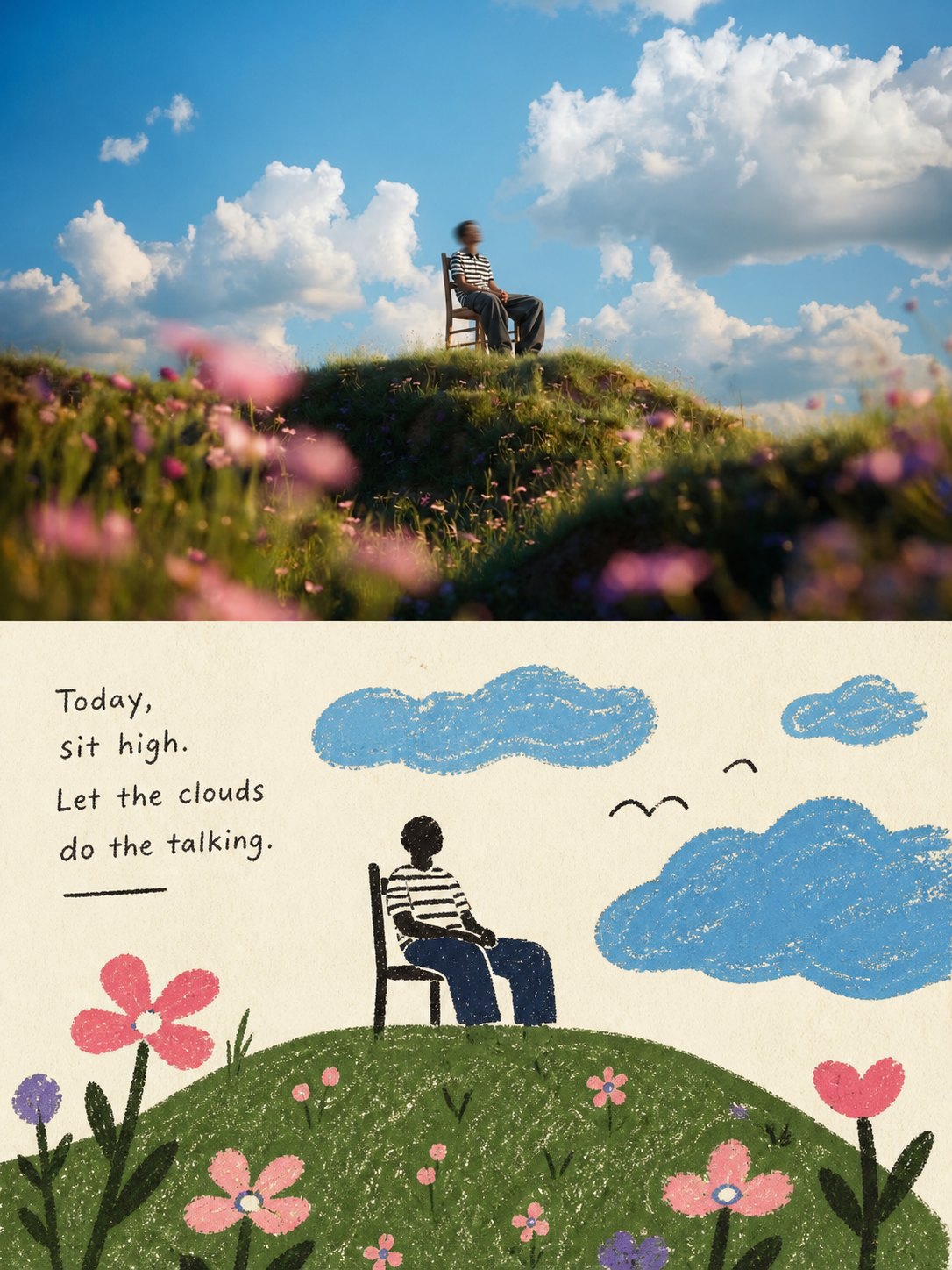
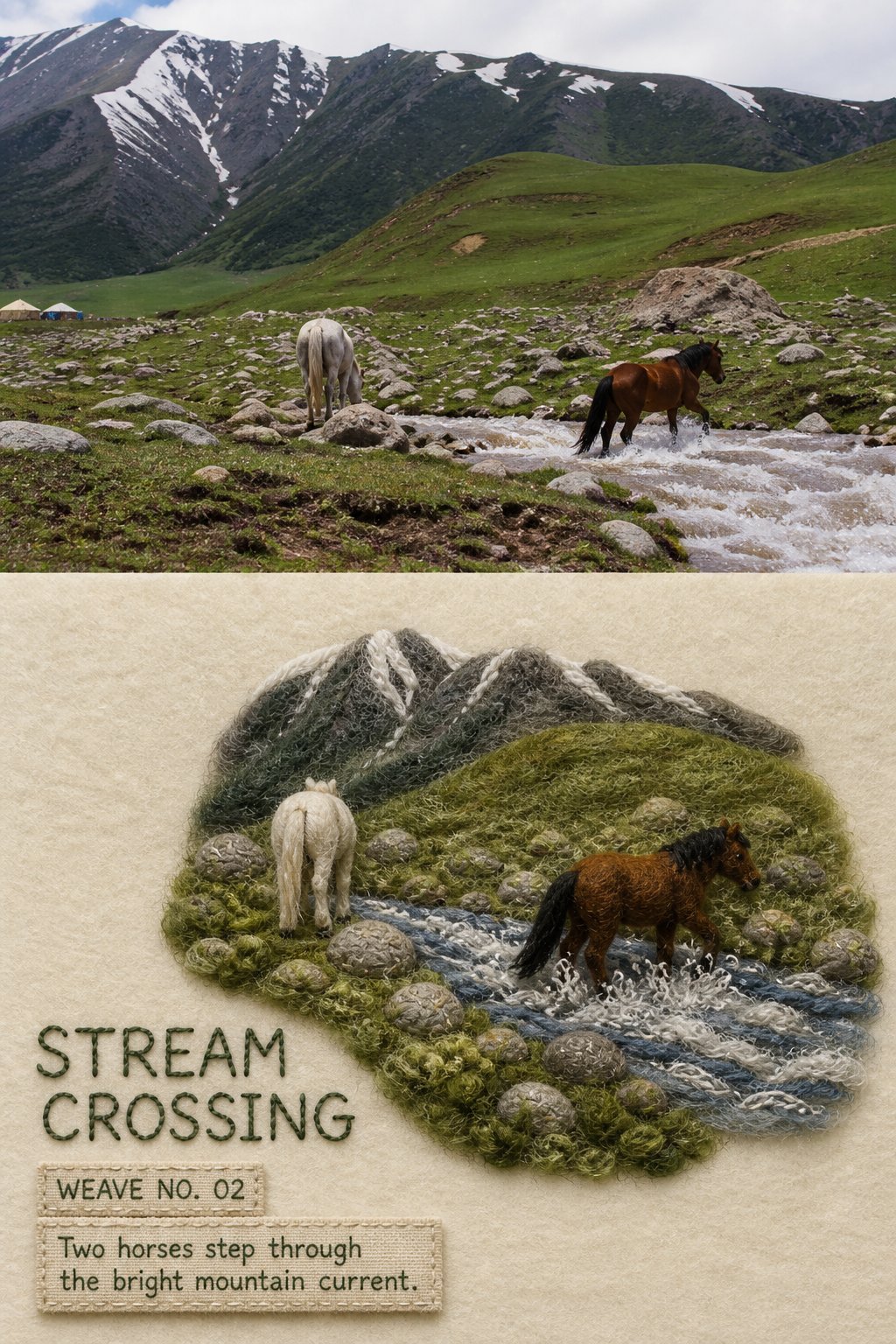
Please create a separate high-end travel reinterpretation poster for each of my uploaded travel photos, outputting each photo individually without splicing multiple different photos into the same frame.
Overall, use a 3:4 vertical composition. The upper half features the clearly visible original raw photo, and the lower half depicts the same scene in "wool felt weaving memory micro" style. The two sections should have heights close to 1:1, separated by a clear, horizontal, restrained border.
The upper half faithfully retains the original photo. Accurately preserve the main subject identities and quantities, poses of people or animals, architectural structures, terrain, core objects, viewing angles, relative positions, real textures, natural lighting and shadows, and the original color atmosphere. Apply only subtle color grading in the style of high-end travel magazine and exhibition photography, adding a very thin layer of film grain. Do not redraw, stretch, mirror, distort, or alter the subjects in the photo.
The lower half extracts the most identifiable subjects, outlines, actions, terrain structures, and narrative relationships from the same photo, crafting the scene into a three-dimensional fiber art micro landscape displayed on warm beige felt paper.
It should not be flat fabric appliqué, nor a photo overlaid with yarn textures. The scene must be reorganized based on authentic fiber techniques, incorporating:
needle-felted wool, wool roving, bouclé yarn, crochet loops, embroidery thread, soft twisted fibers, small woven structures, loose wool fibers.
Convert materials based on photo content:
- Clouds and mist using fluffy, loosely edged white wool roving;
- Mountains using needle-felted wool layers of varying densities and directions;
- Vegetation using looped yarn, crochet knots, short fuzzy yarn tufts, and scattered thread ends;
- Water surfaces using horizontally laid blue-green yarn, embroidery threads, and curved reflective strands;
- Buildings using tightly needle-felted solid forms, miniature woven wall textures, and embroidered patterns;
- Roads, shorelines, and terrain boundaries using stitched lines, corded threads, or low-pile structures;
- People, animals, boats, and vehicles transformed into miniature fiber models retaining original poses, directions, quantities, and primary colors.
Do not mechanically replicate the entire background of the photo. Actively remove redundant buildings, dense vegetation, tiny rocks, and irrelevant clutter, compressing the scene into one primary micro landscape. Alter subject scales and spatial organization to make the work resemble a small architectural model placed on paper, a fiber specimen, or a collectible handmade memory model.
Clearly depict fluffy wool, varied loop sizes, needle-felting granules, yarn twists, embroidery stitches, slight loose threads, thread ends, variations in weaving density, real physical thickness, and soft contact shadows. Subject edges may be loose and fuzzy, but identity outlines must be instantly recognizable.
Color palette extracted from the original photo and softened into natural wool tones. Retain the most important warm-cool relationships and signature colors from the photo, reducing noise and high saturation, and distinguish structures through varying fiber shades, loop densities, and pile heights.
The micro landscape, excluding text, should retain at least about 35% continuous beige felt open space. This open space must be intact and serene, able to highlight the physical presence of the micro model, without filling it with excessive scattered yarns, decorative icons, or unrelated craft objects.
Incorporate three layers of accurate, readable English text into the felt open space:
1. A main title of 1–3 English words distilled from the real location, subject, or action;
2. A small serial number in the format "WEAVE NO. 01";
3. One line of 5–12 English words as an observation sentence, describing the real visible colors, actions, architecture, weather, or spatial relationships in the photo.
The main title formed by continuous yarn placement or hand embroidery, with authentic yarn thickness, stitches, and a subtle sense of looseness. The serial number and observation sentence placed on a small woven label, coarse fabric tag, or embroidered side note, and must be clearly readable. Do not overlay smooth digital fonts, and do not generate artist names, logos, URLs, QR codes, fictional years, or gibberish.
The overall mood is warm, quiet, delicate, tactile, and collectible—like carefully sewing a single trip into a memory specimen you can hold in your hands.
Avoid: missing source-photo comparison, flat felt appliqué, fabric stickers, flat paper cutout, knitted blanket covering the whole image, plastic toy, clay, resin, glossy CGI, smooth 3D rendering, generic craft template, cartoon proportions, invented landmarks, altered subject count, excessive decoration, tiny unreadable text, floating digital typography, fake logo, watermark.
2026-08-31via @Hamburgerai