Visuele inspiratie
Promptbibliotheek
Sterke AI-resultaten uit het wild, mét de prompt erbij. Klik op een beeld, kopieer de prompt en maak er iets eigens van.
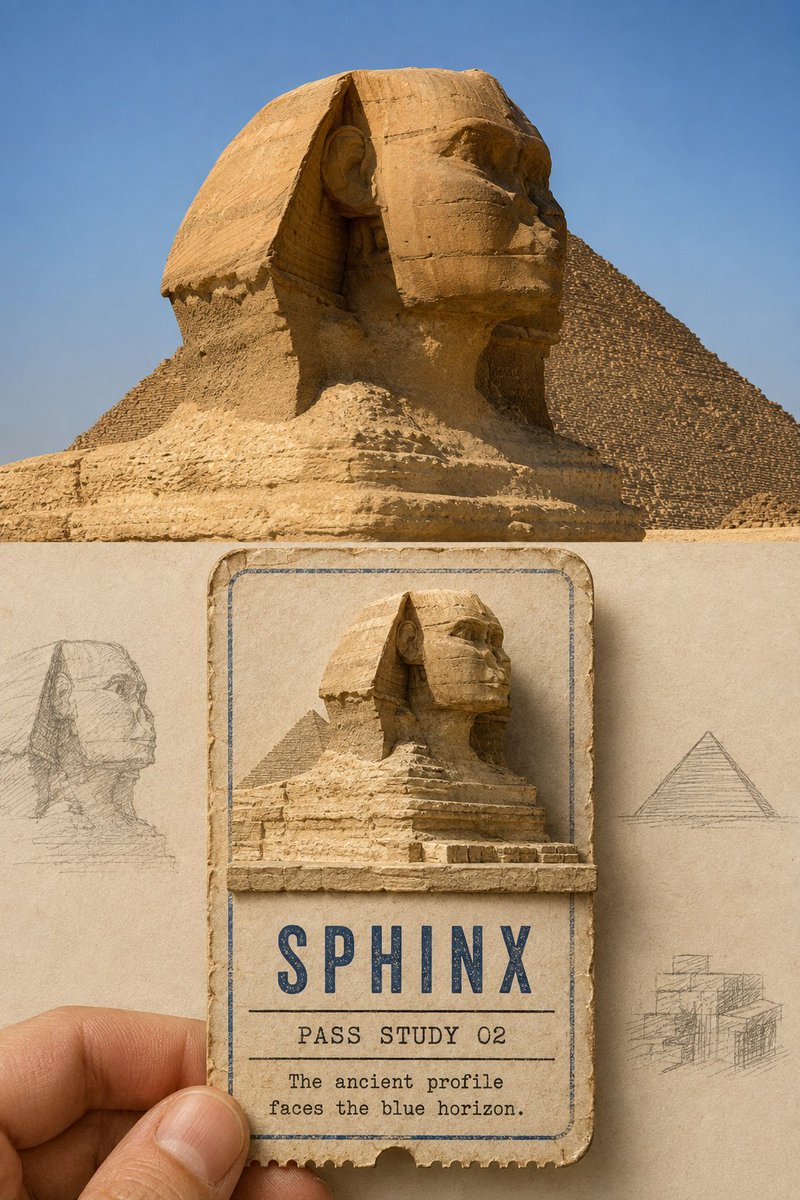
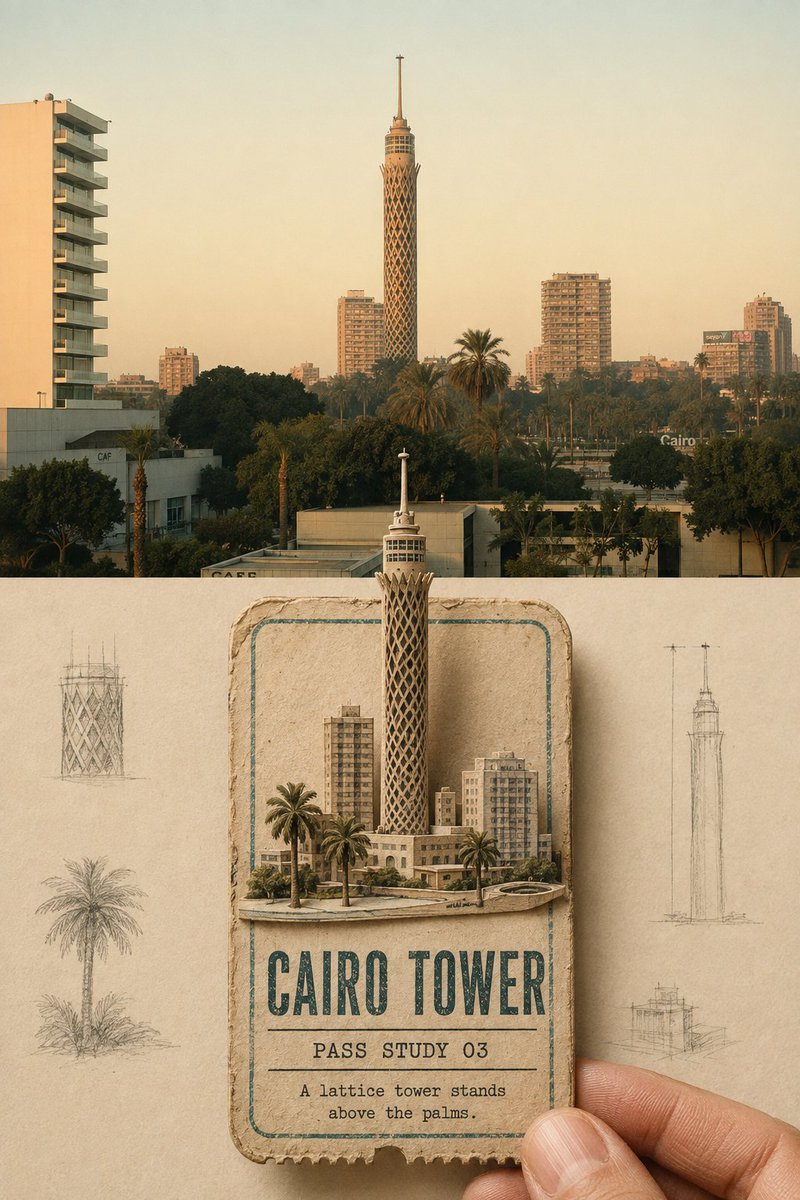
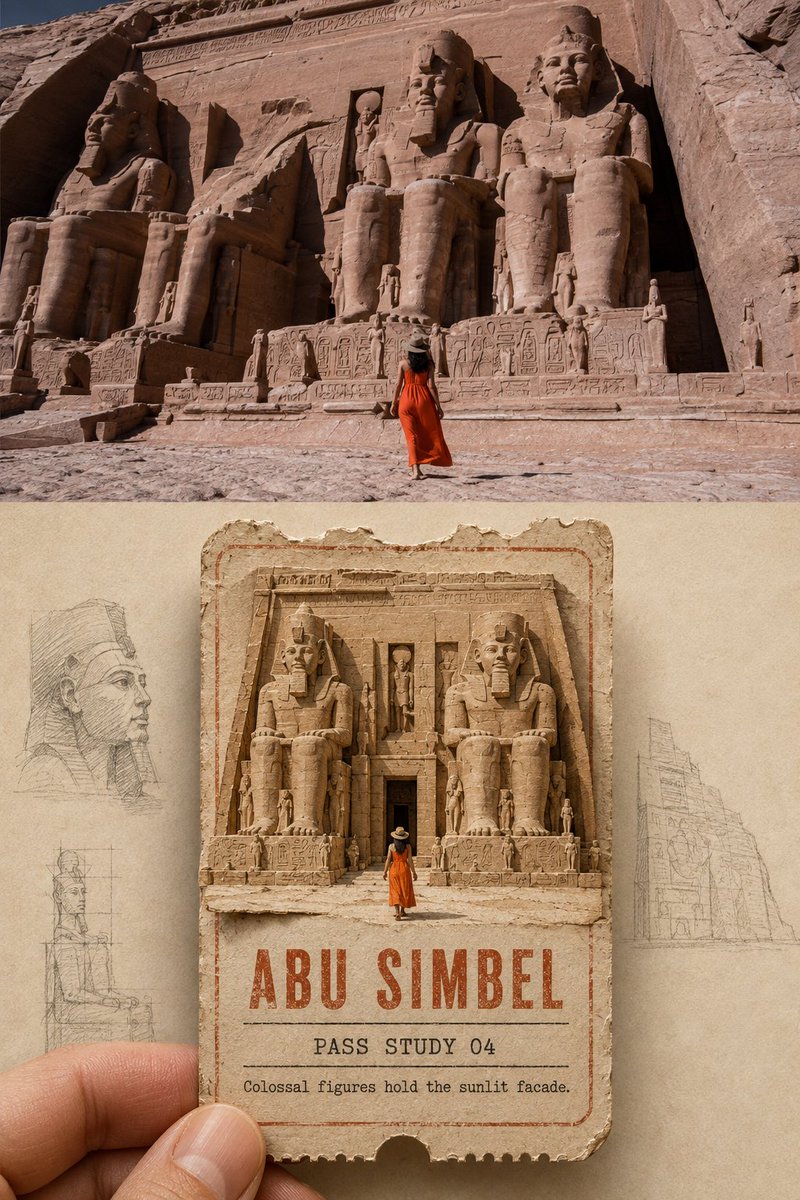
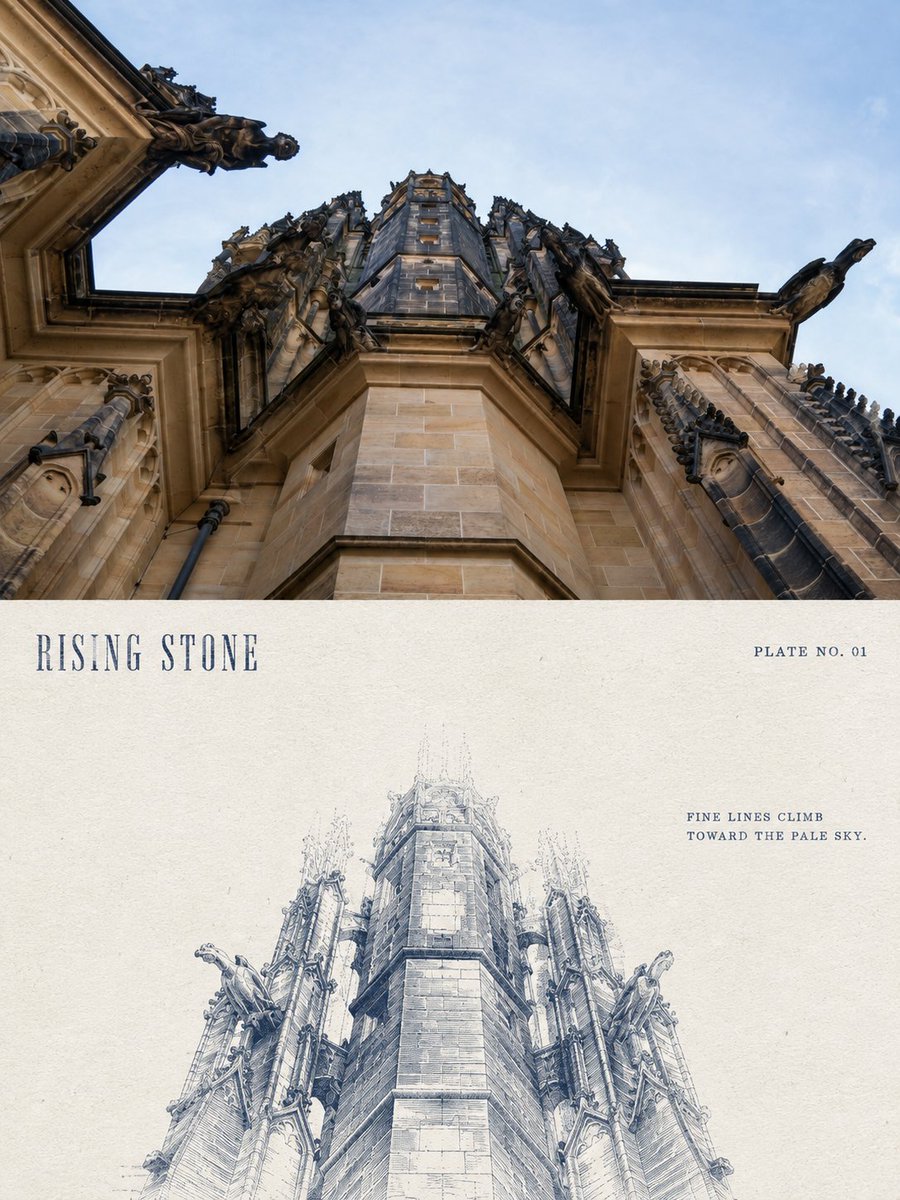
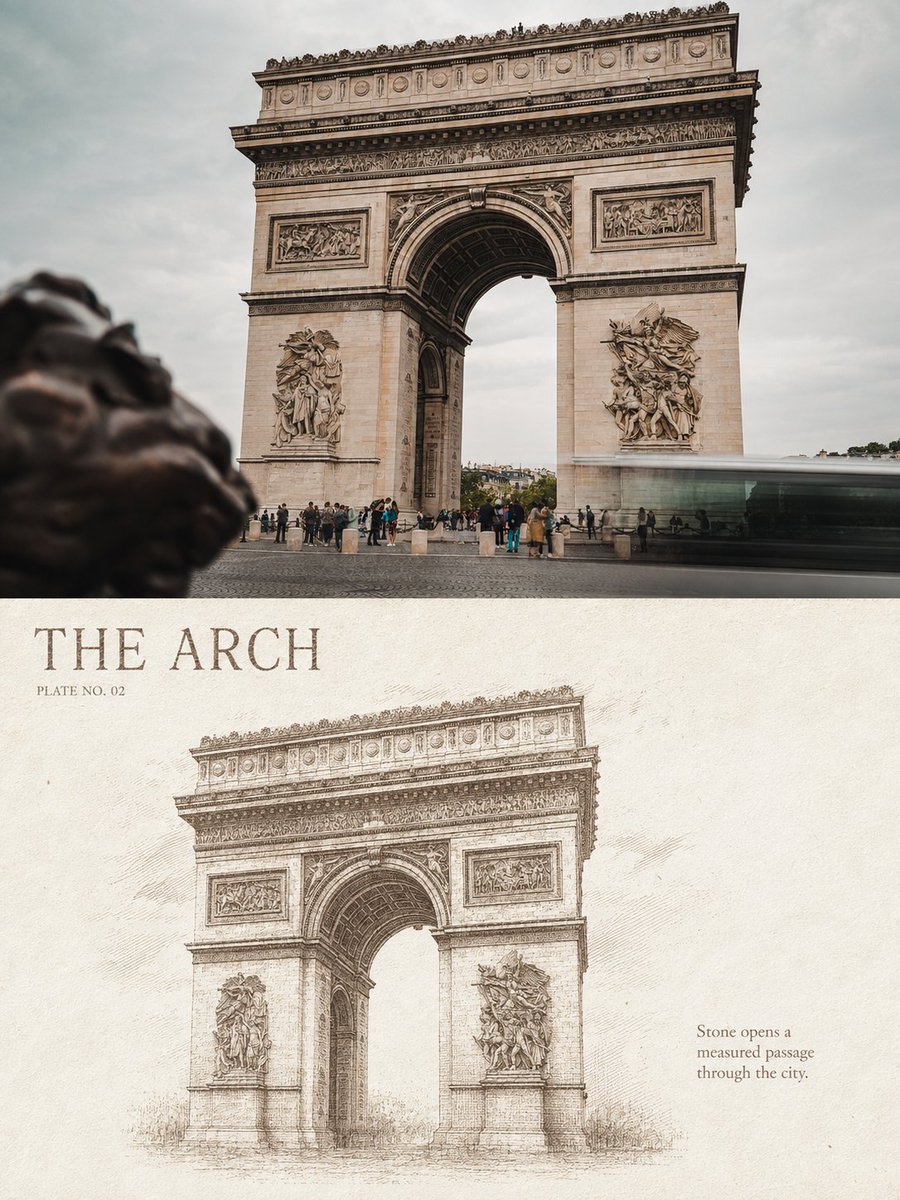
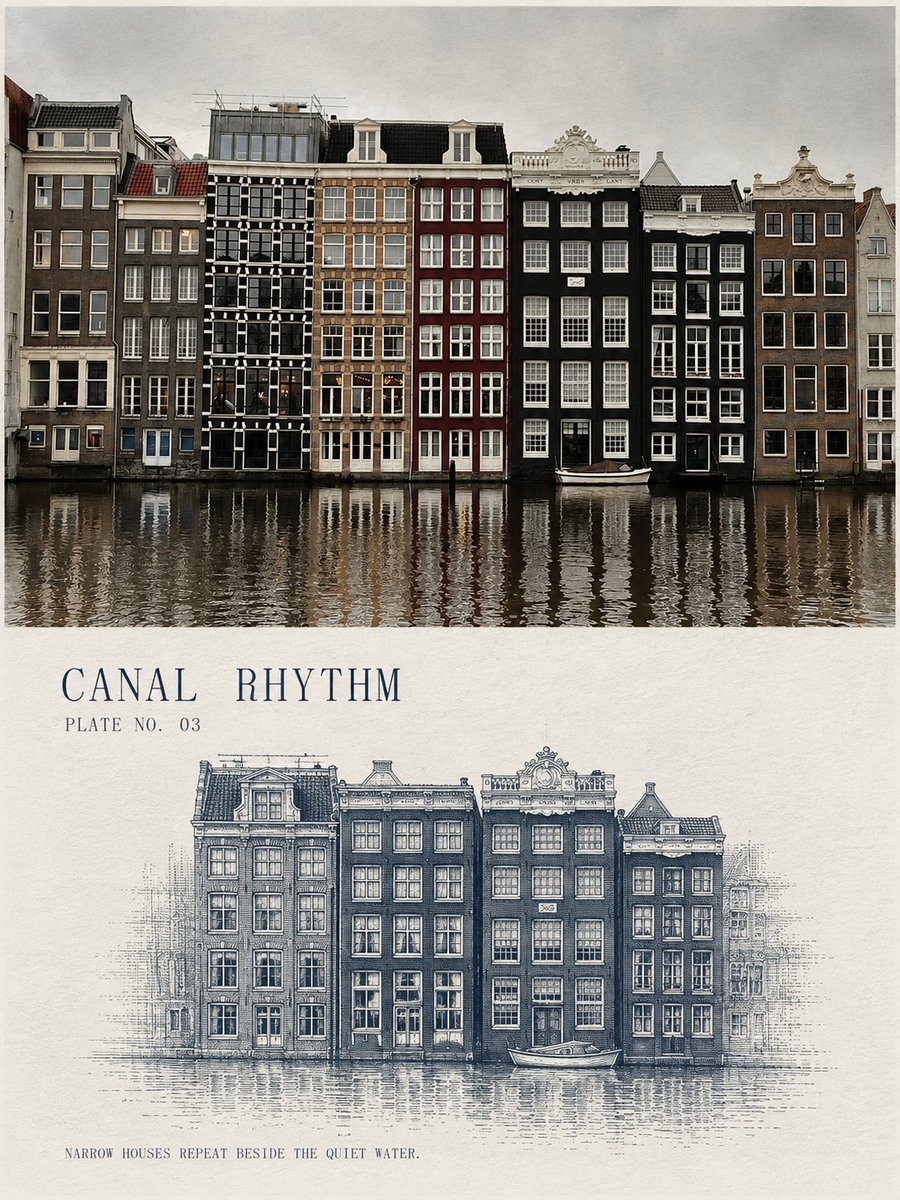
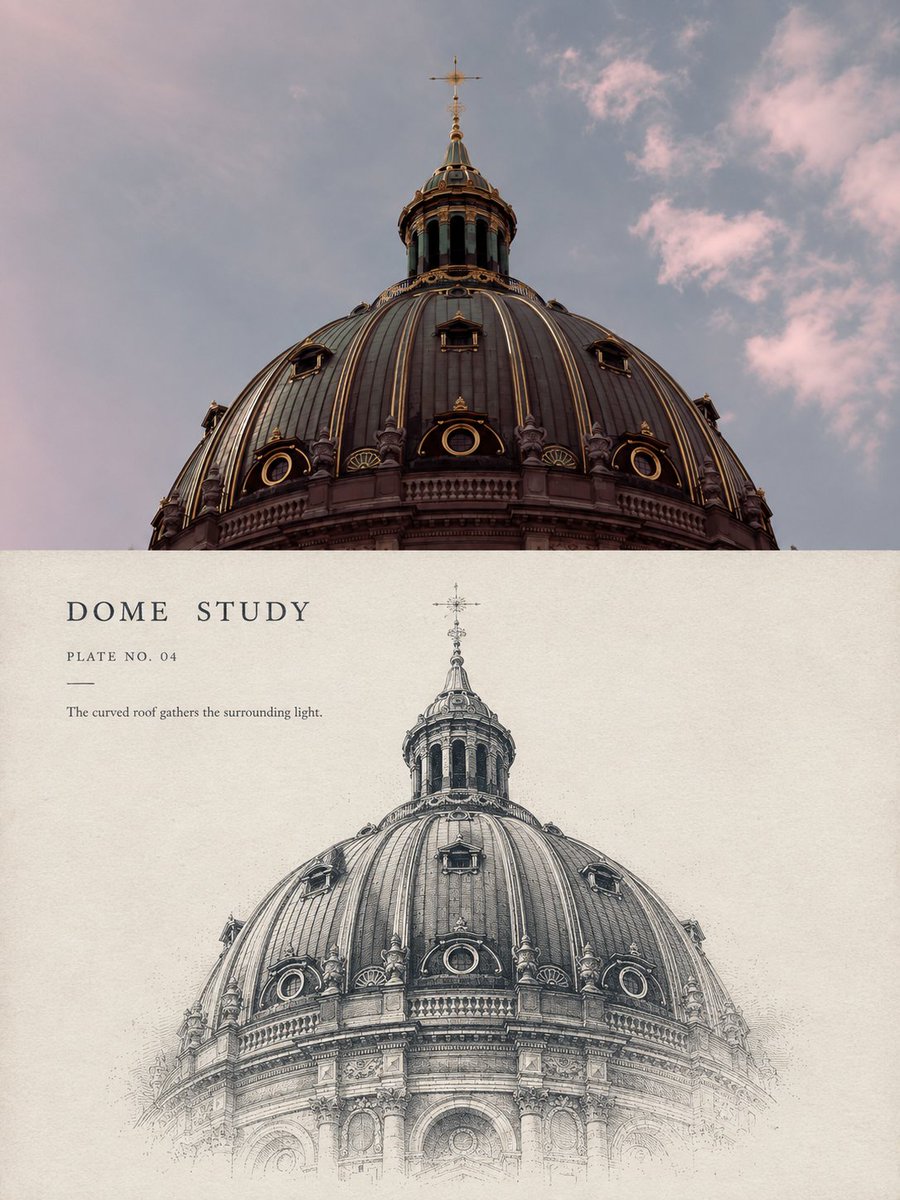
Krijg de prompts die indruk maken
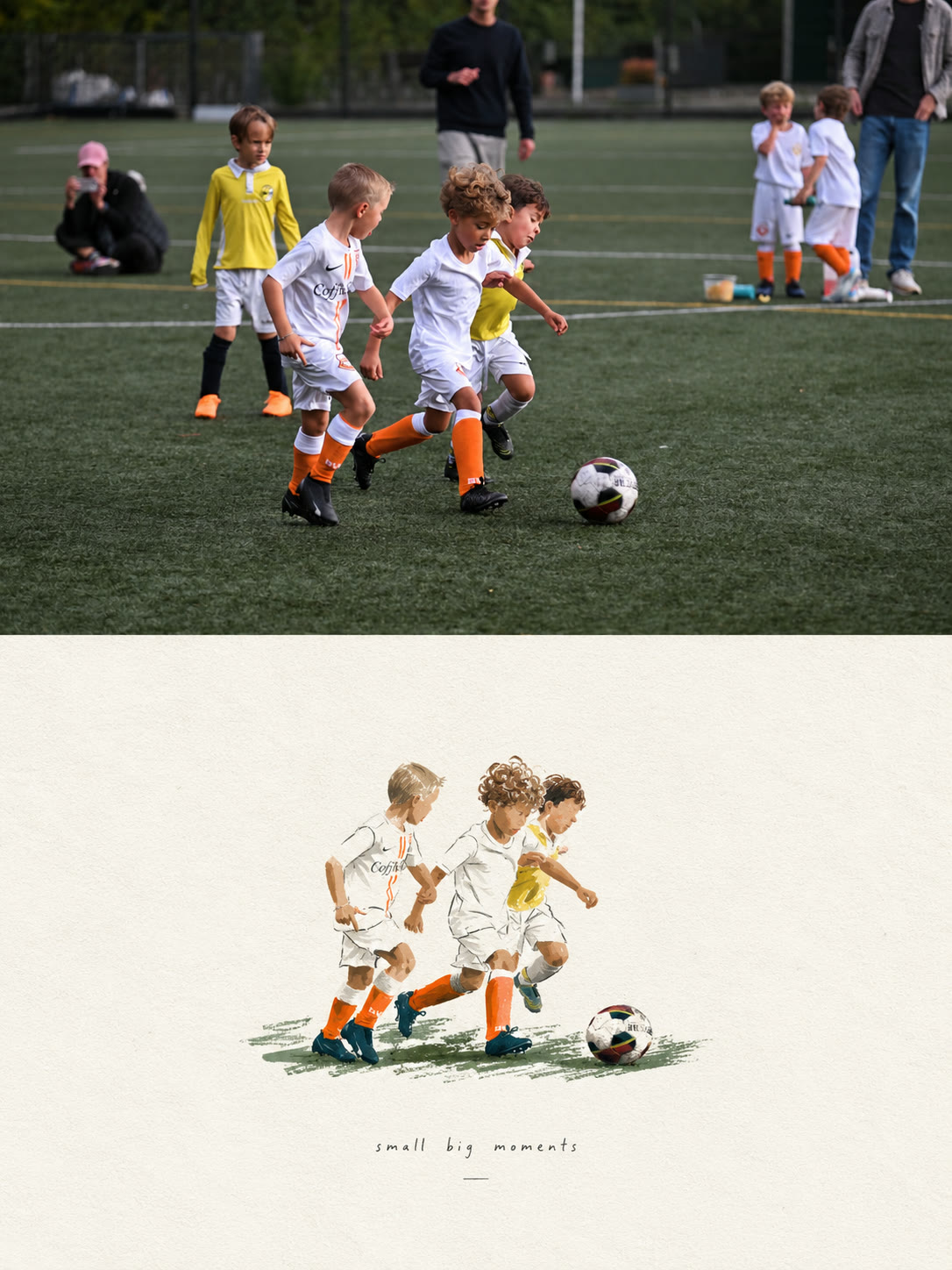
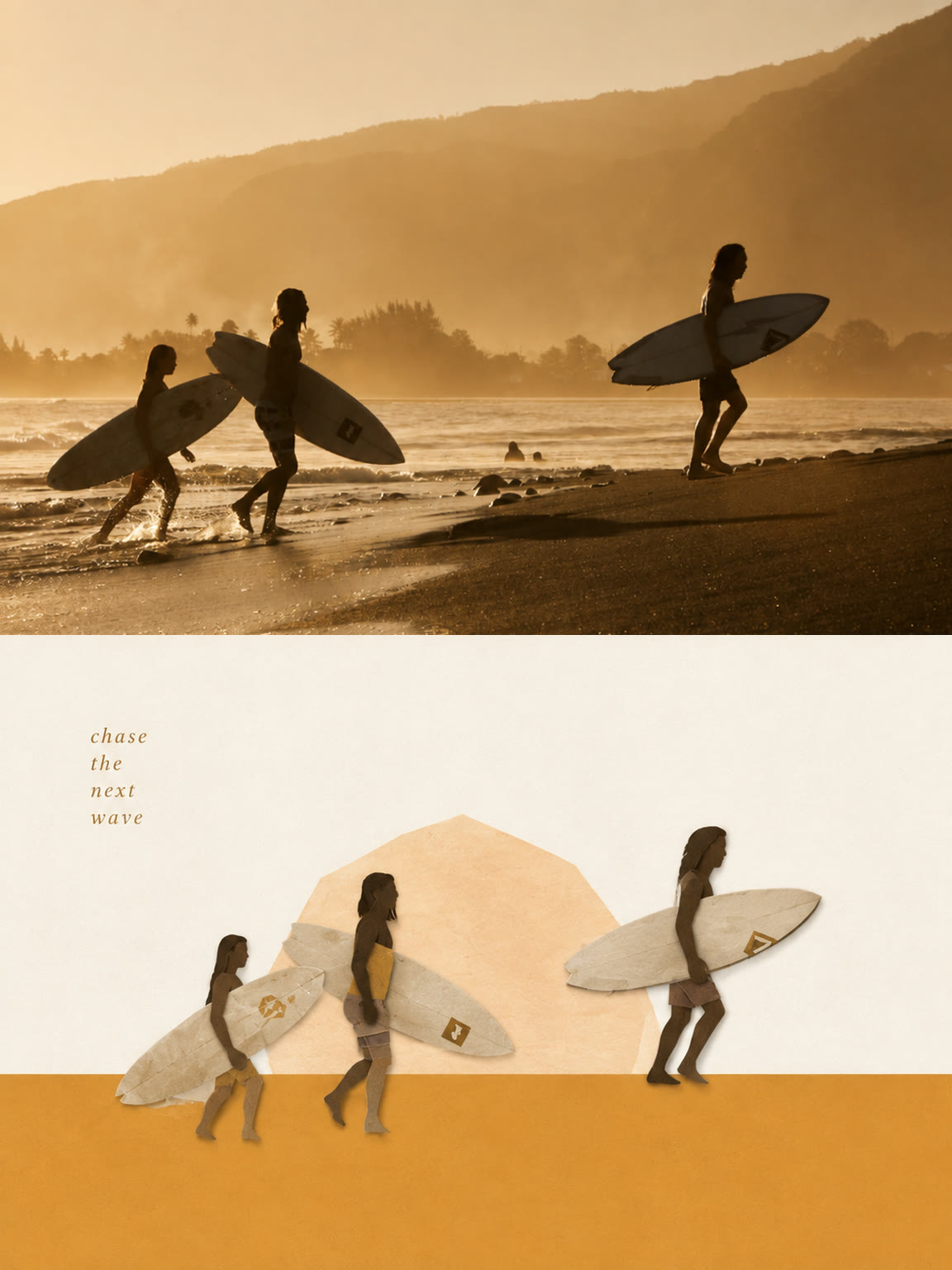
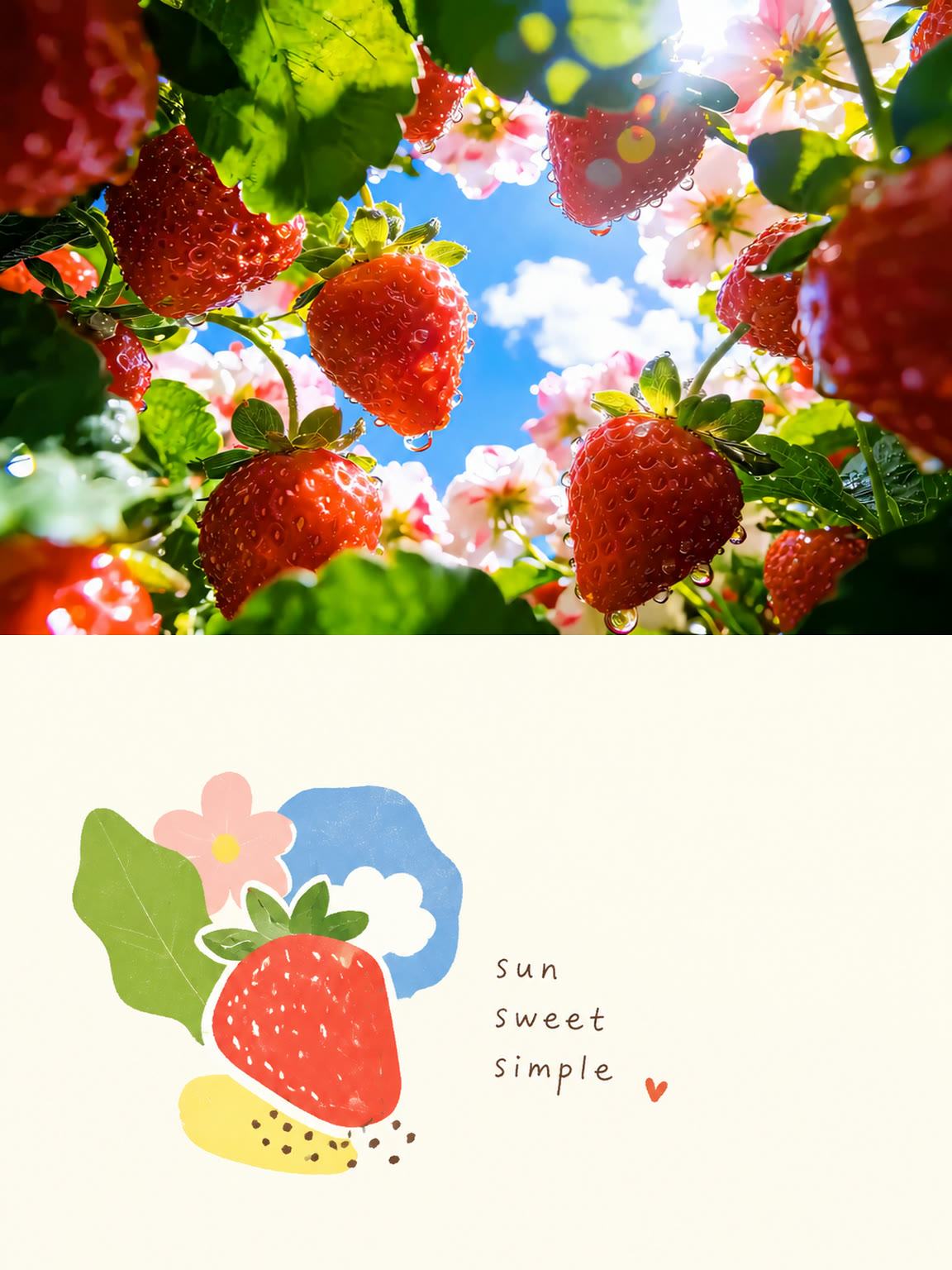
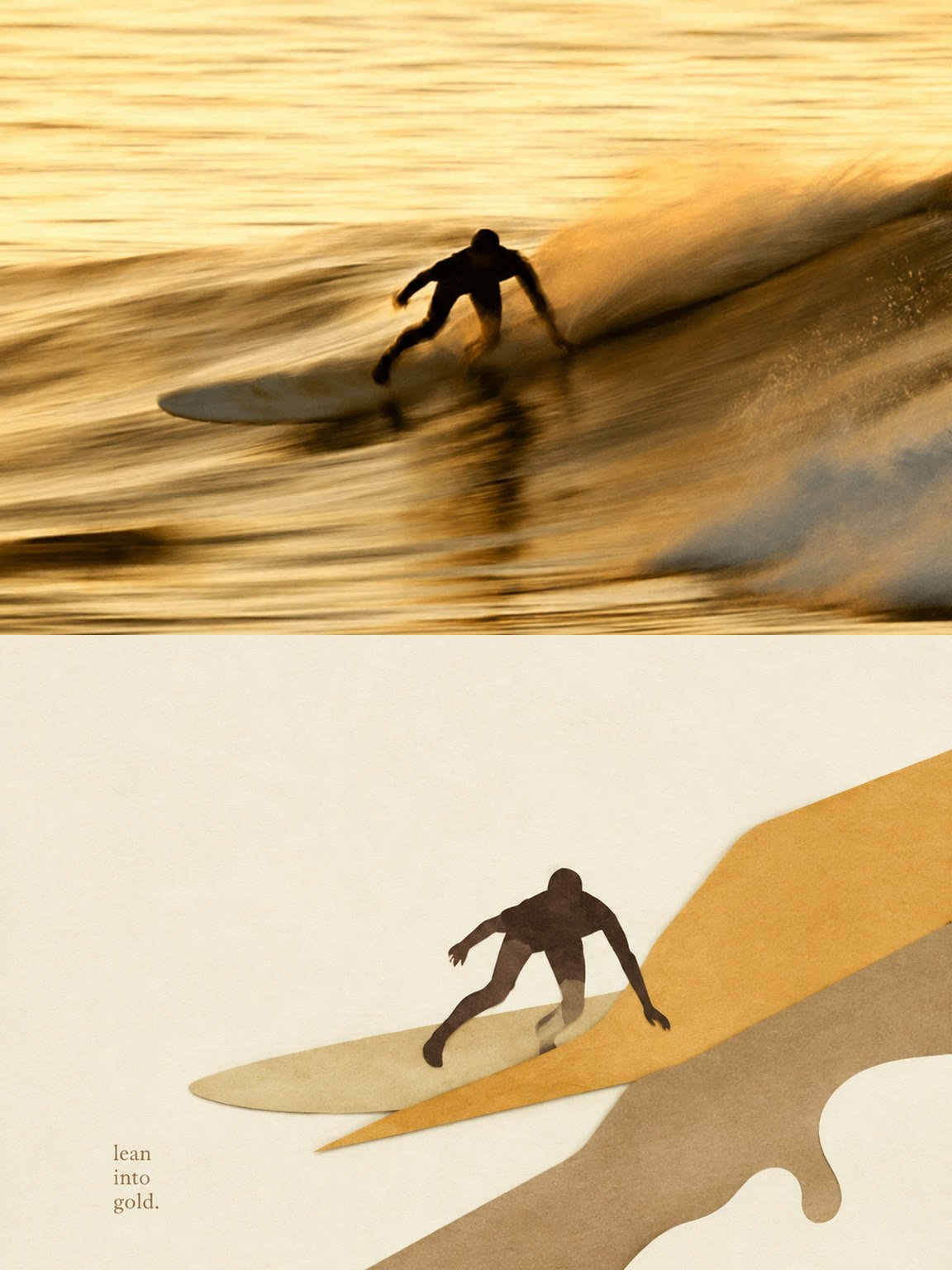
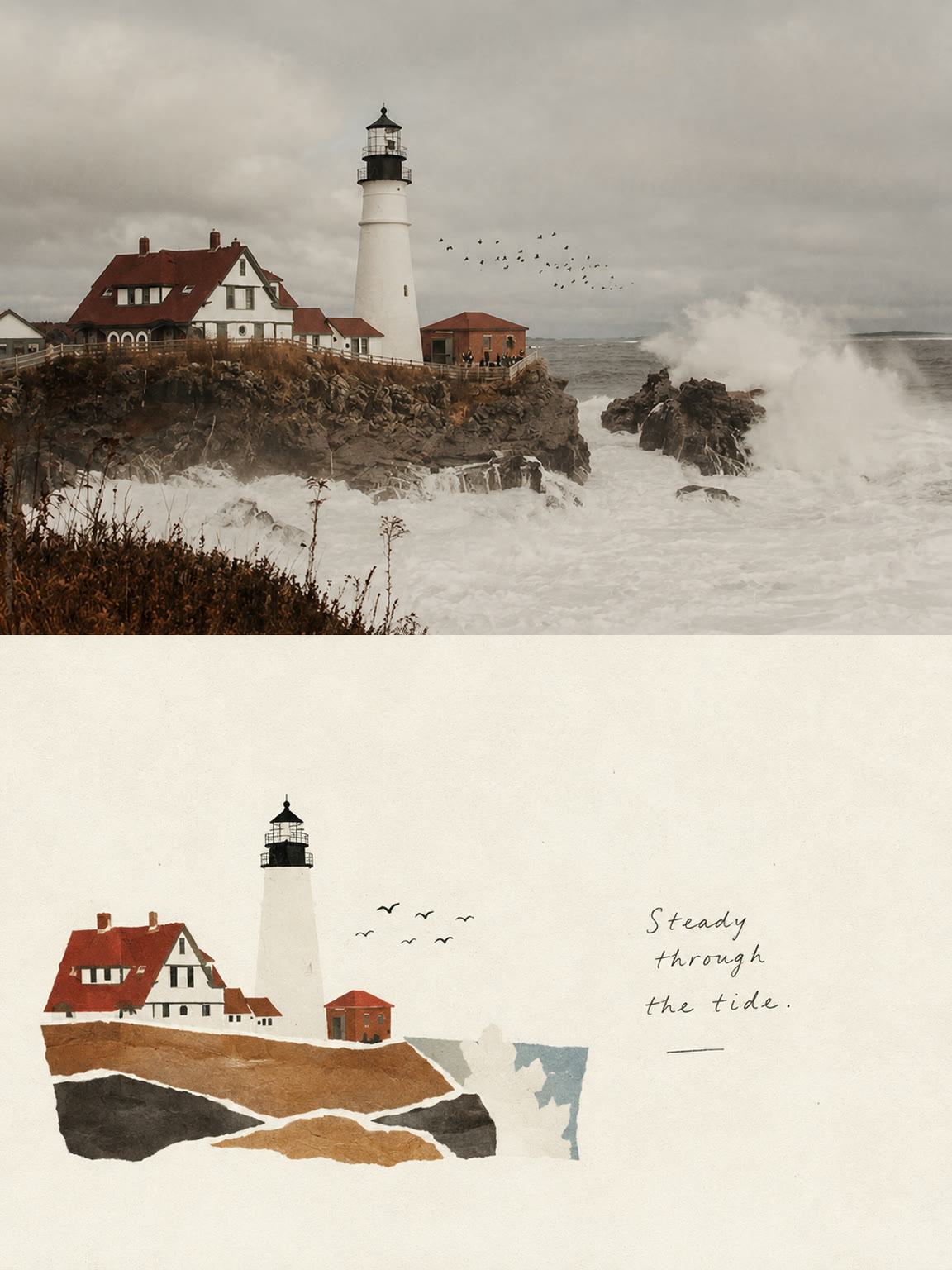
Krijg de prompts die indruk maken
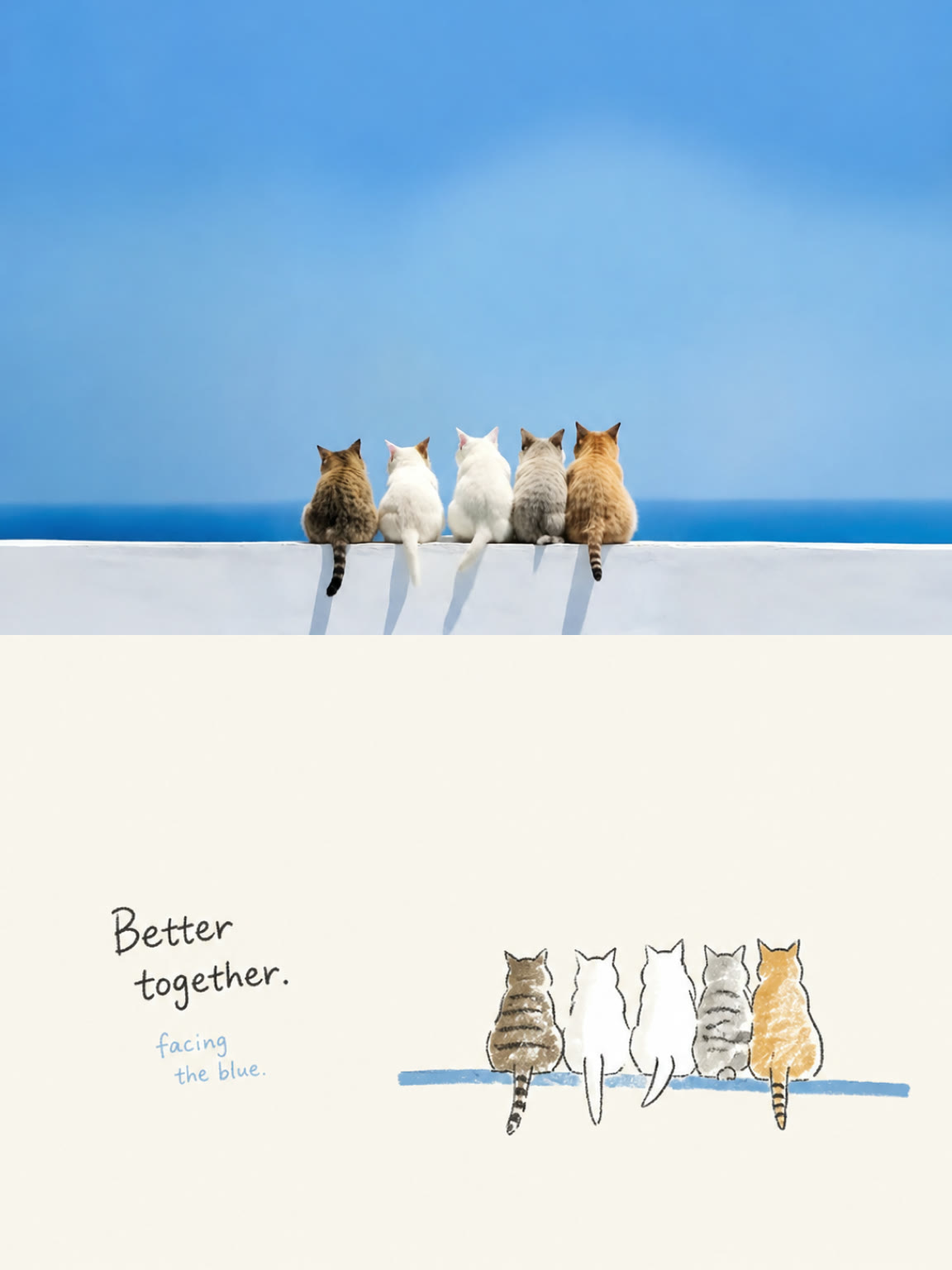
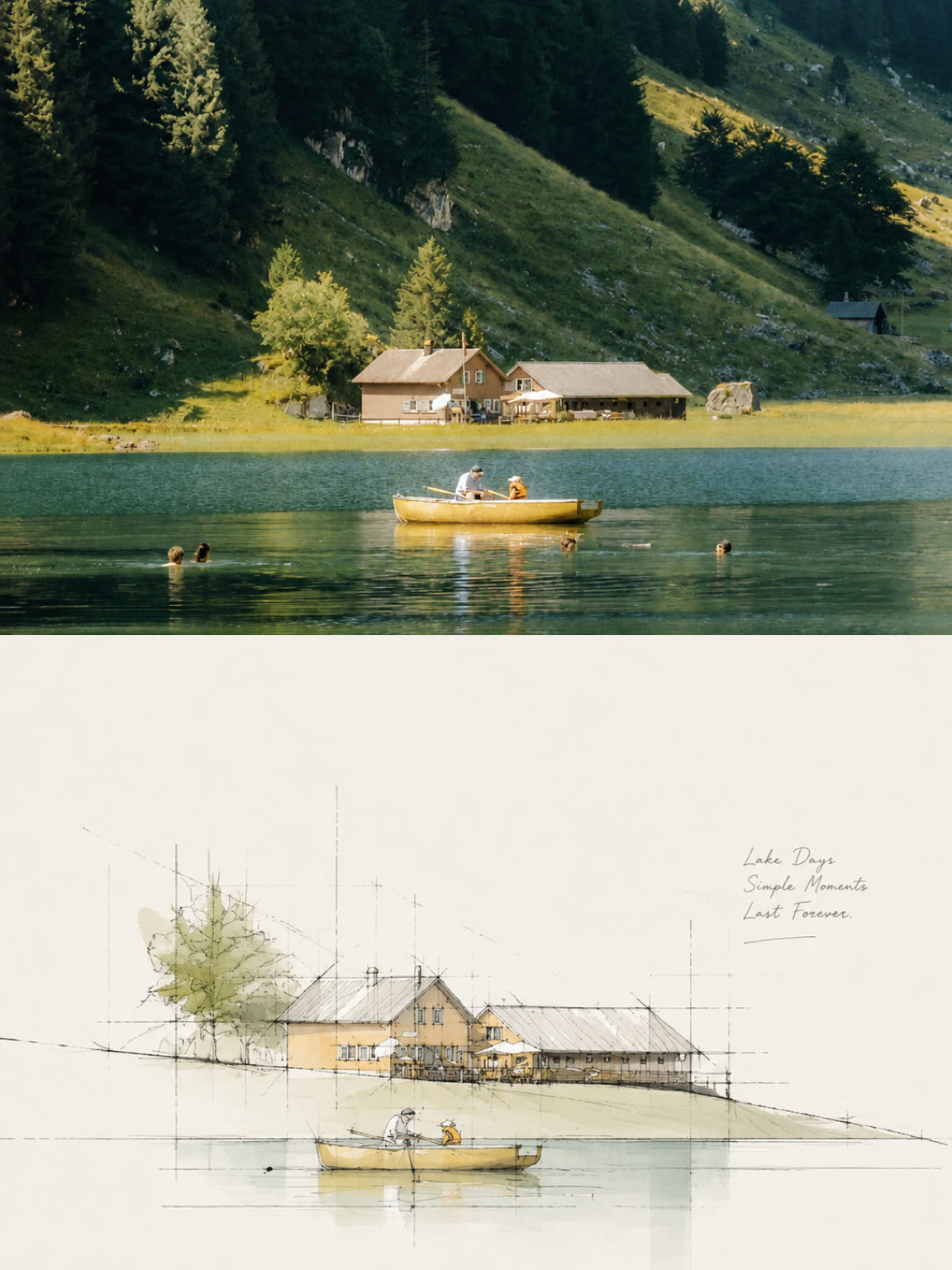
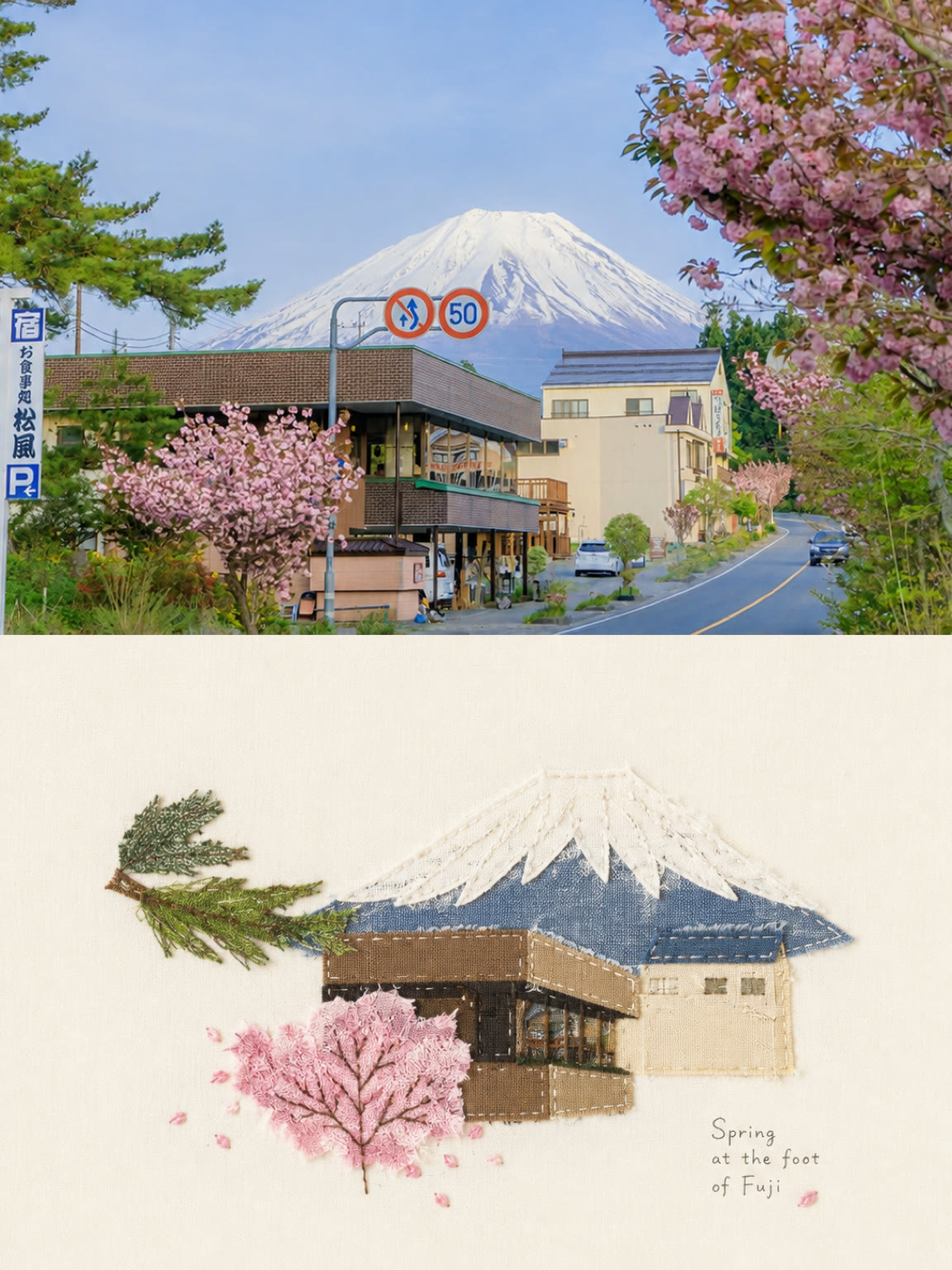
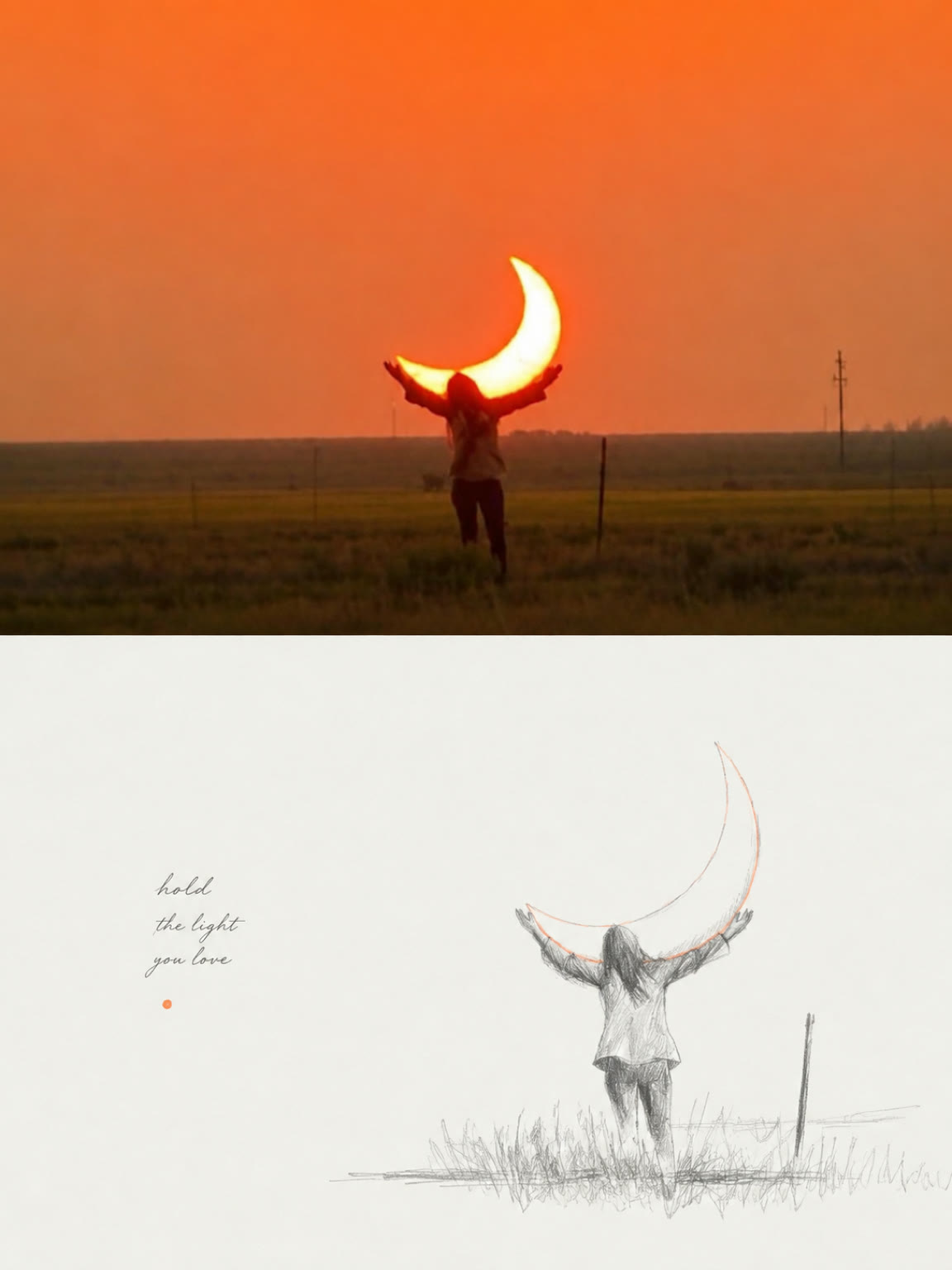
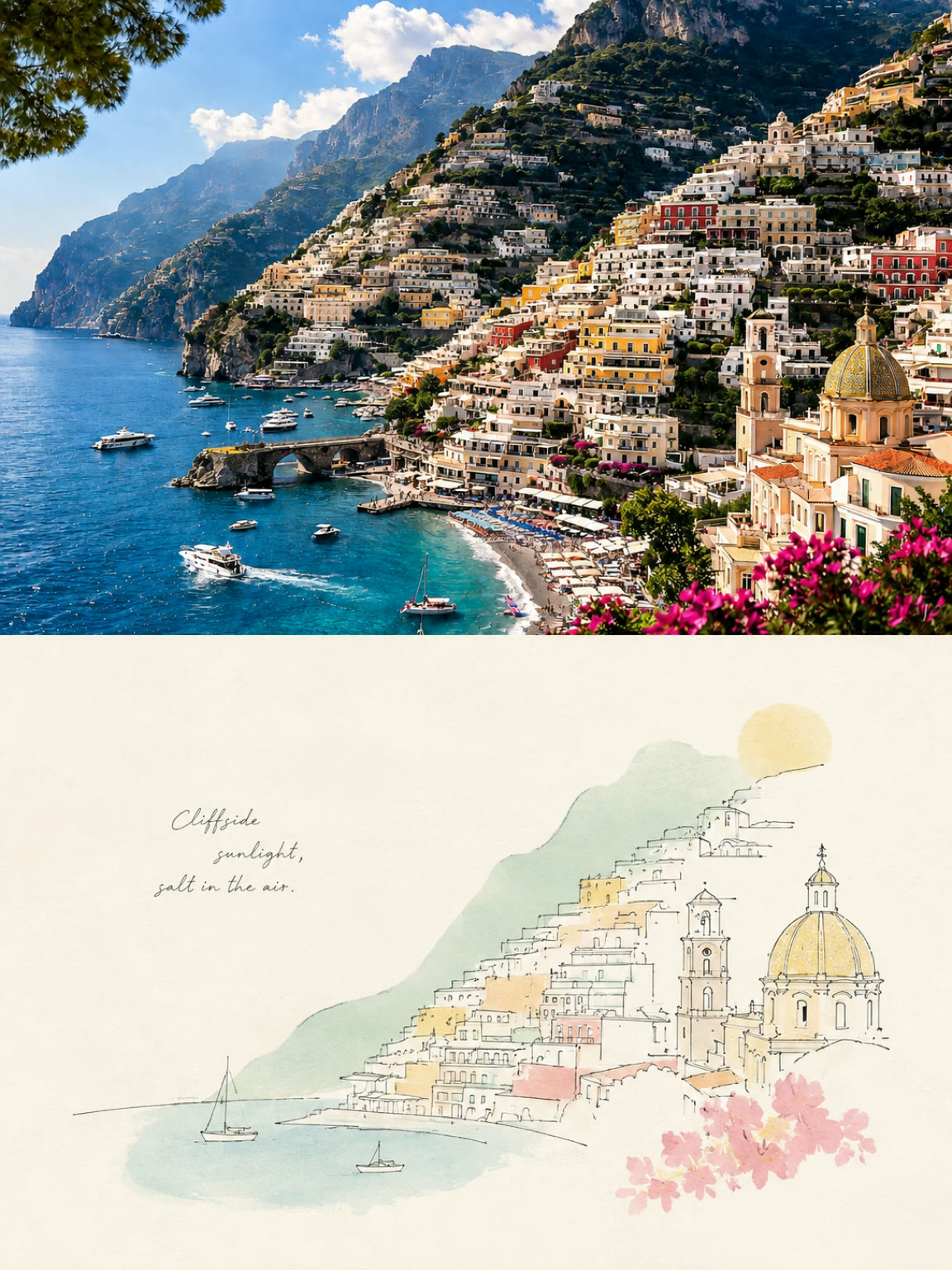
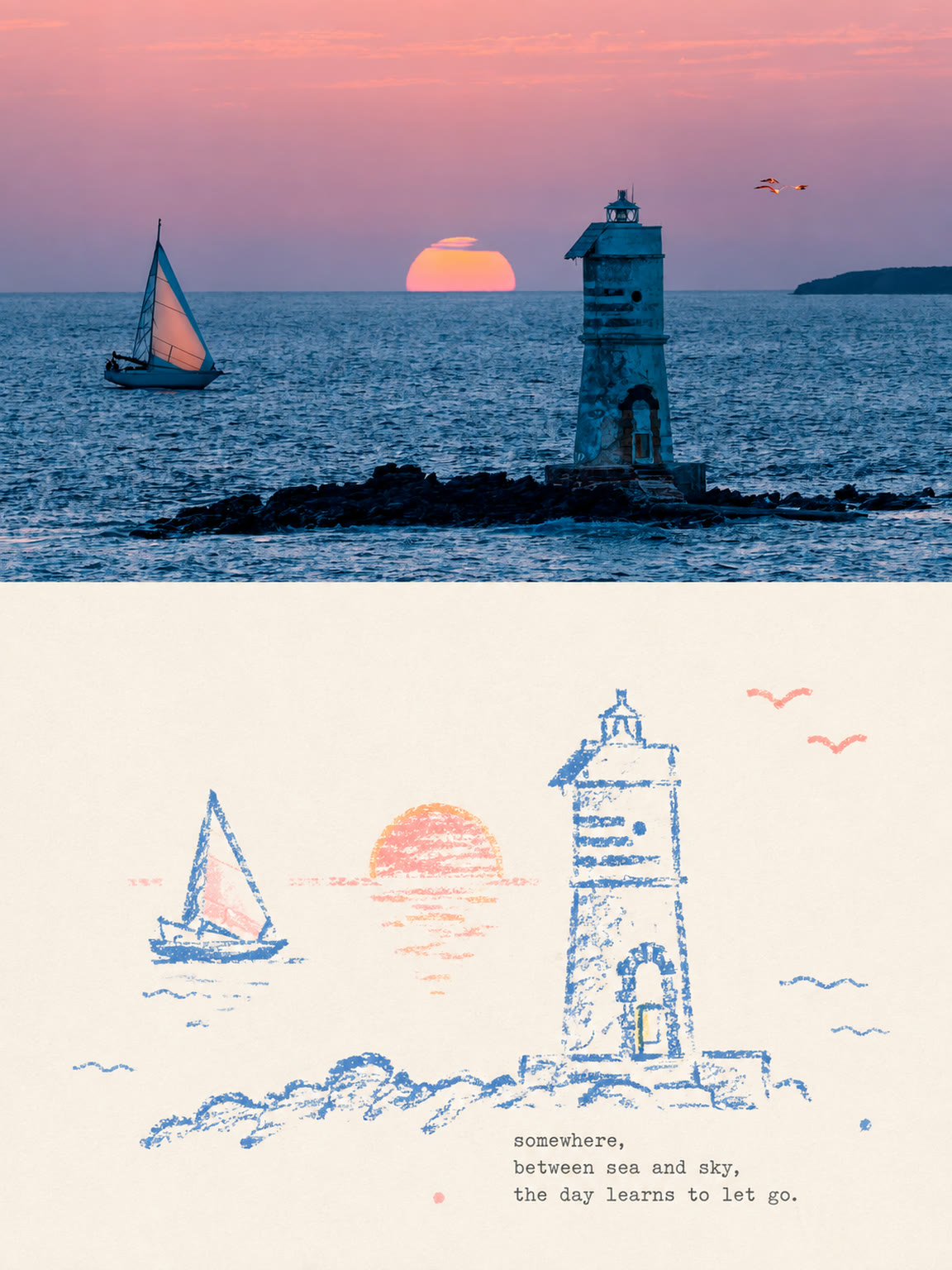
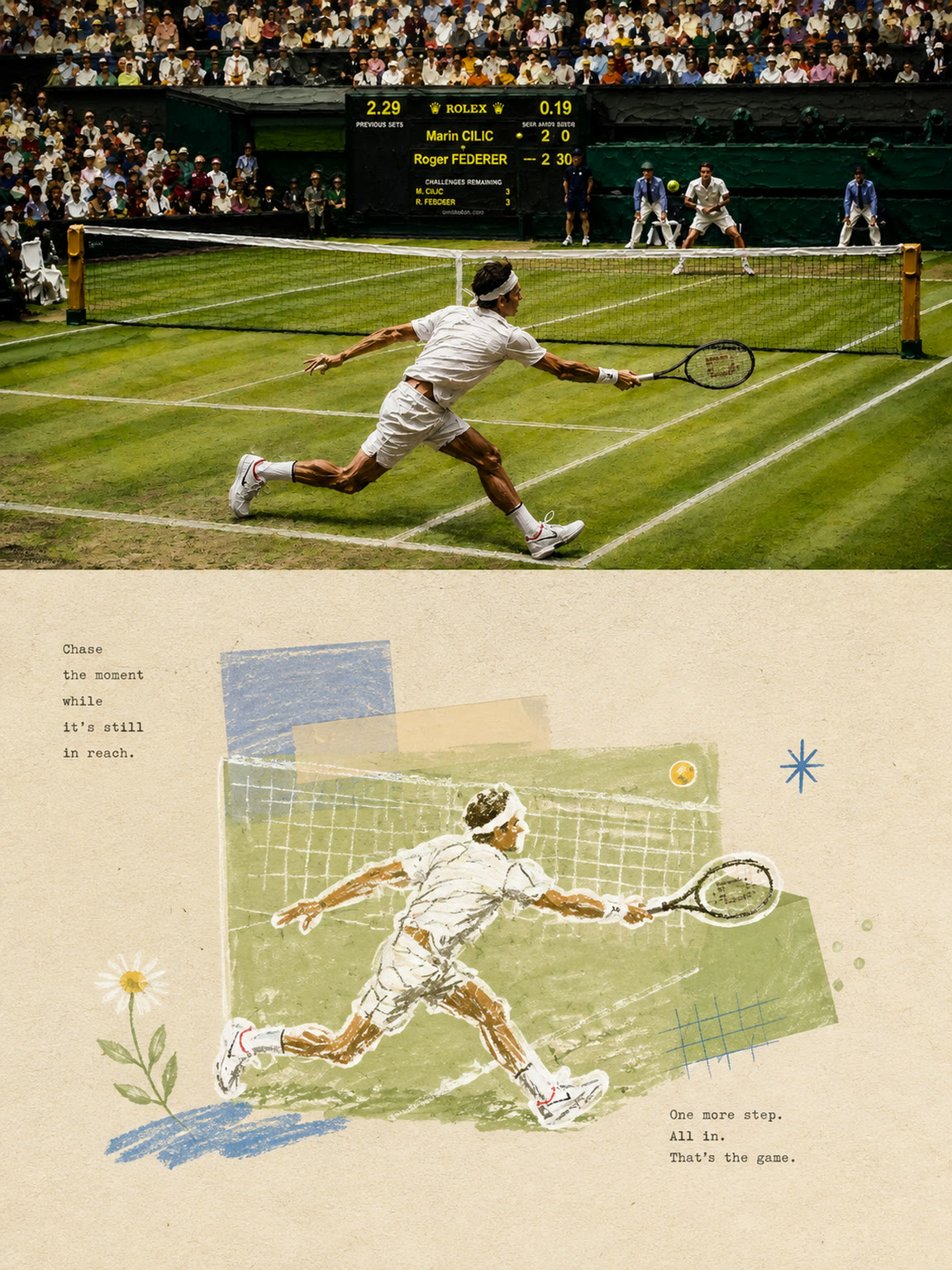
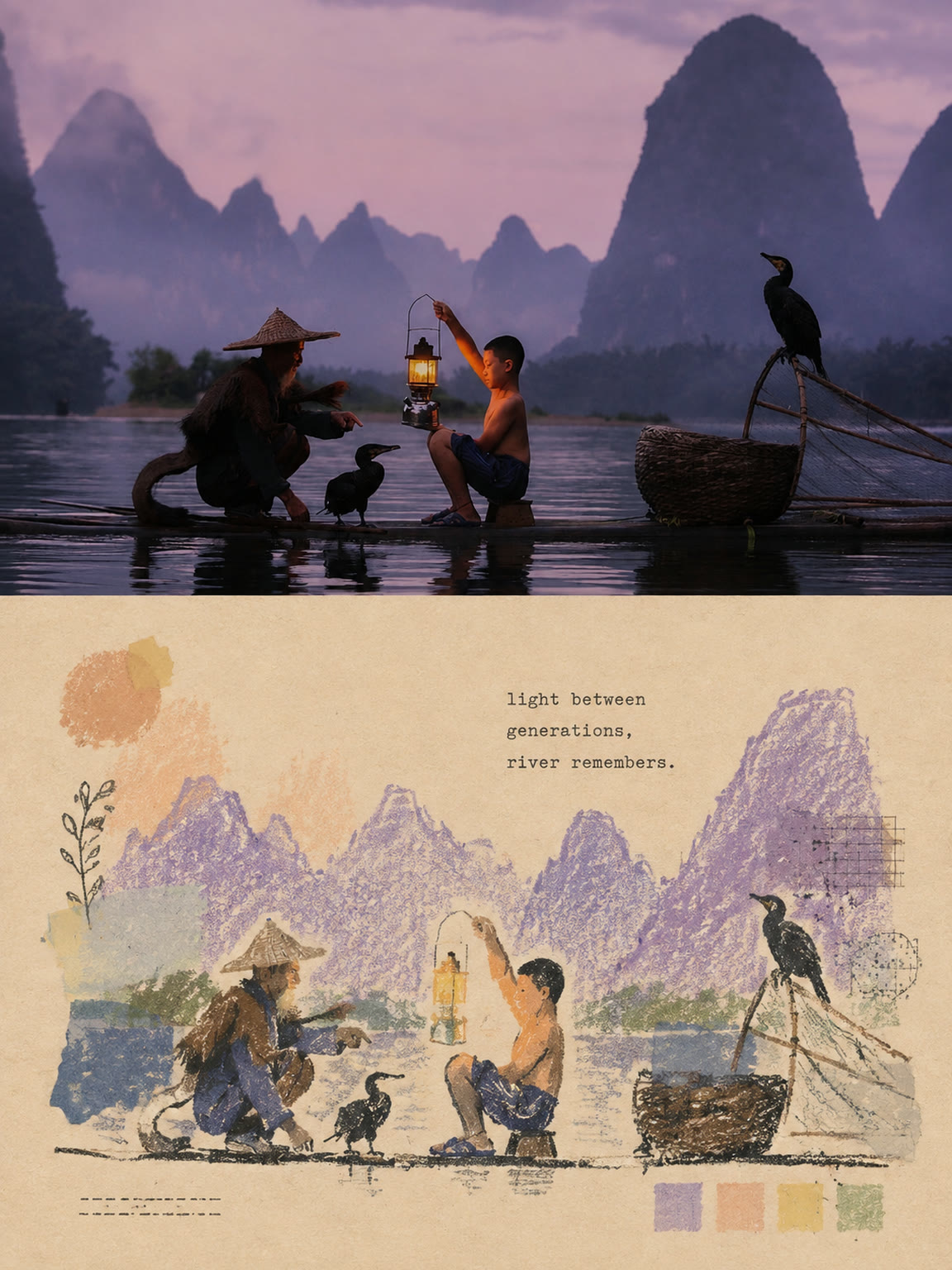
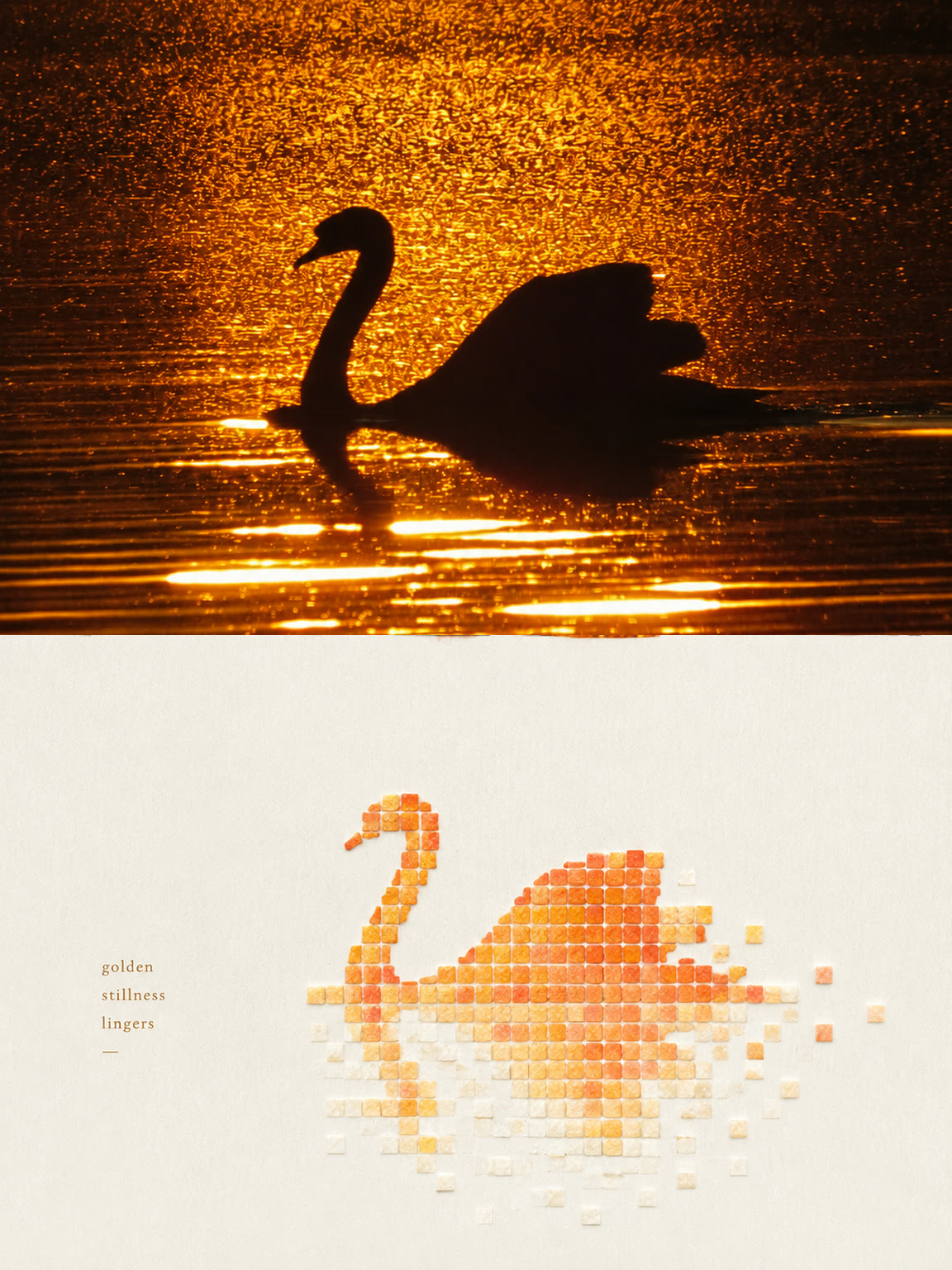
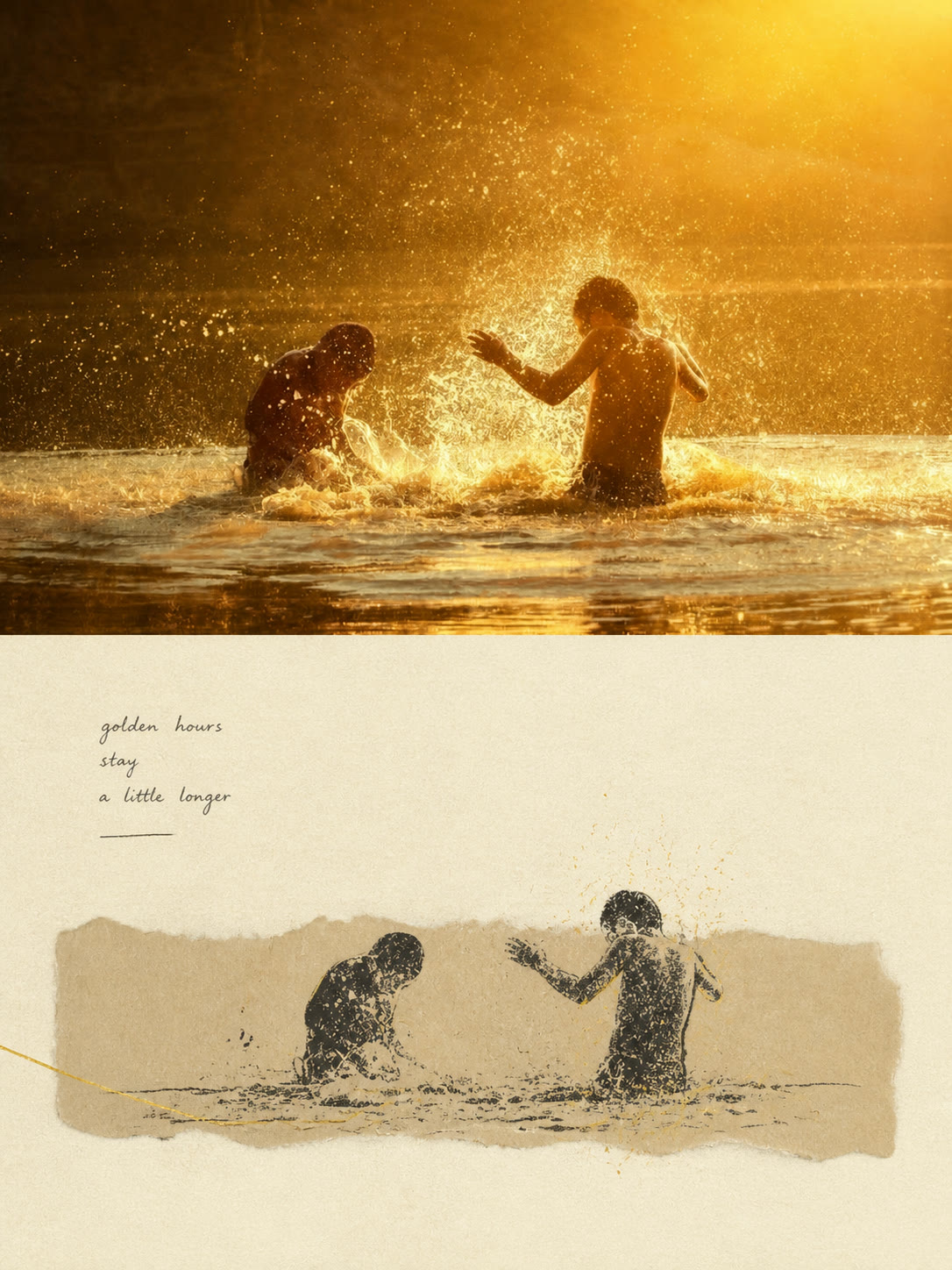
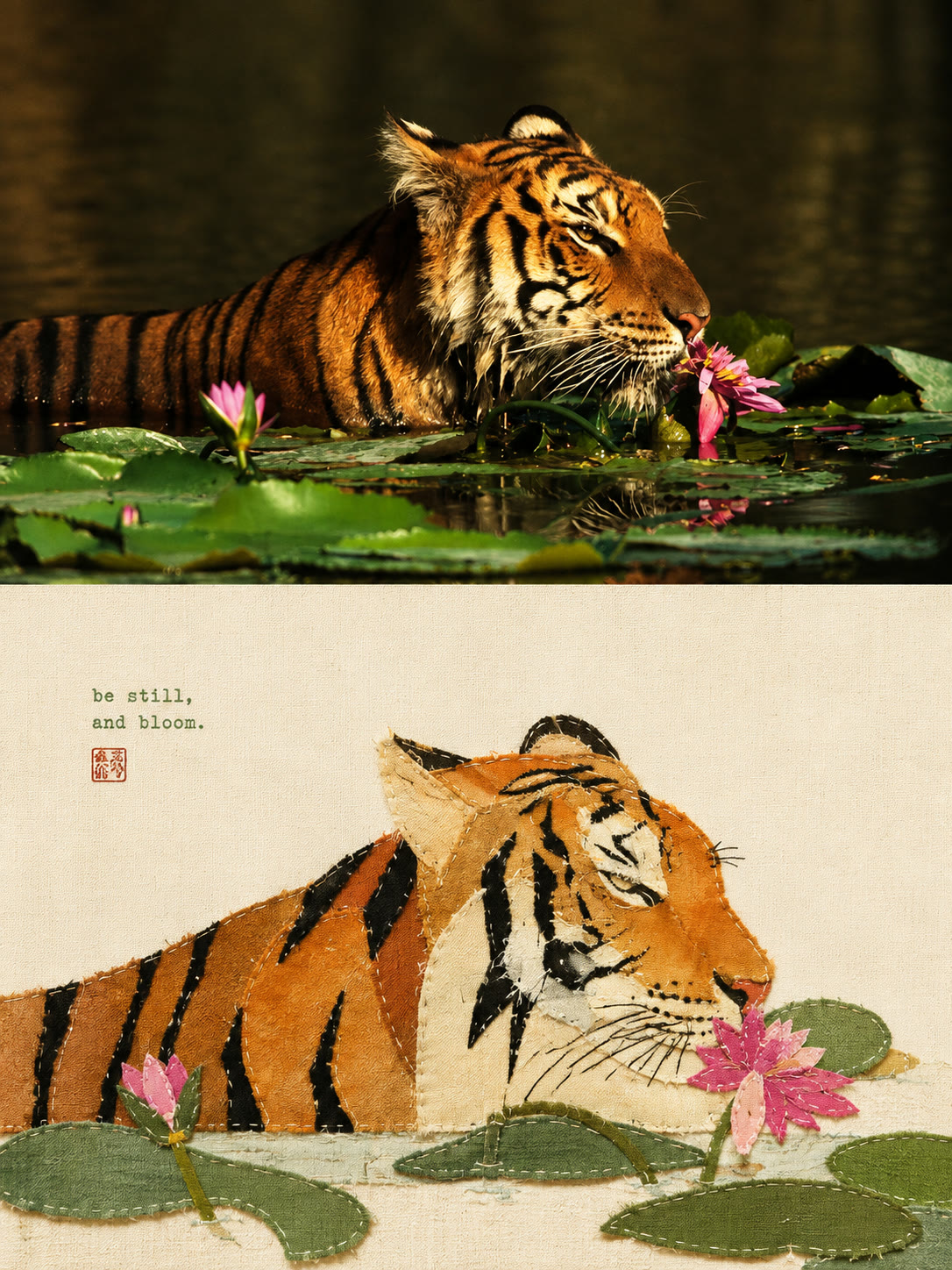
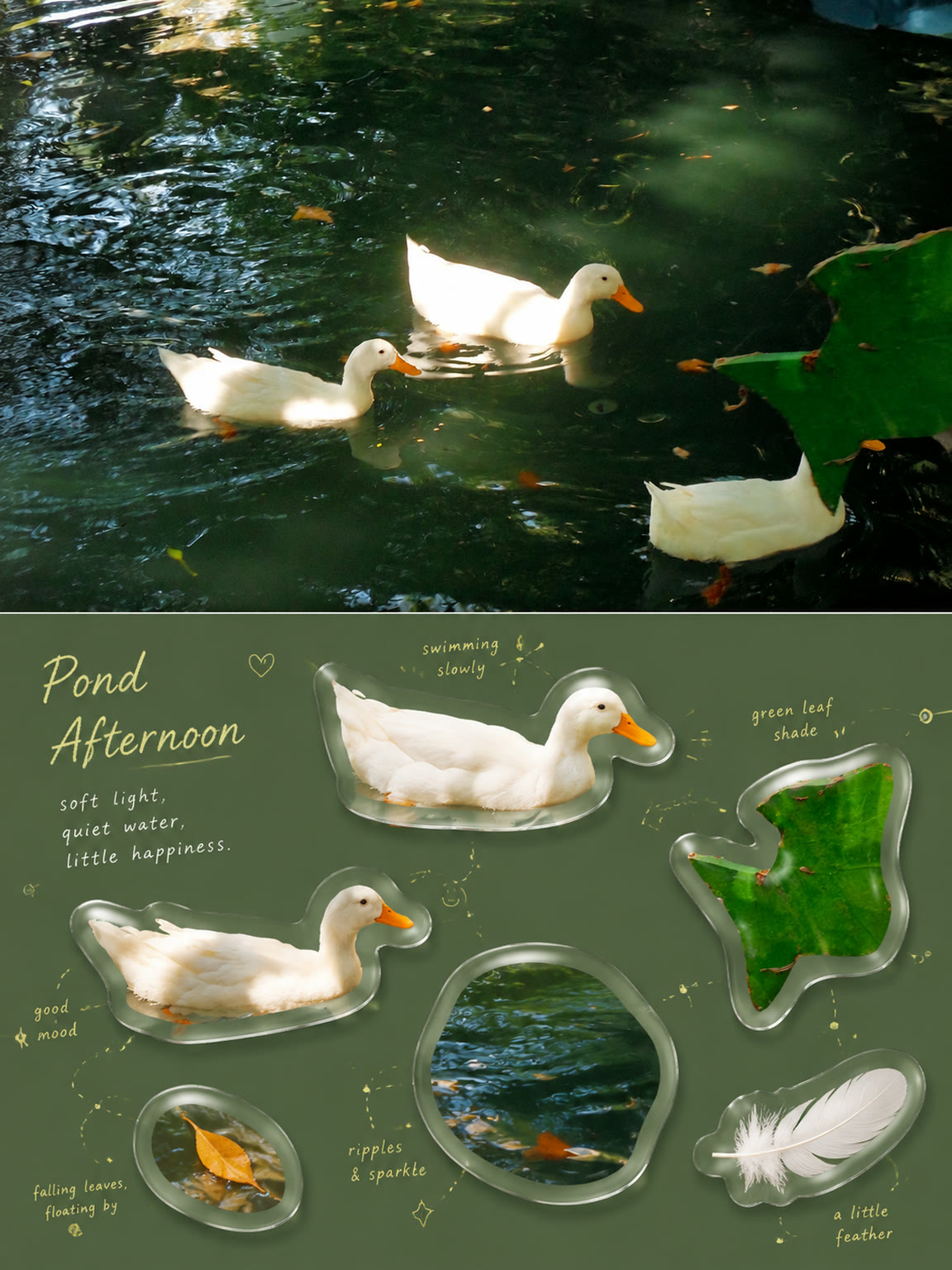
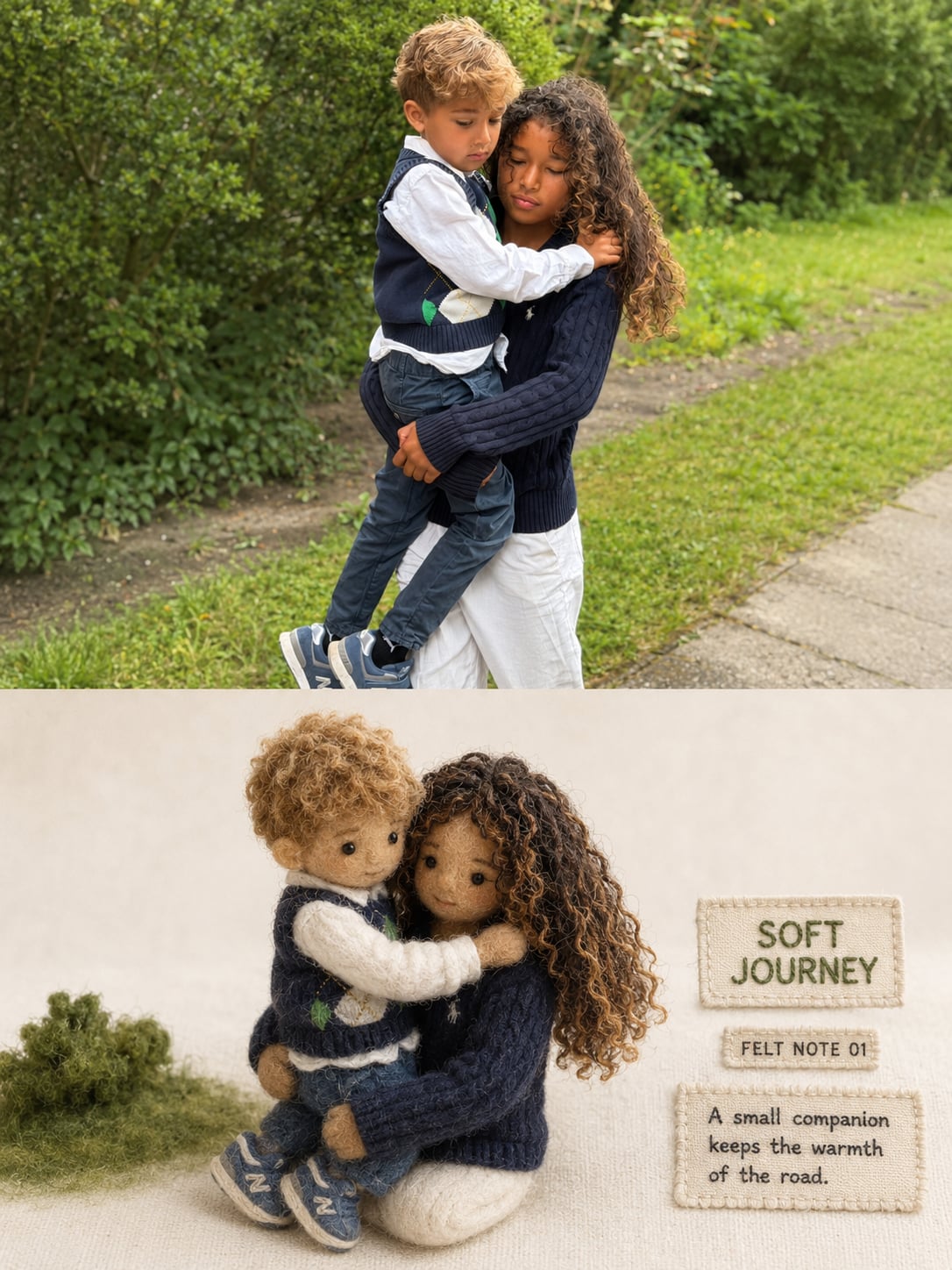
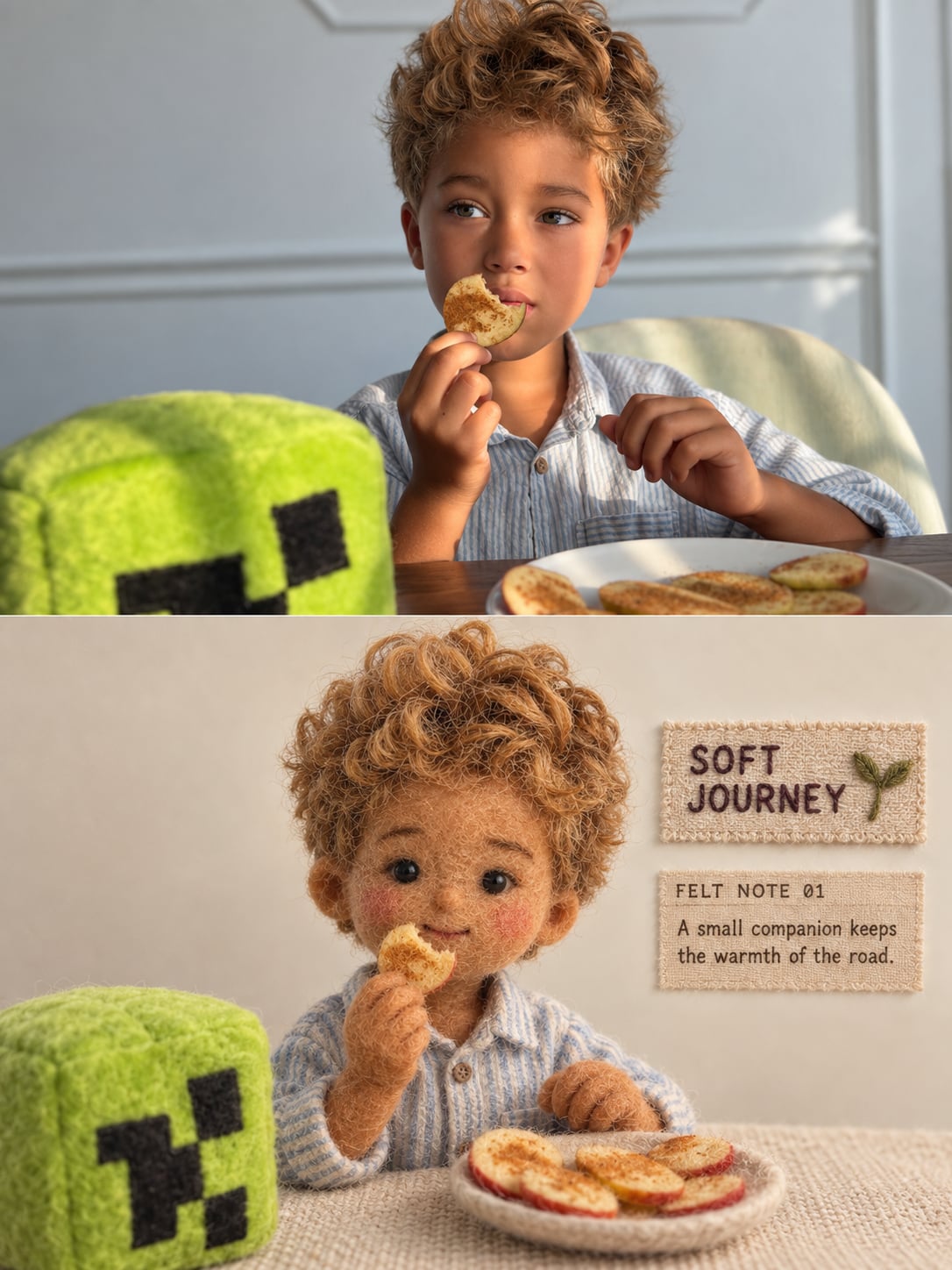
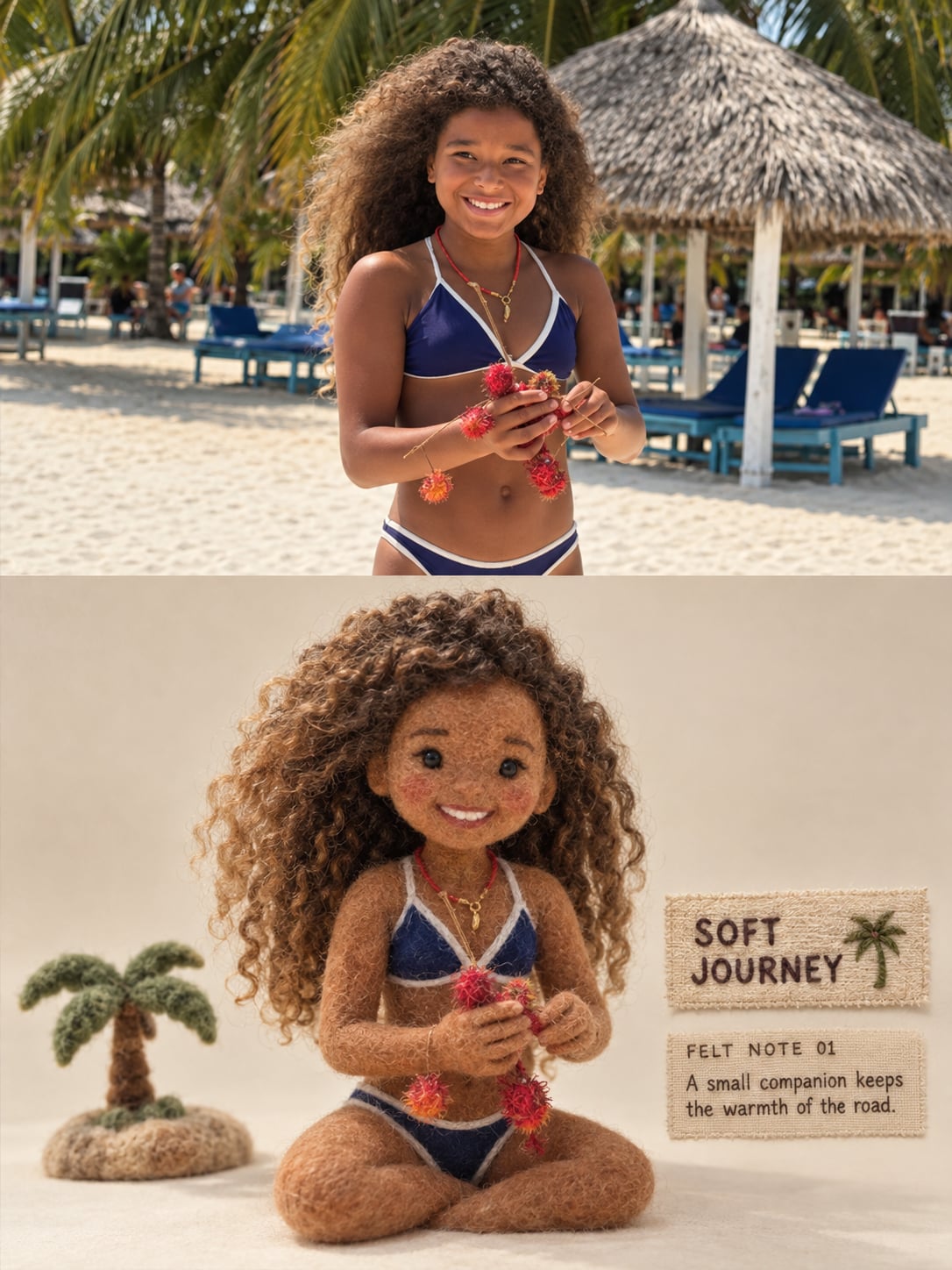
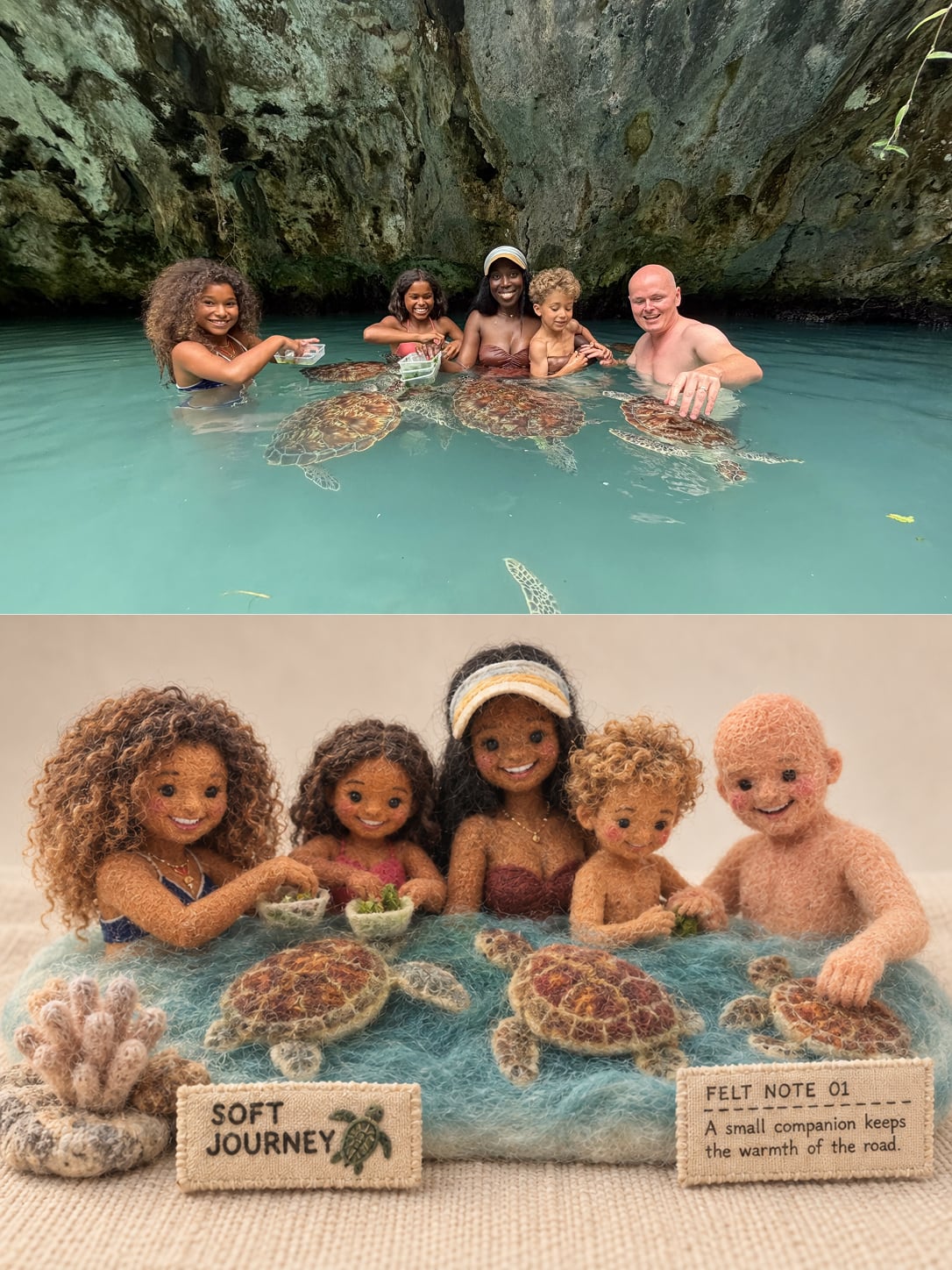
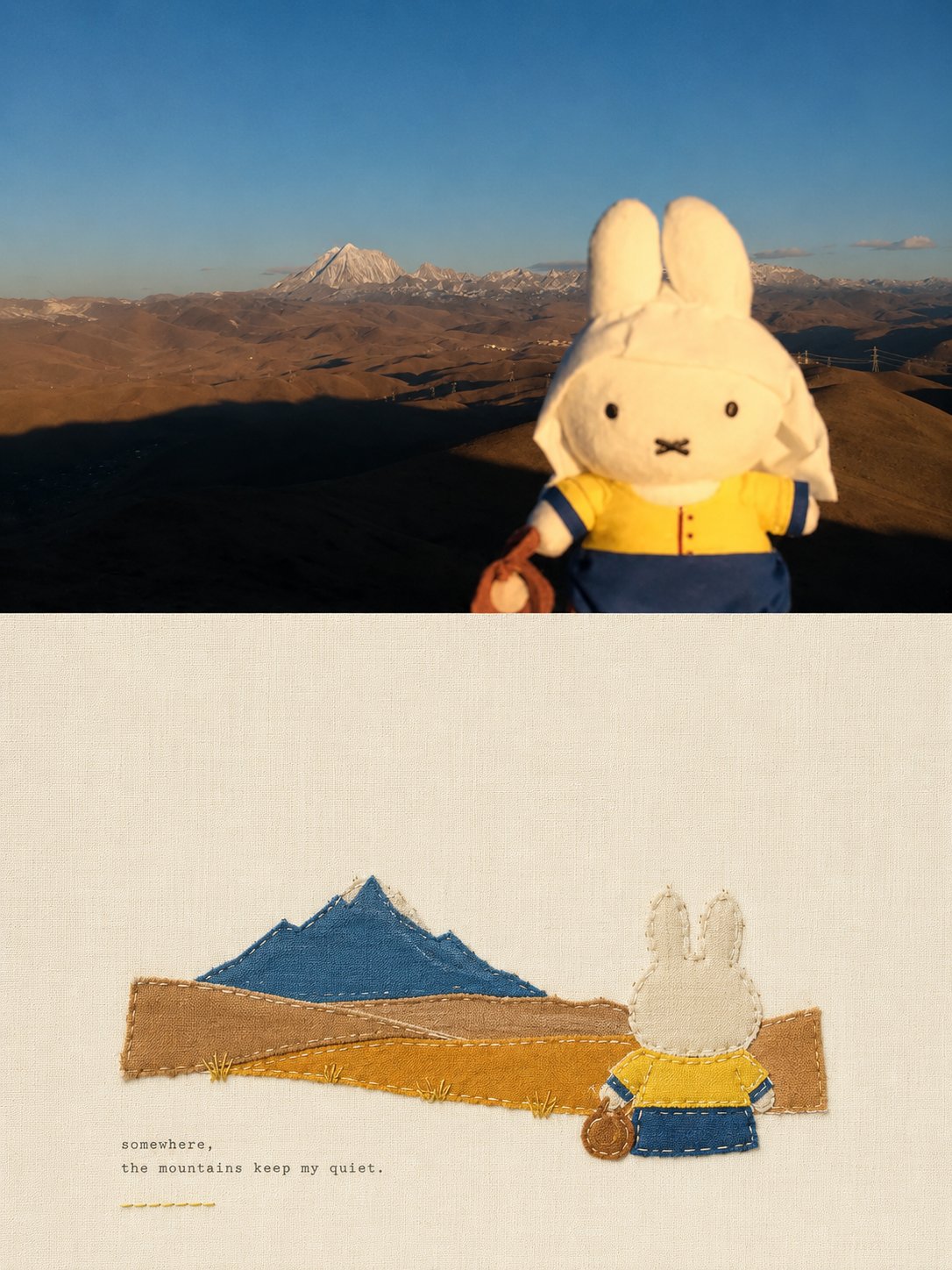
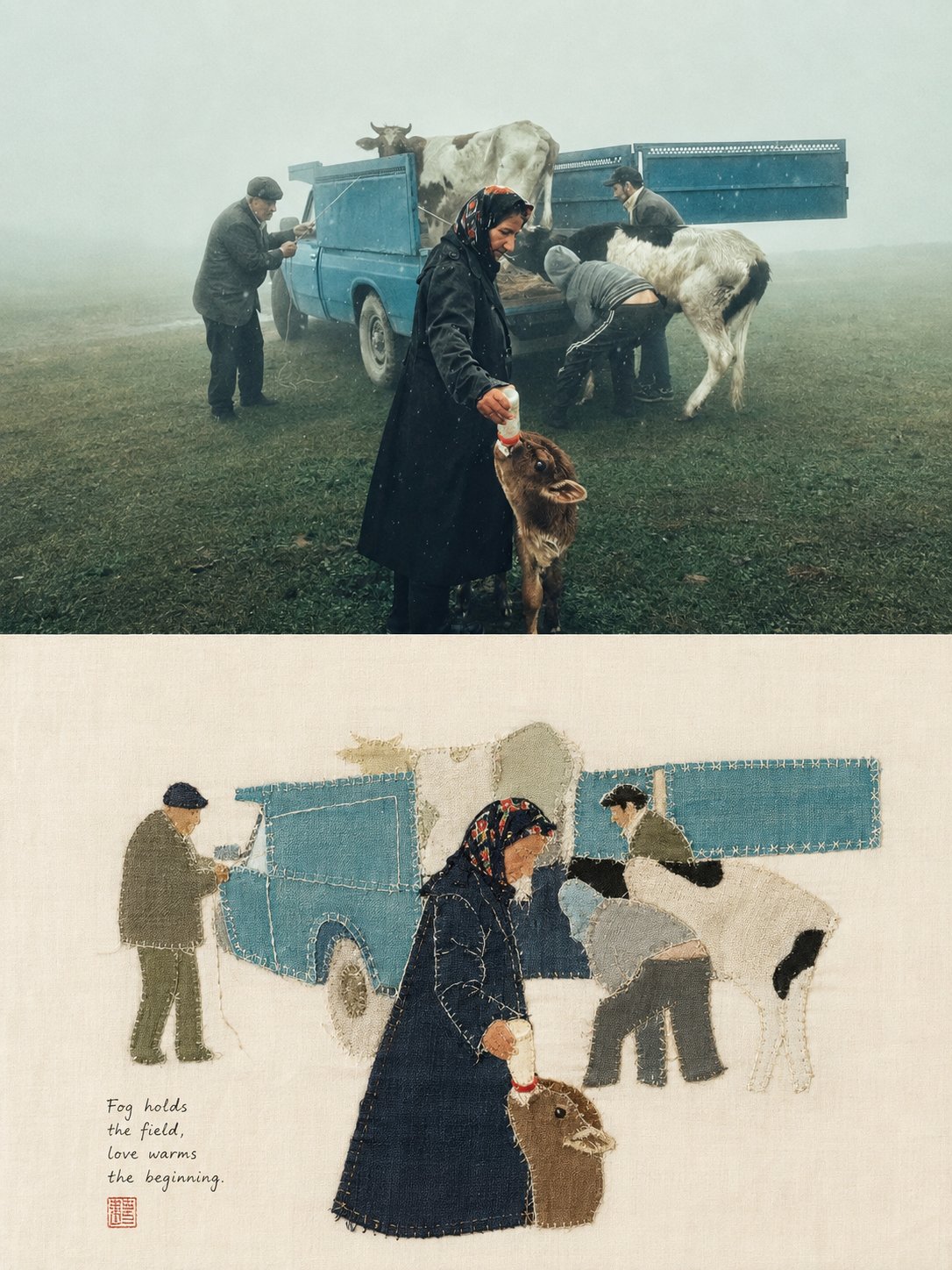
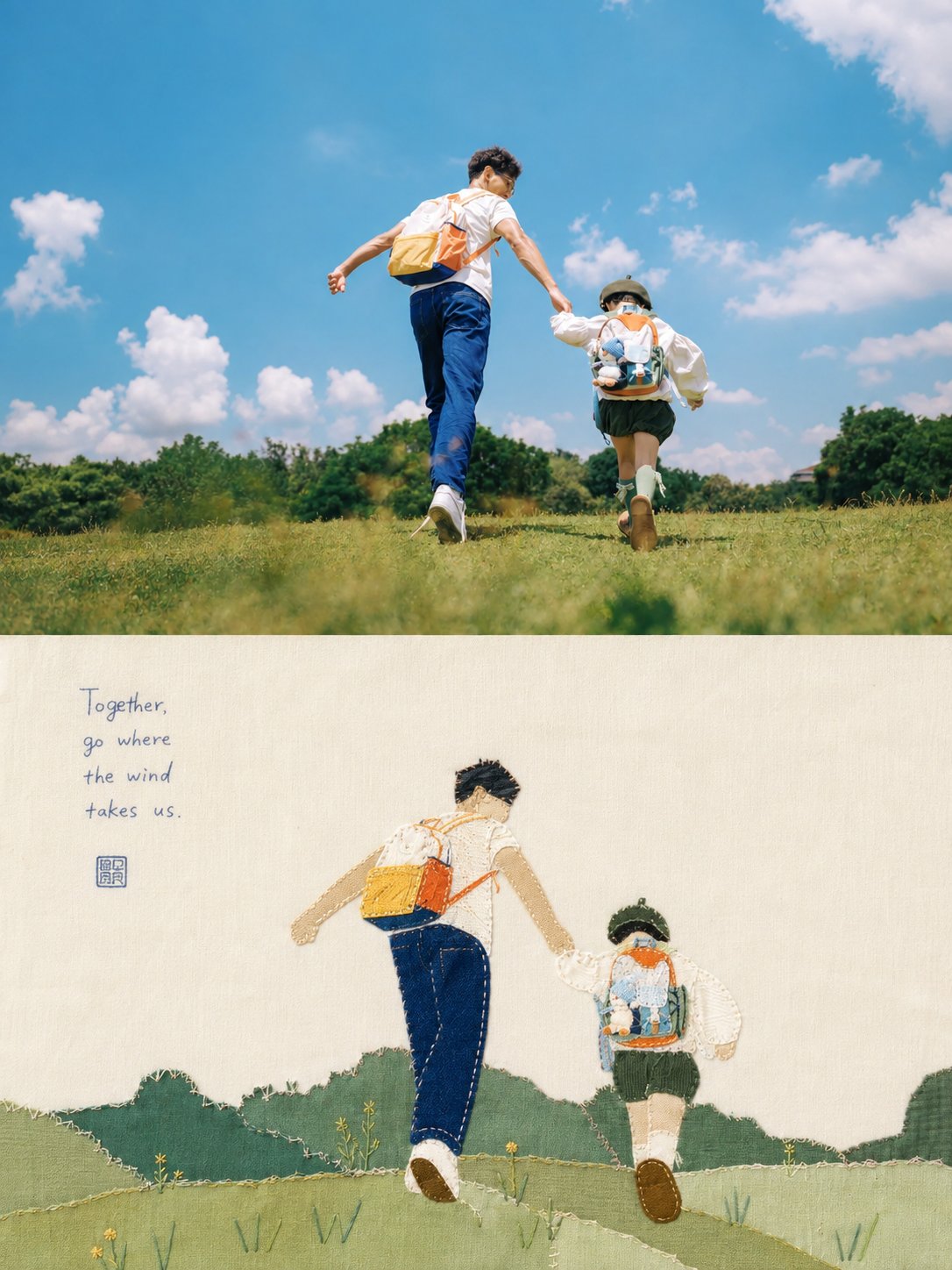
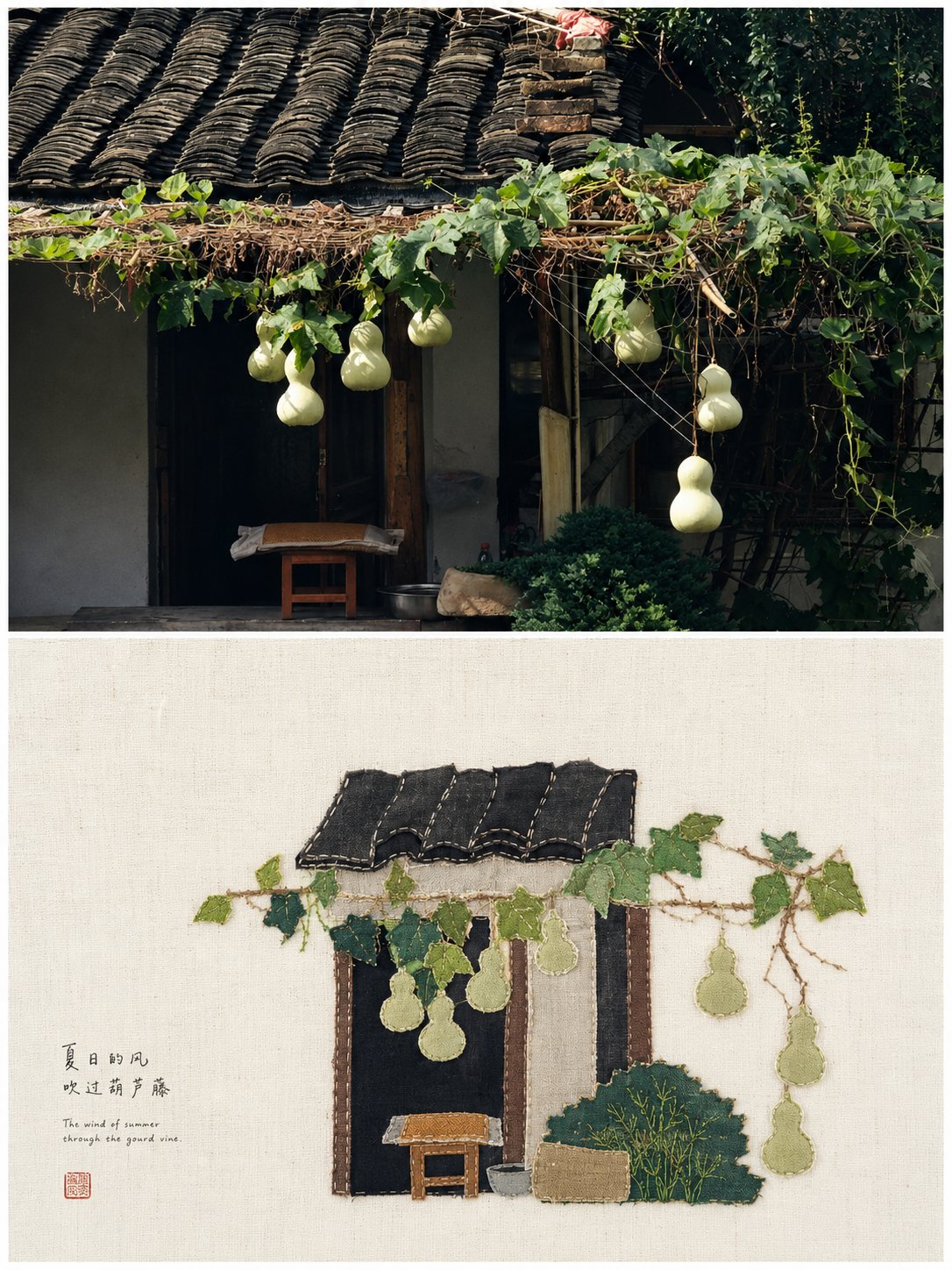
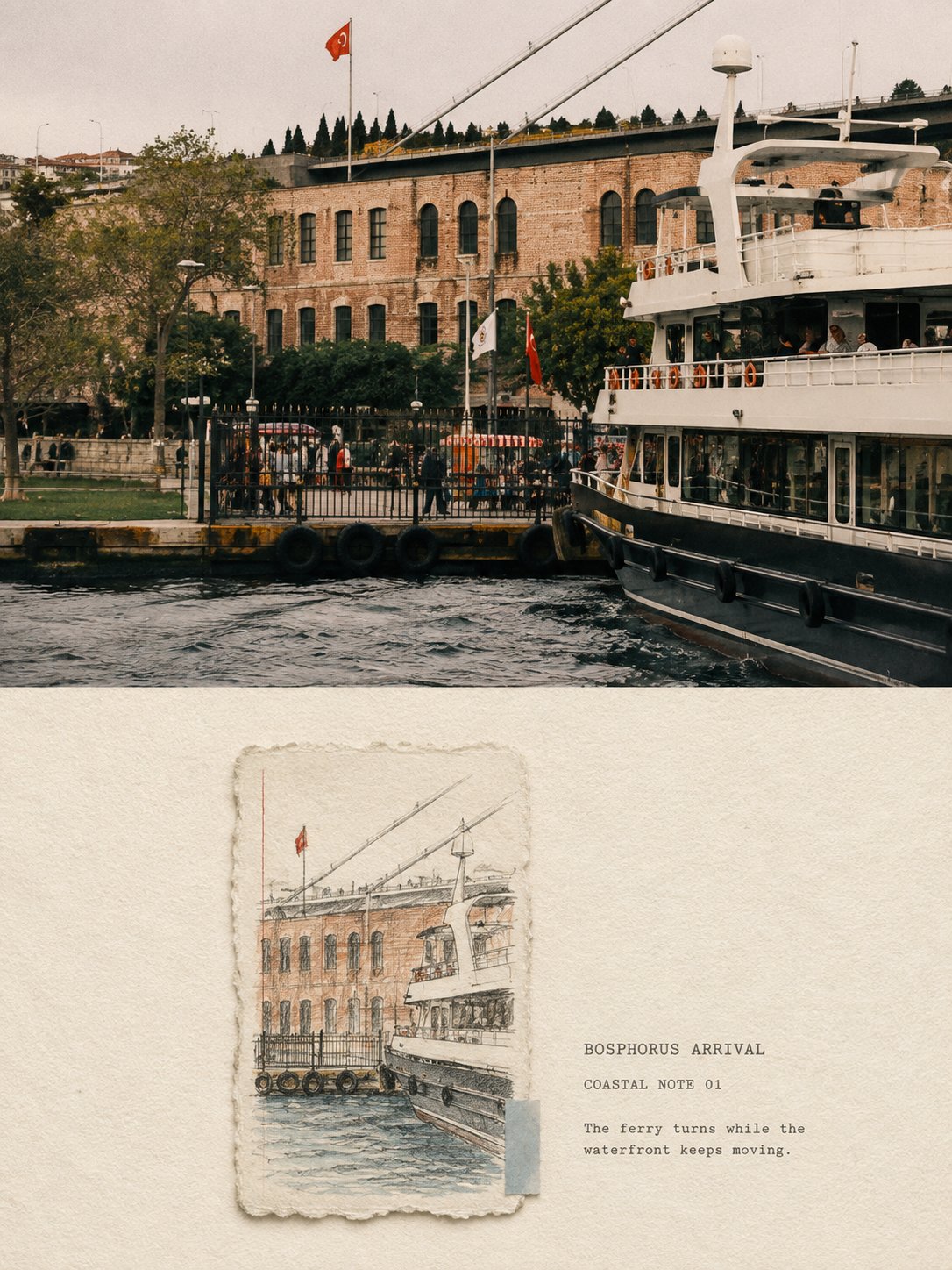
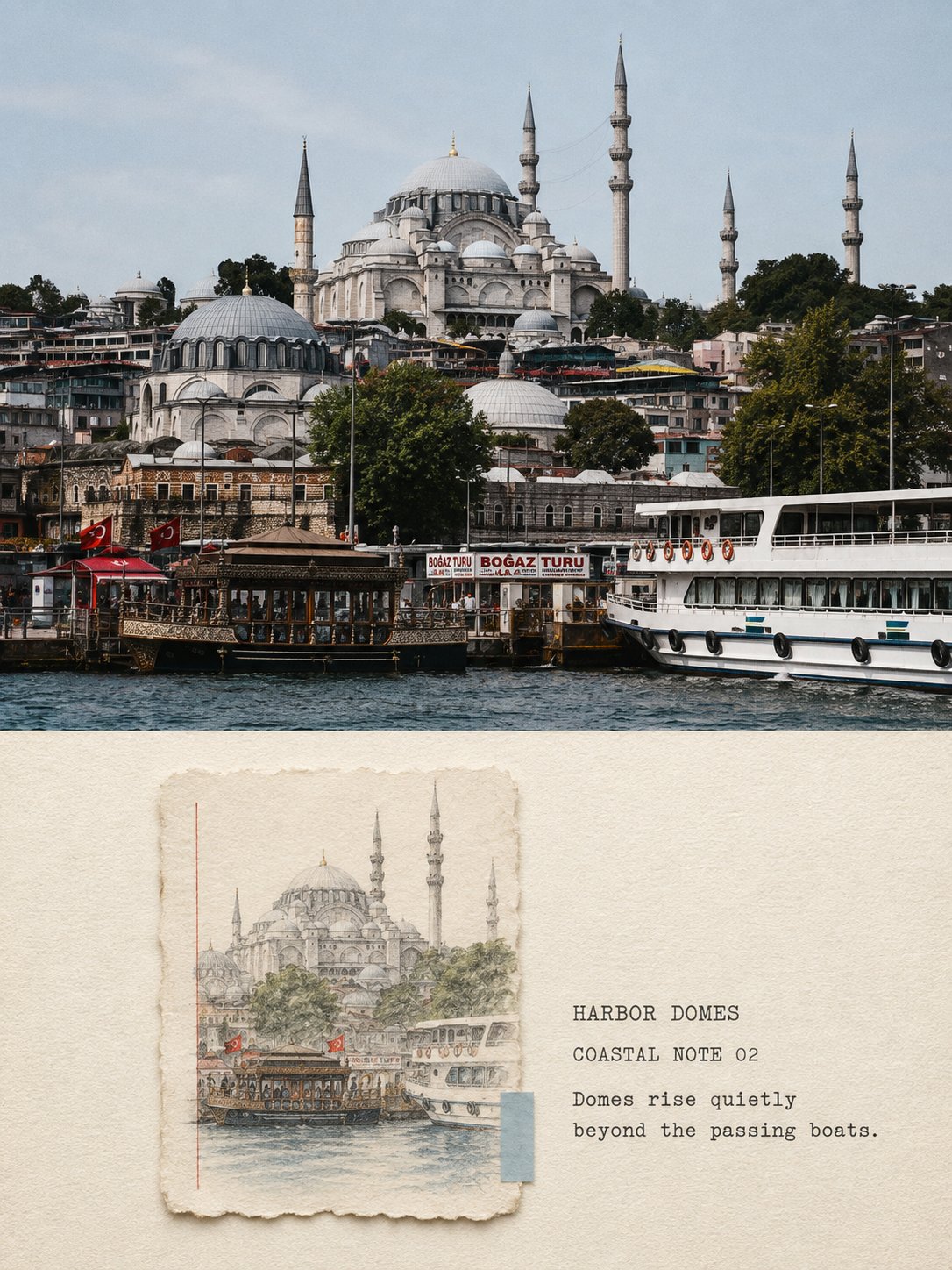
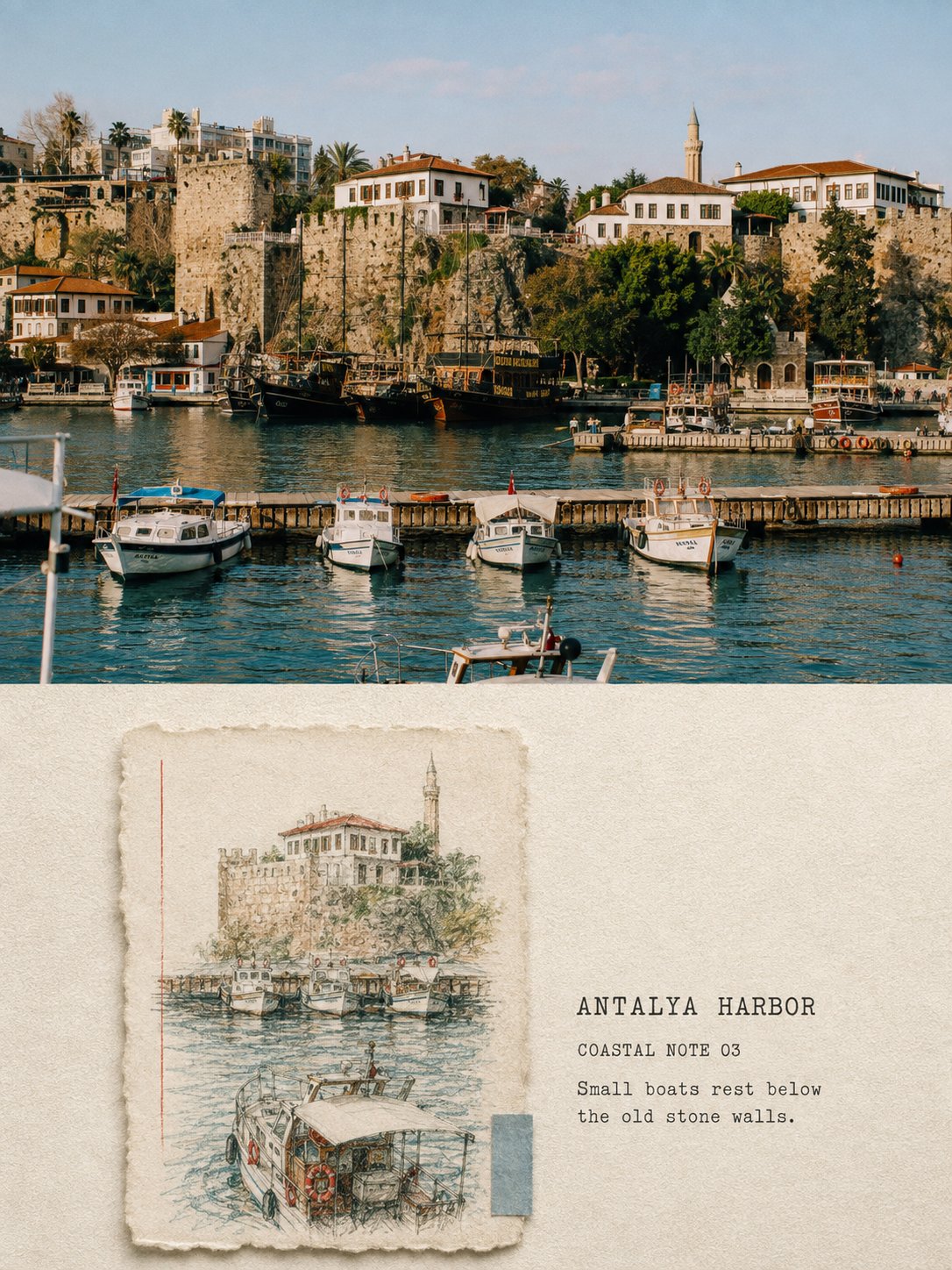
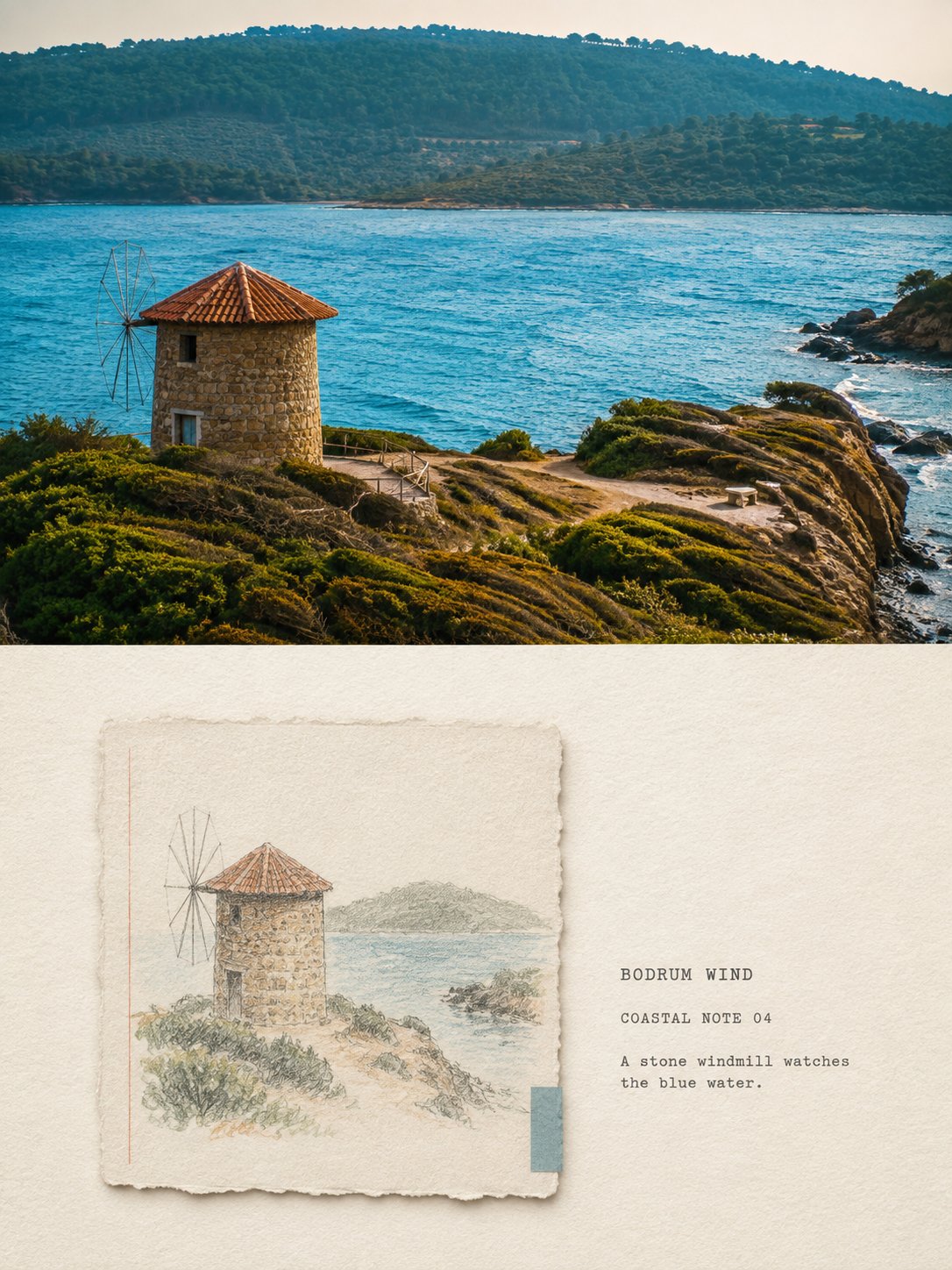
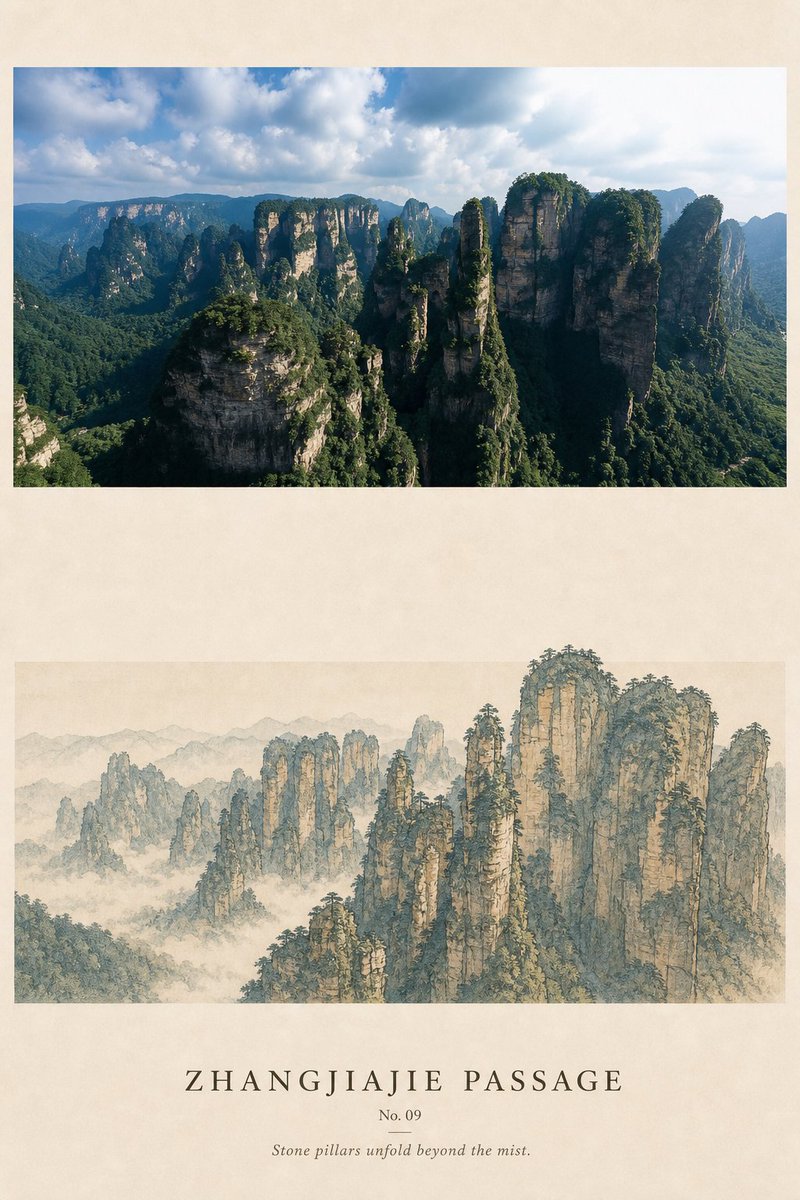
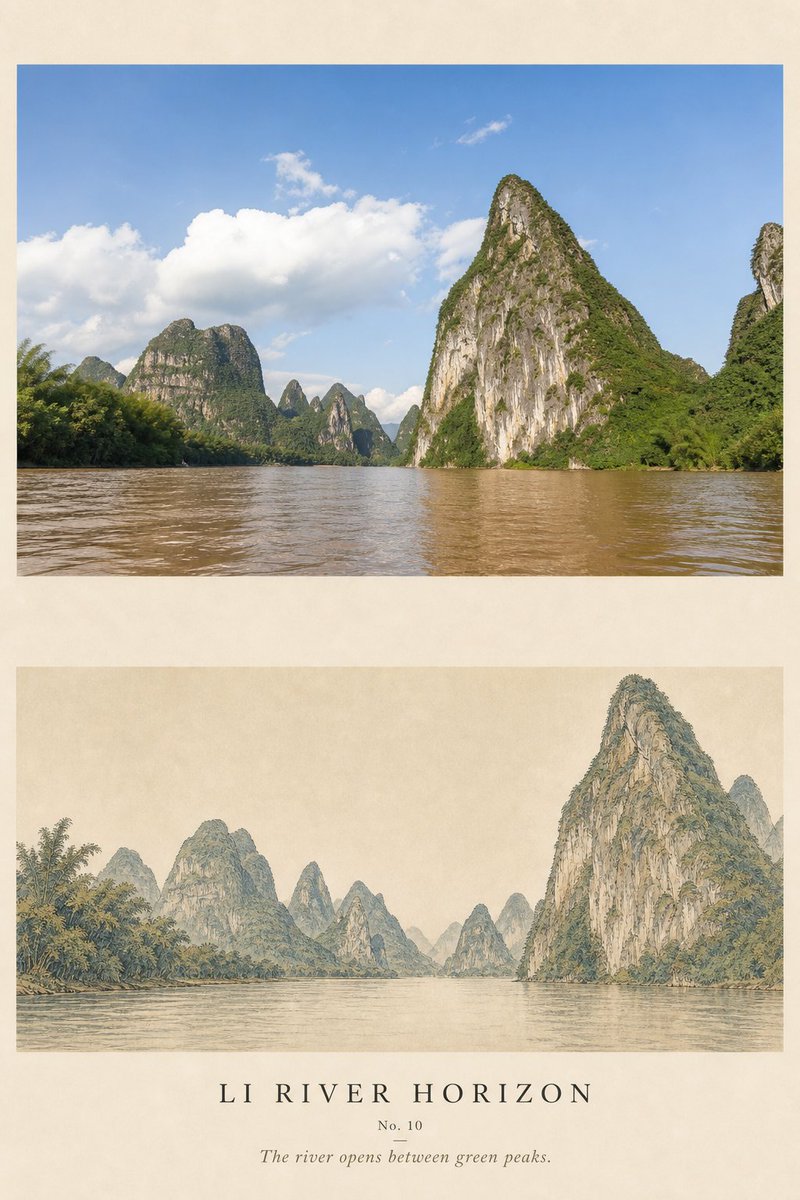
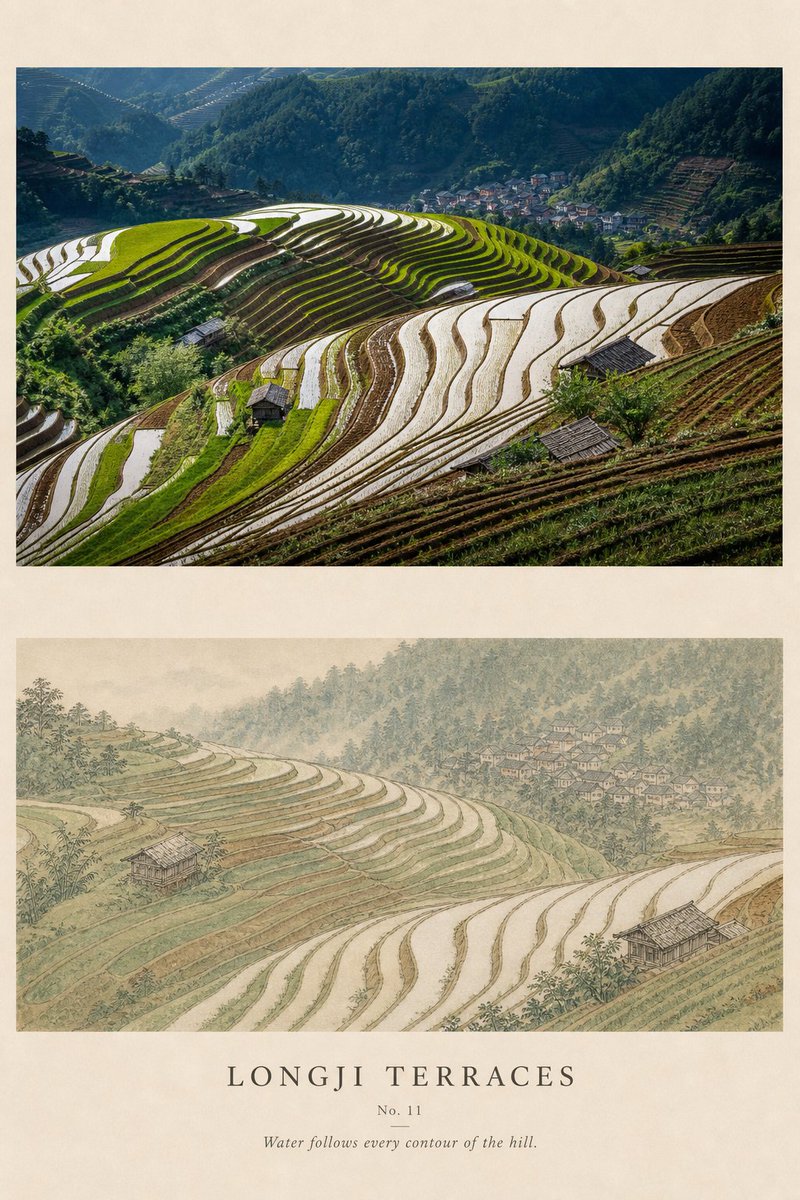
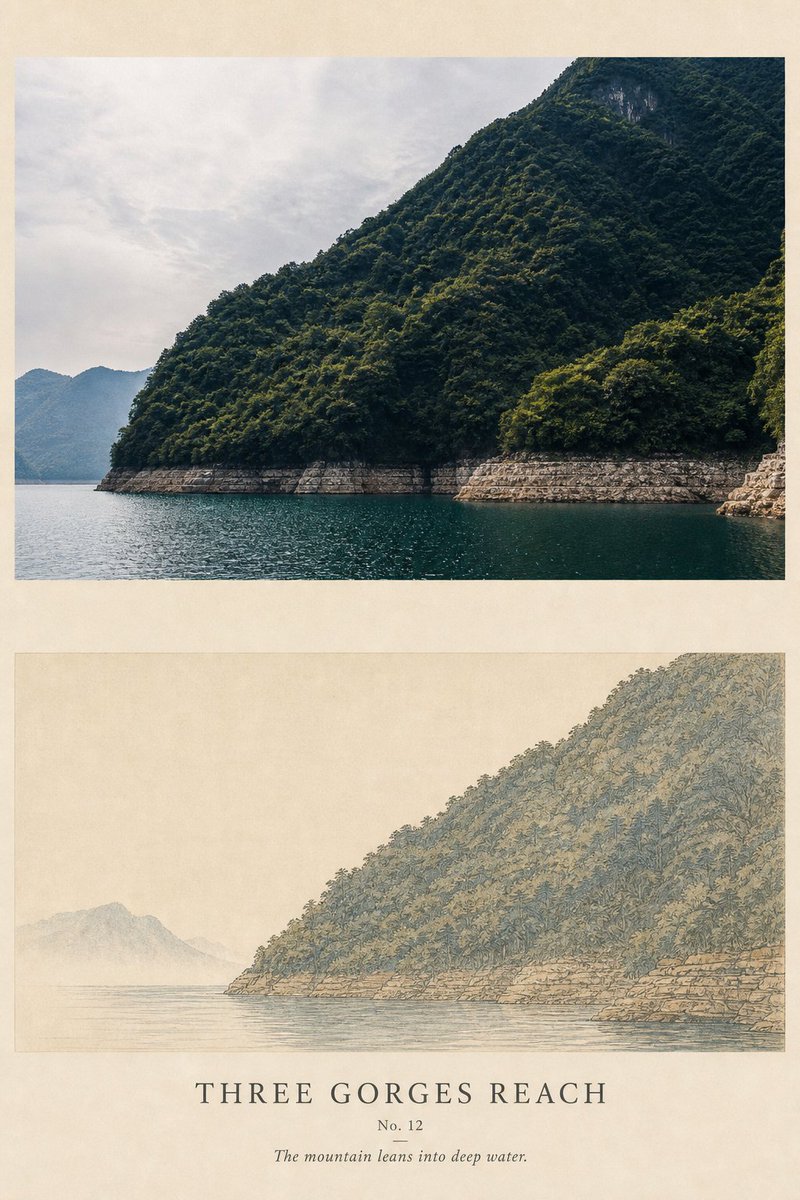
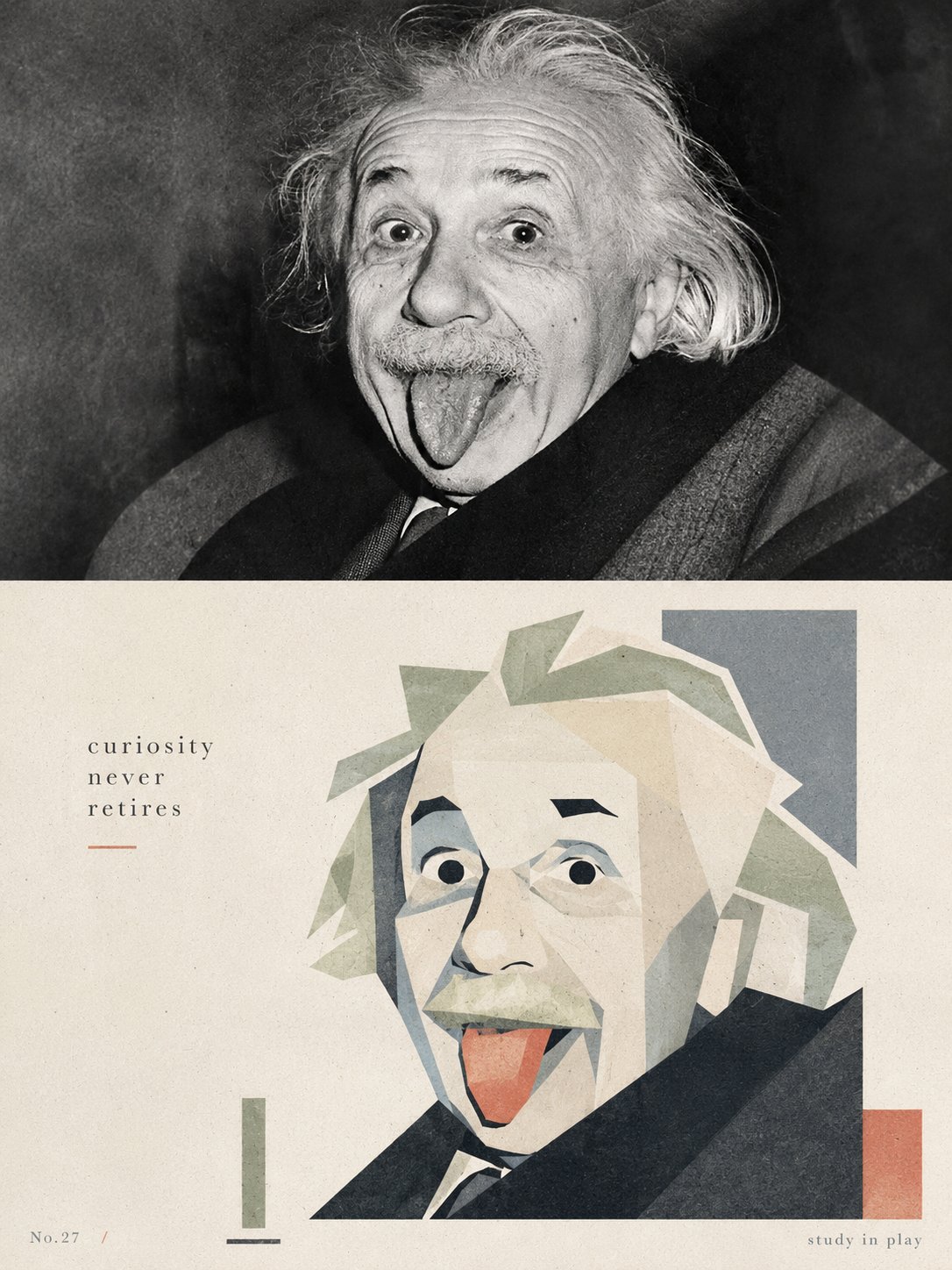
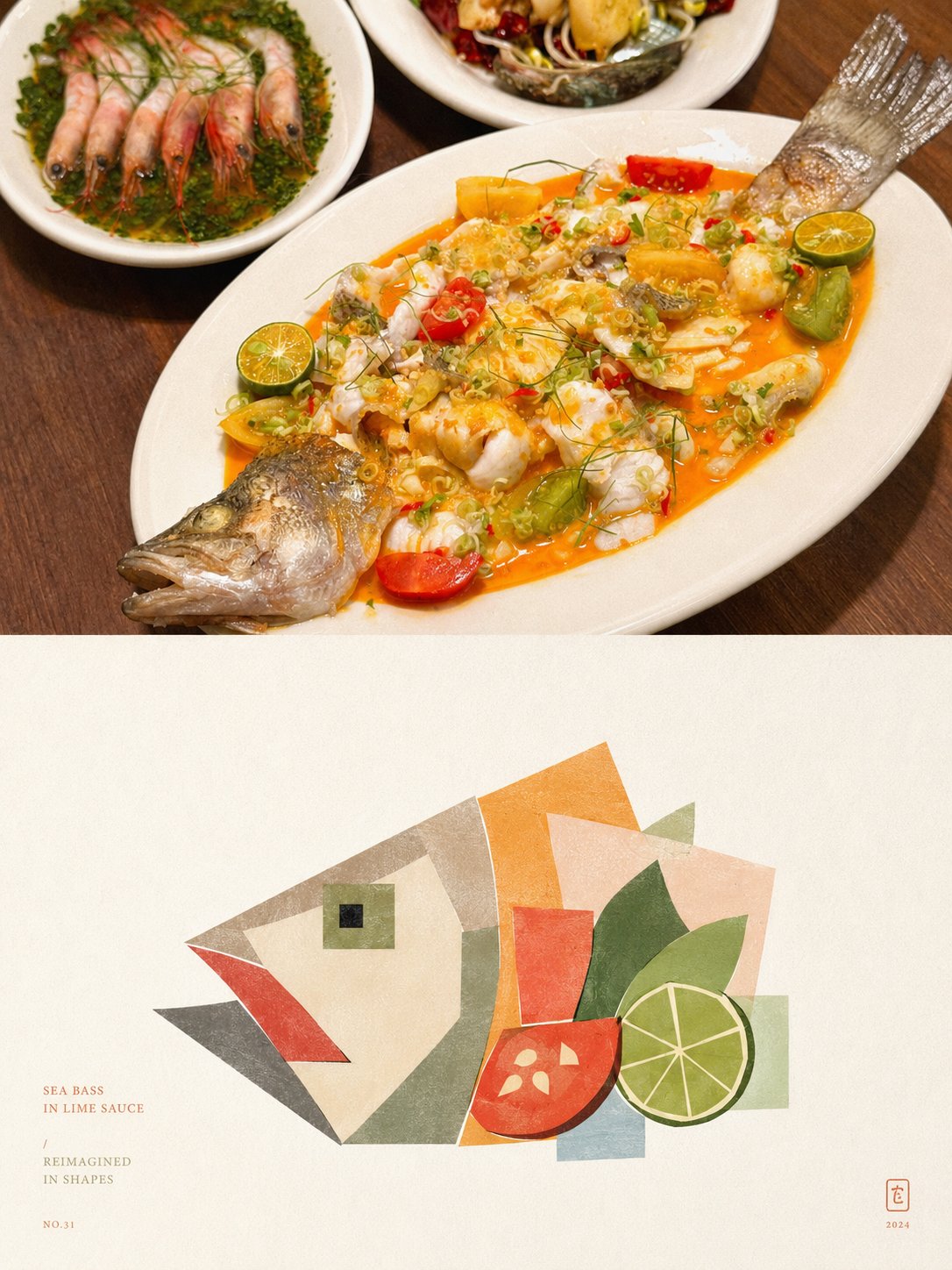
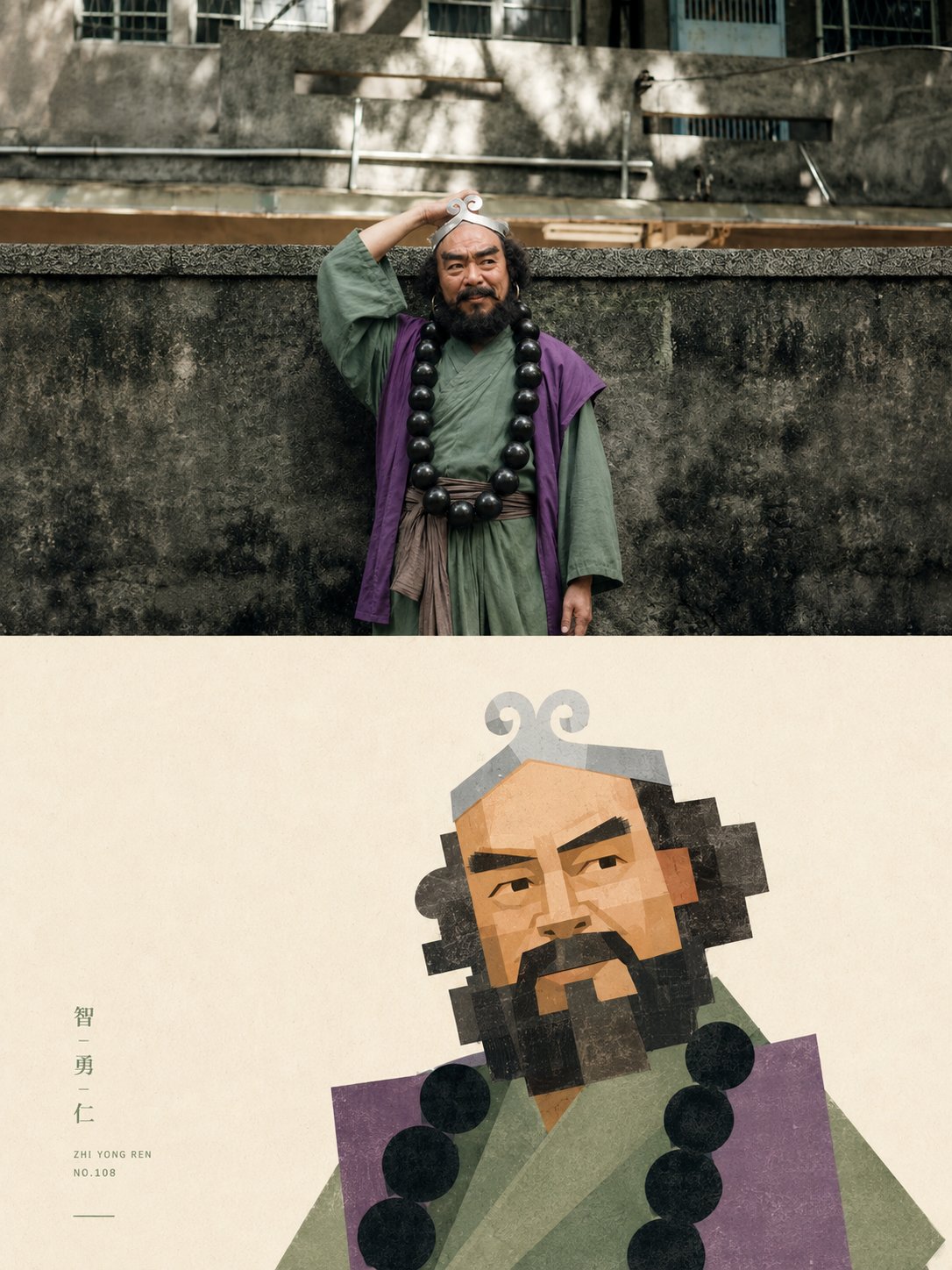
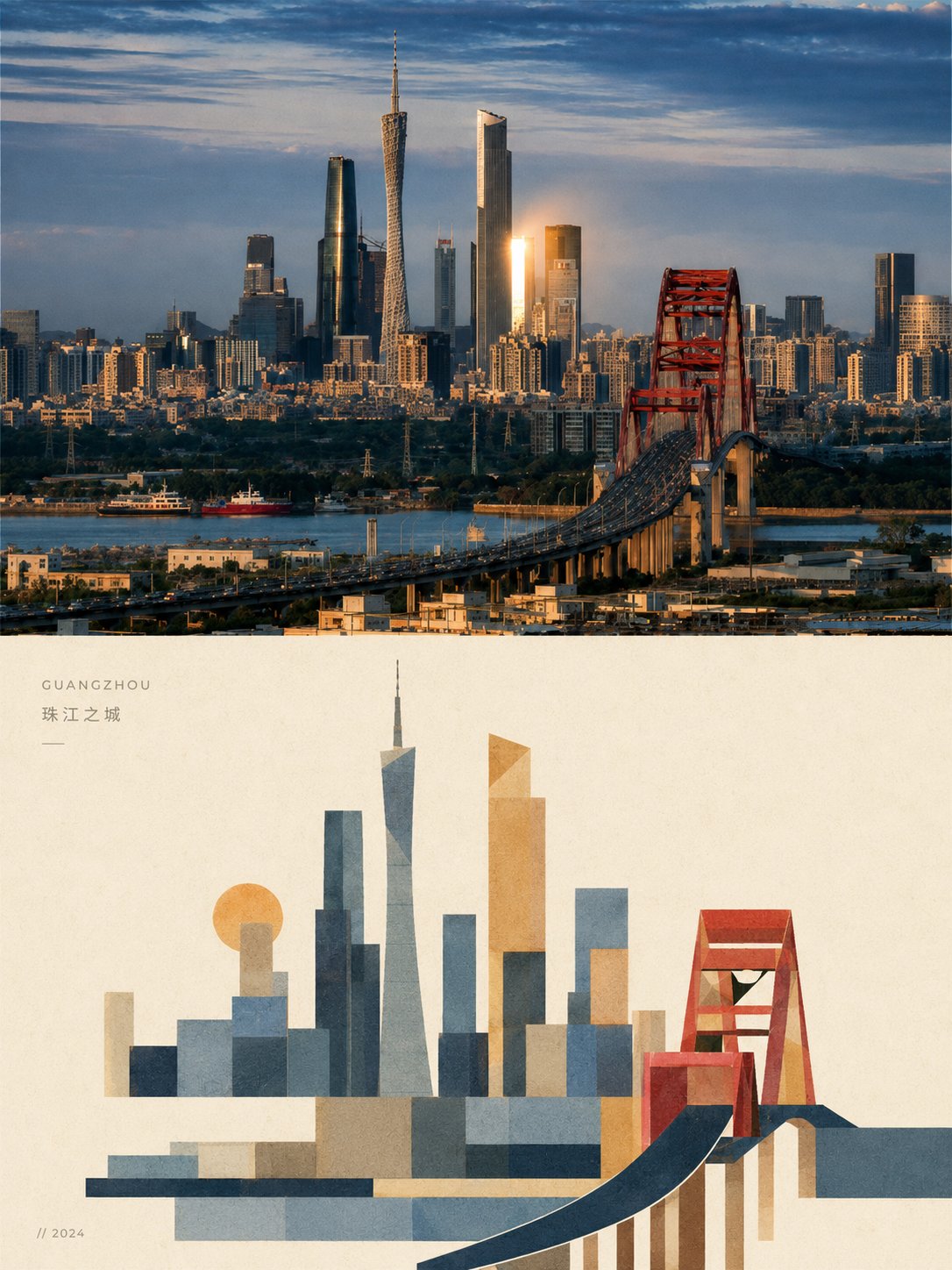
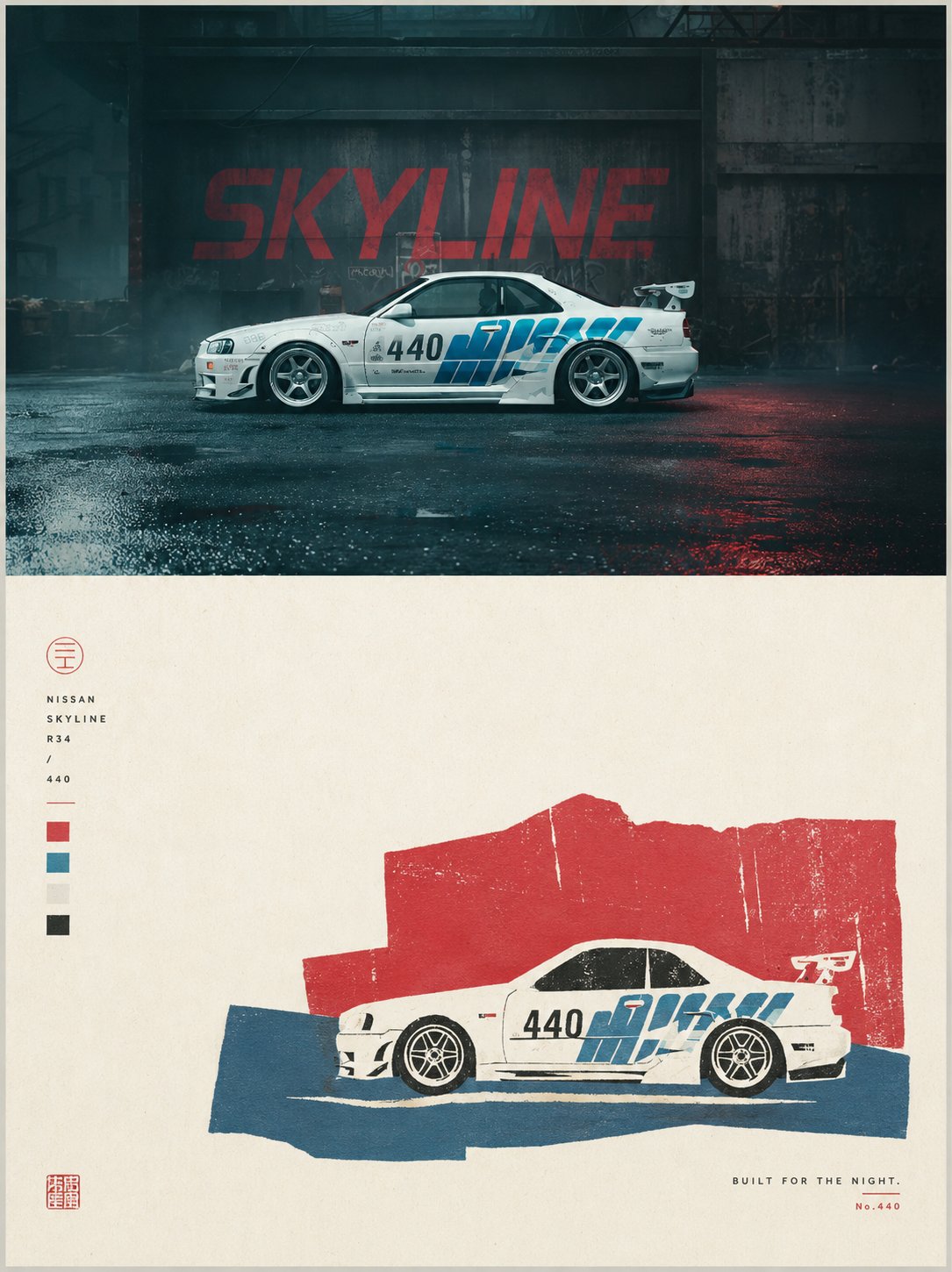
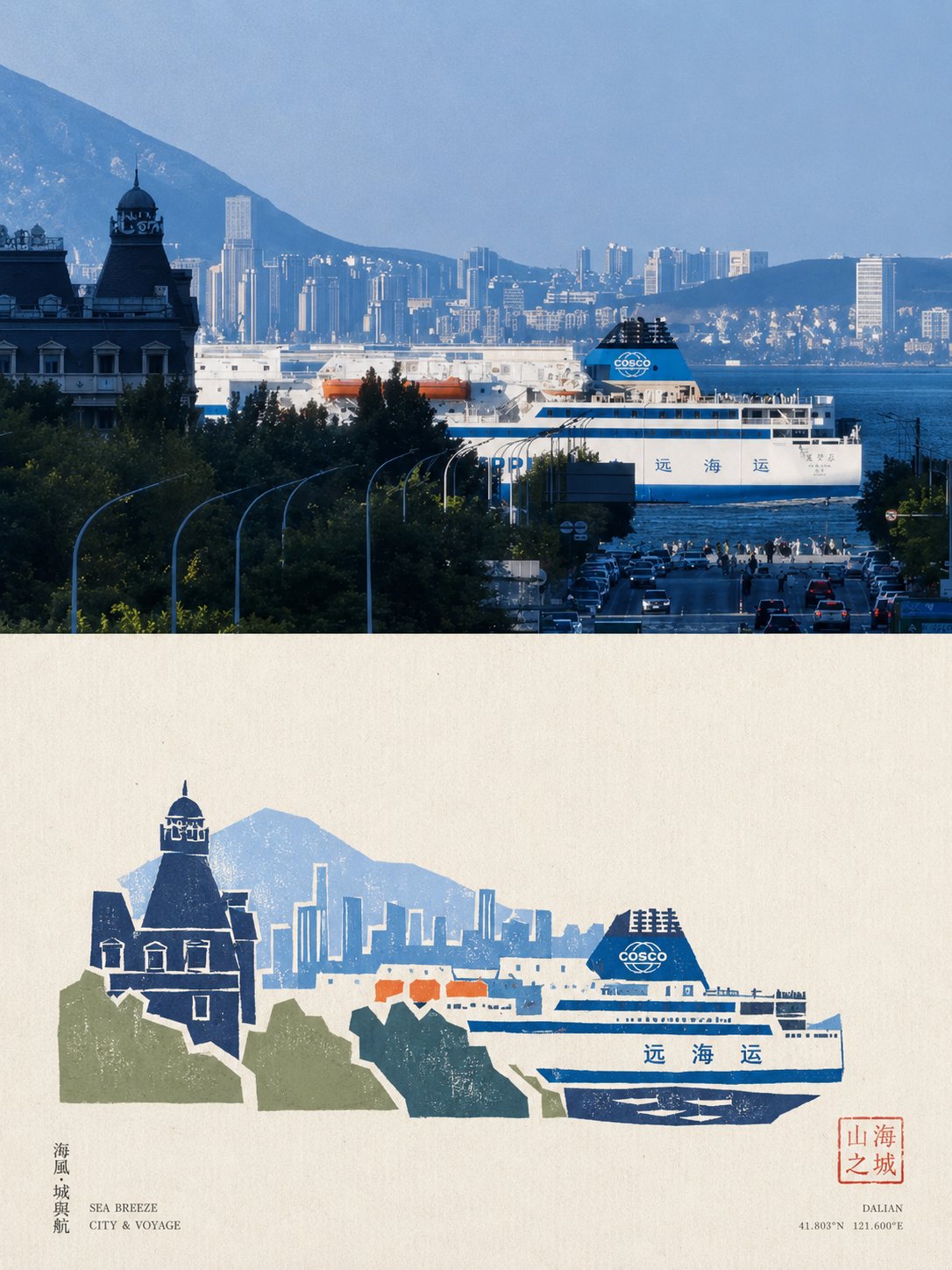
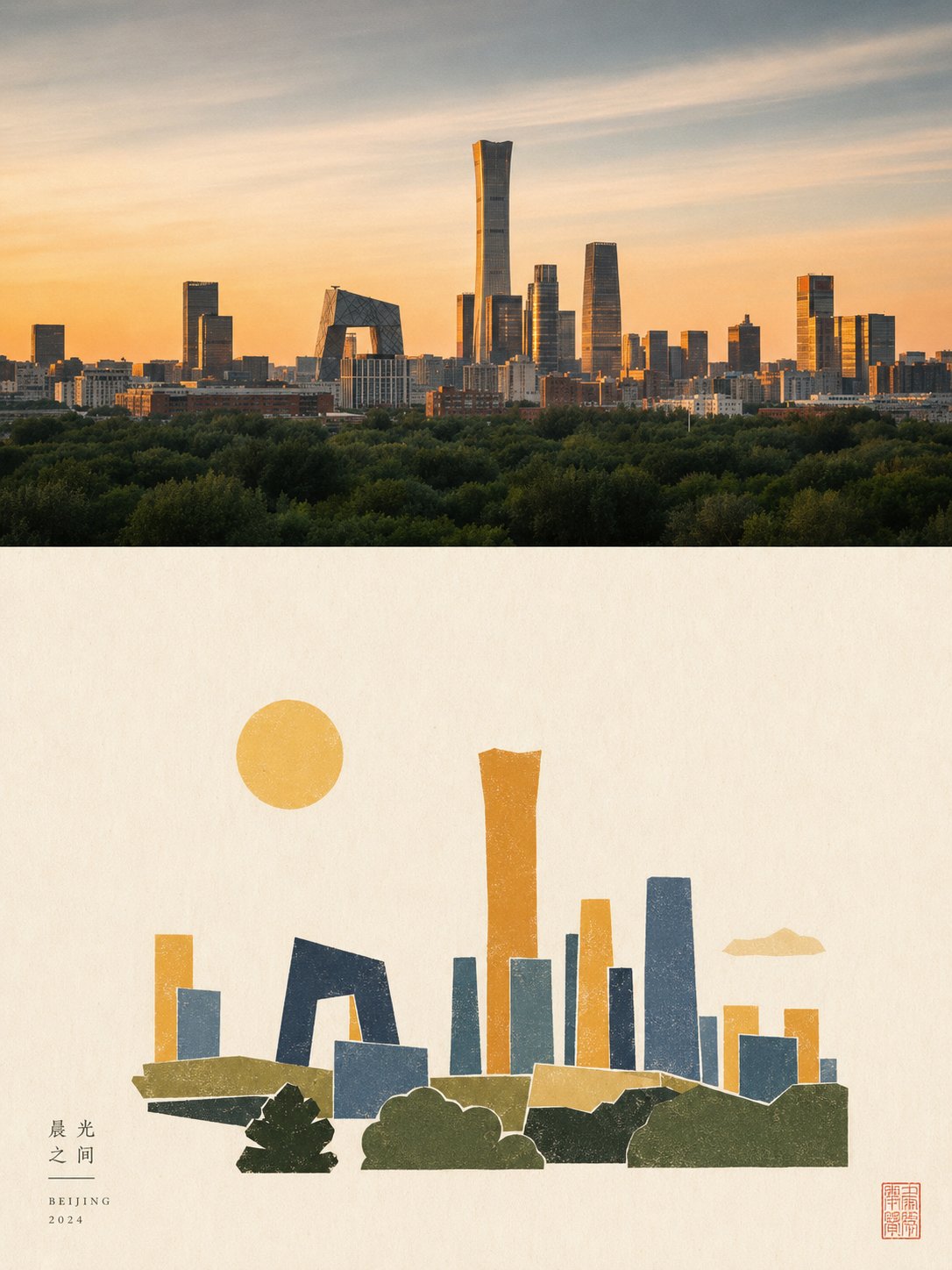
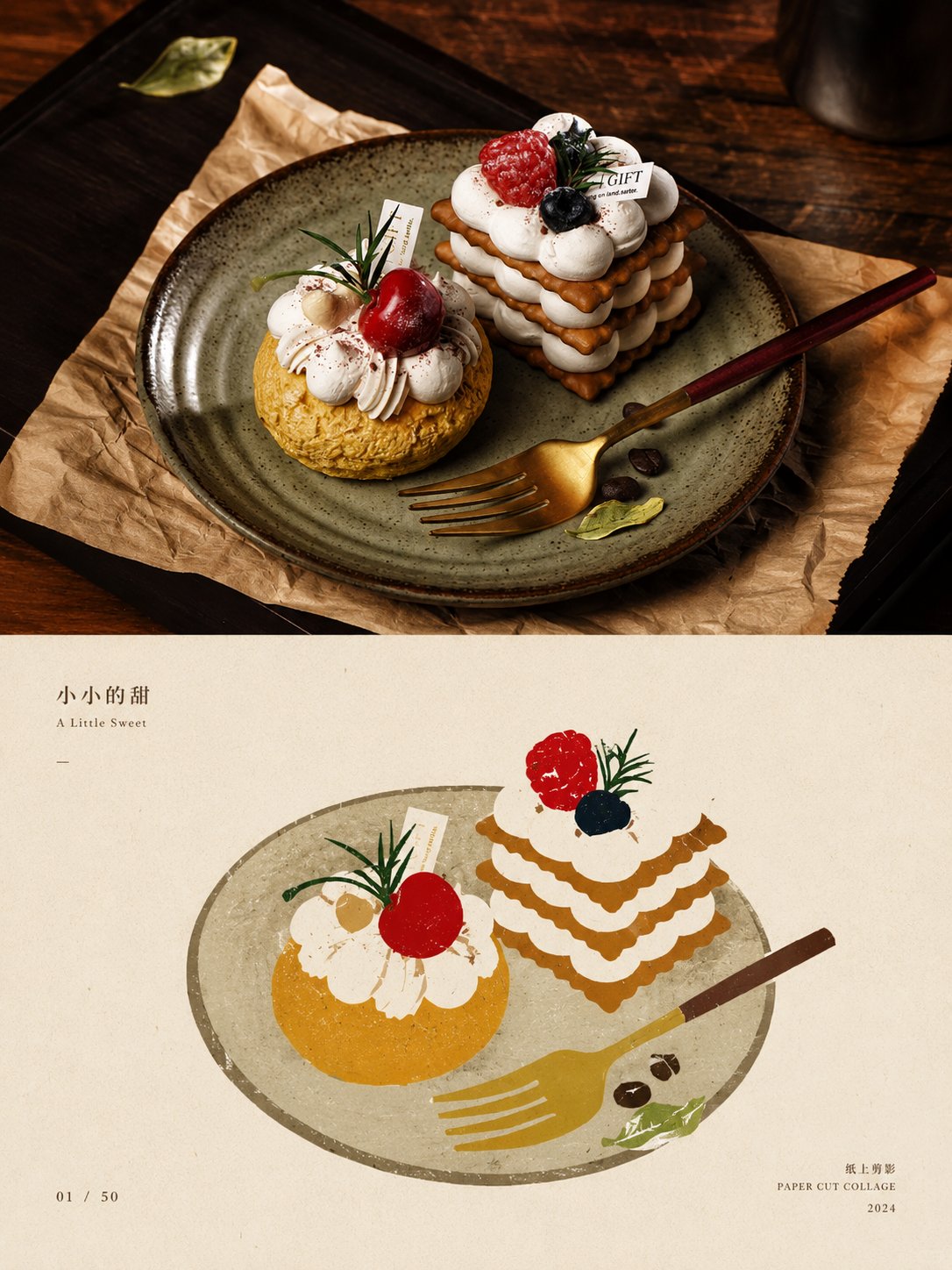
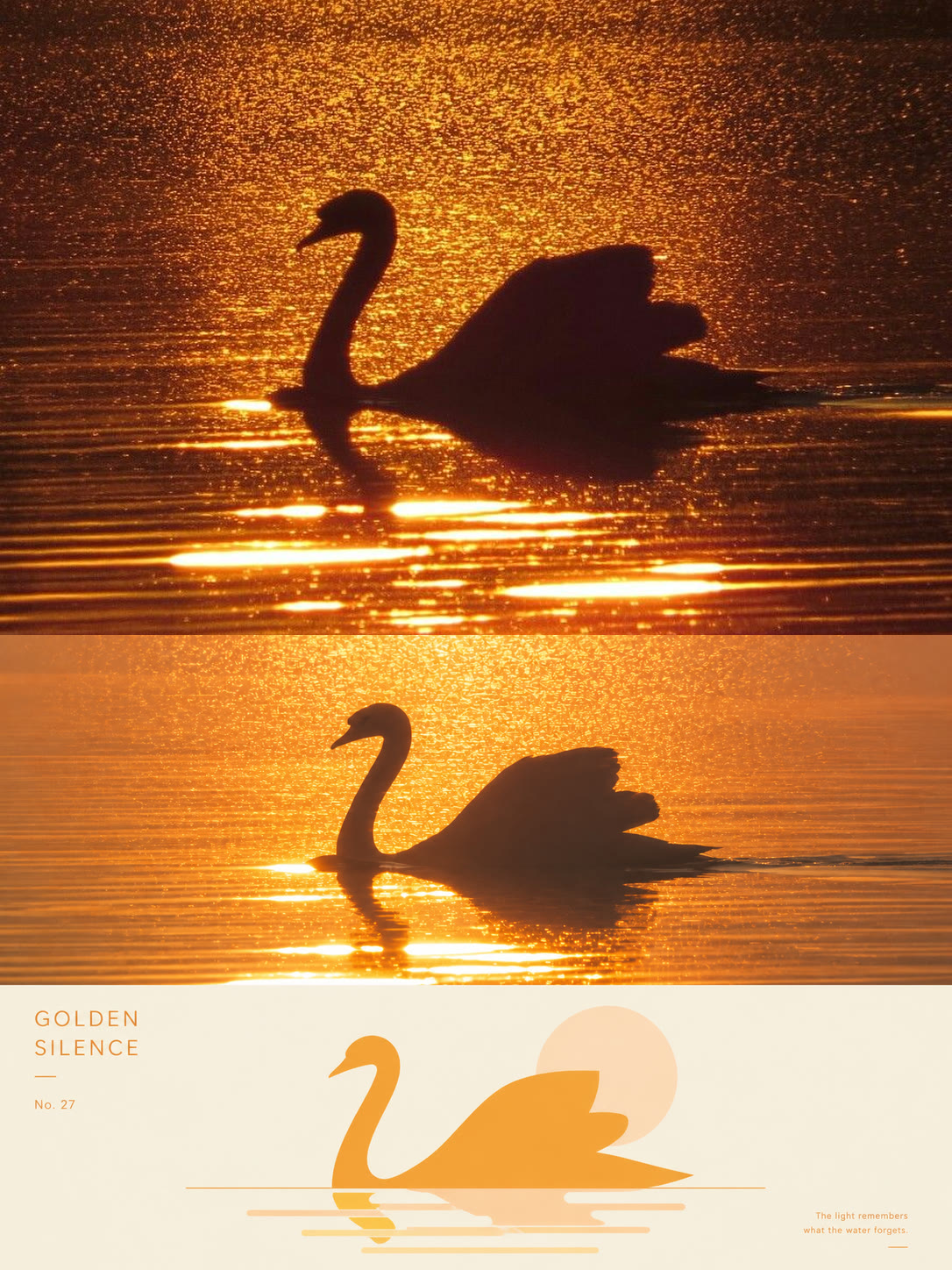
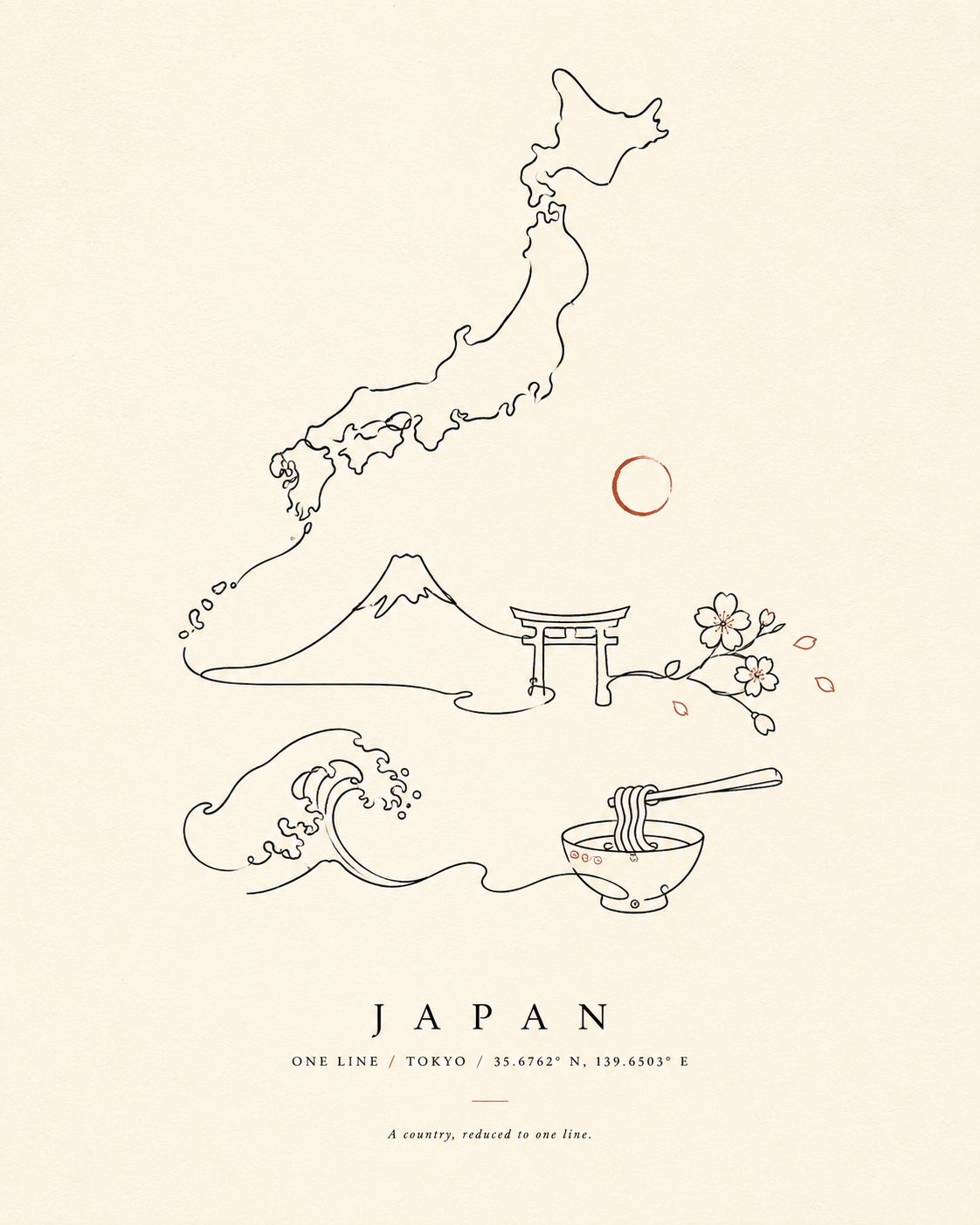
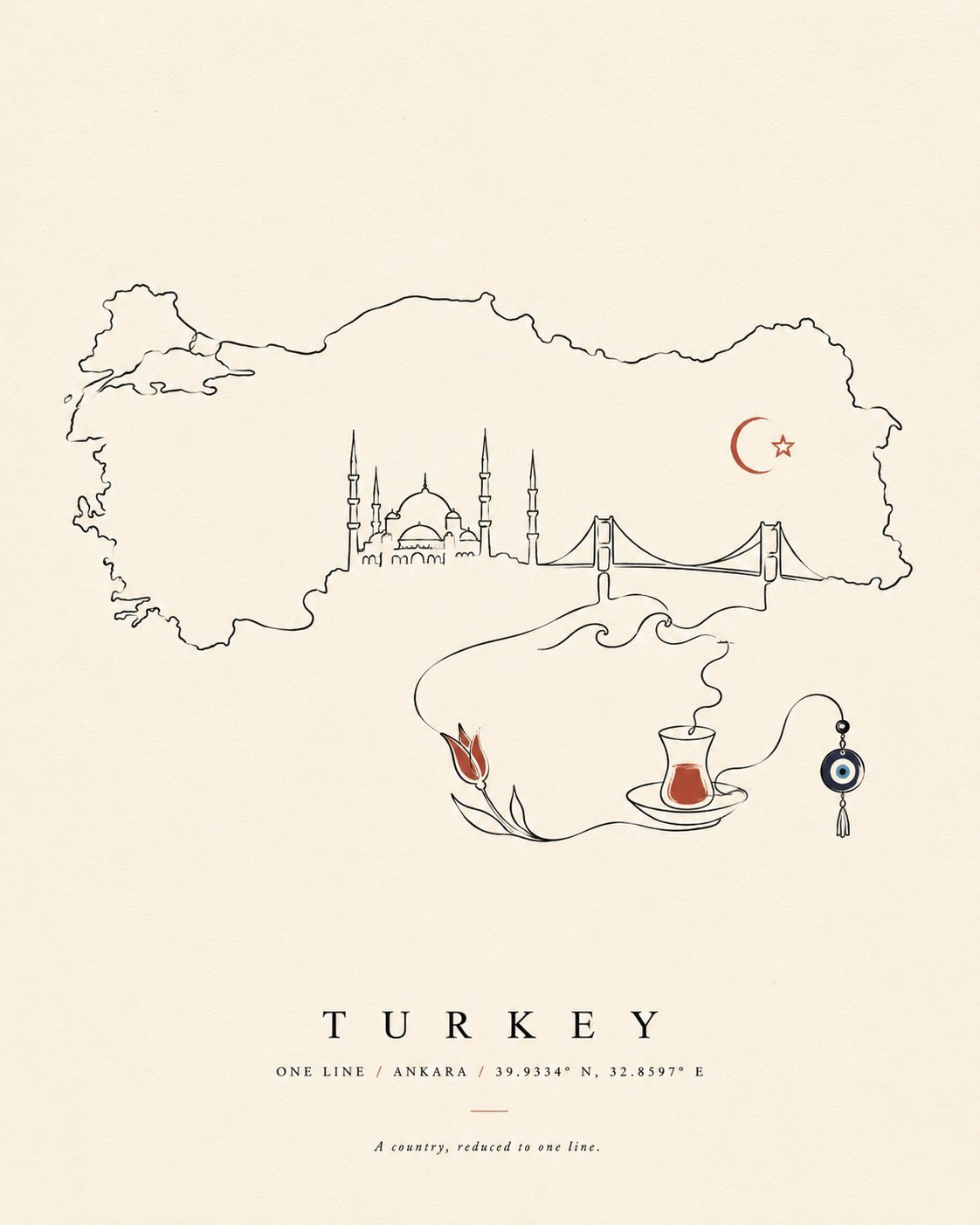
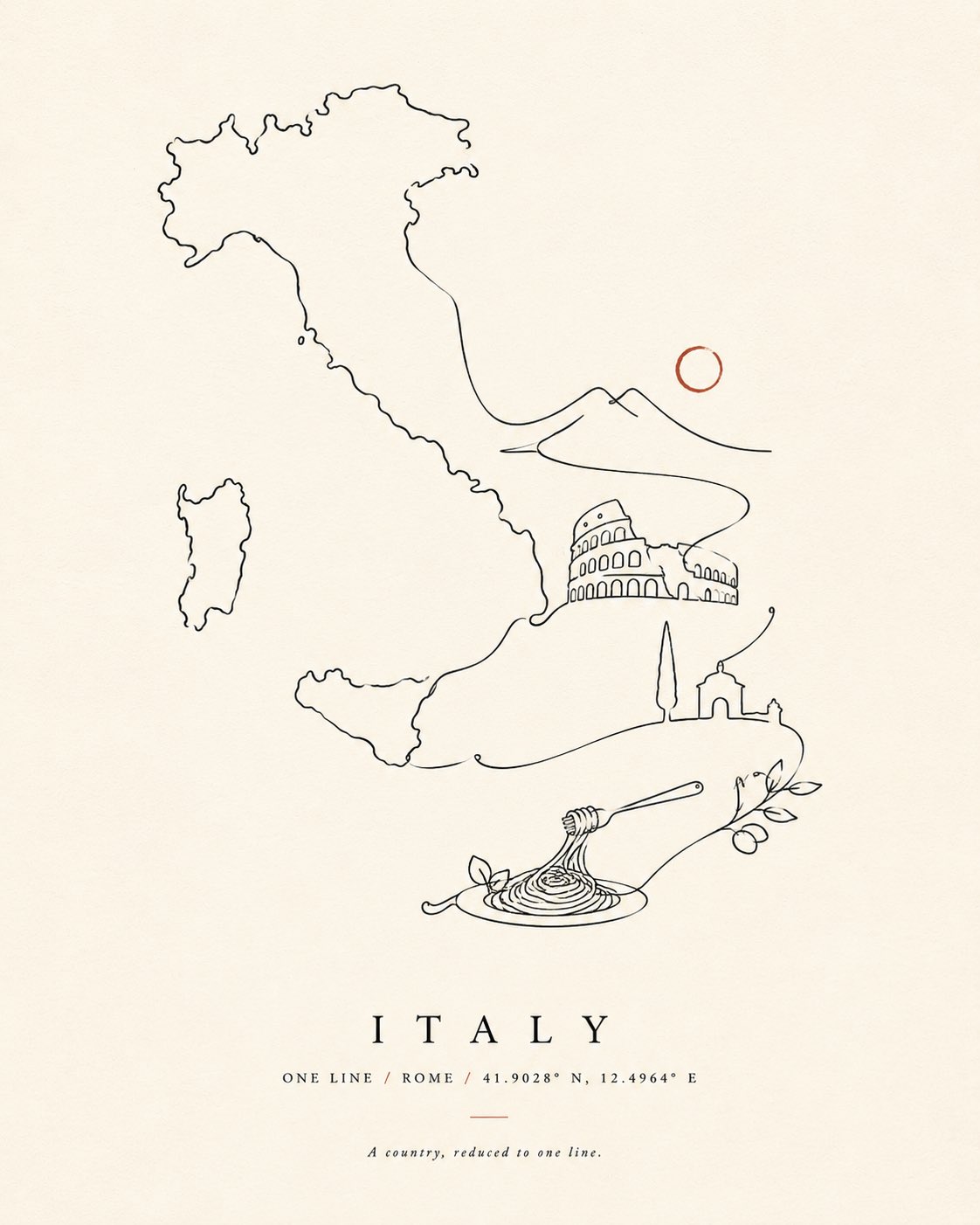
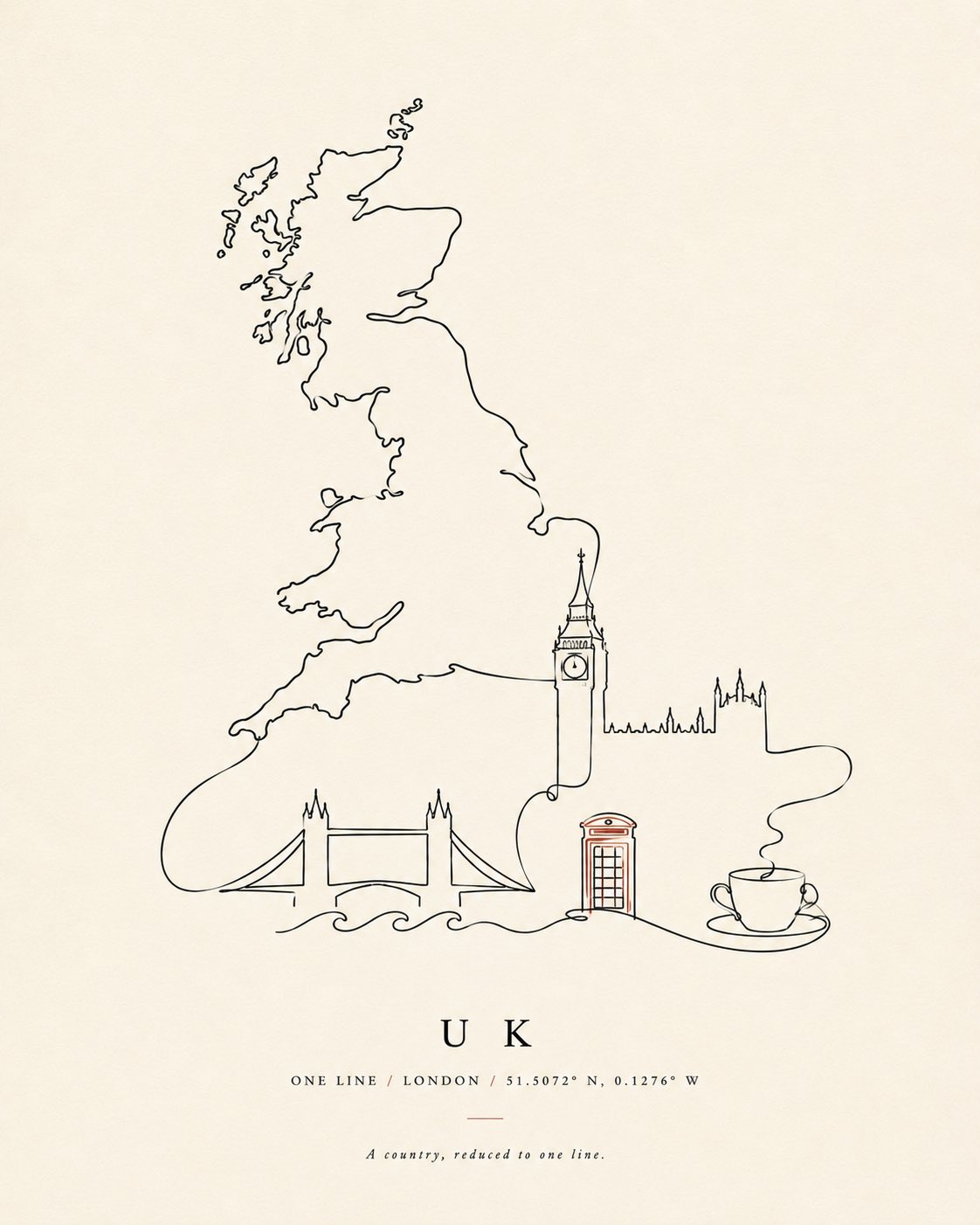
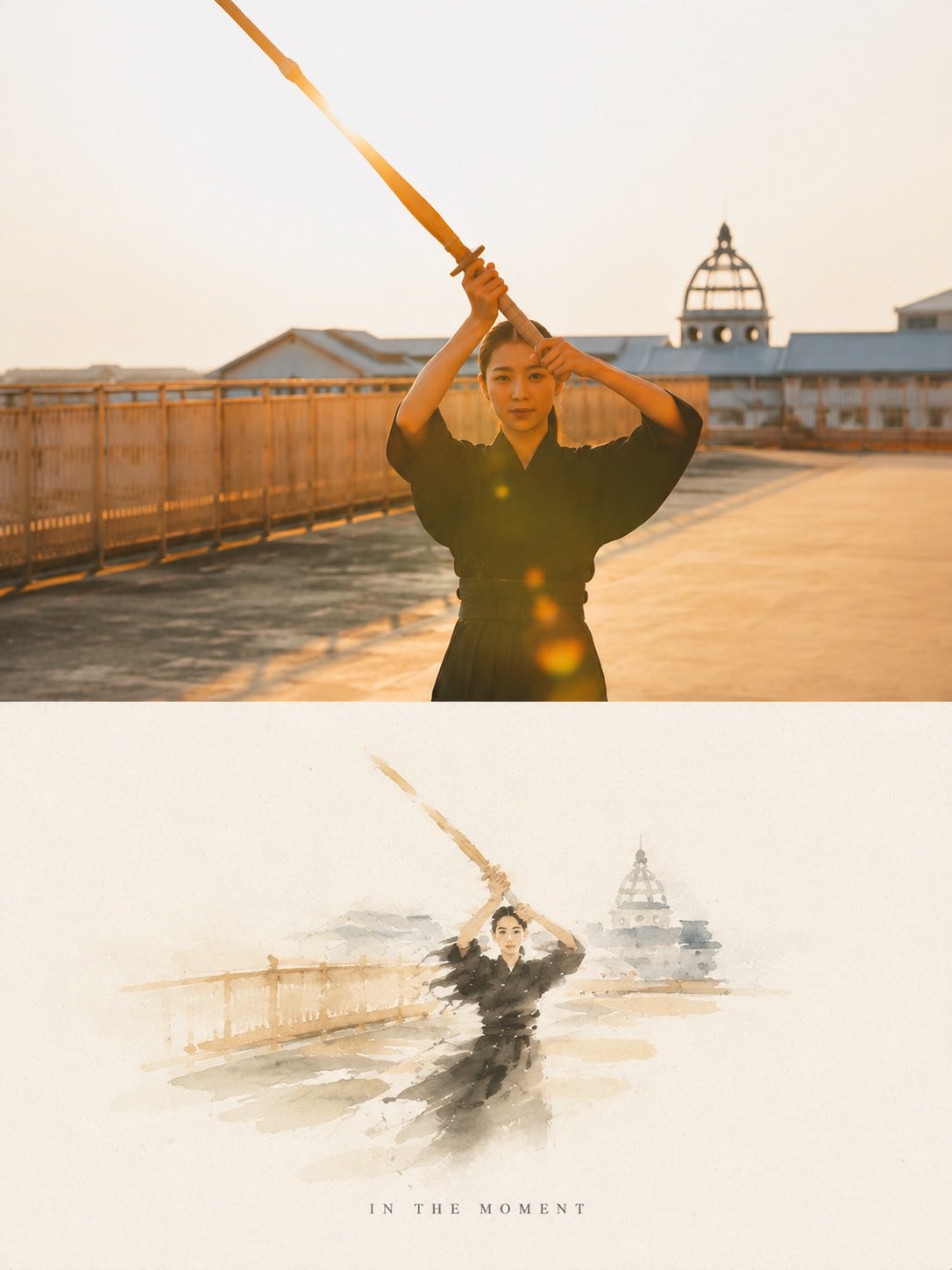
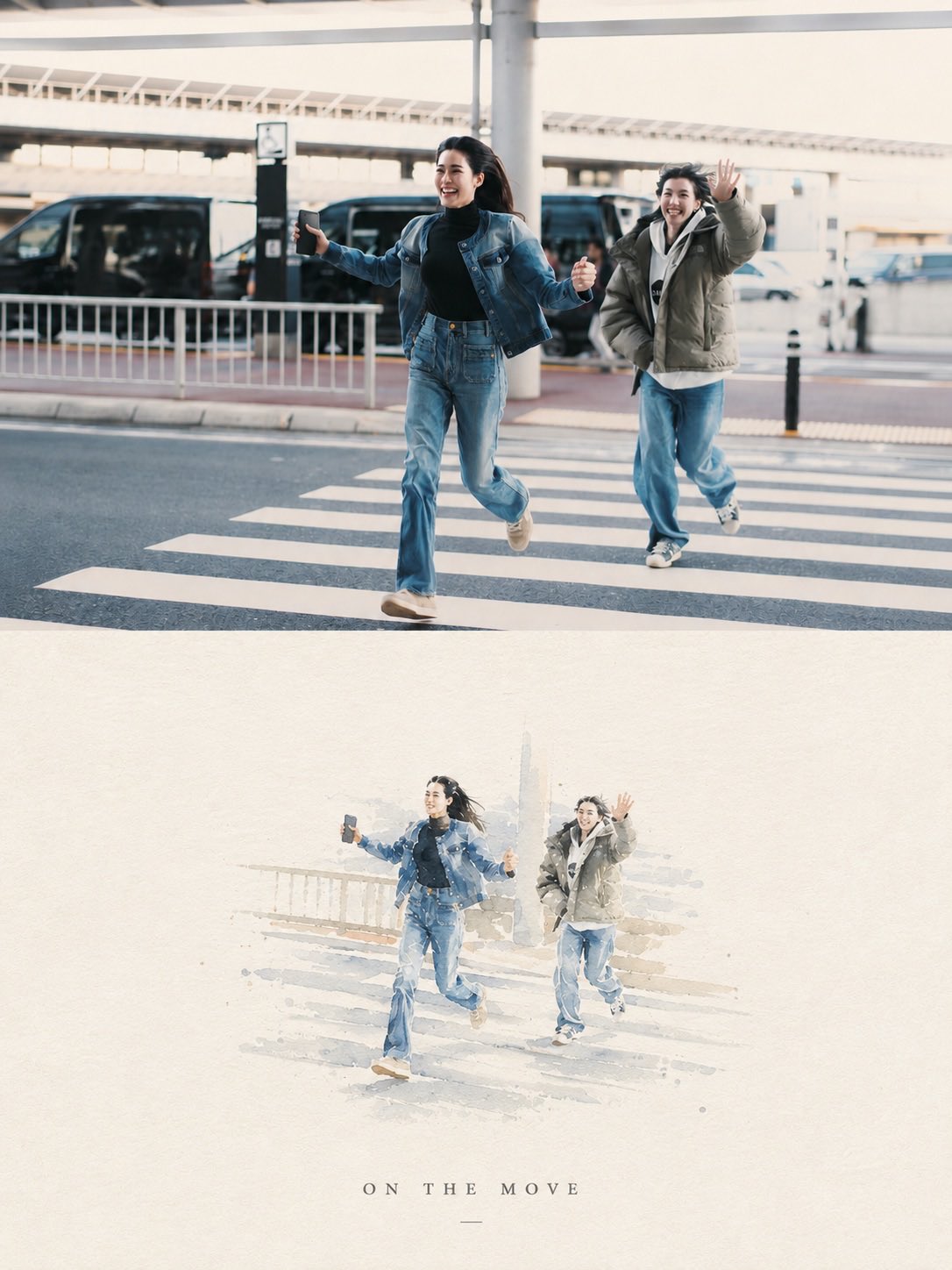
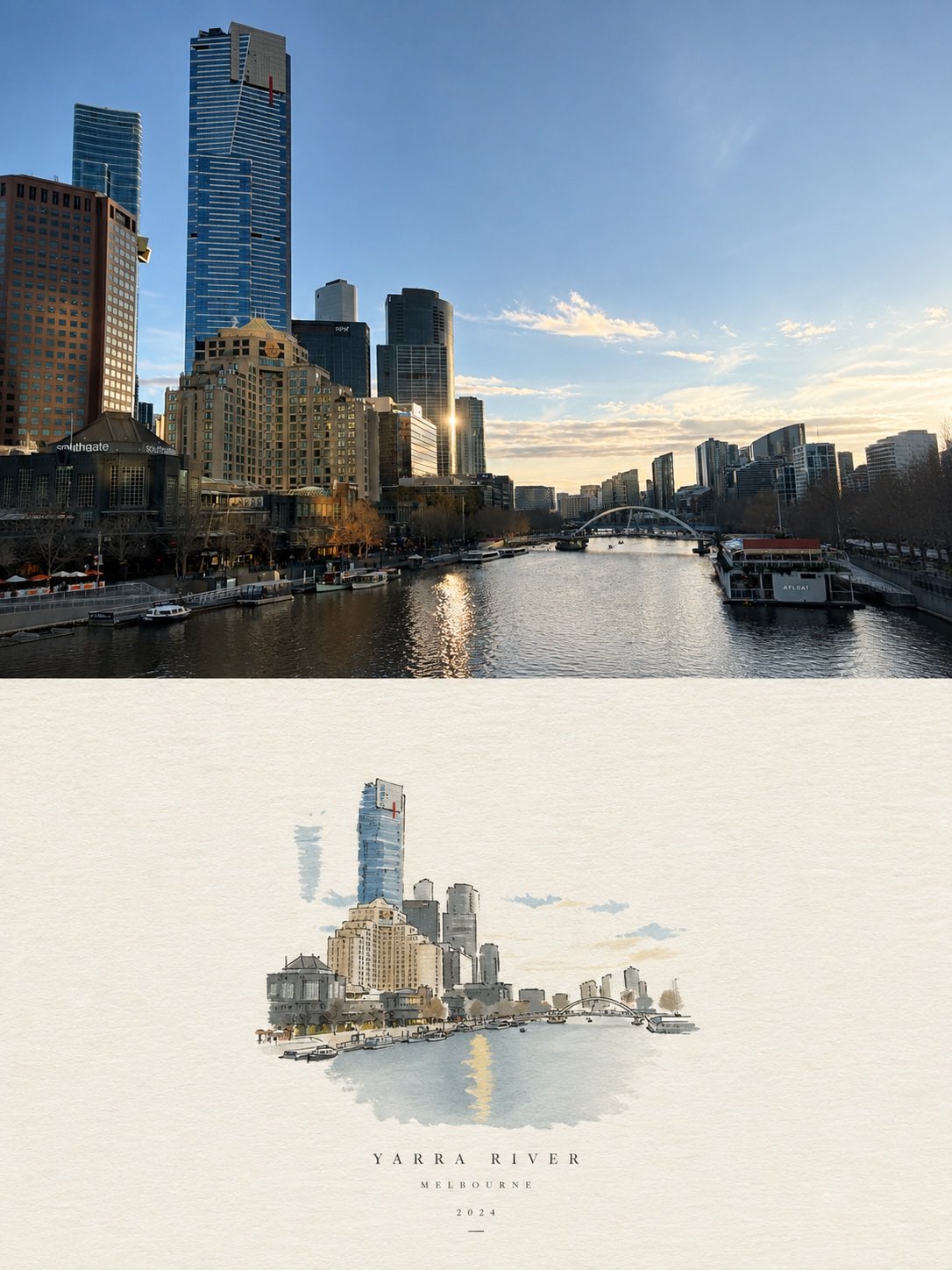
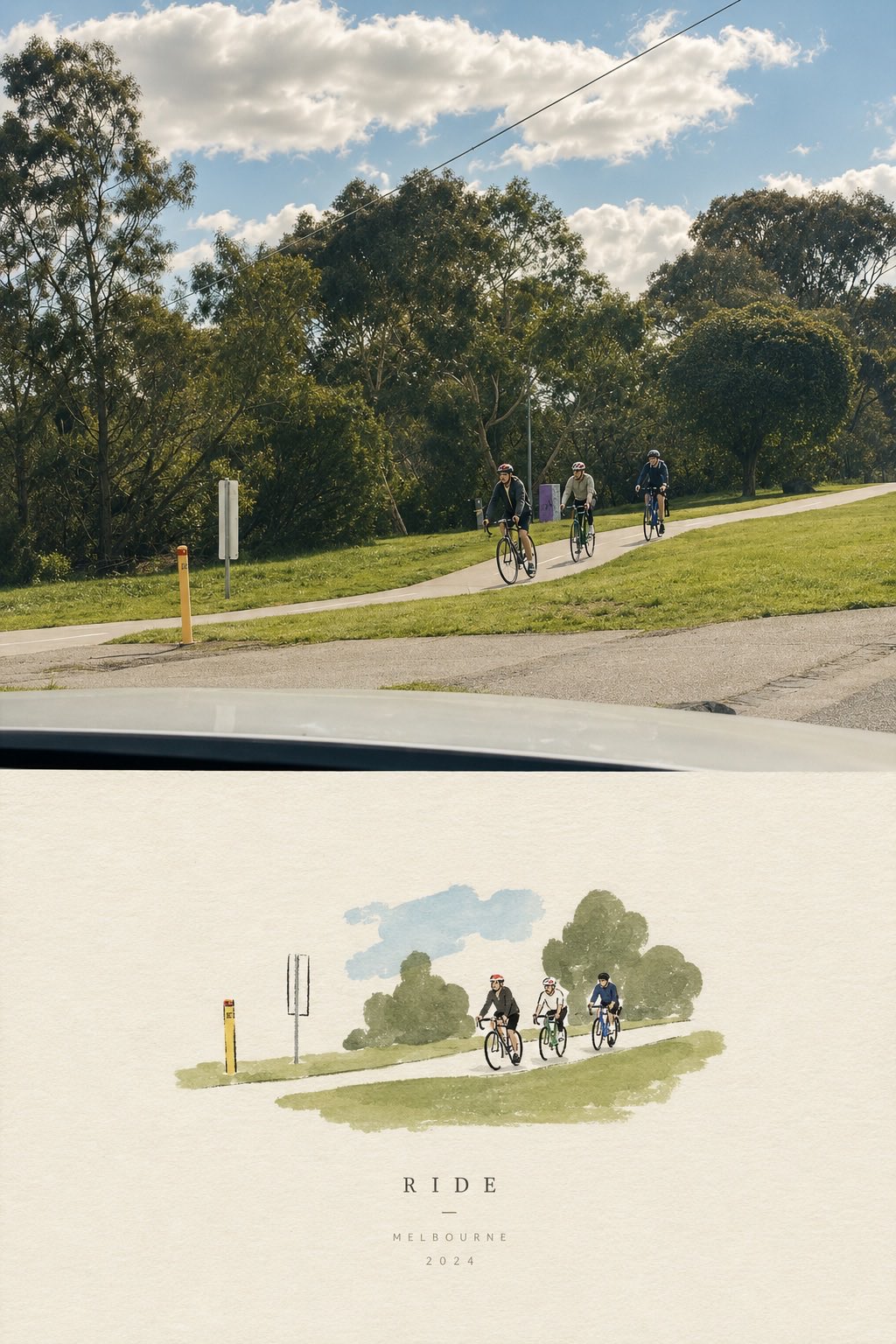
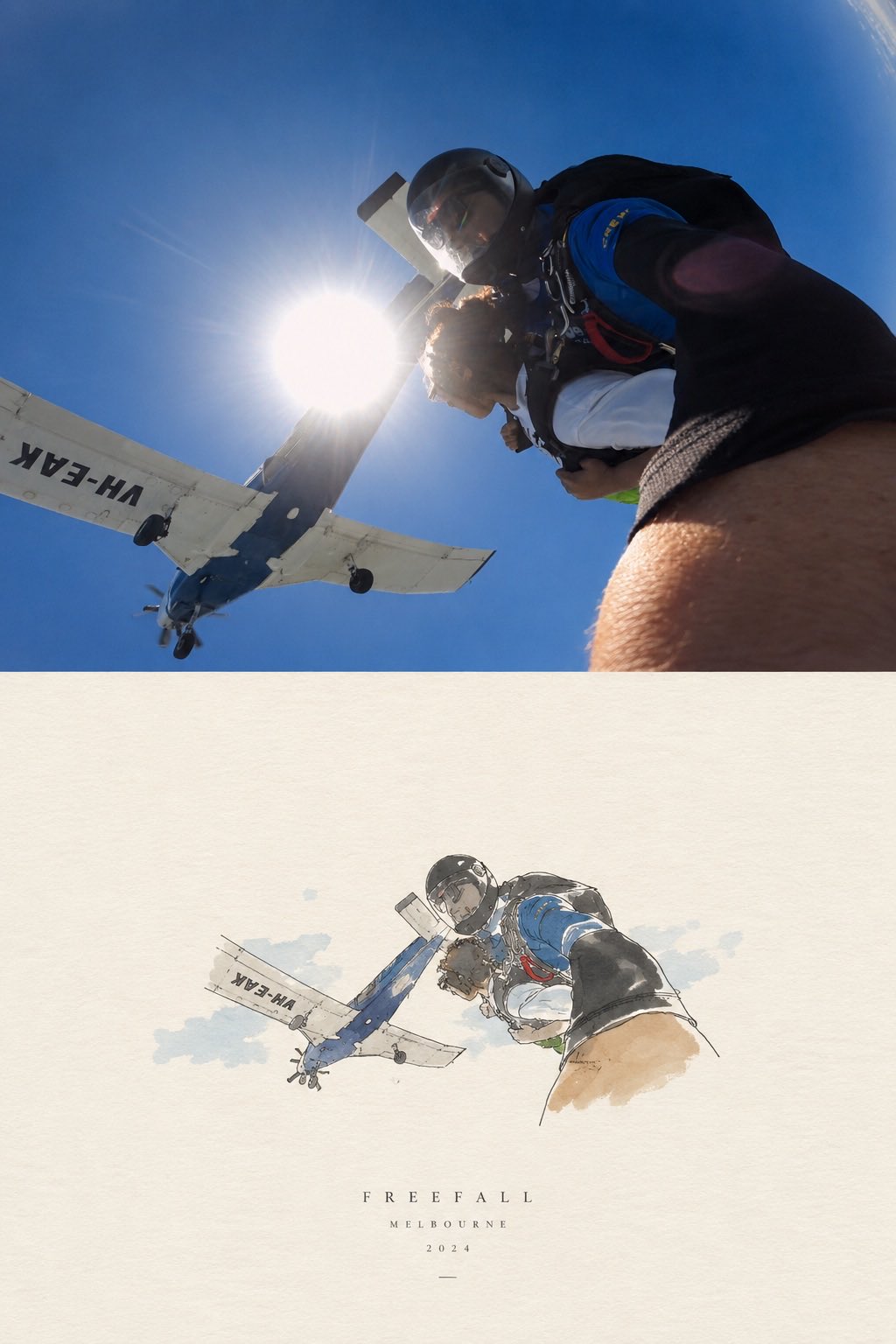
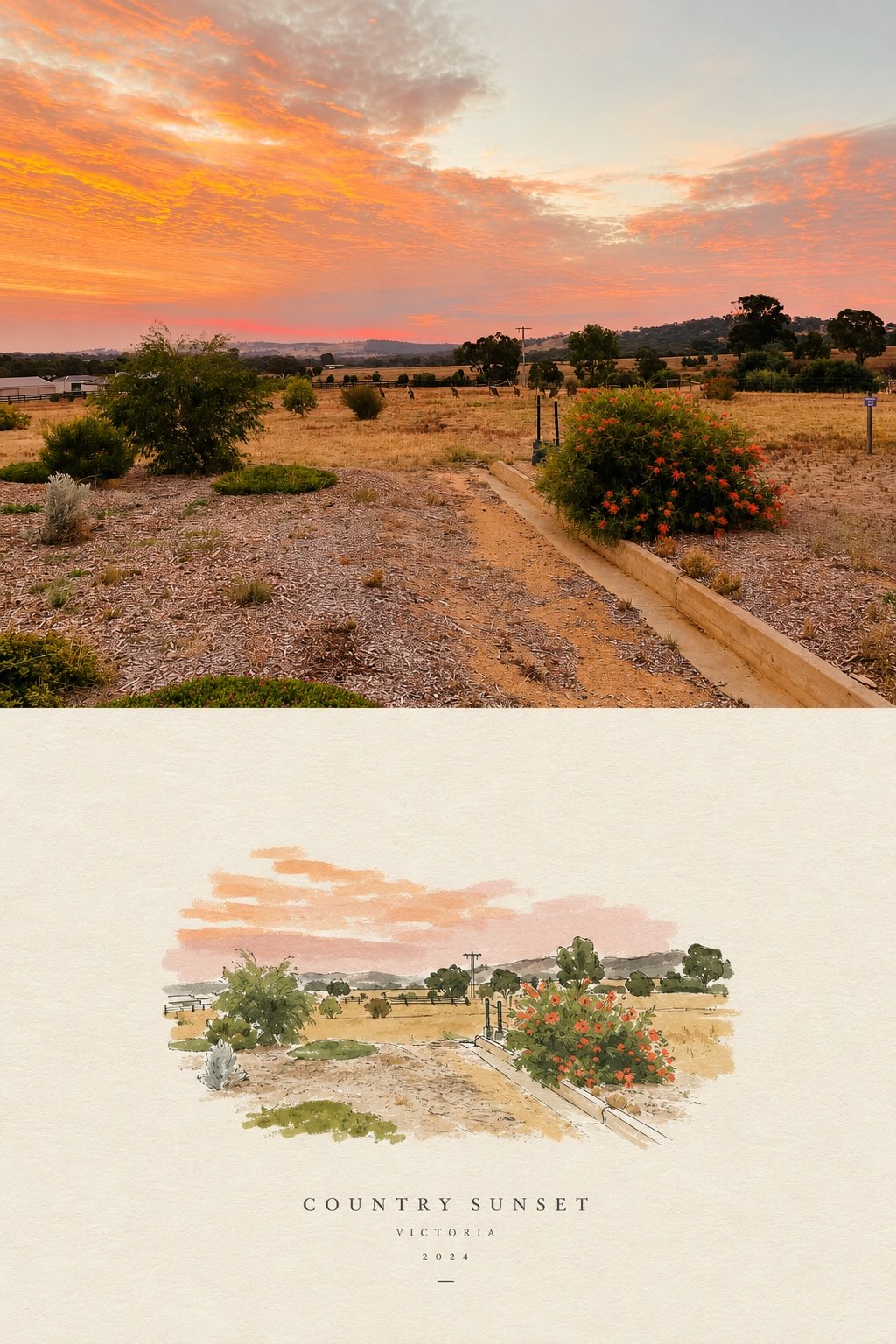
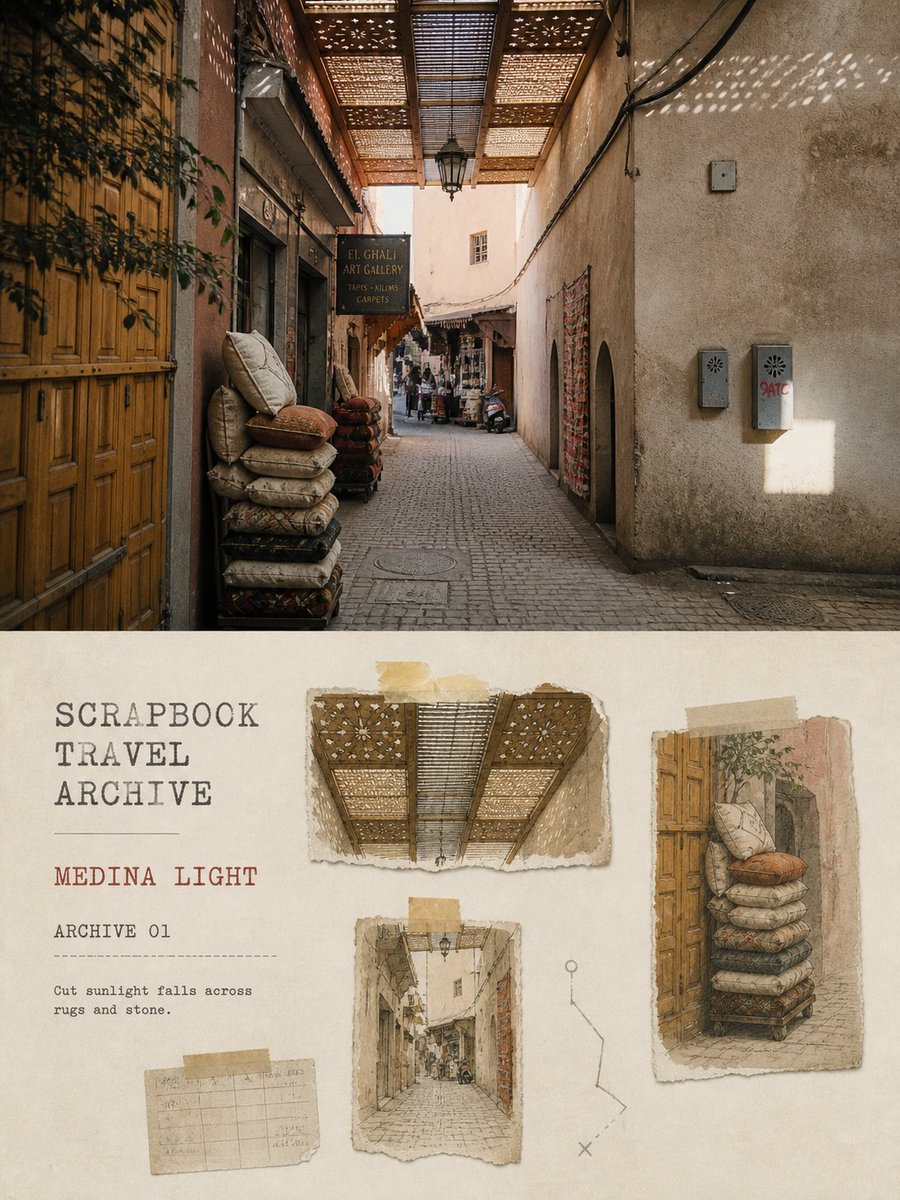
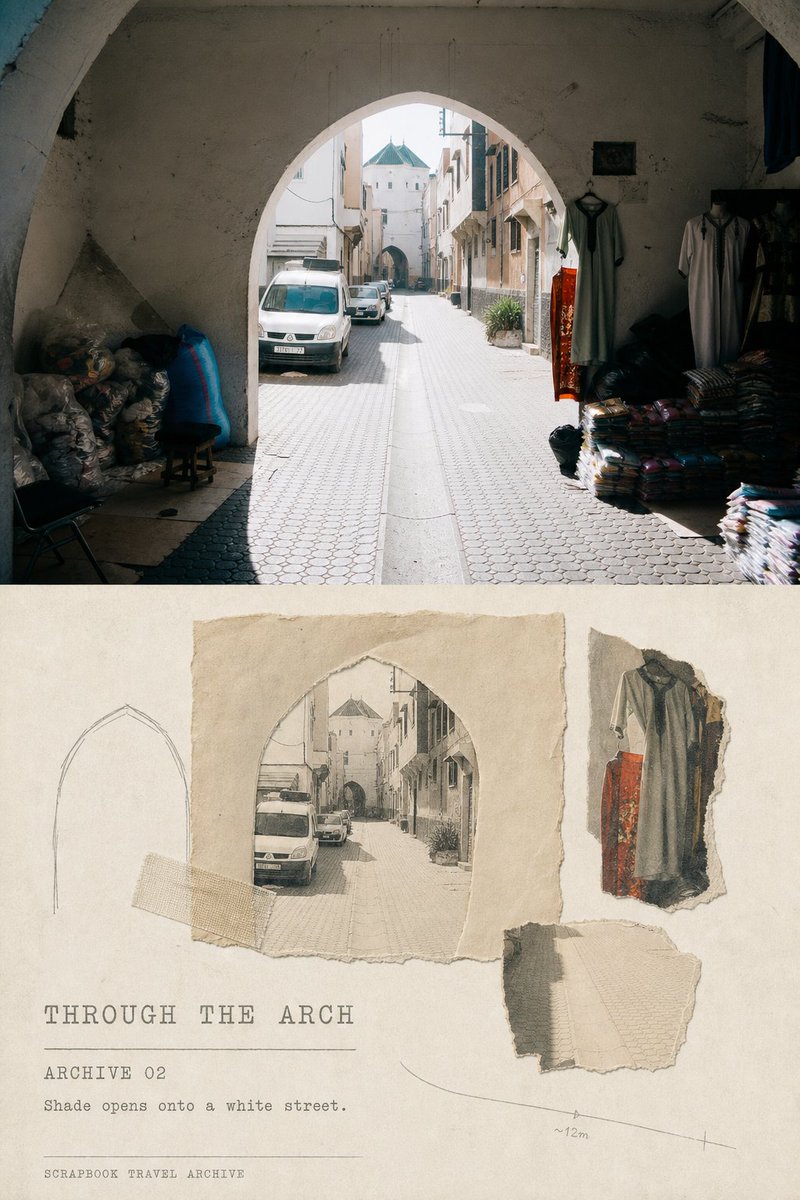
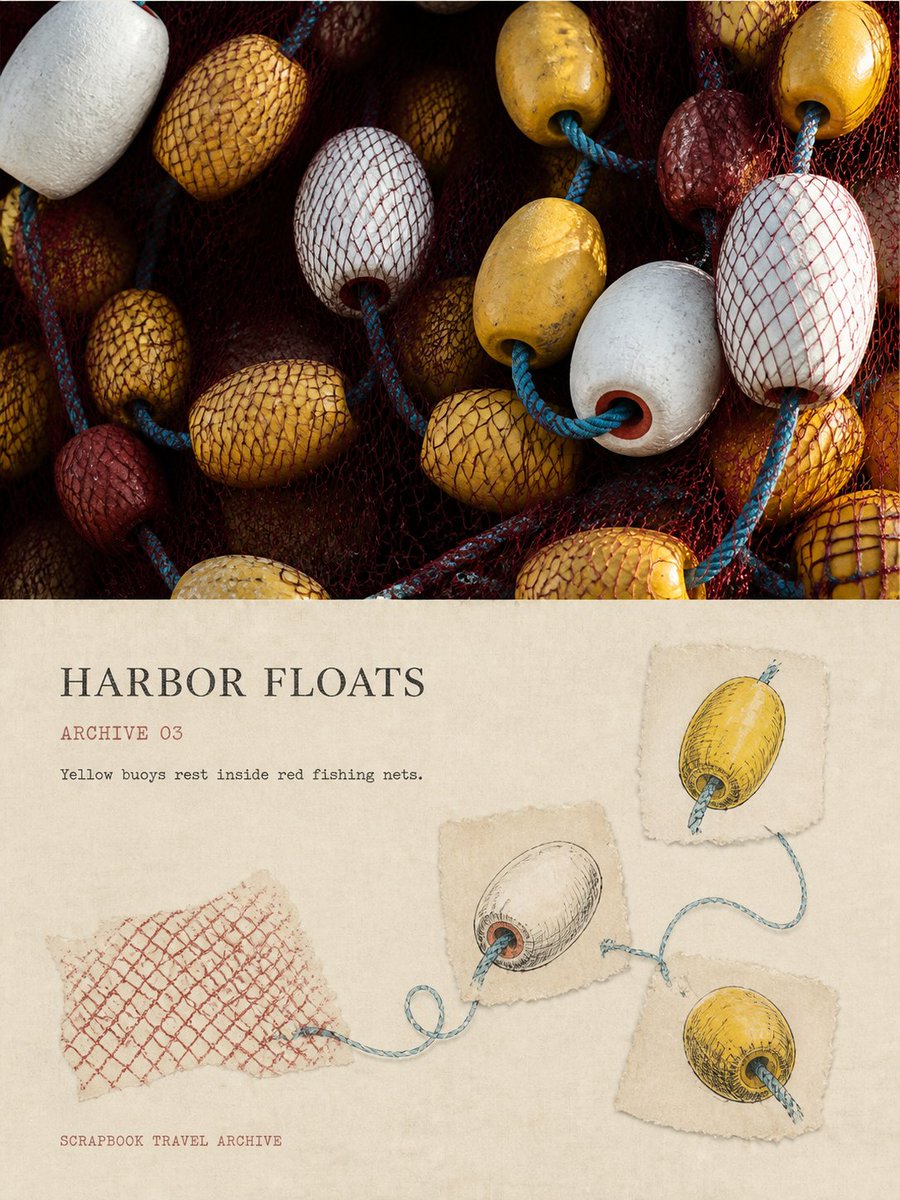
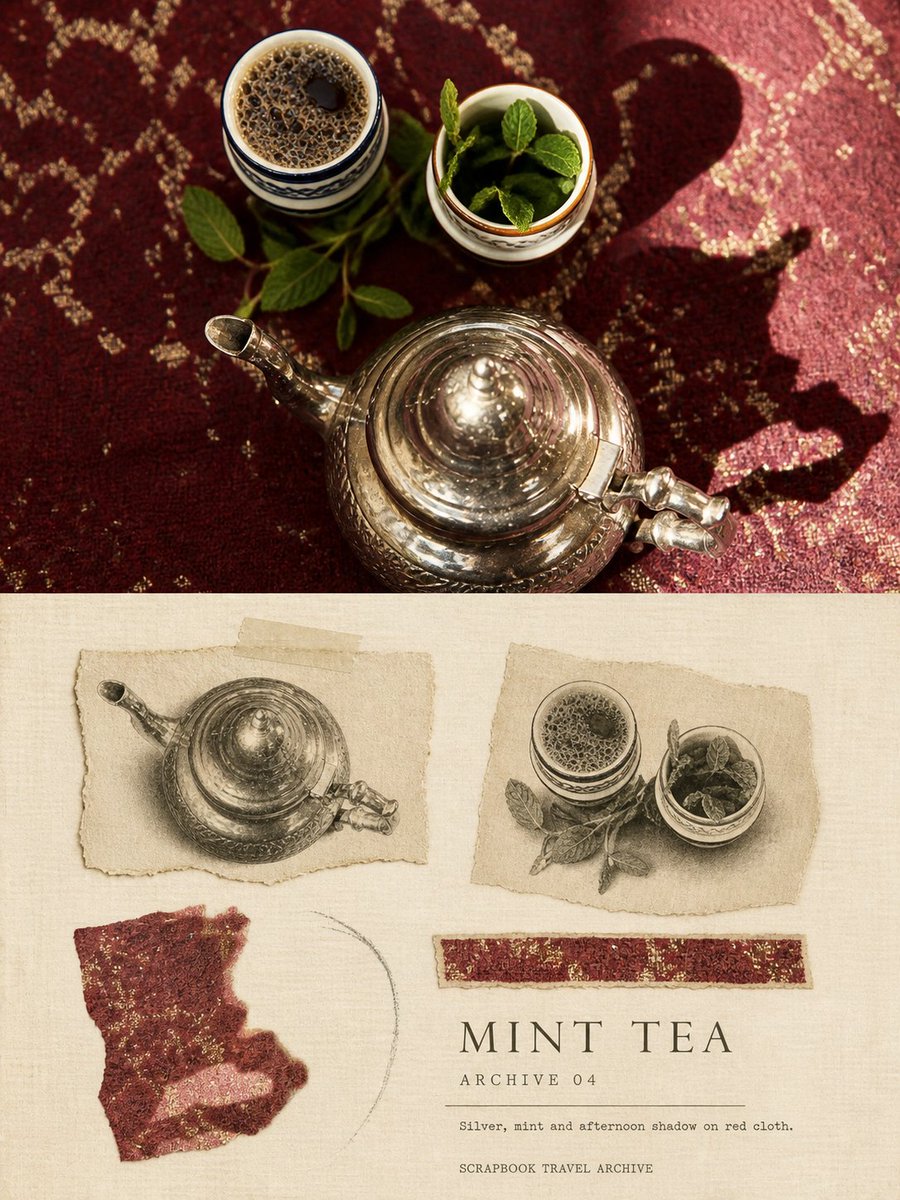
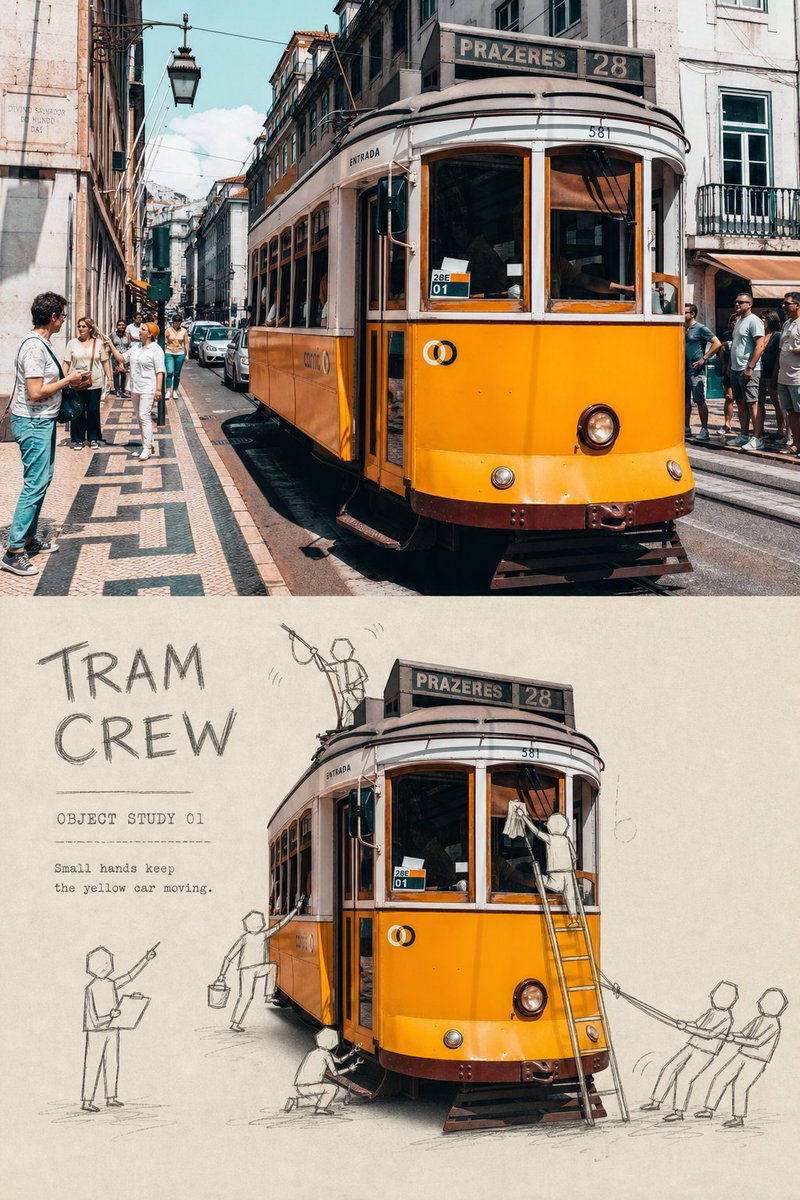
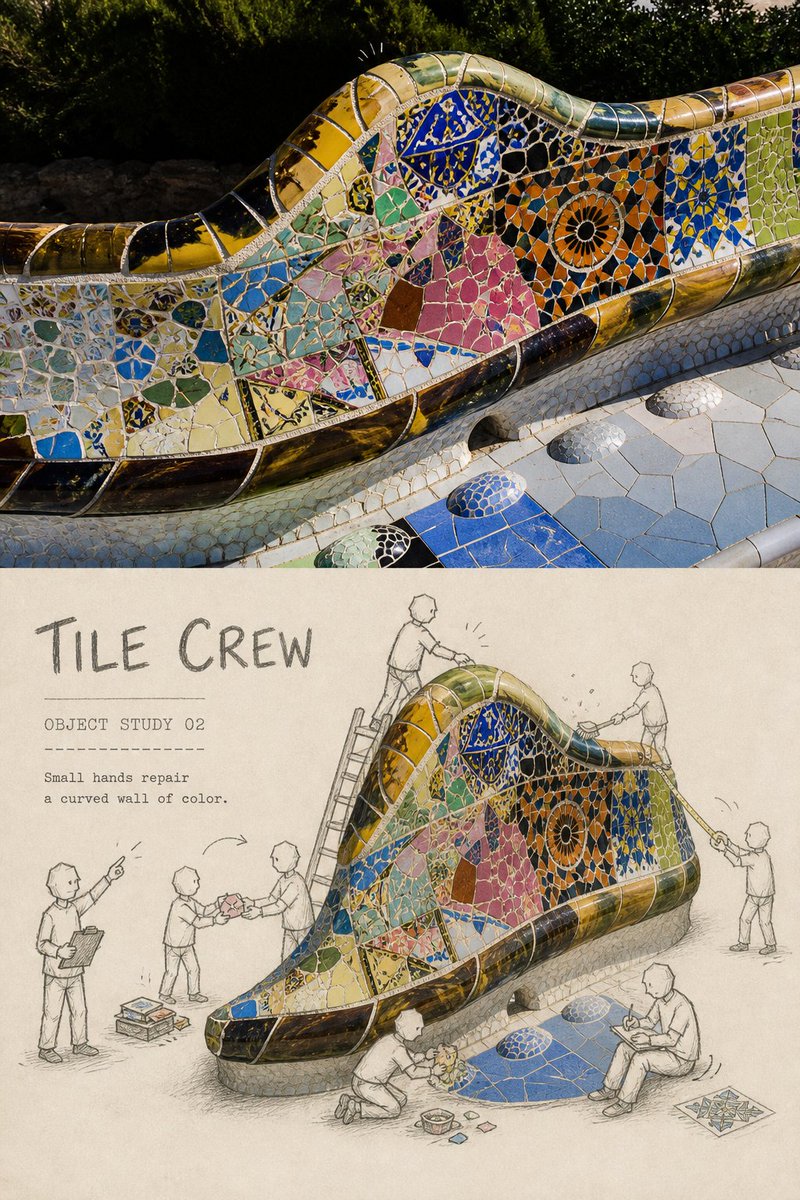
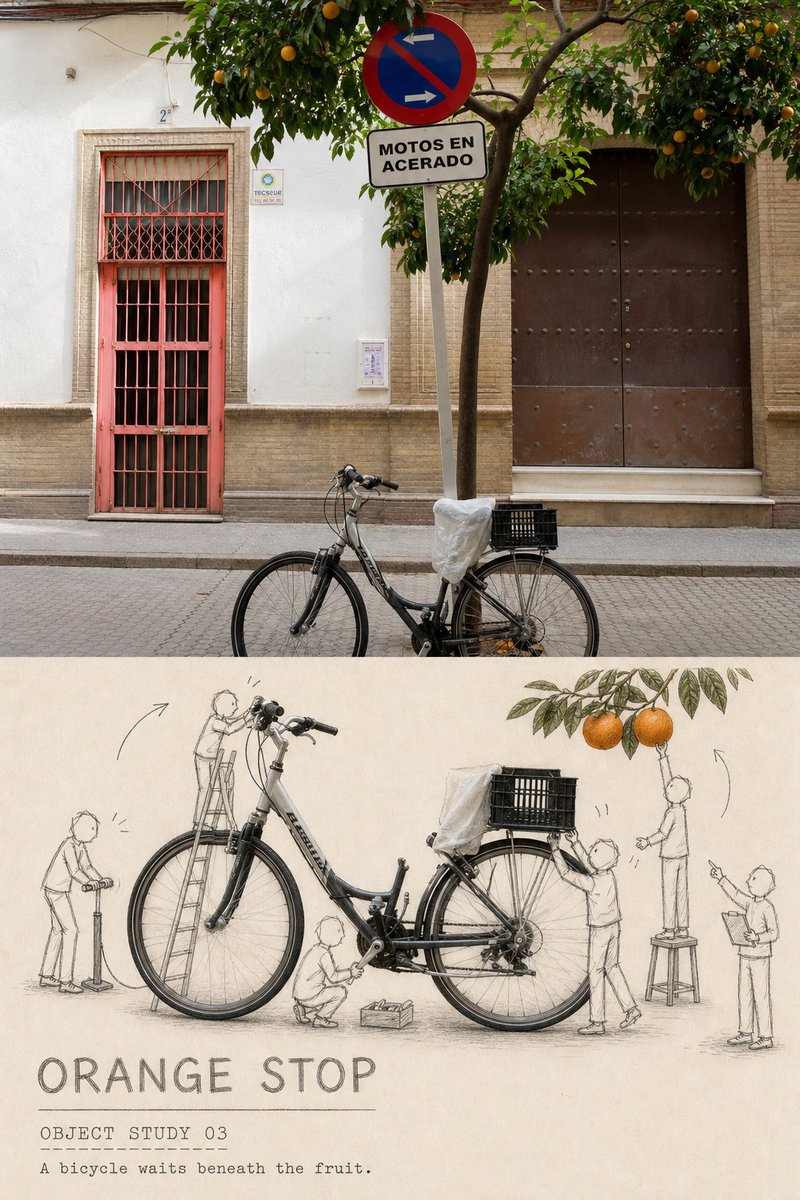
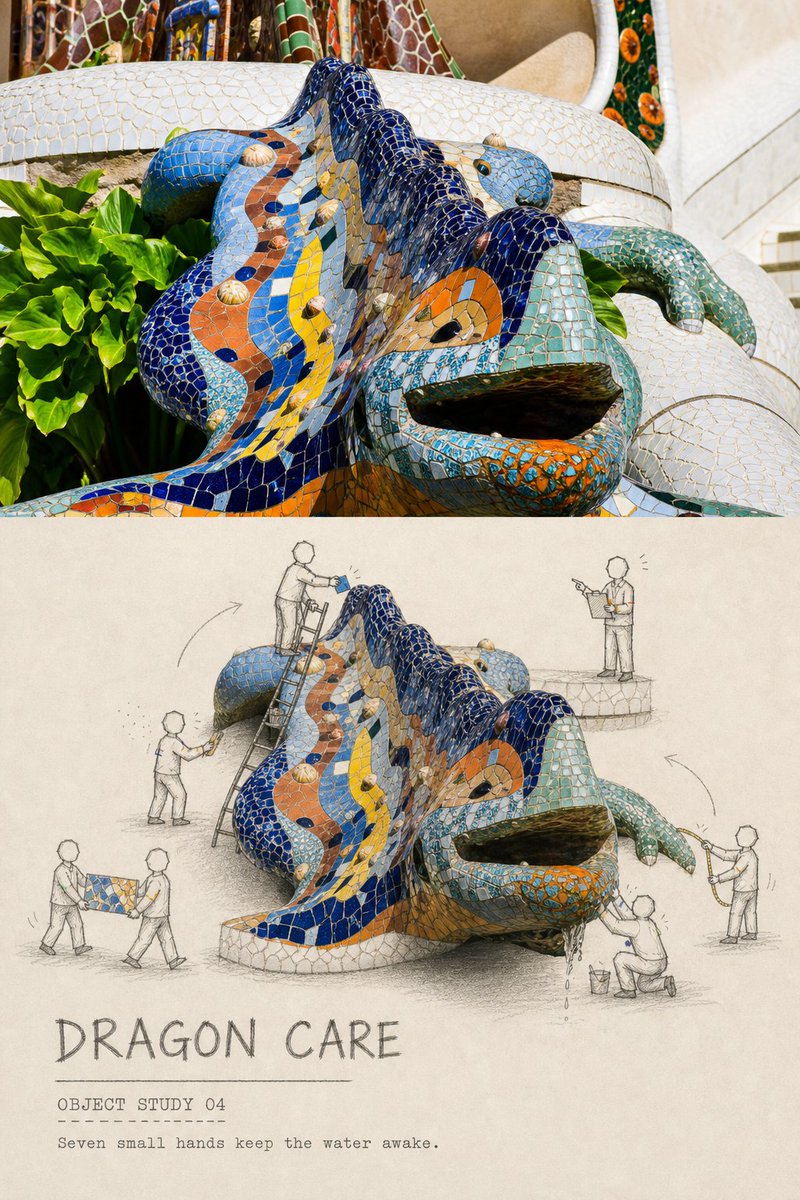
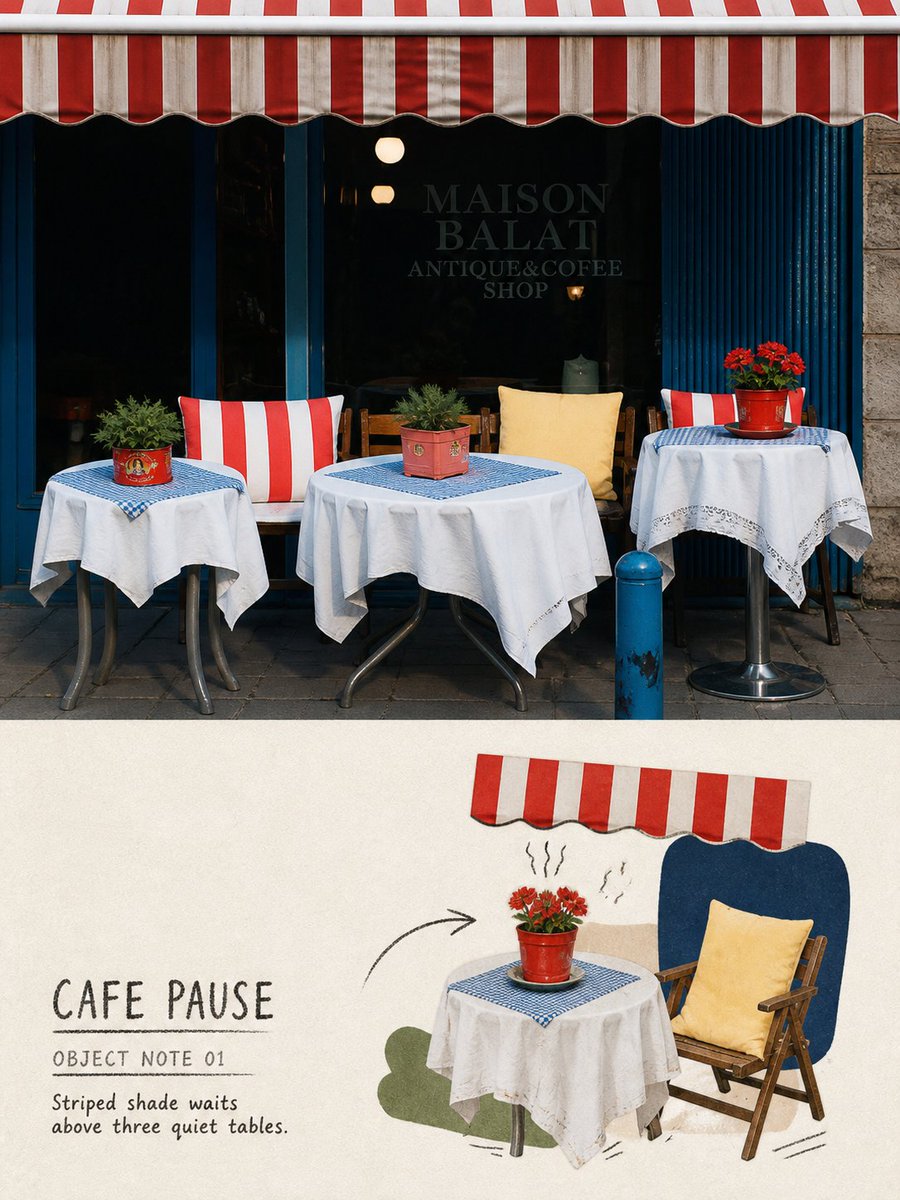
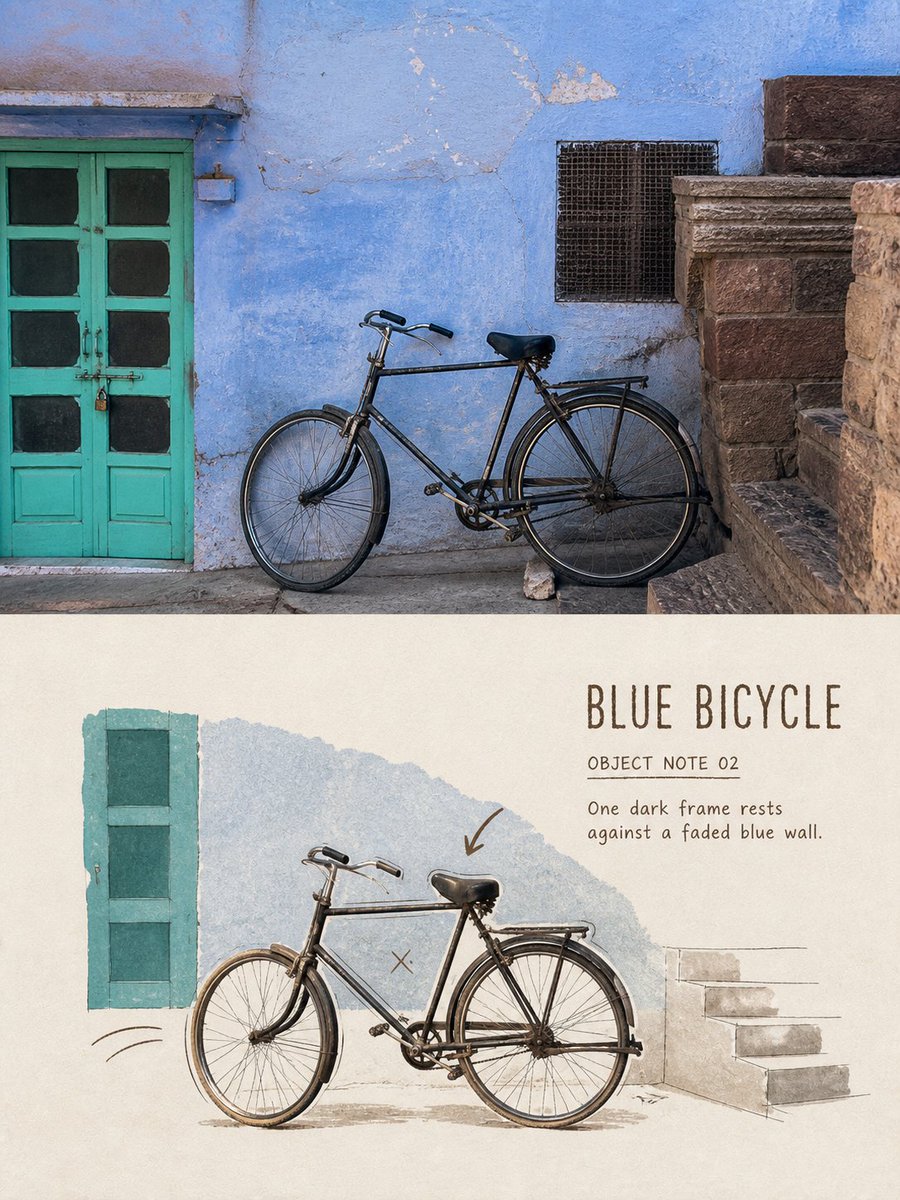
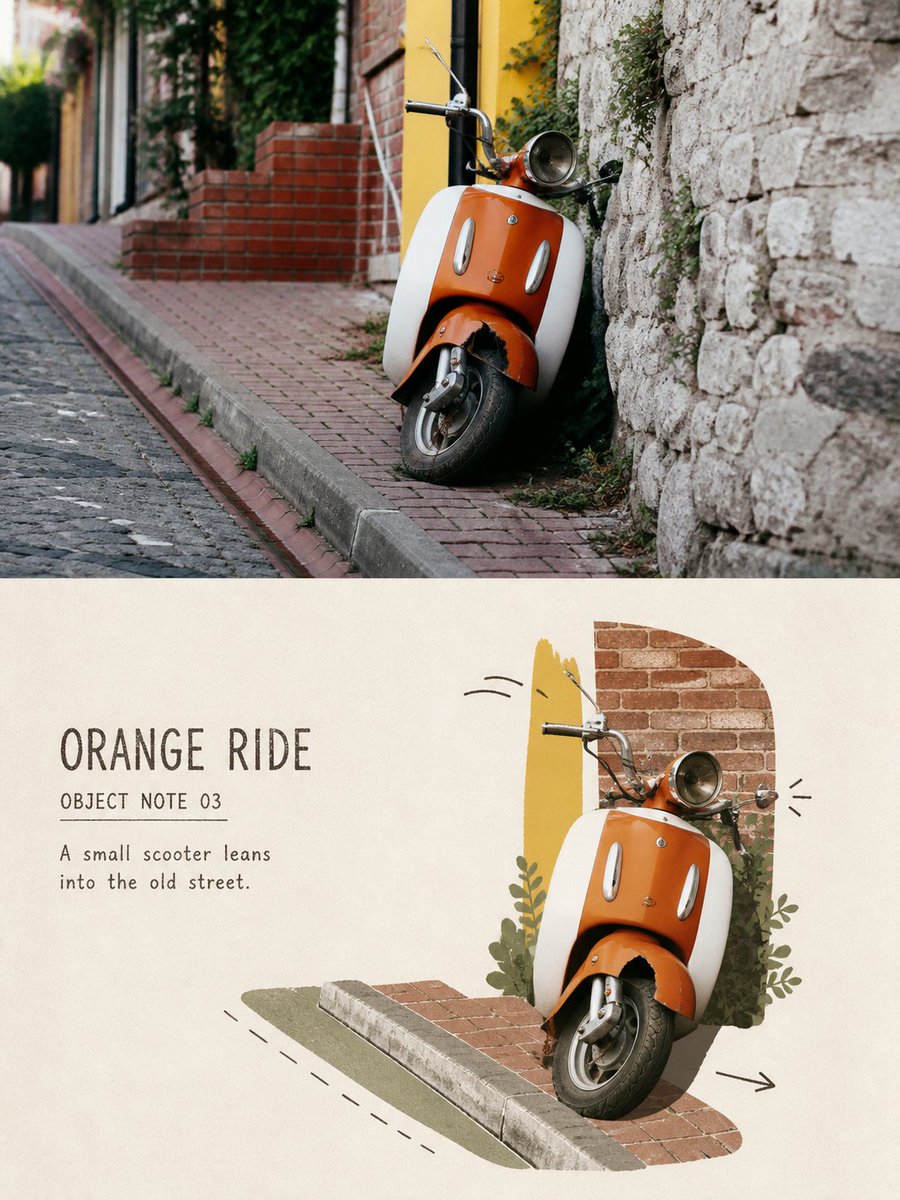
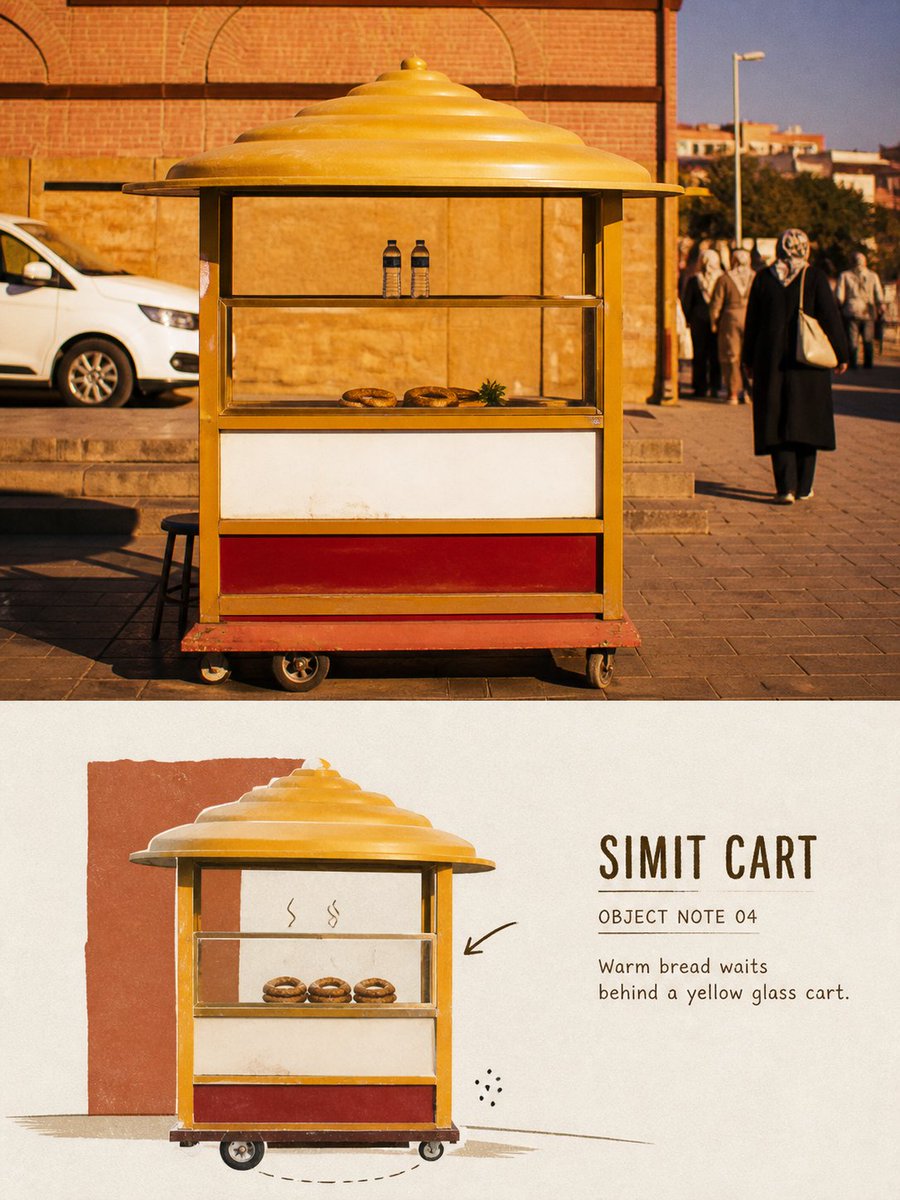
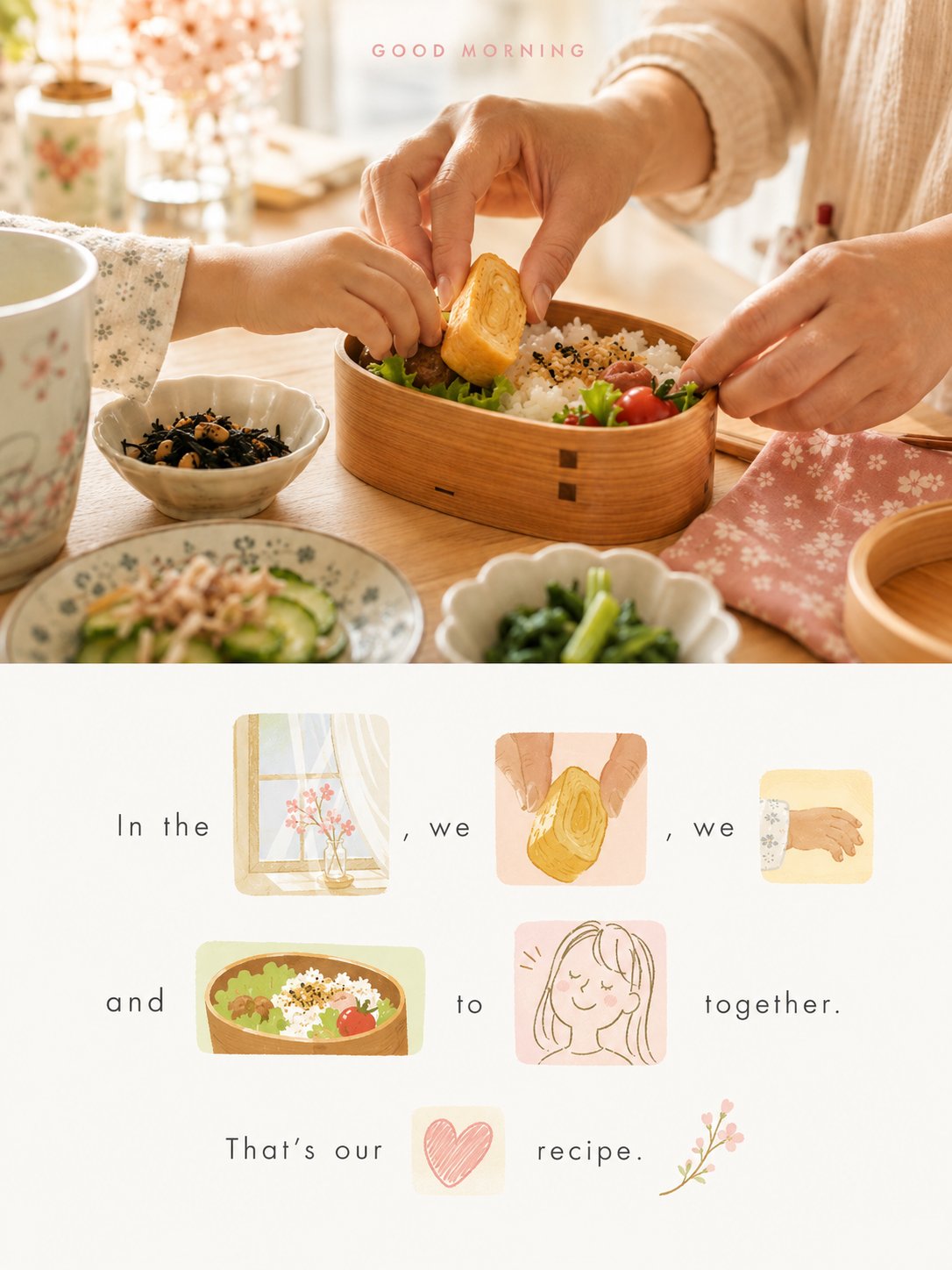
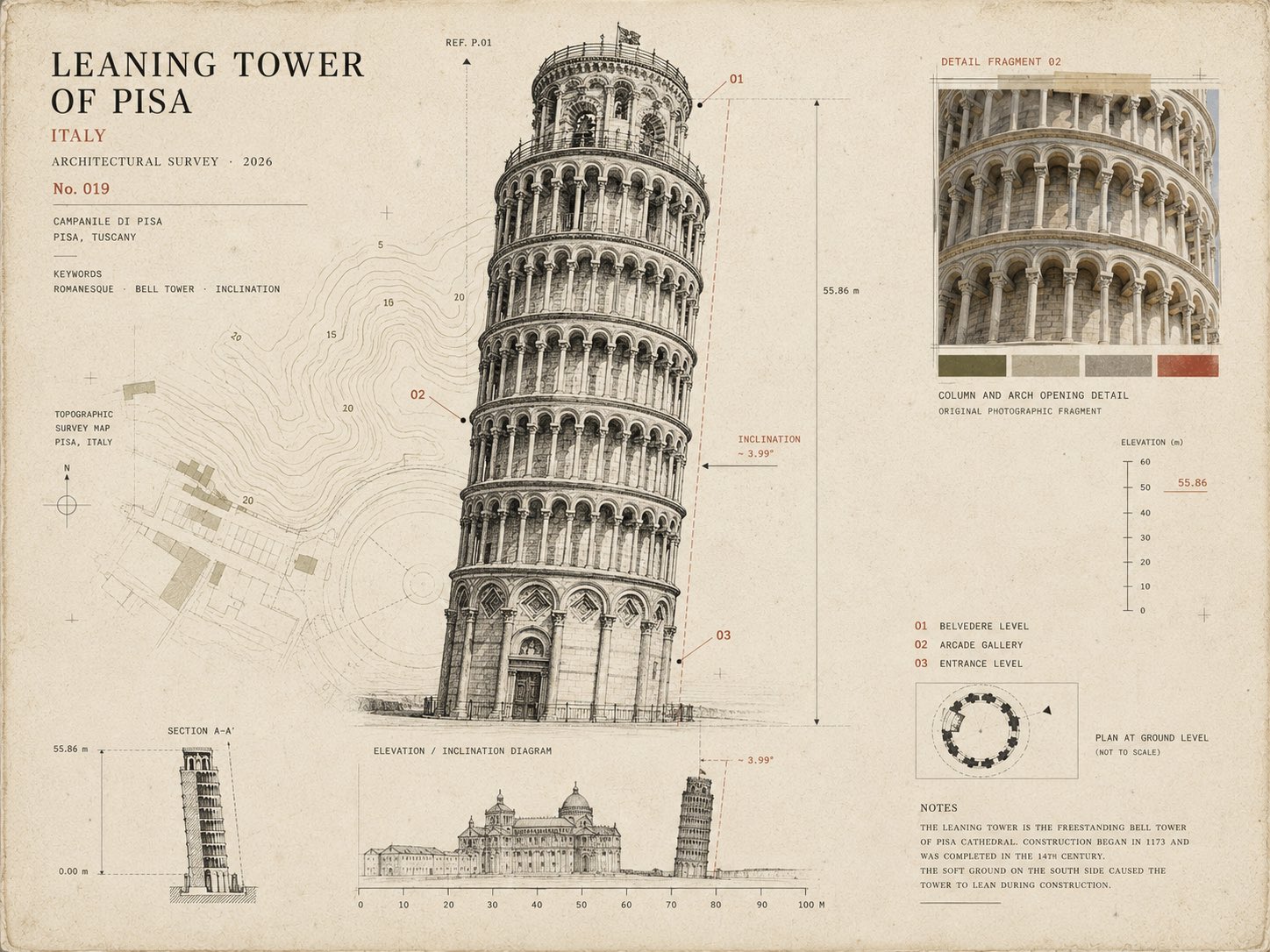
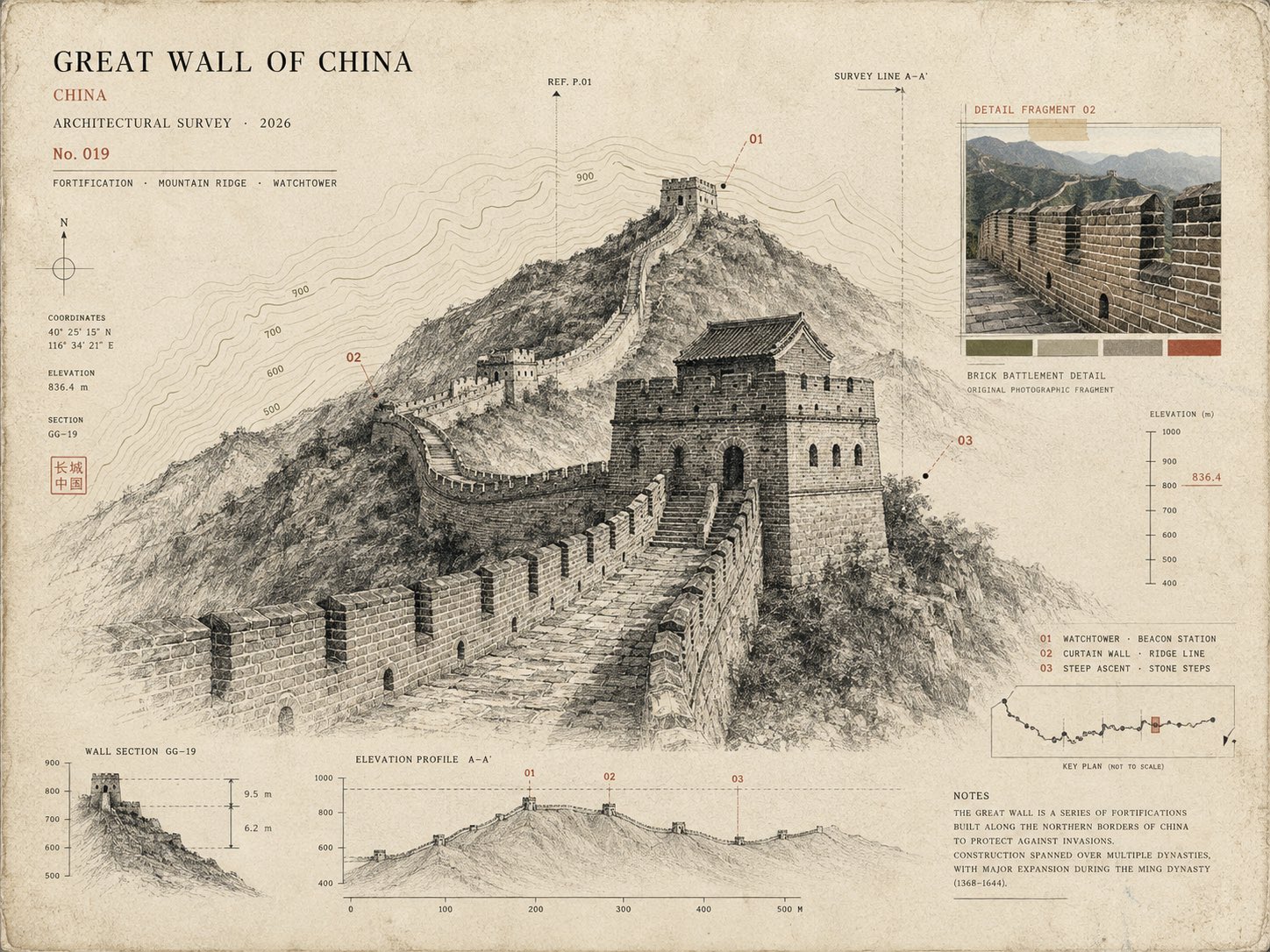
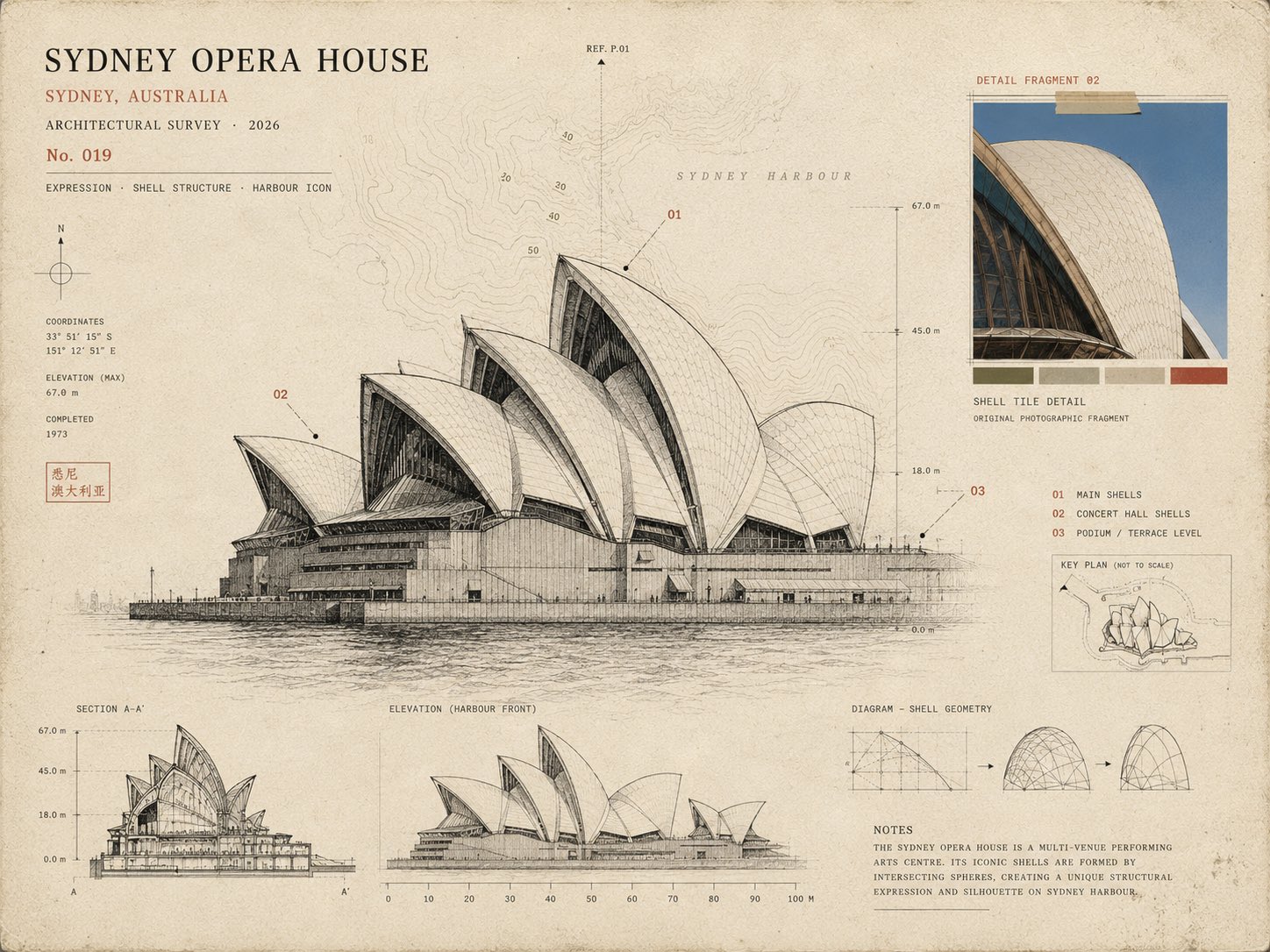
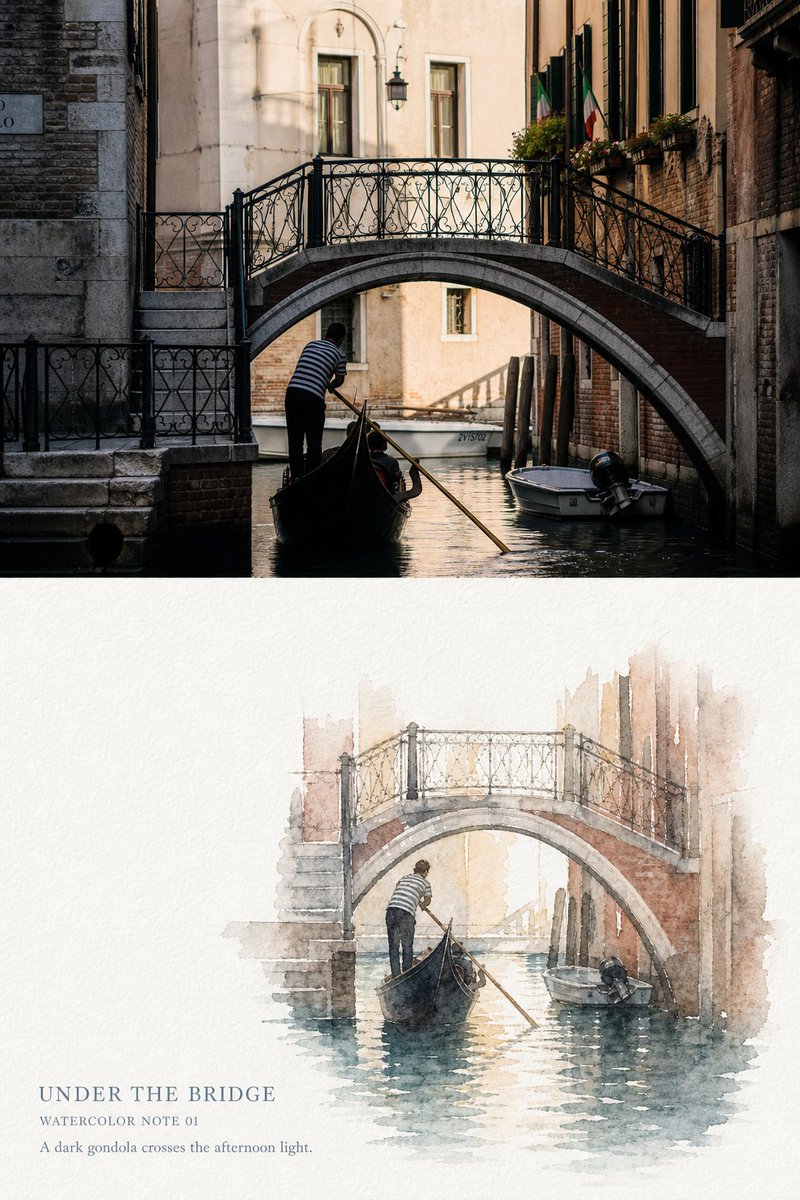
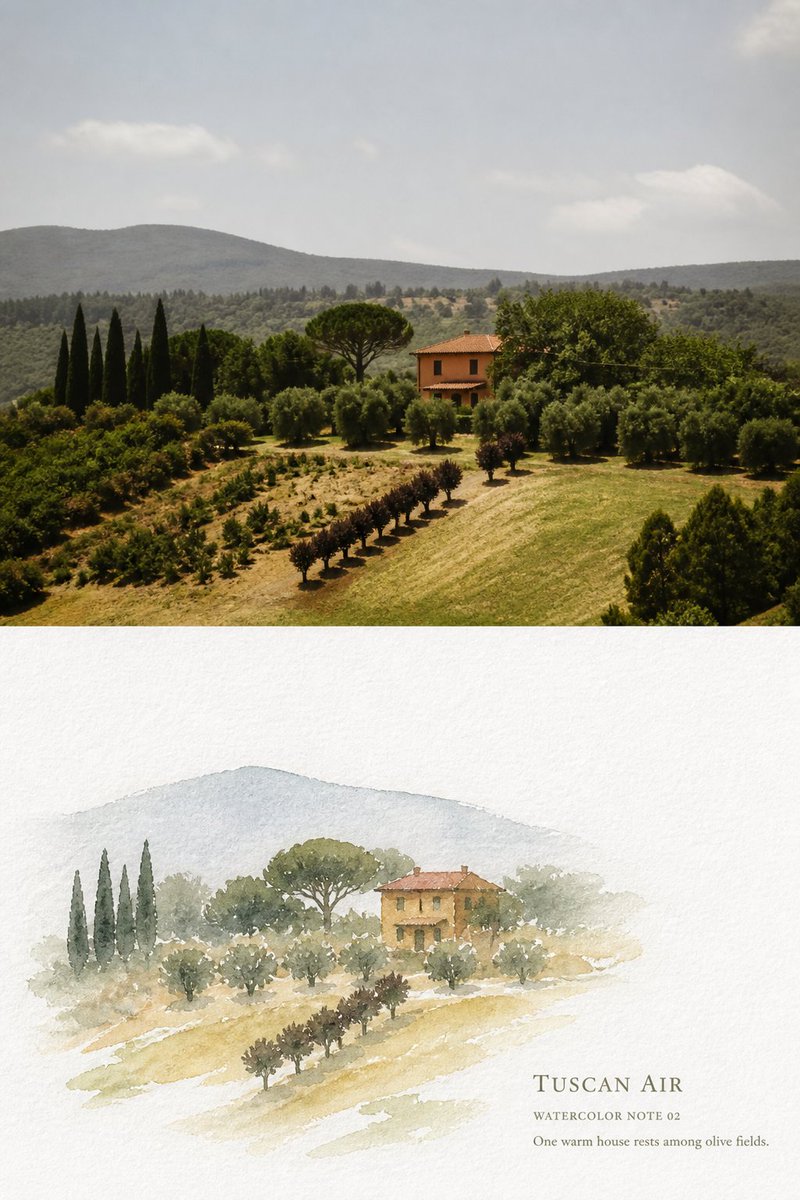
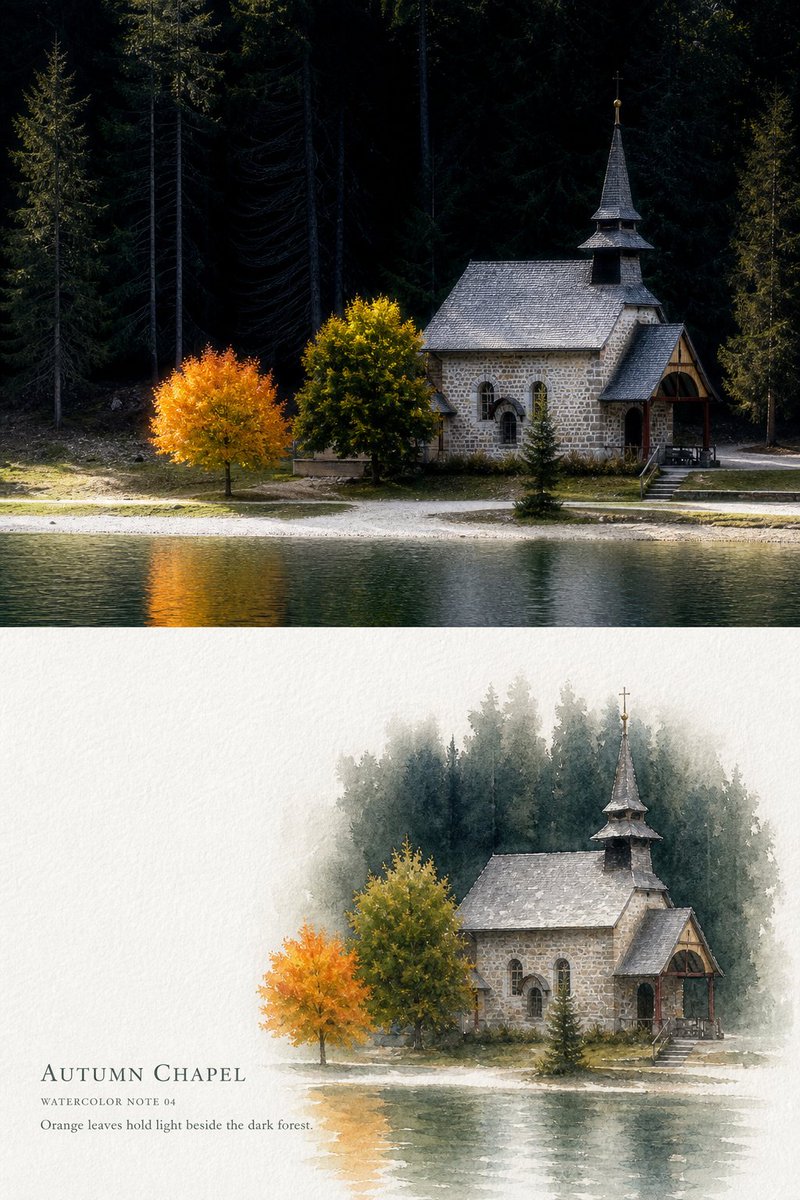
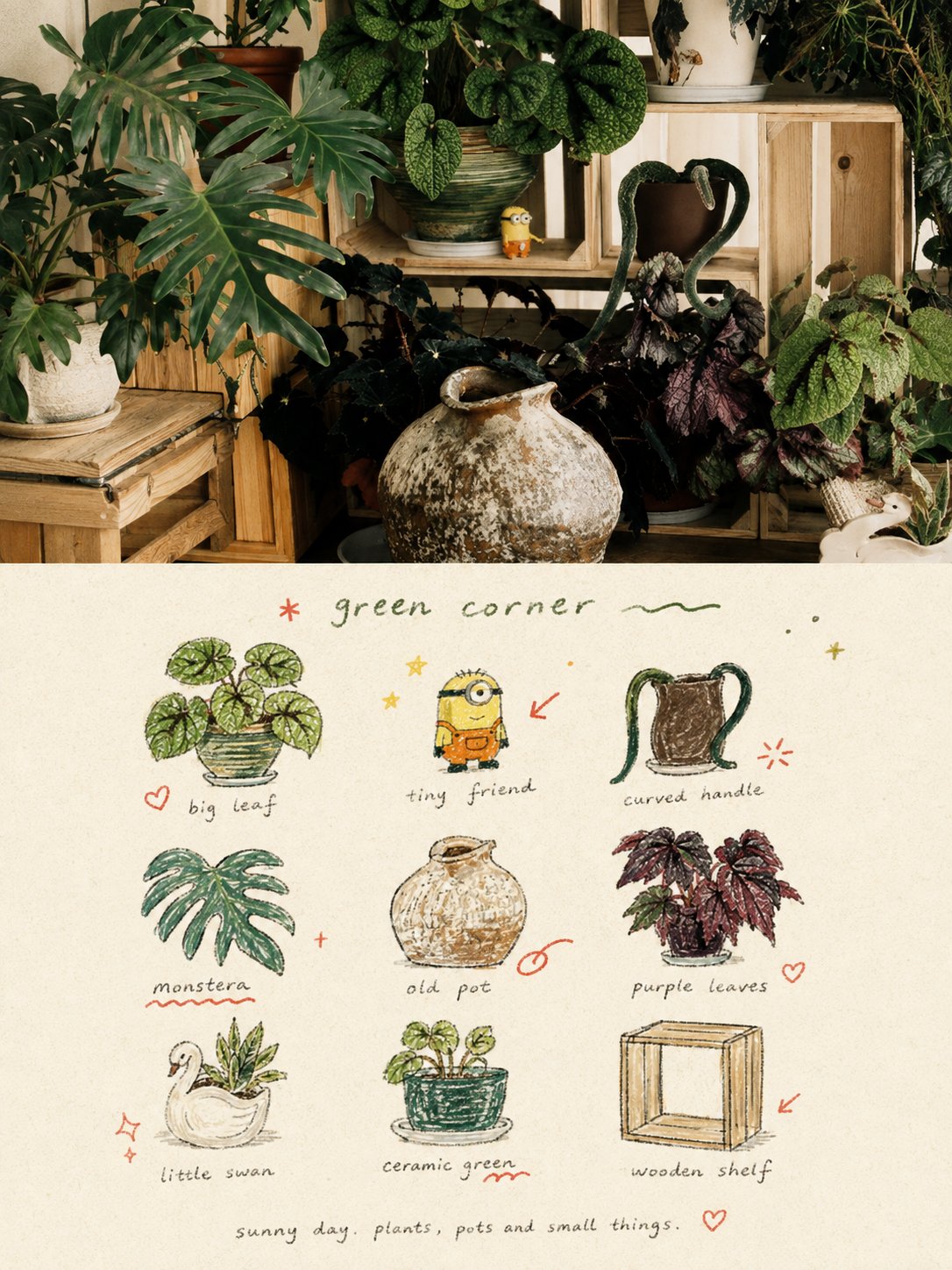
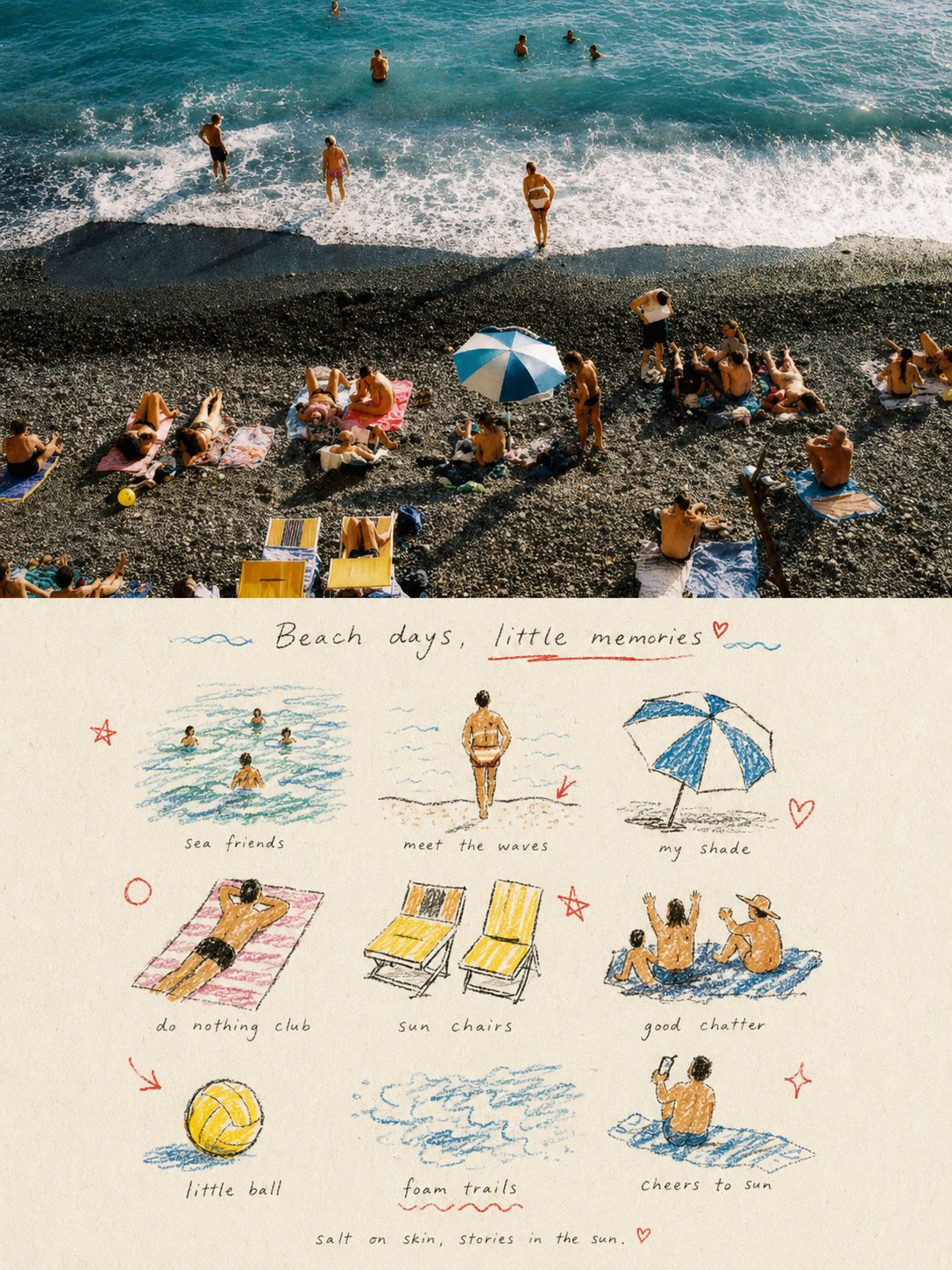
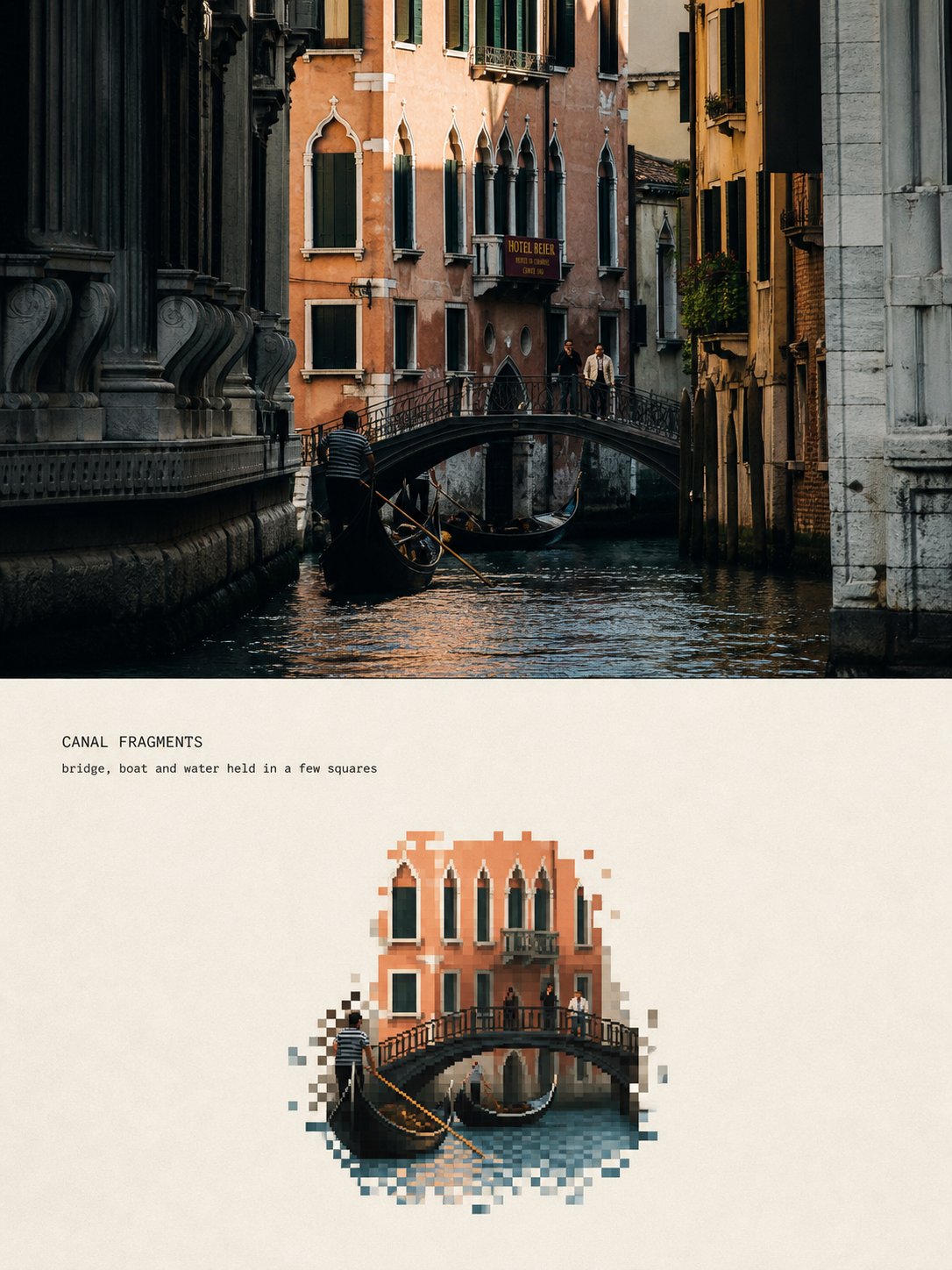
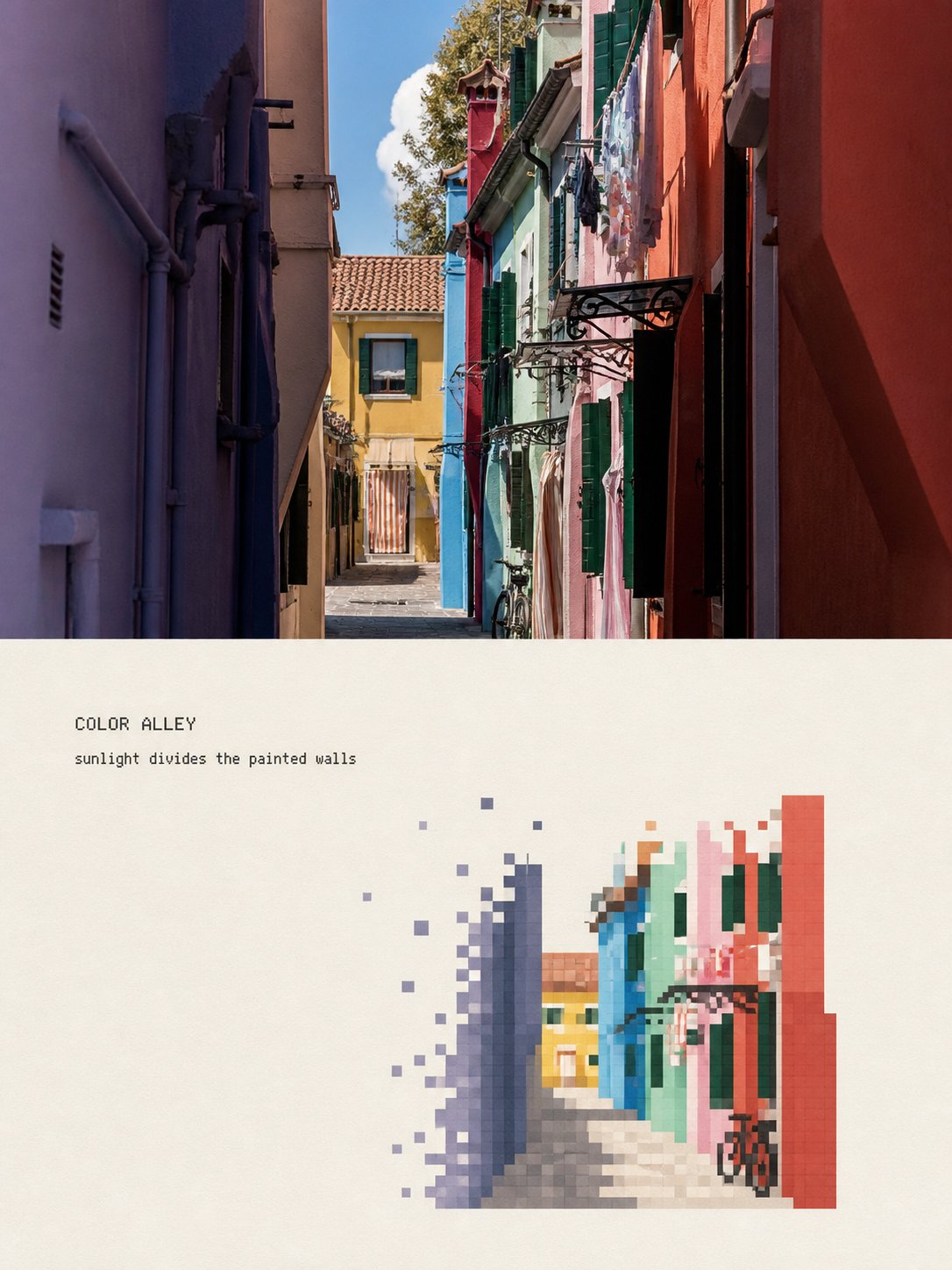
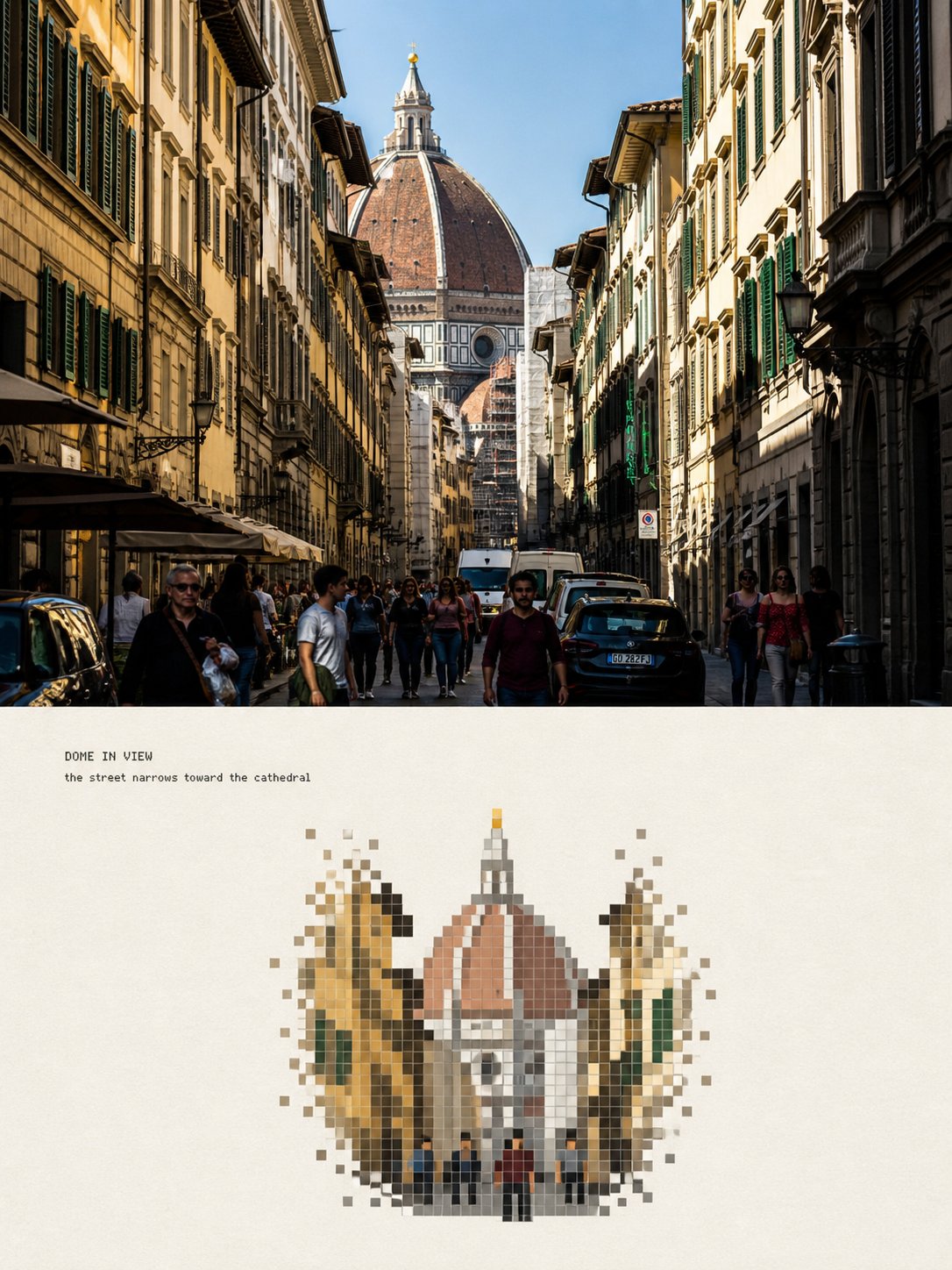
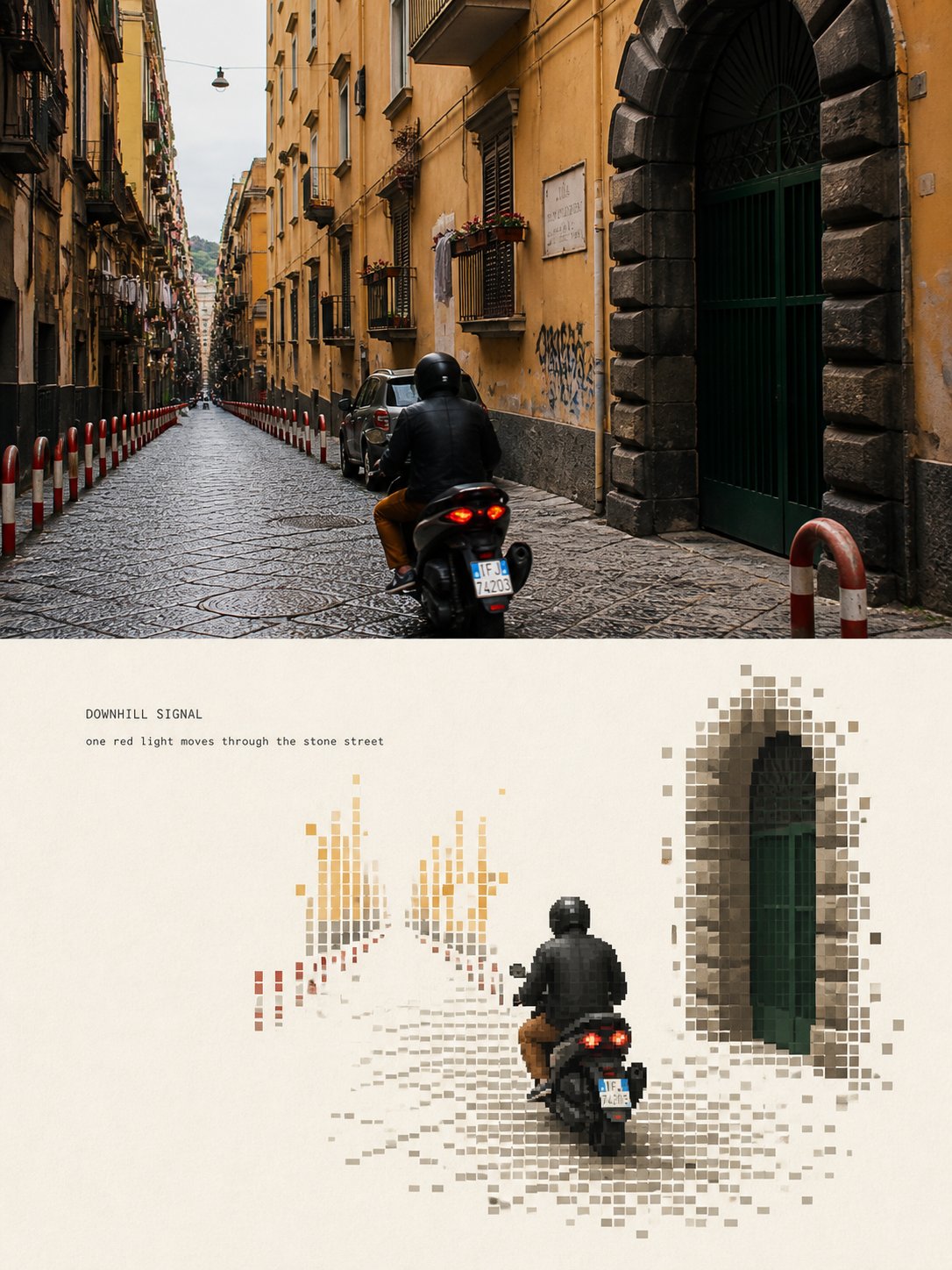
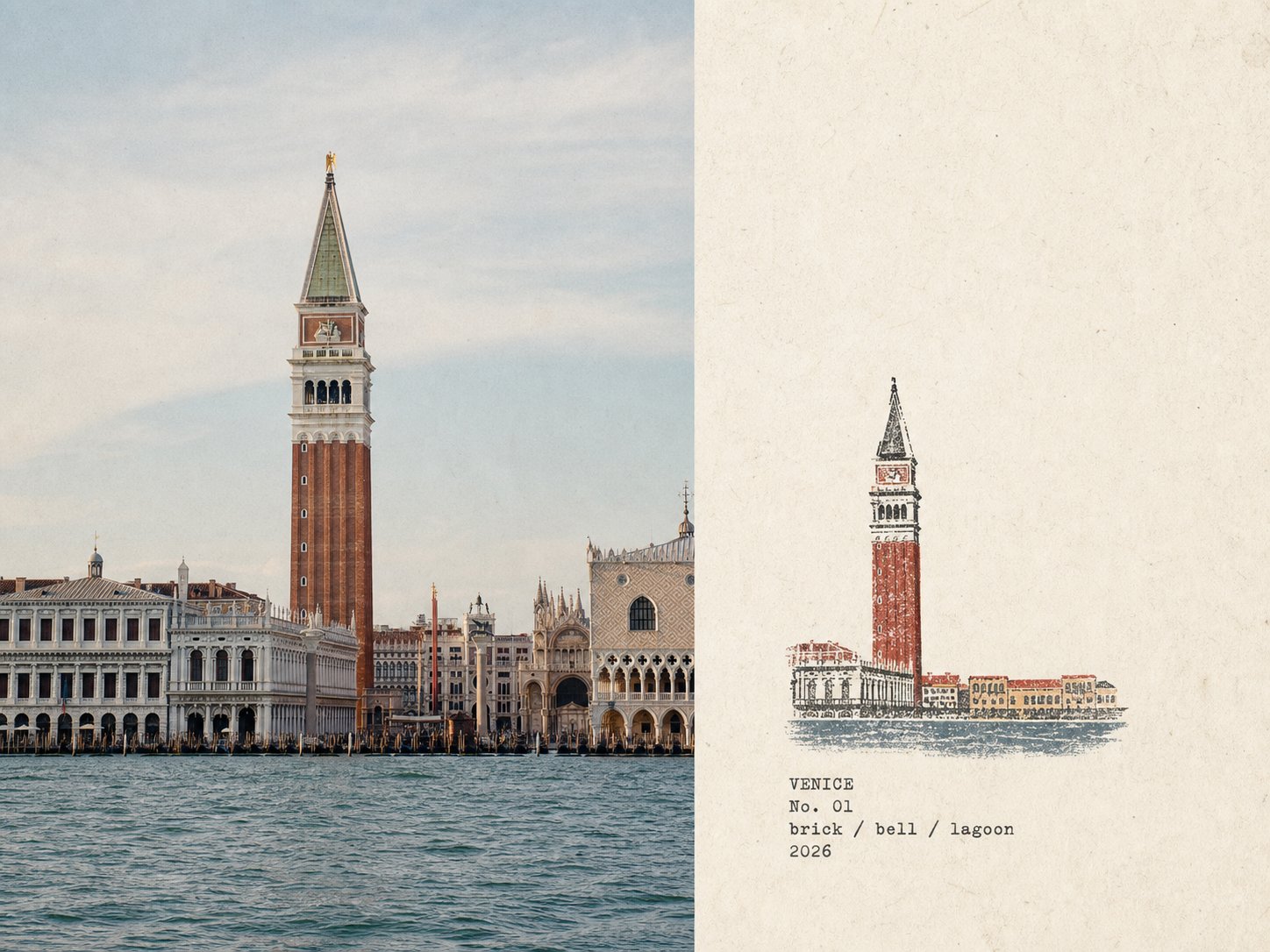
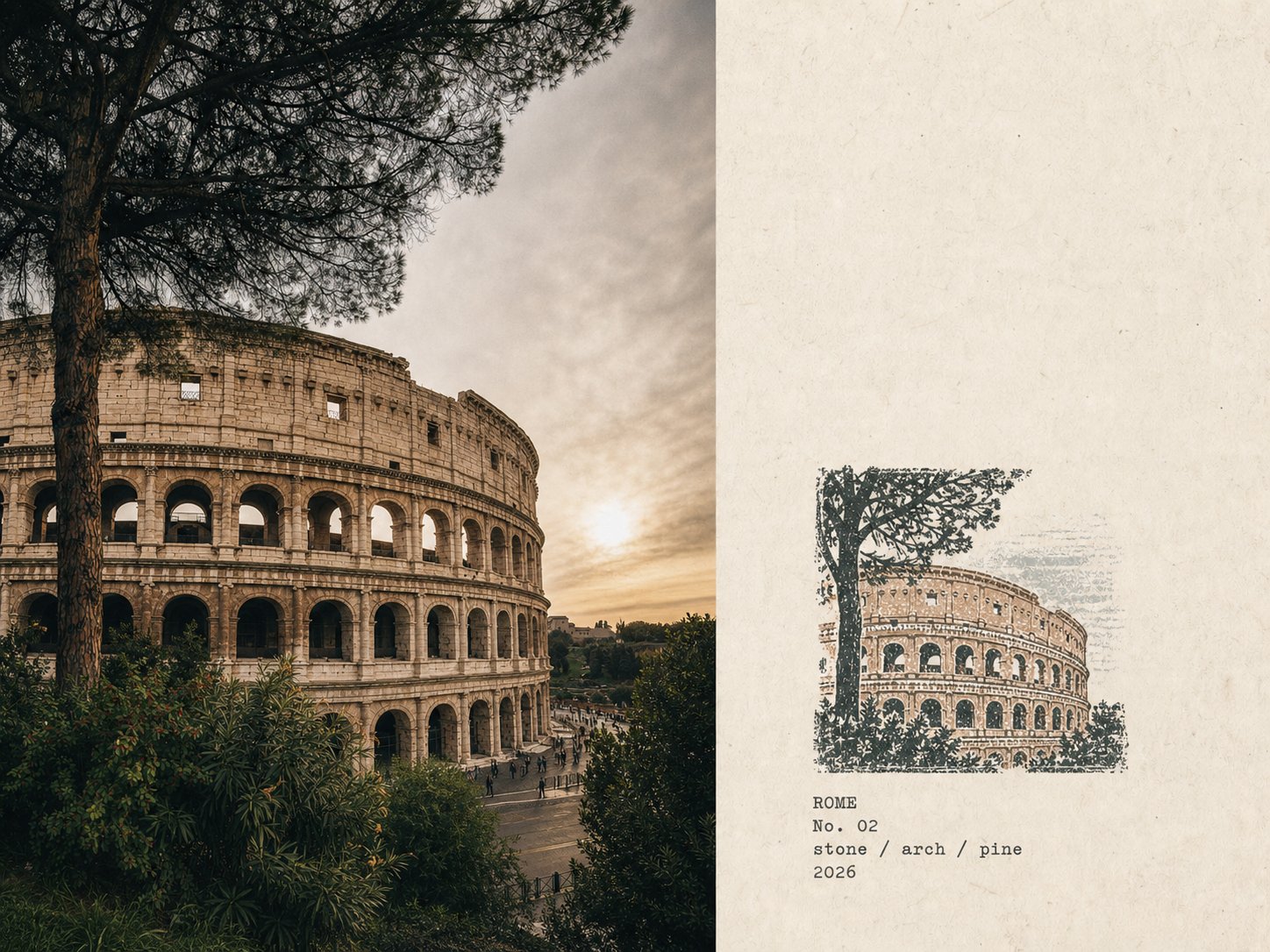
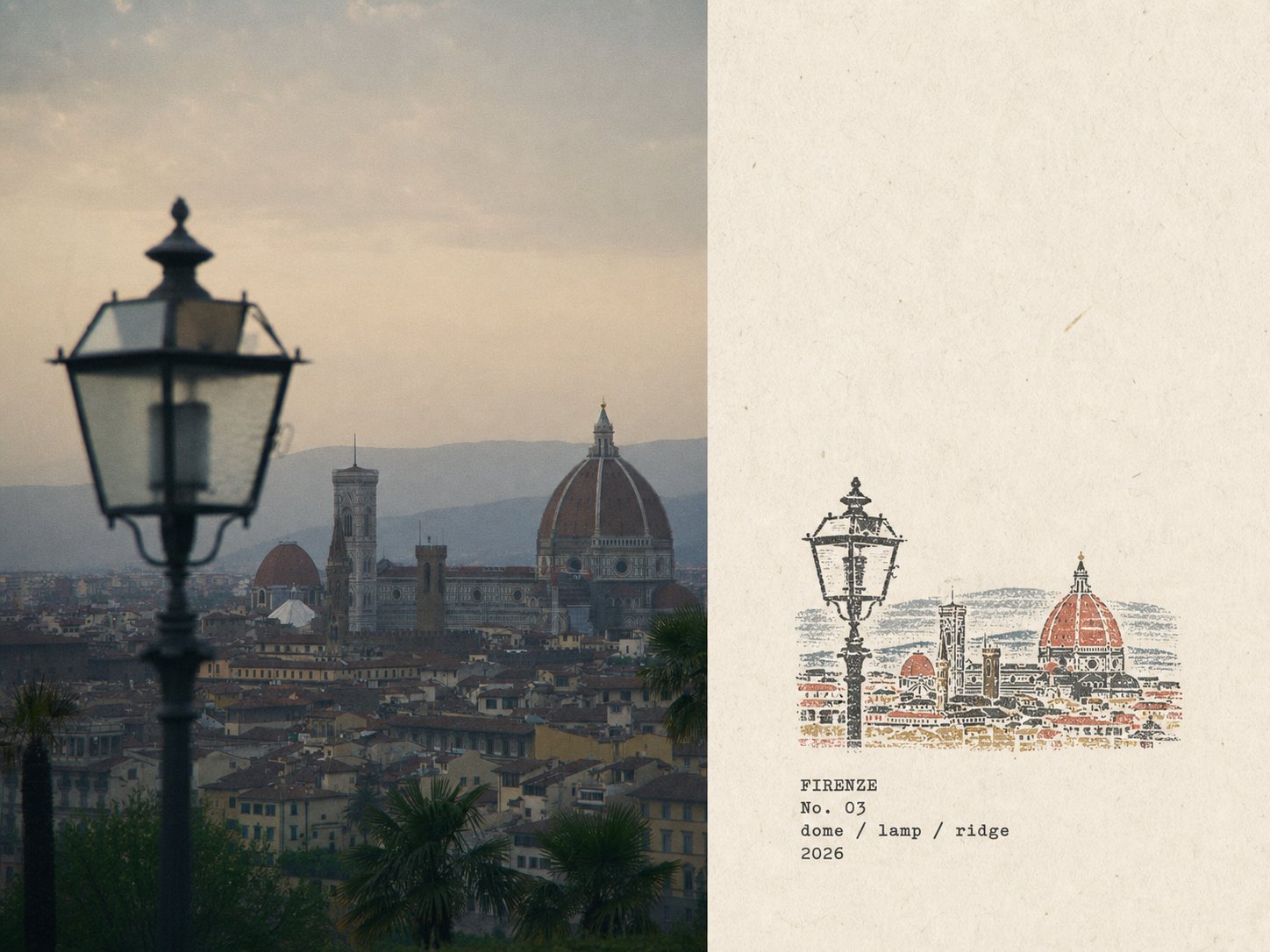
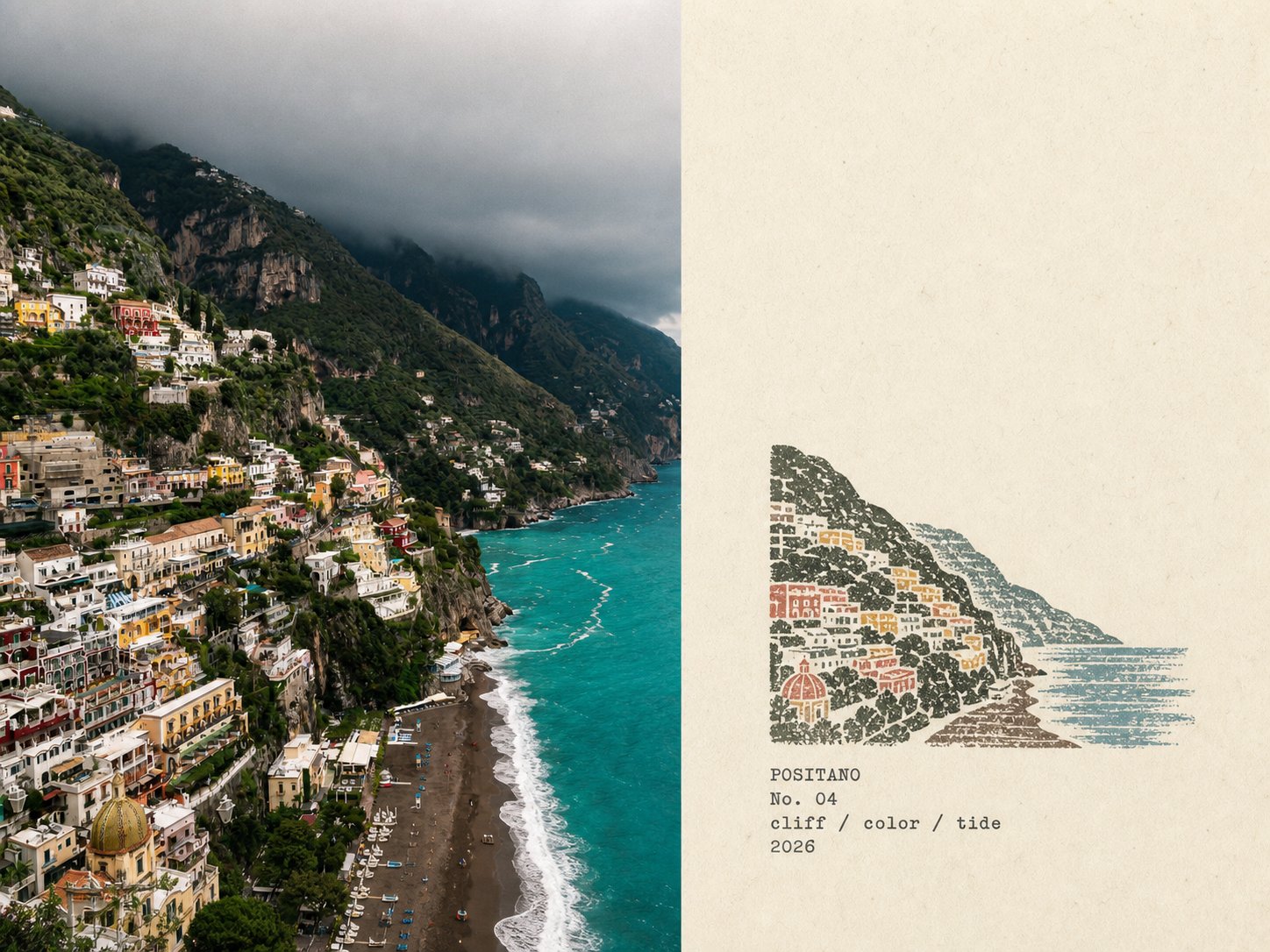
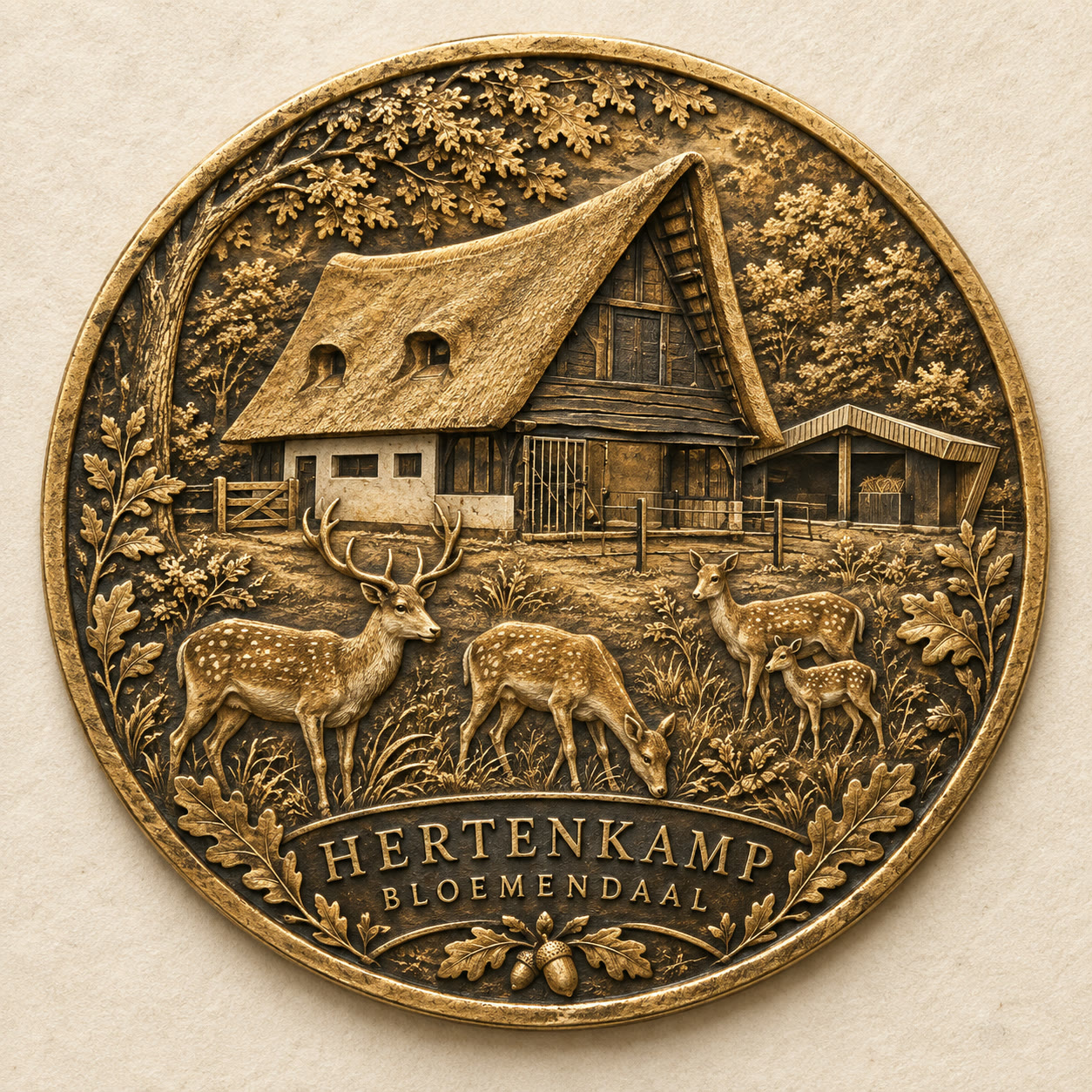
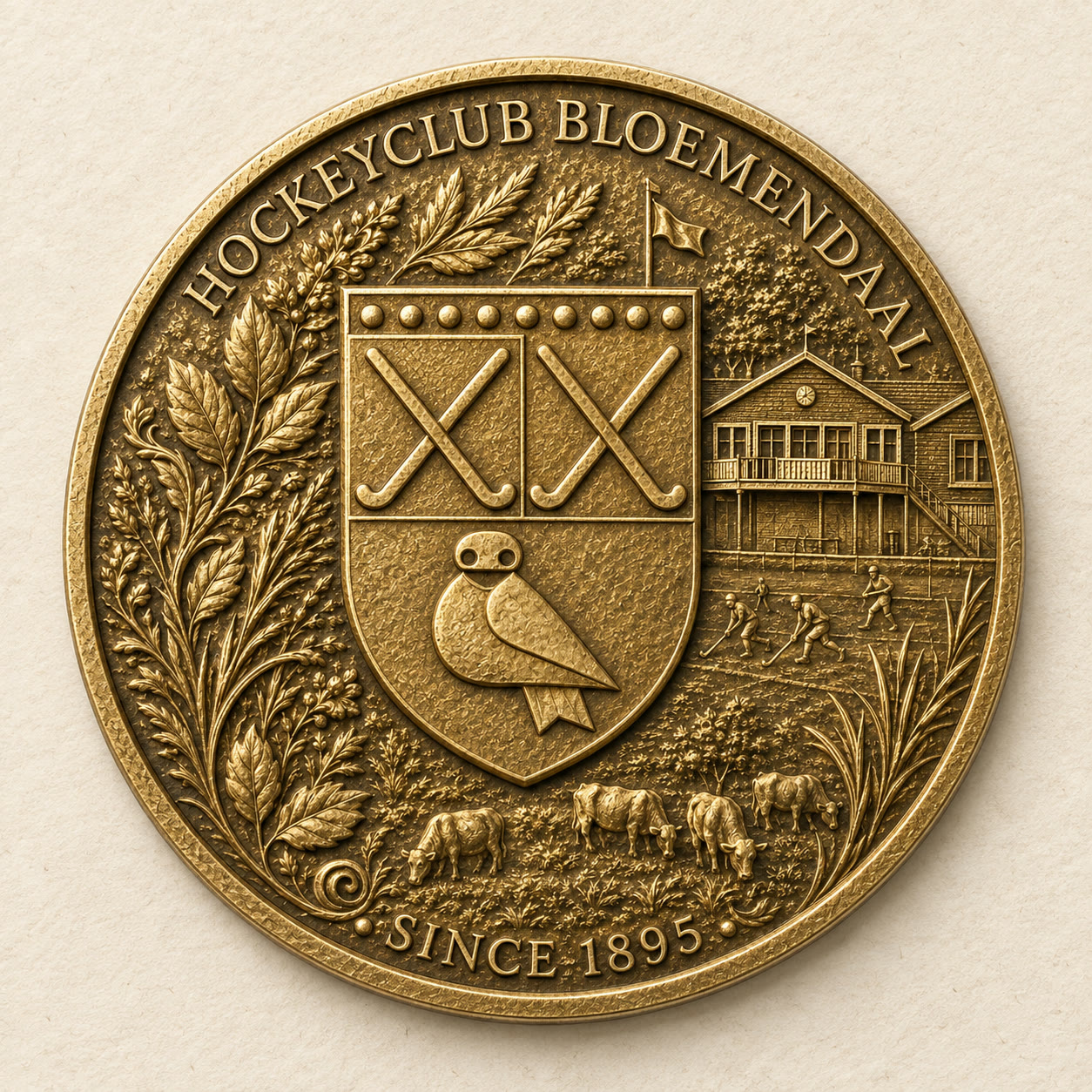
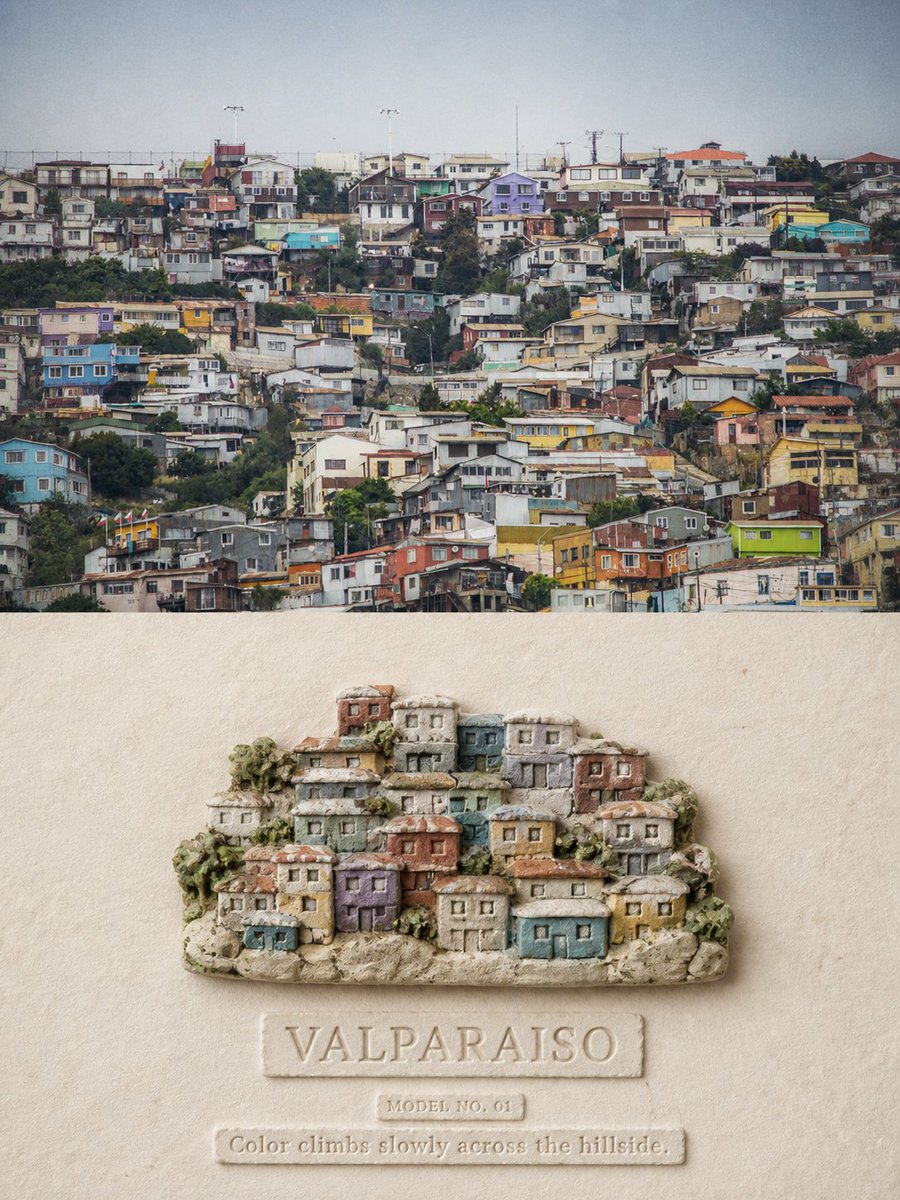
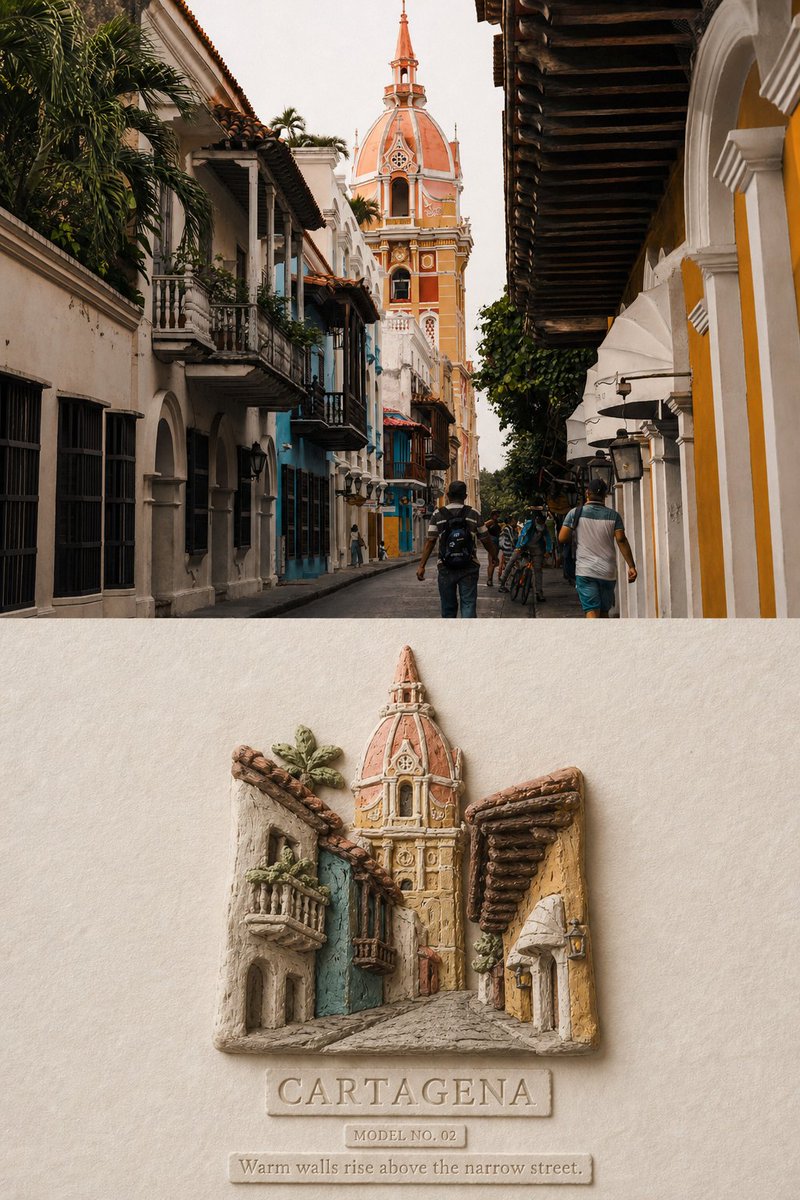
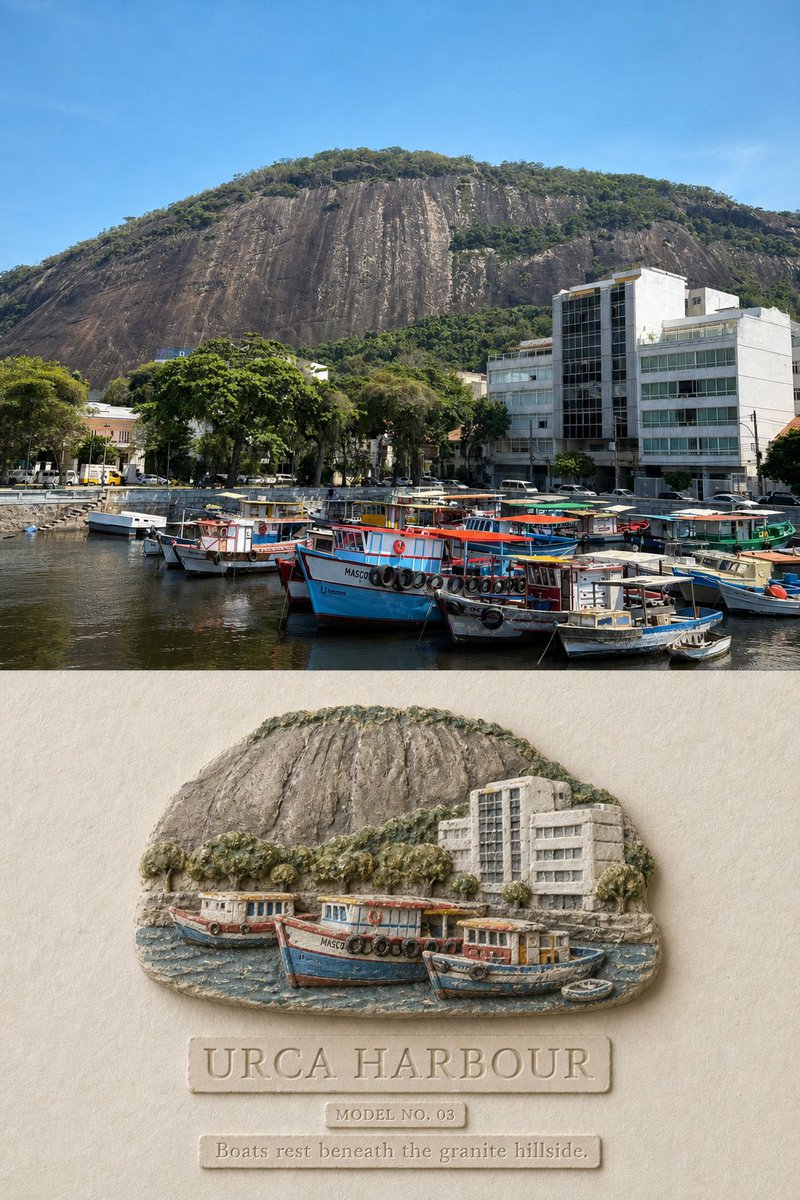
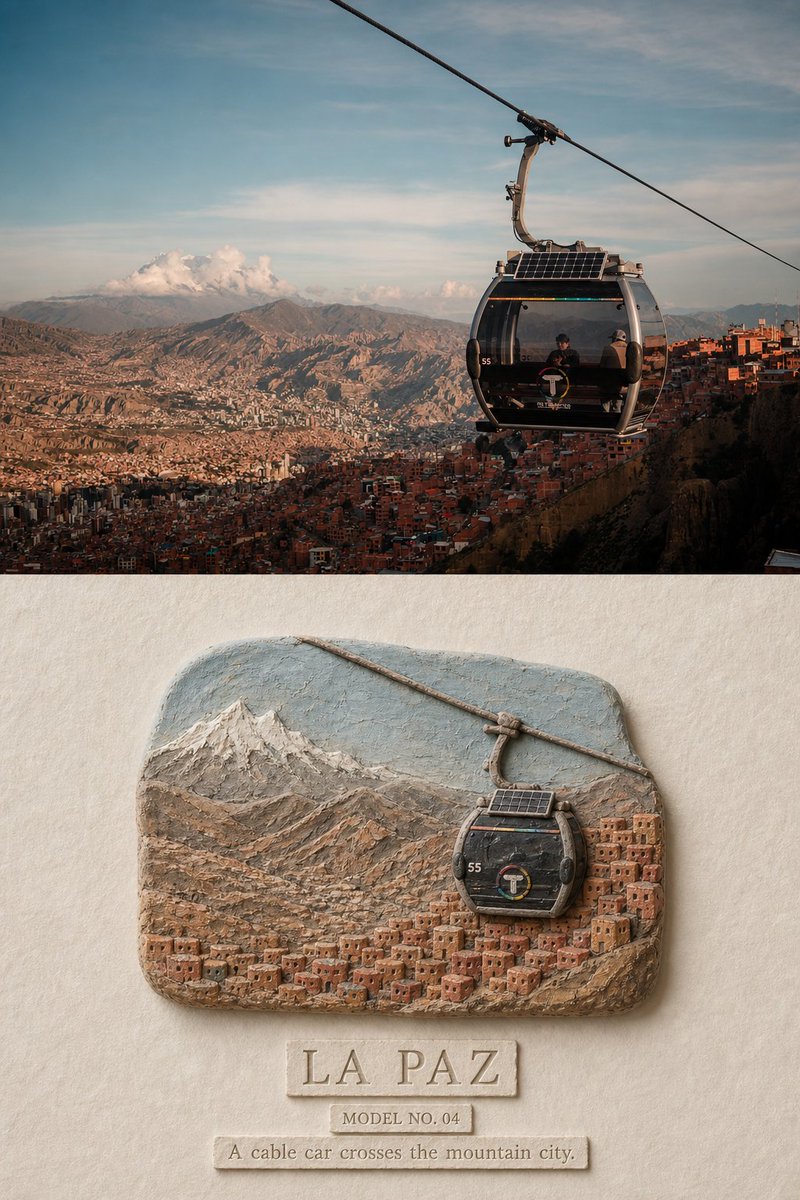
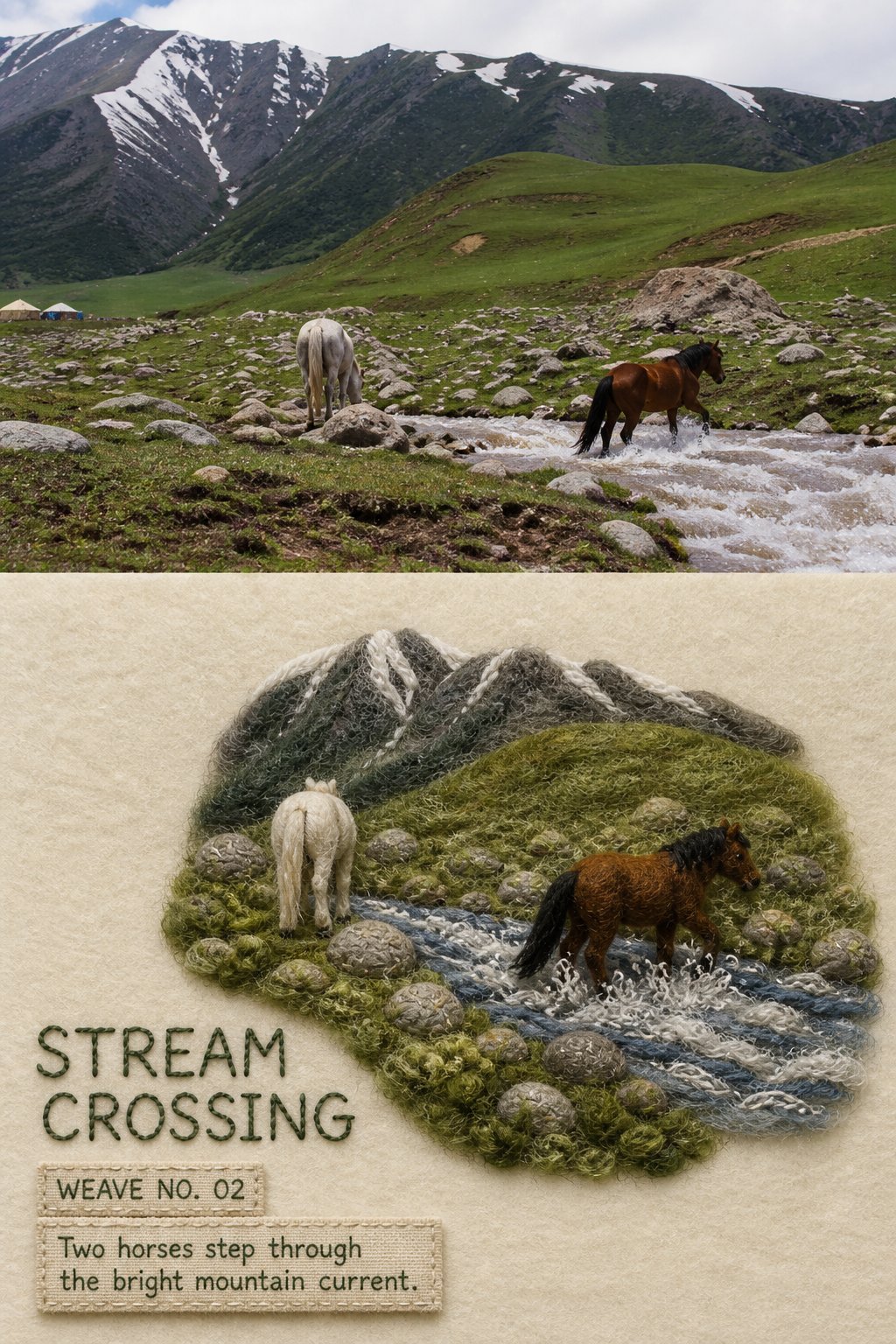
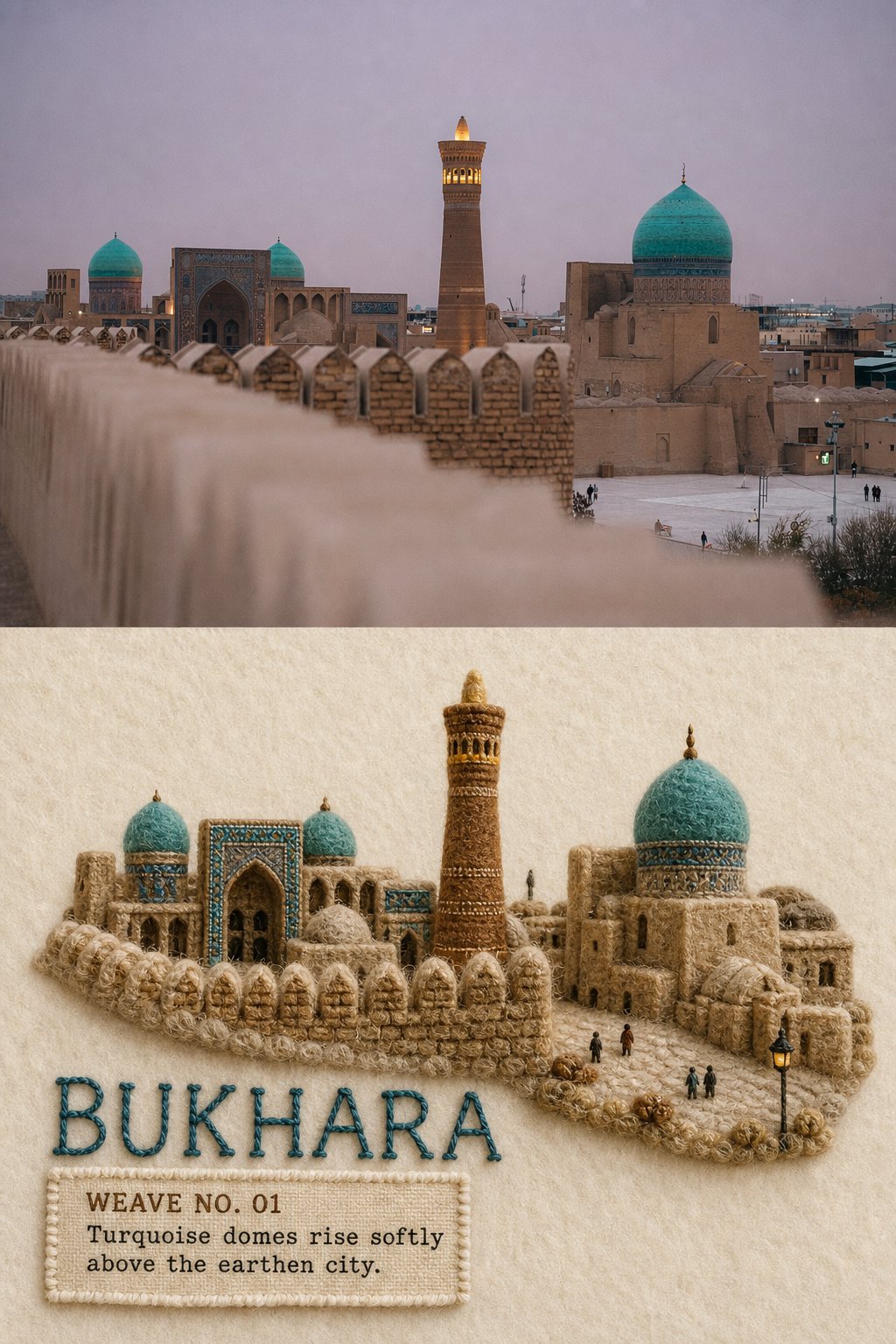
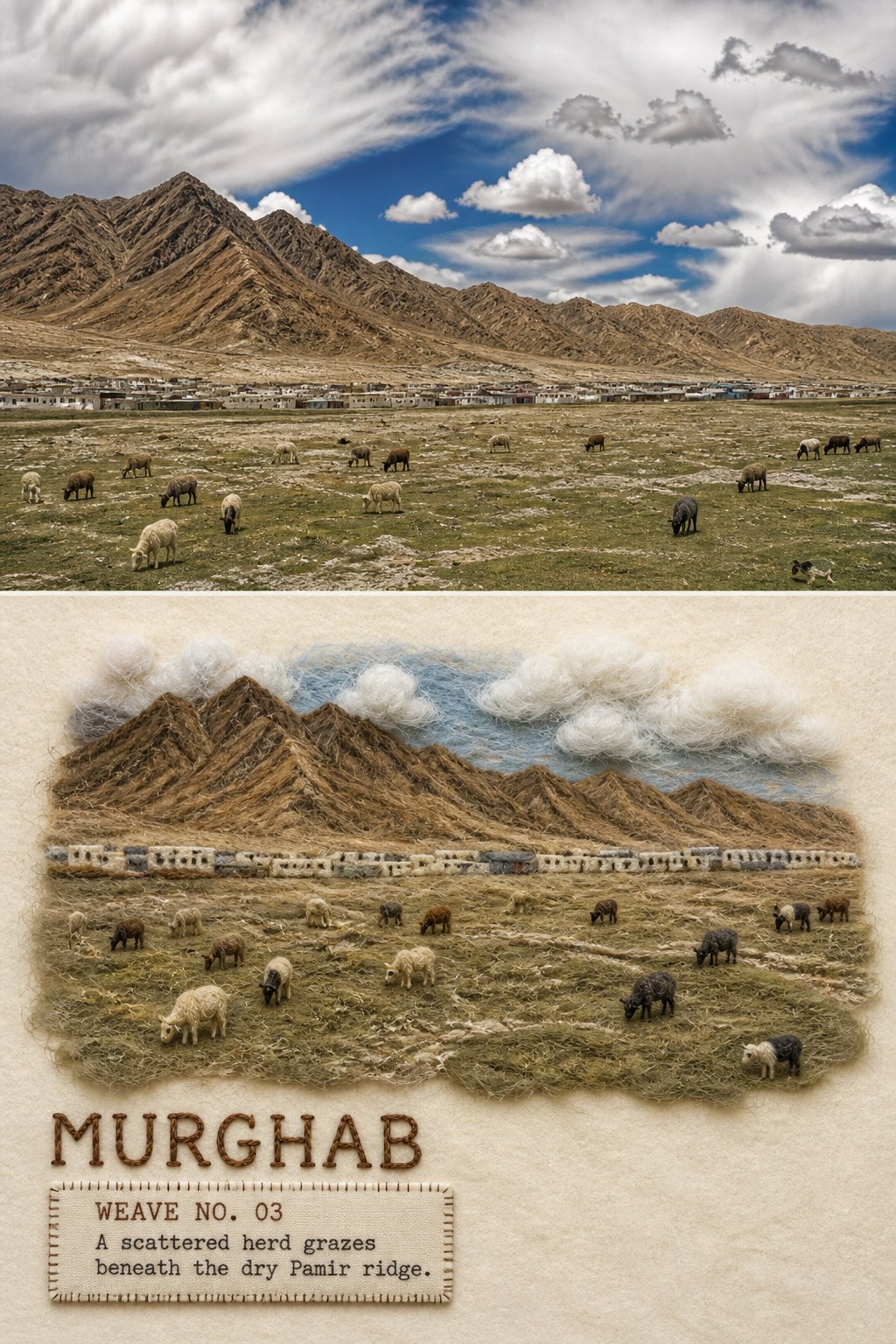
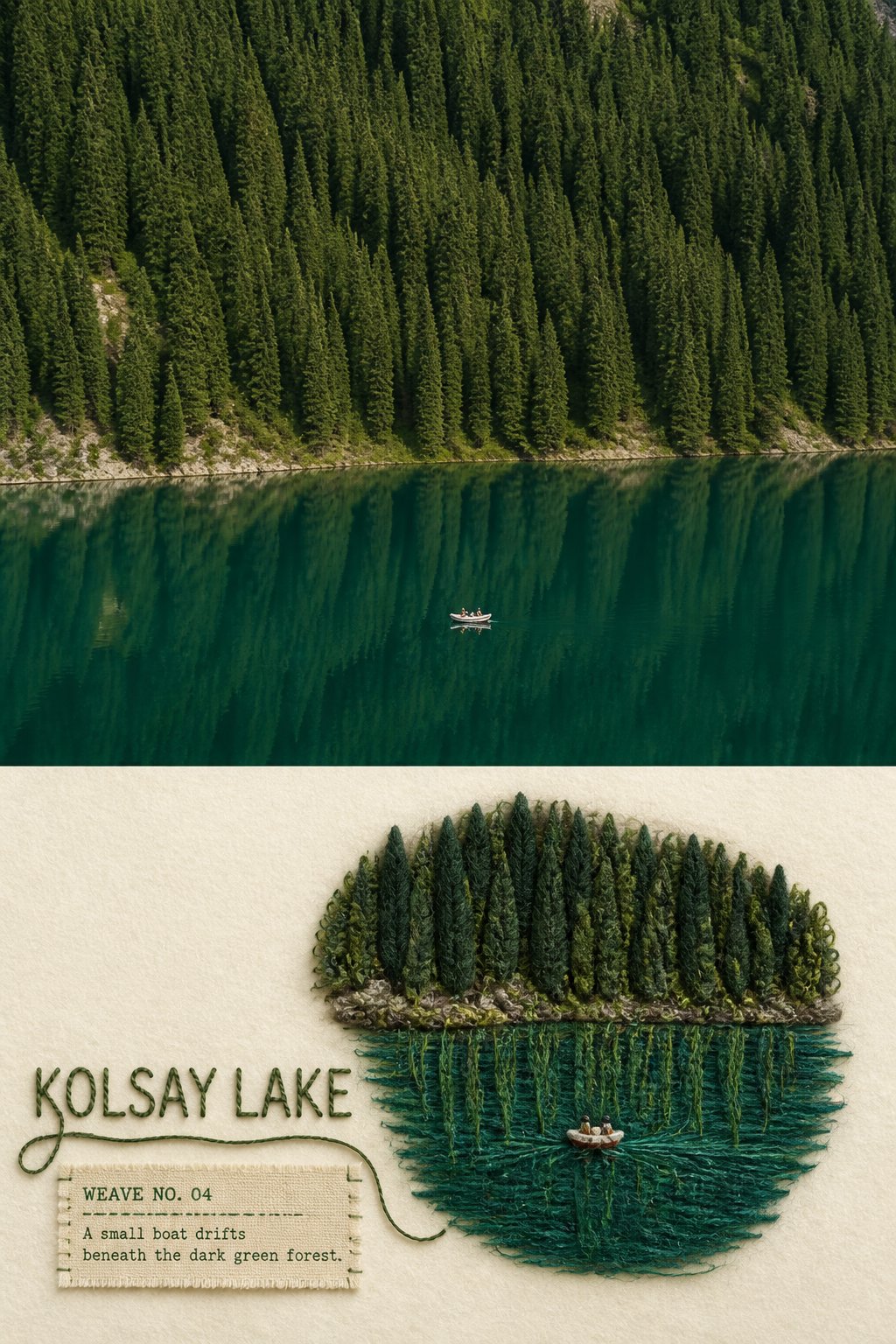
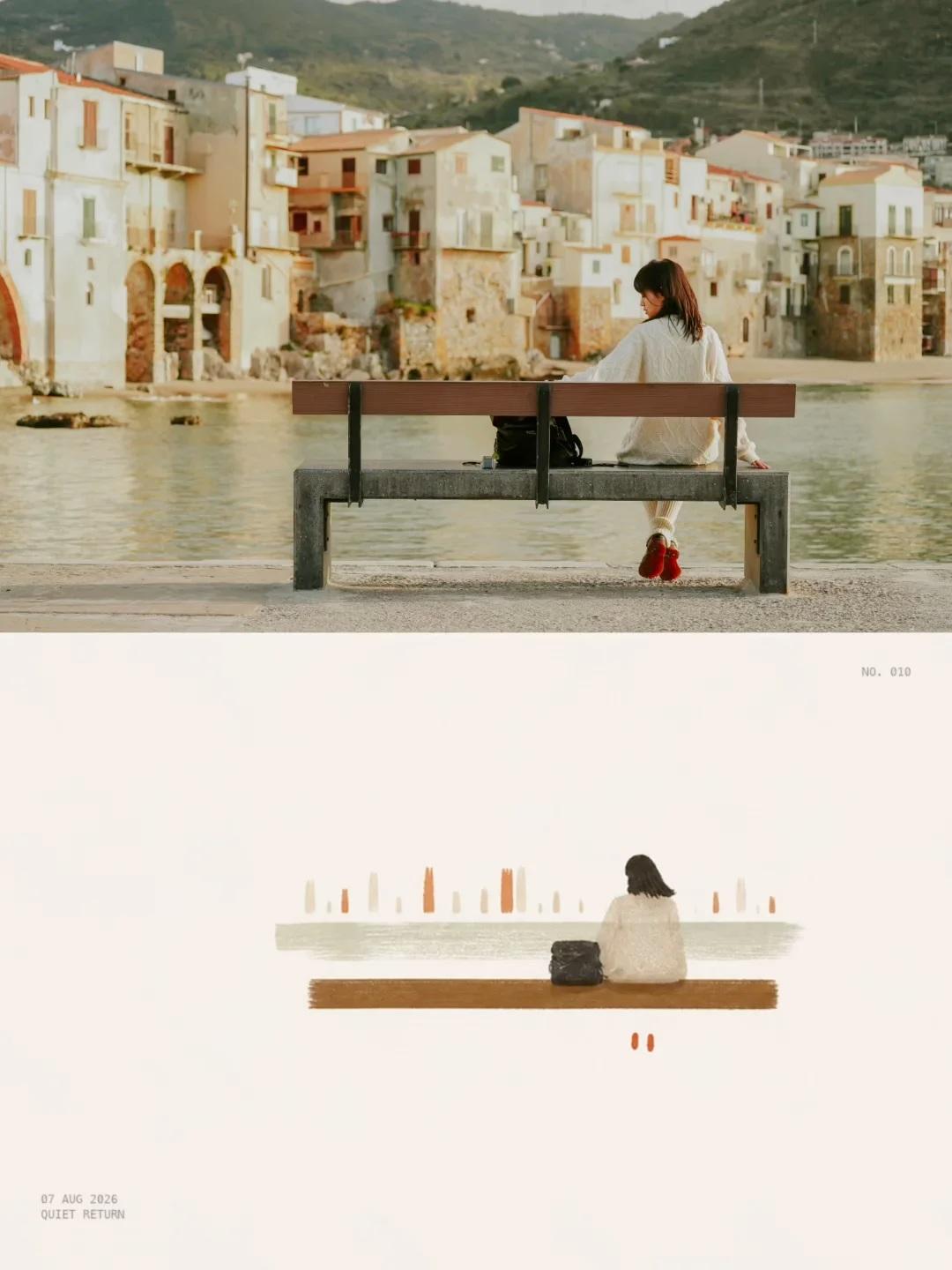
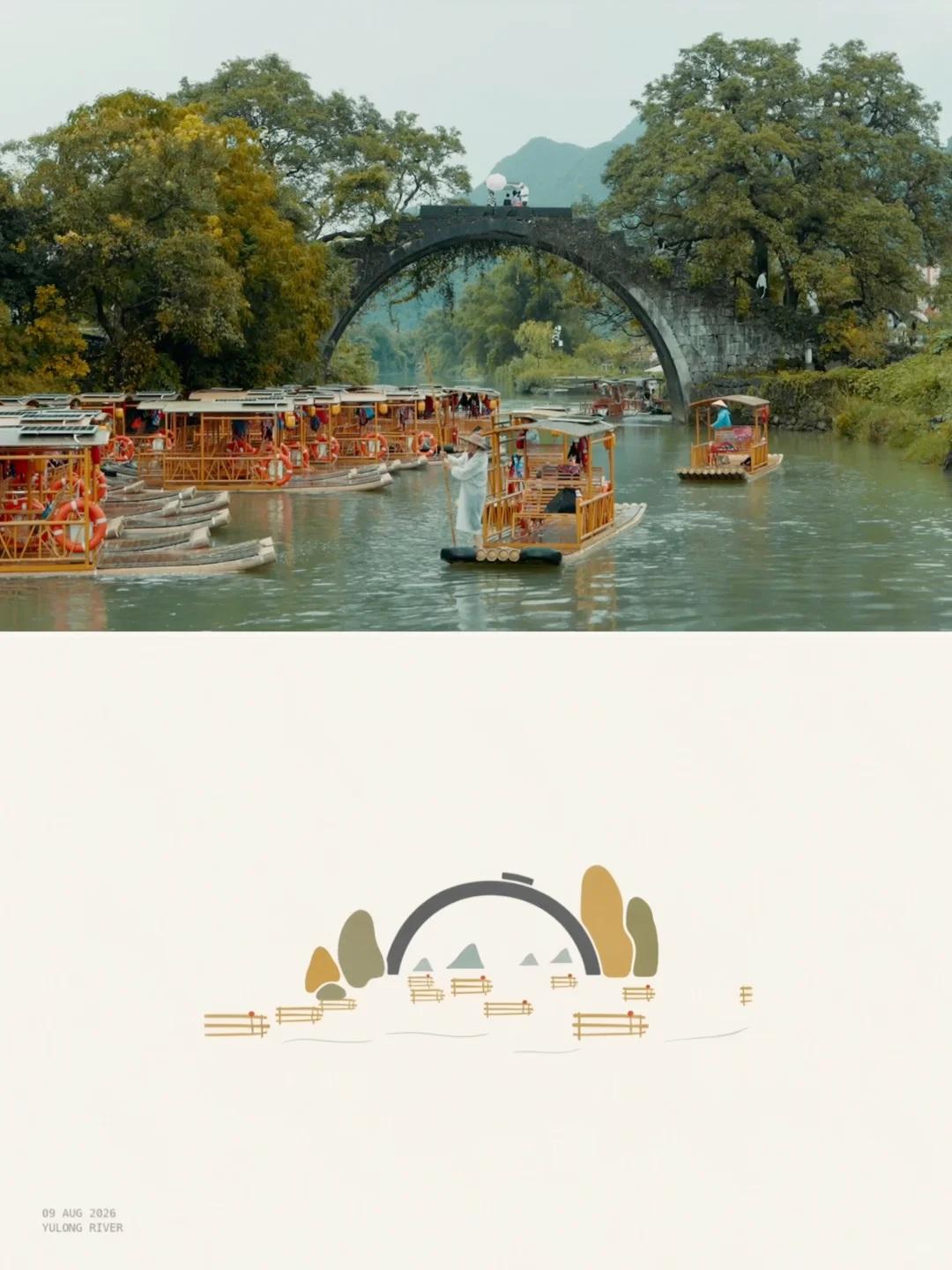
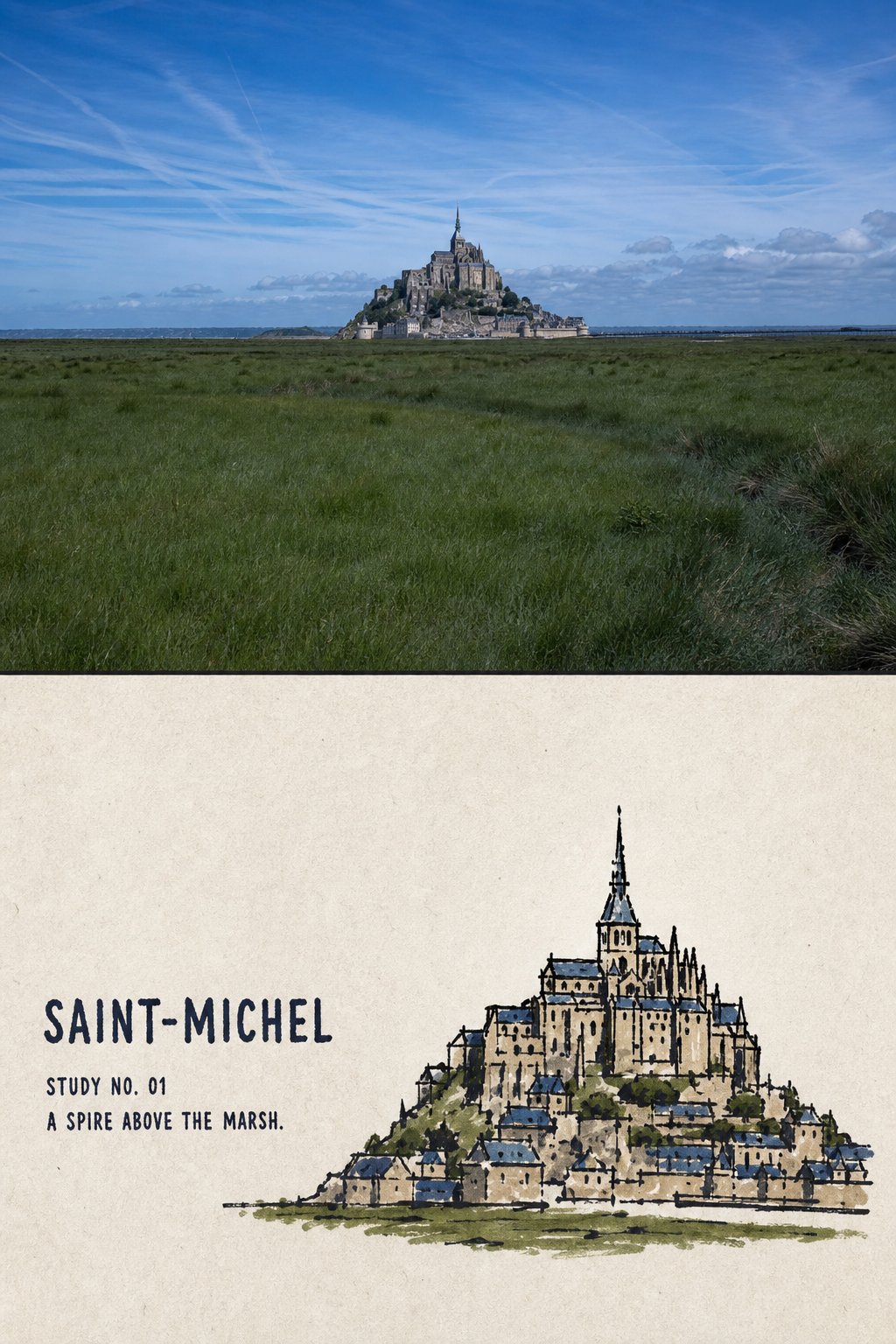
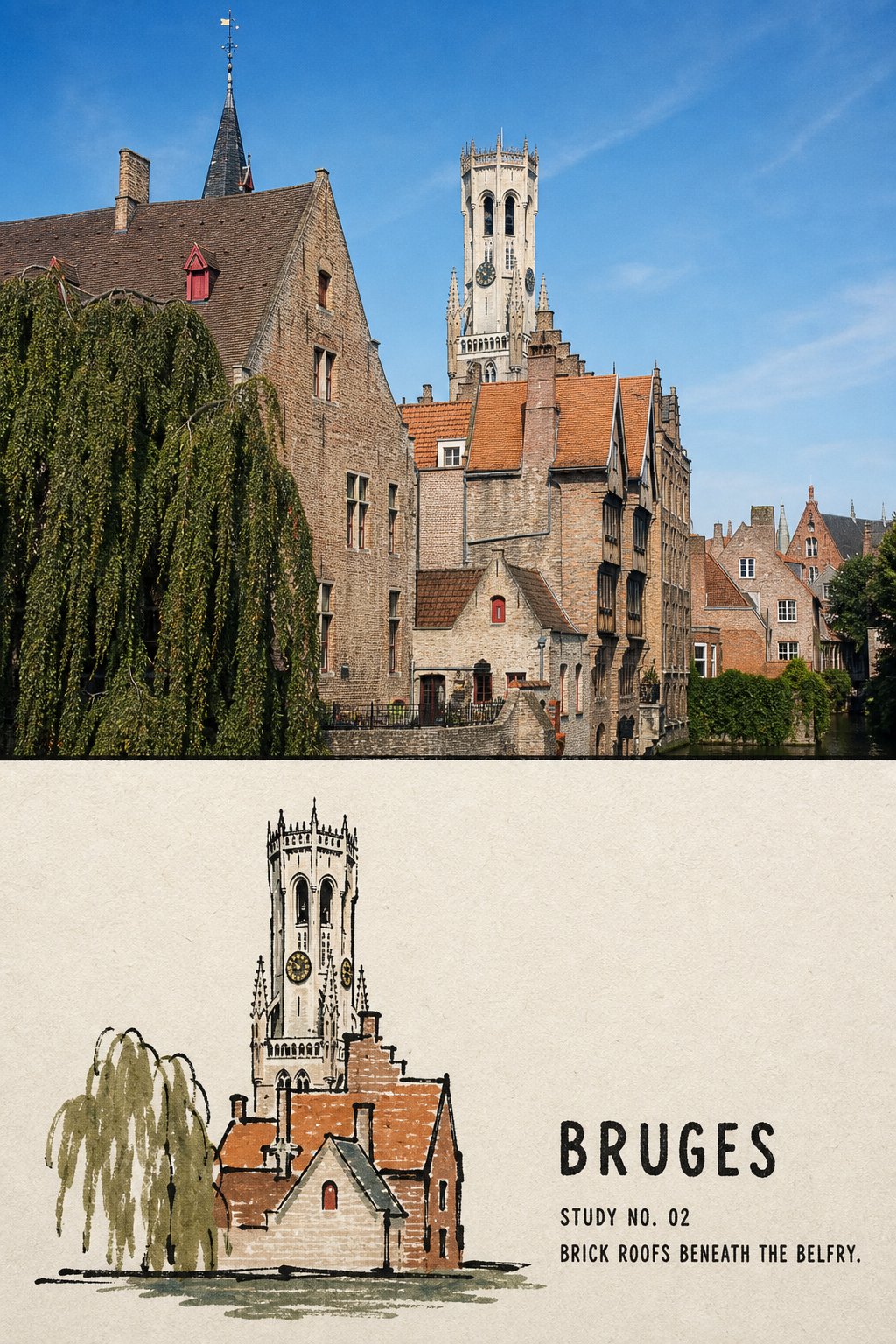
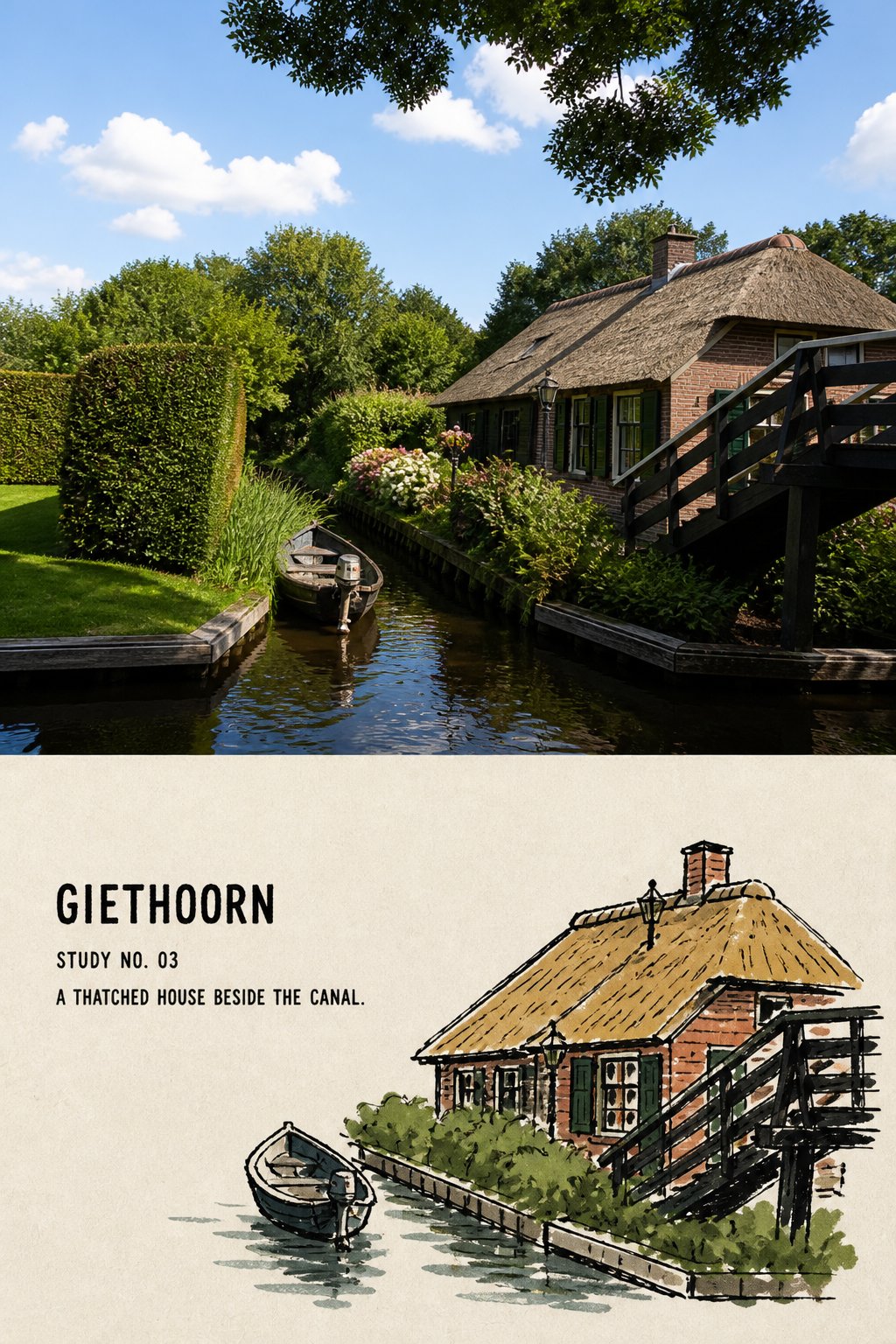
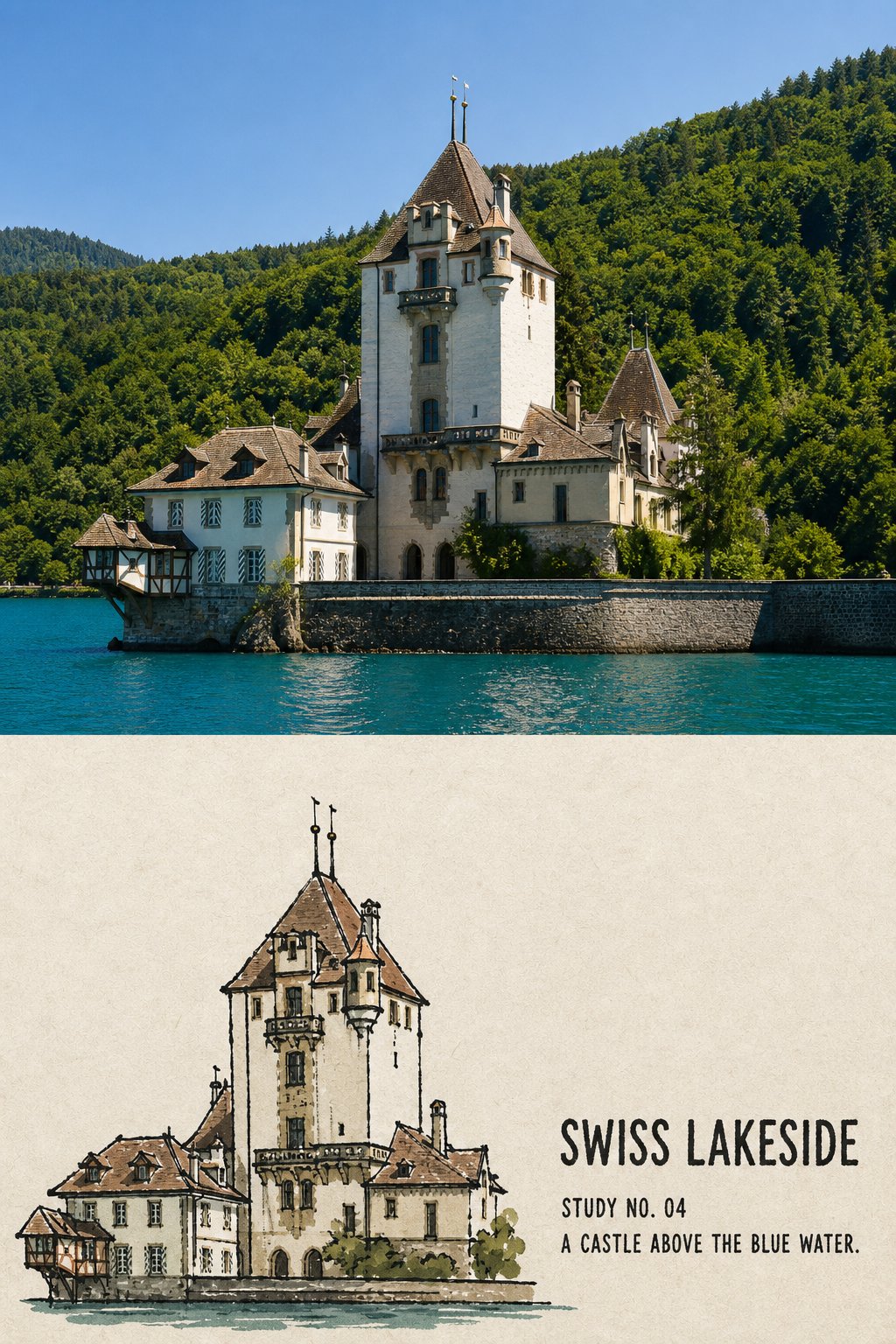
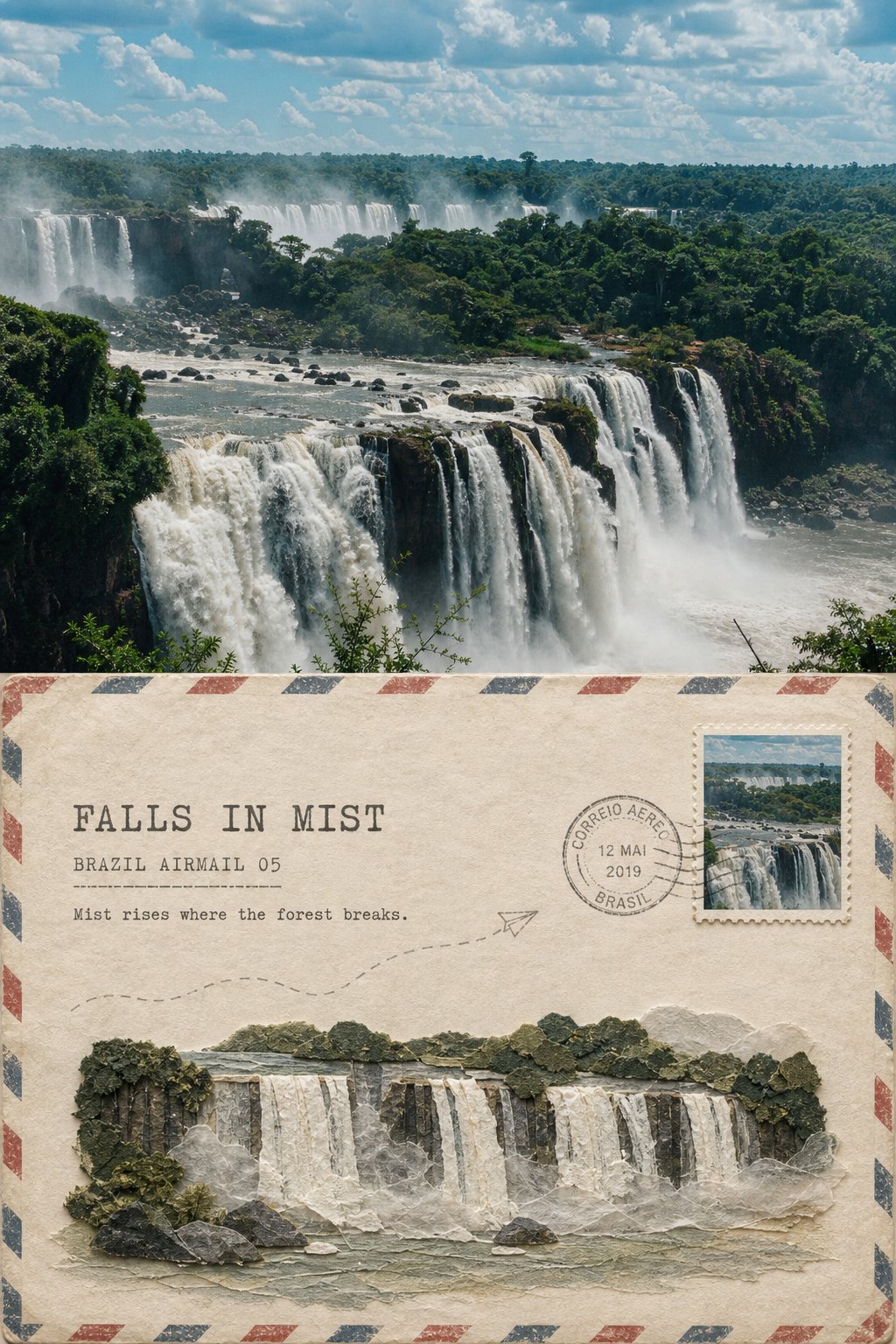
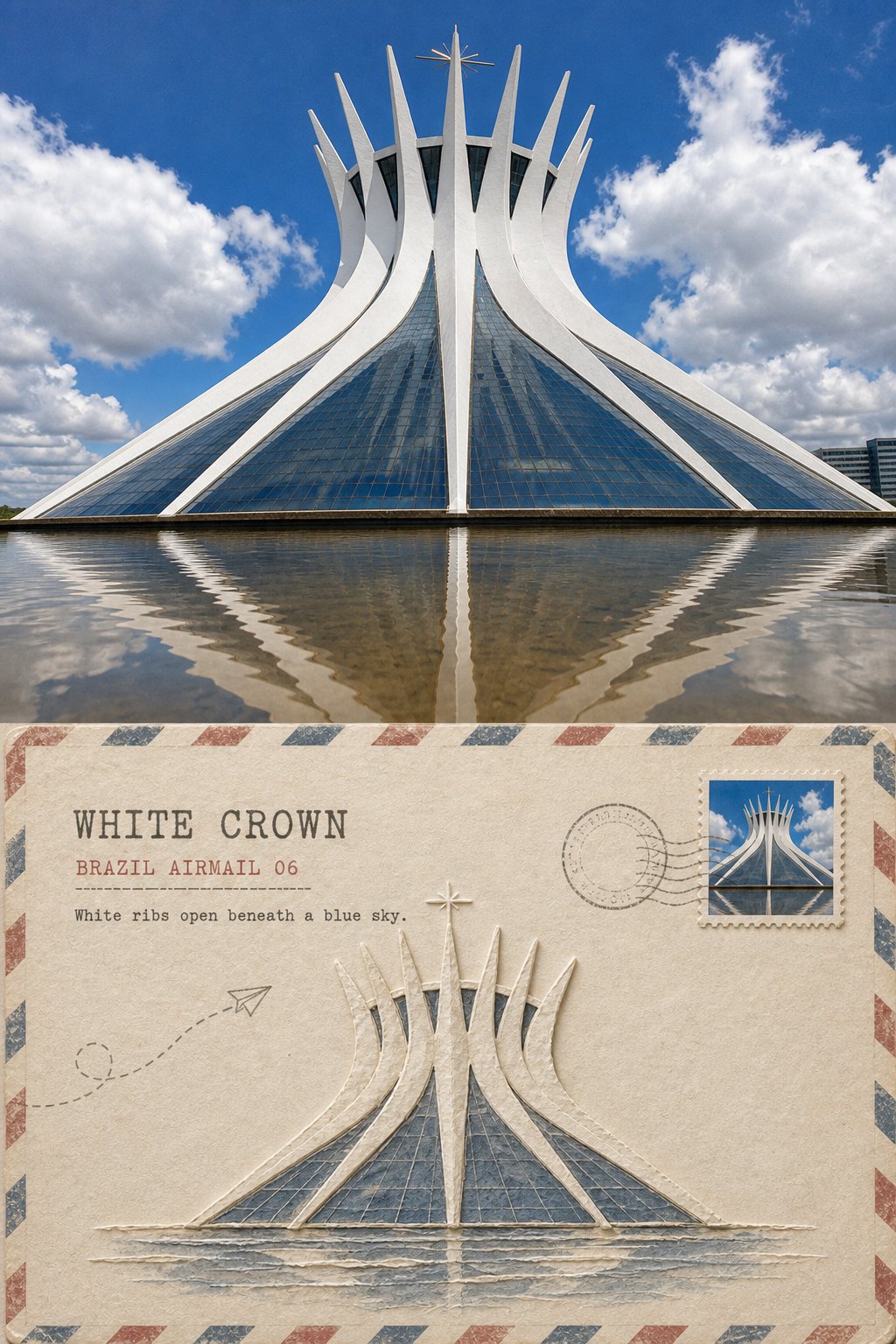
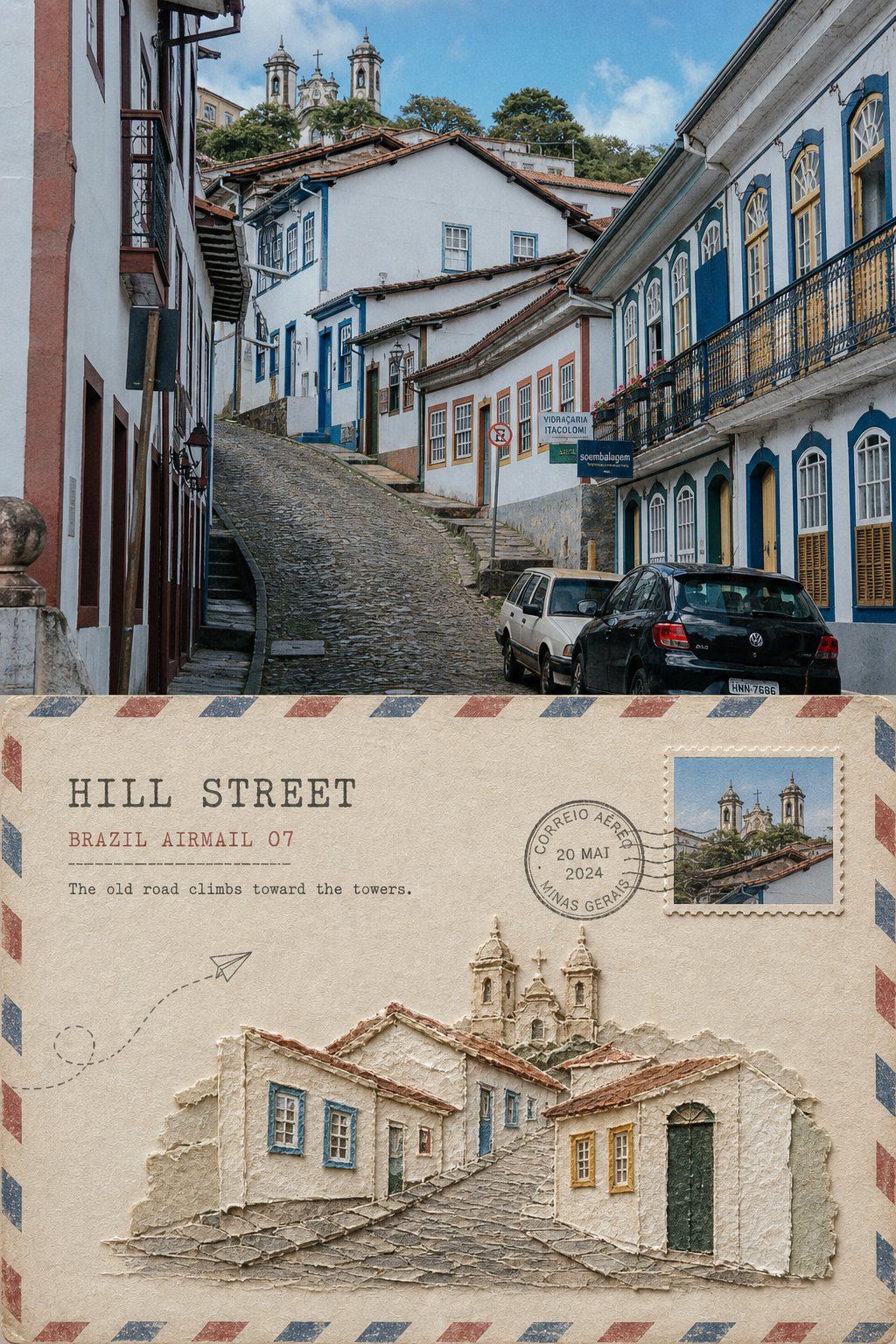
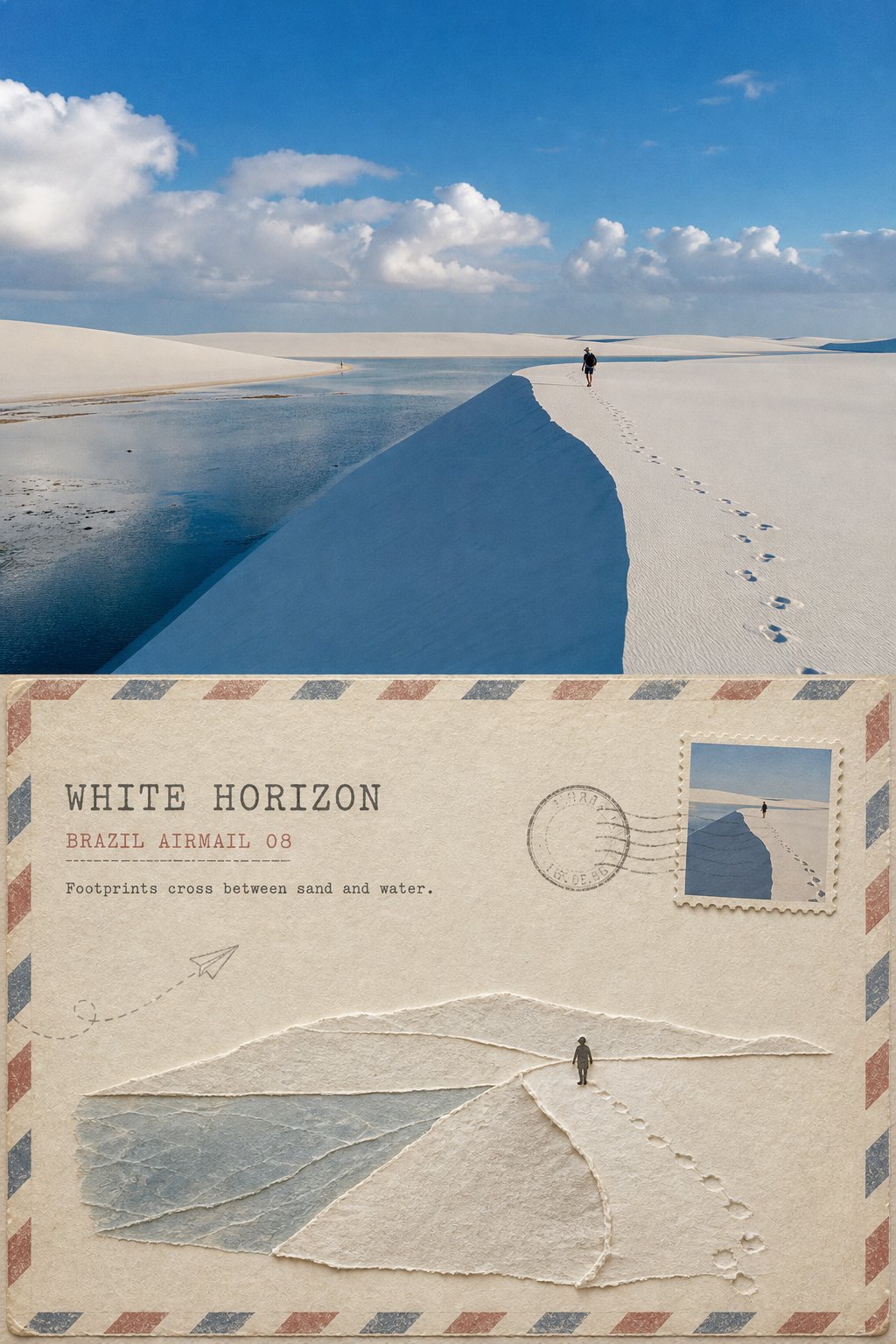
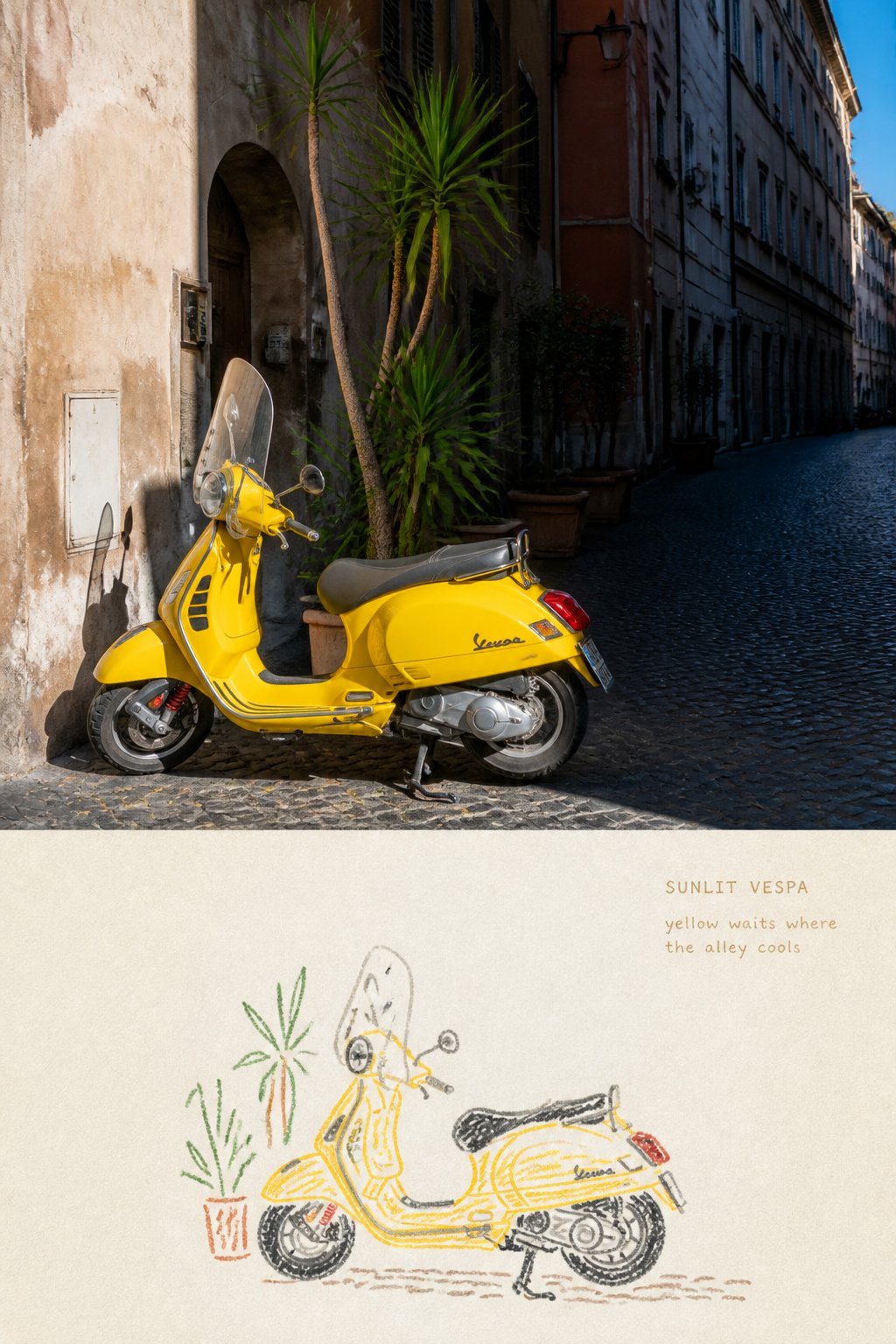
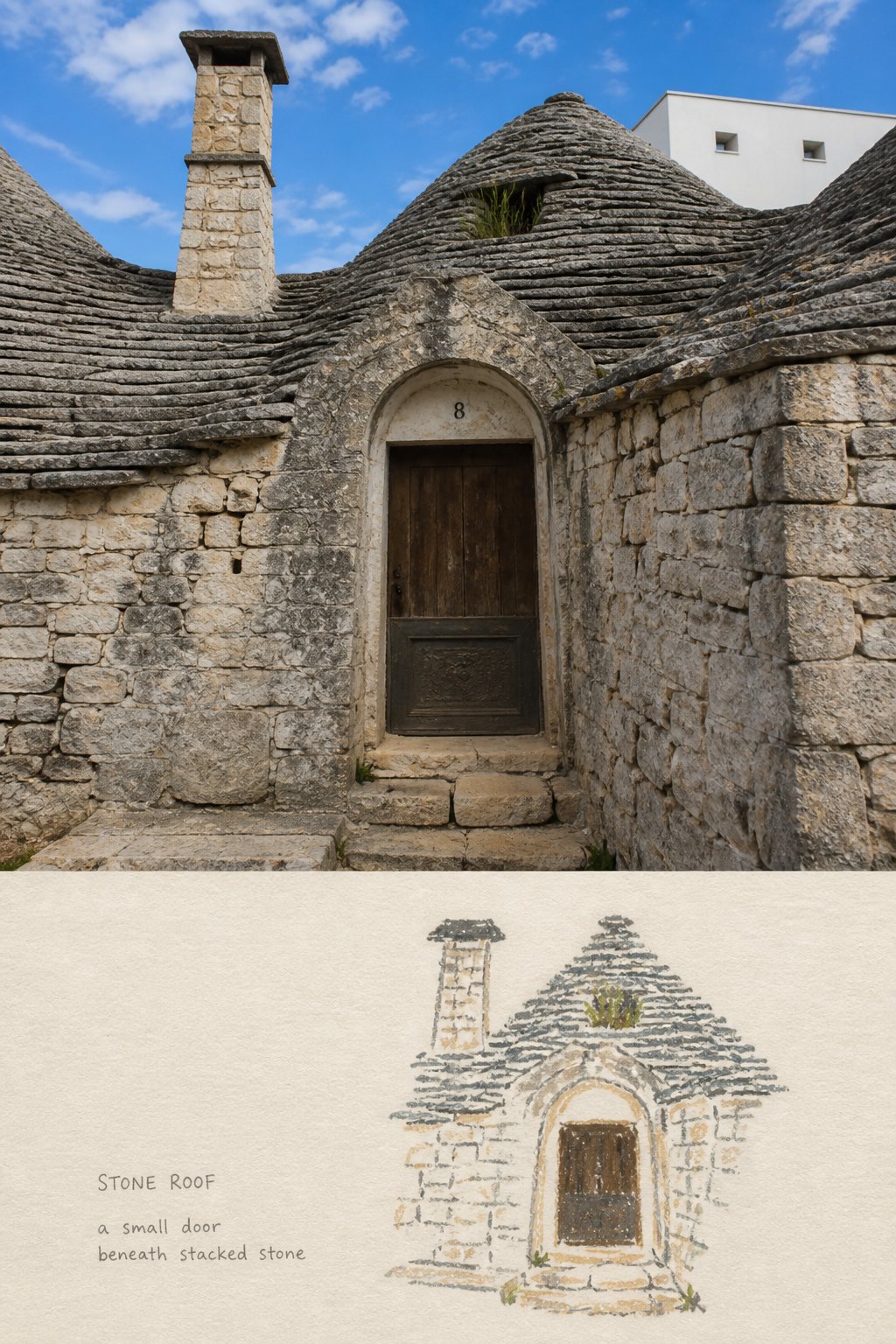
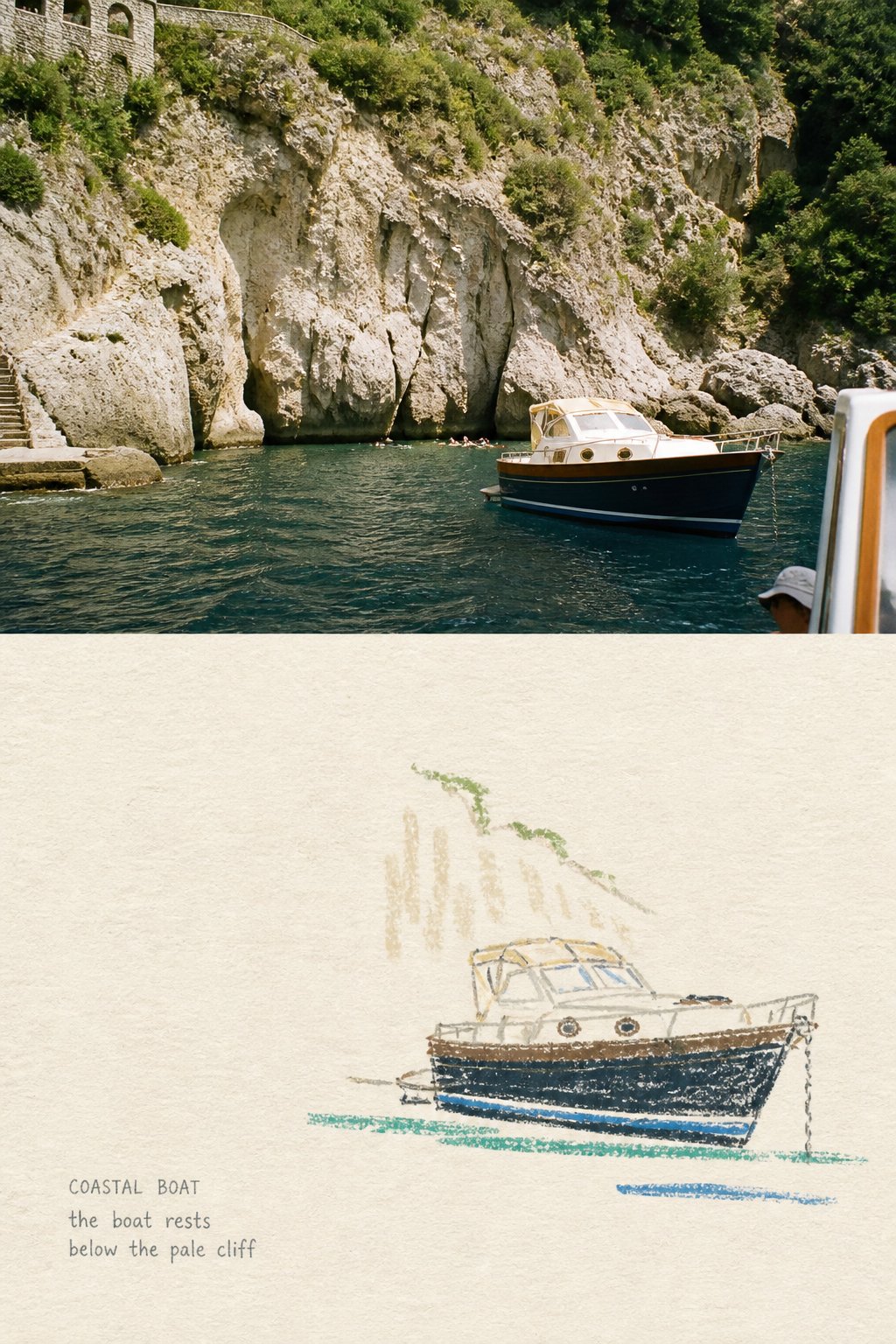
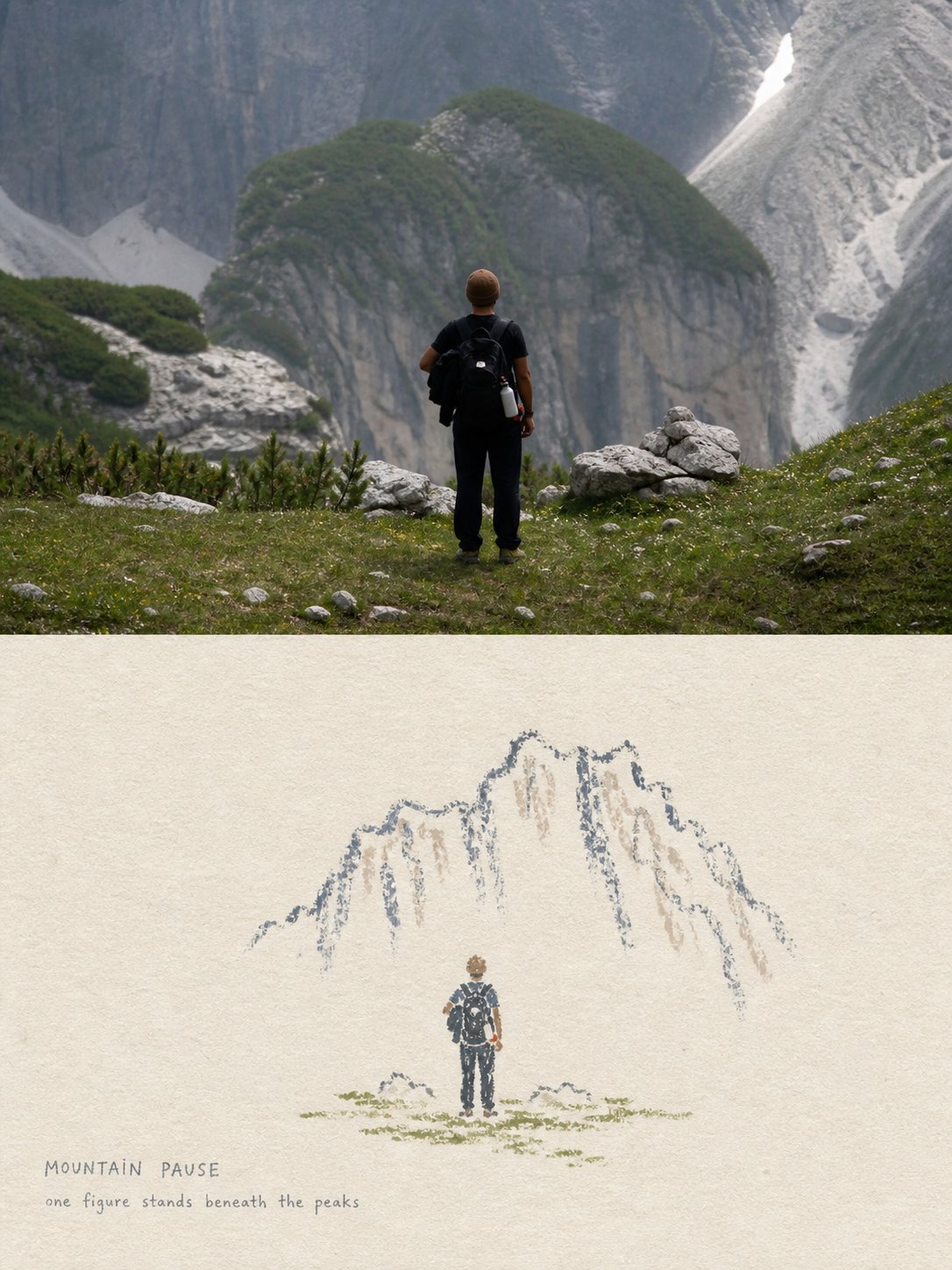
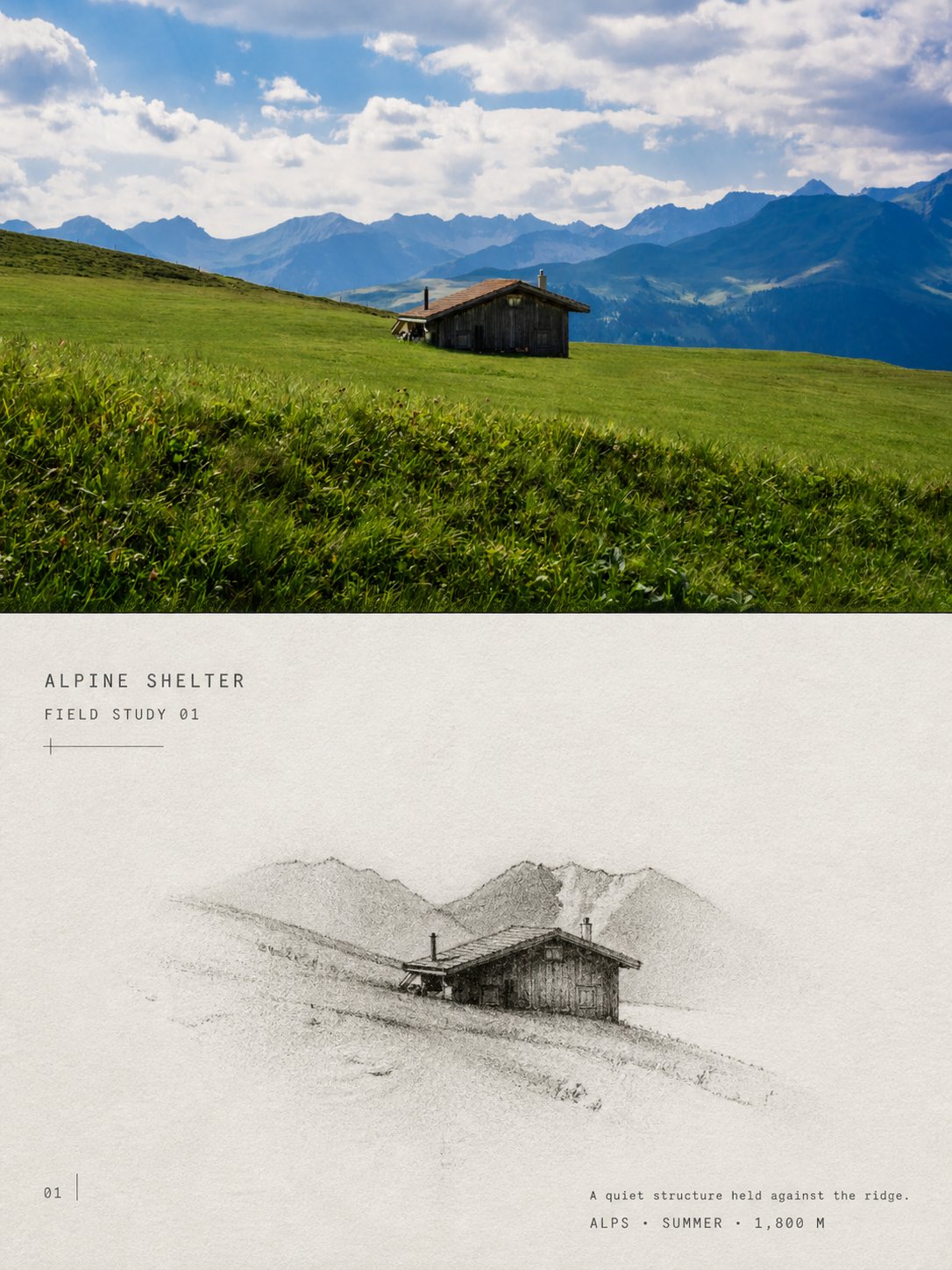
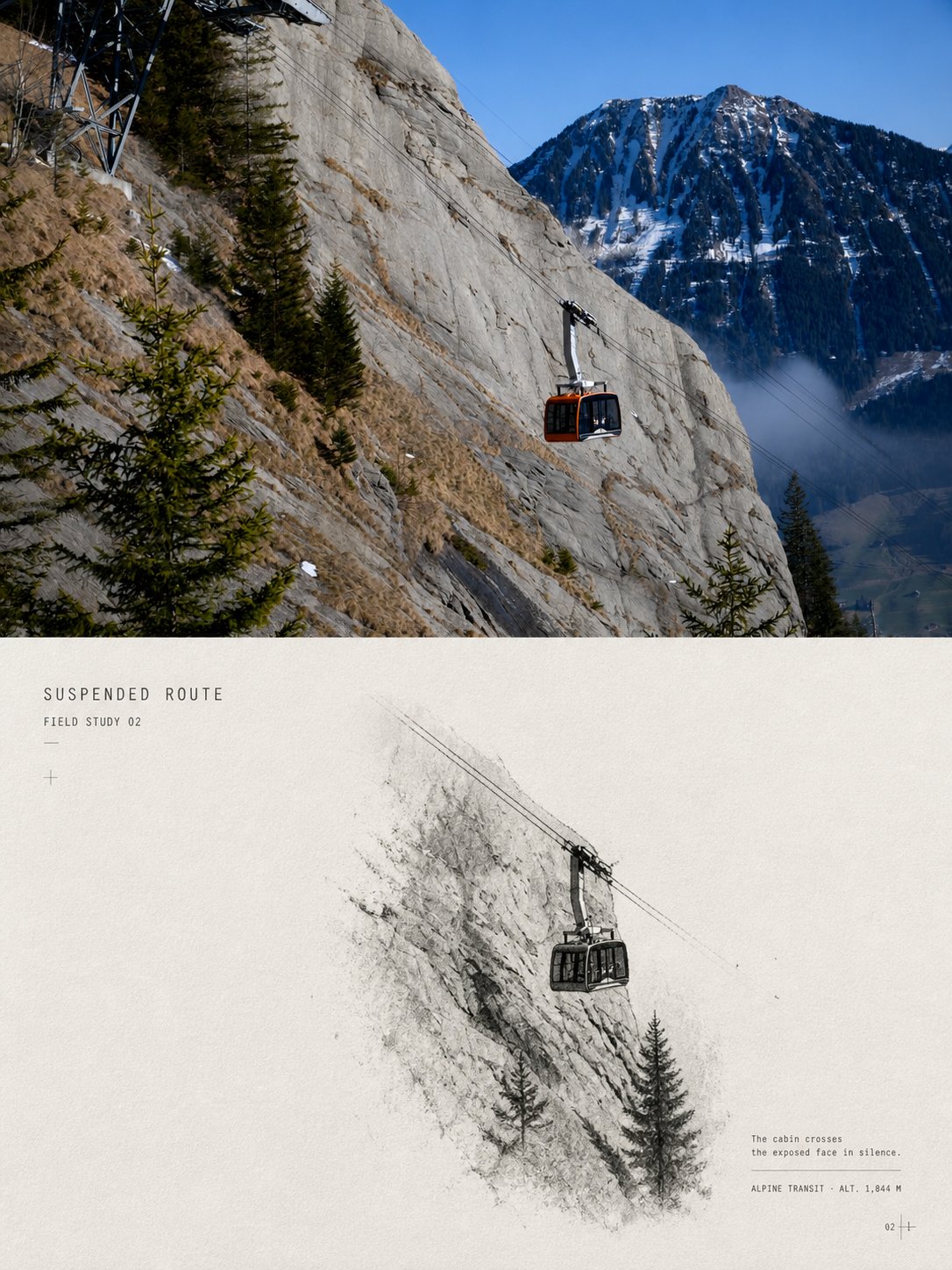
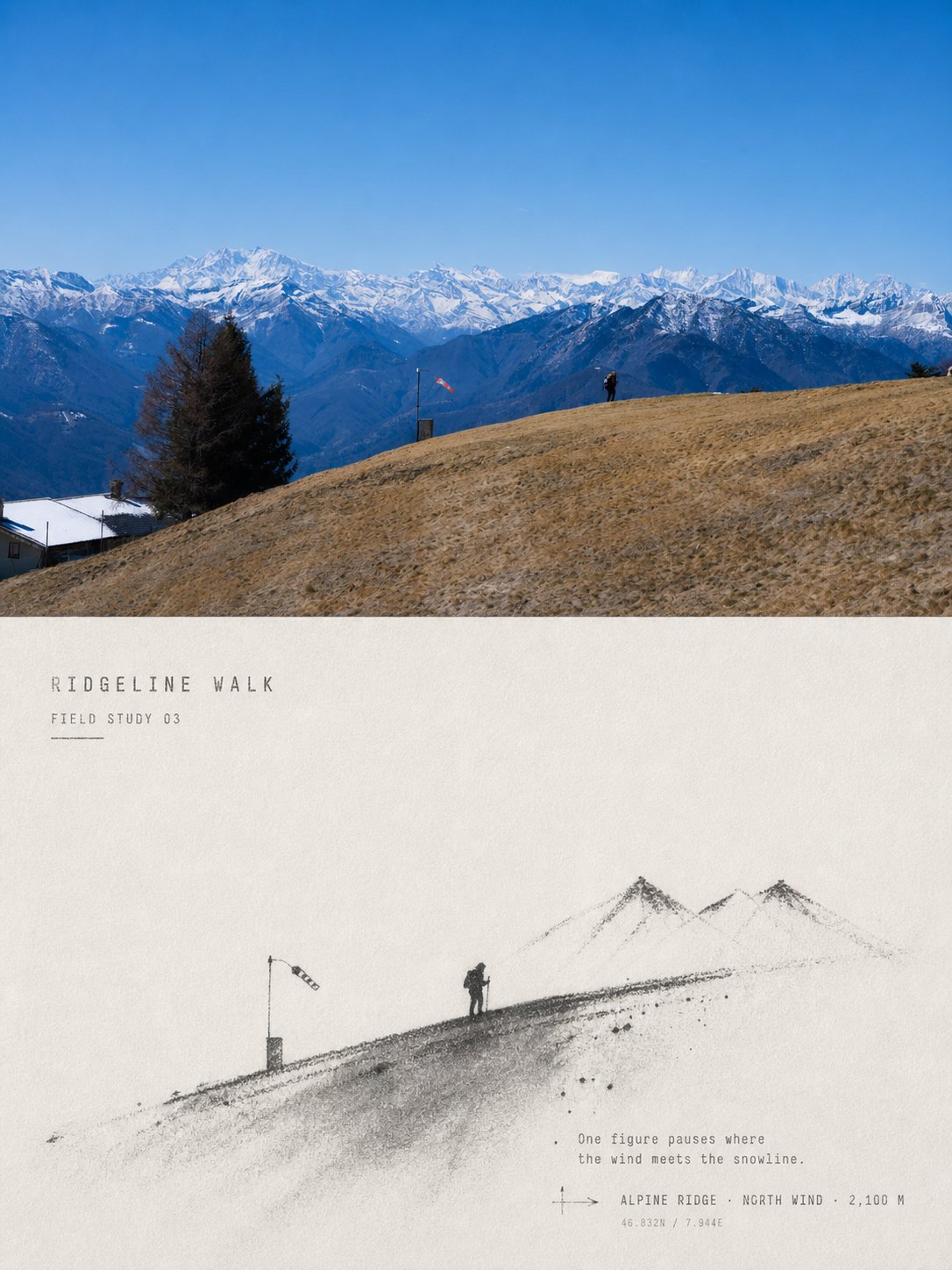
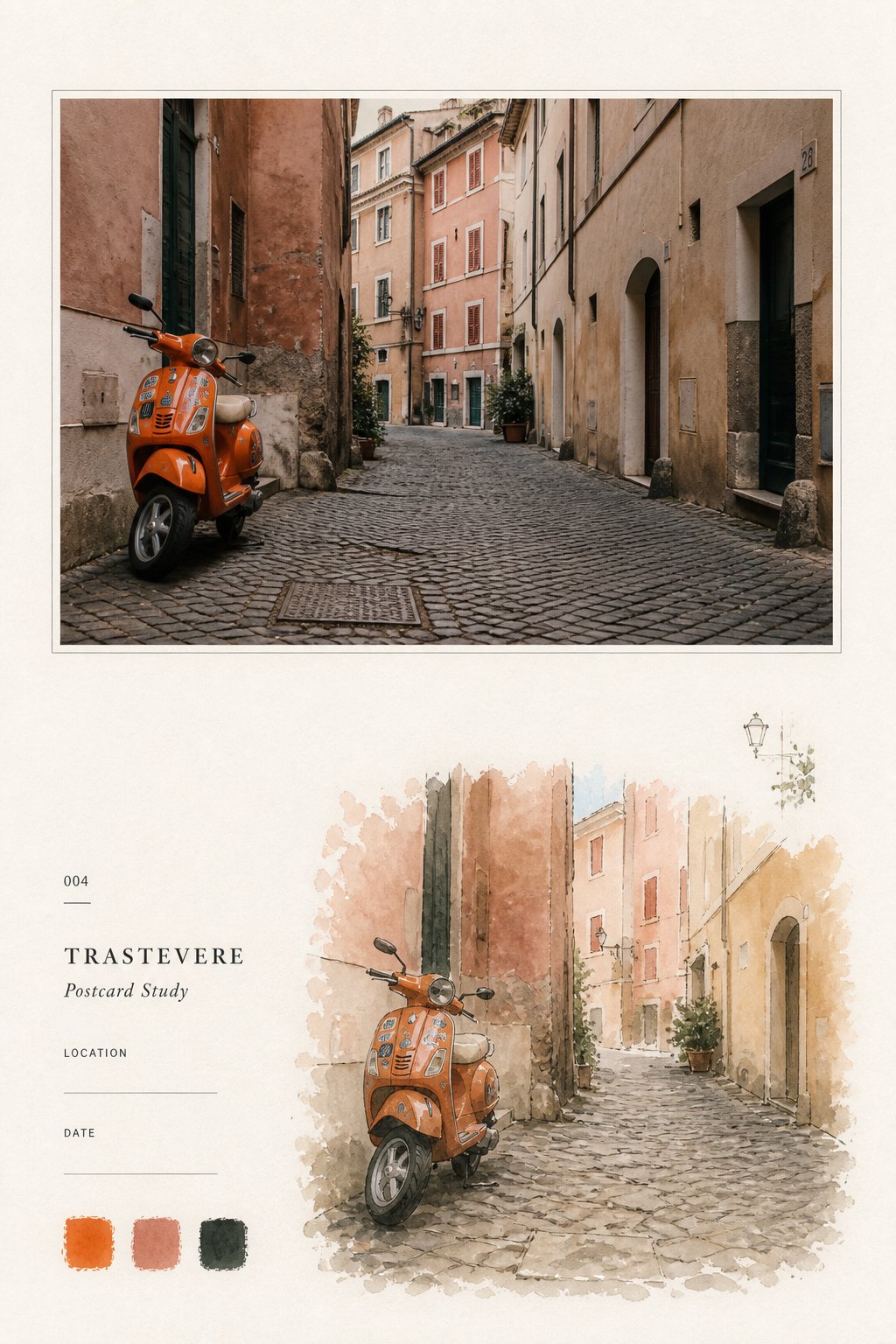
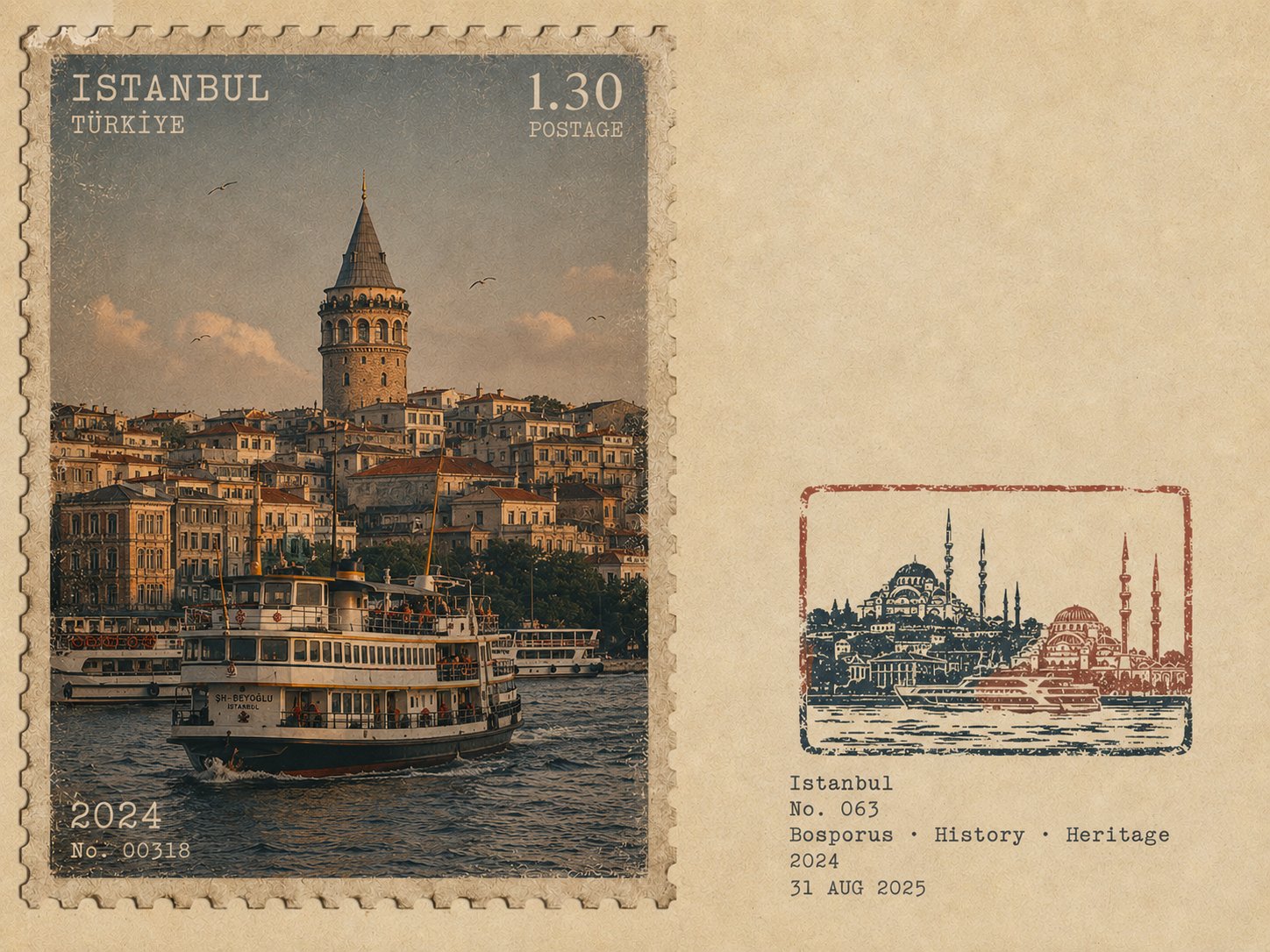
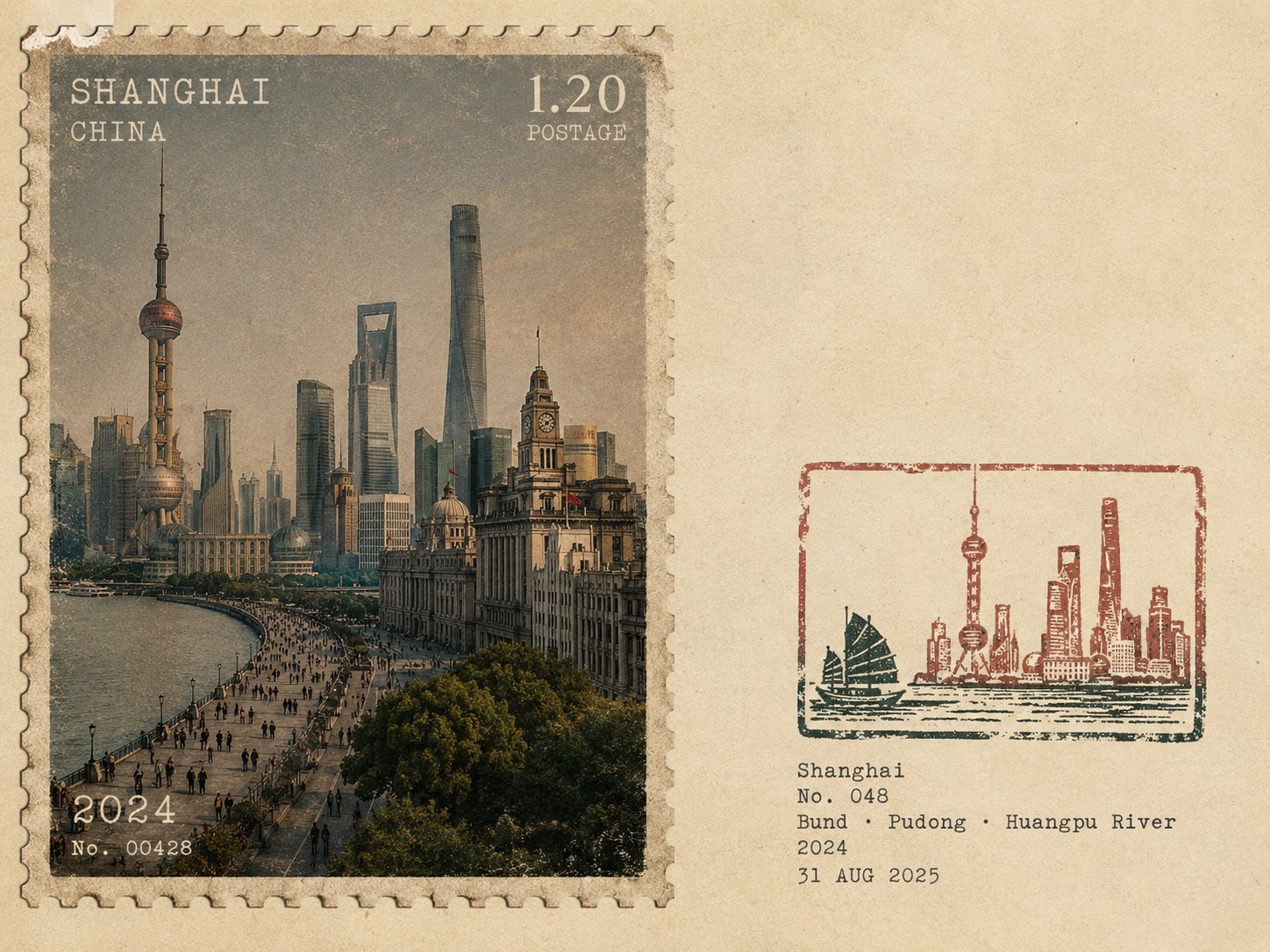
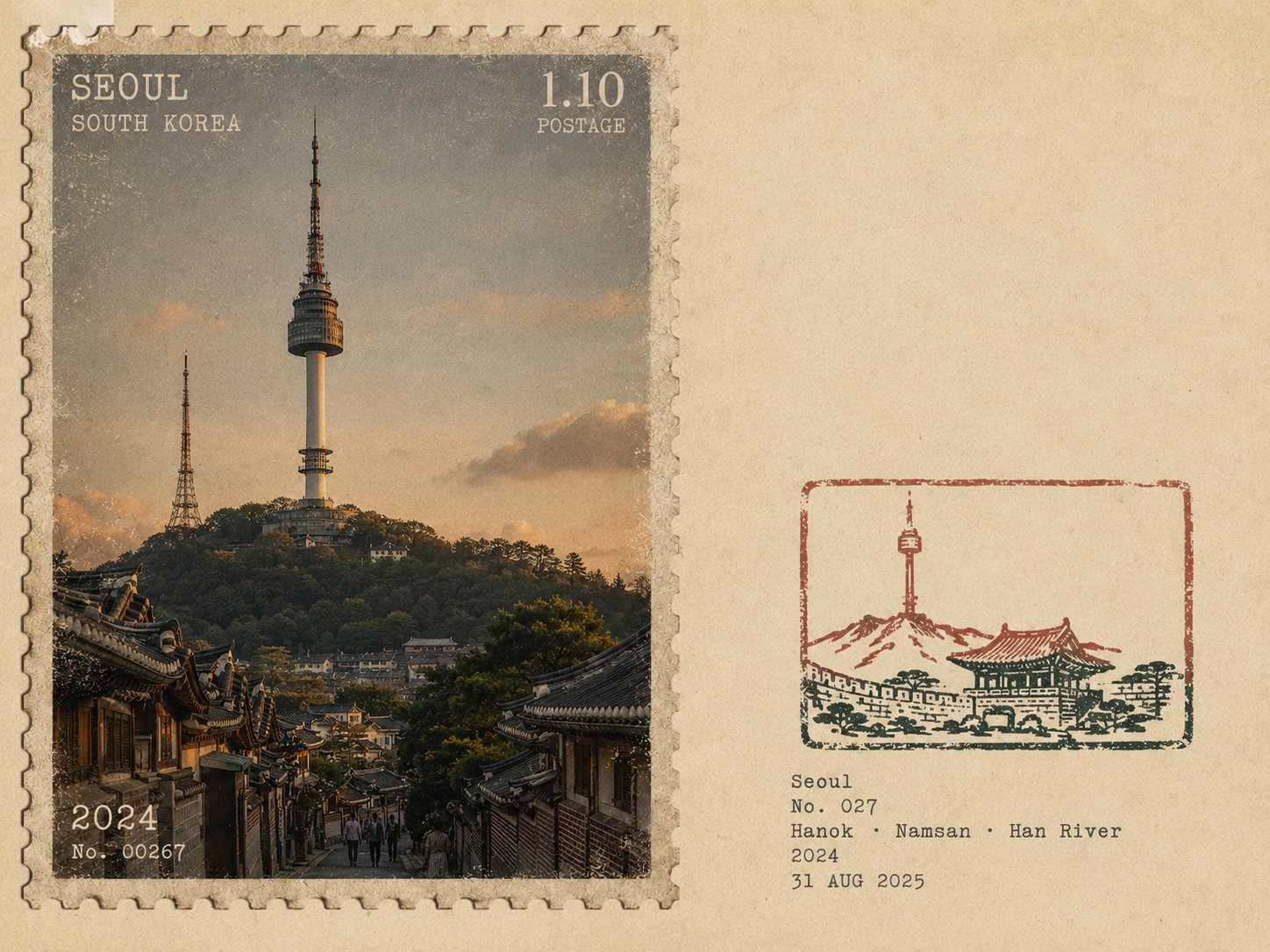
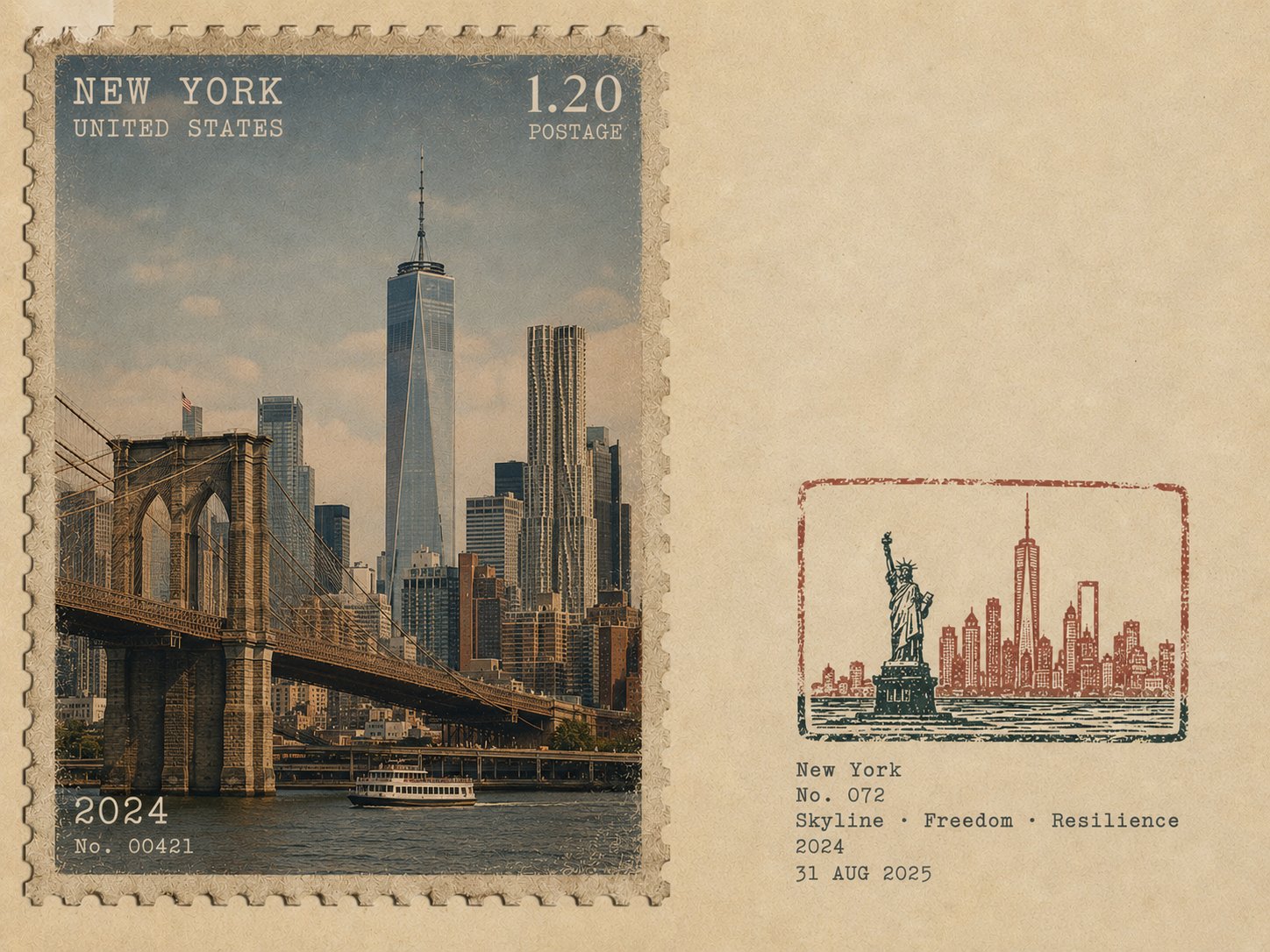
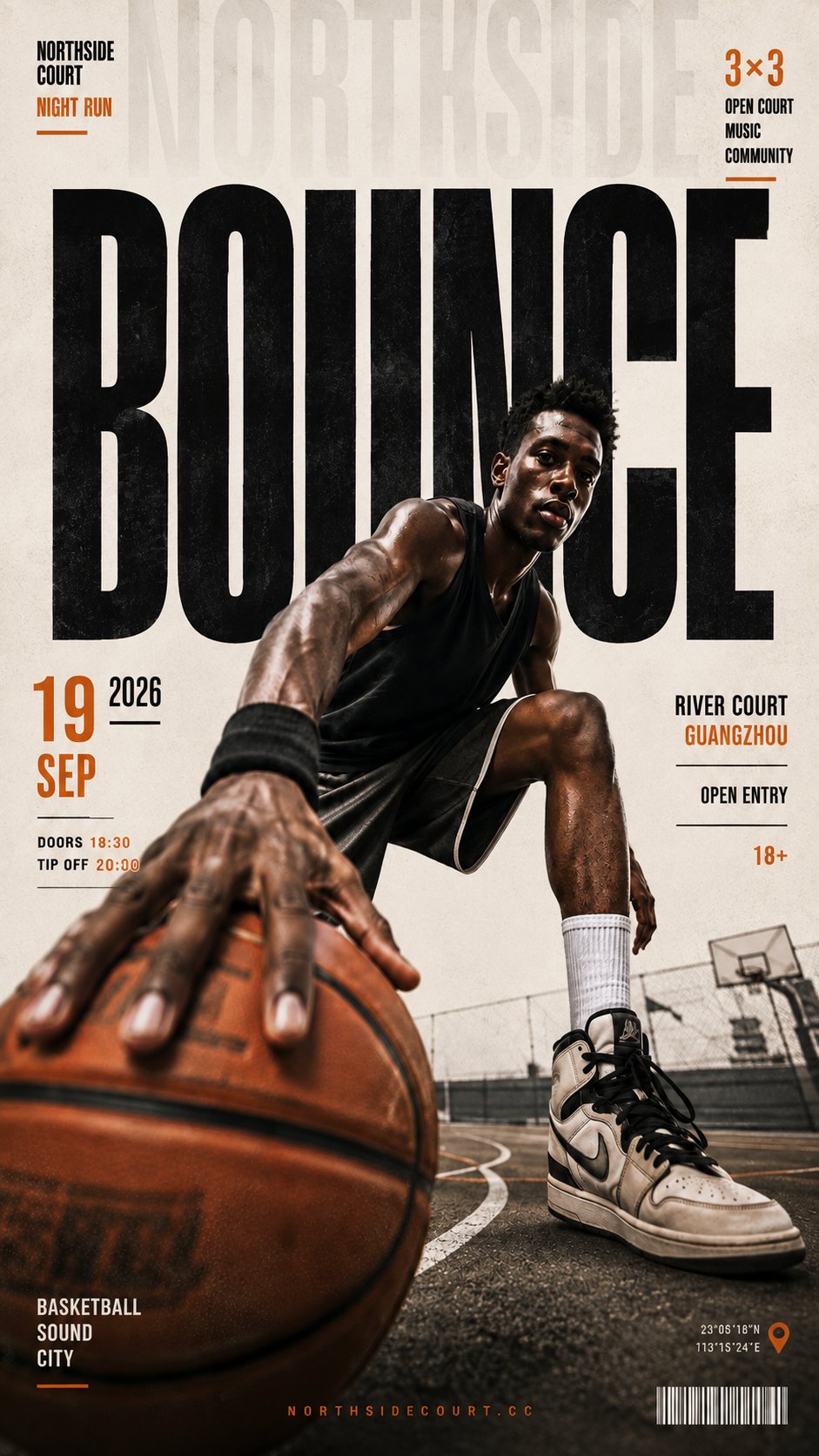
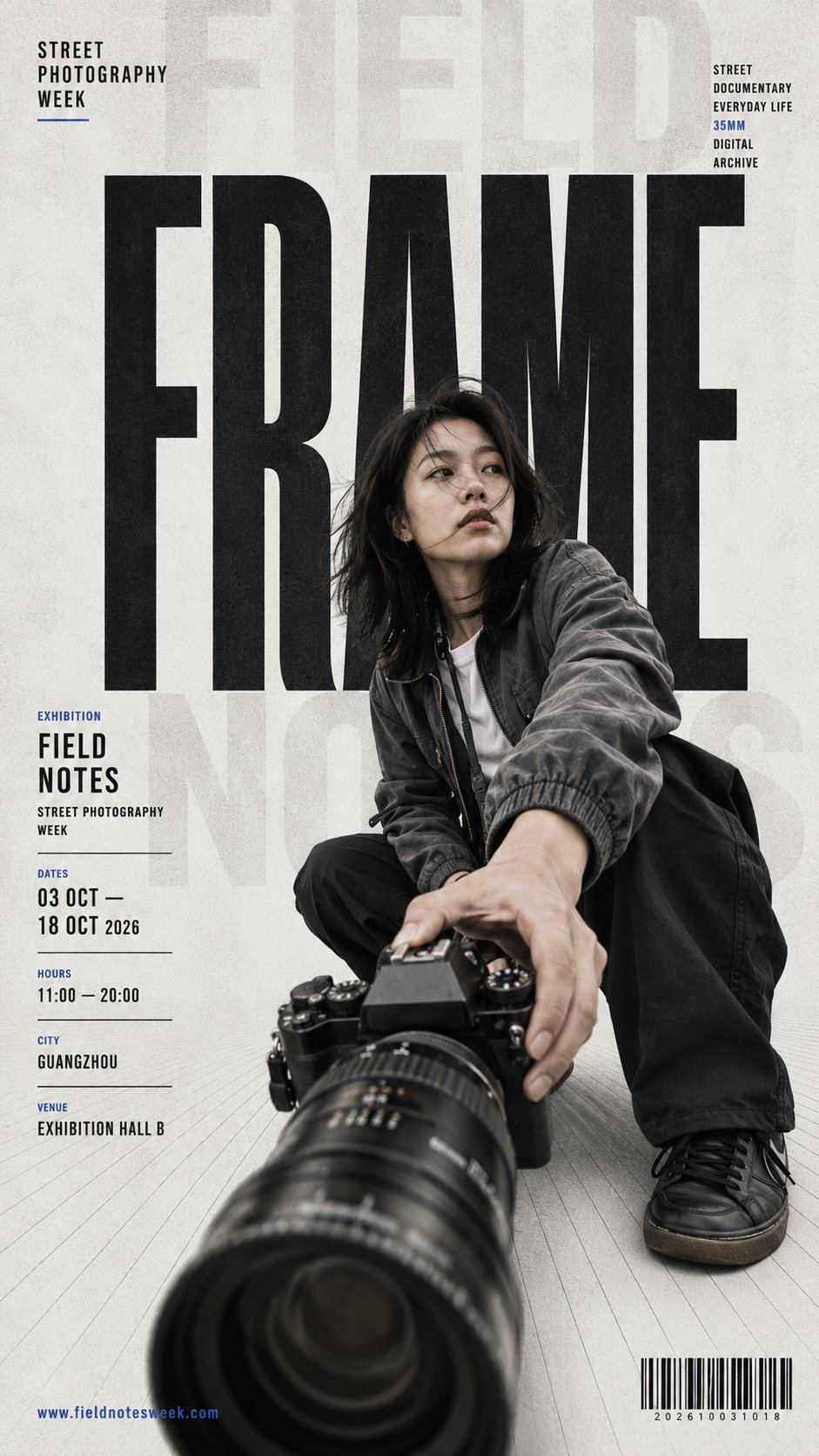
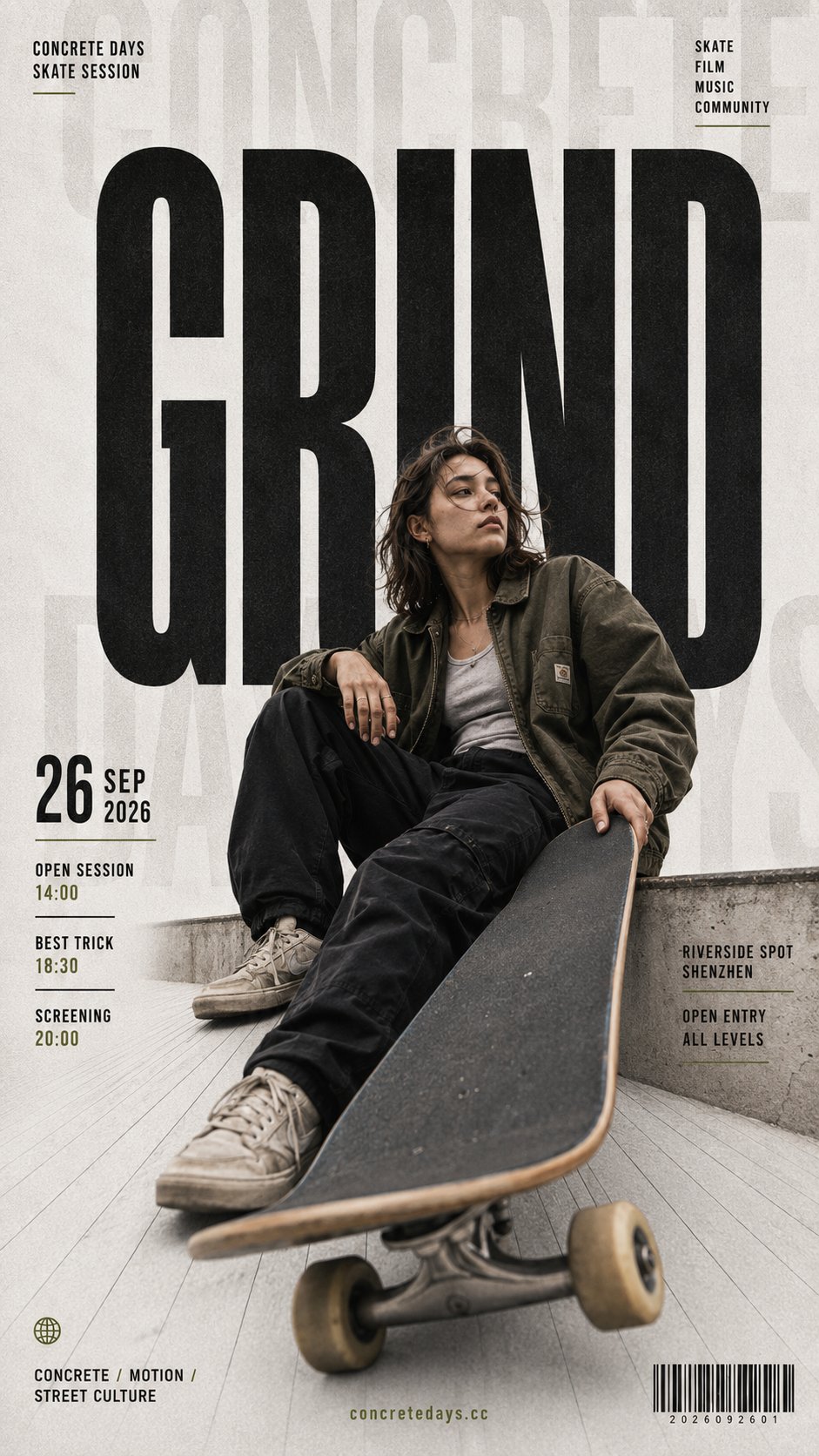
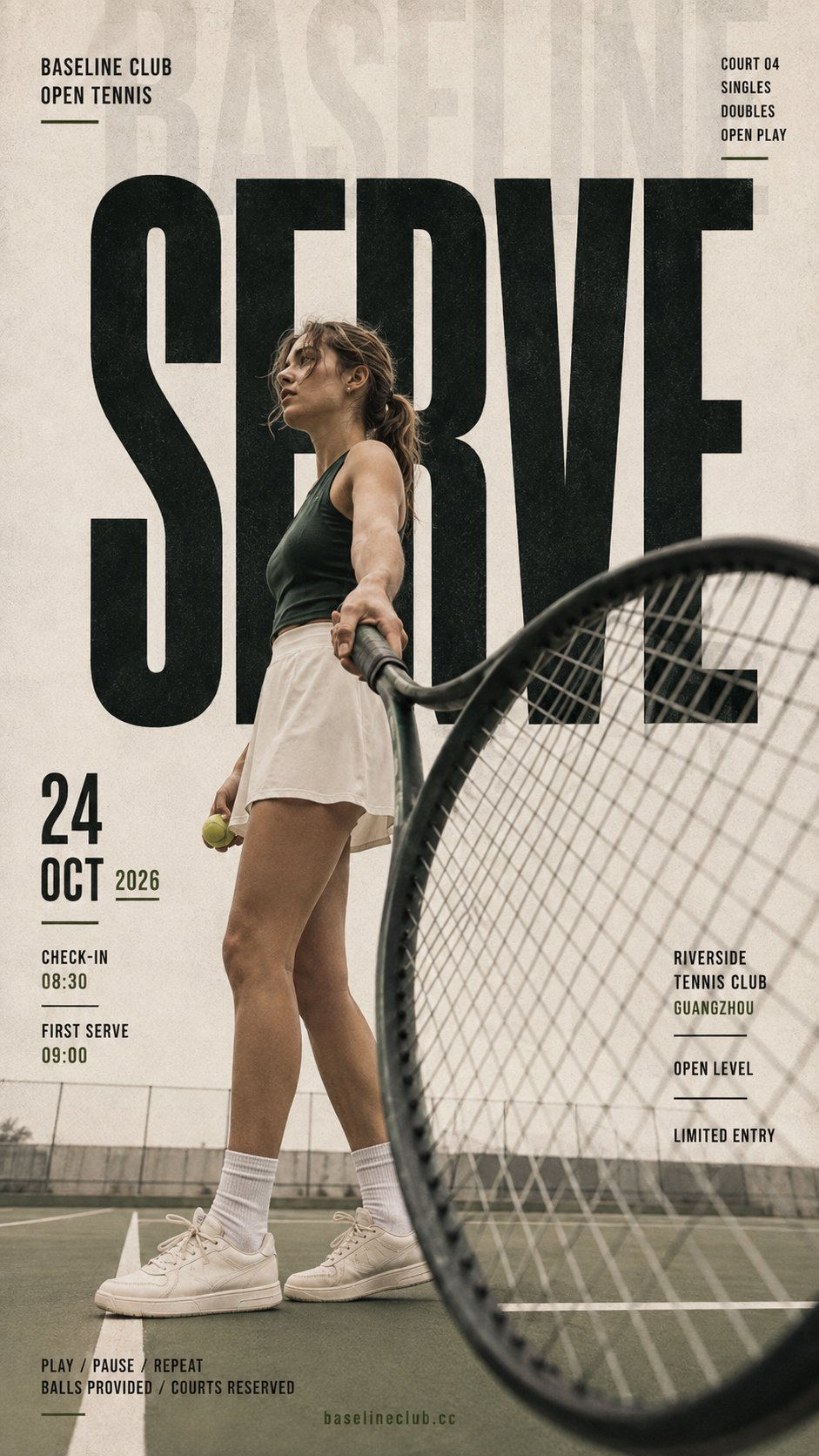
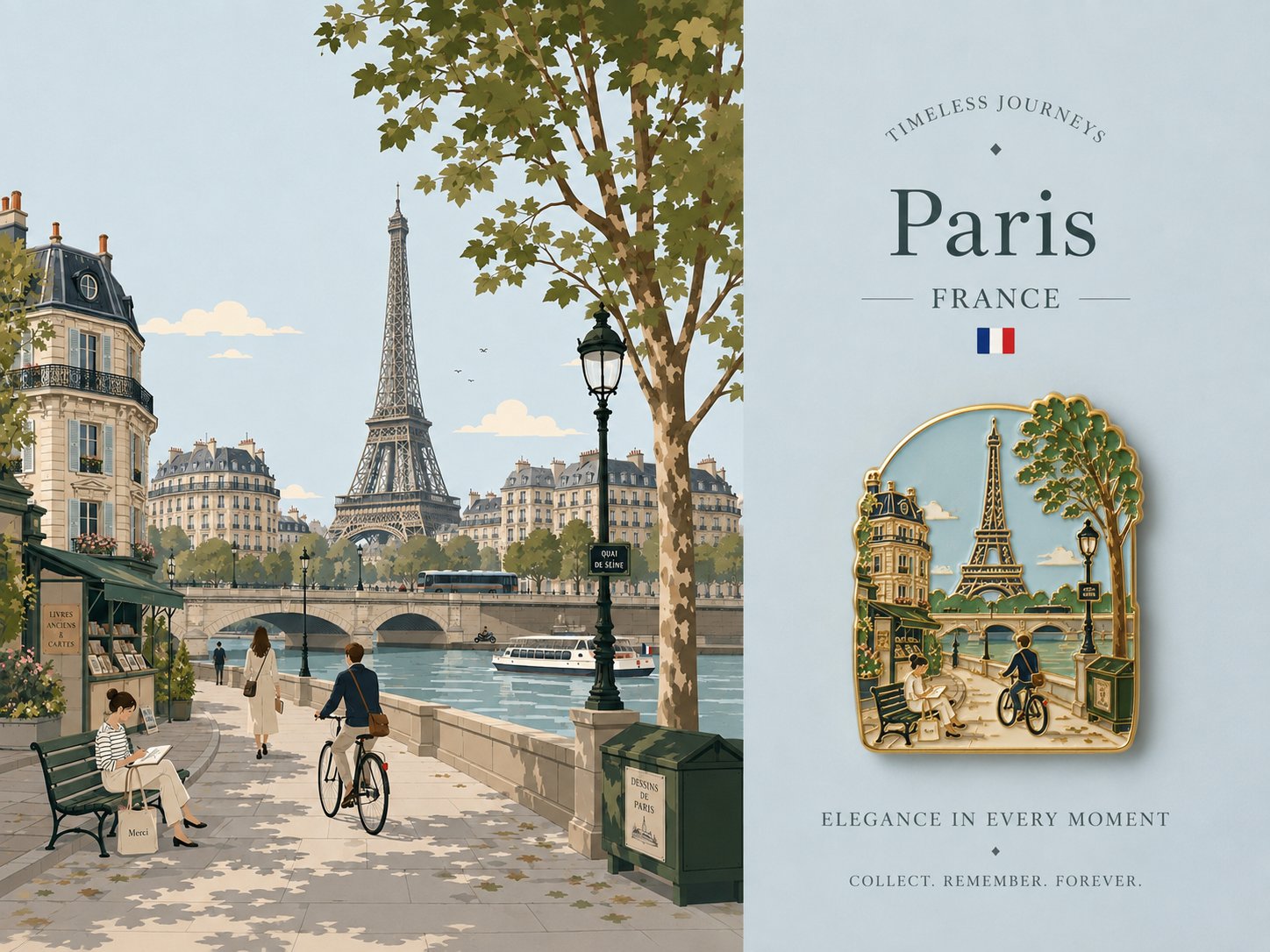
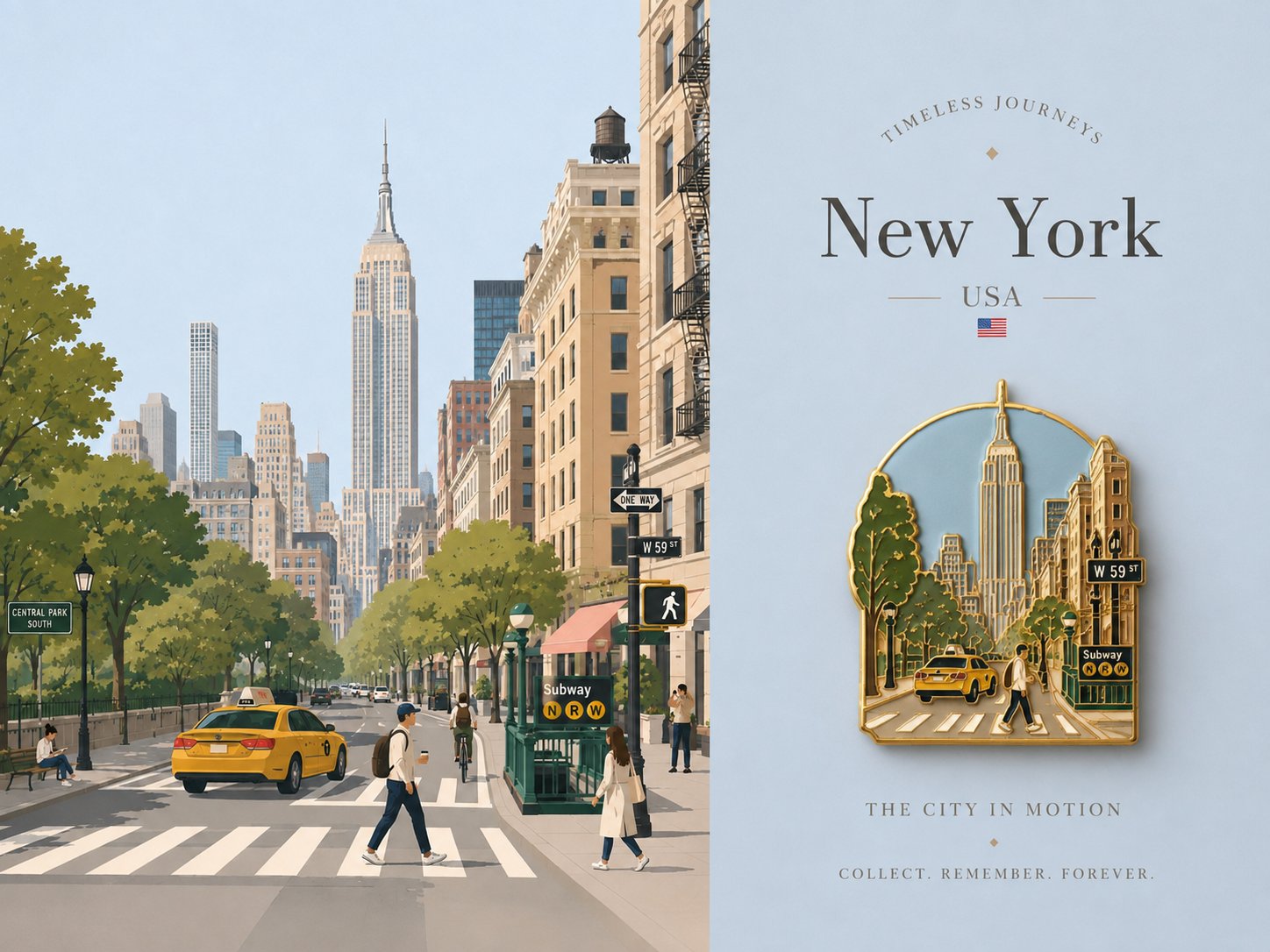
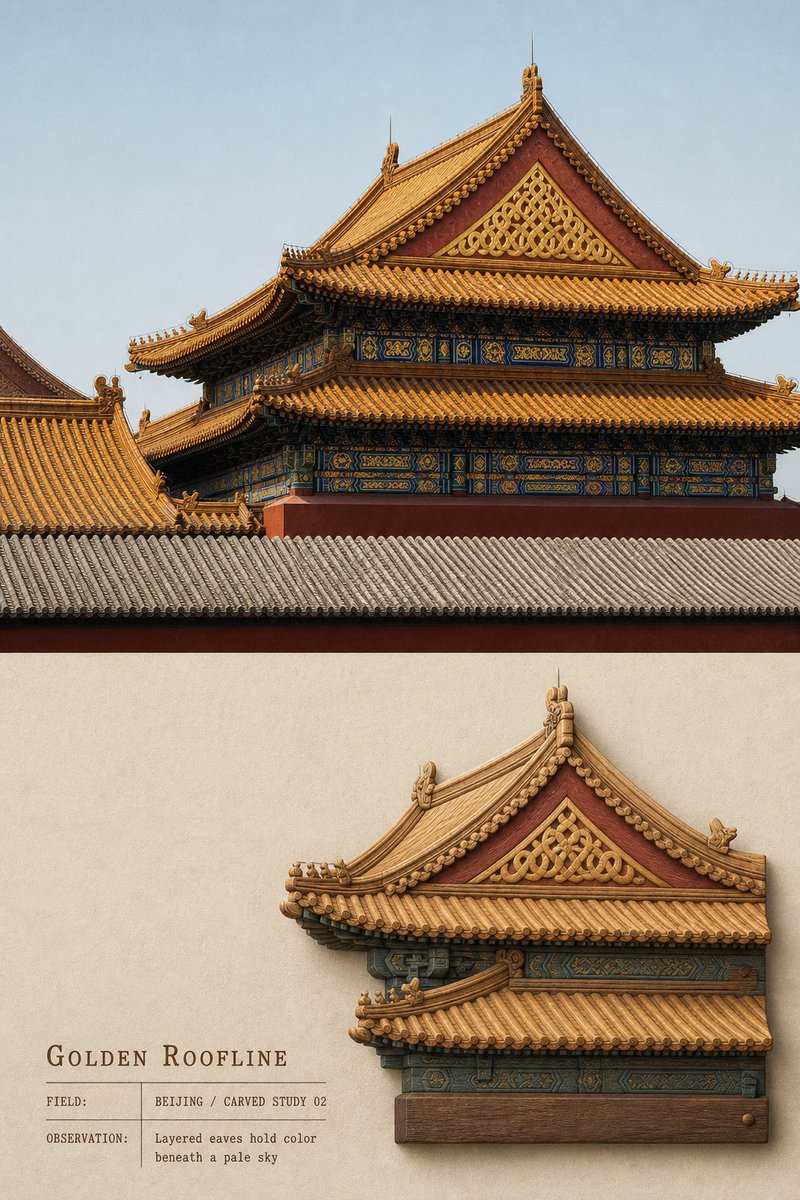
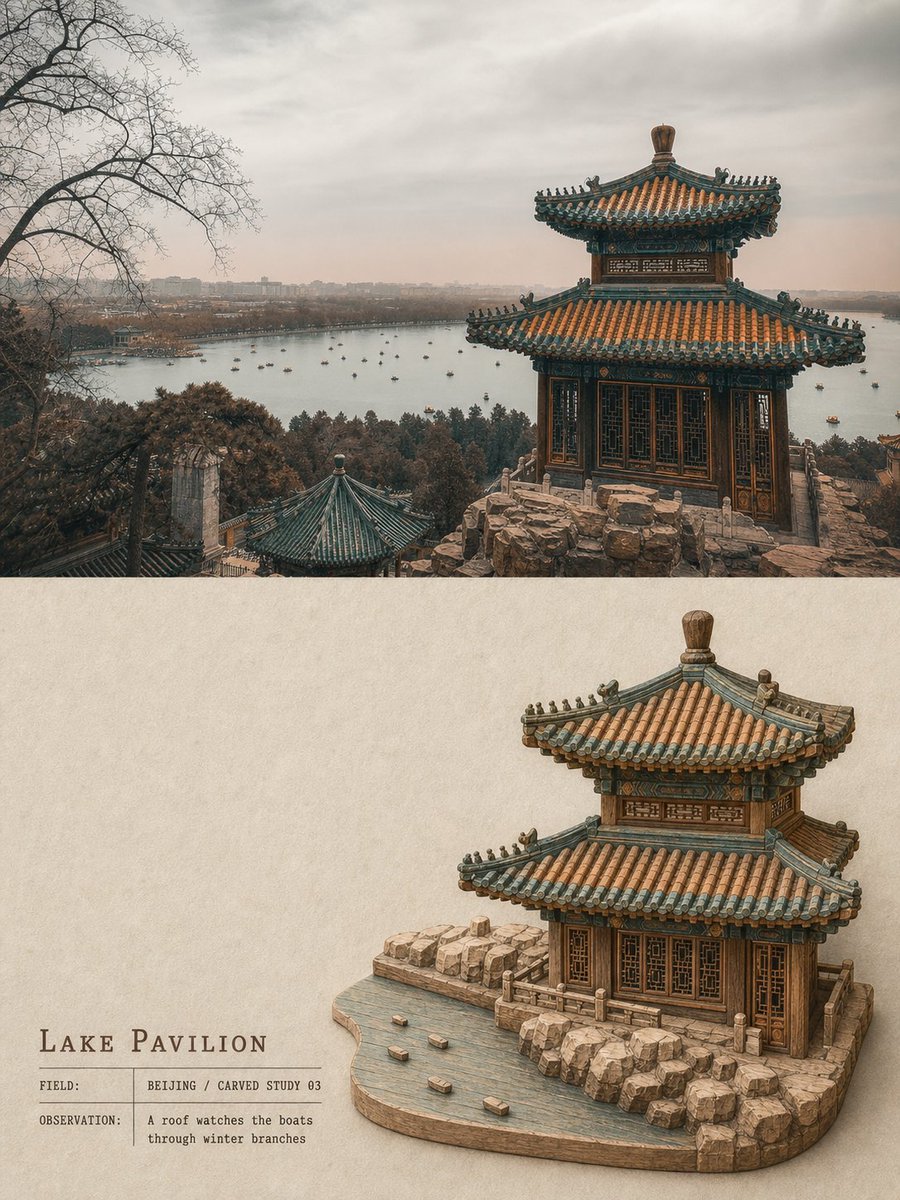
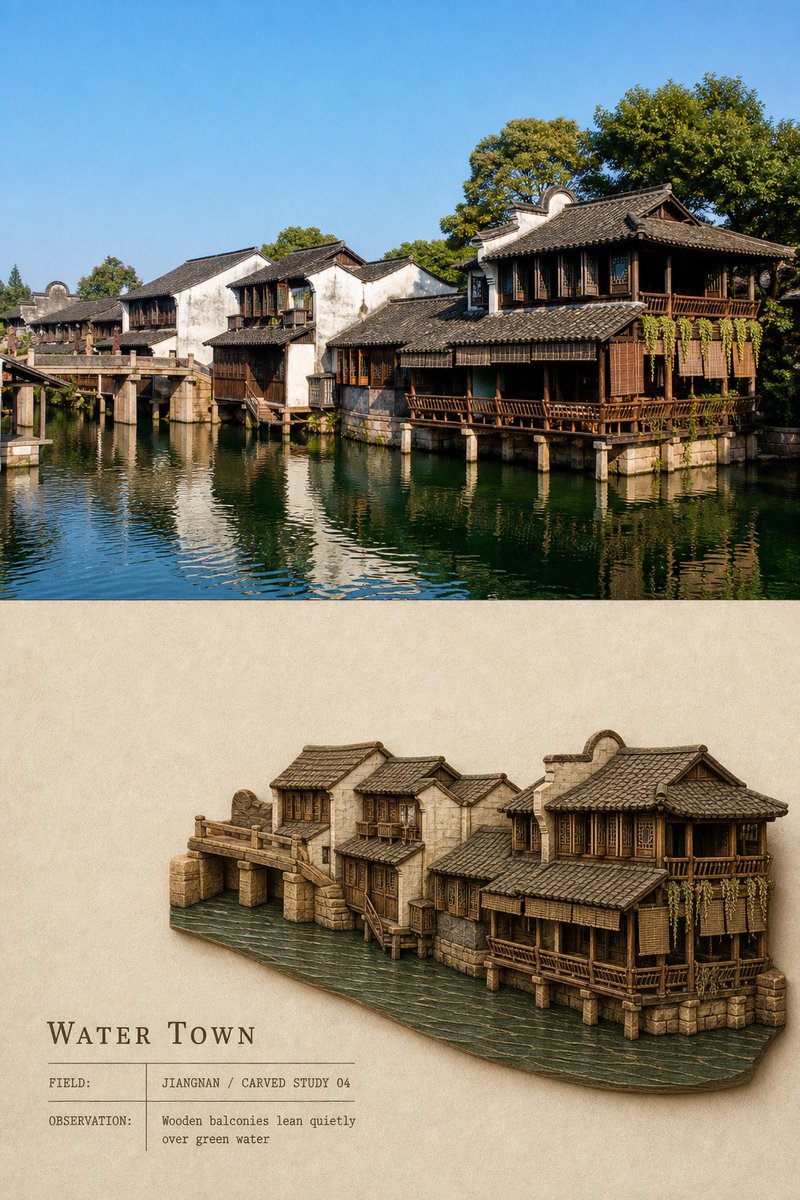
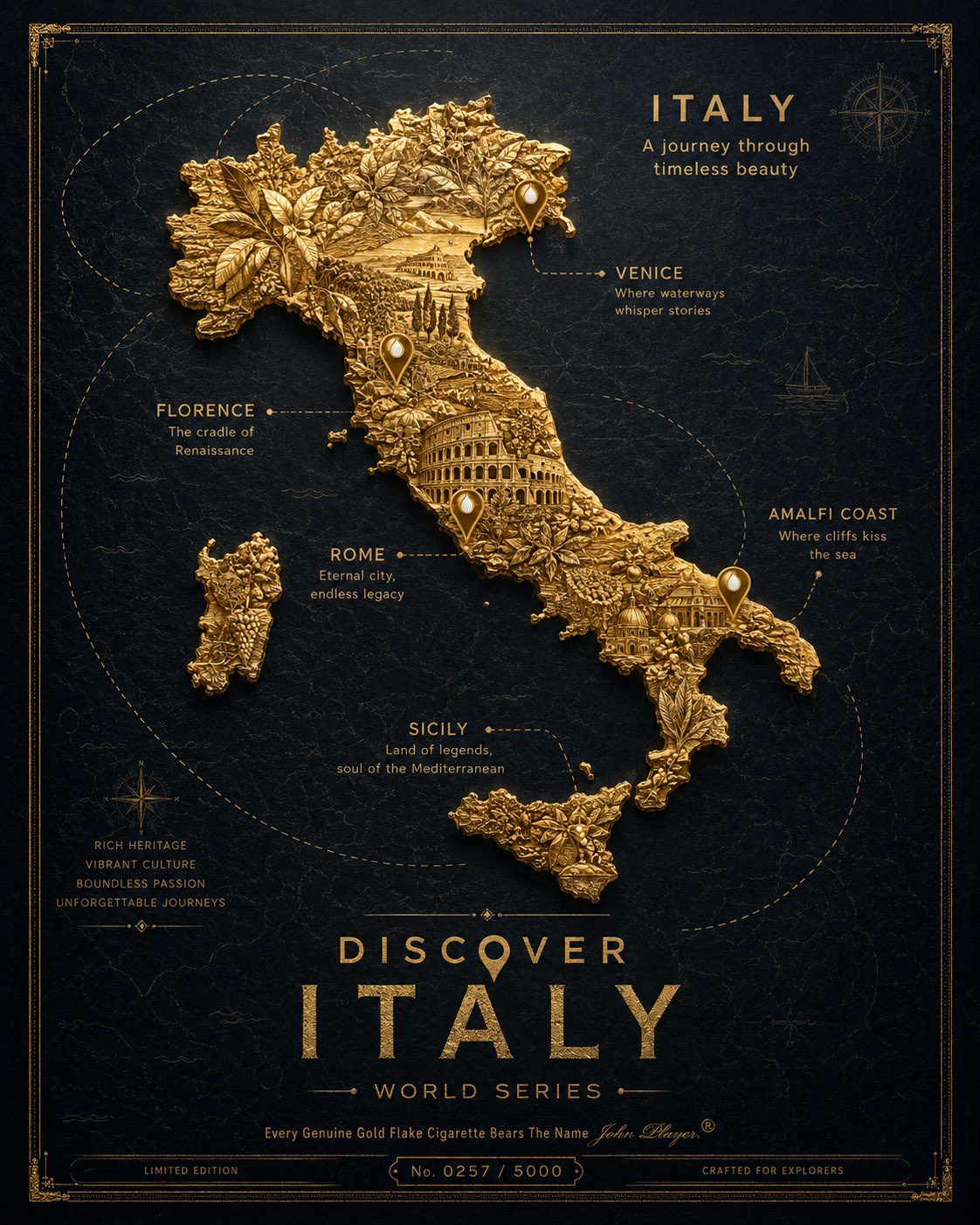
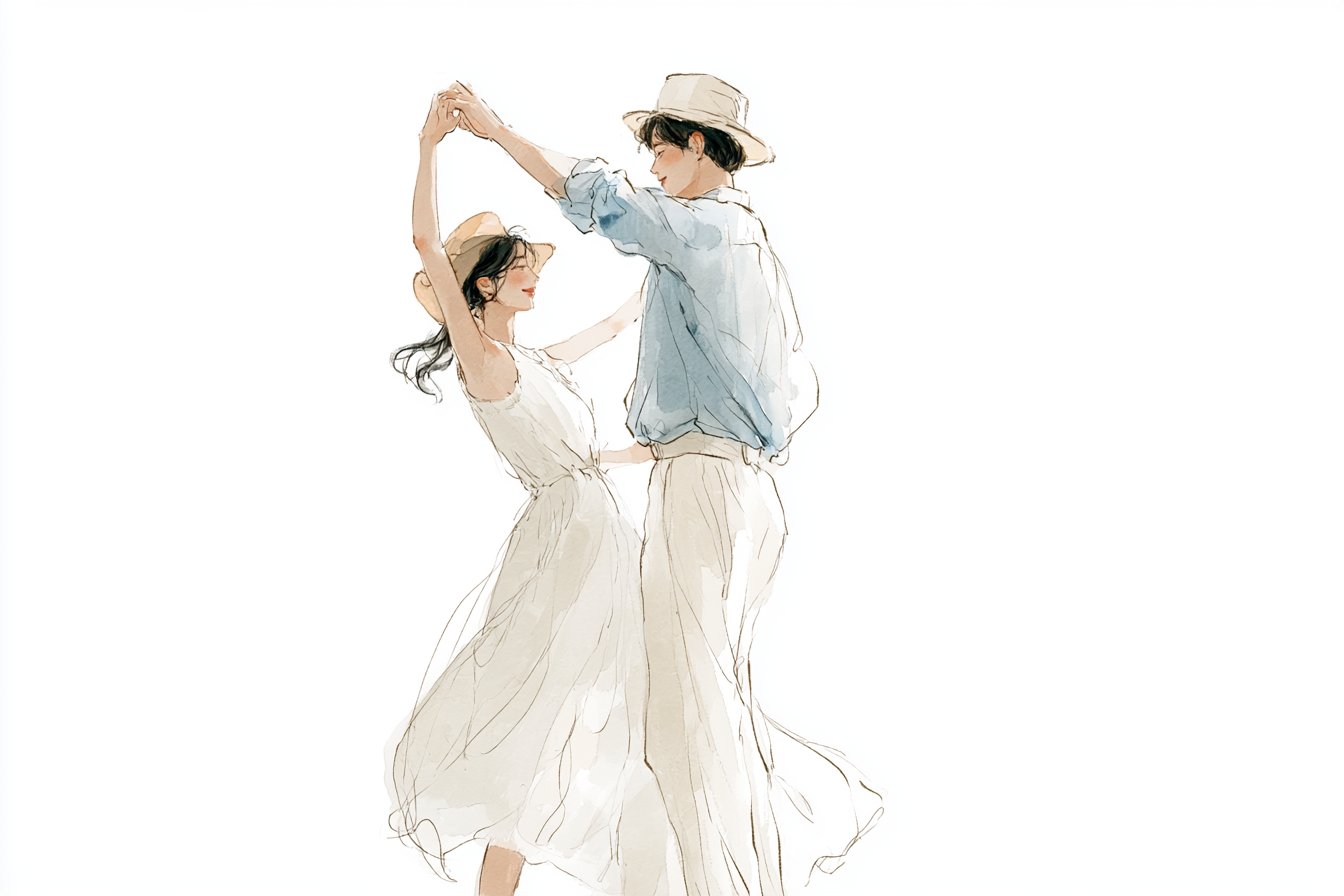
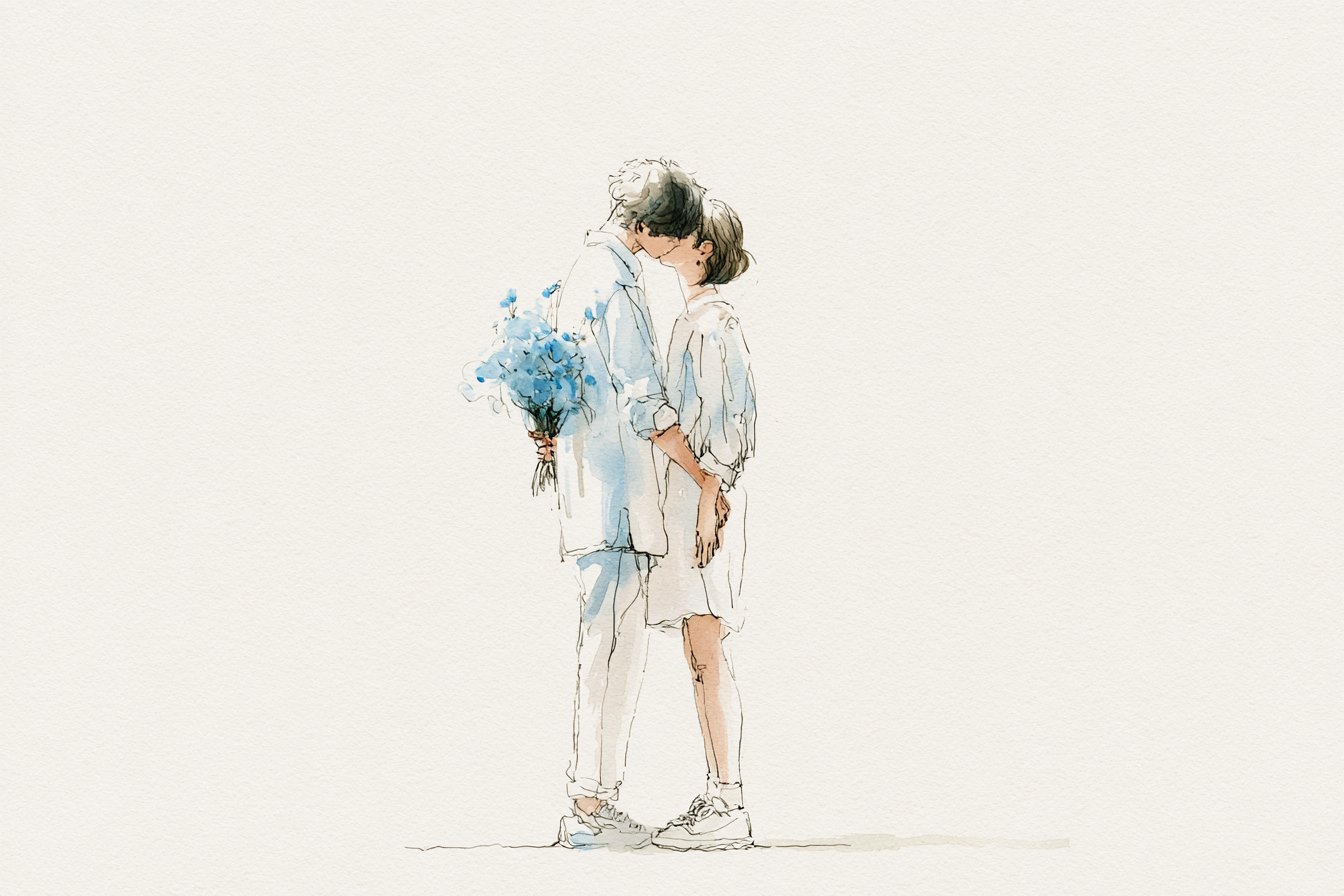
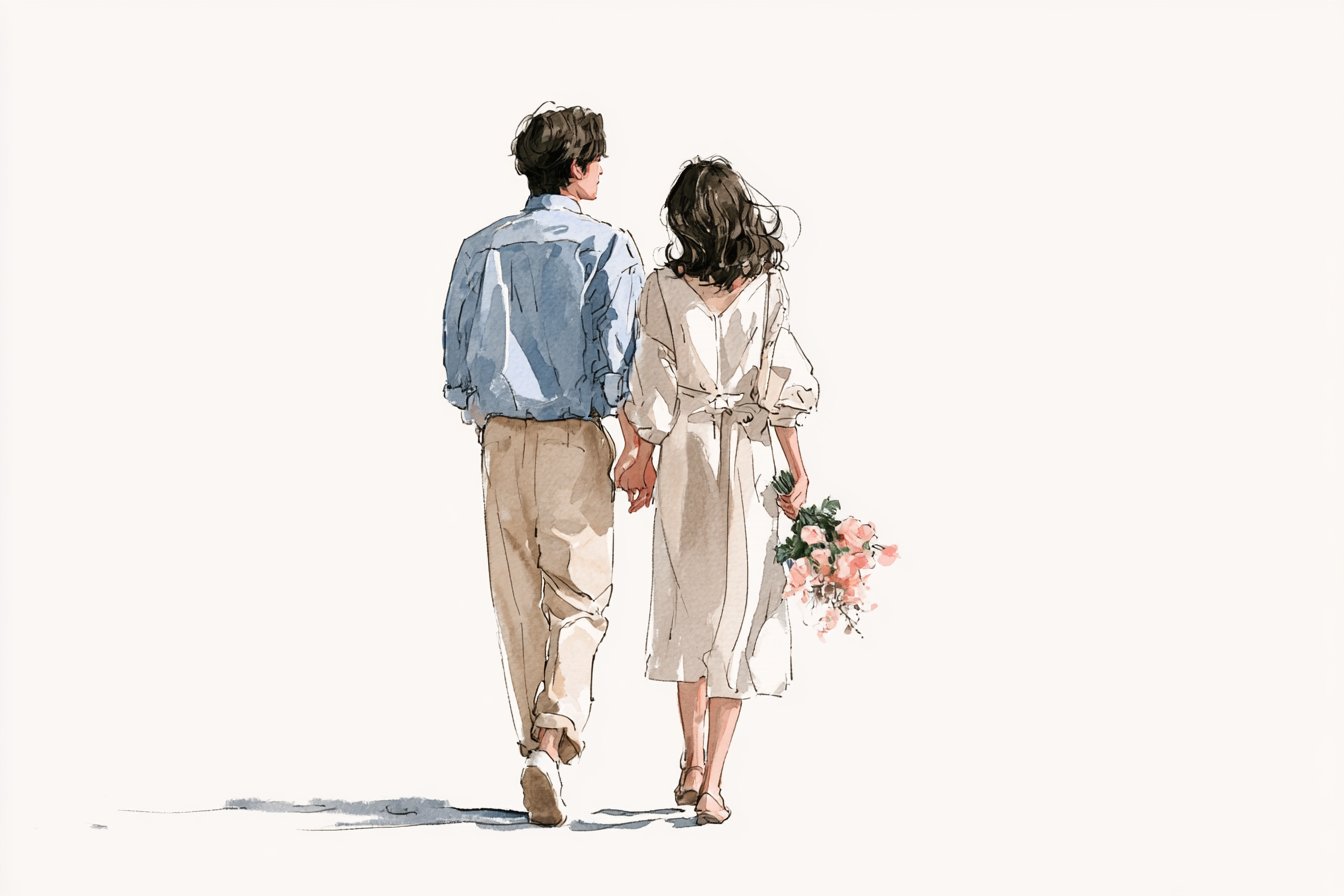
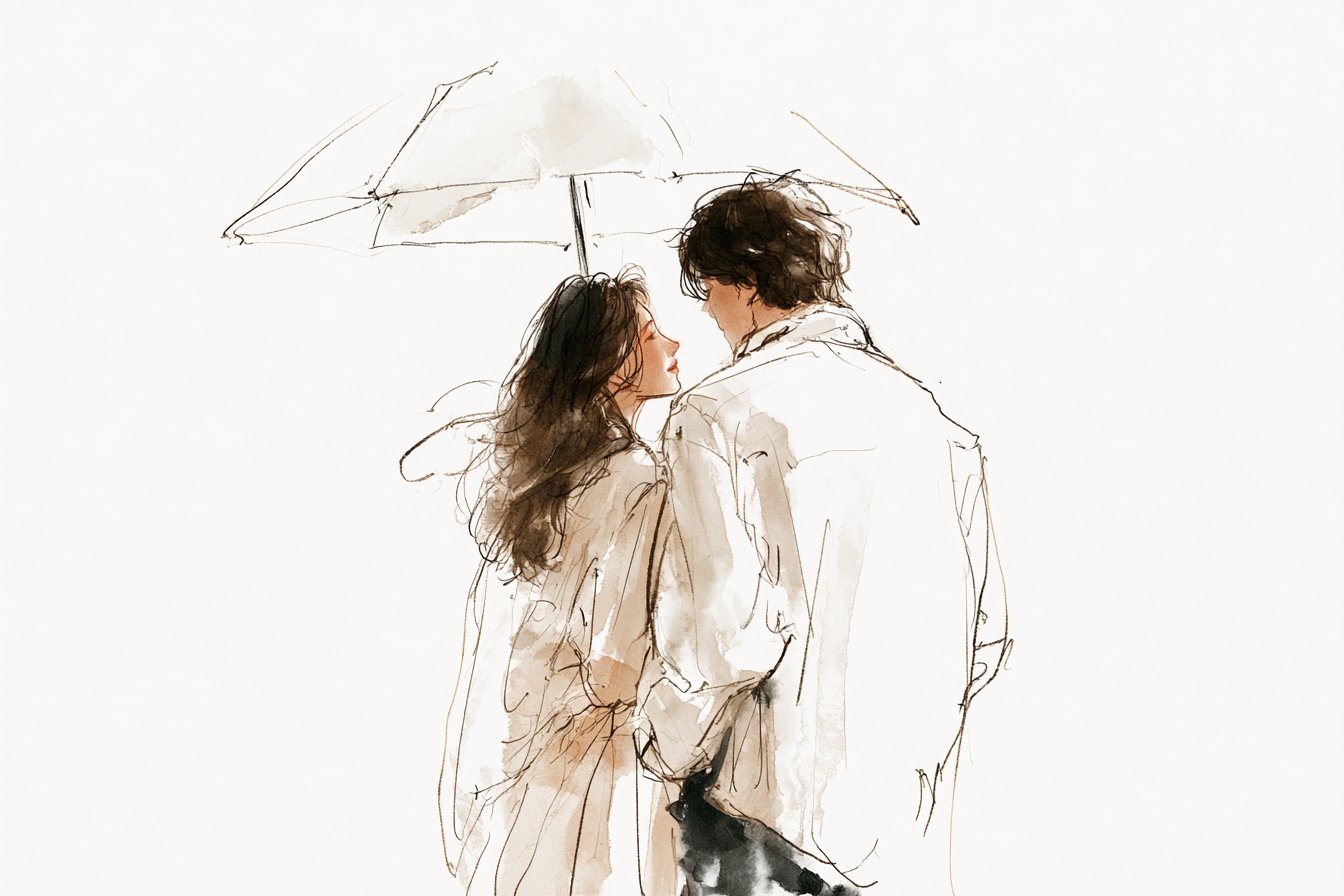
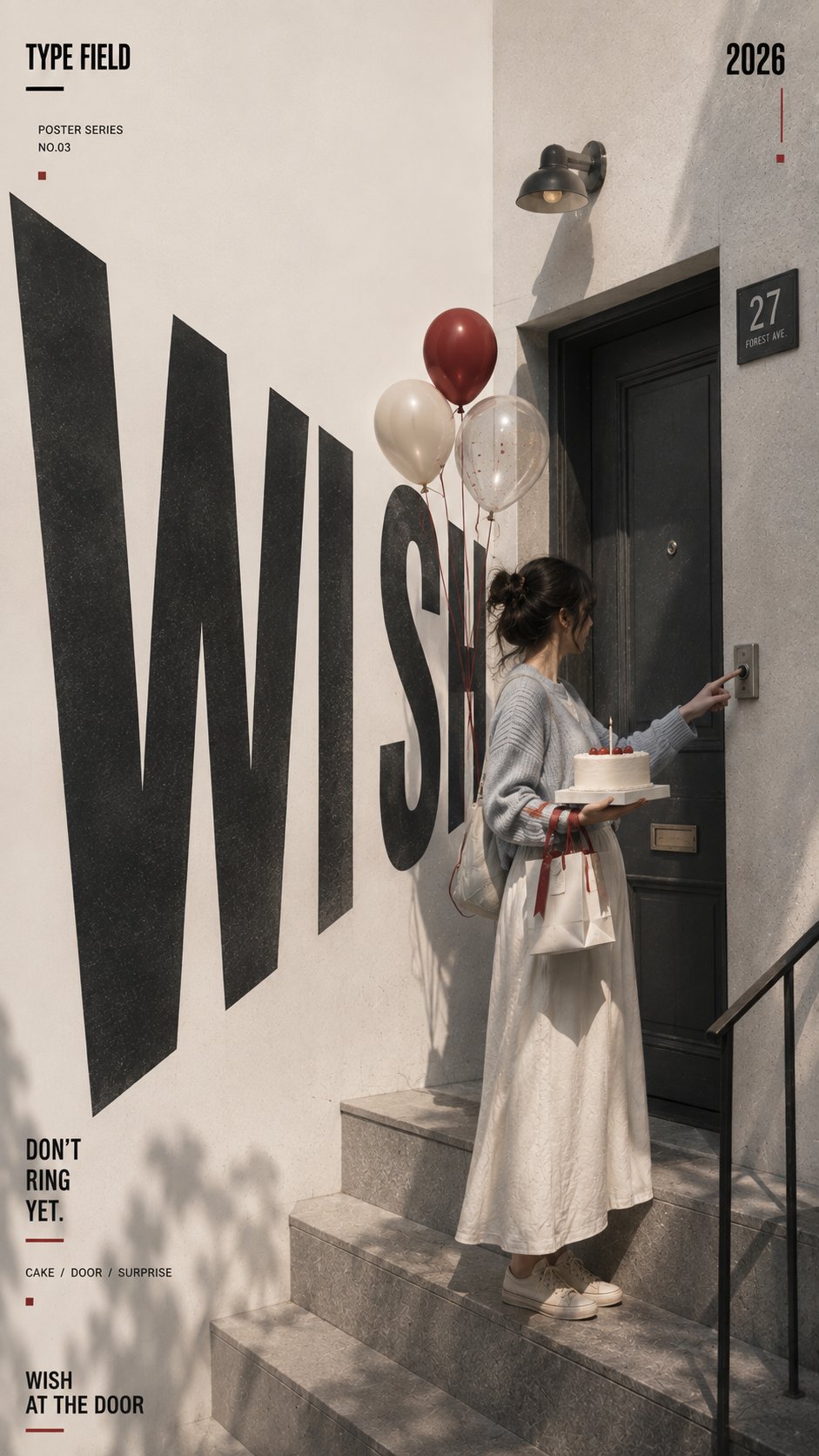
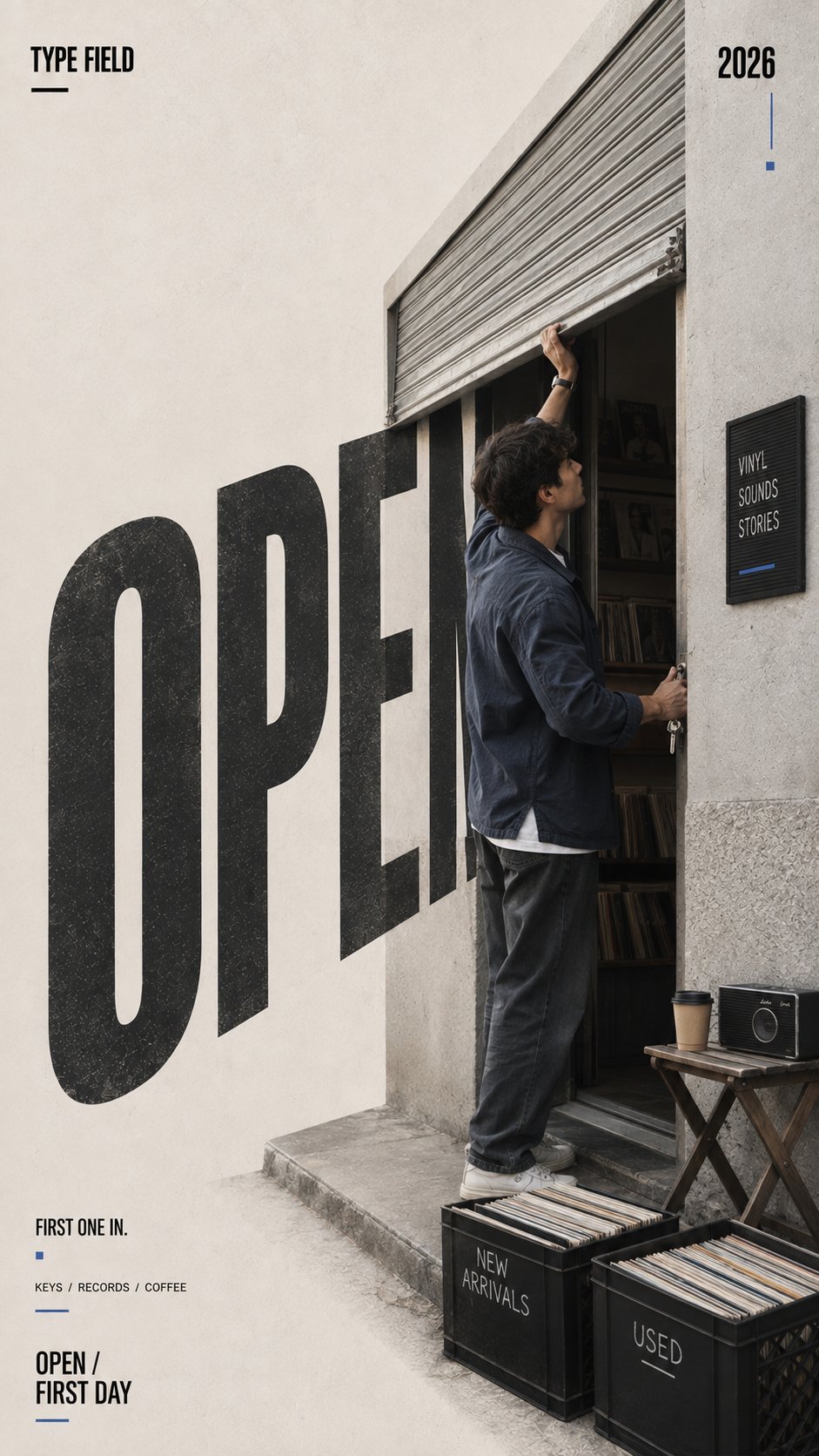
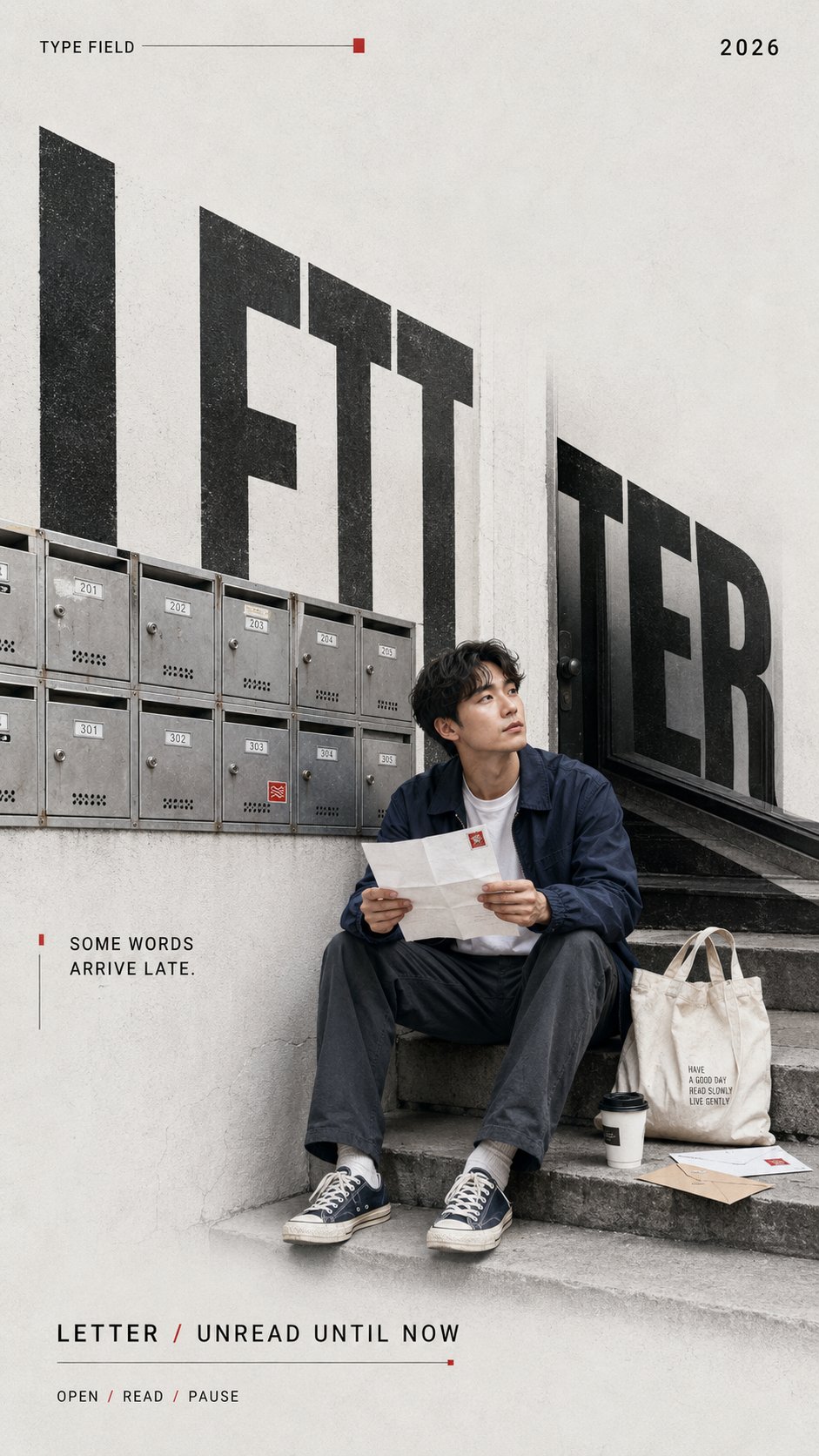
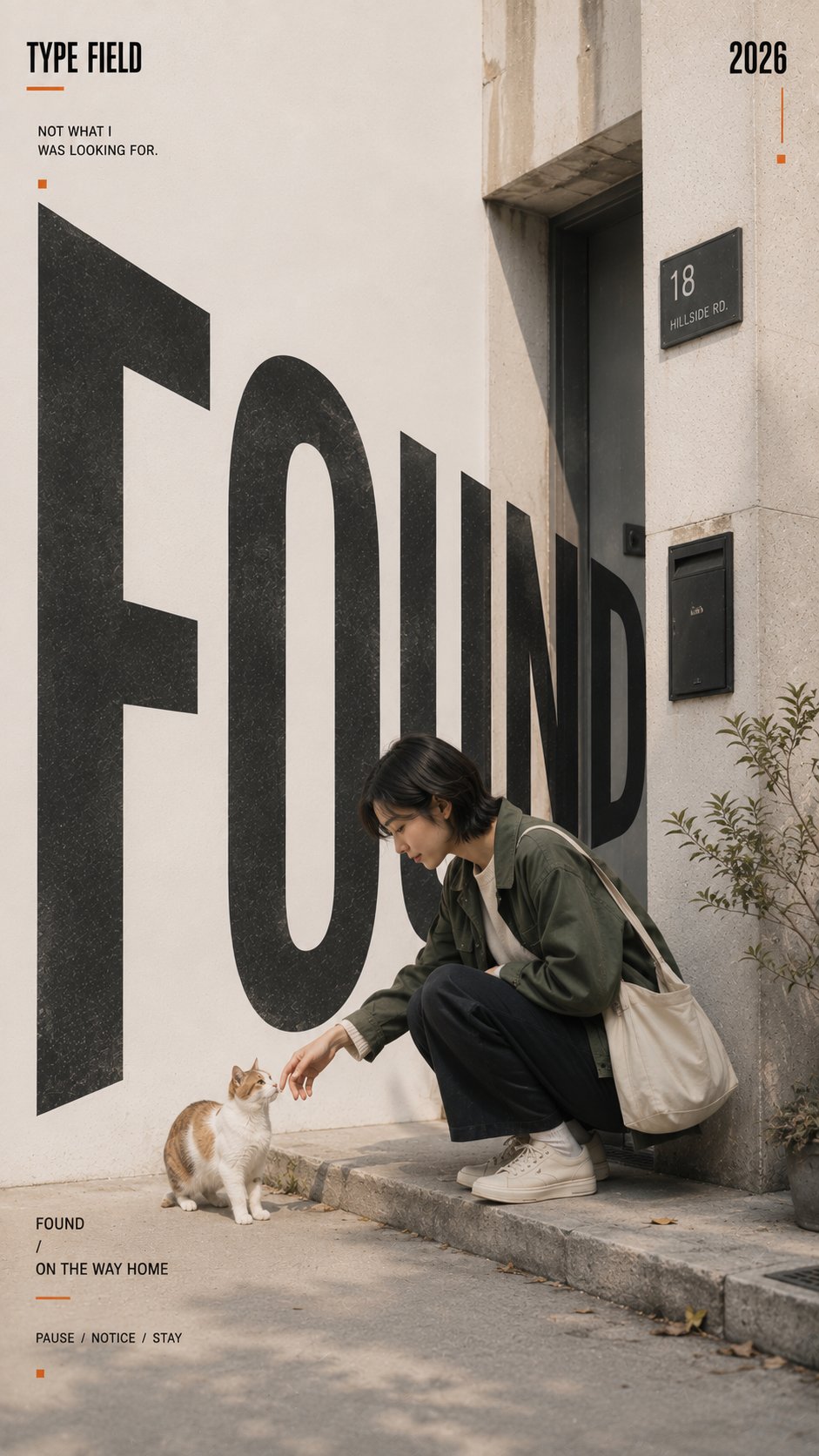
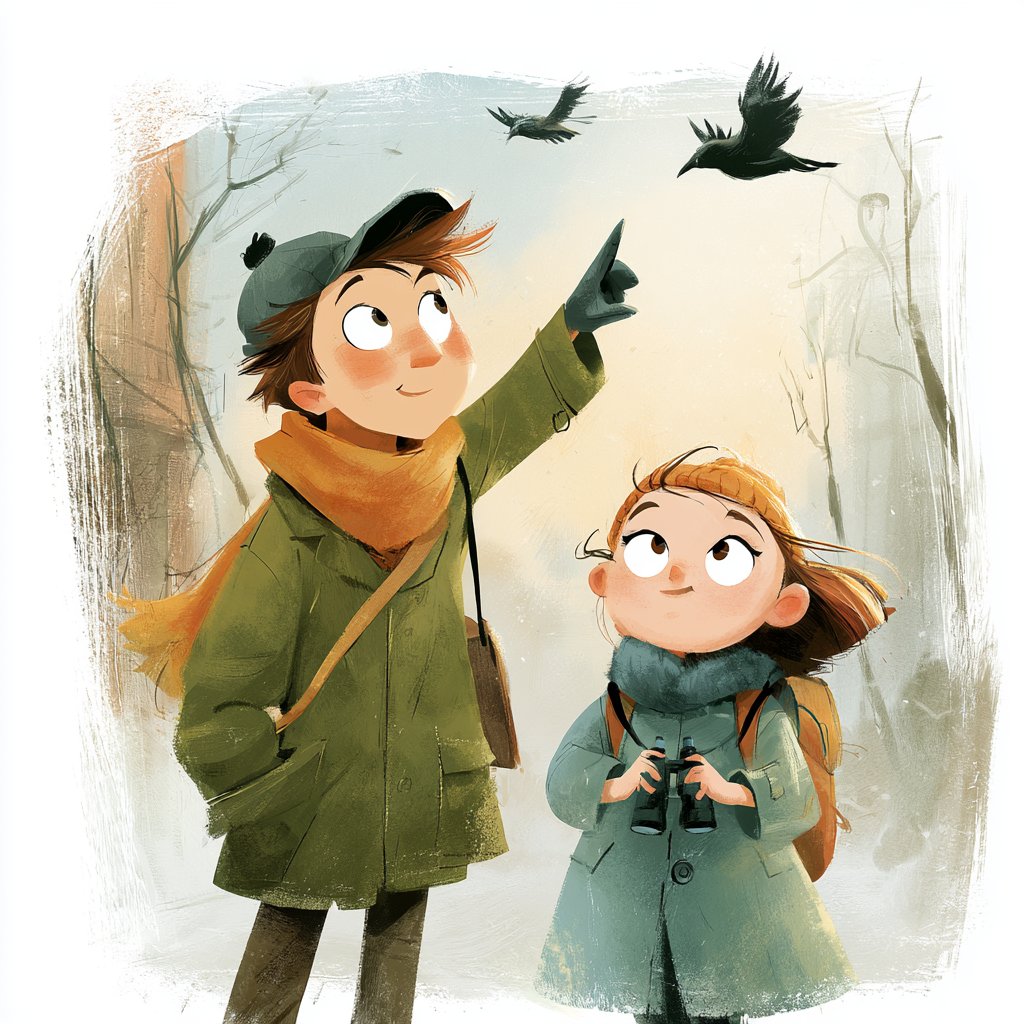
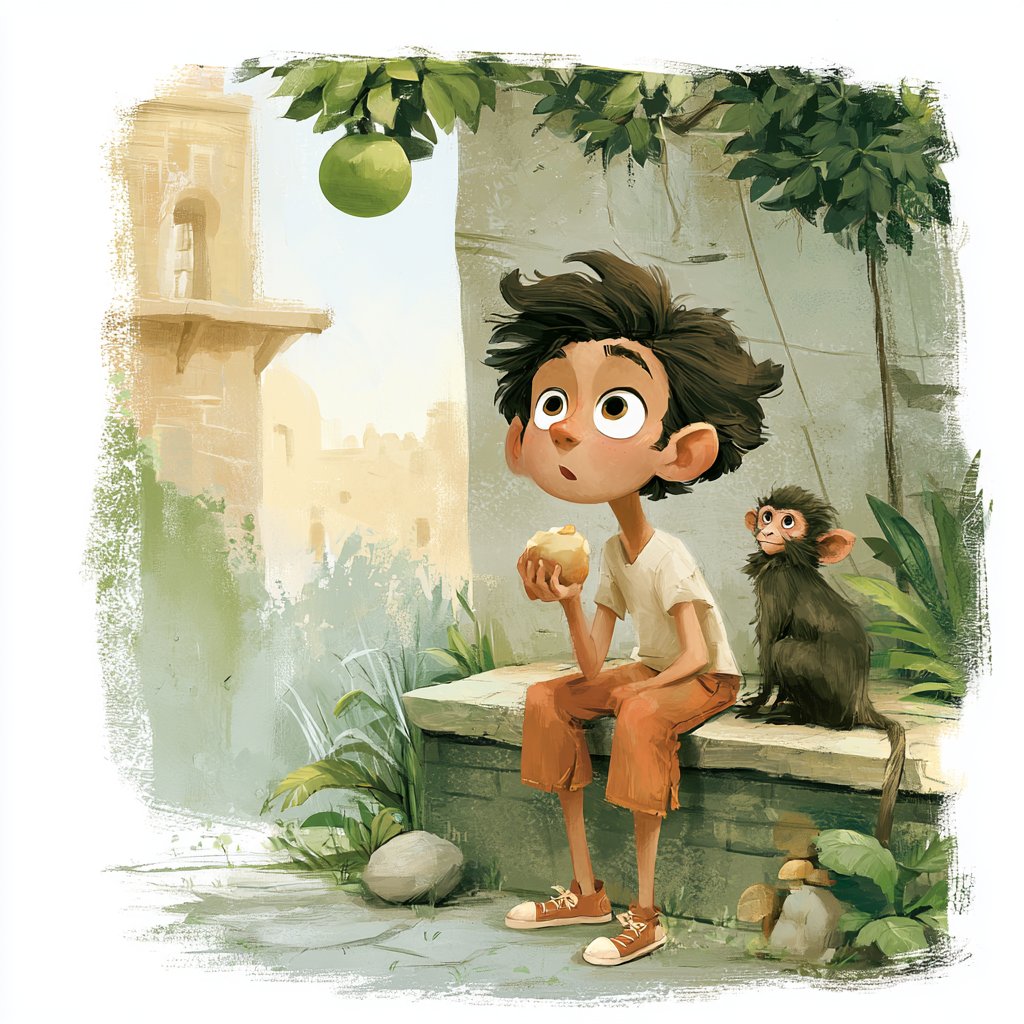
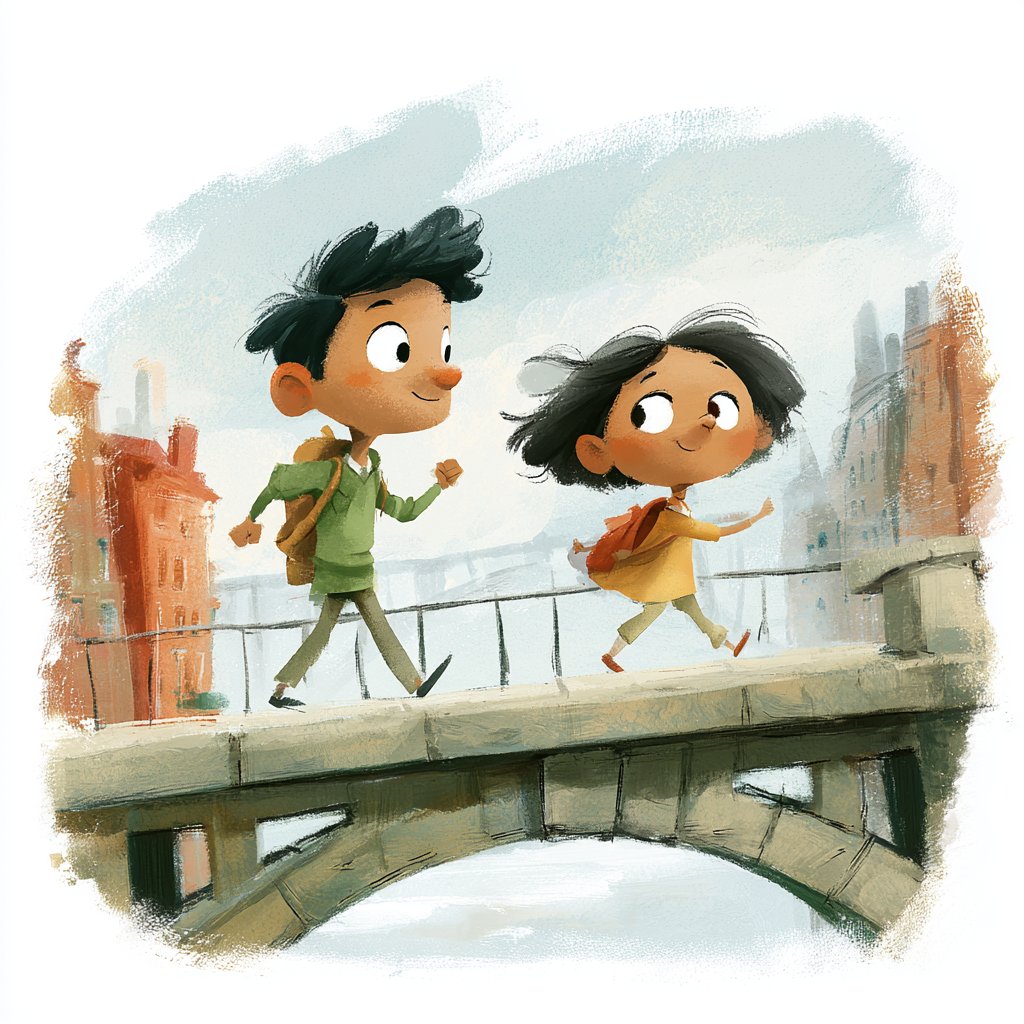
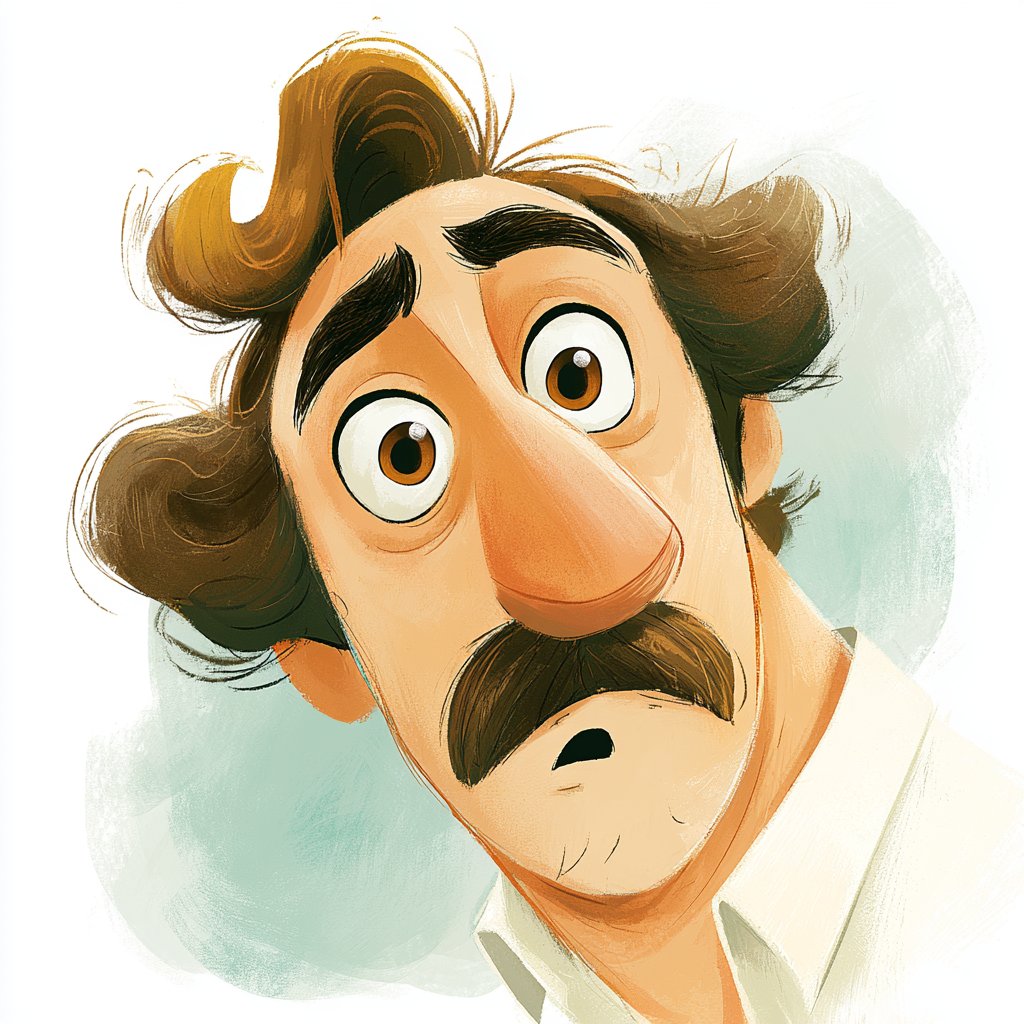
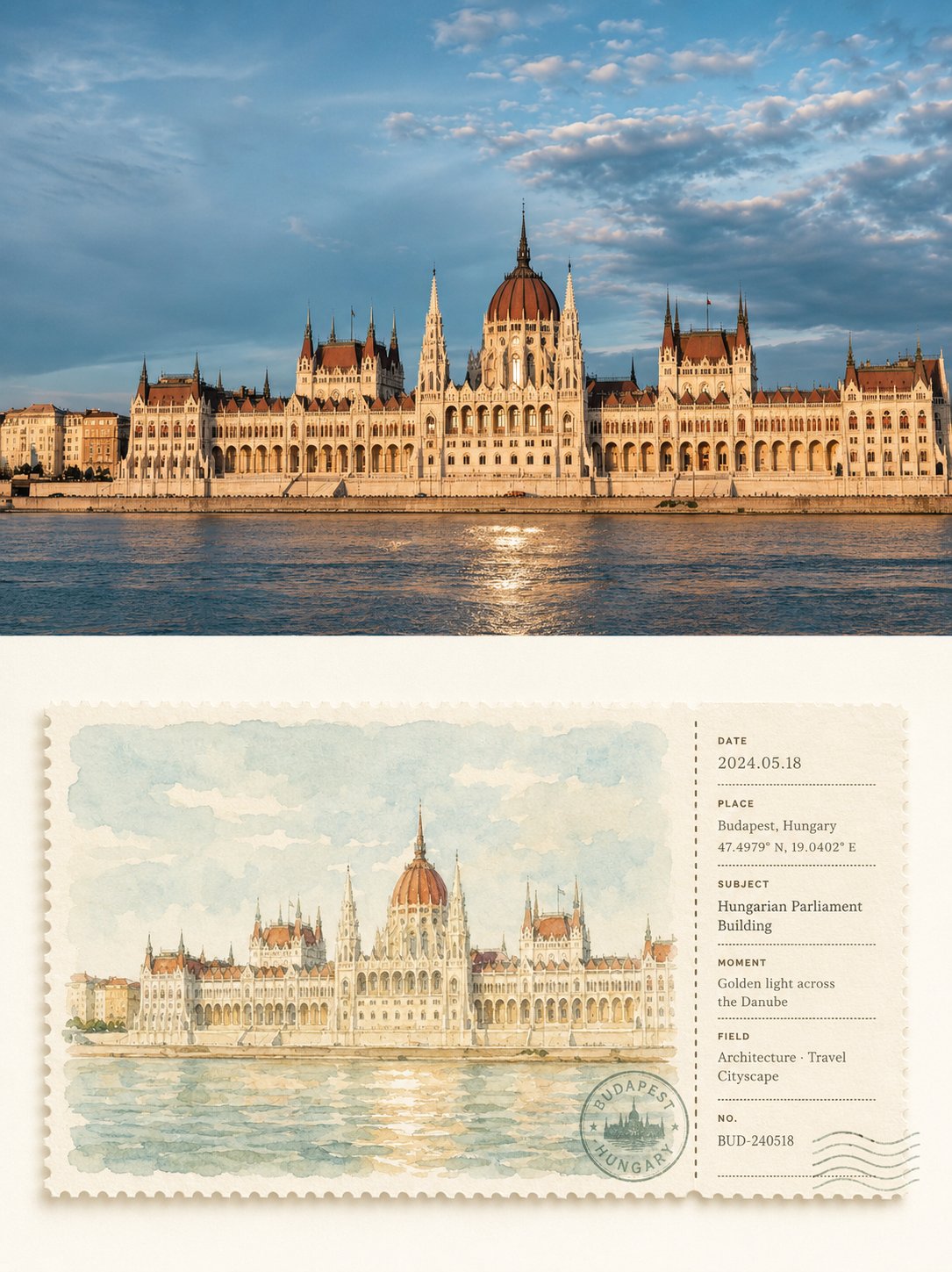
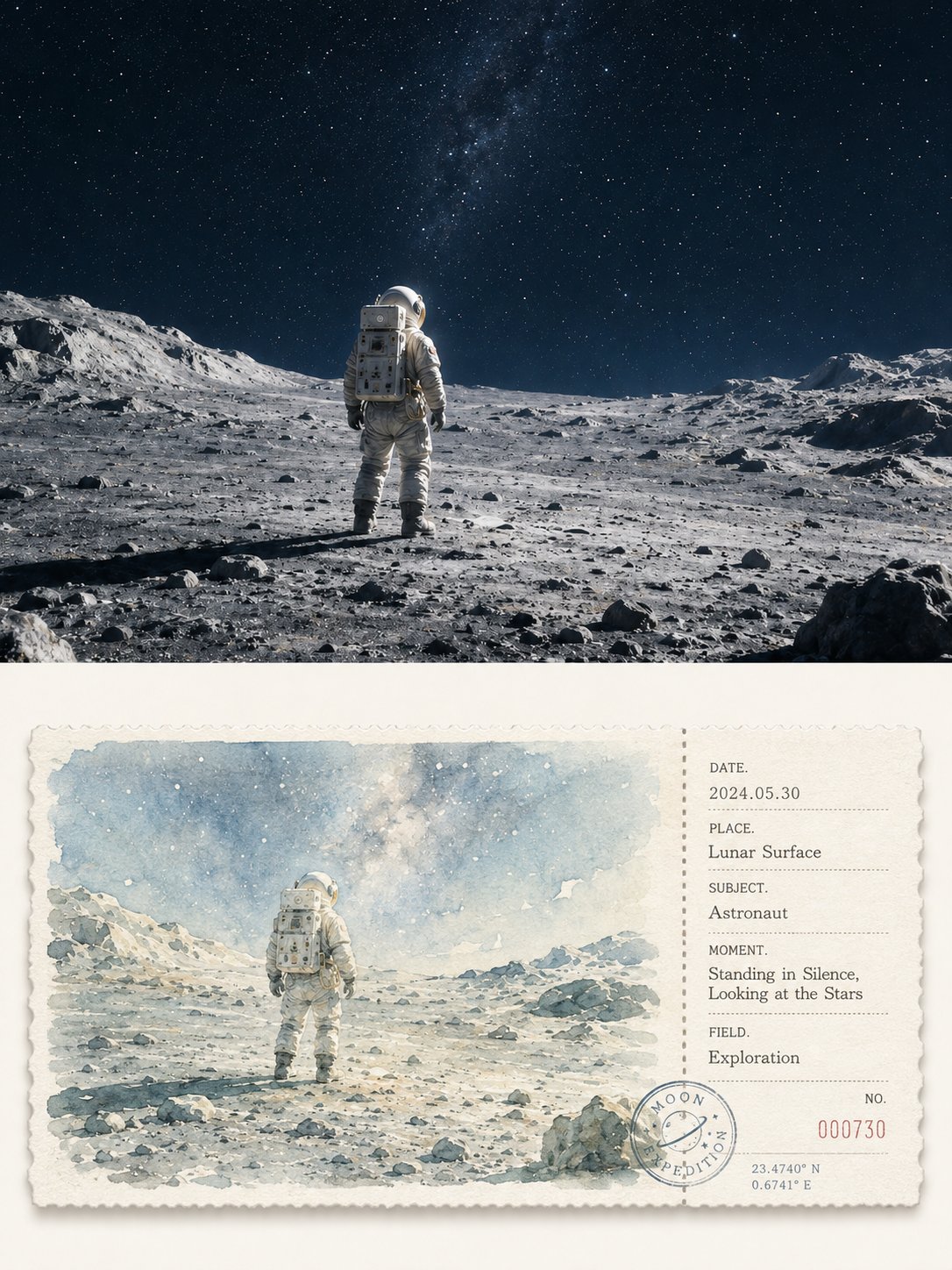
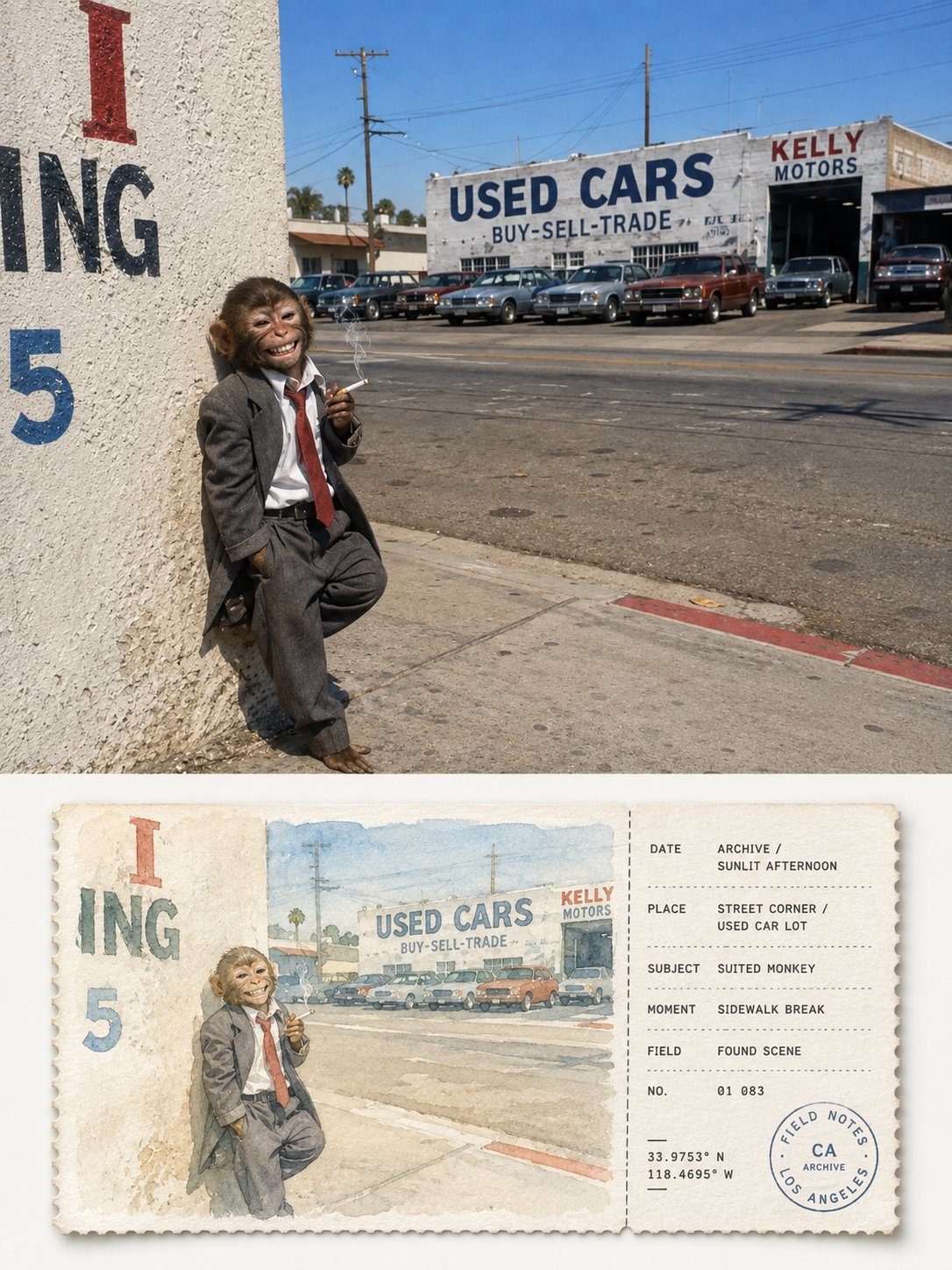
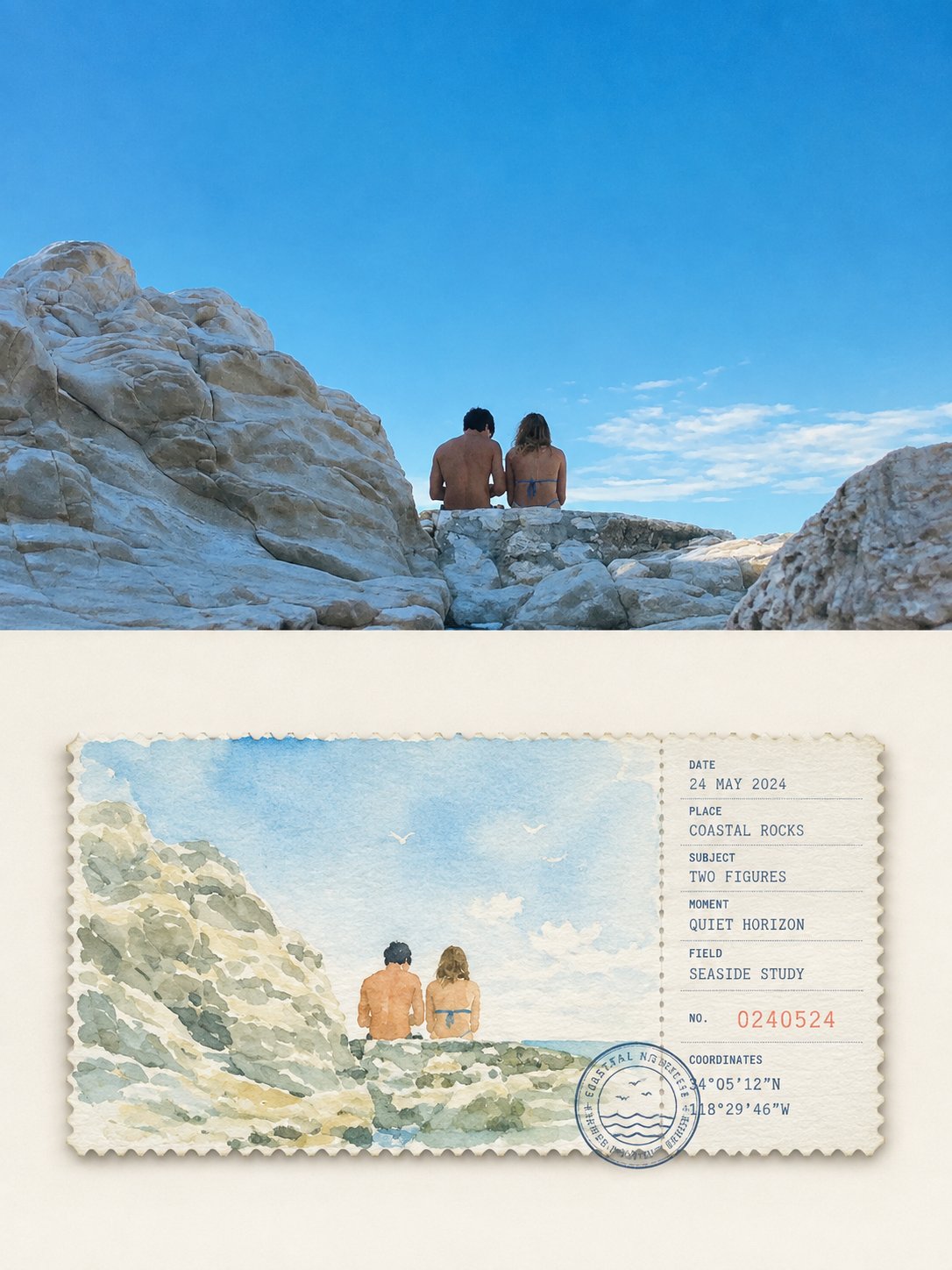
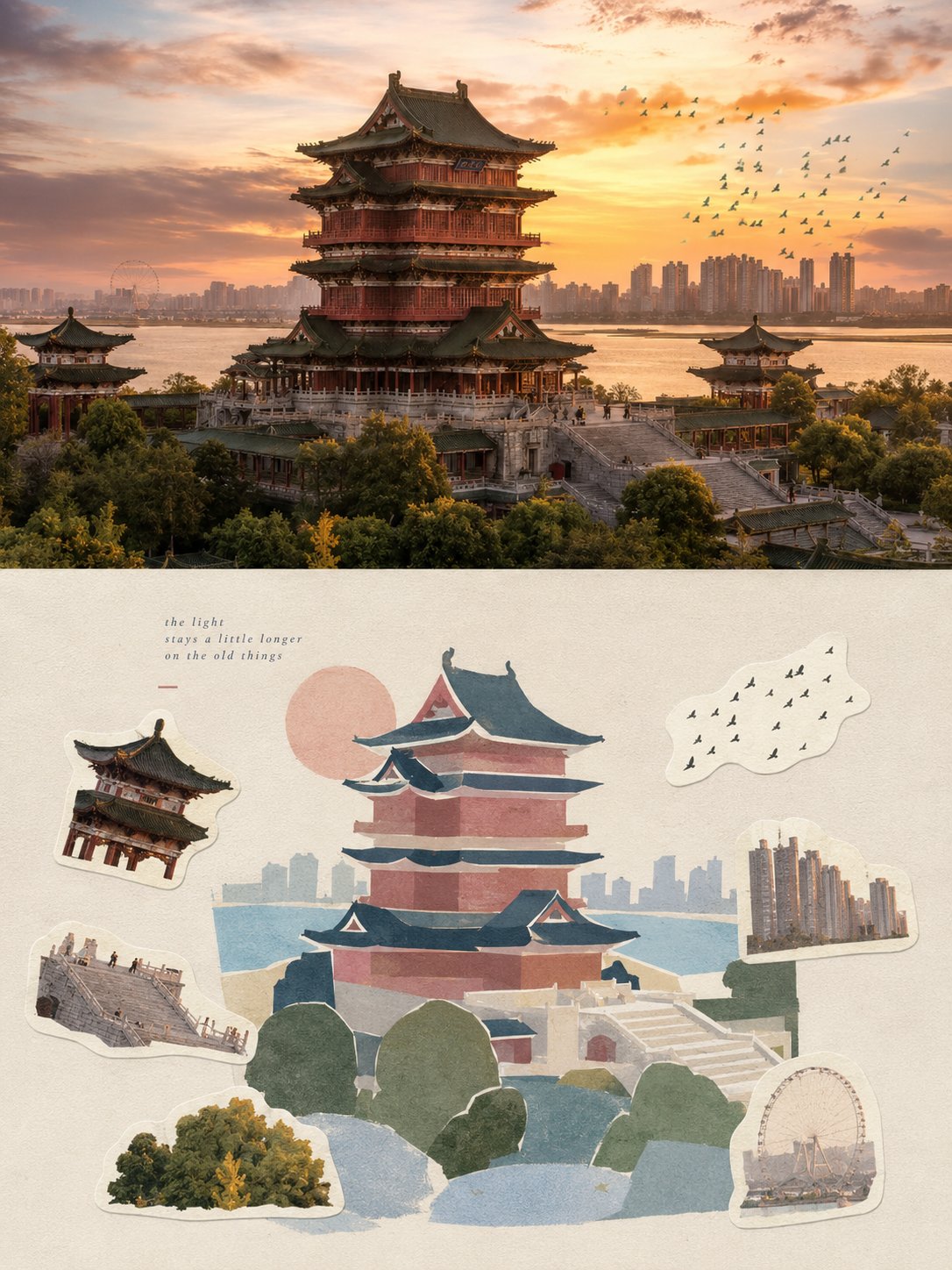
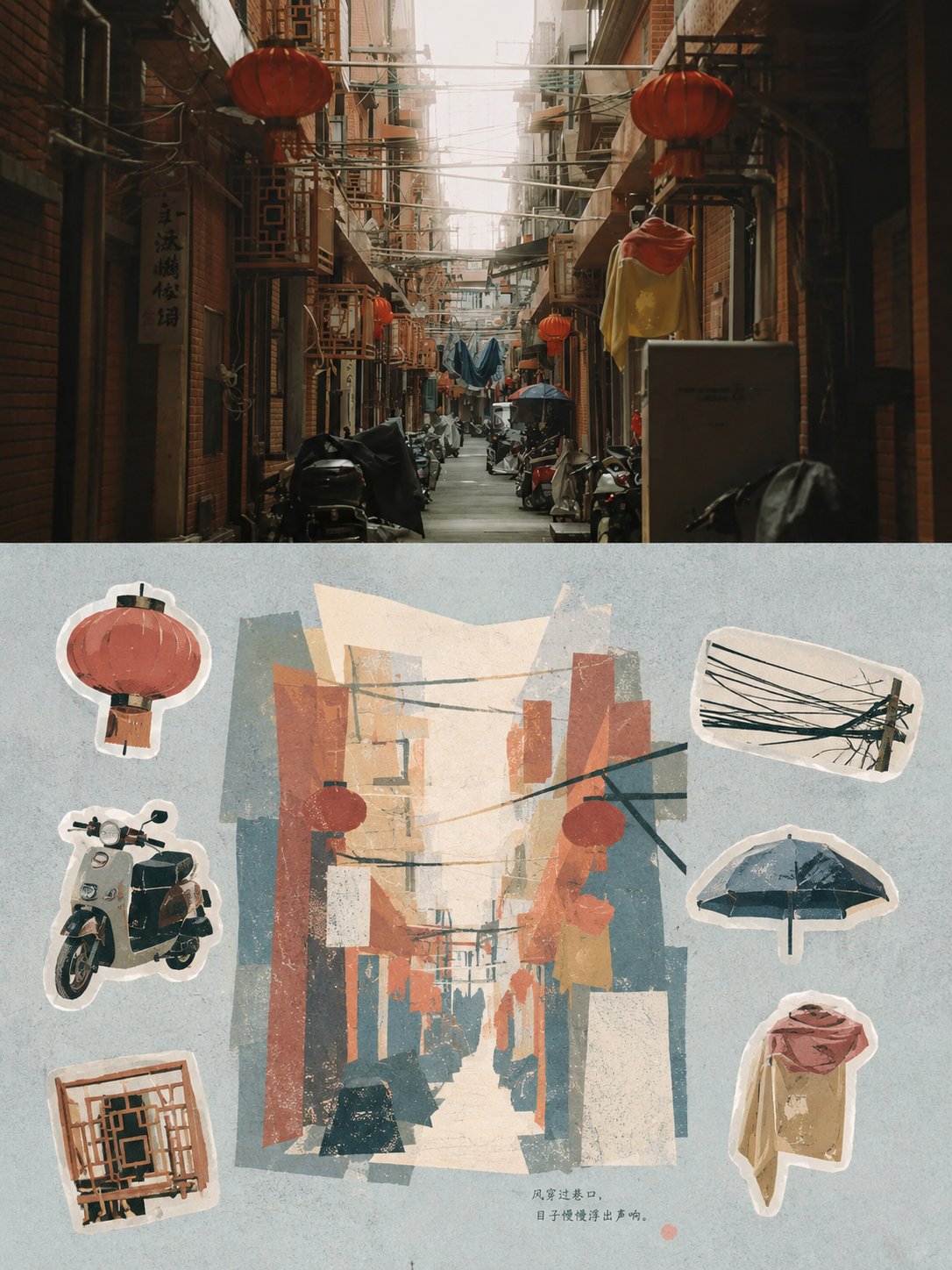
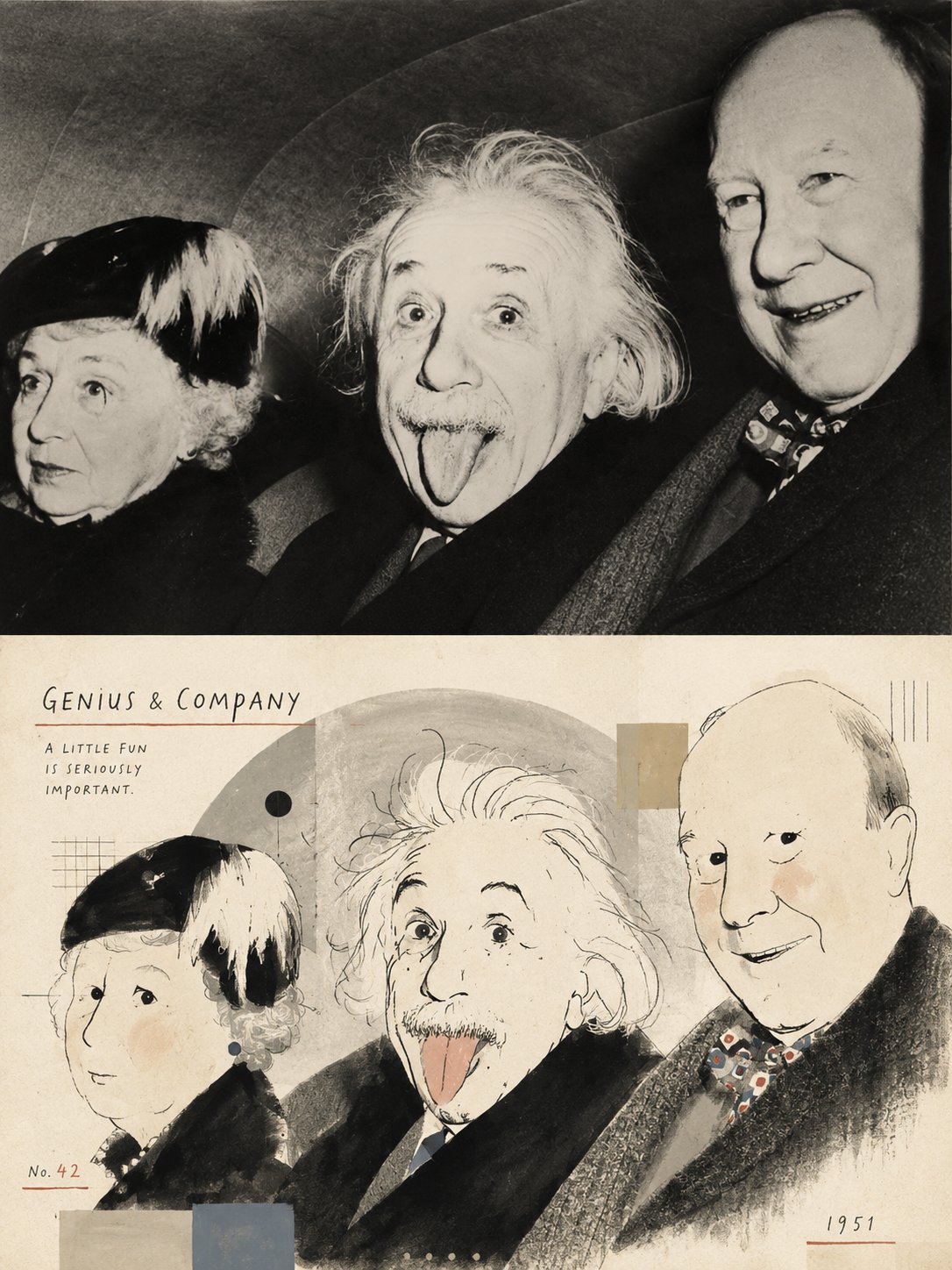
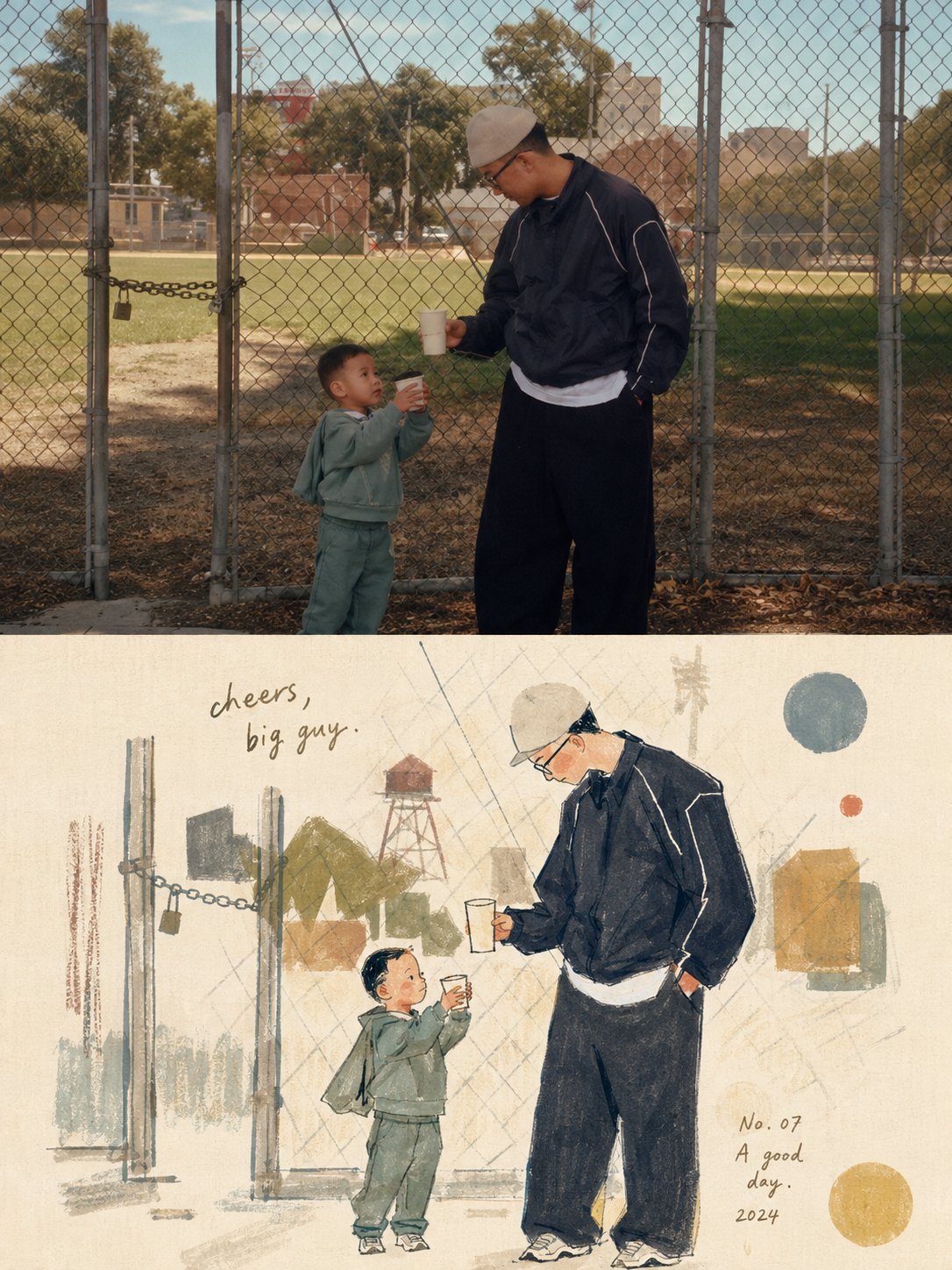
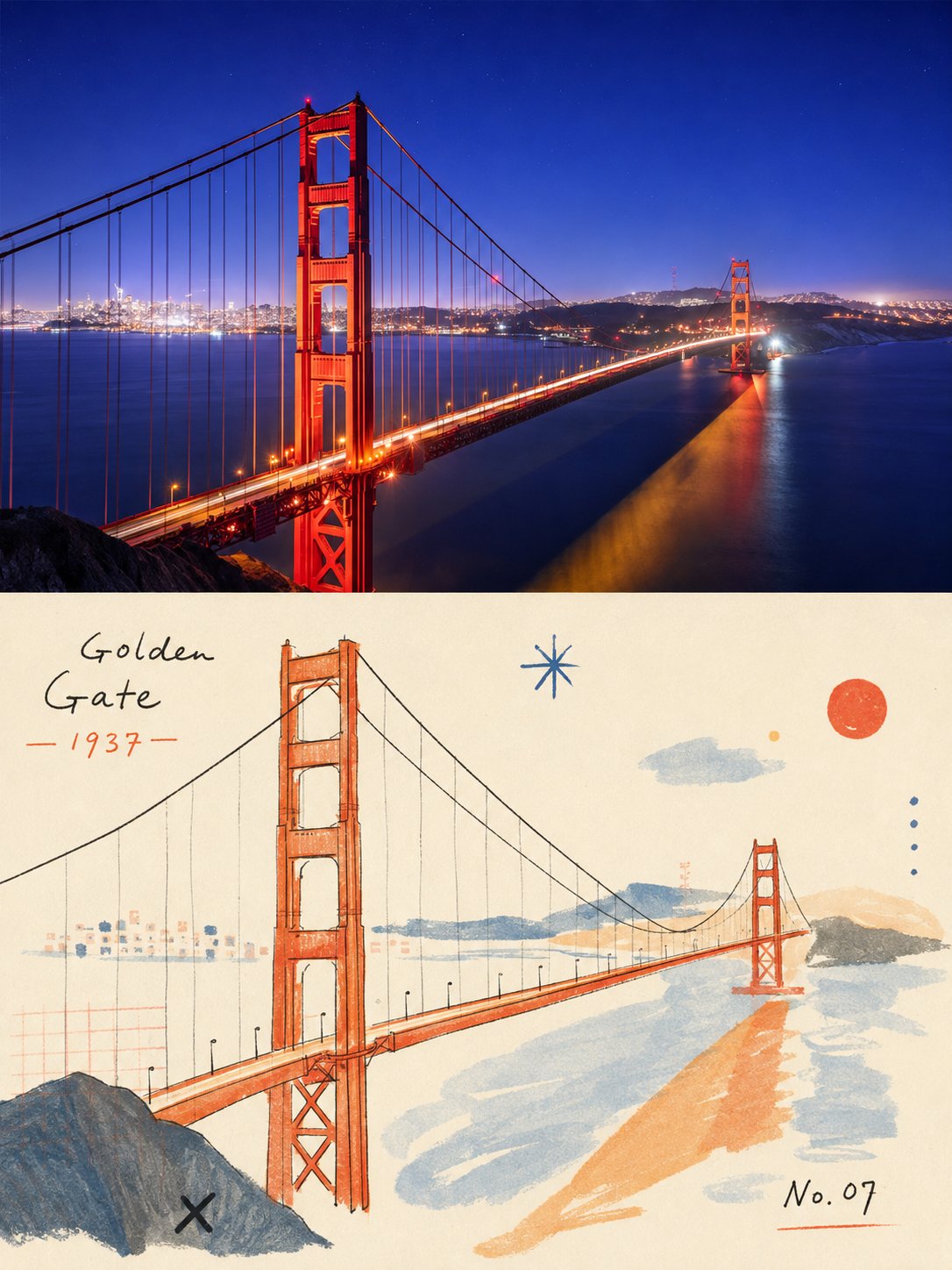
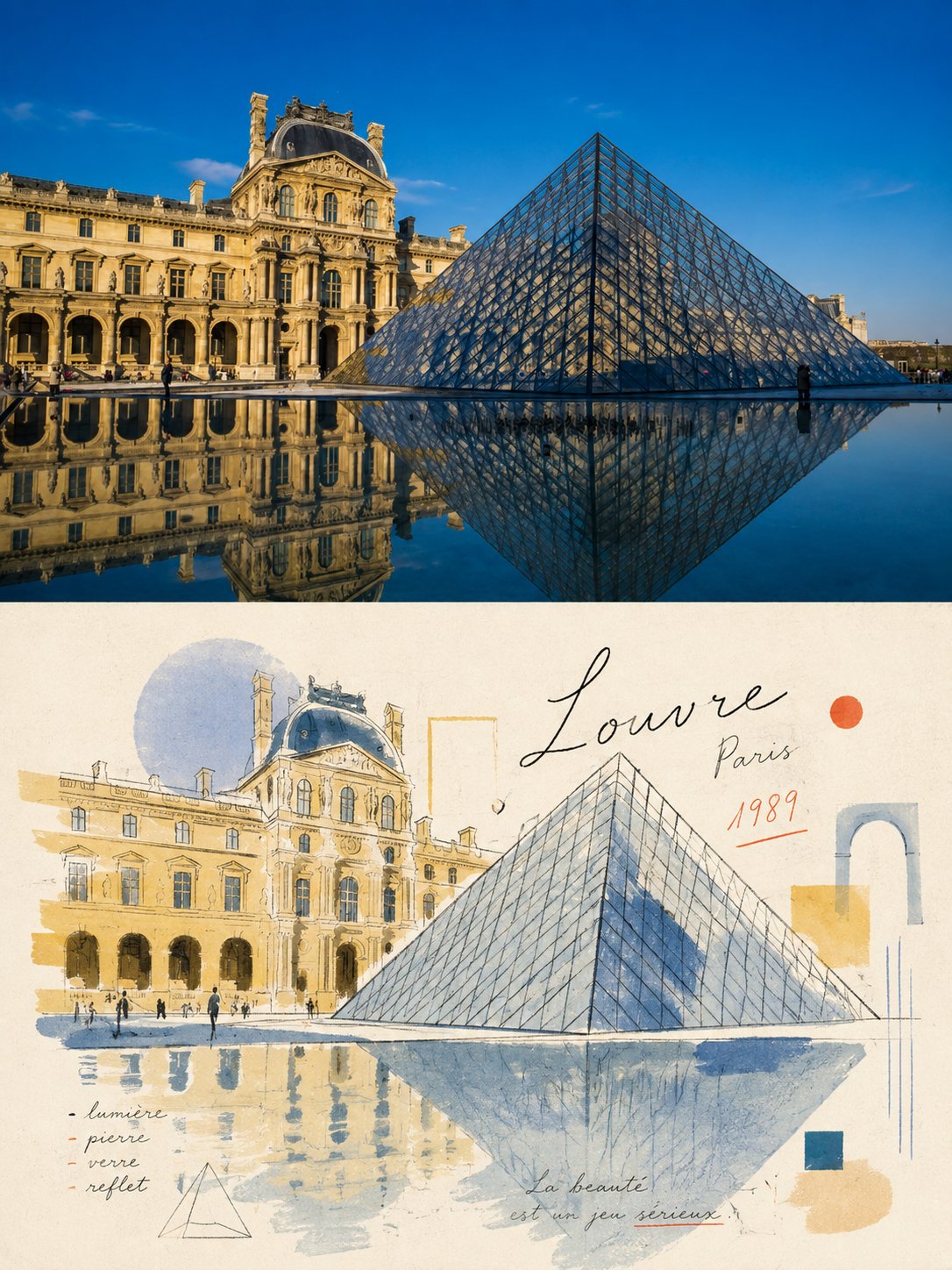
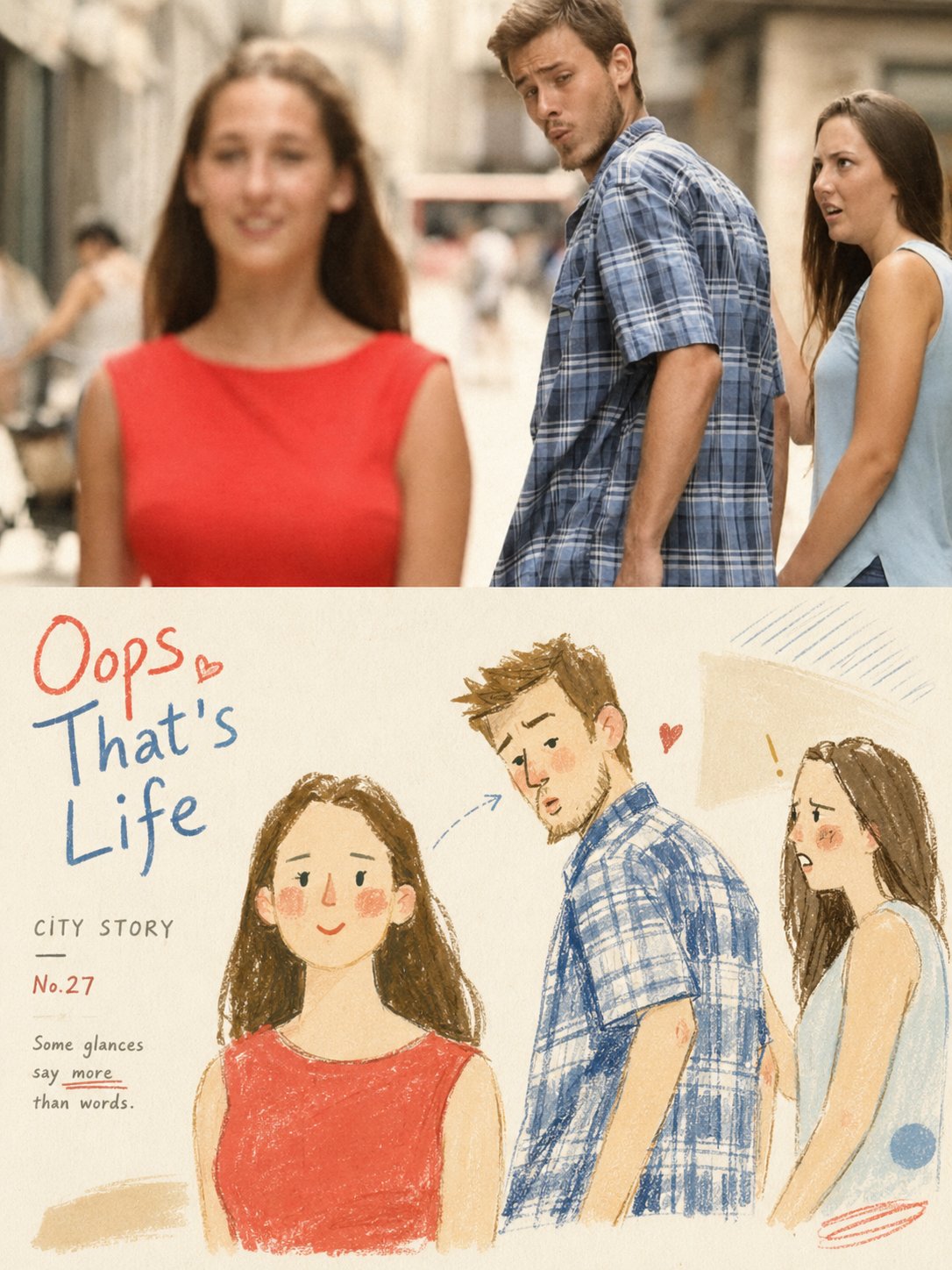
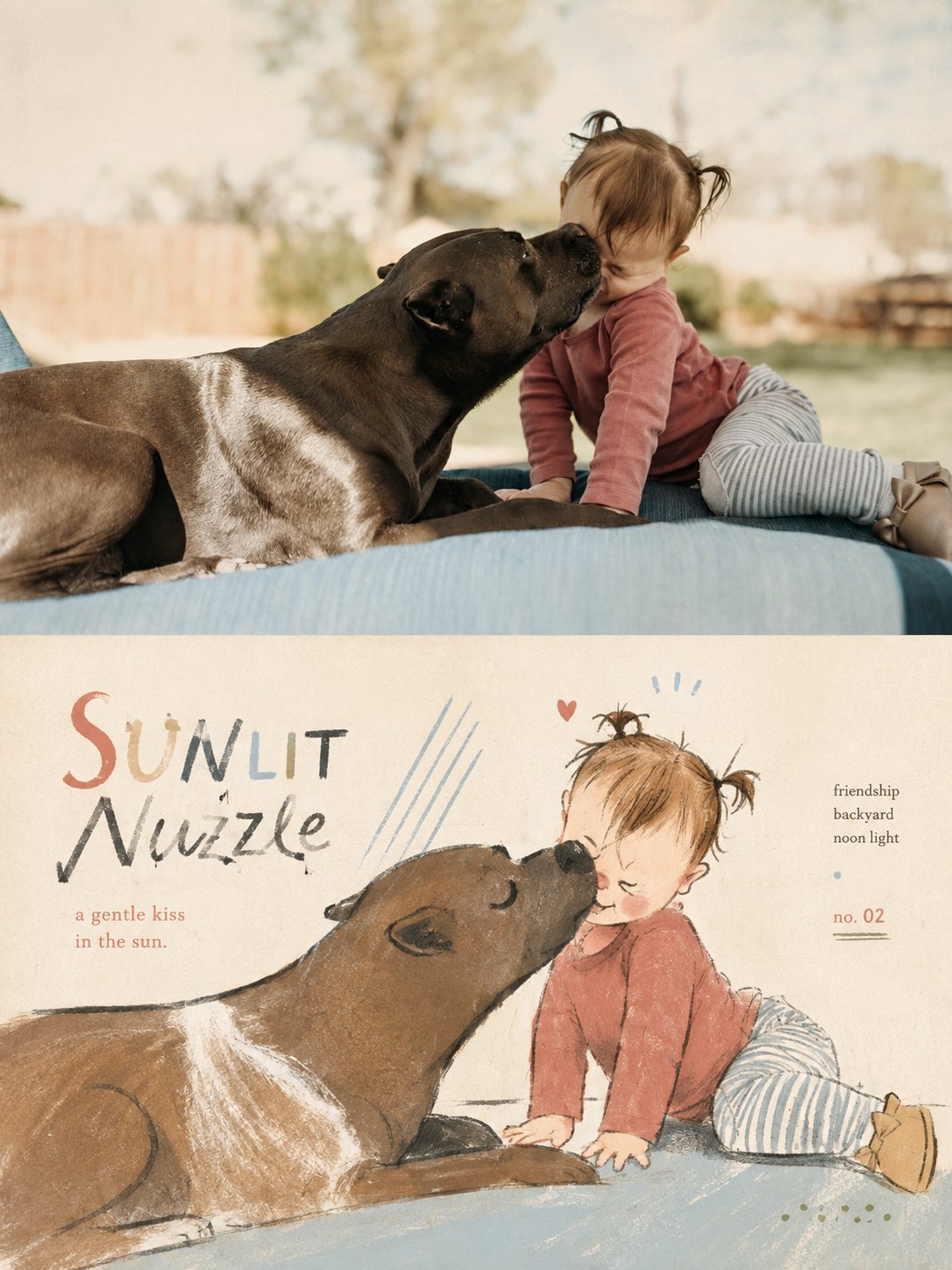
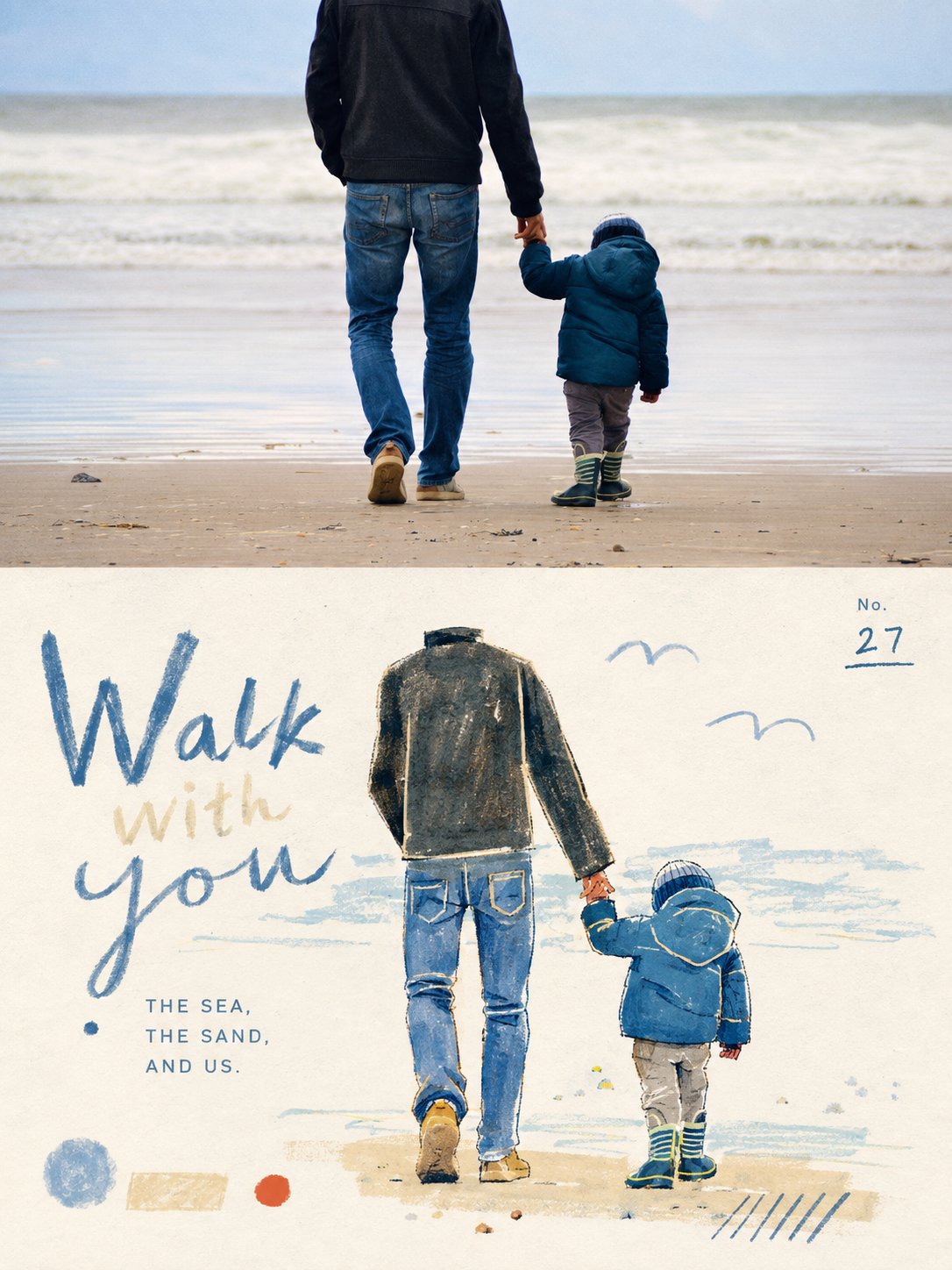
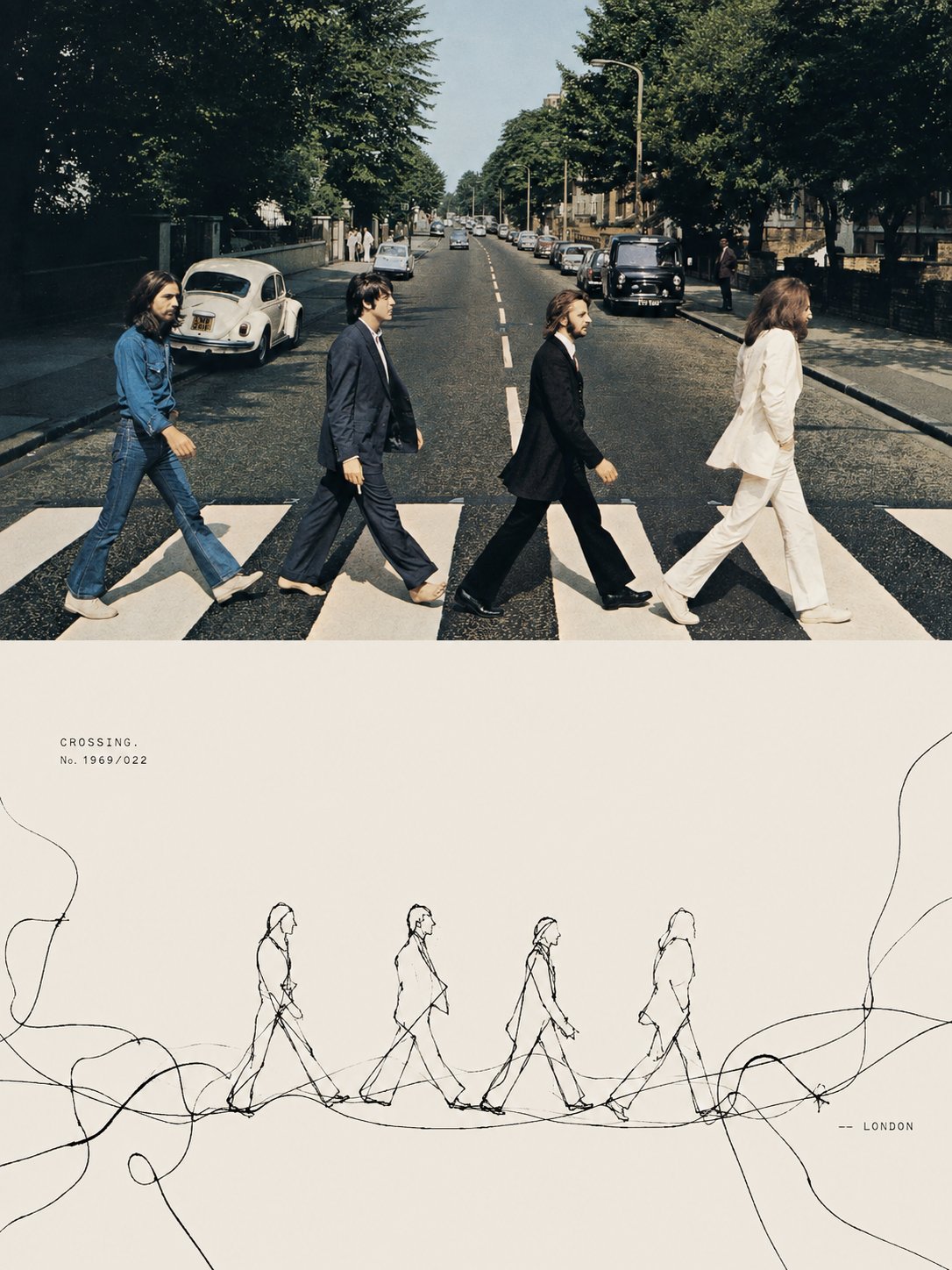
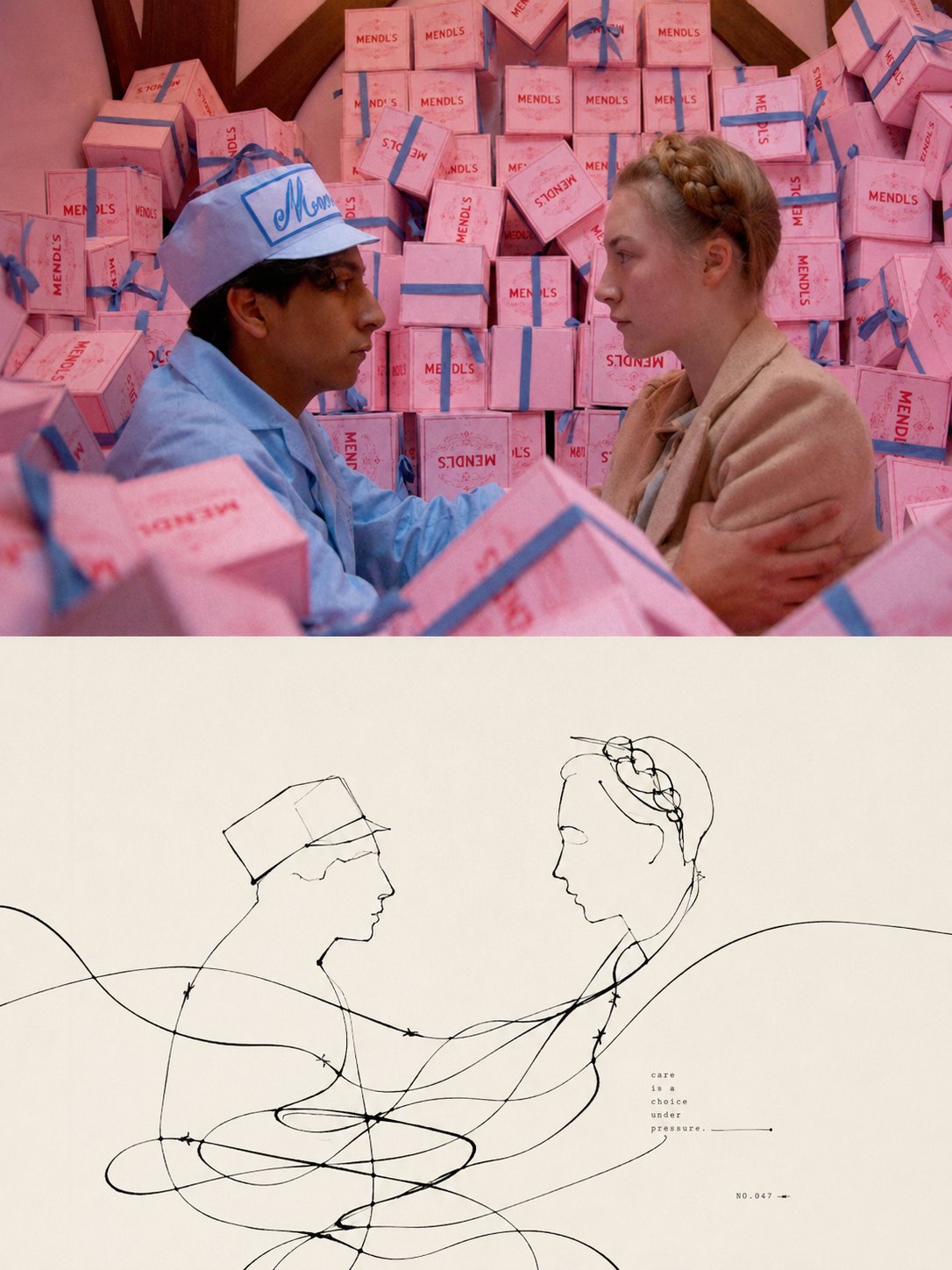
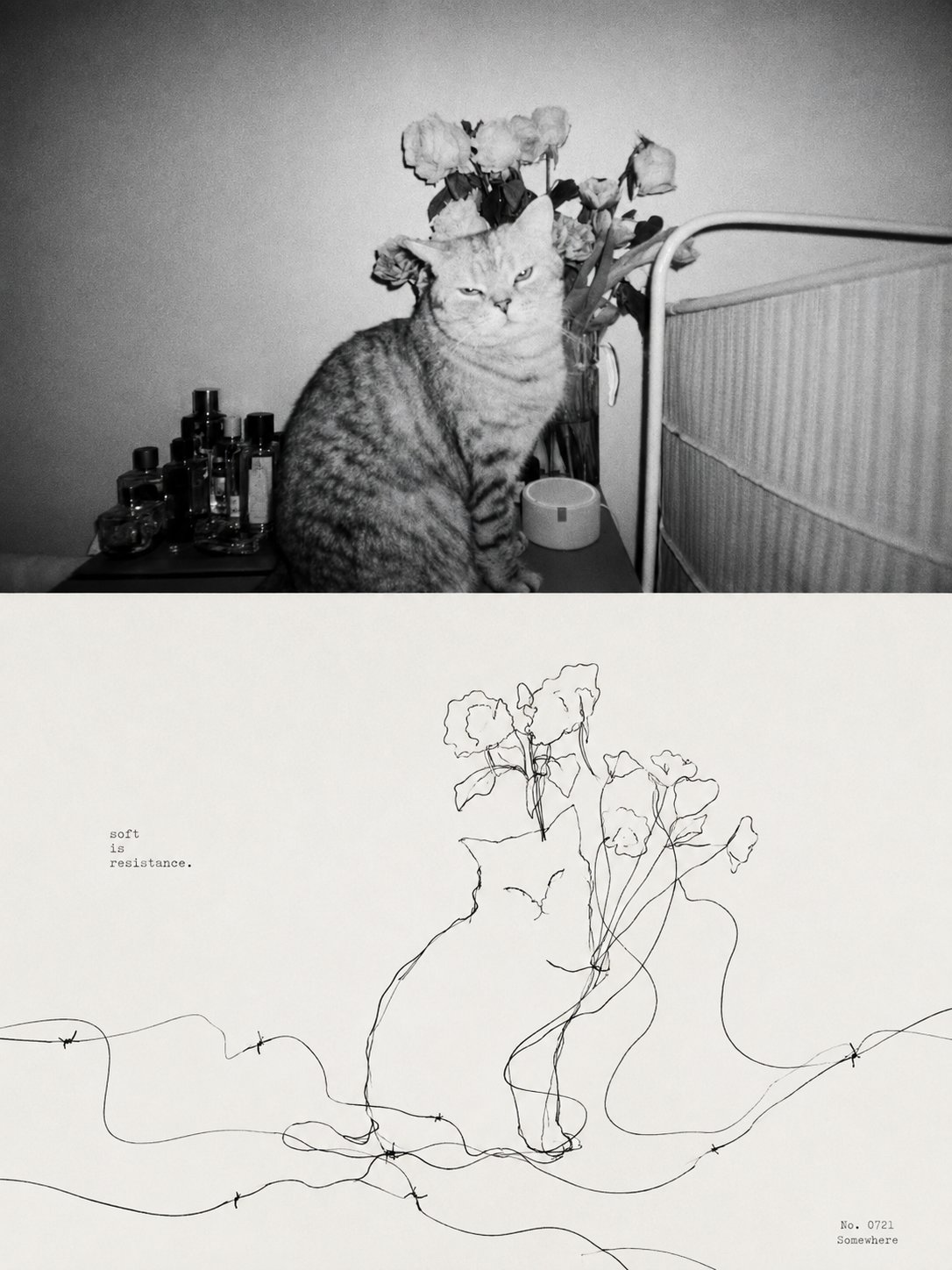
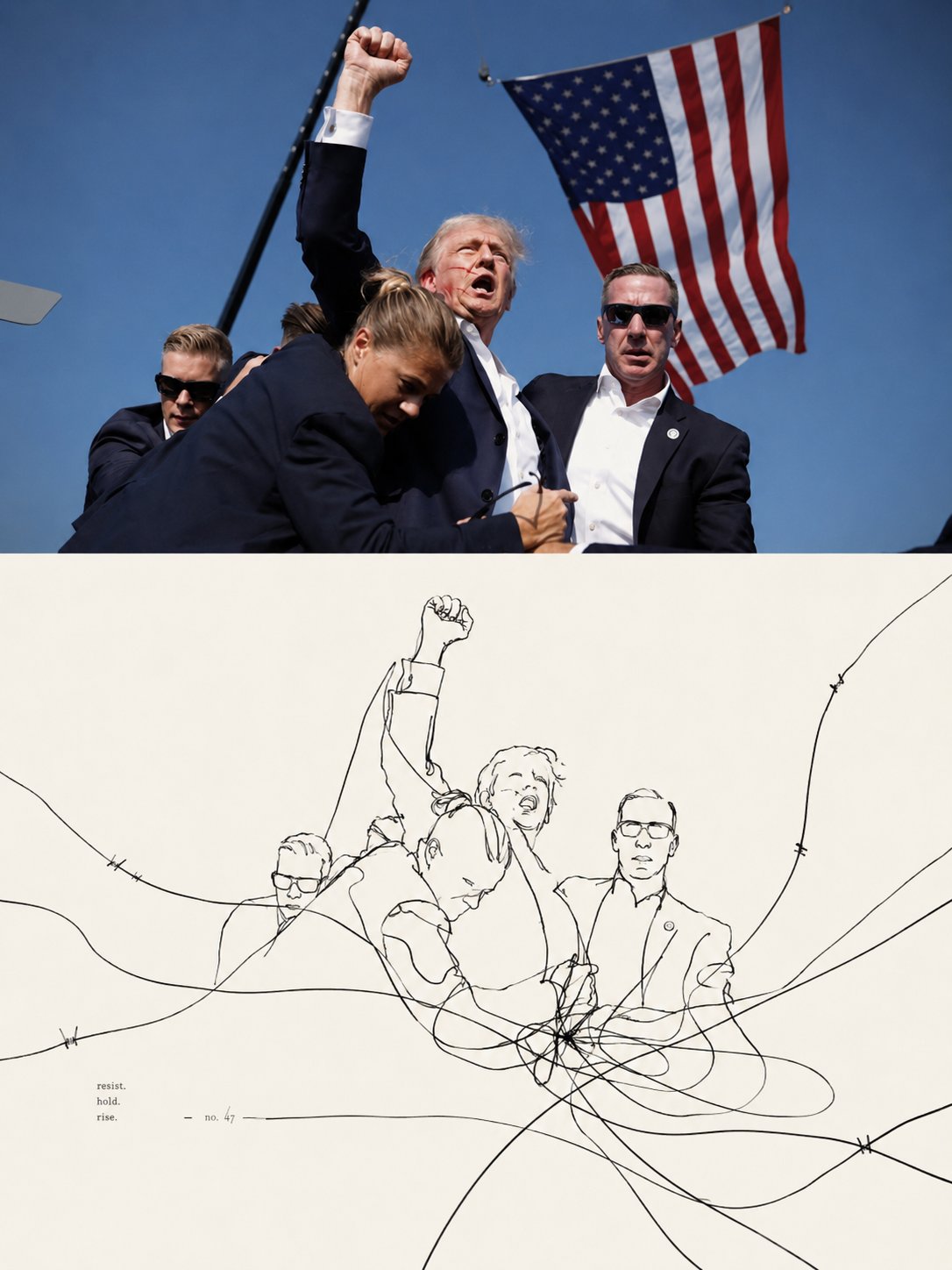
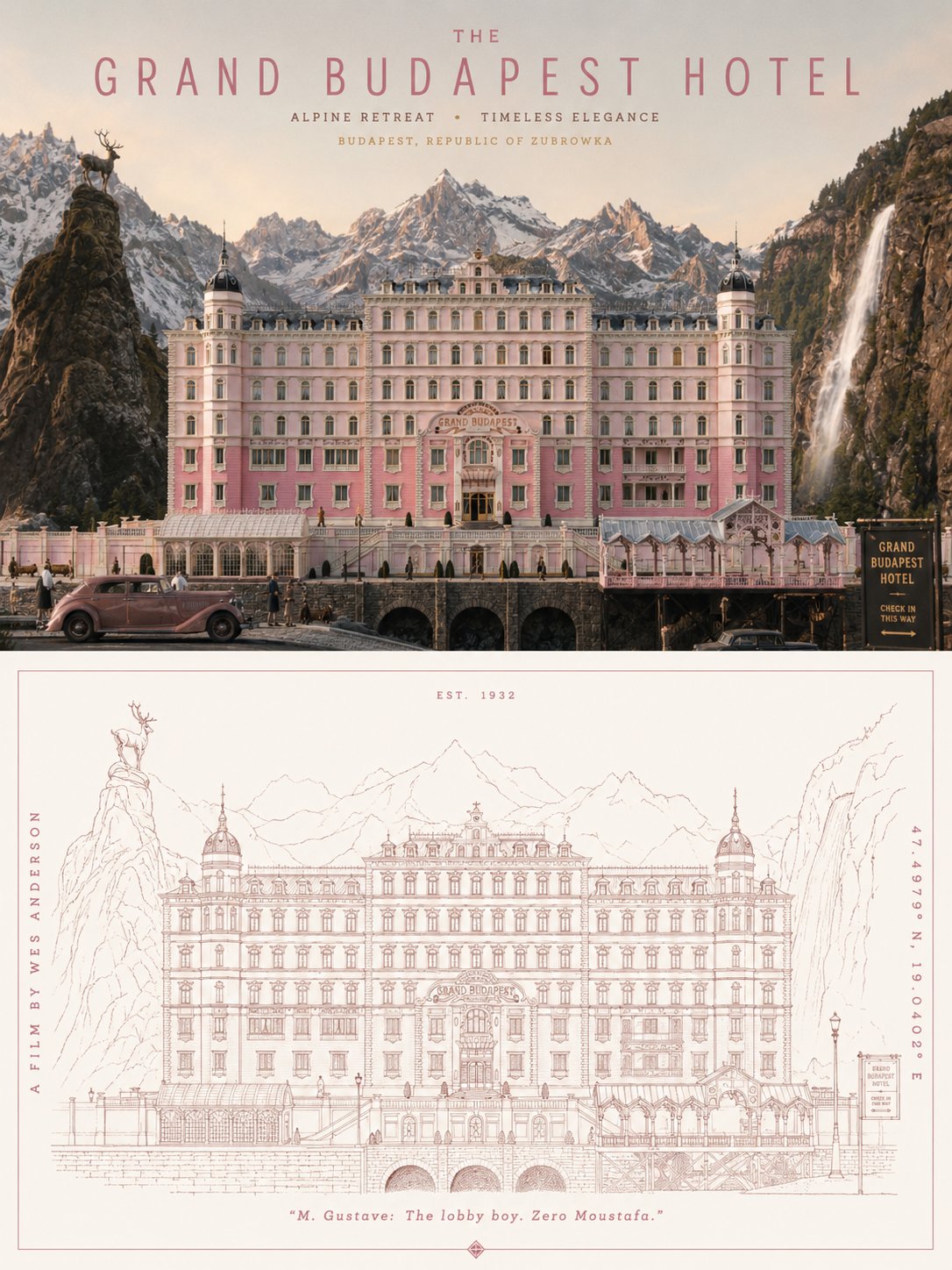
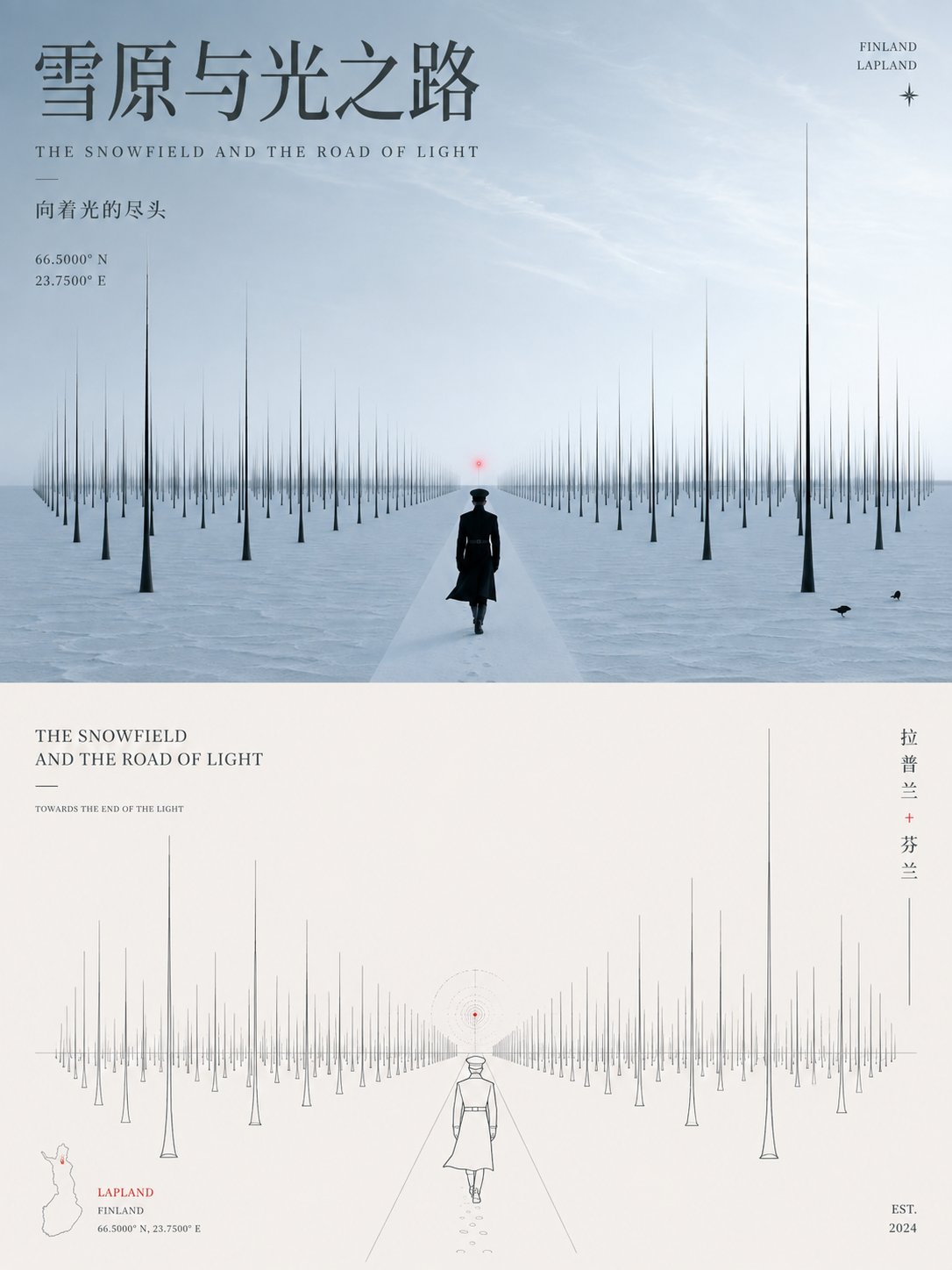
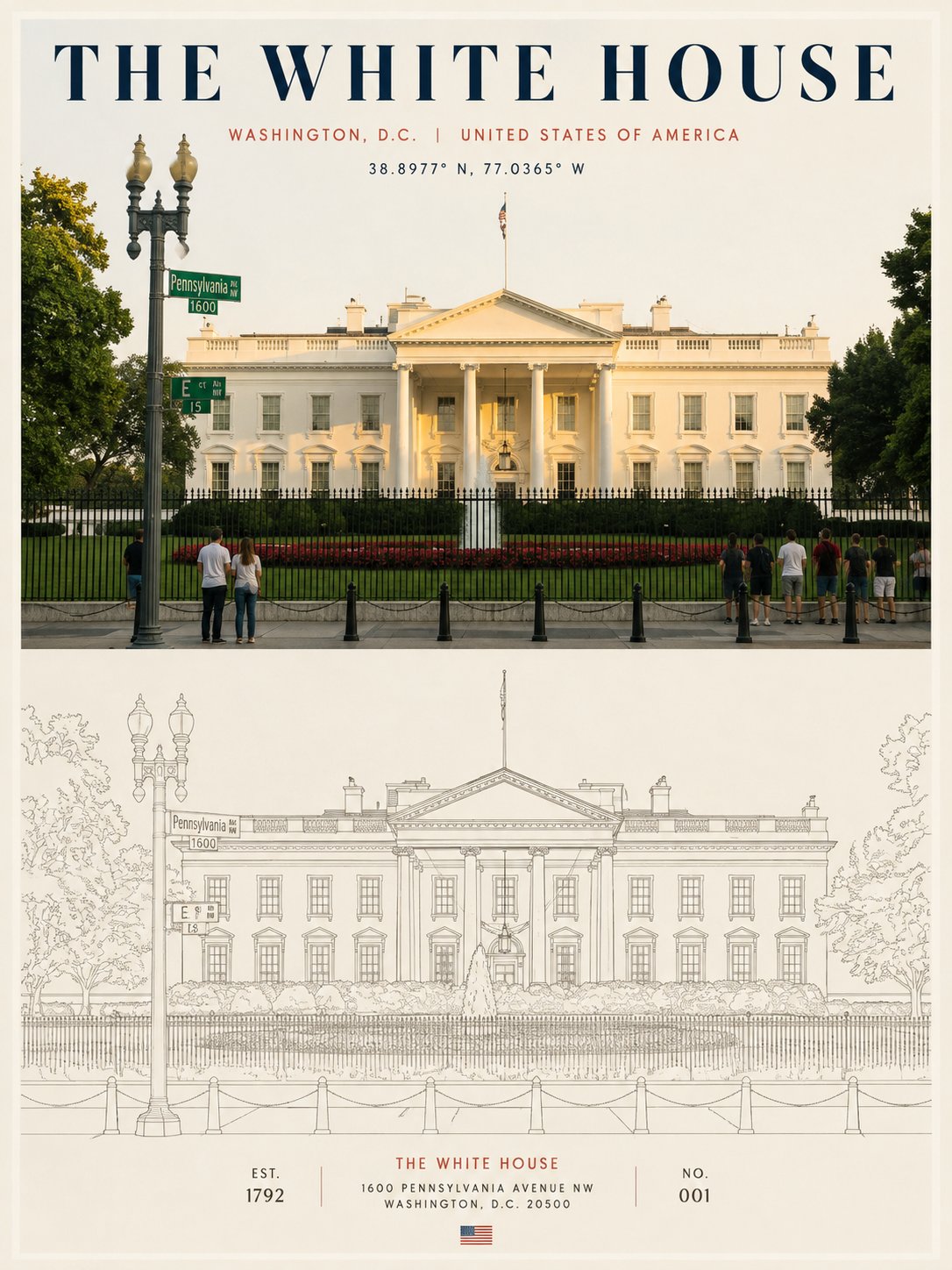
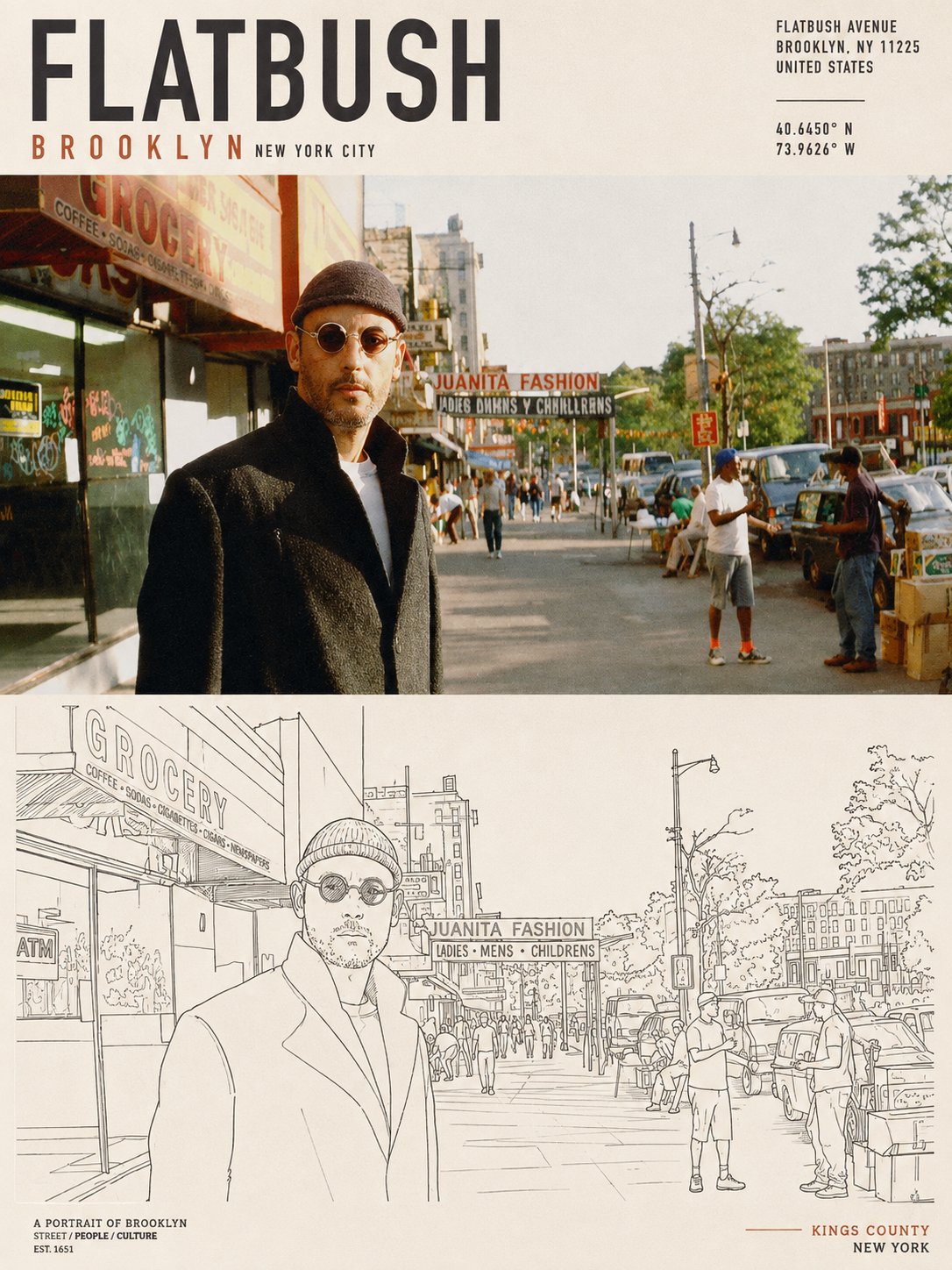
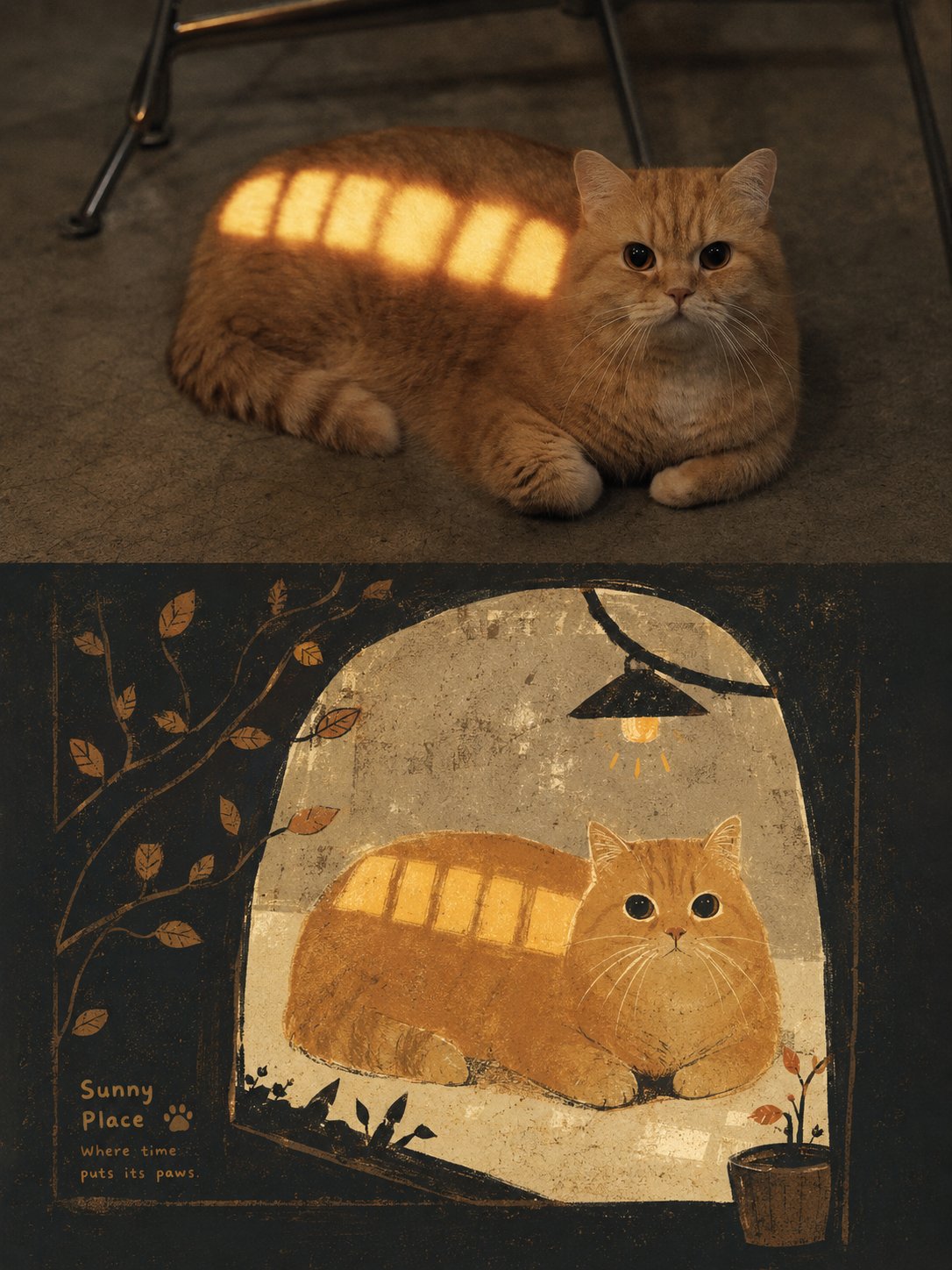
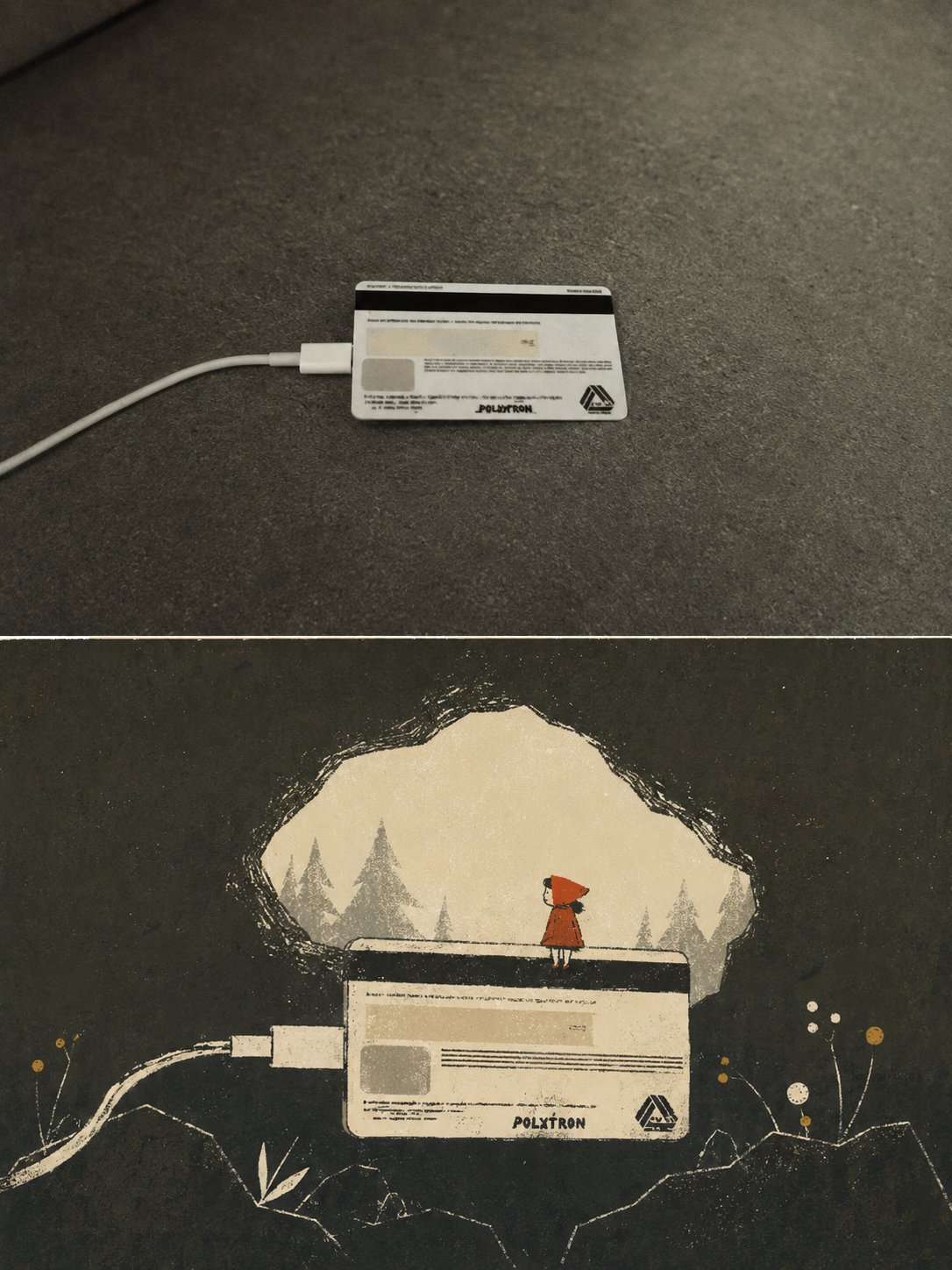
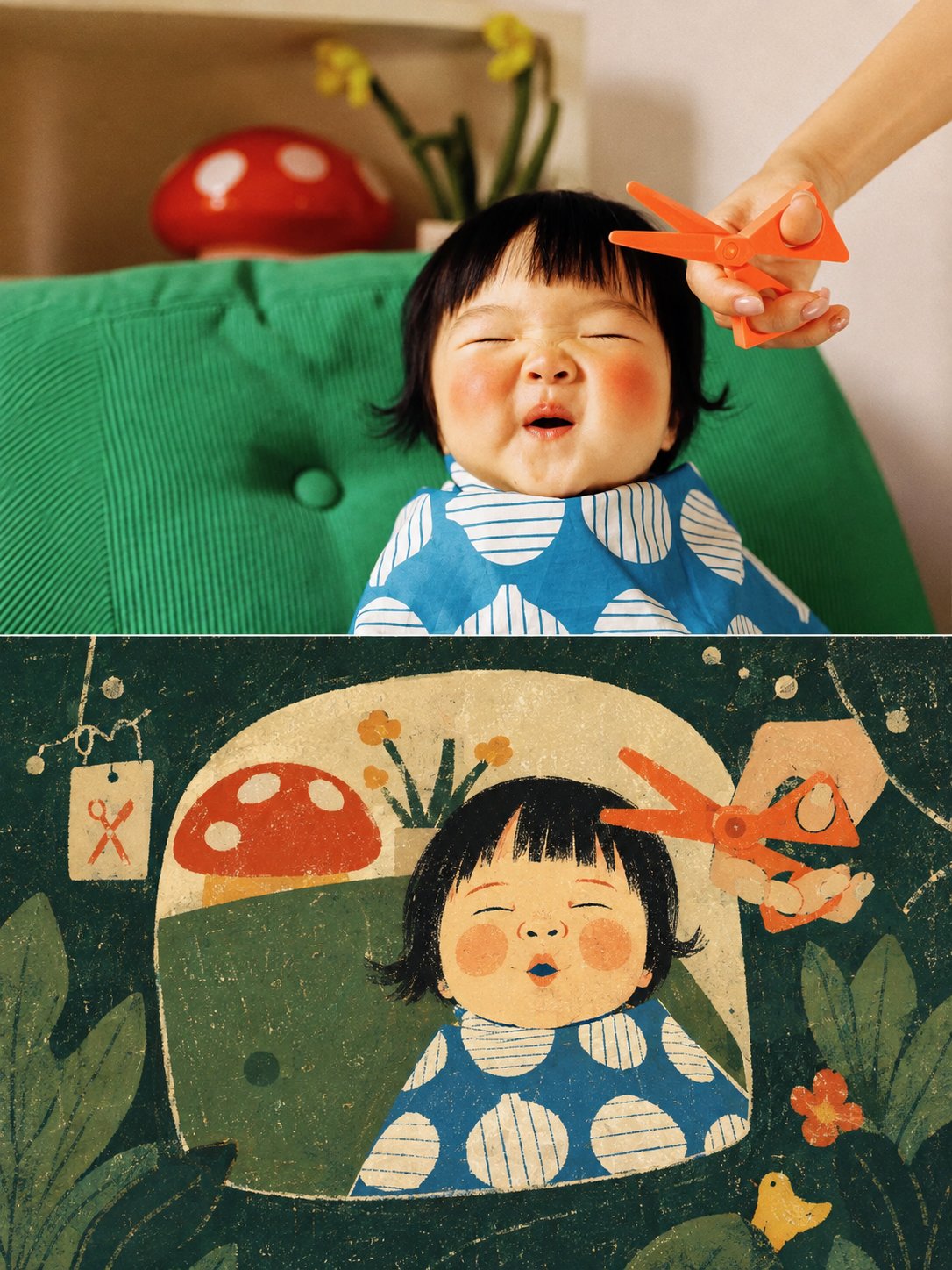
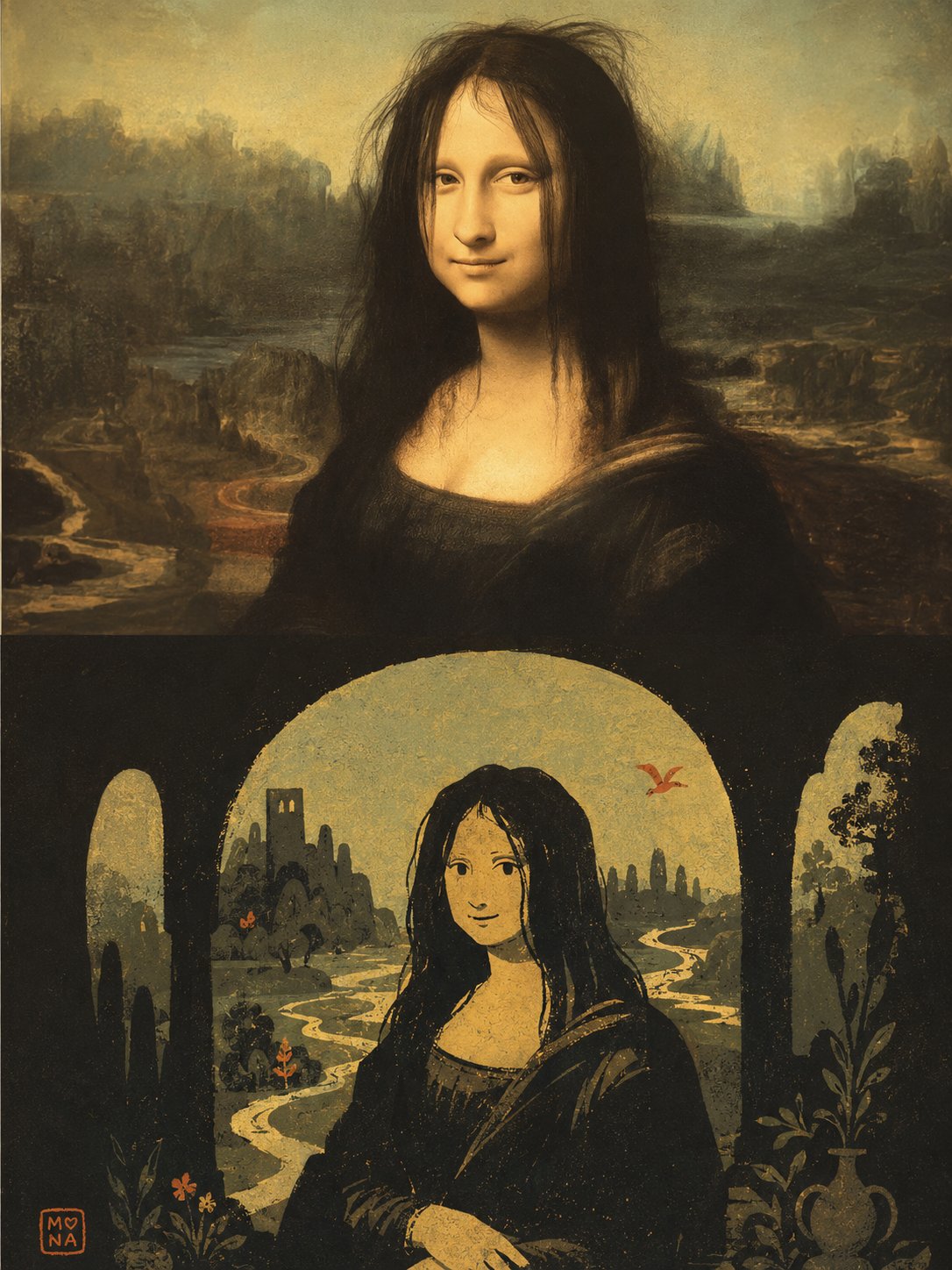
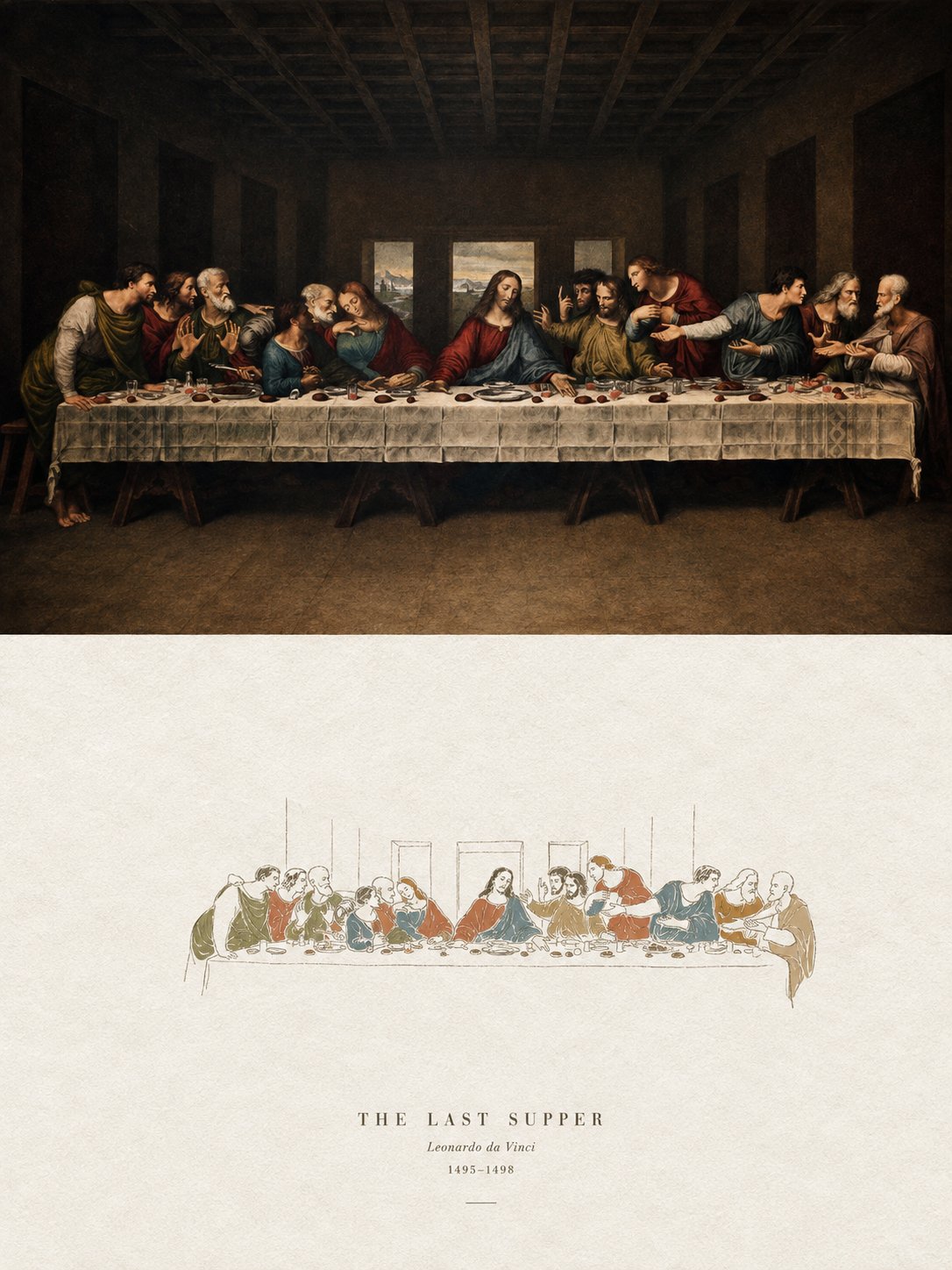
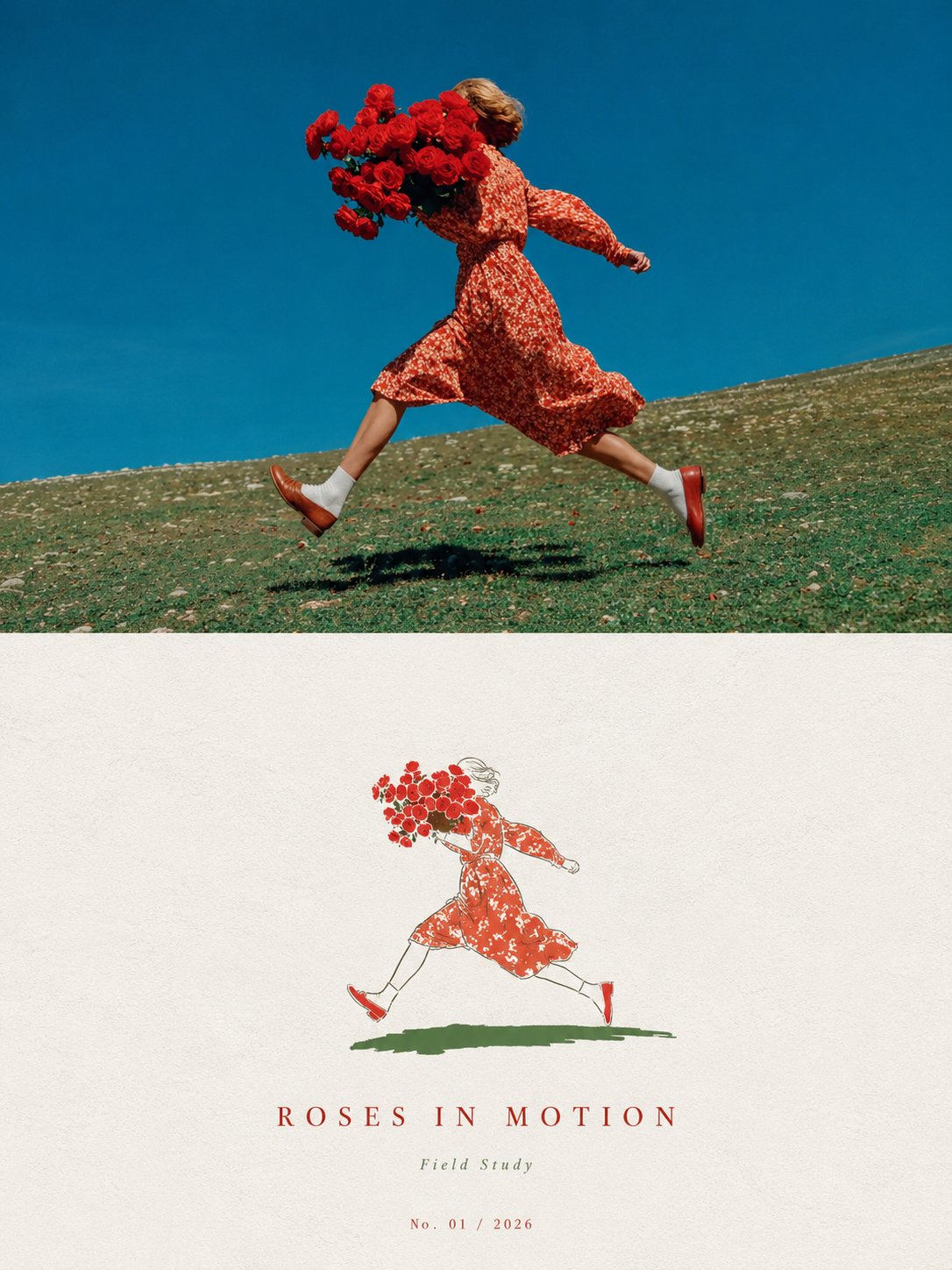
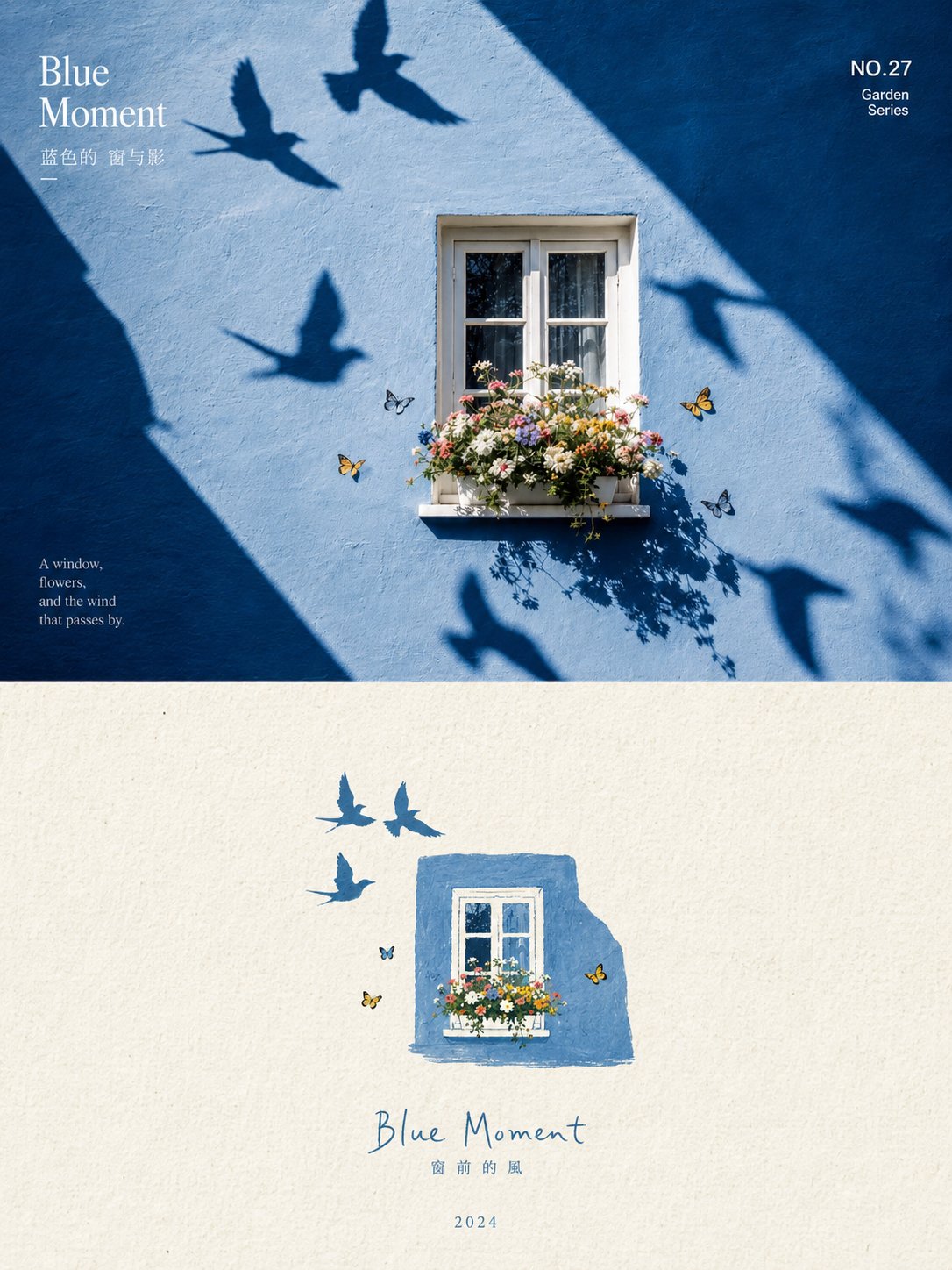
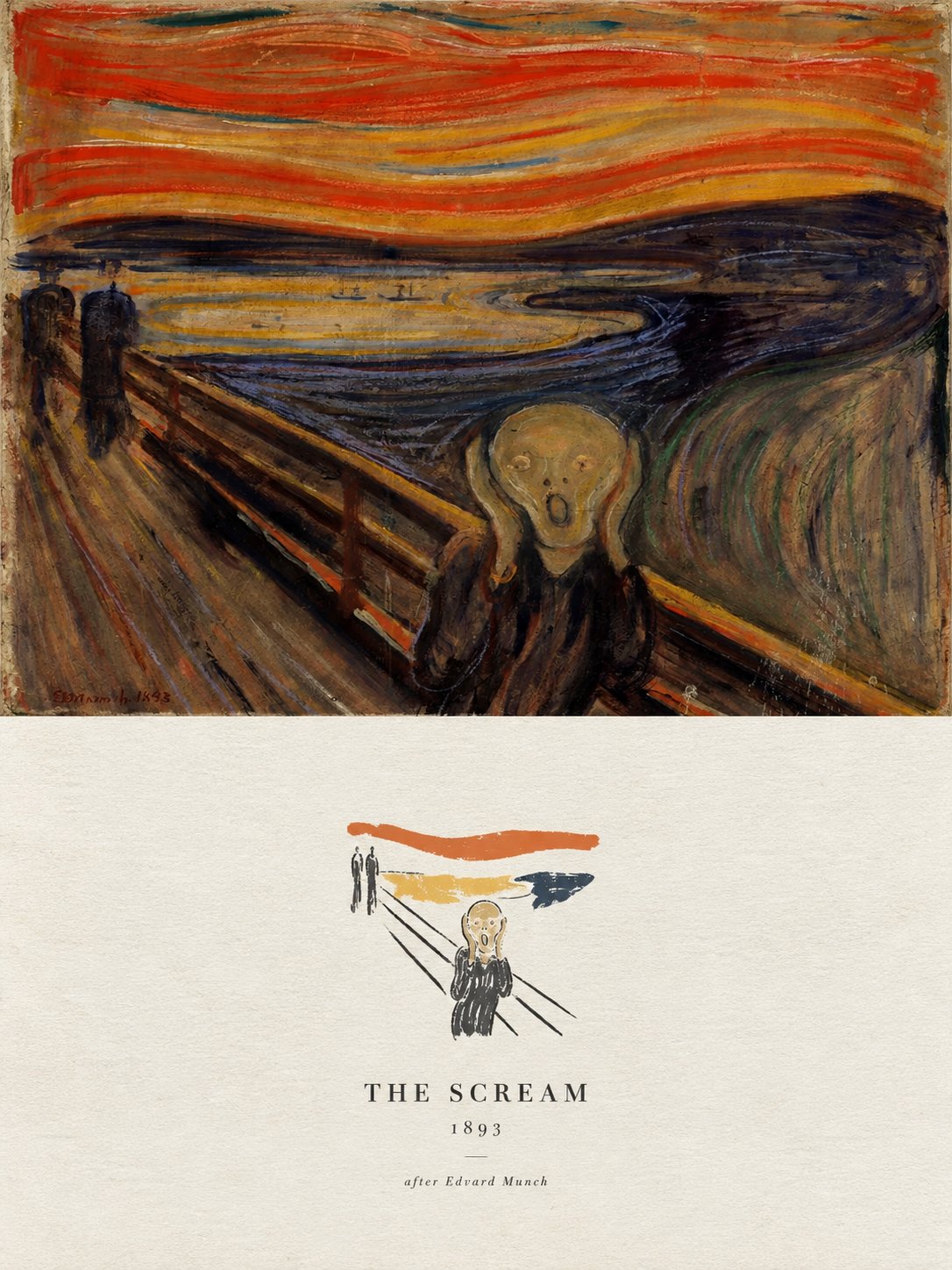
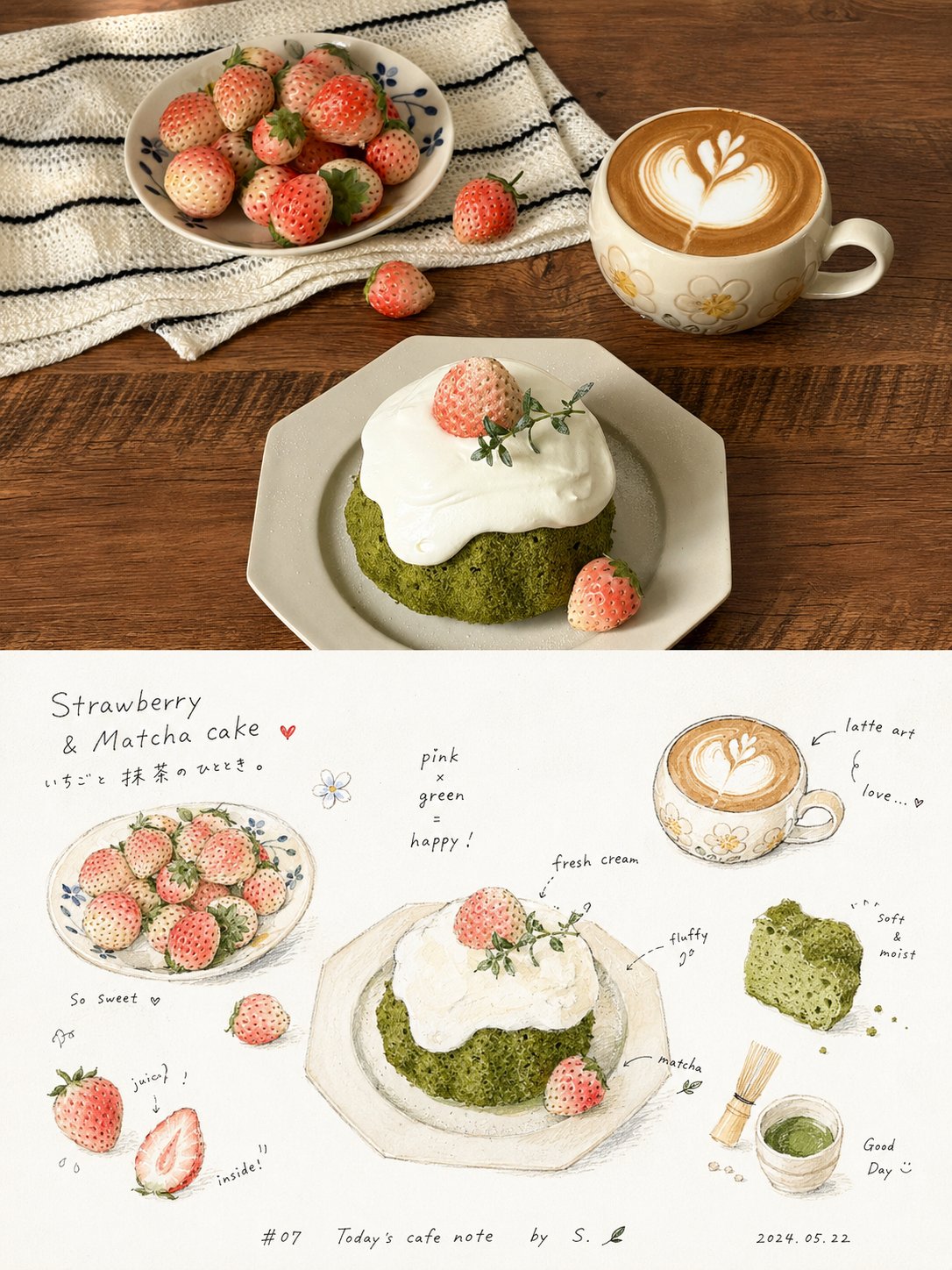
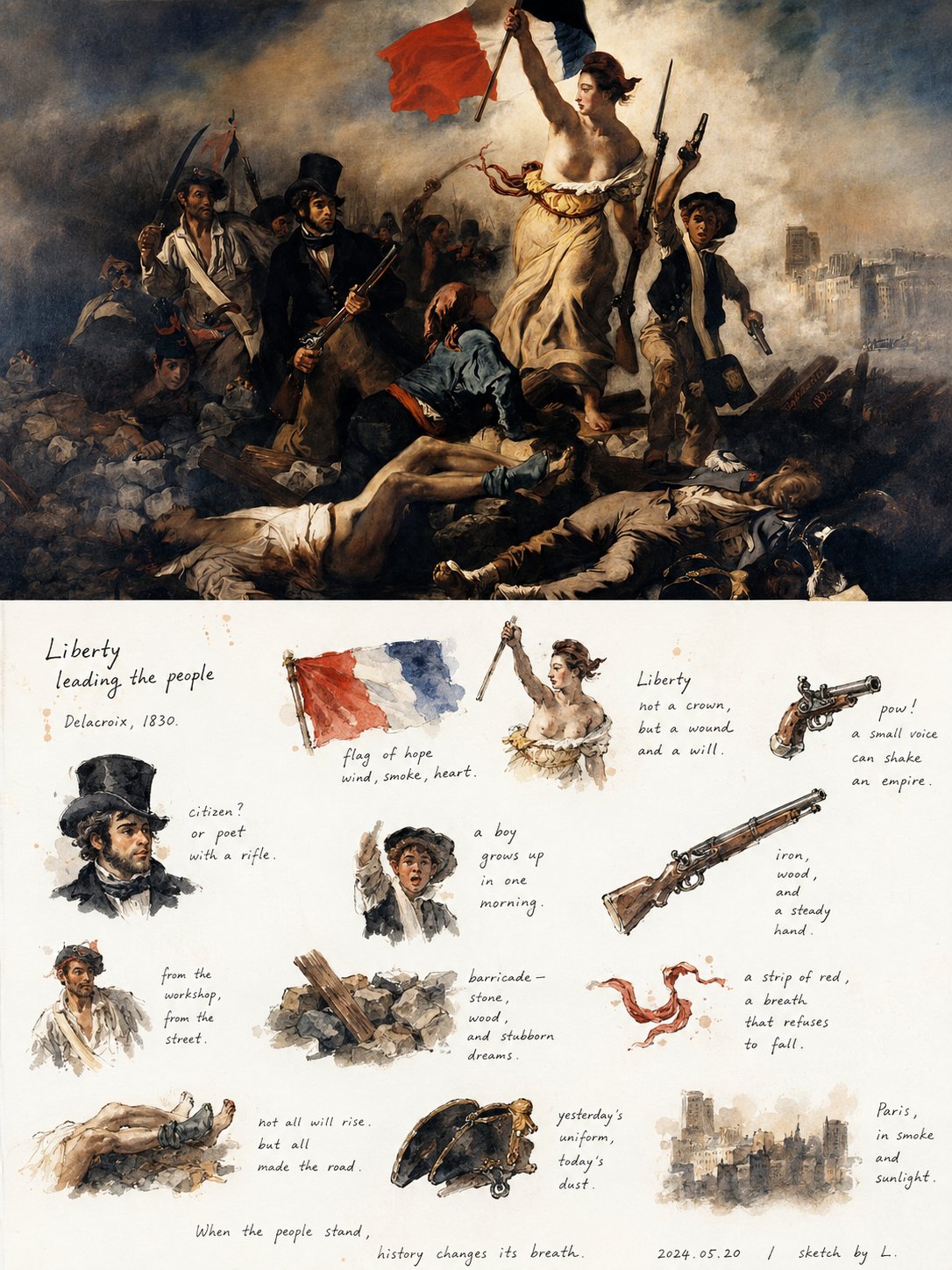
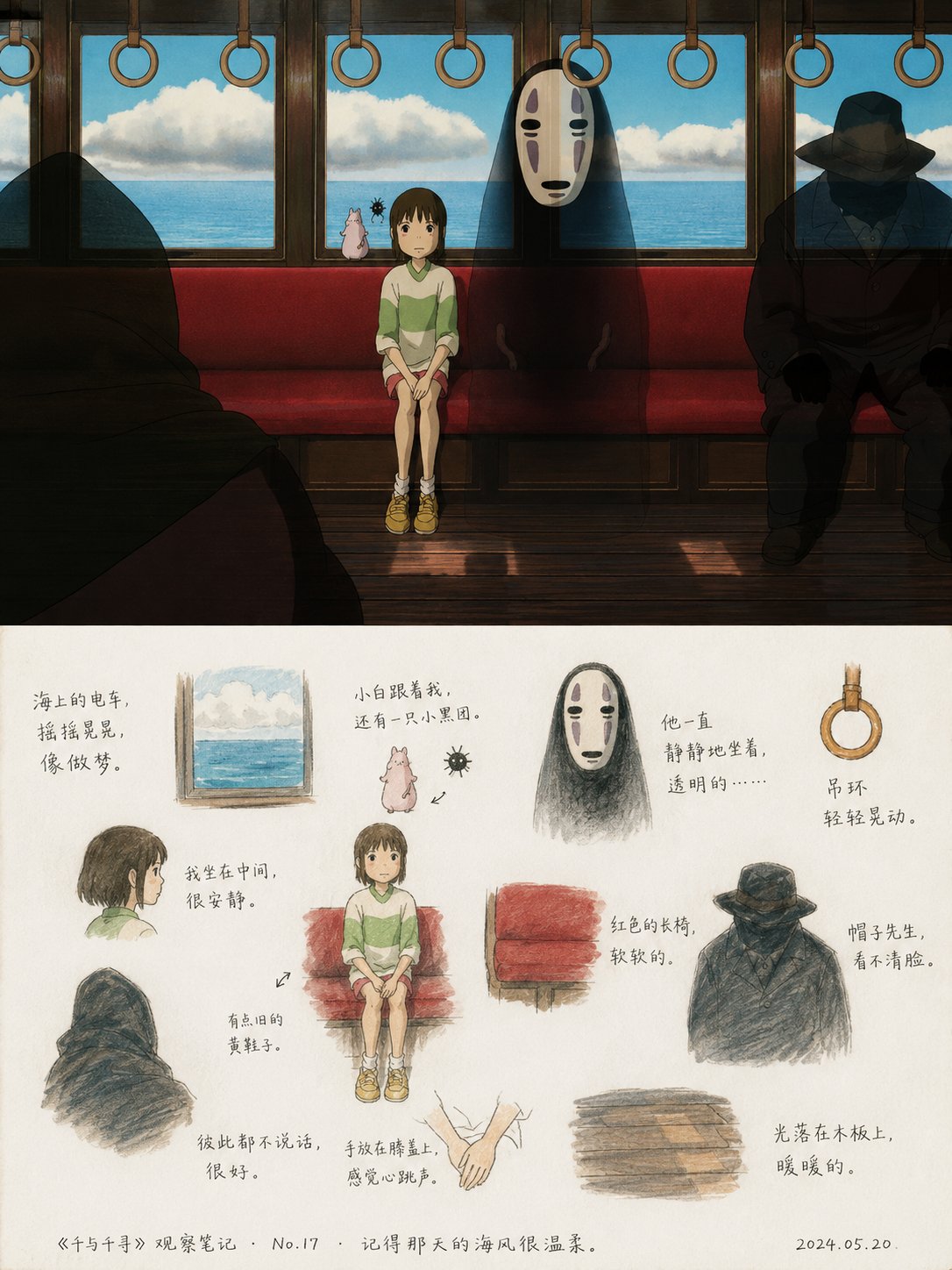
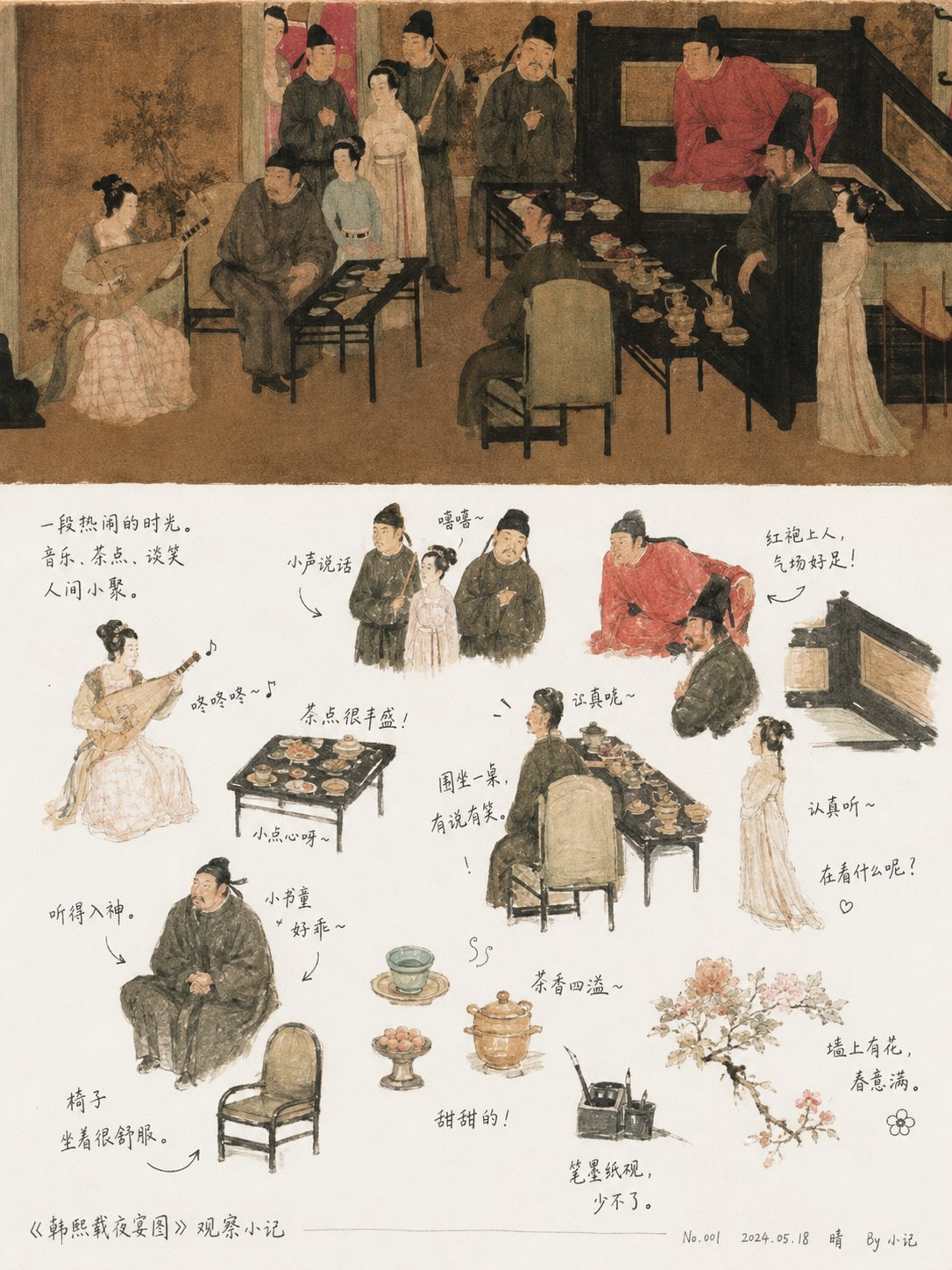
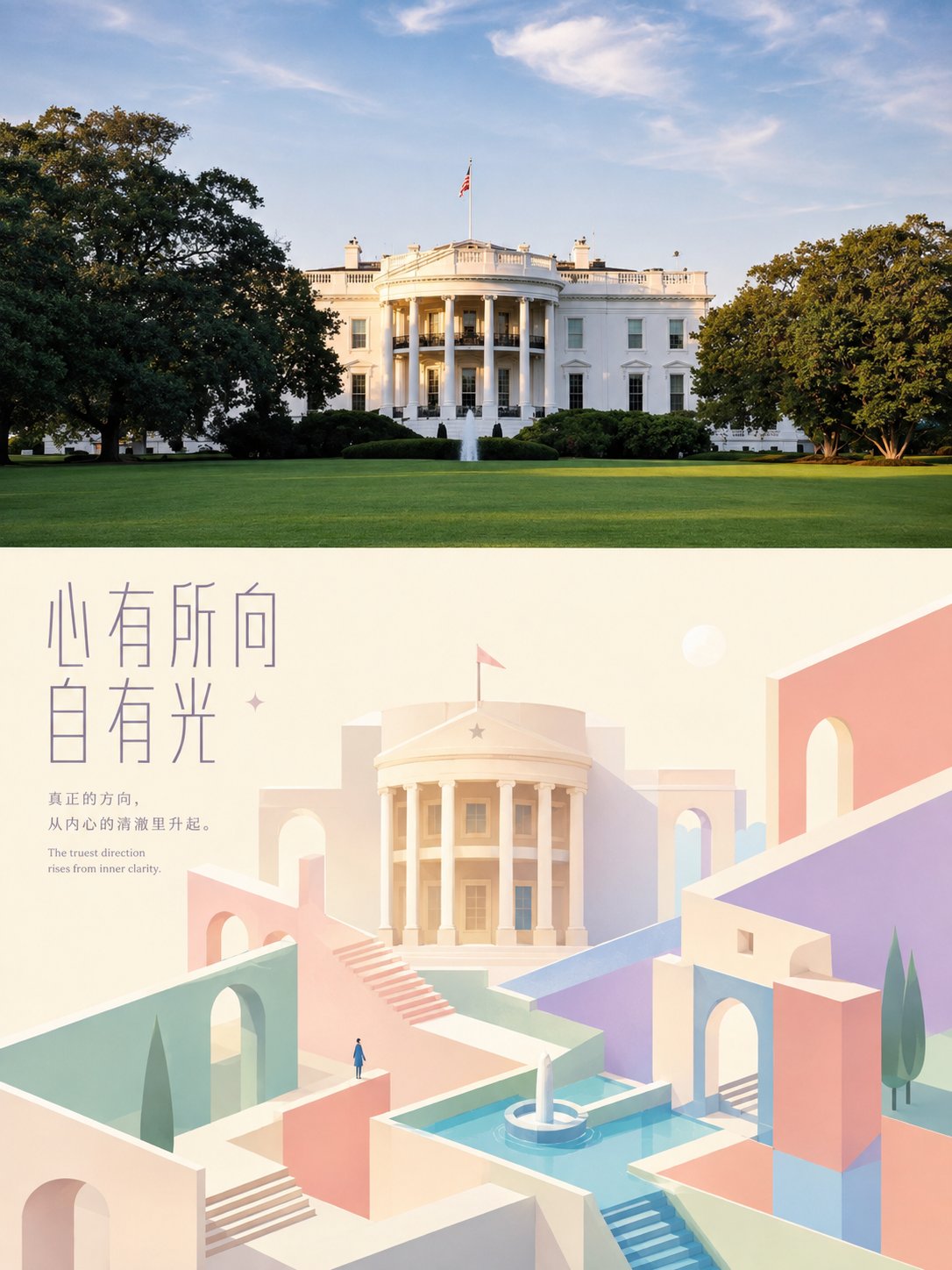
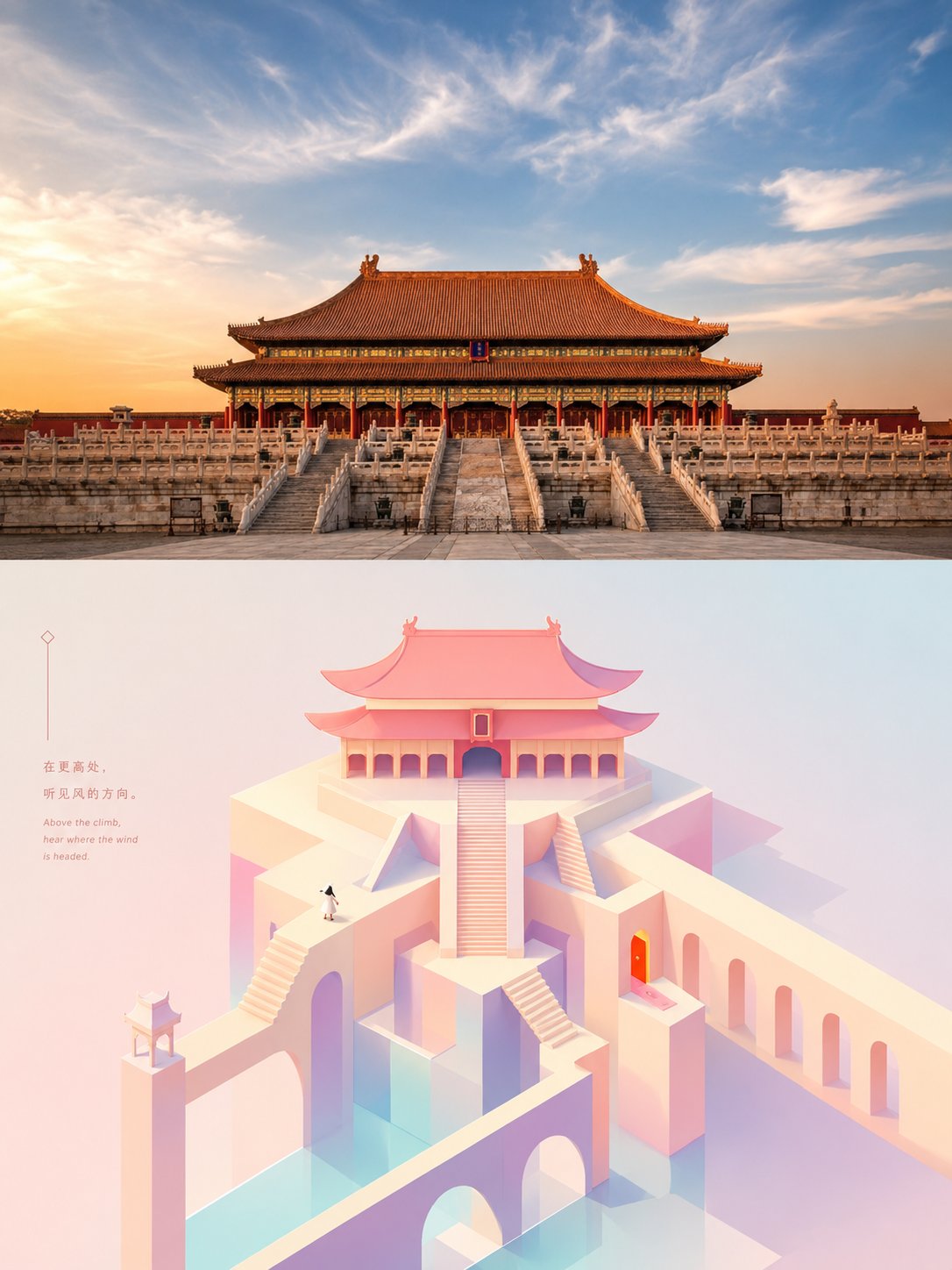
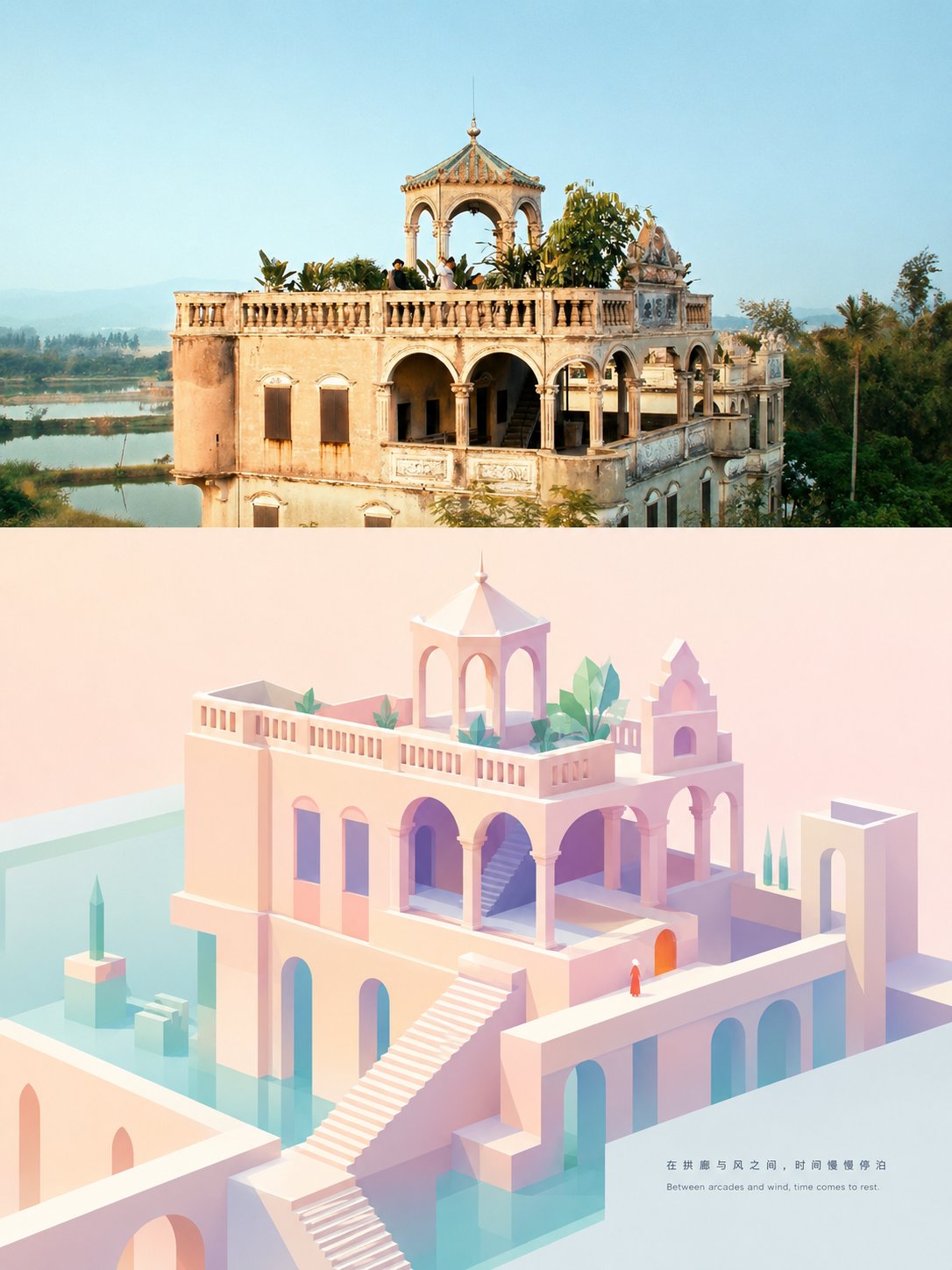
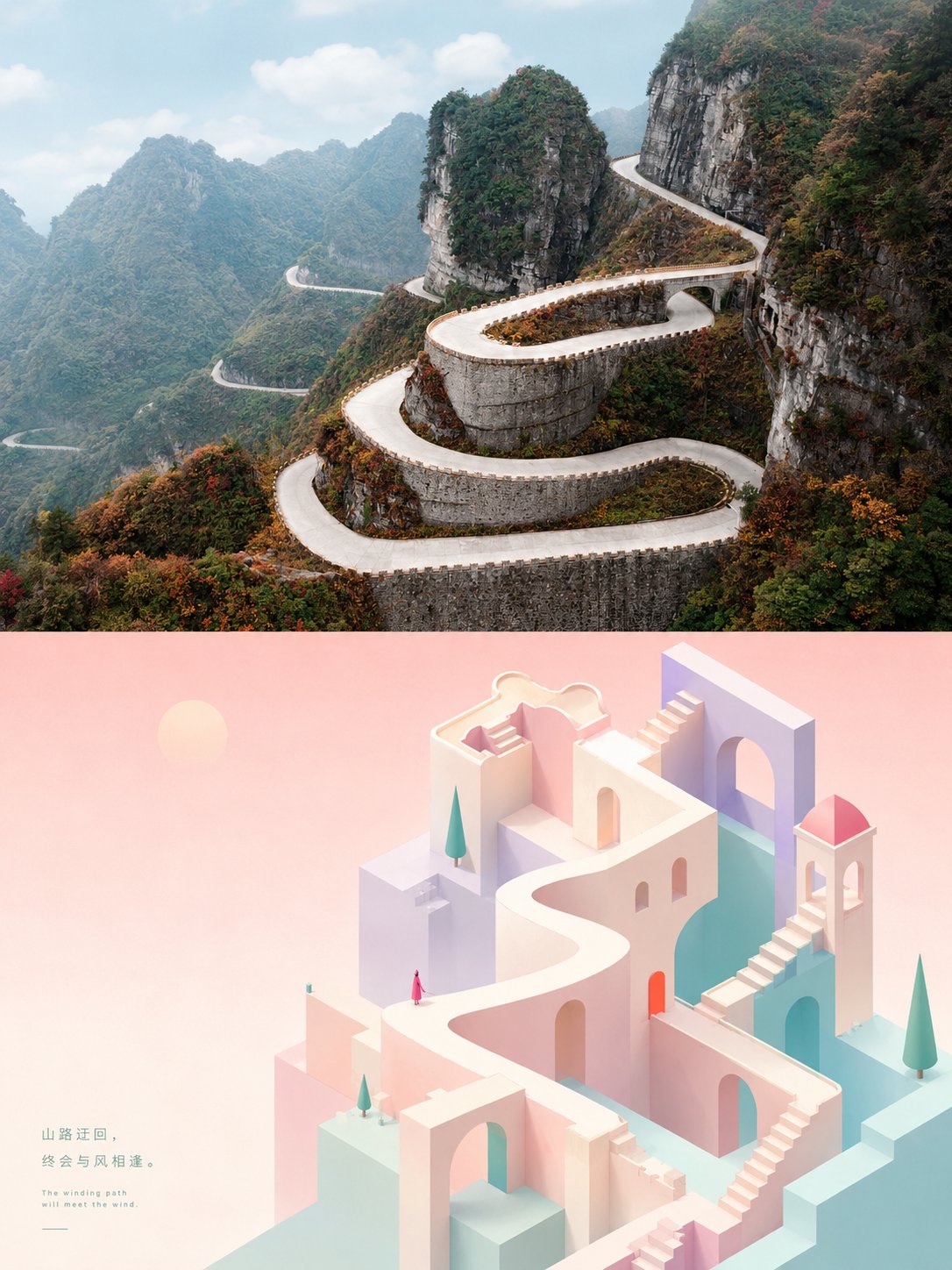
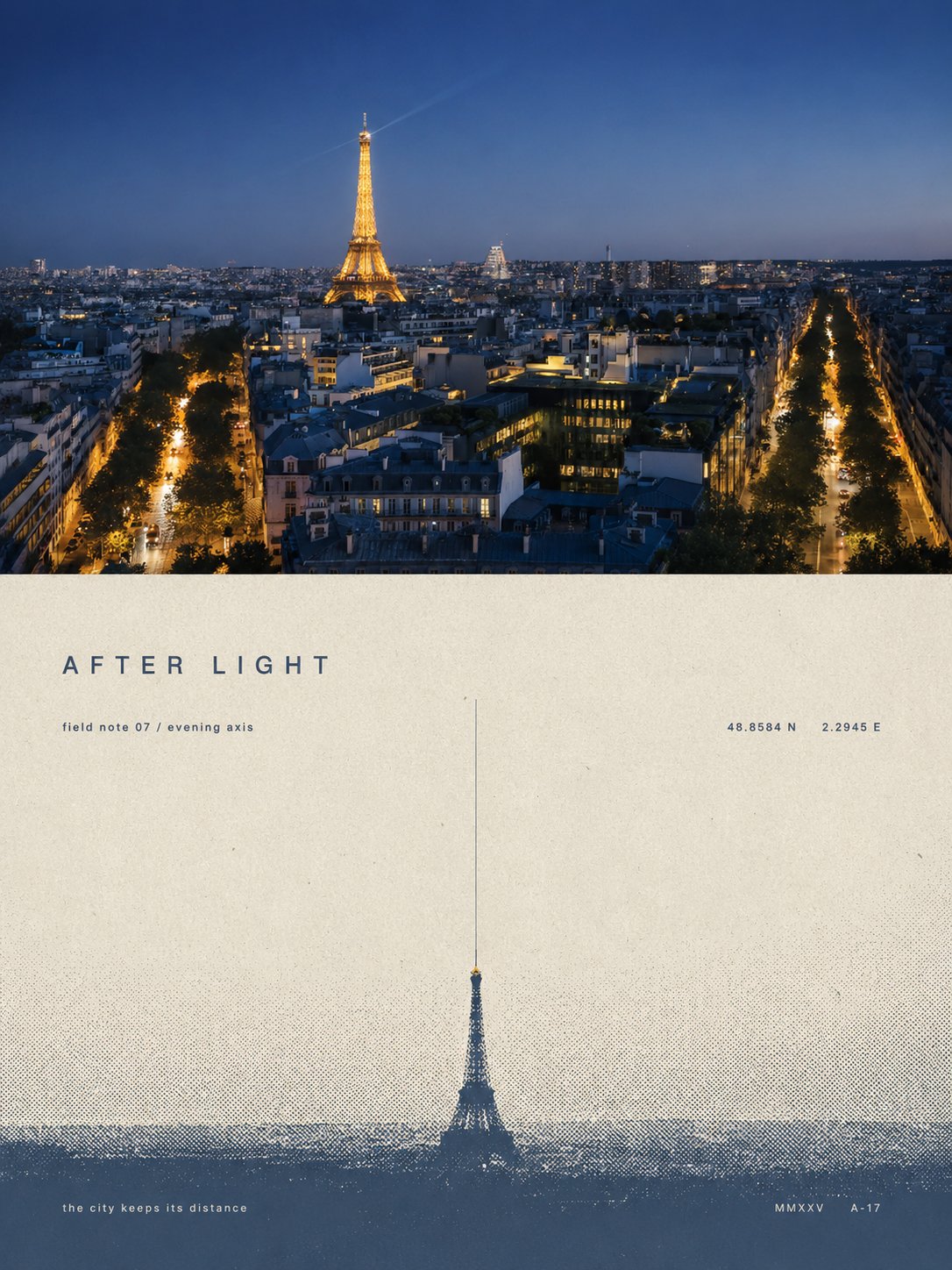
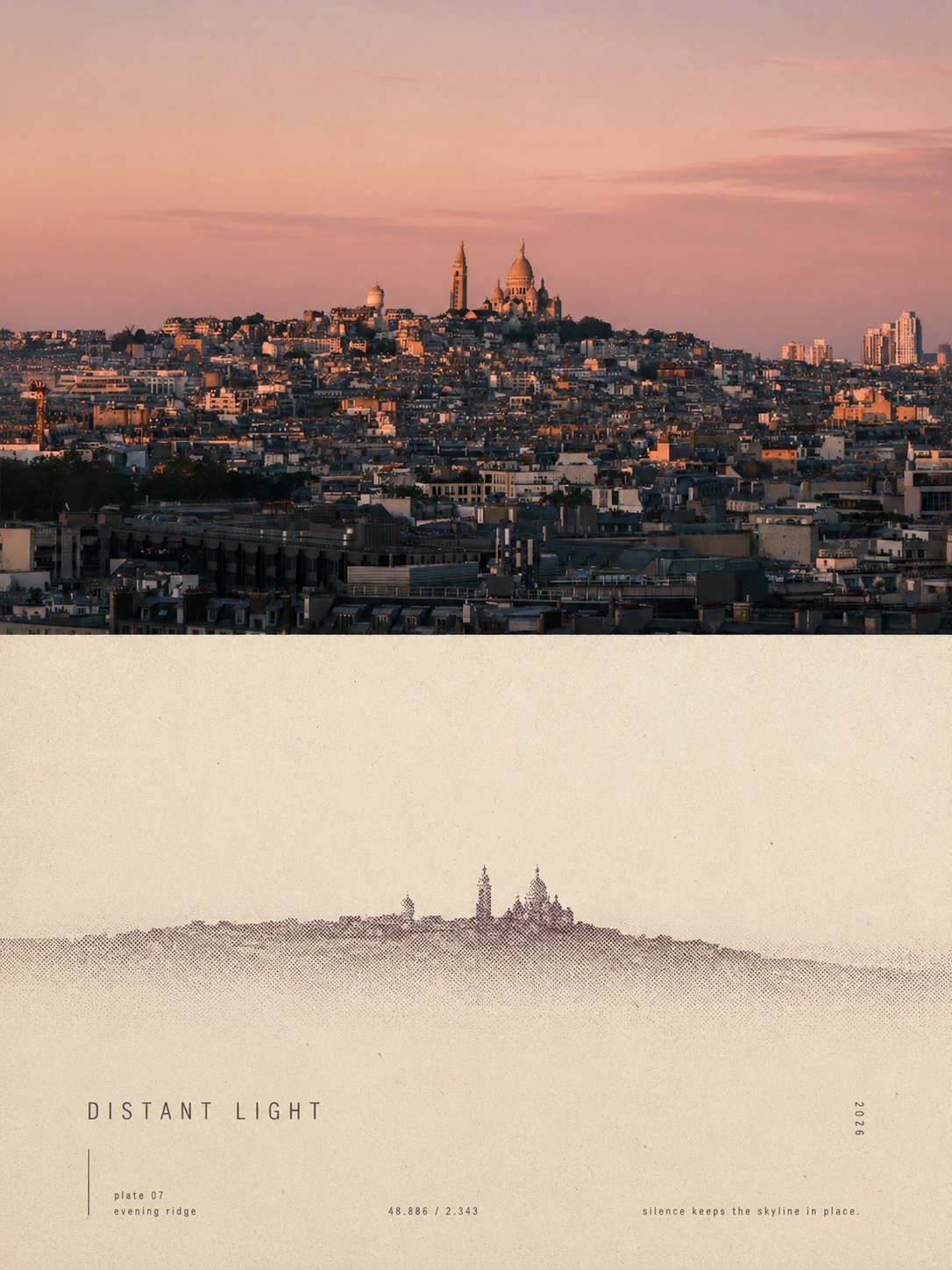
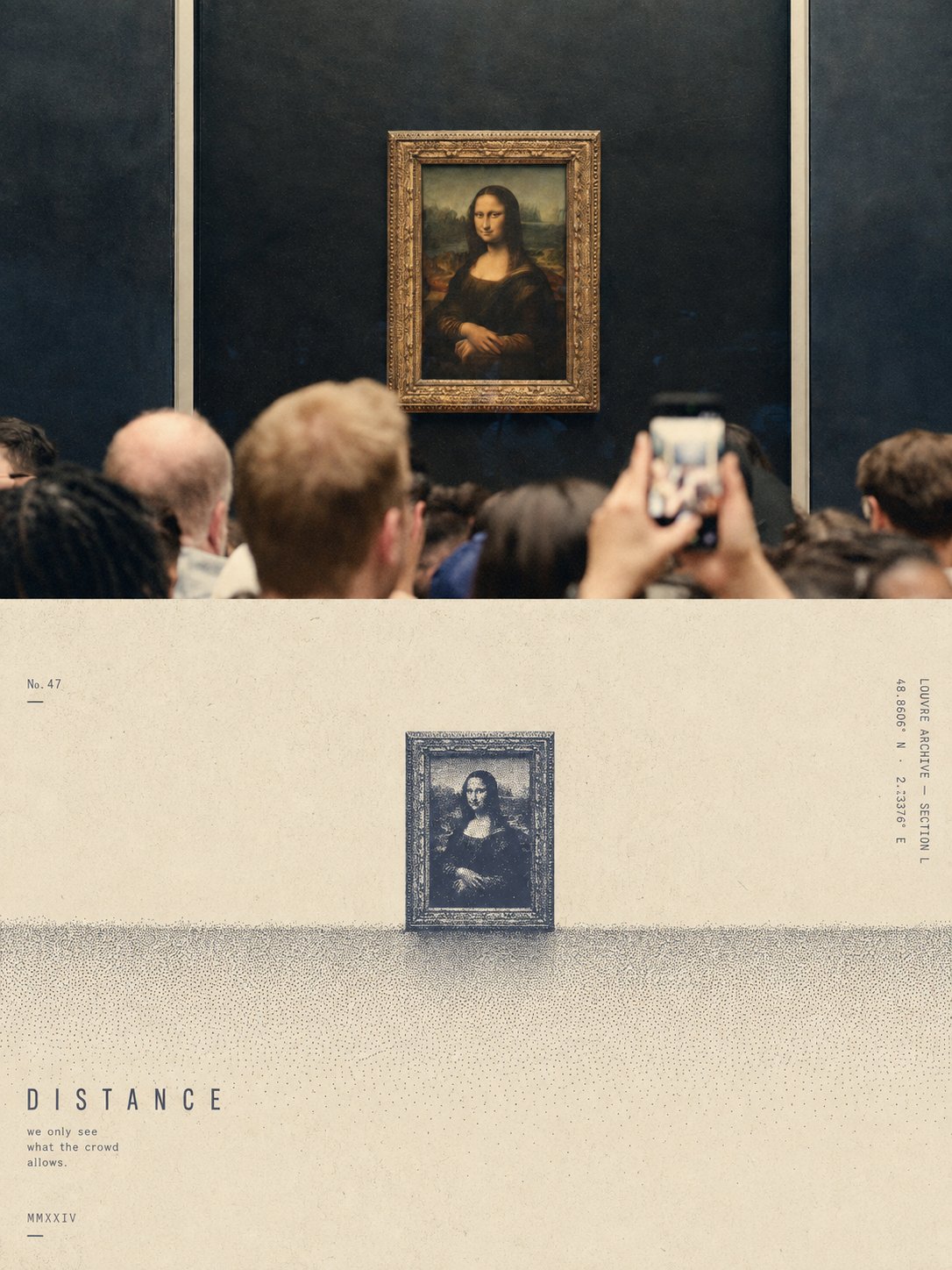
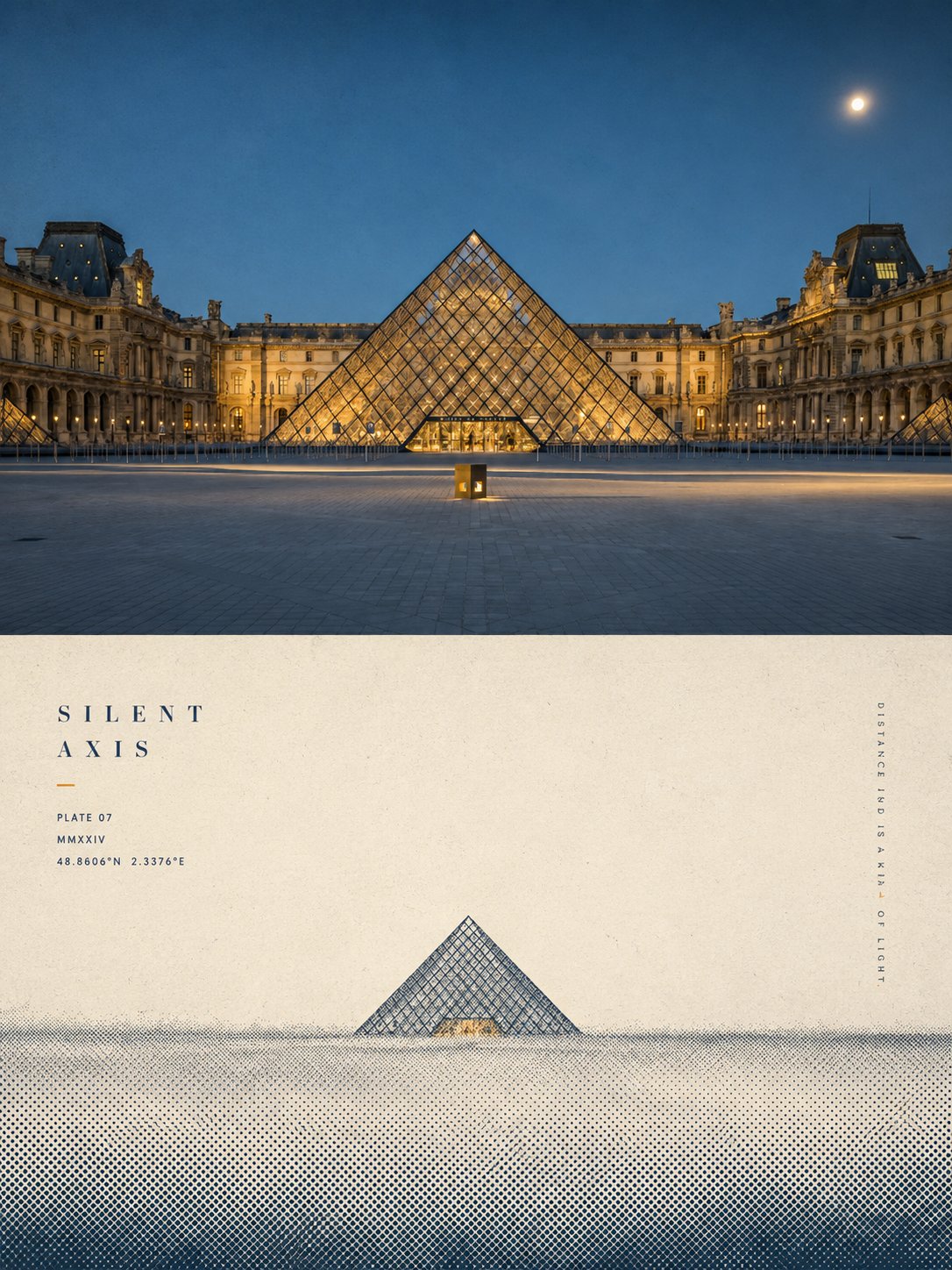
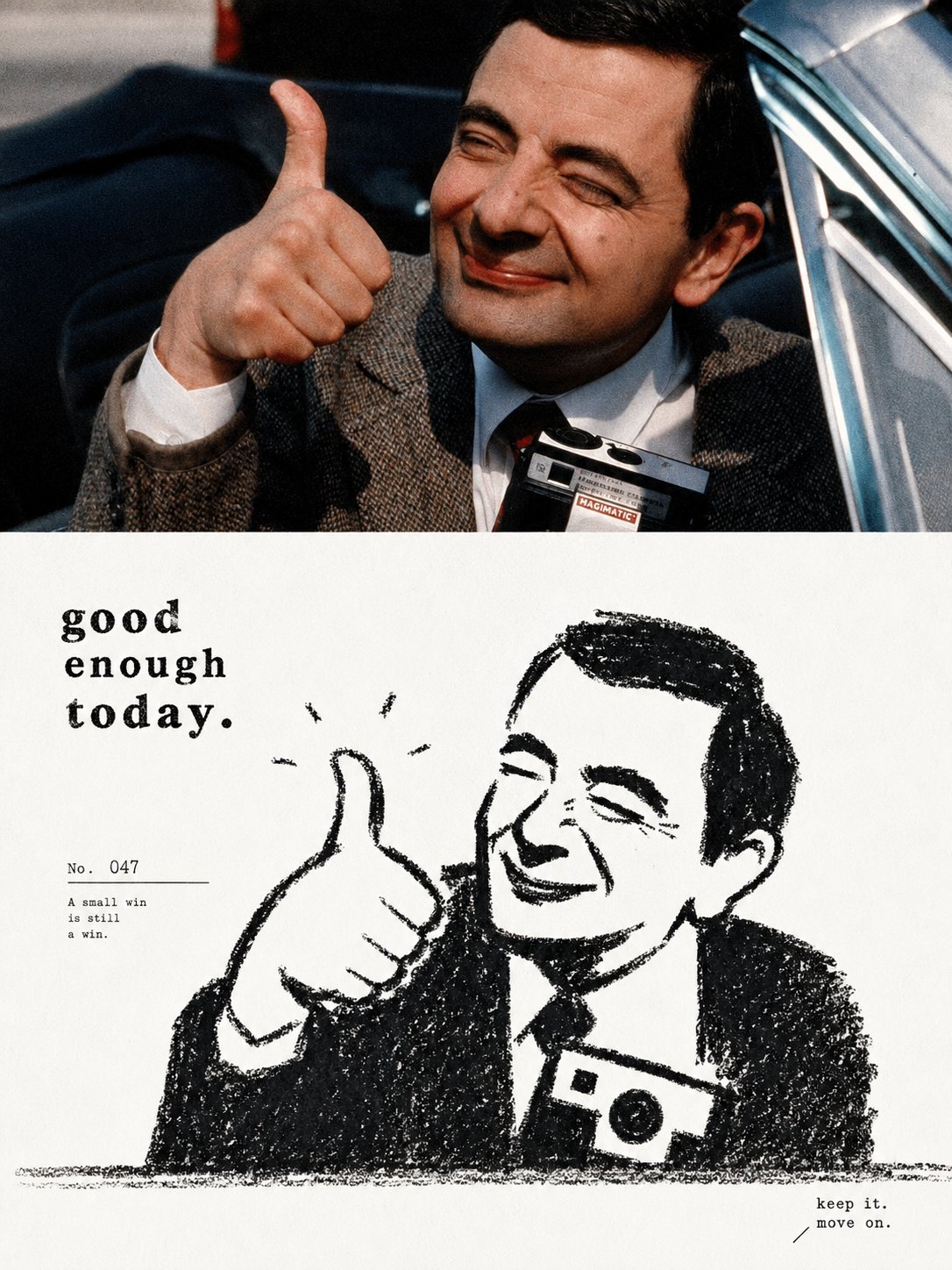
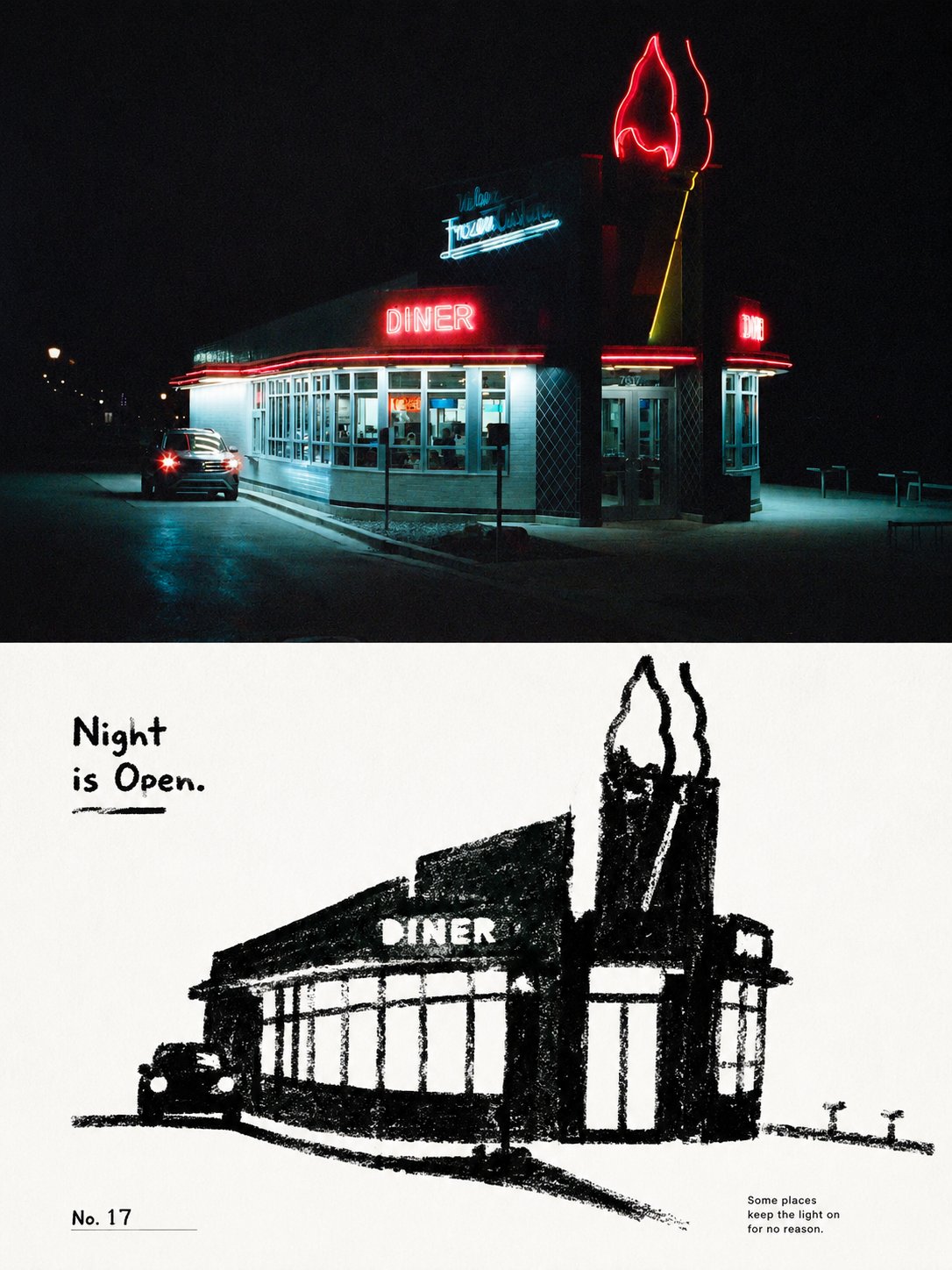
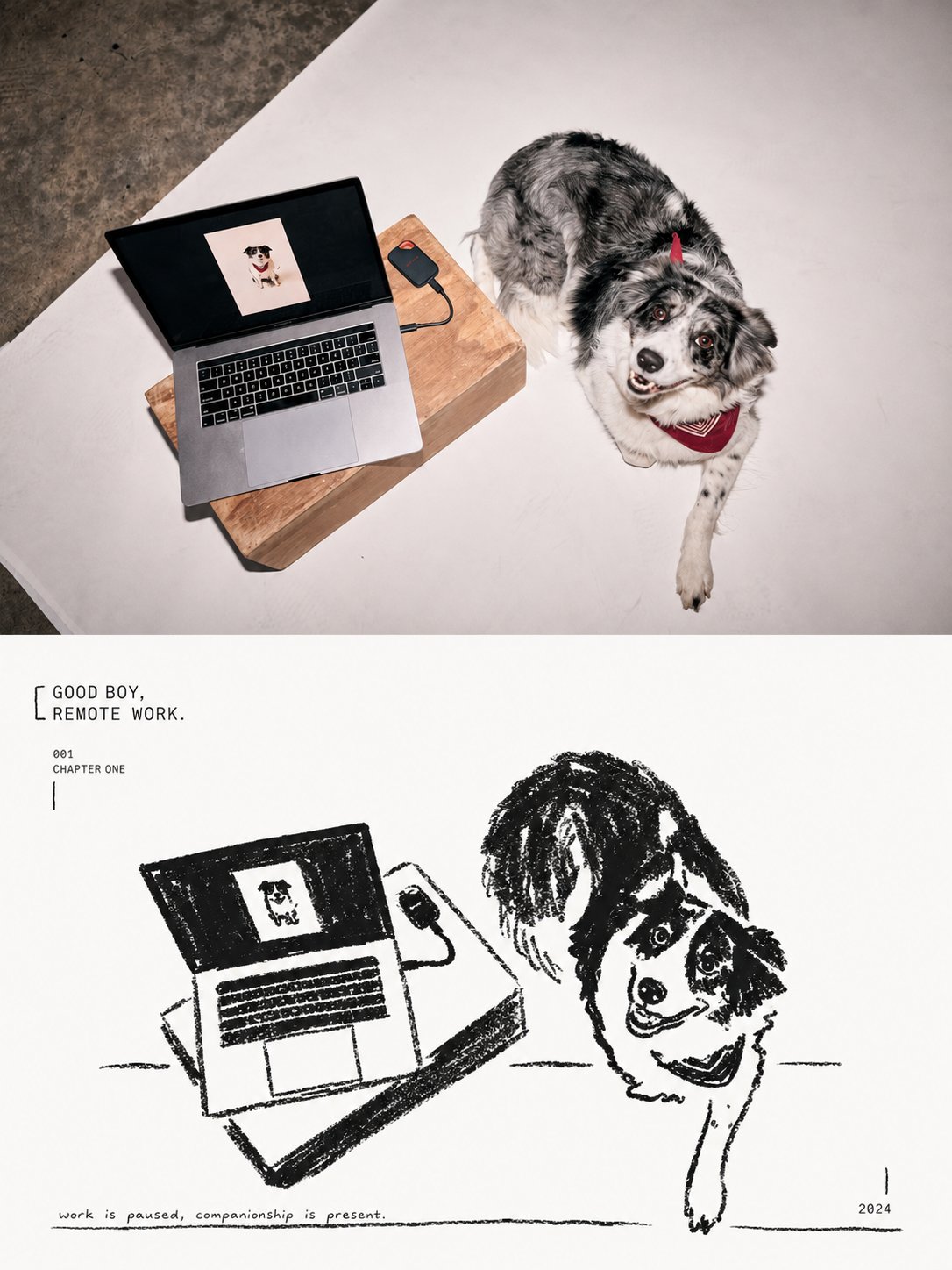
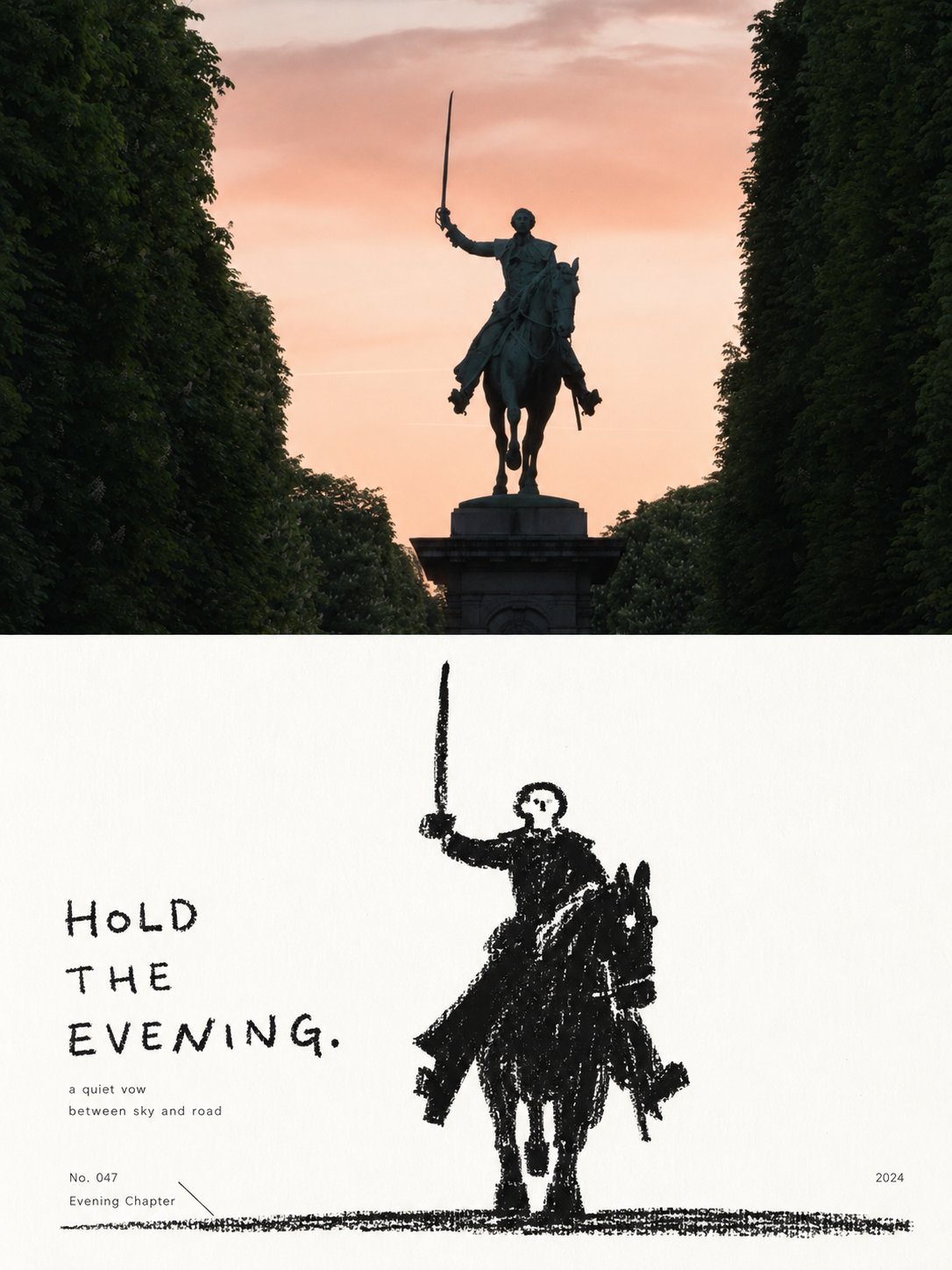
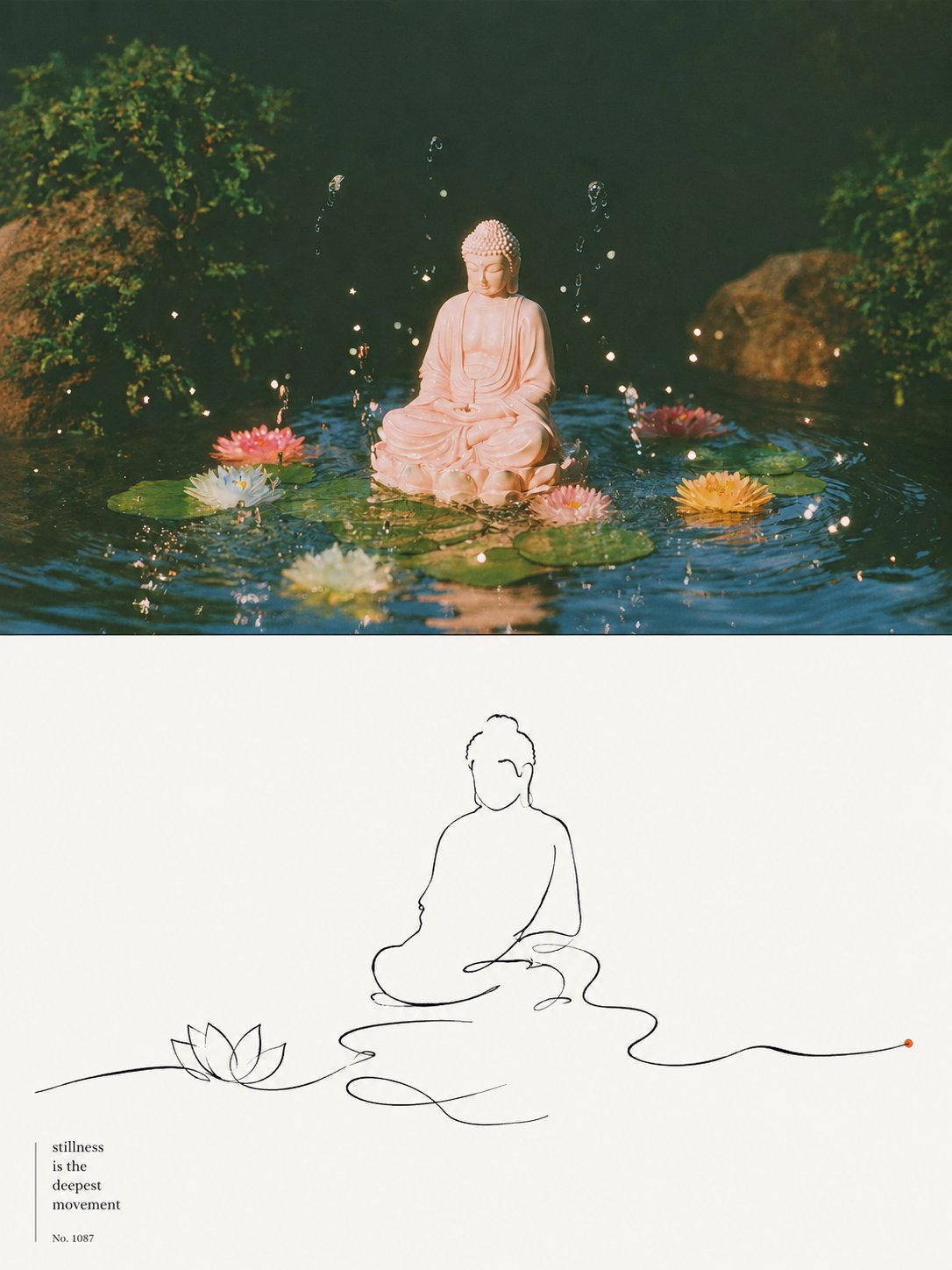
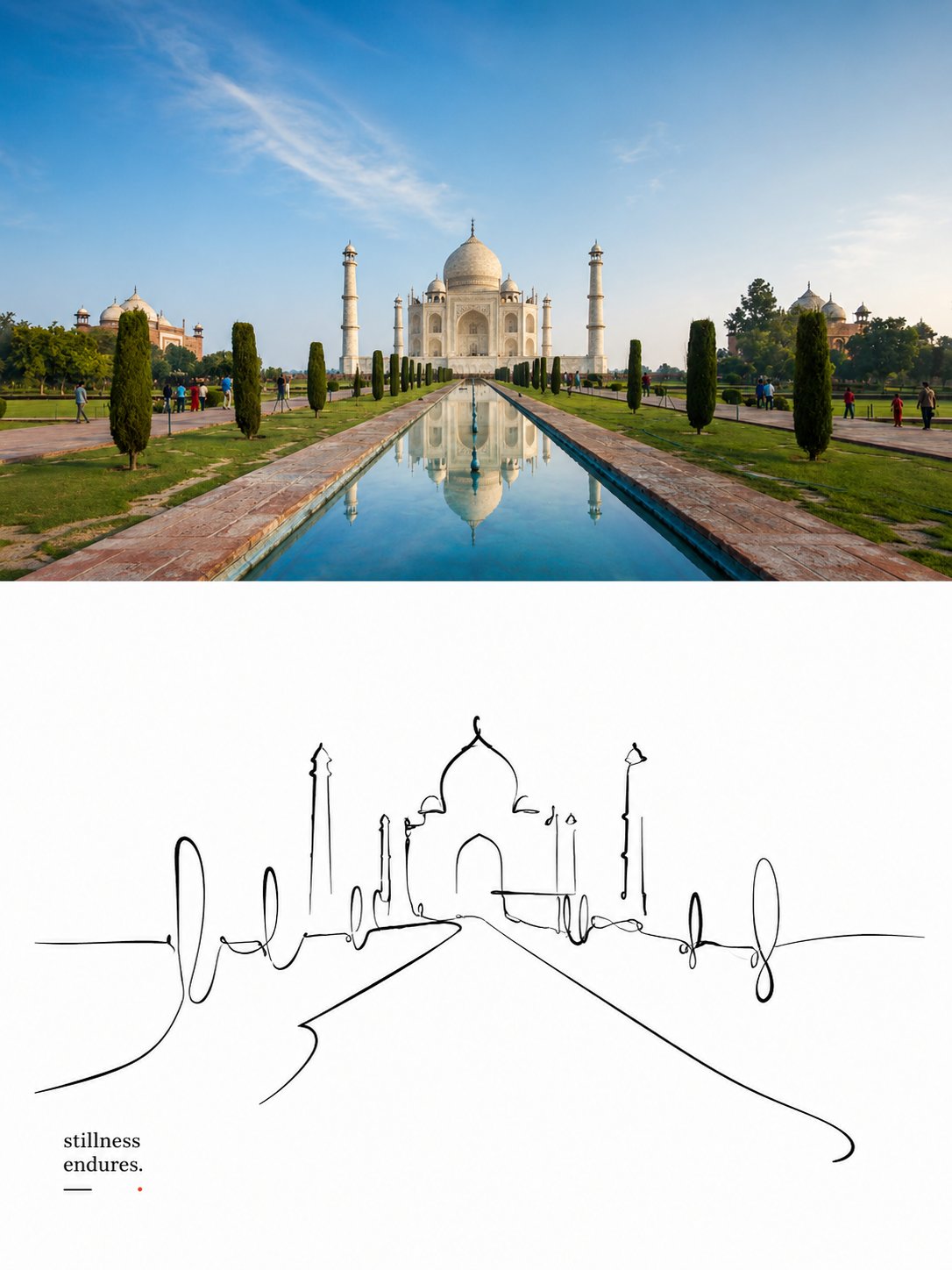
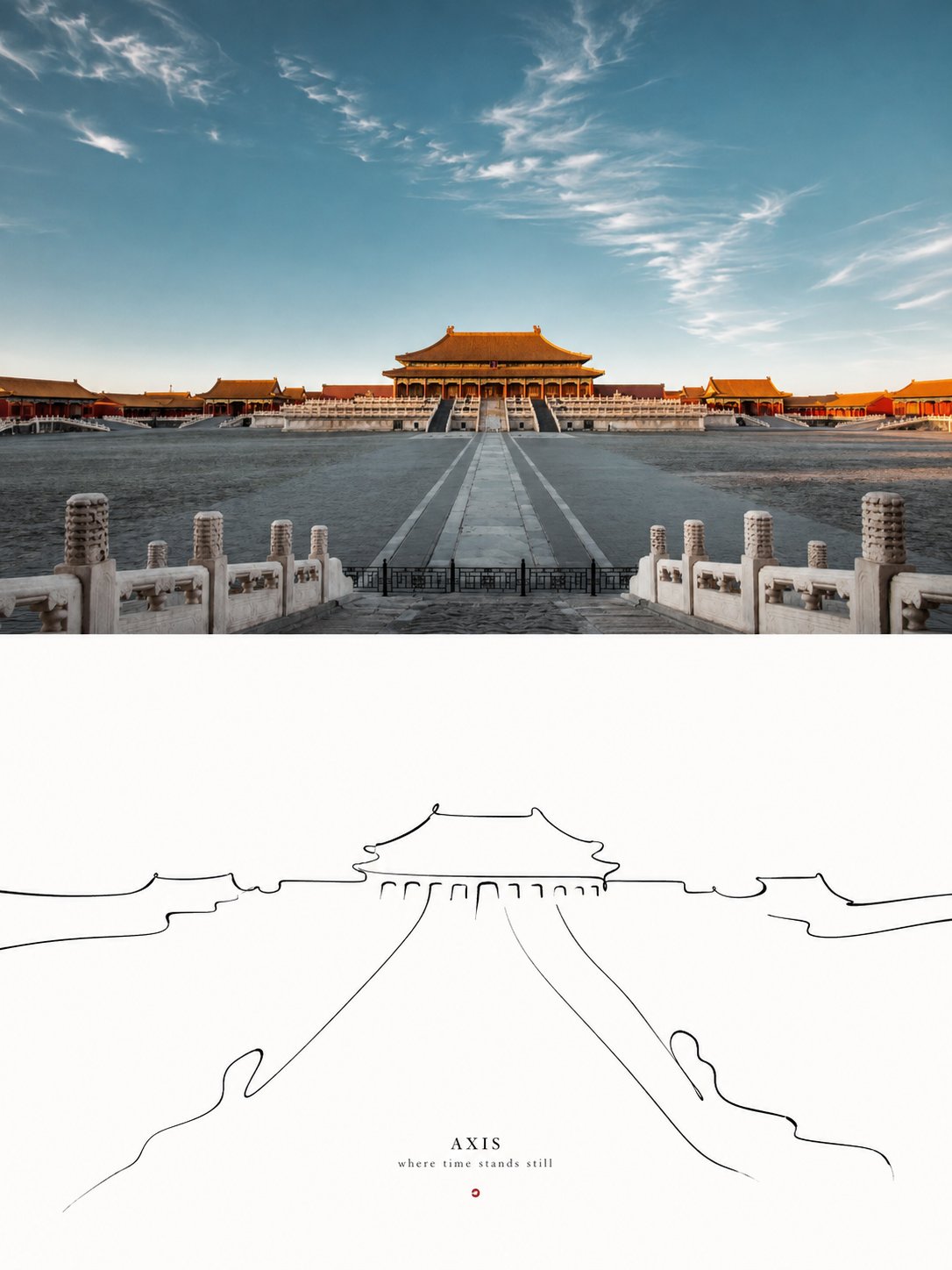
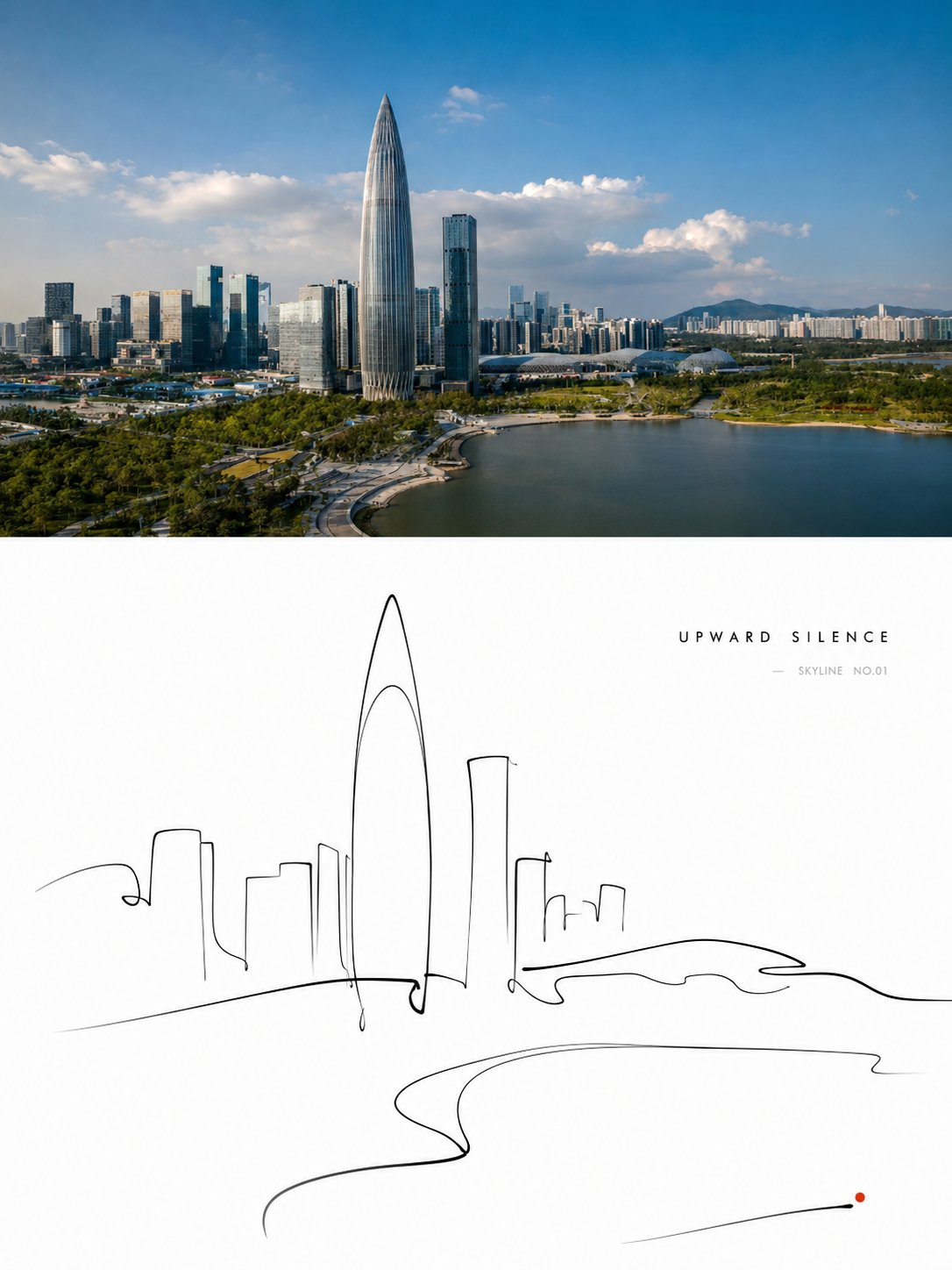
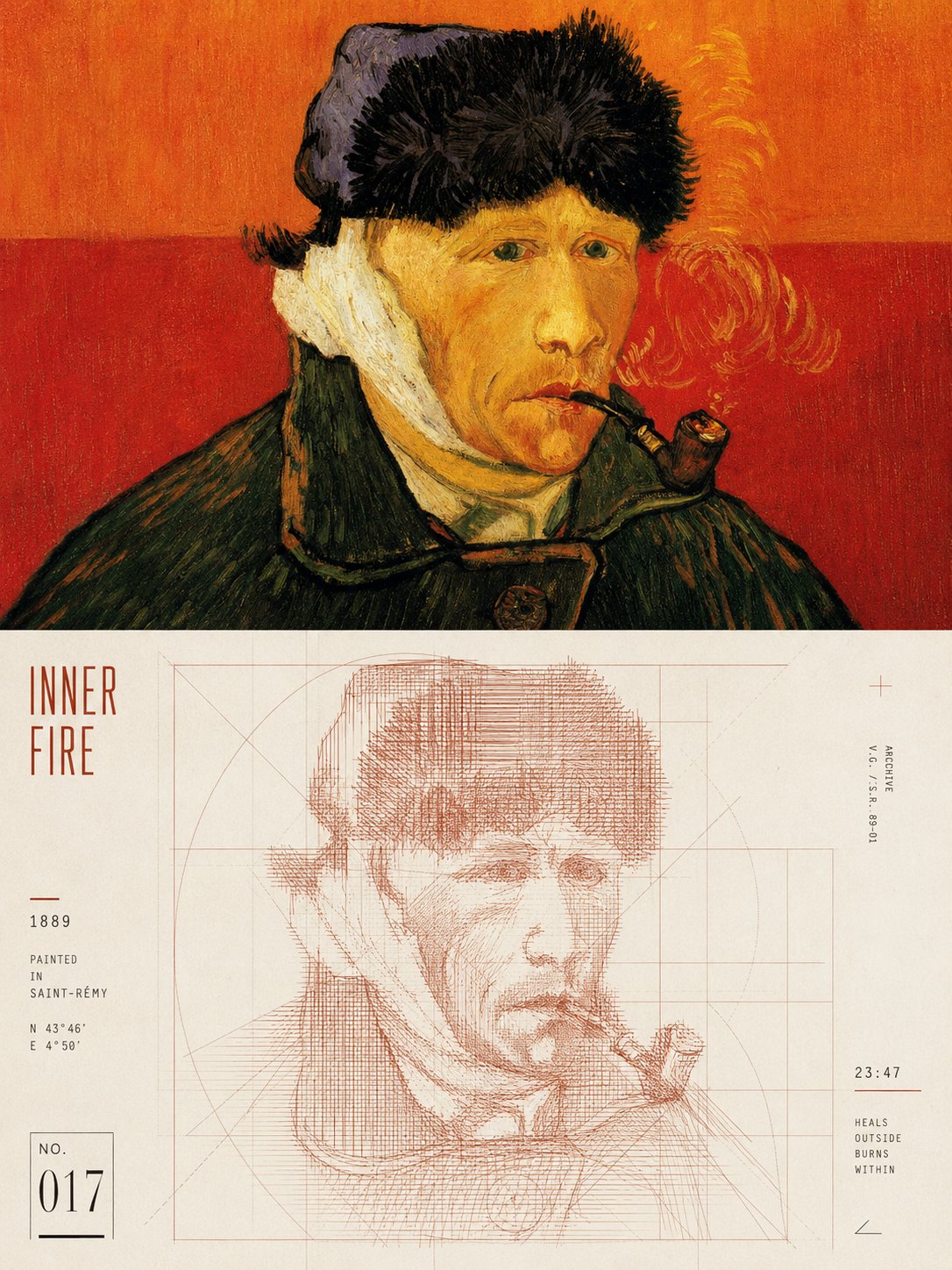
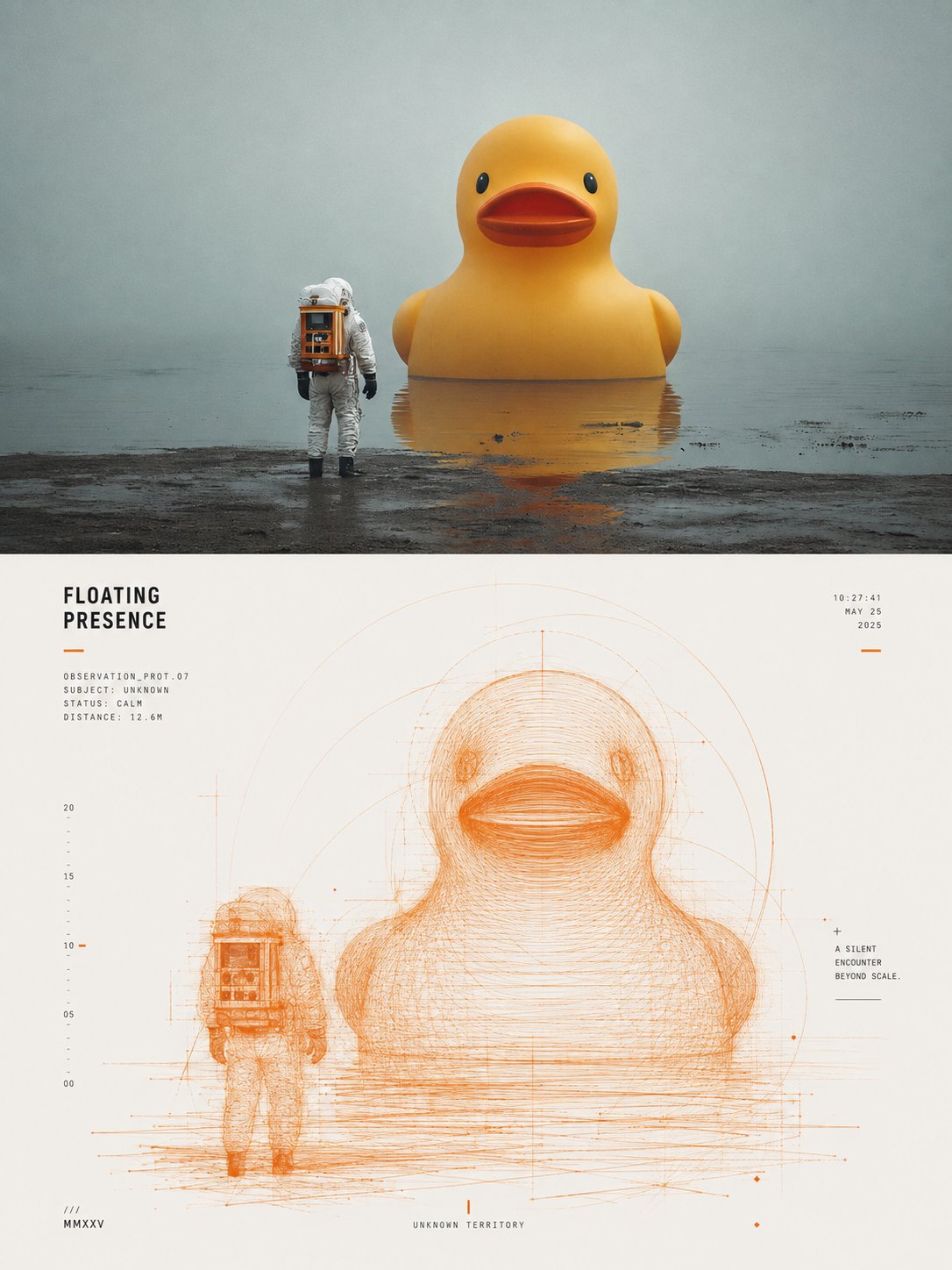
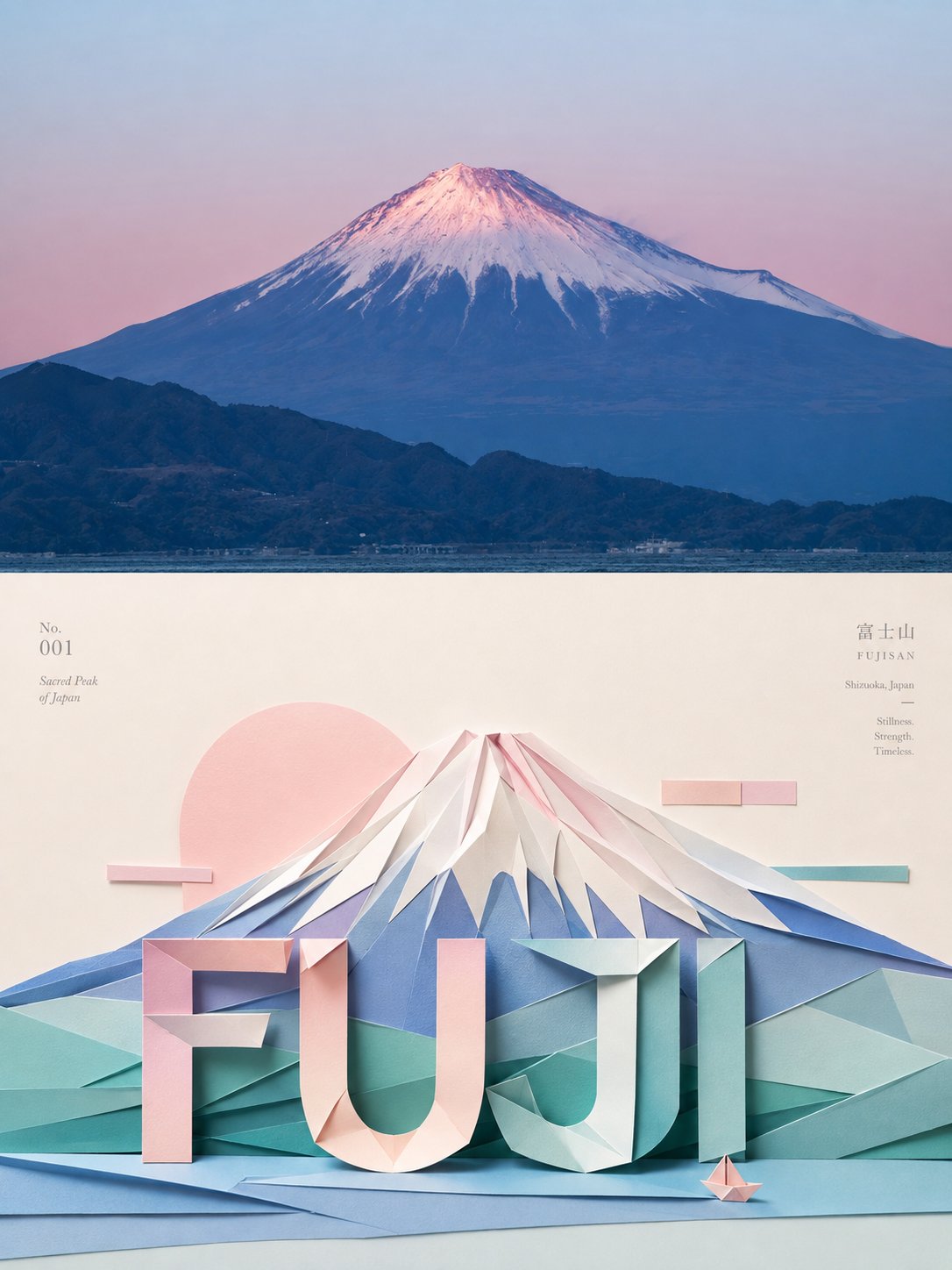
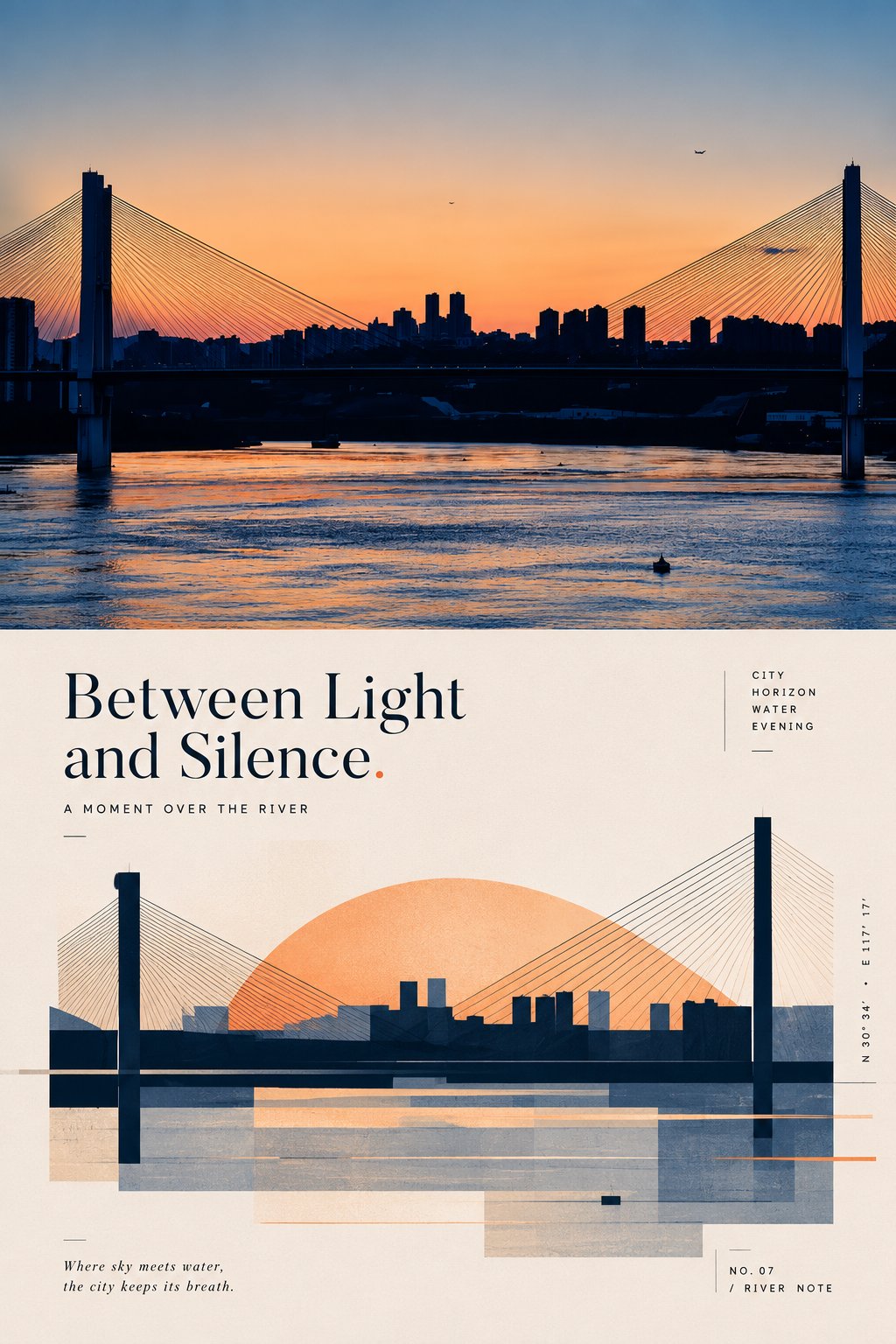
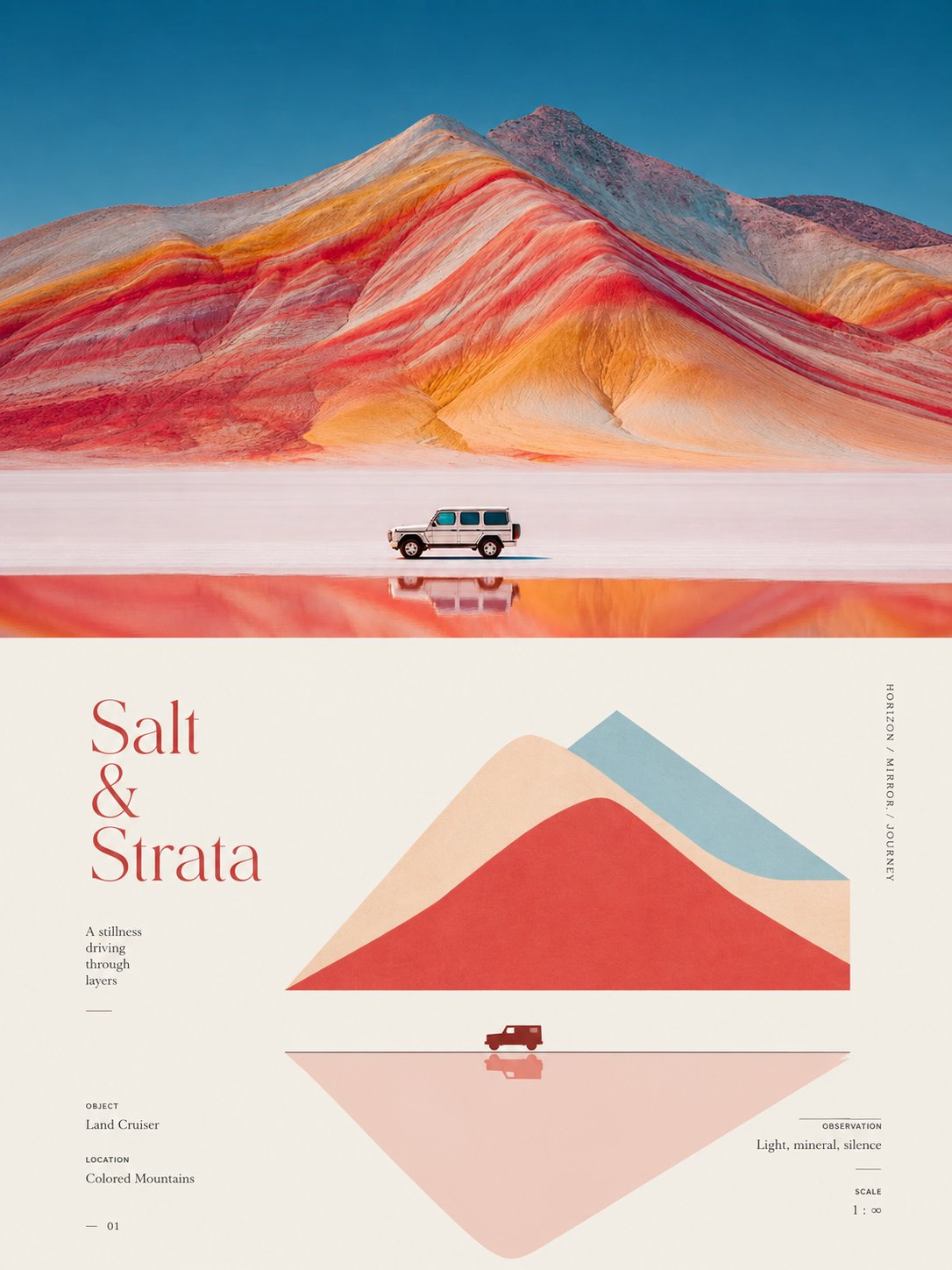
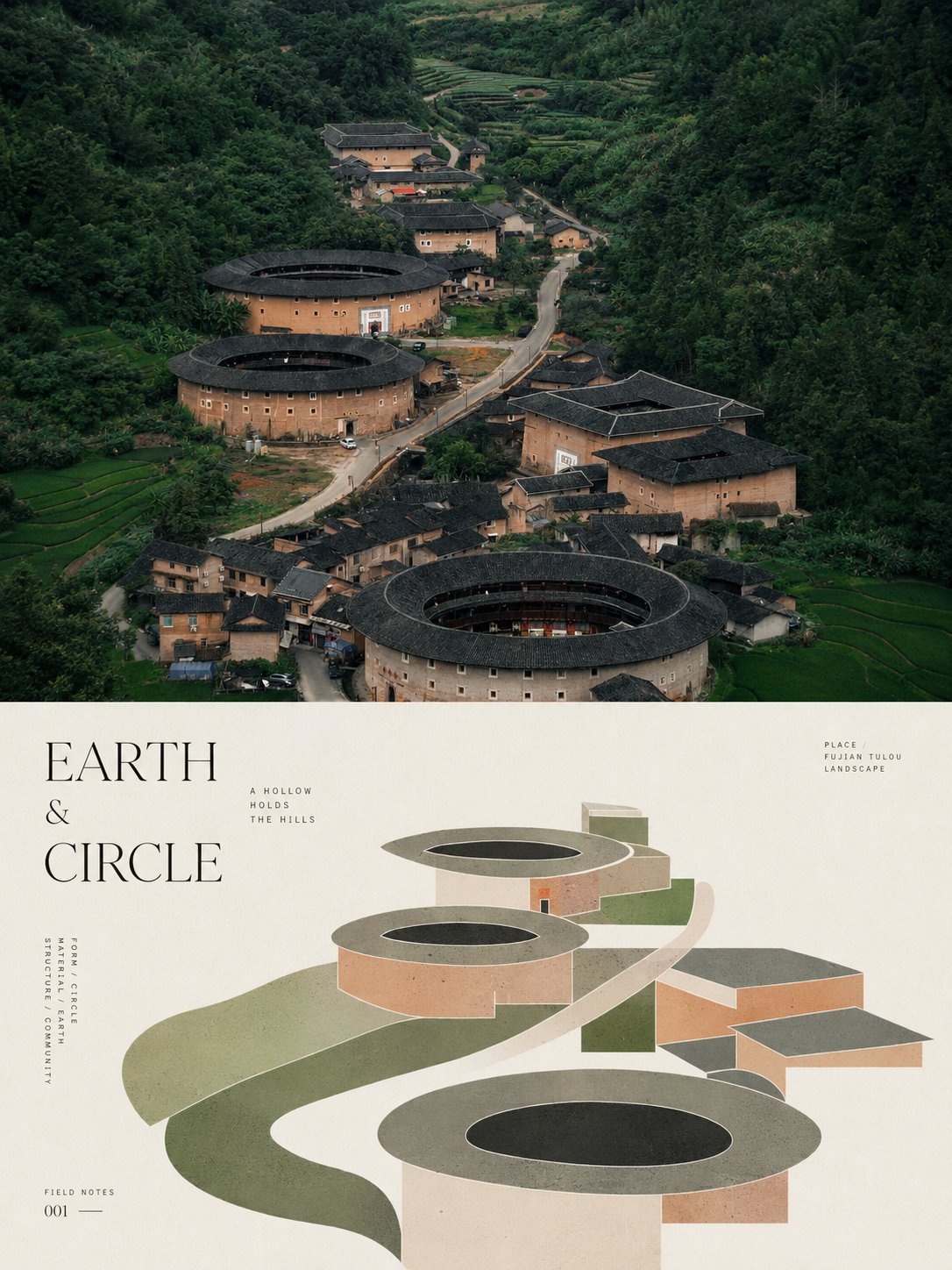
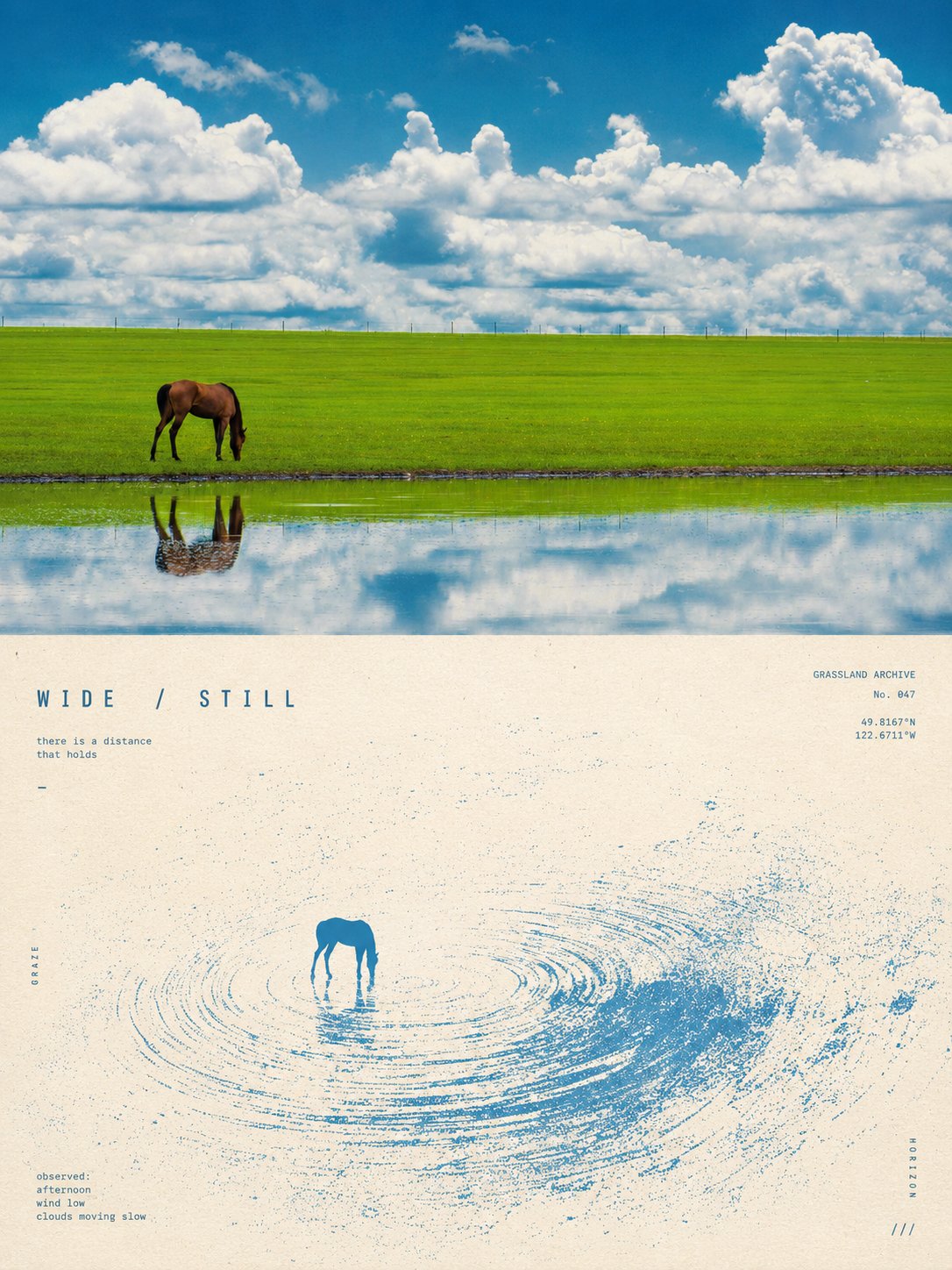
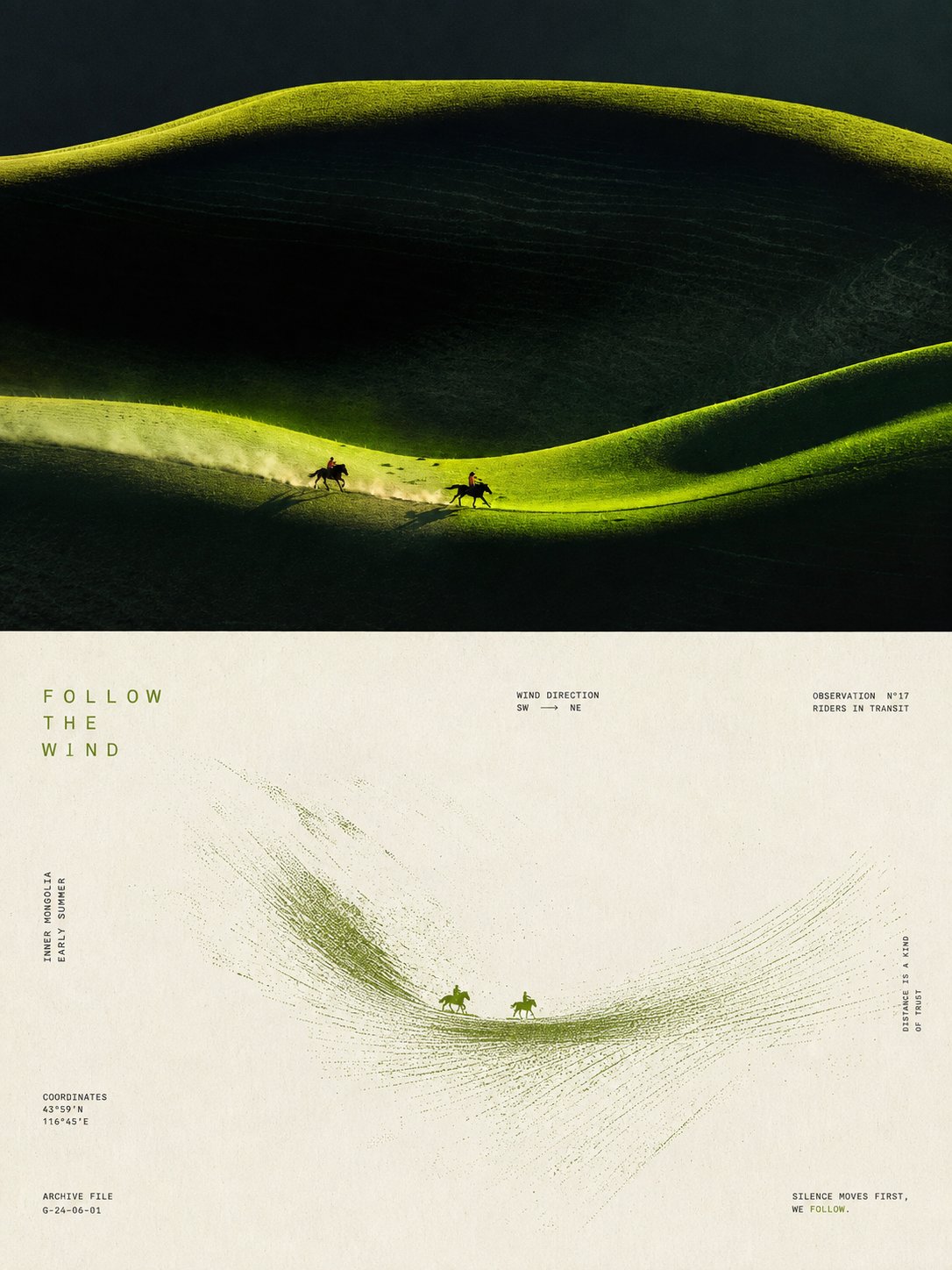
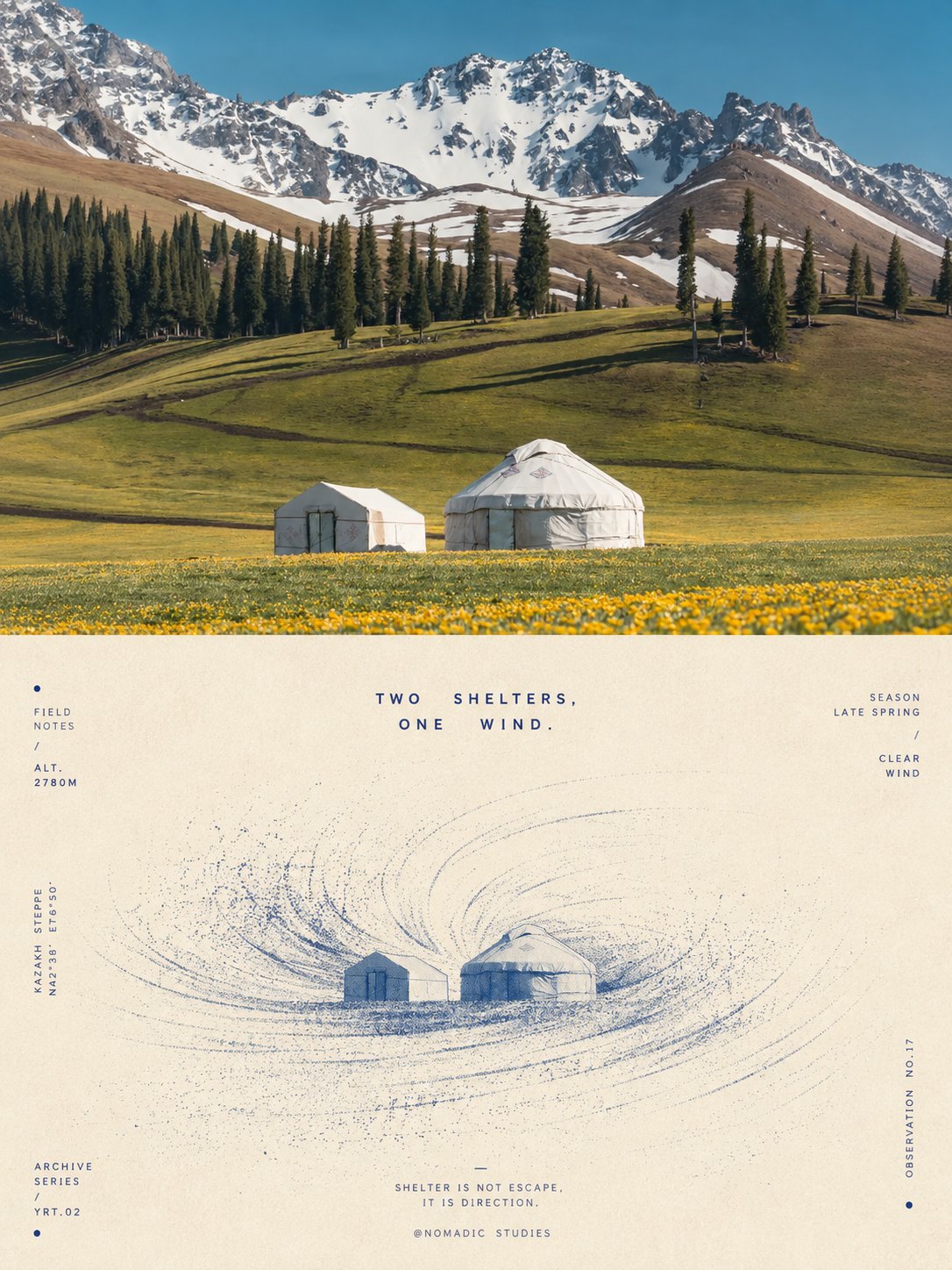
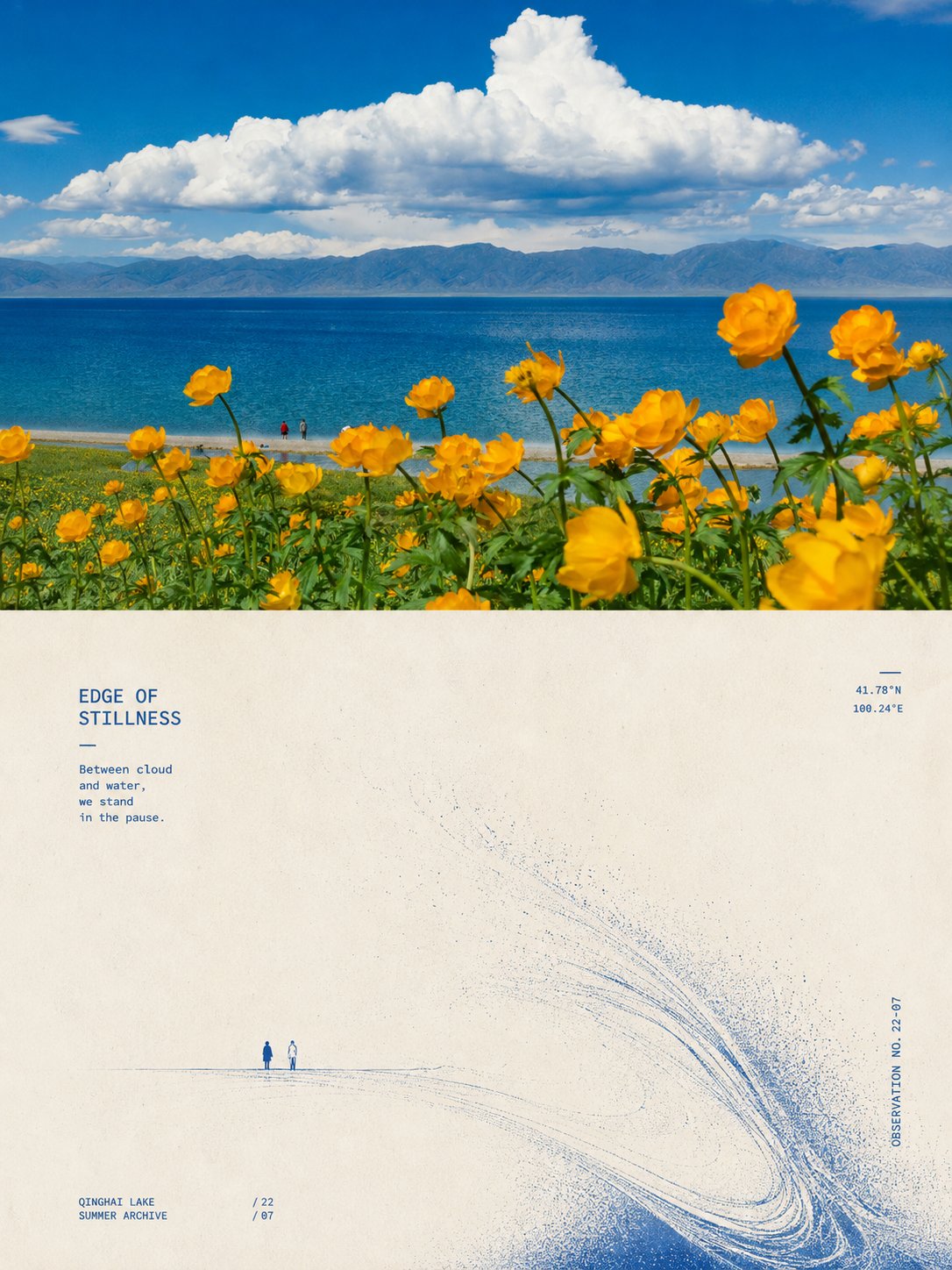
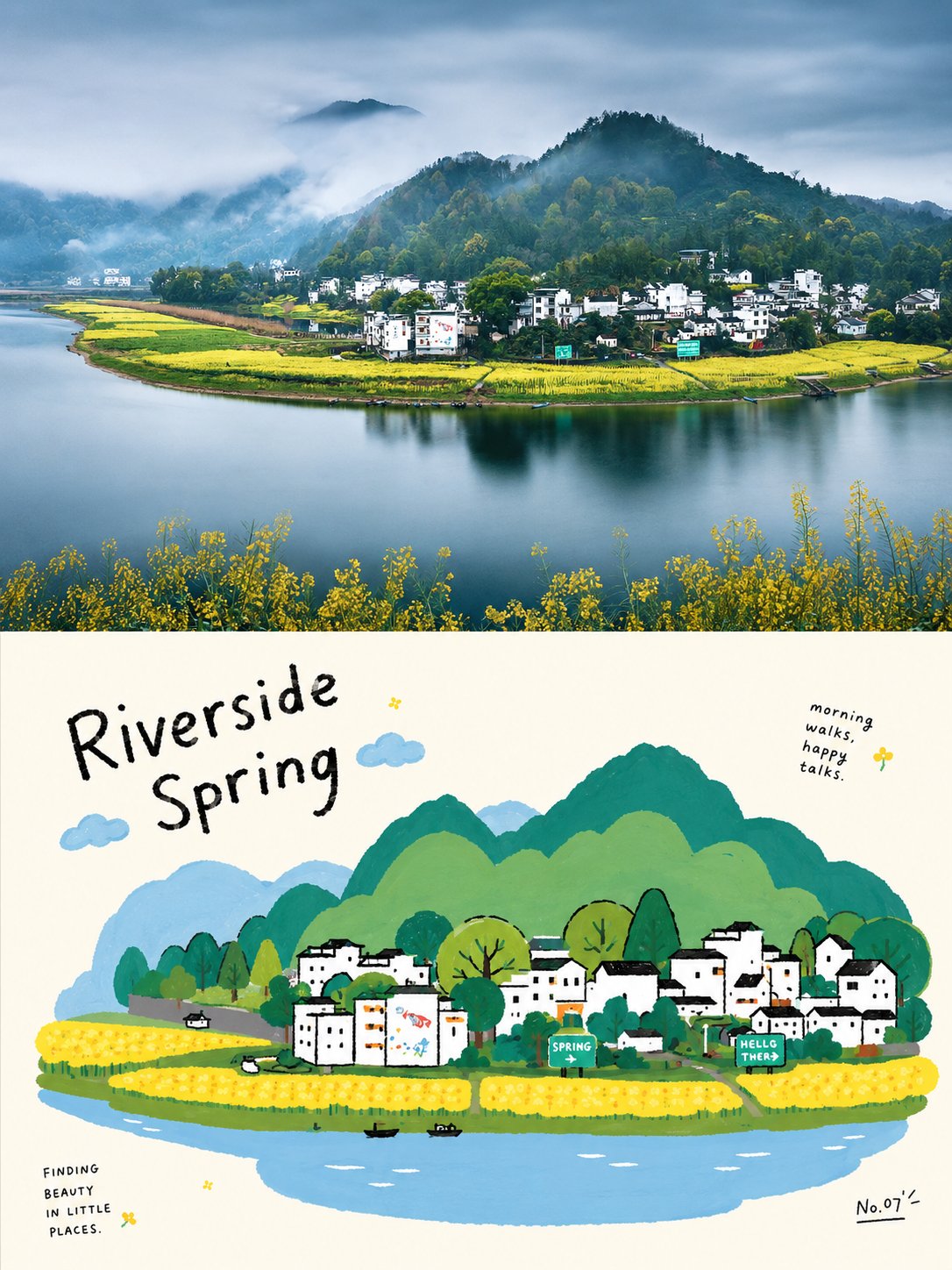
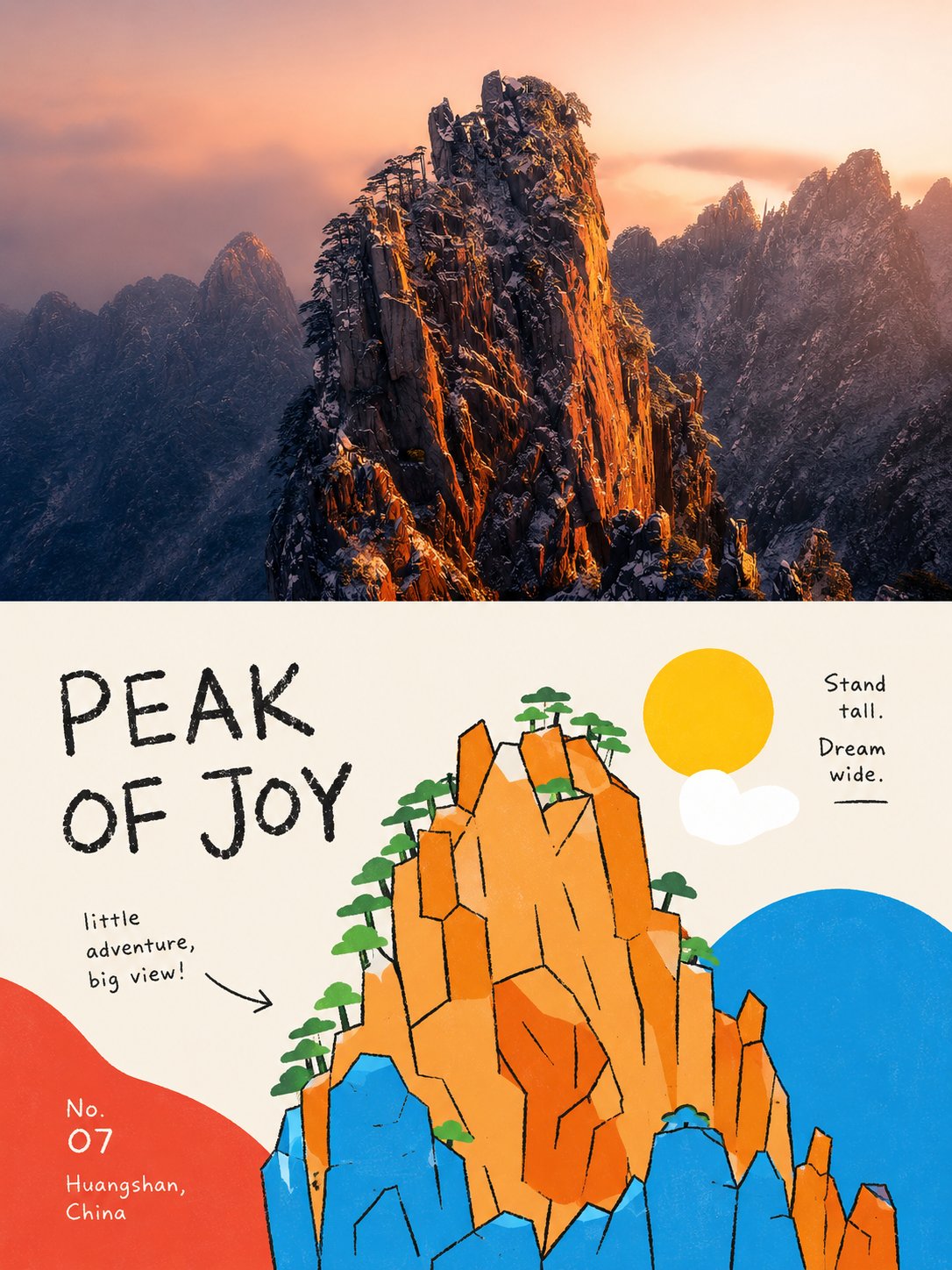
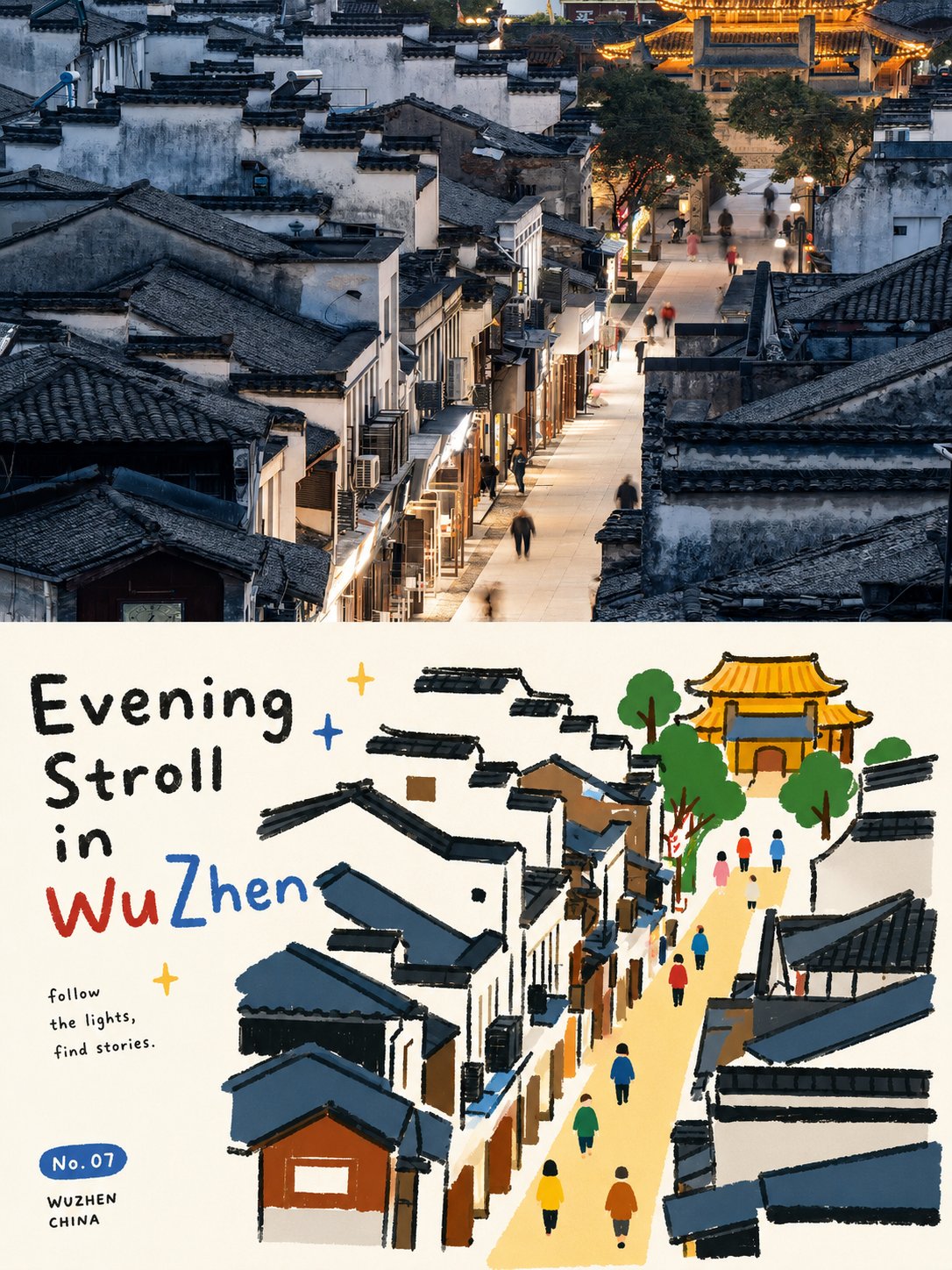
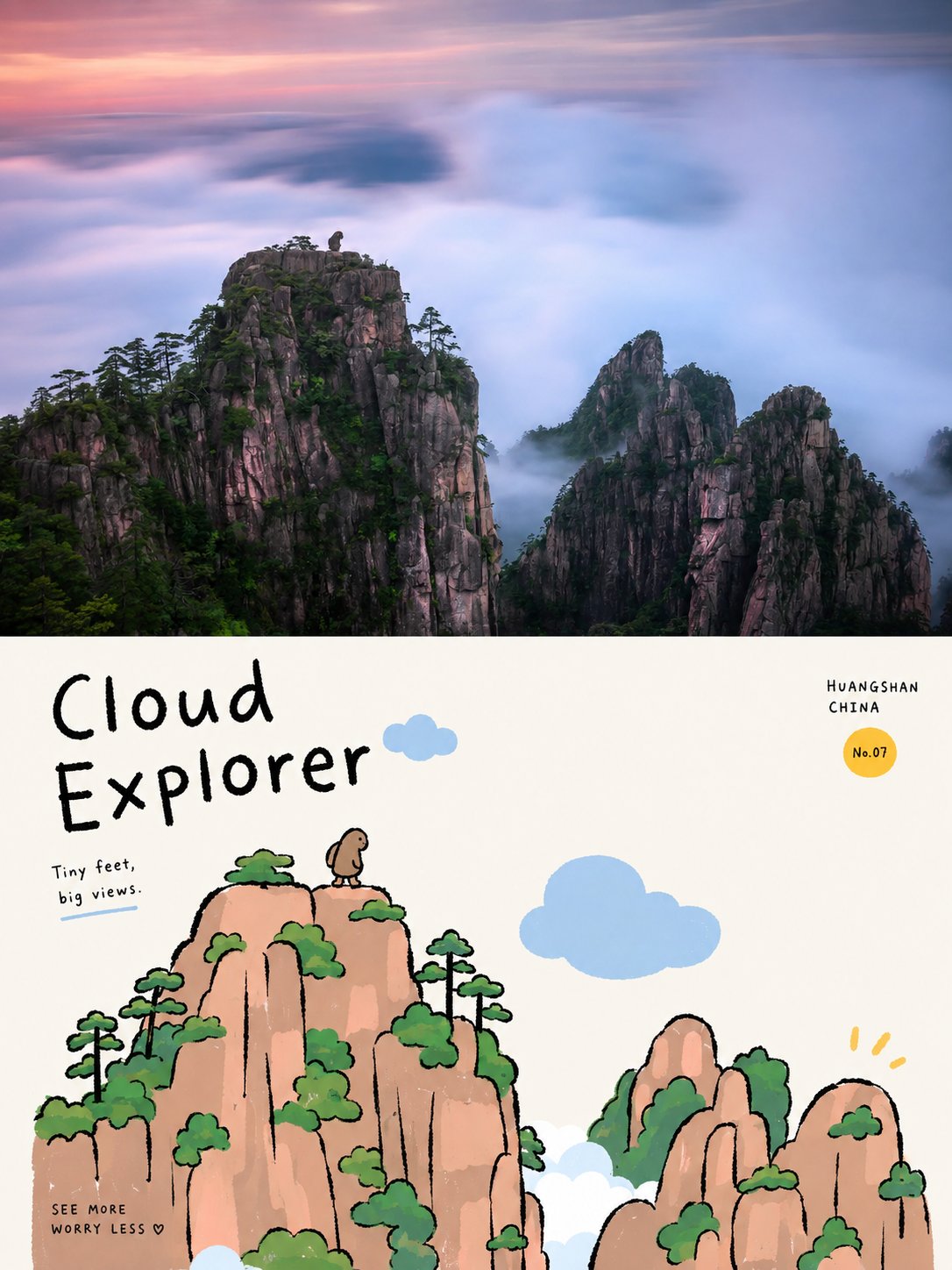
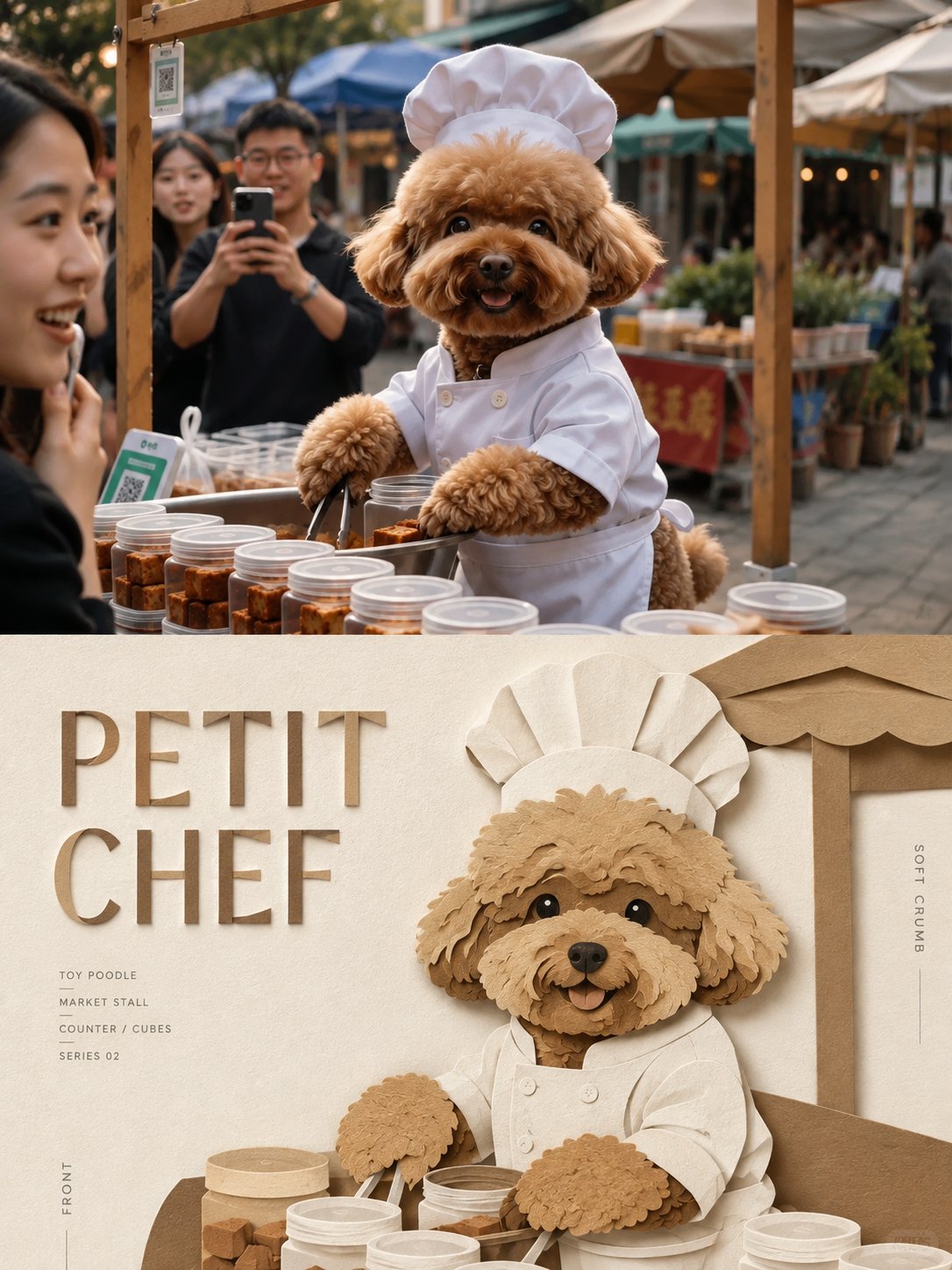
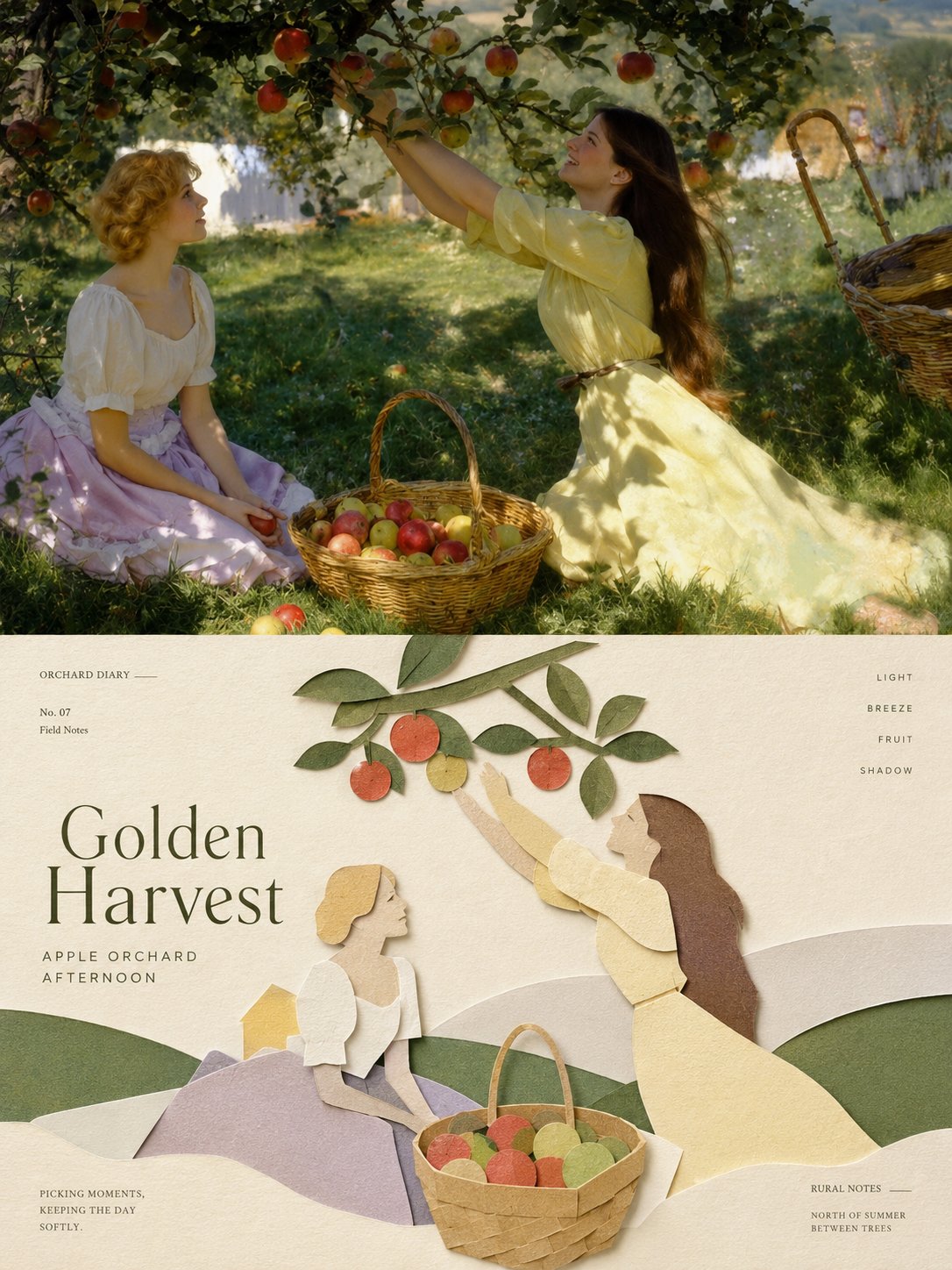
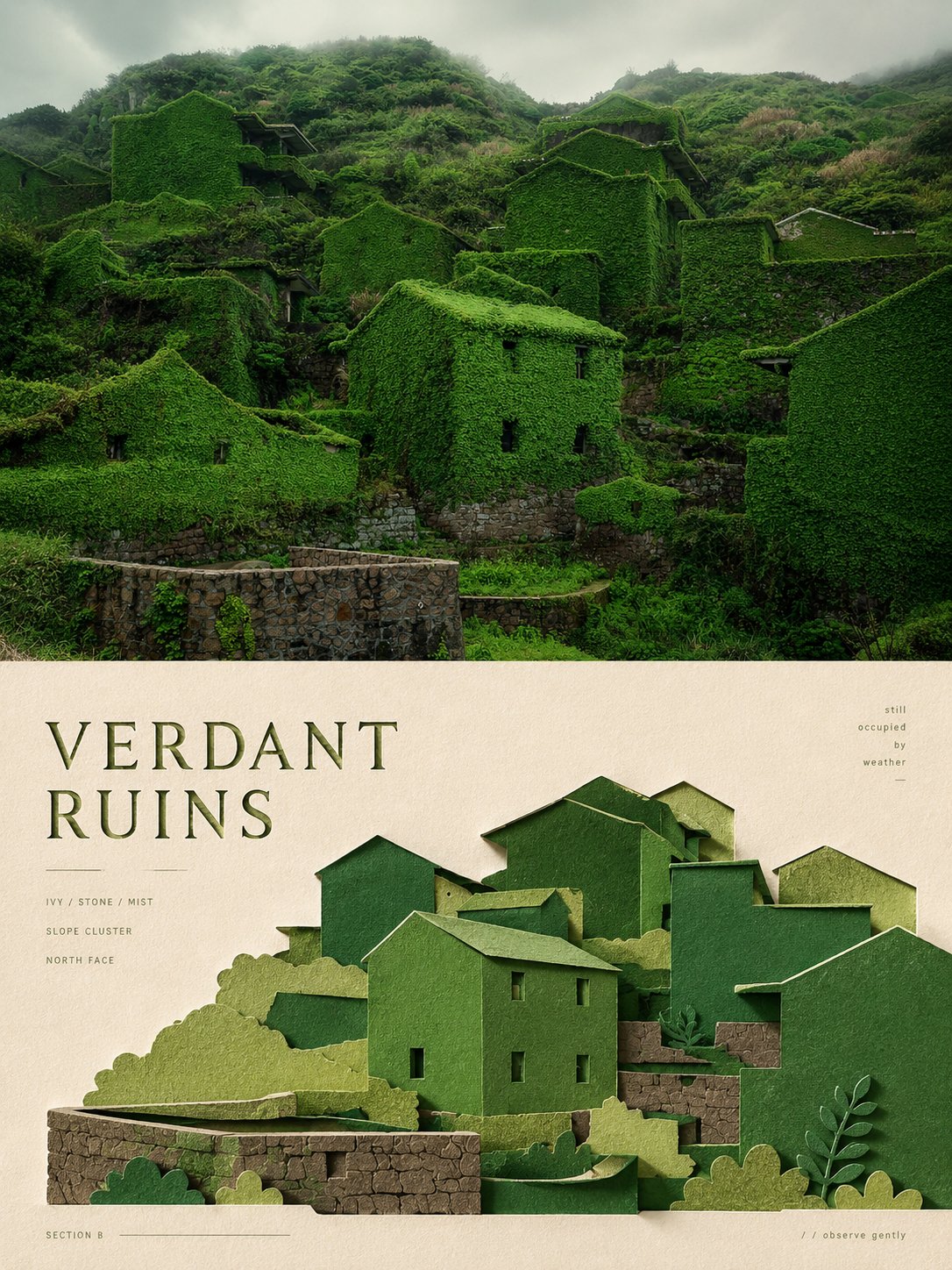
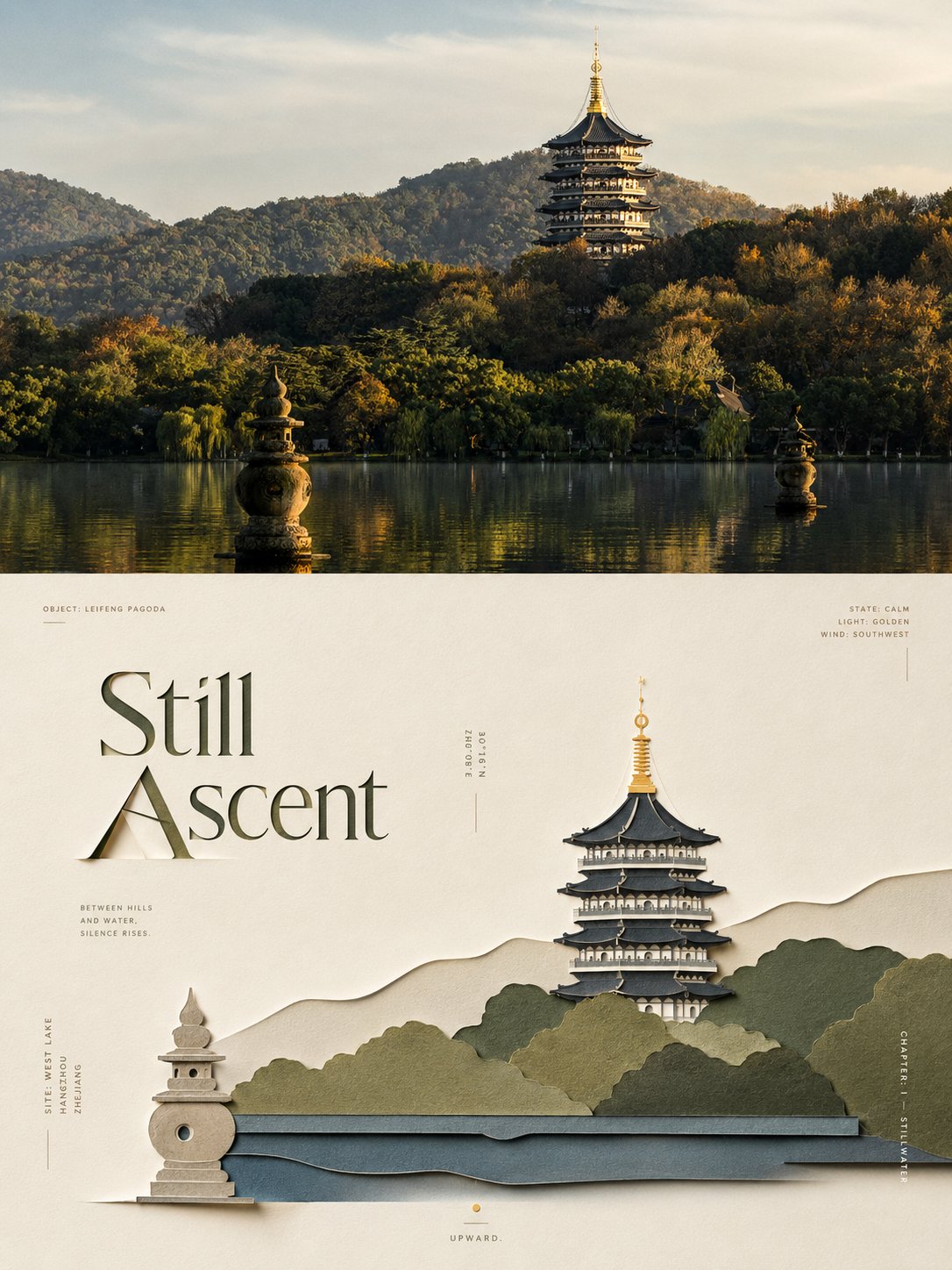
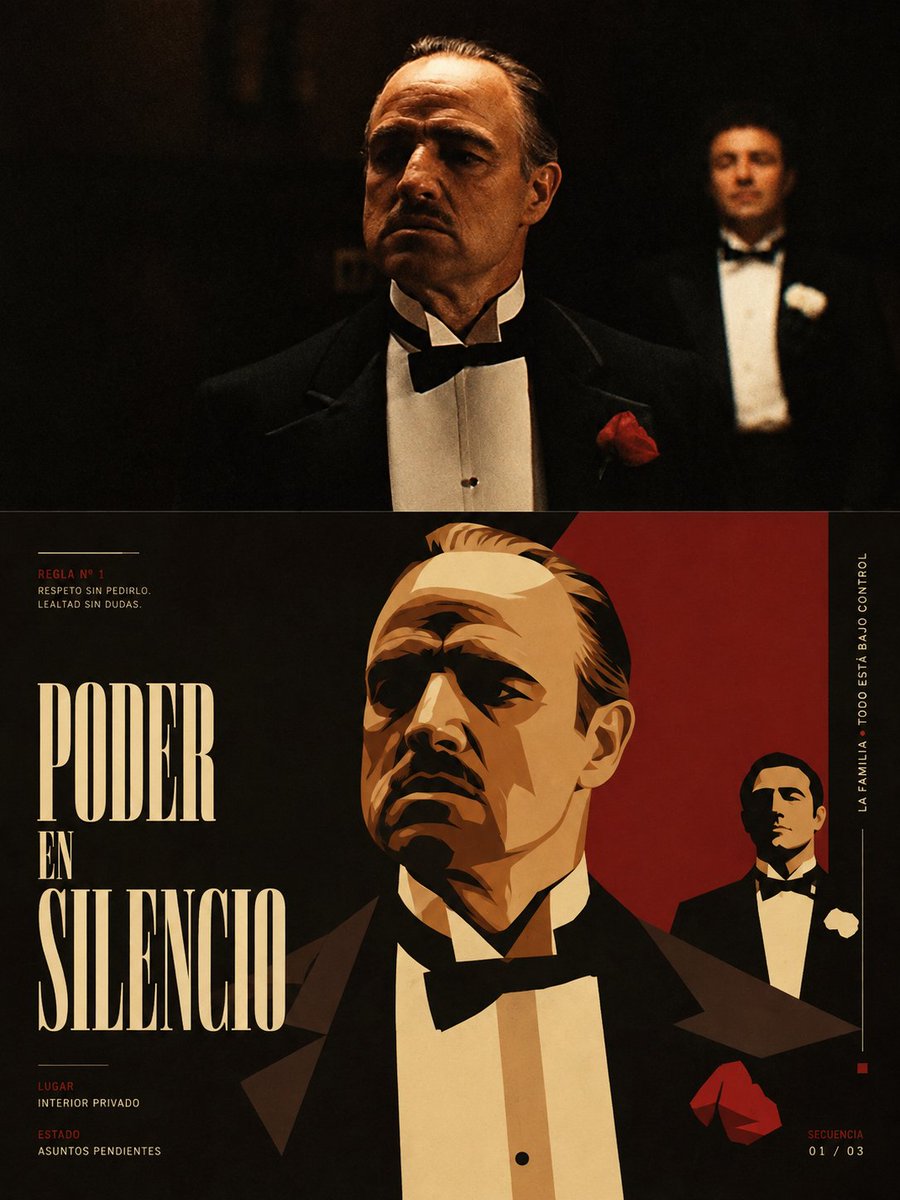
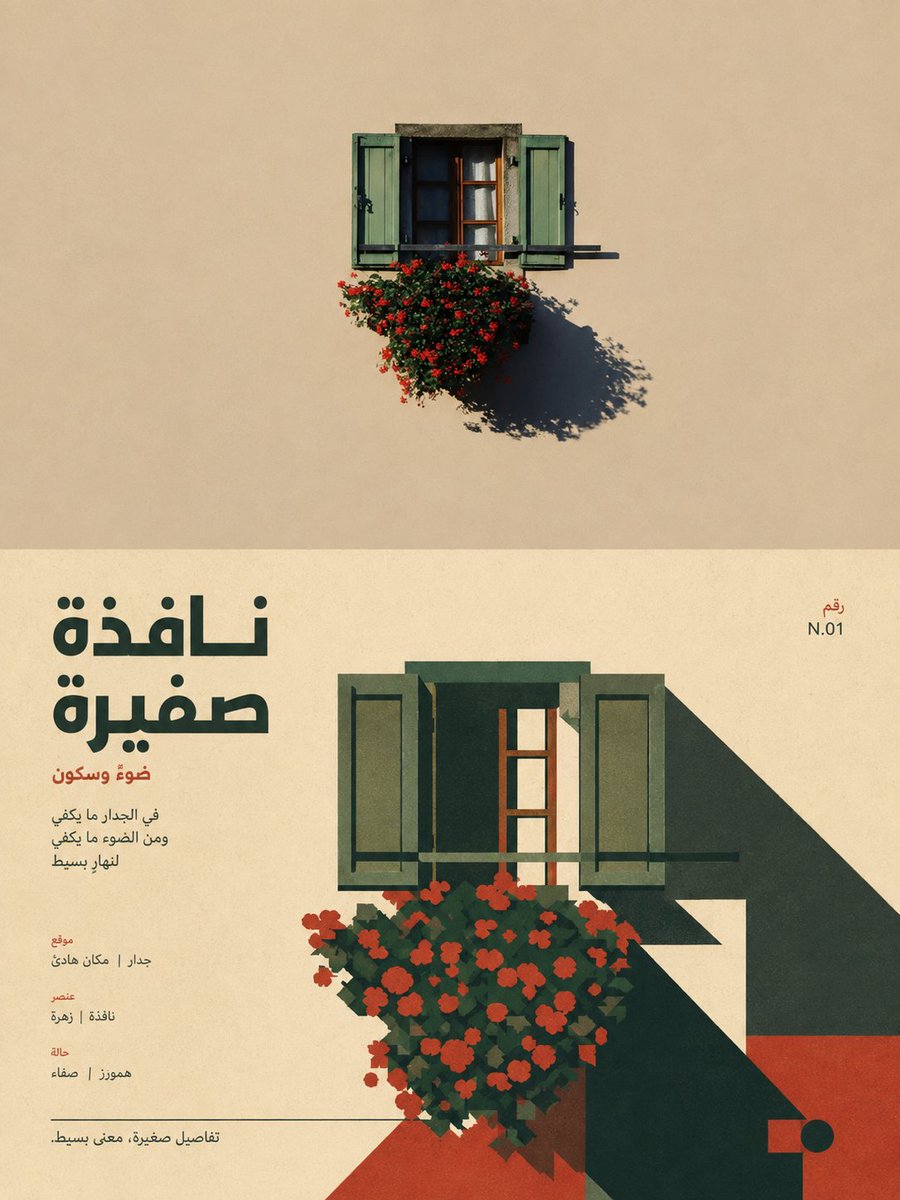
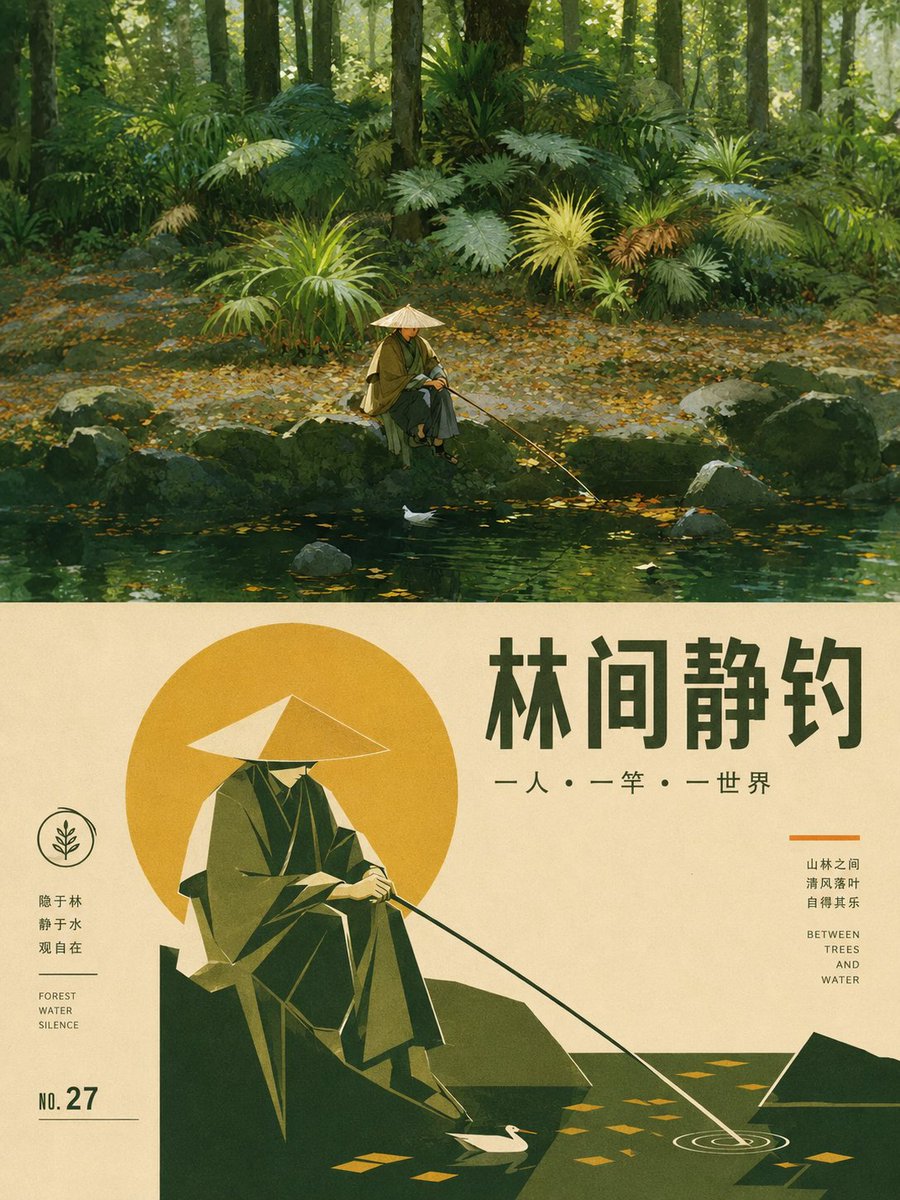
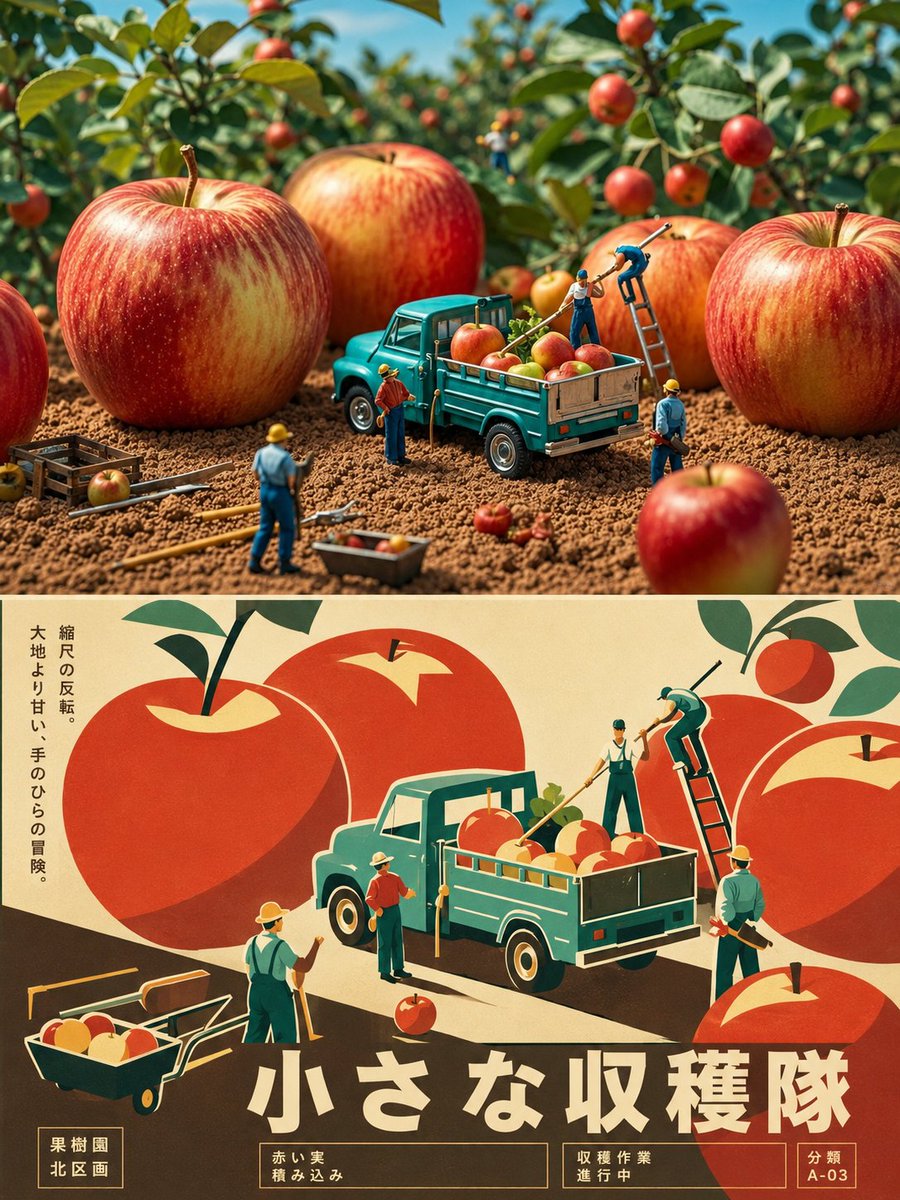
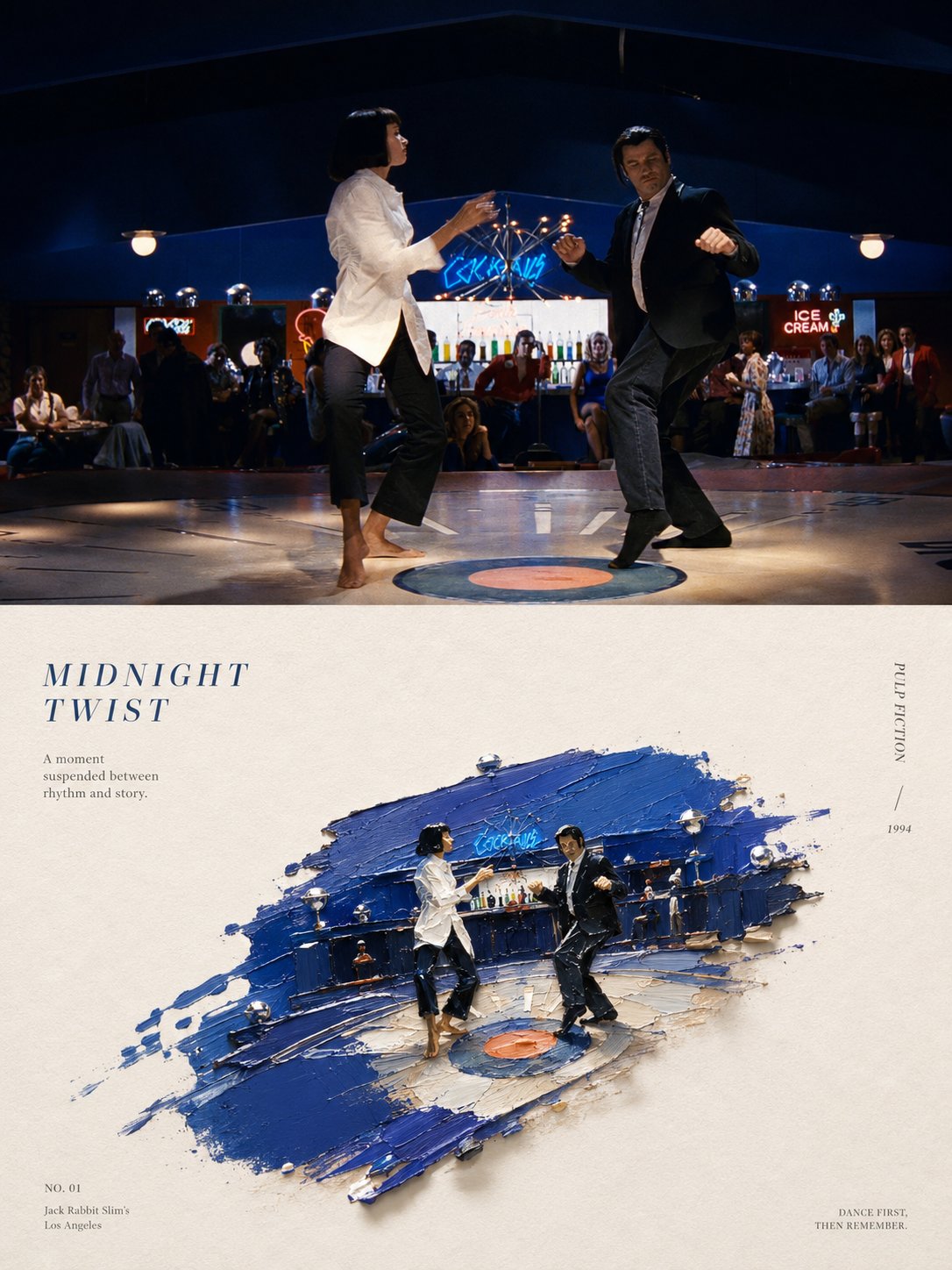
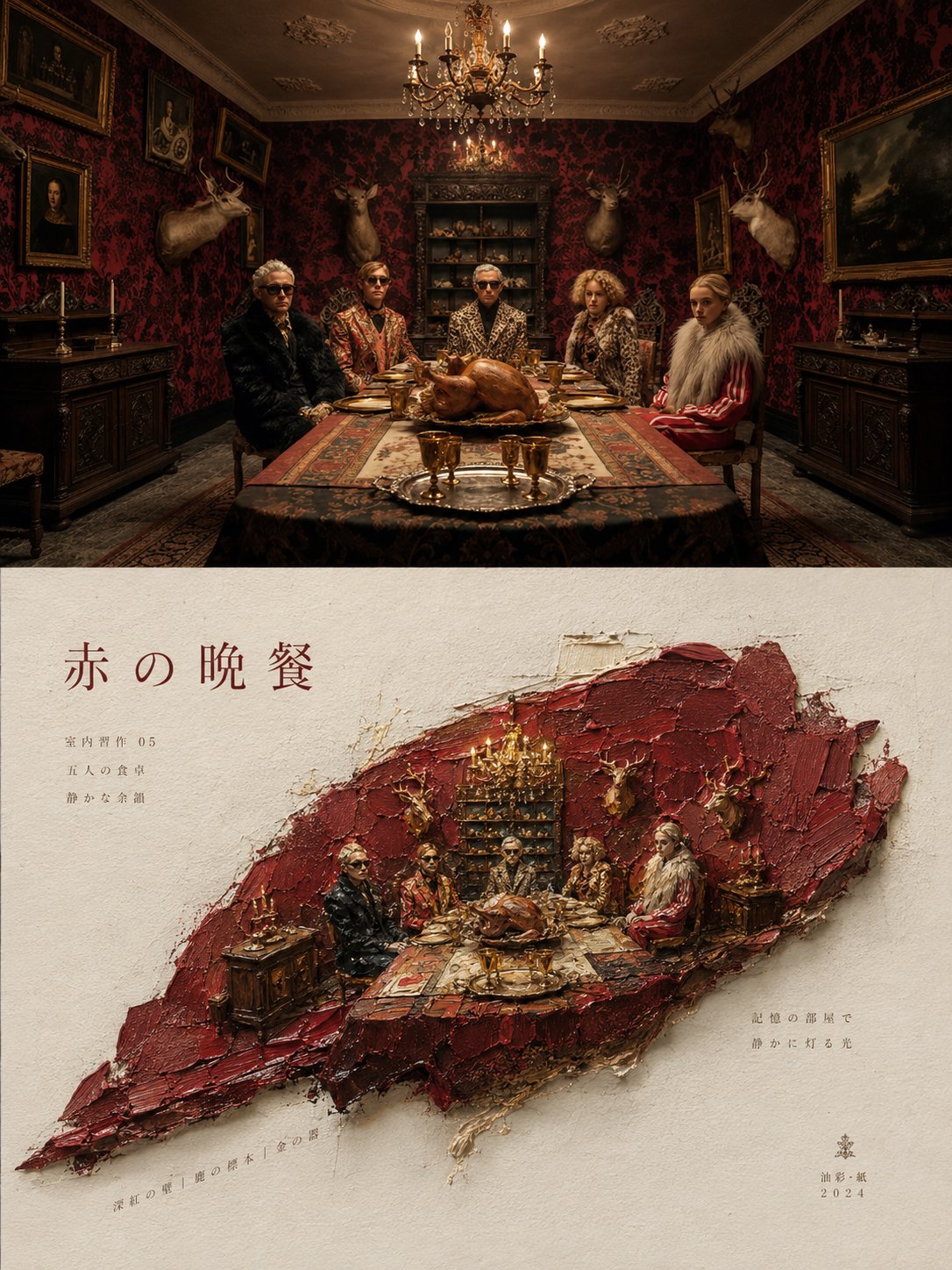
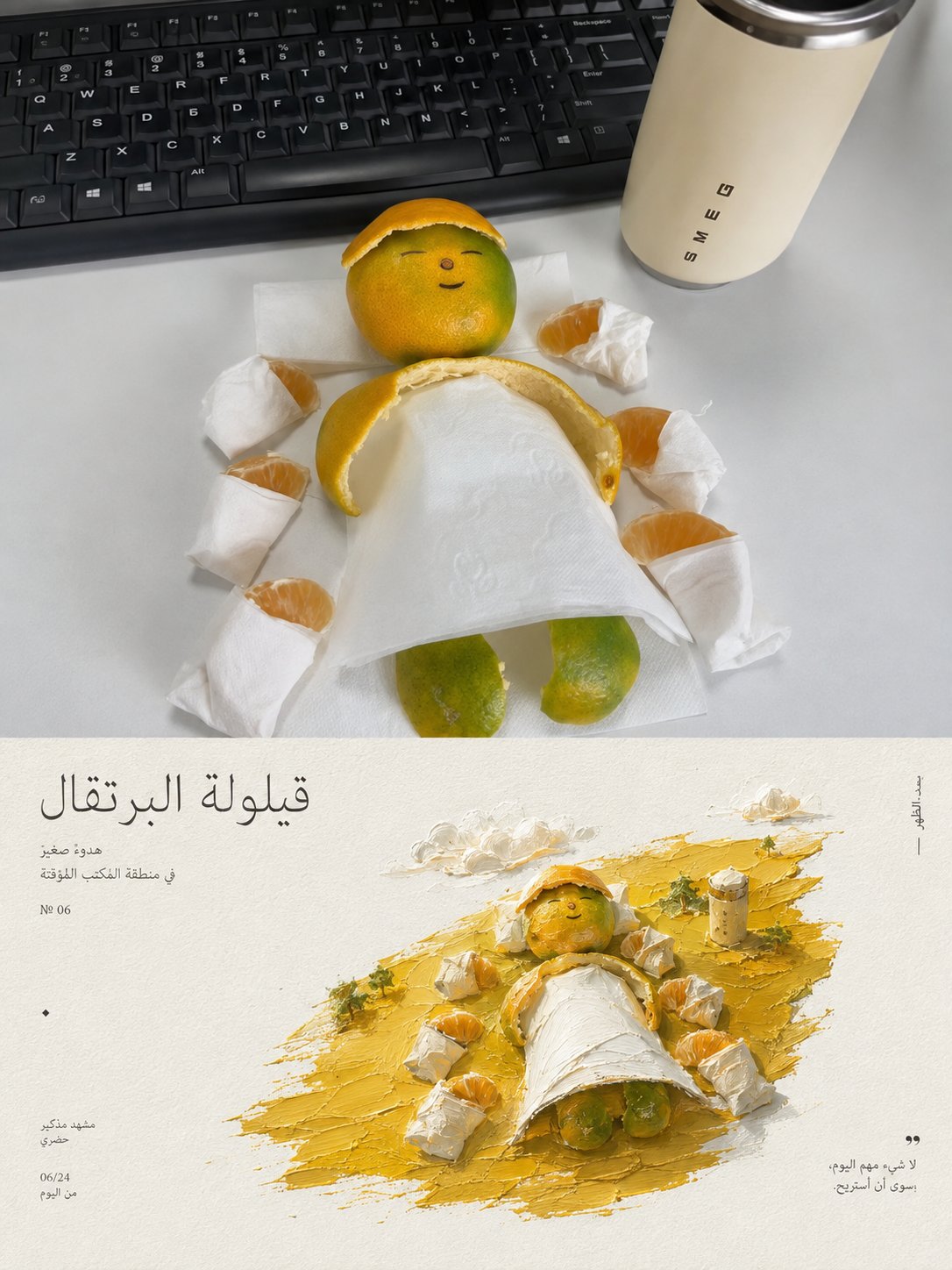
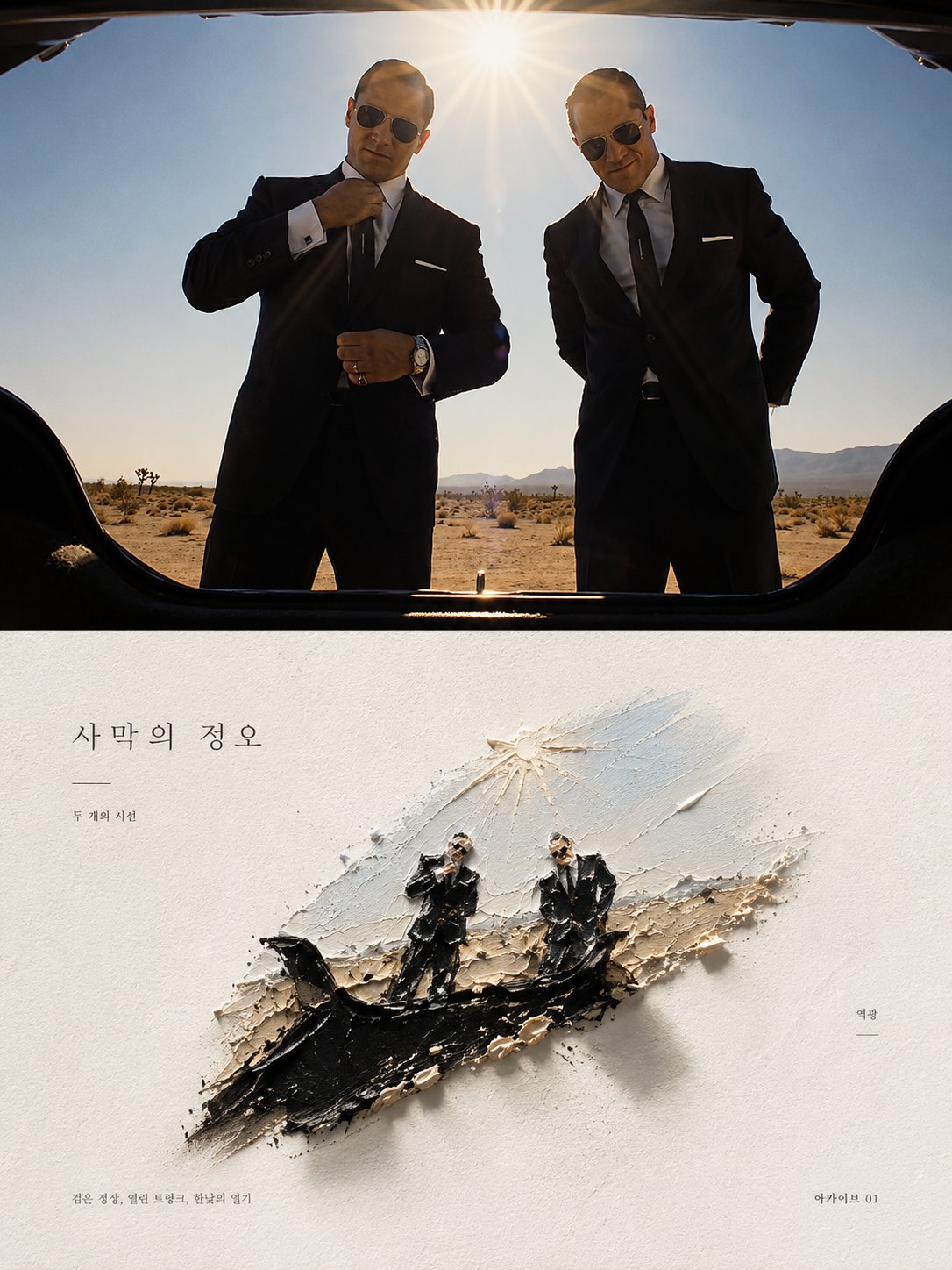
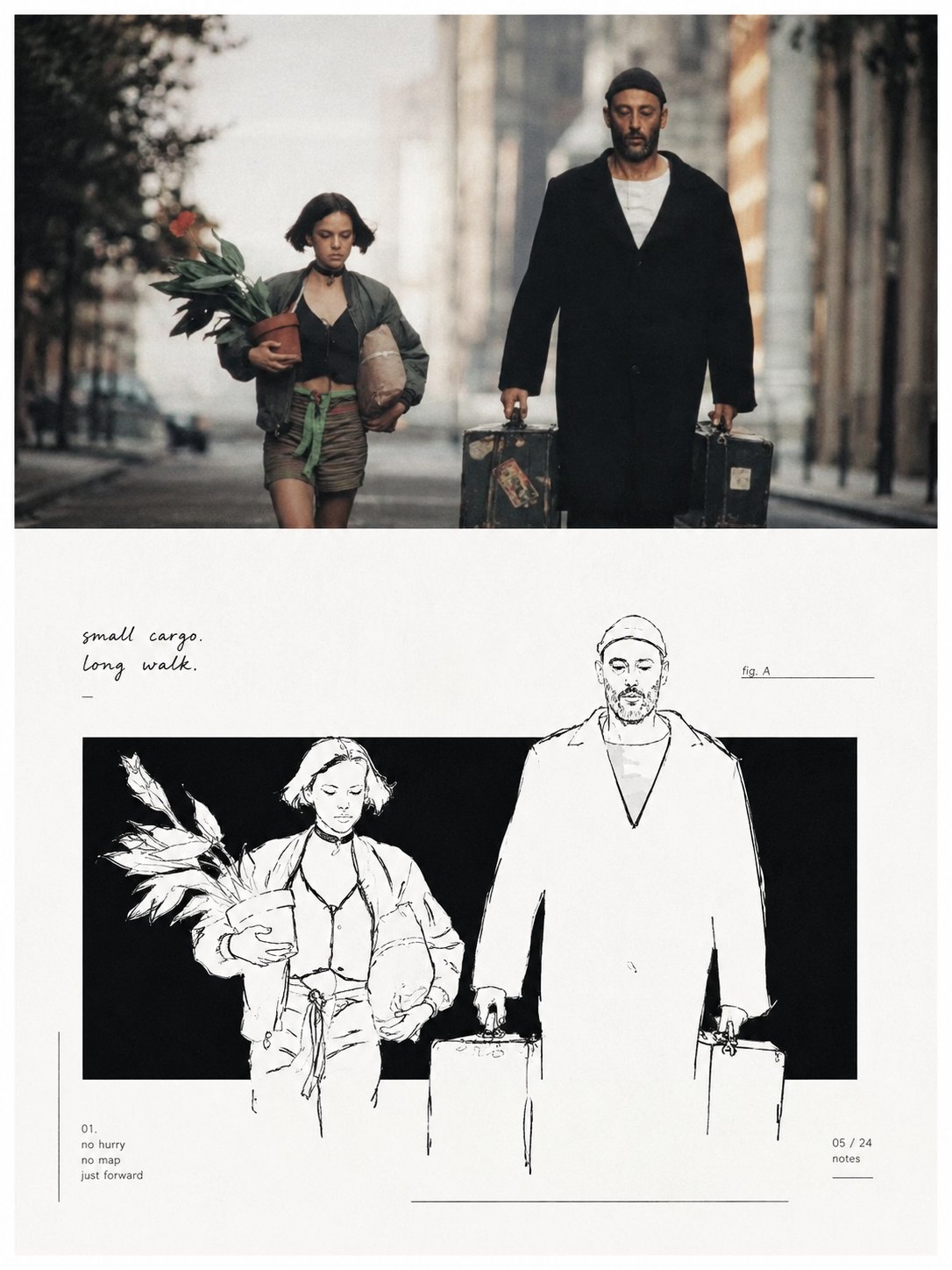
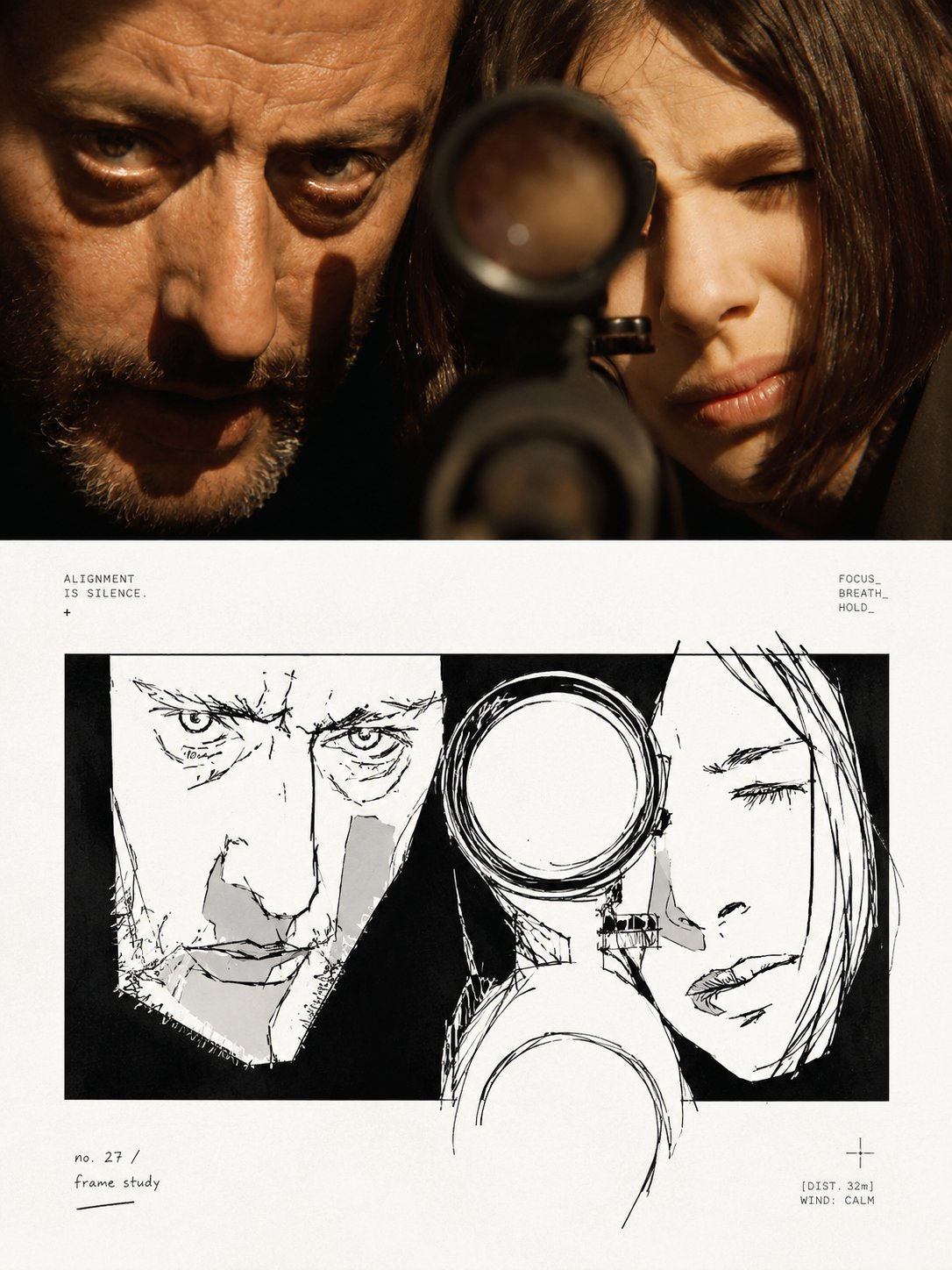
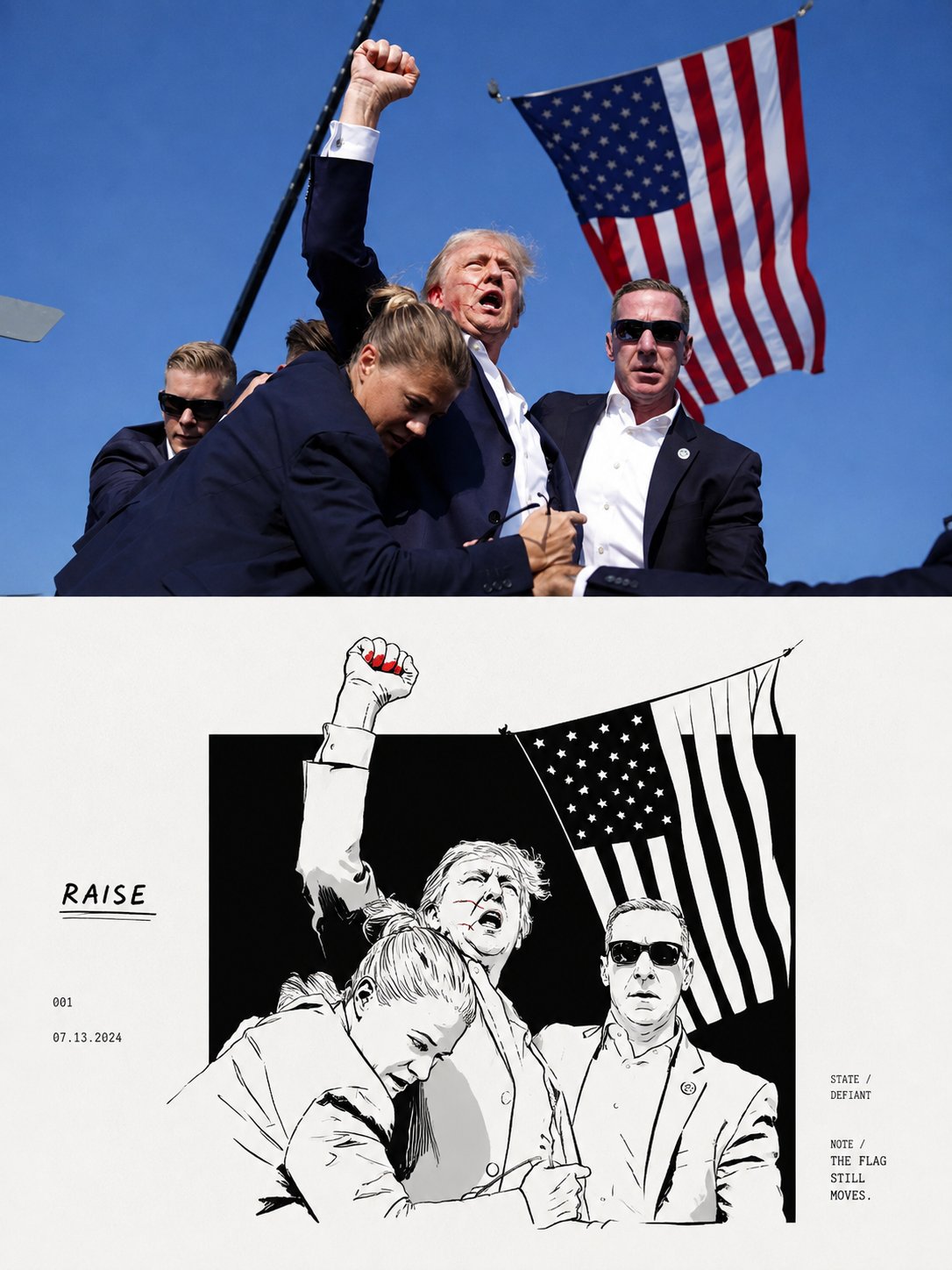
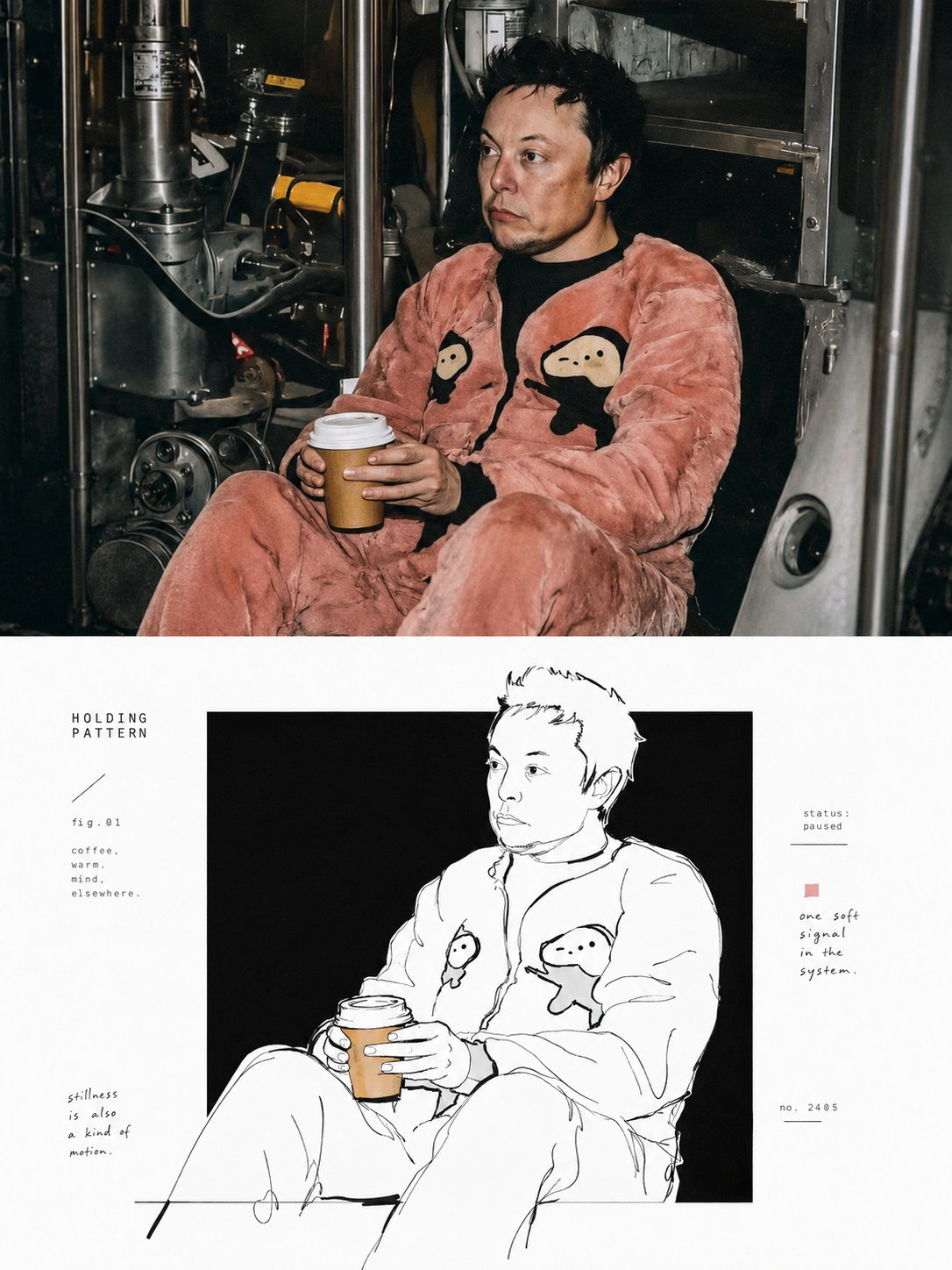
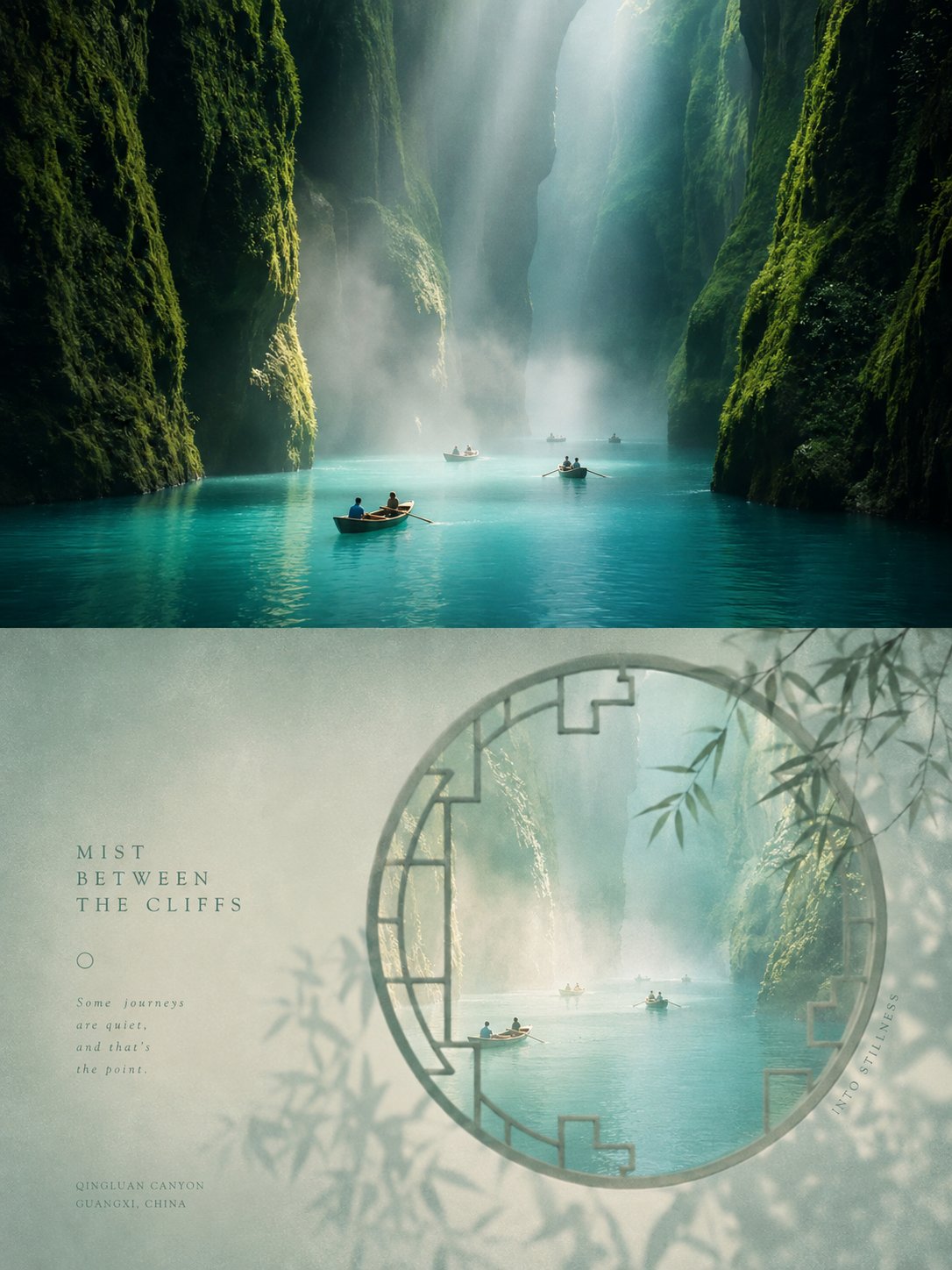
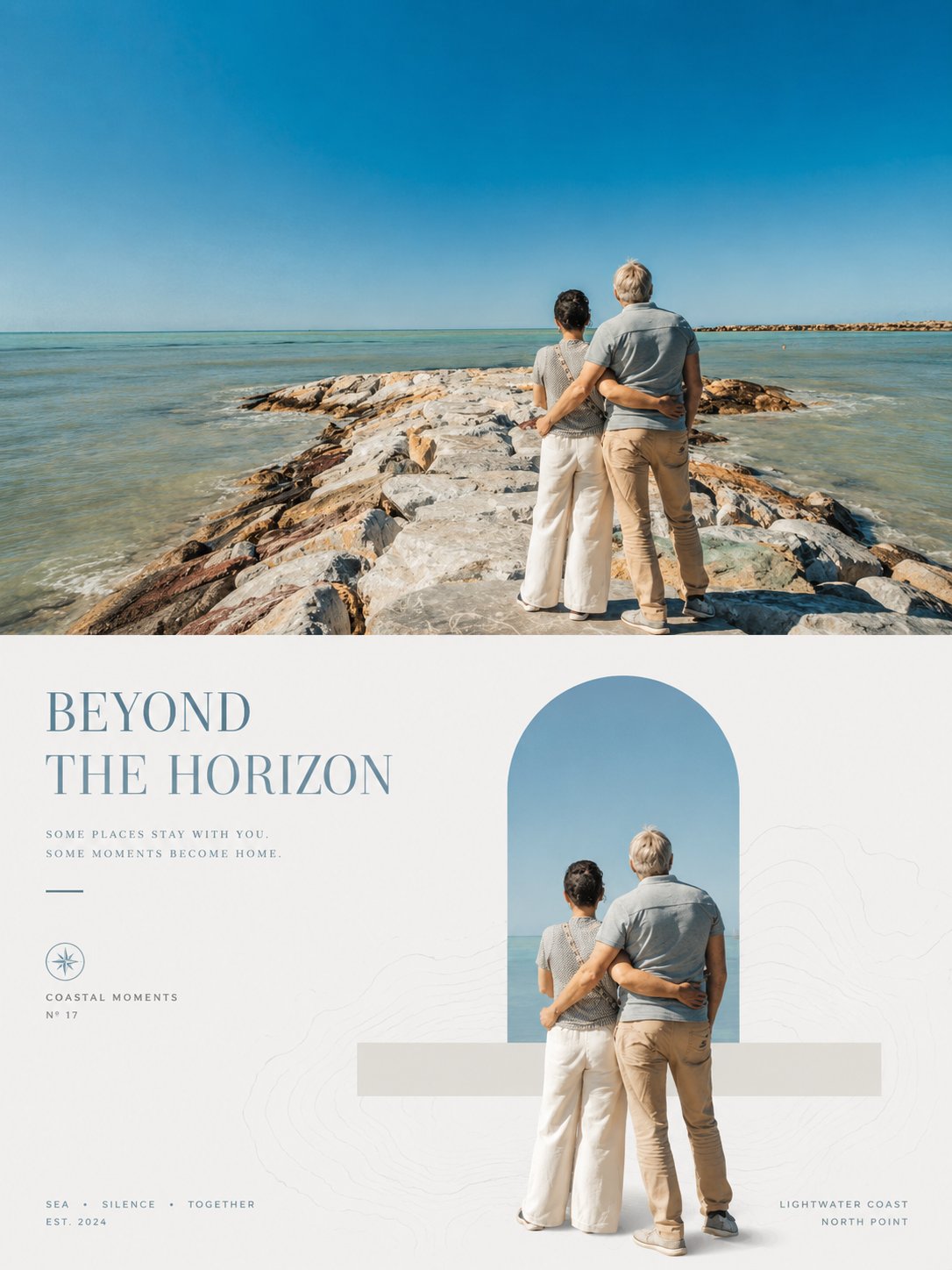
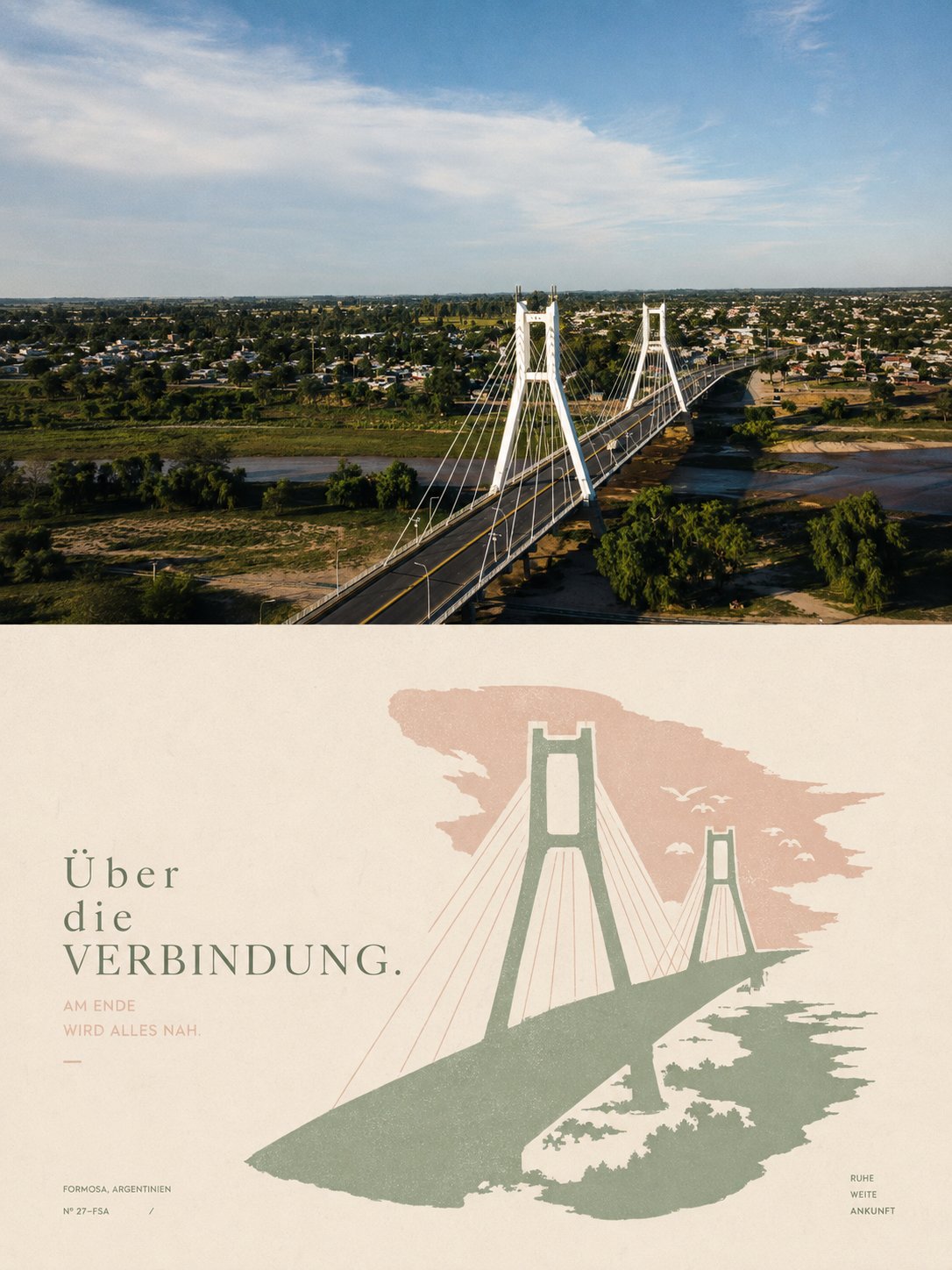
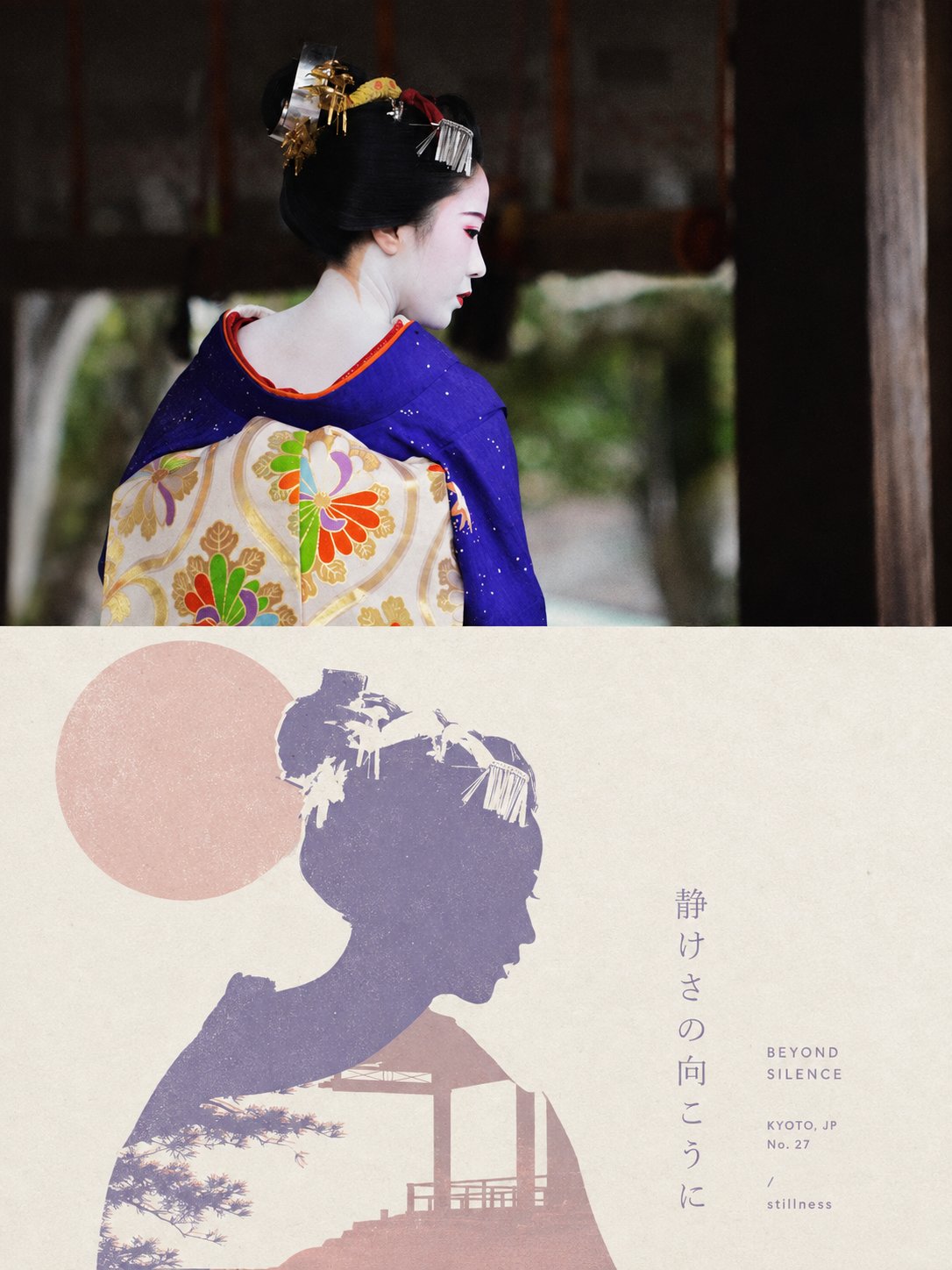
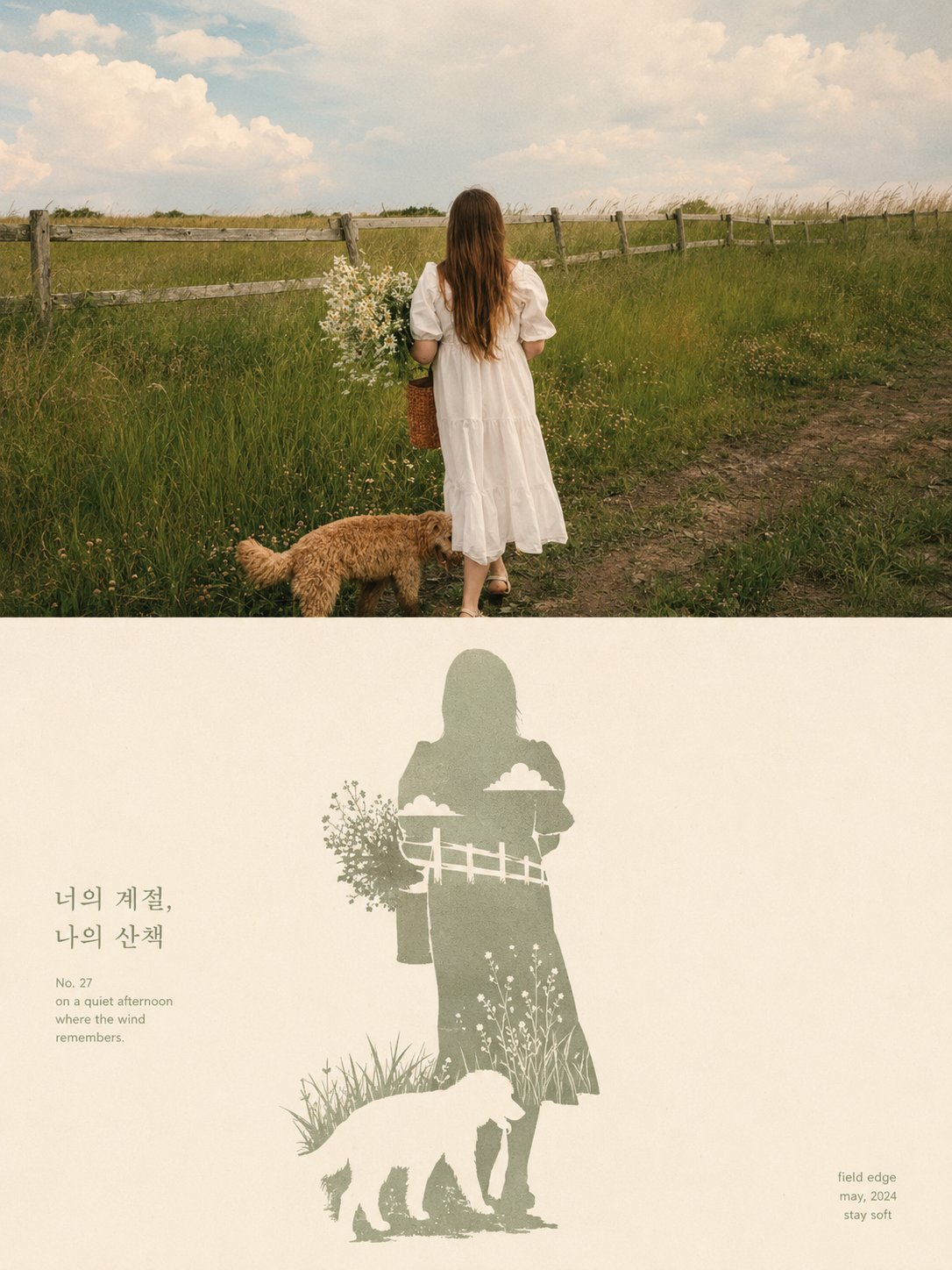
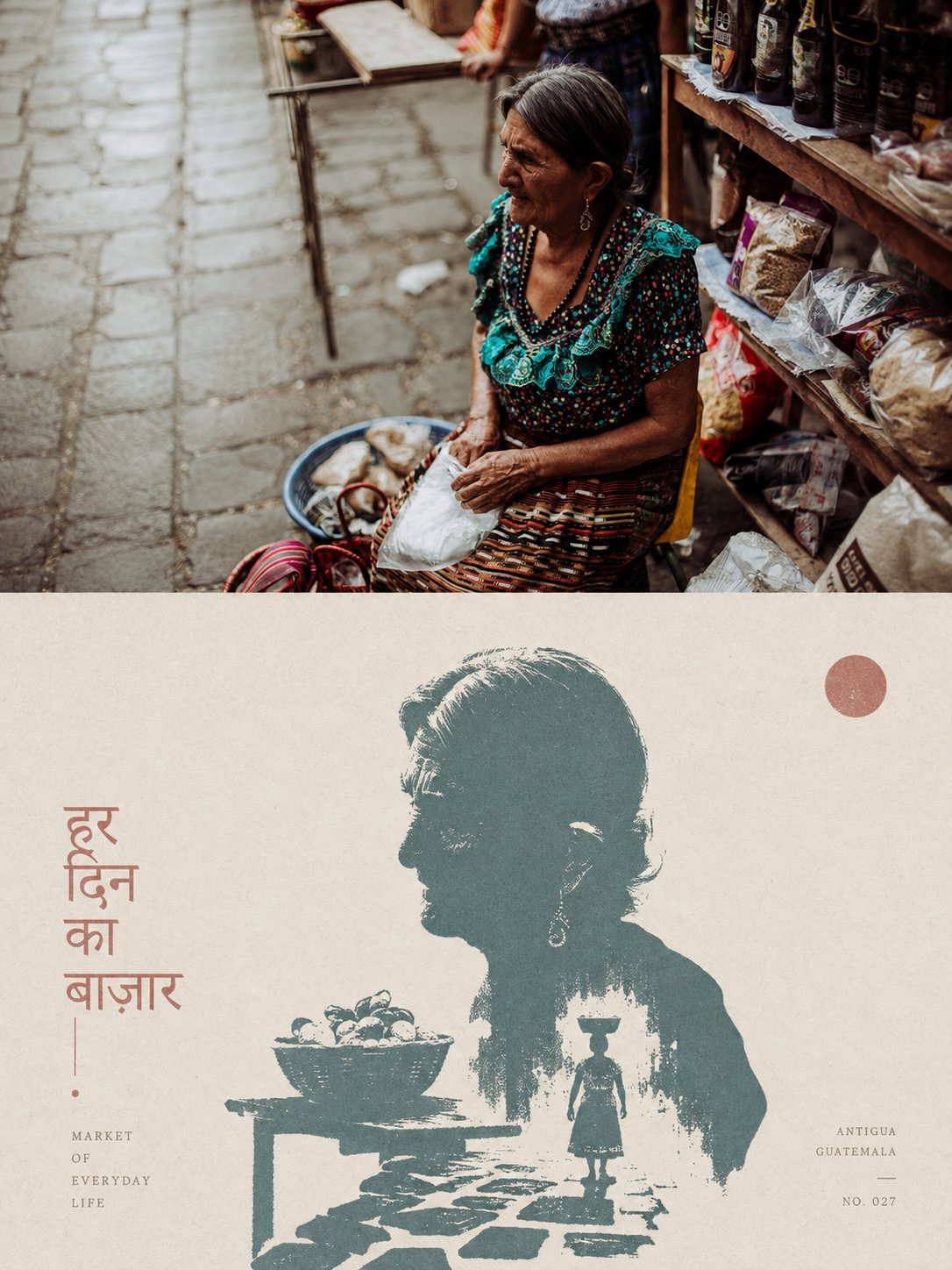
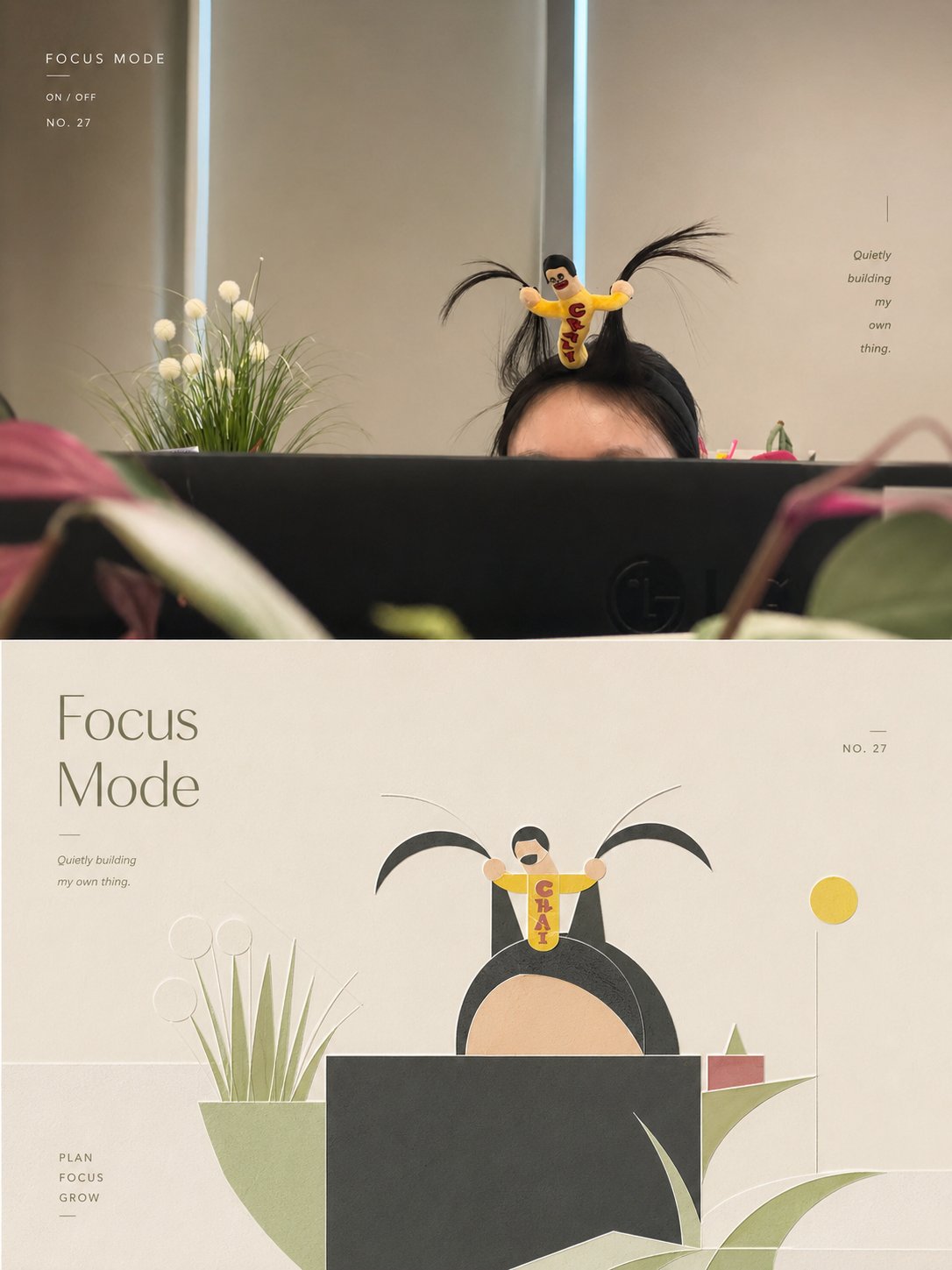
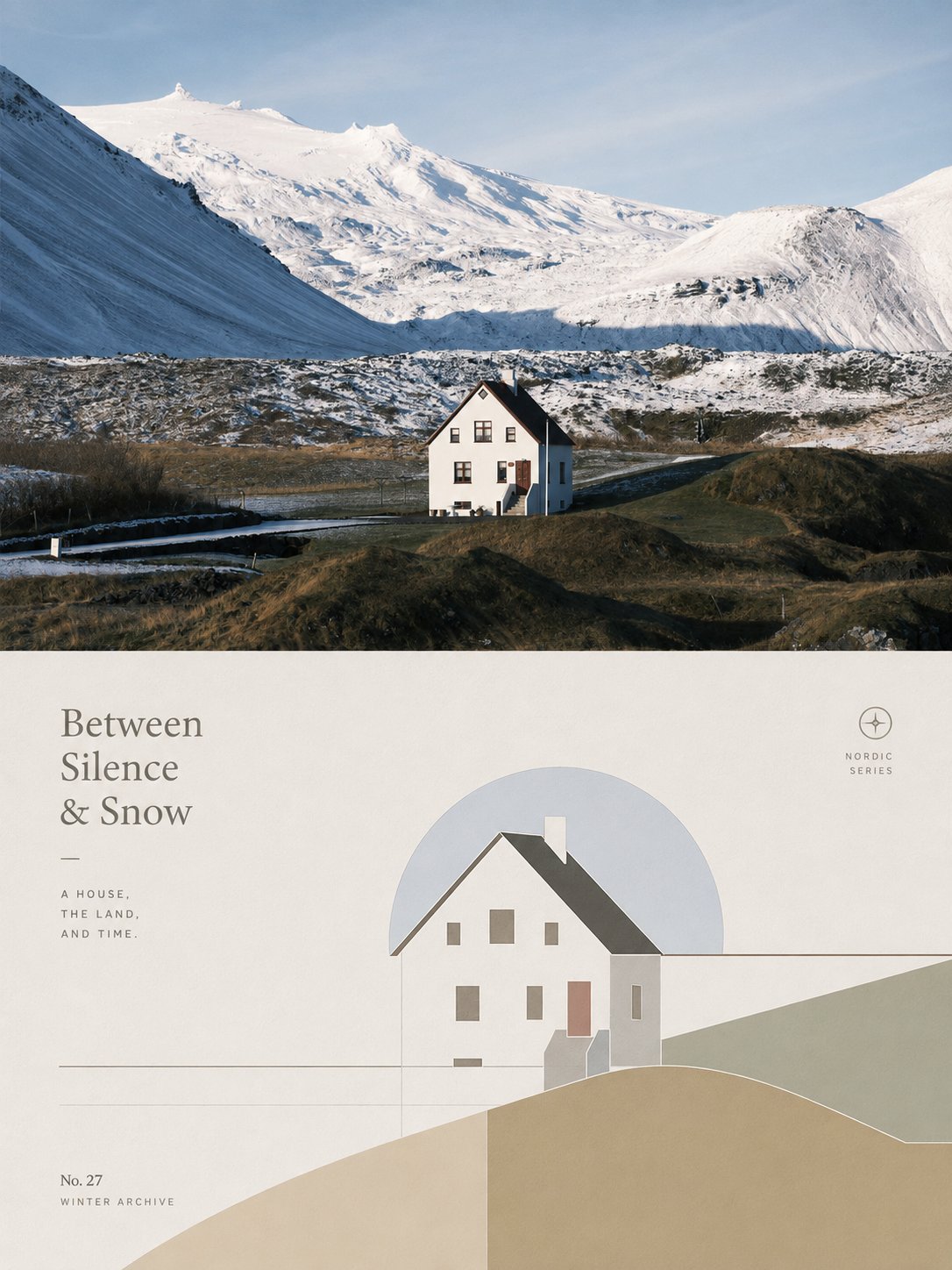
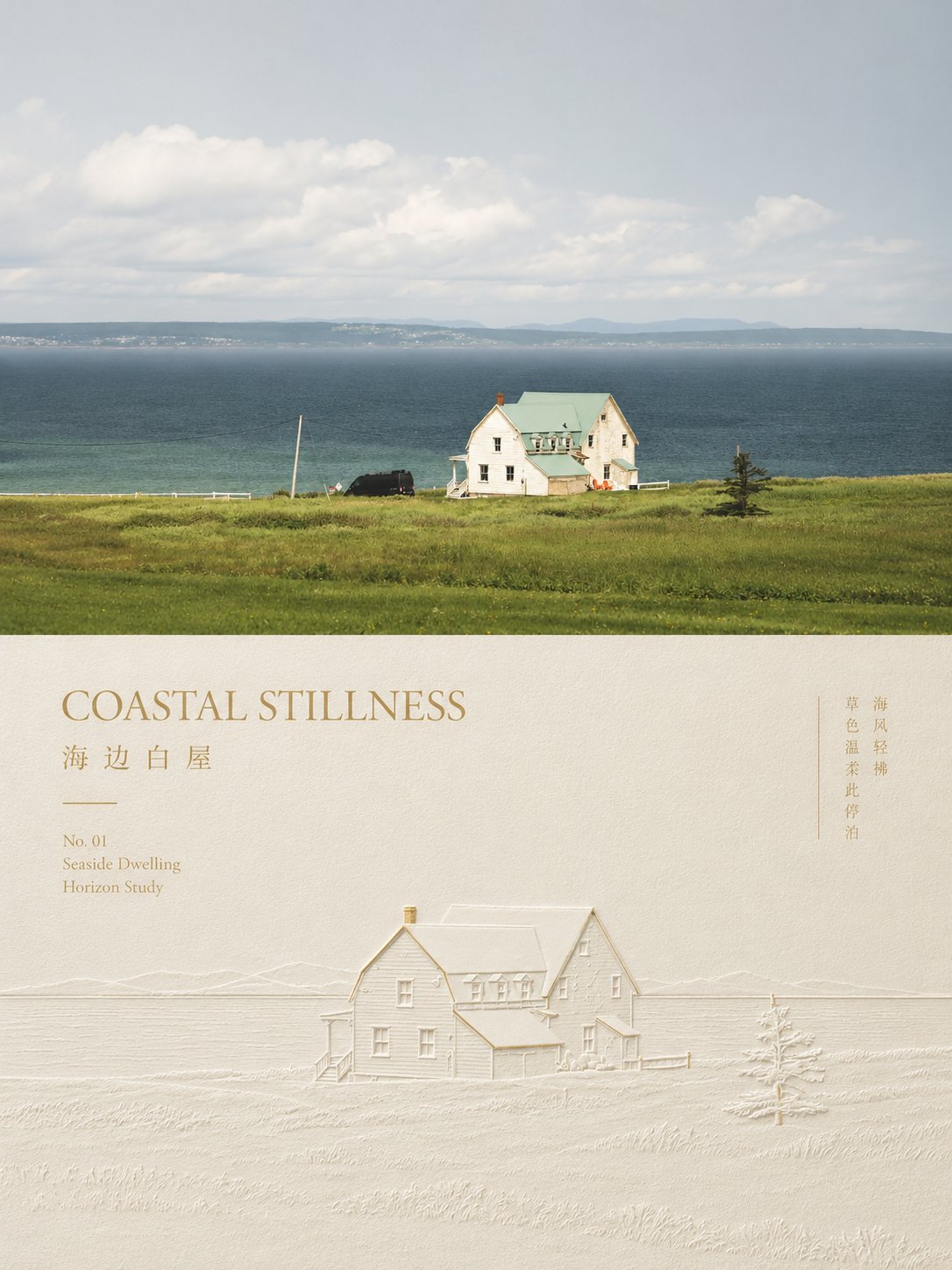
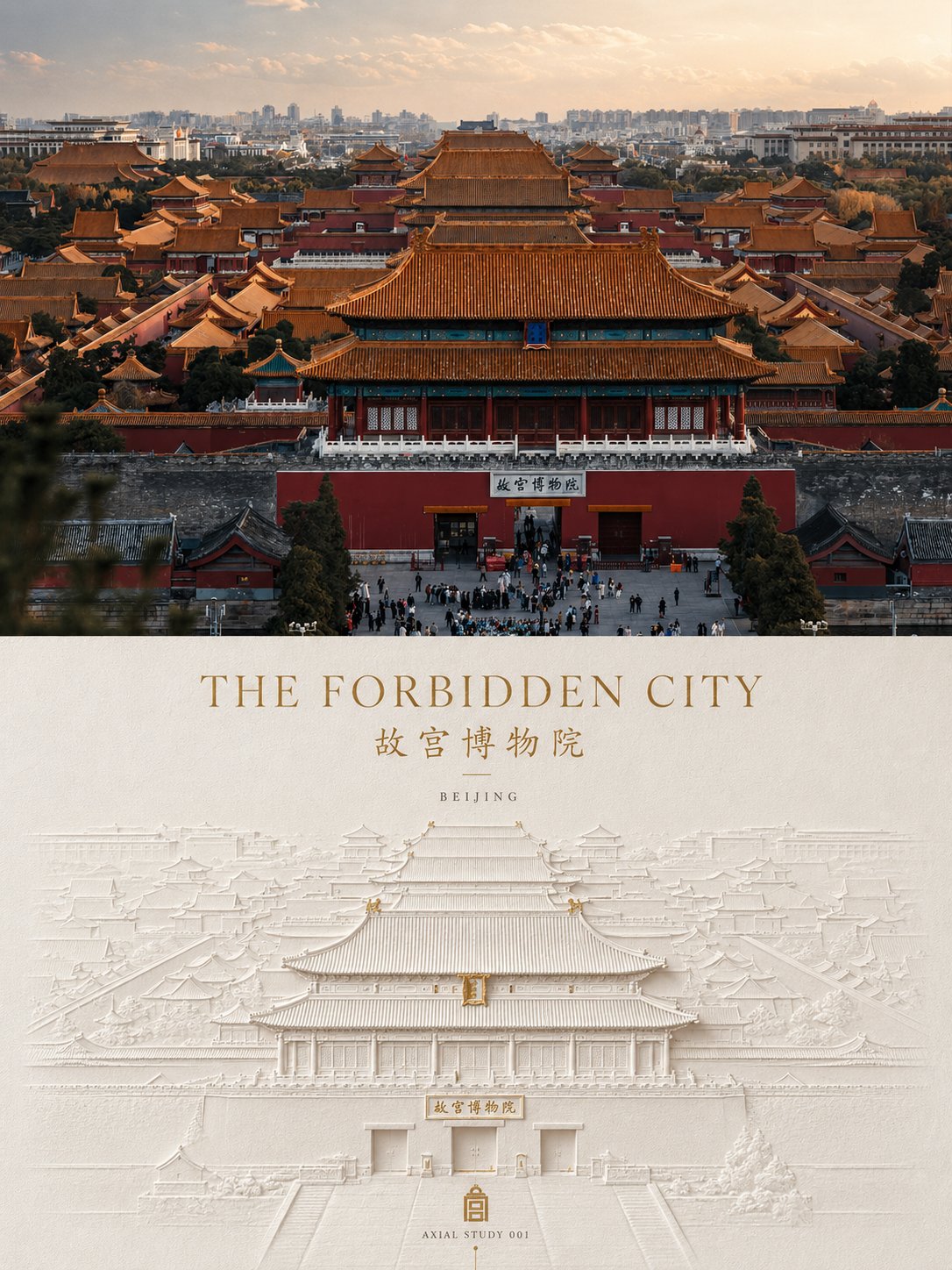
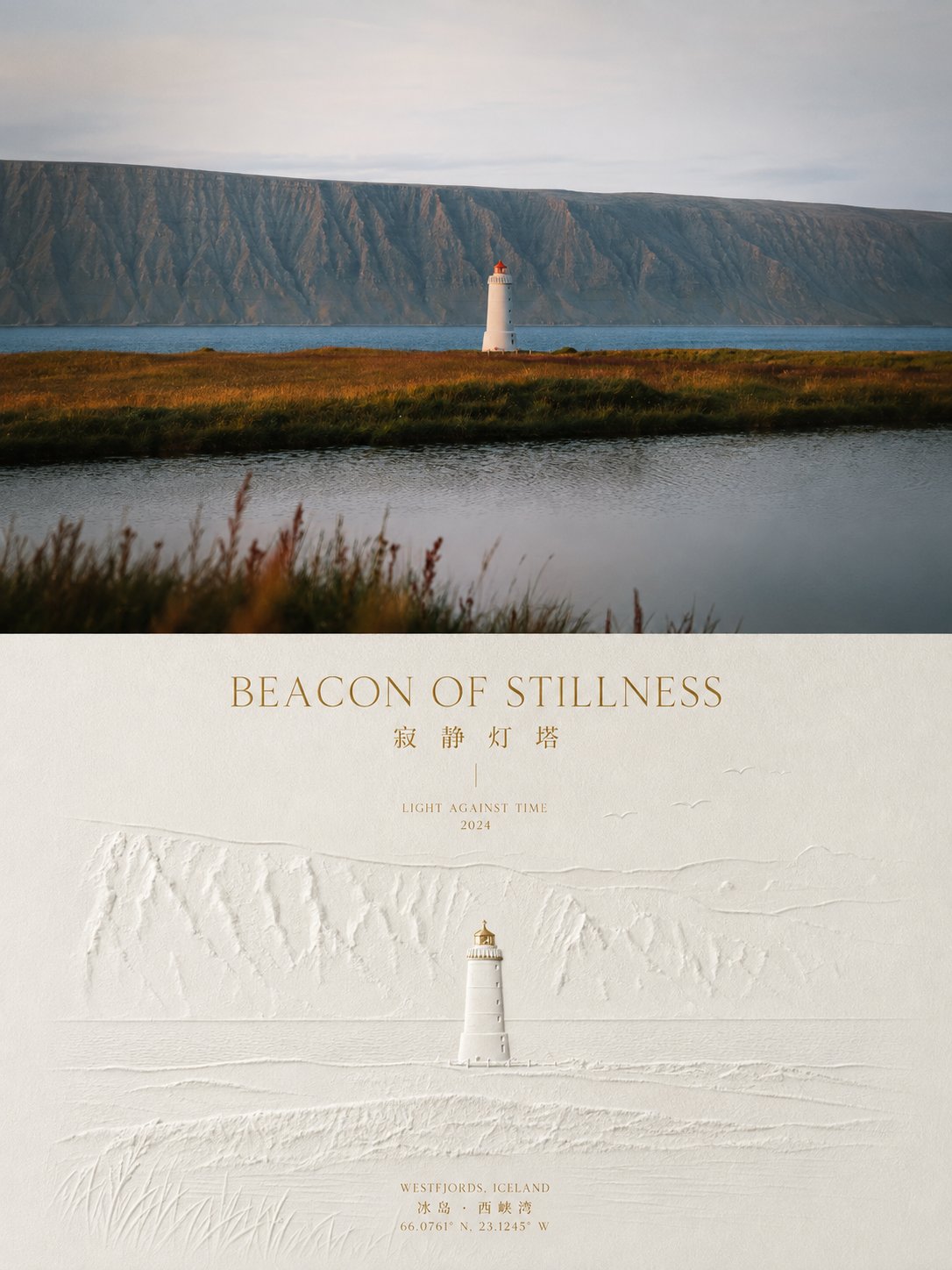
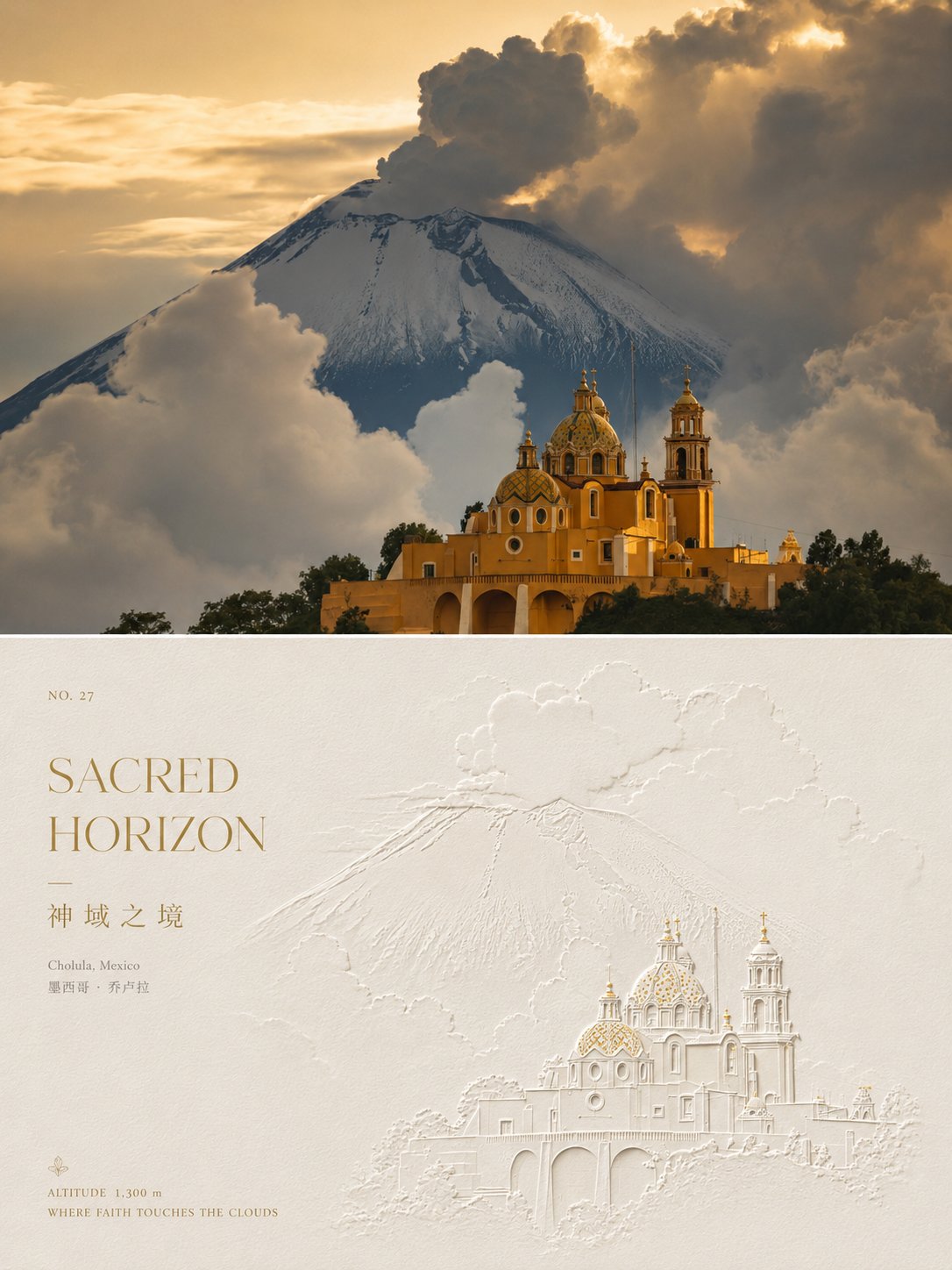
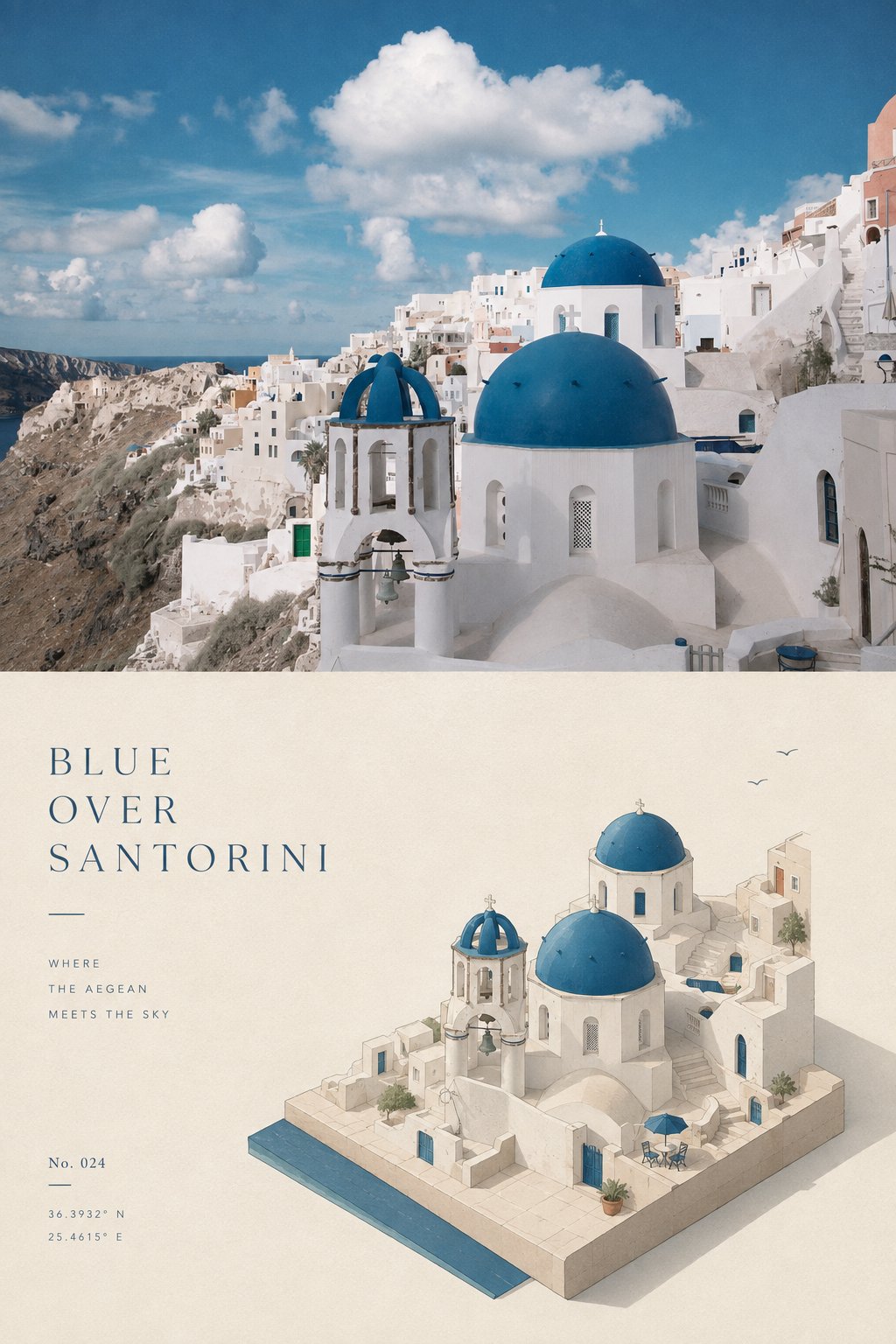
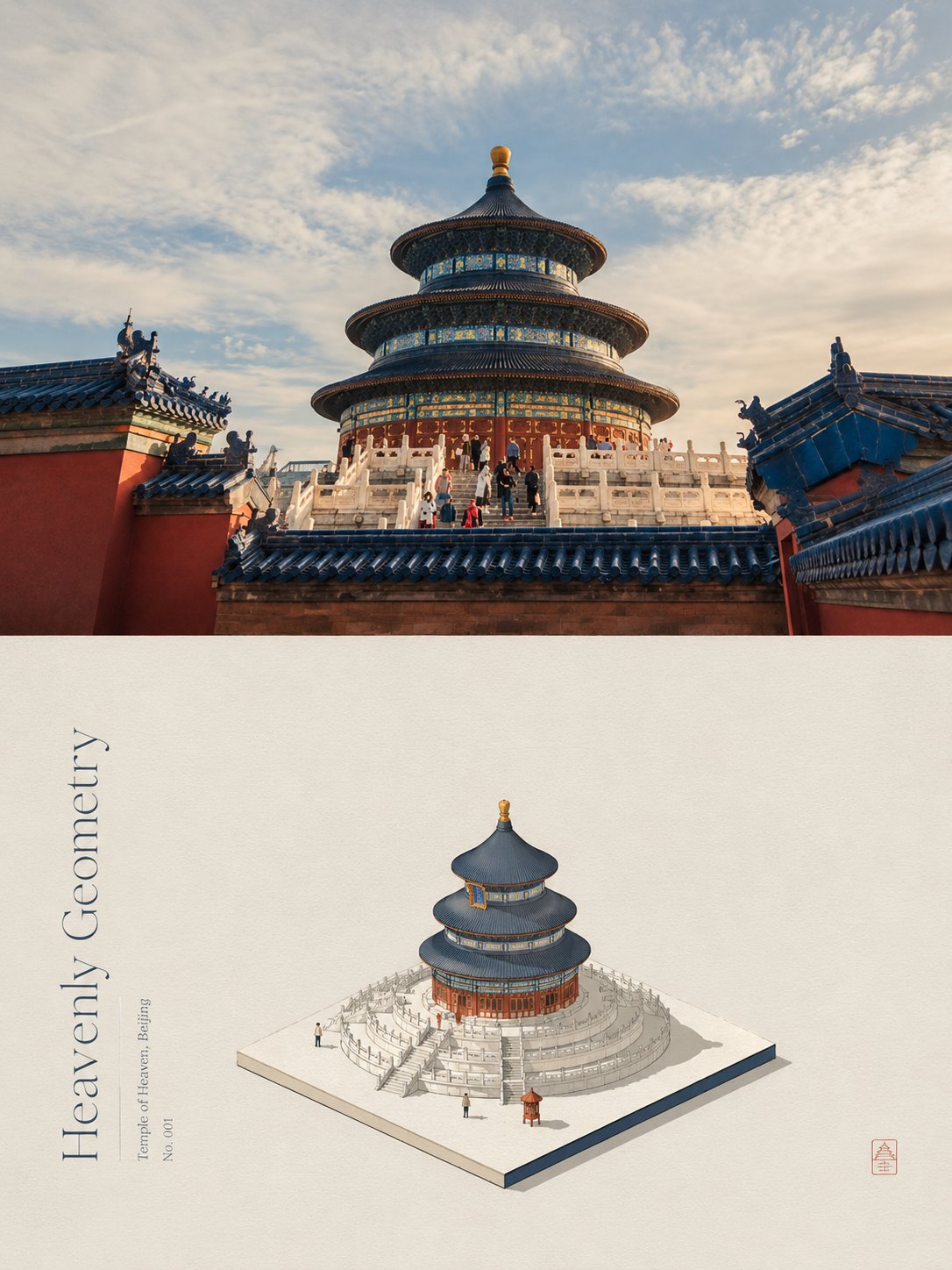
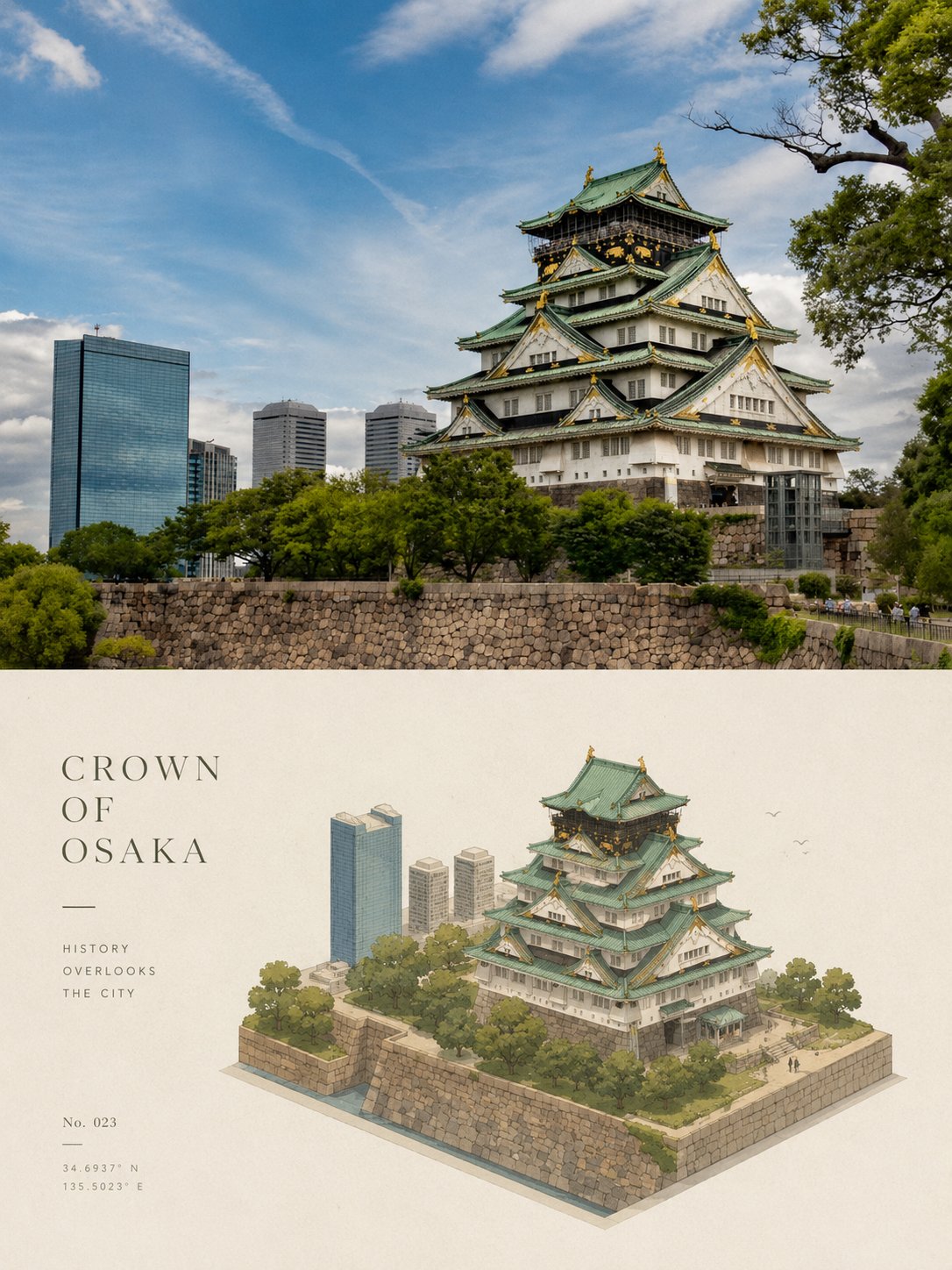
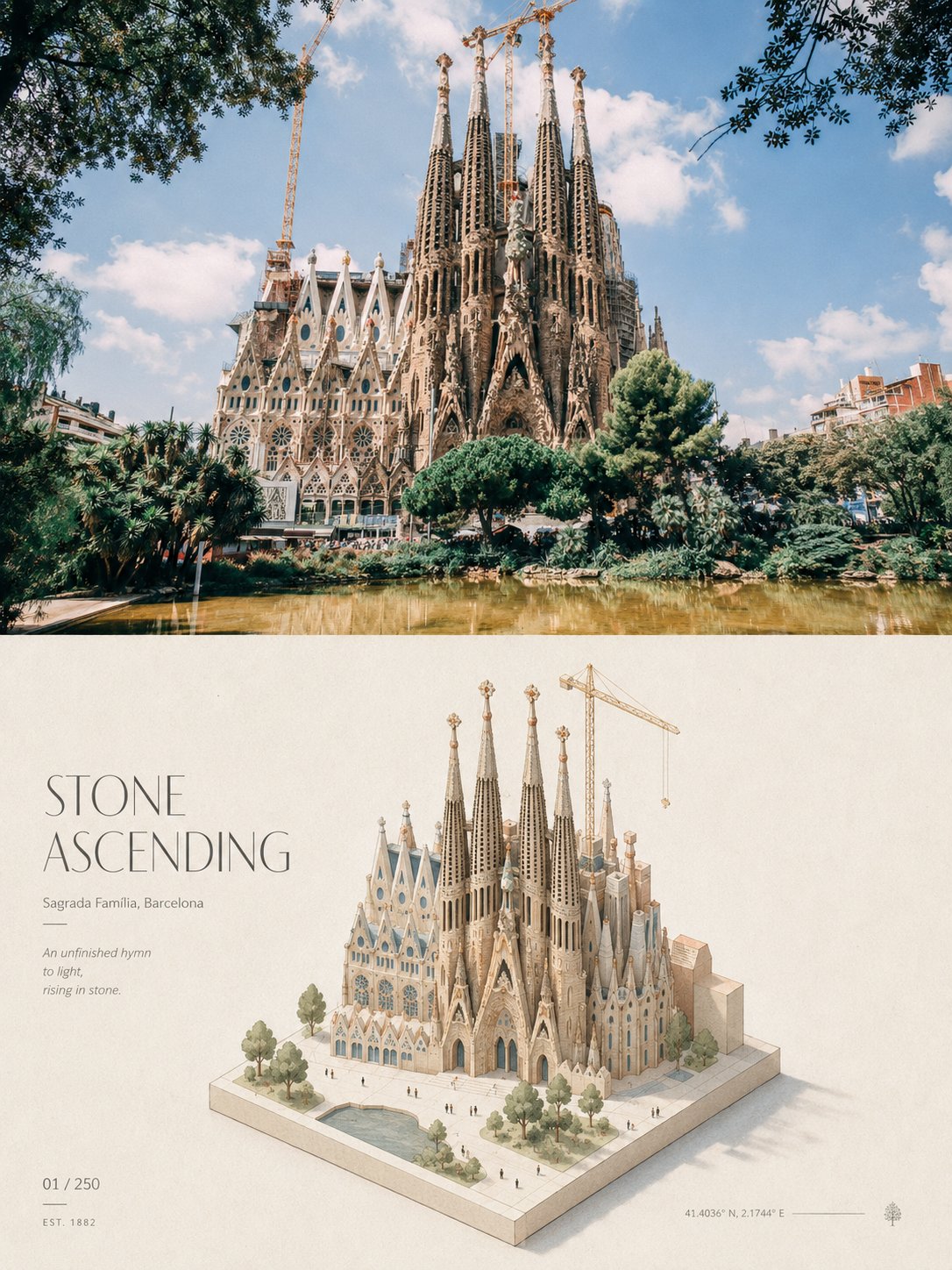
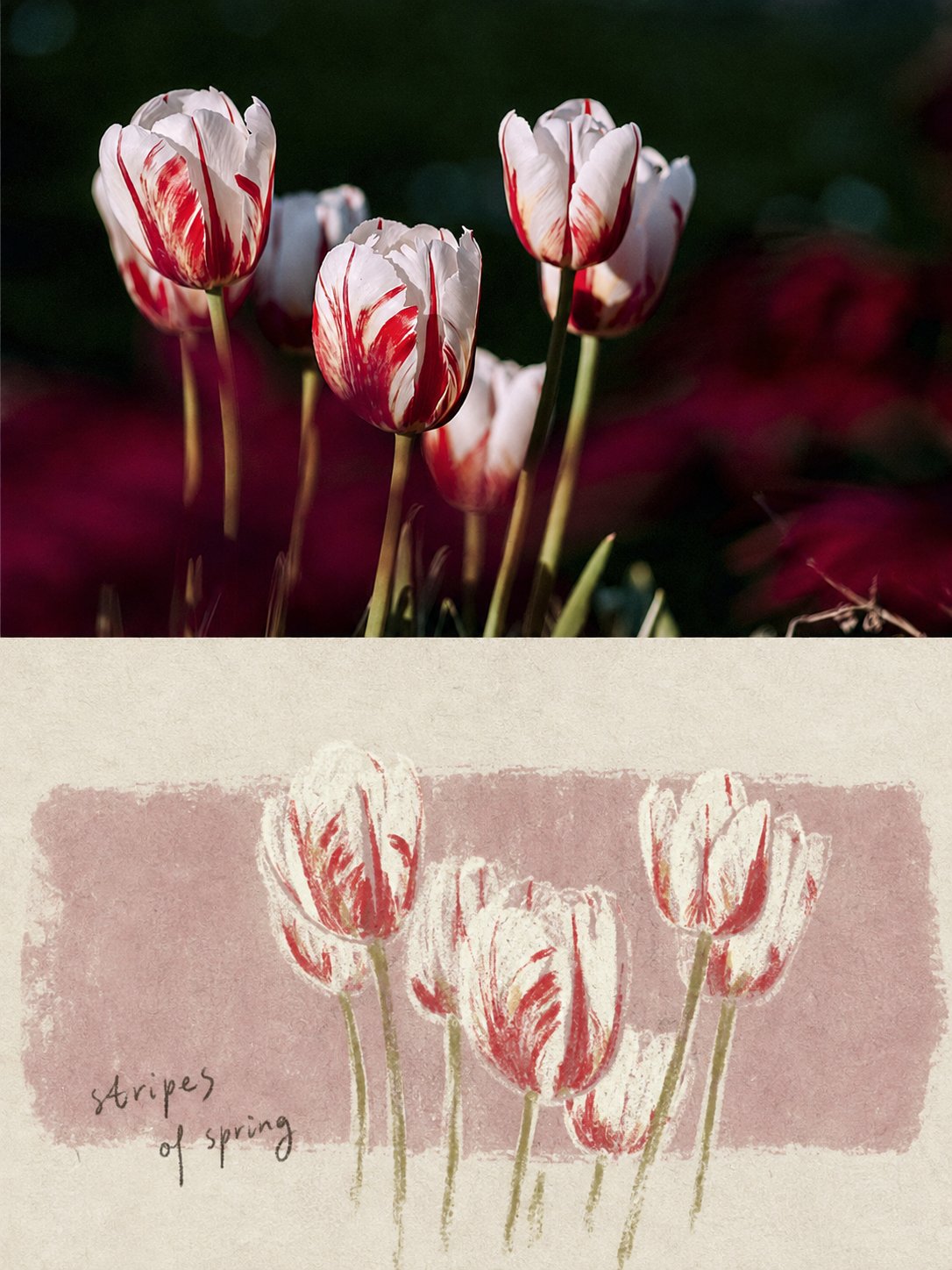
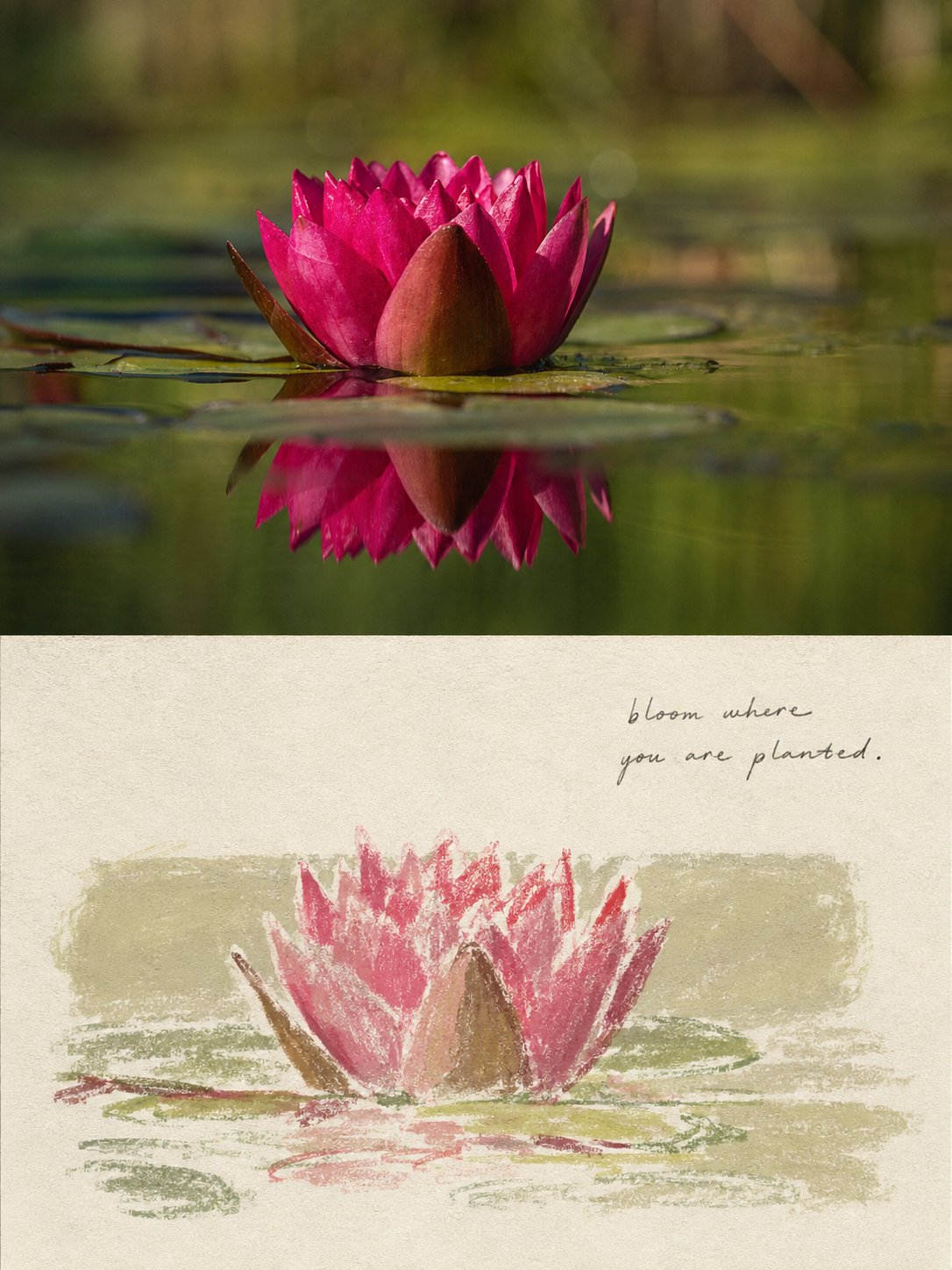
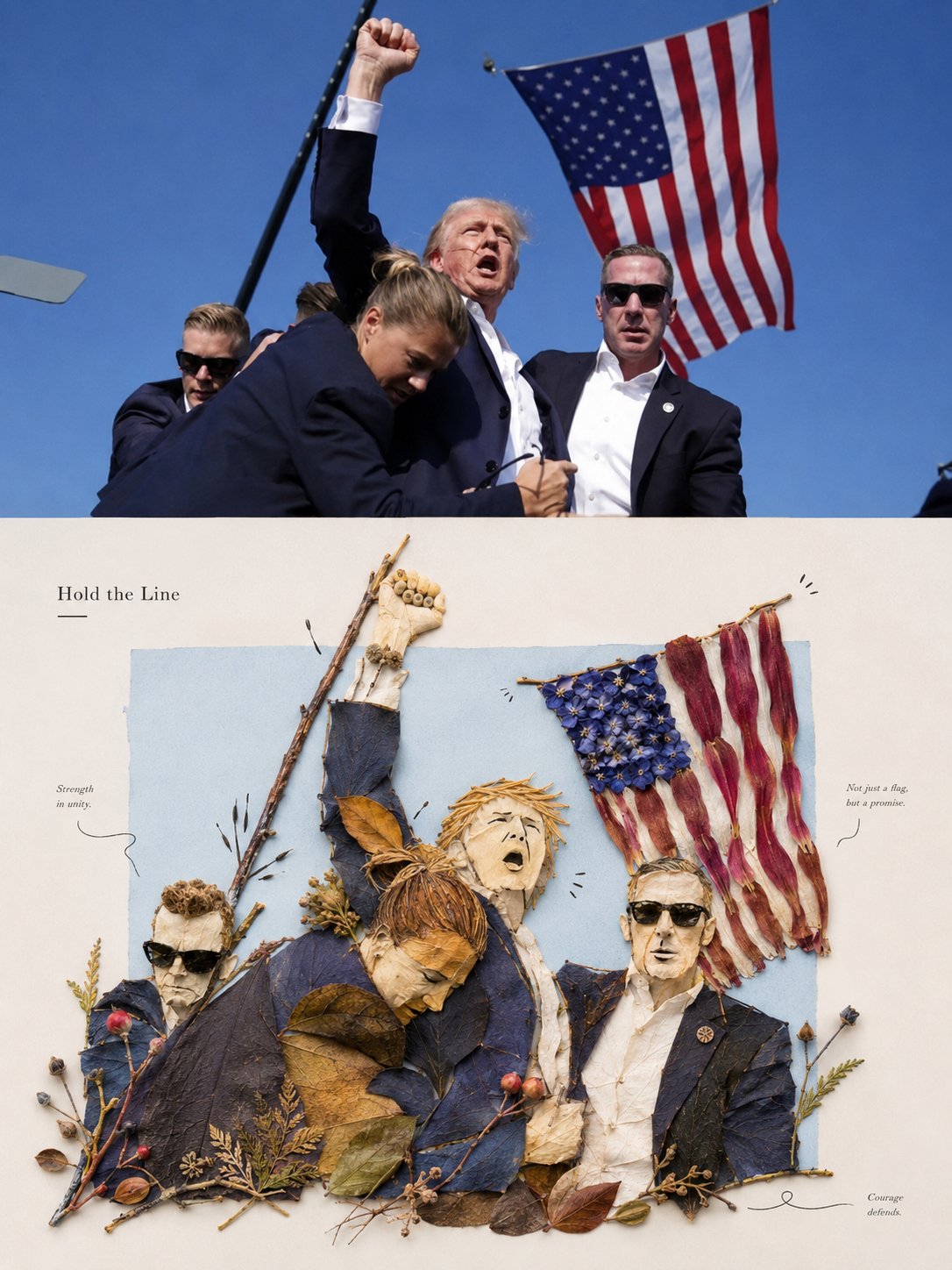
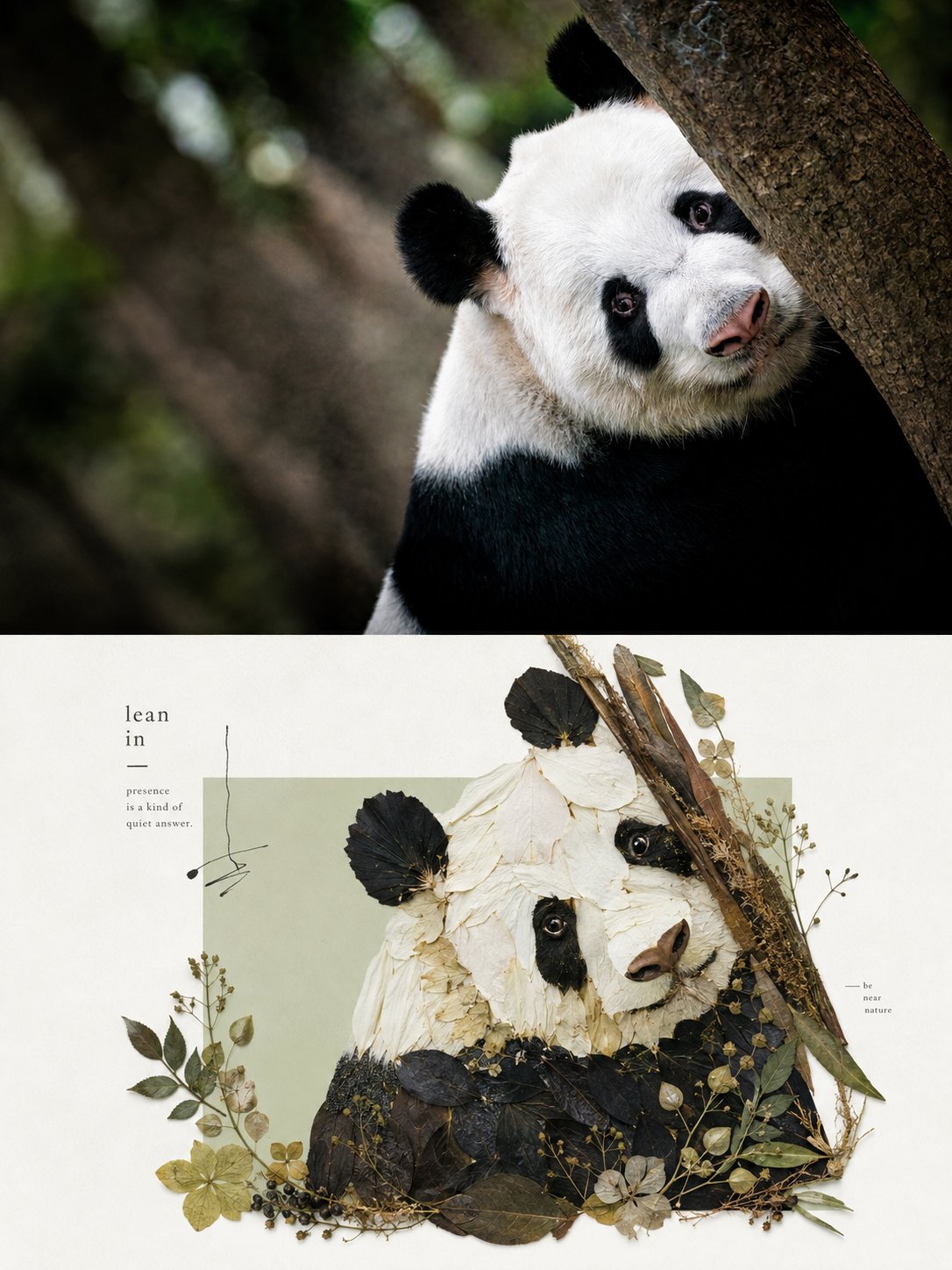
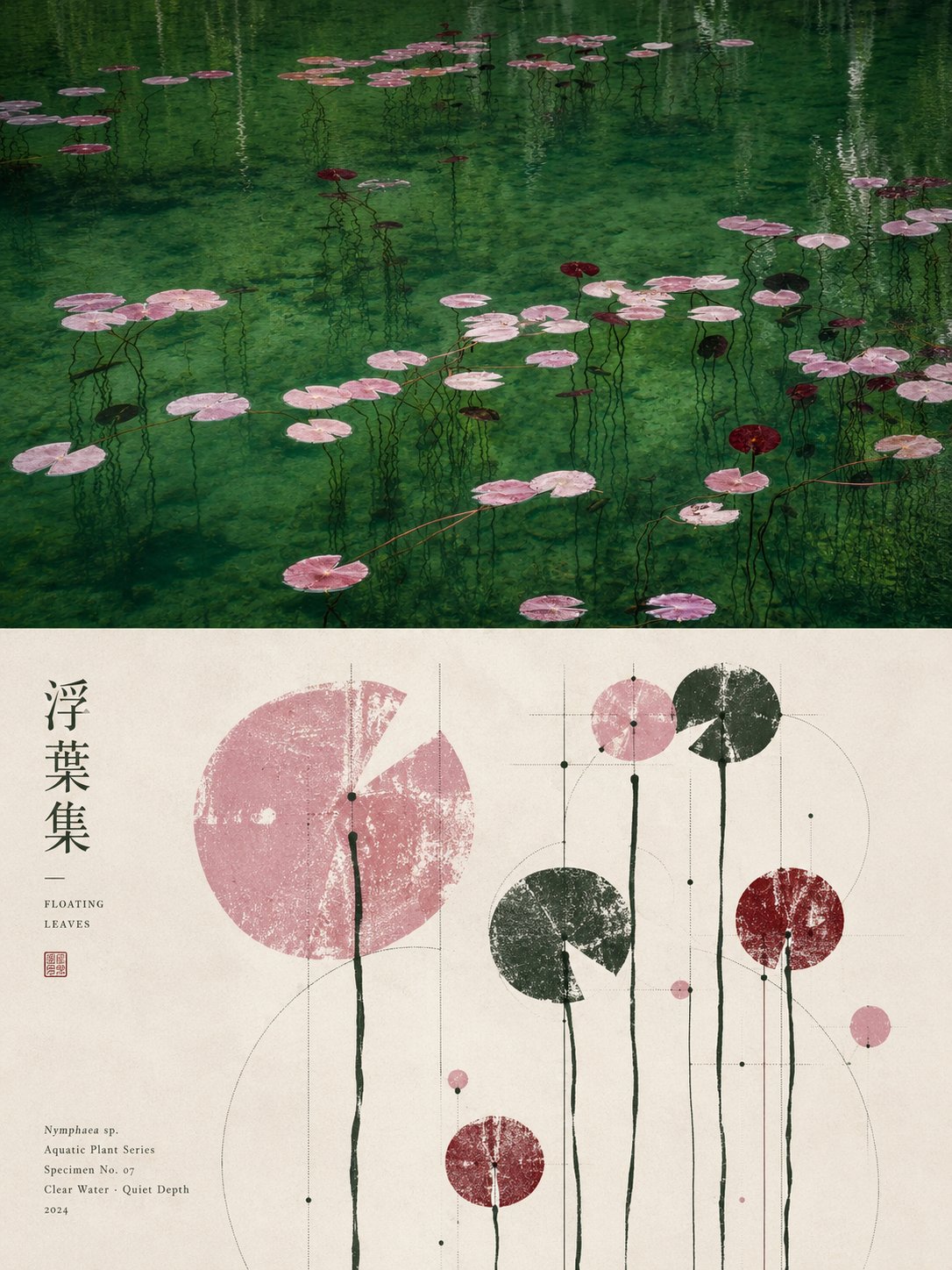
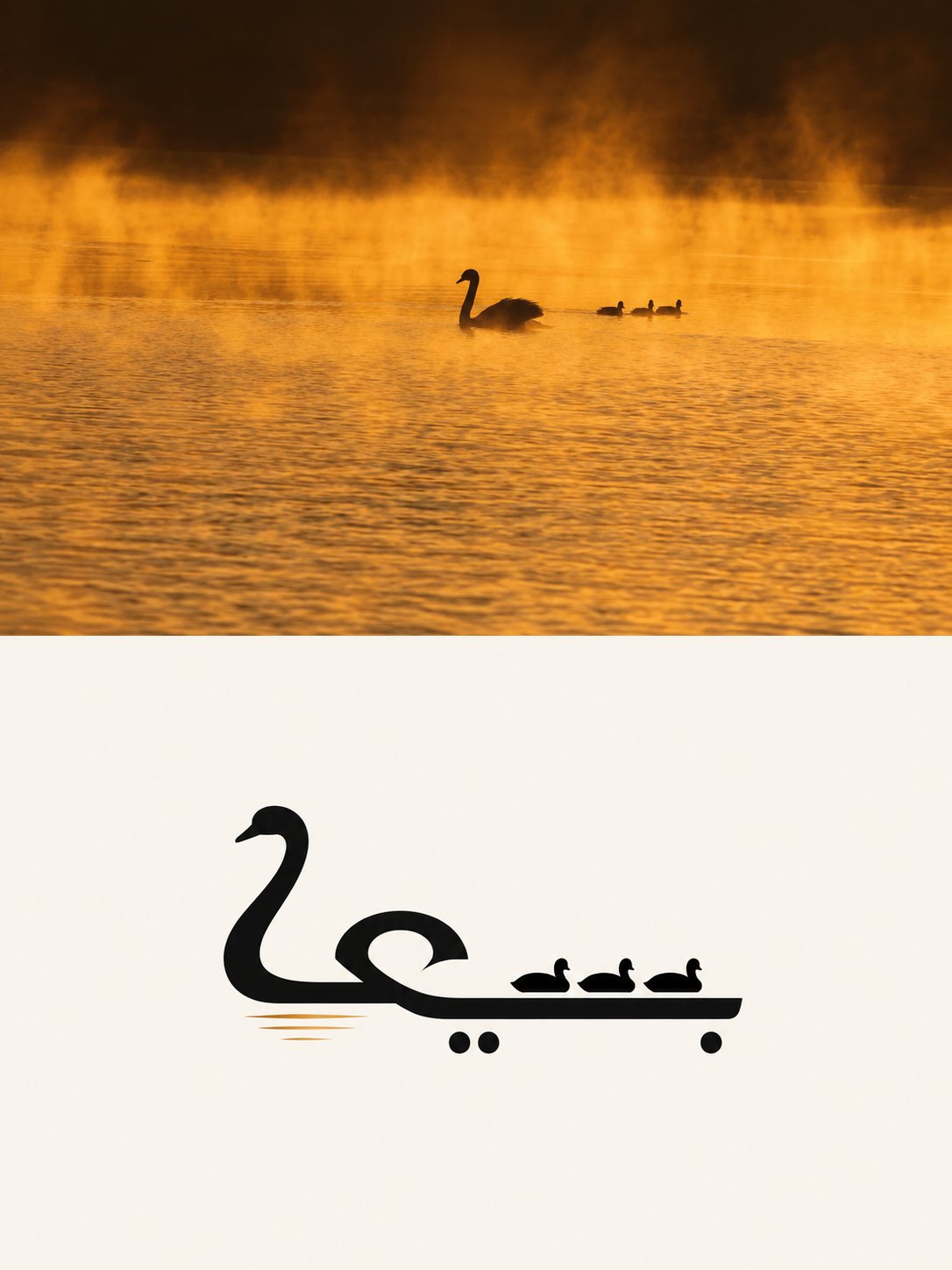
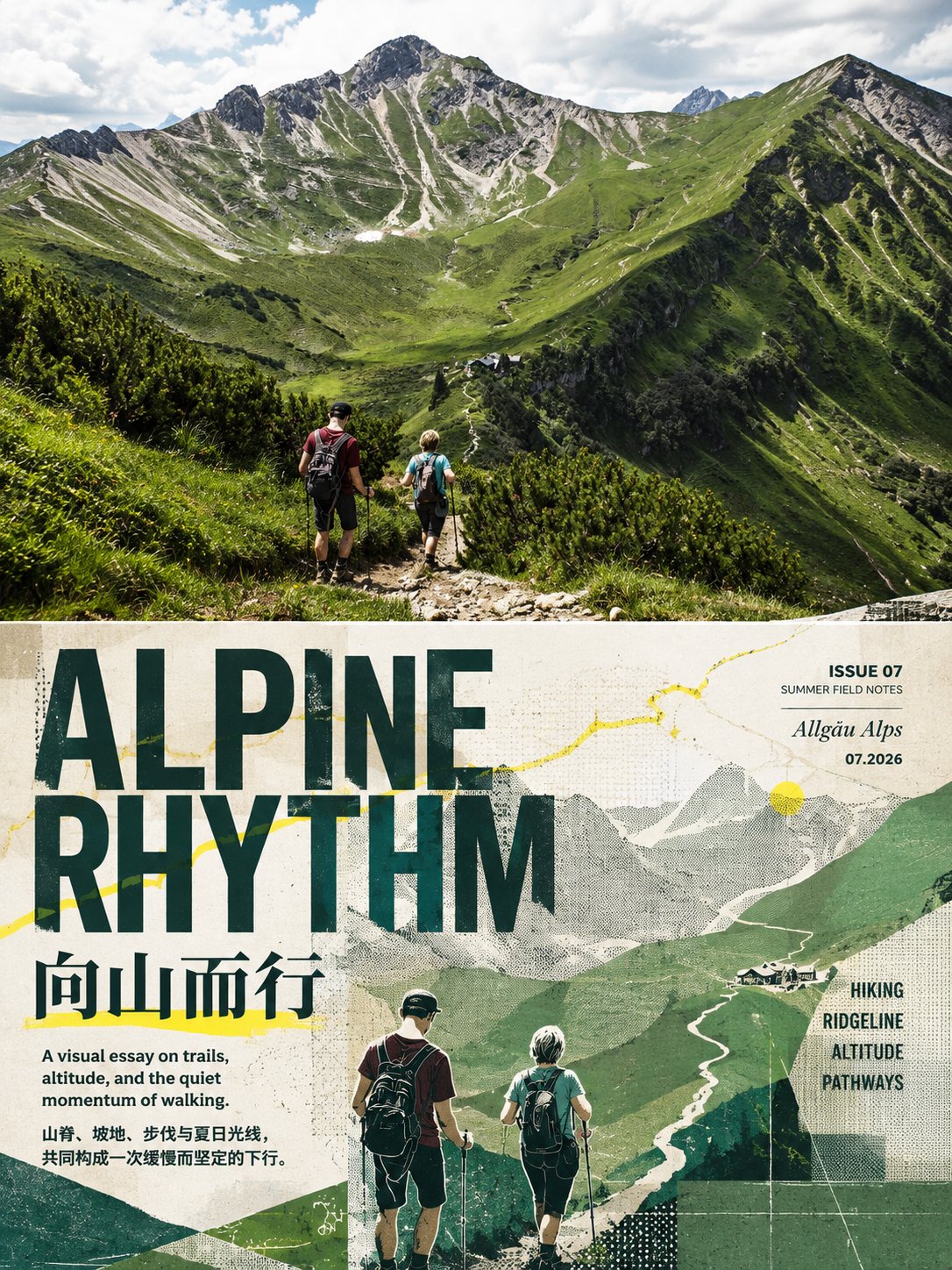
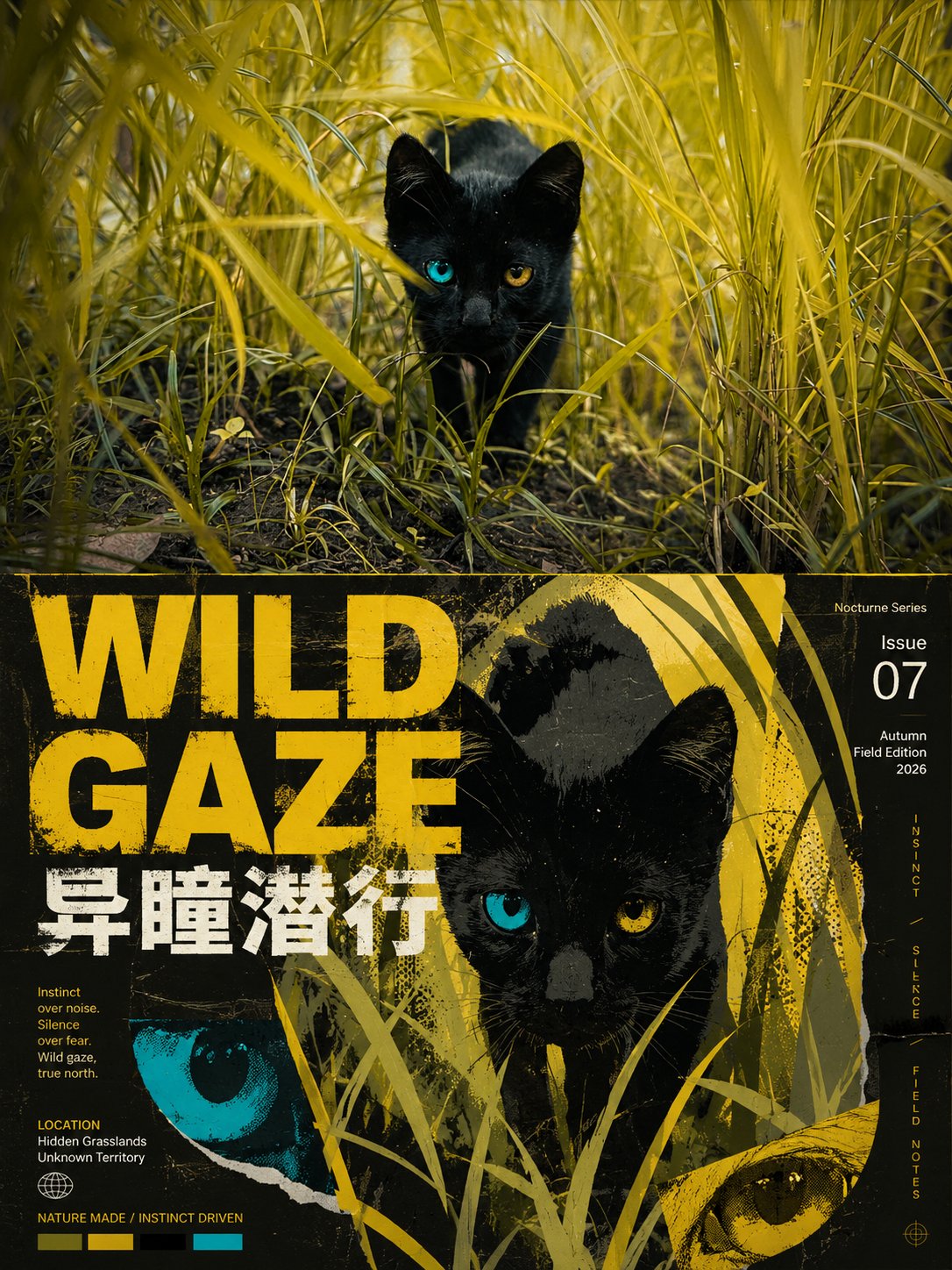
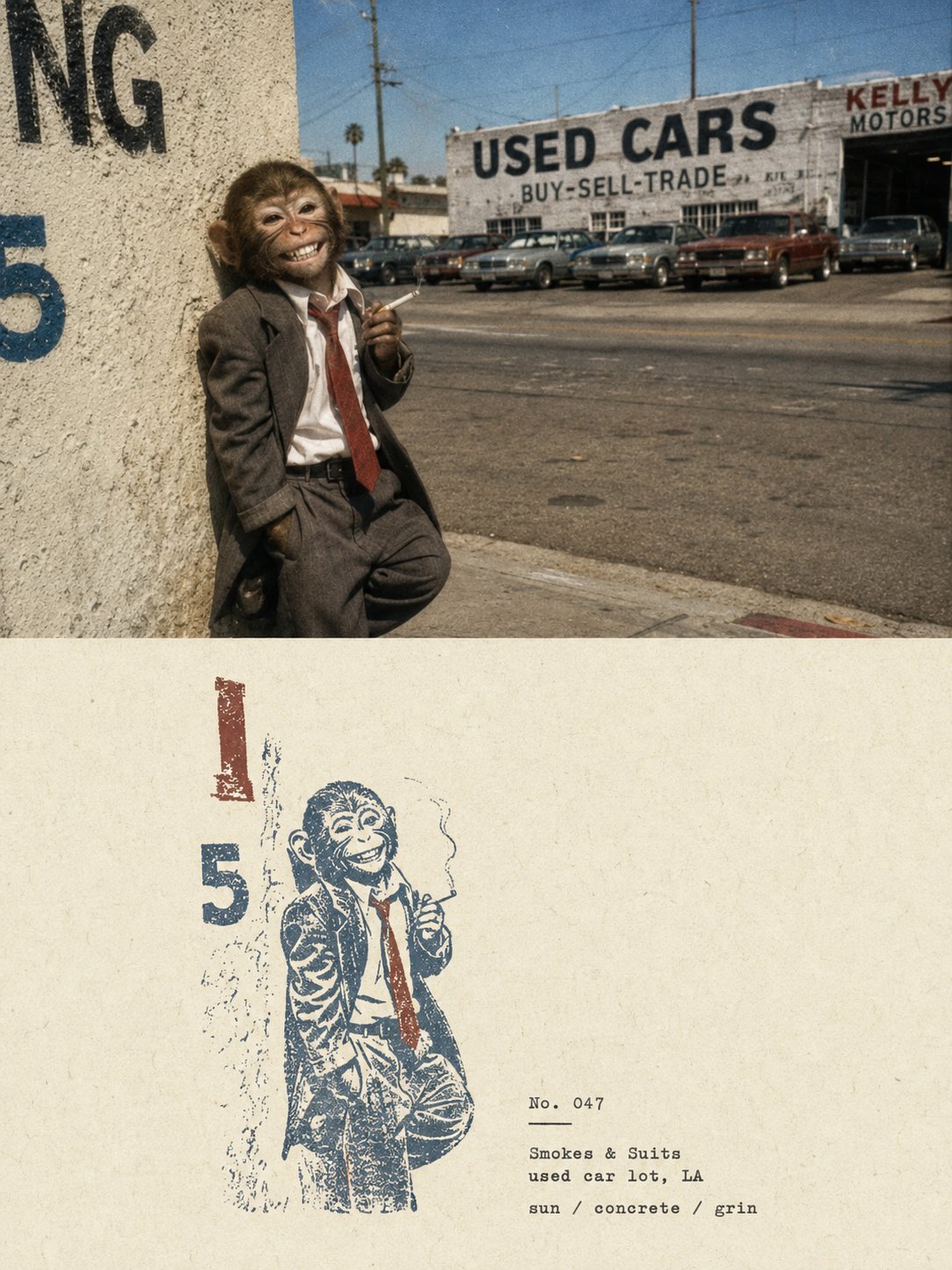
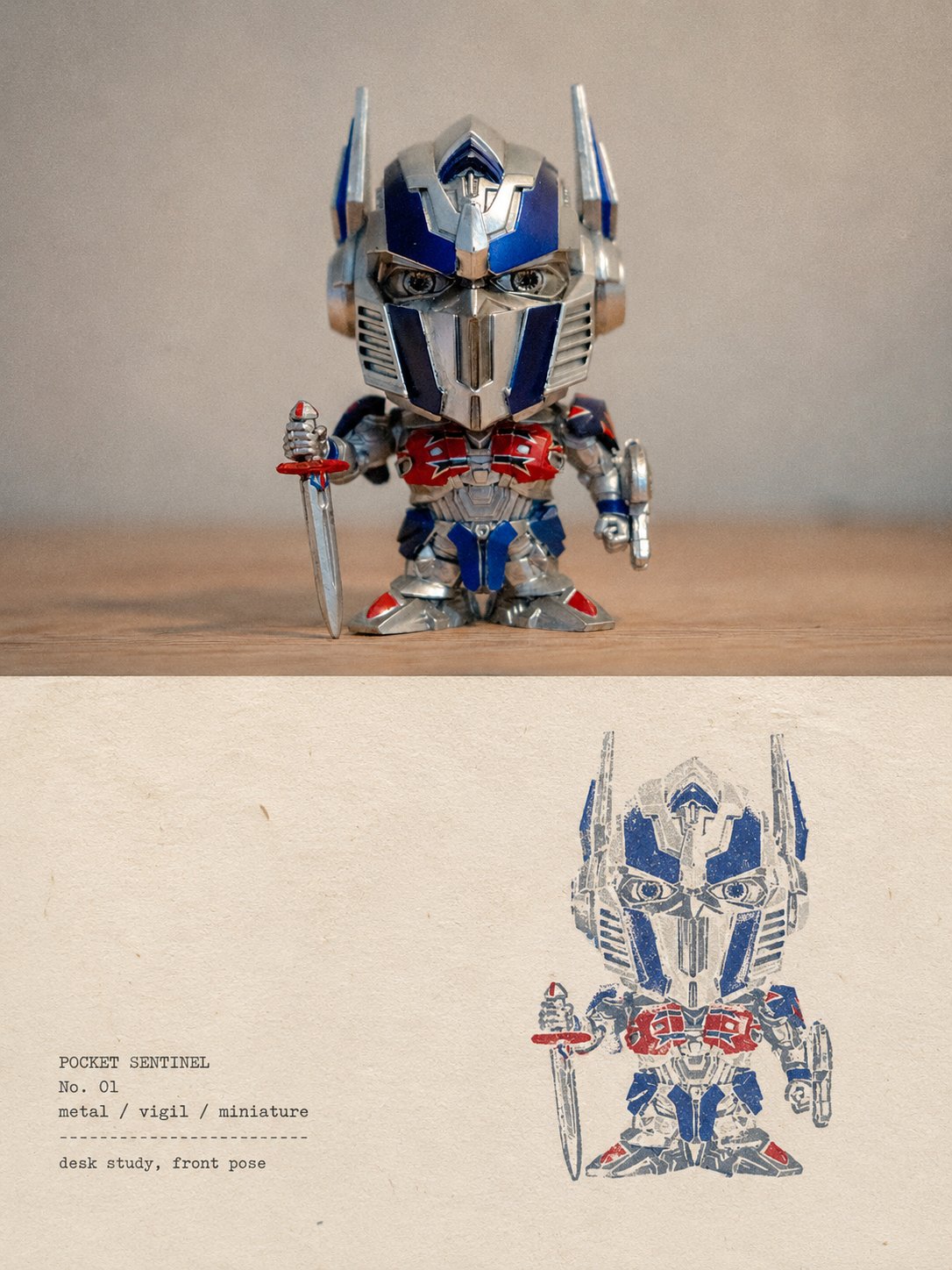
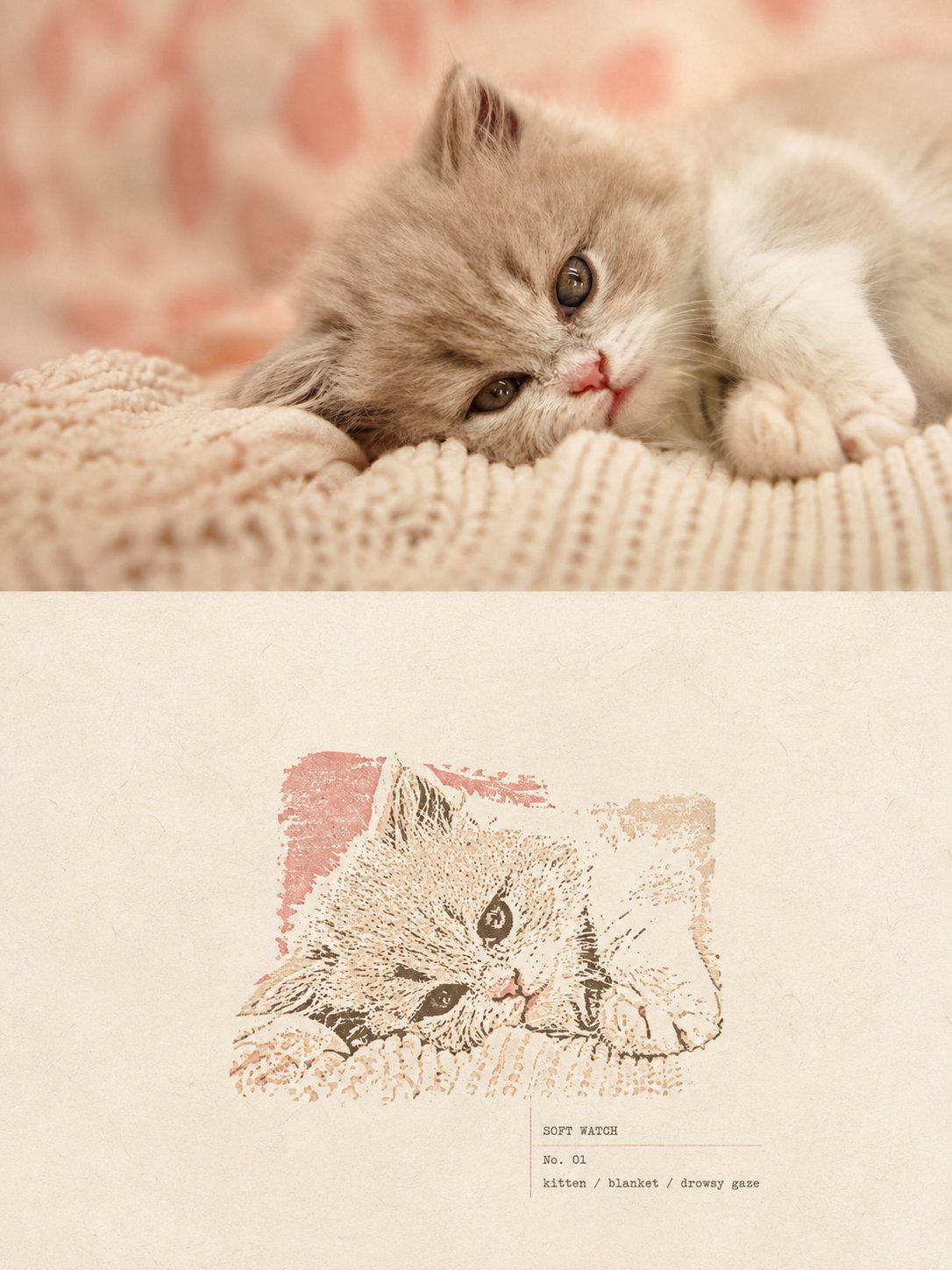
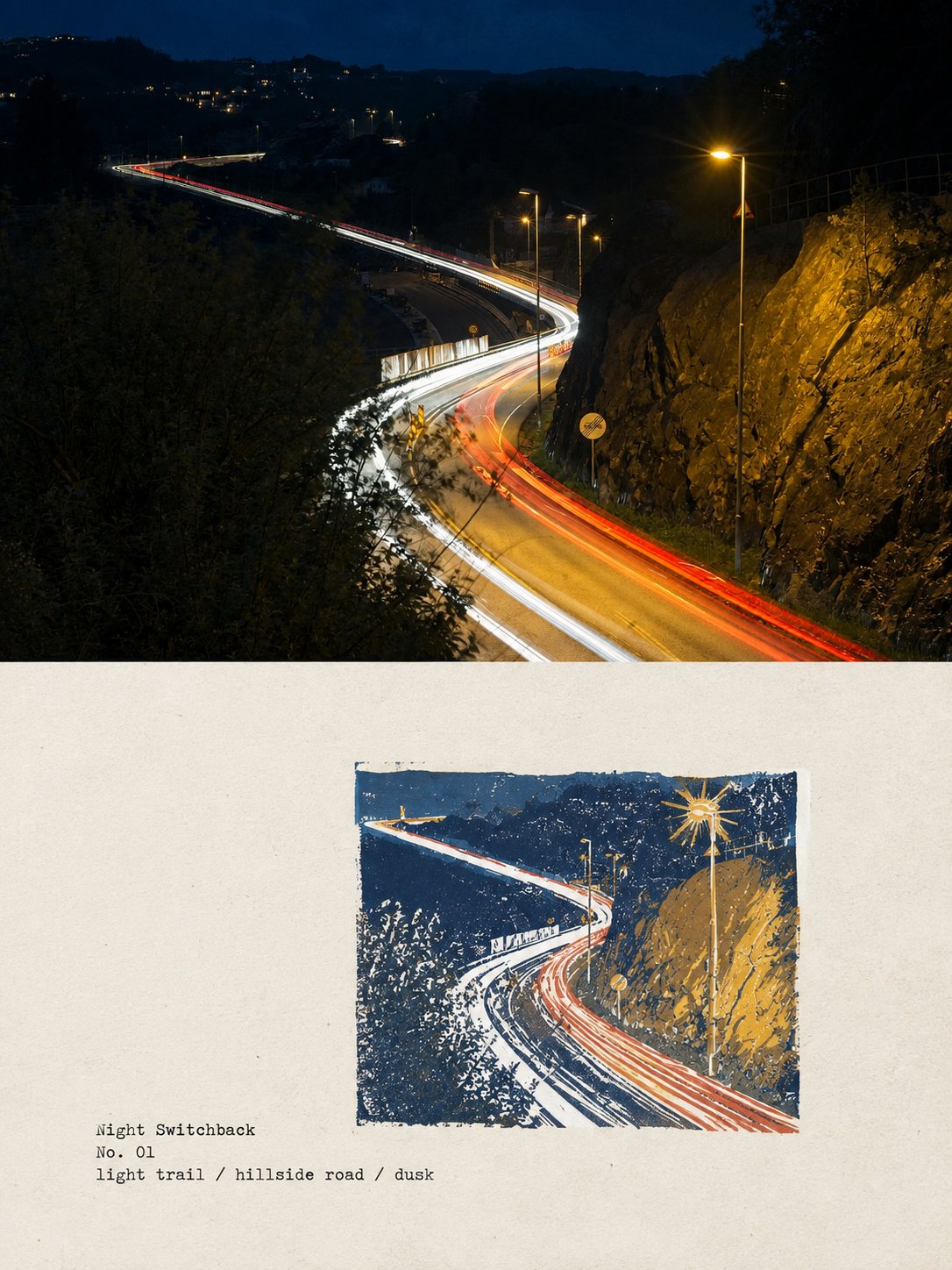
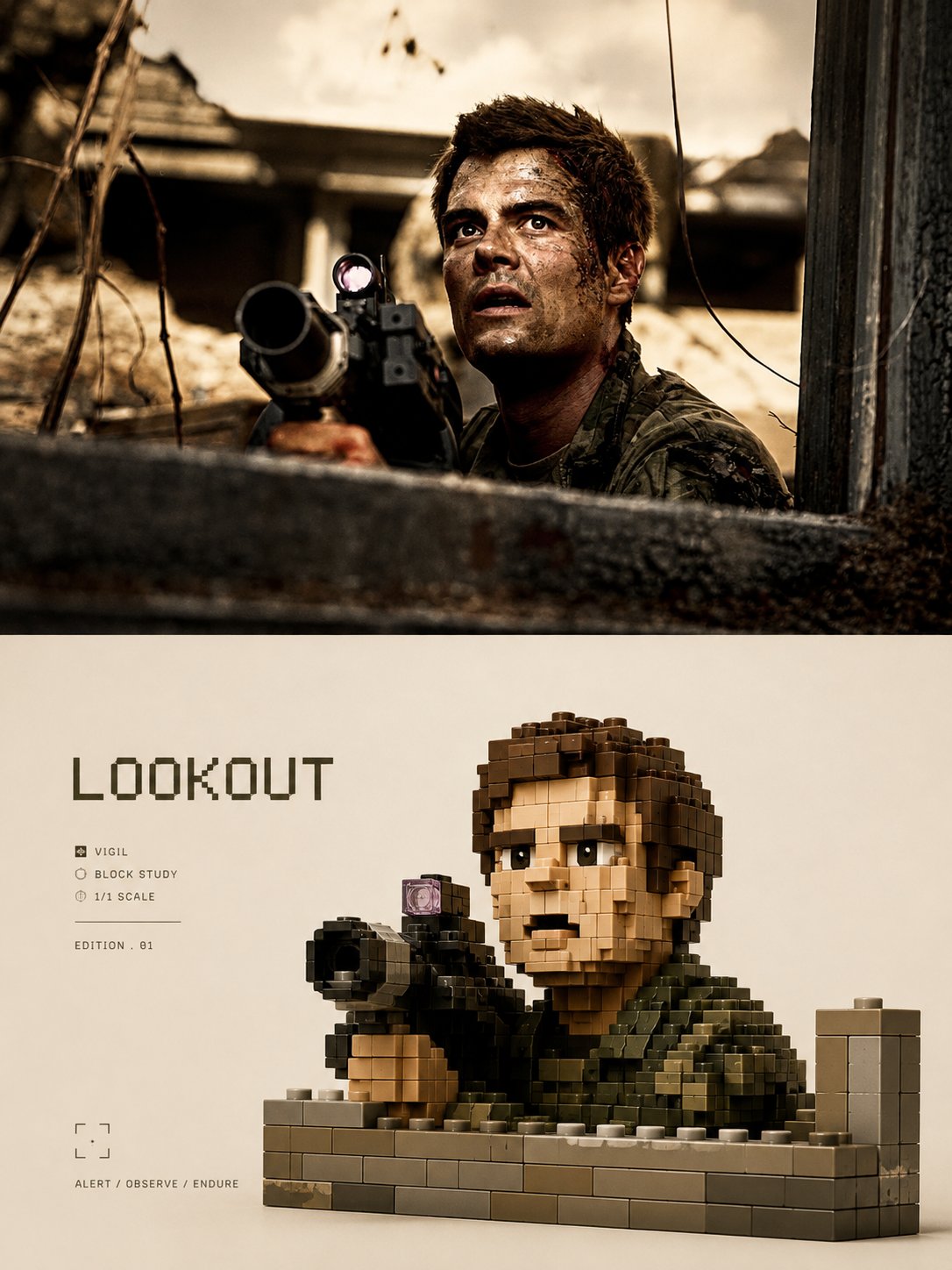
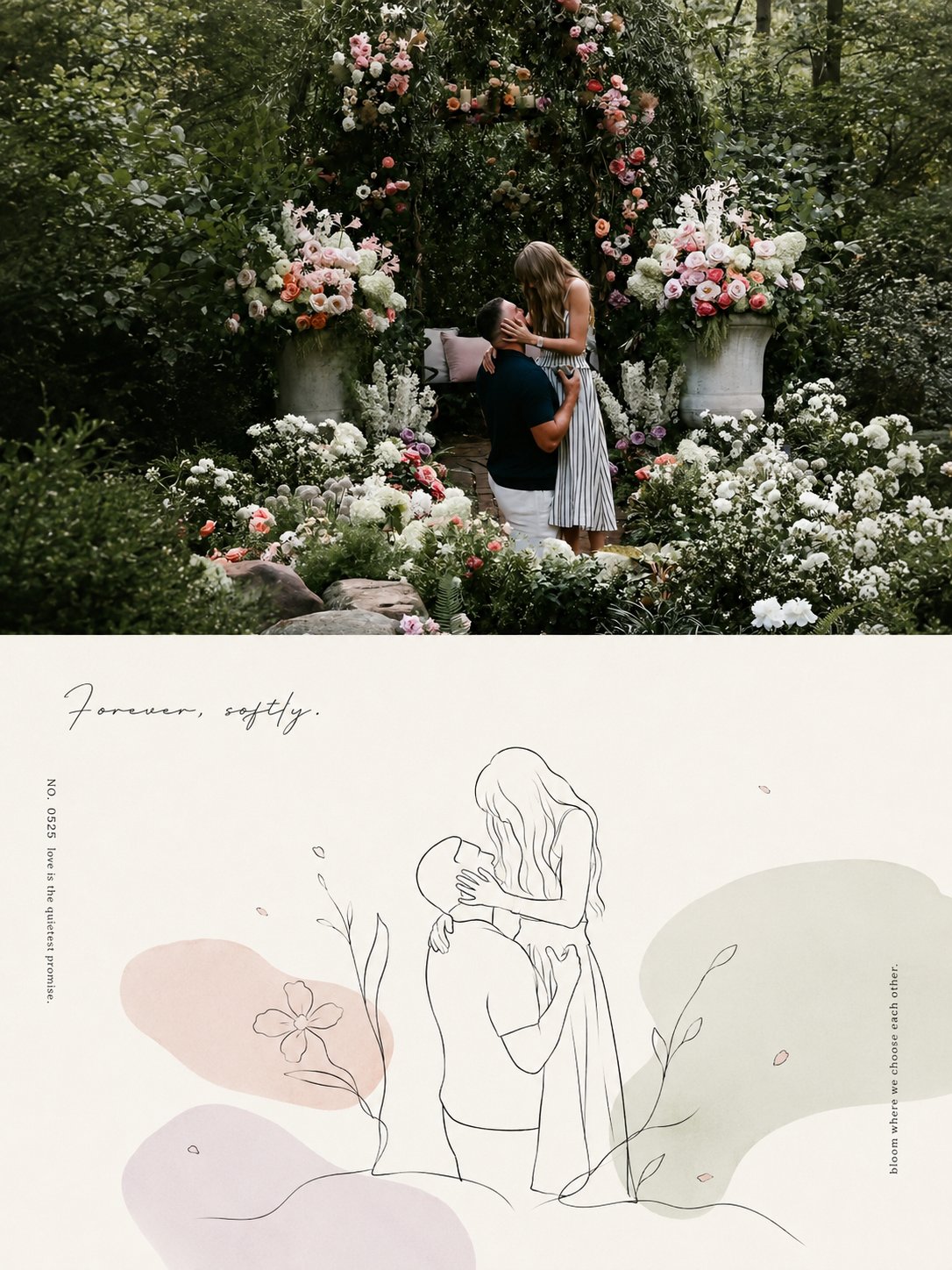
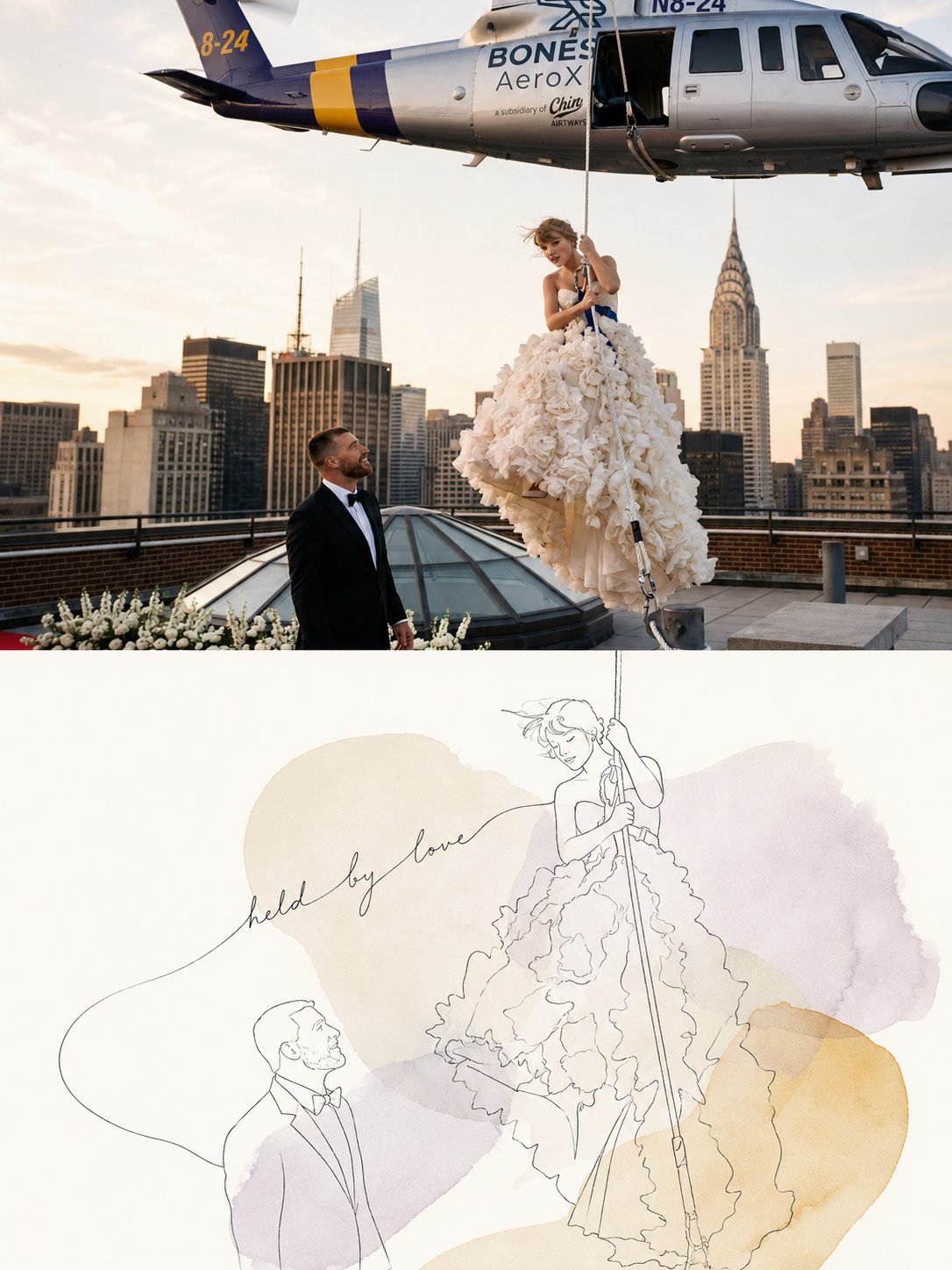
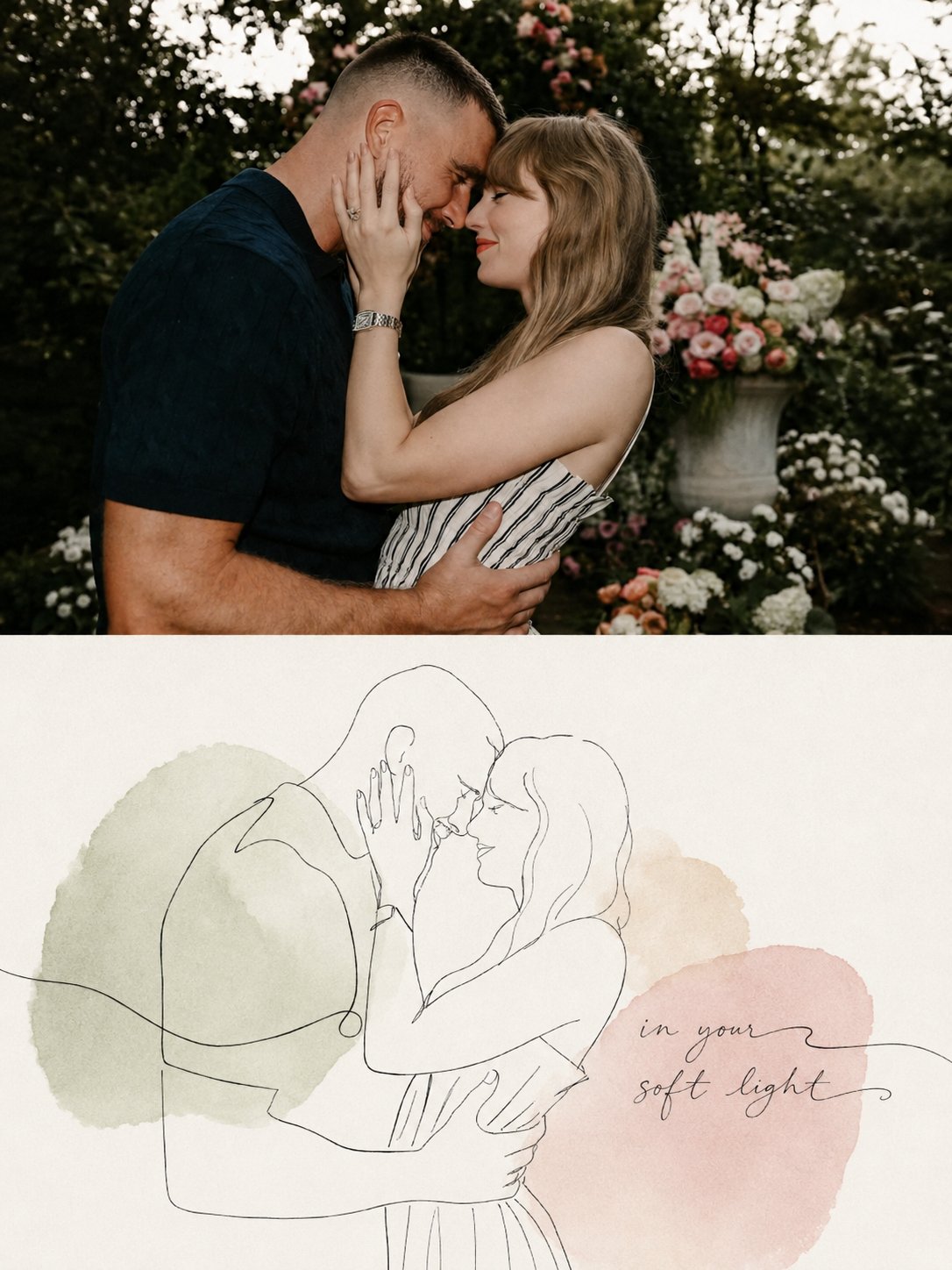
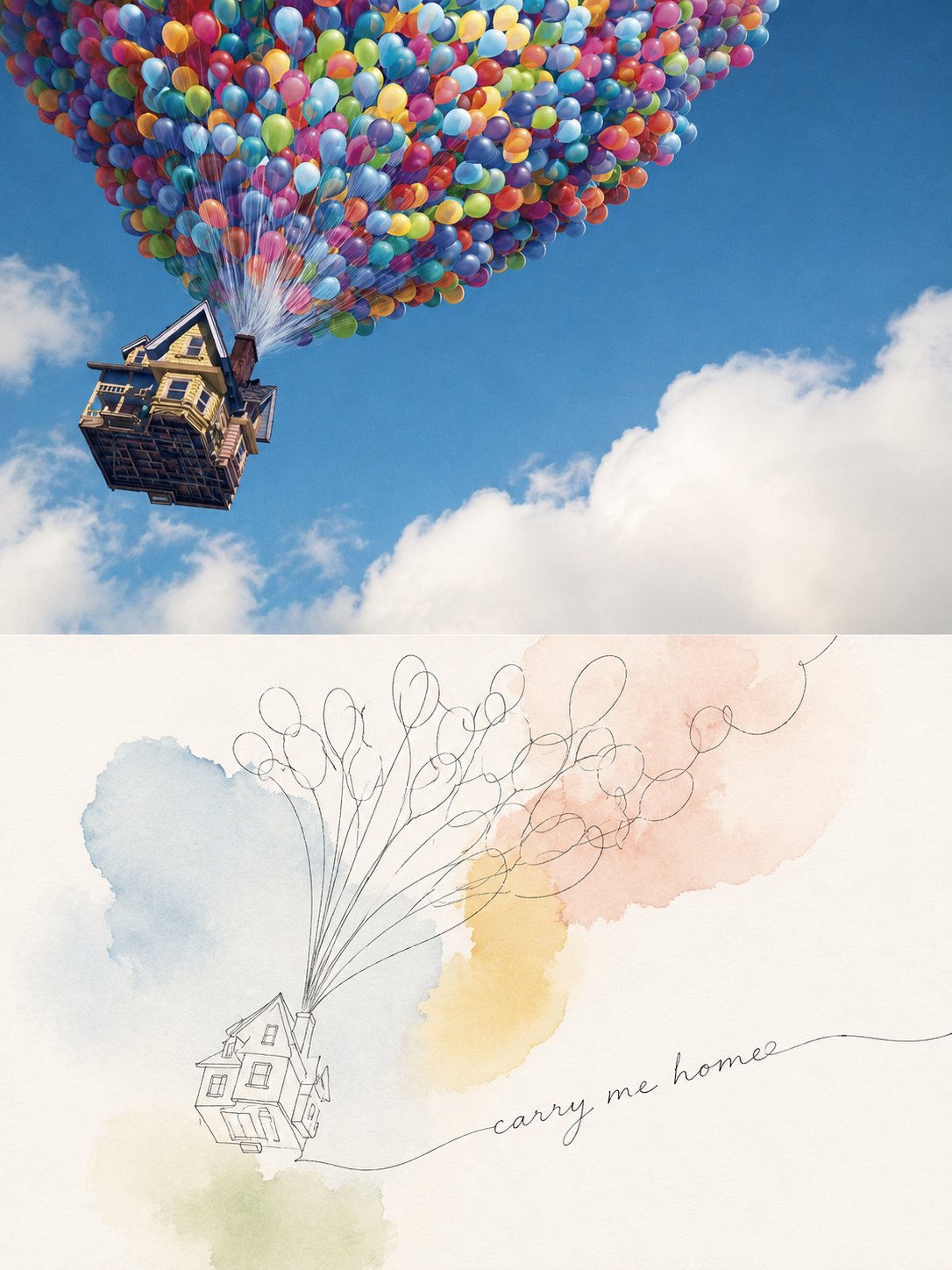
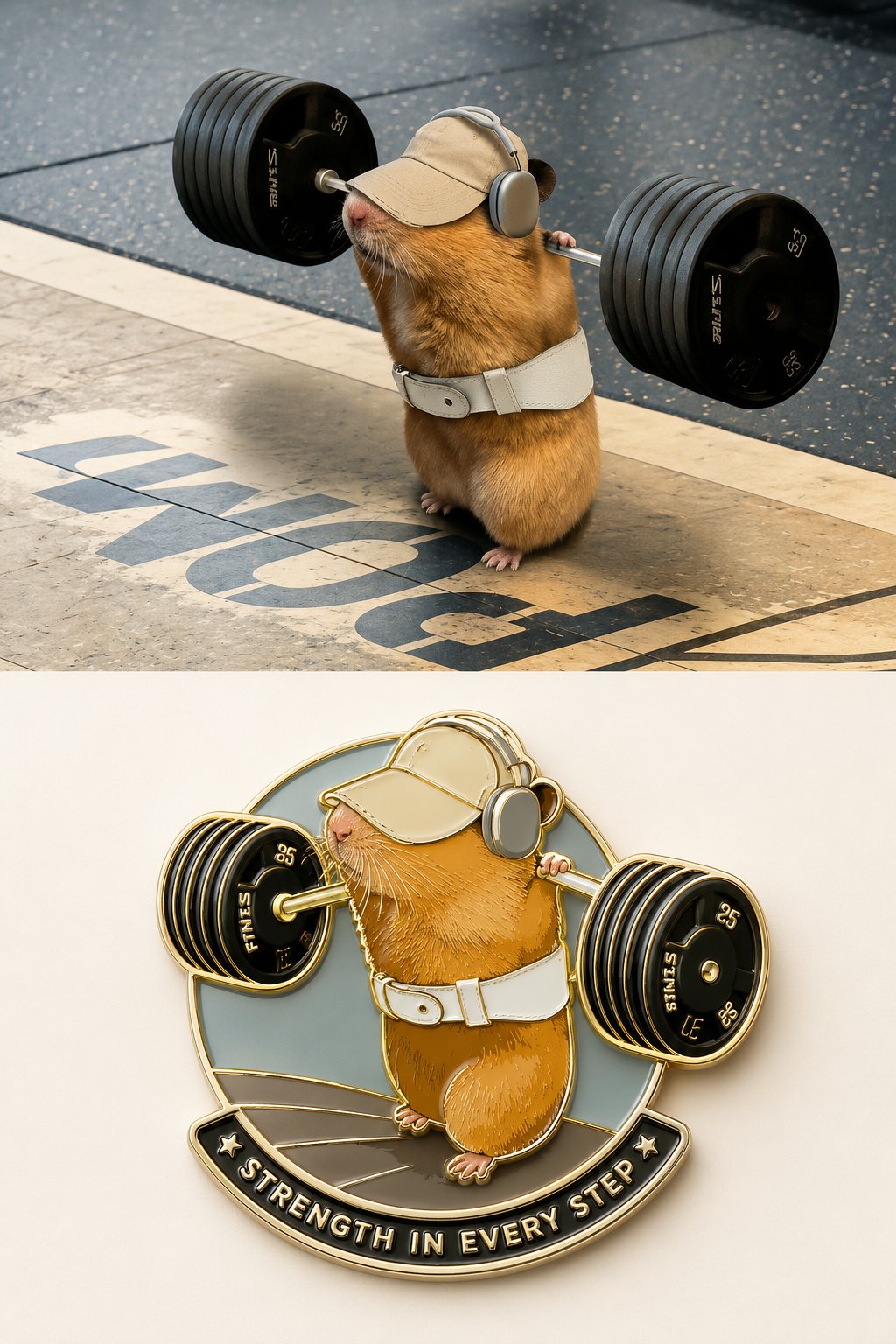
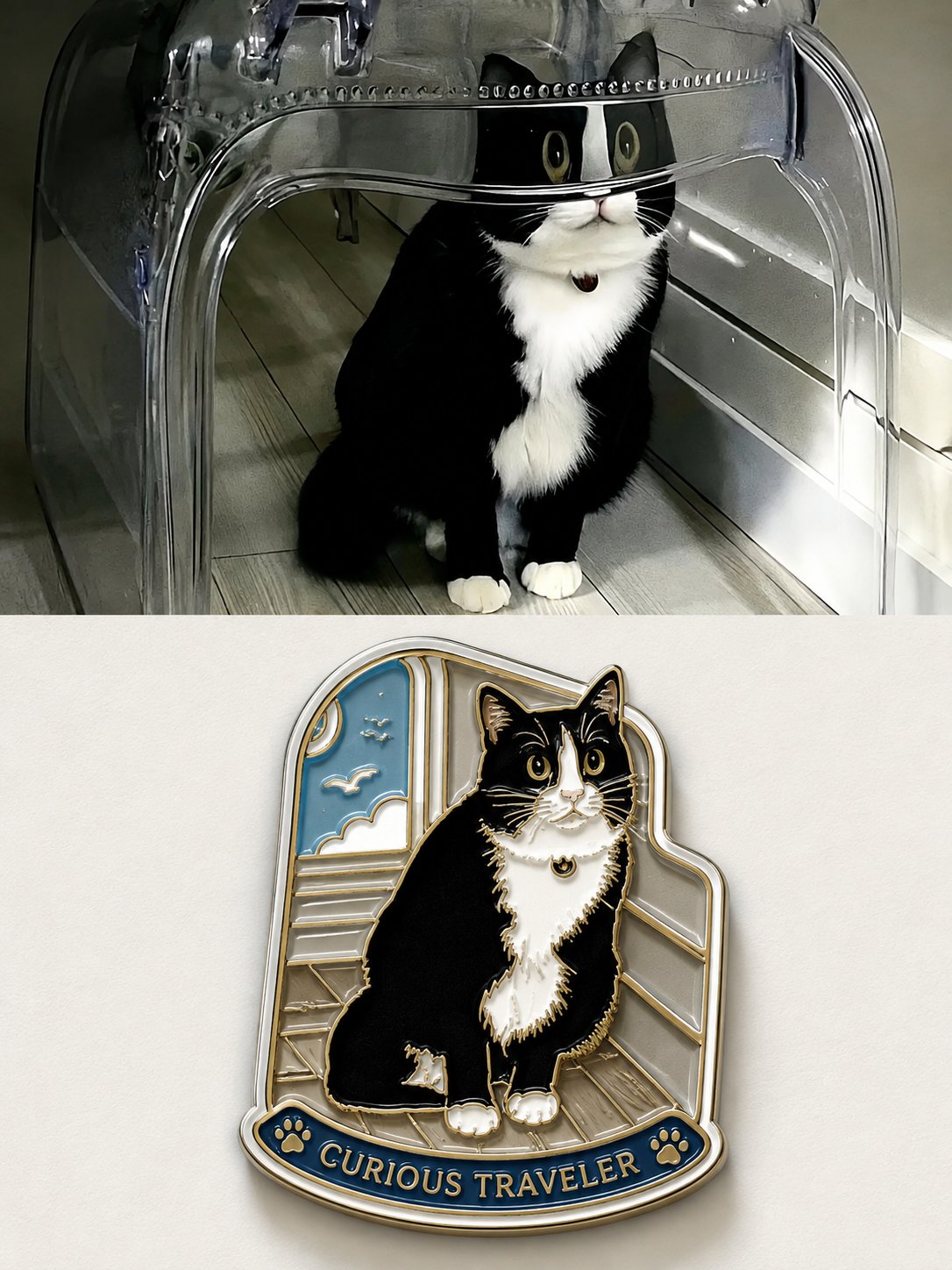
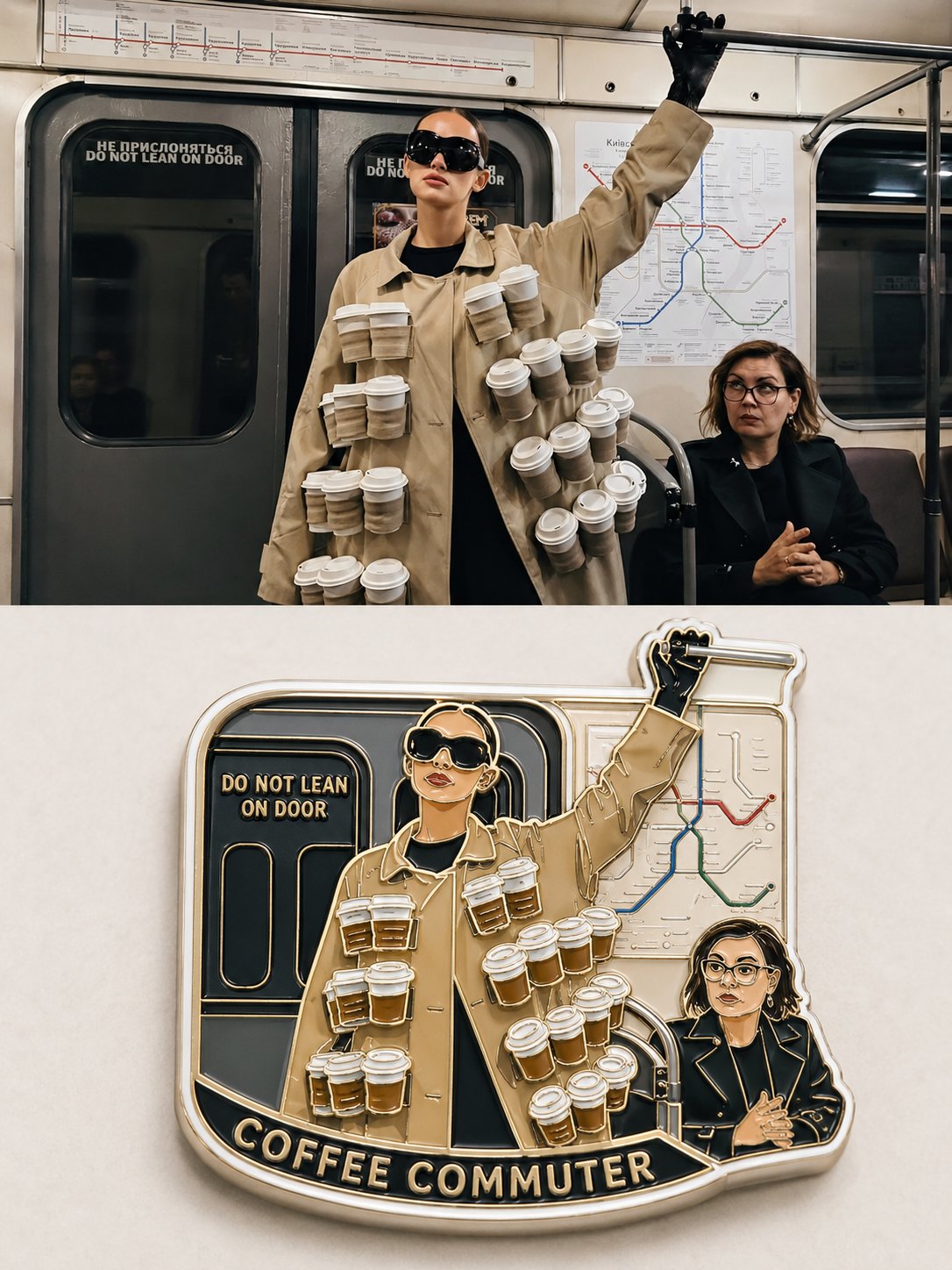
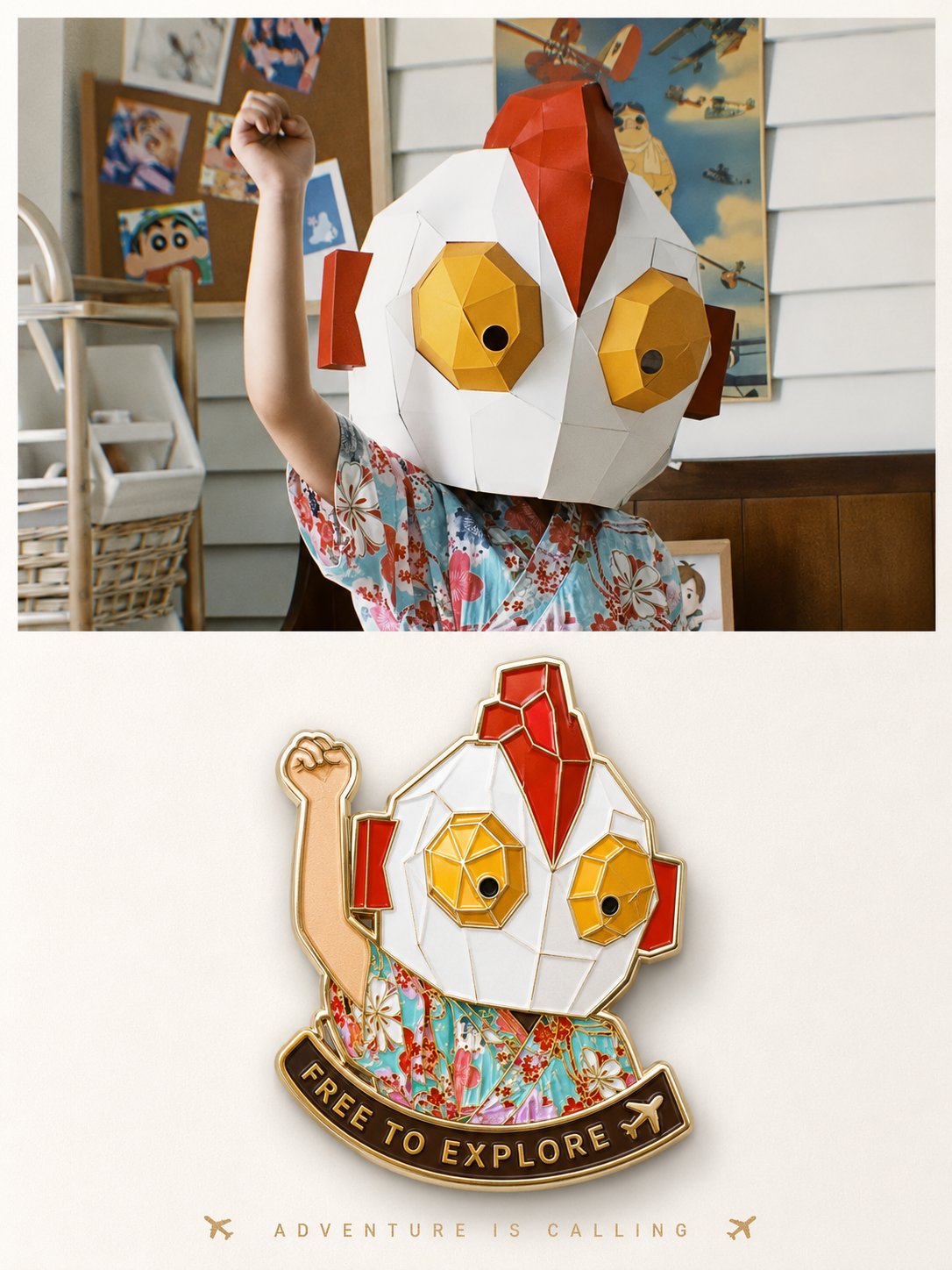
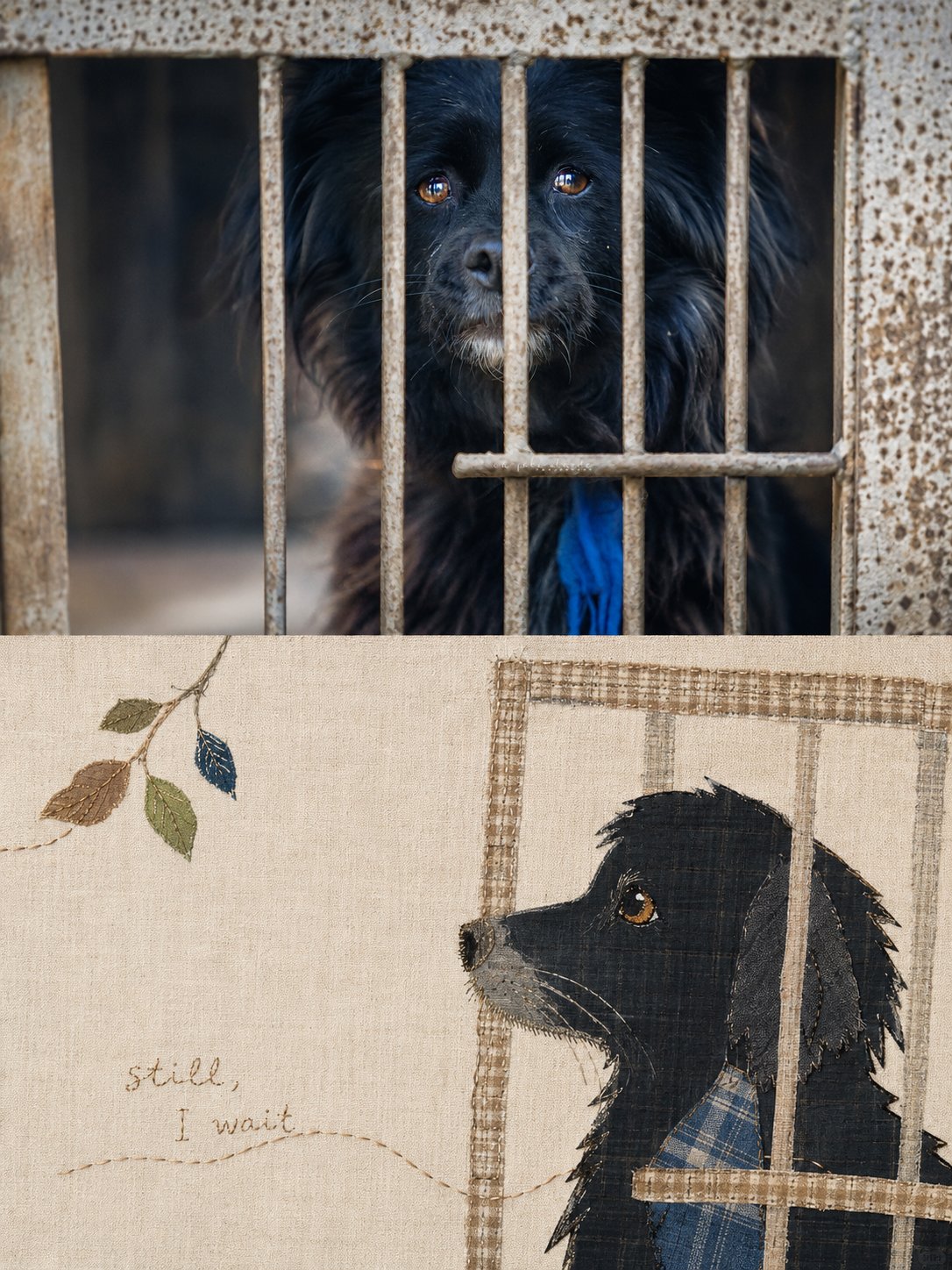
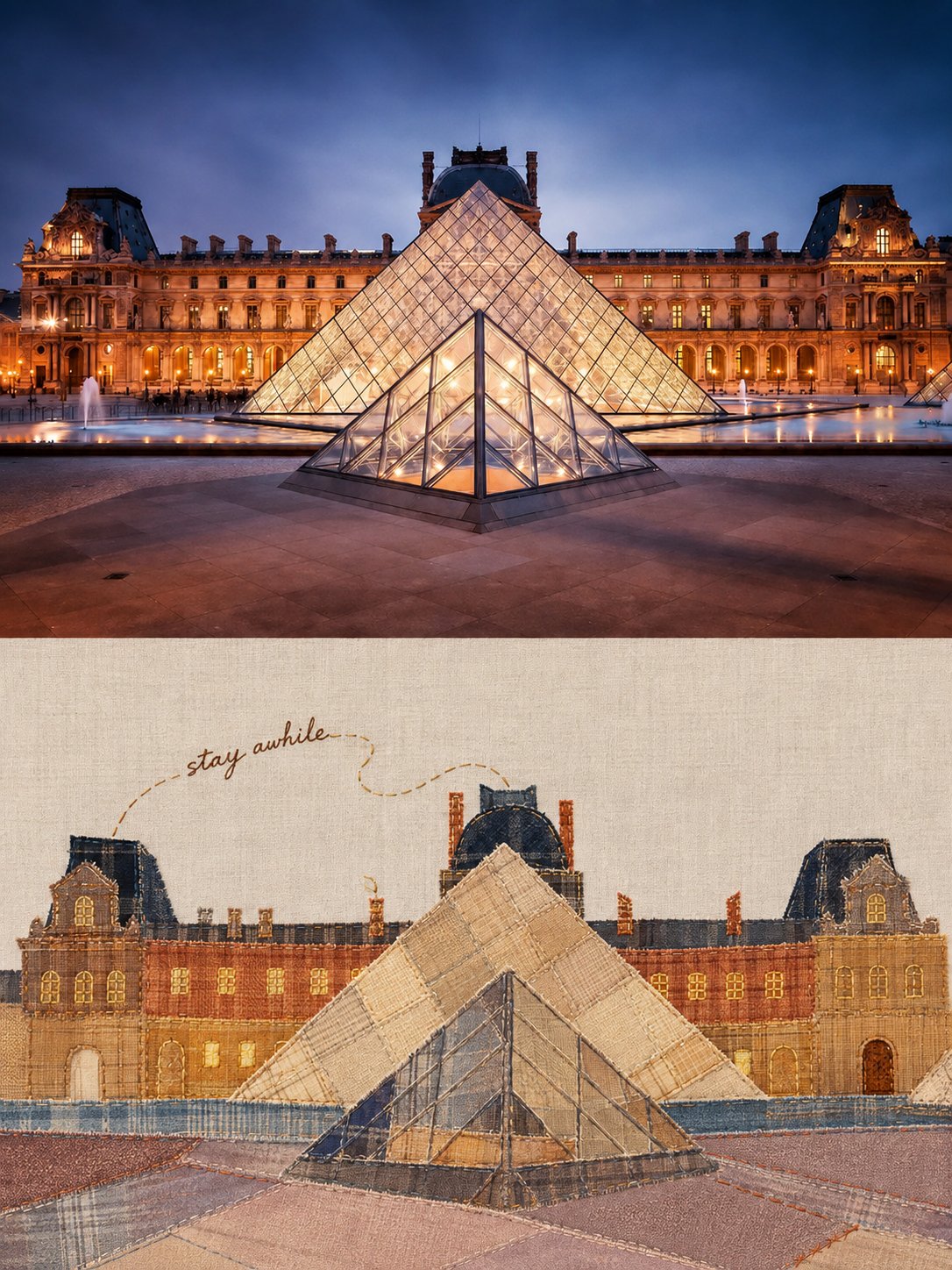
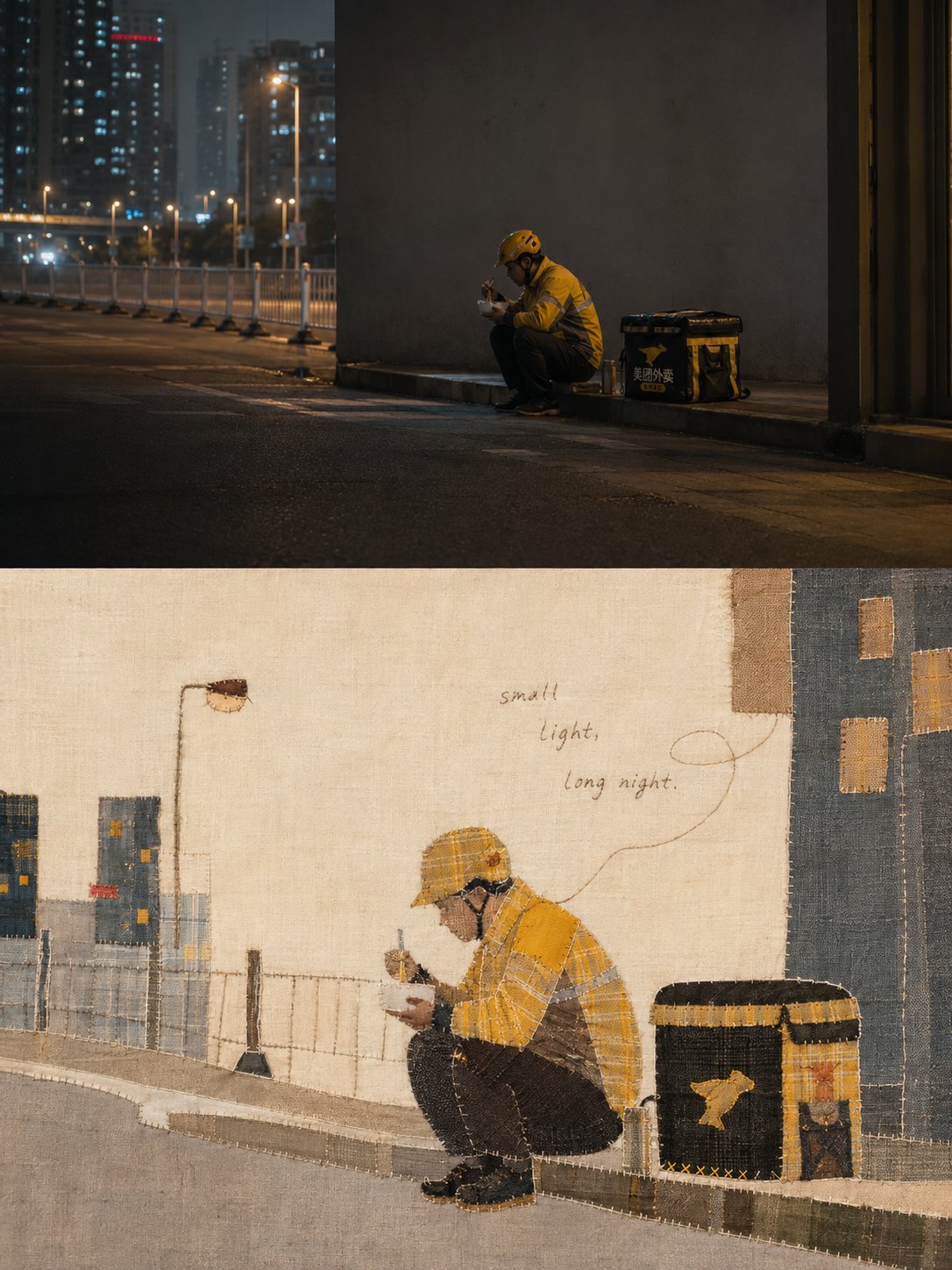
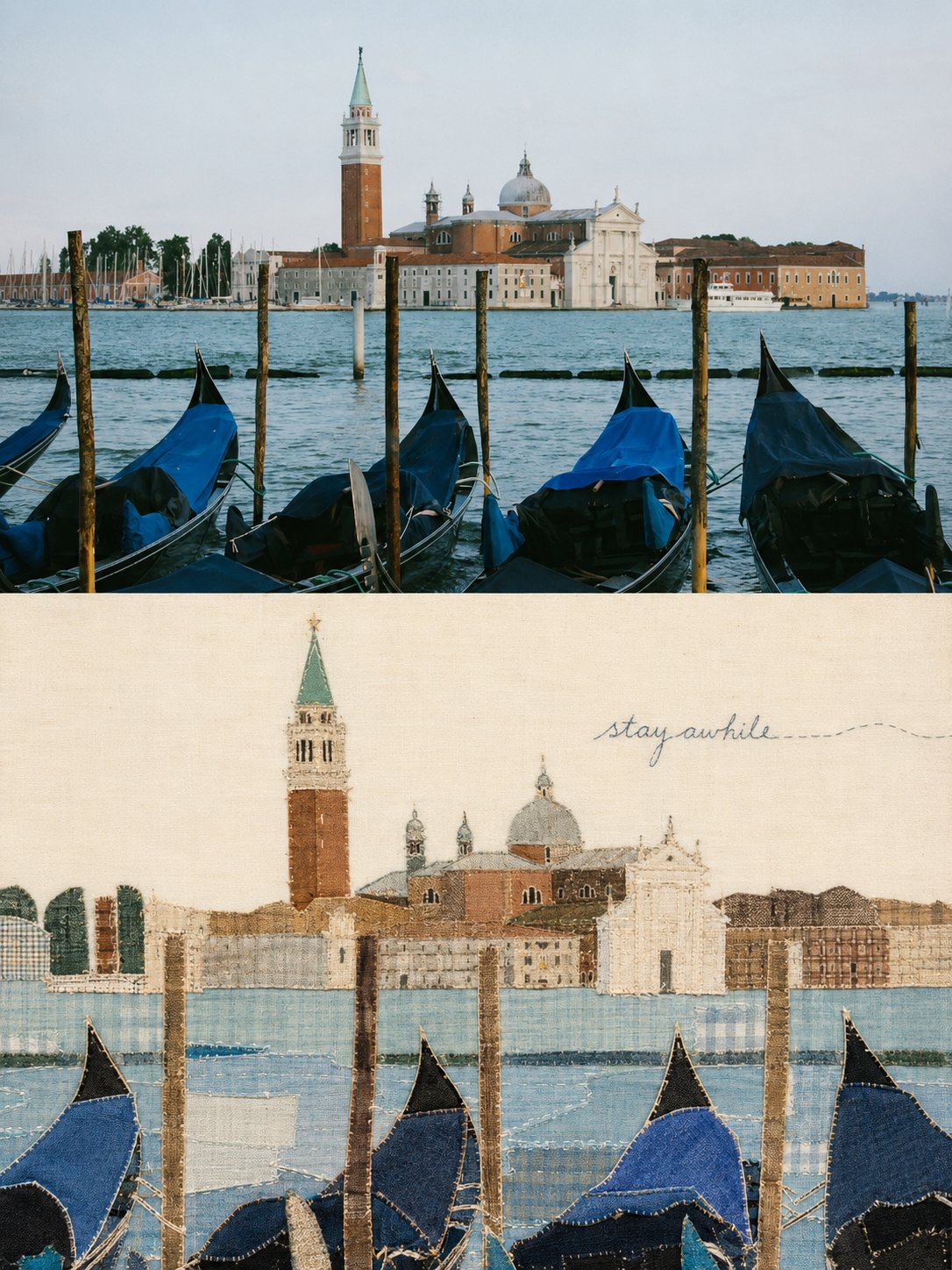
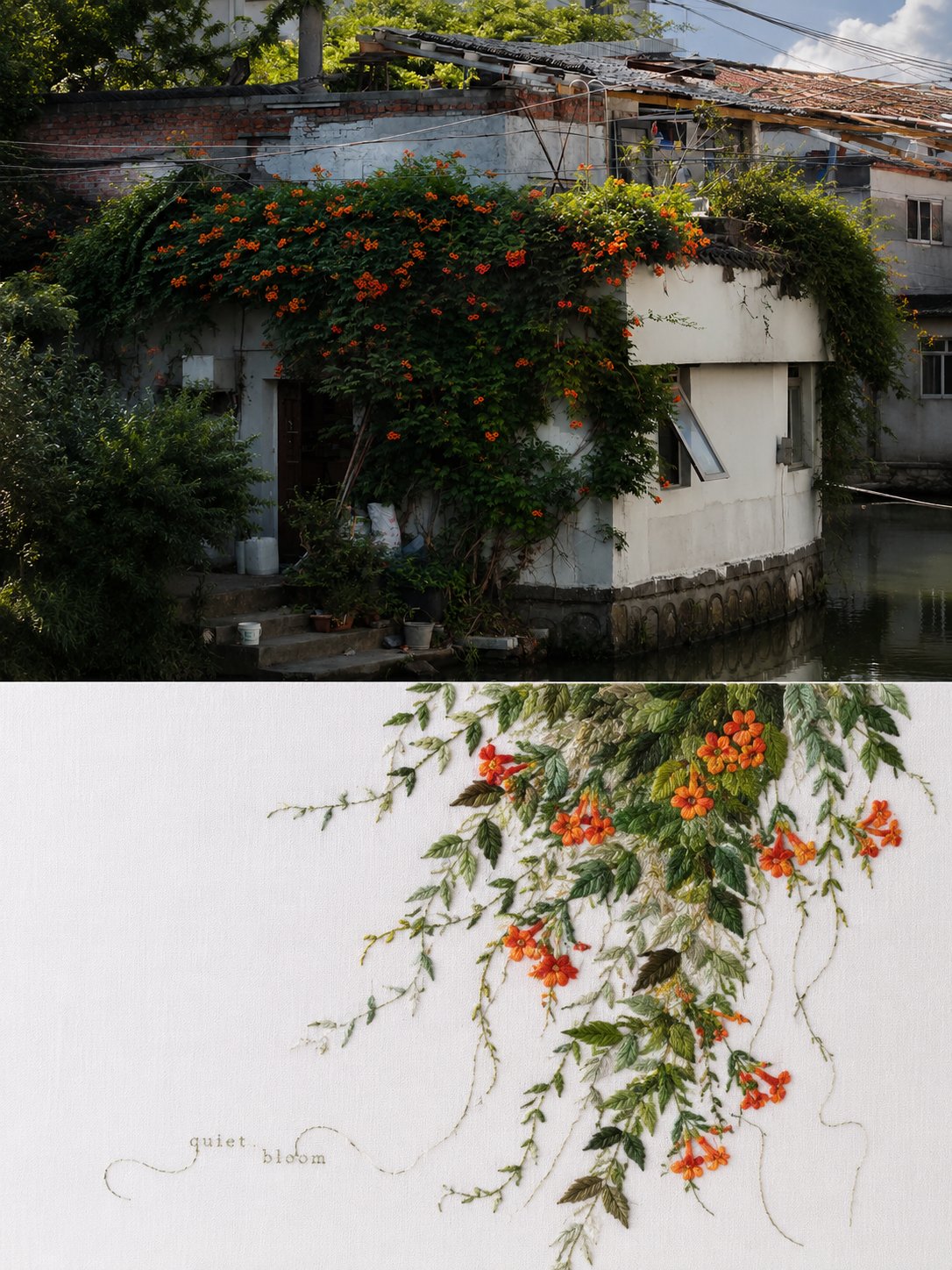
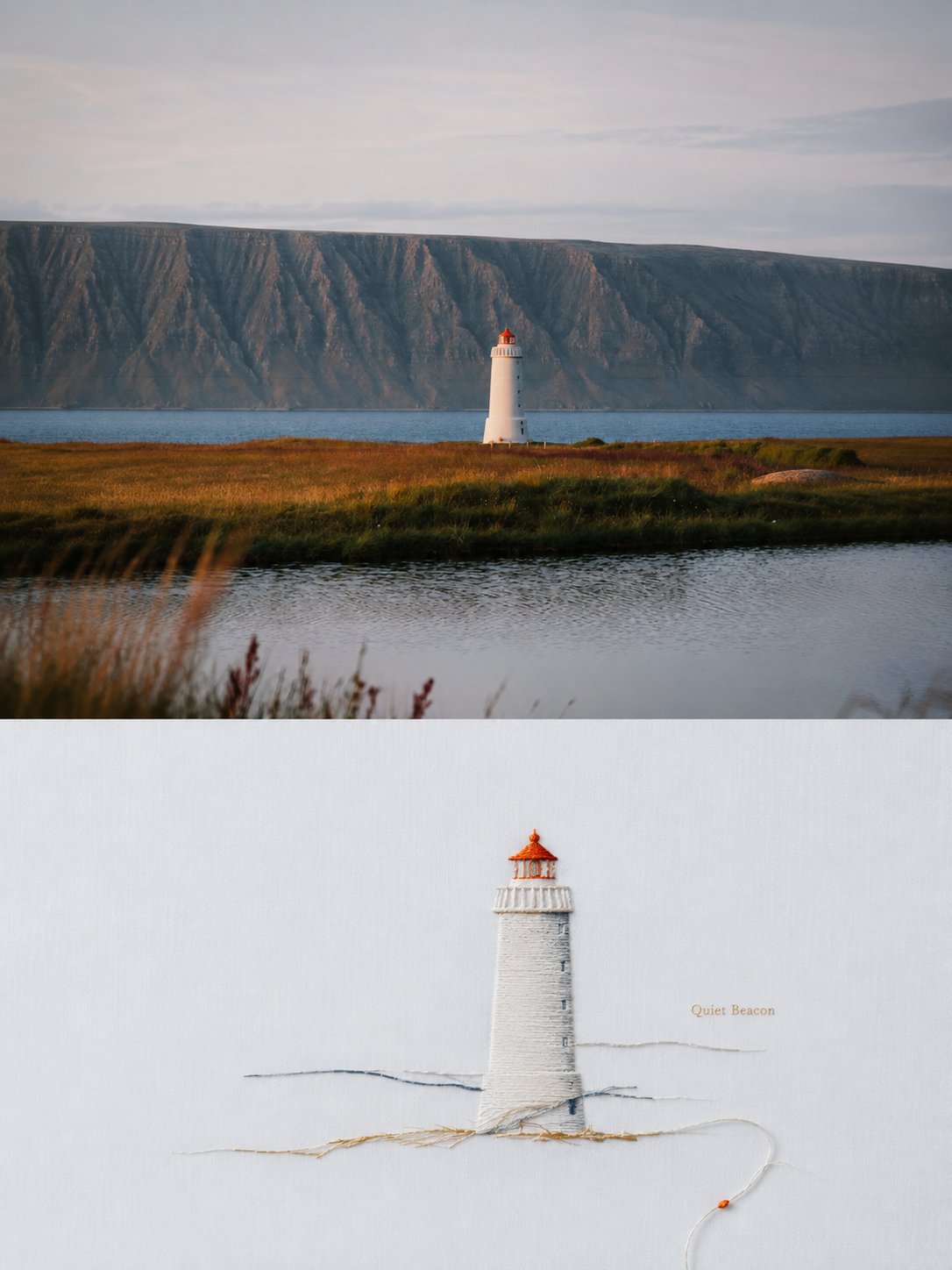
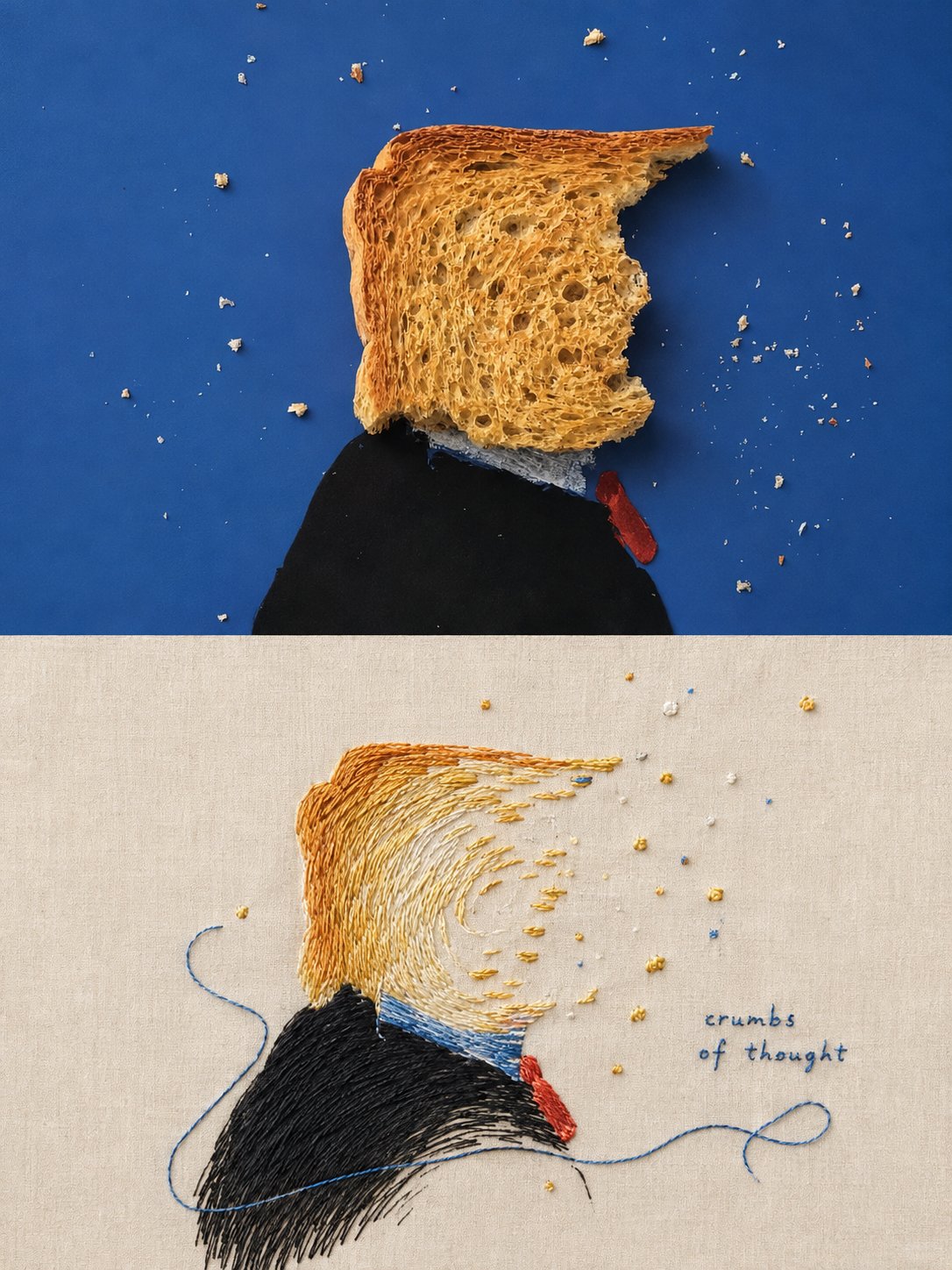
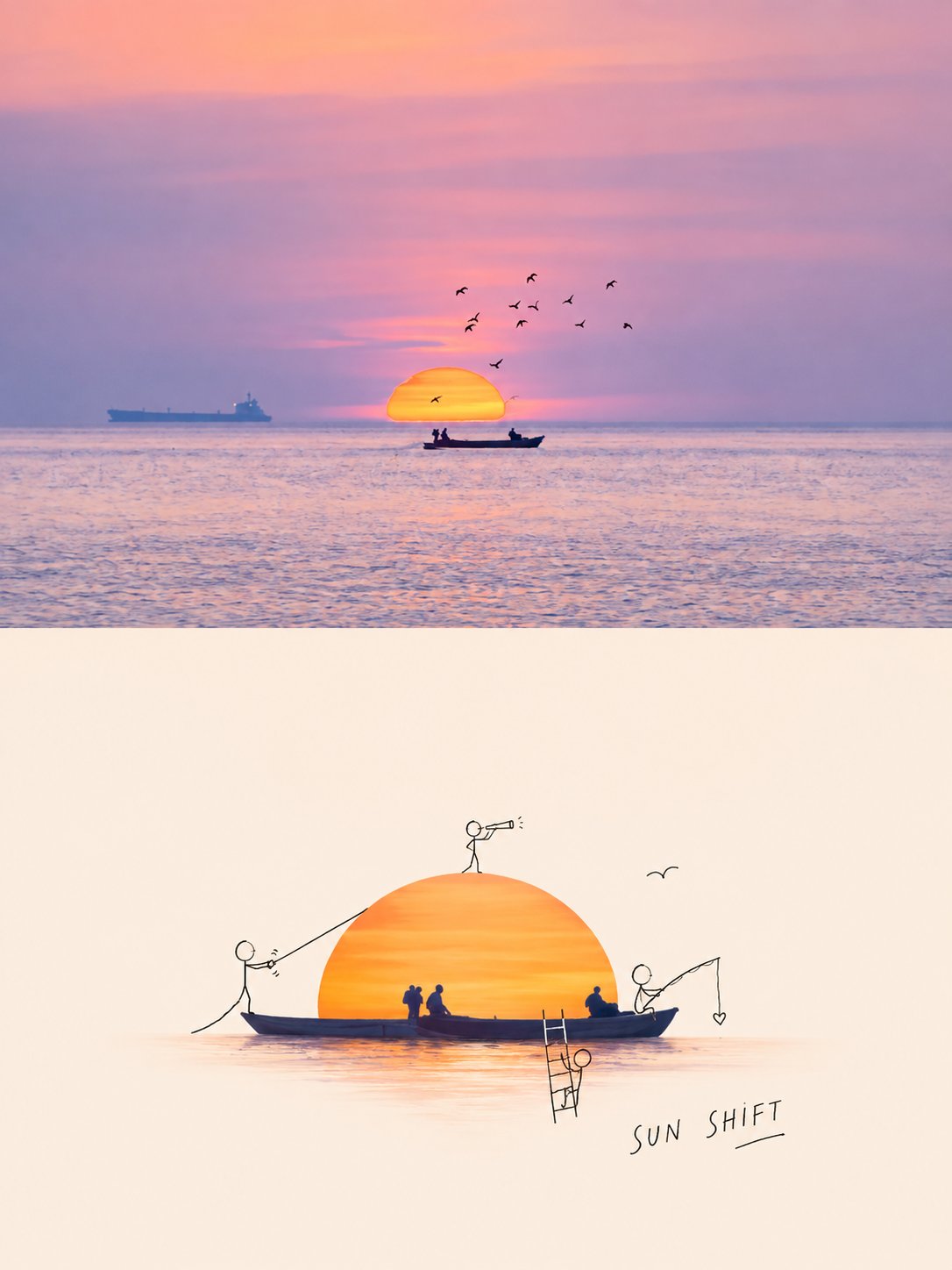
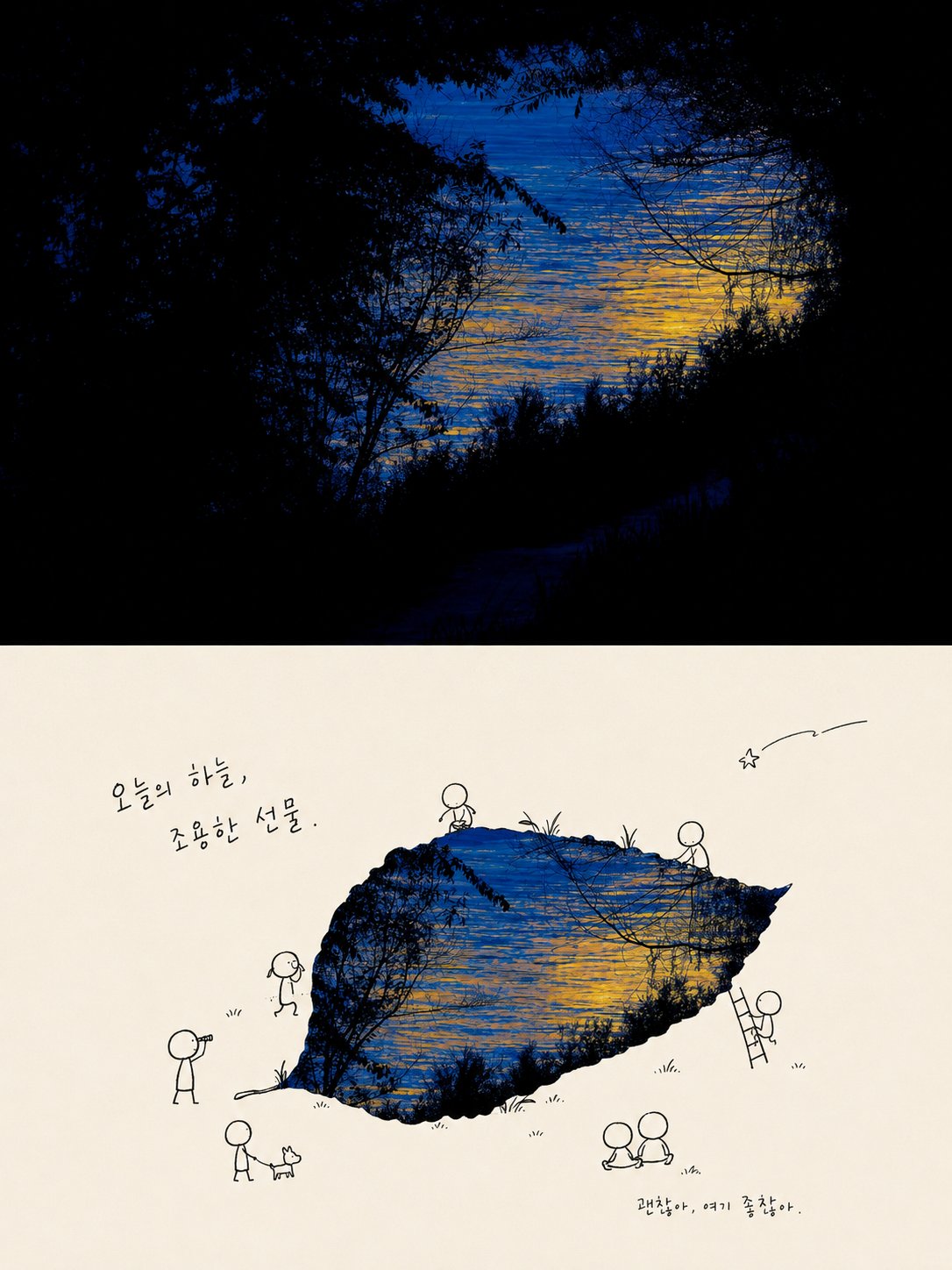
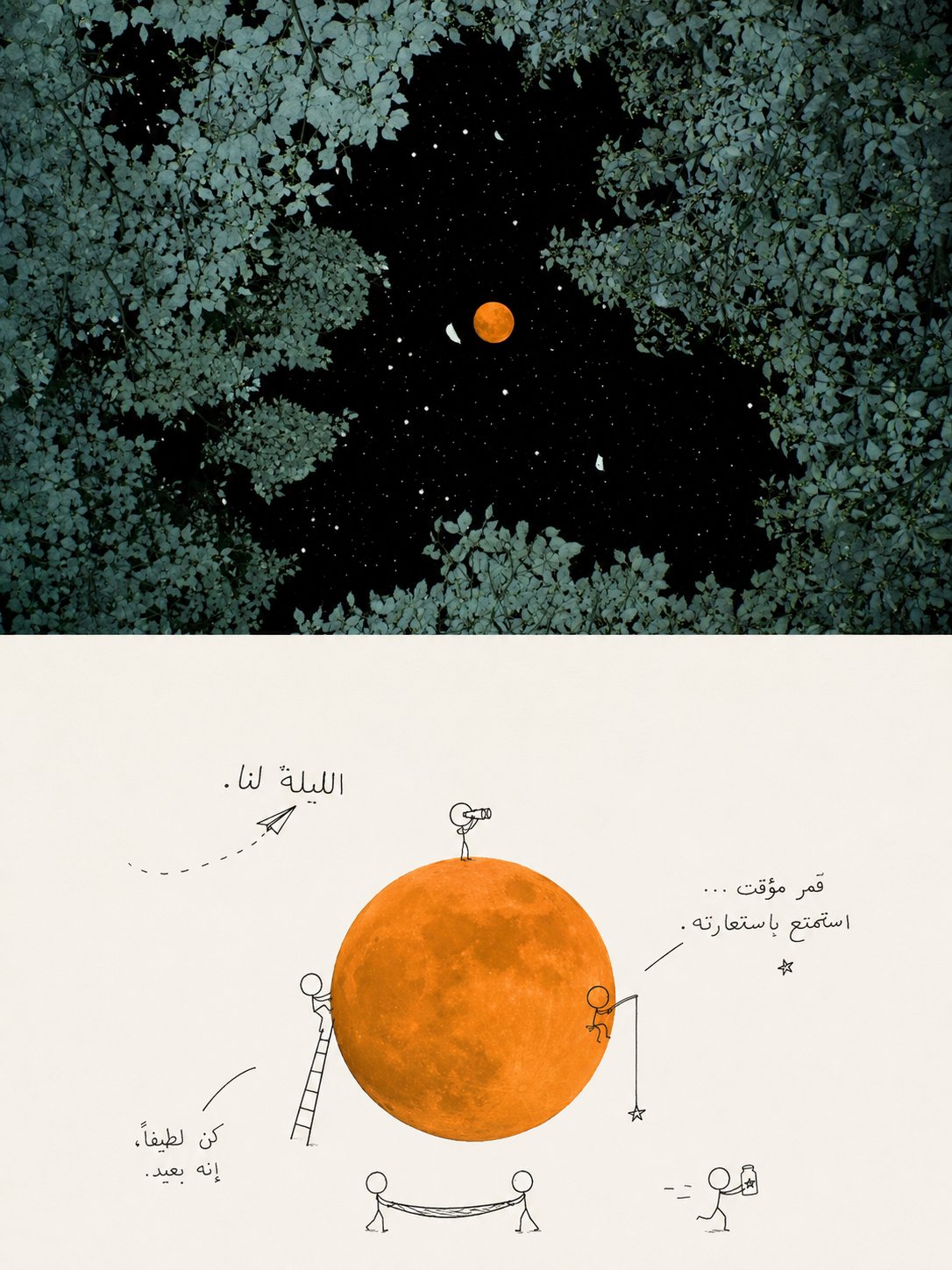
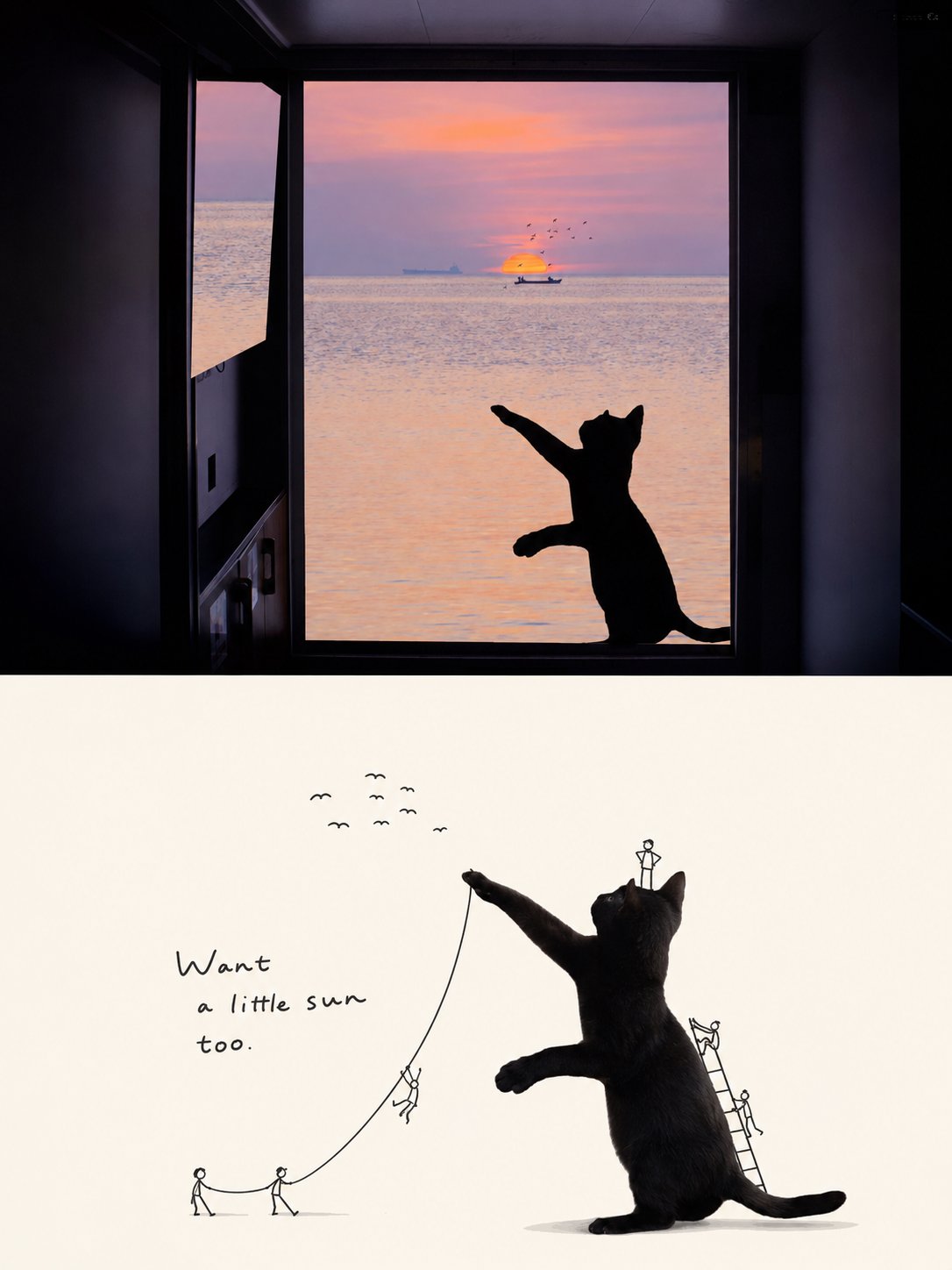
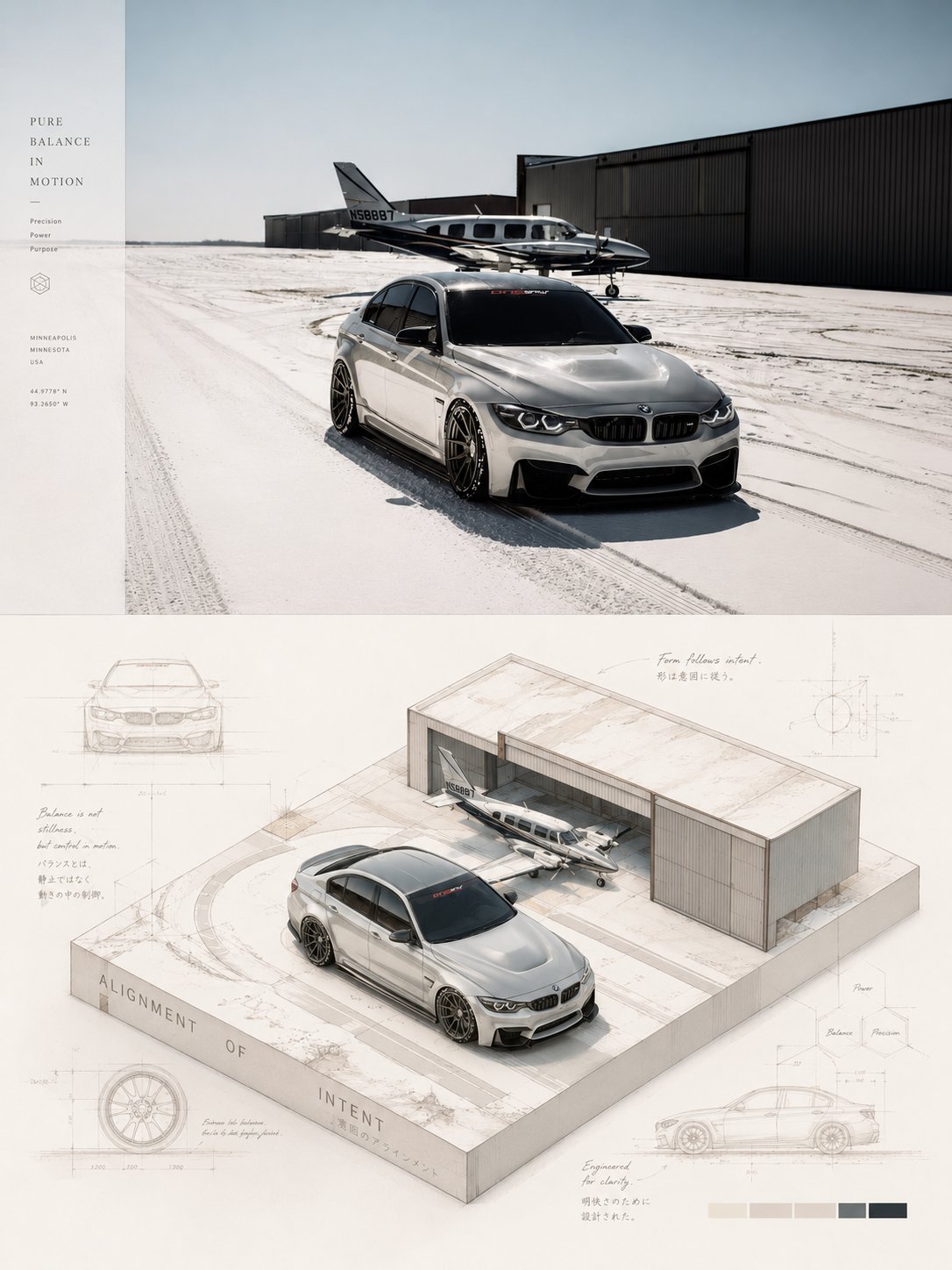
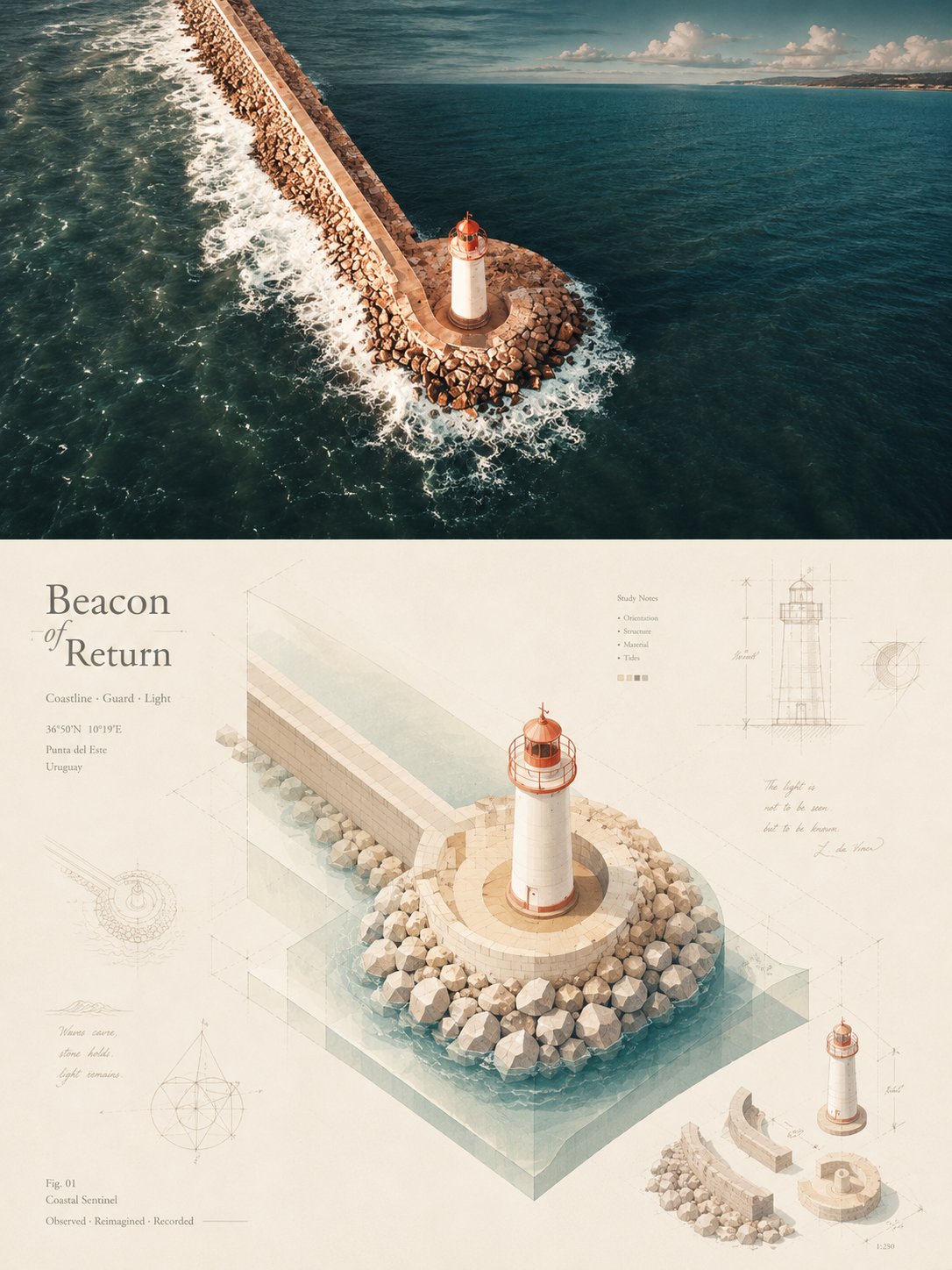
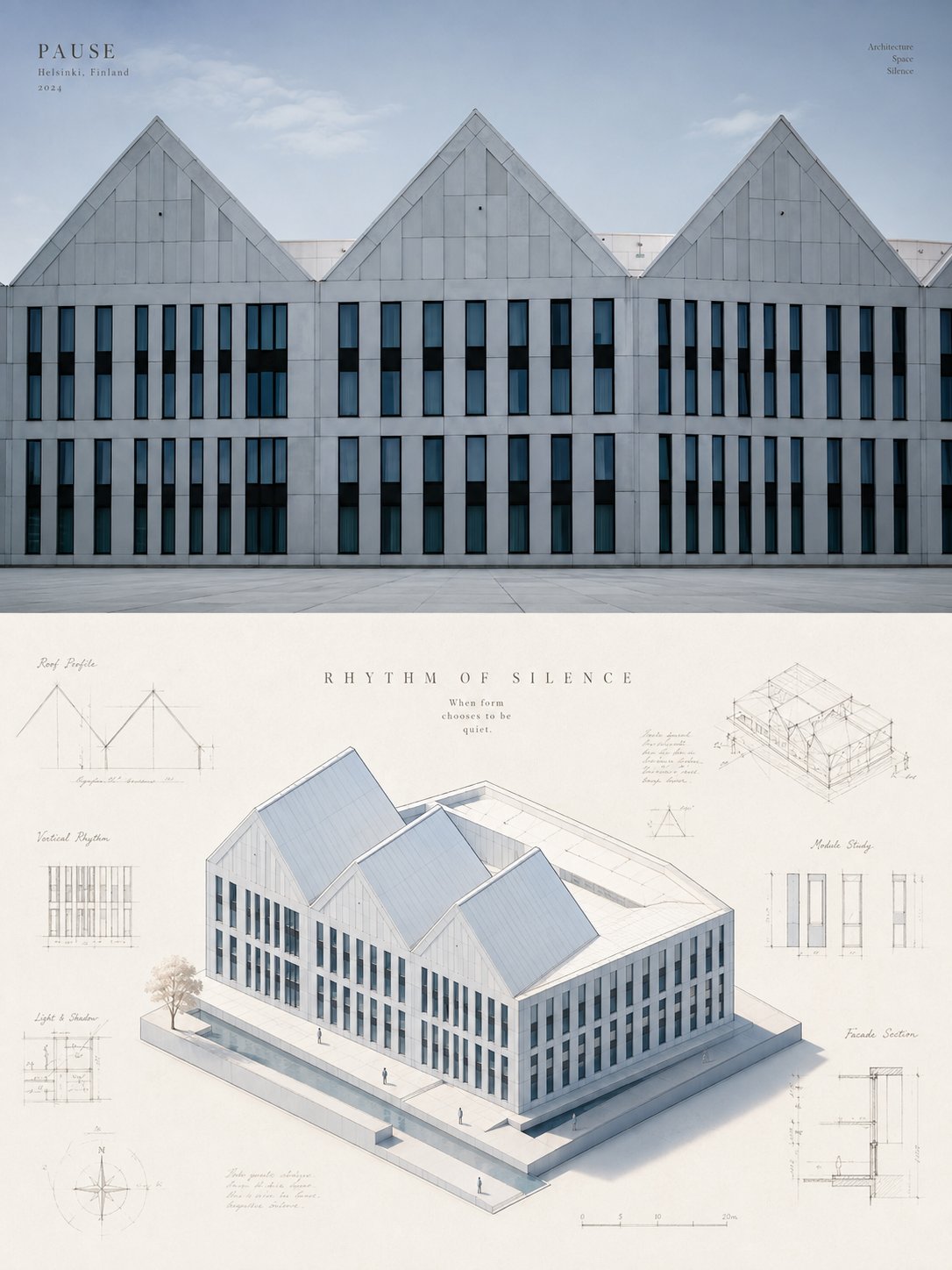
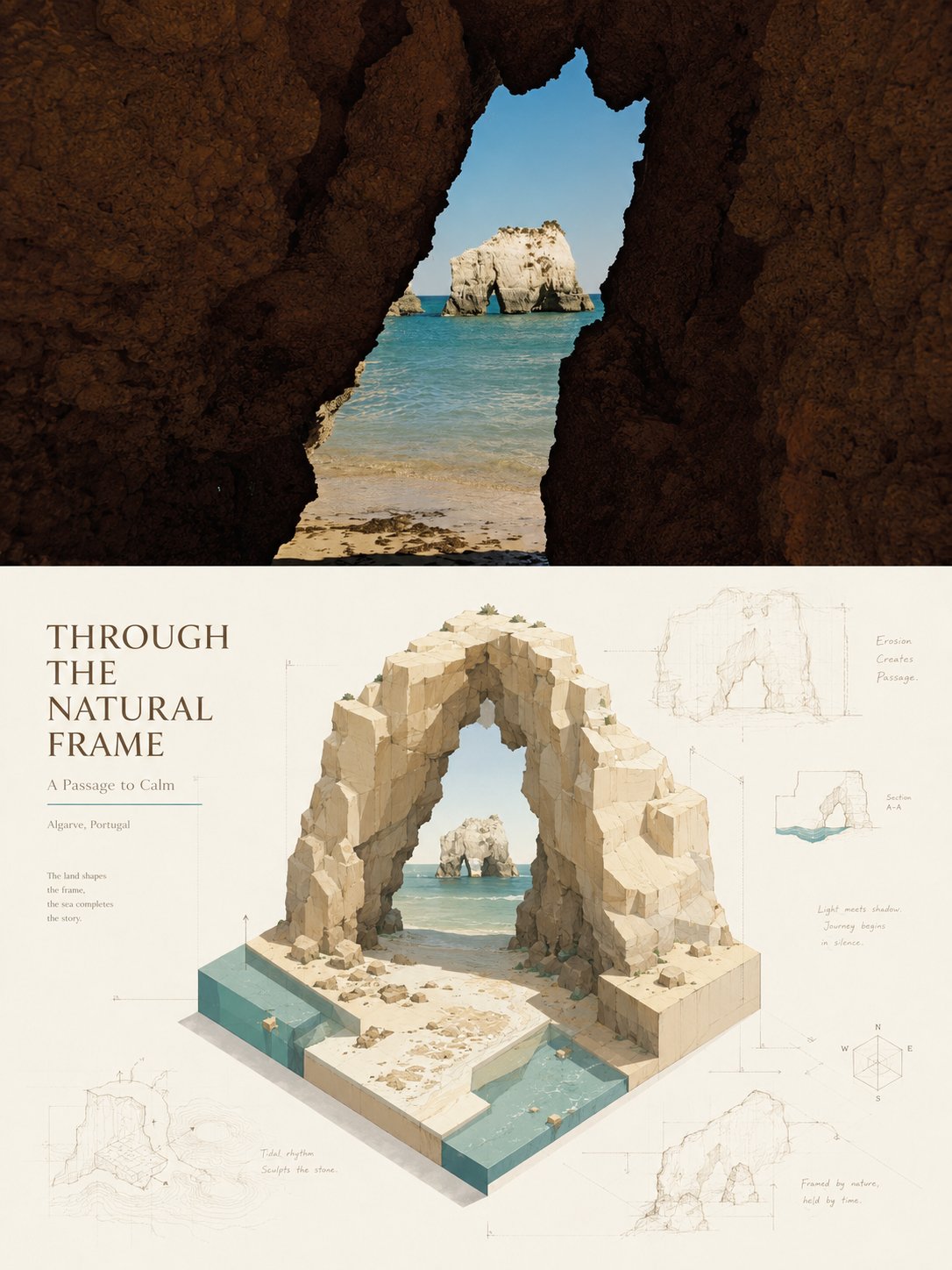
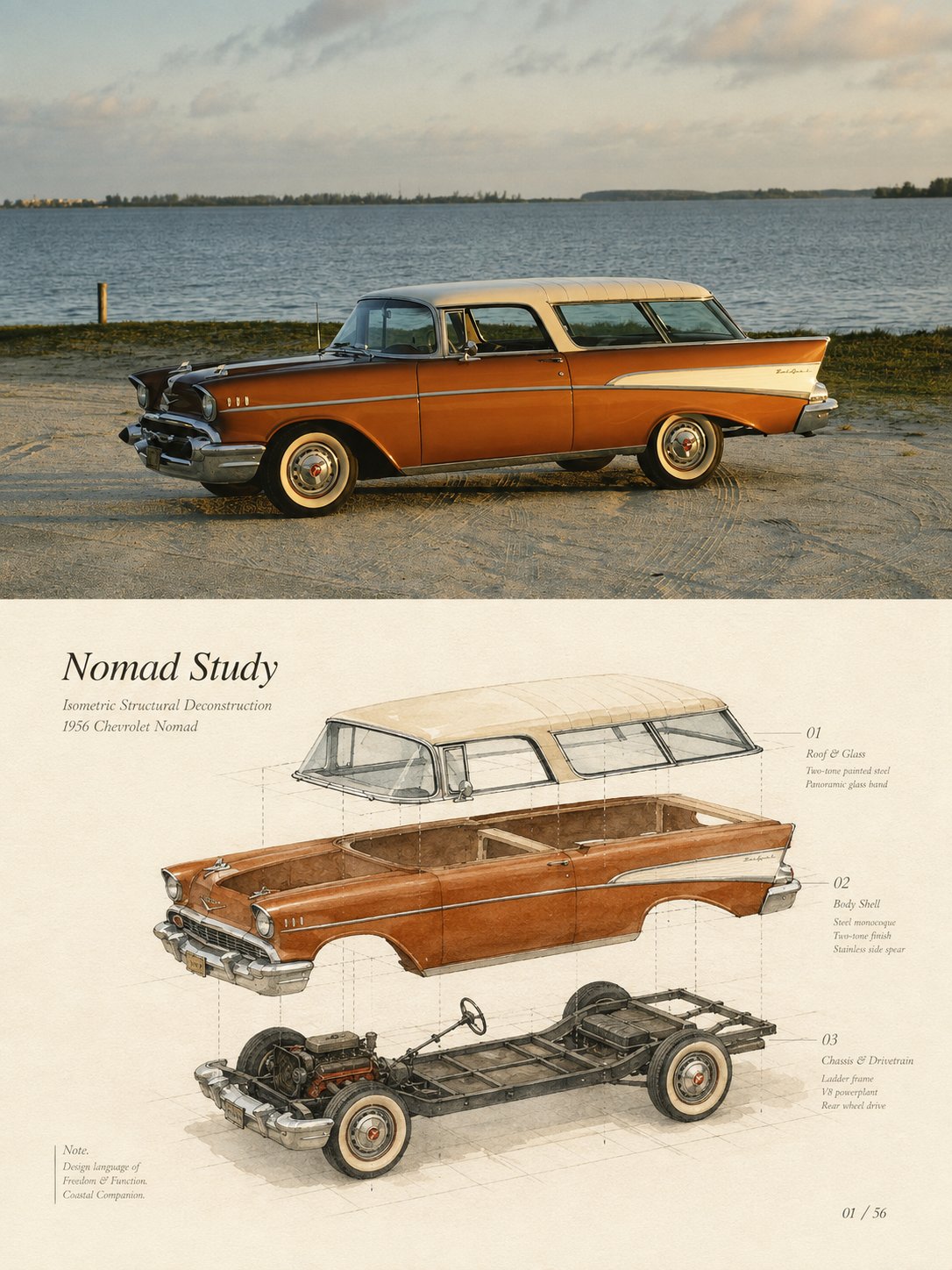
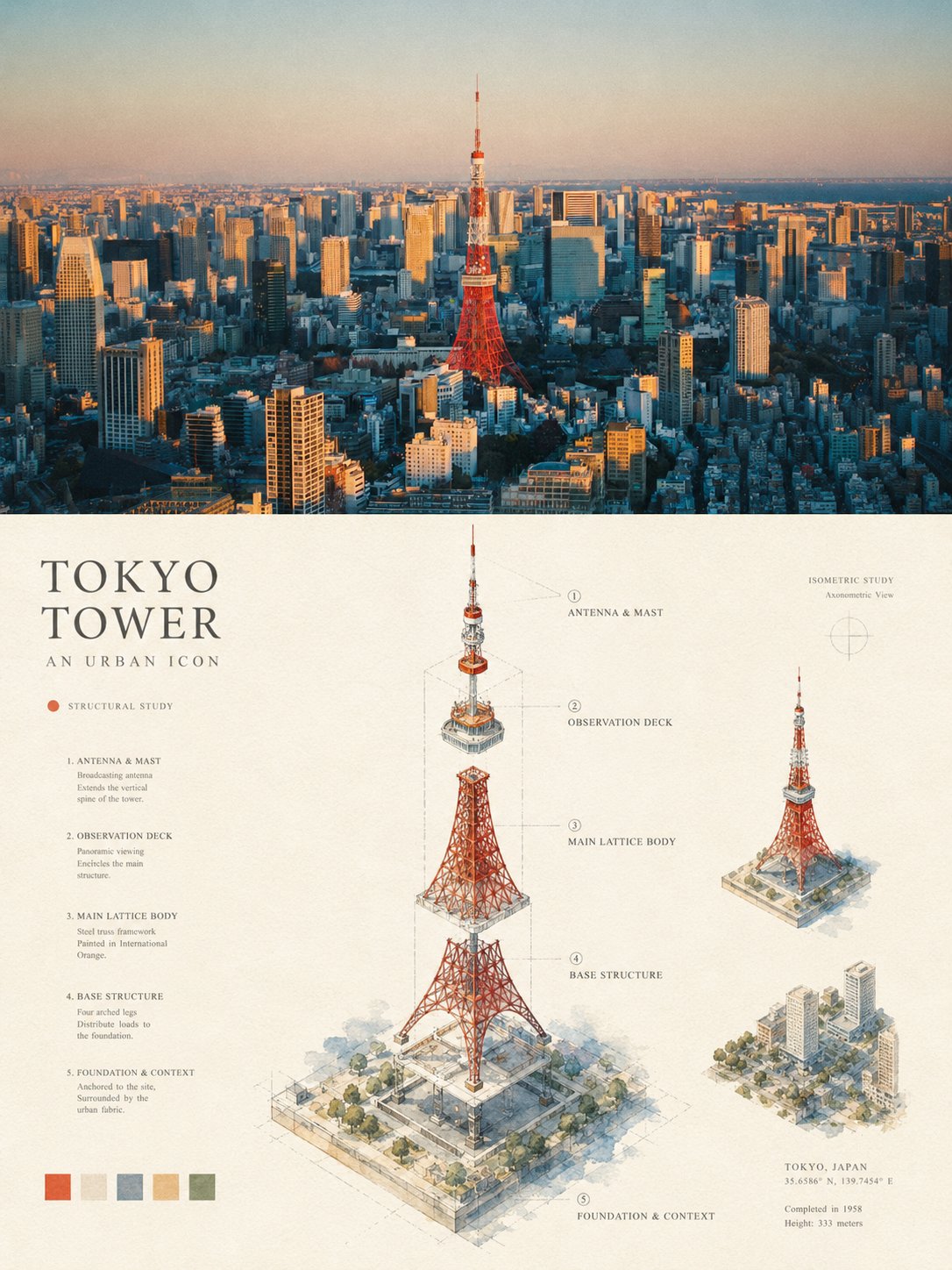
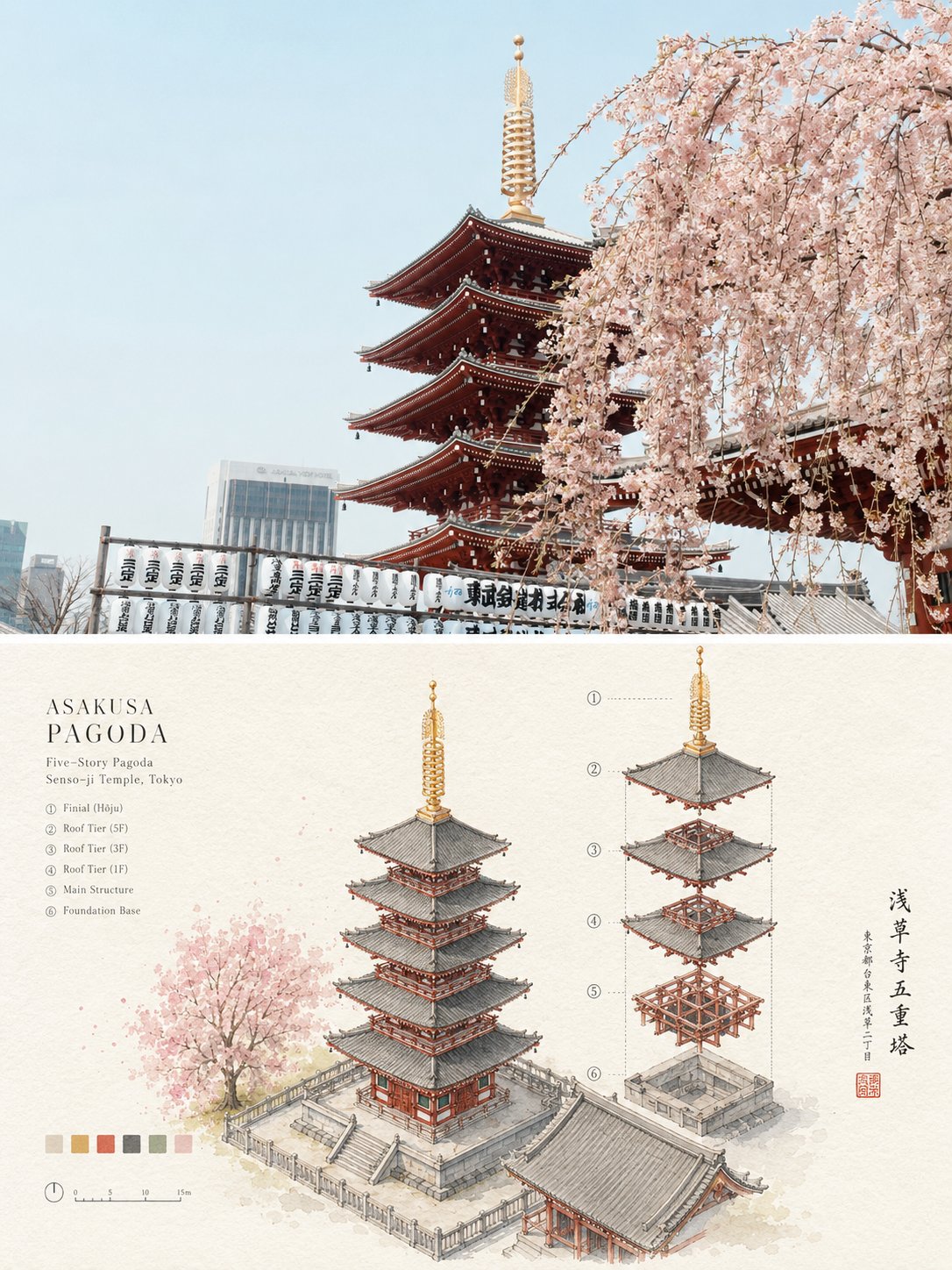
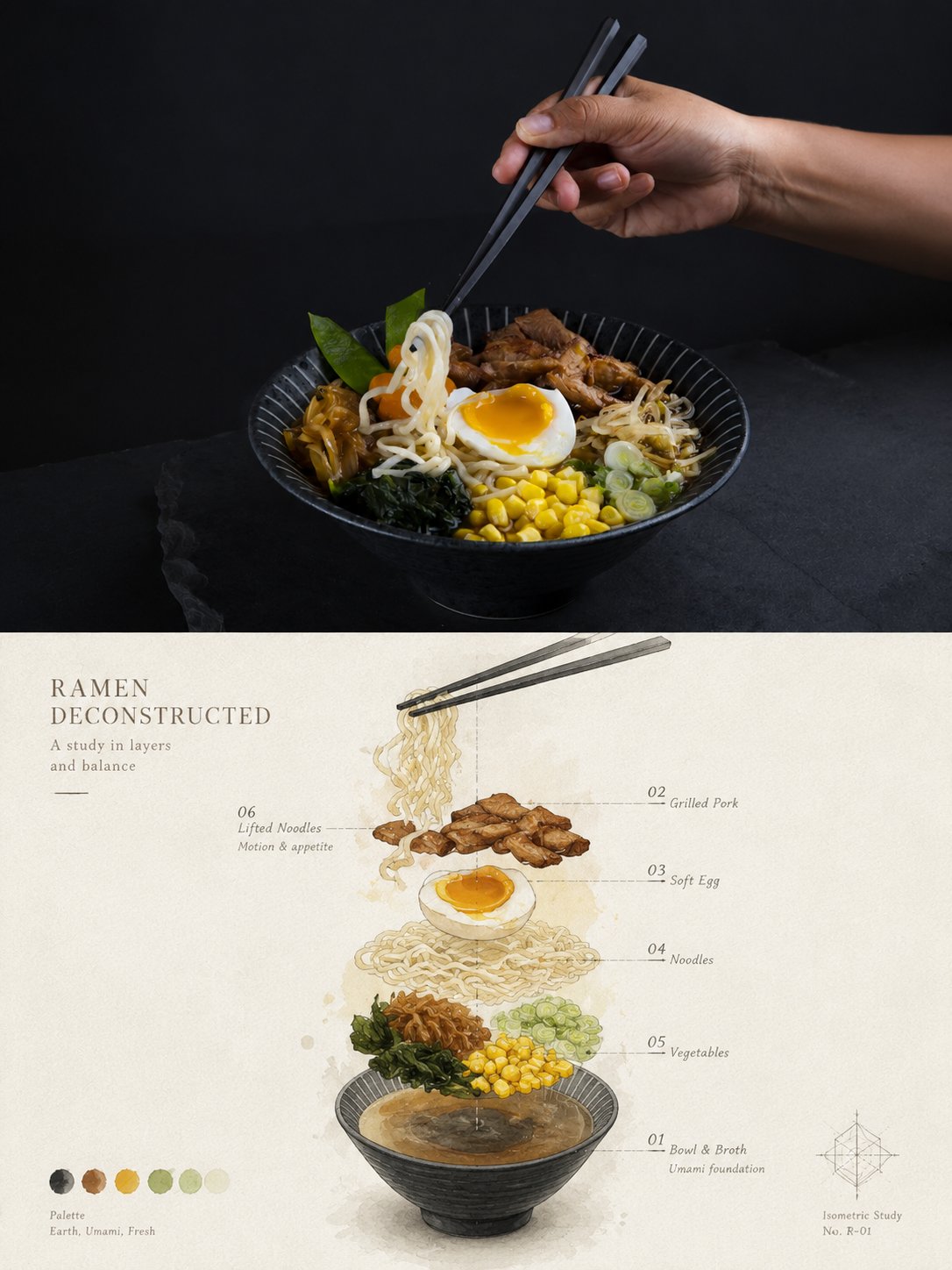
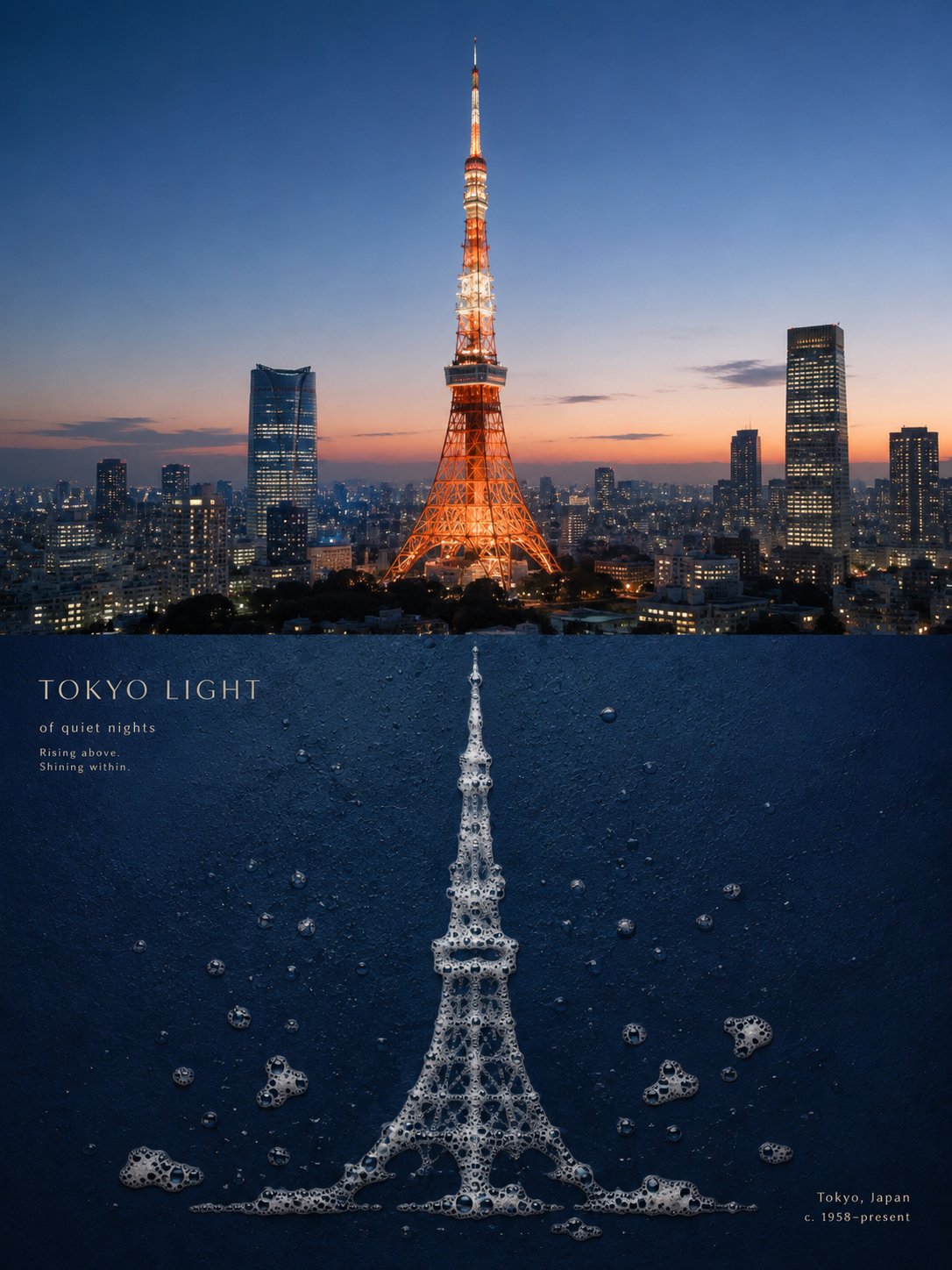
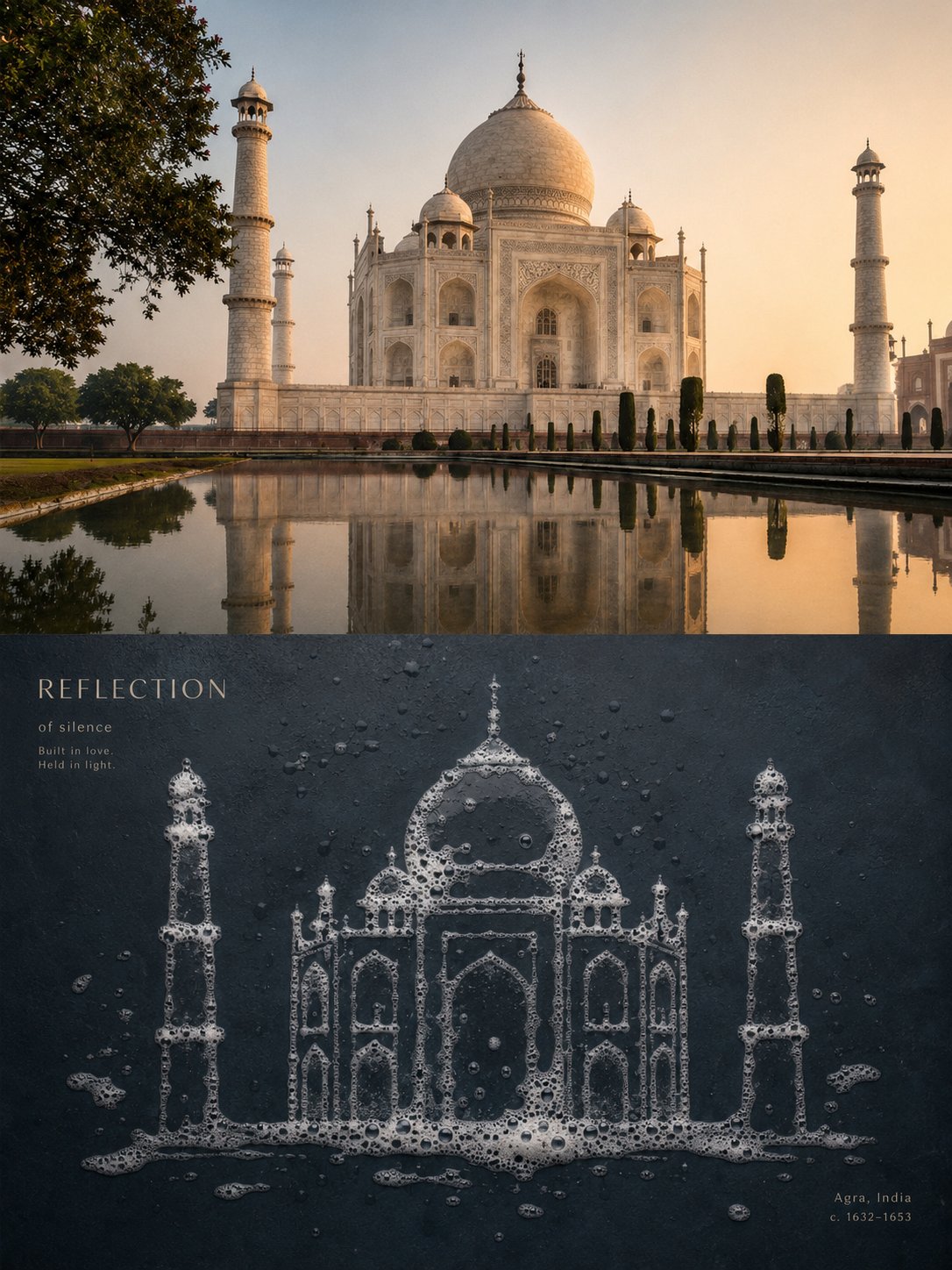
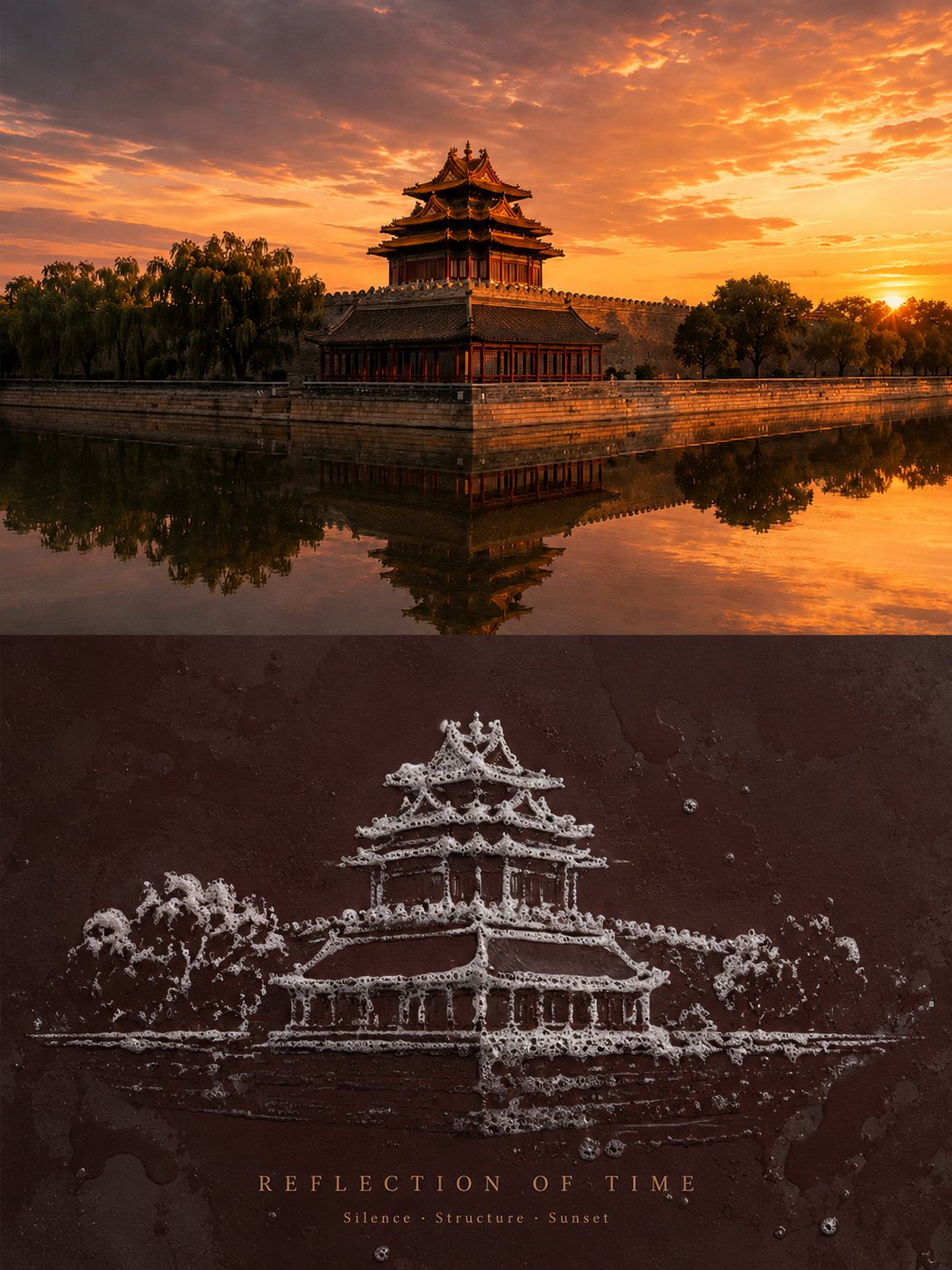
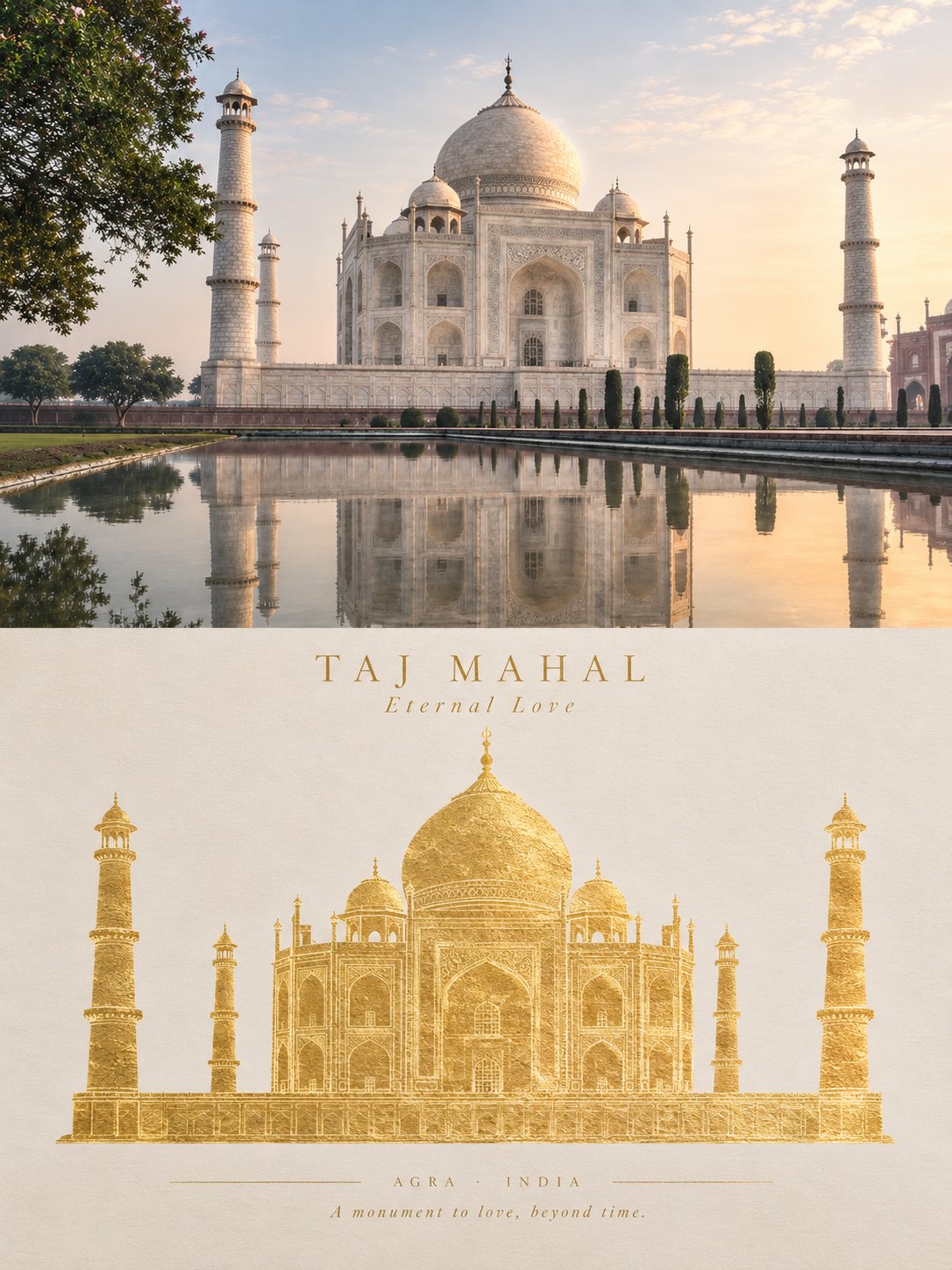
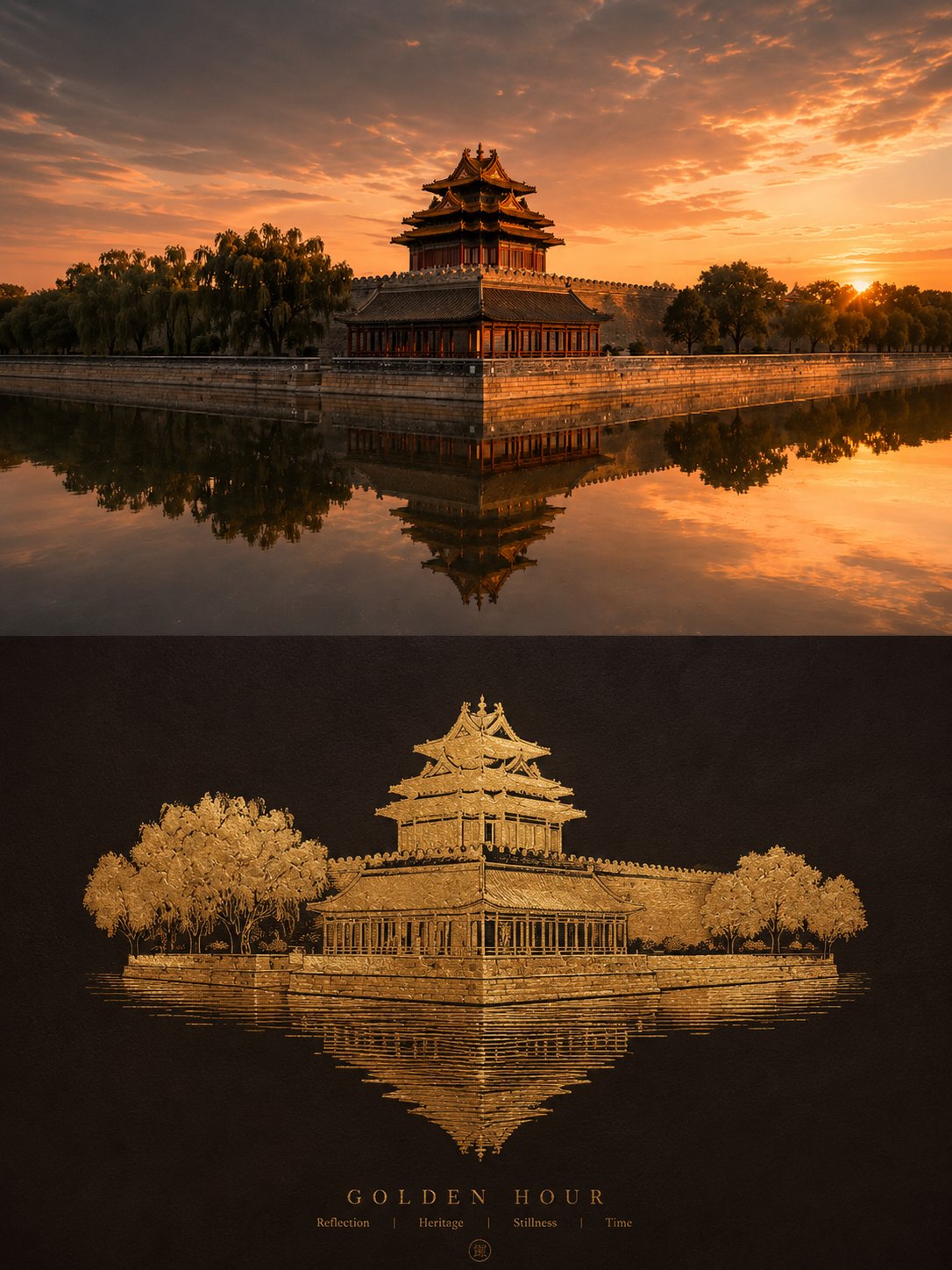
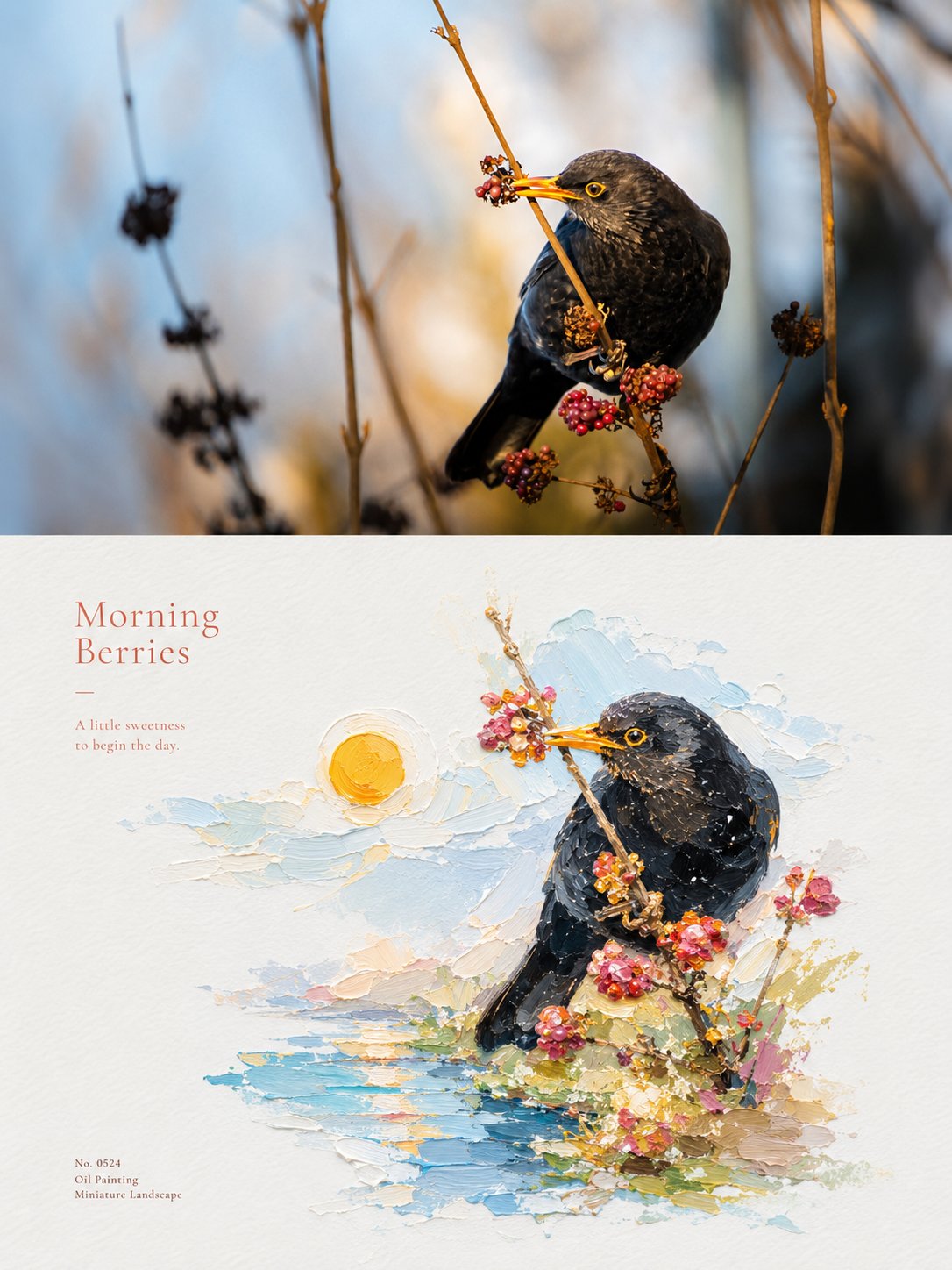
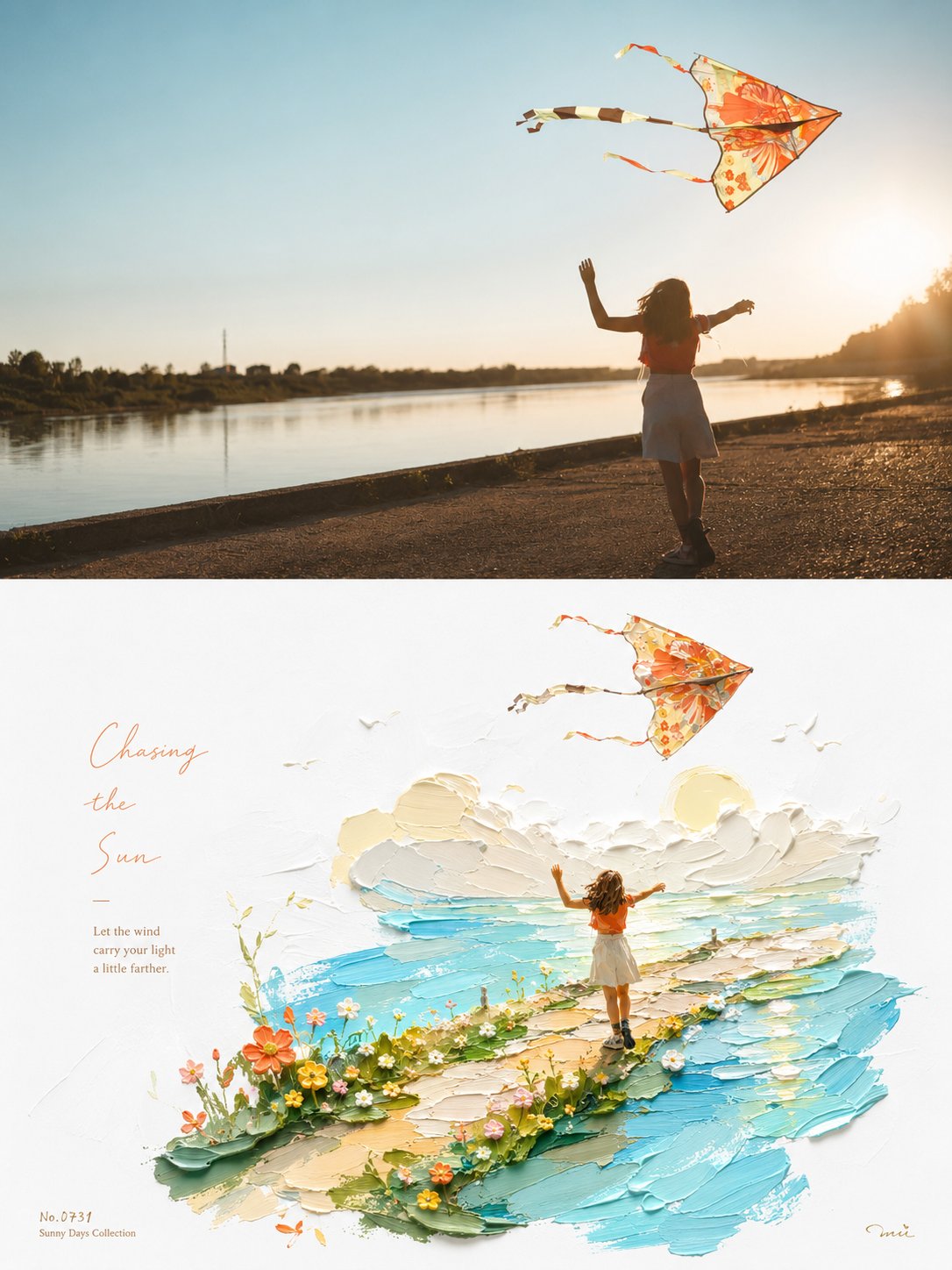
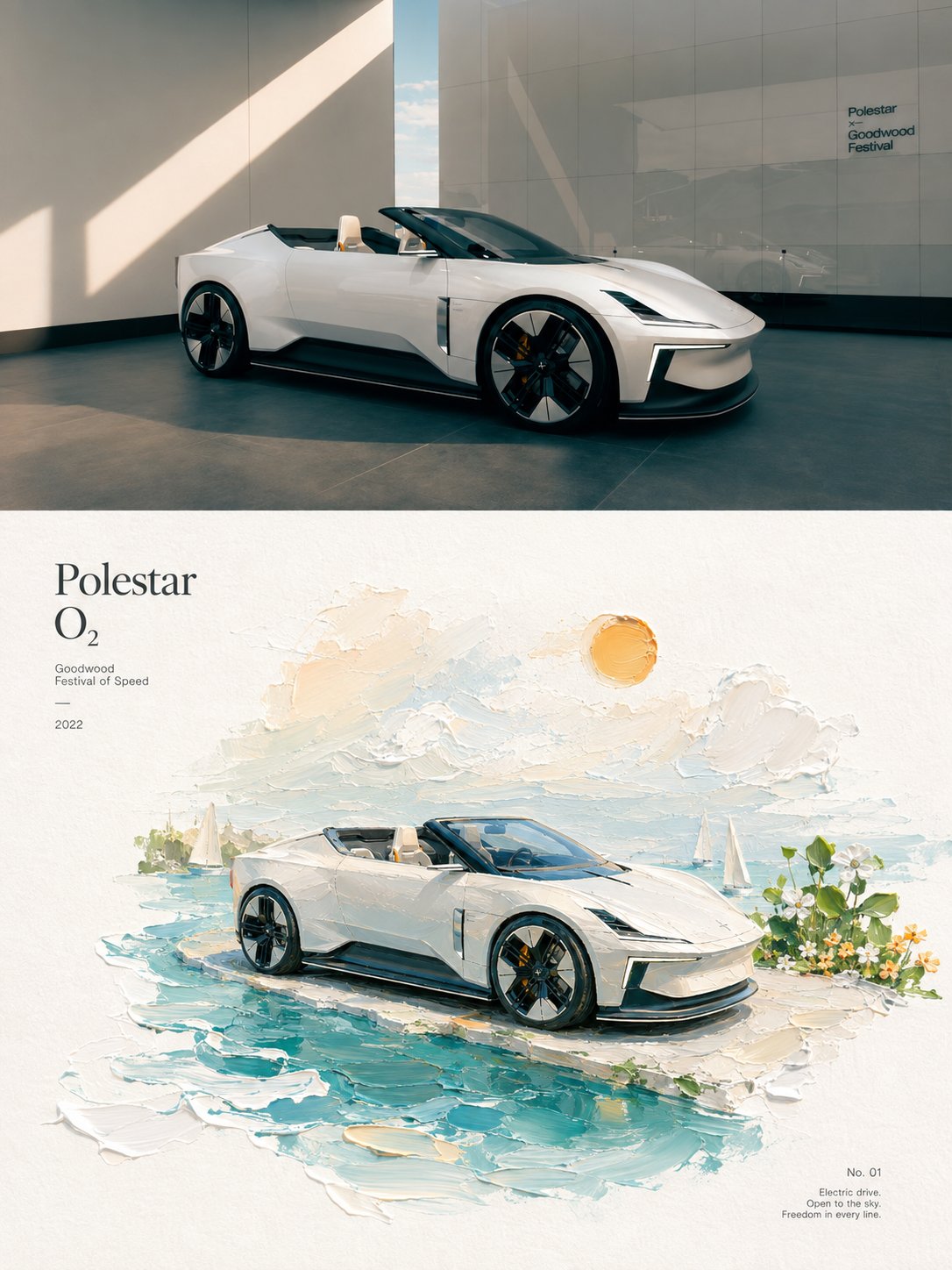
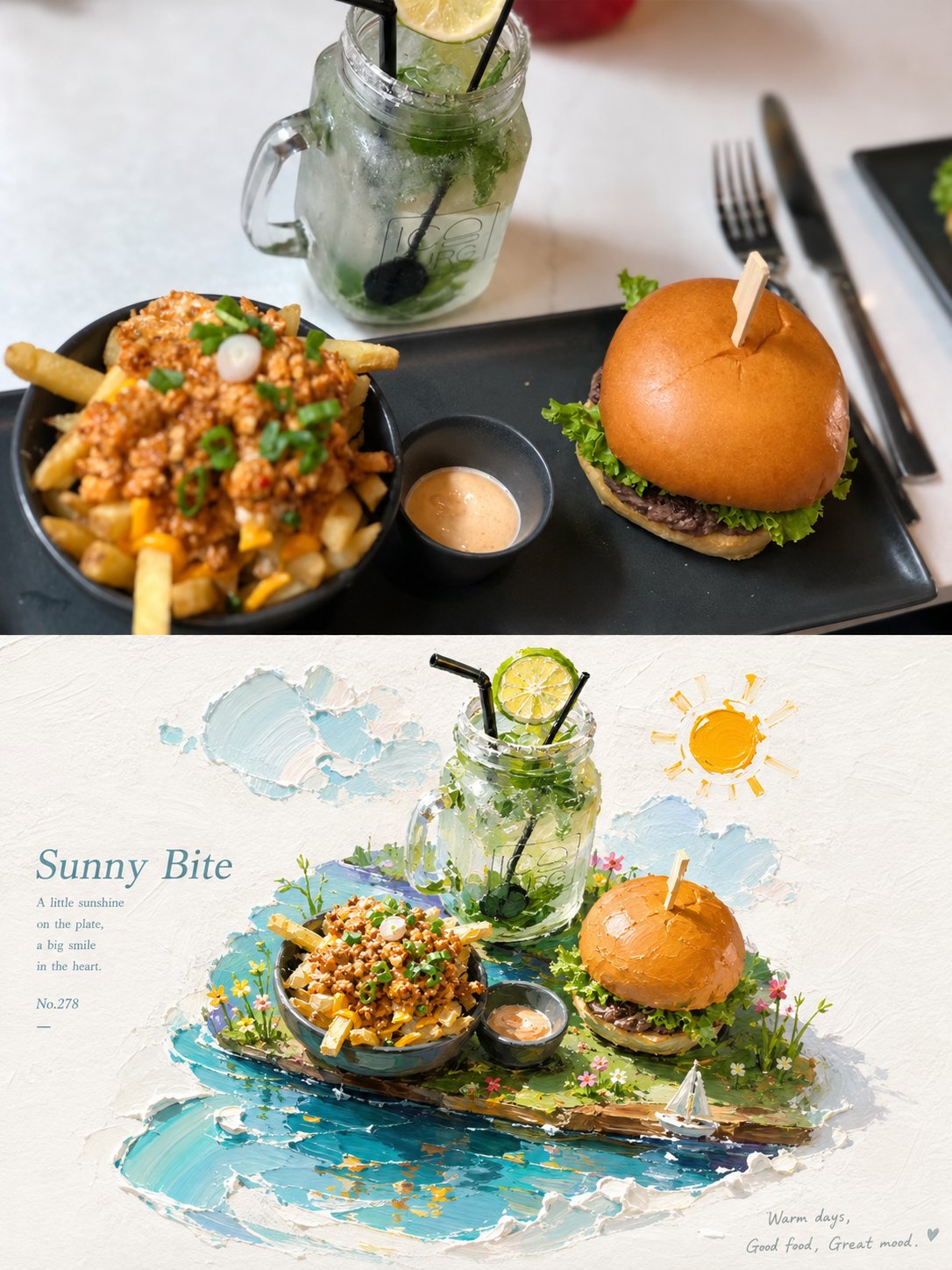
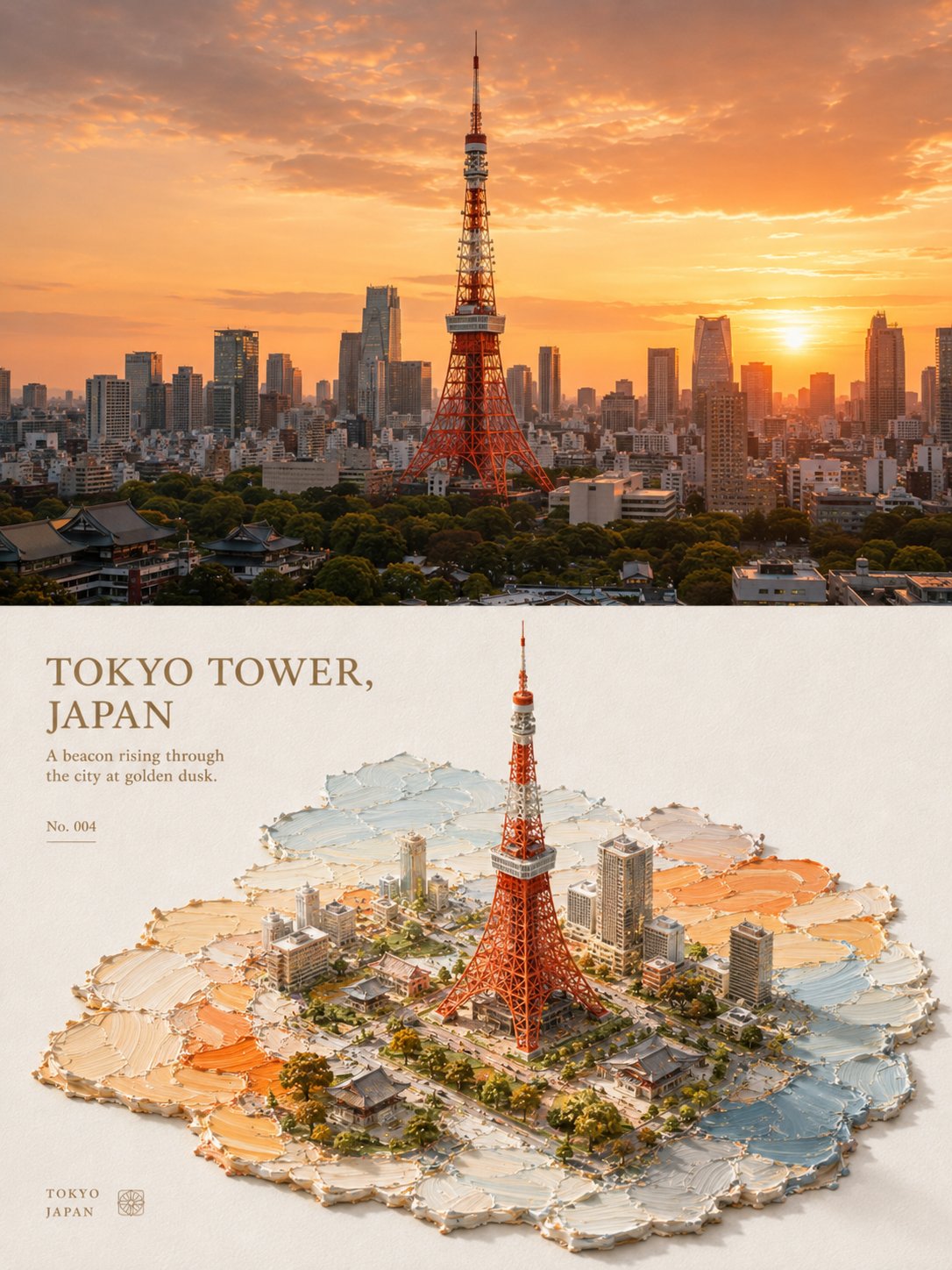
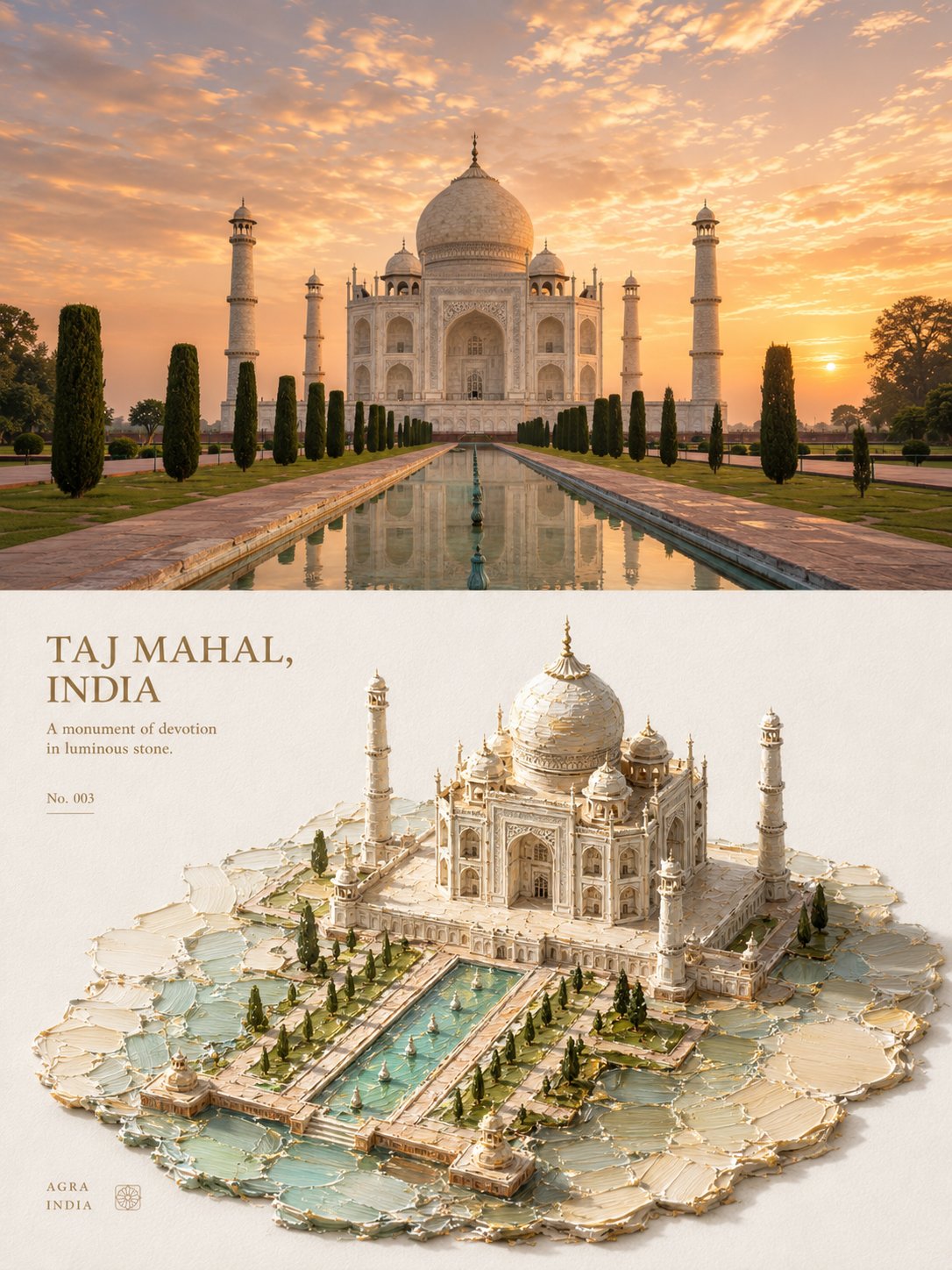
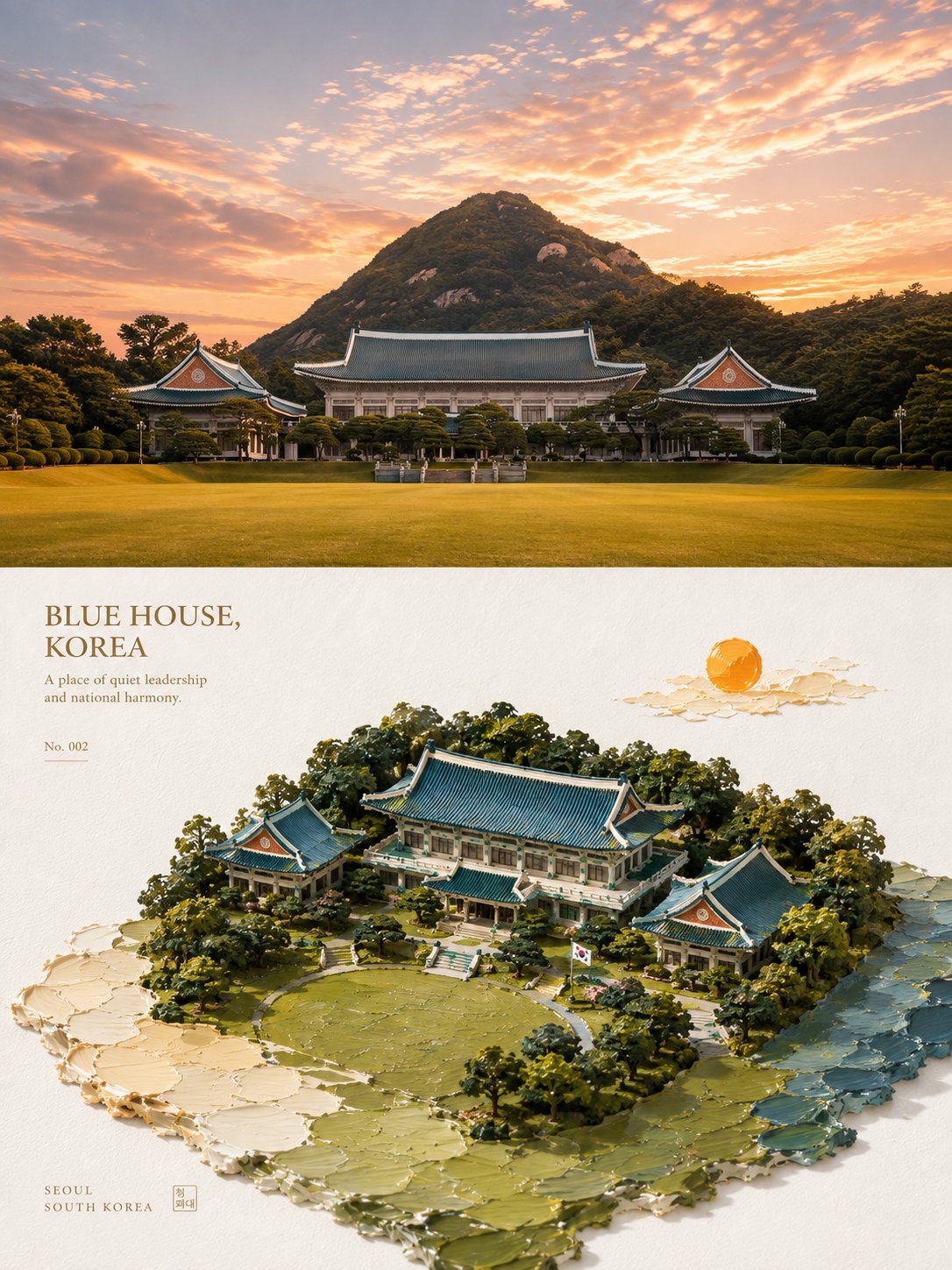
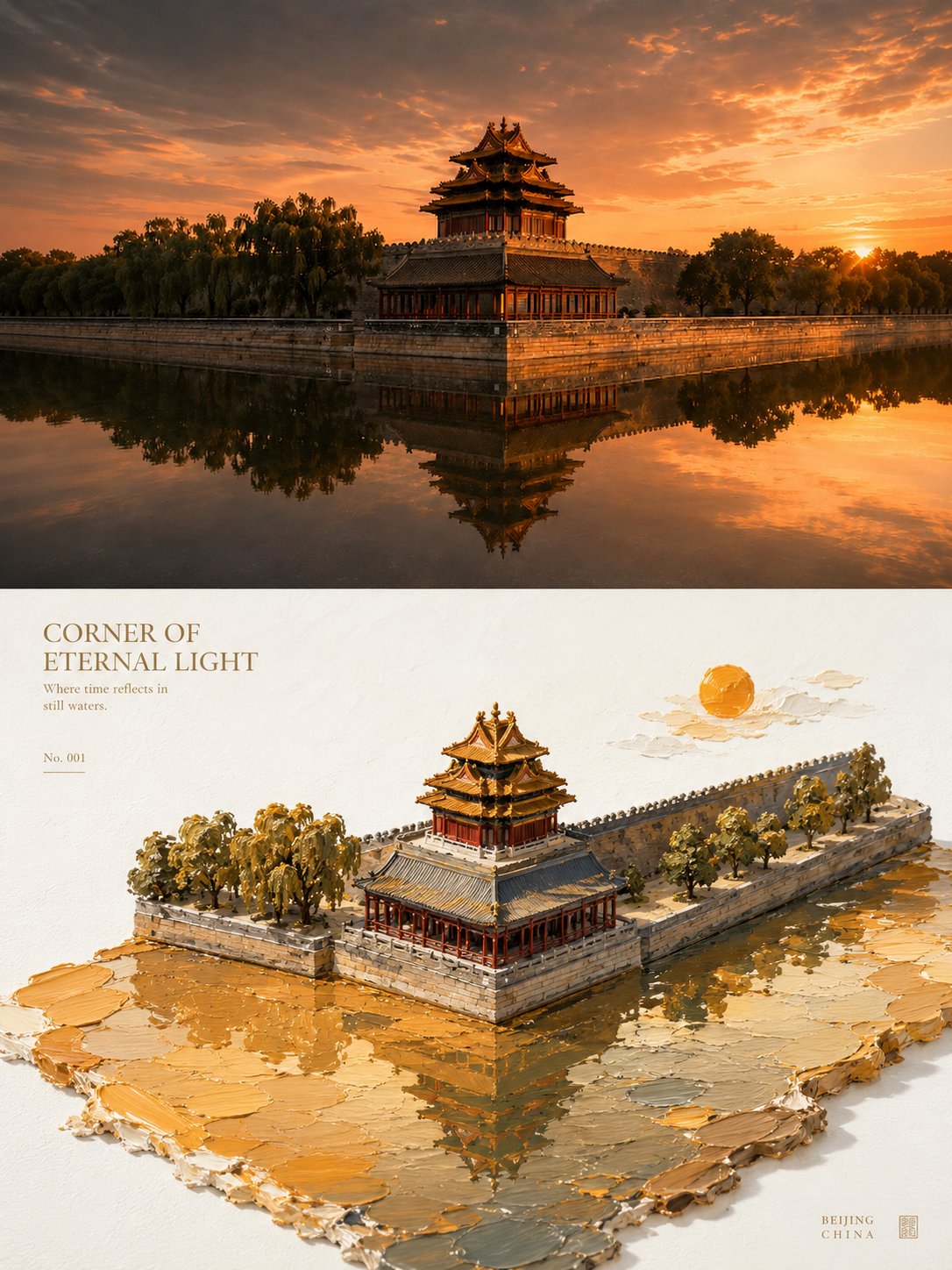
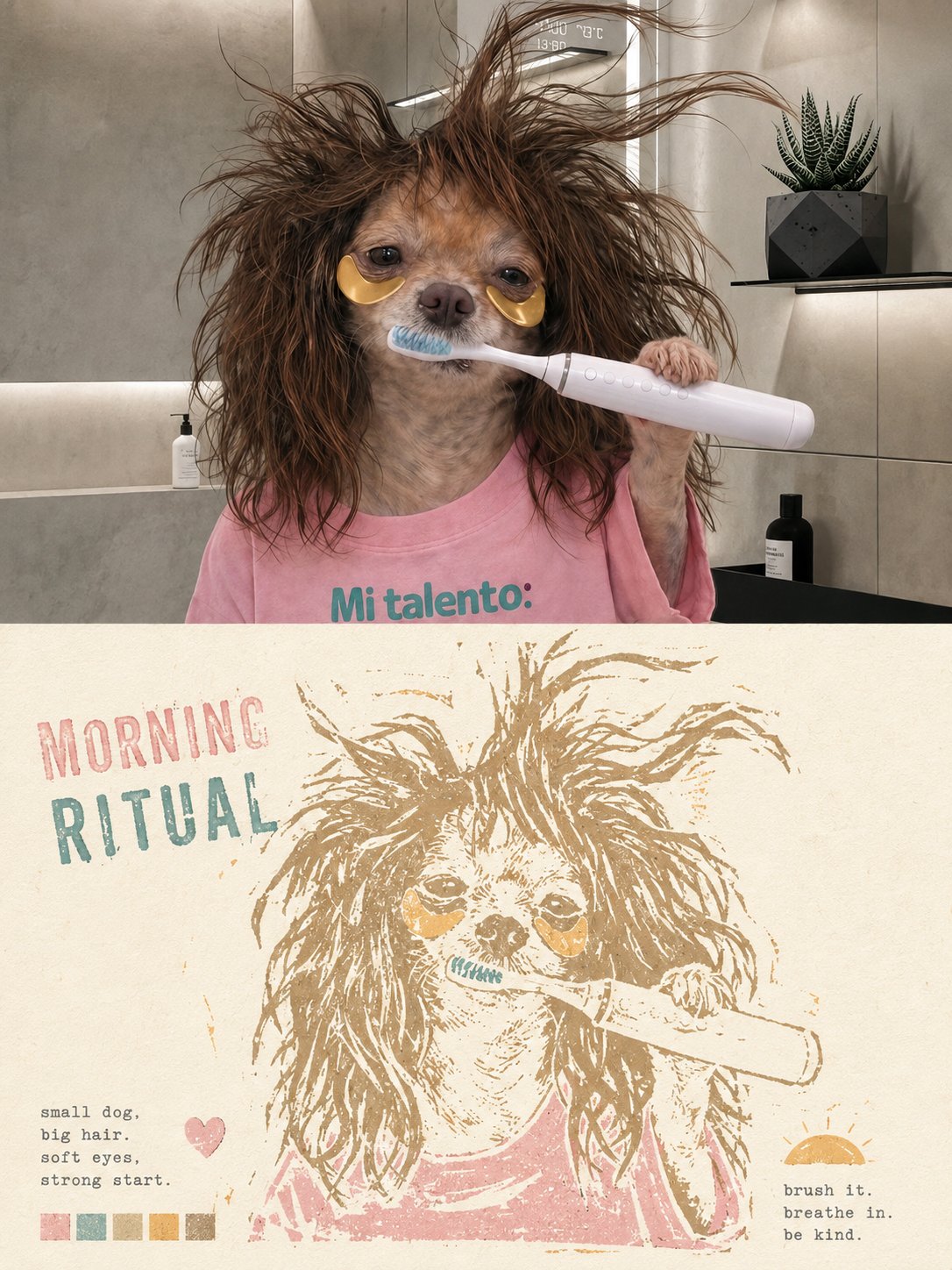
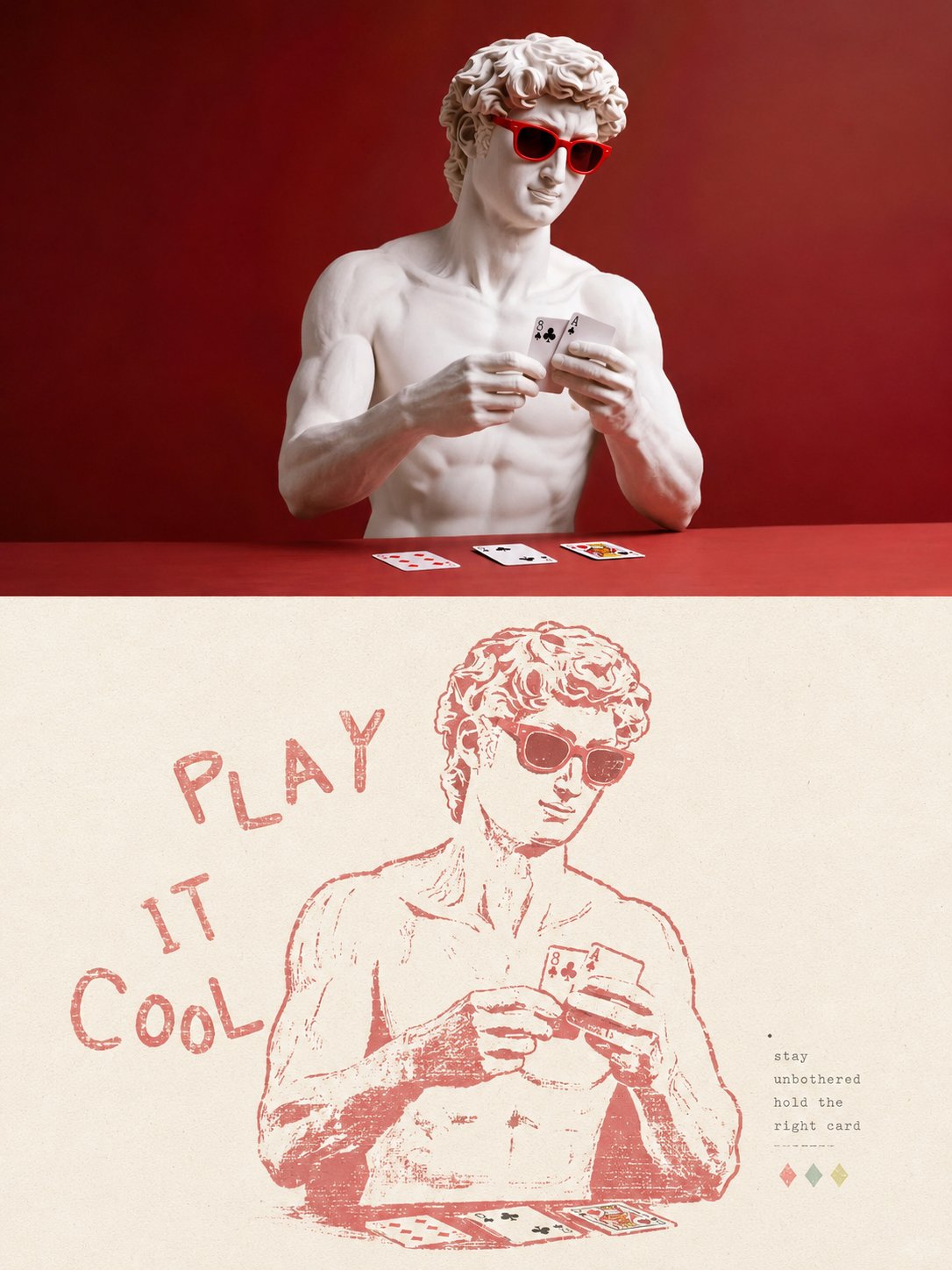
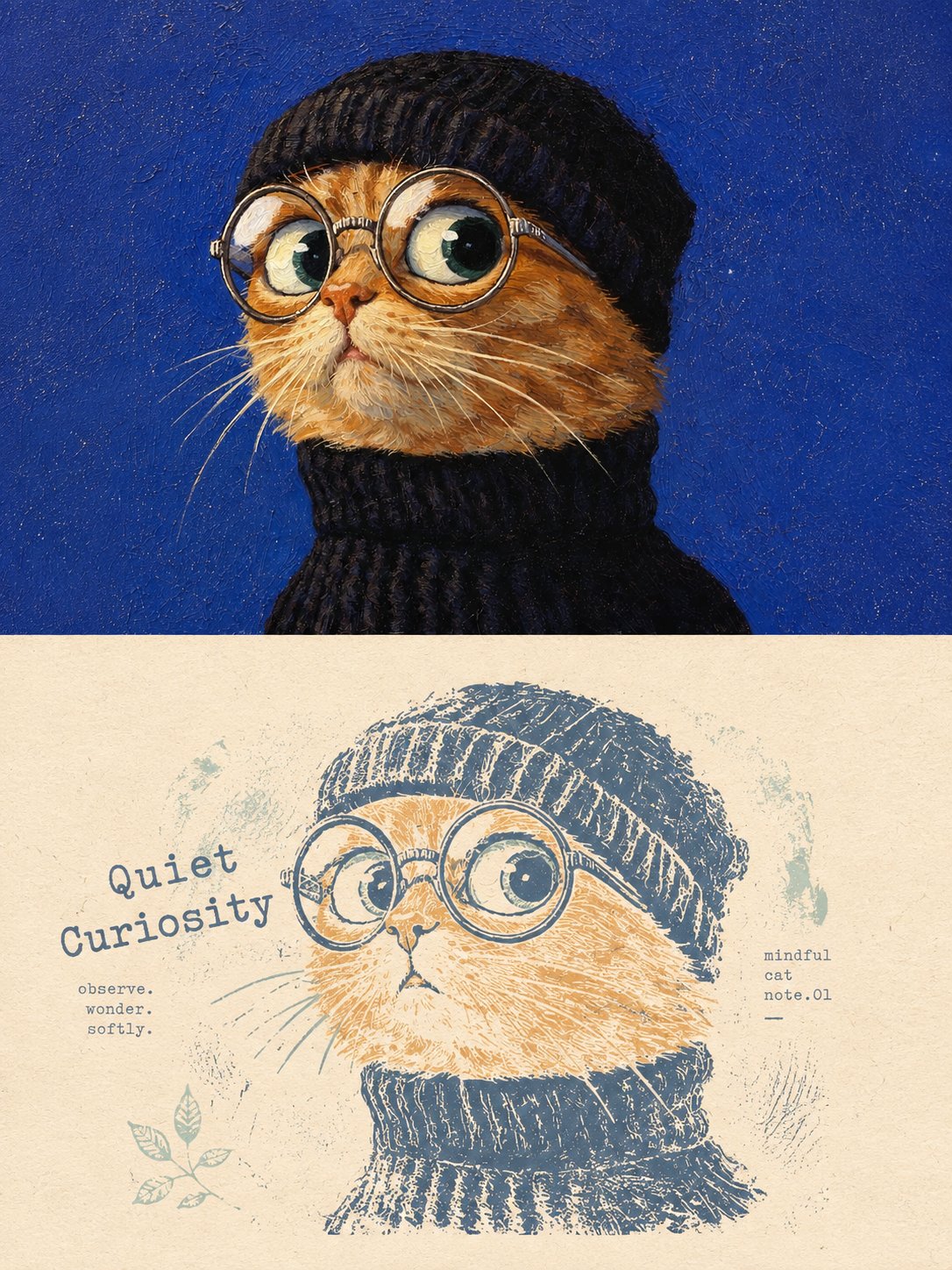
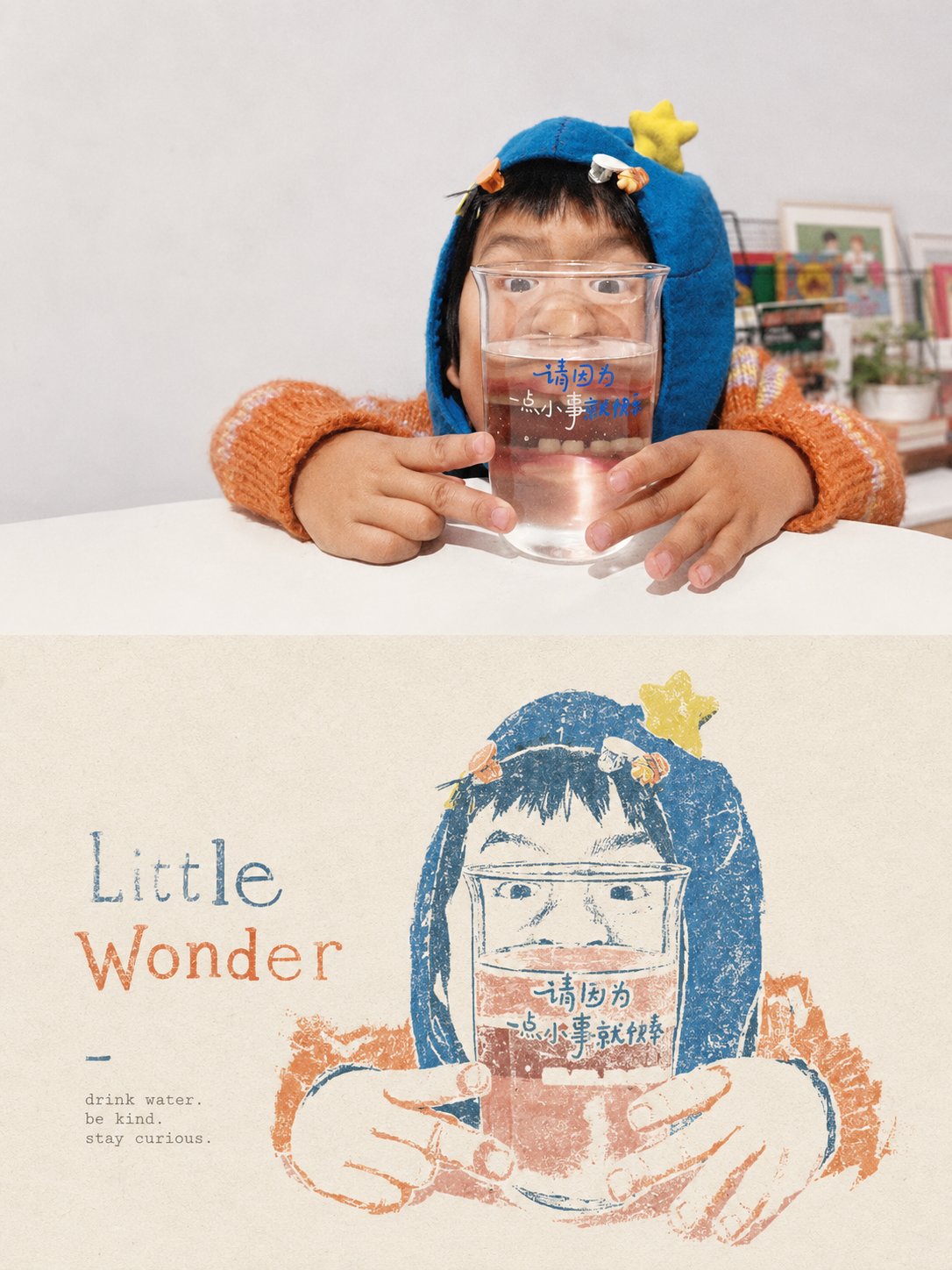
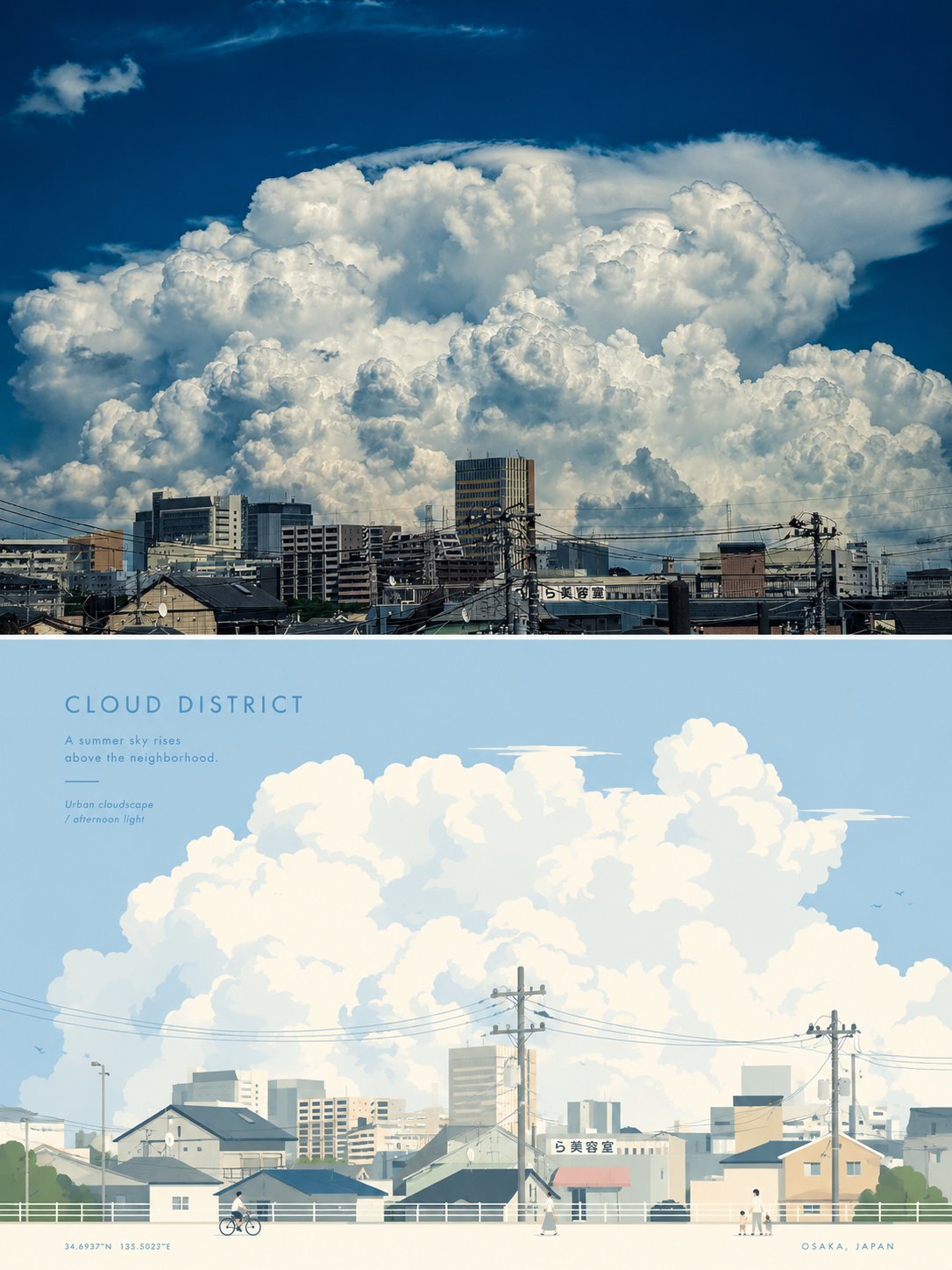
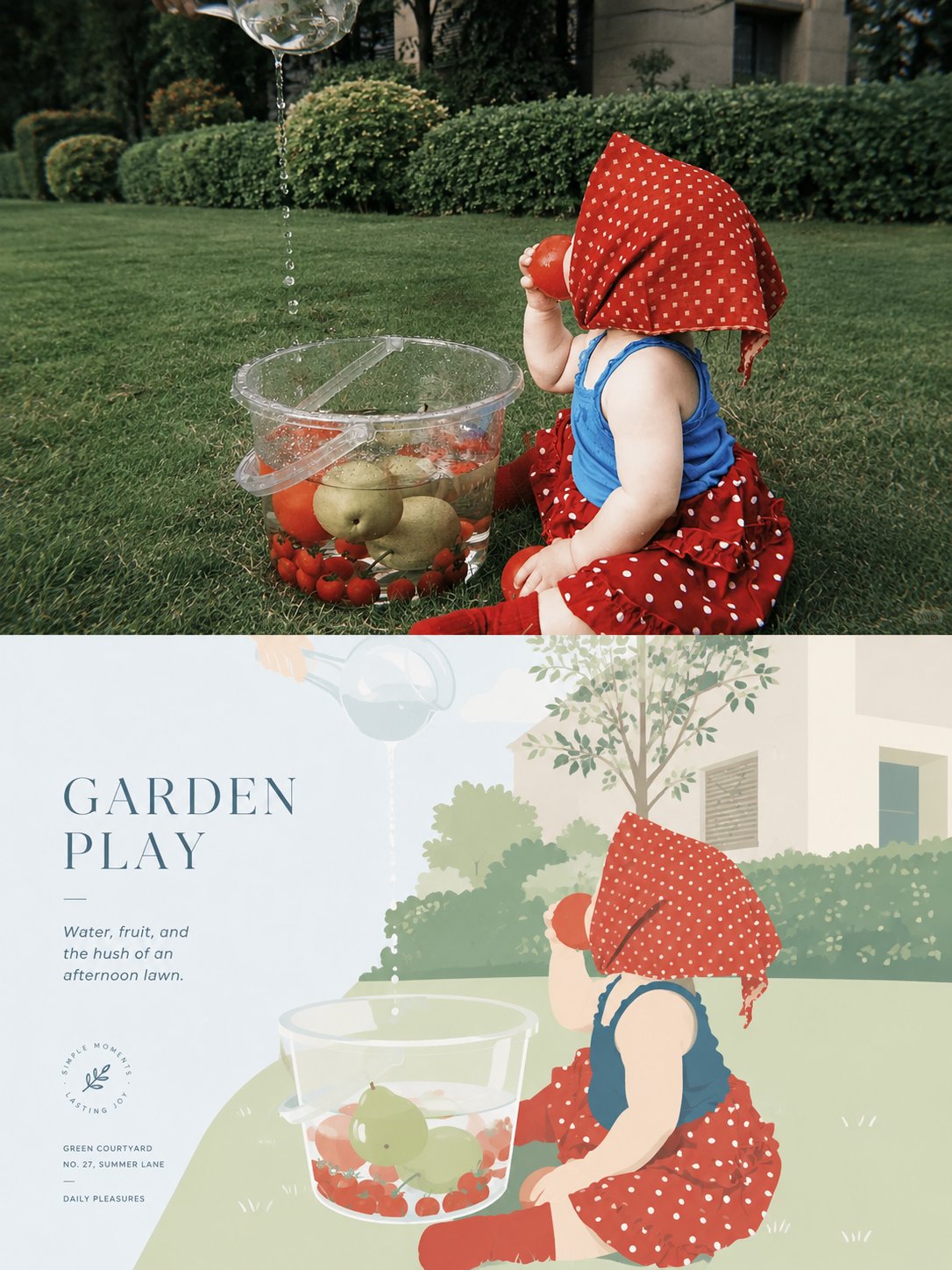
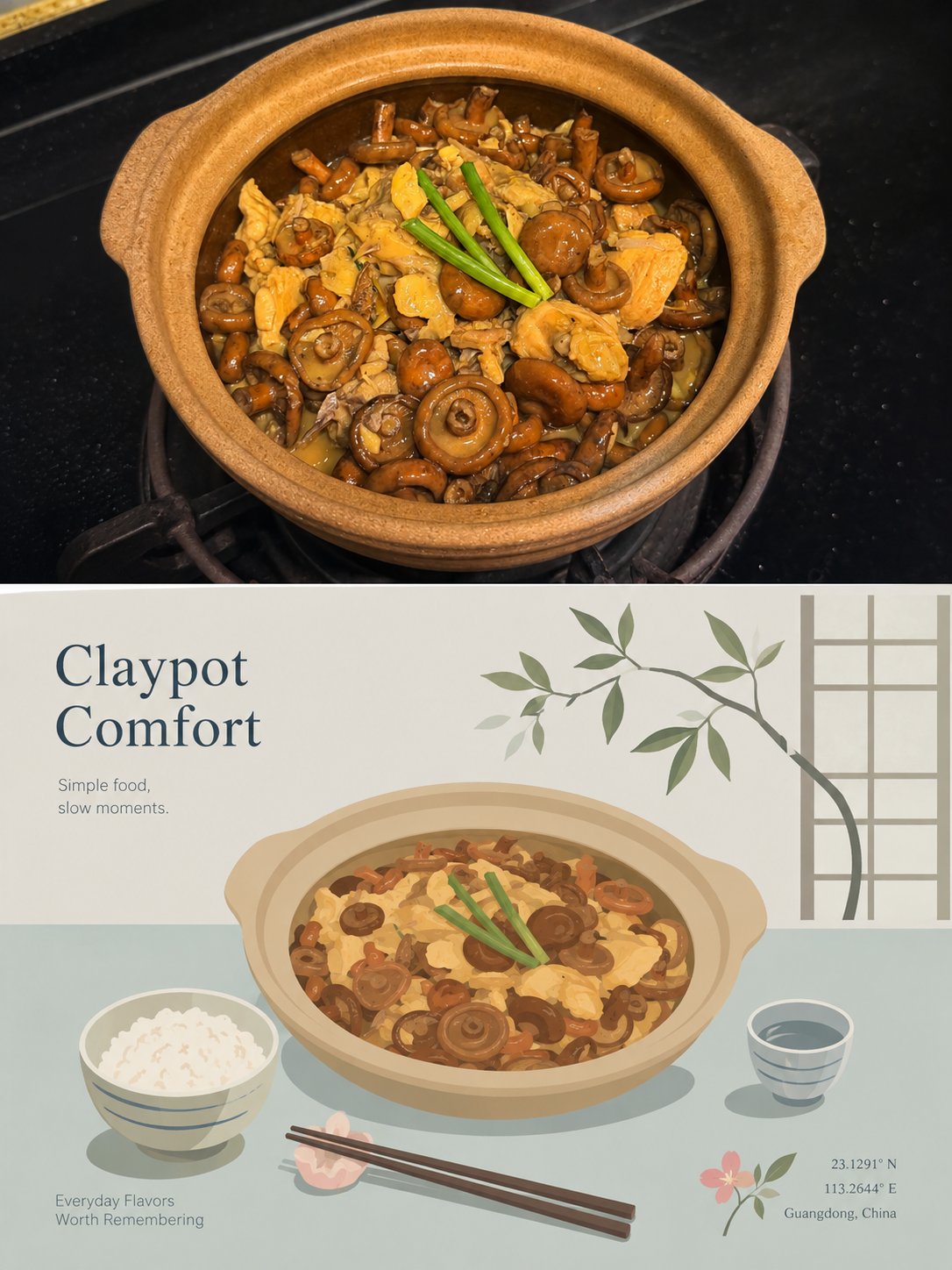
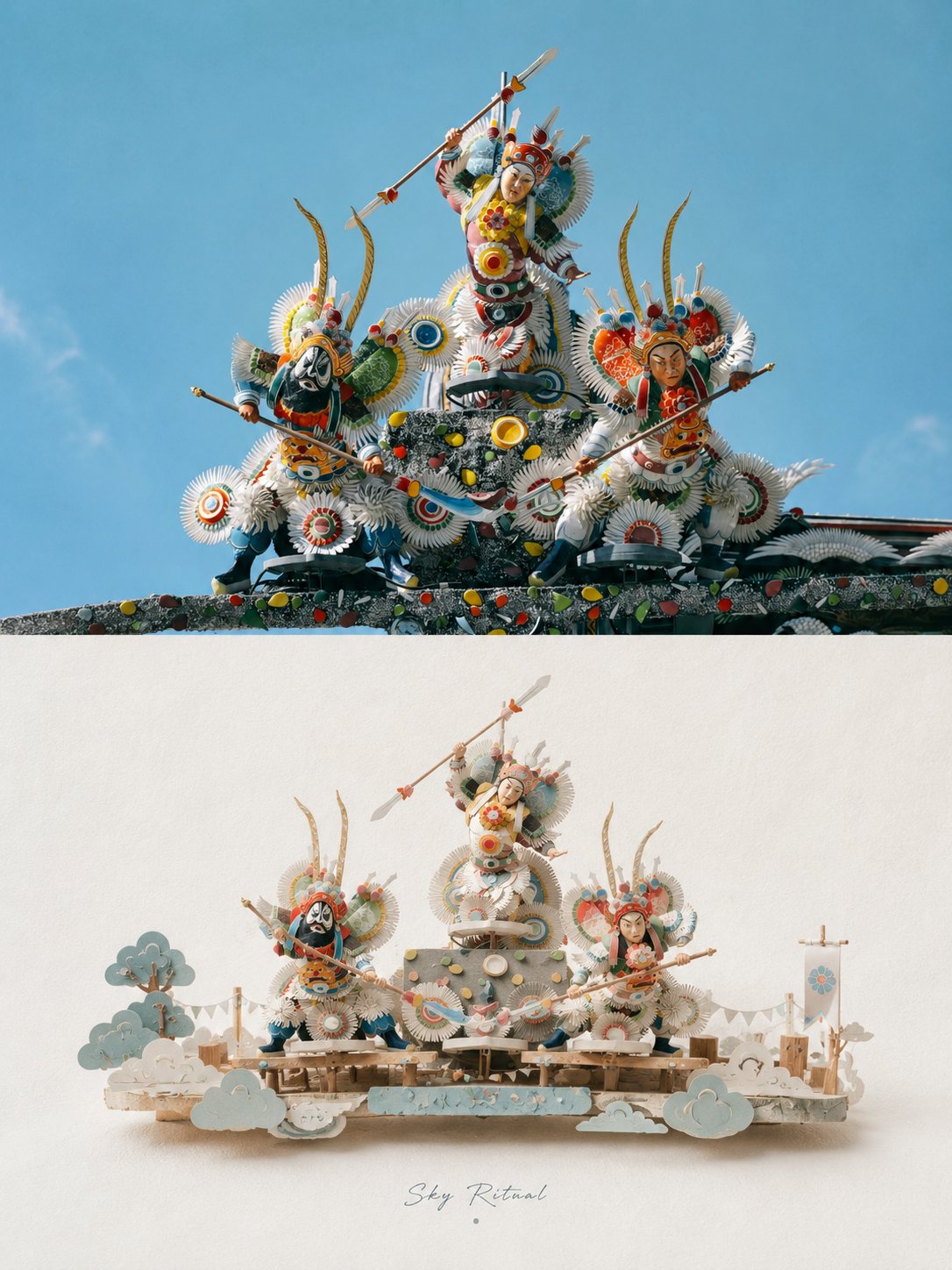
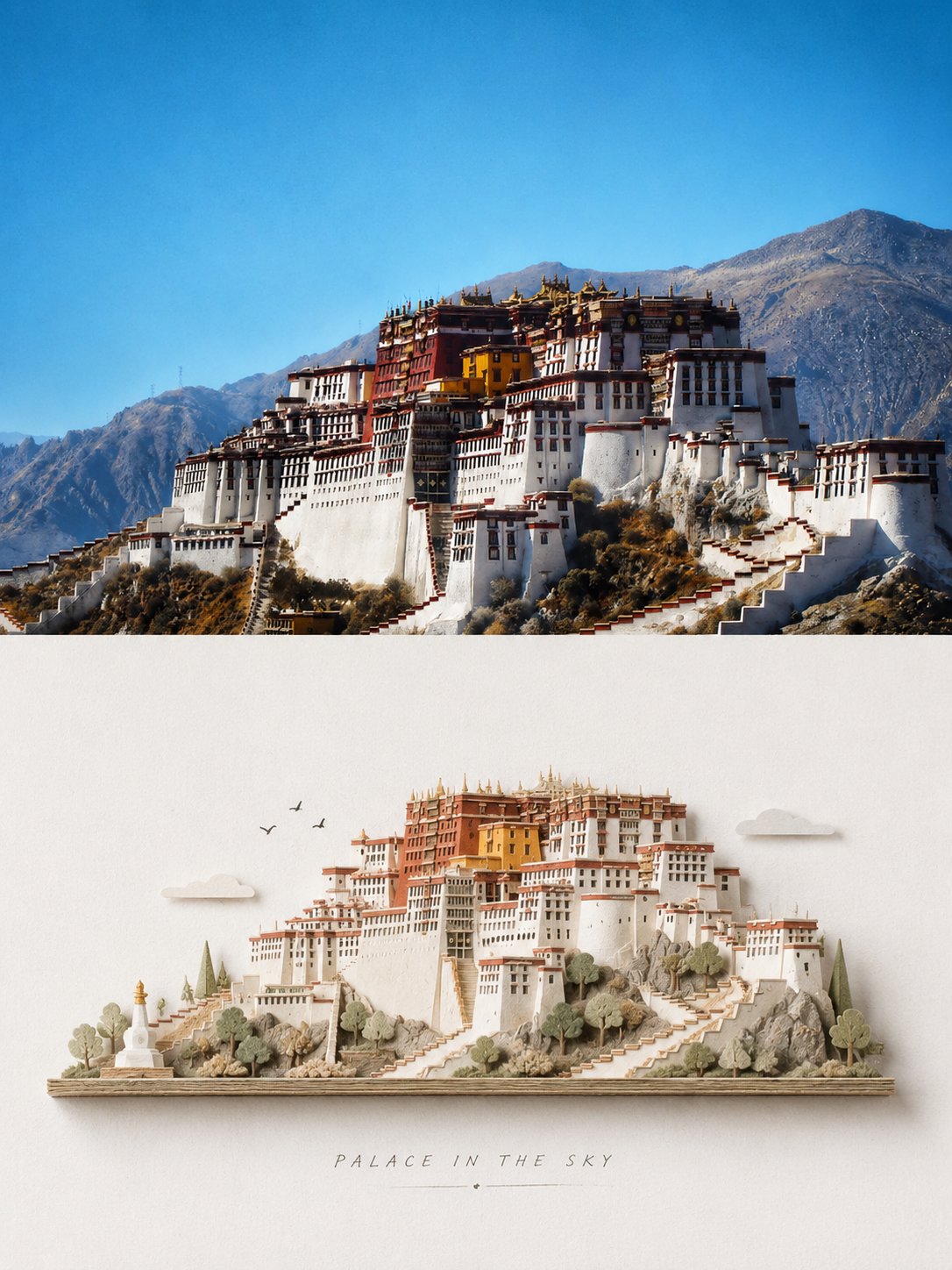
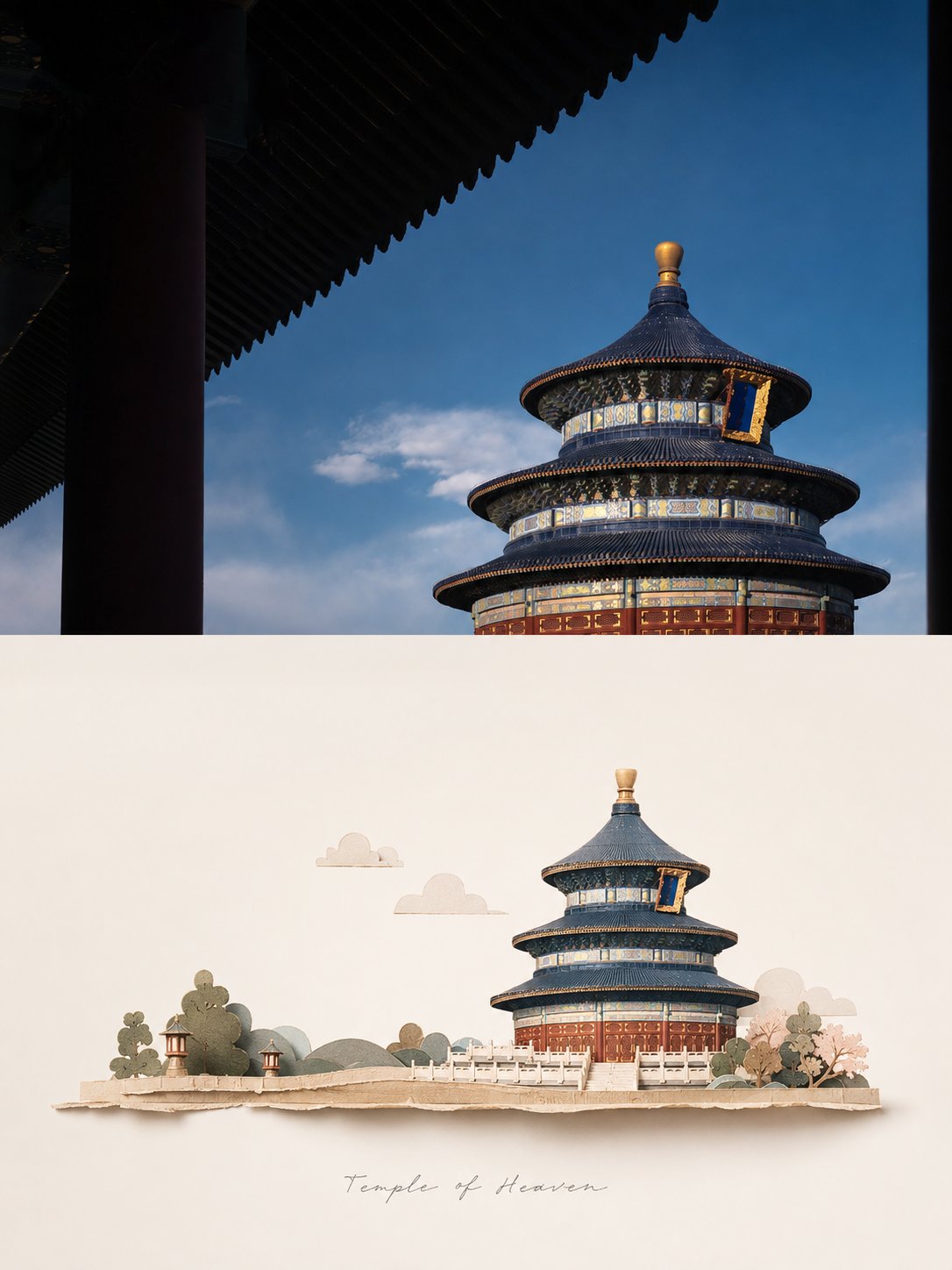
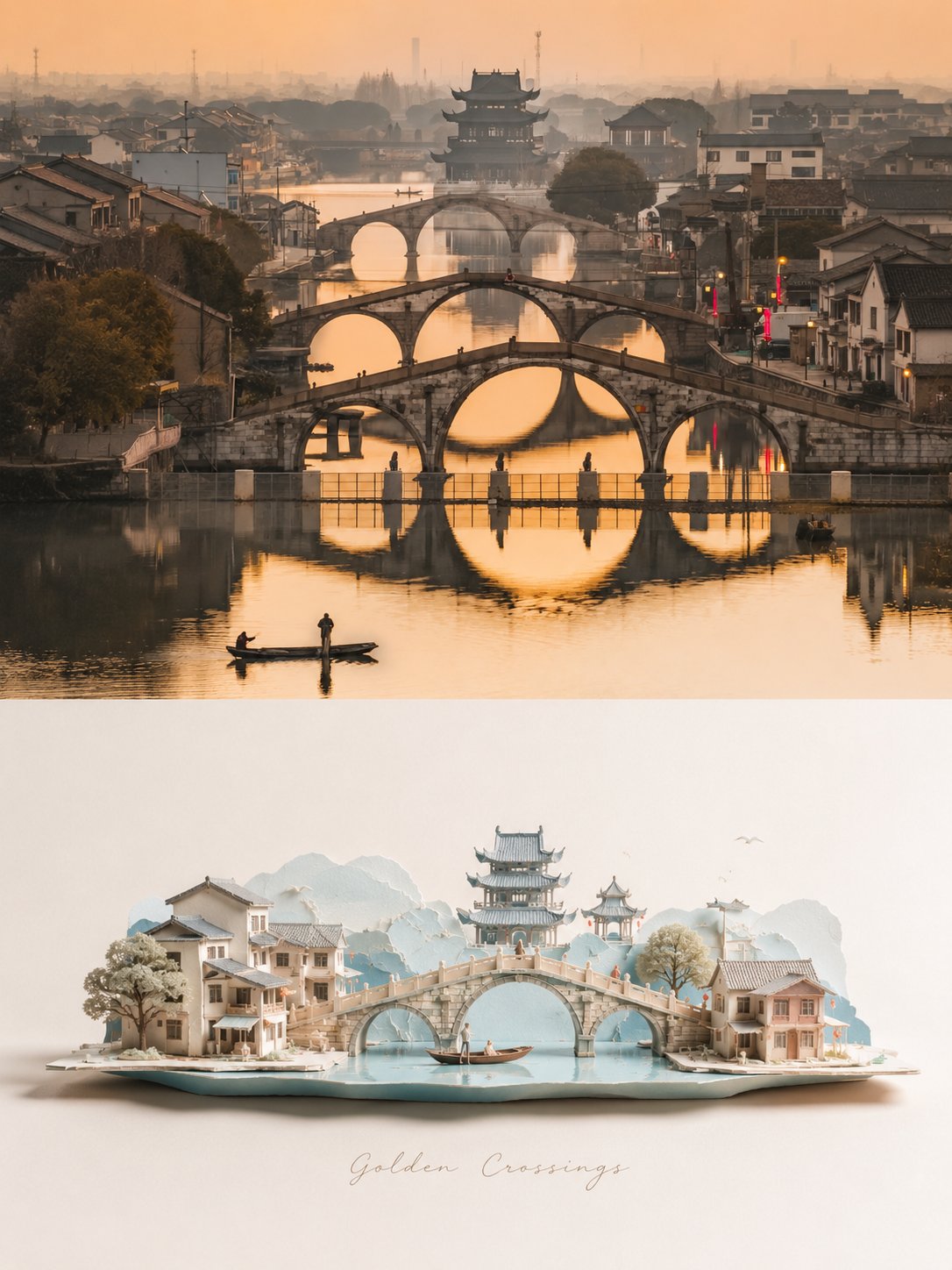
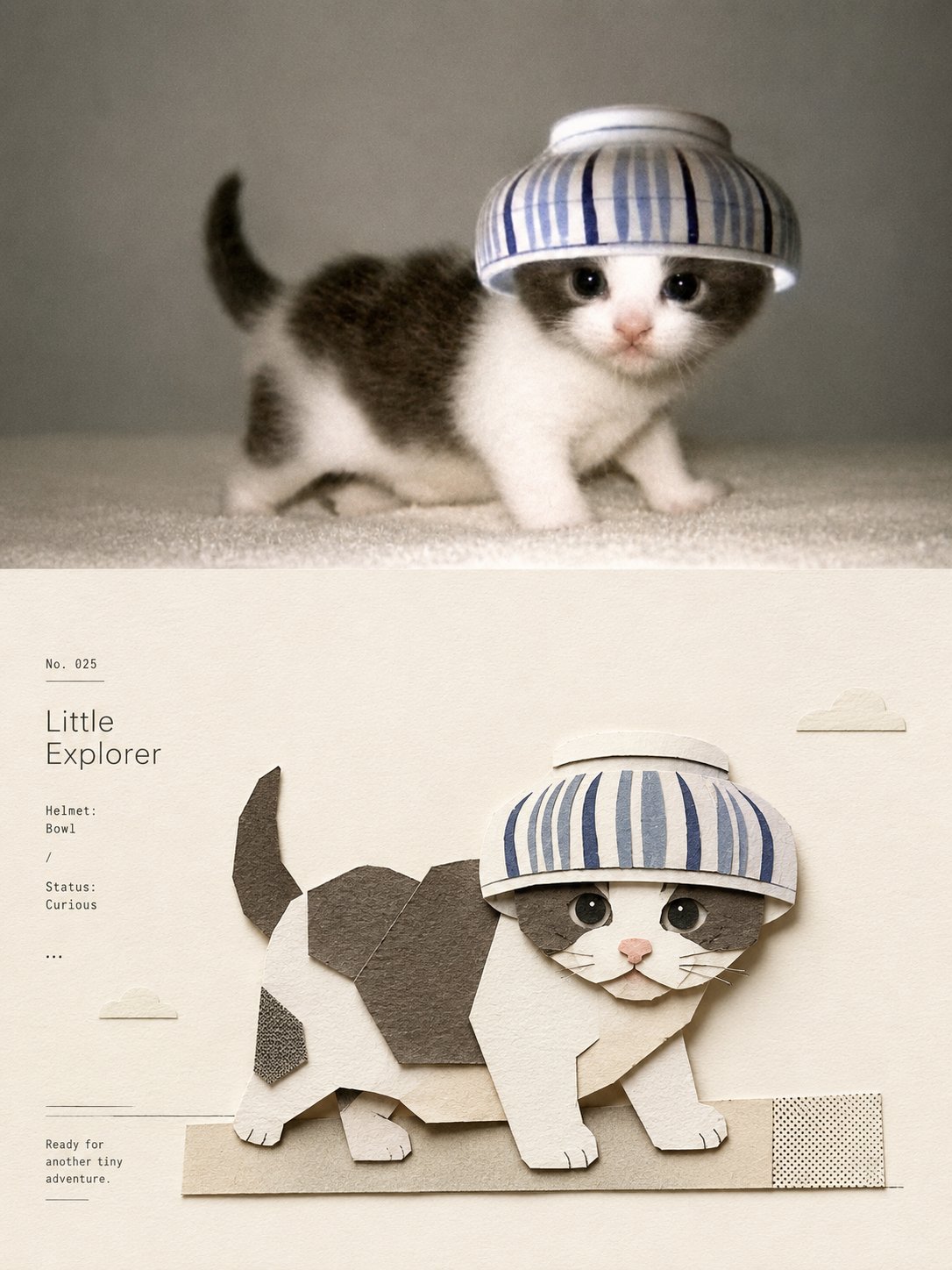
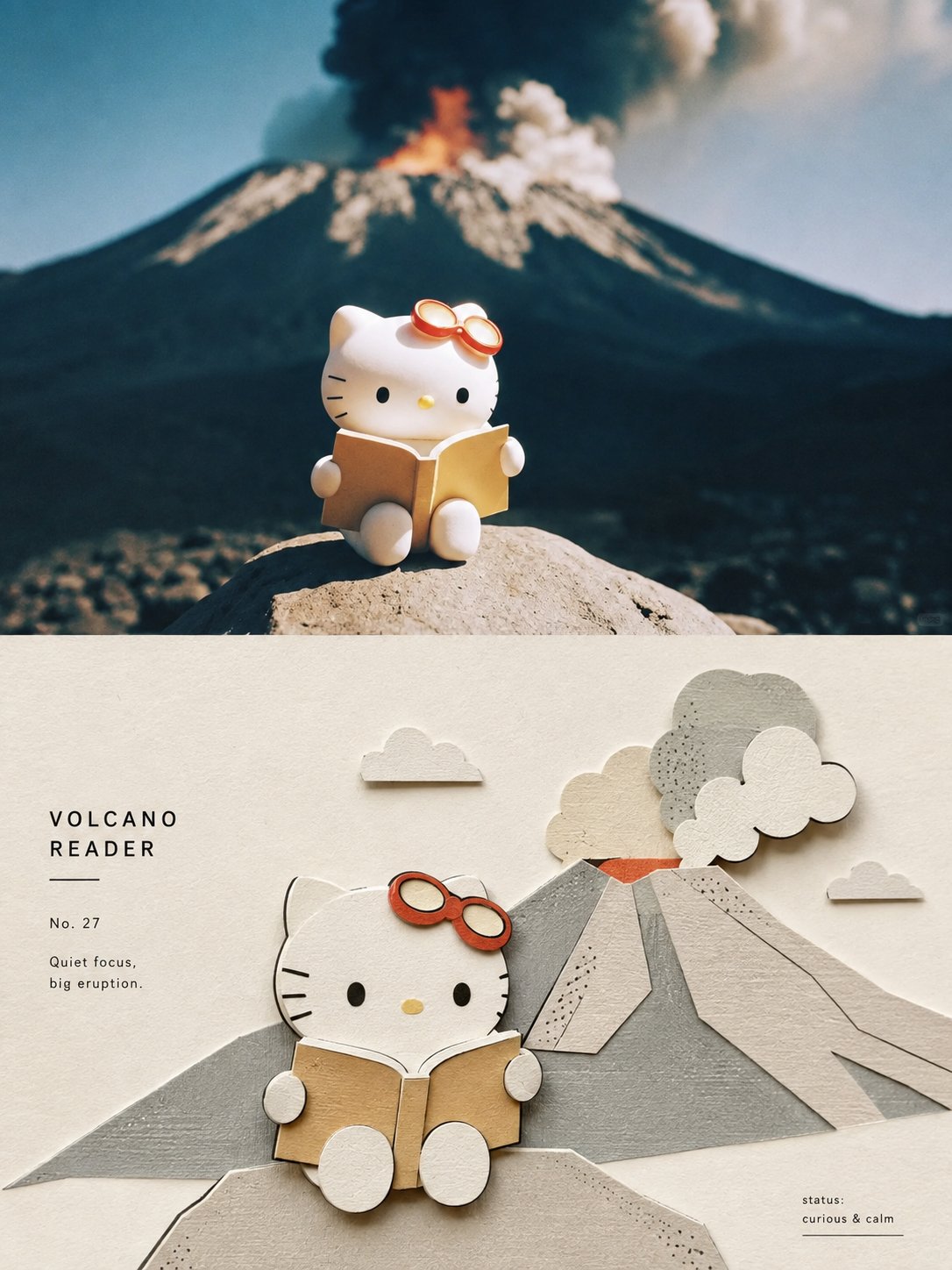
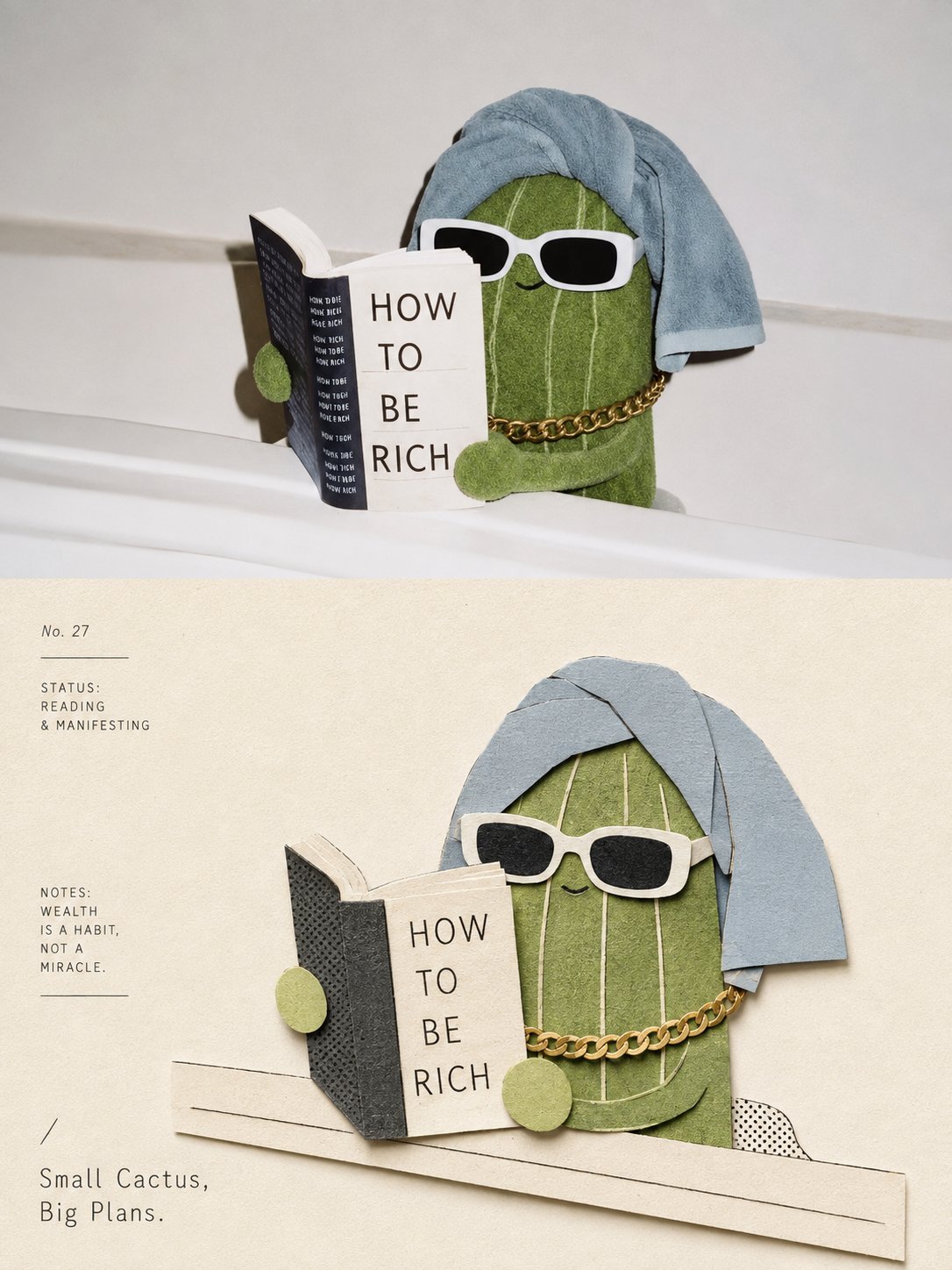
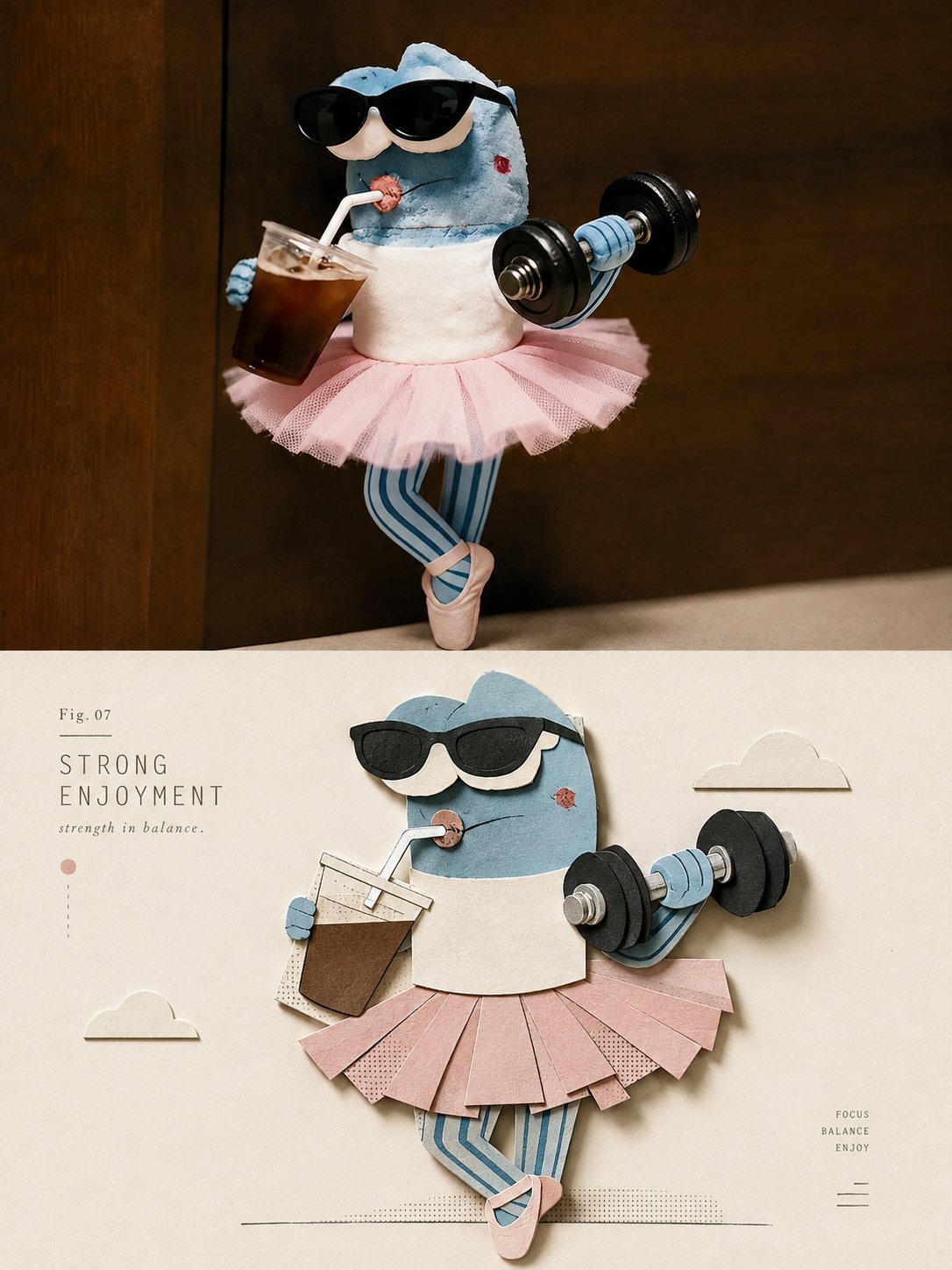
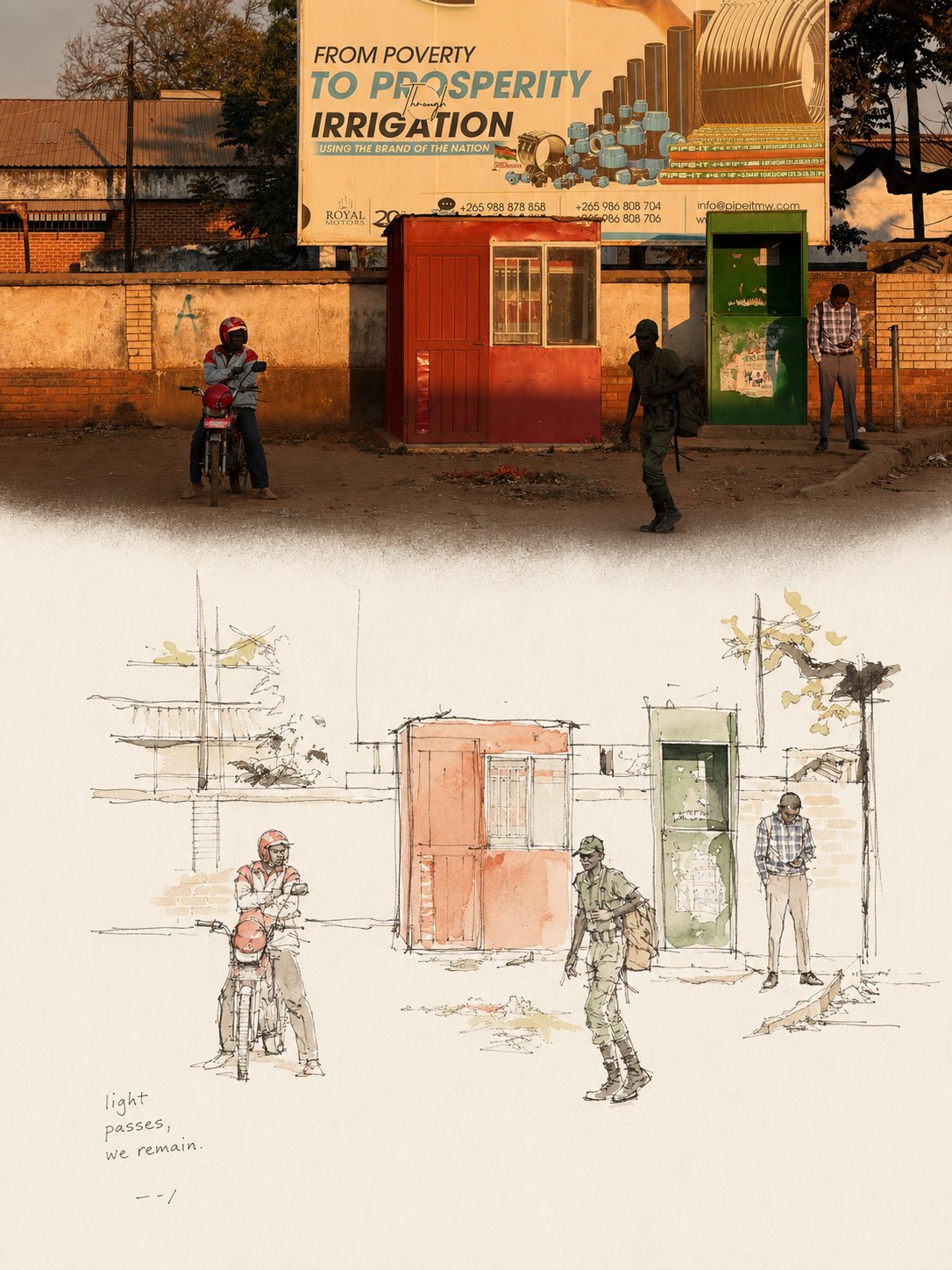
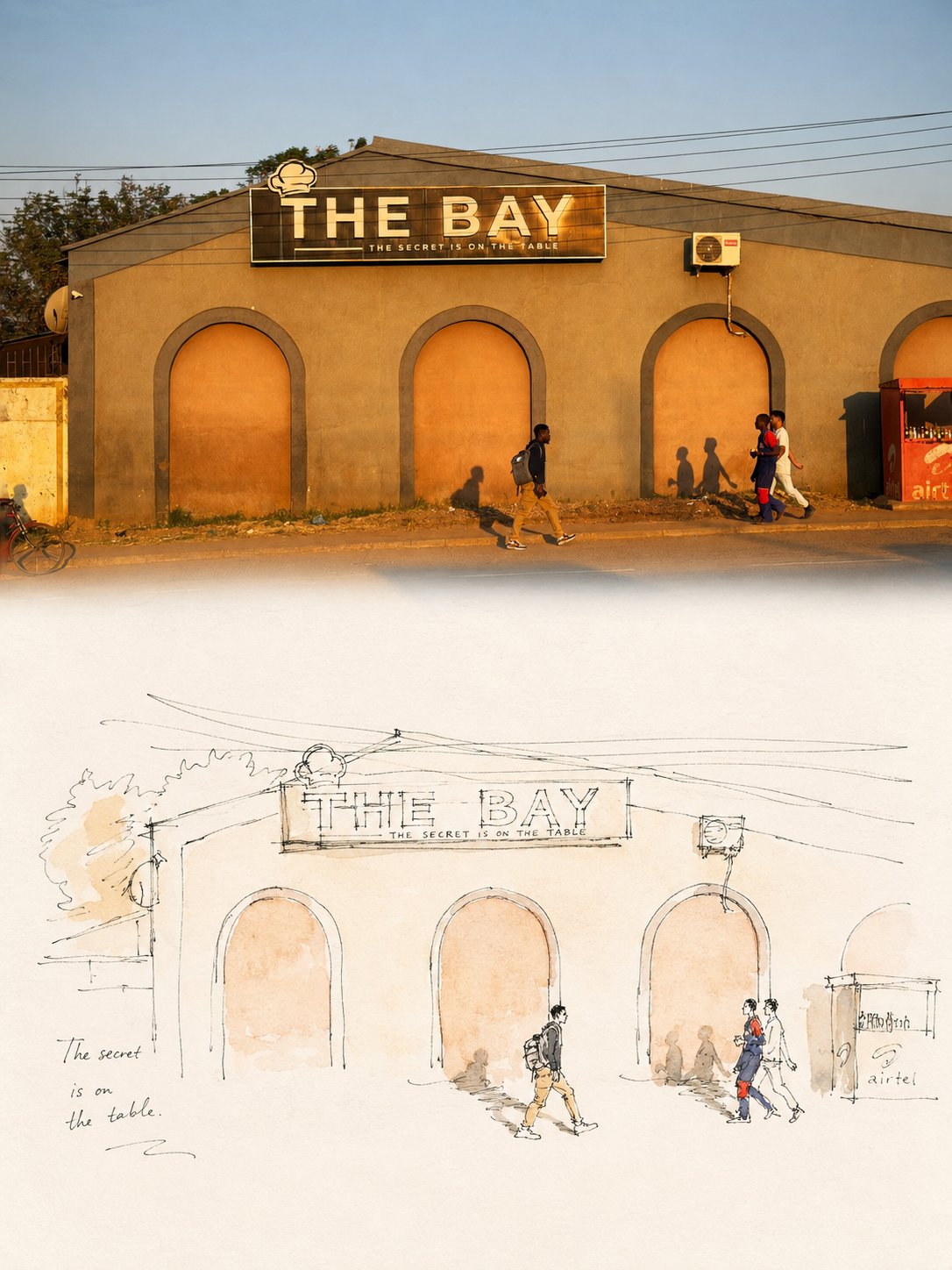
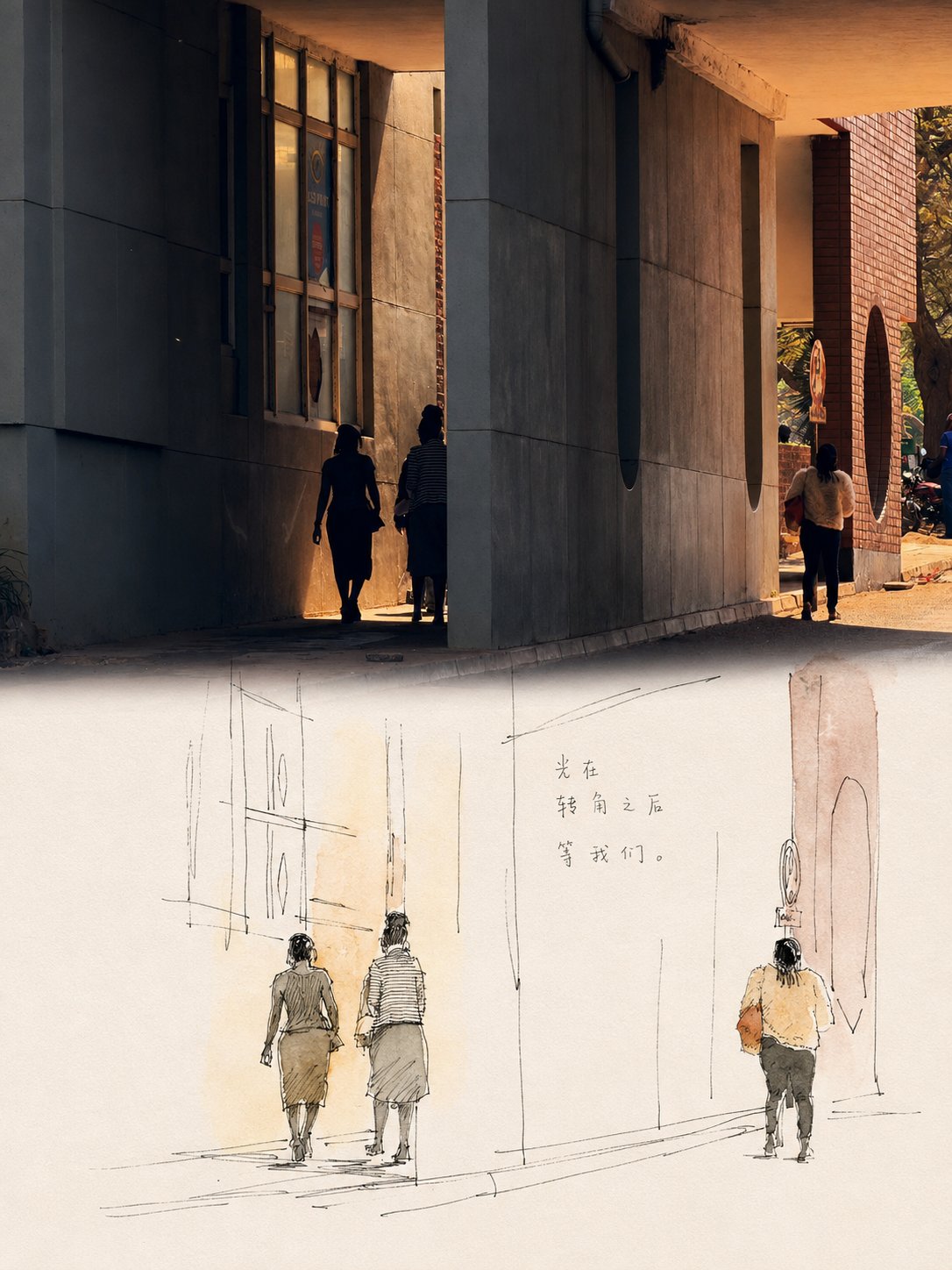
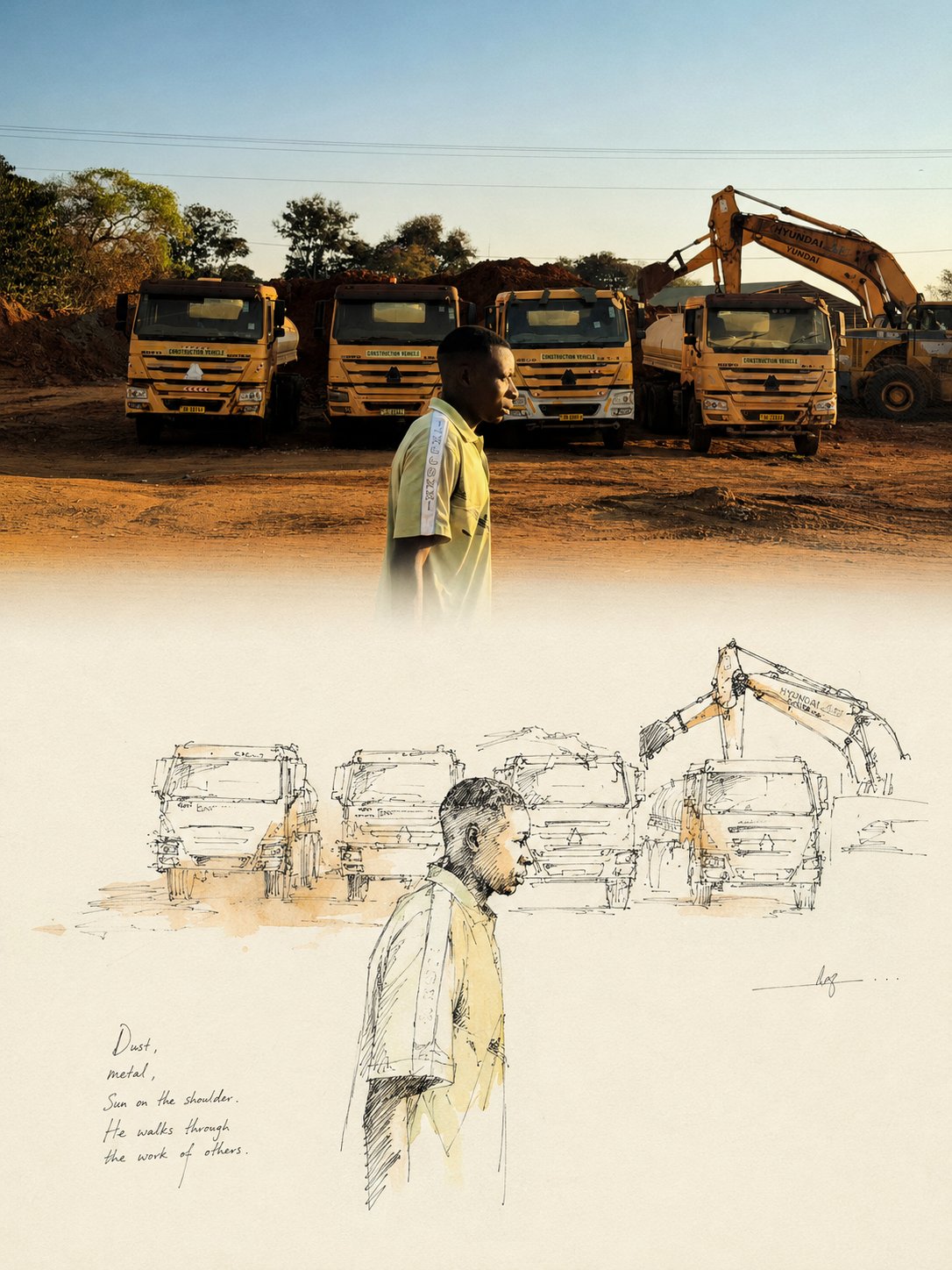
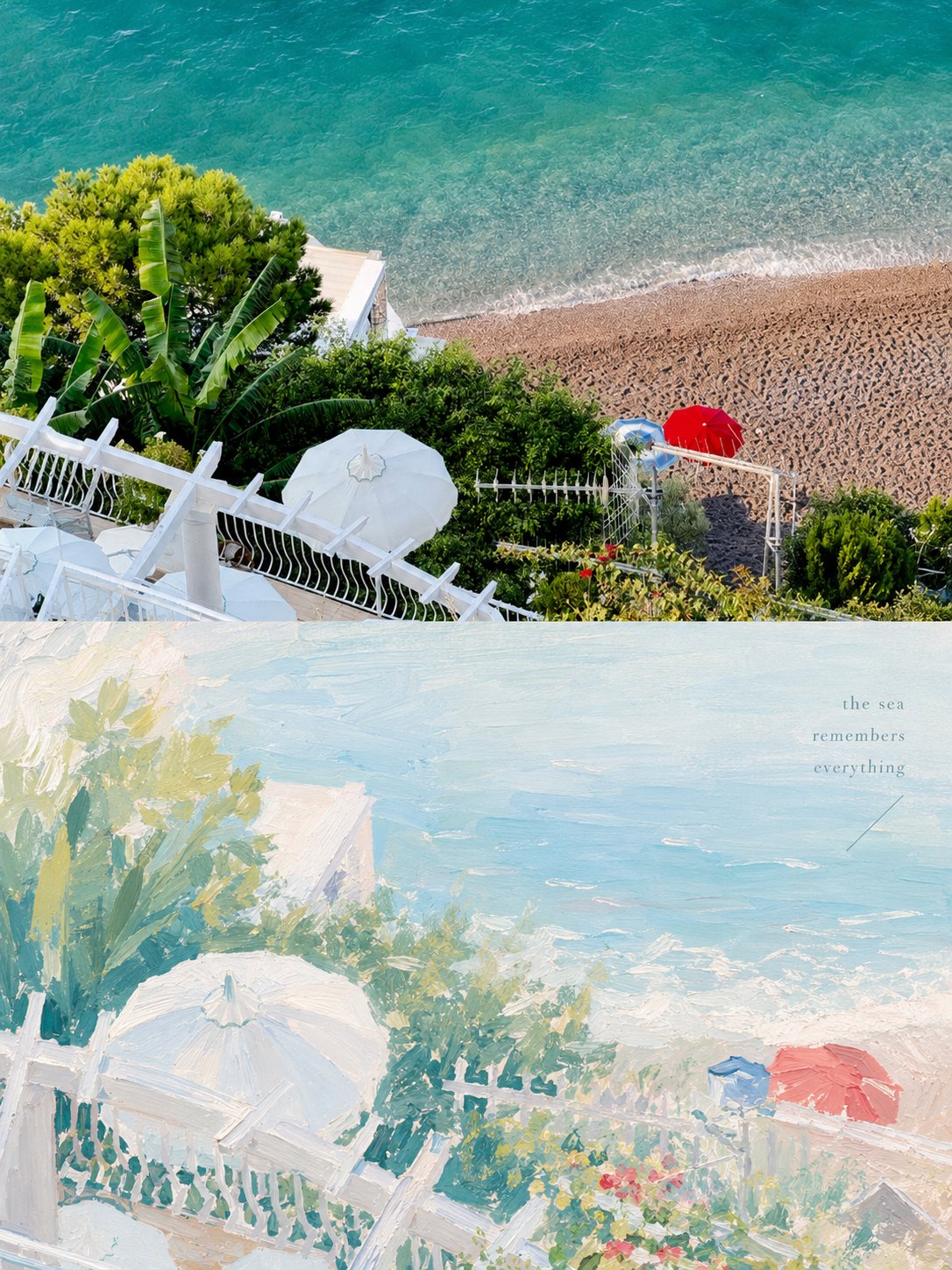
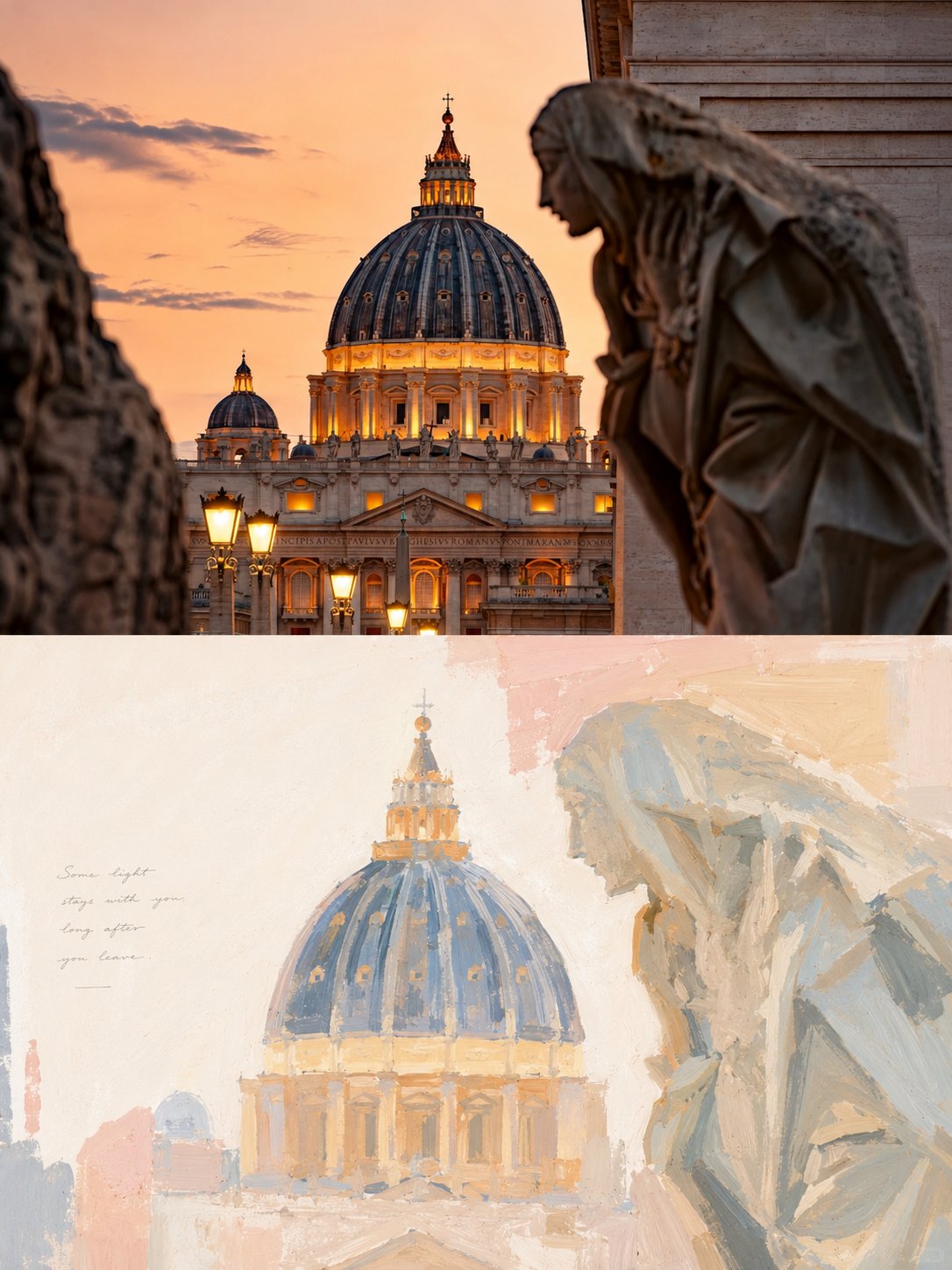
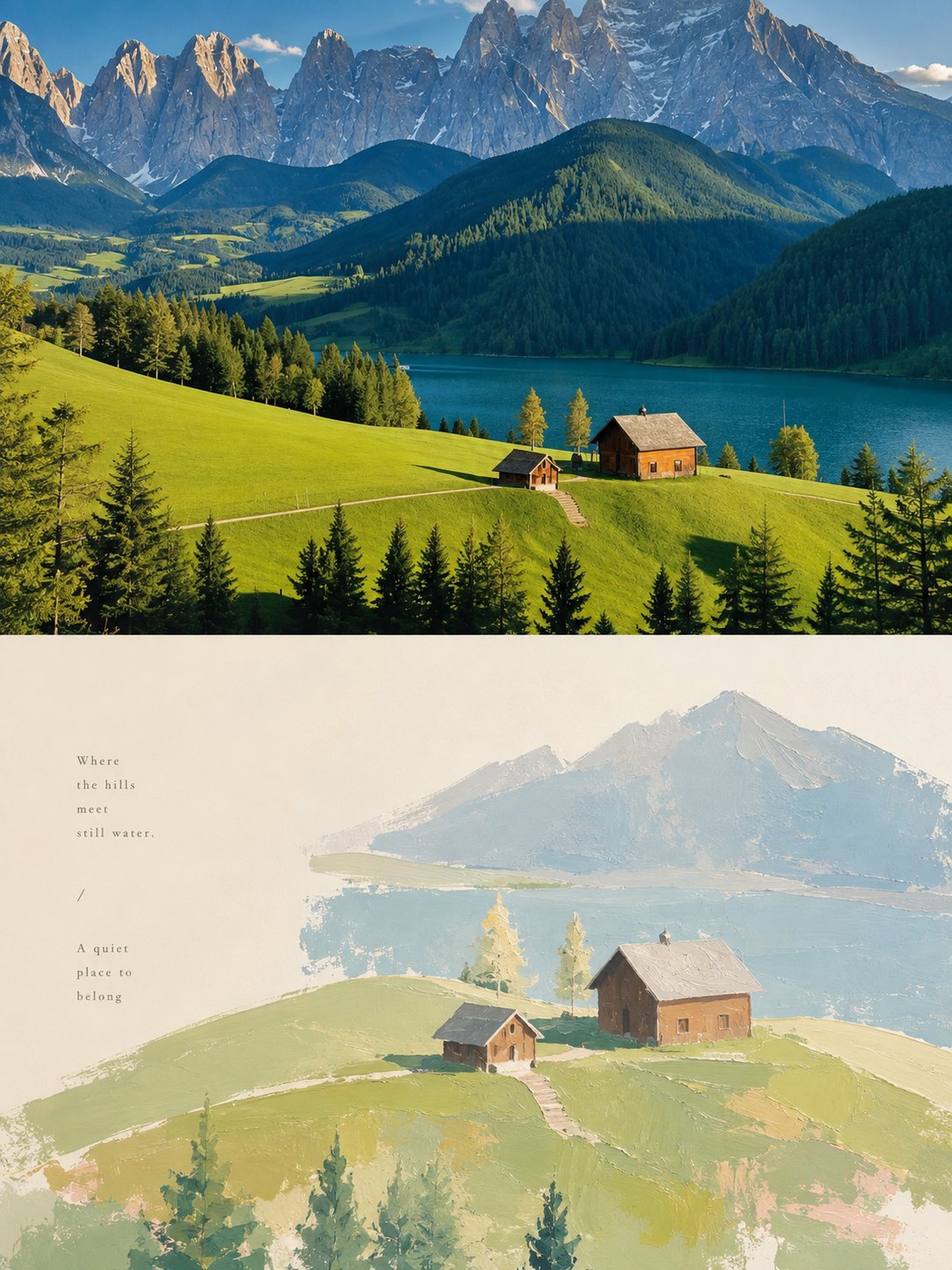
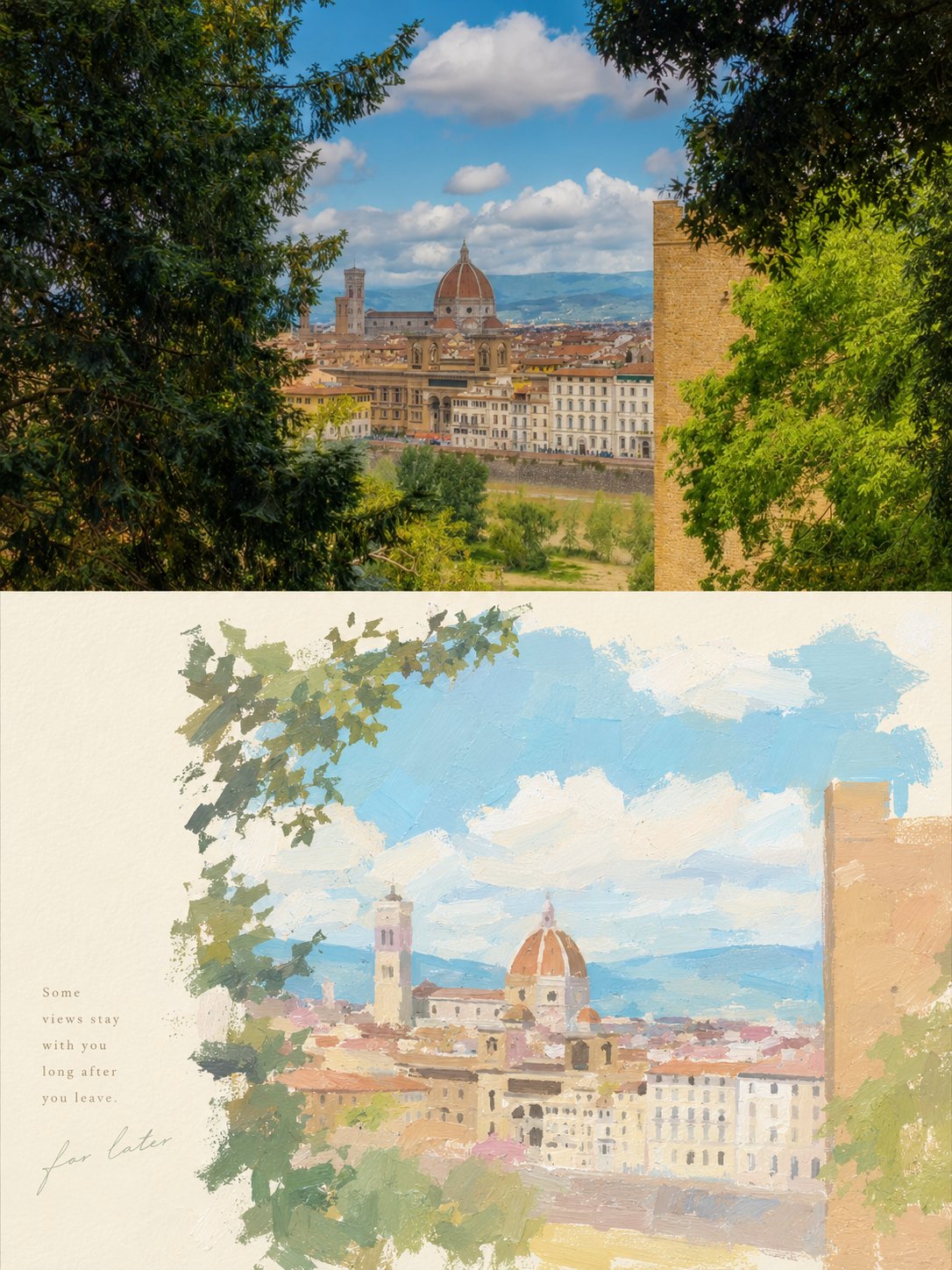
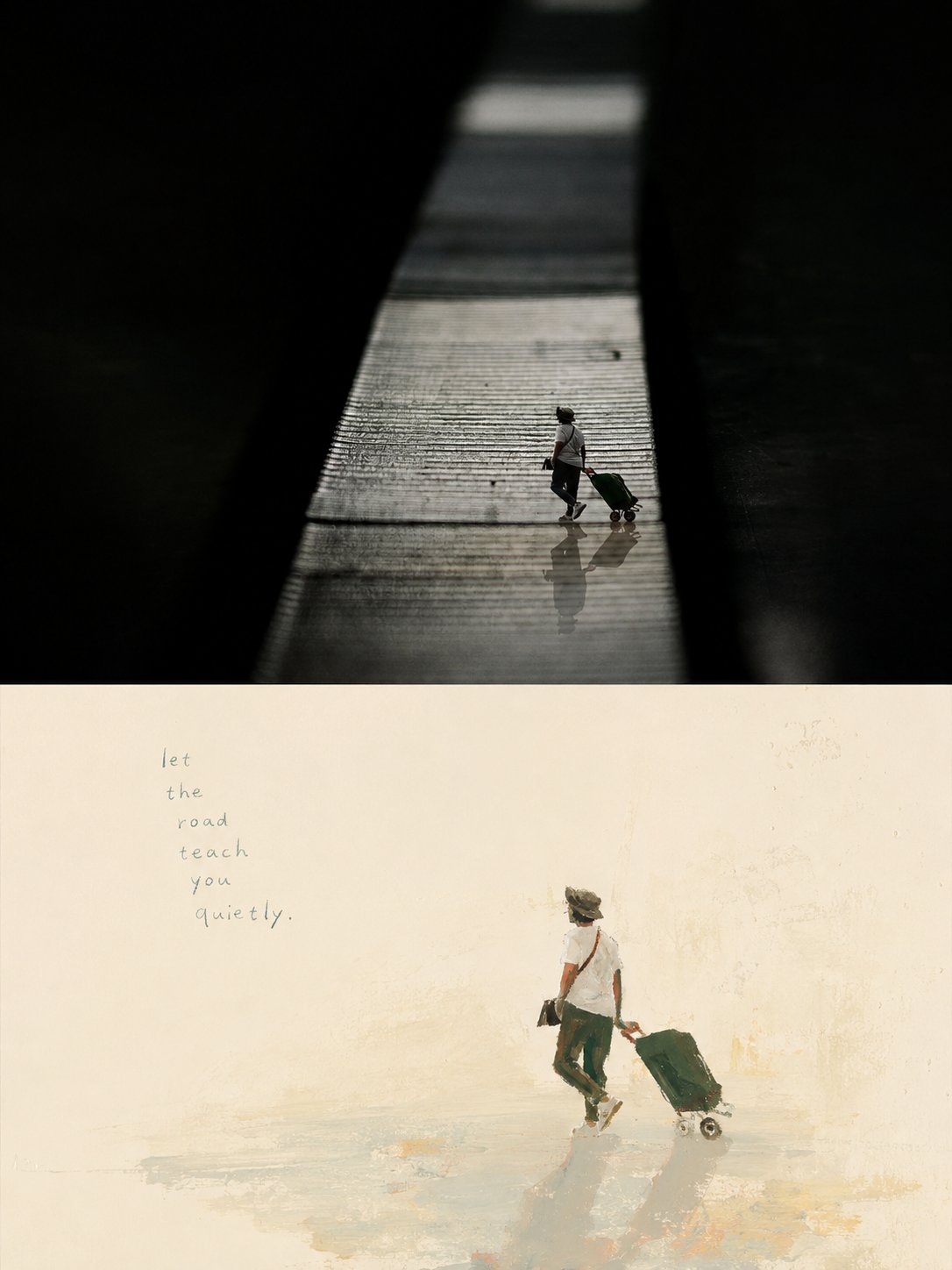
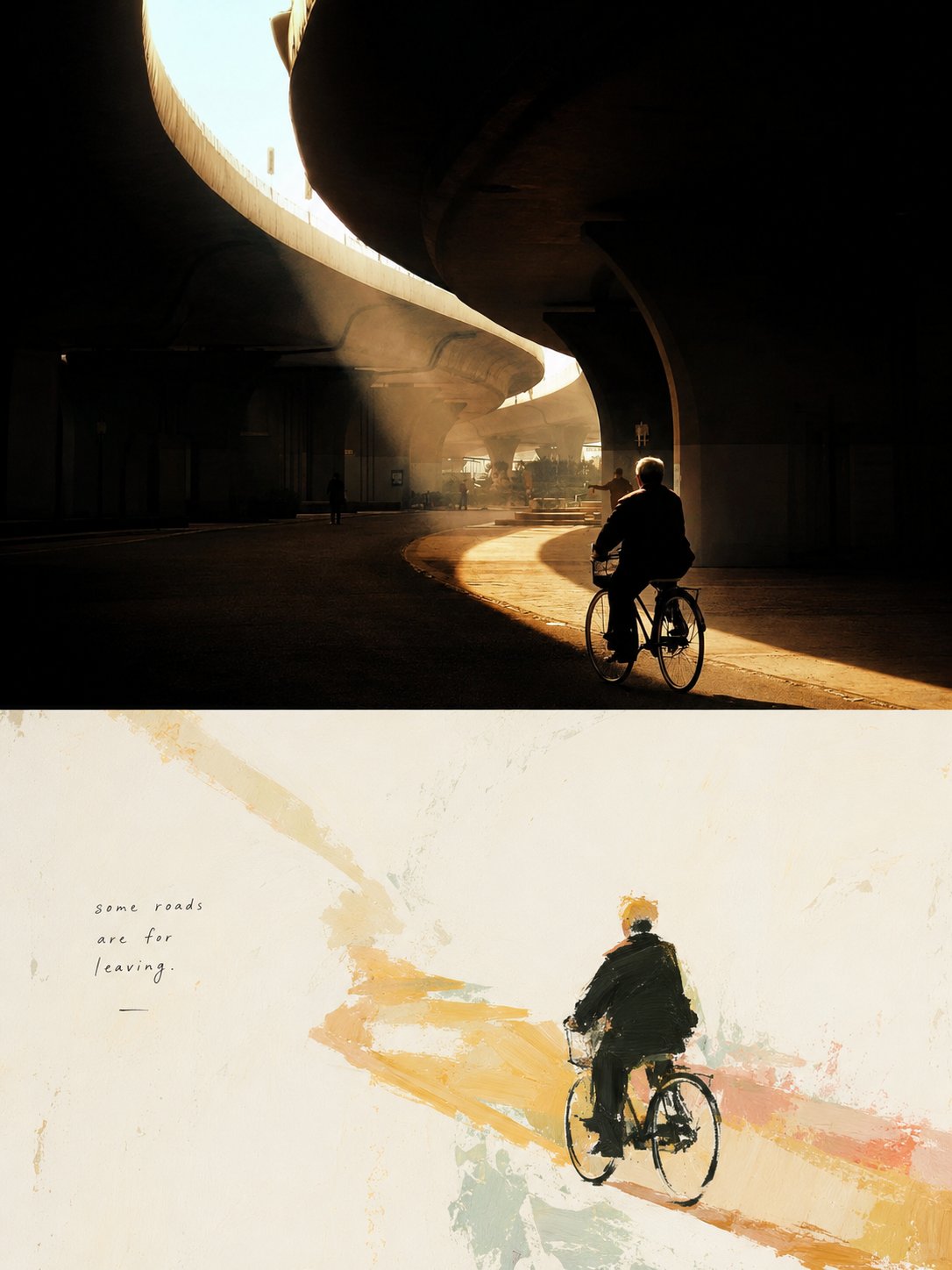
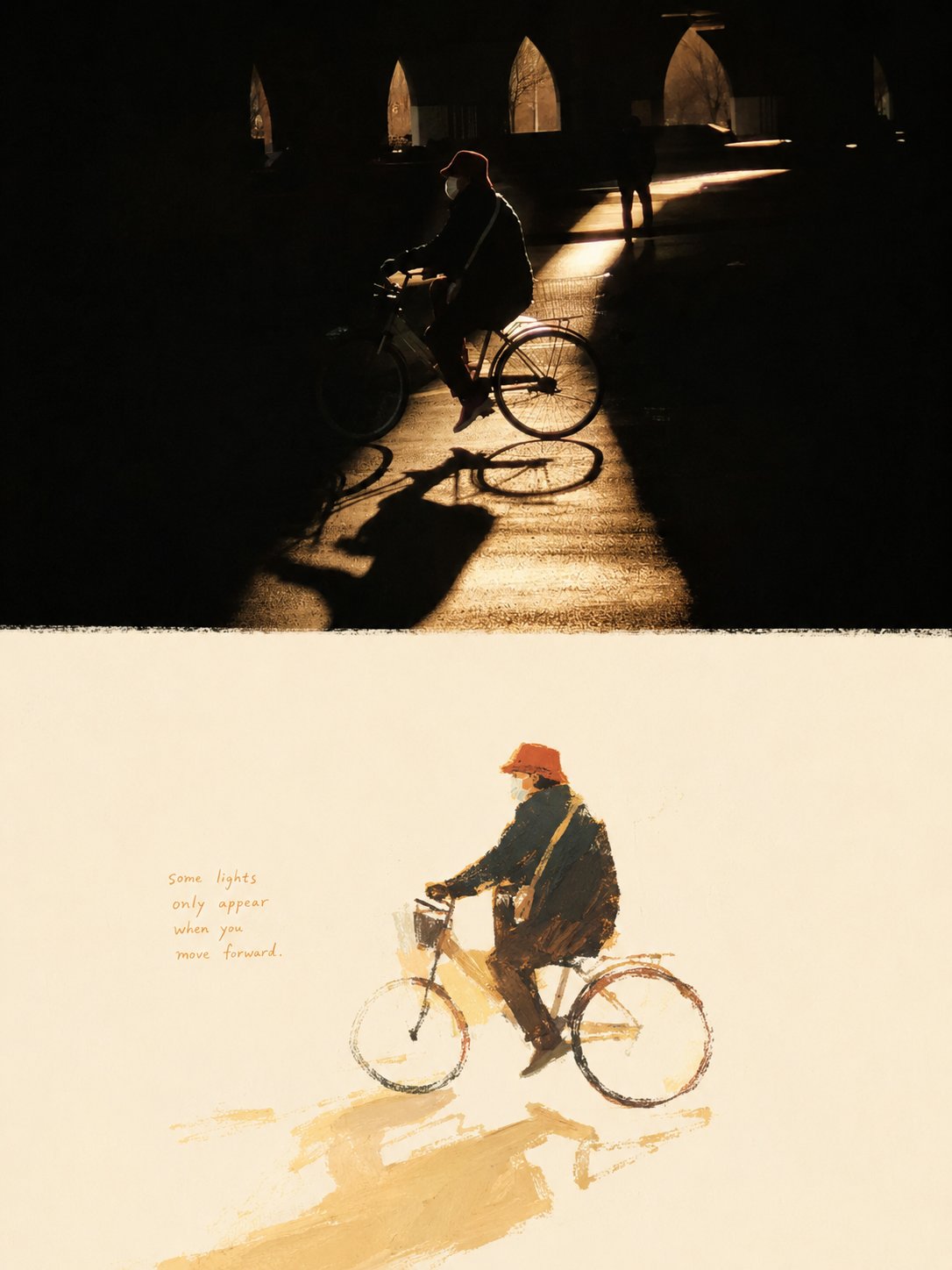
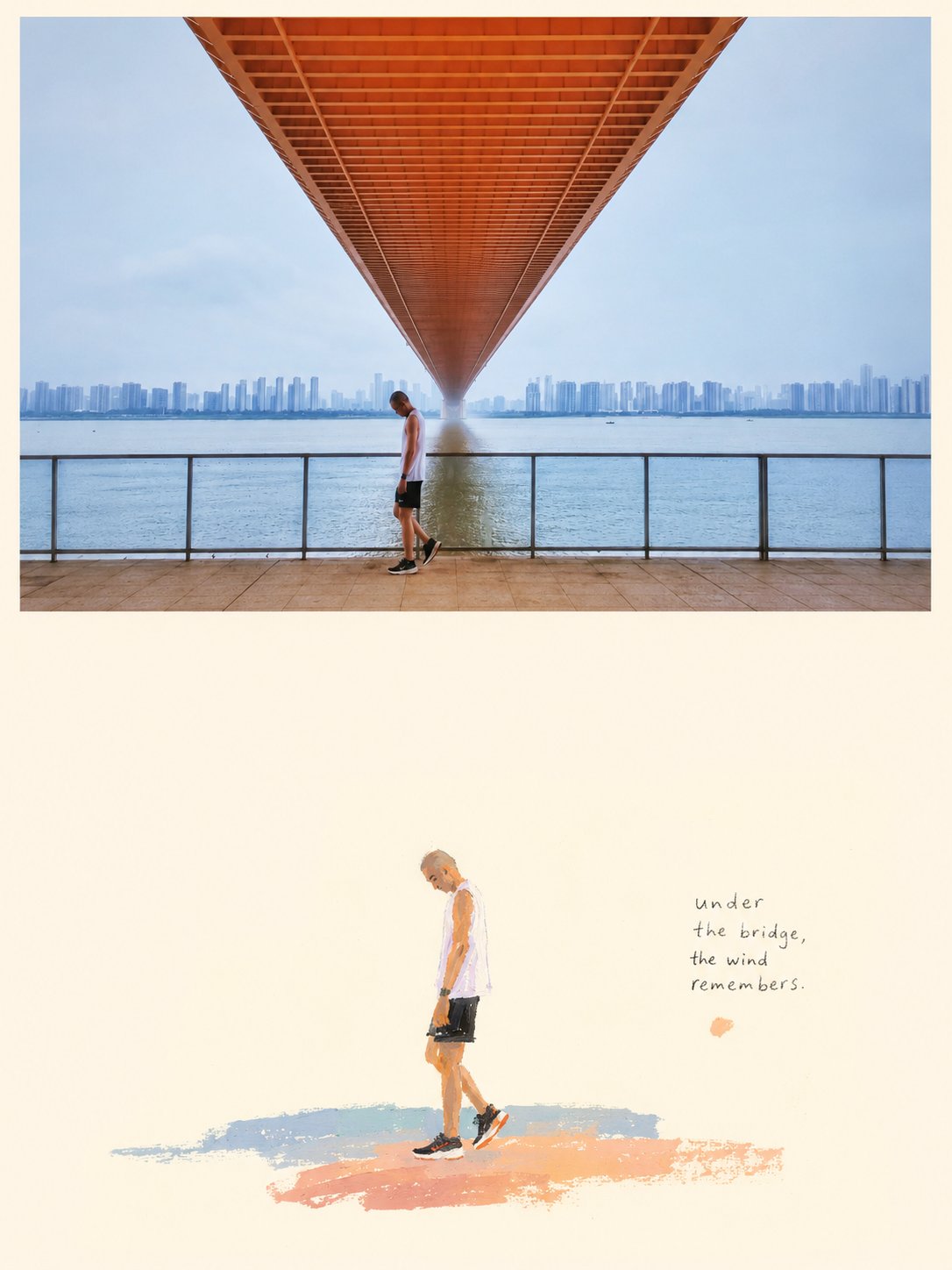
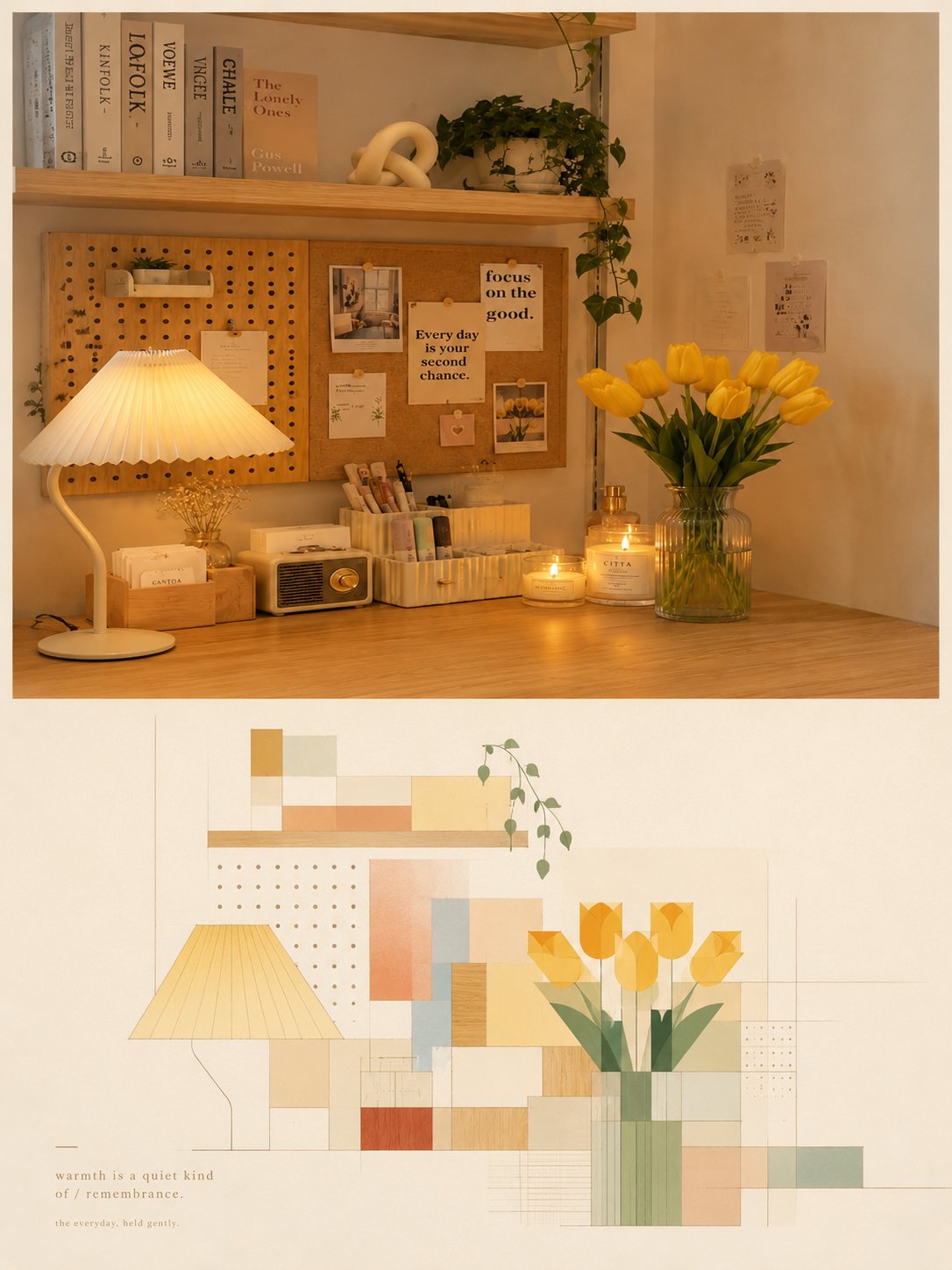
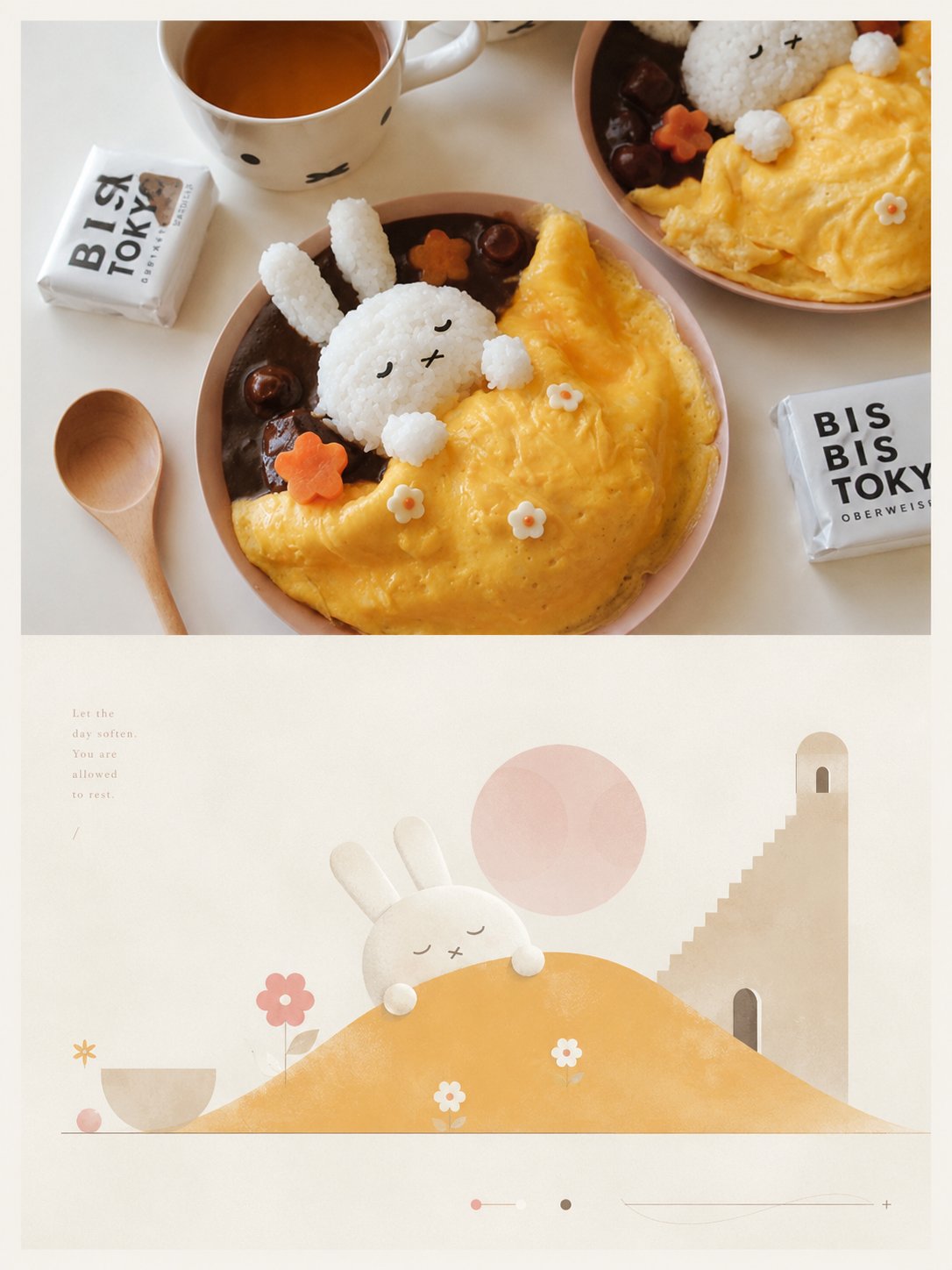
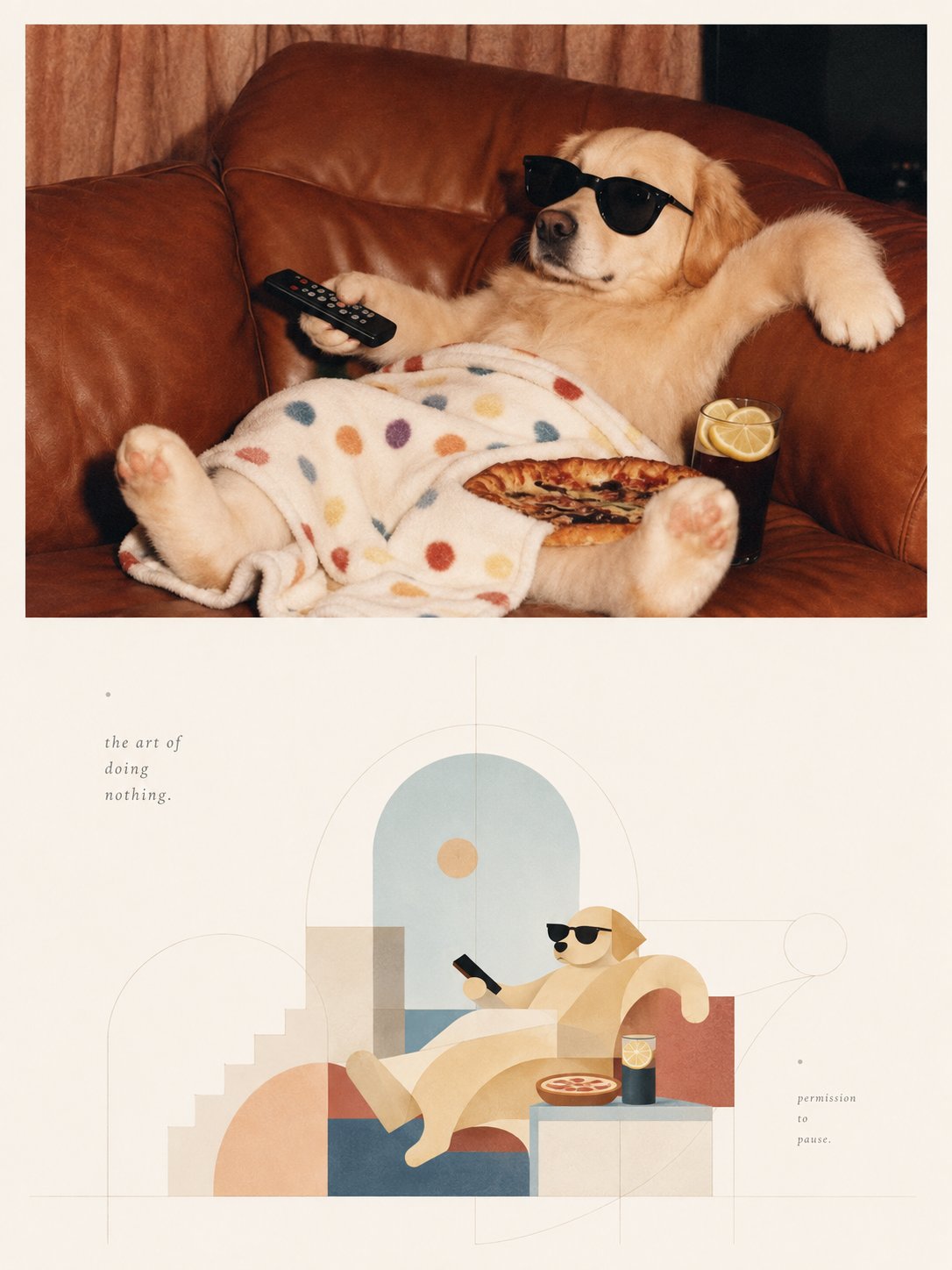
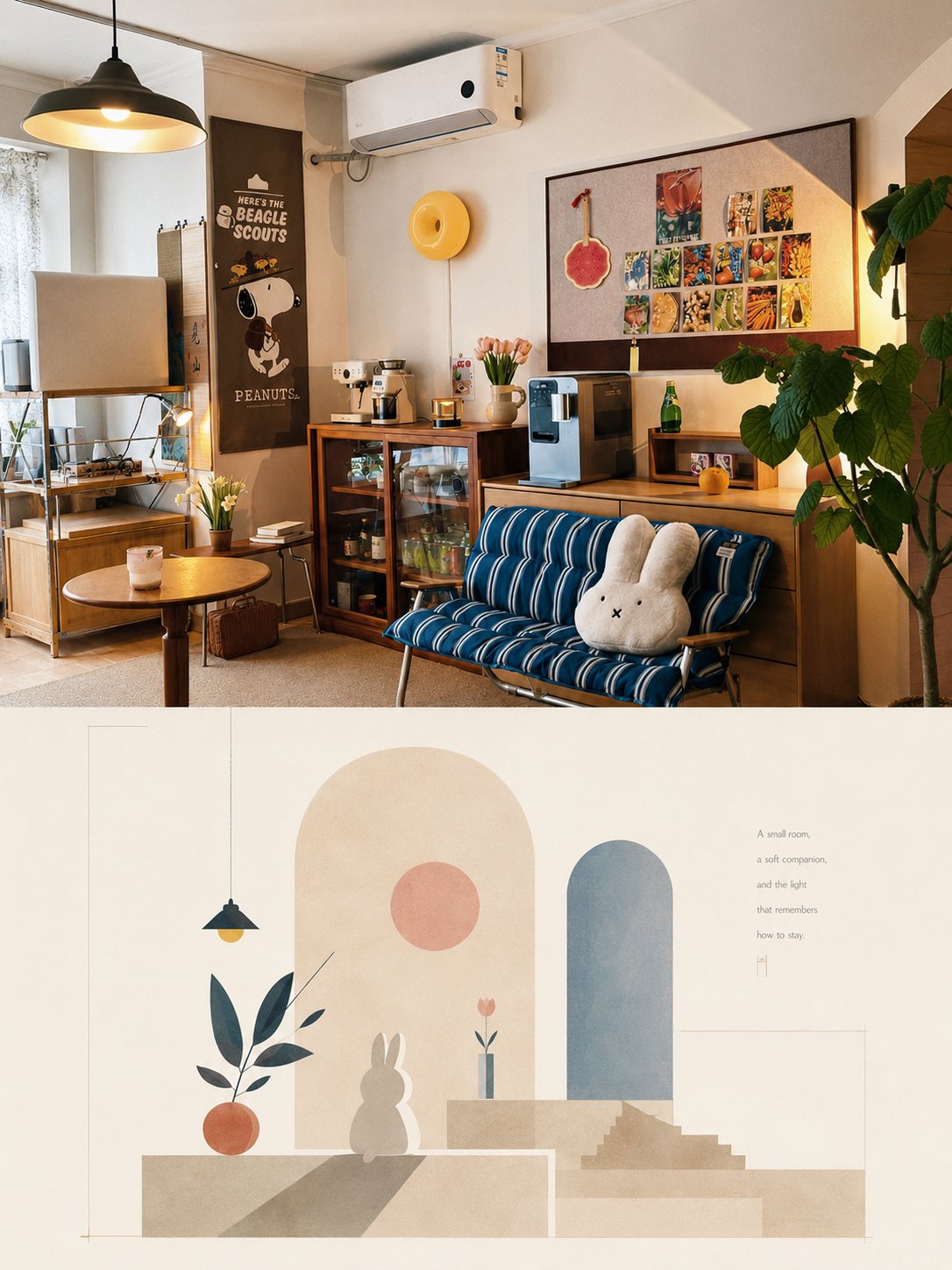
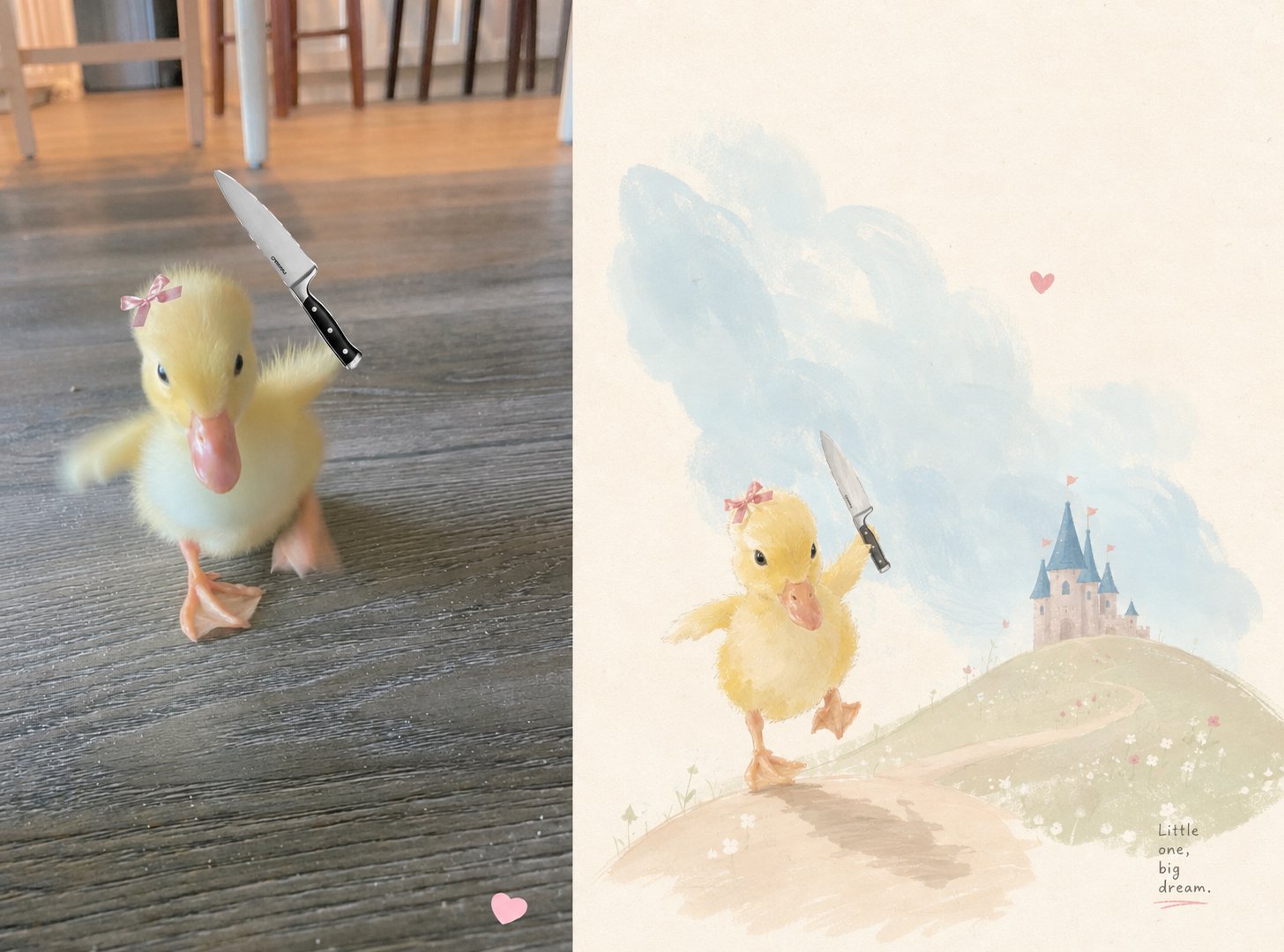
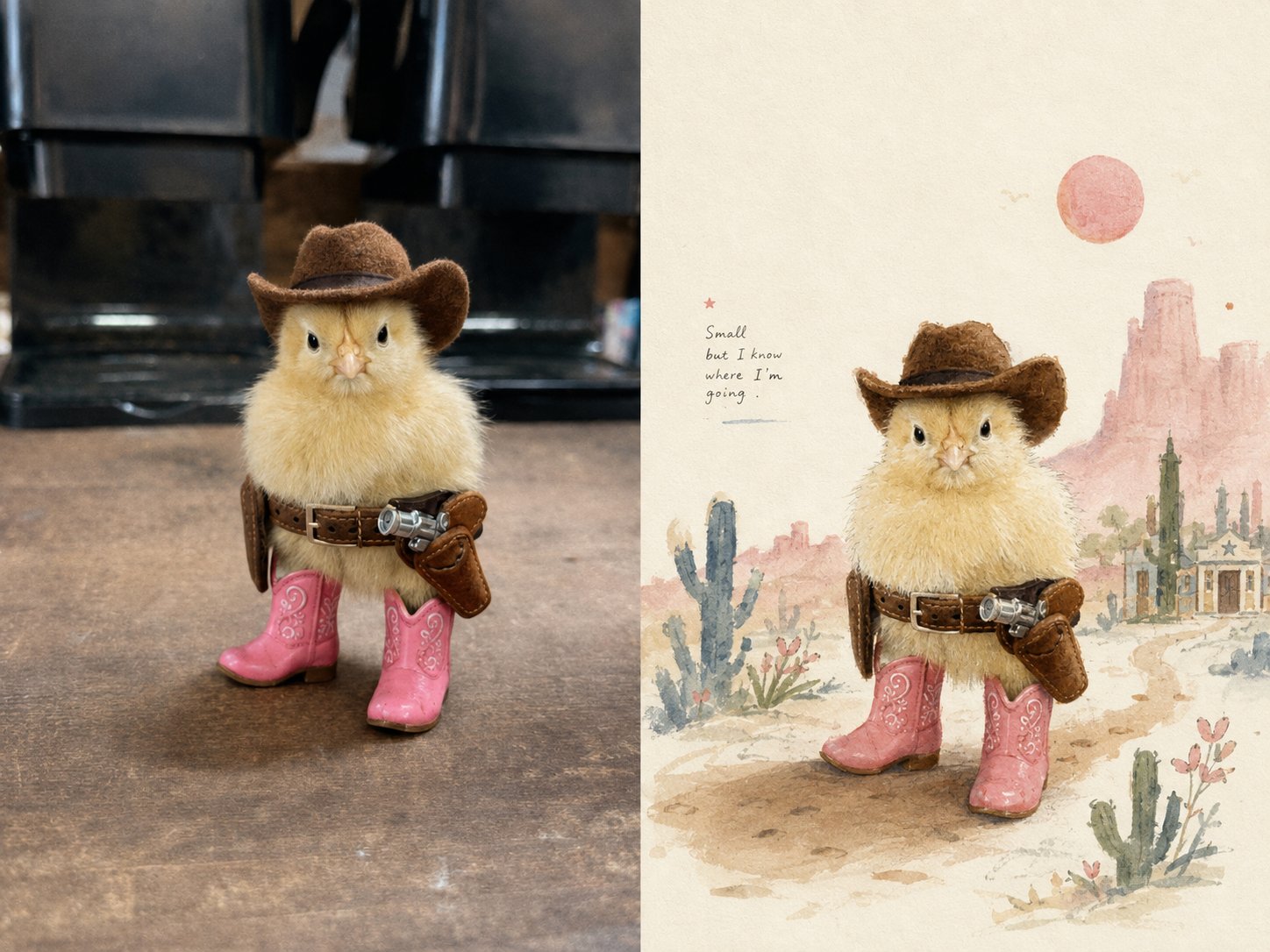
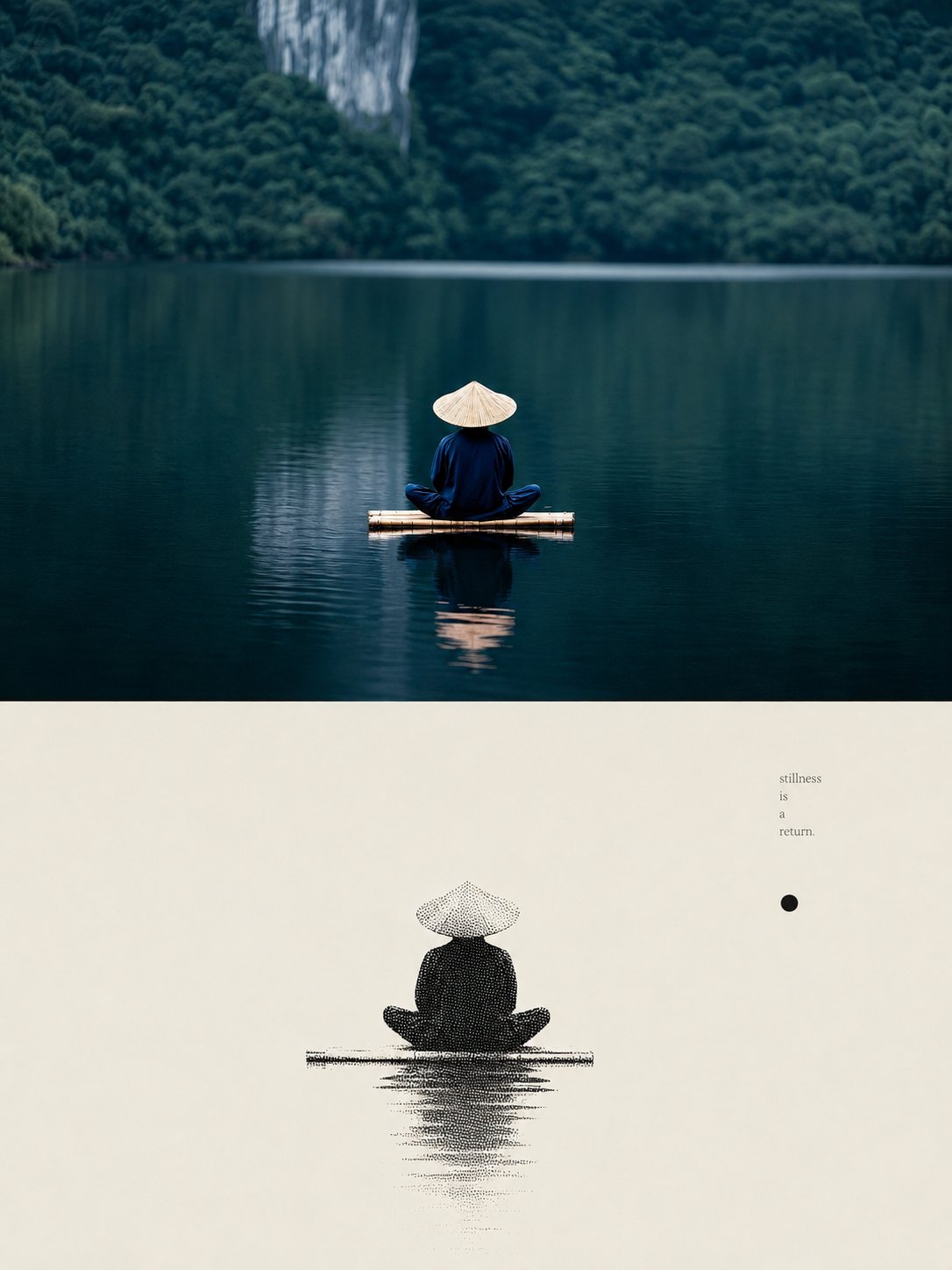
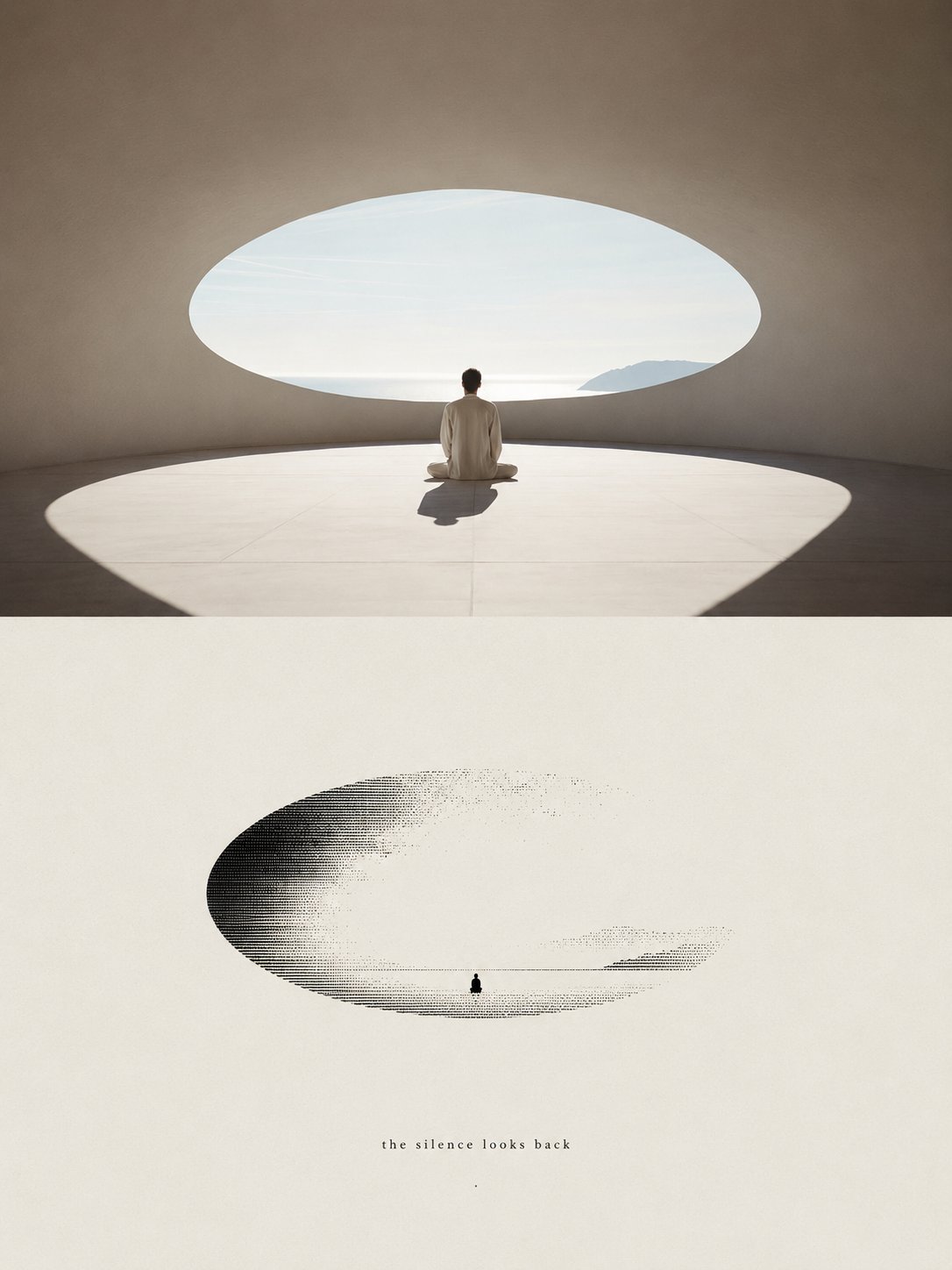
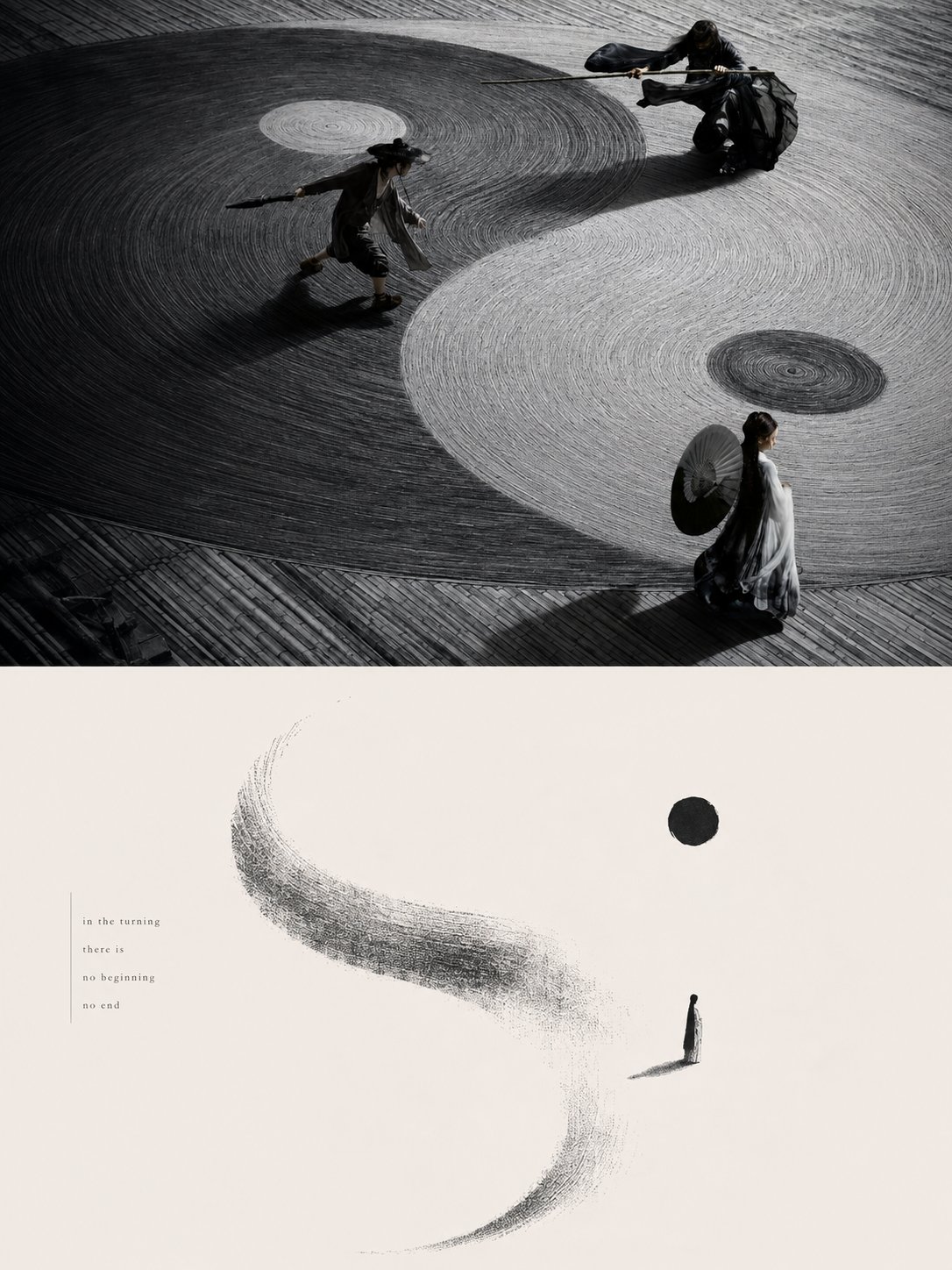
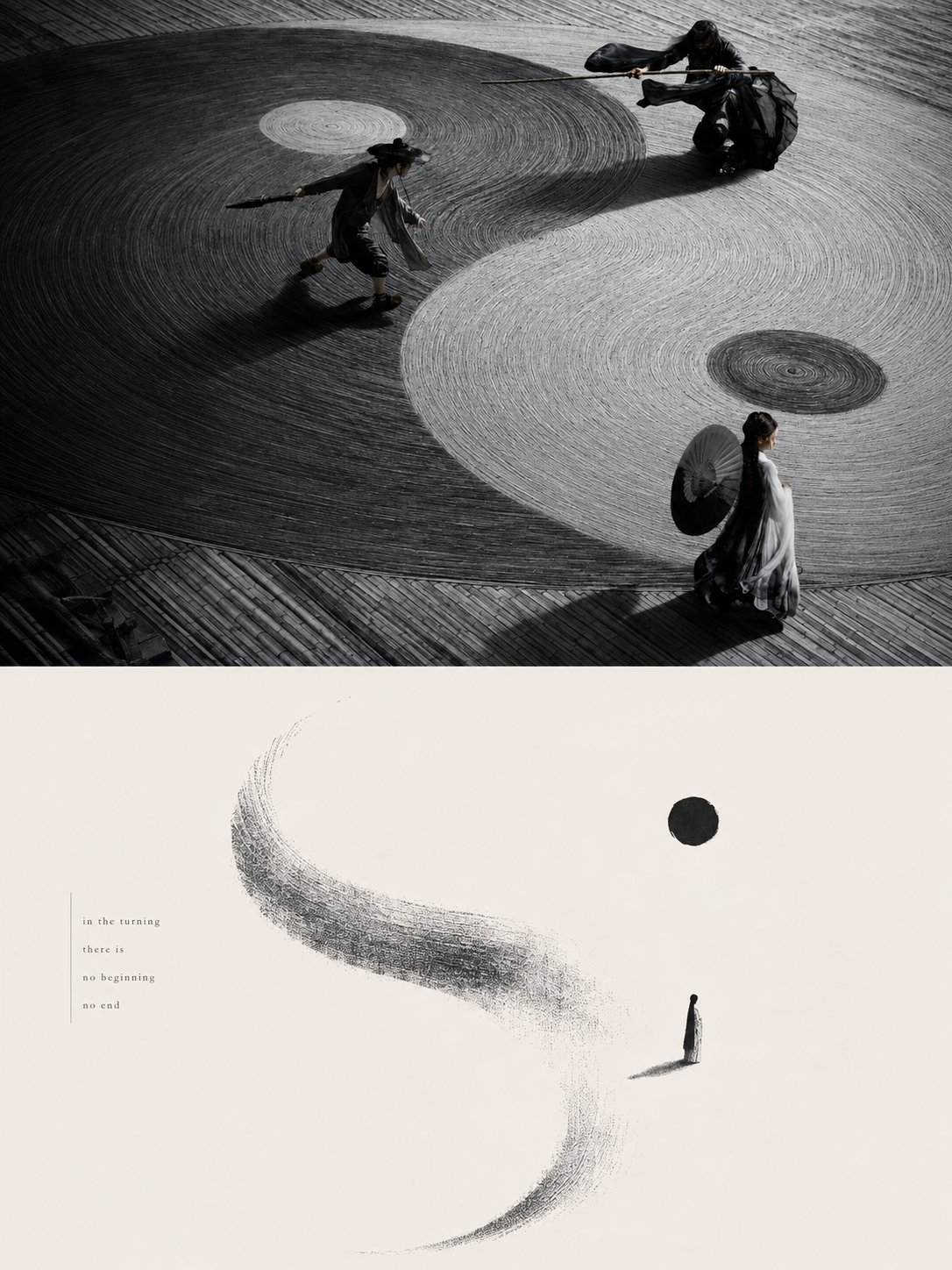
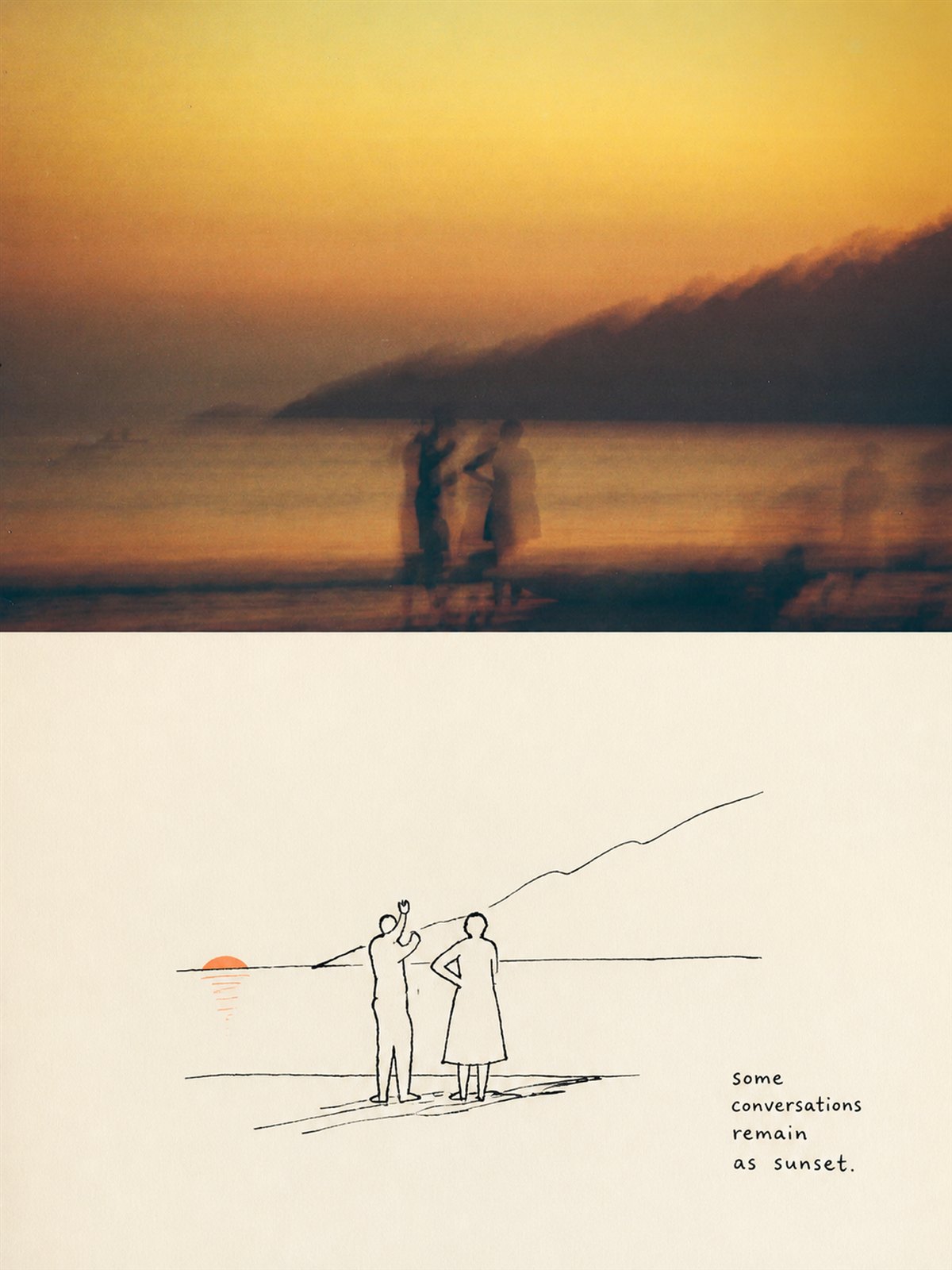
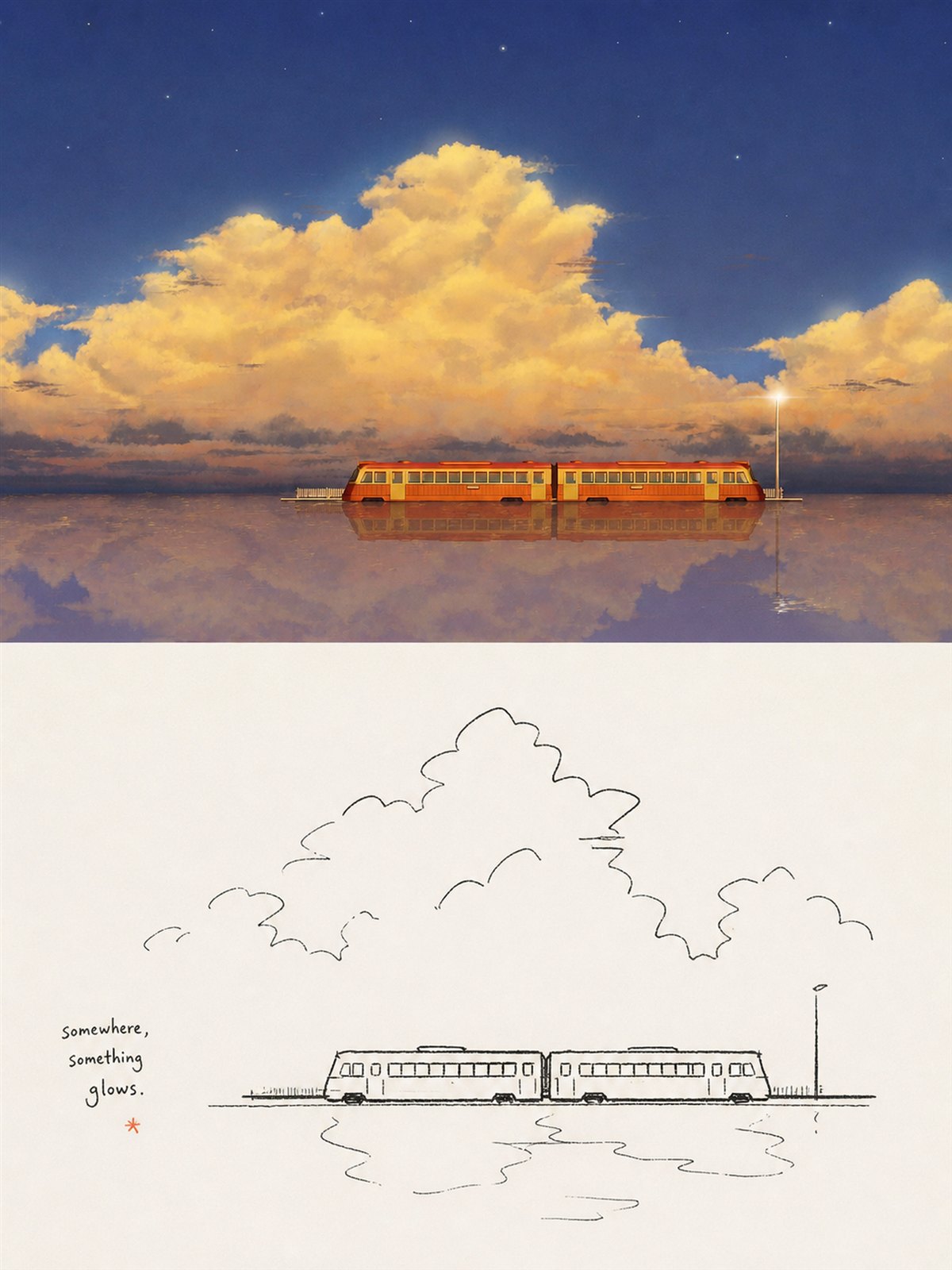
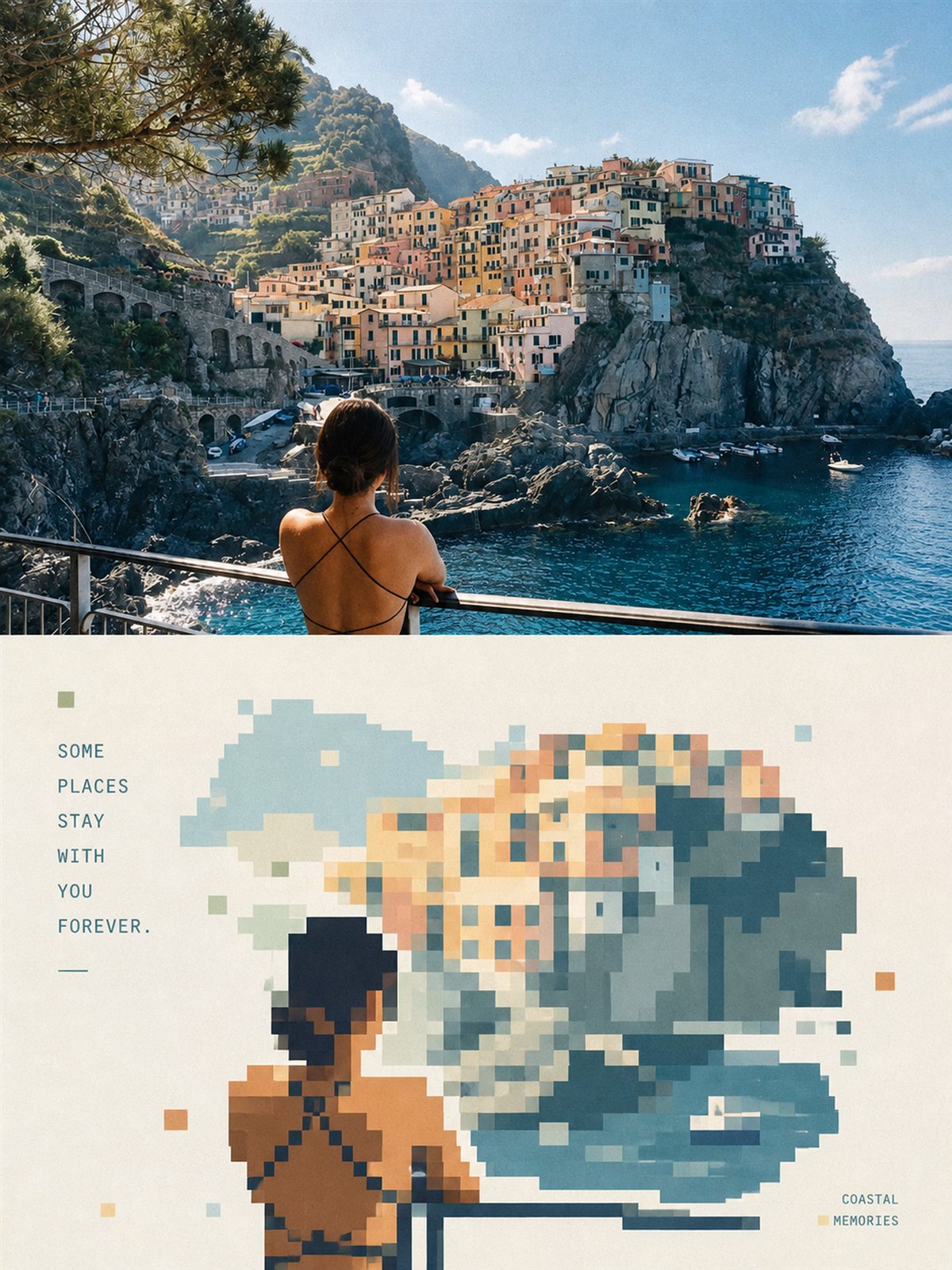
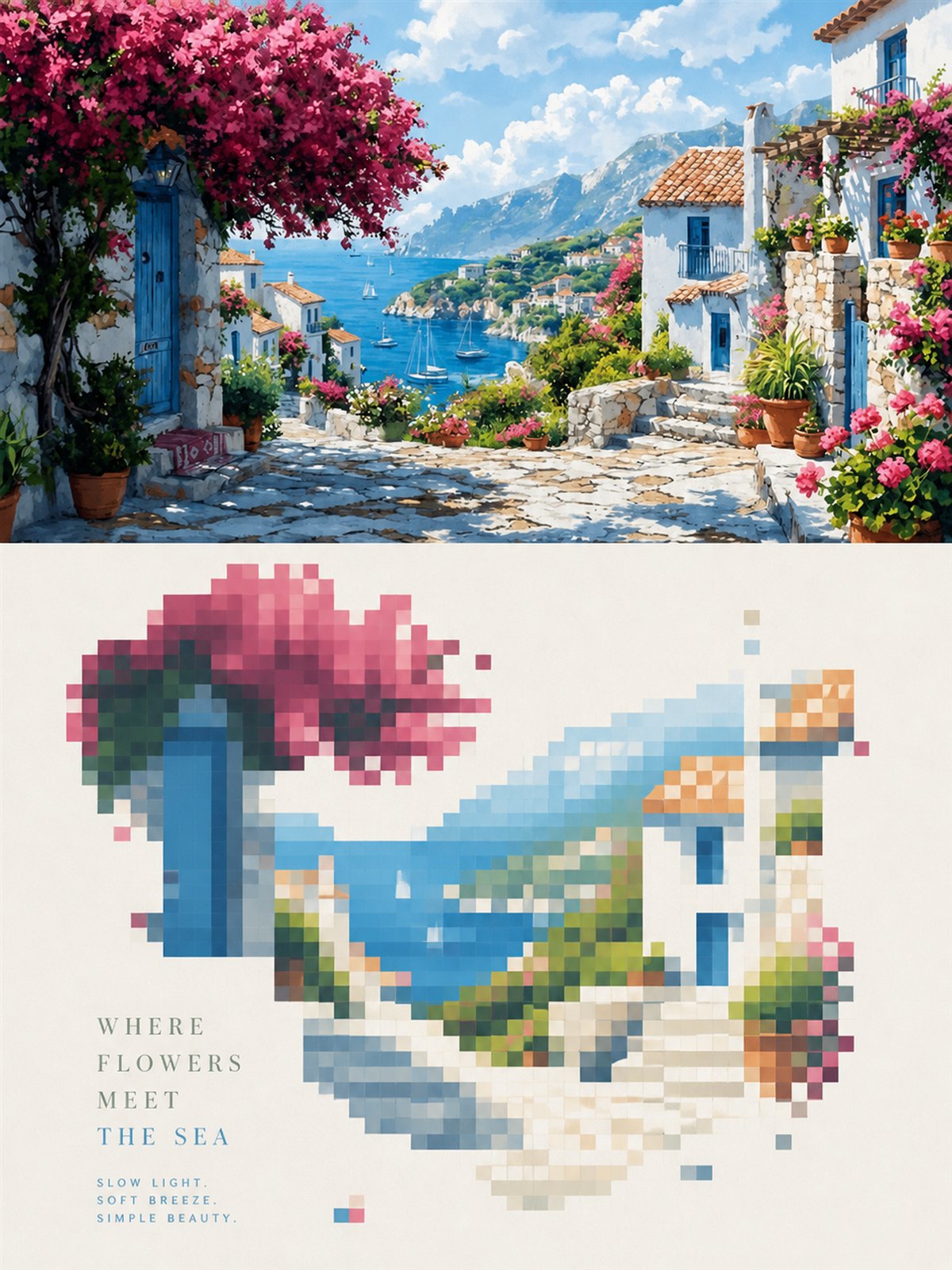
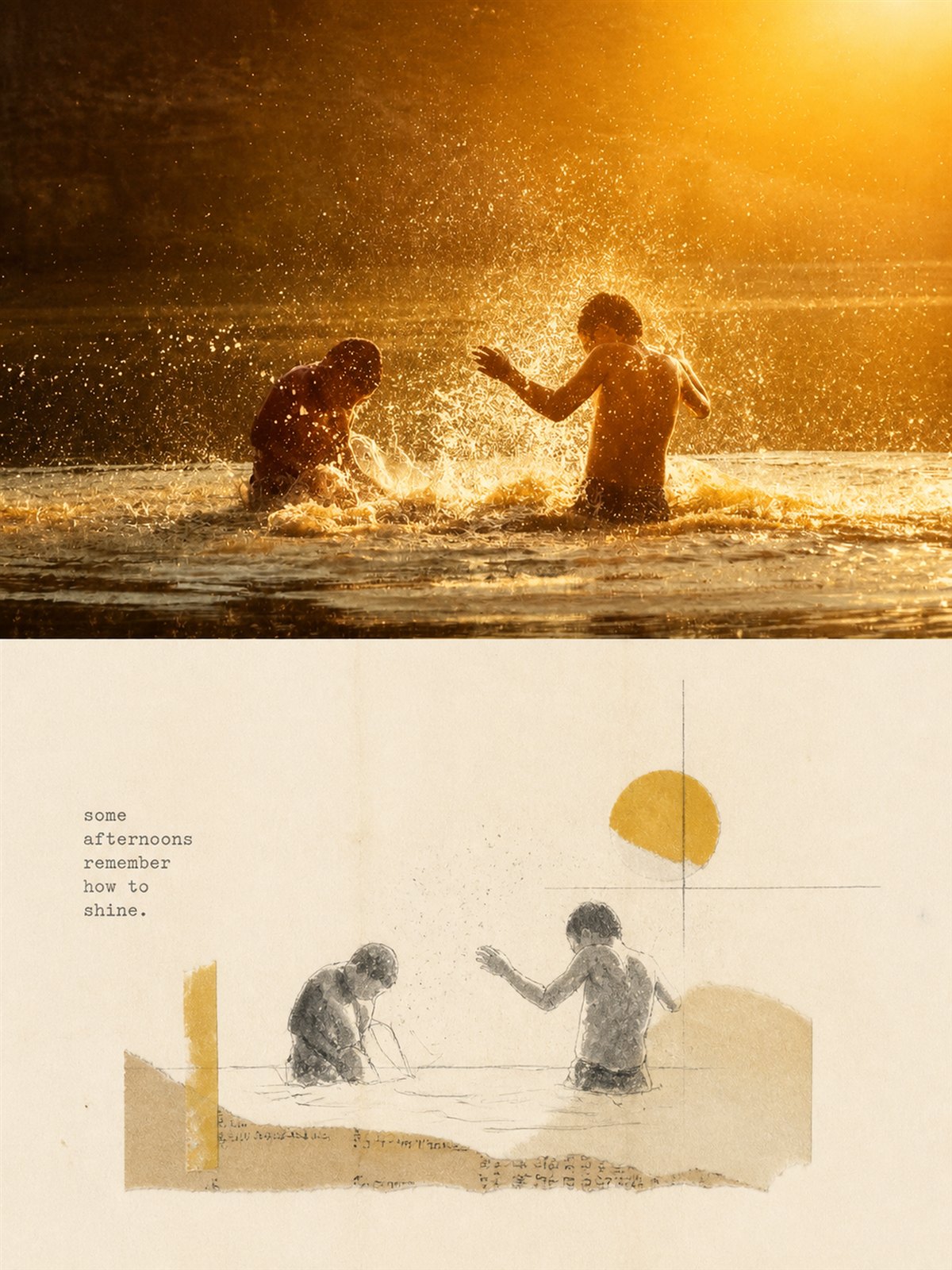
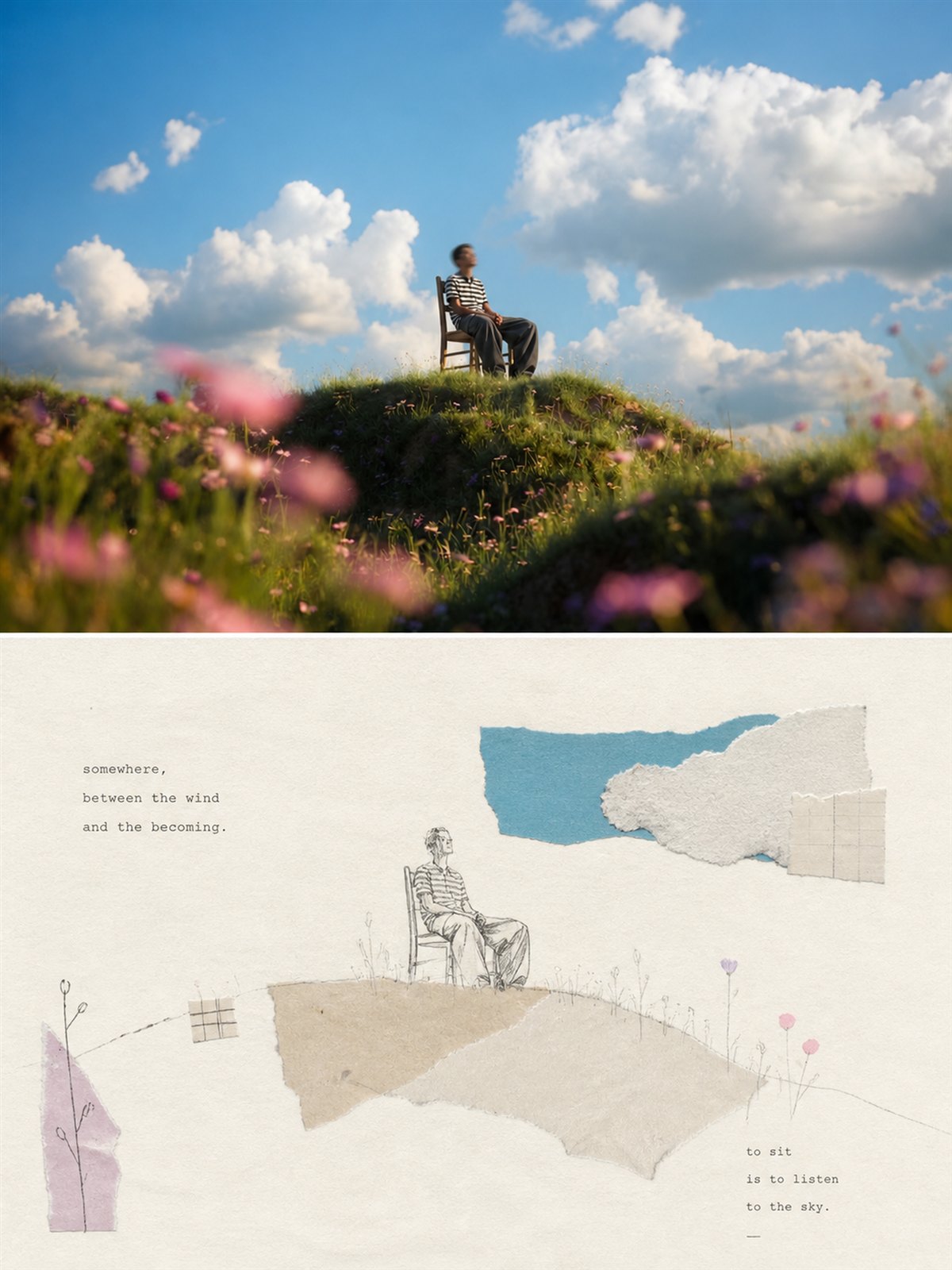
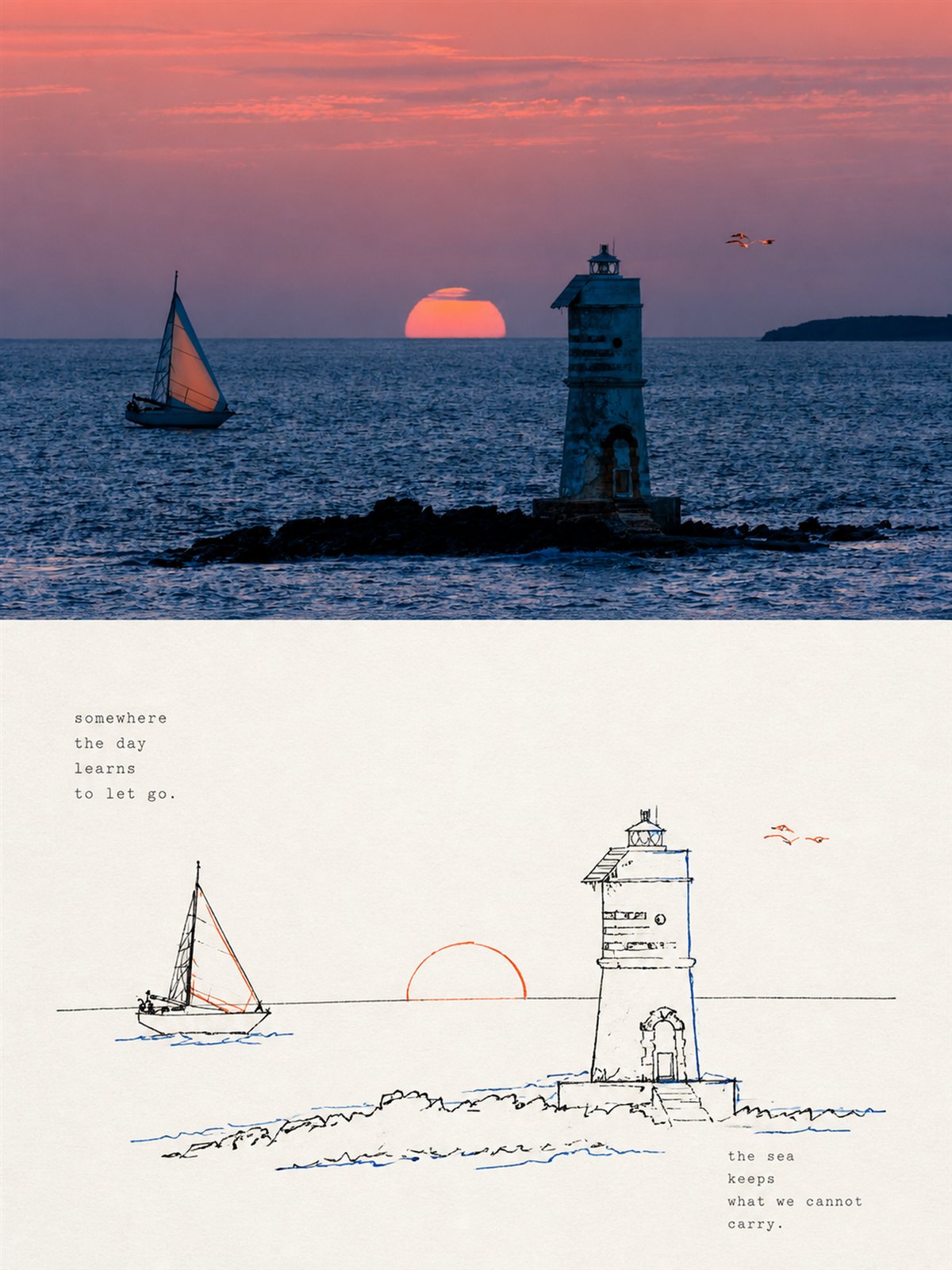
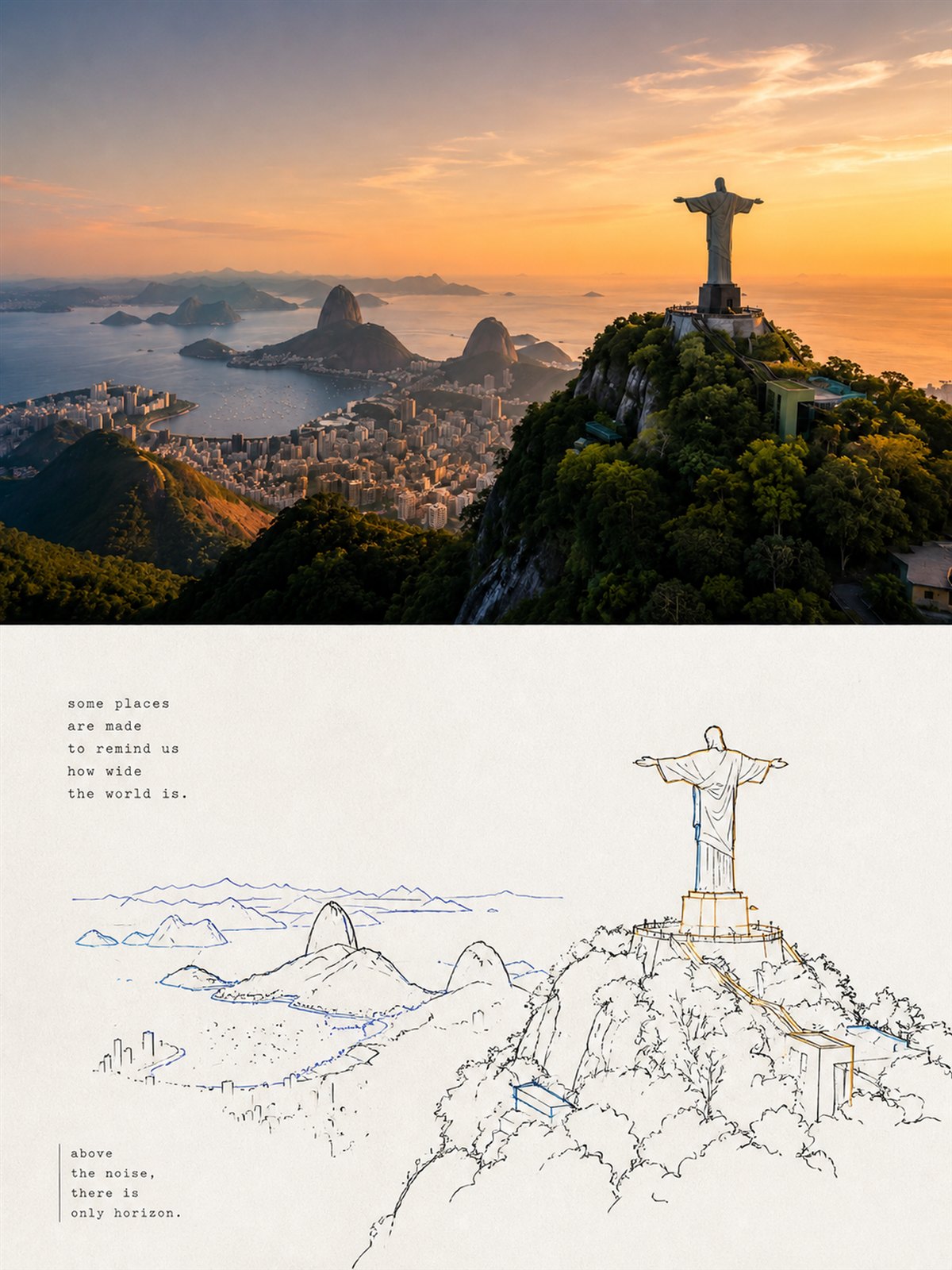
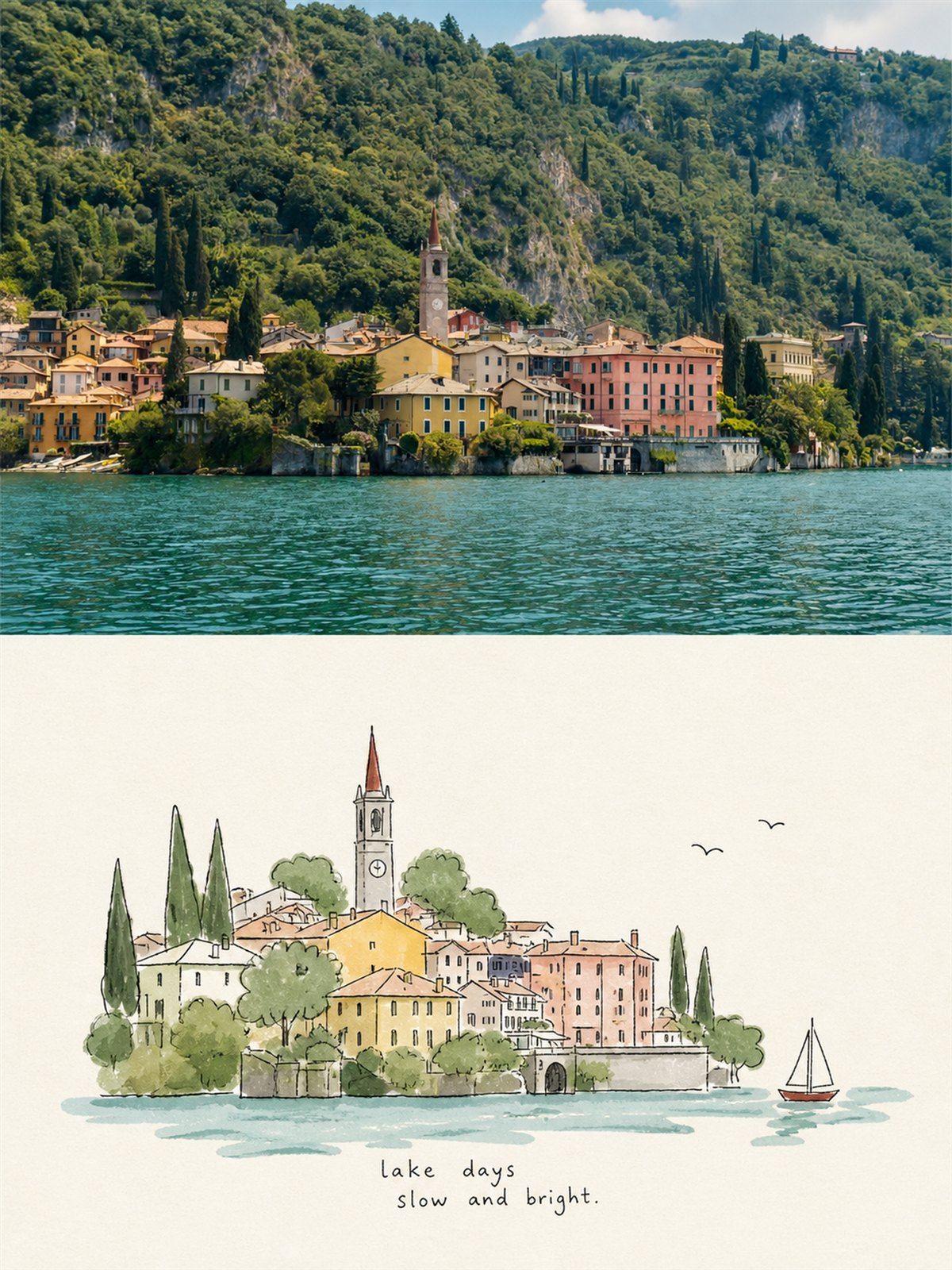
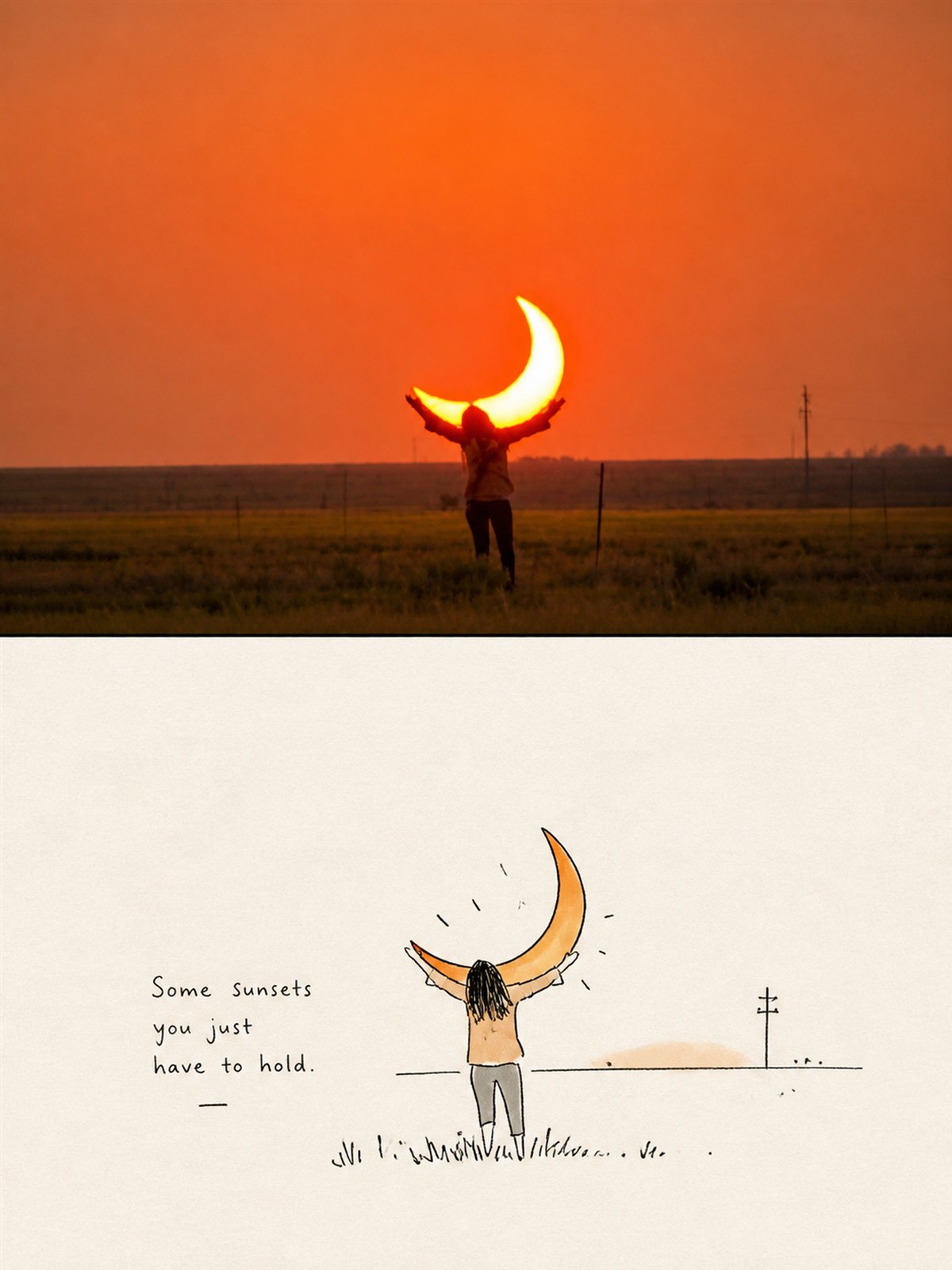
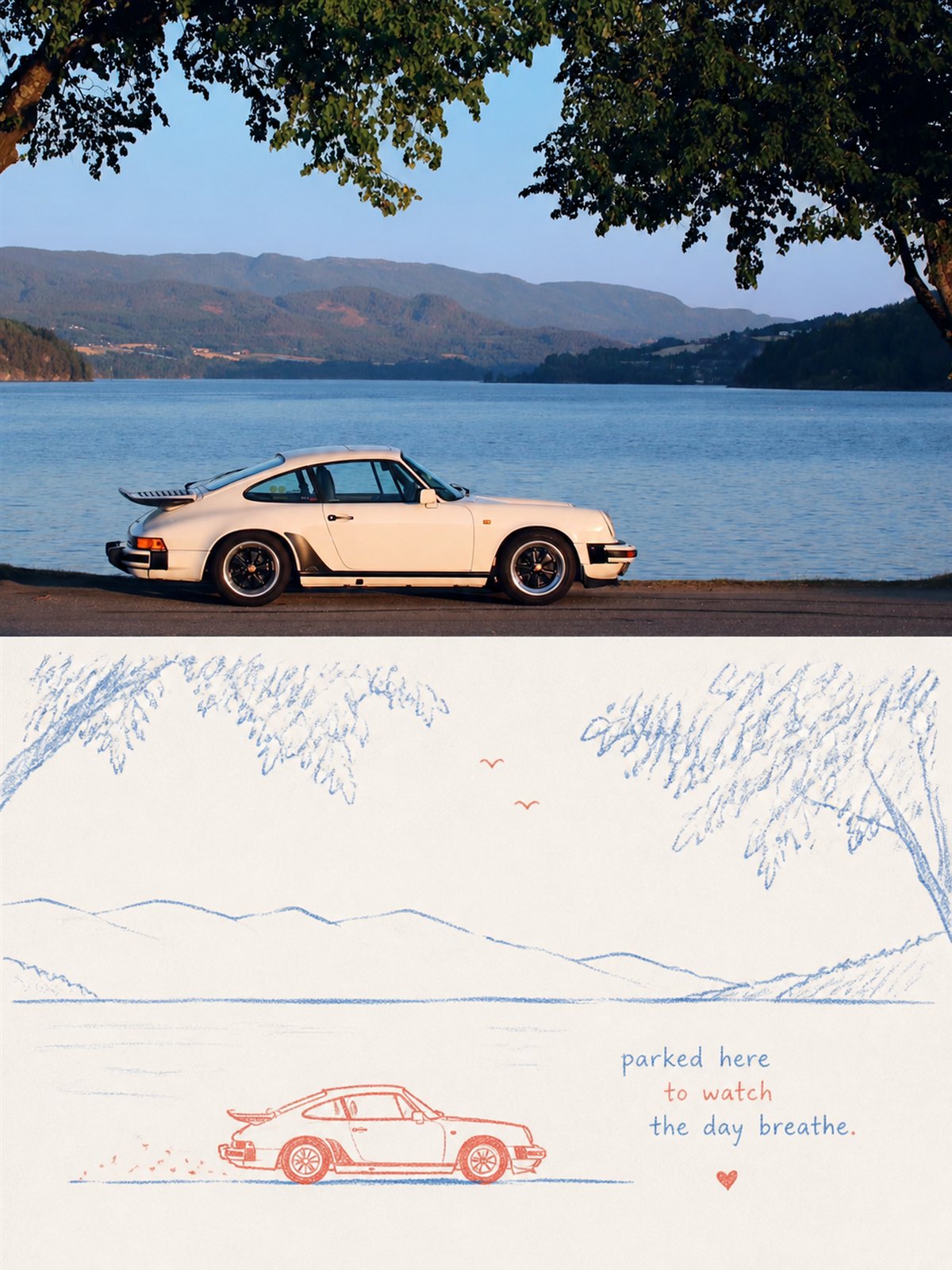
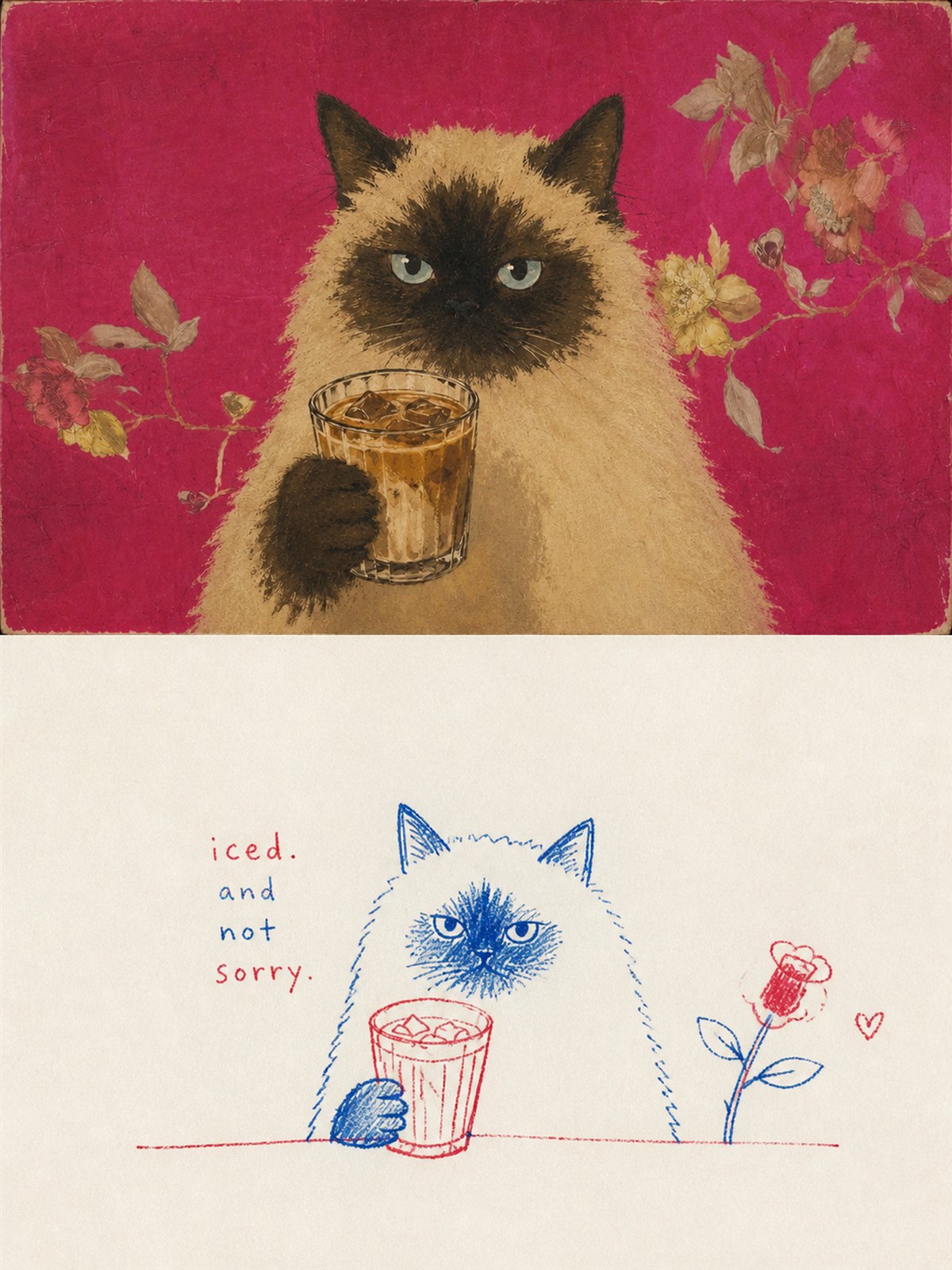
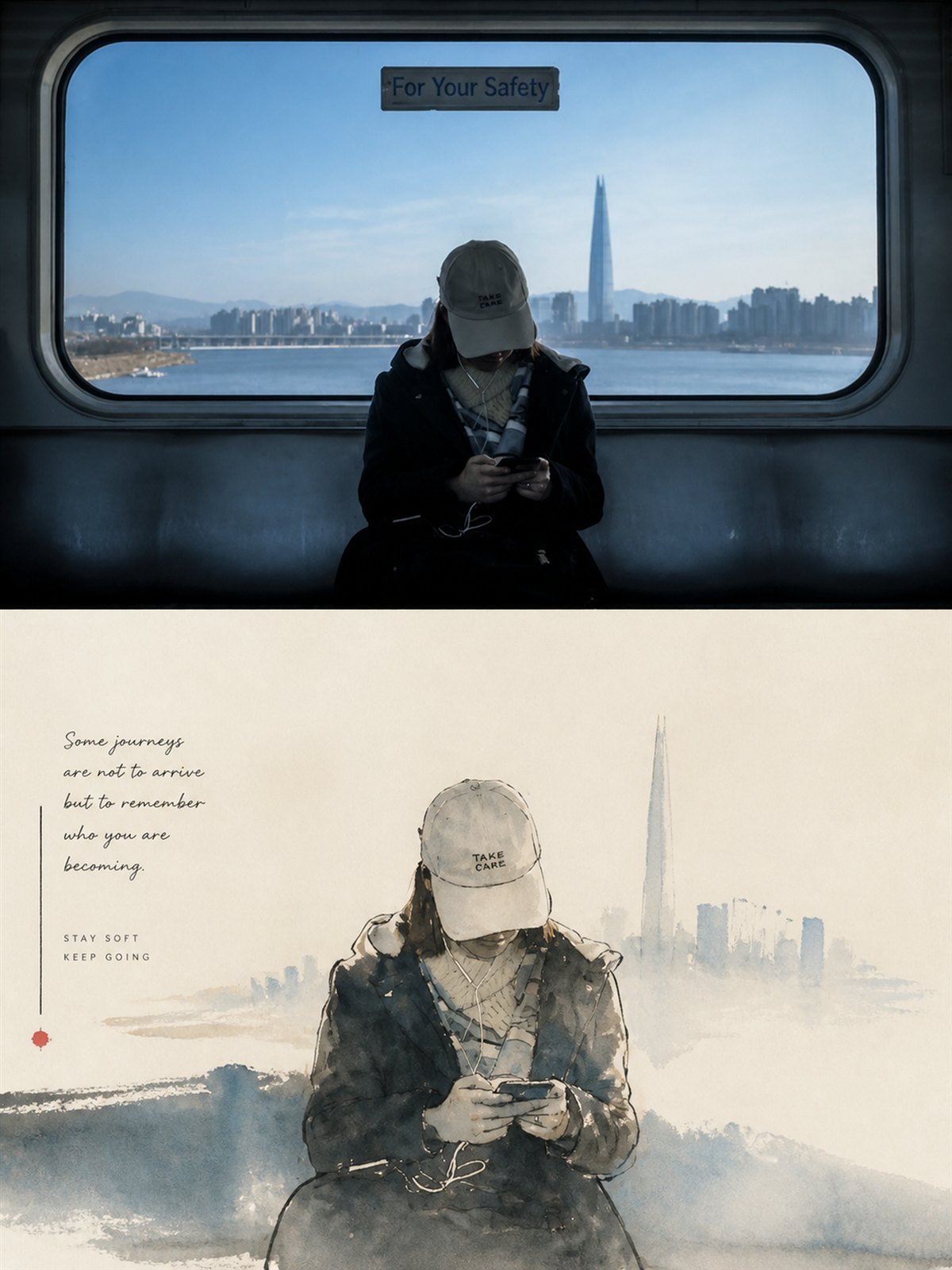
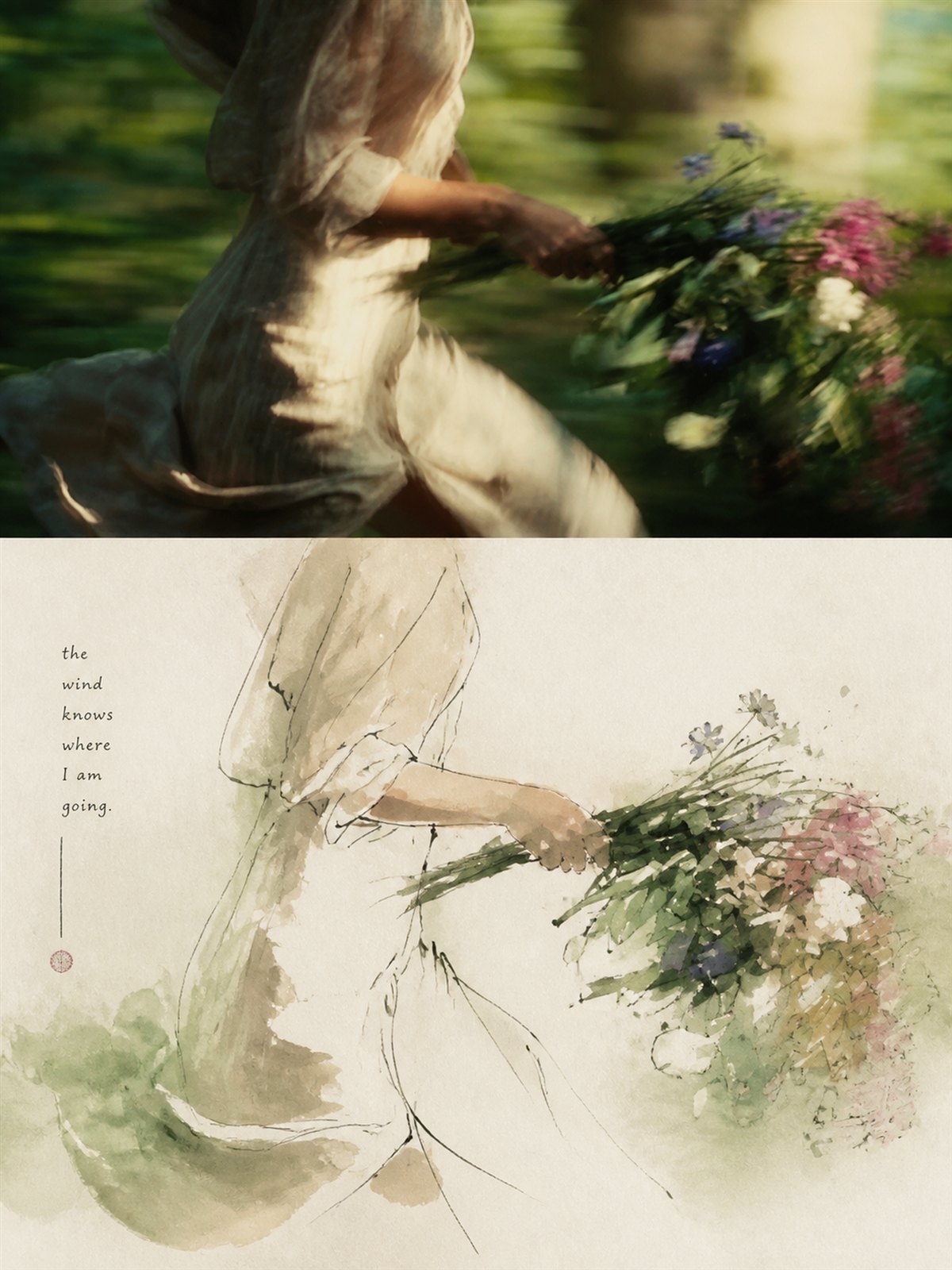
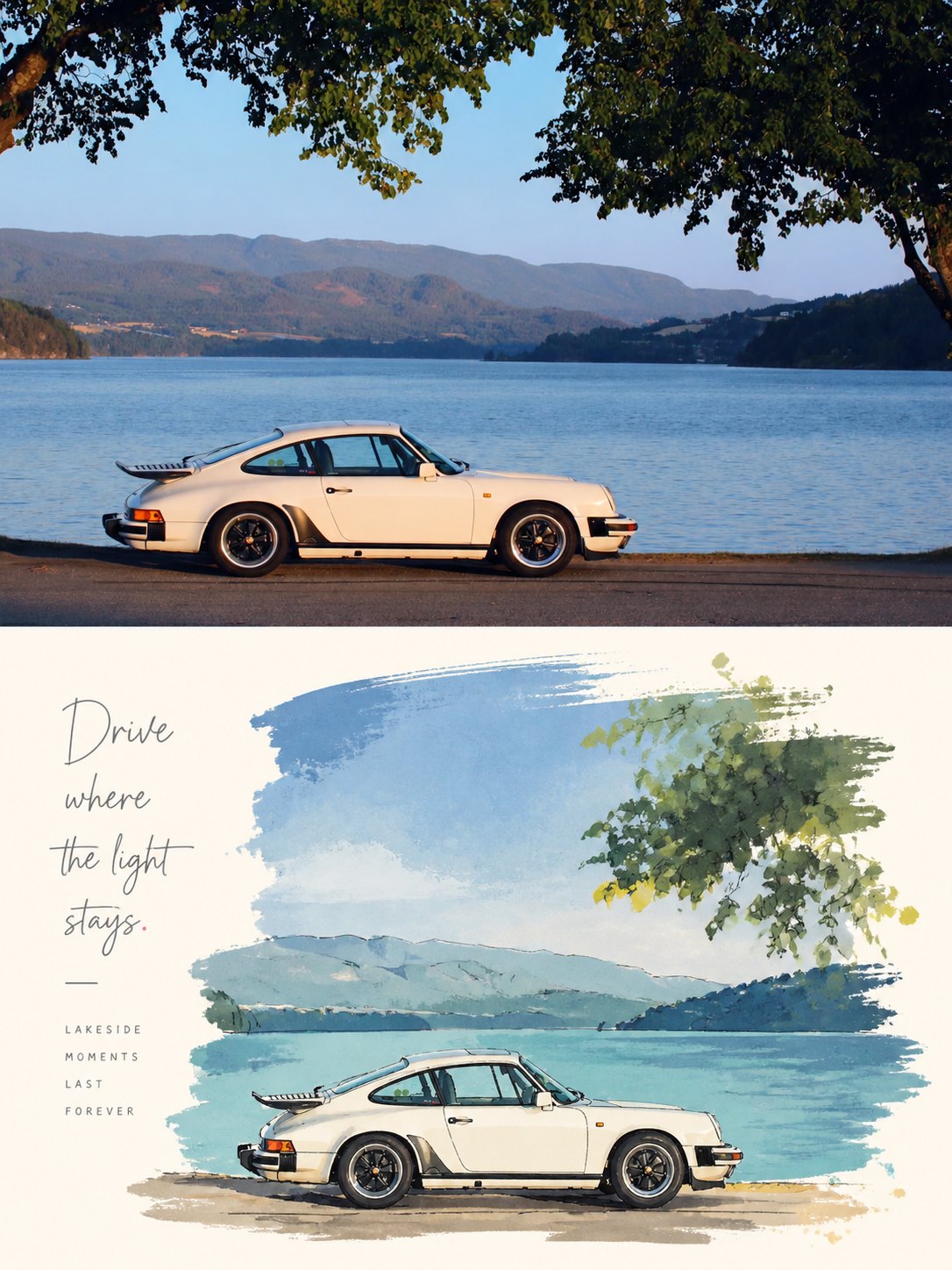
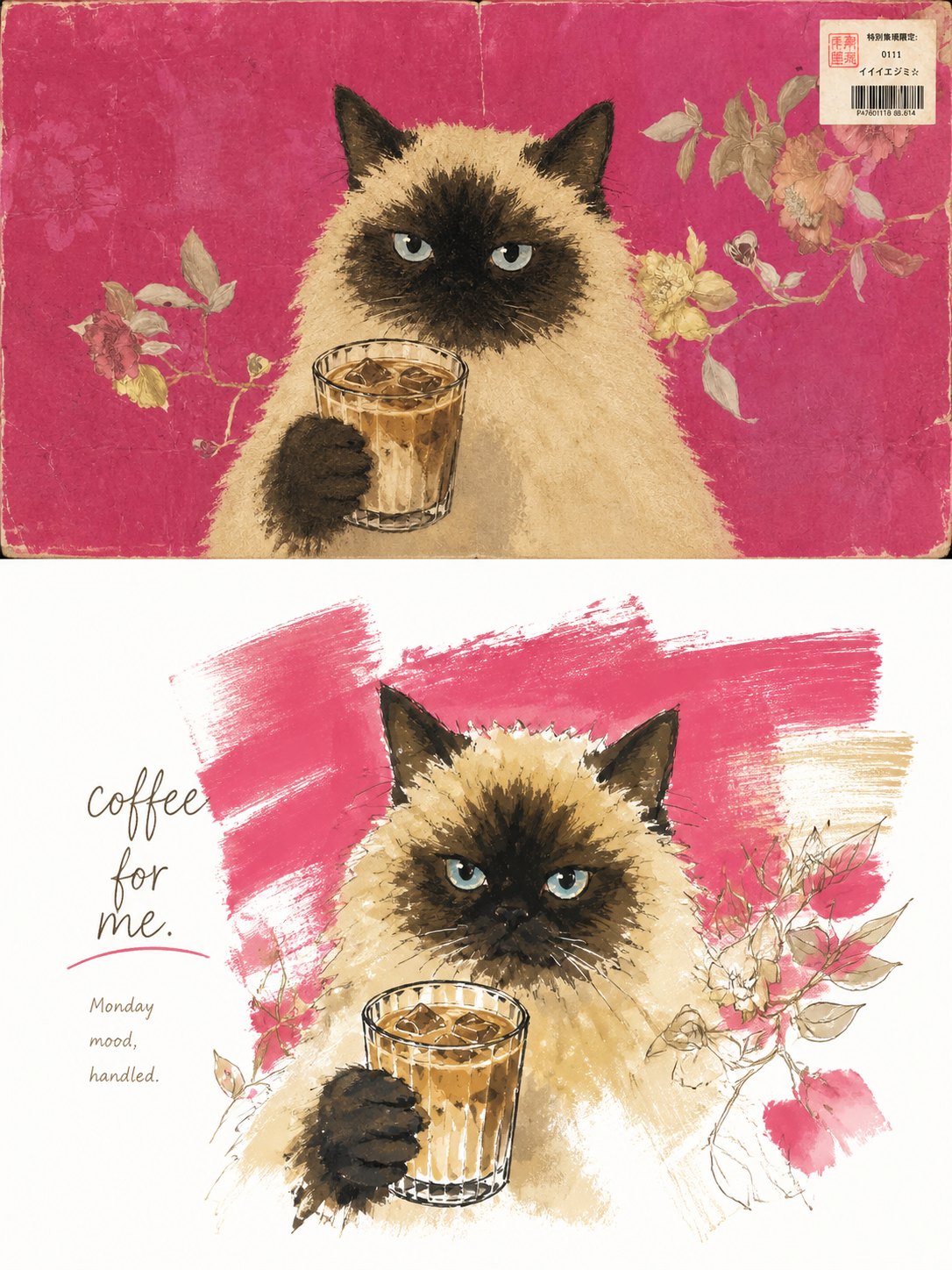
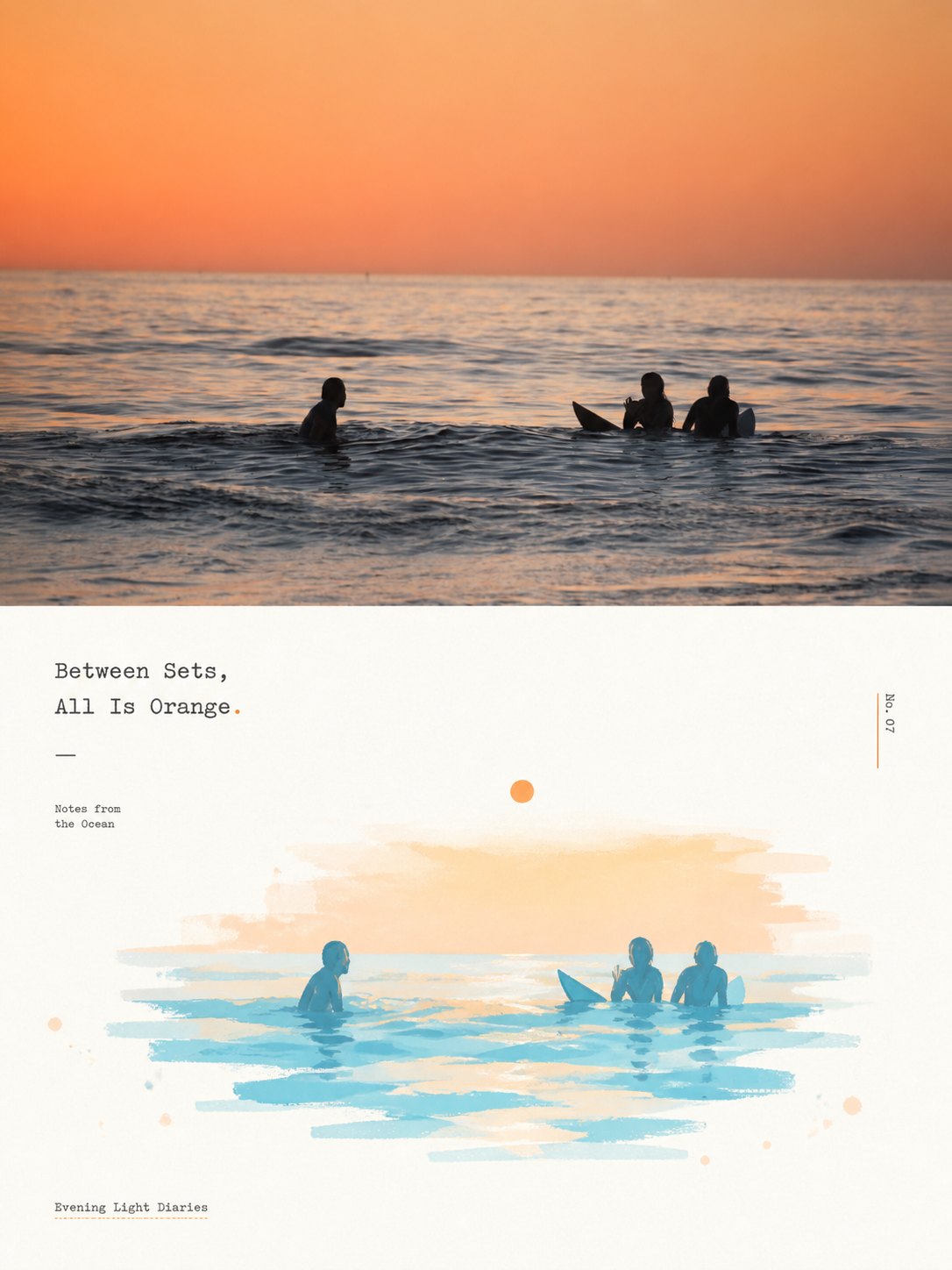
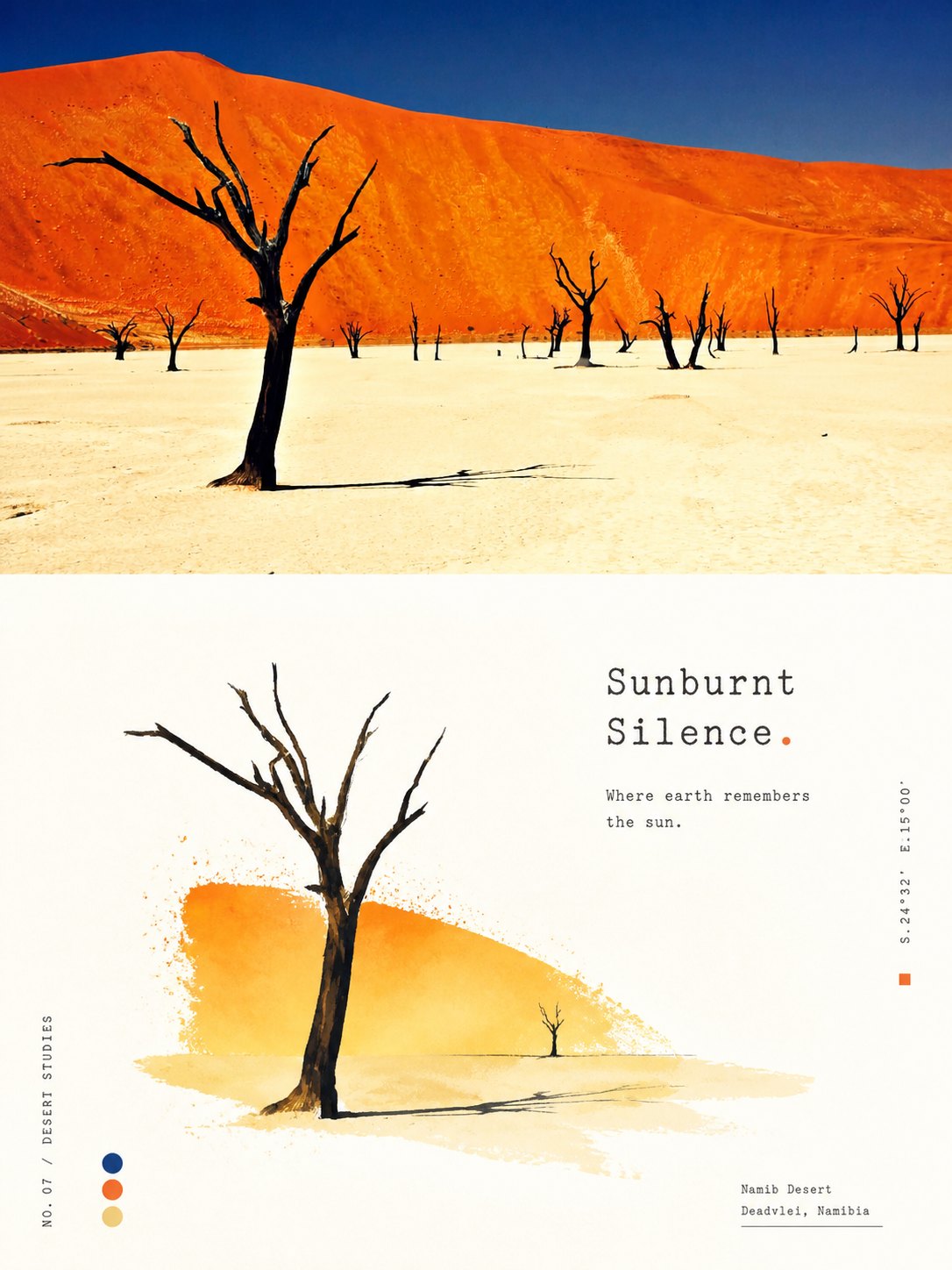
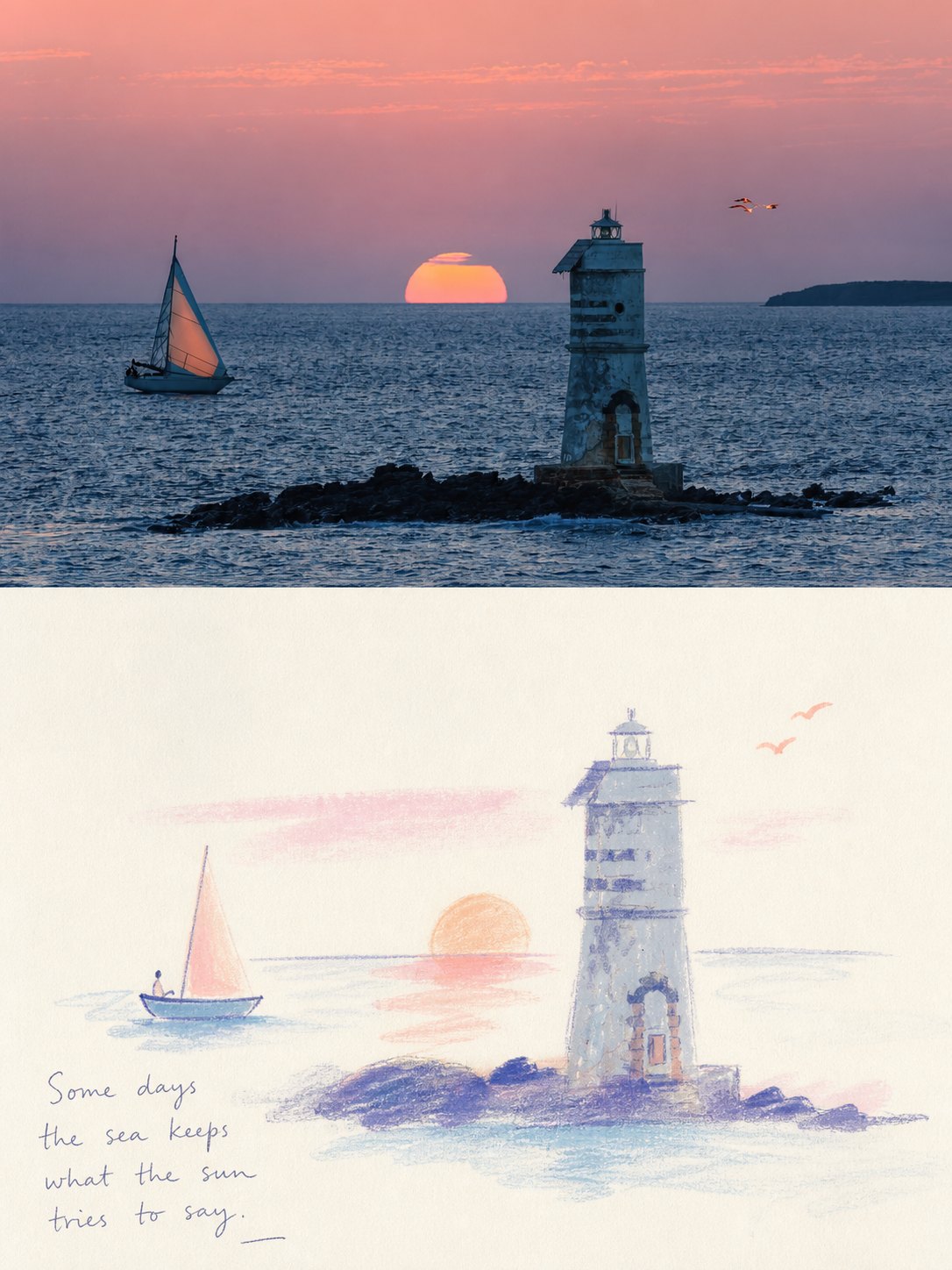
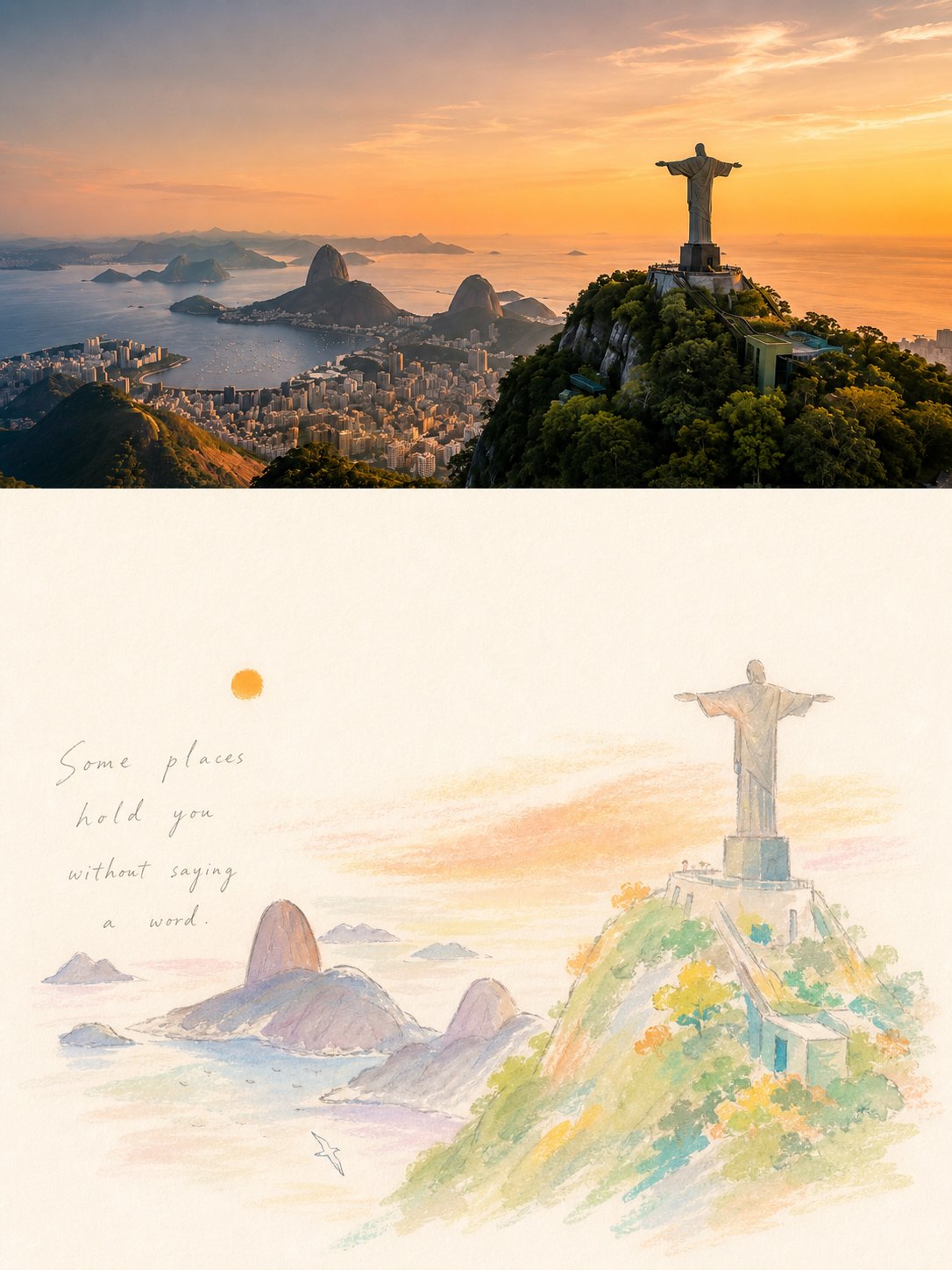
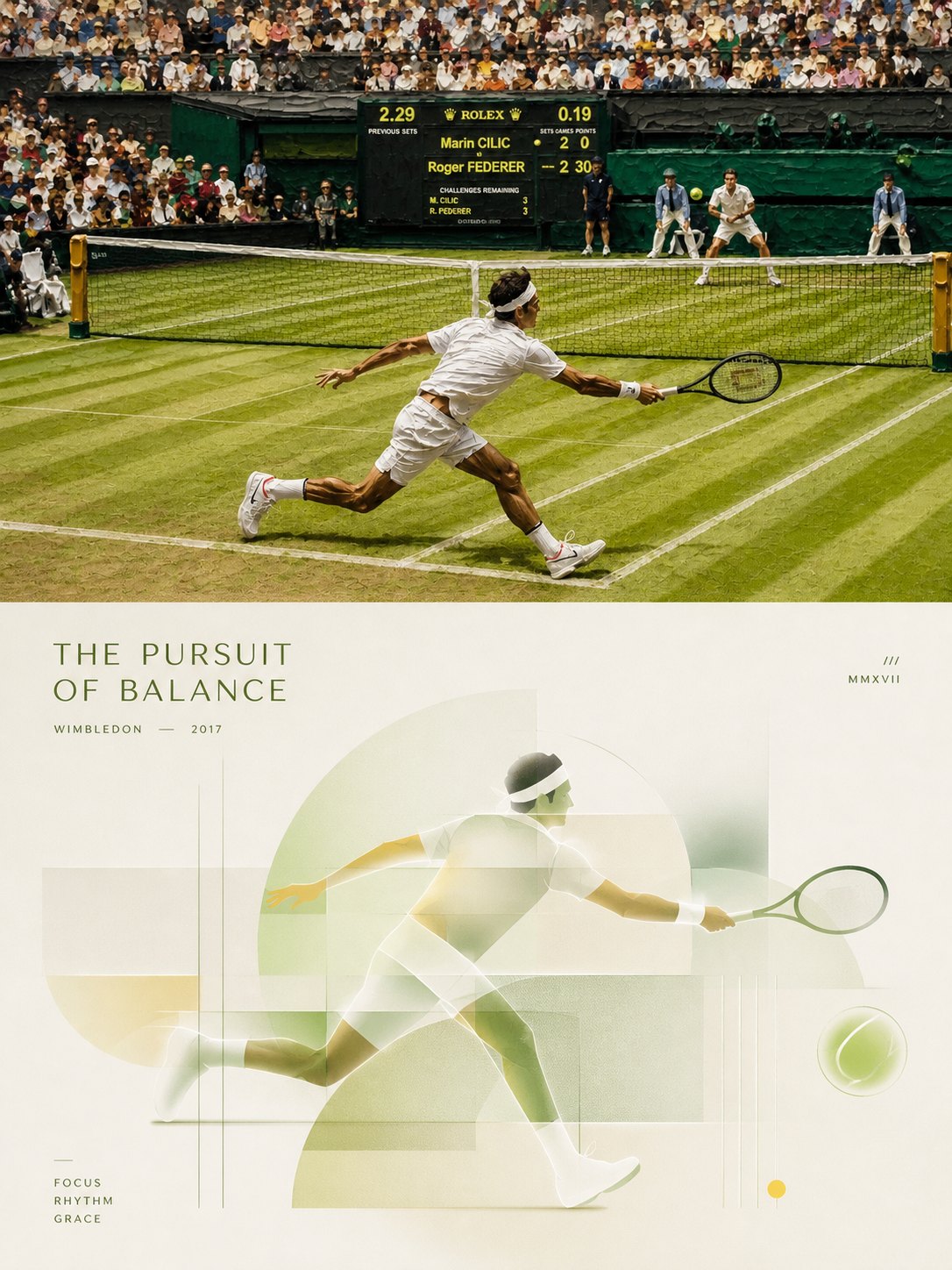
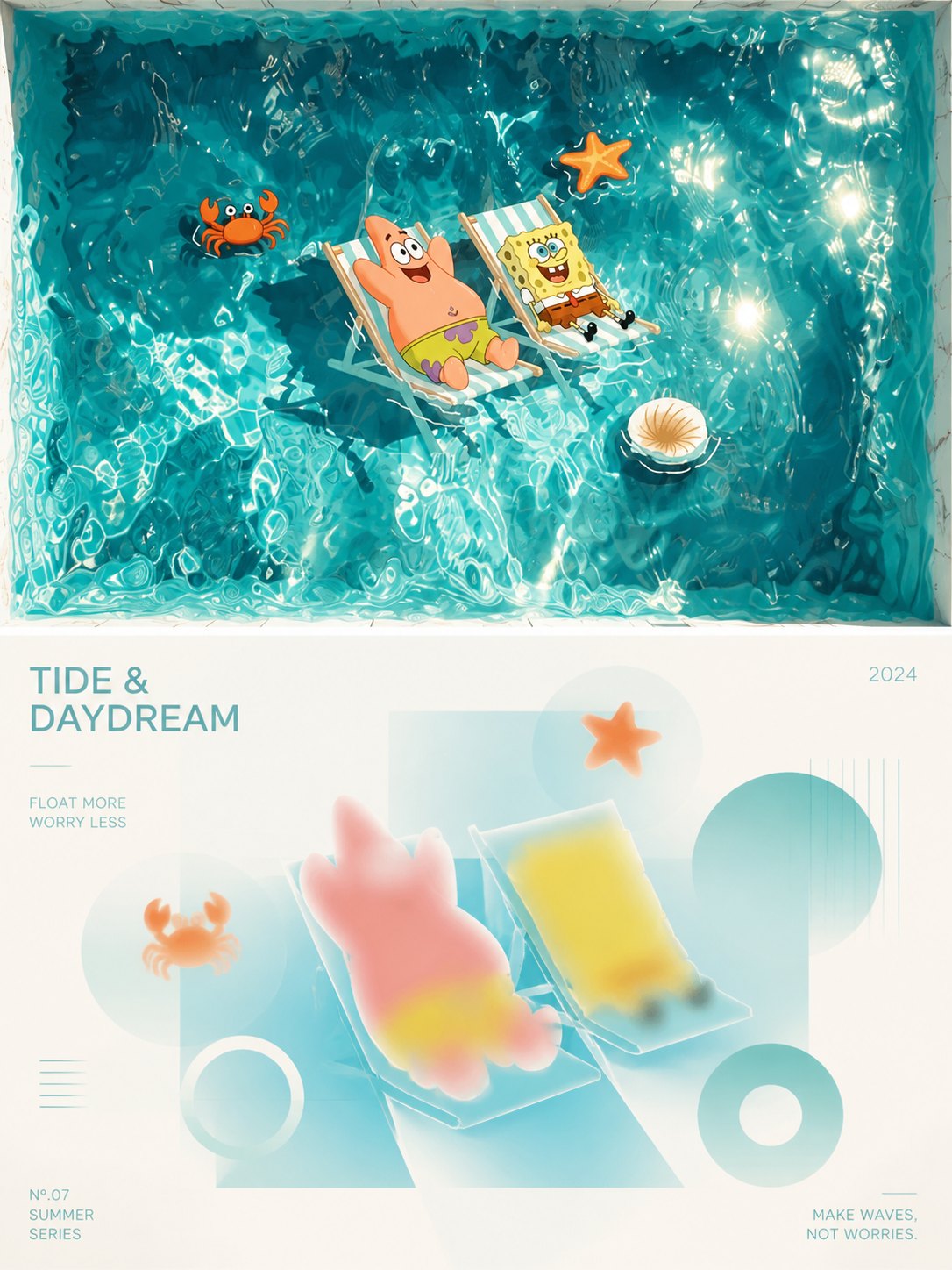
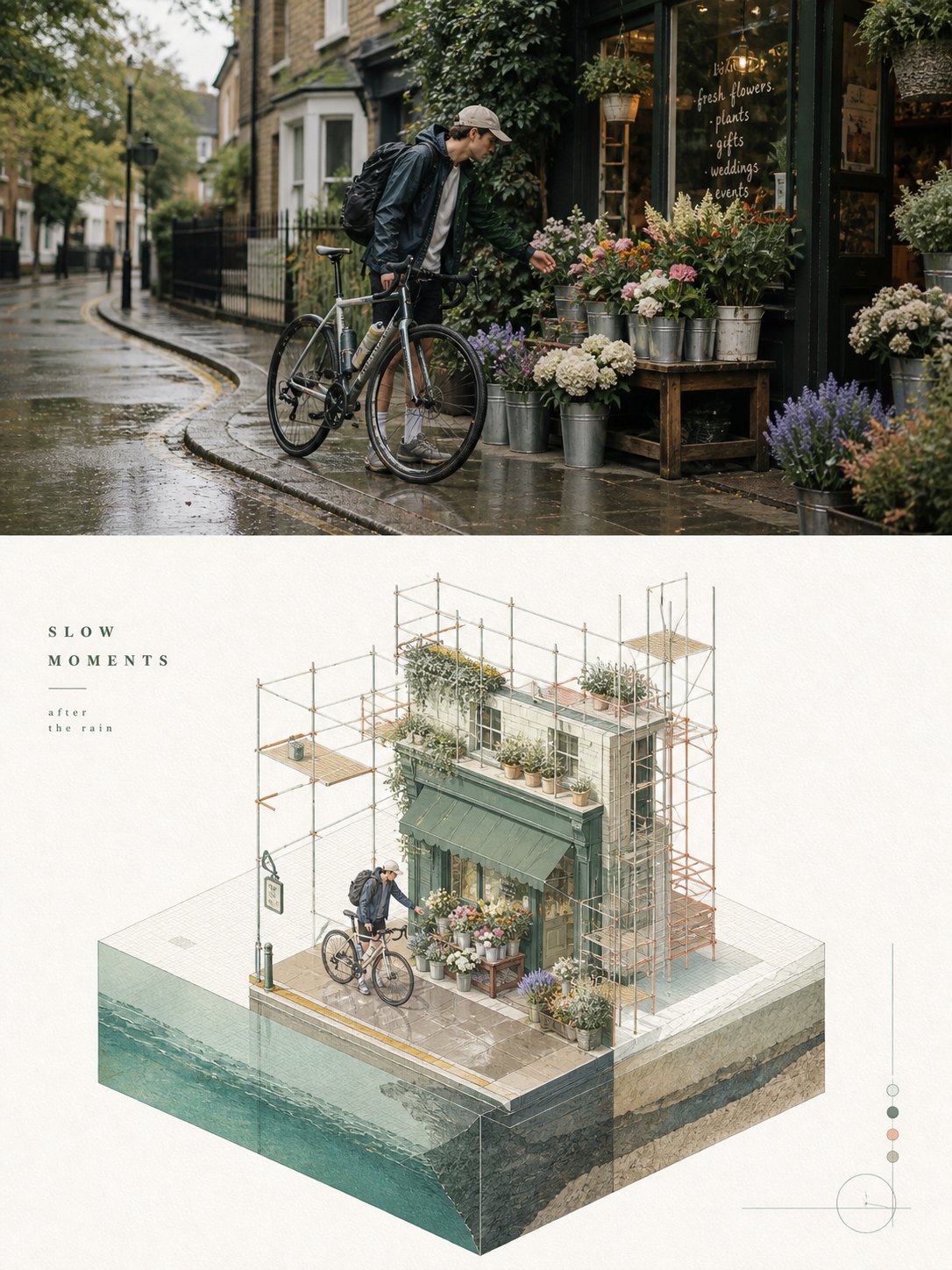
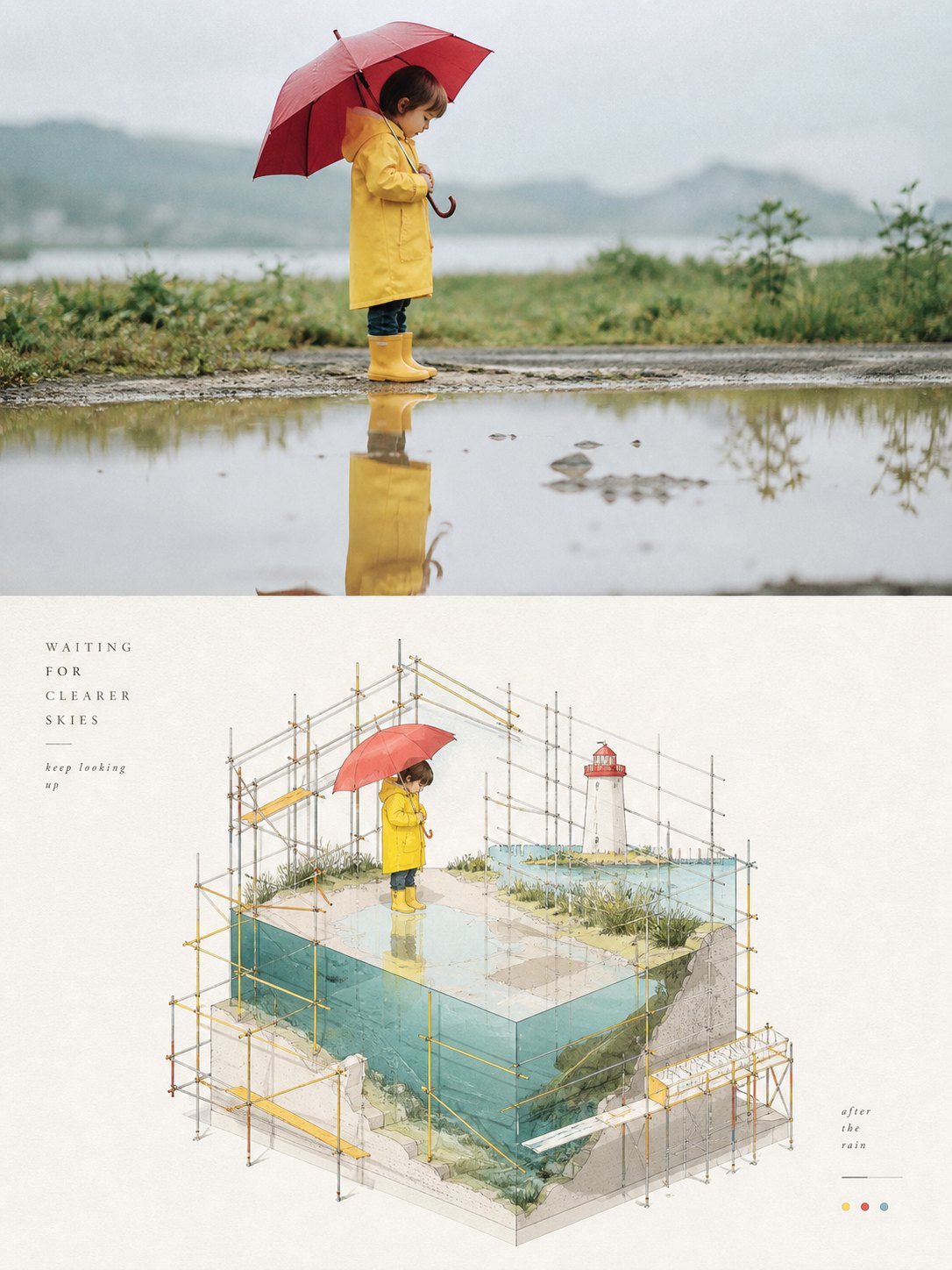
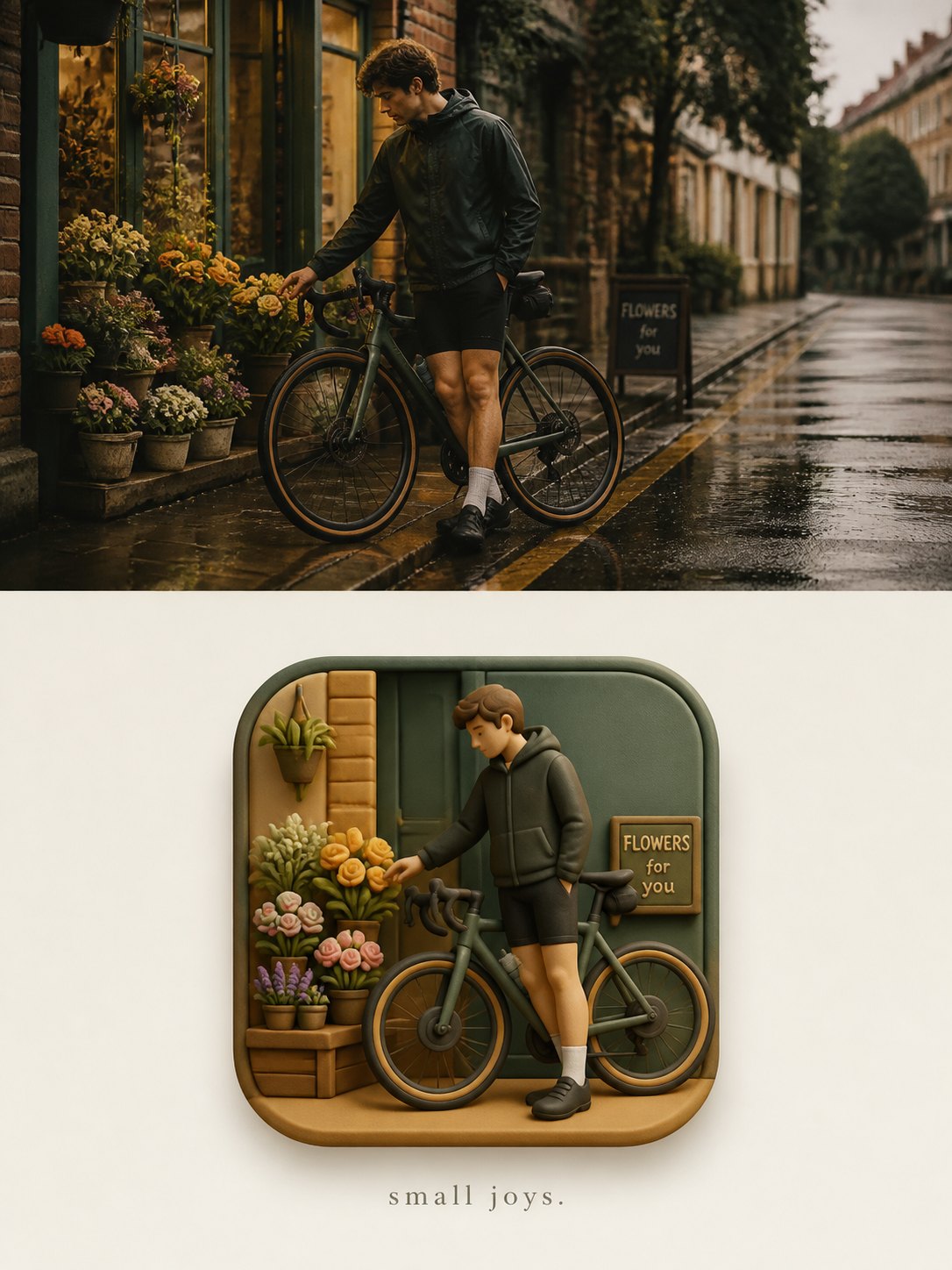
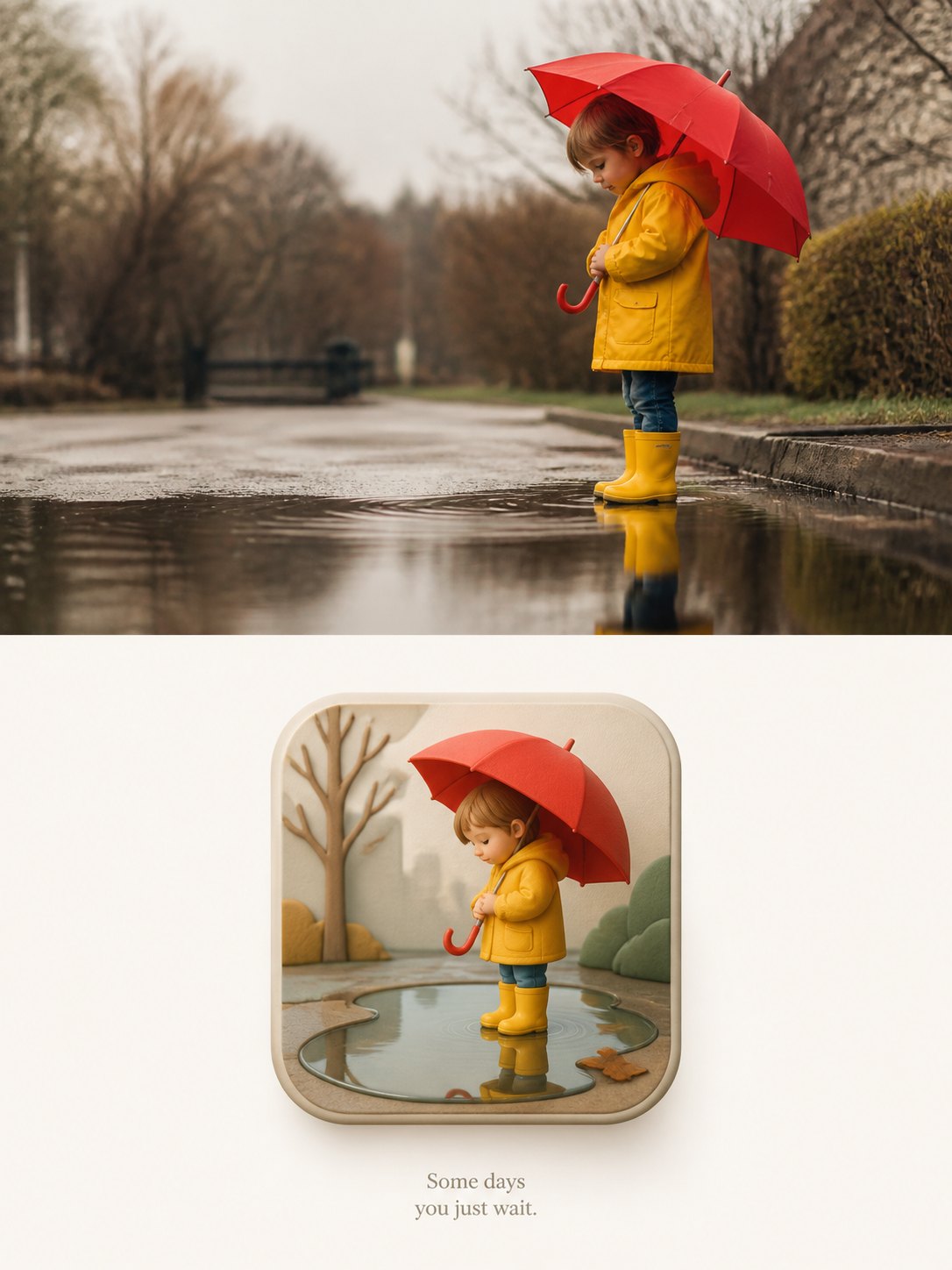
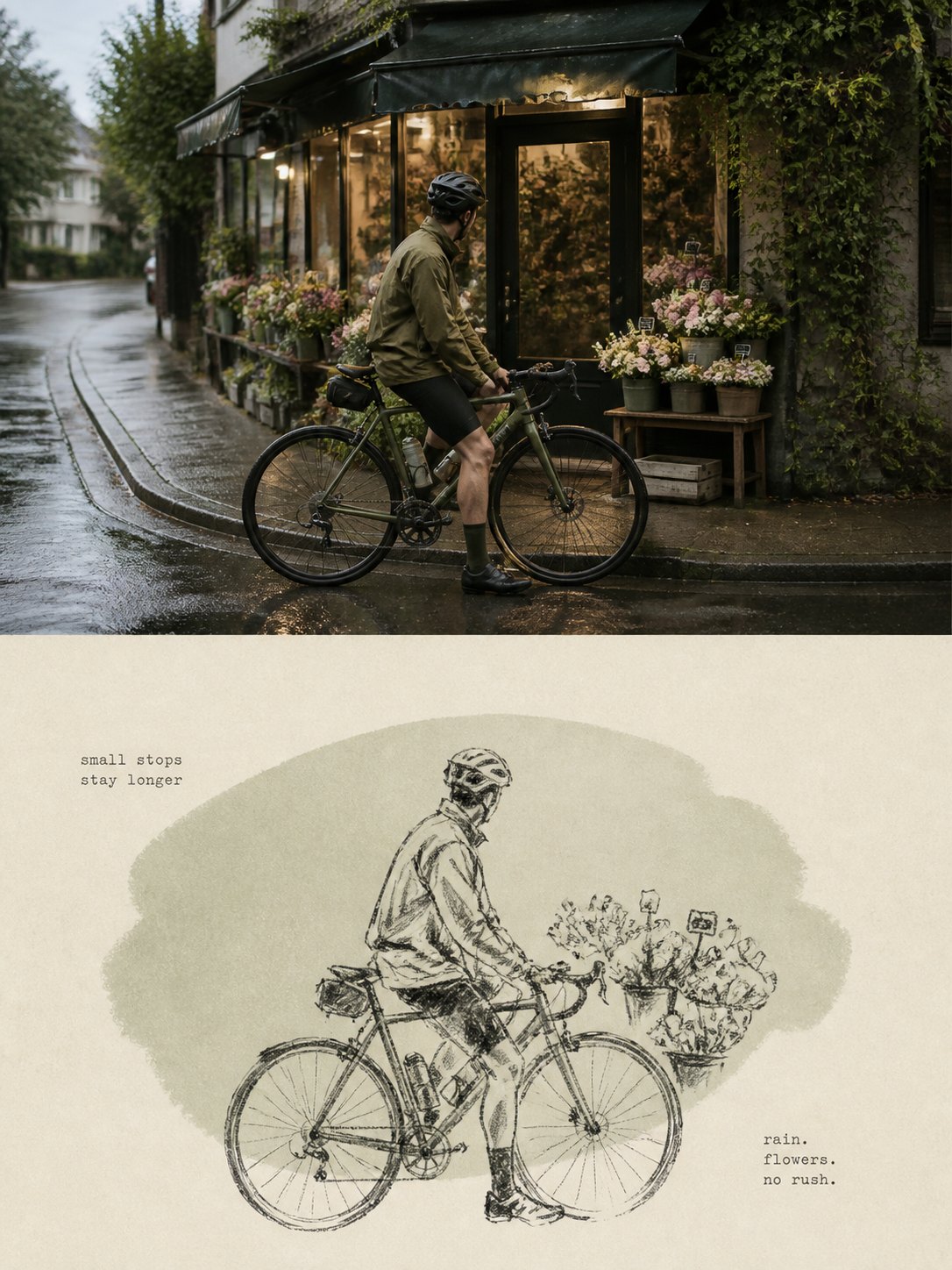
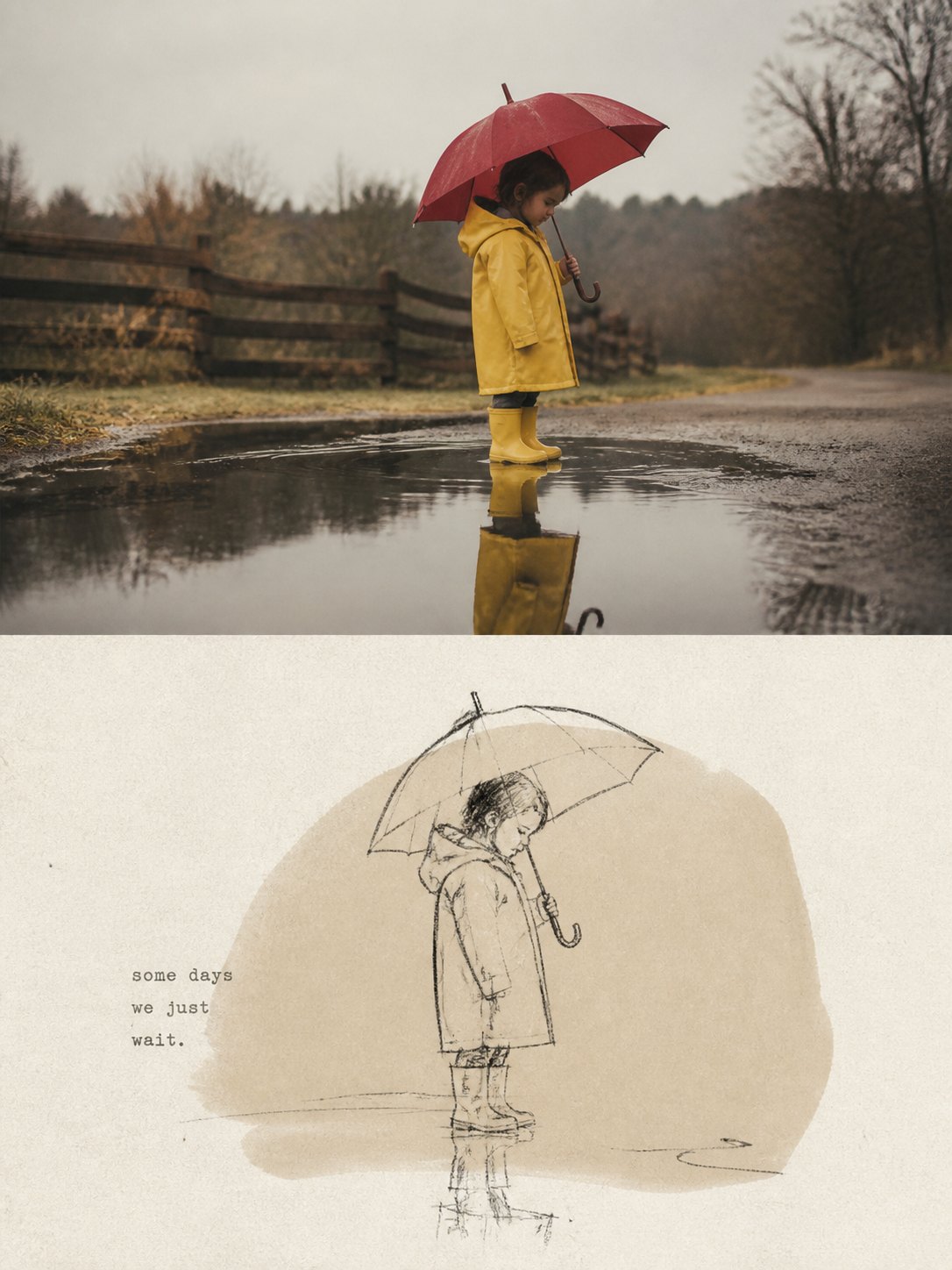
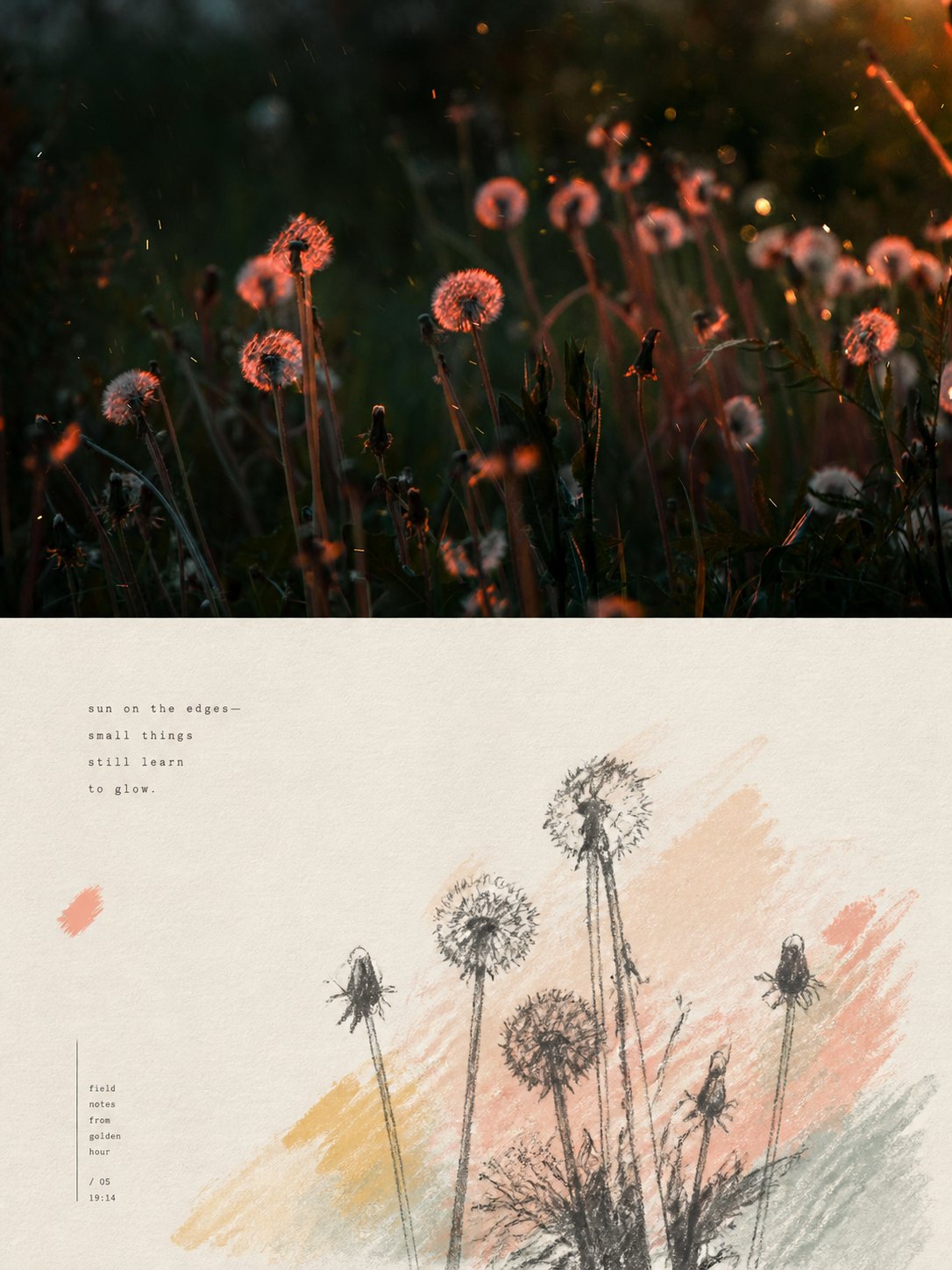
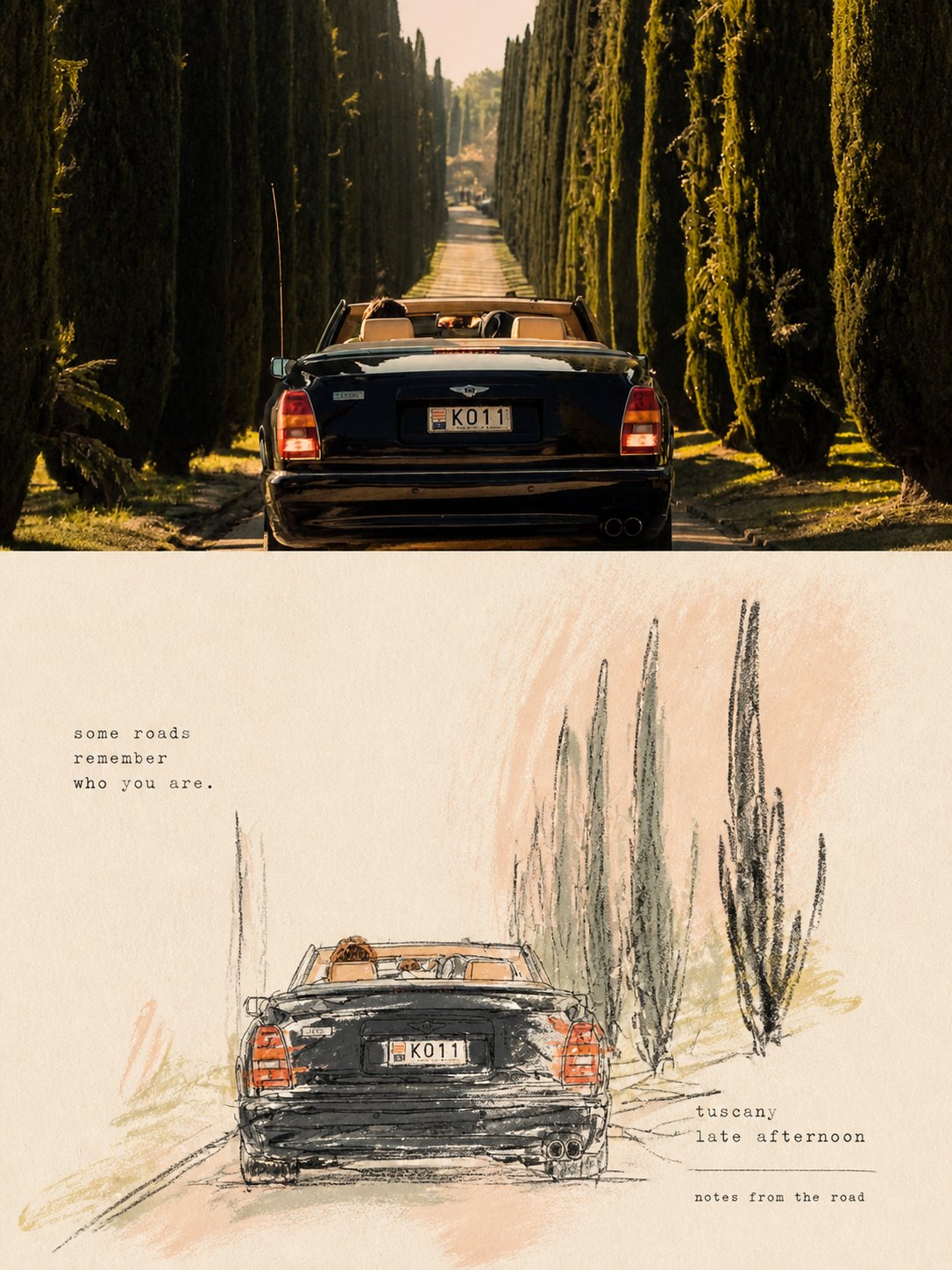
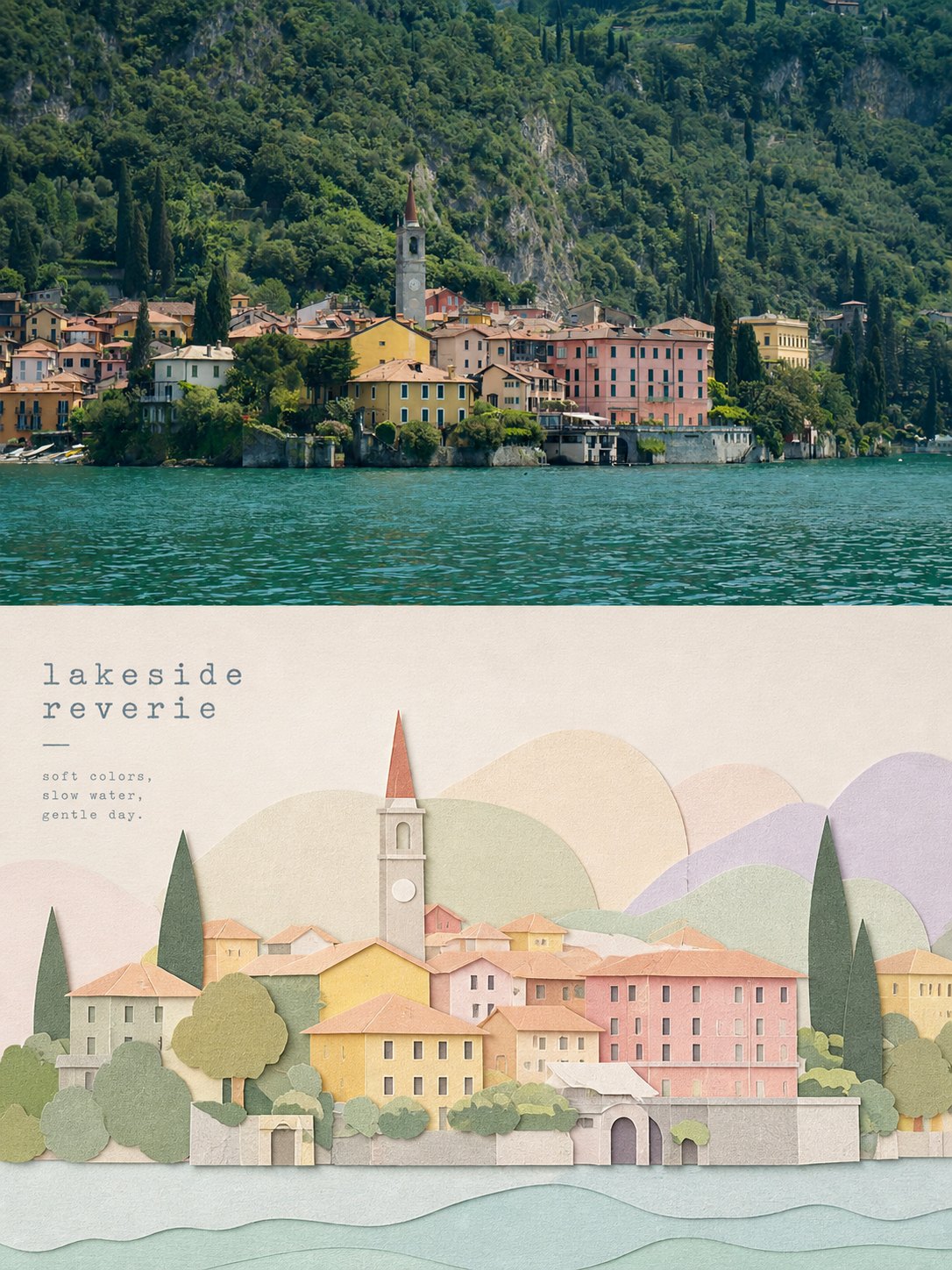
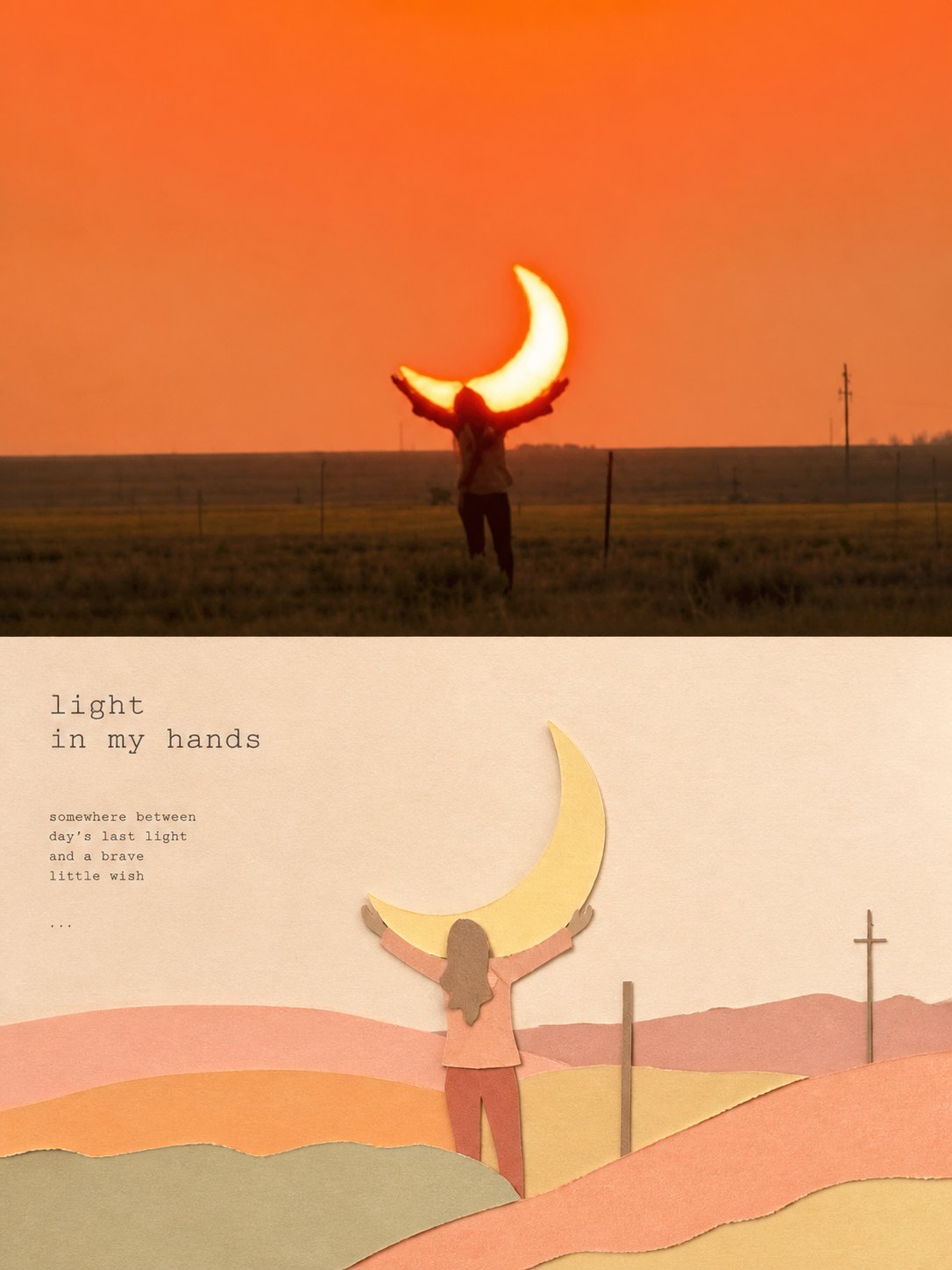
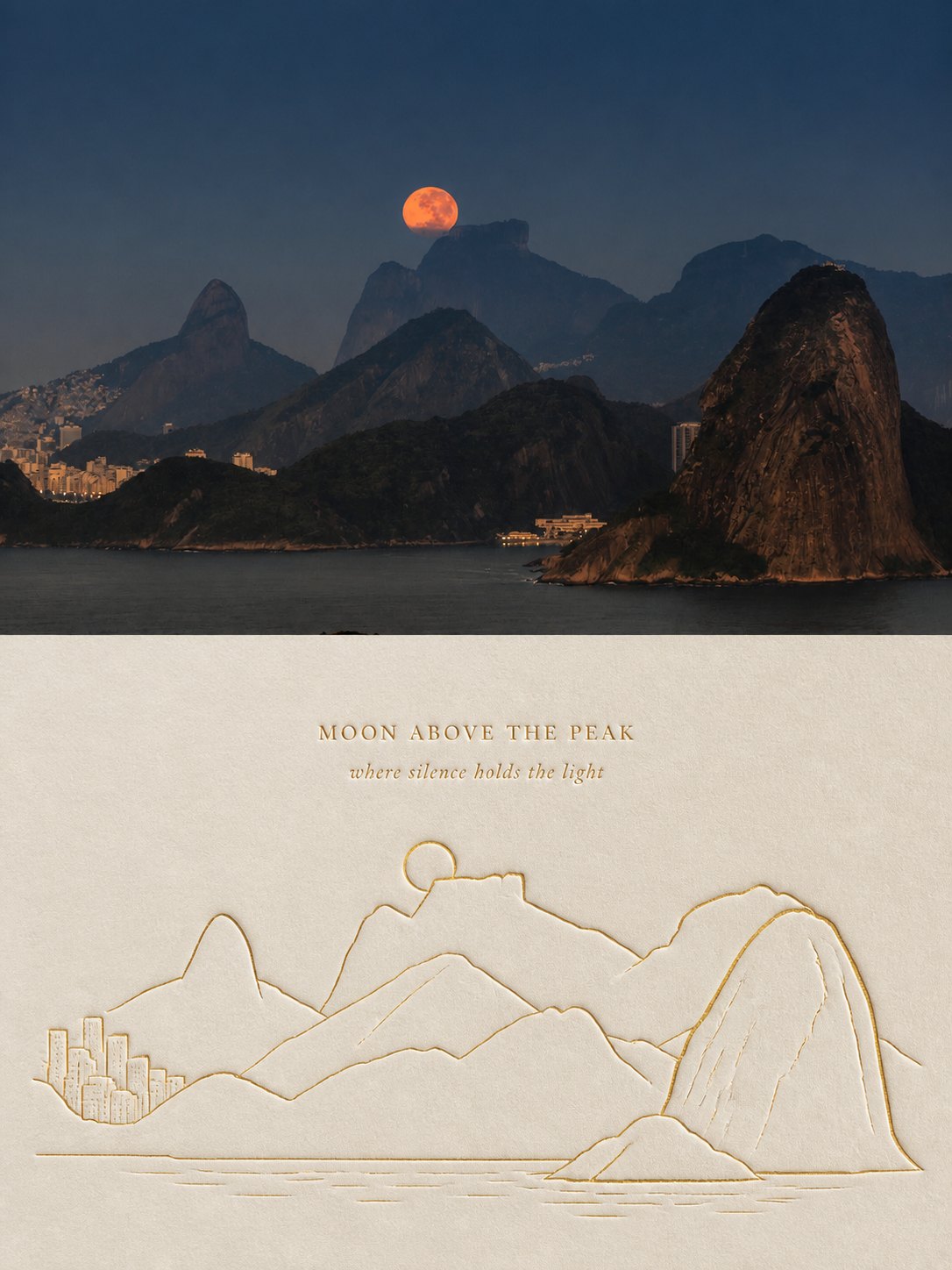
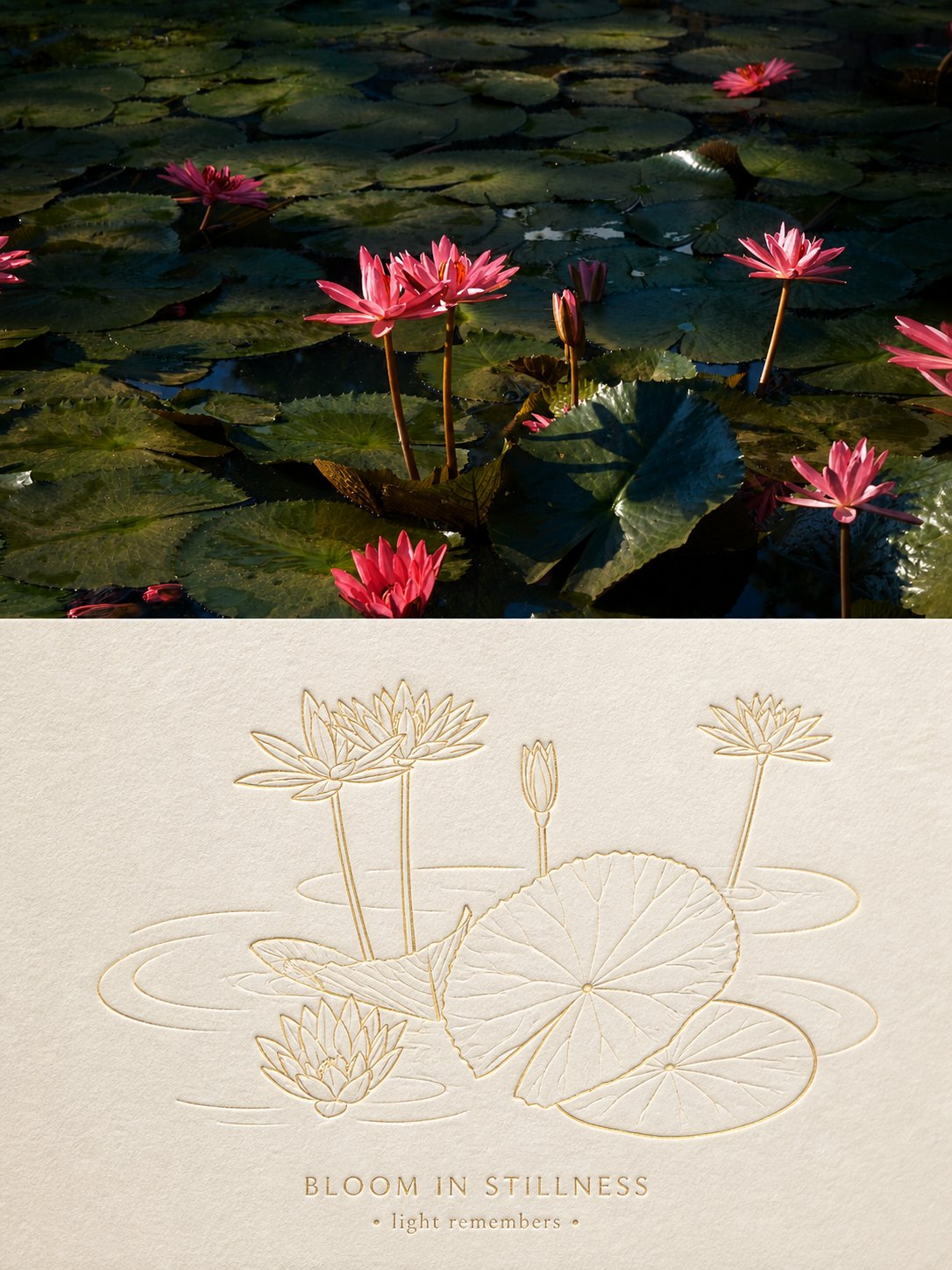
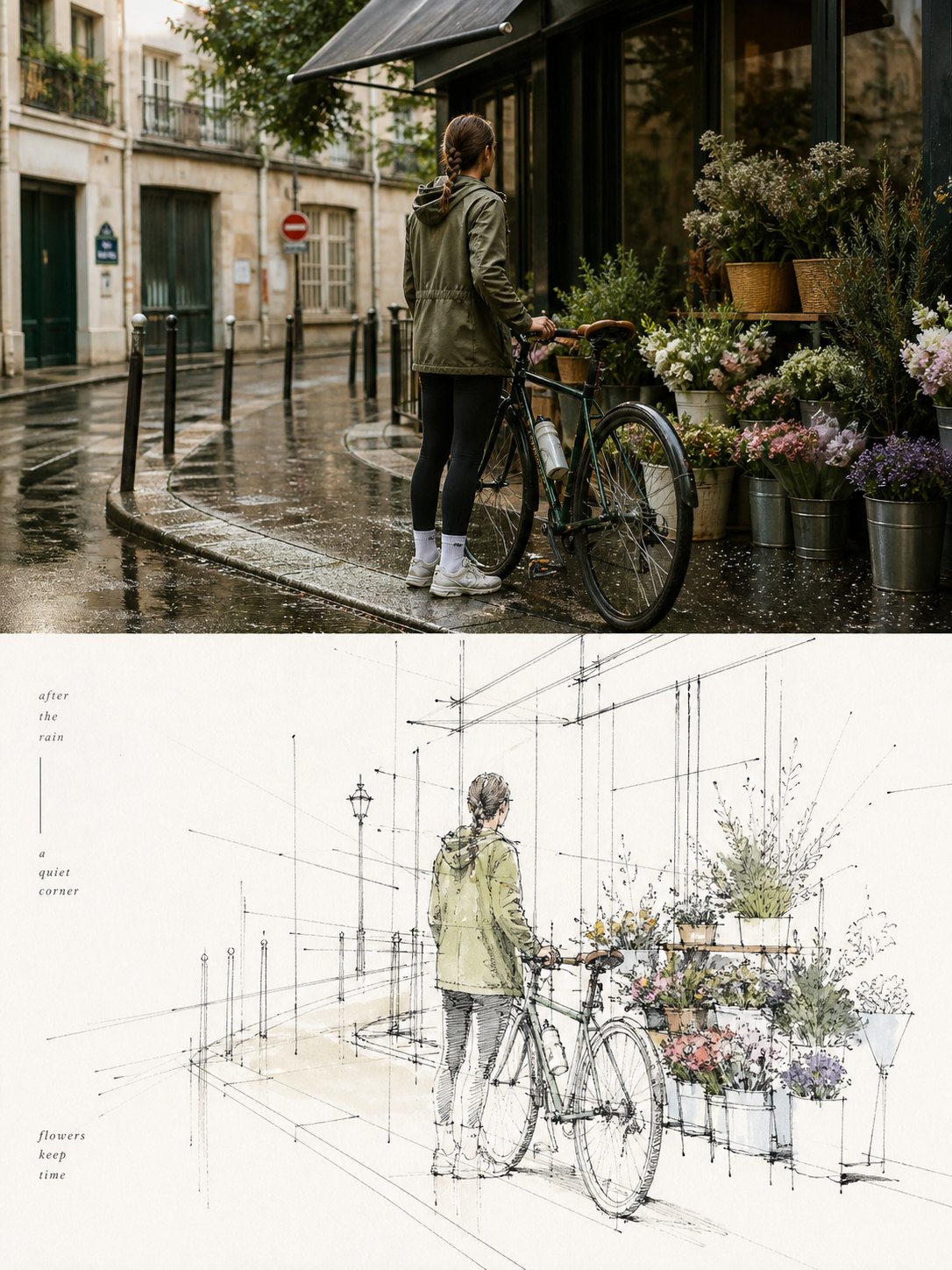
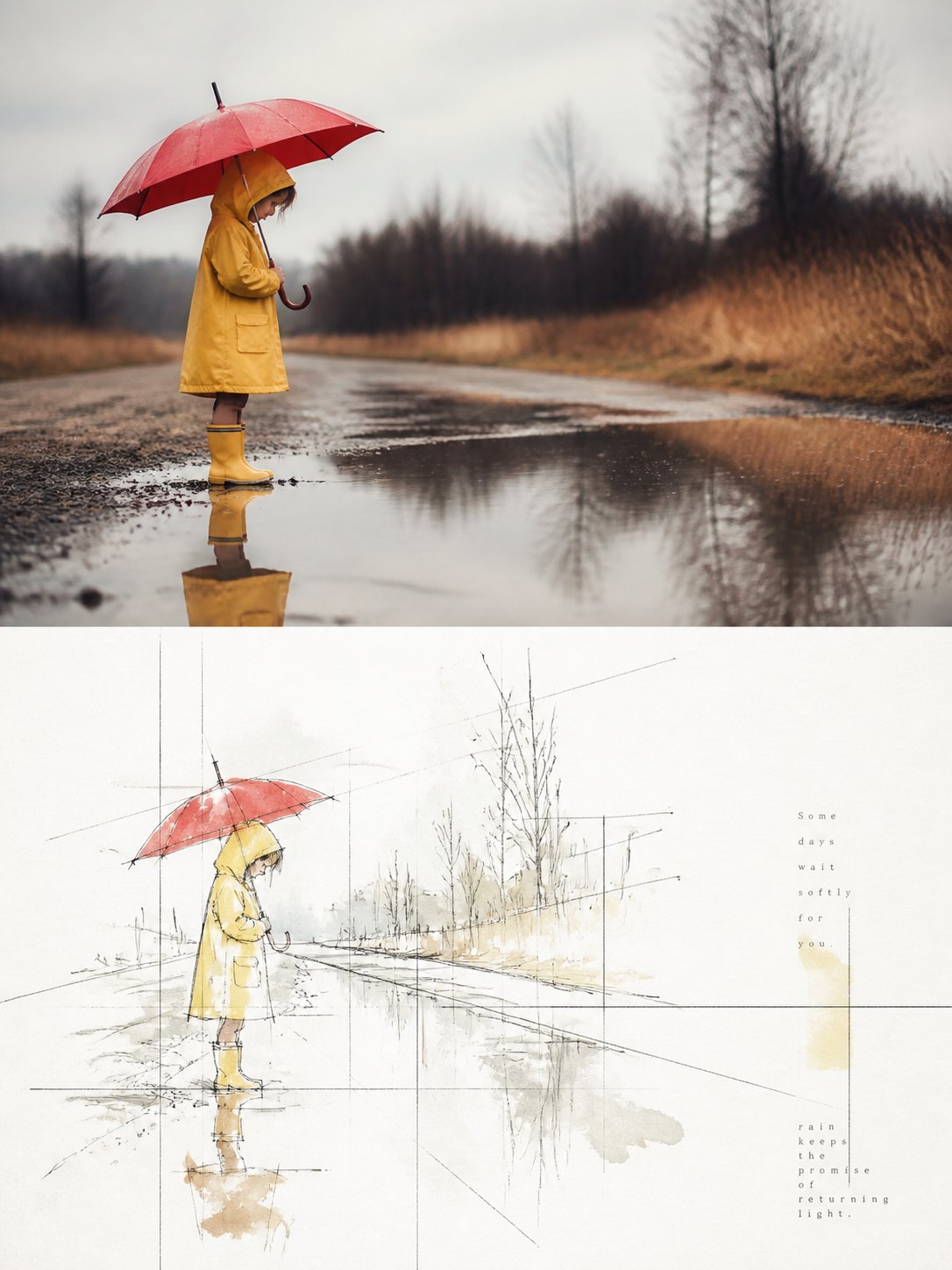
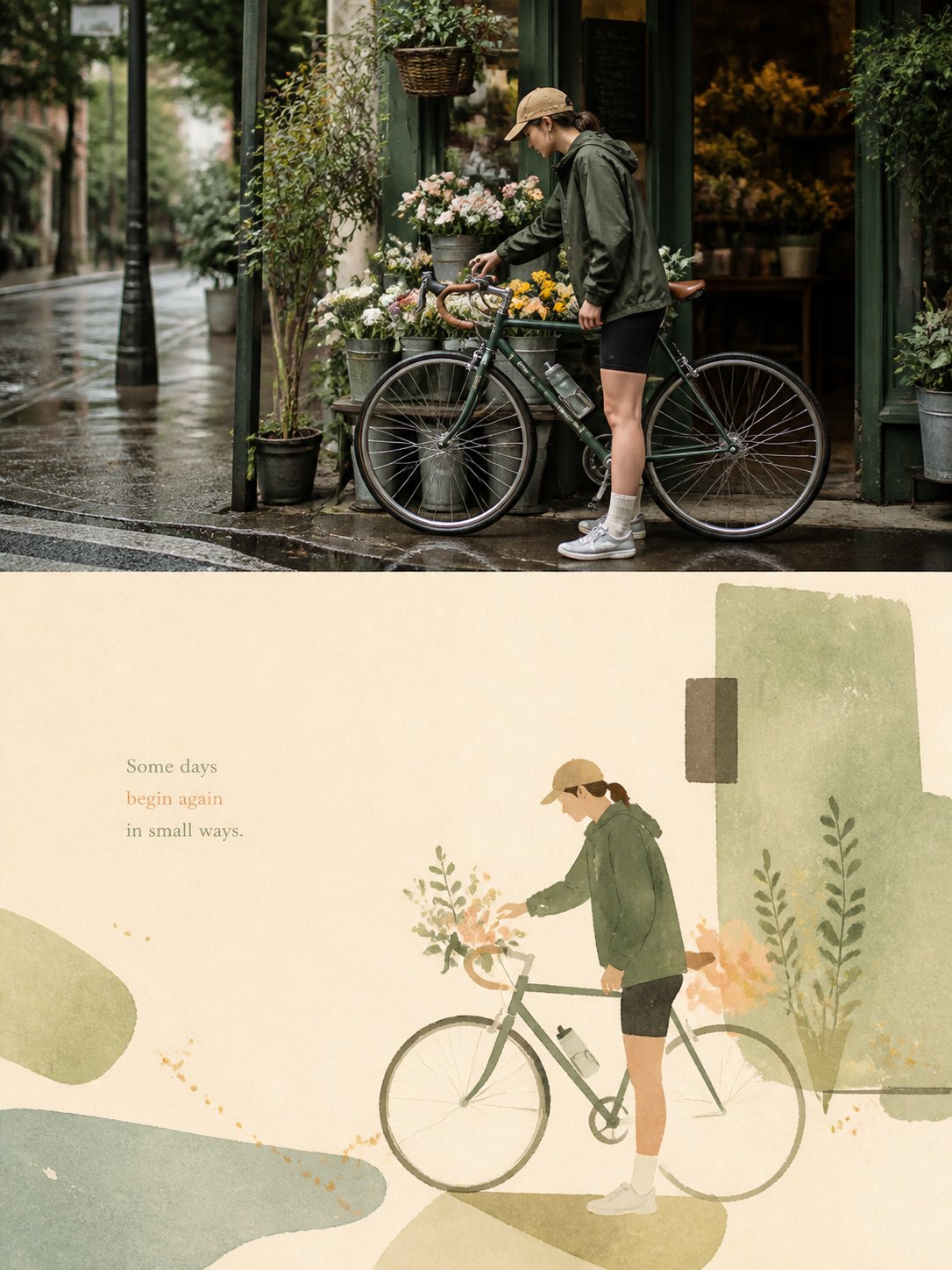
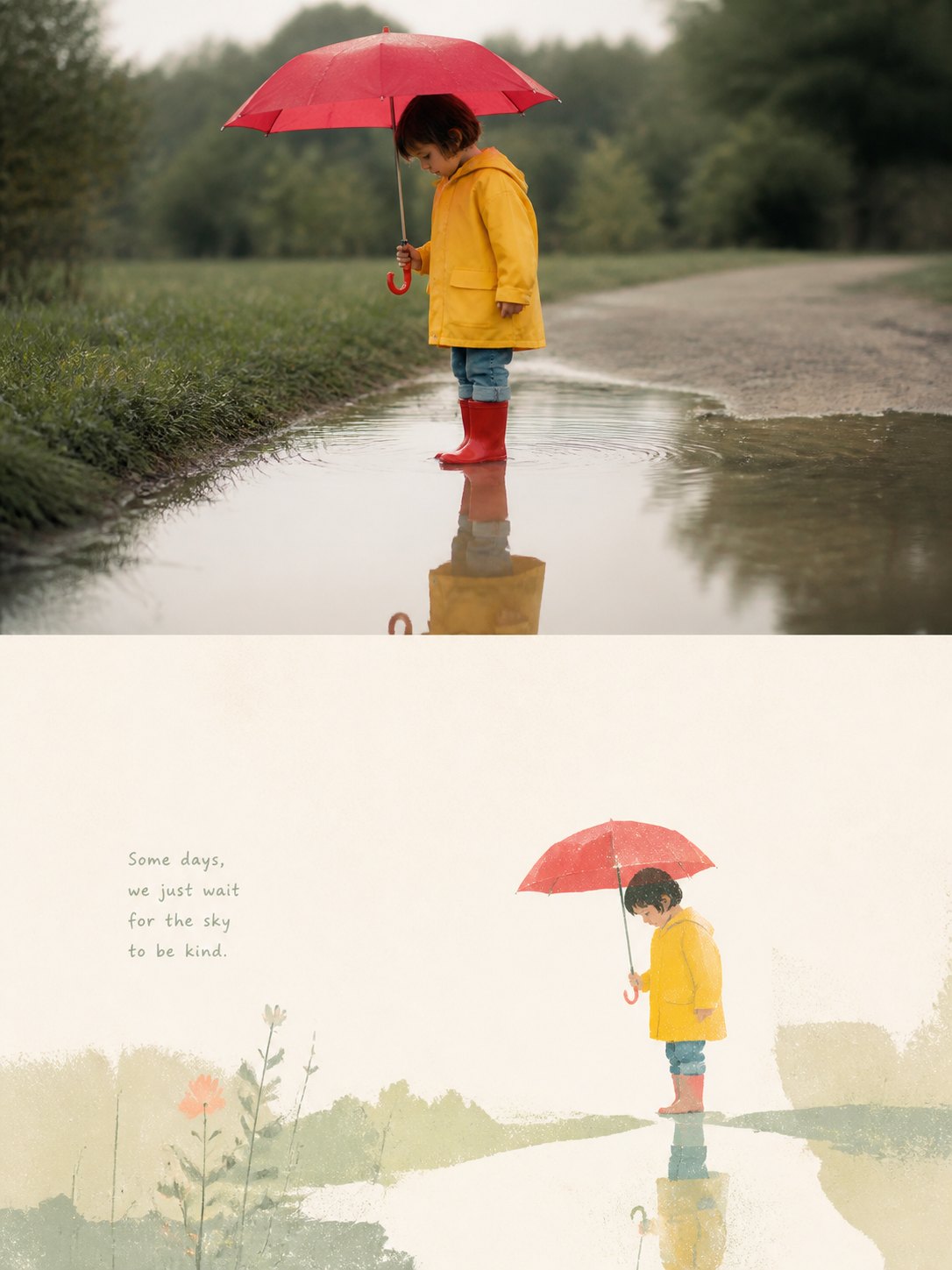
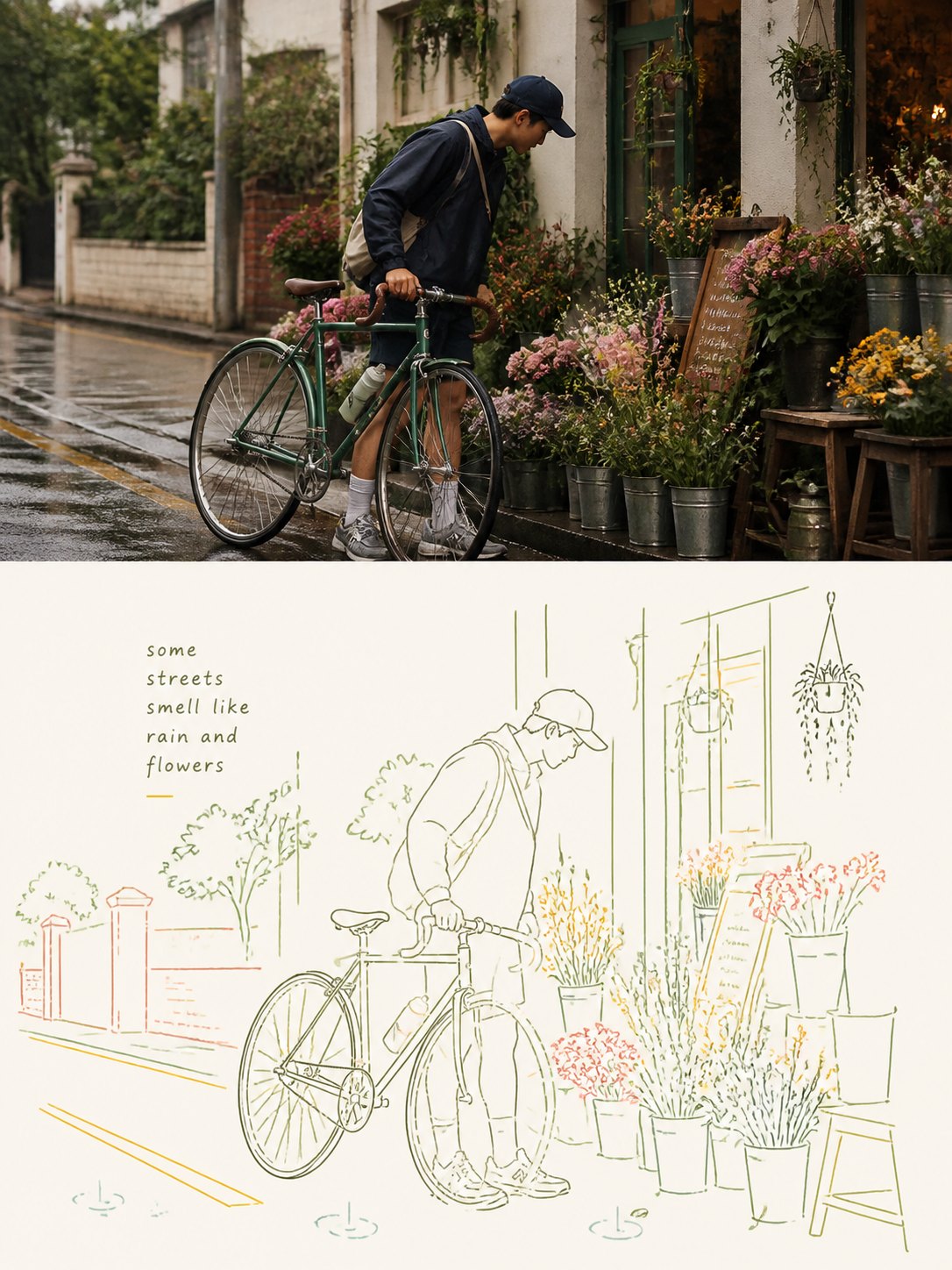
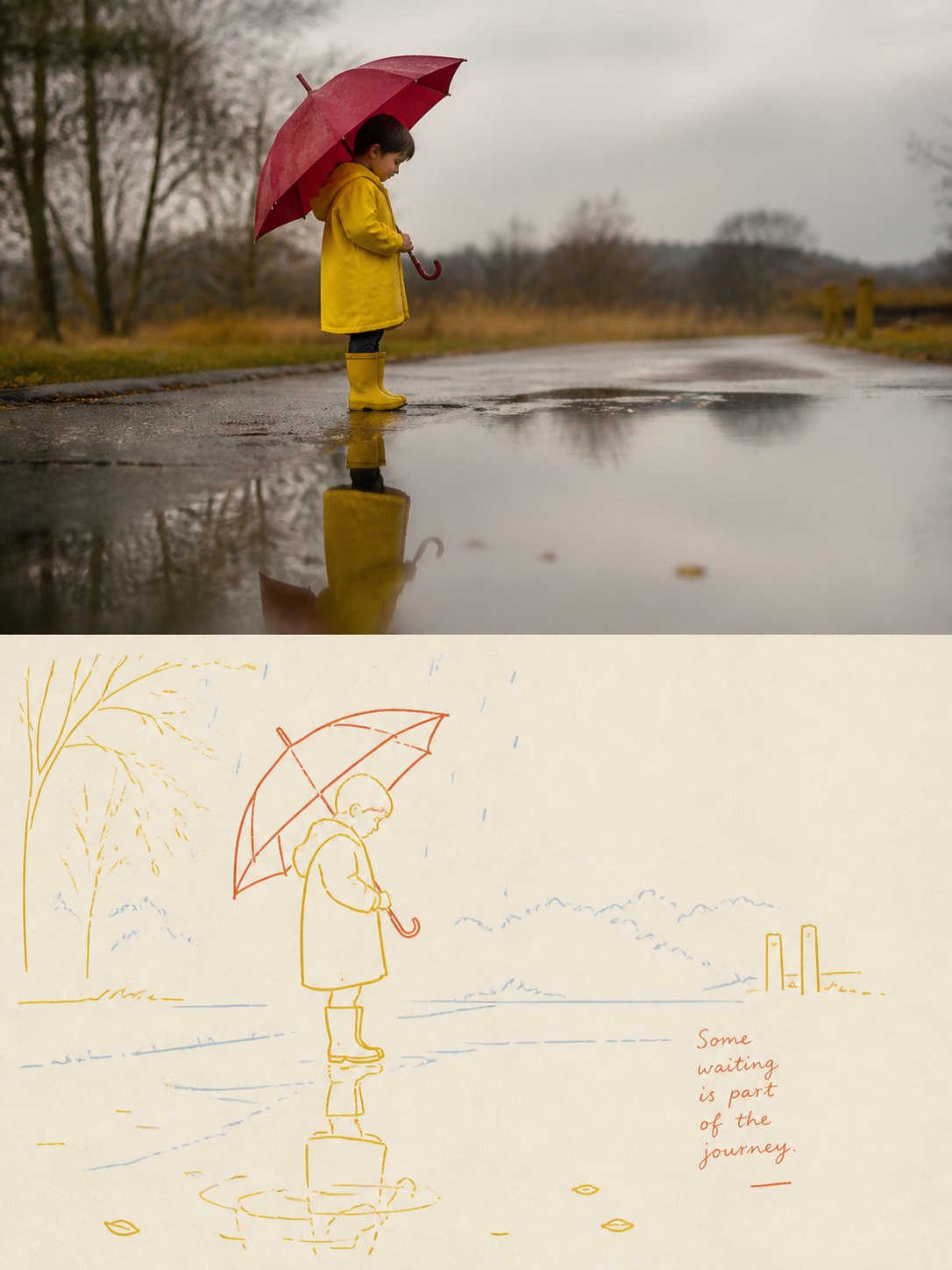
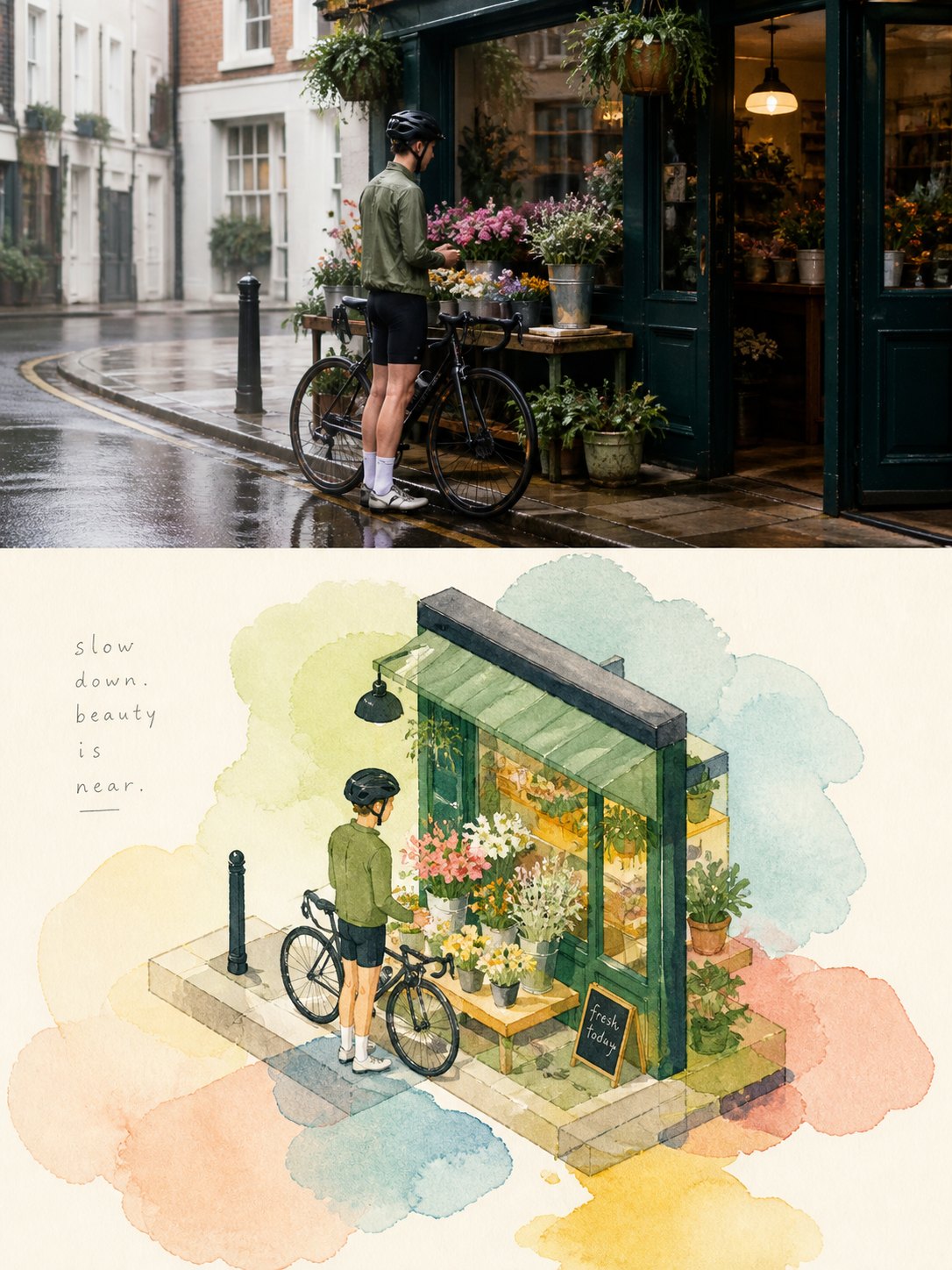
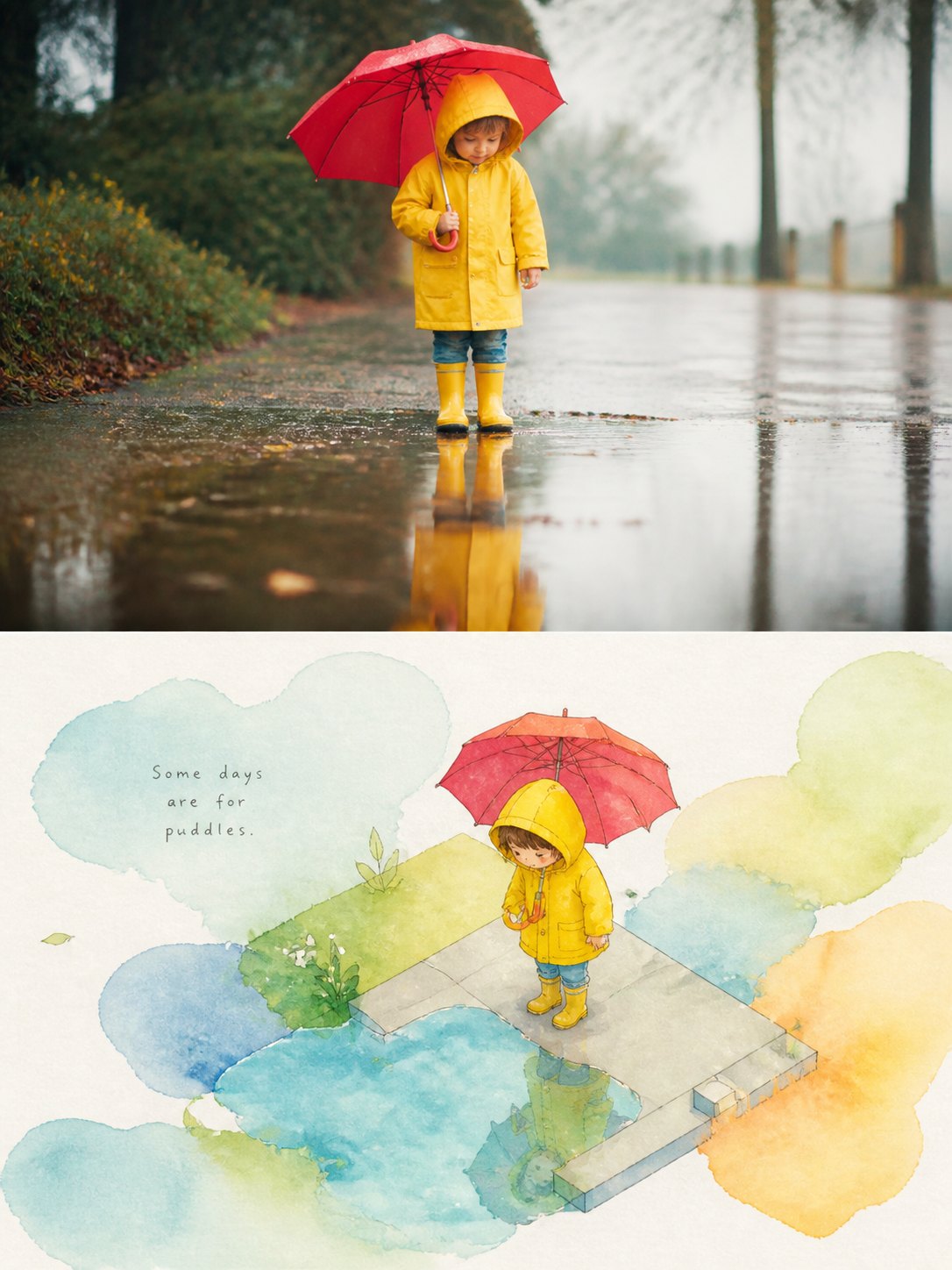
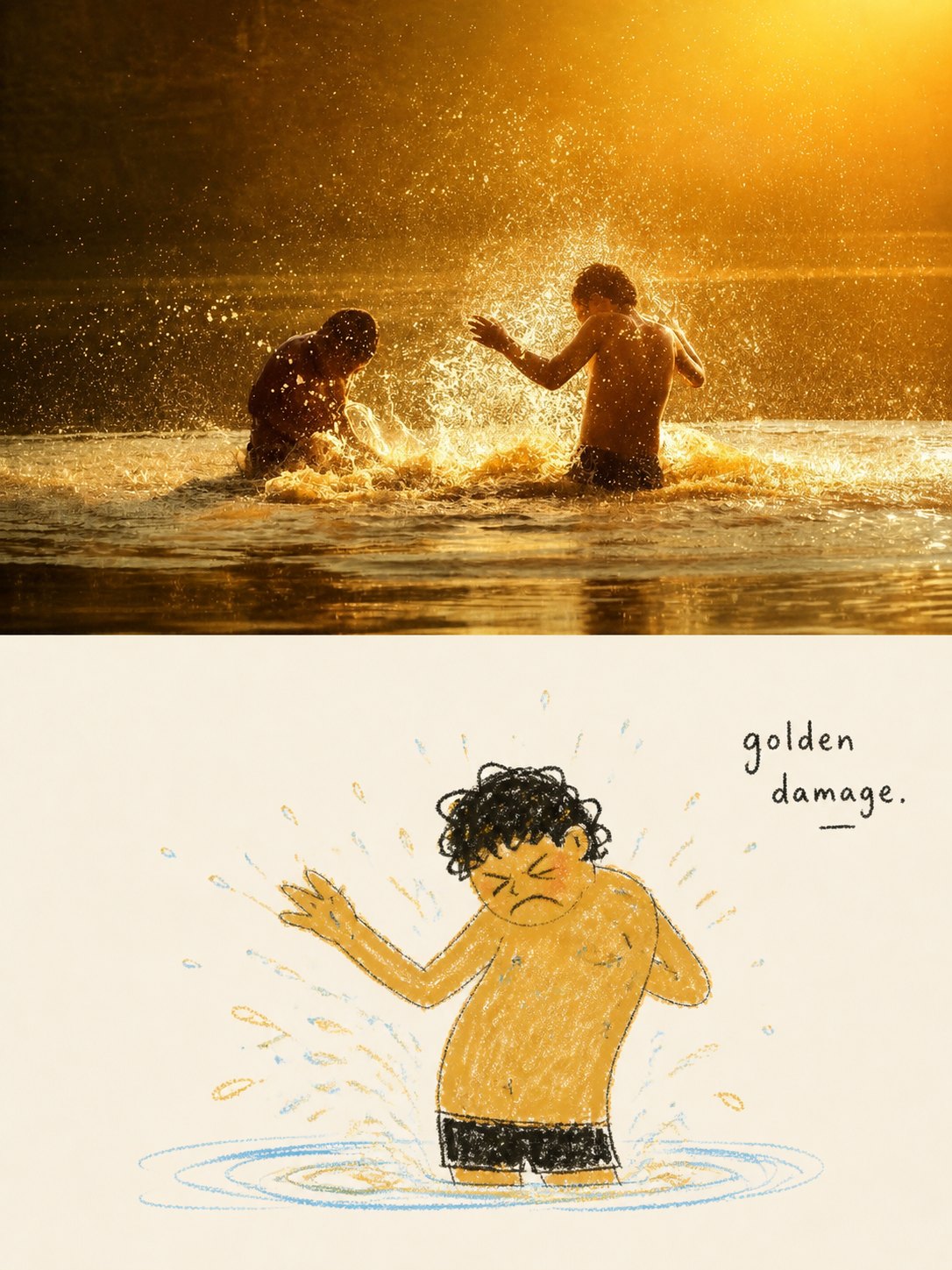
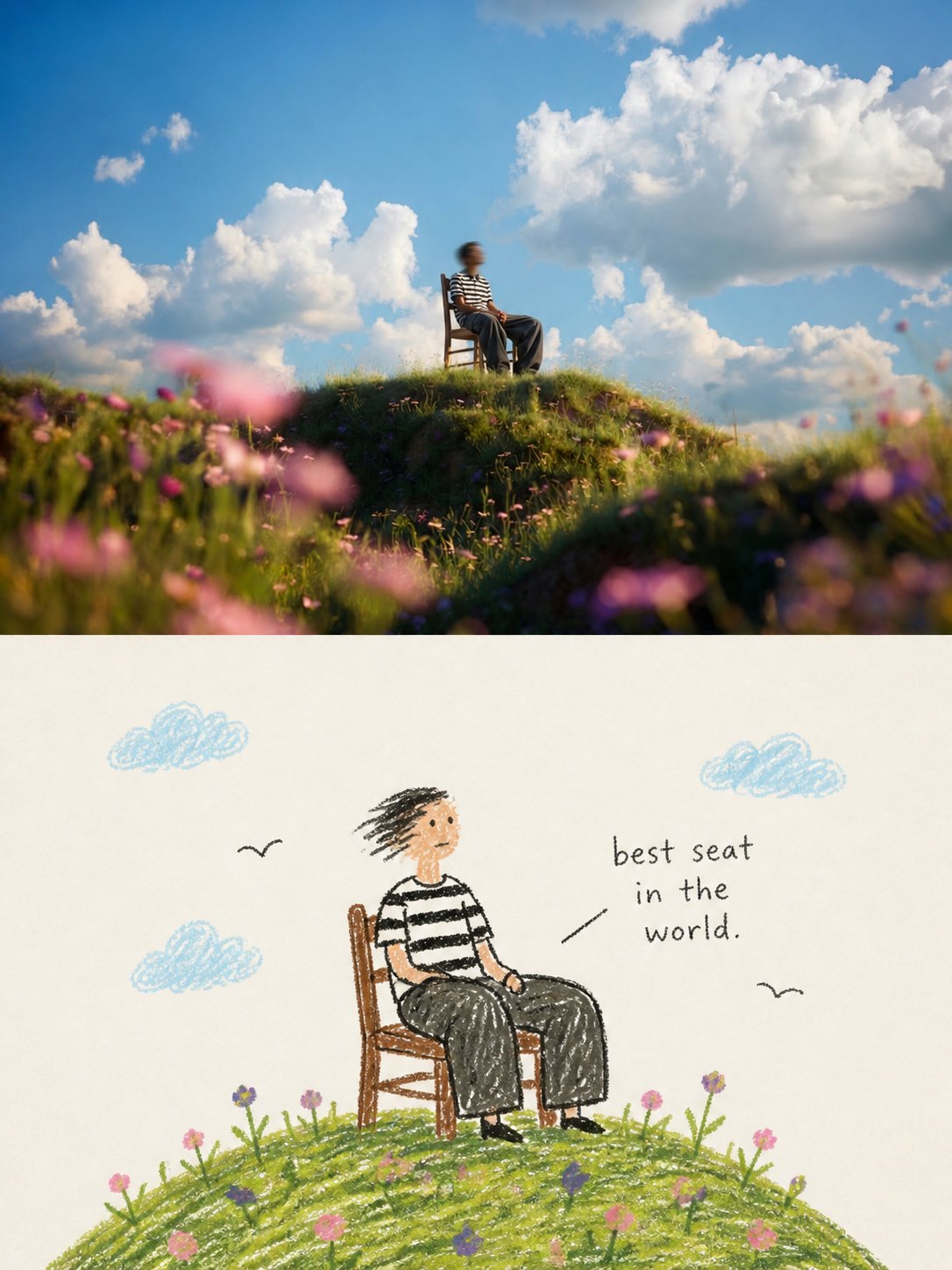
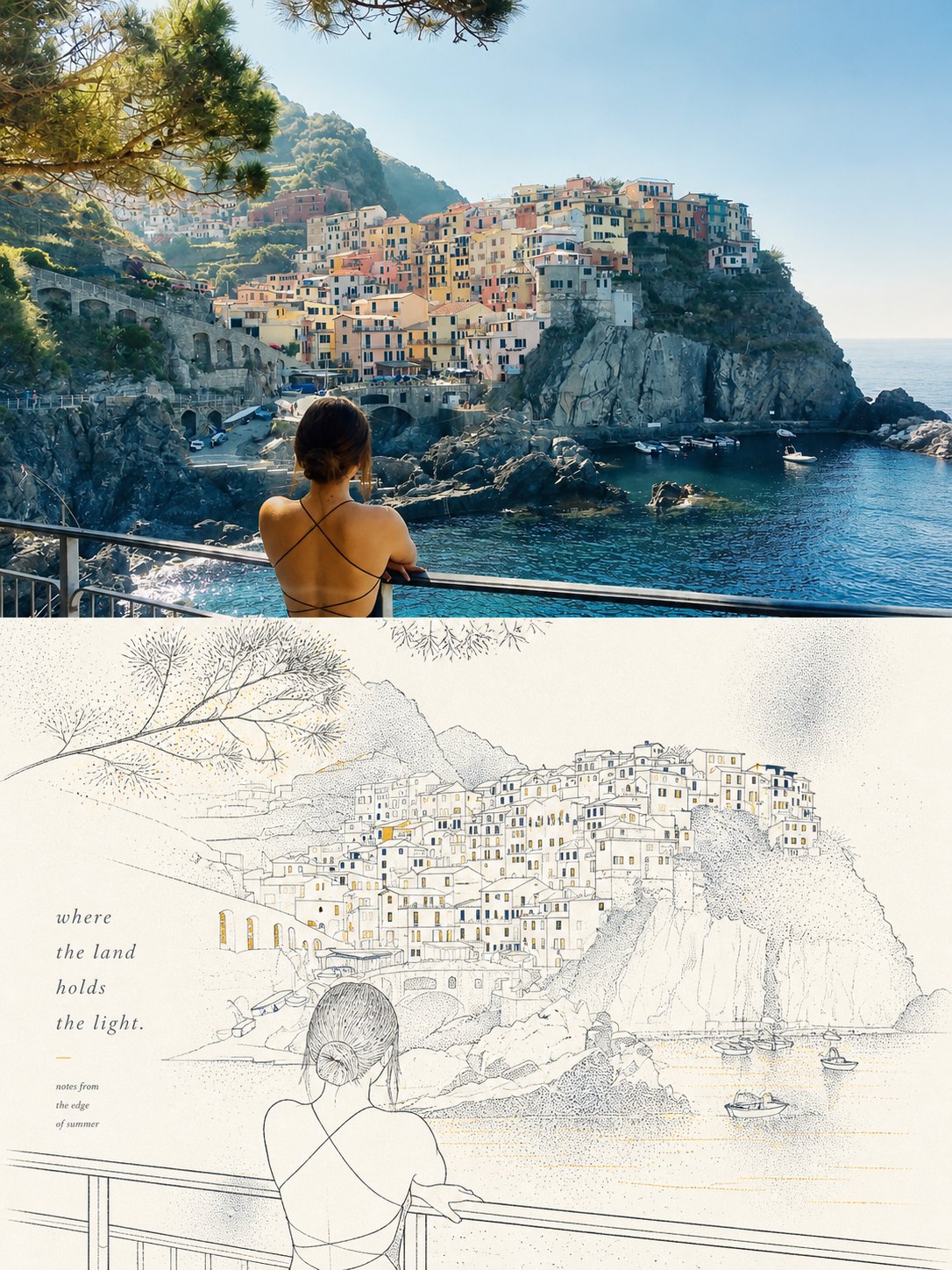
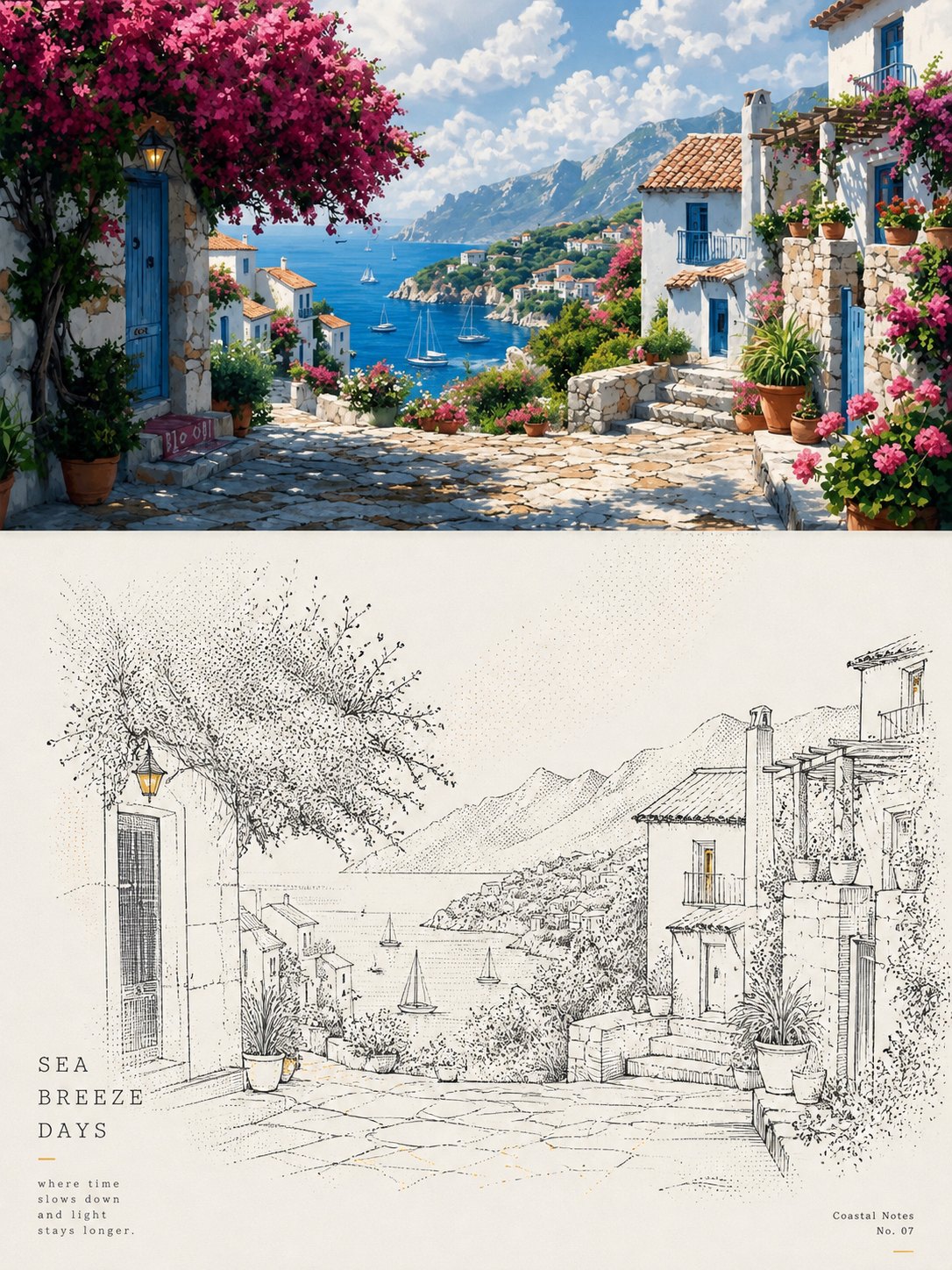
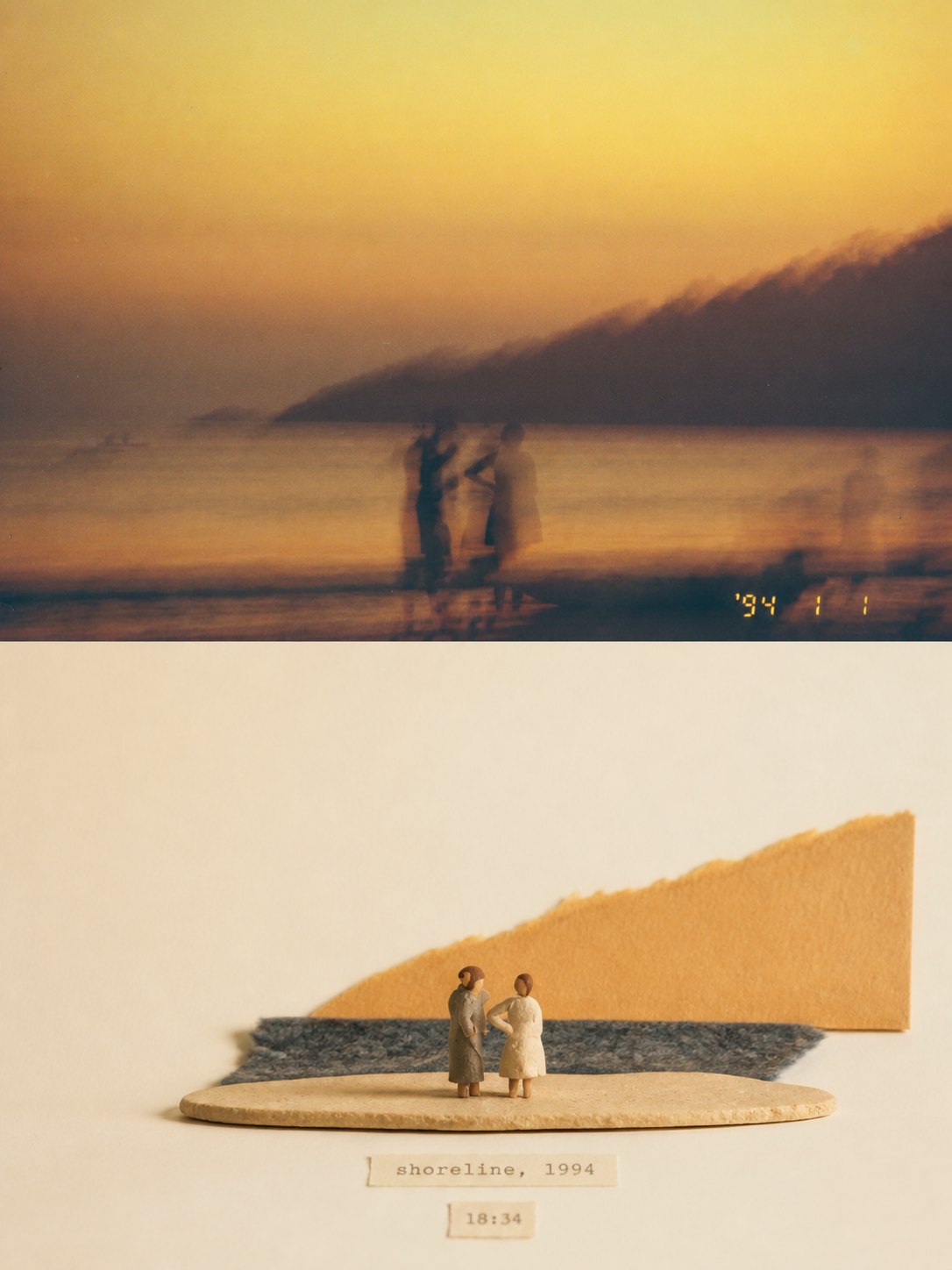
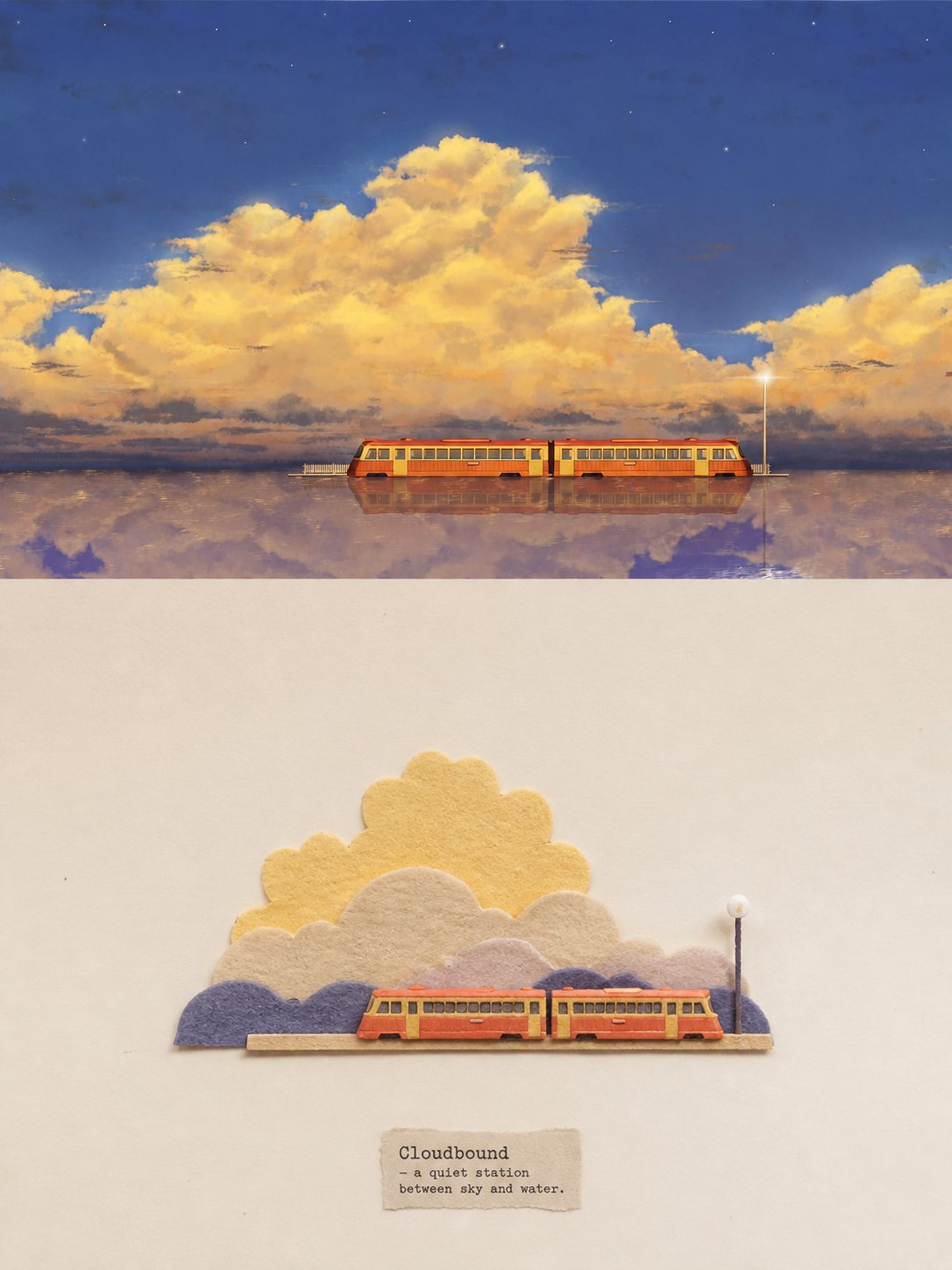
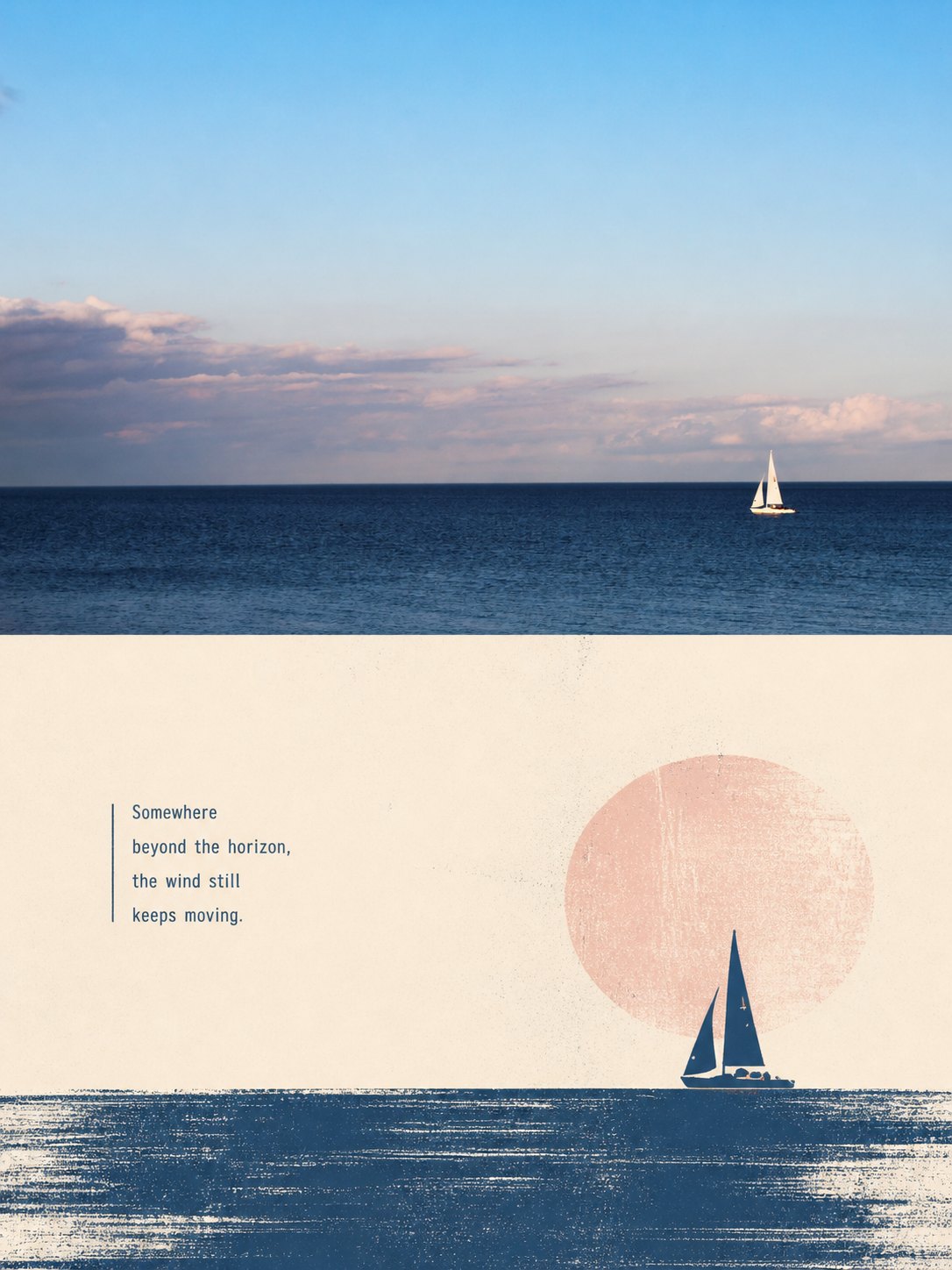
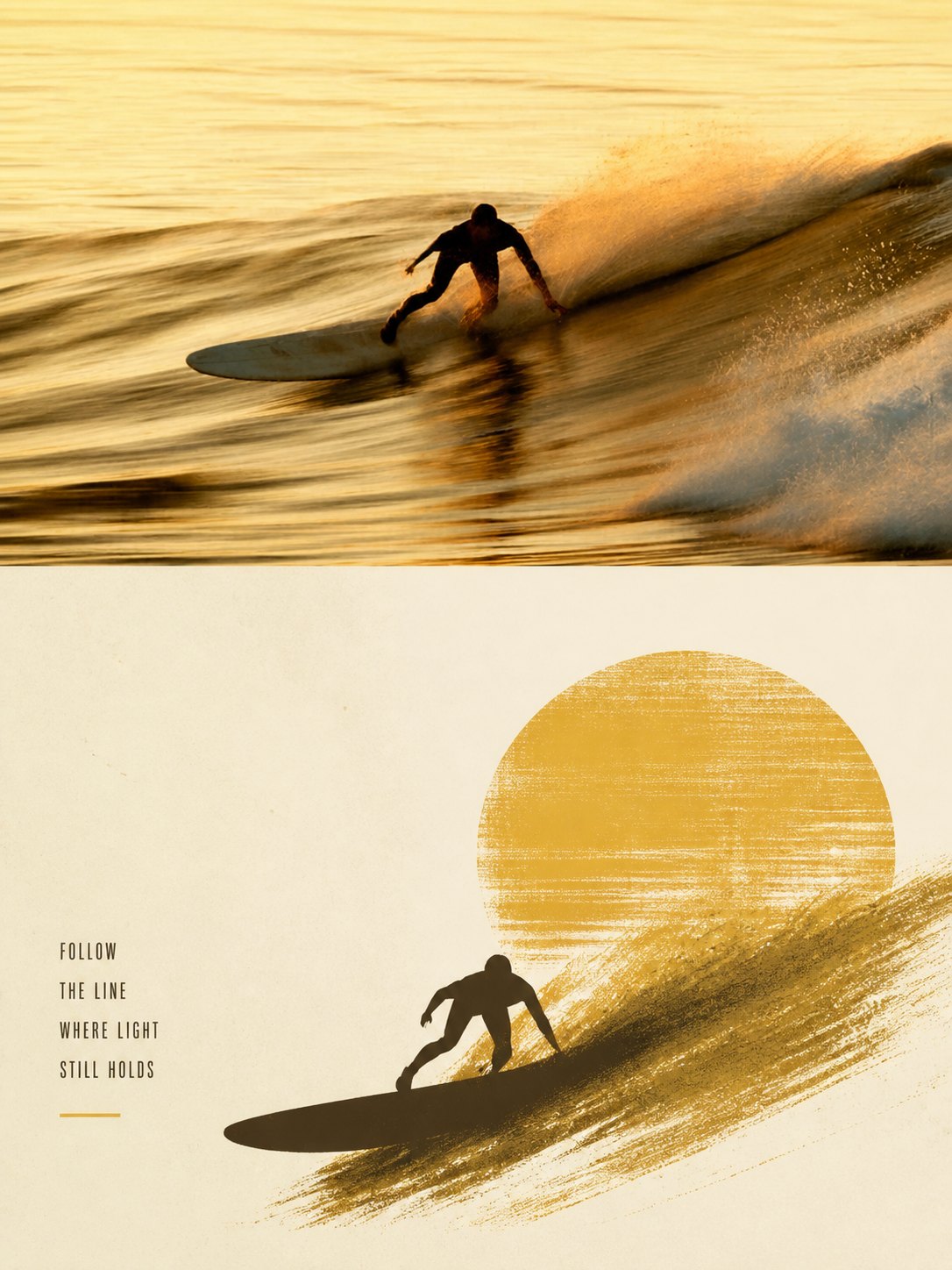
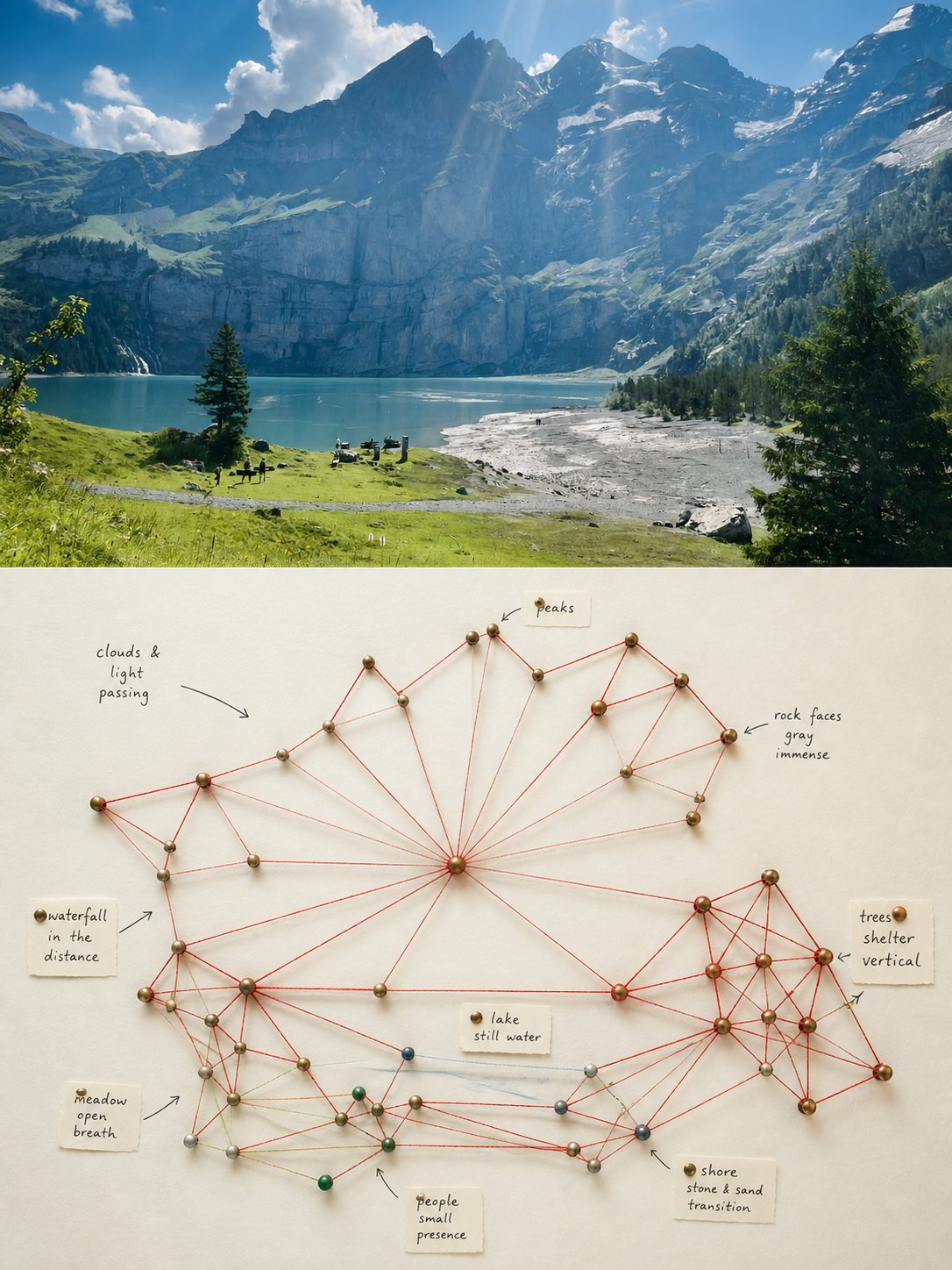
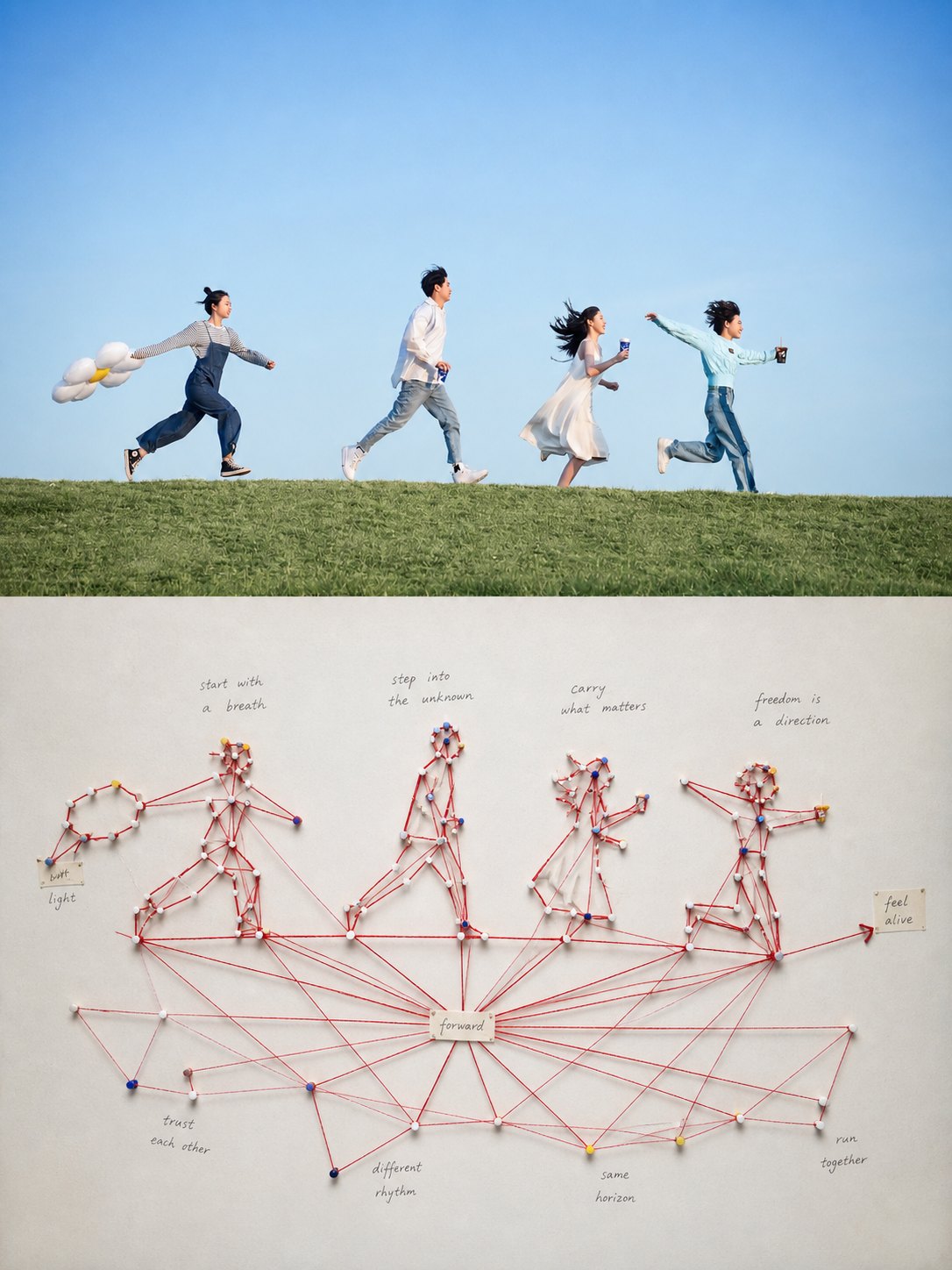
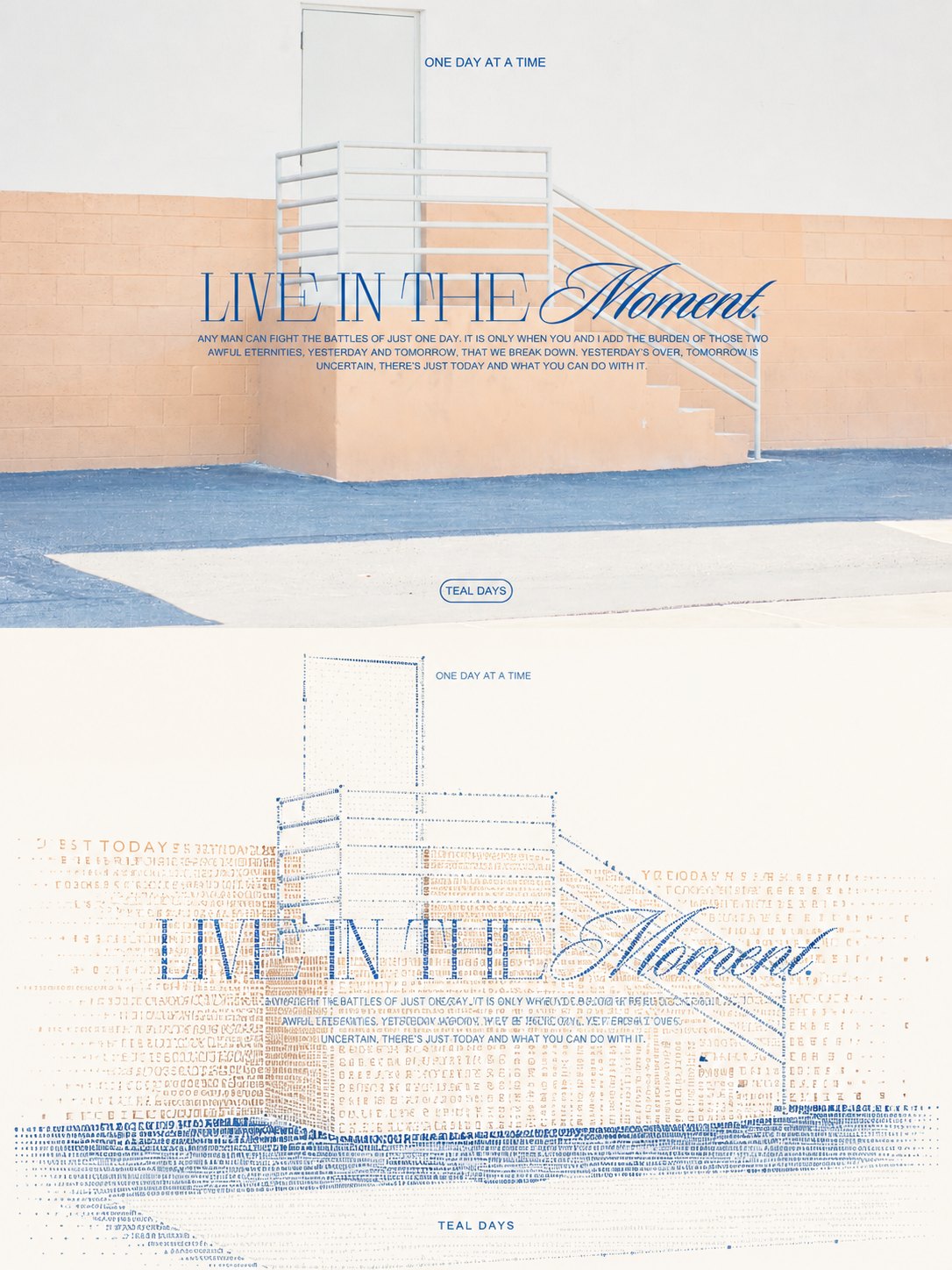
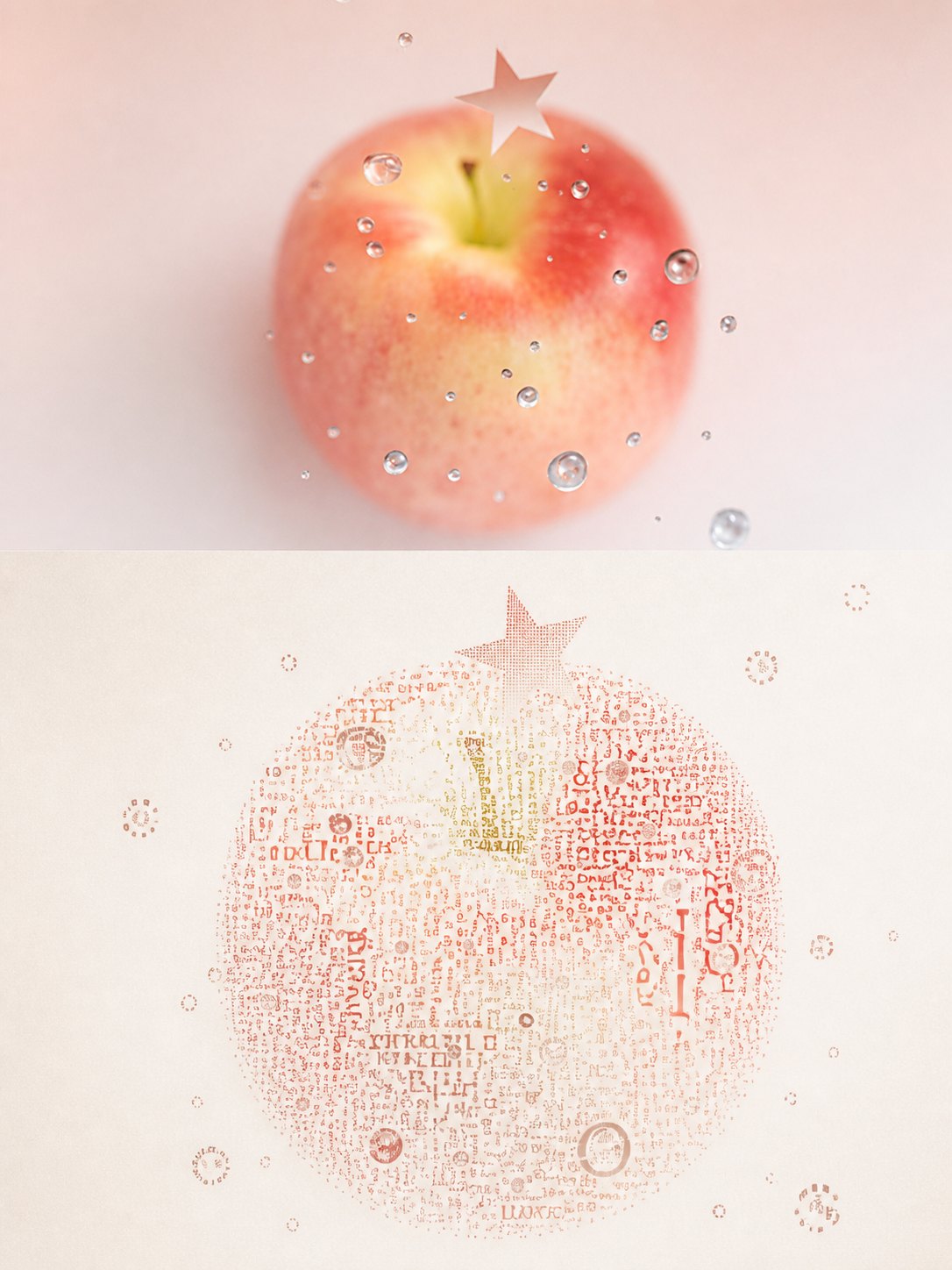
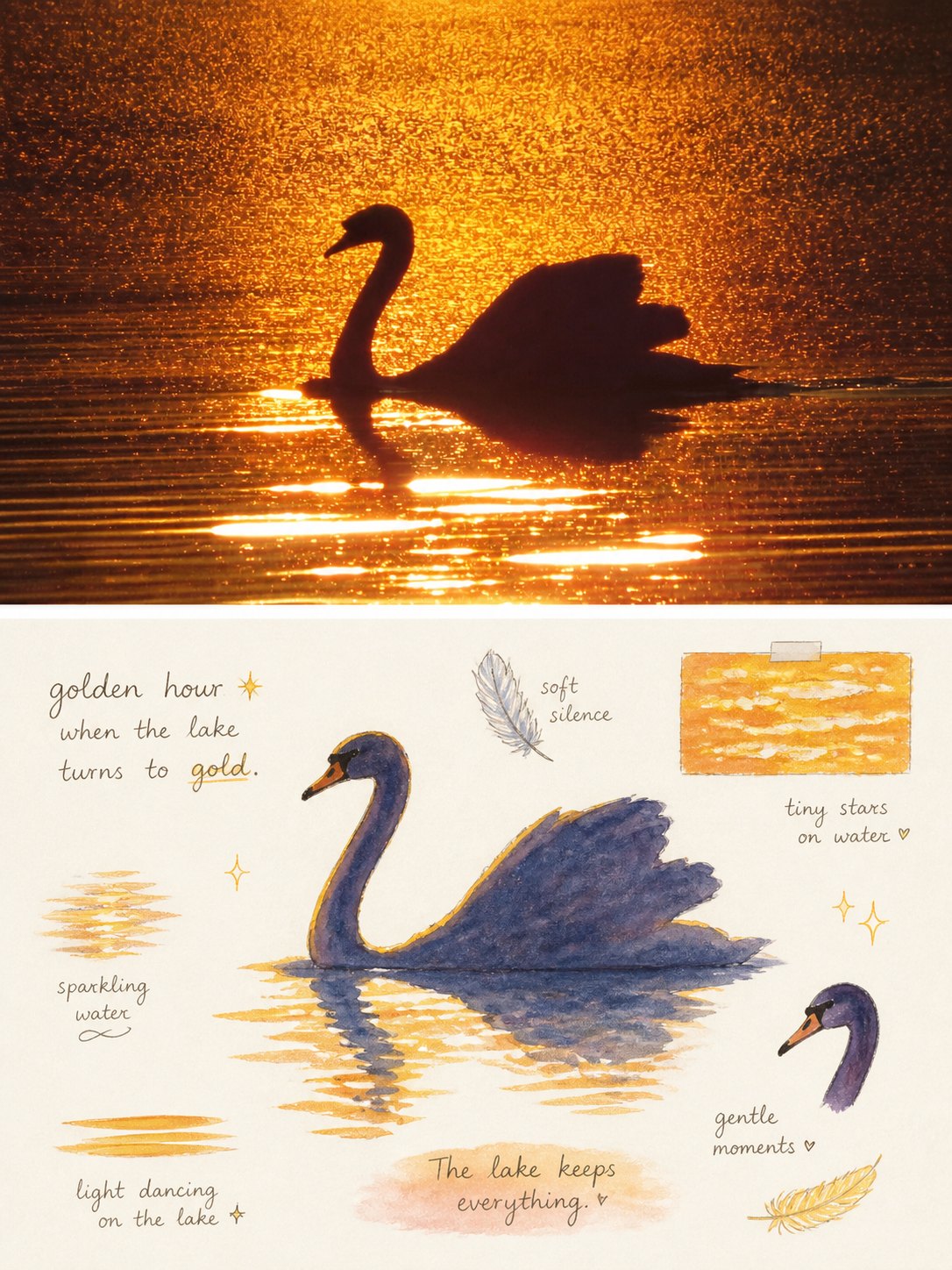
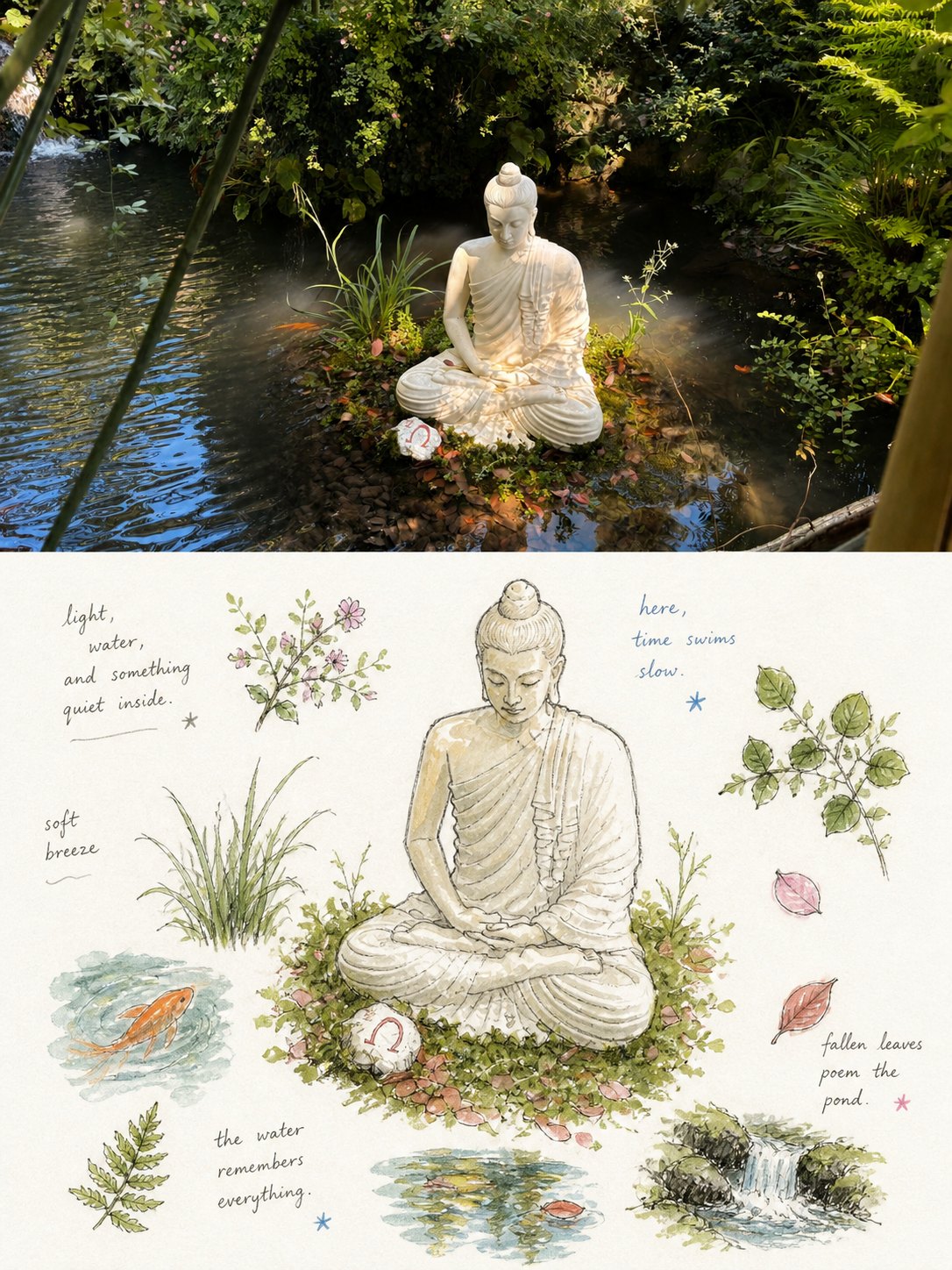
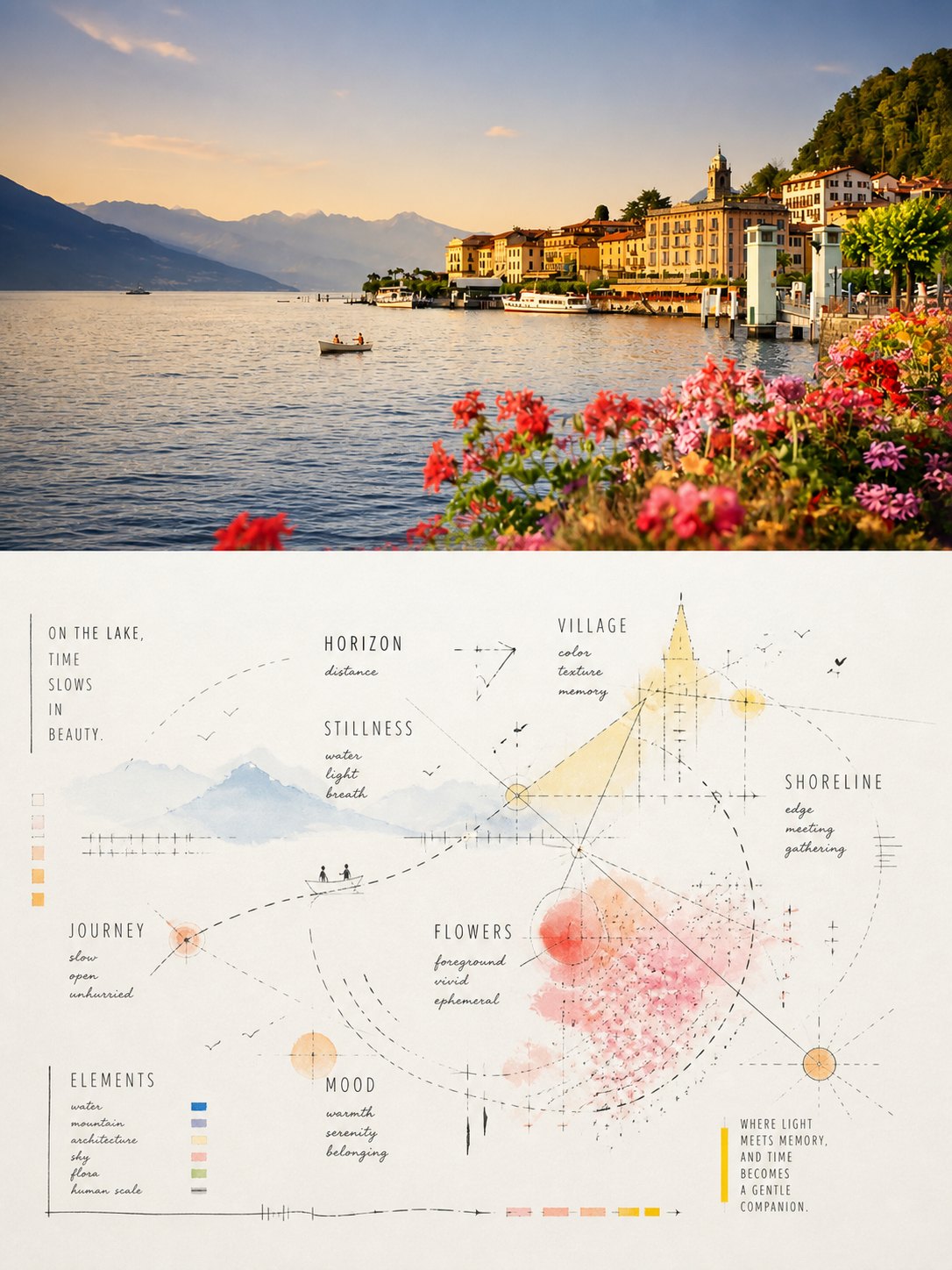
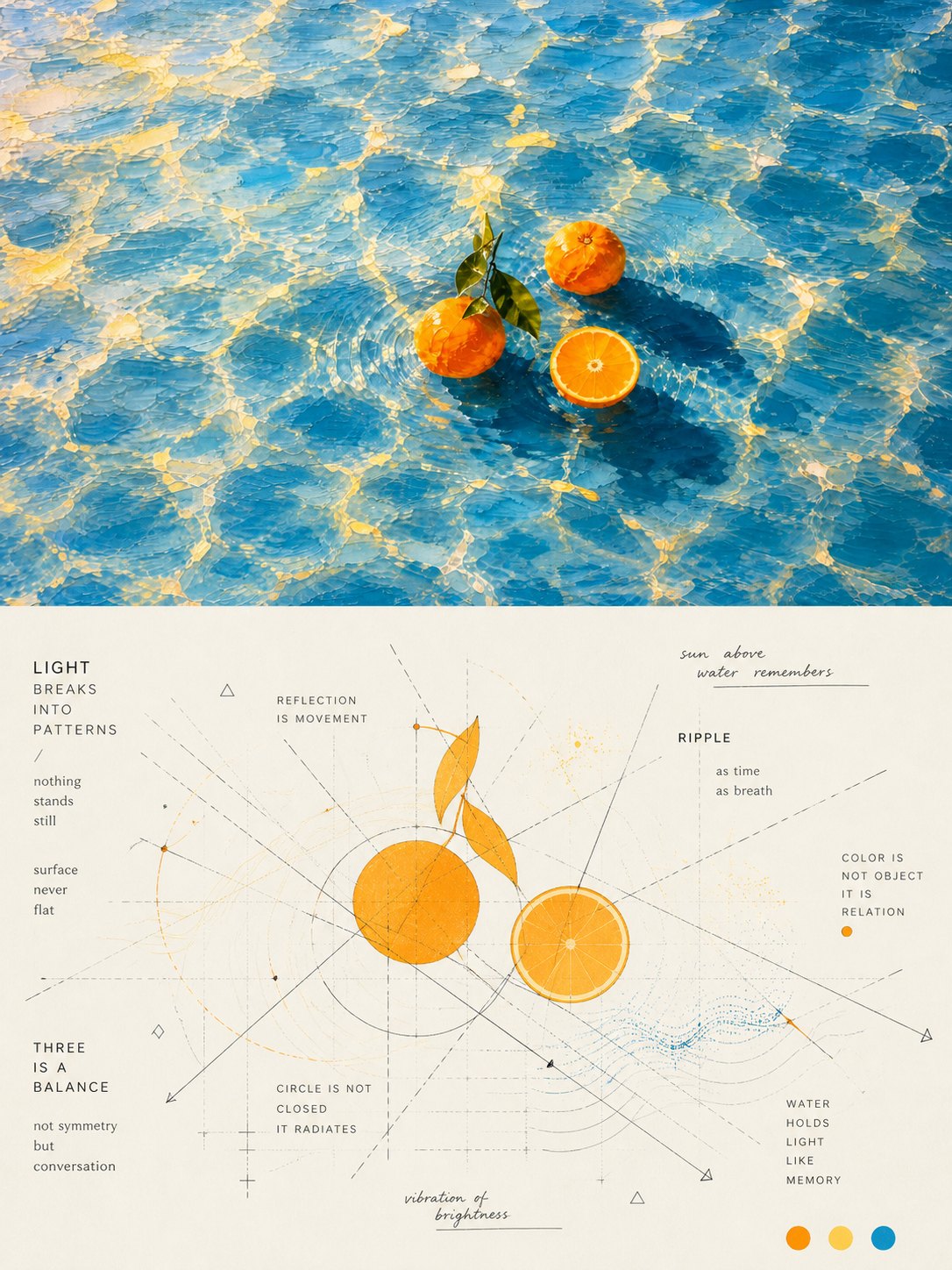
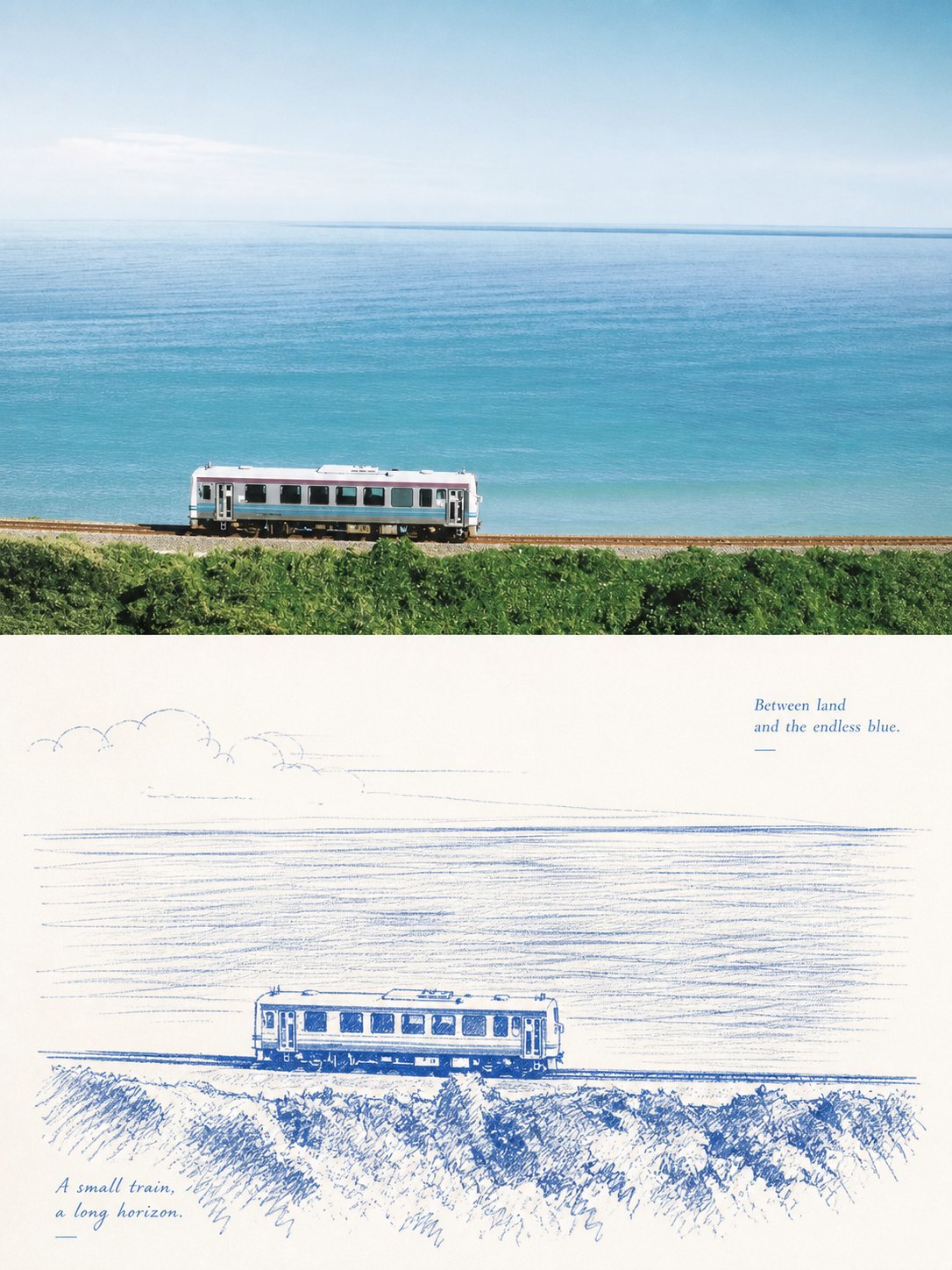
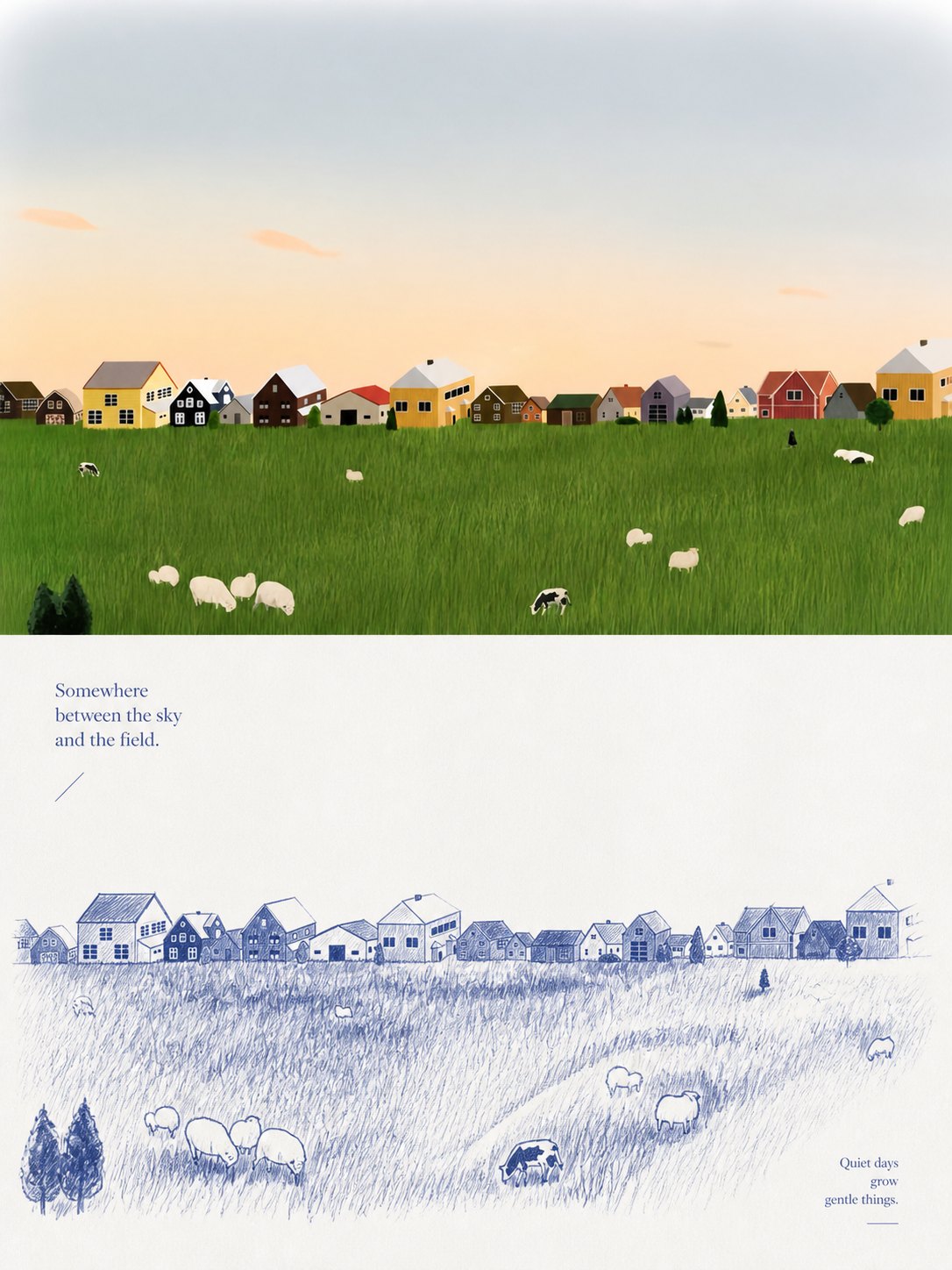
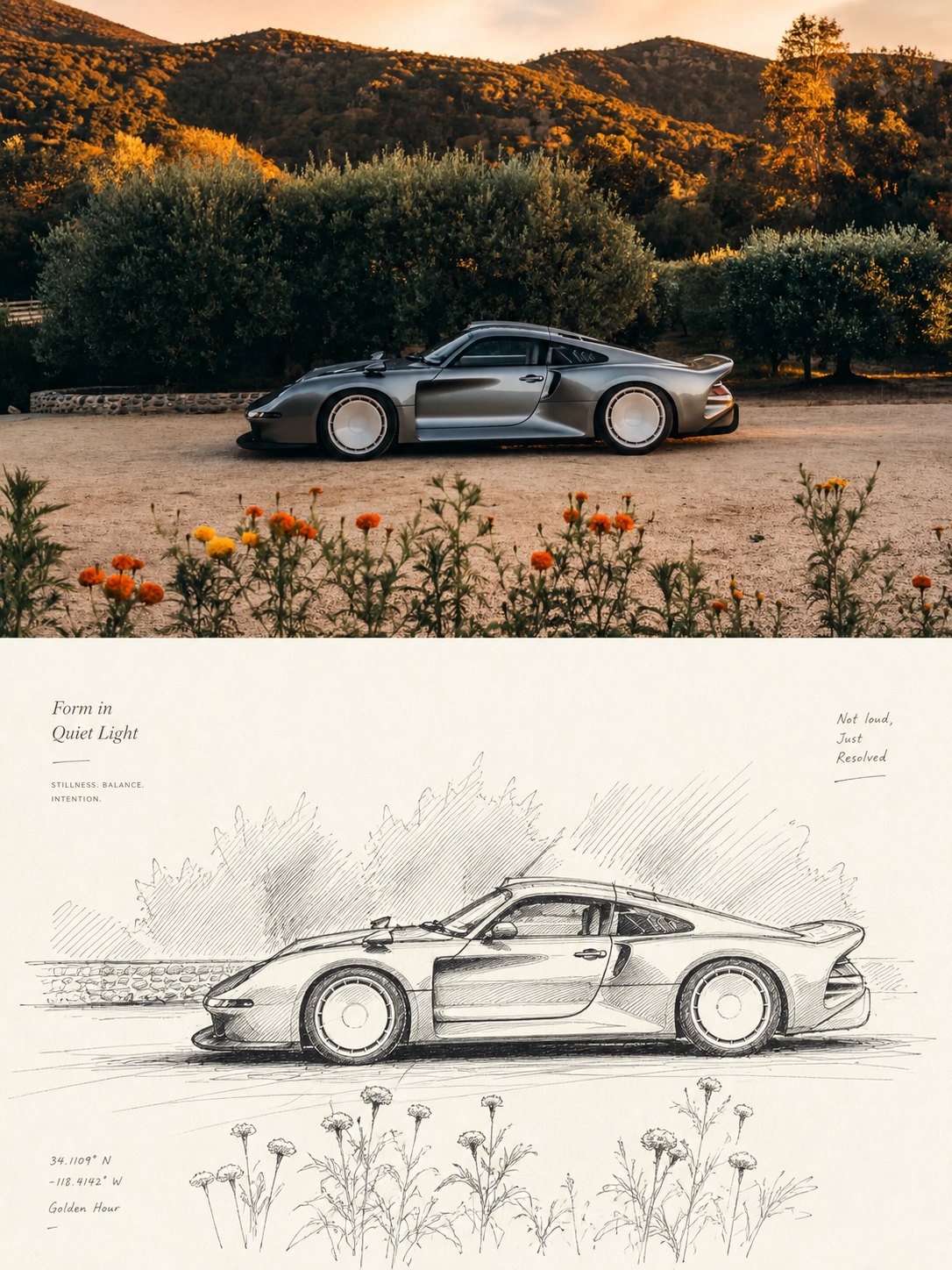
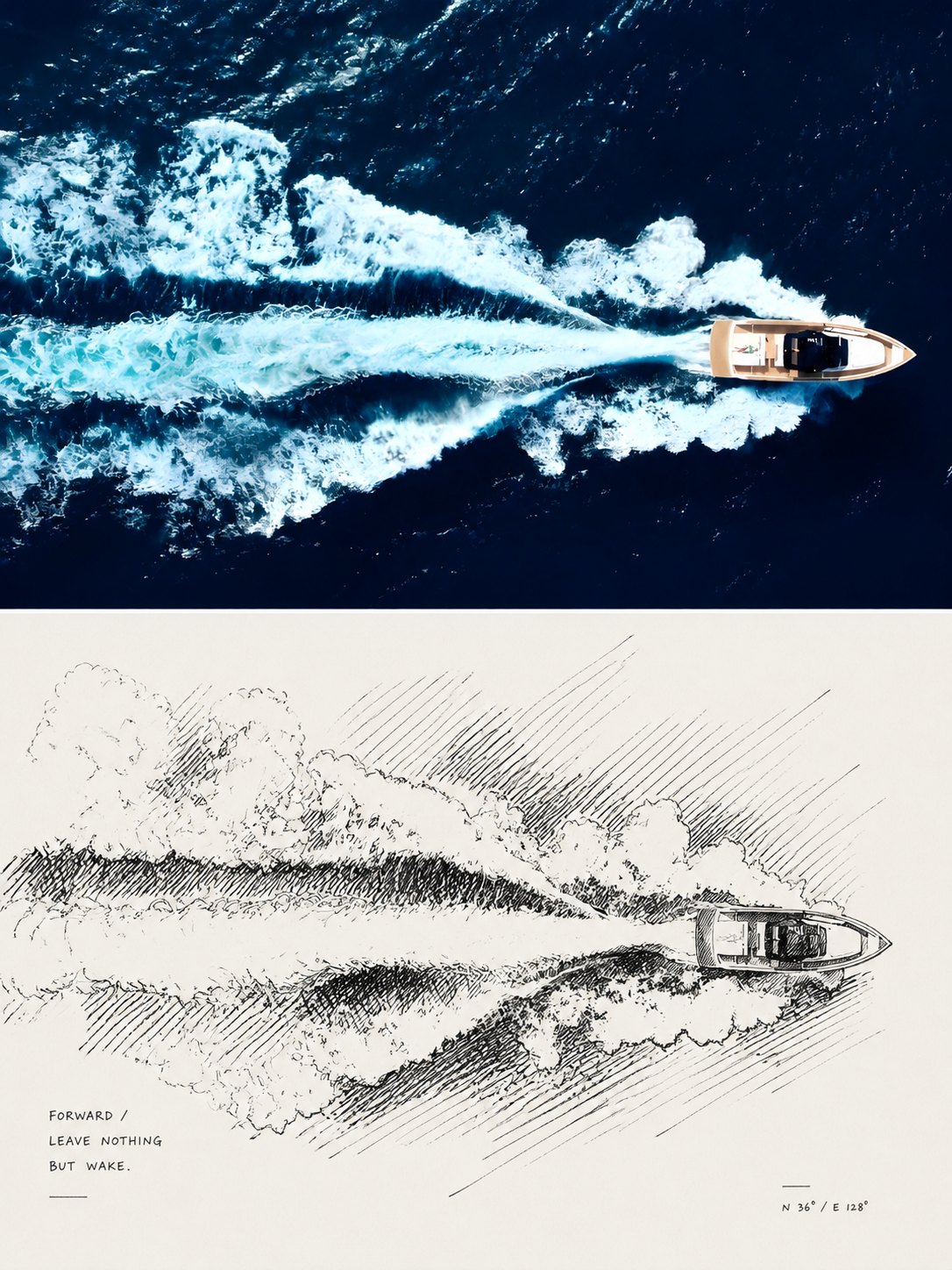
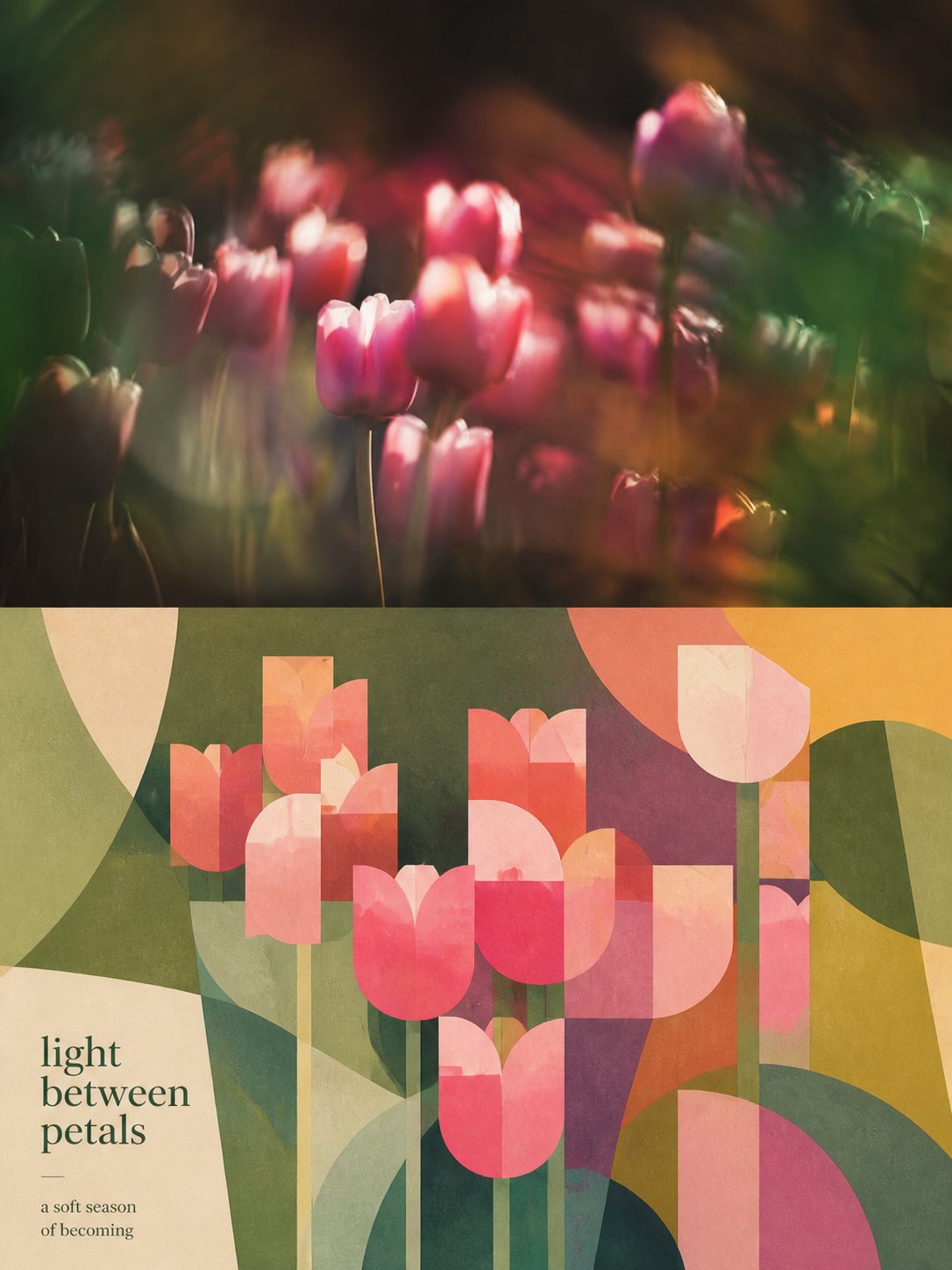
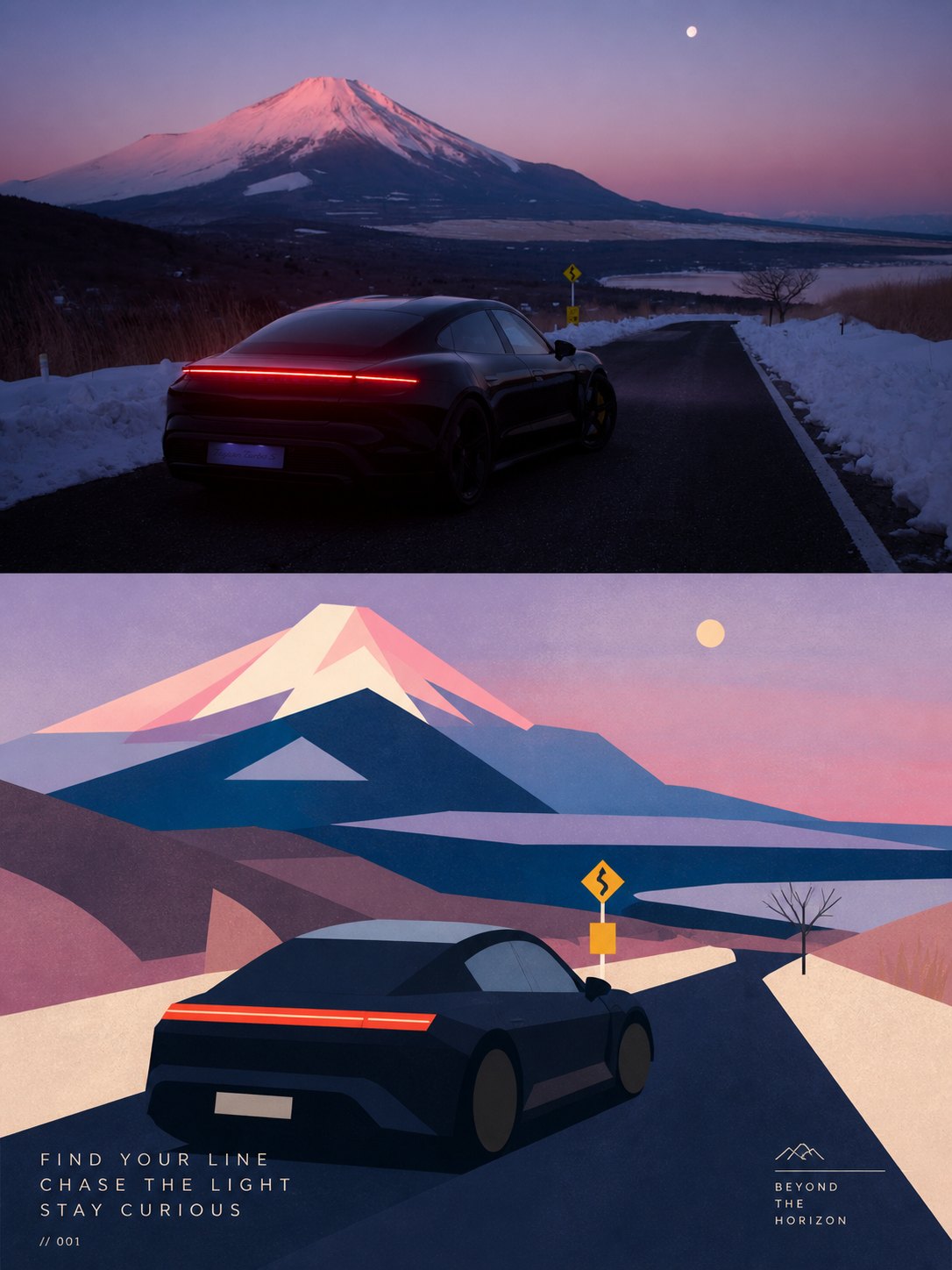
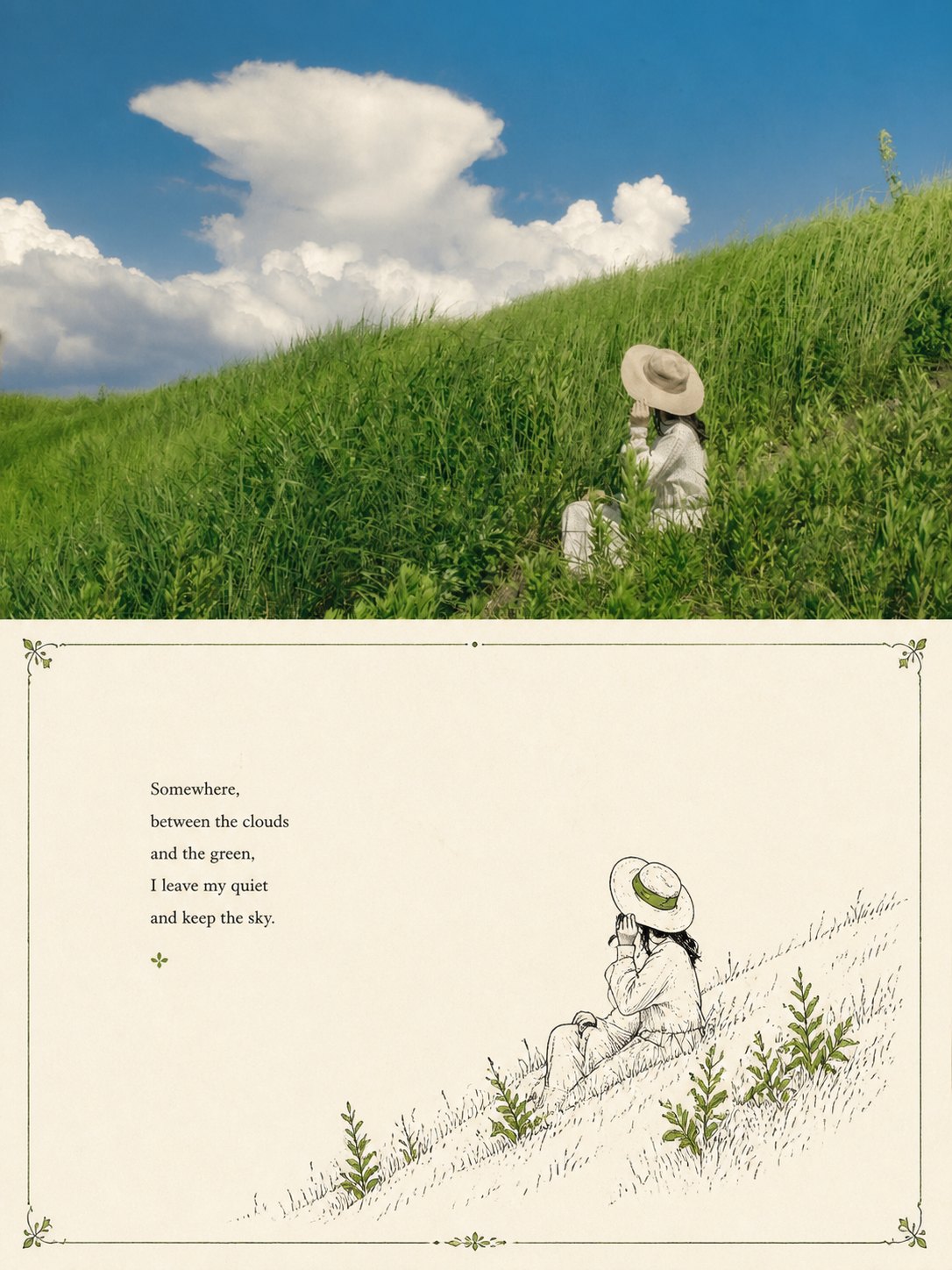
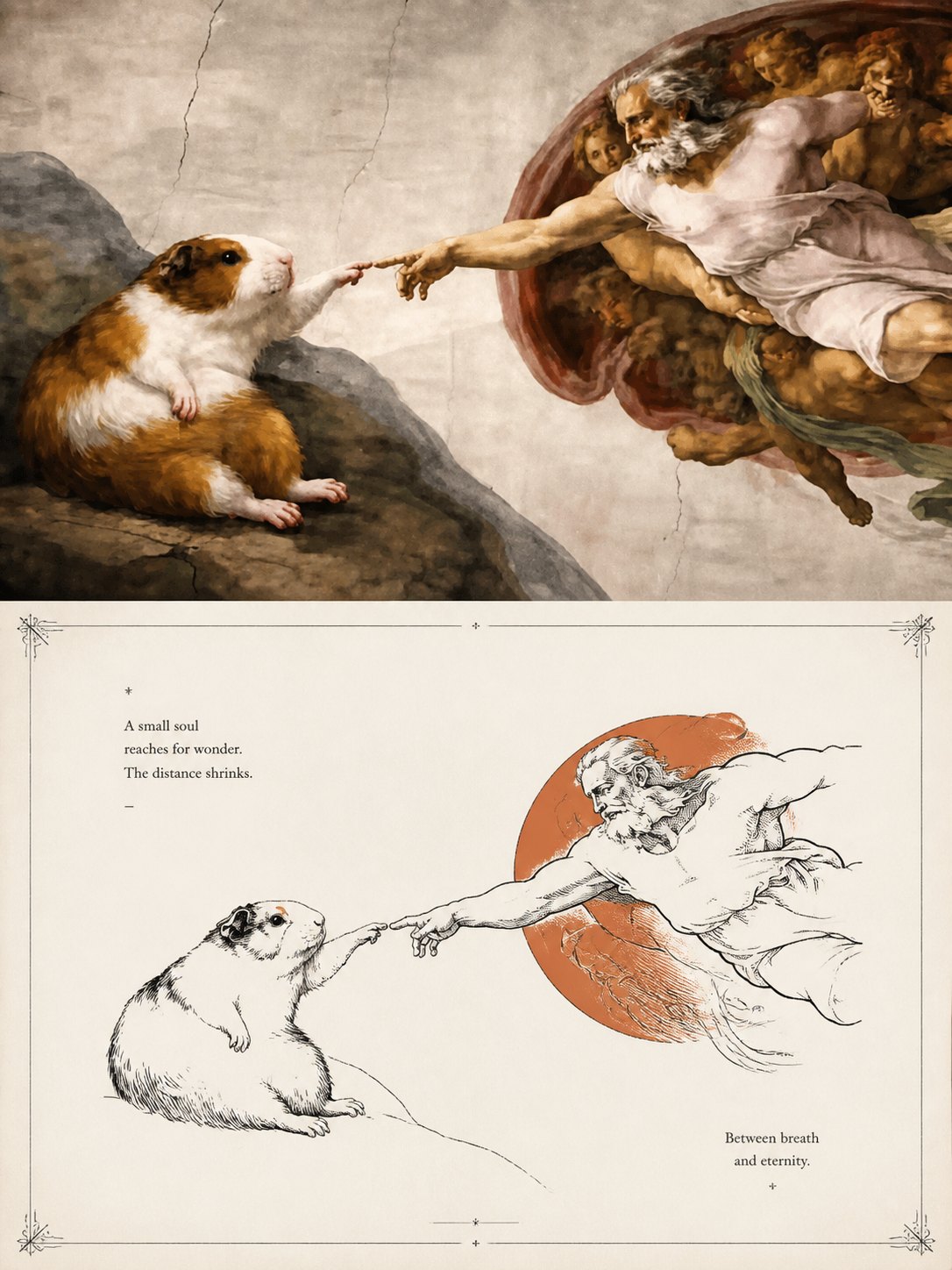
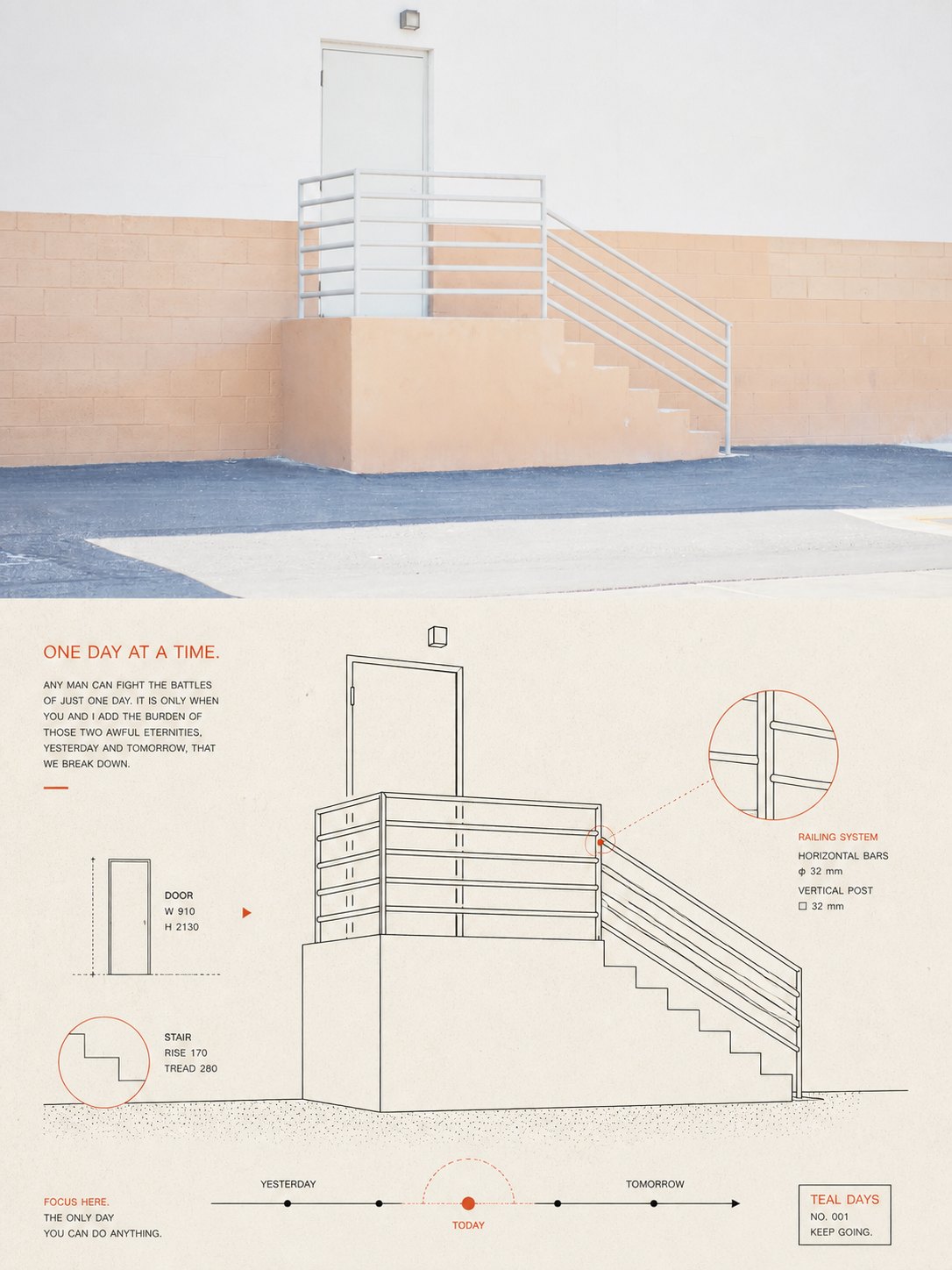
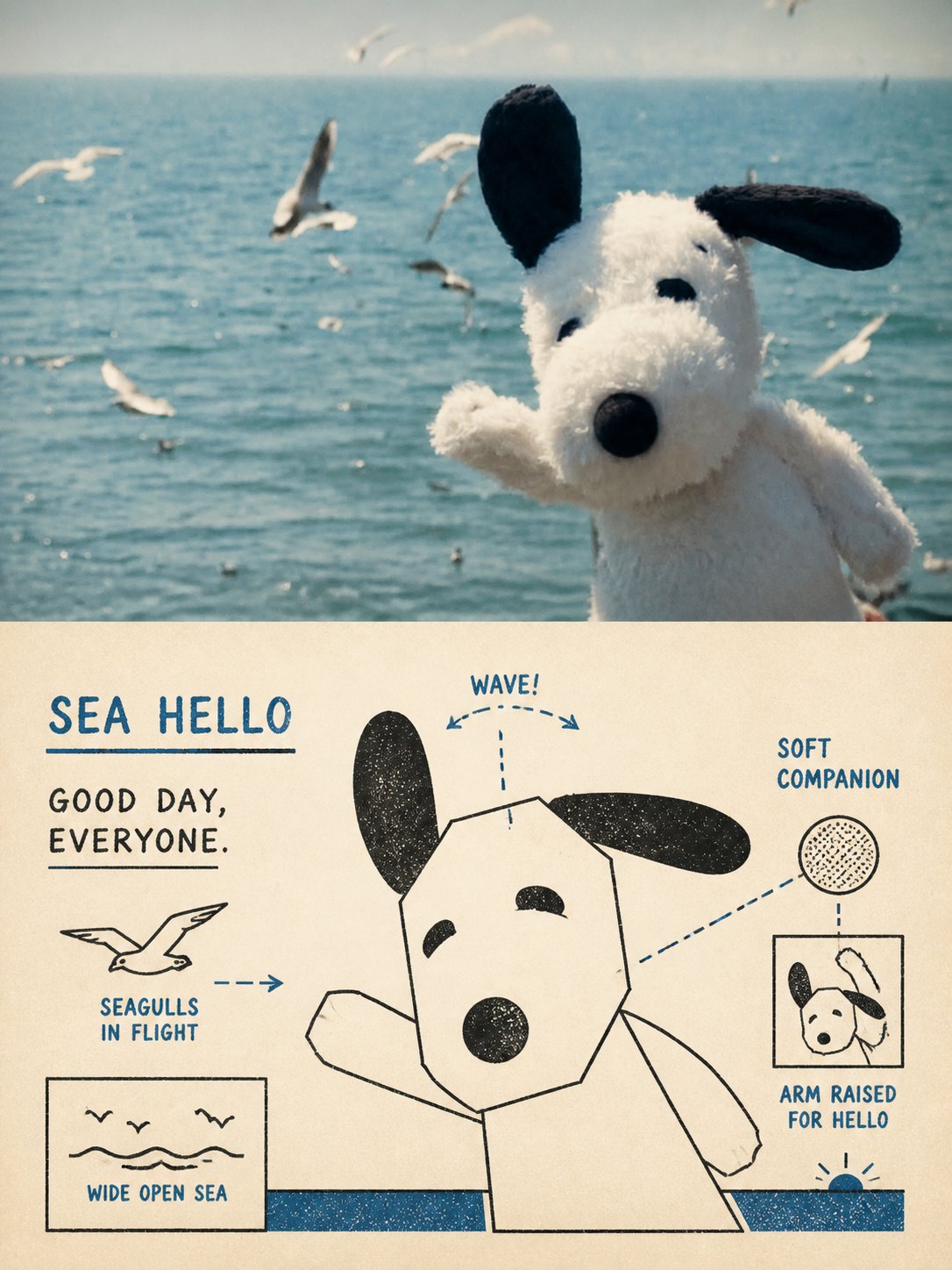
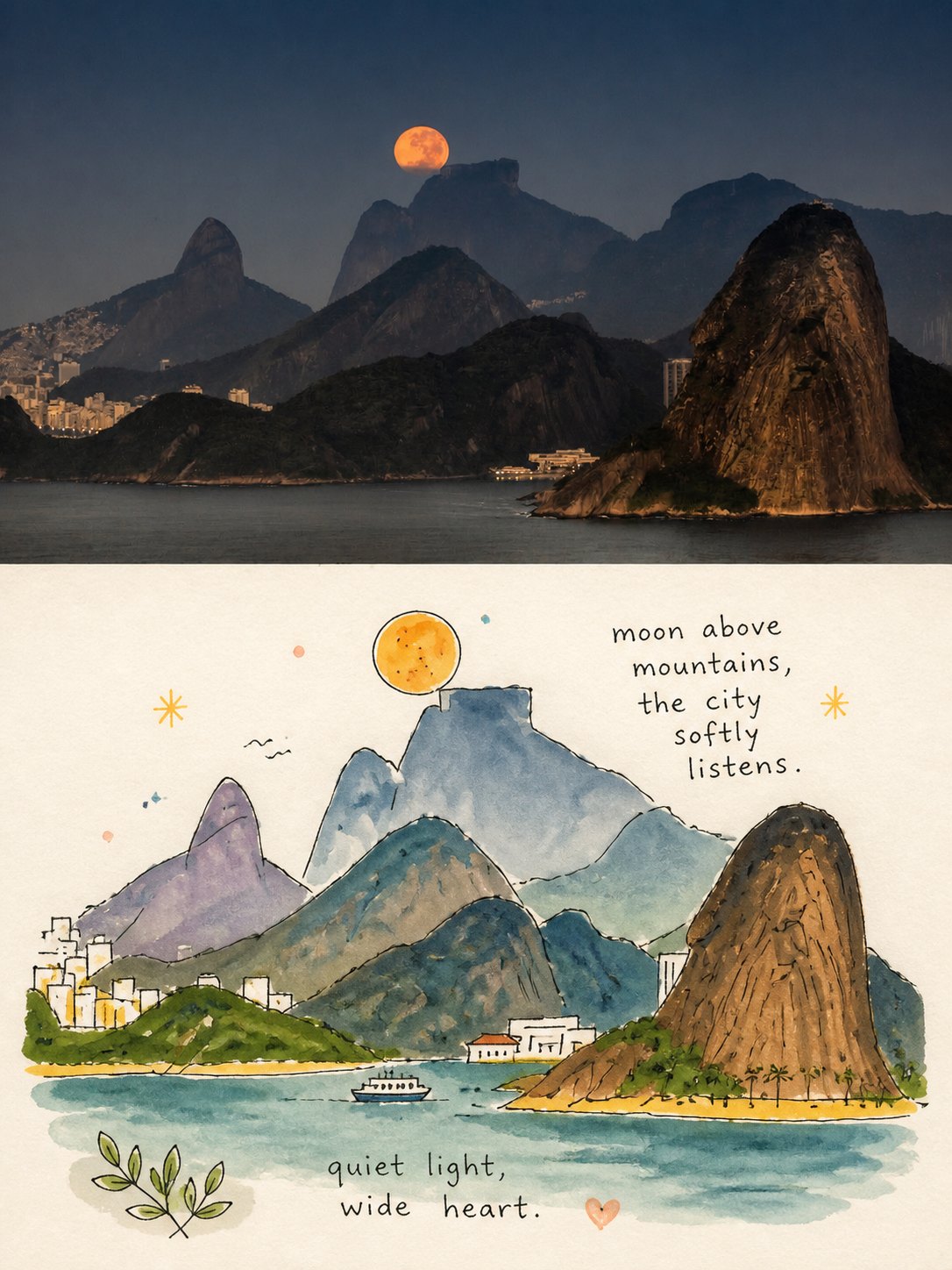
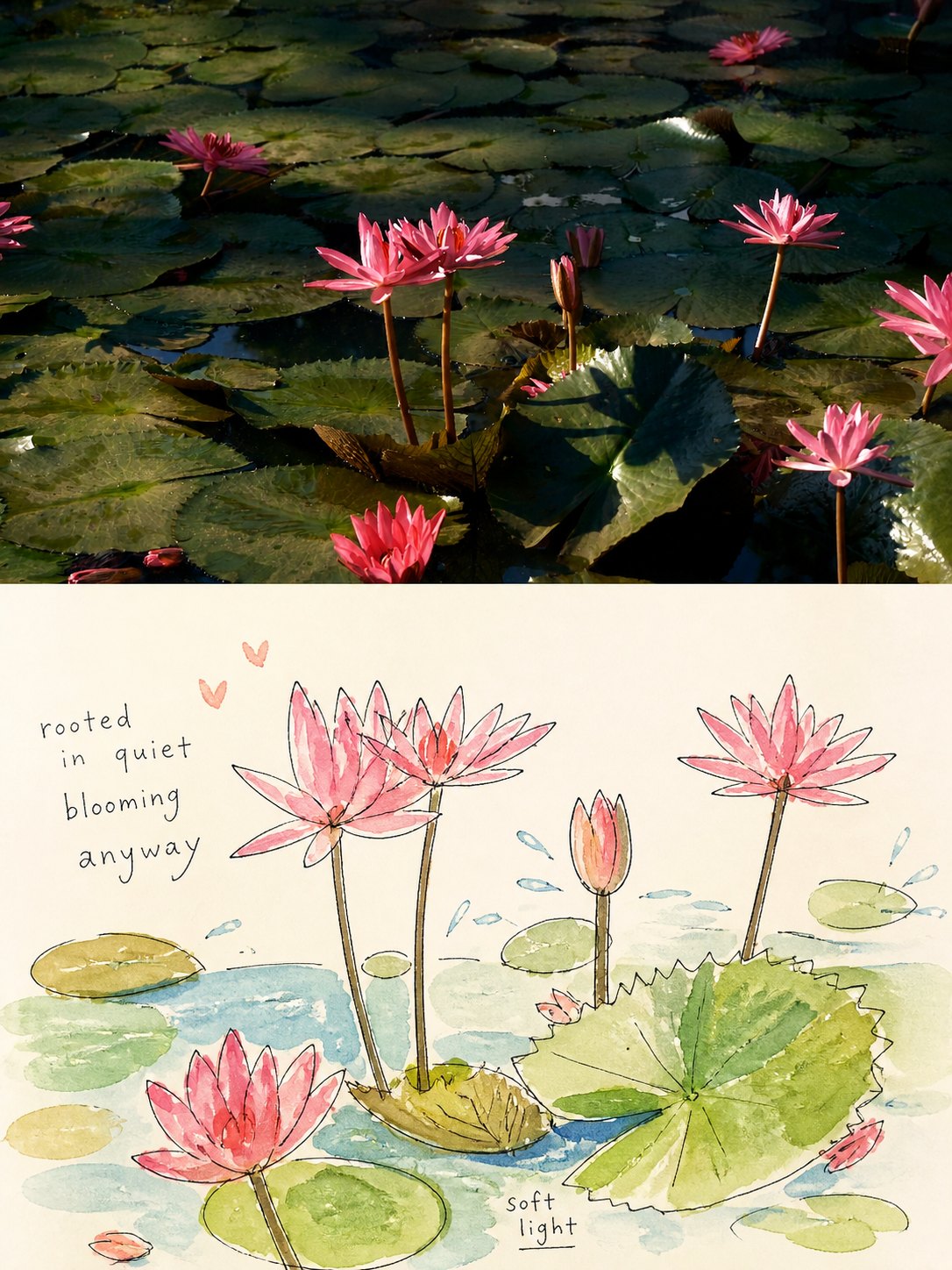
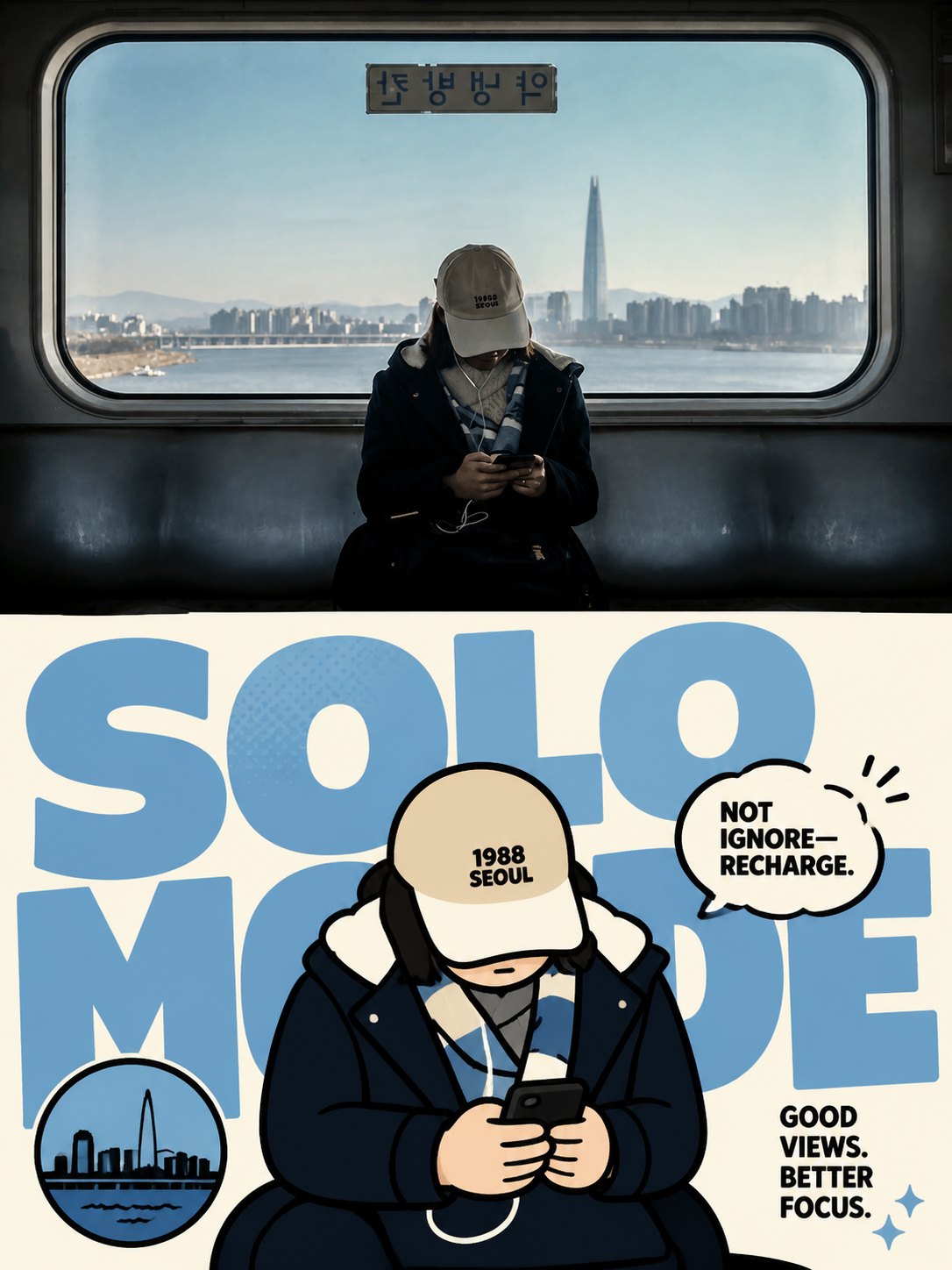
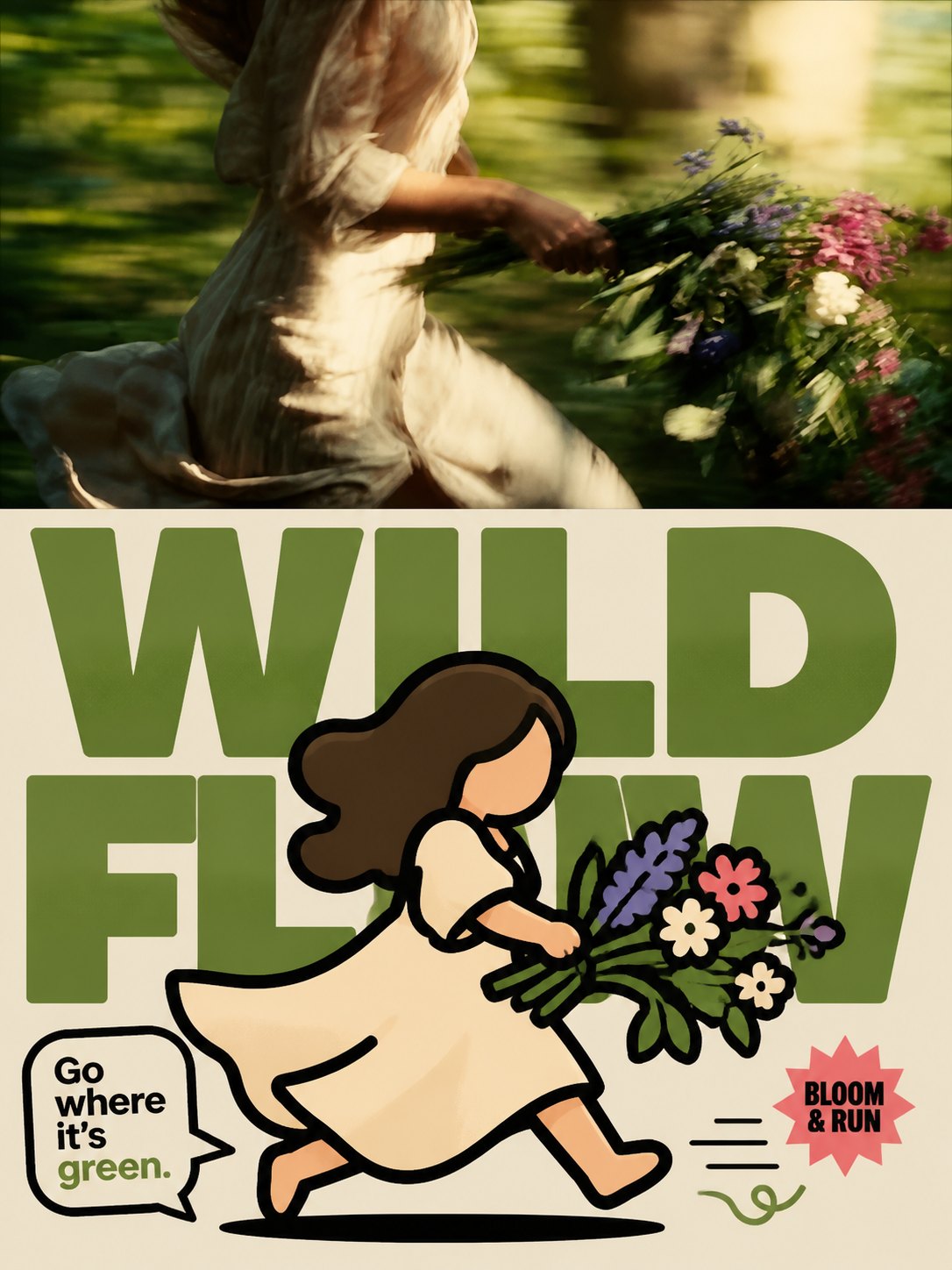
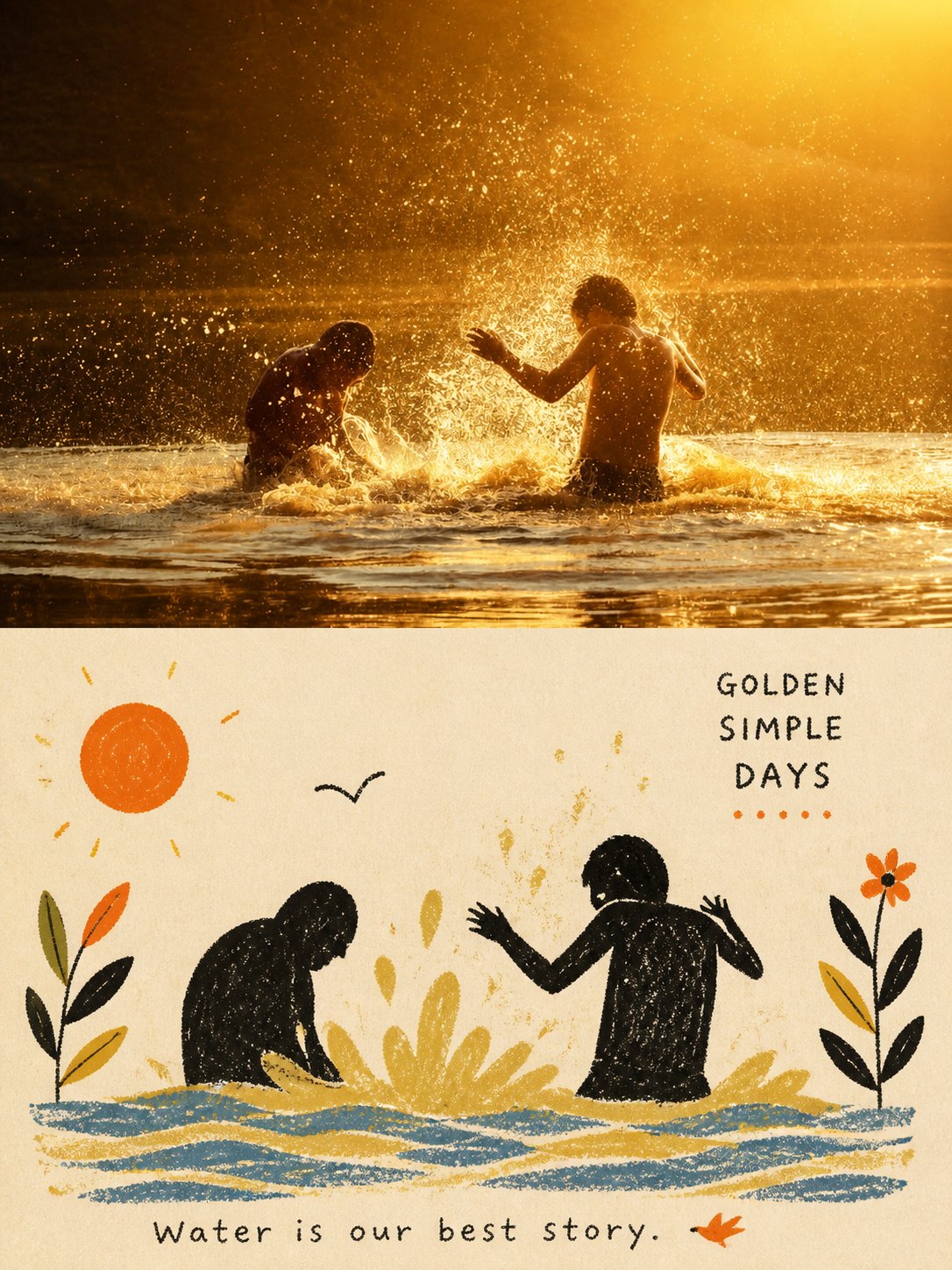
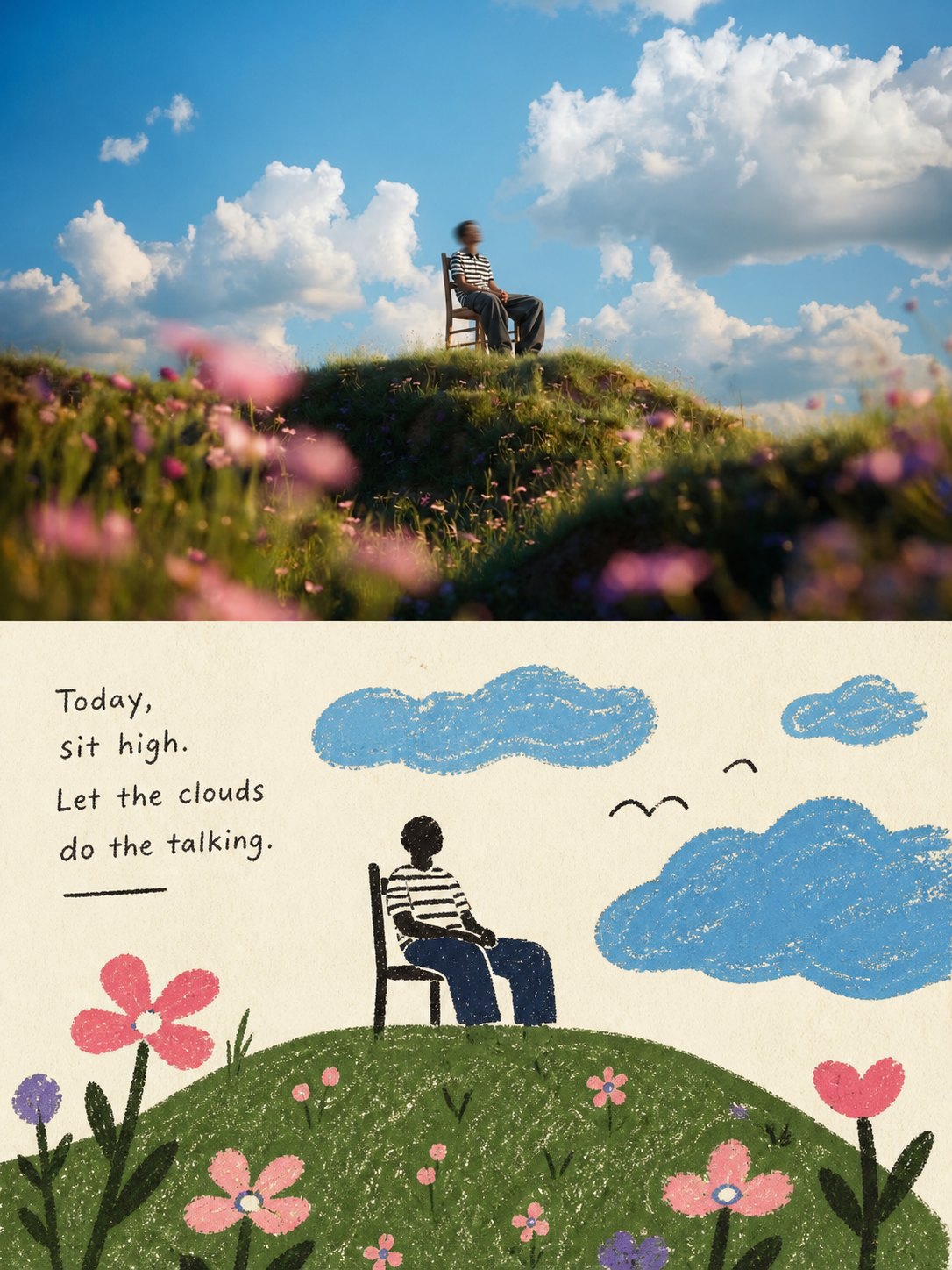
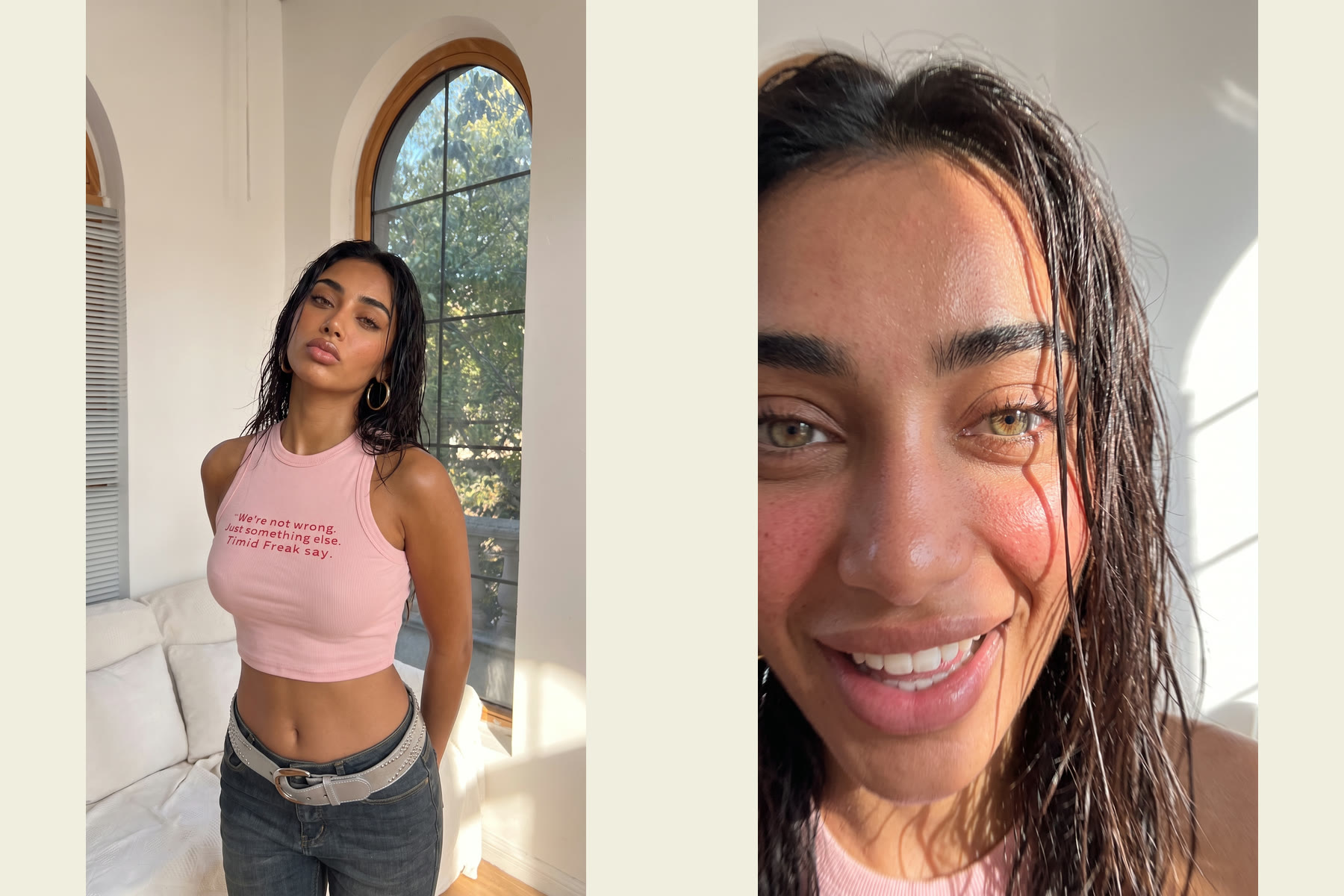
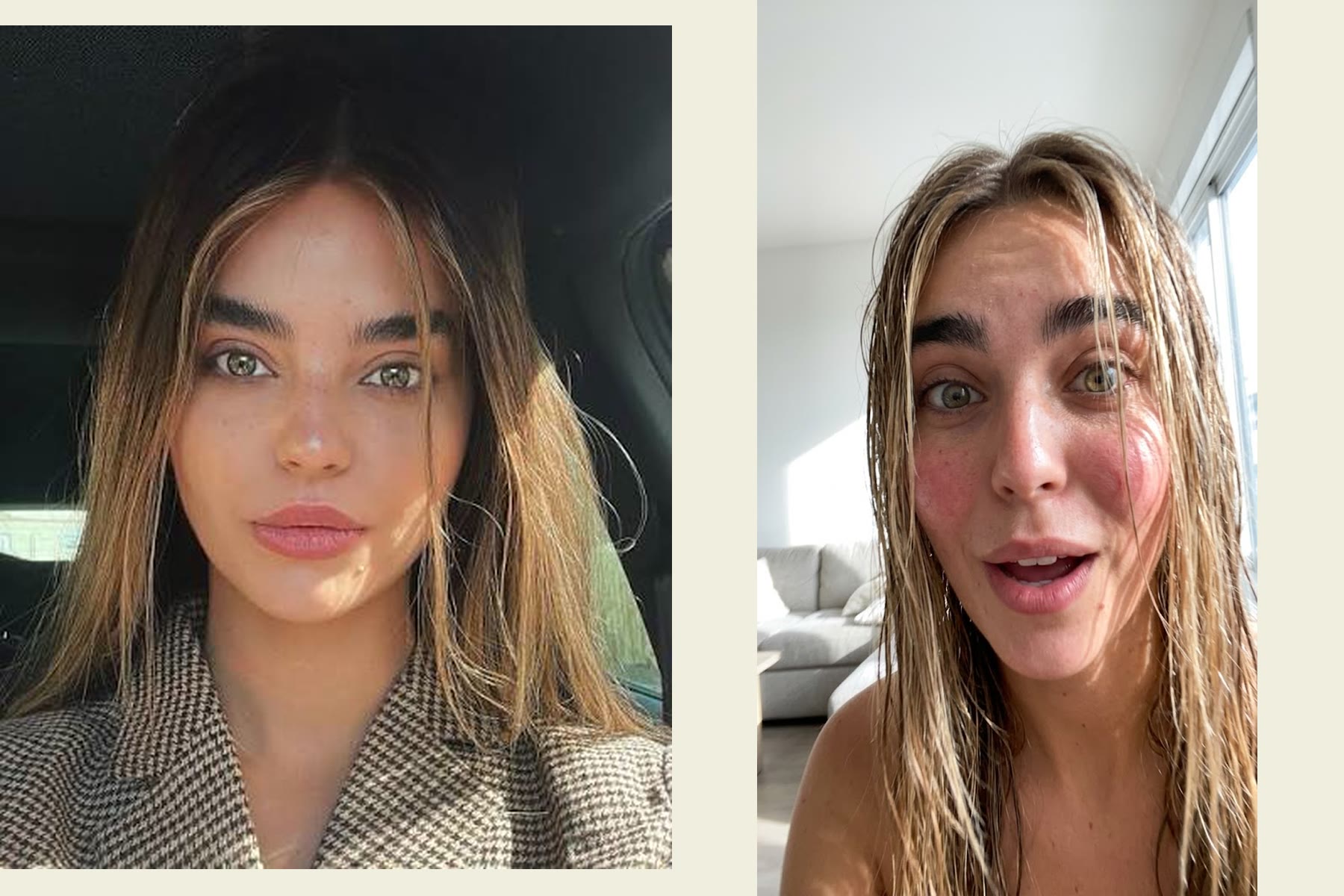
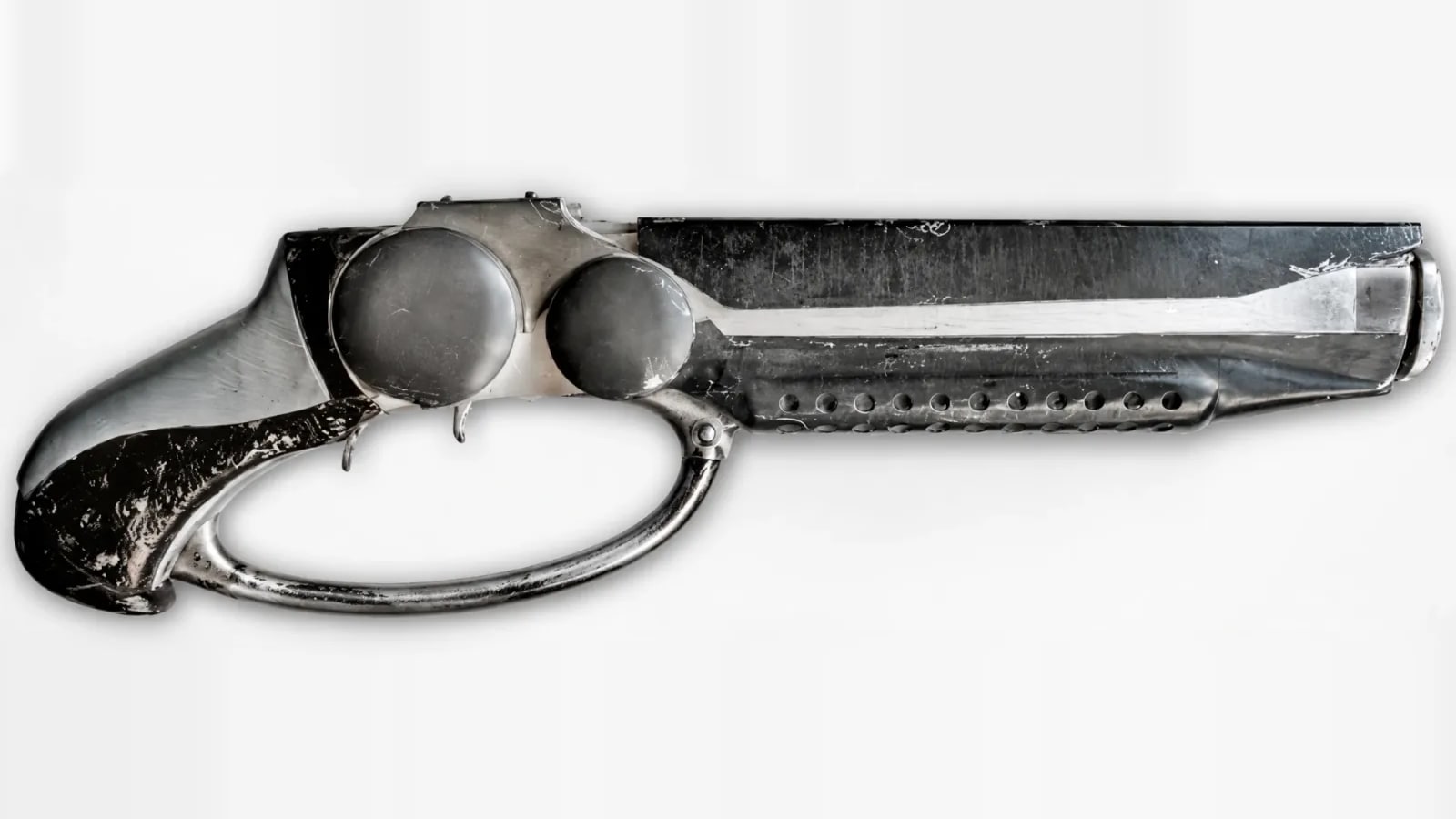
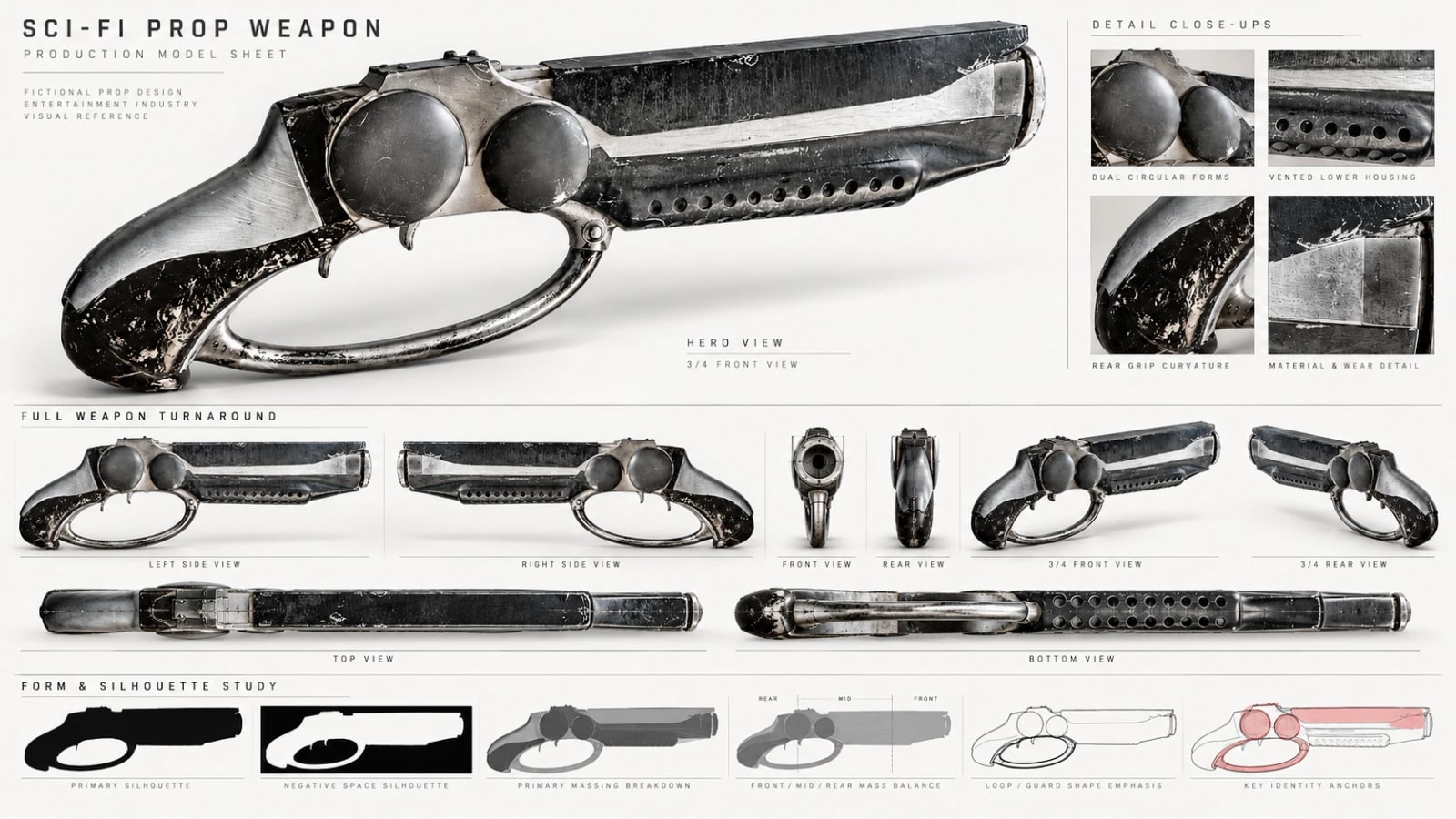
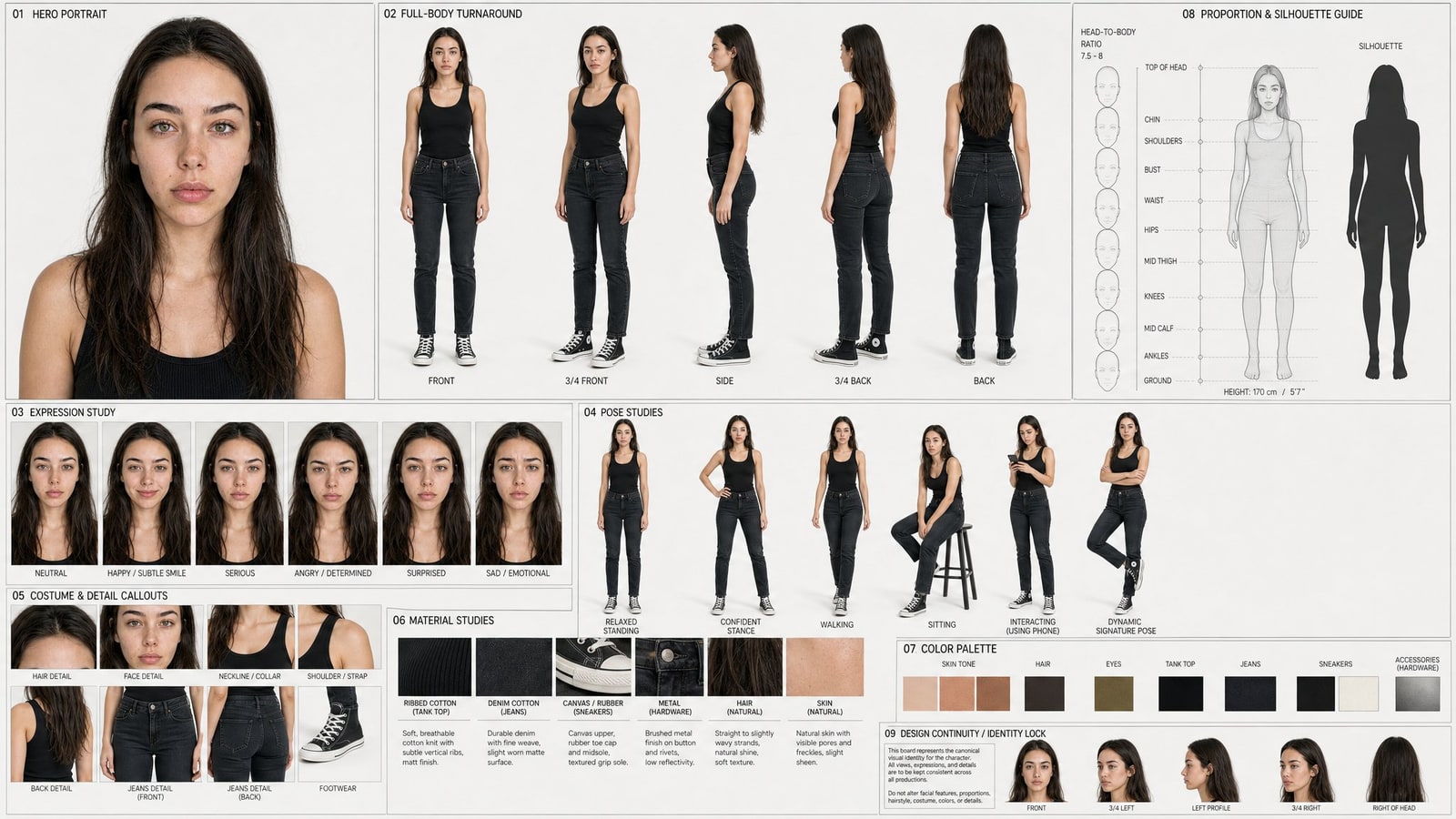
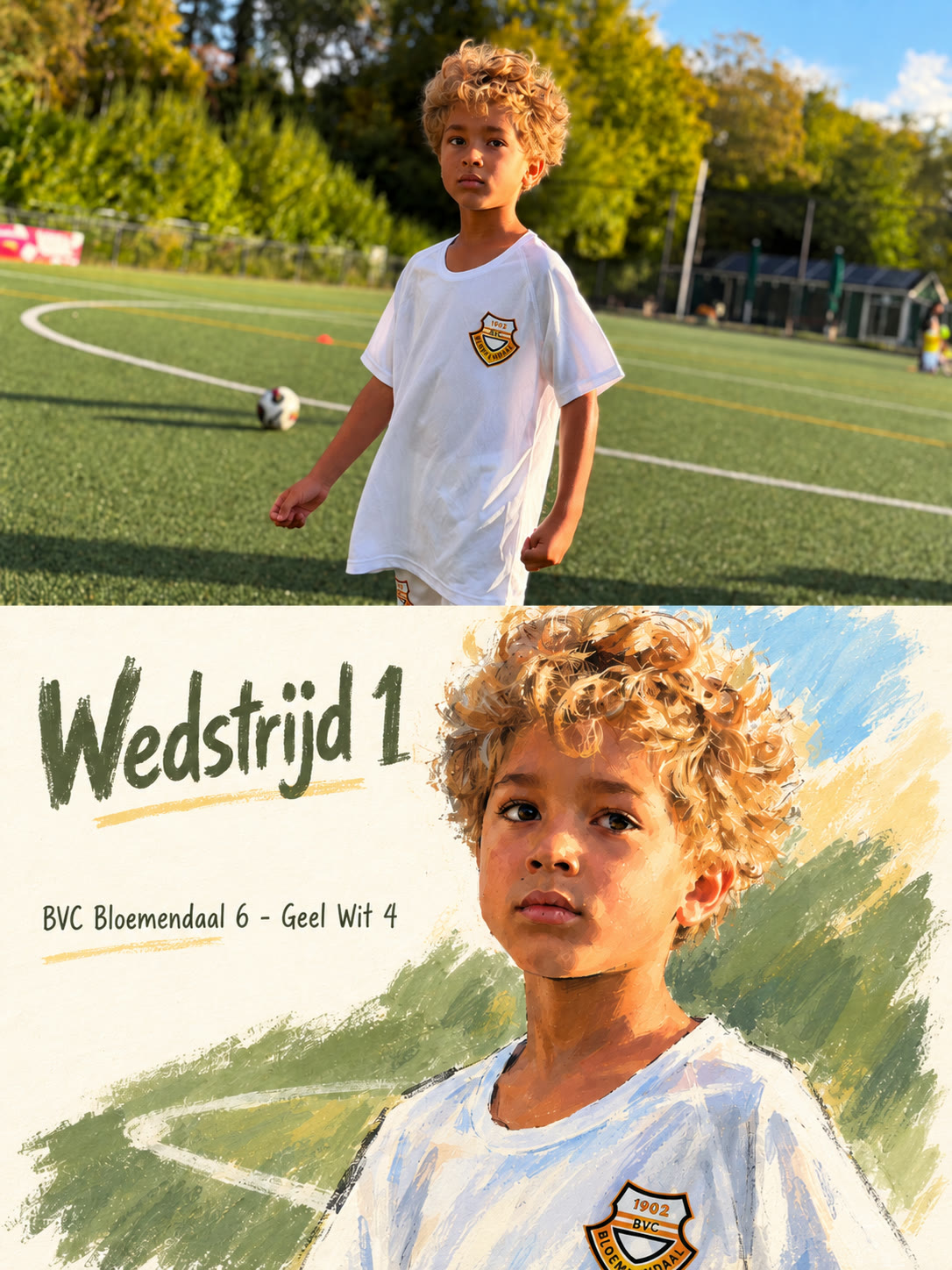
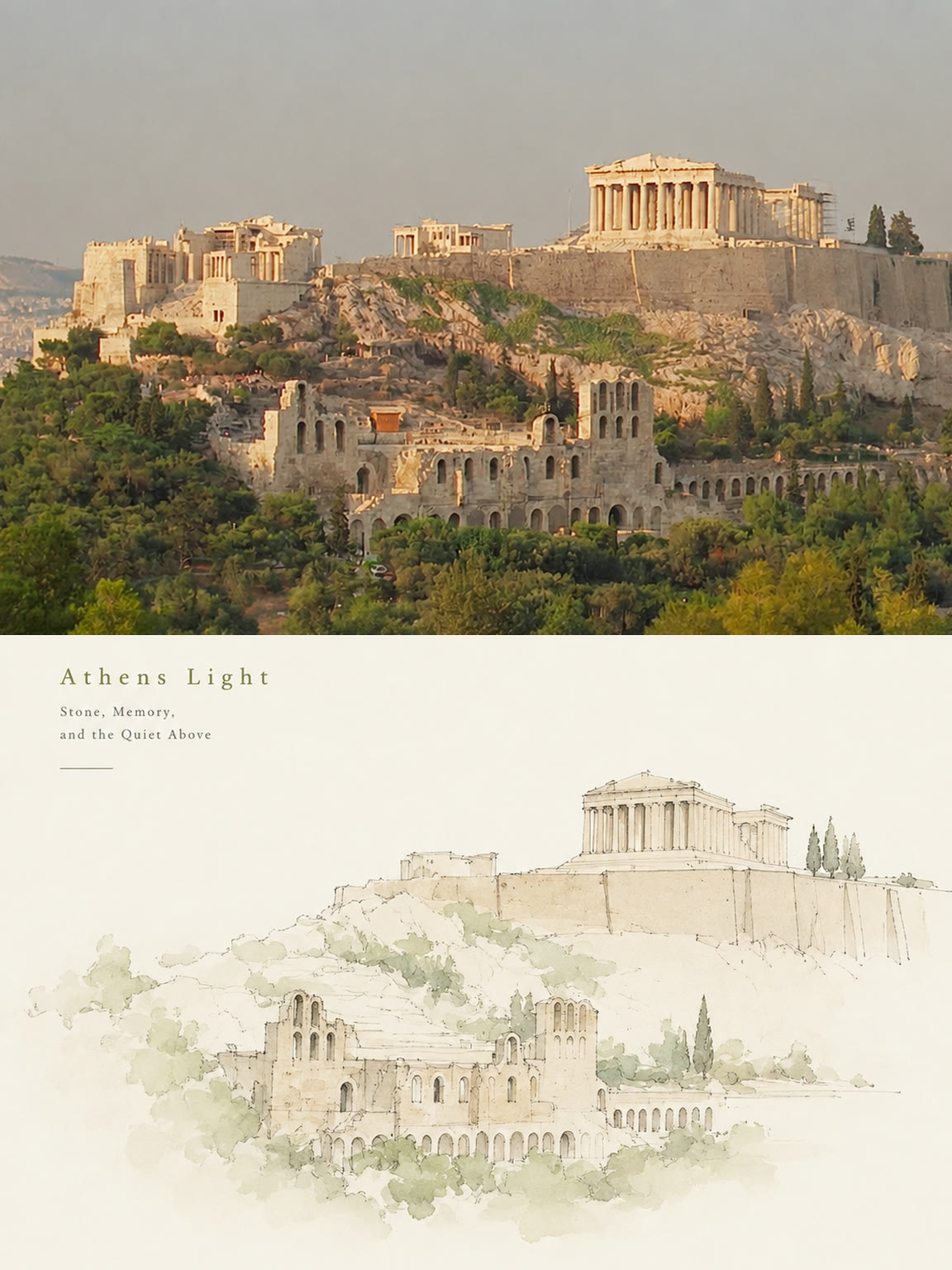
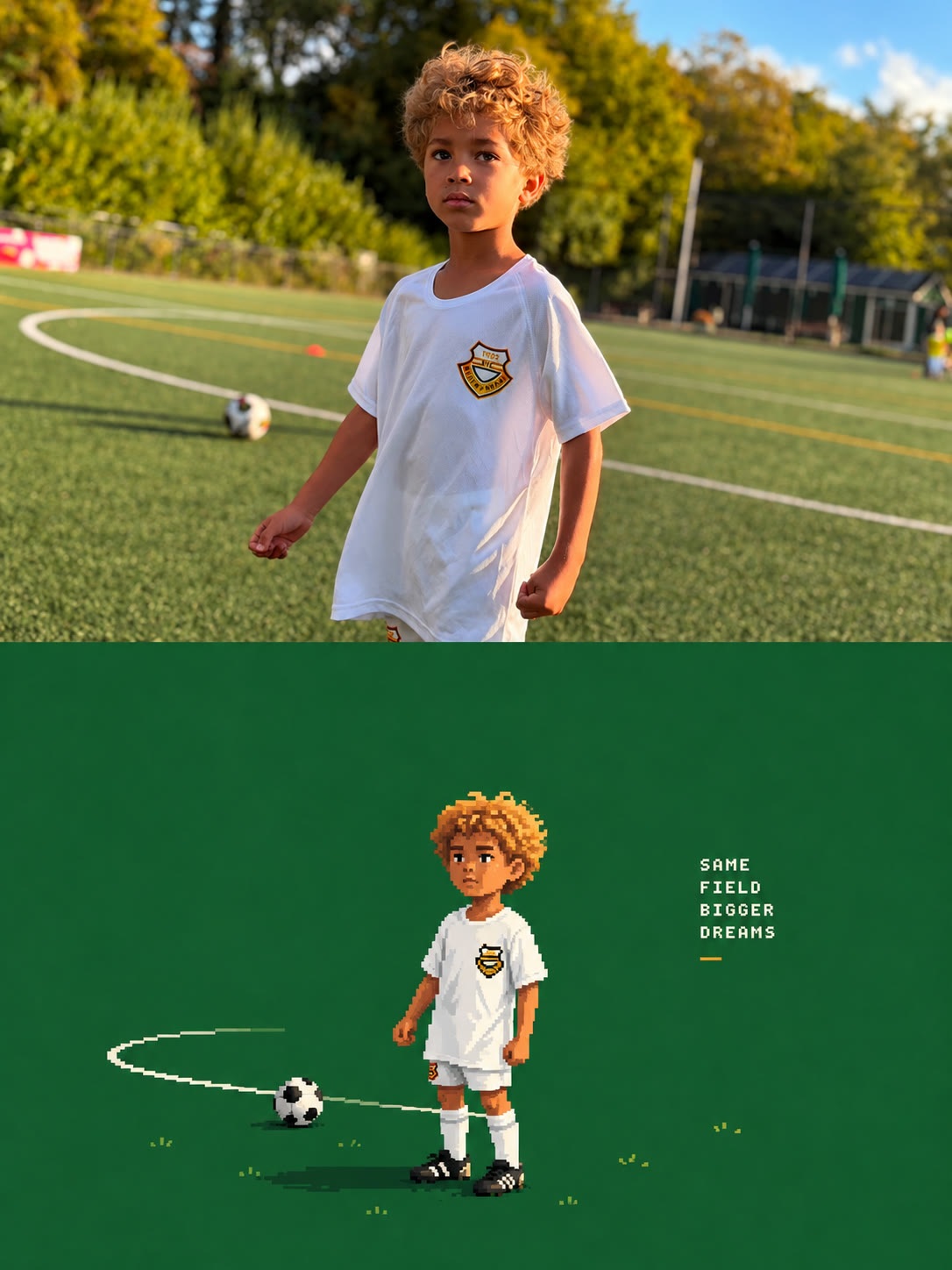
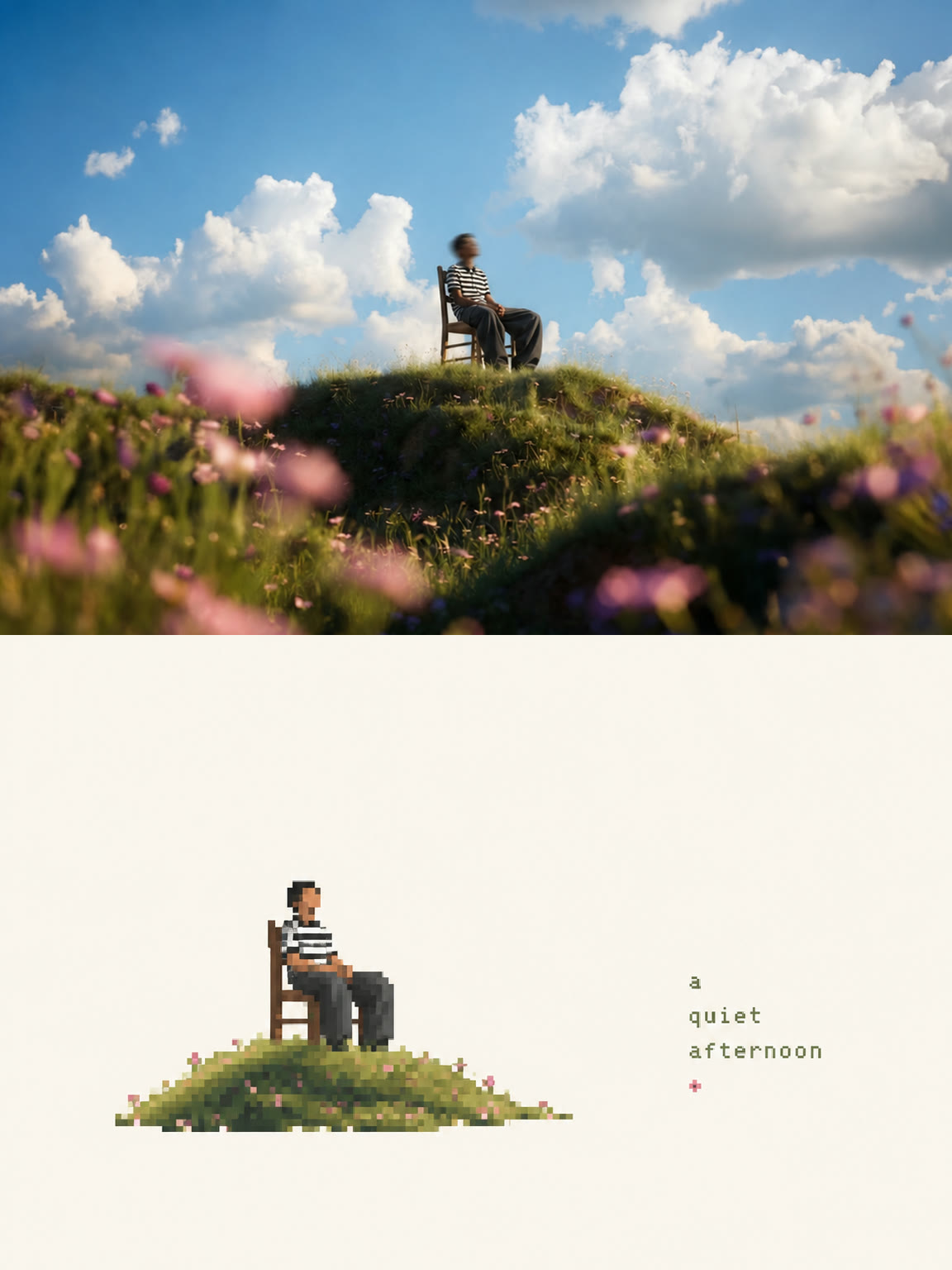
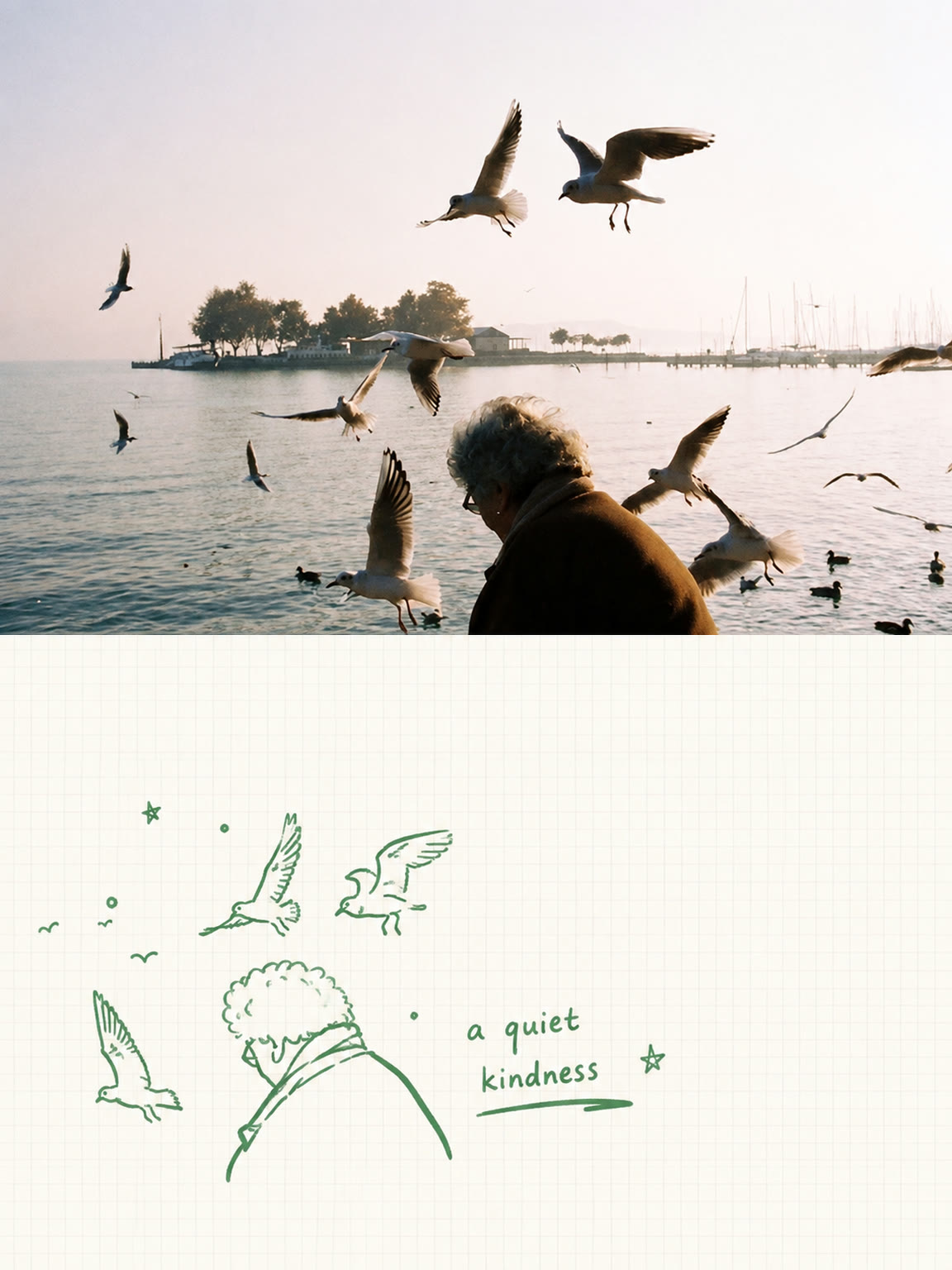
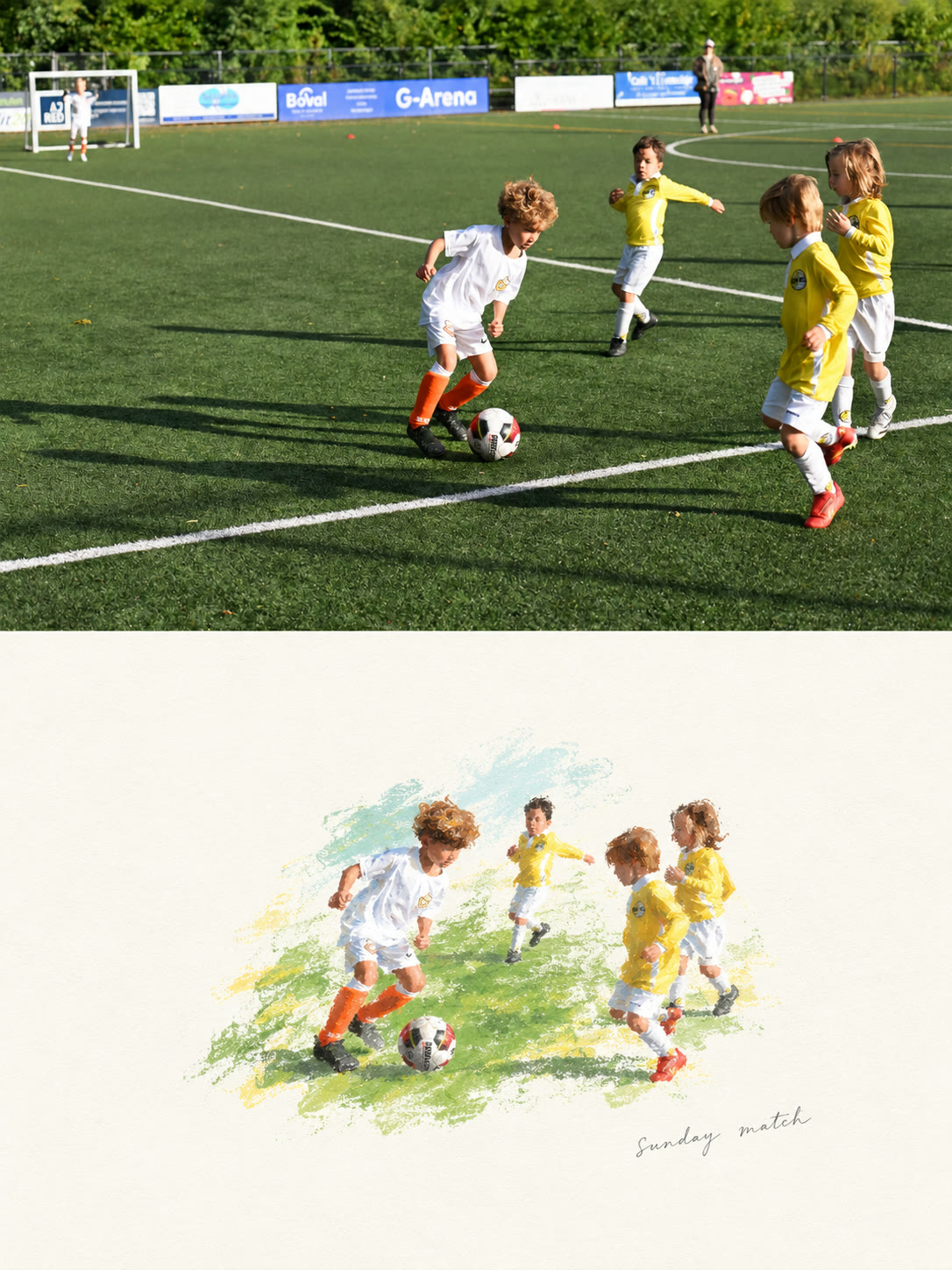
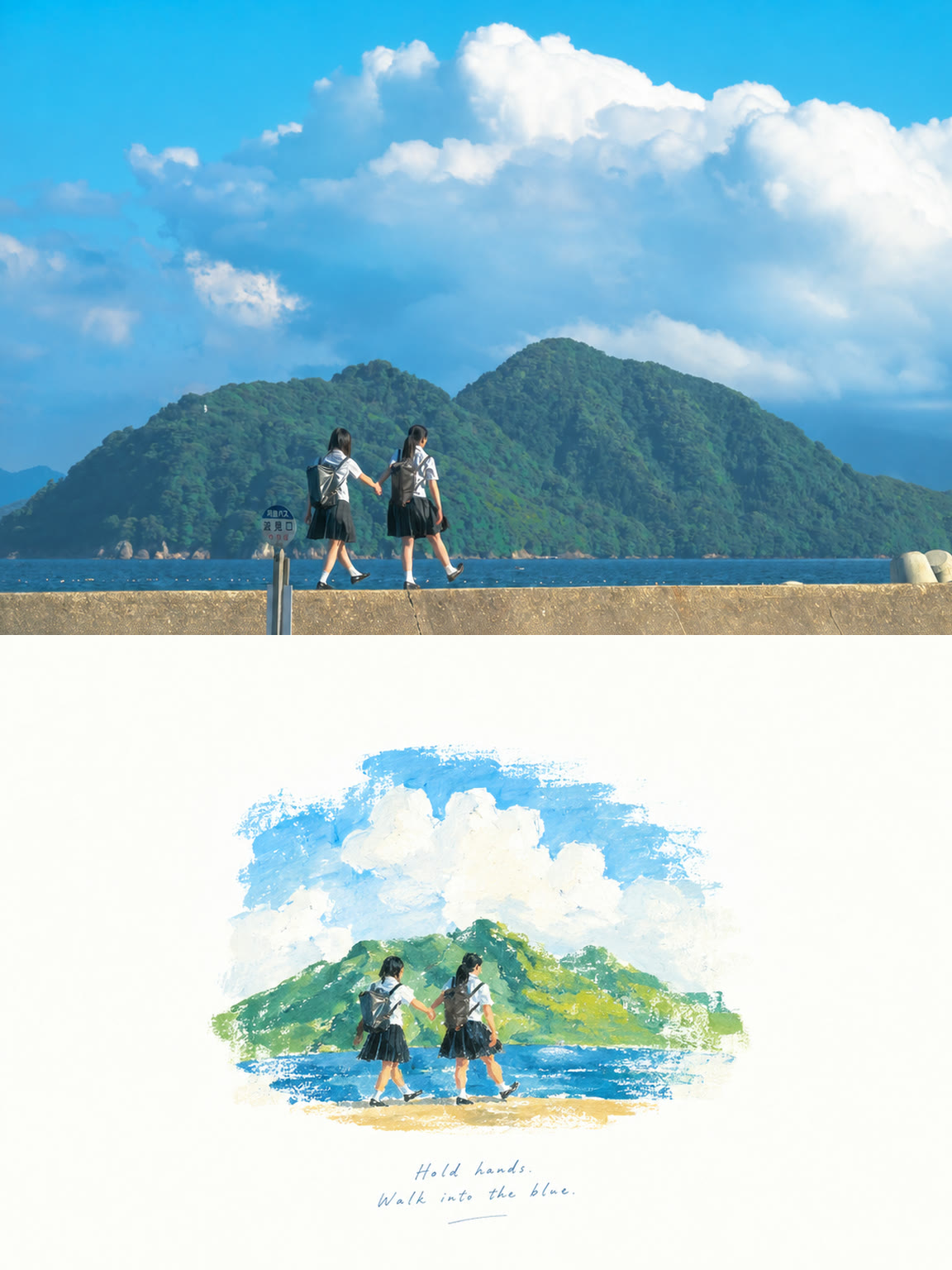
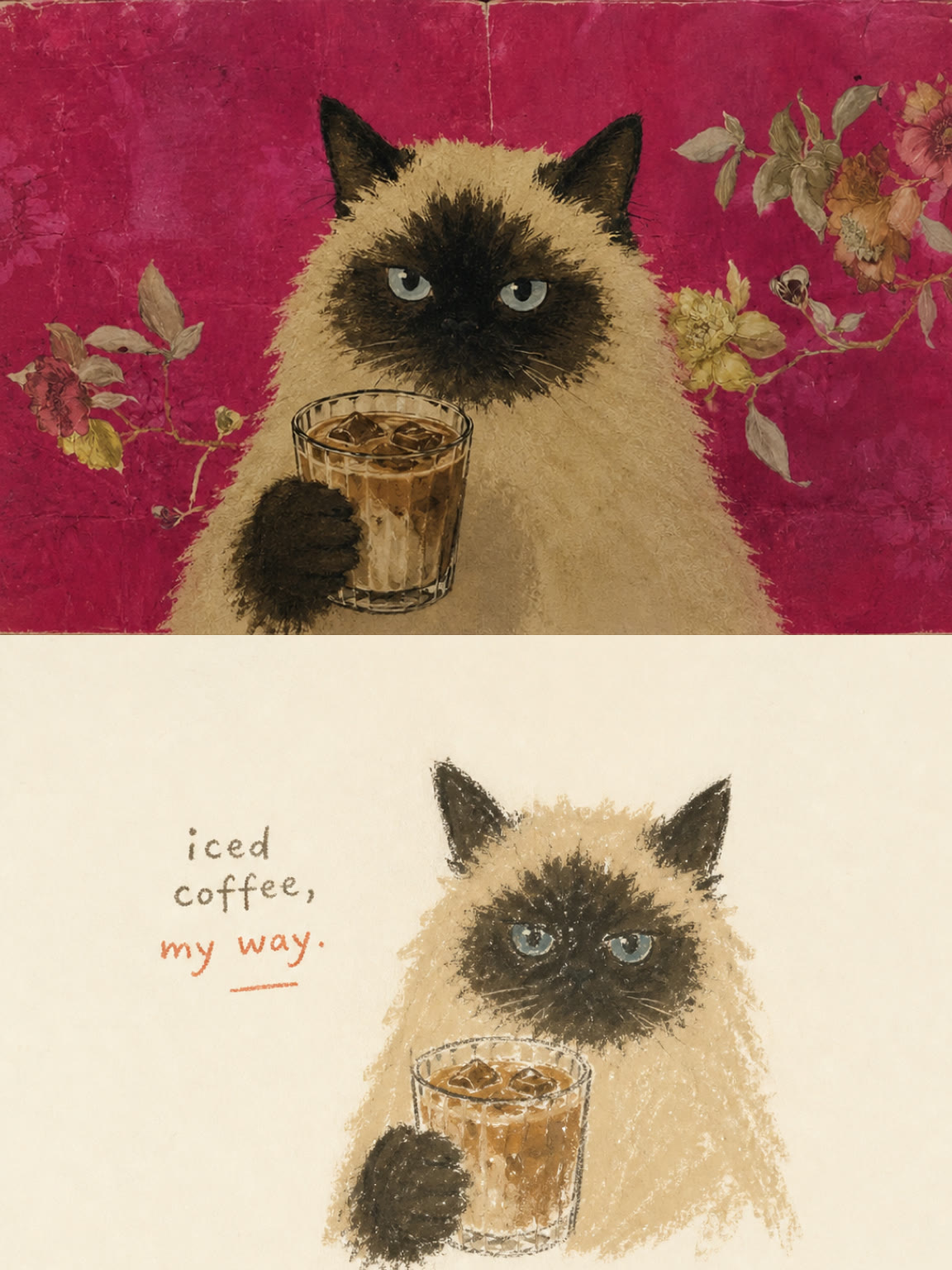
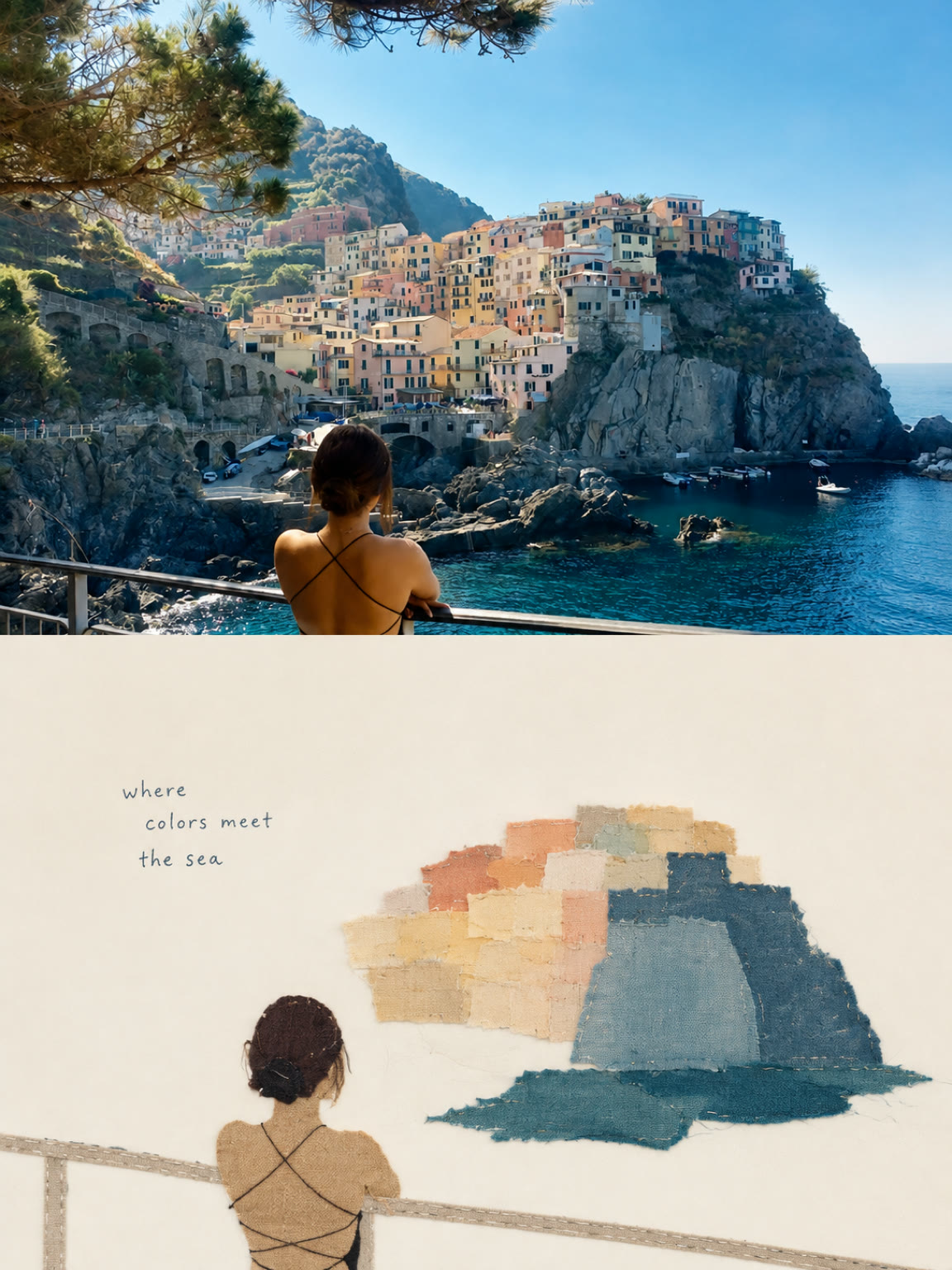
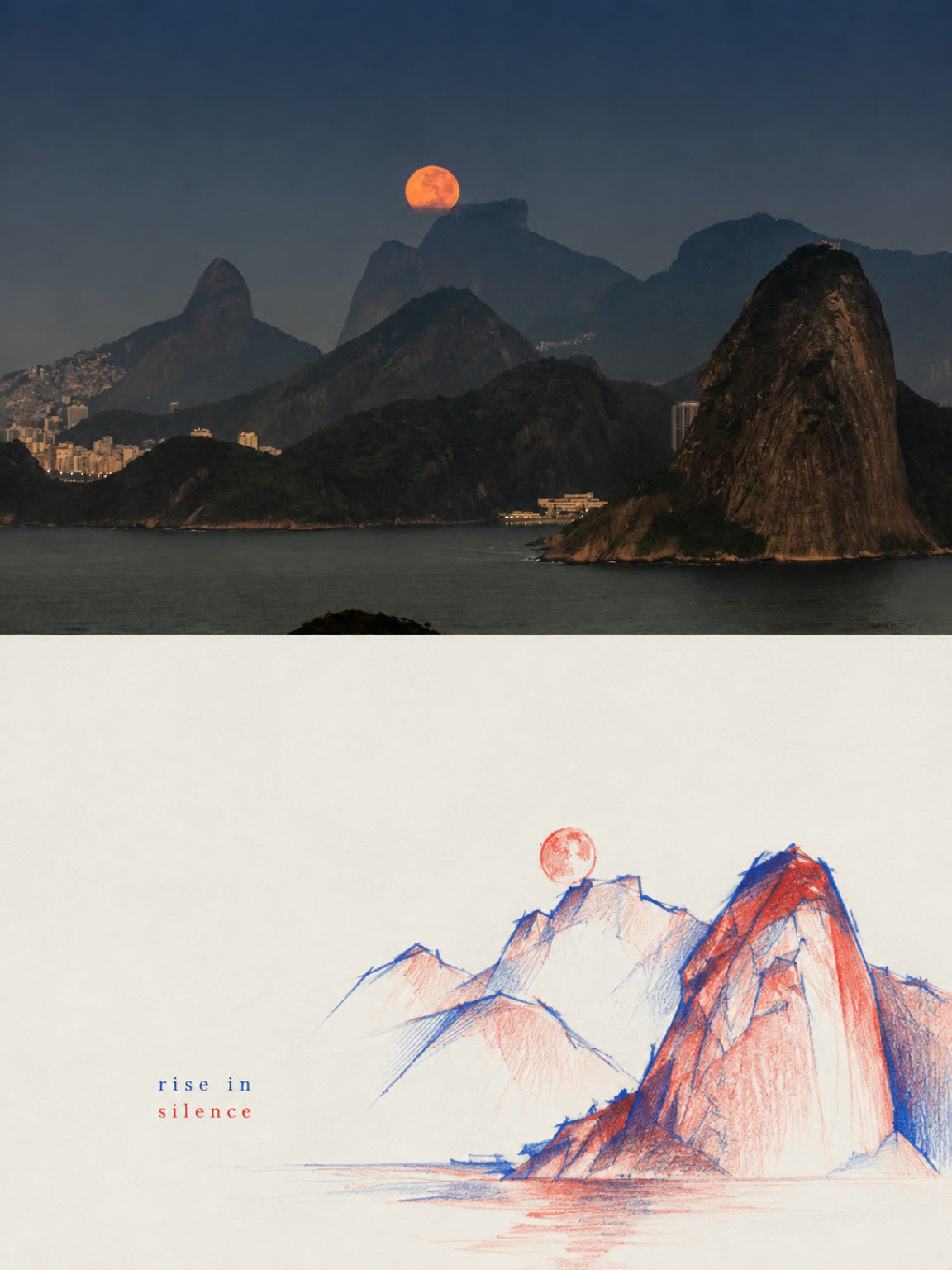
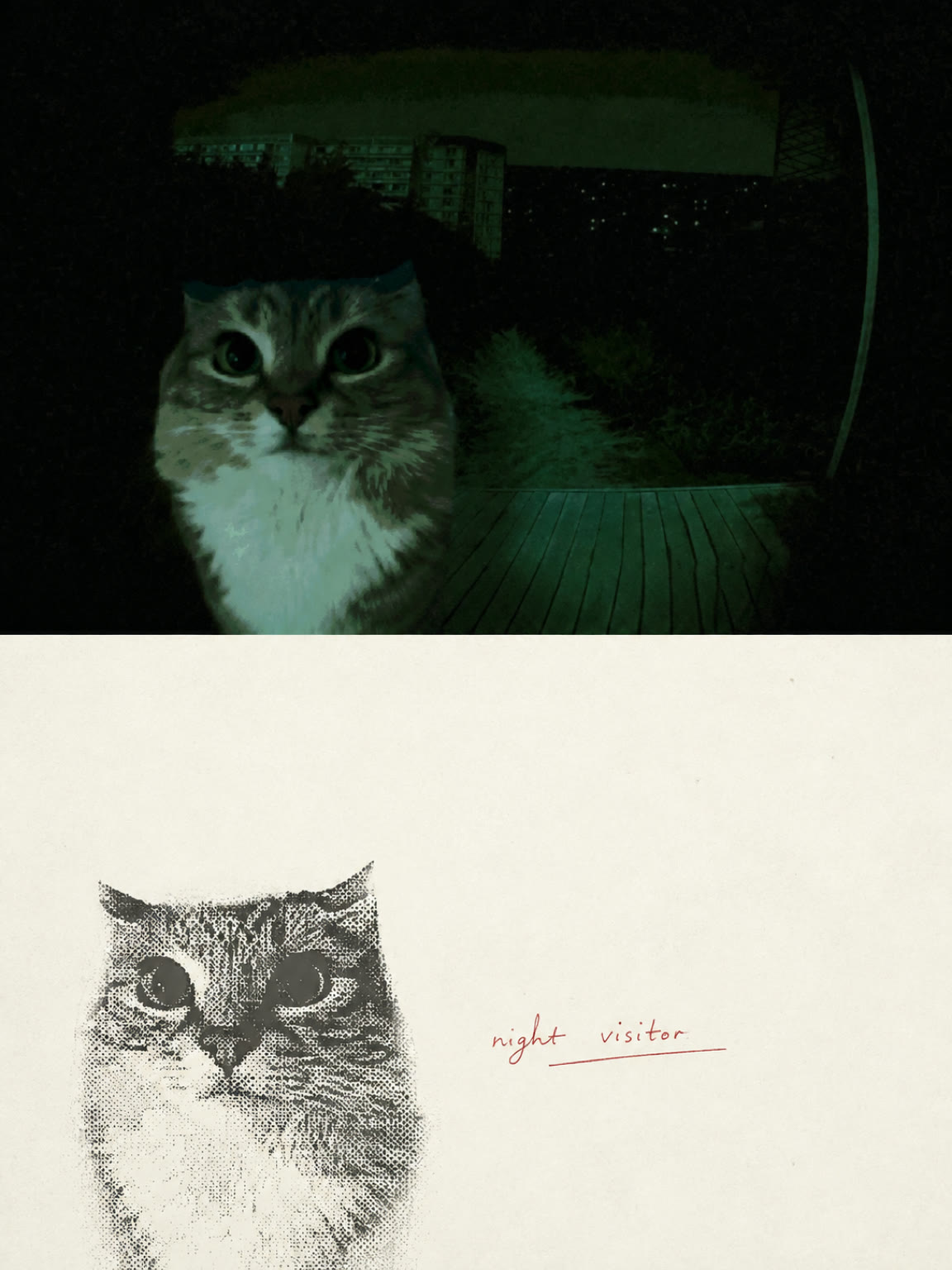
Pastel gouache portrait
paintillustration
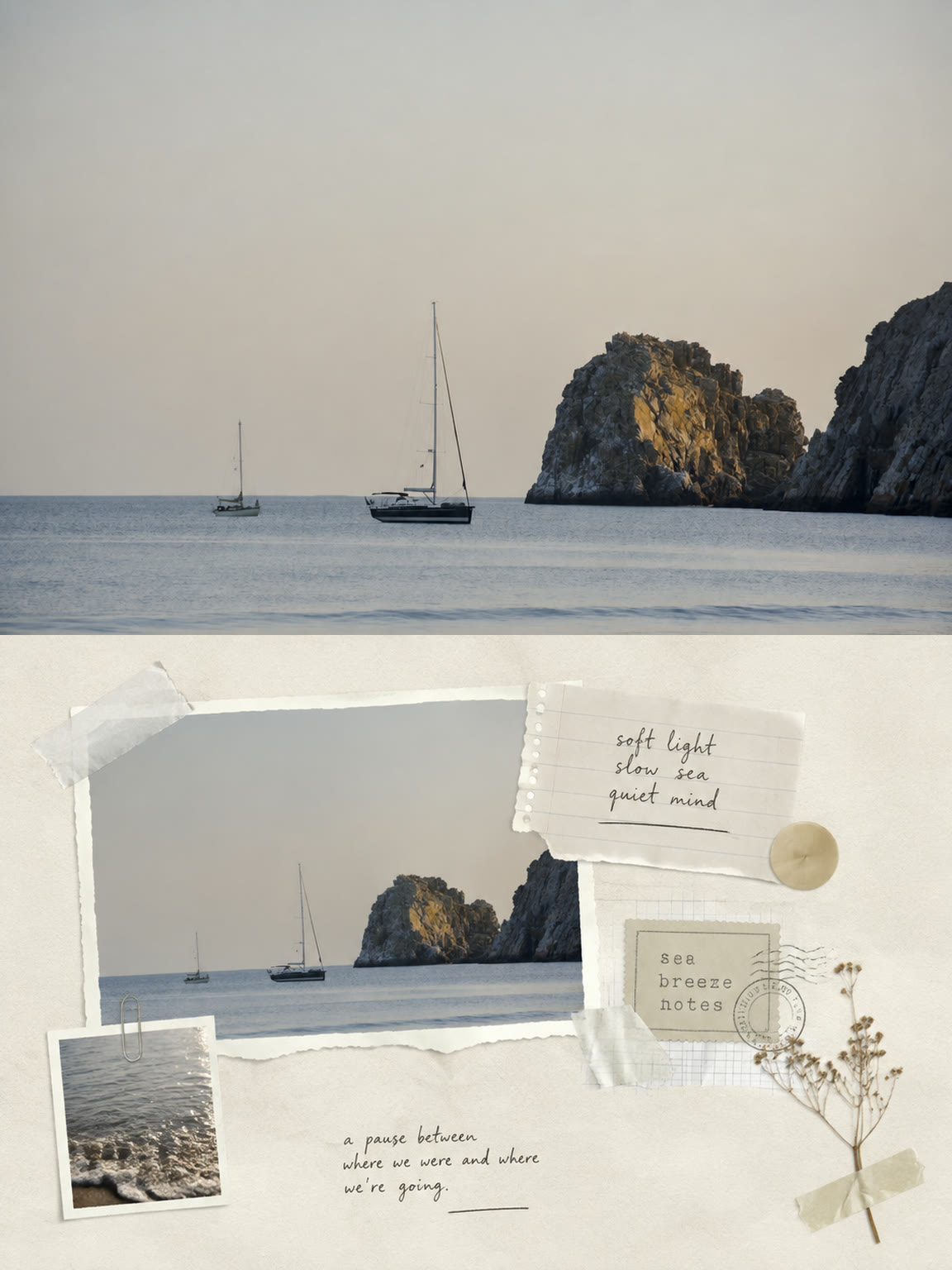
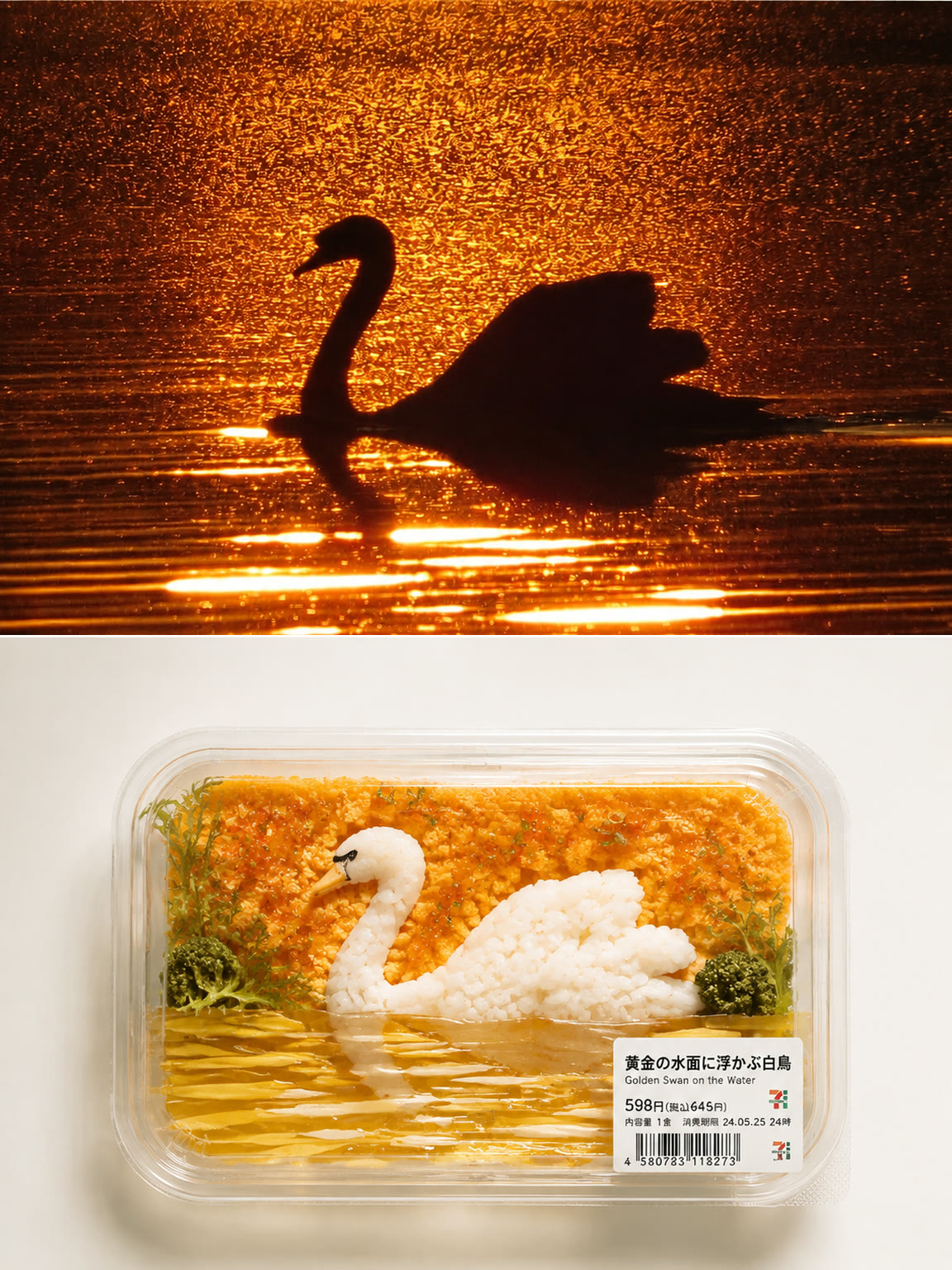
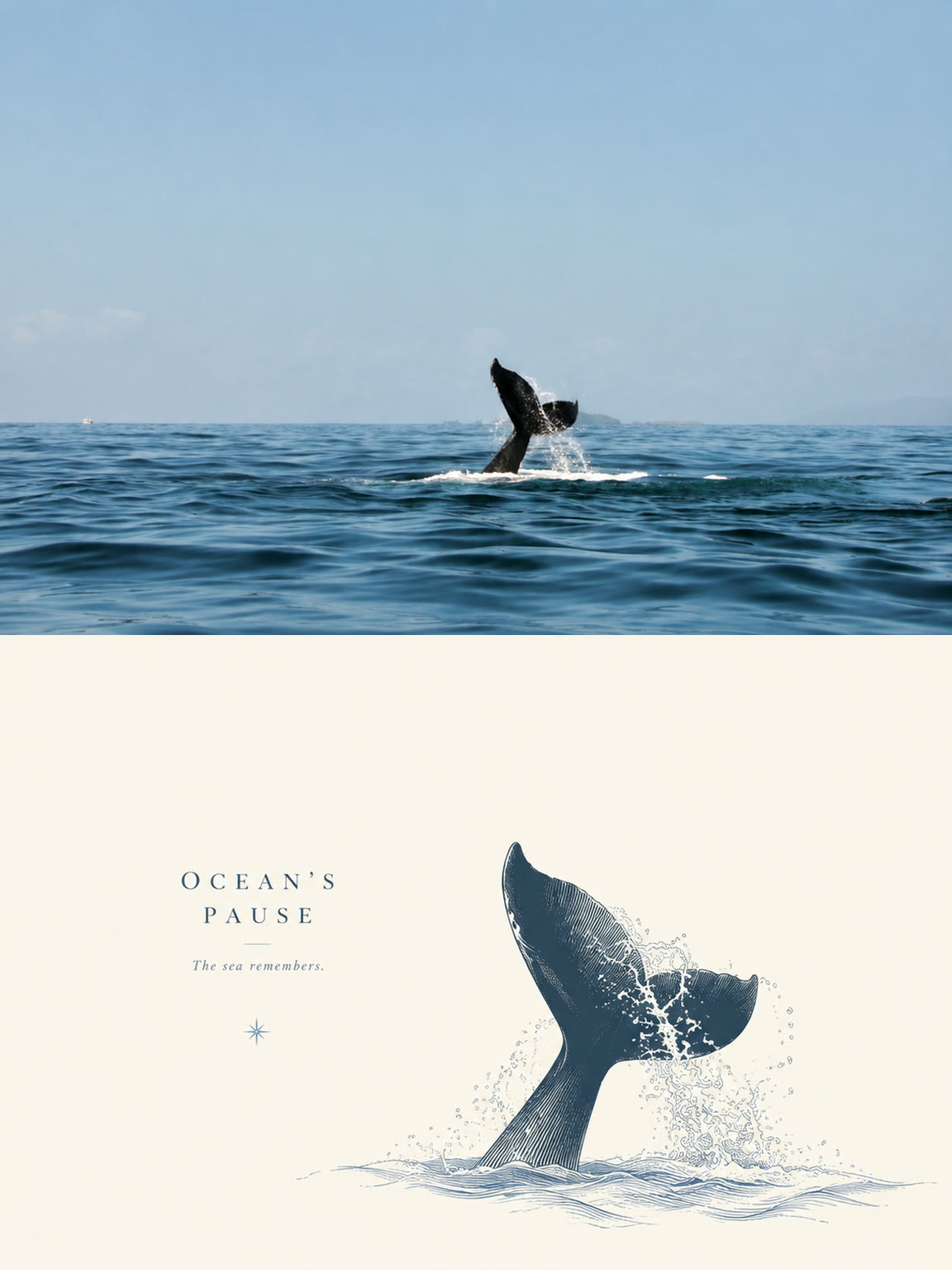
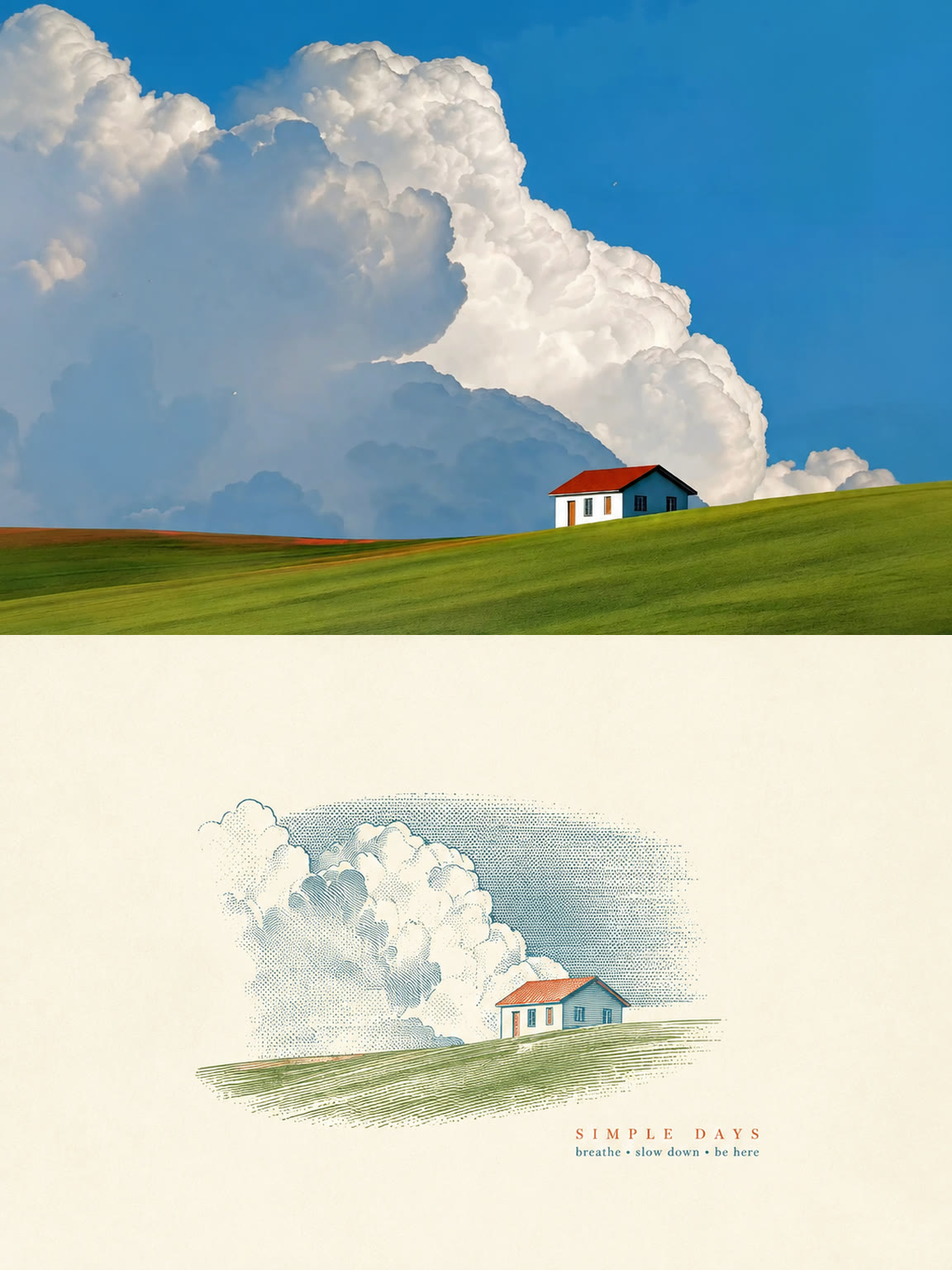
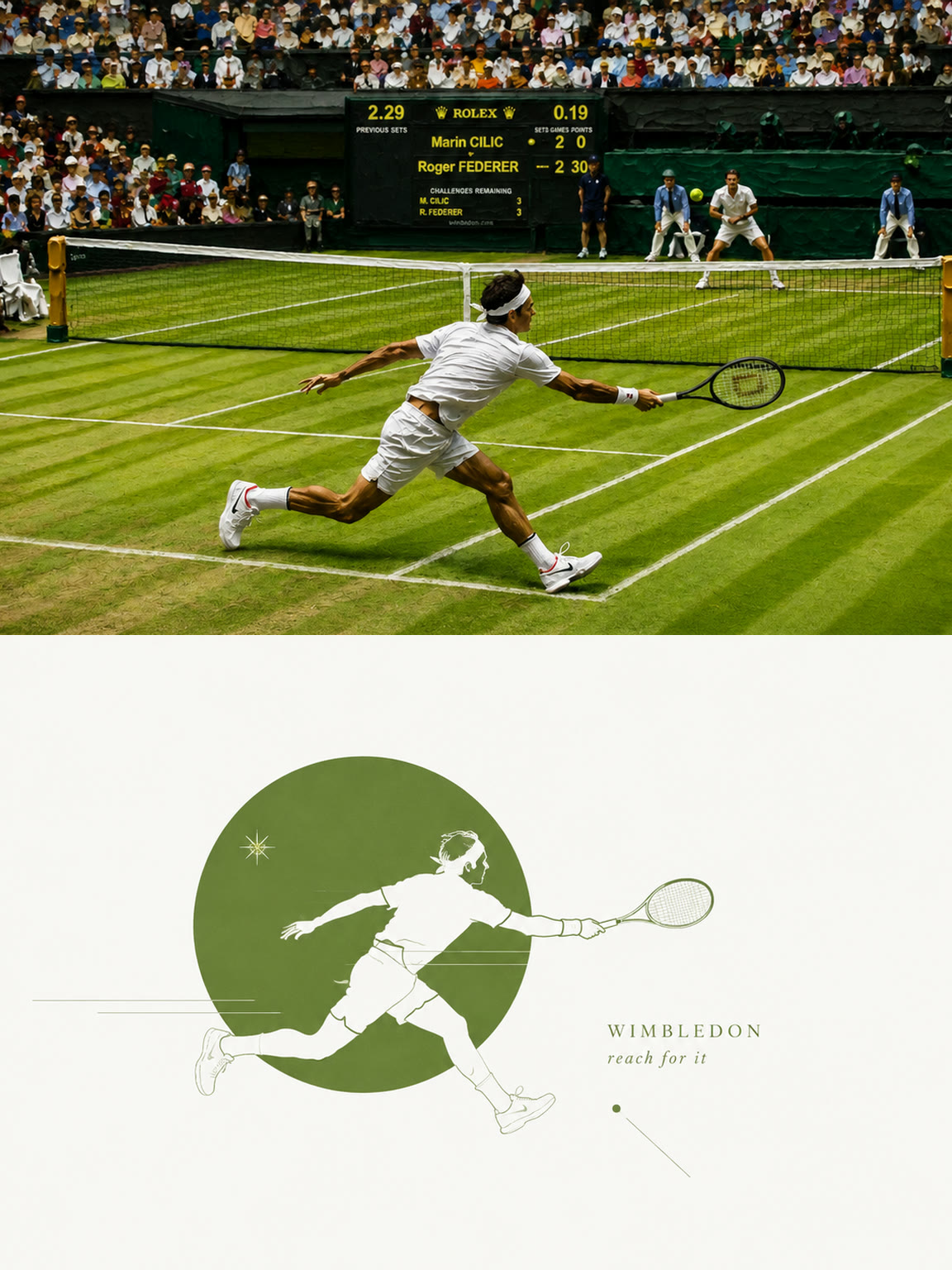
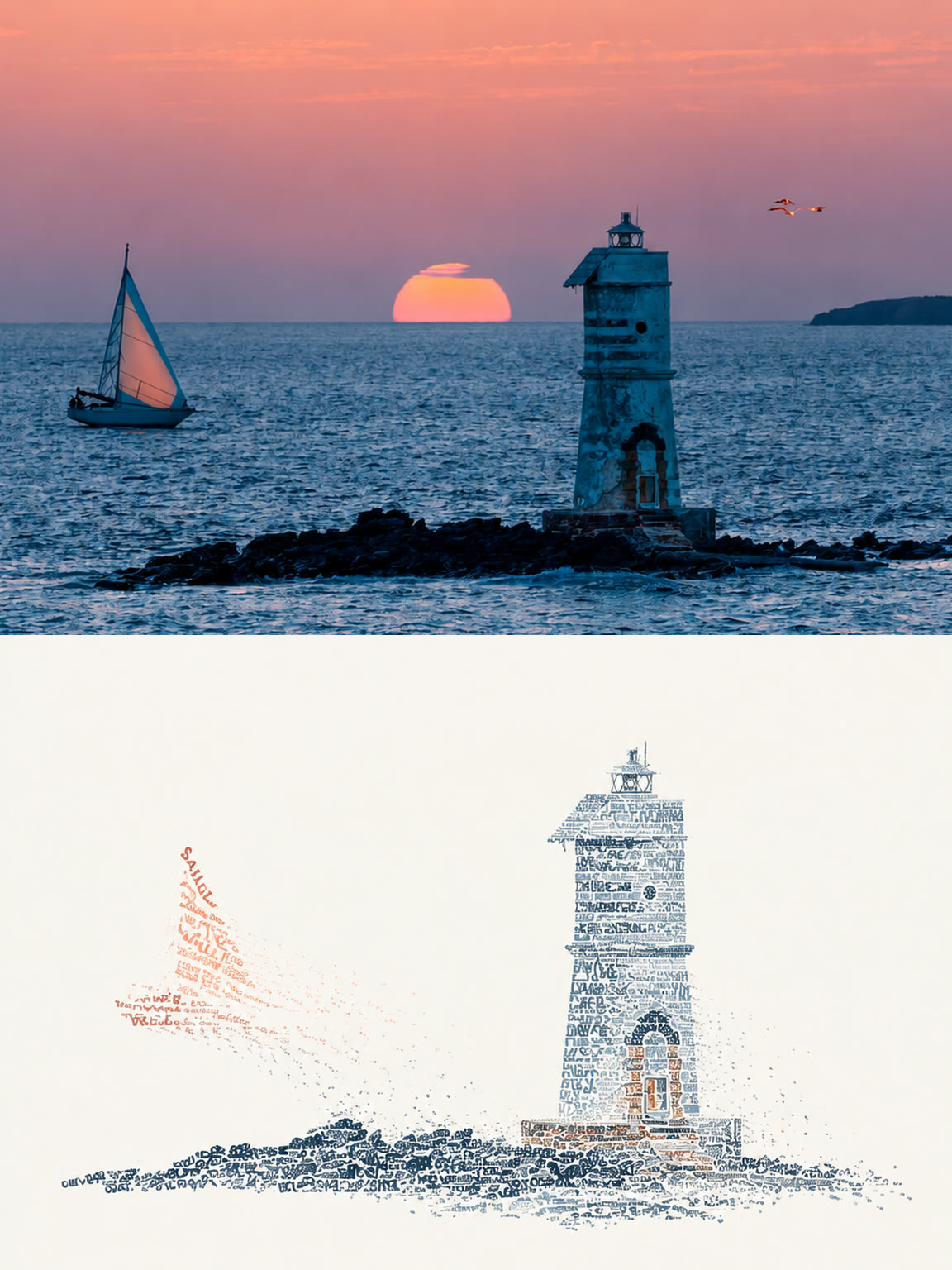
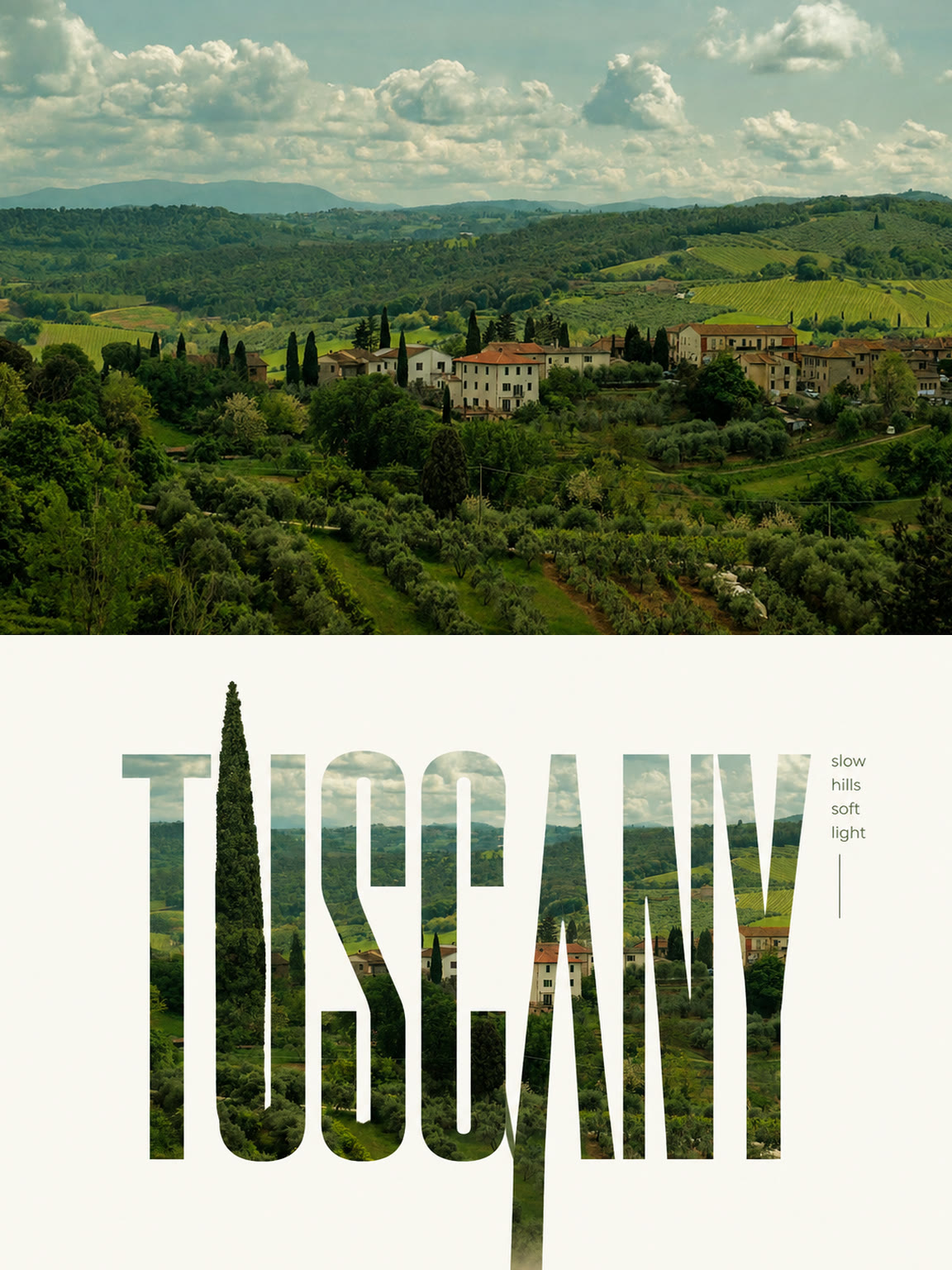
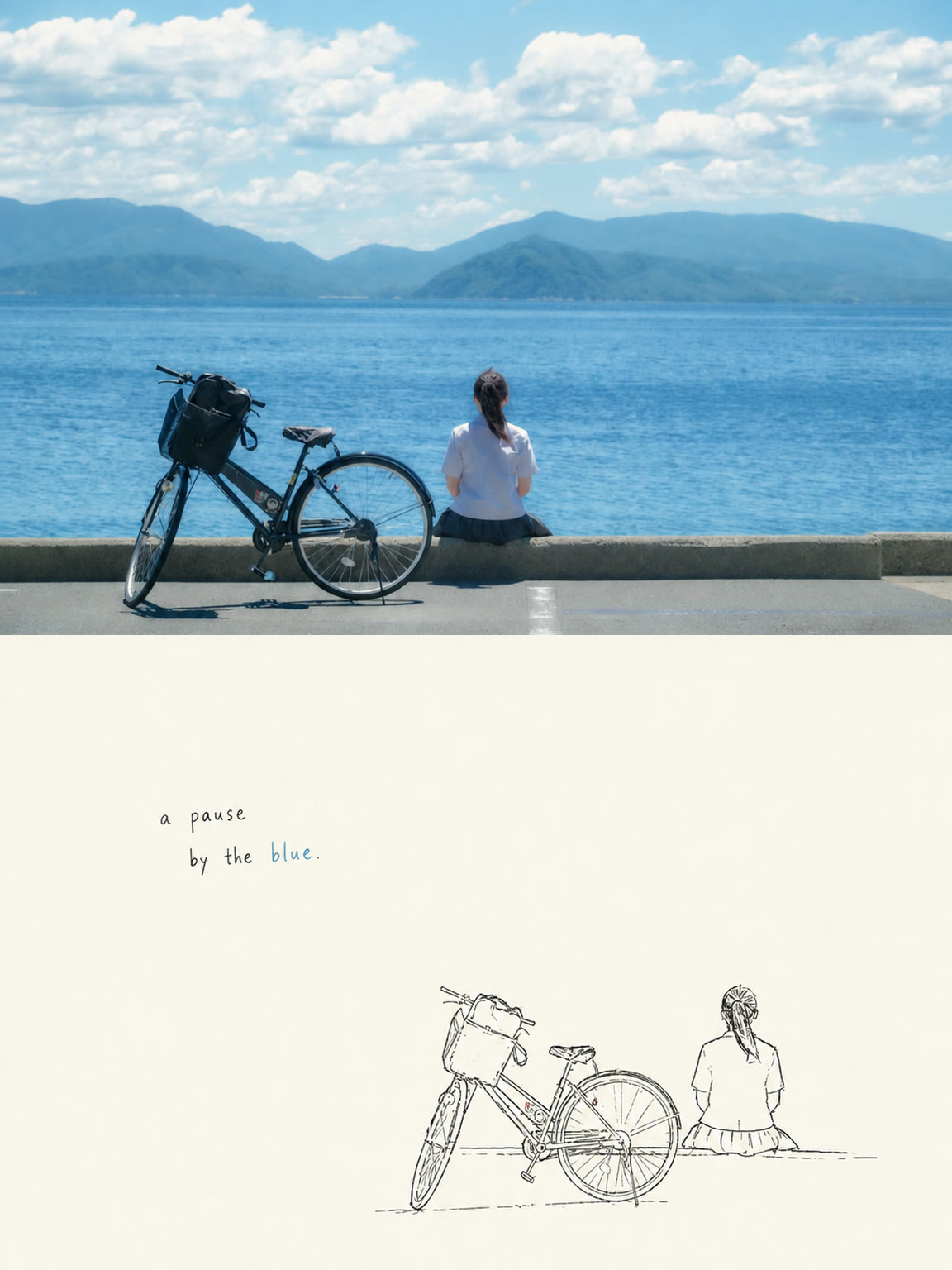
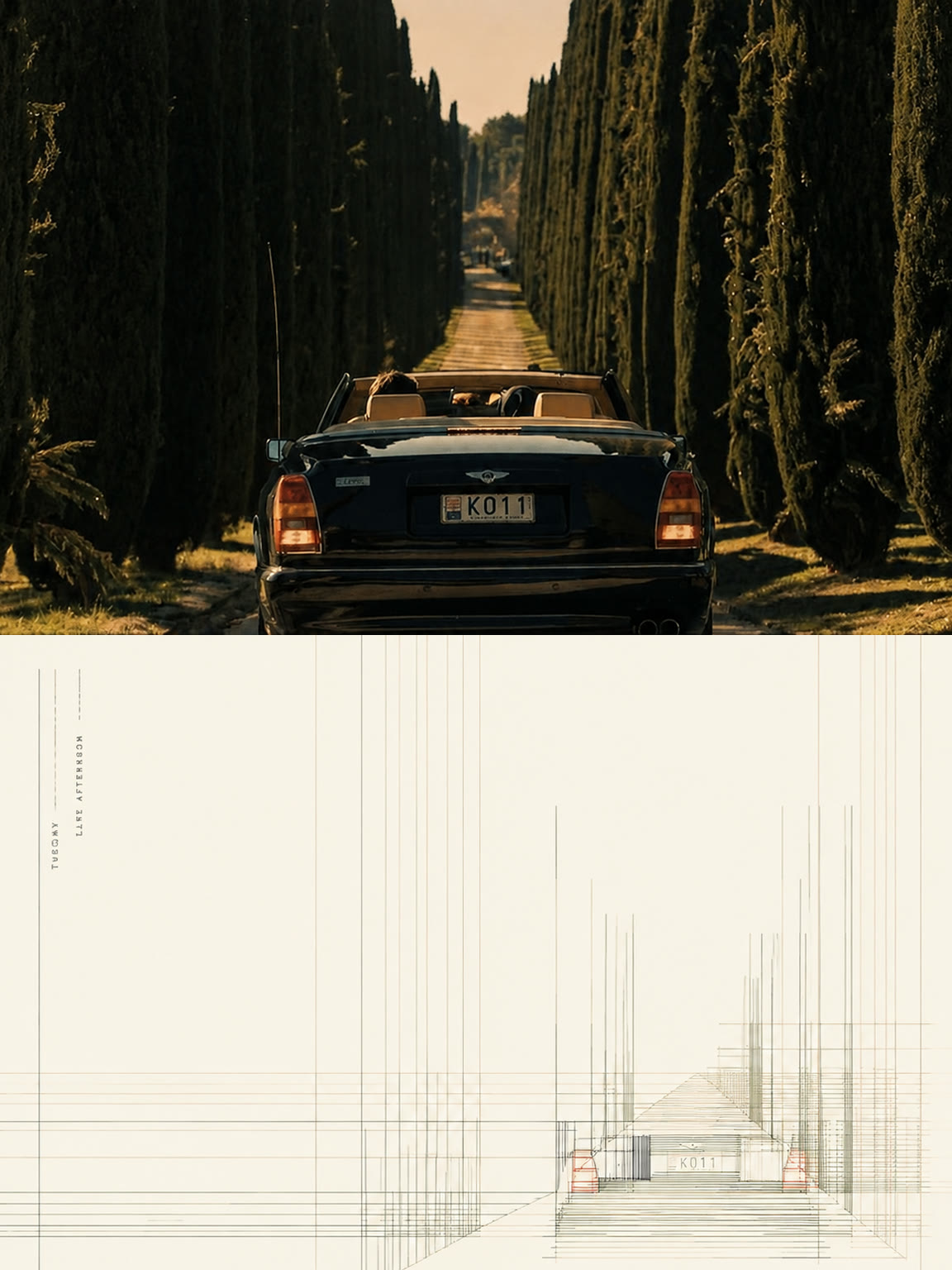
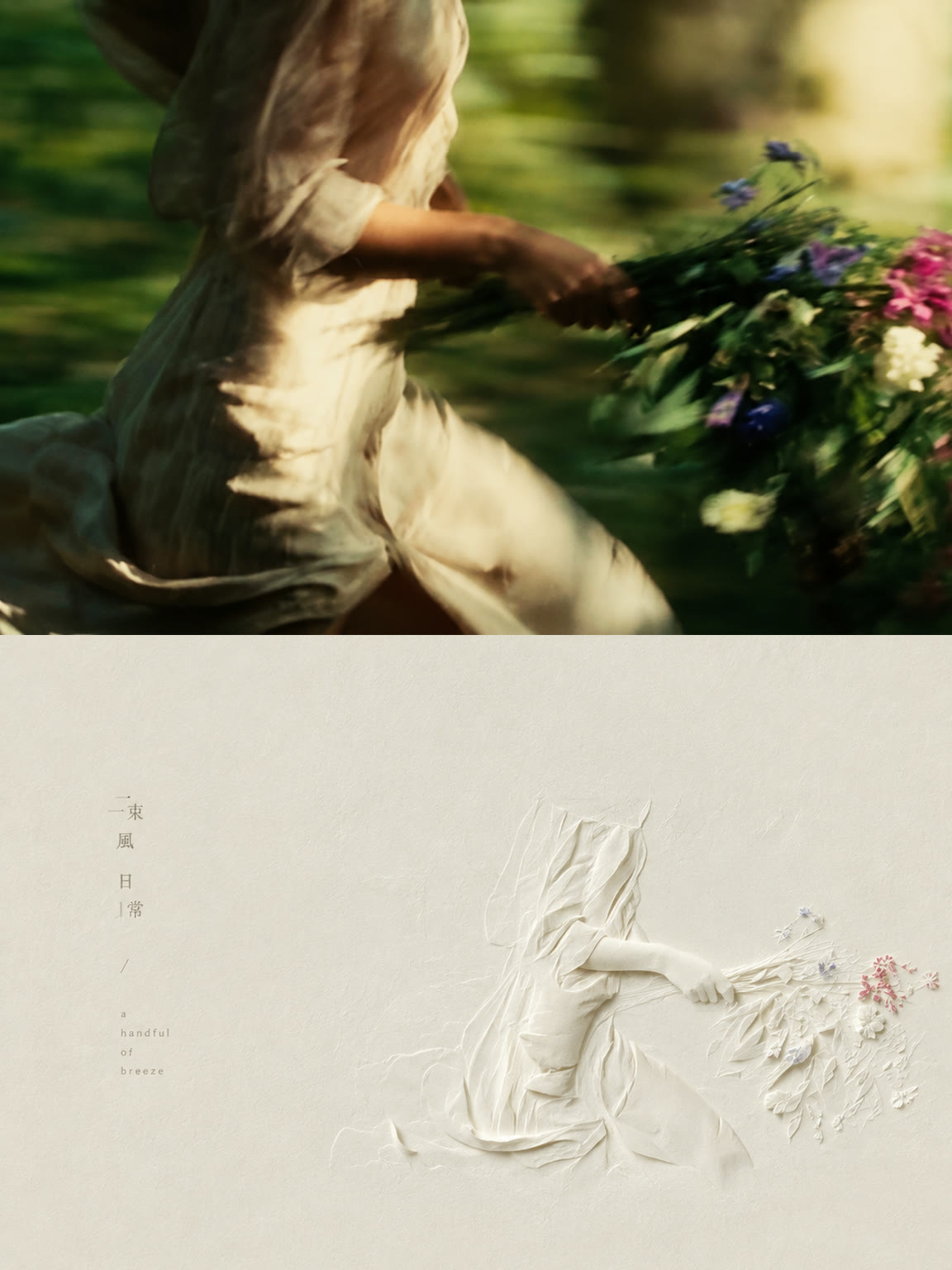
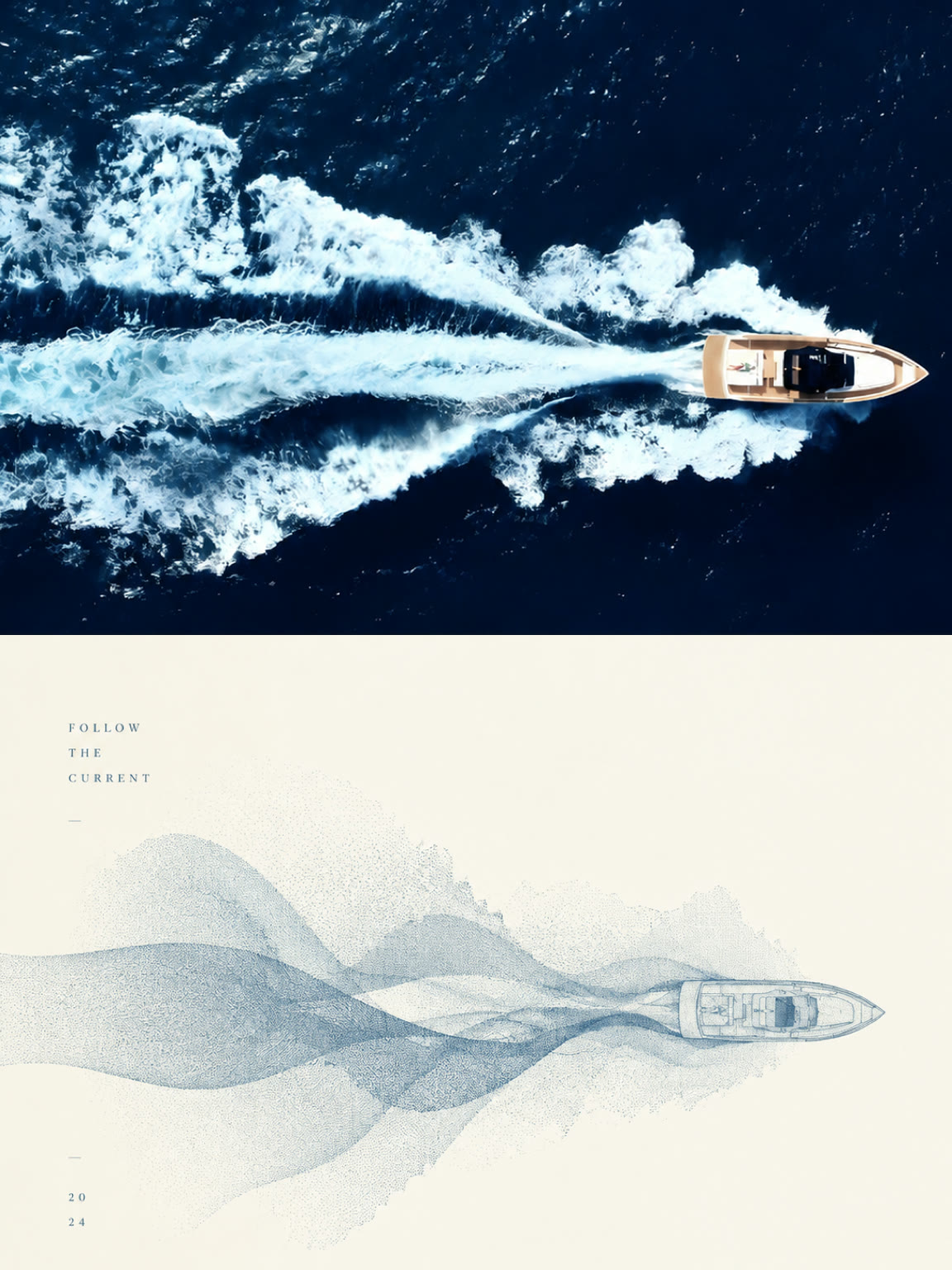
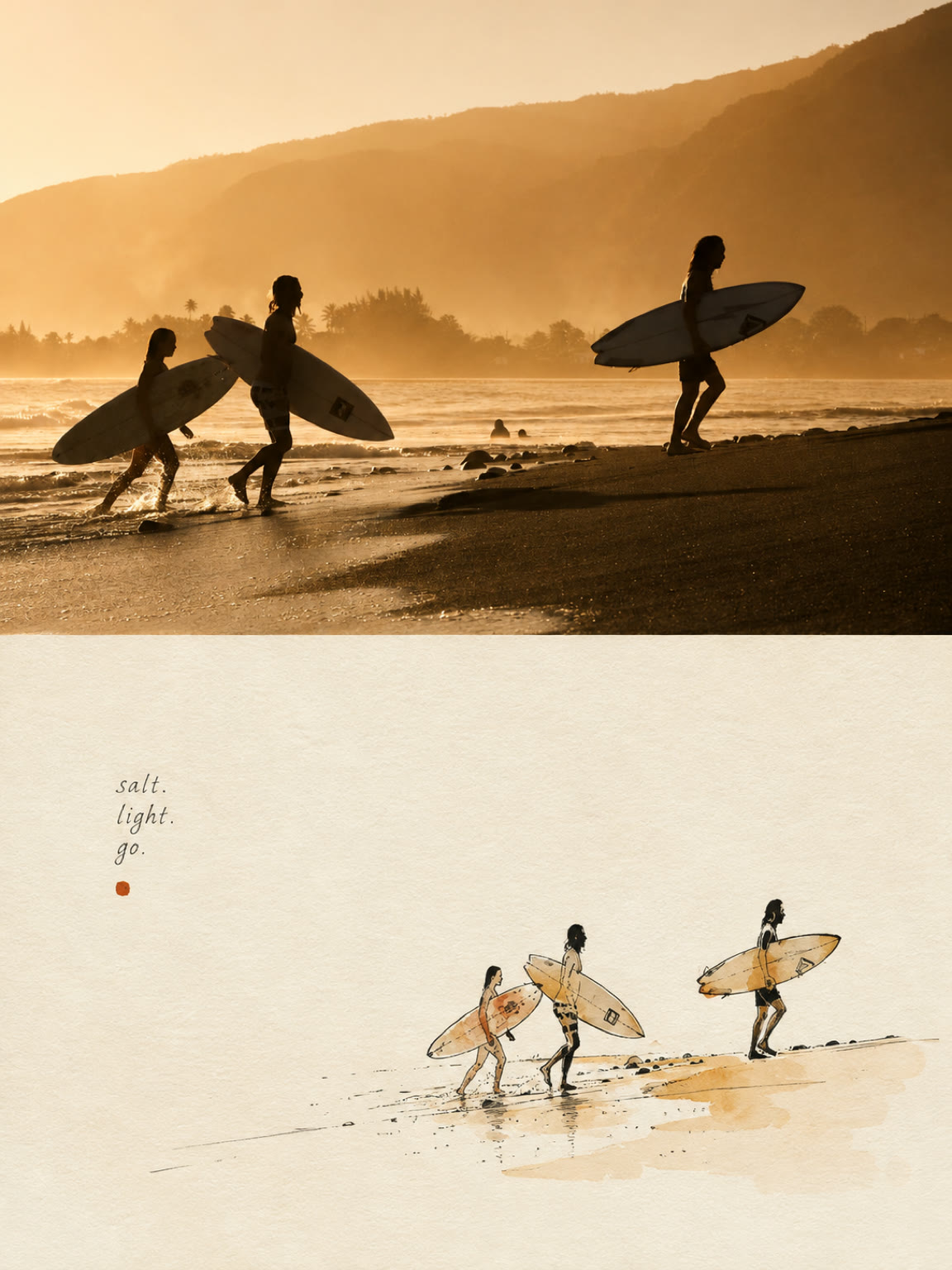
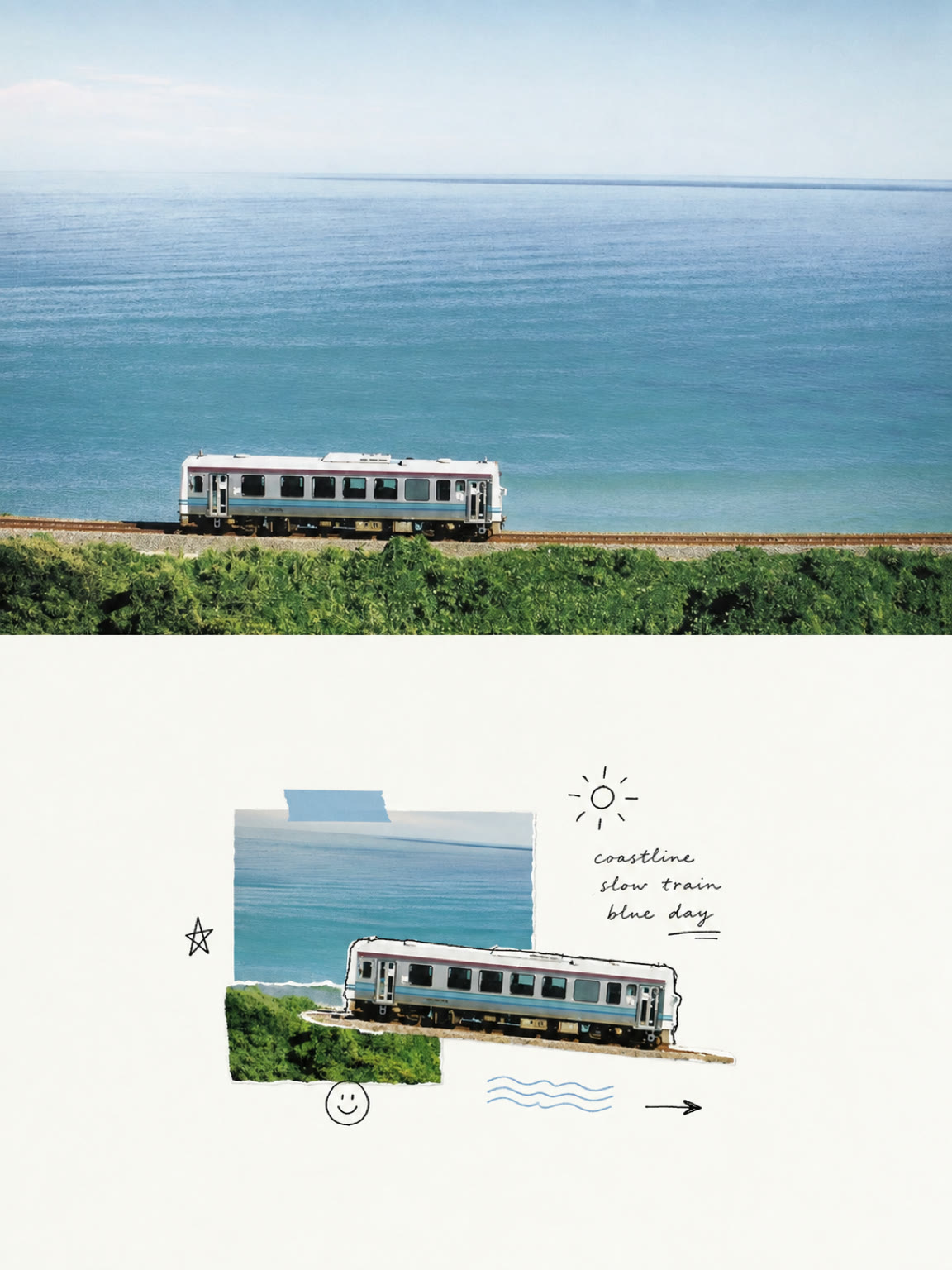
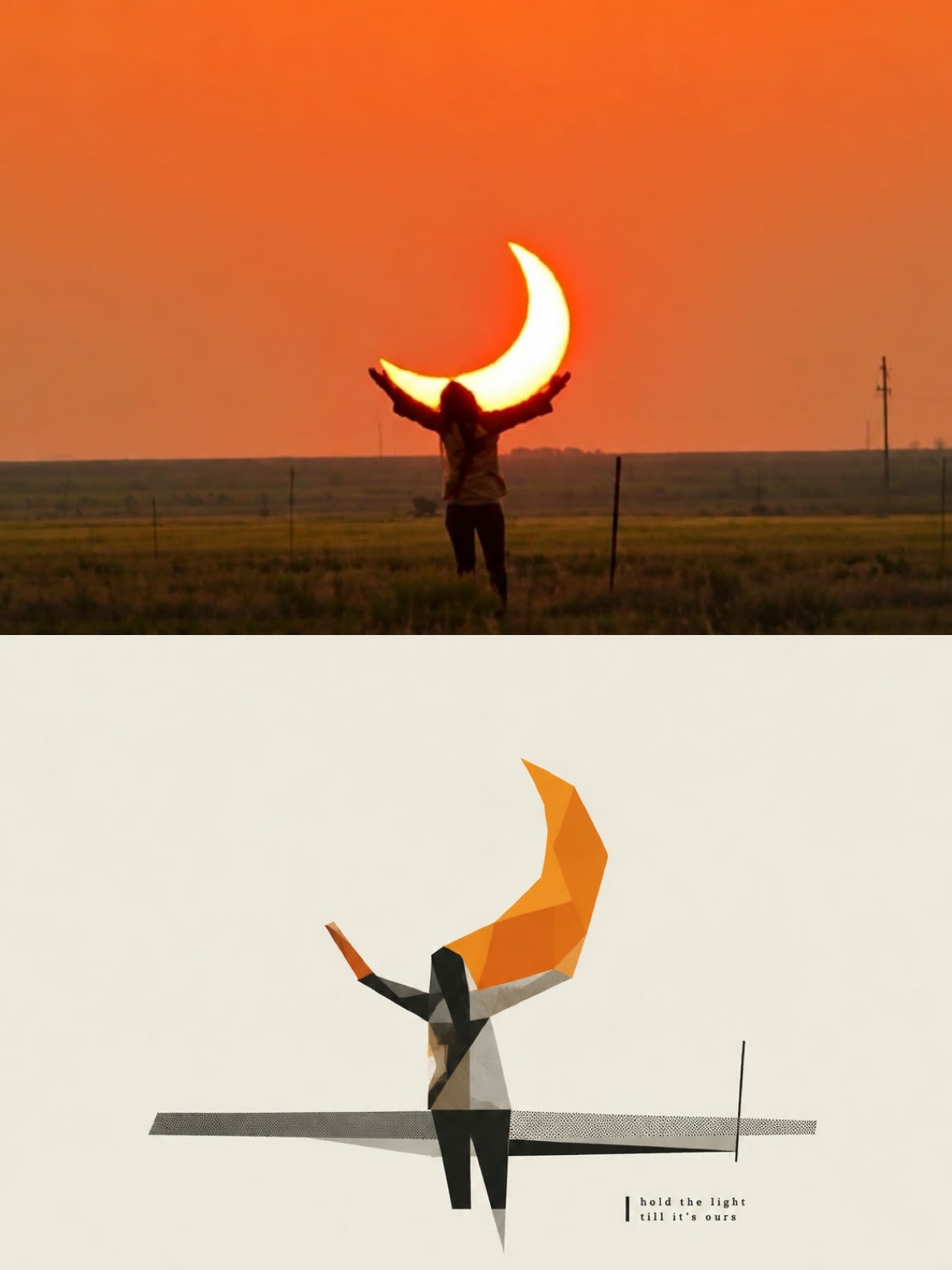
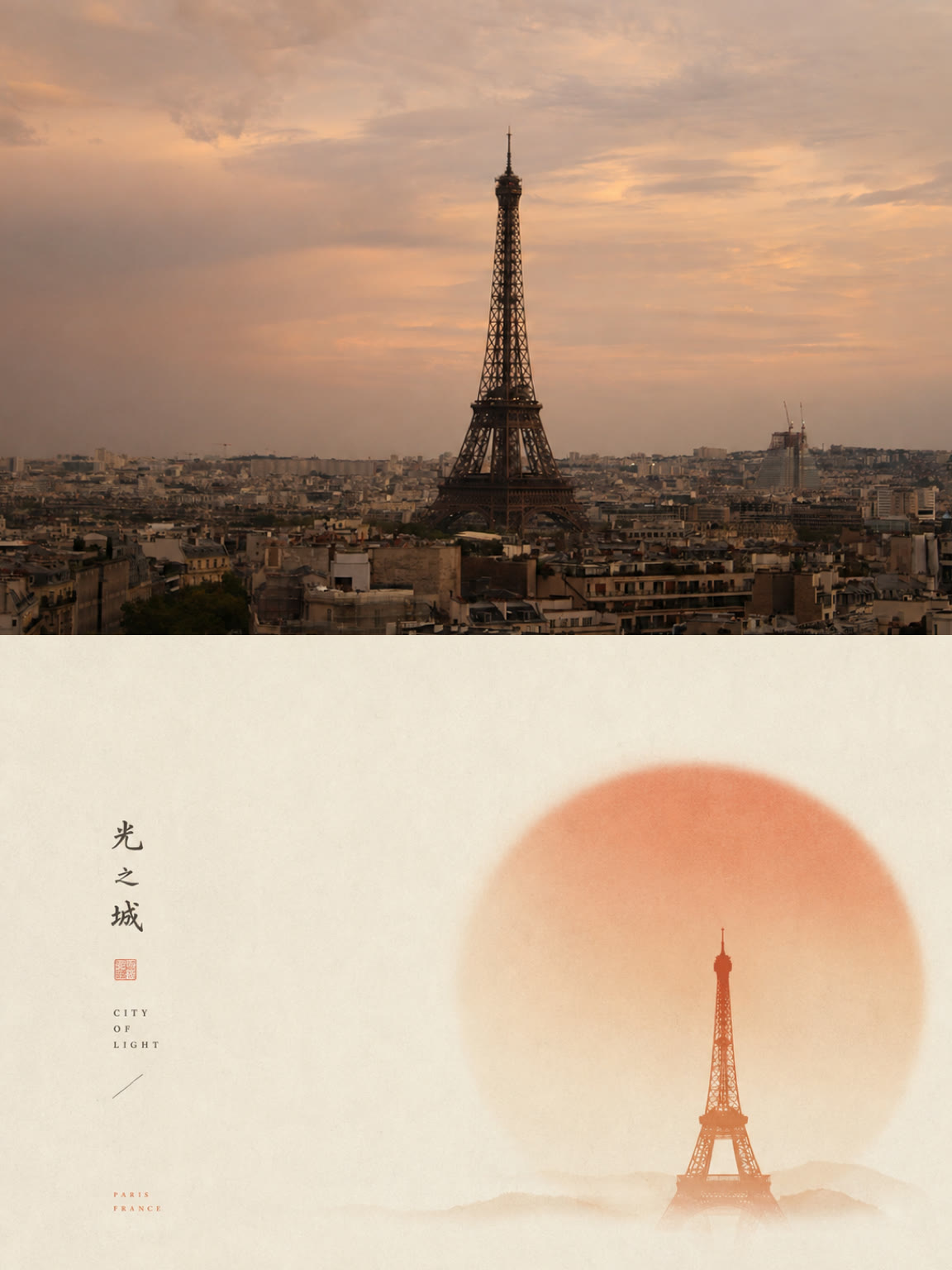
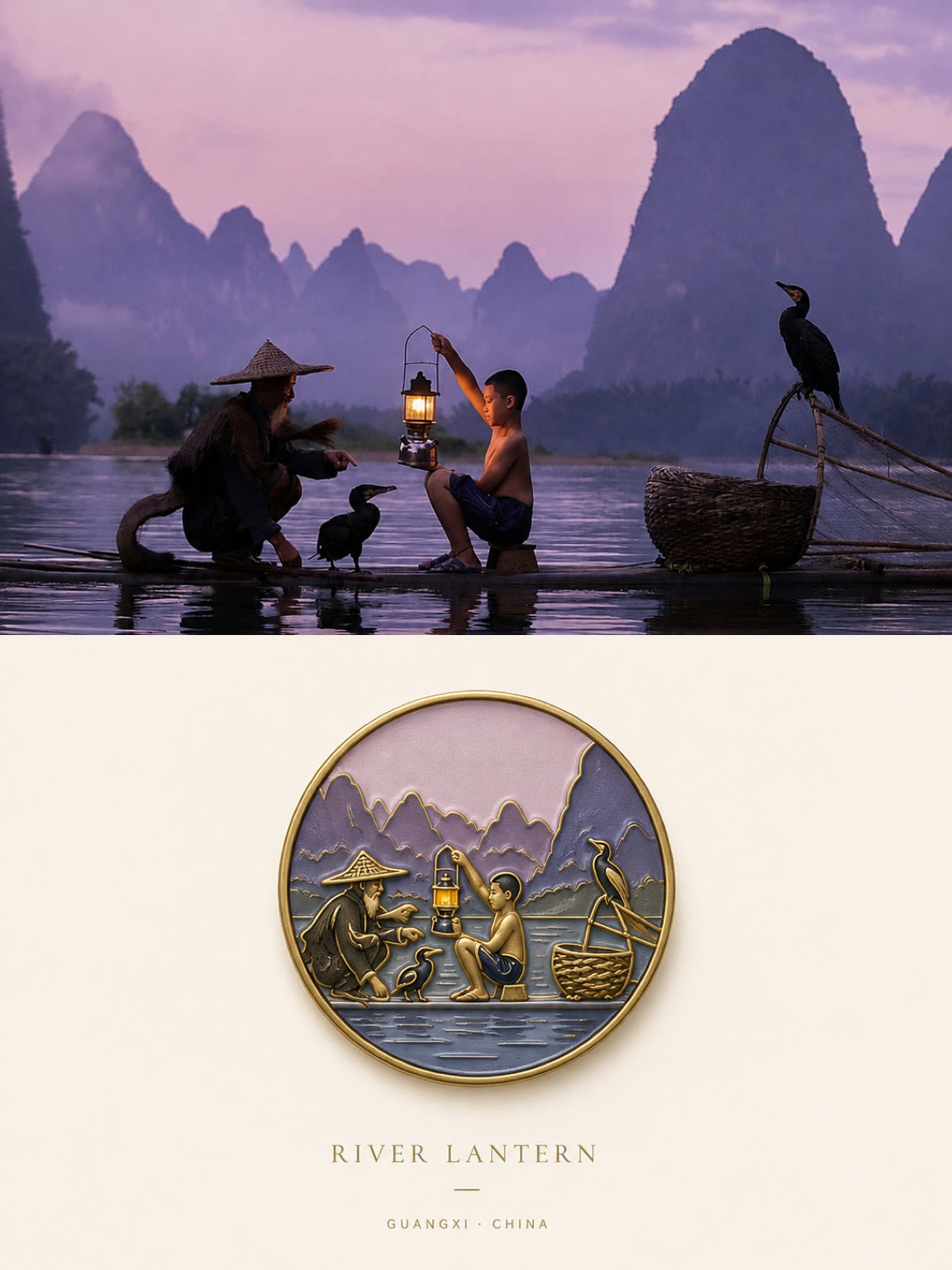
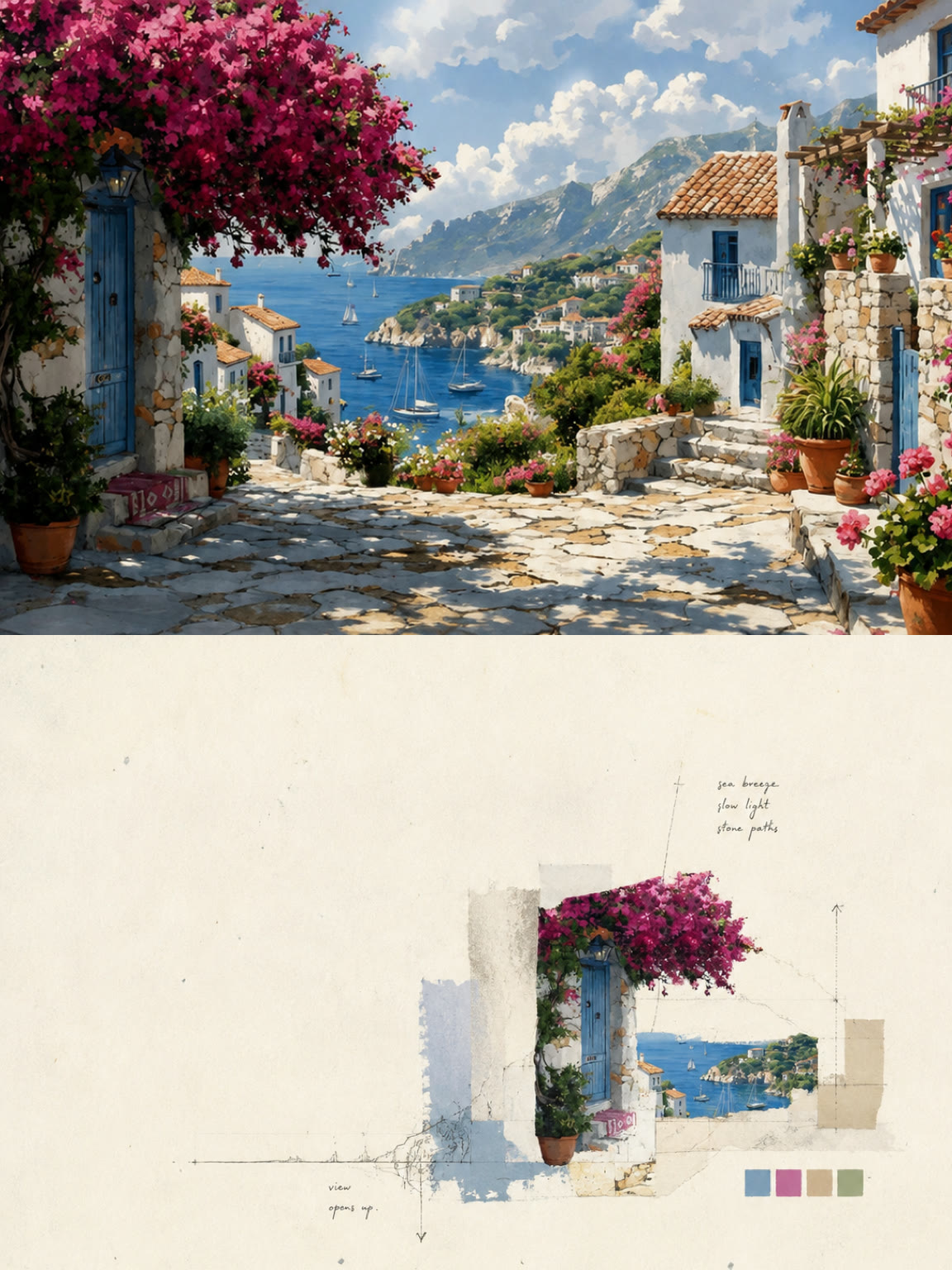
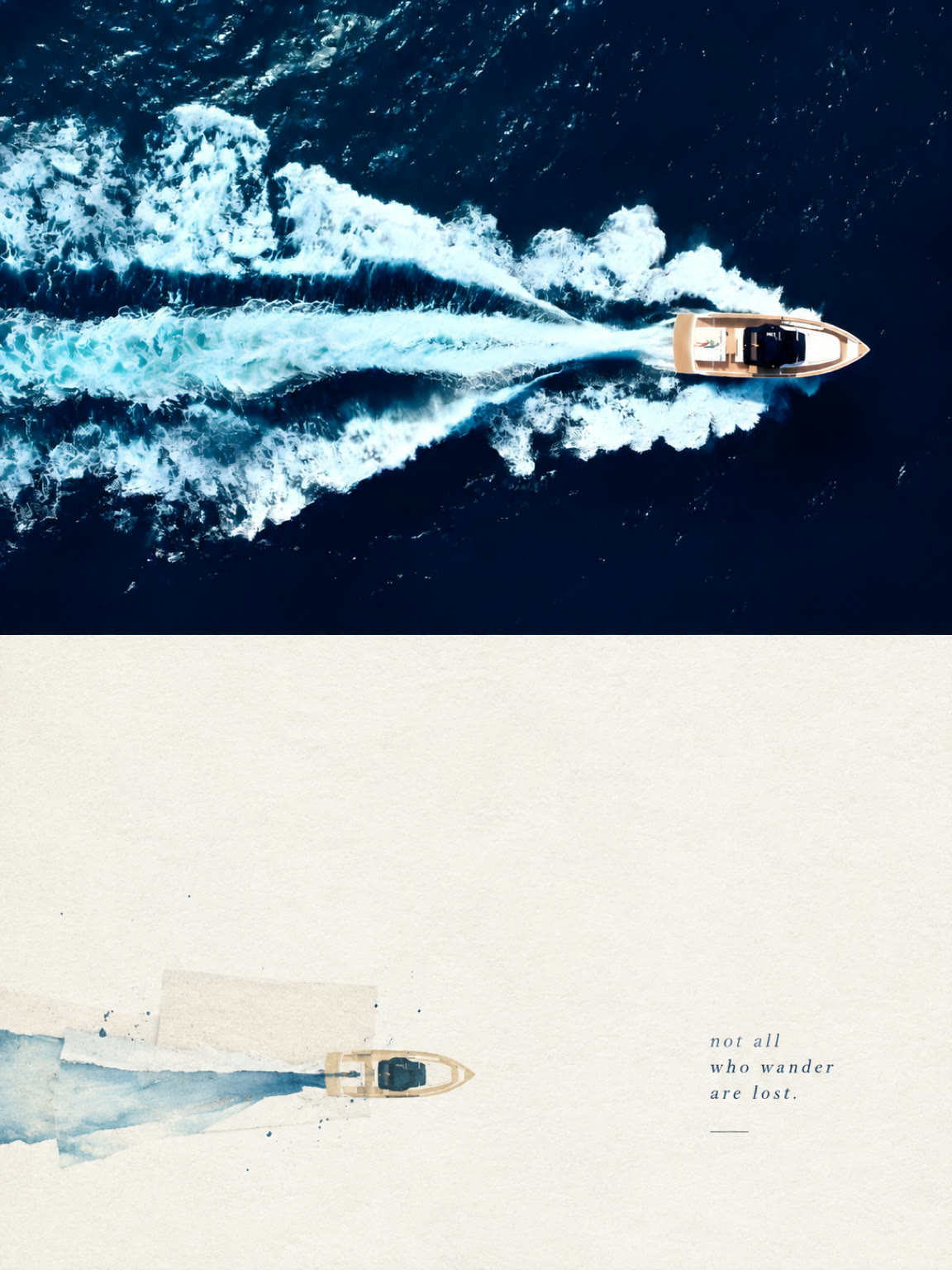
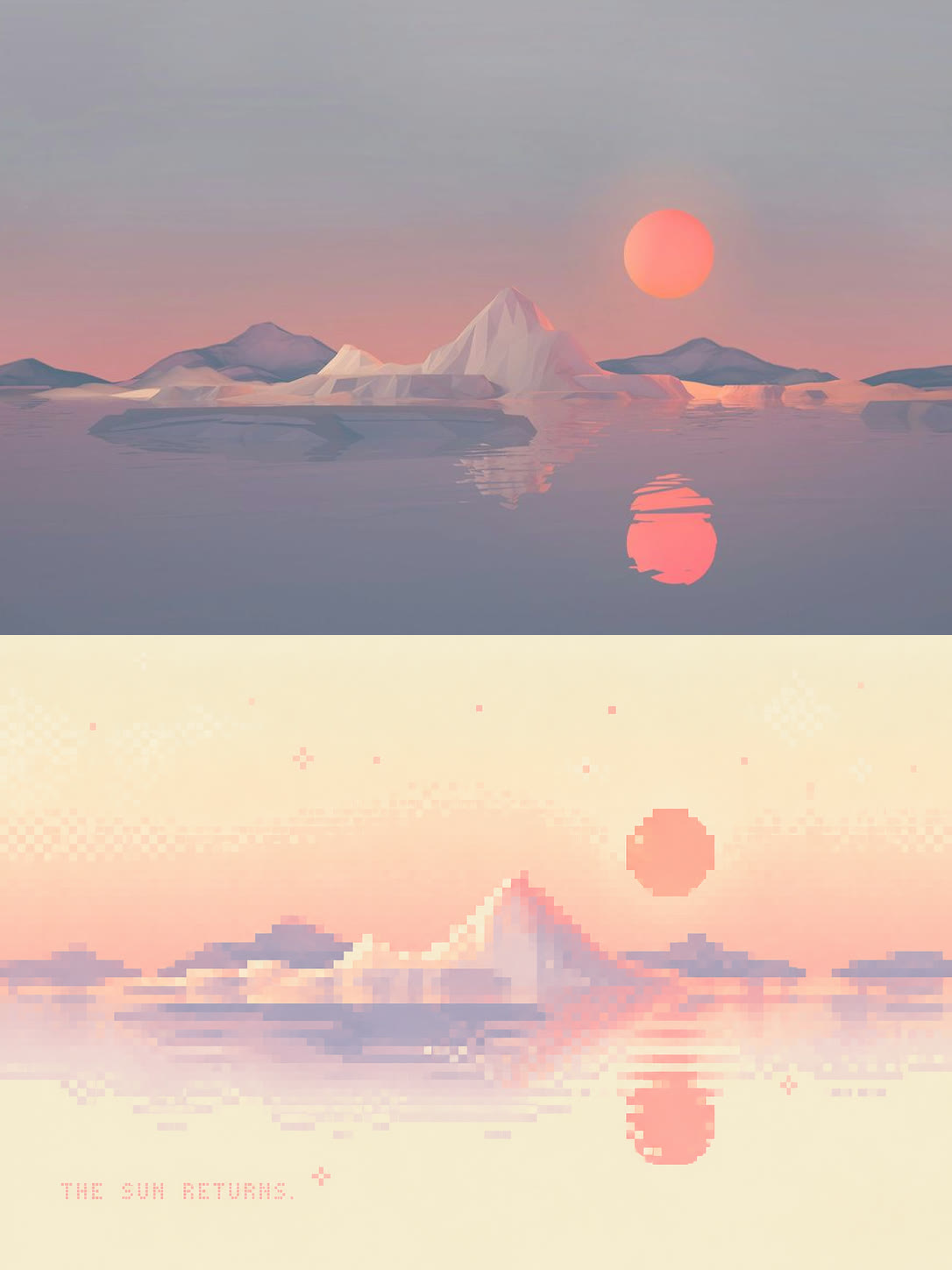
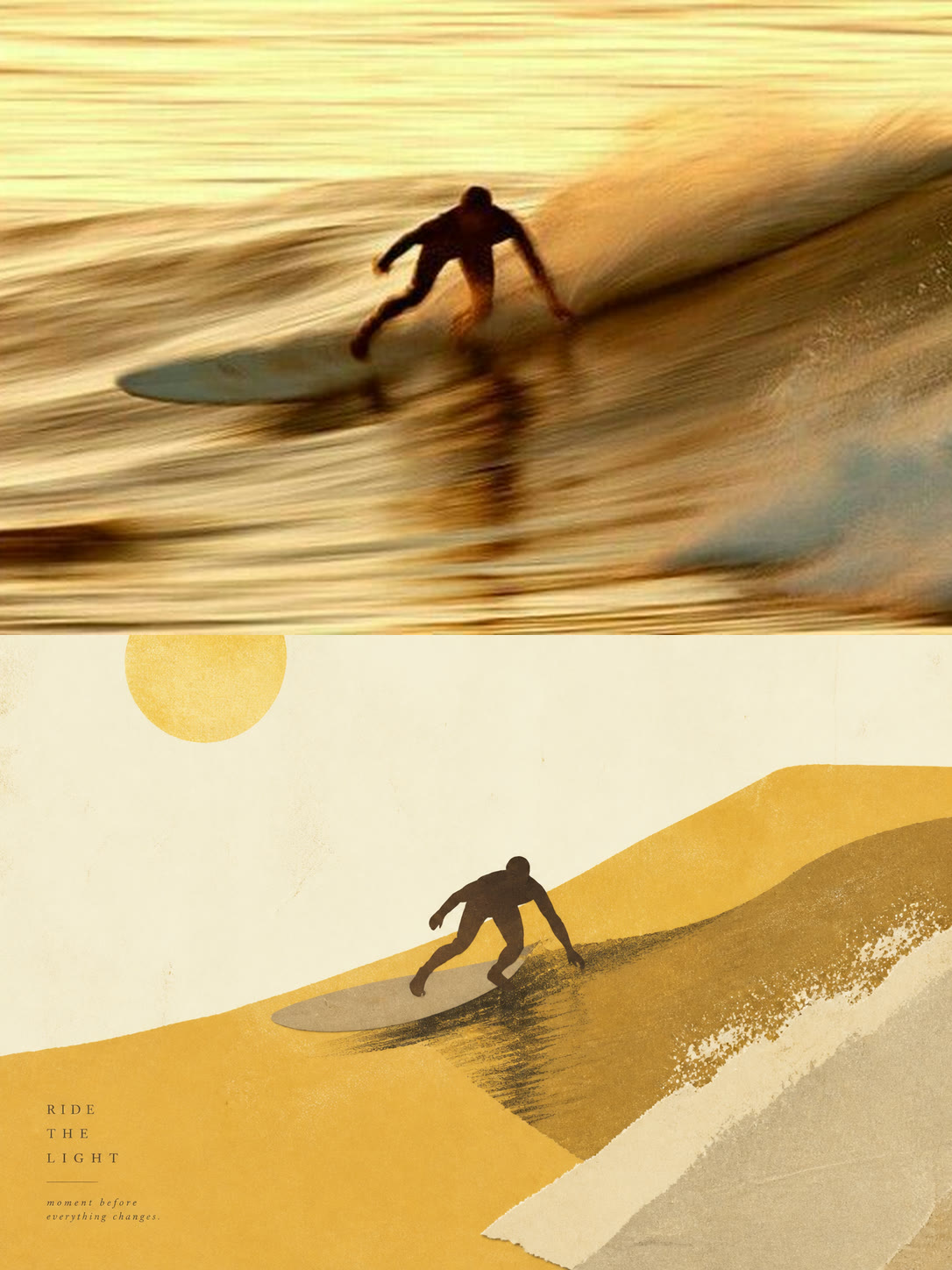
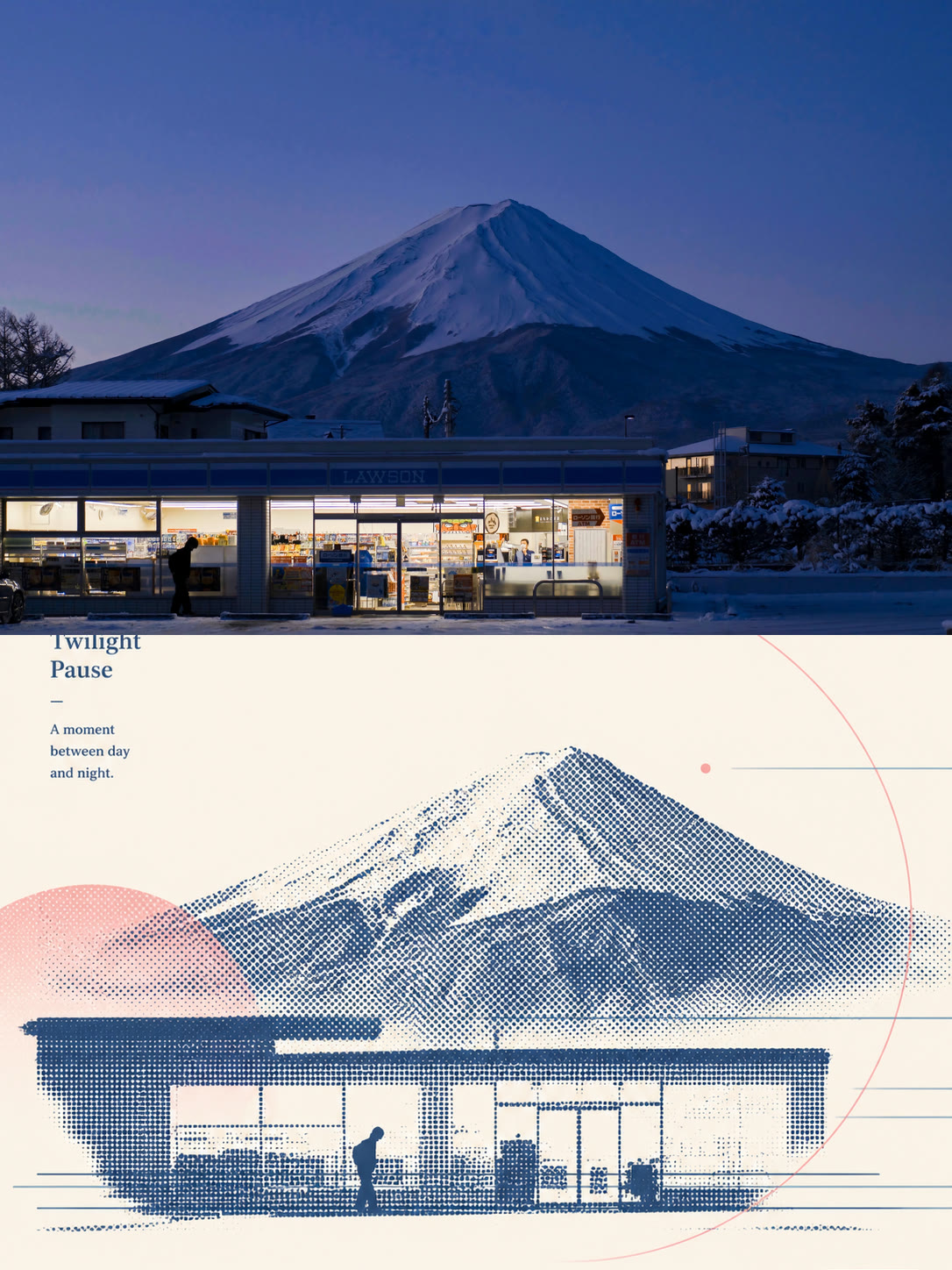
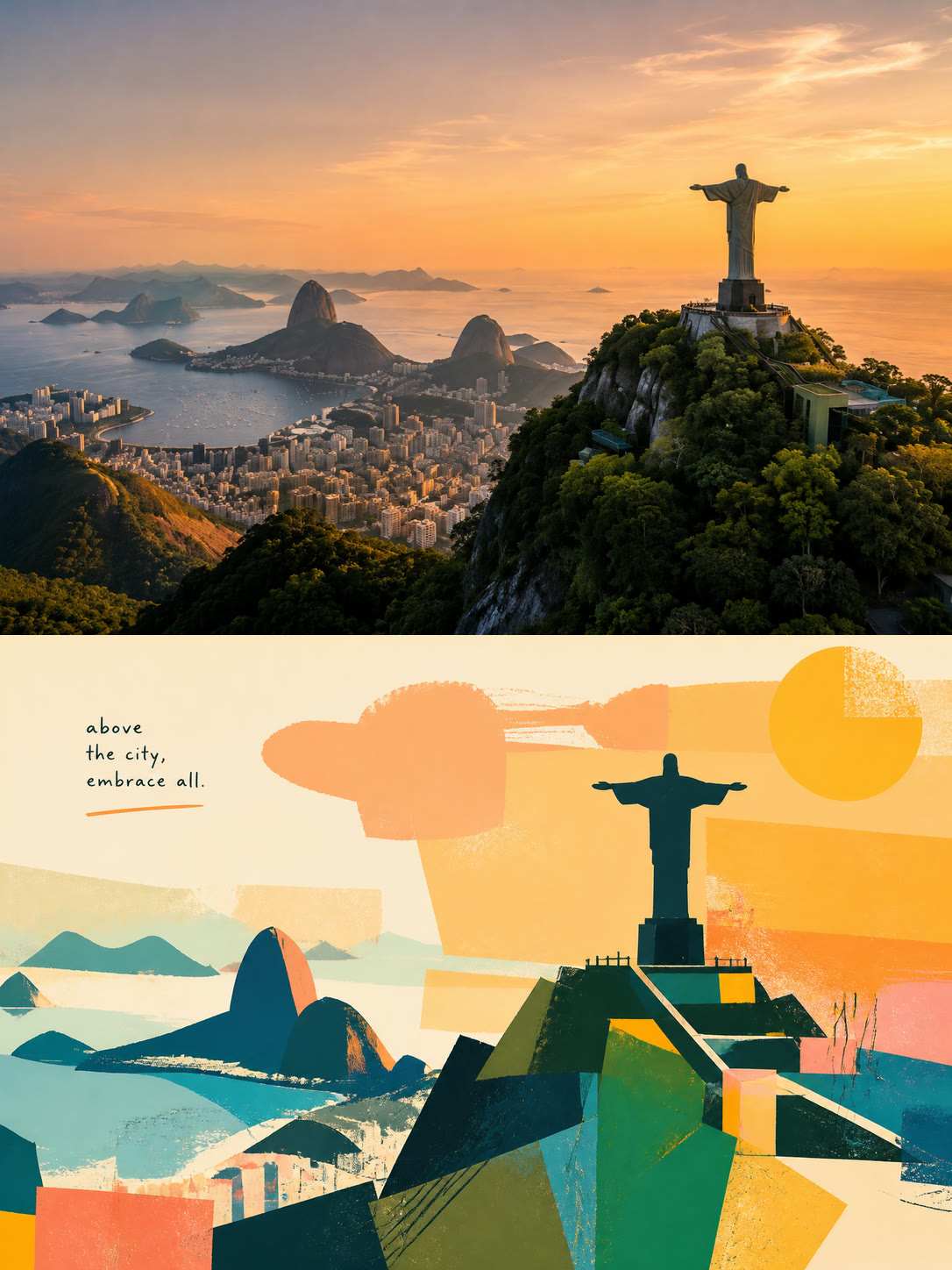
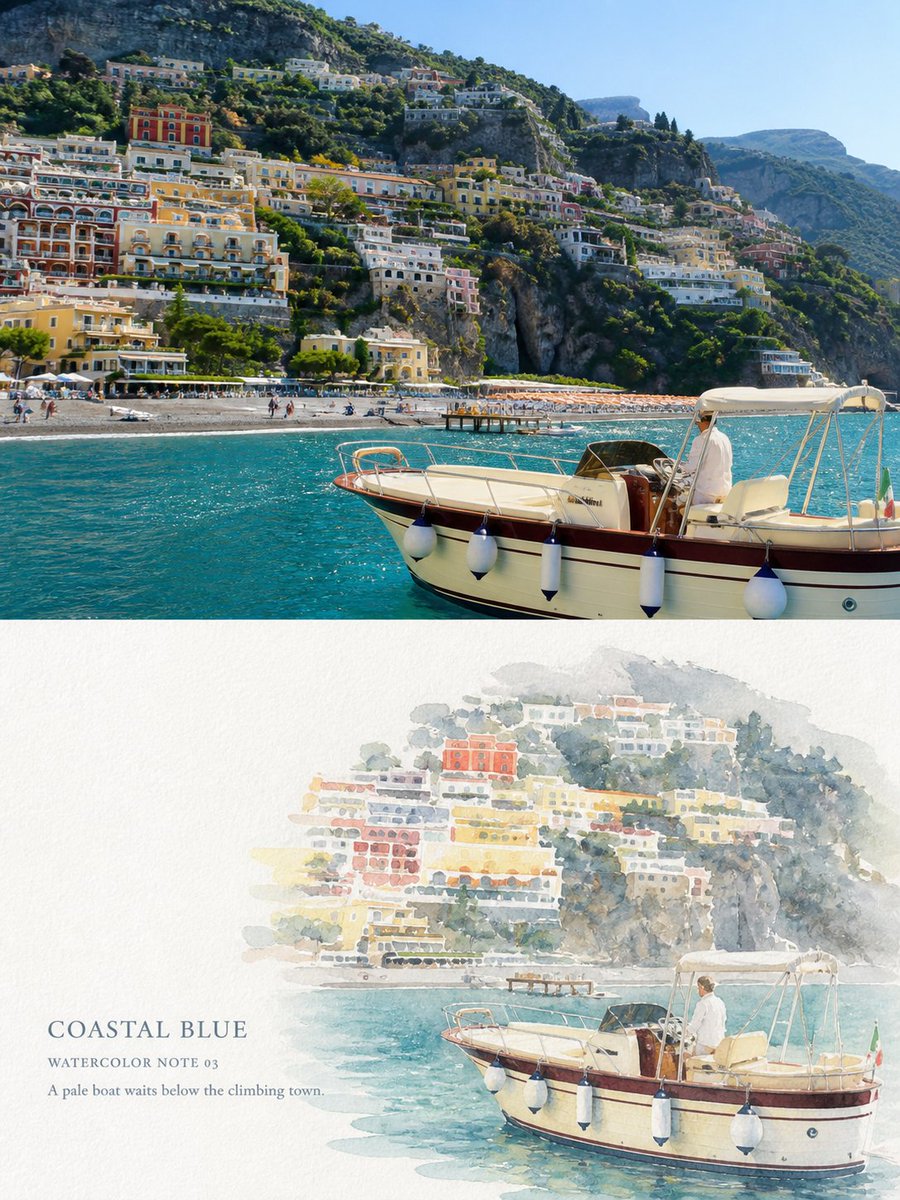
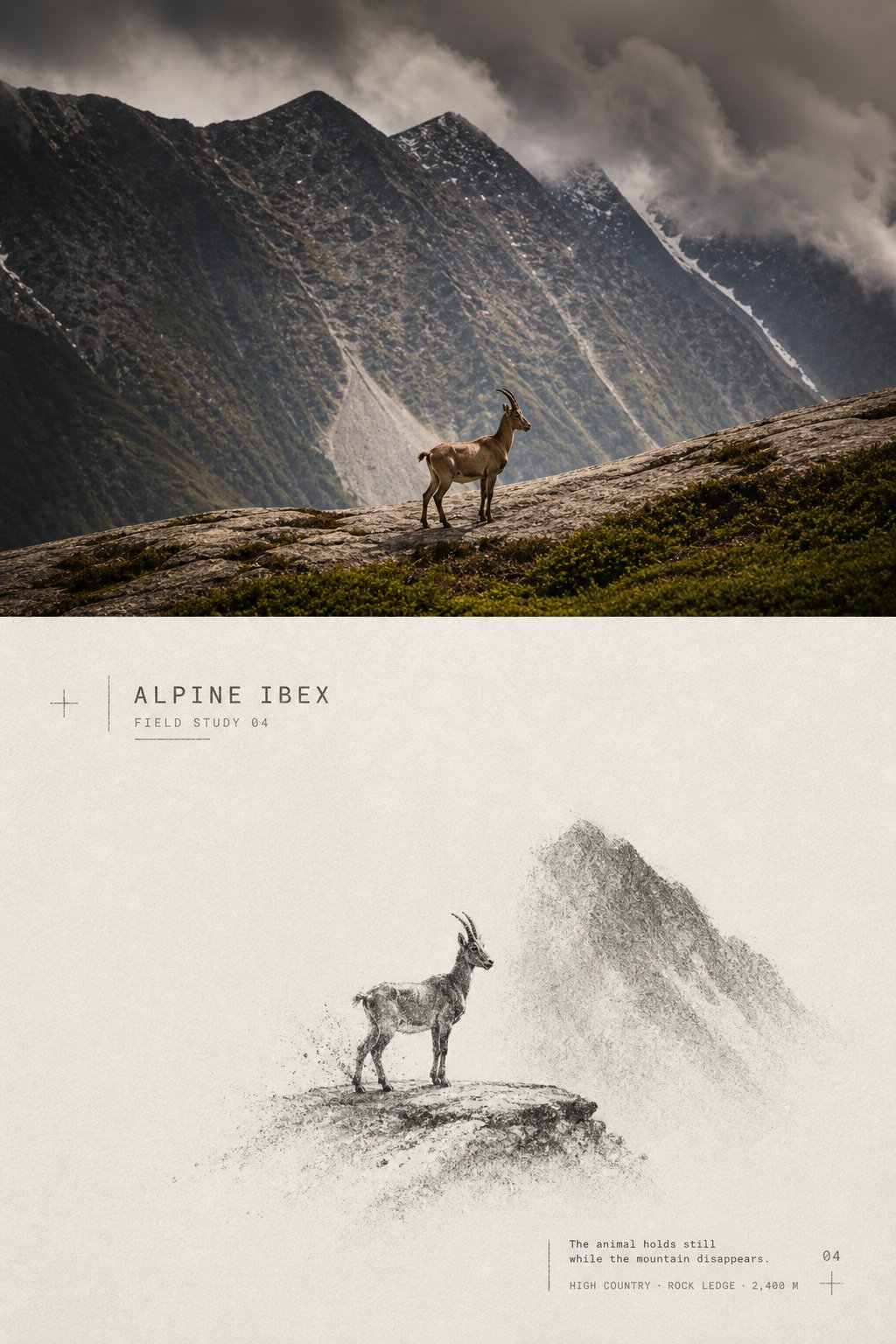
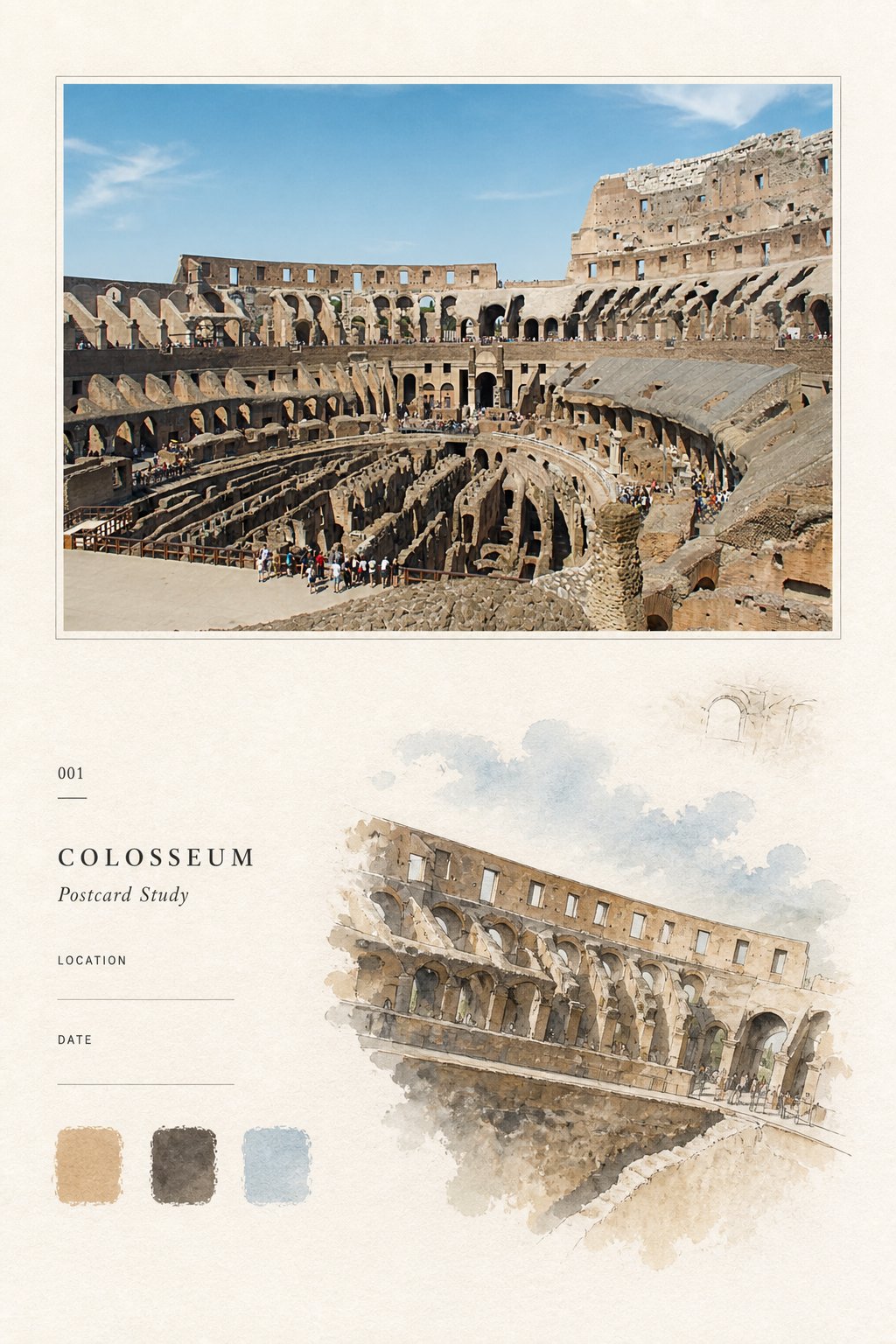
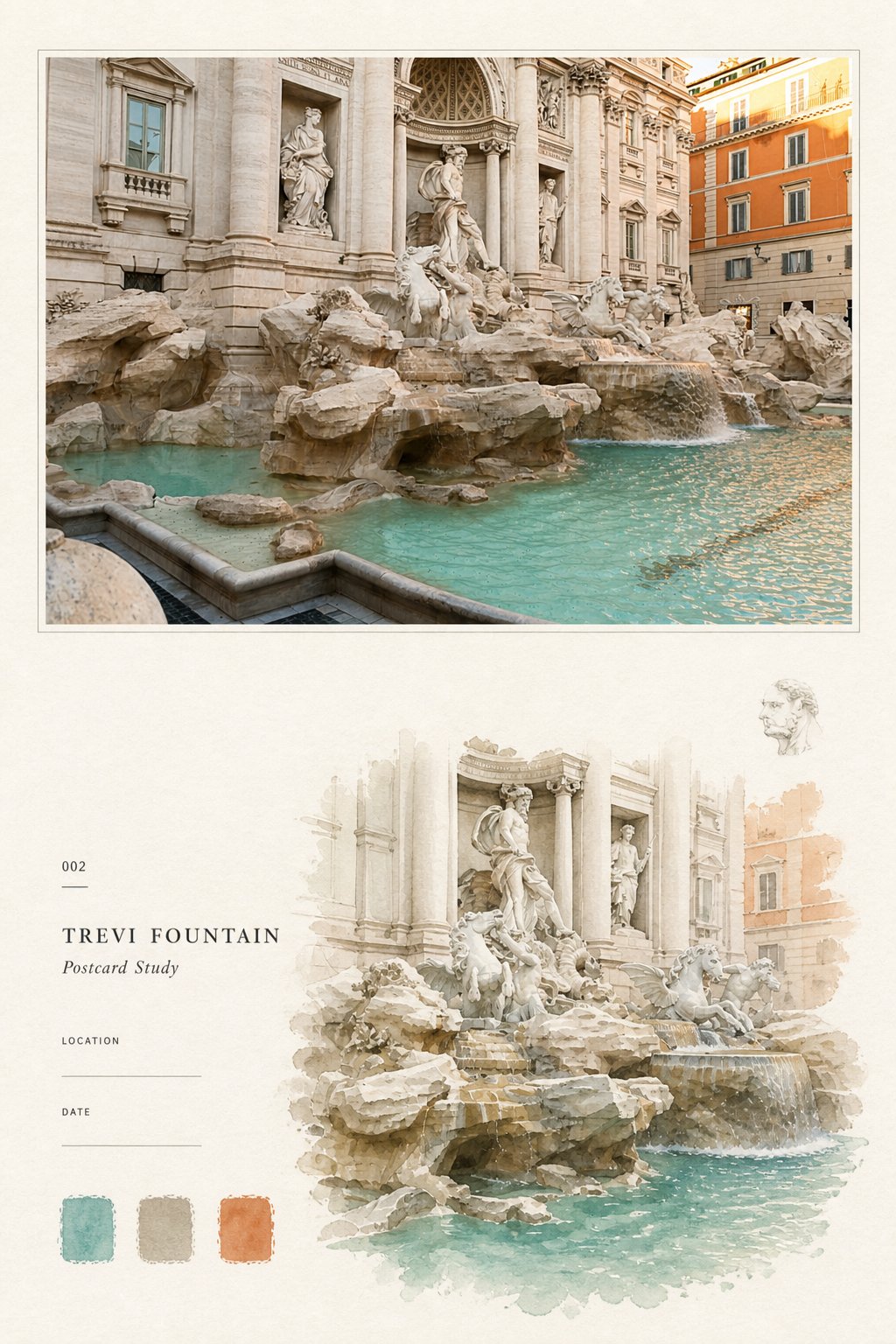
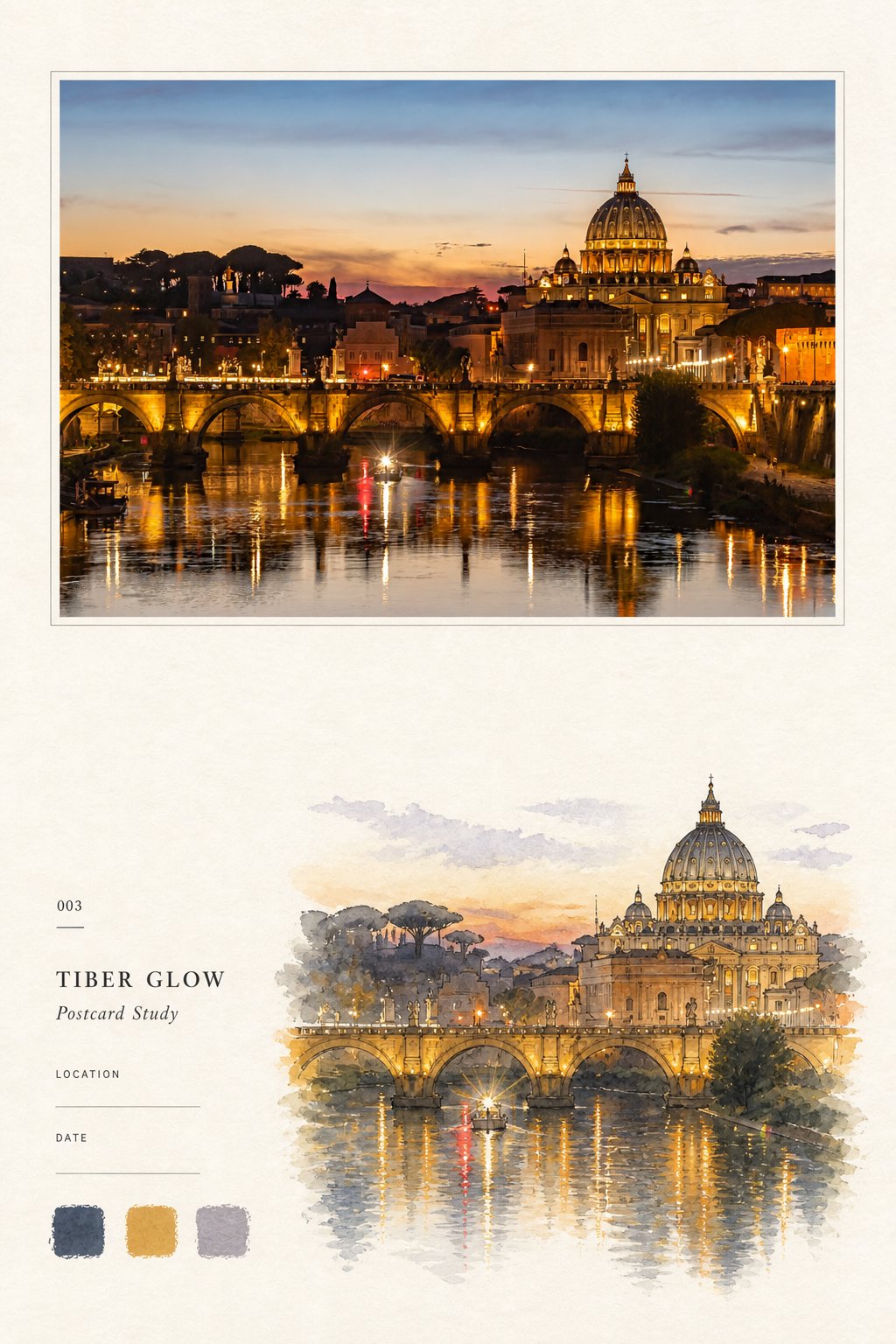
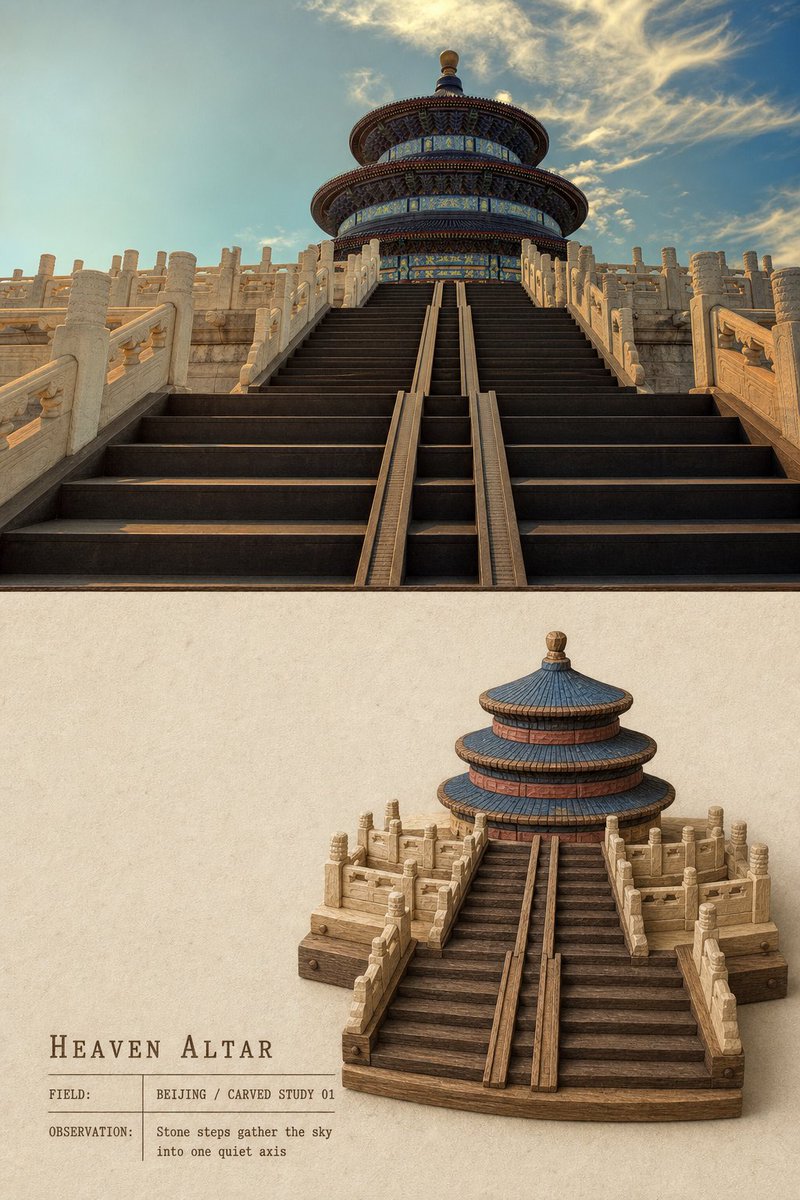
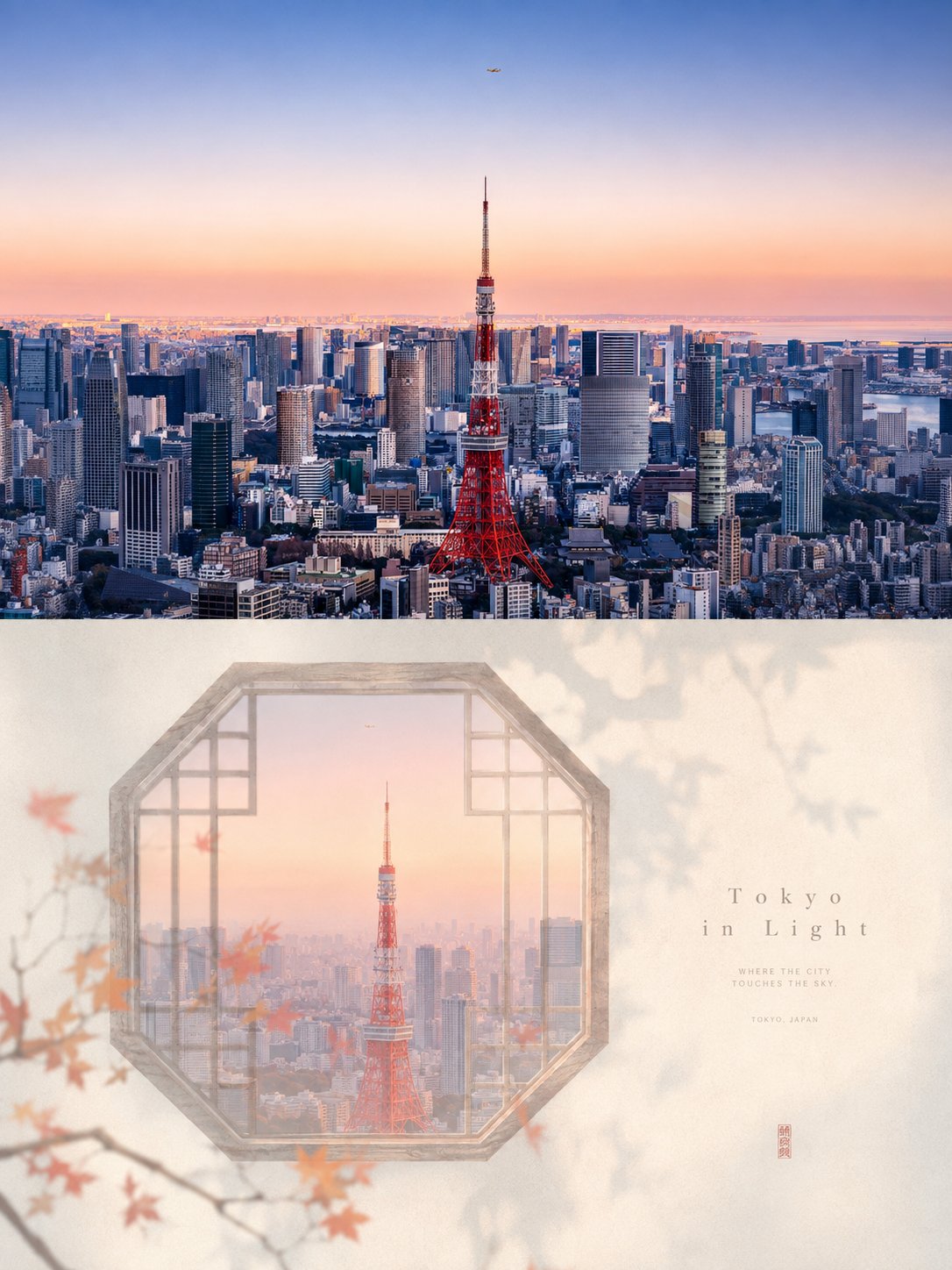
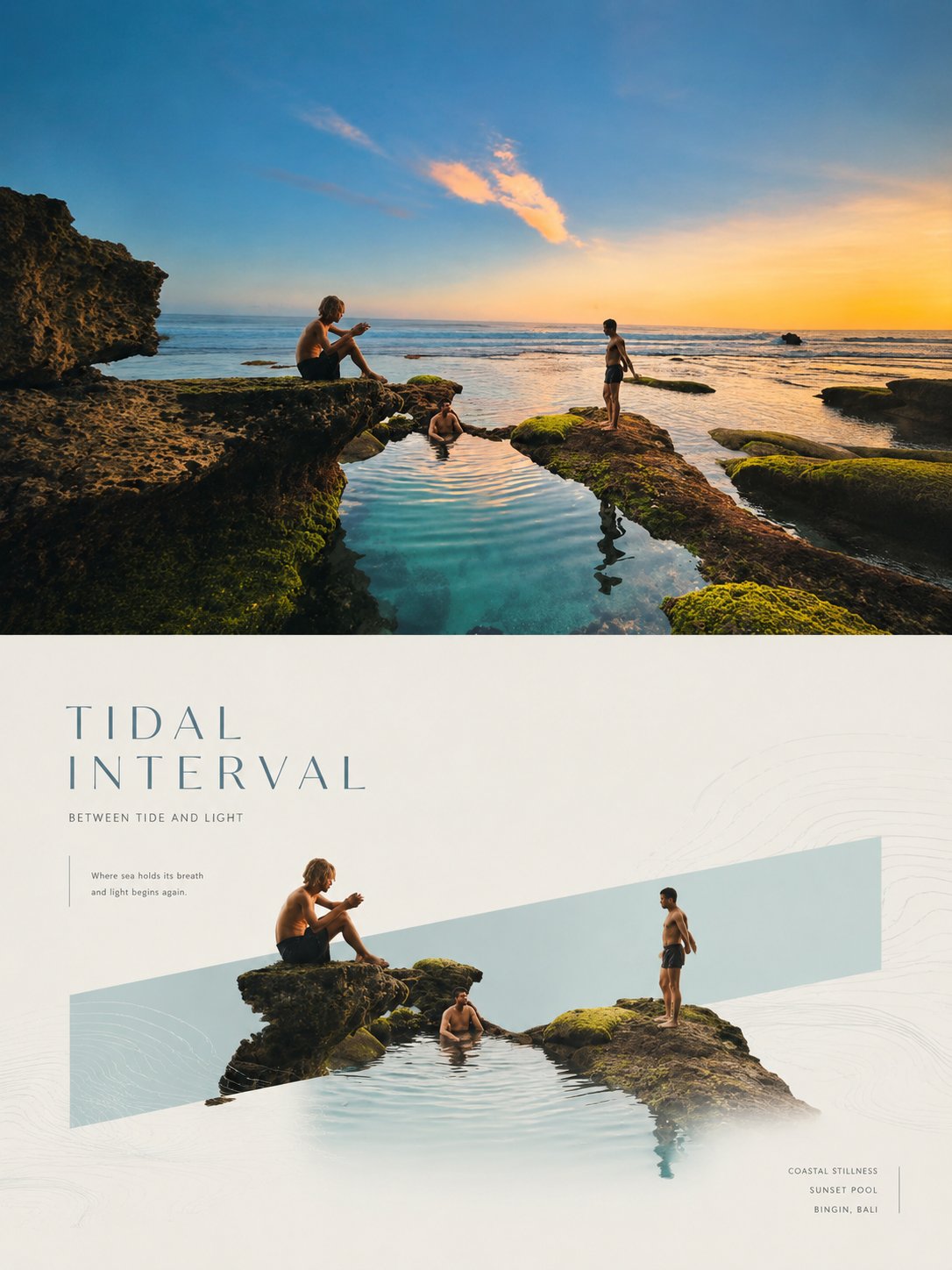
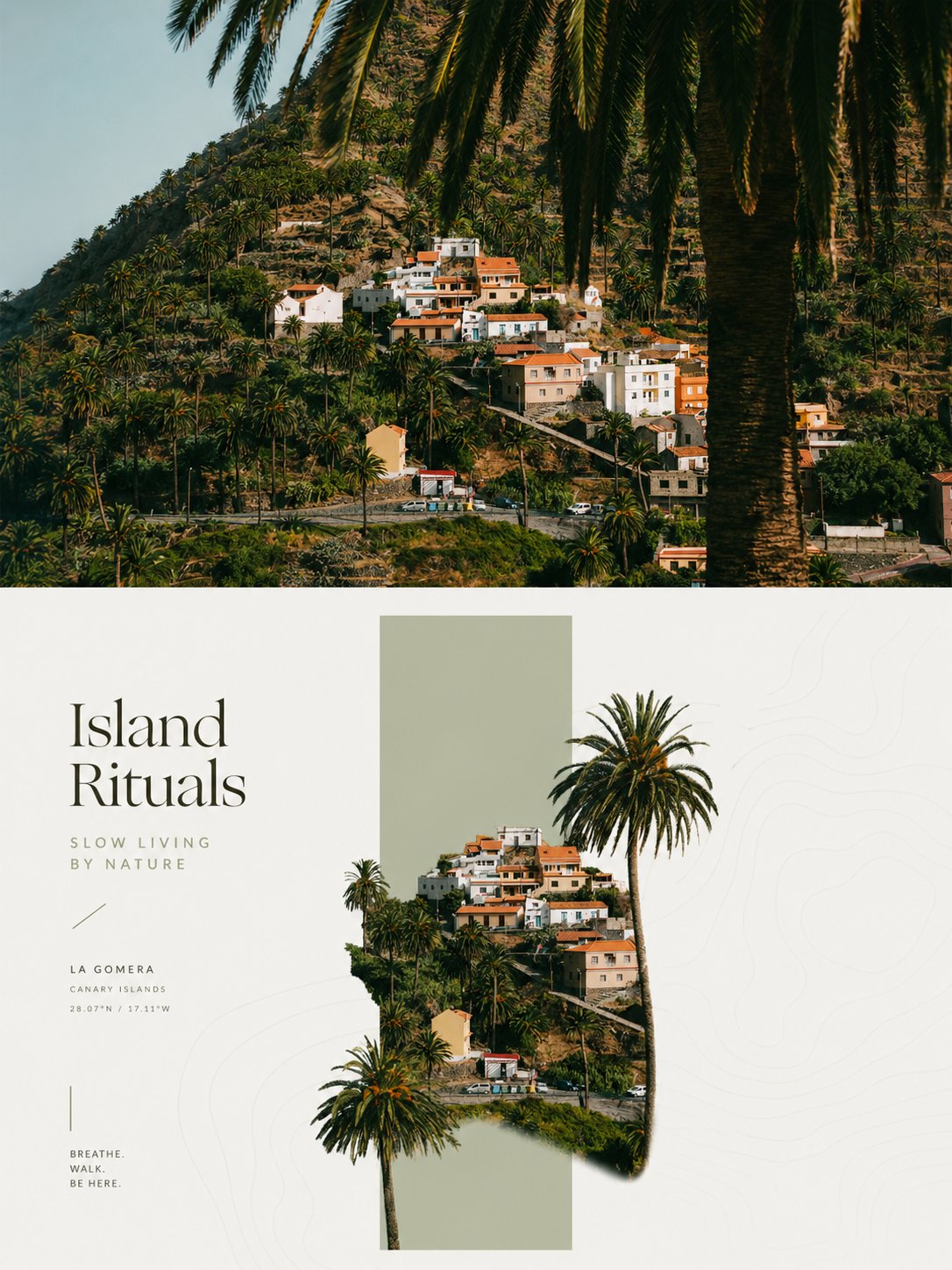
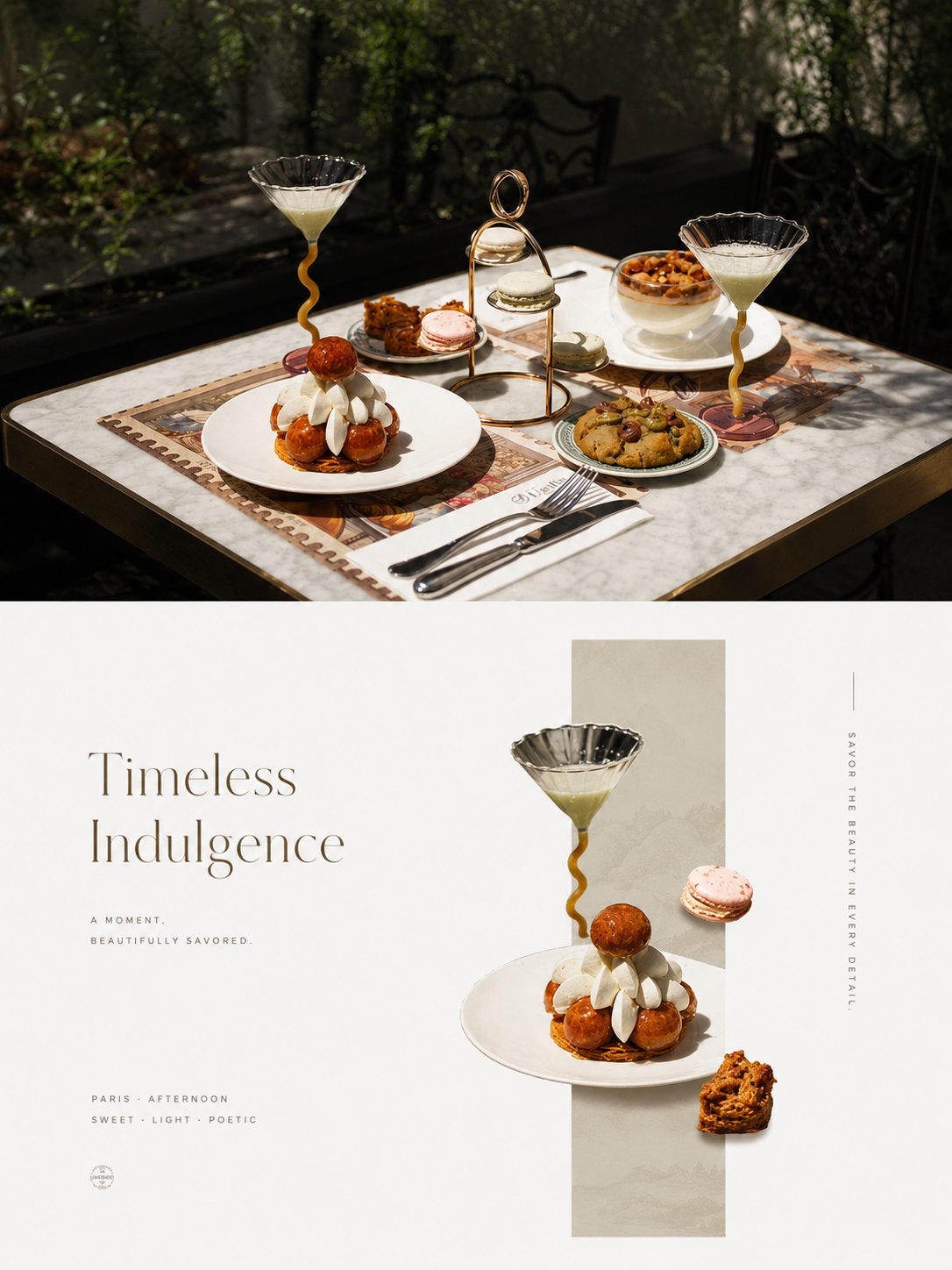
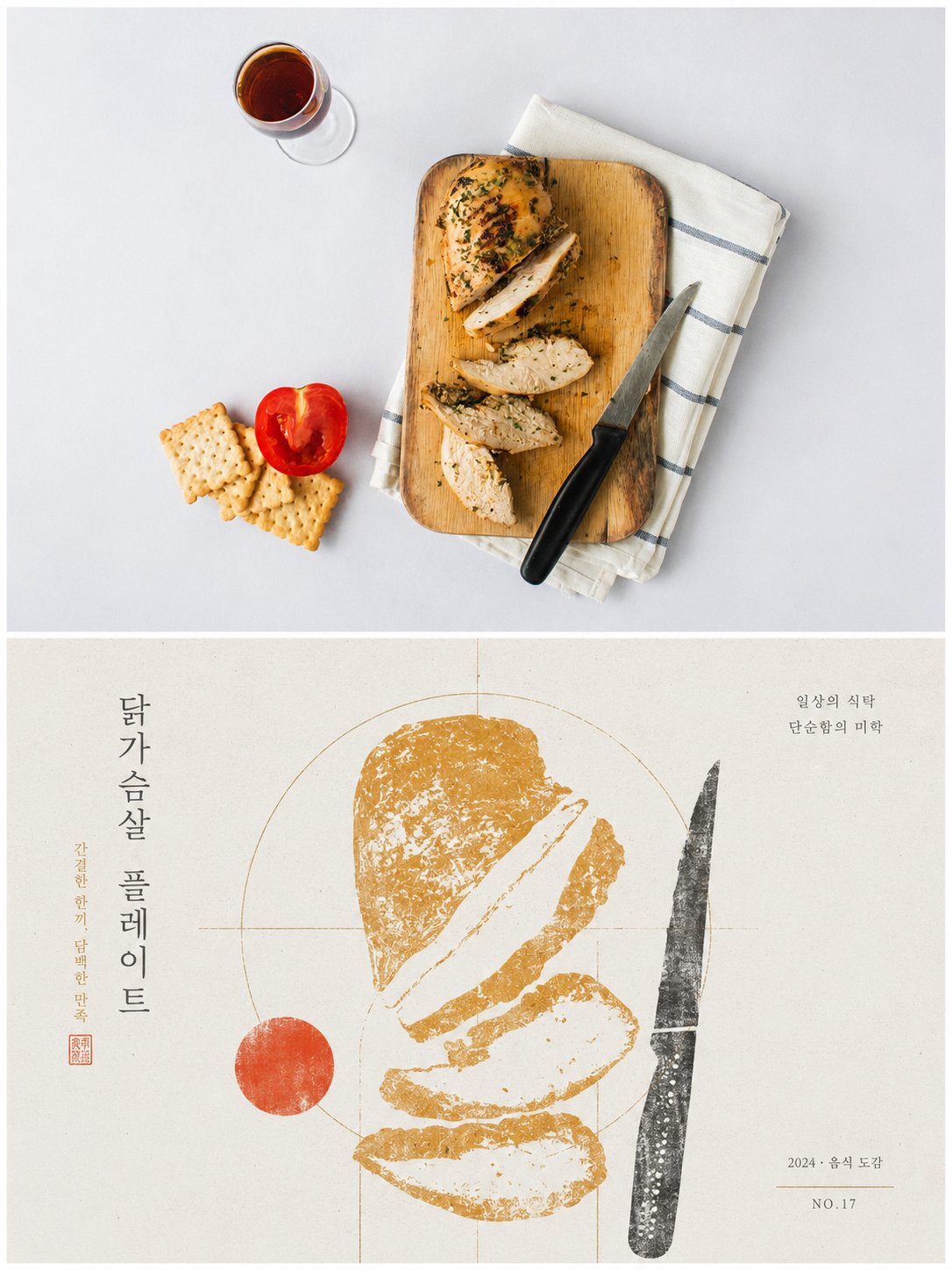
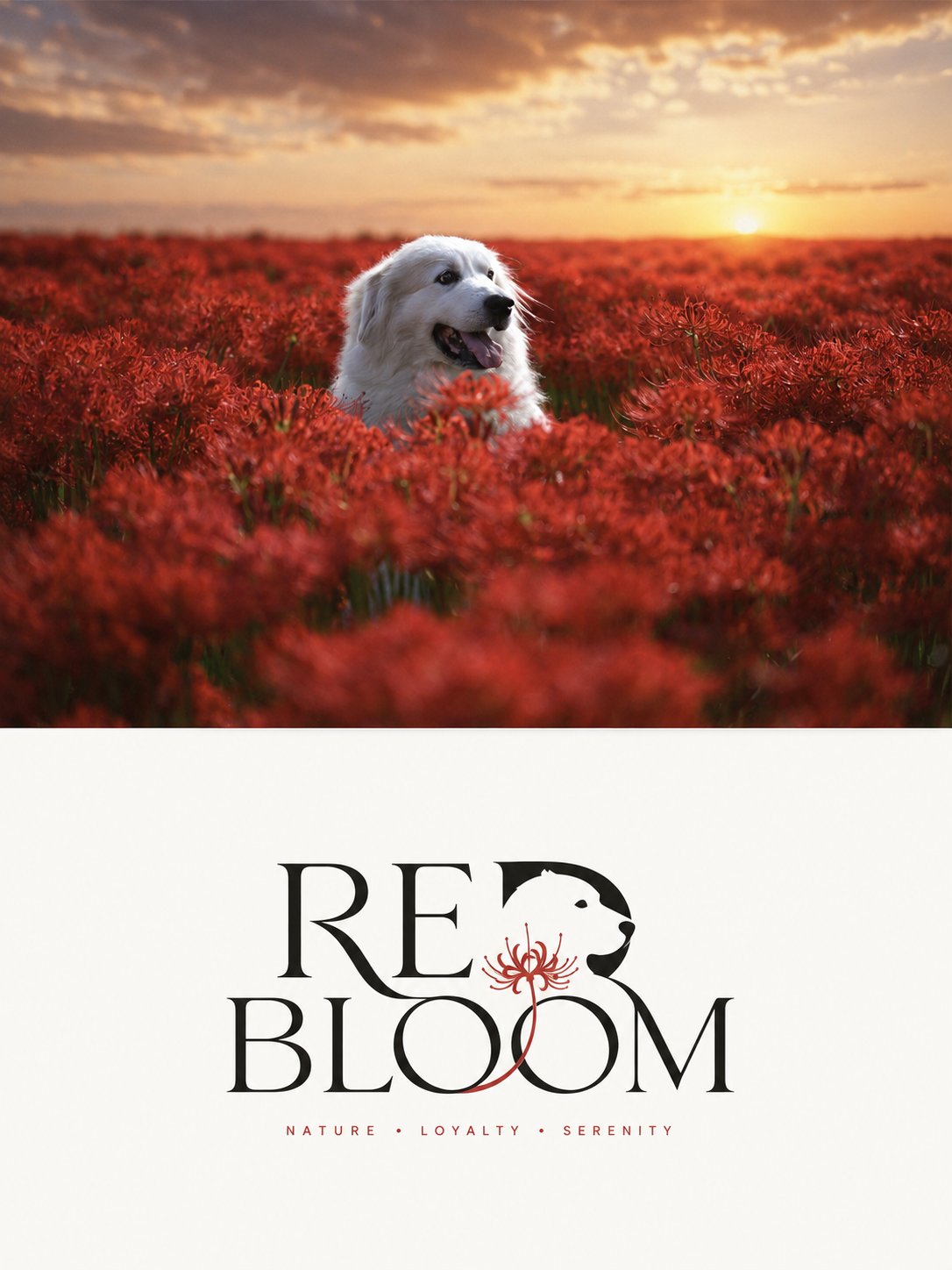
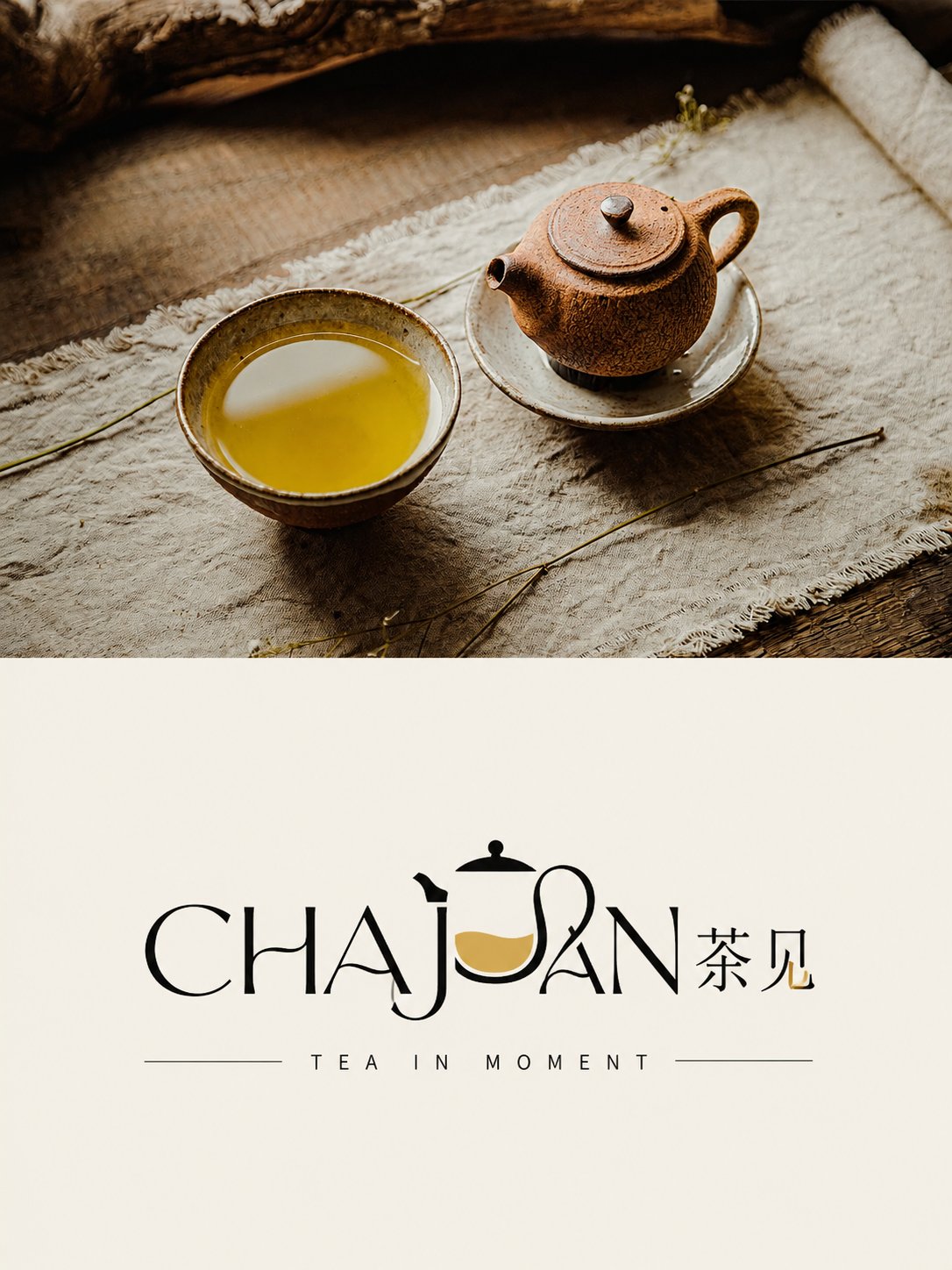
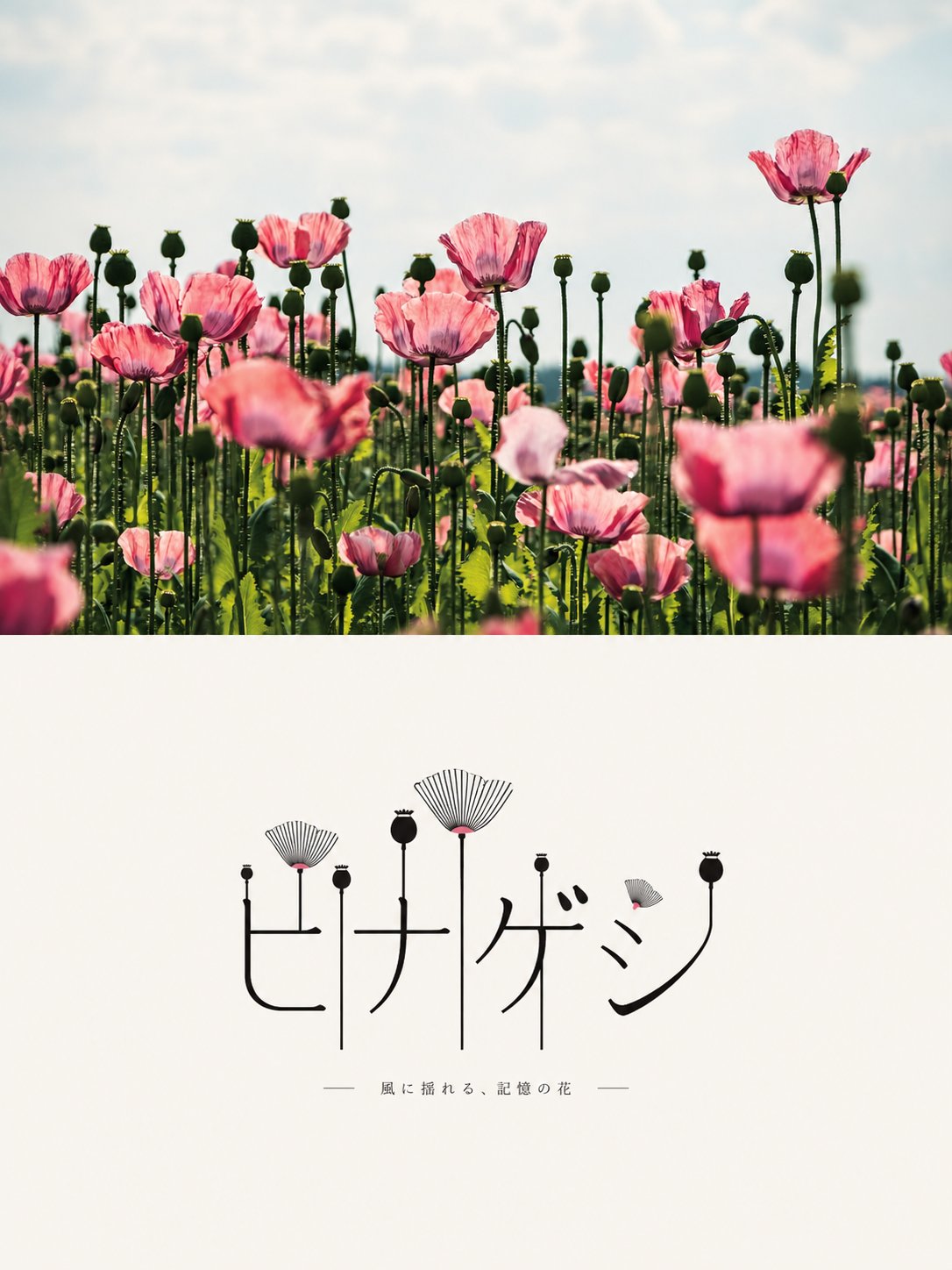
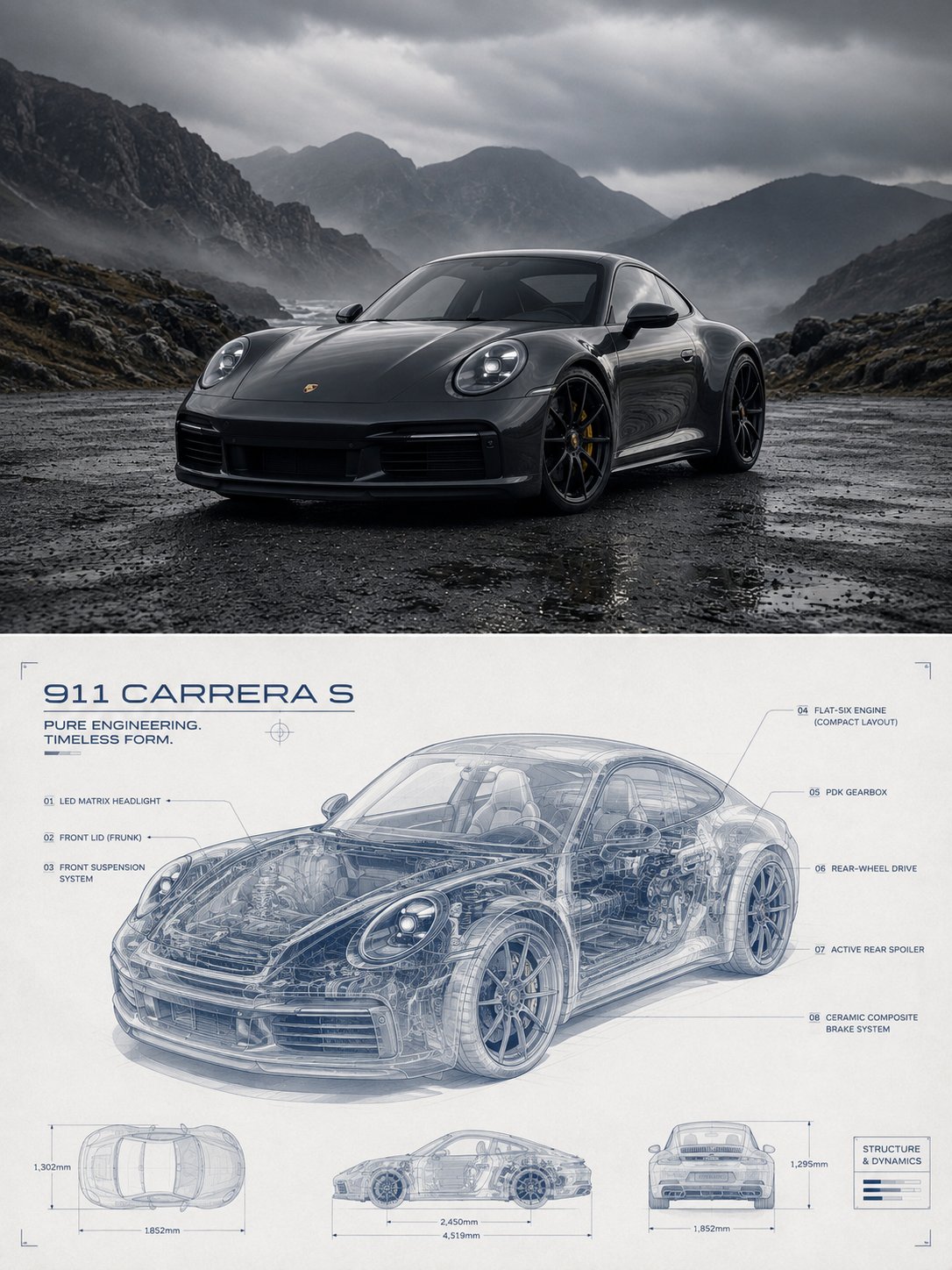
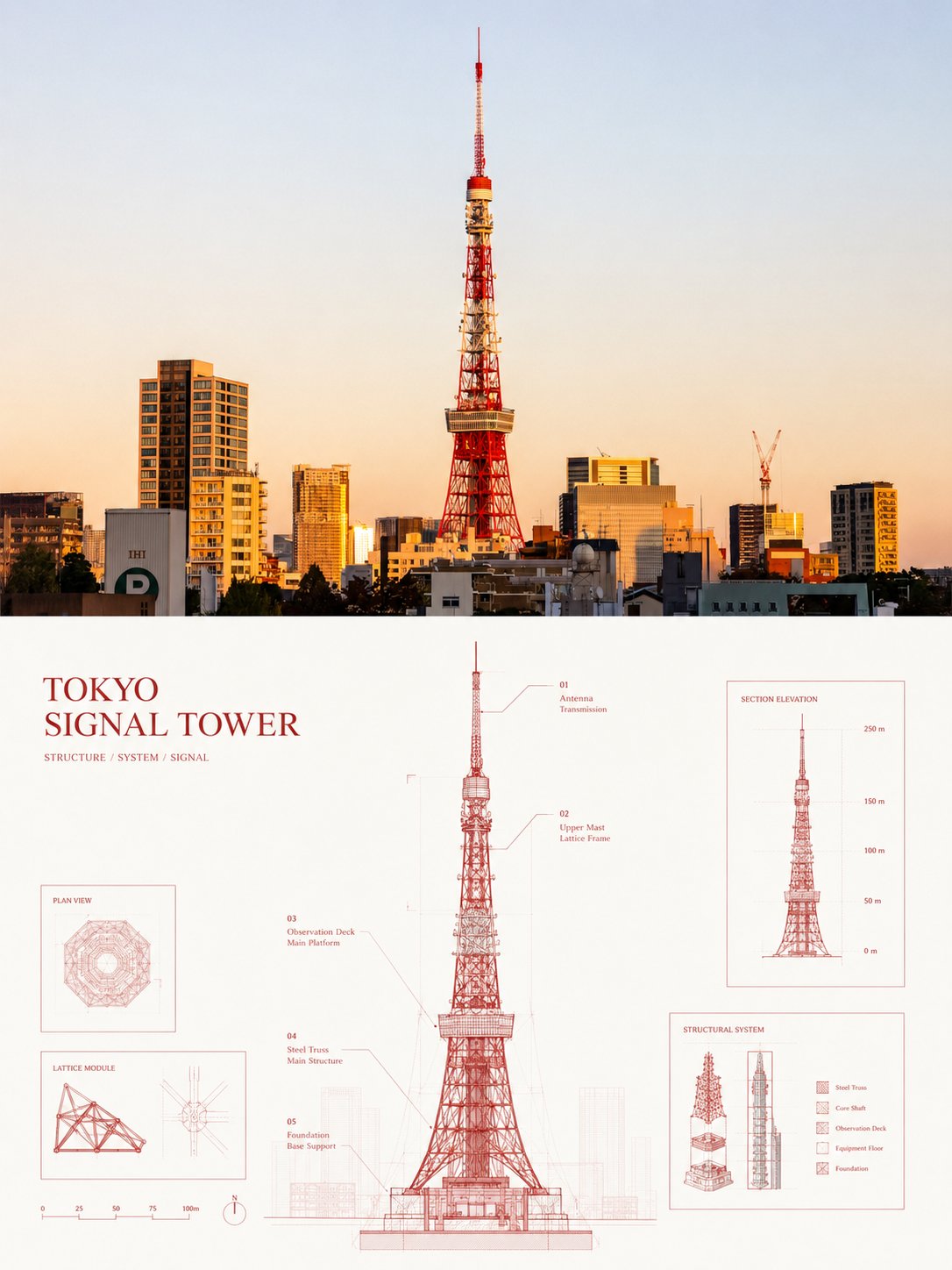
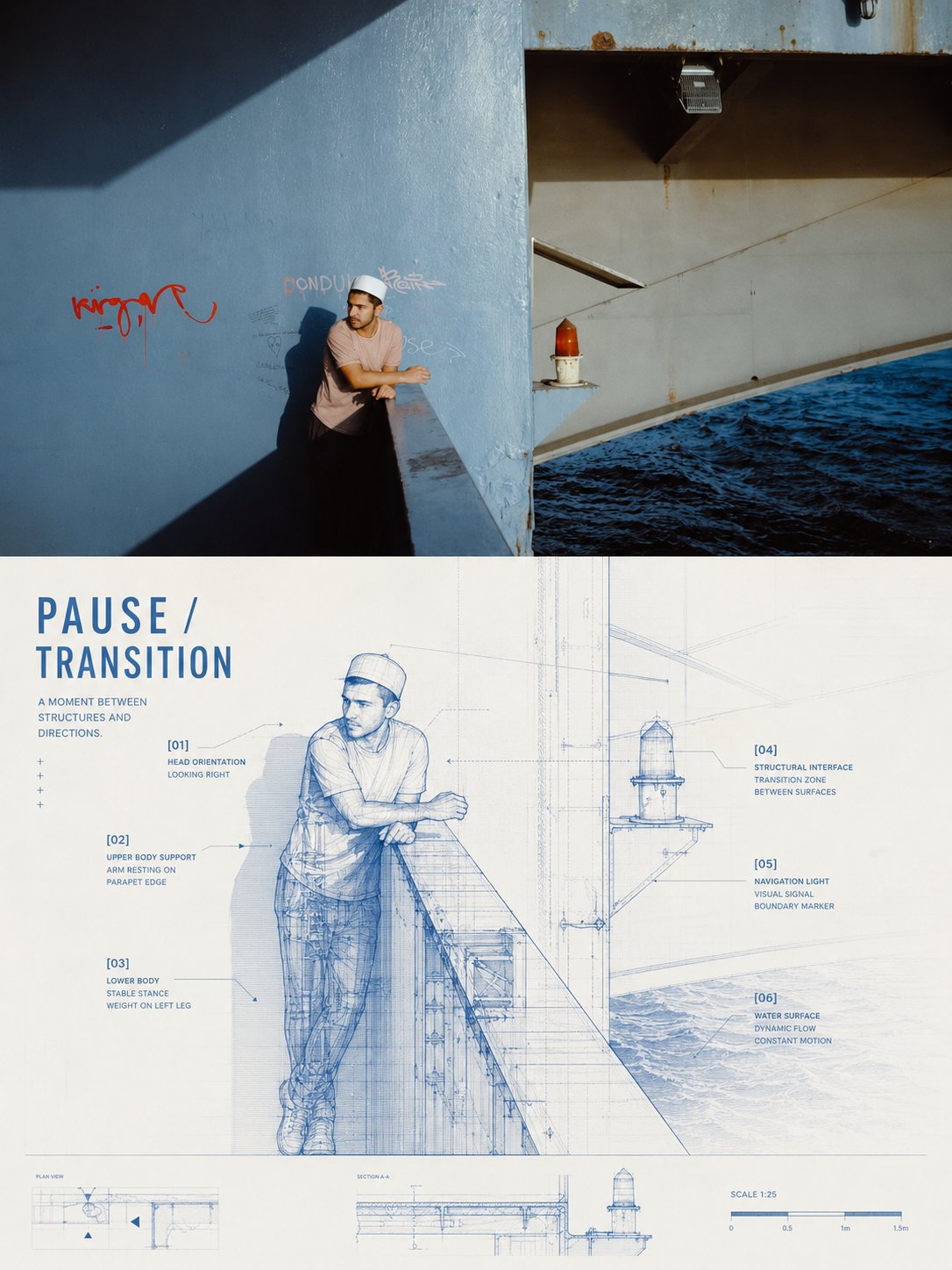
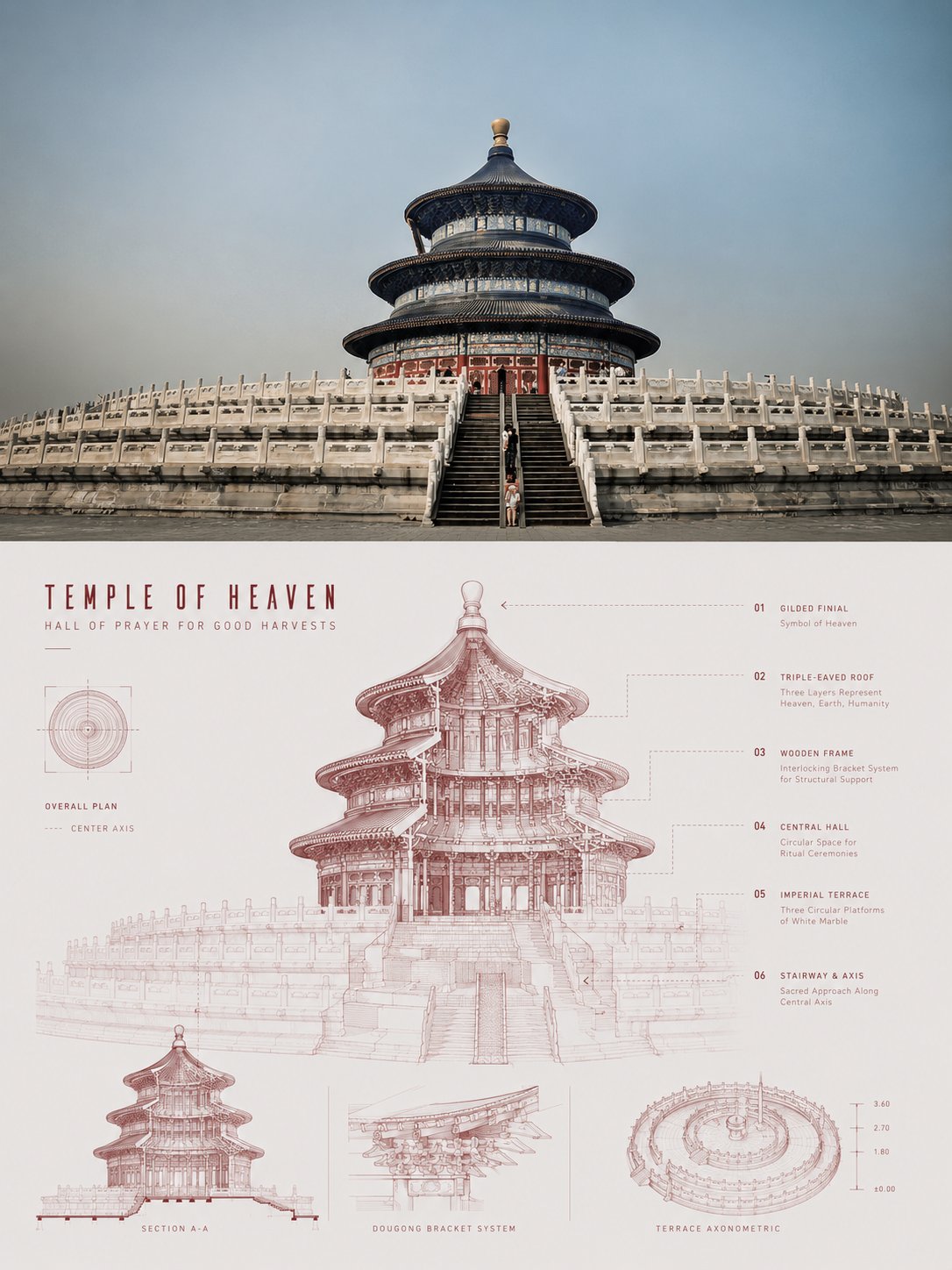
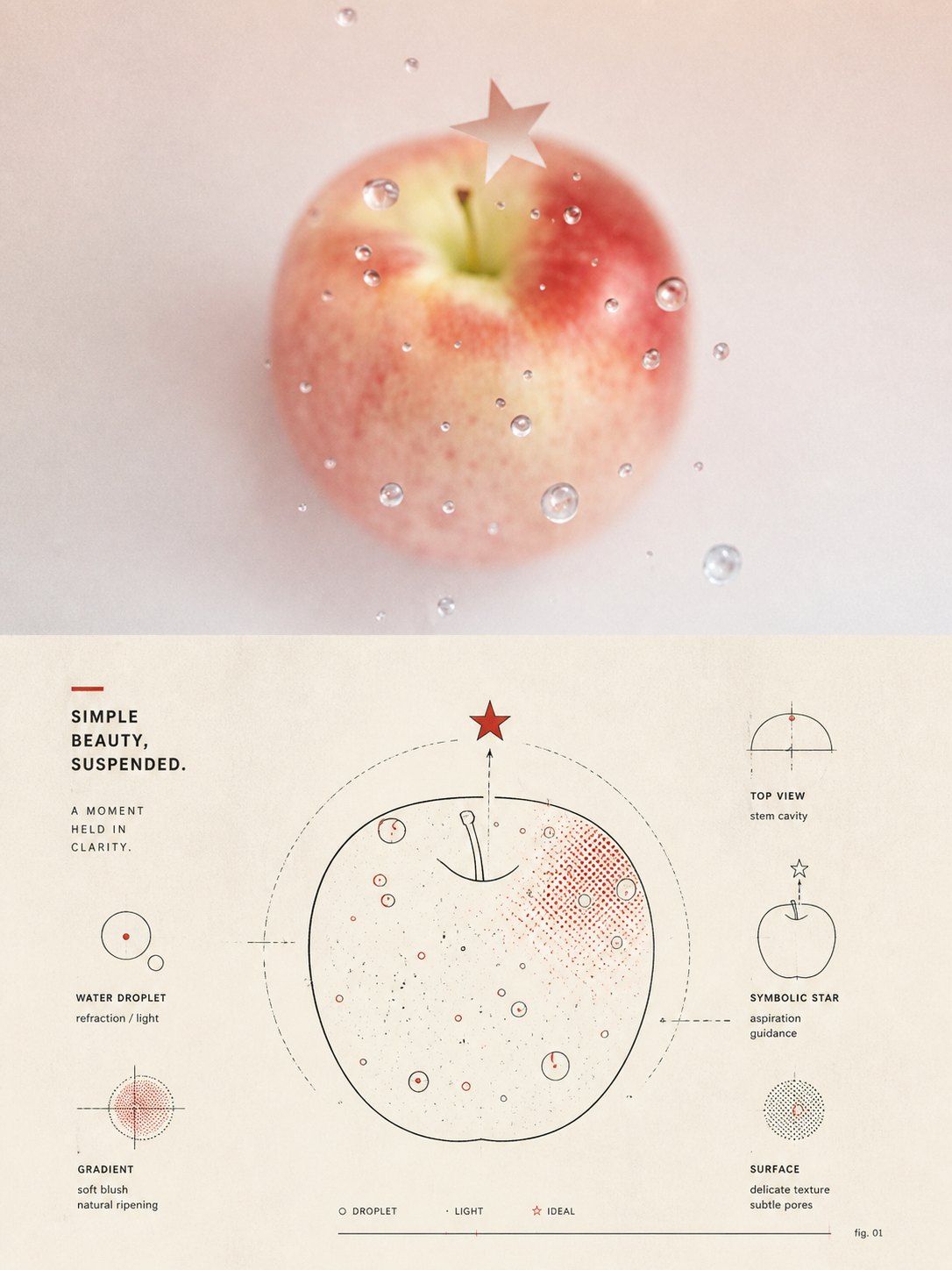
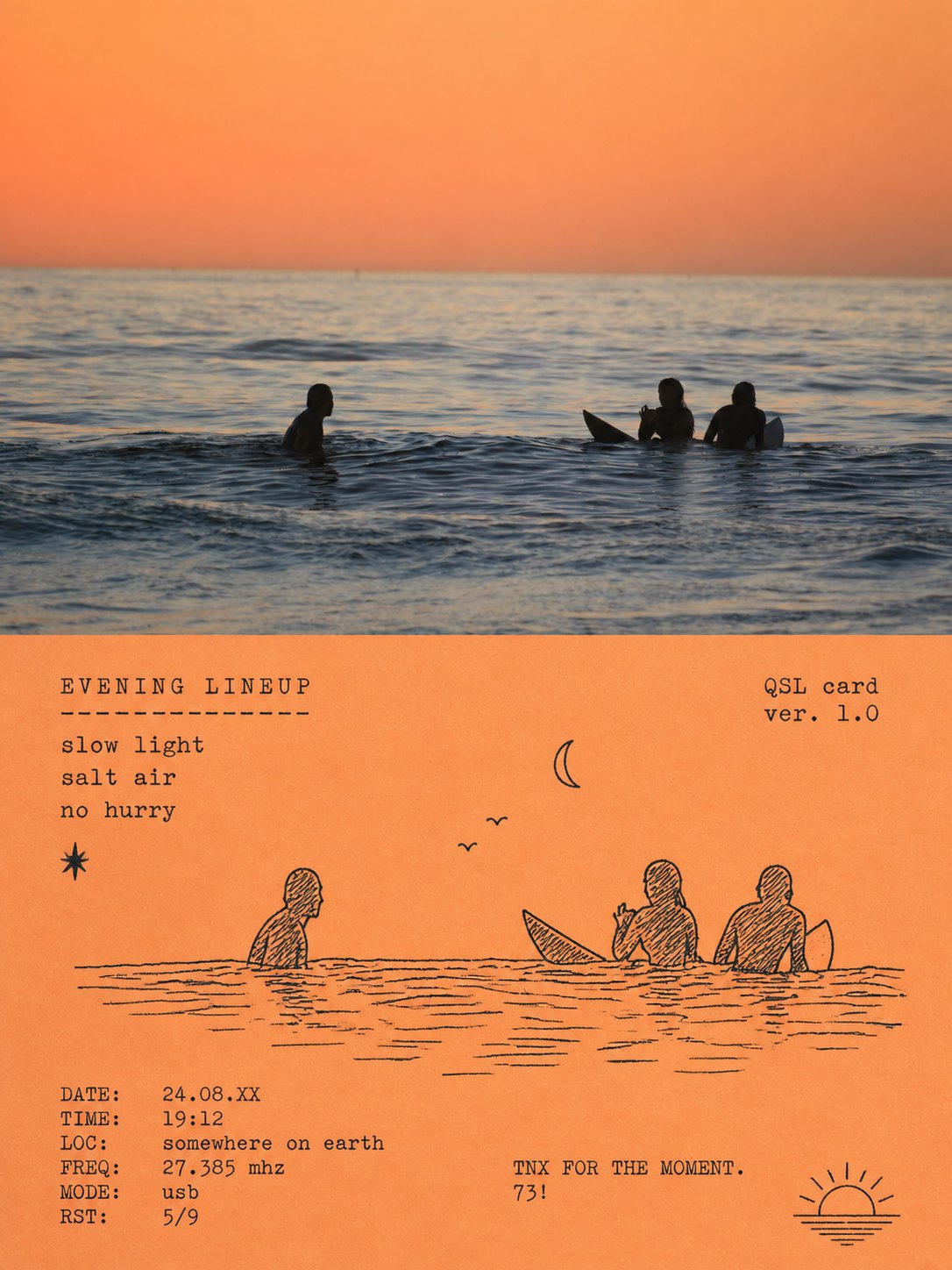
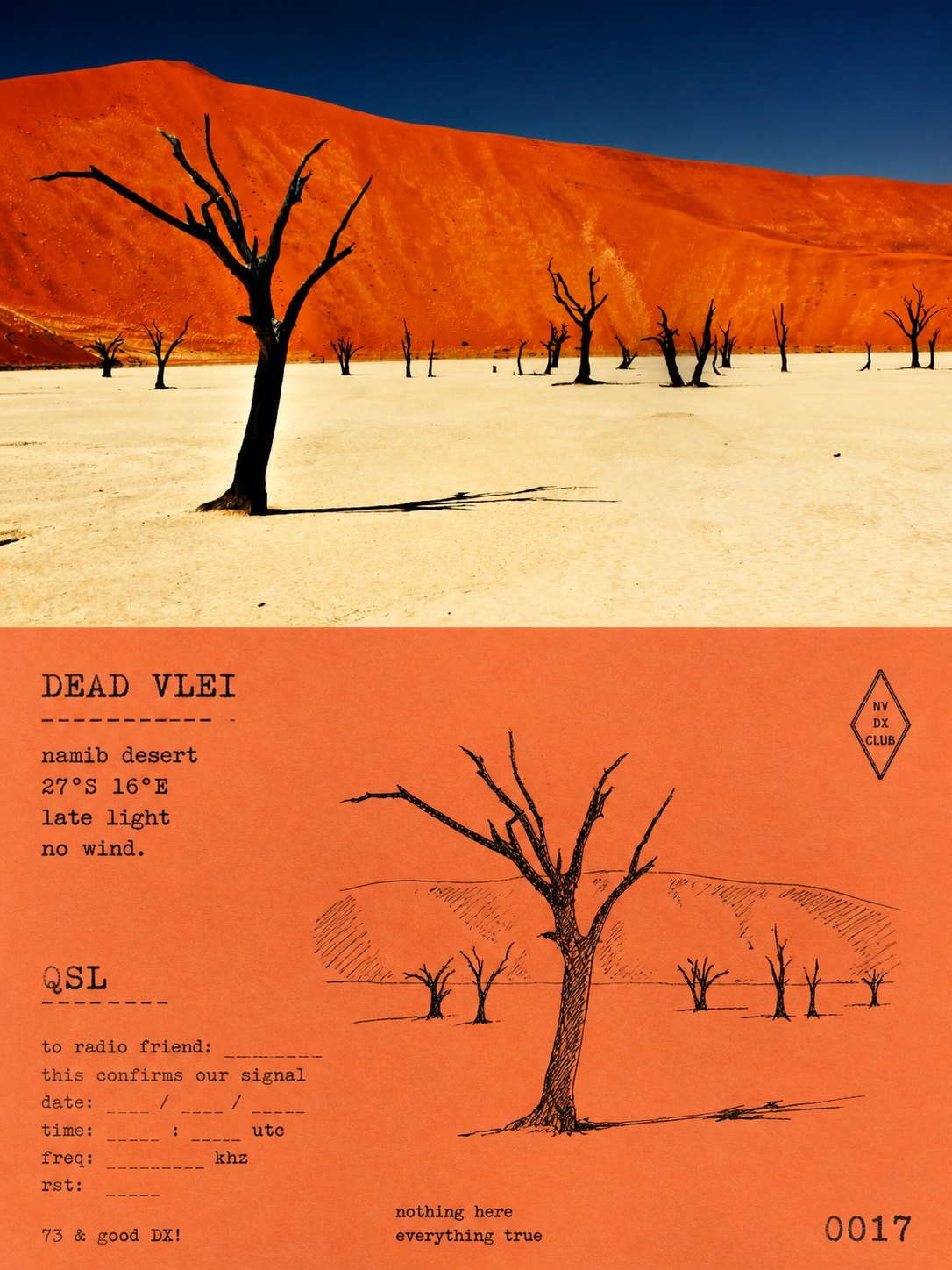
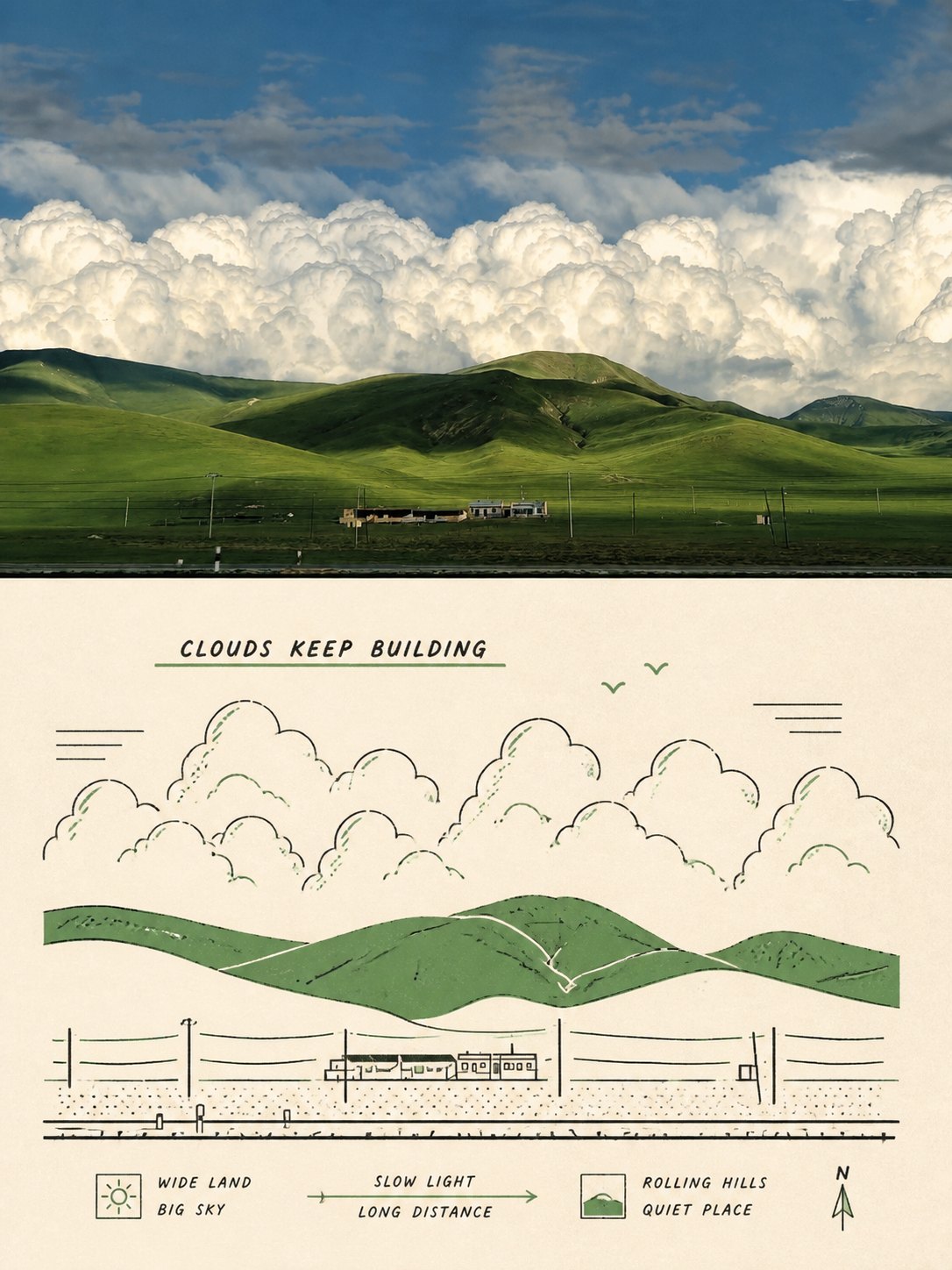
Please create a separate
"PASTEL GOUACHE FASHION PORTRAIT|Pastel Gouache Portrait"
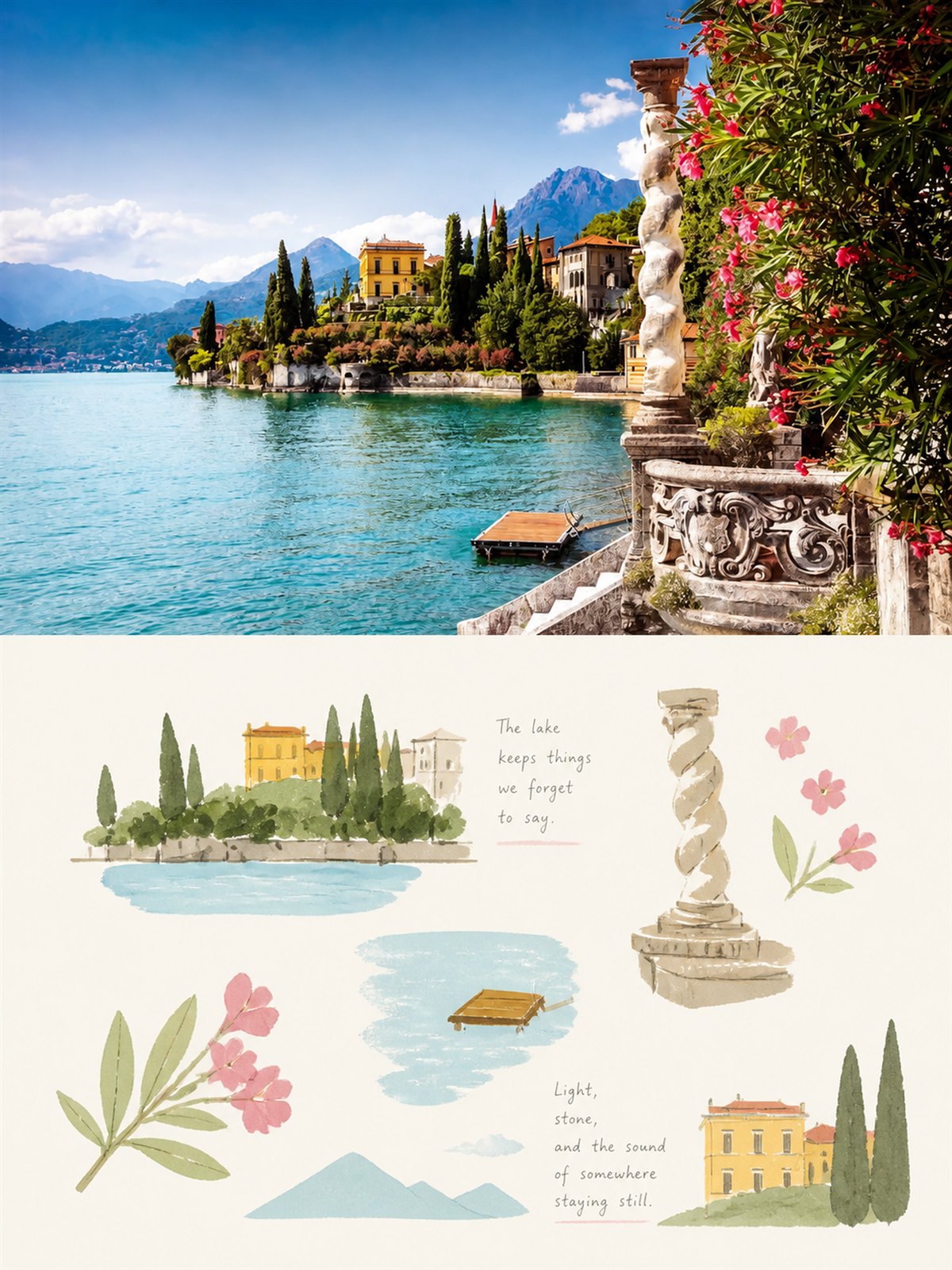
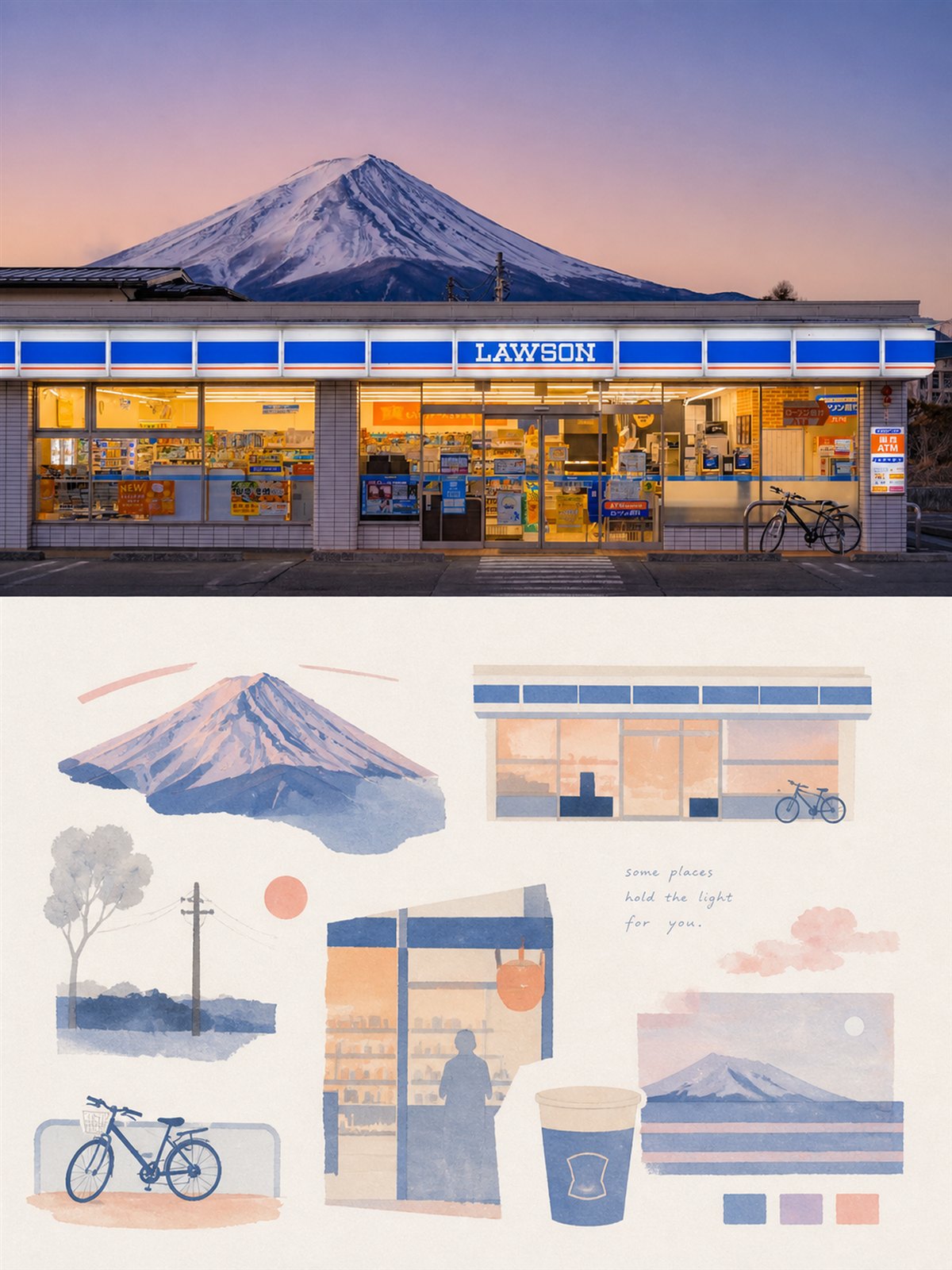
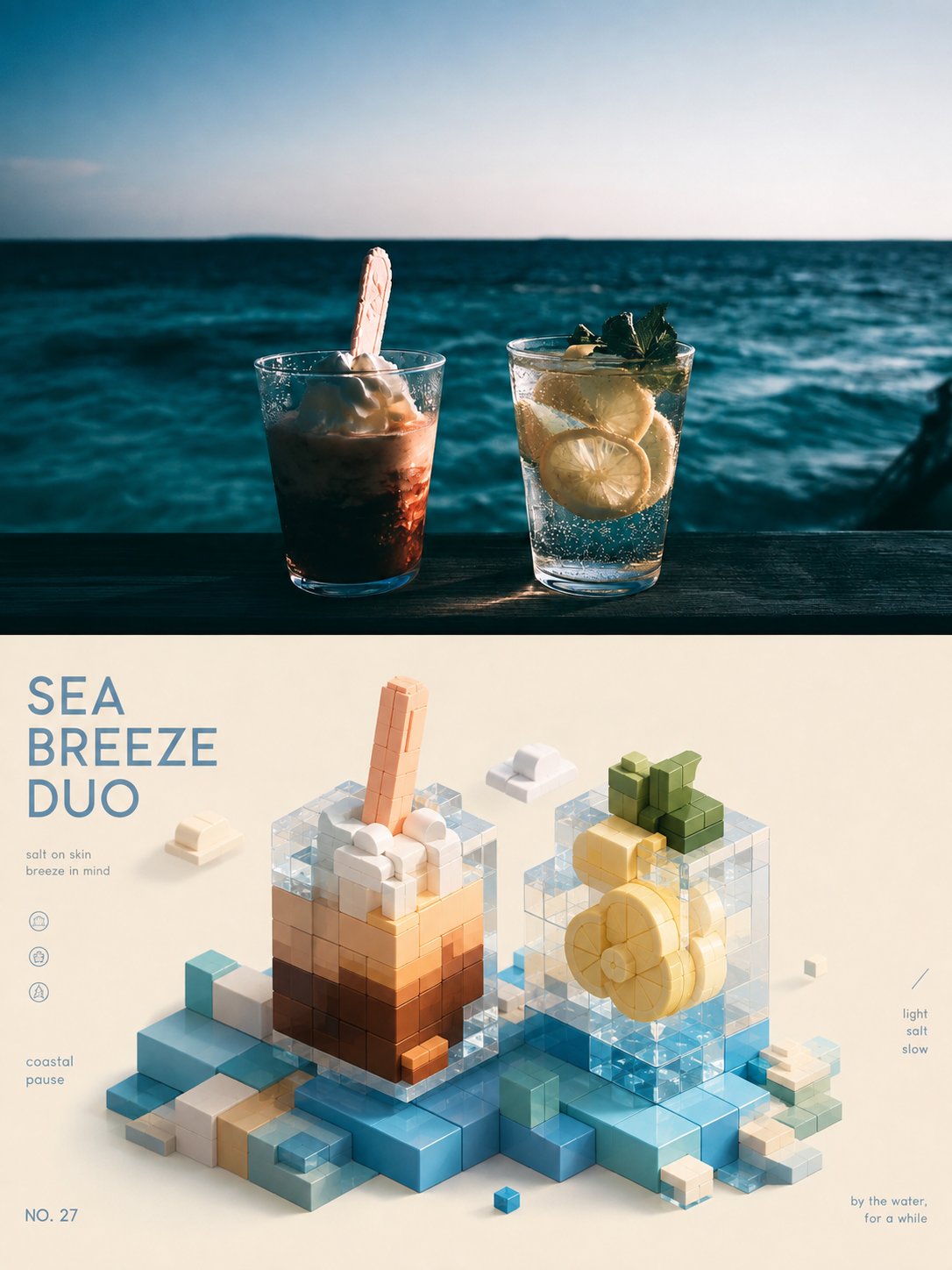
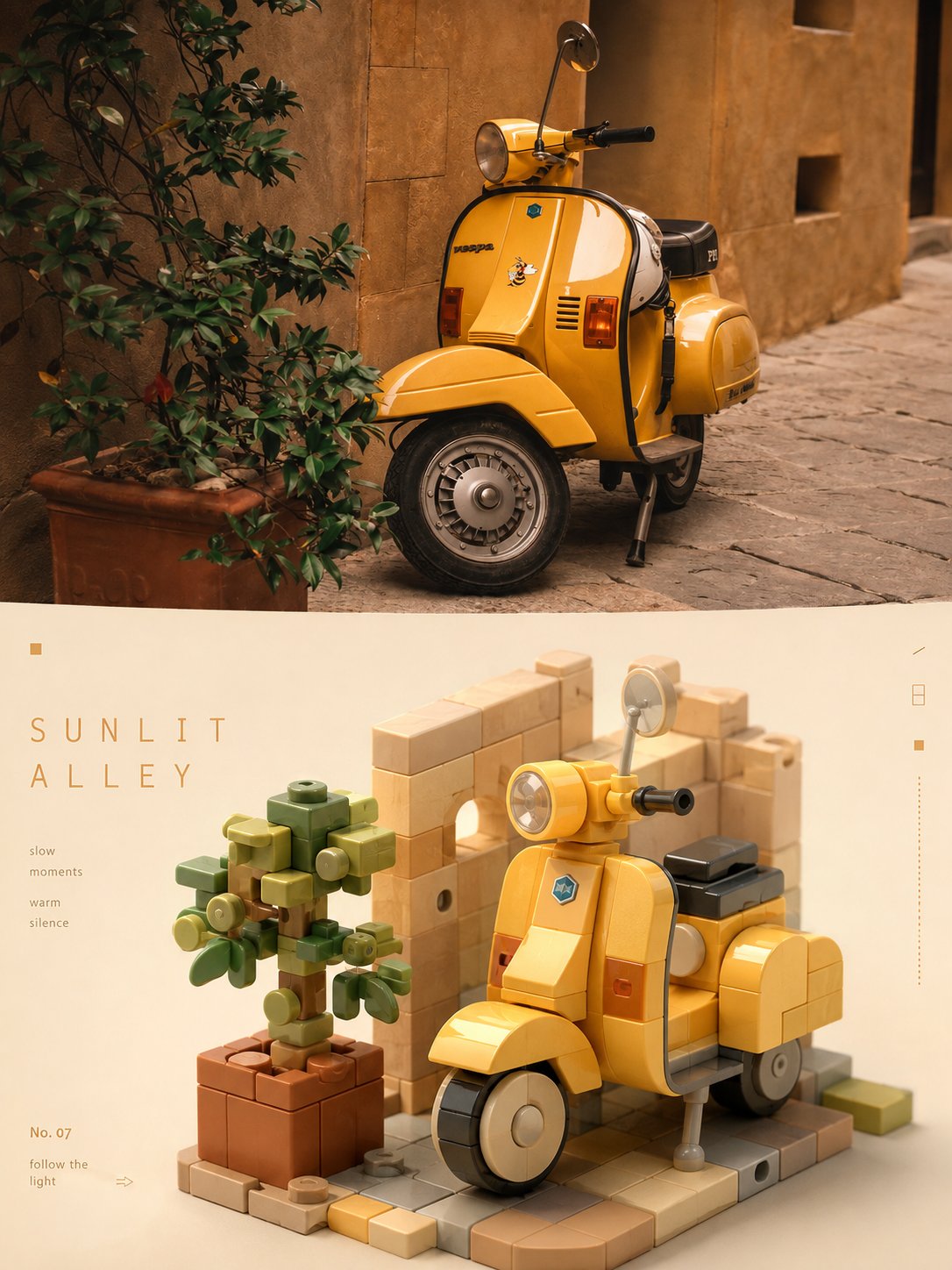
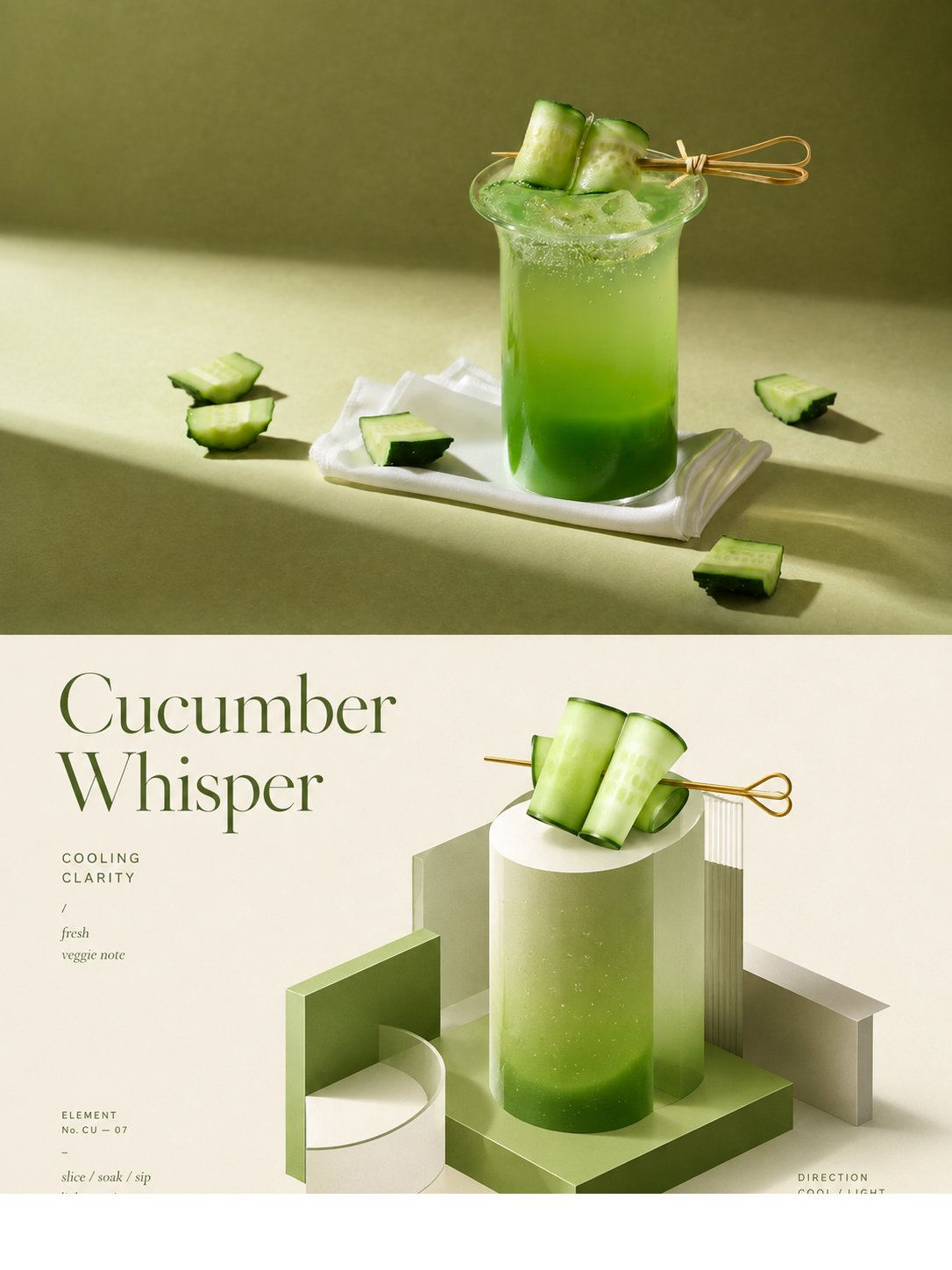
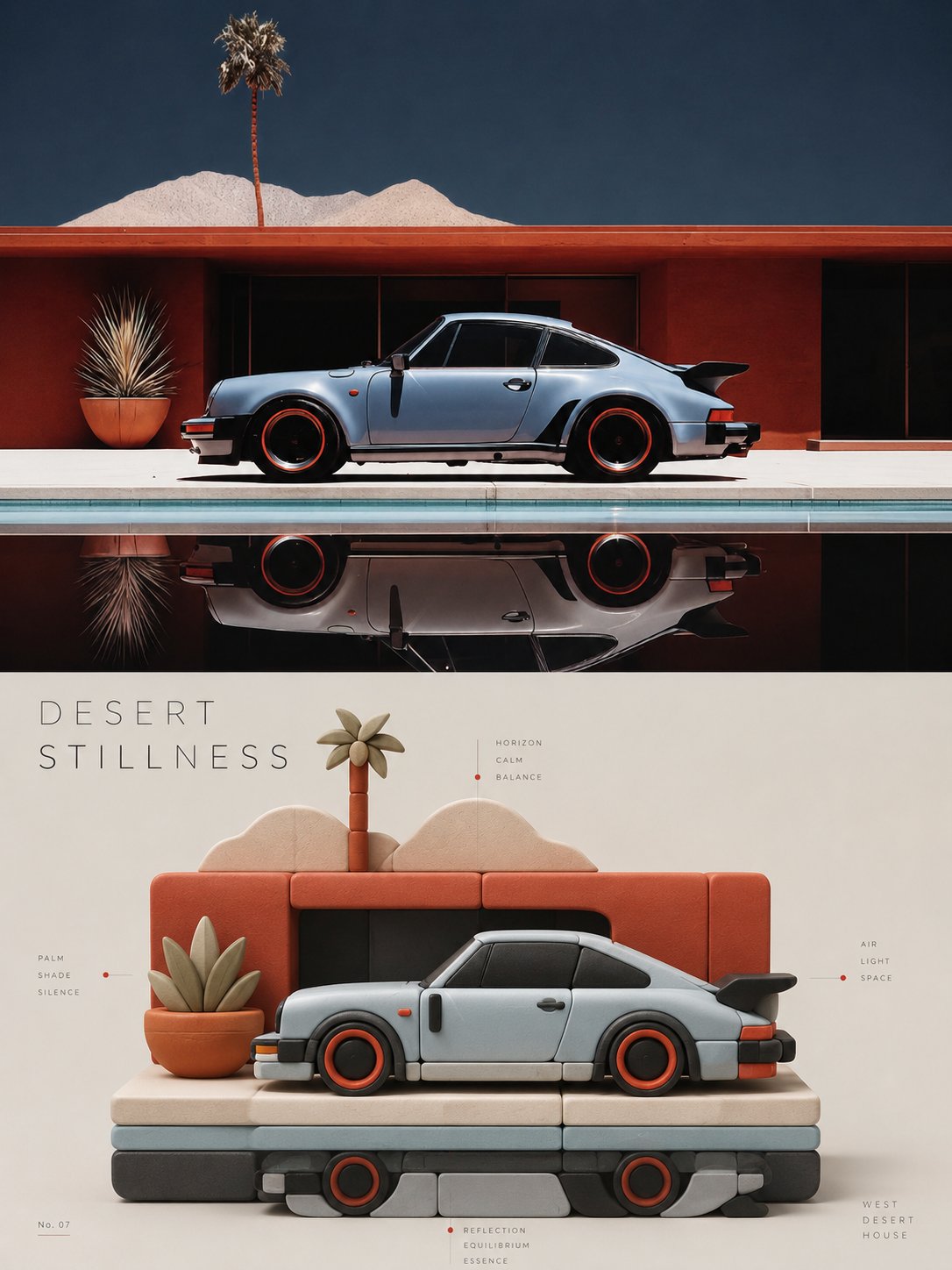
original image comparison poster for each photo I upload, without multi-image collages.
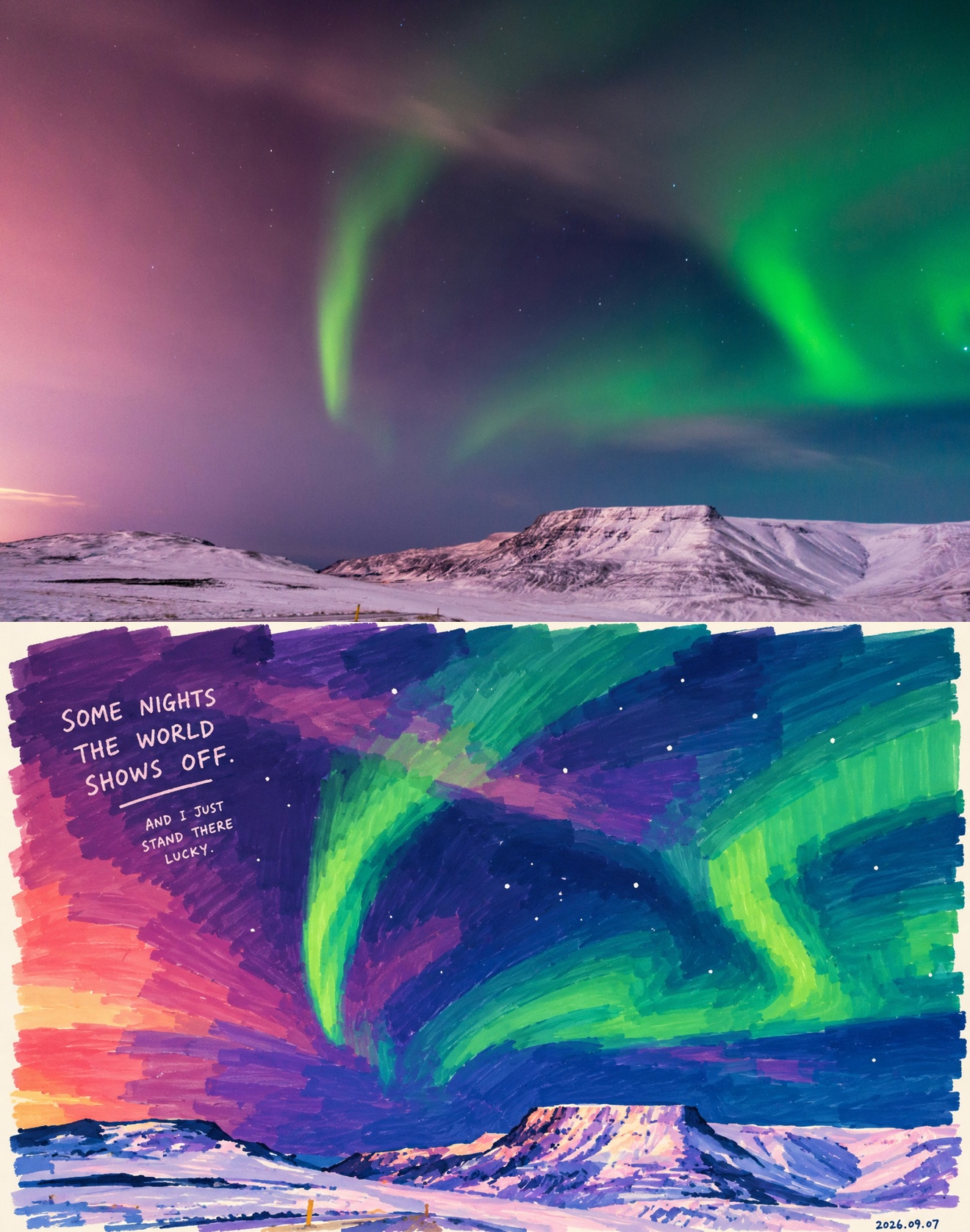
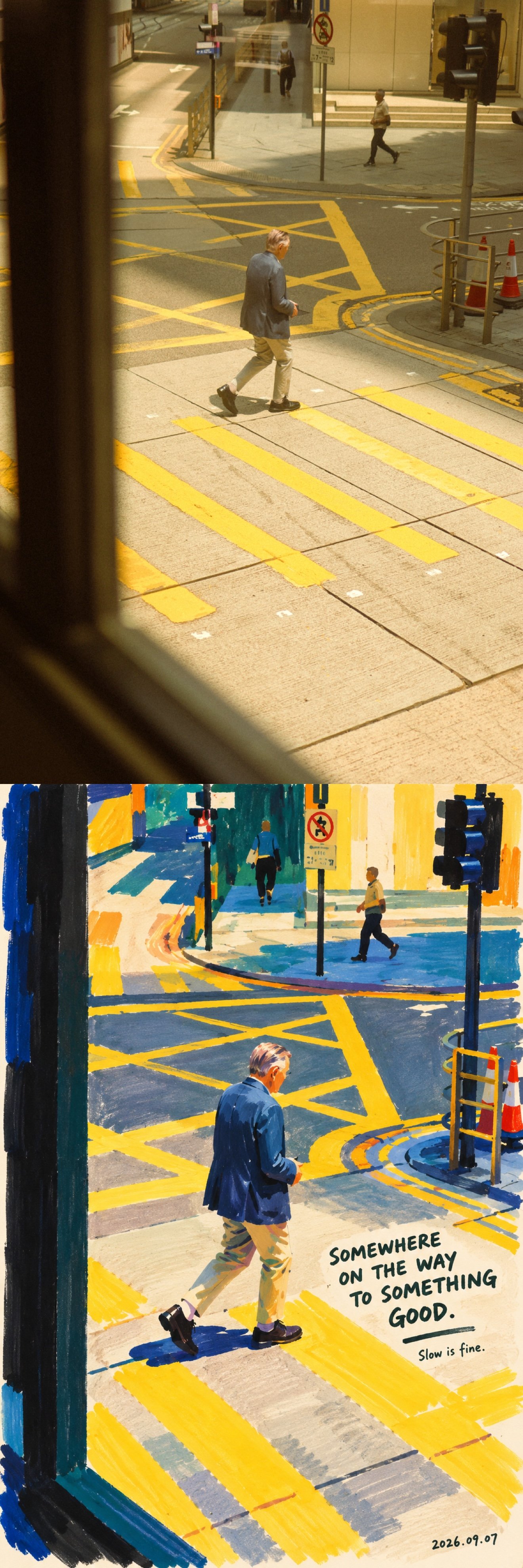
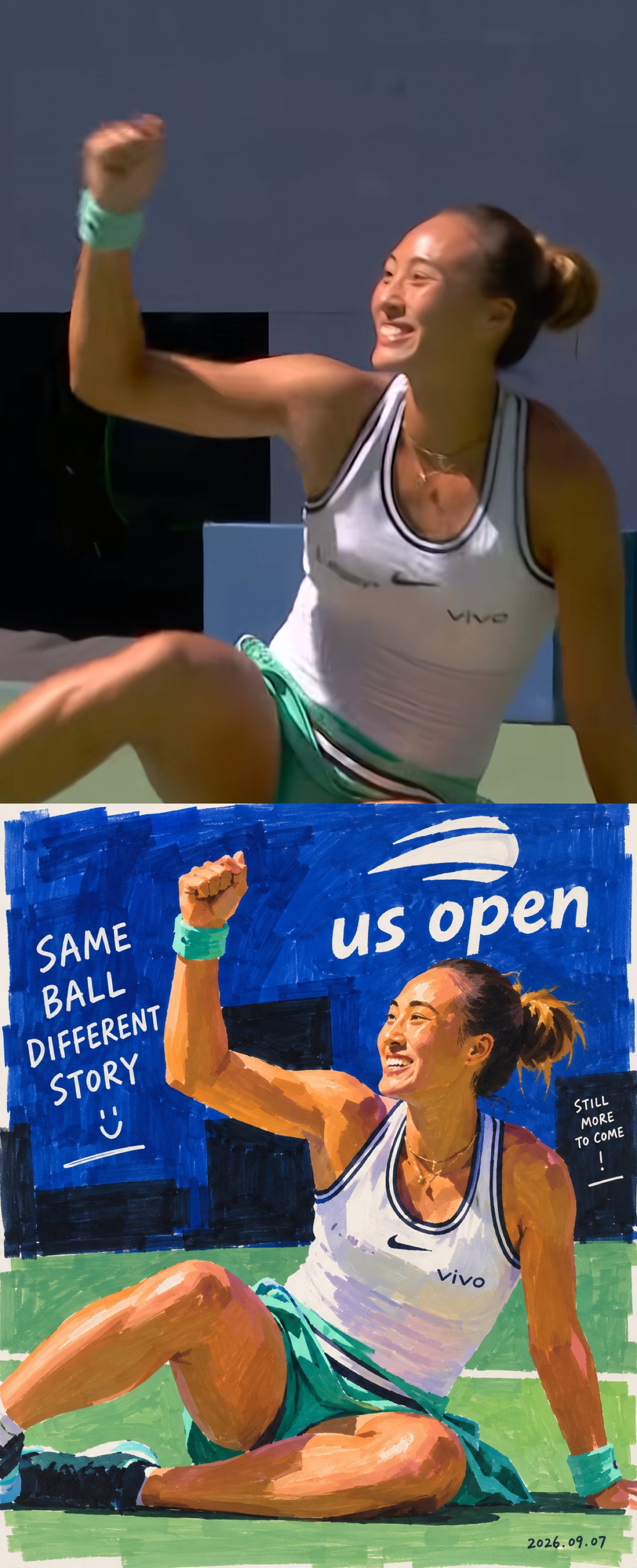
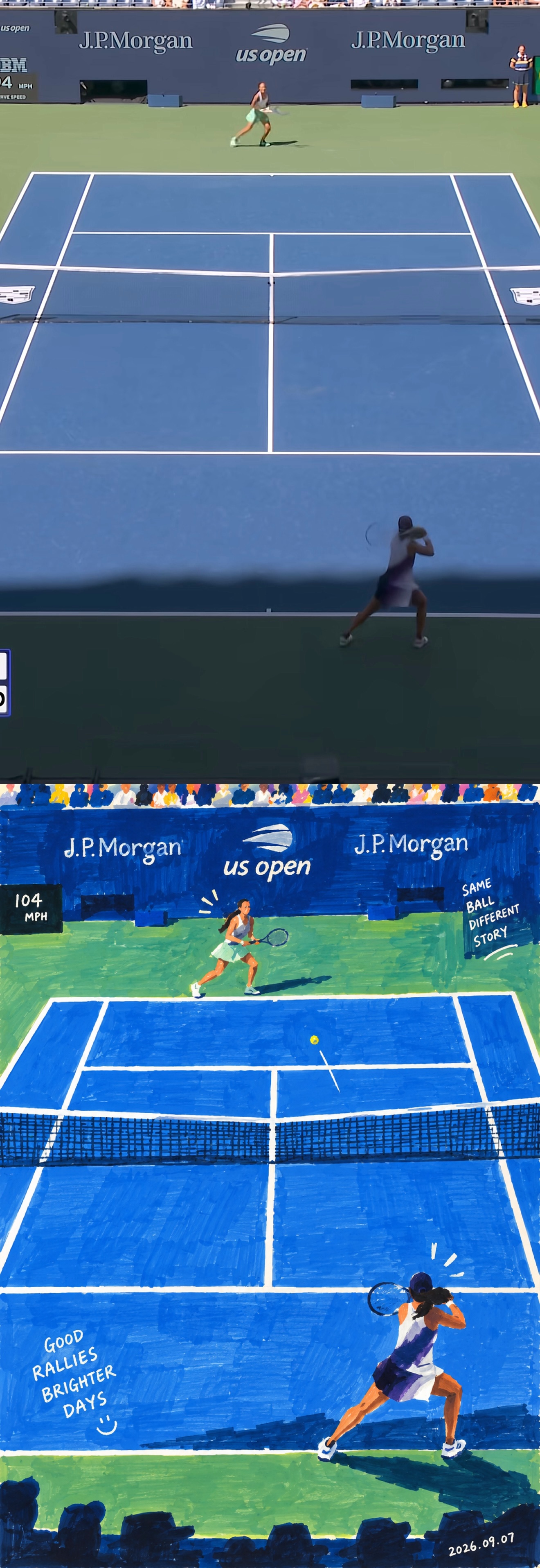
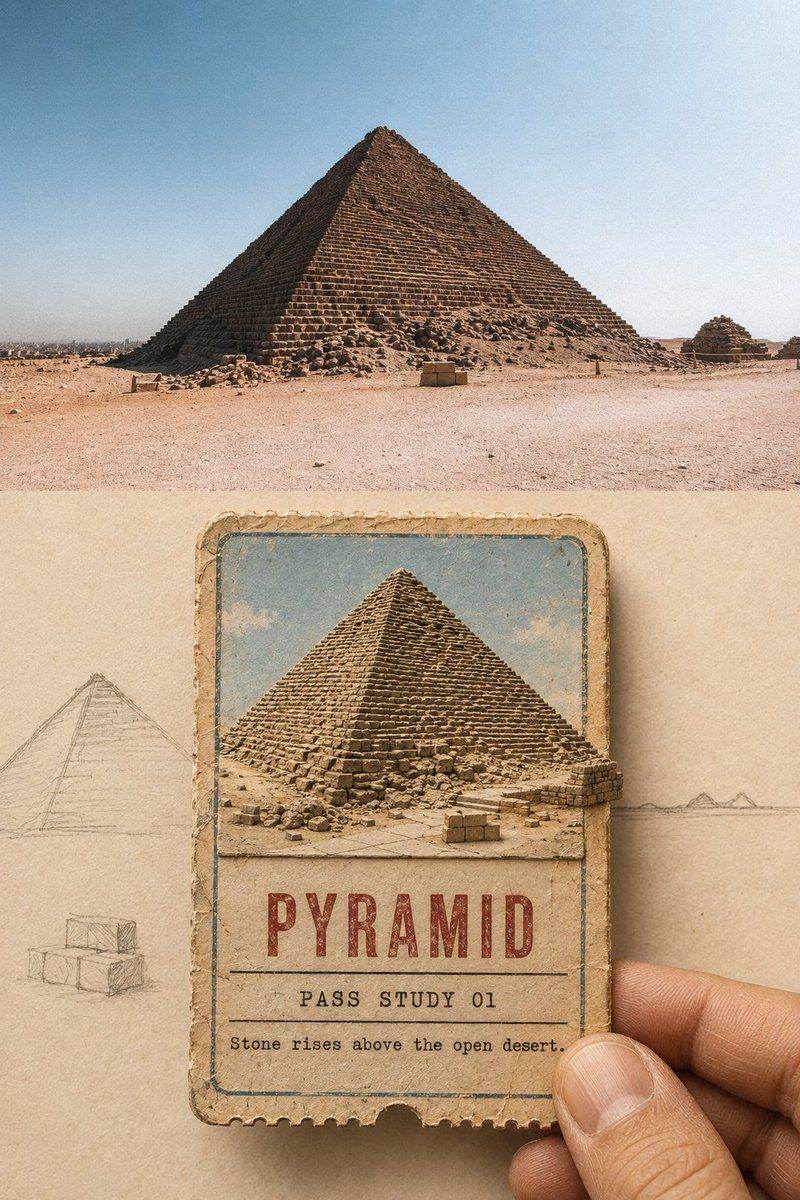
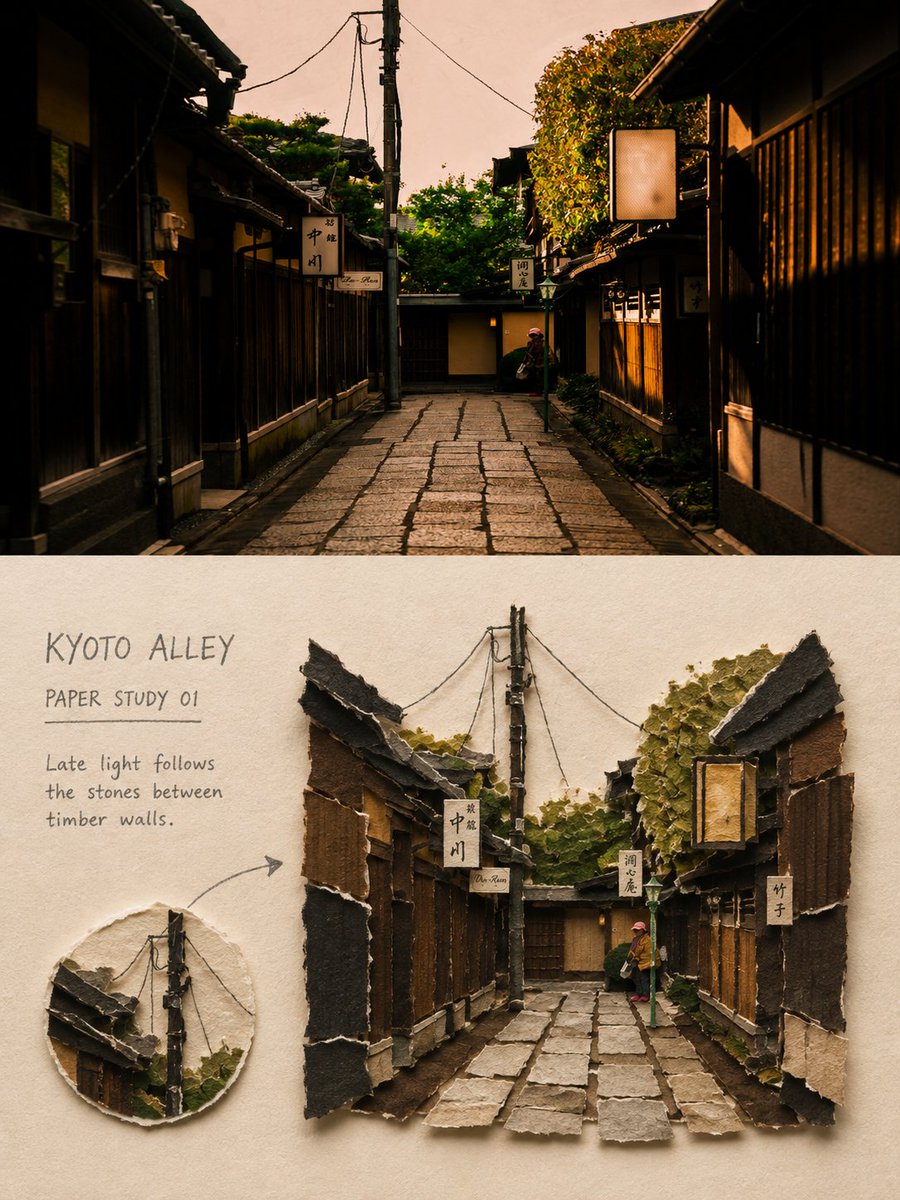
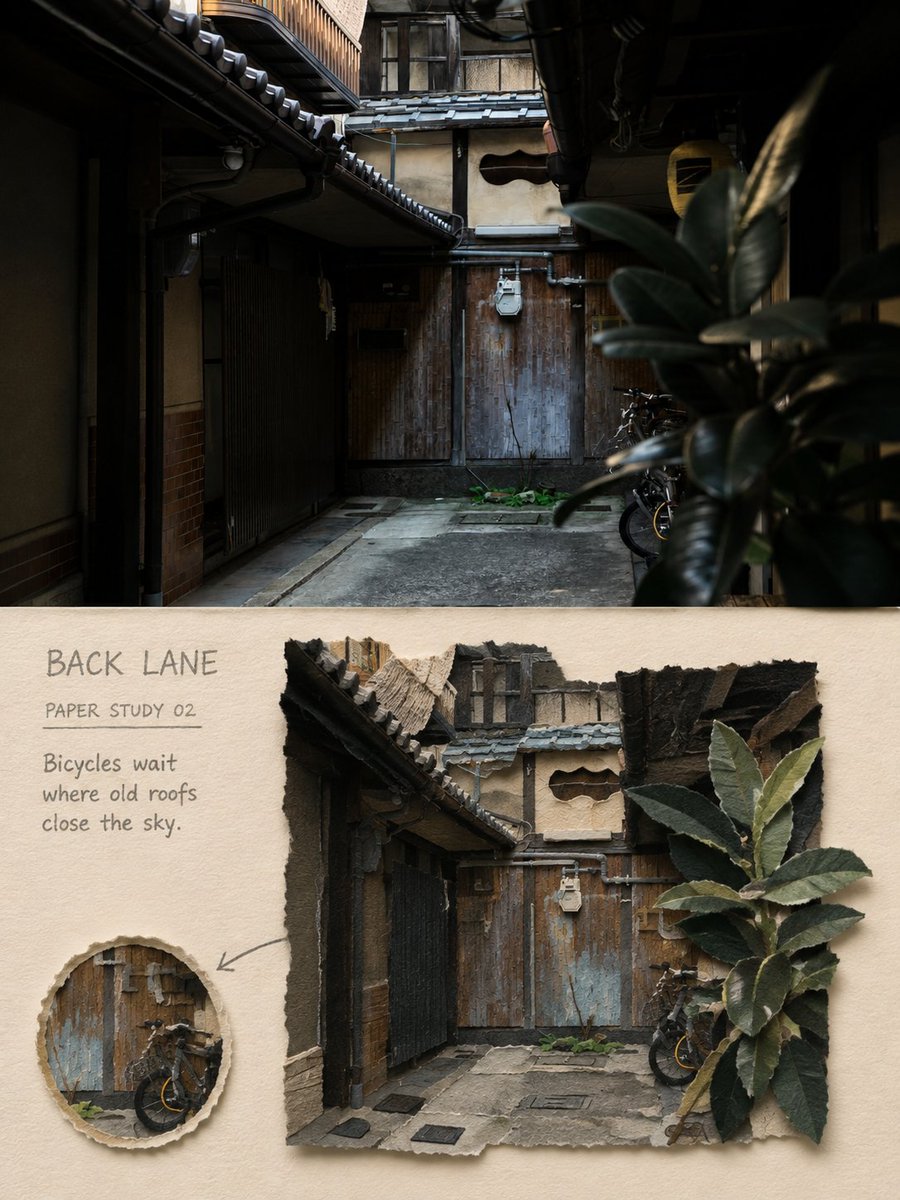
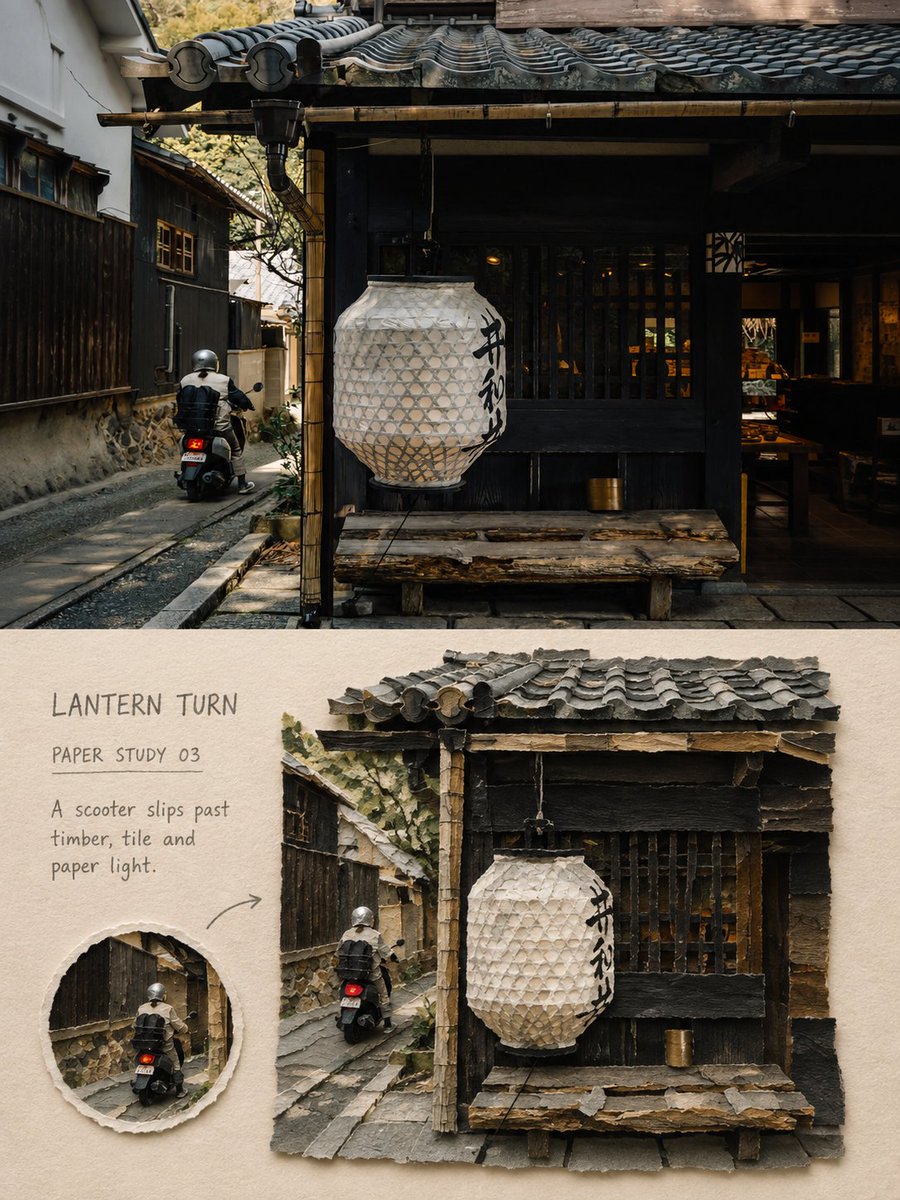
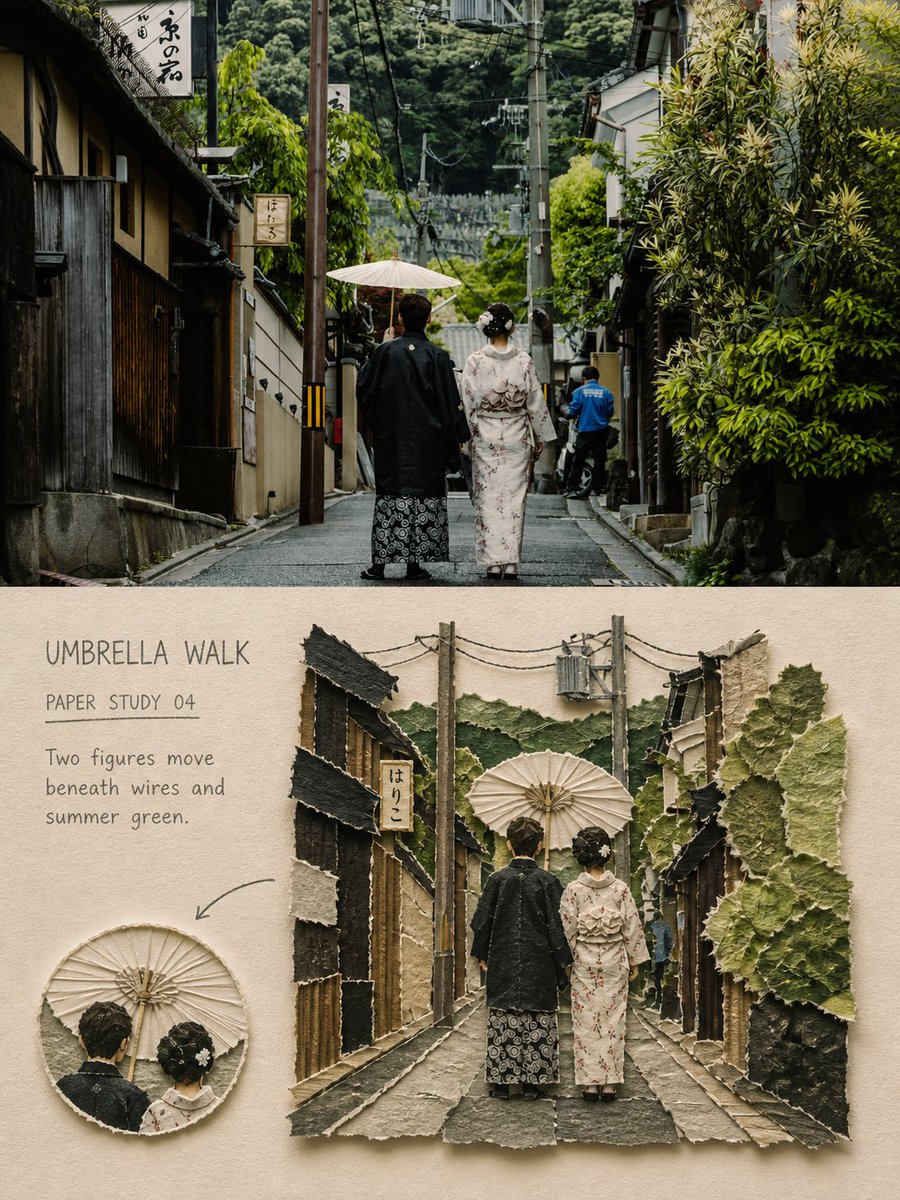
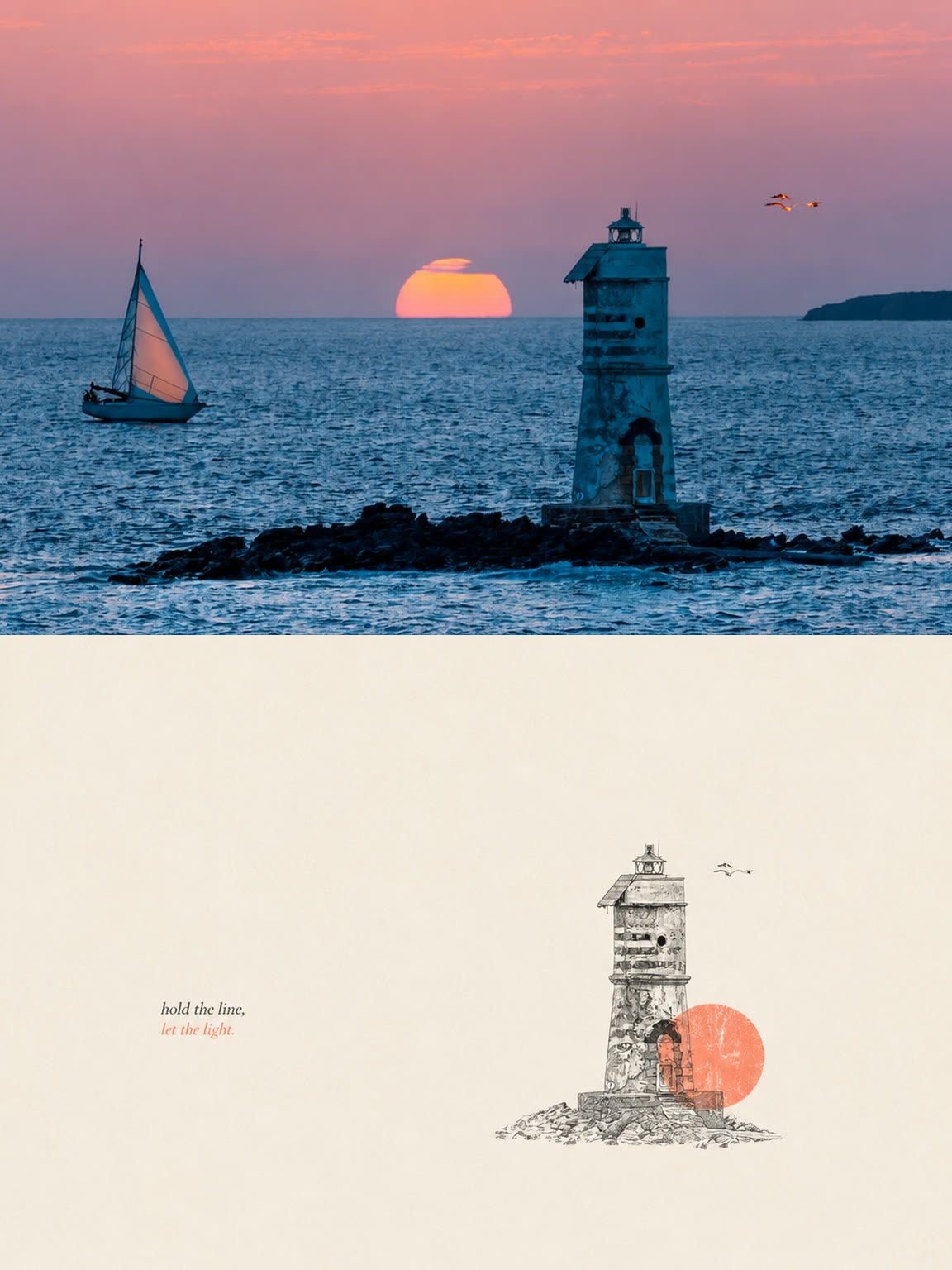
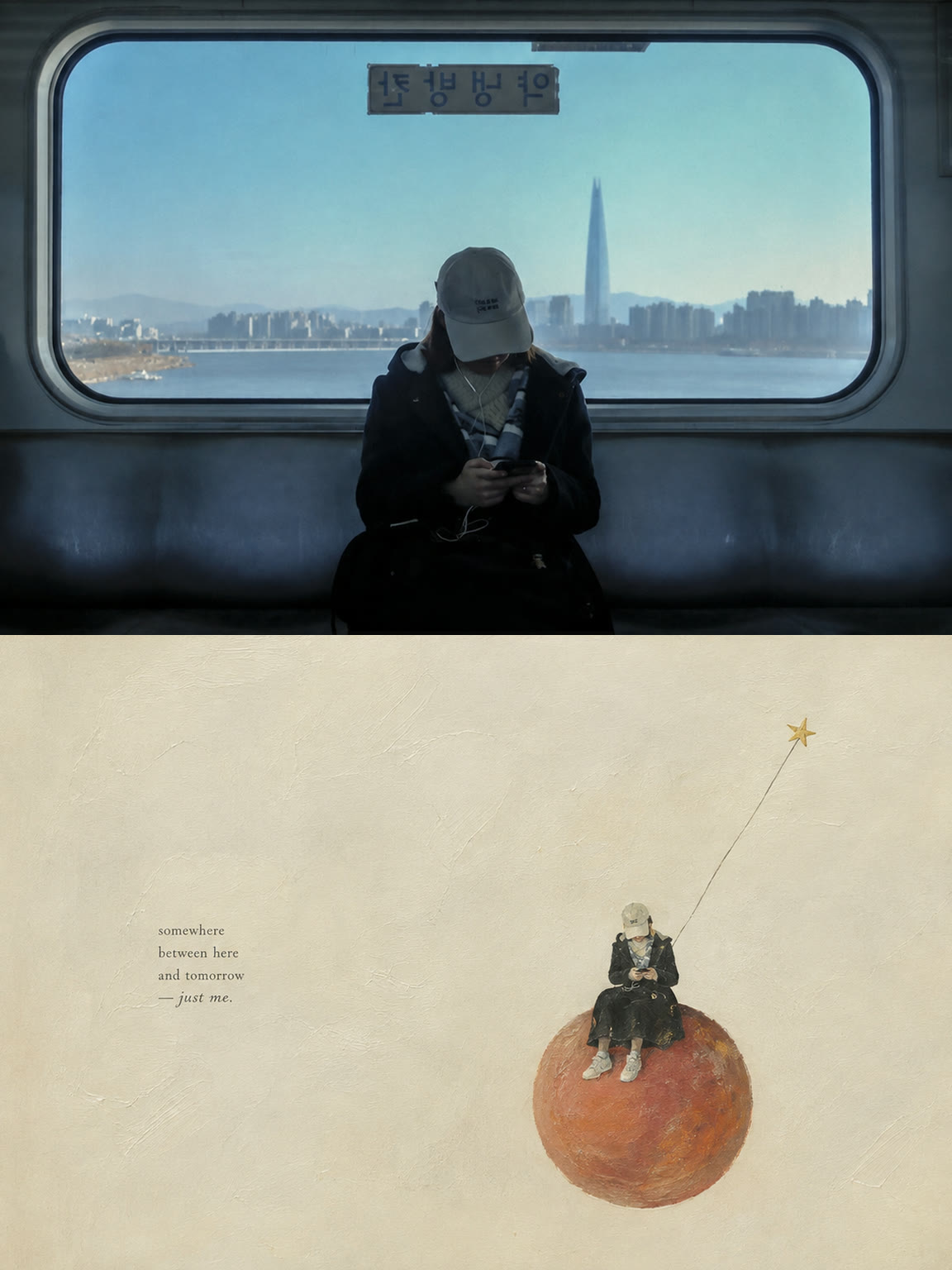
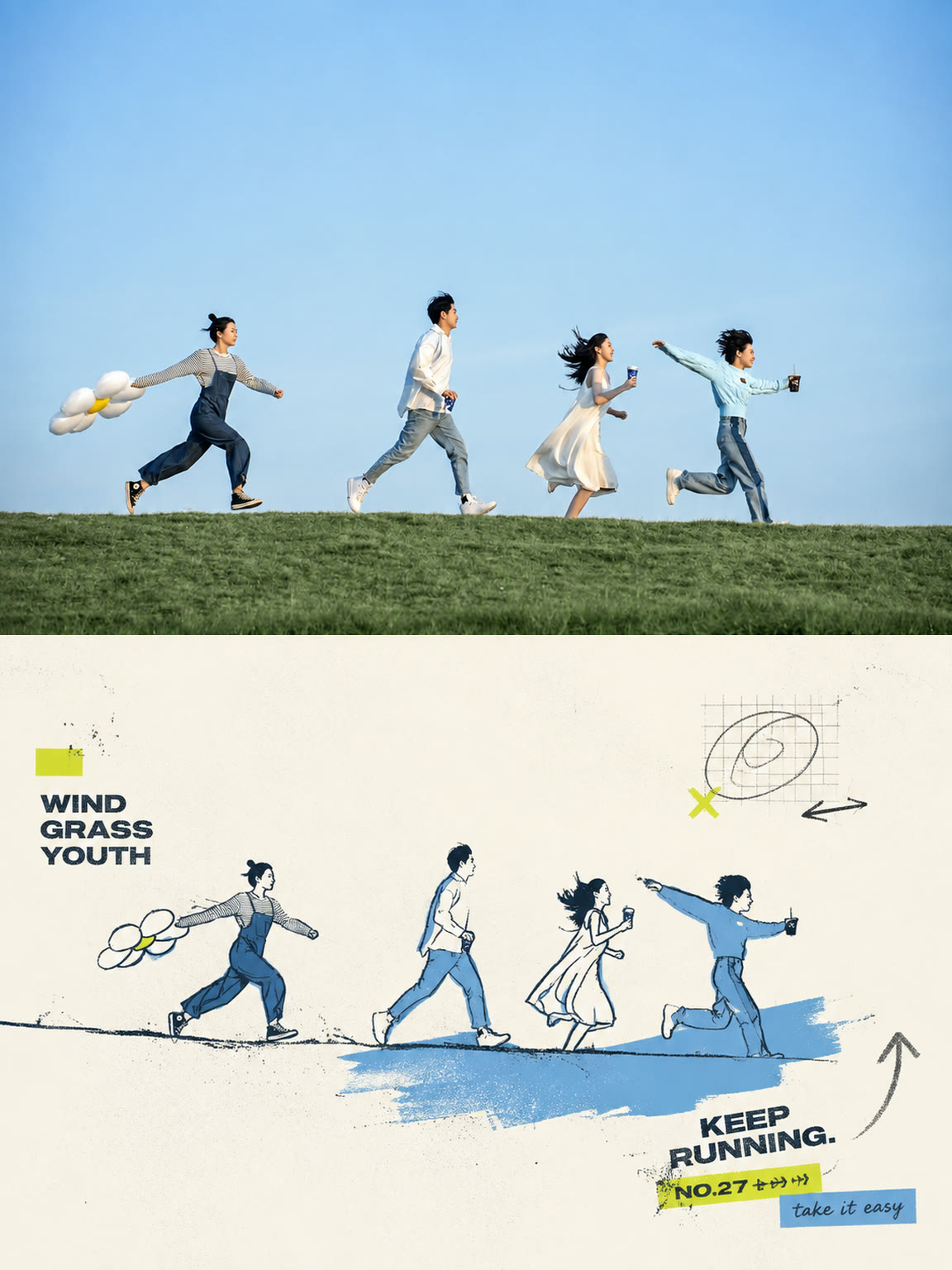
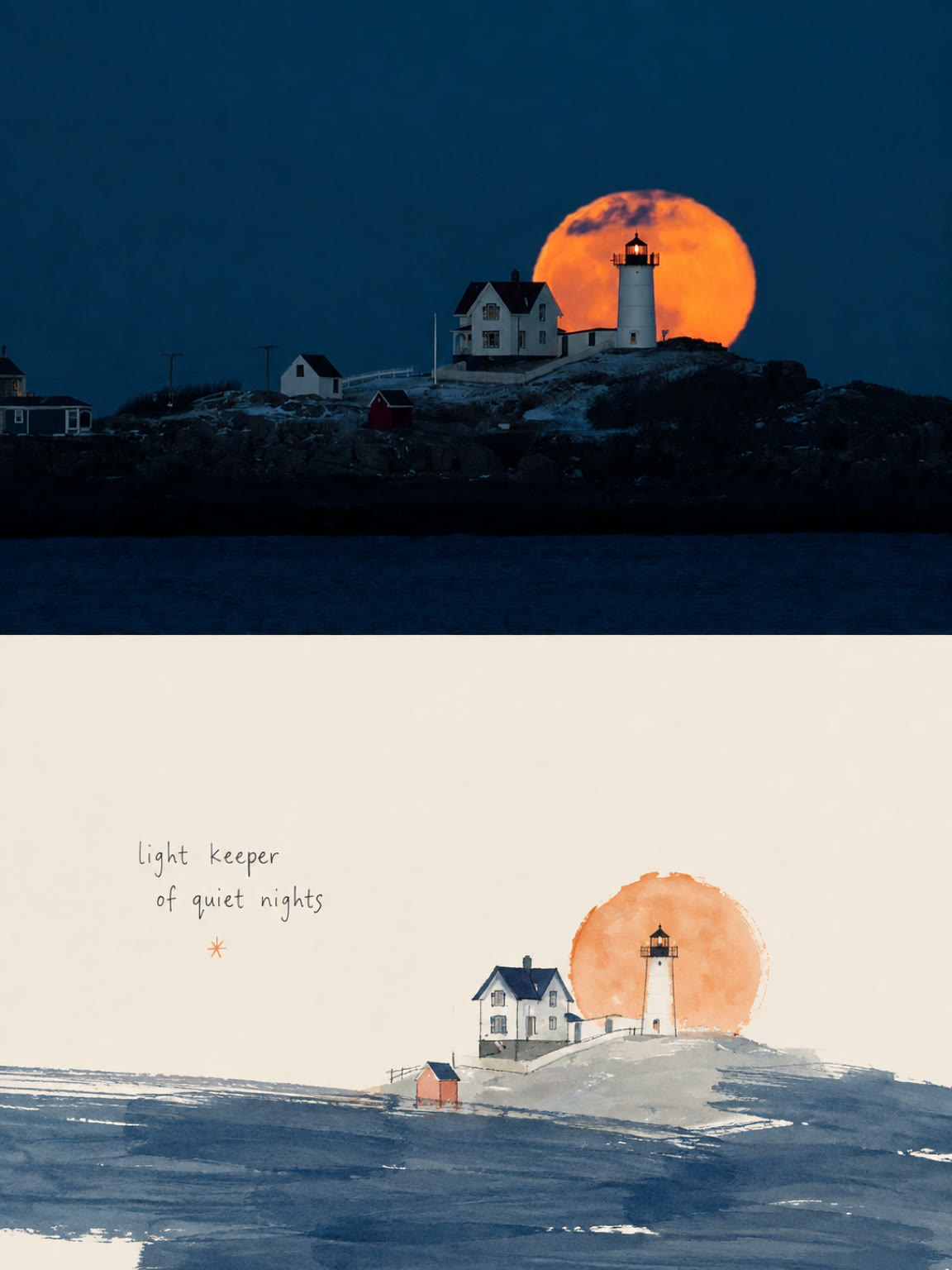
Overall, use a vertical dual-panel structure, with the top and bottom sections each taking about 50%, separated by a clear, straight horizontal boundary.
The upper half faithfully preserves the original photo. Accurately maintain the person's identity, face shape, expression, gaze, hairstyle, pose, clothing, accessories, lighting and shadows, and surroundings, with only subtle art magazine-style color grading. Do not redraw the photo area; do not alter the person's identity, age, actions, or clothing.
The lower half extracts the most identifiable facial features, hairstyle, hat, scarf, clothing colors, handheld items, and body pose from the same person, reconstituting them into a boldly cropped pastel gouache portrait.
Do not directly copy the original photo's composition. Moderately enlarge the headshot or half-body, allowing hair tips, hat brims, or clothing to extend beyond the frame edges; compress the background into one to three quiet, light-colored shapes, retaining only minimal clues that indicate the location.
Use matte opaque gouache, pastel dry brush, broad brush color strokes, and slightly thick charcoal pencil outlines. Facial features can be moderately simplified, but must preserve the person's identity and authentic emotions. Retain paper texture, rough edges, overpainting, dry brush gaps, and a sense of partial incompleteness, avoiding smooth digital illustrations.
Draw the color palette from the original photo and condense it into five to seven soft colors. Preserve the most distinctive colors from the person's clothing while reducing background noise.
The lower half should reserve about 20%–30% continuous light-colored open space for adding a 1–3 word English title, a field like "GOUACHE NOTE 01," and a short observational text. Use matte hand-drawn condensed fonts or gentle humanist sans-serif fonts, with slight dry brush gaps, without covering the facial features.
Avoid anime-style faces, smooth vector art, plastic skin, finely rendered realistic skin, changes to the person's identity, arbitrarily added accessories, full replication of the photographic background, floating digital typography, author signatures, logos, and watermarks.
2026-09-07via @Hamburgerai